In this post, I am going to bring forward research I have done over the years on resorts, springs and spas, and show how once-upon-a-time the amazing natural healing places once in existence were connected to the Old World and its energy grid, and in most cases, were taken out a long time ago.
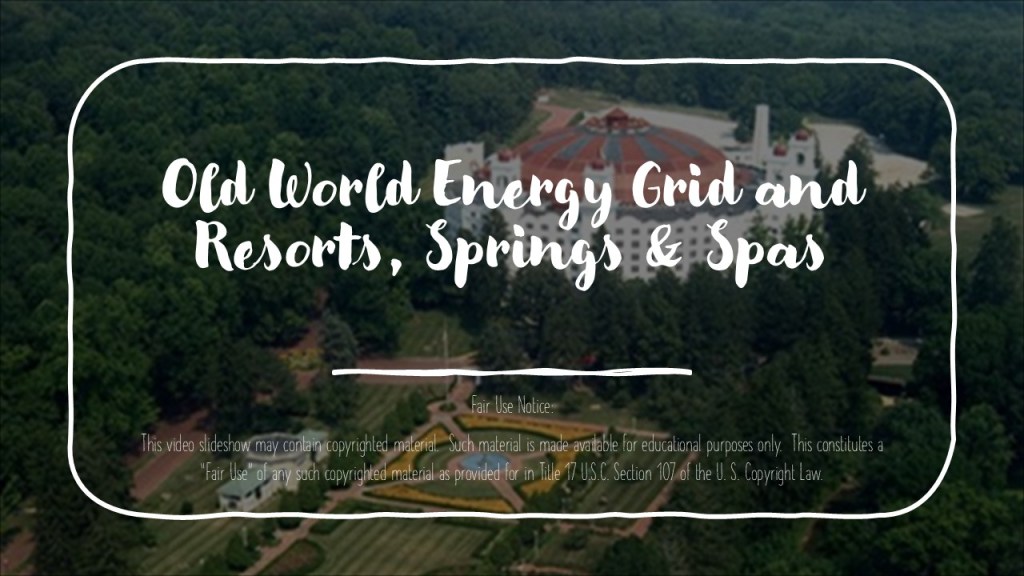
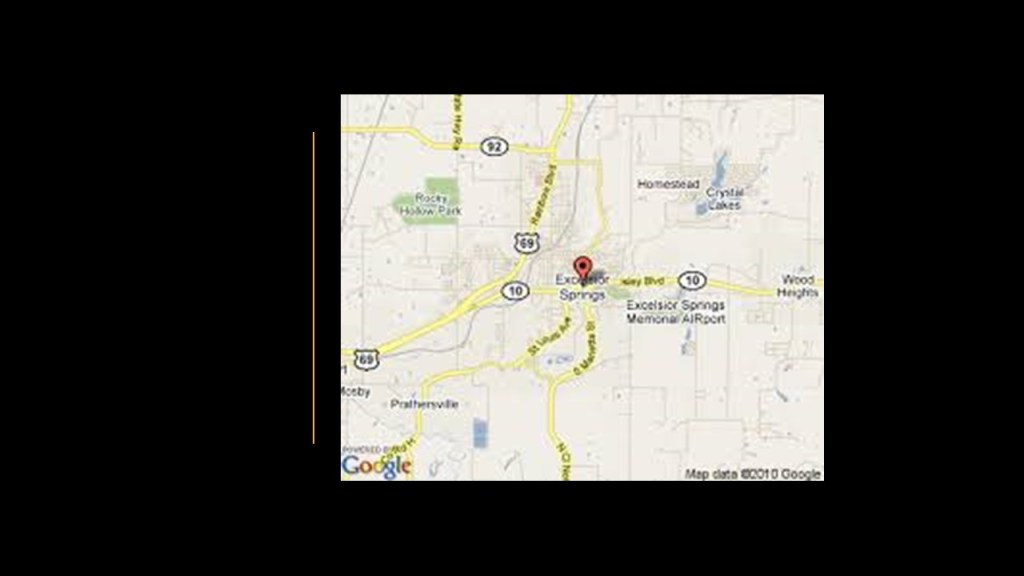
The first place I am going to take a look at is Excelsior Springs in Missouri, located on the East Fork of the Fishing River.
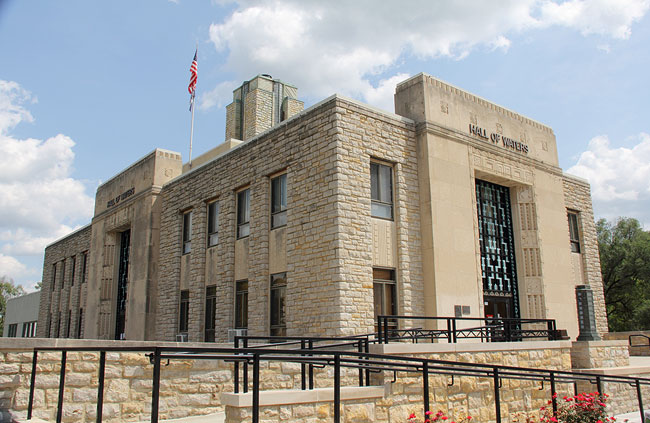
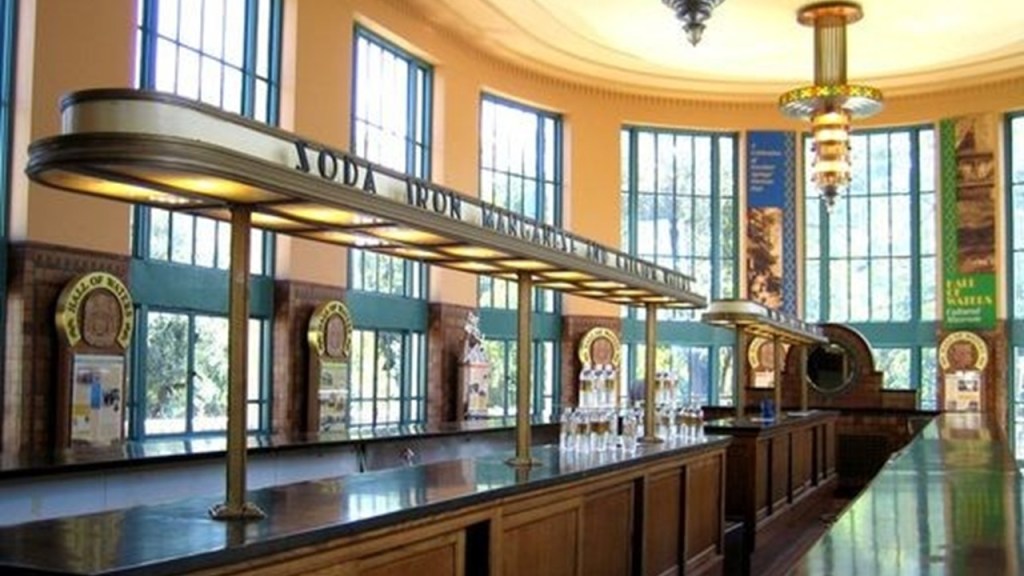
The City Hall of Excelsior Springs today used to be the called the “Hall of Waters.”
This building was said to have been built between 1936 and 1937 by the architectural firm of Keene & Simpson, which would have been in the years between the Great Depression and the beginning of World War II.
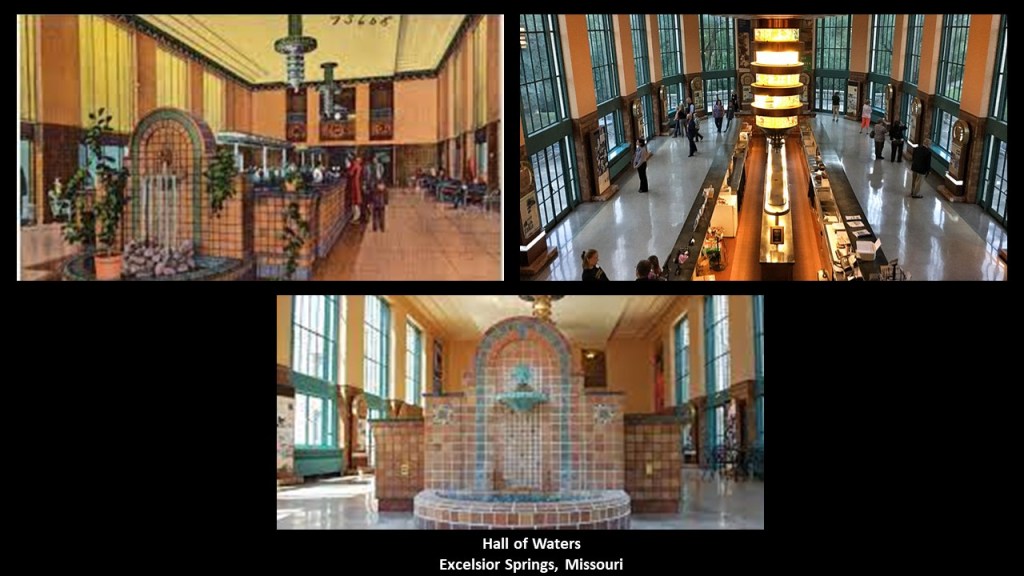
The Hall of Waters was significant as being on the location of one of the only natural supplies of iron-manganese mineral water in the U. S. that was discovered in 1880.
The Regent Spring was said to have been discovered in 1881, a second iron-manganese spring in the area.
Here’s what we are told about the Regent Spring.
The waters of the Regent Spring were one of four Spring waters bottled by the Excelsior Springs Bottling Company, and was considered to be the strongest iron-manganese spring-water in the world.
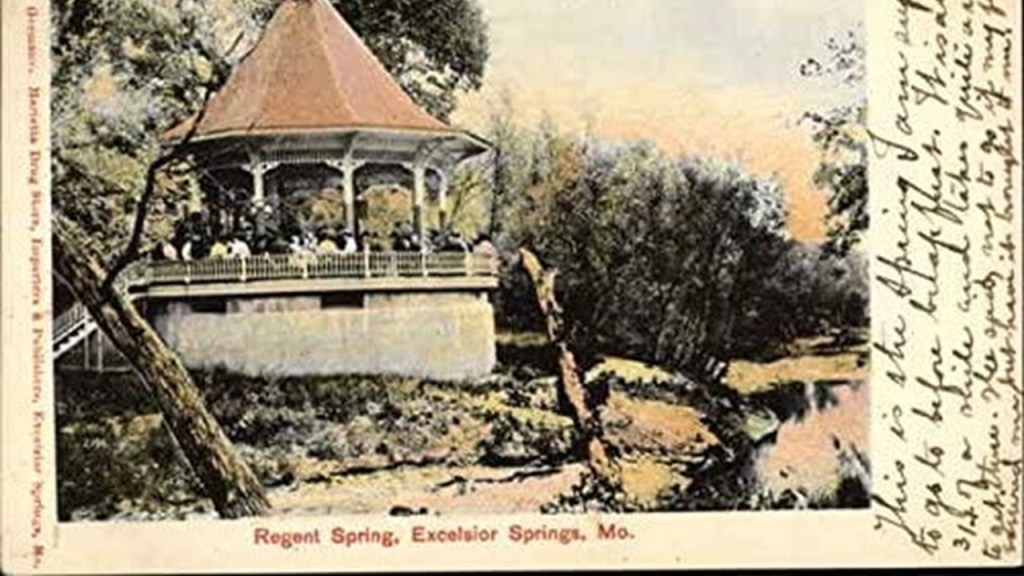
The healing properties of this water were substantial, including prompt and permanent relief of things like all kidney and bladder problems, including Bright’s Disease; Diabetes, inflammation; rheumatism; and dyspepsia.
Long story short, by 1935, the well at the spring had been capped after having been piped, along with that of nine other private wells, into the Hall of Waters, and the wooden pavilion at the Regent Spring was demolished.
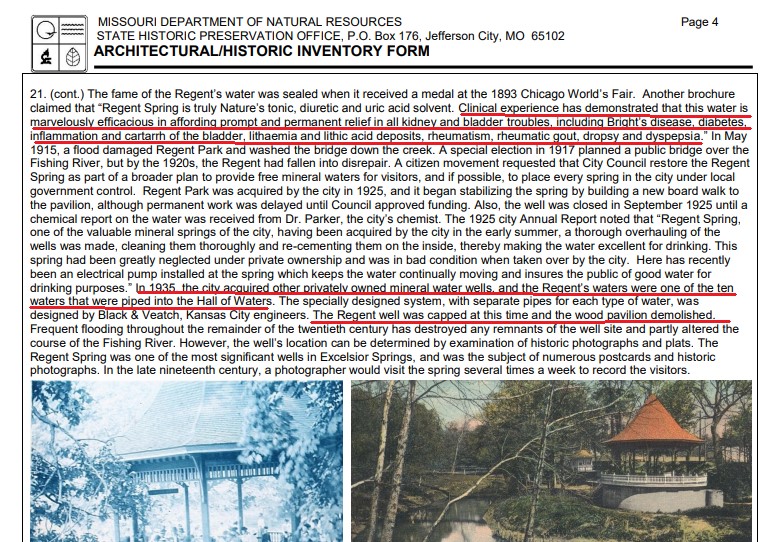
All-in-all, four different types of mineral water were found in downtown Excelsior Springs, with more varieties than anywhere on Earth.
From the discovery of the springs starting in 1881, Excelsior Springs was said to have quickly become the largest health resort in the state, with the town having electricity, a good sewer system and fine hotels.
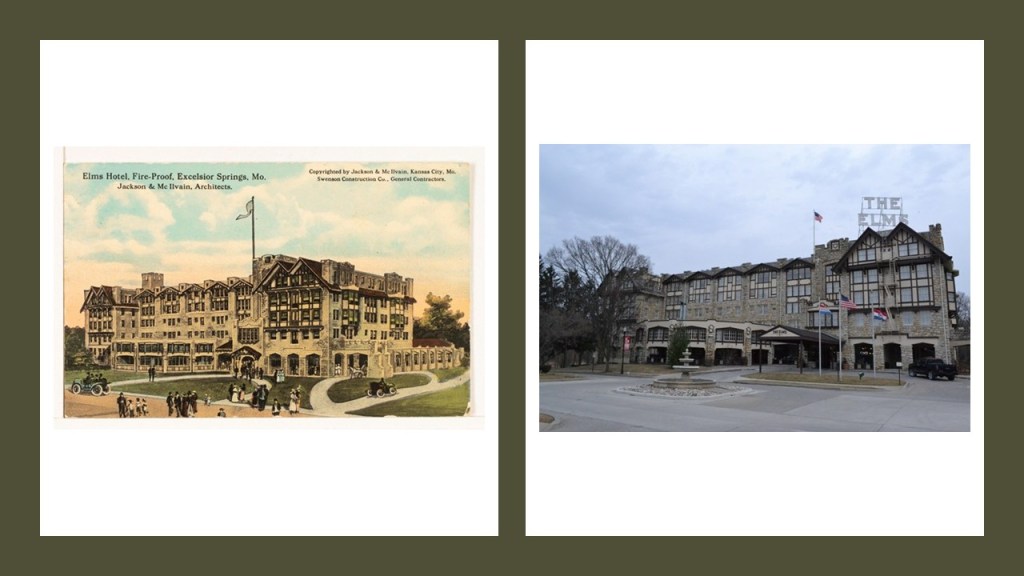
The Elms Hotel illustrated in this post card on the left was said to have opened in 1912, and is still in operation as The Elms Hotel and Spa today on the right.
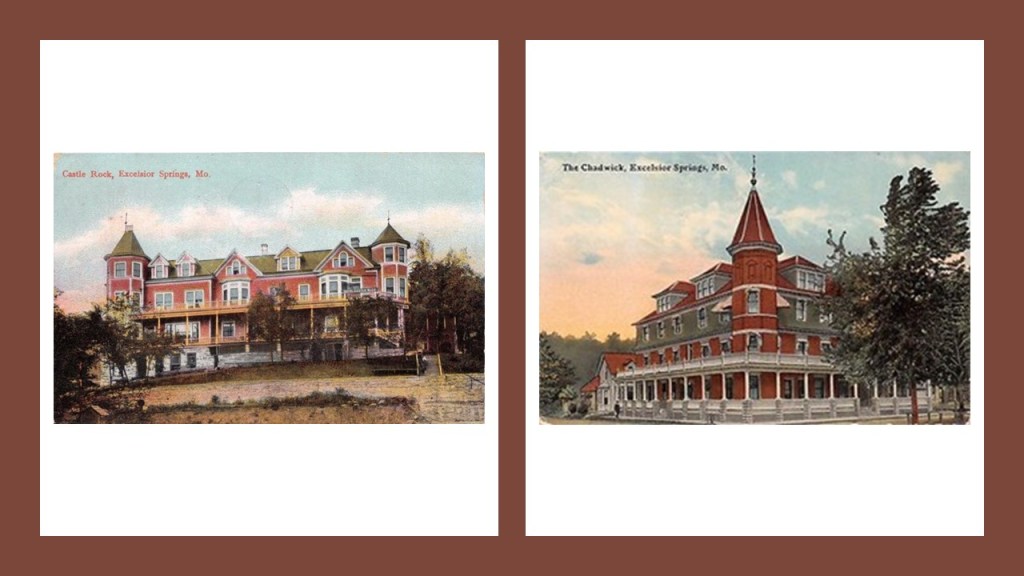
Other fine lodging places in Excelsior Springs, like the Hotel Castle Rock and the Chadwick Hotel are long gone.
Next, I am going to head to Paso Robles in California.
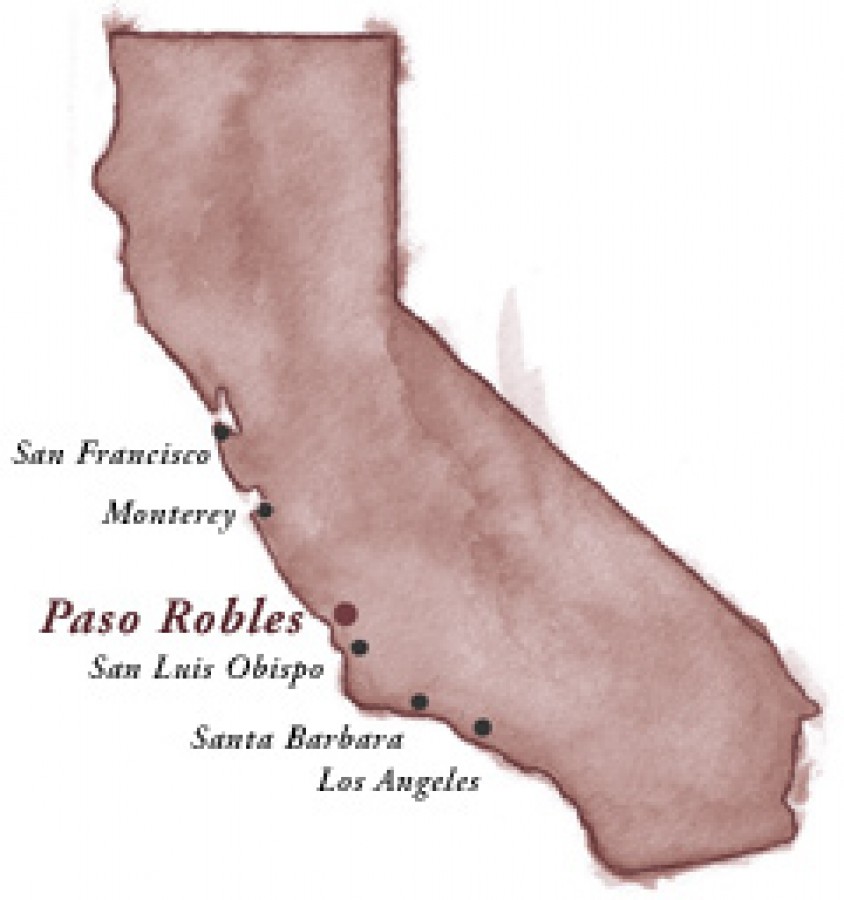
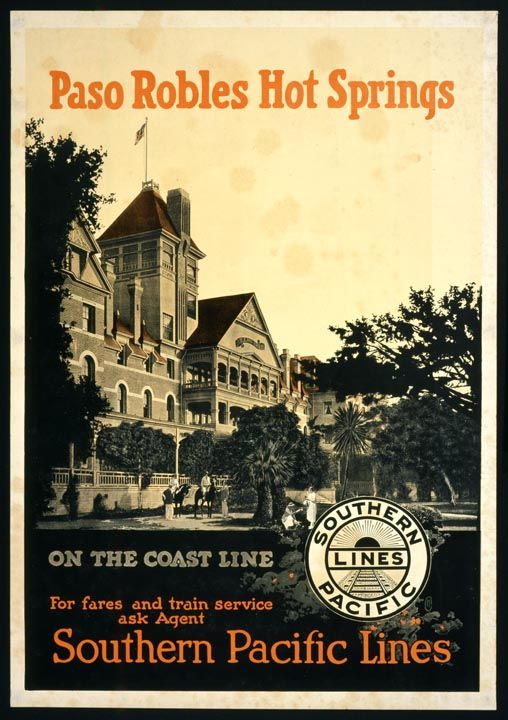
Paso Robles was historically known for its healing hot springs, which was on a Southern Pacific Railroad lines.
There was once a massive bath house downtown where a city parking lot is today.
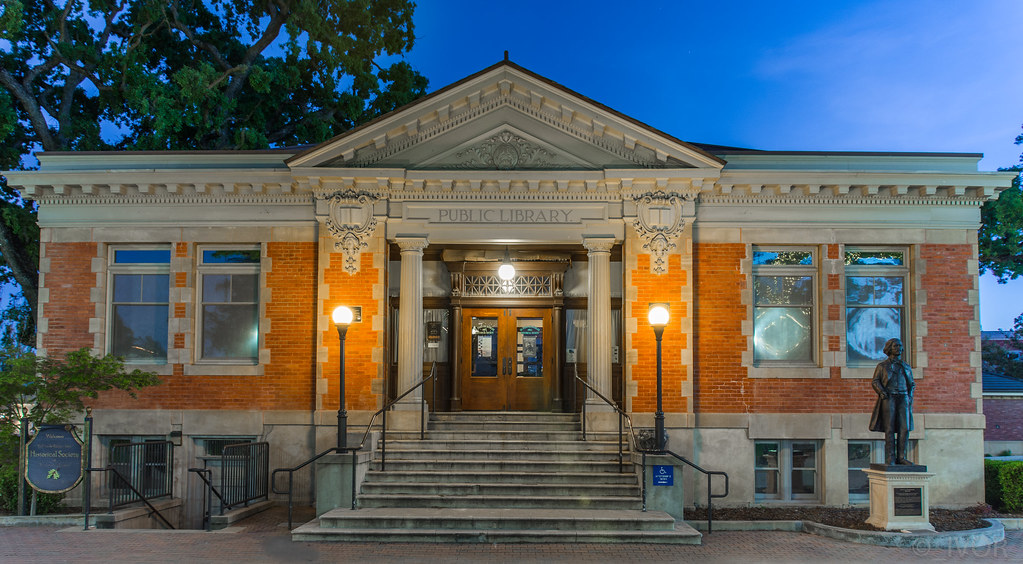
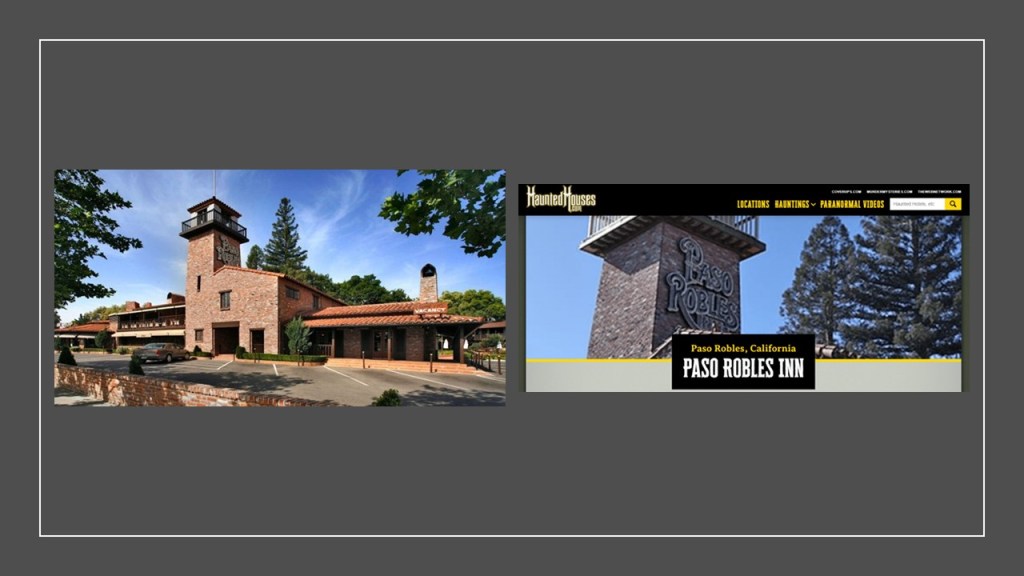
It would have been right next to where the Carnegie Library today, which is right across Spring Street from the Paso Robles Inn.
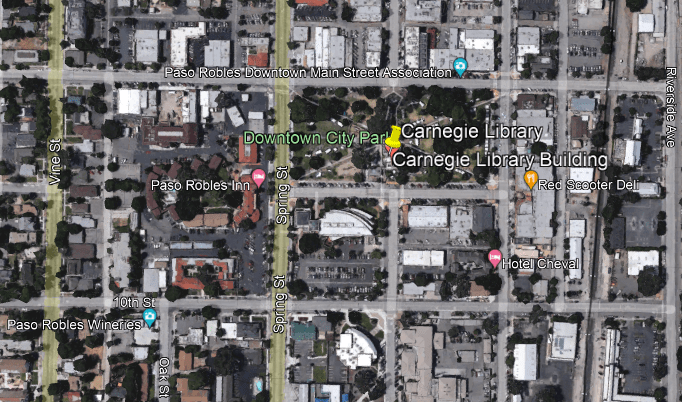
The Carnegie Library in Paso Robles was said to have been built between 1907 and 1908 with a $10,000 grant from the Carnegie Foundation.
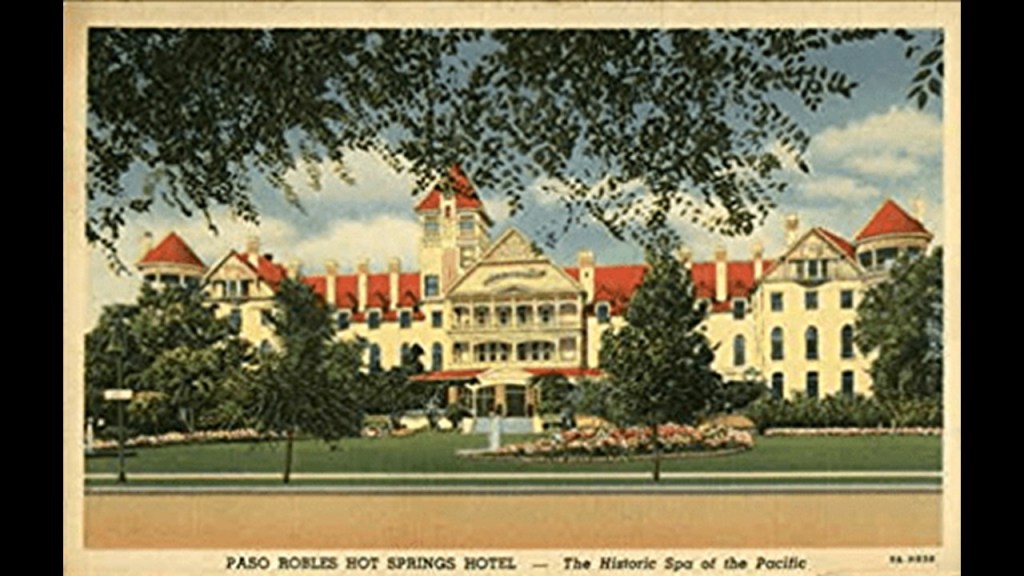
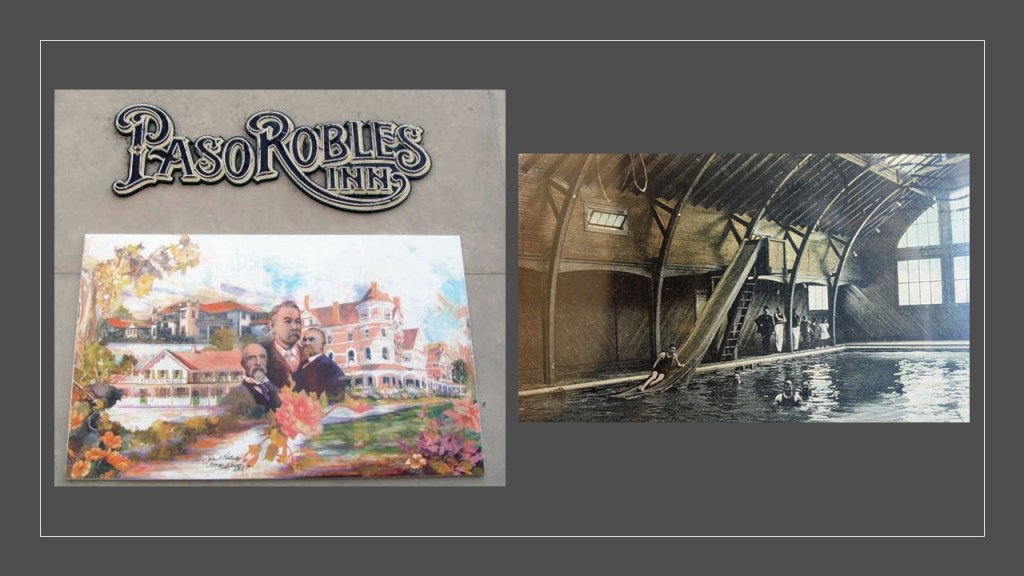
The original Paso Robles Inn featured a 7-acre garden; 9-hole golf course; library; beauty salon; barbershop; several billiard and lounging rooms; along with its famous spa, which attracted the luminaries of the day.
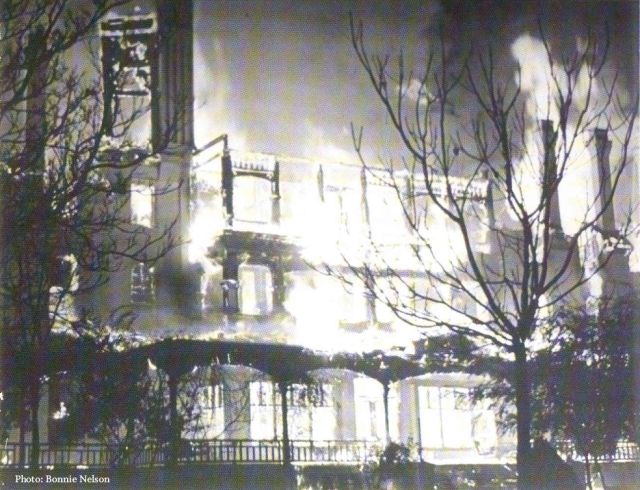
But, alas, tragedy struck this grand hotel in December of 1940.
A spectacular fire completely destroyed the “fire-proof” El Paso de Robles Hotel, though miraculously the guests staying the night escaped unharmed, with the exception of the night clerk, who allegedly suffered a fatal heart attack after sounding the alarm.
This has been the Paso Robles Inn since 1942, which is also advertised as a haunted location.
The Paso Robles Springs and mud baths were known at one time to be among the most healing on earth, from things like psoriasis and arthritis among other ailments.
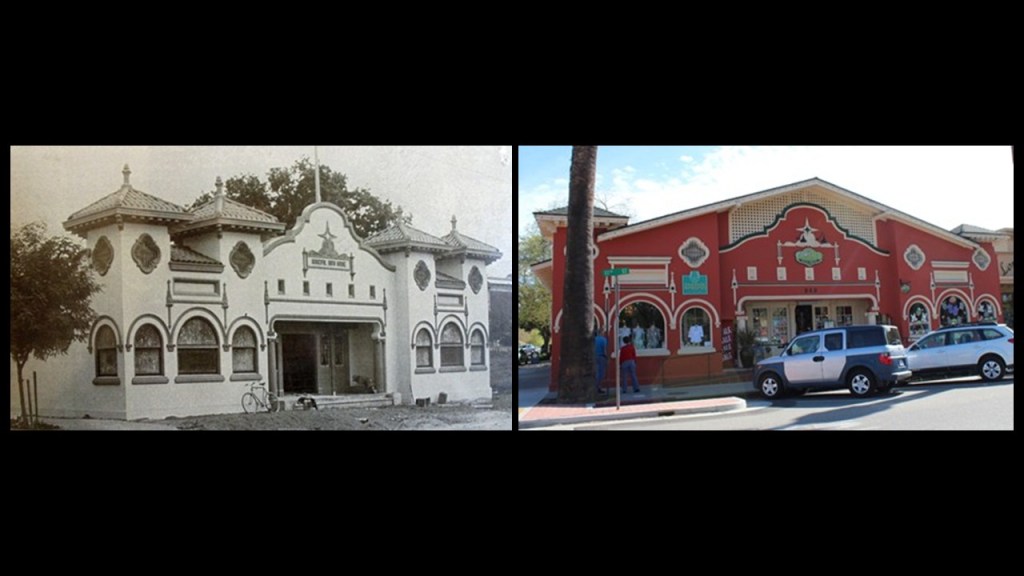
This is a photo of the municipal mud bath in 1905 on the left, and on the right, the candy store that is at the same location today, with no more mud baths!
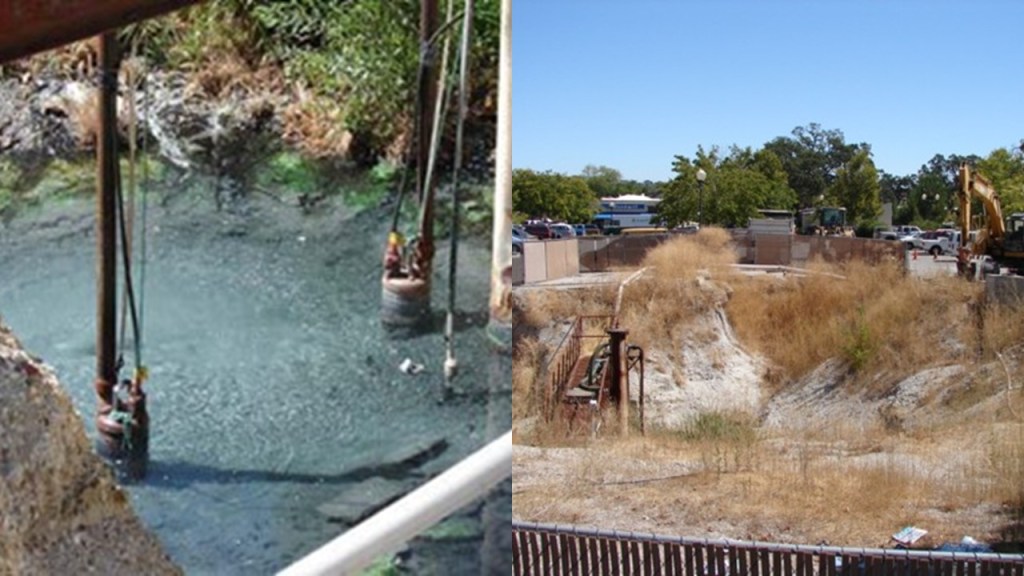
The San Simeon Earthquake in 2003 cracked open the hot springs beneath the parking lot next to the City Hall and library, and they started flowing again, so they were covered-up all over again!
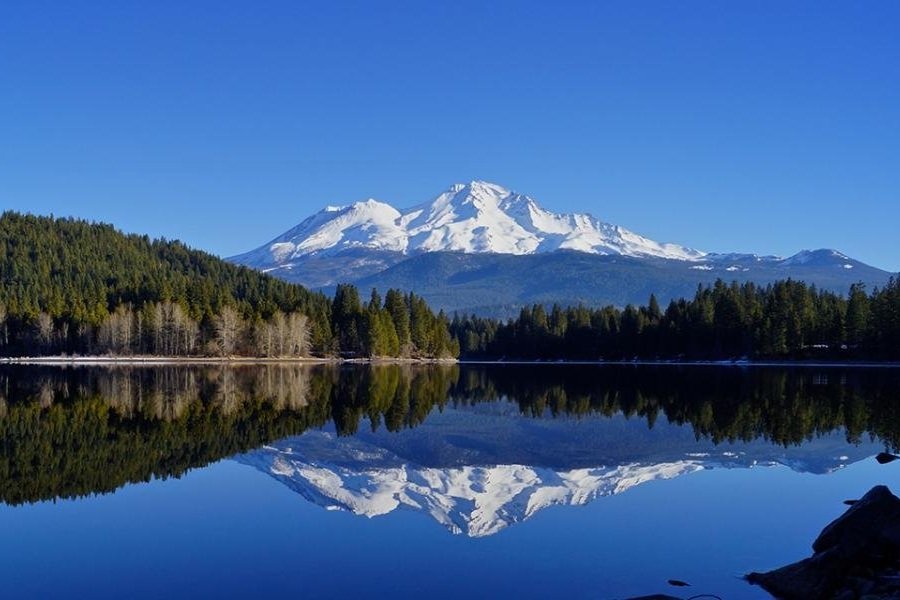
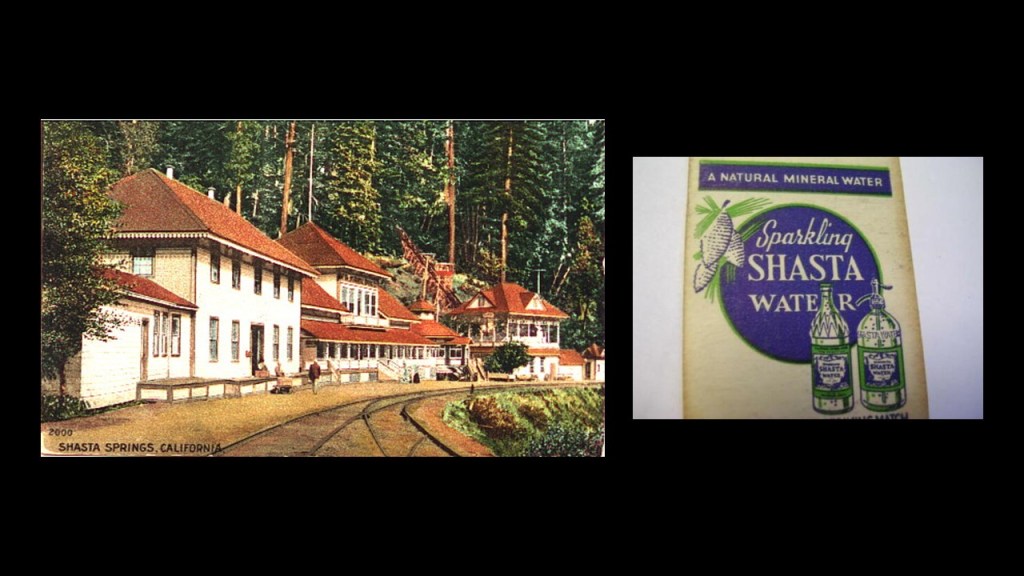
The former Shasta Springs Resort, a popular summer resort in the late 19th- and early 20th-centuries, is not far from Mount Shasta in California.
The springs on the resort property were the original source of the water and beverages that became known as the Shasta brand of soft-drinks.
The resort was on the Union Pacific Railroad line in the Sacramento River Canyon in-between Dunsmuir and Mount Shasta.
The Shasta Springs Resort was sold in the 1950s to the St. Germain Foundation, the current owners of the property and is still in use as a private facility by the organization.
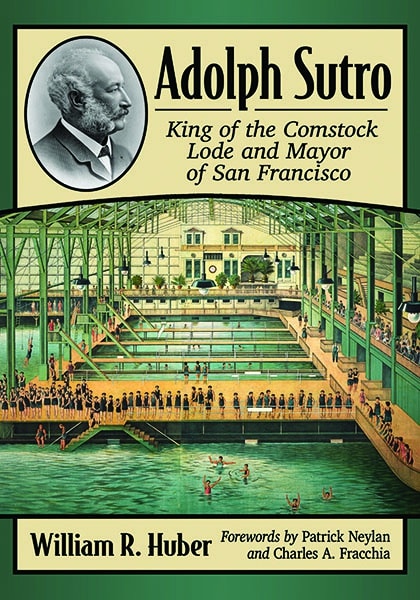
I looked into German-American engineer, politician and philanthropist Adolph Sutro and the baths that were named after him in San Francisco.
Sutro was the Mayor of San Francisco from 1895 to 1897.
He emigrated from Prussia in 1850, and moved to San Francisco in 1851, and left for Virginia City in Nevada in 1860.
He made a fortune in connection with the Comstock Lode there, the first major discovery of silver ore in the United States.
He returned to San Francisco around 1879, and increased his wealth by large real estate investments there.
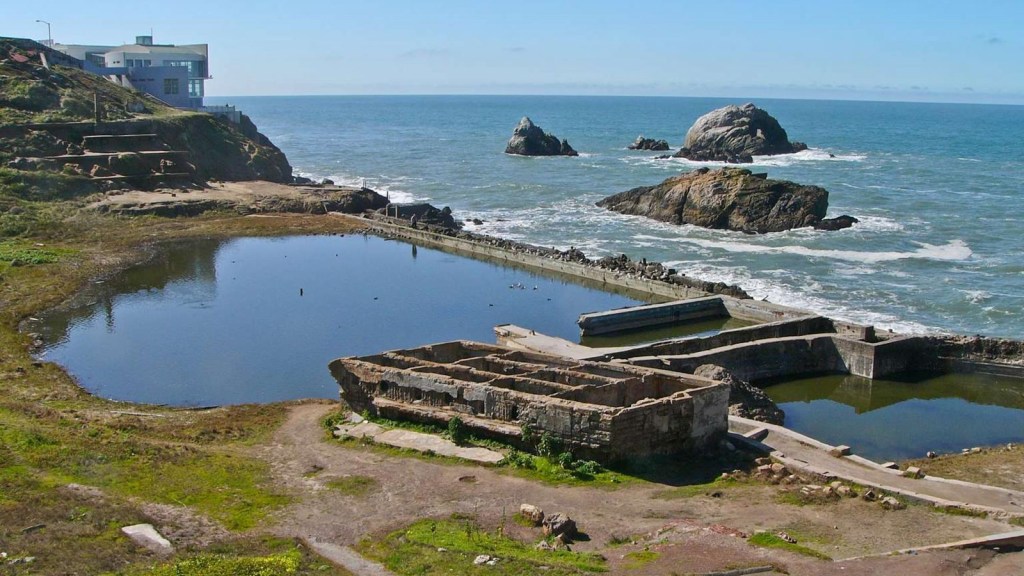
We are told in our historical narrative that Adolph Sutro opened his private estate to the public, building the Sutro Baths between 1894 and 1896. All that remains today of the Sutro Baths is seen here.
In 1897, Sutro was said to have built the second Cliff House in existence at this location, after the first one burned down in 1894, and the second-one burned to the ground in 1907.
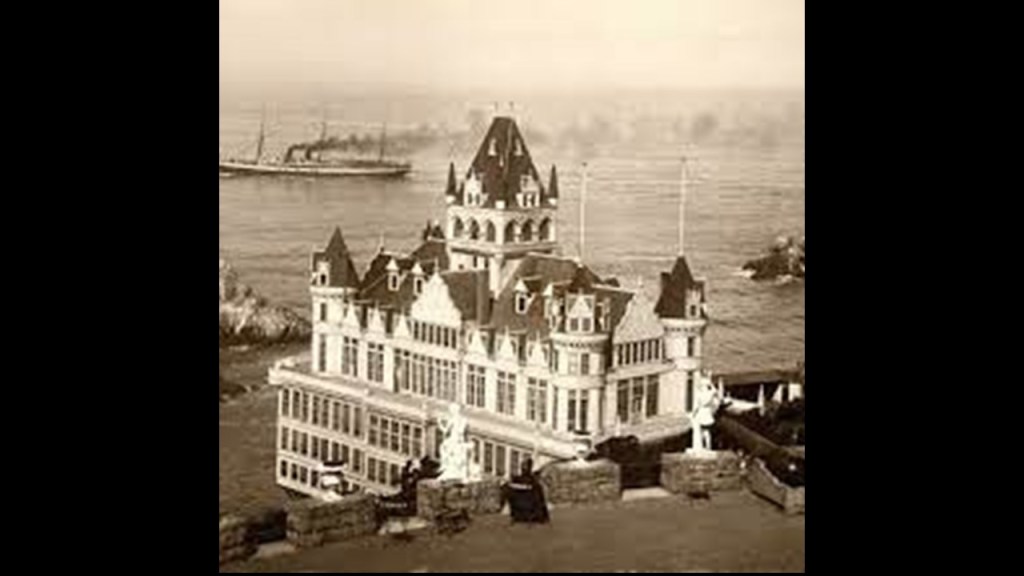
We are told the Cliff House was rebuilt for the third time, and completed in 1909.
The building still stands today, but the Cliff House was closed at the end of 2020.
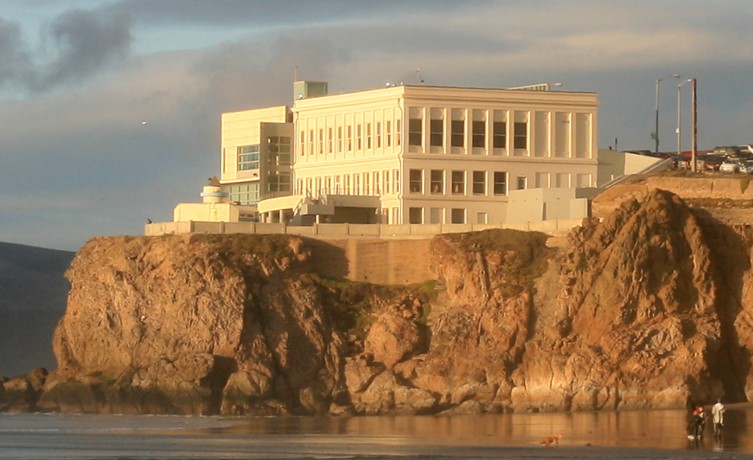
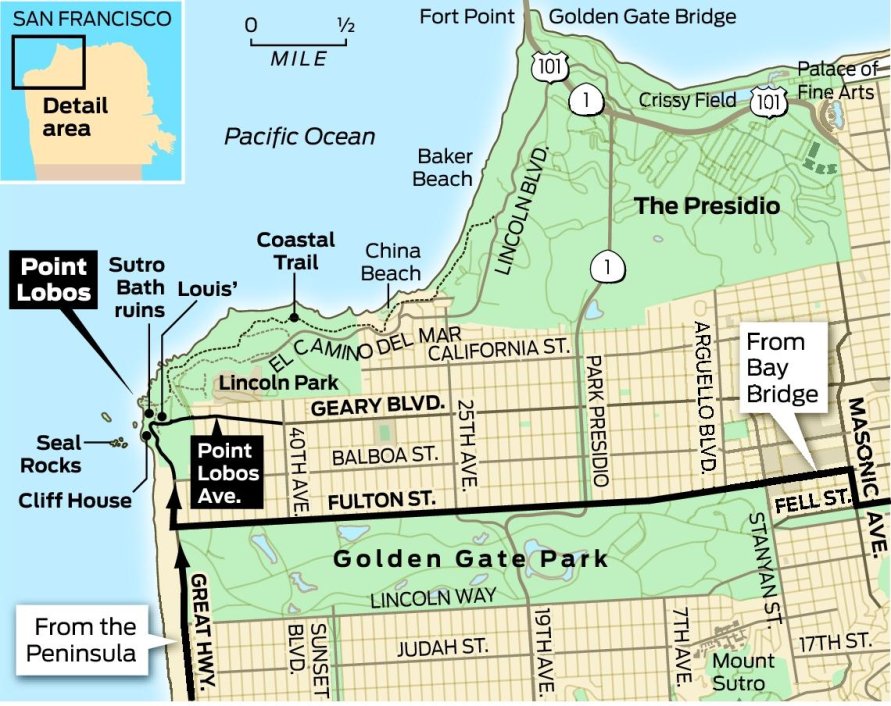
This location at San Francisco’s Land’s End is very close to the Presidio, the Golden Gate Bridge, and the Palace of Fine Arts.
Next in New York State, Saratoga Springs was established as a settlement in 1819, and as a village in 1826.

What eventually became known as the Adirondack Branch of the Delaware & Hudson Railroad, first arrived here in 1832.
This was the first station used in Saratoga Springs, from 1833 until it burned down in 1870.

Then, this was the main train station in Saratoga Springs, from 1871, until it burned down in 1899.

And this is the Saratoga Springs Railroad Station today.

The name of Saratoga Springs reflects mineral springs that are in the area, making it a popular resort destination for over 200 years.
High Rock Spring in this location is believed to have medicinal properties.

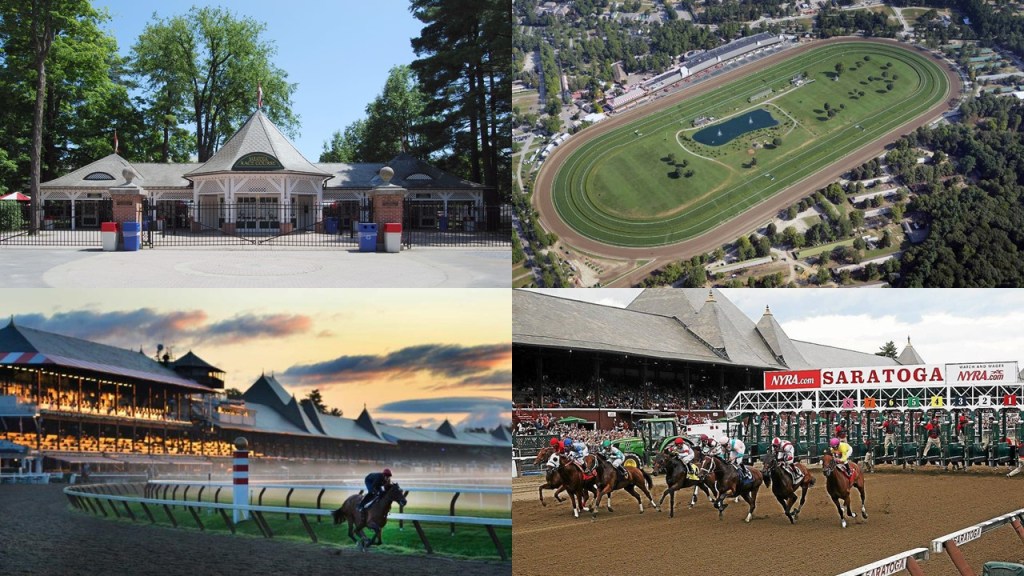
The Saratoga Race Course is a thoroughbred horse racing track in Saratoga Springs, New York.
It is one of the oldest sporting venues in the United States, having opened on August 3rd of 1863 (which would have been in the middle of the American Civil War).
The Saratoga Race Course has been in use pretty much continuously since it first opened.
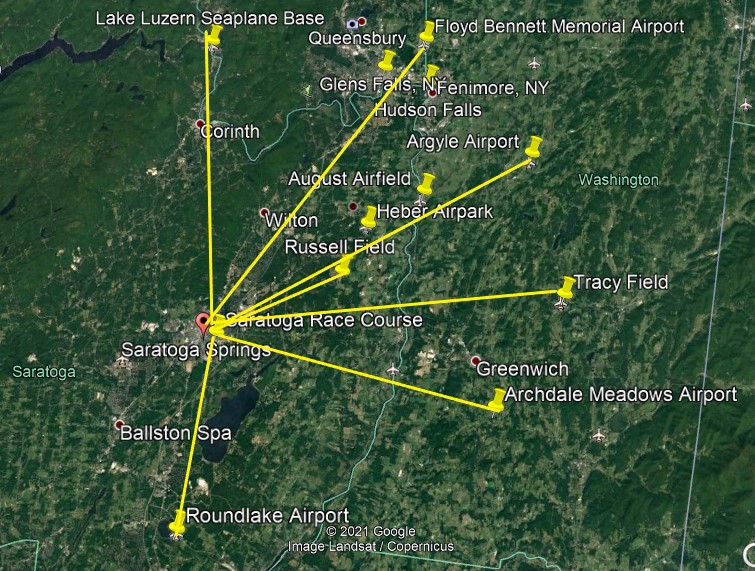
This is a snapshot showing the angular relationships between the Saratoga Race Course, and just a portion of the large number of airparks, airfields, and airstrips in this part of New York State.
There were also trolleys in the history of Saratoga Springs.
Trolley service ended here in 1938.
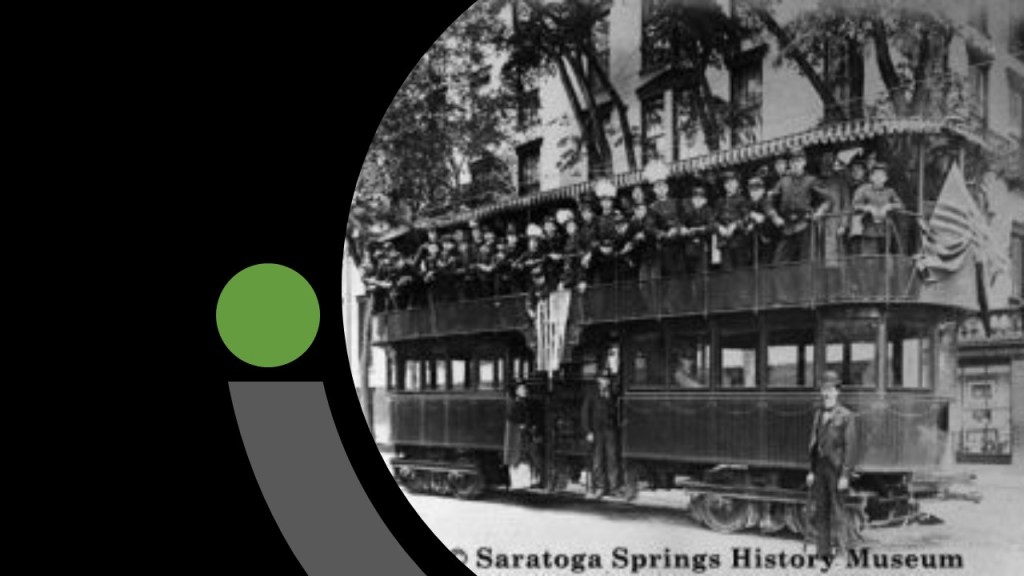
Today the historic trolley station building serves as the Saratoga Springs Heritage Area Visitors Center.

Now, I am going to look at Hot Springs in Arkansas.
Hot Springs Mountain was turned into a reservation by an Act of Congress on April 20th of 1832, and was the first time that land had been set aside by the federal government to preserve its use as an area for recreation, and the city of Hot Springs was incorporated on January 10th of 1851.
Hot Springs Mountain became a National Park in 1921.

Hot Springs was also called the Valley of the Vapors because when the hot water steam arose there were rainbows that were seen.
Hot Springs Mountain has forty-seven natural springs that have been capped off and piped into bathhouses, and the bathhouses still stand, like the Fordyce Bathhouse, which also has a museum.
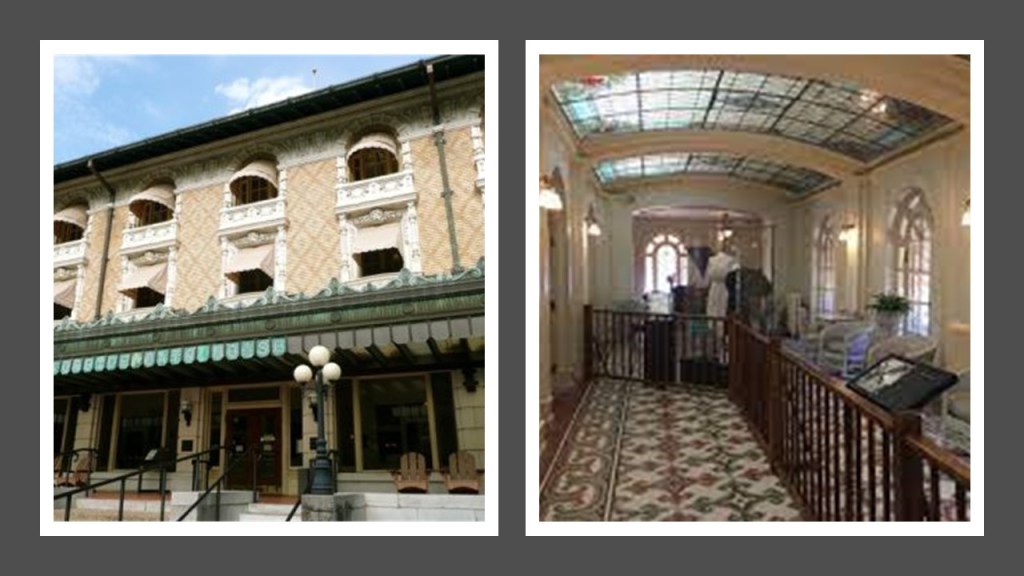
Bathhouse Row is maintained by the National Park Service, consisting of eight historic bathhouse buildings and gardens along Central Avenue.

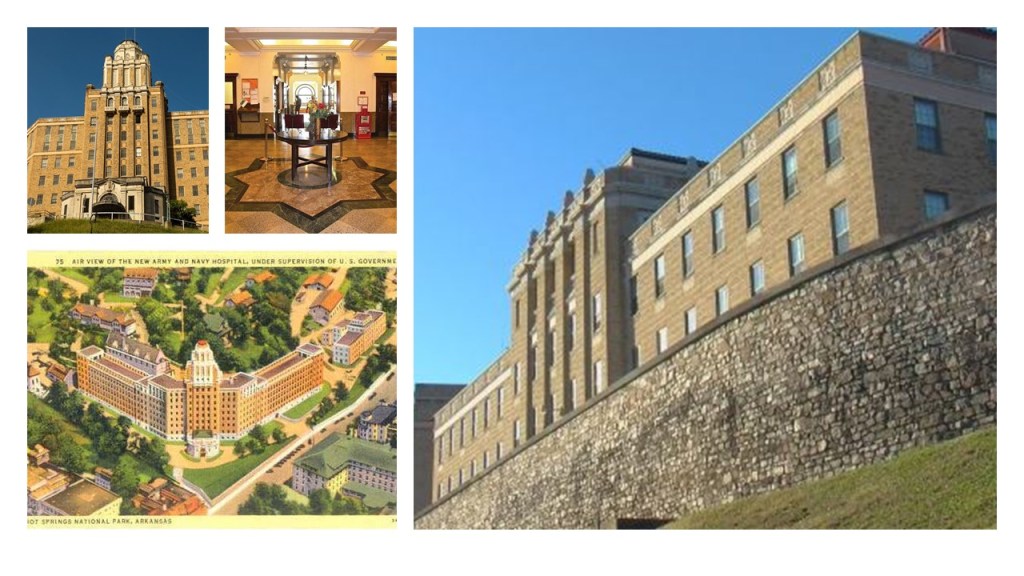
The former Army and Navy Hospital in Hot Springs, the first general hospital in the country that treated both Army and Navy patients starting in January of 1887, was located at the foot of Hot Springs Mountain, and has high, stone walls and star fort-looking characteristics.
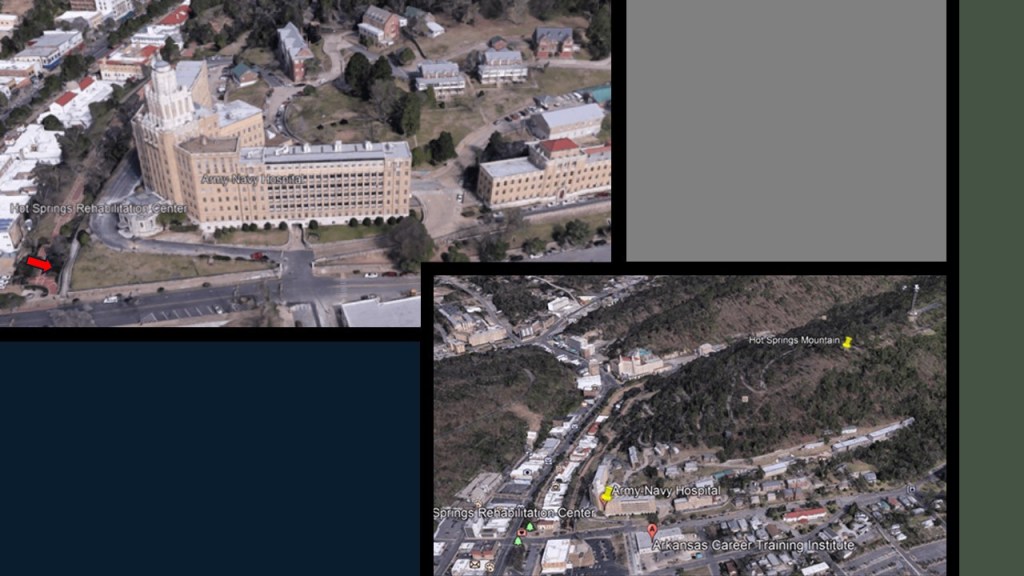
What we are told is that in the early 1930s (which would have been during the Great Depression), the original building was replaced with a brick-mortar and steel facility with 412-beds.
On September 5th of 1913, a fire started in Hot Springs on Church Street near the Army and Navy Hospital and Bathhouse Row.
An estimated $10 million in damages from the fire occurred across 60 blocks and destroyed much of the southern part of the city.

Hot Springs has a horse racing track, and a casino, which is located near the Memorial Field Airport.

The Oaklawn Racing Casino Resort is a thoroughbred horse-racing track that first opened in February of 1905.
It was ranked 5th in 2017 by the Horseplayers Association of North America, and includes the running of the Arkansas Derby, which has a $1 million purse.
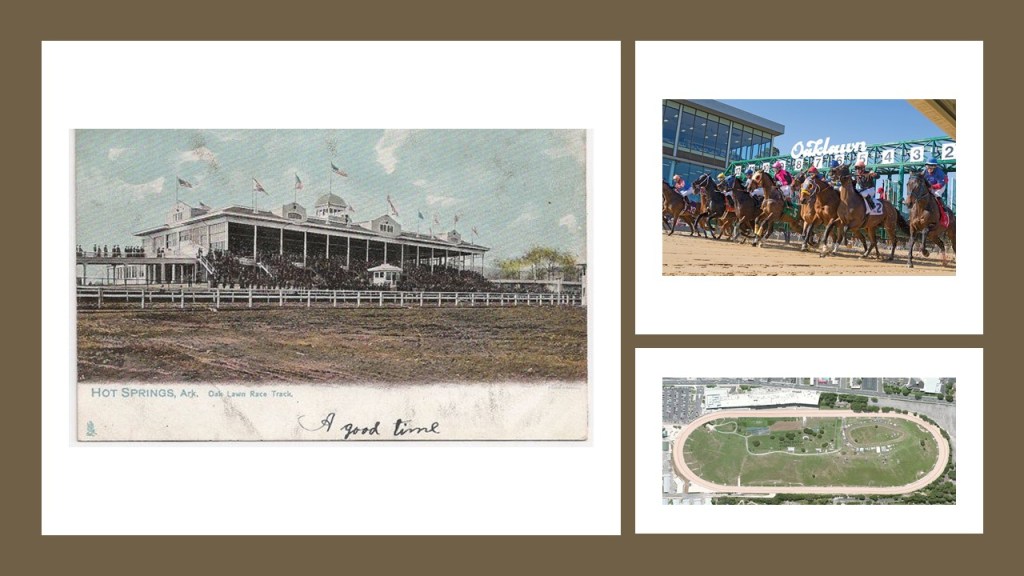
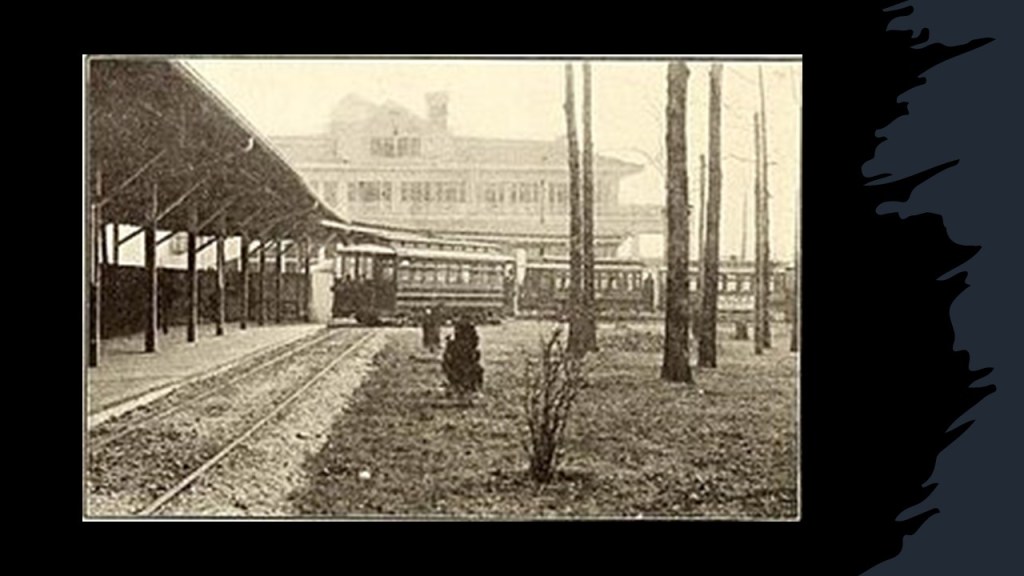
Hot Springs also had electric rail cars at some point in time, and the Hot Springs Street Railroad ran through Hot Springs to and from the Oaklawn Race Track.
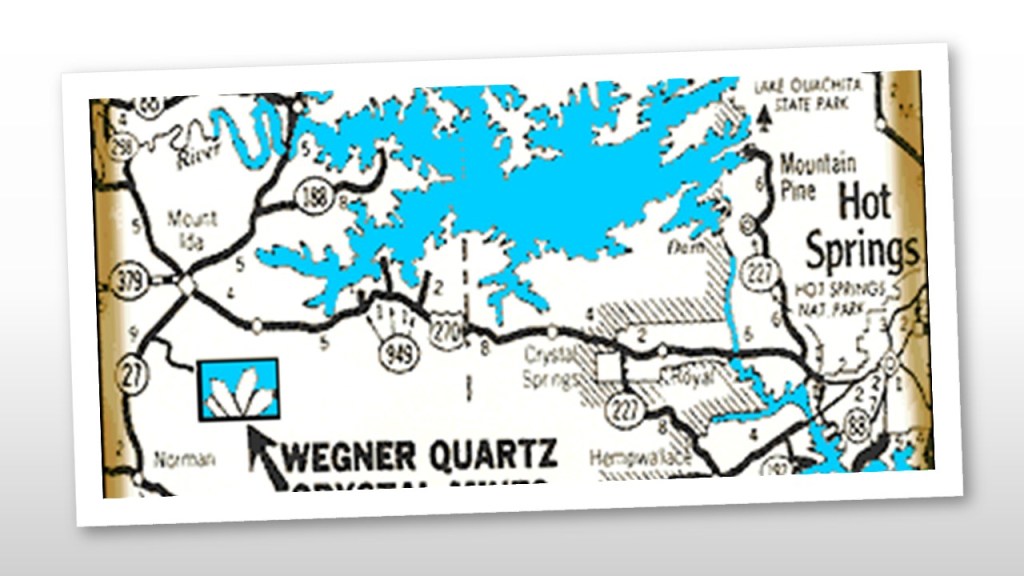
Hot Springs sits within or just outside of a large, solid and pure quartz crystal vein that runs approximately 200-miles, or 322-kilometers, that starts in Oklahoma, runs through the Ouachita Mountains, and ends close to the state capital of Little Rock.
I have also looked into West Baden Springs in French Lick, Indiana.
Known as the “Eighth Wonder of the World” at one time, the hotel for the resort was said to have been built in 1901 in the Moorish architectural style, and from 1902 to 1913, was said to have the largest free-span dome in the World.
The West Baden Springs Hotel was nicknamed the “Carlsbad of America,” after the renowned European spa town of Carlsbad in the Czech Republic, which is now called Karlovy Vary.

The West Baden Springs Resort had numerous mineral springs named after Greek and Roman Gods, like the Pluto Springs.
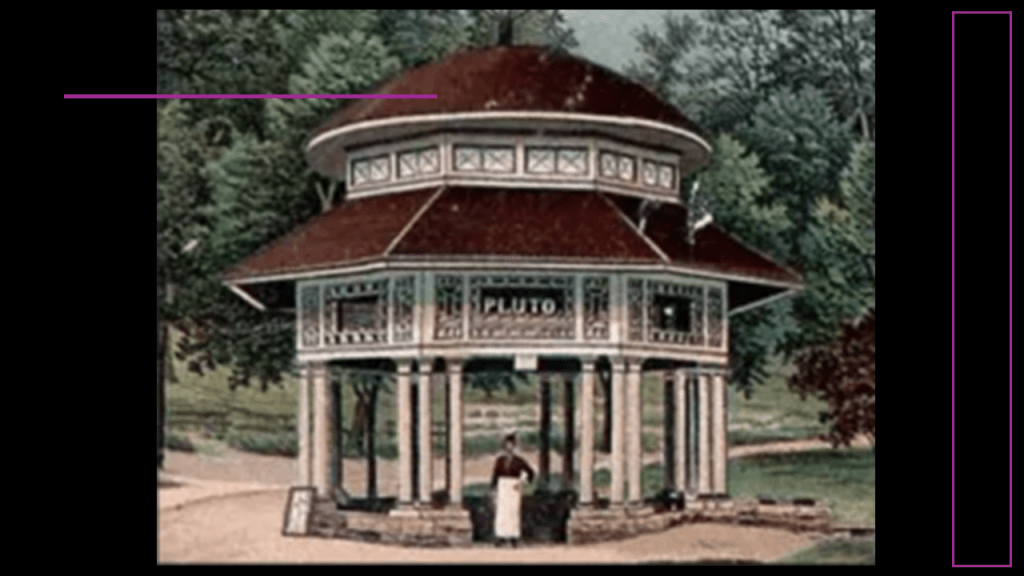
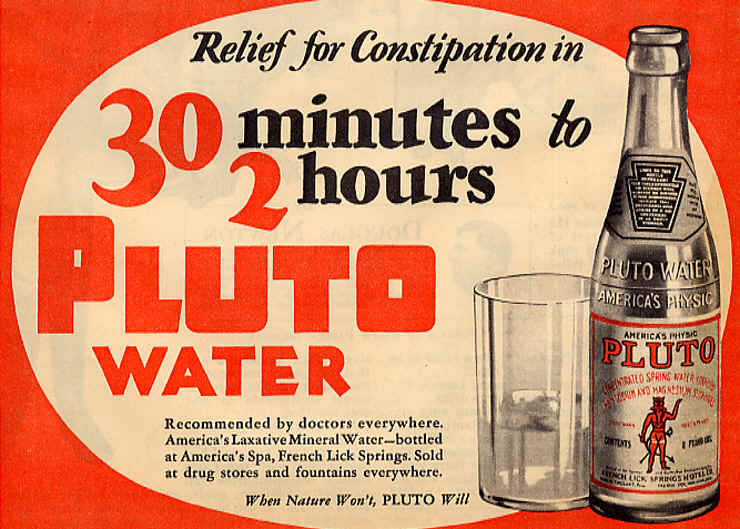
The West Baden Resort bottled its “Pluto Water” on-site.
“Pluto Water” was a heavily-mineralized laxative water renowned for its natural magnesium and sodium sulfate content, and was shipped nationwide until 1971, when we are told it was discovered to have lithium in it and subsequently sales were stopped.
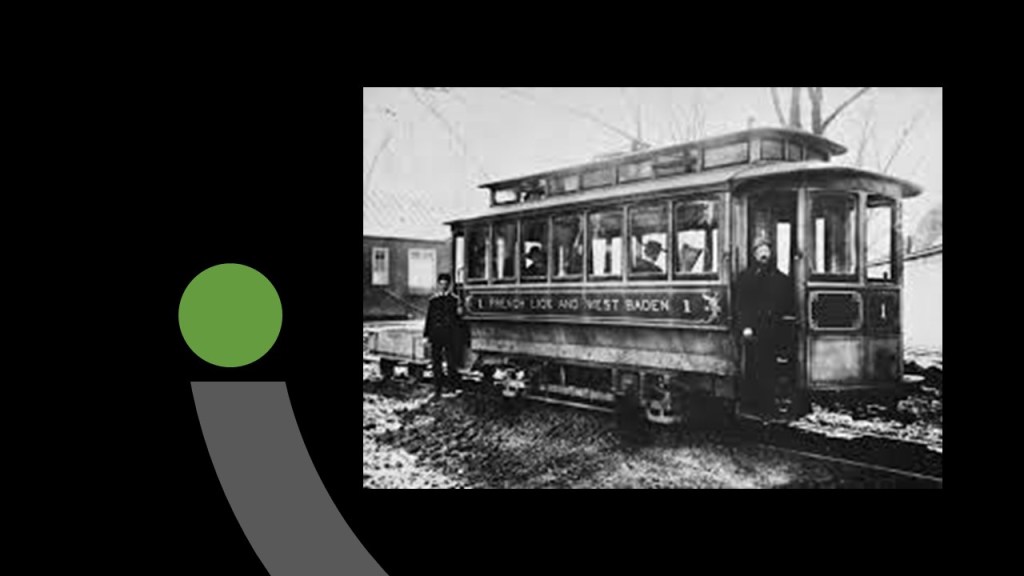
Like Hot Springs in Arkansas, there was a trolley system here.
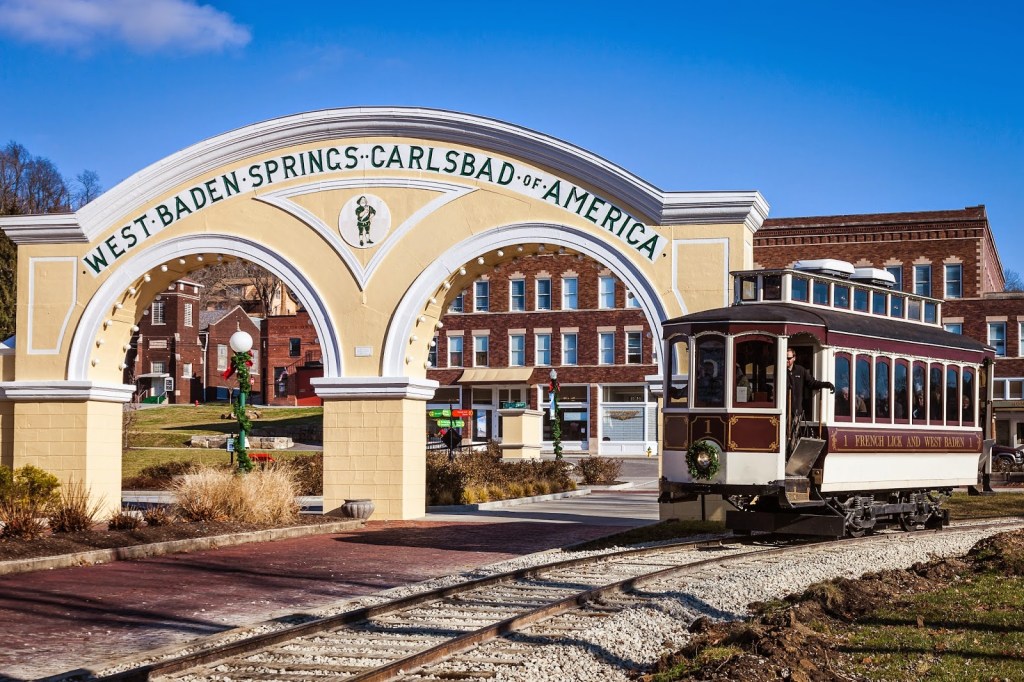
Today there is a restored trolley car line between West Baden Resort and French Lick Resort in Indiana’s “Springs Valley.”
West Baden Springs also had the largest bicycle track in the country at one time, which was a covered double- decker.
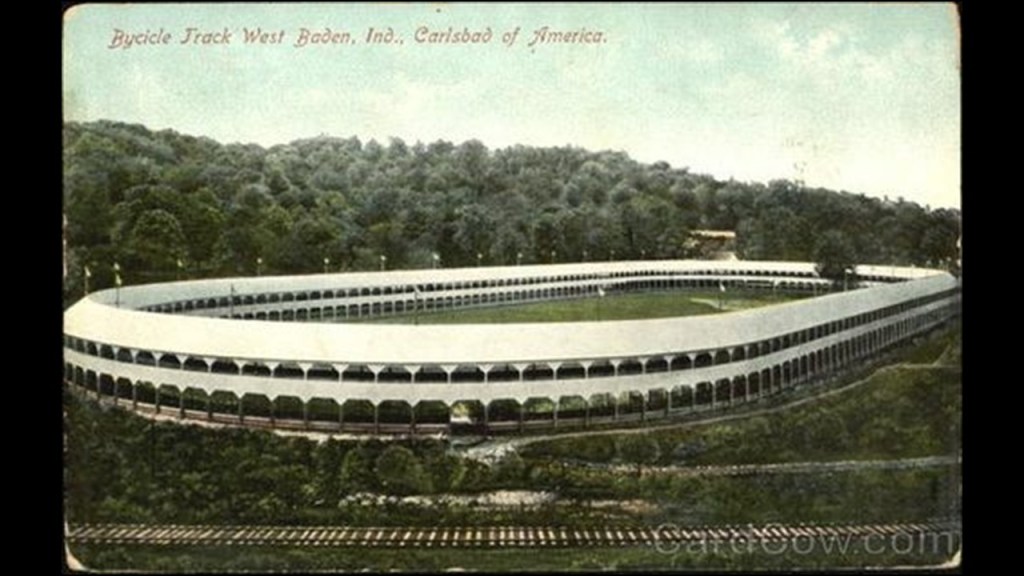
The double-decker bicycle track, however, was said to have been nearly demolished by a windstorm that blew through the area on July 25th of 1925, and when the owner received an insurance check for $100,000, he tore the rest of the structure down, and it was gone by the fall of 1925.

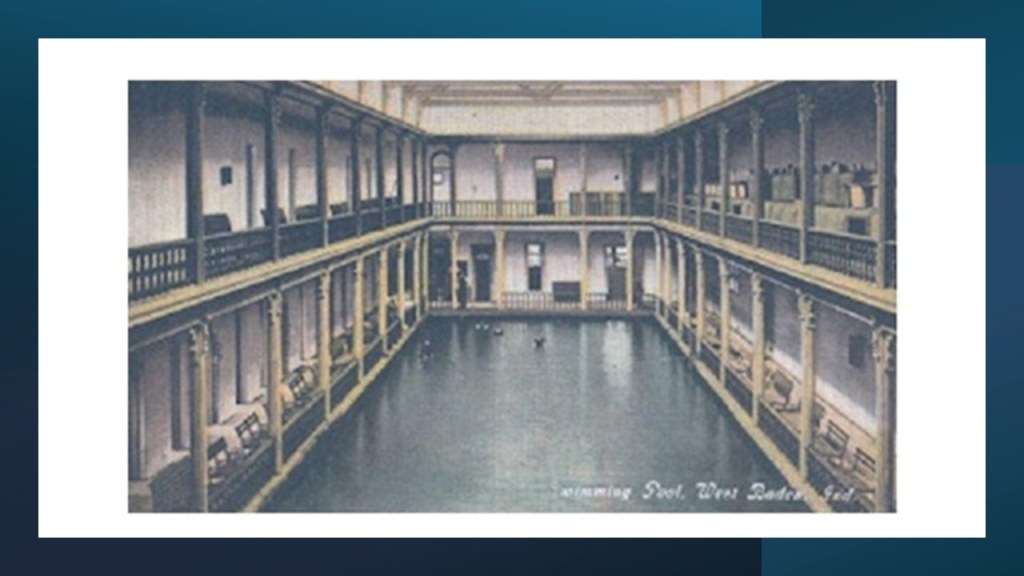
There was also a natatorium at West Baden Springs, another name for a large, indoor swimming pool.
There was even a cathedral at this location.
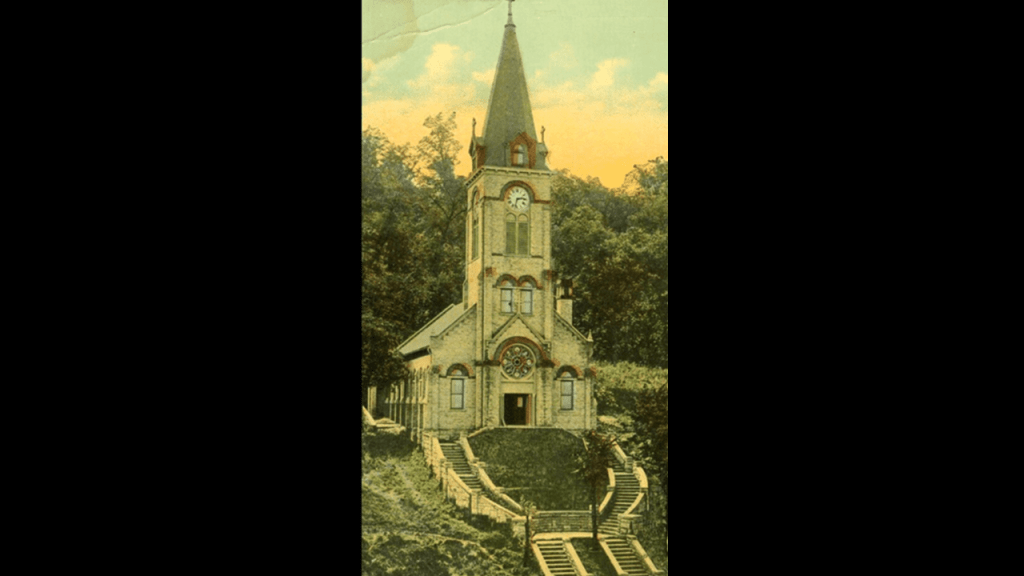
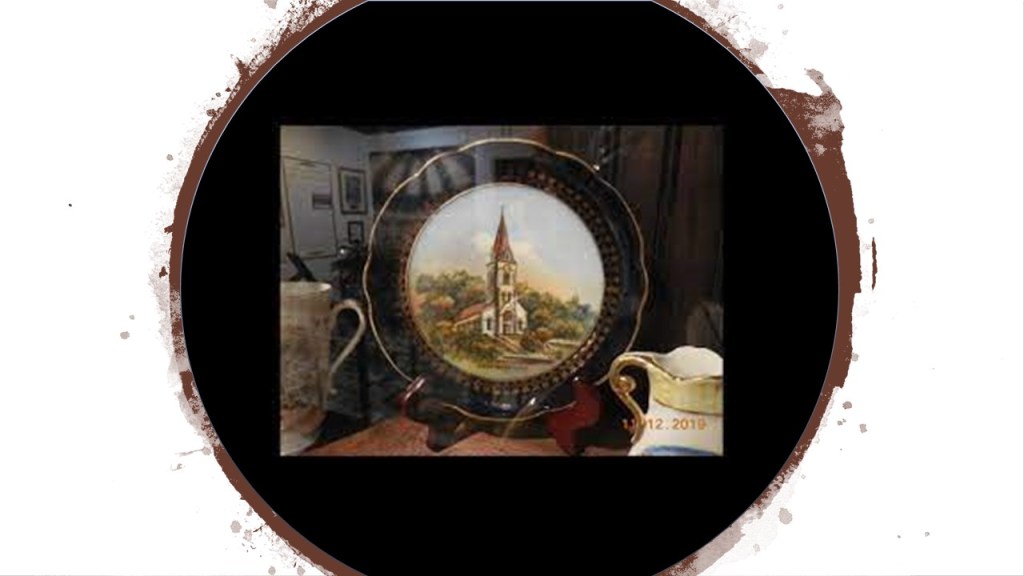
The former Our Lady of Lourdes Catholic Church was demolished in 1934 when it was deemed structurally unsound by someone, and only remembered on post cards and souvenirs.
We are told the West Baden Hotel closed in 1932 after it fell into disrepair following the 1929 Stock Market Crash.
The hotel was restored in the 2000s and reopened as part of the French Lick Resort complex.
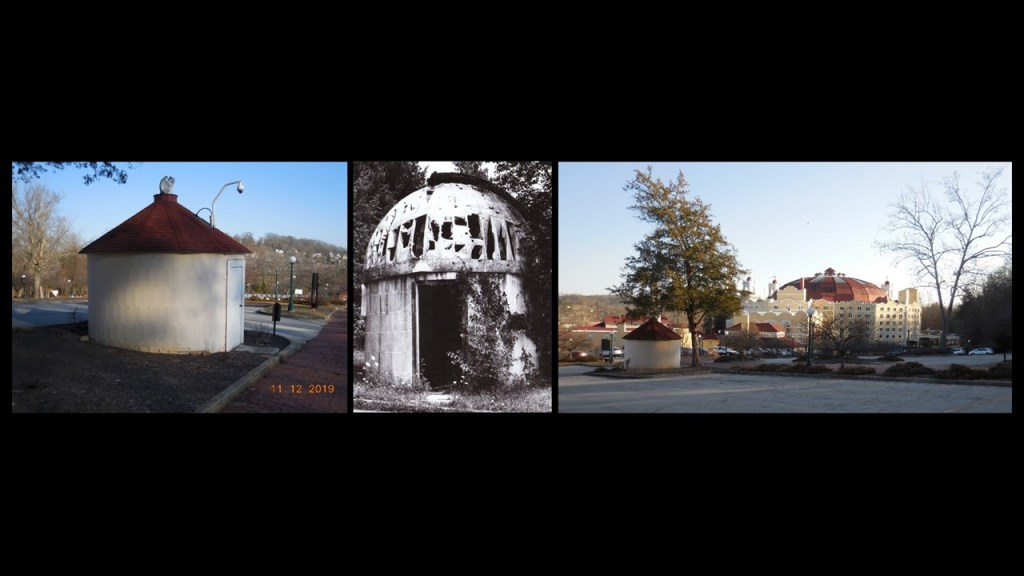
It is interesting to note that for awhile after 1934 the West Baden Hotel was a Jesuit Seminary.
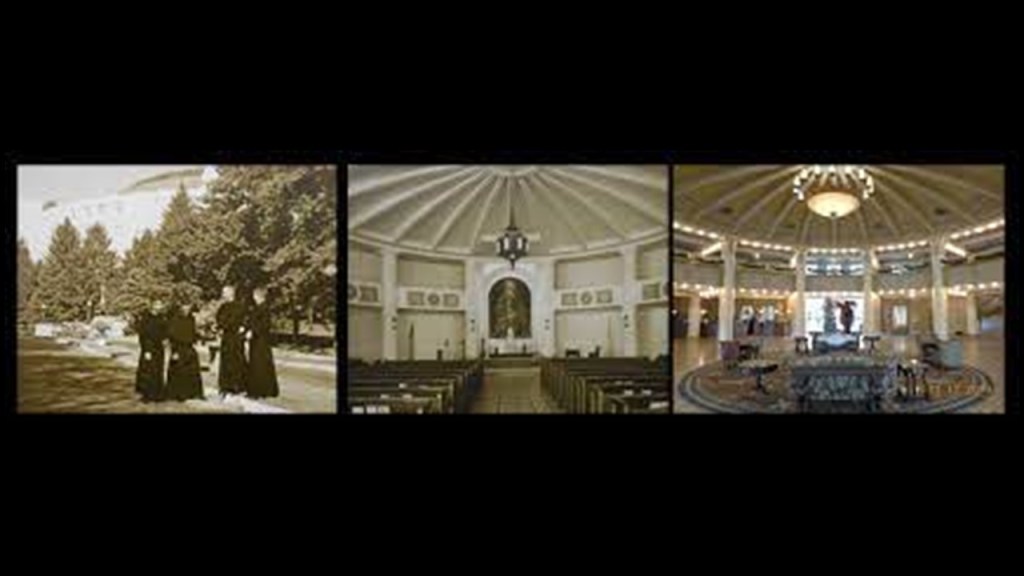
The Jesuits even had an astronomical observatory on the West Baden Hotel grounds.
Next, I would like to mention a couple of famous places I know of in the Great Lakes region.
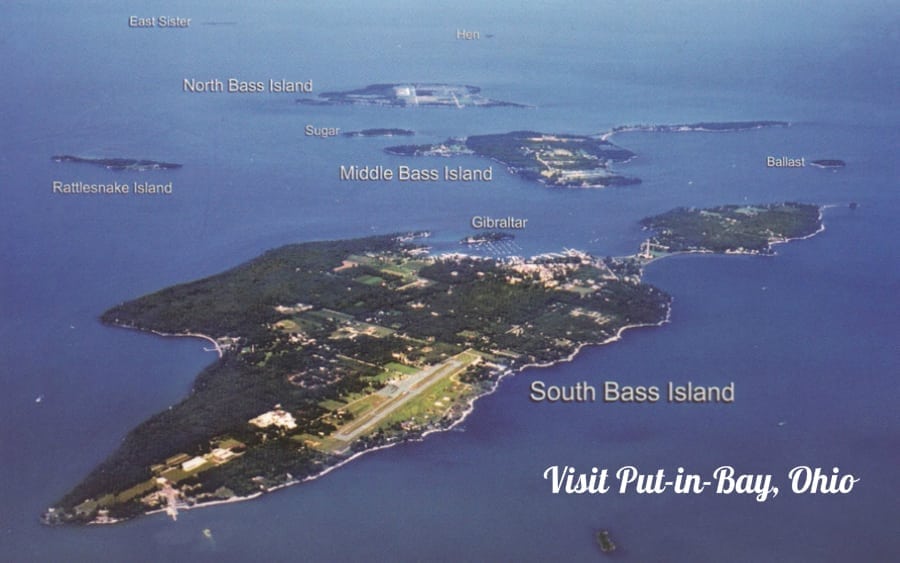
Like Hotel Victory, which was located on South Bass Island on Lake Erie’s Put-in Bay.
The island has a small airport, and is otherwise accessed by ferries and charter boats.
This is what we are told about it.
The construction of the Hotel Victory was started in 1892, and first opened in 1896, its launch having been covered in newspapers across the United States.
It was touted as the biggest hotel in America, and had 625 basic guest rooms and 80 suites.
It had elevators, an indoor swimming pool, efficient steam heating, and electrical lighting, with 3,000 incandescent light bulbs.
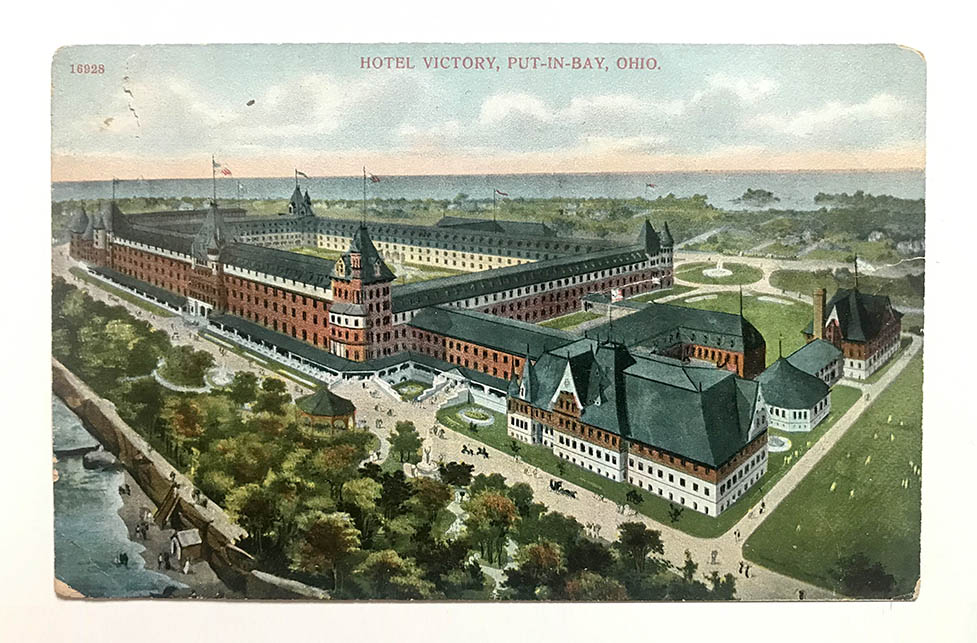
Hotel Victory had two dining halls that each could serve 1,200 guests in one sitting.
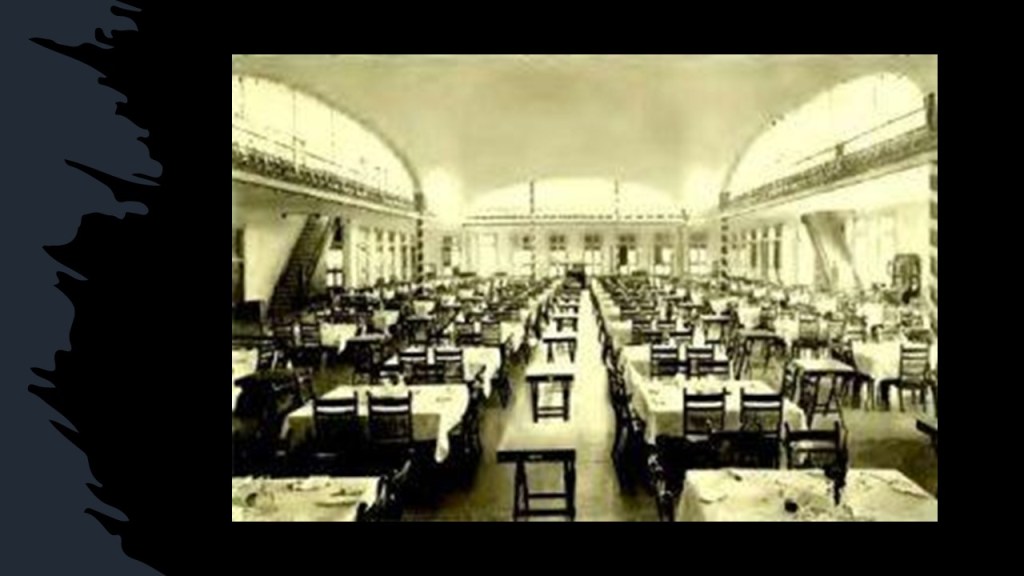
For a variety of reasons, the Hotel Victory closed and re-opened numerous times during its short existence, as on August 14th of 1919, a fire broke out on the third-floor and quickly spread throughout the whole building.
The local fire department raced to the scene, only to find-out, we are told, that they were outmatched by the immense blaze and unable to contain the fire, resulting in the building’s total loss.
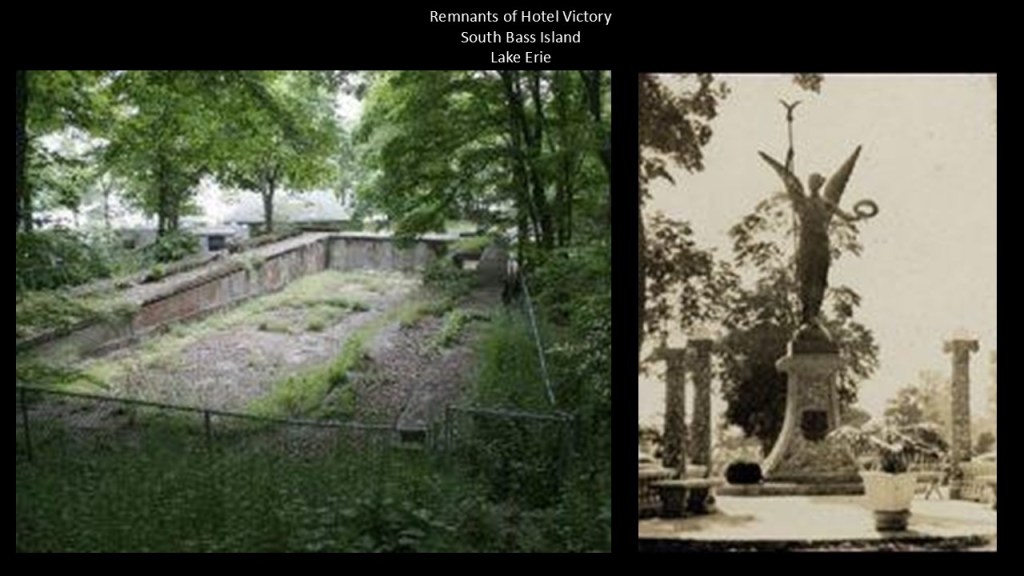
All that remained of the once-grand hotel were parts of the swimming pool’s concrete foundations, and the thirteen-foot, or 4-meter, -tall Victory Statue that once stood at the Hotel’s entrance, which ended-up going to the scrap metal drives of World War II.
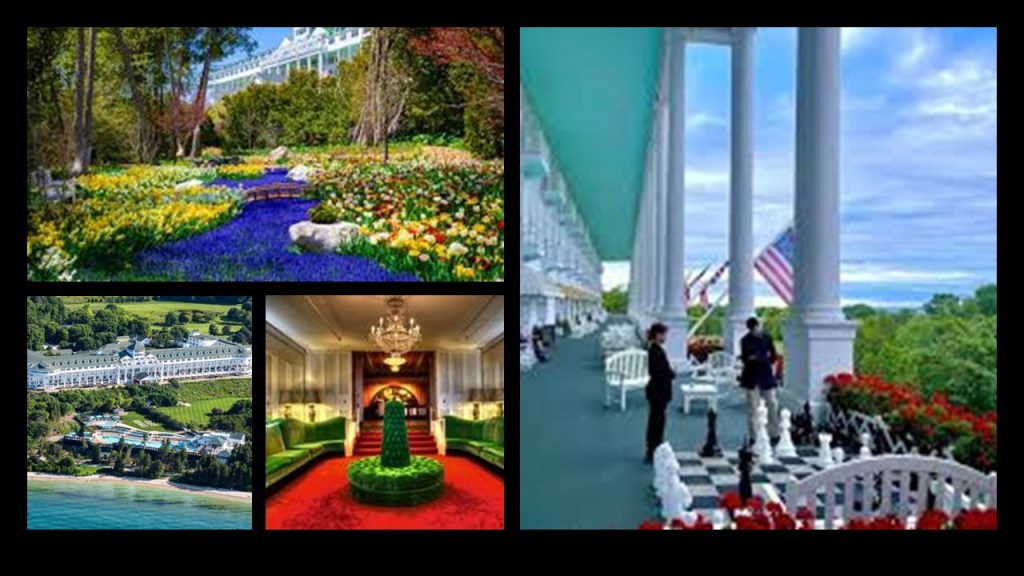
I would also like to mention the Grand Hotel on Mackinac Island in Lake Huron, which was said to have been constructed in the late 19th-century.
We are told in our historical narrative that in 1886, the Michigan Central Railroad, the Grand Rapids and Indiana Railroad, and the Detroit and Cleveland Steamship Navigation Company formed the Mackinac Island Hotel Company.
We are told they purchased the land and construction of the hotel began based on a design by Detroit architects Mason and Rice, and it first opened in 1887, a year later.
Still operating as a resort today, in its history it has been a destination for Presidents and famous people in our narrative.
The next two places I am going to look at are in Pennsylvania.
First, the Pocono Mountains became a well-known resort getaway early in the 20th-century.
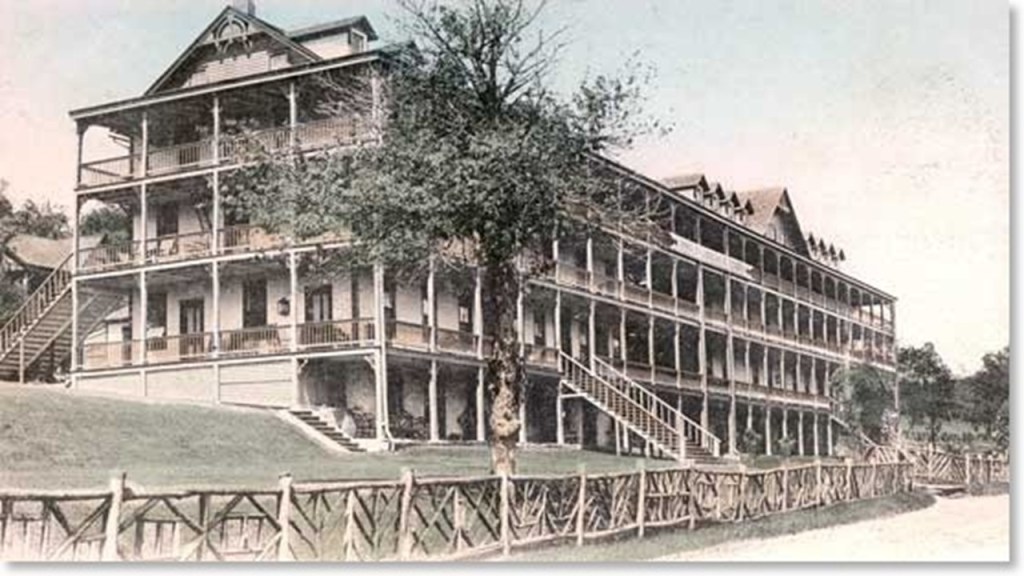
So, for one example, this was an early postcard showing the Pocono Mountain House and Springs.
It was one of the largest resorts that served visitors to the Pocono Mountains.
It was said to have started as a sportsmen’s club in 1874 and grew into a popular resort.
Besides recreational activities of all kinds, there were springs here that were known for healing properties.
The resort closed permanently to the public in 1933, and we are told that by 1974, it had fallen into such disrepair that the local fire department had to burn it down.
It is interesting to note that not all the historic resorts in the Pocono Mountains burned-down.
At one time, this region was known as the “Honeymoon Capital of the World” and is littered with abandoned resorts that were left to rot in place.
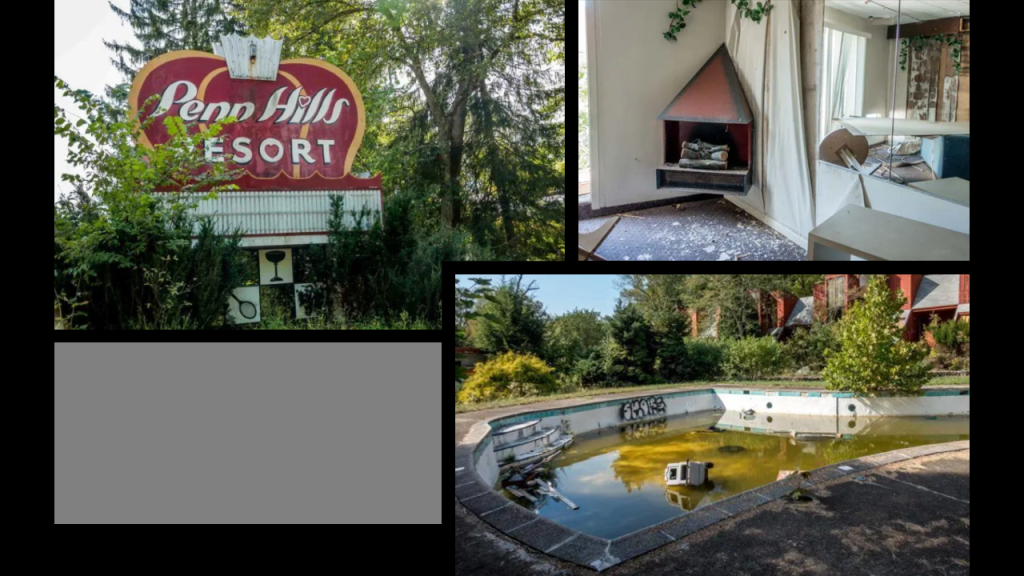
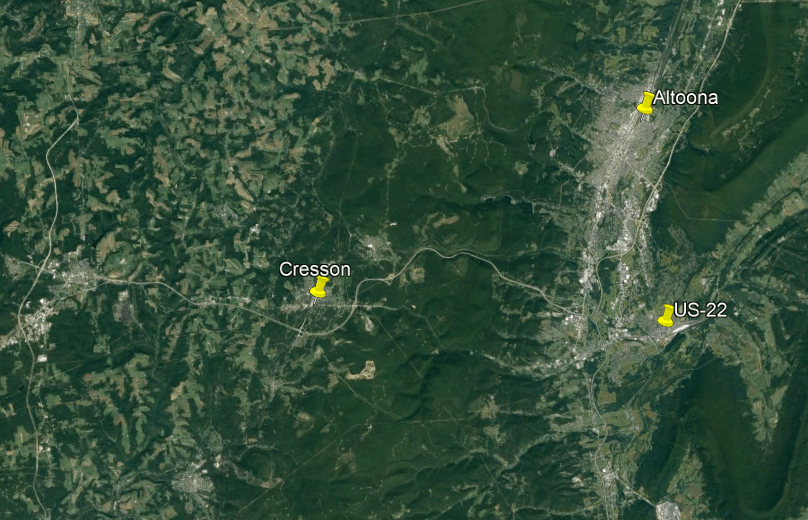
Cresson is also in Pennsylvania.
It is situated on top of the Eastern Continental Divide at the summit of the Allegheny Mountains on the route of the historic Allegheny Portage Railroad through the Allegheny Mountains.
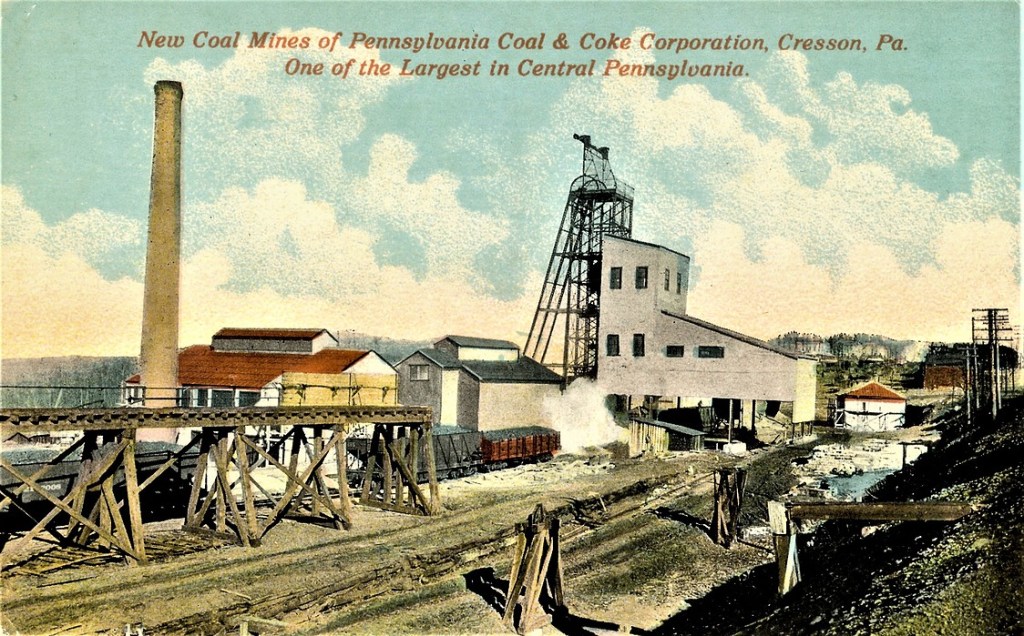
Back in the industrial heyday of the late 19th-century and early 20th-century, there were lumber, coal and coke-yard industries located in Cresson.
Cresson was also known for its therapeutic mineral springs, and we are told that in 1881, the Pennsylvania Railroad opened the Mountain House Resort Hotel.

What we are told is that the reason for the demise of the Mountain House Resort Hotel and Cresson Springs was that America’s appetite for “mountain” or “inland” resorts began to decline in favor of beach resorts, just like canals falling by the wayside for railroads, and railroads the same for automobiles, and so on.
The Mountain House Resort Hotel had ceased operations by the early 1900s, and in 1916, it was completely razed to the ground, and the original hotel building was gone.

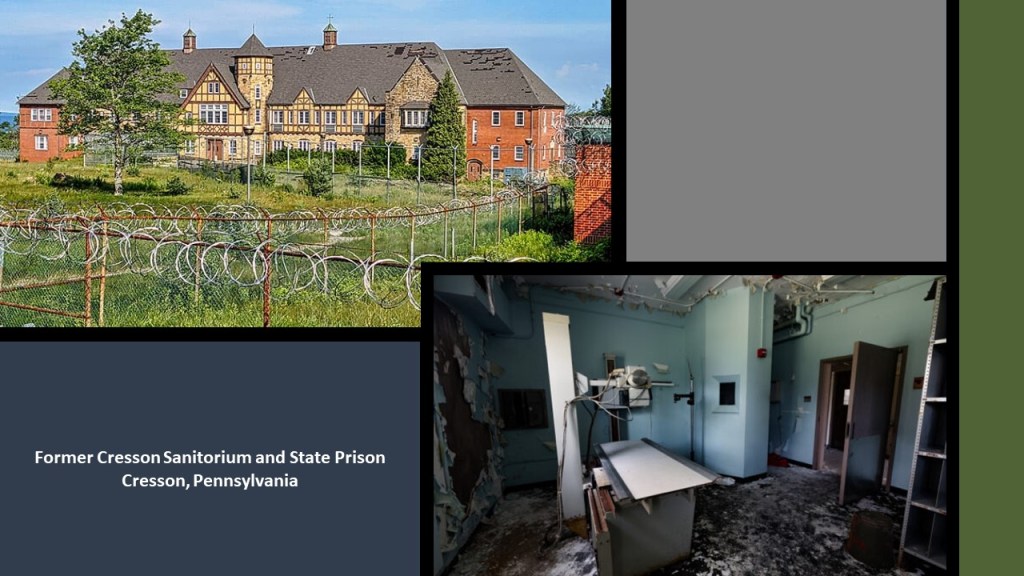
Interesting to note, that unlike the luxurious Mountain House Resort Hotel that got razed to the ground, the likewise spacious building of the former Cresson Sanitorium and Prison is still-standing, albeit in pretty rough shape these days!
In West Virginia, White Sulphur Springs was said to have been settled in 1750, and developed as a health spa in the 1770s, as the story goes after a woman was healed of rheumatism after bathing in the springs, and calls itself “America’s Resort since 1778.”
The springs are on the grounds of the Greenbrier Hotel, which was said to have been built by the Chesapeake & Ohio Railroad Company in 1913.

Even today, the same Amtrak Cardinal Line that runs through the New River Gorge has a station at White Sulphur Springs.
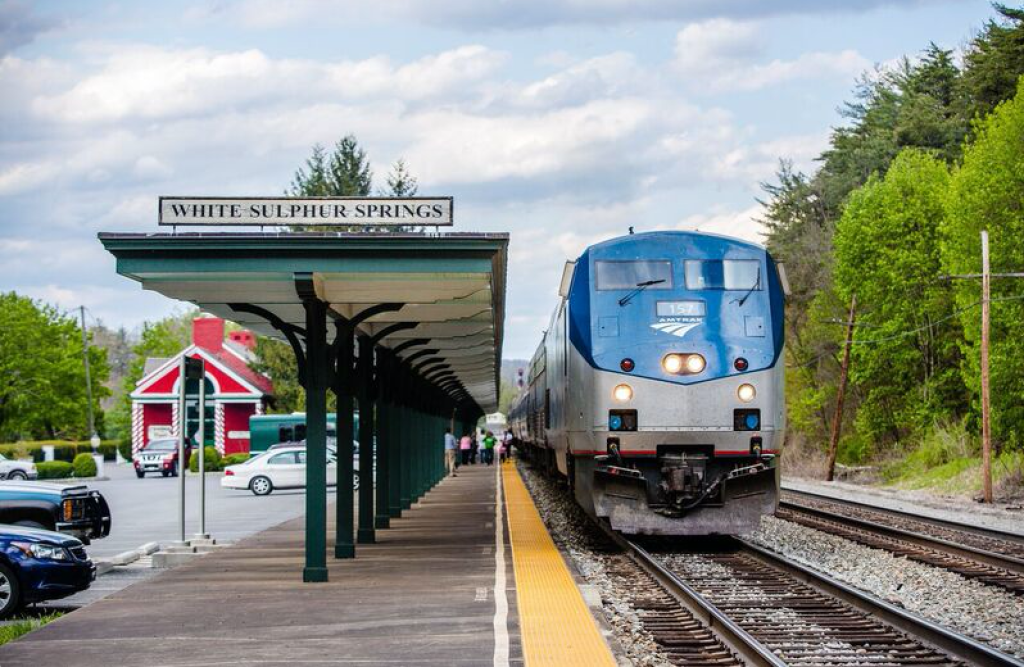
The Greenbrier Resort was at one time a Presidential getaway, with President Eisenhower the last President in office to have stayed there.
The Presidents’ Cottage is a museum today.
It remains a favorite retreat location for members of the U. S. Congress.
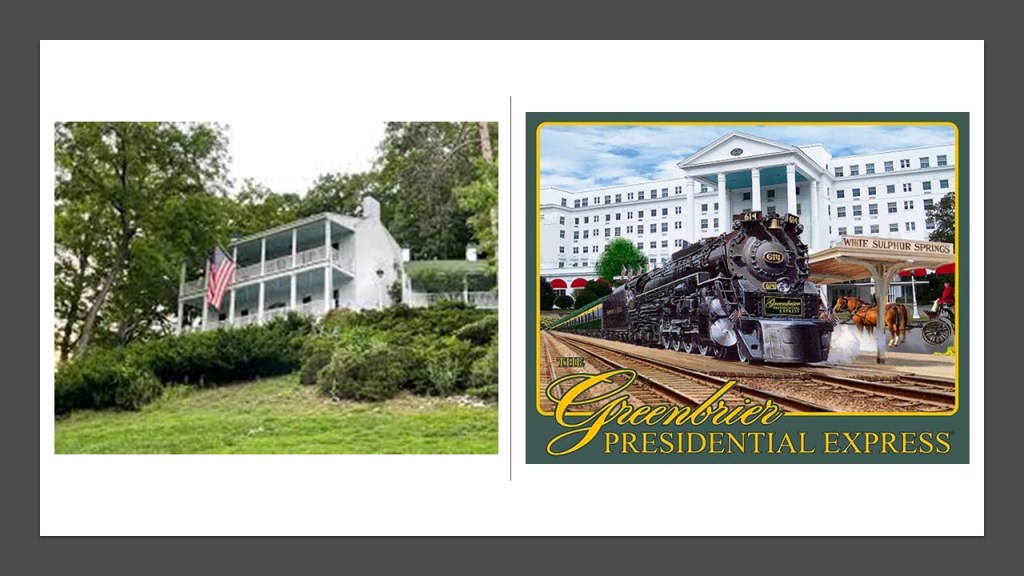
As a matter of fact, there was a top-secret, super-sized underground bunker, said to have been constructed there in the 1950s during the Eisenhower Administration to serve as a relocation point for the U. S. Congress in the event of a nuclear war, but when the secret came out in 1992 in a newspaper article, it was decommissioned.

Next, I am going to take a look at a couple of places in Georgia.
First, the Tallulah Gorge and Tallulah Falls in North Georgia close to where it meets the South Carolina State Line.
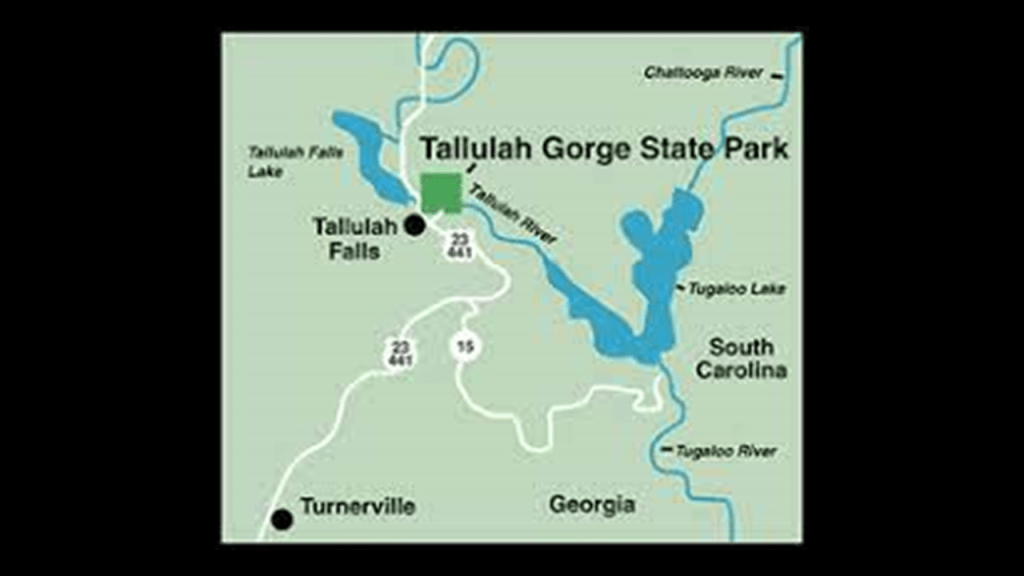
A state park since 1993, the major attractions of the park are the 1,000-foot, or 300-meter, deep Tallulah Gorge; the Tallulah River which runs along the foot of the gorge; and six major waterfalls known as the Tallulah Falls which cause the river to drop 500-feet, or 152-meters, over one-mile, or 1.6-kilometers.
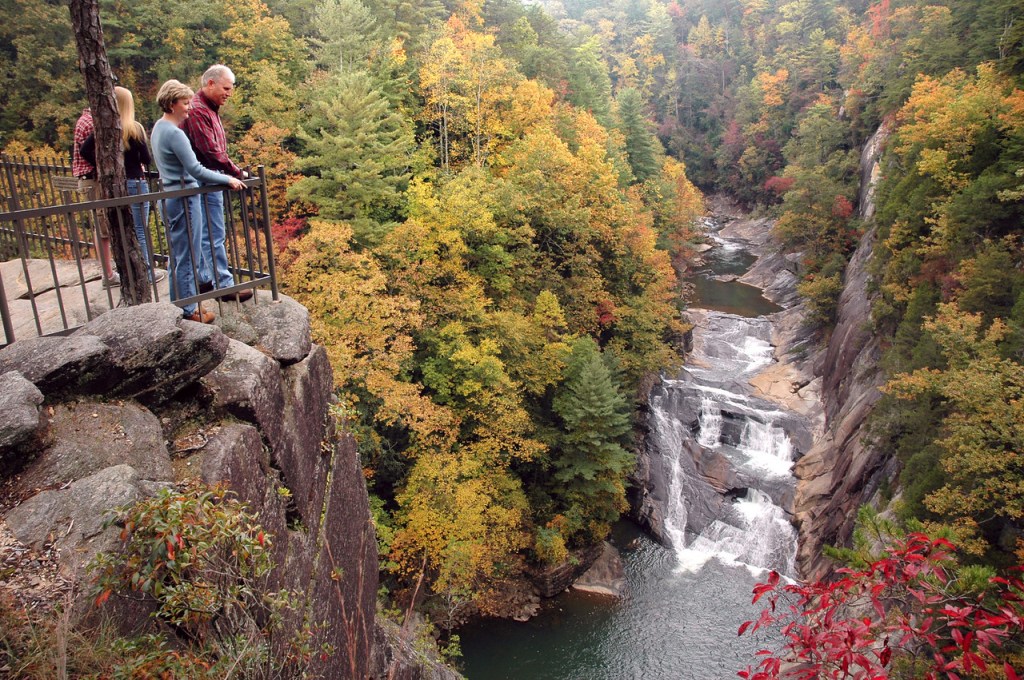
This is what we are told.
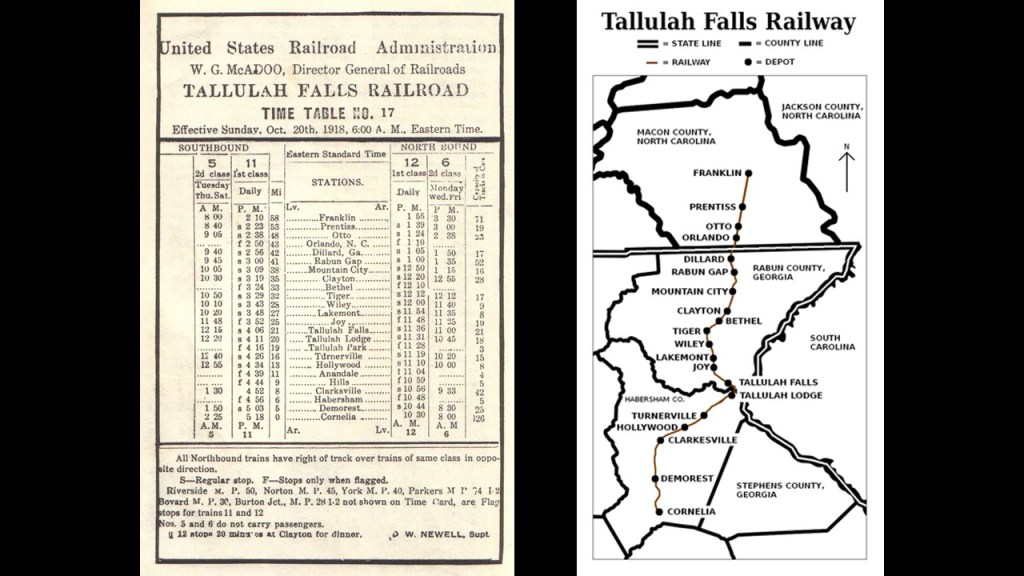
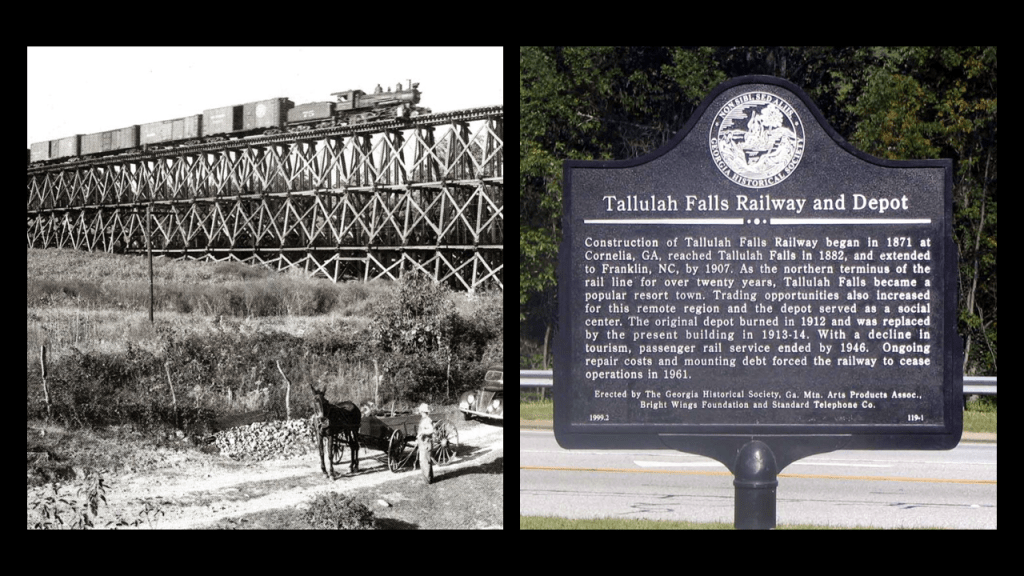
In 1854, The General Assembly of the State of Georgia first enacted legislation for the construction of a railroad linking the towns of Athens and Clayton in North Georgia, and the railroad opened in sections starting in 1870, with construction of the railroad having been delayed with the outbreak of the Civil War between 1861 and 1865.
When the railroad arrived at Tallulah Falls in 1882, tourism to the area intensified, bringing thousands of people a week to the area.
At one time, there were seventeen restaurants and boarding houses here catering to wealthy tourists.
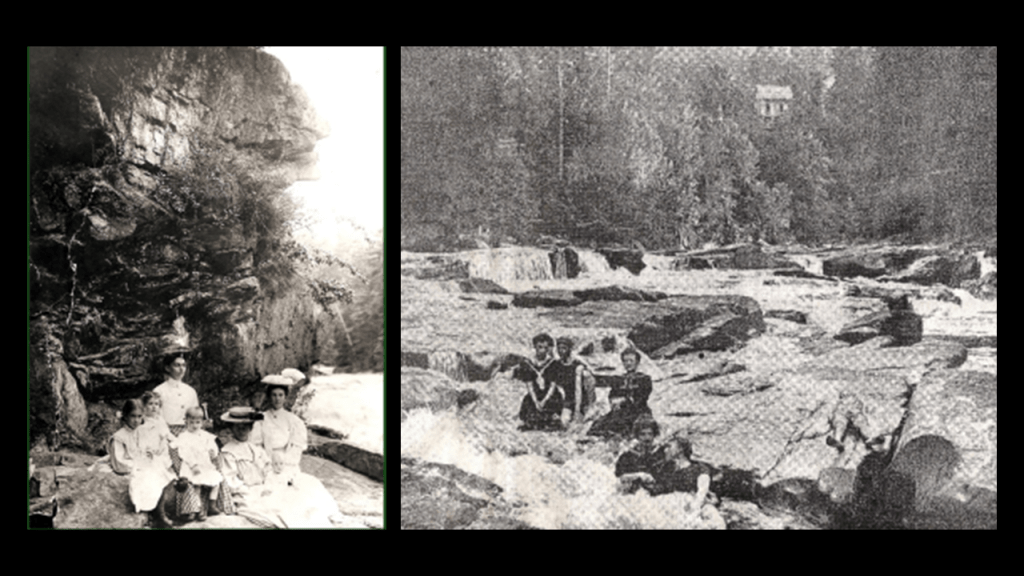
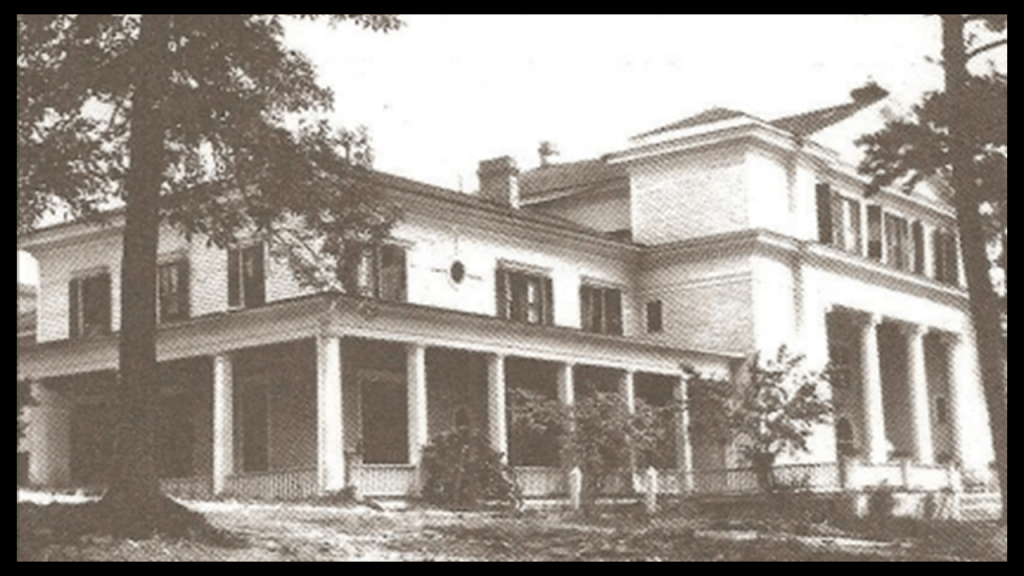
Places like the Tallulah Lodge, said to be the grandest lodge at Tallulah Falls with over 100-rooms and built in the 1890s, and located one-mile, or 1.6-kilometers, south of the depot on the rim of the gorge.
The Tallulah Lodge burned down in 1916.
There was an historical fire in Tallulah Falls in 1921 that wiped out almost the entire town.
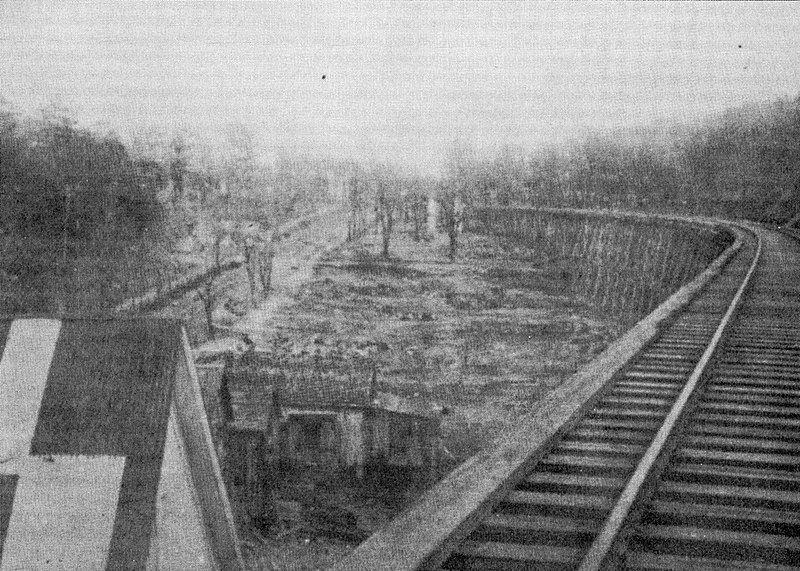
The Cliff House boasted 50-rooms and was located on the edge of the gorge across the tracks from the train depot, and was said to have been built in 1882.
When it finally burned down in 1937, all the grand hotels and boarding houses were gone.
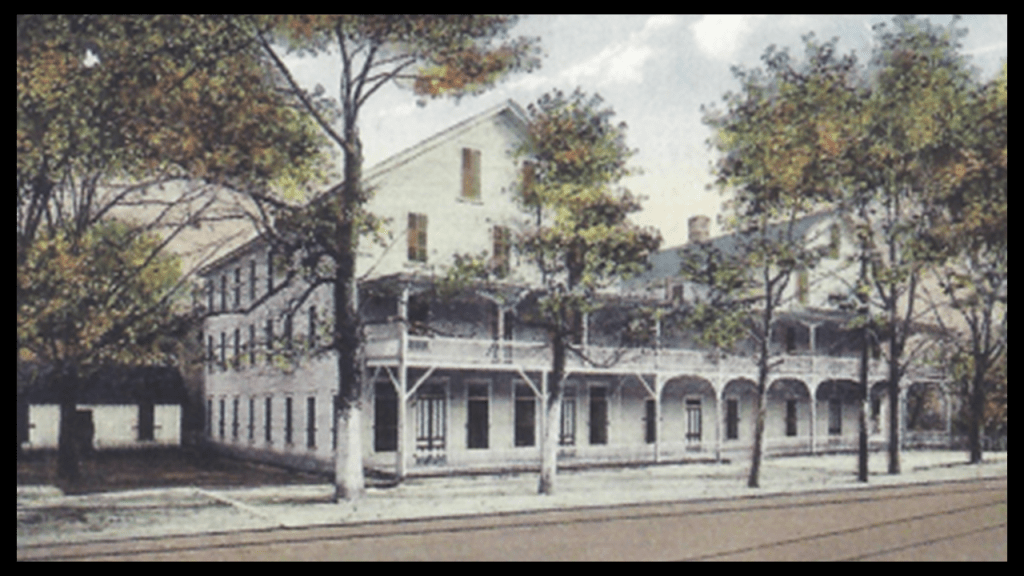
Next I am going to talk about Radium Springs, the largest spring in Georgia.
It is called one of the “Seven Natural Wonders of Georgia,” and located directly on the alignment between the Quetzalcoatl Pyramid in Mexico and the Great Pyramid of Giza that I recently researched the entire length of in a three-part series.

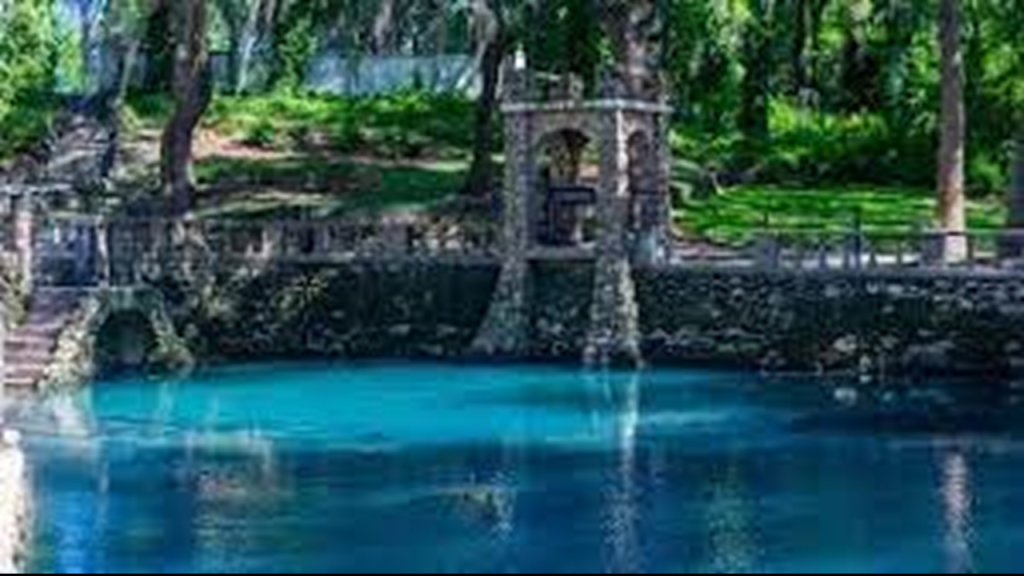
The deep blue waters of Radium Springs flow at 70,000-gallons, or 265,000-cubic-meters, per minute into the Flint River.
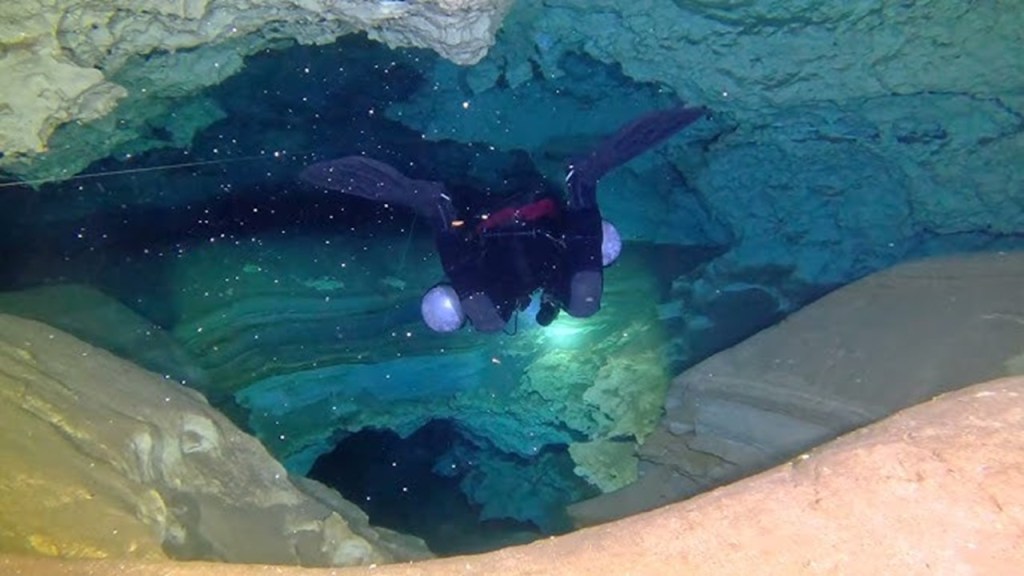
There is also an extensive underwater cavern system here.
Long known for its healing properties and crystal clear waters, we are told that a resort and golf course was developed here in the 1920s.
Sadly, the Great Depression led to the closure of the resort in 1939, though the golf course remained open intermittently in the years following after it was acquired by a group of investors.
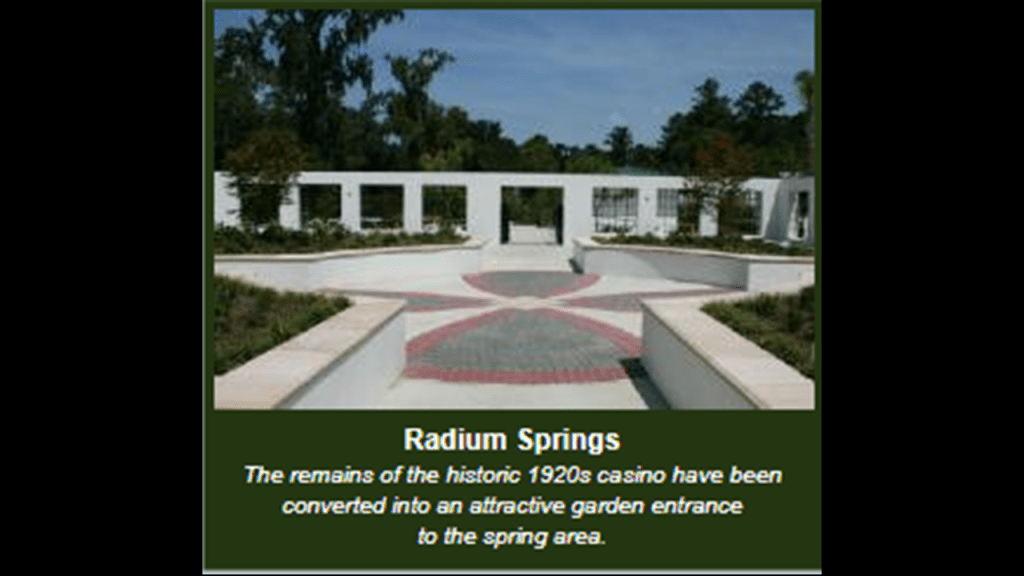
In 1994, the casino building was too severely damaged by Hurricane Alberto to save, so it came down.
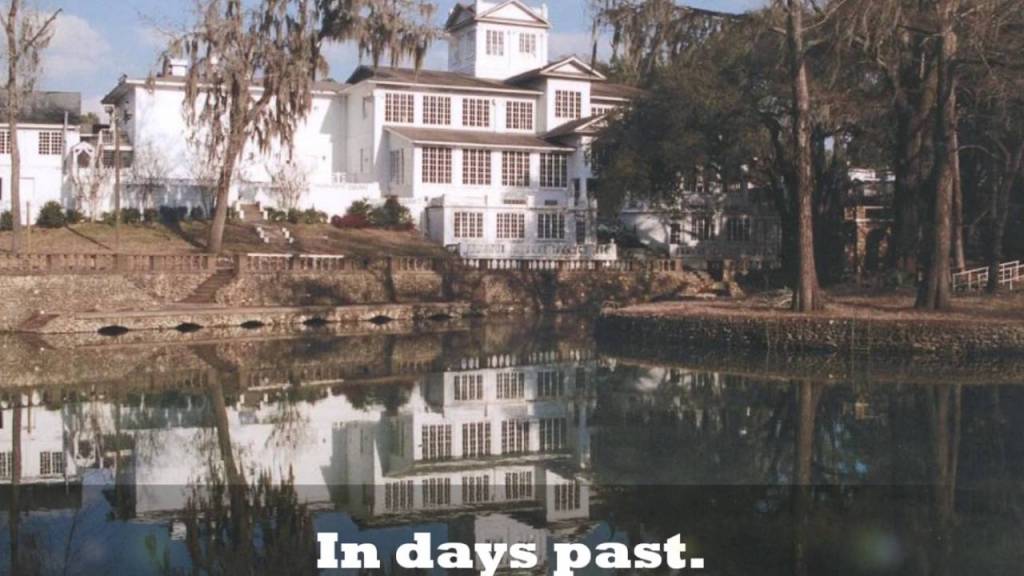
Today it is Radium Springs Gardens, where you can visit and walk around, and look at the beautiful surroundings, but you can no longer swim.
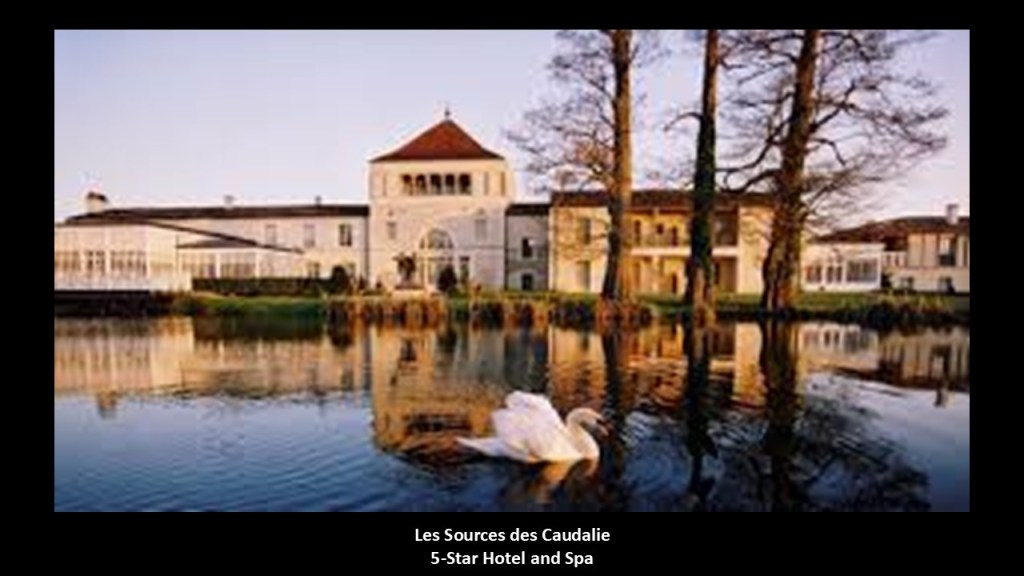
Les Sources des Caudalie near Bordeaux, France, is also on the Teotihuacan-to- Giza alignment.
Today this is a 5-star hotel and spa.
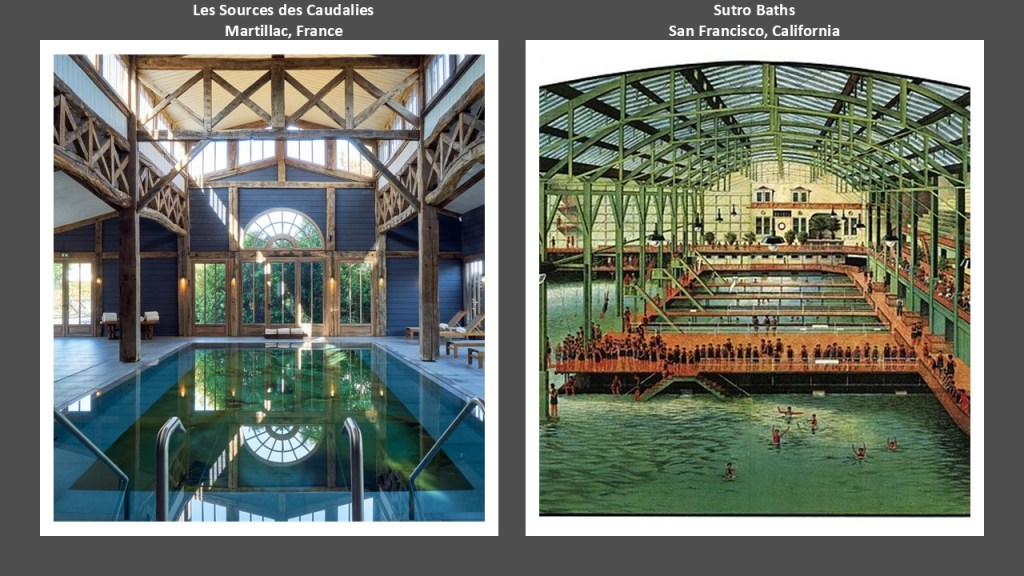
The indoor swimming pool at this location on the left reminds me of the glorious swimming pools of the by-gone era we have been looking at, like the historic Sutro Baths in San Francisco on the right.
When I came to the location of the Great Pyramid on this same alignment, I found the Marriott Mena House Hotel and it’s golf course right next to it.
I consistently find golf courses on these alignments.
“Links” is another name used to refer to golf courses, and I think that’s a clue to what they originally were on the energy grid system – “links” of some sort between the circuitry of the grid system.
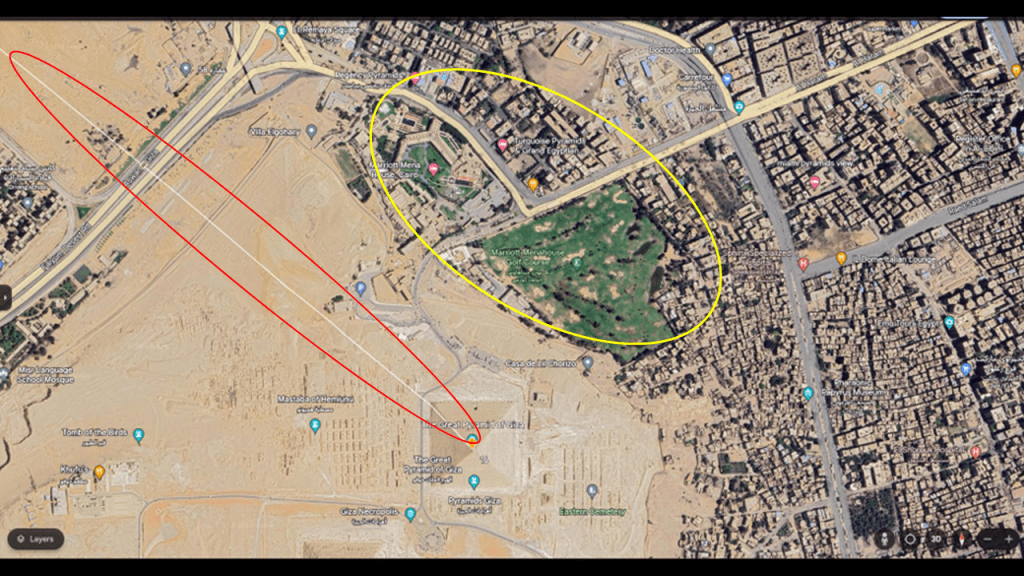
The Mena House Hotel is located approximately a half-mile, or 700-meters from the Great Pyramid.
The Mena House Hotel on the left, like Les Sources des Caudalie on the right back on the alignment near Bordeaux, is a luxury 5-star hotel, and they both have the distinctive tower design with closely set-together rectangular windows.
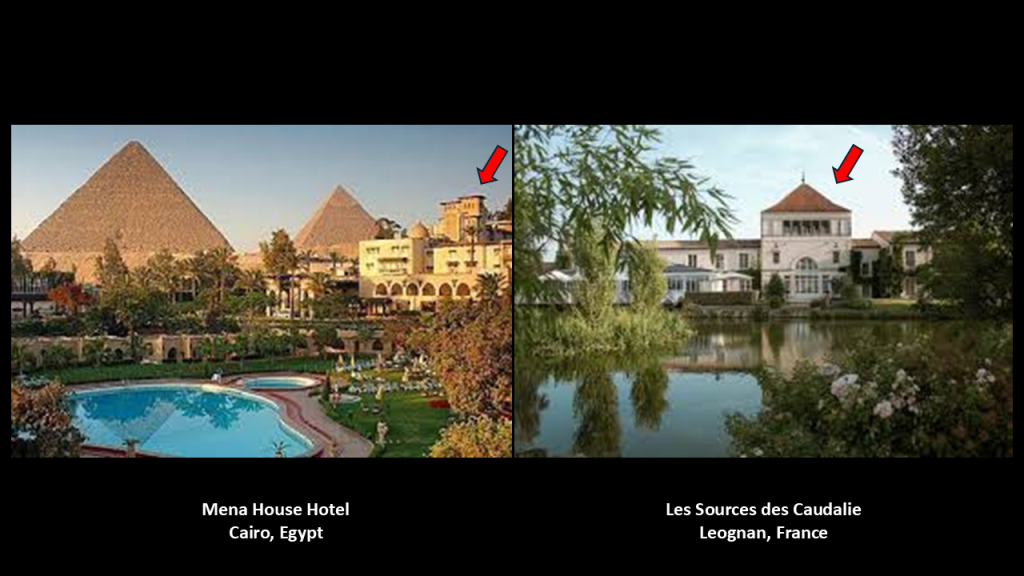
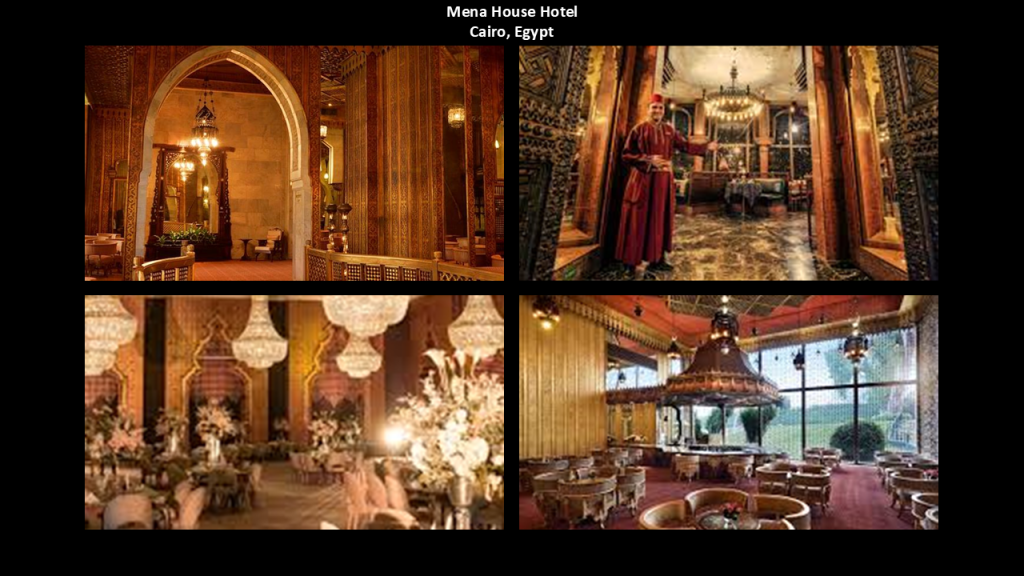
We are told the Mena House Hotel was established in 1886.
It has been frequented by the powerful, rich and famous throughout its history.
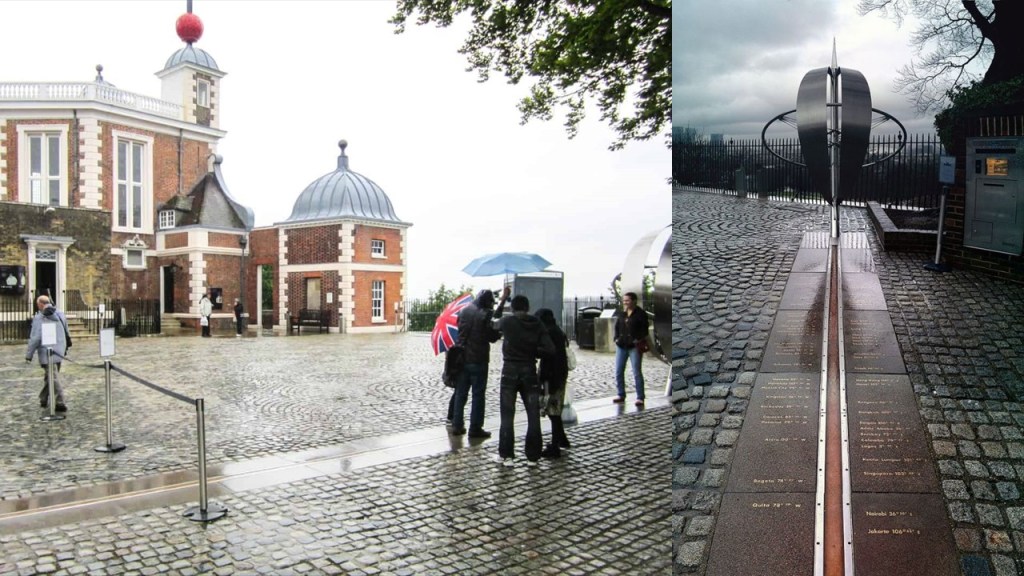
Up until 1851, the Great Pyramid was the Prime Meridian, located at the center of the Earth’s landmass.
Longitude fixes the location of a place on Earth east or west of a North-South zero-line of longitude called the Prime Meridian, given as an angular measurement that ranges from 0-degrees at the Prime Meridian to +180-degrees westward and -180-degrees eastward.
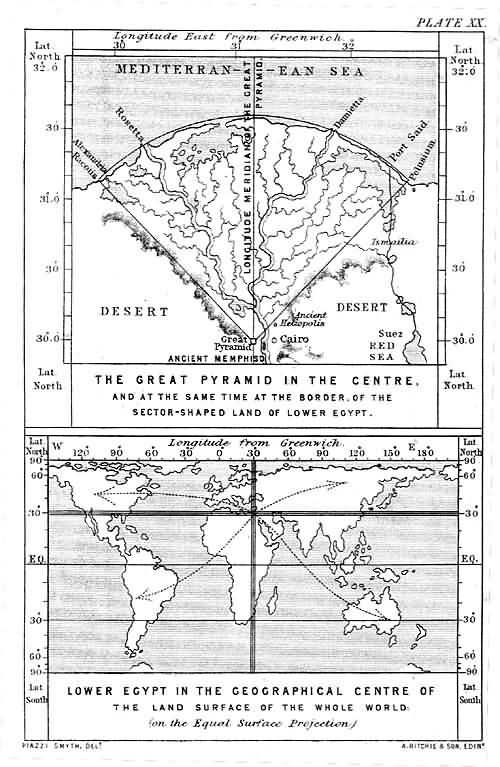
In 1851, the same year as the Crystal Palace Exhibition in London, Sir George Biddell Airy, the seventh Astronomer Royal from 1835 to 1881, established the new prime meridian of the Earth, a geographical reference line, at the Royal Observatory of Greenwich in London, and by 1884, over two-thirds of all ships and tonnage used it as the reference meridian on their charts and maps.
Carl Munck deciphered a shared mathematical code in his book “The Code,” related to the Great Pyramid, in the dimensions of the architecture of sacred sites all over the Earth, one which encodes longitude & latitude of each that cross-reference other sites.
He turned his findings in “The Code” into a video series which can be found on YouTube.

He shows that this pyramid code is clearly sophisticated and intentional, and perfectly aligned over long-distances.
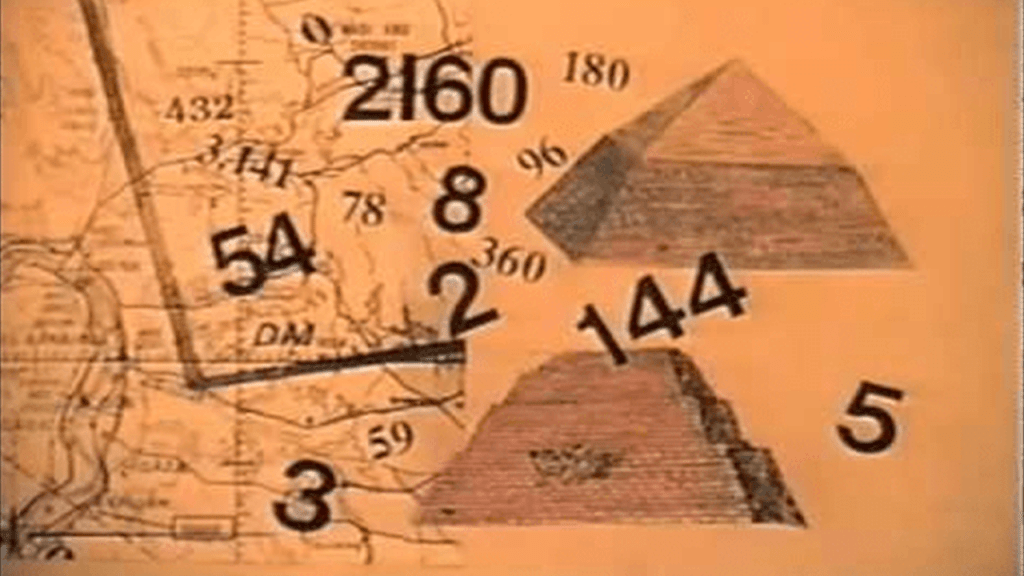
It’s interesting to me, as I sit here including this information about Carl Munck in this post about Old World Springs, that I just now remembered Carl talked about a place called Warm Mineral Springs in Sarasota County in Florida in the second video on YouTube in his series about “The Code.”
He demonstrated how Warm Mineral Springs was geometrically-aligned with other structures he had identified through the mathematical application of “The Code.”
I guess you could say this was part of my early education in 2012, several years before I started doing my own research in 2018, that this worldwide, perfectly- geometrically-aligned energy grid was a real thing.
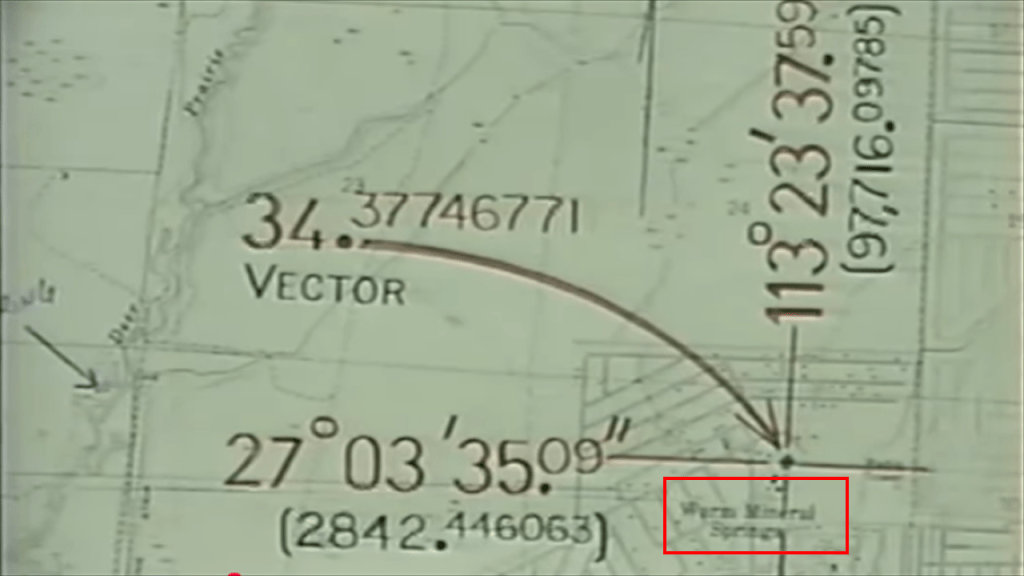
Shortly after I watched this video, I was about an hour or so north of it in the Tampa Bay area visiting family in July of 2012, and at my request, my aunt took me there for a visit.
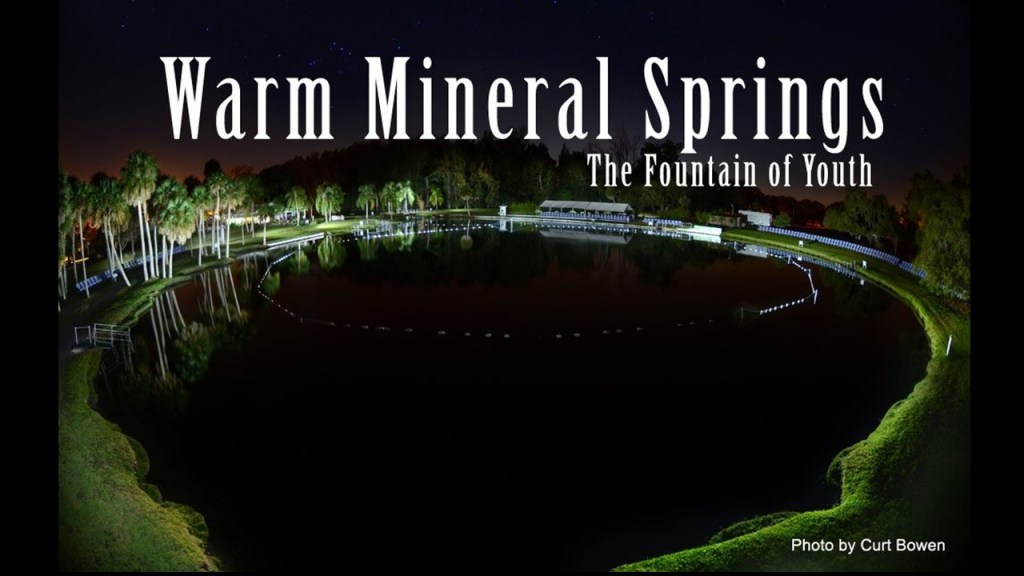
Warm Mineral Springs is the only warm water mineral spring in Florida, and was operated as a spa from 1946 until 2000.
It is on the list of the possible locations of the fabled “Fountain of Youth” that Ponce de Leon was looking for when he landed in Florida in 1513 in our historical narrative.
It has highly-mineratlized water that stays at a temperature of 85 – 87-degrees Fahrenheit, or 29- to 30-degrees-celsius, believed to have healing properties, and is rich in sulfur, magnesium, potassium and sodium.
So in summary, there certainly seems to be some kind of connection to these resorts, spas, and springs with regards to infrastructure like rail, today’s racing circuits, airports, and even golf courses that were seen in examples presented here that I have also identified together in the same relationships to each other in countless places, and that I believe were components of a pre-existing free-energy-generating grid before a deliberately-caused cataclysm destroyed the original grid and wiped the Old World of the advanced civilization responsible for creating it off the face of the Earth.
The New World was ushered in by negative, parasitic beings who transformed the once regenerative positive energy grid for the benefit of all into the extractive energy grid known is the Matrix for the benefit of the very few.
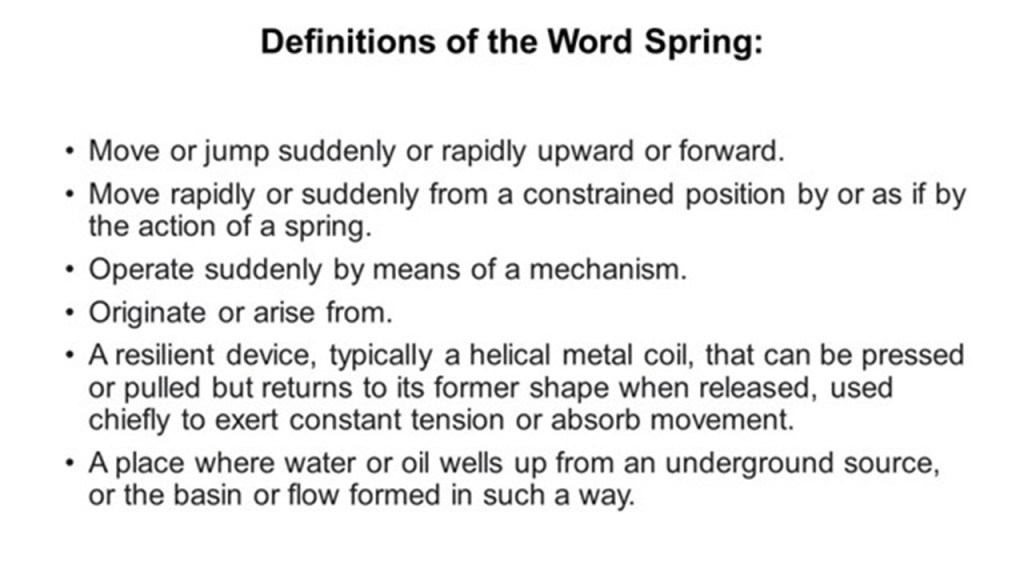
I don’t know exactly what the function of springs would be on the circuit board for this free-energy-generating system, but it could very well be contained within one or all the definitions of spring.
As we’ve seen throughout this post, and I could continue on with many more examples around the world, while some of the healing springs and spas still exist in today’s world, especially in luxury resorts catering to the elite, many more are long-gone, for a variety of given reasons, including destruction by fires and obsolescence from the services or locations supposedly becoming outdated or less popular.
One or two disappearing in this fashion maybe, but so many of them is highly suspicious for causes other than random chance.
Since so many appear to have been deliberately shut-down or removed, one explanation for the disappearance of the majority of these healing places could framed like this:
Why would you need Big Pharma if you had all of these amazing mineral springs available to heal all your ailments naturally?