Viewer MJ sent me research she had done into “The Company,” and its relationship to our Federal Government and the political process for the Republic, and the world we live in today.
I can only take things so far, and with the help of independent researchers like this viewer, I can take things much further.
I did not have the information she provided me.
The dates things are happening is very important when looking at where things in the New World really got kicked off, and her research helped me to connect more dots.
It really takes a village to solve this puzzle because there is so much to uncover regarding what has taken place here and many layers to it as well.
I will be interweaving MJ’s research material with with research that I have done in the past and present for this post.
I am going to focus on the origins & historical impact of The Company in this first part.

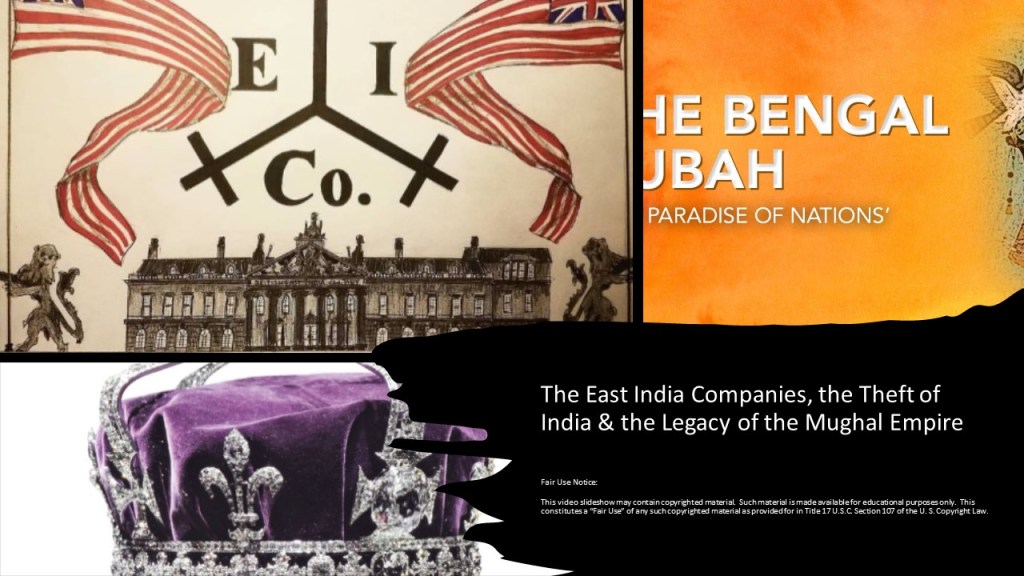
I received the research from MJ shortly after I had published “The East India Companies, the Theft of India & the Legacy of the Mughal Empire.”
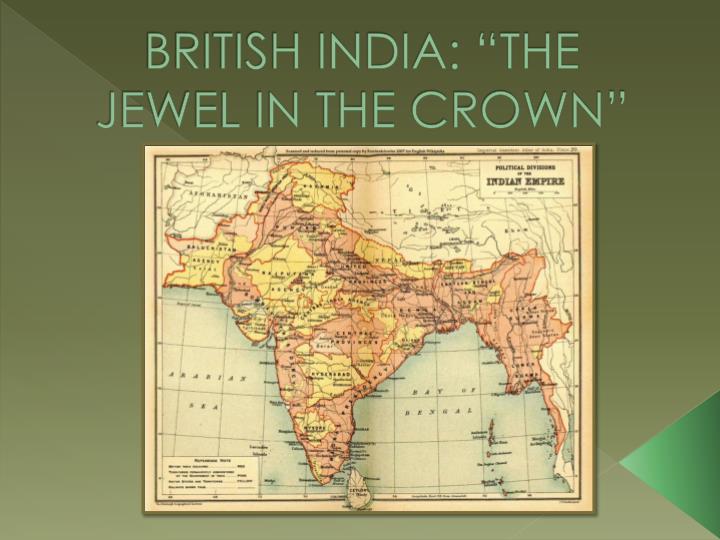
India was called the “Jewel in the Crown” of the British Empire. and its largest, and most important, overseas possession.
Much of the British Empire was built around India, in order to provide routes to, or protection for, India.
India was prosperous and rich, in spices, silk, indigo, gold, cotton, and other products and resources.
Trade with, and eventual political dominance of large parts of India, was what provided Britain with large parts of its wealth in the 1700s through 1900s.
The East India Company was the means by which the British took over control of India and its fabulous wealth and culture.
The East India Company was nicknamed “The Company.”
This is what we are told.
The British East Company was established as a joint-stock company by Royal Charter on December 31st of 1600 by Queen Elizabeth I.
It was called the “Governor and Company of Merchants of London Trading in the East Indies,” and by the mid-1700s, accounted for half the world’s trade in such commodities as cotton, silk, indigo, spices, sugar, tea, and opium.
For comparison, the flag of the British East India Company is pictured on the top left, and the flag of the United States on the bottom right.

It is important to note that the American Central Intelligence Agency has the same nickname.

On March 20, 1602, Dutch East India Company was chartered to trade with India and Southeast Asian countries by the States General of the Netherlands, the Supreme Legislature of the Netherlands, granted it a 21-year monopoly for the Dutch spice trade.
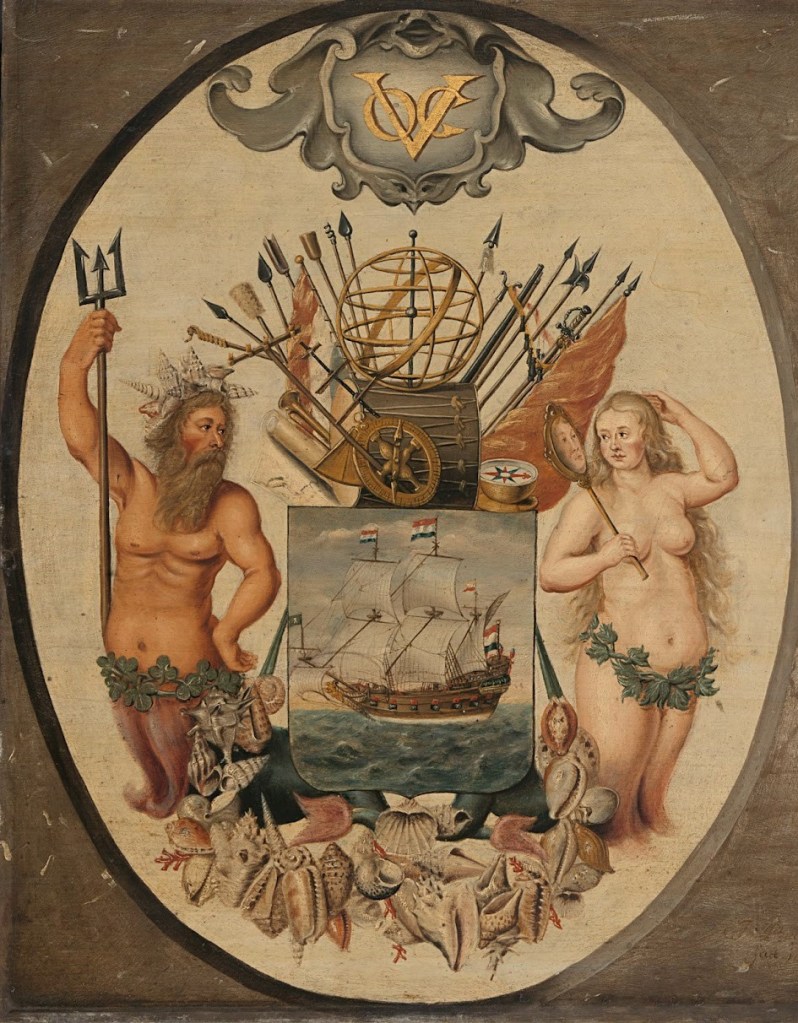
It was a megacorporation, which is defined as a massive conglomerate (usually private) holding near-monopolistic, if not monopolistic, control over multiple markets.
It was chartered to trade with Mughal India, and primarily Mughal Bengal, from where 50% of textiles and 80% of silks were imported.
It has often been labelled a trading or shipping company, but was in fact a proto-conglomerate, diversifying into multiple commercial and industrial activities.
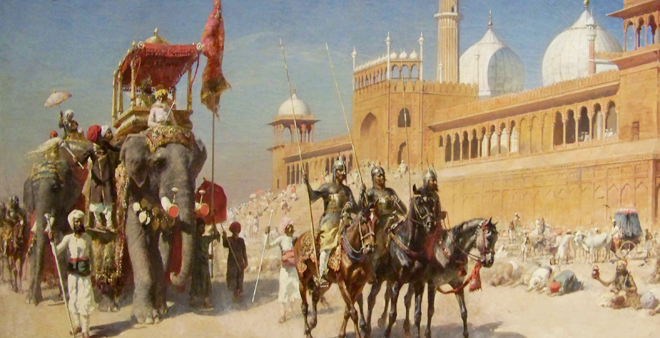
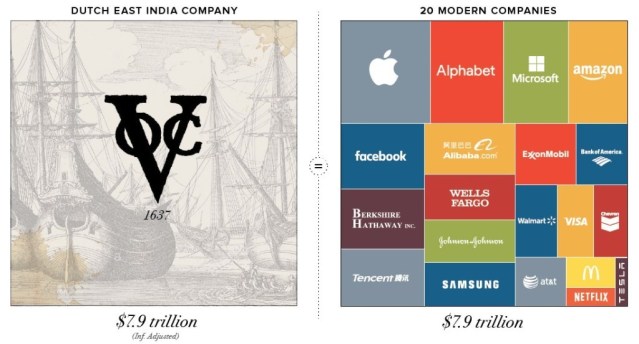
The first formally listed public company by widely issuing shares of stock and bonds to the general public in the early 1600s, it was the world’s most valuable company of all-time, with a worth of $7.9-trillion.
It is considered by many to be to have been the forerunner of modern corporations.
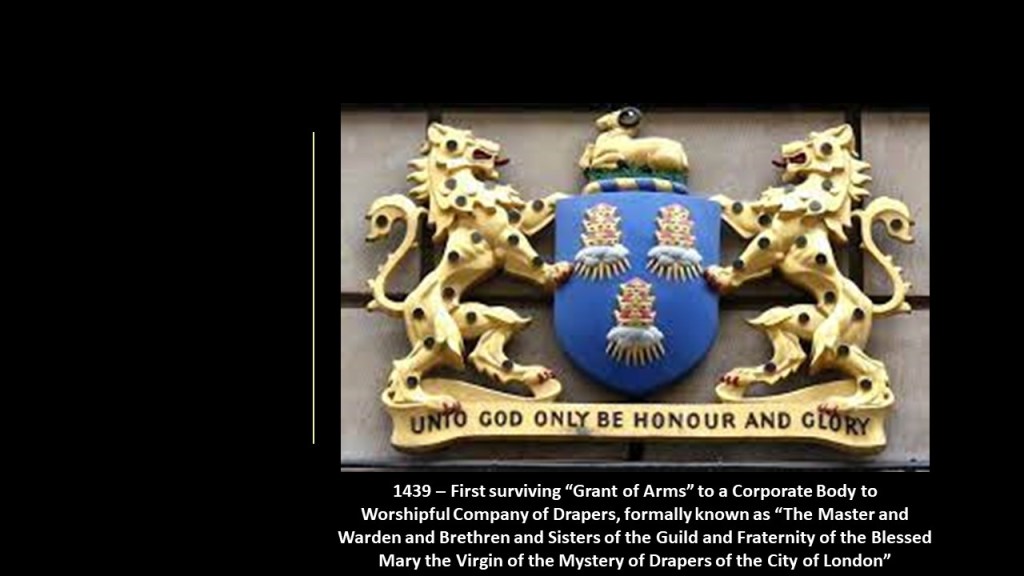
We are told the use of Arms went from individuals to corporate bodies starting in 1438 with a Royal Charter of incorporation, and the earliest surviving grant of arms, for the “Worshipful Company of Drapers,” formally known as “The Master and Warden and Brethren and Sisters of the Guild and Fraternity of the Blessed Mary the Virgin of the Mystery of Drapers of the City of London,” and since then have been made continously including, but not limited to, companies & civic bodies.
“Draper” is defined as a retailer or wholesaler of cloth that was mainly for clothing.
As we will continue to see, activities around cloth played a signficant role in the development of the New World’s economy and the creation of its powerful banking houses and corporations.
MJ sent me citation resources she used in her research.
The first was Dun and Bradstreet, an American company that provides commercial data, analytics and insights for businesses, including credit ratings.
She said that much valuable information has been removed from public view, and noticed that they have removed many cities and other government entities from their search queries.

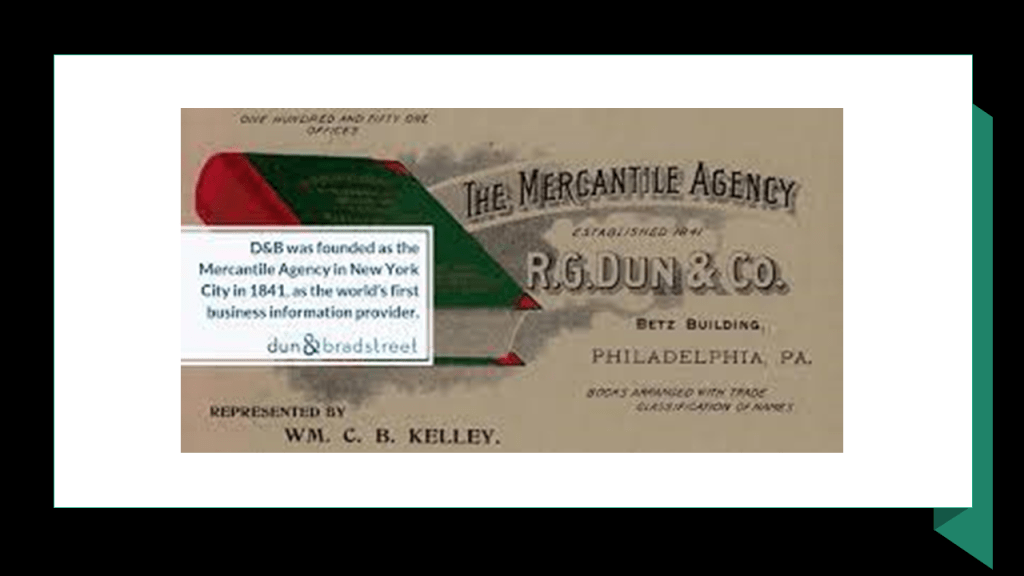
Dun and Bradstreet started out as “The Mercantile Agency” in New York City on July 20th of 1841.
It was formed by Lewis Tappan, who started out in the dry goods business with his father and the silk business with his brother, as the first commercial credit rating agency for businessmen seeking credit, and provided a network of correspondents to provide reliable credit information to its subscribers.
By 1844, the “Mercantile Agency” had over 240 clients, and continued to expand, opening offices in Boston, Philadelphia and Baltimore.
Benjamin Douglass took-over the business in 1849, and he transferred it to Robert Graham Dun in 1859, who changed the named to R. G. Dun & Company, and he continued to expand the business across international boundaries, and it kept growing from there.
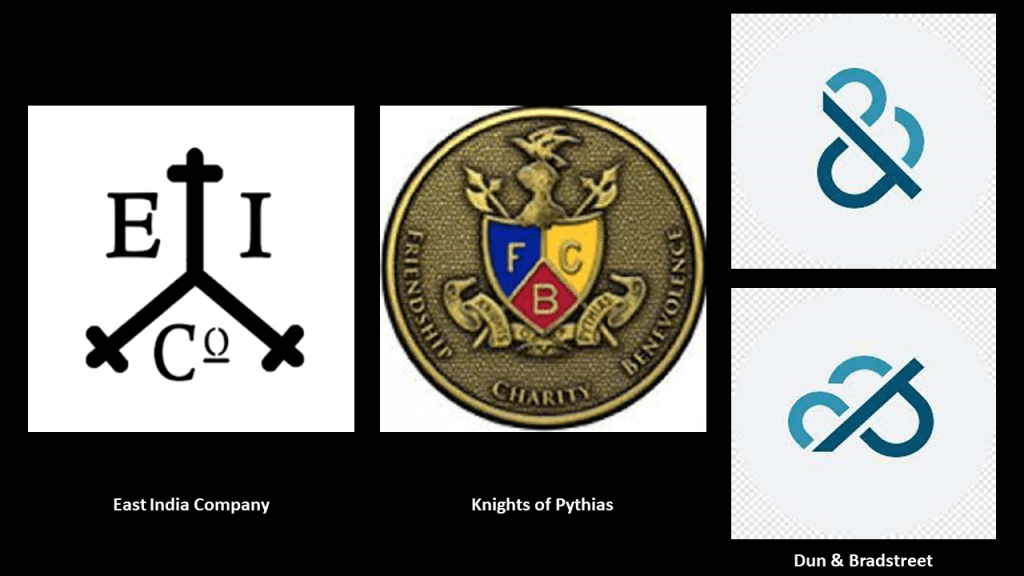
It’s interesting to me that when I saw on of the modern logos on the right, it bore a slight resemblance in design to one of the EIC logos on the left, which also reminded me of one of the “Knights of Pythias” logos, as seen in the middle.
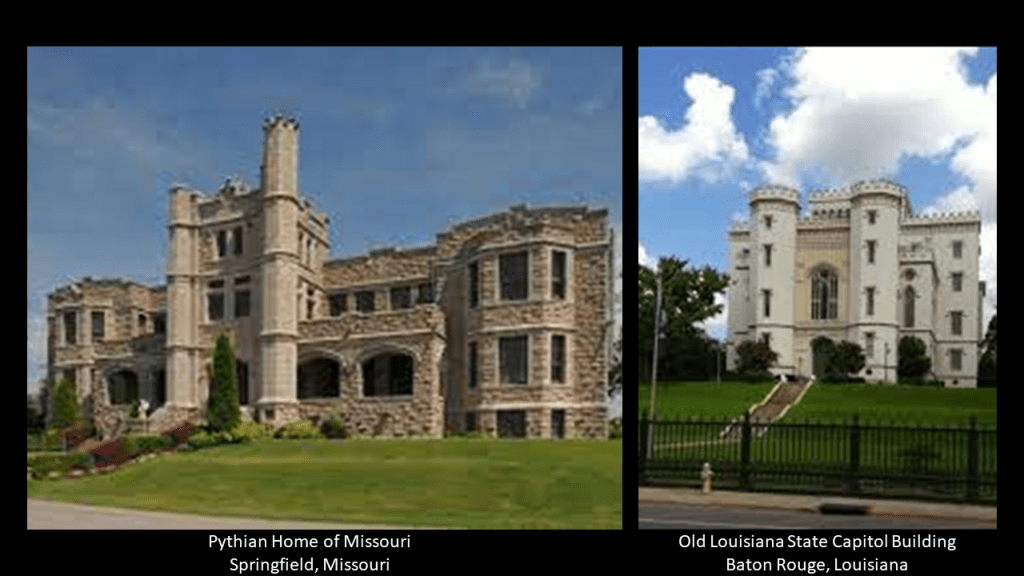
The “Knights of Pythias” is a secret society and fraternal organization that was founded in February of 1864, which would have been during the American Civil War, which along with other secret societies like the Freemasons, and Odd Fellows, seemed to have been deeply involved in the reset historical narrative by claiming credit for the construction of buildings what would have been architecture of the original civilization, calling them “Pythian Castles” as charity homes for widows and their children, like the “Pythian Home of Missouri,” in Springfield, pictured on the left.
Pictured on the right is the old Louisiana State Capitol Building in Baton Rouge, for similarity of apprearance, with the castle-like appearances, earthworks in the landscape below both buildings, and what appears to be facing in the same direction.
Also, the year of 1841, the year that the “Mercantile Agency” was established, is just screaming at me because that year, and the early-to-mid-1800s in general, has come up as having a lot of significant activity going on.
To begin with, let’s look at what was going on around 1800 that relates to all of this.
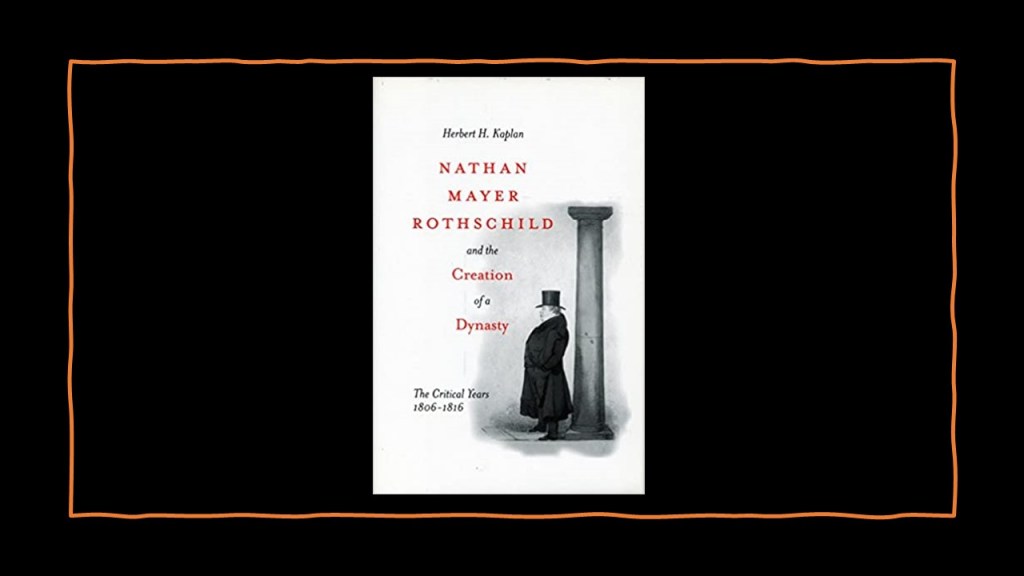
First, Mayer Amschel Rothschild’s son, Nathan Mayer Rothschild settled in Manchester, England in 1798, and established a business in textile trading and finance, and made a fortune in a banking enterprise he began in London in 1805 that dealt in foreign bills and government securities.
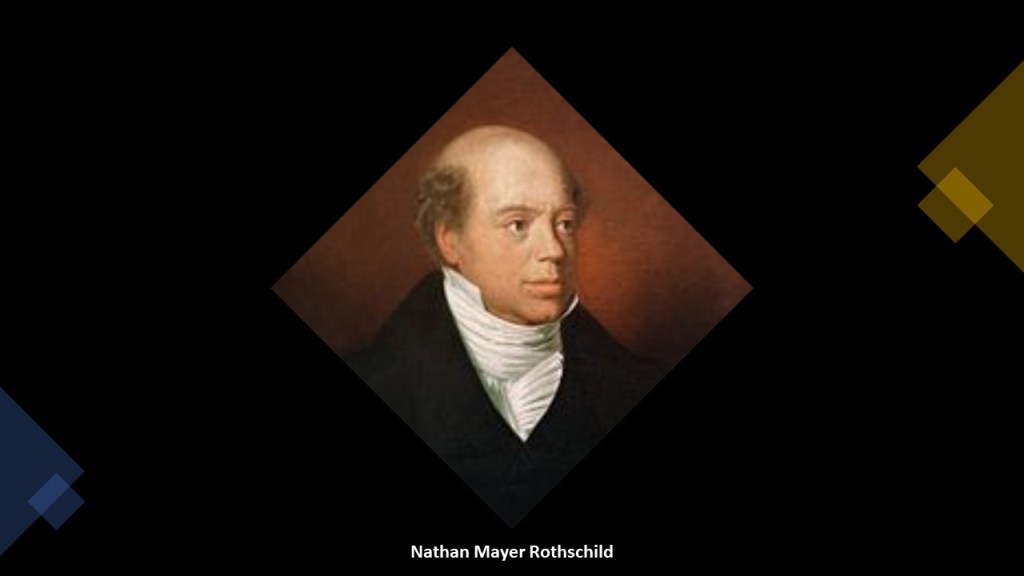
A freemason since 1802 in the “Premier Grand Lodge of England” in October of 1802, by the time of his death in 1836, Nathan Mayer Rothschild had secured the position of the Rothschilds as the preeminent investment bankers in Britain and Europe, and his own personal net worth was over 60% of the British national income.
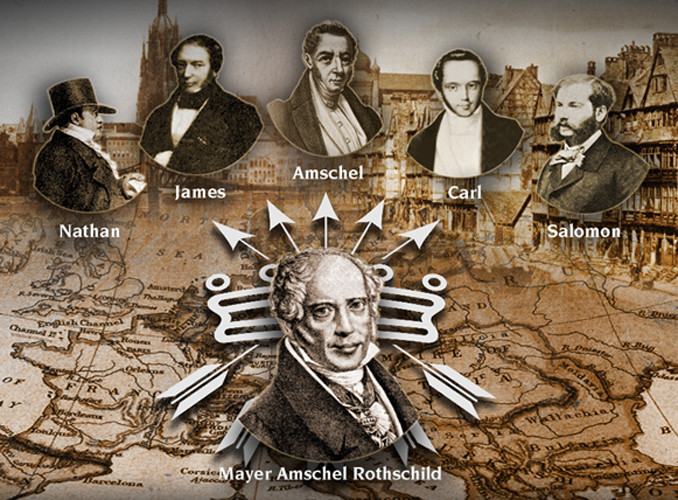
Mayer Amschel Rothschild started the Rothschild International Banking family dynasty through his five sons in Frankfurt, Germany, in the 1760s, who were each placed in major cities throughout Europe.
Besides Nathan in London, son James was in Paris; son Amschel succeeded his father in Frankfurt; son Carl was in Naples; and son Salomon in Vienna.
In America, Alexander Brown was an Irish linen merchant who immigrated to America, and established the first investment banking firm in the United States in 1800, just five-years before Nathan established the Rothschild bank in London.
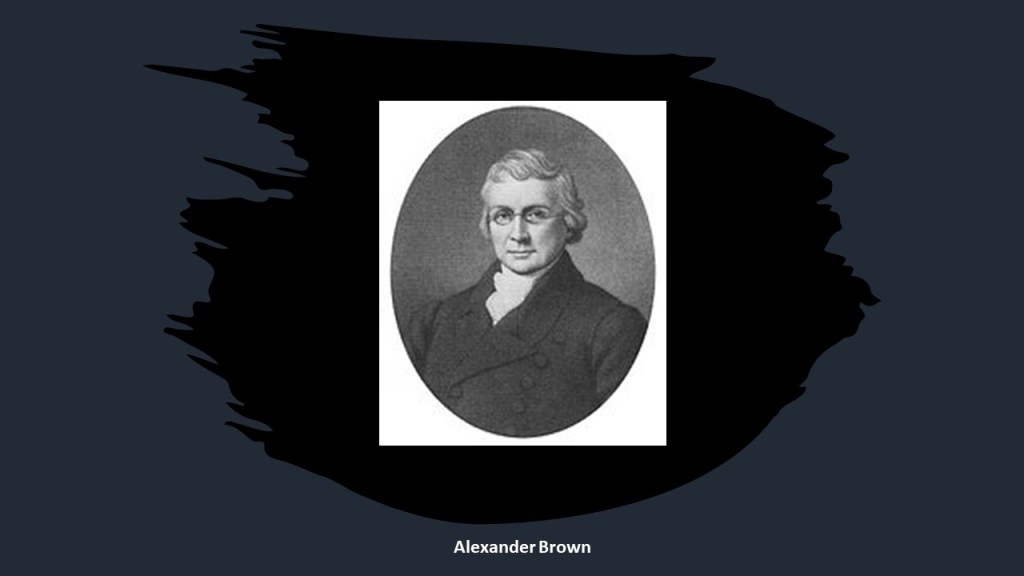
He was joined in business by his sons William, George, John, and James, and the firm became “Alex. Brown & Sons” in 1810.
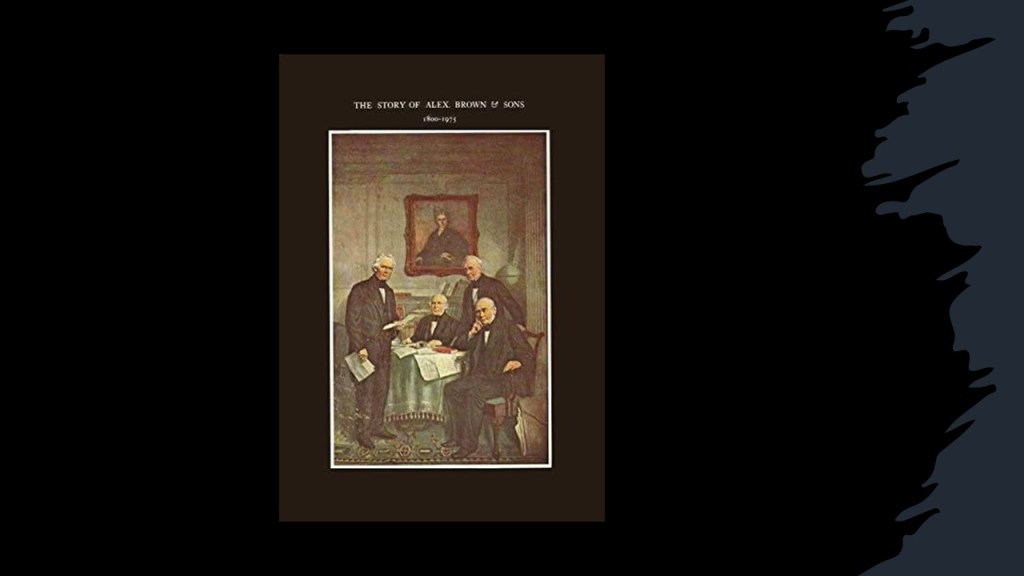
So his son William established the Liverpool office in England of the family business; George and John founded “Brown Bros. & Company” in Philadelphia, Pennsylvania; and James opened a branch in New York City and Boston.
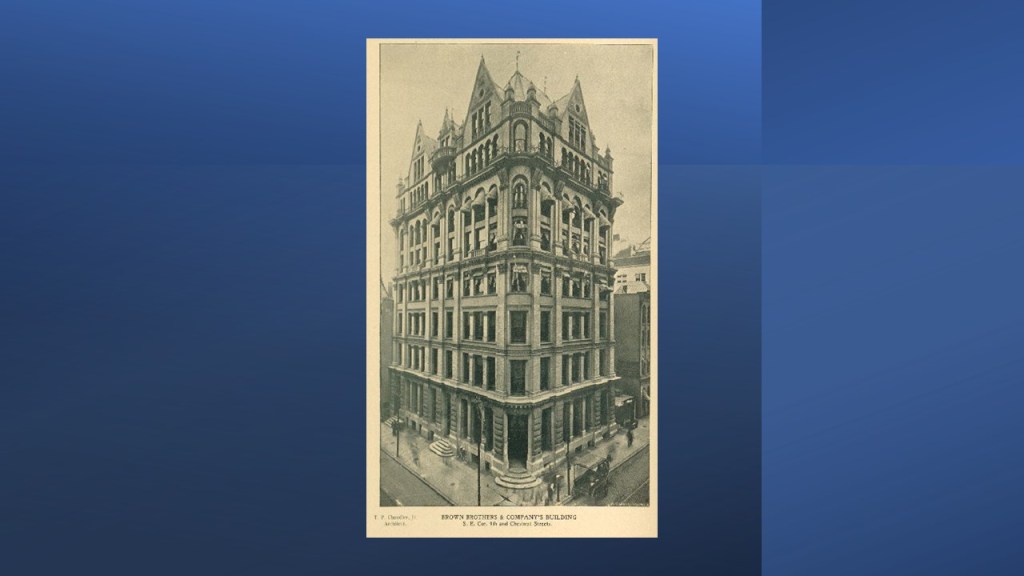
This is what we are told about Brown Brothers & Company, that during the first 100-years of its existence, it helped make paper money standard currency in the United States; underwrote the first railroad and trans-Atlantic steamship companies; and essentially created the first foreign exchange system between the American dollar and the British pound.

In 1931, the Brown Brothers merged with the Harriman Brothers & Company, a private bank started with railway money, in 1931 to become known as the “Brown Brothers Harriman & Company,” one of the oldest and largest private investment banks in the United States.

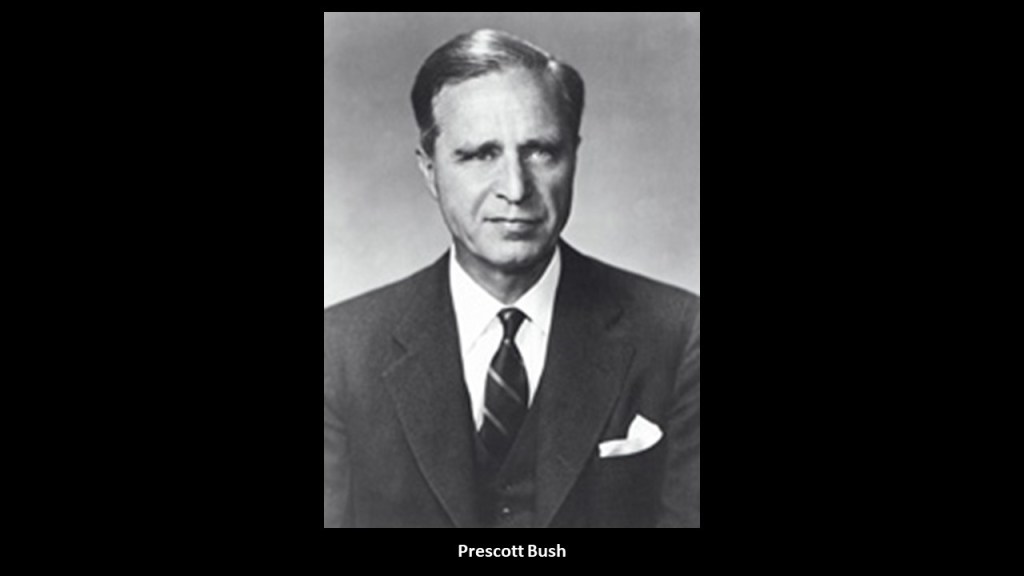
Founding partners of the “Brown Brothers Harriman & Company” included W. Averill Harriman, the son of railroad baron E. H. Harriman, and Secretary of Commerce under President Harry S. Truman…

…and Prescott Bush, American banker and politician, and the father of President George H. W. Bush.
Another Harriman, E. Roland Harriman, was the Chairman of the Board of Governors of the American Red Cross, from 1950 to 1973.
He was the brother of W. Averill Harriman, founding partner of the “Brown Brothers Harriman & Company”
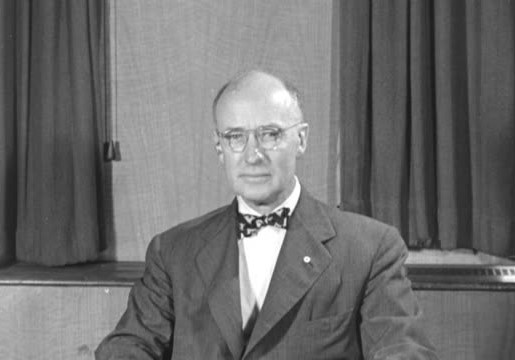
John D. Rockefeller was amongst several that donated to create a national headquarters for the Amerian Red Cross near the White House in Washington, DC, said to have been built between 1915 and 1917.
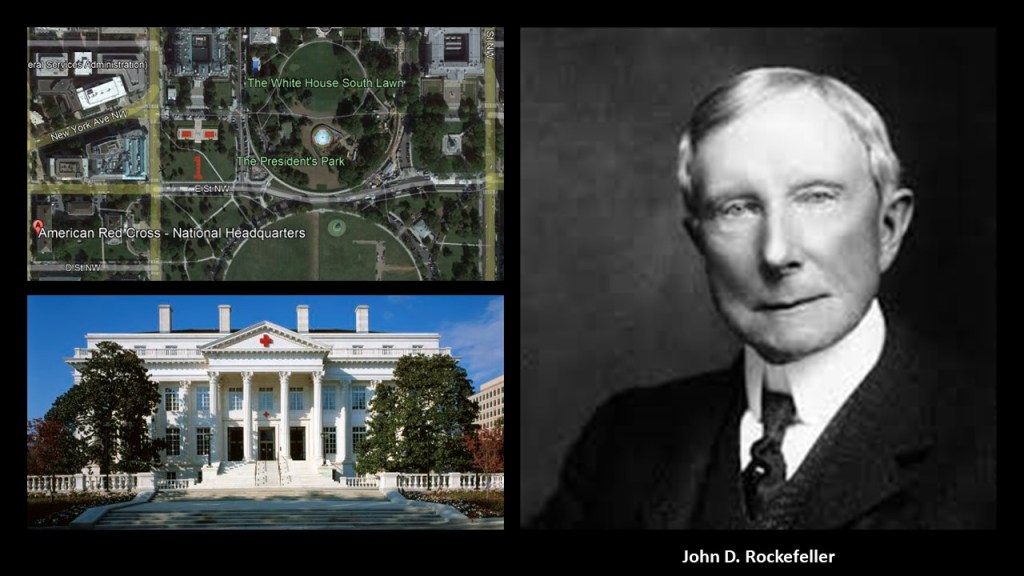
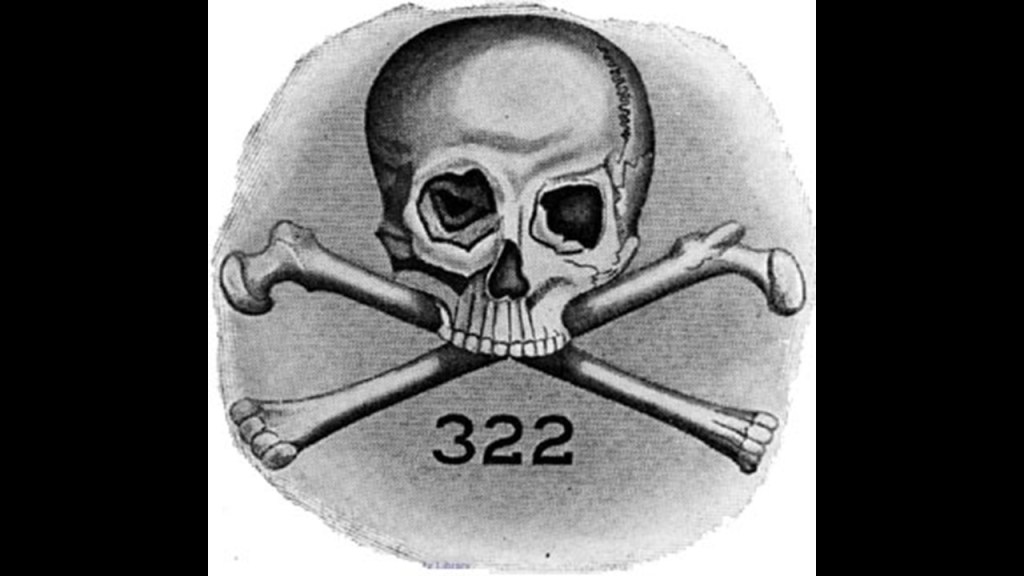
E. Roland Harriman, or “Bunny” as he was nicknamed, attended Yale University, where he was a member of the “Skull and Bones” Society with his friend and classmate… Prescott Bush.
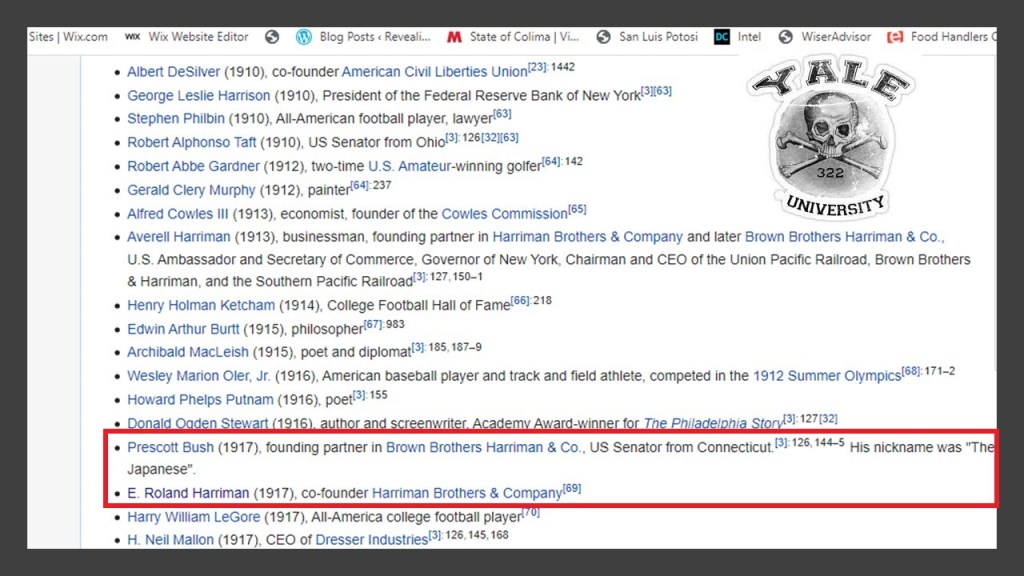
Yale University was named for Elihu Yale, a British merchant and trader, who became President of the Madras Presidency in 1684, at the British East India Company settlement at Fort St. George in Madras in India.
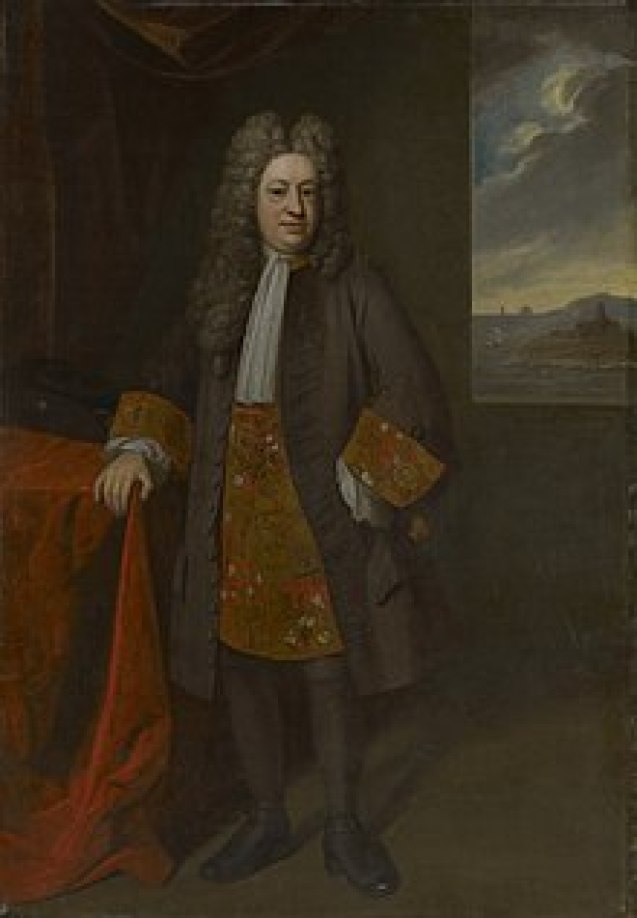
Elihu Yale later became a benefactor of the Collegiate School in the Colony of Connecticut, which in 1718 was renamed Yale College in his honor.

The Skull and Bones Society was founded as an undergraduate senior secret student society at Yale in 1832, just 9-years before Lewis Tappan established the Mercantile Agency.
Another noteworthy American financier who emerged between 1800 and 1840 was George Peabody.
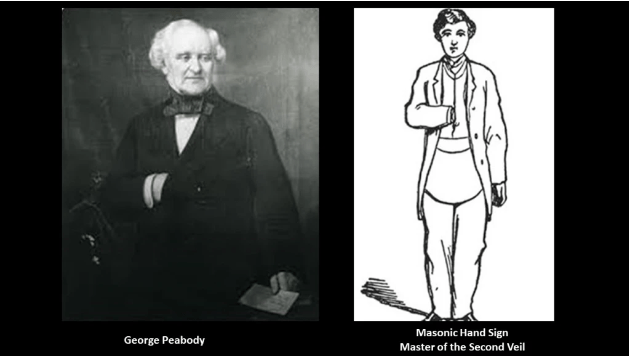
In a similar story to Lewis Tappan, George Peabody got his start in the dry goods business with his brother in what is now Peabody, Massachusetts, and when their store burned down, George went to Georgetown in the Washington, DC, area in 1811 to work in a wholesale dry goods warehouse.
Not long after, he became an office boy for the owner of the warehouse, Elisha Riggs, and not long after that, he became a partner in the wholesale dry goods firm of Riggs, Peabody and Company.
Elisha Riggs also financed the founding of Riggs National Bank, which was organized by his son George Washington Riggs.
Riggs National Bank existed until 2005, when Riggs was dissolved, and acquired by PNC Financial Services.

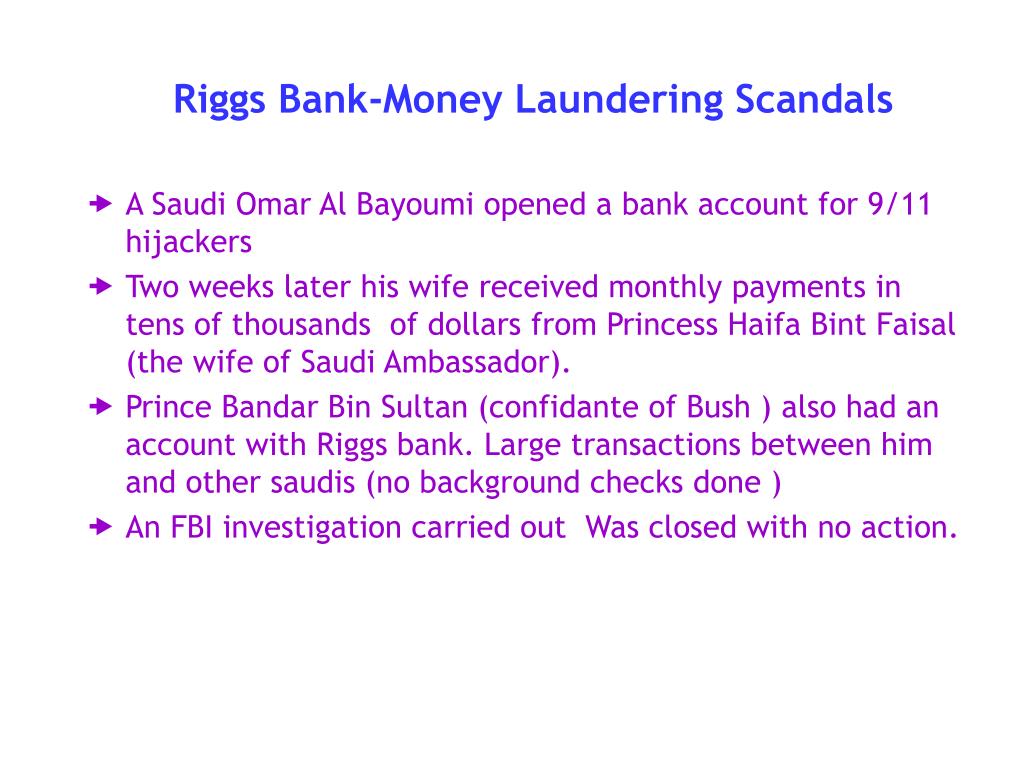
The reason for the change in ownership of the bank in 2005 was the investigation of Riggs Bank for several money-laundering scandals, including “unknowingly” allowing the hijackers involved in 9/11 to transfer money “due to lax controls” at the bank…

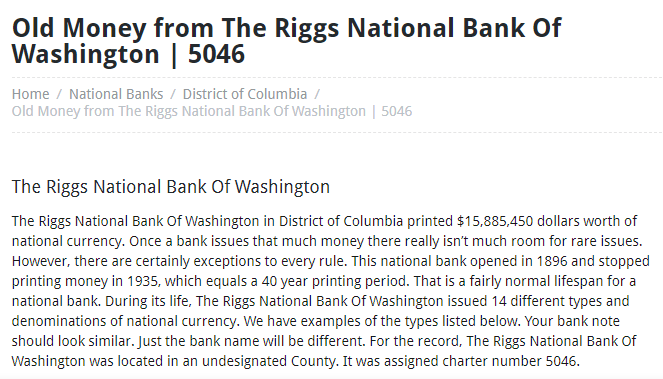
It is interesting to note that as a “National Bank,” Riggs was authorized to print currency at one time in its history.
During the years George Peabody lived in Baltimore, he established his own career as a businessman and financier.
He first travelled to England in 1827 to purchase wares, and negotiate the sale of American cotton in Lancashire.
By 1825, cotton was Britain’s biggest import, primarily from American cotton fields, and Lancashire was dominant force in the British economy with its cotton industry, where the raw cotton was turned into thread and fabrics in a factory-based production line with the advent of the Industrial Revolution in this industry, and marked the birth of the British-working class.

George Peabody opened an office in Liverpool, with British business playing a more and more important role in his business affairs.
The bankers who helped establish him in Liverpool included Sir William Brown, 1st Baronet of Richmond Hill, one of the sons of Alexander Brown, who managed his father’s Liverpool office.

With all of his great connections, George Peabody branched out.
He took up residence in London permanently in 1837, and went from being a wholesale dry-goods and cotton merchant, to a merchant-banker offering securities in American railroad and canal enterprises to British and European investors.
He started a banking business trading on his own account a year after he moved to London, and by 1851, he established the banking firm of “George Peabody & Company” to meet the increasing demand for securities issued by American railroads, and his company specialized in financing governments and large companies.
Apparently railroad and canal developers in the early 19th-century in the United States needed investment capital, and turned to European money markets for the funding to complete their projects.
Likely this investment capital was needed to dig them out of the mud and make them operational again.

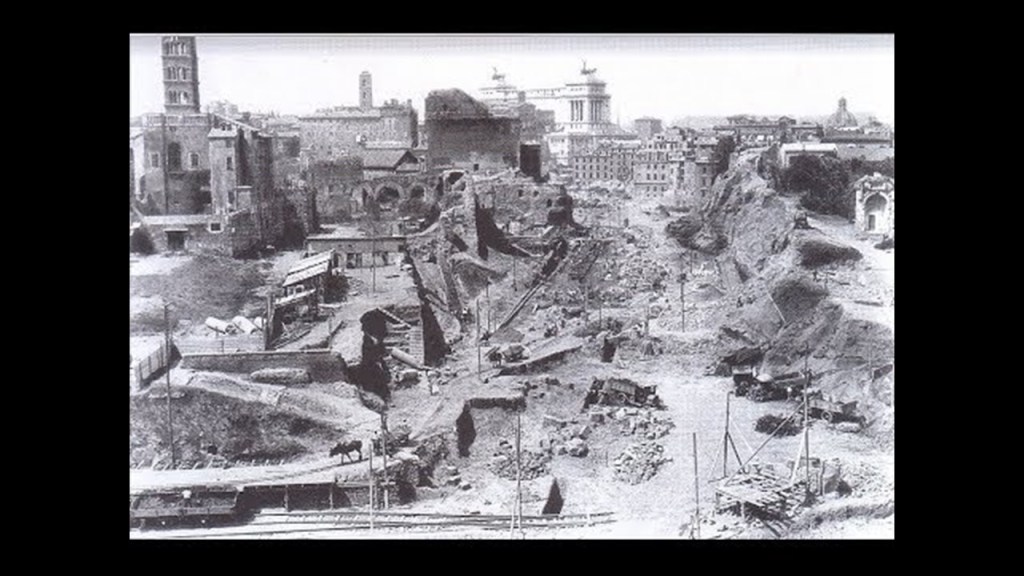
Along with canals, I am seeing that rail-tracks et al, were dug-out from a deliberately-caused cataclysmic event, best-known as the mud flood, and that locomotives and railroad cars were pre-existing as well.
I think it was all-electrified prior to the mud flood, and when the Earth’s free energy grid was taken down, most energy sources for mass transportation were replaced by oil and coal until they could get the electricity up and running again, later to be replaced by cars and buses.
For one example, in the course of doing my research, I found the Raritan River Railroad on a long-distance circle alignment beginning and ending in Washington, DC.
It was a 12-mile-, or 19-kilometer-, long short-line railroad operating freight and passenger service in Middlesex County New Jersey, said to have been built in 1888 when the peak of railroad building in the United States was subsiding in the late 1800s.

This the logo for the Raritan River Railroad on the left, compared with the logo for Rolls Royce on the right.
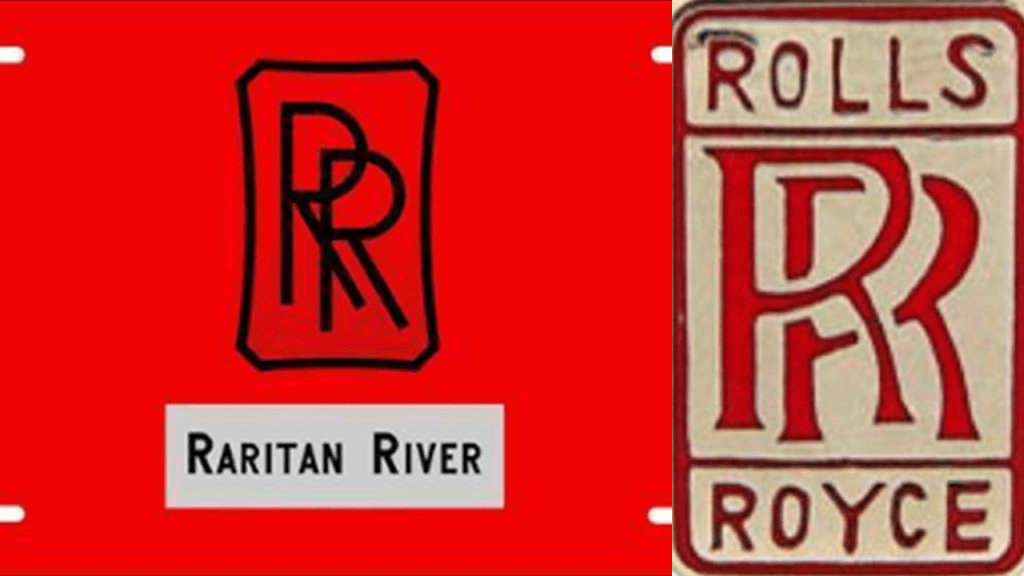
The similarity between these two logos tells me these two companies were connected in some way. Besides the fact the logos look virtually identical, it brings to mind what I found when I was looking at Derby, England.
I found Derby close to the Algiers’ Circle Alignment as I was tracking it through England.
Derby is the geographic center of England, and the Derwent River Valley in Derbyshire is considered the Birthplace of the Industrial Revolution.
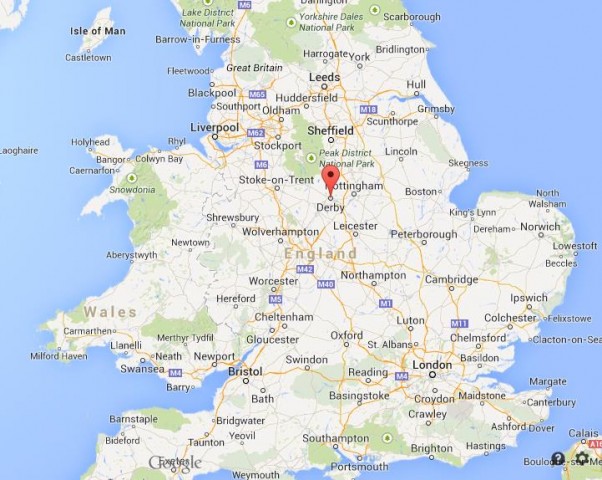
Rolls-Royce is a global aerospace, defense, energy, and marine company focused on world-class power and propulsion systems, and its civil aerospace and nuclear divisions are in Derby…

…as well as the Railway Technical Center, the technical headquarters of British Rail, and considered the largest railway research complex in the world.

Back to George Peabody.
George Peabody’s bank quickly rose to become the premier American banking house in London, and this is a statue of him that is located near the Royal Exchange in London.

George Peabody hired Junius Spencer Morgan in 1854 as the Junior partner in his company.
Junius Spencer Morgan was the founder of the company that would become J. S. Morgan & Company in 1864, that was the successor company to George Peabody & Company.
In 1854, Morgan was put in charge of the firm’s iron portfolio, which included the marketing of railroad bonds in London and New York.
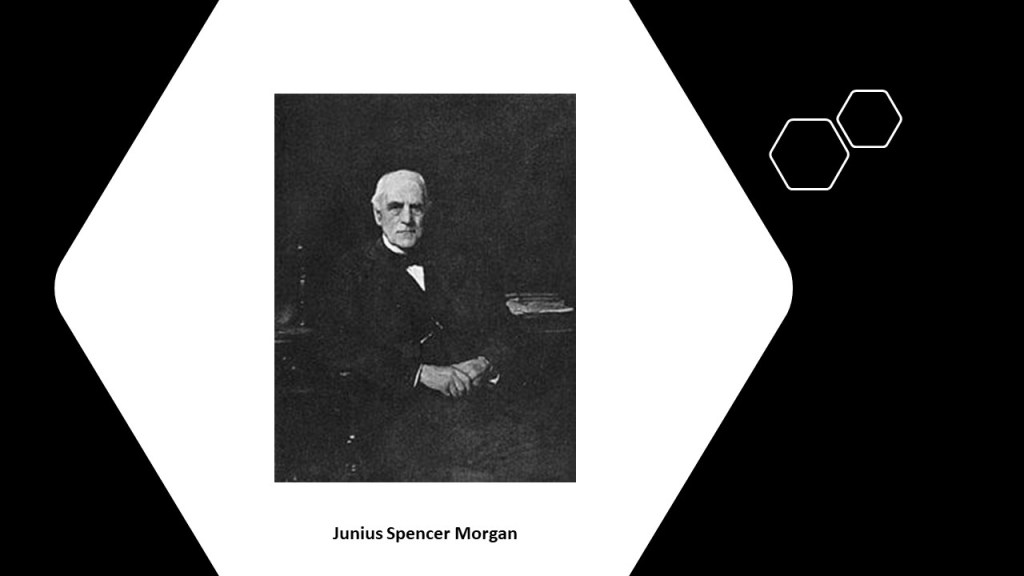
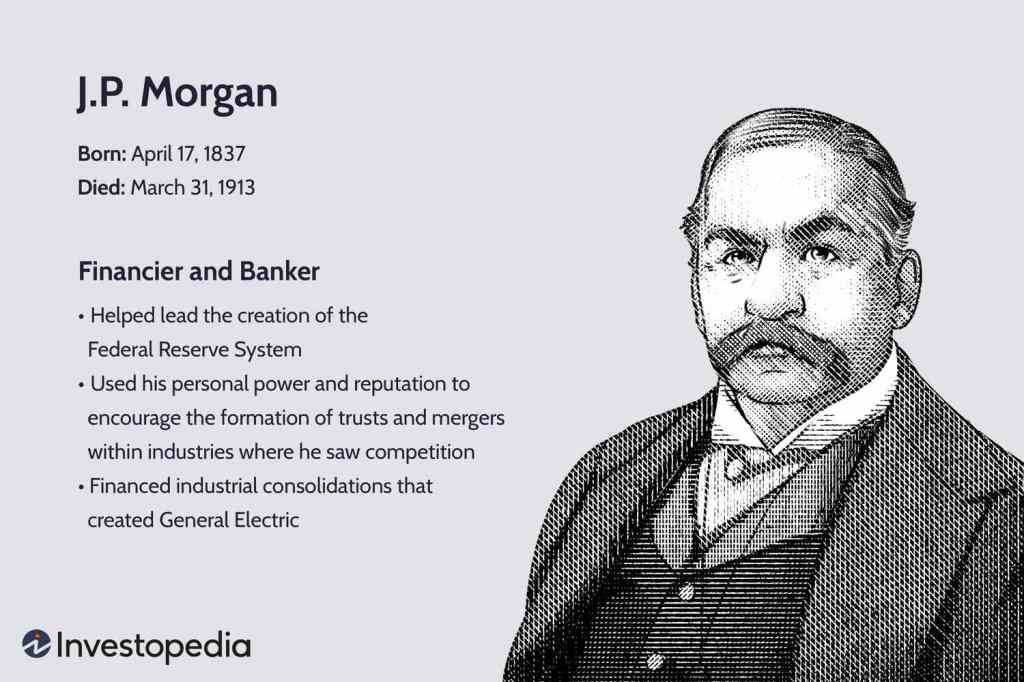
By the time J. S. Morgan died in 1890, the Morgan banks were the dominant forces in government and railroad finance, and his son John Pierpont Morgan had taken the helm of the company, becoming known as. J. P. Morgan & Company in 1895.
J. P. Morgan was an American financier and banker who dominated corporate finance on Wall Street throughout this period of time, also known as the “Gilded Age,” between the years of 1870 and 1900.
He was a driving force behind the wave of industrial consolidation in the United States in the late 18th- and early 19th-centuries.
The next citation reference the MJ provided was that of the “Companies House.”
The” Companies House” came into existence in Great Britain on September 5th of 1844, the same year that the “Mercantile Agency” continued to expand into other major cities.
The “Companies House” is an executive agency of the British Government that maintains a register of companies, and is responsible for incorporating all forms of companies in the United Kingdom.

Prior to the formation of the “Companies House,” no central company register existed in Great Britain, and companies could only be incorporated through “Letters Patent.”
“Letters patent” are a type of legal instrument in the form of a published, written order issued by a monarch or other head-of-state, granting an office, right, monopoly, title or status to a person or corporation. Thus, they can be used for the creation of corporations or government offices, or for granting city status or a coat-of-arms.
“Letters Patent” were part of the chartering process, and were used in the granting of “Royal Charters” and “Chartered Companies.”
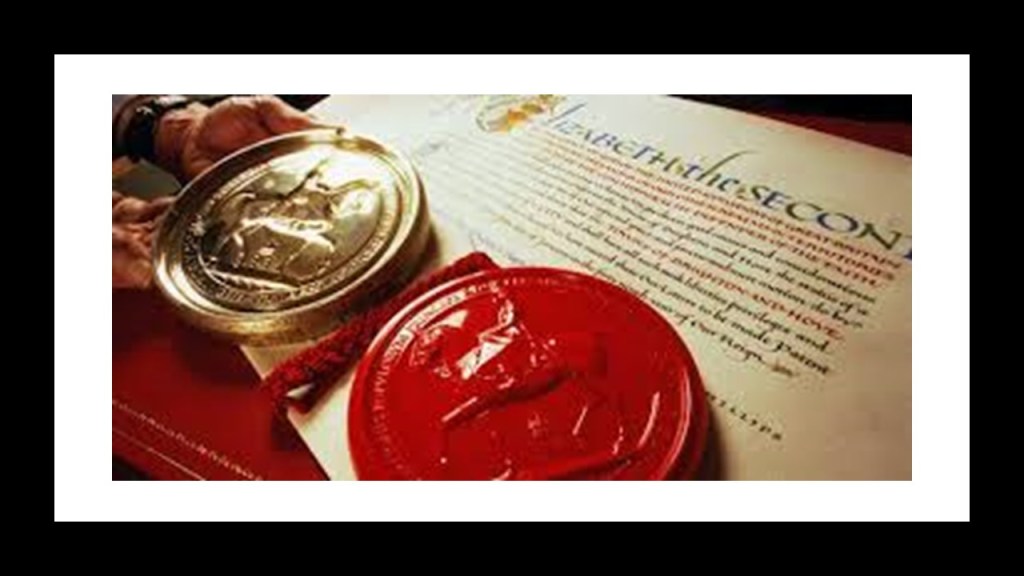
A royal charter was a formal grant issued by a monarch under “royal prerogative” as “letters patent,” and used early on as the means to legitimize the colonization of North America by the British.
“Royal prerogative” is a body of customary authority, privilege and immunity recognized in common and civil law jurisdictions within a monarchy as belonging to the sovereign that becomes widely vested in government.
Since the 1300s in our historical narrative, royal charters have been used to grant a right or power to an individual or “body corporate,” the formal term for a corporation.
A “body corporate” functions as a “legal person” in law that can do the things a human person is usually able to do but are not literal people.

A “chartered company” is an association with investors and shareholders that is “incorporated,” or formed into a new corporation, and granted rights for the purposes of trade, exploration, or colonization.
As just mentioned, until the establishment of the “Companies House” in 1844, royal charters were the only means that a company could become incorporated, other than by an Act of Parliament.
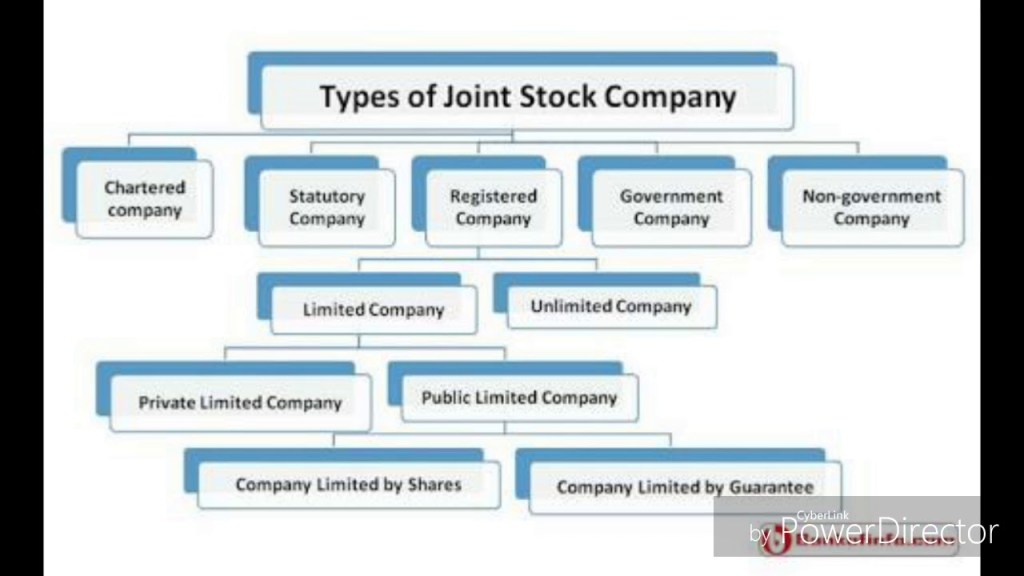
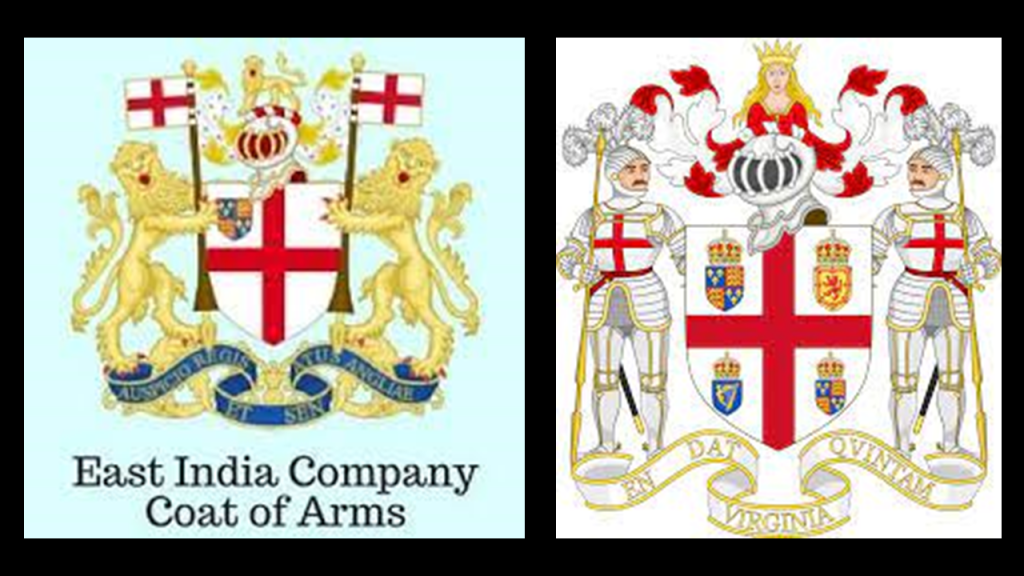
Like, for example, the British East India Company, which became known as “The Company,” was established as a joint-stock company by way of a Royal Charter granted by Queen Elizabeth I in 1600 to trade in the Indian Ocean region…
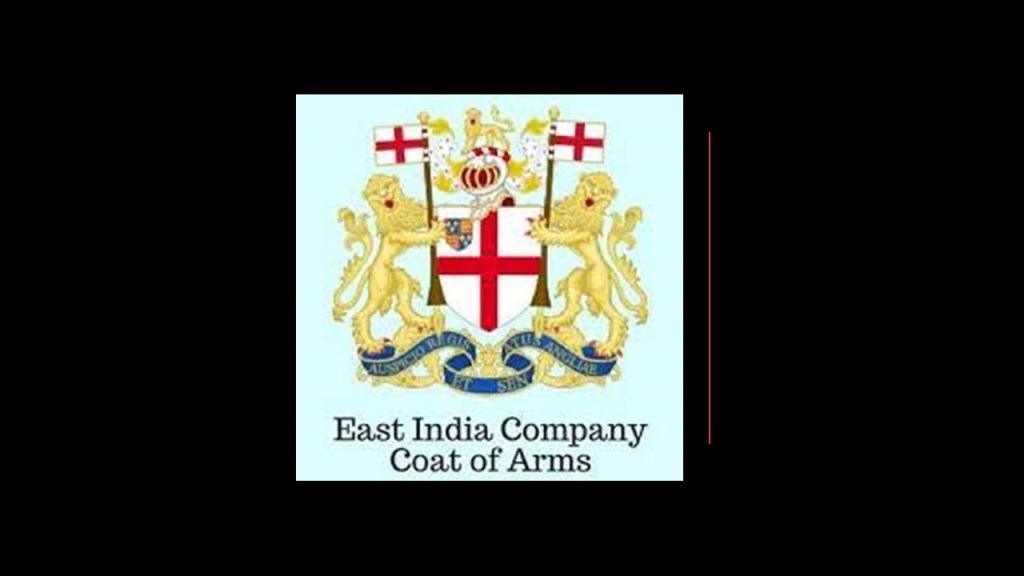
…and six-years later, in 1606, King James VI & I issued Royal Charters for what became known as the Virginia Company and the Virginia Company of Plymouth, with the objective of raising funds from investors in order to colonize the eastern coast of America.
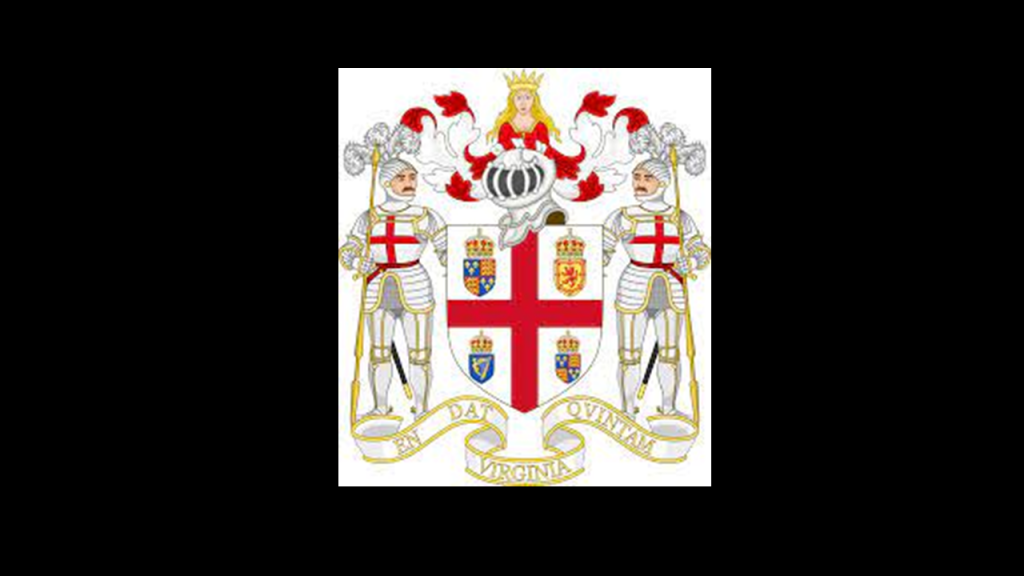
Hmmmm.
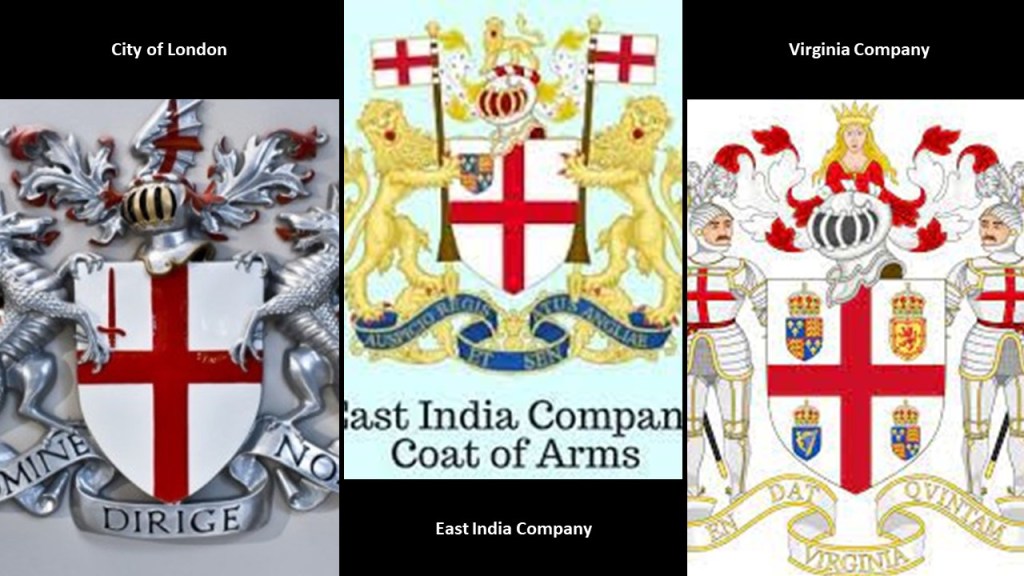
Coincidence that the heraldry looks almost identifical in design?
Or not?
At any rate, the “Companies House” was created by the “Joint Stock Companies Act of 1844,” which created the “Registrar of Joint Stock Companies,” enabling companies to be incorporated through registration for England, Wales and Ireland, but not Scotland.
Scotland was added in the “Joint Stock Companies Act of 1856.”
The “Young Men’s Christian Association,” or YMCA, the world’s the oldest and largest youth charity with a stated mission of supporting young people to belong, contribute, and thrive in their communities, also started in 1844, the same year the “Companies House” was established and the expansion of the Mercantile Agency into other major Cities in the United States.
The YMCA was one of the earliest Non-Governmental Organization, also known as “NGO.”
An NGO is defined as having been formed independently from government, and perceived by the general public as benevolent and philanthropic organizations with a stated purpose of helping Humanity in a particular area or time of need.
But when you delve into specific Non-Governmental Organizations, invariably there are more questions than answers.

So, for example, George Williams, in seeking to create a supportive community to help young men facing social challenges during England’s Industrial Revolution, founded the Young Men’s Christian Association in 1844.
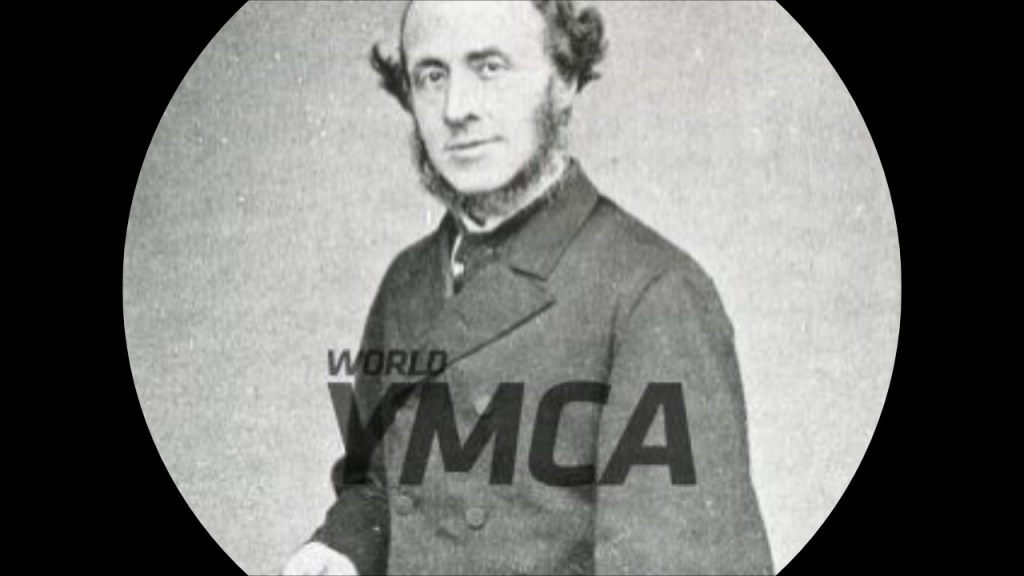
His biography tell us he was the seventh-, and last-, surviving son of farmers in Dulverton, Somerset, England, and that he started working on the family farm at the age of 13.
Then, he left the family farm in 1841 to become an apprentice to a draper.
He worked at the Hitchcock-Williams store, where became a department manager in 1844.
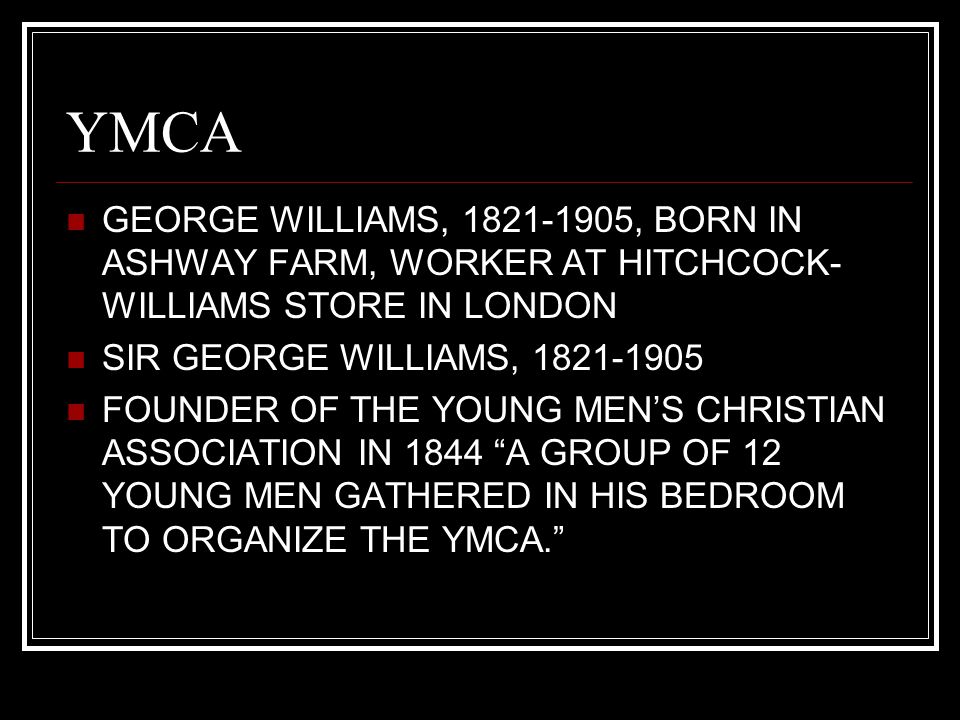
In the same year of 1844, George gathered a group of fellow drapers together in the store where he worked, concerned about the appalling conditions in London for working young men, and determined to do something about it by forming the YMCA.
At Queen Victoria’s birthday honors in 1894, he was knighted and became Sir George Williams, and upon his death in 1905, he was buried in a crypt in London’s St. Paul’s Cathedral.
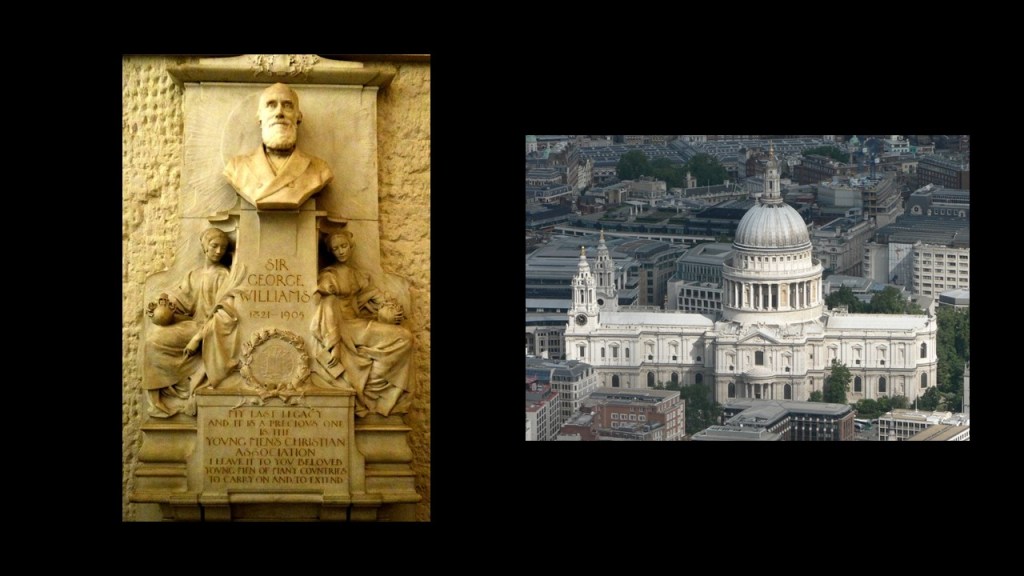
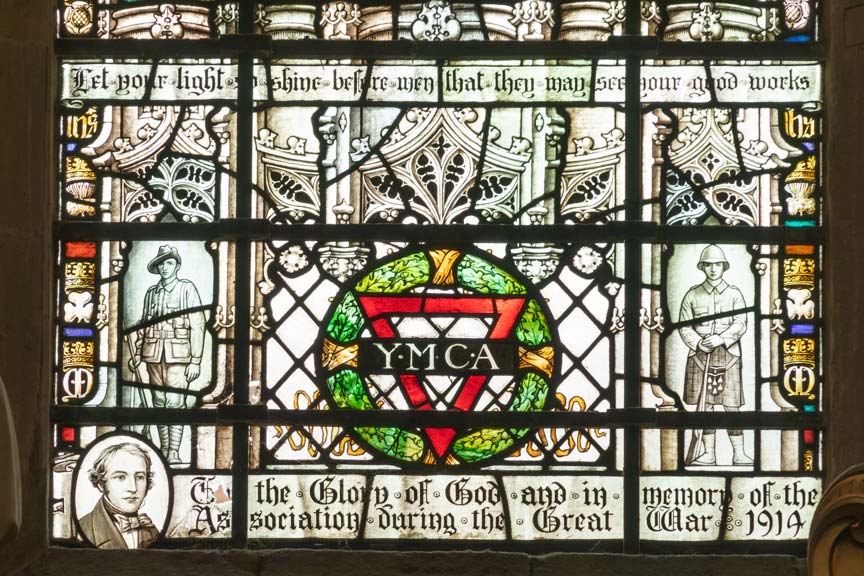
There is even a stained-glass window honoring Sir George Williams and the YMCA as a World War I memorial in Westminster Abbey, the same place where major events concerning the British royal family take place, including coronations, weddings, and funerals, as well as the burial site of over 3,000 prominent persons in British history.
Strange honors for a poor farm boy made good as a cloth merchant.
What’s really going on here with Williams, the drapers, and the YMCA?!
Other things that happened during the early 1840s, the Treaty of Nanking between the British Empire and China was signed in 1842 after China’s defeat in the First Opium War.
The First Opium War was fought between Qing Dynasty of China and Britain between 1839 and 1842, and was a military engagement that started when the Chinese seized opium stocks at Canton in order to stop the opium trade, which was banned.
The British government insisted upon free trade and equality among nations and backed the merchants’ demands.
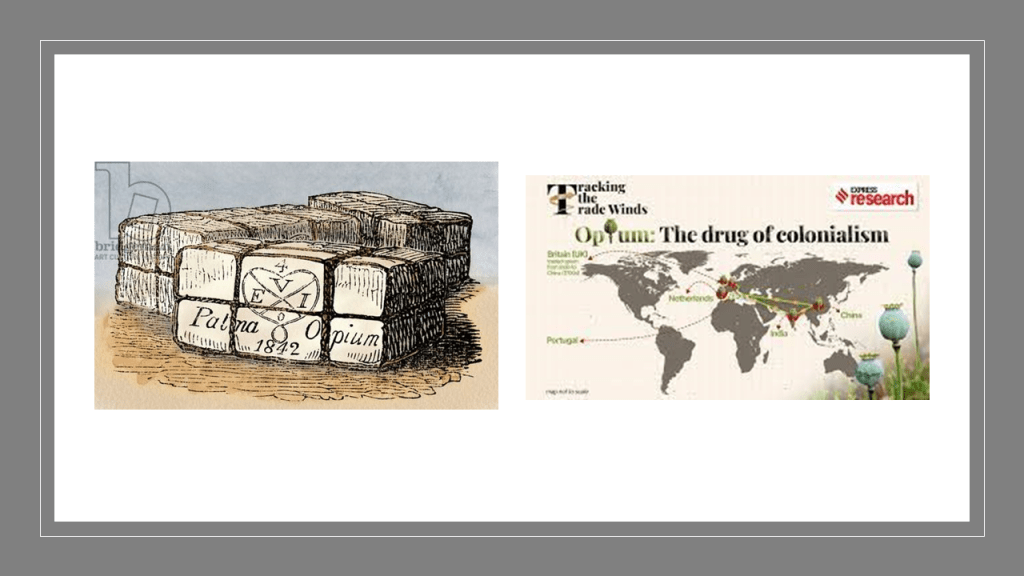
To counter this, the British East India Company began to grow opium in Bengal, in present-day Bangladesh, and allowed private British merchants to sell opium to Chinese smugglers for illegal sale in China.
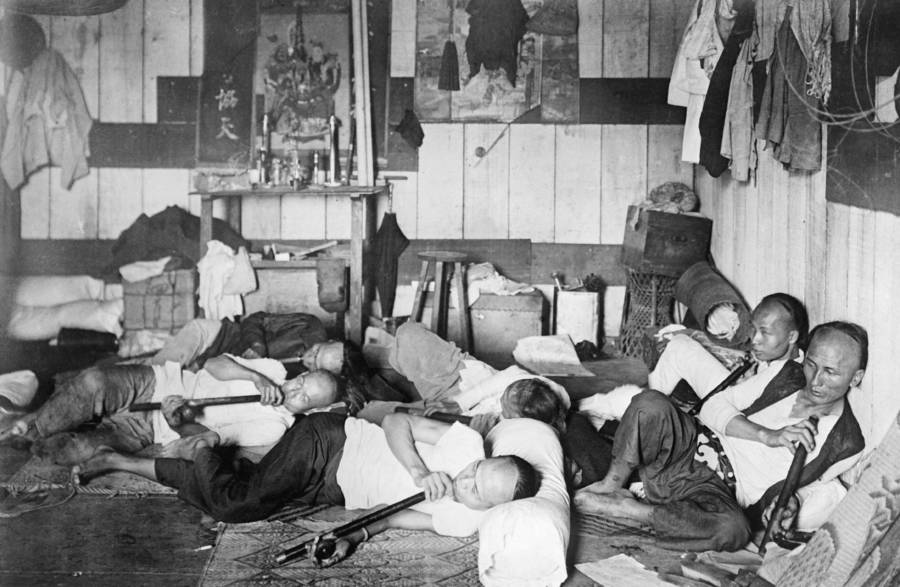
As a result from these events in history, opium dens, establishments where opium was sold and smoked, became prevalent in many parts of the world throughout the 19th-century.
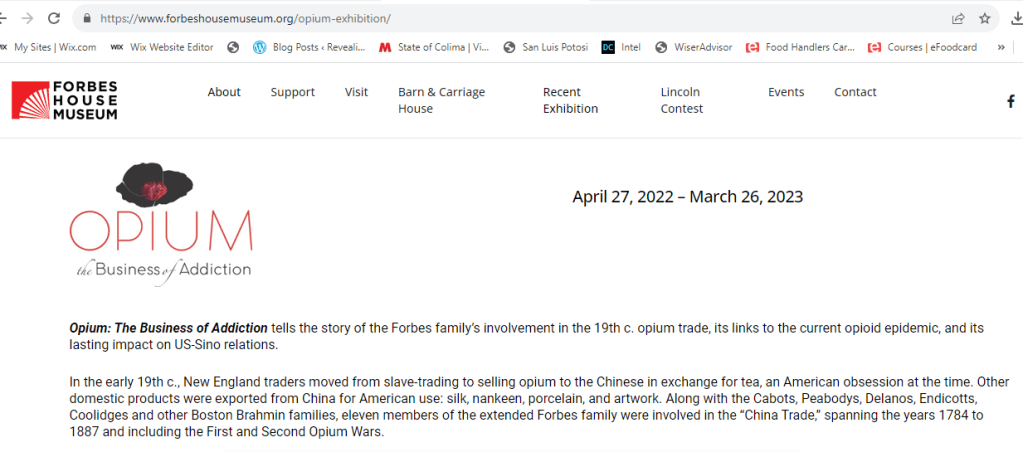
Some of the world’s wealthiest families today earned a fortune engaging in the opium business, like the Astor, Forbes, Russell, Perkins and Delano families.
They don’t even hide it.
Another example of striking it rich in the opium trade is Jardine-Matheson.
The firm of Jardine, Matheson & Company emerged in 1832 from an evolving process of partnership changes of foreign companies that had first been established in 1782 as Cox & Reid, by John Cox and John Reid.
John Reid was an agent of the Trieste Company, part of the Austrian East India Company, the catch-all term used for a series of Austrian Trading Companies based in Ostend and Trieste, that also included the “Imperial Asiatic Trading Company of Trieste and Antwerp,” the origins of which started in 1775 in our historical narrative for the Habsburg Monarchy government of the Empress Maria-Theresa for Austria to trade with British East India Company-ruled India from the Adriatic port of Trieste after a proposal to do so presented by Dutch-born British merchant William Bolts was accepted, and Bolts sailed forth with a 10-year charter allowing him to trade under Imperial colors between Austria’s Adriatic Ports and Persia, India, China, and Africa.
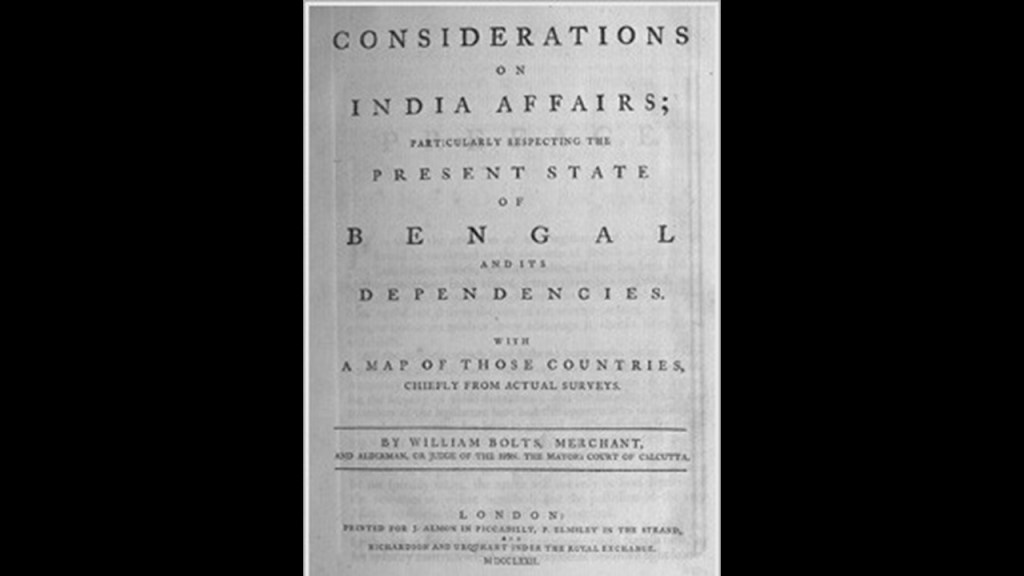
Two University of Edinburgh Medical School graduates, William Jardine and James Matheson, set-up headquarters of the firm that had evolved from Cox & Reid in Hong Kong after it had been ceded by China to Great Britain in the 1842 Treaty of Nanjing.
Jardine, Matheson & Company grew rapidly, smuggling illegal opium from British-controlled India into China, and the company has been called the “most successful opium smuggling company in the world.
Along with the trade in smuggled opium, as well as tea and cotton, the firm diversified into insurance, shipping and railways.
By the mid-19th-century, Jardine, Matheson & Company had become the largest of the foreign trading conglomerates, with offices in all the major Chinese cities, and in Japan
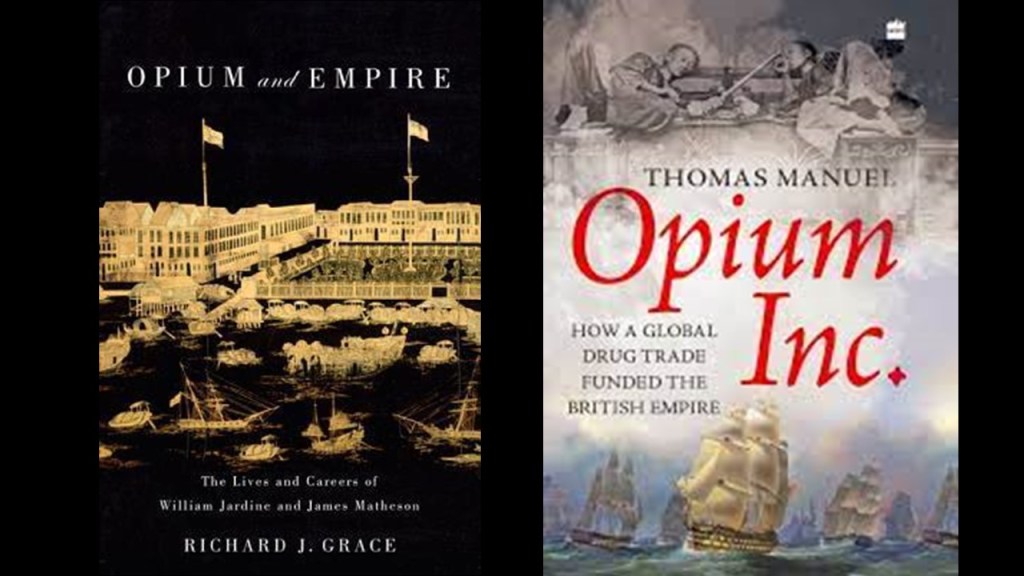
To this day, they have an opium poppy in their logo.

Fentanyl is the opium of today.
Same idea, only more powerful.

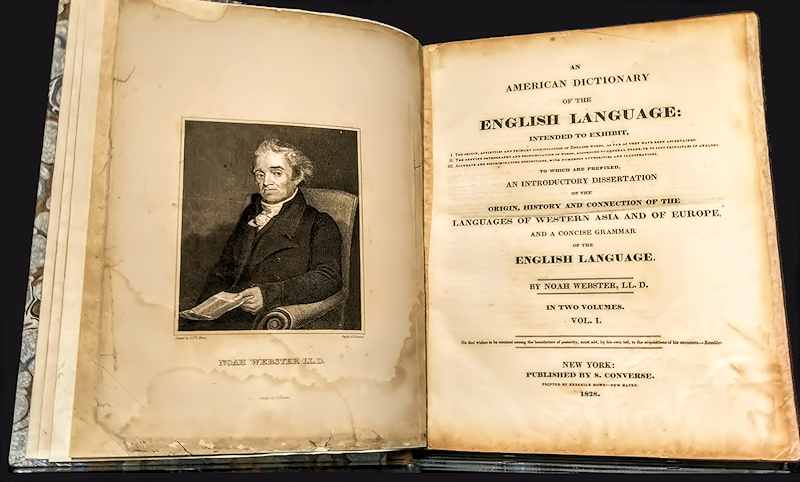
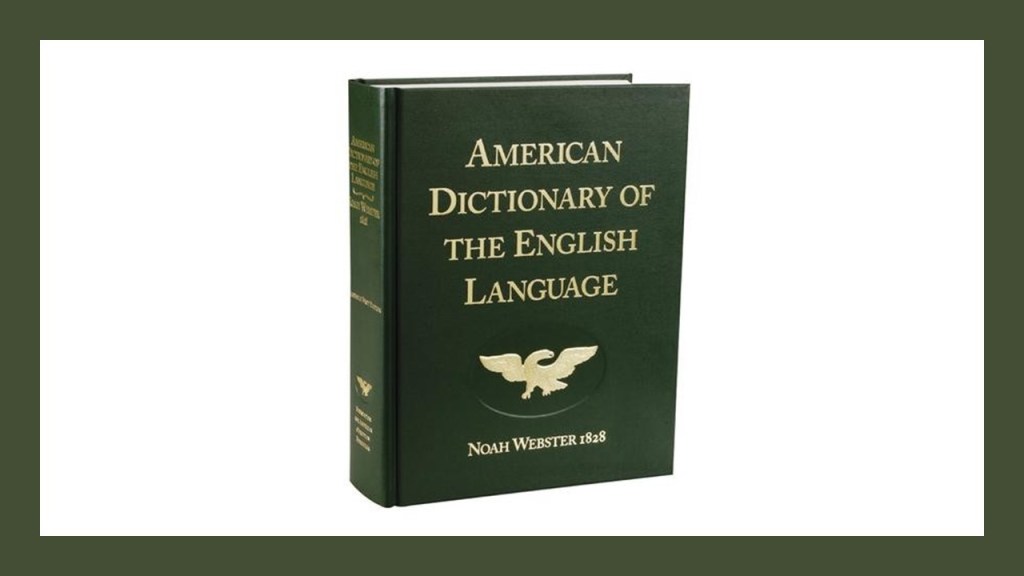
The next citation resource the viewer sent me was that of the 1828 Dictionary of Noah Webster.
The 1828 Dictionary of Noah Webster is the official dictionary of the Federal Constitutional Republic of the United States.
This is a natural law dictionary, and whatever is in this dictionary is the actual meaning of words in the Republic, and documents written in plain English refer to this dictionary.
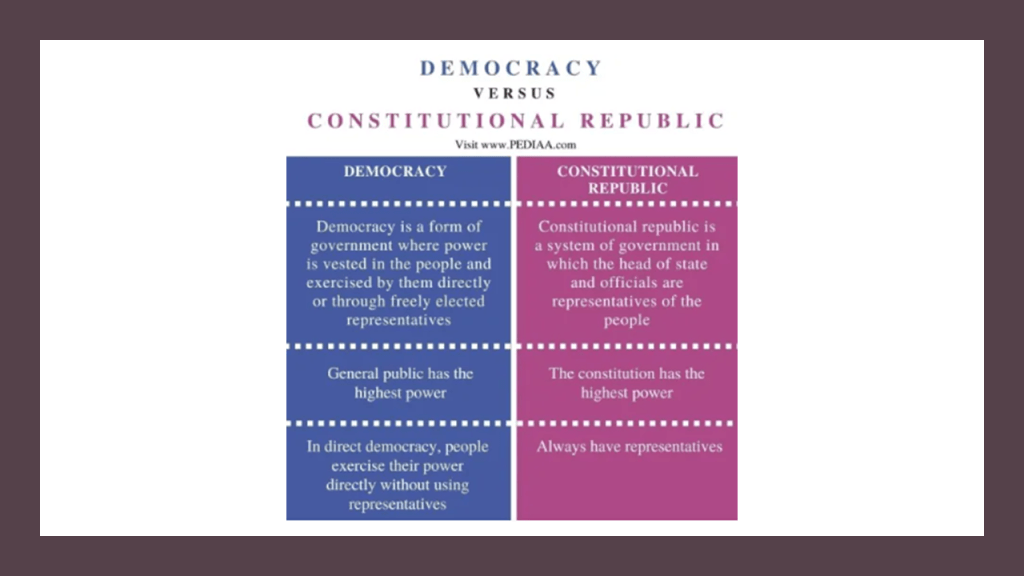
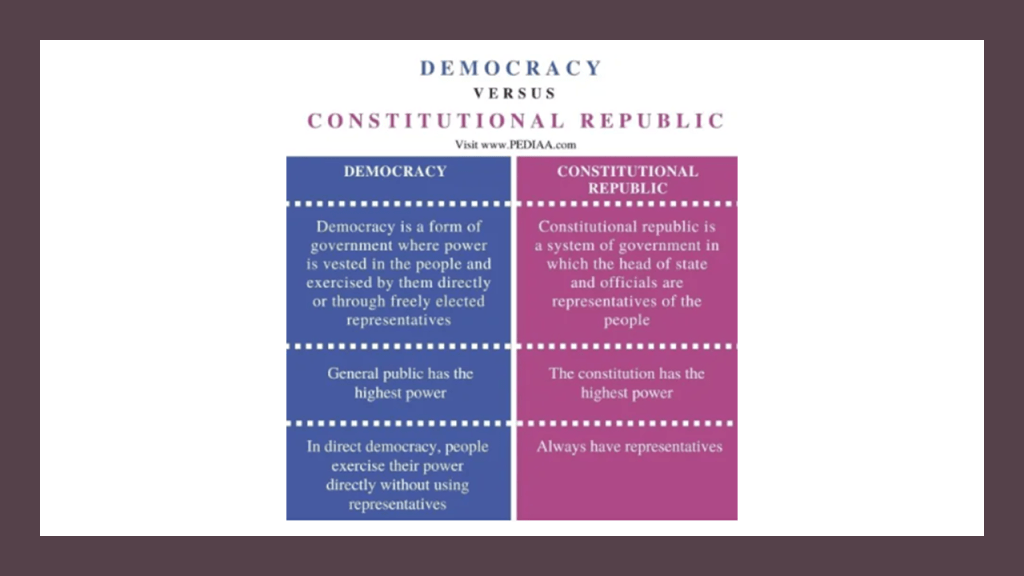
A Federal Constitutional Republic is a representative form of government that is ruled by a charter, or Constitution.
A democracy is a government that is ruled according to the will of the majority.
Noah Webster was a lexicographer and language reformer, as well as a lawyer, schoolmaster, author, newspaper editor, and politician.
He is often called the “Father of American Scholarship and Education.”
His 1828 dictionary had 70,000 words, of which 12,000 had never appeared in a published dictionary before.
We are told he was seeking to standardize the American English language, and changed the “-our” ending on British English words to “-or” in American English, like the word color.
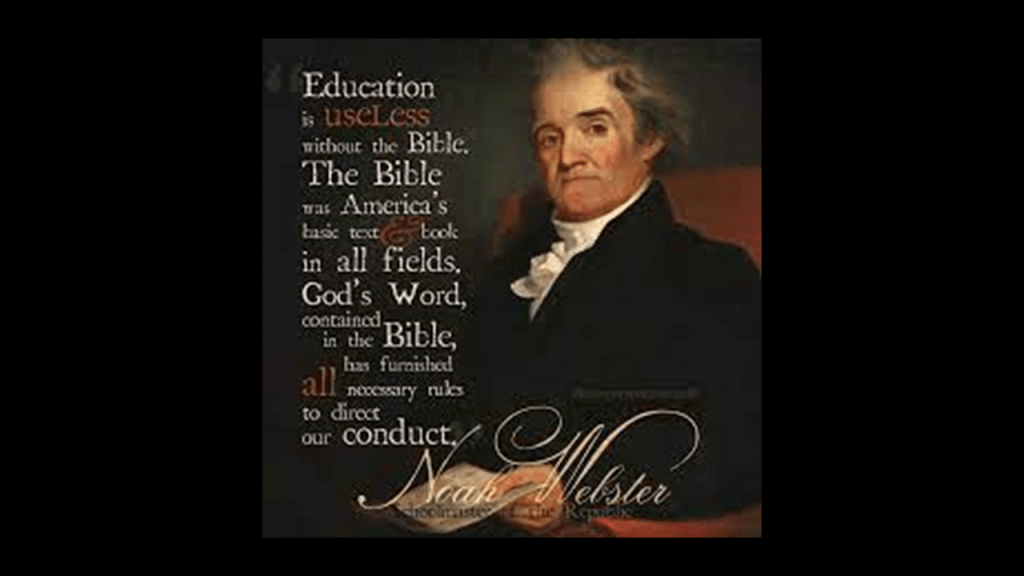
Webster’s Dictionary also contains 6,000 references to the King James Version of the Bible to demonstrate the meaning of words, and is considered an essential tool for anyone studying the KJV Bible.
The King James Version of the bible, first published in 1611, and the works of William Shakespeare, with the publication of the First Folio in 1623, are considered to be early Modern English.
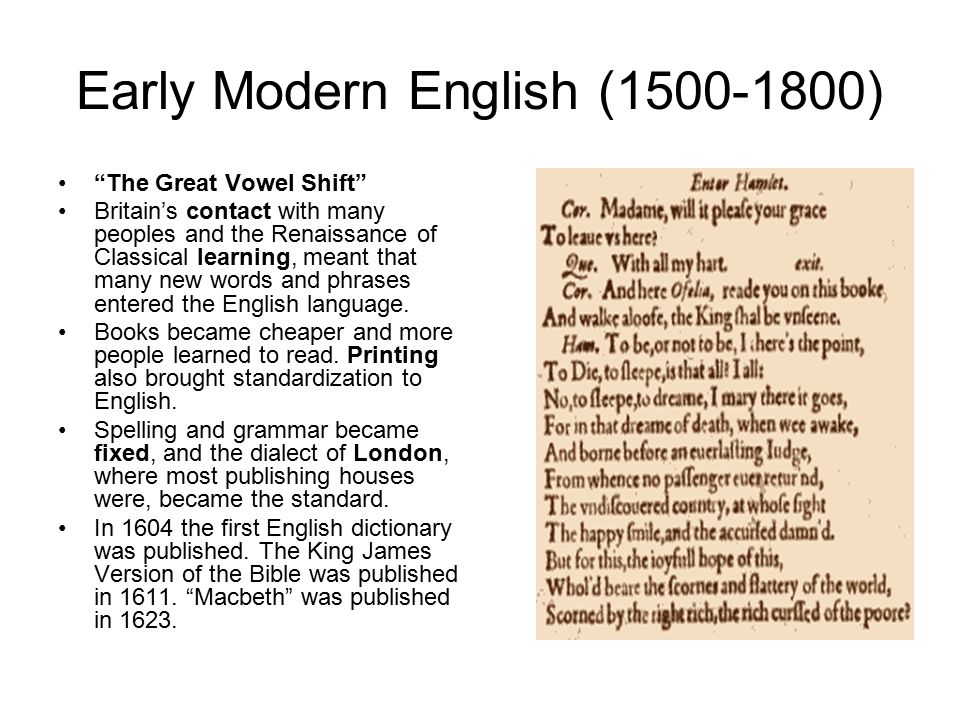
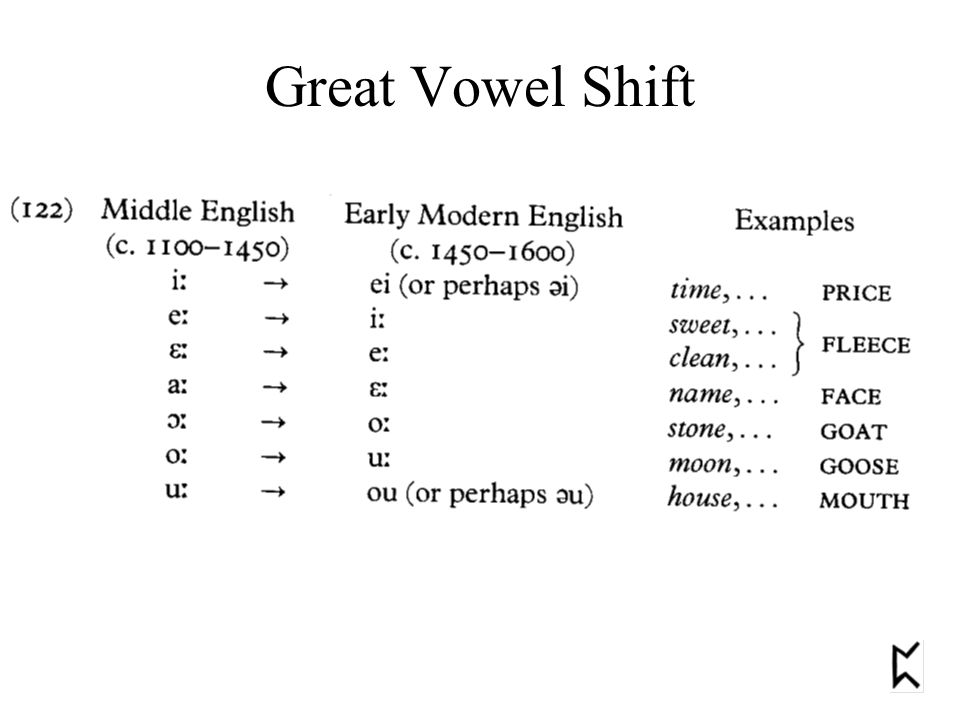
It is the form of the English spoken since the “Great Vowel Shift,”, a systematic change in the pronunciation of vowels for which the causes in England are unknown, which began in the mid-1400s and was completed by 1600.
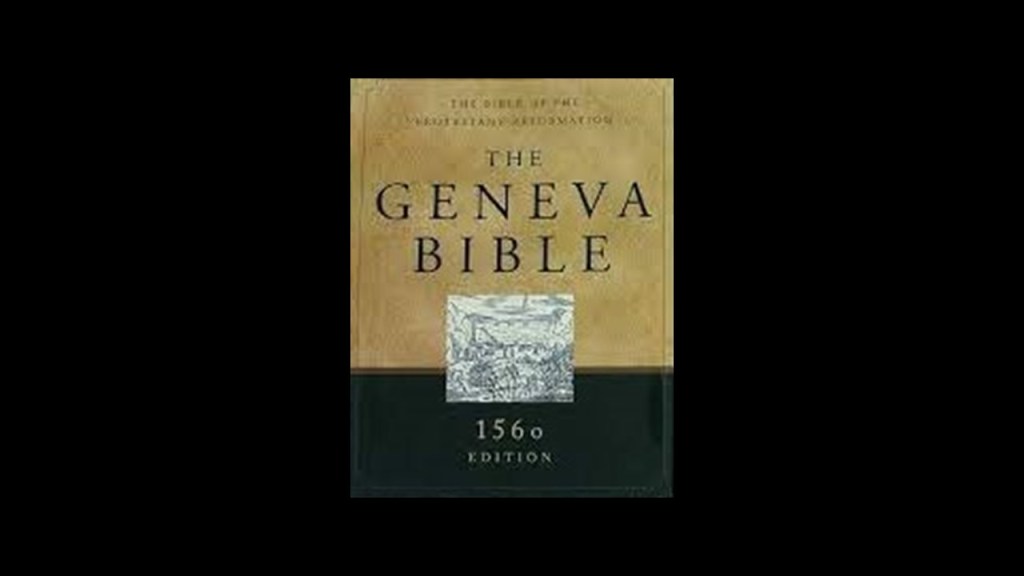
My viewer shared with me that the Pilgrims brought the 1560 Geneva Bible with them and that this was the version of the bible that was used in churches up until the 1860s.
The Geneva Bible, preceding the King James Bible by 51-years, was the primary bible of 16th-century Protestant Reformation, and was the first mechanically-produced bible available to the general public.
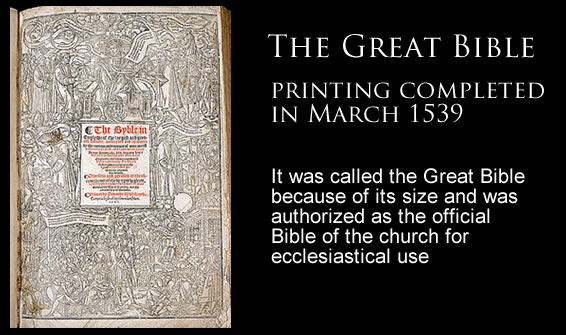
It was the second Bible to be authorized in English.
The Great Bible of 1539 was the first, which was authorized to be read aloud by King Henry VIII during Church of England services.
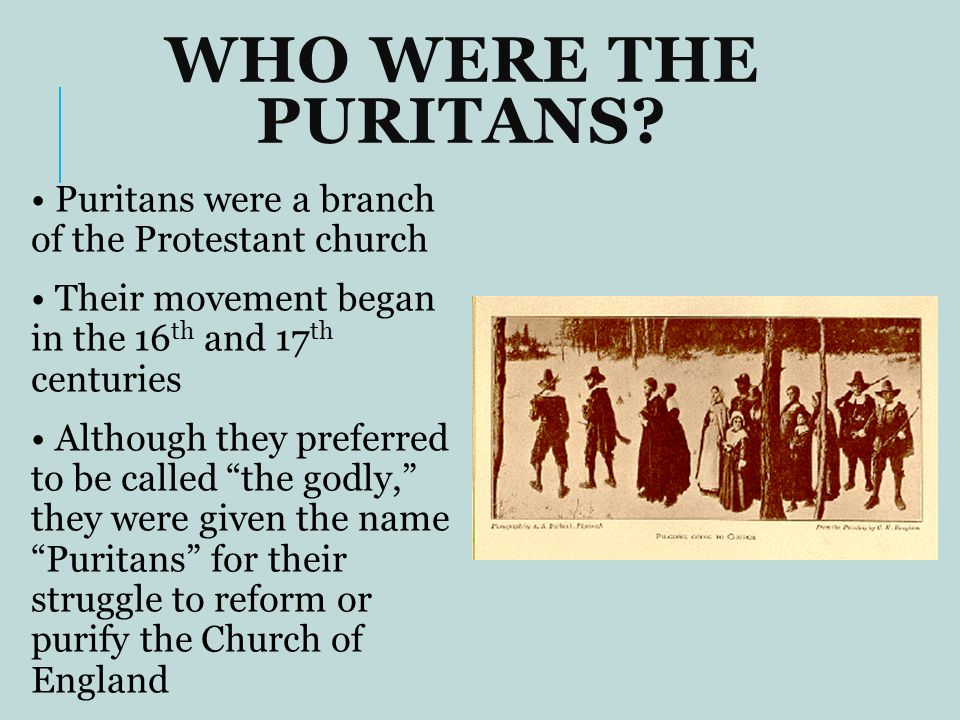
The story that we are told in our historical narrative about the Pilgrims is that they were Puritan Separatists who came to the New World so they could worship according to their own beliefs without persecution.
Puritans were English Protestants who wanted to “purify” the Church of England of remaining Roman Catholic practices, as it had not fully-reformed, and was not Protestant “enough.”
The Puritan Congregation that settled the Plymouth Colony had obtained a land patent from the Virginia Company of Plymouth in June of 1619, and they sought to finance their venture through a group of businessmen known as the Merchant Adventurers, who viewed the new colony as a way to make a profit.
Officially known as the Company of Merchant Adventurers of London, it had been founded in the City of London in the early 15th-century, and its main export was cloth, especially undyed broadcloth in exchange for a large range of foreign goods.
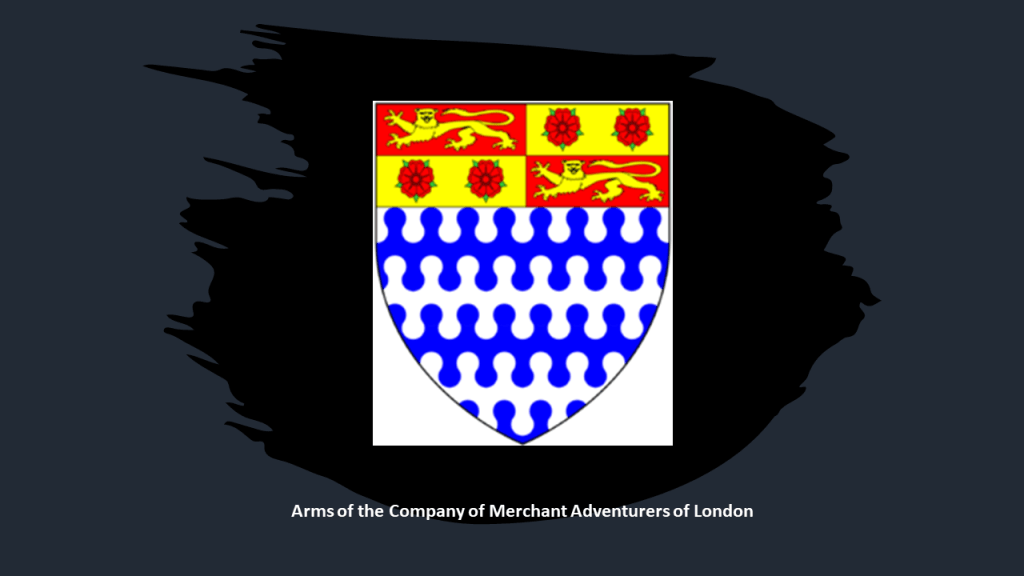
Funding obtained from the Merchant Adventurers paid for provisions and passage of members of the Congregation on the Mayflower living in England, and on the Speedwell for those living in the Netherlands, incurring a debt which needed to be repaid.
Important to note that the main source of income for the Plymouth Colony was the fur trade.
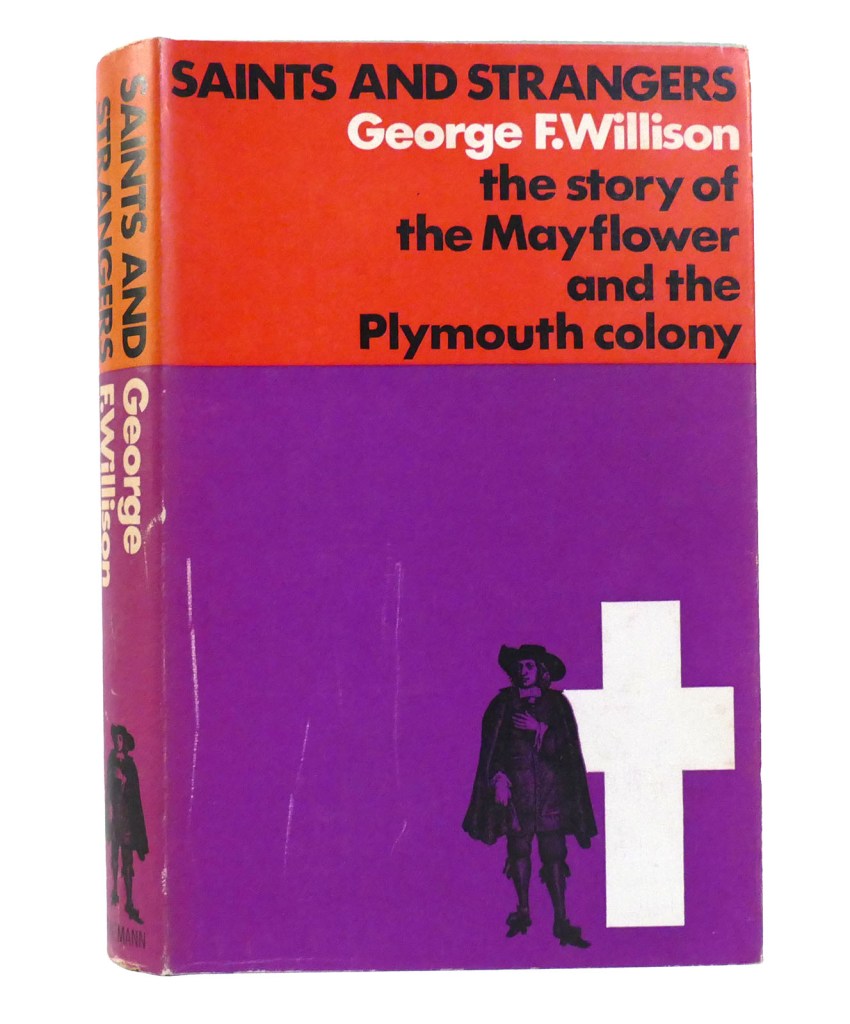
The Merchant Adventurers had also recruited a group of people known as “The Strangers” to assist the Pilgrim colonists, known as “Saints” as needed, like merchants, skilled labor, indentured servants, and several young orphans.
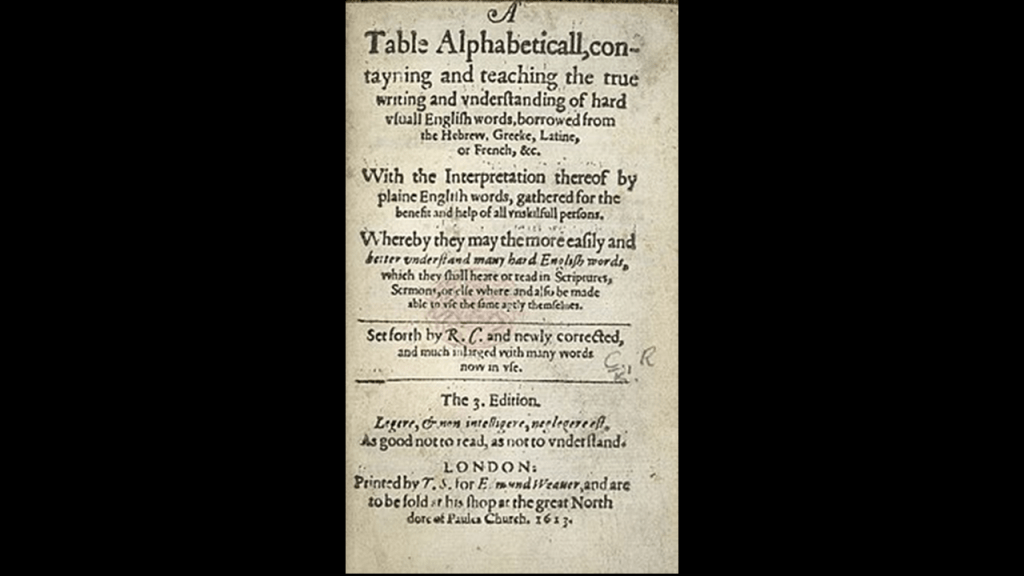
The first dictionary of the English language, known as the “Table Alphabeticall,” was published in London in 1604 by Robert Cawdry, an English clergyman and schoolteacher.
It contained around 2,500 word-entries for the uncommon English words coming into use with the advent of the printing-press and the Geneva Bible.
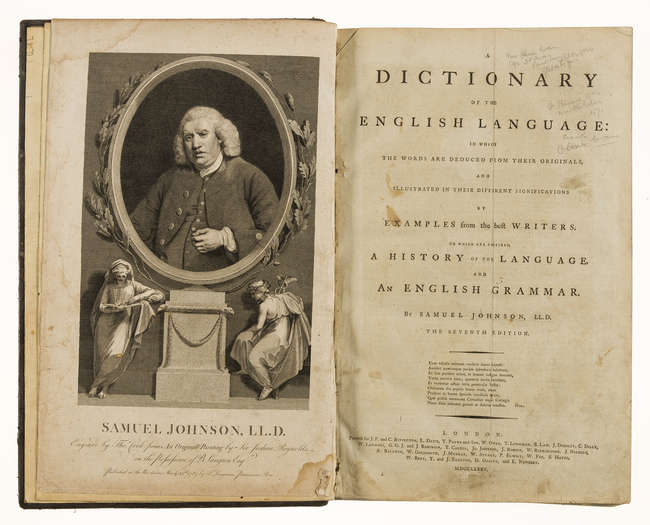
We are told that British poet, playwright, essayist, and lexicographer Samuel Johnson was the Father of the first comprehensive dictionary of the English language in 1755, a project which was said to have taken him 8-years to complete as one person working on it.
It had 42,773-word entries and approximately 114,000 literary quotes to illustrate the meaning of words.
It is considered one of the most influential dictionaries in the history of the English language.
With regards to noteworthy legal treatises and dictionaries, here are a few to consider.
Tapping Reeve was an early American lawyer, educator, and judge.
If you break down the meaning of his unusual name as actual words in English, “Tapping” can be defined as “To exploit or draw a supply from a resource;” and “Reeve” as administrator, attendant; curator; agent; director; foreman; and the list goes on.
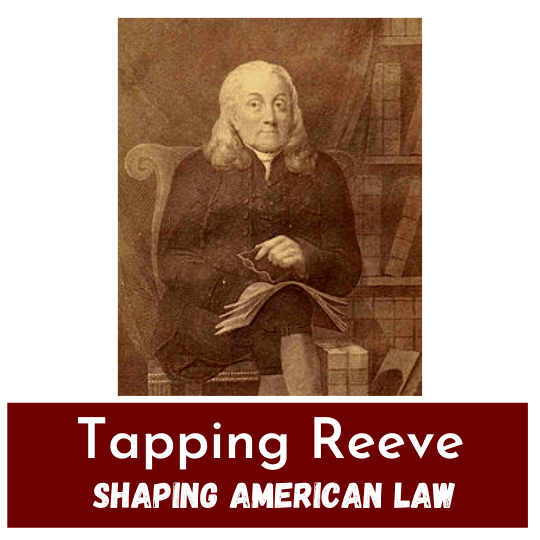
Tapping Reeve opened the Litchfield Law School in Litchfield, Connecticut in 1784, the first independent law school established in America for reading law, and a proprietary school unaffiliated with any college or university.
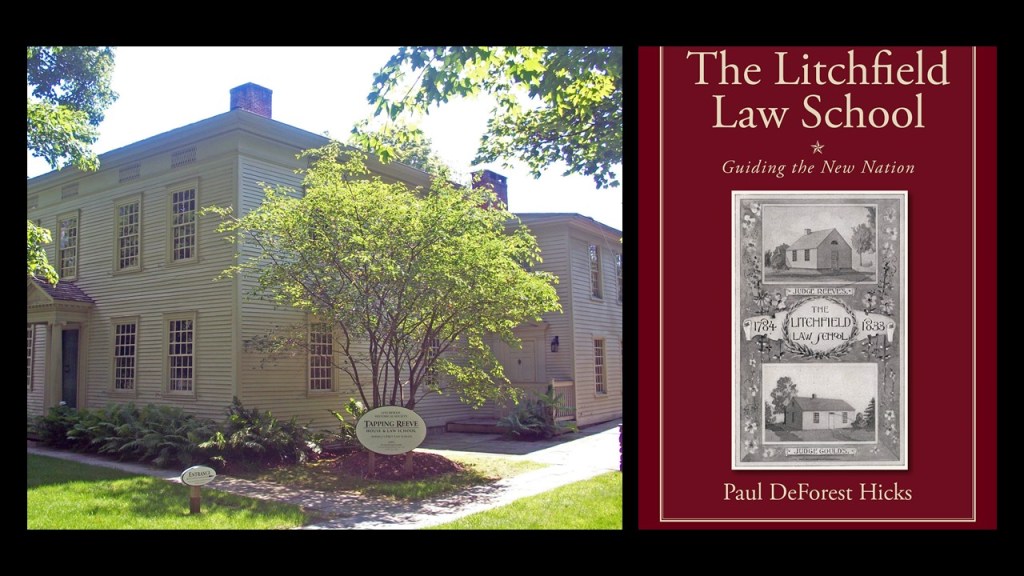
Tapping Reeve became Chief Justice of the Connecticut Supreme Court in 1814.
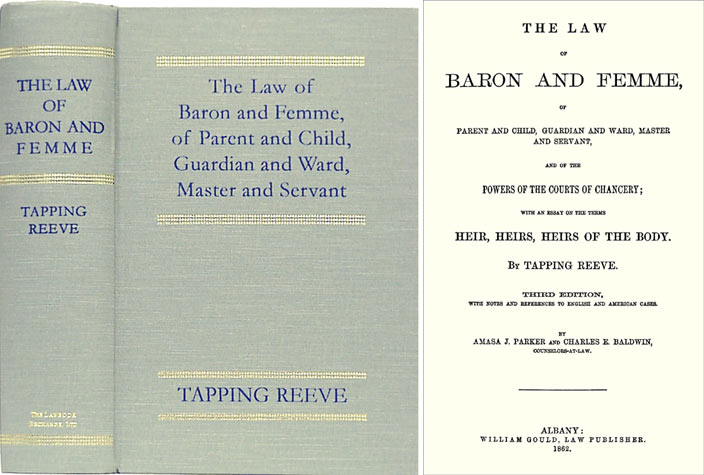
Reeve published a book in 1816 that was titled “The Law of Baron and Femme – of Parent and Child;, Guardian and Ward, Master and Servant; and of the Powers of the Court of Chancery, with an Essay on the terms Heir, Heirs, and Heirs of the Body.”
This became the premiere American treatise on family law for much of the 19th-century, with revisions and republication in 1846, 1867 and 1888.
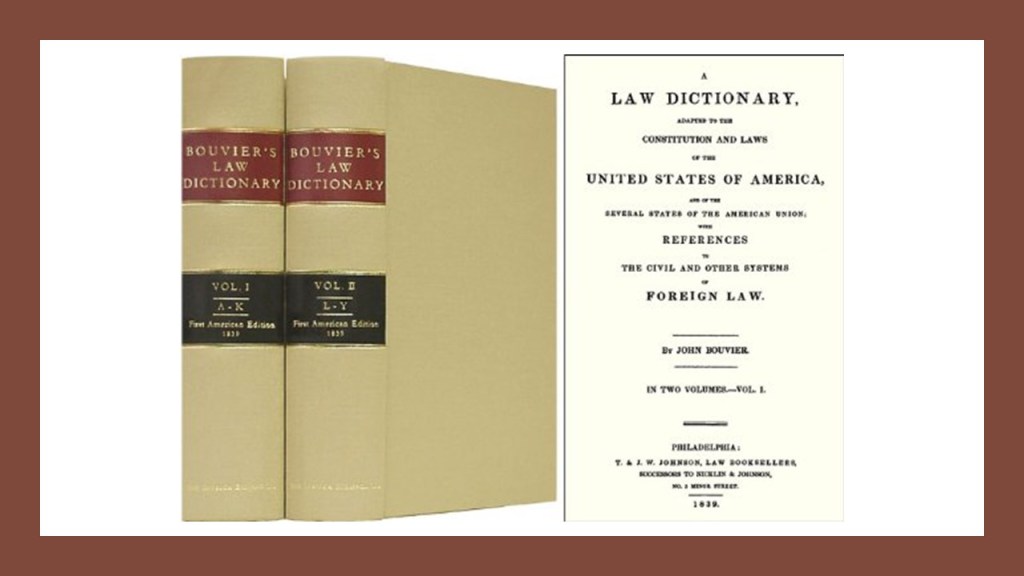
Next, Bouvier’s Law Dictionary was first published in 1856.
John Bouvier was a Frenchman who became a U. S. citizen in 1812; and started practicing law in 1818 in Philadelphia.
Over the years, he noticed a lack of a solid American law dictionary, as distinguished from English law, and decided to fill the need.
After ten years of working on his dictionary, it was first published in 1839.
It is mainly based on case studies and jurisprudence under common law.
The original Webster’s Dictionary is the actual dictionary for the Republic as previously mentioned, and documents written in plain English refer to this dictionary.
In 1891, Black’s Law Dictionary was first published by Henry Campbell Black.
While Black was educated as a lawyer, and was admitted to practice law in Pennsylvania 1883, he only practiced for a short period of time, and was not considered a noteworthy lawyer.
Apparently, he chose instead to live in his parents’ house and compile a comprehensive list of legal terms.
MJ explained that Legal-speak is Black’s Law, preferably the fourth edition or older.
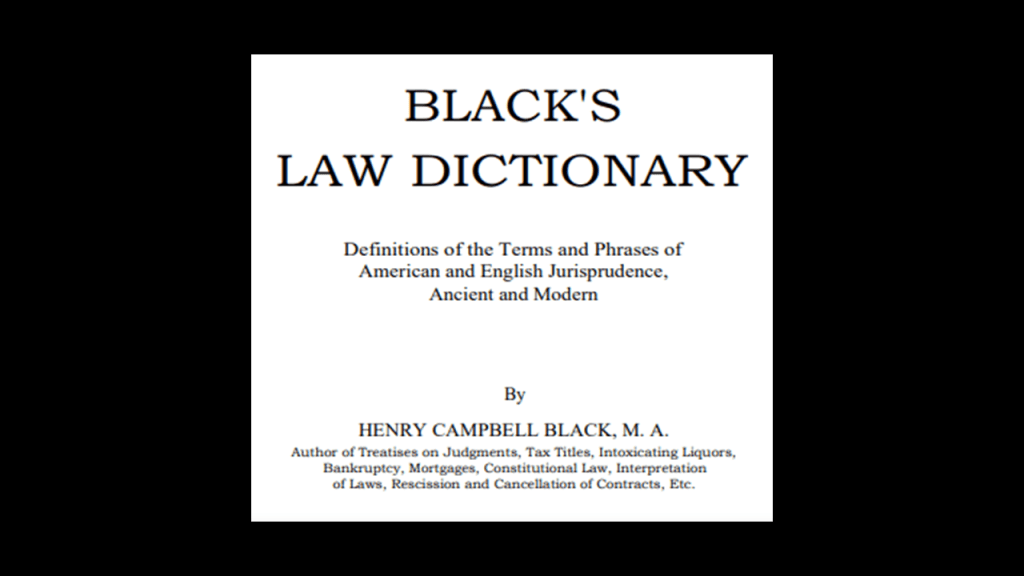
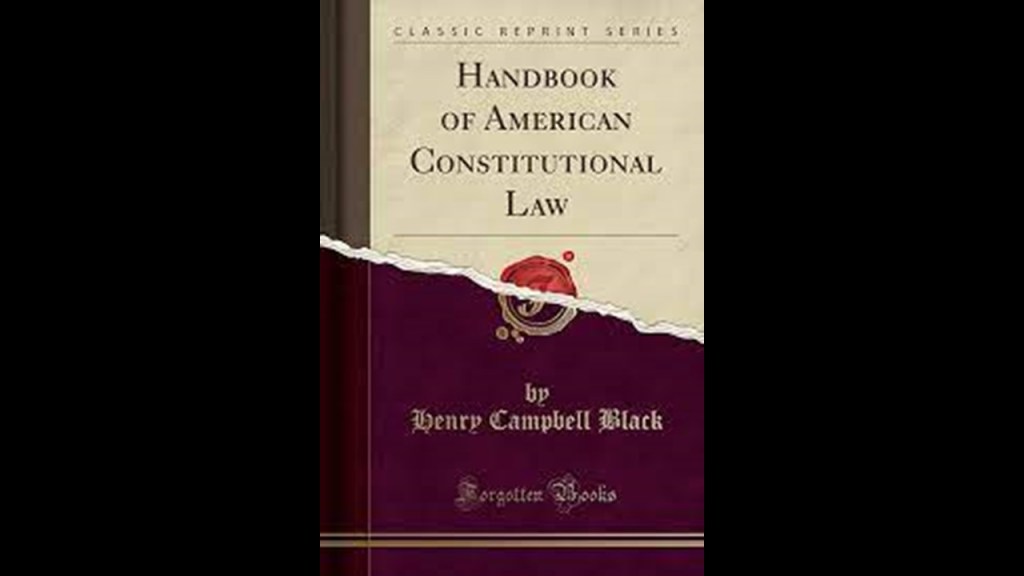
In addition to “Black’s Law Dictionary,” he was also credited with writing the “Handbook of American Constitutional Law,” and publishing over 1,000 scholarly articles on arcane legal matters and political issues of his time.
MJ said she has a library of over one-hundred books written from 1725 to 1900, with the majority of her books being from 1790-1871.
In addition to collecting “Scientific American” magazine and random newspapers written prior to 1870, she has textbooks used in one-room schoolhouses, some of which she inherited, history books, government information, science (particularly pneumatics and electricity), and medical books.
She can point to medical information being changed around 1909.

Most of the following information was provided by MJ from her own research, though like in the first part, I have interwoven some research of my own that I did specifically for this post to supplement MJ’s research where applicable.

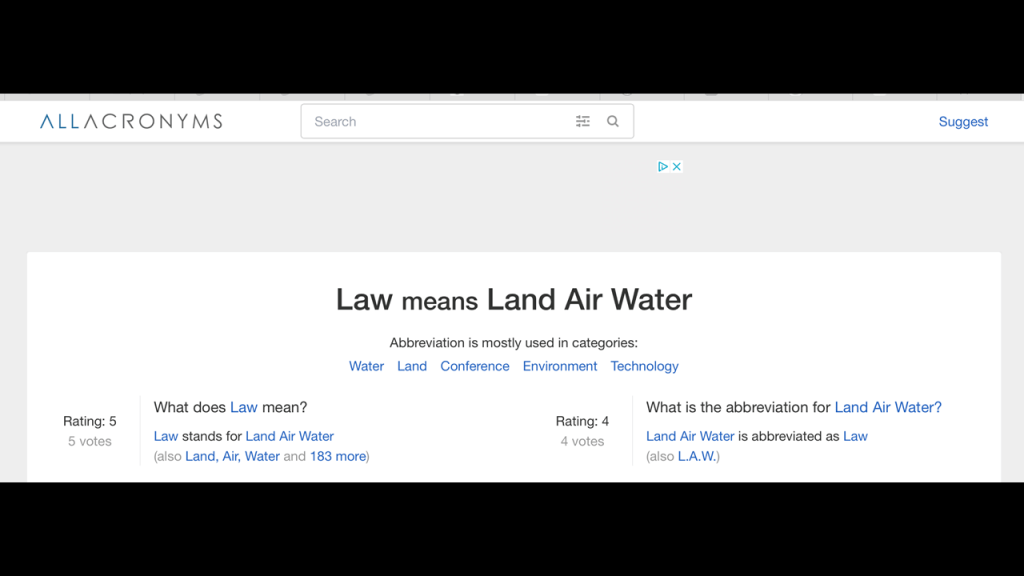
Firstly, she said that Law means: Land, Air and Water.
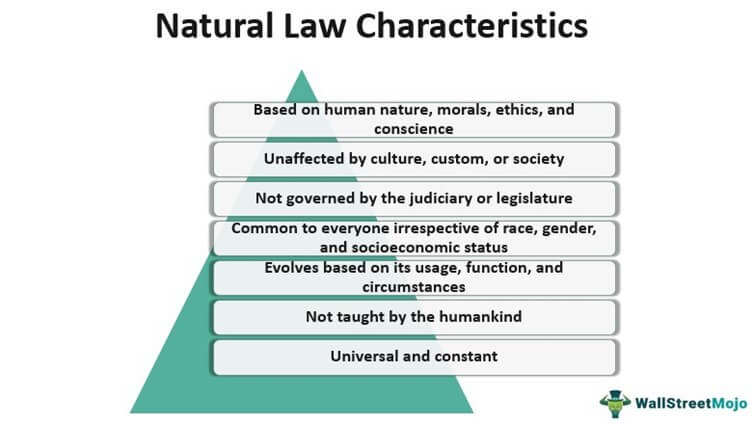
She further explains that “Land” equals Natural Law, or American Common Law.
Natural Law is comprised of “Natural Rights,” specifying what acts one person cannot morally do to another.
They are rights everyone has, and one person’s right does not interfere with another person’s right.
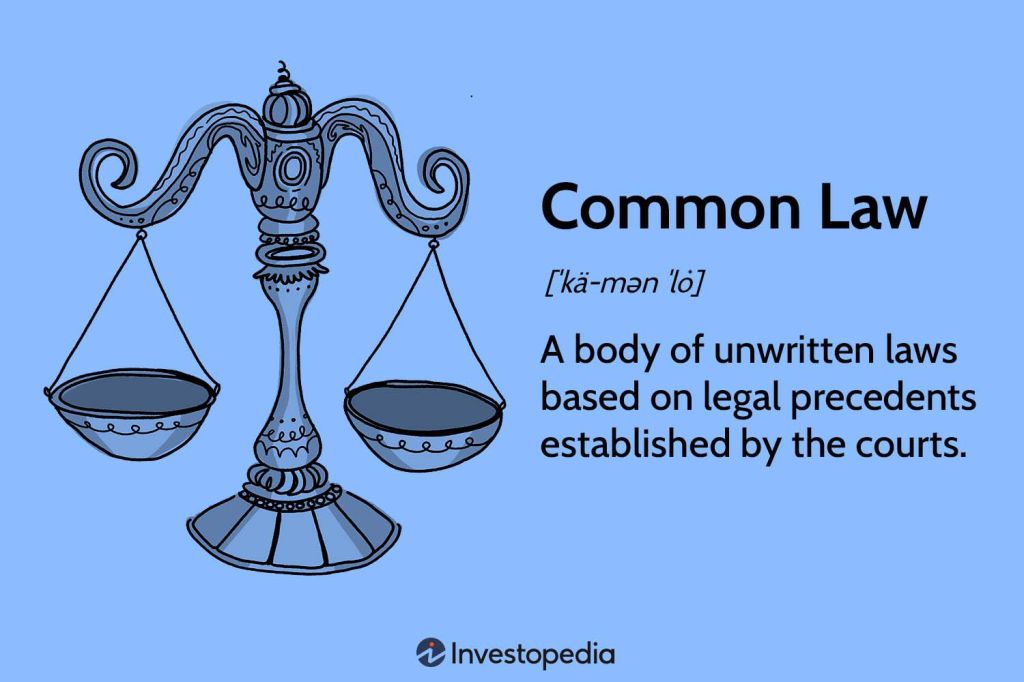
Common Law is the body of law created by judges arising from past court decisions, or precedent.
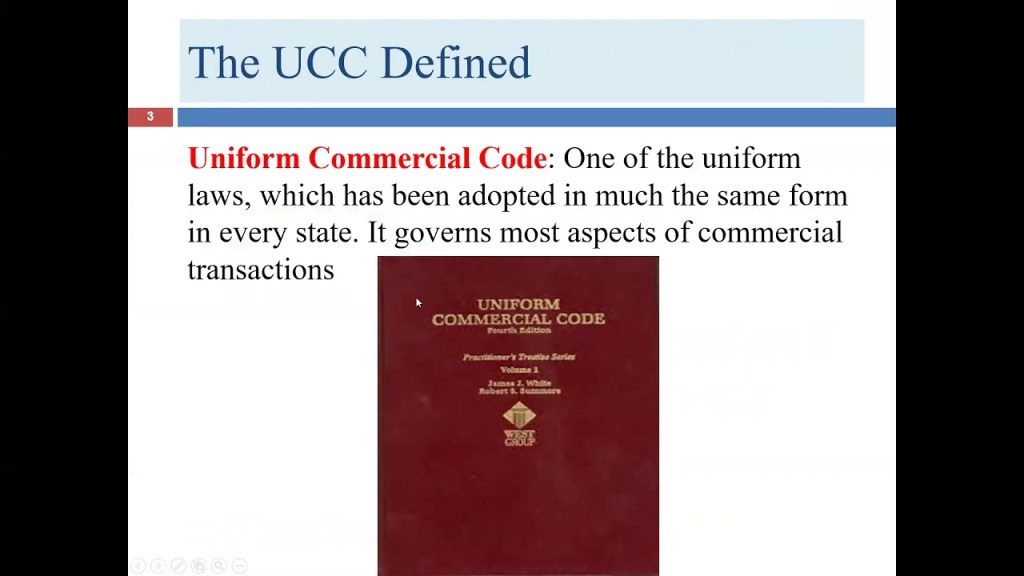
She said that “Air” equals Vatican Law governed by the Uniform Commercial Code.
The Uniform Commercial Code is a comprehensive set of laws governing all commercial transactions in the United States.
It is not a federal law, but is uniformly adopted state law.
This will be examined in more detail later in the post.
And lastly, the “W” in the acronym.
She explained that “Water” equals “Maritime Law,” also known as “Admiralty Law,” and that this is foreign lawfare to generate wealth for the Crown, also known as “The Company.”
“International Maritime Admiralty Law,” is the law of the sea or water, and money, and is differentiated from the law of the land and natural law, the law of people occupying the land.
“Admiralty Law” is the law that governs navigation and shipping.
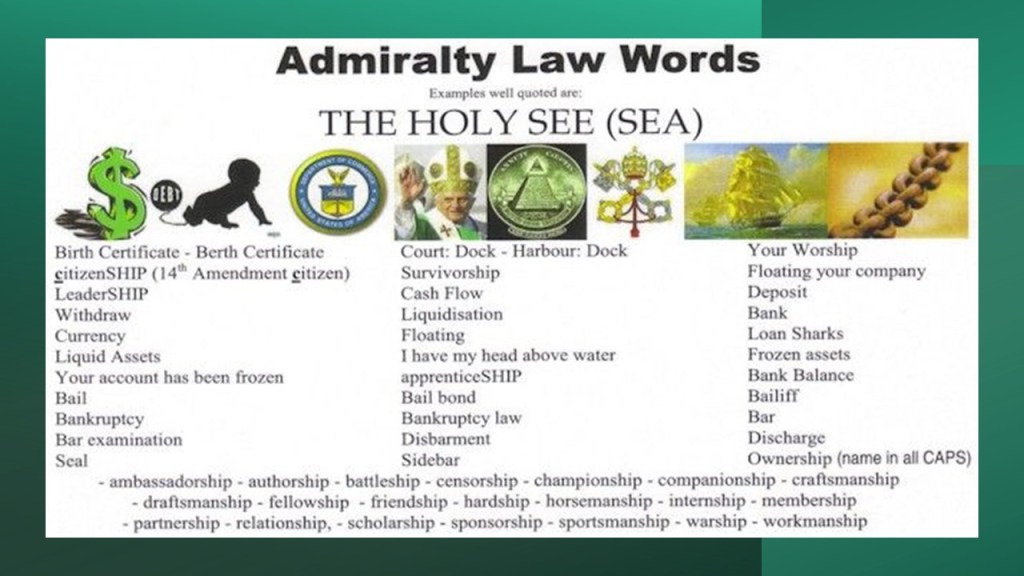
Among other things in our world, the application of International Maritime Law is how Humanity became owned property…or in other words, enslaved, to which our birth certificates are key.
When a ship comes in to dock in a port, its arrival is called a “berth.”
It is subject to the law of the sea, and is governed by the Uniform Commercial Code.
When it “berths,” the Captain of the ship must provide a “Certificate of Manifest” to the port authorities, documenting everything the ship is carrying. including identity and value.
When people are born, they are birthed out of the mother’s “water,” and are to be issued a “birth certificate.”
This is our “Certificate of Manifest,” as people are considered to be a corporation-owned item and subject to “International Maritime Admiralty Law.”
Jordan Maxwell is an excellent resource for more information about this subject, and his videos can be found on YouTube.

As MJ explained, the Company cannot do business with living people.
Corporations can only do business with other corporations.
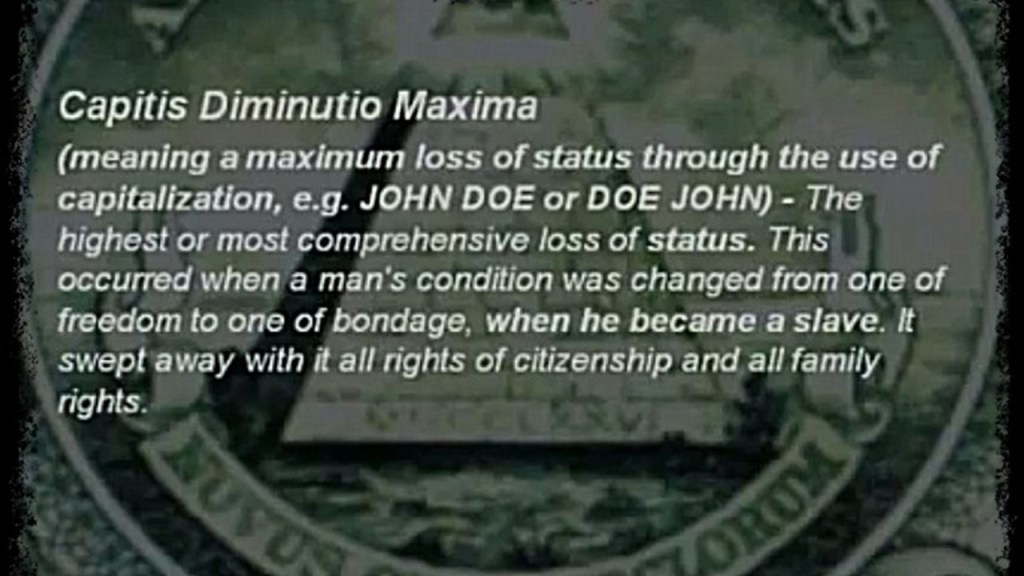
So they have turned everyone into a legal fiction and made them a corporation, known as our “Strawman,” which is denoted by our names being spelled-out in all capital letters on our birth certificates and other legal documents.

This is known as “Capitis Diminutio Maxima” in Roman Law, and signifies the most comprehensive loss of status that occurs when person’s condition was changed from freedom to bondage.
It swept away all rights of citizenship and family rights.
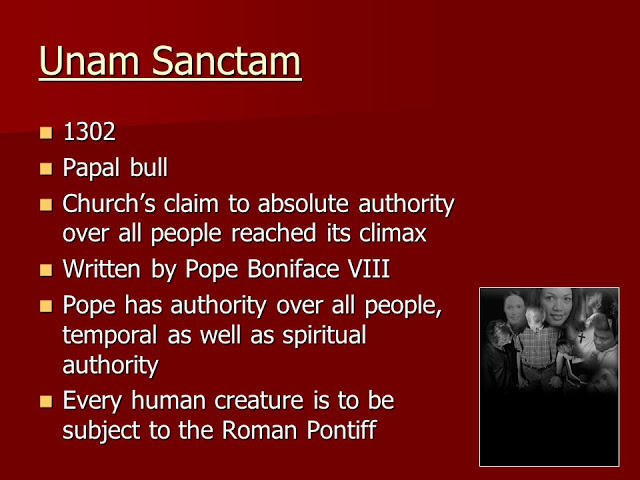
This is connected to the 1302 Unam Sanctum papal bull issued by Pope Boniface VIII.
At the end of it, he writes “Furthermore, we declare, we proclaim, we define that it is absolutely necessary for salvation that every human creature be subject to the Roman Pontiff.”
A papal bull is an official papal letter or document, named after the leaden seal used to authenticate it.
They figure prominently in the historical narrative we have been given.
Other papal bulls that set the stage for the creation of the “New World” were the 1452 “Dum Diversas” and 1455 “Romanus Pontifex” of Pope Nicholas V, and the 1493 “Inter Cetera” of Pope Alexander VI.
The 1452 “Dum Diversas” papal bull of Pope Nicholas V granted the Crown of Portugal full and free permission to invade, search out, capture and subjugate unbelievers and enemies of Christ wherever they may be, and to reduce their persons into perpetual slavery.
His 1455 “Romanus Pontifex” papal bull was a follow-up to the “Dum Diversas,” confirming the Crown of Portugal’s dominion over all lands discovered or conquered during the Age of Discovery, encouraging the seizure of the lands of the Saracens, pagans, and other enemies of Christ, and repeated the earlier bull’s permission for the enslavement of such peoples.
The following year, in 1493, Pope Alexander VI issued the “Inter Cetera” Bull, essentially authorized the grab of the lands of the indigenous Moorish civilization.
Among other things, the bull assigned to Castile “the exclusive right to acquire territory, to trade in, or even approach the lands laying west of the meridian situated one hundred leagues west of the Azores and Cape Verde Islands, except for any lands actually possessed by any other Christian prince beyond this meridian prior to Christmas of 1492.”
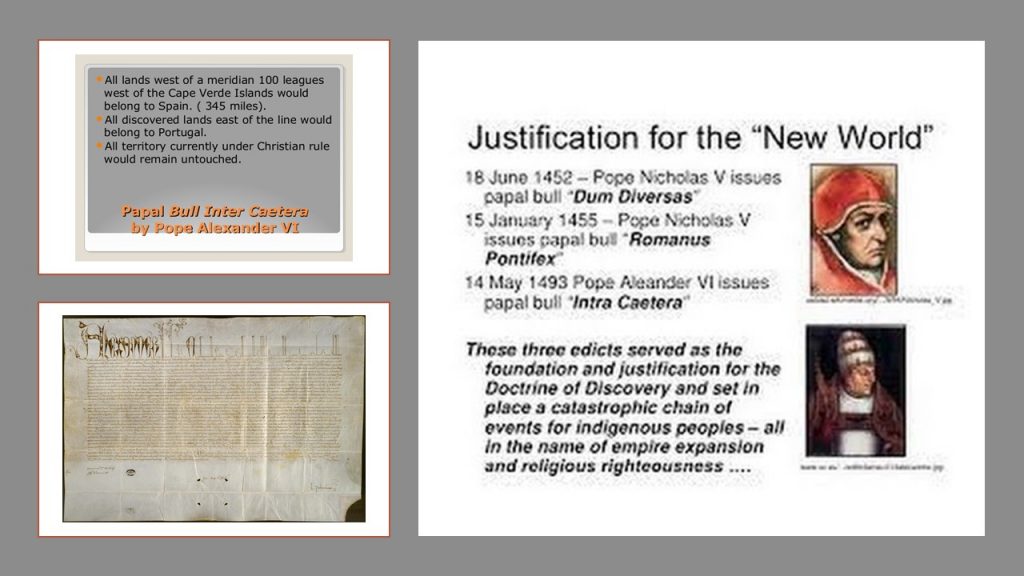
These three papal bulls were to become major documents in the development of the Doctrine of Discovery, upon which subsequent legal decisions were based regarding claims of empire in the “New World.”
Like, for example, the lands of the “Louisiana Purchase.”
We are told the Lewis & Clark Expedition’s voyage to the Pacific Northwest, and its maps, and proclamations of sovereignty with medals and flags given to the indigenous people of the land they met, were the legal steps needed to claim title to each indigenous nation’s lands under the Doctrine of Discovery, a concept of public international law expounded by the United States Supreme Court in a series of decisions in 1823.
Under it, title to lands lay with the government whose subjects travelled to and occupied a territory whose inhabitants were not subjects of a European Christian monarch.
In other words, the Supreme Court ruled that the Native Americans didn’t own their land.
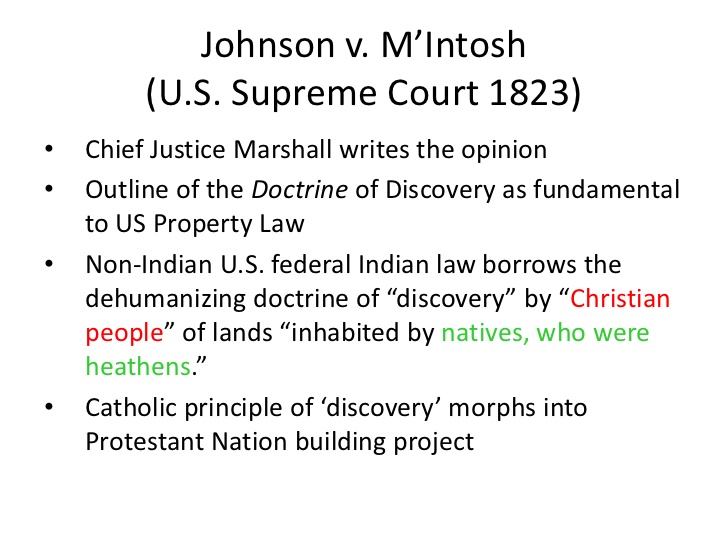
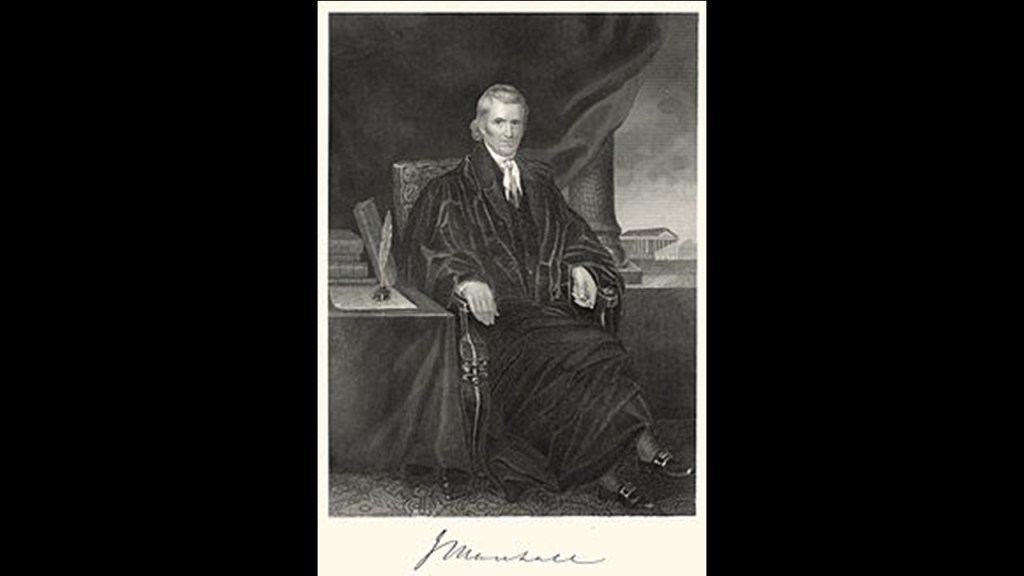
Chief Justice John Marshall explained and applied the way that colonial powers laid claim to lands belonging to foreign sovereign nations during the Age of Discovery, and Chief Justice Marshall noted, among other things, the 1455 papal bull Romanus Pontifex and the 1493 Inter Cetera bull in the Court’s decisions to implement the Doctrine of Discovery.
Next, MJ talked about the U. S. Constitution.
She said there have been at least three versions of this document.
It is an outline for government.
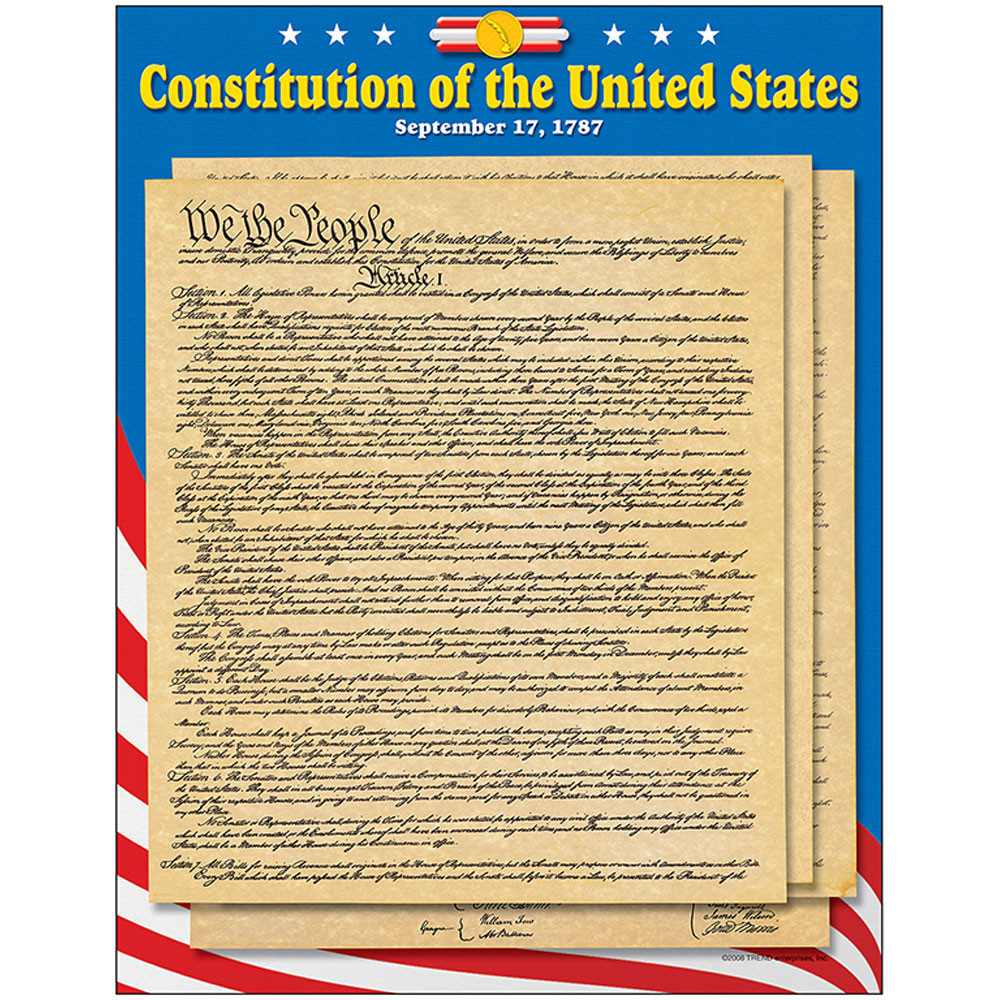
Our rights as Americans are outlined in the Declaration of Independance and the Bill of Rights.
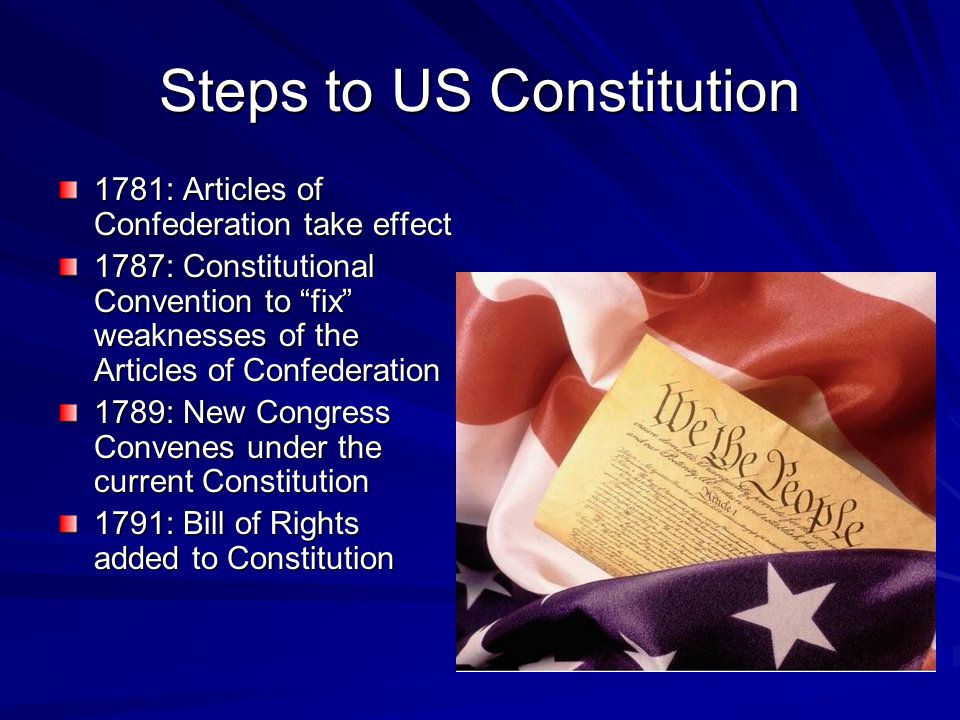
She further explained that in 1871, the 41st Congress handed the duties of governing to the District of Columbia.
The District of Columbia was also established as a corporation and the seat of the “federal government.”
Versions of the Constitution after this took place were created by the Corporate government.
Corporate “law” is Maritime or Admiralty Law.
She said it’s piracy and it’s meant to be confusing.

The 41st Congress was not given the authority to contract a foreign company.
All laws, taxes, departments, courts and divisions are not natural to the original Republic.
The Act of 1871 states that D.C. cannot levy any laws or taxes or involve themselves with any domestic issues.
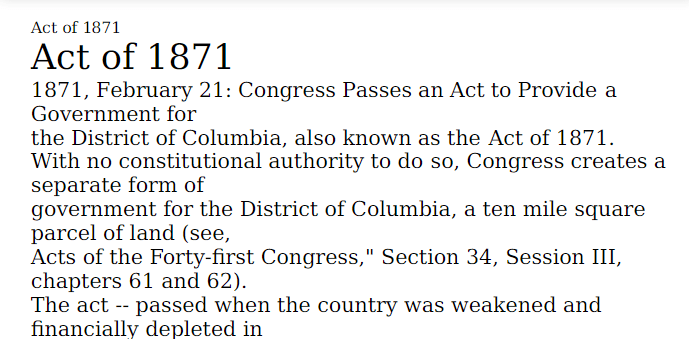
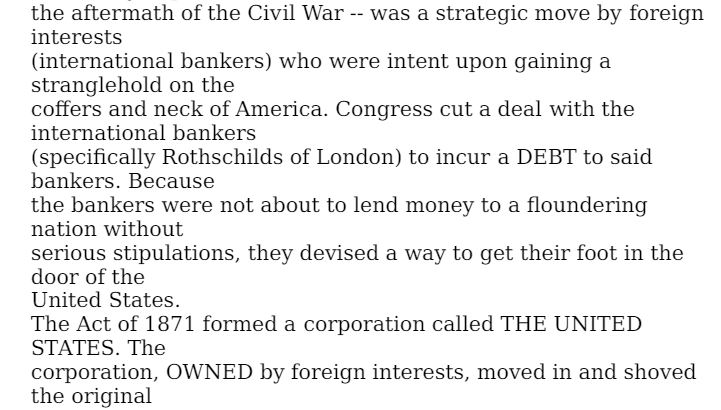
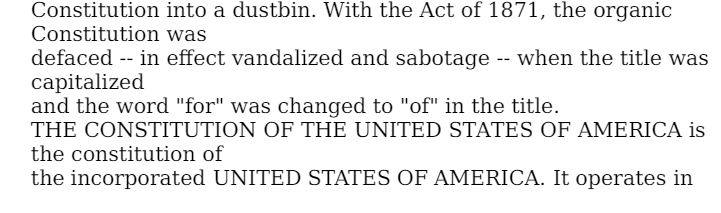
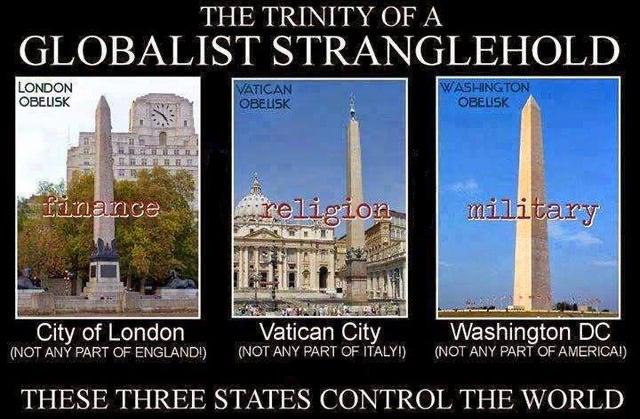
It’s “sister cities” are the City of London, and the Vatican.
All three are not considered any part of the country they are located in.
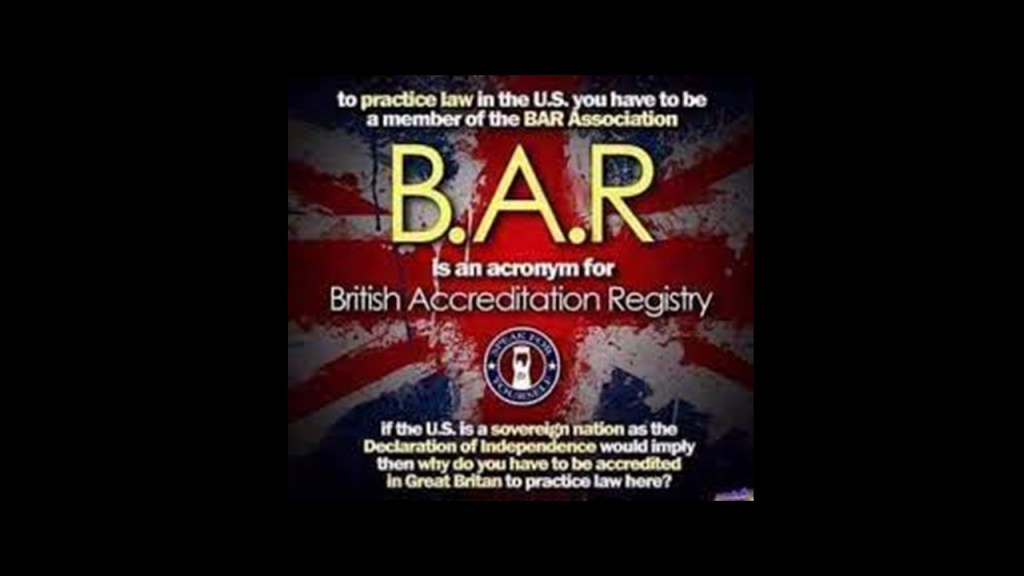
The BAR is the British Accreditation Registry.
This was not to be practiced outside of the District of Columbia.
Attorneys-at-law are practicing their own law.
This 1871 Organic Act also brought the Vatican’s Uniform Commerical Code, or UCC, into DC.
The UCC was based directly on Vatican Canon Law, the regulations for which are under the Roman Catholic Church.
Henceforth, all “laws” or statutes were considered the “law” for DC.
At this time, in the individual states were still practicing common or natural law, and there was no “judicial system.”
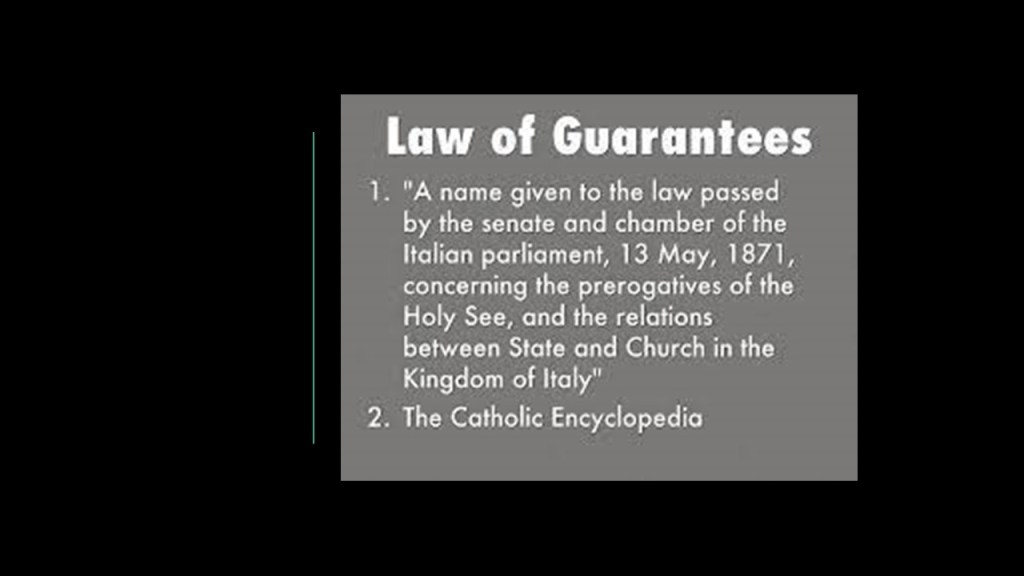
It’s interesting to note that on May 13th of 1871, less than a month after the 41st Congress passed the “District of Columbia Organic Act,” the Italian Parliament passed the “Law of Papal Guarantees,” which guaranteed sovereign prerogatives to the Pope and the Vatican, which interestingly for some reason, the Popes rejected in their refusal to recognize the Italian government’s right to grant them any prerogatives.
The Sovereign prerogatives conferred included such things as the Pope’s person being considered sacred and inviolable; that royal honors be paid to the Pope, including the right to customary guards; all the buildings that constituted the Vatican would remain the property of the Pope; and an indemnity would be paid to the Pope for the loss of the Papal State domains in perpetuity, to cover the expenses of the Holy See and the maintenance of Church buildings.
This all took place after the loss of the Papal States in September of 1870, of which heretofore, the Popes had ruled over Central Italy, with the capture of Rome under Pope Pius IX, and the last event of the chain of events leading to the reunification of most of the Italian States into the Kingdom of Italy, with the exception of San Marino.
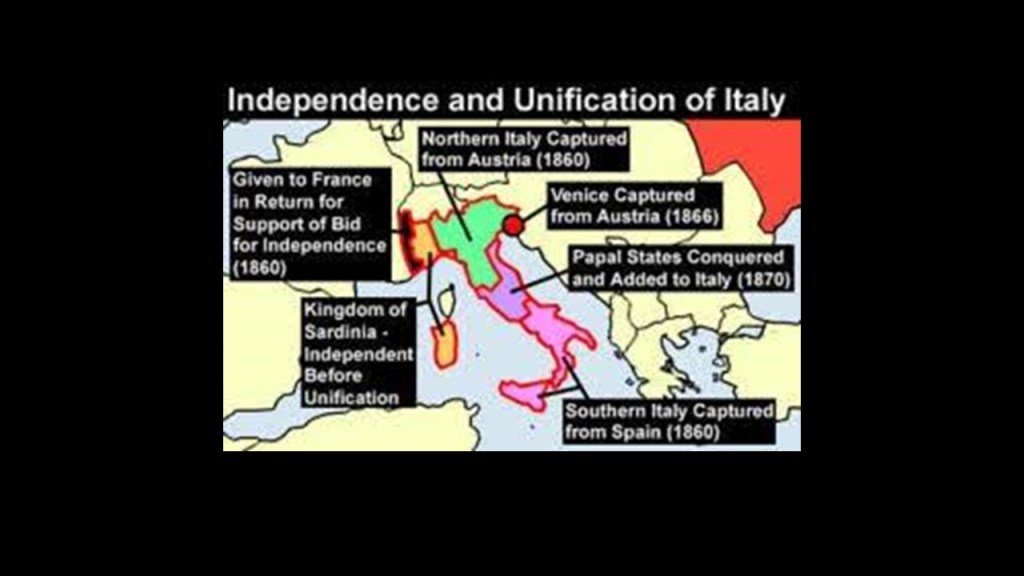
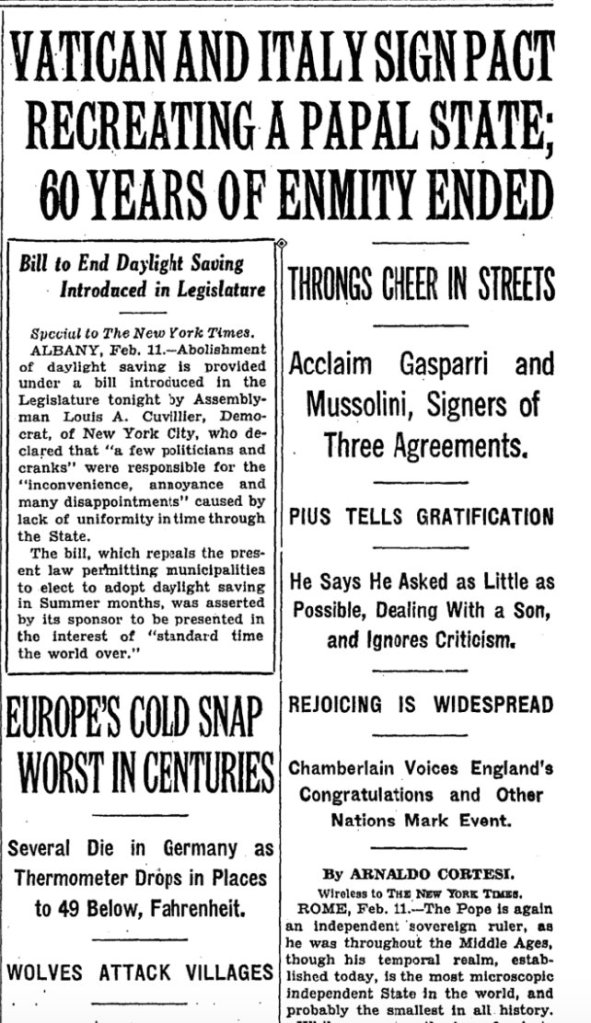
As a result of the papal rejection of the “Law of Guarantees,” the Popes declared themselves “Prisoners of the Vatican” of the new Italian State.
This situated persisted until February of 1929, when the Lateran Pacts created the microstate of Vatican City, and the Holy See recognized Rome as the capital of what was the Kingdom of Italy at the time.
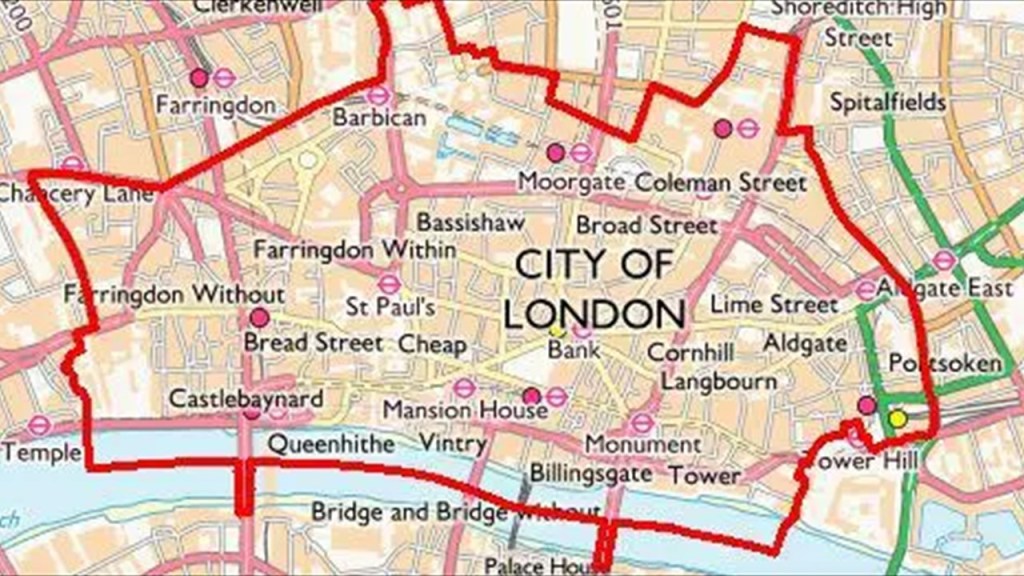
The City of London Corporation is the governing body of the City of London, which is home to most of the United Kingdom’s Financial Sector.
It is nicknamed the “Square Mile.”
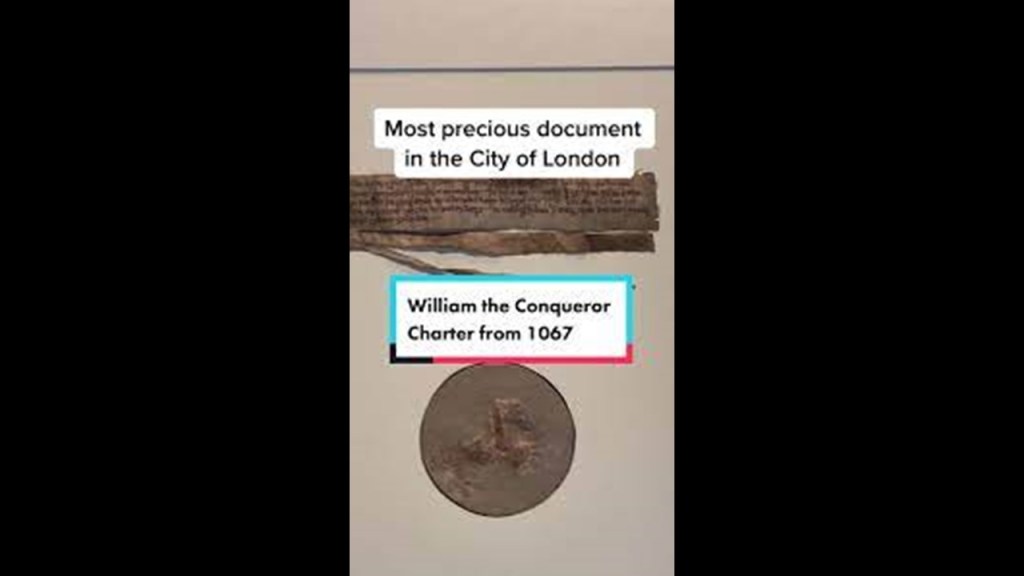
While there is no surviving record of a first charter establishing the Corporation as a legal body, it is said to be regarded as incorporation by prescription, or that the law presumed it to be incorporated since it had been regarded as such for so long.
The history of the City of London Corporation’s first recorded royal charter was said to date back to one granted by William the Conqueror in 1067 AD with much in its history of one kind or another since that time.
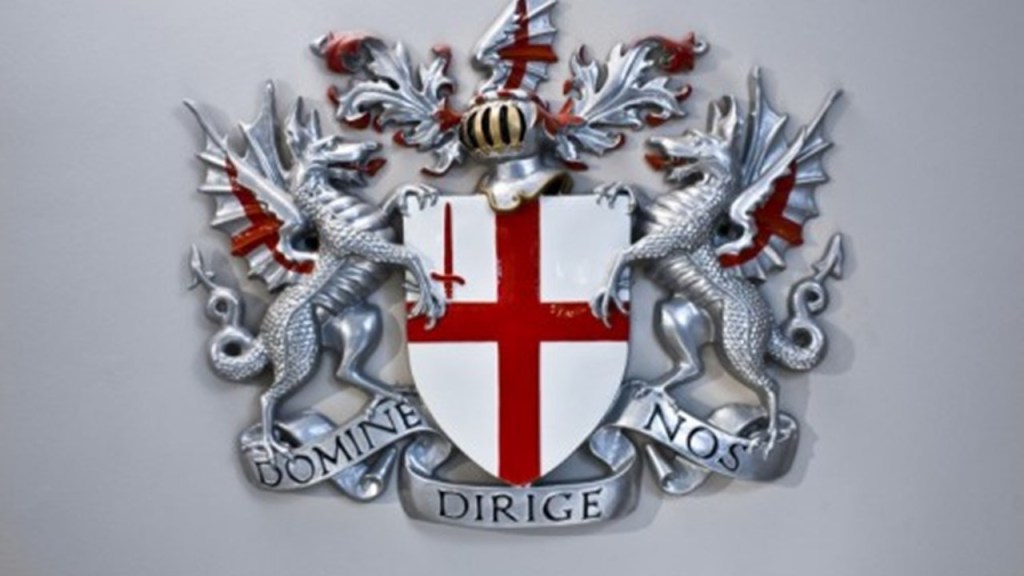
The Coat of Arms of the City of London Corporation was to have been in use since 1381, and is anciently recorded at the College of Arms.
The dragon supporters on each side of it, and the crest at the top, were said to have been added in the early 17th-century.
The basic similarity with the red crosses on a white background between these three Coats-of-Arms is unmistakable!!
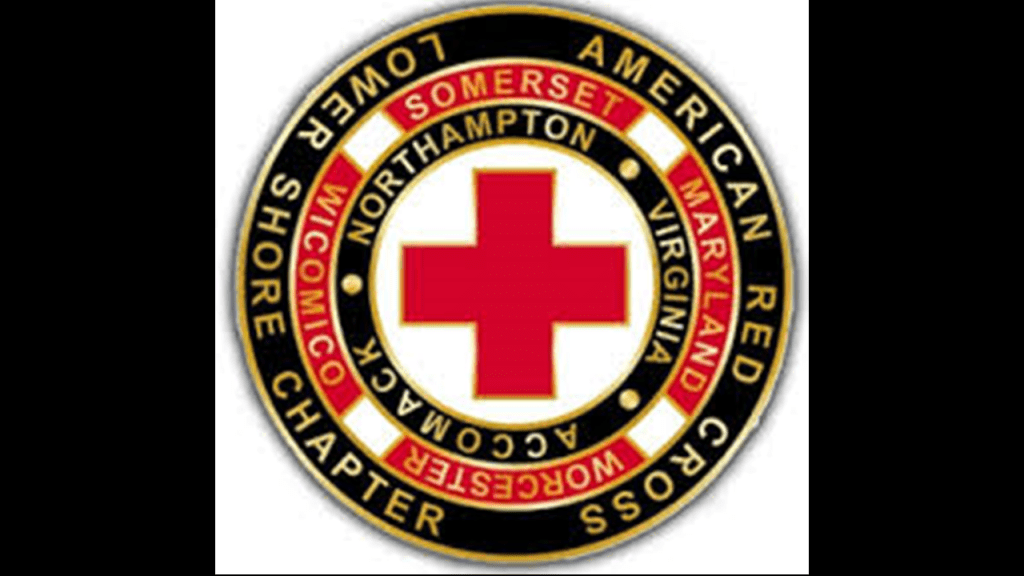
Oh yes, and there’s this Red Cross too!
Back to the United States.
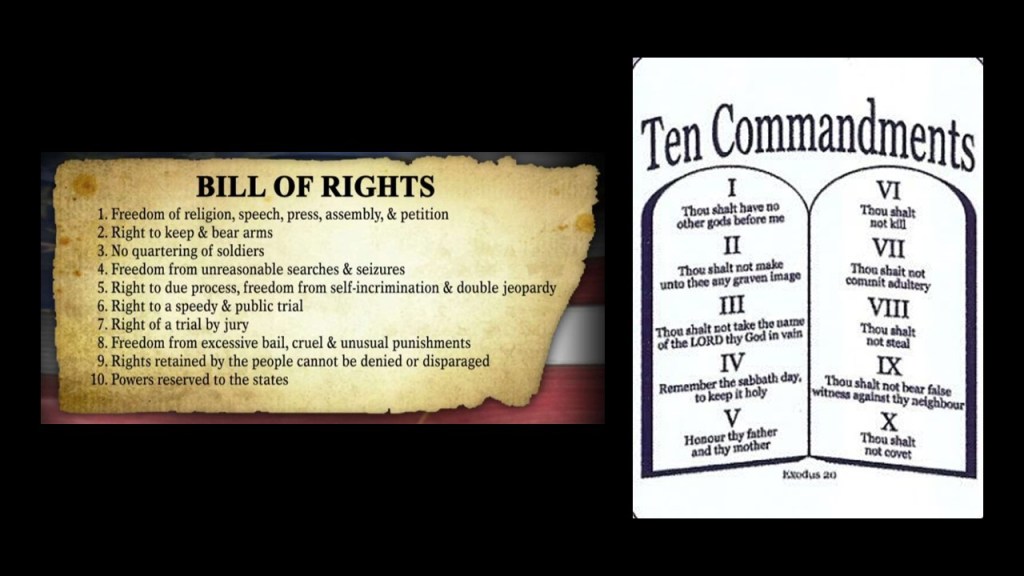
According to the information that MJ provided me from her research, before the 1871 Organic Act, the States operated on the Ten Bill of Rights and the Ten Commandments.
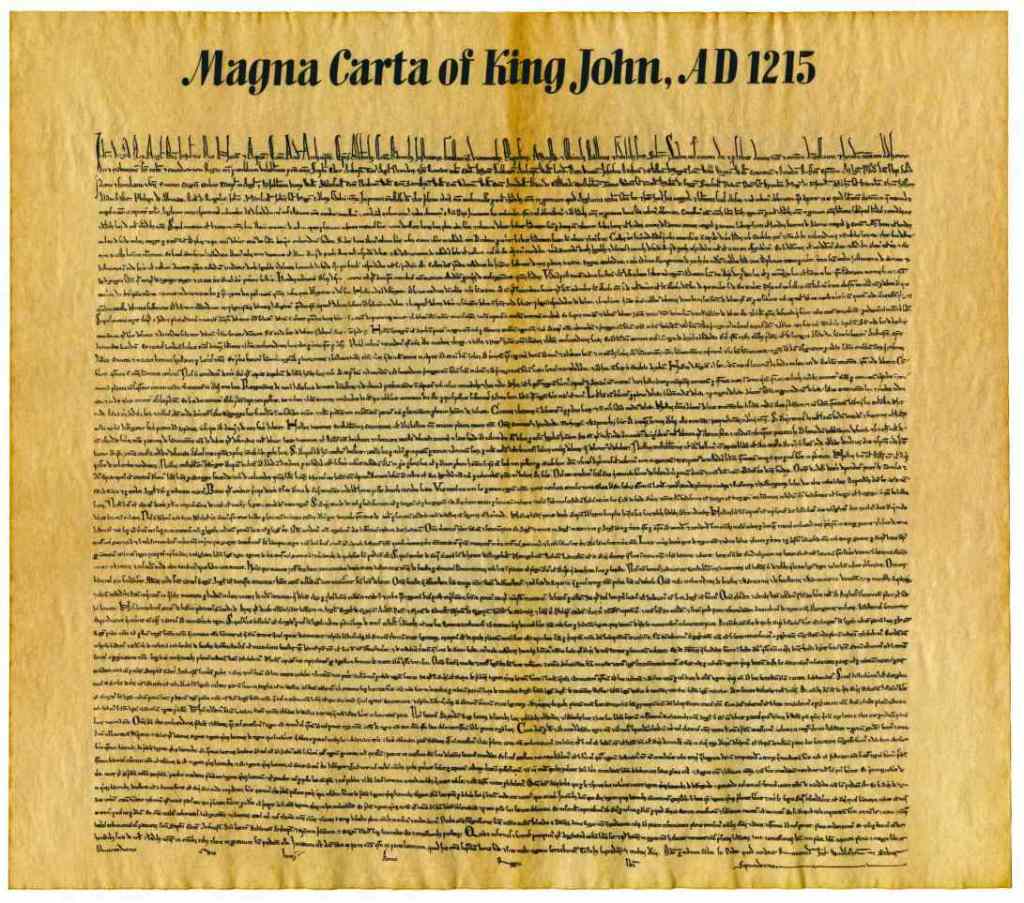
People were tried according to the 1215 Magna Carta and by a jury of their peers.
The Magna Carta was a Royal Charter of Rights and Freedoms granted by King John in June of 1215 in our historical narrative.
It was believed to be a unique and early charter of human rights.
She said there were no judges, no district attorneys, no police and no fines, licenses or taxes.
Individual states were considered sovereign and revenue for the states was obtained via tariffs.
These tariffs were based on trade between states, and a company established outside of the borders of the state was considered foreign (and still is).
MJ looked for, and couldn’t find, the first name of the corporation that owned the District of Columbia, the City of London and the Vatican.
She said, however, the name then, and now, can literally be anything provided the terms “doing business as” or dba is denoted.
“Doing Business As” is a “trade name.”
A “trade name” is a pseudonym used by companies that do not operate under their registered company name.
The term for this type of alternative name is a “fictitious” business name.
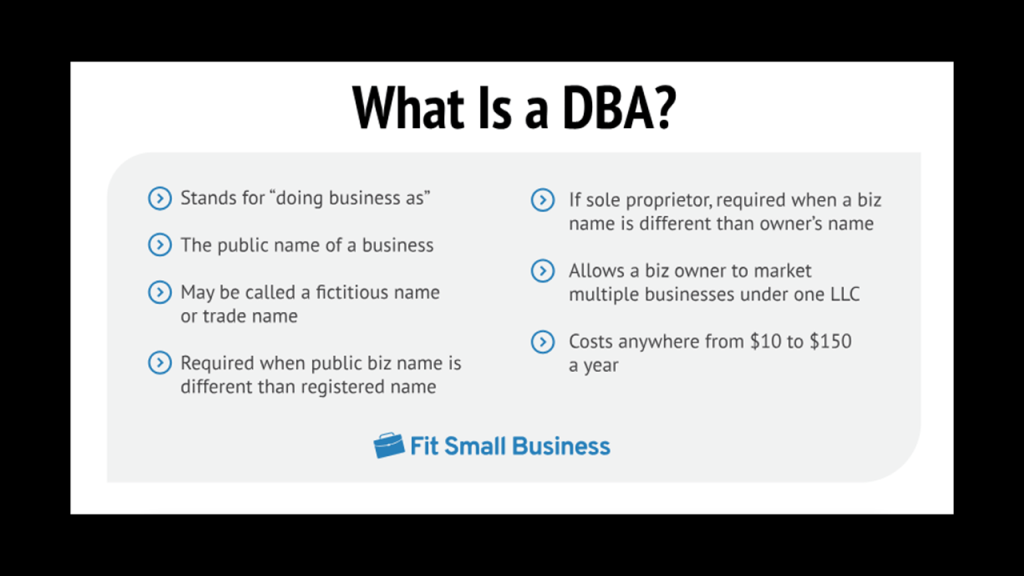
MJ said the name of the corporation that owns the DISTRICT OF COLUMBIA, the CITY OF LONDON and THE VATICAN is presently called the “CORPORATION SERVICE COMPANY” or “CSC,” with several DBA names.

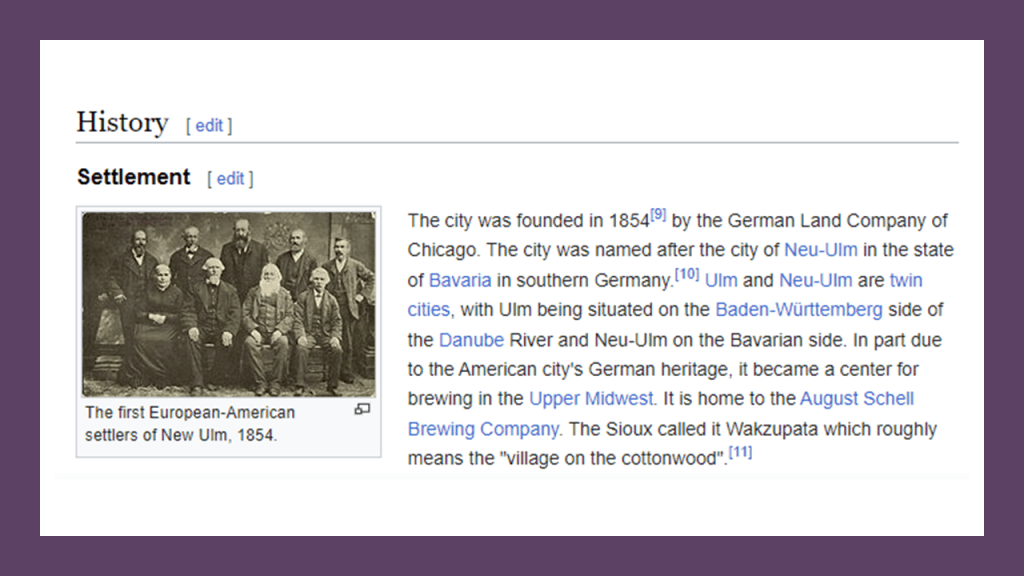
The individual states were not considered a part of that corporation, yet incorporated cities were typically established by an overseas foreign corporate entity, like for example, the founding of New Ulm in Minnesota in 1854, by the “German Land Company of Chicago.
Overseas corporations scrabbled to incorporate cities in America to create revenue.
Taxes, fees, fines and licenses were money makers.
Early on, these were very nominal.
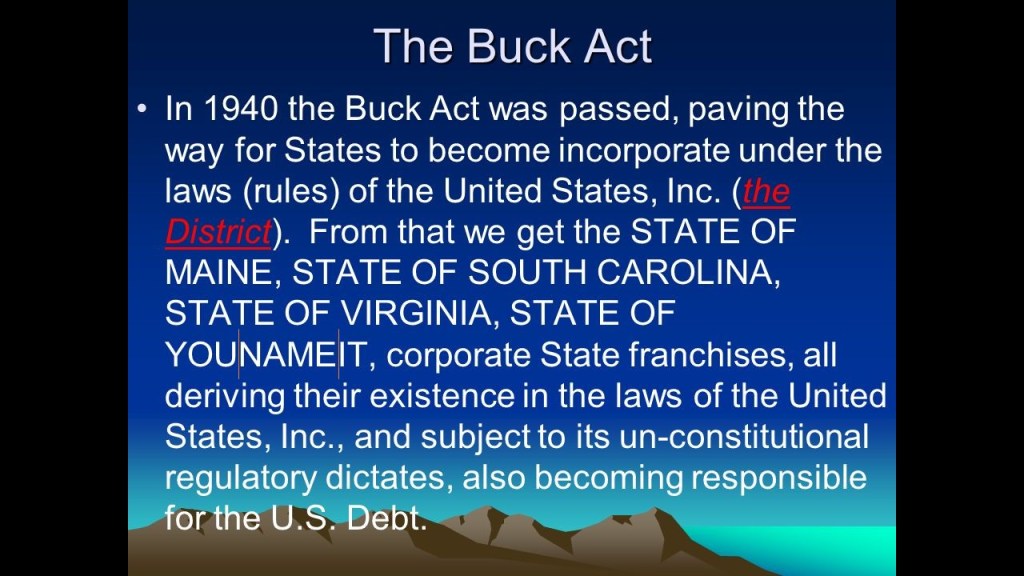
It wasn’t until the Buck Act of 1940 that States, cities and counties started bringing in Admiralty Law, the real money-maker and enslavement apparatus for the Corporations.
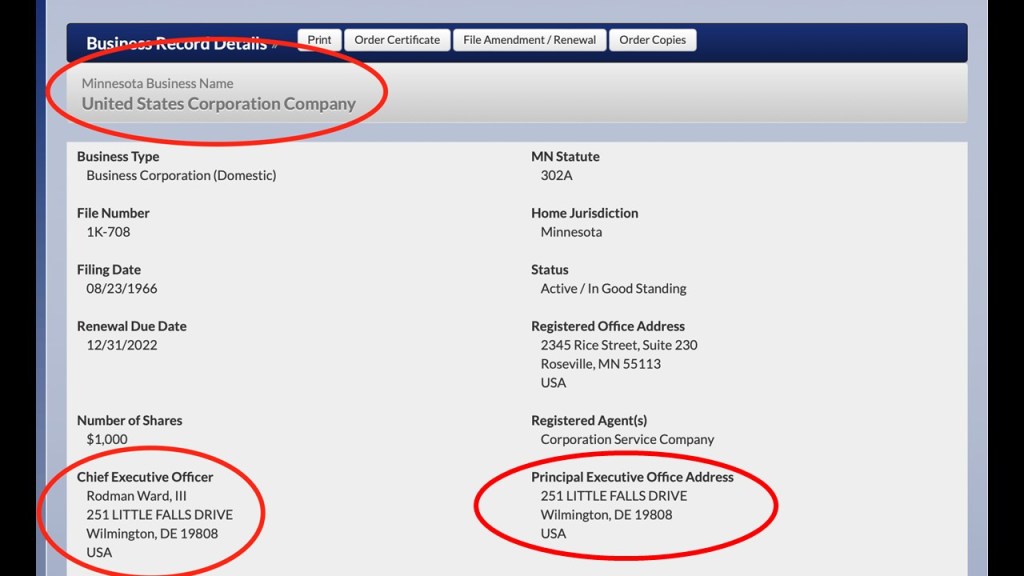
The “CORPORATION SERVICE COMPANY” dba THE UNITED STATES CORPORATION COMPANY was able to gain access to the pocketbooks of the people residing outside of the DISTRICT OF COLUMBIA with the Bucks Act.
MJ provided the information on this is how it was accomplished.
The Federal Government instituted Social Security in 1935.
Subsequently, the Social Security Board created ten Social Security Districts, thus creating “Federal Areas” which overlaid the States.
Then in 1939, the Federal Government instituted the “Public Salary Tax Act of 1939,” a municipal law of the District of Columbia that taxed all Federal and State government employees and those who work and live in any “Federal Area.”
Since the government knew that it could not tax those who live outside of the territorial jurisdiction of the DISTRICT OF COLUMBIA, the Bucks Act was passed in 1940, that allowed any department of the Federal government to create a “Federal Area” for the imposition of the 1939 Public Salary Tax Act, with the overlay for “Federal Areas” created by the Social Security Board in 1935 already in place, and the rest of the taxing law was contained in the Internal Revenue Code of 1939.
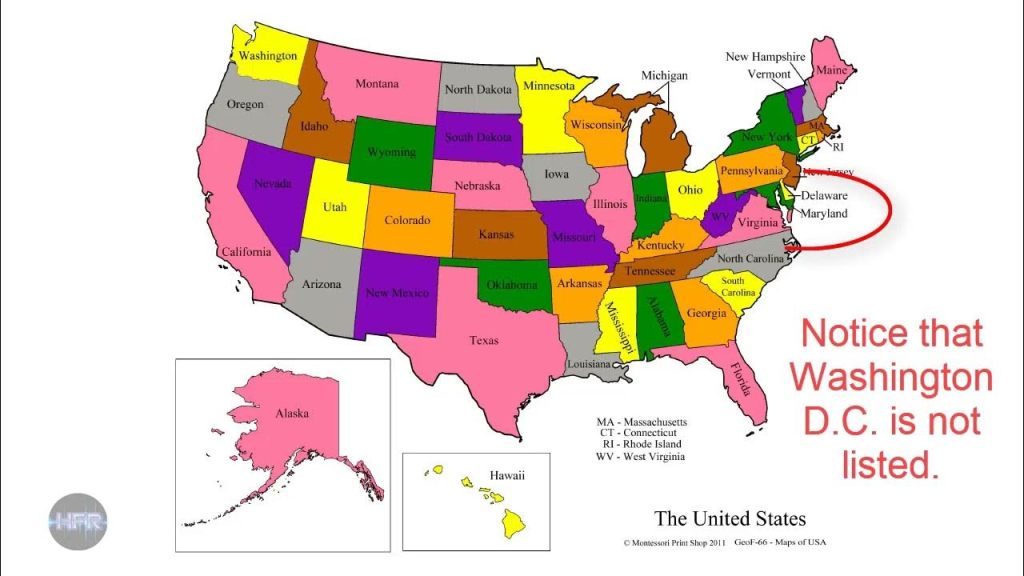
It opened up the entire country to the B.A.R. and each elected official was then considered employees of the “CORPORATION SERVICE COMPANY.”
States were annexed one-by-one.
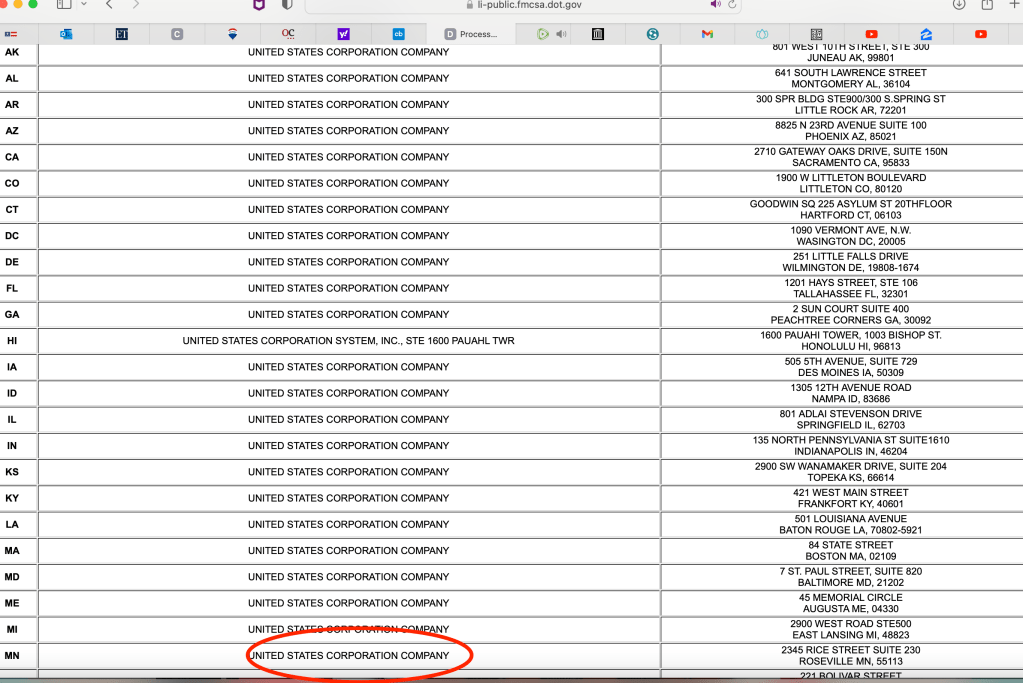
In Minnesota, the state became the STATE OF MINNESOTA in 1966.
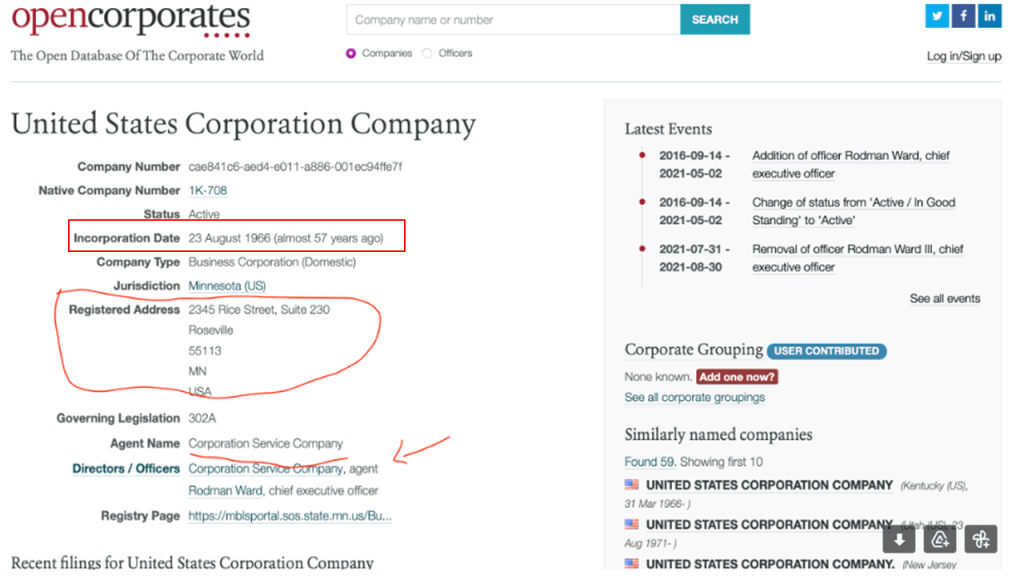

She said that when the States create a program, the also create shell companies.
Usually, the owner is the registered agent of the company.
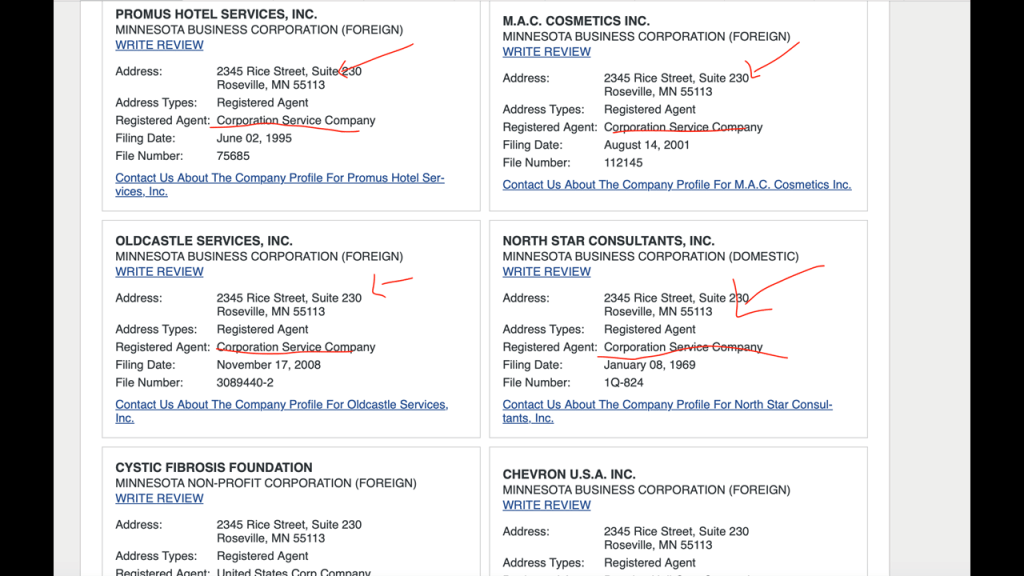
There are over 5000 companies reported at 2345 Rice Street in Roseville, which is north of St. Paul, the State Capital of Minnesota.
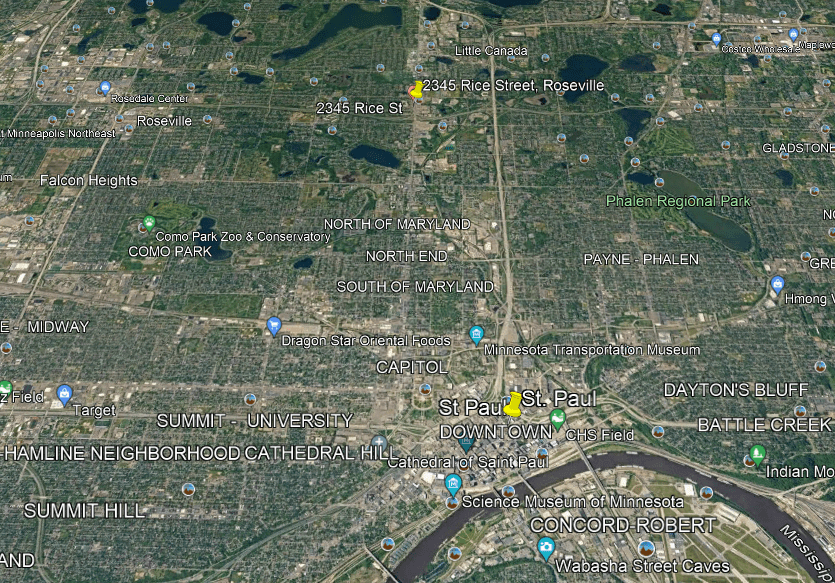
This address is a 1970’s office building where “CORPORATION SERVICE COMPANY,” has a large office suite.

She said the listings exploded in March of 2021.
They started listing about 200 a month.
She found out that when she searched for these companies, they either didn’t have a website, or they have a false-front website.
By the end of the 1970s, all states had been annexed by the “CORPORATION SERVICE COMPANY.”
The Buck Act made it “legal” to levy taxes and “federal law” on the people.
Annexation of individual states made it possible for the state politicians to also get in on the money-making action.
State Universities and public schools also became larger money-making ventures.
The “CORPORATION SERVICE COMPANY” has been with us in all aspects of our lives.
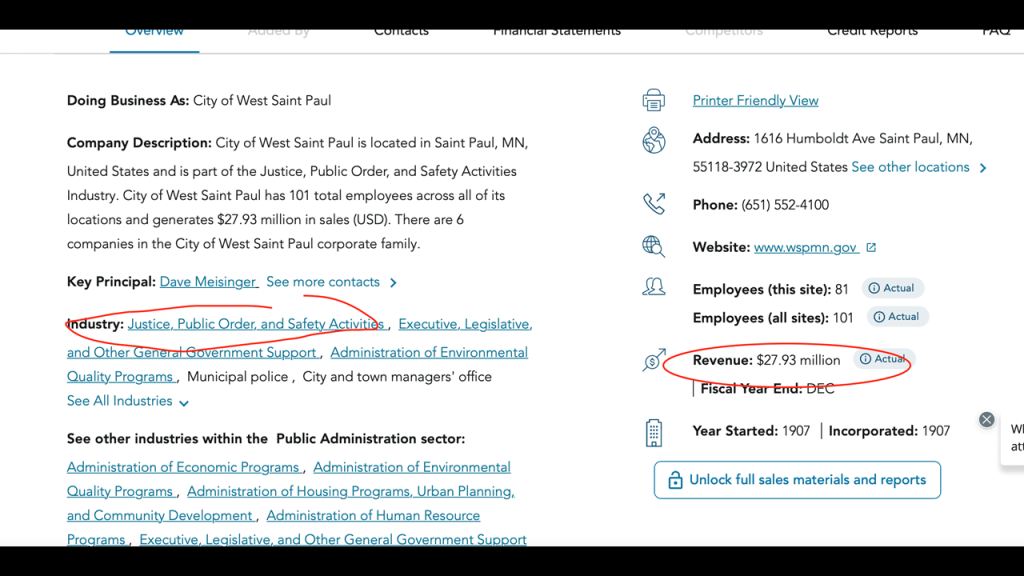
She said this used to be visible on Dun and Bradstreet. They’ve removed access to the information. Below is an old screen shot of D&B data. One thing to keep in mind is that .gov is also dba CSC, or the “CORPORATION SERVICE COMPANY”
Does the natural government that existed prior to the Company still exist?
MJ indicated that yes, the natural government that existed prior to the Company still exists today, and is paid for by the U S. Treasury and not the “CORPORATION SERVICE COMPANY.”
She explained it as follows.
Sheriffs, U. S. Marshalls and the Military are all part of the natural government.
She said prior to the Organic Act of 1871, Congressmen and Senators didn’t get rich holding any of these elected seats.
Nearly all of them kept their “day jobs” as farmers, ranchers, merchants, etc.
They had to live and work among their constituents and answer to them in person, unlike today.
She repeated that the United States is a Constitutional Federal Republic, and not a Democracy as it is so often characterized…
..and that our law is Common Law or Natural Law, and is written in the plain English referred to in the 1828 Webster’s Dictionary.
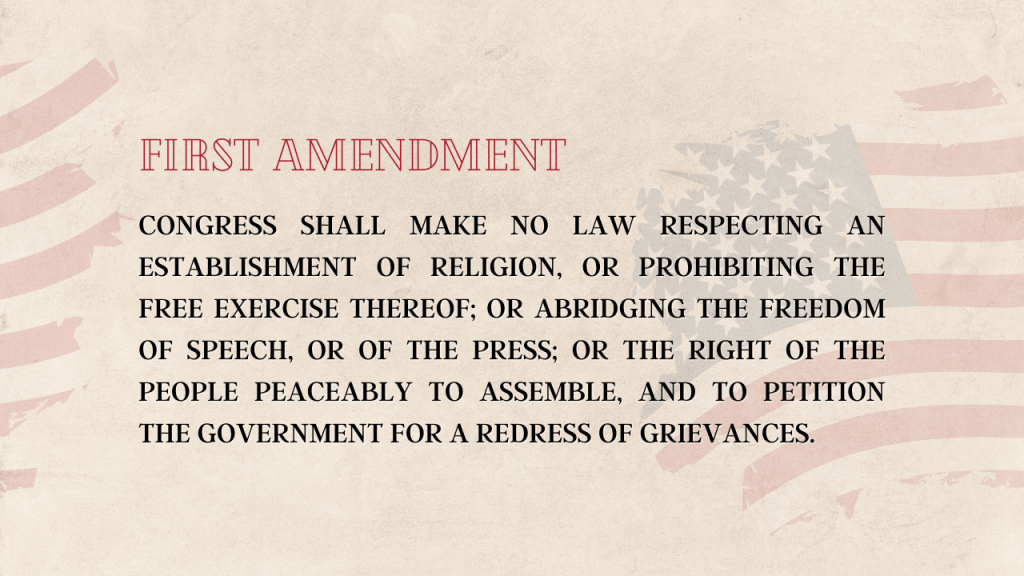
She said that the process is articulated in the First Amendment.
She explained the following.
The first part of the First Amendment translates to Congress being forbidden to make any laws that have to do with anything in regard to free speech or their right to speak or limiting speech.
It is saying that government cannot make any laws in reference to speech at all.
The press does not mean journalists. Freedom of speech and of the press applies to everyone.

She said it’s the second part of the First Amendment that has been really convoluted concerning the right of the people to peaceably assemble.
Assemble means to convene or congregate.
She said it’s not about religion, but it can be.
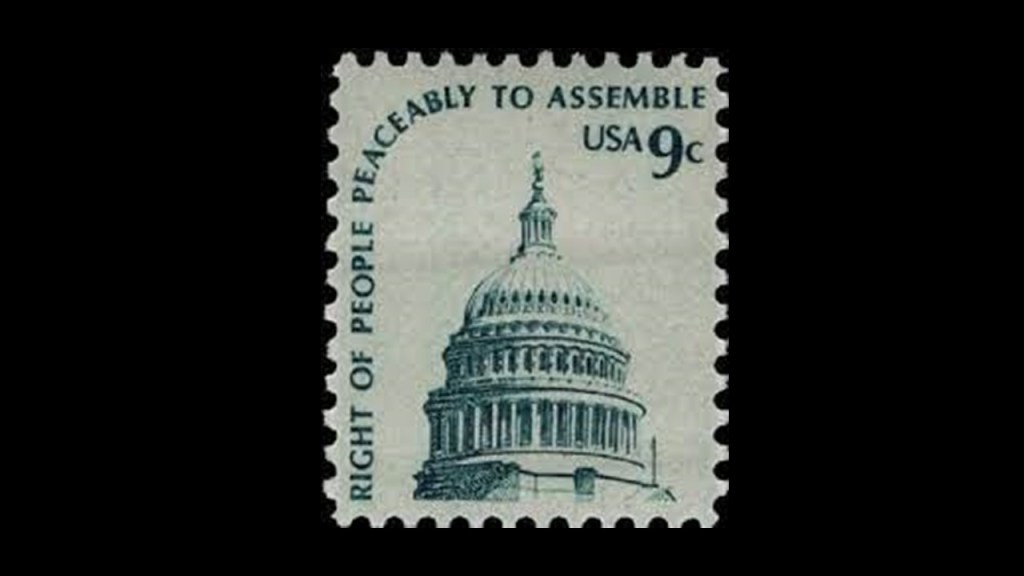
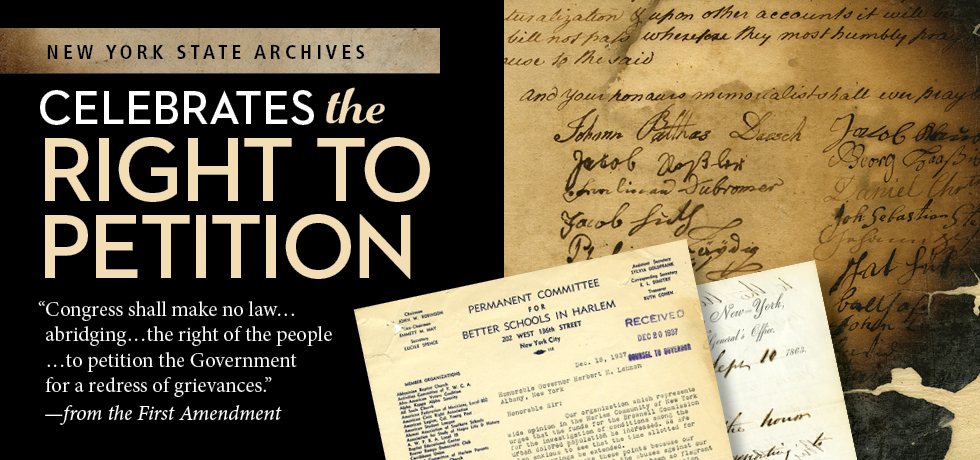
She explained that the rest of the First Amendment states “…and to petition the Government for redress of grievances,” and that in this case, with the reference to assemble, it means to convene government to make them repair their wrong doings as written out. Or, in other words, the right to assemble means the right to convene their government and to read the written transgressions and to fix it.
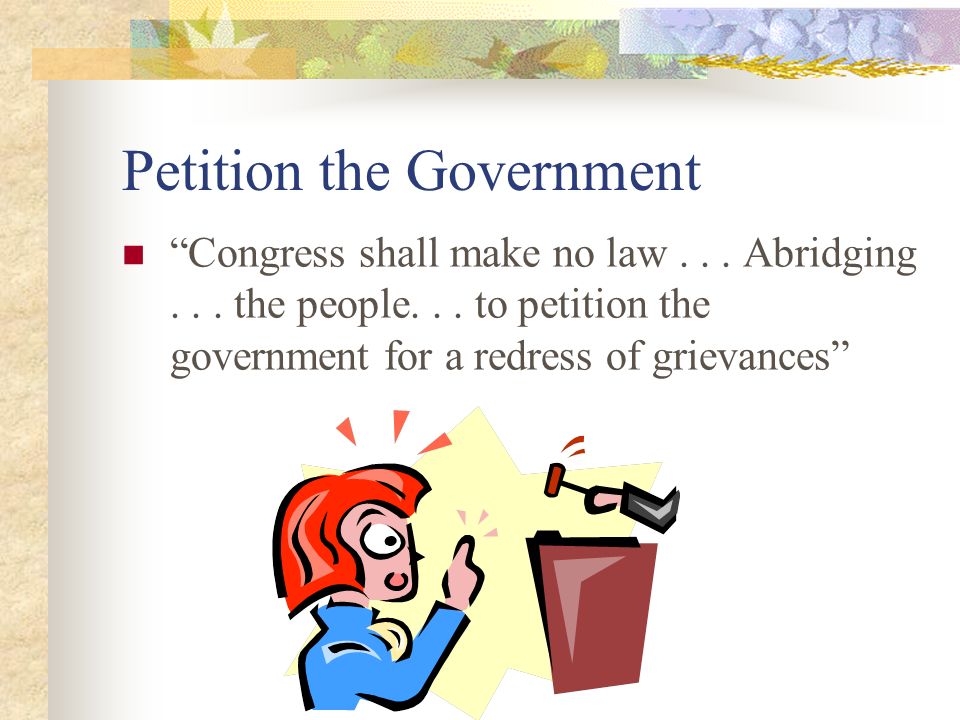
She said petition does not mean just a bunch of signatures.
It can have a bunch of signatures on it, but it’s really a handwritten document that outlines the grievances to be fixed.
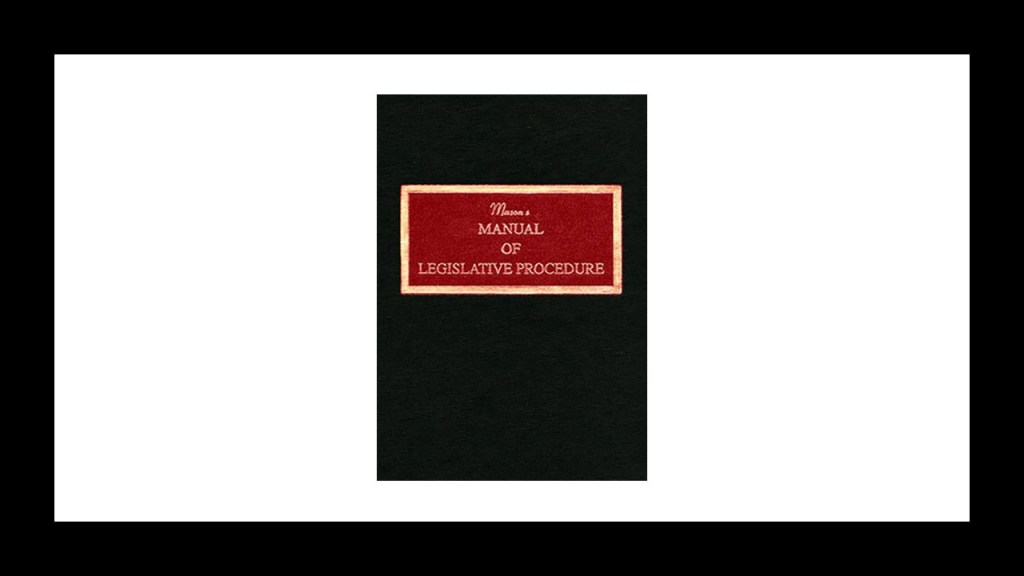
She said this is also part of the government’s process in their own manual, “Mason’s Manual of Legislative Procedure.”
“Mason’s Manual” has been adopted by the Federal Government and by most State Houses as the official parliamentary authority, covering for legislatures things like motions; vote requirements; and rules of order.
It was first published in 1935 by Paul Mason, a scholar who worked for the California State Senate
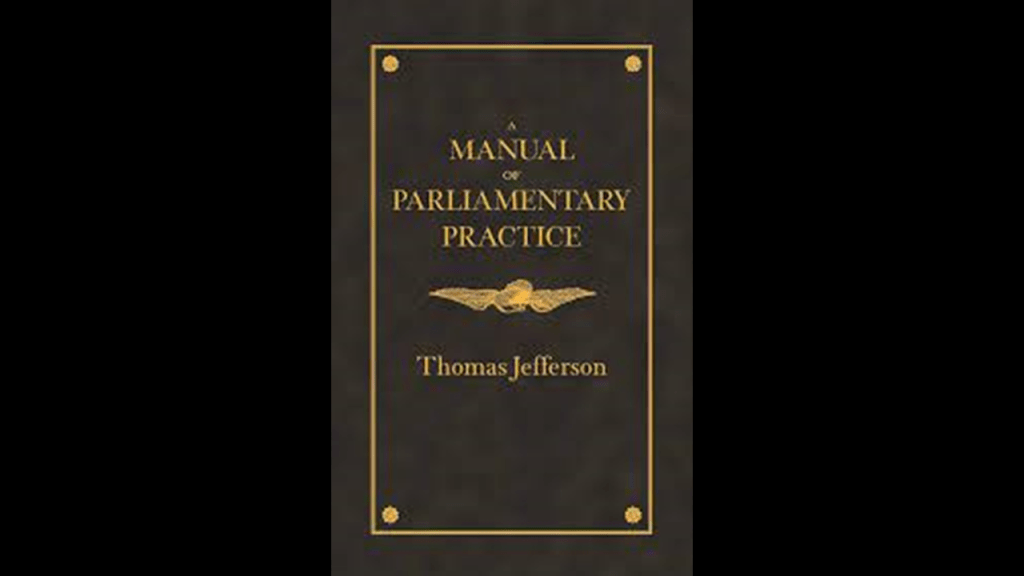
She said there are a few states that have adopted Jefferson’s Manual which refers back to the plain language of the Bill of Rights.
She said everything that we’re talking about here is under Common Law, and that Admiralty Law can play musical chairs with the language and words, but Common Law cannot…
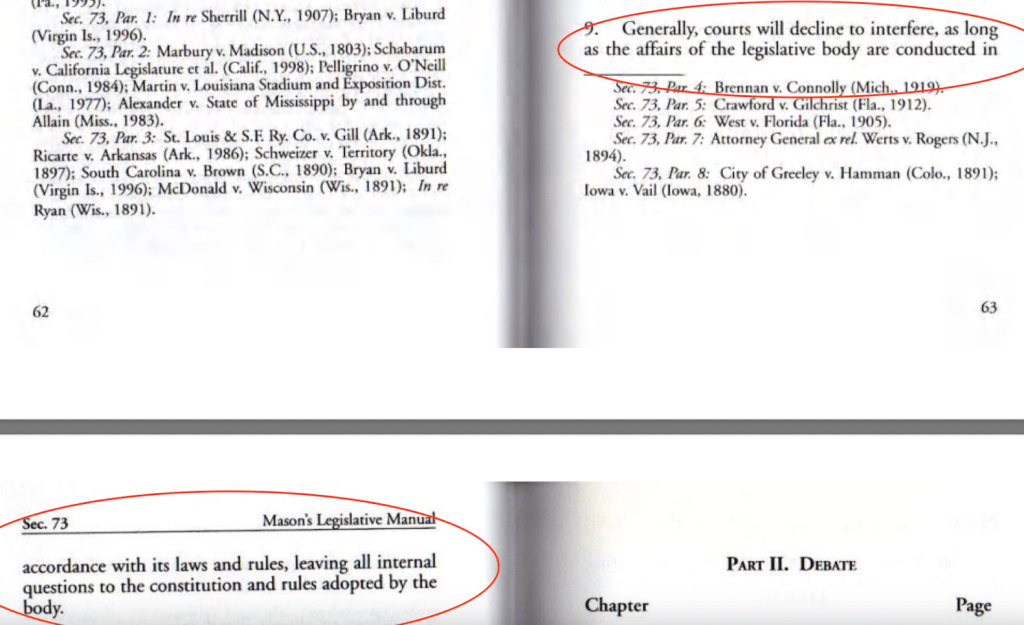
…and no courts shall come between the people and their government.
She said that State Legislators have subject matter jurisdiction over elections, elections are subject to the First Amendment and to Mason’s Legislative Practices.
And if even one Legislator makes it to the floor of the State Legislature with a handwritten petition for redressing grievances regarding an election, it would have to be validated or redone.

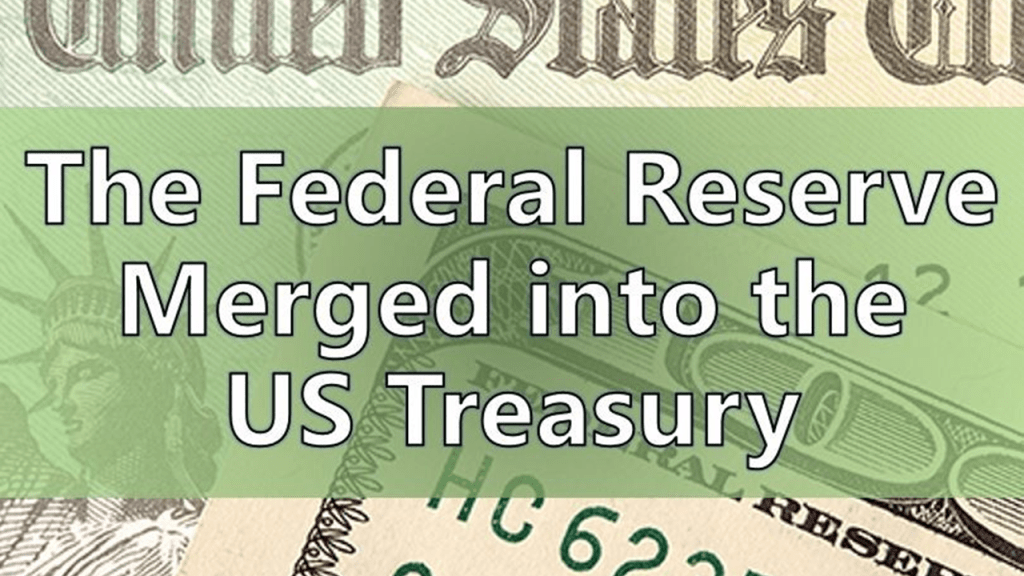
MJ indicated a turning point occurred during the Trump Administration, when Federal Reserve was rolled into the Treasury in March of 2020.
Prior to 2021, the government corporation (state or city) would write a bill and send it to the Federal Reserve to be funded.
Every dime of our tax money would go to the Feds to repay the debt, with interest.
As this stopped, the shell companies for all state and federal programs and government corporations started getting generated in mass.
In order to keep the money coming in, they have to create false programs and run the money through shell companies.
On the books, it looks like the money went to a vendor of the program, but essentially it went to the Corporation Service Company.
As the Treasury Department is not part of the Corporation, the government of the United States Corporation government can’t touch it.
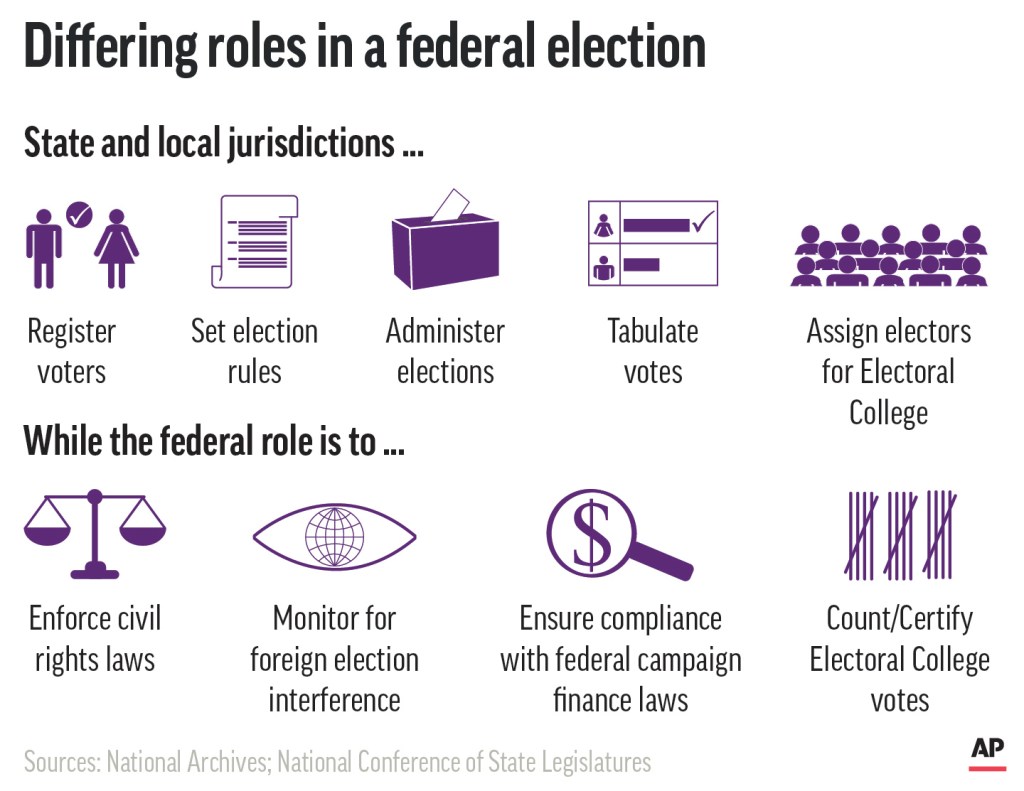
She said this is how to define what belongs to the Corporation Service Company. and what belongs to the Republic, or falls under common law.
Most county seats are in the Republic, not under the corporation.
The courts are an exception to this as they are owned by the BAR.
The Treasury, Military, Sheriffs and US Marshals belong to the Republic.
Everything else is owned or was owned by the Corporation Service Company.

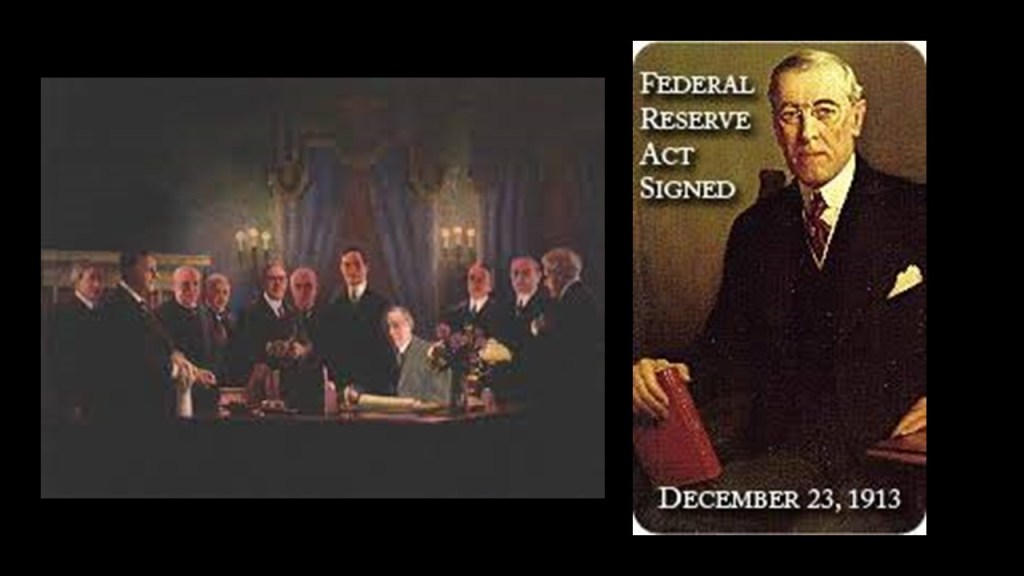
The National Debt belongs to the Corporation Service Company because the Federal Reserve was signed into law in 1913 by President Woodrow Wilson under the Corporation.
The national debt of over $32-trillion belongs to them, which has never been repaid.
Since the Corporation Service Company has not repaid their debt, they reorganized as CSC Global.
She said neither the States nor the “Federal Government” are linked to this new entity.

The Corporation Service Company and its new CSC Global are owned by WMB Holdings, Inc.
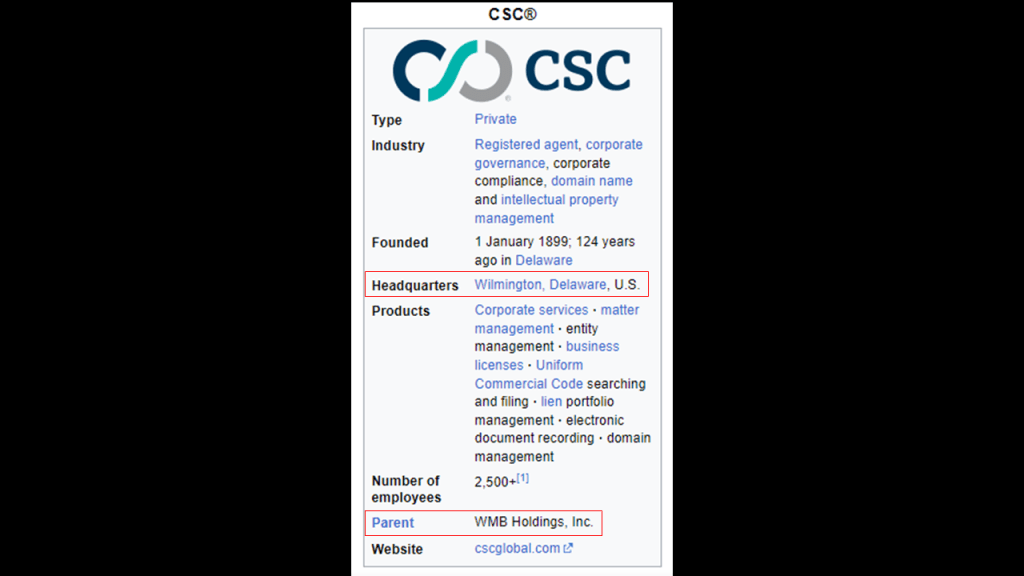
She said all roads lead back to Delaware, and that if you find an address on 251 Little Falls Drive, Wilmington, Delaware, it is CSC/WMB holdings.
So let’s talk now about good reason to believe there is for great hope for our future instead of despair from the past.
Is there something new happening?

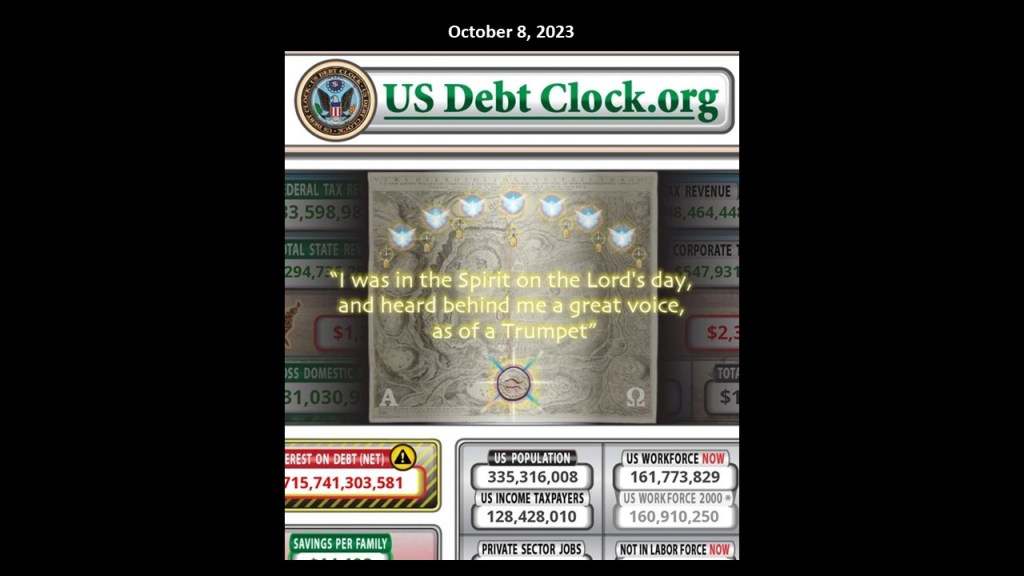
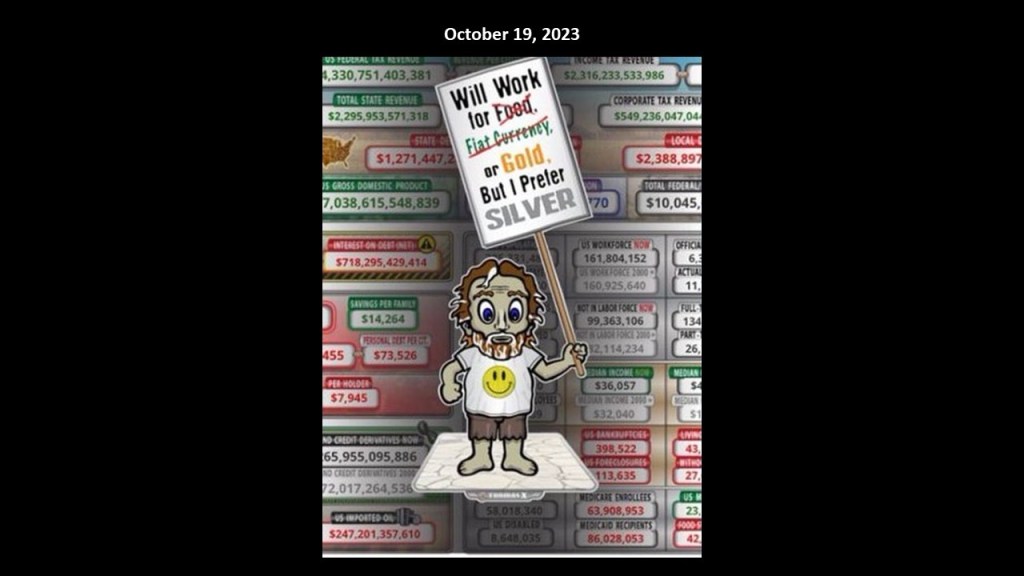
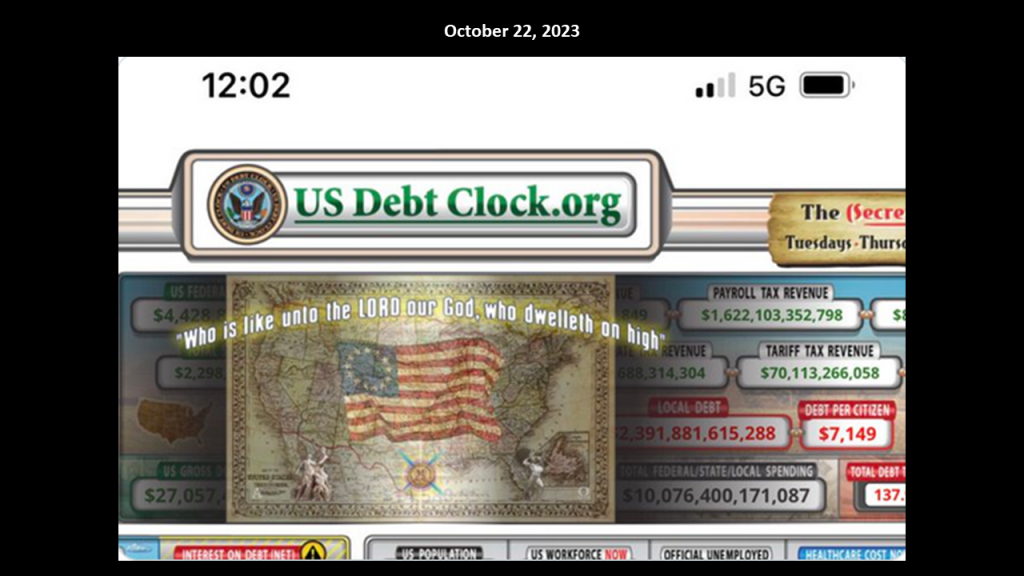
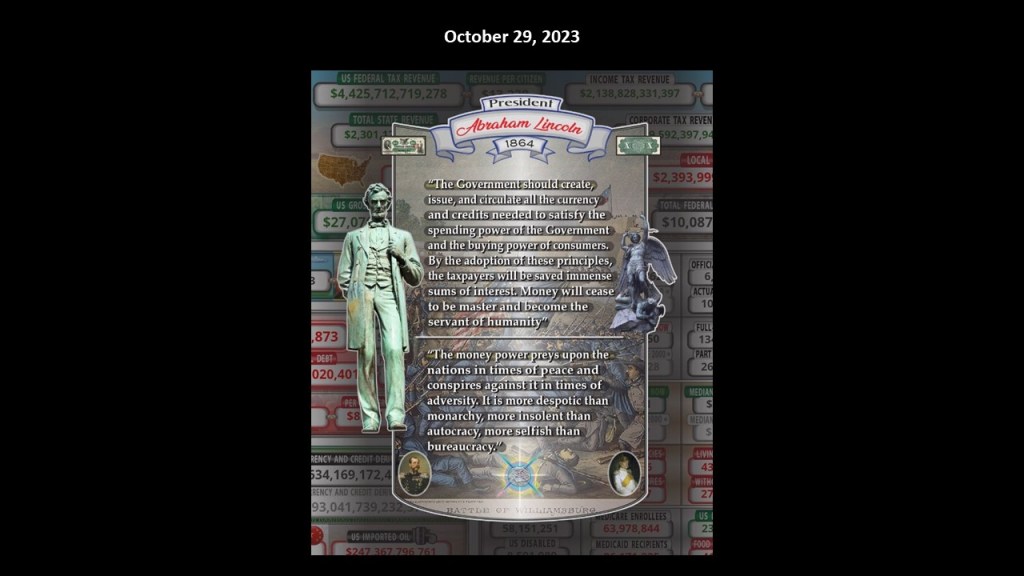
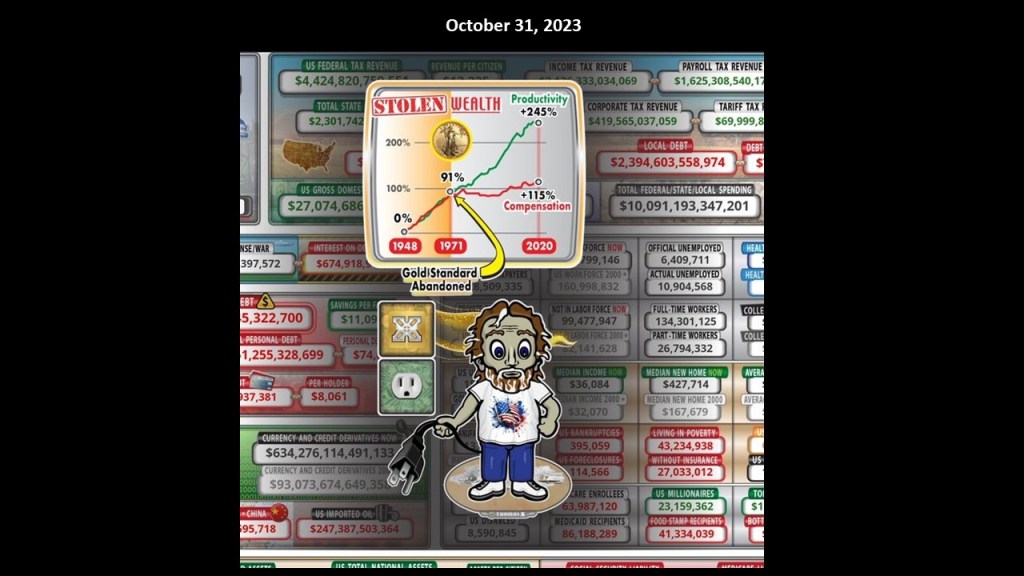
It’s very interesting to note that since the beginning of October, there have been secret windows appearing on the U. S. Debt Clock.

This was the first message to appear in a secret window, on October 1st of 2023.
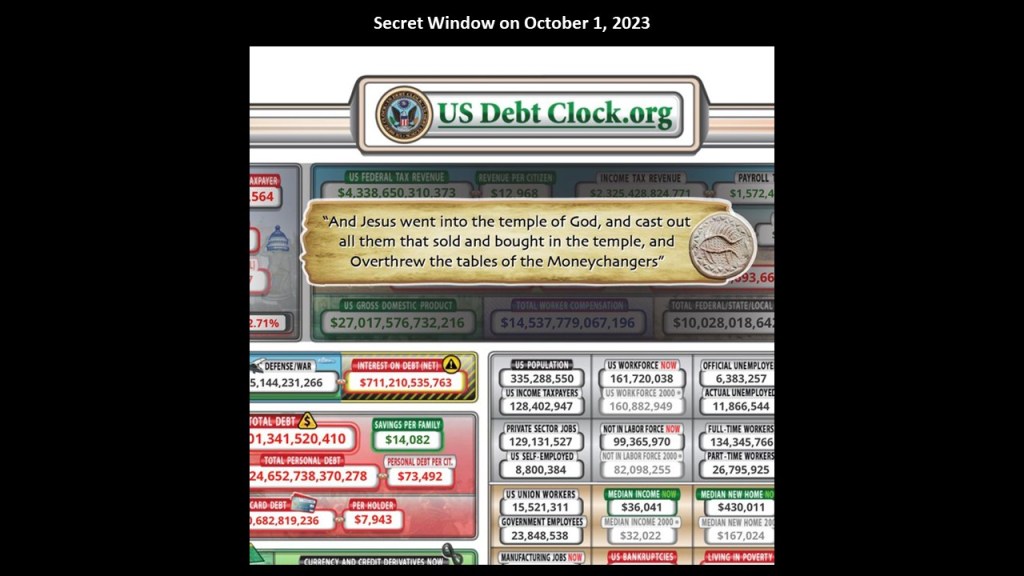
Here are more examples of the debt clock’s “Secret Window” messages.
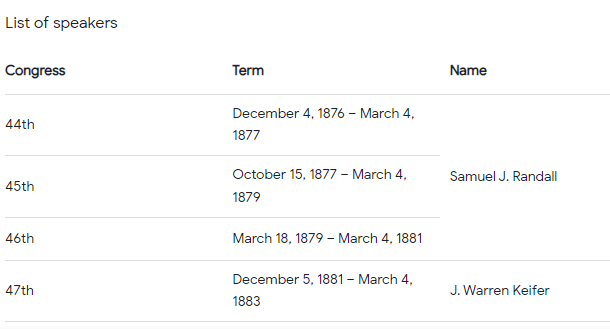
Recently, Rep.Steve Scalise introduced Rep. Mike Johnson as the 45th Speaker of the House.
But wouldn’t Rep. Mike Johnson be the 56th House speaker, elected to the 118th Congress?
45th does not sound like 56th.

1876 was the 44th house speaker.
Could it be possibly be true that events have been set in motion to return the United States to the gold standard and restore original Republic?
Now wouldn’t that be something!
If this is true, I, for one, am so ready for a new beginning!
How about you?