Circle Alignments on the Planet Washington, DC – Part 24 Biloxi, Mississippi to Montgomery, Alabama

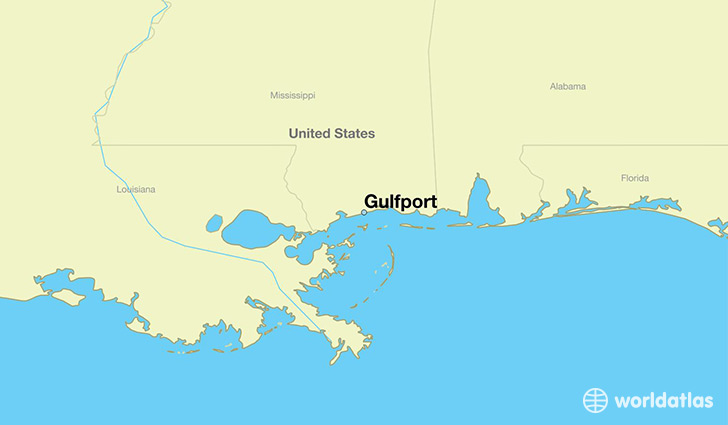
In the last post, I tracked the circle alignment from New Orleans, on the Mississippi River in the southeastern part of Louisiana; across Lake Pontchartrain to Slidell in St. Tammany Parish; to Gulfport on the Gulf of Mexico coast, and the second-largest city in Mississippi after the state capital, Jackson.

I am picking up the alignment in Biloxi, part of the Biloxi-Gulfport Metropolitan area, and a county seat of Harrison County, along with Gulfport.

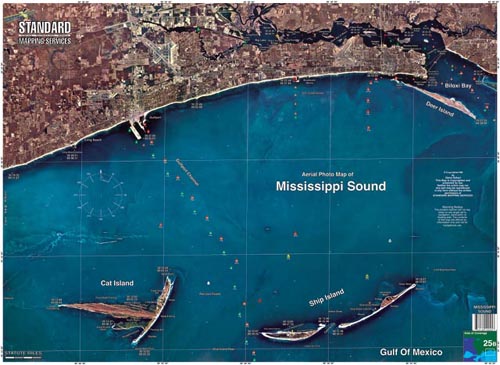
Its beachfront lies directly on the Mississippi Sound. A sound is defined as a large sea or ocean inlet.

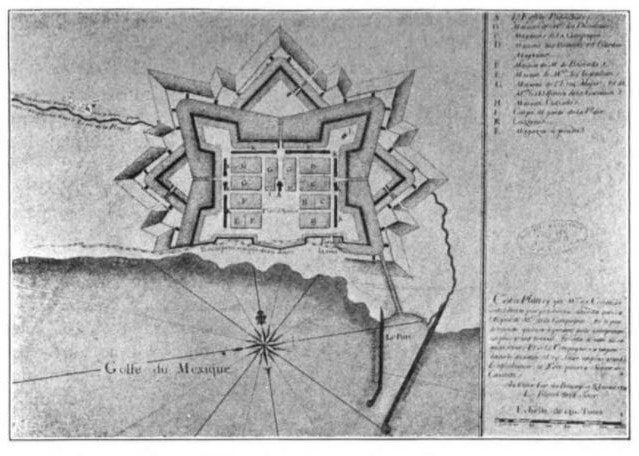
Fort Maurepas, also called Old Biloxi, and was located at present-day Ocean Springs, approximately 2-miles, or 3.2-kilometers, east of Biloxi. It was said to have been developed by the French in 1699, and we are told it burned down around 1722.

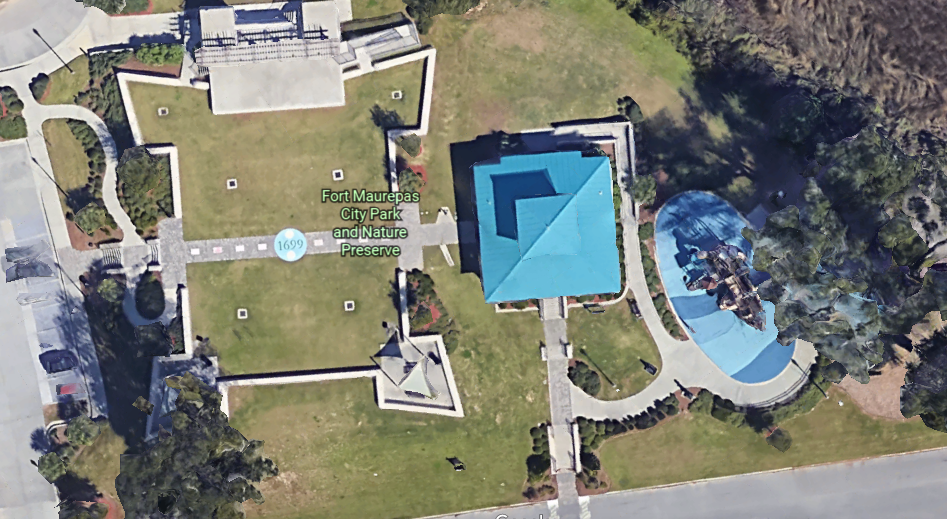
This is Fort Maurepas City Park and Nature Preserve today, which has a pavilion, large green space, playground equipment, and a splash pad.

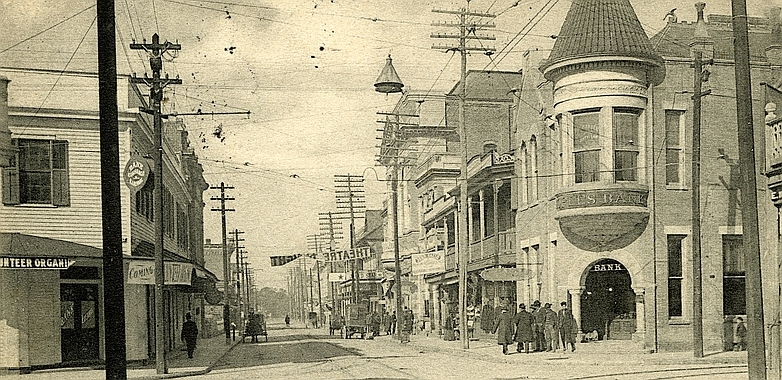
This is an historic view of Howard Street at Lemeuse Street in Biloxi…

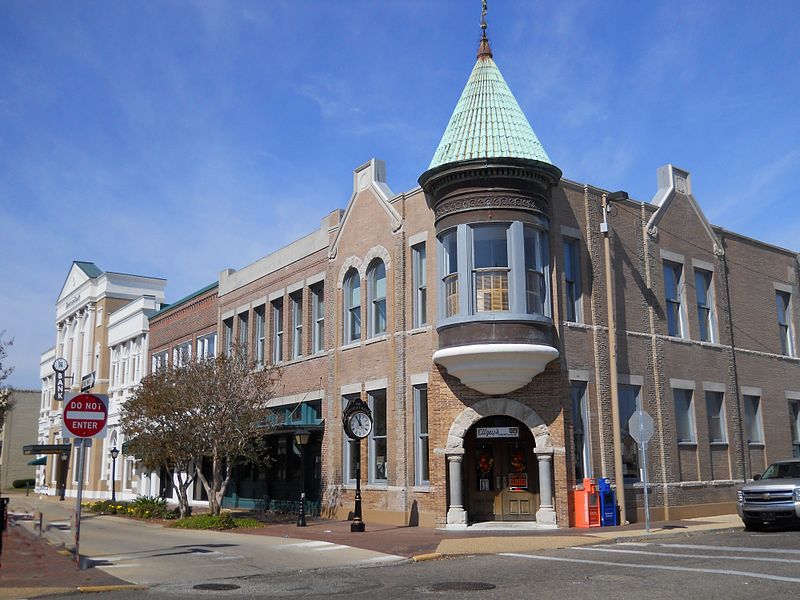
…and Howard Street at Lemeuse today. I find the copper turret, arches, and columns in this photo to be noteworthy.

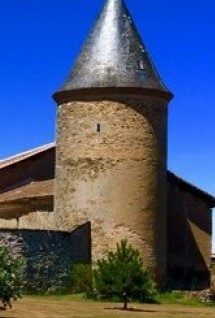
For comparison, here is a turret from Calpe, Spain on the Mediterranean Costa Blanca. Not identical, but similar in shape.

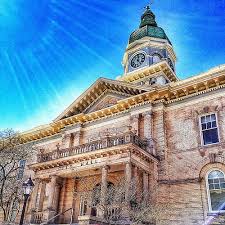
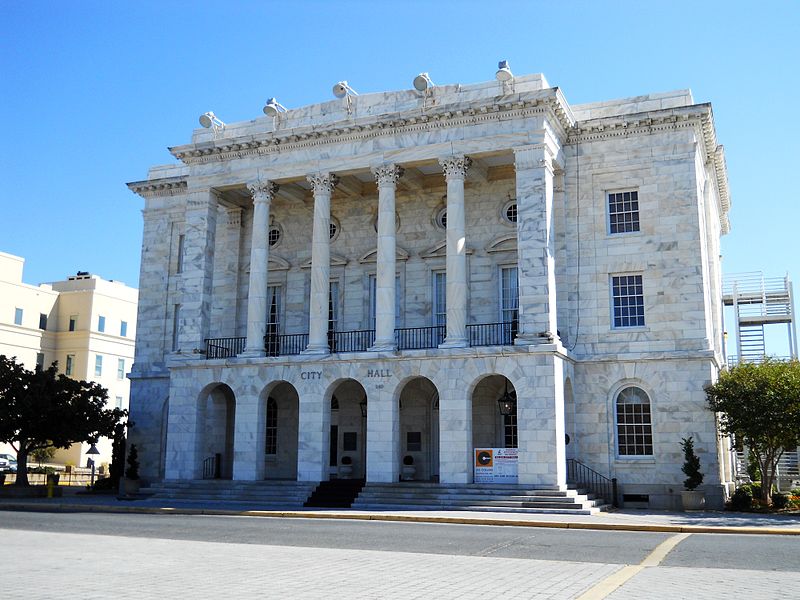
The City Hall in Biloxi also serves as the Post Office, Courthouse, and Custom House. It was said to have been built by James Knox Taylor as the supervising architect between 1905 and 1908, with its huge columns and arches.

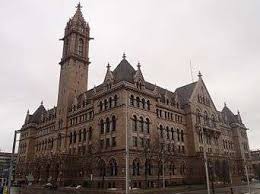
James Knox Taylor was also credited with being the supervising architect of approximately thirty other buildings between 1897 and 1912, like the old post office in Buffalo, New York, in 1901…

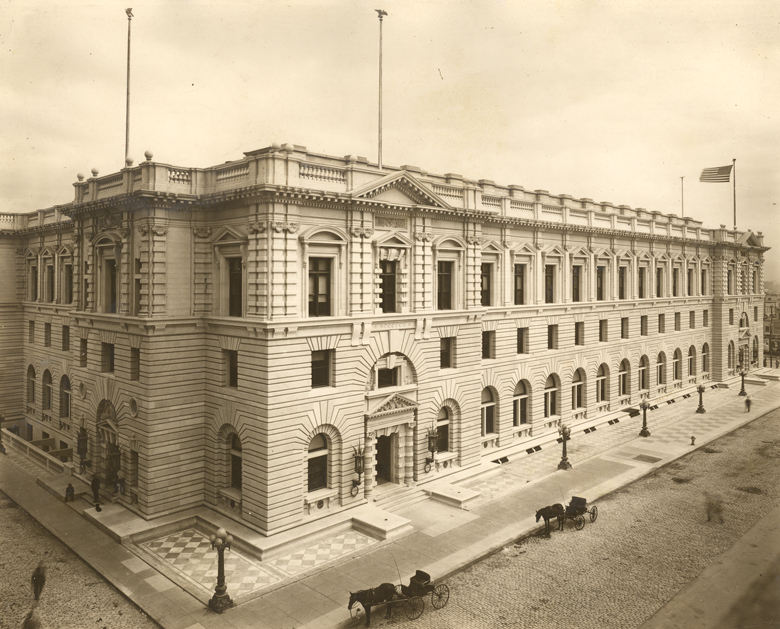
…the San Francisco post office and courthouse in 1905. This building is now the United States Court of Appeals for the Ninth Circuit.

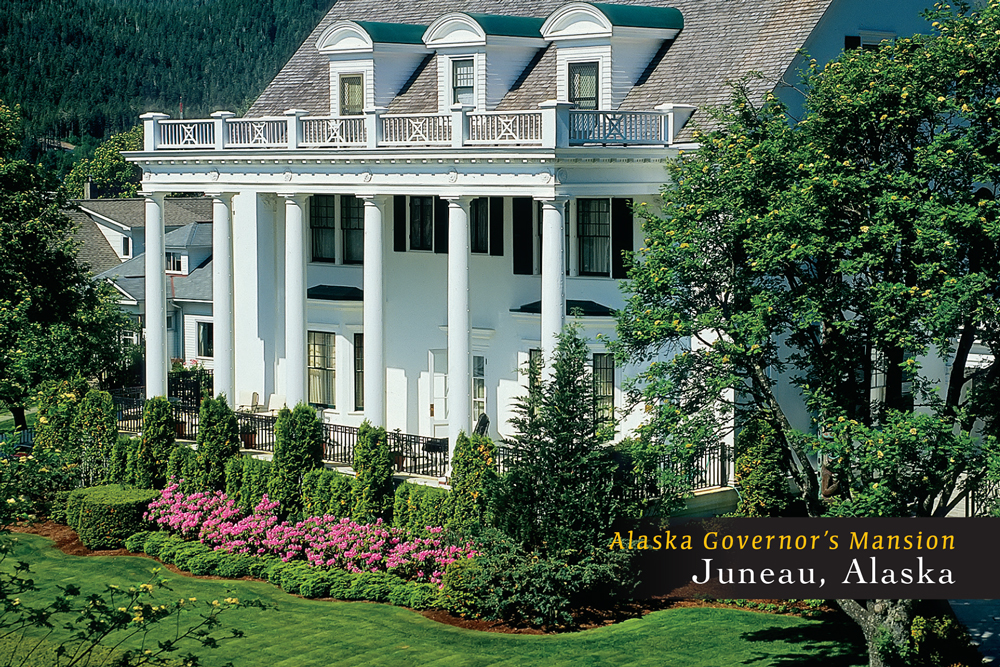
…and the Alaska Governor’s Mansion in Juneau in 1912.

We don’t question what we have been taught about who built this architecture because why would we?

Does it make sense to have the technology to build architecture like this built in this time period according to the history we have been taught?

Next on the alignment is Mobile, Alabama, the county seat of Mobile County and the principal municipality of the Mobile Metropolitan area.

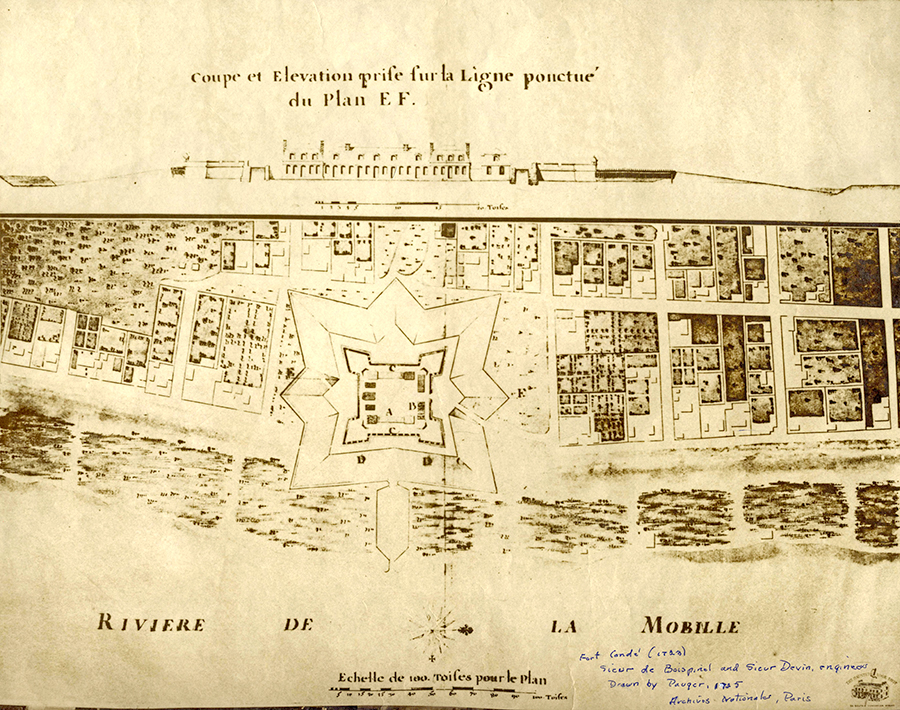
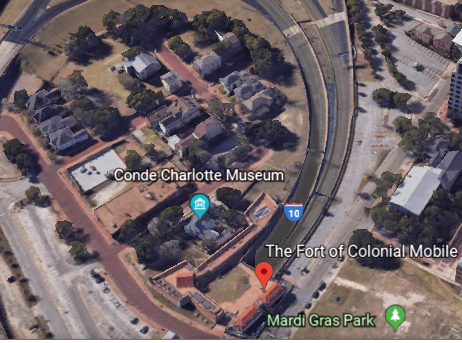
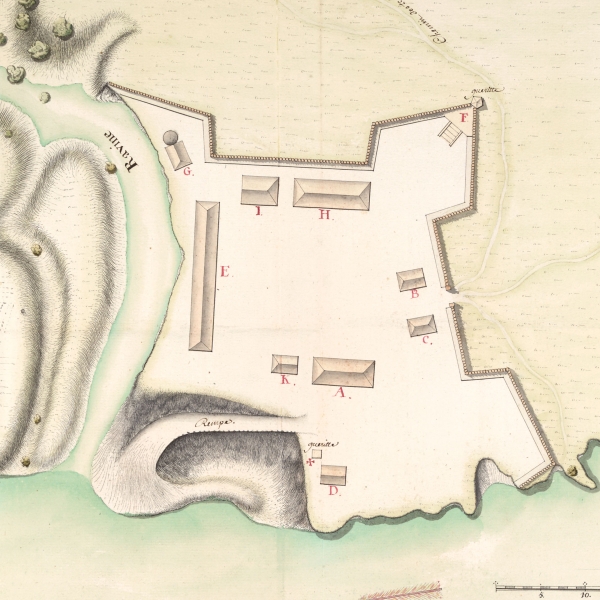
The Fort of Colonial Mobile, also known as Fort Conde, was said to have been built by the French in 1723. Here is a map depicting it in 1725.

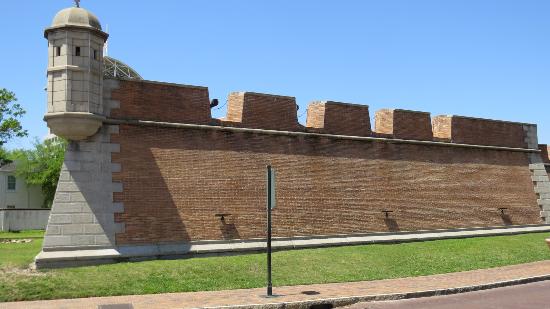
This is what Fort Conde looks like today.

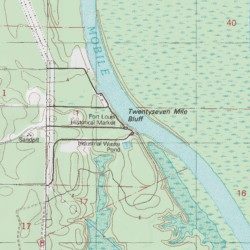
The Old Mobile site was the location of the French settlement La Mobile and the associated Fort Louis de la Louisiane, said to have been built in 1702…

…at a place called Twenty-Seven Mile Bluff on the Mobile River.

Fort Morgan is on Mobile Point at the entrance of Mobile Bay, and said to have been built between 1819 and 1834.

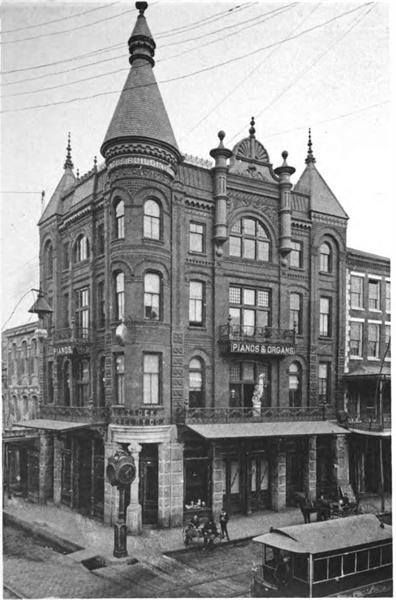
This is an 1892 photograph of the Pincus Building, also known as the Zadek Building, on the corner of Dauphin Street and Royal Street in the Lower Dauphin Street Historic District.

It was said to have been built in 1891 by local architect Rudolph Benz and first housed the Zadek Jewelry Company. When I searched, no biographical information showed up about him.

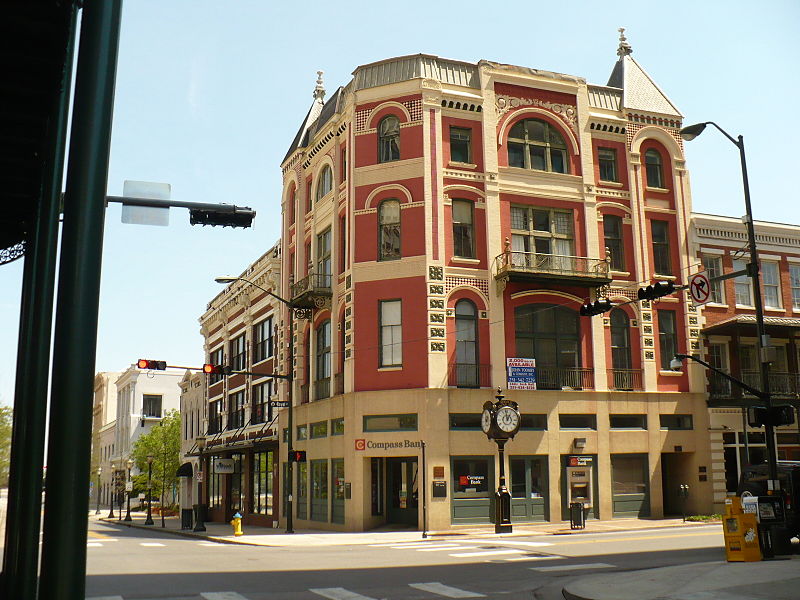
This is how the Pincus Building looks today. The original round tower and spire were said to have been removed in the 1940s.

I wonder why that was done…the original building sure looked like it was built to last forever!

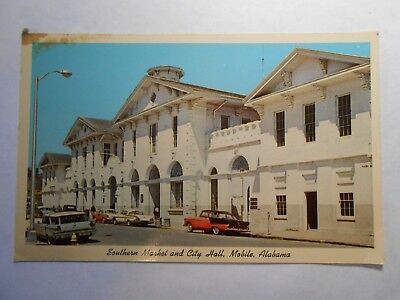
This is the Old City Hall and Southern Market in Mobile.

It was said to have been built between 1855 and 1857 as a combination city hall and marketplace for selling vegetables, meat, and fish. The architect was Thomas Simmons James. Like with Rudolph Benz, no biographical information came up when I searched for him.

It is said to be an Italianate style in design. Here is a detail of arcade ironwork at the Old City Hall…

…and an octagonal cupola crowning the central section.

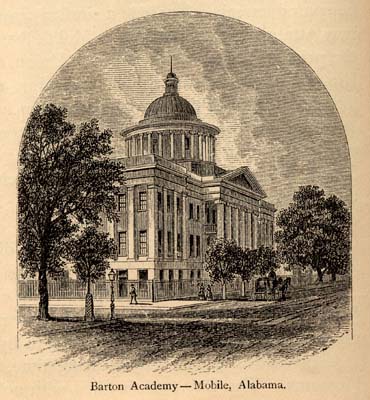
This is the Barton Academy, the first public school in Alabama said to have been built between 1836 to 1839, and to have been designed by James Dakin, Charles Dakin, and the New Orleans architect, James Gallier.

So, how are they building buildings of this size and complexity in the 1830s, according to the history we have been taught? And for a public school?

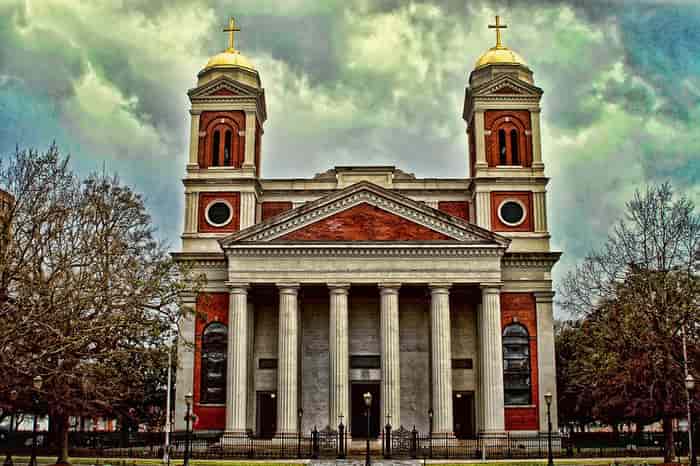
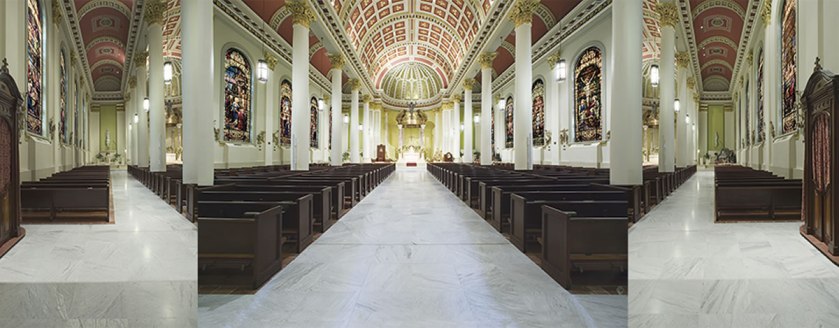
The Cathedral Basilica of the Immaculate Conception was said to have been designed by Claude Beroujon, a seminarian turned architect, and built between 1835 and 1850.

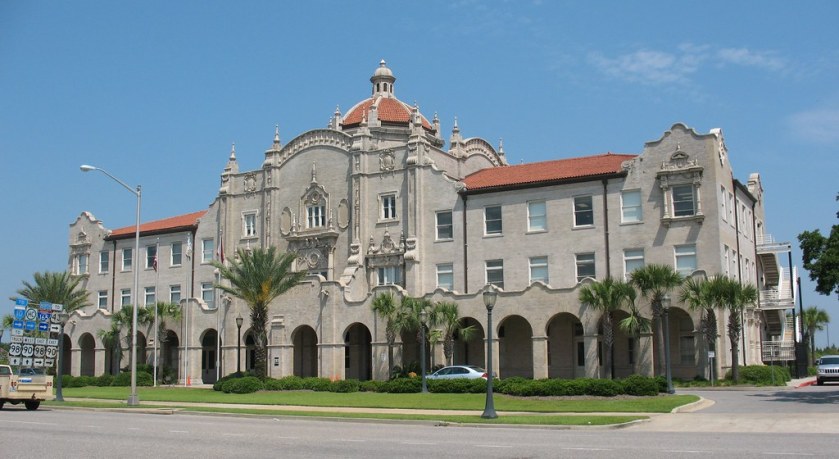
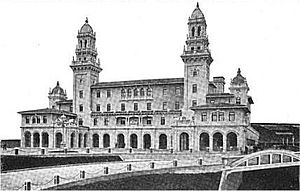
This is the Passenger Terminal of the Gulf, Mobile and Ohio Railroad. It was said to have been completed in 1907, and designed by P. Thornton Marye.

He is also credited with being the architect for such buildings as the Atlanta Terminal Station, which opened in 1905, and was demolished in 1972…

…and the Birmingham Terminal Station, said to have been completed in 1909, and demolished in 1969.

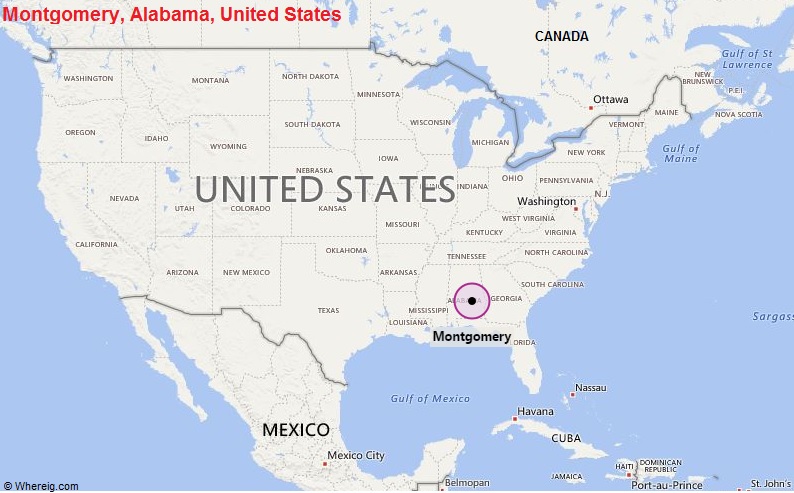
Next on the alignment is Montgomery, the capital city of Alabama.

Montgomery is named for Richard Montgomery, an Irish soldier first serving in the British army, who later became a Major General in the Continental Army. He was most famous for leading the unsuccessful 1775 invasion of Canada, where he was killed.

It is interesting to note that a major general who was killed during battle in an invasion that was unsuccessful would have so many places named after him. I grew up in Montgomery County, Maryland, which was named after him as well.

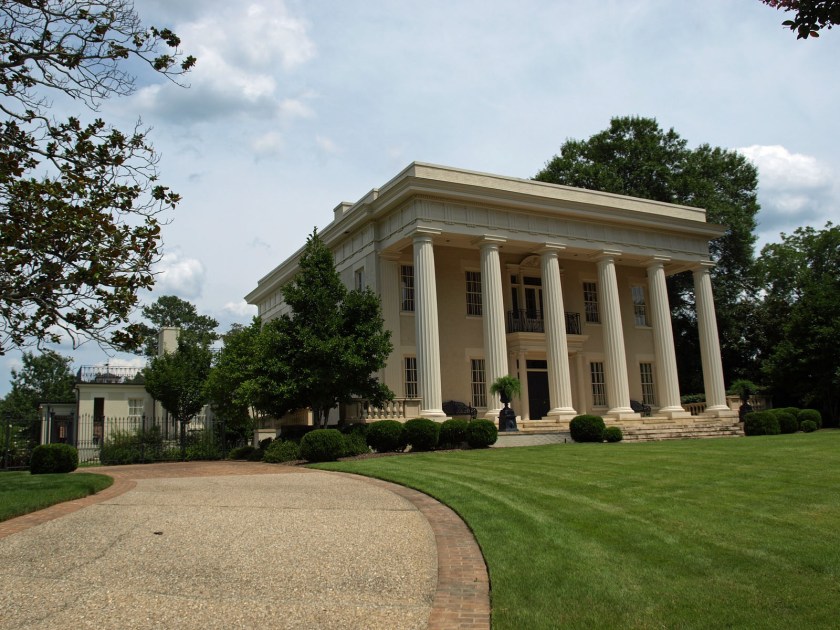
This is the Alabama State Capitol Building in Montgomery, said to have been built from 1850 to 1851. They were building massive architecture like this 10 years before the start of the American Civil War? And it only took them a year to build?

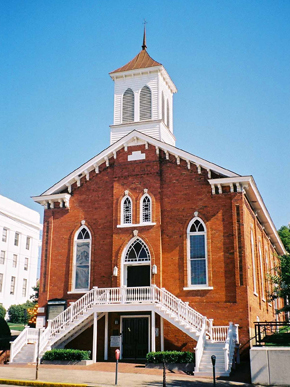
The capitol building is located on top of one end of Dexter Avenue, along which also lies the Dexter Avenue Baptist Church, where Martin Luther King Jr. was pastor.

Both of these buildings are recognized as National Historic Landmarks by the U. S. Department of the Interior.

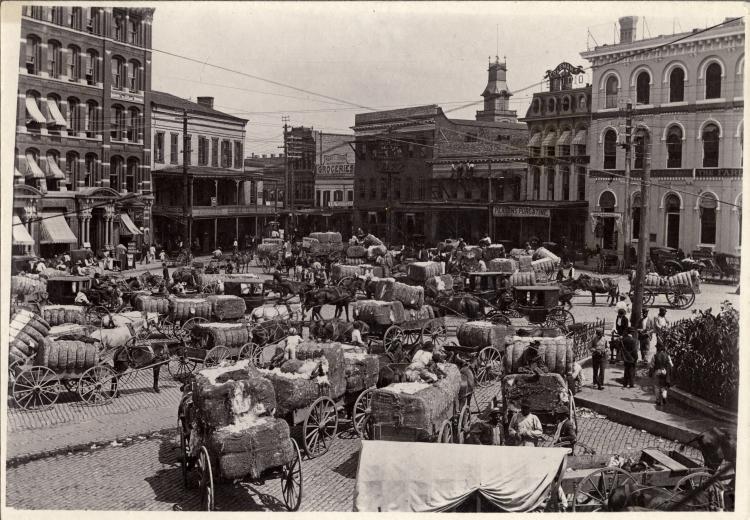
This is a view of the cotton marketing in Montgomery circa 1900. Note the contrast of the rudimentary horse and buggies with the architecture in the square pictured here.

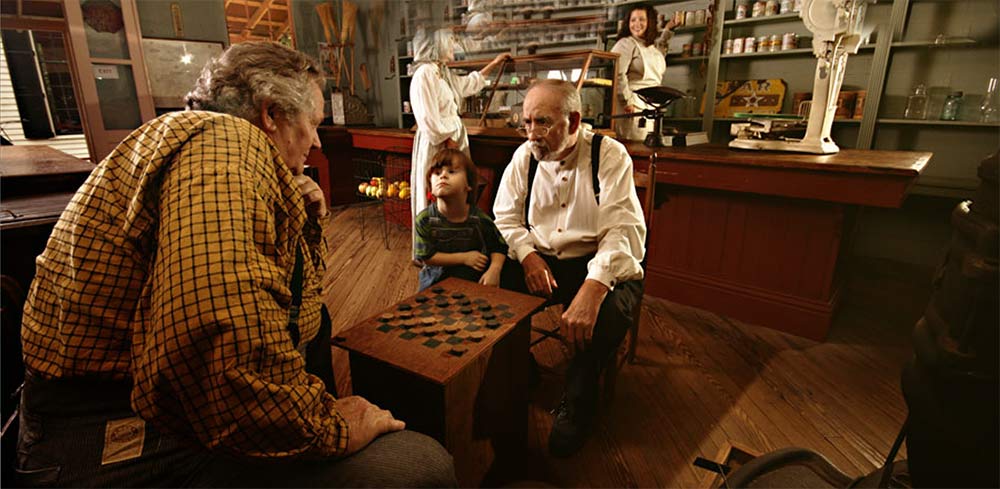
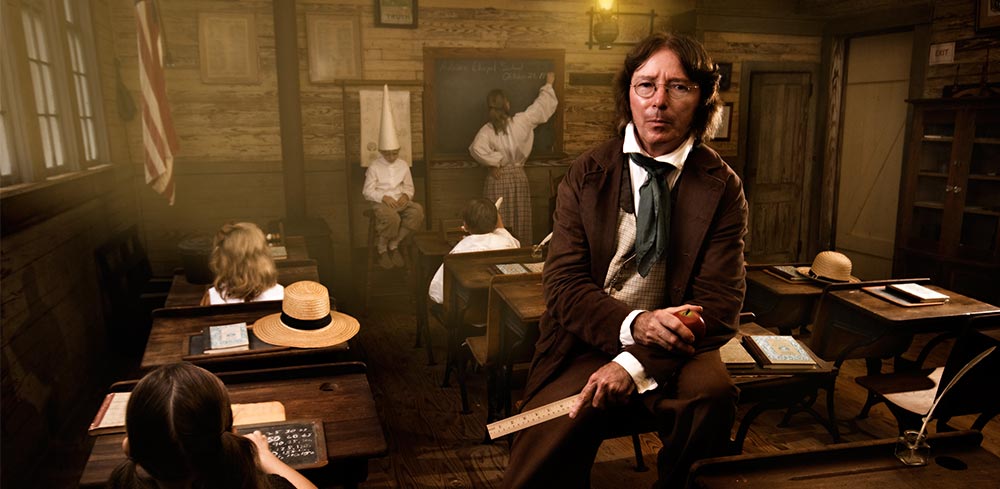
The images we are conveyed historically via literature, movies and television are like these photos from Old Alabama Town in Montgomery.

The architecture from earlier time periods in American history doesn’t match up with the historical narrative.

We have had television shows like “Little House on the Prairie” and “Dr. Quinn, Medicine Woman” informing us about what life was like in the 1800s just like in these pictures from Old Alabama Town. It does not include anything about the monumental architecture that is attributed to the same time period.

Montgomery was said to have had the first city-wide system of electric streetcars in 1886, known as the “Lightning Route.”

For some reason it only operated for 50 years, when in 1936, the streetcars were retired in a big ceremony and replaced by buses. Sounds like a step backwards to me!

The Garden District is a 315-acre, or 127-hectare…

…historic district in Montgomery…

…that has been on the National Register of Historic Places since 1984.

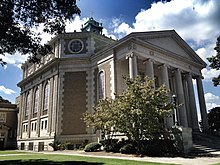
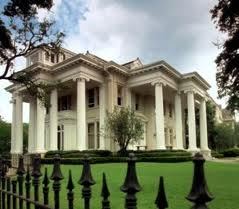
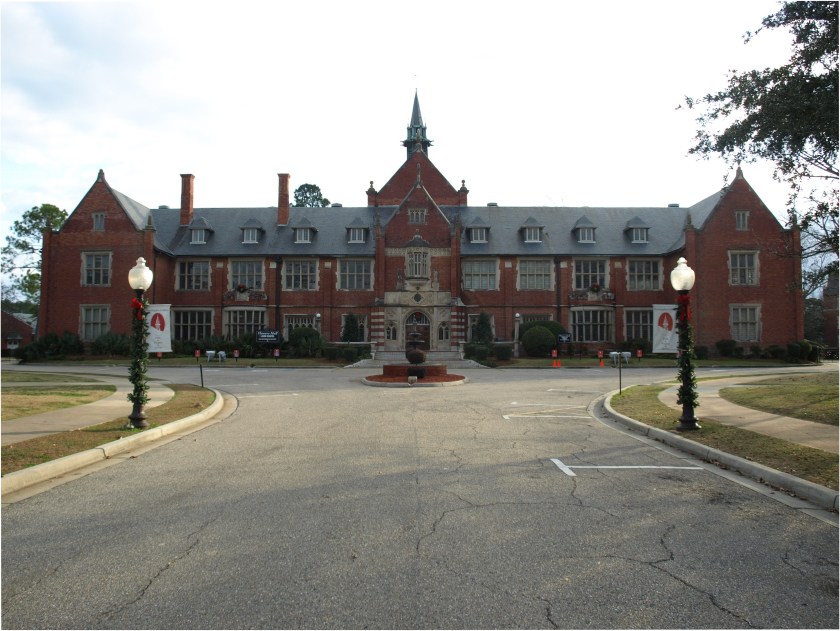
The Cloverdale Historic District of Montgomery includes Huntingdon College, a private Methodist Liberal Arts College, which was established in 1854 first as a women’s college, and this building, Flowers Memorial Hall, was said to have been completed in 1910.

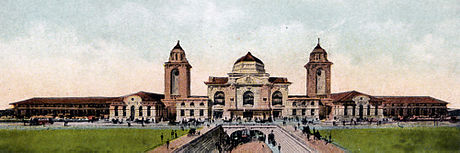
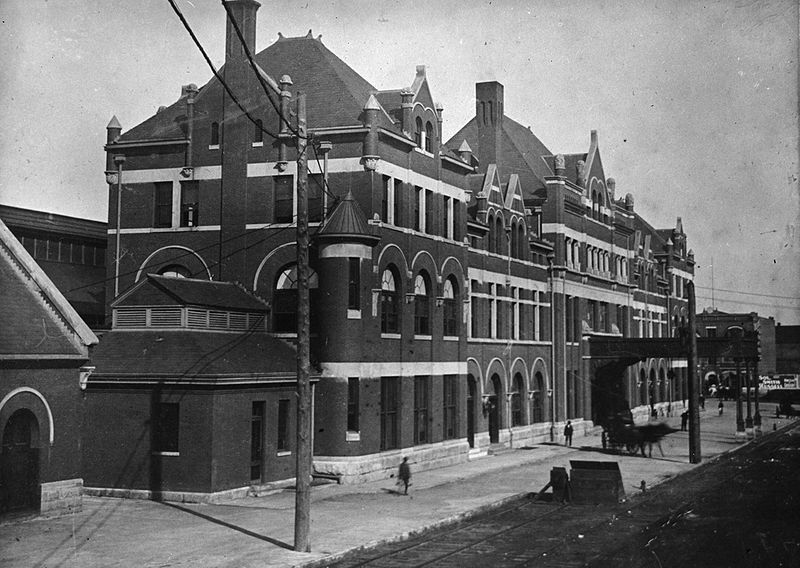
This is an historic photo of the Montgomery Union Station, said to have been built in 1898.

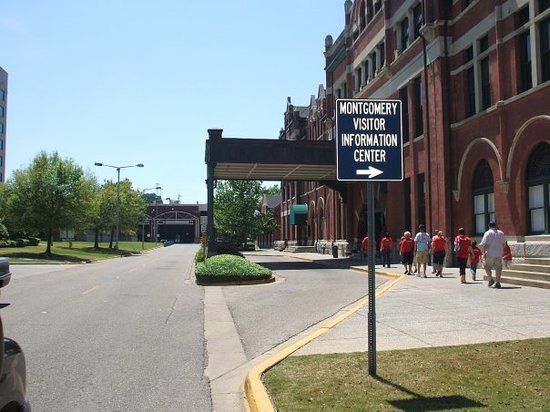
It was stopped being used as a railroad station in 1979, but at least the building is still standing and is utilized as the Visitors Center for Montgomery and commercial space for businesses.

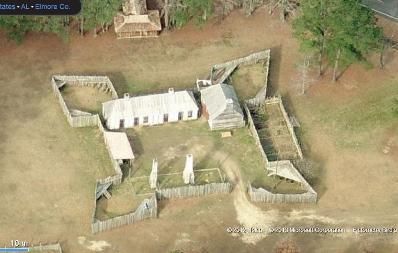
Fort Toulouse is an historic park near Wetumpka, Alabama, and is considered part of the Montgomery Metropolitan area. This is said to be a replica of the original fort.

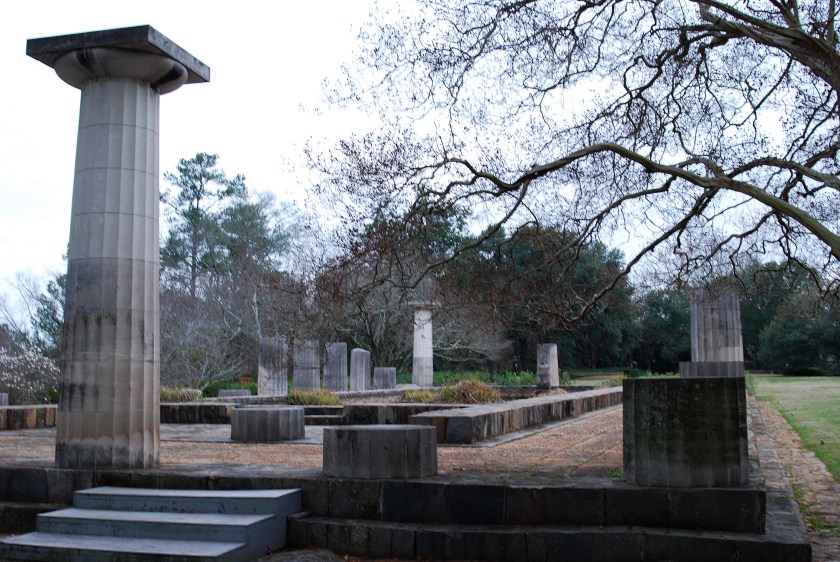
In Wetumpka, there is a place called the Jasmine Hill Gardens which is said to have full-size replica of the ancient Temple of Hera in Olympia, Greece.

Must be a replica, right? There couldn’t possibly have been anything like this already here based on the history we have been taught!

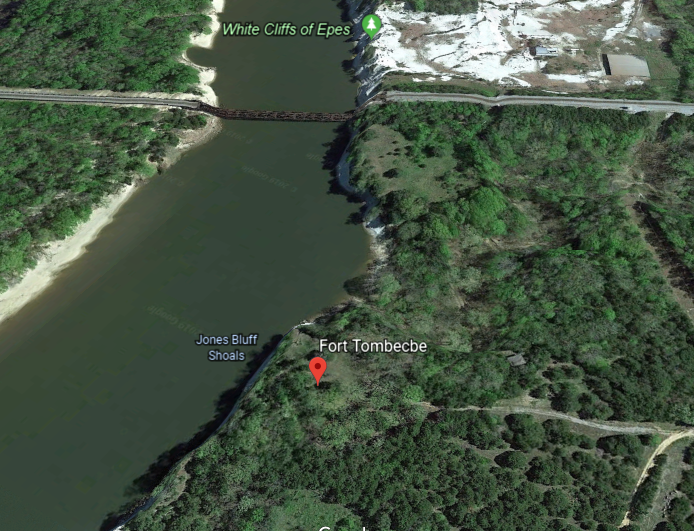
West of Montgomery, at Epes in Sumter County, Alabama, was Fort Tombecbe on the Tombigbee River, said to have been built by the French between 1736 and 1737 as a trading post.

The original structure is pretty much not there anymore…

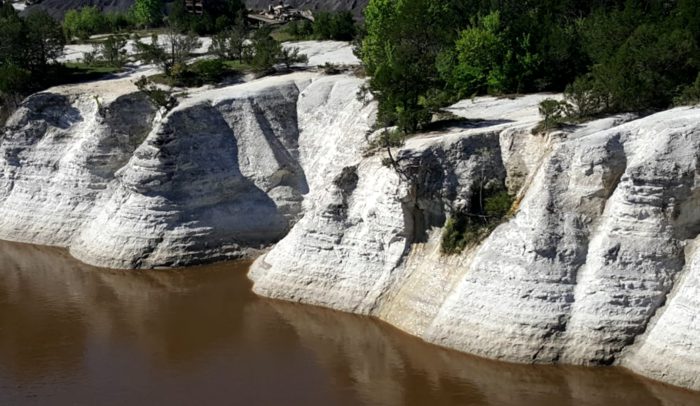
…and is located just downriver from the White Cliffs of Epes in rural Alabama.

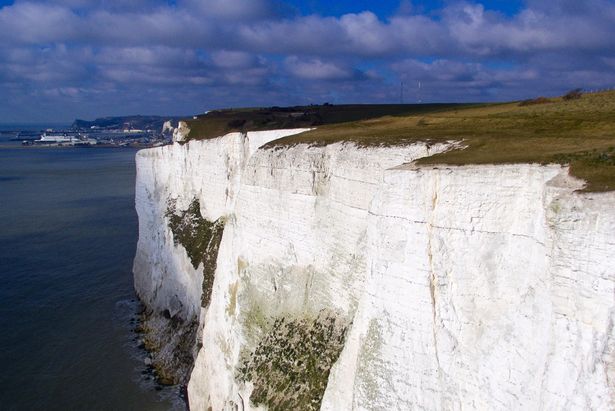
The infinitely more famous White Cliffs of Dover are a landmark of England.

I will end this post here, and pick up the alignment in the next post in Atlanta, Georgia.

Circle Alignments on the Planet Washington, DC – Part 23 New Orleans, Louisiana to Gulfport, Mississippi

In the last post, I tracked this circle alignment from Port Isabel, on the Gulf Coast of Texas near Brownsville; across South Padre Island; over the Flower Garden Banks Marine Sanctuary in the Gulf of Mexico; into Louisiana at Terrebonne Parish; and ending at Houma, the Parish Seat of Terrebonne Parish.

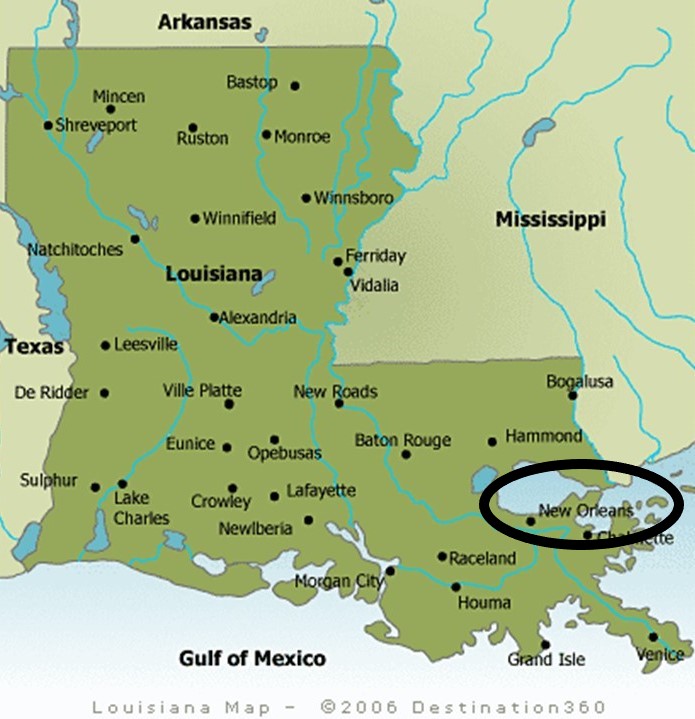
I am picking up the alignment in New Orleans, a consolidated City-Parish located along the Mississippi River in the southeastern part of Louisiana.

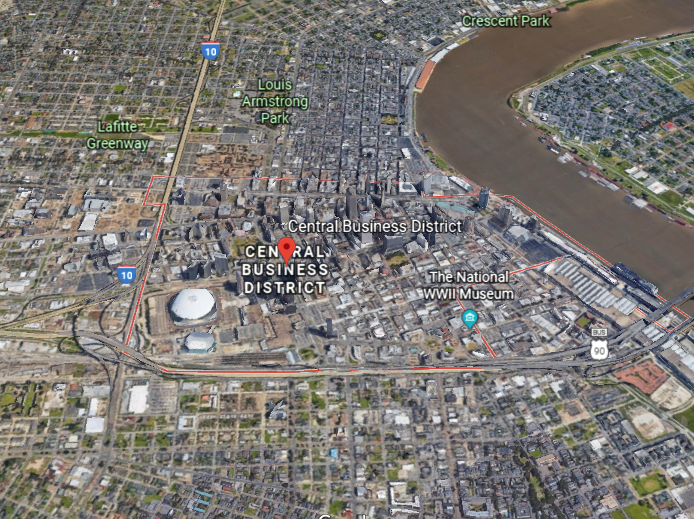
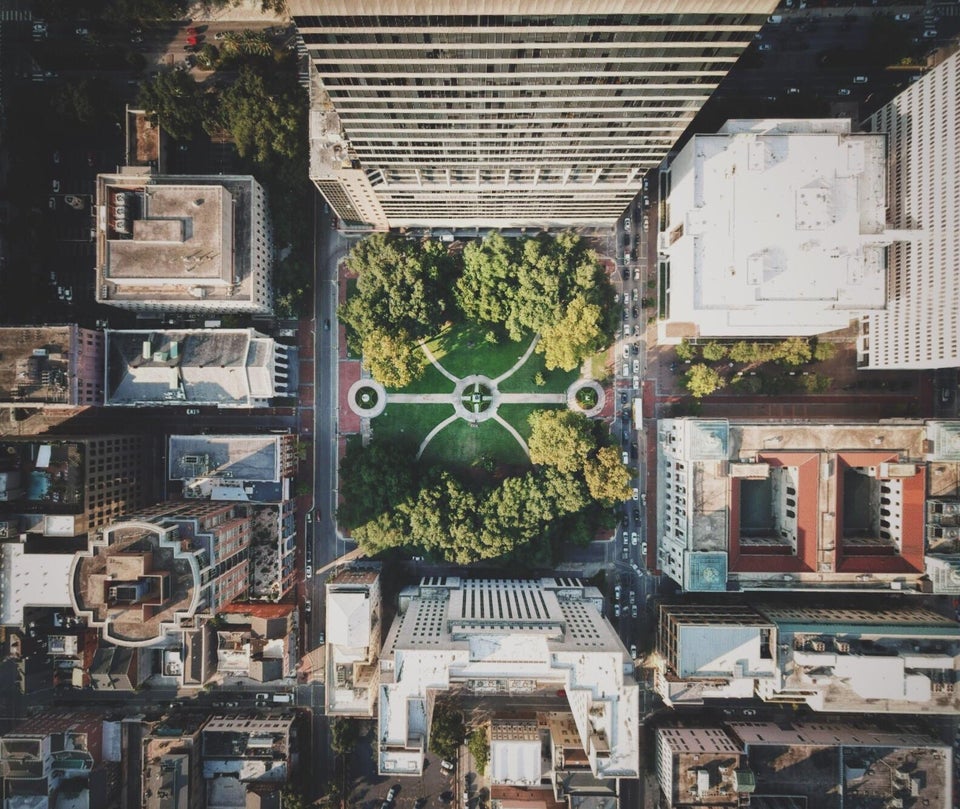
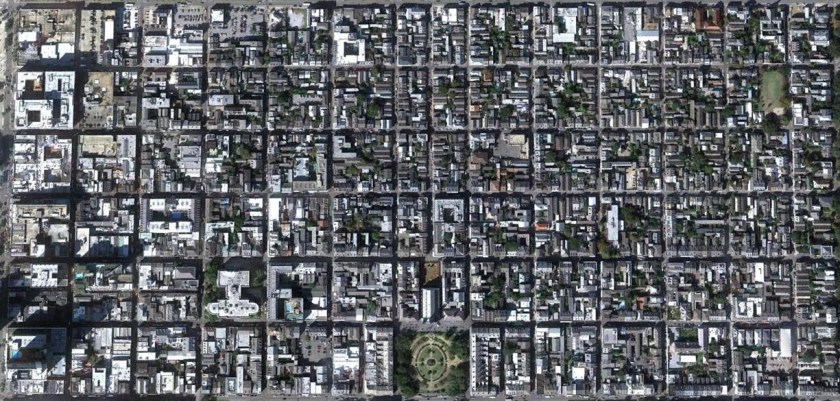
The Central Business District of New Orleans is immediately north and west of…

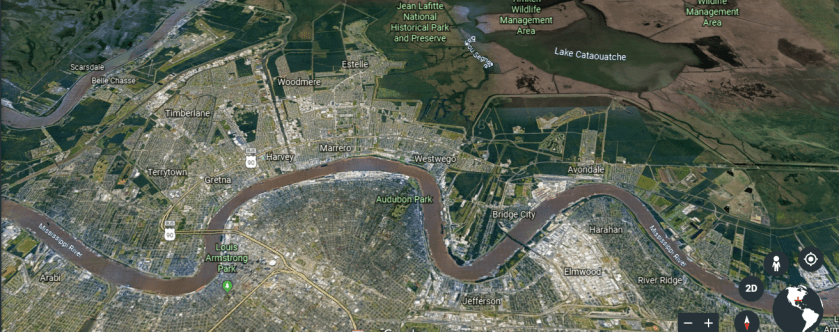
…the snaky, s-shaped river bends of the Mississippi River winding through New Orleans.

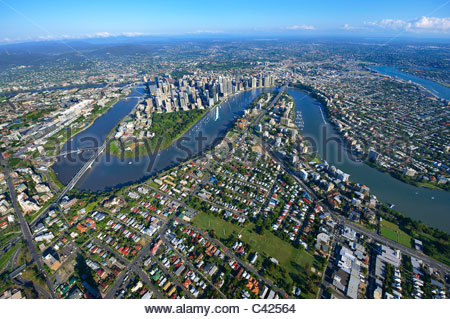
Again, I see this signature feature of the ancient civilization around the world, like the Brisbane River as it goes through Brisbane, Australia…

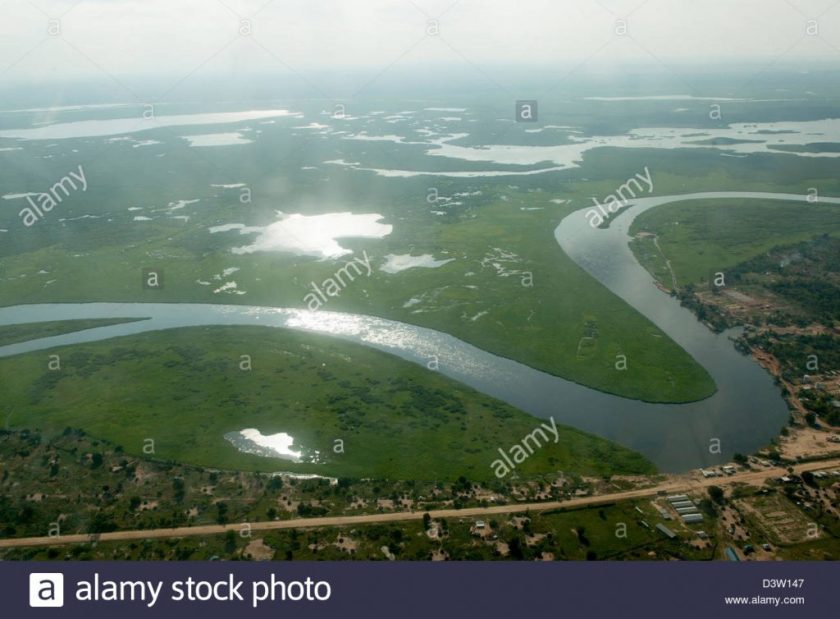
…the Nile River at Juba in South Sudan…

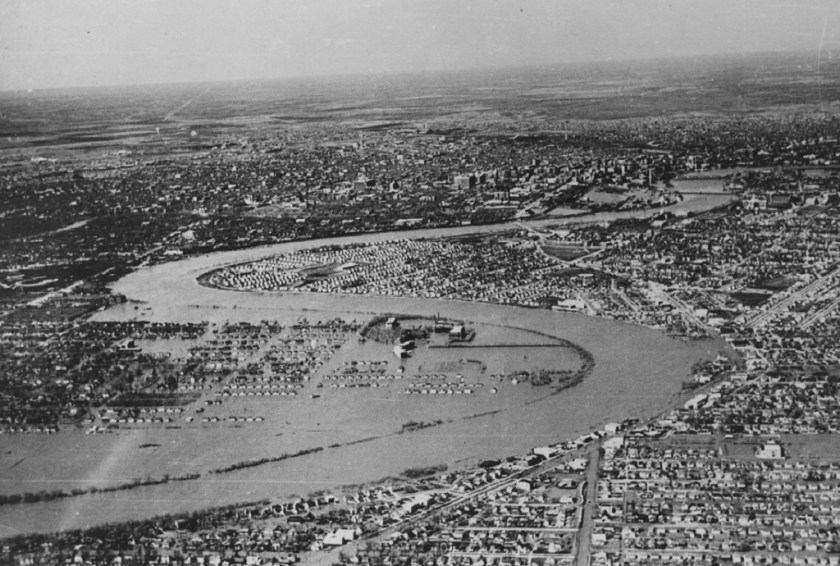
…and the Red River in Winnipeg, Manitoba.

The Central Business District of called the American Quarter because it was said to have been developed in the heart of the French and Spanish settlements.

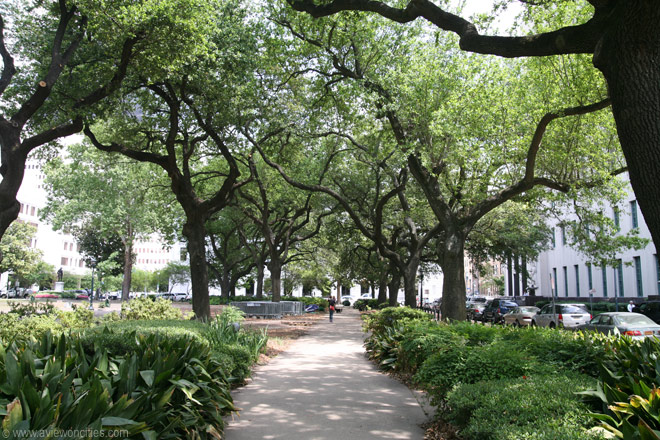
It includes Lafayette Square, a 2.5-acre, 1-hectare, park, where concerts and festivals are held.

Called the second-oldest park in New Orleans, after Jackson Square, we are told it was designed in 1788 by Charles Laveau Trudeau AKA Don Carlos Trudeau, Surveyor-General of Louisiana for the Spanish Government at the time, and later acting Mayor of New Orleans in 1812.

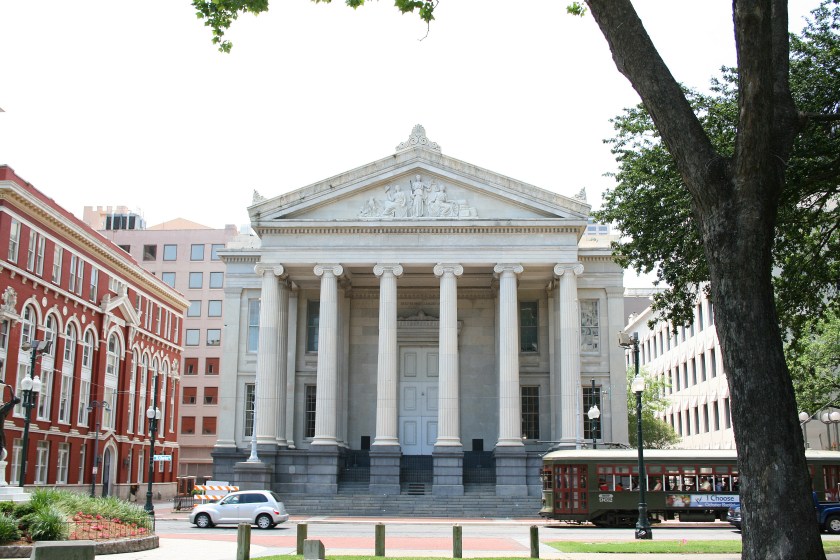
The Greco-Roman-looking Gallier Hall, the former City Hall of New Orleans, faces the Lafayette Square on St. Charles Avenue.

This huge and columned structure was said to have been built between 1845 and 1853 under the direction of James Gallier, a bankrupt Irish architect born in 1798, who emigrated to the United States in 1832.

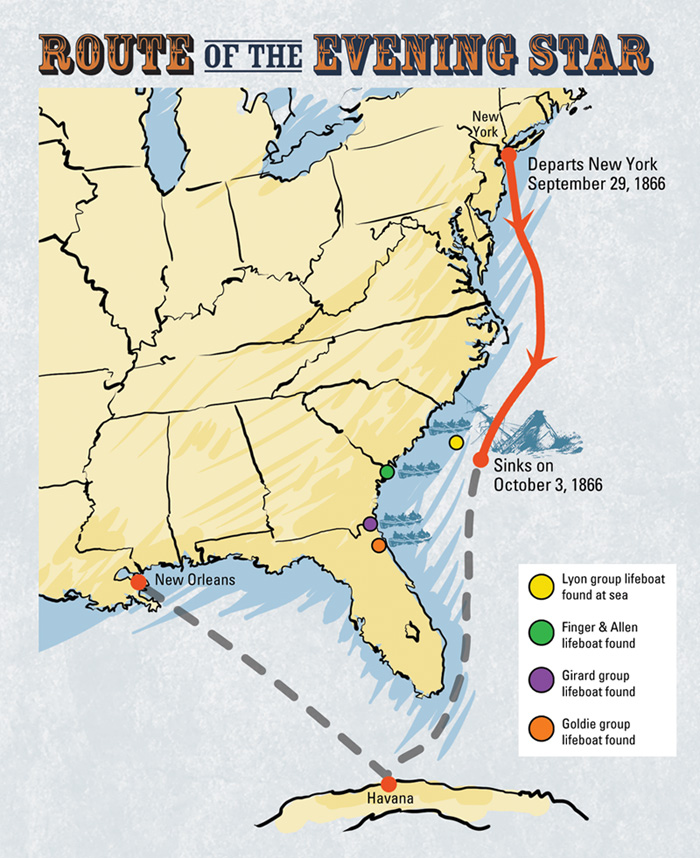
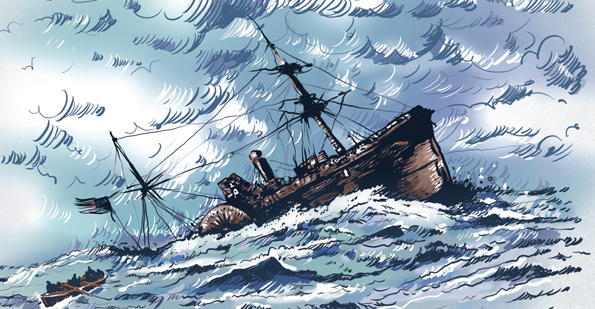
Apparently, he promptly became well-known for his incredible architecture in the United States before his untimely death in 1866 at sea, when the “Evening Star” side-wheel steamship he and his wife were travelling on between New York and New Orleans sank 175-miles east of Savannah, Georgia, in the Atlantic Ocean.

The “Evening Star” sinking was also famous for having had on it six New Orleans Madams who had been in New York selecting new prostitutes for their brothels from “fashionable metropolitan houses.”

So a famous architect and his wife were on a side-wheel steamer that sank in the Atlantic Ocean with a ship full of prostitutes a year after the end of the devastation of the American Civil War?

This is not the first time I have come across information about an architect that was strange.

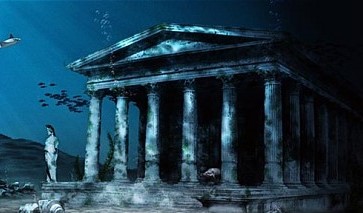
And Gallier Hall looks like how sunken Atlantean temples are frequently depicted.

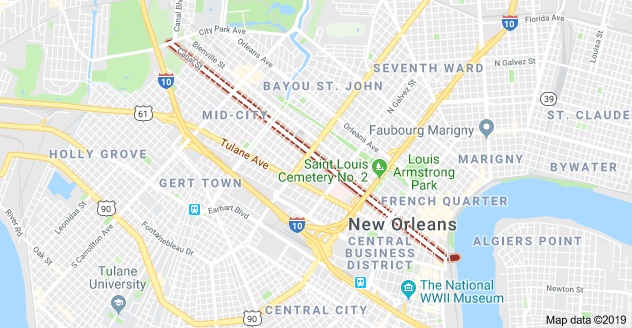
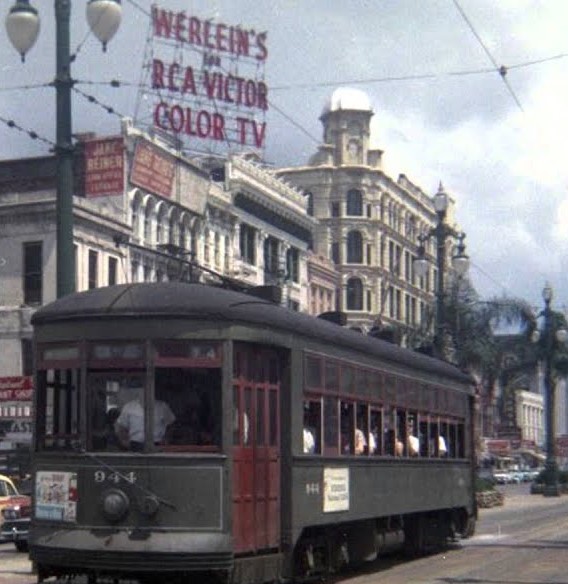
Canal Street is a major thorough-fare in New Orleans, forming the upriver boundary between the city’s oldest neighborhood, the French Quarter, and the Central Business District.

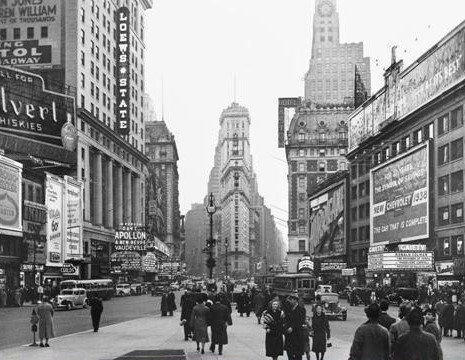
The building in the background in this 1960s photograph that was taken on Canal Street, behind the streetcar in the foreground…

…reminds me of this building in Times Square in New York City…

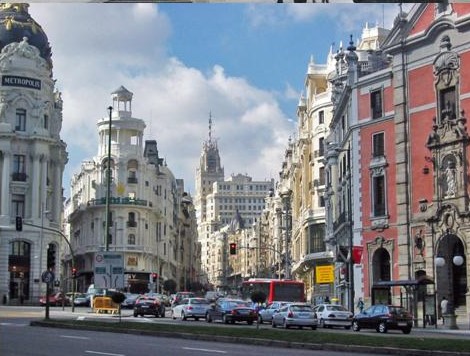
…and this one near the the Calle de Alcala, the main thoroughfare in Madrid, Spain.

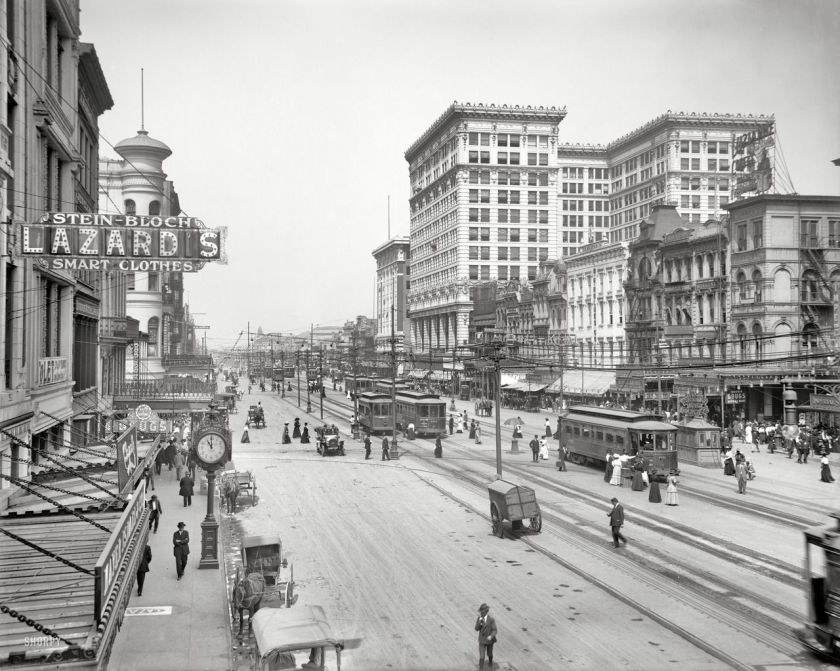
This is an historic photo of Canal Street circa 1910…

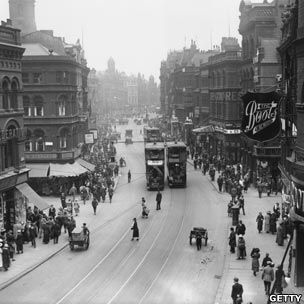
..compared with this one taken in Leeds, England, in the late 1800s. The architecture in both places looks similar, as well as a similar streetcar system in the middle of the street.

How did such urban similiarities develop independently of each other across countries and continents, according to this history we have been taught?

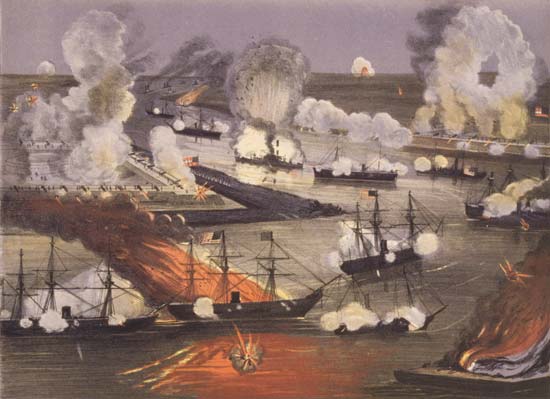
In 1862, only 48-years earlier from the photo of the highly-urbanized Canal Street in 1910, the Battle of New Orleans was raging in the American Civil War, and New Orleans was said to have looked something like this:

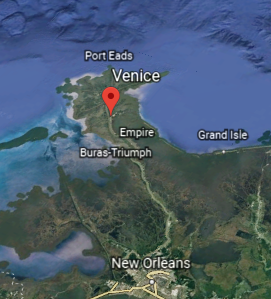
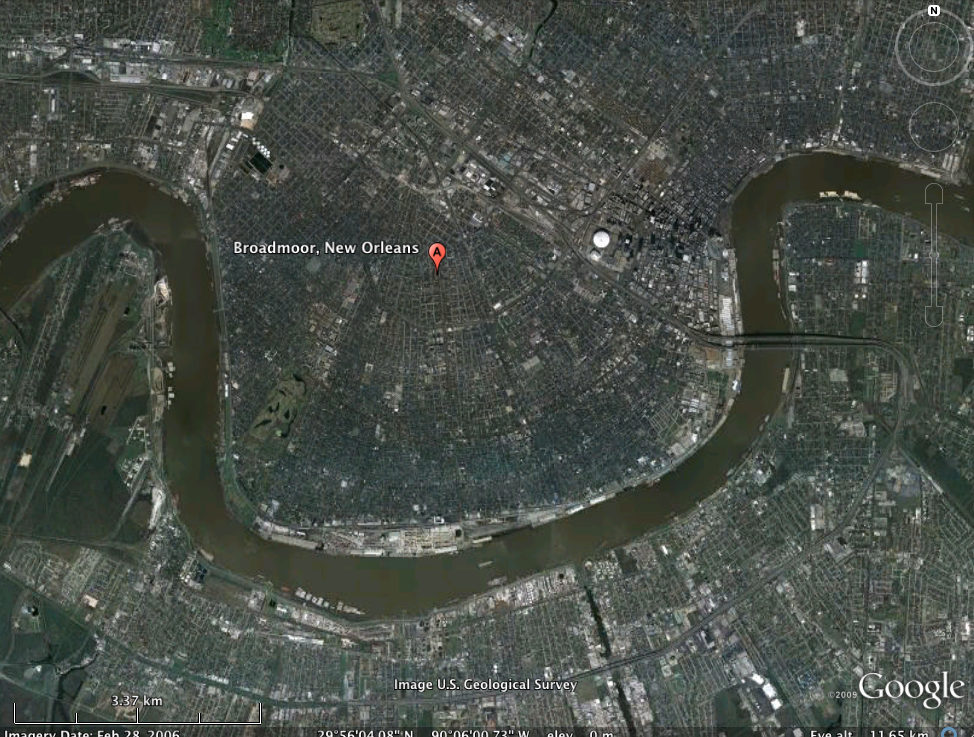
It is interesting to note that while Canal Street was named for a canal that was never built, there are plenty of still-existing canals in New Orleans, as seen in this Google Earth screenshot. No telling how many have been filled-in!

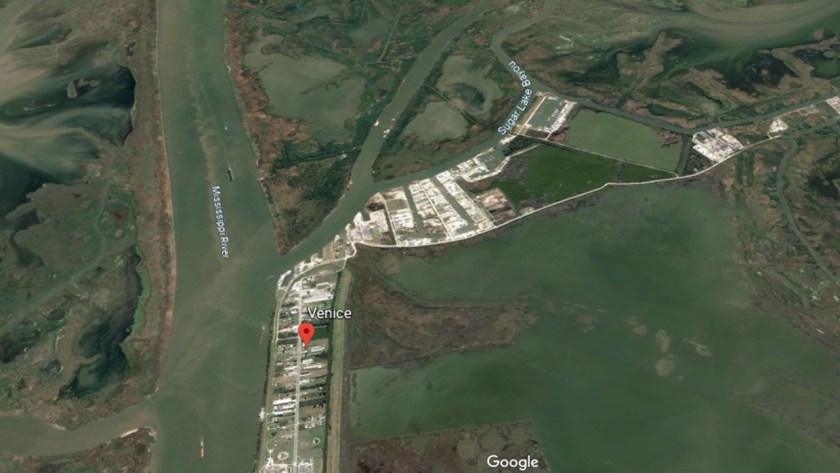
Not surprisingly, south of New Orleans towards Mississippi River Delta is a town called Venice, Louisiana, the last community down the Mississippi accessible by car…

…and which has a lot of channels in the landscape.

Interesting name for this place, since Venice in Italy is the only place in the world that is heavily associated with canals.

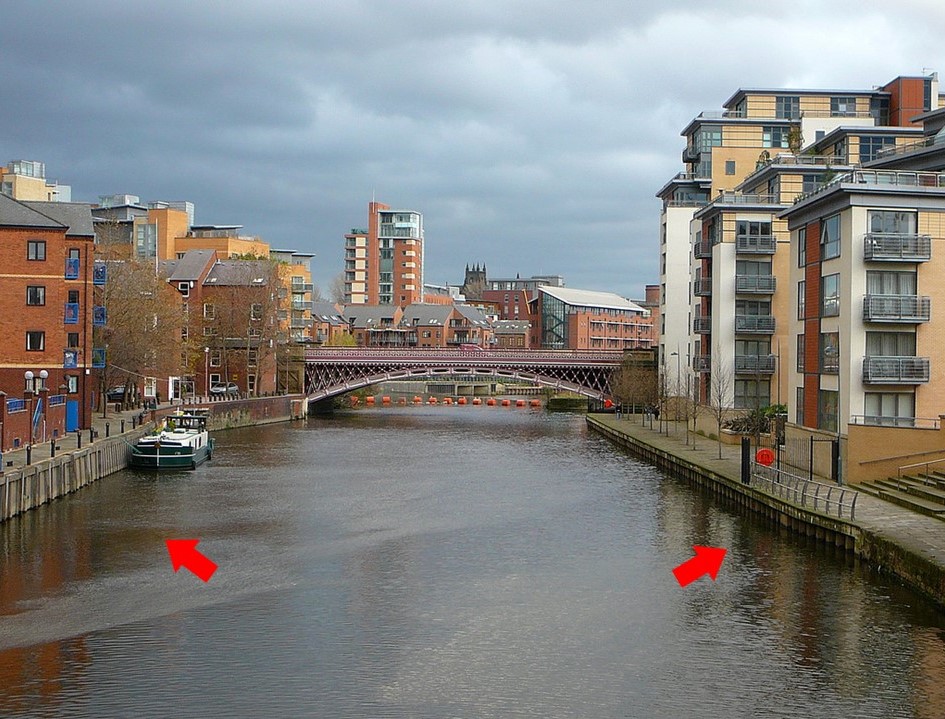
I consistently find canal systems in cities all around the world that are not known to the general public, many of which are called rivers instead of the man-made canals they actually are. One of the many ways the ancient advanced civilization has been hidden in plain sight.

This is the River Aire in Leeds, England, for example. It is described as a natural river, but it sure looks like a canal to me!

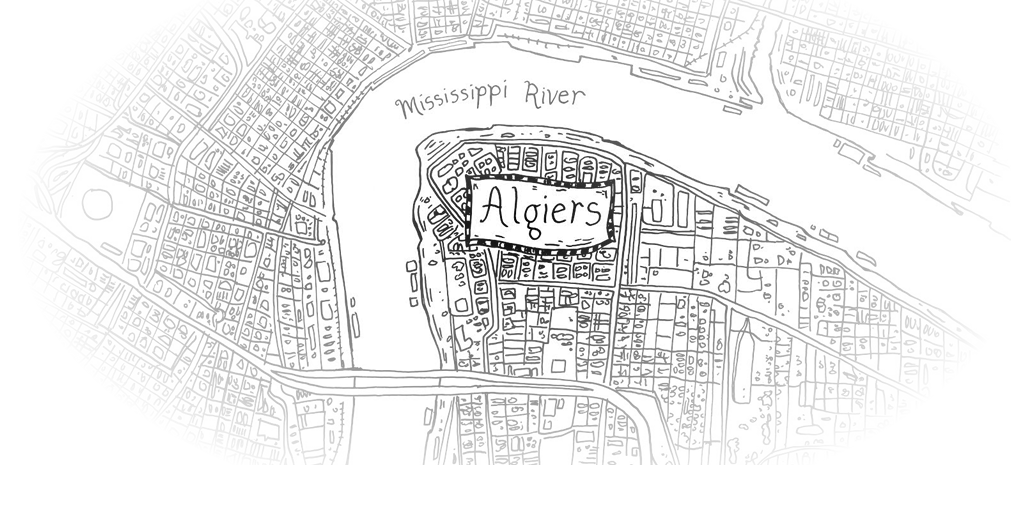
One end of Canal Street in New Orleans terminates at the Mississippi River, where a ferry has been available since 1827 to connect to the Algiers Neighborhood, one of the oldest sections of New Orleans, on the west bank of the Mississippi River.

I believe that the particular names of places are telling us something, so Algiers in Algeria comes to mind when I see this name here, and think there is a connection between the two places somehow.

Algiers is considered to be the birthplace of Jazz. This is a statue of Louis Armstrong at the Robert E Nims Jazz Walk of Fame there.

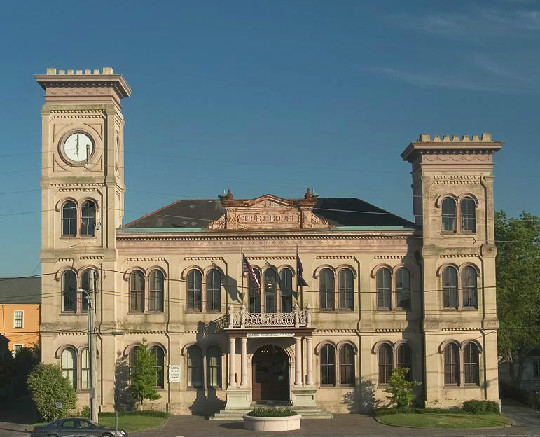
This is the Algiers Courthouse, said to have been built on the site of the former Duverje plantation in 1896, and is described as a Moorish-influenced Richardsonian-style building.

So this piece of information provides a good lead-in to Henry Hobson Richardson, one of the architects given credit for incredible building achievements in New England, like James Gallier in New Orleans, that doesn’t match-up to his life-story.

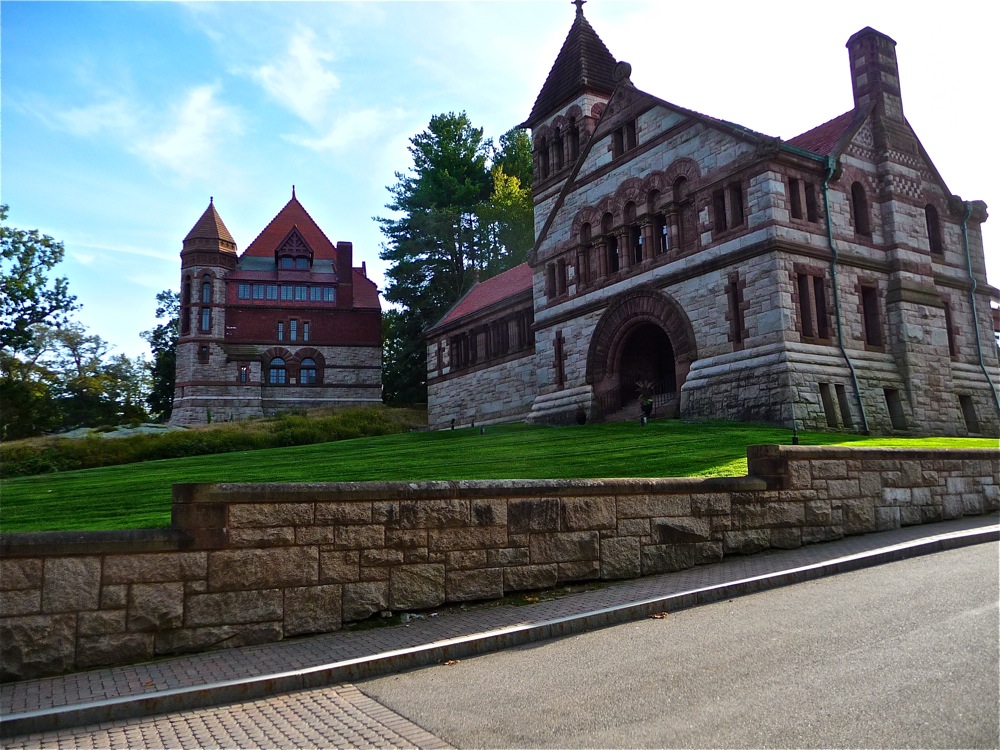
H. H. Richardson was said to be a largely self-taught architect, who died young, and is given credit for the Ames Free Library in the foreground, and the Oakes Ames Memorial Hall in the background, in North Easton, Massachusetts, as well as other examples of monumental architecture.

This style of architecture is called Richardsonian Romanesque in his honor.

I am certain there was a widespread practice of false attribution to certain architects going on to cover-up the actual Moorish Masons who built all of this infrastructure.

Adjacent to the Algiers Neighborhood on the West Bank of the Mississippi River, in the Jefferson Parish, is the city of Gretna.

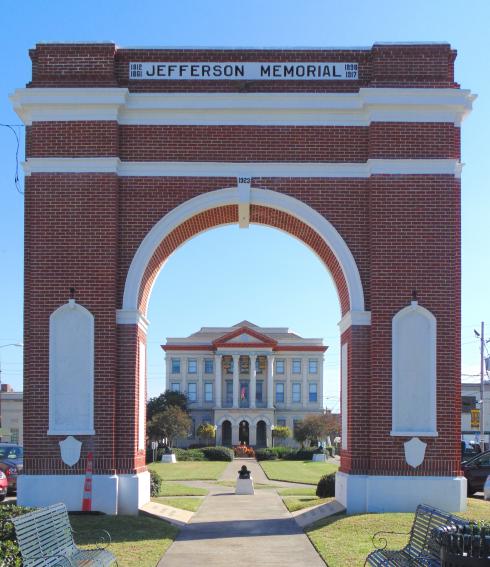
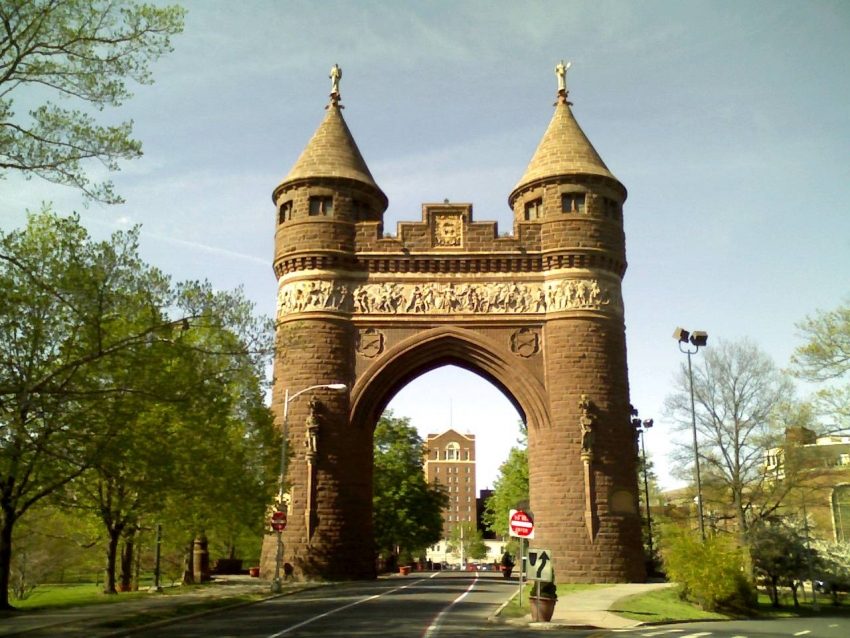
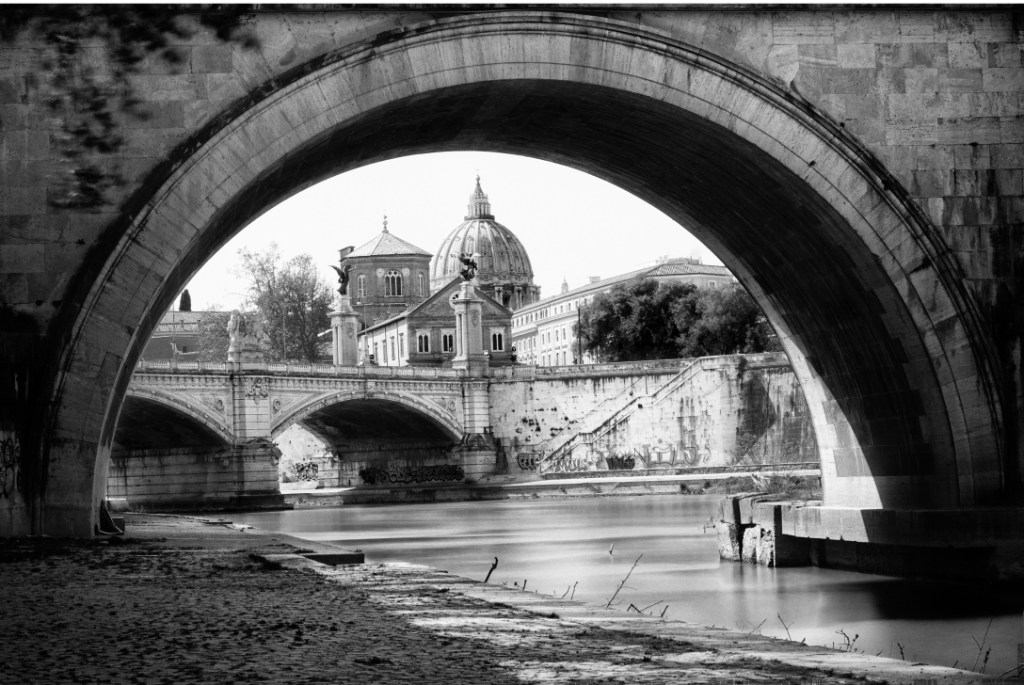
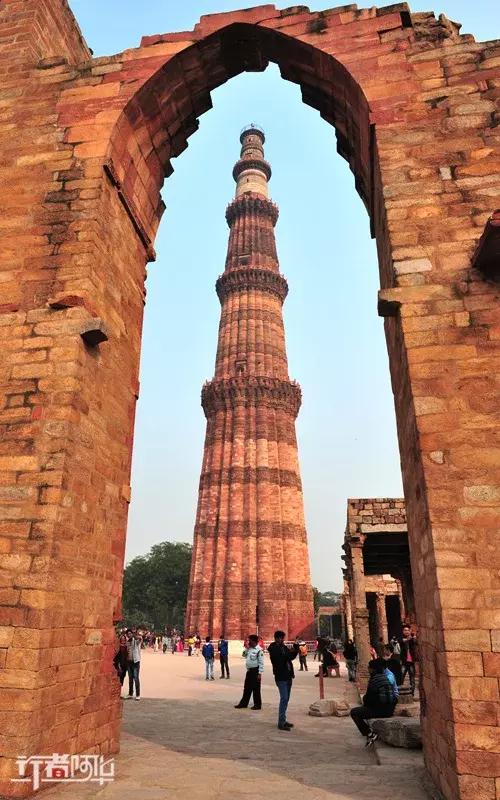
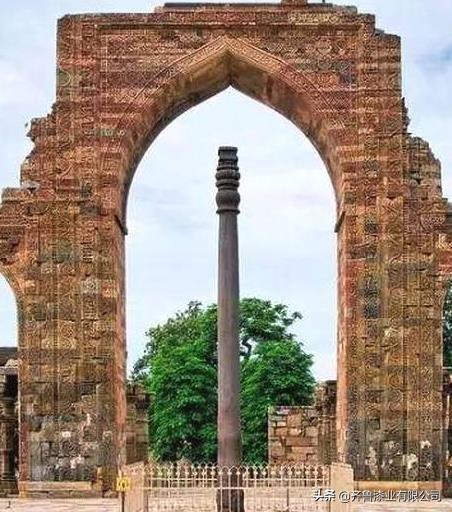
This is the Jefferson Memorial in Gretna, with the Gretna City Hall seen exactly in the middle of its archway…

…compared to the Soldiers and Sailors Memorial Arch in Bushnell Park in Hartford, Connecticut, with what is now an apartment complex in the middle of the archway…

…St. Peter’s Basilica in the middle of the archway of this bridge in Vatican City…

…the Hungarian Parliament building in the middle of these arches at the Fisherman’s Bastion in Budapest…

…and at the Qutb Minar Complex in New Delhi, India, the Qutb Minar is seen through this archway here…

…and at the same complex we find the Delhi Iron Column perfectly centered in this archway at the Quwwat-ul Mosque.

I am going to be dedicating a future blog post to feature the many examples like this of symmetry, proportion and alignment that I have found around the world between archways, and not only architecture, but what are called natural features as well.

It is called “framing” in photography, but this effect would not occur without the existence of a perfect alignment in the first place which is intentional, and not random.

Back to Canal Street.

Canal Street divides the traditional “downtown” area from the “uptown” area.

Downtown includes the French Quarter, Treme, Faubourg Marigny, and Bywater, and Uptown includes Irish Channel, Broadmoor, and Fontainebleau.

I will highlight a both downtown and uptown neighborhood.

In Downtown, the French Quarter, or Vieux Carre Historic District, the oldest section of New Orleans.

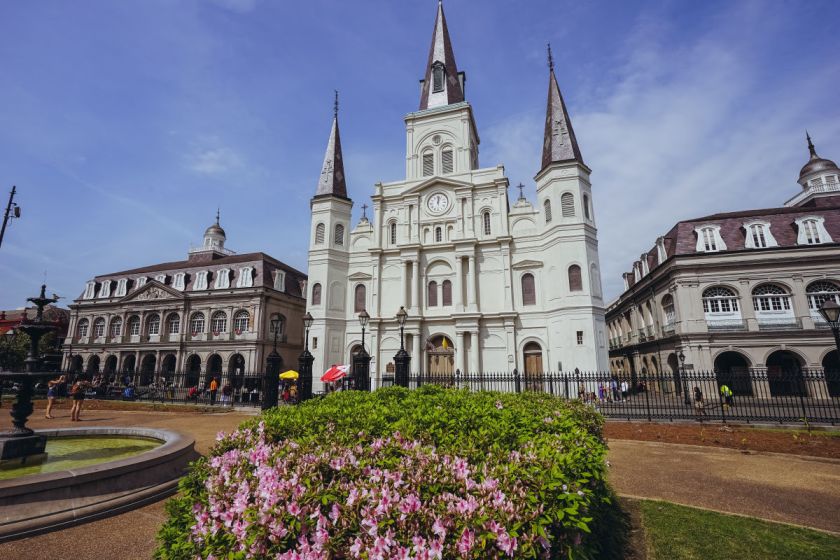
Originally called the Place d’Armes, Jackson Square is the oldest park in New Orleans, and named after Andrew Jackson, the victorious general of the Battle of New Orleans in 1815, where British troops were defeated.

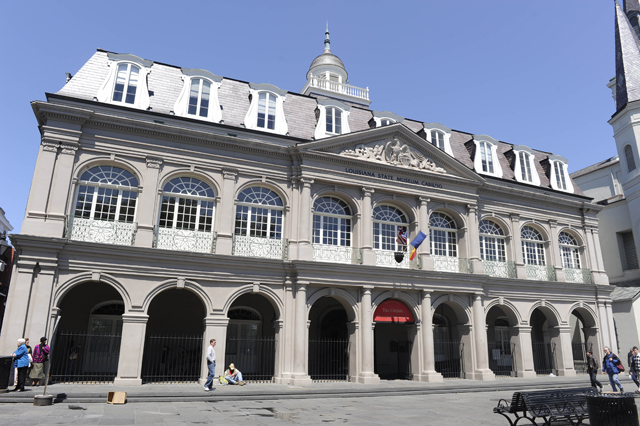
It is where, in 1803, Louisiana was made a United States Territory pursuant to the Louisiana Purchase at the Cabildo, said to have been built between 1795 and 1799.

St. Louis Cathedral is next to the Cabildo on Jackson Square. The most recent cathedral is said to have been expanded from the original structure in 1850. It is the seat of the Roman Catholic Archdiocese of New Orleans.

On the other side of St. Louis Cathedral on Jackson Square is the Presbytere, said to have been designed to match the Cabildo, and completed in 1813. It has been part of the Louisiana State Museum since 1911.

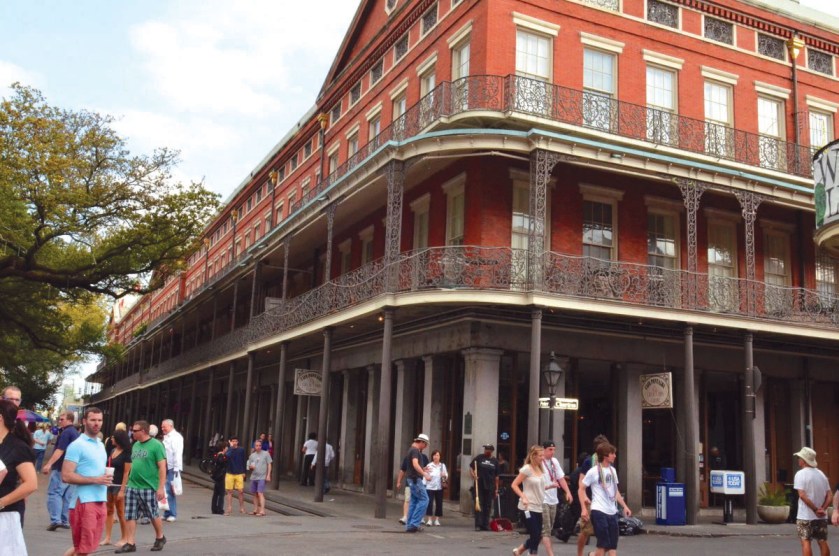
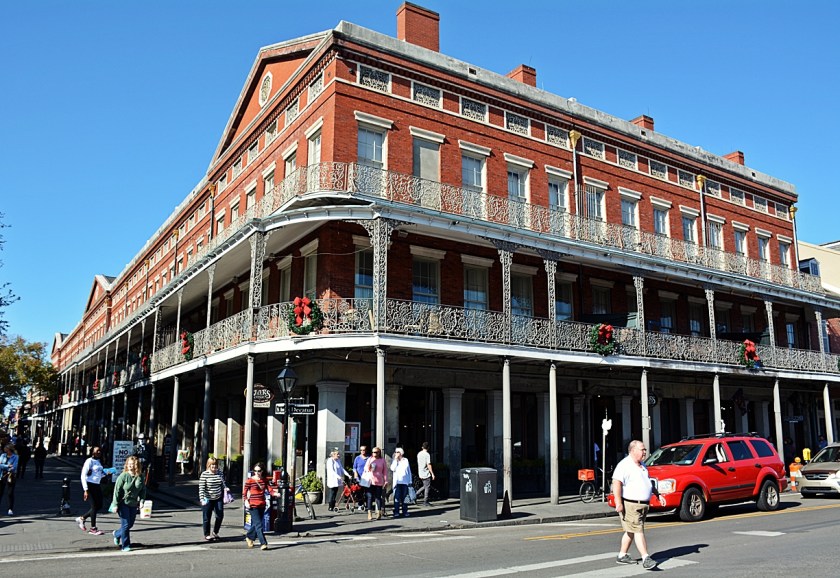
The Pontalba Buildings form two sides of Jackson Square, matching red-brick, one-block-long, four-story buildings said to have been built by the Baroness Micaela Almanester Pontalba.

The Upper Pontalba…

…along with the Lower Pontalba are considered the oldest continuously occupied apartment buildings in the United States.

In Uptown, the Broadmoor is considered a quiet, peaceful neighborhood with about 7,000 residents. I think the spelling of the name of the neighborhood is telling us about the Moors. I don’t think it is happenstance, or without meaning in this regard.

There are a number of beautiful and historic homes, churches, and commercial buildings in Broadmoor.

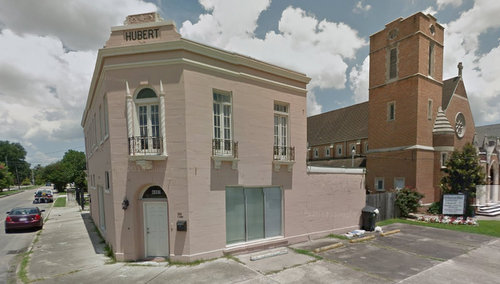
This is the Hubert Building in Broadmoor…

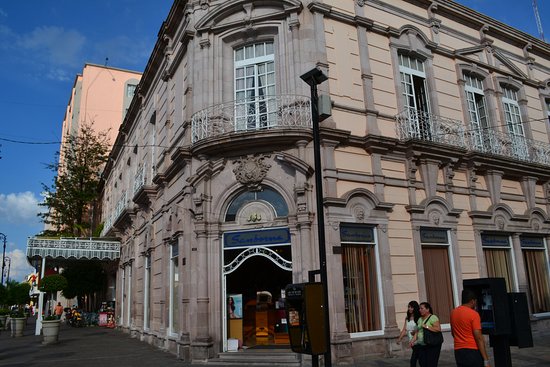
…compared with this building in Centro Historic District of Merida, Mexico.

I find examples of this same style of street-corner architecture around the world.

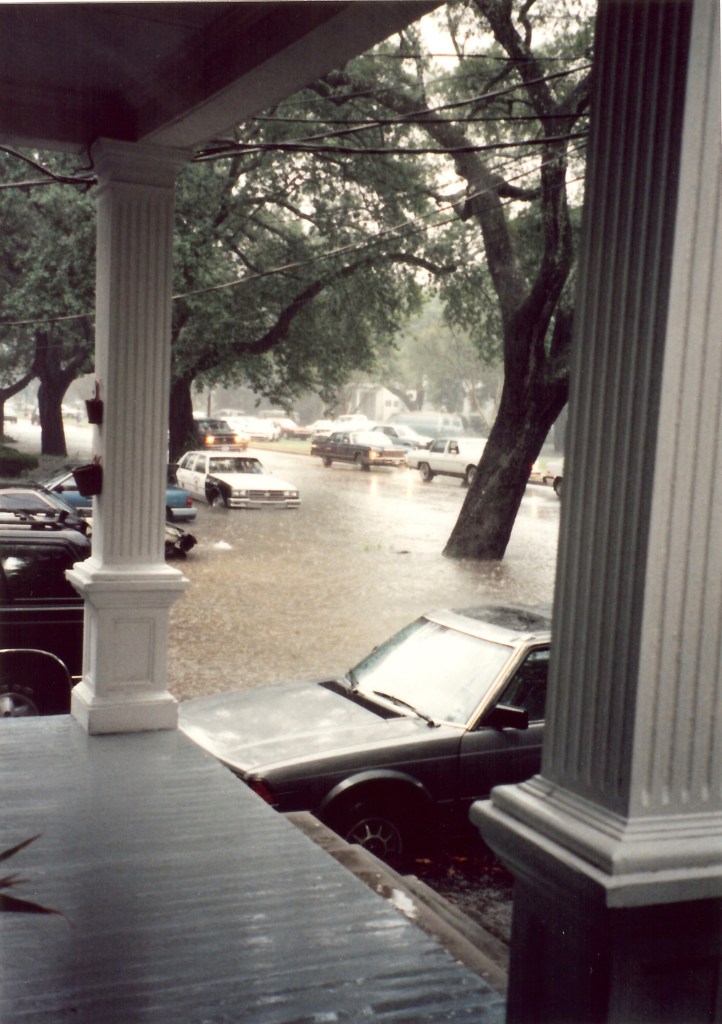
Broadmoor includes areas of the lowest-lying ground in New Orleans, and has been hard-hit by flooding, in 1995 with the Louisiana flood, and was hit hard by Hurricane Katrina in 2005.

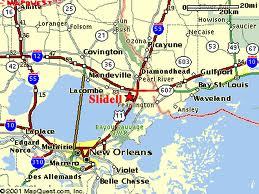
Next on the alignment is Slidell, on the northeast shore of Lake Pontchartrain in Louisiana’s St. Tammany Parish.

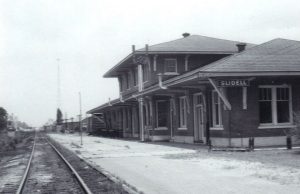
It was said to have been founded in 1882 and 1883 during the construction of the New Orleans and Northeastern Railroad (N.O.N.E.) connecting New Orleans to Meridian, Mississippi.

Slidell is on the southwest corner of the intersection of Interstates 10, 12, 59, and U. S. Highway 11.

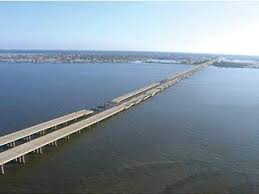
The I-10 Twin Span bridge runs six-miles from Slidell over Lake Pontchartrain to New Orleans East.

It was extensively damaged by Hurricane Katrina in 2005…

…and by 2010, both spans were re-built and opened to traffic.

Slidell is also the global headquarters for the automotive manufacturer and military contractor Textron Marine and Land Systems, manufacturing armored vehicles, turrets, advanced marine craft, and other weapons systems.

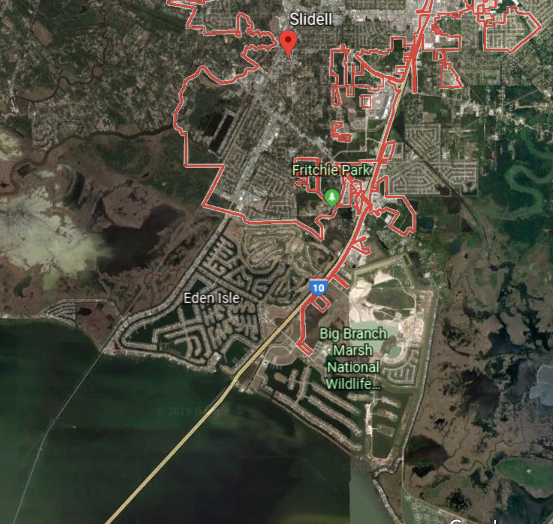
Between the northeast shore of Lake Pontchartrain, there are two places of interest to me as shown here on Google Earth – Eden Isles and Big Branch Marsh National Wildlife Refuge.

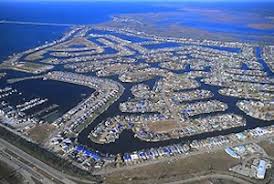
These sure look like artificial islands to me…

…like what was seen at Port Isabel, Texas…

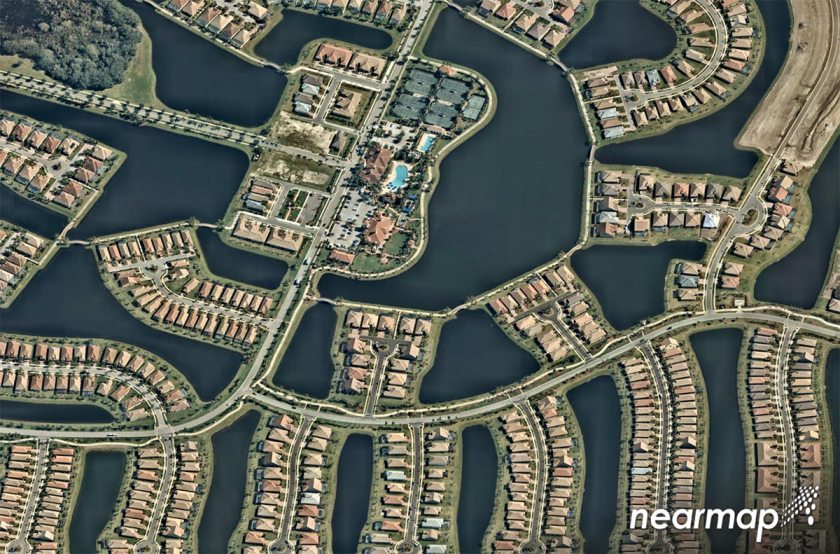
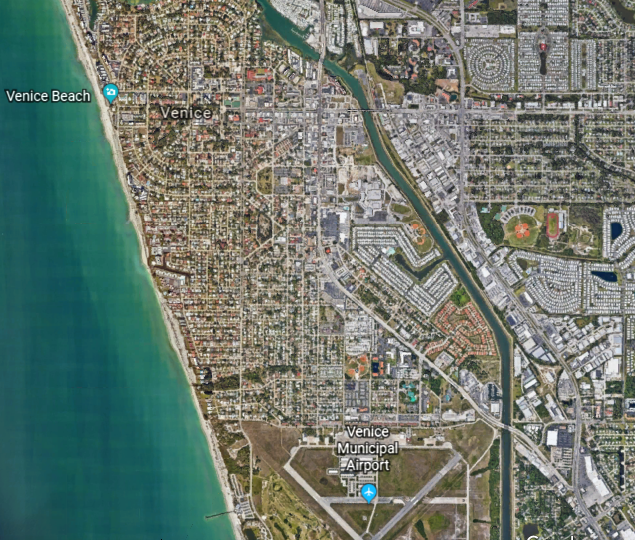
…and Venice, Florida, in the last post.

Next on the alignment is Gulfport, the second-largest city in Mississippi after the state capital, Jackson.

It is home to the U. S. Navy Atlantic Fleet Seabees, the Naval Construction Force.

The City of Gulfport was founded by William H. Hardy, and incorporated in 1898. He was the President of the Gulf & Ship Island Railroad that connected inland lumber mills to the coast.

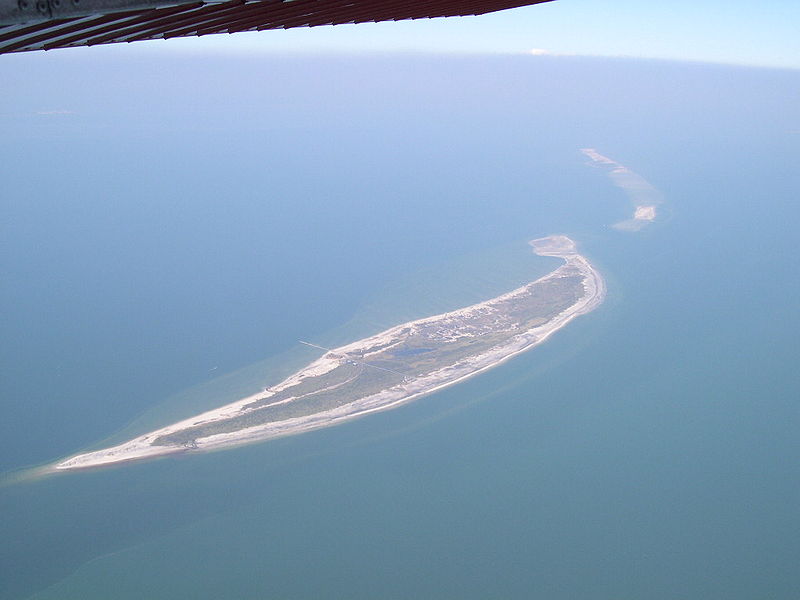
Ship Island refers to a barrier island off the Gulf Coast of Mississippi, part of the Gulf Islands National Seashore. It was split into West Ship Island and East Ship Island by Hurricane Camille in 1969.

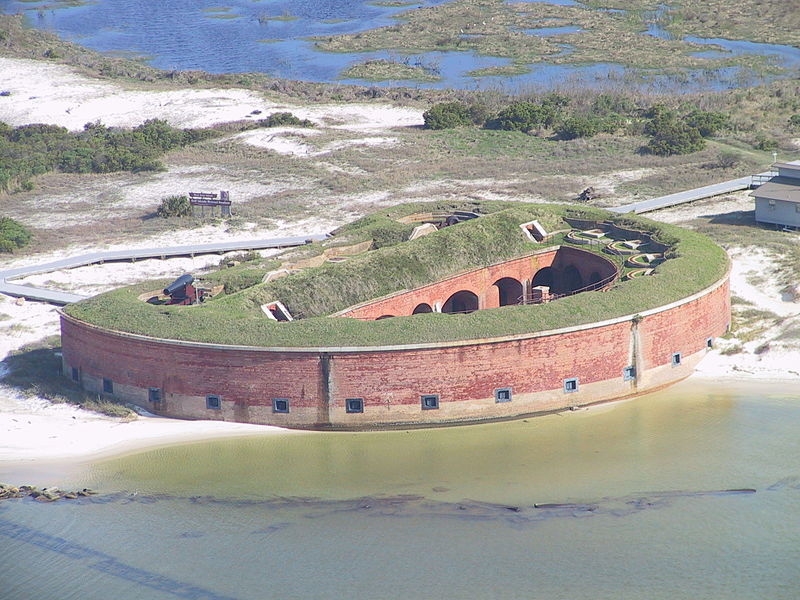
Fort Massachusetts is on West Ship Island, said to have been built following the War of 1812. Interesting to note that it incorporates both bricks and earthworks.

Here is a timeline of when architecture in Gulfport was supposed to have been built, from its incorporation in 1898 to 1916.

This is an historic photo of Gulfport circa 1905…

…which appears to be showing Gulfport’s Old Courthouse as already built.

Next is palatial First United Methodist Church of Gulfport, said to be one of the oldest places of worship on the Gulf Coast.

This is what the stained glass of the dome looks like inside the First United Methodist Church.

Here is a 1912 photograph showing the Gulf & Ship Island Railroad Headquarters on the left, and the Great Southern Hotel on the right.

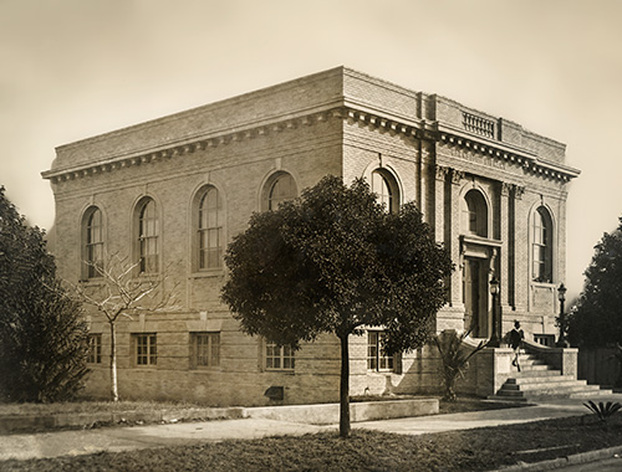
And last is the Carnegie Library, which is said to have opened in November of 1916. Interesting that they would have been opening a library building that looks like this in the the middle of World War I, which took place between July 28th 1914, and November 11th, 1918.

I am going to end this post here, and pick up the alignment in Biloxi, Mississippi in the next post.
Circle Alignments on the Planet Washington, DC – Part 22 Port Isabel, Texas to Houma, Louisiana

In the last post, I tracked the alignment from San Luis Potosi, a gold and silver mining hub; and followed it through various places in Tamaulipas State, including its capital Victoria, and Matamoros, Mexico, on the United States border; to Brownsville, on the Gulf coast of south Texas.

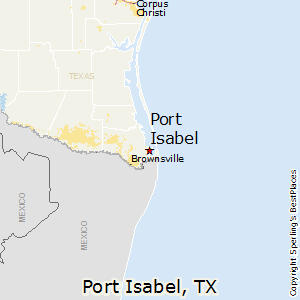
I am picking up the alignment in Port Isabel, part of the Brownsville-Harlingen-Raymondville and Matamoros-Brownsville metropolitan areas, and has a population of approximately 5,000 people.

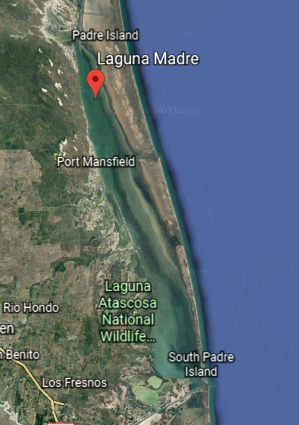
It is located beside the Laguna Madre Bay, one of six hypersaline (or saltier than the ocean) lagoons worldwide…

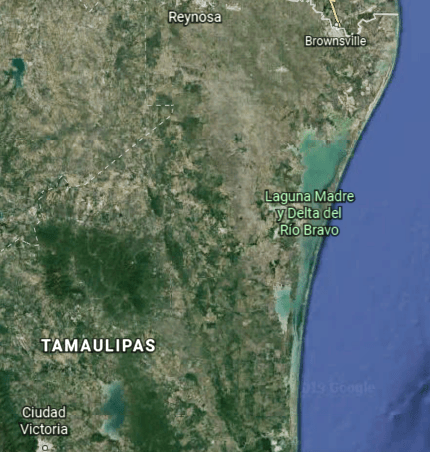
…as is the Laguna Madre y Delta del Rio Bravo of Tamaulipas State in Mexico, mentioned in the previous blog post, which is located on the Gulf of Mexico coast just south of the Laguna Madre in Texas.

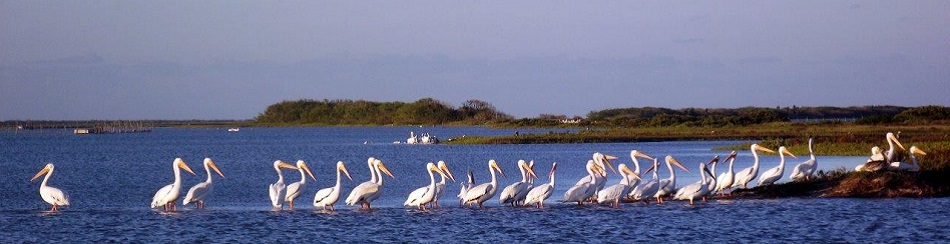
The tidal flats and barrier island beaches of the Laguna Madre Bay in Texas represent the largest continuous expanse of suitable habitats in North America for migrating and wintering shore birds…

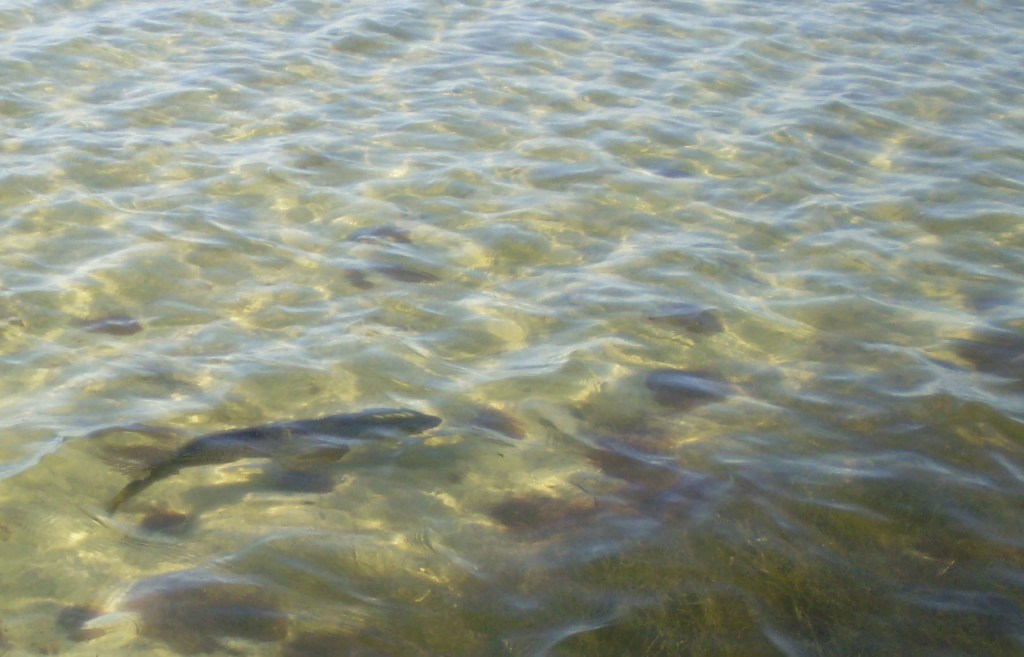
…and is the most productive Texas bay fishery, and one of the best places to fish for red drum, black drum, and spotted sea trout in North America.

The Laguna Madre Bay is a negative estuary, where seawater flows in rather than out.

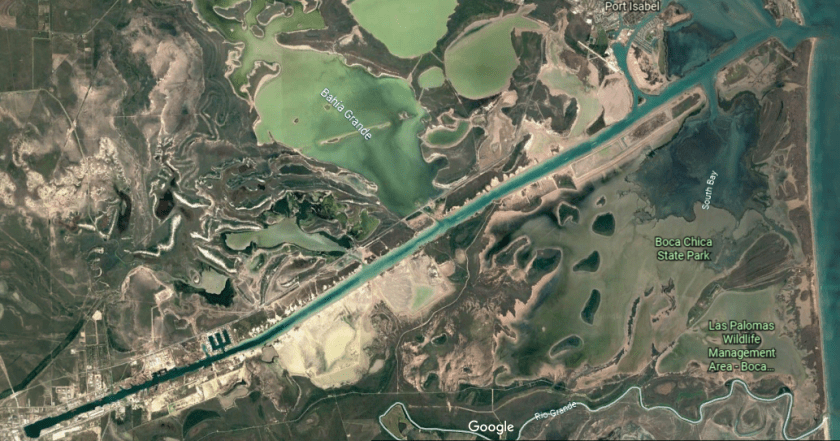
The otherwise land-locked Laguna Madre Bay has two channels connecting it to the Gulf of Mexico. One is at Port Isabel, which becomes the 17-mile, or 27-kilometer, Brownsville Ship Channel…

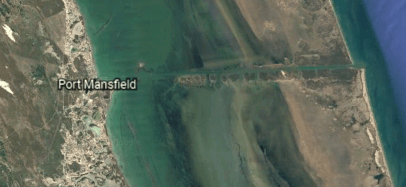
…and the other is at Port Mansfield.

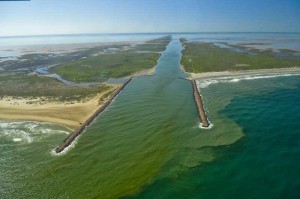
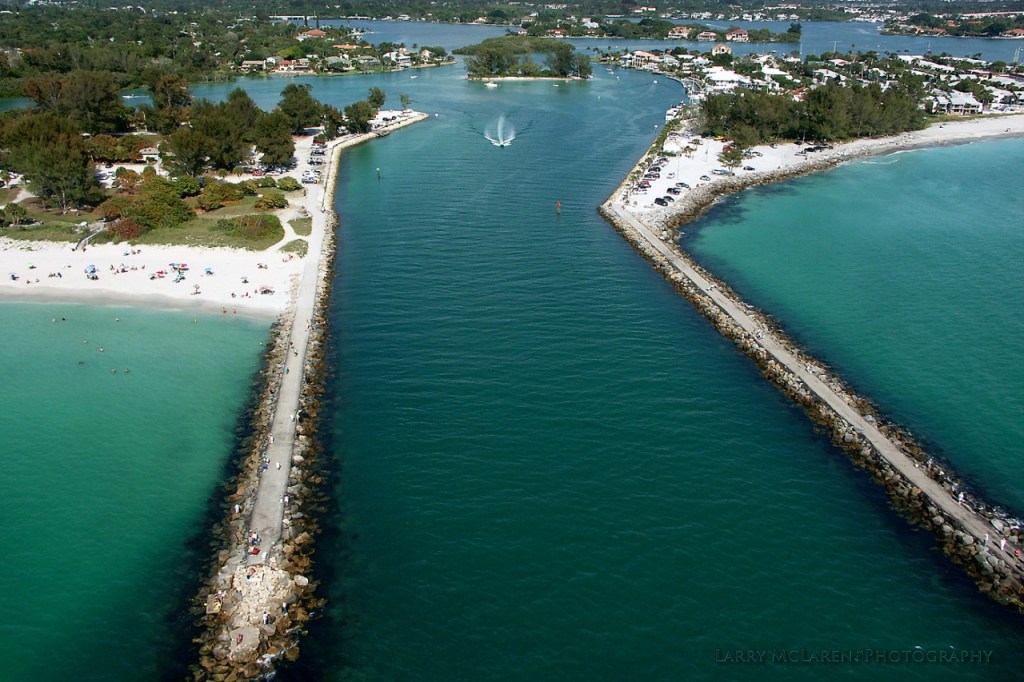
I find the two jetties at the entrance of the channel leading to Port Mansfield to be of interest, because their appearance…

…is reminiscent of these at Venice, Florida…

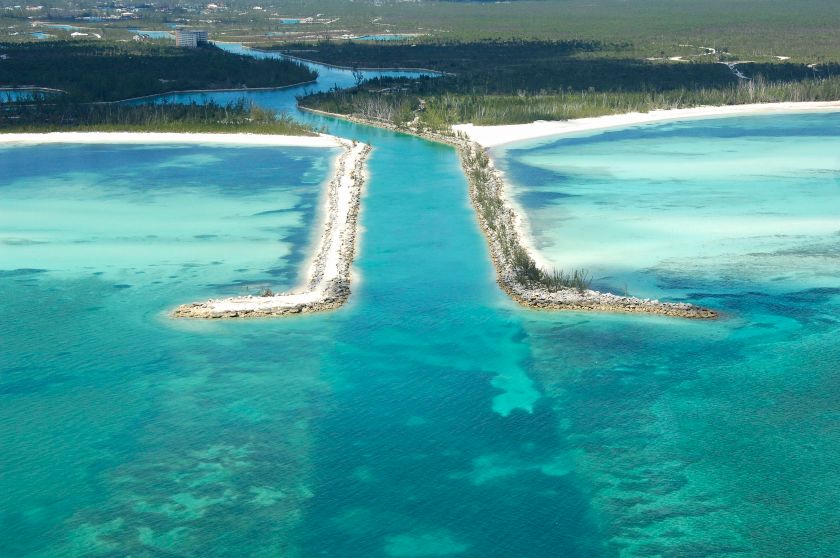
…and the South Inlet of the Grand Lucayan Waterway at Lucaya, near Freetown, on Grand Bahama Island.

I believe these jetties and channels were part of an ancient worldwide canal system that has been deliberately removed from our awareness, and I will be exploring this subject in more depth in this post.

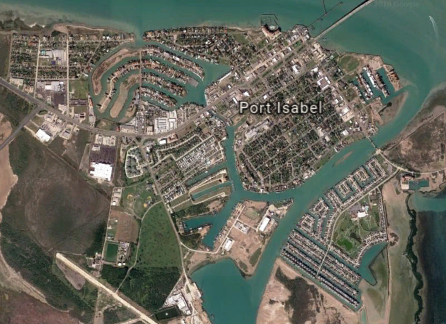
For instance, this is a view from Google Earth showing artificially-made channels and canals throughout the city of Port Isabel.

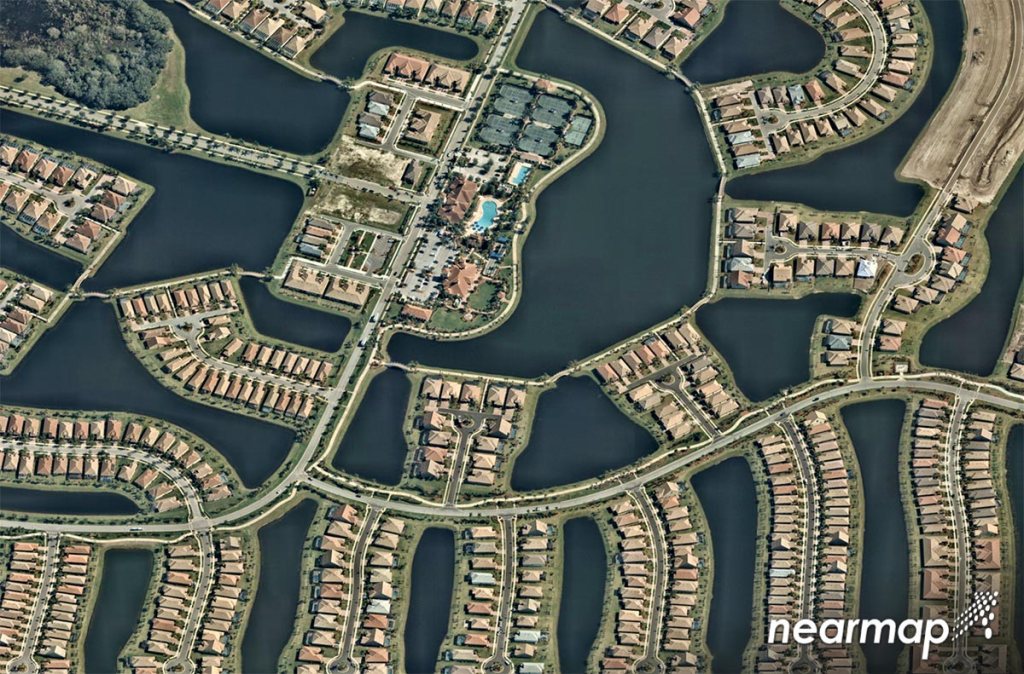
Still going to use Venice in Florida shown here on the other side of the Gulf of Mexico for a comparison because these two communities have strikingly similar characteristics, like the residential neighborhoods on artificial islands surrounded by water.

This is a long, straight channel in Venice, Florida, similar to the Brownsville Ship Channel that starts at Port Isabel.

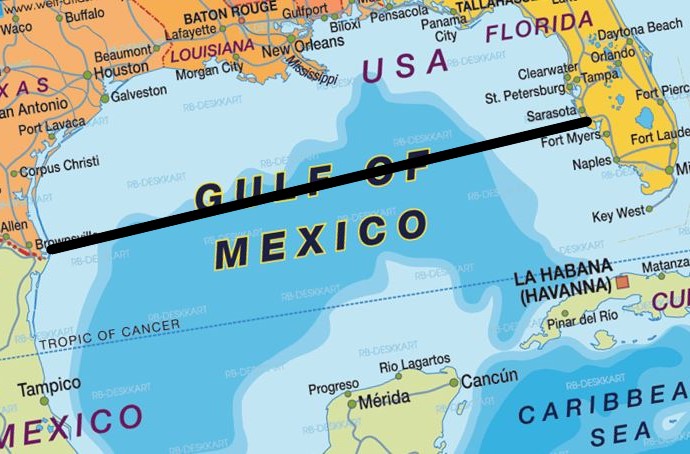
Not only that, they are practically directly across the Gulf of Mexico from each other. If they are not exactly, it is close.

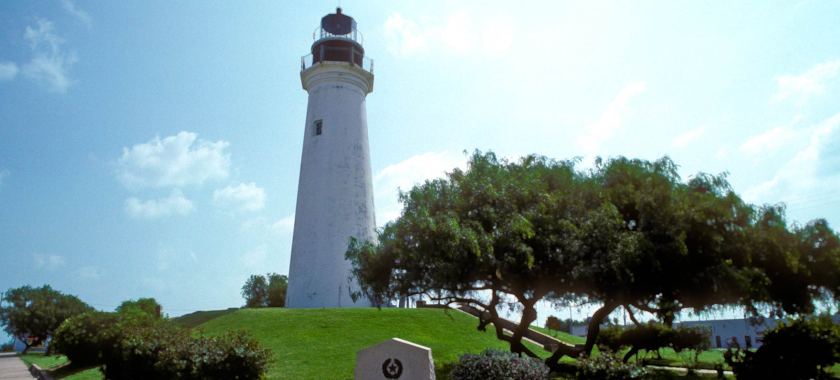
The Port Isabel Lighthouse is a symbol of the city, and said to have been built in 1852. Note that it is sitting on a geometric earthwork that looks like a mound.

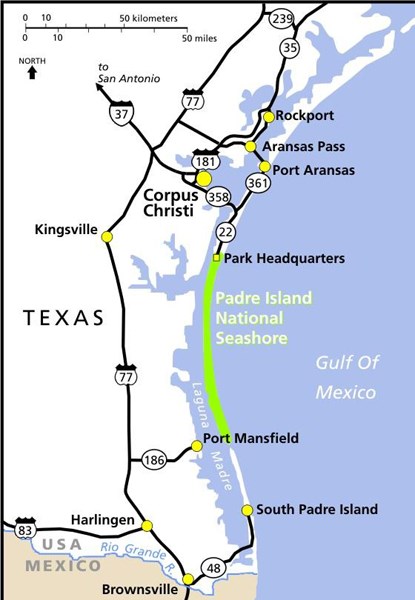
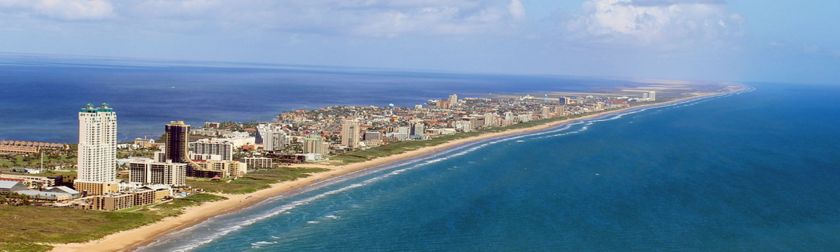
Padre Island is next on the alignment, where it crosses over South Padre Island. Padre Island is the world’s longest barrier island.

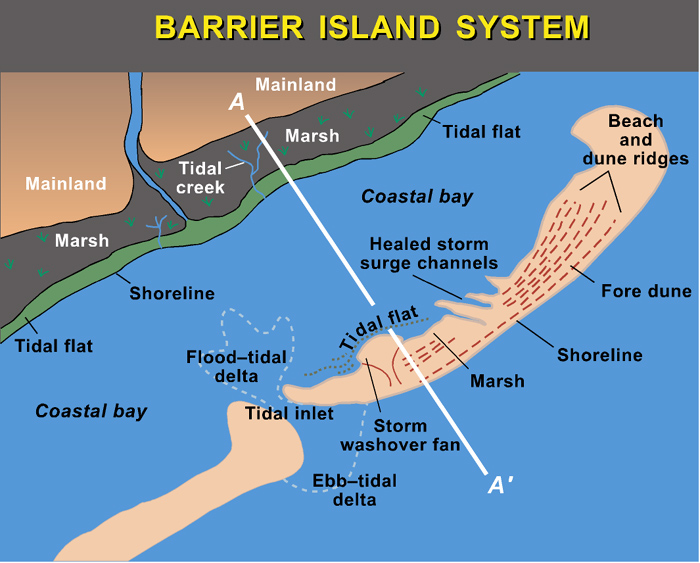
Barrier islands are coastal landforms, and we are told a type of dune system that is either exceptionally flat, or lumpy areas of sand formed by wave or tidal action.

Not exactly the most solid ground to build on, which makes the wisdom of building resorts like South Padre Island, and by no means is it the only example, on barrier islands rather questionable.

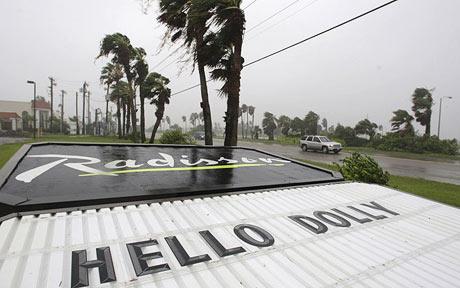
Especially in a part of the world where hurricanes are common. South Padre Island was hit by Hurricane Beulah in 1967; Hurricanes Dolly & Ike in 2008; and Hurricane Alex in 2010.

Nice place to visit, but don’t think I want to live there.

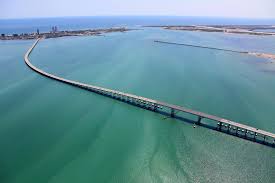
South Padre Island is only connected to the mainland by the Queen Isabella Causeway, named for Queen Isabella of Christopher Columbus fame.

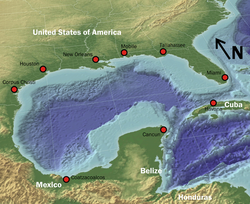
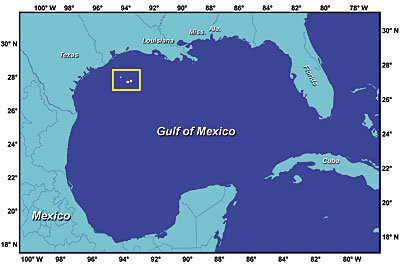
From South Padre Island, the alignment crosses into the Gulf of Mexico, an ocean basin and marginal sea of the Atlantic Ocean.

A marginal sea is a division of an ocean that is partially enclosed by islands or peninsulas.

The Gulf of Mexico is bounded on the northeast, north, and northwest by the United States; the southwest and south by Mexico; and the southeast by Cuba.

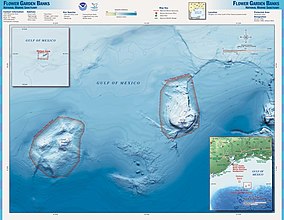
As the alignment heads towards Louisiana, it crosses the Flower Garden Banks National Marine Sanctuary, the only sanctuary site located in the Gulf of Mexico.

The Flower Garden Banks are said to have been formed when underlying salt domes forced the seafloor upwards, creating rises and banks.

These were then said to be conducive to reef formation.

So that’s the official explanation.

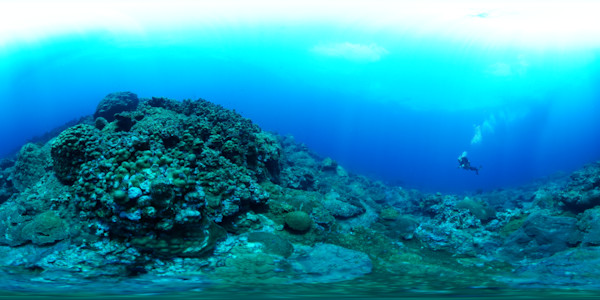
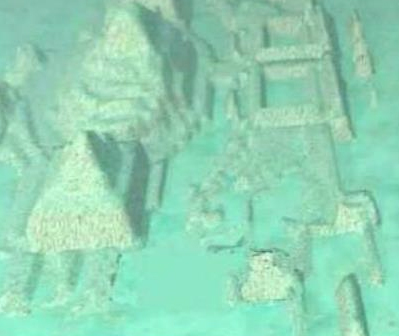
I’ll just leave a photo here for your consideration of the underwater pyramid city that was discovered in western Cuban waters.

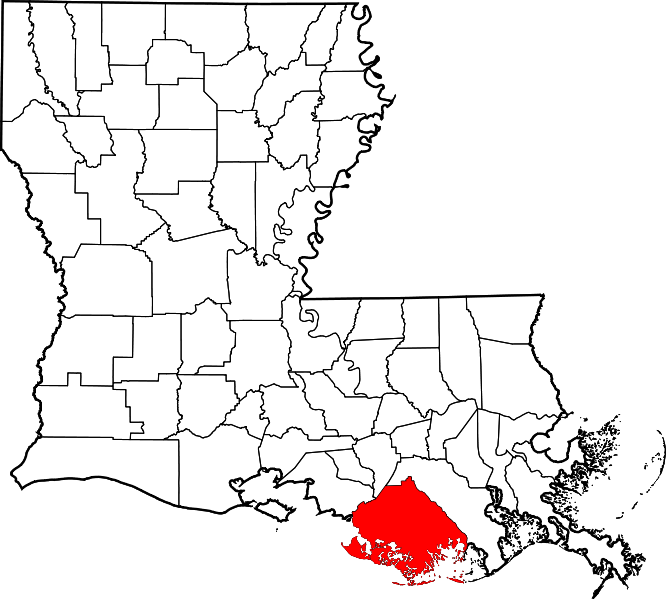
The alignment crosses into Louisiana in Terrebonne Parish. It is the second-largest parish in the state in terms of land area.

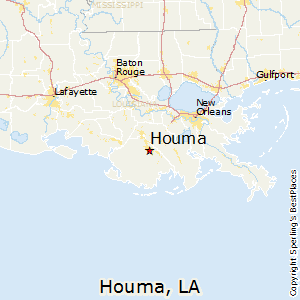
The alignment goes through Houma, the largest city and parish seat of Terrebonne Parish.

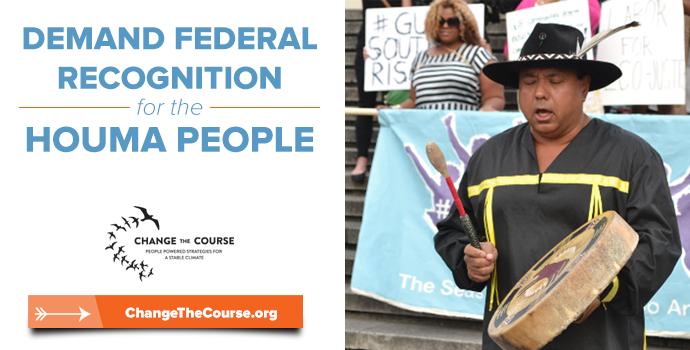
The city is named after the Houma people, who have state recognition as a tribe, but for some reason they do not have federal recognition.

The Houma people are said to be related to the Choctaw…

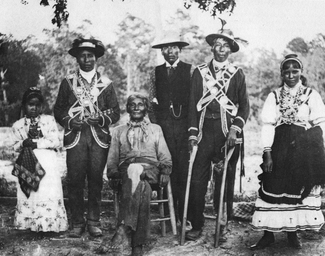
…who are related to the Washitaw Mu’urs. This is the recently deceased Empress of the Washitaw, Verdiacee Tiara Washington Turner Goston El Bey.

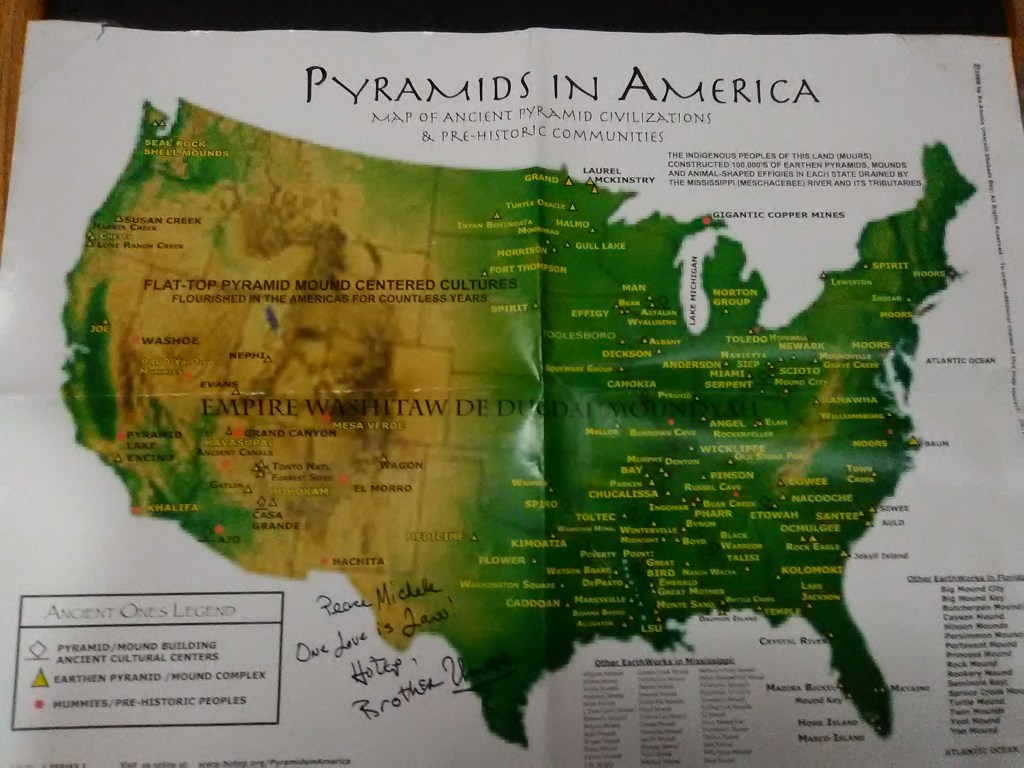
The Washitaw were recognized as the oldest indigenous civilization on earth by the United Nations in 1993. And yet we have never heard of them?

The Washitaw Mu’urs are also known as the Ancient Ones, and the Mound Builders.

The ancient Imperial seat of the Washitaw, called Washitaw Proper, was in the area around Monroe, in northern Louisiana. The Washitaw Empire was vast. They were somehow completely removed from our collective memory, yet completely relevant to the information I am bringing forward.

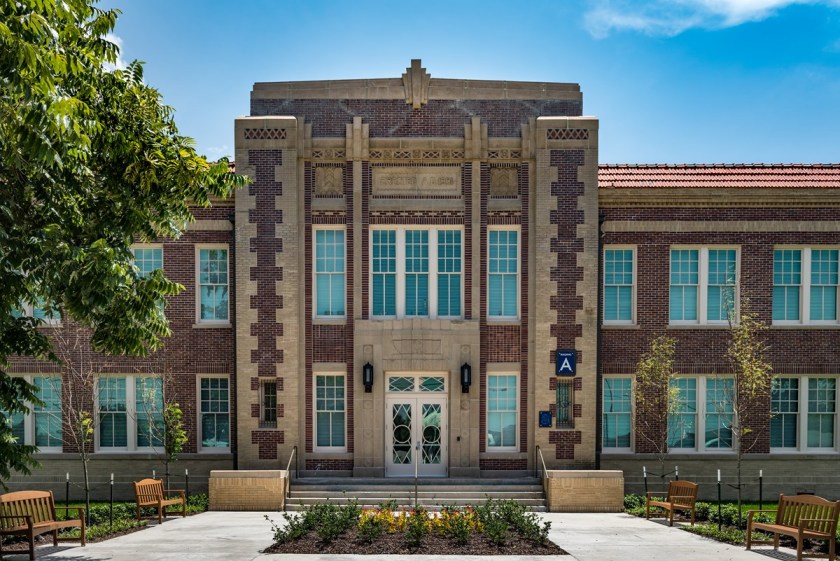
This is Houma Elementary School, with its beautiful brick-work. It seems like architectural over-kill for an elementary school to me.

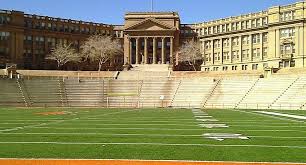
So does El Paso High School for that matter! More like a government building or art museum, but then again, who really built all of the massive architecture that exists everywhere, all around us?

It is hidden in plain sight without us questioning it simply because we haven’t been told anything about it and/or accept what we are told.

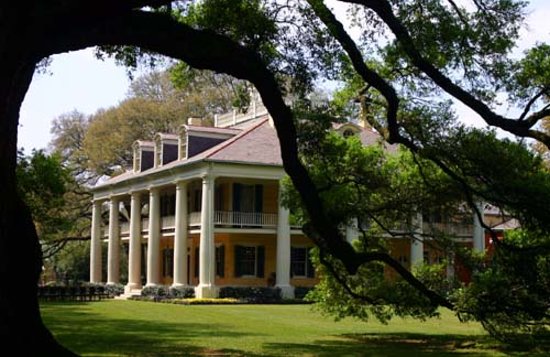
The Houmas House Plantation is in Burnside, Louisiana, near New Orleans. It was said to have been established in the 1700s, and its main house completed in 1840. The land it is on was said to have been purchased from the Houmas.

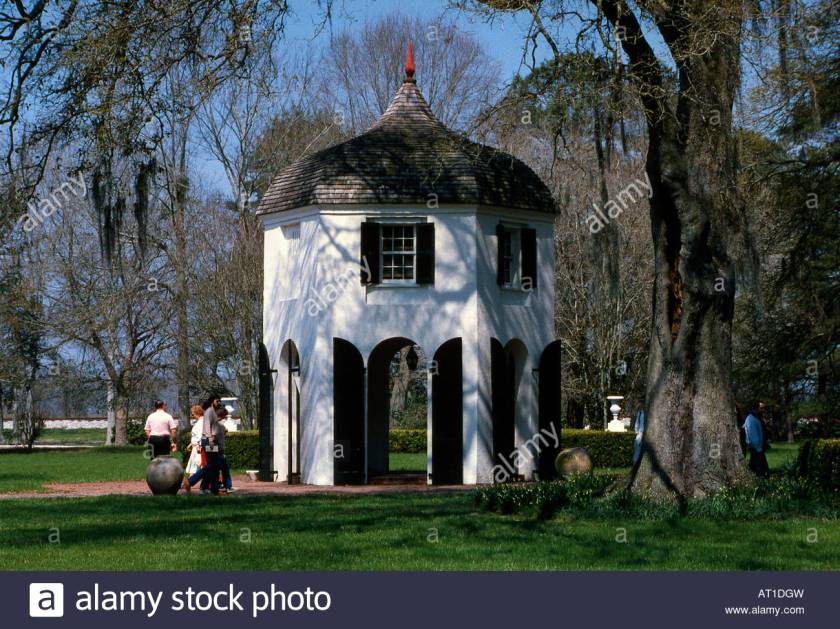
So, who really built this plantation? This is what is called a Garconniere, or bachelor apartment on the Houmas House grounds. It has a distinctly Moorish-look to me.

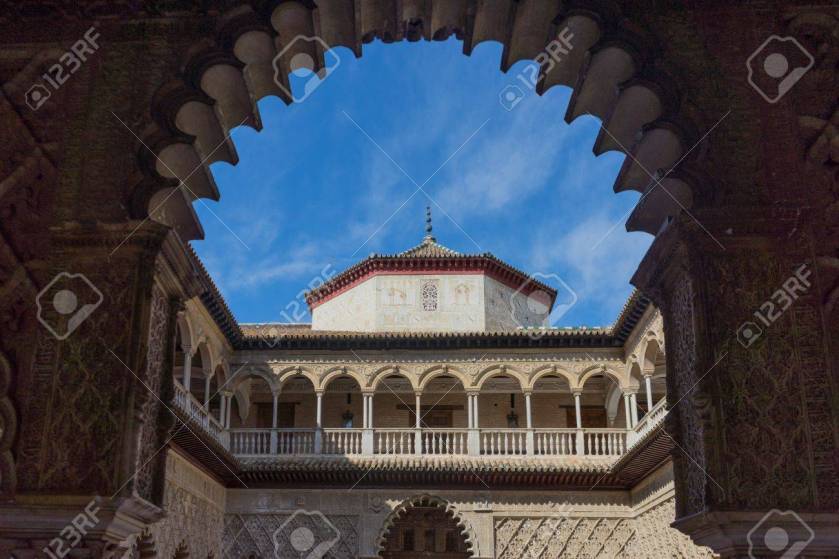
For comparison to the garconniere in Louisiana is the Moorish architecture and dome that is seen through this archway in Seville, Spain.

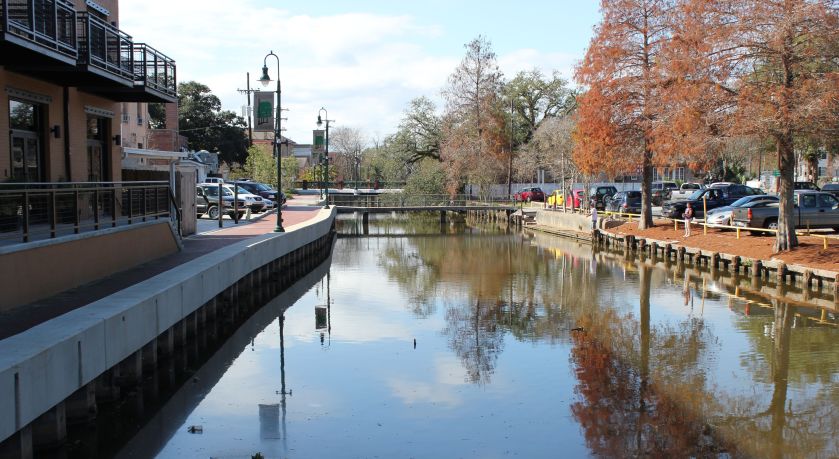
Before I take leave of the city of Houma, here is what looks like a canal in downtown Houma…

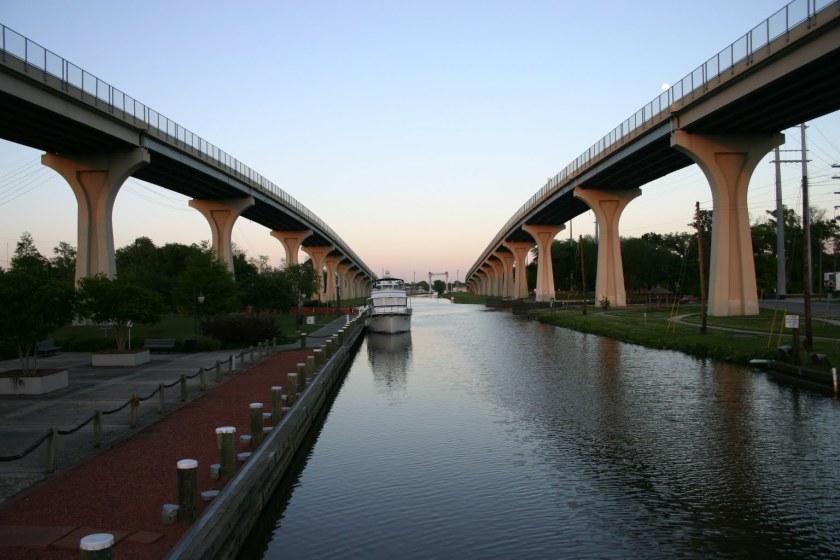
…as well as another one between Houma’s Twin Bridges.

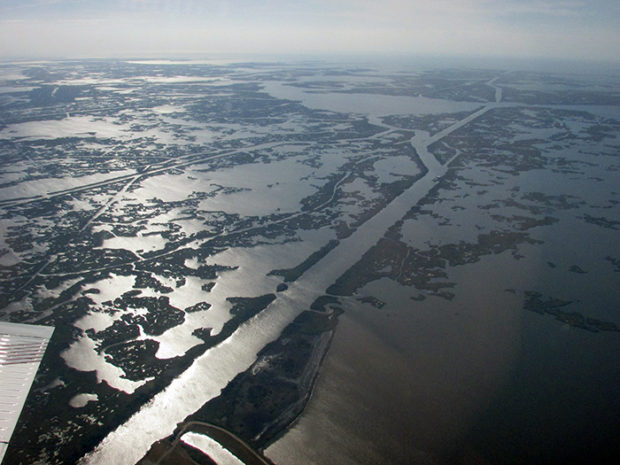
Southeast of Houma, and on the other side of New Orleans, is the Mississippi River Delta, where you see perfectly straight channels covering the landscape as far as the eyes can see.

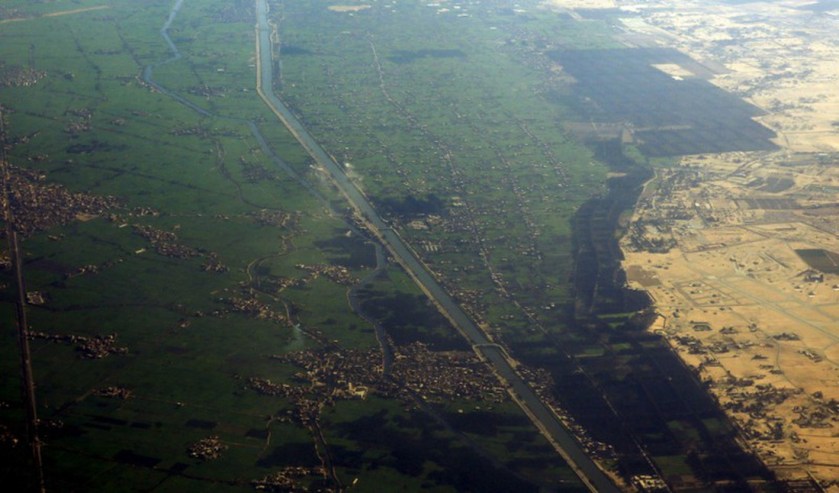
The same thing is seen in the Nile Delta in Egypt.

I am going to end this post here, and pick up the alignment in New Orleans in the next post.
Circle Alignments on the Planet Washington, DC – Part 21 – San Luis Potosi, Mexico to Brownsville, Texas

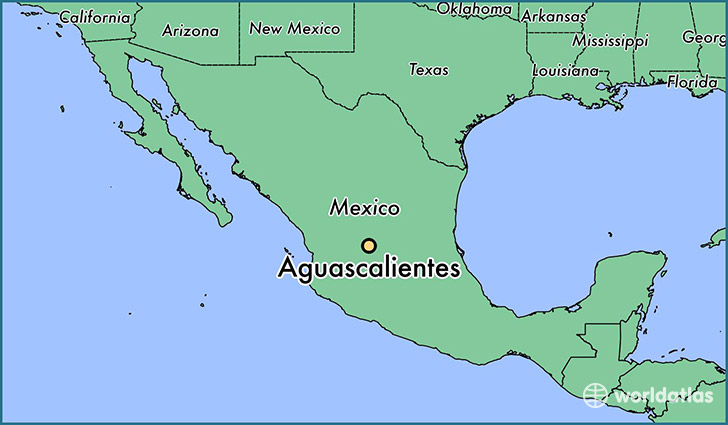
In the last post, I followed the alignment from Colima, where it enters Mexico; through ancient ceremonial site of El Chanal, through the volcanic national park of Nevado de Colima; crossing over Lake Chapala, Mexico’s largest freshwater lake; through Guadalajara, the capital of Jalisco State; to Aguascalientes, the capital of Aguascalientes State.

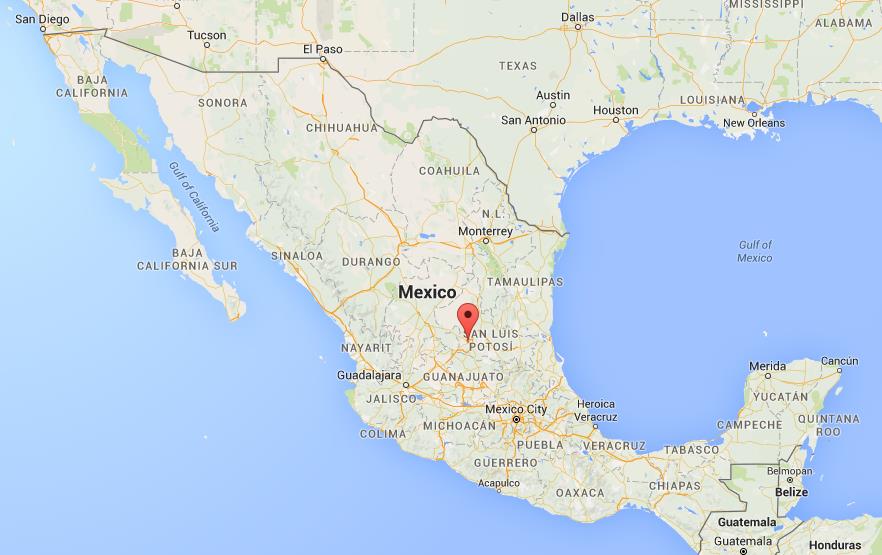
I am picking up the alignment in San Luis Potosi, the capital of the Free and Sovereign State of San Luis Potosi. It was named after King Louis IX of France, and the fabulously rich mines of Potosi in Bolivia.

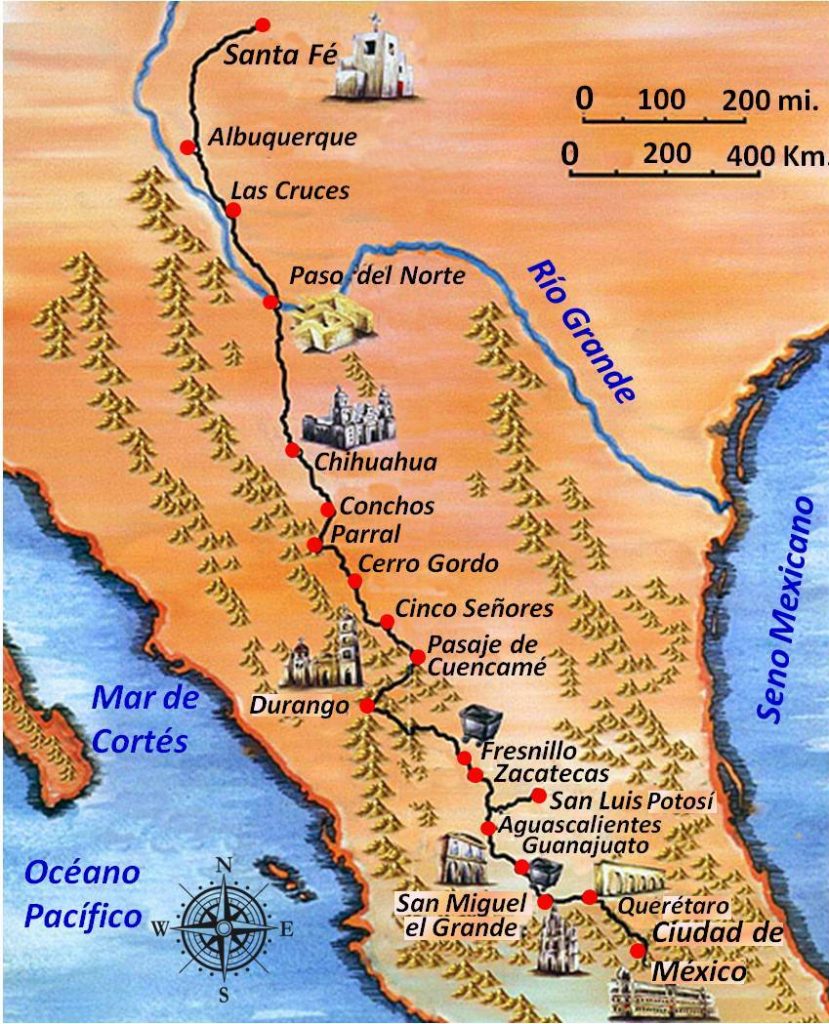
It was a major gold and silver mining hub on the Camino Royal de Tierra Adentro, or the Royal Road of the Interior Land, with some of the richest silver mines in Mexico. It was a trade route during from the mid-16th to the 19th-centuries, between Mexico City, and San Juan Pueblo in New Mexico.

So, there was a flourishing trade network between Mesoamerica and the Rocky Mountains via this route connecting the people of the Valley of Mexico with those to the north…that took place well before Spanish colonial times.

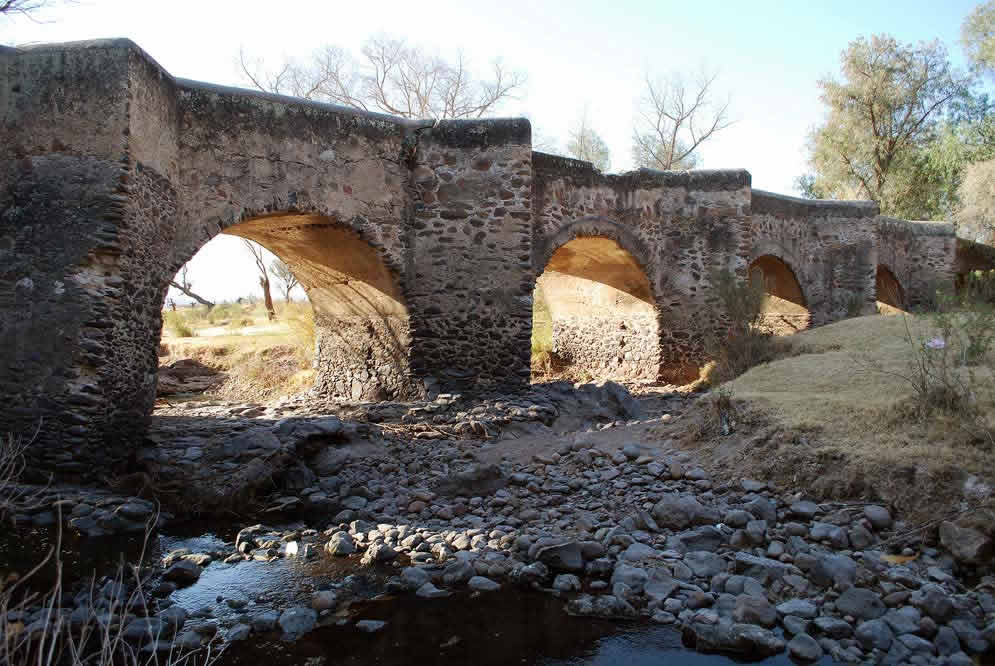
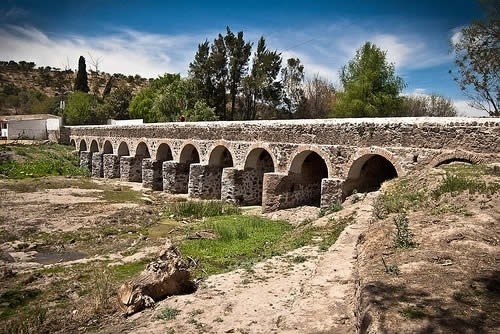
Interestingly, there are some mighty sturdy stone bridges found along this historic route in Mexico…

…similar in appearance to this bridge in Lexington, Kentucky…

…this bridge in Gondar in Ethiopia…

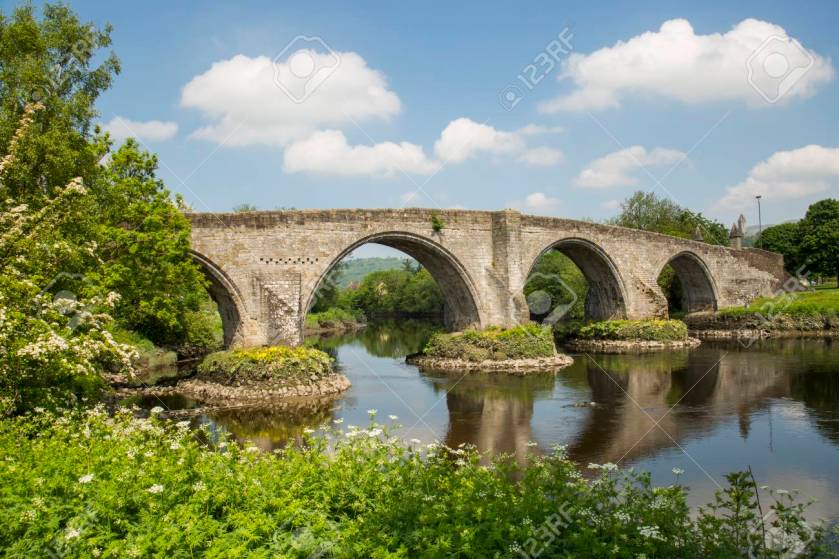
…the Old Stirling Bridge in Scotland…

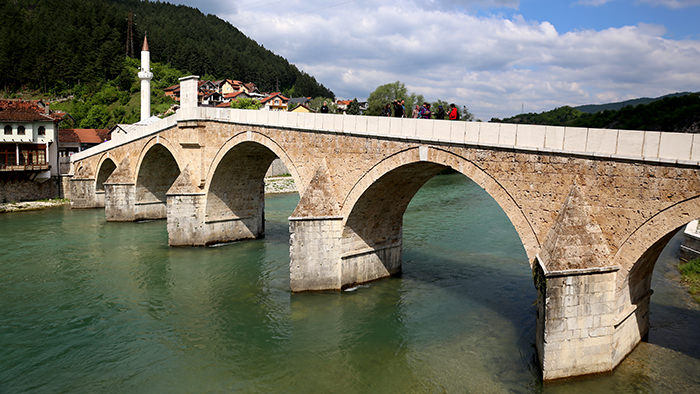
…and this bridge in Konjic, Bosnia.

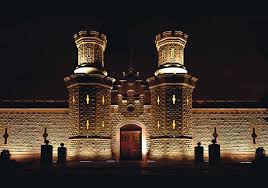
This is the Arts Center of San Luis Potosi…

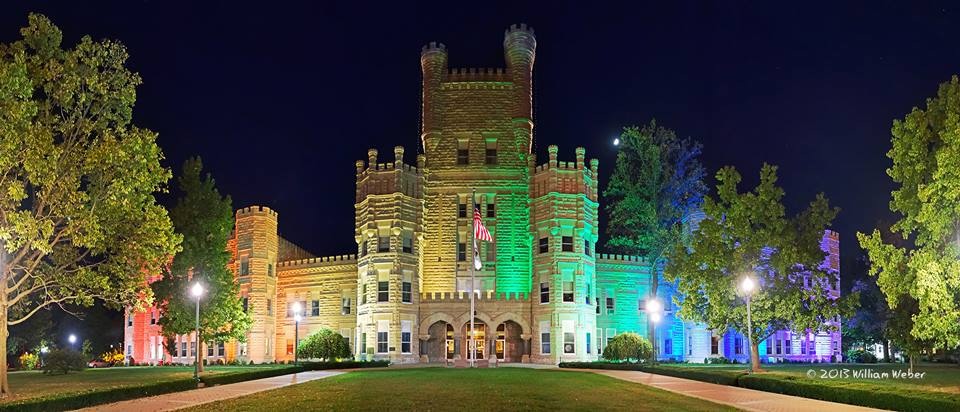
…compared with Eastern Illinois University in Charleston, Illinois.

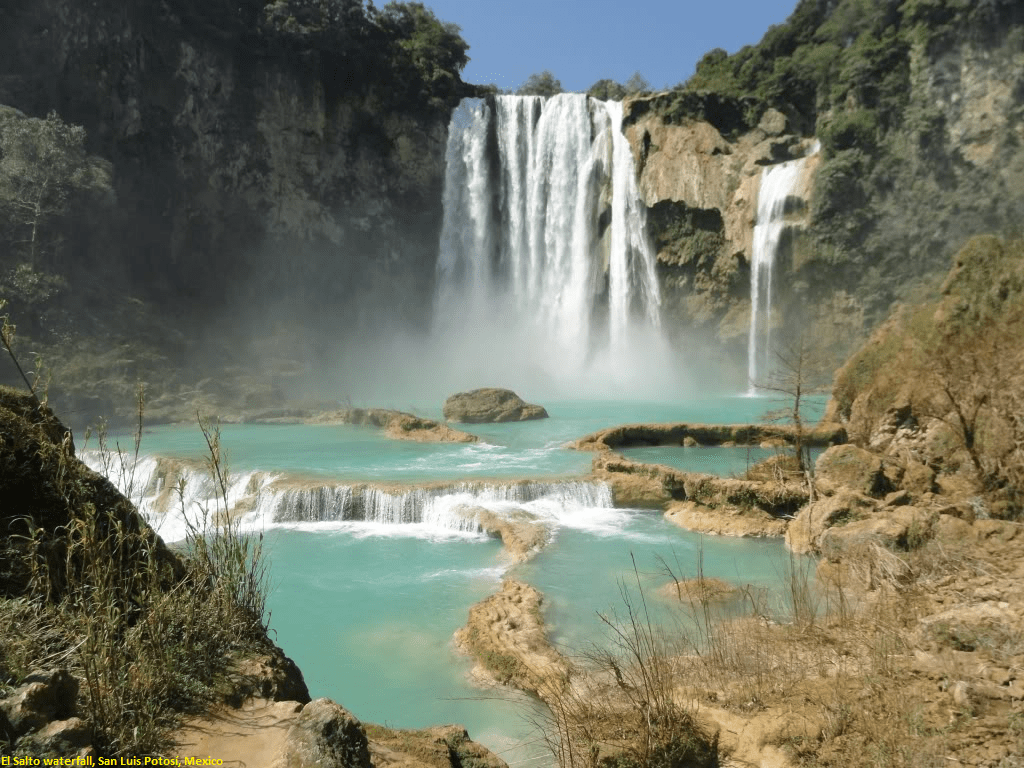
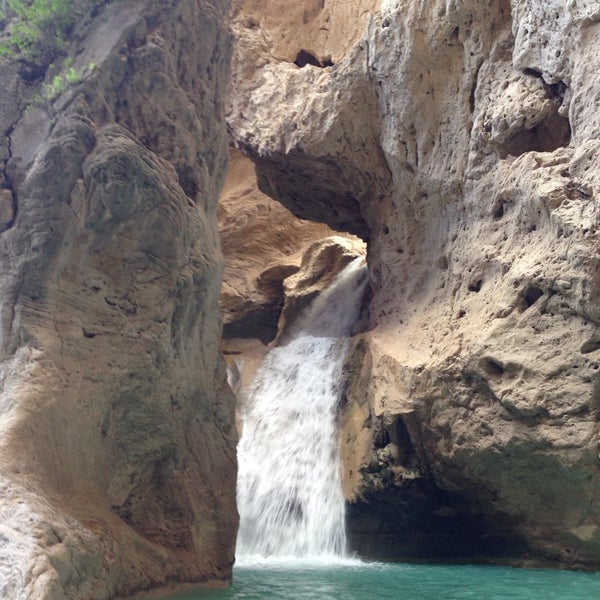
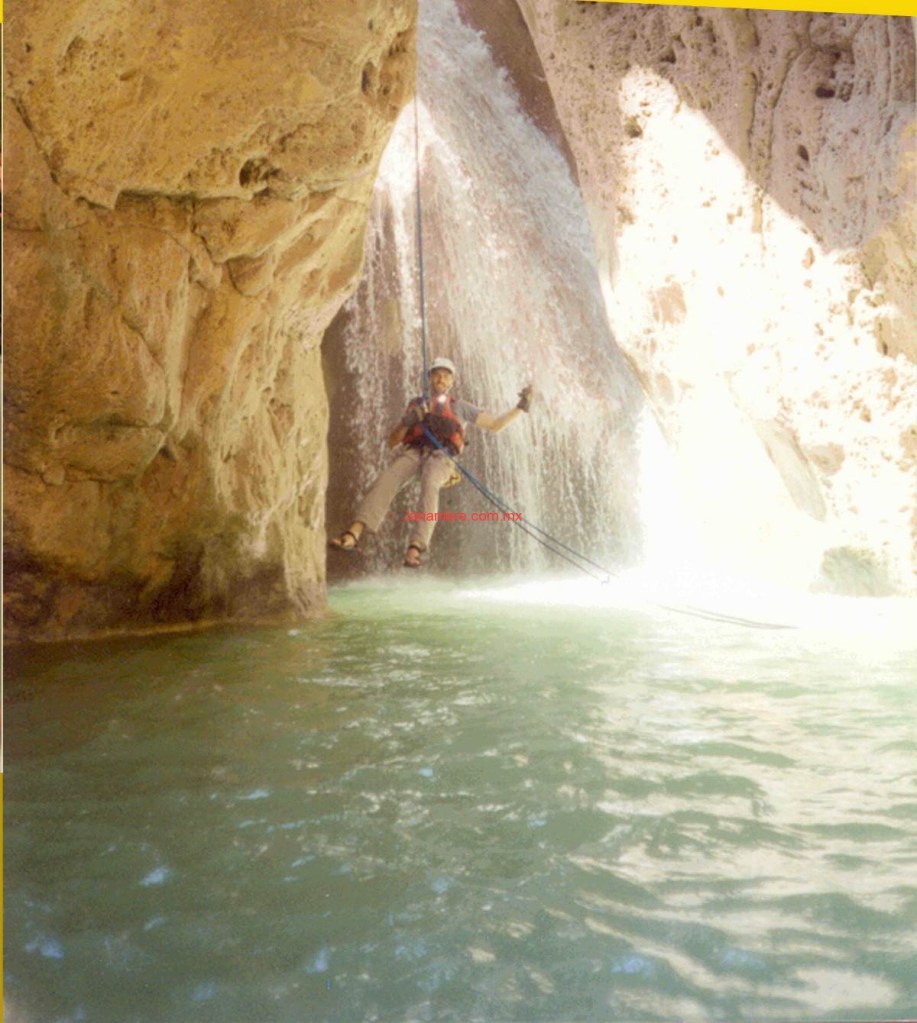
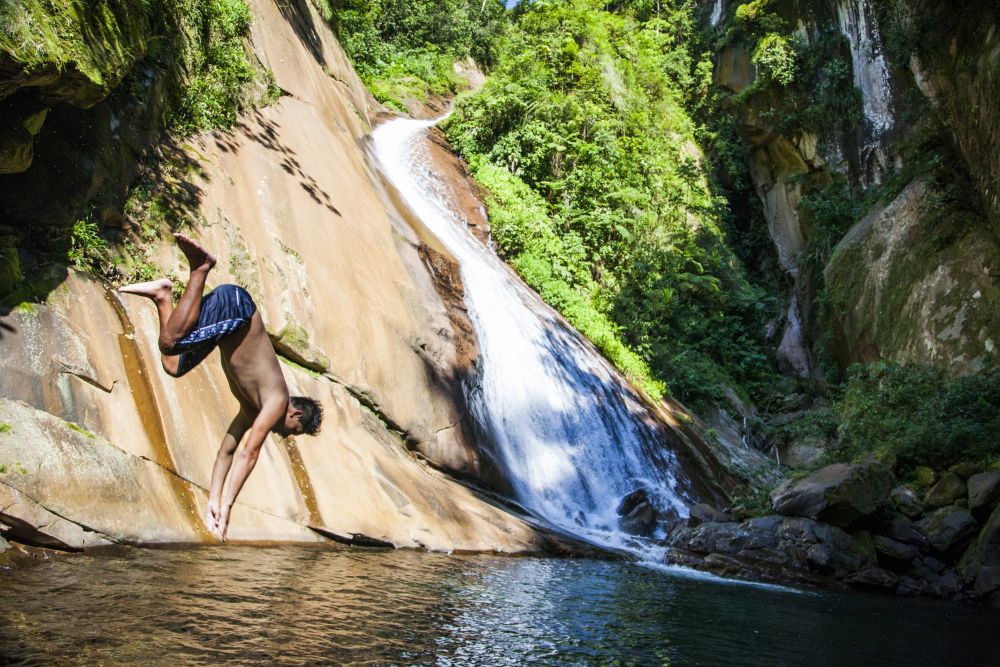
These are the El Salto Waterfalls on the El Salto River, which are now dry except for the rainy season because of a hydroelectric dam on the river, in El Naranjo in San Luis Potosi State, northeast of the city.

…compared with Havasupai Falls, in Arizona’s Grand Canyon…

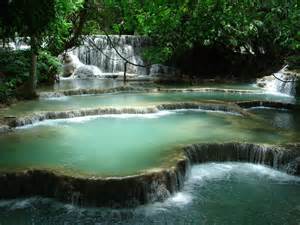
…Luang Prabang falls in Laos…

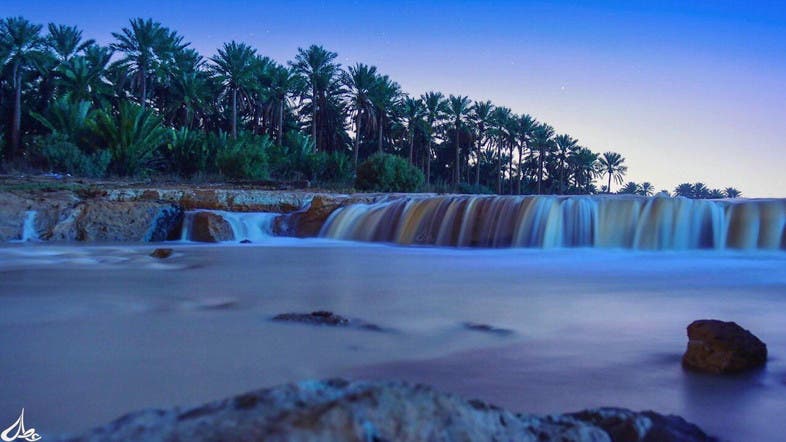
…waterfalls in the Rummah Valley in Saudi Arabia…

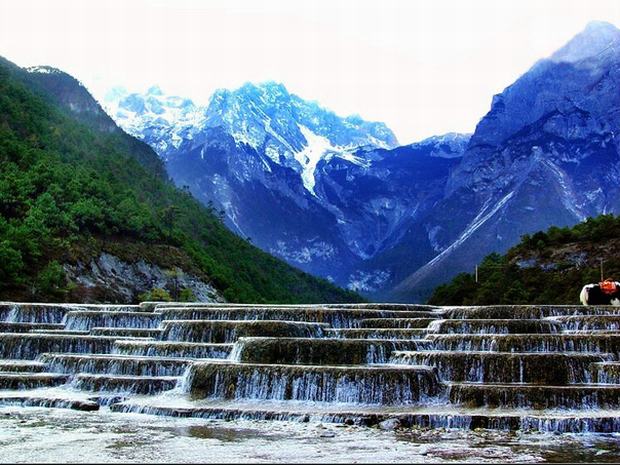
…and in the Valley of the Blue Moon in Lijiang, China, in a lush valley of the Jade Dragon Snow Mountain.

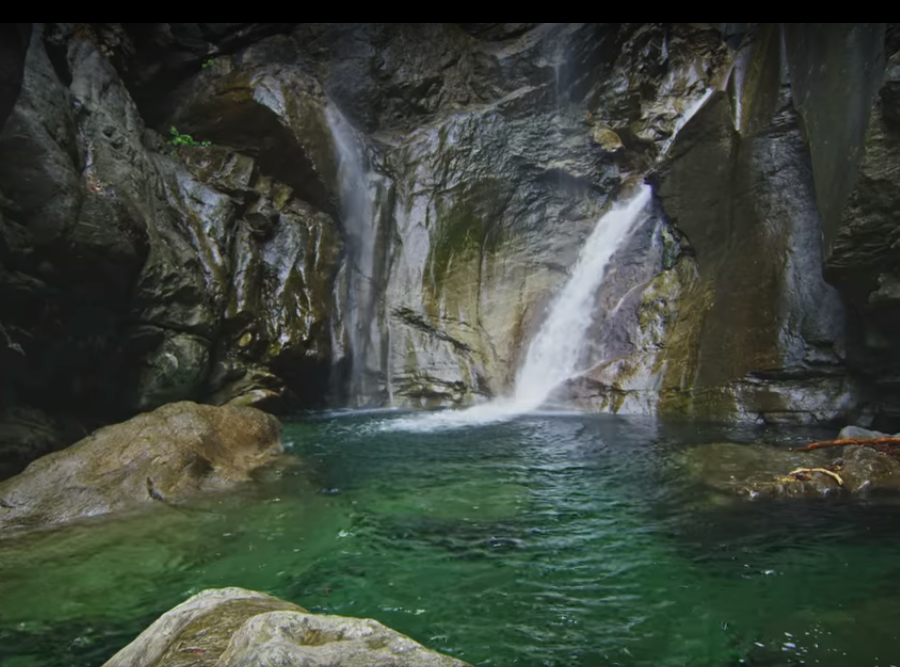
Next on the alignment is the Cascada el Salto, in Palmillas in Tamaulipas State…

…compared with the Ticino Caverns in Switzerland.

Victoria is the capital of the Mexican State of Tamaulipas.

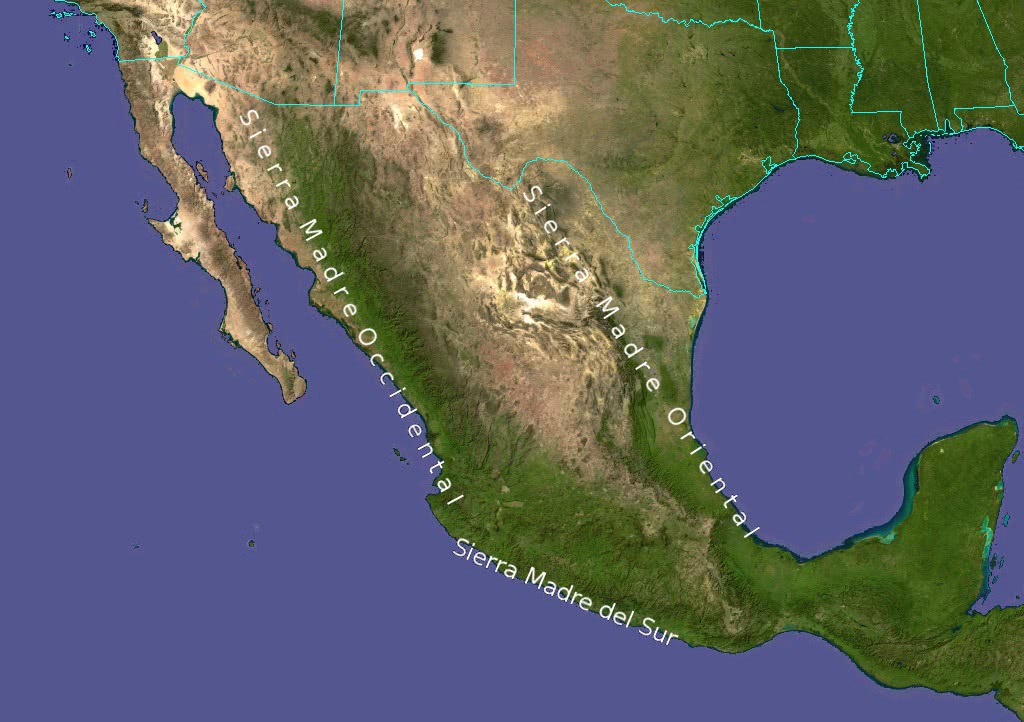
It is in northeast Mexico, at the foot of the Sierra Madre Oriental, running 620 miles, or 1,000-kilometers, from the Rio Grande on the border between Coahuila State and Texas, to North Puebla State…

…where you find large, cut-and-shaped stones…

…and massive rock slopes. We see these as natural formations because we haven’t been taught about any other possibility.

This is the Pinacoteca Tamaulipas, a space now dedicated to preserving the pictorial heritage of Tamaulipas State. It is housed in the former “Casa Filizola,” said to have been built by three Italian brothers in 1884.

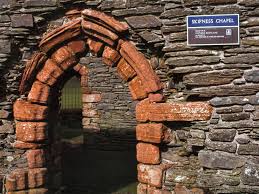
Compare the style of stone archways found here with this chapel in Scotland

Next on the alignment is Las Adjuntas…

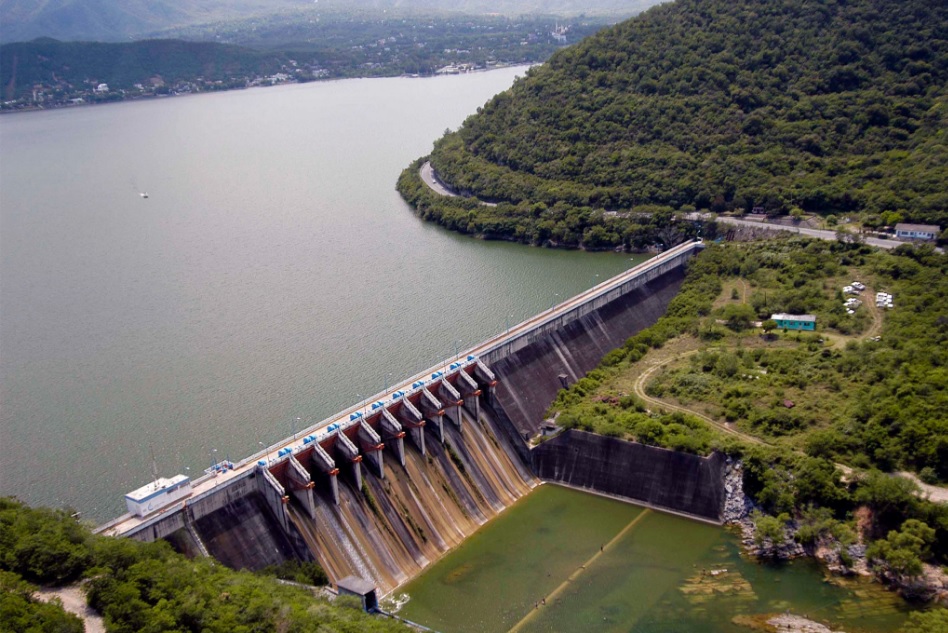
…the name of one of the largest dams in Mexico, also known as the Vicente Guerrero dam…

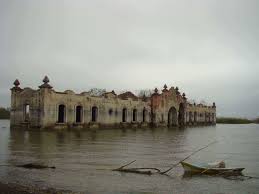
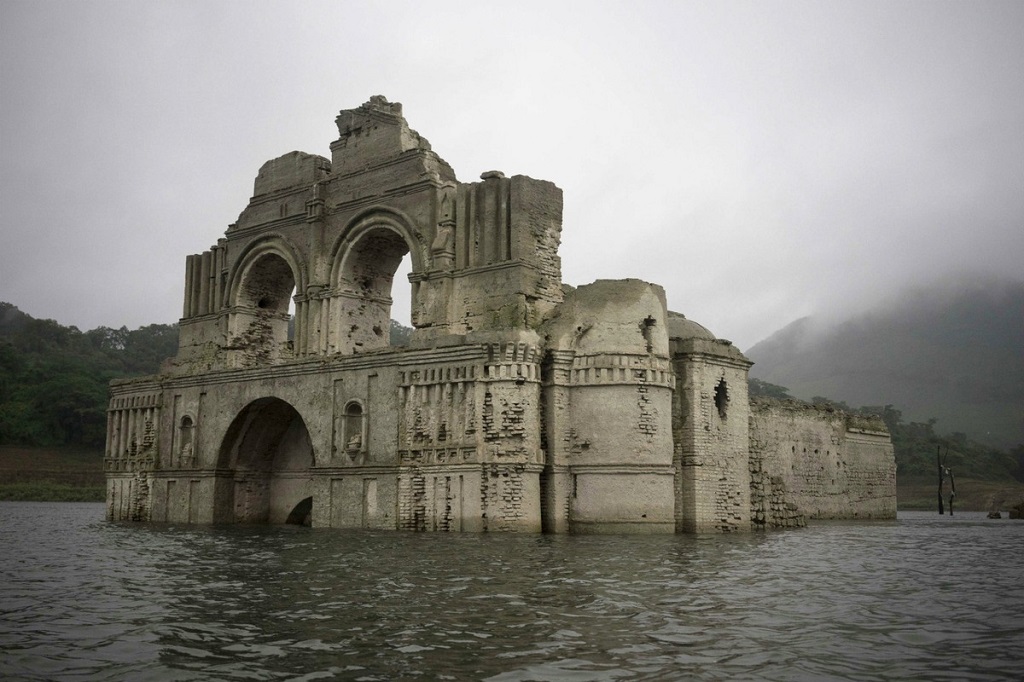
…and under which lies the town of old Padilla.

Quite a bit of history has been covered up in this fashion, and not just here in Mexico.

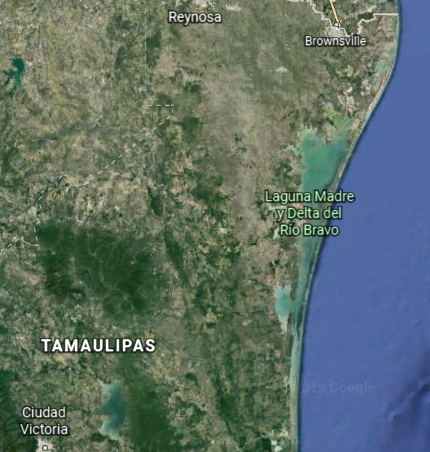
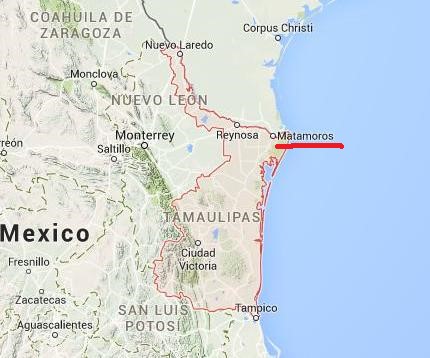
On the way to Matamoros, Mexico, and the border with the United States, the alignment skirts the edge of the natural protected area of Laguna Madre y Delta del Rio Bravo.

It is very shallow, with an average depth of about 3-feet, or 1-meter.

It is one of the most important bird wintering habitats in Mexico.

We come to Matamoros, in the northeastern part of the State of Tamaulipas, on the southern bank of the Rio Grande River, directly across from Brownsville, Texas.

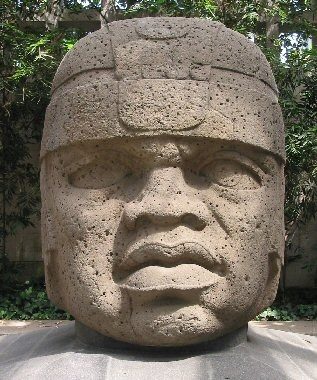
Olmecs are believed to have inhabited this part of Mexico at one time, the earliest known major Mesoamerican civilization. This is a colossal Olmec head.

Matamoros is a major historical site, and was the site of battles during the Mexican War of Independence, the Mexican Revolution, the Texas Revolution, the Mexican-American War, and the American Civil War.

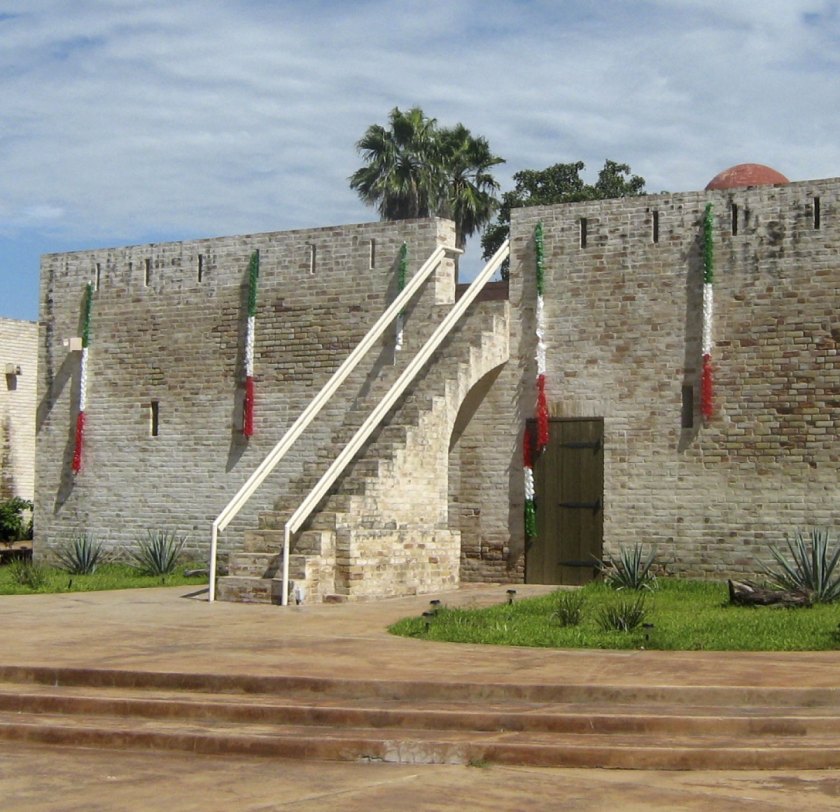
Casa Mata in Matamoros was said to have been constructed in 1845, as one of a defensive line of forts there, and completed in 1875.

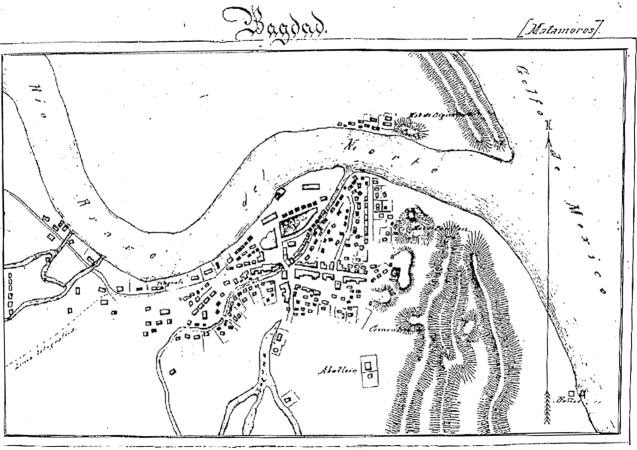
The Port of Matamoros, also known as the Port of Bagdad, was one of the leading commercial ports in the world during the American Civil War. It was booming as the only entrance port for mercenaries for the Confederacy, as well as being an international free trade zone as of 1858.

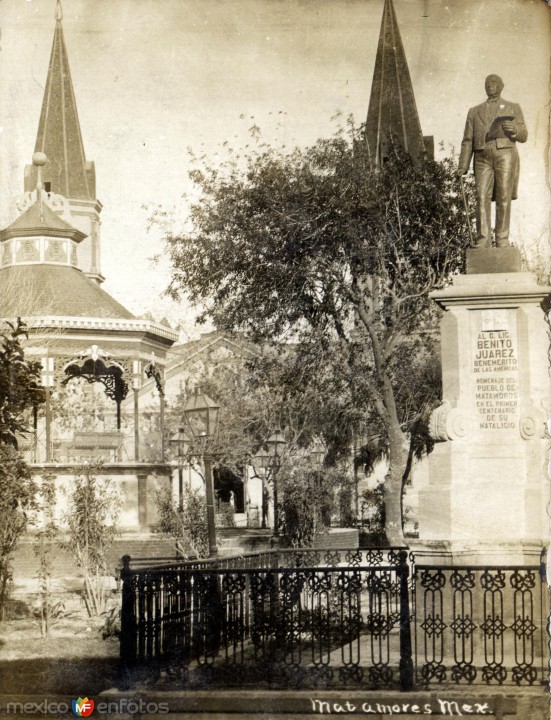
This is an historical photo of what was called the Plaza de Armas in Matamoros back in the day…

…and a more modern photo of the same plaza, only now called the Plaza Principal. I find it noteworthy that there is still an old stone archway standing here.

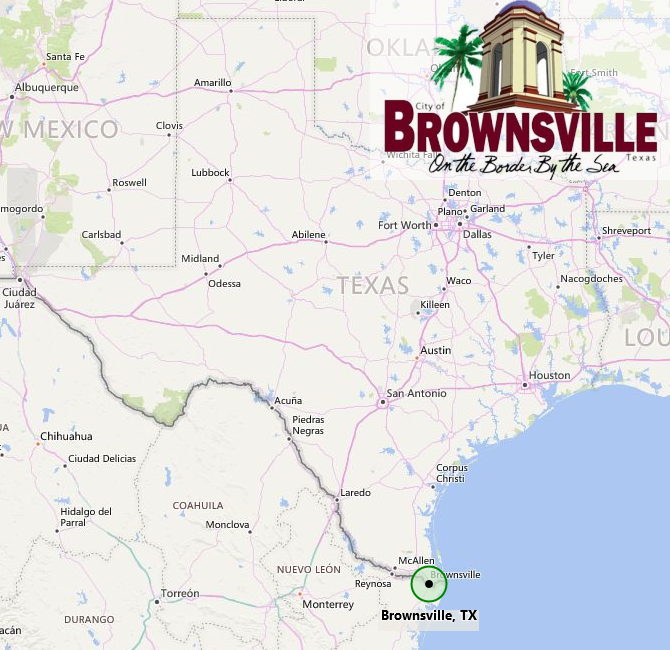
Next the alignment comes to Brownsville, Texas, on the western gulf coast in south Texas, and part of the Brownsville-Matamoros Conurbation, or continuous urban developed area.

It was said to have been founded in 1848 by American entrepreneur Charles Stillman…

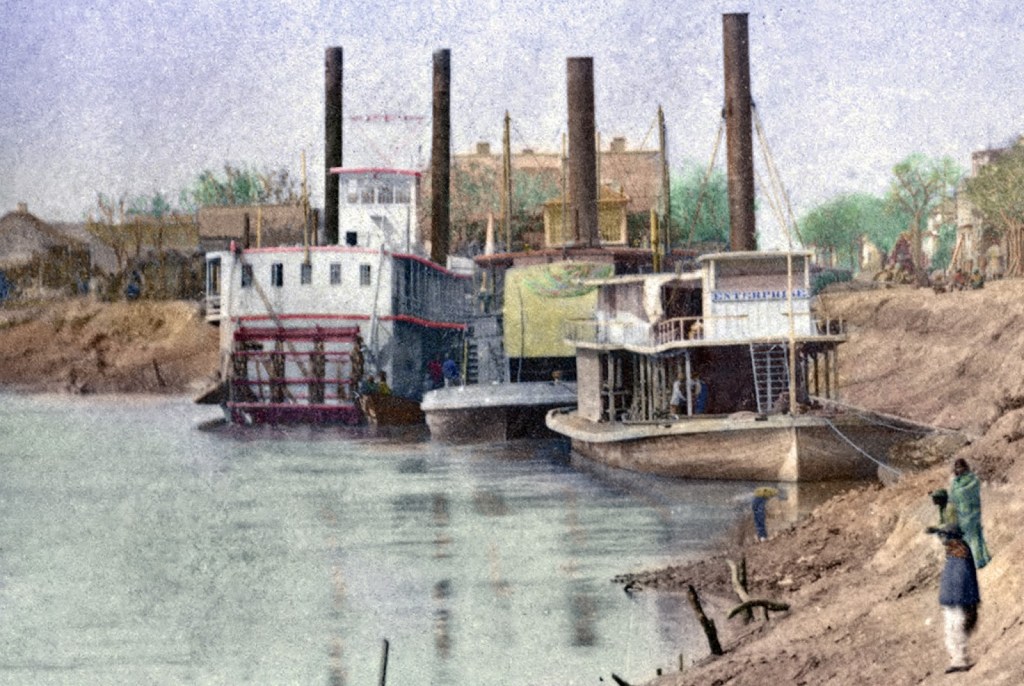
…after he developed a successful riverboat company on the Rio Grande.

He named Brownsville after Major Jacob Brown, who fought and died in the Mexican-American War, which took place between 1846 and 1848.

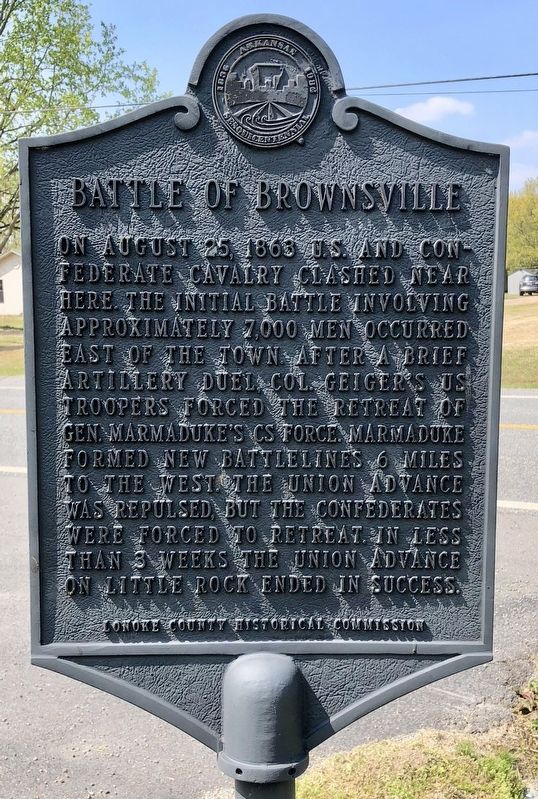
Brownsville was the site of several key events during the American Civil War. The Battle of Brownsville involved the Union Army successfully disrupting blockade runners along the Gulf Coast in Texas.

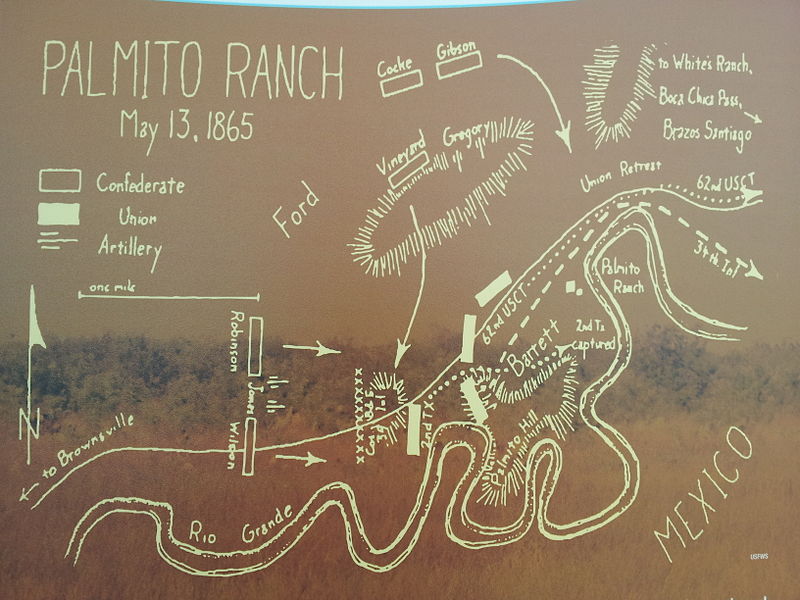
The Battle of Palmito Ranch took place east of Brownsville, and is considered the final battle of the Civil War, as it took place on May 12th and May 13th of 1865, and after the Confederacy ceased to exist.

By the way, if you have been following my work, you know I talk about finding snaky, s-shaped river bends, like the Rio Grande depicted here, all over the world. I believe it is a signature of the ancient advanced civilization.

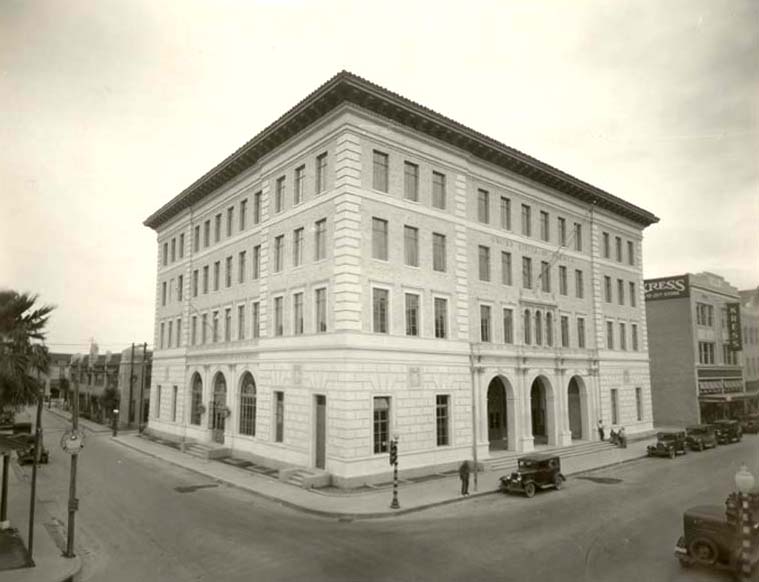
This the old Federal Courthouse in Brownsville, said to have been built in 1931. Not a lot of people or activity in this photo showing such a grand building.

It is now the Brownsville City Hall.

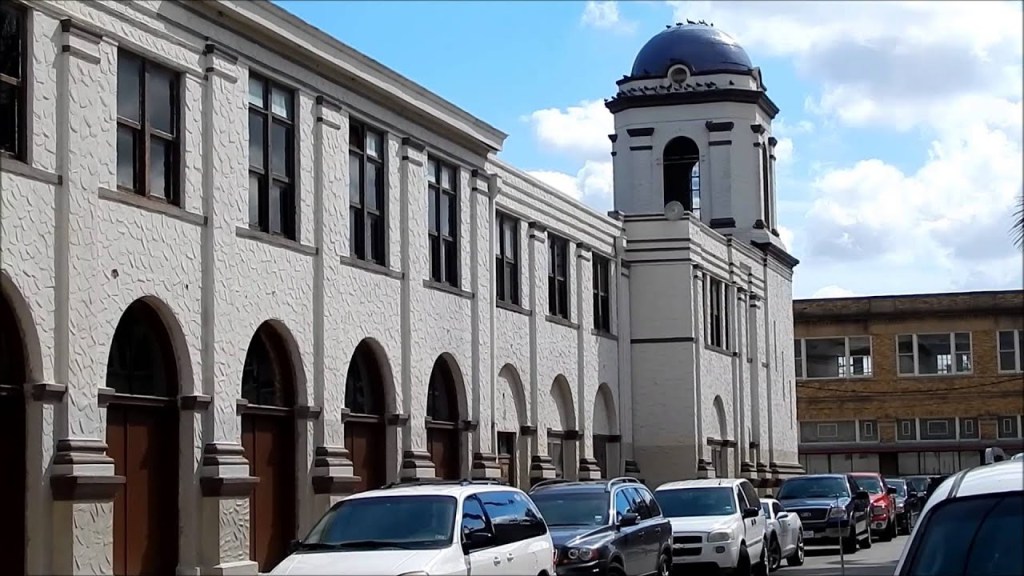
This arched and domed architecture is in downtown Brownsville…

…and this is Brownsville’s Immaculate Conception Cathedral, said to have been built in 1856.

How’d they build something like that in 1856, just a few years before the beginning of the American Civil War, at which time people were killing each other with muskets, bayonets, and cannon?

Definitely not the kinds of technologies that create sophisticated architecture like the Brownsville Cathedral.

I am going to end this post, and pick up the alignment at Port Isabel, on the Texas coast, in the next post.
Circle Alignments on the Planet Washington, DC – Part 20 Colima, Mexico to Aguascalientes, Mexico

In the last post, I tracked the alignment from Trujillo, in northwestern Peru on the coast, and looked at many different aspects of the history of the region that link it to distant times and places; and into the Pacific Ocean where it comes through the Galapagos Islands.

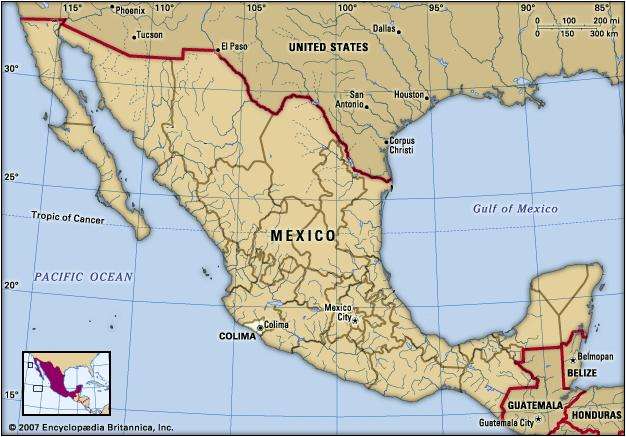
I am picking up the alignment where it enters Mexico at Colima, the capital city of the Mexican State of Colima.

It is the fourth smallest Mexican state, and though it has the smallest population, it has one of the highest standards of living and lowest unemployment rates in Mexico.

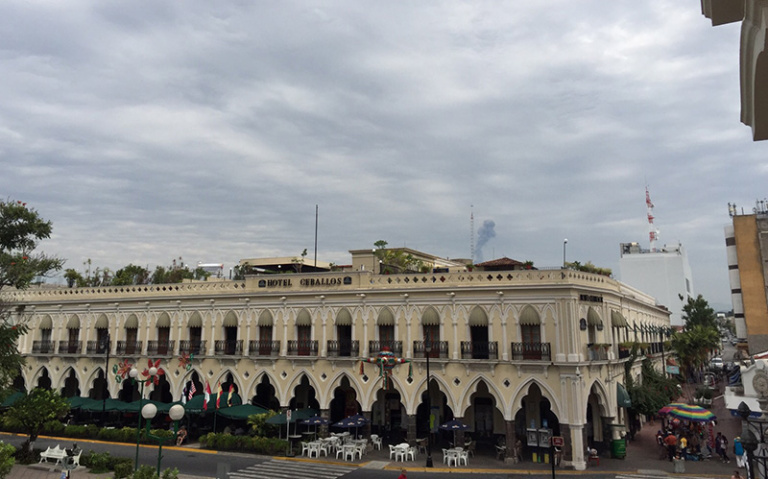
This building has very distinctive arches  in the Colima Centro.

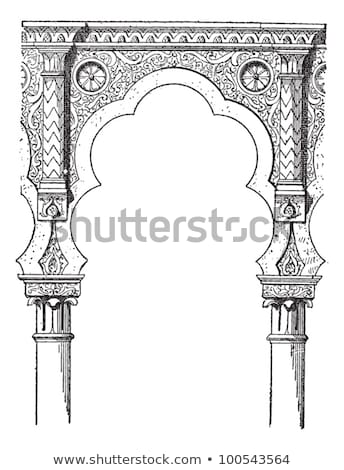
The arches are an example of a five-lobed Moorish Arch.

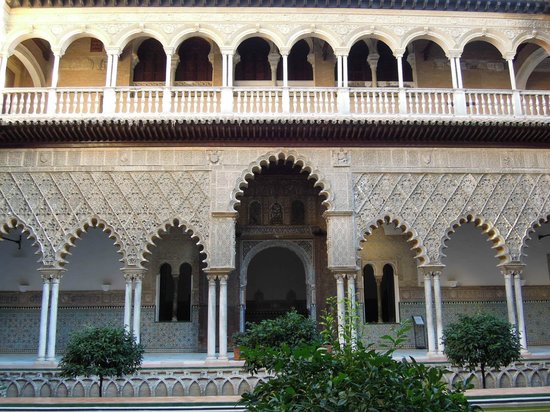
Here is a comparison with another type of Moorish Arch in Alcazar, Seville, Spain.

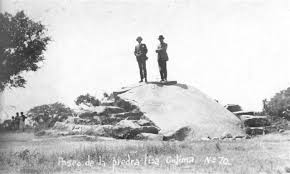
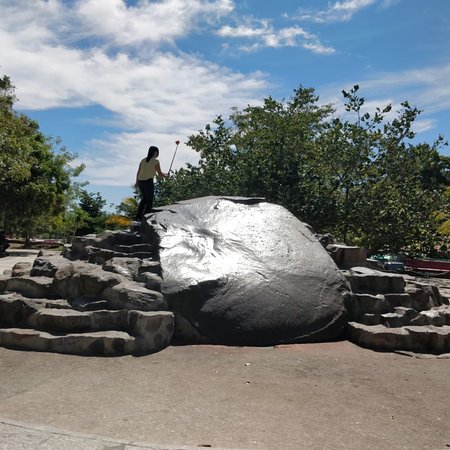
This is an historic photo of what is described a 6-foot, or 2-meter, high volcanic monolith in Piedra Lisa, or Smooth Stone, Park in Colima.

The legend is that if you climb to the top, you will fall in love with Colima forever.

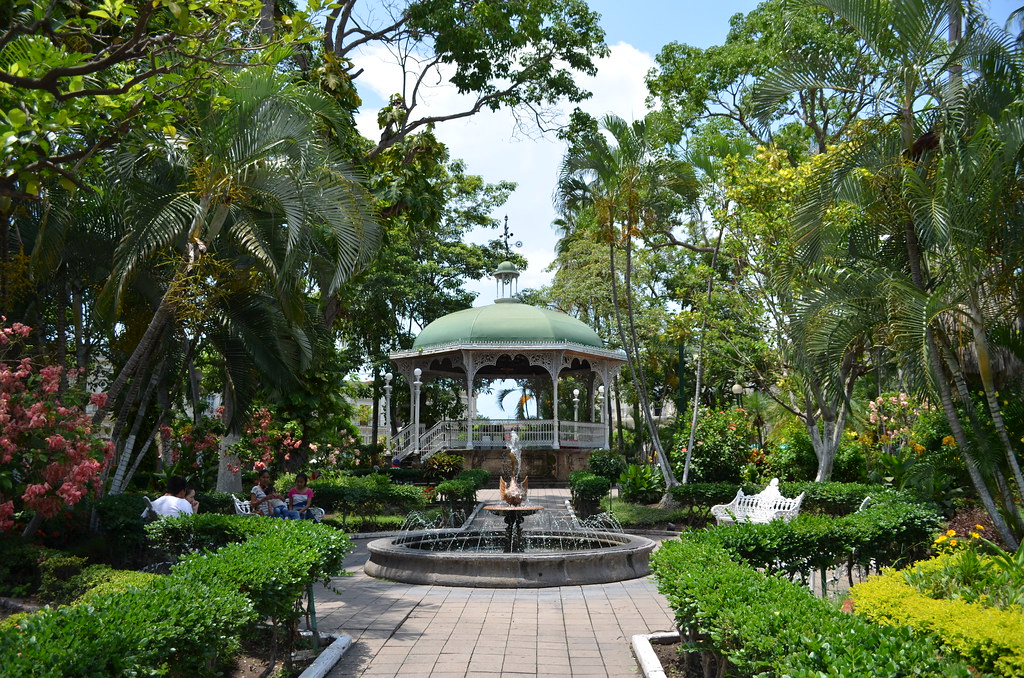
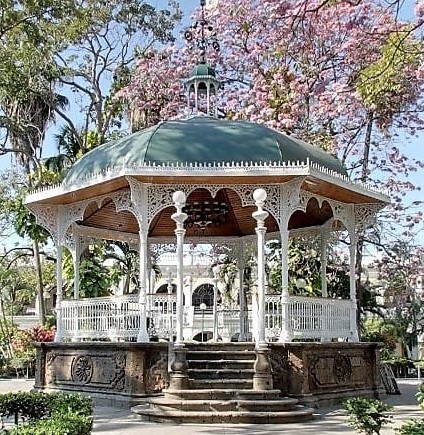
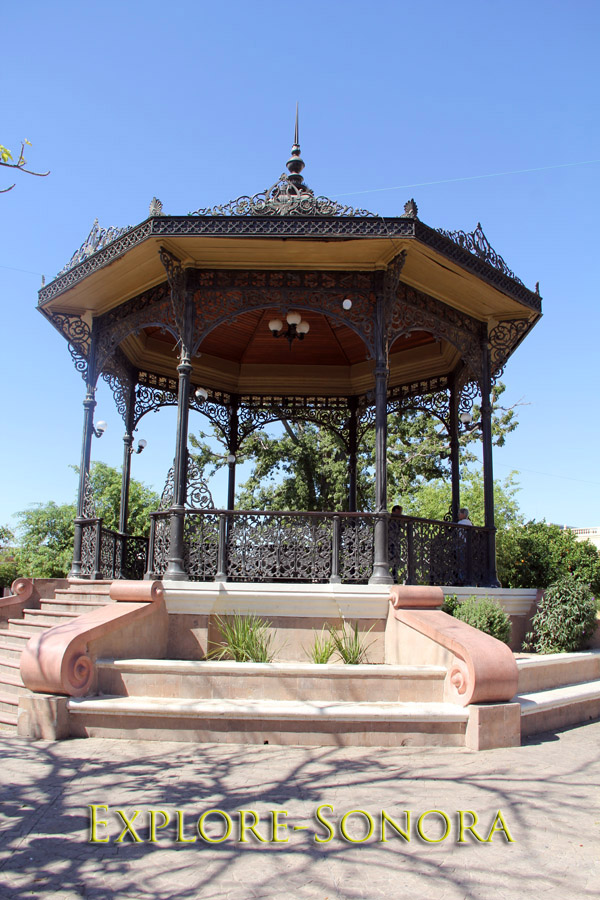
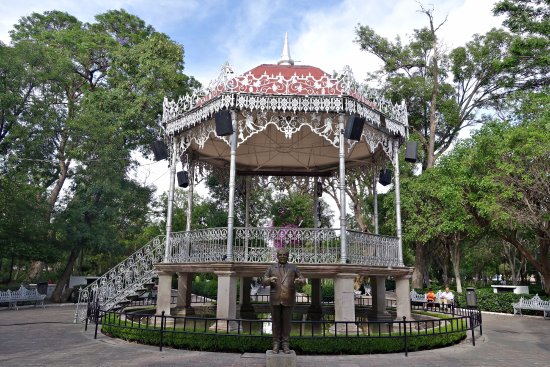
This bandstand is in the Jardin Libertad in Colima.

It is said to have been imported from Belgium in 1891.

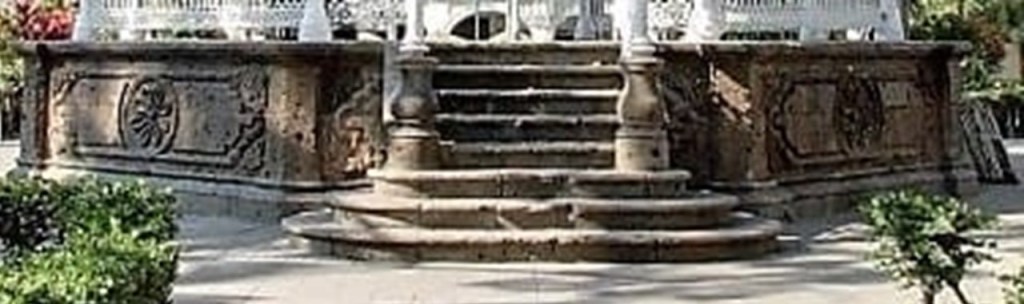
Hmmmm. Check out that stone base!

Compare it with the Moorish Kiosk in Hermosillo, Mexico, only this one is said to have been brought over from Florence, Italy in the early 1900s.

European countries get the credit, with no explanation as to the logistics of how these could have been moved from Europe to the western coast of Mexico in both cases. The Panama Canal we are told wasn’t opened until 1914. The only logical explanation is that these were built by the people who lived here.

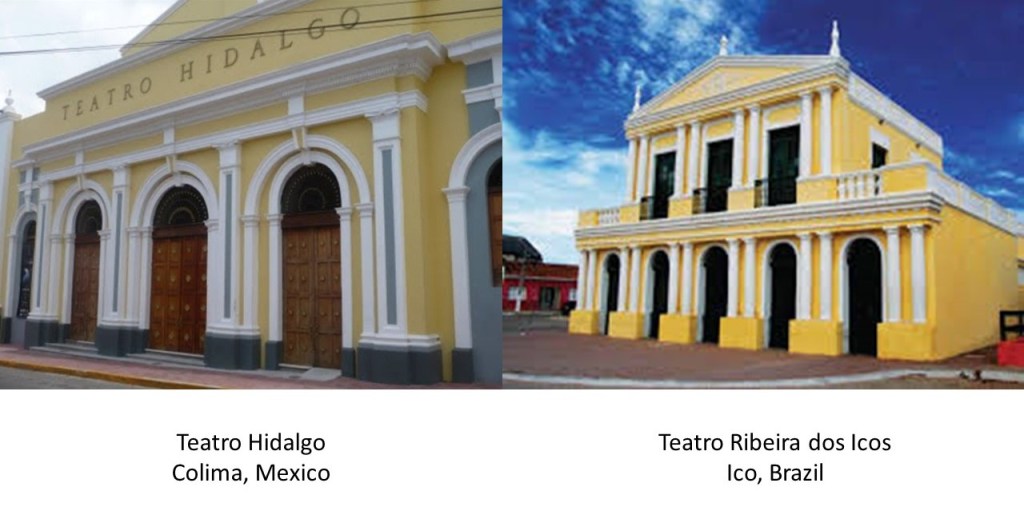
This is the Teatro Hidalgo in Colima on the left, with its construction said to have been started in 1871, compared with the Theatro Ribeira dos Icos in Ico, Brazil, said to have been built in the mid-1800s, on the right, seen earlier on this alignment.

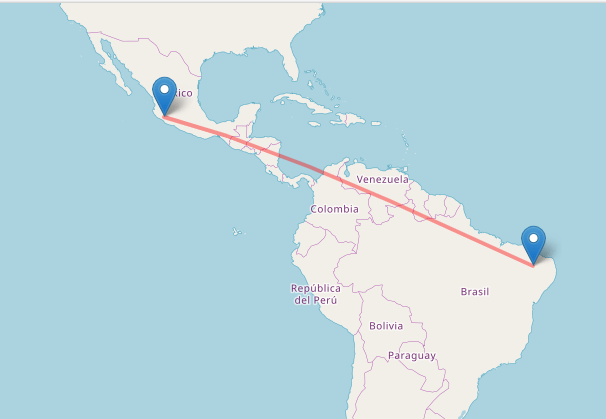
Quite similar in style and appearance for two places that are 4,800 miles, or 7,650 kilometers, apart, before modern communication and transportation.

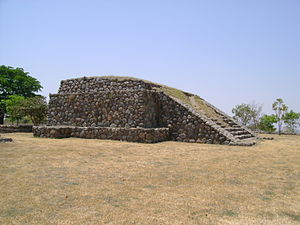
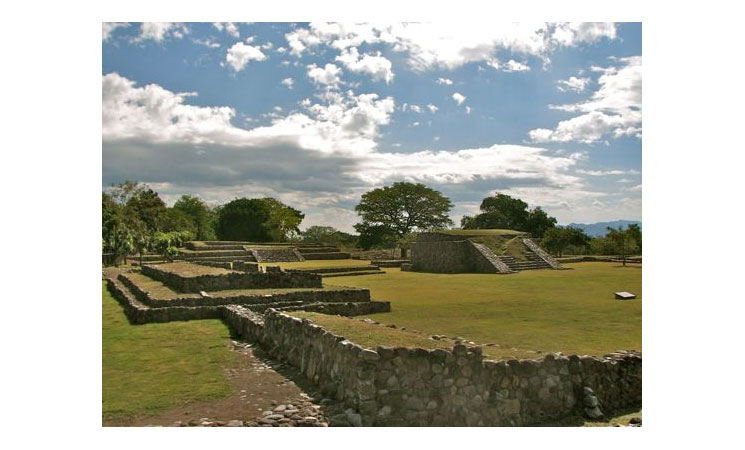
The archeological site of El Chanal is 2.5 miles, or 4 kilometers, north of Colima.

El Chanal has six plazas, or important ceremonial centers.

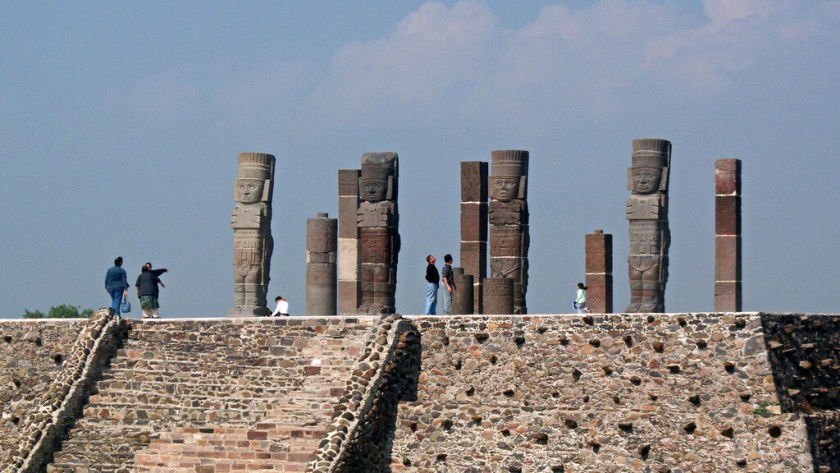
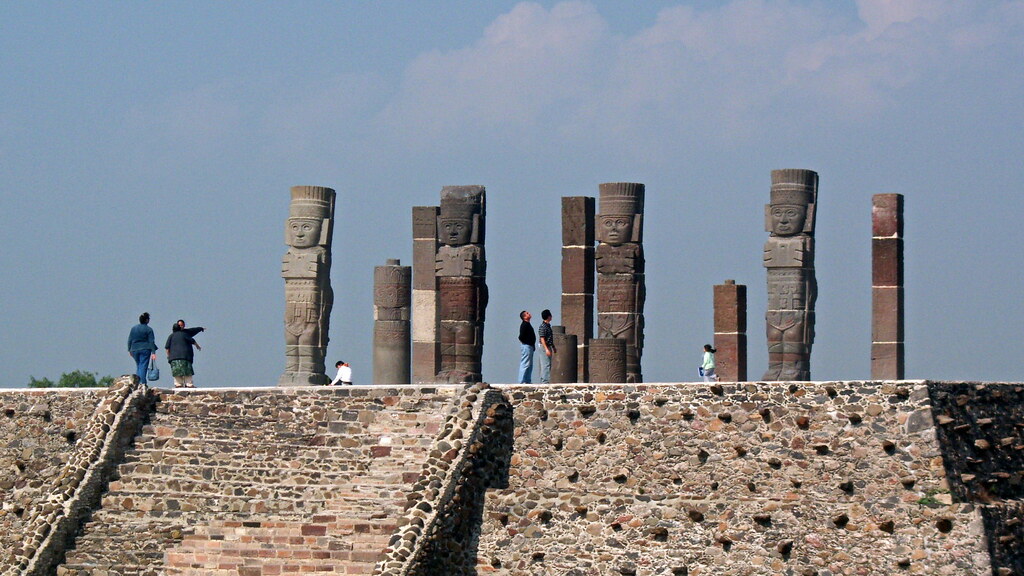
It is important to note that western archeologists say they are unable to identify who lived here because they find evidence of the influence of several different cultures here, like Aztec, and like Tula, a Toltec site. This is the Temple of the Atlantes in Tula.

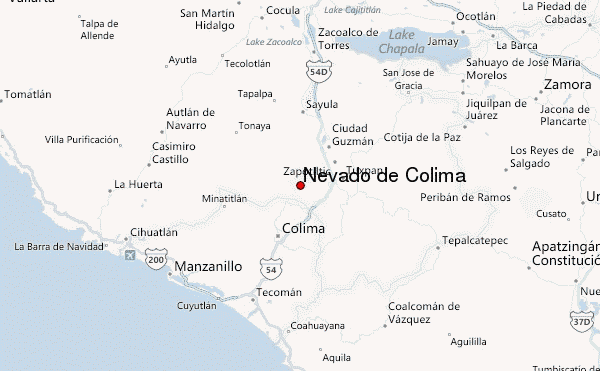
Leaving the Colima area, the alignment goes through the Nevado de Colima National Park.

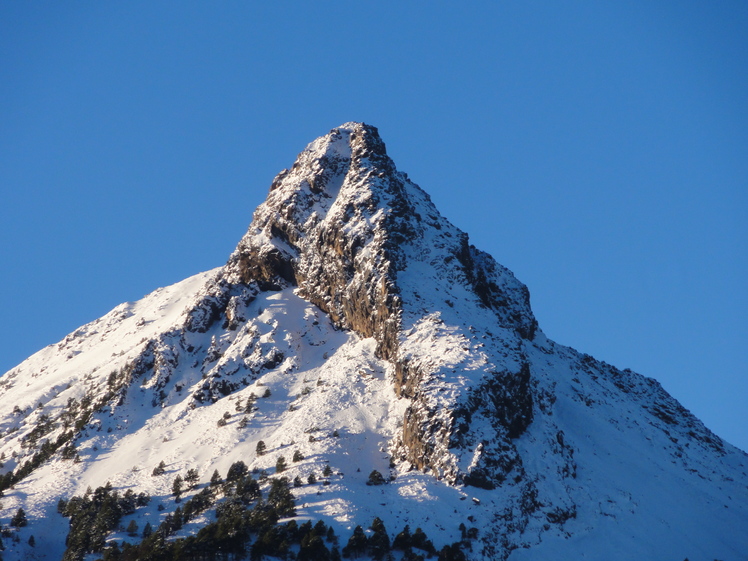
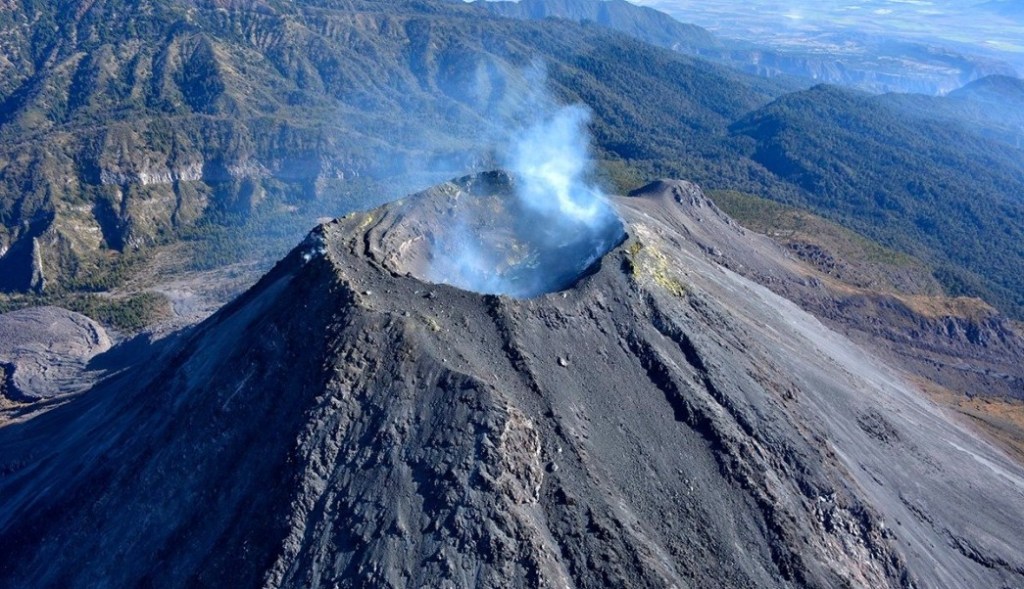
The Nevado de Colima National Park has two volcanos – what is called the extinct volcano Nevado de Colima…

…and one of the most active volcanoes in Mexico, the Volcan de Fuego de Colima.

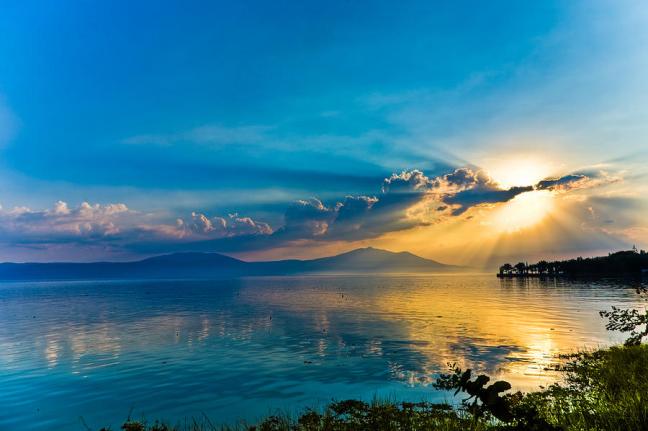
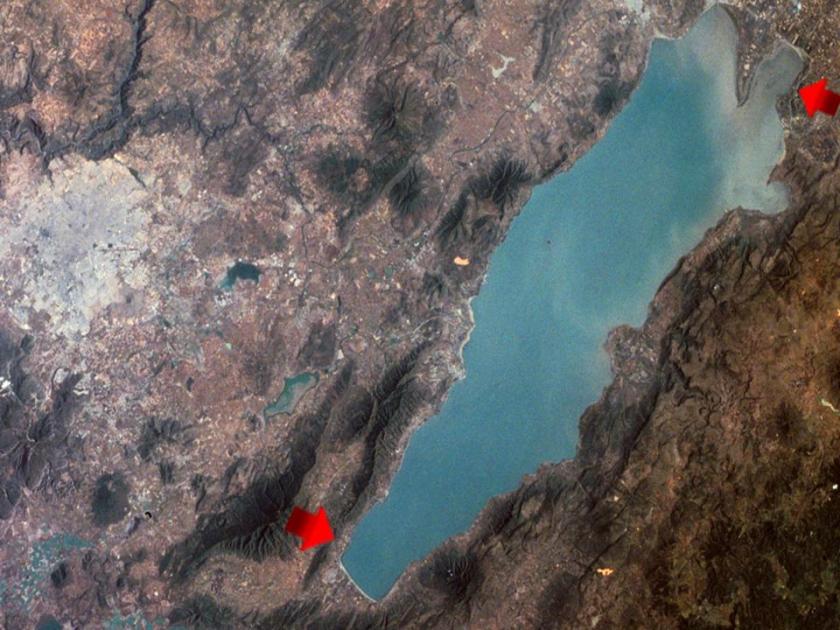
Lake Chapala is on the alignment, Mexico’s largest freshwater lake.

It is shared between Jalisco and Michoacan State, with its squared off ends…

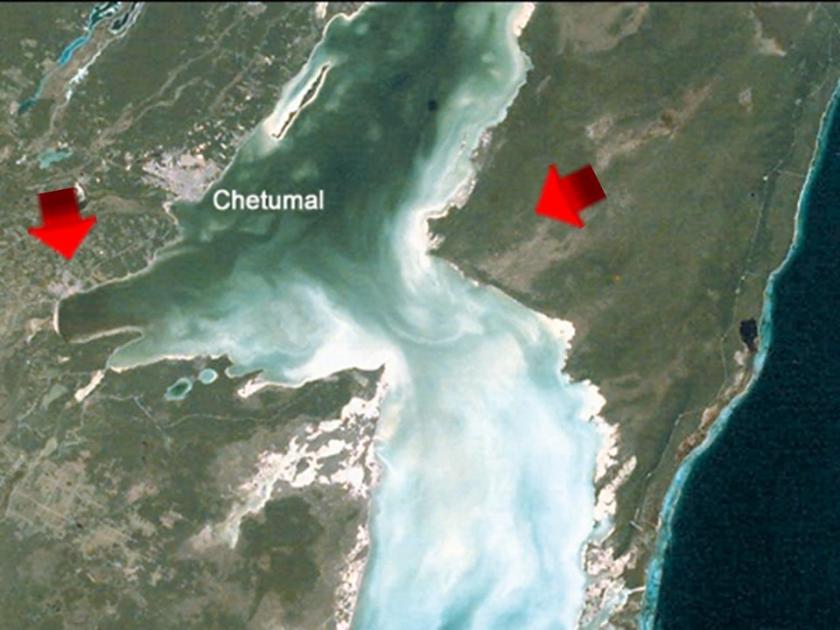
…compared with Chetumal Bay, located off the Caribbean Sea on Mexico’s eastern coast, with a similar squaring going on.

Next we come to Guadalajara, the capital and largest city of Mexico’s Jalisco State, and the second largest city in Mexico.

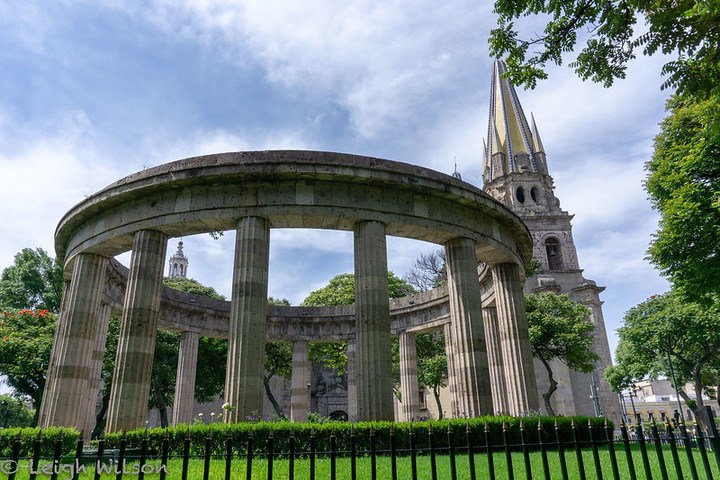
This is called the Rotunda of Illustrious Jaliscoans in the Centro Historico of Guadalajara…

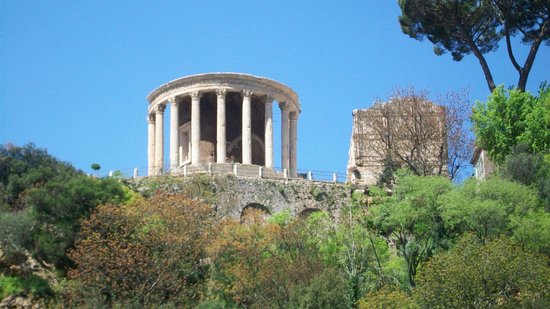
…compared with the Tempio della Sibilla in Tivoli, considered one of the oldest sites in Italy.

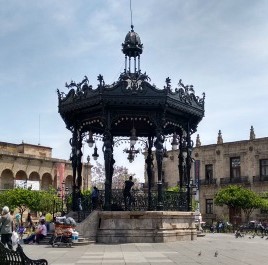
There is also an ornate bandstand in the Plaza de Armas in the Centro Historico of Guadalajara. This one is said to have been made in France and given to Mexico on the 100th Anniversary of Mexico’s Independence in 1910.

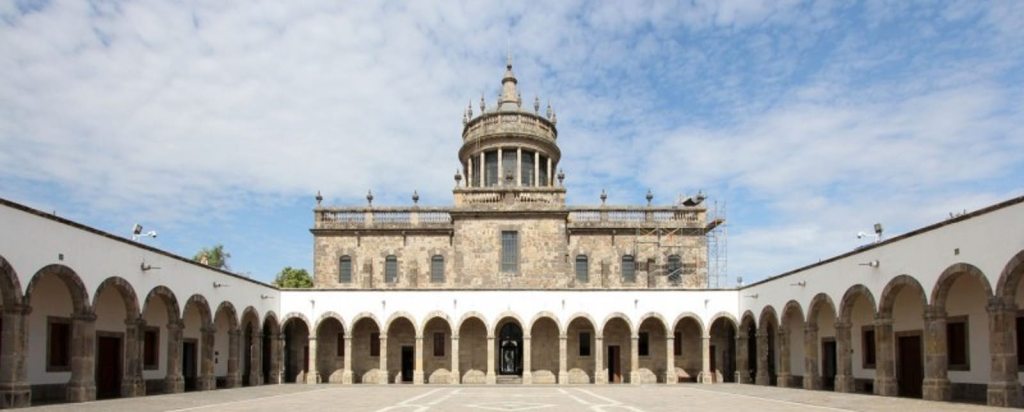
This is the Hospicio Cabanas, one of the oldest and largest hospitals in the Americas, with its chapel in the background. We are told the architect who designed it was engaged in 1796, and it was completed around 1829.

We are told the complex was founded in 1791 by the Bishop of Guadalajara to be a combination workhouse, hospital, almshouse, and orphanage.

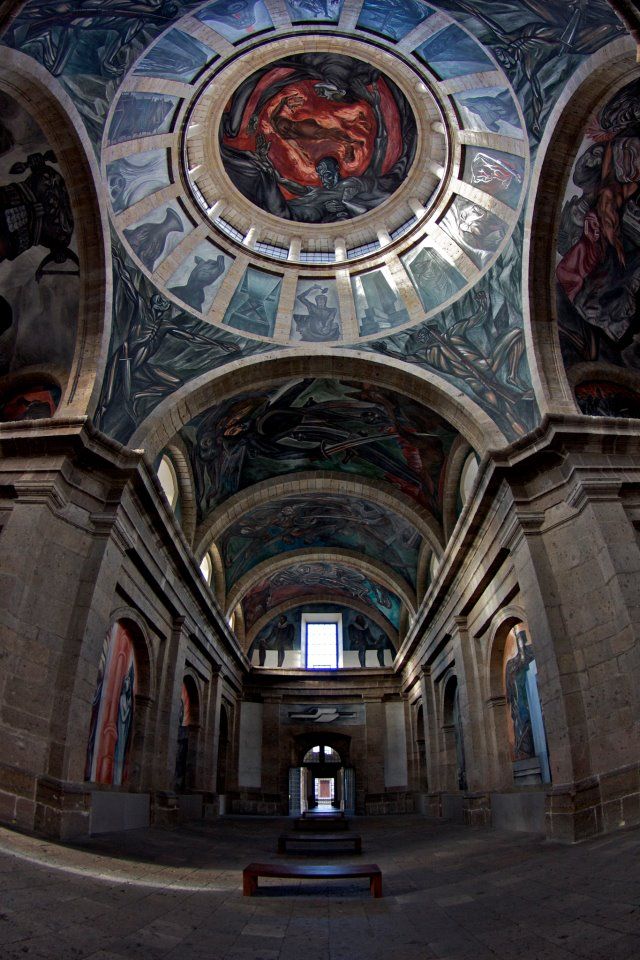
This is what it looks like on the inside of the hospital’s chapel.

Pretty fancy for a building designed to house and serve poor people.

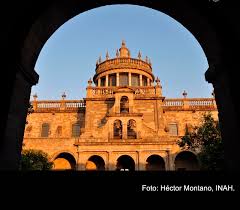
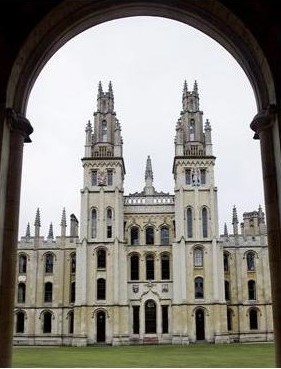
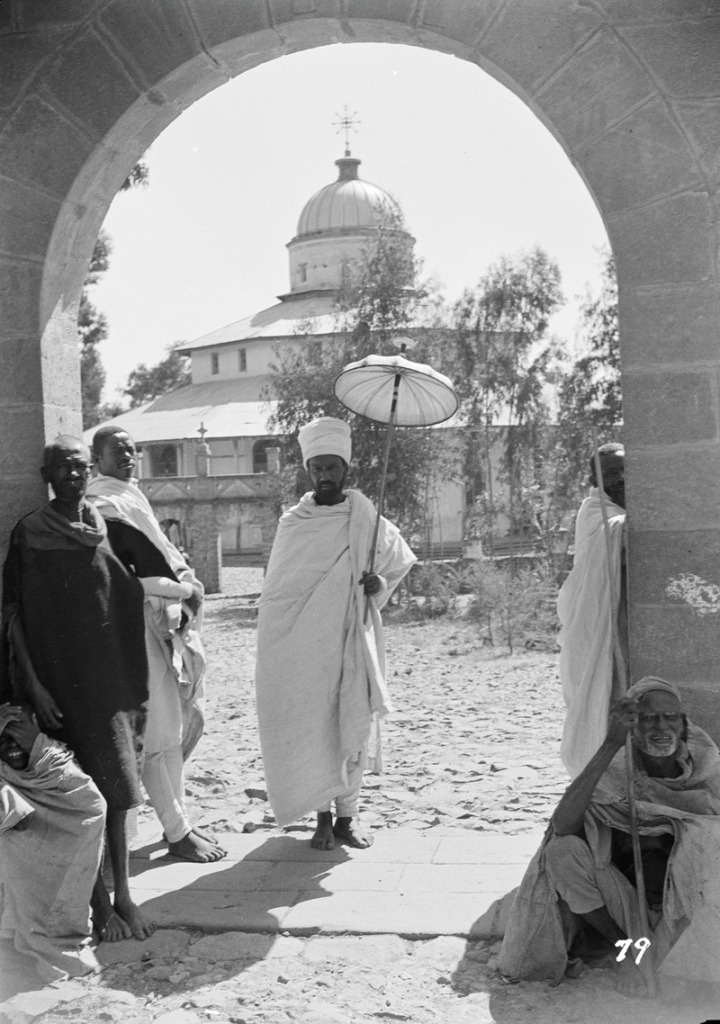
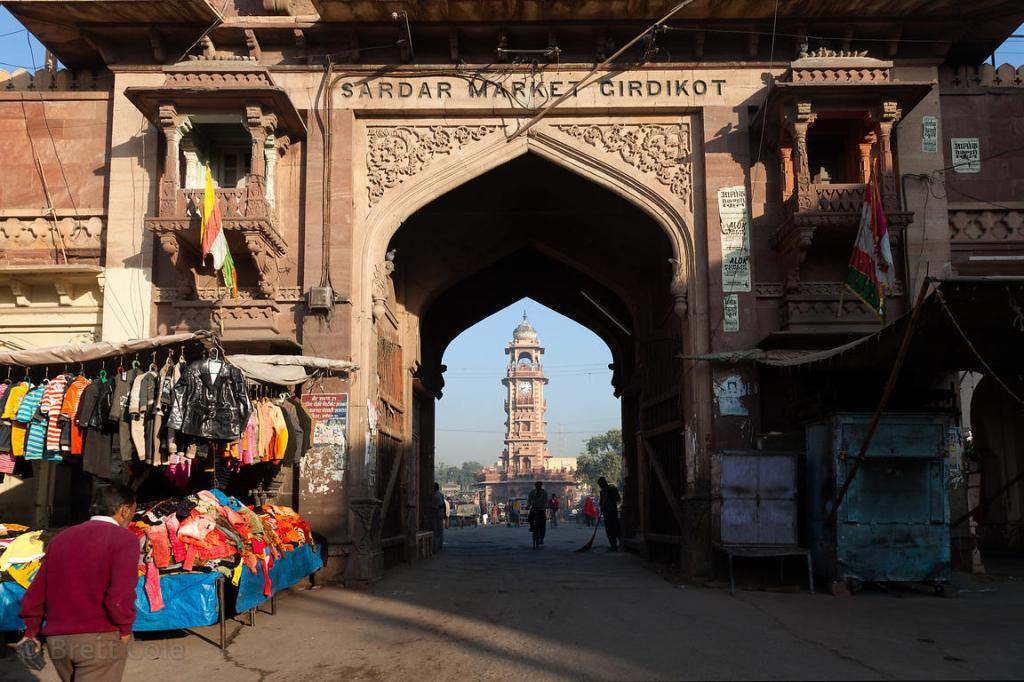
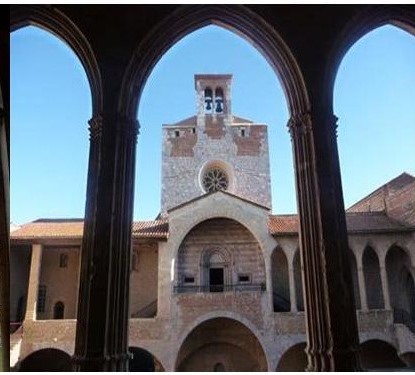
And here is the other side of the hospital’s chapel perfectly and proportionally framed through an archway…

…just like what you see in Oxford, England…

…at the Debre Libanos Monastery in Ethiopia…

..at the Sardar Market in Jodhpur, India…

…and the Palace of the Kings of Majorca in Perpignan, France.

This is the old University of Guadalajara, the Santo Tomas de Aquino College, and the current “Octavio Paz” Hispanic Library, another example of classical Greco-Roman architecture in Guadalajara.

It was said to have been founded by the Jesuits in 1591, and then became the University of Guadalajara in 1792.

Next on the alignment is Aguascalientes, the capital of the Free and Sovereign State of Aguascalientes.

It is named for the abundance of hot springs in the area.

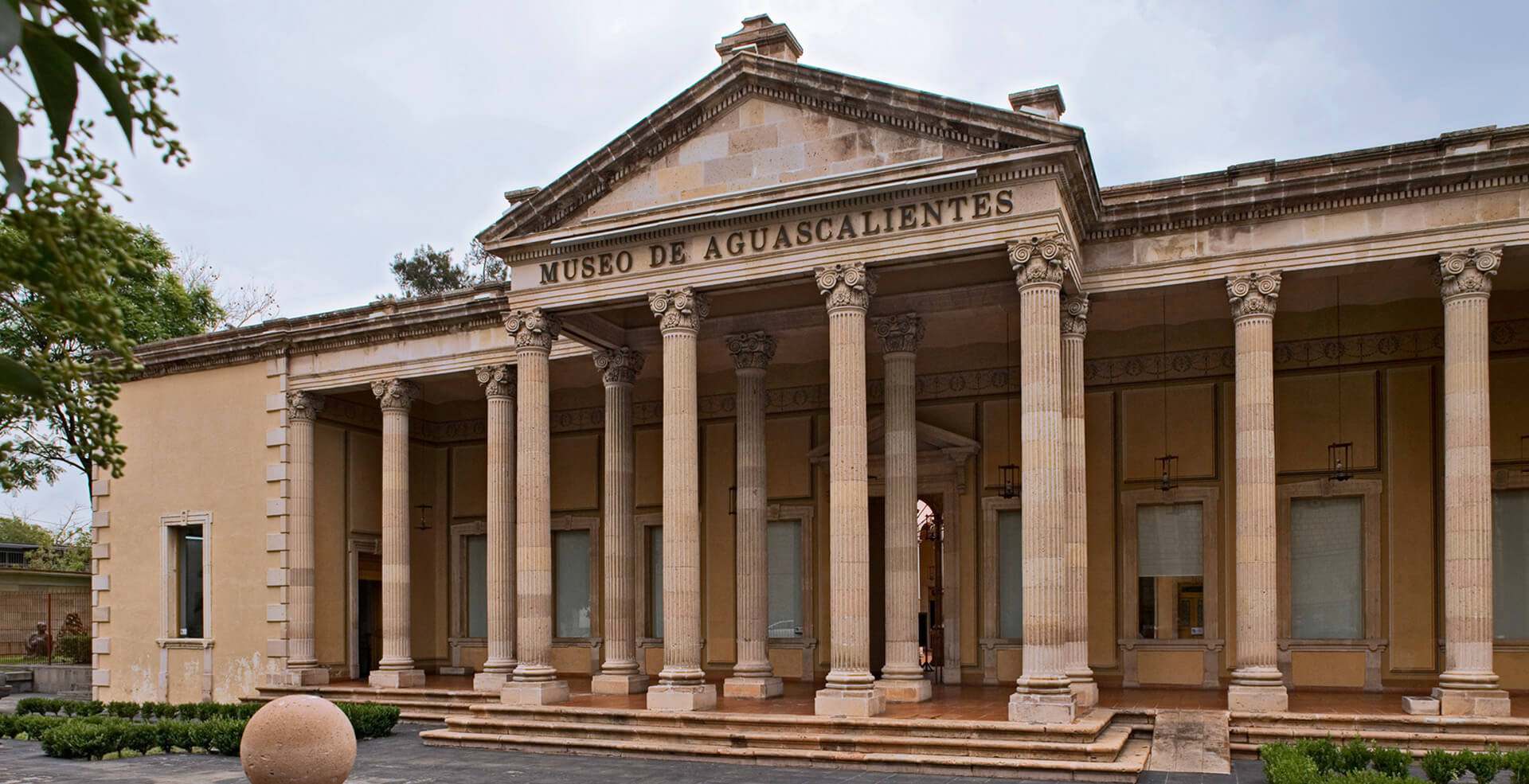
This is the Aguascalientes Museum, said to have been built in 1903.

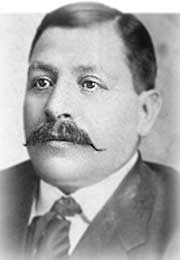
Again, there is so much architecture everywhere, around the world, that looks like what are taught is classical from ancient times, yet no one questions anything because we assume it was built when we are taught, and by the person said to have built it. In this, Refugio Reyes Rivas, a self-taught architect with no formal training.

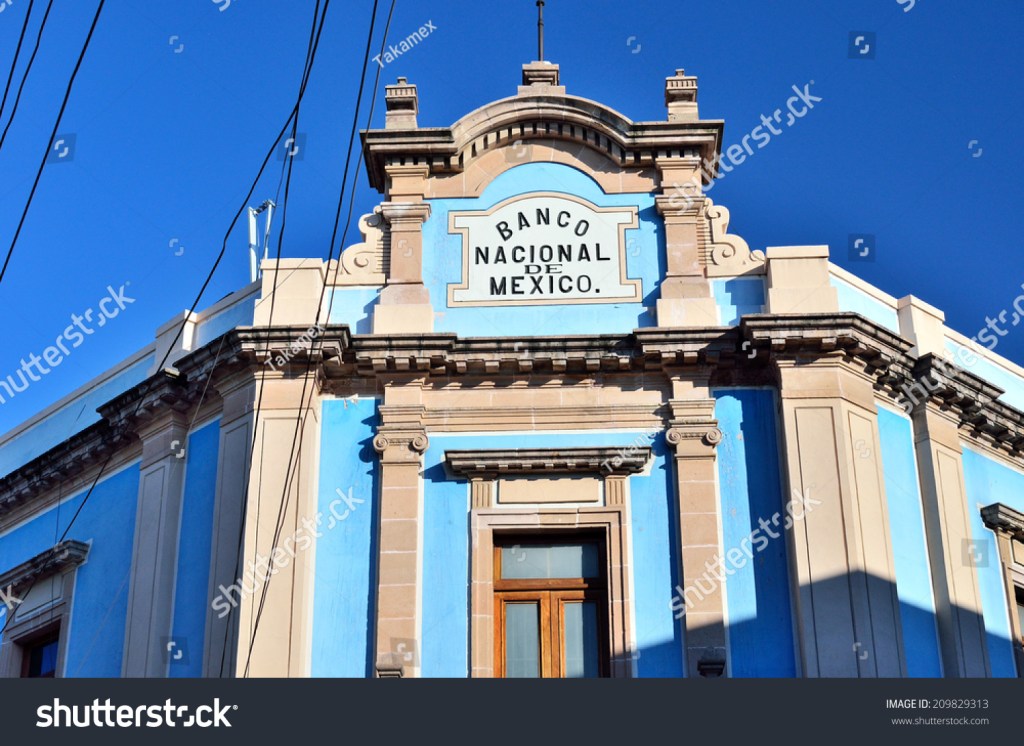
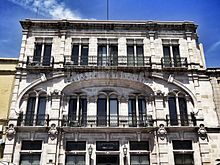
He is also given credit for the Bank of Mexico…

…the Hotel Paris…

…the Hotel Francia…

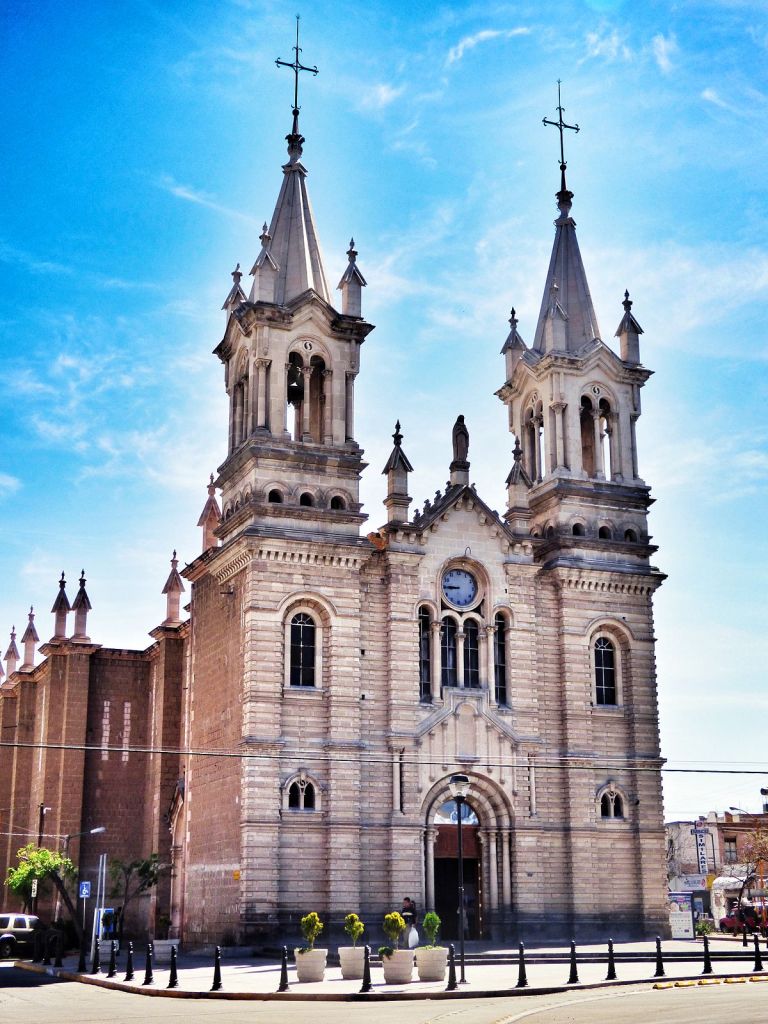
…and the Church of the Purismima – all in Aguascalientes.

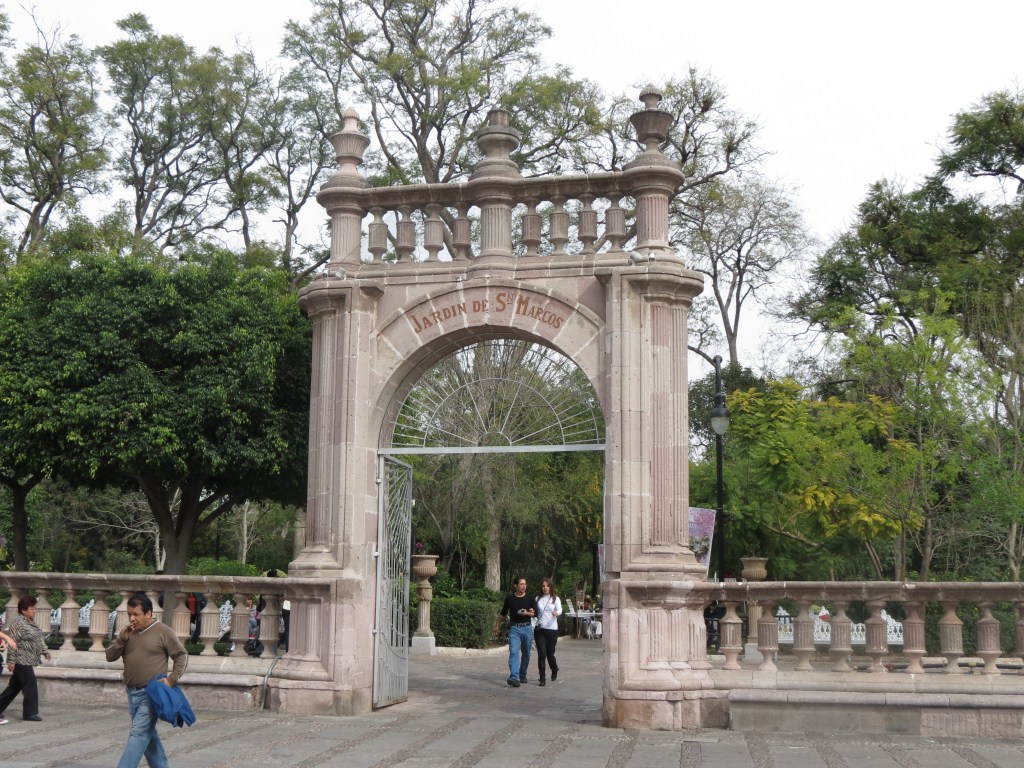
The San Marco Garden is in the center of Aguascalientes. This is one of the four massive gateways into the park, which was said to have been created in 1842.

There is another ornate, wrought-iron bandstand, or gazebo, in the garden like the ones seen earlier in this post.

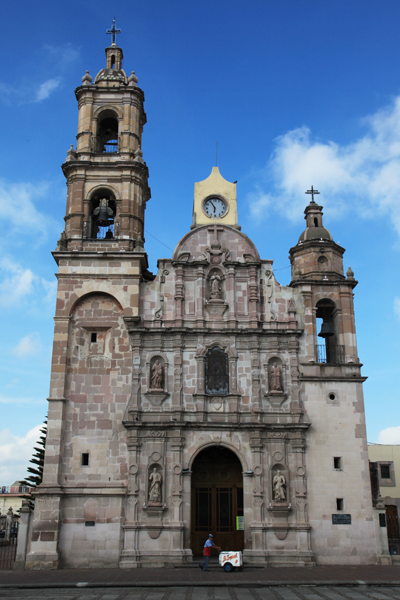
There is also a church at the western end of the Garden, the Templo de San Marcos, said to have been completed in 1765 ~ a huge building of heavy masonry.

I am going to end this post here, and pick up the alignment in Victoria, Mexico, in the next post.
Circle Alignments on the Planet Washington, DC – Part 19 Trujillo, Peru to the Galapagos Islands

In the last post, I tracked the alignment from Cachimbo, and the Serra do Cachimbo in Brazil’s Para State; through Porto Velho, the capital of the Brazilian State of Rondonia, on the Madeira River in the Upper Amazon Basin; across the Serra do Divisor National Park in Brazil’s Acre State, on the border with Peru; through to Pucallpa, the capital of the Colonel Portillo Province of Peru.

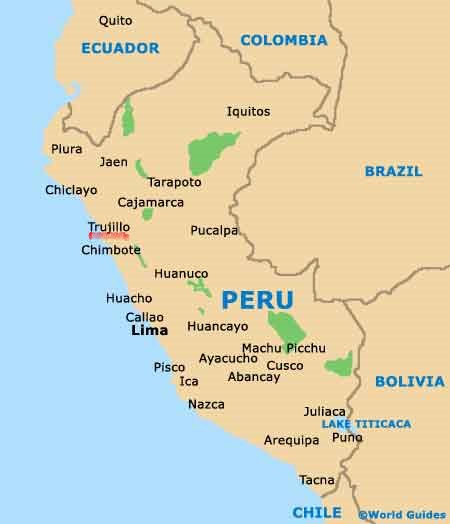
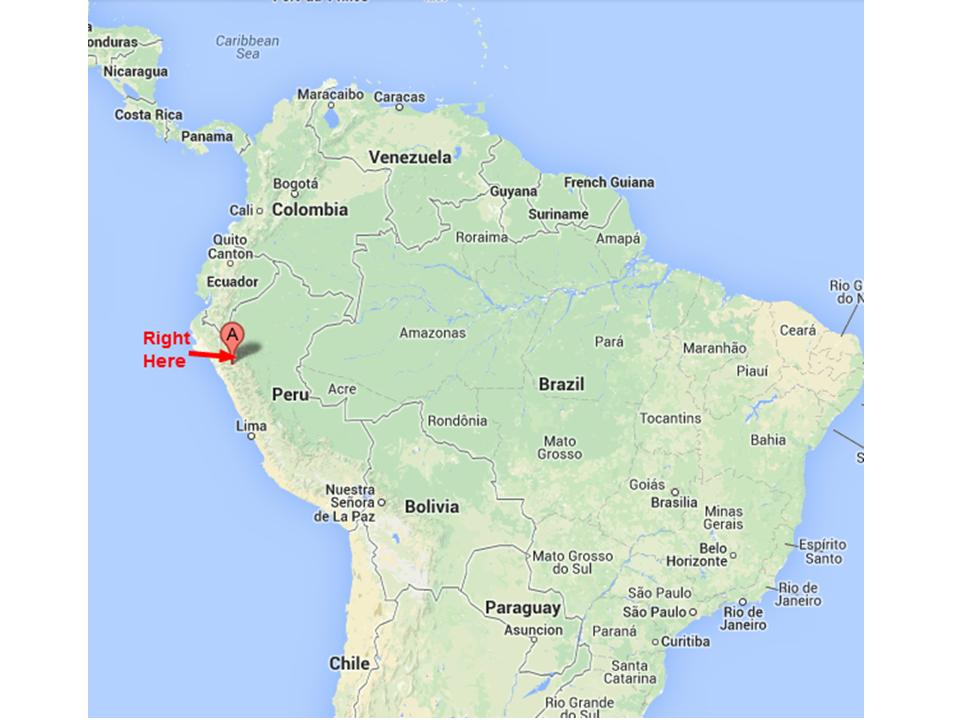
I am picking up this circle alignment starting, and ending, in Washington, DC, at Trujillo, a coastal city in northwestern Peru, and the capital of the Department de La Libertad.

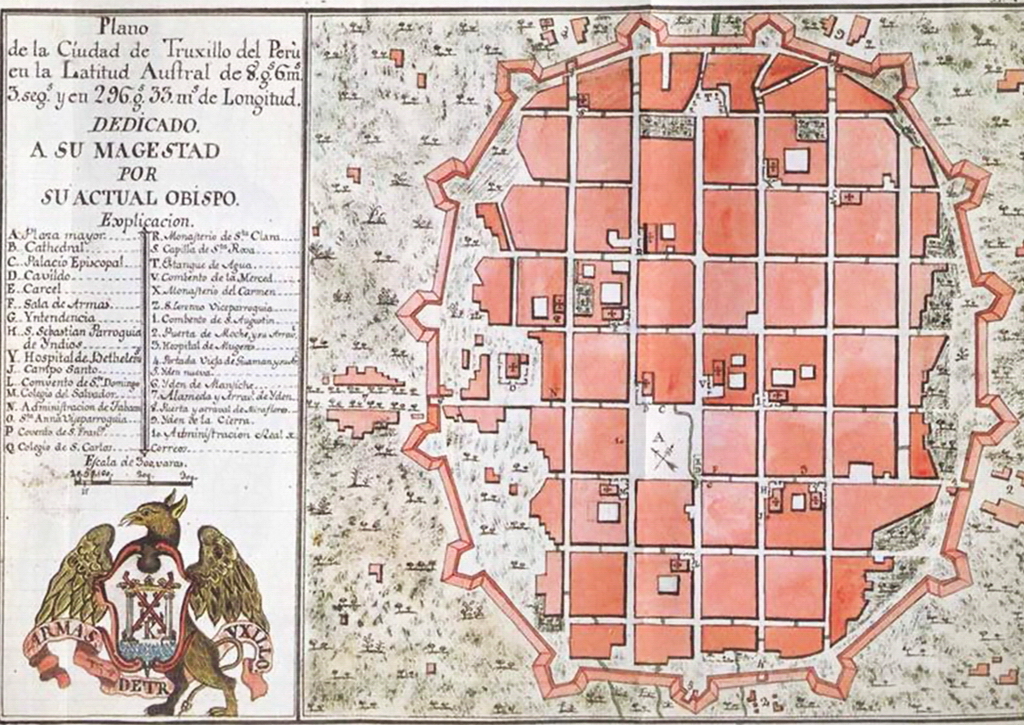
This is an historic map of Trujillo, Peru from 1786, with its fifteen-pointed city wall.

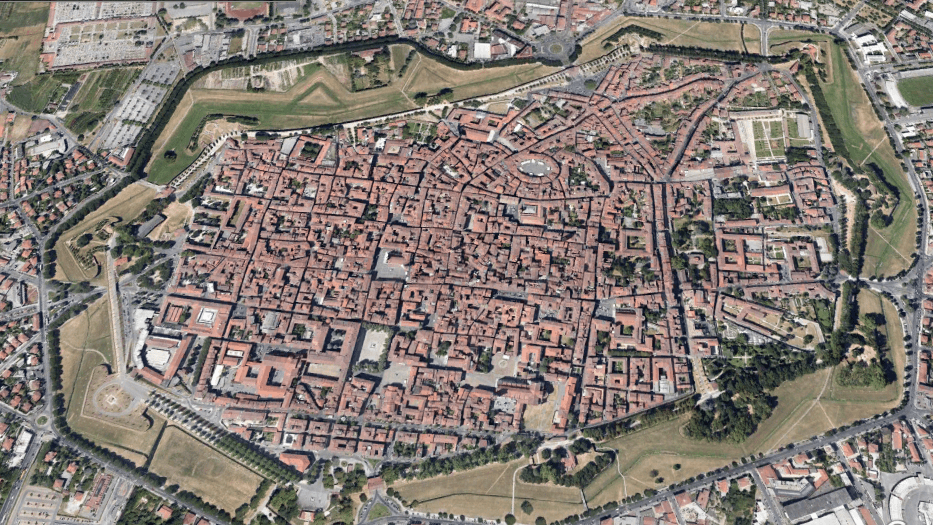
For comparison, this is Lucca, Italy in the present-day, known for its well-preserved, and what are called Renaissance, walls.

Lucca is also described as a star city by modern researchers of star forts.

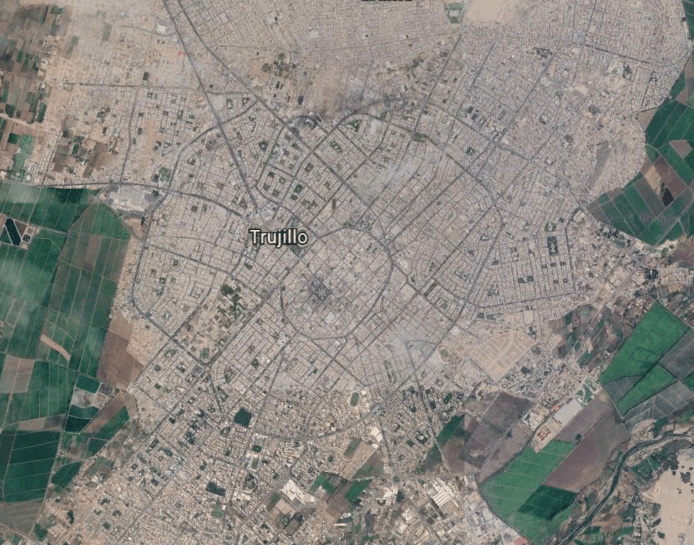
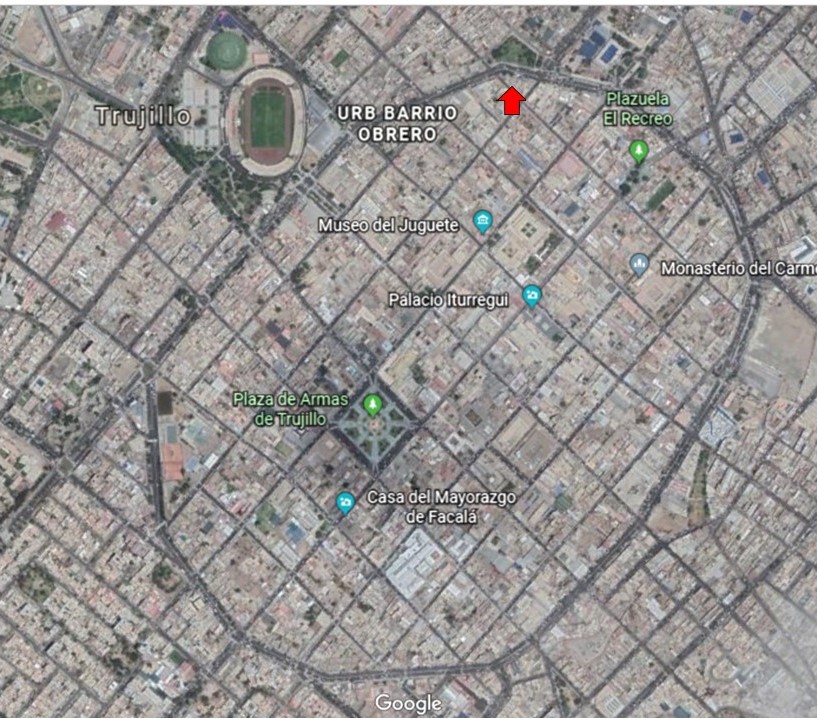
This is a view of Trujillo from Google Earth, with an oval shape in the center that looks like the historic map of Trujillo.

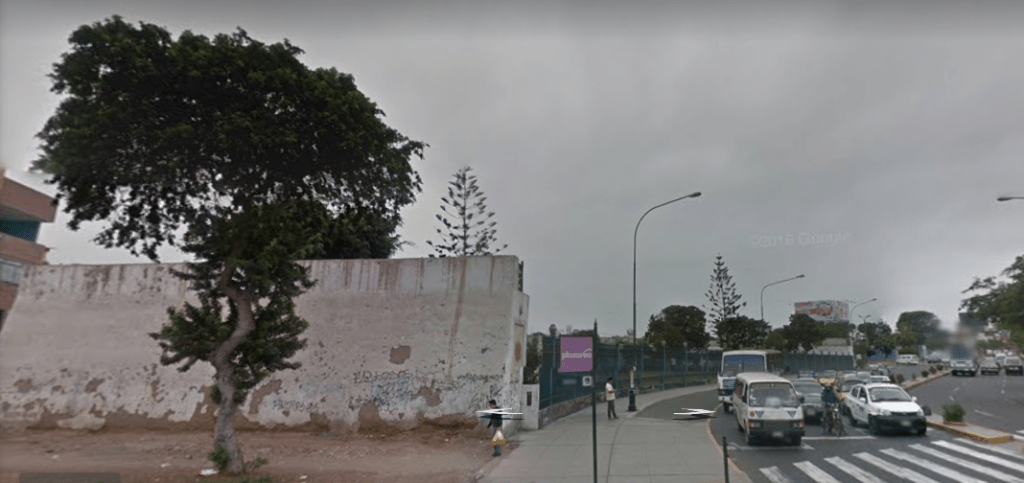
There is one intact point of the original fifteen remaining…

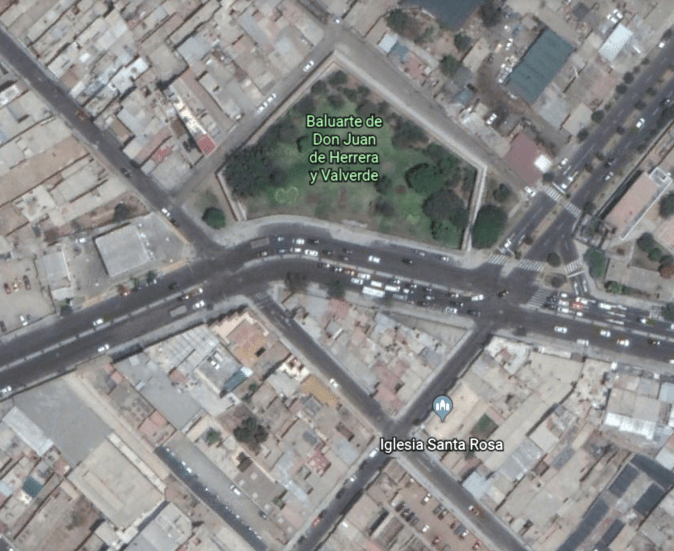
…that I found when I looked at a close up of the oval in the city’s center.

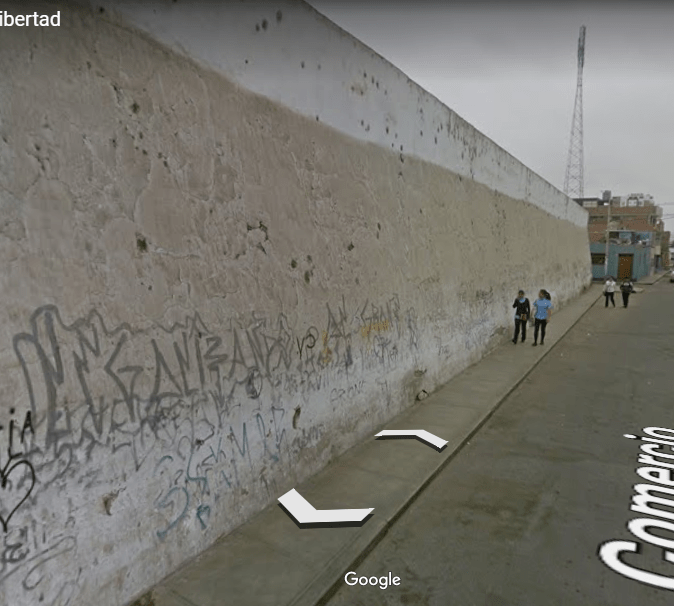
Here is a street view of the wall of the intact point. Note the size of it compared to the people next to it…

…and here it is from another side. It has definitely seen better days, but at least it is still standing!

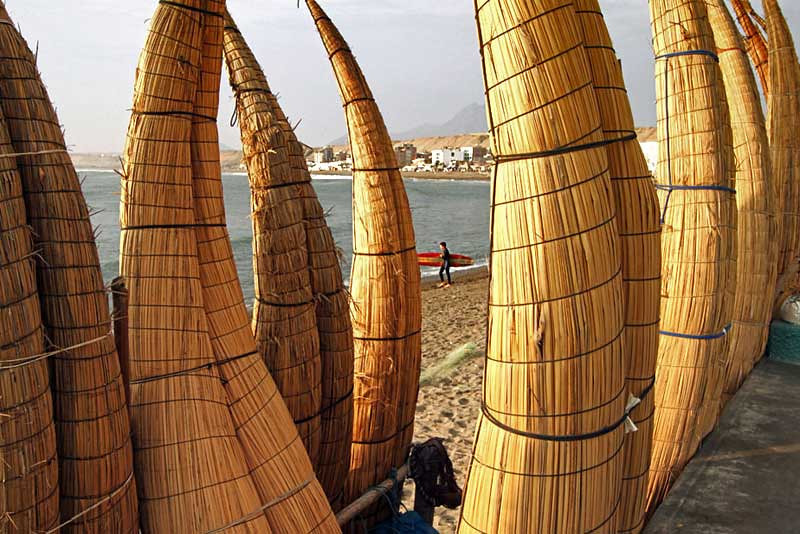
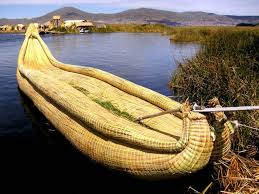
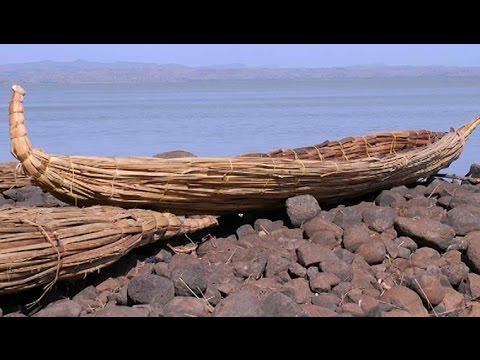
About 9 miles, or 14 kilometers, northwest of Trujillo, is the fishing village of Huanchaco, known for its reed boats, called “Caballitos de Tortora,” said to have been first made by the Moche people 2,500 years ago.

Still in Peru, Lake Titicaca is known as well for not only its reed boats of similar design…

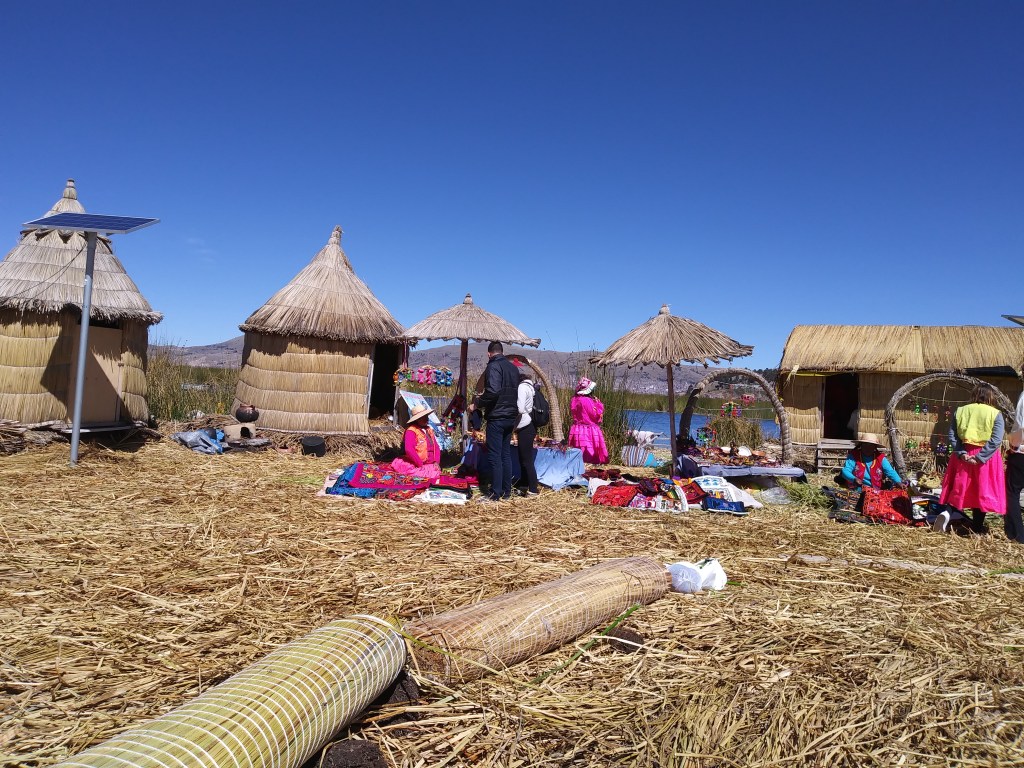
…but also for its communities of people living on reed islands…

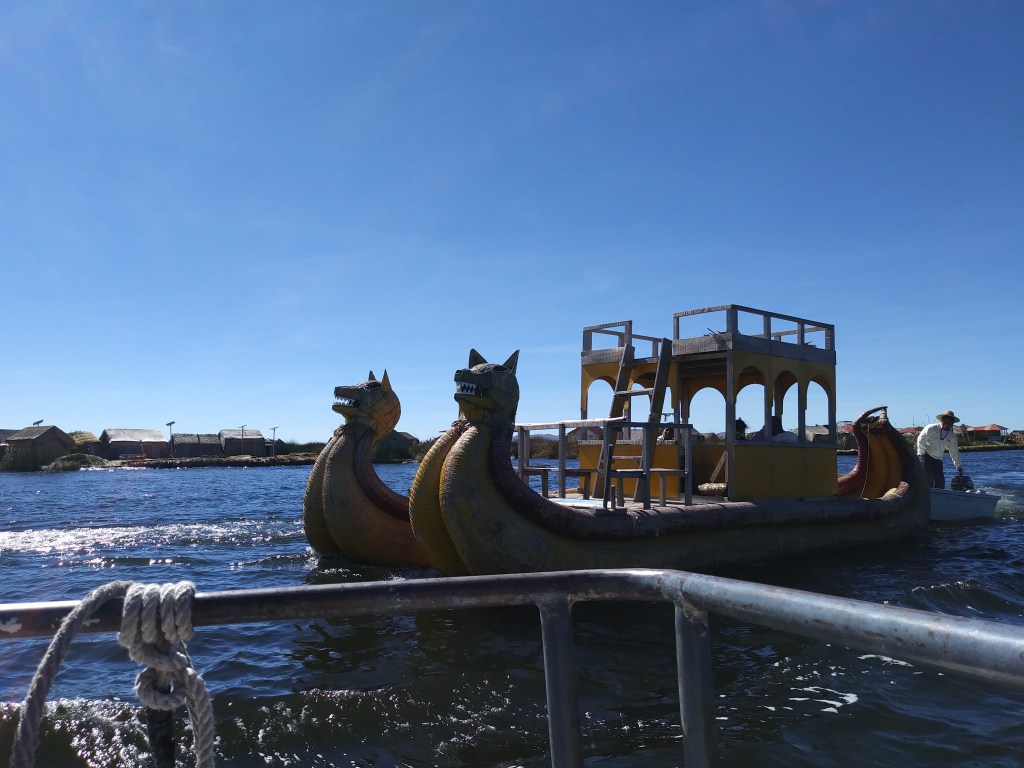
…where even more elaborate boats are made from reeds.

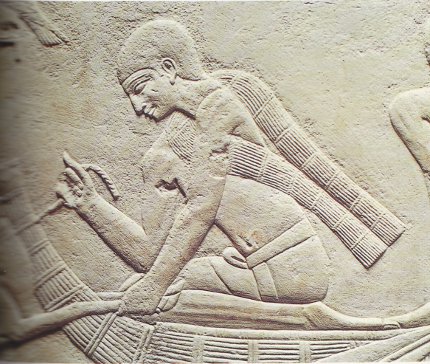
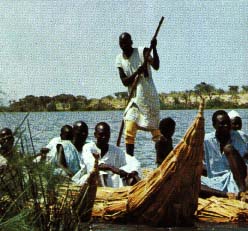
Reed boats of similar design are also found in Africa, from Egypt in ancient times…

…to the Blue Nile in Ethiopia in the present day…

…as well as Lake Chad in the country of Chad.

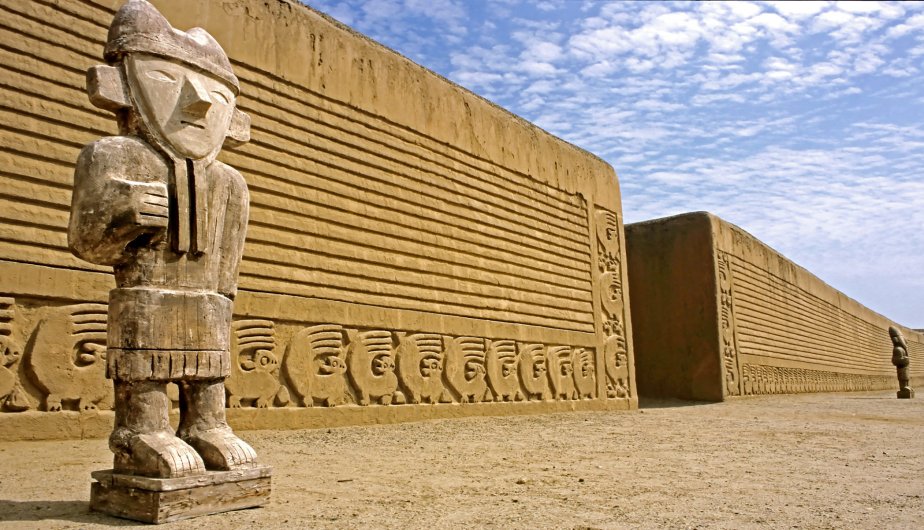
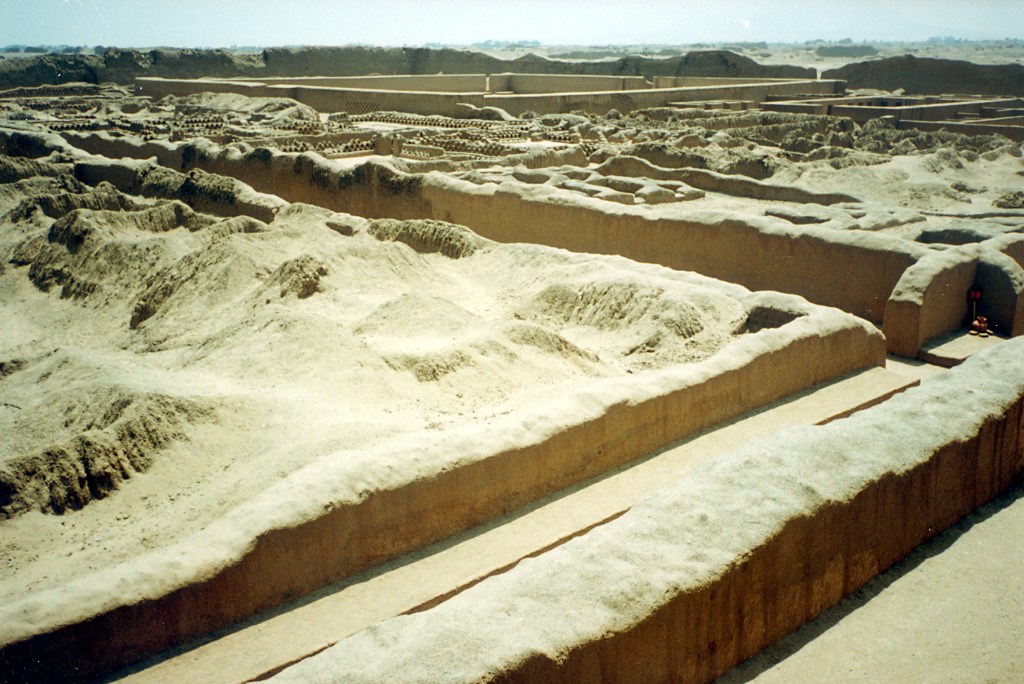
At one time the small fishing village of Huanchaco of the reed boats was the port city for Chan Chan, believed to be the largest city of the pre-Columbian era in South America. It was the capital of the Chimu Kingdom from 900 to 1470 AD, when it was defeated by the Inca Empire.

Then the Spanish came 50-years later and defeated the Inca, at which time the riches and artifacts of Chan Chan were looted and shipped to Spain.

In the last thirty years, Chan Chan has become one of the most restored sites in South America.

The Palacio Tschudi is the most restored.

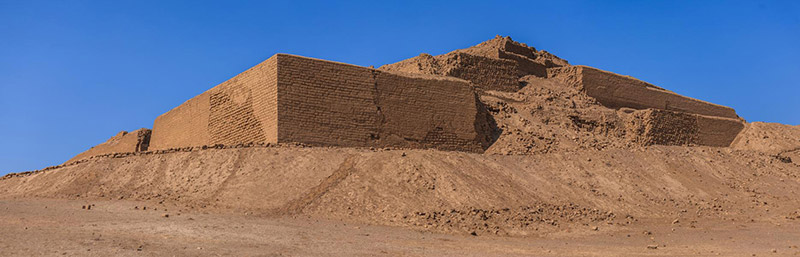
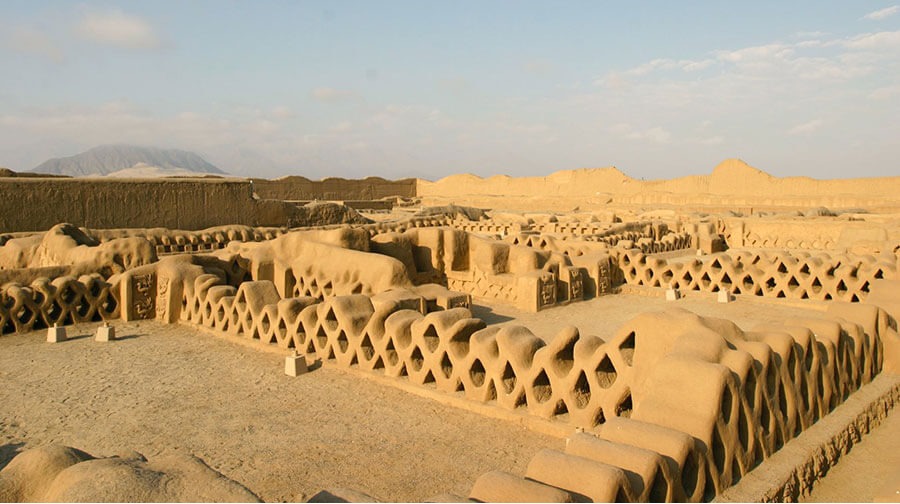
Chan Chan is considered to be the largest mud-brick (also known as adobe) city in the world.

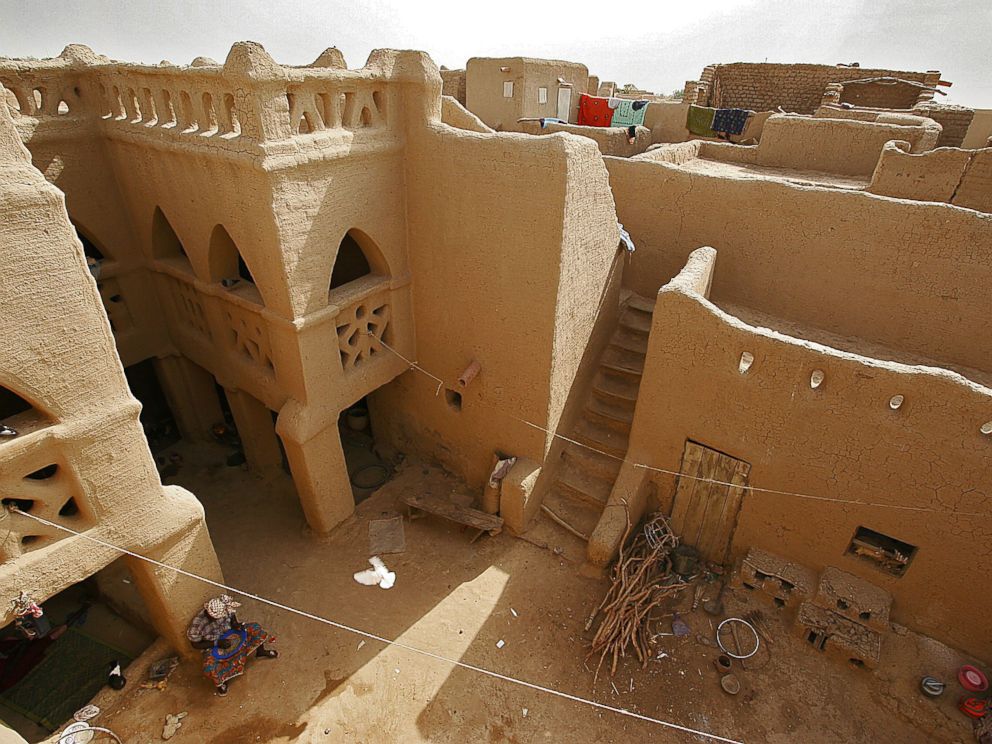
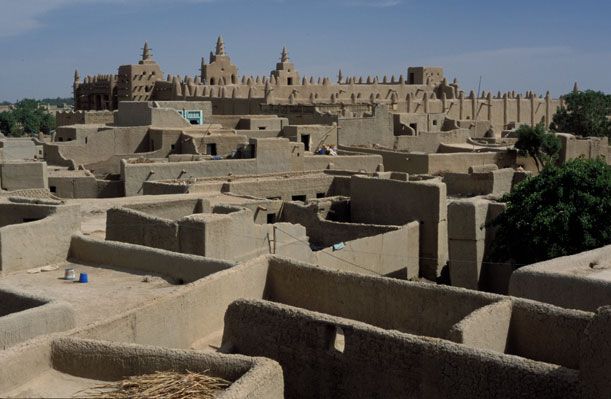
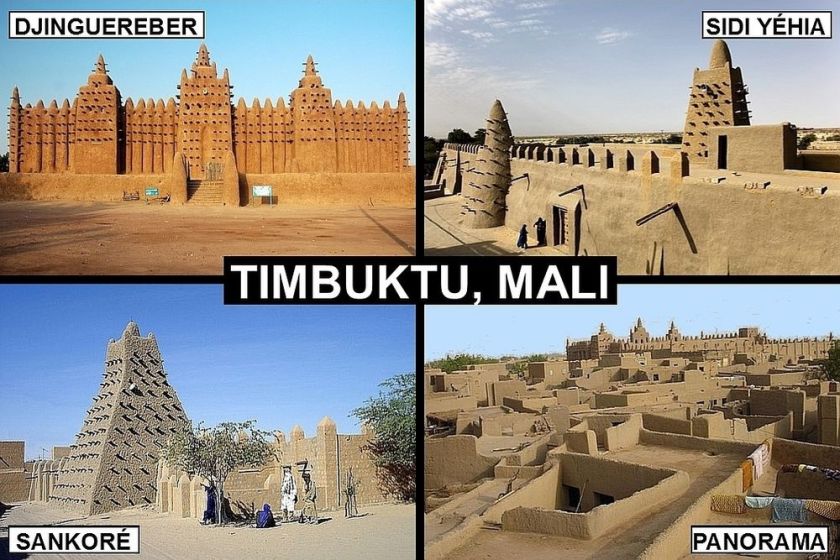
It is interesting to note there are many other places with similar mud-brick architecture, like Djenne in Mali.

Djenne’s masons use a technique called Djennefere using cylindrical, instead of rectangular, bricks as building materials.

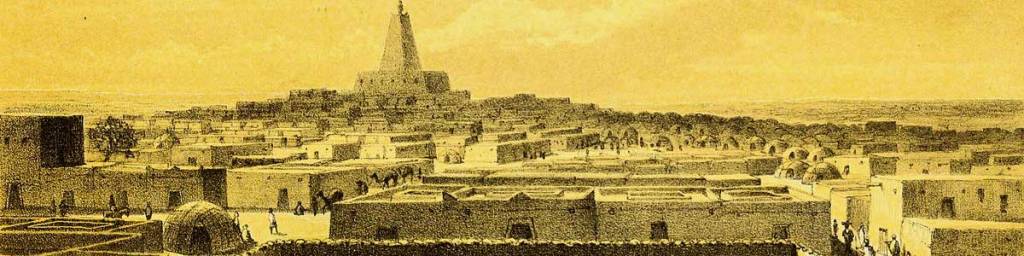
Timbuktu, also in Mali, is known for its mud-brick architecture.

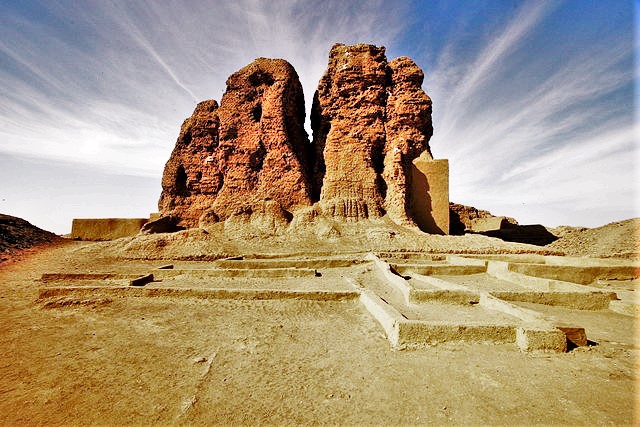
In the region of what was ancient Nubia, there is a mud-brick temple complex in Kerma, Sudan, called Deffufa, that is believed to be an estimated 9,500-years-old.

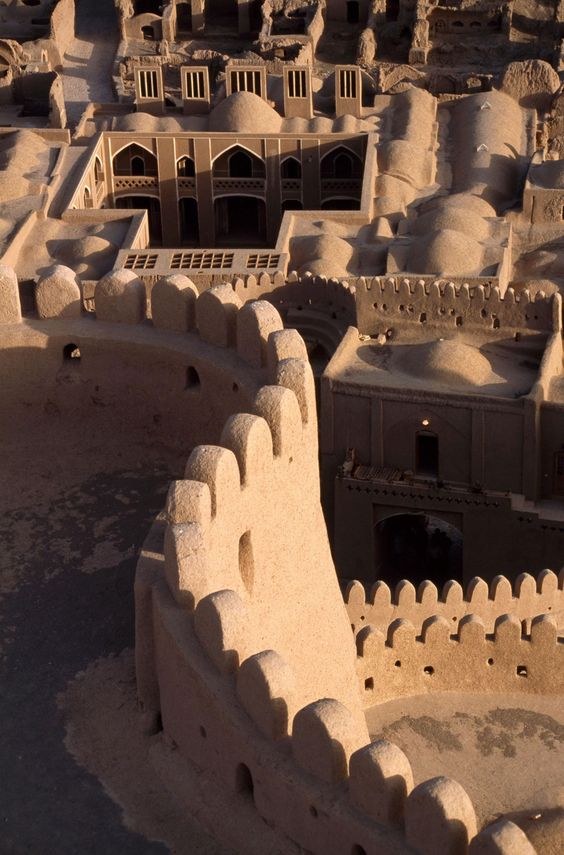
The Bam Citadel near Kerman, Iran, is considered to be the world’s largest mud-brick building.

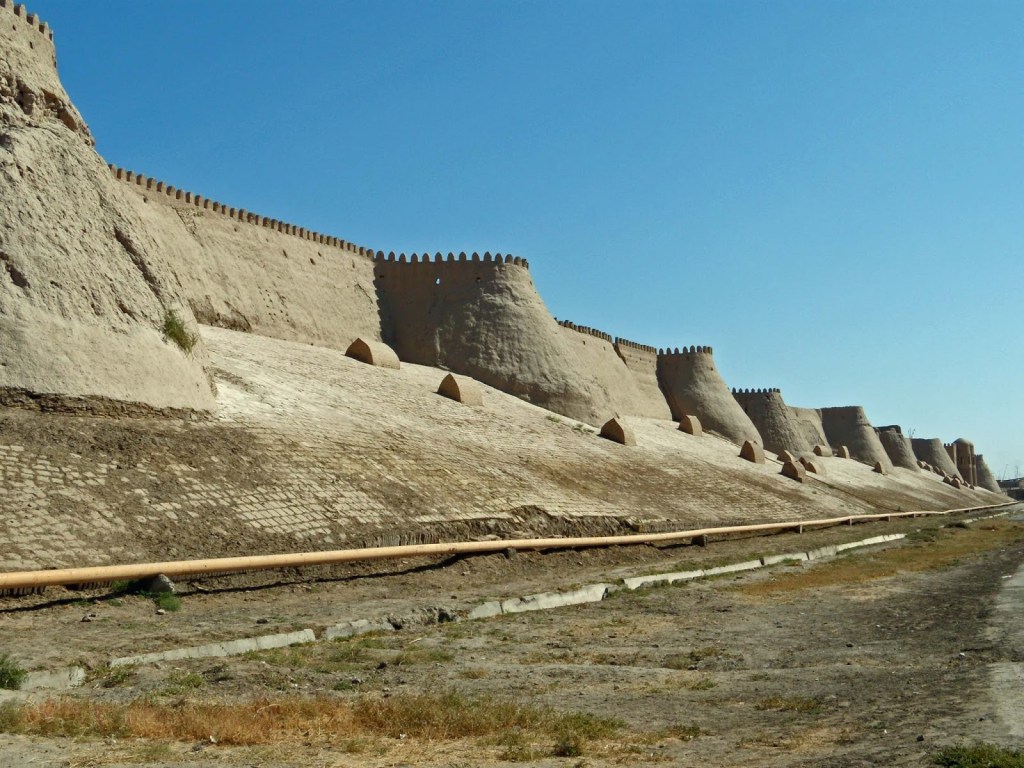
This is the mud-brick Itchan Kala, the inner walled town of Khiva in Uzbekhistan…

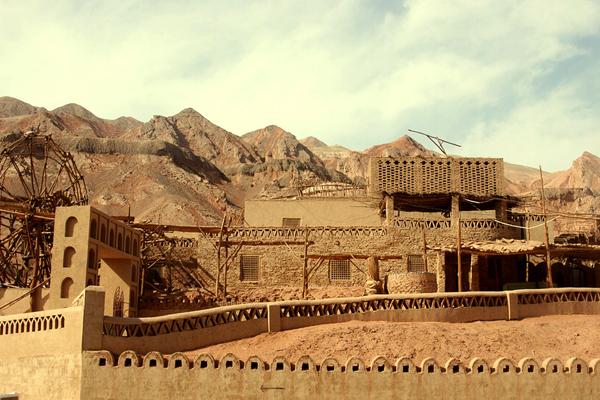
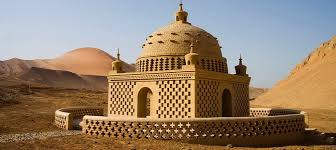
…and lastly, these are the mud-brick Tombs of Astana in Turpan, China, in the Uighur Autonomous Region.

Now back to Peru.

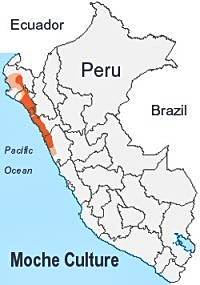
The Moche Culture is said to have flourished in Peru somewhere between 100 AD and 900 AD, with its capital near present day Moche in Trujillo.

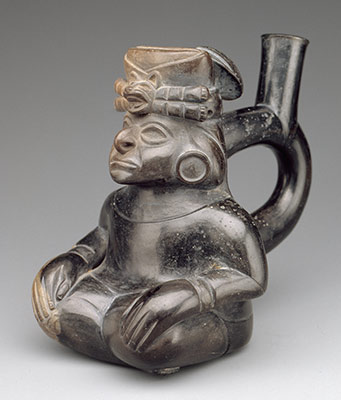
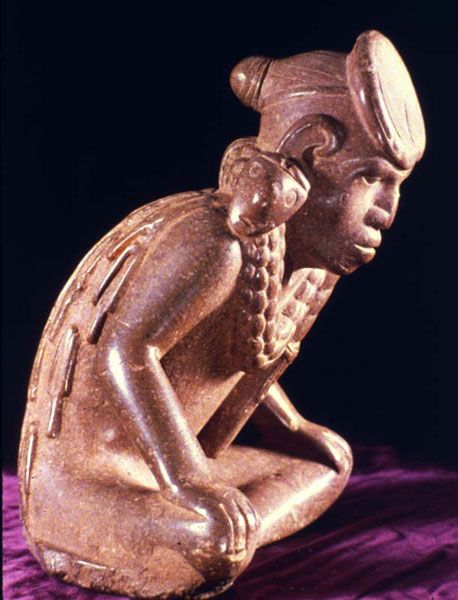
The Moche are particularly noted for their ceramics…

For comparison, this ceramic artifact, called a stone effigy pipe, was found at Spiro Mounds in Eastern Oklahoma.

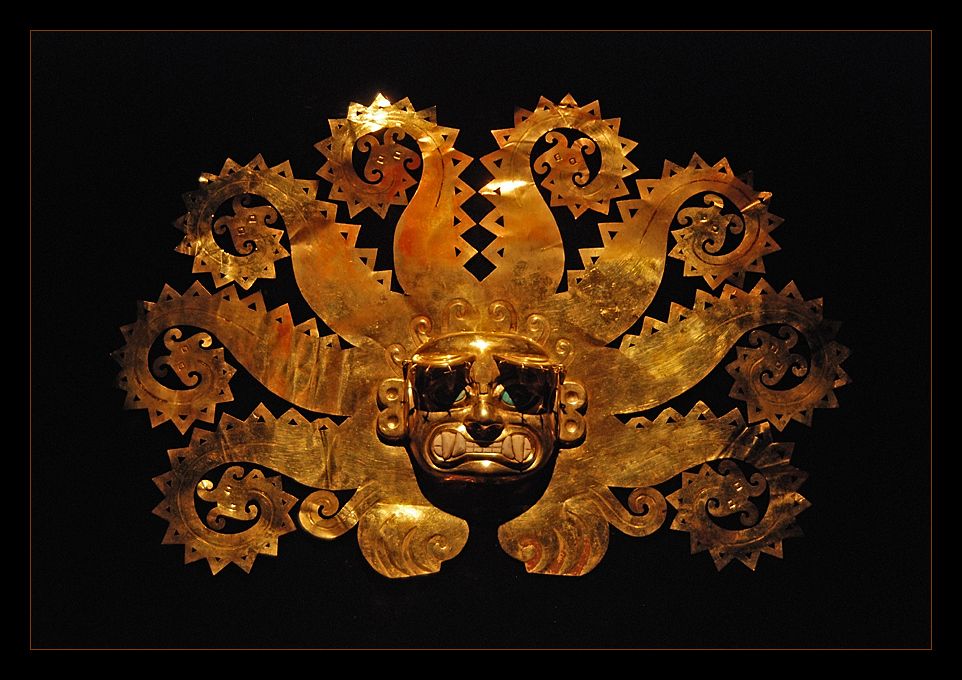
The Moche are also known for their gold-work…

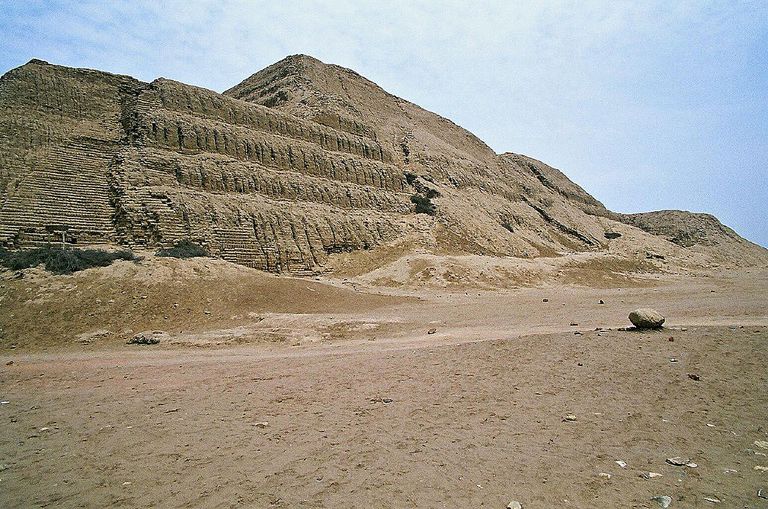
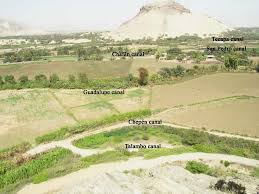
…their monumental constructions, like the Huaca del Sol, a massive mud-brick pyramid, in the Moche Valley of the northern coast of Peru…

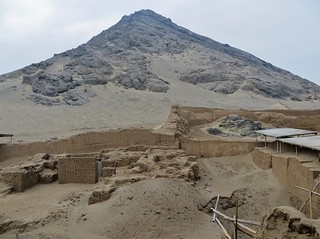
…and the Huaca de Moches, located or 2.5-miles, or 4-kilometers, outside of the modern city of Trujillo.

The Moche are also known for their canal irrigation systems.

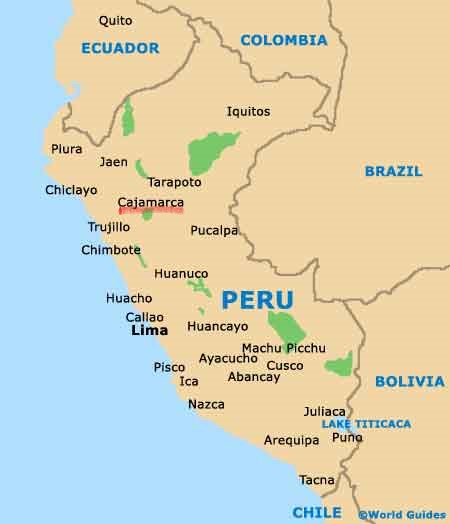
Before I leave Peru, I would like to back-track to a place that is not directly on the alignment, but is situated north of it between Pucallpa and Trujillo. That place would be Cajamarca.

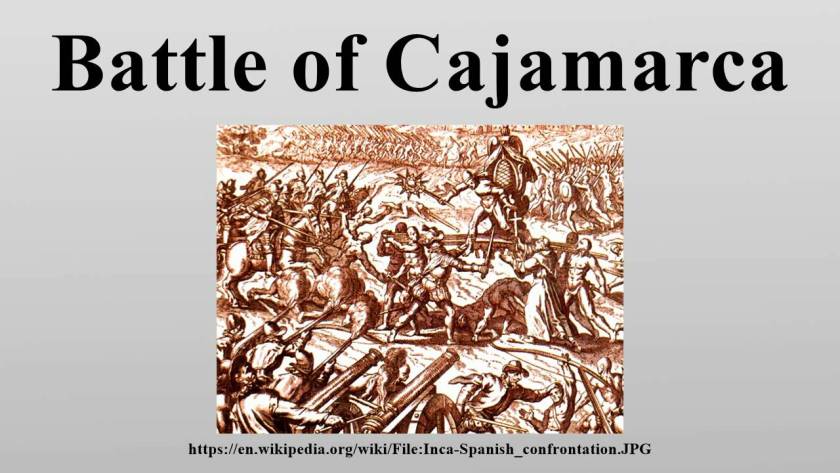
The Spanish Conquest of Peru is said to have started in 1532 with the Battle of Cajamarca.

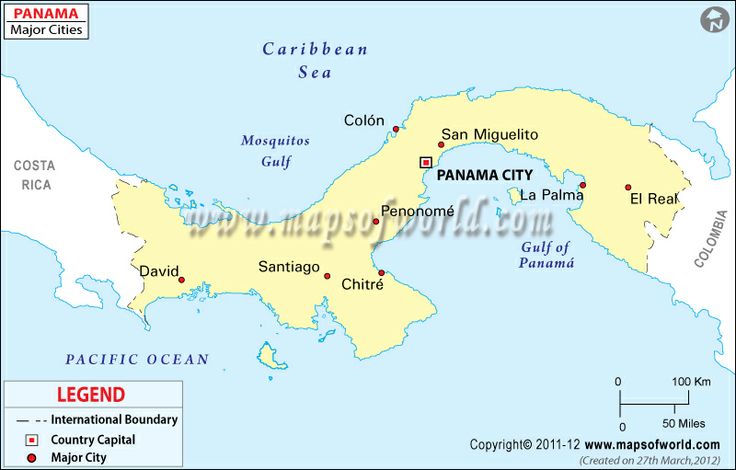
We are told that Pedro Arias D’Avila established a base of conquest in Panama City for Peru in 1519, on the Pacific side of the Isthmus of Panama. The coast of Spain is on the Atlantic Ocean and Mediterranean Sea.

It is quite a distance from Panama City to Cajamarca, by land or sea. It sits at 8,900 feet in elevation, or 2,750 meters.

That’s way up there, about 1.7 miles, or 2.75 kilometers, in elevation!

It is generally agreed that altitude sickness typically tends to start occurring at 8,000 feet. Characterized by headache, nausea, shortness of breath and vomiting.

I went to Cusco, Peru last year, and was hit with altitude sickness on the second full day I was there. I was absolutely miserable and not really functional. I had difficulty breathing, and was nauseous. Money brought to spend on memories instead got spent on portable oxygen bottles and altitude sickness medicine. I didn’t start feeling much better until we went down in altitude several days later.

Yet, somehow Pizarro and his 128 men marched to Cajamarca from Piure, on the coast of modern-day Peru, in unfamiliar terrain at high altitudes, managed to kill thousands of Incas and capture the Inca Emperor Atahualpa? I am having a hard time buying what they are selling….

The circle alignment leaves Peru from the Trujillo area, and crosses into the Pacific Ocean.

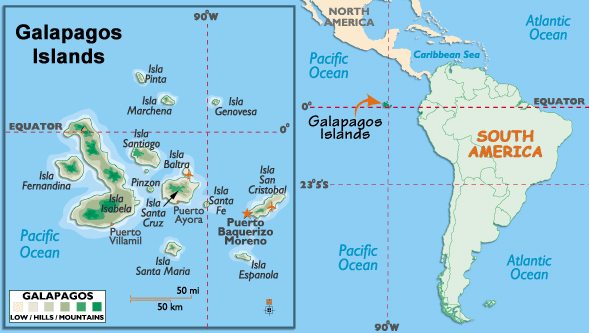
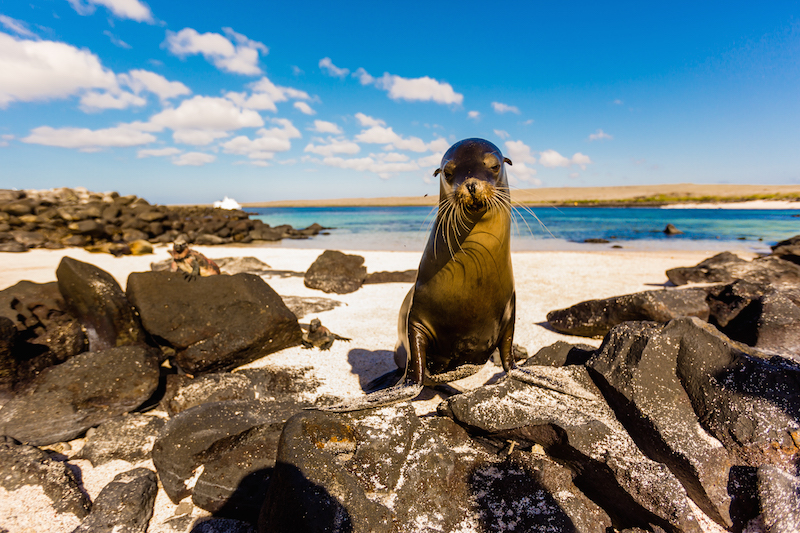
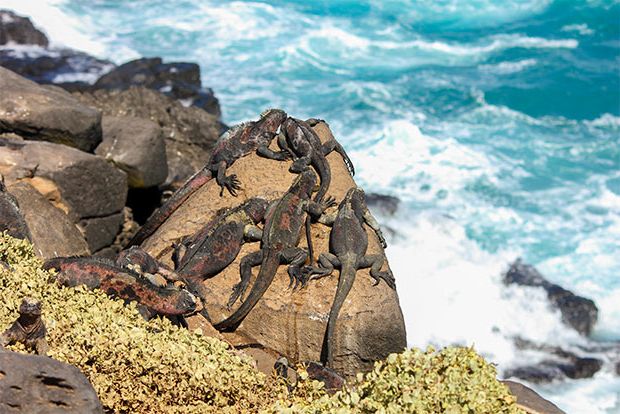
The next land it comes to is comprised of the Galapagos Islands, a province of Ecuador that is described as a volcanic archipelago in the Pacific Ocean.

It is considered one of the world’s foremost destinations for wildlife viewing.

Pay attention to the different species, and not the rocks…

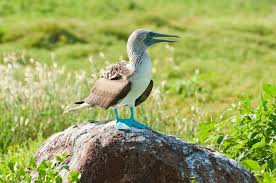
…same thing with the rare bird shown here that is called blue-footed booby. Rocks are just rocks, right? No big deal.

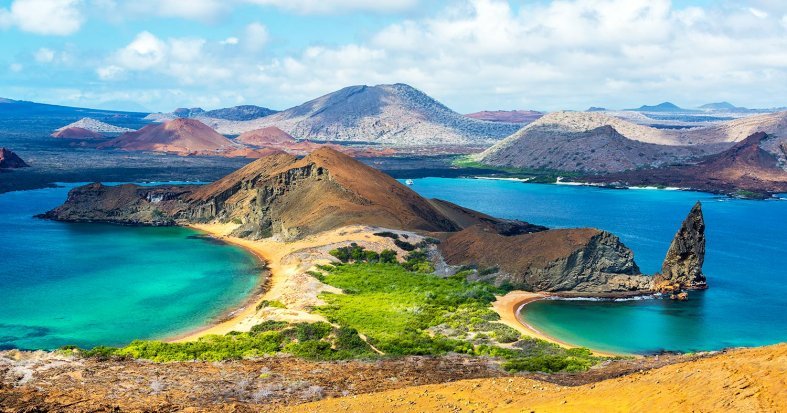
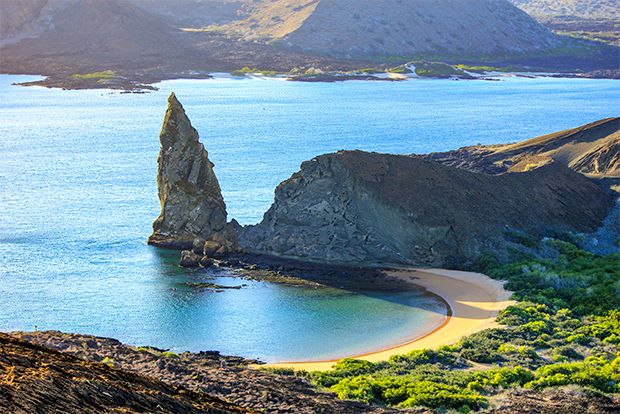
These land features are found on Bartelome Island, a small island at the center of the archipelago.

I have seen the same land features in other places.

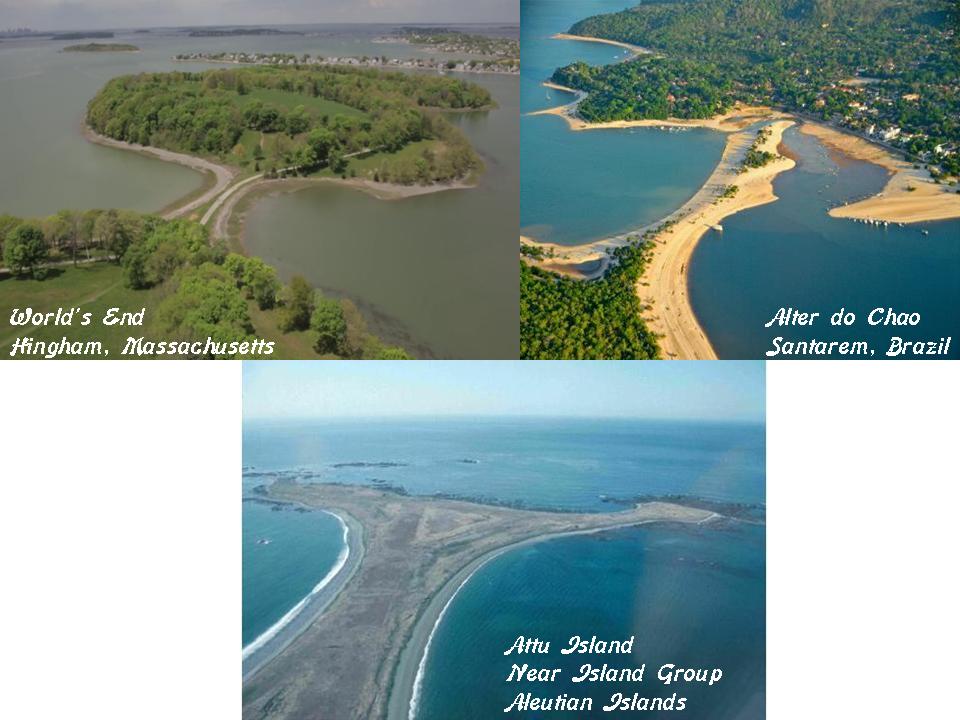
First, the double-shoreline is seen at World’s End near Hingham, Massachusetts on the top left; on the top right is found at the Alter do Chao in Santarem, Brazil; and on the bottom is a land feature found on Attu Island, the farthest west of the Aleutian Islands.

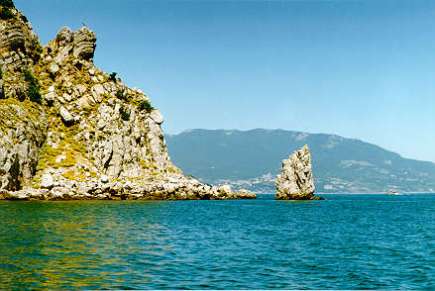
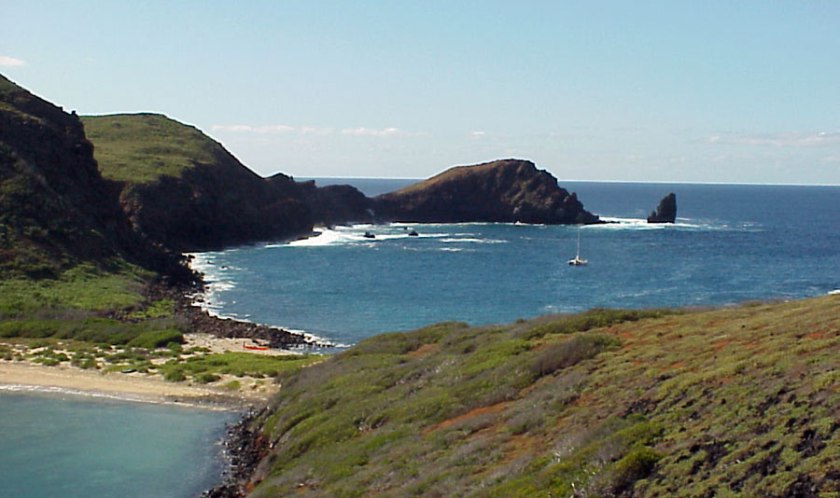
Second, this land feature in the same location from another on Bartolome Island in the Galapagos Islands…

…looks like this one off the coast of Yalta on the Crimean Peninsula in the Black Sea…

…this one in the Revillagigedo Islands between Hawaii and Mexico in the Pacific Ocean…

…and this one at Cape Litke on the eastern coast of Wrangel Island, in the East Siberian Sea off the northern coast of Russia.

I am going to end this post here, and pick up the alignment in the next post in Colima, Mexico.

Circle Alignments on the Planet Washington, DC – Part 18 Cachimbo, Brazil to Pucallpa, Peru

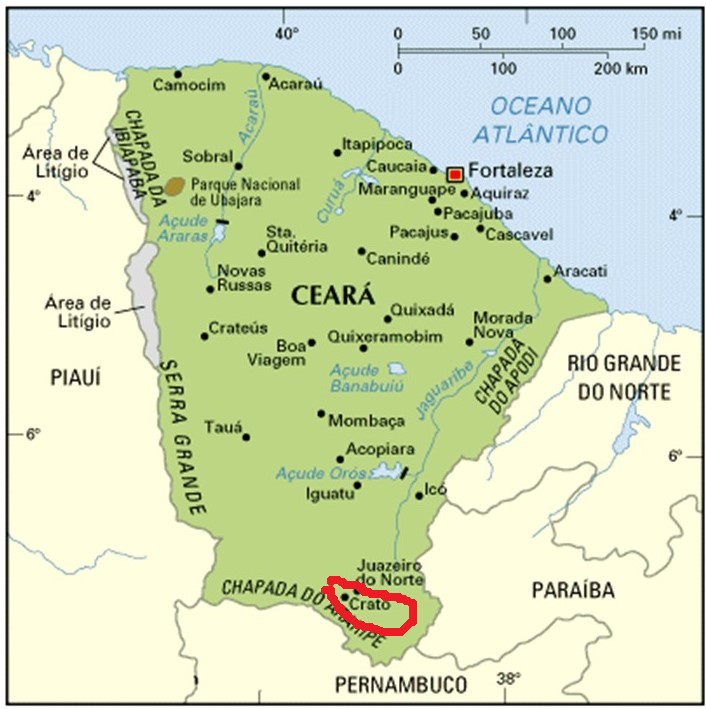
In the last post, I tracked the alignment from Ico, in the central part of the Ceara State in Brazil; through Crato, in southern Ceara State, on the northeastern edge of the Chapada , or Plateau, do Araripe on what is known as the Crato Formation; to Palmas, the capital of the Tocantins State of Brazil.

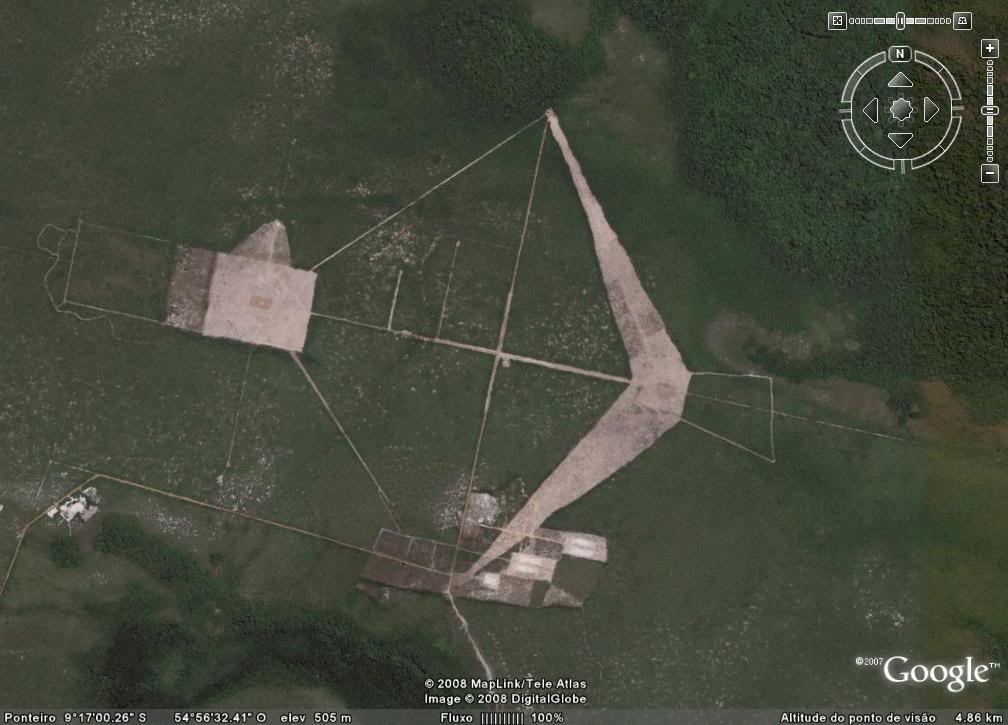
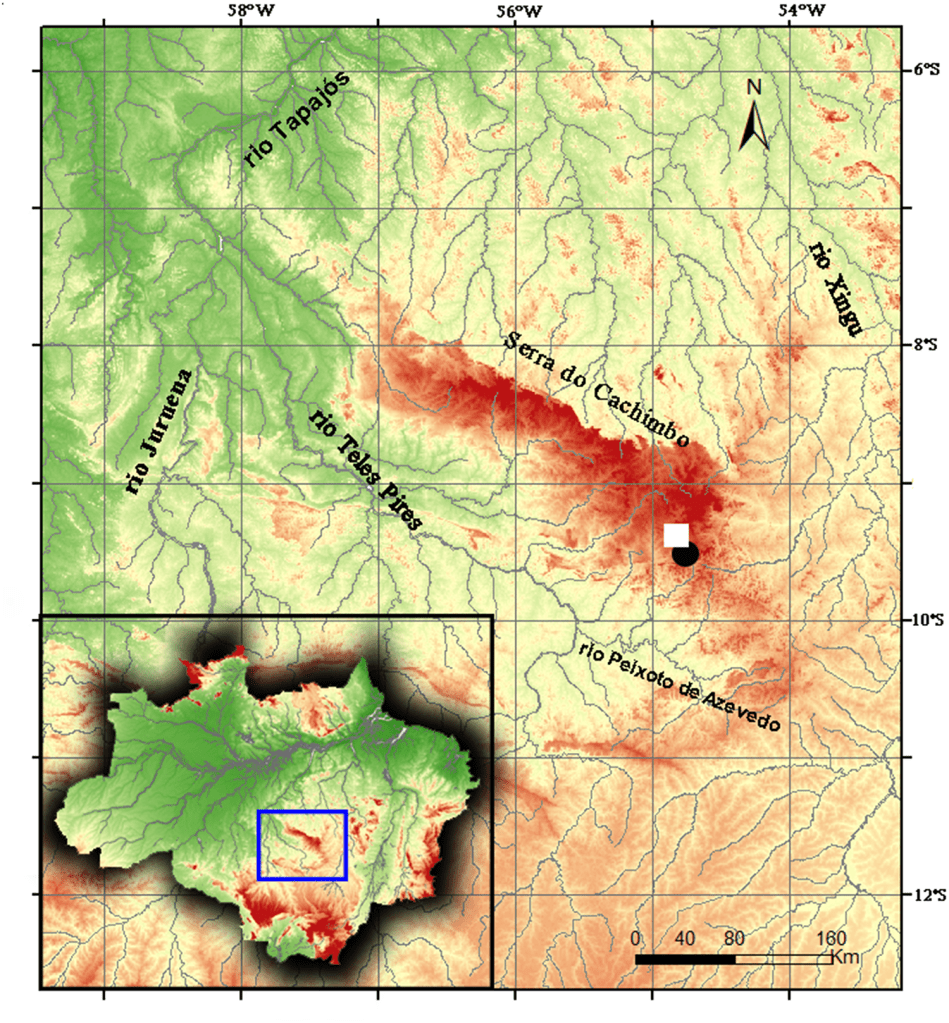
Next on the alignment, there is a place marked Cachimbo.

I can’t find much information about it except that there are Brazilian military bases…

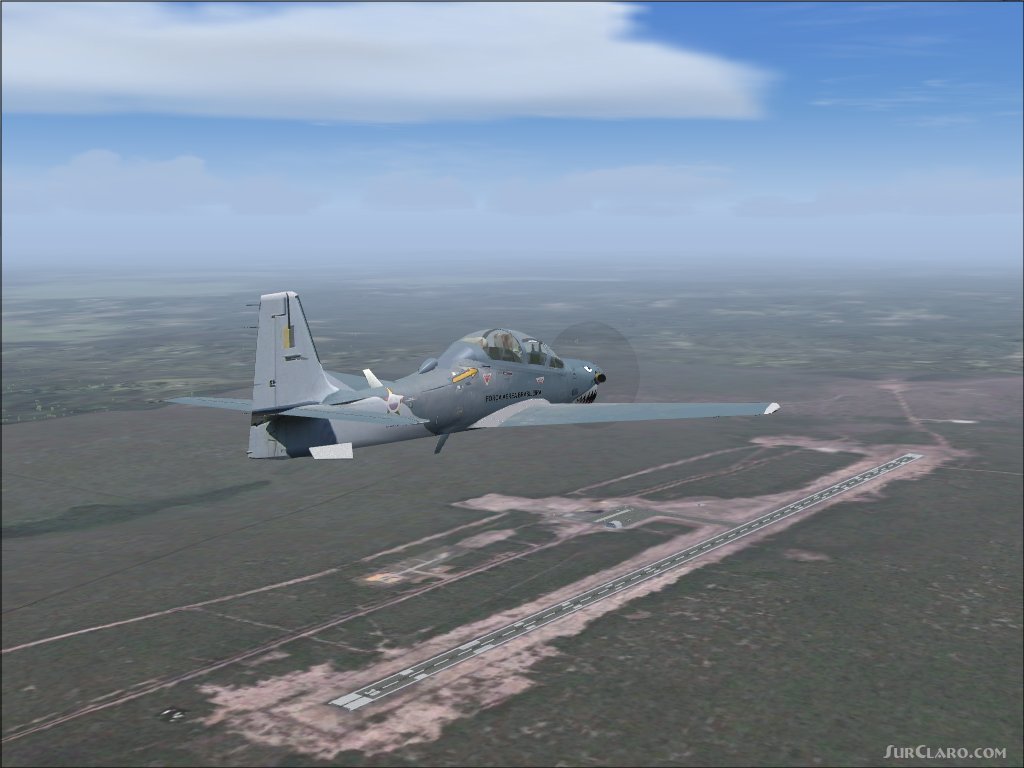
…and a military airport here.

However, Cachimbo is surrounded by the Serra do Cachimbo, described as a continuous mass of mountains with a southwest alignment, partly plateau with flat-bottomed valleys, in the southern part of the State of Para.

The Nascentes da Serra do Cachimbo Biological Reserve is supposed to protect an area of transition between the Cerrado and the Amazon Biomes.

The Cerrado is a vast tropical savanna region of Brazil, with core areas in the plateaus of central Brazil, and has been named by the World Wide Fund for Nature as the biologically richest savanna in the world, with 10,000 plant species, and 10,000 endemic, meaning found no where else, bird species.

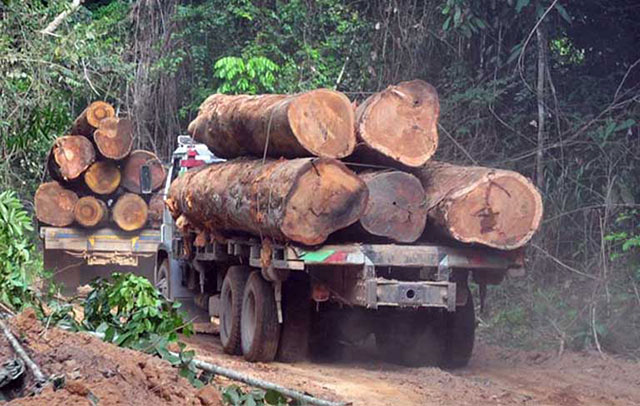
The Nascentes da Serra do Cachimbo Biological Reserve is among the federal conservation units in the Amazon Legal that has suffered the most from deforestation. Its area was cut by half in 2017, and was opened up to agriculture and logging.

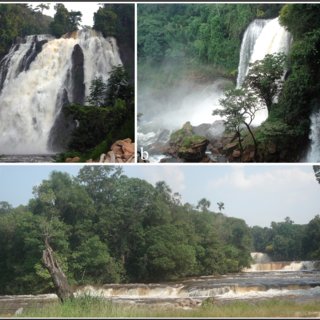
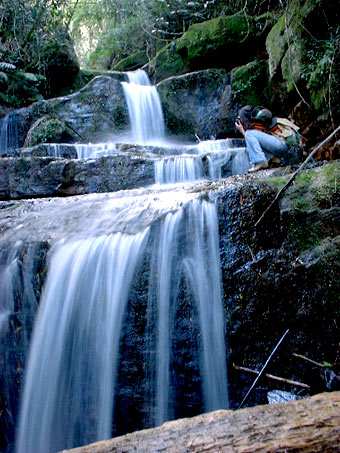
This is a sequence of waterfalls on the Rio Curua in the Serra do Cachimbo region.

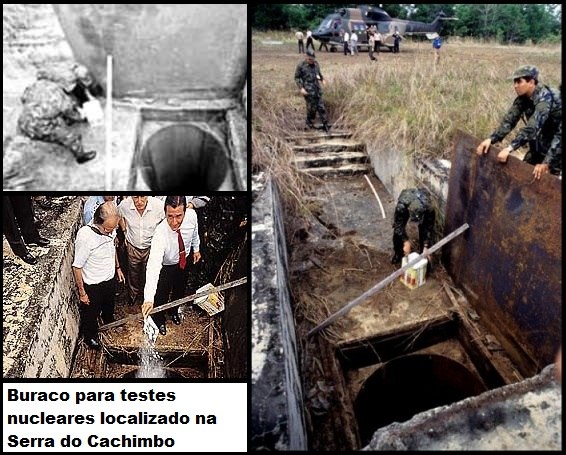
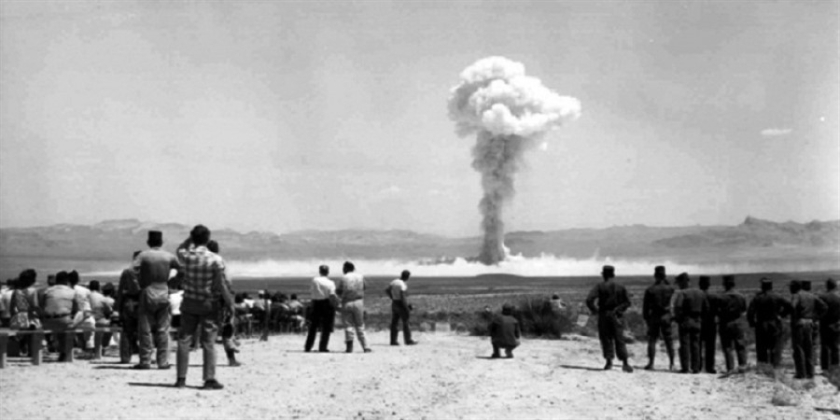
It is also interesting to note that the Brazilian Army conducted nuclear testing at a base near Cachimbo from the 1970s to the 1990s.

This is not the first time I have encountered a nuclear test location on a planetary alignment.

Other places include:

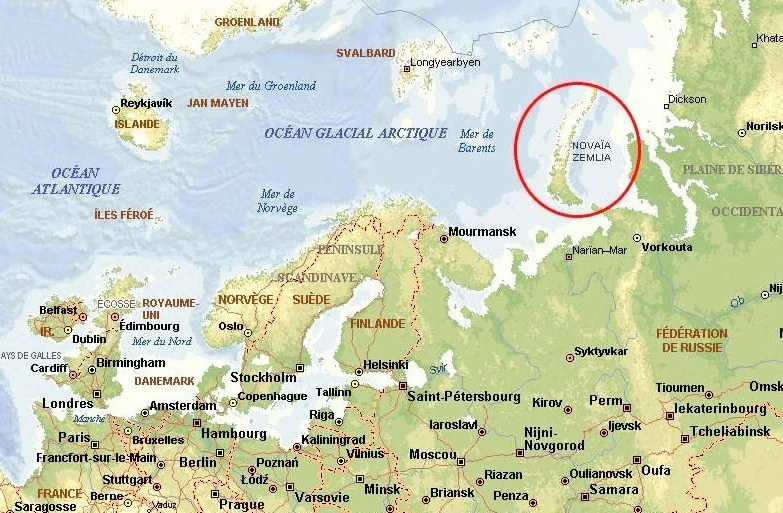
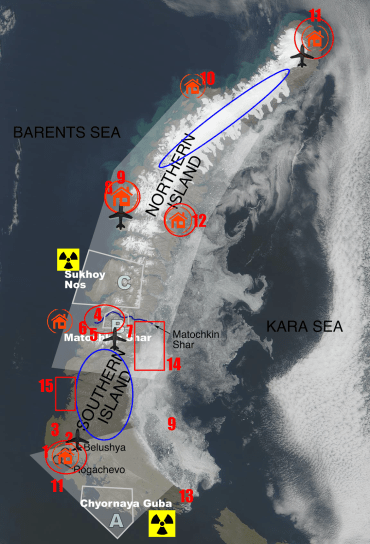
Novaya Zemlya, a boomerang shaped island off of the northern coast of Russia. The most powerful nuclear weapon ever, Tsar Bomba, was detonated at Novaya Zemlya in 1961.

There is a history here of nuclear testing by the Russians, including over 224 nuclear detonations at Novaya Zemlya between 1955 and 1990. 

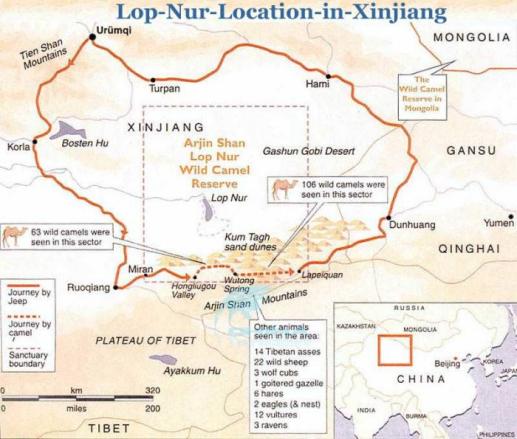
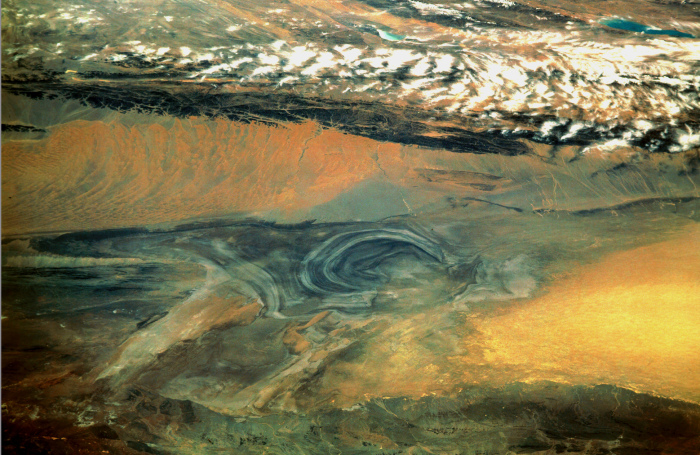
Lop Nur, an ancient salt lake in the Takla Maklan Desert in the Southeastern portion of the Uighur Autonomous Region of Xinjiang in China.

The Chinese Nuclear Weapons Test Base had four nuclear testing zones at Lop Nur, starting in 1959 – with H-Bomb detonation in 1967 – until 1996, with 45 nuclear tests conducted.

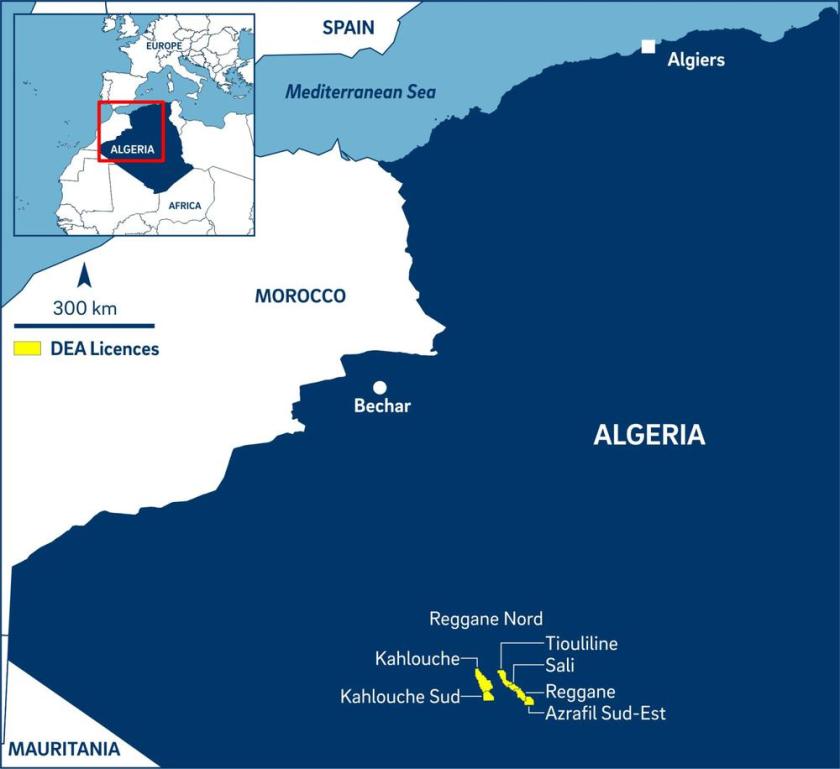
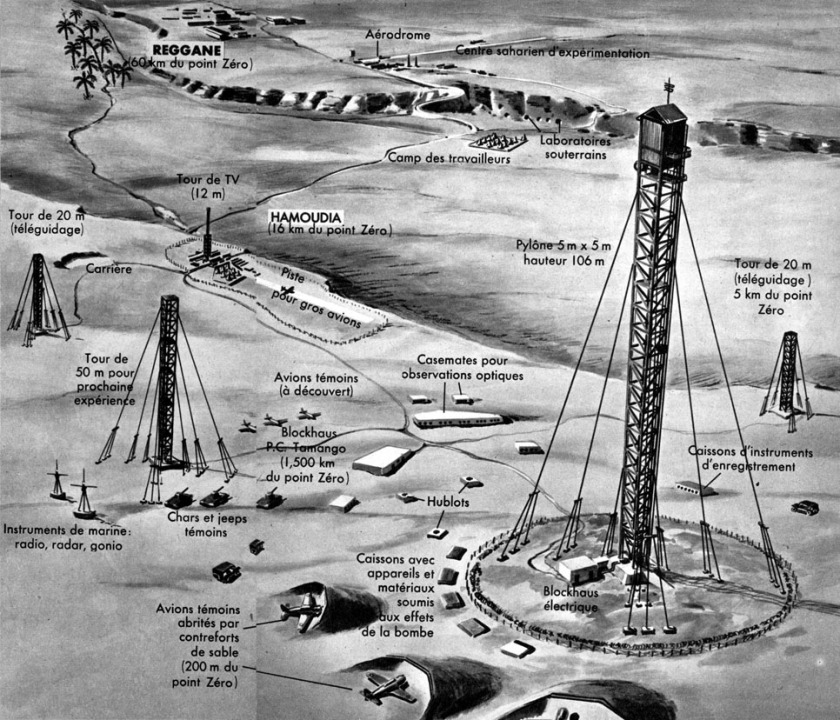
Reggane, Algeria. France began its nuclear testing program in Reggane in 1960 – 1961, before Algeria’s independence.

They conducted four atmospheric nuclear tests, which contaminated the Sahara Desert with plutonium, negatively impacting those who live here to this day – not only Reggane, but far beyond.

Between 1960 and 1966, a total of 17 nuclear tests were conducted in the Reggane District of Algeria. It is called Africa’s Hiroshima.

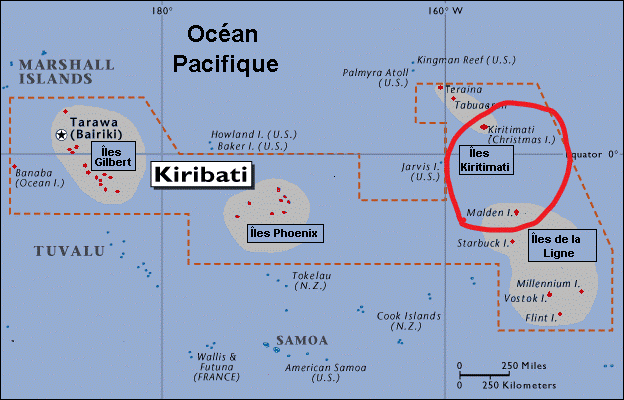
The Christmas and Malden Islands in the Kiribati Islands, where Operation Grapple was conducted. This was the name of four series of British nuclear weapons tests of early atomic bombs and hydrogen bombs carried out in 1957 and 1958.

What is it they say?

Once is chance, twice is coincidence, and the third time is a pattern.

I have provided five examples that I know of regarding nuclear testing on planetary gridlines.

What does this suggest?

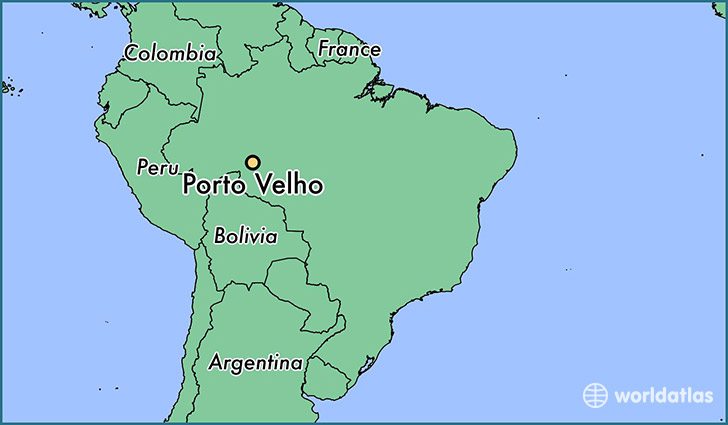
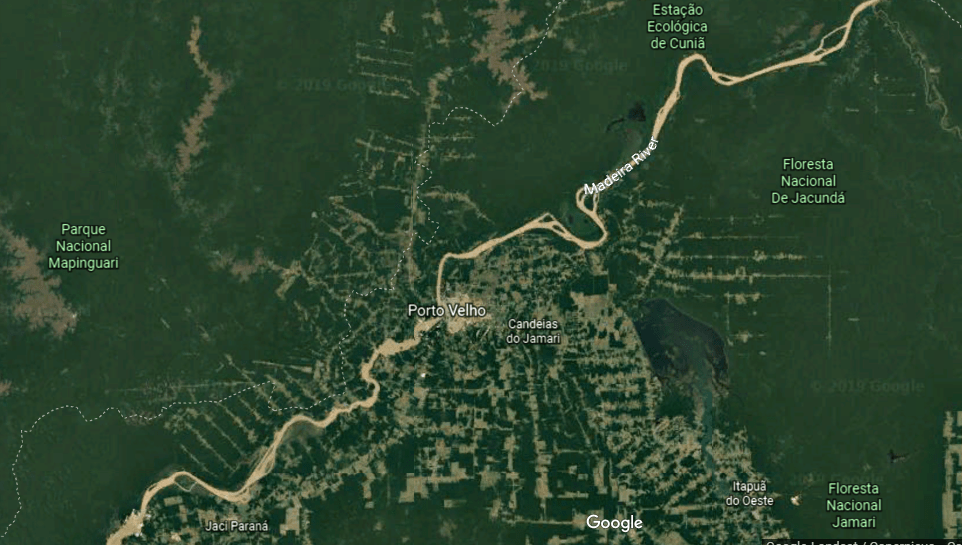
Porto Velho is the next place on the alignment, the capital of the Brazilian State of Rondonia, with a population of over 500,000…

…on the Madeira River in the Upper Amazon Basin.

This is the Federal University of Rondonia…

…compared with this building in Jerome, Arizona. Not an exact match, but both have similar design features.

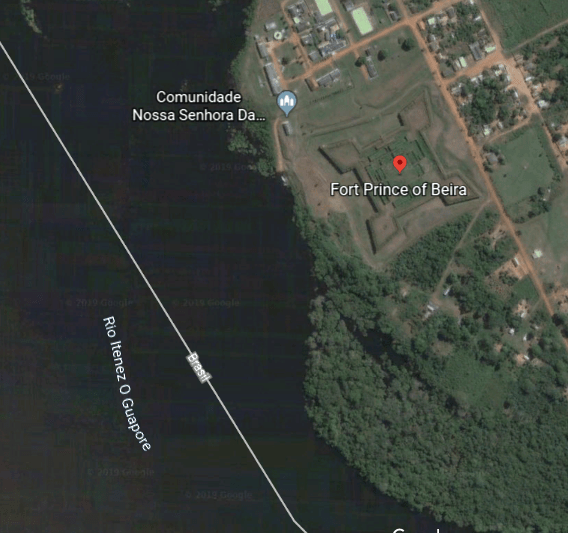
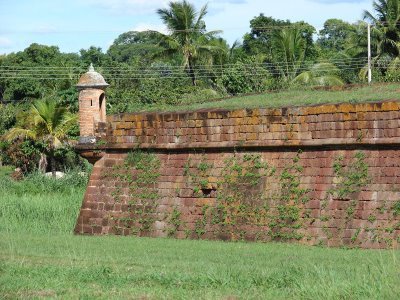
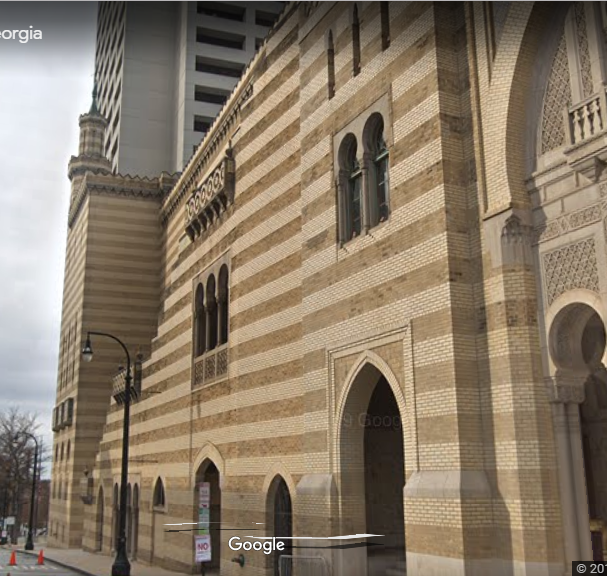
This is the Real Forte Principe da Beira, southwest of Porto Velho, on the Guapore River in Rondonia State.

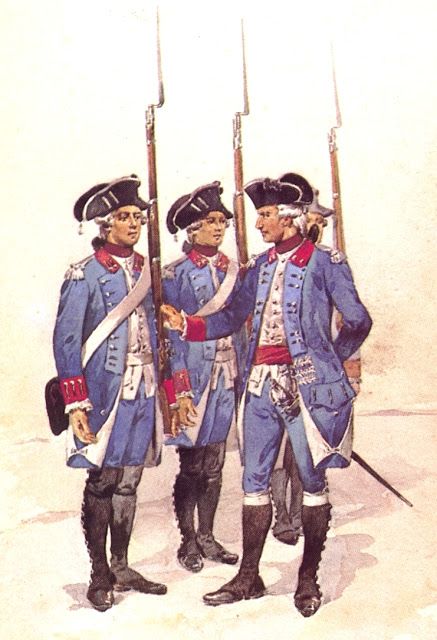
It was said to have been built between 1776 and 1783 by the Portuguese…

…in the middle of nowhere…

…in the Amazon rainforest.
Hmmmm. Sounds fishy to me….

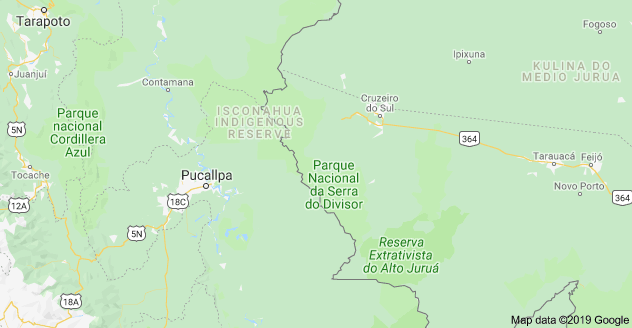
The alignment goes through the Serra do Divisor National Park in Brazil’s Acre State, on the country’s border with Peru.

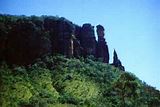
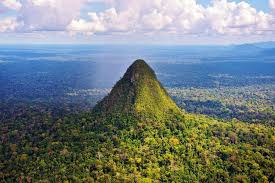
It is known for its cone-shaped mountains…

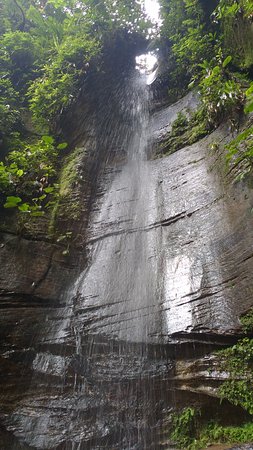
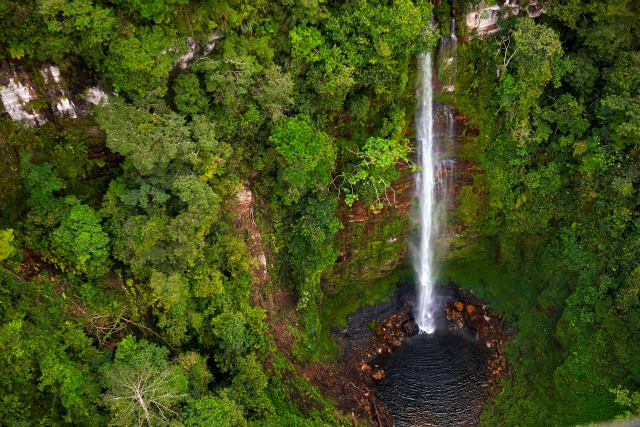
…for its waterfalls, that look like massive walls…

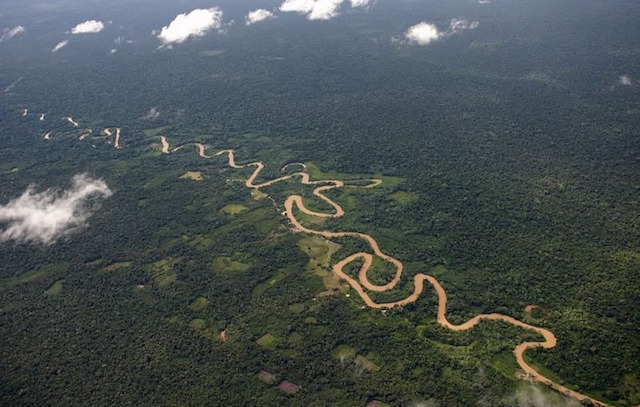
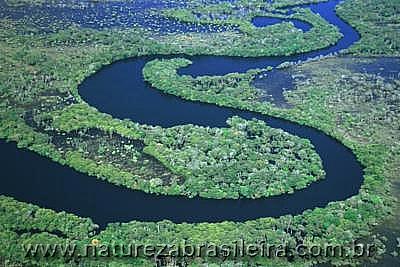
…and look at all the snaky, s-shaped curves in that river in the Serra do Divisor, or Watershed Mountains.

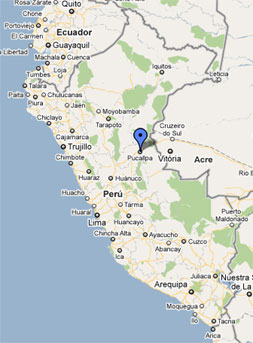
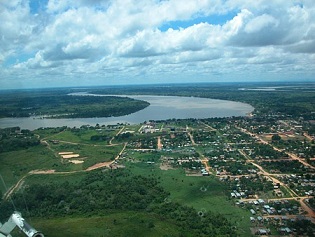
The next place on the alignment is Pucallpa, Peru, and the capital of the Ucayali Region, the Colonel Portillo Province, and the Calleria District.
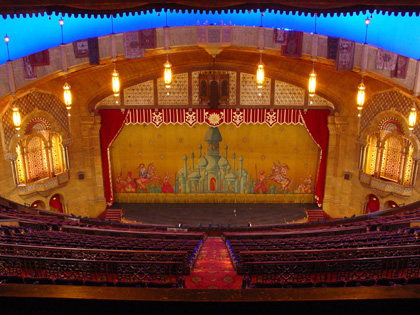
It is situated on the Ucayali River in the Amazon rainforest of eastern Peru, its main transportation artery.
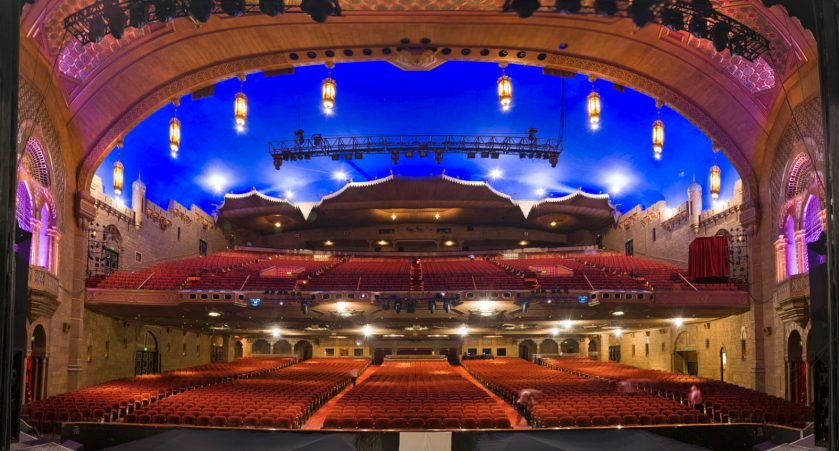
It is the second most important port on the Amazon, after Iquitos in Peru.

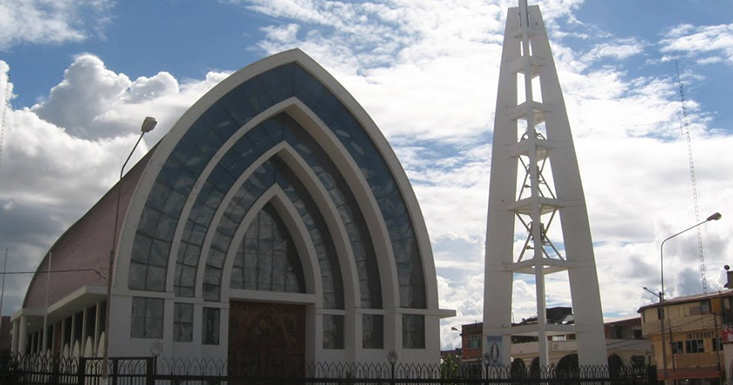
This is the Immaculate Conception Cathedral in the Plaza de Armas, with its arches within arches design.

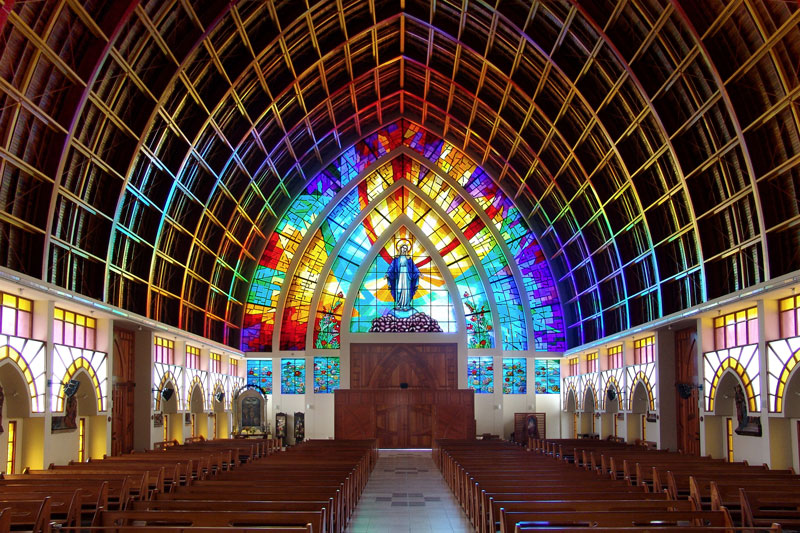
This is what it looks like on the inside, with its beautiful stained glass, and apparent lack of internal pillar supports for the structure.

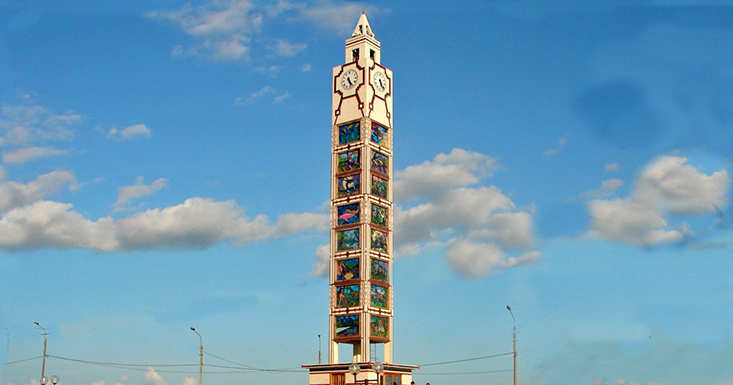
The Clocktower in the Plaza del Reloj is also decorated with stained glass. These are said to portray images of mythical creatures.

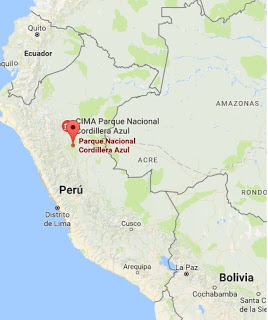
Before ending this post, I want to bring to your attention a national park that is northwest of Pucallpa, and north on the alignment. It is called the Parque Nacional Cordillera Azul.

The second largest park in Peru, it is part of the high jungle, in the transition area between the Andes and the Amazon in Peru.

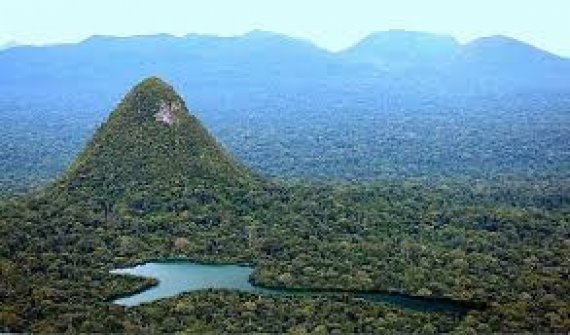
It has similar features to what is found in the previously shown Serra do Divisor National Park in Brazil’s Acre State, like this land feature.

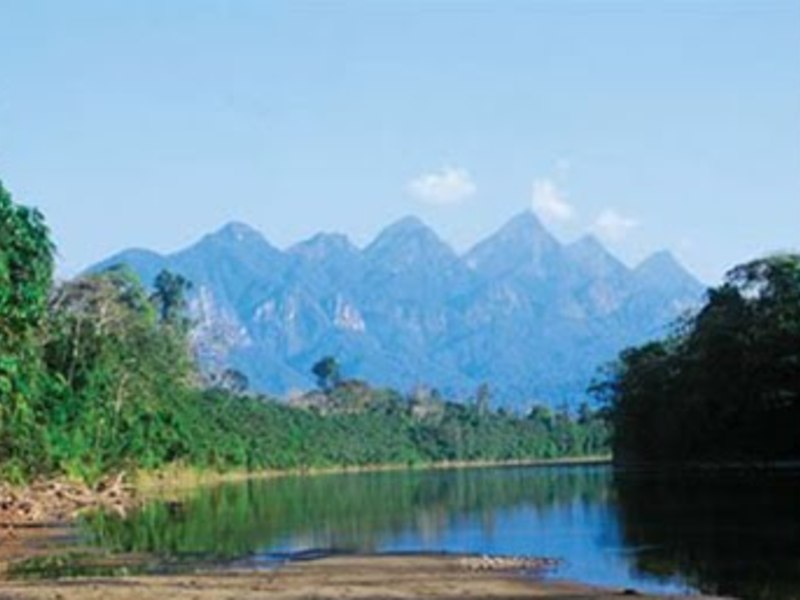
Here’s a whole slew of pointed-peaks in the Cordillera Azul.

There are waterfalls here as well, that also look like massive walls.

I will end this post here, and pick up the alignment in Trujillo, Peru.

Circle Alignments on the Planet Washington, DC – Part 17 Ico, Brazil to Palmas, Brazil

In the last post, I tracked the alignment from the Gulf of Guinea, exploring different locations and significant points in the Gulf, across the Equatorial Counter Current and just into the South Equatorial Current of the South Atlantic Ocean, across Fernando de Noronha just off the coast of Brazil, and entering South America at the Brazilian city of Natal.

I am picking up the alignment in this post in Ico, a town located in the central part of the Ceara State of Brazil.

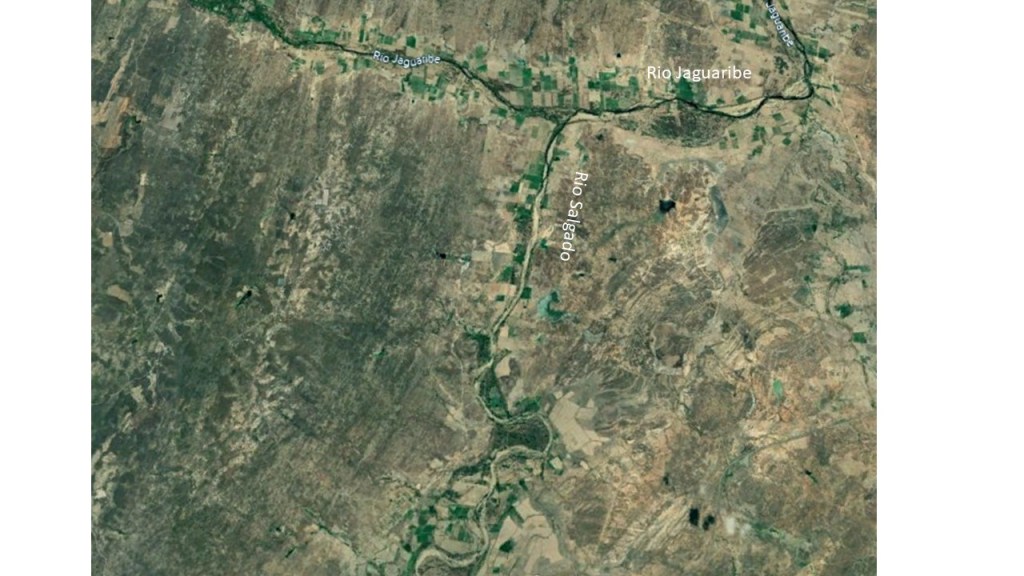
It is situated on the Rio Salgado, on a flat plain, not far from its confluence with the Rio Jaguaribe.

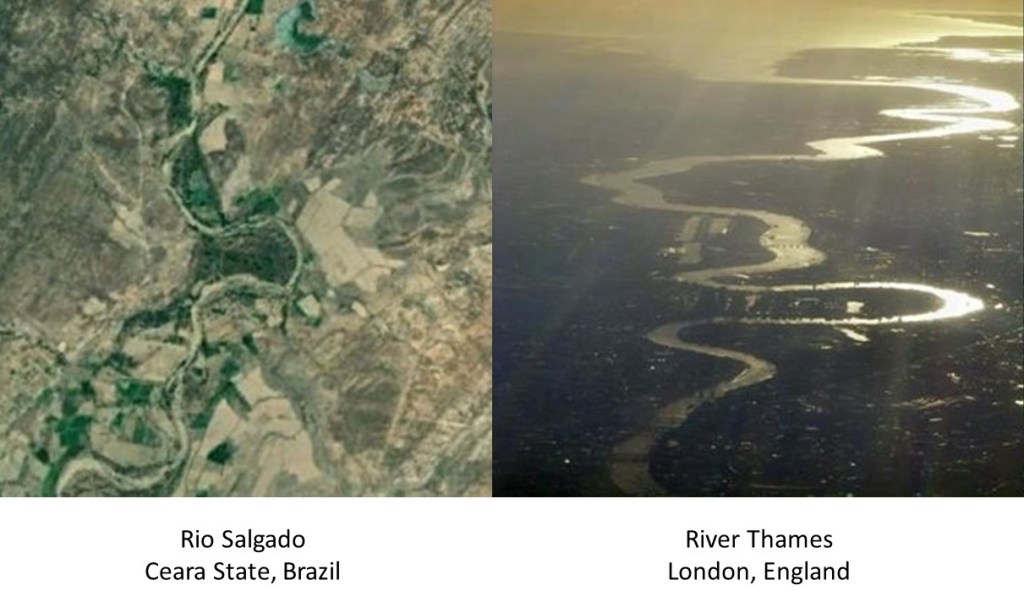
S-shaped, snaky rivers are a signature of the Advanced Ancient Civilization worldwide. For comparison of similarity of appearance, the Rio Salgado in Brazil is on the left, and the River Thames in England on the right.

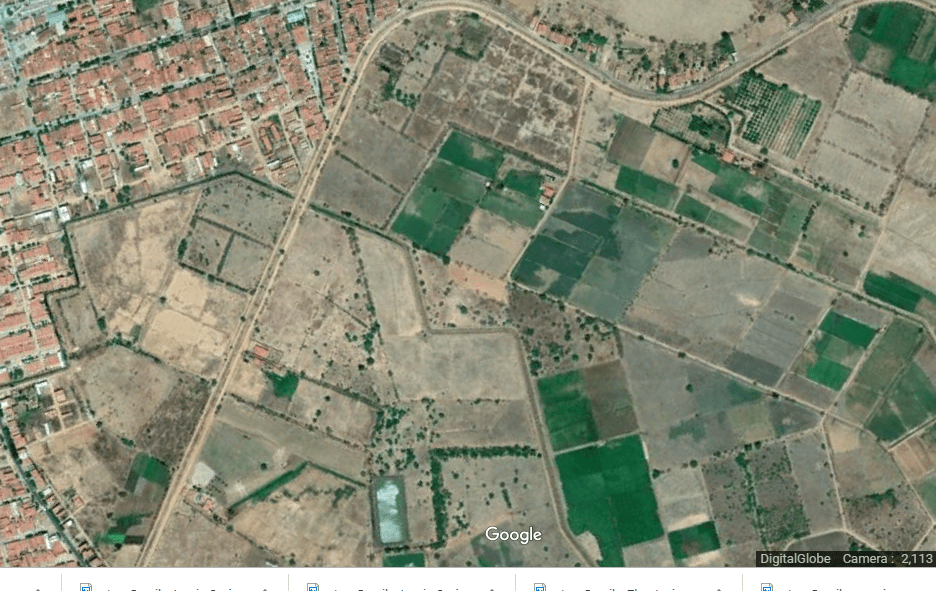
There are some interesting geometries going on in the landscape of Ico, with places with a lot of squares, rectangles, curves and angles showing up with nothing much going on in them.

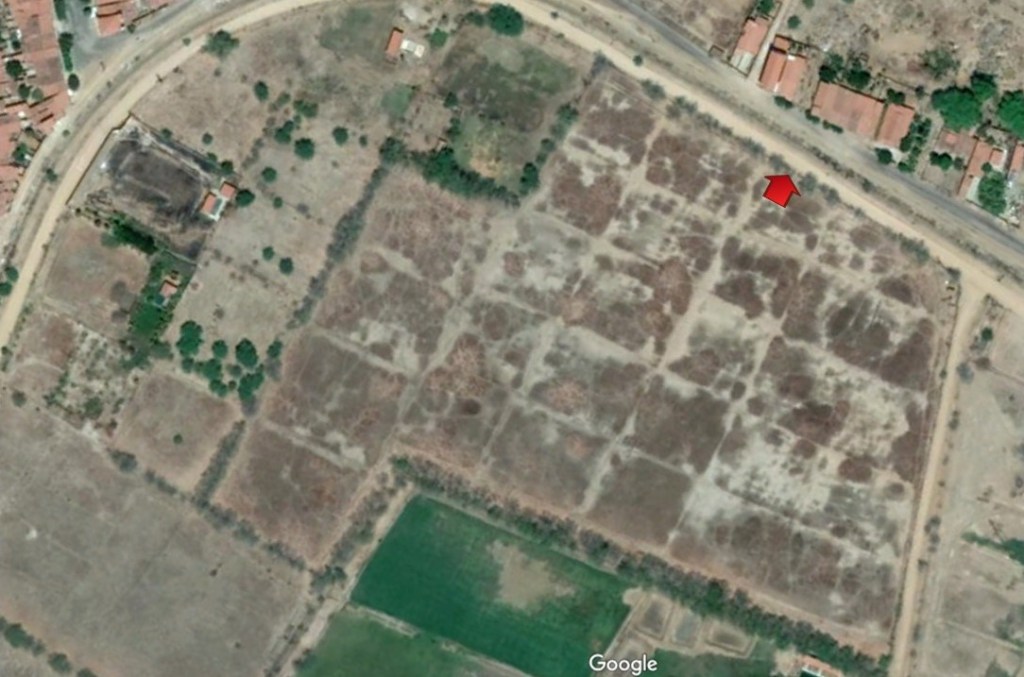
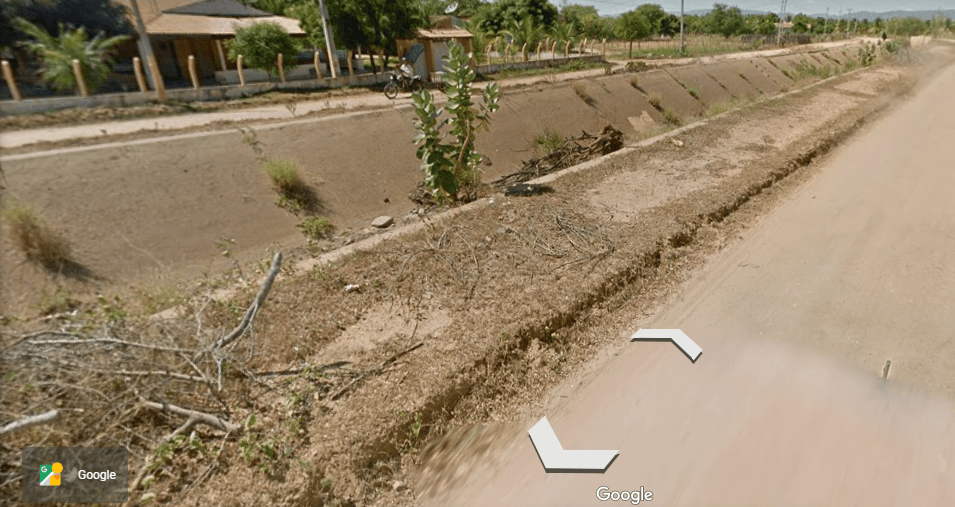
This is a close-up of the top middle section shown previously. It looks like a section of earth that has a grid pattern, and to me it has a much older look, like not something done recently. I took a street-view shot of where the red arrow is pointing…

…and this is what it looks like.

We don’t think of infrastructure from an advanced civilization because it is not supposed to exist, so how could it possibly be? If there was, we would know about it, wouldn’t we?

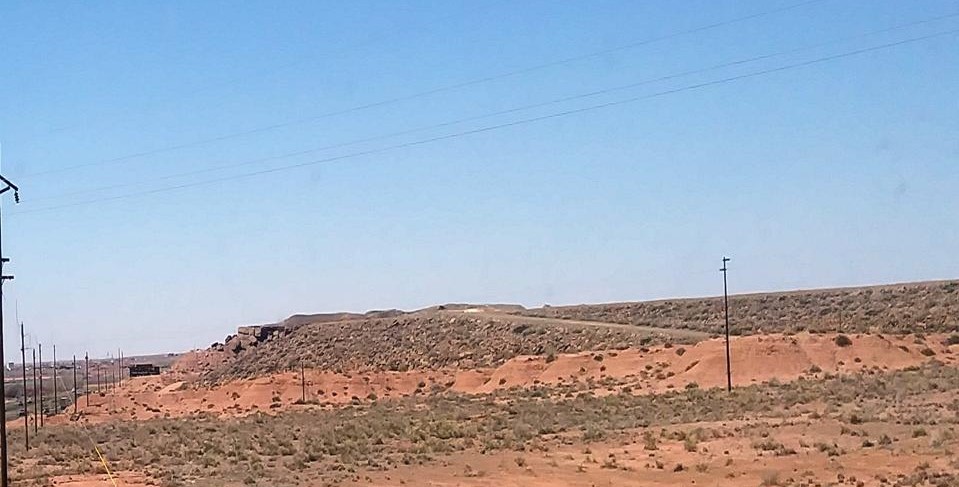
For another example, I had noticed an earthwork embankment on I-40 near the Geronimo Travel Center in northern Arizona as I travelled east. So I stopped on the way back to see what I could see. This was as close as I could get to it.
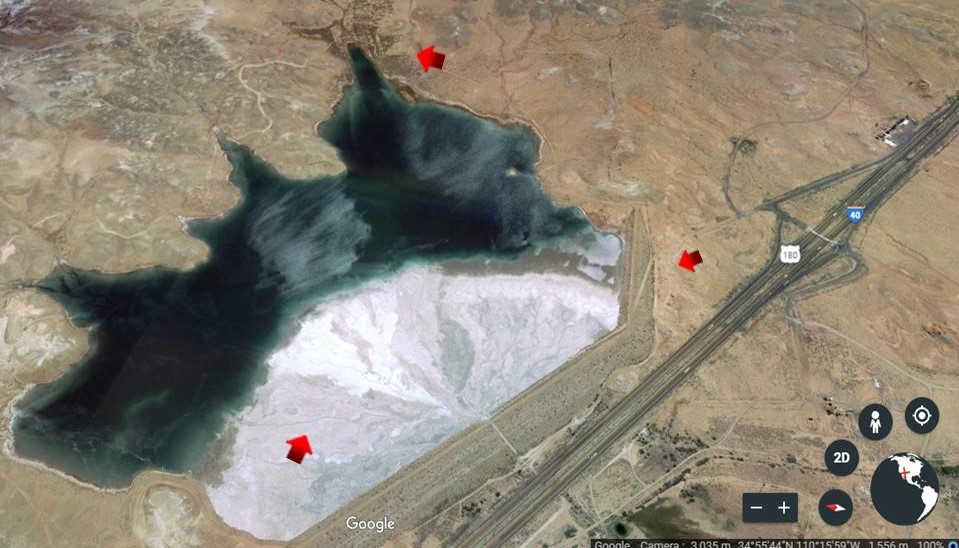
In my research, I have learned what to look for as signatures of the Advanced Ancient Civilization, and just like snaky, S-shaped rivers, geometric earthworks are key. There also appears to be a salt lake here, which has an energy generative function on the grid, as well as the geometric shapes on the lake shore.

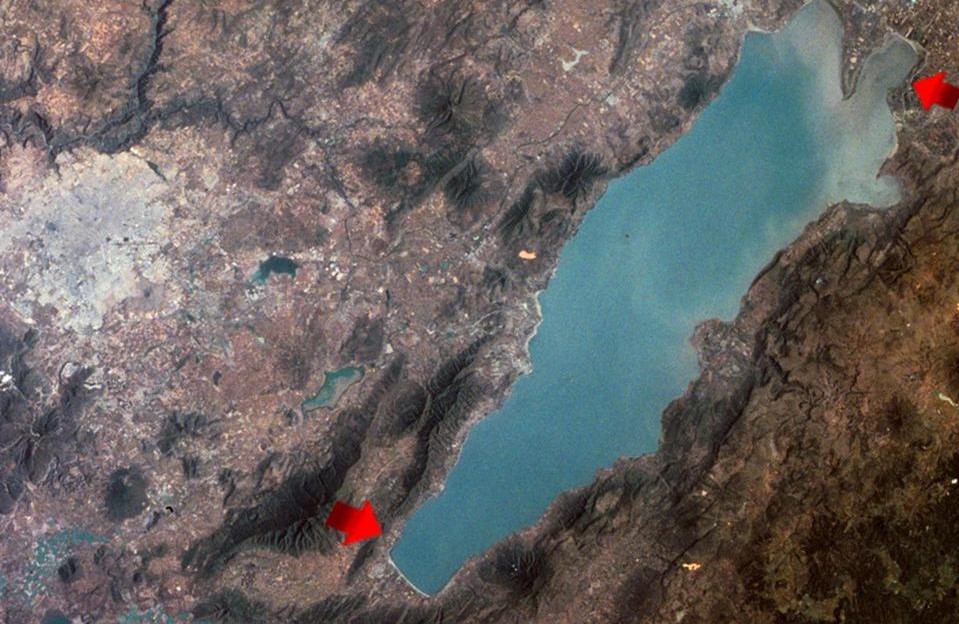
The geometric shapes of the lake in Arizona look like those of Lake Chapala in Mexico near Guadalajara.

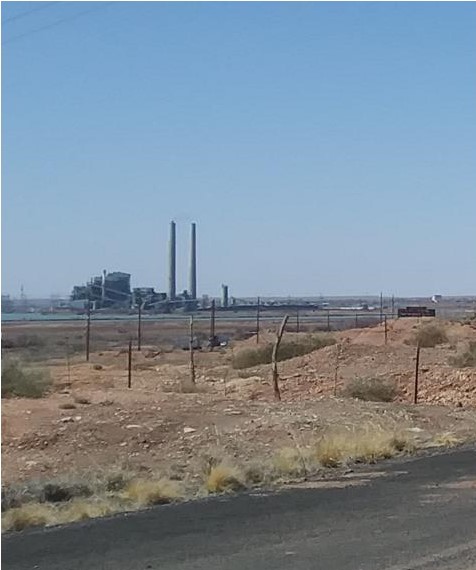
I am sure there is no coincidence that there is a power plant directly across from this location in Arizona. One example of many of how ancient energy technology is harvested by the modern energy industry without public awareness.

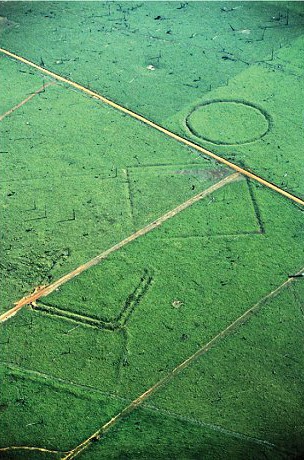
These are geometric shapes that appeared where the Amazon Rainforest was after deforestation.

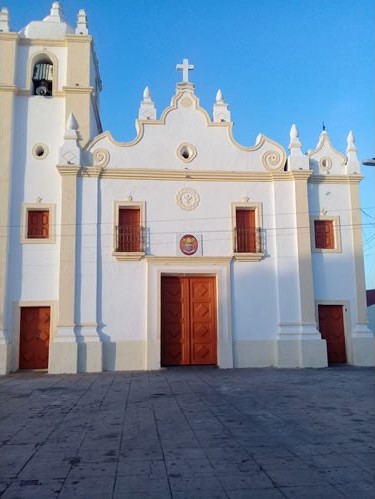
This is the Igreja Senhor do Bonfim in Ico, Brazil…

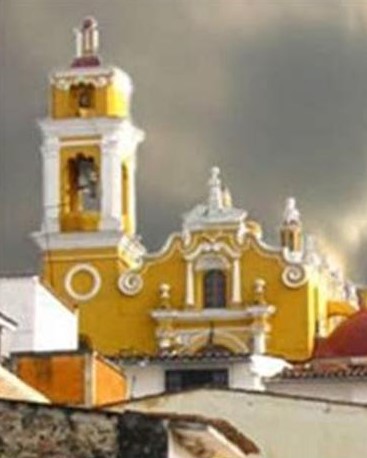
…compared with this building in Xalapa in Mexico…

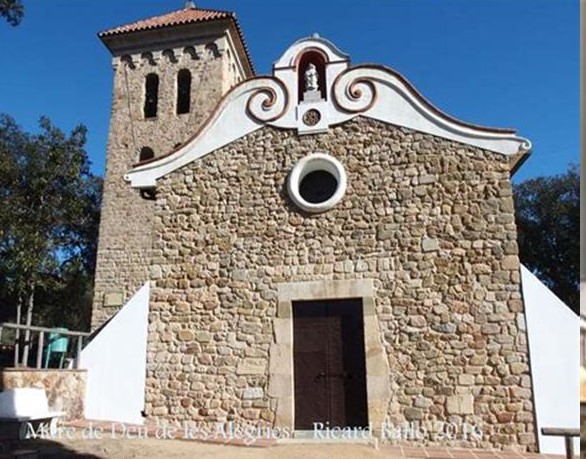
…and the Chapel de Les Alegries in Lloret de Mar, on the Mediterranean coast near Barcelona, Spain.

I find the recurring spiral patterns displayed on these three buildings in different countries to be of interest. Why were they incorporated in the architecture of the buildings?

Spirals can represent the expansion of consciousness, pathways between the worlds, and sound and frequency.

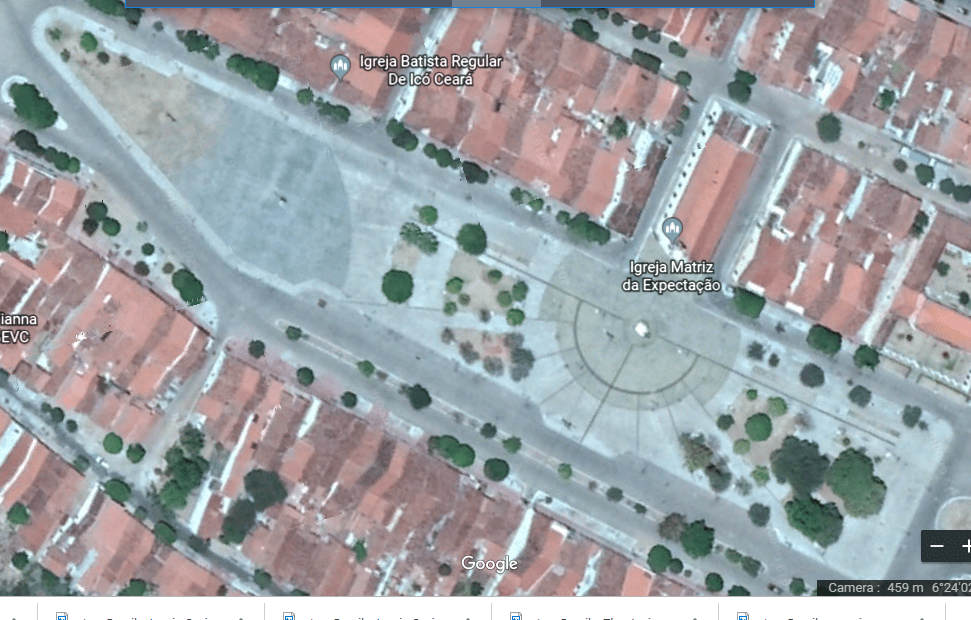
This is the Igreja Matriz da Expectacao in Ico…

…and the beautiful geometry in the plaza in front of it.

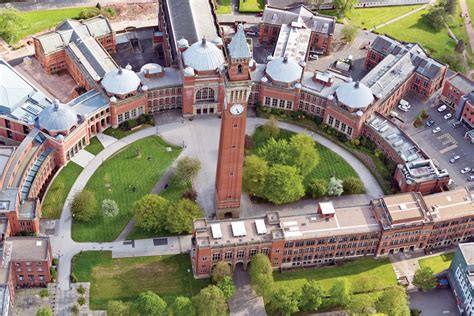
Compare the geometric design in the square with the look of the University of Birmingham in England.

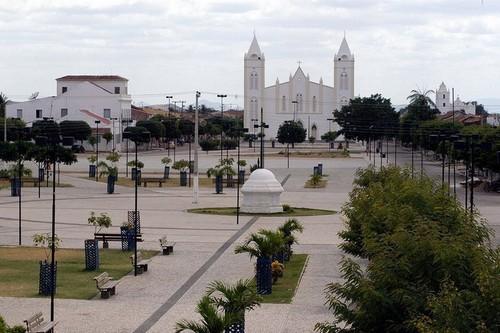
This is a view of the front of the Igreja de Sao Jose from the front from the square in front of the Igreja Matriz da Expectacao that was just shown.

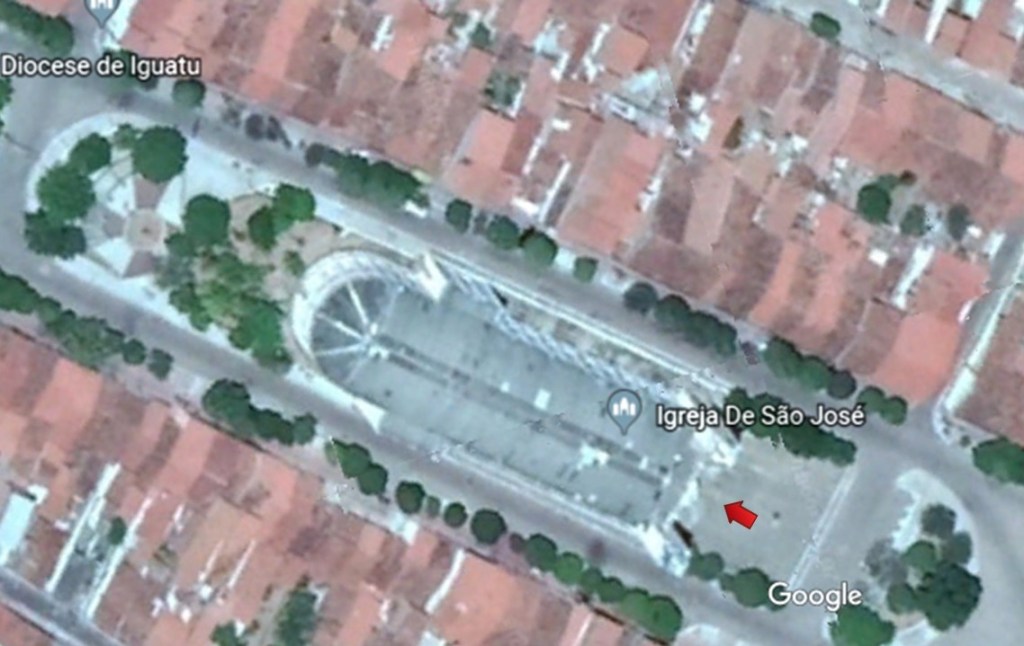
This is what the very large Igreja de Sao Jose looks like from above on Google Earth…

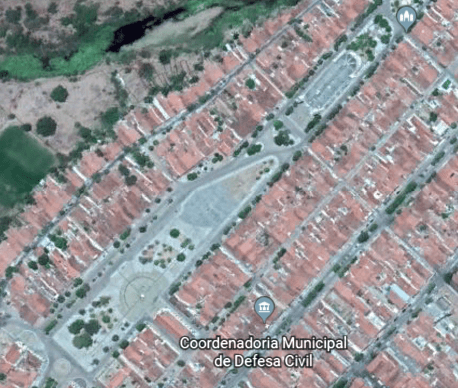
…and what the positioning of the two plazas looks like from above. There’s an interesting city lay-out going on here, with the Igreja de Sao Jose literally built in the middle of the street, perpendicular to the buildings beside it.

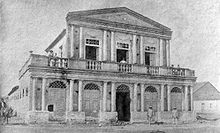
This is an historic photo of the Theater Ribeira dos Icos, circa 1900.

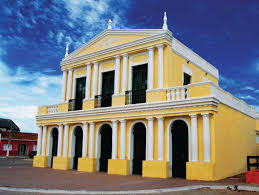
This is the same theater today.

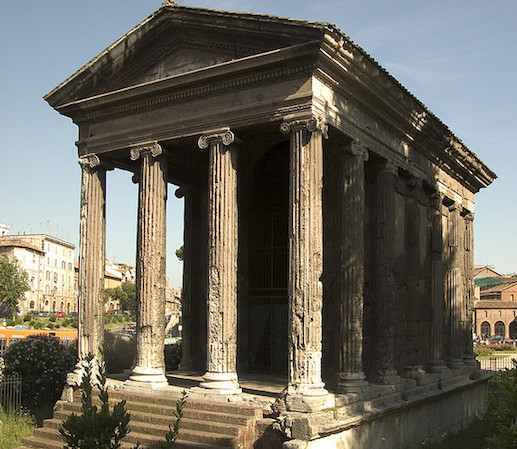
Compare the design features of this theater in Brazil with the Temple of Portunus in Rome, noting in particular the use of columns, and the gabled roofing. This classical style of architecture is found worldwide. Was it built in emulation of? Or was the theater built by exactly the same civilization that built the Roman Temple? My belief is that it was the latter, the advanced ancient civilization that is missing from our collective memory.

The next city I am going to look at on the alignment is Crato, in the southern part of the Ceara State of Brazil.

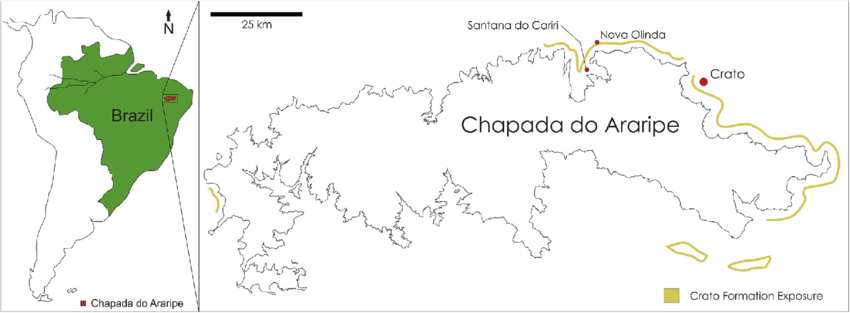
Crato sits on the northeastern edge of the Chapada, or Plateau, do Araripe, on what is called the Crato Formation.

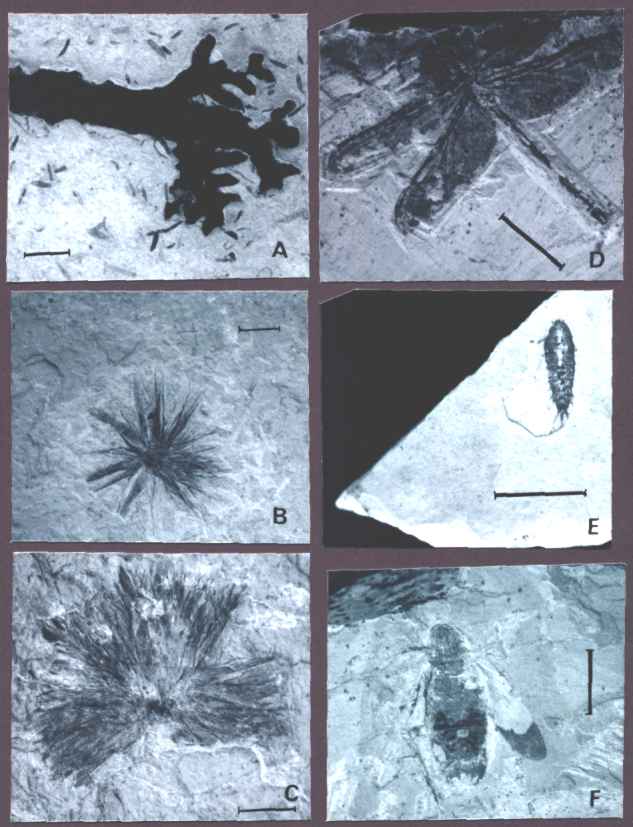
The Crato Formation is particularly known for its limestones containing fossils of plants, vertebrates, and invertebrates.

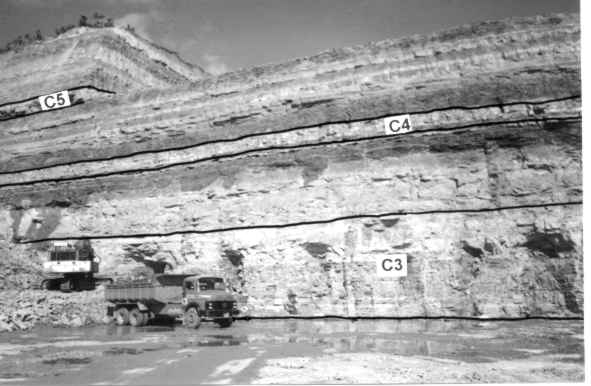
This is a cement quarry in the Crato Formation region at Caldas.

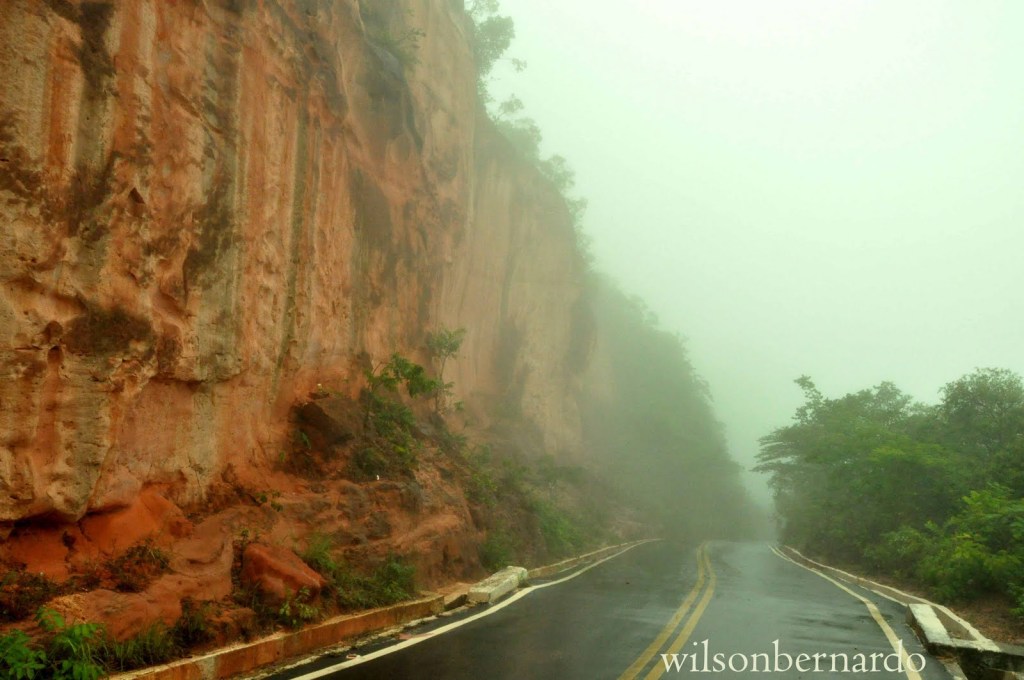
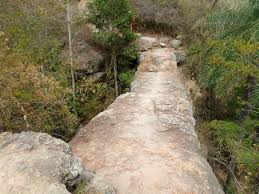
Here are some photos taken of places at the Chapada do Araripe in Brazil…

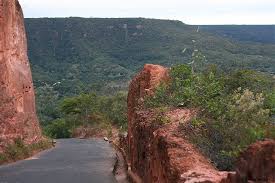
…compared with Sedona, Arizona…

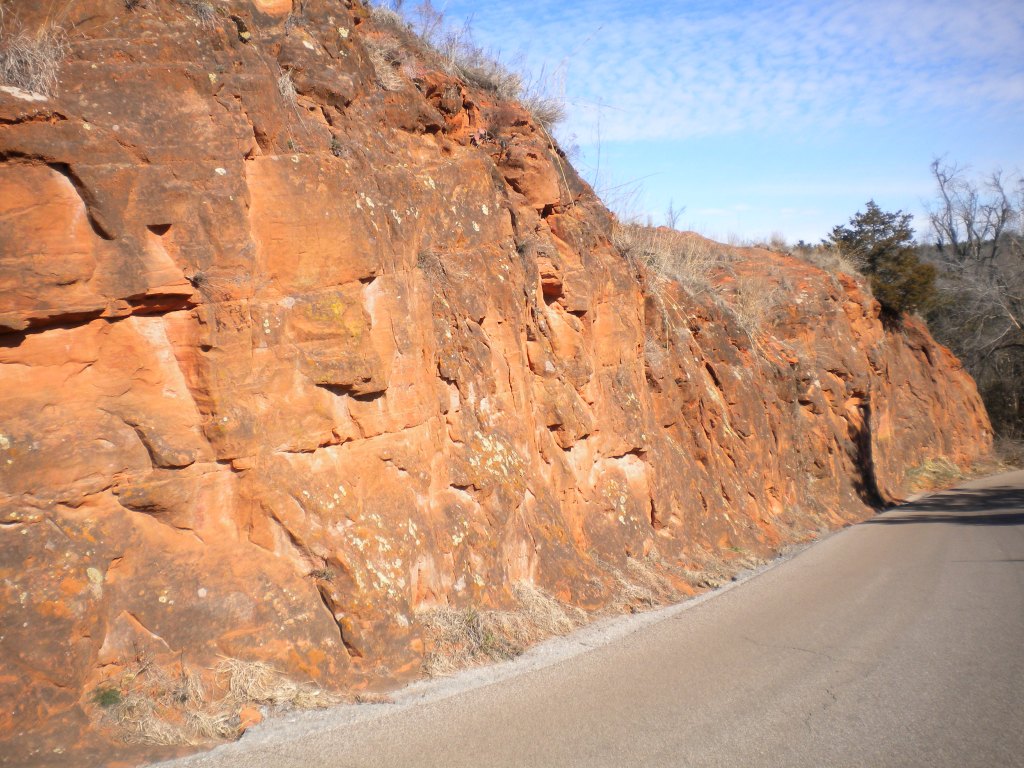
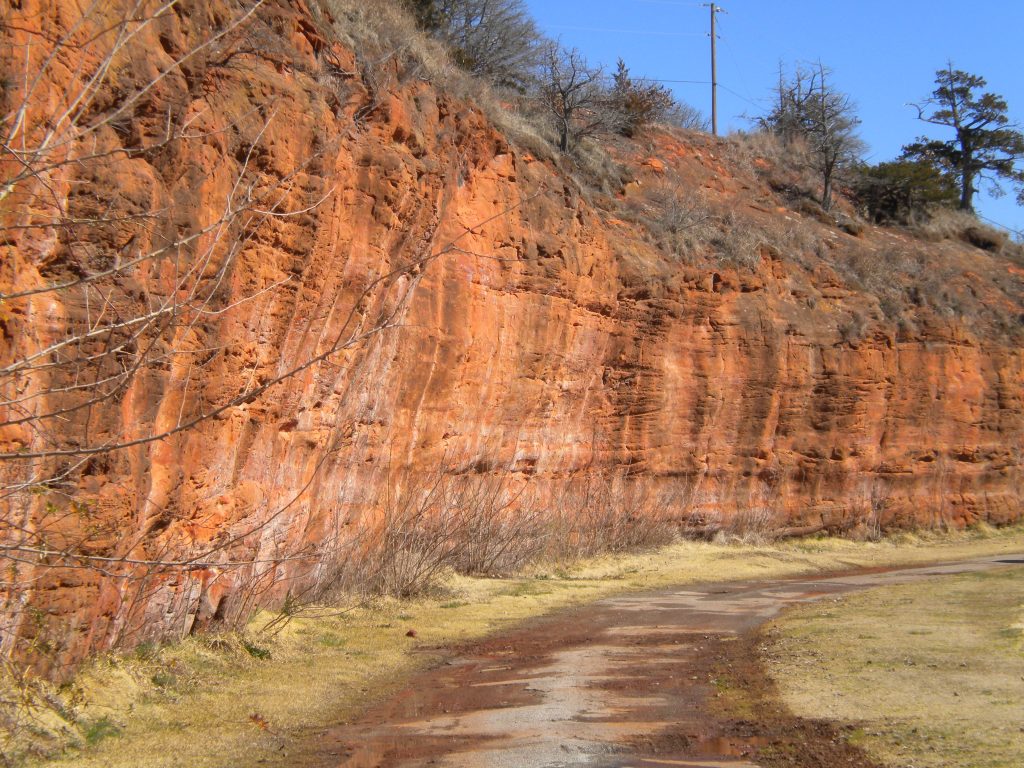
…Red Rock Canyon in Hinton, Oklahoma, outside of Oklahoma City…

…and Petra in Jordan.

The Araripa Geopark has one of the most important fossil deposits in Brazil. Declared a UNESCO Global Geopark in 2006, it has nine geological sites in six municipalities of the state of Ceara, including Crato.

Here are some sights in the Araripa Geopark:

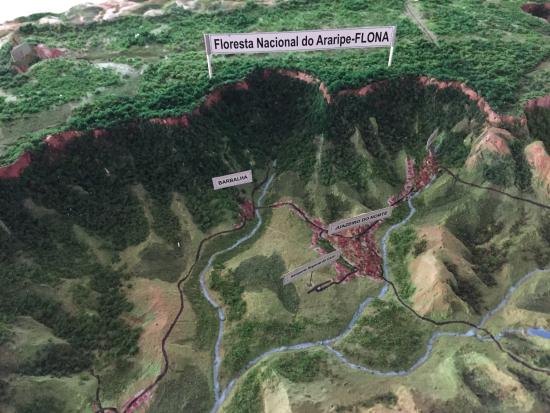
The alignment goes directly across the Floresta Nacional Do Araripe-Apodi, a National Forest with its status designated in 1946.

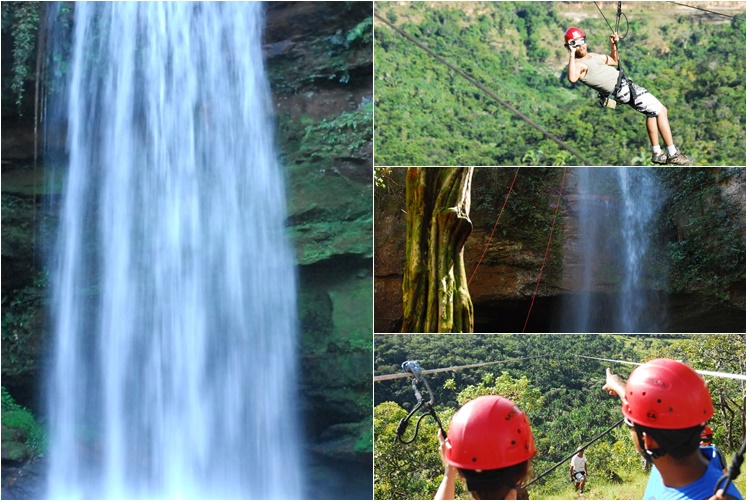
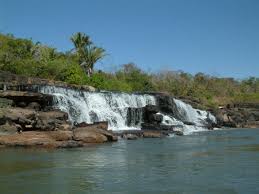
The alignment crosses through Taquarussu, a village in the Tocantins famous for its many waterfalls, natural environment, and as an ecotourism destination, right before you get to Palmas.

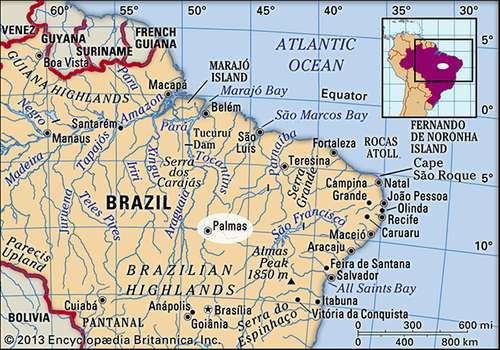
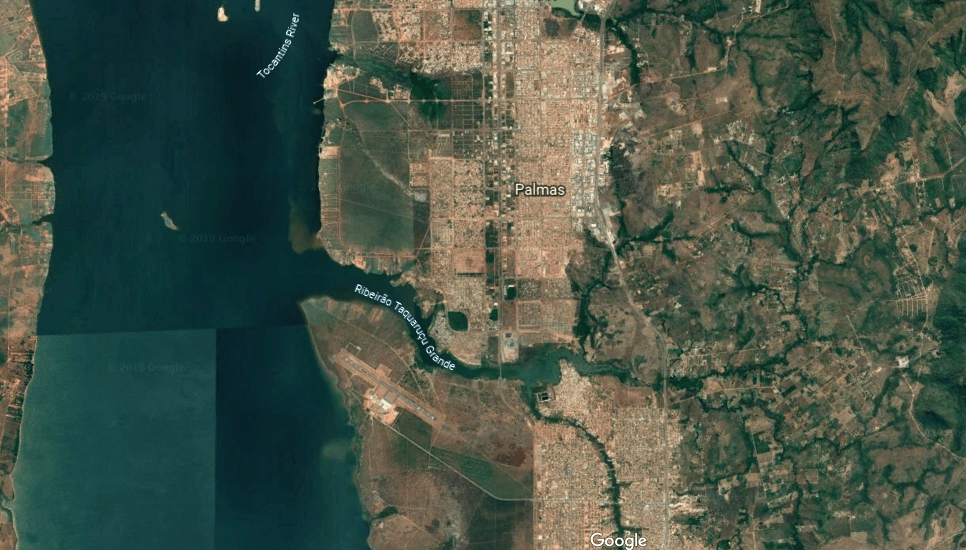
Palmas is the capital city and geographic center of the State of Tocantins and the geodesic center of Central Brazil.

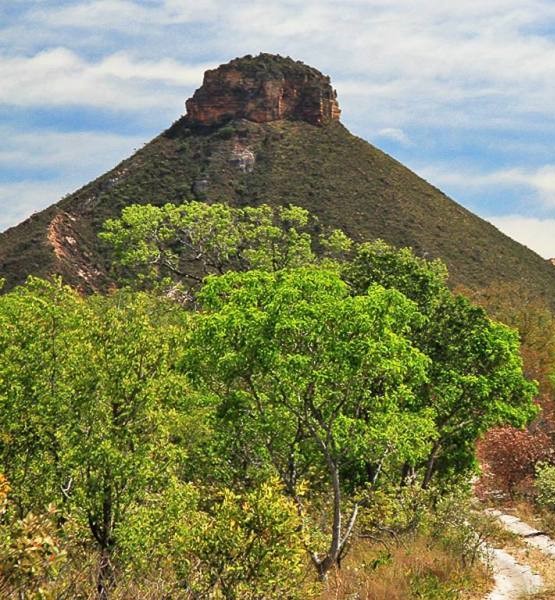
It is bordered on the east by the Serra do Lejeado, where we find this in the Parque Estadual do Lajeado, or Lajeado State Park…

…compared to Pilot Mountain in North Carolina.

Palmas is bordered on the west by the Tocantins River, the central river in Brazil, running from south to north for 1,522 miles, or 2,450 kilometers.

The Parque Nacional do Araguaia, on the Araguaia River, is just a short distance southwest of the city of Palmas, largely on Bananal Island, believed to be the largest inland river island in the world.

I am going to end this post here, and pick up the alignment in the next post in Cachimbo, Brazil.

Circle Alignments on the Planet Washington, DC – Part 16 Gulf of Guinea to Natal, Brazil

In the last post, I tracked the circle alignment emanating from Washington, DC, through the Sahara Desert, starting at the ruins of Djado at the southern end of the Djado Plateau in Niger; across the Tenere Desert, the eastern-half of the Air and Tenere National Nature Reserve in Niger; through Bilma, still a modern-day stop in Niger for salt on the Trans-Saharan Caravan route of the Tuareg; across the Great Erg, or Sand Sea, of Bilma; through the towns of N’Guigmi and Diffa in Niger; and into Nigeria the cities through the cities of Abuja, Abeokuta, and ending at Lagos, a major port city of Africa on the coast of Nigeria.

I am picking up the alignment where it enters the Gulf of Guinea, the most northeastern part of the tropical Atlantic Ocean between Cape Lopez in Gabon, north and west to Cape Palmas in Liberia.

The intersection of the Equator and Prime Meridian is in the Gulf of Guinea, otherwise known as 0-degrees longitude and 0-degrees latitude. Eyeballing on this map, after leaving the mainland at Lagos, Nigeria, the circle alignment tracks over this location on its way to Brazil across the Atlantic Ocean.

The alignment enters the Gulf of Guinea through what is called the Bight of Benin, which extends eastward for 400 miles, or 640 kilometers, from Cape St. Paul, to the Nun Outlet of the Niger River.

The Bight of Benin and the Republic of Benin were named after the…

…Kingdom of Benin, which was a pre-colonial Kingdom in southern Nigeria. It was old and highly developed.

The Edo people were the original people of the Kingdom of Benin, which was founded in 1300.

It was one of the major powers in West Africa until the late 19th-century, when it was annexed by the British Empire in 1897.

Compare the headgear of the Edo man, with a traditional Mongolian hat. My take on this similarity is that there was a unified worldwide spiritual practice involving the re-connection of each human individual with Source through the crown chakra.

The Republic of Benin was previously the Kingdom of Dahomey, which existed from about 1600, until it was annexed by the French Colonial Empire in 1894.

This is in Ouidah, or Ajuda in Portuguese, on the coast of what was Dahomey. It was said to have been built by the Portuguese in the 1720s.

Infrastructure like this is falsely attributed all over the world, instead of giving credit to the actual builders. Like, you know, the indigenous people who lived there instead of the colonizers.

The Niger River, the principal river of West Africa, is that main river that empties into the Gulf of Guinea.

The Niger River Delta, extending over 27,000 square miles, or 70,000 kilometers squared, separates the Bight of Benin…

…from the Bight of Biafra, which in the present day is known as the Bight of Bonny. It runs from the Niger Delta to Cape Lopez in Gabon.

Biafra became a part of Nigeria after the Nigerian Civil War of 1967 to 1970.

What is now called the Bight of Bonny hosts the Cameroon Line of Volcanoes, which includes the island Republic of Sao Tome and Principe, a former Portuguese colony.

The capital and largest city is Sao Tome, where Sao Sebastiao Fort is located.

Here is a shot from Google Earth confirming that Sao Sebastiao Fort is in fact a star fort. It was said to have been built by the Portuguese in 1566.

Here are some other things to see on these islands, like what looks like ancient stonework…

…and incredible rock formations, like the Pico Cao Grande, or Great Dog Peak.

Also in the Cameroon Line of Volcanoes, and administered by the country of Equatorial Guinea, are the islands of Bioko…

…Corisco…

…Elobey Grand and Elobey Chico…

…and Annobon.

Leaving the Gulf of Guinea, the alignment crosses over the Equatorial Counter Current and and just into the South Equatorial Current of the South Atlantic Ocean..


The alignment crosses over Fernando de Noronha, the name of the main island and its archipelago. It is a UNESCO World Heritage Site and on at least one other alignment that I know of. The main island has an area of 7.1 square miles, or 18.4 kilometers-squared, and the archipelago’s total area is 10 square miles, or 26 kilometers-squared.

So what I just found out that is really interesting about this place is that in its relatively small area, there were ten, possibly star, forts here.

The largest and best-preserved is the Forteleza Nossa Senhora dos Remedios.

The Forte de Sao Jose do Morro was only fort built on a secondary island.  It still has imposing ruins.

Forte de Santo Antonio construction was an irregular, four-side polygon.

You can see the Morro do Pico framed nicely through this archway at the Forte de Santo Antonio.

The Forte de Sant’ana was situated over the old harbor in the  Vila dos Remedios.

Ruins of the Forte de Nossa Senhora da Conceicao are visible in the vegetation.

The Forte de Santa Cruz do Pico was a small redoubt.

This is an old map of the Forte de Sao Pedro do Boldro.

People come to the Fort Boldro look-out for sunsets. There is a good view from here of the Two Brothers Rock, which appears to be alignment with the sun.

Then there was the Forte de Sao Bautista dos dois Irmaios…

…the Forte de San Juaquim do Sueste…

…and lastly the Forte do Bom Jesus do Leao.

This circle alignment enters the South American continent at Natal, the capital and largest city of the Brazilian State of Rio Grande do Norte, and said to have been founded on December 25th, 1599.

The Portuguese are said to have built the Forte Dos Reis Magos, or the Fort of the Three Wise Men, as the first milestone of the city of Natal

Here is a view of the Forte dos Reis Magos from the ground, with its exquisitely engineered stone entranceway between the channel on the right, and the Potengi, or Potenji, River on the left.

Star forts like all of these shown here present a mystery because the same design and construction style is found around the world. This is Fort Chambly in Quebec…

…the Fagaras Citadel outside of Bucharest, Romania…

…and the Kronborg Castle in Helsingor, Denmark.

How did all of these places end up with the same design features?

So with the example of the Forte dos Reis Magos in Natal, said to have been built in the 1598, it would have been during times we are told there was low technology, no mass communication or easy transportation.

This was a Caravel ship in which the Portuguese would have sailed during that time period.

And is this what we are talking about for ground transportation?

I mean, what else are we taught that was available to them? I can’t think of anything except for maybe a horse-drawn wagon or carriage.

There is nothing in the historical record that we are taught that comes even close to explaining how this advanced masonry, of similar design, came into being around the world.

What if these so-called forts served a very different purpose for the Advanced Ancient Civilization, like as energy generators, and not only re-purposed for military use by the colonizers, but actually sought out by them for capture?

The Palmanova star fort in Italy is on the left, compared with CERN on the right, for comparison of their similar look.

The Natal Dunes State Park is the second largest urban park in Brazil, and is located in the heart of Natal.

The Ponta Negra Beach is included in the Natal Dunes Park…

This is the Morro de Careca, a landmark icon of Natal, which translates from Portuguese as “Bald Man’s Hill.”

I can’t help but wonder about the origin of the word “Morro”….

On a different note, another unique place of interest near Natal in the Rio Grande do Norte is the Cashew of Pirangi, the world’s largest cashew tree, having the size of 70 normally-sized cashew trees.

I have heard other researchers talk about the role of the planetary grid-lines, or the earth’s leylines, in enhancing agricultural output. In the case of the Cashew of Pirangi, literal food for thought :).

I will be picking up the alignment in the next post in Ico, Brazil.

Circle Alignments on the Planet Washington, DC – Part 15 Djado, Niger to Lagos, Nigeria

In the last post, I took at close look at the ancient cities of Alicante and Elche on the Costa Blanca coast of Spain on the Mediterranean Sea; through ancient city of the Deys in Algiers and its famous Casbah; across the mountains of the Tell Atlas; the deserts of the Great Eastern Erg of Algeria; and on through to Djanet in Algeria.

Now, I am looking at the ruined city of Djado, which lies on the southern end of the Djado Plateau in Niger.

In the present day it is largely uninhabited, with abandoned towns still visible.

Historically it was the land of the Kanuri people, who are no longer living in Djado today.

The Kanuri people were described as a powerful African people that founded the pre-colonial Kanem-Borno Empire.

The Kanem Empire existed from 730 AD to 1380 AD…

…and then continued as the Bornu Empire until 1900.

This is Kanuri politician Sir Kashim Ibrahim arriving in London for a short tour in 1910. It sounds like he was a person of importance back in his day!

Now Toubou nomads are in Djabo to tend…

…the date palms of the region.

So, apparently the Bornu Empire lasted right up until the 20th-century. What happened to it?

At one time, not only did the Sahara have a fertile, savannah-type ecosystem, supporting a wide-and-varied wildlife population, like these life-sized giraffes carved in rock in Djado…

…the region now called the Sahara desert had great forests, including but not limited to, oak, elm, alder, juniper, and pine. As you can see in this picture, we are taught the desertification of this region started happening a long time ago. Maybe. Maybe not. There is so much that we have not been told about.

The silence about the history of this area in the present-day is deafening.

This is a traditional home in Niger on the left, and the designs on it reminds me of traditional Tibetan design elements on the right.

Next the alignment crosses near the Tenere Desert, which is the name for the eastern-half of the Air and Tenere National Nature Reserve.

There is no indication in on-line information that there are the remains of an ancient megalithic civilization here.

But it certainly looks like there was….

Next on the alignment is Bilma in Niger.

Bilma is an oasis town, and has long been a stop on the Trans-Saharan caravan routes. 

It is protected from sand from the desert dunes by the Kaouar escarpment.  Escarpment is another key code word that covers-up ancient infrastructure.

Bilma is the destination of one of the last of the ancient Saharan Caravan routes…

…where Tuaregs cross the Tenere Desert to…

…get salt produced here in salt pans, and barter millet for date fruit.

This is an aerial view of Bilma, where salt slabs are also used as a building construction material.

Next the alignment passes through the Great Erg of Bilma…

…another region of the Sahara described as a sand-dune sea.

Small scale trade through the Erg of Bilma continues from the Lake Chad region and the Termit Massif, a mountainous region in southeastern Niger.

So, what does the image in the foreground look like to you?

Next on the alignment is N’Guigmi, a city and commune of approximately 15,000, in the easternmost part of Niger, near Lake Chad.

N’Guigmi is a center for the salt trade from Bilma, and the last stop on the road to Chad.

This rock field is in the vicinity of N’Guigmi in the Tenere Desert.

N’Guigmi is also home to a large settlement of Kanuri people, and lies as the mouth of the Dilia Bosso, an ancient river valley that runs from the Termit Massif to the shore of Lake Chad, as recently as the mid-20th-century. This is a depiction of the Lake Chad Basin.

Next on the alignment is Diffa, in the extreme southeast of Niger on the border with Nigeria.

Diffa marks the end of the paved section of the National Route 1, the main east-west highway through Niger.

Diffa is compared on the top left with the Labna ruins in the Yucatan Peninsula in Mexico on the top right; the Dananombe Ruins in Bulaway, Zimbabwe; and lastly the Astana Tombs in Turban, in the Uighur Autonomous Region of China.

Next on the alignment is Abuja, the capital city, and located in the center of, Nigeria. It replaced Lagos as the capital of Nigeria in 1991.

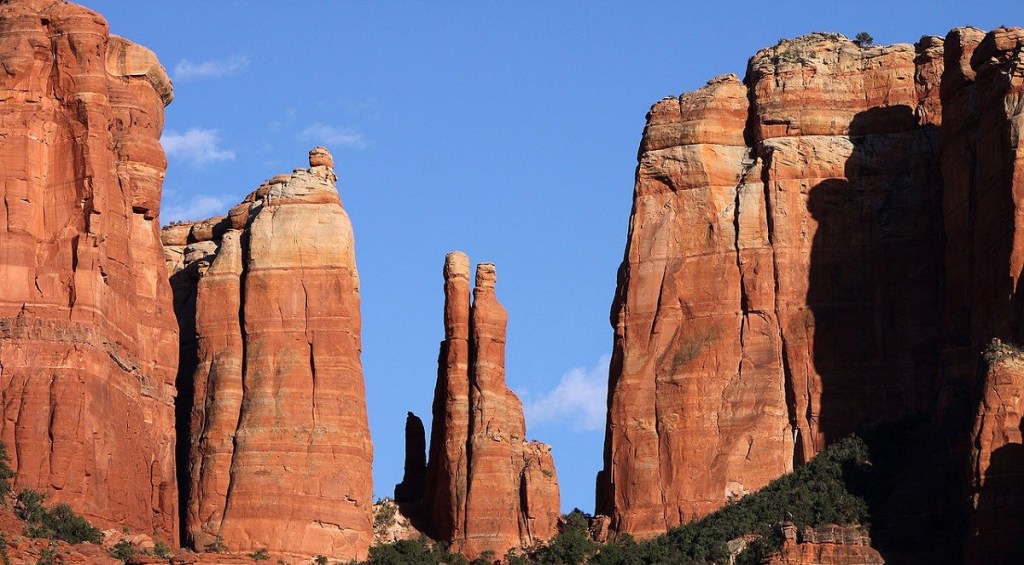
In this picture, Zuma Rock in Abuja, Nigeria, is on the top, and it is reminiscent of Cathedral Rock in Sedona, Arizona, on the bottom. I can show you many more examples. Hopefully this will suffice as one of many examples of the same look and coloration.

Zuma Rock is known for having the shape of a human face on it.

The Gurara Waterfalls, with a height of 98-feet, or 30- meters, are found on the Gurara River about an hour or so from Abuja in Niger State, the largest state of Nigeria. I find waterfalls all along the planetary alignments.

The ancient city of Abeokuta is just north of Lagos, close to the alignment…

…and is the location of Olumo Rock, one of the oldest and most popular tourist attractions in Nigeria.

It has been used as a fortress historically by the Egba, Yoruba people of Ogun State, in which it is located.

As well as the patron spirit of Olumo Rock being venerated in the Yoruba spiritual tradition as an Orisha, which serves a guide for Creation and Humanity.

This is the Palace of Oba Sir Ladapo Ademola II, the Alake of Abeokuta, circa 1951, with its nice masonry and archways.

The Alake of Abeokuta is the traditional ruler of the Egba Clan of Yoruba.

This the current Alake of Abeokuta, Adedotun Aremu Gbadebo III, since 2005.

Sungbo’s Eredo is said to be a system of defensive walls and ditches southwest of the Yoruba town of Ijebu Ode in Ogun State. The total length of the fortification is 99-miles, or 160-kilometers, enclosing an area of 25-miles, or 40-kilometers.

It was said to have been built as a memorial for the childless widow, Bilikisu Sungbo, who has been connected by some to the legendary Queen of Sheba.

The appearance of Sungbo’s Eredo on the top, reminded me of Red Rock Canyon in Hinton, Oklahoma, near Oklahoma City on the bottom.

The next place on the alignment is Lagos, a major financial center of Africa, and has one of the busiest seaports in Africa.

There are two active ports in Lagos. The main Port of Lagos is in Apapa, and then the other is the Tin Can Port.

As you can see in this photo of Tin Can Island Port, you see that it is clearly artificially made…

…just like Bergen Point on the north side of the Kill van Kull at Newark Bay at Bayonne, New Jersey…

… and like Ellis Island in Upper New York Harbor.

You see the same kind of thing at the main port of Lagos at nearby Apapa.

Also at Apapa on the top left, you find the same signature, snaky, s-shaped river bend that is found all over the world, like the Nile River at Juba in South Sudan on the top right, and the Brisbane River at the city of Brisbane in Australia on the bottom.

I am going to end this post here, and pick up the alignment next as it crosses over the Gulf of Guinea.