
I have been researching aspects of what I am presenting in this video for years, but this subject has come about as an in-depth research topic for me right now because a viewer, Aaron, suggested that I look into this particular topic.
He sent me places he had identified to look at in Pennsylvania and West Virginia; different articles he found on giants skeletons; and some place alignments he discovered from his own inner prompting that is very revealing in terms of what has actually been going on here
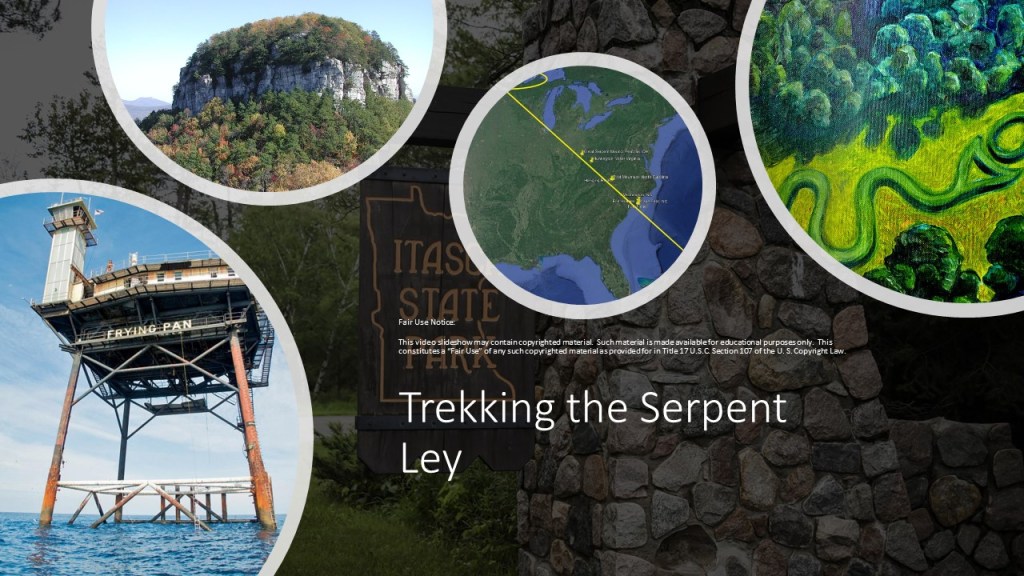
Aaron reached out to me after he watched my “Trekking the Serpent Ley” video from this past August, in which I brought up the subject of Appalachia, because the Serpent Ley crosses right through there.
This piqued his interest, because he doesn’t see Appalachia talked about very much, and believes it worthy of more attention. Especially after doing this deep dive, I wholeheartedly agree with him!
Aaron is deeply connected to Appalachia, having been born and raised in Marion County, West Virginia, and currently resides in Western Pennsylvania.
I grew up in suburban Maryland in a location very close to a lot of the places mentioned in this video, so I have been to, or near, many of the places mentioned here – church youth retreats, school trips, sightseeing trips, and many other occasions.
Growing up, we accepted as true what we are told about our history, but I know from my own experience of them that these places have a feeling of being much older beneath the surface of our awareness, just like the giants themselves.
There is no question that the consistent finding of giant human remains was well-documented in the 19th-century, several examples of which are presented in this post, from skeletons that were reported to be found co-located with mounds, to skeletal remains found randomly from digging.
Today, the very existence of giants seems to be vigorously denied, and/or fact-checked as a hoax, when their remains turn-up somewhere these days.
Then there are recurring themes that come up consistently throughout this video, including but not limited to, incredible feats of canal, railway, and tunnel-building that we are told began in our history around the late 1700s and early 1800s, most of which was completely obsolete by the early to mid-20th-century; S-shaped river bends and a history of railroads running alongside them throughout the region; mass clear-cutting of forests and mining coal-fields and iron-ore deposits until completely depleted, then the railroads started to disappear; and many of the former rail-beds having been turned into recreational trails.
My primary focus was Appalachia in western Pennsylvania and eastern West Virginia, though I did look at other places as well, including the location of Gornaya Shoria in southern Siberia.
By the end of this video, you will see another story about what has actually taken place here coming into focus as I take a very close look at this region and its official history, which among other things, was important to the settlement and industrialization of America, and also the wealthy and influential men behind it all.

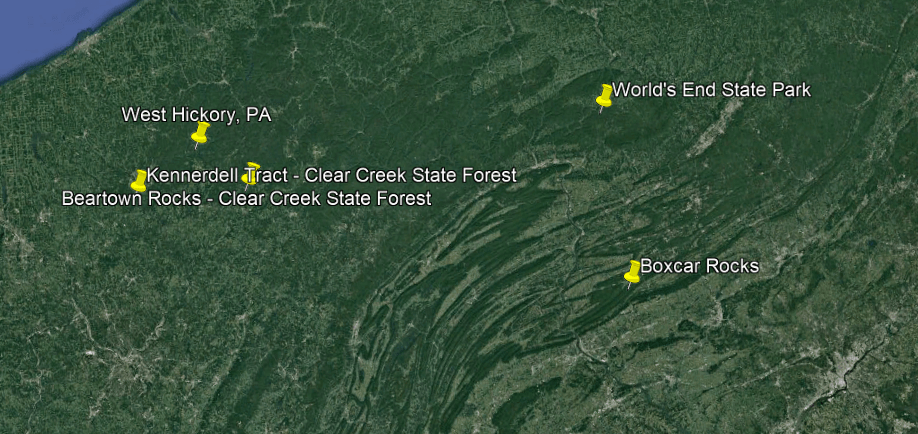
My starting point for the research in this post are places in Pennsylvania that Aaron sent me that he had identified as looking like megalithic stone structures
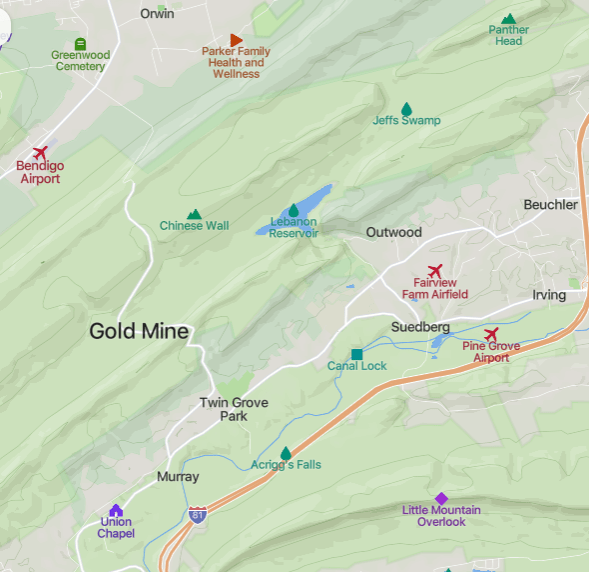
The first place that Aaron directed my attention to was the location of “Boxcar Rocks,” also known as the “Chinese Wall,” and the “High Rocks,” on Gold Mine Road in Lebanon County.
We are told that they are a natural geologic formation a little over a half-mile, or .8-kilometers, long, and 60-feet, or 18-meters, high.
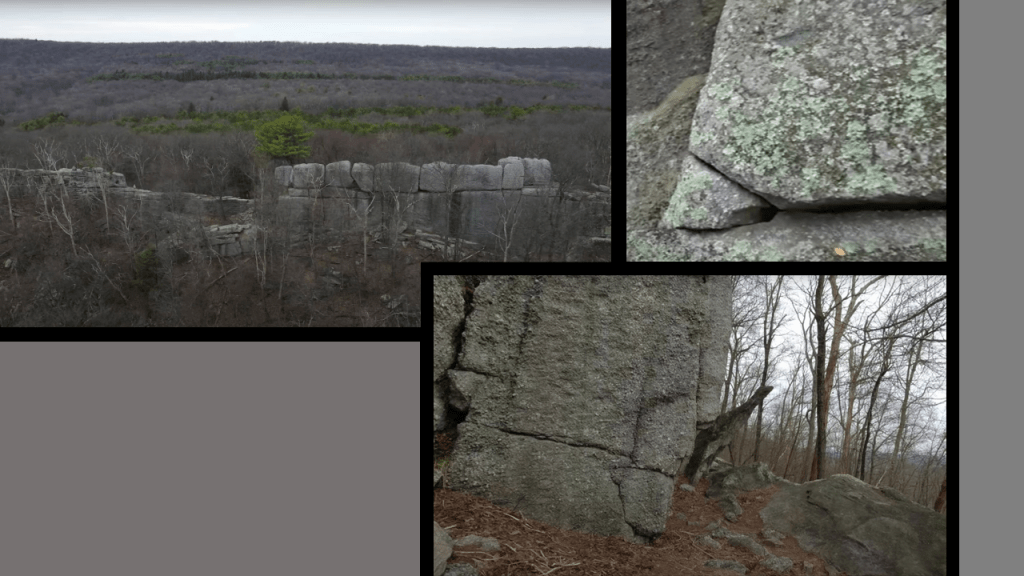
They are described as a long line of stacked boulders that were likely left over from melting glacial deposits during the last Ice Age, though there is some disagreement on the issue of whether or not there were glaciers that far south in Pennsylvania.
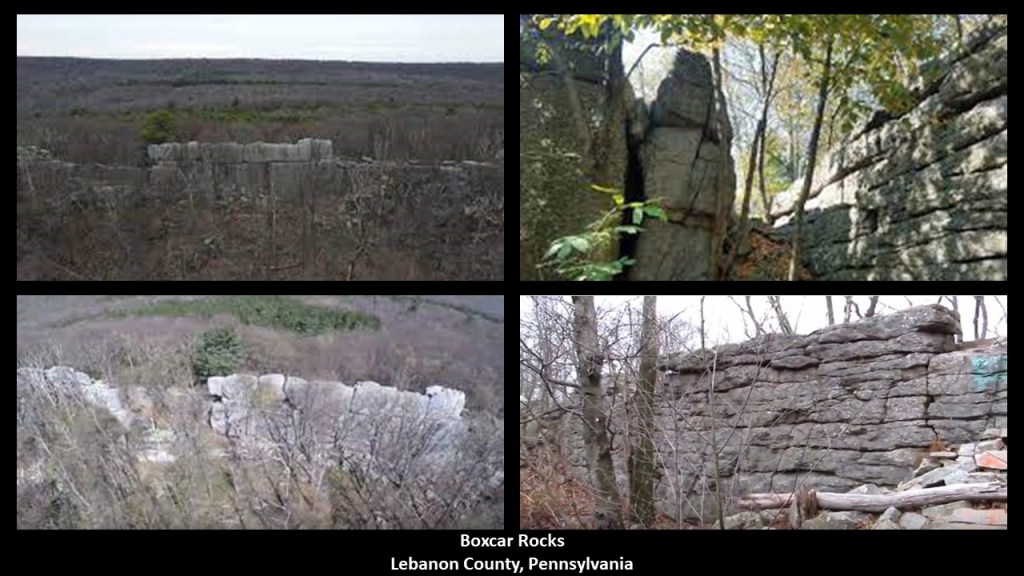
Yet here are images that Aaron sent me where the stone blocks of Boxcar Rocks look like they have been cut-and-shaped!
Gold Mine is the name of a Hamlet in Cold Spring Township.
Cold Spring Township was incorporated in 1853.
In 2010, there was a population recorded of 52 people.
There is no local government here, nor services – no taxes, no water, no sewage, and no public officials.
Most of the Township is part of “Pennsylvania State Game Lands #211,” who manage the lands for the purposes of hunting, trapping, and fishing.
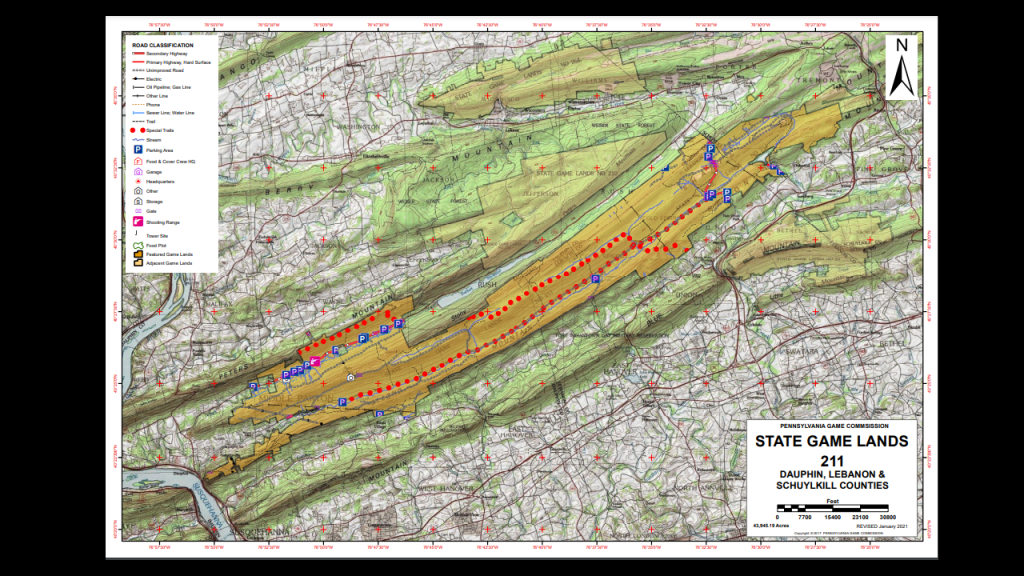
The Appalachian Trail runs through “Pennsylvania State Game Lands #211” in Swatara State Park.
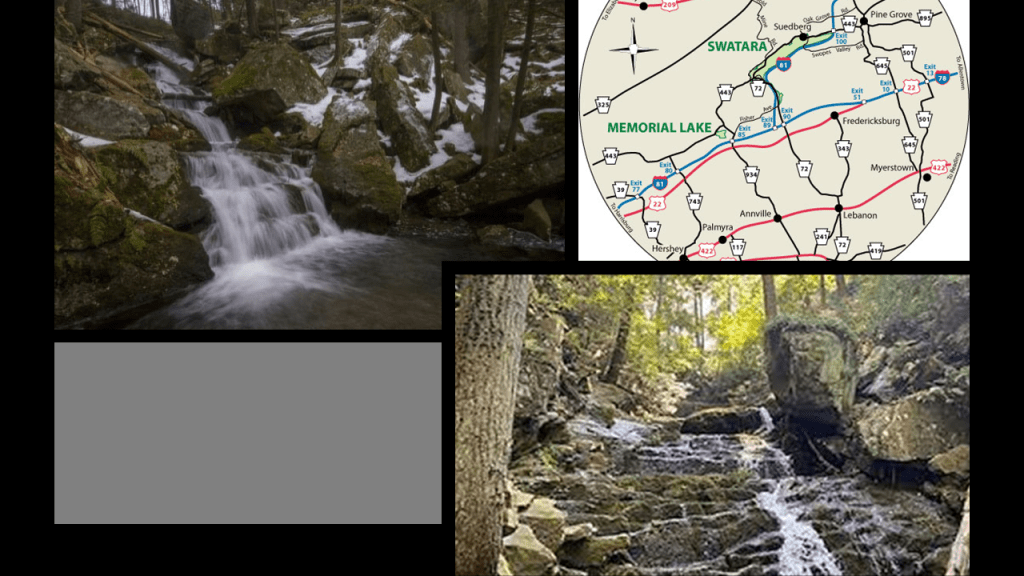
This is Lock #5 of the old Union Canal on the “Bear Hole Trail” of Swatara State Park.
This section of the Union Canal was said to have been closed after the dam holding the reservoir was washed away by a devastating flood in 1862, and the rest of the Union Canal was said to have been closed to use in 1885 because it could not compete with the “efficiency of the railroad.”
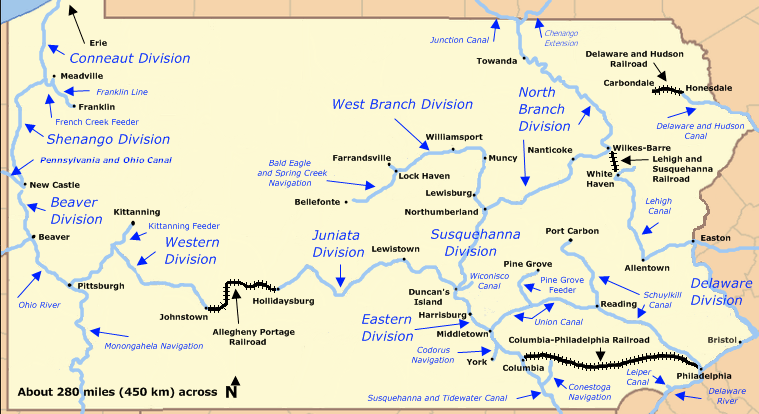
The 82-mile, or 132-kilometer, -long Union Canal in southeastern Pennsylvania between Middletown, Pennsylvania to Reading, Pennsylvania, was said to have been built between 1792 and 1828, until it closed in 1885.

We are told the American Canal Age was between 1790 and 1855, and started in Pennsylvania, where the first legislation surveying canals was passed in 1762.
The construction of the Union Canal was said to have started under the administration of President George Washington in 1792, and was touted as the “Golden Link” in providing an early transportation route for shipping anthracite coal and lumber to Philadelphia.
The “Main Line of Public Works,” of which the Union Canal was a part of, was passed by the Pennsylvania Legislature in 1826.
It funded various transportation systems, including canal, road, and railroad.
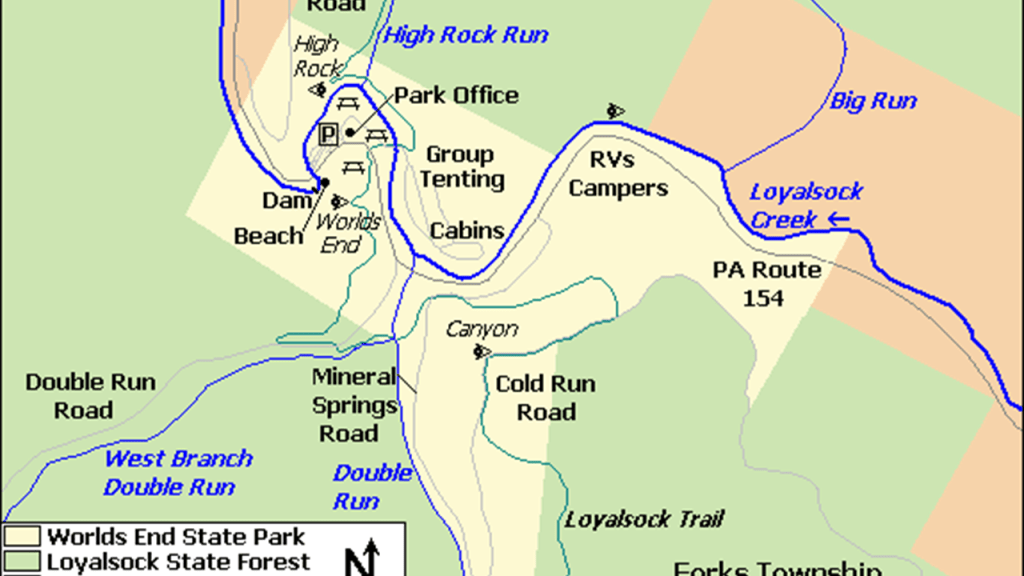
Next, Aaron drew my attention to the World’s End State Park is in Forksville, Pennsylvania, in the Loyalsock State Forest, and is situated around the s-shaped bends of Loyalsock Creek.
World’s End State Park is in Forksville, Pennsylvania, in the Loyalsock State Forest, and is situated around the s-shaped bends of Loyalsock Creek.
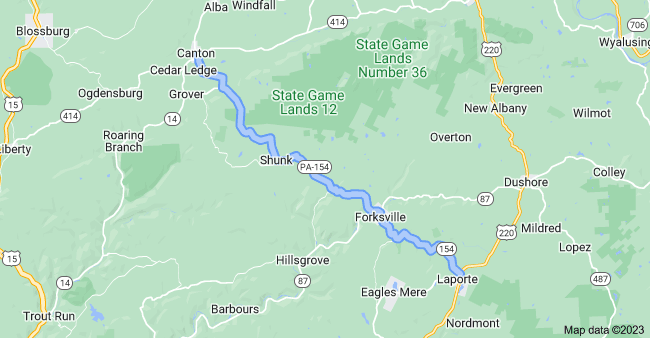
Forksville is a village of about 200 people that is almost encircled by park and the forest on Pennsylvania State Route 154.
Not much there, but it does have Victorian-style architecture and a covered bridge.

These locations are in Pennsylvania’s “Endless Mountains,” a region of northeastern Pennsylvania that are not considered true mountains, but a dissected plateau on the Allegheny Plateau.
We are told the “Endless Mountains” are comprised of sedimentary rocks of sandstone and shale that were part of a lowland that collected sediments from mountains to the southeast that eroded millions upon millions of years ago.
This region was historically inhabited by the Susquehannock, Iroquois, and Munsee-Lenape peoples.
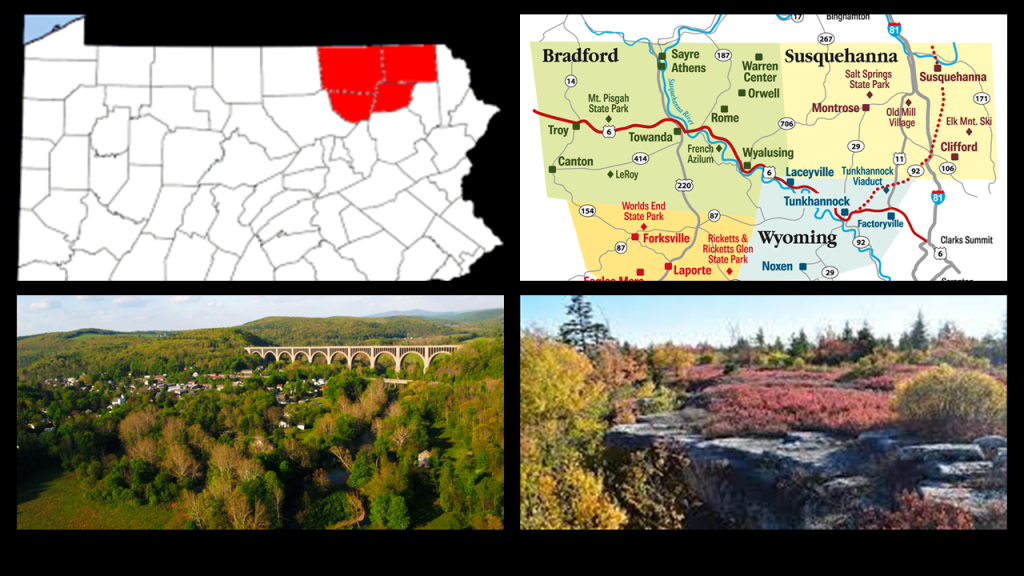
Here are some pictures from the “World’s End State Park,” in the “Endless Mountains.”
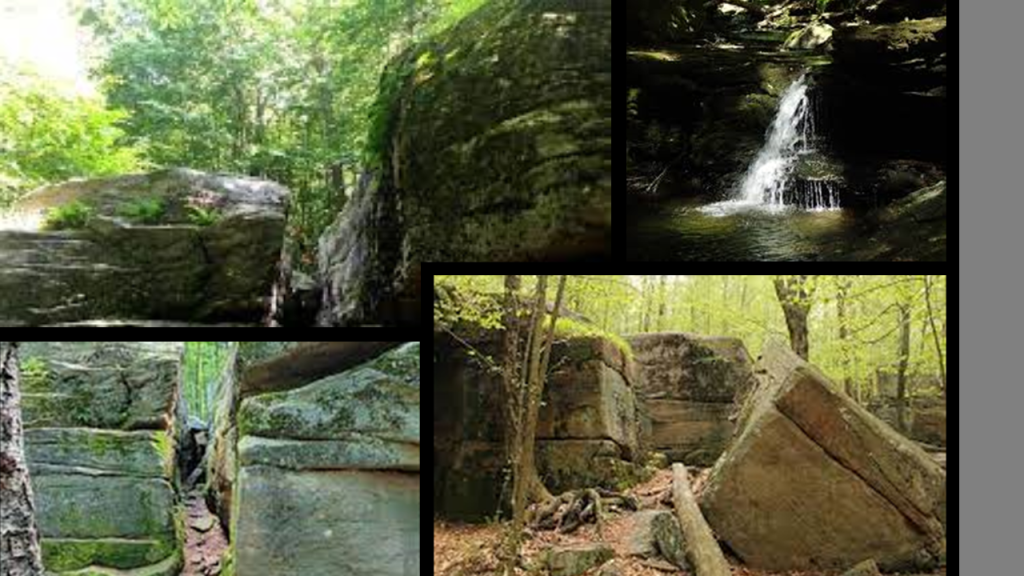
Beartown Rocks can be found in Clear Creek State Forest near Sigel, Pennsylvania, in Jefferson County.
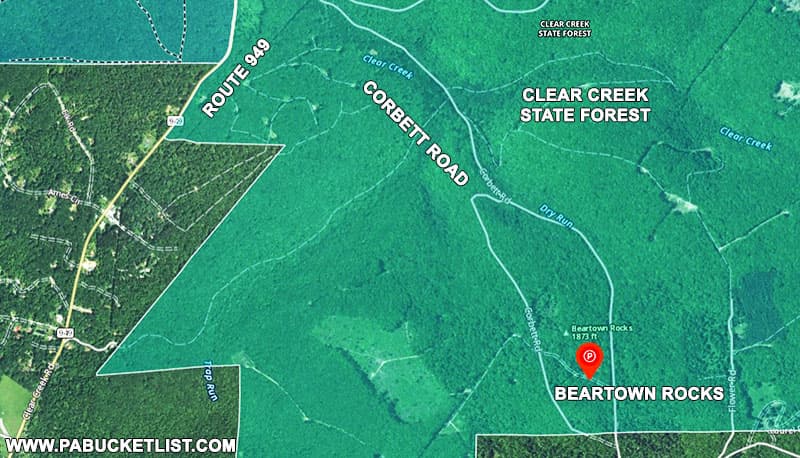
With a population a little bit larger than Forksville, Sigel has a small population of a little over 1,100 residents at last count.
We are told was laid out as a community called Haggerty by Joseph Haggerty in 1850, and was renamed “Sigel” in 1865 after Civil War Major General Franz Sigel.
It is located at the intersection of Pennsylvania Route 32 and Pennsylvania Route 949.

This is what we are told.
Clear Creek State Forest was formed because of the depletion of old-growth forests by lumber and iron companies that took place in the mid-to-late-19th-century.
The forests were clear-cut, and wildfires caused by the sparks of passing steam kept the formation of new-growth forests from occurring.
Conservationists became alarmed that the forest would never re-grow, so they lobbied the state to purchase the land from the lumber and iron companies, which they were happy to sell because they had been depleted of resources.
The land that became the Clear Creek State Forest was purchased in 1919, at the end of the “lumber-era” that had swept through the Pennsylvania Mountains, by the end of which, Pennsylvania was stripped of its old-growth forests.
The entire park was established on three tracts of land in five Pennsylvania counties – Jefferson, Venango, Forest, Mercer, and Clarion.

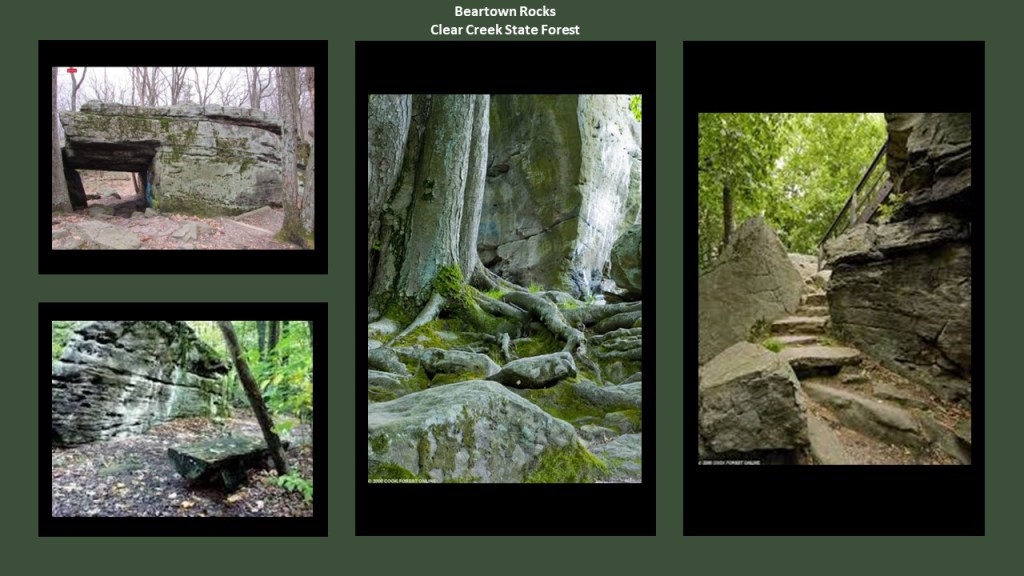
Beartown Rocks in the part of the park in Jefferson County near Sigel are described as a beautiful rock formation consisting of “house-sized” boulders, that are spread out far enough they have road-like spaces in-between them, making it feel like a “rock city.”

In the section of the park in Venango County, I found references to an historic railroad that ran along-side the curvy Allegheny River in the Kennerdale Tract of the Clear Creek State Park in Venango County that is now part of the hiking trail system here.
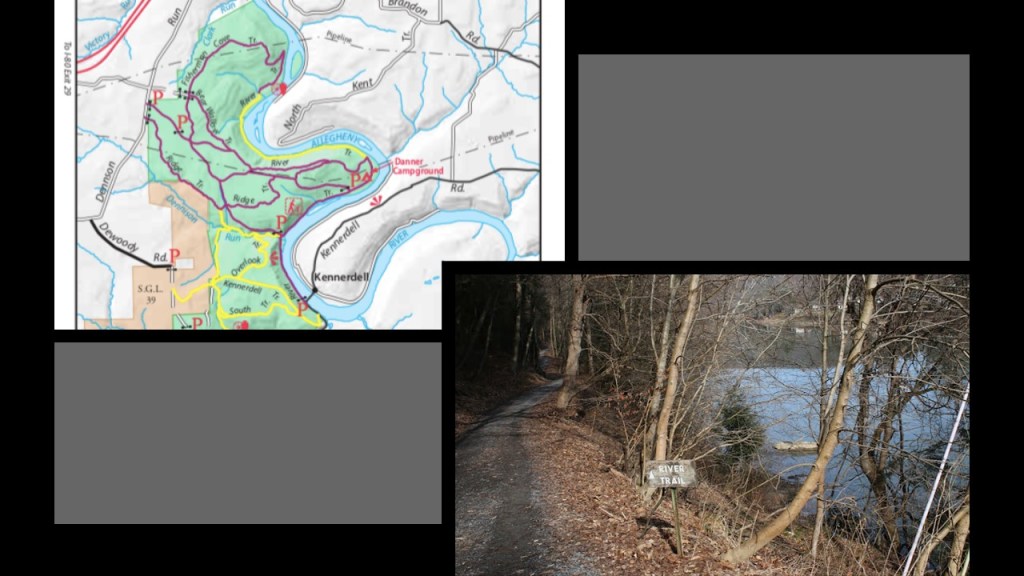
The Clear Creek State Park is very close to West Hickory, Pennsylvania.
As a matter of fact, these other places I am looking at are close to West Hickory too!
More on this as we go.
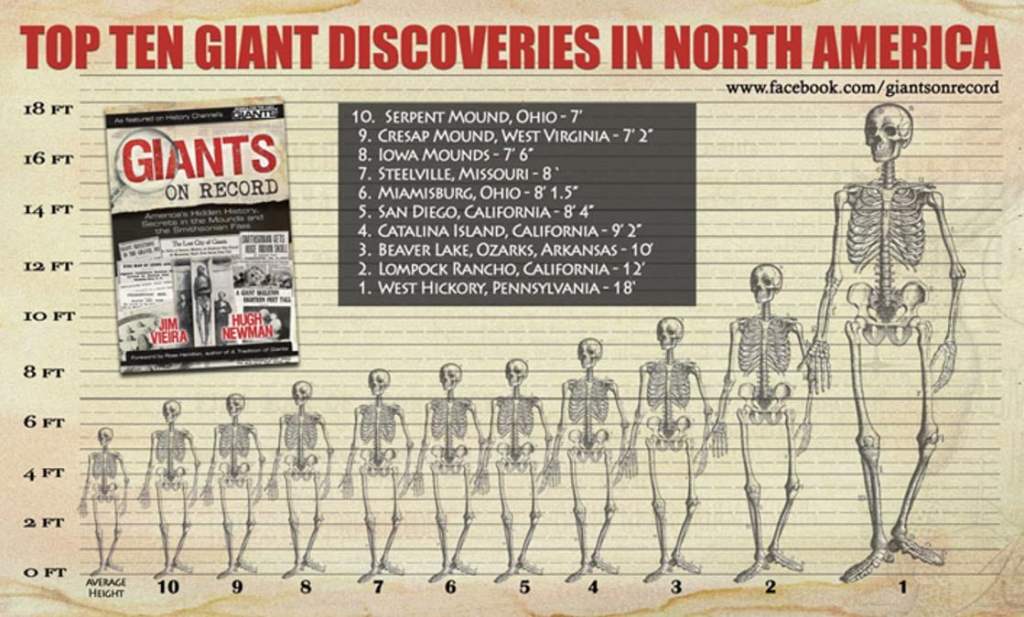
West Hickory is where the tallest recorded skeleton in North America was found, at 18-feet, 5.5-meters.
Next, he directed me to Panther Rocks in Moshannon State Forest.
The forest is in five counties – Centre, Elk, Cameron, Clinton and Clearfield – with its main offices in Penfield, Pennsylvania in Clearfield County’s Huston township at the intersection of State Routes 153 and 255.
In the 2020 census, the population of Huston Township as a whole was recorded as a little under 1,300 people.

At one time in Penfield’s history, it was a company town for the logging and coal mining industries in what was a local resource extraction economy, and the railroad came through here at one time.
Immigrants from Europe settled in the area to work the deep mines scattered through the Benzette Valley here.
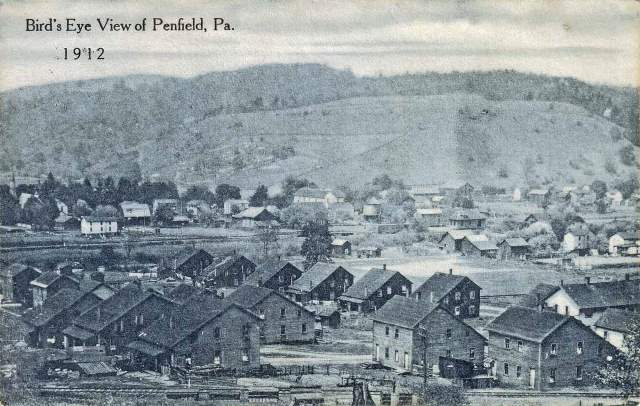
There’s not much left to speak of in Penfield, but there are recreational activities nearby at Moshannon State Forest, Bilger’s Rocks Park, Black Moshannon State Park, and Parker Dam State Park.
We find the same story at Moshannon State Forest that we found at Clear Creek State Forest – it was formed as a direct result of the depletion of the forests of Pennsylvania that happened in the mid-to-late 19th-century, when lumber and iron companies clear-cut the forests and sparks from passing steam-locomotives caused wildfires from the remnants of the forest-lands, preventing the growth of new forests.

The land that became Moshannon State Forest was purchased by the State in 1898.
The old-growth forest was gone by 1921, with a second-growth forest replacing it since then.
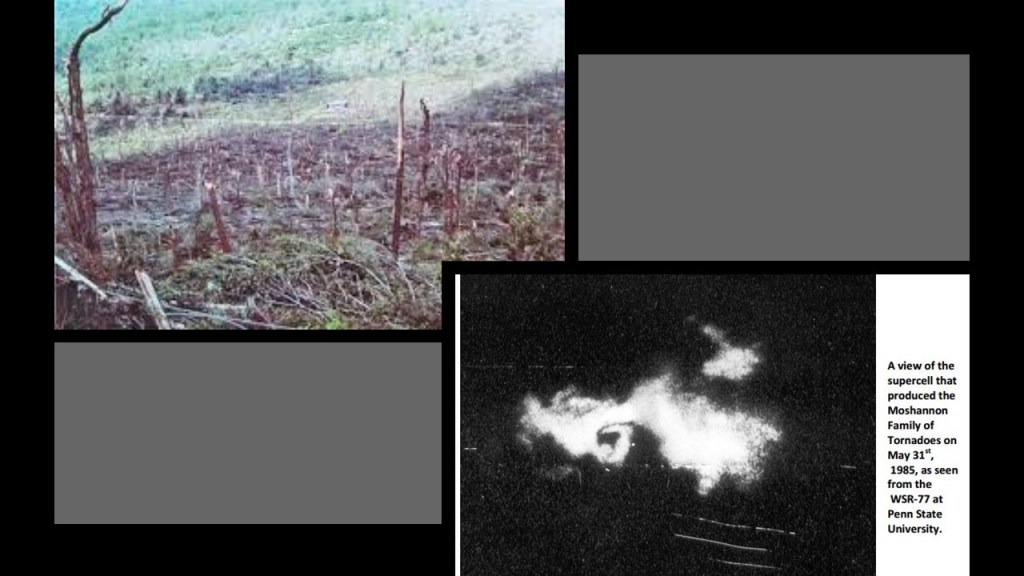
Interesting to note that a tornado in 1985 tore through the forest and destroyed an estimated 88,000 trees.
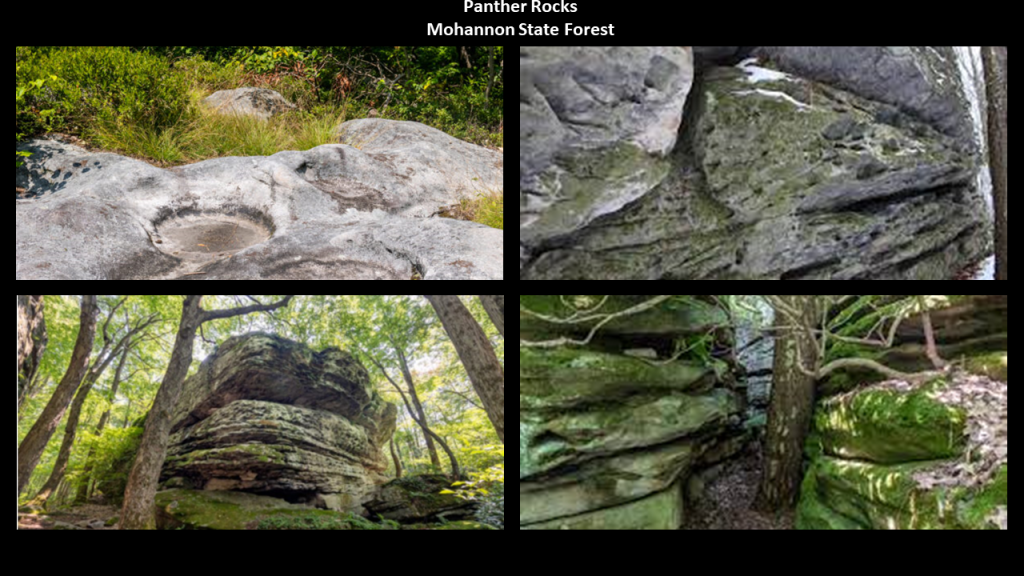
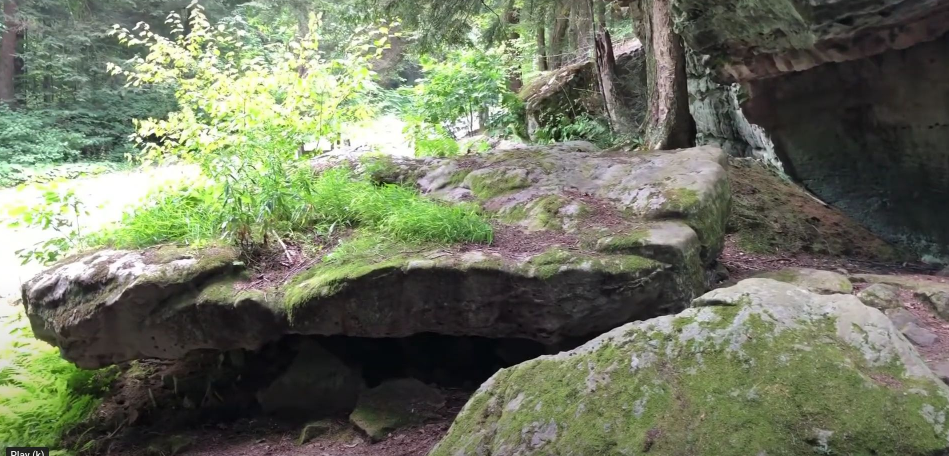
Panther Rocks at Moshannon State Forest are described as a small rock city made of several large sandstone blocks, complete with streets, overhangs, channels, crevices and a short tunnel
They were said to have formed during the Pennsylvania Age of the Carboniferous period of the Paleozoic era more than 300-million-years ago in the Pottsville Group, a rocks formed by sediments deposited in streams and rivers.
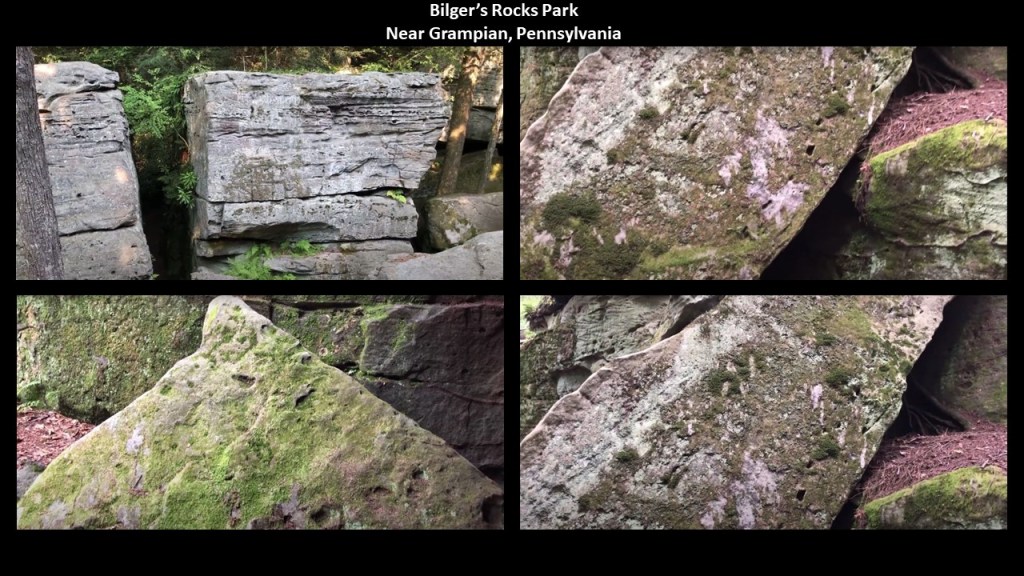
The nearby Bilger’s Rocks in Clearfield County’s Bloom Township near the town of Grampian, and is larger stone-city than what is found at Panther Rocks.
The creation of Bilger’s Rocks was also said to have taken place during the Pennsylvania Age of the Carboniferous period of the Paleozoic era more than 300-million-years ago, in the Homewood Formation of the Pottsville Group, a rock-unit formed by sediments deposited in streams and rivers.
Bilger’s Rocks has many examples of what appears to be toolmarks, and linear patterns that look like they were carved or molded, and has the same rock-city-like qualities of these other places we have been looking at tucked away in the Pennsylvania Park system.
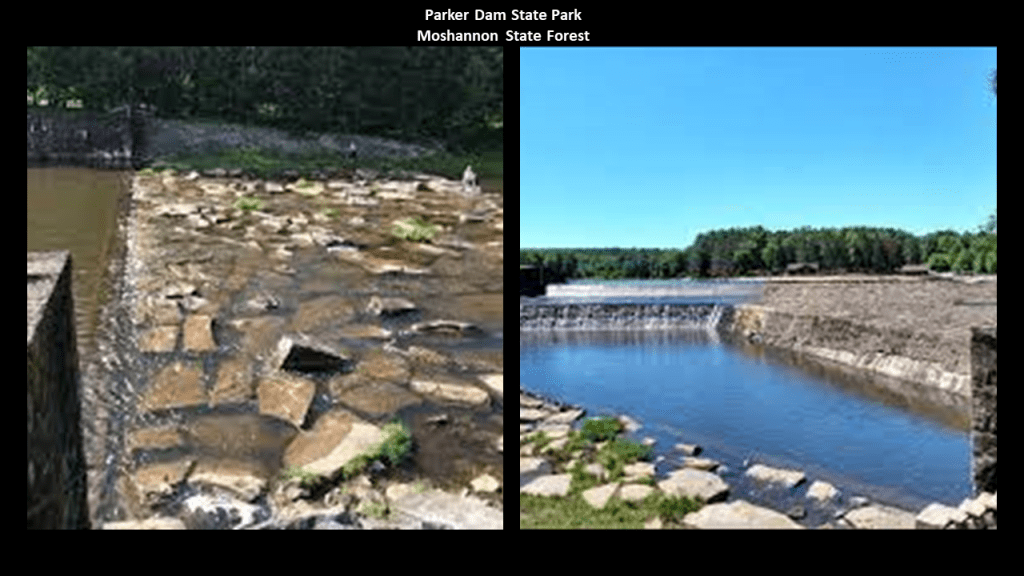
Parker Dam State Park is surrounded by the Moshannon State Forest.
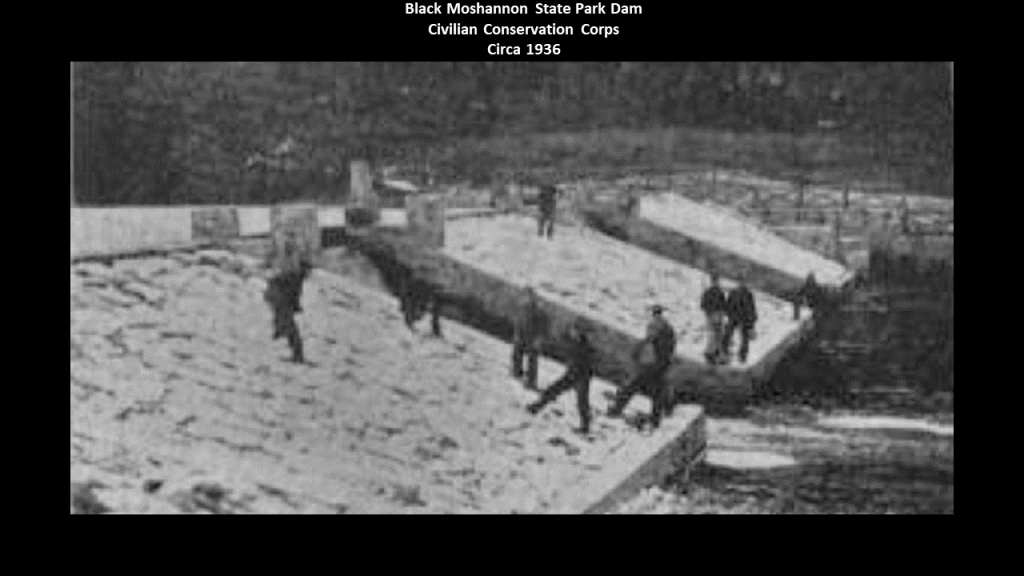
The Park was said to have been constructed by the Civilian Conservation Corps during the Great Depression.
The original dam here was said to have been constructed by William Parker as a splash dam for the movement of lumber after he leased lumbering rights at some point after lumber harvesting began here in 1794, and the CCC was said to have built the current dam there to replace it as part of the improvements the otherwise unemployed, unskilledyoung men made when they came to work on the park.
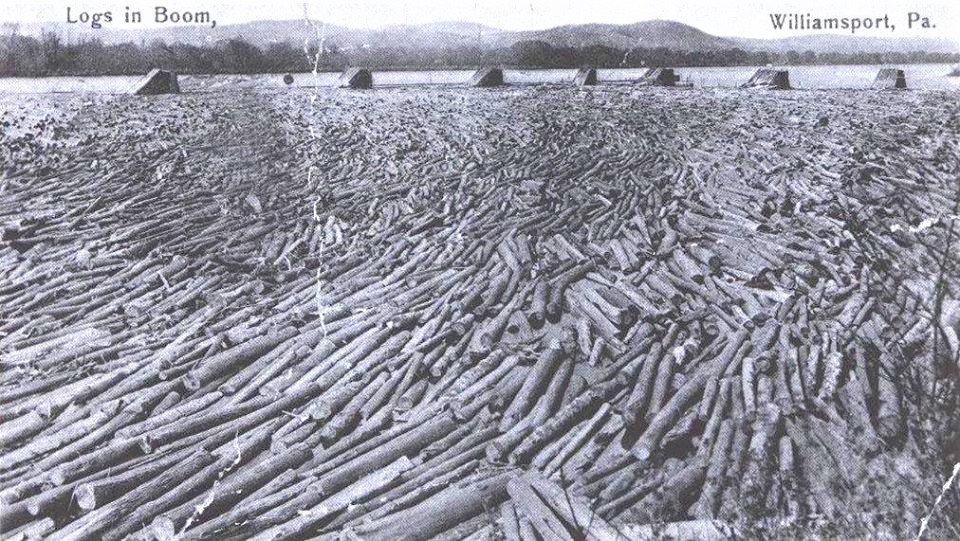
There was much logging going on from this region, so the “Susquehanna Boom” was said to have been built in the 1850s across the West Susquehanna River at Williamsport, a system of cribs and chained logs designed to catch and hold floating timber until it could be processed, and logging railroads built to transport the lumber, to the tune of 45-cars per day until logging ended here in 1911, when all the trees were gone.
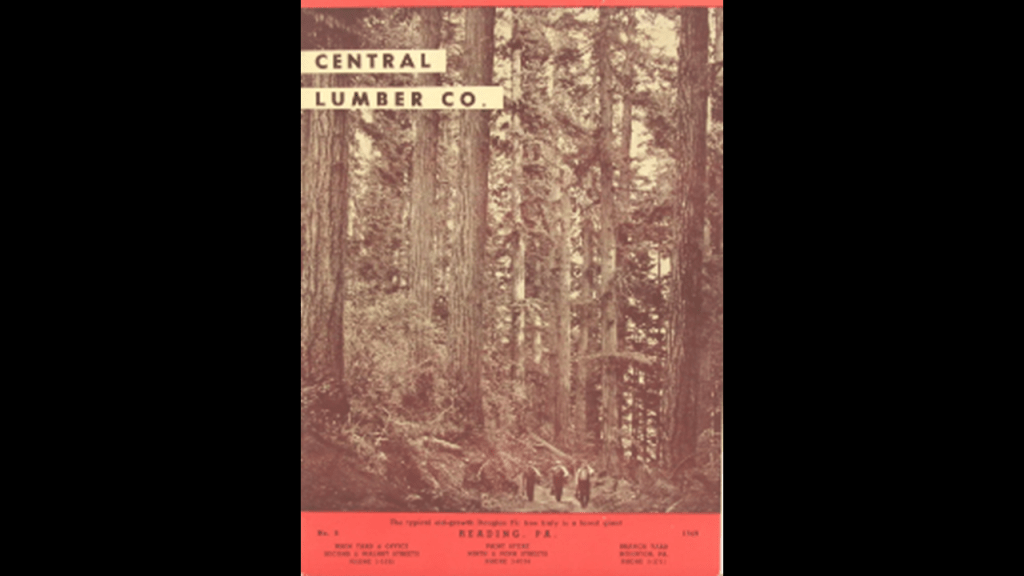
The lumbermen left a barren landscape that was devastated by fires, flooding and erosion more many years, until the CCC came in the 1930s and started replanting trees after the State of Pennsylvania bought the deforested land from the Central Pennsylvania Lumber Company in 1930.
The Civilian Conservation Corps CCC operated from 1933 to 1942 in the U.S. for unemployed, unmarried men to do manual labor related to the conservation and development of natural resources in rural lands owned by federal, state, and local governments.
Originally for young men ages 18–25, it was eventually expanded to ages 17–28.
In the nine-years of its operation, the CCC employed 3,000,000 young men, providing them with food, shelter and clothing, and a wage of $30/month, $25 of which had to be sent home to their families.

Black Moshannon State Park is largely surrounded by the Moshannon State Forest.
It is located in Rush Township in Centre County, and surrounds a lake formed by another dam, also said to have been constructed by the CCC, on Black Moshannon Creek at the site of a former mill-pond dam.
Black Moshannon State Park is is 9-miles, or 15-kilometers of Phillipsburg on Pennsylvania Route 504, and in Phillipsburg itself, other major roads that pass through are Pennsylvania State Routes 322, 350, and 53.
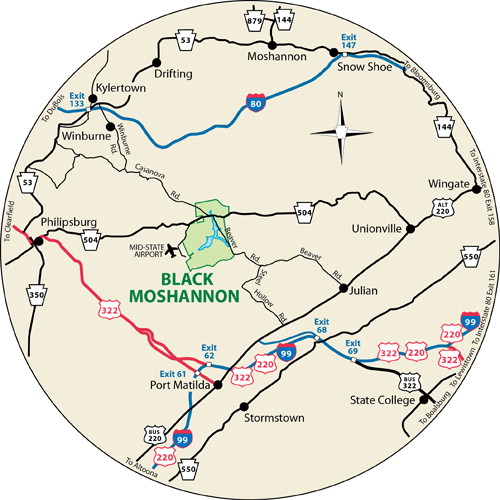
Philipsburg Borough was founded in 1797 by one Henry Phillips, who purchased 350,000 acres on the western side of the Allegheny Mountains for $173,000, and the proceeded to auction the land off on the streets of Philadelphia for two-cents per acre.

The region developed around the lumber and coal-mining industries.
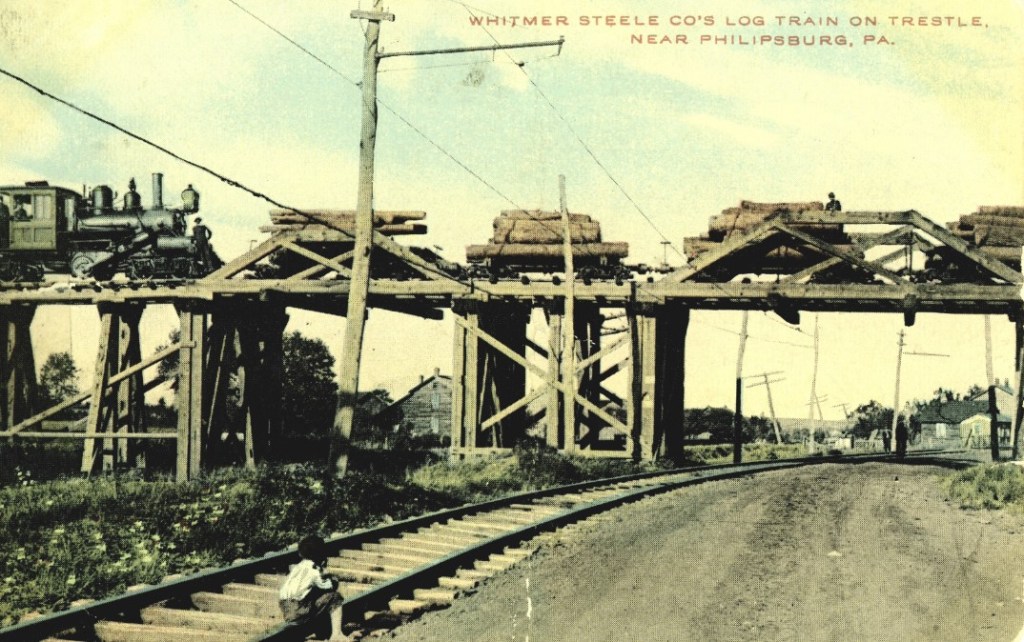
Back to Black Moshannon State Park.
It is the home to the largest reconstituted bog in Pennsylvania, a wetland that accumulates peat as a deposit of dead plant materials, which contains carnivorous plants, orchids, and species typically found further north.
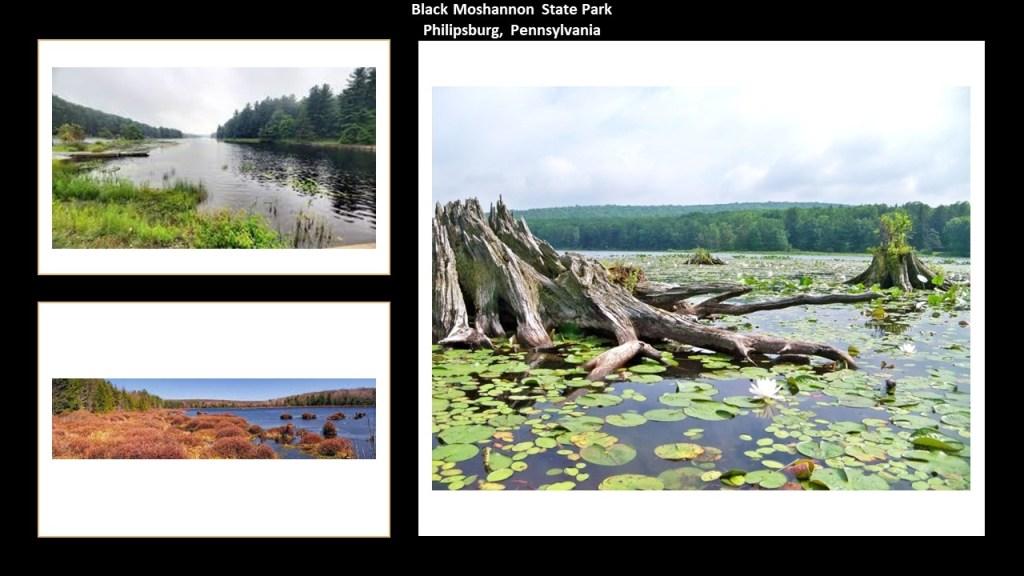
At this point I am going to bring in similarities between Black Moshannon in Pennsylvania and Cranberry Glades in West Virginia.
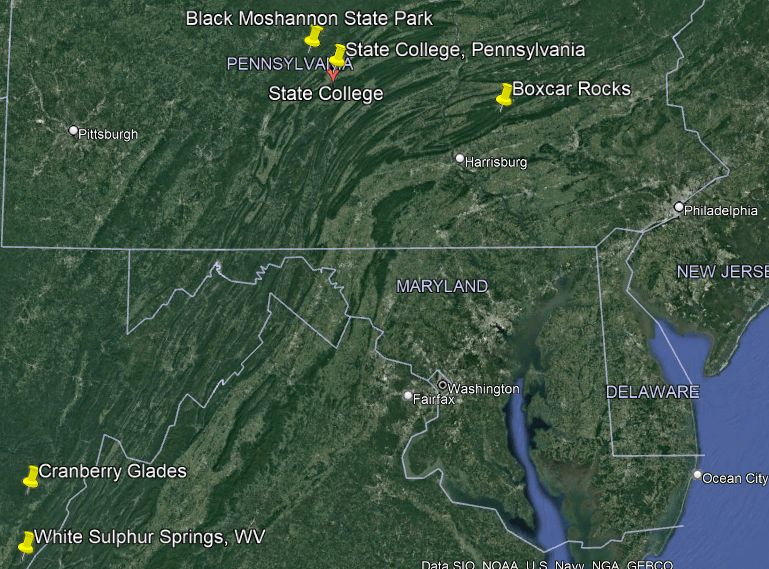
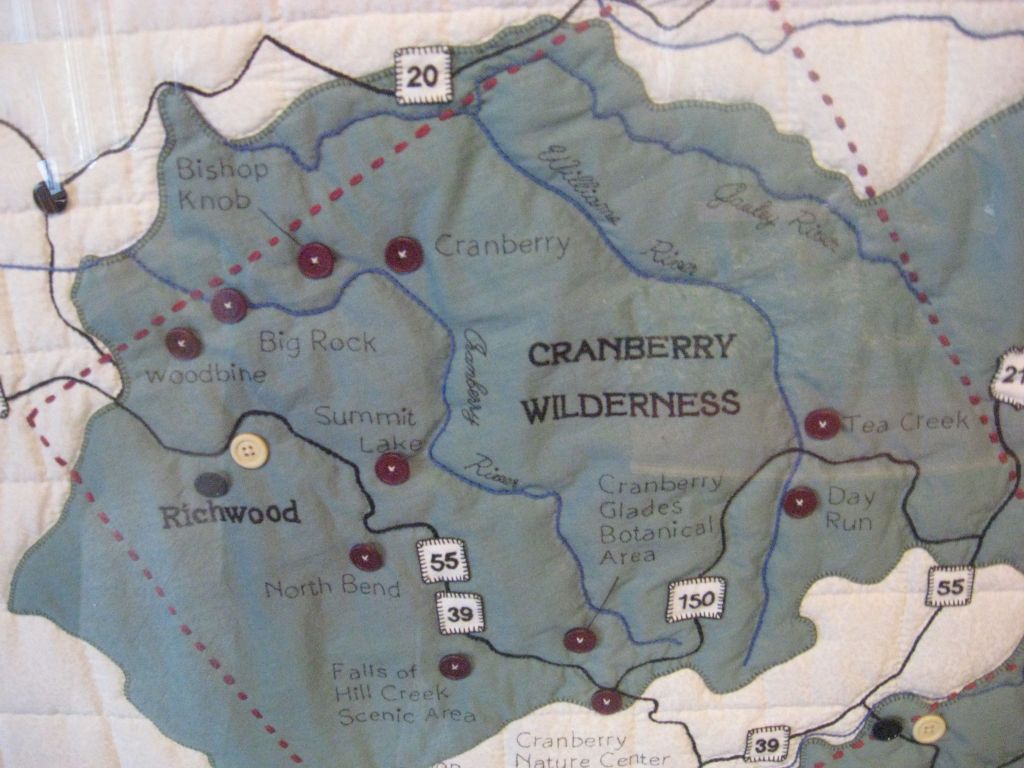
The boggy Black Moshannon State Park in Pennsylvania has a similar story as Cranberry Glades in West Virginia, which Aaron had mentioned at the beginning of our talk in “Uncovering Hidden West Virginia.”

First, Cranberry Glades, protected in the “Cranberry Glades Botanical Area” area, are a cluster of five, separate boreal-type bogs in southwestern Pocahontas County in West Virginia, and like Black Moshannon State Park, the largest reconstituted bog in Pennsylvania, species are found at both these locations that are typically further north.
These species include cranberries, sphagnum moss, skunk cabbage, and carnivorous plants, and the Cranberry Glades are the southernmost home of many of the plant species found here.
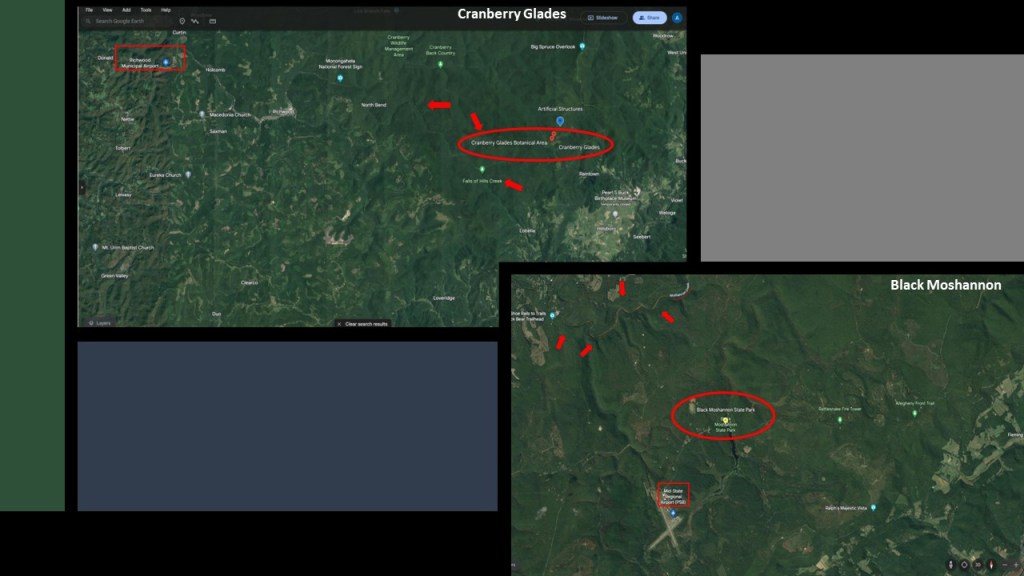
Both locations have s-shaped river bends and airports nearby, with the name of the parks notated by an oval; the airports by a box; and the river bends are pointed at by arrows.
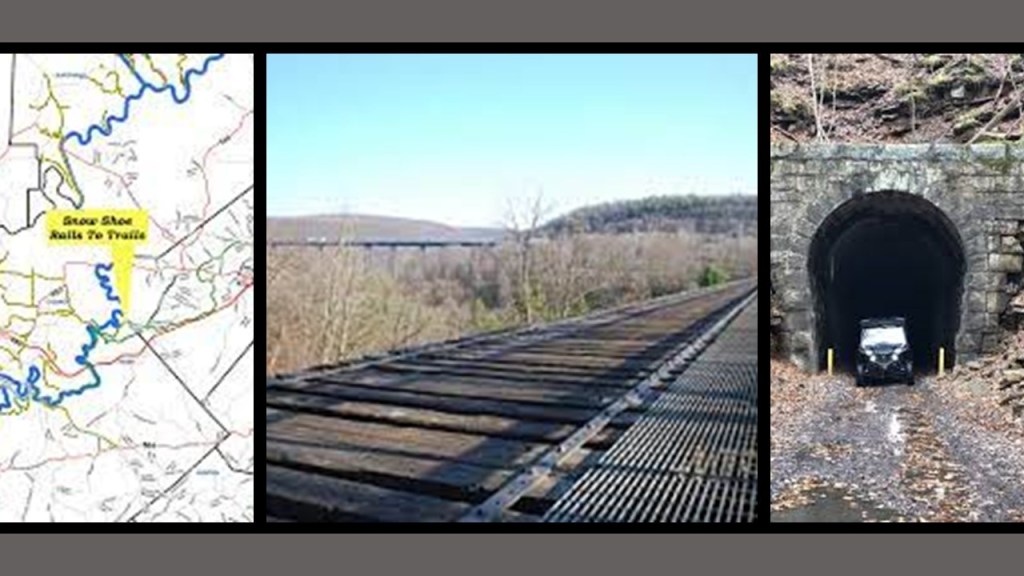
The “Snowshoe Rails to Trails” is near Philipsburg and Black Moshannon is seen here in the top-left-hand corner, right next to the Moshannon River where the arrows are pointing.

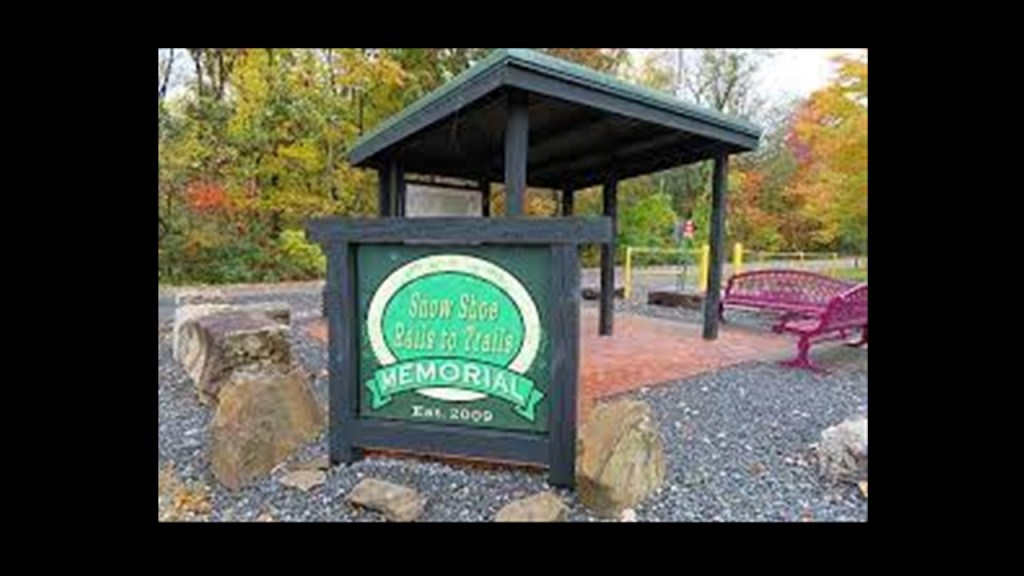
The “Snowshoe Rails-to-Trails” has 19-miles, or 31-kilometers, of abandoned railroad bed along 37-miles, or 60-kilometers, of legalized Snowshoe Township Roads for ATVS/UTVs.
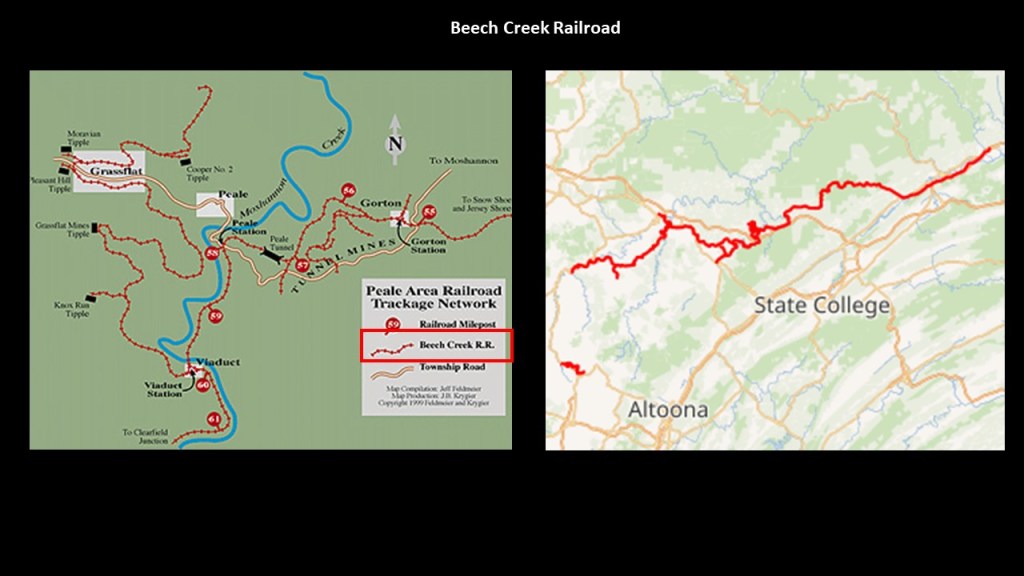
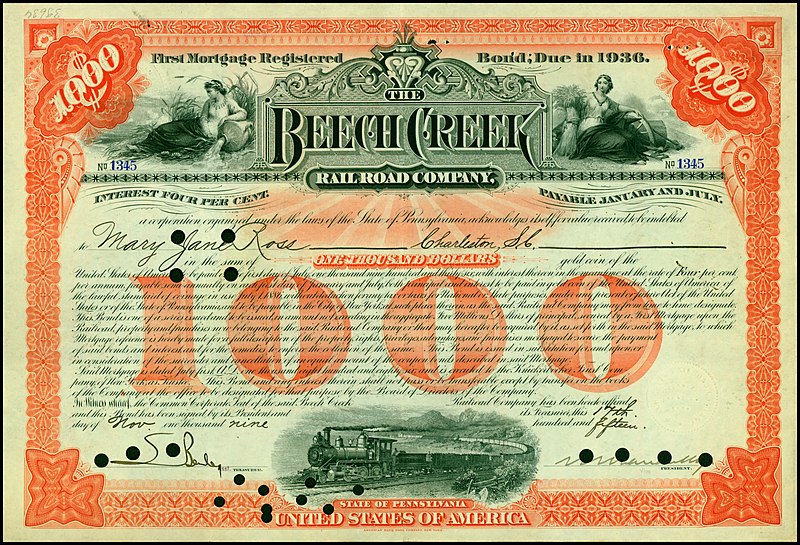
We are told that it was originally the route of the Beech Creek Railroad between the South Jersey Shore and Mahaffey Borough, Pennsylvania, and part of the Susquehanna and South Western Railroad, and used for coal mining services in the region starting in 1884.
So this railroad ran near State College, home of Penn State University, and not far from Altoona, Pennsylvania.
More on State College and Altoona to come in this post.
Mahaffey Borough, first incorporated in 1841, was located on U. S. Route 219, at the junction of the New York Central Railroad and the Hudson River Railroad.
The arrows point to where railroad tracks ran along s-shaped river-bends. on this section of Route 219 going through Mahaffey Borough.
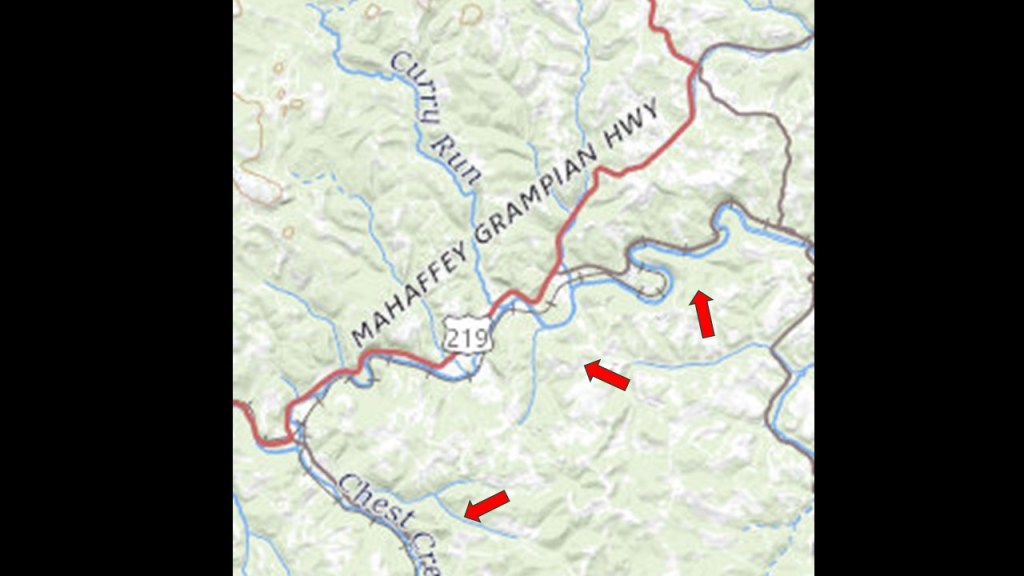
This railroad project in Pennsylvania was said to have been backed and financed by William H. Vanderbilt, President of the New York Central Railroad.
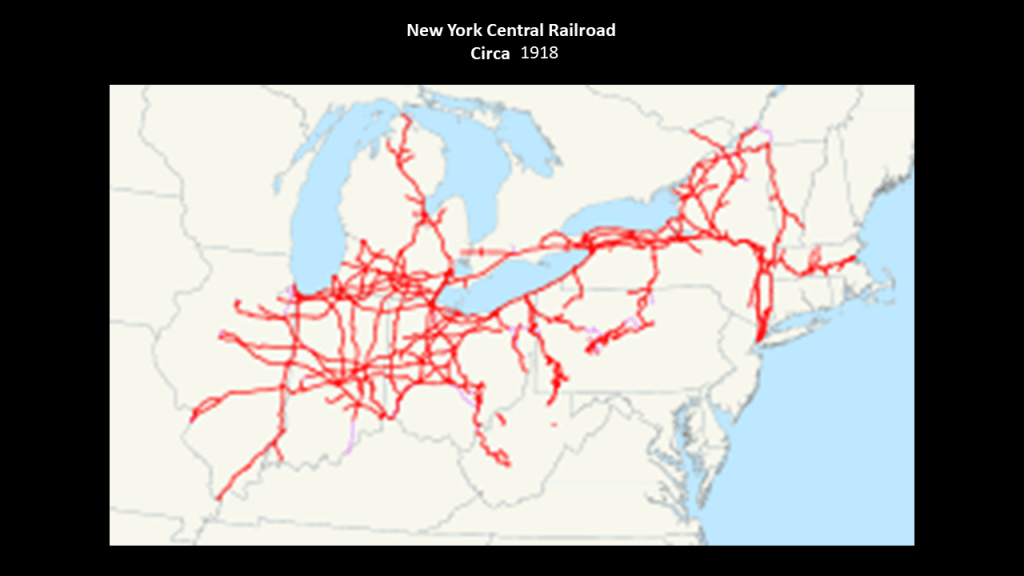
The New York Central Railroad was said to have begun operating in 1853 with the consolidation of earlier independent companies running between Albany and Buffalo. This graphic depicts the New York Central rail system as of 1918.
We are told extensive trackage existed in the states of New York, Pennsylvania, Ohio, Michigan, Indiana, Illinois, Massachusetts, and West Virginia, plus additional trackage in Ontario and Quebec, and by 1925 operated 26,395-miles, or 42,479-kilometers, of track.
William Vanderbilt had developed a plan to facilitate railroad access to enter the “Clearfield Coalfield,” a large, juicy coal-mining area in Clearfield County, which would have been otherwise exclusively accessed by the Pennsylvania Railroad.
It was said to have been constructed starting at the end of 1882 to high-standards, including extensive curvature, bridges, and a tunnel, and became operational in November of 1884.
Eventually, this railroad line provided passenger service and used as such until 1990.
In 1994, the right-of-way was acquired by the Headwaters Charitable Trust for the “Snowshoe Rail-to-Trail Project” and the rail went away.
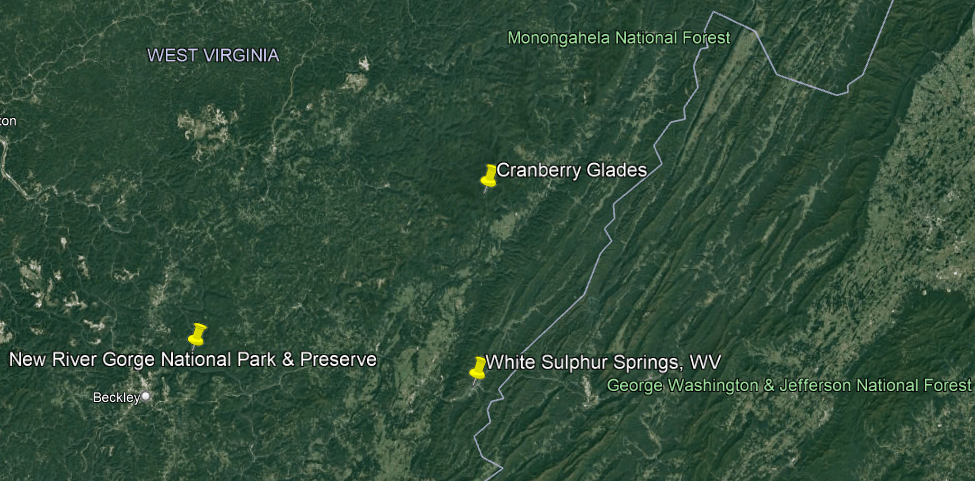
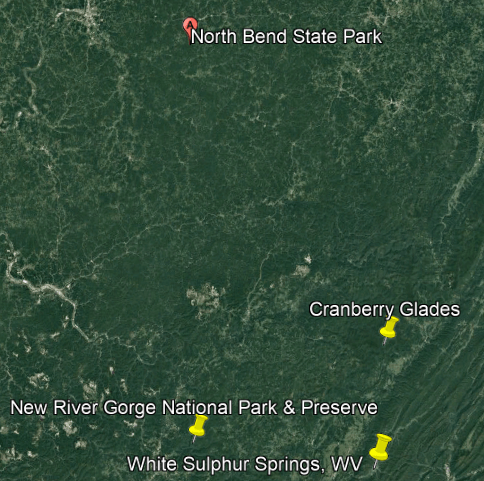
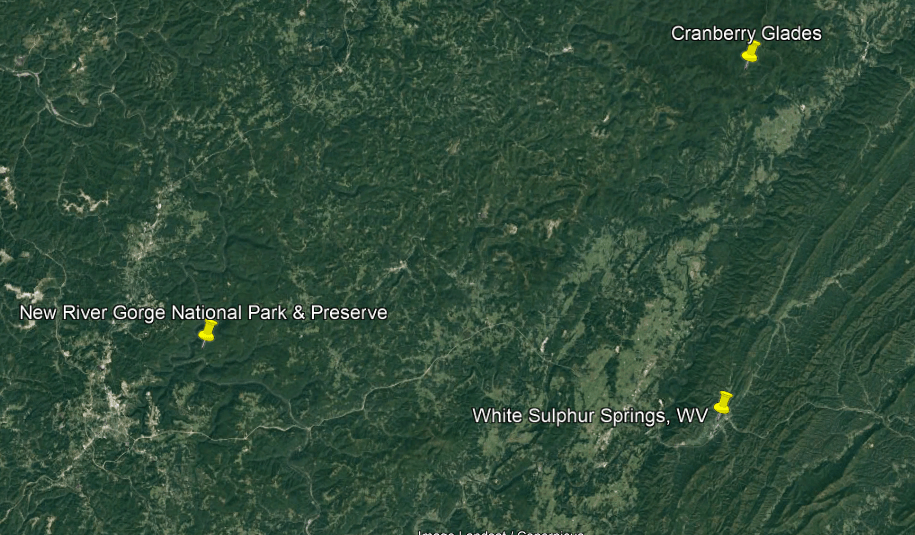
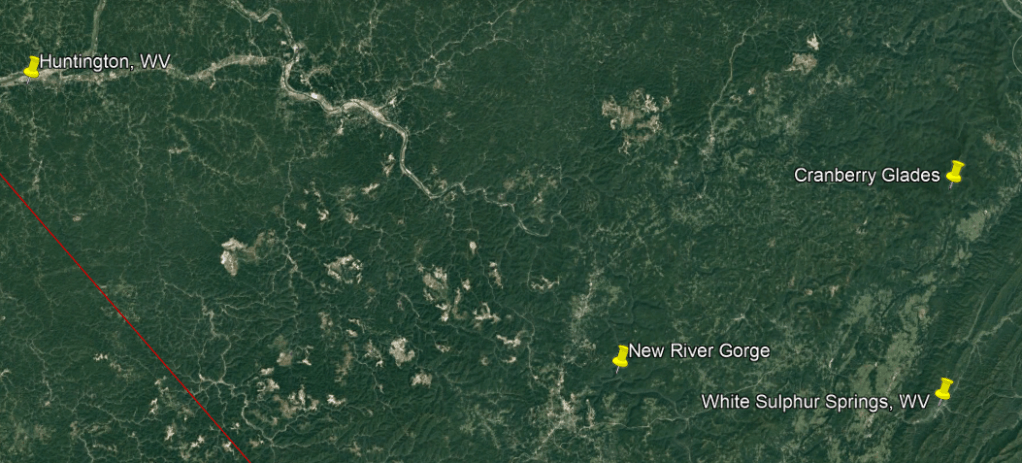
Cranberry Glades is located close to both the New River Gorge National Park and Preserve, and White Sulphur Springs.
First, New River Gorge National Park and Preserve.
The New River Gorge is one of the few places that I know of that still has a railroad operating right along beside the s-shaped New River.
The Amtrak Cardinal still runs through the New River Gorge 3 days/week – on Sundays, Wednesdays and Fridays.
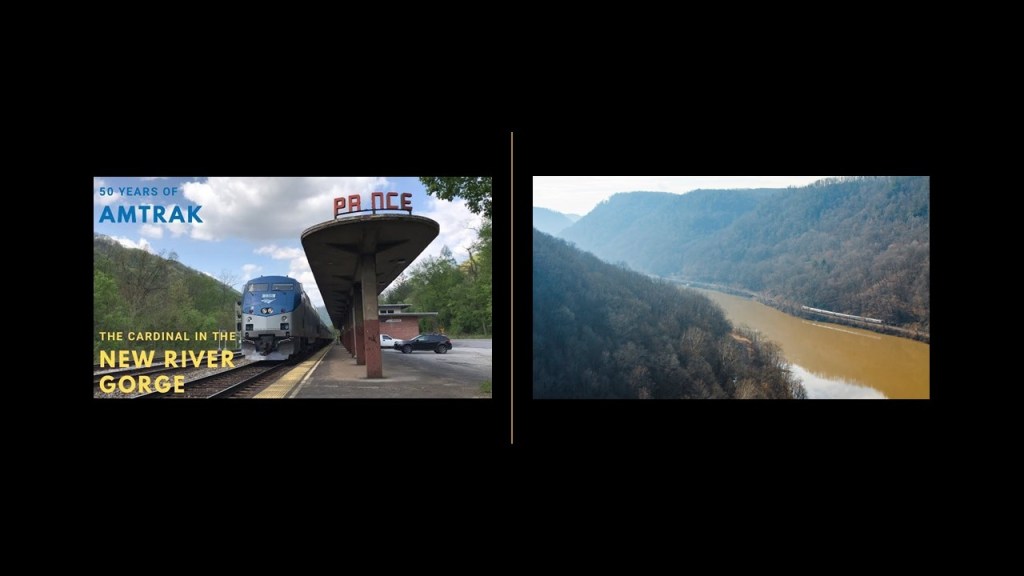
Besides the railroad line that runs along the New River through the New River Gorge in West Virginia, there are things found in the gorge like historic coal mines, waterfalls, and hydro projects.
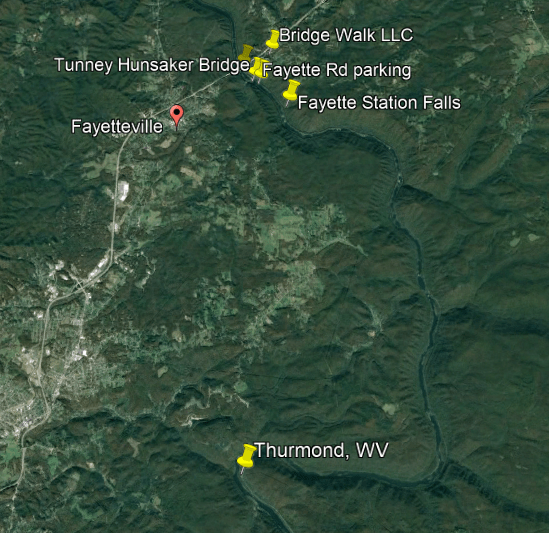
We are told that after the Chesapeake and Ohio Railway opened up this rugged wilderness in 1873, coal was carried out of the New River Gorge to the ports in Virginia and to cities in the Midwest.
As a result, by 1905, thirteen cities sprang up between Fayette and Thurmond, which was 15-miles, or 24-kilometers, upstream, and provided the West Virginia coal that contributed greatly to the industrialization of the United States until the 1950s.
After the coal seams were exhausted and mines closed, these company towns like Fayette were for the most part completely abandoned, with the possible exception of Thurmond which had a very small population of 5 in 2010.
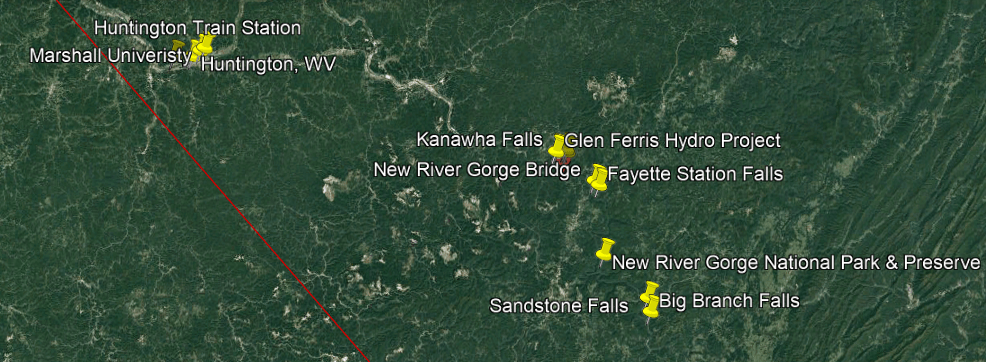
There are waterfalls and hydro-electric projects found on the New River as it winds its way through the gorge.
I was able to find several waterfalls here that are accessible by road, and reference to over 100 others .
The first two waterfalls I found that are accessible by road are the Kanawha Falls and Cathedral Falls.
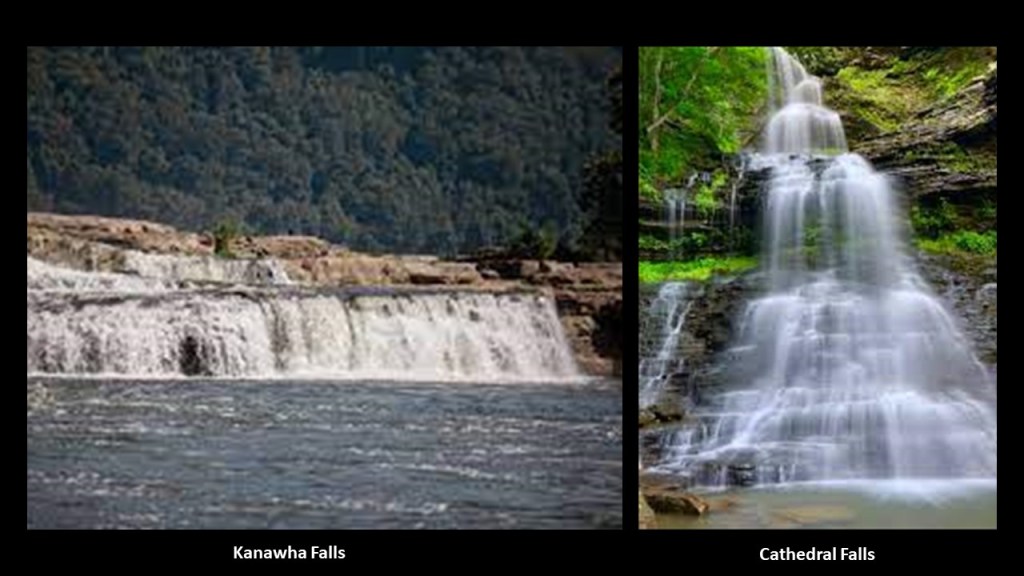
They are directly across from each other on a river-bend, and they both have hydro projects next to them.
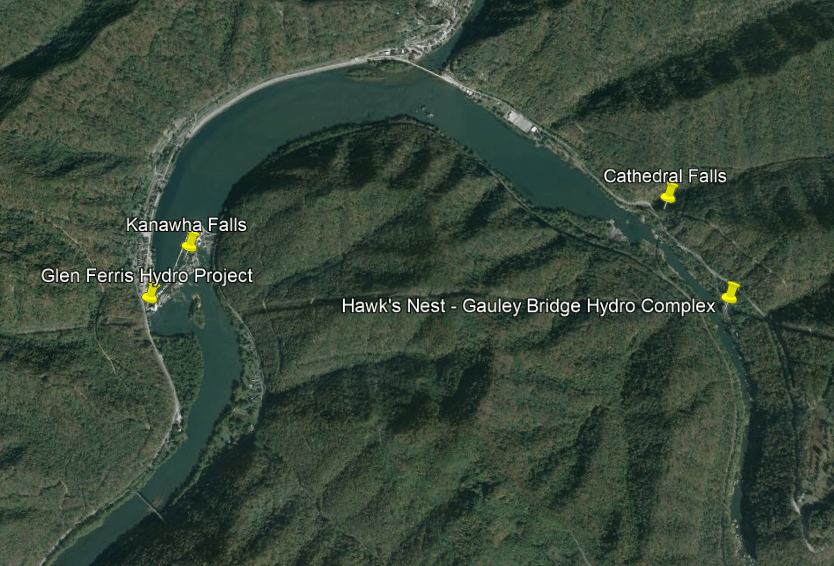
There is no doubt in my mind that there was an energy-generating connection for the original civilization between the railroad, s-shaped river bends, hydro-electricity generation, waterfalls and gorges.
I researched these finding extensively in my blog post “Of Railroads and Waterfalls and Other Physical Infrastructure of the Earth’s Grid System.”
Aaron sent me information about the Red Ash and Rush Run Coke Ovens near Thurmond.
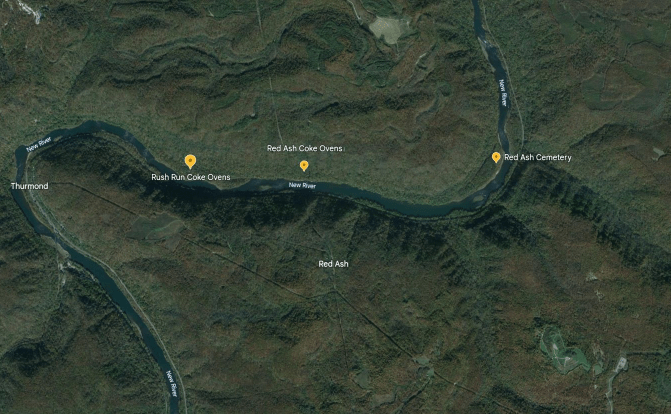
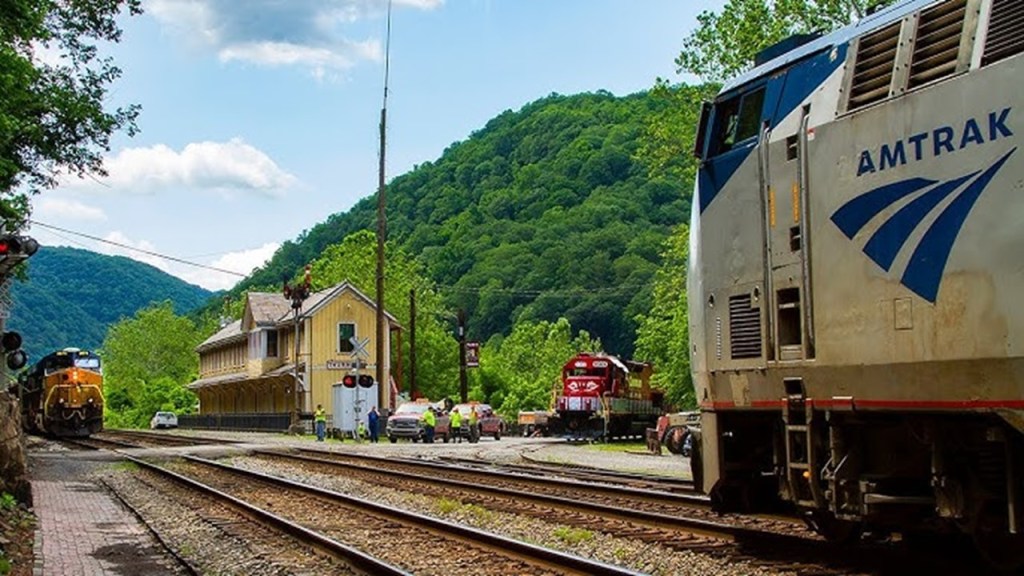
It is interesting to note that at one time in its history, Thurmond was a prosperous railroad town that was the largest, revenue-generating stop on the C & O Railroad, where passenger and coal trains rolled through here throughout the day.
Today, a visitor center for the National Park Service operates here in the old railroad depot.

CSX Transportation, formerly the C & O Railroad, has freight transportation operations in and through historic Thurmond, and the Amtrak Cardinal passenger route goes through here, the second-least-used Amtrak station in the nation.
The Rush Run Coke Ovens were said to belong to the Rush Run Mining Company, and there believed to have been up to 180 of them at this location, which borders the railroad tracks.
Coke ovens are described as being made of brick, or some kind of heat-resistant material, and used to separate the coal-gas, coal-water, and tar.
Coke is formed when the coal-gas and coal-water fuse together, and is used primarily in steel-production.
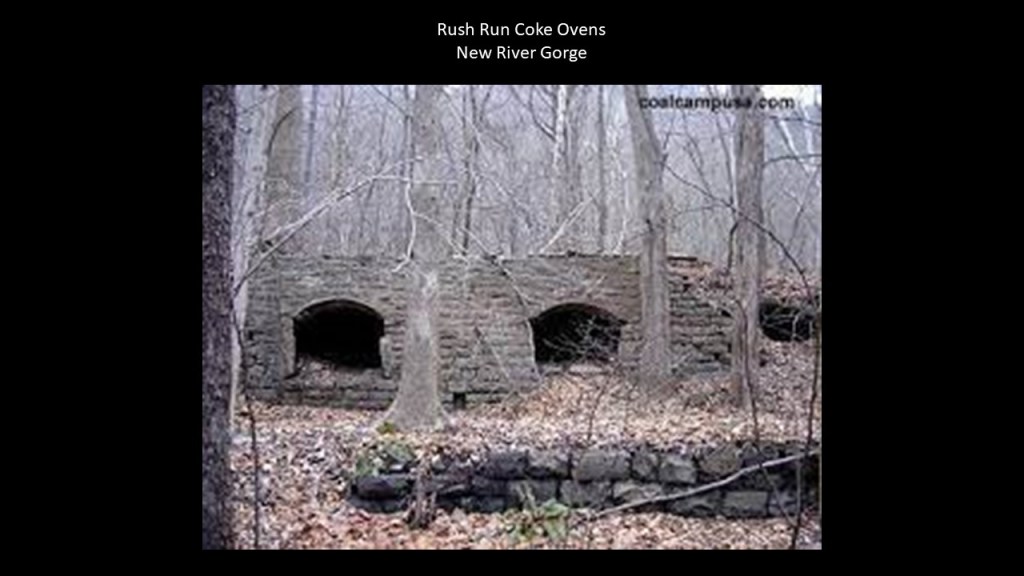
Rush Run was established as a coal-mining community in `1889 when the post opened first opened, and boomed until the post office closed 1939.
The mine there continued to operate until it was closed in the 1940s.
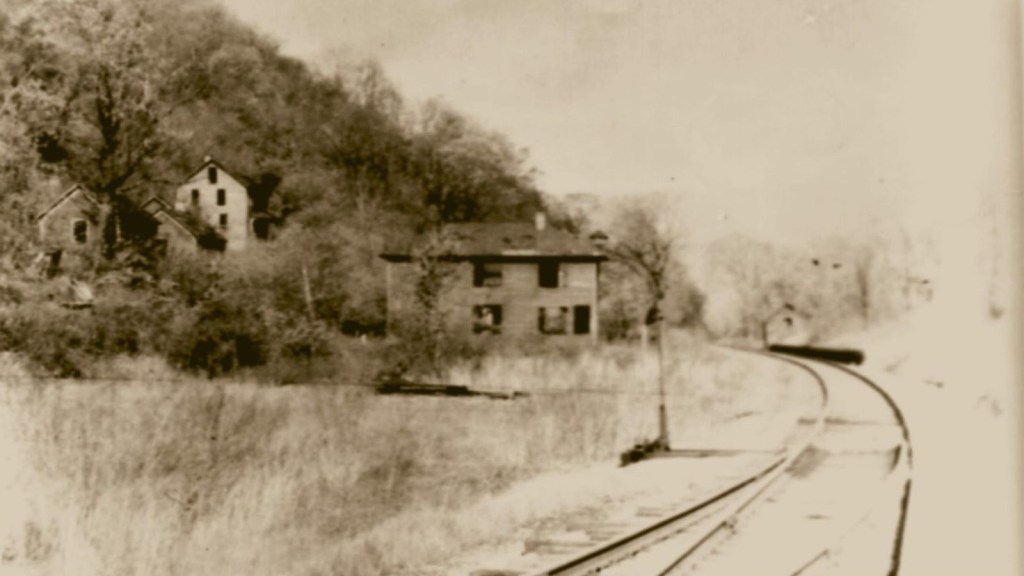
The nearby Red Ash coal camp was developed by the Red Ash Coal and Coke Company in 1891, for a high-quality coal that burned with a “fine red ash.”
There were estimated to be 80 coke ovens here at one time, and the mine was exhausted by the 1950s.
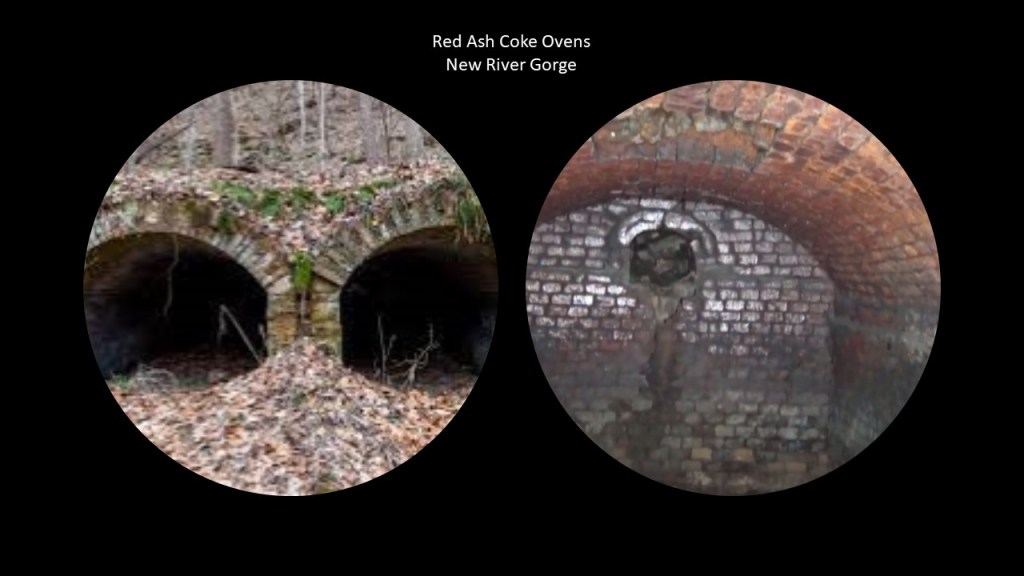
There’s a service tunnel at the location of the Red Ash Coke Ovens.
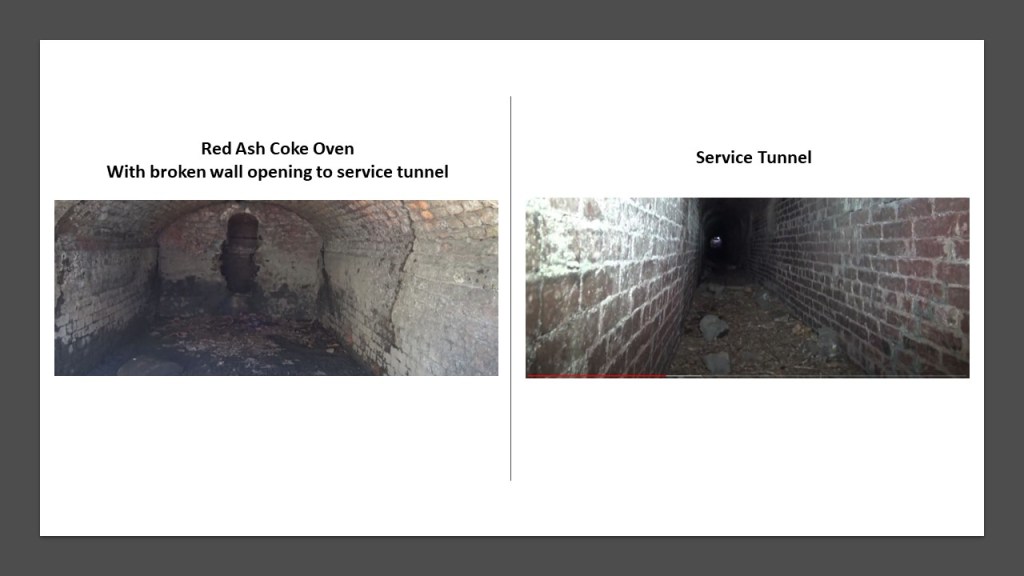
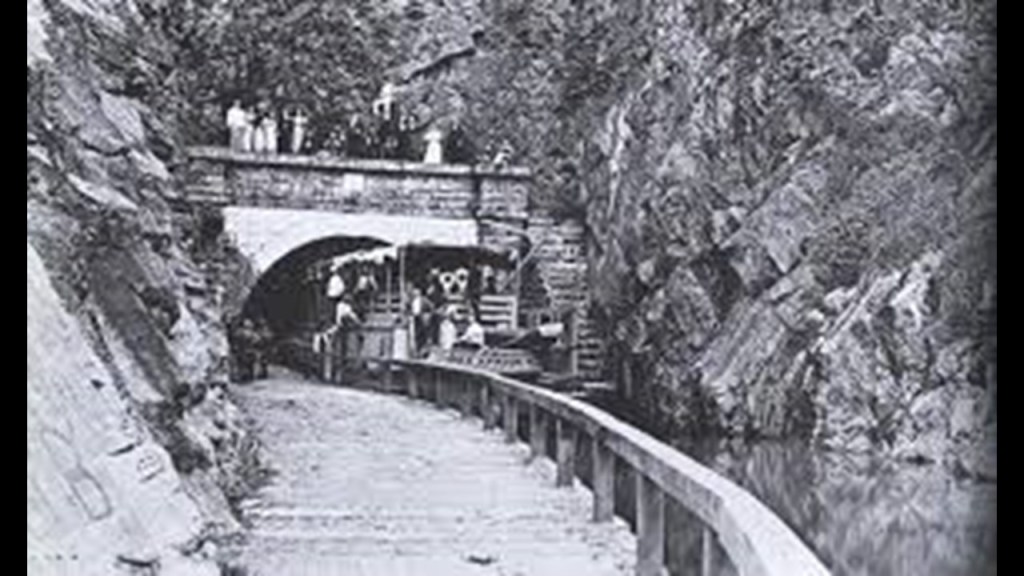
The fine brick-work found at the Red Ash facilities reminds me of the fine brickwork I have seen in tunnels all over the place, including what is called the Great Tunnel of the C & O Canal in Allegheny County, Maryland, and part of the Paw Paw Bends section of the Potomac River as it is winding its way through West Virginia and Maryland.
Built using more than 6,000,000-bricks, this tunnel has been described as the “greatest engineering marvel along the Chesapeake and Ohio Canal National Historical Park.”

It is located roughly mid-way between Black Moshannon State Park in Pennsylvania and Cranberry Glades in West Virginia…
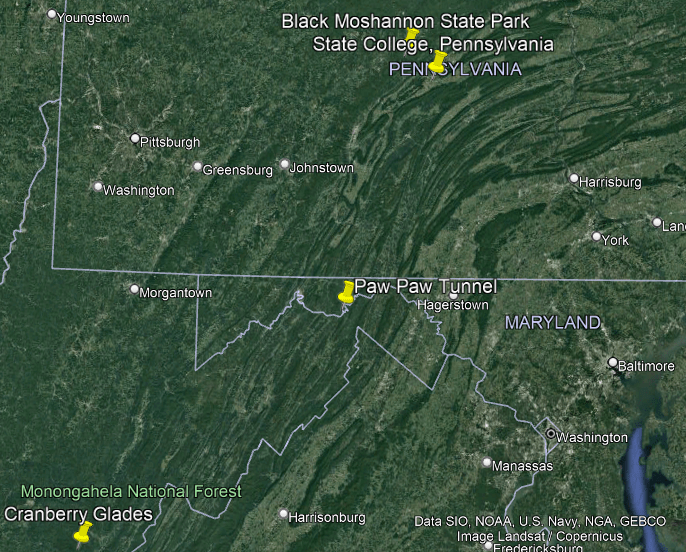
…and isn’t far from the Antietam National Battlefield in Maryland, which is also on the Potomac River, and a place where I will be talking about later in this post.
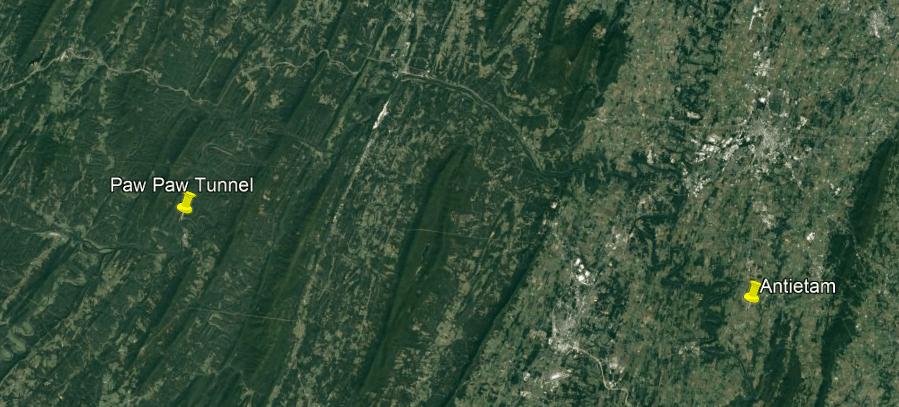
The Paw Paw Tunnel was said to have been built between 1836 and 1850 for the C & O Canal to by-pass the bends in the Potomac River near Paw Paw, West Virginia, with no work having been done on it between 1841 and 1847 due to construction and financial problems.
The C & O Canal closed to canal boats in 1924.
Canals, like the railroads, were found running next to rivers, and the Potomac River is a good example of this, like here where the canal and the railroad run side-by-side at Point of Rocks, Maryland, before they both enter Harper’s Ferry, West Virginia.

We are told that the C & O Canal, and other canals, were made obsolete because the railroad was so much more efficient and canals couldn’t compete with them.
Such as the Wabash and Erie Canal, which was said to have been built during roughly the same time period as the C & O Canal.

Canals like the C & O Canal subsequently became a popular hiking, biking and canoeing venue, as we are seeing with the Rails that quietly became trails when no one was paying attention.

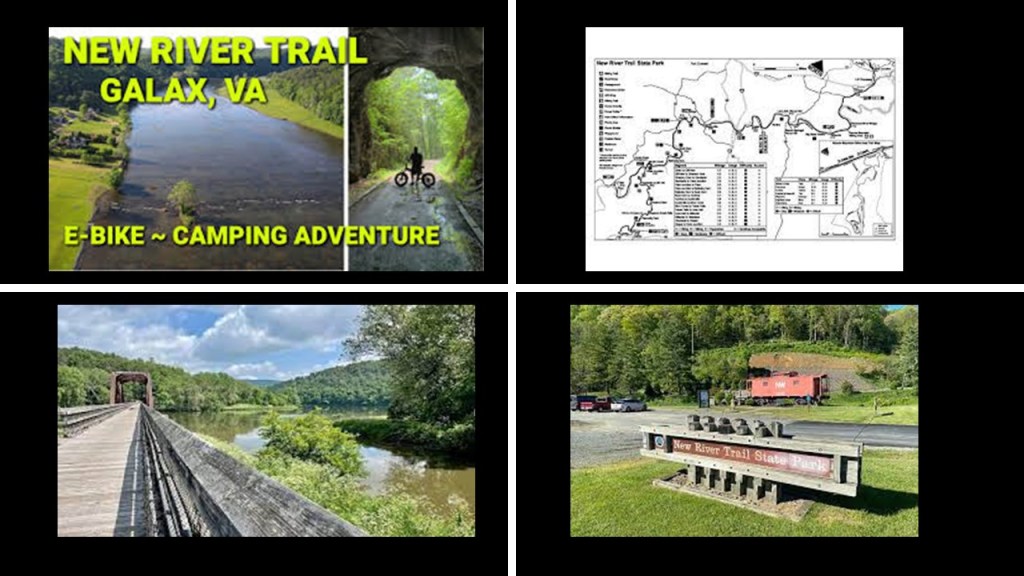
So whereas the railroad that runs alongside the New River in the New River Gorge is still operational for freight and passenger service, the railroad that used to run beside the New River in Galax, Virginia, to the southwest of the New River Gorge, was abandoned in 1985, and the former railroad right-of-way became the New River Rail Trail.
And starting at the North Bend State Park in Cairo, West Virginia, northwest of Cranberry Glades and northeast of the New River Gorge, there is the 72-mile, or 116-kilometer, – long hiking corridor known as the “North Bend Rail Trail” running between Cairo and Ellenboro, West Virginia.
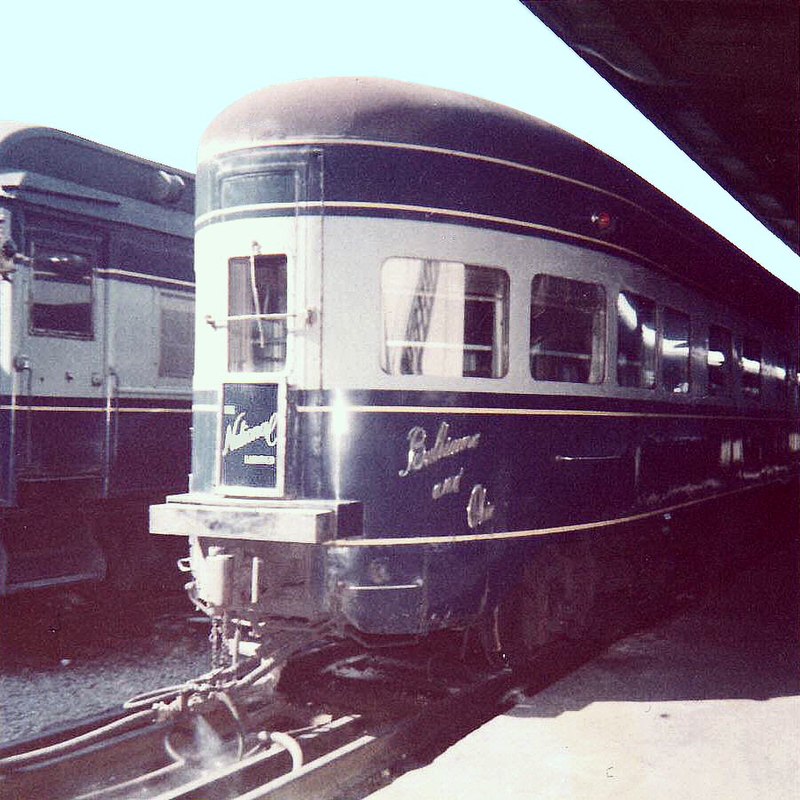
What is now the North Bend Trail was at one time one of the most distinguished railroad lines in United States History.
It was said to have been constructed between Grafton, West Virginia, and Parkersburg, West Virginia, by the Northwestern Virginia Railroad between 1851 and 1857, at which time it was sold to the Baltimore & Ohio Railroad and became known as the “B & O Parkersburg Branch.”
The Parkersburg Branch was said to have been built to high engineering standards with 23 tunnels and 52 bridges to minimize curvature, and had a maximum grade of 1.5%
During its prime, it hosted the B & O Railroad’s premiere passenger train, the National Limited, between New York City and St. Louis, Missouri.
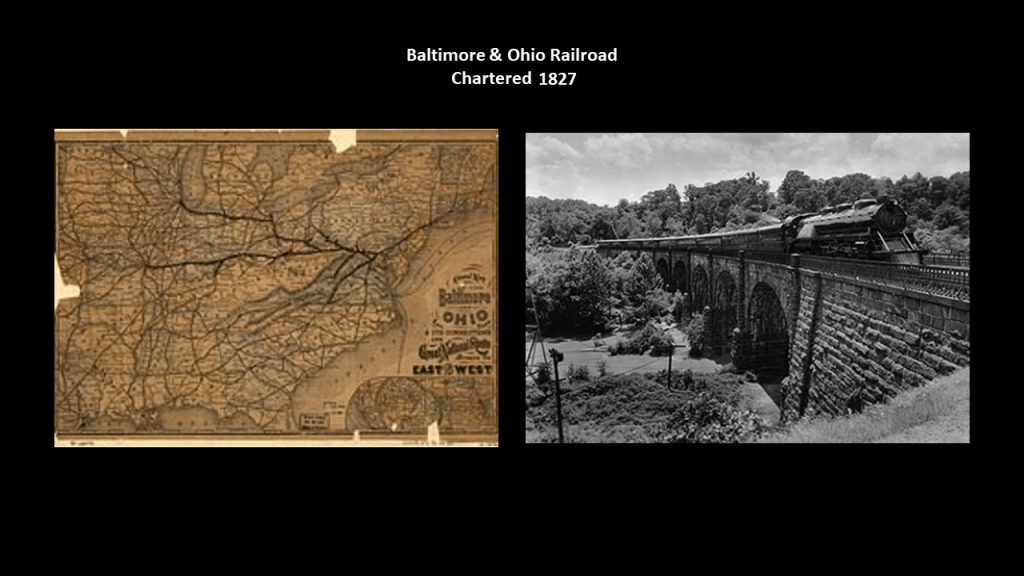
In 1827, the State of Maryland chartered the Baltimore and Ohio (B & O) Railroad, the first common carrier, and the oldest, railroad in the United States.
The first section of the B & O Railroad was said to have opened in 1830, and it was said to have reached the Ohio River in 1852, the first eastern seaboard railroad to do so.
Unfortunately, we are told that with the rise of automobile ownership, ridership declined, and B & O ended its passenger service in 1971, at which time Amtrak took over and passenger service continued for another ten-years.
Eventually the rail-line that was part of the North Bend Rail Trail became freight-only, and the line was abandoned and dismantled in 1988.
The trail was completed between 1991 and 1996, and also has beautiful, red-brick tunnels along the way.
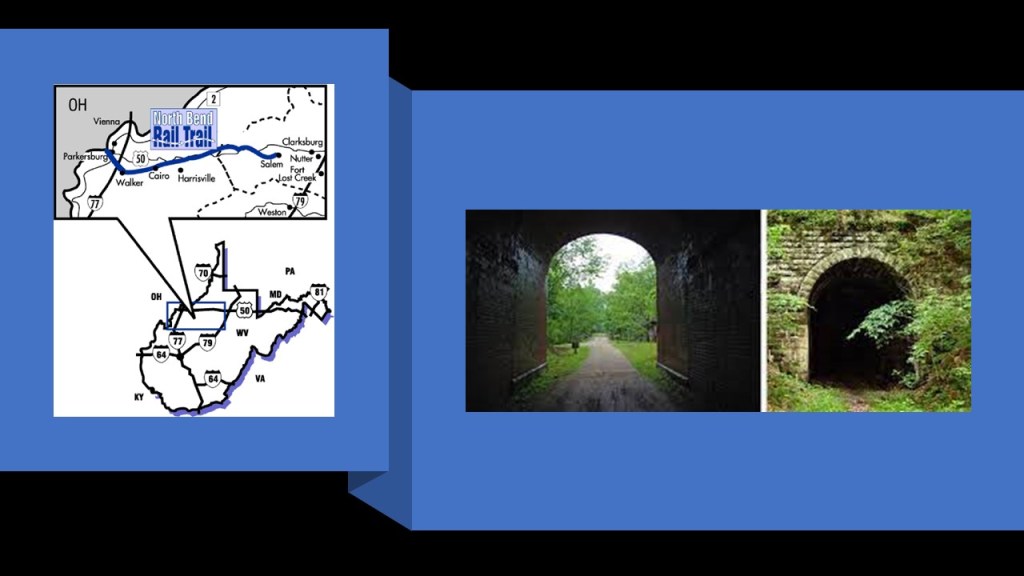
The North Bend Rail Trail is part of the “American Discovery Trail,” that runs from coast-to-coast through 15-states and the District of Columbia, and is the only non-motorized trail that crosses the country.
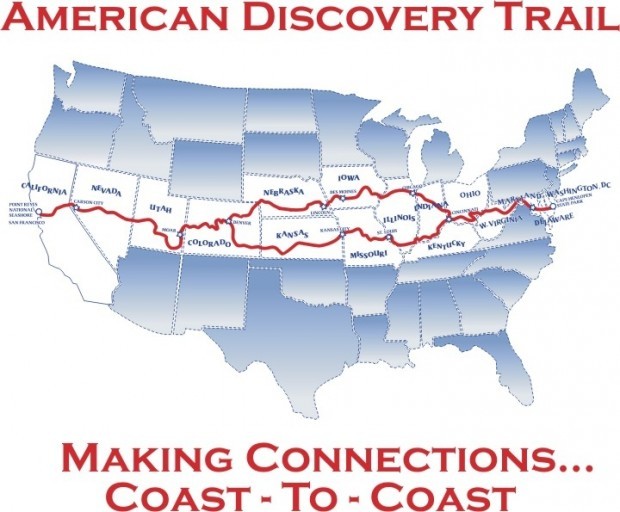
Interestingly, the “American Discovery Trail” includes the the Indiana Dunes Discovery Trail on the Southern Shore of Lake Michigan, which is called one of the most biodiverse areas in the United States, and includes sand dunes and wetlands, including bogs, existing right next to each other in the same location, and both are beside railroad tracks, circled on the bottom right.
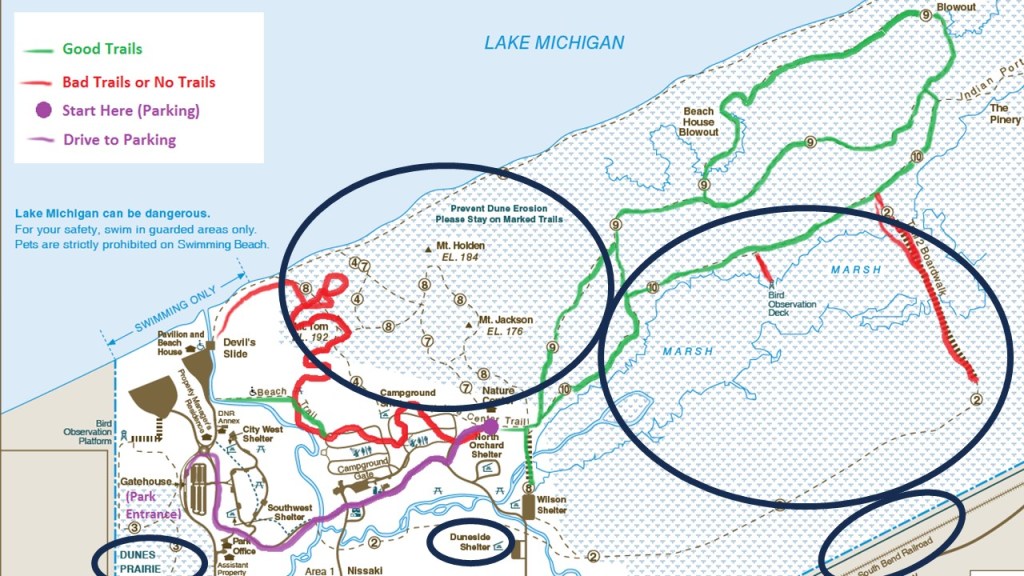
The South Shore Line runs in ths part of Indiana starting in South Bend, and goes between Michigan City just to the east of the Indiana Dunes, to Gary, Indiana, located just to the west of the Indiana Dunes, on its way to Chicago, Illinois.

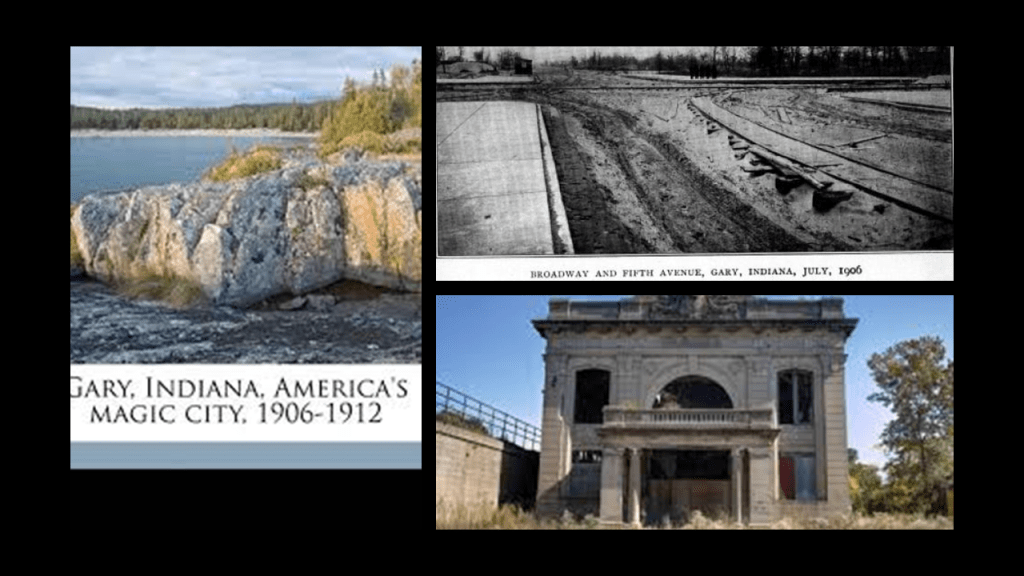
In June of 1906, the location of what became the city of Gary, about 26-miles, or 42-kilometers, east of Chicago, Illinois, was a wasteland of drifting sand and patches of scrub oak.
No one lived there, and there was no agricultural value to the land.
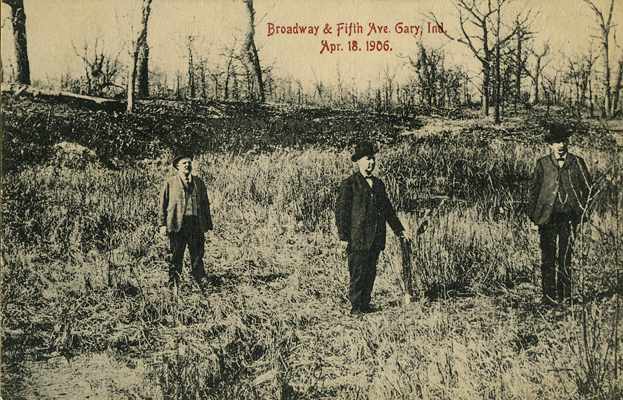
Yet, three or four railroads passed through the area and the Grand Calumet River wound its way around sand dunes to get to Lake Michigan.
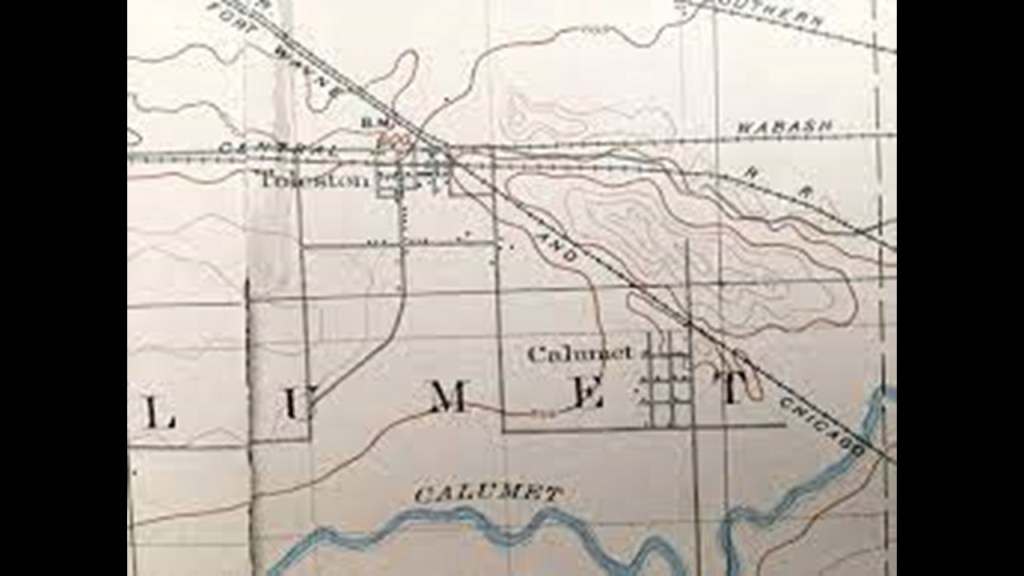
It was in June of 1906 that the first shovelful of sand was turned for the creation of the new steel town of Gary.
Laborers were housed in tents and shacks, and were digging trenches as very little work was being done above-ground.

By 1908, lo-and-behold, the city of Gary had taken on its shape and form!
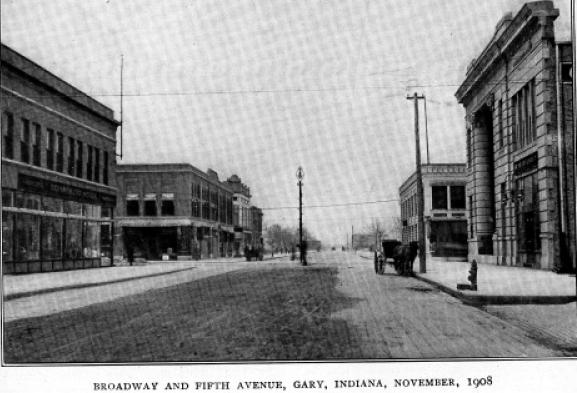
Gary was heralded as a “Magic City,” having been transformed from sand dunes in record time!
It was established to be the “company town” for U. S. Steel, and became home to the largest steel mill complex in the world, with its operation starting in June of 1908, only two-years after the first shovelful of sand was turned at this location.
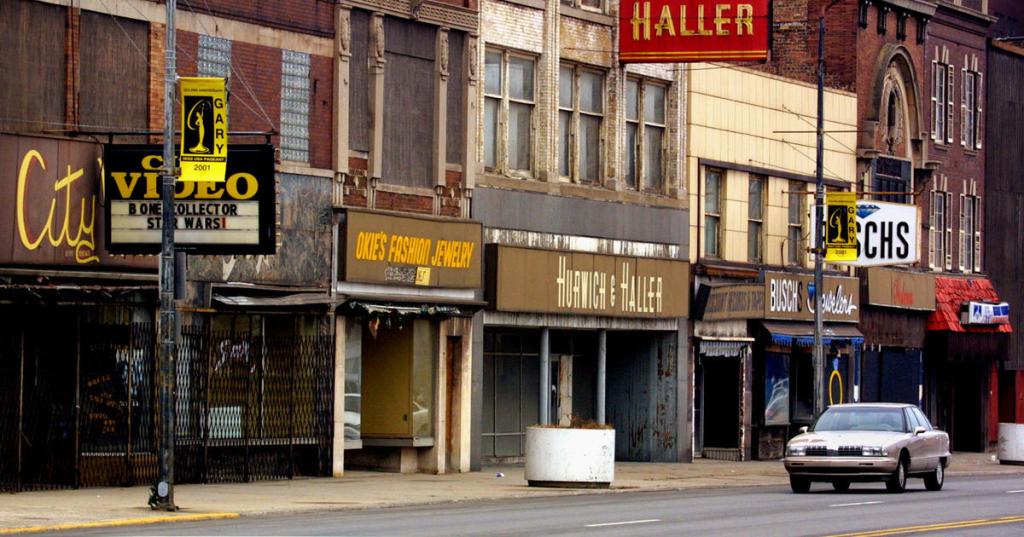
U. S. Steel is still the largest employer in Gary, and is still a major steel producer, but with a significantly reduced workforce due to the increase in overseas competitiveness in the steel industry over the years.
Actually, after the “magic” of its beginnings, Gary has been in decline for years, with population loss leading to abandonment of much of the city, unemployment and decaying infrastructure.
Now I am going to take a look at White Sulphur Springs, West Virginia, which is roughly 24-miles, or 39-kilometers, to the southeast of the bogs at Cranberry Glades.
White Sulphur Springs was said to have been settled in 1750, and developed as a health spa in the 1770s, as the story goes after a woman was healed of rheumatism after bathing in the springs, and calls itself “America’s Resort since 1778.”
The springs are on the grounds of the Greenbrier Hotel, which was said to have been built by the Chesapeake & Ohio Railroad Company in 1913.

Even today, the same Amtrak Cardinal Line that runs through the New River Gorge has a station at White Sulphur Springs.
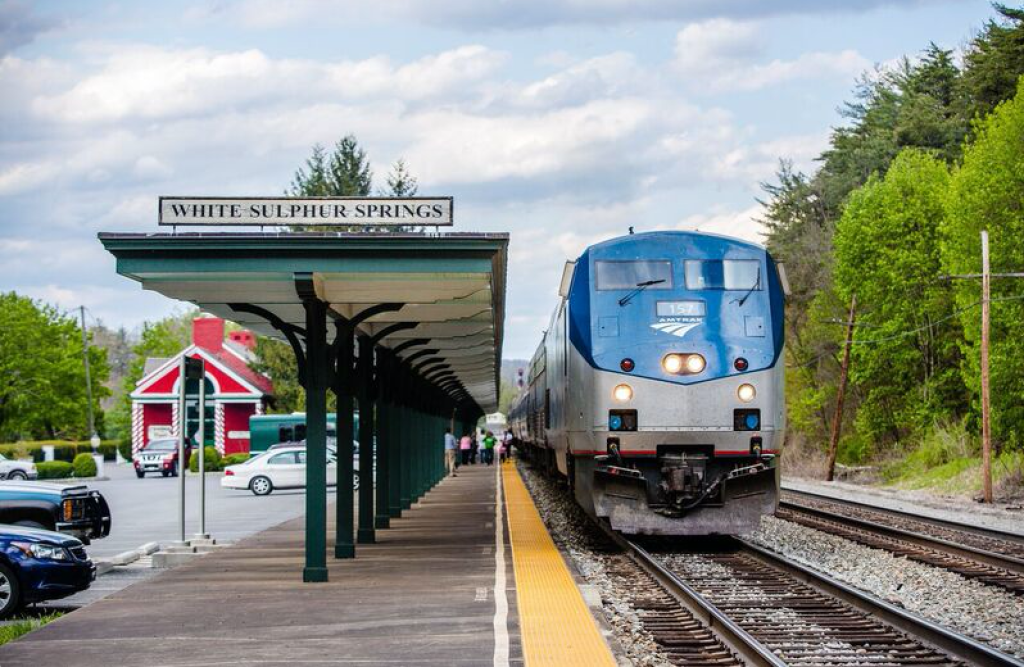
Today’s Amtrak Cardinal Line runs between New York and Chicago, by way of Washington, DC; through White Sulphur Springs, Cincinnati, and Indianapolis, on its meandering route.
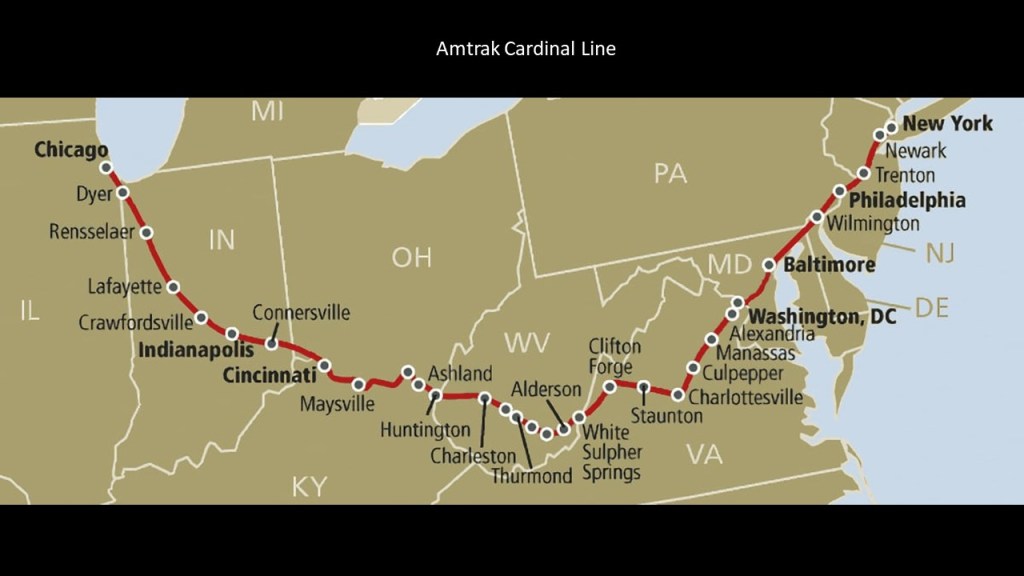
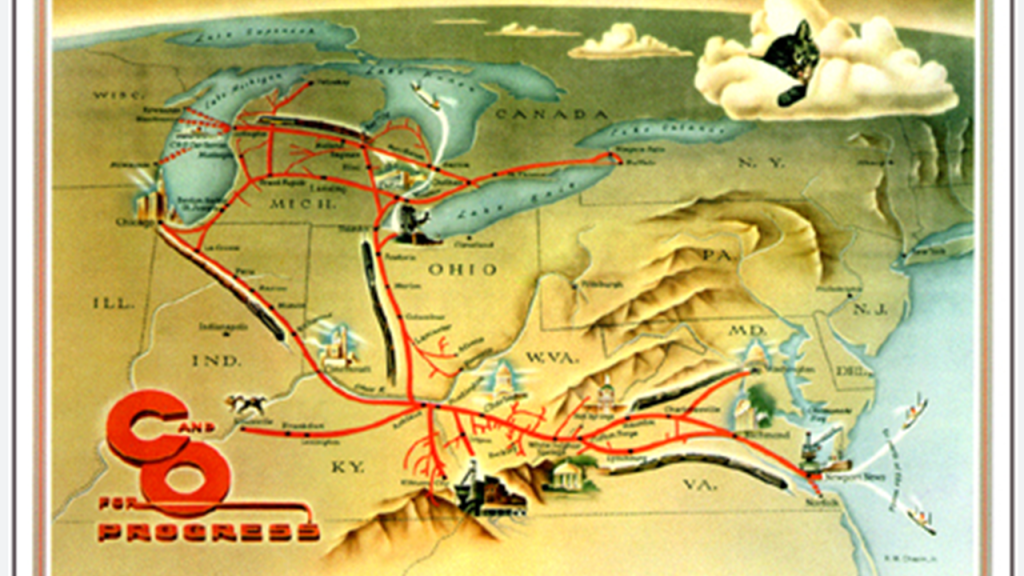
The Amtrak Cardinal Line was once a part of, among others, the Chesapeake and Ohio Railway.
It was formed in 1869 from several smaller Virginia Railroads under the guidance of of Collis P. Huntington, in order to connect the coal reserves of West Virginia with the new coal piers that were built in Hampton Roads and Newport News, Virginia, and first opened in 1873, forging a rail link to places like Chicago in the Midwest.
The city of Huntington in West Virginia was named for him.
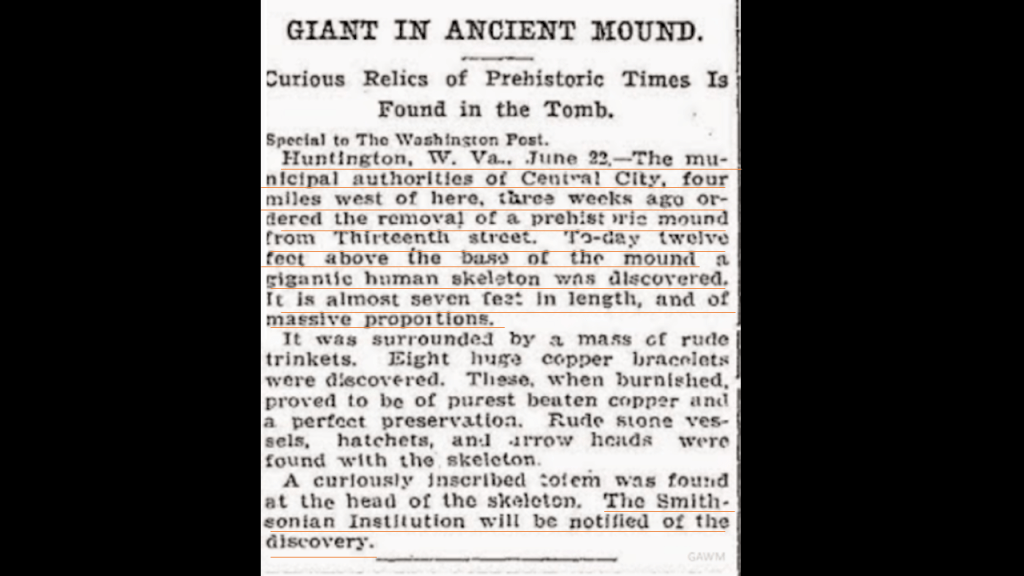
Aaron sent me this newspaper clip about an almost 7-foot-, or 2-meter-, long skeleton, of massaive proportions, that was found 12-feet, or almost 4-meters, above a prehistoric mound that was ordered to be removed, in a town just four-miles, or 6-kilometers, west of Huntington.
The article states at the end that “the Smithsonian Institution will be notified of the discovery.”
The Smithsonian Institution was established in August of 1846, and was created by the United States government for the stated purpose of the “increase and diffusion of knowledge.”
Nicknamed the “Nation’s Attic,” it has an estimated 154-million items in its holdings, across numerous facilities like museums, libraries, and research centers, and is the largest such complex in the world.
The Smithsonian Castle was the first building of the Smithsonian Institution, and said to have been built on the National Mall in Washington, DC, between 1849 and 1855.

It is interesting to note that researchers have long suspected the Smithsonian to have played a role in the cover-up of giants.
Back in the day, giant skeletons were displayed in public places and mentioned in newspaper articles, but all that went away

On the one-hand, there are reports that the Smithsonian admitted to the destruction of thousands of giant human skeletons in the early 1900 as the result of a U. S. Supreme Court ruling, and on the other hand, there are fact-checkers vigorously debunking this as a satirical claim and false.
Why is there such a contradiction of information, and vehement denial on the subject of giant skeletons, when there were historical records of their existence?

This is a good place to revisit on the subject of giant skeletons once again.
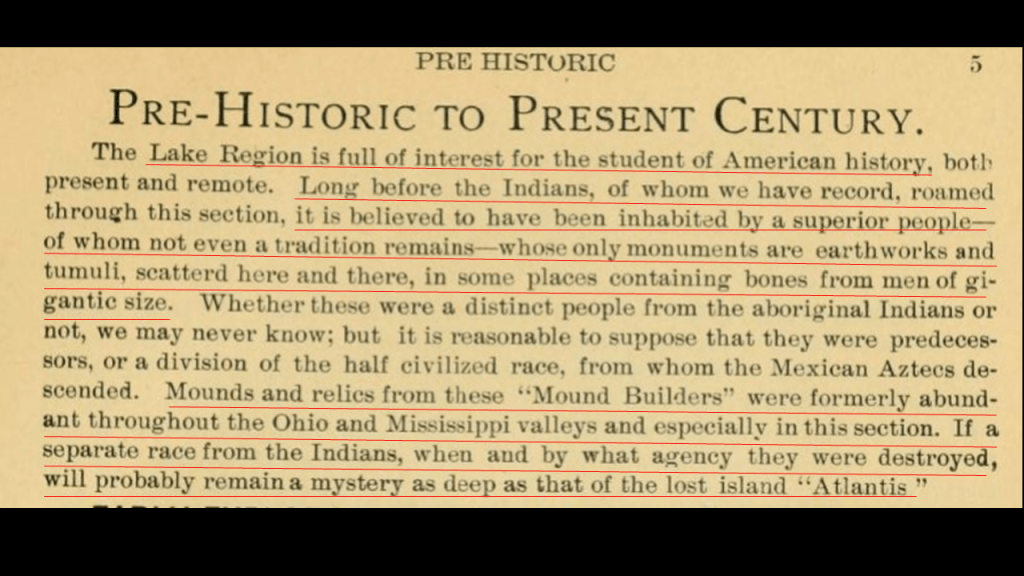
First, here is another publication clipping sent to me by Aaron on the subject of giants.
Talking about the Great Lake Region, it says “Long Before the Indians…it is believed to have been inhabited by a superior people – of whom not even a tradition remans – whose only monuments are earthworks and tumuli (another word for burial mounds), scattered here and there, in some places containing bones from men of gigantic size.”
It goes on to say further “Mounds and relics from these “Mound Builders” were formerly abundant throughout the Ohio and Mississippi Valleys, especially in this section. If a separate race from the Indians, when and by what agency they were destroyed will probably remain a mystery as deep as that of the lost island “Atlantis.”
So this acknowledges the presence of giants here who were Mound Builders, but shrouds what happened to them in mystery, just like the lost Atlantis, saying we don’t know who they were, or really anything about them, except that they were a superior people.
Along with the tallest skeleton by far being 18-feet, or 5.5 meters, -tall at West Hickory in Pennsylvania, seen earlier in this post, of the ten featured on this graphic, three are in the vicinity of where we have been looking at around Huntington, West, Virginia.
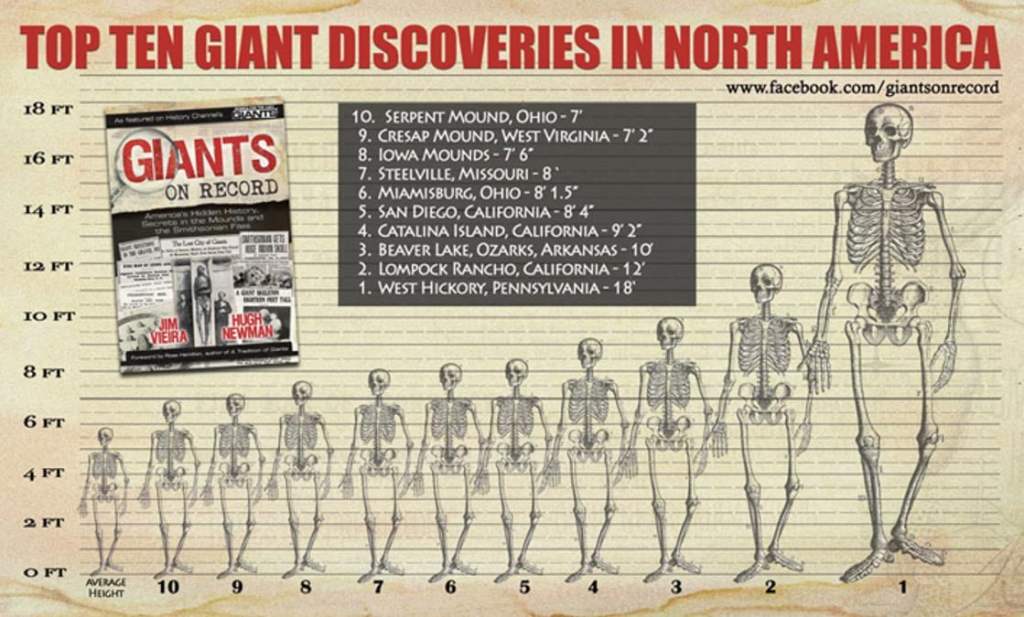
Number 10 on the list was found at the Great Serpent Mound, at 7-feet, or a little over 2-meters, -tall; #9 at Cresap Mound in West Virginia at 7-feet, 2-inches, still a little over 2 -meters, – tall; and #6 at Miamisburg, Ohio at a little over 8-feet, or 2.5-meters, -tall.
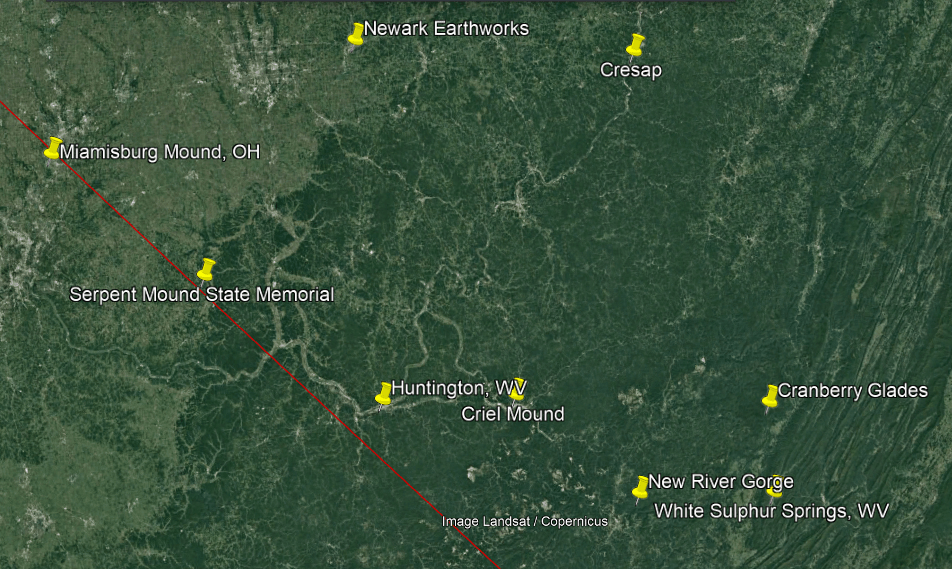
Criel Mound in South Charleston West Virginia, a short distance as the crow flies of of 41-miles, or 66-kilometers, from Huntington.
It was said to have been levelled in 1840 to create a judge’s stand for horse-races that were run around the base of the mound at the time.
We are told it was excavated between 1883 and 1884, and that thirteen-skeletons were found all together, with one of them being documented as having had a height of almost 7-feet, or 2-meters.

The Criel Mound is one of the few surviving mounds of the Kanawha Valley Mounds.
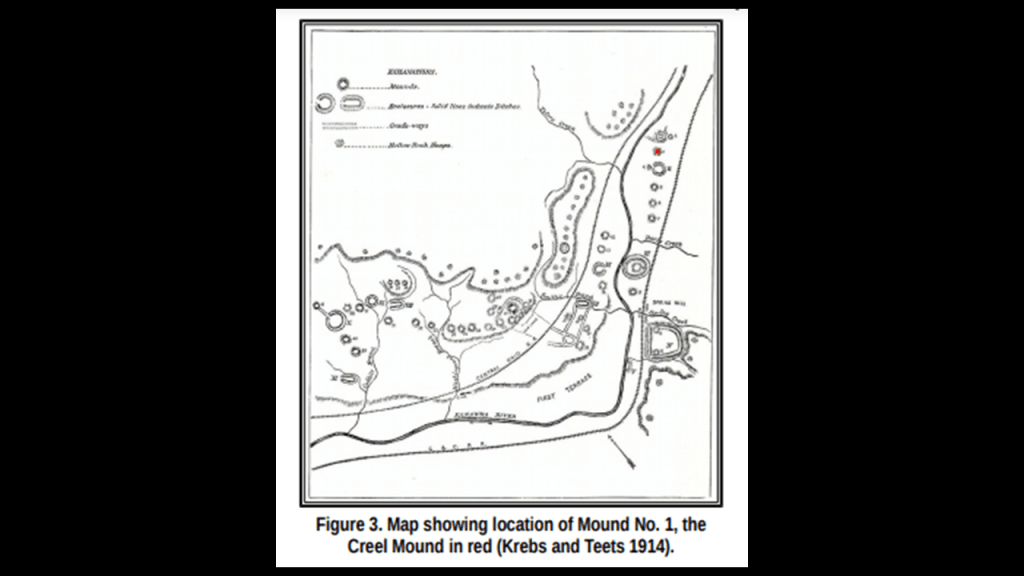
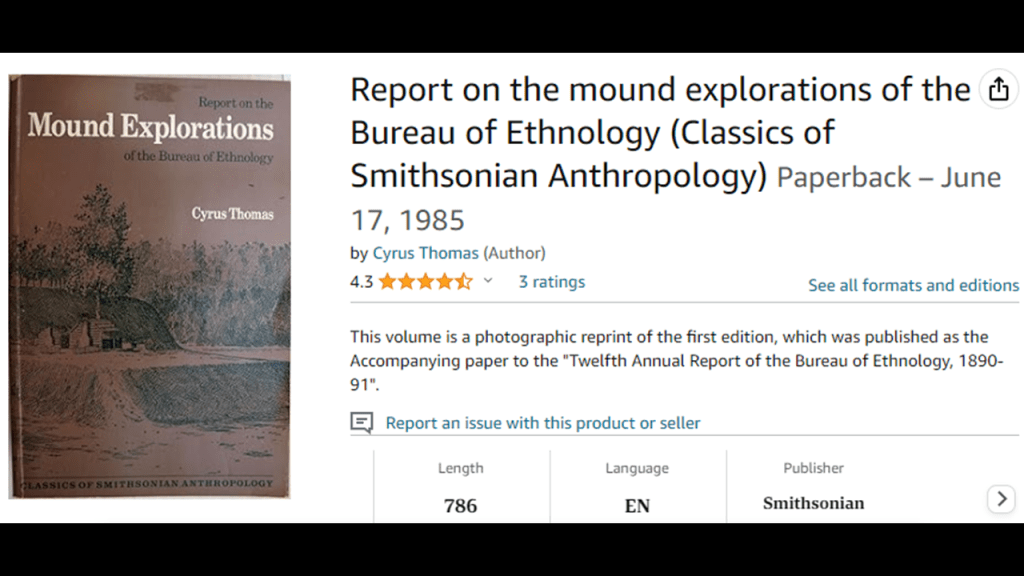
The area extended along the upper terraces of the Kanawha River floodplain for 8-miles, or 13-kilometers, and consisted of 50 mounds and 8 – 10 circular earthworks, as reported by Cyrus Thomas, a prominent ethnologist of the late 19th-century employed by the Smithsonian Institution’s “Bureau of Ethnology,” best known for his work on American mounds.
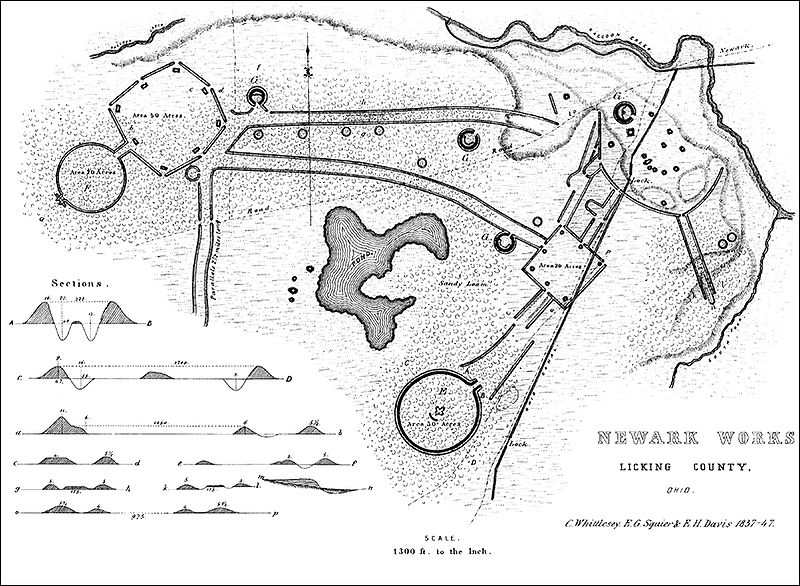
The Newark Earthworks in Ohio are roughly mid-way between Miamisburg, Ohio, and Cresap, West Virginia.
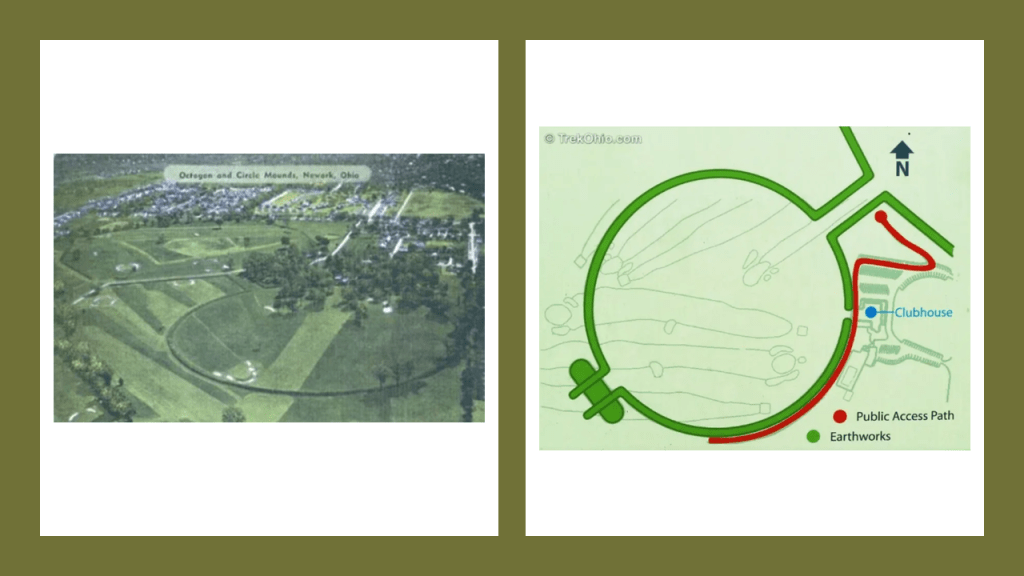
Consisting of three sections of earthworks – the Great Circle Earthworks; the Octagon and Circle Earthworks; and the Wright Earthworks – this complex contains the largest earthen enclosures in the world at about 3,000-acres, or 1,214-hectares.
We see the same precise geometry and archeoastronomy in these earthworks in North America that we see in other countries, like Great Britain.
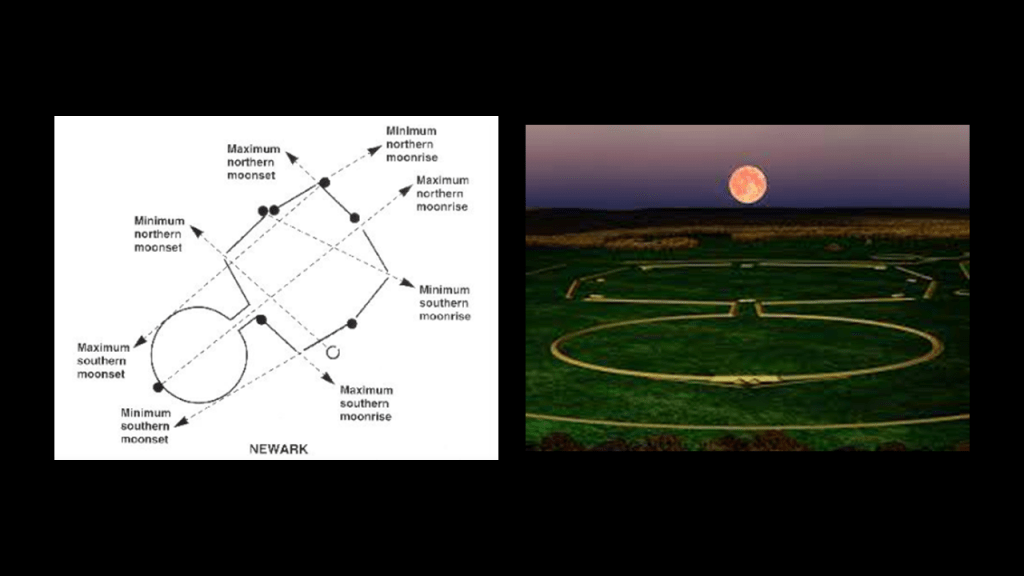
Yet, this fact didn’t stop the development of a golf course on the Octagon & Circle Earthworks in the early 20th-century.
These earthworks come into play on eleven of the holes of the Moundbuilders Country Club.
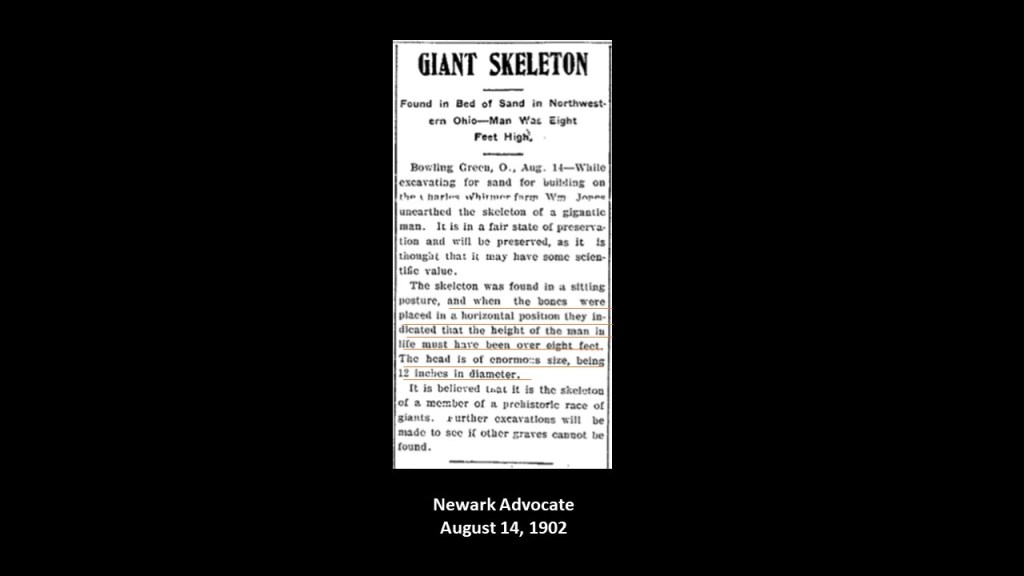
I found this newspaper clipping from the Newark Advocate in 1902 in my past research describing a giant skeleton that was found in Bowling Green in northwestern Ohio that was over 8-feet, or 2.5-meters, -tall.
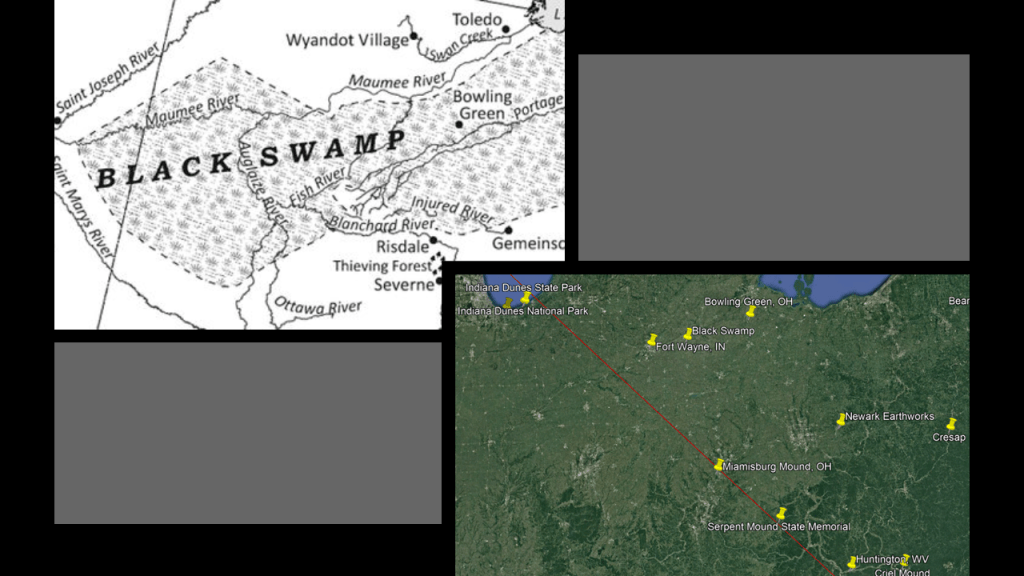
Bowling Green in Ohio is in what is called the “Great Black Swamp,” which is located between Fort Wayne in Indiana and the southern shore of Lake Erie in northwest Ohio.
The “Great Black Swamp,” and the “Indiana Dunes” on the southern shore of Lake Michigan that I mentioned previously in this post, are geographically quite close together.
Now back to Huntington, West Virginia.
Huntington was said to be one of the first American cities to have electric streetcars, with service believed to have started around the end of 1888, and ran until the 1920s, during which time the Ohio Valley Electric Railway had organized a gas-powered bus service, which by November 1937 had completely replaced all of Huntington’s former electric streetcar lines.
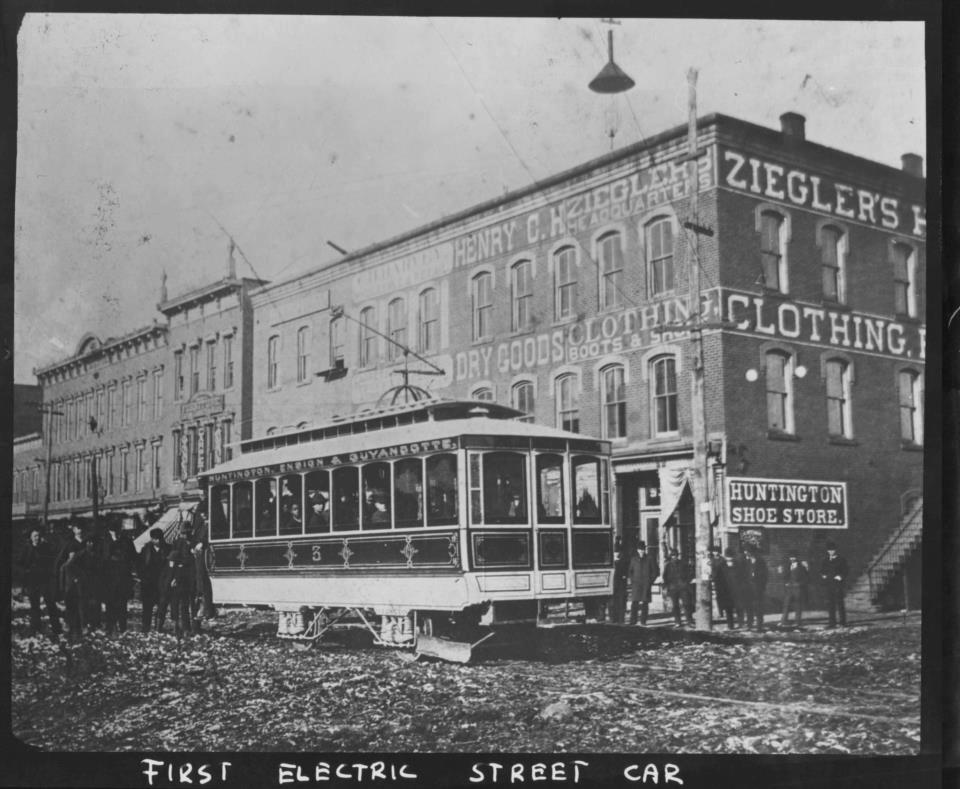
Collis P. Huntington was one of the Big Four of western railroading, along with Leland Stanford, Mark Hopkins and Charles Crocker.
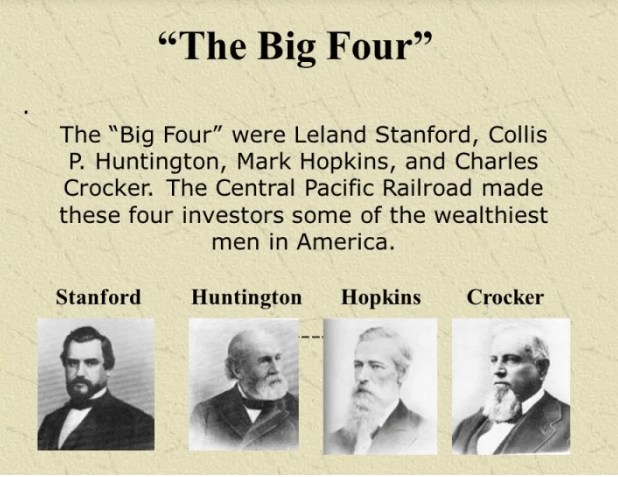
Then in 1888, Huntington lost control of the railroad to J. P. Morgan, an American financier and investment banker who dominated corporate finance on Wall Street during the Gilded Age between 1877 and 1900, and William K. Vanderbilt, who managed the Vanderbilt family’s railroad investments.
William K. Vanderbilt was was the grandson of Cornelius Vanderbilt, one of the richest Americans in history, who was an American magnate, and who built his family’s fortune in shipping and railroads.
The process continued on for the C & O Railroad to consolidate and merge railroads, and, for example, to gain access to productive coal fields throughout the region, through the 1920s.

Anyway, back to White Sulphur Springs, and the Greenbrier Resort.
The Greenbrier Resort was at one time a Presidential getaway, with President Eisenhower the last President in office to have stayed there, with 27 presidents having stayed at the hotel before him.
The Presidents’ Cottage is a museum today.
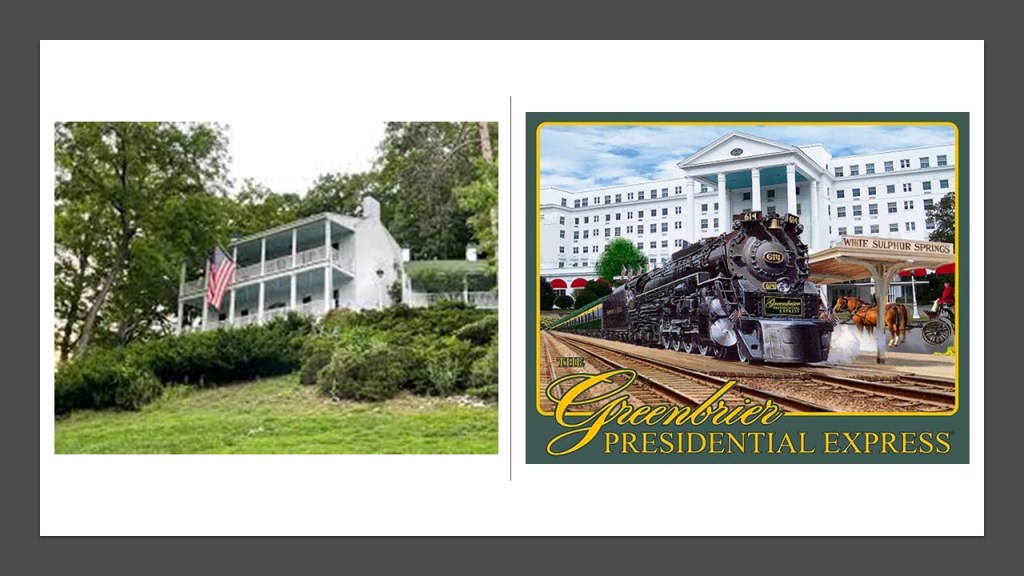
A top-secret, super-sized underground bunker was said to have been constructed there in the 1950s during the Eisenhower Administration to serve as a relocation point for the U. S. Congress in the event of a nuclear war, but when the secret came out in 1992 in a newspaper article, it was decommissioned.
It had features like:
–A 25-ton blast door that opened with only 50-lbs of pressure
–It’s own power plant with purification equipment, and the capacity for 75,000-gallons of water storage, and 42,000-gallons of diesel fuel
–Every kind of medical care one would ever need
–Sleeping, meeting, and eating facilities for over 1,000 people.
It was kept stocked with supplies for thirty-years but never used as an emergency location.
In 1995, the government ended the lease agreement with the Greenbrier, and it was opened to the public for tours, which it offers to this day.

Now on to Lewisburg.
Lewisburg is located at the junction of Routes 219 and U. S. 60, and 219 and Interstate 64, and yes, the Greenbrier River Trail between the Greenbrier Resort and Lewisburg on Interstate 64 was a former railroad bed and right-of-way.
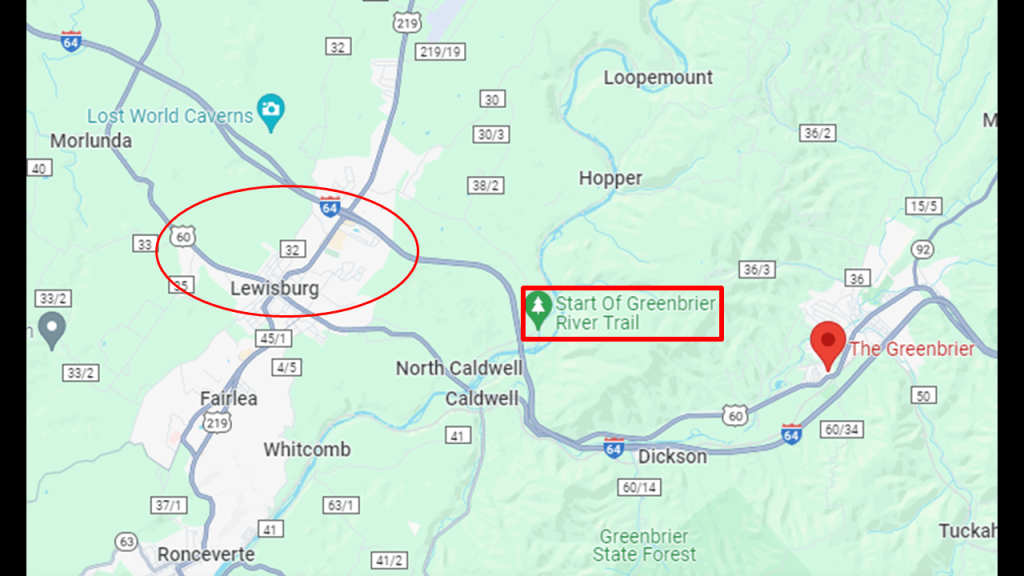
This is the same U. S. Route 219 we saw back in Pennsylvania in connection with Mahaffey Borough, which was located on U. S. Route 219, at the junction of the New York Central Railroad and the Hudson River Railroad.
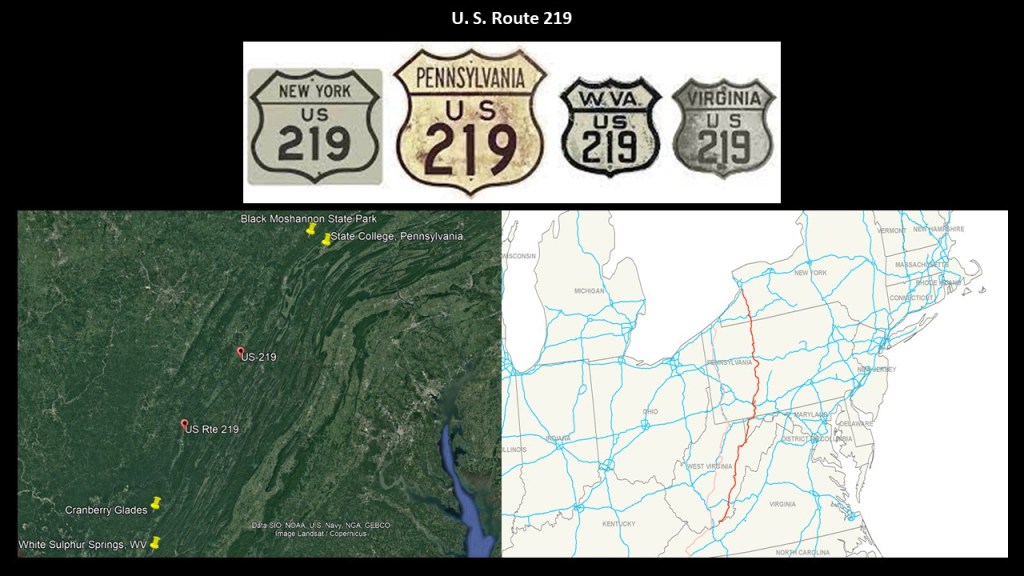
What is now the Greenbrier River Trail was gifted to the State of West Virginia in the late 1970s and opened as a recreational, multi-use trail in 1980.
It is 78-miles, or 126-kilometers, – long and runs between North Caldwell, which is 3-miles, or 5-kilometers, east of Lewisburg on U. S. Route 60/Interstate 64,and Cass in Eastern West Virginia.
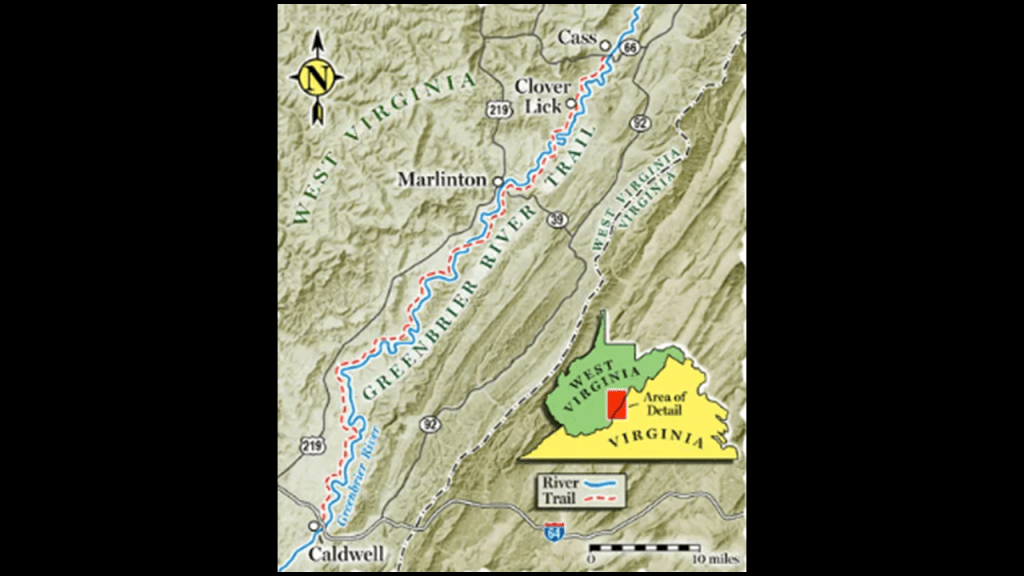
Cass, West Virginia, was founded as a company town in 1901 for the West Virginia Pulp and Paper Company, and named for Joseph Kerr Cass, the Vice-President and co-founder of the pulp and paper company.
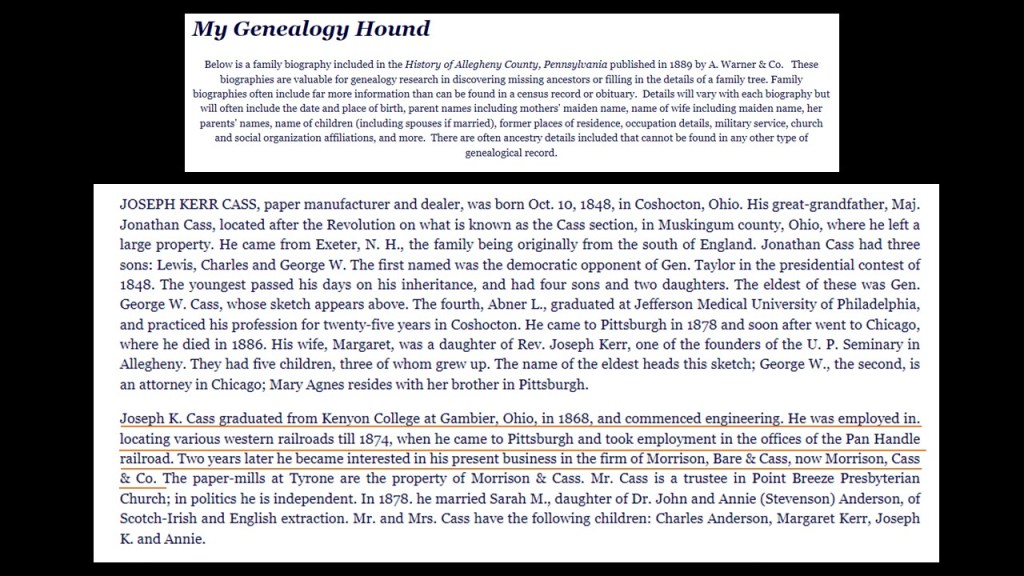
Interestingly, this information on Joseph Kerr Cass on the “My Genealogy Hound” website from the “History of Allegheny County,” published in 1889 by A. Warner & Company, shows the following.
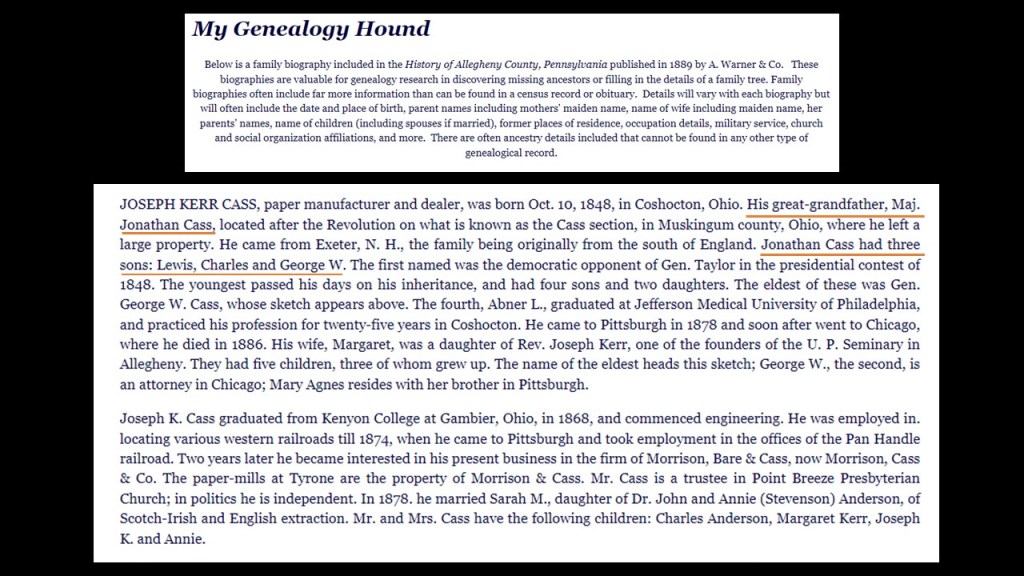
His great-grandfather was Revolutionary War Major Jonathan Cass, and Jonathan Cass was the father of Lewis Cass, who represents the State of Michigan in the National Statuary Hall at the U. S. Capitol.
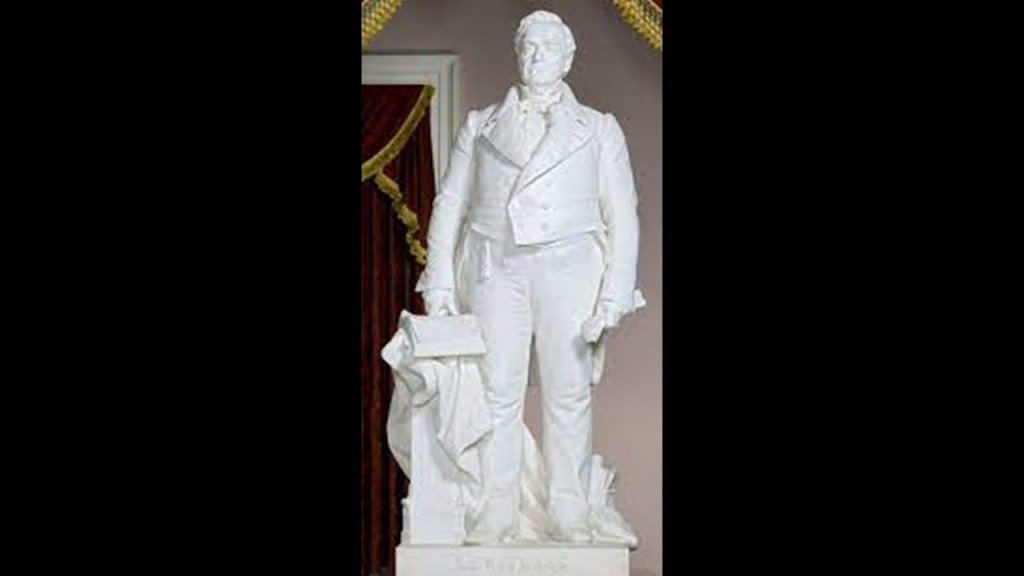
Lewis Cass, among other things, was President Andrew Jackson’s Secretary of War from 1831 to 1836.
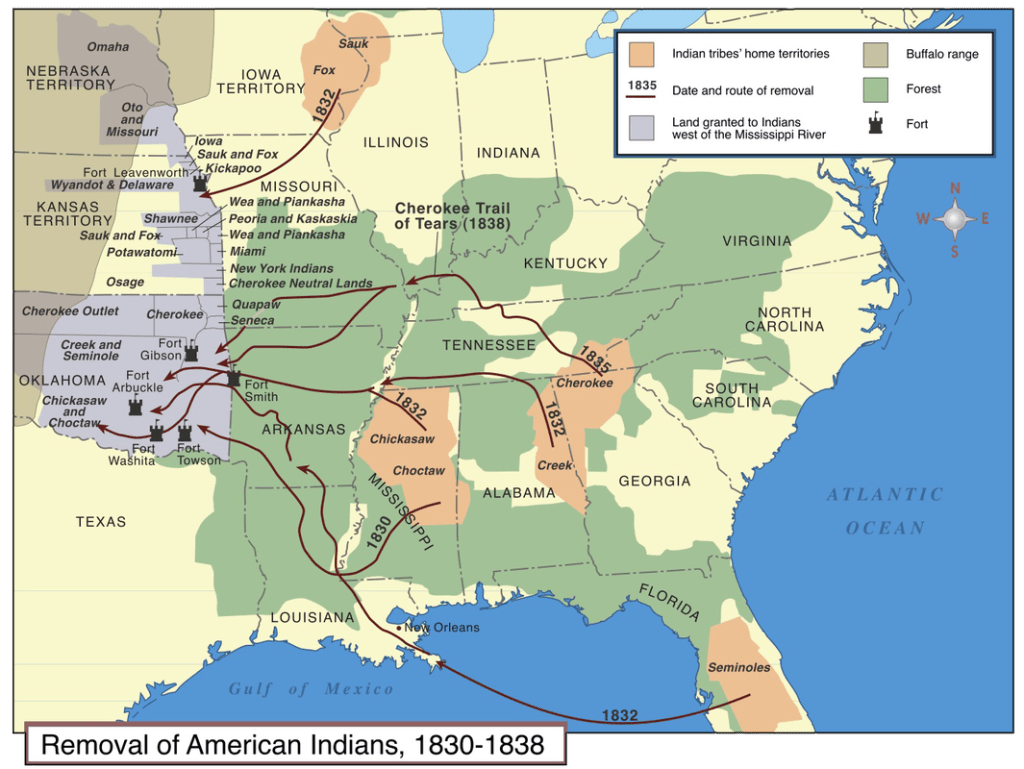
As President Jackson’s Secretary of War, Lewis Cass was central in implementing the Indian Removal policy of the Jackson administration after Congress passed the Indian Removal Act in 1830.
The Indian Removal Act was directed specifically at the Five Civilized Tribes of the Southeastern United States – the Cherokee, Creeks, Seminole, Chickasaw and Choctaw – though it also affected tribes in Ohio, Illinois and other areas east of the Mississippi River.
Most were forced to Indian Territory in present-day Oklahoma, Kansas, and Nebraska.
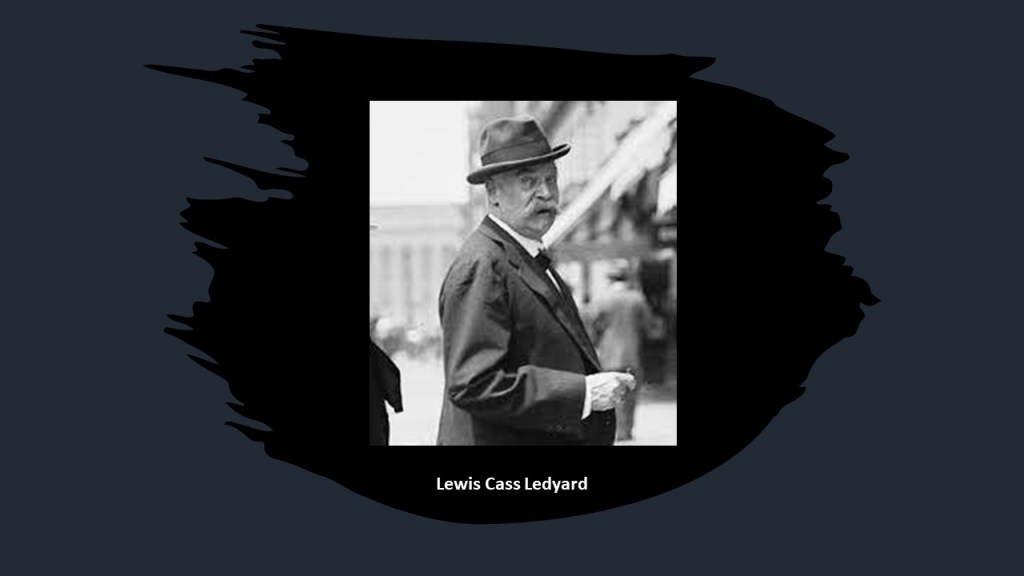
Lewis Cass was the grandfather of Lewis Cass Ledyard, a New York City lawyer, personal counsel to financier J. P. Morgan, and a President of the New York Bar Association.
Also, the information provided in from the Joseph K. Cass from the “History of Allegheny County” on the “My Genealogy Hound” website, indicated that he studied engineering in college, graduated in 1868, and was involved in “locating” various western railroads until 1874, and working for the Pan Handle Railroad in Pittsburgh, before getting into the pulp and paper mill business.
Going to break this down here.
First, Joseph Cass was involved in “locating” various western railroads until 1874.
In the history we have been given, there were a number of Railroad Surveys that took place out west in the 19th-century, including the Pacific Railroad Surveys between 1853 and 1857 under the leadership of Jefferson Davis, who was the Secretary of War in the administration of President Franklin Pierce…the same Jefferson Davis who was elected as the President of the Confederacy during the Civil War.
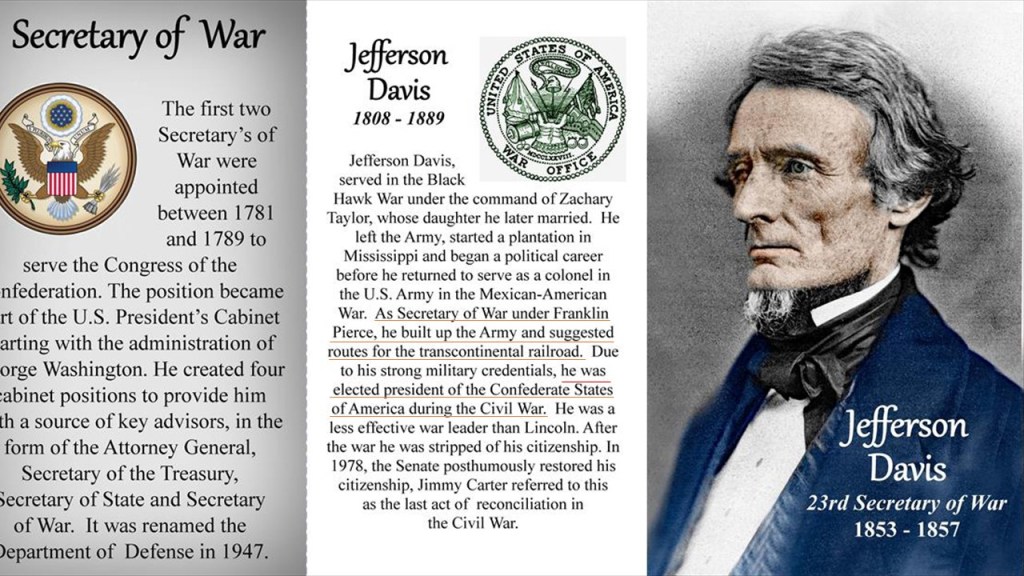
Like Lewis Cass, the enforcer of the Indian Removal Act, Confederate President Jefferson Davis is also in the National Statuary Hall, representing the State of Mississippi.

Let’s take a look at some of the definitions of survey.
One is the perspective of the definition of survey regarding civil engineering and the activities involved in the planning and execution of surveys, gathering information related to all aspects of engineering projects, including location, in order to construct a project.
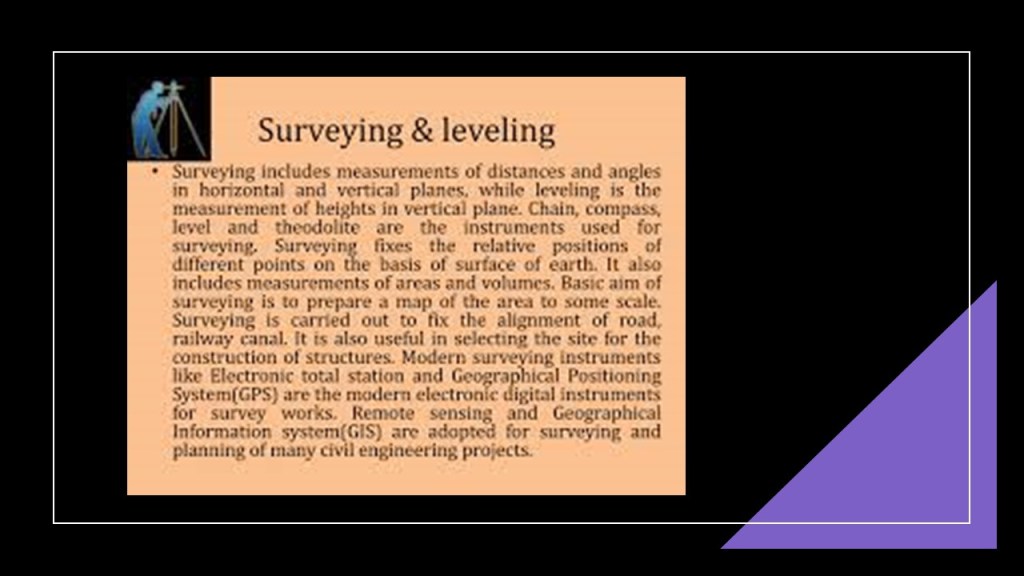
But what if another definition of survey might actually be in play here instead of what we have been told?
Perhaps more like some of the definitions shown here:
“A short descriptive summary; the act of looking or seeing or observing; considering in a comprehensive way; holding a review; and a detailed critical inspection,” and not the kind of surveying for civil engineering projects seen in the previous slide as we have been led to believe through historical omission, and for which the phrase of Joseph K. Cass having been involved in “locating” various western railroads would also apply.

What if the Railroad Surveys of the 19th-century were undertaken to explore a ruined landscape surveying, as in “looking at and observing,” everything, including pre-existing rail infrastructure in order to restore it to use once again?
What if the deserts, for example, in North America weren’t always deserts?

Next for Joseph K. Cass, from 1874 to 1876, he worked for the Pan Handle Railroad in Pittsburgh, before getting into the pulp and paper mill business.
The Pan Handle Railroad refers to the name given to the main-line of the Pittsburgh, Cincinnati, Chicago, and St. Louis Railroad, and was a reference to where it crossed the Northern Panhandle of West Virginia.
We are told construction of the Pittsburgh, Cincinnati, Chicago, and St. Louis main-line began in October of 1851, and was in operation under either the name “Railway’ from September 20th of 1890 until December 31st of 1916, and under the name “Railroad,” from January 1st of 1917 until April 1st of 1956, when it was merged into the Philadelphia, Baltimore and Washington Railroad, with sections of the original route being adapted for other uses.
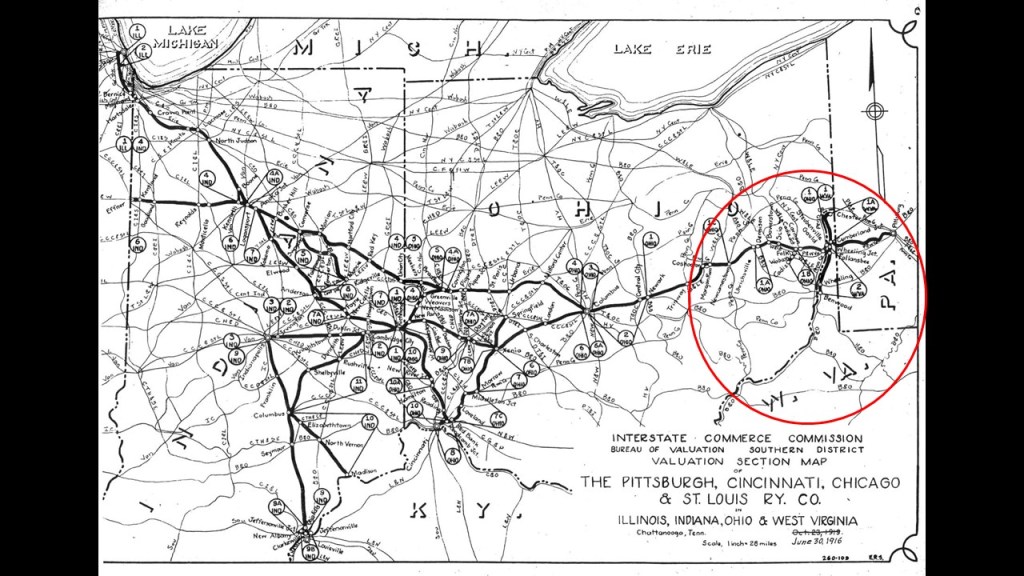
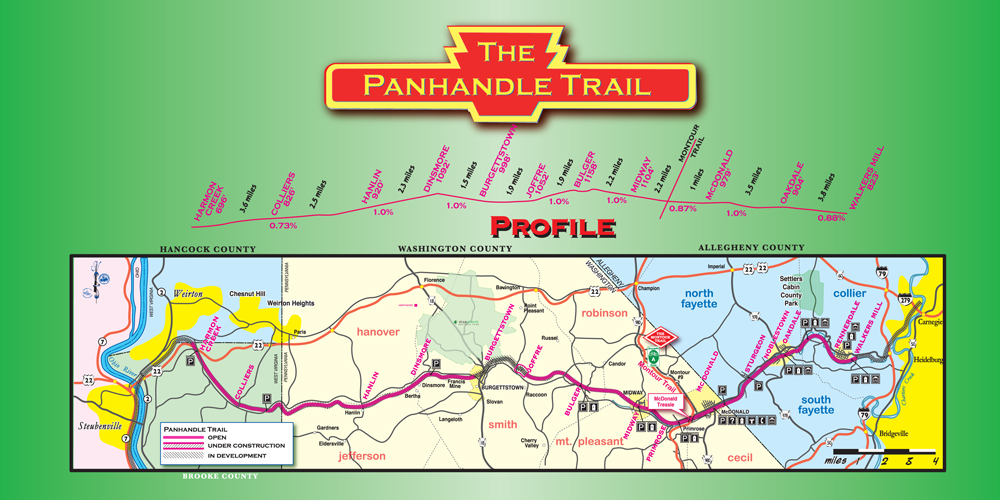
Today, the Panhandle Rail-Trail uses a 29-mile, or 47-kilometer, section of the former main-line between Pittsburgh and St. Louis.
The Panhandle Trail runs between Walkers Mill in southern Pennsylvania, to near Weirton at Harmon Creek in northern West Virginia.
Most of the town named for Joseph K. Cass, and its buildings, were bought by the State of West Virginia in 1961 after the pulp and paper mill closed in 1960, and it became the Cass Scenic Railroad State Park.
The Cass Scenic Railroad State Park continues to offer trips to Whittaker Station; the ghost town of Spruce; and Bald Knob, the highest point of the Back Allegheny Mountain in Pocahontas County.
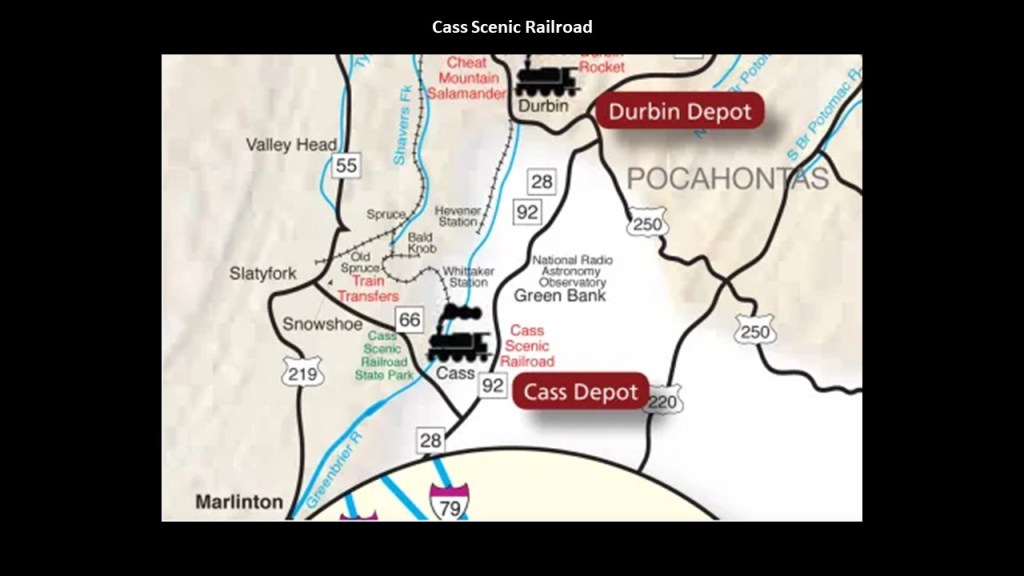
The logs for the pulp mill in Cass came from the nearby Cheat Mountain, which were brought by rail to the mill for processing until the mills closure.
Cheat Mountain, which is next to the Back Allegheny Mountain, was once the home of the largest red spruce forest south of Maine.
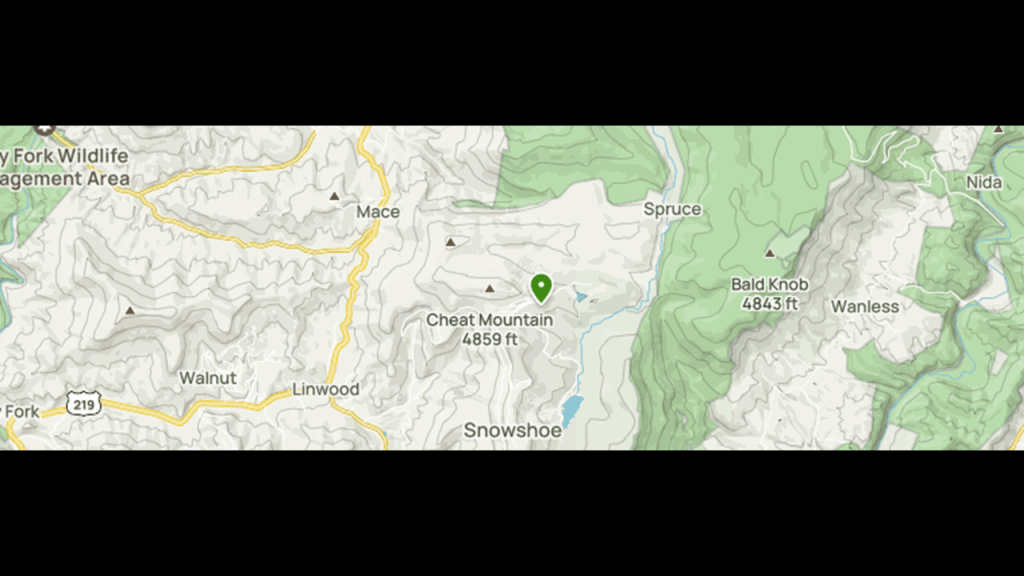
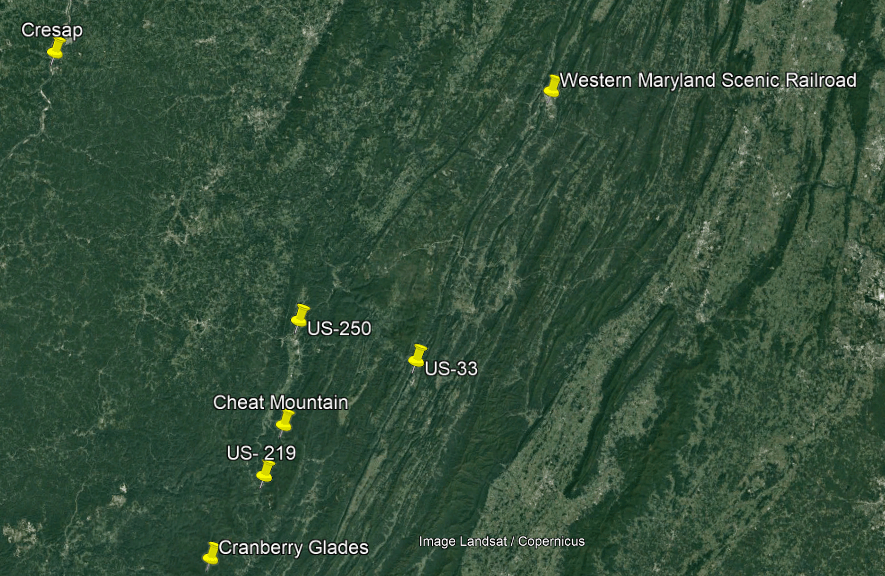
Cheat Mountain is flanked on the western side by our old friend U.S. Route 219 and on the eastern side by the Western Maryland Scenic Railroad.
East to west it is crossed by U. S. Route 33 on one side, and U. S. Route 250 on the other side.
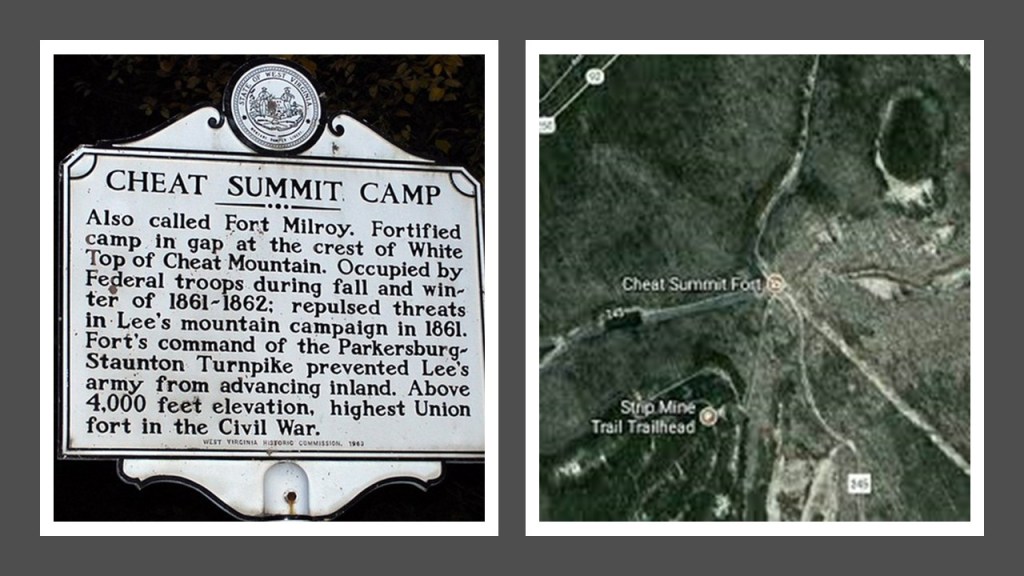
We are told that during the American Civil War, Cheat Mountain was of strategic importance during the early part of the Operations in West Virginia Campaign.
The Battle of Cheat Mountain, also known as the Battle of Cheat Summit Fort, took place between September 12th to 15th of 1861, and was the first battle that General Robert E. Lee led troops into combat.
Still a part of Virginia at the time, since what became the state of West Virginia was not formed until after the Civil War, troops under Lee sought to regain confederate territory that had been gained by the Union after Union troops had advanced into the western region of Virginia from Ohio.
The Battle of Cheat Mountain was a Confederate attempt to regain the Union occupied Fort Milroy on top of Cheat Mountain, but they were unsuccessful and “lost” the battle.
The Cheat River runs along this section of West Virginia between the state’s border with both Pennsylvania and Maryland.
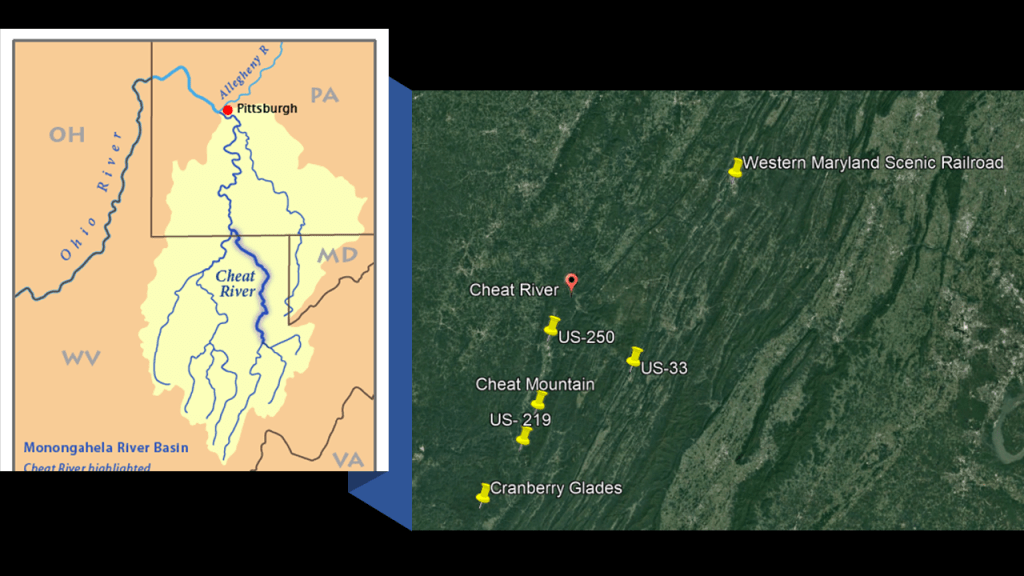
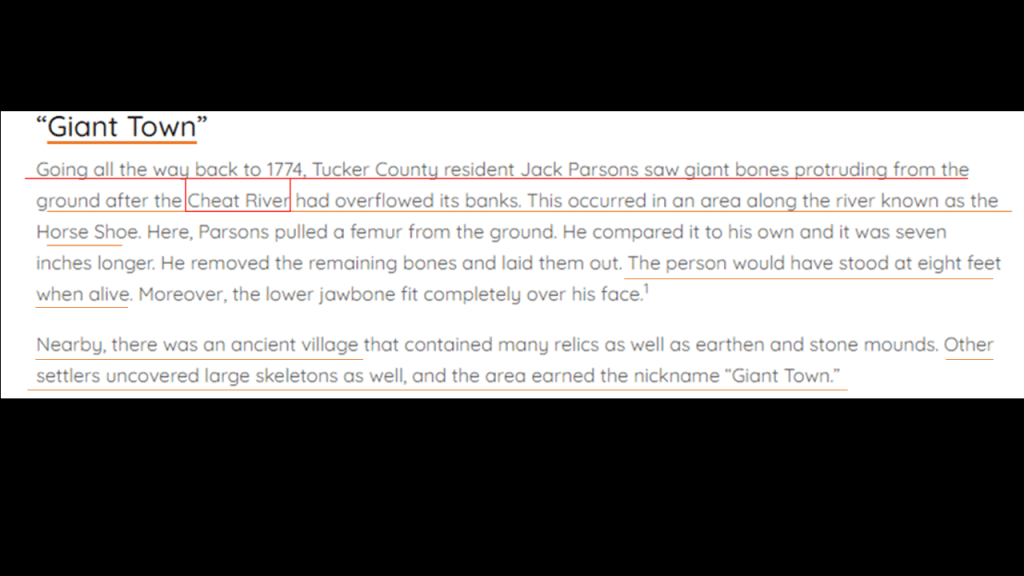
Aaron sent me this reference to giant skeletons having been uncovered in the location of the Cheat River.
The first reference was a Tucker County resident finding giant bones protruding from the ground in the area on the Cheat River known as “Horse Shoe” in 1774, that he estimated would have been from someone 8-feet, or almost 2.5-meters, -tall when he laid them out.
Also, other settlers found large-size bones nearby in what is described as an “ancient village” that had earthen and stone mounds, earning the area the nickname “Giant Town.”
Aaron also provided me with recorded references to giant skeletons that were found in in Marion County, northwest of Tucker County, that is tucked in-between West Virginia’s borders with Ohio to the West; Pennsylvania to the North; and Maryland to the East.
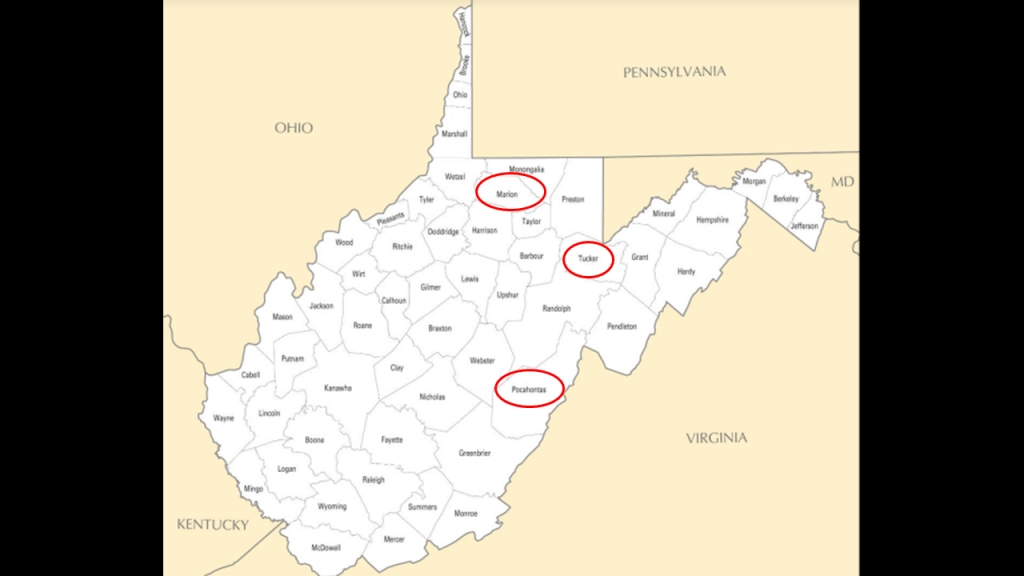
Here is an oral account that was written down that is similar to the find in Tucker County, where giant bones were found on the Monongahela River in Marion County.
A local woman reported that a schoolmaster had found four human skeletons near the river, presumably washed from their graves, where Palatine is now, and before reburying them, measured them and found that they were 8-feet, or almost 2.5-meters, -long.
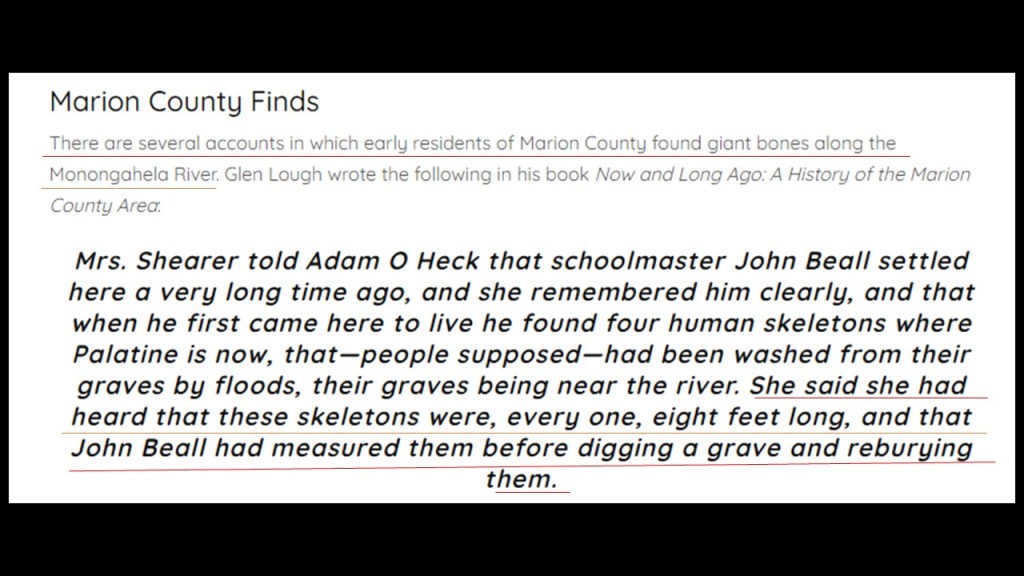
Today, Palatine is part of Fairmont on the Monongahela River.
Fairmont is the seat of Marion County.

Aaron also sent me this information on p. 10 in “The History of Marion County.”
The information on this page referred to:
–Workmen preparing to build a bridge unearthed three giant skeletons, measuring over 7-feet, or 2-meters, in length, in the village of Rivesville at Paw Paw Creek;
–“Fort Hill” about 2-miles, or 3-kilometers, north of Fairmont, and traces of an aboriginal fort;
–And other skeletons having been found in the area, like around Boothsville.
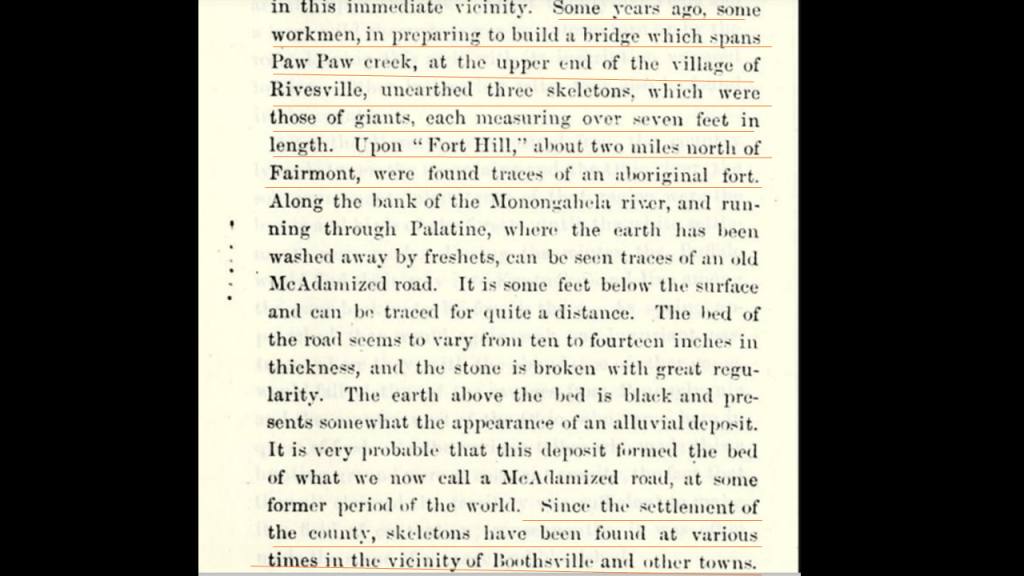
These giant skeleton findings are consistent with other recorded giant skeleton finds in the surrounding area that I have already mentioned, though so far, some have been reported to have been found in mounds, and some randomly found in proximity to rivers.
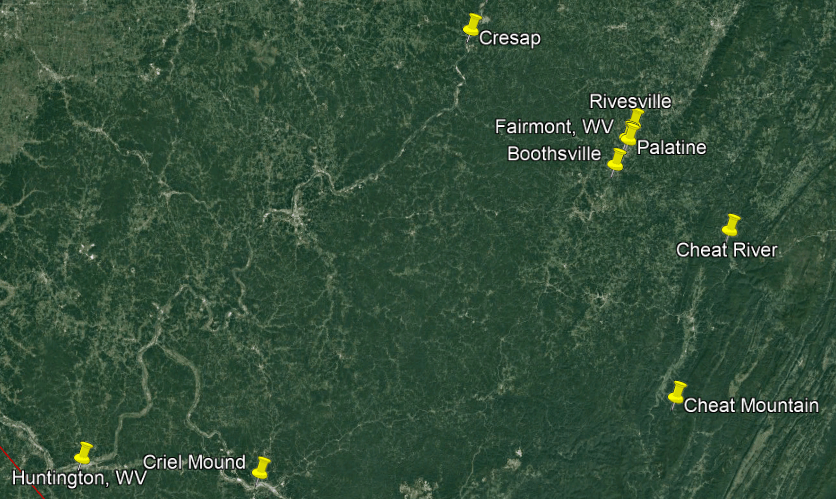
The only fort I can find any information on to speak of near Fairmont is “Pricketts Fort,” which just happens to be the same distance north of Fairmont that is referenced on the “History of Marion County” page.

Pricketts Fort State Park is at the confluence of the Monongahela and Pricketts Creek.
What the historical narrative tells us is that it is was a reconstructed “refuge fort,” built on Jacob Pricketts’ homestead, to defend local settlers from hostile indian raids, and these days commemorates life on the Virginia frontier in the late 18th-century.
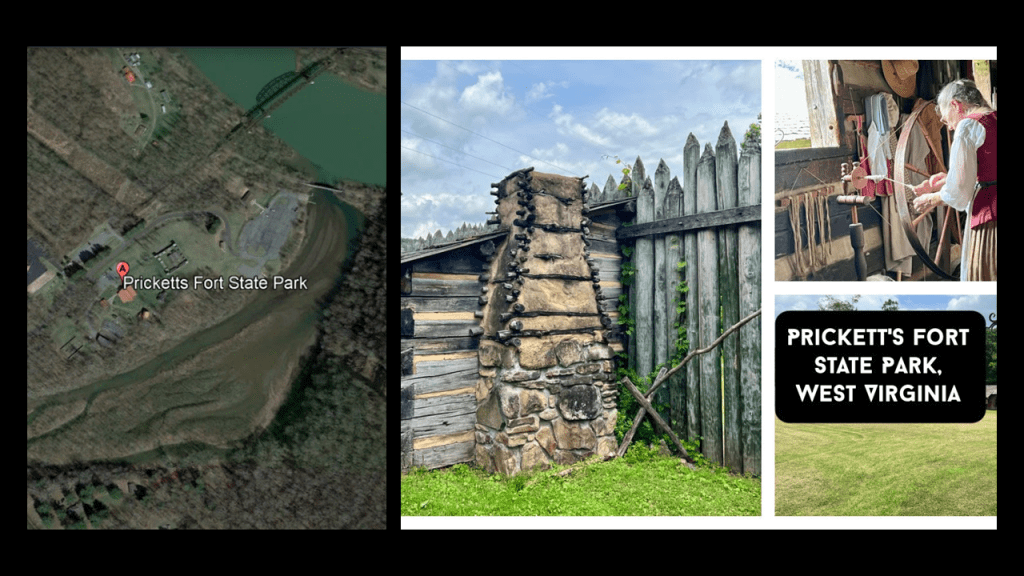
A couple of interesting things to note about the Picketts Fort location.
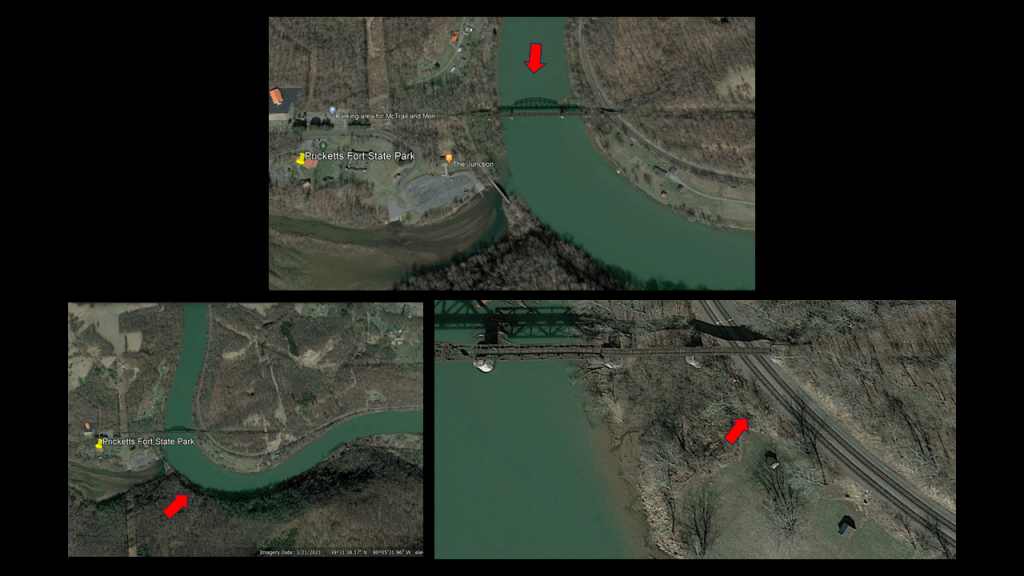
First is that the site of the fort is located on a river-bend, right next to an old railroad bridge that is now part of the Marion County Rail-Trail, and there are railroad tracks right next to the Monongahela River, still in use by the Fairmont Subdivision, a railroad from Grafton to Rivesville that is owned and operated by CSX Transportation on what used to be part of the B & O Railroad Mainline.
More on the area’s railroad history in a moment.
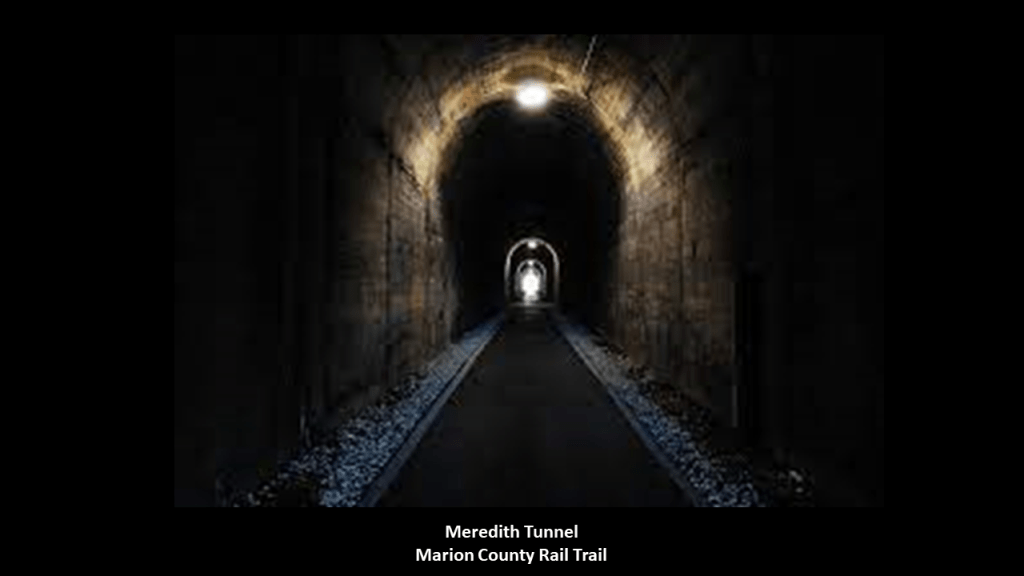
The Marion County Rail Trail runs for 2.5-miles, or 4-kilometers, from the Pricketts Fort State Park, along Pricketts Creek through rural Marion County, to Fairmont.
The trail’s main highlight is a 1,200-foot, or 366-meter, -long lighted tunnel, which runs under Speedway Avenue and Suncrest Boulevard. said to have been built in 1914 by the Monongahela Railroad.
The land for the trail was purchased from the railroad by the County in 1989.
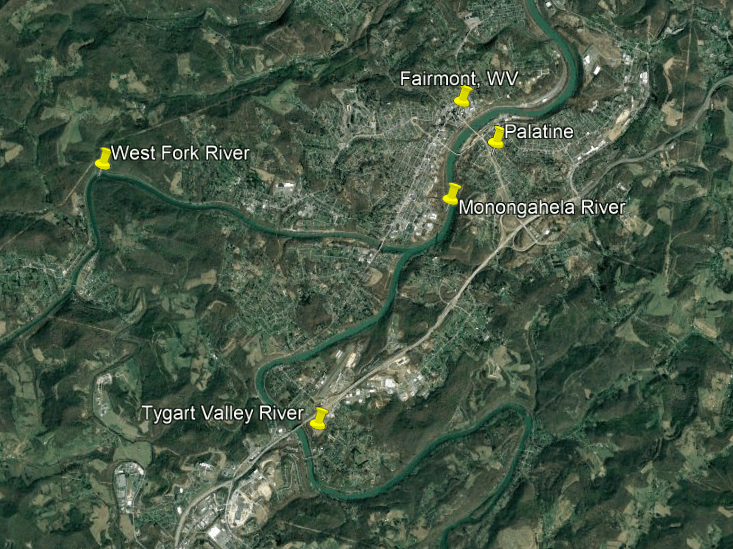
Fairmont is located just above the confluence of where the West Fork and Tygart Valley Rivers meet to form the Monongahela River.
I couldn’t help but notice all the s-shaped riverbends going on around here!
So, I searched for more information on Fairmont’s railroad history and this is what I found.
First, the Fairmont & Clarksburg Electric Railroad was an inter-urban electric streetcar system that served the Fairmont and Clarksburg areas, linked by a main-line, and connected the communities of Bridgeport, Fairview, Mannington and Weston.
It offered both passenger and freight services, and connected communities and coal camps.
It became operational in 1901.
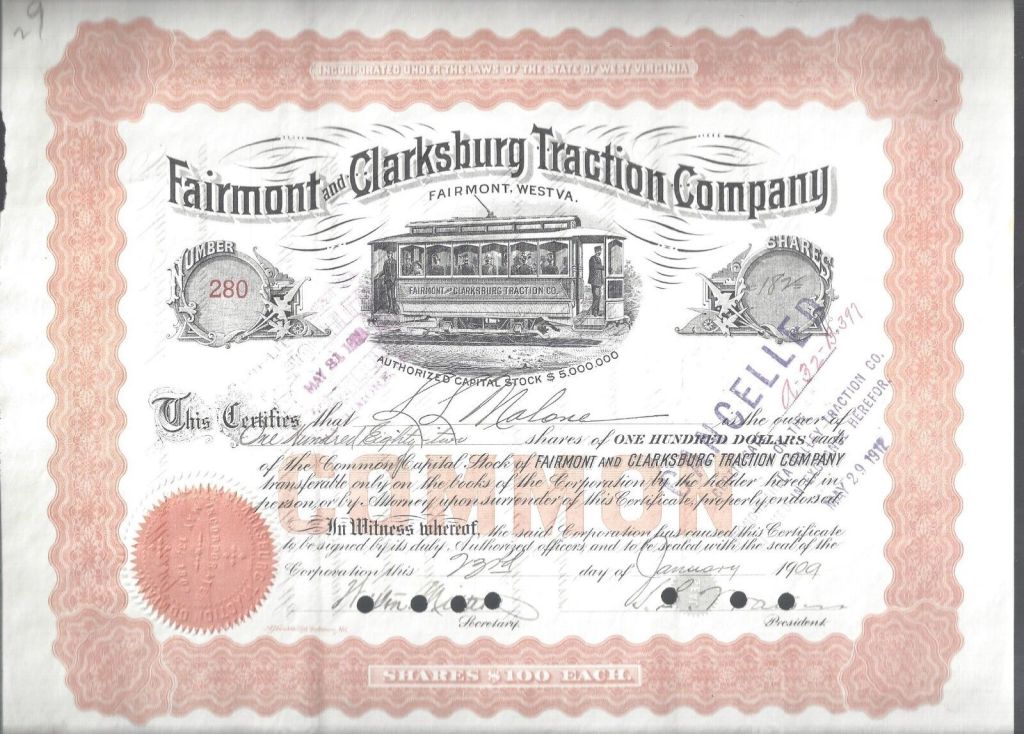
Again, we are told that now the electric streetcar services just couldn’t compete with the advent of automobiles reducing demand for these services, and this interurban streetcar system was abandoned entirely by 1947, when the system had transitioned entirely to bus services.
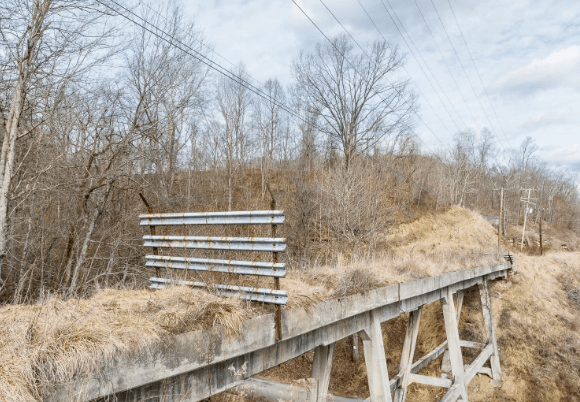
This was the crossing of this interurban line at Hawkinberry Run near Rivesville, where aforementioned giant skeletons were found in Marion County.
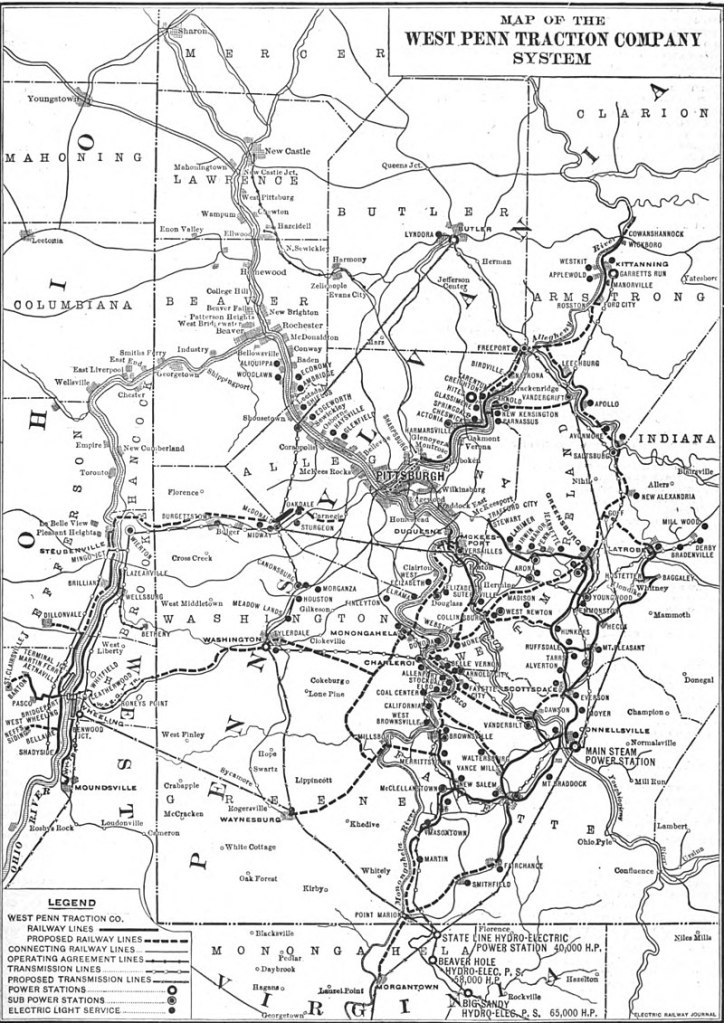
In time, the Fairmont & Clarksburg Electric Railroad was managed by the larger West Penn Railway system of electric streetcars that was headquartered in Connellsville, Pennsylvania, and was said to be part of the regions power-generation utility.
It consisted of 339-miles, or 546-kilometers, of electric streetcar track at its height.
It was operational from 1904 to 1952.
Next, the Fairmont, Morgantown & Pittsburgh Railroad once connected Fairmont to Uniontown in Pennsylvania, a distance of 56-miles, or 17-kilometers.
It became operational in 1894.
We are told the importance of this line waned as the coal mines along the route closed, and in 1953, passenger service ended.
By 1991, most of the line between Fairmont and Uniontown was abandoned, with the exception of two short stretches that are still in use today, like the one I mentioned that is owned and operated by CSX Transportation between Grafton and Rivesville.

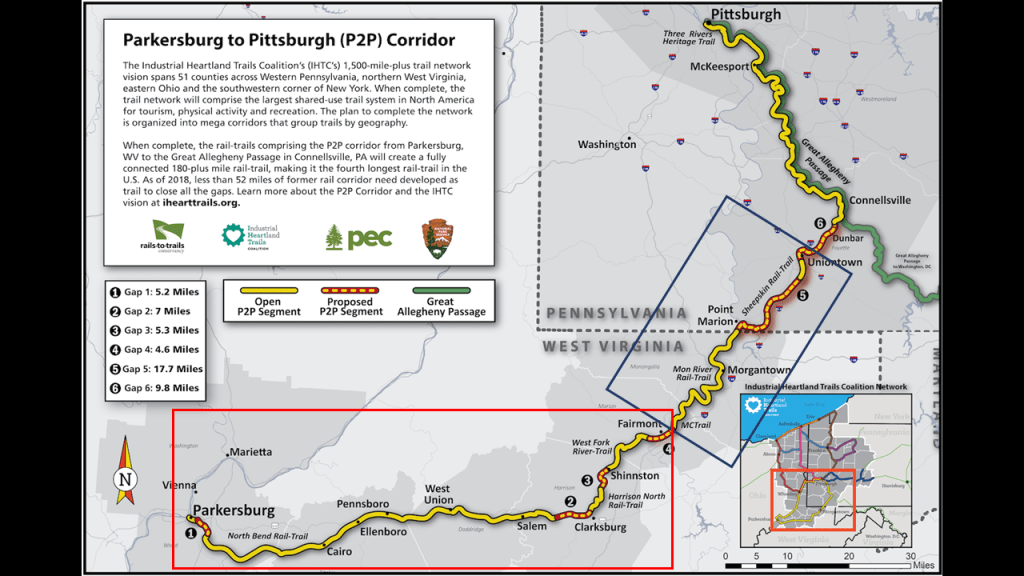
This map of the Industrial Heartland Trails Coalition’s Parkersburg to Pittsburgh (P2P) Corridor shows its plan to have a fully-connected recreational rail-to-trail between the two cities, with the proposed segments overlaid in red.
I have put a blue box around the Fairmont to Uniontown segment of the former railroad line, and a red box around the section between the West Fork River Trail, which starts just outside of Fairmont, and goes to Parkersburg, and includes the previously mentioned North Bend Rail- Trail.
Before I leave West Virginia, and head back up to Pennsylvania, there’s a few more things I would like to mention about Cranberry Glades.
Hillsboro, the town closest to Cranberry Glades, is just 30-miles, or 49-kilometers, up U. S. Route 219 from Lewisburg, and the same Route 219 that we have been seeing all along through these places in West Virginia, and Mahaffey Borough and near the area around Black Moshannon State Park in western Pennsylvania.
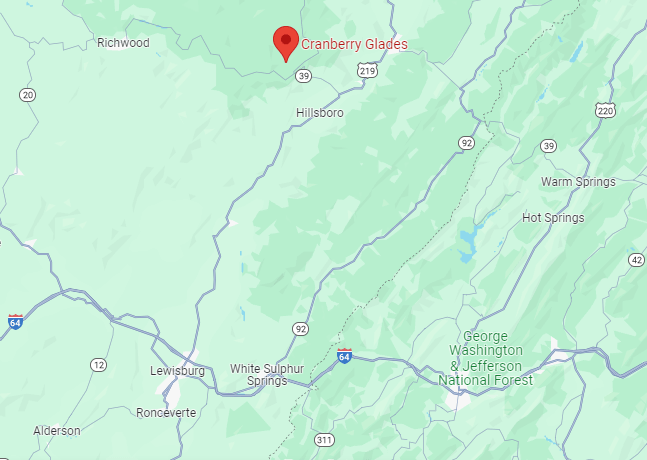
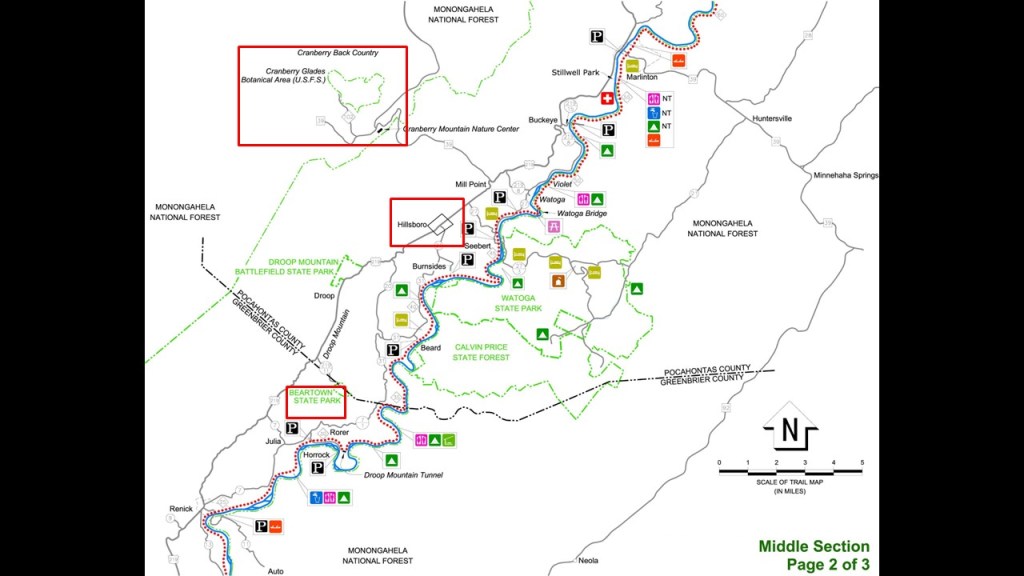
So Cranberry Glades is located near U. S. Route 219; it is very close to the Greenbrier River Trail, that ends in Cass and near Cheat Mountain; and is also very close to West Virginia’s Beartown State Park.
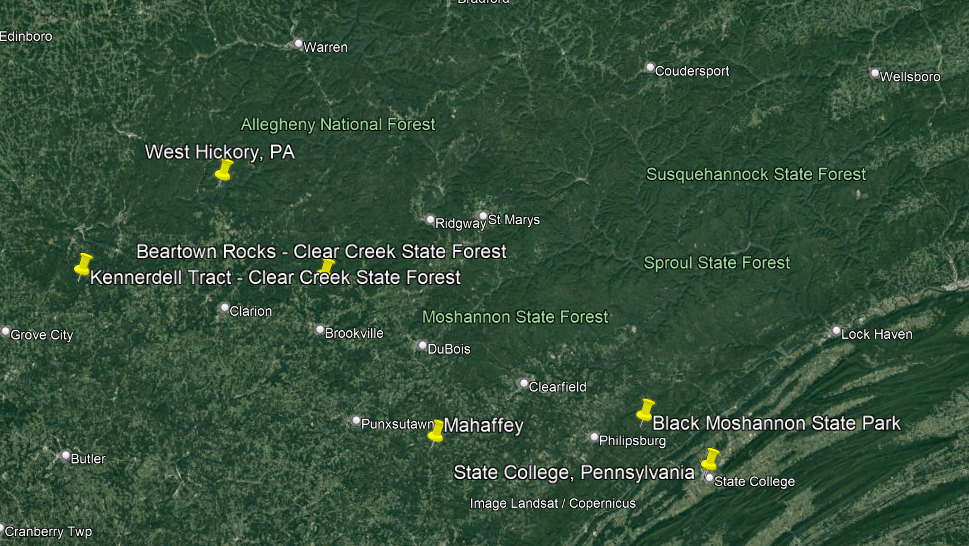
We already saw Beartown Rocks earlier in Clear Creek State Forest near Sigel, Pennsylvania, which is also close to the place where the 18-foot, or 5.5-meter,-tall skeleton was found in West Hickory, and where there is another rail-trail found at the Kennerdell Tract of the Clear Creek State Forest, both as previously mentioned at the beginning of this post.
Beartown State Park in West Virginia is located 7-miles, or 11-kilometers, southwest of Hillsboro, on the Eastern Summit of Droop Mountain, and right in the middle between Cranberry Glades and White Sulphur Springs.

There’s a couple of things to unpack here – one is Beartown State Park, and the other is the Civil War Battle of Droop Mountain.
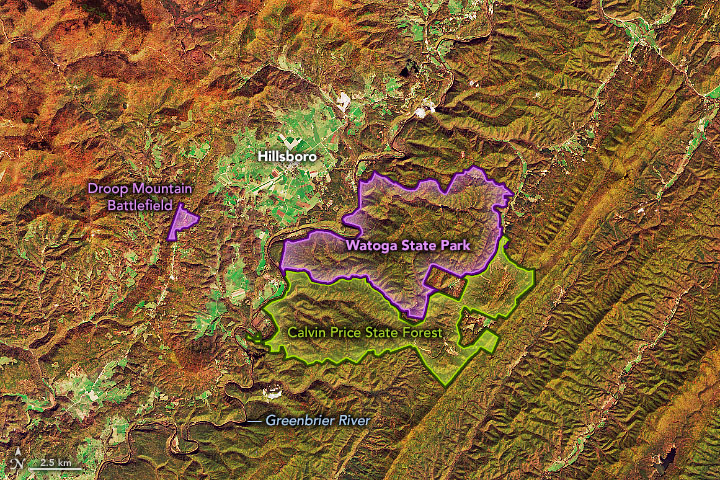
First the rock formations at Beartown State Park in West Virginia are described as having “unusual rocky formations, massive boulders, overhanging cliffs, and deep crevices,” with the deep crevices having a regular criss-crossed pattern making them appear like the streets of a town.
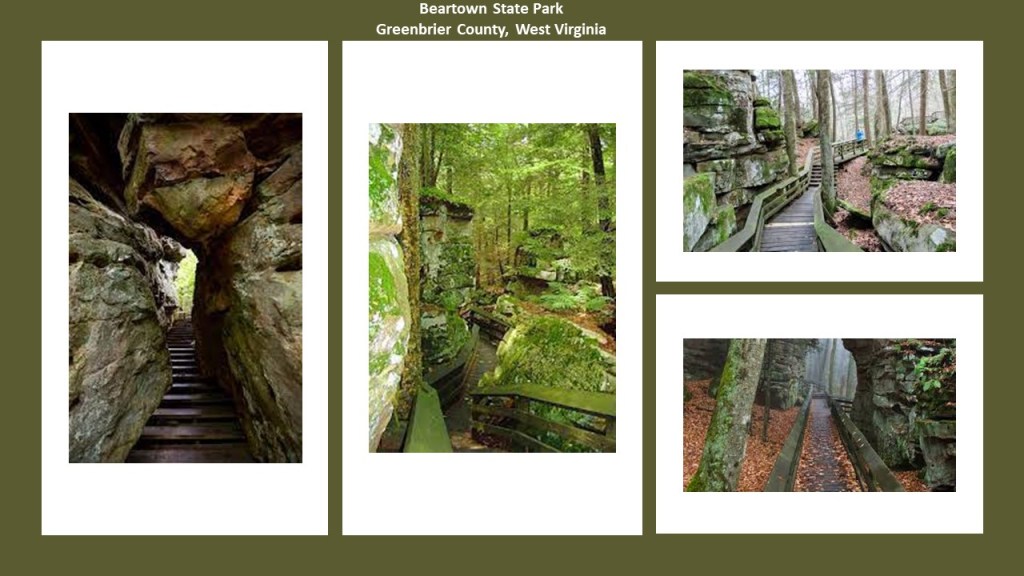
This is very similar to how the Beartown Rocks back in Pennsylvania, were described, which was as ” a beautiful rock formation consisting of “house-sized” boulders, that are spread out far enough they have road-like spaces in-between them, making it feel like a “rock city.”
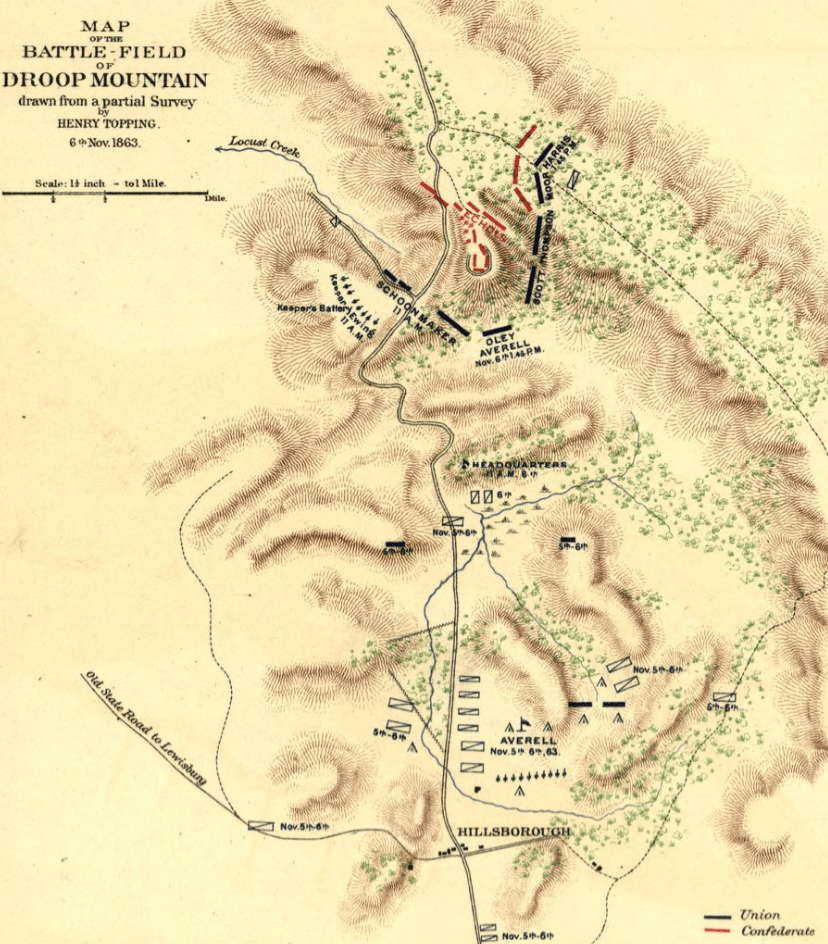
The Battle of Droop Mountain was said to be the largest battle, and last major battle, of the Civil War to take place in what was to become West Virginia.
It took place on November 6th of 1863.
This is what we are told.
Troops under Union Brigadier General William Averill defeated a smaller Confederate force under Brigadier General John Echols and Colonel William “Mudwall” Jackson.
While the Union succeeded driving Confederate forces from their locations on Droop Mountain, they were able to escape through Lewisburg before the arrival of Union reinforcements.
Though Lewisburg was captured, the Confederate forces returned later, and the Union did not succeed in it objective of damaging the Virginia and Tennessee Railroad that played a strategic role in supplying the Confederate Army.
So it was actually considered a tactical victory for the two Confederate Commanders, since the Confederate Army was not eliminated in Lewisburg, and the railroad was not disturbed.
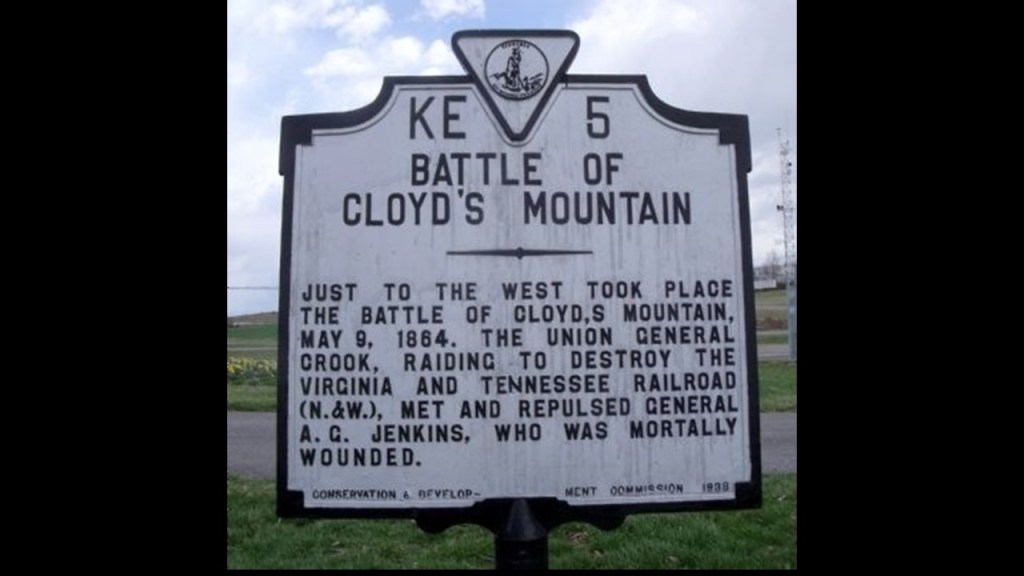
Interesting to note that the following year, on May 9th of 1864, Union troops under Brigadier General George Crook, successfully destroyed a large bridge across the New River on the Virginia and Tennessee Railroad during the Battle of Cloyd’s Mountain in southwestern Virginia, several more bridges along the railroad line and the depot at Dublin, Virginia.
This “victory” was said to sever one of the Confederacy’s last vital lifelines and only rail connection to Tennessee.
The last thing I would like to mention in the vicinity of the bogs of Cranberry Glades, there is a pattern of North-South-oriented, perfectly-straight parallel lines that are detectable in the landscape on Google Earth that Aaron had noticed and sent me this screenshot.
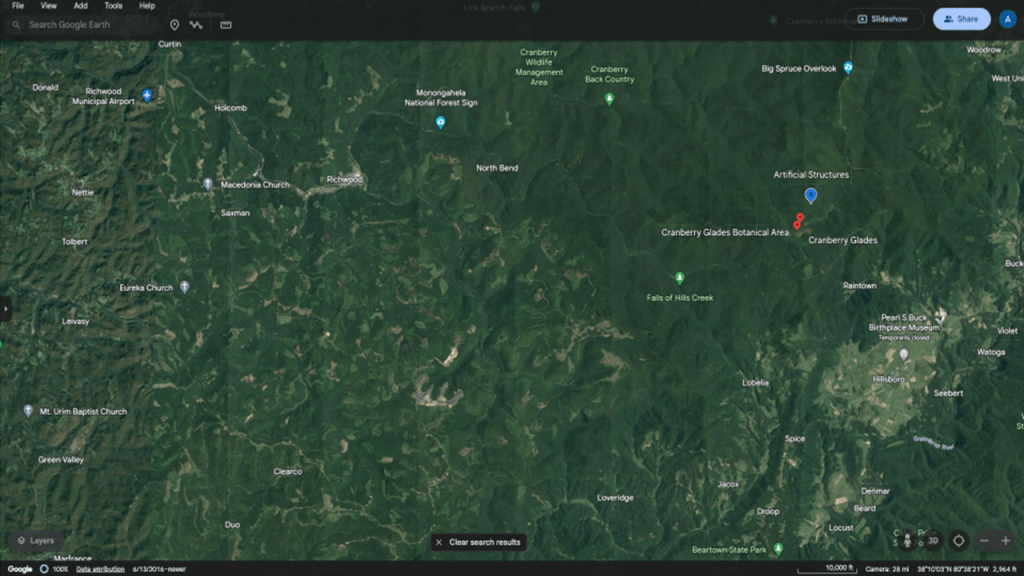
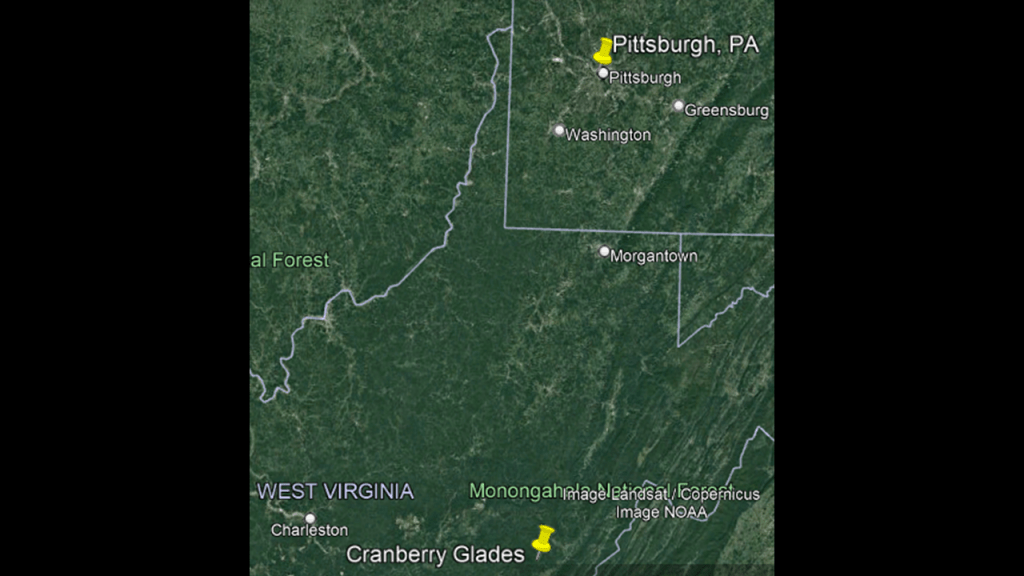
I followed the straight lines visible at Cranberry Glades northwards.

While not directly north of it, Pittsburgh isn’t far away from being due north of Cranberry Glades.
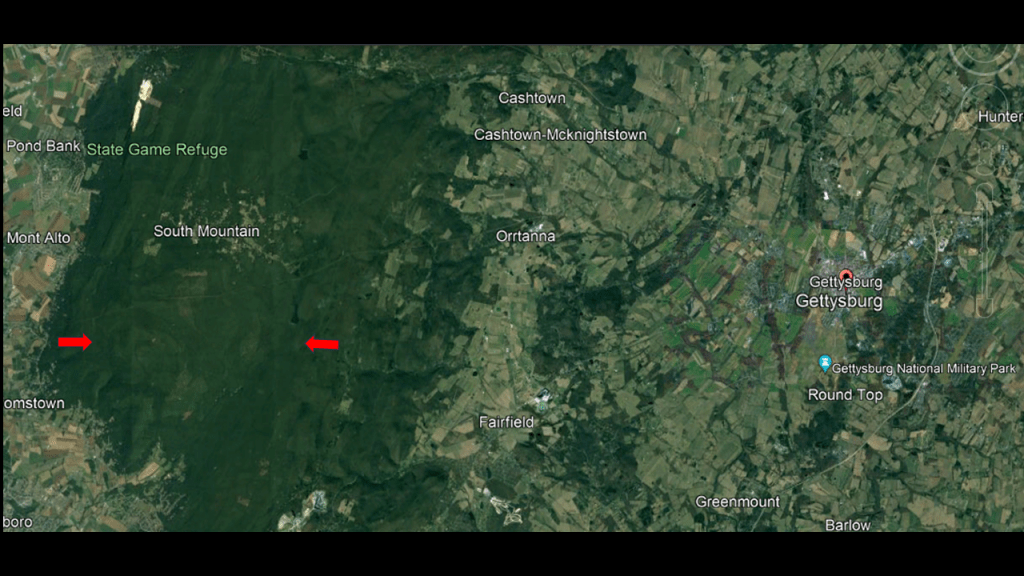
In addition, here’s a screenshot of the same kind of parallel lines appearing in the landscape west of Gettysburg that Aaron found, the historical location of a very famous Civil War Battle.
Could these massive parallel lines that are part of the landscape have been part of the Earth’s original energy grid system?
Now, I’m going to return to the area around the bog of Black Moshannon State Park and take another look there for the purposes of comparison to the area around Cranberry Glades.
Black Moshannon State park is 22-miles, or 35-kilometers, from State College, Pennsylvania, which is only a difference of 2-miles, or 4-kilometers, of the distance between the bogs at Cranberry Glades and the community of White Sulphur Springs, with its luxurious and exclusive Greenbrier Resort.
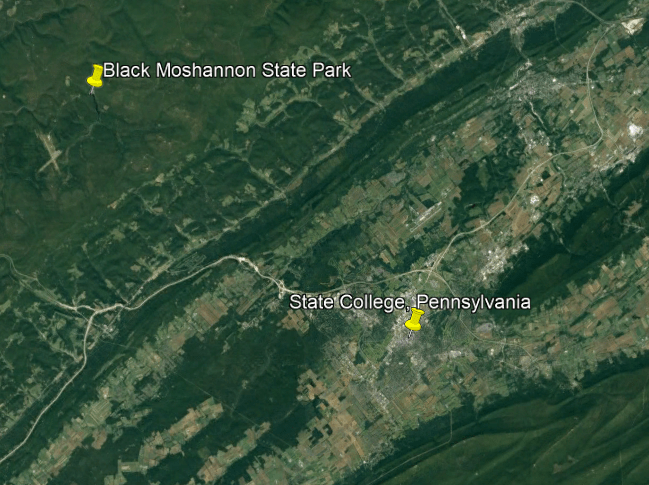
State College, Pennsylvania, is the home of Penn State University.
It is connected to Phillipsburg and Black Moshannon State Park via Pennsylvania U. S. Route 322.
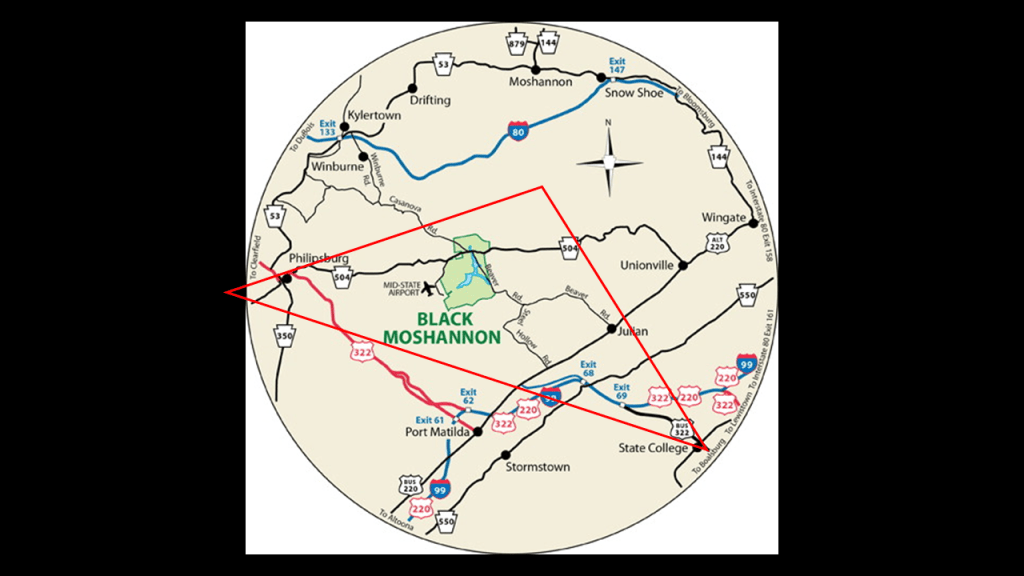
Penn State was founded in 1855 as the Farmers’ High School of Pennsylvania, and in 1863, it became the state’s first land-grant university.

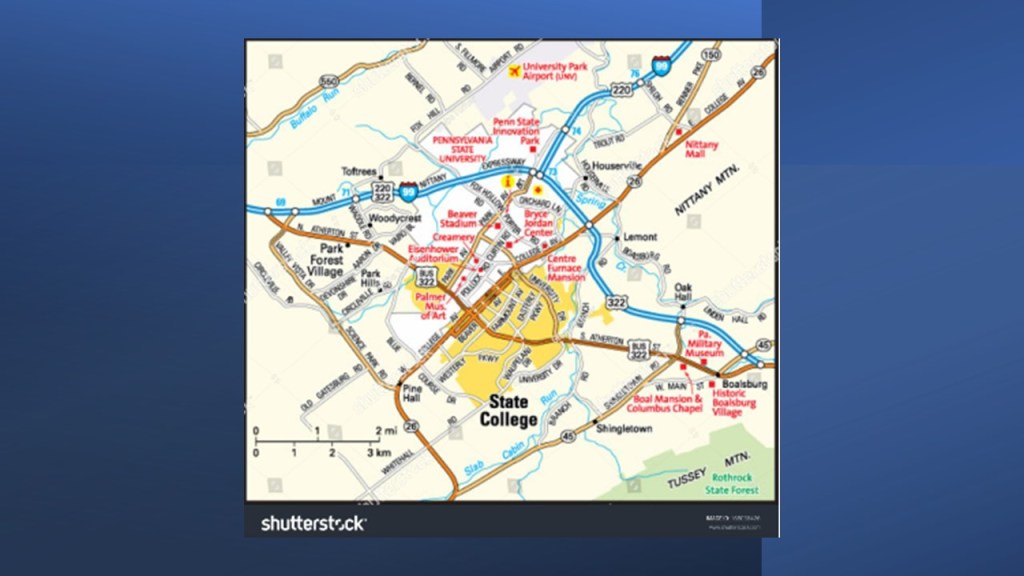
Besides U. S. Route 322, State College is surrounded by U. S. Route 220 (also part of I-99), and State Routes, like 550; 150; 45; and 26.
State College is also surrounded by s-shaped water courses, like Spring Creek, Buffalo Run, and Slab Cabin Run.
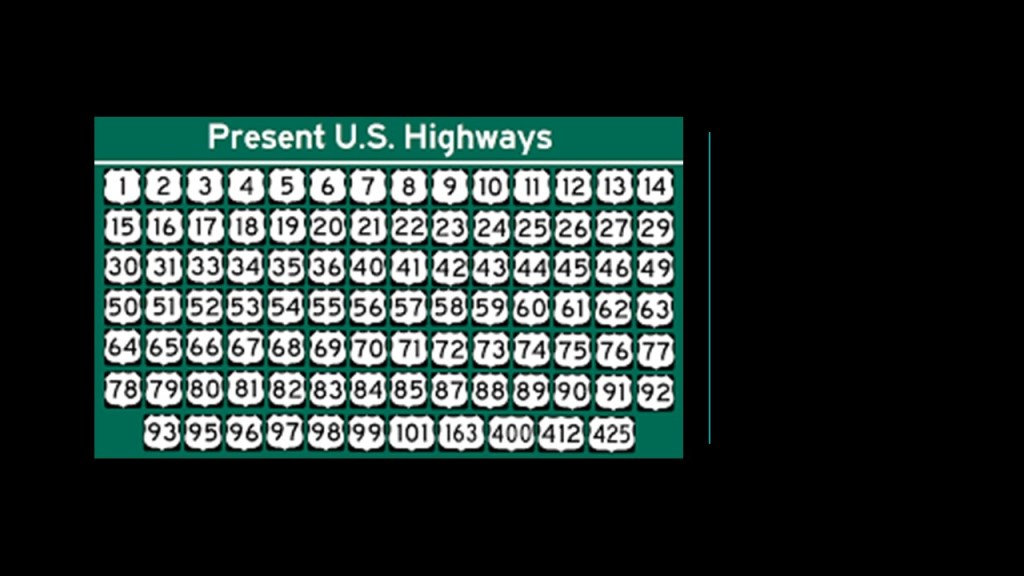
First a word about the United States Numbered Highway System, also known as the Federal Highway System.
It was actually called an “integrated network of roads and highways numbered within a nationwide grid across the contiguous United States.”
It was first approved in 1926.
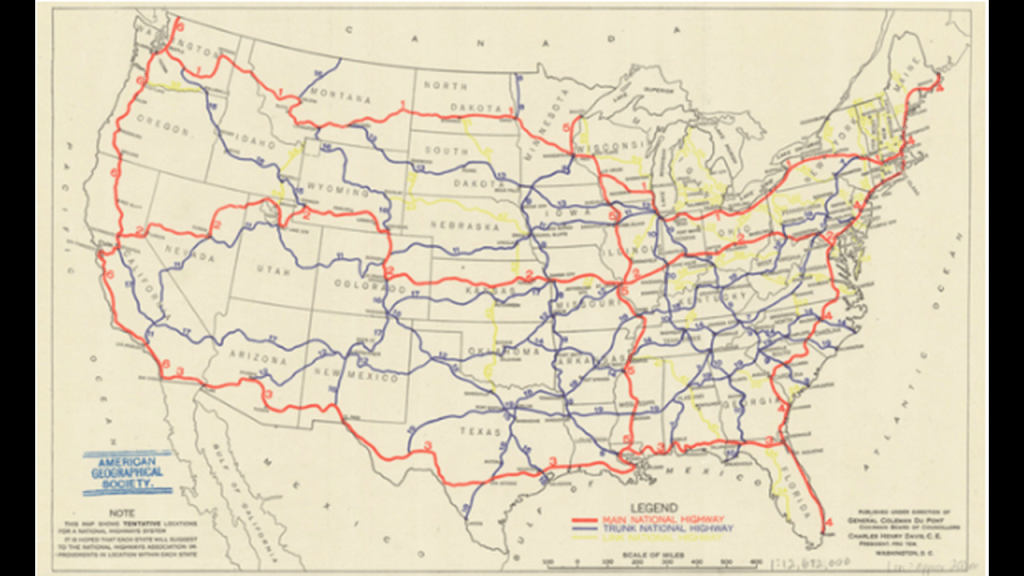
Drawn up in 1913, by the National Highway Association, thhe map was said to be the first proposed U. S. Highway Network map.
The red roads were delineated “Main” National Highways; the blue roads “Trunk” National Highways; and the yellow roads were “Link” National Highways to connect all the “Mains” and “Trunks.”
The Nation’s first Federal Highways would not be adopted until 1926, when the American Association of State Highway officials approved the first plans for the numbered highway system, with this section showing Texas, Oklahoma, Tennessee, Arkansas, Louisiana and Mississippi.
I have blue arrows pointinh to major cities that are the central point of at least five highways – Dallas, Texas; Tulsa, Oklahoma; Little Rock, Arkansas; Memphis, Tennessee; Nashville, Tennessee; and Birmingham, Alabama.
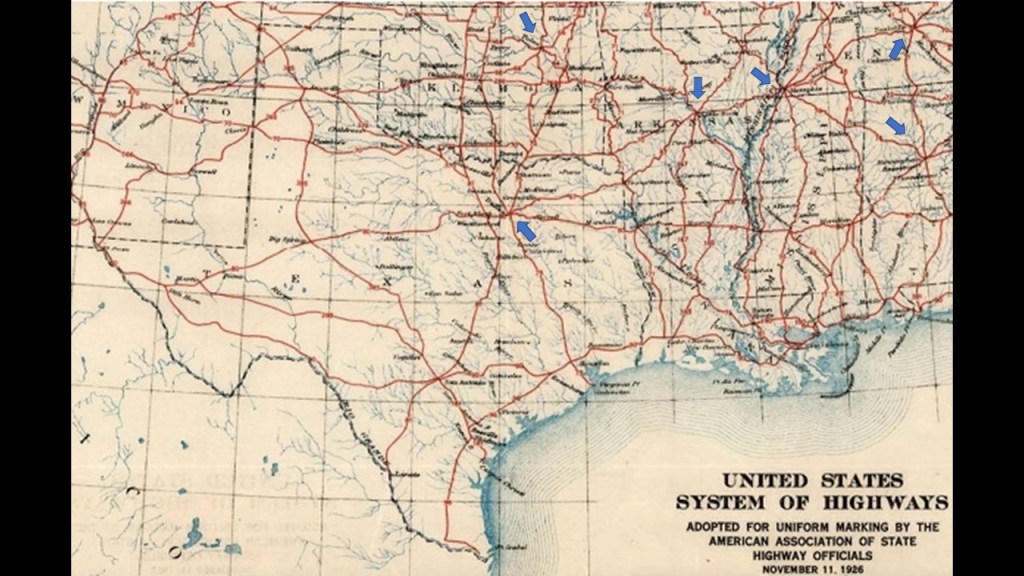
What we see happening with the highway system of certain cities being the central point of multiple highways, is also seen with rail-lines.
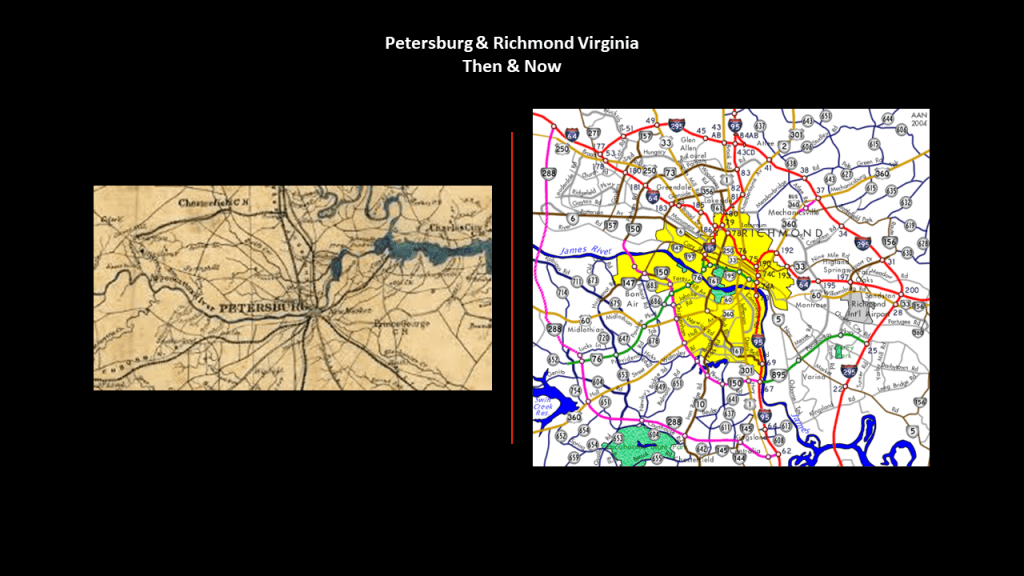
This Civil War era-example shows that Petersburg in Virginia, just south of Richmond, was a central point of multiple rail-lines emanating from it in all directions.
Petersburg was the focal point of the railroads that supplied Richmond during the Civil War, and was the primary target for the Union Army in Virginia from the last half of 1864 until April of 1865.

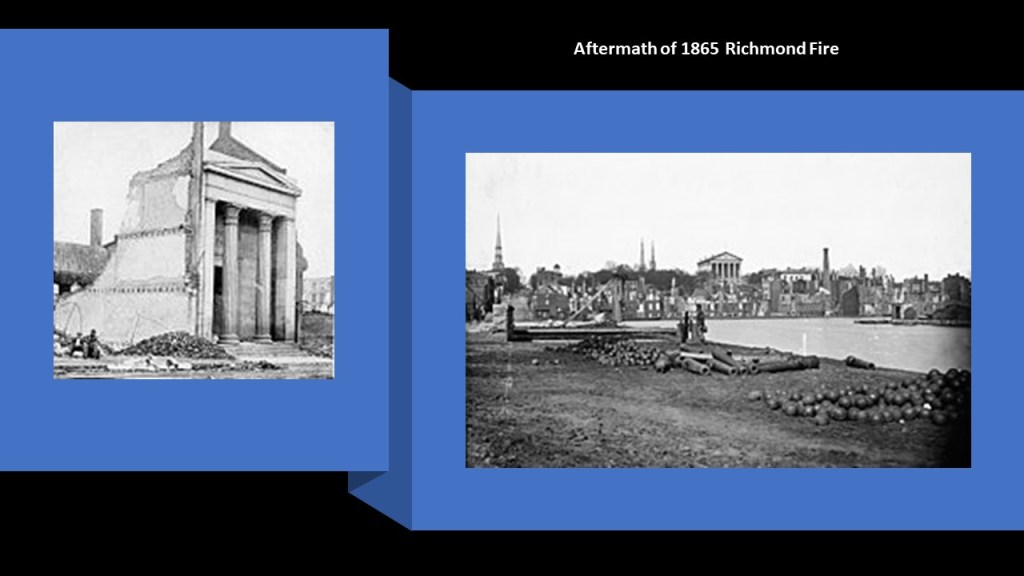
The third major Civil War fire was the April 2nd of 1865 Burning of Richmond, the capital of Virginia, and of the Confederate States of America.
Also known as the “Evacuation Fire,” and the “Fall of Richmond,” Richmond was set on fire on the night of April 2nd by Confederate forces after Confederate President Jefferson Davis was said to have ordered the burning of warehouses and bridges after Union General Ulysses S. Grant had taken nearby Petersburg.
This is a lithograph depicting it by Currier & Ives.

The huge classical temple-like building on the left was the Exchange Bank of Richmond, and said to have been damaged by the fire, and on the right is another view of Richmond and its State Capitol Building in the middle of the picture, as seen from above the Canal Basin in Richmond after the 1865 fire.
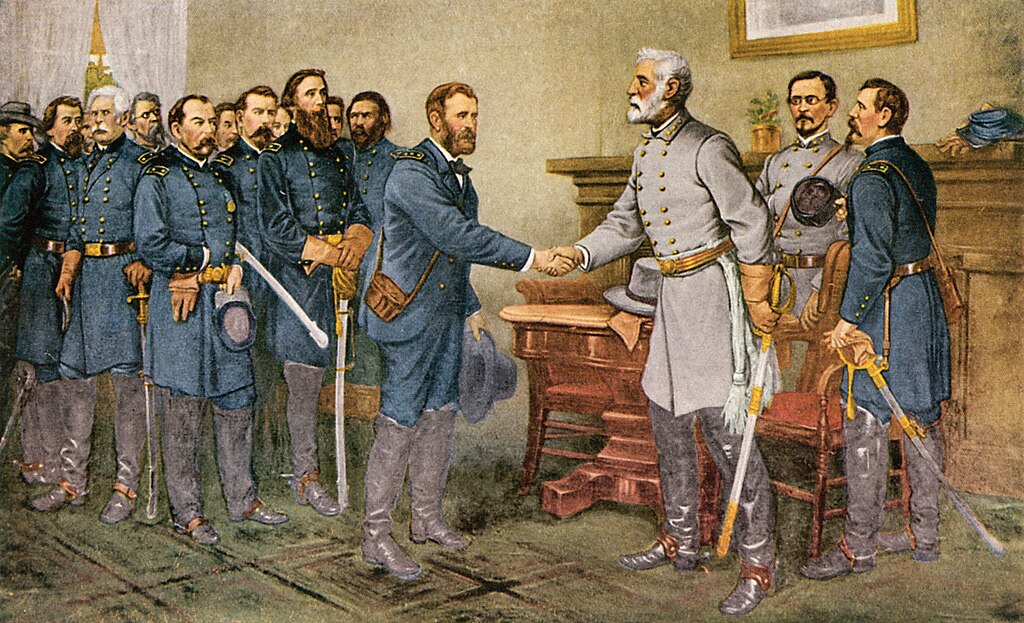
In our historical narrative, the Confederate General Robert E. Lee surrendered to General Grant days later, on April 9th of 1865, after his final defeat at the Battle of Appomattox Court House that same day.
There’s a very similar configuration between Petersburg Rail-lines of the Civil War-era, and the highways around Richmond and Petersburg today.
Two other major fires in history have come down to us as Acts of War during the American Civil War.
The first was the Burning of Atlanta, which we are told took place in 1864.
Atlanta was an important rail and commercial center at the time of the Civil War.
General Sherman and his Union Forces captured the city of Atlanta in September 2nd of 1864, and occupied from then until November of 1864.
He gave orders to destroy Atlanta as a transportation hub and as a war material manufacturing center, and in particular the railroad system and everything connected to it.
His orders were carried out destroying physical infrastructure, and on November 15th, everything that had been destroyed was set on-fire.
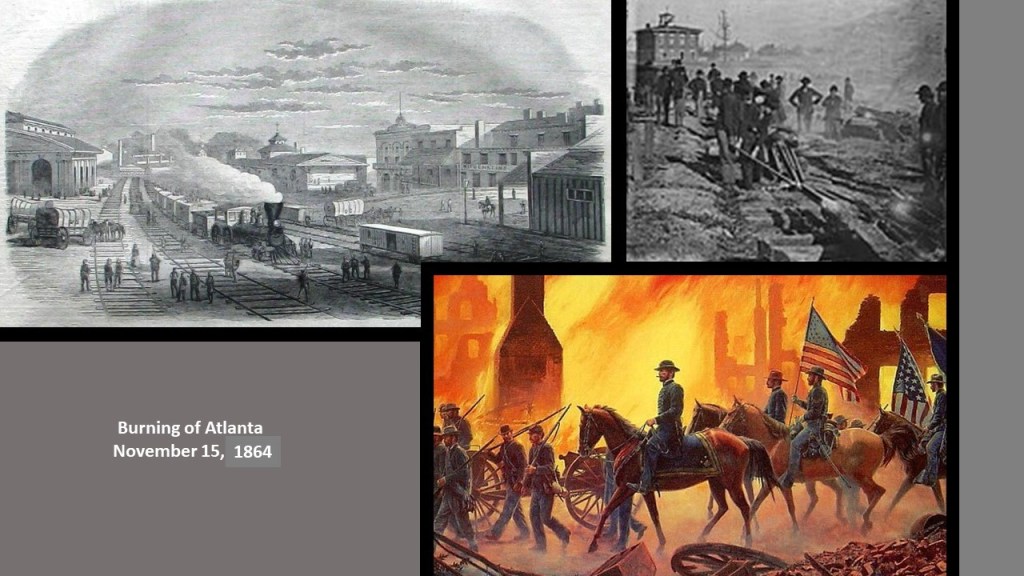
Like Petersburg/Richmond, Atlanta was a railway hub at the time of the Civil War, and is a highway hub today.
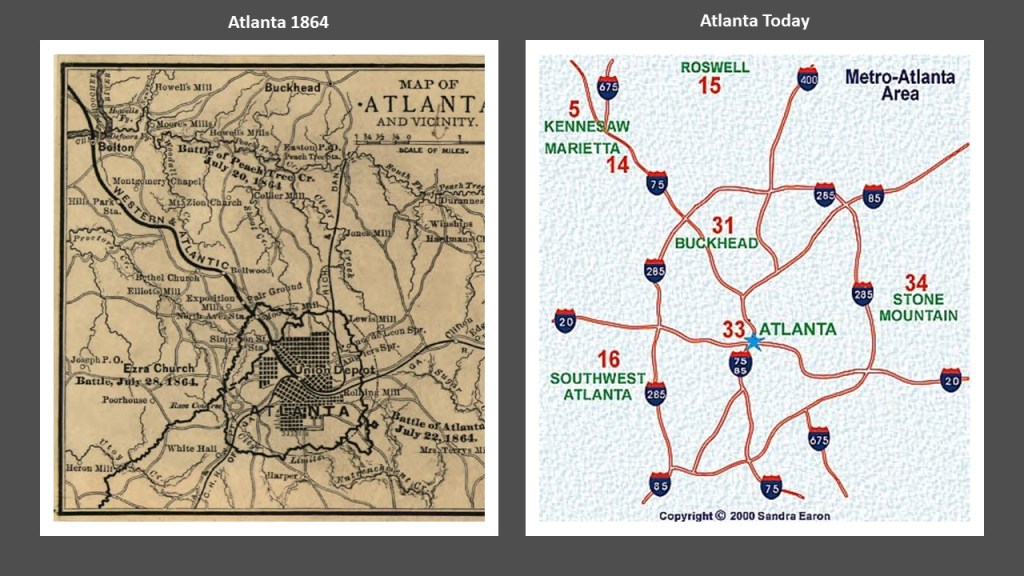
Then, Atlanta was burned down by General Sherman and his troops in November, the following February, Columbia, the capital of South Carolina and an important political and supply center for the Confederacy, was said to have surrendered to General Sherman on February 17th, 1865, after the Battle of Rivers’ Bridge.
On the same day, the fires started, burning much of Columbia, though there is disagreement between historian regarding whether or not the fires on that day were accidental or intentional, but on the following day, General Sherman’s forces destroyed anything of military value, including railroad depots, warehouses, arsenals, and machine shops.
Famous illustration of Columbia burning on the left, with a colorized version on the right that highlights more detail on the appearance of the burning buildings.
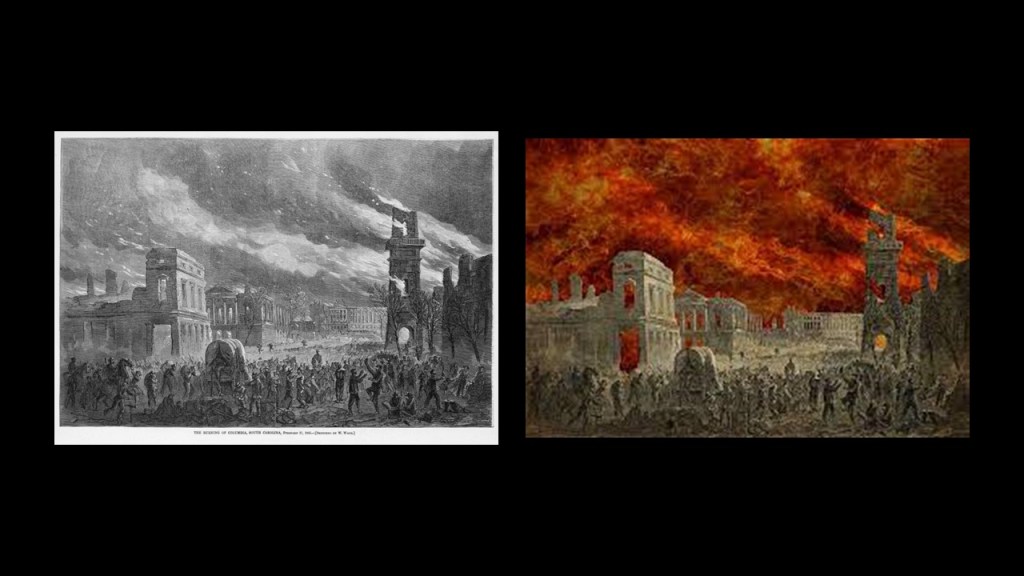
Like Petersburg/Richmond and Atlanta, Columbia was a transportation hub with regards to rail infrastructure, and a highway hub today.
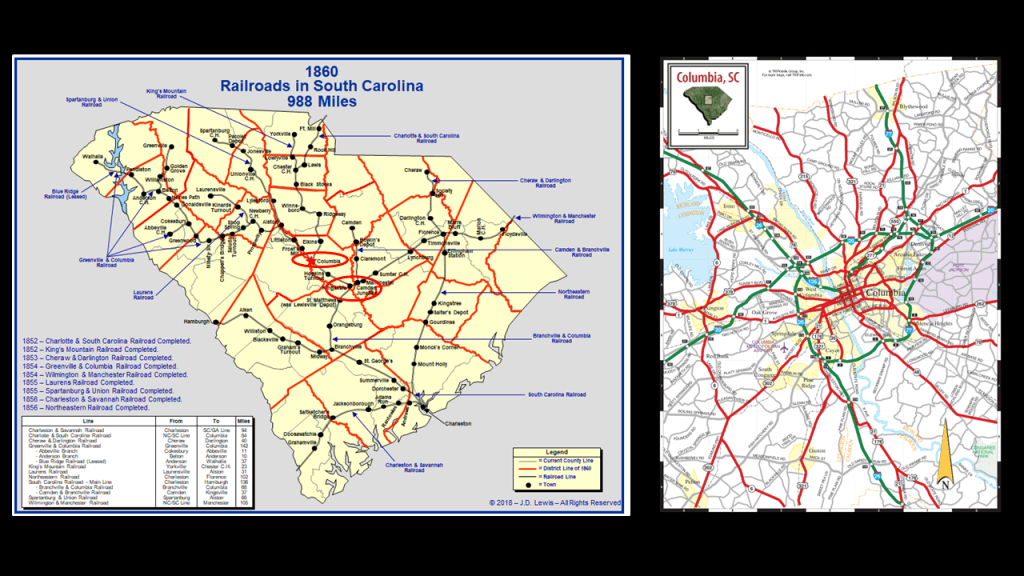
Back to State College in Pennsylvania.
As I mentioned previously, besides State and US Routes, State College is also surrounded by s-shaped water courses, like Spring Creek, Buffalo Run, and Slab Cabin Run.
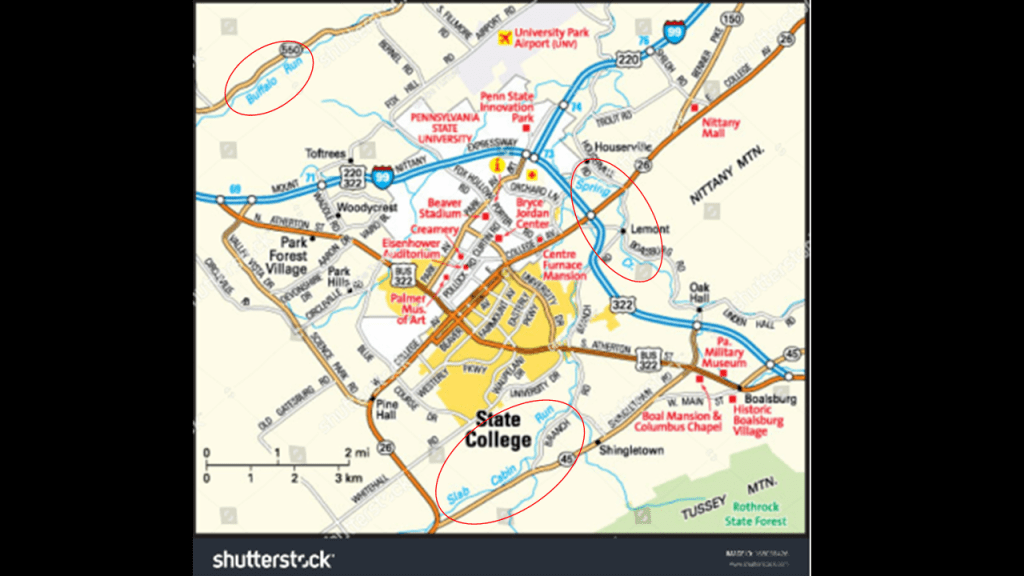
And, yes, there is a railroad history to be found in the area around State College too.
Whereas West Virginia was mined exhaustively for its coal, this part of Pennsylvania came to be mined exhaustively for its iron ore.
Andrew Carnegie had begun mining iron ore in Scotia in 1881 for his steel mills in Pittsburgh, and by 1887, we are told that a new era of iron-making in the Nittany Valley began, with the opening of the Nittany and Bellefonte Furnaces along Buffalo Run near its junction with Spring Creek, and three railroads that were said to have been constructed to haul the iron ore to them – the Bellefonte Central (BFC), Central Railroad (CRR) and Nittany Valley Railroad (NV).
By 1911 both of these furnaces had been shut-down.
By 1950, all the railroads that had once served the area, either for the iron-related industry or passenger service, including the Pennsylvania Railroad lines, circled in blue, were no longer in service.
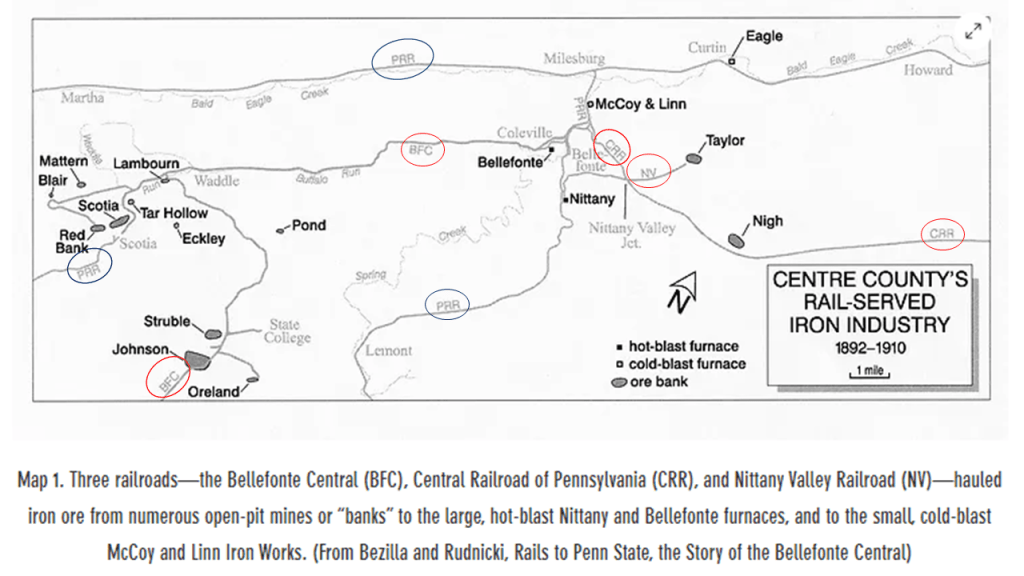
The only rail here that became operational again was a portion of the Bellefonte Central after the Bellefonte Historical Railroad was organized as an excursion line in 1985, and occasionally offers runs as a tourist attraction.

A couple of other things that I found looking around State College.
First, I looked to see if Penn State University has an underground tunnel system, and it does, though its origin seems mysterious for some reason.
We are told there is a system of tunnels said to have been built for maintenance purposes, and many of which are used today to generate steam to heat the Penn State sidewalks and keep them clear of snow in the wintertime, and other tunnels for other maintenance purposes.

Interesting to note that the Garfield Thomas Water Tunnel, the world’s largest water tunnel at the time it was built in cooperation with the Navy in 1949, is at Penn State, and for a long time was the largest circulating water tunnel in the world.

It is still one of the Navy’s principal experimental hydrodynamic research faciilities, and has been declared a historic mechanical engineering landmark.
Also, Penn State University lies at the foot of Mount Nittany.
Mount Nittany was said to have gotten its name from the Algonquin word “Nit-a-Nee,” meaning “Single Mountain.”

For the purposes of comparison for similarity, I recently found a different university with tunnels on a route near a single mountain.
In this photo of the Wake Forest University Campus, you can see the Wait Chapel building in a direct alignment with Pilot Mountain in the background.
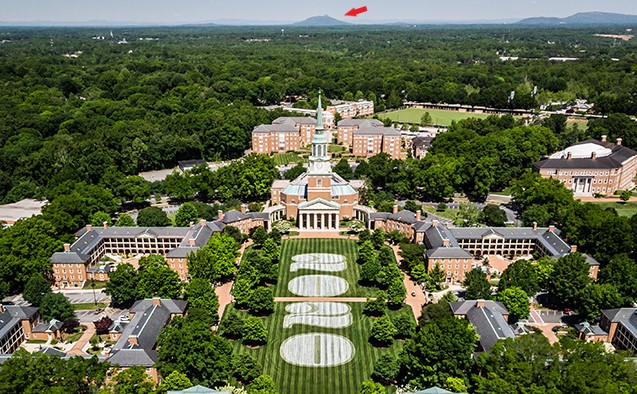
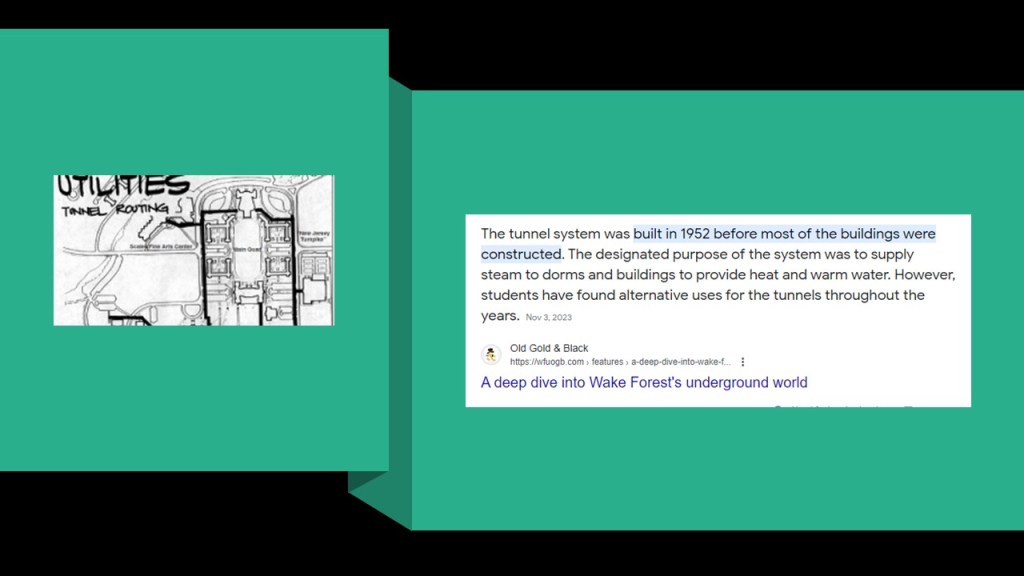
The tunnels at Wake Forest University were also said to have been built for heating and maintenance purposes. They have tours, but they are typically not open for public view.
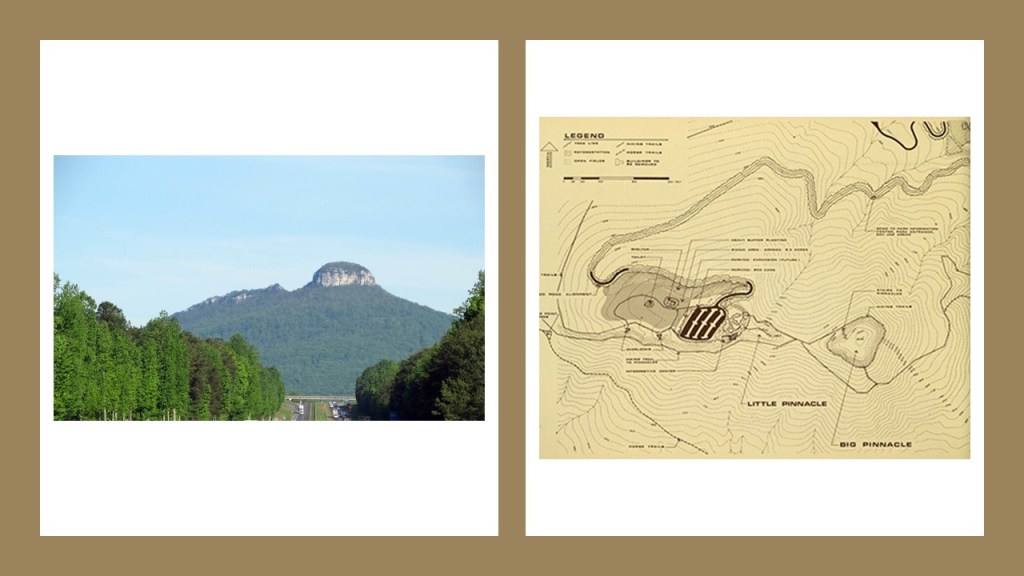
Pilot Mountain, which was just pictured in alignment with the Wait Chapel on the Wake Forest, is described as one of the most distinctive natural features in the State of North Carolina, with two distinctive features, one named “Big Pinnacle,” and the other “Little Pinnacle.”
It is seen here centered on U. S.. Route 52.
Peter Champoux has done incredible work on specific ley-lines in North America, and other continents as well, as seen on his website geometryofplace.com

He shows Pilot Mountain as a hub for ley-lines on the home page of his website, looking much like the cities we just saw that serve as transportation hubs for multiple rail-lines and/or highways.
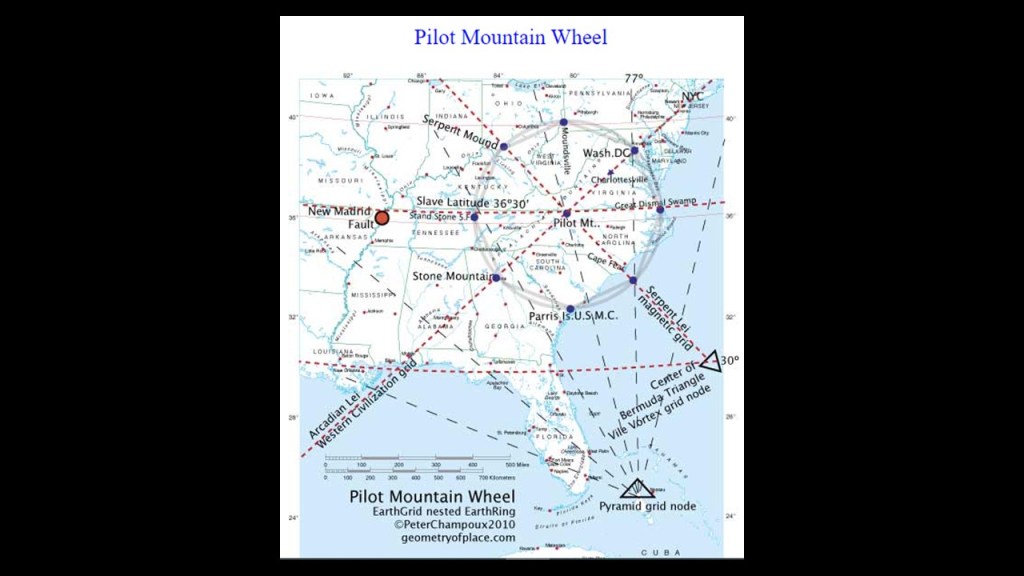
Not long ago, I researched places along the ley-line Peter identified as the “Serpent Lei.”
I started at the Bermuda Triangle, and ended at Lake Itasca in Minnesota, the headwaters of the Mississippi River.
In the process of doing the research of places along this ley-line, I learned about a lot of the things I have mentioned in this post, including this alignment between Wake Forest University and Pilot Mountain, among other things.
Pilot Mountain is described as a “Quartzite Monadnock.”
This translates to a “hard, metamorphic rock that was originally pure quartz sandstone that is an isolated rock hill, knob, ridge, or small mountain that rises abruptly from a gently sloping or virtually level surrounding plain.”
Here are some other examples of places classified as “Monadnocks.”
Besides Pilot Mountain on the top left, Harteigen in Norway is seen on the top right; Devil’s Tower in Wyoming on the bottom left; and Cooroora in Australia on the bottom right.
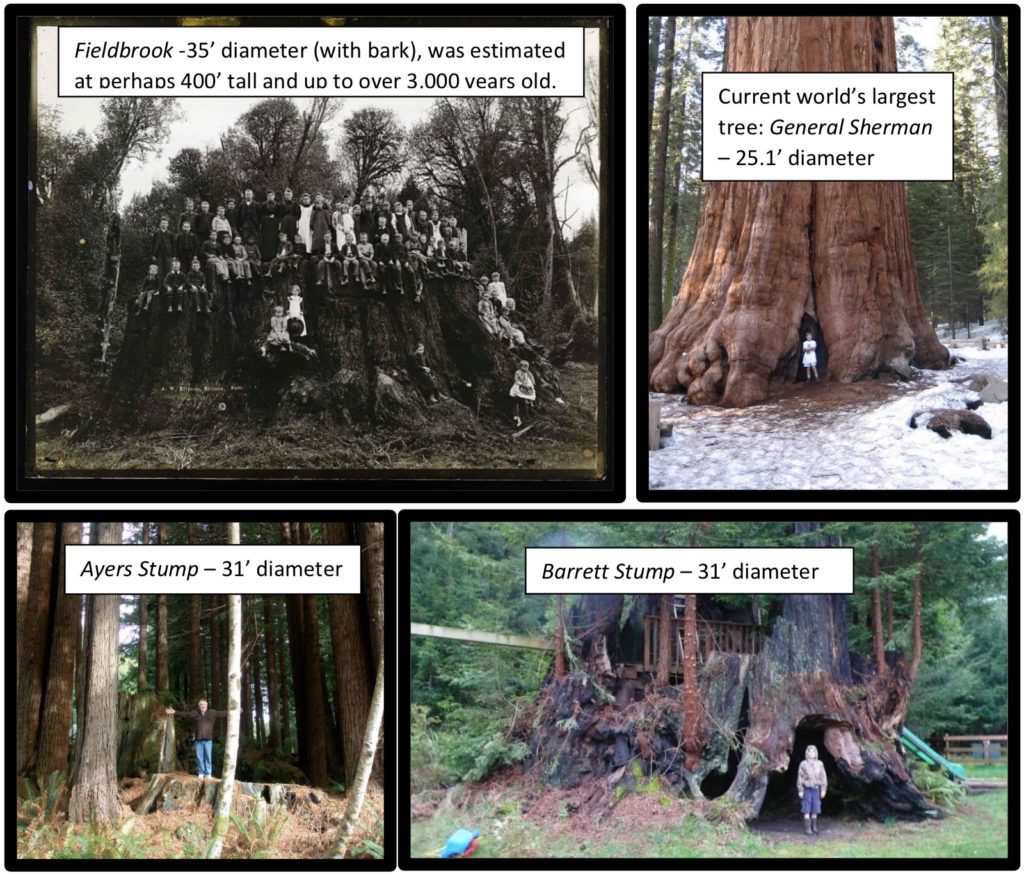
What if “Monadnock” is a word used to cover-up gigantic tree stumps?

Here are some examples of giant trees and stumps that are identified as such.
This is a view of Earth from space of the southern Appalachians on the left, in comparison with what an extensive tree root system looks like on the right.
More to come later in this post on the possible connection between the English word “root,” meaning the underground parts of a tree that anchor it,” and “route,” meaning “a particular way or direction between places, including a road or highway.”

So, Pilot Mountain State Park is on the western end of what are called the “Sauratown Mountains,” named after the Saura, or Cheraw People, the Siouan-speaking indigenous people who lived here before the arrival of Europeans.
They are described as an isolated mountain range, sometimes called “the mountains away from the mountains.”

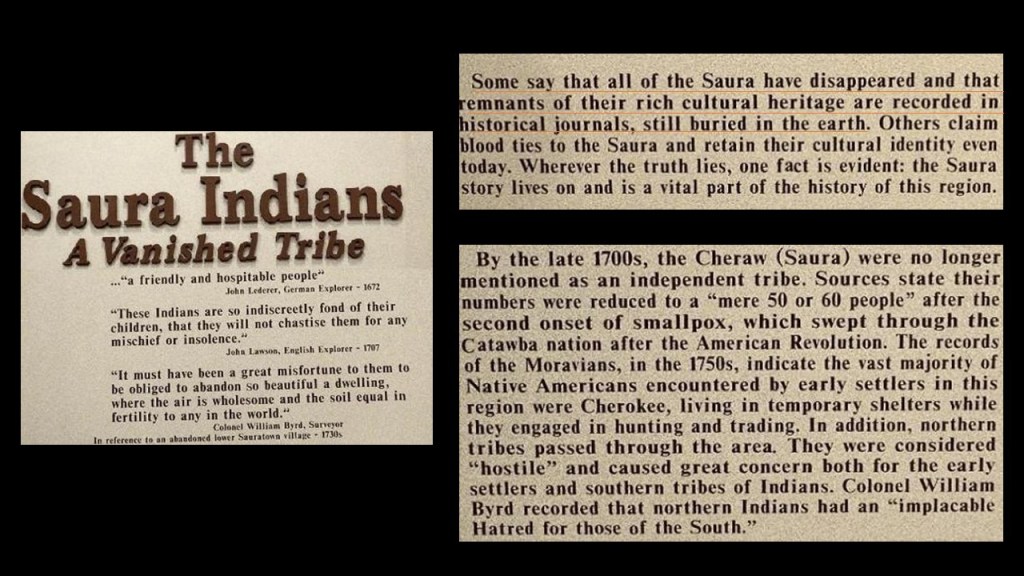
When I was looking up information about the Saura/Cheraw people, I found historical records mentioning a vanished tribe, and “remnants of their rich cultural heritage recorded in historical journals, still buried in the earth.”
I will come back to this finding later in this post.
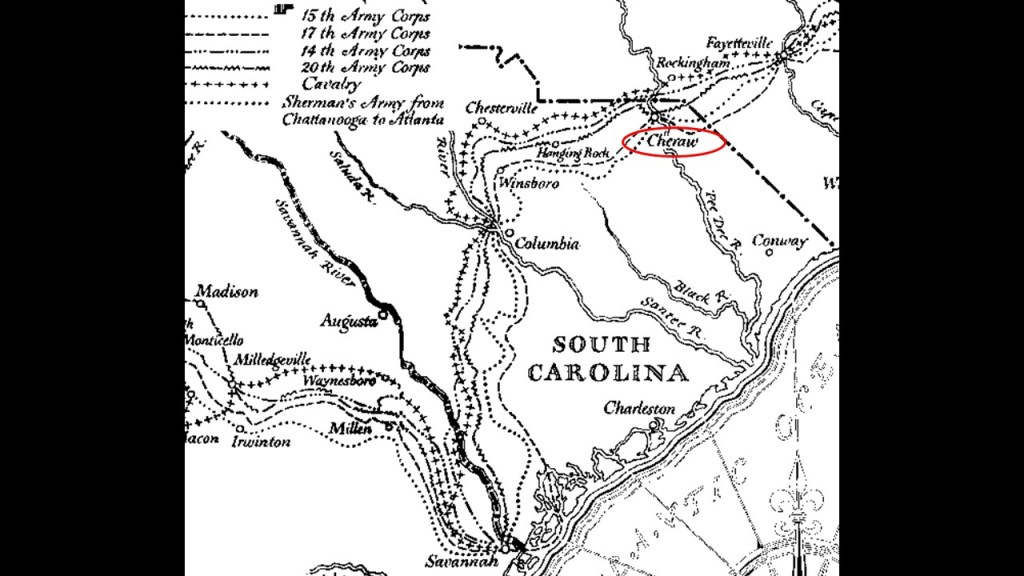
Interesting to note that I found this reference to a place called “Cheraw,” that still exists today, in this Civil War-related map of the movements of Sherman’s Army around Columbia, South Carolina, on the Pee Dee River that flows from the western North Carolina region of the Sauratown Mountains through today’s South Carolina on its way to the Atlantic Ocean.
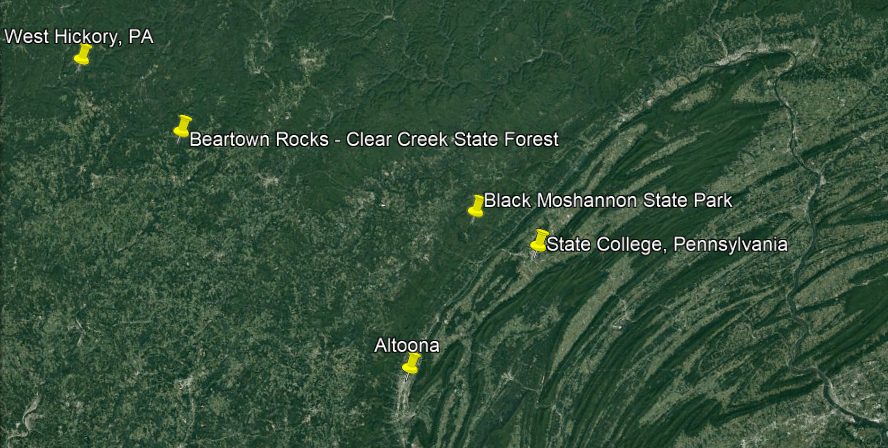
Now I am going to take a look at Altoona in Pennsylvania just down the road from State College.
Altoona is only 43-miles, or 70-kilometers southwest of State College.
Altoona was said to have been established by the Pennsylvania Railroad in 1849.
Aaron drew my attention to Altoona with information he sent me about the nearby “Horseshoe Curve.”
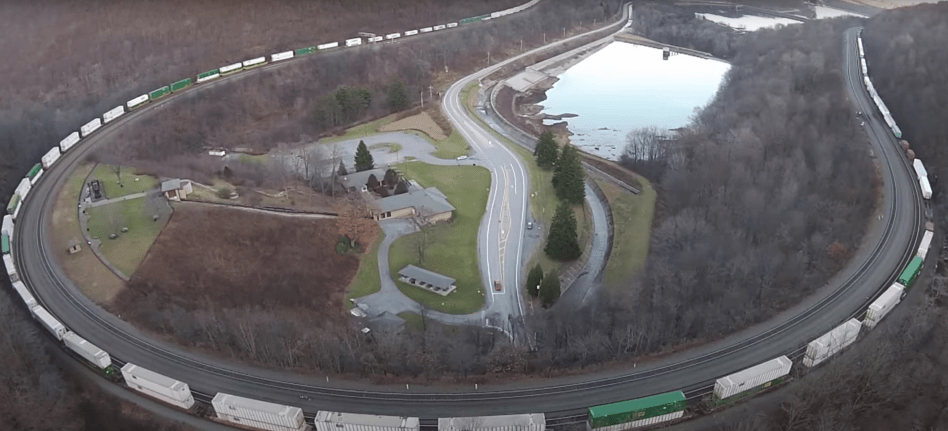
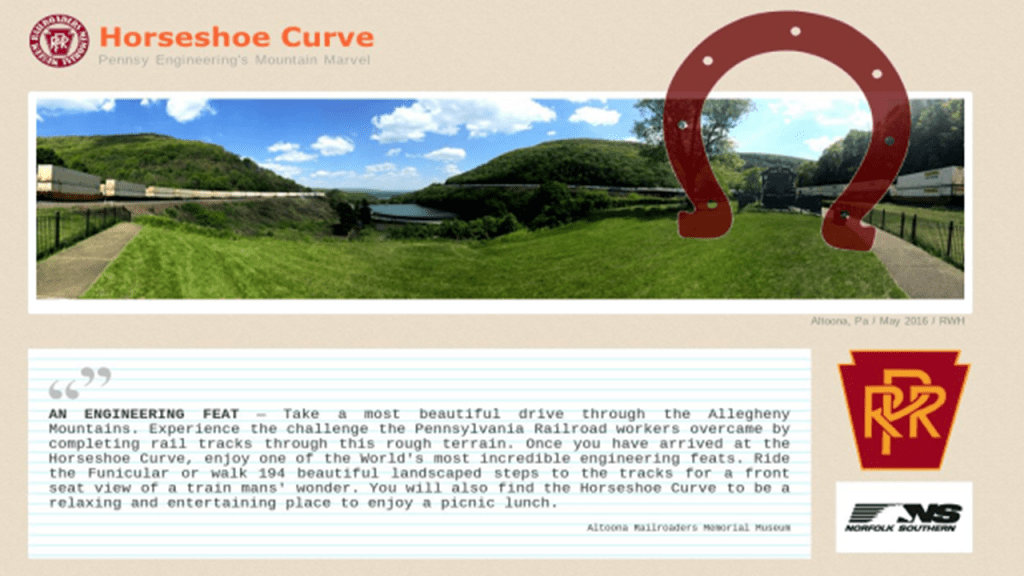
The “Horseshoe Curve” is a three-track railroad curve that is described as one of the world’s most incredible engineering feats, and was accomplished by the Pennsylvania Railroad in 1854 as a way to reduce the westbound grade to the summit of the Allegheny mountains.
It was said to have replaced the original Allegheny Portage Railroad, which was said to be the first railroad constructed through the Allegheny Mountains in 1834, and which was 36-miles, or 58-kilometers,-long, and connected to the Pennsylvania Canal, all of which was said to have been built as part of the transportation by the “Main Line of Public Works” that was mentioned at the beginning of this post after it was passed by the Pennsylvania Legislature in 1826.
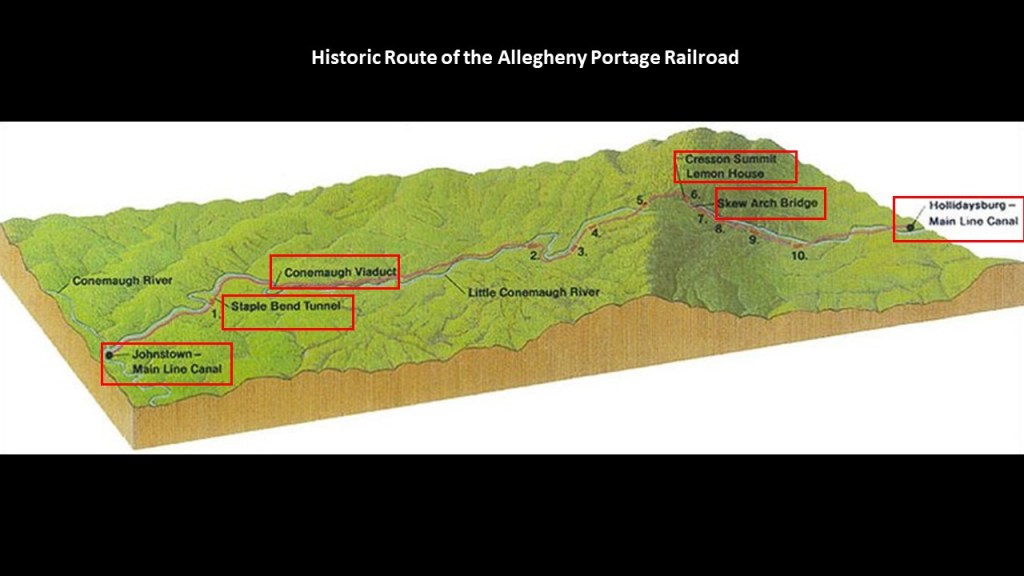
Considered a technological marvel in its day and critical to opening the way to commerce and settlement past the Appalachian Mountains, the original Allegheny Portage Railroad consisted of a series of five inclines on either side of the ridge-line from Blair Gap to Cresson Summit alongside what is called the Little Conemaugh River to where it meets the Conemaugh River at Johnstown.
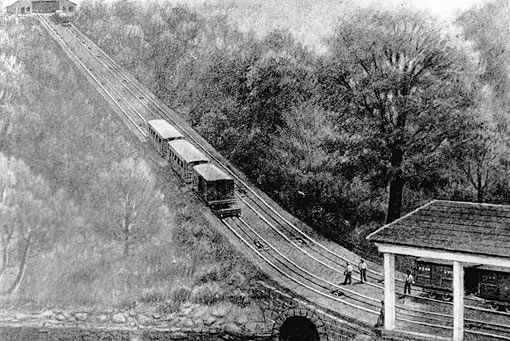
Interesting things to note that along the historic route of the Allegheny Portage Railroad are as follows:
After leaving the main canal location of Hollidaysburg and going up towards Cresson Summit, we first come to the lopsided-looking “Skew Arch Bridge,” called the “only purposefully built bridge on the Portage” and crossed over the railway.
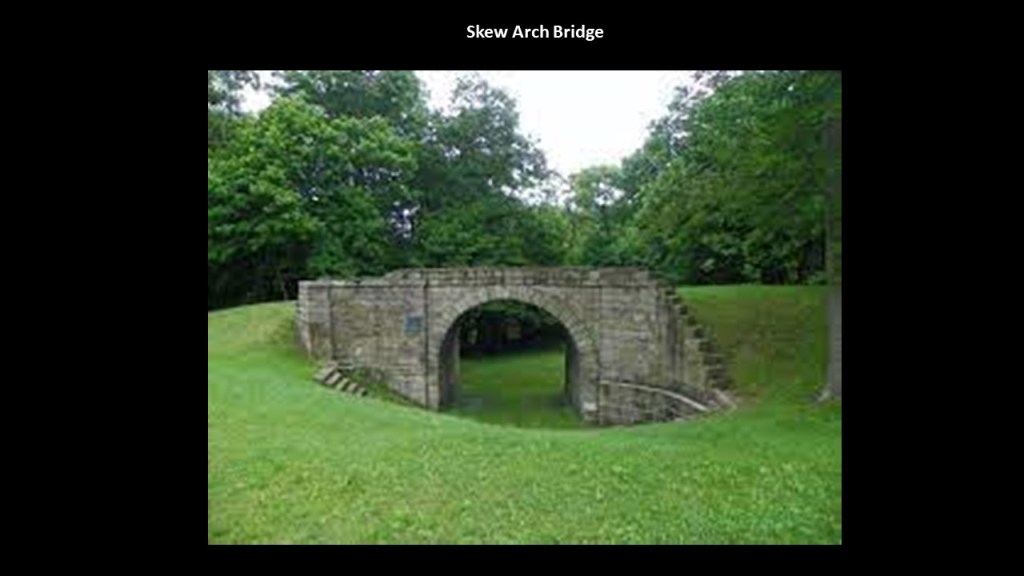
The “Skew Arch Bridge” was said to have been built in the 1830s, and was also part of the early road system, said to have gotten its name for its shape when it was being built from a bend in the “Huntington, Cambria, and Indiana Turnpike” which was said to have been first authorized in 1810.

Today, the “Skew Arch Bridge” is preserved in the middle of “Old U. S. Route 22” and the new “U. S. Route 22.”
U. S. Route 22 is an East-West Numbered Highway from 1926 that runs from Cincinnati in Ohio to Newark in New Jersey, and passes through West Virginia and Pennsylvania on the way.
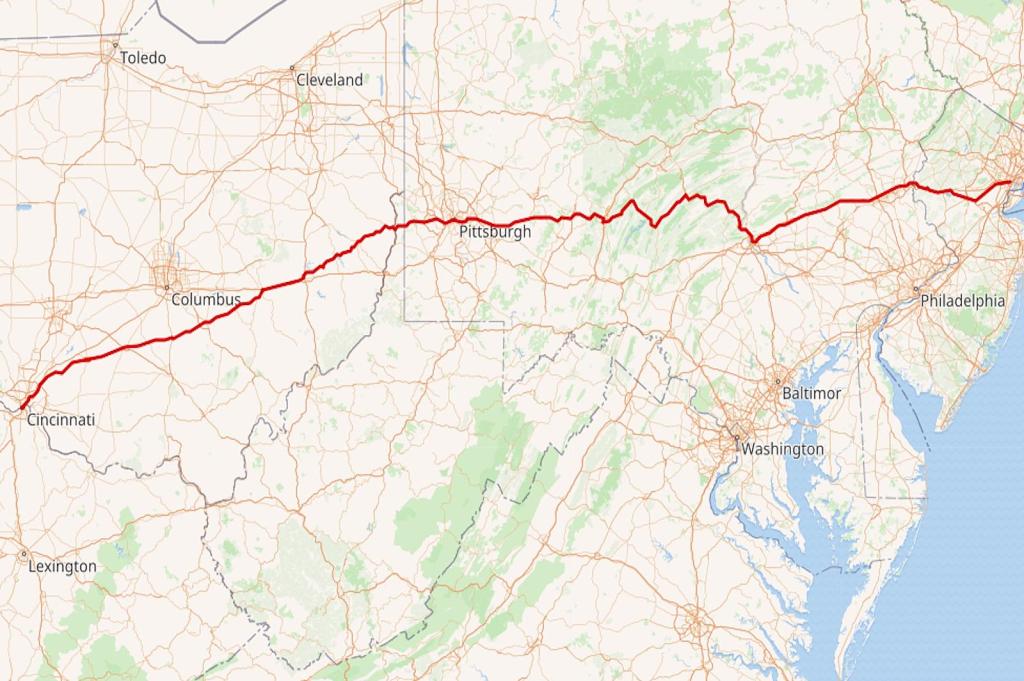
In Pennsylvania, U. S. 22 follows the route of the historic William Penn Highway, which was officially dedicated on November 15th of 1916, that ran parallel to the Pennsylvania Railroad through most of Pennsylvania.
First established in 1846, at its peak in 1882 , the Pennsylvania Railroad was the largest railroad, transportation enterprise, and corporation in the world.
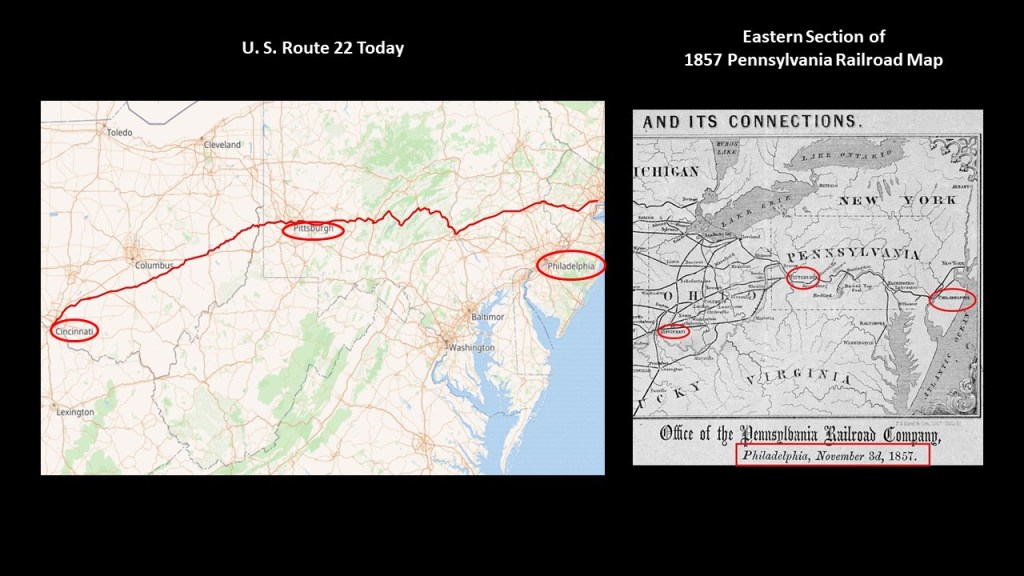
This map of the extent of the Pennsylvania Railroad was dated November 3rd of 1857, which would have been four-years before the start of the American Civil War.

But seeing a side-by-side comparison of these two maps, it certainly appears as though most of US-22 is on or right next to what used to be the main railroad line for the Pennsylvania Railroad.
The next landmark n the Allegheny Portage Railroad’s journey through the Allegheny Mountains is the summit at Cresson, a borough (which in Pennsylvania is a municipal entity like a town or small city) on top of the Eastern Continental Divide.
US Route 22 is one of the highways that accesses Cresson.
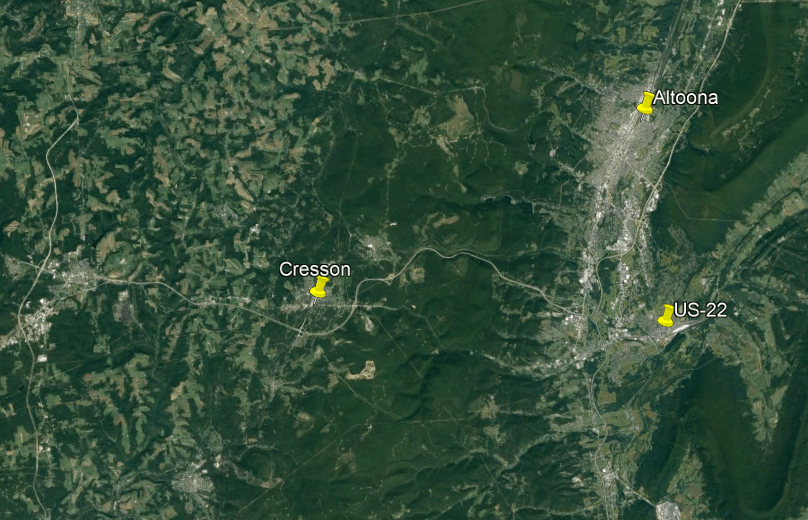
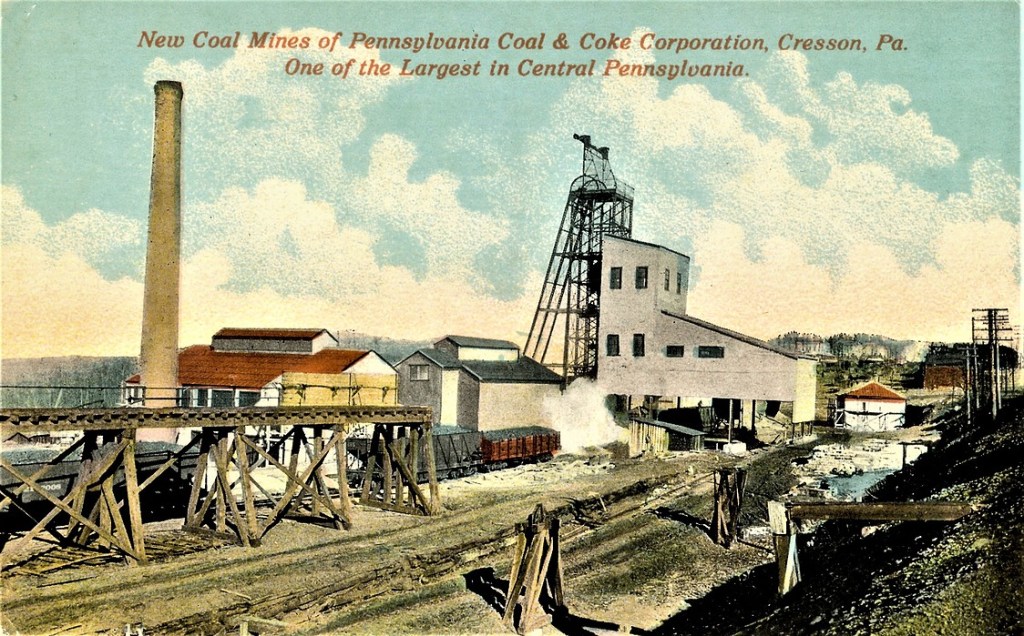
Back in the industrial heyday of the late 19th-century and early 20th-century, there were lumber, coal and coke-yard industries located here.
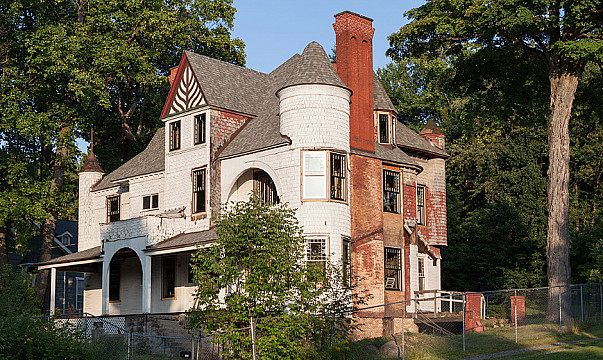
Wealthy Pittsburgh businessmen like Andrew Carnegie, Henry Clay Frick and Charles Schwab, all connected to each other through the steel industry, had summer residences here, like Carnegie’s Braemar Cottage in Cresson.
Andrew Carnegie was a Scottish immigrant to America, who came to Pittsburgh in 1848 with his parents at the age of 12, got his start as a telegrapher, and who by the 1860s, had investments in such things as railroads, bridges and oil derricks, and ultimately worked his way into being a major player in Pittsburgh’s steel industry.
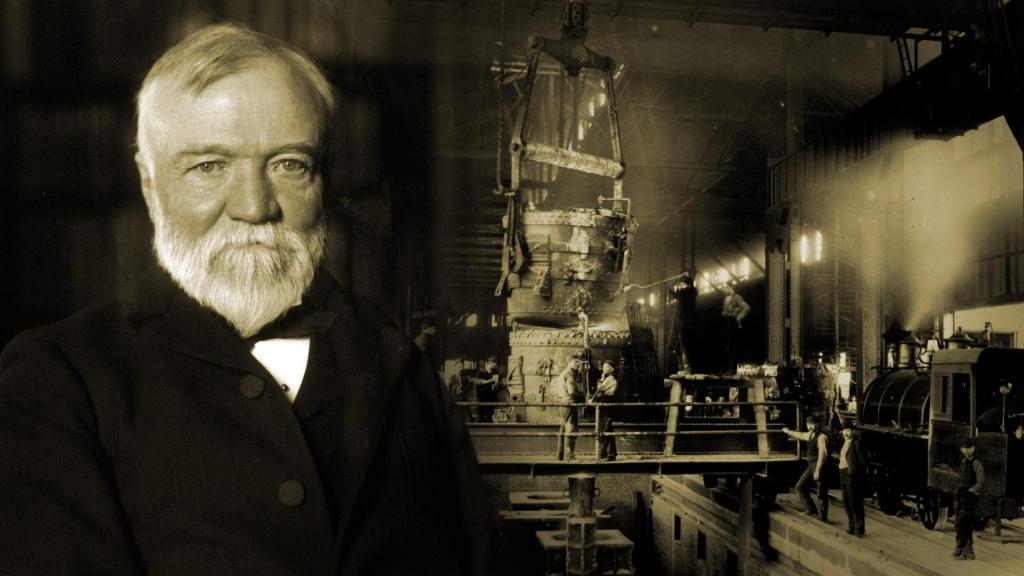
I couldn’t find a picture of Andrew Carnegie as a freemason, but I could find a reference to him being a “famous freemason” on a masonic website.

His first steel mill was operational by 1874, the Edgar Thomson Steel Works, named after the President of the Pennsylvania Railroad, with his partners, one of whom was Henry Clay Frick, the owner of a coke manufacturing company, a product used in making steel.

They subsequently acquired other steel mills, and in 1892, the Carnegie Steel Company was formed, of which Henry Clay Frick became chairman. and in 1897, Charles M. Schwab, who had gotten his start as an engineer at the Edgar Thomson Steel Works, became President of the Carnegie Steel Company in 1897.
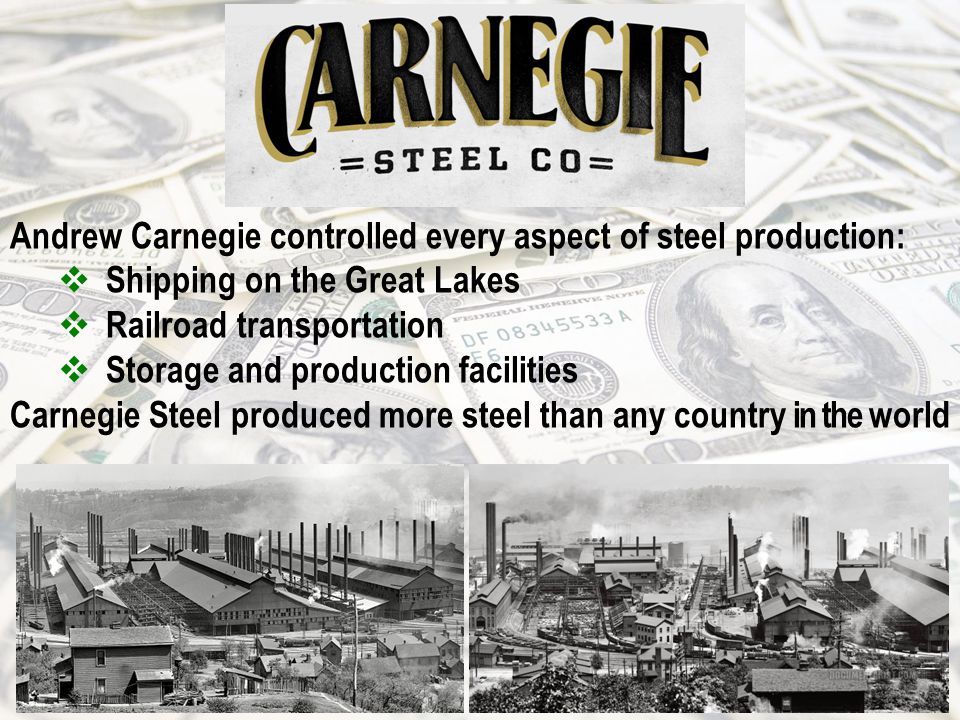
In 1901, Charles M. Schwab helped negotiate the sale of Carnegie Steel with a merger involving it with Elbert Gary’s Federal Steel Company, and William Henry Moore’s National Steel Company in 1901 to a group of New York City Financiers led by J. P. Morgan.
After the sale of Carnegie Steel, Andrew Carnegie surpassed John D. Rockefeller as the richest American of the time, and Charles M. Schwab became the first President of the newly minted U. S. Steel Company.

Now back to Cresson.
Cresson was known for its therapeutic mineral springs, and we are told that in 1881, the Pennsylvania Railroad opened the Mountain House Resort Hotel.
Carnegie’s Braemar Cottage is still standing on the 400-acre property, which had 32-lots for private-cottages.

Alas for the Mountain House Resort Hotel and Cresson Springs, just like canals falling by the wayside for railroads, and railroads the same for automobiles, America’s appetite for “mountain” or “inland” resorts began to decline in favor of beach resorts.
The Mountain House Resort Hotel had ceased operations by the early 1900s, and in 1916, it was completely razed to the ground, and the original hotel building was gone.

Interesting to note, that unlike the luxurious Mountain House Resort Hotel that got razed to the ground, the likewise spacious building of the former Cresson Sanitorium and Prison is still-standing, albeit in pretty rough shape these days!
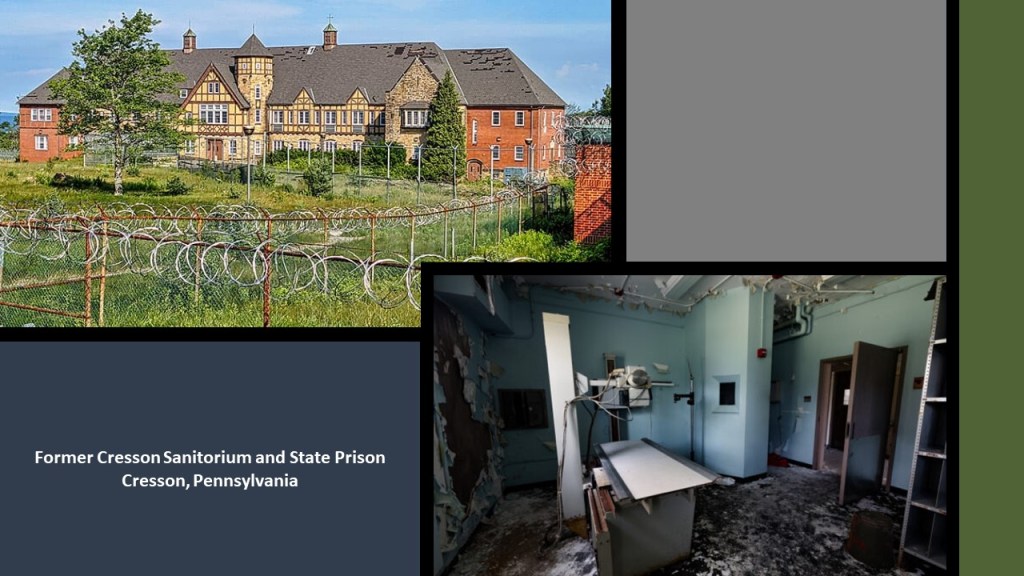
This is what we are told.
Cresson Sanitorium was built on land that was donated by Andrew Carnegie in 1910, and first opened in 1913 in order to provide hospital and long-term care facilities for individuals and families with tuberculosis and other health conditions.
In 1956, it was incorporated into the Lawrence F. Flick State Hospital for people with mental illness.
In 1983, it was converted to a State Correctional Facility, and operated as such for the next 30-years, until its final closure in 2013.
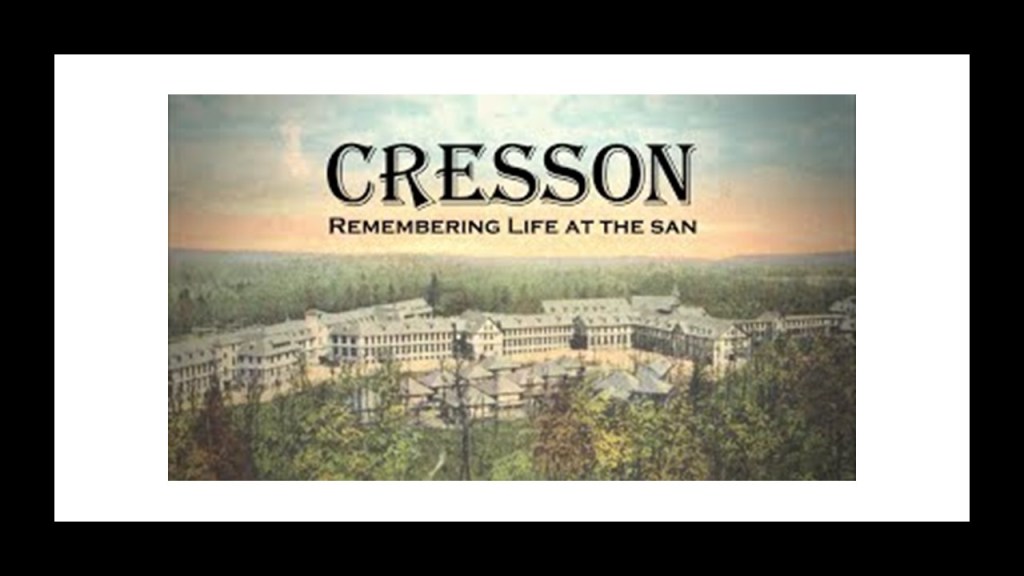
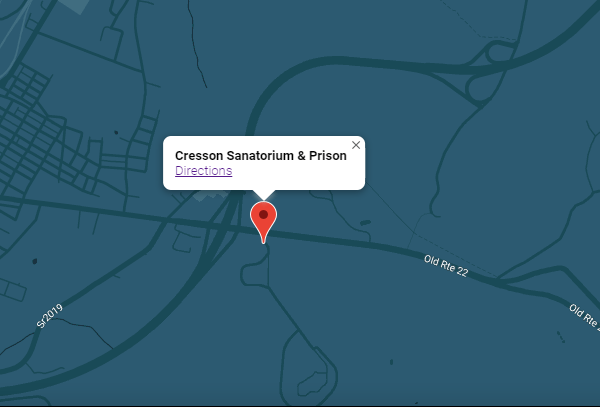
The building is located on Old Route 22.
The former sanitorium and prison has been operating as a tourist attraction, but is closed pending outcome of a legal battle and hoping to reopen.
This site is known for its paranormal activity of the ghostly sort.
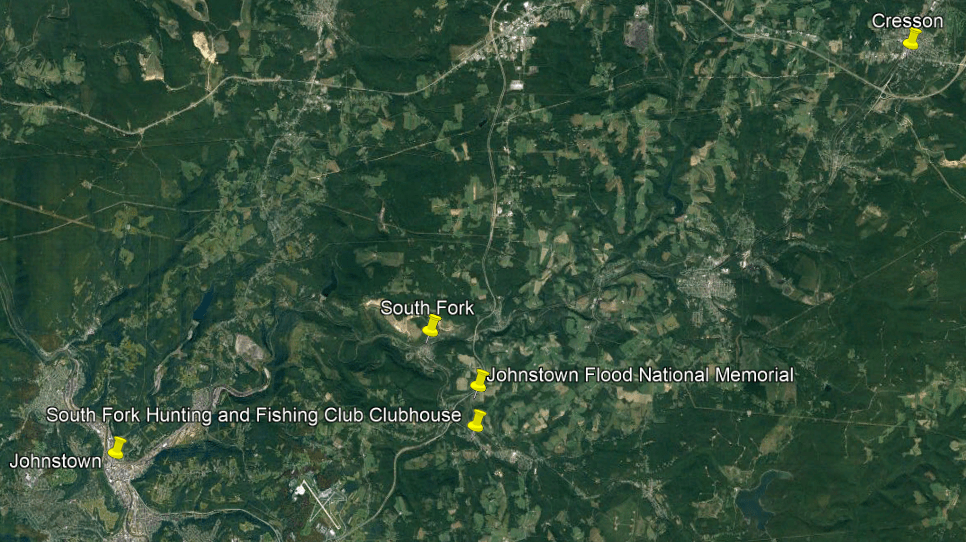
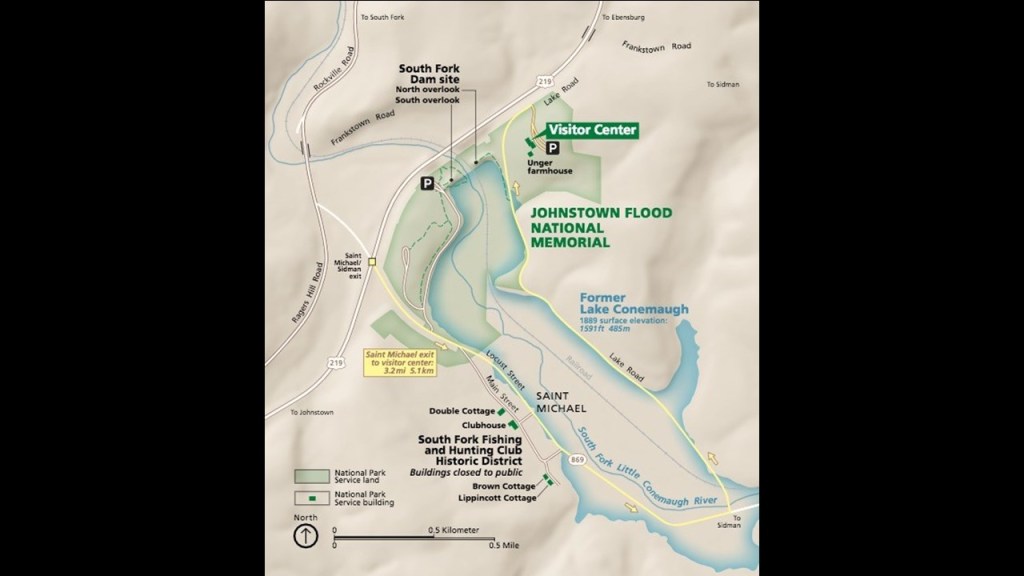
After the former Allegheny Portage Railroad left the summit at Cresson, on its downward descent in elevation into Johnstown, along the Little Conemaugh River, we come to South Fork of the Little Conemaugh River and what was the former location of the South Fork Dam.
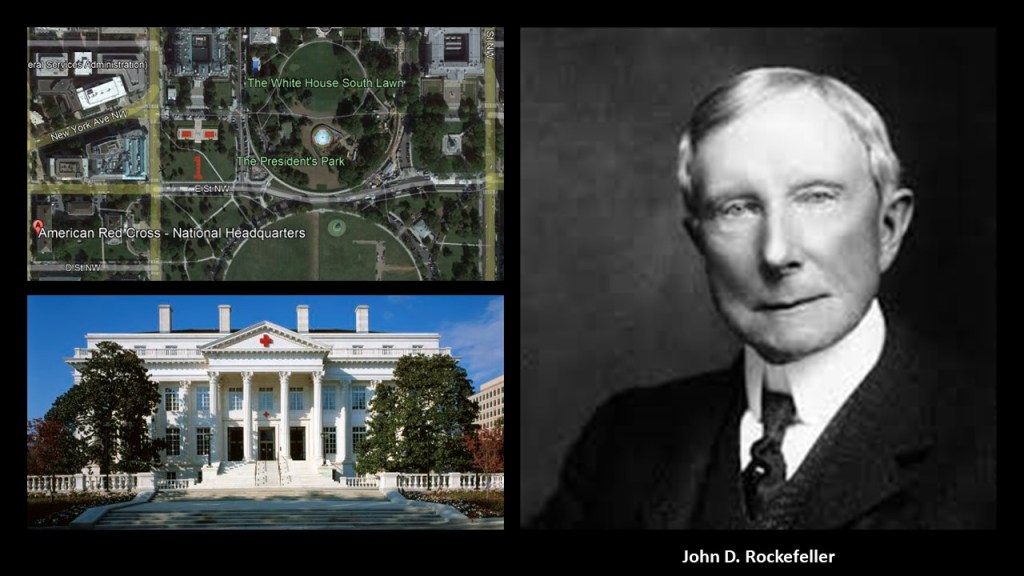
The famous Johnstown Flood on May 31st of 1889, the worst flood in the United States in the 19th-century, was caused by the catastrophic failure of the South Fork Dam, and was the second major disaster the American Red Cross responded to, after the Michigan Thumb Fire, which started on September 5th of 1881, with hurricane-force winds and hot and dry conditions this was less than four months after the establishment of the American Red Cross in May of 1881.
John D. Rockefeller was amongst several that donated to create a national headquarters for the American Red Cross near the White House in Washington, DC, said to have been built between 1915 and 1917.
The South Fork Dam was said to have been an earthwork built between 1838 and 1853 as part of a canal system as a reservoir for a canal basin in Johnstown by the Commonwealth of Pennsylvania.
But then, after spending 15-years building the dam, it was abandoned by the Commonwealth, and sold to the Pennsylvania Railroad, who turned around and sold it to private interests.

In 1881, speculators had bought the abandoned reservoir and built a clubhouse called the South Fork Fishing and Hunting Club and cottages, turning it into an exclusive retreat for 61 steel and coal financiers from Pittsburgh, including Andrew Carnegie, Henry Clay Frick, Andrew Mellon, Philander Knox, John Leishman, and Daniel Johnson Morrell.
The South Fork Fishing and Hunting Club was a Pennsylvania Corporation and owned the South Fork Dam.
Henry Clay Frick was a founding member of the South Fork Fishing and Hunting Club, and was actually said to have been largely responsible for the alterations to the South Fork Dam that led to its failure.

Interesting to note that I did find this reference on the website of the Pleasant Valley Masonic Center in Connellsville, Pennsylvania, that Henry Clay Frick was a freemason in its King Solomon’s Lodge #346 from 1872 to 1877 , at which time he resigned as an active mason, but from what this entry says, his masonic lodge continued to enjoy the benefits of his generosity long afterwards, as well as that of his daughter.

What we are told is that the South Fork Dam failed after days of unusually heavy rain, and 14.3-million-tons of water from the reservoir of Lake Conemaugh devastated the South Fork Valley, including Johnstown 12-miles, or 19-kilometers, downstream from the dam, killing an estimated 2,209 people and causing $17-million in damages in 1889, which be $490-million in 2020.

Though there were years of claims and litigation, the elite and wealthy members of the South Fork Fishing and Hunting Club were never found liable for damages.
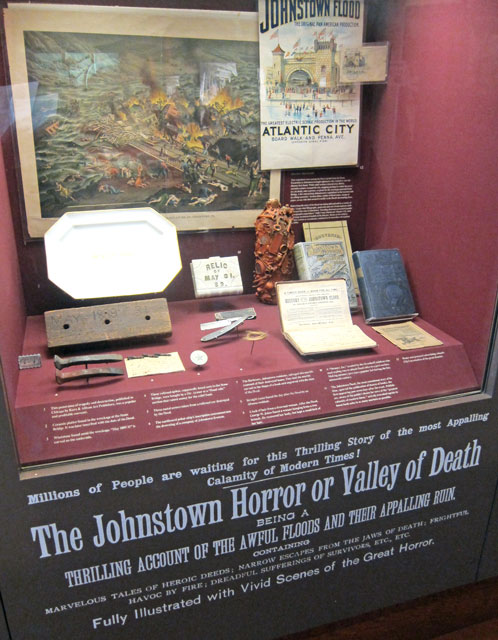
In 1904, the South Fork Fishing and Hunting Club corporation was disbanded and assets sold at a public auction by the sheriff, and there were permanent exhibits in many places, like Atlantic City, depicting the horrors of the Johnstown Flood experience for public consumption, billed as a “Thrilling Account of the awful floods and their appalling ruin.”
The South Fork Fishing and Hunting Club building and the nine-remaining of sixteen club member cottages still stand today, and are under the auspices of the National Park Service as part of the Johnstown Flood National Memorial.
The Conemaugh Viaduct was located between the South Fork Dam and Staple Bend Tunnel on the descent into Johnstown.
This is what we are told in the official narrative about what happened here.
The Conemaugh Viaduct was originally built in 1833 as part of the Allegheny Portage Railroad where it crossed the Little Conemaugh River, and that it was often described as the most beautiful railroad bridge in the world.
We are told that it was a massive stone structure, over 70-feet, or 21-meters, in height, with a single arch.
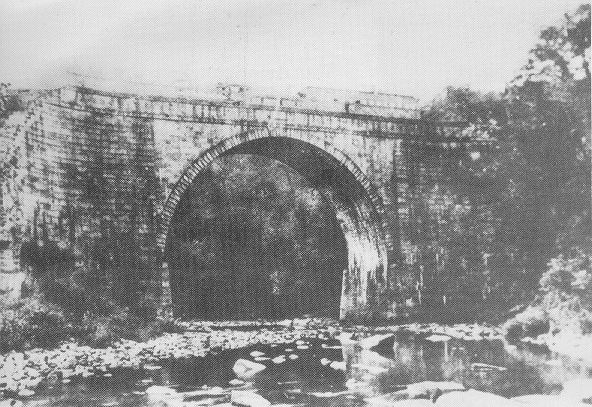
We are told this massive stone structure was ultimately no match for what had become a 90-foot, or 27-meter, – high wave of water coming from the failed South Fork Dam, and was destroyed after a few minutes of holding the flood waters back.
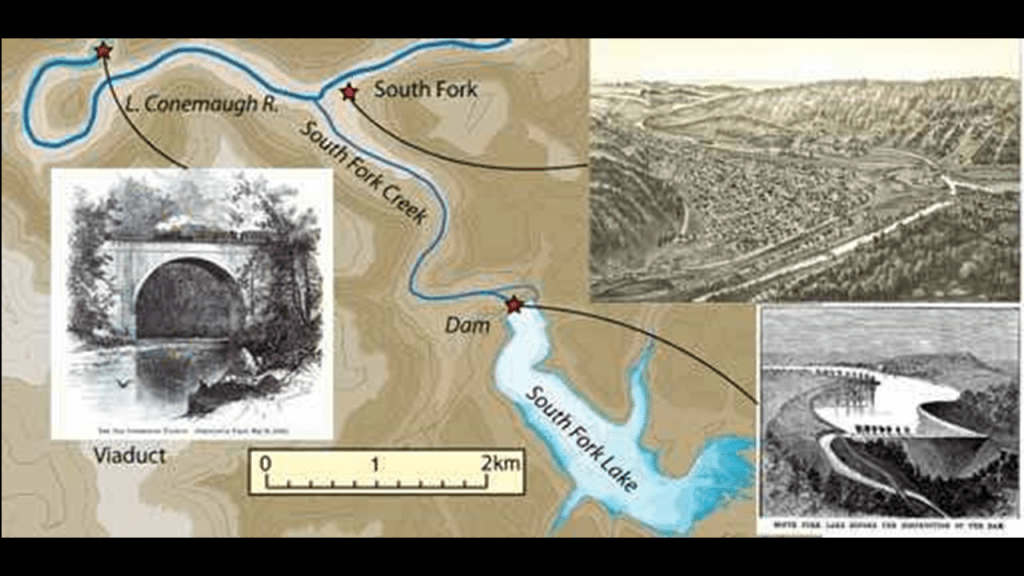
We are told that it was essential that the bridge be replaced immediately to bring in help in the aftermath of the flood, so railroad workers came in from New York and Pennsylvania, and in the short-time of 2 1/2-days, built a temporary railroad trestle, and that on June 14th, roughly 2-weeks after the horrifying flood on May 31st, the Pennsylvania Railroad resumed service.
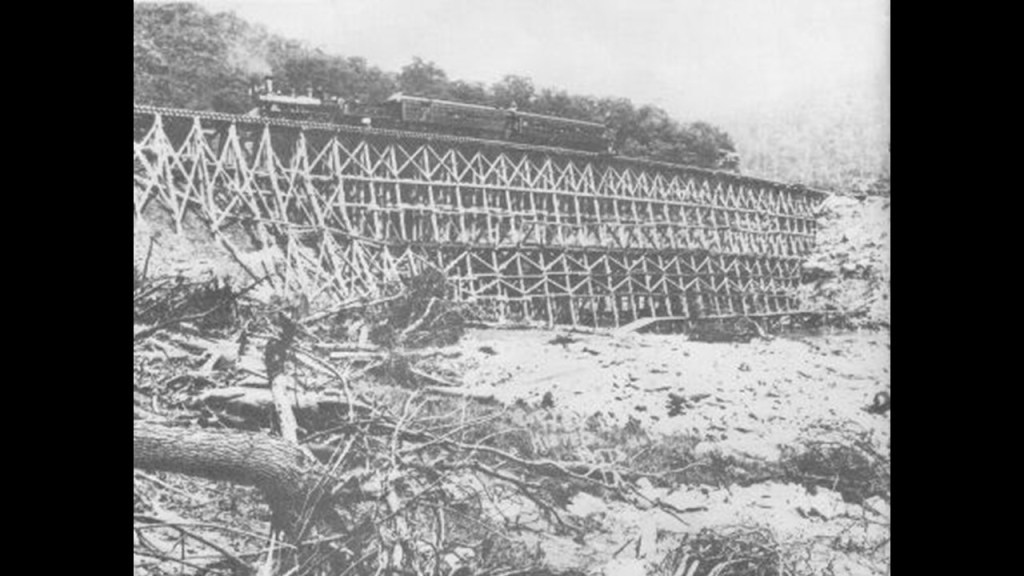
Then we are told that same year, in 1889, the Pennsylvania Railroad rebuilt the Conemaugh Viaduct to replace the temporary wooden structure and original viaduct.
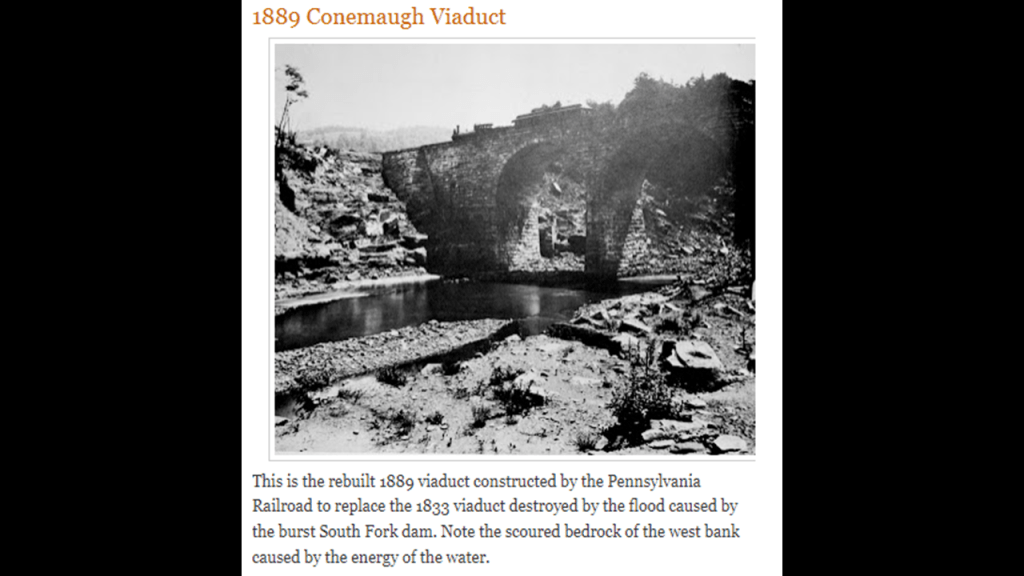
The Staple Bend Tunnel is located just a short distance from the location of the viaduct in the vicinity of Mineral Point, a town just 1-mile, or 1.6-kilometers, down from the Conemaugh Viaduct, which was completely destroyed by the flood.

The Staple Bend Tunnel was said to have been constructed between 1831 and 1834 for the Allegheny Portage Railroad, and was the first railway tunnel constructed in the United States, and the third tunnel of any kind, after two canal tunnels, also in Pennsylvania.
At 901-feet, or 275-meters, in length, we are told the tunnel was rock-bored and stone-lined by workers – being paid $13/month plus room and board for 12-hour days, 6-days/week – who hand-chipped away and blasted through solid rock.
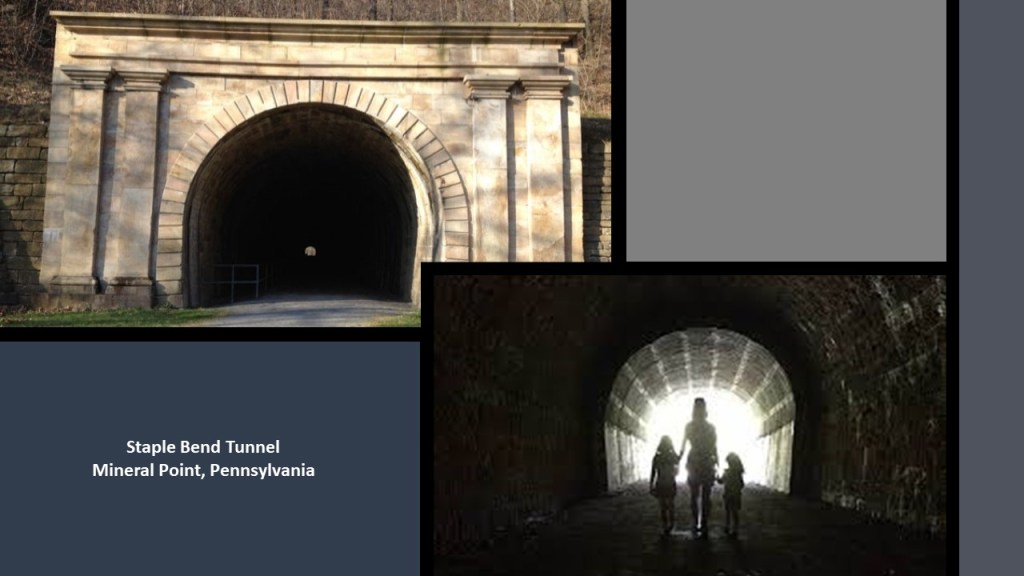
In 1994, the Staple Bend Tunnel was declared a National Historic Landmark, and in 2001, it became part of the “Allegheny Portage Railroad National Historic Site,” and like the Johnstown Flood National Memorial, administered by the National Park Service.
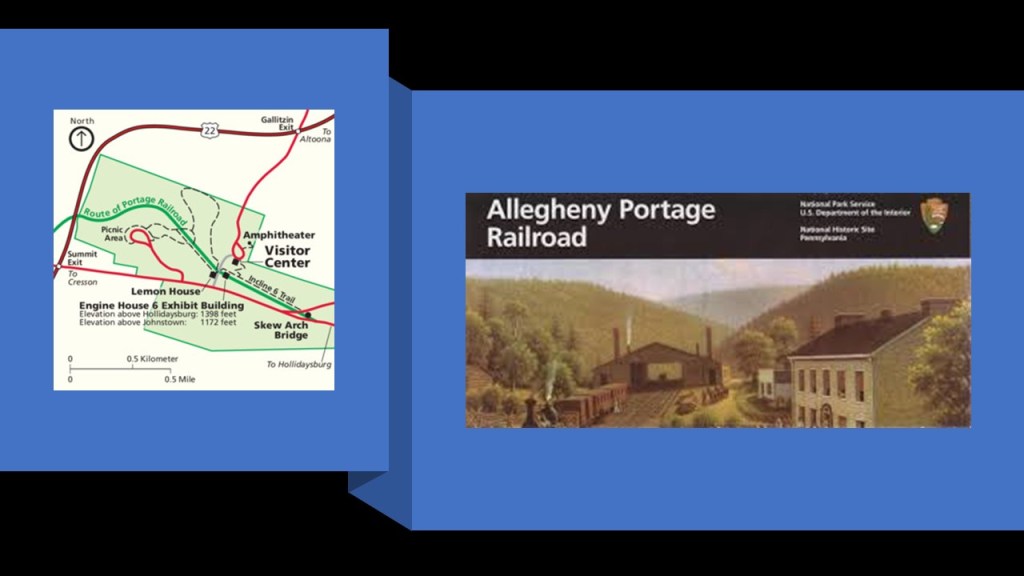
So now we come to Johnstown, which is located 57-miles, or 92-kilometers, east of Pittsburgh.
It is at the confluence of the Conemaugh and the Stonycreek Rivers.
The is a map of the 1889 Johnstown Flood direction from the National Park Service map.
“Mass of debris” is marked at the Stone Bridge location.
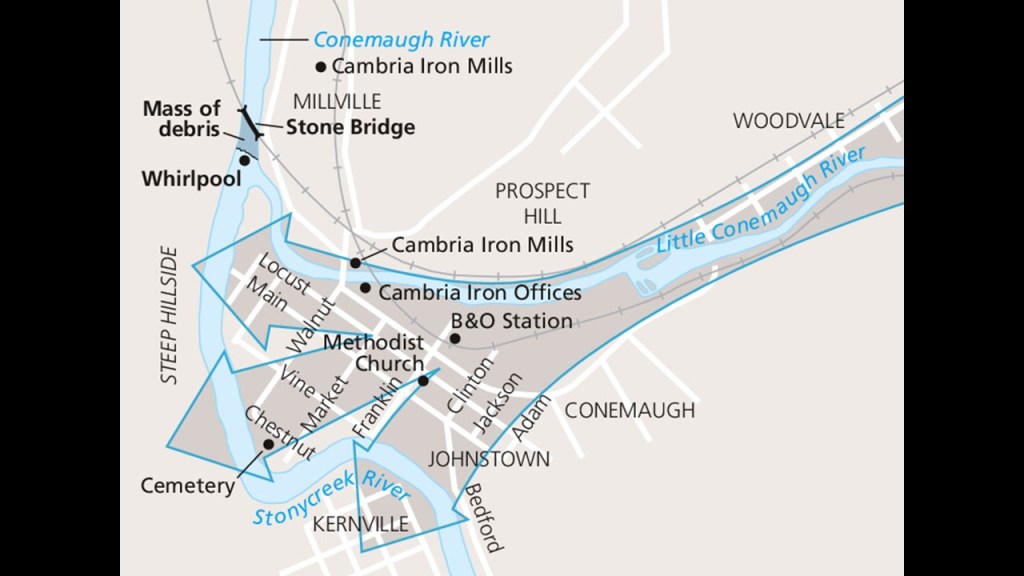
The Stone Bridge is a 7-arch railroad bridge that was said to have been constructed by the Pennsylvania Railroad between 1887 and 1888.

The Stone Bridge itself survived the flood, but it trapped all kinds of debris, including miles of barbed wire, that had been swept away by the raging floodwaters.
The debris at the bridge caught on fire burned for three days, and killed many people that were trapped in the debris.

From 1834 to 1854, Johnstown was a key transfer point on the Pennsylvania Main Line Canal.
At the head of the canal’s western branch, canal boats were transported over the mountains by the Allegheny Portage Railroad to continue the trip by water to Pittsburgh at the “Forks of the Ohio” and on to the Ohio River Valley.
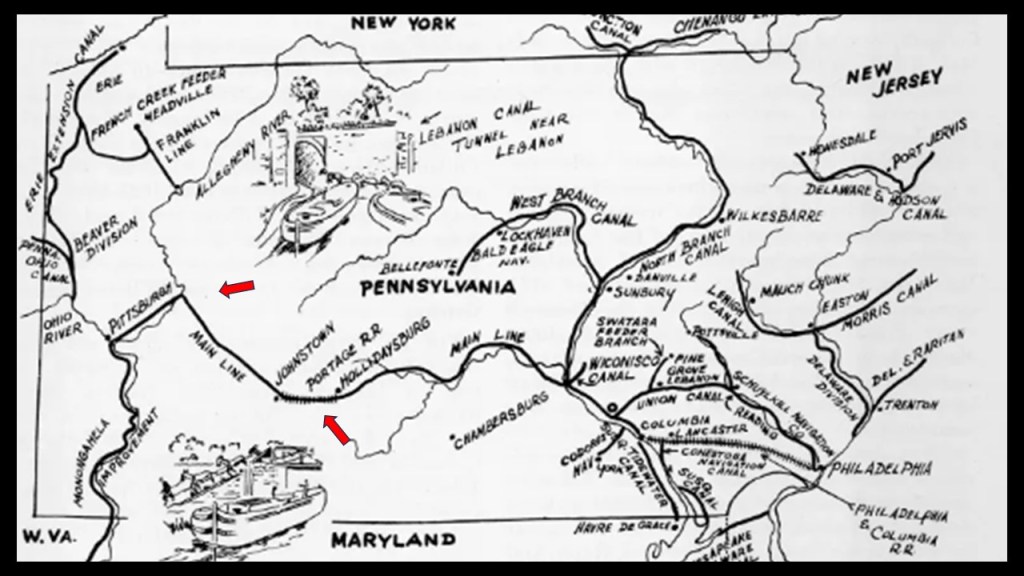
We are told that when the Pennsylvania Railroad became connected to Johnstown in 1854 with the completion of the main-line, the Pennsylvania Canal became obsolete, and Johnstown grew rapidly as a major producer of steel via the Cambria Iron Company, and at one time was the country’s leading producer of steel.
It operated under this name until 1898, and was under different management two more times, before it closed permanently in 1992.
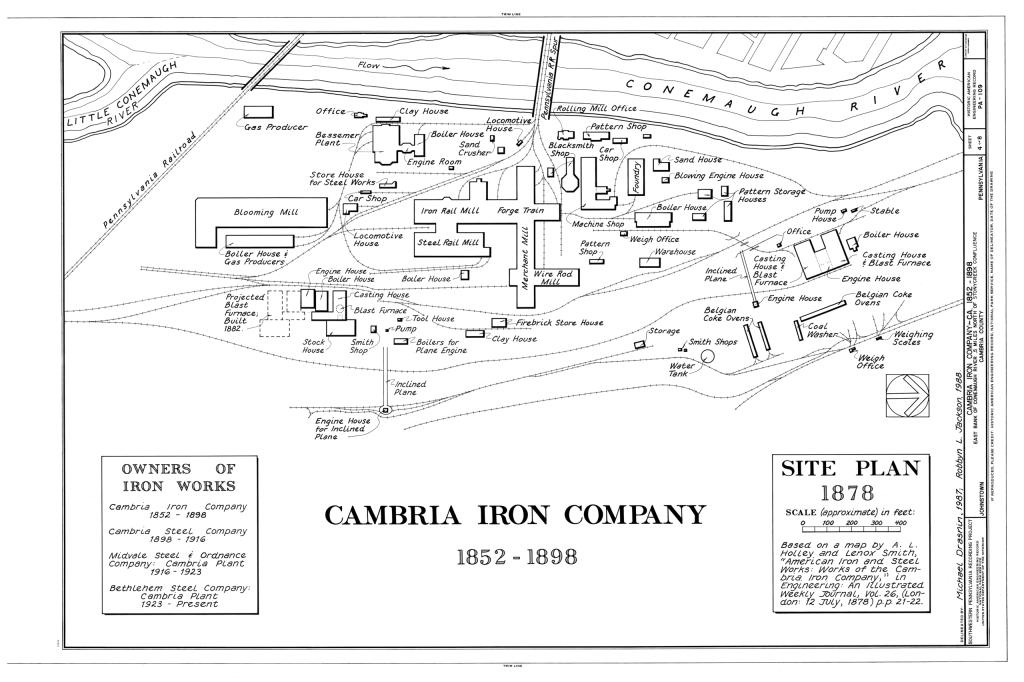
Though the Cambria Iron Company’s facilities were said to have been badly damaged during the flood, the company was able to reopen on June 6th of 1889, a week after the flood, and continued to operate.
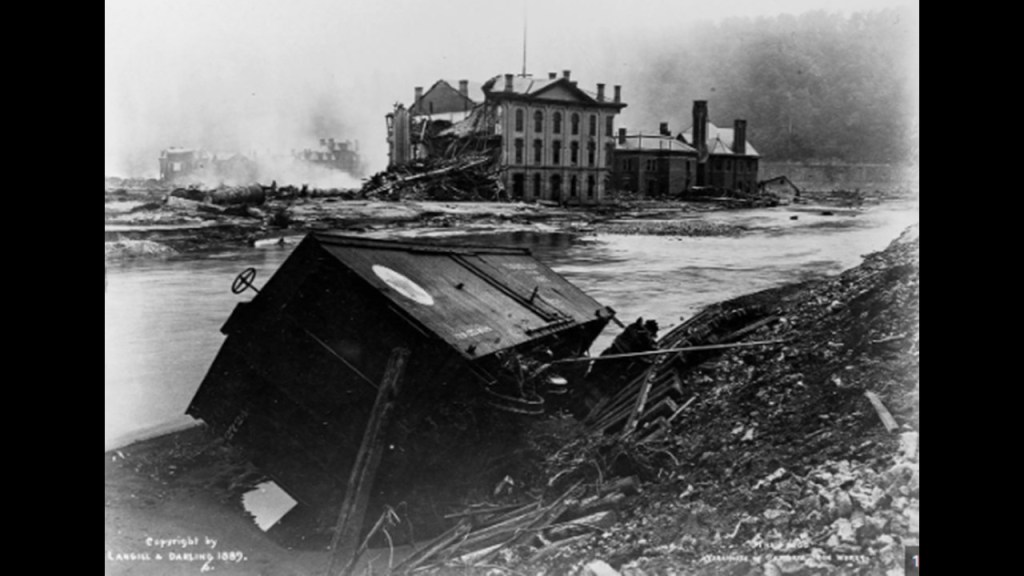
Both Johnstown on the one side of the Allegheny Portage Railroad and the Horseshoe Curve near Altoona on the other side, might have operational remnants of the original incline railway system, though that’s not what we are told about them.
The Johnstown Inclined Plane was said to have been designed by Hungarian-American engineer Samuel Diescher, and completed in 1891 to serve as an escape route from floods in the valley at the confluence of the Conemaugh and Stonycreek Rivers, and to connect Johnstown with the Borough of Westmont on Yoder Hill.
Samuel Diescher was also credited with the design of four of Pittsburgh’s seventeen original Inclines, of which only two remain, the Monongahela and Duquesne Inclines on Mt. Washington.
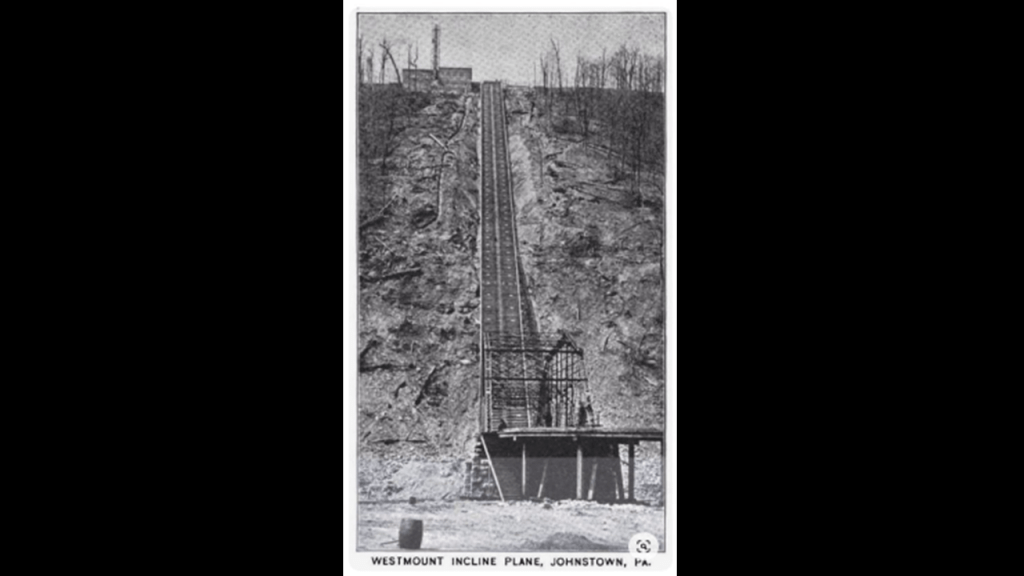
Billed as the “World’s steepest vehicular inclined plane,” it’s slope has a grade of 71.9%, and it takes 90 seconds for it to travel in-between the two stations.
The Johnstown Incline is closed for rehabilitation work, now projected to be completed in 2024.

The Inclined Plane Railway back at Horseshoe Curve near Altoona was said to have been built in the 1990s to take tourists up to the park above to get a gscenic view of the incredible engineering feat by the Pennsylvania Railroad circa 1854 of the Horseshoe Curve and its three-tracks that eliminated the need for the Allegheny Portage Railroad’s 10-incline planes.
Like the one at Johnstown, this incline has been closed for repairs, and is also expected to reopen in 2024.

Incline railways work like an obliquely-angled elevator, in which cables attached to a pulley-system raise- and-lower the cars along the grade.
Two cars are paired at opposite-ends and act as each other’s counterweight. As such, there is not a need for traction between the wheels and rails, and thereby allowing them to scale steep slopes, unlike traditional rail-cars.
Thing is, there used to be way more of them than there are now, and inclined-railways were a worldwide thing.
Now they are mostly either tourist attractions, or kept on as an important part of a communities’ transportation infrastructure from low-ground to high-ground.

I looked at the subject of Incline Railways in-depth in this post, “Incline Railways of the Past and Present.”
Like the canals, railroads, electric streetcars and luxurious holiday resorts of the past, most of the world’s incline railways were largely made to go away for one reason or another.
Back in Johnstown, come to find out that the main highway connecting Johnstown to the Pennsylvania Turnpike is once again our old friend US Route 219!
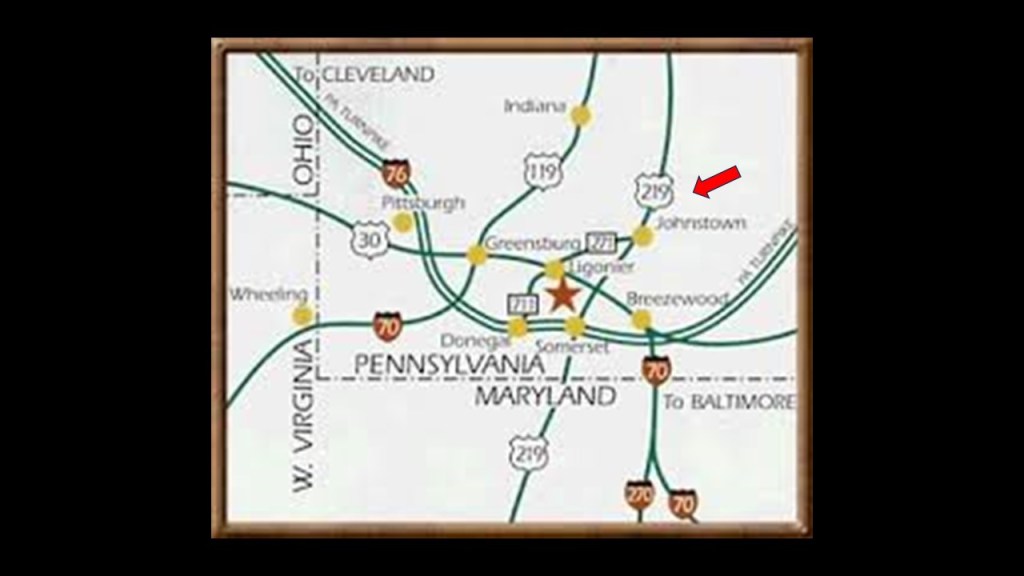
This is a great place to revisit the U. S. Number Highway System and see what comes up to the surface.
First up, a deeper look into US-219.
US Route 219 is a spur of US Route 19.
It is 535-miles, or 861-kilometers, -long, and runs from West Seneca, New York, at the eastern end of Lake Erie south of Buffalo, and ends at Bluefield, Virginia, right across the state border from Bluefield, West Virginia
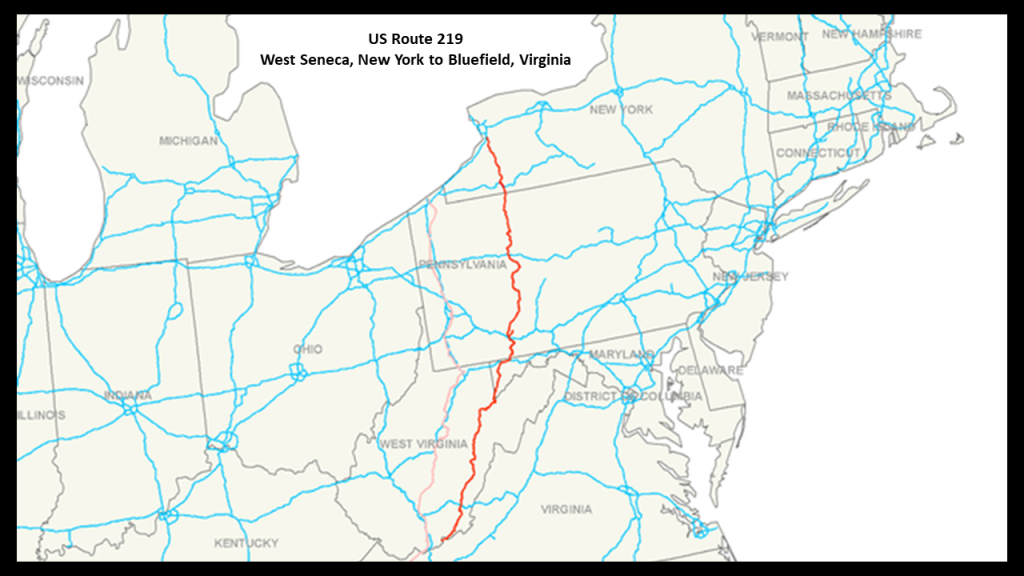
In West Virginia, US-219 is said to follow what was known as the “Seneca Trail,” a network of trails of “unknown age” used by indigenous Americans for commerce, trading and communication.
The “Seneca Trail” ran through the Appalachian Valley from what was to become Upper New York State, and went well into Alabama, though they are described to us in our historical narrative strictly as “footpaths.”
What we are told is that by the time the land was settled by Europeans starting in the 18th-century, it was largely abandoned by its previous inhabitants.
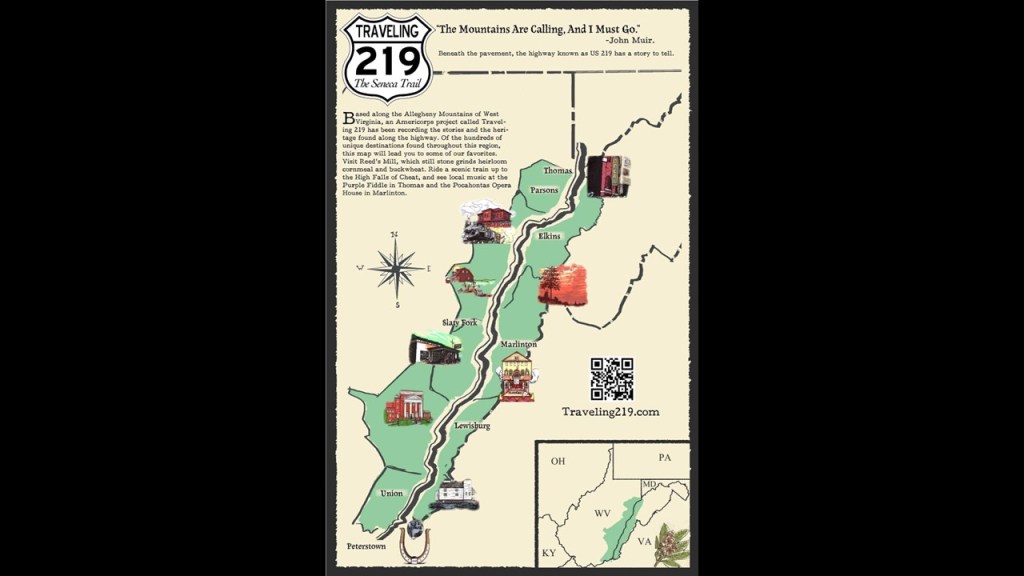
So we’ve already seen where US-219 is a highway corridor lthat links the bogs of Black Moshannon State Park near Penn State University and State College and Cranberry Glades, near White Sulphur Springs and the Greenbrier Resort.
Both of these boggy lands are located in close proximity to former railroad infrastructure, with the previously seen Snowshoe Rail-to-Trails at Moshannon Creek , and the Greenbrier Rail-to-Trails running along US-219 and the Greenbrier River near Cranberry Glades.
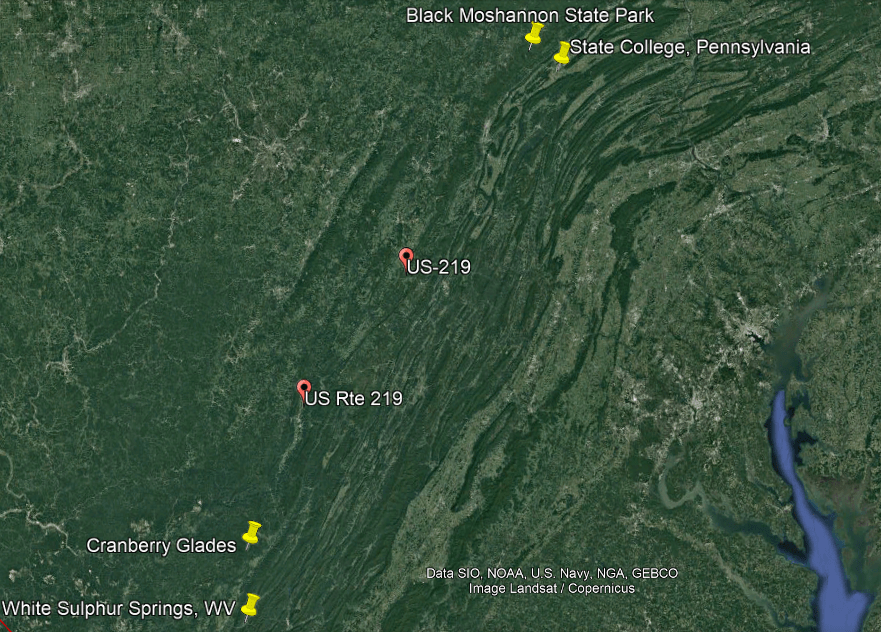
As mentioned, these two highways meet at Bluefield in Virginia, of which there is one city on other side of the West Virginia/Virginia border with that name.
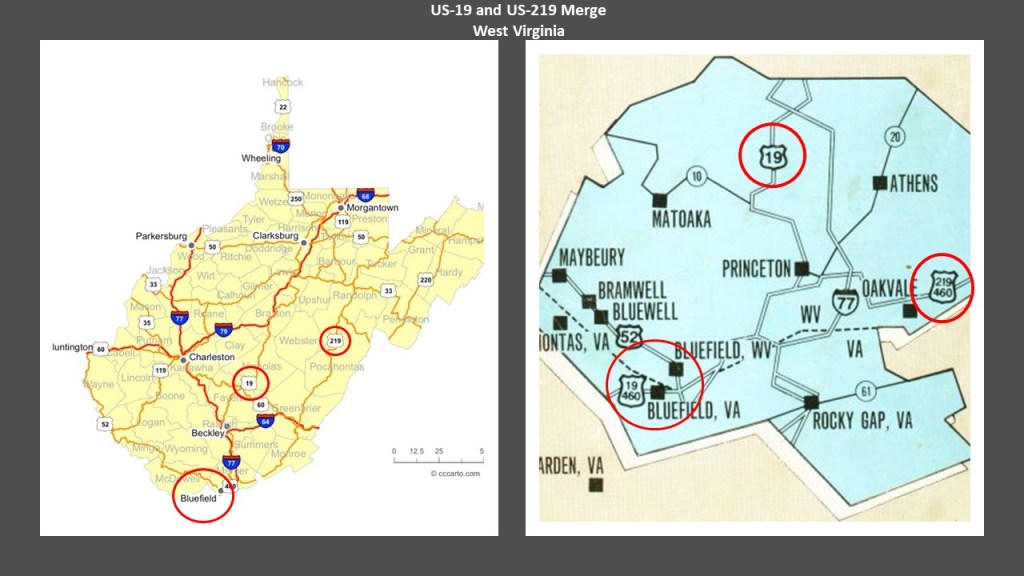
The land beneath the two Bluefields contains the richest deposit of bituminous coal in the world, known as the “Pocahontas Coalfield,” or the “Flat-Top Pocahontas Coalfield,” named after the Flat Top Mountain on US-19 in West Virginia, and Pocahontas, Virginia, where the first coal-seam here was discovered.
The Pocahontas Coalfield started to be mined in 1882.

Pocahontas in Virginia was named after the famous daughter of Chief Powhatan in connection with the 17th-century Jamestown Colony, the first permanent English settlement in the Americas.
This is the most famous depiction of Pocahontas from her time on the left, but this how we have been taught to see Pocahontas and Powhatan on the right.
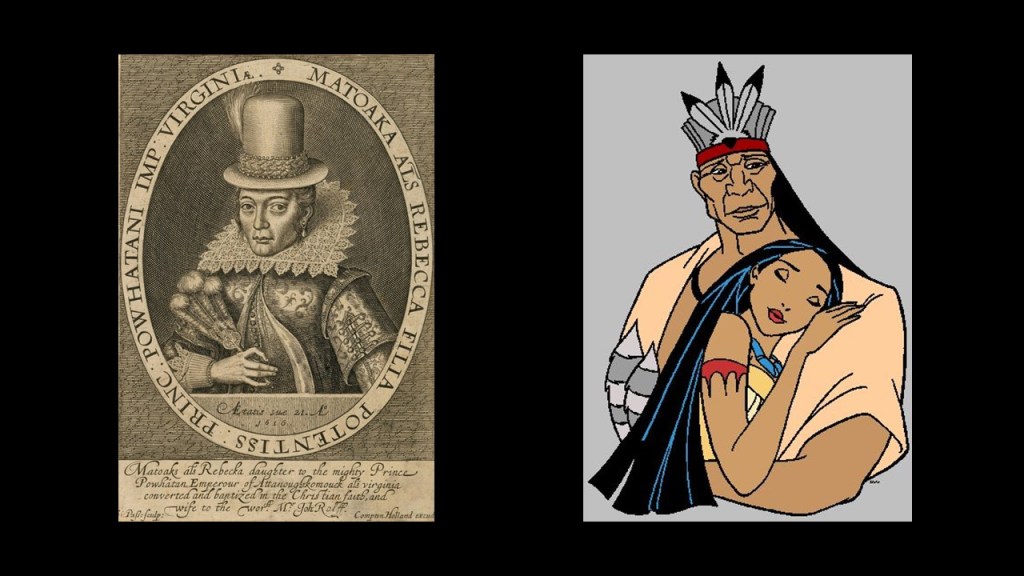
We are told that Bluefield in West Virginia, with its great location with respect to the developing Pocahontas Coalfield, was selected as the location of a major Division point on the Norfolk and Western Railway in the late 19th-century, and that the railroad greatly stimulated to the town’s growth, so much so that in its hey-day, Bluefield was considered a “Little New York.”

Next, I am going to take a deeper look at U. S. Route 19 starting at its northern terminus, and then come back to Bluefield and continue the journey southward on US-19.
Now, on to more about U. S. R0ute 19.
The North-South U. S. Route 19 runs from its northern terminus at U. S Route 20 at Lake Erie in Erie, Pennsylvania to its southern terminus at an interchange with U. S. 41 in Memphis, Florida, just south of St. Petersburg.
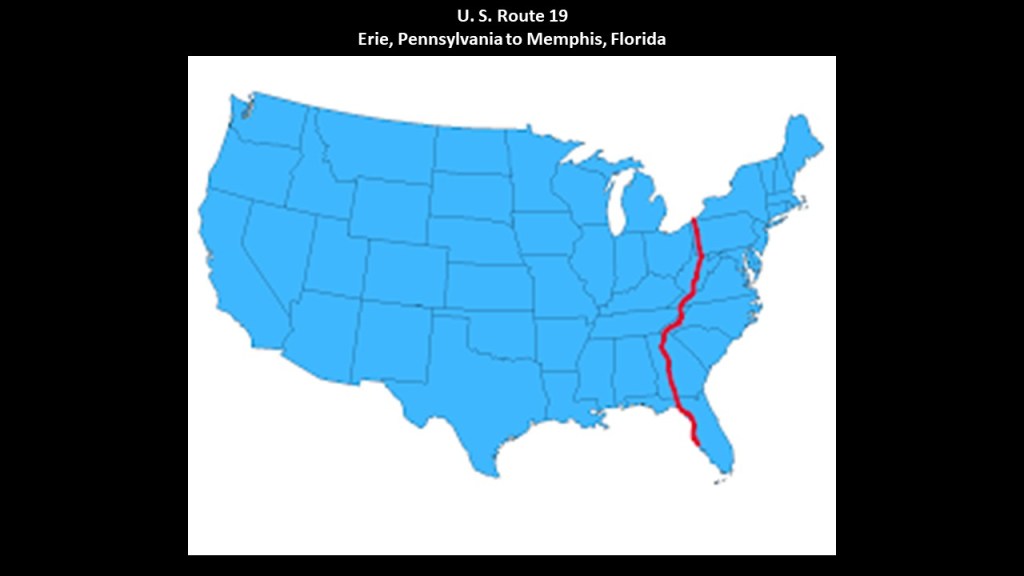
Erie is located just about right in-between Cleveland, Ohio, which is 90-miles, or 140-kilometers, southwest of Erie, and Buffalo, New York, 80-miles, or 130-kilometers, northeast, on the southern shore of Lake Erie.
Pittsburgh is 128-miles, or 206-kilometers, south of Erie.
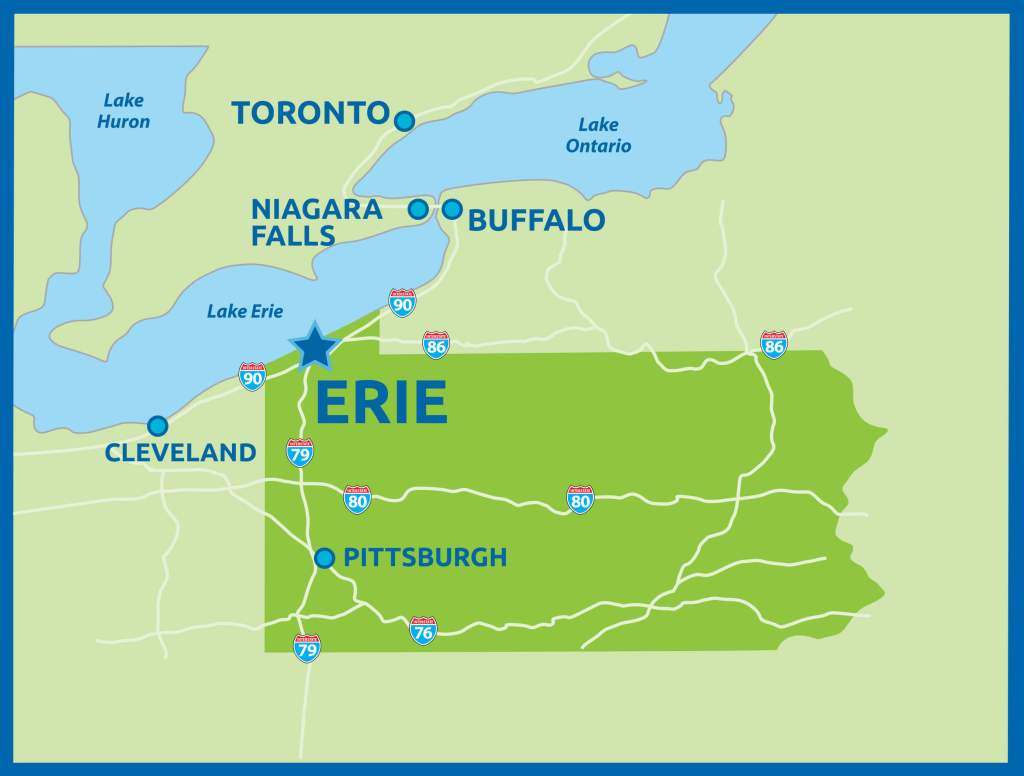
Erie was an important railroad hub during the mid-19th-century.
We are told the first railroad station in Erie was established in 1851, and replaced in 1866 by the Romanesque Revival Union Depot seen on the left, which was demolished in 1925.
The current Art Deco Union Station in Erie on the right was said to have opened in 1927, and designed by the Fellheimer and Wagner, an architectural firm credited with a bunch of railroad stations between 1923 and 1940.
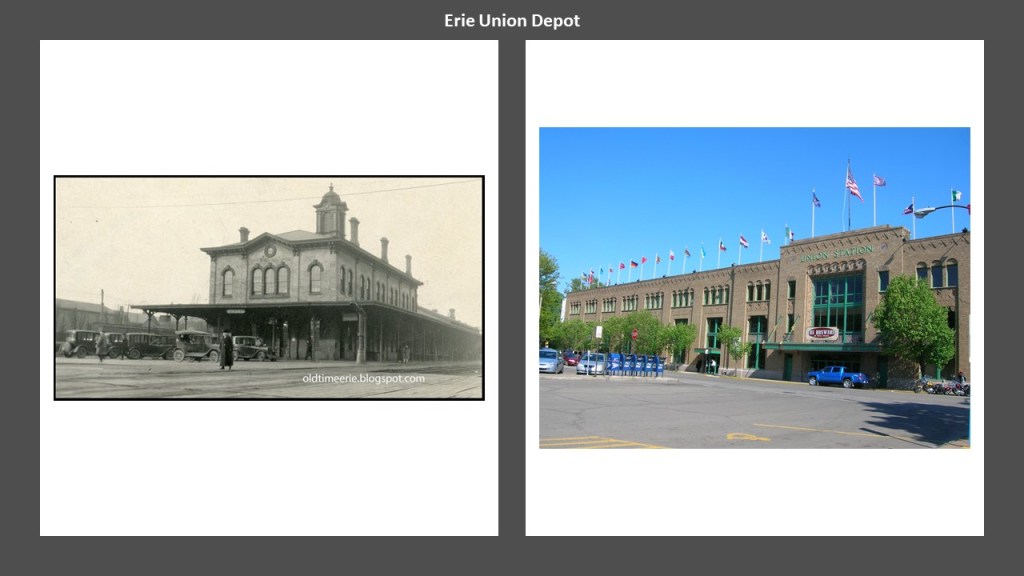
The Erie Union Depot is used as an Amtrak stop on the Lake Shore Limited route, and is otherwise used for commercial space today, like a brew pub.

The Pittsburgh & Lake Erie Railroad was said to have been incorporated on April 1st of 1858, with operations starting in March of 1860.
Then on April 1st of 1870, the Pennsylvania Railroad took-over operations.
It was an 83-mile, or 134-kilometer, -long railroad between Girard just west of Erie, and points south around the Pittsburgh area.
Aaron sent me this except from a book on the “History of Erie County.”
It makes reference to the following finds in “Chapter 5:”
“When the link of the Erie & Pittsburgh Railroad from the dock at Erie was in the process of construction, the laborers dug into a great mass of bones at the cross of the public road which runs by the rolling mill. From the promiscuous way in which they were thrown together, it is surmised that a terrible battle must of have taken place in the vicinity on some day so far distant that not even a tradition of the event has been preserved…” and that “…at a later date, when the roadway of the Philadelphia & Erie Road…was being widened, another deposit of bones was dug up and summarily disposed of as before. Among the skeletons was one of a giant….”

The area around Beaver Falls and Aliquippa were on the Pittsburgh & Lake Erie Railroad line.
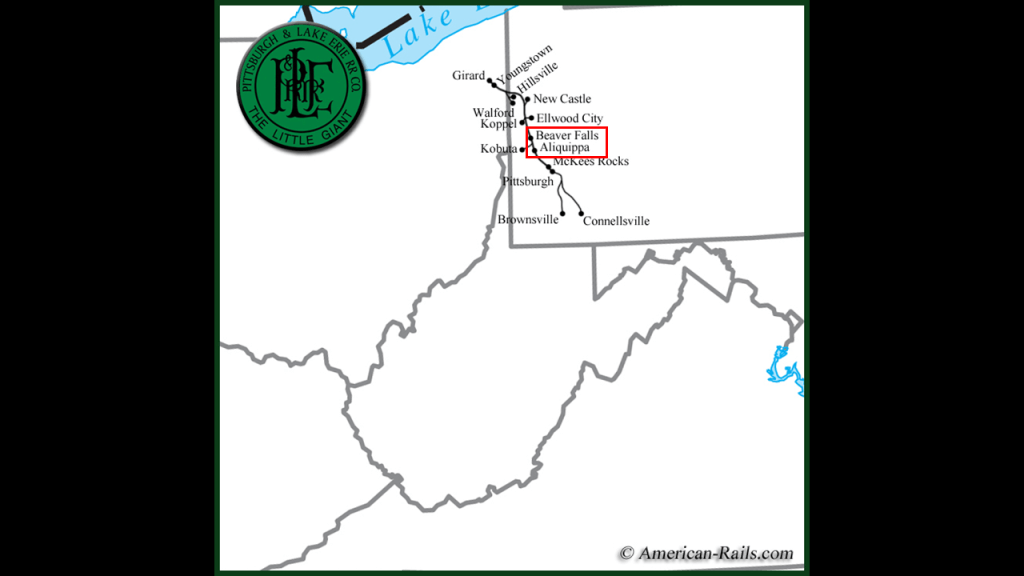
Aaron also sent me this article referencing Beaver Falls at the beginning about two skeletons of gigantic size that were found while workmen were “digging a ditch from the new shovel works to the river at Aliquippa.”
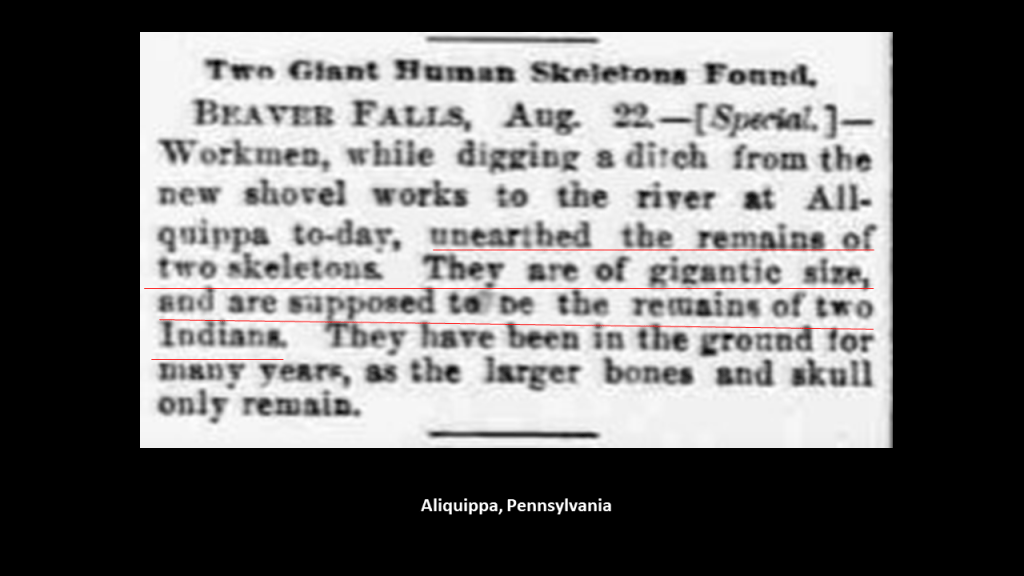
Today, it looks like what was the Pittsburgh and Lake Erie line followed what is now Pennsylvania State Route 18 going south out of Girard, through these same two towns of Beaver Falls and Aliquippa on its way to Pittsburgh; US-19 is just east of there, going south from Erie on its way to Pittsburgh; and Pennsylvania State Route 8 leaves Erie and heads south through Titusville on its way to the greater Pittsburgh area.

One more thing to look at in Erie before I head south is US-20, which goes through Erie and is the northern terminus of US-19 in Erie.
US-20 is a major east-west highway that runs all the way across the continent, and runs along the southern shores of both Lake Erie and Lake Michigan, starting at Route 2 at Kenmore Square in Boston, Massachusetts, and ending at US 101 in Newport, Oregon.

It’s very interesting to note that sections of US-20 cross northernwestern Ohio at the southern shore of Lake Erie where the Black Swamp is located, where at least one giant skeleton was found at Bowling Green as mentioned earlier in this post, circled in red.
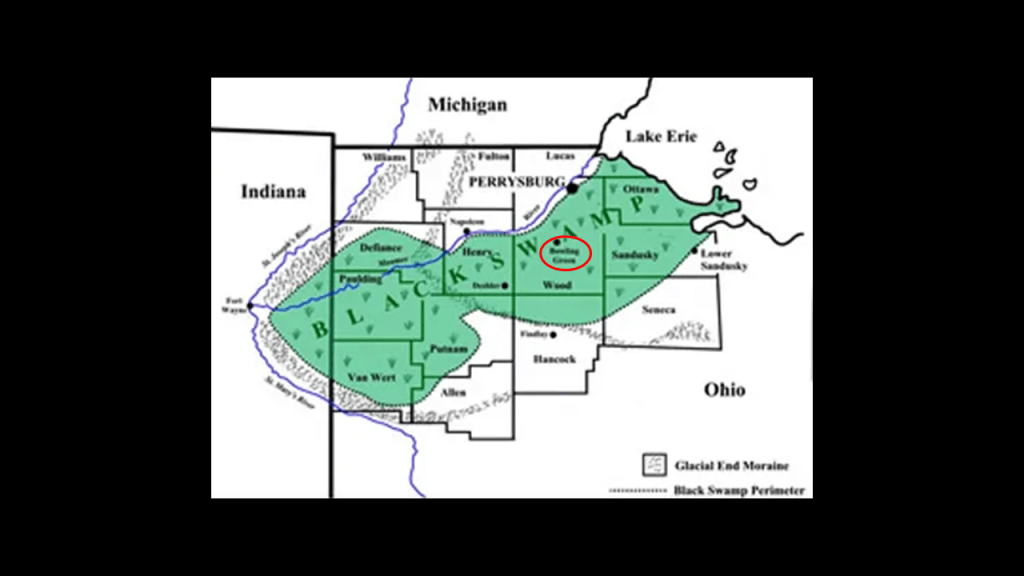
The section of US-20 between Perryburg and Fremont started out as the 31-mile, or 50-kilometer, – long “Maumee & Western Reserve Road,” or “Mud Pike.”
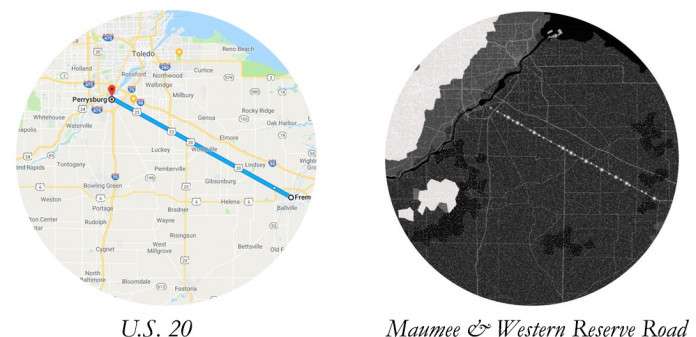
At the time it was being developed in the late 1700s, what became the “Mud Pike” was the most direct and passable route through what was described as the nearly uninhabitable swampland.
The 1795 Treaty of Greenville opened the Northwest Territory for settlement, but the Great Black Swamp stood in the way between the newly acquired Northwest Territory and settlers.
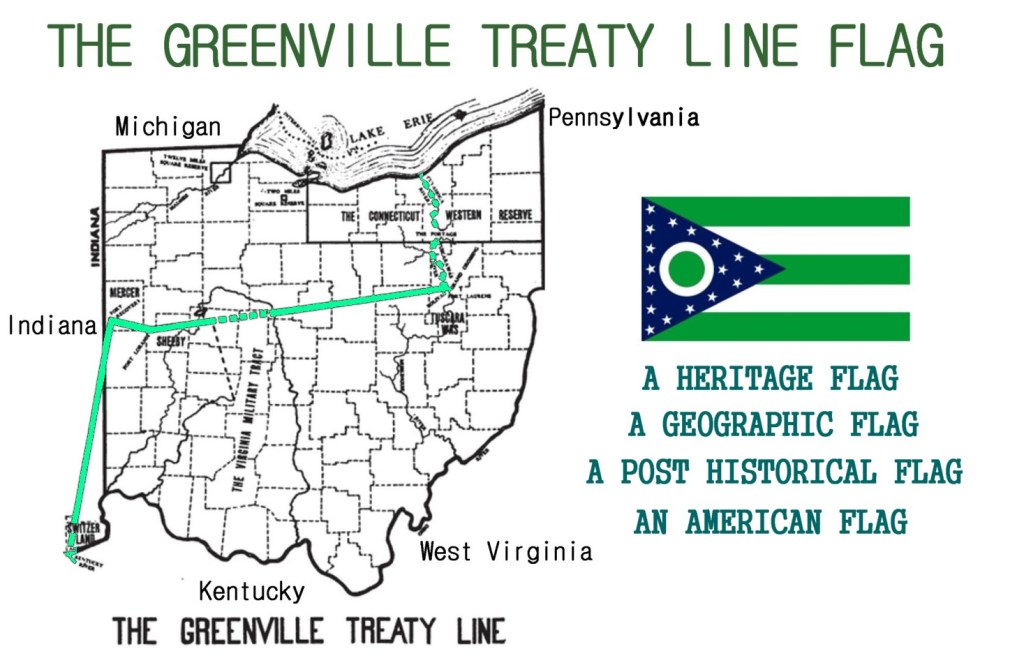
It was called the “worst road on the continent” early in its existence for the mud-holes that would trap wagon wheels and draft animals and its slow travel, though it was gradually improved as the swampland was drained in the mid-to-late 19th-century.

US-20 as well crosses northern Indiana at Lake Superior where the Indiana Dunes, and co-located marsh wetlands, and Gary, are found on the American Discovery Trail, as we saw earlier in this post.

And just like the “South Shore Line” we saw earlier along that same stretch of land next to the Indiana Dunes and Gary, it looks like US-20 and the Lake Shore Line run a similar route together from Boston to Chicago.
The Lake Shore Line is operated today by Amtrak as the “Lake Shore Limited.”
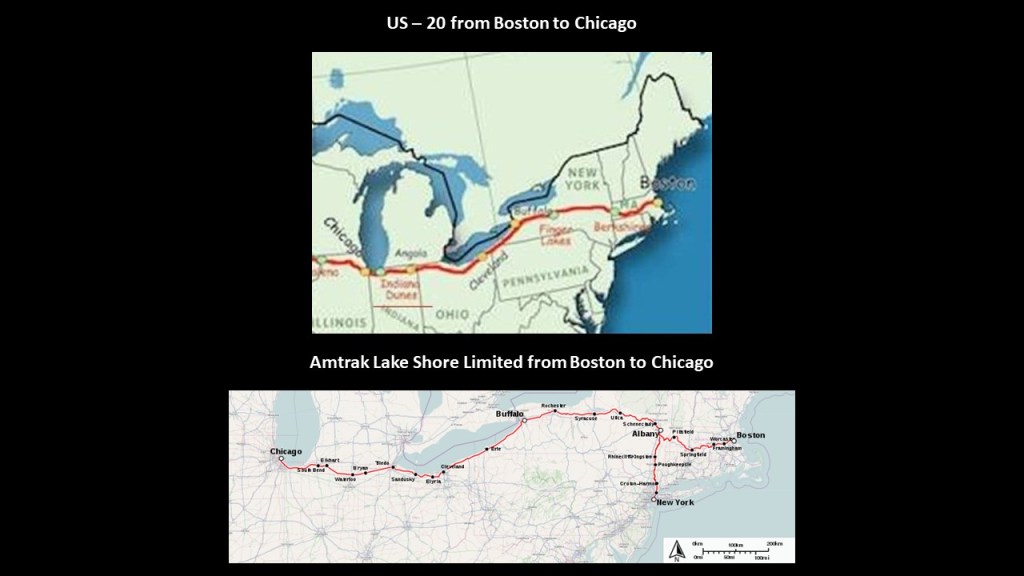
Today’s “Lake Shore Limited” started out as the New York Central Railroad’s train of the same name, which operated on largely the same route from 1897 to 1956, until Amtrak picked it up again in the early to mid-1970s.
Back to Erie, Pennsylvania.
One last thing I want mention in Erie itself is Waldemeer Park & Water World.
It is billed as one of only thirteen trolley parks still operating as an amusement park in the United States.
But what we see today is not what used they to be!
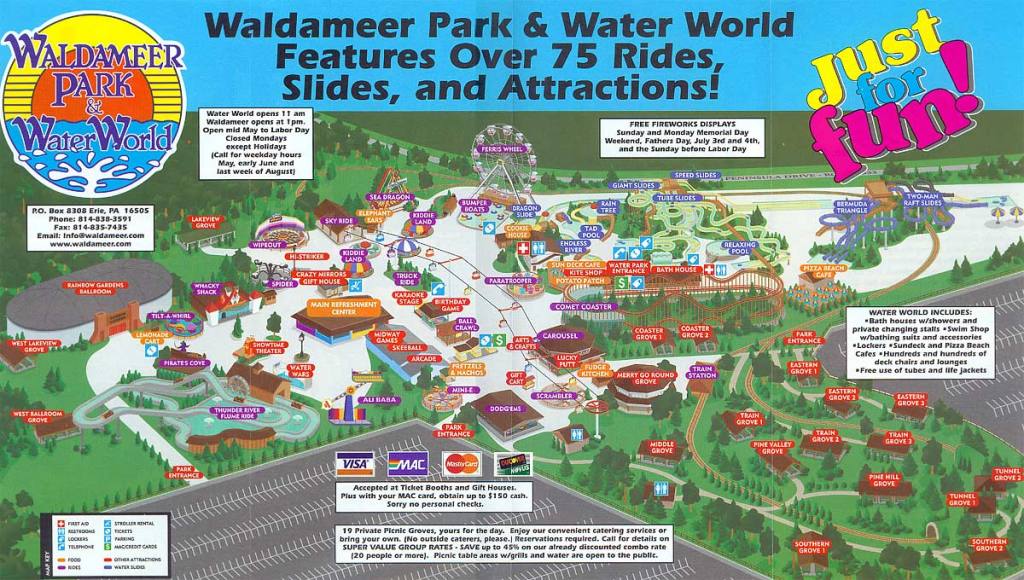
Waldemeer Park was first leased as a trolley park in 1896 by the Erie Electric Motor Company, and is the fourth-oldest amusement park in Pennsylvania, and the tenth-oldest in the United States.
Waldemeer has operated continuously since then under different owners, but the trolleys of the park are long-gone.
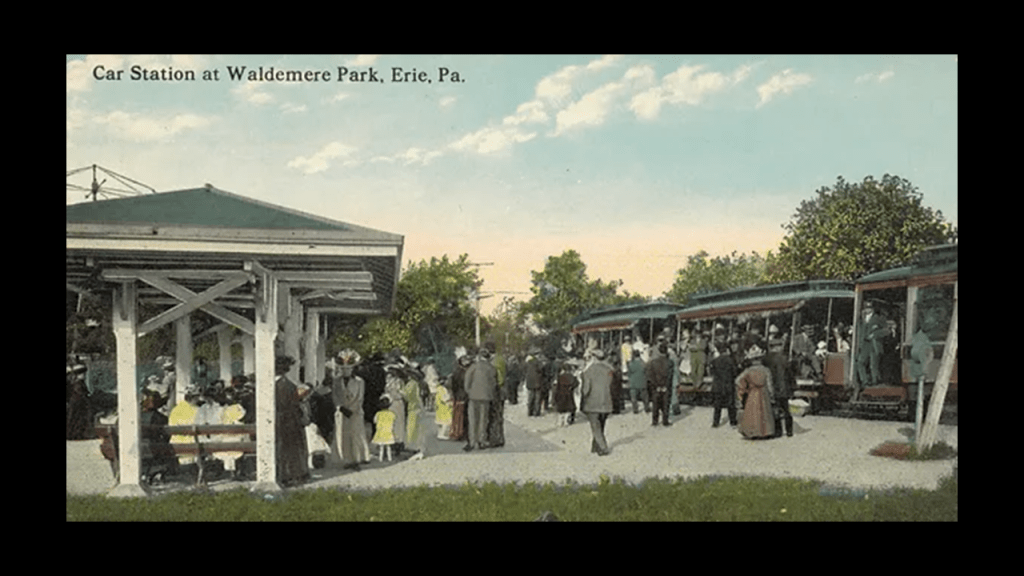
Trolley parks were said to have started in the United States in the 19th-century as picnic and recreation areas at the ends of street carlines, and were precursors to today’s amusement parks.
They were said to have been created by streetcar companies for reasons like giving people a reason to use their services on weekends.
By 1919, there were estimated to be between 1,500 and 2,000 such parks.
But like what we have already seen with countless electric streetcar lines, canals, railroad lines, and historic resorts, these magnificent trolley parks went the way of the dinosaur too.
So, in this example, dozens of trolley parks were operating at one time in this part of Pennsylvania, just in the location alone between Erie and Pittsburgh, much less everywhere else!
There was an historic trolley park at the previously mentioned Aliquippa, where giant skeletons were found.
One of Pittsburgh’s first amusement parks, it was said to have been established sometime in the 1880s by the Pittsburgh & Lake Erie Railroad as a way to bolster ridership, but by 1905 had fallen into disrepair, and the land was purchased by the “Jones and Laughlin Steel Corporation” that year to construct the “Aliquippa Works.”
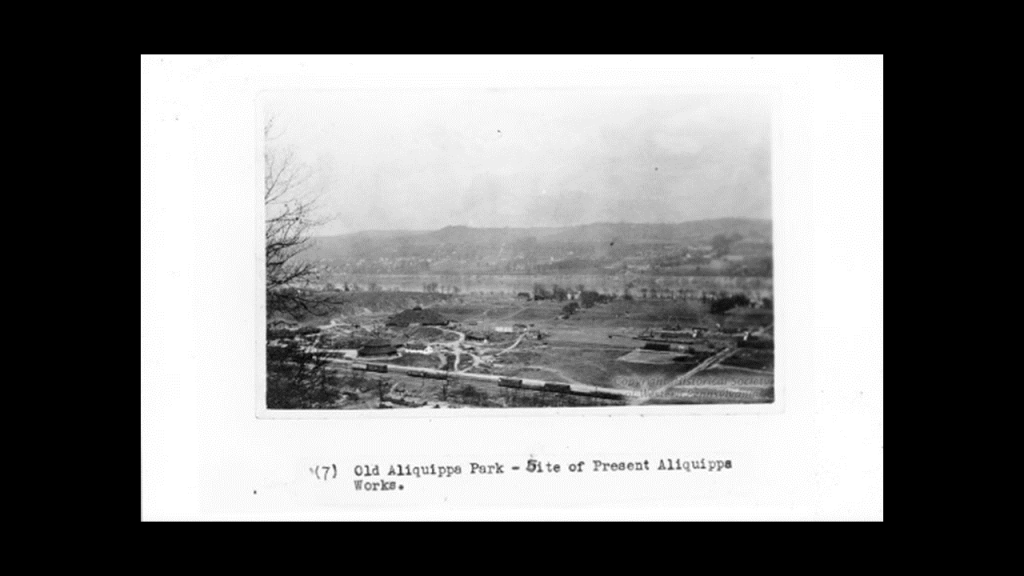
Also there was a trolley park at Conneaut Lake, only 38-miles, or 61-kilometers, southwest of Erie and just west US-19 and like Aliquippa, also on the former Pittsburgh and Lake Erie Railroad line on Pennsylvania State Route 18.

The historic Exposition Park was founded there in 1892 by Colonel Frank Mantor, owner of the Conneaut Lake Exposition Company, with a stated purpose of being a permanent fairground and exposition for livestock, machinery, and industrial products.
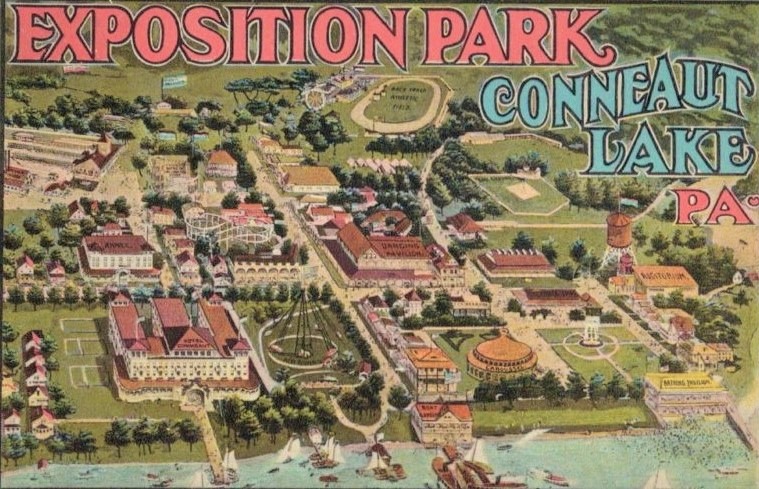
Ownership of the park transferred to the railroad in 1901, and in 1907 trolley service was said to have been extended to the park.
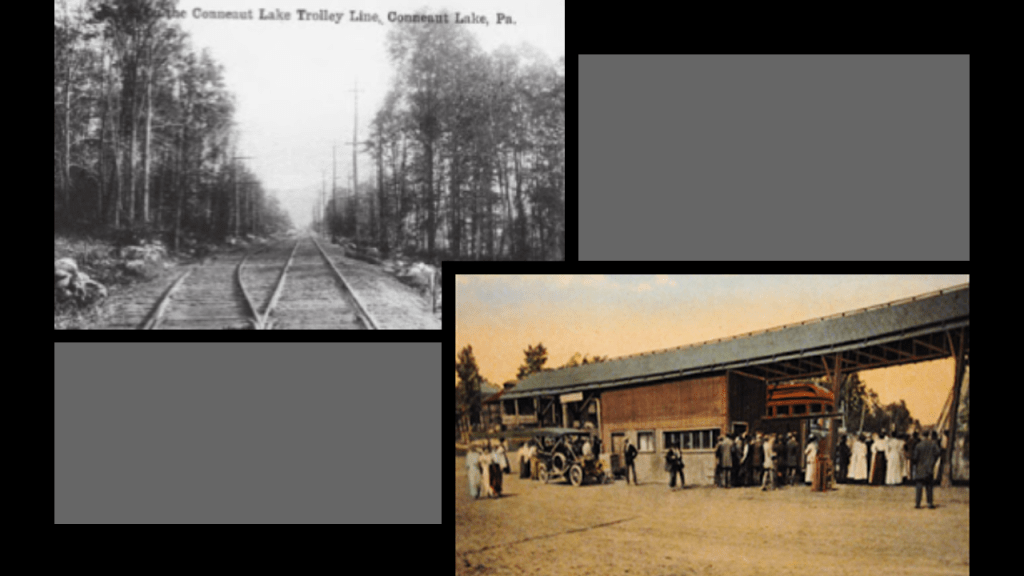
Then the following year, in 1908, Many of the park’s original buildings were lost in a fire.
We are told that while arson was suspected as a cause of the fire at the time, it was never proven.

An amusement park at Conneaut Lake has existed under various ownership over the years, but is currently closed for construction until further notice.

With the location of Trolley Amusement Parks being historically at the end-terminals of streetcar-lines, I have come to believe that they were somehow involved with recharging the Earth’s energy grid for the original civilization in a really fun way, and were just utilized by the bringers-in of the world’s new system for a short time until they were no longer needed, or just plain inconvenient to the new narrative.

And actually, now I am going to put this area near Erie and US-19 into the perspective of this new system in our historical narrative with its proximity to Titusville, which we come to going south out of Erie on Pennsylvania State Route 8, and I talk as well about Hector Falls in nearby Sheffield, Pennsylvania; the giant skeleton that was found at West Hickory just south of Titusville; and bring in other examples of rock cities in diverse places, like the previously seen “rock city” at Beartown Rocks, which is located just southeast of West Hickory and Titusville.

First Titusville.
The petroleum industry in the United States began in earnest in 1859 when Edwin Drake found oil on a piece of leased-land near Titusville, Pennsylvania, in what is now called Oil Creek State Park.
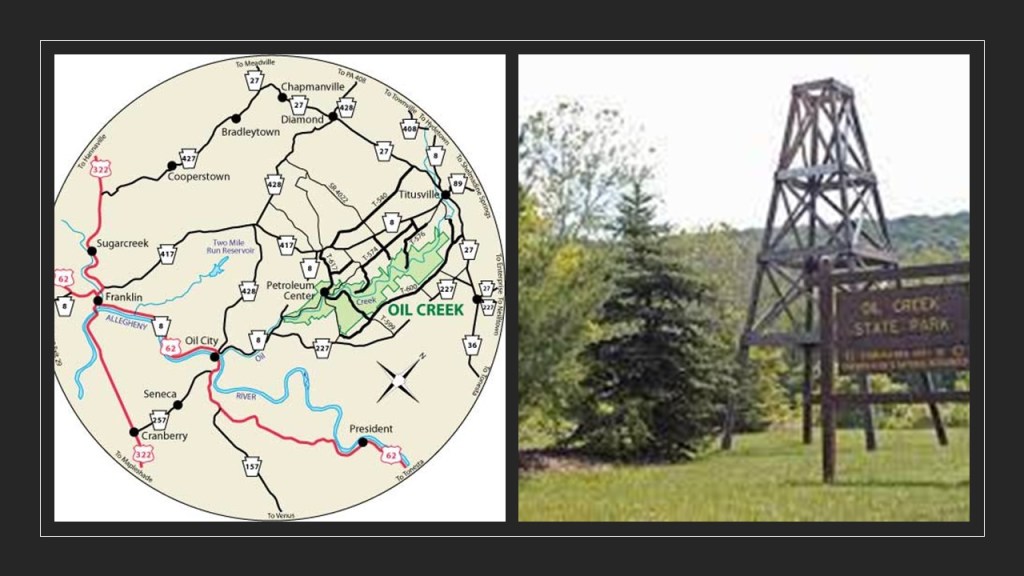
For this reason, Titusville is called the Birthplace of the Oil Industry, and for a number of years this part of Pennsylvania was the leading oil-producing region in the world.
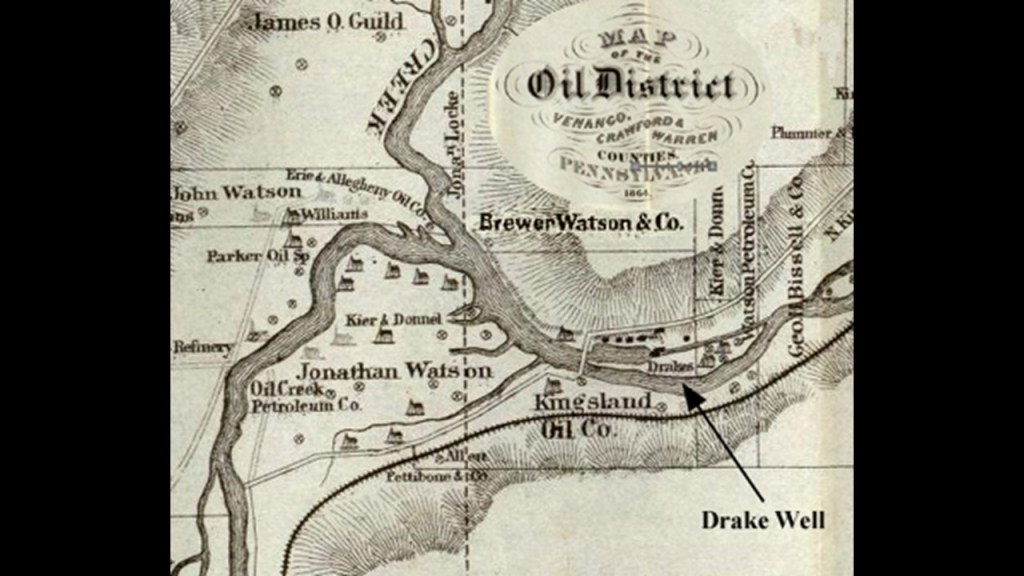
Today, not surprisingly, the Oil Creek State Park Trail runs on the bed of the first railroad line to reach Titusville, the Oil Creek Railroad.
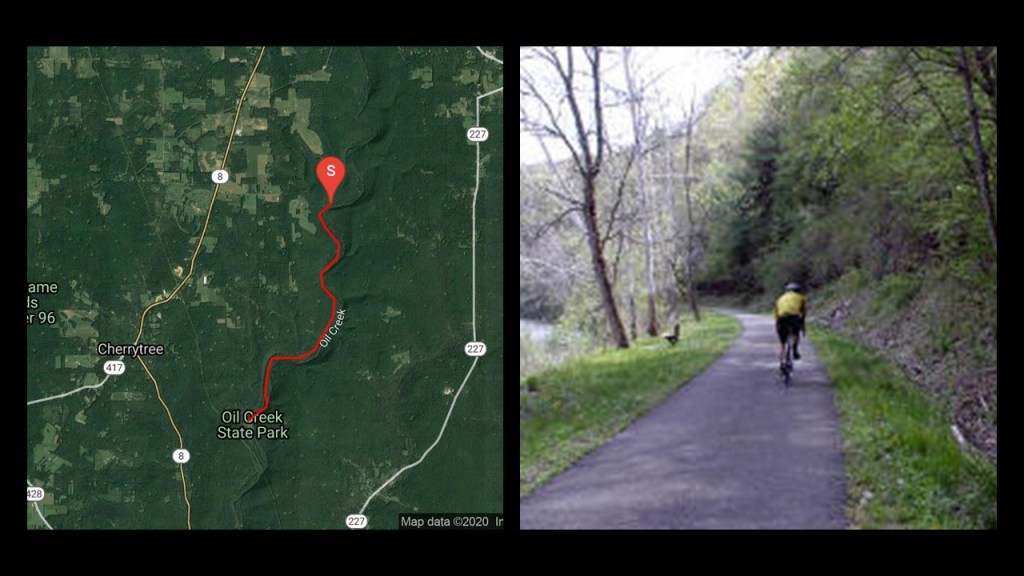
Samuel Kier had established America’s first oil refinery in Pittsburgh in 1854 for making lamp oil, just five-years before oil was “found” in Titusville.
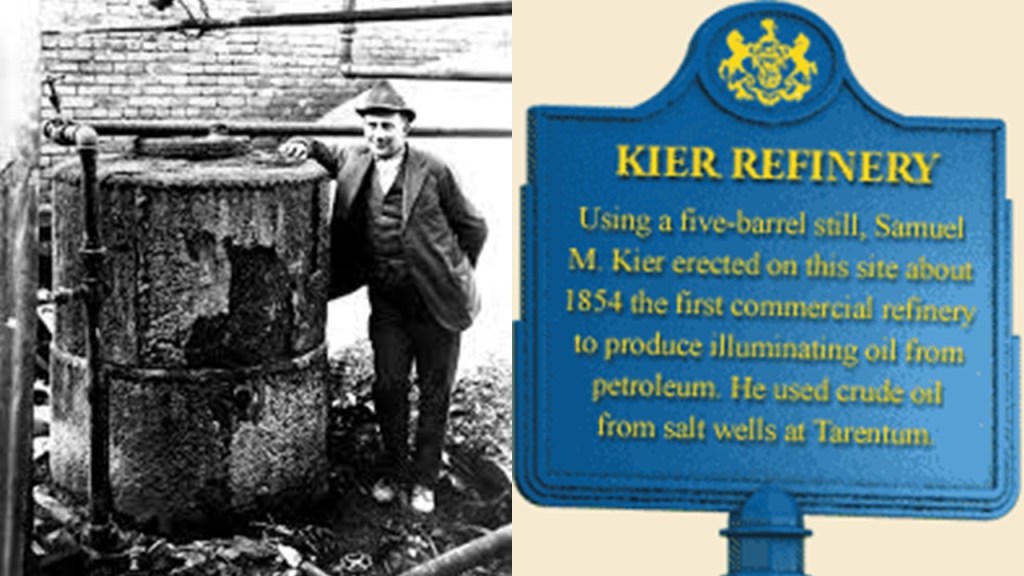
So. it certainly appears like the petroleum industry was developed in the 1850s in order to provide a replacement energy technology for the free energy technology of the original civilization.
Roughly a decade after the birth of the oil Industry at Titusville, in 1870 by , John D. Rockefeller, along with Henry Flagler, an American Industrialist and major developer in the state of Florida, founded the Standard Oil Company, an American oil producing, transporting, refining, marketing company.

Oil was used in the form of kerosene was used throughout the country as a light source and heat source until the introduction of electricity, and as a fuel source for the automobile, with the first gas-powered automobile having been patented by Karl Benz in 1886.
John D. Rockefeller, Sr, who was born in the United States in 1839, was the progenitor of the wealthy Rockefeller family.
He was considered to be the wealthiest American of all time, as seen in this ranking by CNN Business.
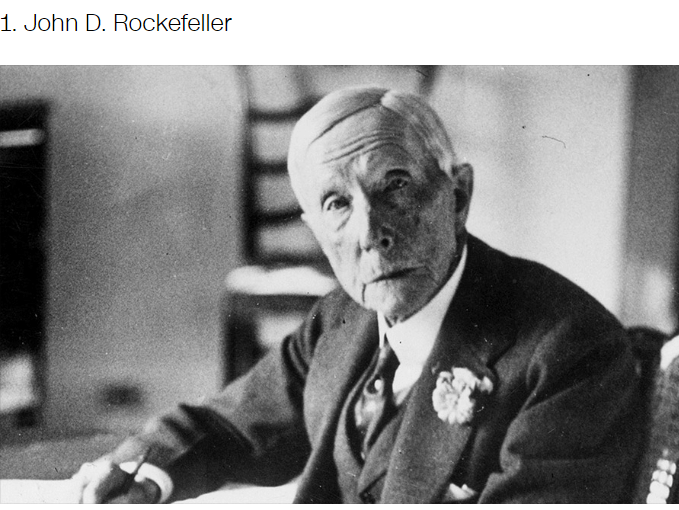
Rockefeller’s wealth soared as kerosene and gasoline grew in importance.
At his peak, he controlled 90% of all oil.
As quickly as possible, a way was found to replace what remained of the free-energy system with their own coal- and oil-based system, and in the process make money hand over fist from the total control of the new system.

Now I’m going to take a look at Hector Falls, located northeast of Titusville and southeast of Erie.
Aaron brought “Hector Falls” to my attention in Sheffield, in Pennsylvania’s Warren County in the Allegheny National Forest.
Hector Falls are described as flowing from a height of 22-feet, or 6.71-meters, from a “rectangular-shaped” rock-face, in the middle of what looks exactly like a wall.
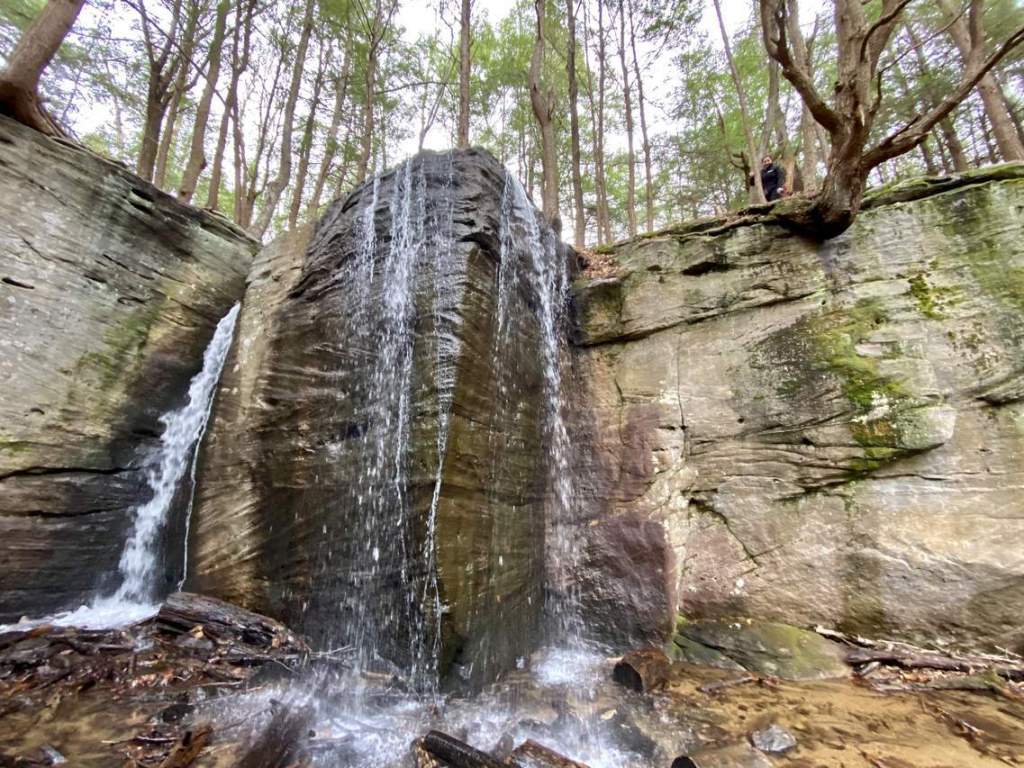
More of the same kind of thing is found throughout the Allegheny National Forest, like on the popular “Minister Creek Trail.”
The “Minister Creek Trail” is 6.6-miles, or 10.6-kilometers, -long, and is popular for hiking and backpacking.
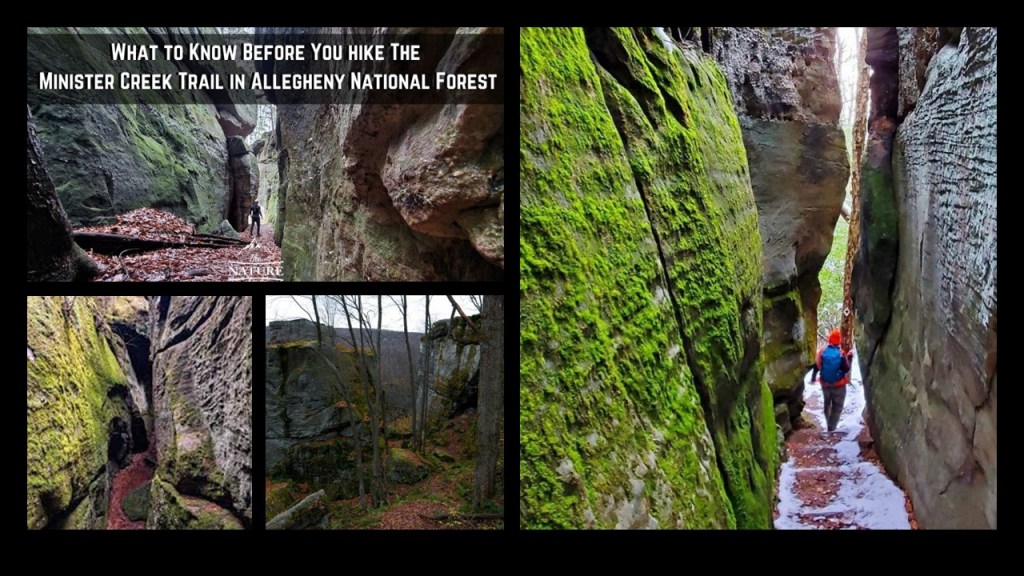
The trailhead for the “Minister Creek Trail” is roughly 15-miles, or 24-kilometers, west of Sheffield on Pennsylvania State Route 666.
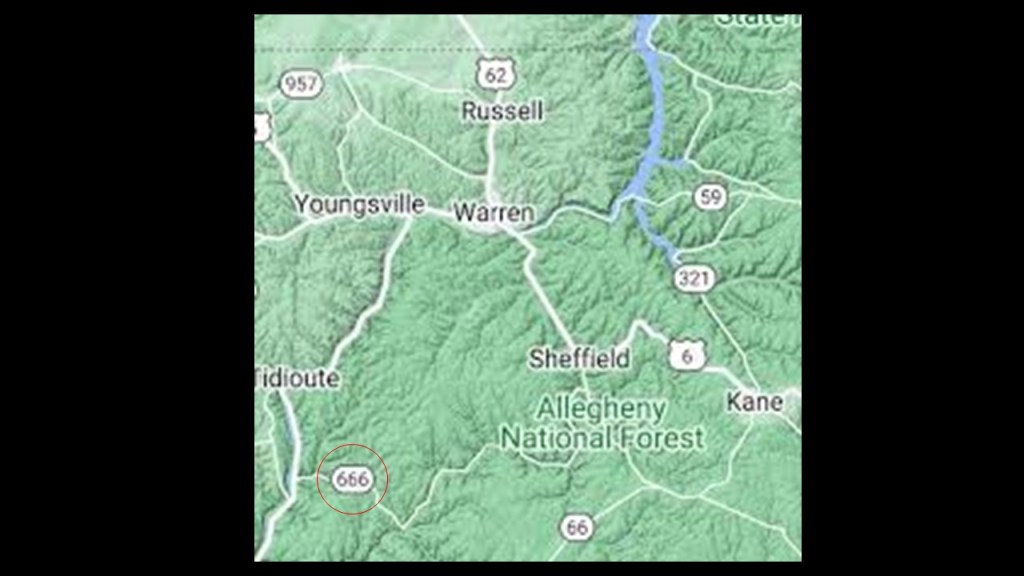
The “Minister Creek Trail” is part of the much larger “North Country Trail.”
The “North Country Trail” is a long-distance hiking trail that passes through eight states on its way from the Midwest to the Northeastern United States that was created in 1980.
It connects more than 160 public land units, including parks, forests, scenic attractions, wildlife refuges, game areas, and historic sites through North Dakota, Minnesota, Wisconsin, Michigan, Ohio, Pennsylvania, New York and Vermont.
Something tells me the whole 8-state trail has sights on all those public lands that are like what we see at “Minister Creek” and “Hector Falls!”
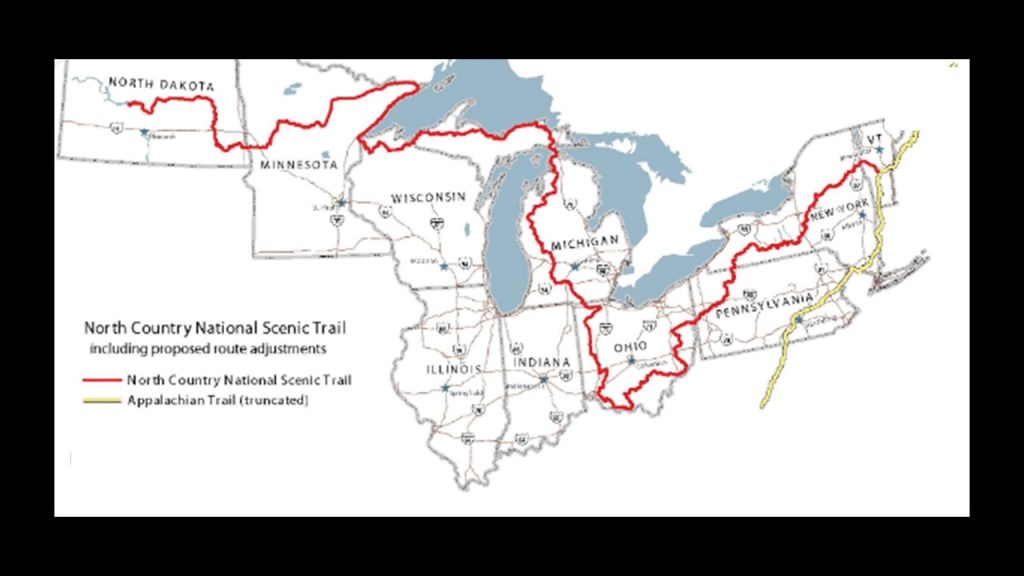
Next, I am going to turn my attention to West Hickory, where the tallest recorded skeleton in North America was found, at 18-feet, 5.5-meters.
First, I wanted to share the article Aaron sent me from the “Oil City Times” from the “Marysville Tribune” of Marysville, Ohio, dated January 26th of 1870.
At the top of the article, it referenced the “Cardiff Giant Outdone” and the alleged discovery of the skeleton of a giant in the oil regions.
So, I looked up the “Cardiff Giant” to find out more about it.
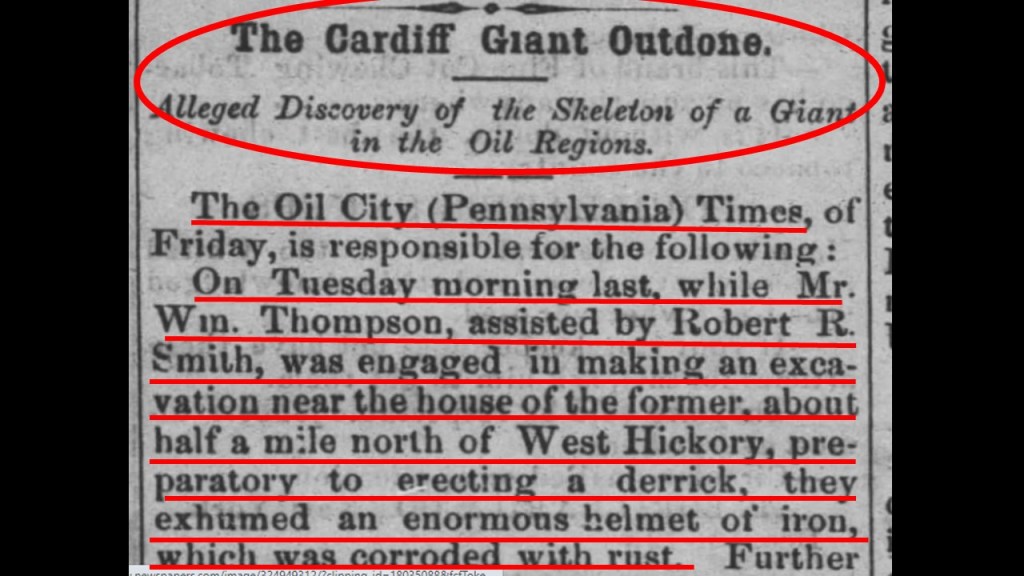
What we are about the “Cardiff Giant” is that it was one of the most famous archaeological hoaxes of all time.
In October of 1869 in Cardiff, New York, workers digging a well behind the barn of William “Stub” Newell, uncovered a 10-foot, or almost 3-meter, -tall, 3,000-pound, or 1,371-kilogram, petrified giant man.
Subsequently, Newell covered the giant with a tent and turned it into a local attraction, drawing a lot of attention from visitors.
The fraud was said to have been perpetrated by a New York tobacconist named George Hull, who wanted to fool people as to how easy it would be to create a giant.
The narrative says that in 1868, only three-years after the end of the American Civil War, Hull hired men to quarry a ginormous block of gypsum from Fort Dodge, Iowa, and had it shipped to Chicago to have it sculpted into a giant.
Then Hull had it shipped to the farm of his cousin William Newell in New York in November of 1868, where it was buried in a hole. Then, after almost a year had passed, Newell hired to men to dig the “well” where they found the giant.

The “Cardiff Giant” in short-time was sold to a syndicate, who moved it to Syracuse, New York, for exhibition.
The “Cardiff Giant” garnered a lot of attention, including that of “experts” as well as of P. T. Barnum, who was said to have hired a man covertly to model the giant’s shape in wax in order to make a plaster replica of it after his offer to buy the giant was refused.
Then Barnum was said to have exhibited his plaster giant as the real giant and the Cardiff giant as the fake.

At any rate, by December of 1869, the “Cardiff Giant” was said to have been exposed as a fraud, and Hull confessed everything to thepress, and that by February of 1870, both the Cardiff Giant and Barnum’s giant had been revealed as fakes in court.
The Cardiff Giant, and what we are told was the unauthorized copy of it made by P. T. Barnum, are on display at “Marvin’s Marvelous Mechanical Museum” in Farmington Hills, Michigan.
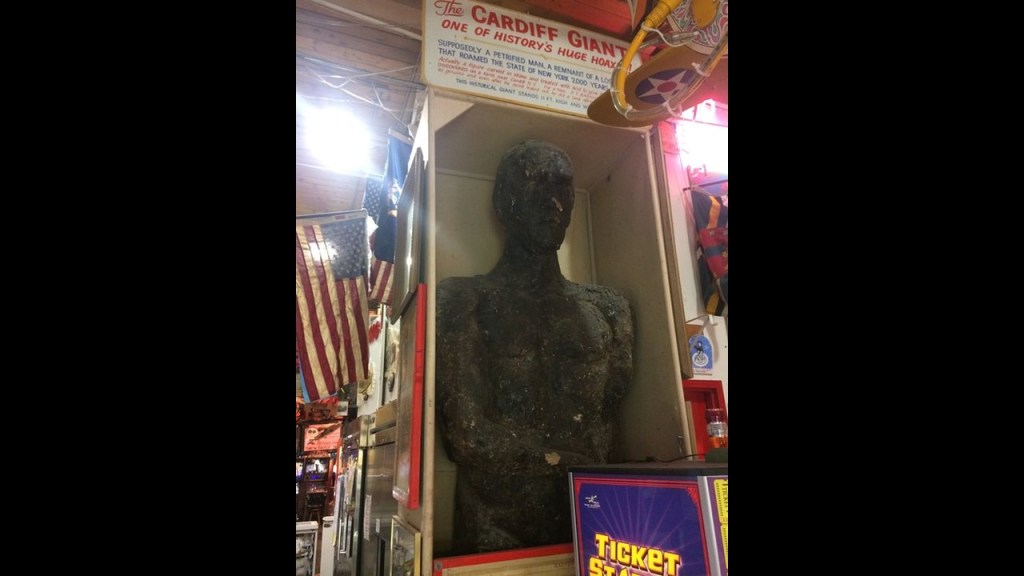
The “Solid Muldoon” was another petrified giant human body that was unearthed in Beulah, Colorado, and later called a hoax perpetrated by the same guy, George Hull.
The “Solid Muldoon,” at over 7-feet, or 2-meters, -long was said to have been discovered near Mace’s Hole in Beulah, Colorado, in 1877, 3-months after Hull “created” it, this time from “mortar, rock dust, clay, plaster, ground bones, blood and meat” and kiln-fired before it was buried in the location it was “discovered” three-months later.
The “Solid Muldoon” went on display in Colorado and New York before before revealed as a hoax to the New York Times.
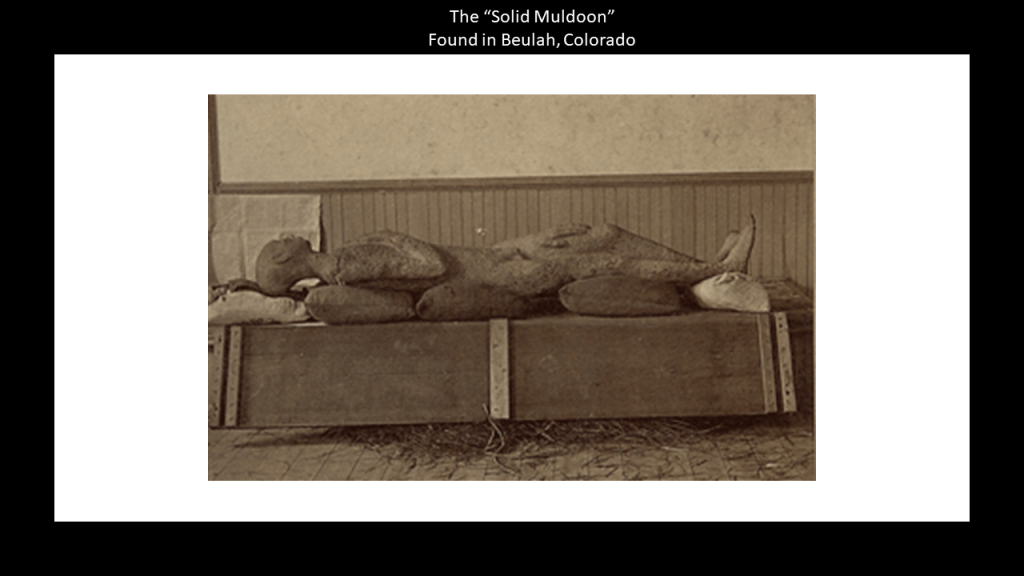
So, now let’s see what the 1870 newspaper article has to say with regards to the giant that was found at West Hickory.
Two men excavating near West Hickory in preparation for erecting a derrick first exhumed an enormous rusty helmet of iron…

…and then they unearthed a 9-foot, or almost 3-meter, – long sword.
So they made the hole bigger, and soon came upon the bones of two enormous feet.
After a few hours, they unearthed the well-preserved skeleton of an enormous human.
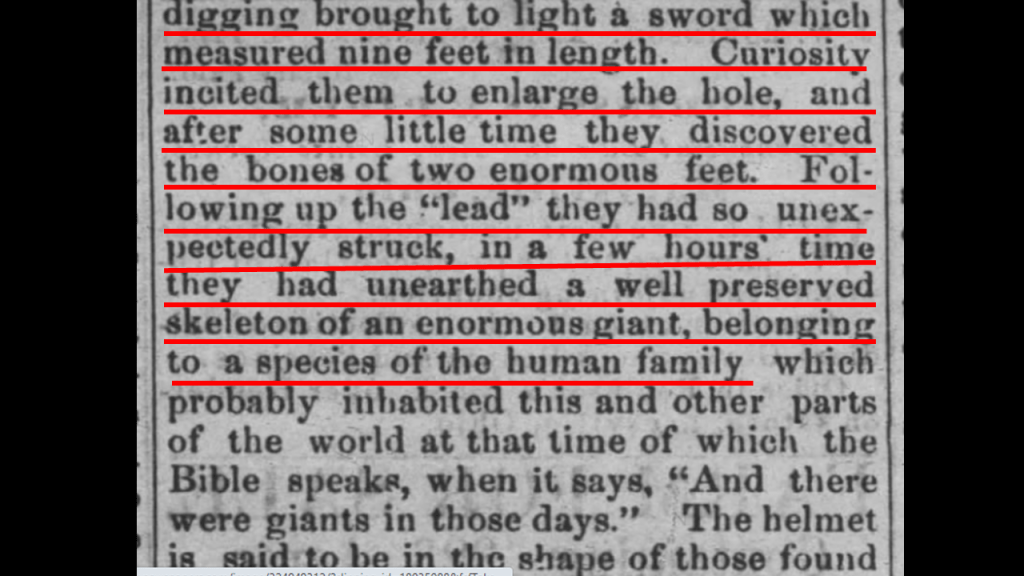
The bones of the skeleton were described as “remarkably white;” the double- teeth all in place, of extraordinary-size; and that when the giant was alive, he must have stood 18-feet, or 5.5-meters, in stockings.
The relics were being viewed in nearby Tionesta before being sent on to New York.
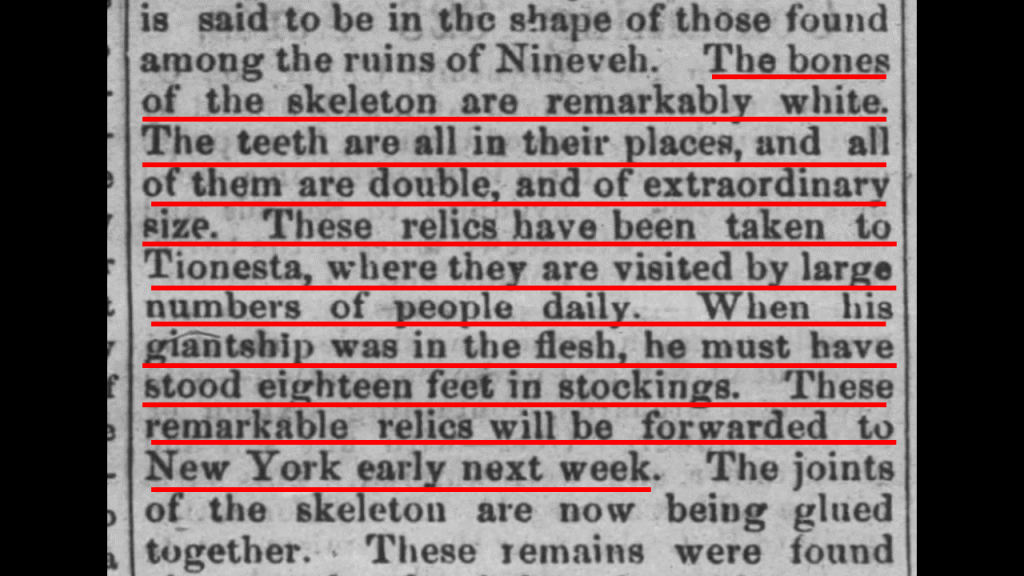
And lastly, the bones were found about 12-feet, or 3.5-meters, below the surface of a mound, and the mound was not more than 3-feet, or less than a meter, above the level of the ground around it.
Yet another nut for the Antiquarians to crack!

To put that into perspective, this garage has 12-foot walls, so the giant’s bones were found that far below the surface of a mound, which was another 3-feet higher than the ground.
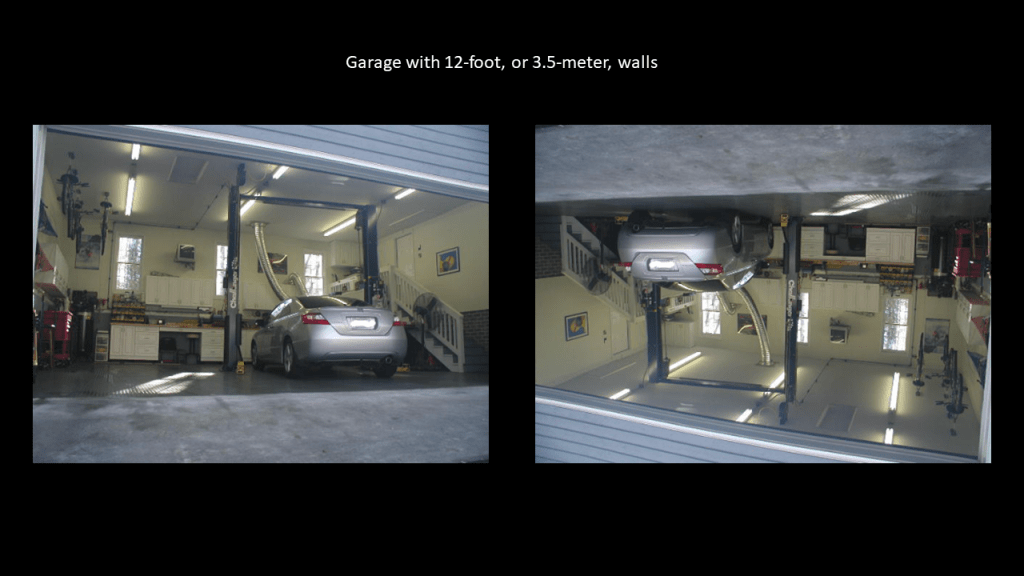
Antiquarians are those who study history with a particular attention to artifacts, archaeological and historic sites, and historic archives and manuscripts.

The American Antiquarian Society was established in 1815, said to be a national research library of pre-20th-century American history and culture, and the oldest historical society with a national focus, having been founded in 1812.
Its stated mission is to collect, preserve, and make available for study all printed records of what is known as the United States of America.

Seems like the American Antiquarian Society was established to be a gate-keeper for the new official history, like the aforementioned “Smithsonian Institution” was to become.
Somehow I don’t think the self-described Antiquarians had any intention of “cracking the nut.”

The seal of the American Antiquarian Society translates from the Latin of Ovid’s Metamorphoses, Book 15, Line 872: “Now I have completed my work, which neither sword nor devouring Time will be able to destroy” complete with an illustration of what we have come to consider Greco-Roman architecture and a broken corinthian pillar at the feet of what appears to be an angel. Hmmm.
The view of the Philadelphia Museum of Art from the Schuylkill River in Philadelphia is pictured on the right.
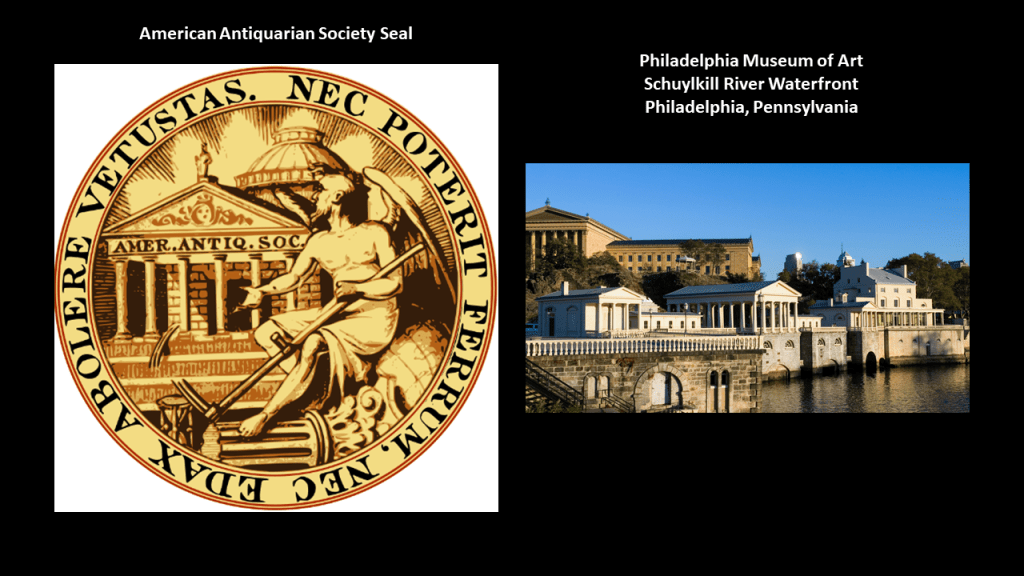
West Hickory is 14-miles, or 23-kilometers southeast of Titusville; 12-miles, or 20-kilometers, east of Oil Creek State Park, in Oil City; 25-miles, or 41-kilometers, northwest of Beartown Rocks in the Clear Creek State Forest in Sigel; and 21-miles, or 34-kilometers, from Sheffield, Pennsylvania, where Hector Falls and the Minister Creek Trail are nearby in the Allegheny National Forest.
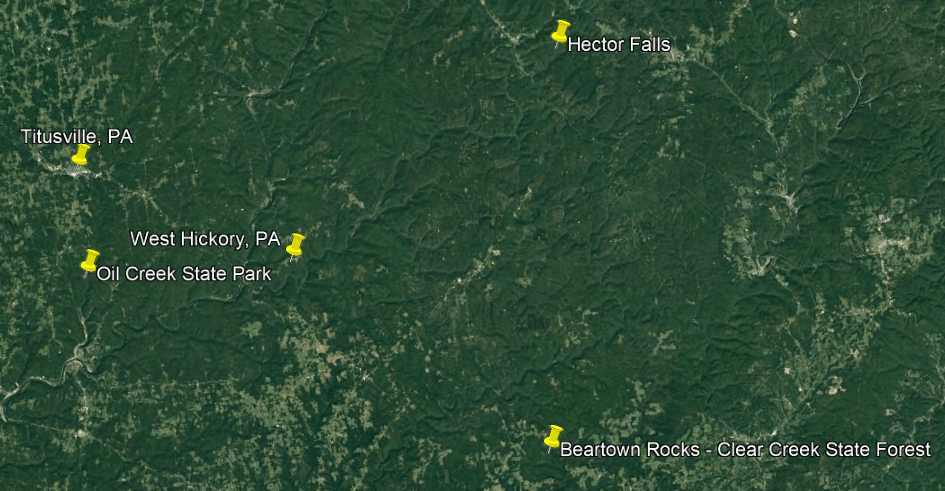
In a similar configuration at the confluence of rivers as what we saw earlier in Fairmont, West Virginia, located where the s-shaped West Fork and Tygart Valley Rivers meet to form the s-shaped Monongahela River pictured on the right, West Hickory, on the left, is located on the s-shaped Allegheny River right before it meets the s-shaped Tionesta Creek at the borough of Tionesta.

From there, the Allegheny River goes onto meet the Monongahela River at the “Forks of the Ohio” in Pittsburgh, where they form the confluence of the Ohio River.
There were two star forts – known to us as Fort Duquesne and Fort Pitt – where there are well-preserved masonry banks on both sides of today’s “Point State Park,” appearing as if these were canals, as seen the bottom right.
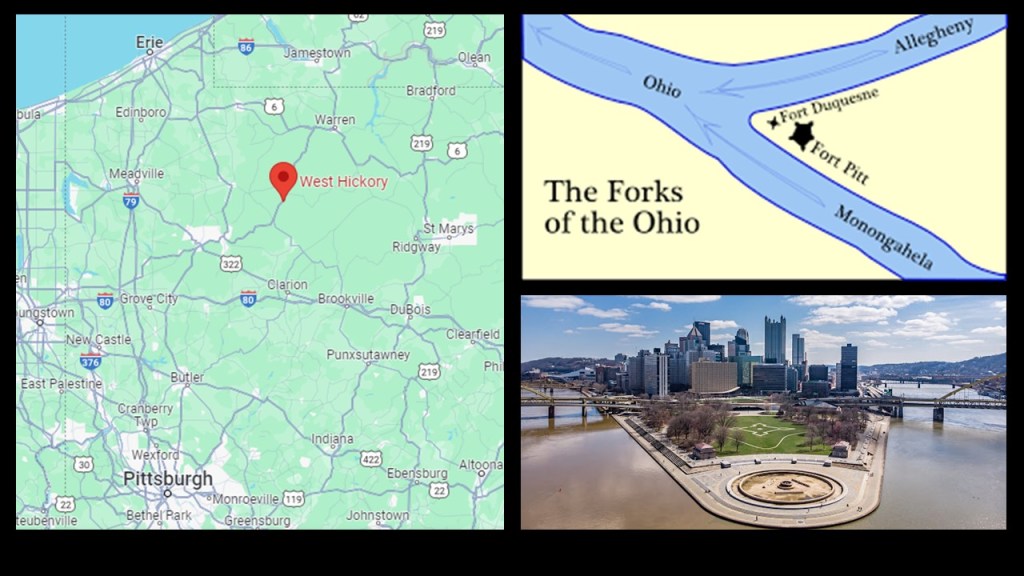
Looking just like what we see in Pittsburgh at the Forks of the Ohio, on the top left is a photo of the Monocacy Railroad Junction in Maryland circa 1873, and on the bottom right is a photo of the confluence of the Des Moines and Raccoon Rivers in Des Moines, Iowa, one of countless examples of so-called river confluences that look exactly like this
A junction is defined as a “an act of joining or adjoining things,” implying intentionality as opposed to something that just happens randomly.
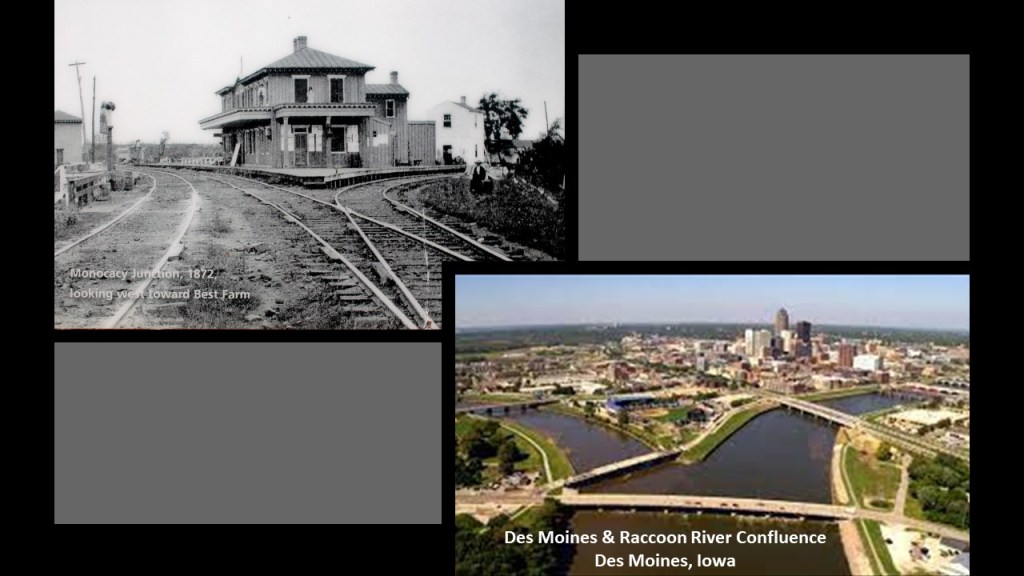
An electrical junction is defined as a point or area where multiple conductors or semi-conductors make physical contact.

It took some digging because it was hard to find out this information, but I was able to find a reference to a railroad history in this part of Pennsylvania at least in Warren County, of which the previously mentioned Sheffield, highlighted by the red box, is a part.
Among showing other railroads running along rivers and creeks throughout the county, it shows a railroad along the Allegheny River where the red arrow is pointing.
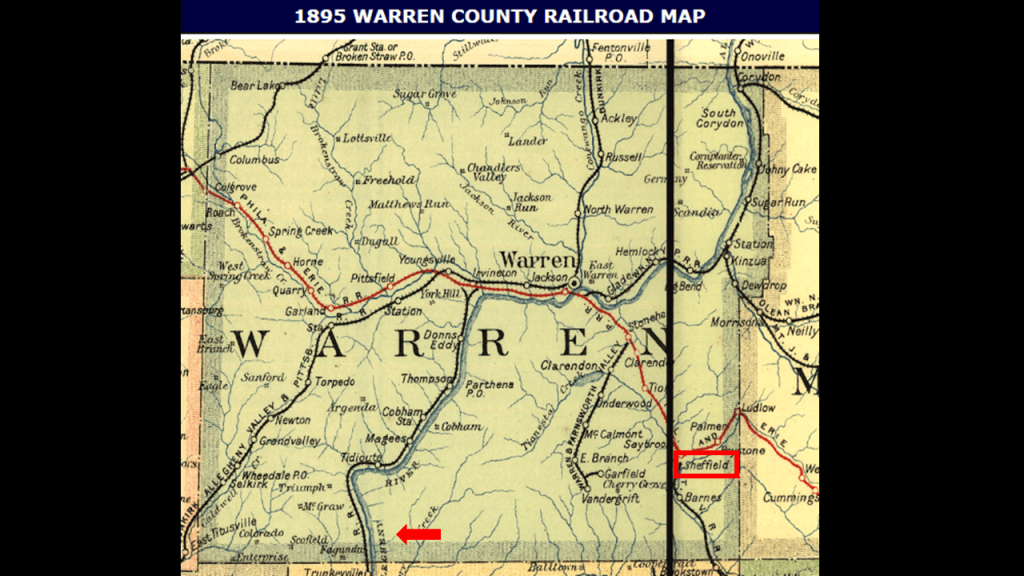
Today’s US-62 runs along the Allegheny River through here.
US-62 is an east-west United States Numbered Highway that runs from the Mexican Border at El Paso, Texas, all the way to Niagara Falls, New York, near the Canadian Border.
It passes right through Oil City, Tionesta, and West Hickory where it runs along the Allegheny River for 45-miles, or 72-kilometers.
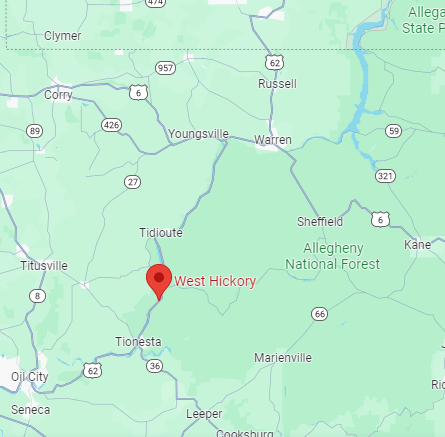
Important to note here that at the end of US-62 in New York, there was an historic train route at Niagara Falls, called the Niagara Belt-Line, which traversed the Niagara Gorge.

Today, you can take a leisurely stroll at the “White Water Walk” where the Niagara Belt-Line once was.
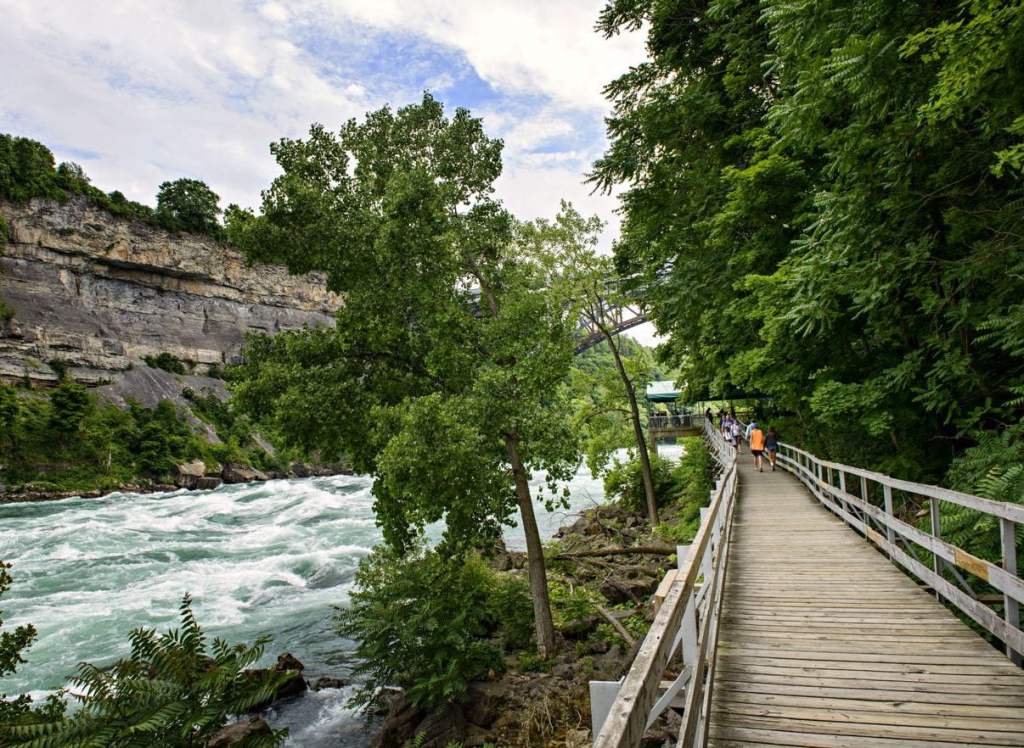
As I mentioned just a little bit ago, the Beartown Rocks seen at the beginning of this post, are located in Clear Creek Forest in Sigel, just 25-miles, or 41-kilometers, southeast of West Hickory.
“Beartown Rocks” are described as a beautiful rock formation consisting of “house-sized” boulders, that are spread out far enough they have road-like spaces in-between them, making it feel like a “rock city.”

While we are still here in this part of Pennsylvania, this is a good place to mention that this is the historical land of the Susquehannock People.
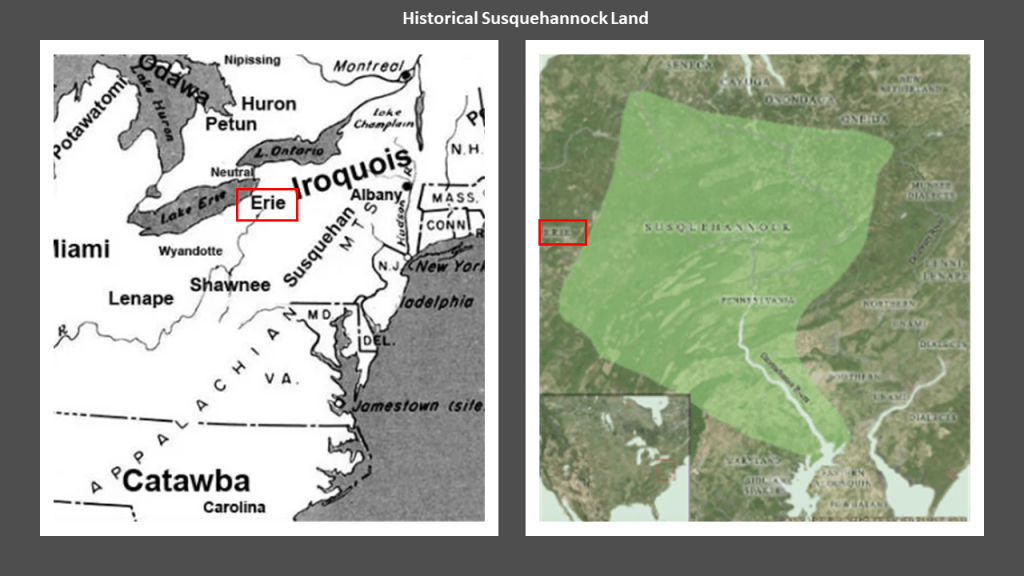
The Susquehannock People were known for their height.
This was not a secret.
On the left is a size comparison between a Susquehannock skeleton compared with a European-sized skeleton.
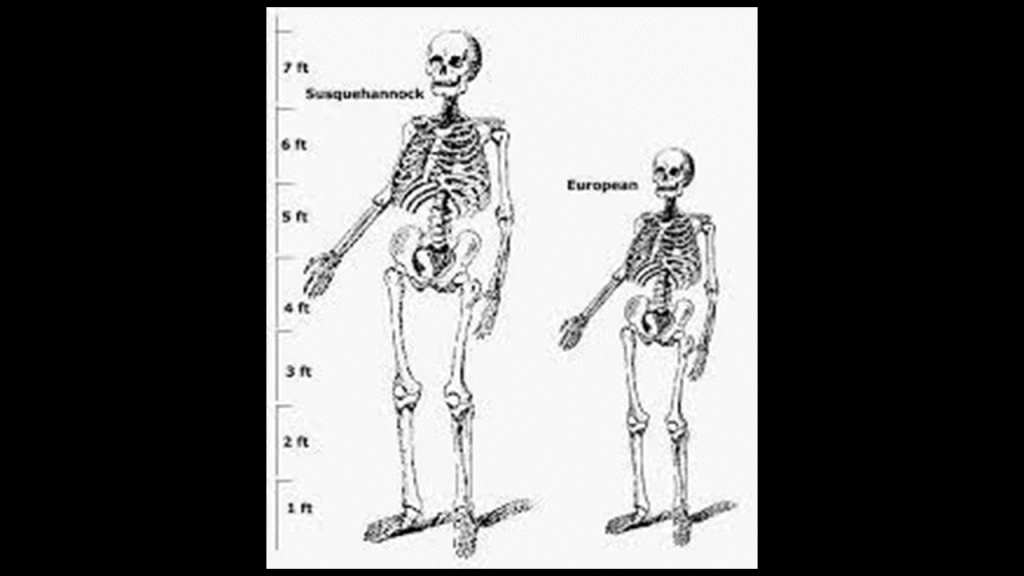
Captain John Smith, who played an important role in the establishment of the first permanent English settlement in the Americas at Jamestown in May of 1607, published a map of the Colony of Virginia within a few years, which includes Susquehannock lands in what is Pennsylvania today, on which there is an illustration of a Susquehannock man and the caption at his feet reads “Sasquesahanougs are a gyant-like people, and thus atired.”
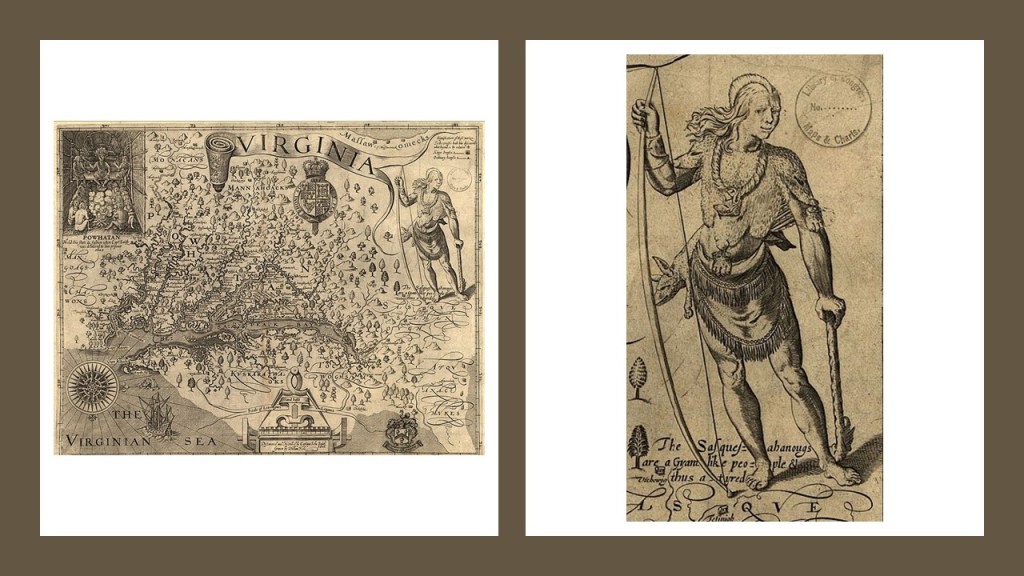
The Susquehannock People were said to have had a sharp population decline from disease and war by the 1670s.
Their population continued to decline, and that by 1763 its remaining members in Lancaster County, Pennsylvania, were massacred by a vigilante group known as the Paxton Boys, at which time they became extinct as a distinct cultural entity.
The Paxton Boys were said to have been formed for the protection of Pennsylvania colonists during Pontiac’s War, a Native American Rebellion in the Great Lakes Region against English Rule that lasted from 1763 to 1766, but as such the Paxton Boys in effect had carte blanche to massacre members of all the Native American tribes of the region, including the Lenape and the Mohican.

Now let’s take a look at some places similar to Bear Rocks, and others that we have looked at like Boxcar Rocks and Bilger’s Rocks, that are outside of Pennsylvania.
First up, Giant City State Park in Wakanda, Illinois.
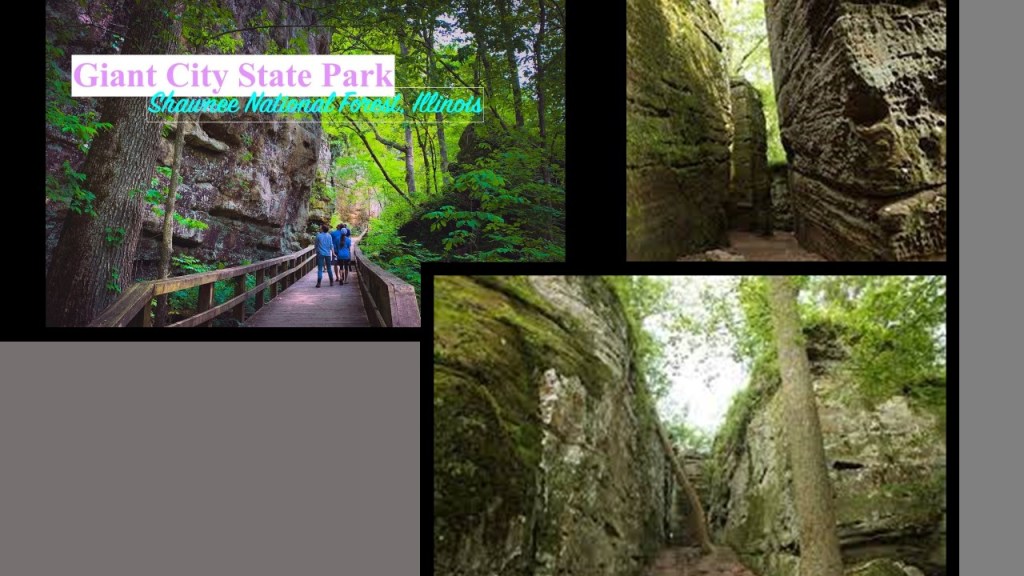
Giant City State Park in the Shawnee National Forest, in Makanda, Illinois, is just south of Carbondale in Southern Illinois.

Carbondale is the crossing point of the “Paths of Totality” for both the 2017 & 2024 solar eclipses, locations where the moon’s shadow completely covers the sun, and this part of southern Illinois was and is the “point of greatest eclipse duration,” where the shadow of the moon from the eclipse of the sun lasts the longest.

During the American Civil War, the Confederate Army was said to have constructed a fort in Columbus, Kentucky,at the confluence of the Mississippi and Ohio Rivers, very close to Cairo, Illinois, and Carbondale, in a part of Illinois nicknamed “Little Egypt.”
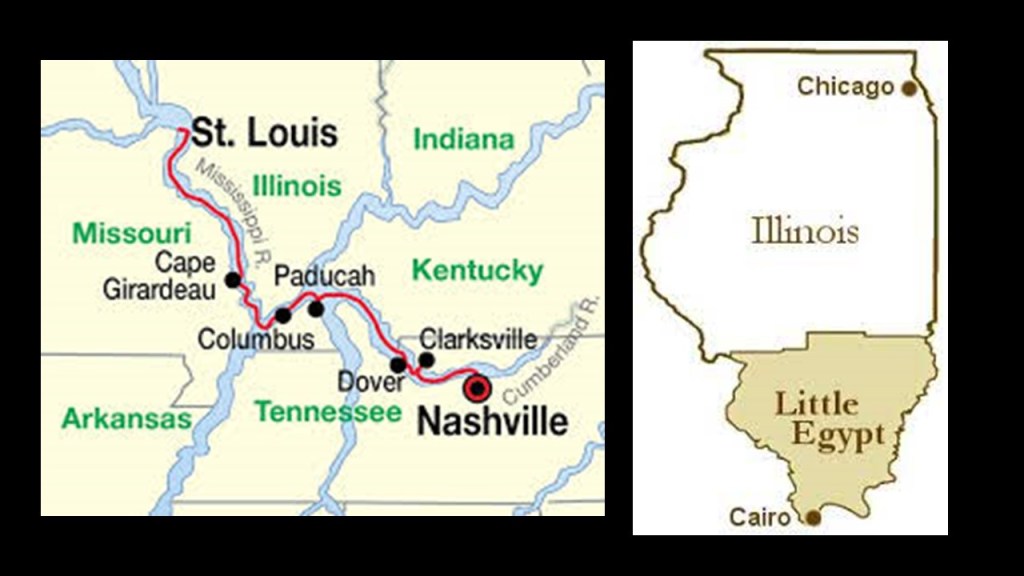
Today, Cairo in Illinois is empty and deserted, and considered a ghost town.
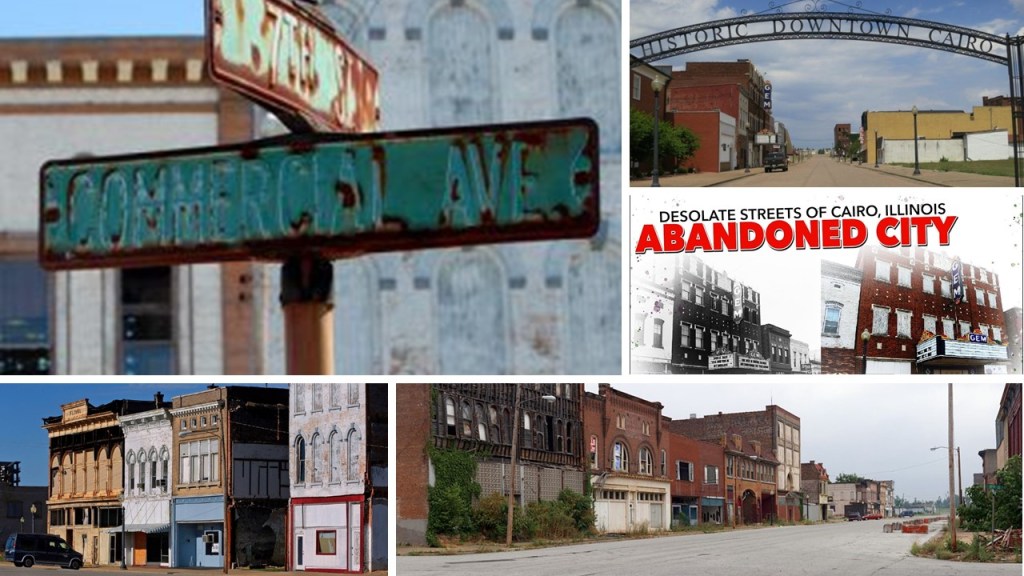
In its heyday, Cairo, located right at the confluence of these two great rivers, was an important city along the steamboat routes and railway lines.
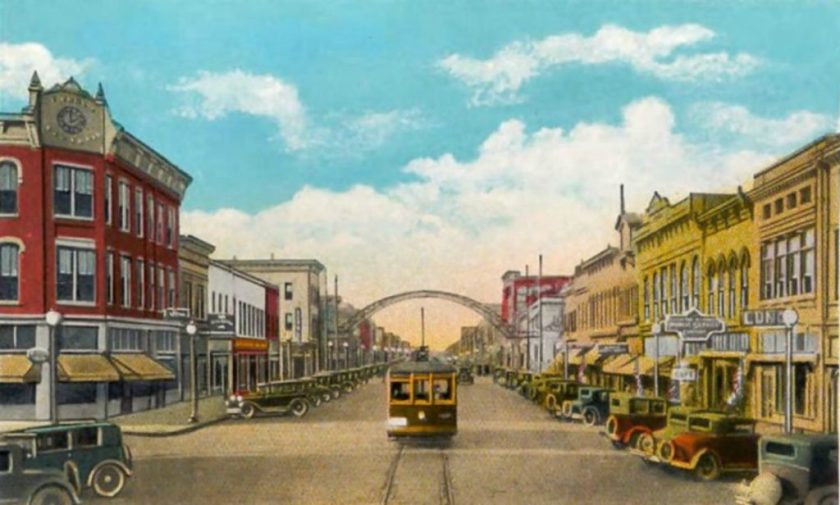
Back in 1861, the Confederacy lost the State of Kentucky, which had wanted to remain neutral until a Confederate Army occupied Columbus, Kentucky, which was supported by President Davis, and Kentucky requested aid from the Union.
A primary attraction at the Columbus-Belmont State Park, the historical location of that fort, are the remains of a mile-long giant chain, and its anchor estimated to weigh between 4- to- 6-tons.
The giant chain was said to have been constructed under the direction of Confederate General Leonidas Polk, who in 1861 had it stretched across the Mississippi River between the fortification in Columbus, and Camp Johnson in Belmont, Missouri.
But apparently this defensive strategy didn’t work too well, as Union troops under then Brigadier-General Ulysses S. Grant occupied the area and took down most of the chain.
Just as an interesting side-note.
Located on an S-shaped bend in the Mississippi River, Vicksburg is roughly 400-miles, or 600-kilometers, south of this location at the confluence of the Mississippi and Ohio Rivers.
Vicksburg is perhaps best-known for the Vicksburg Campaign and Siege during the American Civil War, which took place between 1862 and 1863, and at the end of which the Union forces under General Ulysses S. Grant captured the Confederate stronghold of the port of Vicksburg on July 4th of 1863 and divided the Confederacy.
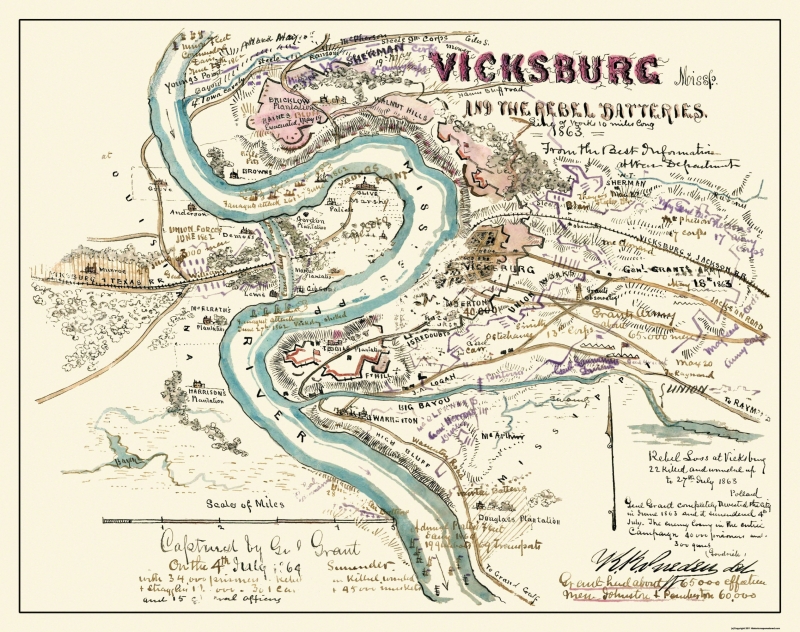
This is a wartime picture of the Shirley House in Vicksburg, circa 1863, with what is described as the camp of the 45th Illinois Infantry behind it.
But there are things going on in this photo that don’t make sense to me.
Why all the digging and entrances?

What we are told is that during the Siege of Vicksburg, the people of the city dug caves into the sides of hills to get out of harm’s way from the hail of iron that was coming their way from Union forces.
A possible explanation…but is it plausible?

The photo on the left was notated as Union soldiers on the lawn of the Warren County Courthouse in Vicksburg after the siege.
It was said to have been constructed between 1858 and 1860.
Interesting to note the contrast between the size of the soldiers and that of the courthouse.
Considered to be Vicksburg’s most historic structure, a museum is operated within the old courthouse today, pictured on the right.

The next place I am going to look at is the Heavener Runestone State Park, the best known tourist attraction in Heavener, located in east-central Oklahoma.

The Heavener Runestone State Park is very close to the Arkansas State line, on the edge of the Ouachita Mountains in Oklahoma.
The idea that Vikings came through here once-upon-a-time, and carved the runes on the surface of a huge stone is actively promoted, and there is a Viking festival held here twice a year, once in the spring and once in the fall.
Interesting to note that what we know of as “Norse” runes, and associated with the Vikings, bear a remarkable resemblance to “Vril” runes.
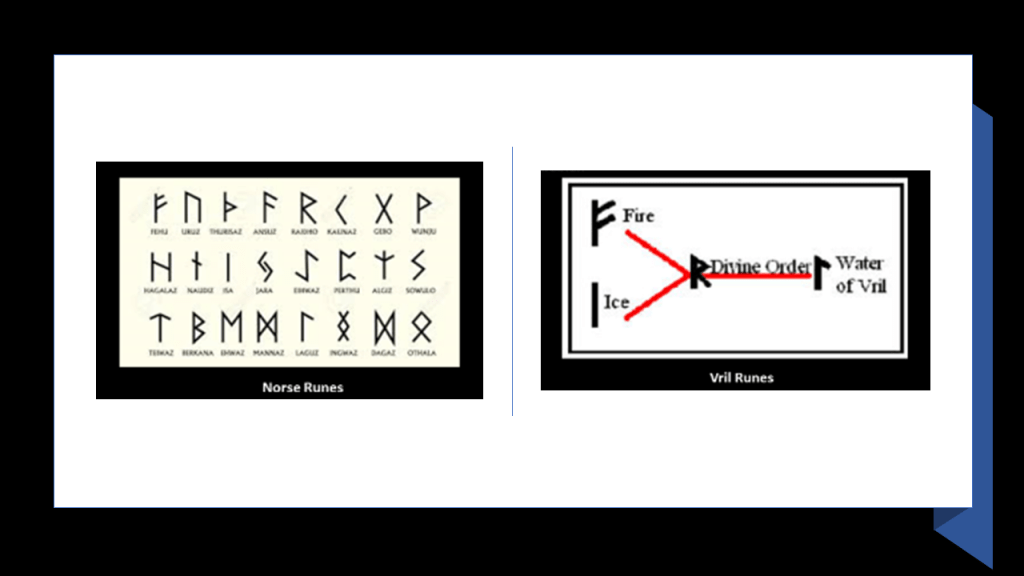
What if these runes were actually the runes of Vril, or “Universal Life Force Energy,” that was connected to the Ancient Humans and their mastery of how to harness natural energy to create amazing things?

Heavener Runestone State Park is one of the places that I first started waking up to this ancient civilization in 2015 when I was living in Oklahoma City between 2013 and 2016, and I visited there several times during that time.
The first time I did not take note of my surroundings at the Runestone, and just saw the Runestone.
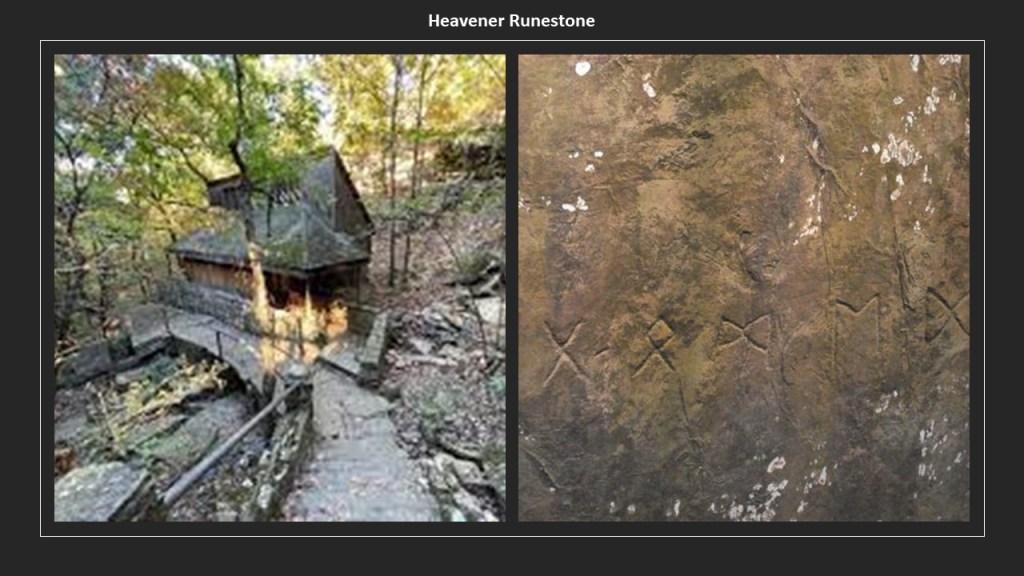
The second time I went there, I noticed that the Runestone was surrounded by an actual wall (which is referred to as a canyon there).

The third time I went to Heavener, I took these photos further up from the Runestone in a different location on the state park grounds, that have absolutely no attention drawn to them whatsoever.
The part of the park where you see these walls on the perimeter is more like an afterthought for a place to put picnic tables.
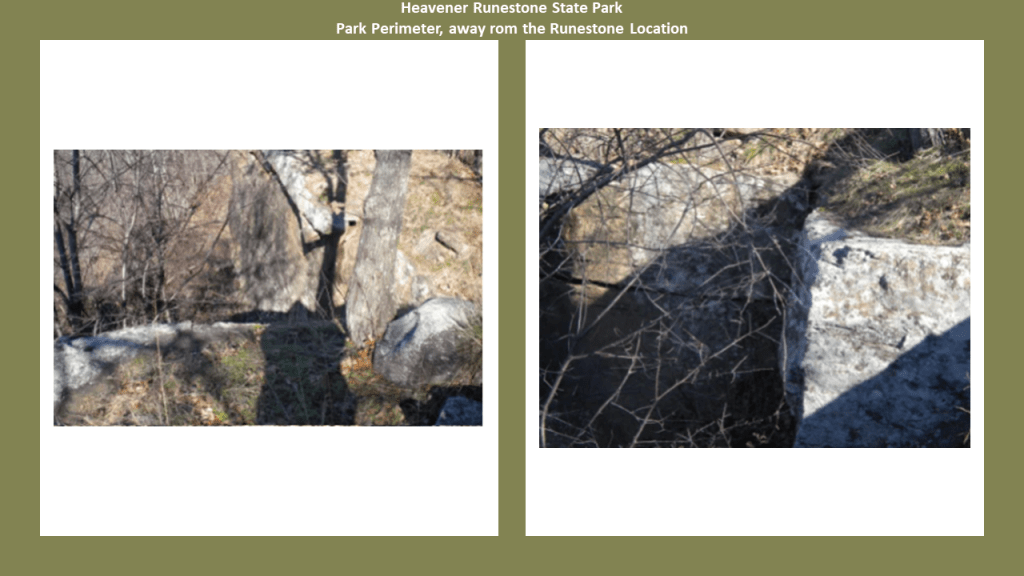
The Ouachita Mountains of southeastern Oklahoma and western Arkansas are named after the Washitaw Mu’urs of North America, one of the many empires of the worldwide ancient advanced Moorish Civilization.
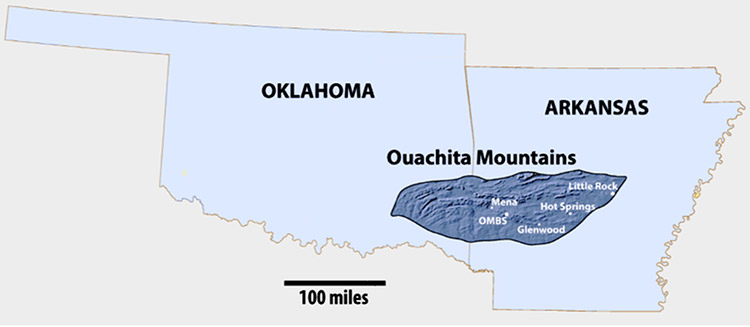
But…who are the Washitaw?
The Washitaw Mu’urs, also known as the Ancient Ones and the Mound-Builders, with a history that goes back to Ancient Mu, also known as LeMuria, still exist to this day, and have been recognized by the UN as the oldest indigenous civilization on Earth.
Matriarchal and matrilineal, the Washitaw Mu’urs are ruled by an Empress to this day.
Empress Verdiacee pictured here passed away in April of 2014, and the reigning Empress of the Washitaw Nation is her granddaughter, Wendy Farica Washitaw.
But for some reason the general public has never heard of the Washitaw.

Washitaw Proper, the ancient Imperial seat, is in Northern Louisiana, in and around Monroe.
How come we’ve never heard anything about the Washitaw?
Quite simply, they don’t want us to know.
I can’t help but notice the map of the Washitaw Empire on the left, roughly corresponds to the map of the Louisiana Purchase in the middle and the Western and Trans-Mississippi Theaters of the American Civil War on the right.
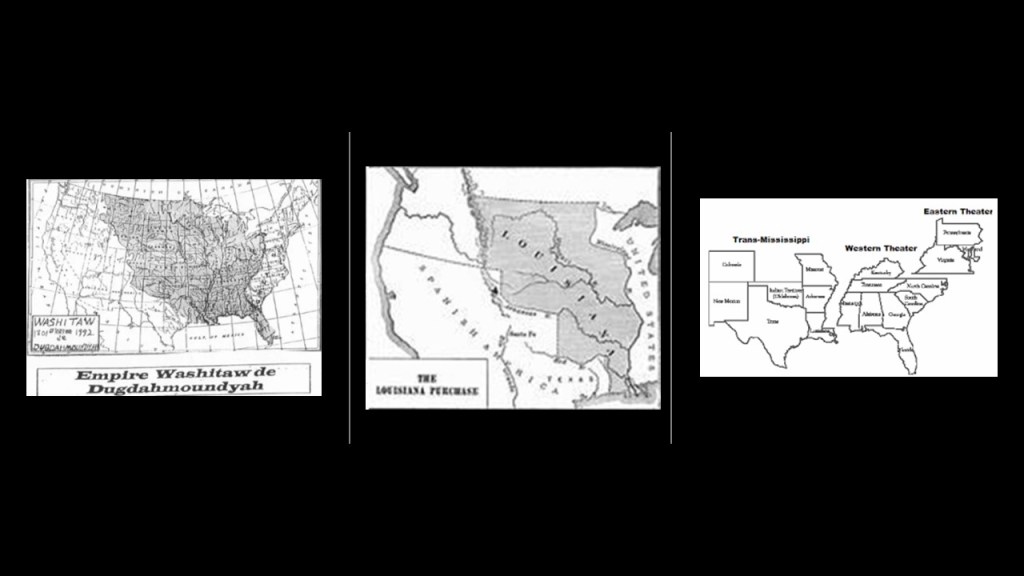
As a matter of fact, the Trans-Mississippi Department was a geographical subdivision of the Confederate Army.
When Union forces under General Ulysses S. Grant captured the Confederate stronghold of the port of Vicksburg on July 4th of 1863 and divided the Confederacy as previously mentioned, Confederate General Edmund Kirby Smith’s forces were cut off from the Confederate Capital of Richmond, Virginia.
At the time, Edmund Kirby Smith was the Commander of the Trans-Mississippi Department, and for the rest of the Civil War, he remained west of the Mississippi River.
As a result of being cut-off from Richmond, Kirby Smith had free reign in a nearly independent area of the Confederacy, and the whole region became known as “Kirby Smithdom.”
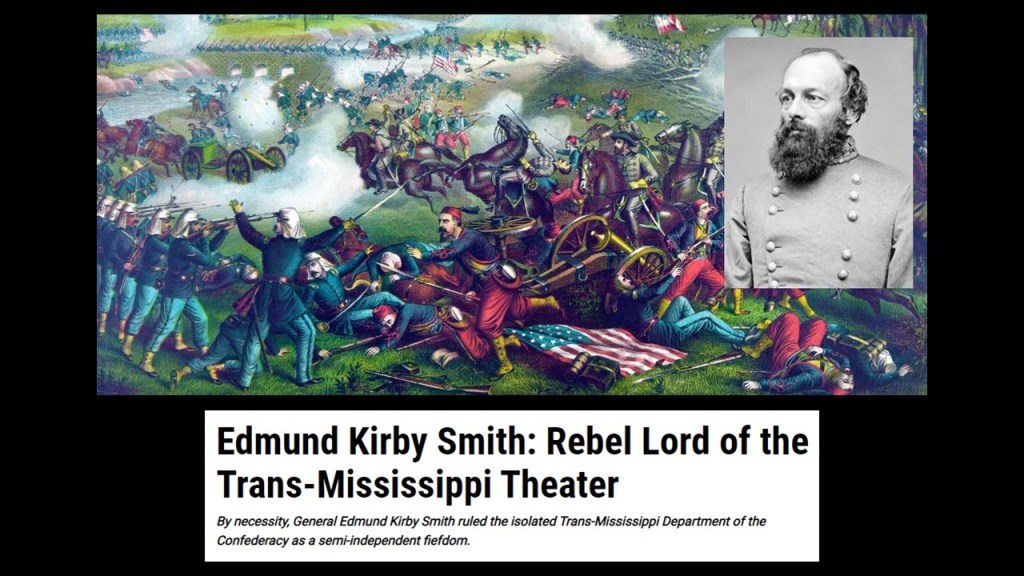
I first learned about the Trans-Mississippi Department when I was doing some research around Albert Pike, an influential 33rd-degree freemason who was a senior officer of the Confederate Army who commanded the District of Indian Territory in the Trans-Mississippi Theater of the American Civil War, otherwise known as Oklahoma.
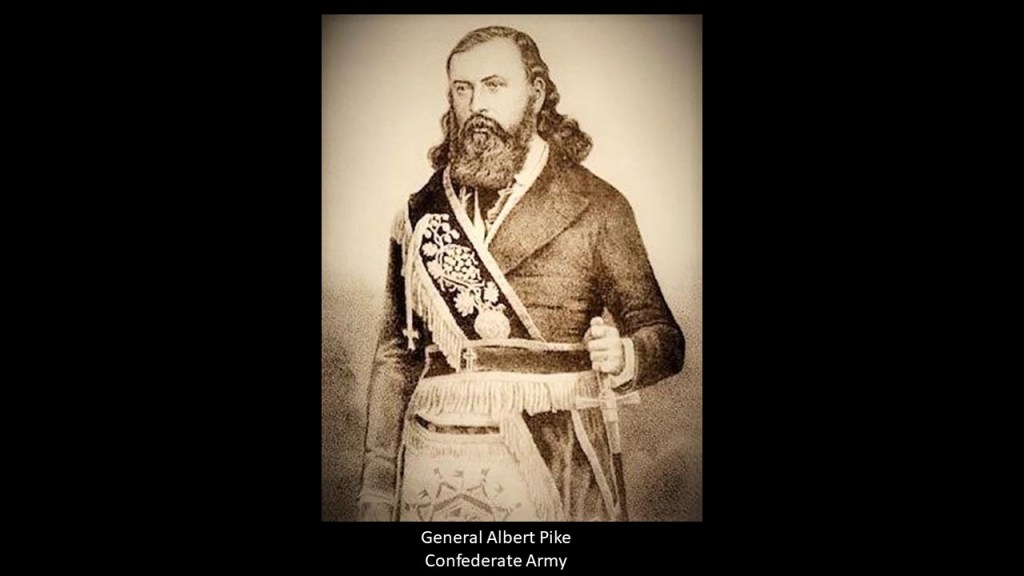
Around this same time period, Albert Pike was the Sovereign Grand Commander of the Supreme Council of Scottish Rite’s Southern Jurisdiction, a position which he held from 1859 to 1891.

There is an interesting similarity between the decoration for the Trans-Mississippi Department, with the motto of the Confederacy – “Deo Vindice” or something along the lines of “With God, our Defender” – and the decoration of the Order of the Sovereign Grand Inspectors General of the Scottish Rite, which has the Masonic Motto of the 33rd-Degree – “Ordo Ab Chao” and “Deus Meumque Jus” – inscribed on it, which translates to “Order out of Chaos” and “God and My Right.”
One last place I want to look at before I go back to continue down US-19 where we left off at Bluefield, Virginia, is Gornaya Shoria, on a different continent in Siberia.
Aaron sent me photos of Gornaya Shoria to bring it to my attention regarding its similarity to these rock formations we keep seeing in State Parks in North America.
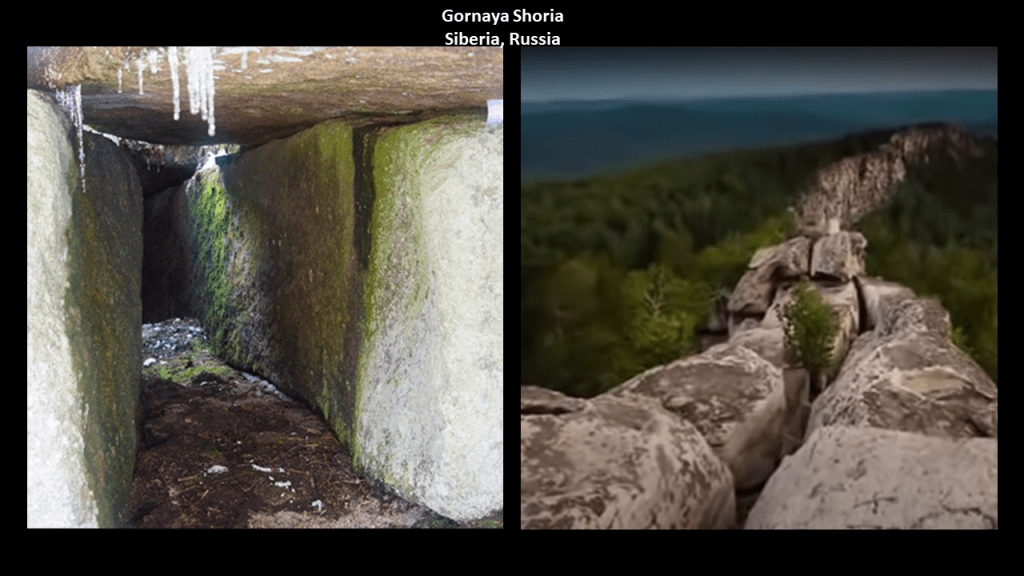
Here is Boxcar Rocks in Pennsylvania on the left compared with Gornaya Shoria on the right.
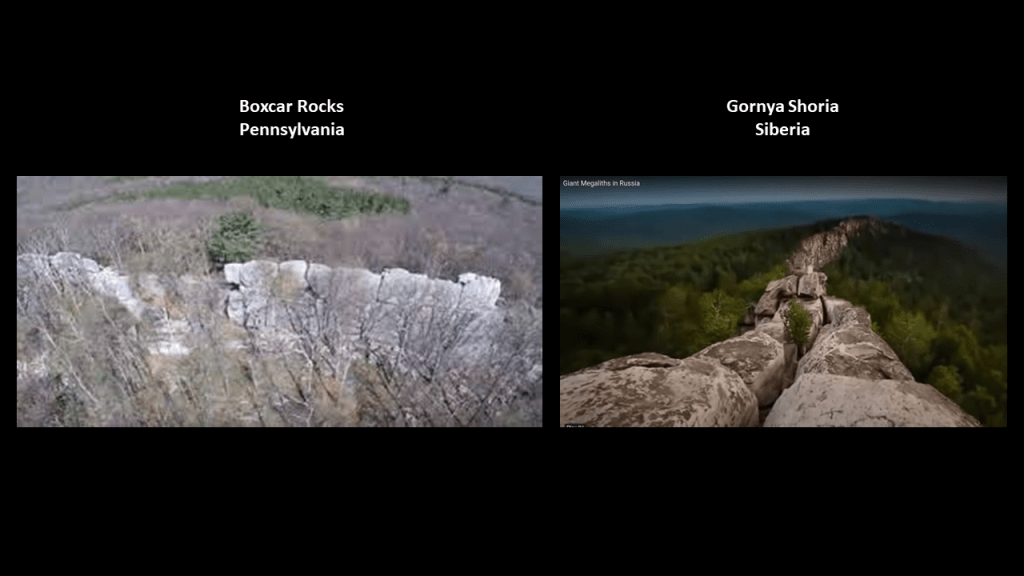
Gornaya Shoria is found in Russian in southern Siberia, east of the Altay Mountains, and is known for its gigantic megalithic stone structures.
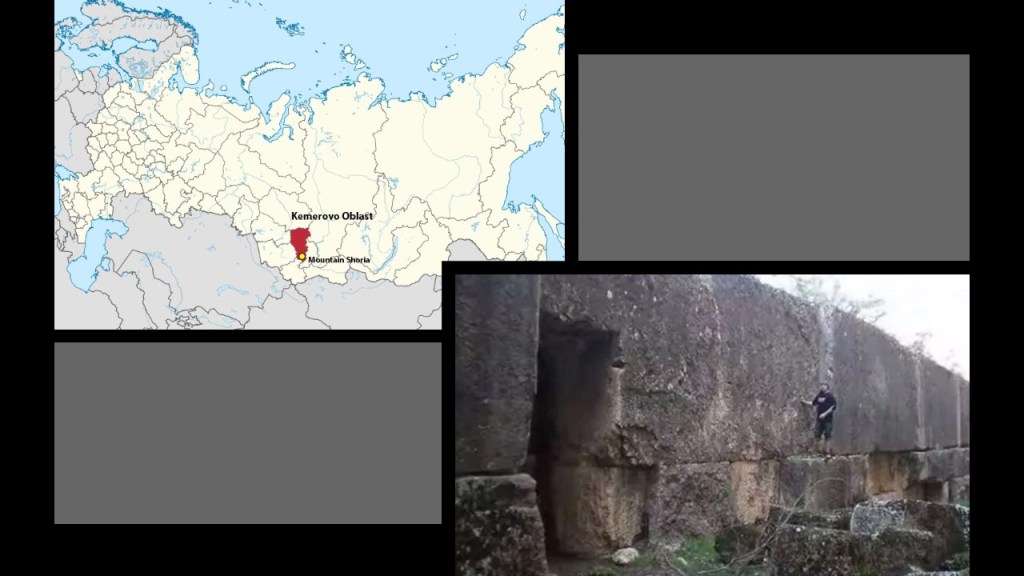
Another land feature that Gornaya Shoria shared with western Pennsylvania and eastern West Virginia in the Appalachian Mountains is that Gornaya Shoria is that it is rich in ores, like the abundant iron ore we saw in State College, and is in the Kuznetsk Basin, one of the largest coal-mining areas in Russia with one of the largest coal deposits in the world, like the Pocahontas Coal Field, the richest deposit of bituminous coal in the world, back in southern West Virginia and western Virginia.
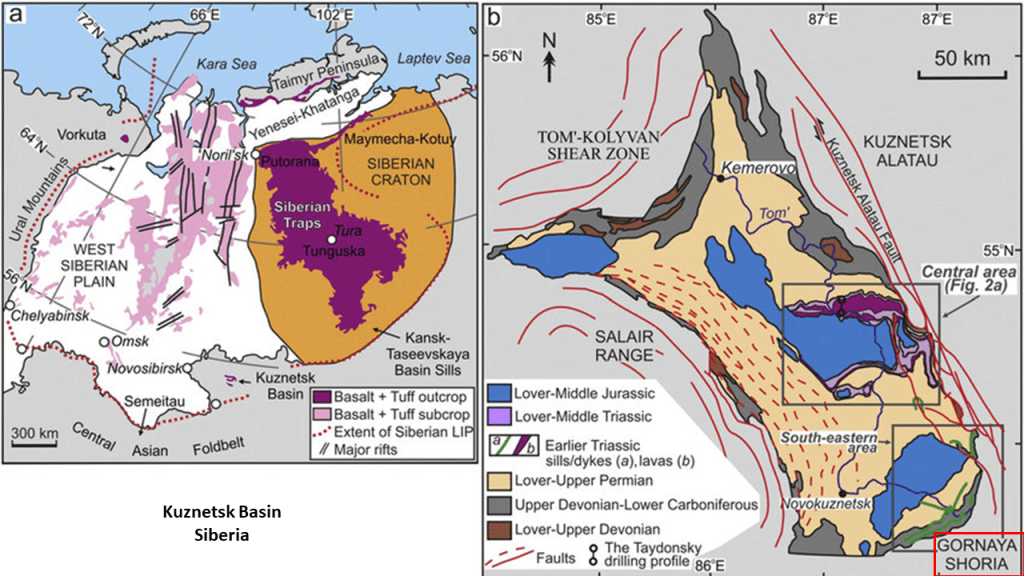
So this brings me to look at the Kemerovo Oblast of which Gornaya Shoria is a part.
Kemerovo is the administrative center of the Oblast and is the coal-mining capital of Russia.
It is located at the confluence of the Iskitimka and Tom Rivers, and is situated in an S-shaped bend of the Tom River.
The Kuznetsk Railroad Bridge crosses the River Tom at Kemerovo.
The Western Siberia Railway branch of the Great Trans-Siberian Railroad passes through Kemerovo, which has two railroad stations.

The Great Trans-Siberian Railway is the longest railway line in the world.
At 5,772-miles, or 9,289-kilometers,-long, it connects Moscow in European Russia to Vladivostok in the Russian Far East.
We are told that the first railway projects in Siberia began after the completion of the Saint Petersburg to Moscow Railway in 1851.
The Siberian line was divided into seven sections, and construction started in 1891, and we are told most of the line was simultaneously worked on by 62,000 workers.
This was labelled as an 1895 photo of convicts working on the railroad in East Siberia near Khabarovsk.

The financial support behind the railroad was leading European financier Baron Henri Hottinguer through his bank Hottinger & Cie, one of the first private banks, created by the Hottinguer family in Switzerland on August 1st of 1786.
Known today as the Hottiger Group, it is headquartered in the City of London London, and is primarily-owned by the Geneva-based Edmond de Rothschild Group.

Swiss Banks, along with off-shore banks in other countries, are notorious for the ability of wealthy people to hide their money and assets in them.

Back in Kemerovo, there are still electric streetcars in use today in the Kemerovo Tram System.
There are numerous amusement parks with rides in downtown Kemerov, like Wonderland and Antoshka.

There is even what we think of as classical Roman architecture here in Siberia, like the Kemerovo Regional Lunacharsky Drama Theater.

You know, Siberia!
And wherever this picture was taken in the Siberian winter has an operational incline railway!

Like what you see in North America and other places, the indigenous Shor people of the Kemerevo Oblast are portrayed as hunter-gatherers and farmers…but who knew how to smelt-iron and make iron objects.
Hence their name from the Russians who encountered them in 1607, the Kuznetsk Tatars, or “Blacksmith Tatars.”
So the indigenous Shors, where the massive megalithic site of Gornaya Shoria is located, were “Tatars,” or Tartars, of the historic Tartarian Empire.
So you have the indigenous peoples of Russia, like the Shor…

…and the Itelmen People of the Kamchatka Peninsula in the Russian Far East looking very much like Native American Tribal people.

Well, that similarity is accounted for in the official narrative with the migration story that the first humans to enter North America came from Siberia across the Bering Land Bridge at the end of the last Ice Age.
Right?
The story we learn about in school.

But then…there is “Wild Bill Cody’s Wild West” Show.
Wild Bill Cody, a Freemason, became internationally known for his touring show, called “Buffalo Bill’s Wild West.”

His “Wild West” Show travelled across the United States, Great Britain, and Continental Europe, starting in 1883.
In 1893, the name was changed to “Buffalo Bill’s Wild West and Congress of Rough Riders of the World” from horse-cultures the world over.
This one, and a plethora of other Wild West Shows, were the precursors of western movies in shaping the New Narrative.
The first commercially successful western film was “The Great Train Robbery” a silent film that was released in 1903.
The story-line was as follows: outlaw gang holds up and robs a steam locomotive; flee across mountainous terrain; and defeated by a posse of locals.
The western-movie genre continued to grow as time went on, and in 1914, Cecil B. DeMille in his directorial debut released a silent western called “The Squaw Man.”

Director Cecil B. DeMille was a Freemason…

…and so were actors John Wayne and Roy Rogers, among many other famous actors and film-makers of the day.
Both John Wayne and Roy Rogers were Shriners, an organization comprised of 32nd- and 33rd-degree freemasons, the highest degrees of western freemasonry.

The name “Shriners” is derived from the “Ancient Arabic Order of the Nobles of the Mystic Shrine.”
I think it is accurate to say that the freemasonic Shriners are best known to the general public for their hospitals…

…their circuses…

…and parade antics in little cars.

These are Prince Hall Shriners of the Ancient Egyptian Arabic Order of the Nobles of the Mystic Shrine.

Ancient Moorish Masonry has 360-degrees of initiation…327 more than western freemasonry.

Prince Hall, and fourteen other Moorish men were initiated into the British Army Lodge 441 of the Irish Registry, after having been declined admittance into the Boston St. John’s Lodge, at Fort Independence in Boston Harbor.
He was the founder of Prince Hall Freemasonry on September 29th of 1784, and the African Grand Lodge of North America.
Until Prince Hall found a way back in, Moorish Masons were denied admittance into Freemasonry.
Moorish Masonry is based on Moorish Science, which also includes the study of natural and spiritual laws, natal and judicial astrology, and zodiac masonry.
This is where the perfect alignments of infrastructure on earth with the sky comes from – the consummate alignment of earth with heaven that is seen around the world – like the lunar roll along the top of this recumbant stone in Crowthie Muir near Forres, Scotland.
Muir is pronounced “Moor.” Like in the Ouachita Mountains in North America, the memory of the people is retained.
Even though the spelling is different, the pronunciation is the same.
Like in the Ouachita Mountains in North America, the memory of the people is returned in the name.

What I am seeing is that Humanity was on a completely different and positive timeline from what we are experiencing today.
This civilization, with different empires around the world, but all part of the same civilization, built all of the infrastructure on the earth in alignment with sacred geometry and Universal Law to create Harmony and balance between Heaven and Earth.

According to George G. M. James in his 1954 book “Stolen Legacy,” the European Freemasons stole the legacy for themselves of the original Moorish Masons, the custodians of the Egyptian mysteries.
The Tartarian Empire in Asia was part of the worldwide ancient advanced Moorish Civilization, with its roots in Ancient Mu.

The history we have been given about the “Tatars” in Russia is that they were steppe nomads who were assimilated into the Mongol hordes that swept in on horseback under the leadership of the Mongolian Chieftain Genghis Khan, the founder and first Khan of the Mongol Empire, which he ruled from 1206 until his death in 1226.
Tartary was also hidden in name changes throughout the whole region.
Like the name of Manchuria, a region located in northeast China and part of the Russian Far East, came into use in the 1800s, instead of Tartary.
In the beautiful canal city of St. Petersburg on the Baltic Sea, which was said to have been founded by Czar Peter the Great in 1703, it is important to note the sphinxes there.
First, there are two sphinxes at either end of a quay on the Neva River in front of the Imperial Academy of Arts.

Here is what we are told about these two.
They were brought from Egypt to Russia during the height of Egyptomania in 1832.
The story goes that a Russian named Andrei Muravyov, about whom there is no information available to find, went on a pilgramage to holy places in 1830.
He saw these two 3,500-year-old sphinxes for sale in Alexandria, Egypt, that were on sale.
This guy was so impressed, he contacted the Russian Ambassador with a proposal to buy them.
They ended up being acquired, and eventually made their way to St. Petersburg in 1834 and their present location the quay on in front of the Imperial Academy of Arts.
There are also sphinxes on St. Petersburg’s Egyptian Bridge on the Fontanka River.
The Egyptian Bridge was said to have been originally constructed between 1825 and 1826 by two civil engineers, also as a tribute to early 19th-century Egyptomania.
Besides sphinxes, it had Egyptian -style ornaments, obelisks and hieroglyphics, and the iron-work was elaborately gilded.
There’s a whole story about the Egyptian Bridge collapsing in 1905 when a cavalry squadron marched across it, and that the present bridge was rebuilt by 1955, incorporating features from the original bridge, but I have serious doubts about the veracity of what we are told about historical events and how things in our world came to be what we see.
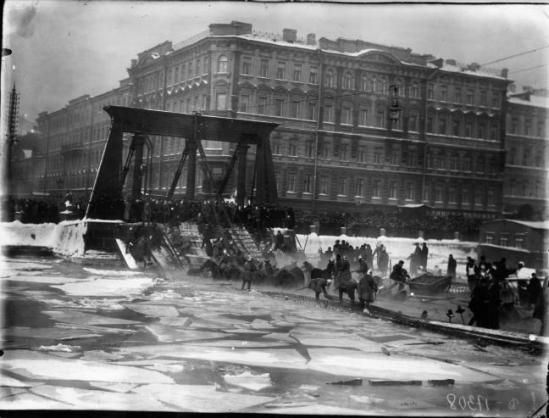
I’d also like to bring the Atlantes of the Winter Hermitage in St. Petersburg to your attention.
The Winter Hermitage was the official palace of the House of Romanov from 1732 to 1917, and is a museum complex today.
The Palace pictured here, what we are told was the fourth “Winter Palace” since Peter the Great’s time, was said to have been constructed between 1754 and 1762.
What the historical narrative tells us that the Emperors constructed their palaces on a monumental scale to reflect the might and power of Imperial Russia.

The giant-sized statues of the Atlantes are located at a portico entrance of the Winter Hermitage.

The ten Atlantes statues that hold up the Hermitage portico were said to have been sculpted from granite, and polished, by Alexander Terebeniev, and completed in 1852.
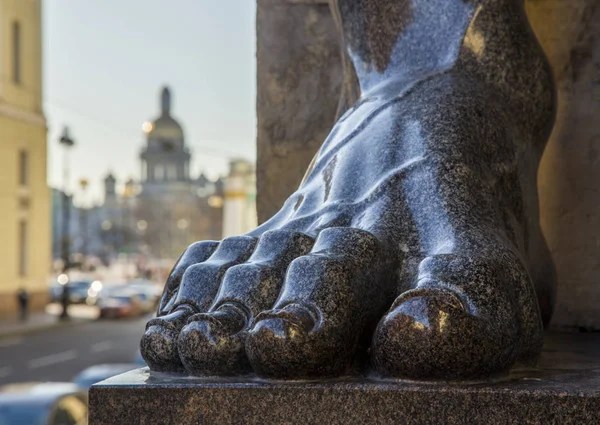
Old photos are all that remain of the living giants of the past, like those of Tartary…
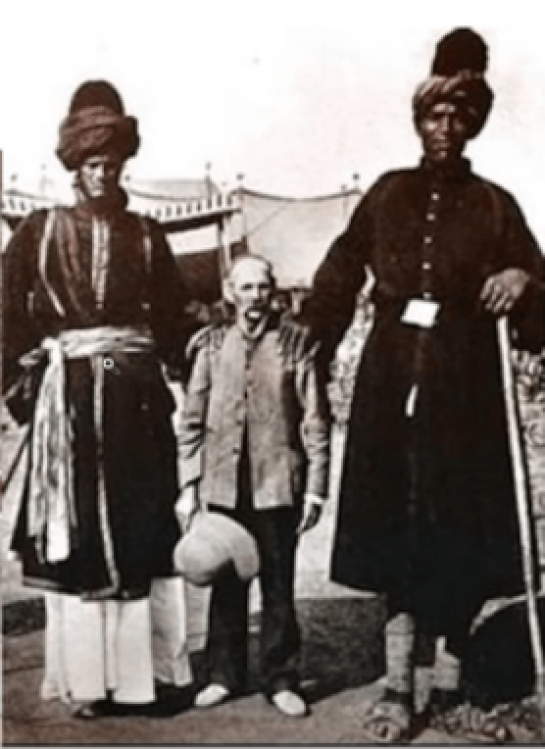
…with the possible exception of seeing the giant gene of Humanity expressed in the basketball players of today.

So, now I am going to head back to where I left off in Pennsylvania and pick up US-19 in Pittsburgh.
The routes I looked at leaving southward out of Erie – US-19, US-18, and US-8 – meet on the highway system around Pittsburgh.
Pittsburgh looks like another one of those central hubs we saw earlier with the US Highway System and historic Railroad lines.
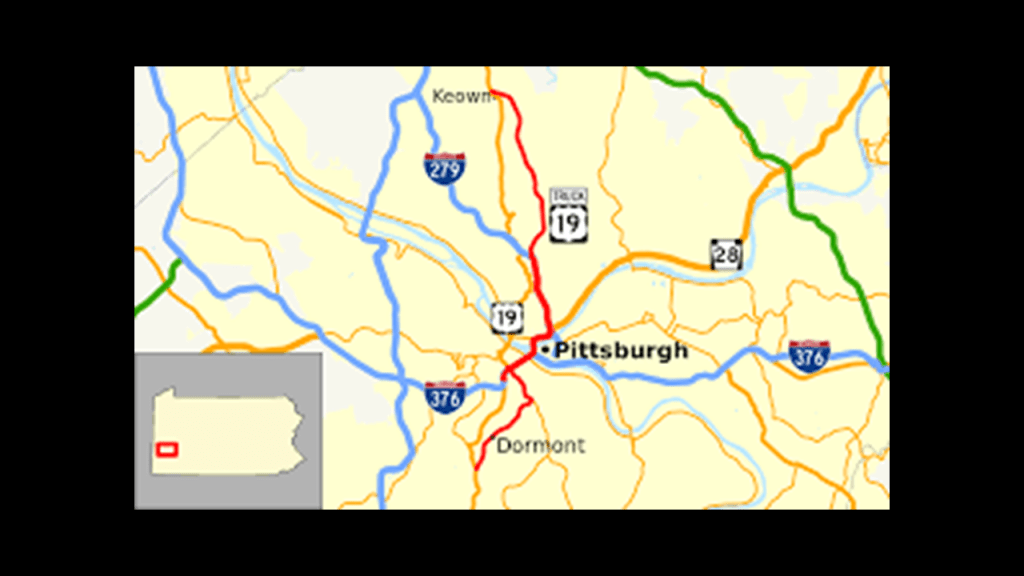
Pittsburgh is the largest city in Appalachia and the Ohio Valley.
It developed as the vital link between the Atlantic Coast and the Midwest, with examples like the Allegheny Portage Railroad connecting the Pennsylvania Main Canal to Pittsburgh and the Ohio River and points west of the Allegheny Mountains.
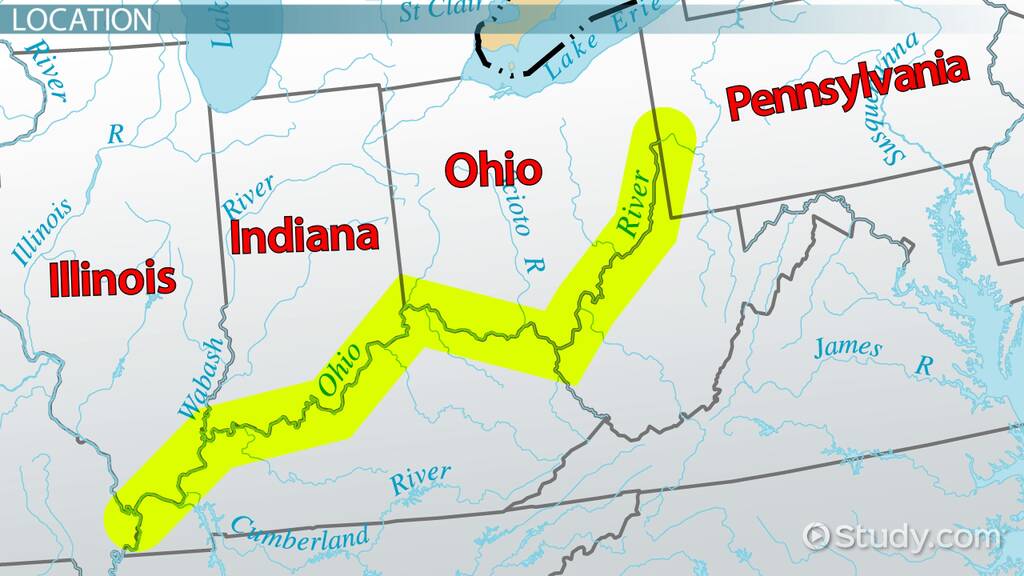
Pittsburgh played a dominant role in the development of the U. S. Steel Industry.

Many leading industrialists of the 19th-century were based in Pittsburgh, and resided in the East Liberty neighborhood in Pittsburgh’s East End, at one time the richest suburb in America, with names including Mellon, Carnegie, Heinz, and Westinghouse living there.
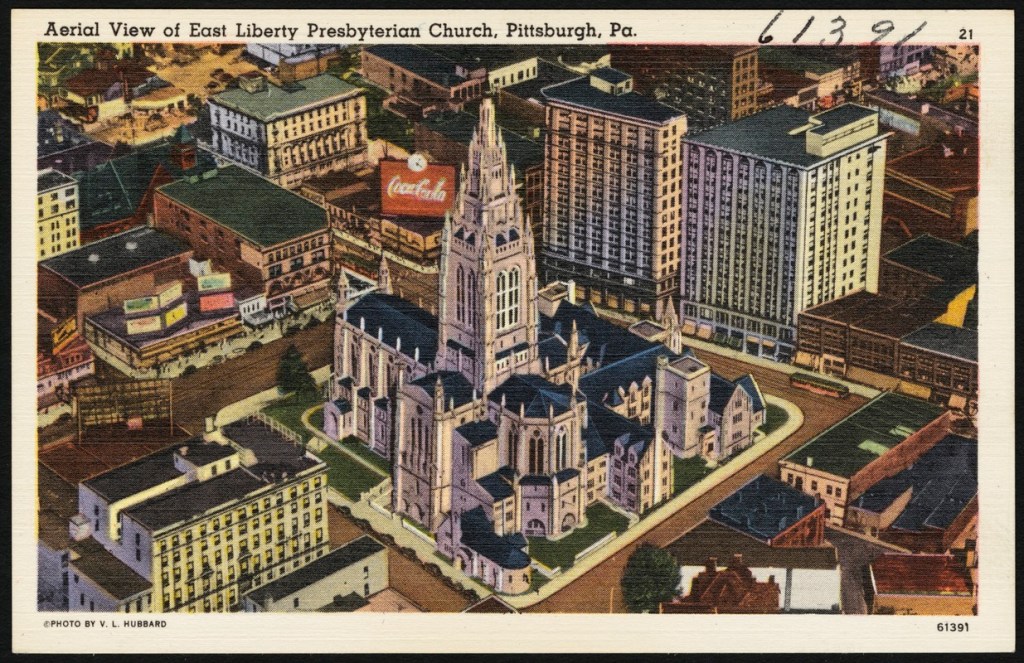
We are told that East Liberty started developing as a commercial area in 1842, when Thomas Mellon, prominent businessman and patriarch of the Mellon family in Pittsburgh, married Sarah Jane Negley, daughter of one of the earliest land-owners in the area, and made East Liberty their home..
We are told that Thomas Mellon made his fortune selling or rented land inherited by his wife, and used the proceeds to finance early industries in Pittsburgh.

In 1870, he and his sons Andrew and Richard established the “T. Mellon & Sons Bank,” and it became the Mellon National Bank In 1902.
It became a force in the mass production revolution in the United States, particularly in the Midwest.
A National Bank is a private bank operating as a commercial bank within the Federal Government’s Regulatory Structure, and under the supervision of the “Office of the Comptroller of the Currency,” rather than a state banking agency.
At one time in our history, National Banks had the authority to print money.

At its height, Mellon Financial Services was one of the world’s largest money management firms.
It merged with the Bank of New York in 2007 to become BNY Mellon.

Richard Mellon, with an adjusted wealth of $103-billion, is listed as the 5th wealthiest American of all-time by CNN Business, and a founder of Gulf Oil and Alcoa Aluminum, as well as a number of other big corporations, along with his brother…
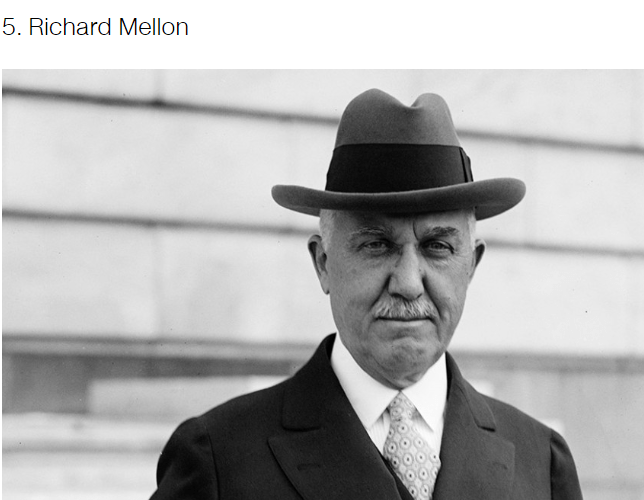
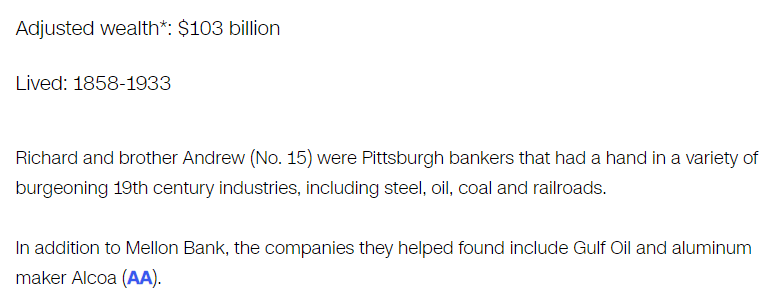
…Andrew Mellon, who is listed as the 15th-wealthiest American of all-time by CNN Business, with an adjusted wealth of $63.2-billion.
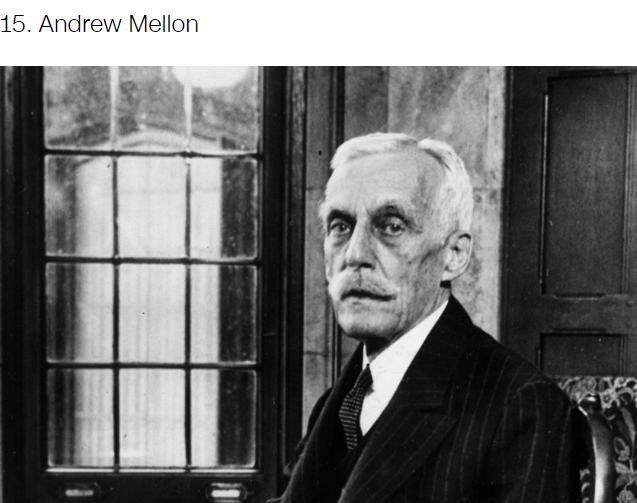
It is important to note that Andrew Mellon was an acknowledged Freemason, and also the U. S. Secretary of the Treasury from March 9th of 1921 to February 12th of 1932, presiding over the Boom years of the 1920s as well as the Wall Street Crash of October 1929, which led directly to the Great Depression.

Andrew Mellon was also a close friend of Henry Clay Frick, and a member of the South Fork Fishing and Hunting Club, along with Andrew Carnegie, on the property where the dam failed that caused the Johnstown Flood, as previously discussed.
Along with Andrew Mellon, as we saw earlier in the section on Johnstown, Andrew Carnegie and Henry Clay Frick were initiated into Freemasonry, with Henry Clay Frick active for only five-years, but supported Freemasonry his entire life.
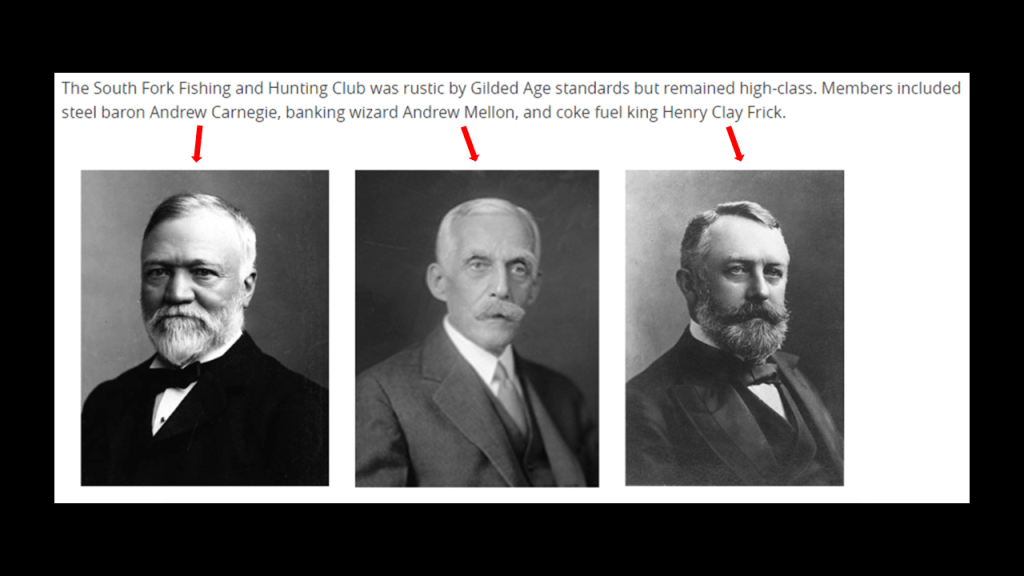
Andrew Carnegie was ranked as the 6th-richest American of all-time by CNN Business, with an adjusted wealth of $101-billion.
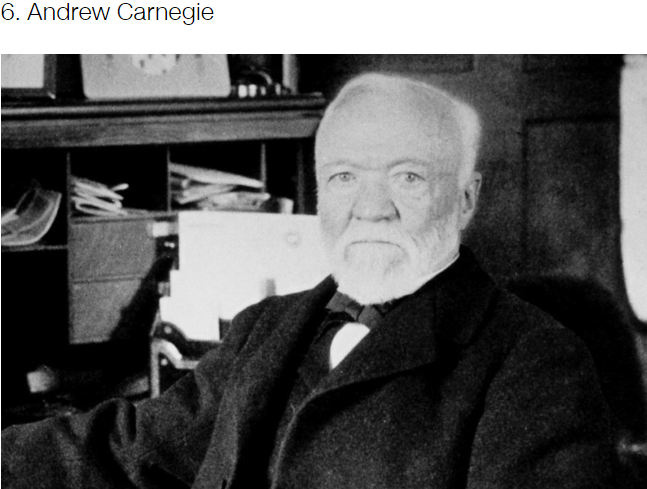
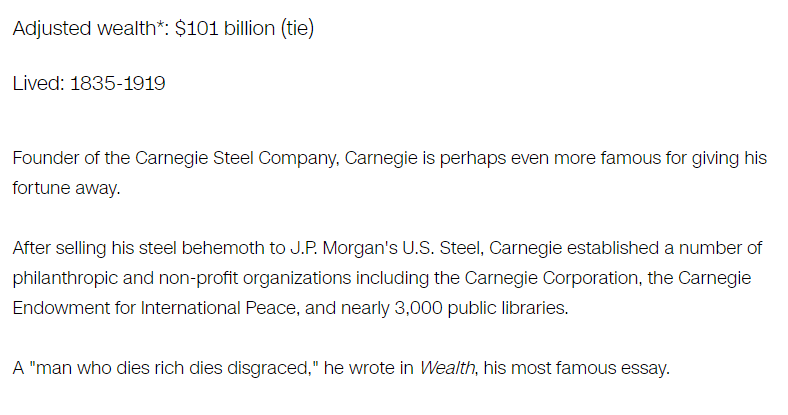
It’s important to note that with the philanthtropic activities spoken of these extemely wealthy men, which are made to sound extremely benevolent and meant to benefit Humanity, it seems like their intent was highly questionable as to their actual motives.
We have seen or referenced all four of these men who receive the top billing as “Robber Barons.”
More on Vanderbilt and Morgan to come.
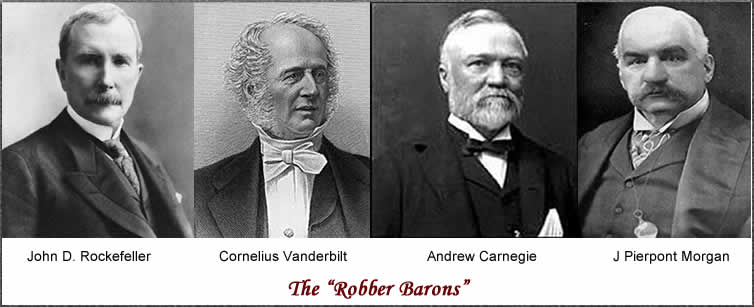
Among many other things, both the Rockefeller and Carnegie Foundations have been involved in the American Educational System…

…from the need to education to train the future workforce….

…to the insidious “Woke” currriculum of today that is taught in American public school classrooms.

And, even as early as 1914, the National Education Association expressed alarm at the activity of the Carnegie and Rockefeller Foundations, and their efforts to control the policies of State educational institutions, and everything related to the educational system.

Now I am going to leave Pittsburgh, and head south on US-19, back to where it meets US-219 in Bluefield, Virginia.
It is important to note this location at the two Bluefields and the Pocahontas Coalfield is on the alignment of the Serpent Lei identified by Peter Champoux and the red line in this Google Earth screenshot, that I tracked in a previous post from the Bermuda Triangle to Lake Itasca in Minnesota, which passes through the “monadnock,” Pilot Mountain (AKA giant tree stump?) in North Carolina right before it passes through this location.
It was from tracking the Serpent Lei alignment that I first encountered Burkes Garden, Virginia, which is just south of Bluefield, accessed from US-19, and the next place I want to bring to your attention.

Burkes Garden has a population of about 300 people, in a place considered to have the most fertile soil in Virginia, but no post office; no cell phone or cable service; cool-to-cold weather; and one paved road to Tazewell, the nearest town about 15-miles, or 23-kilometers away.
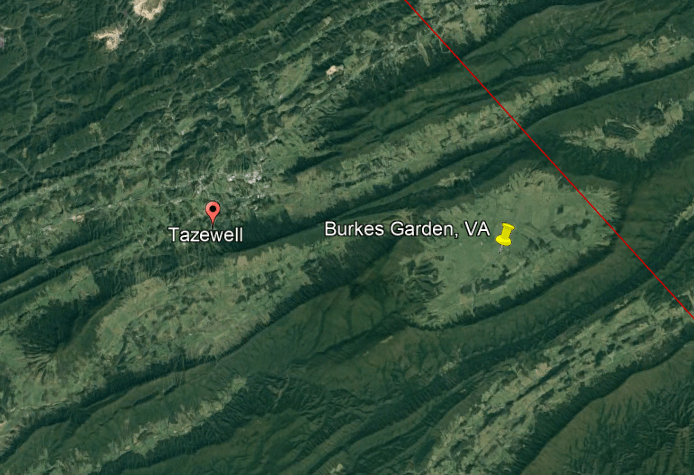
Burkes Garden is known as “Vanderbilt’s First Choice” for the Grand Biltmore Estate.
We are told that the land-owners there wouldn’t sell to George Vanderbilt II, so he went to Asheville in North Carolina instead.
More on Asheville shortly.

Burkes Garden is also called “God’s Thumbprint,” and is the highest valley in Virginia and largest rural district.

So, a couple of things I want to mention about Burkes Garden and Tazewell County which US-19 passes through.
First, is like we saw back in Pennsylvania in the Allegheny National Forest near Sheffield and the way you get to the Minister Creek Trailhead, Burkes Garden has a State Route 666 as one of its connecting roads.
Maybe that’s not a significant finding.
But then again, maybe it is.
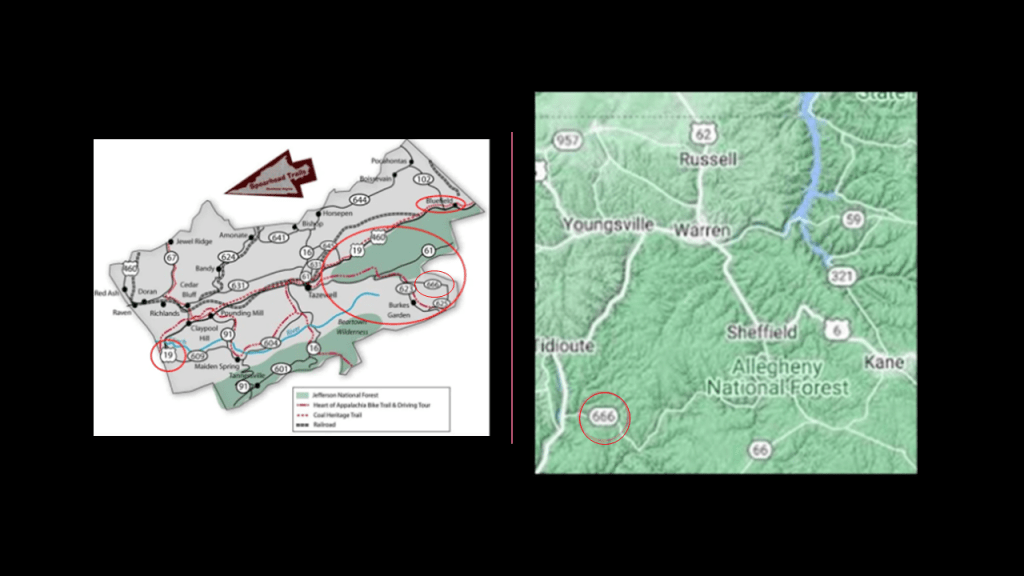
Also, the Norfolk & Western Railroad’s Clinch Valley Line between the coalfields of Bluefield and Norton ran through Tazewell County beside US-19 for a litle ways, and then went their separate ways at the southwestern end of the county, near Richlands, though there were numerous other Norfolk & Western Coal Lines throughout this region.
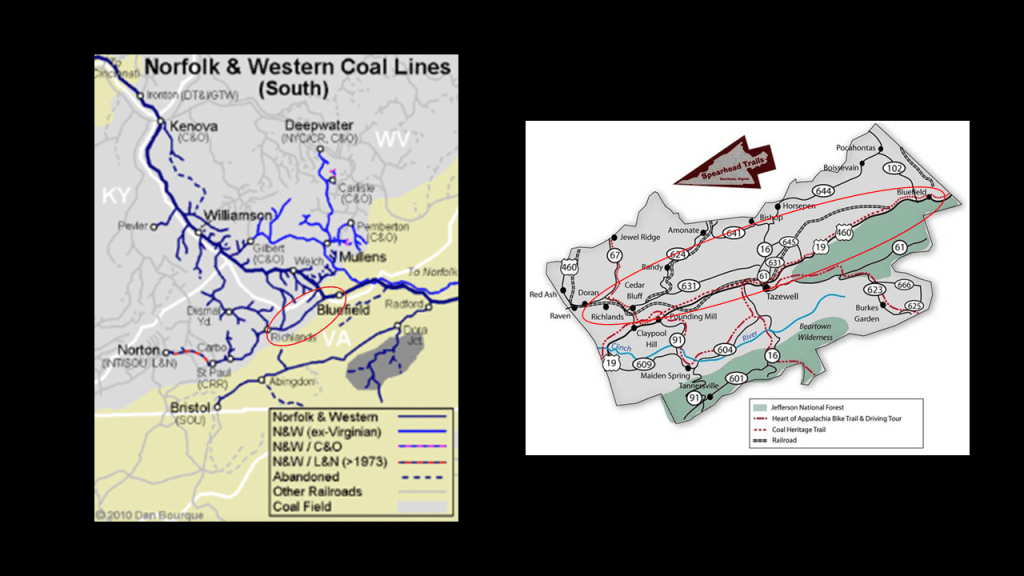
The coalfields of the Clinch River Valley south of Richlands were a signifcant source of high-quality coal during the hey-day of coal-mining operations here.
Arrows point to the mainline of the Clinch Valley Line following the s-shaped bends of the Clinch River.
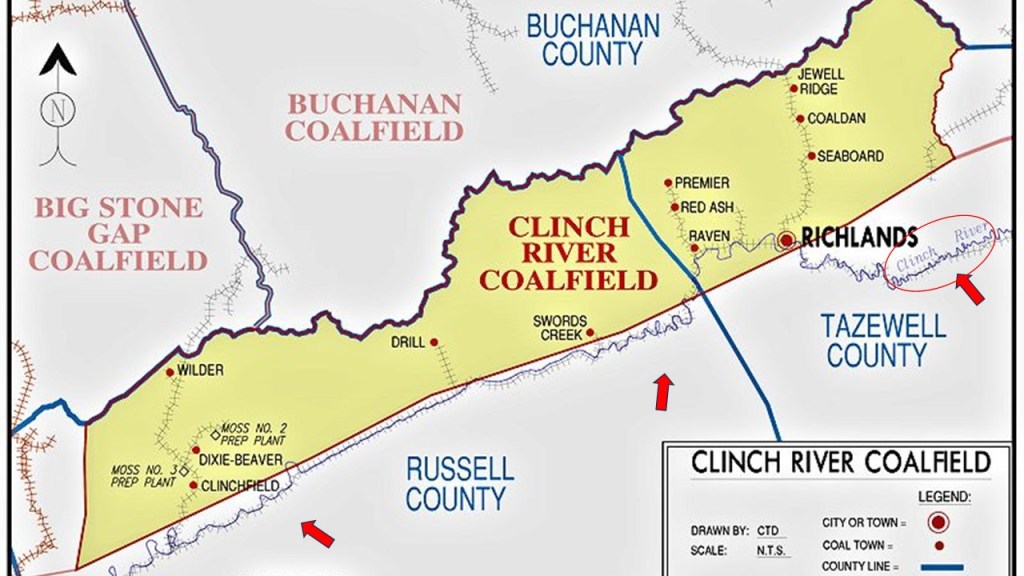
The City of Tazewell has one of only two historic railroad depots still-standing on what was the historic Clinch valley Line, out of what was once fourteen depots, and today is the Visitors Center.

The Norfolk and Southern Railroad continues to carry freight on the Clinch Valley Line.
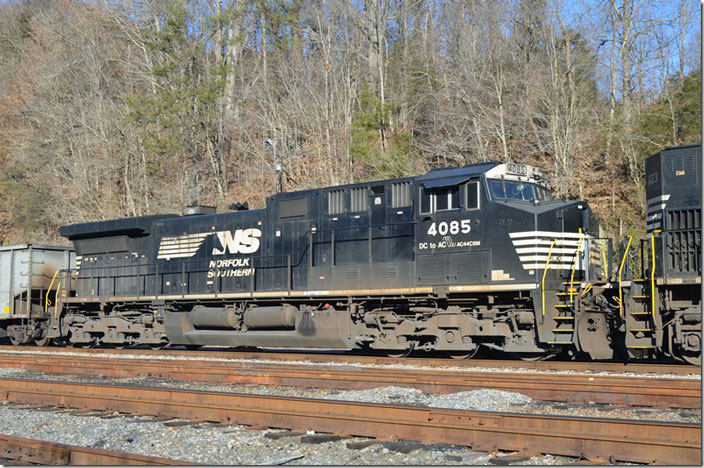
On the other side of the high land-feature upon which Burkes Garden sits on top of is the North Fork of the Holston River.
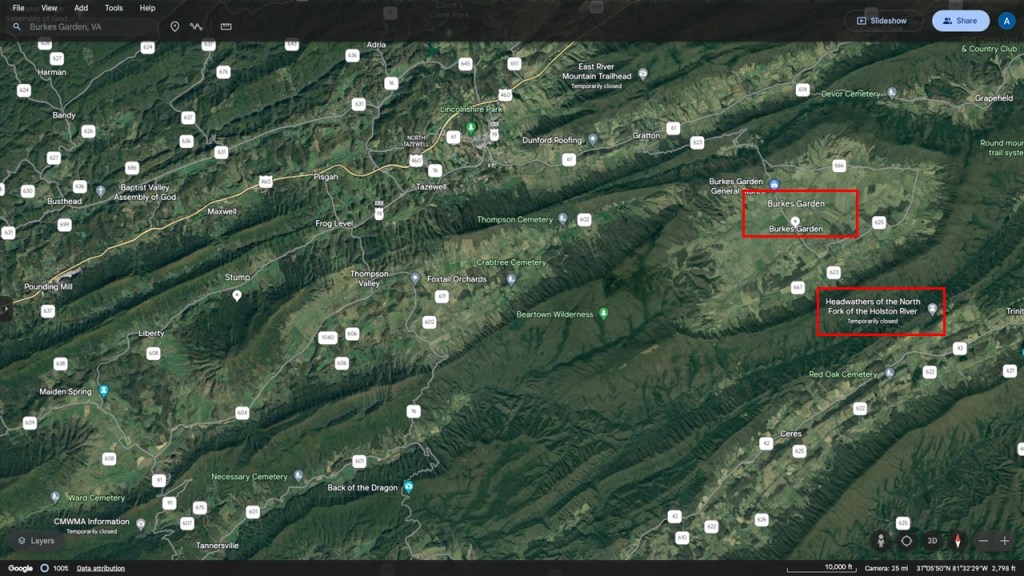
On one end of the North Fork of the Holston River, just above Burkes Garden, there is an abandoned railroad for the New River, Holston and Western Railroad between Narrows and Sutter, Virginia.
It was said to have been constructed starting in 1903 to supply a tannery in Narrows with virgin stands of timber.
By the 1930s, the timber along the line started to be exhausted, and the railroad line was dismantled in 1946.

Portions of the former New River, Holston and Western Railroad became part of Virginia Route 61.
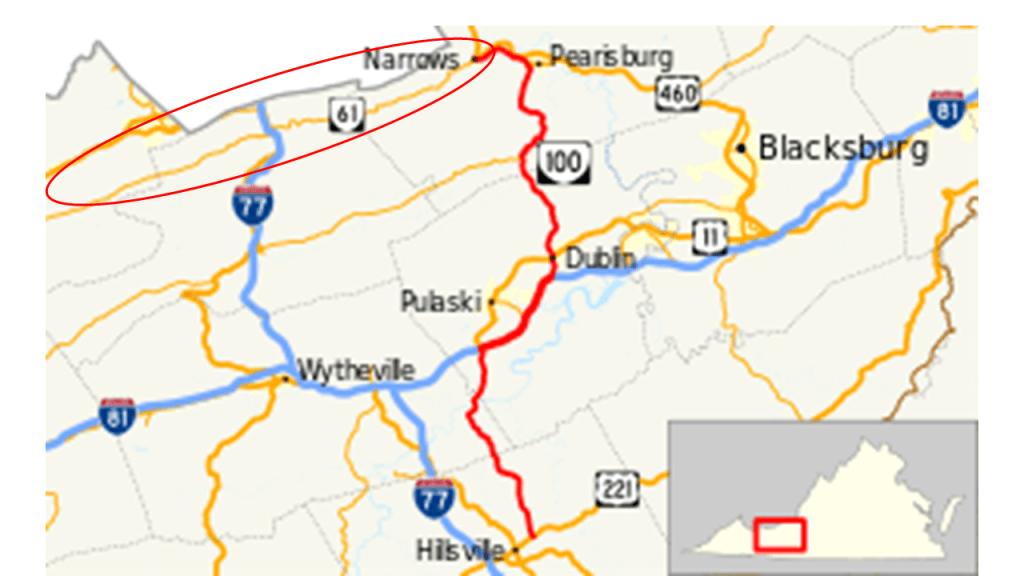
The Holston River is the main river flowing from the northeast to the southwest in this region, to which these other rivers are connected.
Today, there is still railroad in operating called the “Knoxville and Holston River Railroad.”

The Knoxville and Holston Railroad is a short-line railroad in Tennessee that runs between Knoxville, and Marbledale, 20-miles away on the French Broad River.
Knoxville is situated at the confluence of three s-shaped rivers – the Holston, French Broad, and Tennessee Rivers.
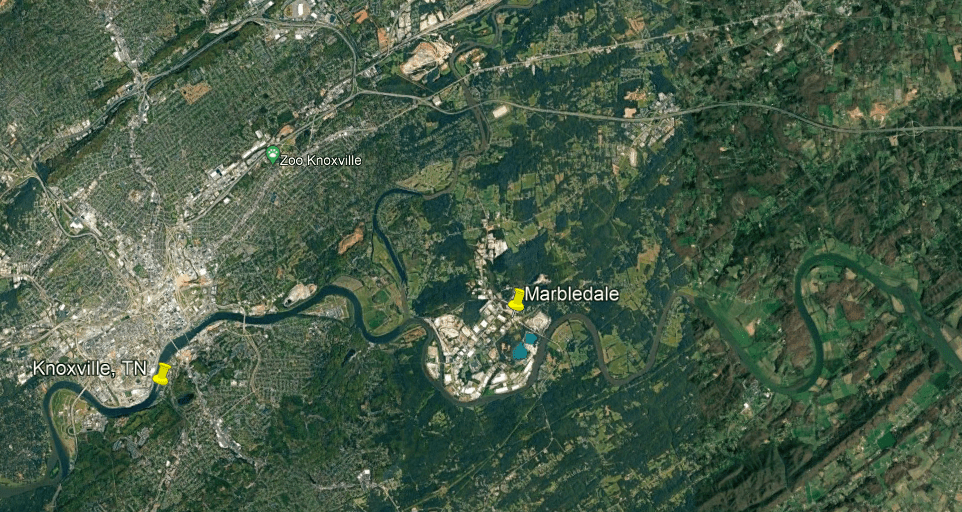
This configuration in Knoxville on the top left looks just like what we have seen previously at Tionesta in Pennsylvania, where Tionesta Creek meets the Allegheny River; Fairmont in West Virginia, where the Monongahela River meets the West Fork River and the Tygart Creek River; and Pittsburgh, where the Allegheny River and Monongahela meet to form the Ohio River.
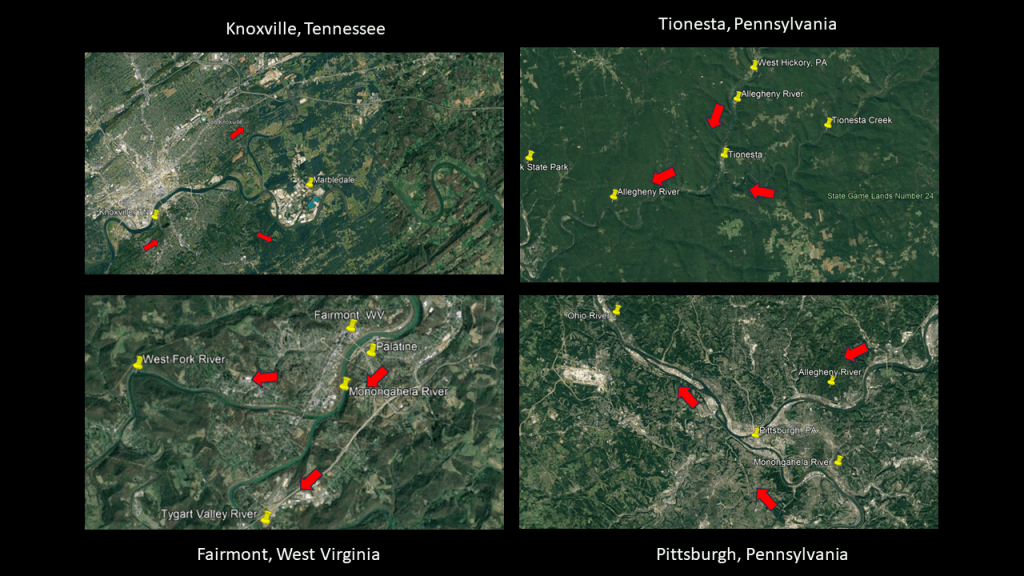
One more thing before I head south on US-19.
Tazewell, Virginia, prides itself on at one time being the smallest town in America with an electric streetcar.
It ran from the railroad depot to Main Street.
There was a horse-drawn streetcar in town from 1892, until the introduction of the electric streetcar in 1904, which operated until 1933.

The next I am going to look at on US-19 is Abingdon.
Abingdon in Virginia is located near Virginia’s borders with Tennessee and North Carolina.
Like we saw in Tazewell, Abingdon was an active line on the Norfolk and Western Coal Lines…
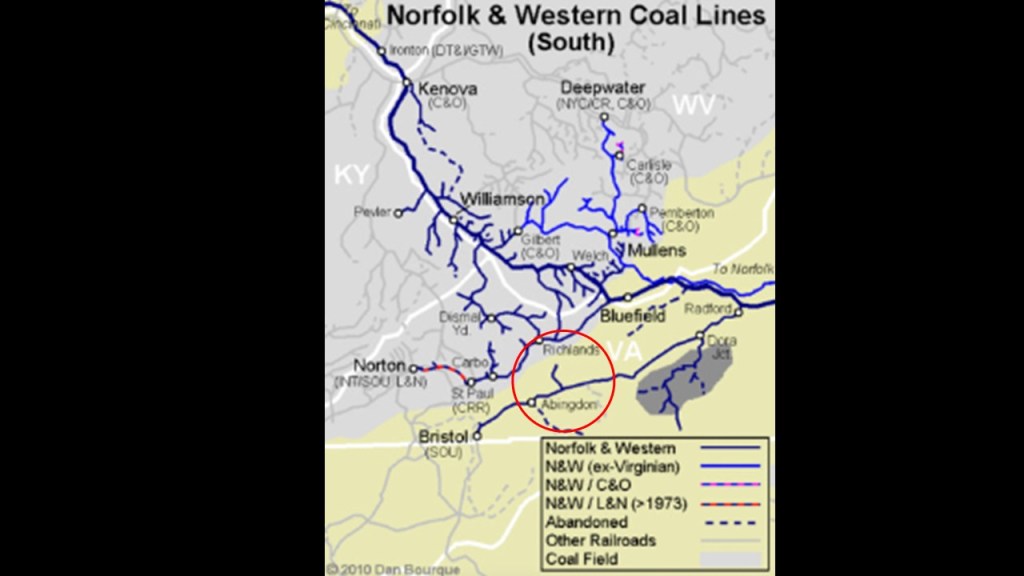
…and the Norfolk & Southern still runs freight through the remaining track in Abingdon.
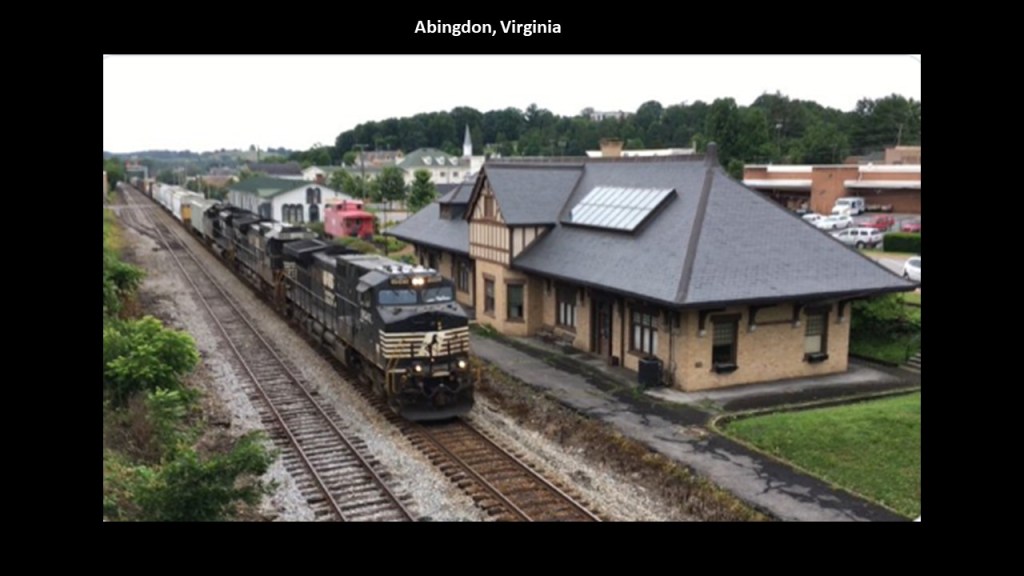
Abingdon is better-known for as the beginning or the end of the “Virginia Creeper Trail.”
It operated as a branch of the Norfolk & Western Railroad until 1974, and track removal began in 1977.
Today’s “Virginia Creeper Trail” was completed in 1984.

It is a 34-mile, or 55-kilometer, -long rail-trail from Abingdon to the Whitetop Station at the Virginia-North Carolina border.

Well wasn’t that nice of them, to take out all these railroad tracks when they no longer needed them for mining, and have them replaced with super-fun, multi-use recreational trails!
Ya think they did it because they’re really nice?
I sure don’t!!!

The last place I want mention on US-19 is Asheville in North Carolina.

US-19 is co-signed with other highways and routes along its length, including Asheville.
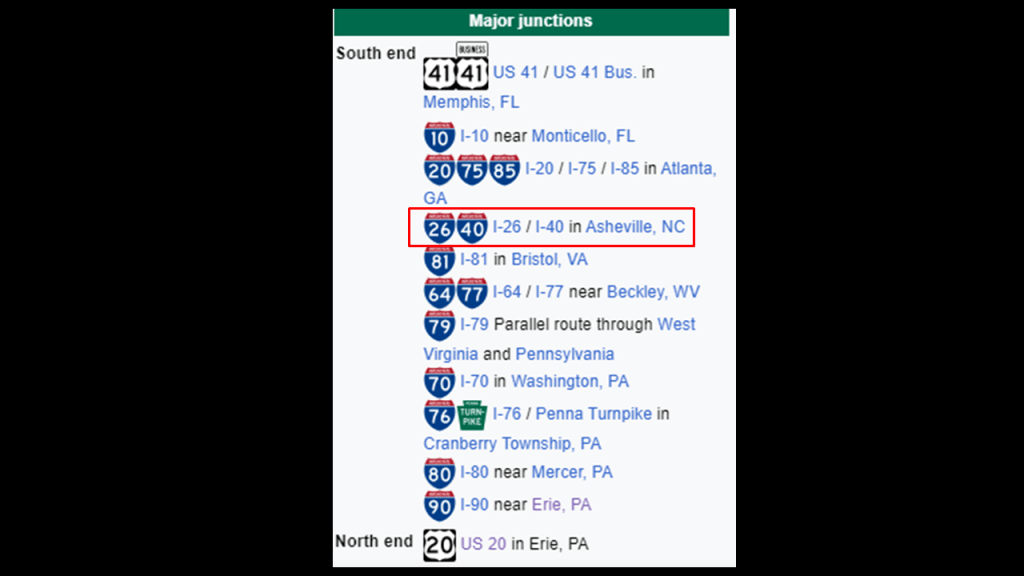
Asheville is also located on the French Broad River, and as a matter of fact, Asheville is only 81-miles, or 130-kilometers, southeast of Knoxville.
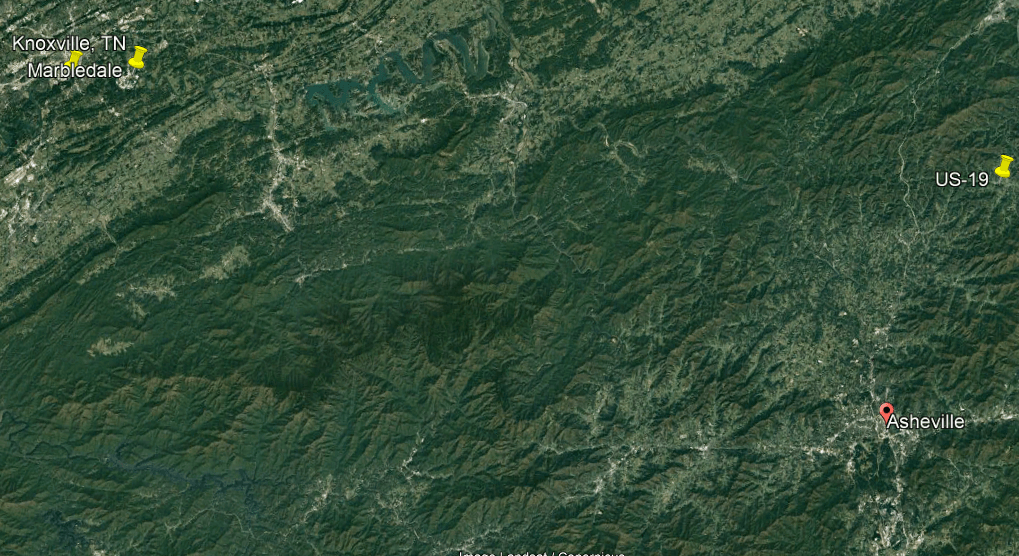
Asheville is at the confluence of the French Broad and Swannanoa Rivers.
George Vanderbilt II’s Biltmore Estrate is divided by the French Broad River, and its confluence with the Swannanoa River is on the Biltmore Estate.
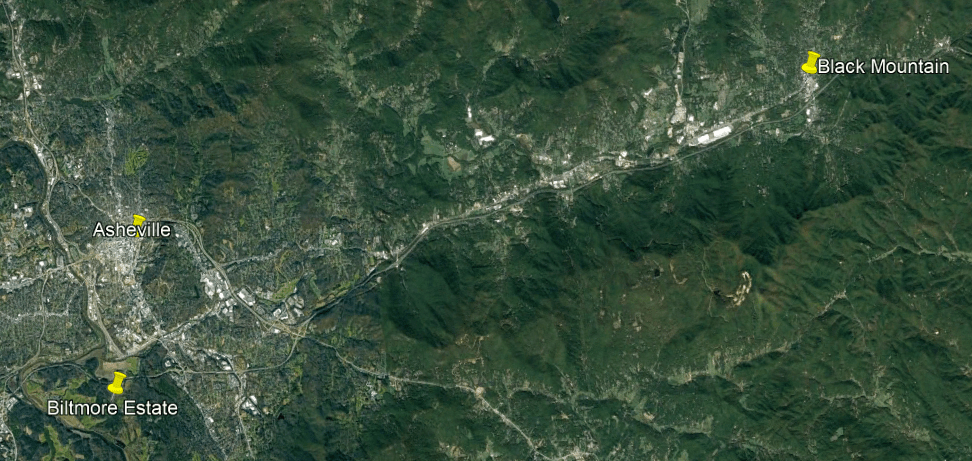
The Western North Carolina Railroad was said to have been constructed through here starting in the 1850s, and today the existing track is operated by different railroads to transport freight, primarily Blue Ridge Southern, Norfolk Southern, and CSX.
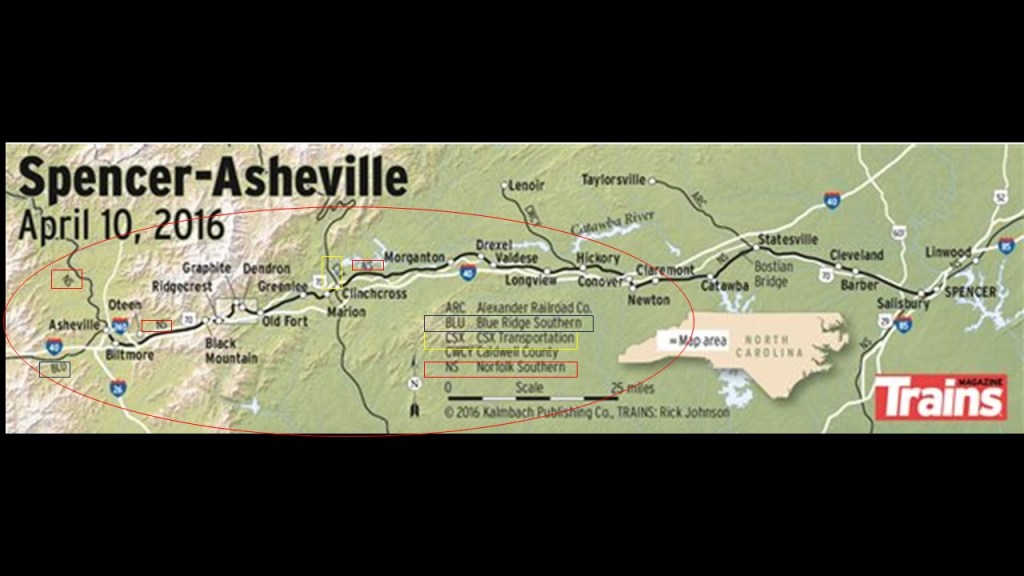
This whole region we have been looking at through here was part of the traditional lands of the Cherokee people.
They were said to have ceded their land here around Asheville 1819.
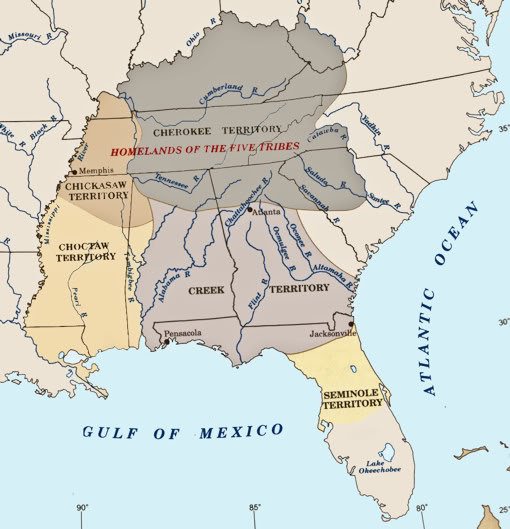
The Cherokee were one of the five civilized tribes to be forcibly removed from their land after the Indian Removal Act of 1830 was passed by Congress, and as mentioned previously, enforced by Lewis Cass, Andrew Jackson’s Secretary of War, and the Cherokee were marched west to Indian Territory in one of several Trails of Tears.
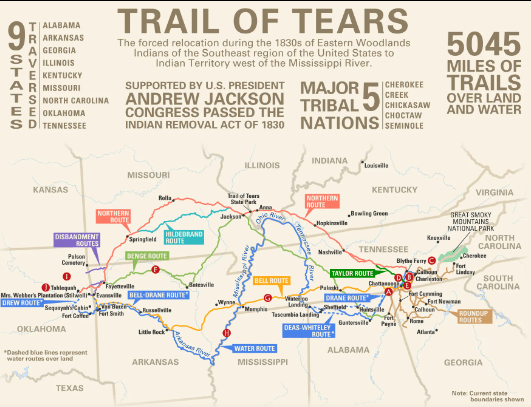
The Swannanoa Gap Tunnel near Asheville is said to be the longest hand-dug tunnel in the world.
It is 1,832-feet, or 558-meters, long, and 123-feet, or 7-meters, underground.
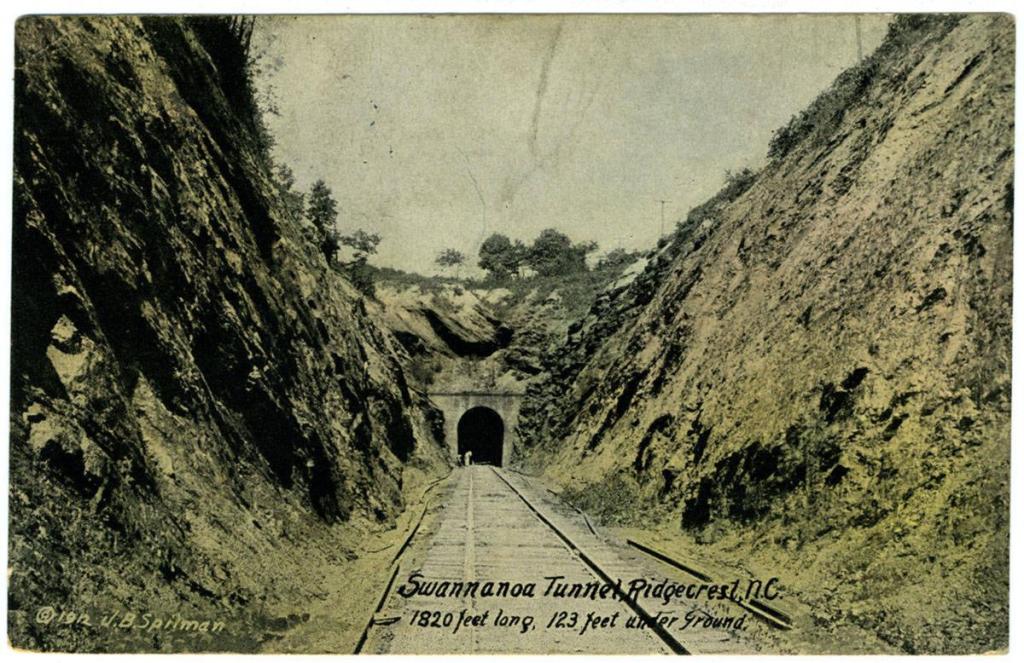
It was said to have been dug out by convict laborers digging it out, with the help of nitroglycerine, working from opposite ends of the mountain, and miracle of miracles, these two tunnels lined up perfectly when they met!
It is estimated that 300 convicts died as a result of cave-ins caused by the use of the nitroglycerin explosives.
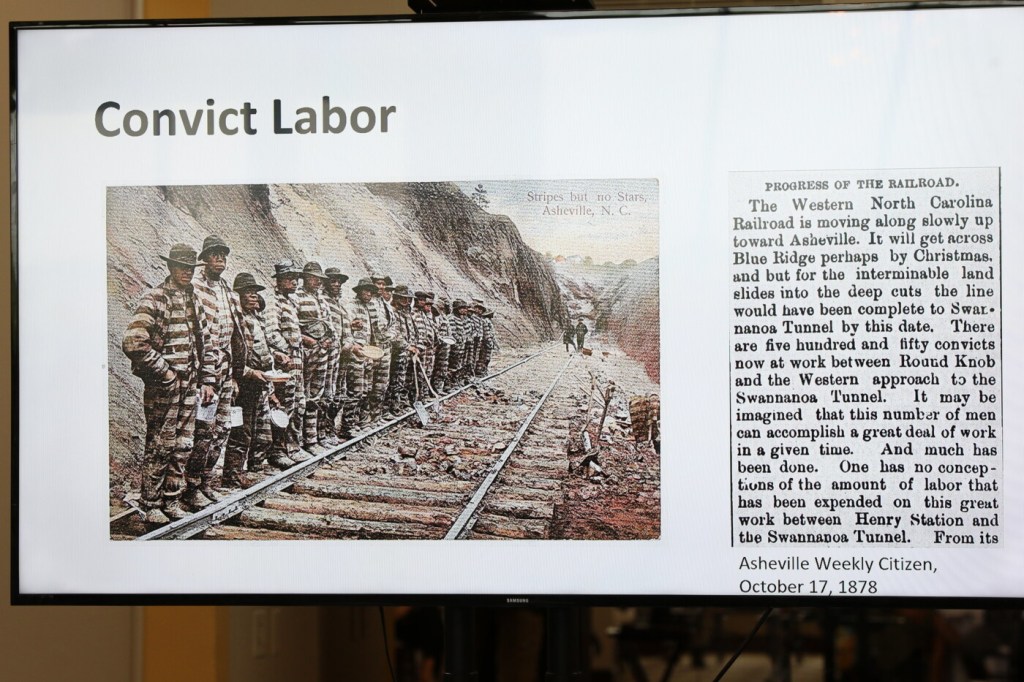
Completed in March of 1879, we are told it opened up Asheville as a railway hub for North Carolina’s western counties.
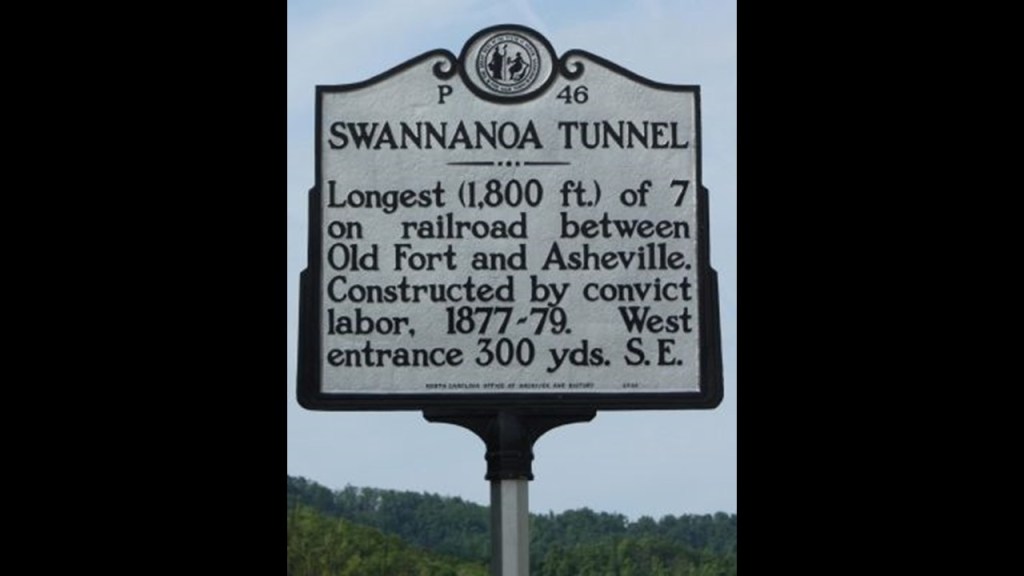
So Asheville on US-19 ended up being the location chosen by George Vanderbilt II for the Biltmore Estate instead of his “first choice” Burkes Garden, also on US-19.
The Biltmore Estate is on 8,000-acres, or 3,237-hectares of land.
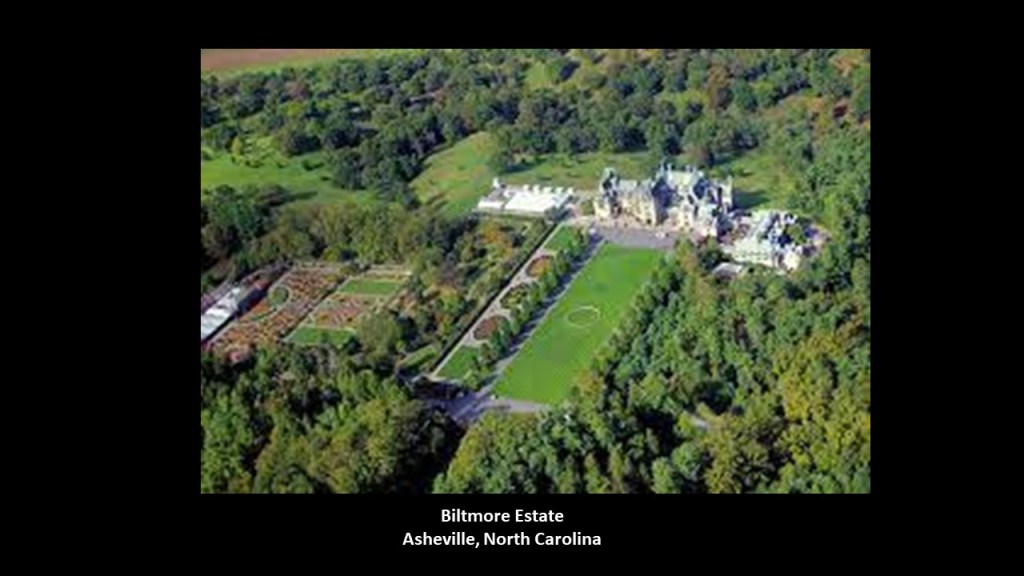
This is what we are told.
It was said to have been a Chateauesque-style mansion, meaning in the revivalist Renaissance architectural-style of French chateaux of the Loire Valley, built for George Washington Vanderbilt II between 1885 and 1895.
It is the largest privately-owned residence in the United States, and is considered of the most prominent of the Gilded Age mansions.
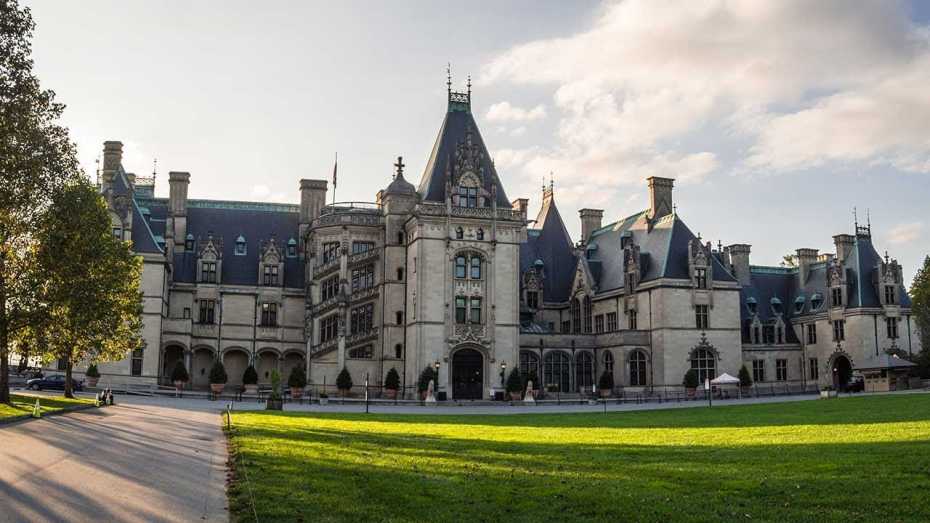
The Gilded Age is the name given to the period of time in American history between 1877 and 1900, a time of rapid industrialization and rapid economic expansion.
This would have roughly corresponded in our historical narrative to the Reconstruction Era after the American Civil War, which we are told ended in 1865, and the Progressive Era, which is what we are told was a period of widespread political activism and reform, that started in 1896.
It was also time when the contrast of the ostentatiousness of the wealthy versus the abject poverty of the working class became more visible.

We are told that the famous landscape architect Frederick Law Olmsted was employed by George Washington Vanderbilt II to design the landscape for the Biltmore Estate
It was said to be Frederick Law Olmsted’s last project, and he was memorialized in a plaque there.
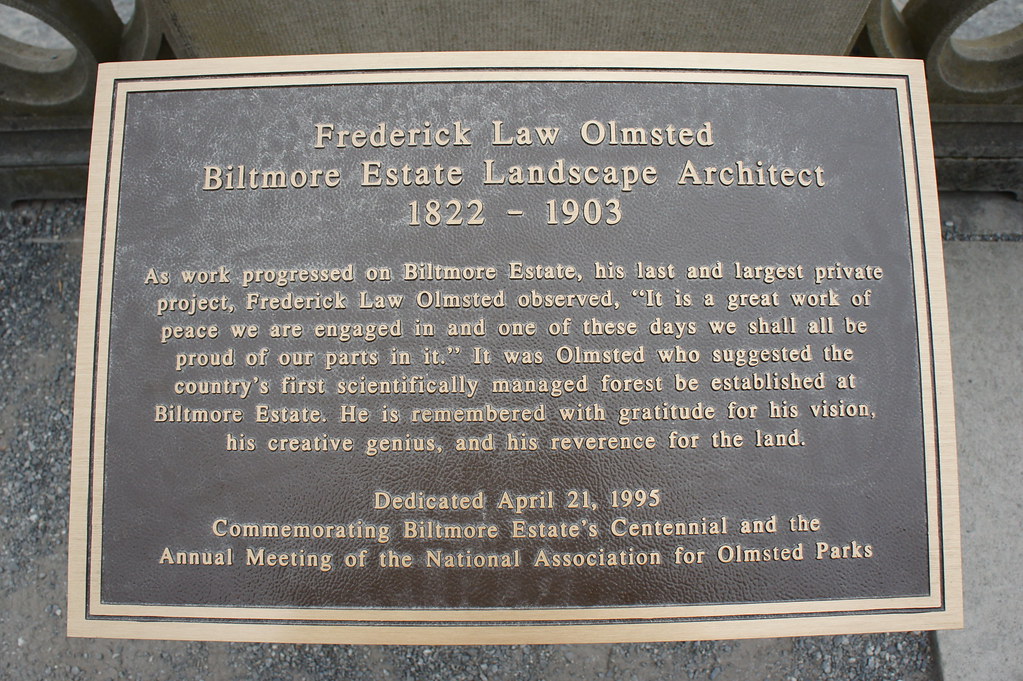
The Biltmore Estate contains numerous ancient Native American sites, including what is known as the “Biltmore Mound,” an earthwork platform mound, and other archaeological discoveries on the grounds.
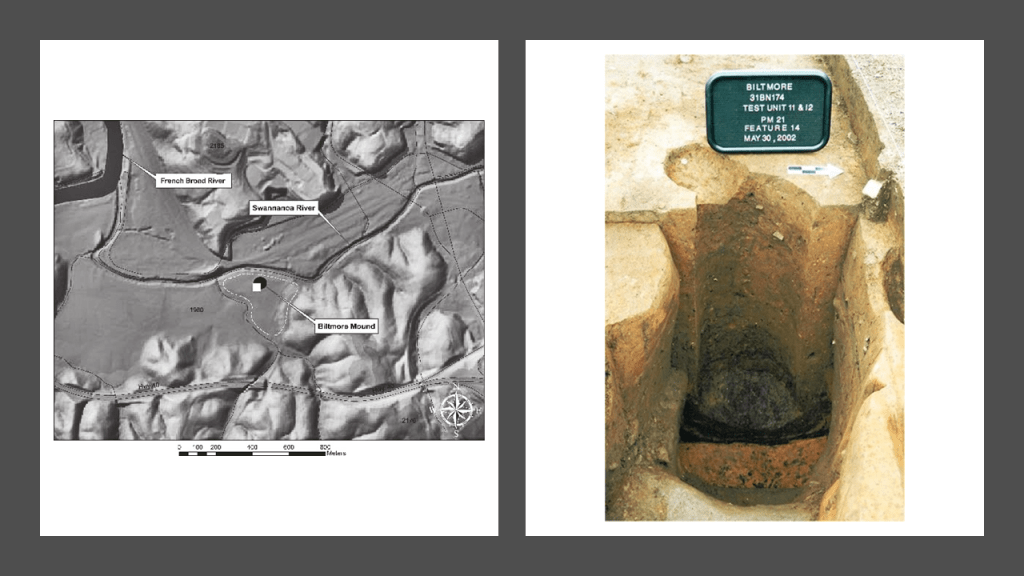
While I can’t find a direct reference to George W. Vanderbilt II himself being a Freemason, I did find a reference that the Vanderbilts were known Freemasons…
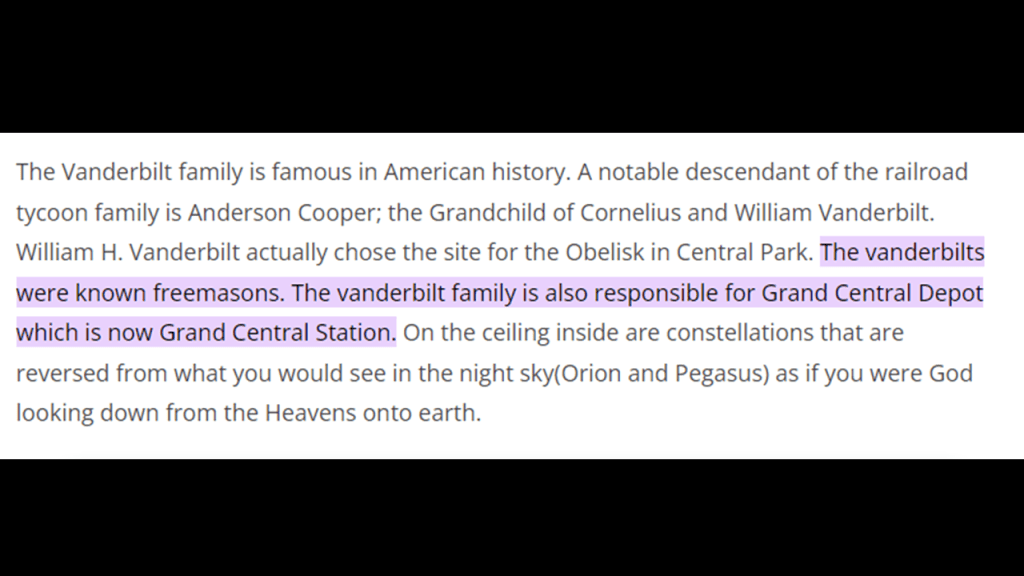
…and Aaron sent me the link to the Biltmore Lodge saying that George W. Vanderbilt procured the Lodge Hall for the Biltmore Masons to conduct business.
More on this finding to come.

George Washington Vanderbilt II was William Kissam Vanderbilt’s brother, who was mentioned earlier in this post as having gained control of the Chesapeake & Ohio Railroad, along with financier J. P. Morgan, from Collis Huntington in 1888.

Their grandfather was Cornelius Vanderbilt.
Staten Island-born Cornelius Vanderbilt got his start in regional steamboat lines and ocean-going steamships, and from there got into the railroad business.
He bought control of the Hudson River Railroad in 1864; the New York Central Railroad in 1867; the Lake Shore and Michigan Southern Railroad in 1869; and the Canada Southern Railway in 1876.
He consolidated his two key lines into the New York Central and Hudson River Railroad in 1870, becoming one of the first giant corporations in the history of the United States
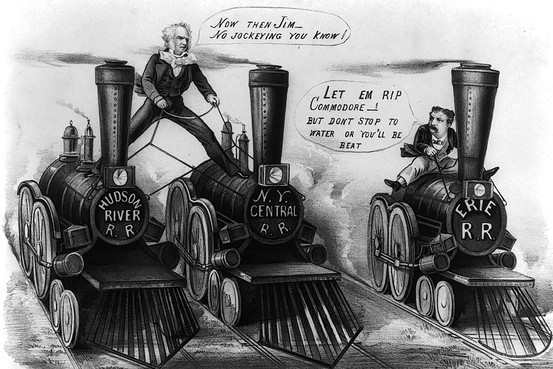
According to CNN Business, Cornelius Vanderbilt was the second-richest American in history, with an adjusted wealth of $205-billion.
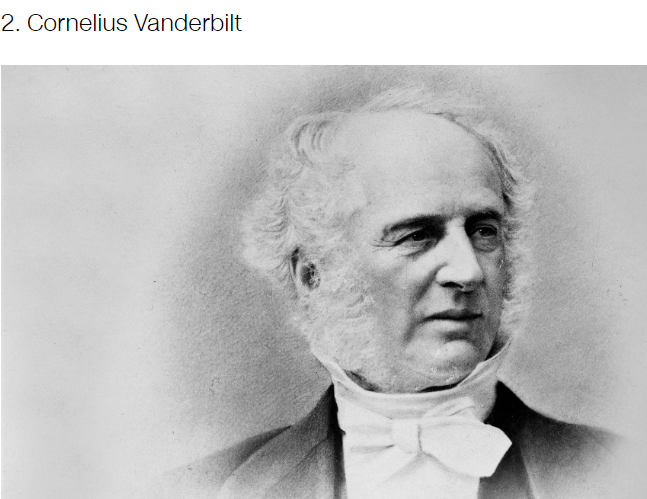

George W. Vanderbilt II was supposed to sail on the RMS Titanic with his wife but they changed plans at the last minute and sailed instead on the sister ship of the Titanic, the RMS Olympic, which left port before the Titanic, and arrived in New York before the Titanic sank.
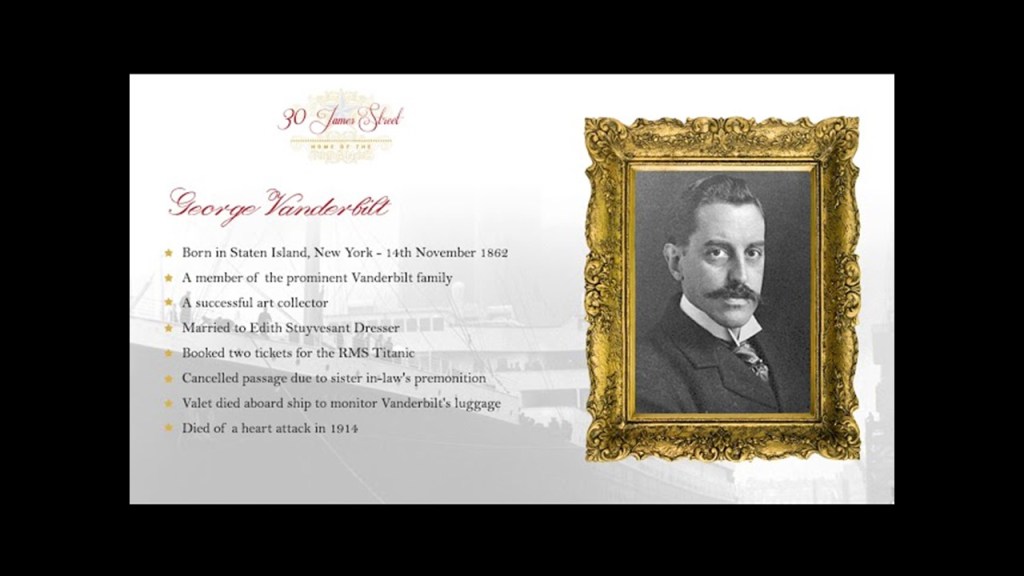
J. P. Morgan, the colleague of George’s brother William on the C & O Railroad as mentioned previously, has long been suspected of having been behind what has come down to us as the sinking of the Titanic.
This is what we are told on the Federal Reserve History website.
A secret meeting took place on Jekyll Island off the coast of the State of Georgia to lay the foundations of the Federal Reserve between November 20th and November 30th of 1910.
The purpose of the meeting was so secret that what the six men talked about was a closely guarded secret for many years, and they did not admit to it until the 1930s.
They were laying the foundation for what would become the Federal Reserve System.
Again, this information is from the Federal Reserve History website.
J. P. Morgan was a member of the exclusive Jekyl Island Club, was likely the one who arranged for the group to use the club’s facilities.
George’s brother, William K. Vanderbilt was also member of what Munsey’s Magazine described in 1904 as the “richest, most exclusive, and the most inaccessible” club in the world.

Arriving on a private train car, the group of men who attended the 10-day secret meeting on Jekyll Island in November of 1910 adopted the cover story of a “duck hunt” to explain their activities and hide the true purpose of their meeting, and addressed each other by their first names only – hence they adopted the name of the “First Name Club.”
This was the train station in Brunswick that serviced Jekyll Island on the Southern and Atlantic Coast Railroad.
The Oglethorpe Hotel pictured here was said to have opened in January of 1888, after having been built on top of the previous Oglethorpe House which was said to have burned down during the Civil War.
It remained in operation until 1958, at which time it was torn down and replaced by a Holiday Inn.

The Holiday Inn was eventually torn down too, leaving an empty lot in downtown Brunswick called the “Oglethorpe Block.”

Then, on April 15th of 1912, we are told the Titanic sank. with all the bankers opposed to the creation of the Federal Reserve on board, including John Jacob Astor IV, one of the richest people in the world at the time.
I can’t help but wonder if the “Sinking of the Titanic” was also a veiled reference to the “sinking of the Titans.”
The word “titanic” means “of exceptional strength, size, or power.”
More on my thoughts about this particular subject later in this post.
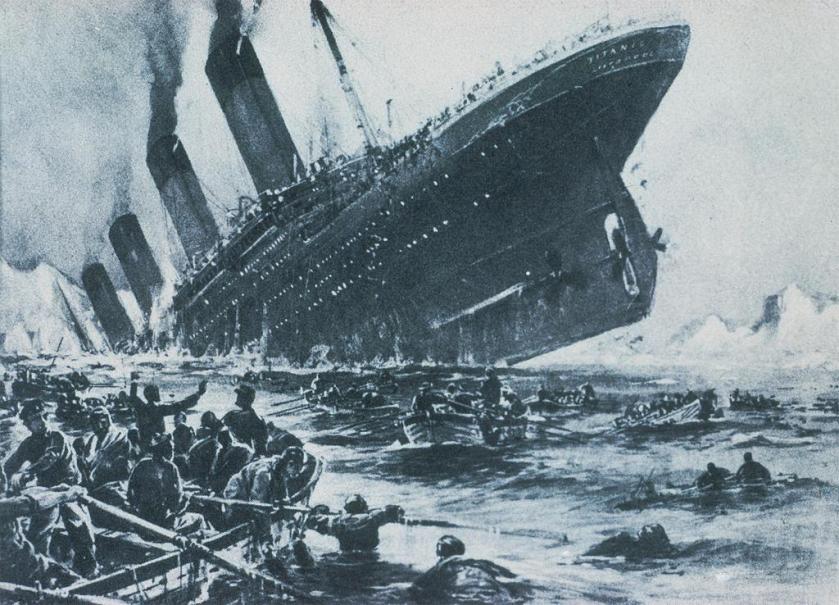
The following year, on December 23rd, 1913, the Federal Reserve Act Passed Congress, signed into law by Woodrow Wilson. It created and established the Federal Reserve System, and created the authority to issue Federal Reserve Notes (commonly known as the US dollar) as legal tender.
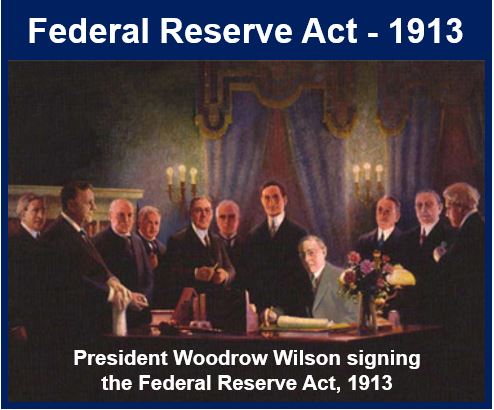
John Jacob Astor IV was the great grandson of John Jacob Astor, who made a fortune in real estate development, the fur trade, and opium smuggling.
John Jacob Astor was considered to be the world’s first multi-millionaire, and the third-richest American of all time according to CNN Business.
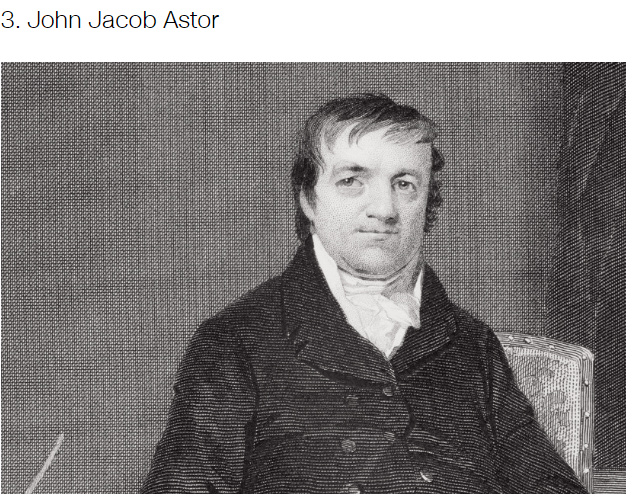

J. P. Morgan himself didn’t make the CNN Business List of 20 wealthiest Americans of time, but he dominated corporate finance on Wall Street throughout the “Gilded Age,” and was a major driving force behind the wave of industrial consolidation in the United States in the late 19th- and early 20th-centuries.
Like the previously mentioned U. S. Steel in 1901 by merging three companies into one, and creating the world’s first billion-dollar corporation!

J. P. Morgan’s father, Junius Spencer Morgan, was the founder of the company that would become J. S. Morgan & Company in 1864, that was the successor company to George Peabody & Company, of which he became the Junior Partner in October of 1854.
In 1854, Morgan was put in charge of the firm’s iron portfolio, which included the marketing of railroad bonds in London and New York.
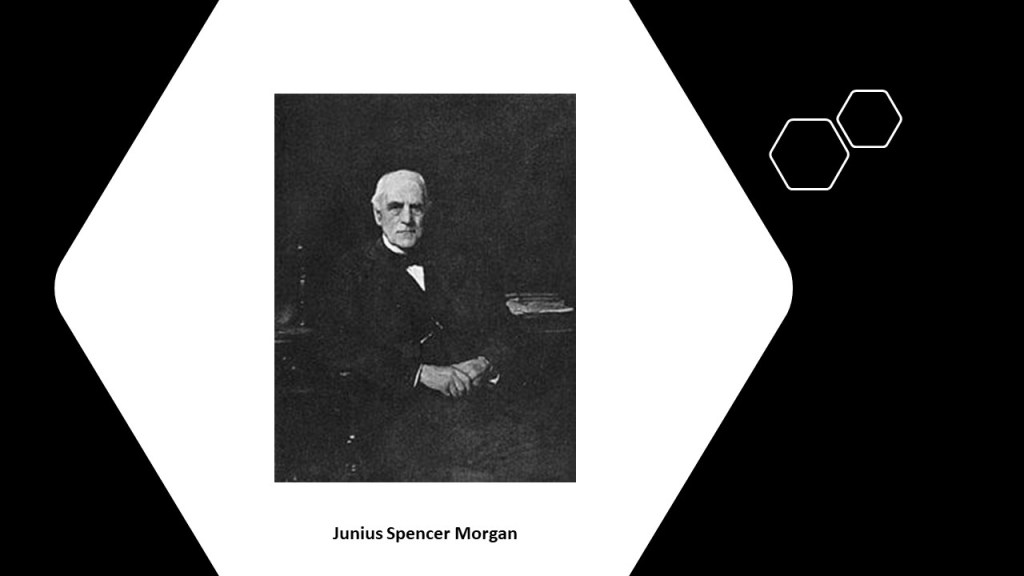
By the time J. S. Morgan died in 1890, the Morgan banks were the dominant forces in government and railroad finance, and his son John Pierpont Morgan had taken the helm of the company, becoming known as. J. P. Morgan & Company in 1895, now known as JP Morgan Chase & Company.

George Peabody’s bank became the premier American banking house in London after he took up residence from Baltimore to London permanently in 1837, and went from being a wholesale dry-goods and cotton merchant, to a merchant-banker offering securities in American railroad and canal enterprises to British and European investors.
He started a banking business trading on his own account a year after he moved to London, and by 1851, he established the banking firm of “George Peabody & Company” to meet the increasing demand for securities issued by American railroads, and his company specialized in financing governments and large companies.

According to “The Secret Founding of America” book by Nicholas Hagger…

…George Peabody was the Freemasonic banker from whom money was transferred to the “southern insurrectionists,” and he hired the father of J. P. Morgan to handle the funds when they arrived in the United States.
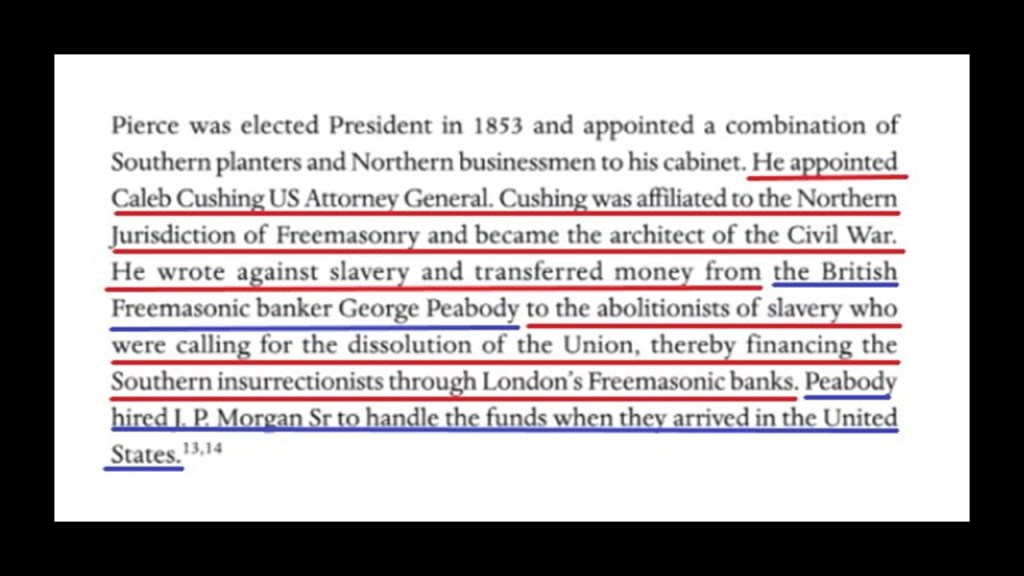
So, exactly how do you go about hiding giants and their advanced civilization?
Based on the evidence I have provided throughout this post and past research, I think the American Civil War was one of many ways to do this, and not what we are told it was about.
First, Aaron sent me this article he found on the bones of giant indians near Antietam Creek on the Library of Congress website.
Titled “Bones Of Giant Indians,” about giant skeletons found in Antietam, Maryland, it was originally published on February 9th of 1898 in the “Juniata Sentinal and Republican” newspaper in Mifflintown in Juniata County, Pennsylvania.
This article implies that the tall “Indian” skeletons that were found of seven-feet in height, roamed over the State of Maryland in their wildness, armed with instruments that either nature gave them, or in their limited skill to make.
It further goes on to say that the locality from where these skeletons came near Antietam Creek in Frederick County was supposed to have been the battleground of two tribes of Indians, the Catawabas and the Delawares.
According to this claim, some Catawbas overtook a band of Delawares living at the mouth of the Antietam and annihilated them, but the President of the Maryland Academy of Sciences and Provost of the Peabody Institute, after a careful review of the locality, found that there was no evidence to support this claim of a battle other than some spears and arrowheads found there.

This location of Antietam Creek and the alleged battleground between the two Indian tribes would not have been far in distance from the location of the Battle of Antietam the deadliest one-day battle in American Military History, on September 17th of 1862, with 22,727 dead, wounded, or missing.
We are told that after a long bloody day of fighting and death, the Union Army succeeded in turning back the Confederate invasion of Maryland, and was considered a major turning point in the war in the Union’s favor.
So exactly how was the President of the Peabody Institute supposed to find evidence of an historical battle between giant Indians in a place with an even more recent battle, and of this magnitude?
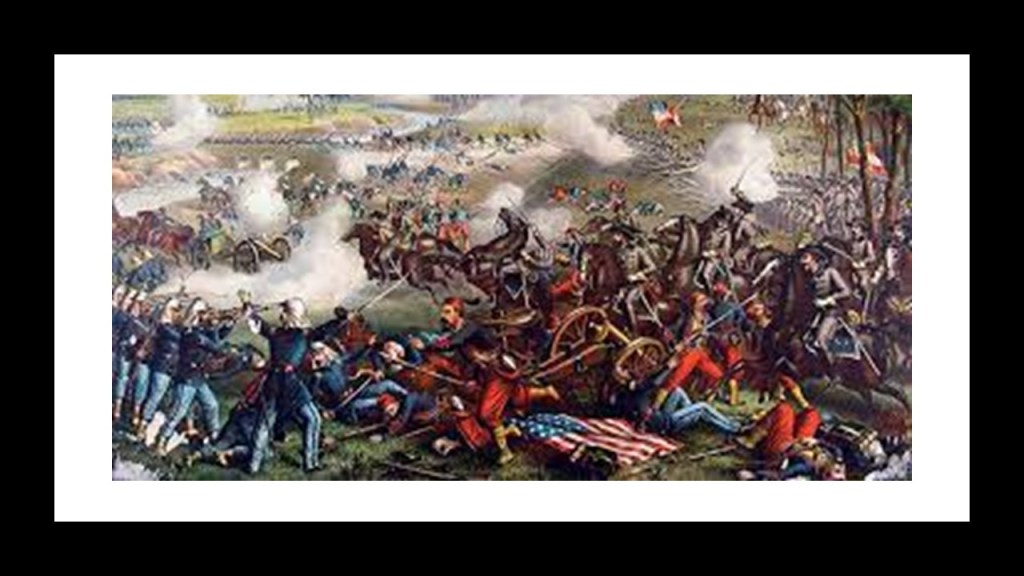
It’s also important to note that the Antietam Battlefield is quite close to Harper’s Ferry in West Virginia, also known for its Civil War history, as well as numerous historic forts, rivers, canals, railroads, and hydroelectric plants.

The Peabody Institute mentioned in this article immediately caught my attention.
In 1857, banker, and also called the “Father of Modern Philanthropy,” George Peabody established the Peabody Institute in Baltimore with a bequest of at least $800,000, and it is the oldest conservatory in the United States.
By the time it was completed and opened in 1866, one year after the official end of American Civil War, it was dedicated by George Peabody himself,and included a music academy, library and art gallery.
That entrance at the east wing of the George Peabody Library sure looks proportionally like its made for much bigger people than we are today!
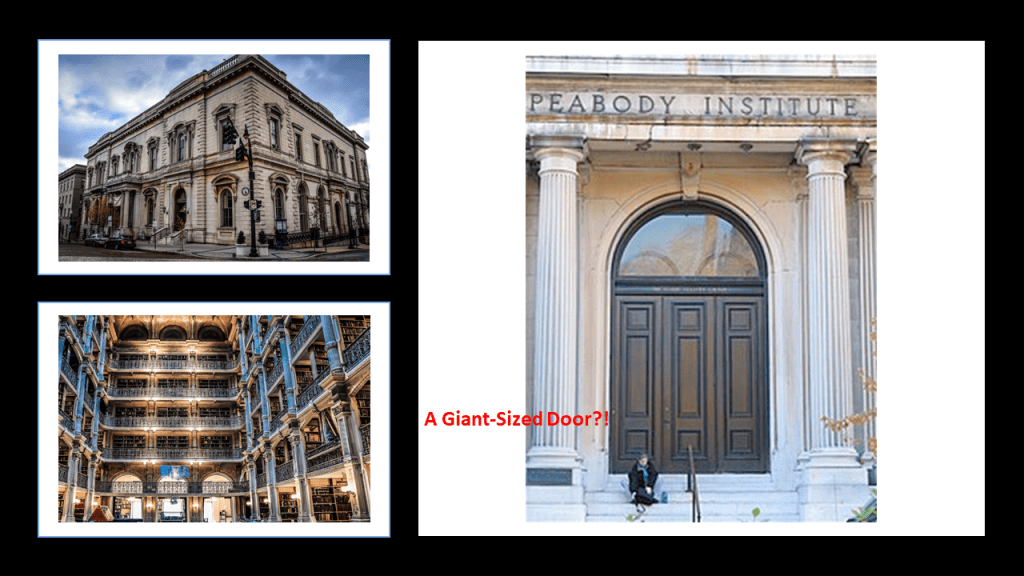
Frederick Law Olmsted, who later became a revered landscape architect credited with such grand landscapes as that of the Biltmore Estate as seen previously, started out his career as a journalist.
Among other things, during the pre-Civil War time period, Olmsted was commissioned by the New York Daily Times to start on an extensive research journey in the American South and Texas between 1852 and 1857.
He published three books from this time into one book, called “Journeys and Explorations in the Cotton Kingdom,” in 1861 during the first six months of the American Civil War at the suggestion of his English publisher.
All of these books by Frederick Law Olmsted raise red flags for me, as I have come to believe from my research that publications like these are indicative of some kind of setting the stage in seeding the new historical narrative into our consciousness by those responsible for the hijack of the original positive civilization that built all of Earth’s infrastructure.
Frederick Law Olmsted was also the first executive secretary of the United States Sanitary Commission as well as an organizer of the Union League.
First, the United States Sanitary Commission.
What we are told about the United States Sanitary Commission is that it organized “Sanitary Fairs” during the American Civil War as a fundraiser for the many needs of Union Soldiers, including health.
“Sanitary Fairs” had everything, including majestic “temporary” buildings said to have been built for the fairs, to be torn down after, and while not as elaborate as the big expositions such as in Chicago, they were still something in and of themselves.

Frederick Law Olmsted was on the standing committee for the United States Sanitary Commission that was formed in New York, with its main members throughout the Civil War also consisting of: Henry Whitney Bellows; George Templeton Strong; and surgeons Dr. William H. Van Buren, Dr. Cornelius R. Agnew, and Dr. Wolcott Gibbs.

Did the U. S. Sanitary Commission and its volunteers really have the wherewithal to both construct the buildings for and pull off these extraordinarily lavish and festive undertakings against the backdrop of national war and suffering?

Or was it a private front comprised of the very same people who organized and were prominent members of the private membership clubs of the day, like the Union League and the Century Association.
The Union League was a private social club for wealthy men that opened in New York City in 1863 for pro-Union men could come together “to cultivate a profound national devotion” and “strengthen a love and respect for the Union.”
It became the most exclusive mens’ club in Manhattan, and perhaps in the nation.
This location for the Union League Club was said to have been built on the northeast corner of 5th Avenue and 39th Street between 1879 and 1881.
Along with Frederick Law Olmsted, oganizers of the Union League Club were Henry Whitney Bellows, George Templeton Strong, and Wolcott Gibbs, same names as the United States Sanitary Commission.

Henry Whitney Bellows was also involved in the organizing of the Century Association in New York City, founded in 1847 and incorporated in 1857.
The Century Association was a private social, arts and dining club, and named after the first 100 people proposed as members.
The Century Association Building at 42 E. 15th Street was in-use by the association starting in 1857, and which served as one of the headquarters of the United States Sanitary Commission.

Members of the Century Association have included artists and writers like: poet and journalist William Cullen Bryant; landscape painter Frederick Edwin Church; landscape painter Winslow Homer; and best-known for stained-glass-work, Louis Comfort Tiffany.
Architect members have included: landscape-architects Calvert Vaux and Frederick Law Olmsted; Beaux-Arts architects Carrere and Hastings, as well as York and Sawyer; and architects McKim, Meade and White, who were said to have defined the ideals of the American Renaissance in end-of-the-century New York.
Other members were said to have included: Eight U. S. Presidents; ten U. S. Supreme Court Justices; forty-three Members of the Presidential Cabinet; twenty-nine Nobel Prize Laureates; members of the Rockefeller, Vanderbilt, Roosevelt, and Astor families; as well as financier J. P. Morgan and morse code inventor Samuel P. Morse.

Ever hear the George Carlin quote “It’s one big club, and you ain’t in it?” and wonder where that idea might have come from?
Seems like all of these private clubs we are seeing in this post were private and exclusive for a reason, and that was to secretly plan their activities and next moves that no one supposed to know about!

This question about the United States Sanitary Commission and the Sanitary Fairs and the exclusive private clubs associated with the very same people leads to the larger question, in these cases, of what was really going on during the American Civil War, historically described as a civil war between the northern and Pacific states, known as the “Union,” or “North,” and the southern states, known as the “Confederacy,” or South, over the status of slavery and its expansion into newly acquired land after the Mexican-American War.
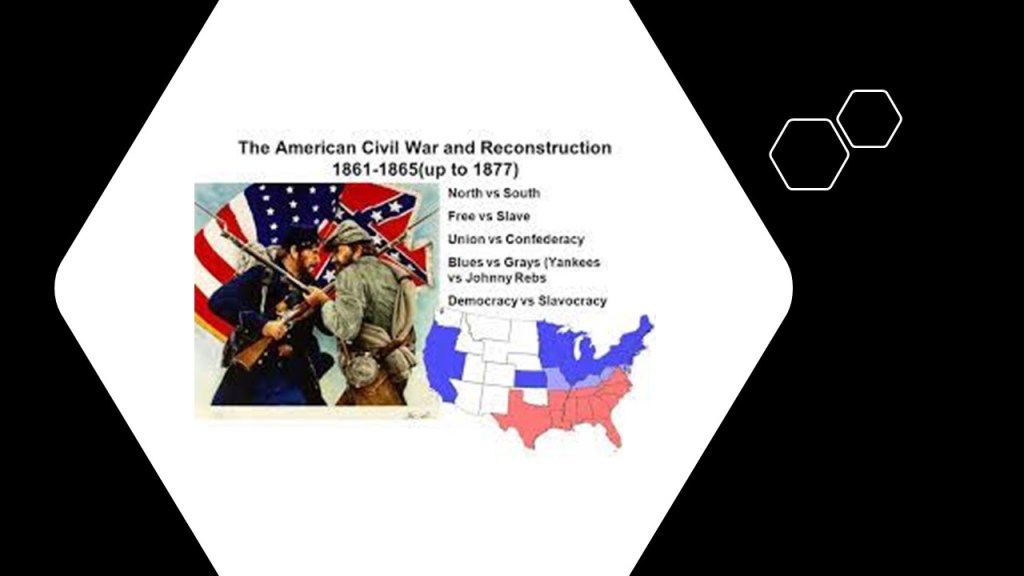
We are told there were three theaters of war during years of American Civil War, between 1861 and 1865: Eastern, Western, and Trans-Mississippi.
I have often thought that theater, defined as a collaborative form of performing art that uses live performers, usually actors or actresses, to present the experience of a real or imagined event before a live audience in a specific place, like a stage, is a thought-provoking word choice for an area or place in which important military events occur or are progressing.
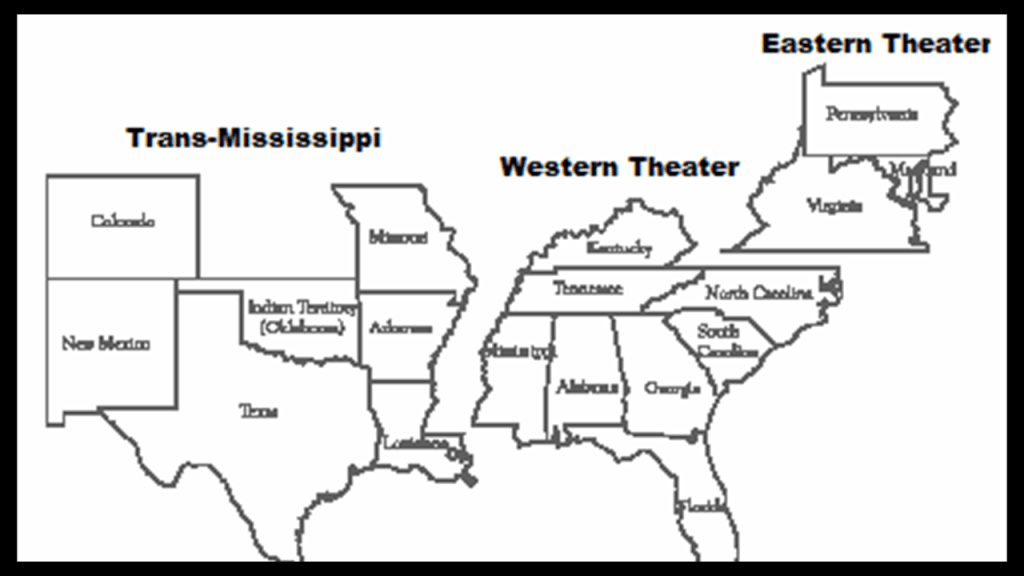
I have come to view the American Civil War as Freemasonic Theater, which I think applies to all the wars and armed conflicts of our modern era.
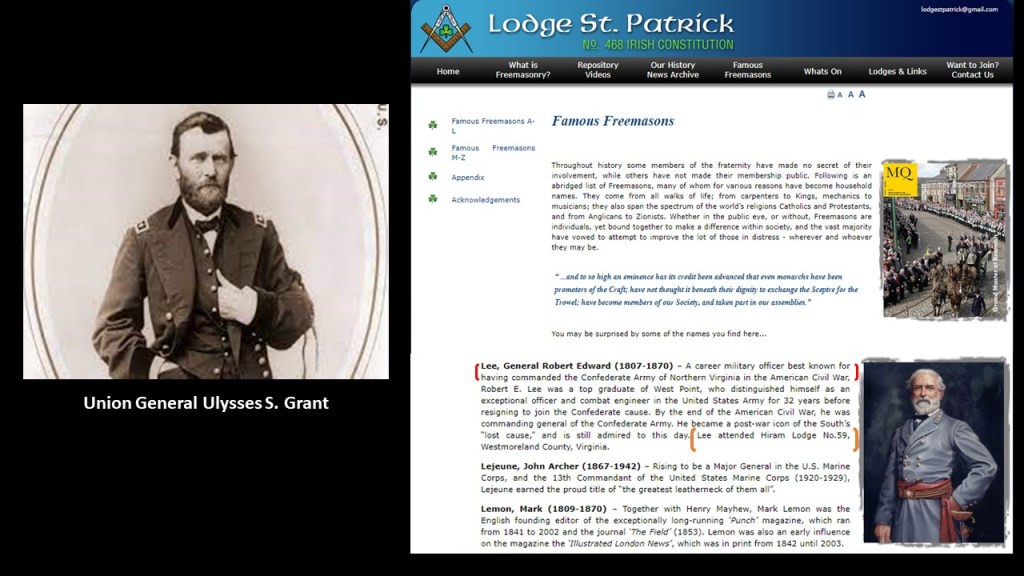
Orphan trains started in 1854, under the auspices of Frederick Law Olmsted’s good friend, Charles Loring Brace, and the Children’s Aid Society, which Brace established in 1853.
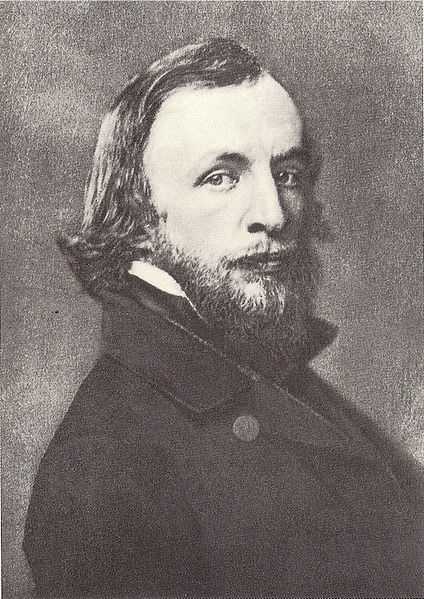
A new experimental program of his called “placing-out” became known to us as “Orphan Trains,” and for the next 75-years, over 200,000 children were sent across the continent, to uncertain destinations and uncertain futures with strangers.
A movement going in this direction was widely supported by wealthy New York families, like Charlotte Augusta Gibbes, the wife of John Jacob Astor III, grandson of John Jacob Astor, and who was the wealthiest Astor family member of his generation.
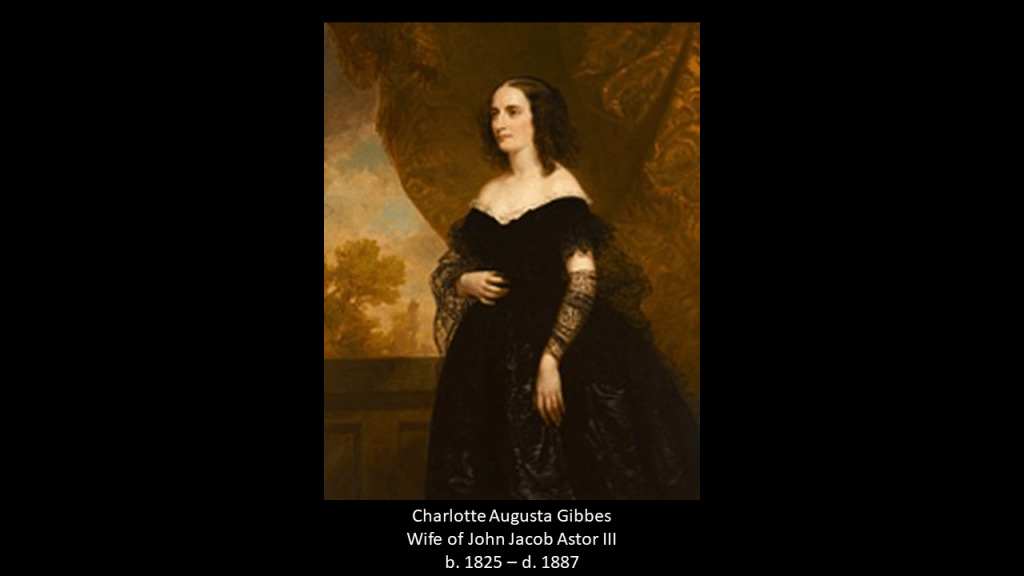
Right around the same time as the beginning of the Orphan Train Movement, and the alleged completion of the Horseshoe Curve by the Pennsylvania Railroad near Altoona, both taking place in 1854, we are told that the federal government operated a land-grant system between 1855 and 1871, where new railway companies in what we are told was the uninhabited west were given millions of acres they could sell or pledge to bondholders.
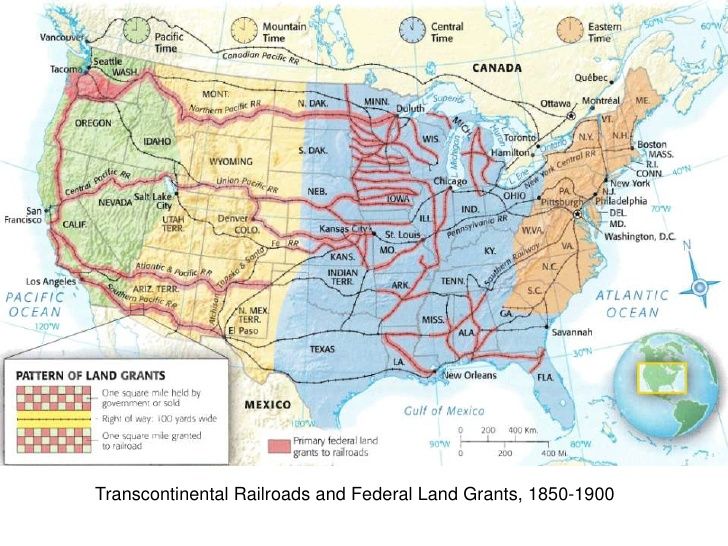
The establishment of a land-grant system at this time is a good place to insert once again the story of the Ames Brothers of Easton, Massachusetts, co-owners of the Ames Shovel Shop, nationally known for providing the shovels for the Union Pacific Railroad, which we are told opened the West.
It was said to have been the world’s largest supplier of shovels in the 19th-century.
Why were shovels so important to the opening of the West and the expansion of infrastructure?
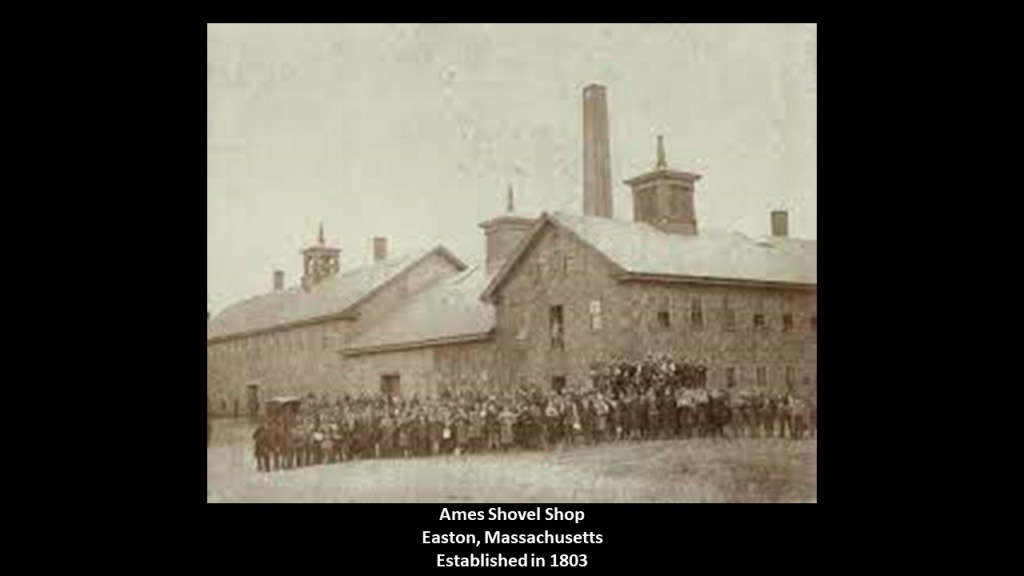
What if…the tracks were already there and just needed to be dug out?

Not only that, one brother, Oliver Ames, Jr, (b. 1807 – d. 1877) was the President of the Union Pacific Railroad from when it met the Central Pacific Railroad in Utah for the completion of the first Transcontinental Railroad in North America.
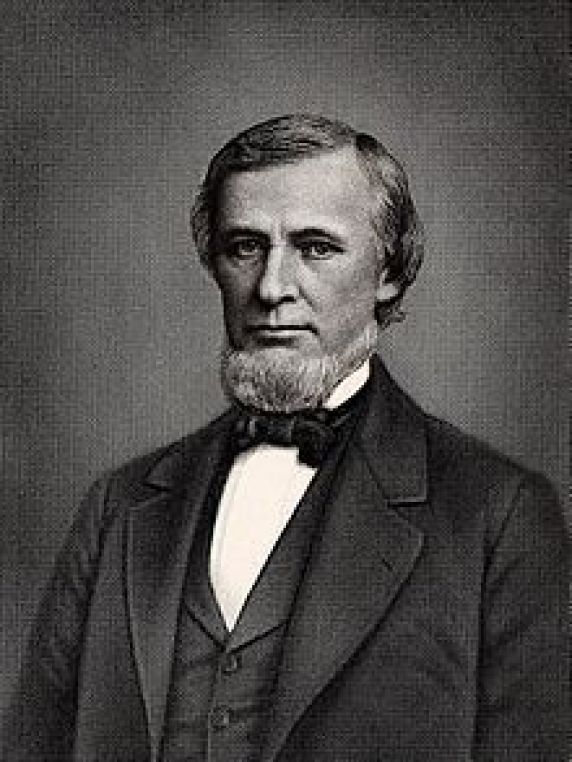
The other brother, Oakes Ames, was a member of the U. S. Congress House of Representatives from Massachusetts 2nd District from 1863-1873. He was credited by many as being the most important influence in building the Union Pacific portion of the first Transcontinental Railroad.

Oakes Ames was also noted for his involvement in the Credit-Mobilier Scandal of 1867, regarding the improper sale of stock of the railroad’s construction company.
He was formally censured by Congress in 1873 for this involvement, and he died in the same year.
Ten-years later, he was posthumously exonerated by the Massachusetts State Legislature on May 10th, 1883.
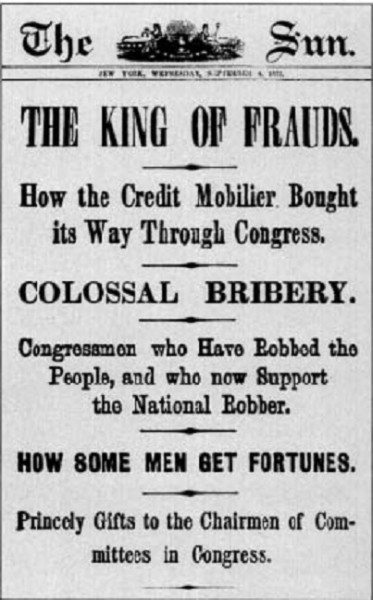
Has nothing ever changed?
Have we always had the same corruption in our government?

Next I am going to share original findings by Aaron about the grid system in this region that he uncovered when he was prompted to look into the relationship between the locations of Kirkbride buildings, key masonic lodges, and state capitals.
Before I go into sharing the screenshots of what he found, let me first talk about Thomas Story Kirkbride, the Kirkbride Plan, and what that entailed.
Thomas Story Kirkbride was a Pennsylvanian whose great-great-grandfather, Joseph Kirkbride, was one of the original land-grant settlers of Pennsylvania, and Thomas lived there throughout his life.
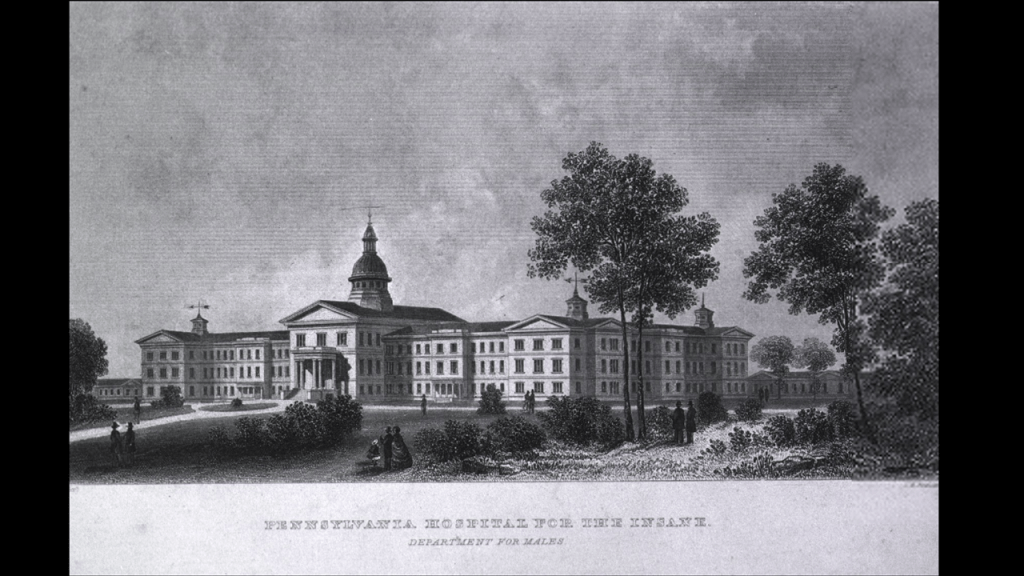
We are told the “Pennsylvania Hospital for the Insane” was built to replace the Pennsylvania Hospital’s crowded insane wards at 8th & Spruce Streets, which was founded in 1751, and considered the first hospital in America, the original Pennsylvania Hospital building is still in use as such today.
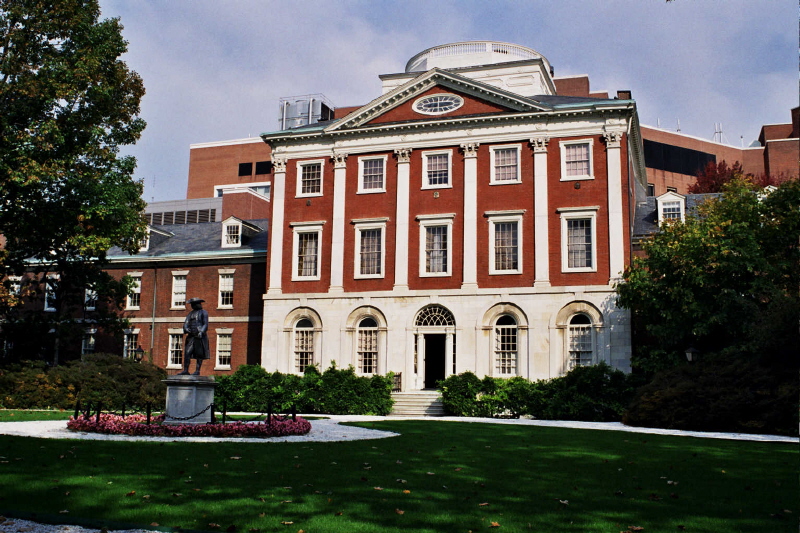
In Philadelphia in 1844, Kirkbride helped found the “Association of Medical Superintendents of American Institutions for the Insane,” and held various leadership positions for it from 1844 to 1870.

The Kirkbride Plan was said to be a system of mental asylums he designed in the mid-19th-century.
The first building said to have been constructed with Kirkbridge’s design under was the New Jersey State Lunatic Asylum in Trenton, New Jersey, in 1848, which also known as the Trenton State Hospital.
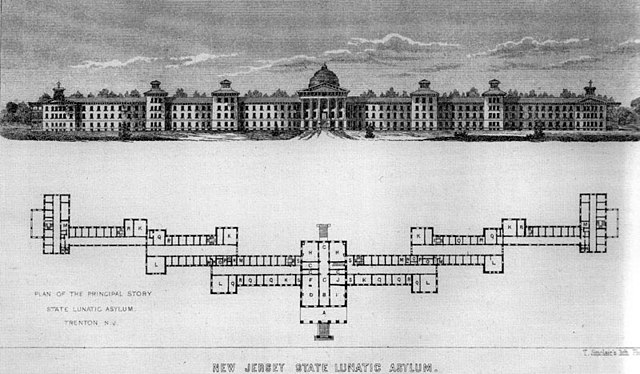
Dr. Henry Cotton was the medical director of the Trenton State Hospital between 1907 and 1930.

He left a legacy there of the removal of teeth and body parts, allegedly as a means of preventing infection, that continued on for years after he left the facility.
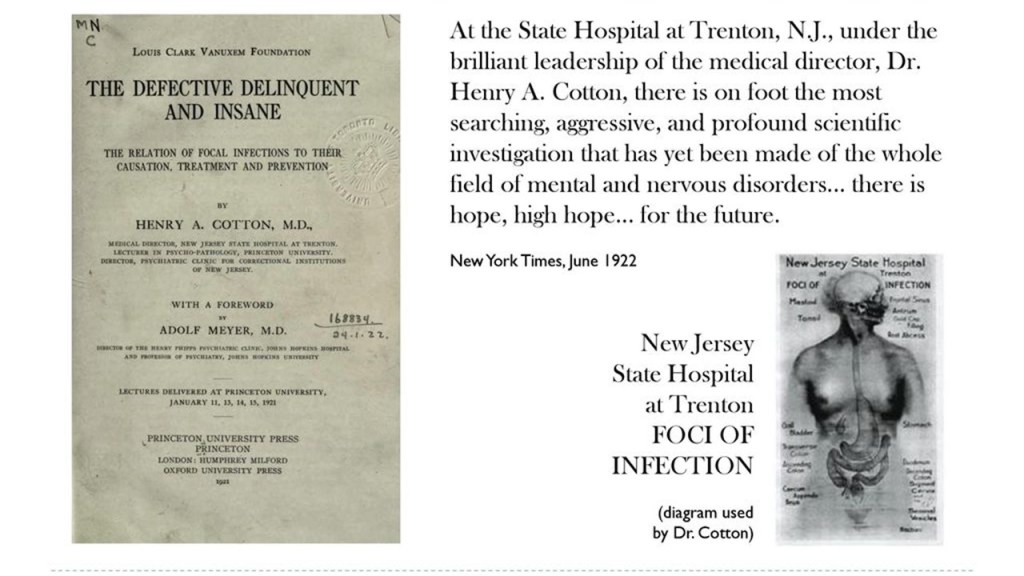
While the original Trenton State Hospital building is largely abandoned…
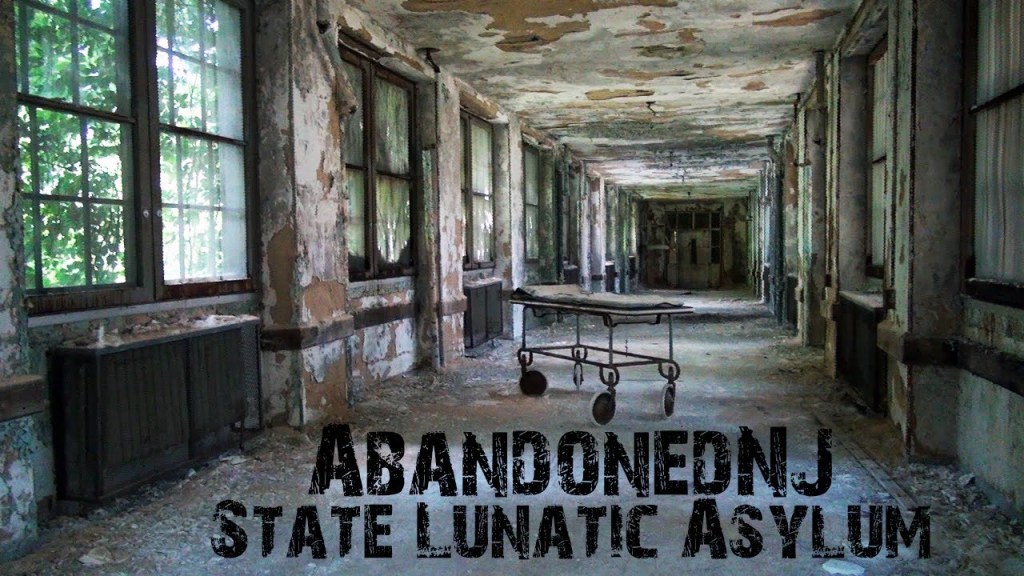
…and considered to be haunted, like the abandoned Cresson Sanitorium we saw back in Pennsylvania…

…there still is a wing of it operating as the Trenton Psychiatric Hospital today.
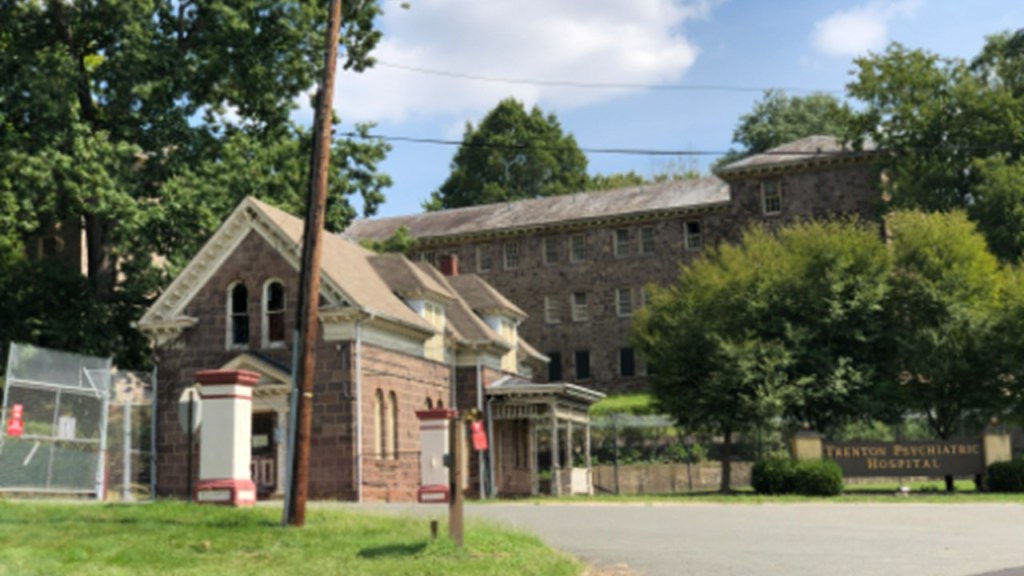
In 1854, Kirkbride first published what was considered the source book in the 19th-century for Psychiatric Directives entitled “On the Construction, Organization, and General Organization of Hospitals for the Insane, ” with some remarks on insanity and its treatment.
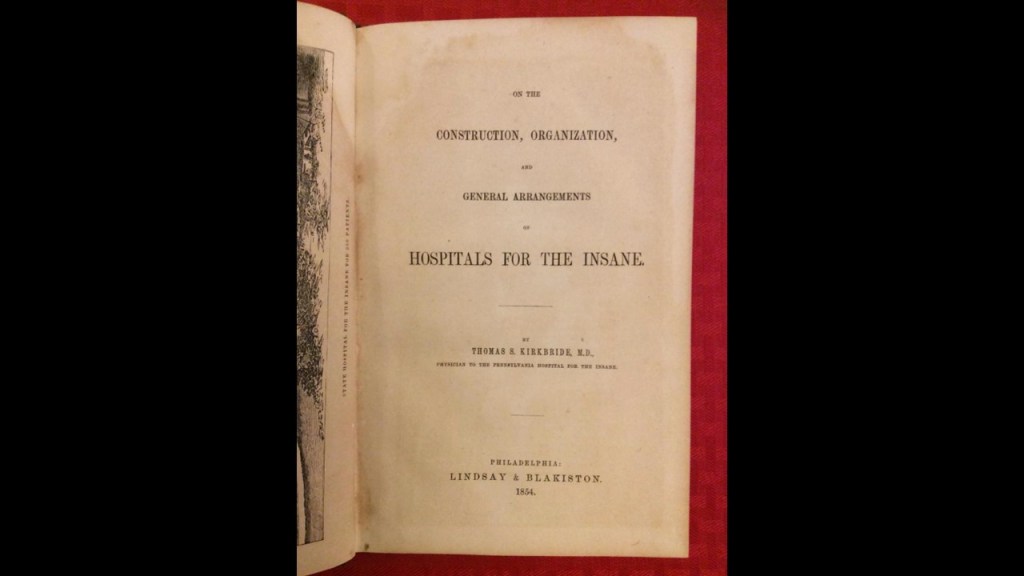
We are told that throughout the 19th-century, numerous psychiatric hospitals were designed and constructed according to the Kirkbride Plan across the U. S. and while numerous Kirkbride structures still exist, many have been demolished, partially-demolished, or repurposed.
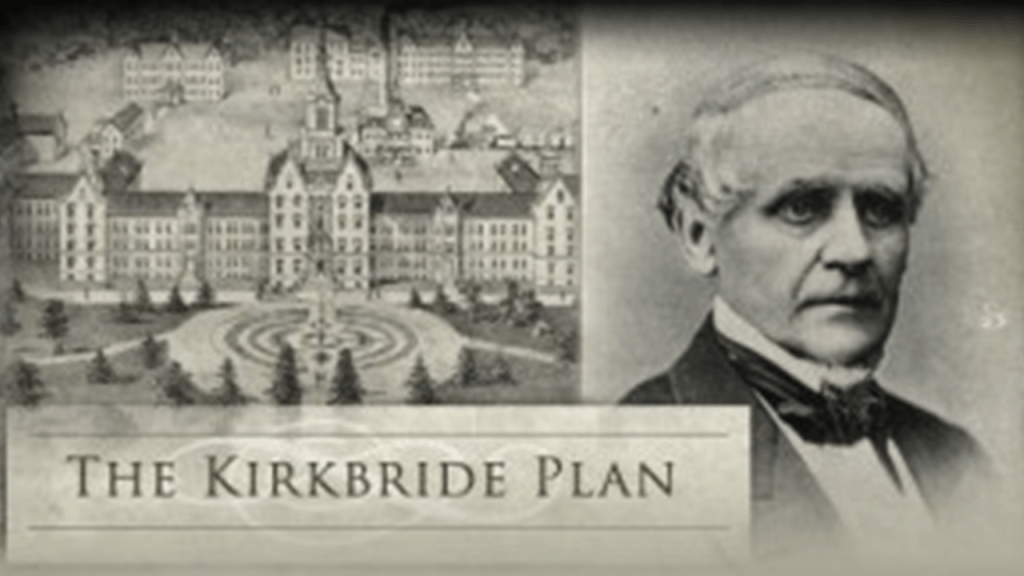
As I mentioned, Aaron made some original findings about the grid system in this region.
He uncovered what I am going to share next when he was prompted to look into the relationship between the locations on Google Earth of Kirkbride buildings (marked by white), key masonic lodges (green), and state capitals (red).
You will see in the following screenshots of what he found, there is a high correlation of these buildings being on or near these alignments.
Gettysburg turned out to be a hub, circled in red, with many alignments between all three of these types of locations going out in all directions.
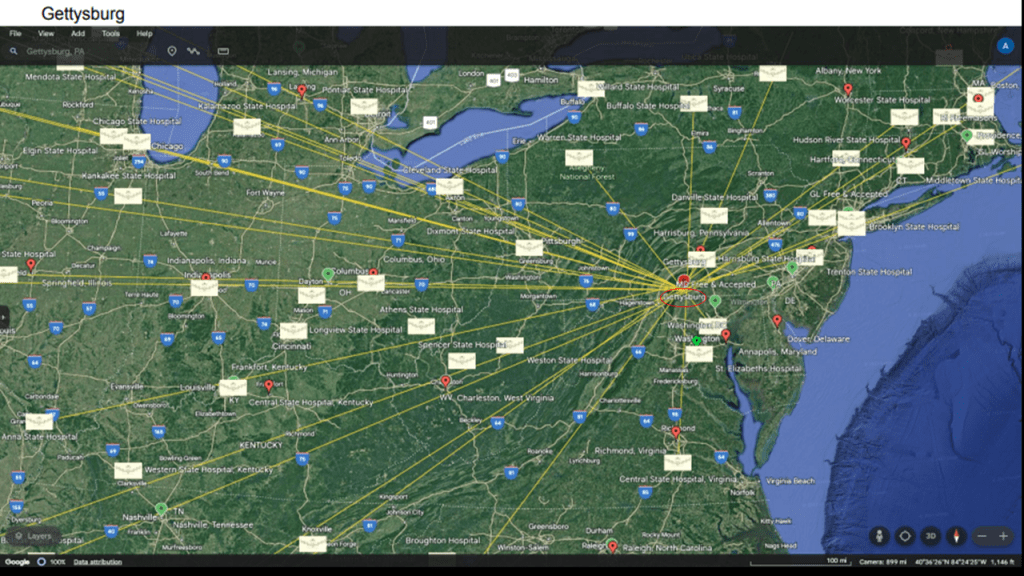
He found the same thing happening with the New River Gorge in West Virginia as a hub, with many alignments between all three of these tyes of locations going out in all directions.

He also looked up these three types of location alignments from the address of the previously mentioned Biltmore Masonic Lodge, which is marked in orange and circled in red, and found some interesting linear patterns emerging from North America.
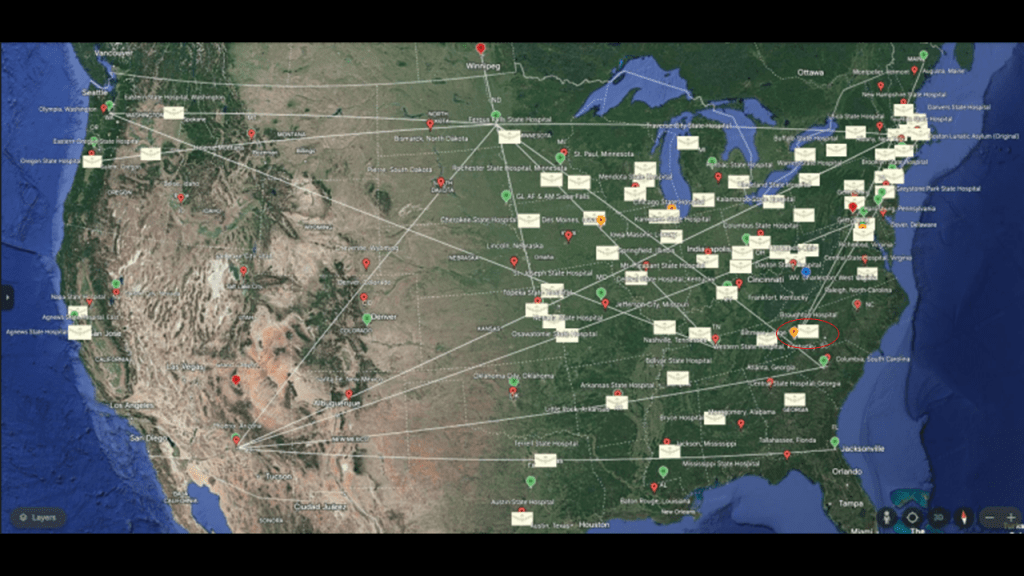
Here is a more localized view of alignments of Kirkbrides, masonic lodges and state capitals to the northeast of the Biltmore Lodge, and upon which the earlier Kirkbride example I gave of the Trenton State Hospital falls directly, circled at the top of the screenshot.

Aaron also found a lot of alignments with these three types of location emanating from Boise, Idaho, out in the western U. S.
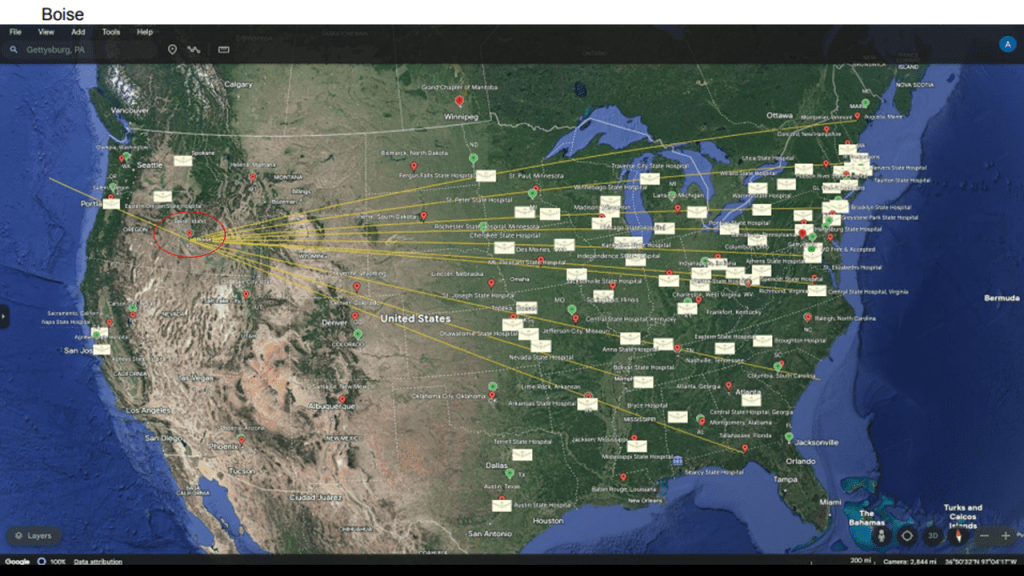
Aaron also shared images with me from Gary Schoenung’s work on”Ruins of Old Earth” showing these same patterns we have been seeing with regularity in this post, with a central hub and multiple lines that emanate out in every direction from the hub, whether it be for as we have seen rails, or roads, or Kirkbrides/Masonic Lodges/State Capitals.
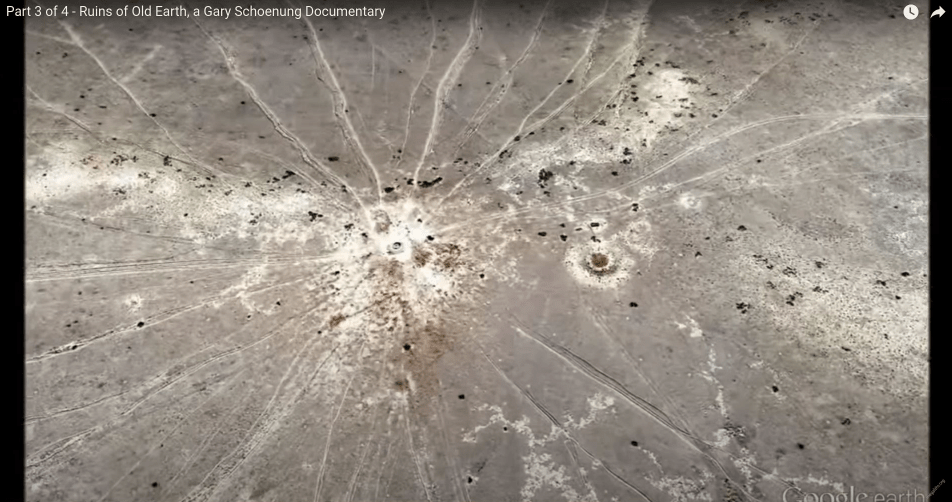
I noticed the same kind of star-burst pattern found by Gary Schoenung on the top left appearing around Knoxville, Tennessee, on the bottom right when I was looking at it earlier.

Aaron also recently sent me a link to a 2019 on-line article posted on the CNN website about what was described as the finding of the root system of the world’s oldest forest of fossilized trees in an abandoned quarry in upper New York State near Cairo, New York.
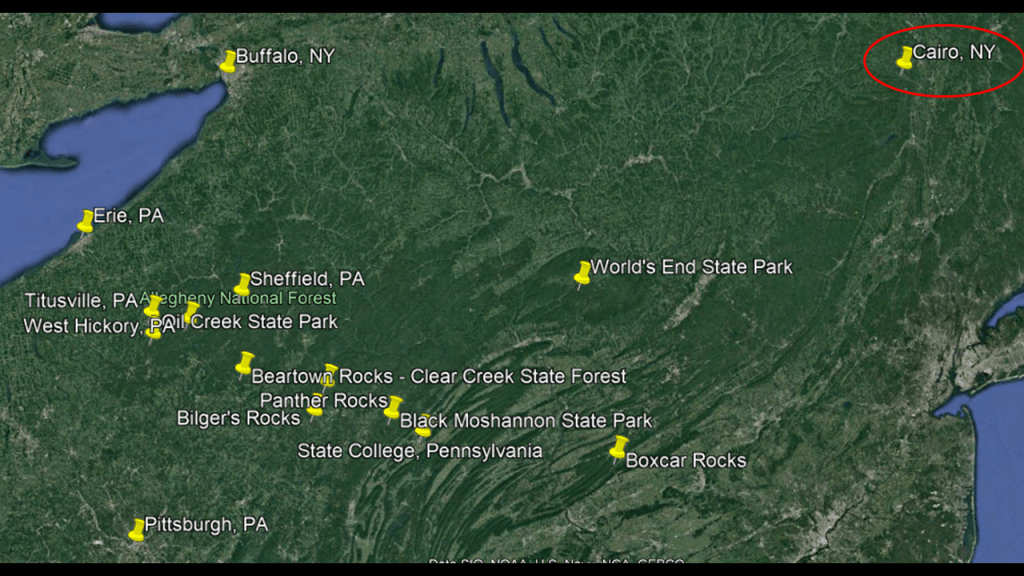
The team investigating the site after its discovery hypothesized that the forest was killed in a catastrophic flood.
The forest itself was dated back to 385-million-years ago.

The 300-million-year-plus dating of the age of the fossilized forest brings to mind the dating of the “rock formations” that look like rock cities that we saw in Pennsylvania at the beginning of this post, like Panther Rocks and Bilger’s Rocks,which were dated back to the Pennsylvania Age of the Carboniferous period of the Paleozoic era more than 300-million-years ago, and said to have been formed by sediments deposited in streams and rivers.
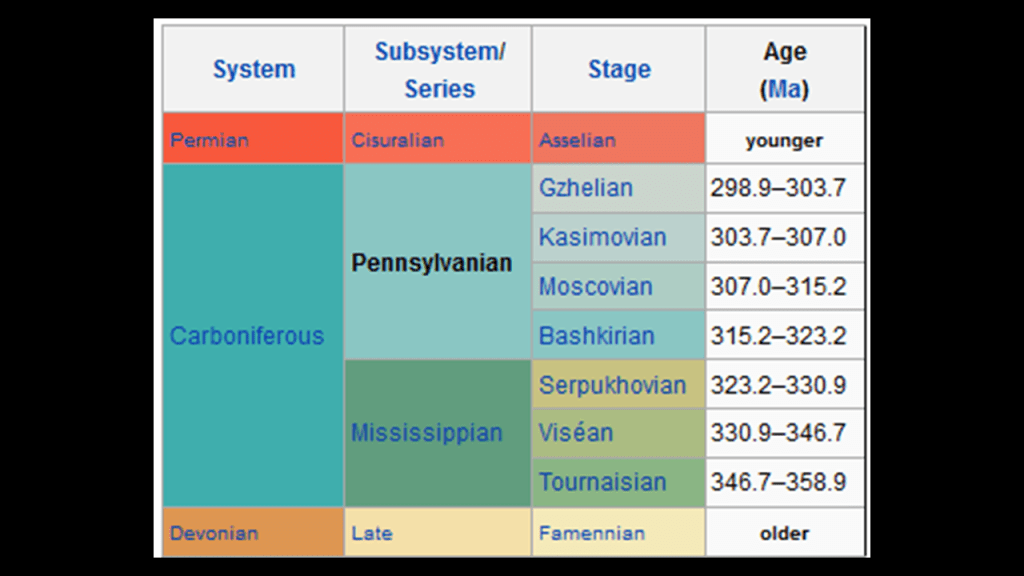
At this point in my research for this post, and research from before, I think it is highly likely that ancient giant trees and the root system emanating from them were an integral part of the Earth’s energy grid and leyline system.
The original rail-lines and canals would have been providing power for the free-energy system, and the original architecture would have provided the antiquitech to process and utilize the free energy throughout the worldwide system.
The Earth’s original free-energy grid system was based on exact and precise geometric alignments of cities and places, which is actually what we are seeing in high-definition with Aaron’s Kirkbride alignments.
Nowadays, the tree “roots,” are highway “routes” or hiking trails, which has more to do with human energy being generated from their use instead of infrastructure creating free-energy for the system to use.
This concept is following up on the idea that Chad Williams and I talked at length about in our recent conversation “Giant Trees, the Earth’s Grid, and the New World Order.”
In this conversation, among many other things, Chad and I talked about the ideas that giant trees were integrally-connected to the Earth’s original grid system, and that “tree energy” equalled “free energy,” and that those behind the reset of history and the New World Order they were ushering sought to capitalize on the power of the giant trees and the Earth’s energy grid, but in a negative way that sought to only benefit the few, and which they reverse-engineeredfor power and control over Humanity, instead using it in the positive way that the Earth’s original energy grid system benefited all life everywhere.
We also explored the idea that the European Colonizers were exploring and claiming the land of a post-cataclysmic world.

Our conversation started off with this intriguing illustration that Chad found in his research and had sent along to me at take a look at.
It seems to be showing trees on a root-looking grid exploding simultaneously, which might be an explanation for why we don’t recognize them as trees any more.
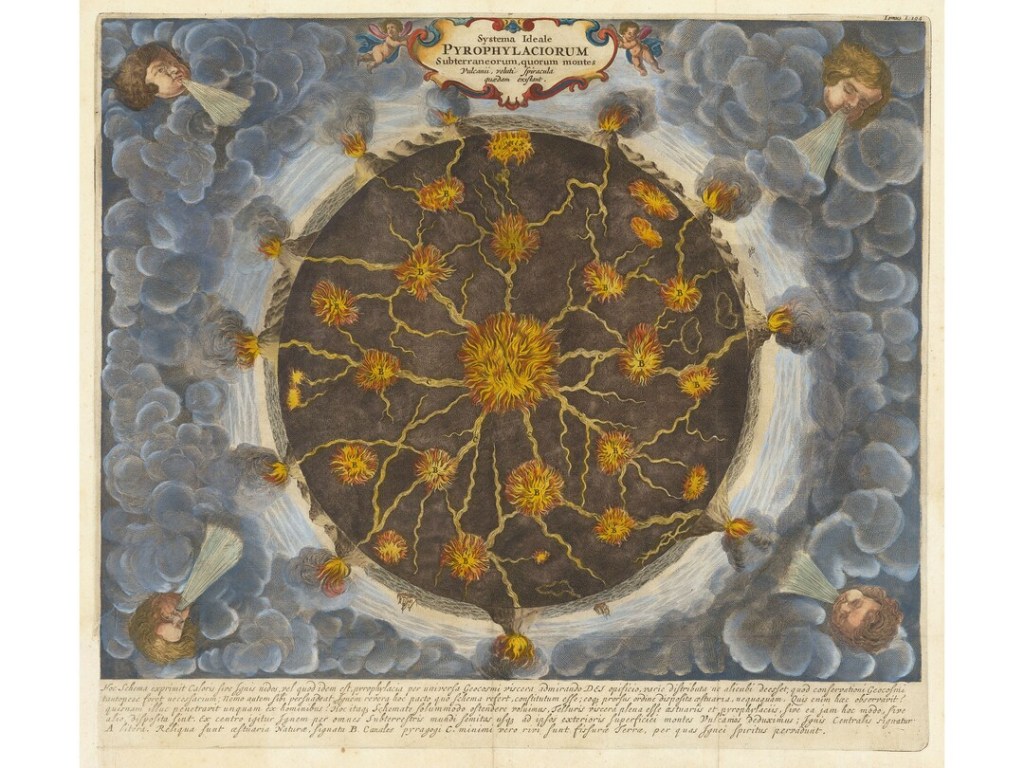
This is what I have come to believe has taken place here, in the course of all the past and present research I have done for my blog posts in 5 1/2-years of extensive research.
Firstly, this cataclysm was deliberately caused relatively recently by directed energy into the grid system, which devastated the surface of the Earth, simultaneously causing the land to undulate and buckle, causing among other things, swamps, bogs, deserts, dunes, and whole land masses to shear-off and submerge under seas and oceans.
I have put forward the idea that the Philadelphia Experiment was connected to what has taken place here, which I discuss in-depth in “Recovering Lost History from Estuaries, Pine Barrens & Elite Enclaves Off the Atlantic Northeast Coast of the United States….”

…but if that is too far out of the box for comfort, or one of several causes, then consider this clip from the Global Vision YouTube Channel video, “Old World Order, World We Lost,” from which the full-video is mirrored on my channel.
However it happened, I believe this cataclysm was a deliberately-caused attack on the Earth’s grid system and was not caused naturally.
Secondly, I believe the beings behind the cataclysm were shovel-ready to dig enough of the original infrastructure out of the ruined Earth so they could be used and civilization restarted, which I think started in earnest in the mid-to-late 1700s and early 1800s.
There’s extensive underground infrastructure where people could have survived until the surface of the Earth was habitable.
Then they only used the pre-existing infrastructure until they found replacement fuel sources that could be monetized and controlled by them for what had originally been a free-energy power grid and transportation system worldwide, and when what remained of the original infrastructure was no longer useful to them, or inconvenient to their agenda, they had it destroyed, discontinued, or abandoned, typically in a very short time after it was said to have been constructed, as we have seen here in all these examples from Pennsylvania and West Virginia.
Oh yes, and they claimed the very best of everything for themselves, including but not limited to, what became the Greenbrier Resort.
While the new elite class lived in the lap of luxury, and helped themselves to the best of everything, they had little care for anyone or anything else – not at all.
Quite the opposite.

They have actively facilitated the demise of all the rest of us, who they call “useless eaters,” into the present-day.

Those that heretofore have been in control of the world in which we live deviously figured out a way to keep us asleep by this new culture they created, and they have been getting filthy rich at our expense because we have been paying for our own poisoning with our addictions; paying for our own mind control programming with distractions; and keeping us in consumerism mode to enrich corporate interests; and ultimately financing our own destruction.
So, I think there was a hostile take-over of the Earth and it’s grid system, which was reverse-engineered as a mind-control and energy-harvesting system for human energy.
A sudden cataclysmic event, creating swamps, deserts, and even submerging entire landmasses around the Earth, would account for how a highly advanced worldwide civilization of giant could be wiped from the face of the Earth and erased from our collective memory…
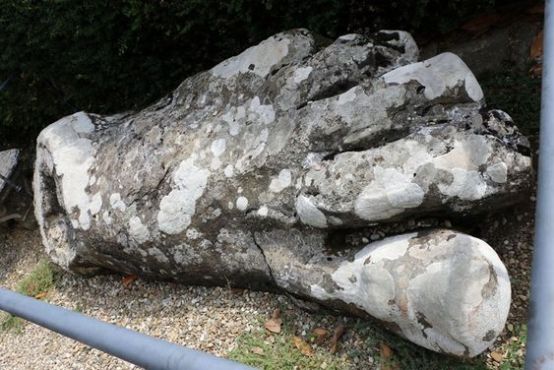
…and vanished like the Saura people in North Carolina, where Pilot Mountain is located, with, as we are told, their rich cultural heritage recorded in historical journals still buried in the Earth.
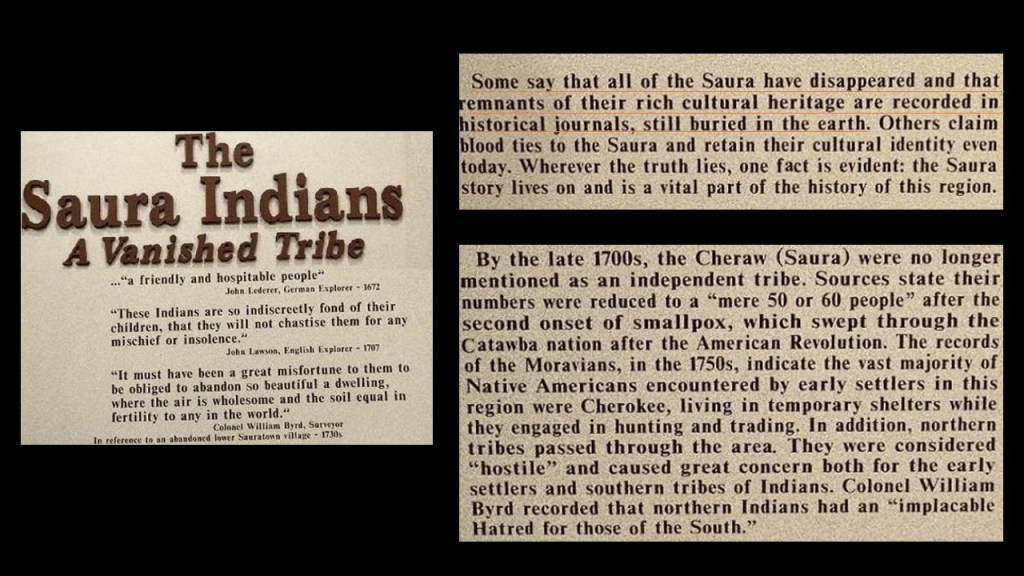
In the business world, there are two kinds of takeover bids, and I think this is a really important concept to understand with regards to what has taken place here.
The first is called a friendly takeover bid, and occurs when the Board of Directors from both companies (target & acquirer) negotiate and approve the bid.

Then there is the hostile takeover bid, which occurs when an acquiring company seeks to acquire another company – the target company – but the board of directors from the target company has no desire to be acquired by, or merged with, another company.
The two most common strategies used by acquirers in a hostile takeover are a tender offer or a proxy vote.
The tender offer is an offer to purchase shares at a premium to the market price.
The proxy offer is persuading shareholders of the target company to vote out the existing management.
So we have Team Light on one side who, along with the ancient advanced Human civilization of Earth, were co-creating the fullest expression of Human Potential there ever was on earth.

Then we have Team Dark on the other side, comprised of fallen angels, and other beings with a negative agenda towards Humanity who have been interfering egregiously on Earth.

What was Team Dark to do?
They were jealous of Humanity…greedy…and hungry for power.
They wanted to rule over it all, take the wealth for themselves, and control the destiny of Humanity for their own benefit.
But the problem is in a Free Will Zone like Earth, the Human Beings who live here have to give their consent to choose whether the follow the Light or the Dark.

The negative beings behind all of this wanted to set up a new god as lord of this world – Lucifer – and wanted a proxy vote for their hostile takeover.
They wanted to persuade enough of Humanity to voluntarily accept Lucifer over the Creator of the Universe.

The only way they can accomplish this acceptance, however, is by outright lies, deception and duplicity because if people knew the true agenda of these controllers, the majority of Humanity would never, ever accept this.

I believe that these beings with a negative agenda devised a complicated plan to knock Humanity off the positive Moorish Timeline of Higher Consciousness…

…in an interdimensional war in order to control Humanity, using Humans as their tools against the Creator and Creation.

I bring all this up is because it is important to know this is what has been going on here.
Humans are inherently sovereign beings.
They have gone to all of this trouble because, by Universal Law, they can’t lay a finger on us.
They have tricked us into accepting their sovereignty over our own.

But they have to tell us what they are doing so they have our consent.
So they choose avenues like movies, literature, art, and music to tell us without telling us they are telling us, and if we don’t get it and object collectively, then they technicially have our tacit consent even if we don’t know we are being told something, and that is what they are counting on.
So let’s look at a few examples from art and music.
First, from public art.
There are two identical sculptures entitled “The Awakening.”
They are of a 72-foot, or 22-meter, statue that depicts a giant embedded in the Earth, struggling to free himself.
One is at National Harbor in Oxon Hill, Maryland.
They consist of 5 aluminum pieces buried in the ground in such a way that it gives the impression of a distressed giant attempting to free himself from the ground…
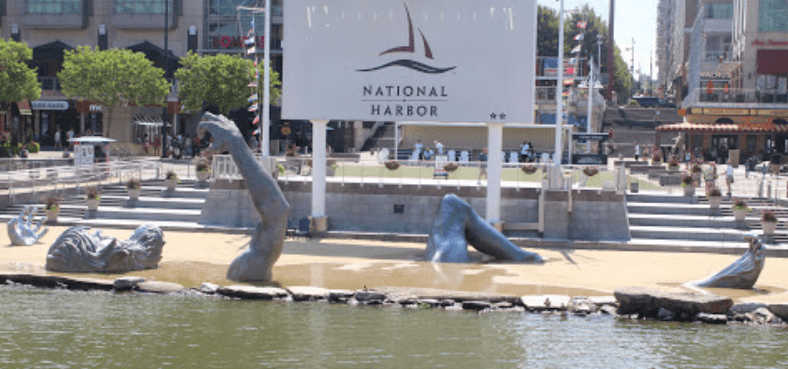
…with mouth in mid-scream as the giant struggles to emerge from the Earth.
There is an identical sculpture in Chesterfield, Missouri.
Here are some examples of sculptures around London, very reminiscent of the two “Awakening” sculptures, of buried giants, or giants attempting to free themselves from the ground.
They are putting these sculptures in public places where people can interact with them and accept the as “Art,” without realizing that they might be communicating to us something that has been very well-hidden about the world we are living in.
Then there is the “Crowned Head” in the labyrinth underneath Buda Castle in Budapest, Hungary.
Buda Castle. was the historical castle and palace complex of the Hungarian Kings, and was said to have been first completed in 1265 AD, and that later, between 1749 and 1769, the massive Baroque palace occupying most of the site was built.
Buda Castle has one of the world’s remaining incline railways, also known as funiculars, still in operation.
The Buda Castle labyrinth under Buda Castle Hill is part of a huge underground system, complete with caves, thermal springs, basements and cellars.
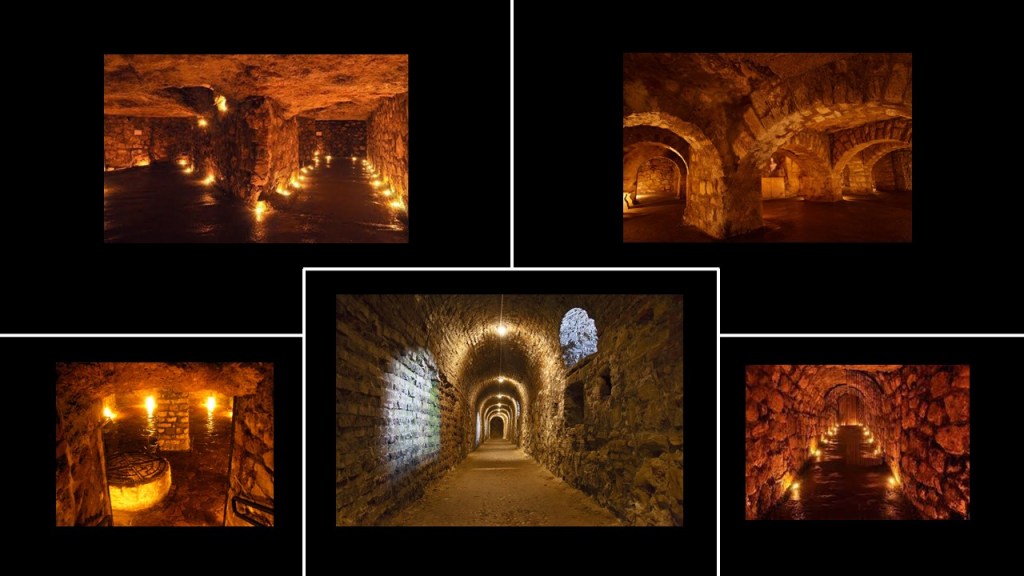
Among other features, there are five separate labyrinths encompassing nine halls.
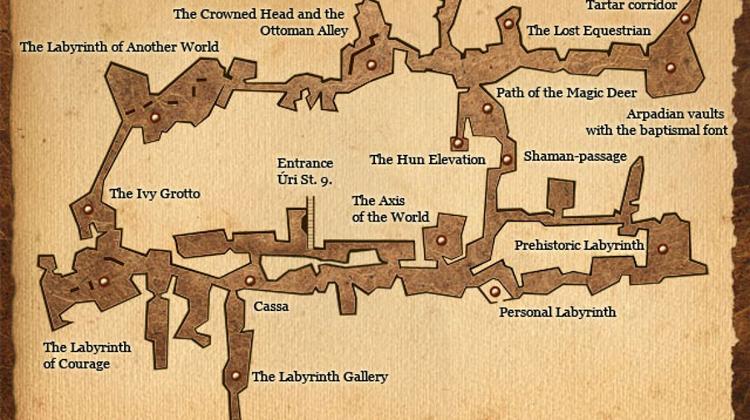
What is called the Crowned Head is in the Ottoman Alley of the labyrinth.
I find this to be extremely odd.
To me, this giant head looks more like a petrified head with long-gone eyes, that is covered up to the nose and ears by mud, than an intentional work of art.
Now an example from music.
These are the lyrics from Rasputina’s song “Holocaust of Giants,” from their 2010 “Sister Kinderhook” album.
I found this when I was looking up general info under the search term “holocaust of giants.”
The lyrics of this song echo what we saw in the 19th-century accounts, when the existence of giants was acknowledged, but we don’t know what happened to them, but it was long ago, they were primitive, and they must have killed each other off.
The message is yes there were giants, but something unknown happened to them, and that’s really all we know, and that’s all you need to know.
The lyrics to a “Holocaust of Giants” can be summarized thus:
First verse of the song.
When I was a child in Ohio, a worker was digging a well on my dad’s land, and he found a massive bone.
Ever since I’ve known there was a race of giants in the northern hemisphere, that lived here 10,000-years ago.
It’s seems incredible, but its true, that a primeval brute was turned to stone but he wasn’t alone, there were hundreds of them.
Even giants think they’ll live forever.
Second verse of the song.
Everything turned to stone where a stream once flowed into the Ohio.
The Bible speaks of giants in our midst, but they killed each other in a meaningless war.
Thank goodness we don’t do that anymore!
The gravel-encrusted skull was found in a shoal, with double rows of sharp teeth and the jaw measured 25-feet, or almost-8-meters, but it had turned to stone.

The last verse of the song recaps the first two.

Just a few more things in closing.
Why do I think this happened relatively recently?
The simplest answer is that we are still using giant-sized infrastructure and architecture, every day all over the world.
How many generations of school-children have attended school in buildings like the still in use El Paso High School in Texas, that is extremely large and ornate, and looking like a Roman temple…
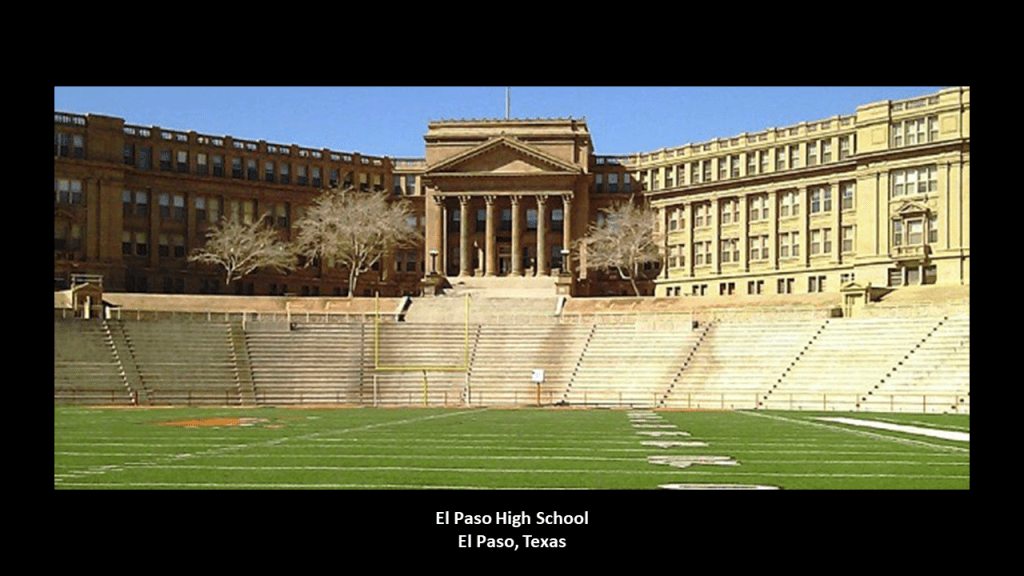
…or in schools that have been long torn-down, like the former Butcher Elementary School in Fairmont, West Virginia, in Marion County, with this photo of the school-kids and teacher taken in front of a giant door circa 1911.
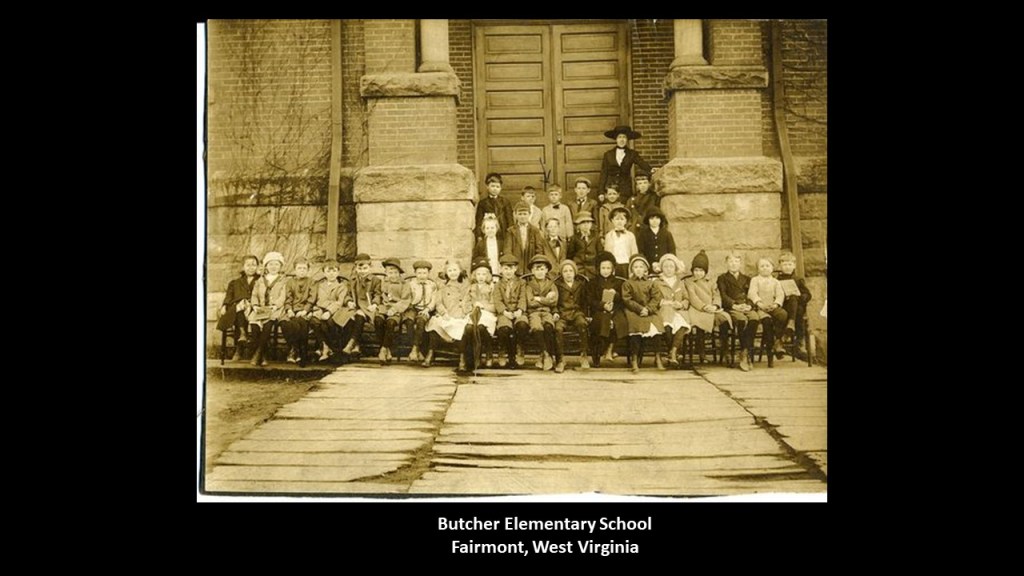
Aaron attended grades 1 – 12 at Mannington High School in Mannington West Virginia, in Marion County, and he has shared vivid memories of incredibly tall windows in the building from his school years.
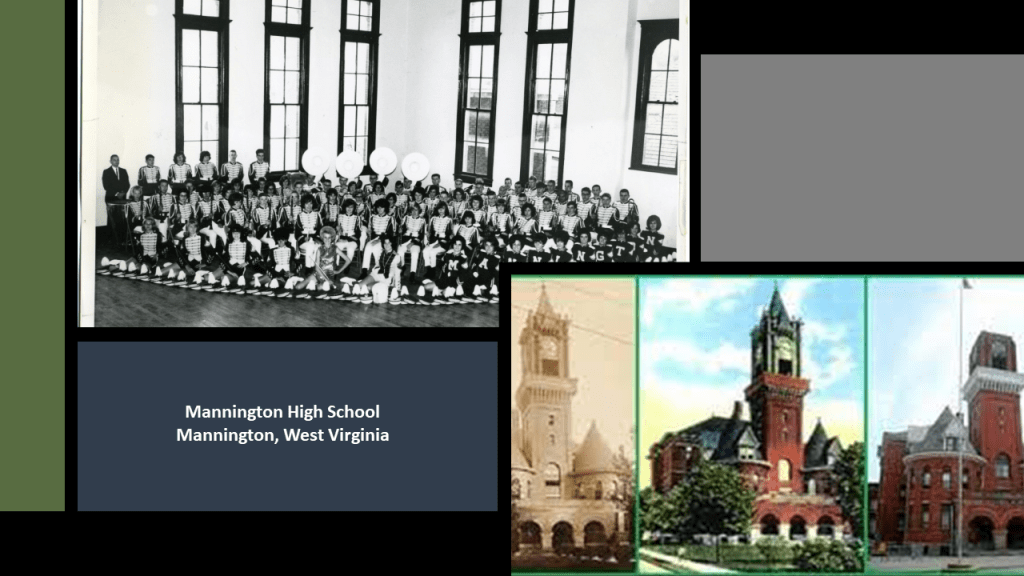
Another viewer sent me these photographs he took of a 6-toed large footprint that he came across in the Lime Peak Quarry near Eureka, Utah.
He estimated the length to be about 12″ to 14,” or 305-mm to 356-mm, long.
Echoes and imprints of giants in our midst, right beneath the surface of our awareness.
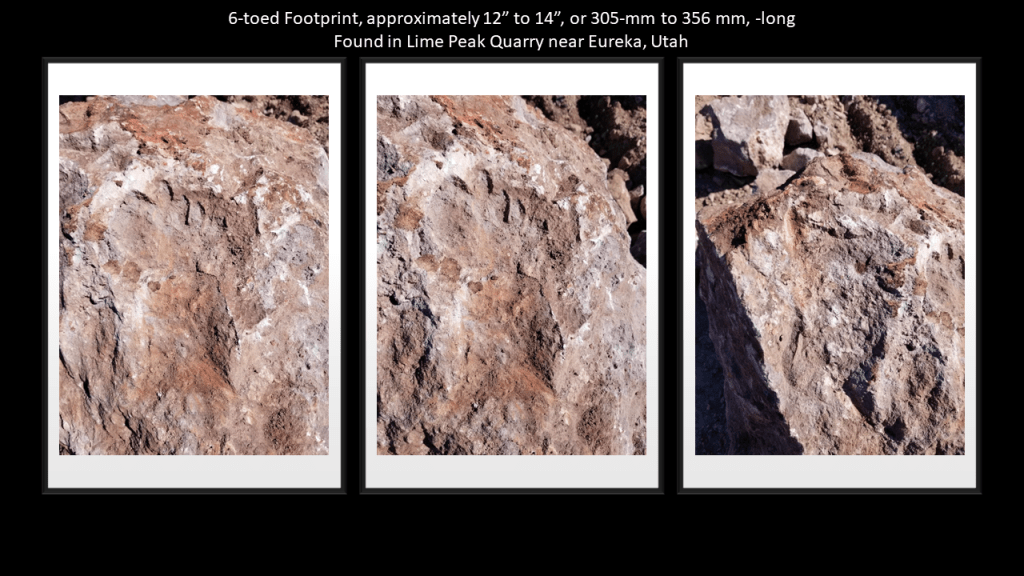
The Controllers have always feared the Great Awakening of Humanity, and thus threw everything they could at us to prevent it from happening and keep us asleep so we would never know what hit us.
But no matter what they do, they can’t keep it from happening. Among many other things, they lost control of the narrative no matter how hard they try to get it back.

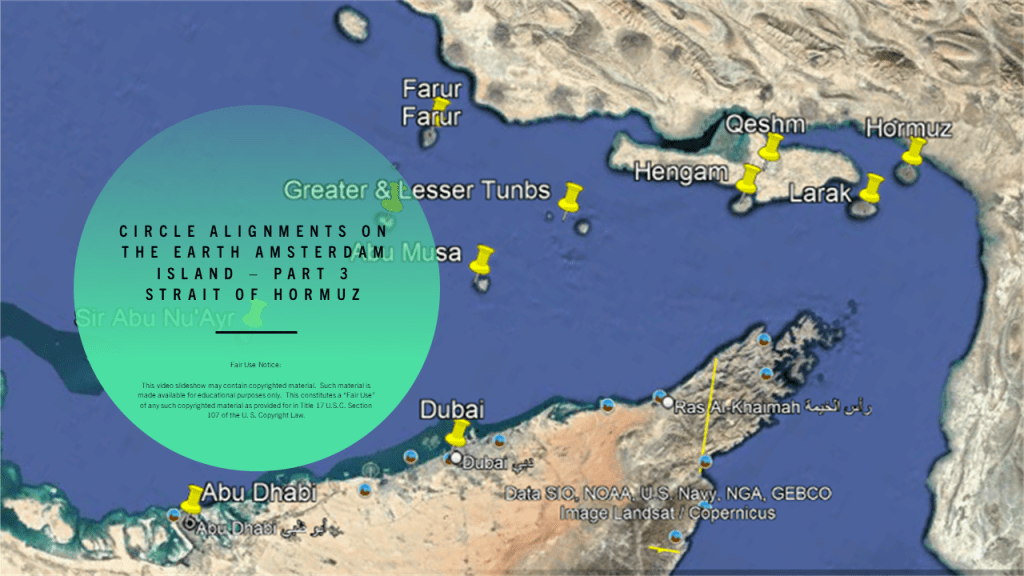
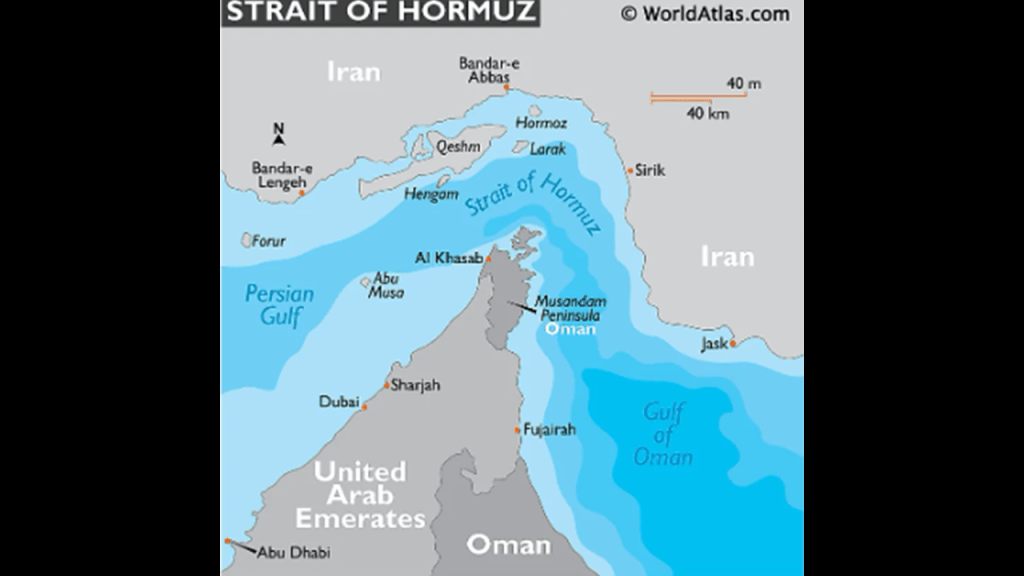
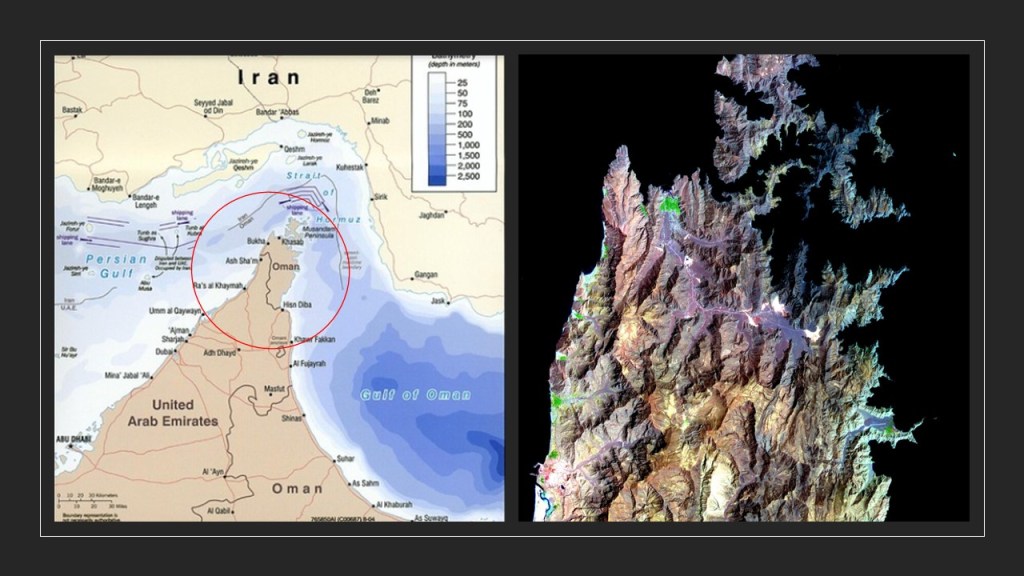













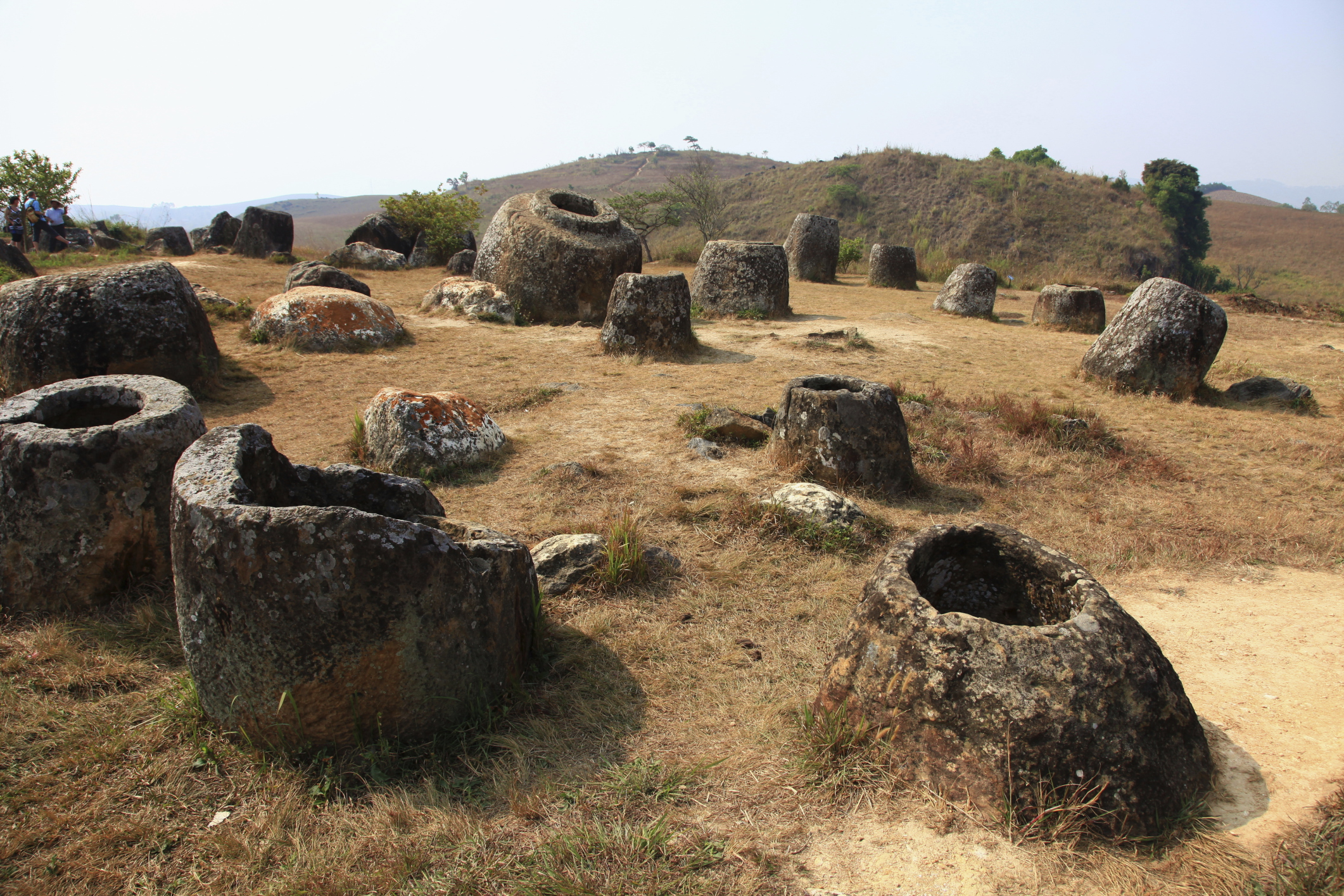
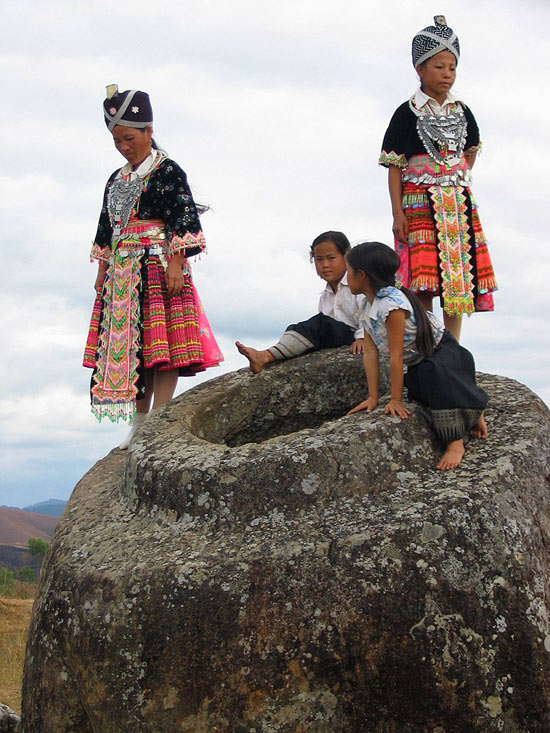
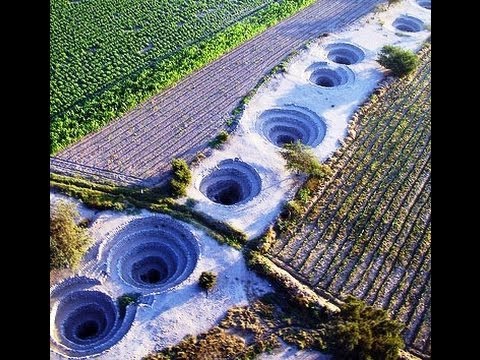
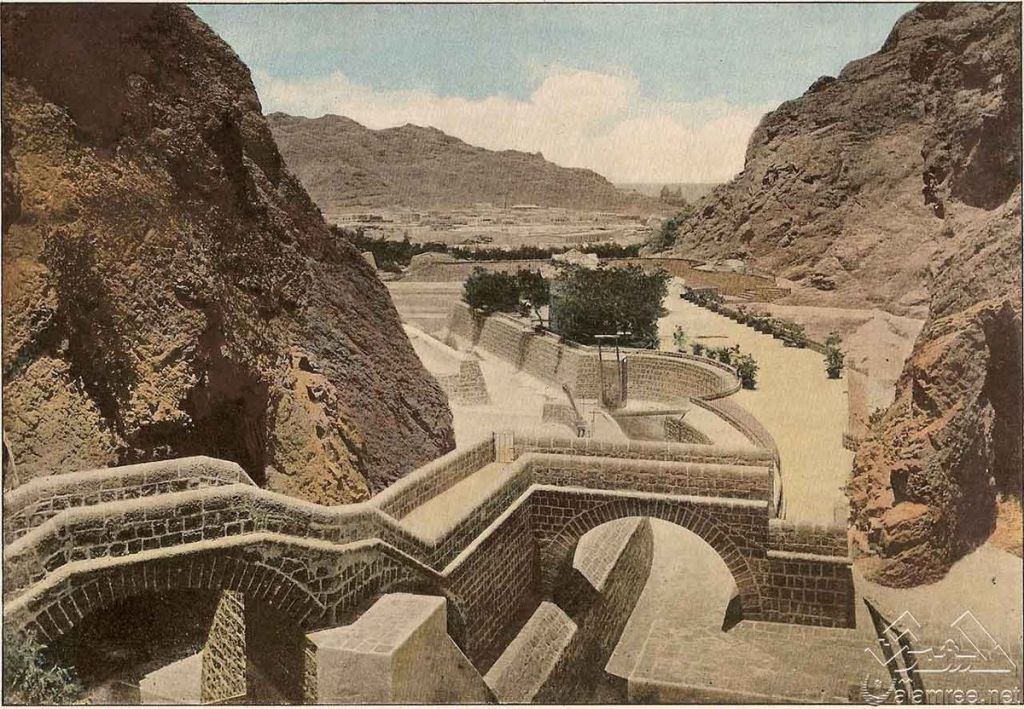




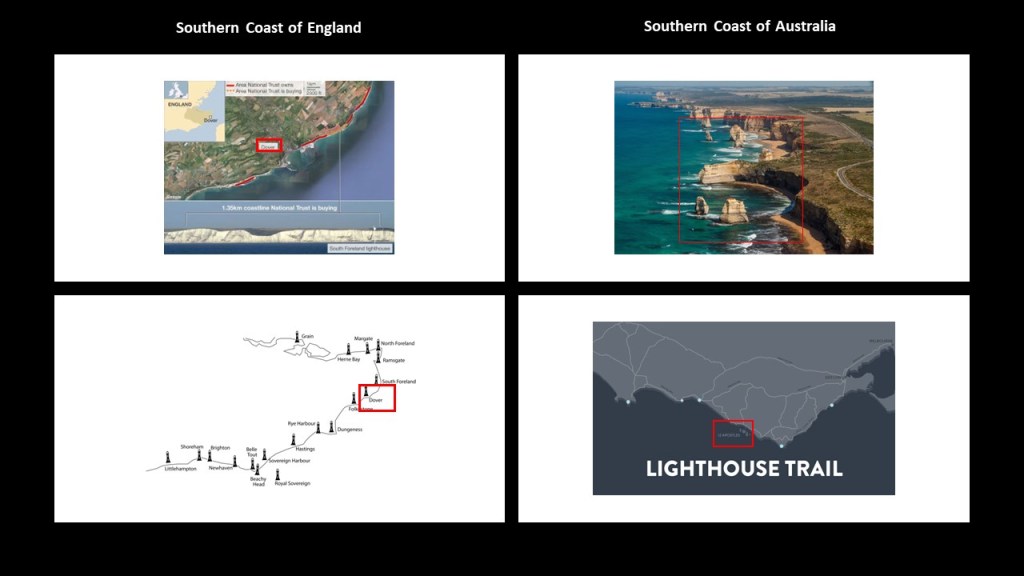
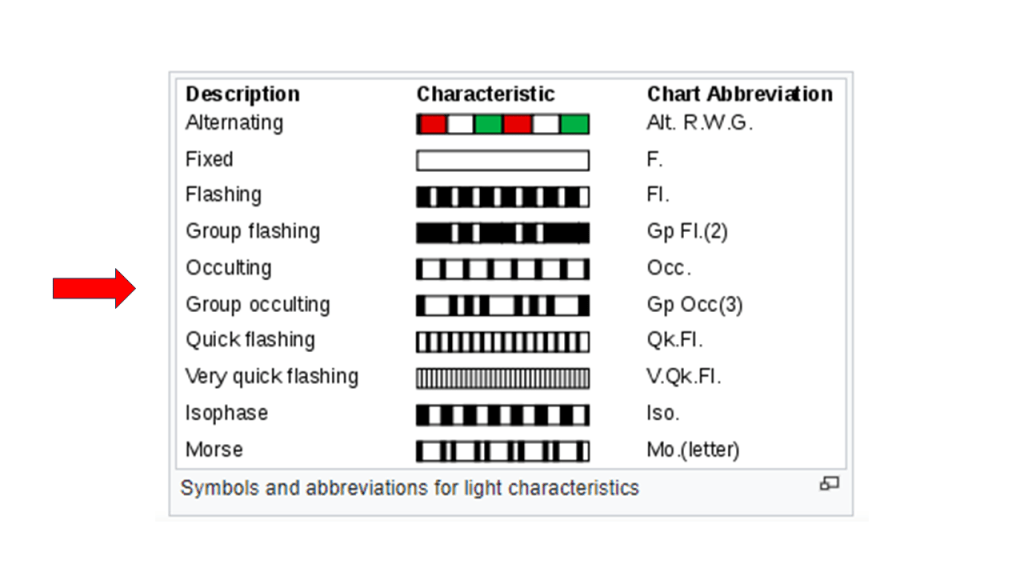







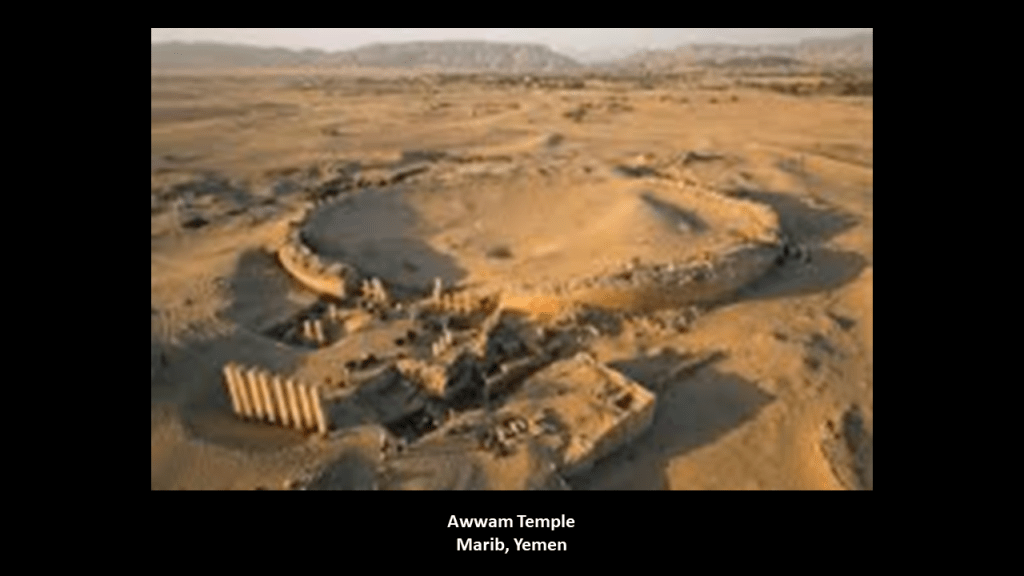
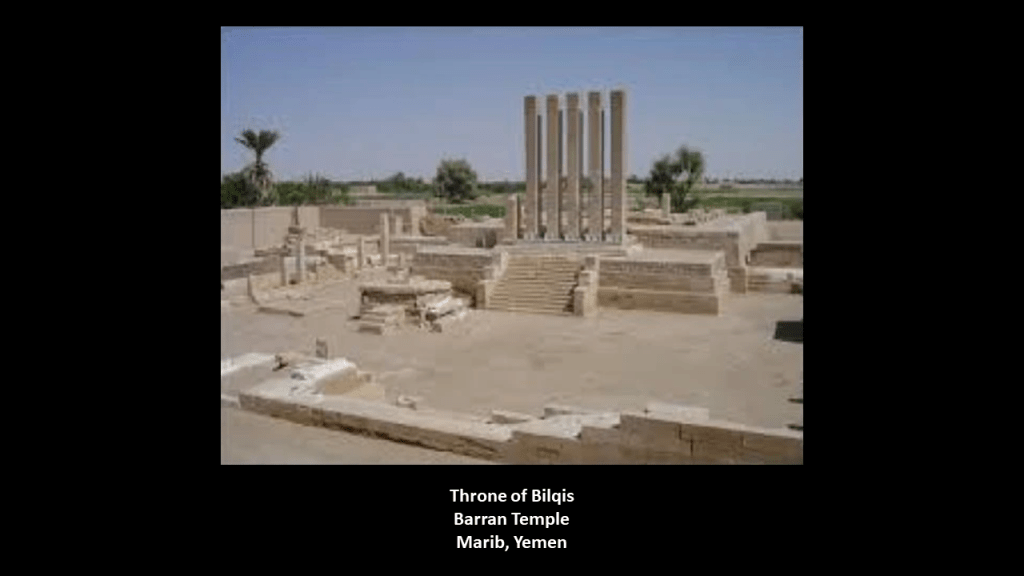
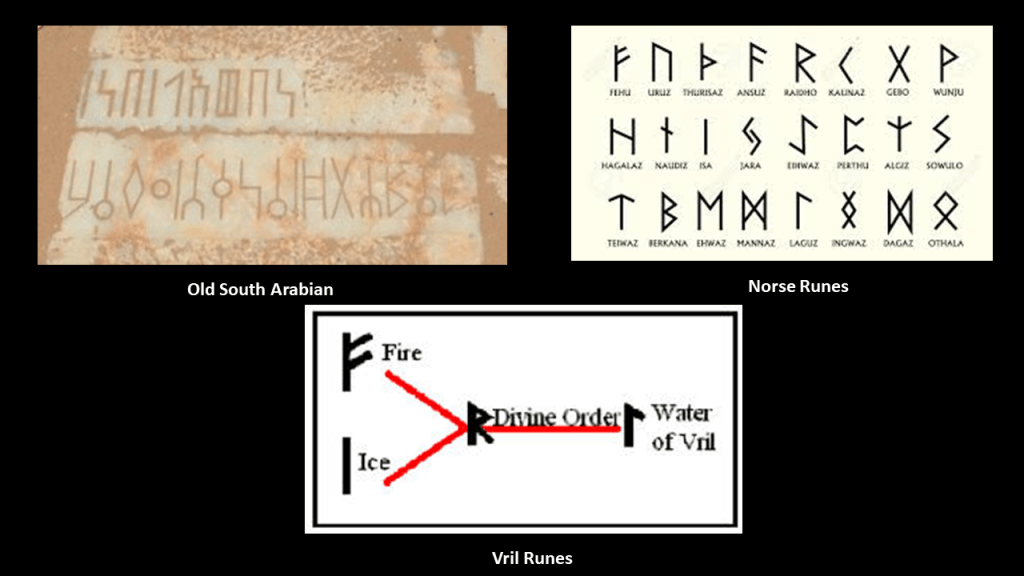


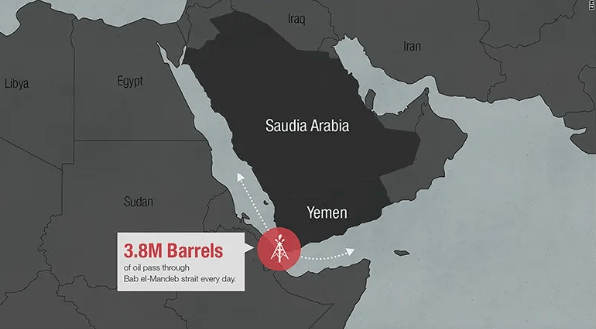
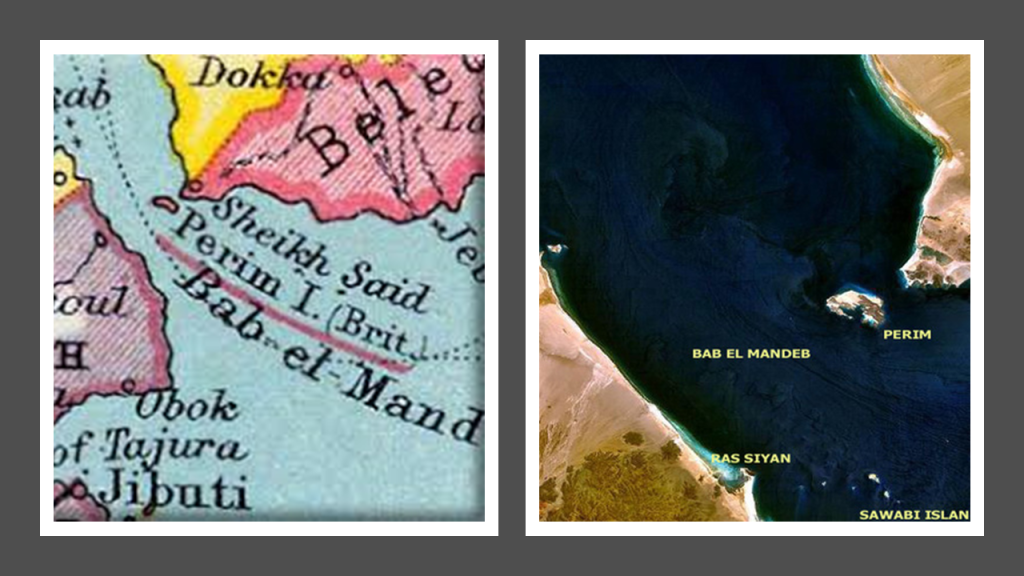


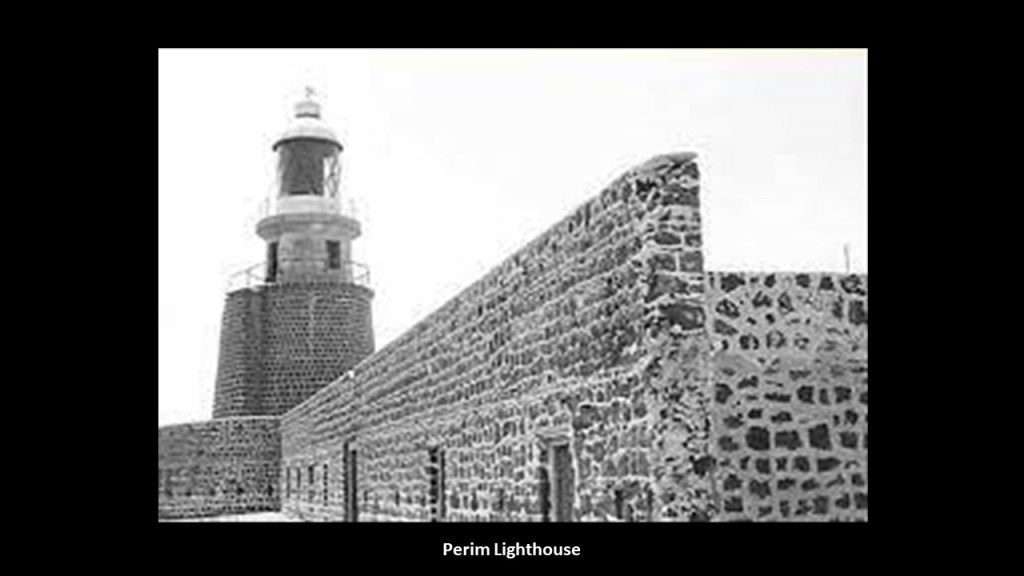




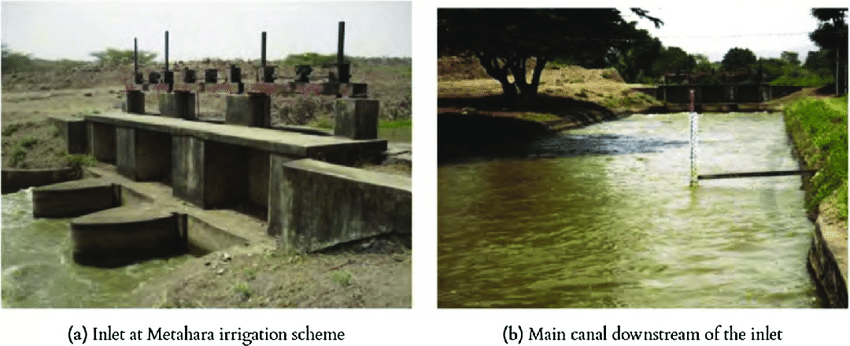
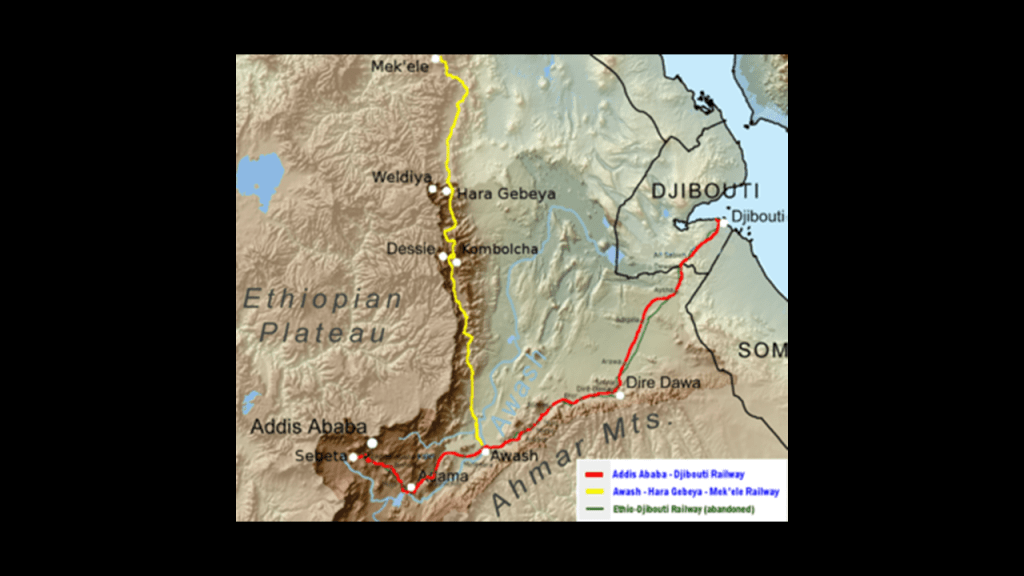



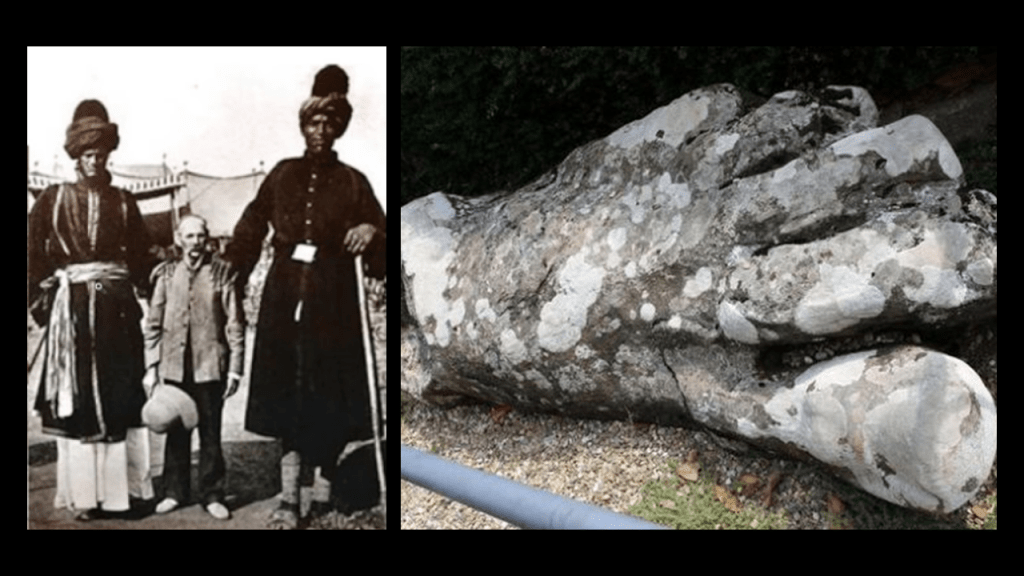
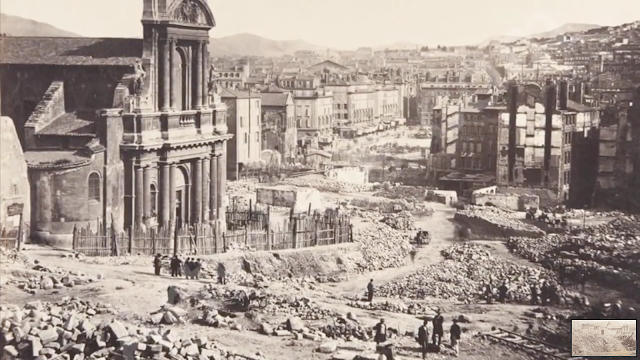


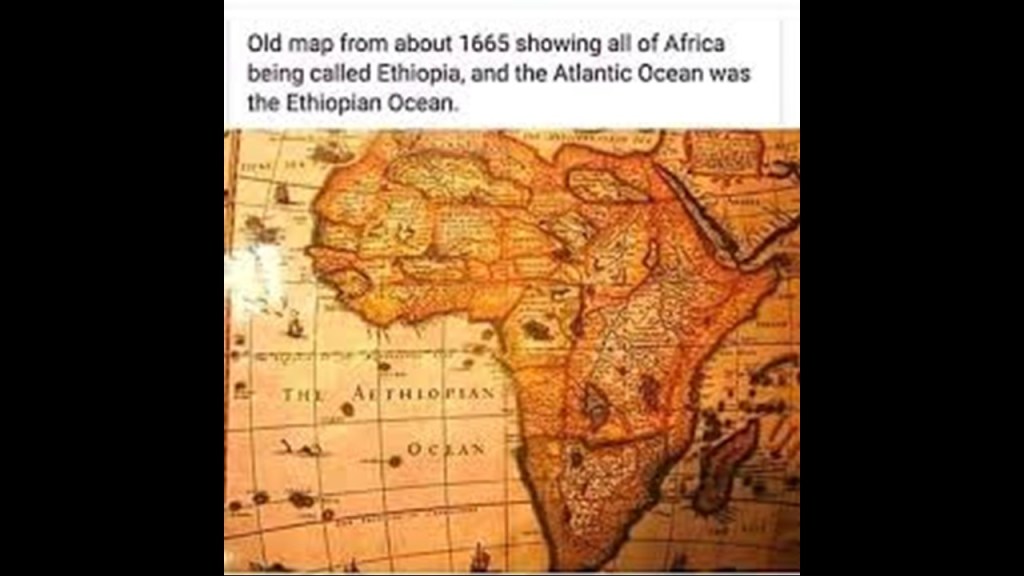







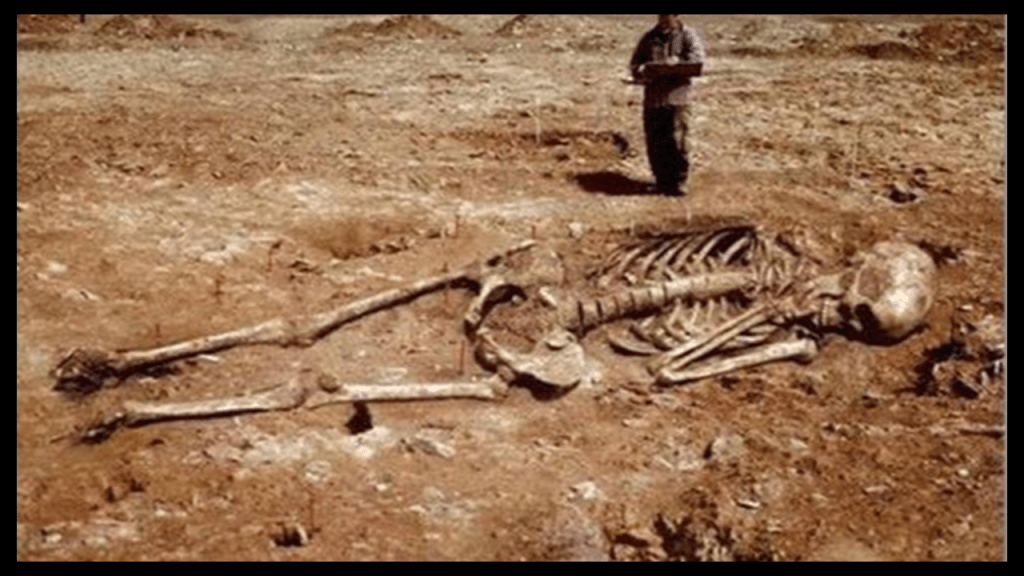
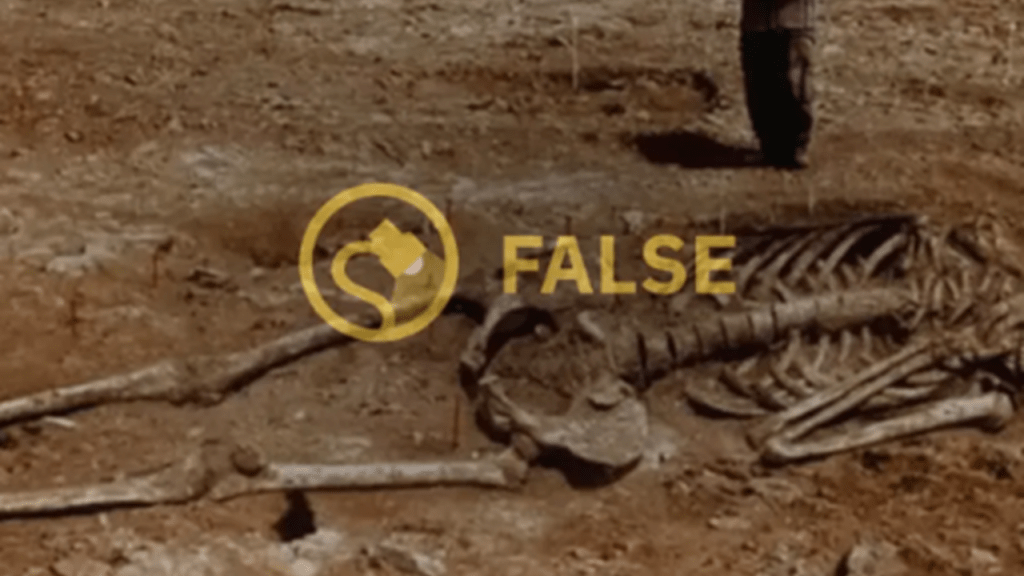
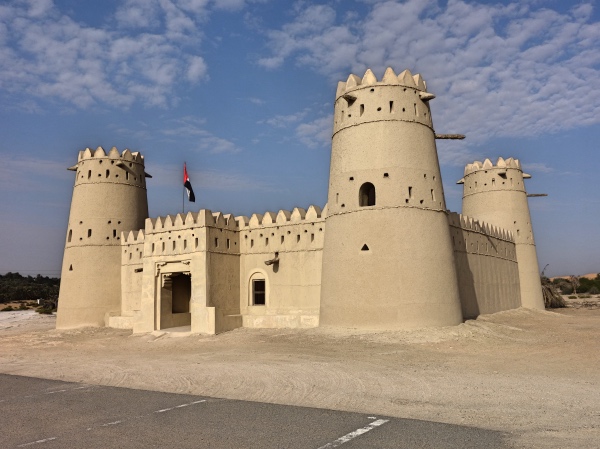
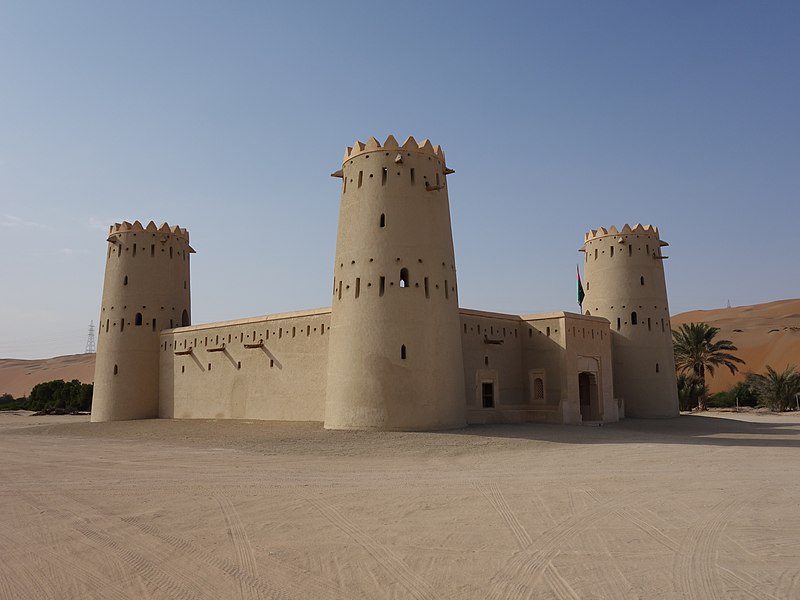
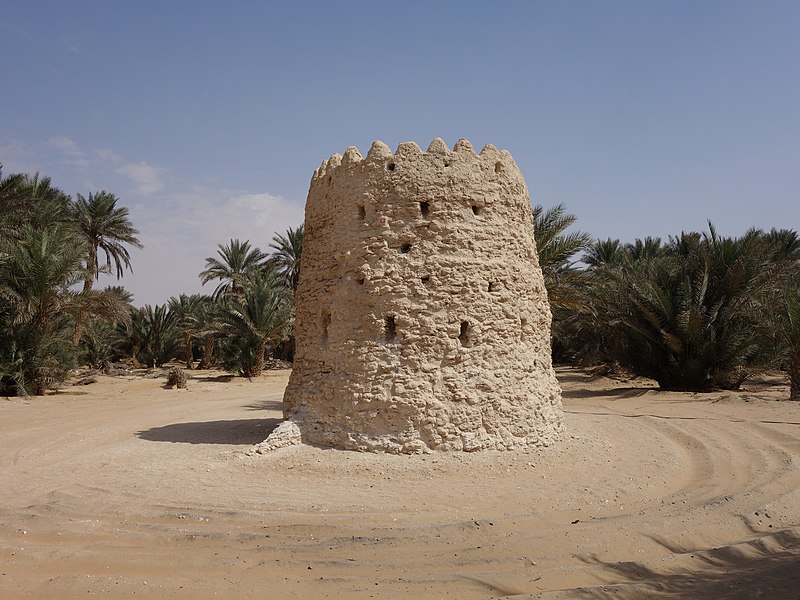
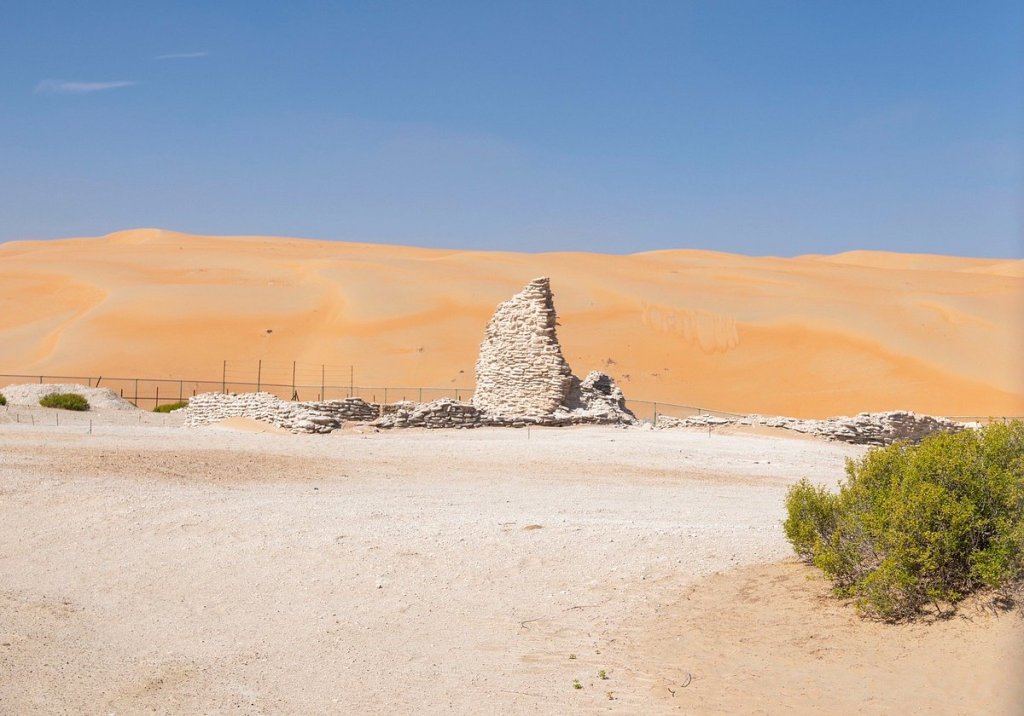







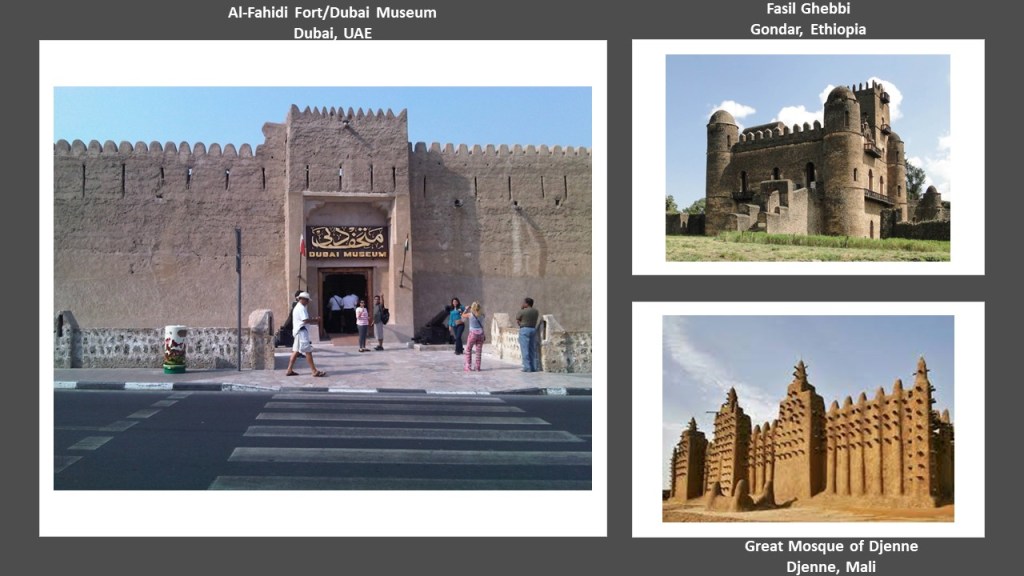
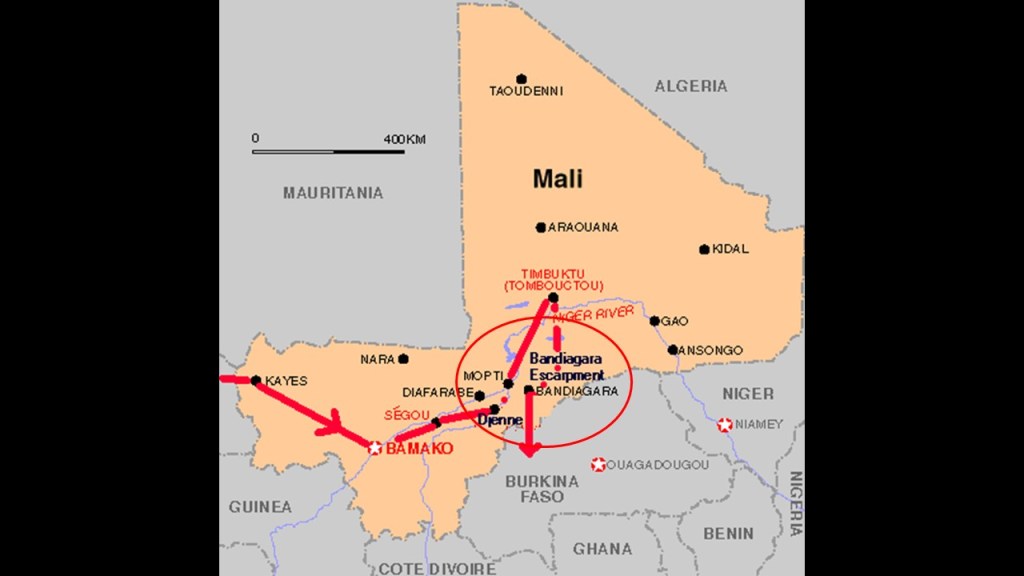
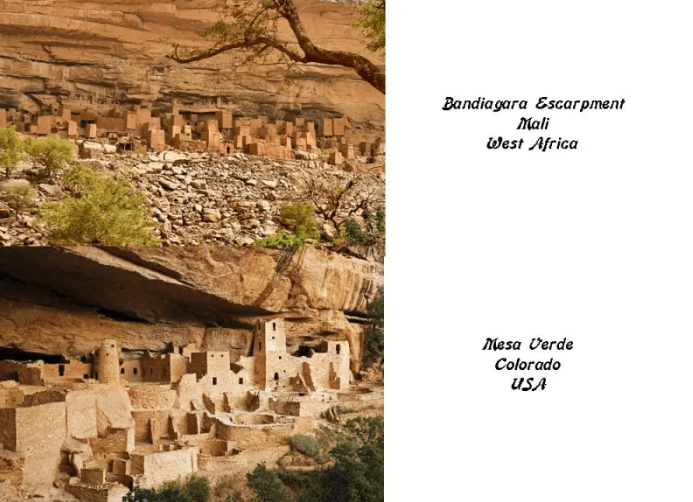
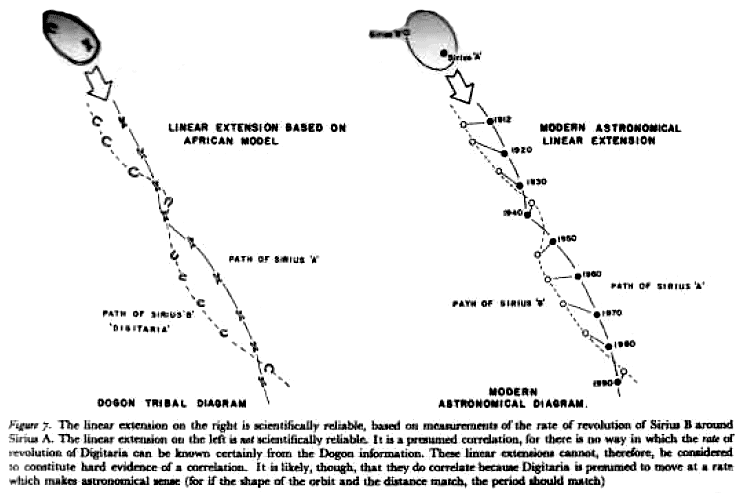


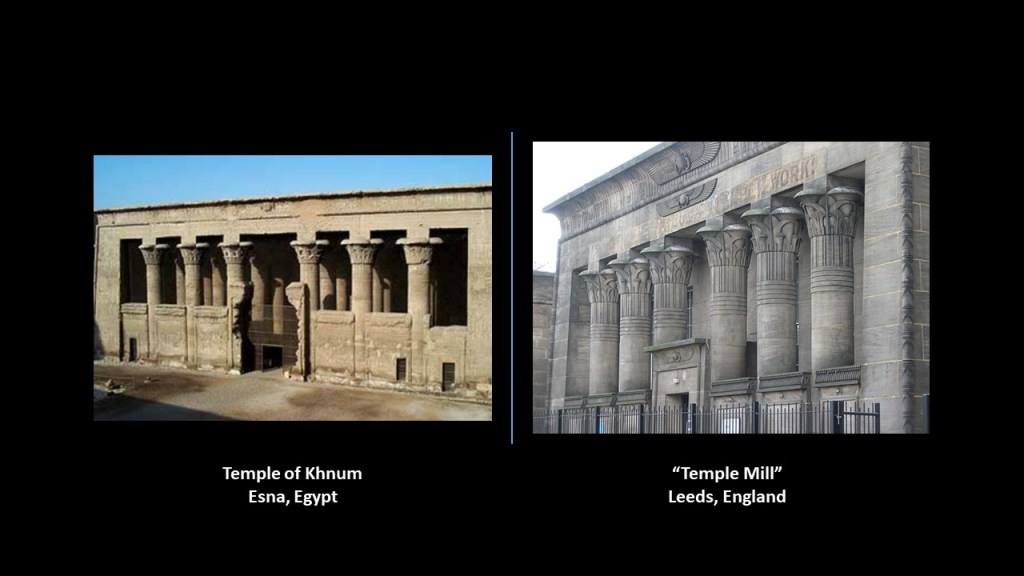

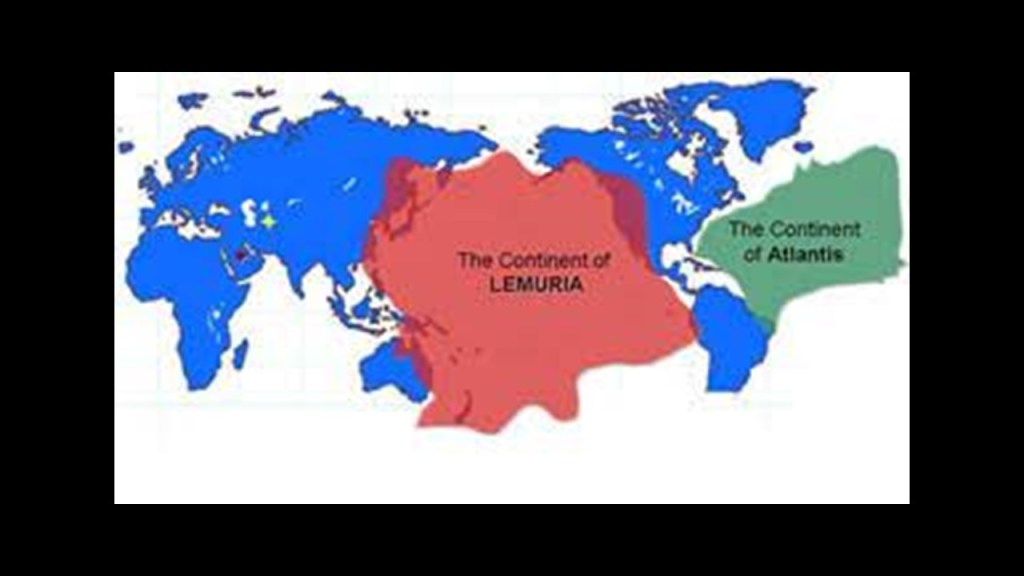




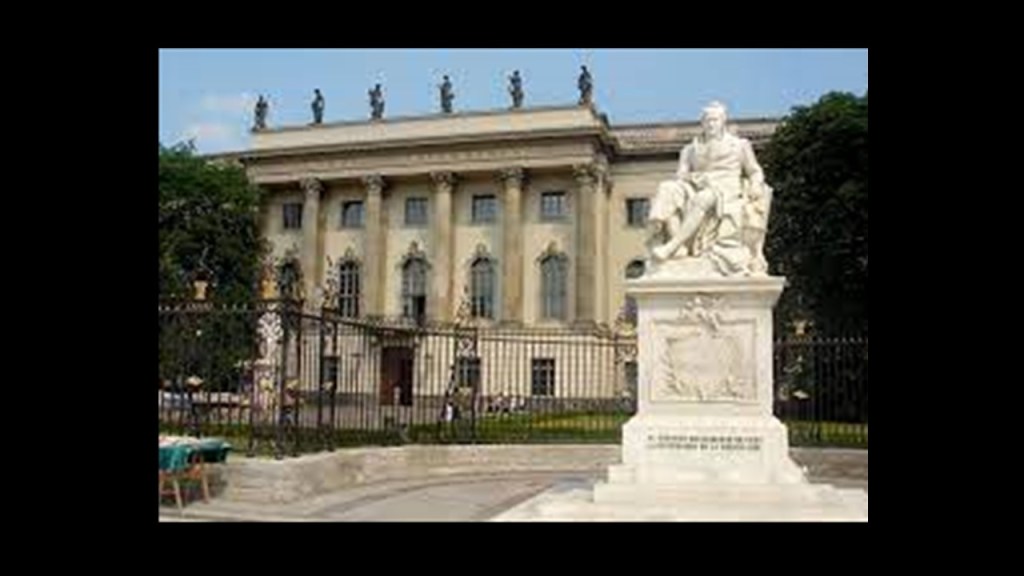
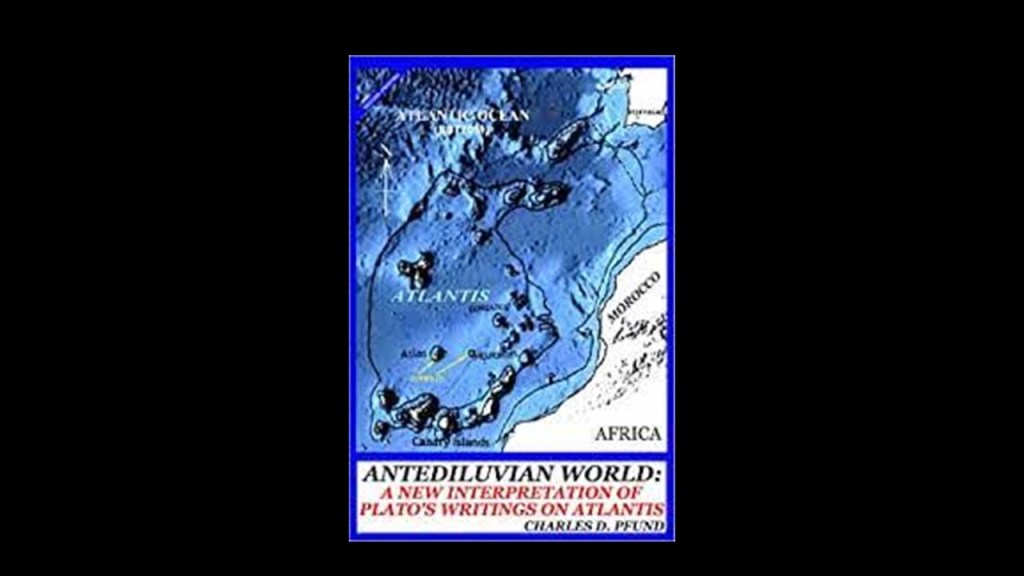



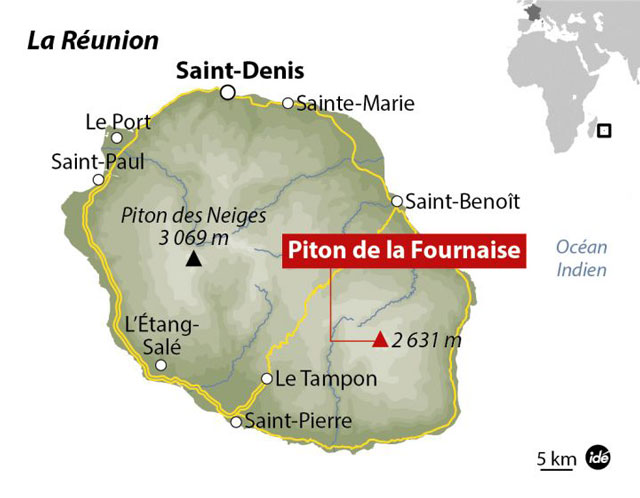


















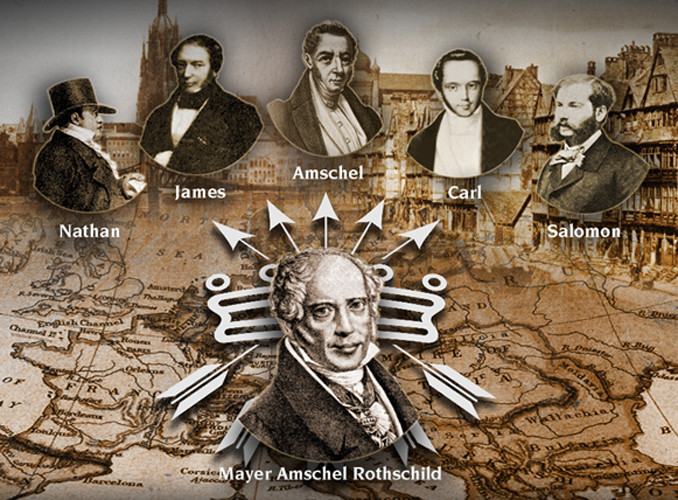



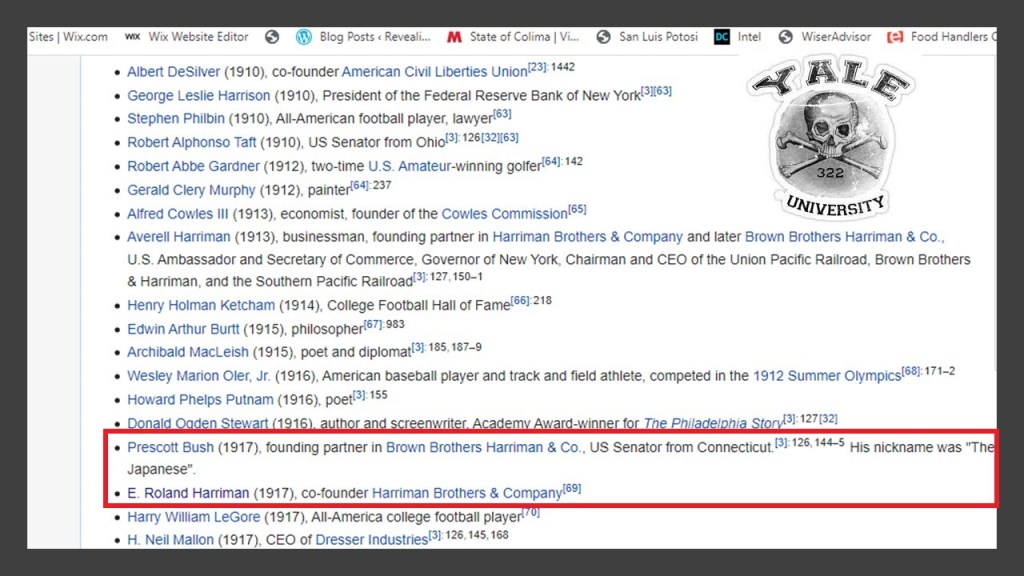
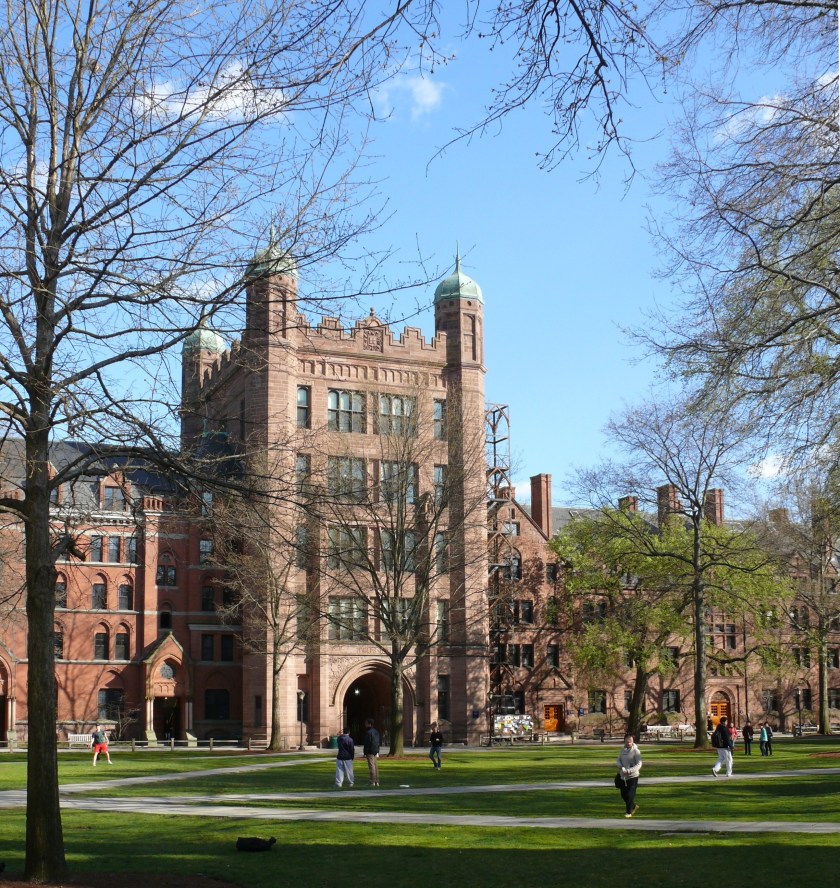
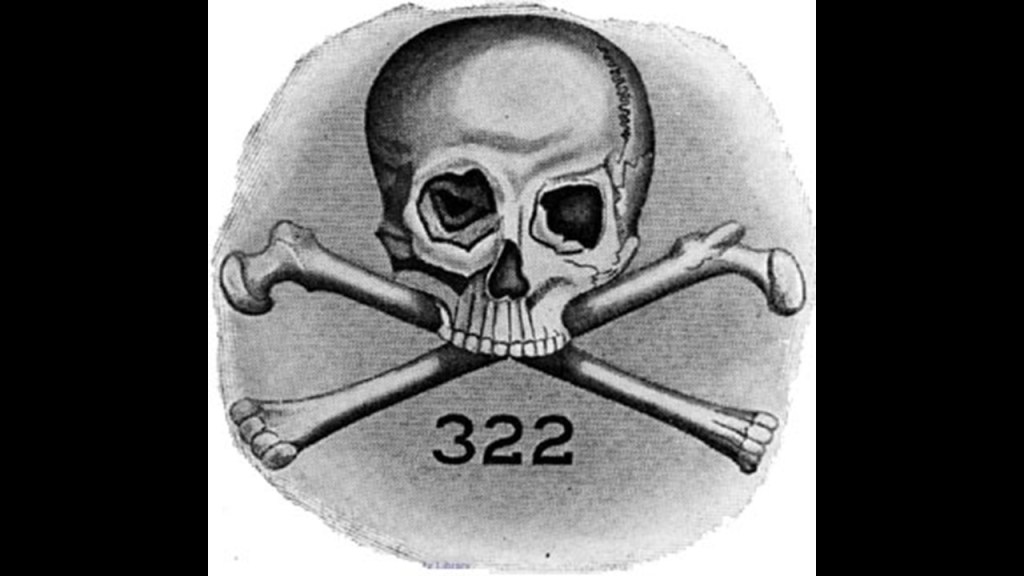
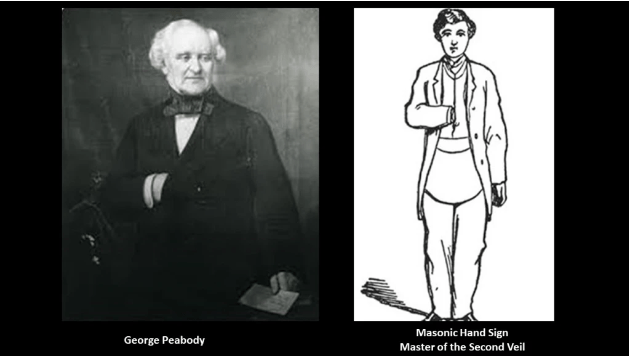



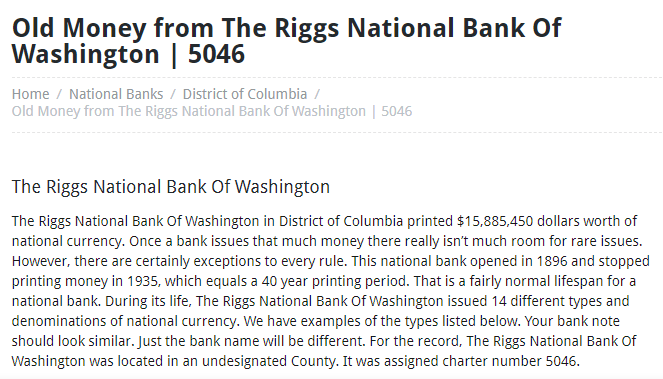


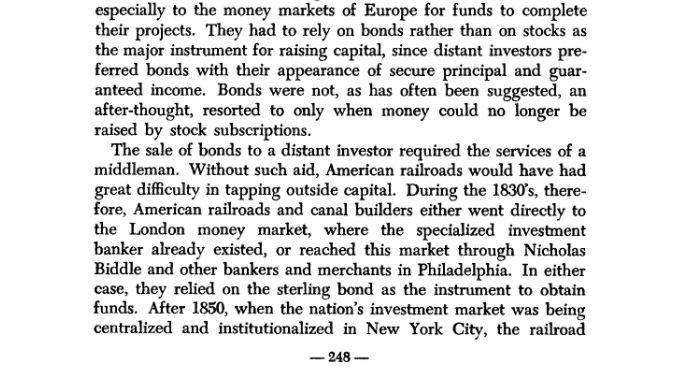

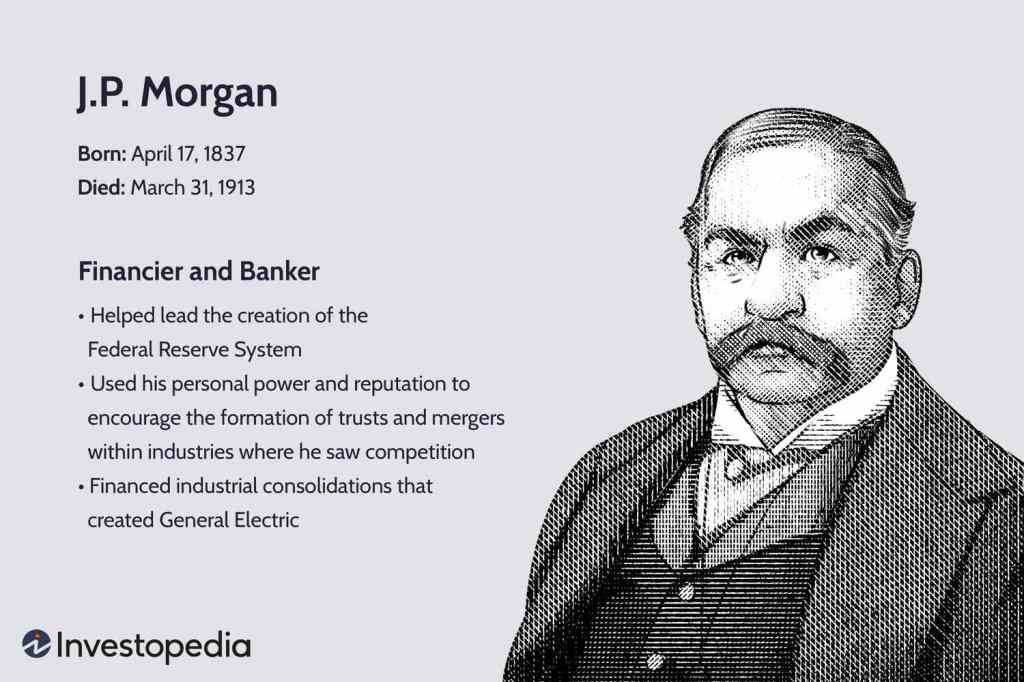











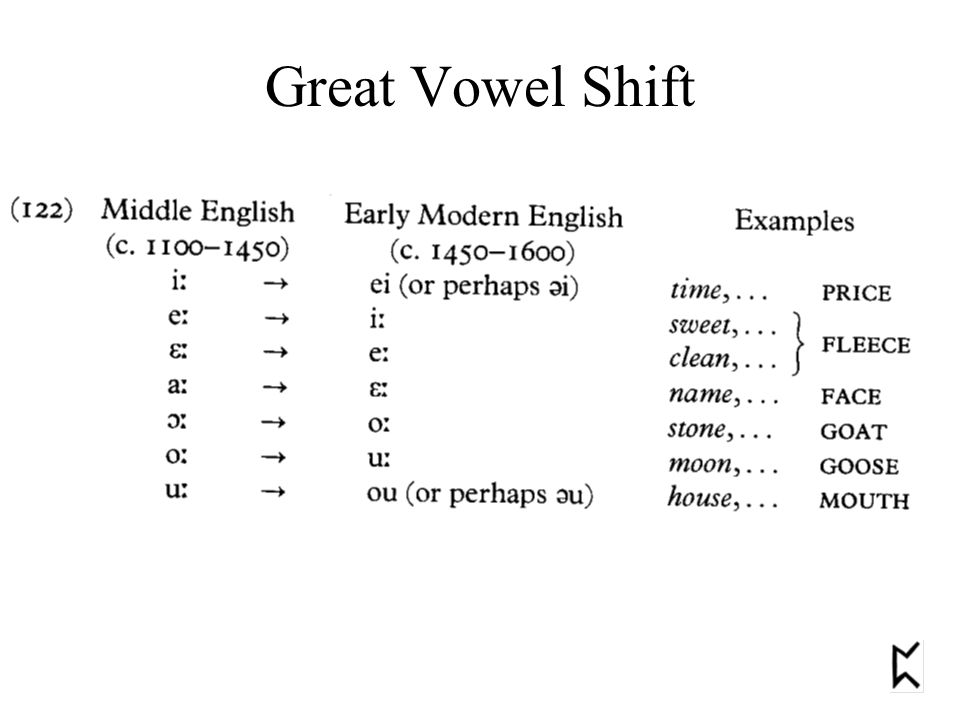








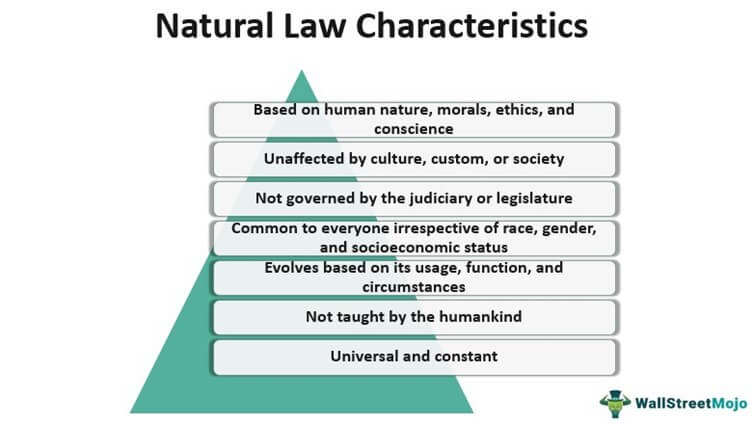












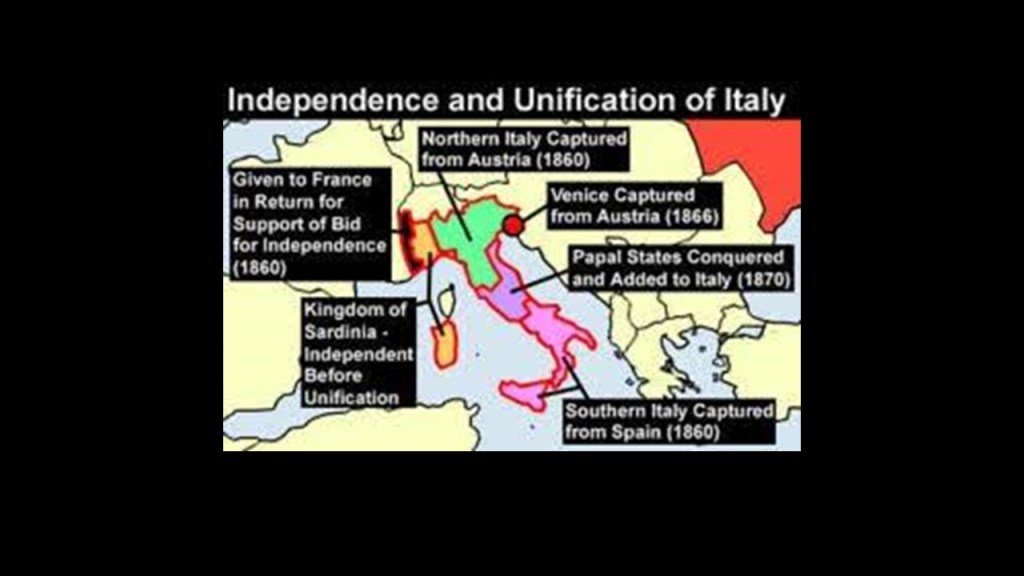





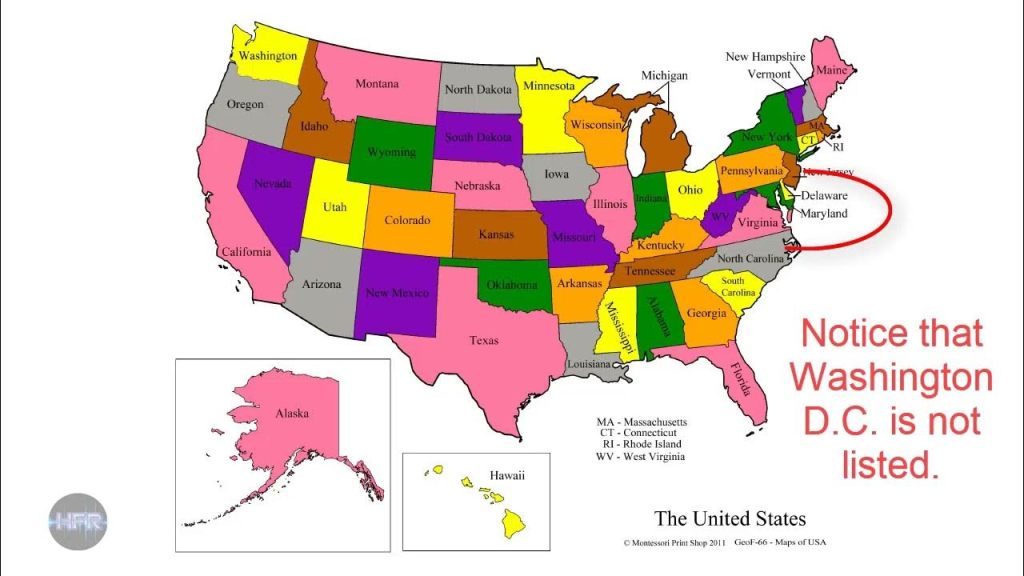





























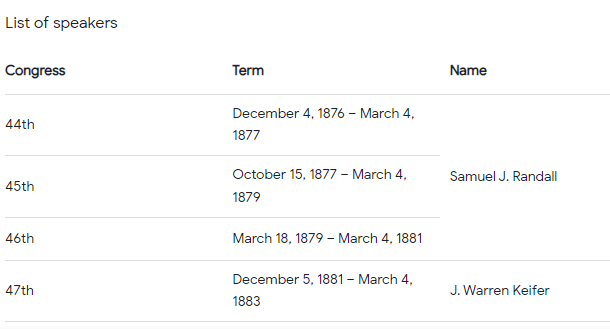



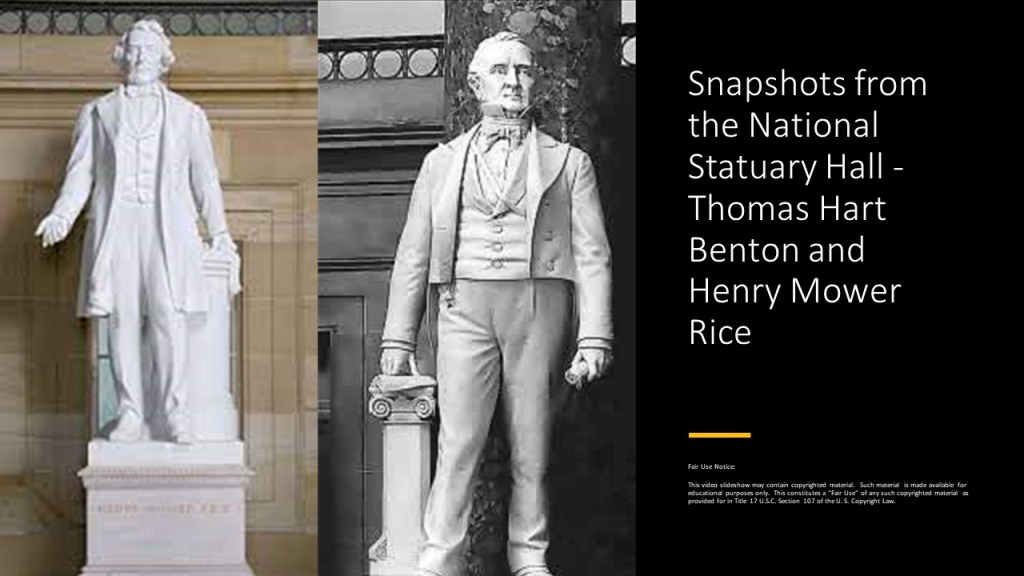
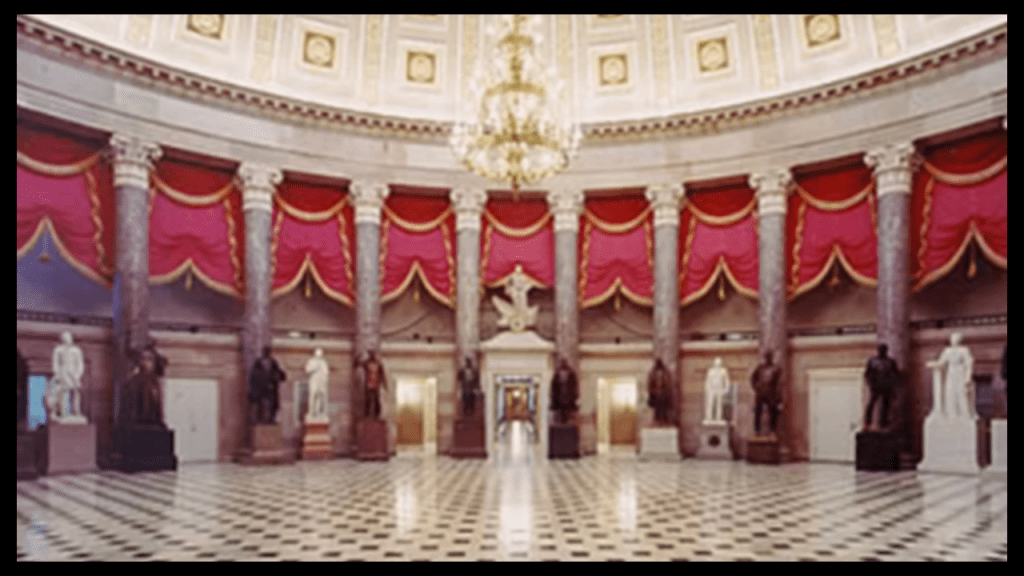

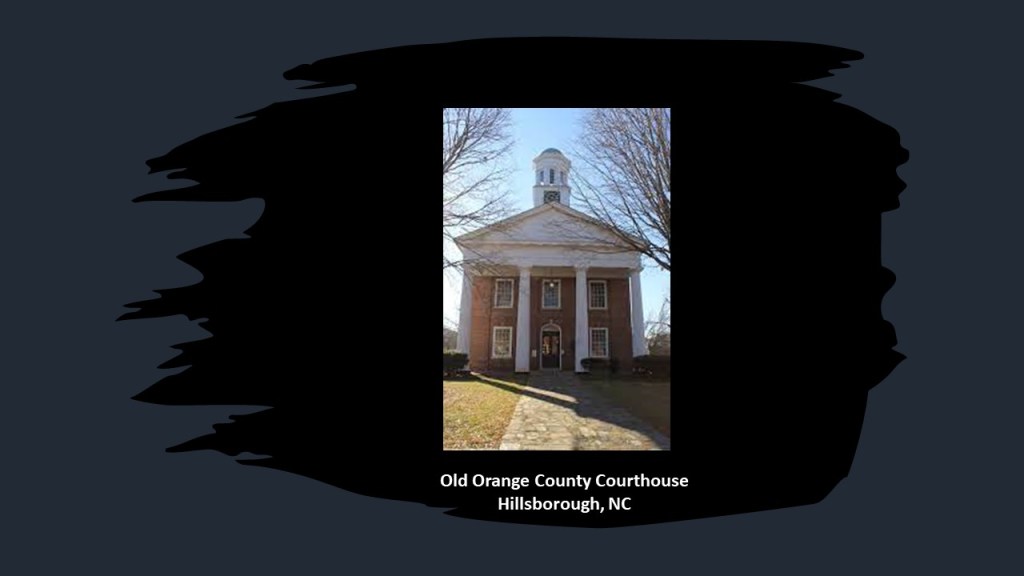














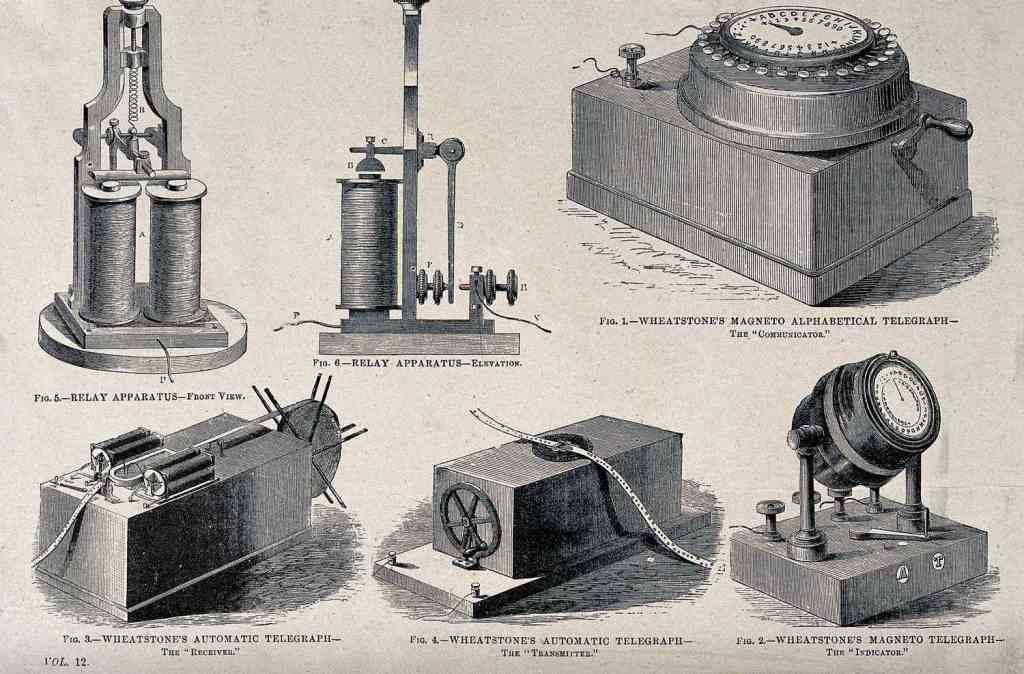
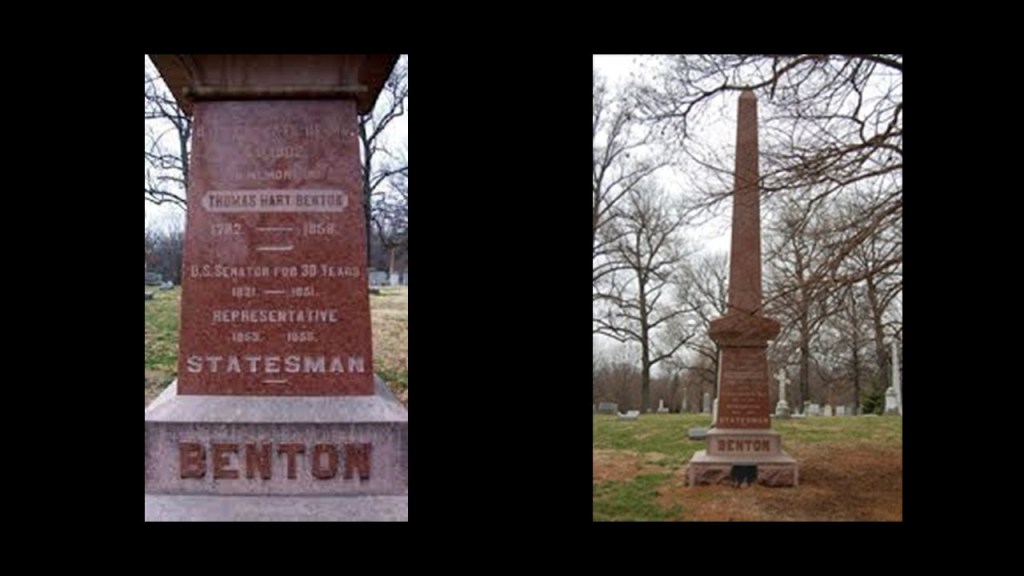

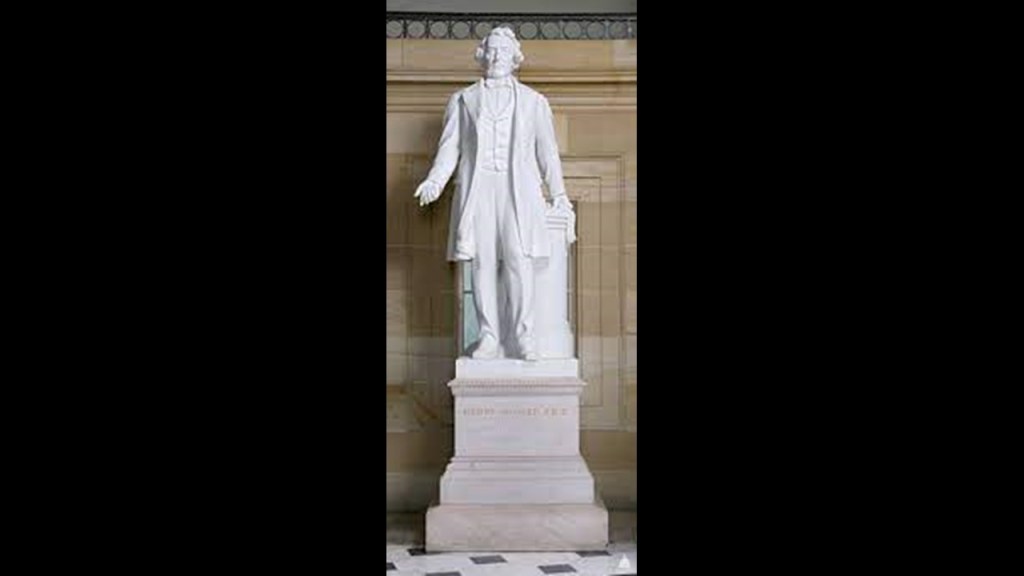
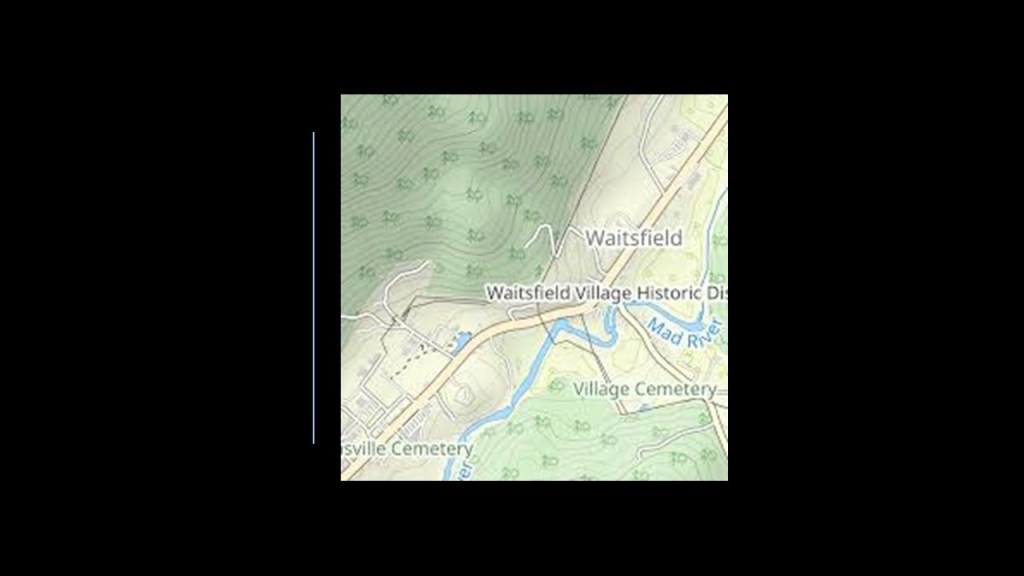

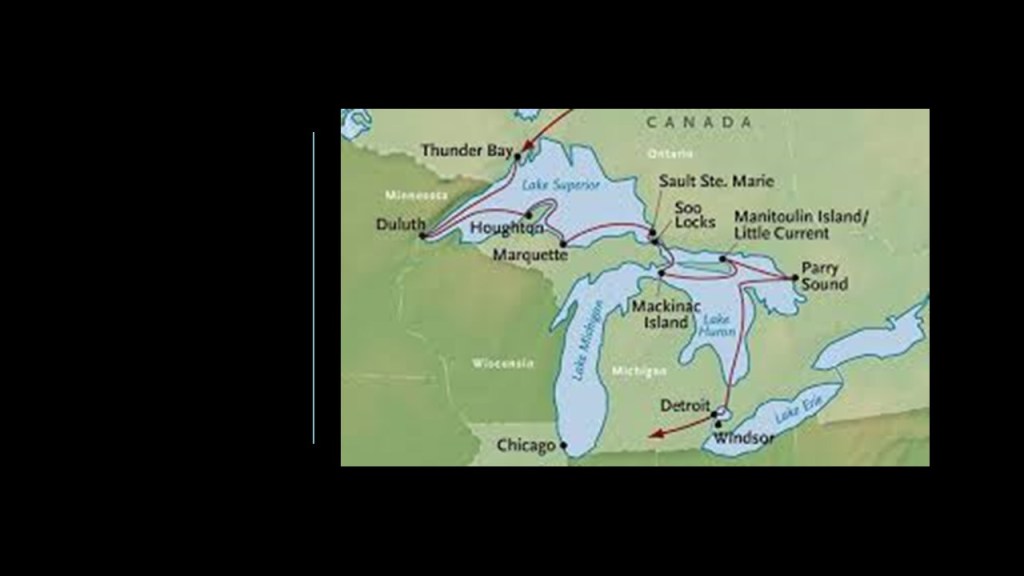



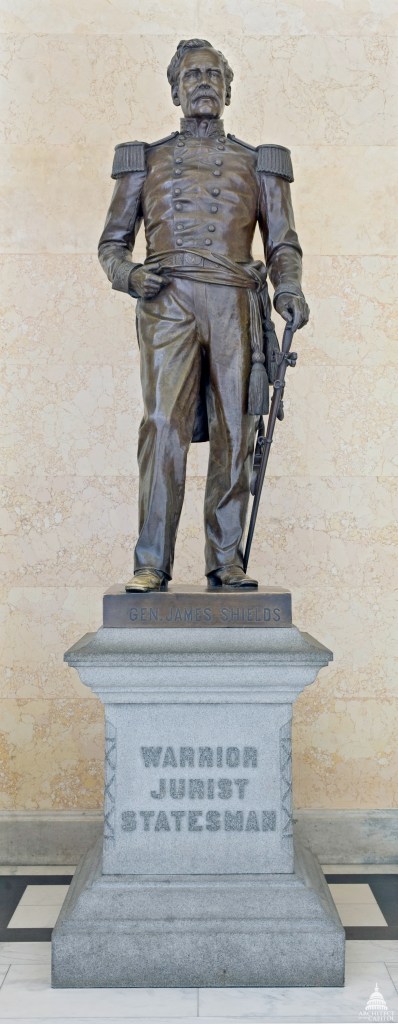



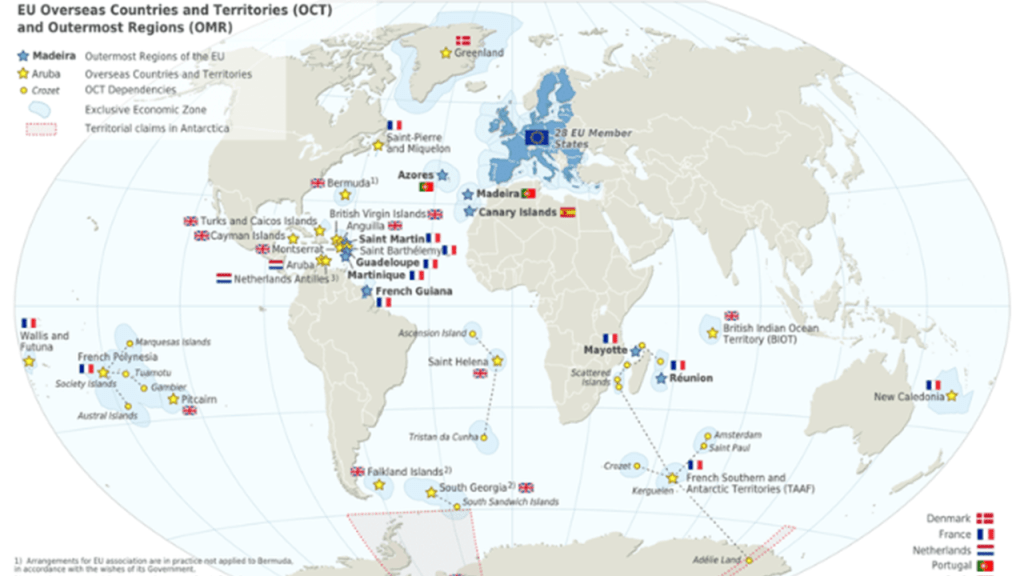
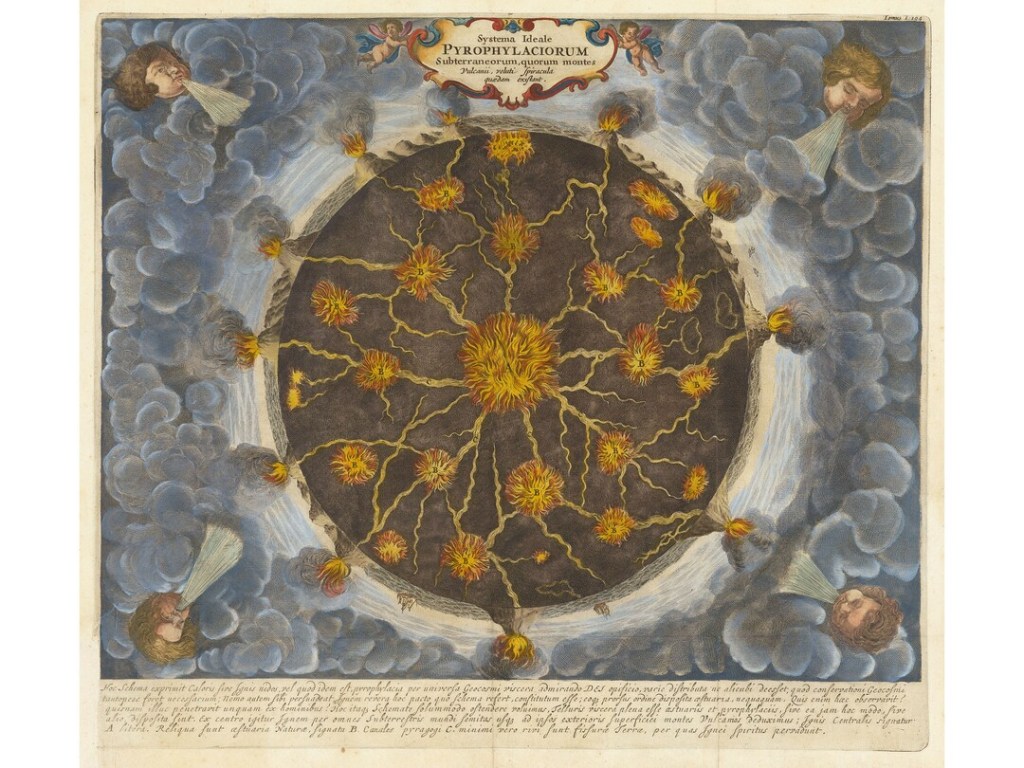
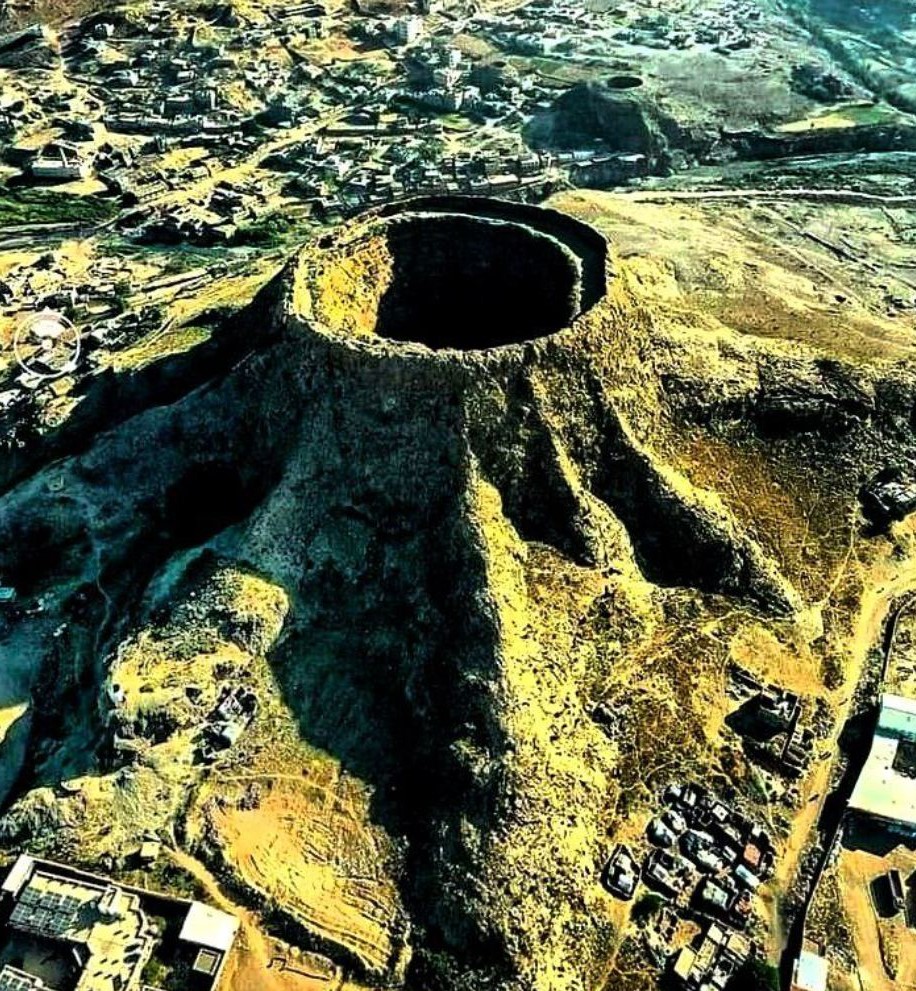









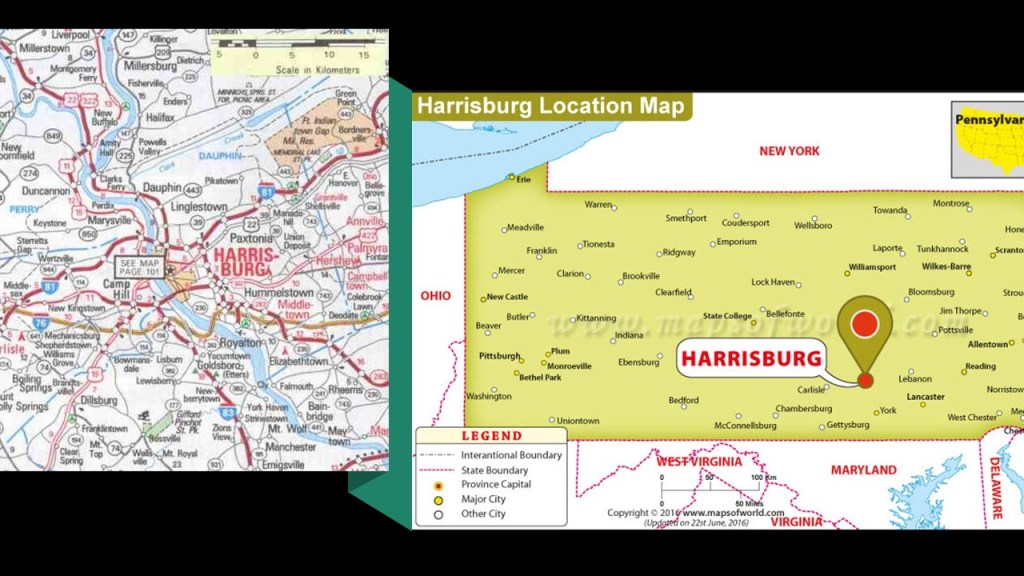
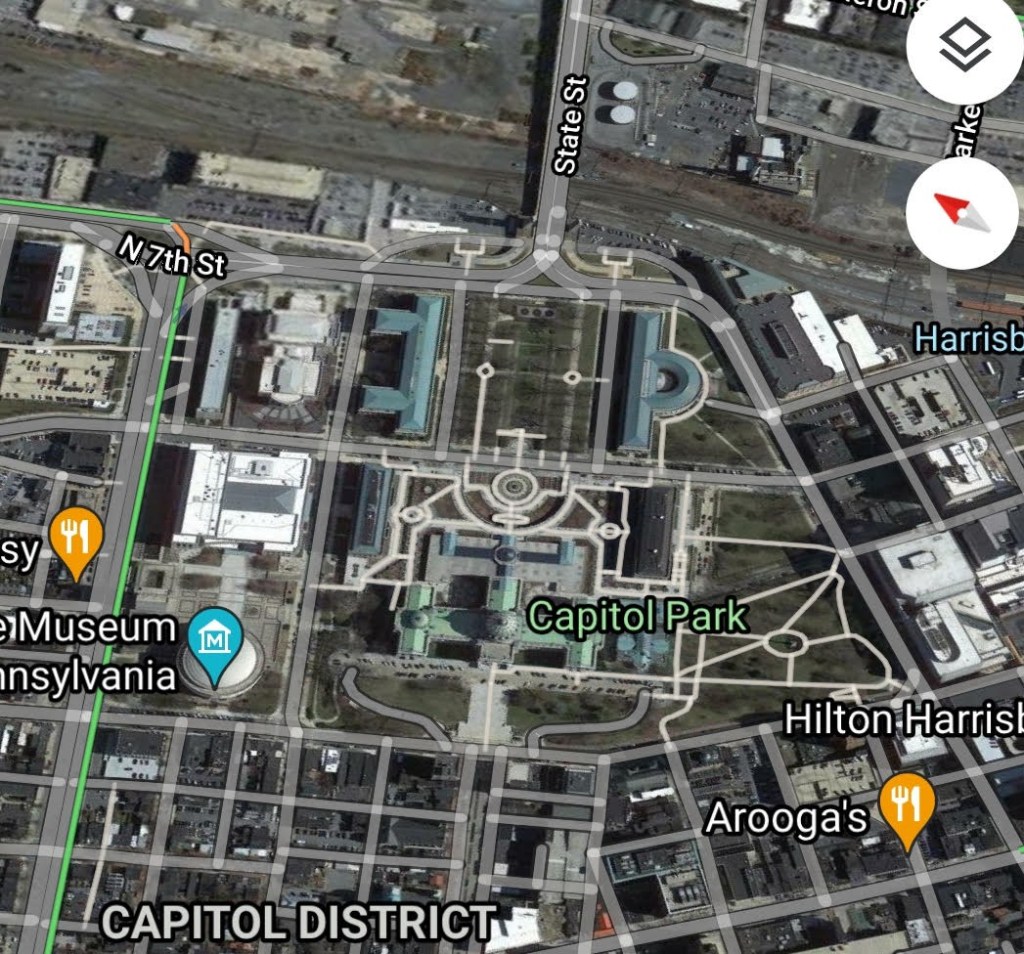
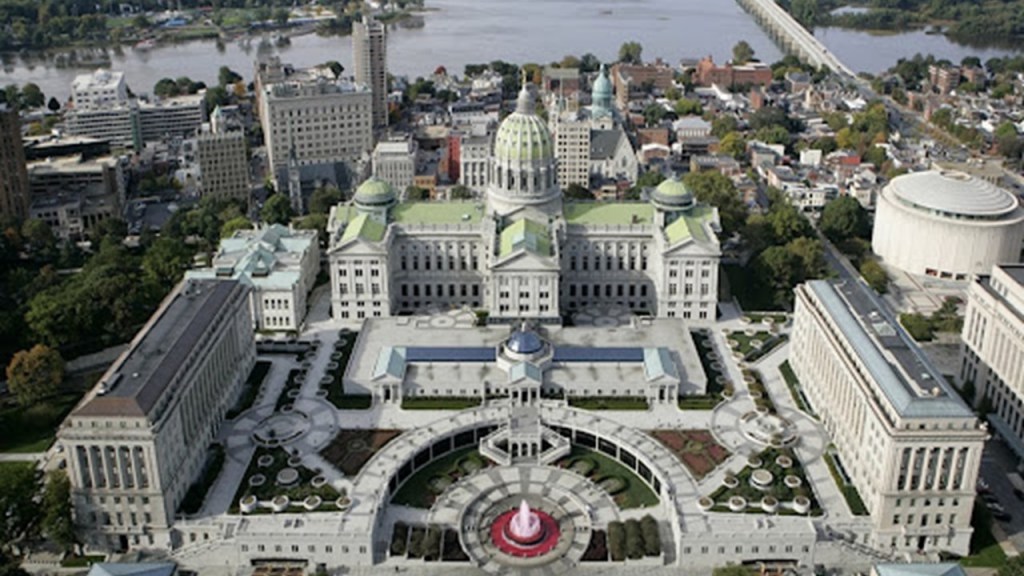
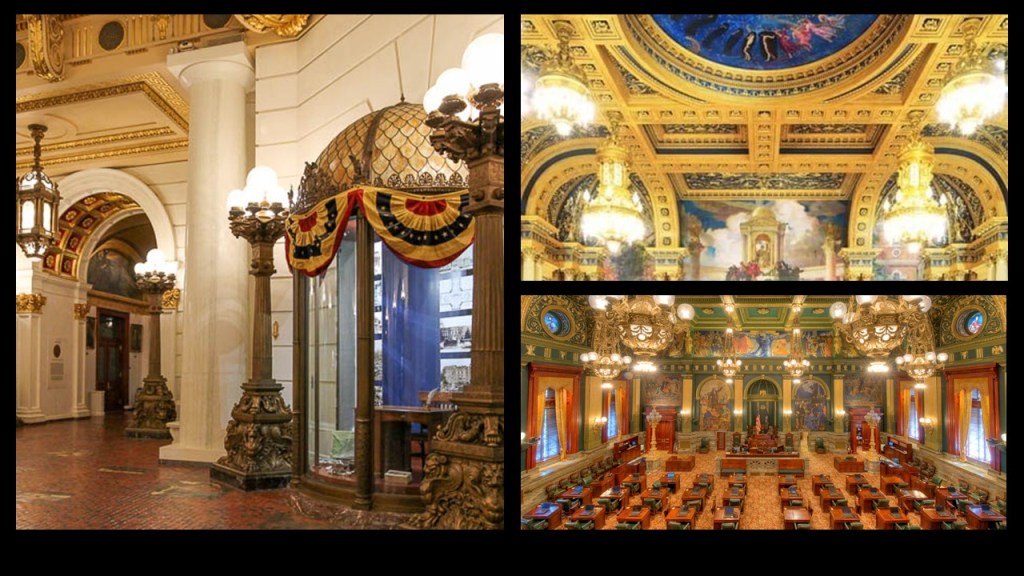
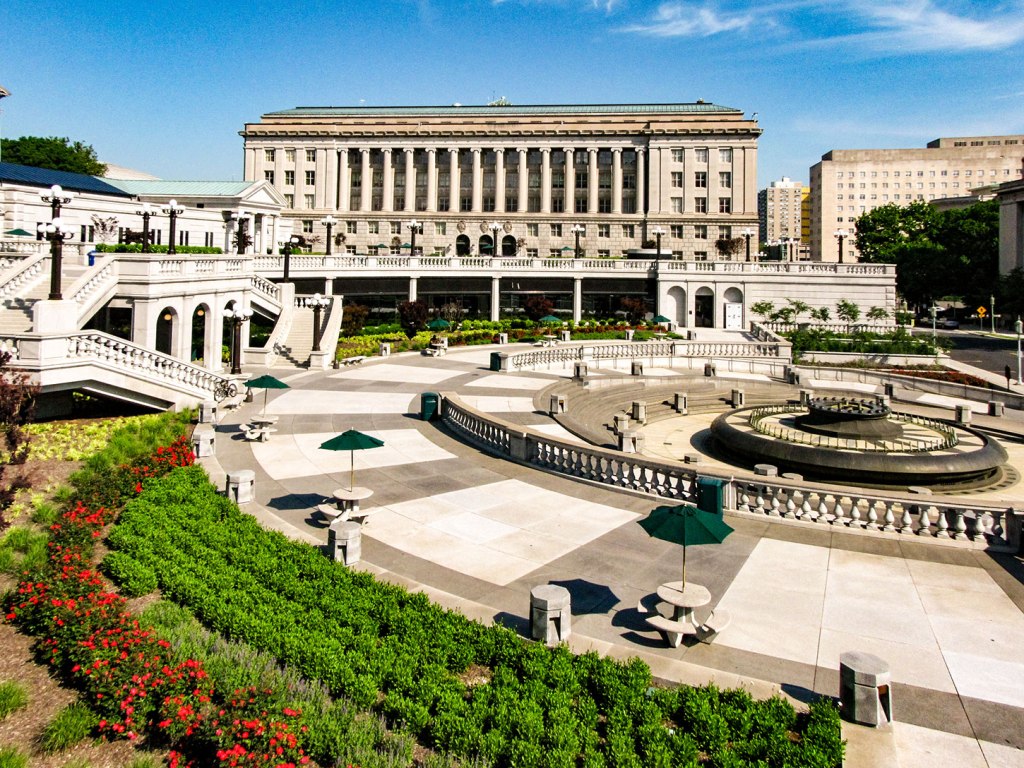
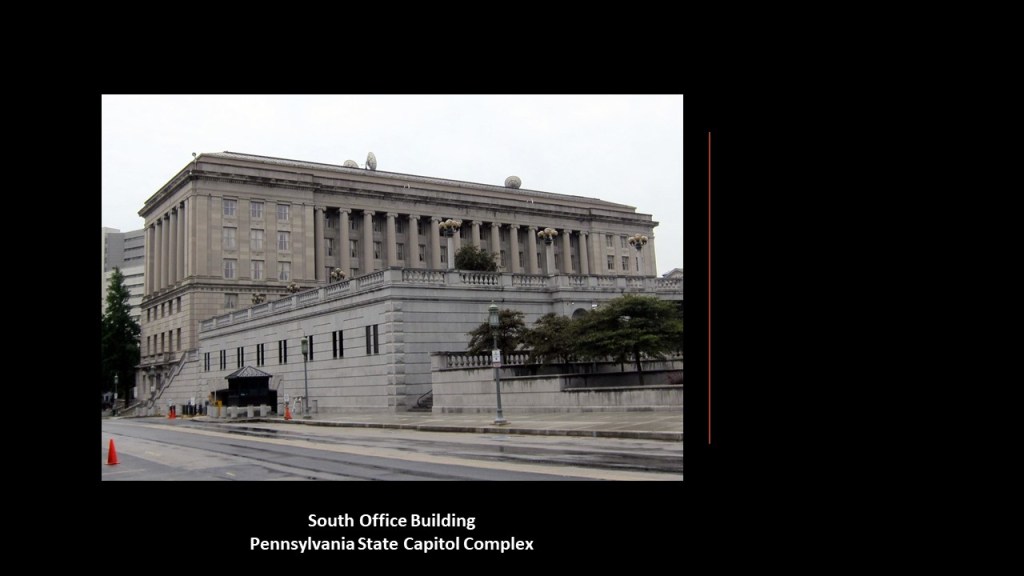
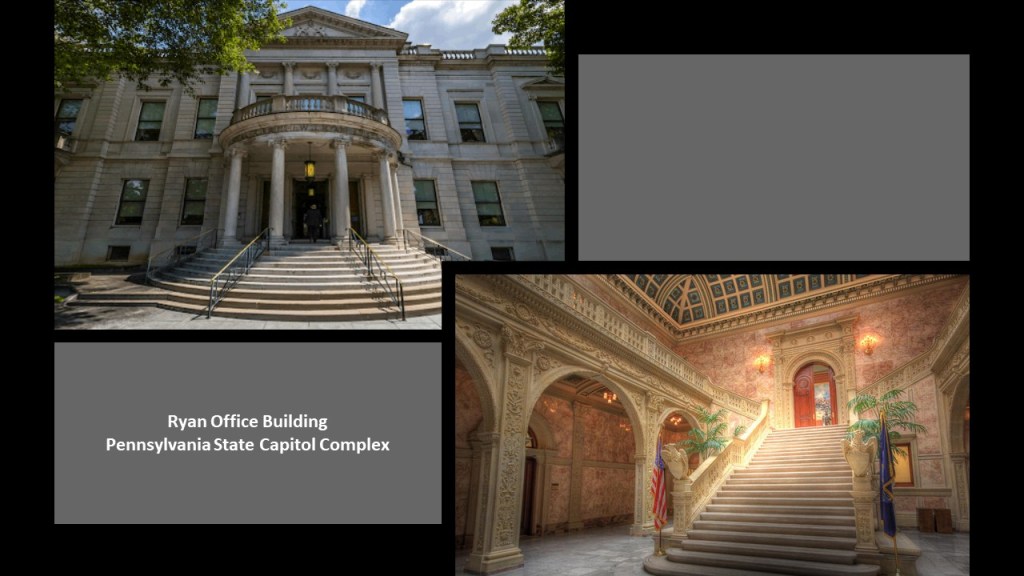
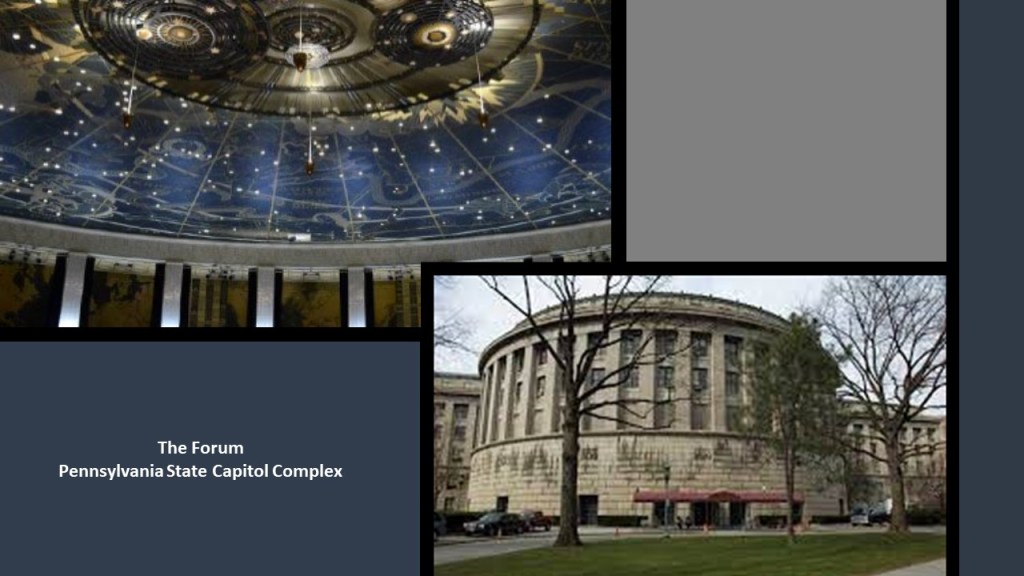
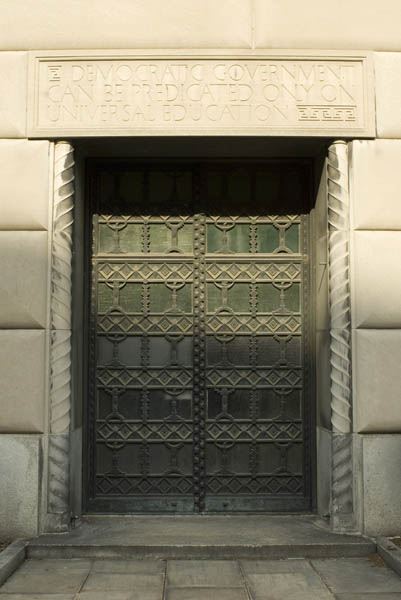
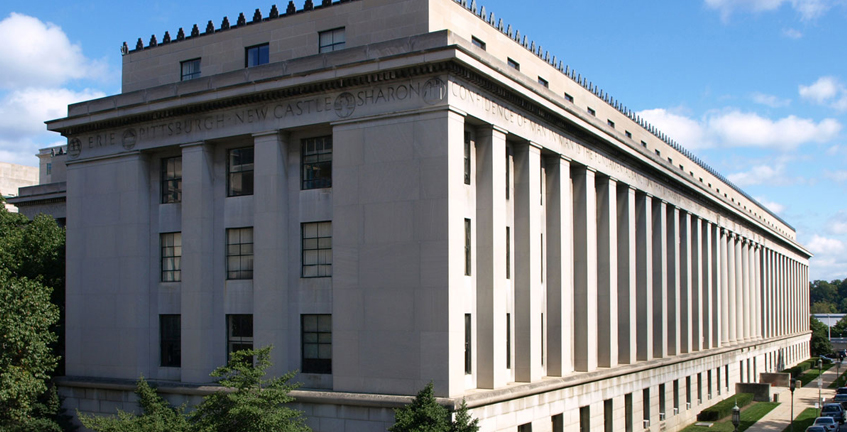
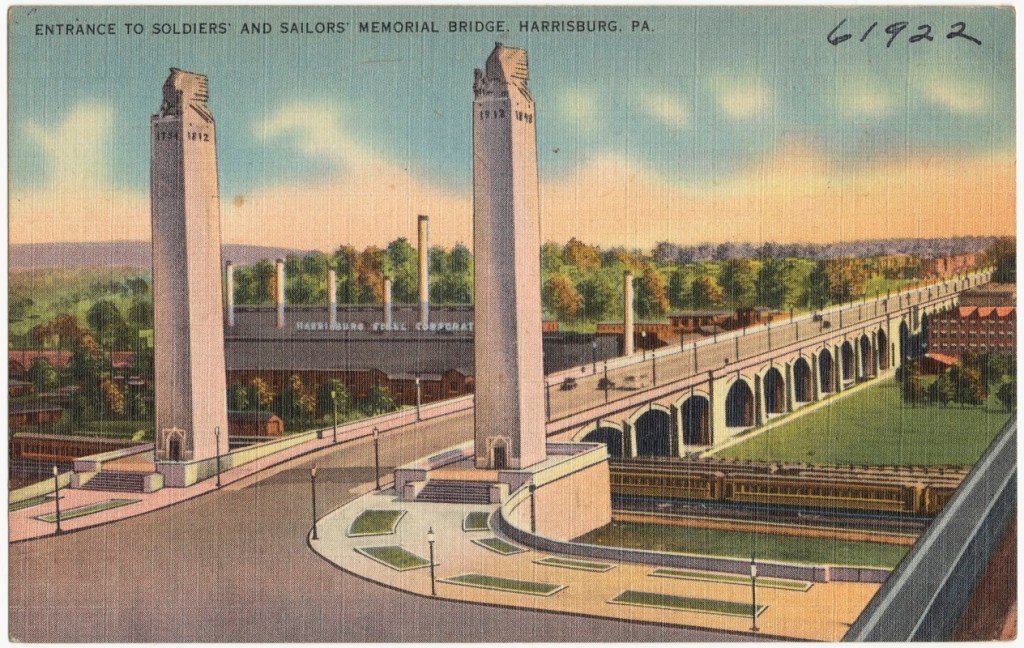

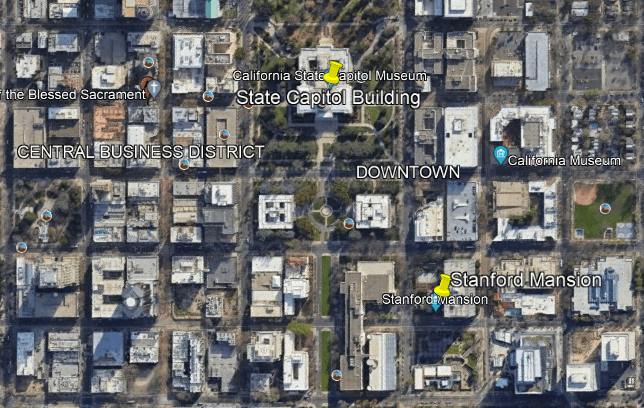
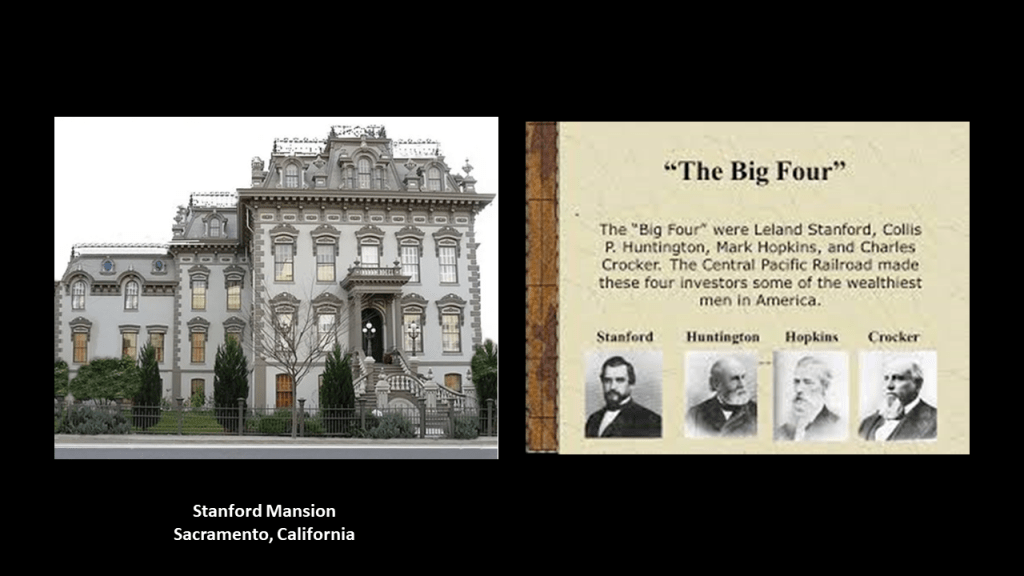
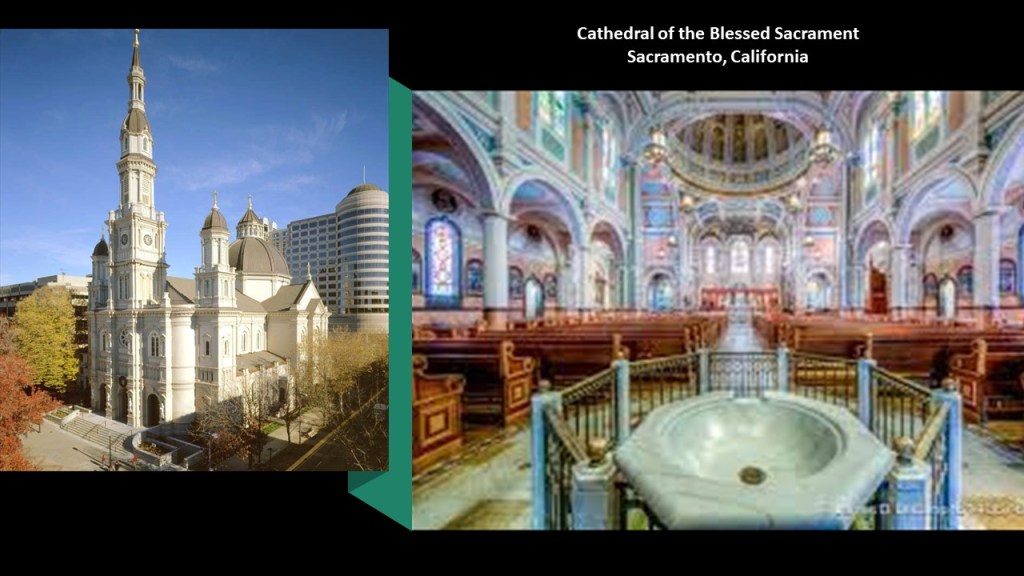
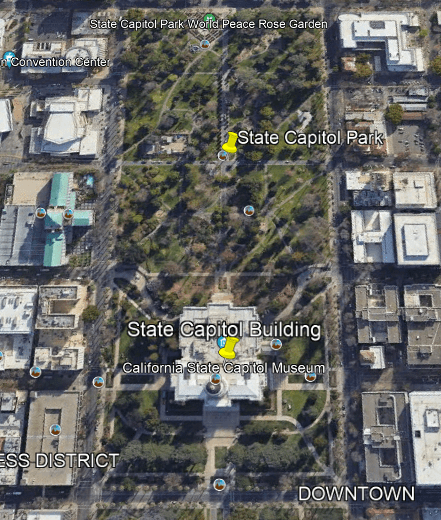

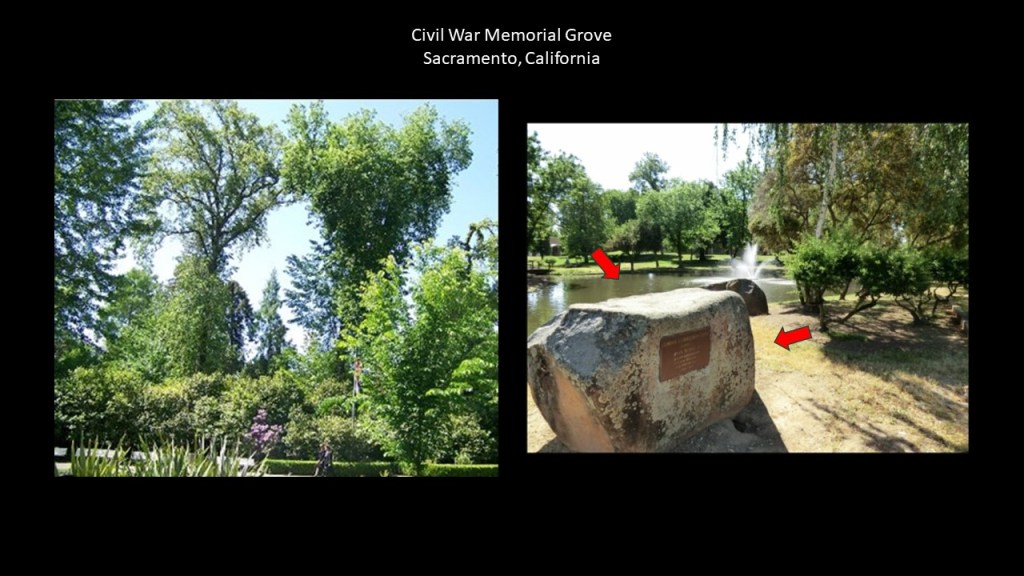
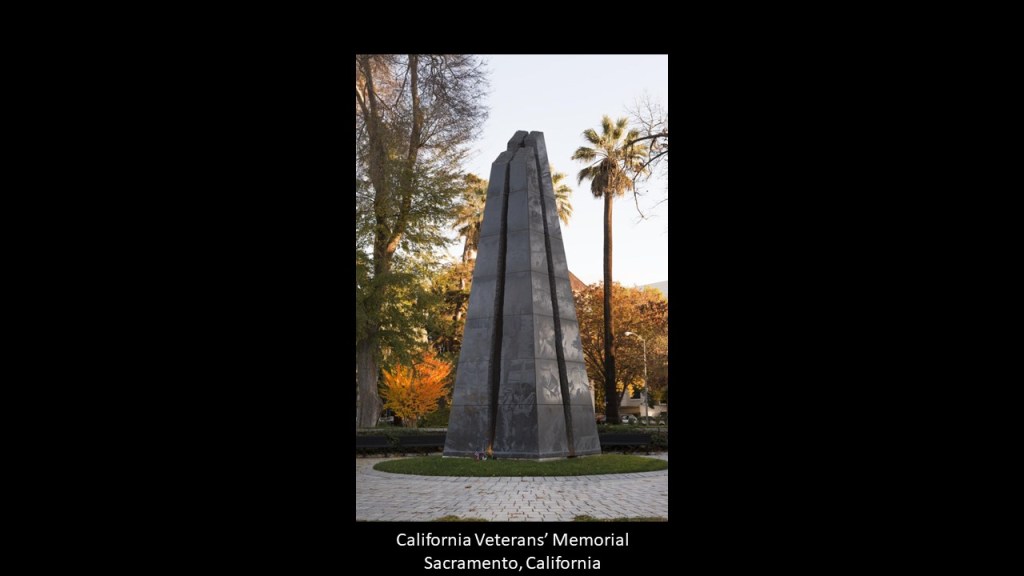
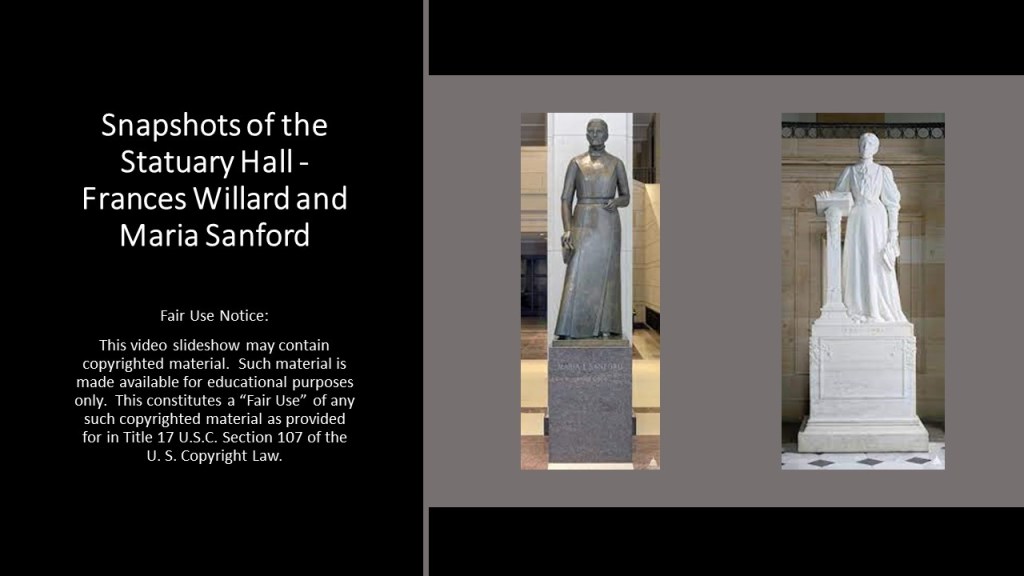

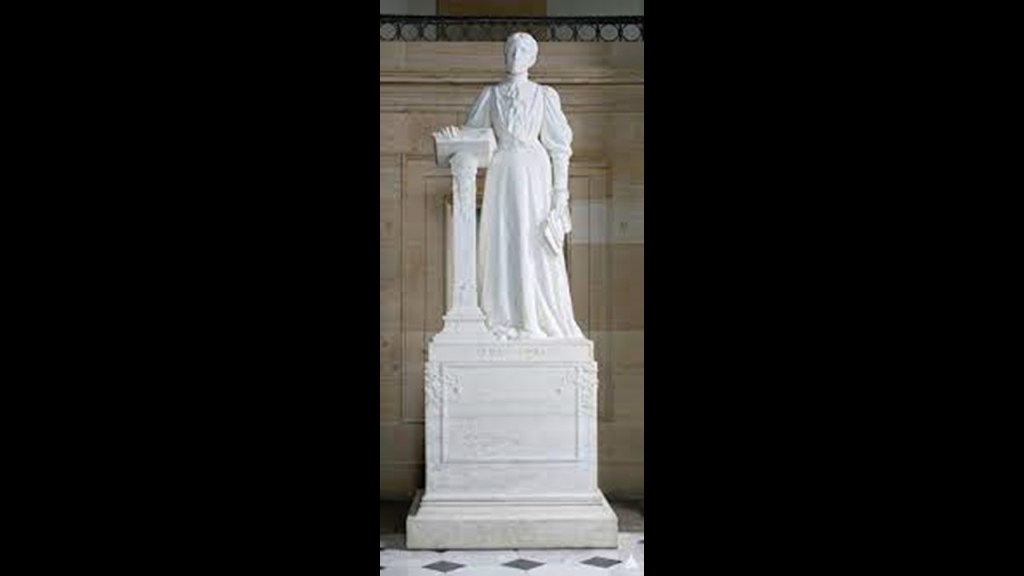
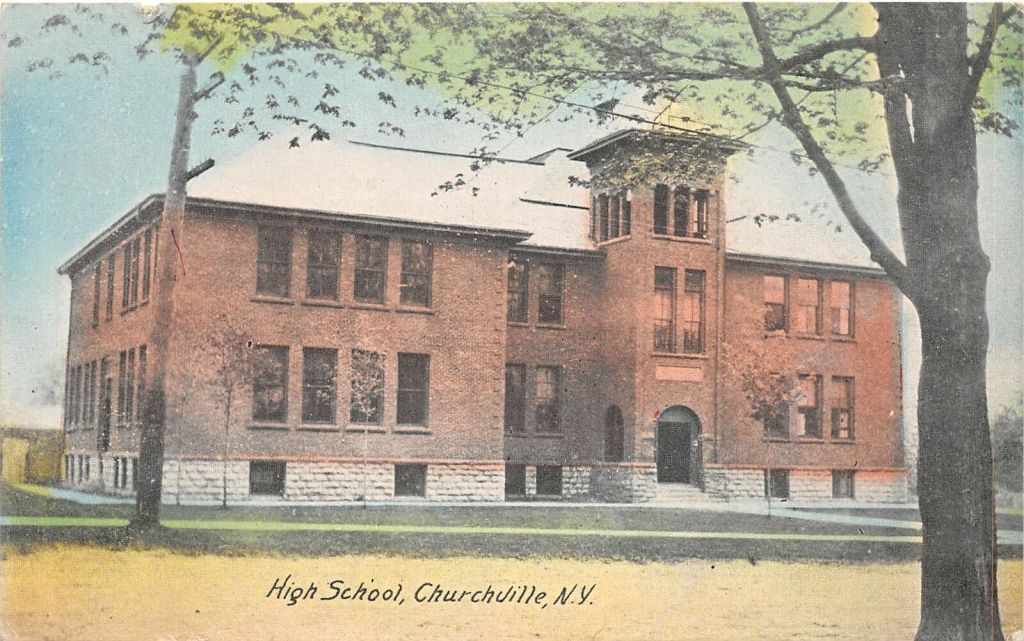
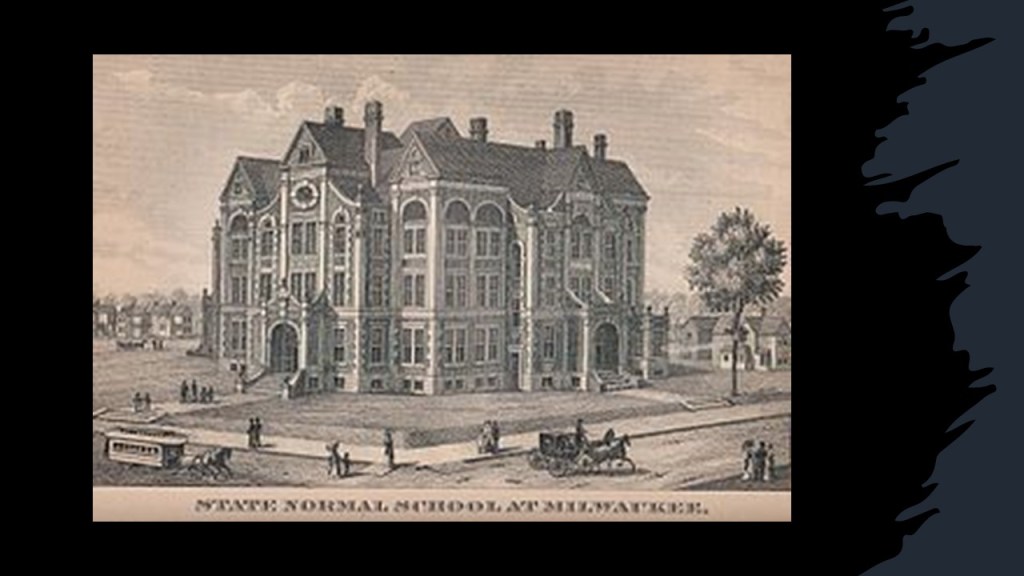
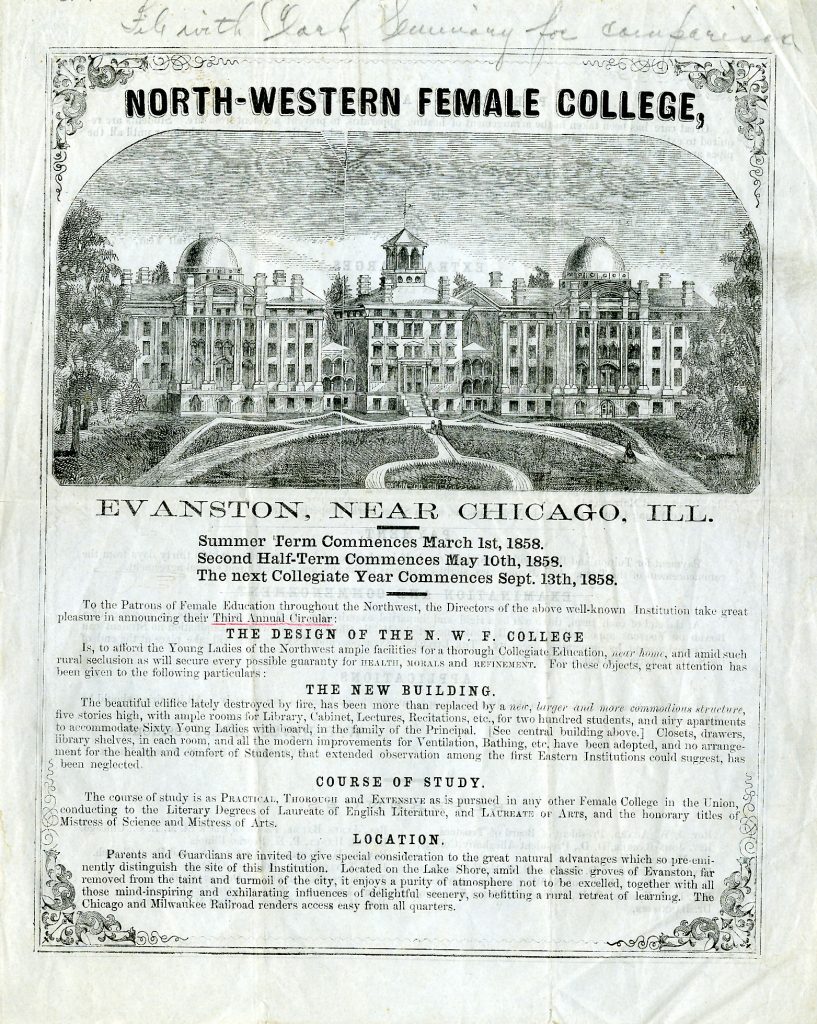
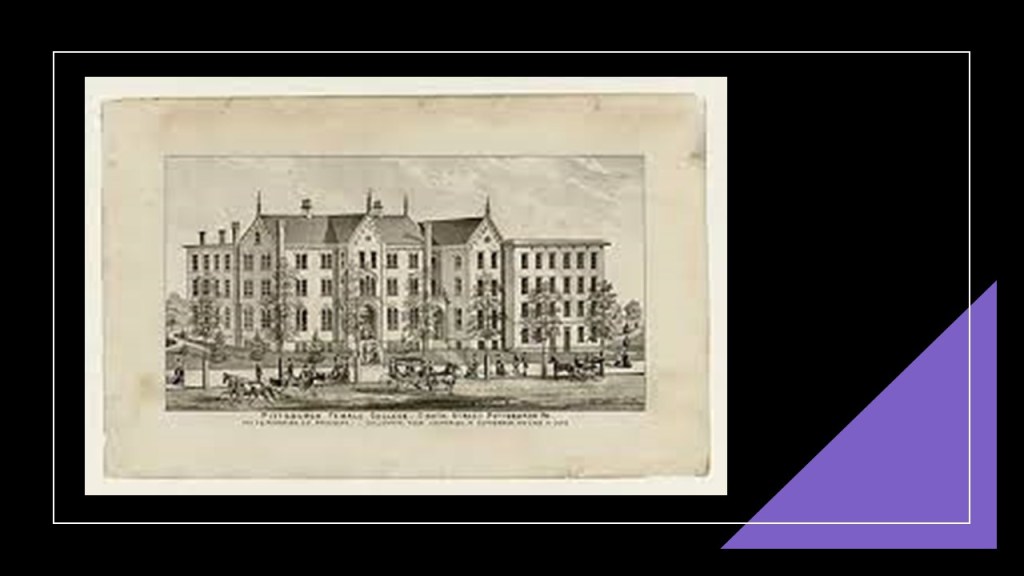
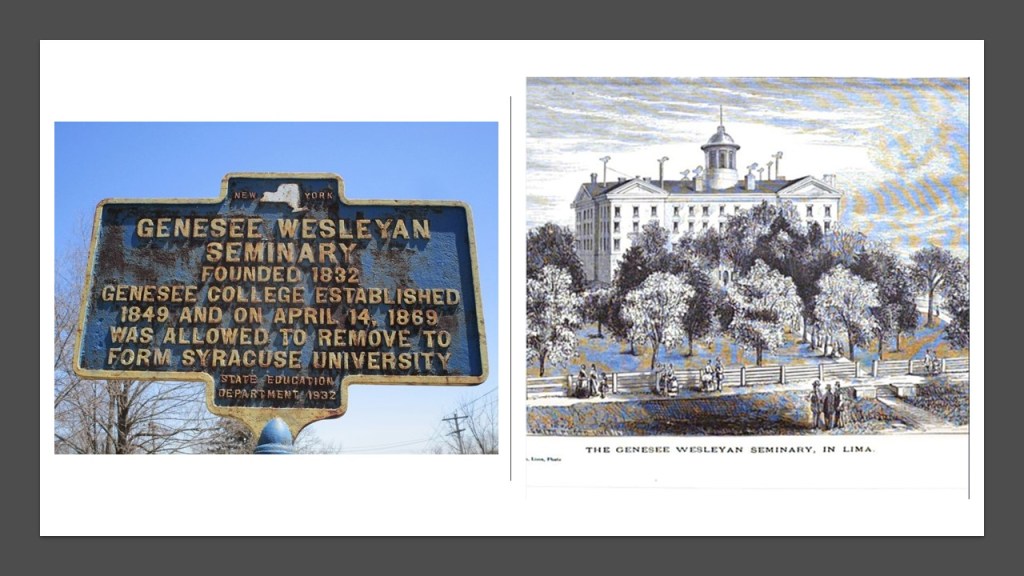
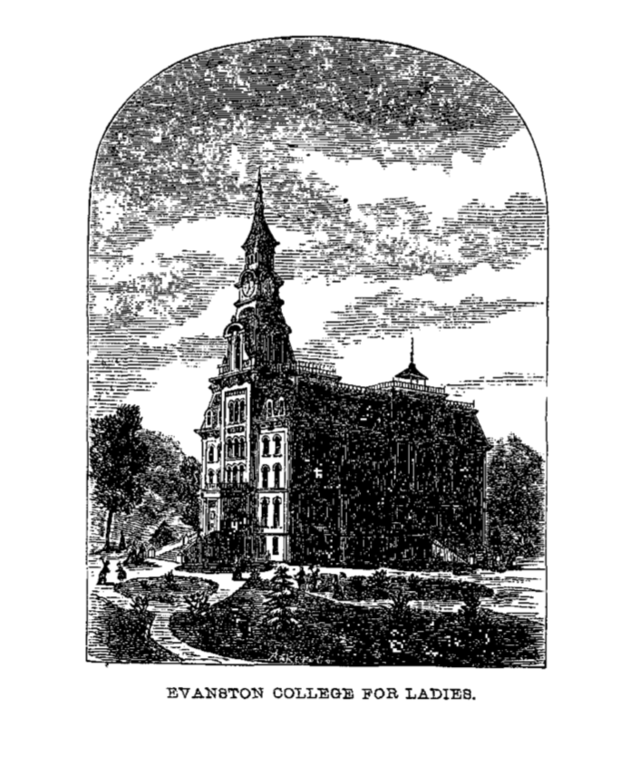

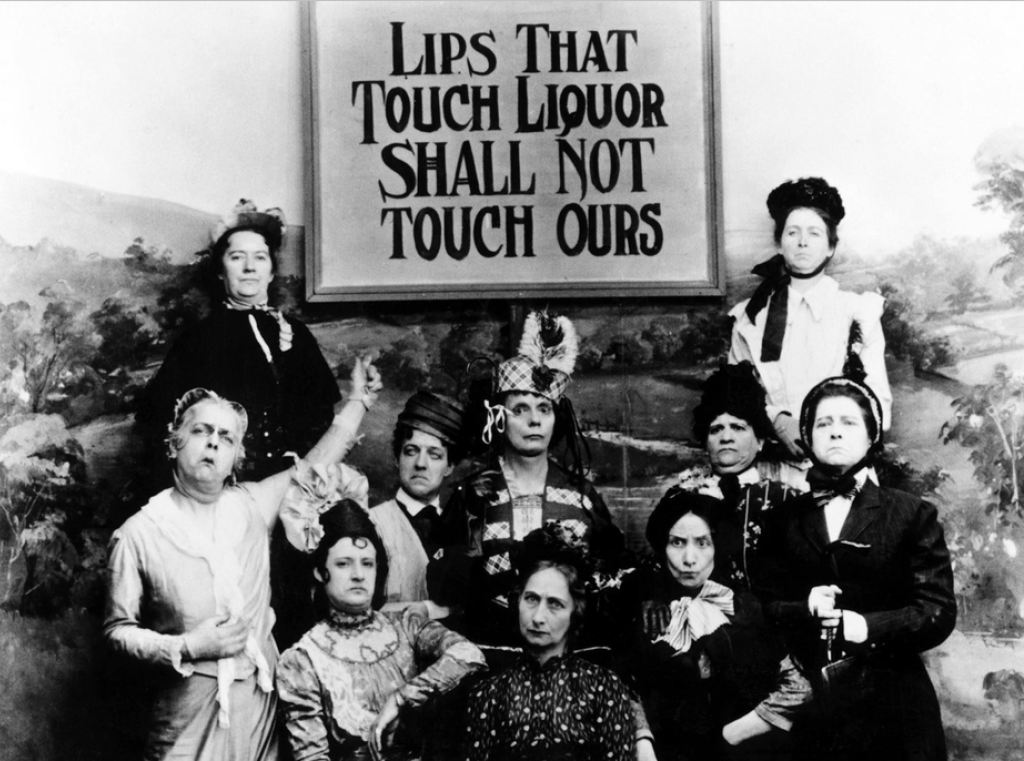
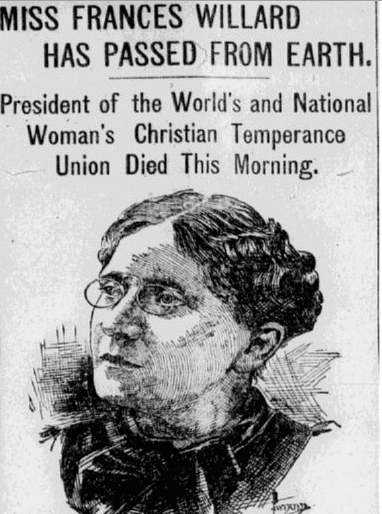

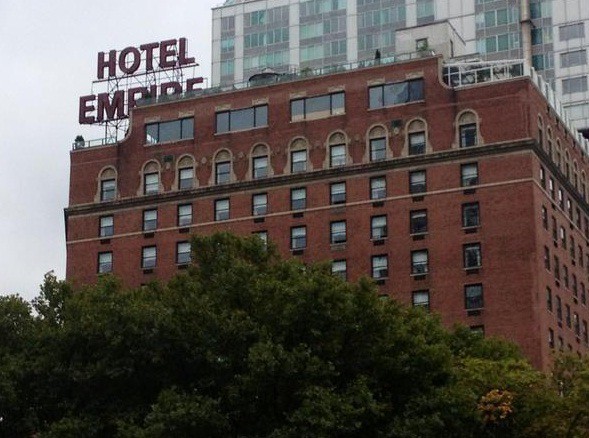
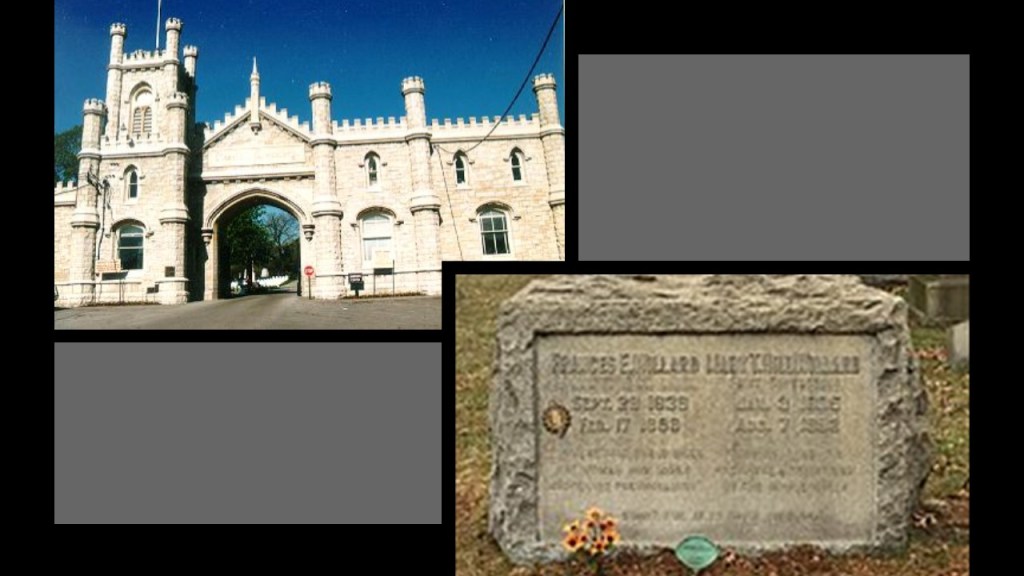
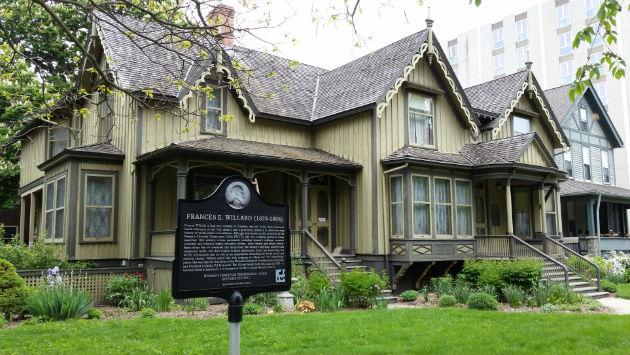

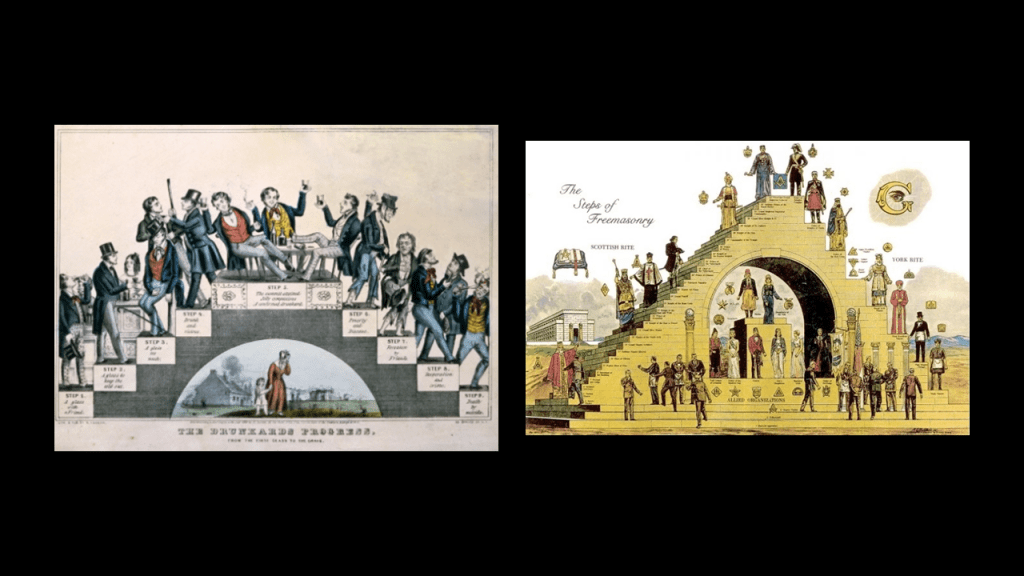
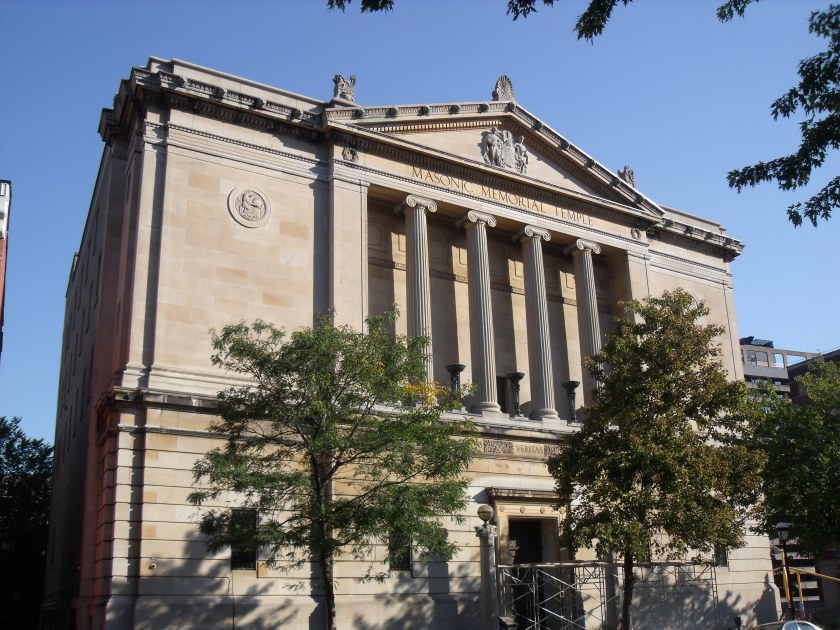



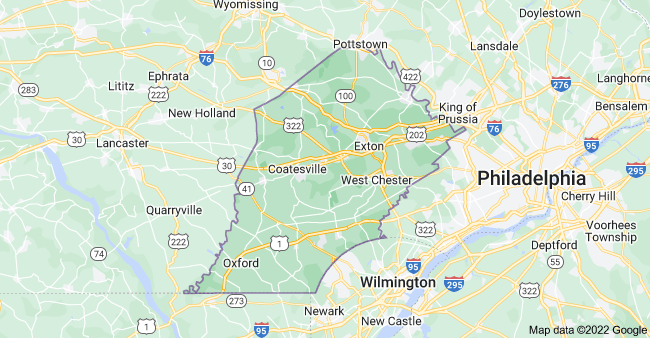







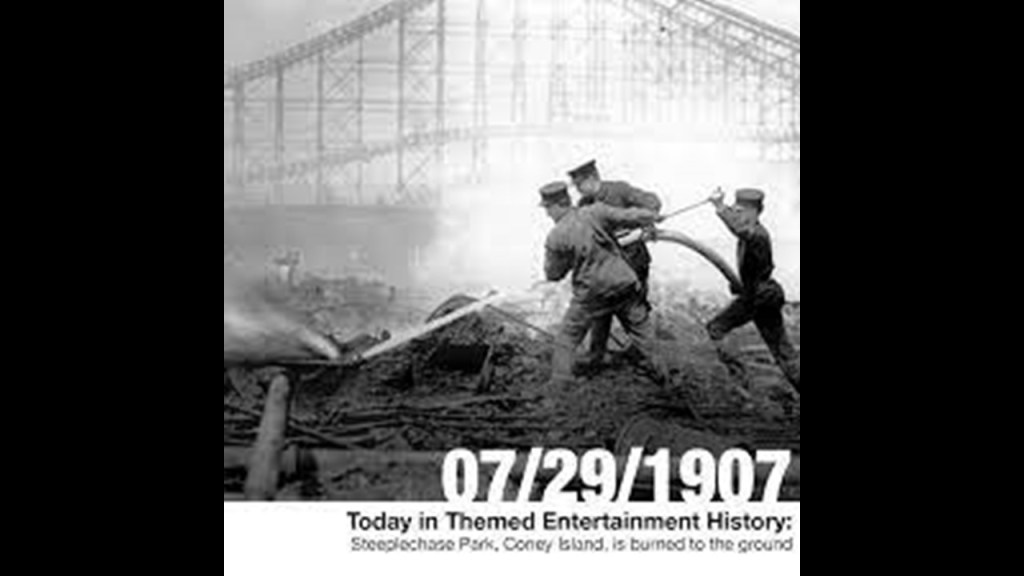
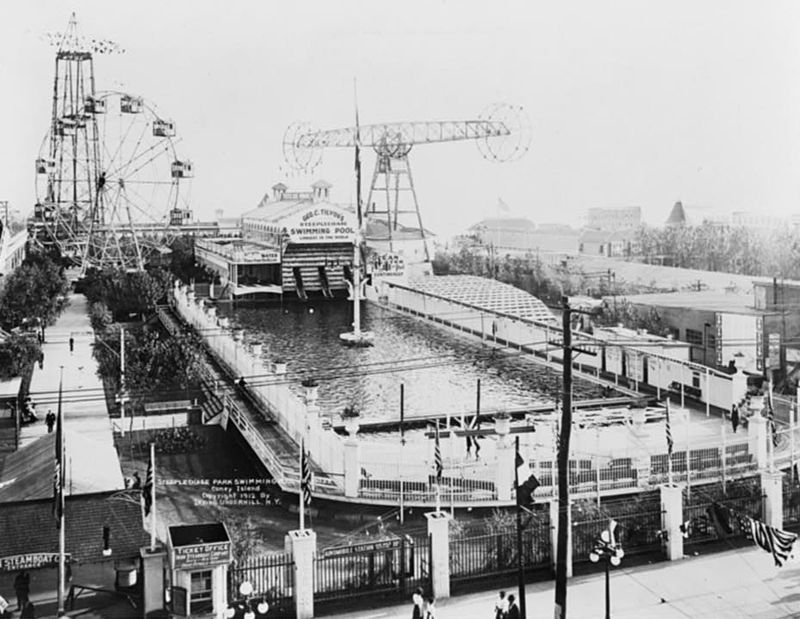



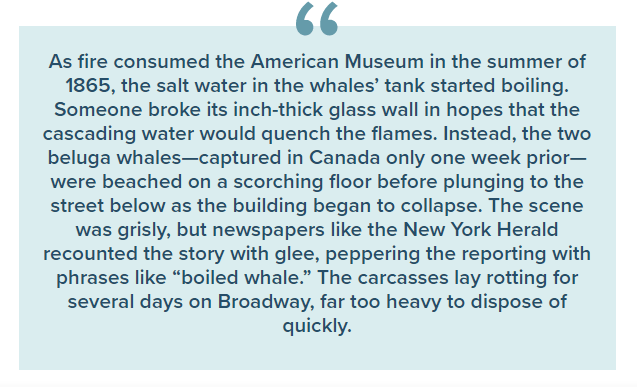
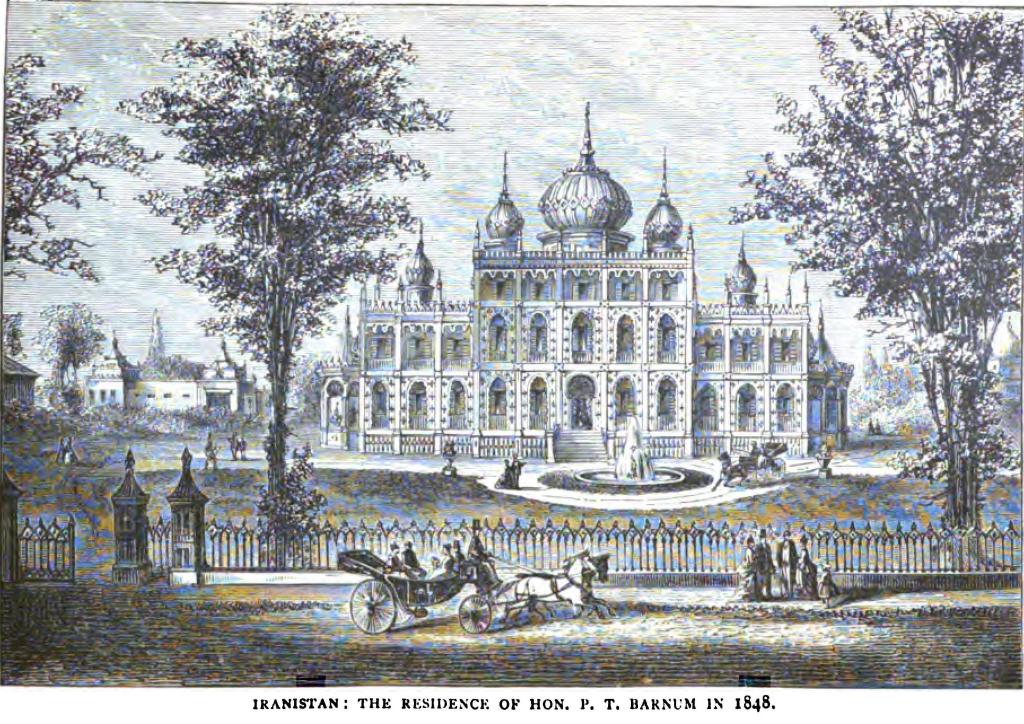

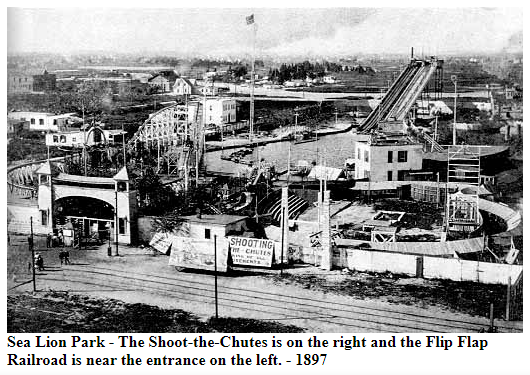
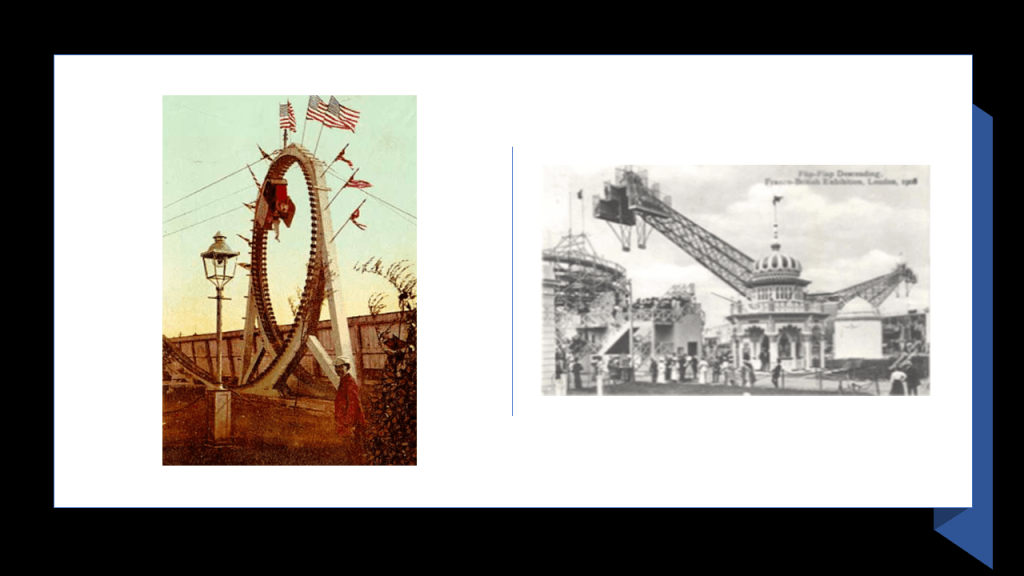












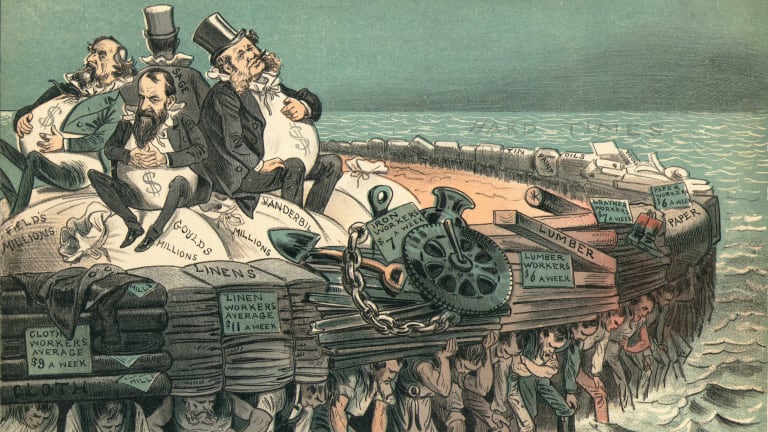

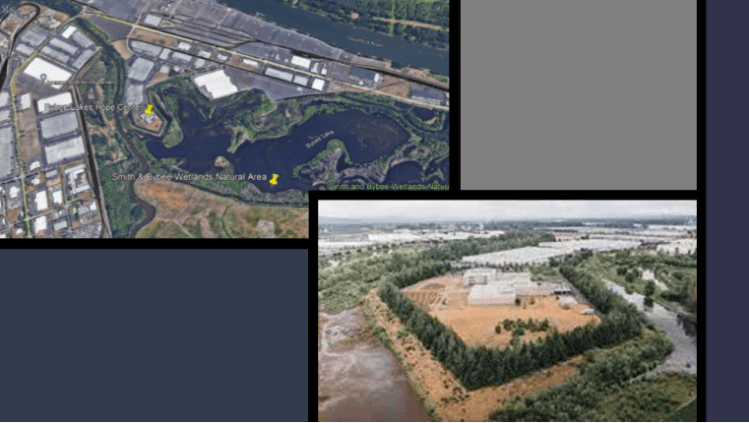
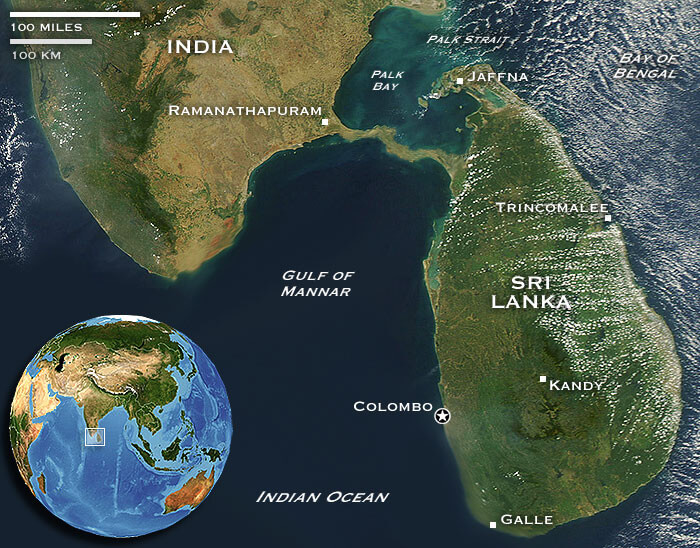
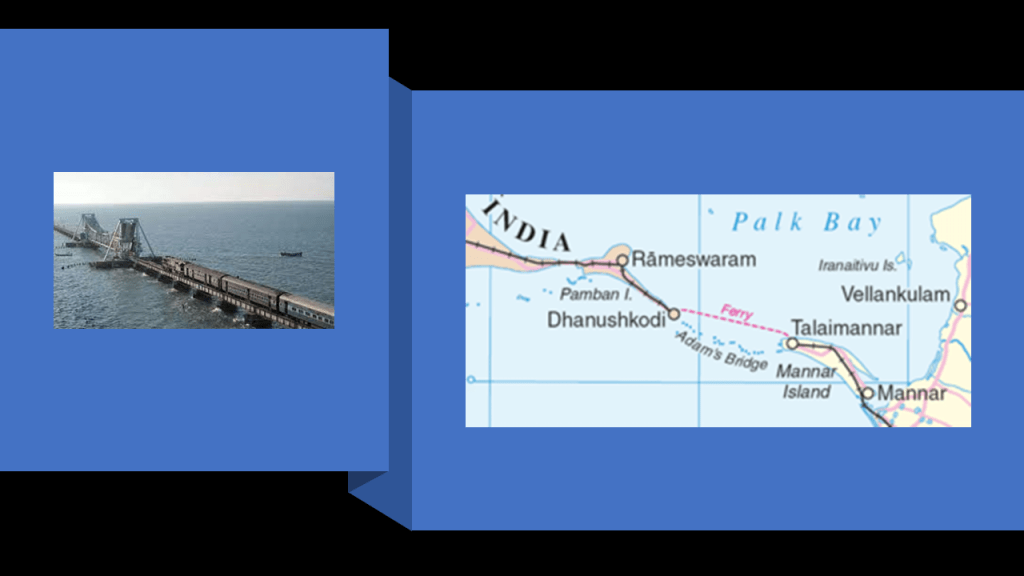


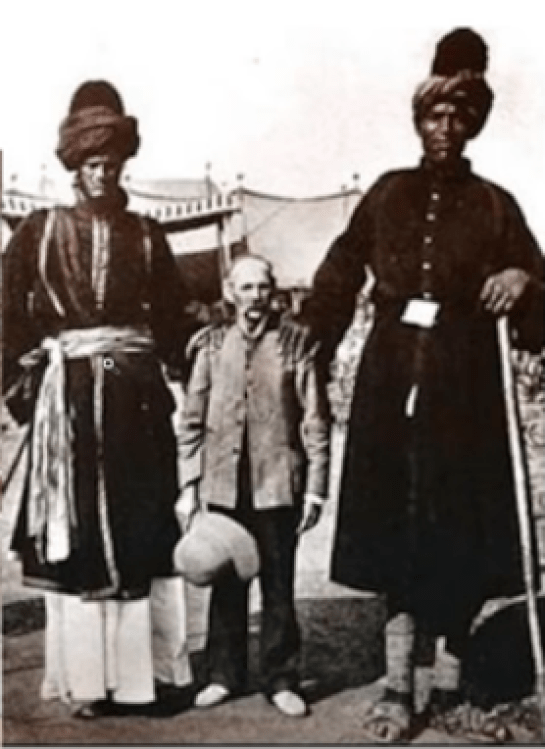

 Revealing What Has Been Hidden in Front of Our Eyes