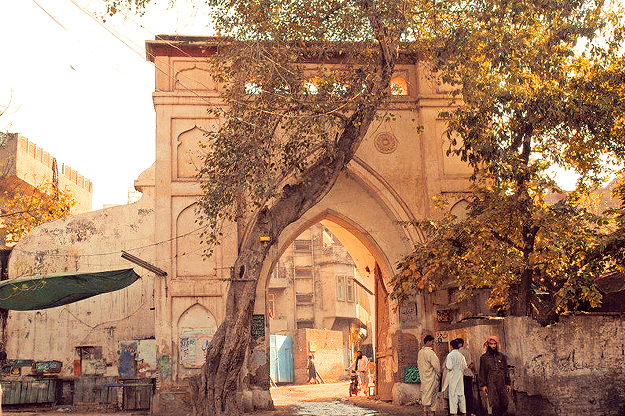
The Relationship between Sacred Geometry, Ley-Lines, and Places in Alignment – Part 8 Waziristan Region, Pakistan to Herat, Afghanistan

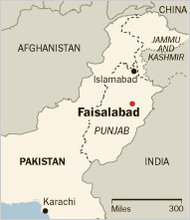
I started out in Lahore Pakistan in the last post, the capital city of the Punjab Province of Pakistan; through the cradle of the ancient Harappan Civilization of the Indus River Valley, which was largely in Pakistan; to Faisalabad, also in the Punjab Province, and a major industrial and transportation center of Pakistan.

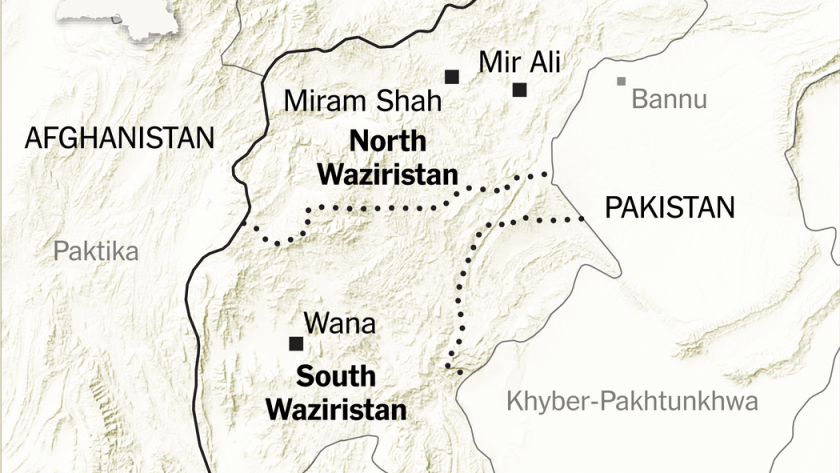
I am picking up this alignment in Waziristan, a mountainous region of Pakistan on the country’s border with Afghanistan…

…and of which North and South Waziristan are districts of the Khyber-Pakhtunkwha Province, formerly known as the Northwest Frontier Province.

Khyber-Pakhtunkwha Province is the location of the Khyber Pass, a mountain pass in the northwest of Pakistan, and an integral part of the ancient Silk Road. A translation is “On the Khyber side of the Land of the Pashtuns.”

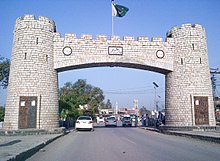
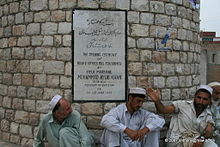
This is the Bab-e-Khyber, a gate that stands at the entrance to the Khyber Pass…

…said to have been constructed in 1965.

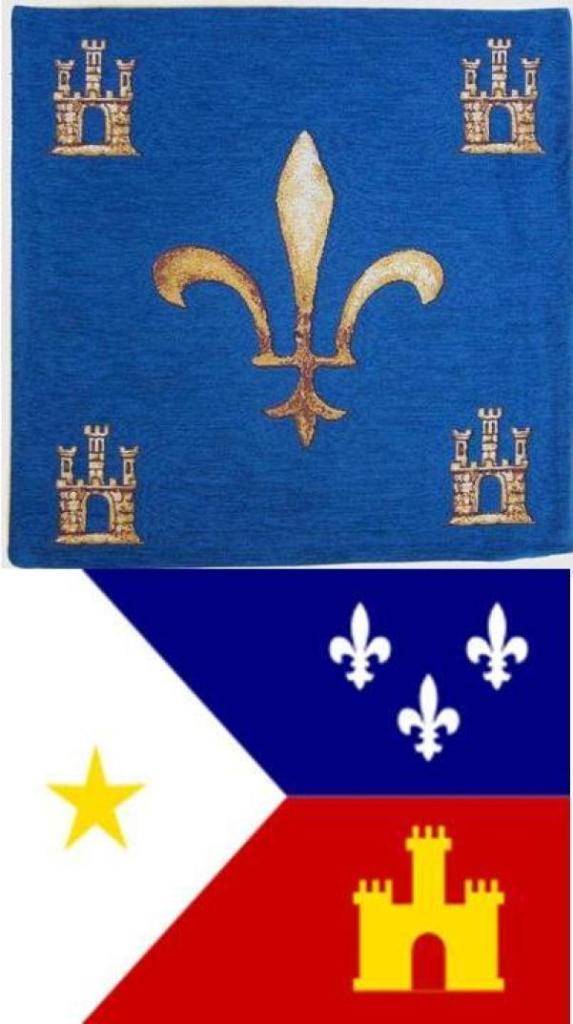
The turreted and crenellated appearance of the Bab-e-Khyber brought to mind the style of architecture seen on this old Merovingian textile from France on the top, and the Cajun flag of Louisiana on the bottom.

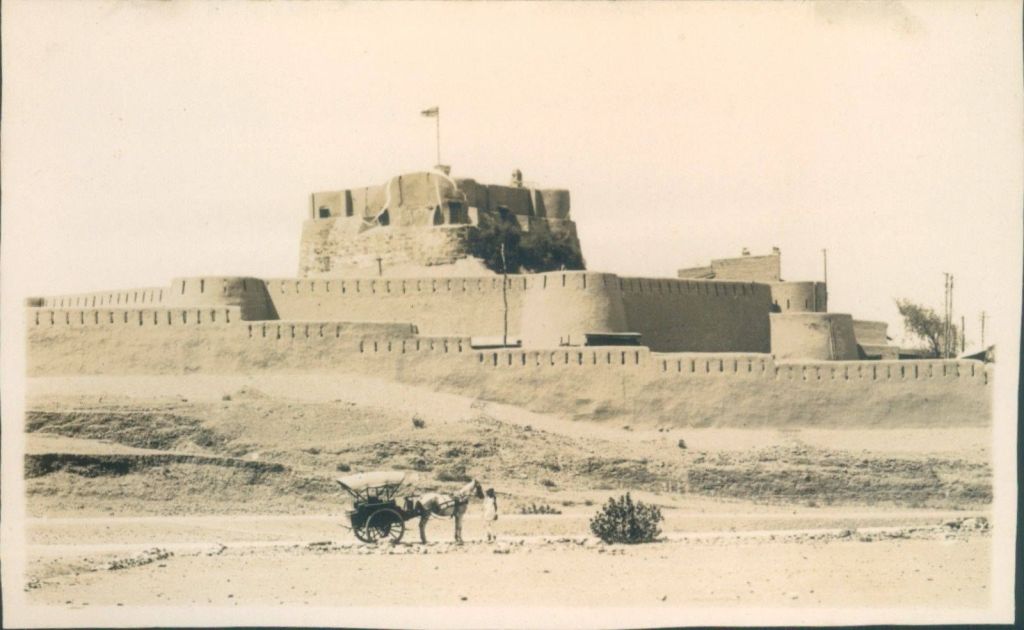
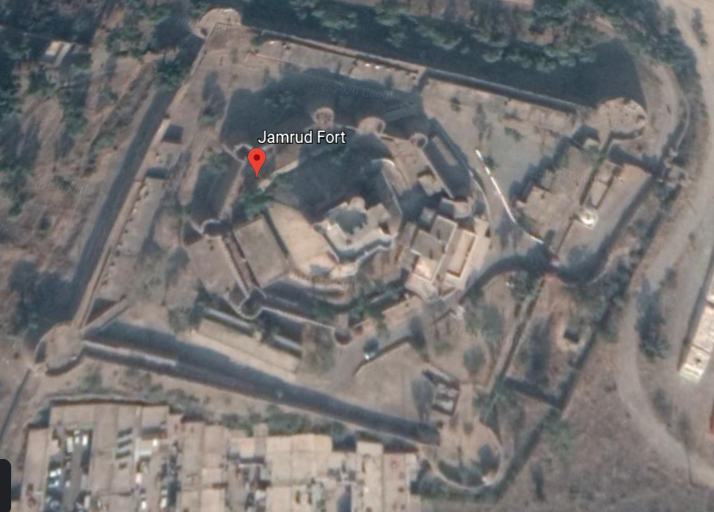
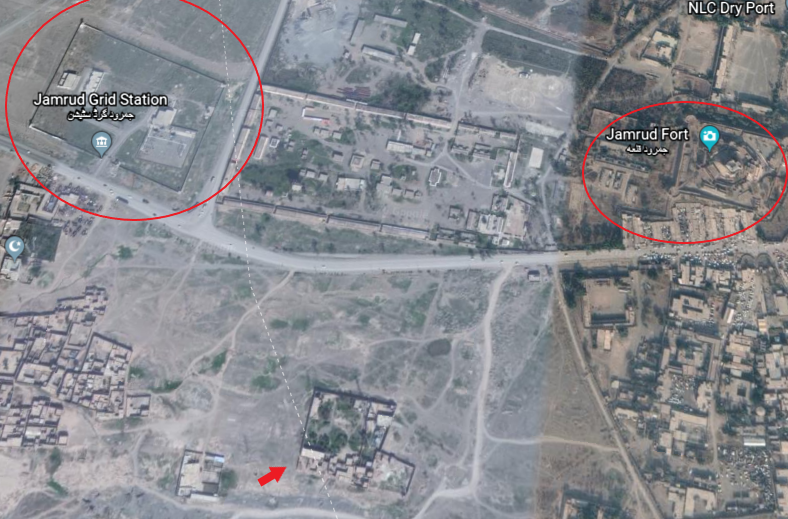
The Jamrud Fort is adjacent to the Bab-e-Khyber. We are told that the foundation of the fort was laid out by the Sikh General Hari Singh Nalwa on the 18th of December in 1836, and that the fort was completed in 54-days, after Jamrud was lost to the Afghan Durrani Empire and conquered by the Sikh Empire.

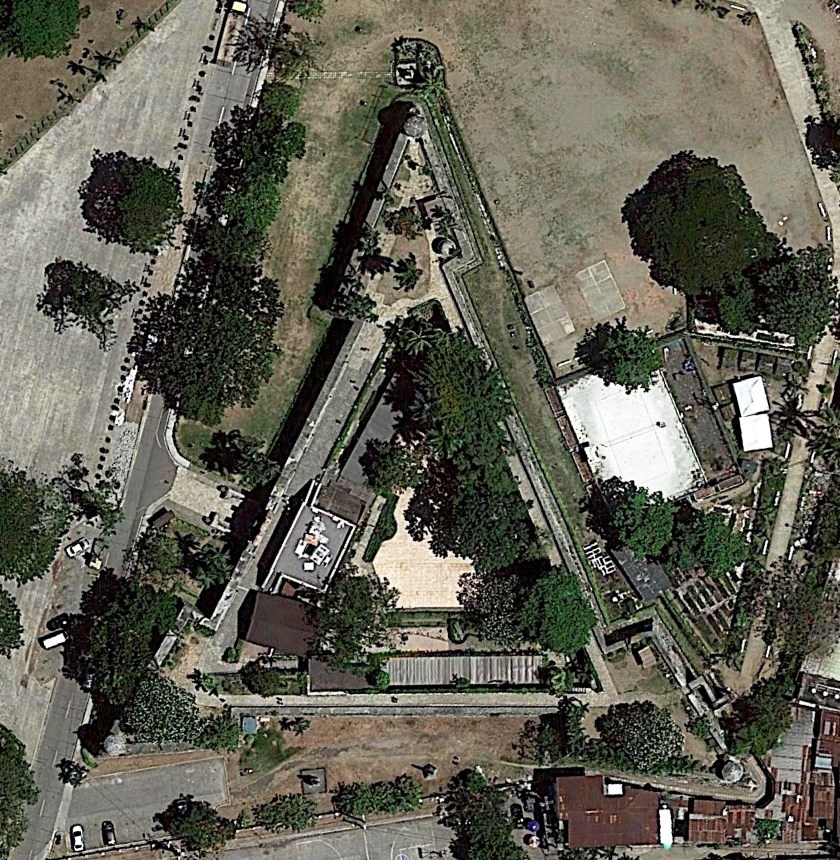
This is a screenshot of the Jamrud Fort on Google Earth…

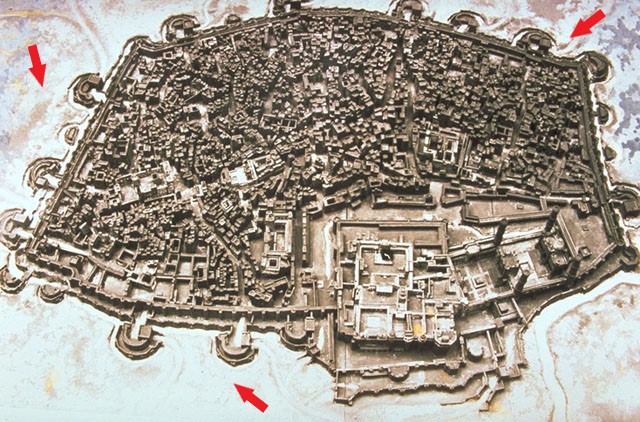
…looking similar, especially with regards to the shape of the outer walls to the Lahore Fort in Lahore, Pakistan…

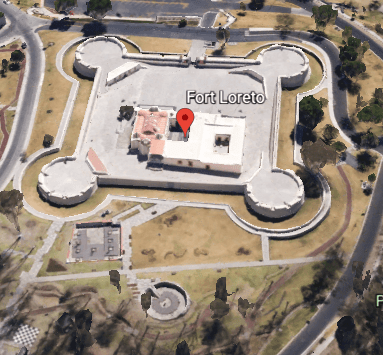
…as well as the rounded corners of Fort Loreto in Puebla, Mexico…

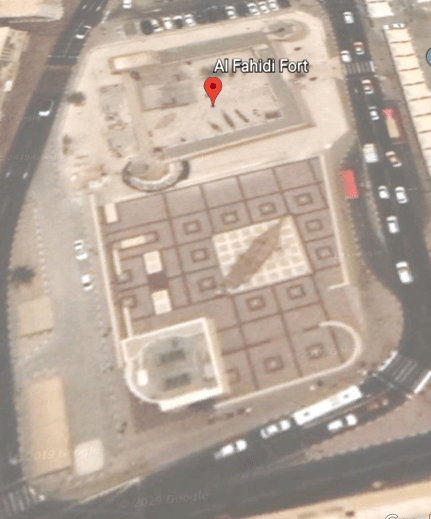
…and rounded corners are seen at Dubai’s Al Fahidi Fort.

While most star forts have more angled configurations, making them look like stars, not all do, and I believe they were originally part of the electrical circuitry of the planetary system, and not military in nature as we are taught to believe.

As a matter of fact, the Jamrud Electrical Grid System is located very close to Jamrud Fort, as is at least one other structure with the arrow pointing towards it, and possibly more, that looks like it could be connected to this system. It is typical to find star forts in clusters of two or more.

For more information about this finding, see my blog post “The Consistent Finding of Star Forts on Planetary Alignments.”

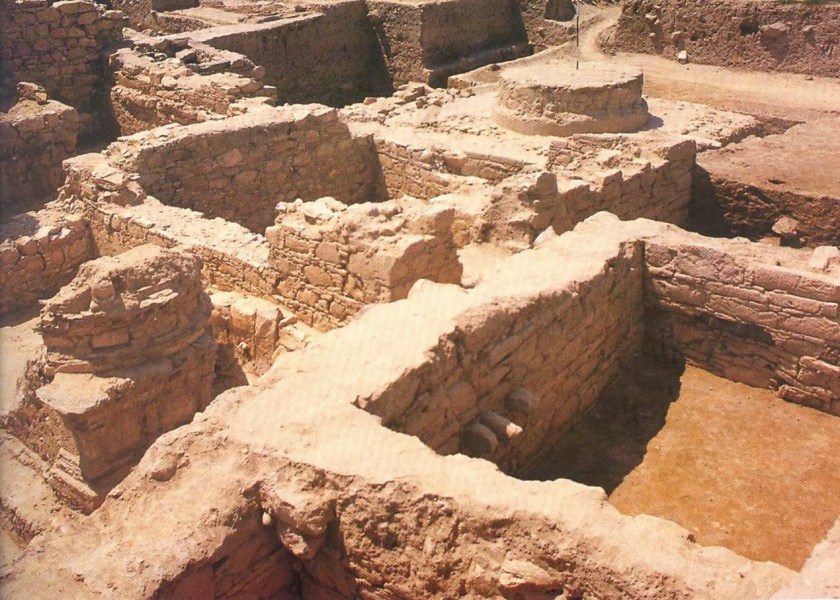
Khyber-Pakhtunkwha Province was the historical location of the ancient kingdom of Gandhara, including the ruins considered to be 2,000 years old of its capital city Pushkalavati, near modern-day Charsadda.

Pushkalavati was originally a stronghold of Buddhism.

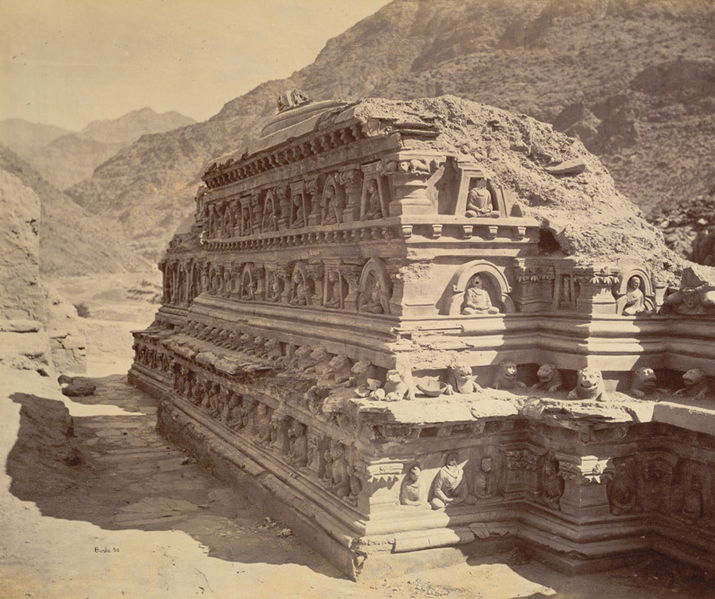
These Buddhist ruins are found in the Khyber Pass of Afghanistan…

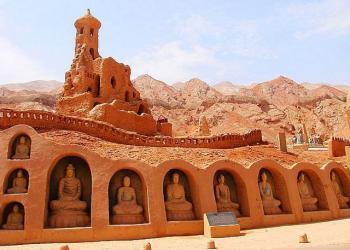
…compared in appearance to the Bezeklik Thousand Buddha Caves in Turpan in northern China’s Uyghur Autonomous Region…

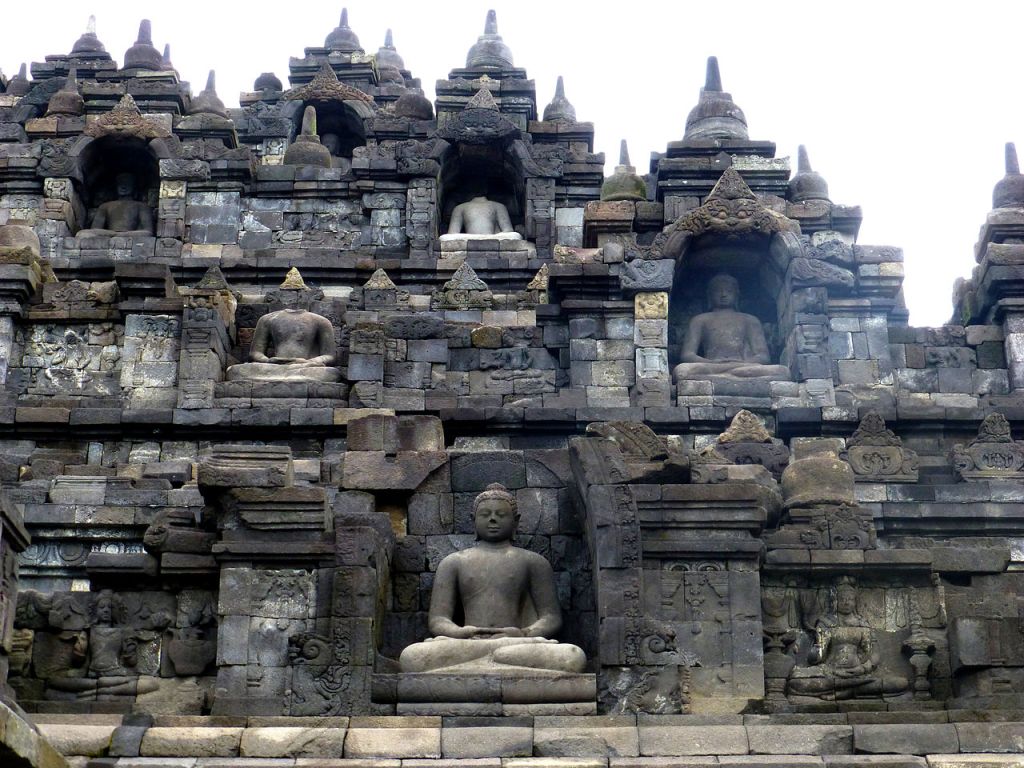
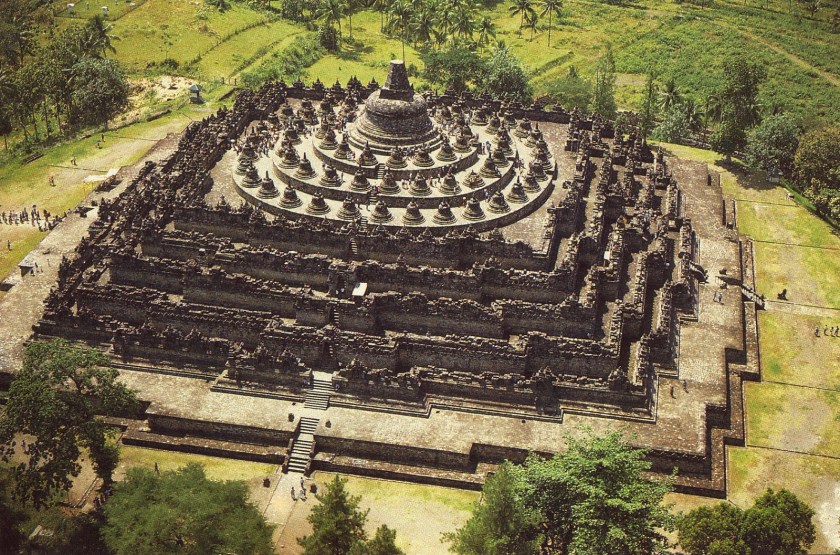
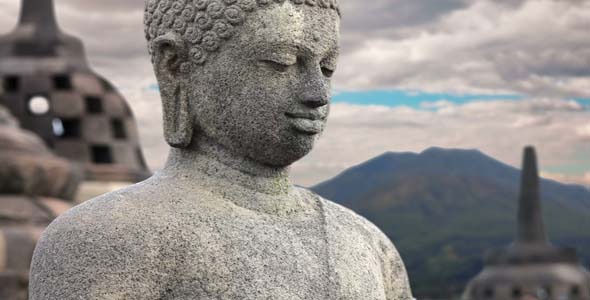
…and Borobudur on the island of Java in Indonesia.

Here is what Borobudur looks like from above.

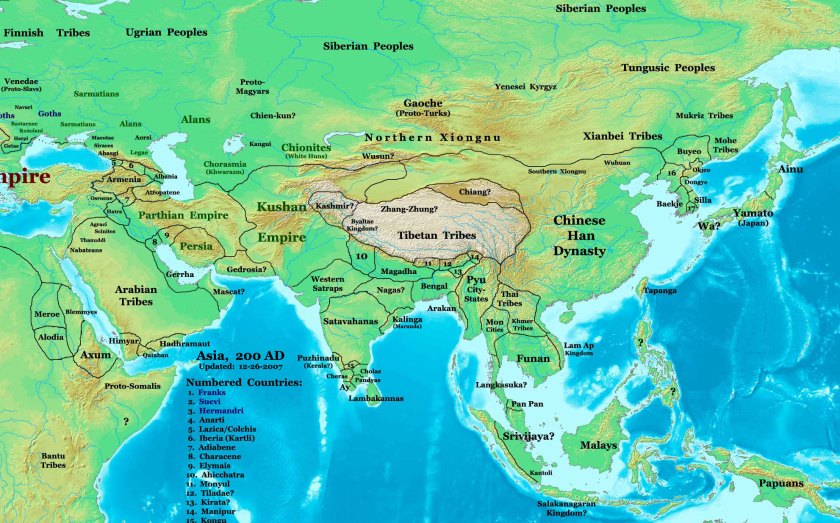
Ancient Gandhara in present-day Pakistan was said to have attained its height from the 1st- to the 5th-centuries AD, flourishing as the “Crossroads of Asia” under the Kushan Empire.

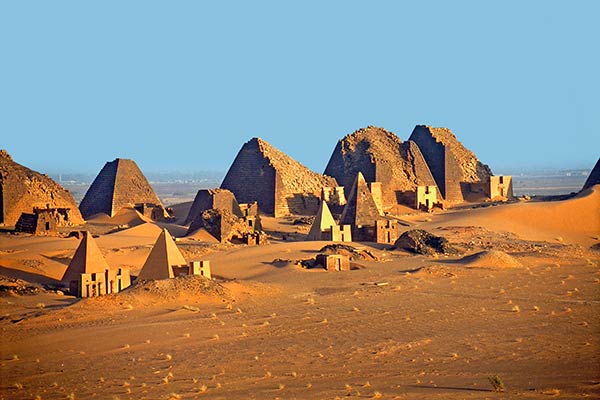
Could there have been a connection between the Kushan Empire, in this region which includes a mountainous region known to this day as the “Hindu Kush,” and the Kushite Empire of northern Africa with its capital of Meroe (also sounds like “Merovingian” mentioned previously in association with the French textile design) in Sudan near the Nile River, pictured here?

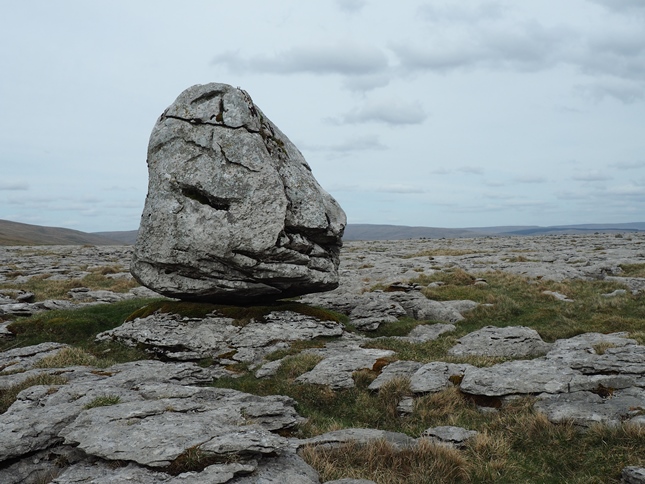
I don’t know the answer to that question. That information is long-gone. I do find quite often, however, that the memory of the people was retained in place names, like the Moors of Great Britain. This is Scales Moor in Yorkshire…

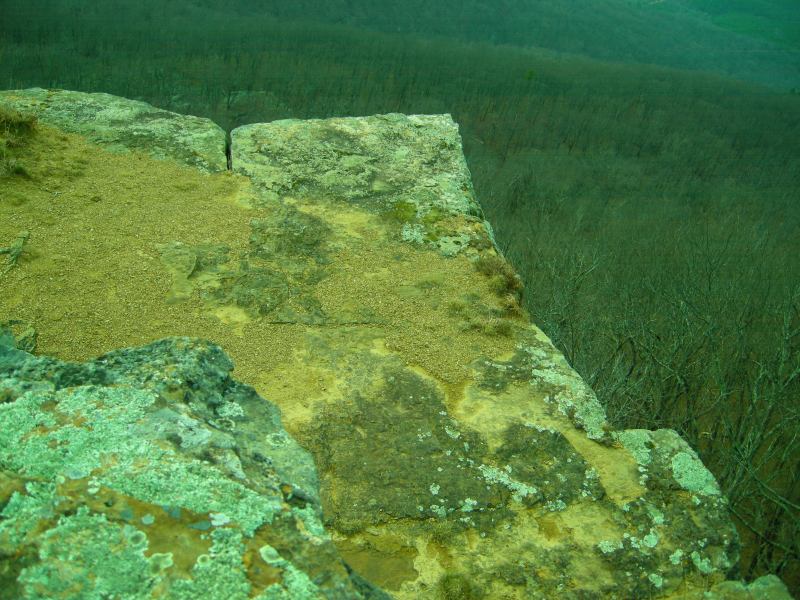
…and places like the Ouachita (pronounced Washitaw) Mountains of Eastern Oklahoma and Western Arkansas. This picture was taken at Mt. Magazine of the Ouachita Mountains in Arkansas. The Washitaw Mu’urs were the inhabitants of the ancient Washitaw Empire in North America, with its imperial seat near Monroe, Louisiana.

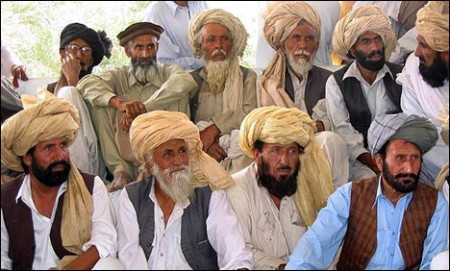
All of this is a lead-in to the Pashtun tribal peoples.

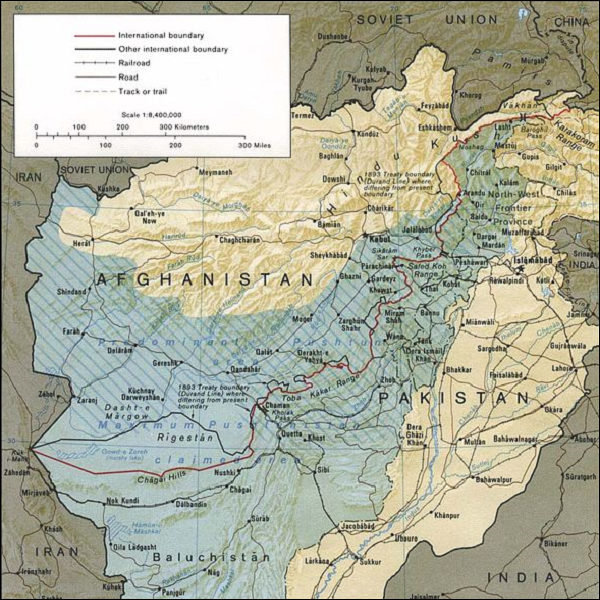
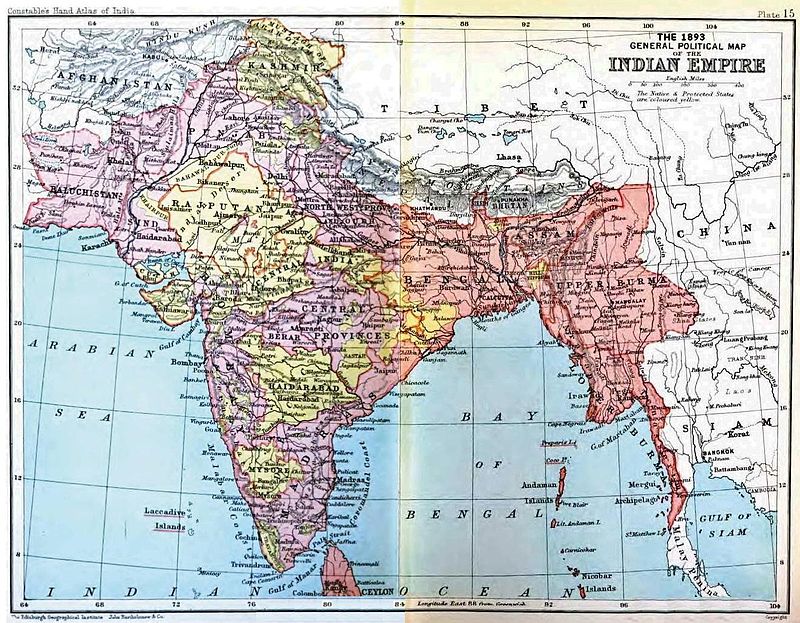
They are the primary inhabitants of a region including North and South Waziristan, the Khyber-Pakhtunkwha and Balochistan Provinces of Pakistan, and the Pashtun are also found in Afghanistan, in a region regarded as Pashtunistan, split between two countries since the Durand Line border between the two countries was formed in 1893 after the second Anglo-Afghan War.

The name sake of the line, Sir Henry Mortimer Durand, was a British Diplomat and Civil Servant of the British Raj. We are told that together with the Afghan Emir, Abdur Rahman Khan, it was established to “fix the limit of their respective spheres of influence and improve diplomatic relations and trade. Well, that certainly sounds good…but what was really going on here?

The Durand Line cuts through the Pashtunistan and Balochistan regions, politically dividing ethnic Pashtuns and Baloch, who live on both sides of the border.

But, really, why divide a people in this fashion?

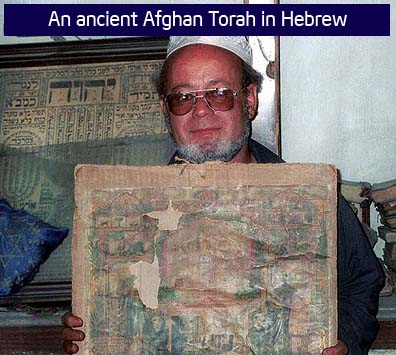
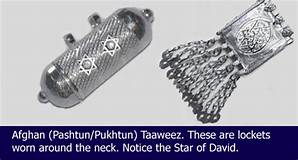
The Pashtun are a tribal nation of millions of Afghani and Pakistani Muslims who also have a strong oral tradition that they are descendants of lost ten Tribes of Israel, and they refer to themselves as Bani Israel. 

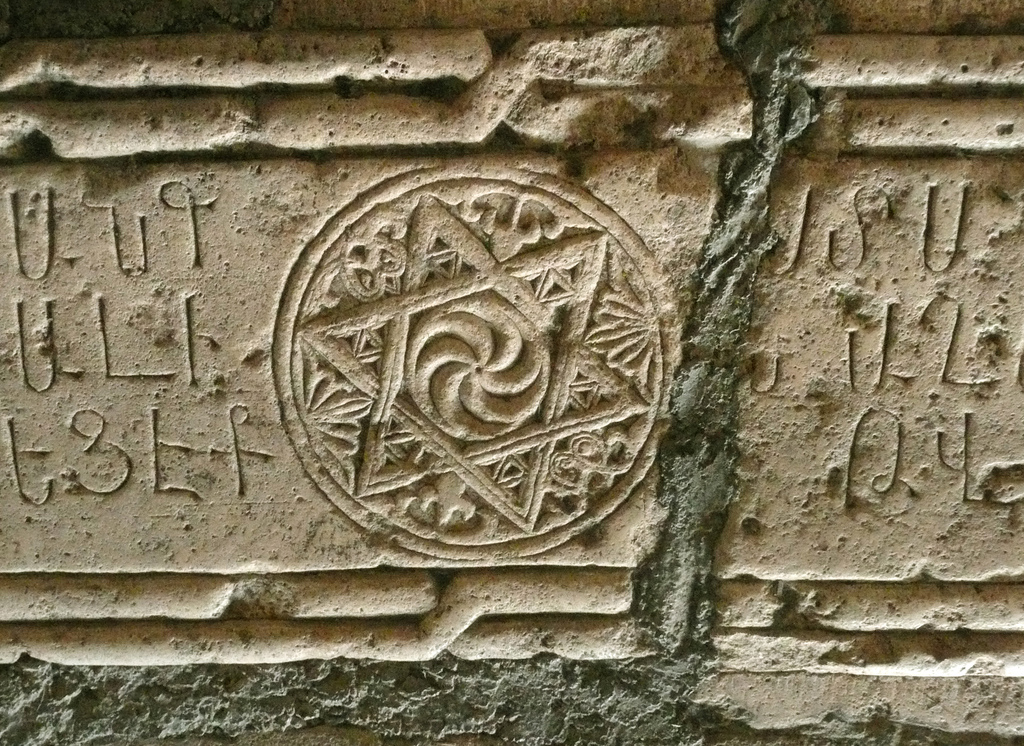
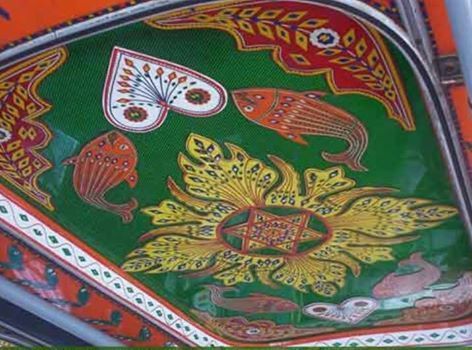
Here is an example of a Pashtun textile piece showing the sacred geometric shape of a star tetrahedron in the center, also known as the Star of David…

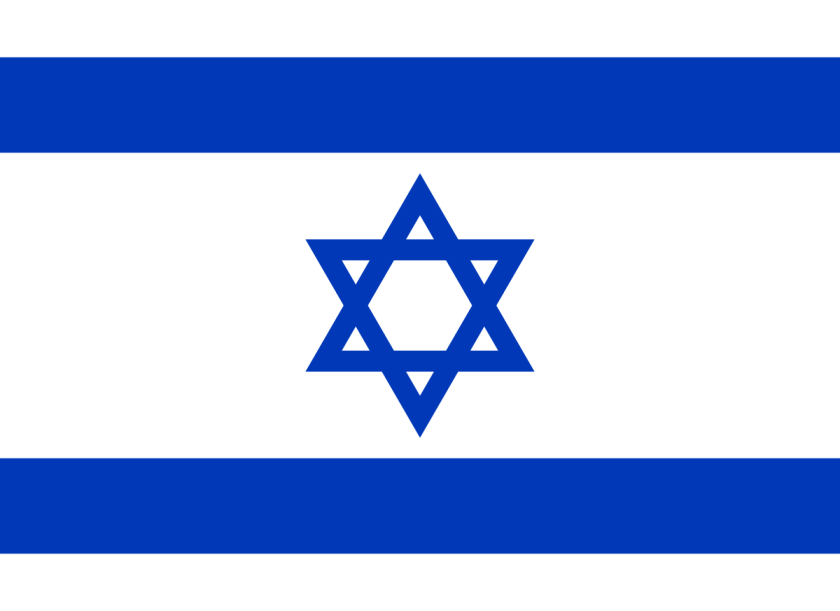
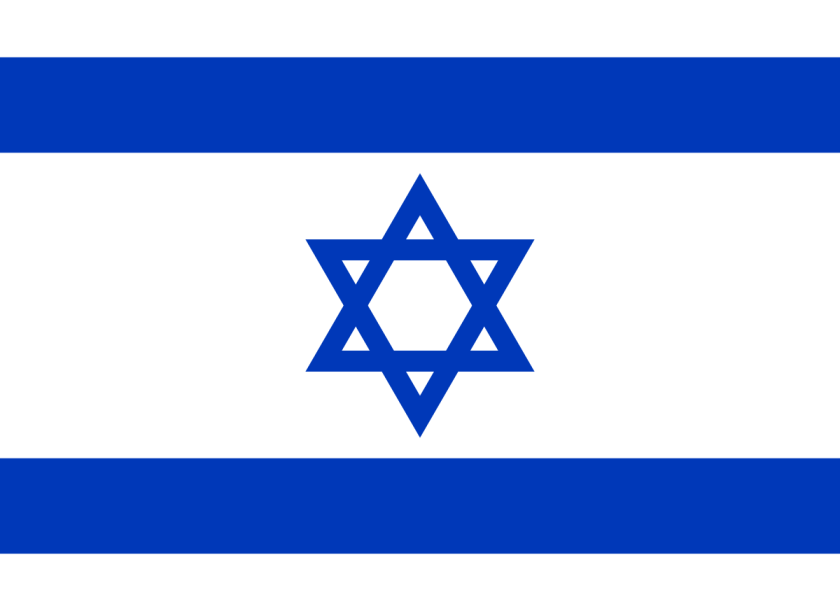
…and a recognizable symbol of what is called Judaism today, as seen on the flag of Israel.

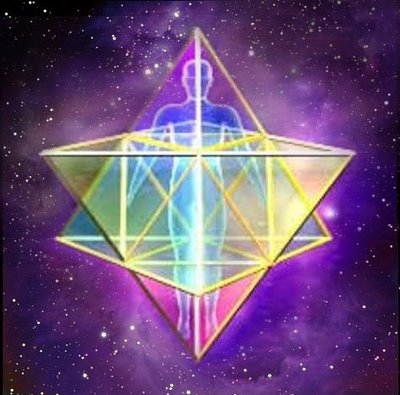
This symbol of the star tetrahedron is also the sacred geometric shape of the Human Lightbody, known as the Merkaba.

So, according to the history we have been taught, how can the Pashtun be Hebrew Israelites and Muslim at the same time?

For many reasons, this is a good opportunity to share why I think there was one original spiritual tradition, and that organized religion came in with the hijack of the original timeline for the purposes of control and serving an agenda not in Humanity’s best interests.

At first I was puzzled by seeing references to the twelve tribes in different places besides the Pashtun in Pakistan and Afghanistan. 

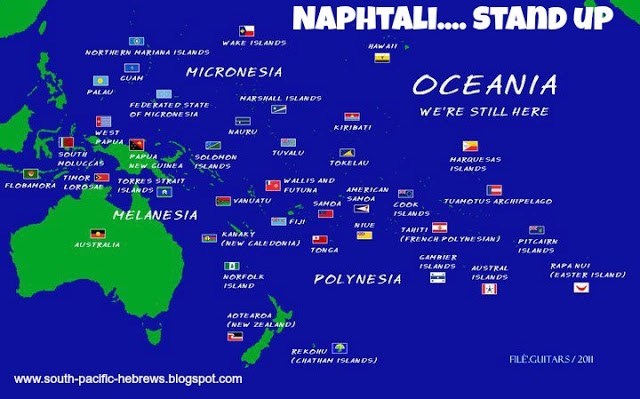
I found the Tribe of Naphtali in the South Pacific…

…the Tribe of Reuben in Australia…

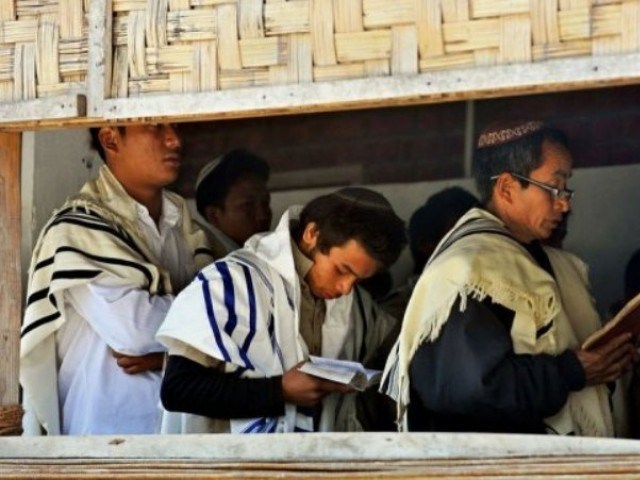
…the Kuki of India say they are of the Tribe of Manasseh…

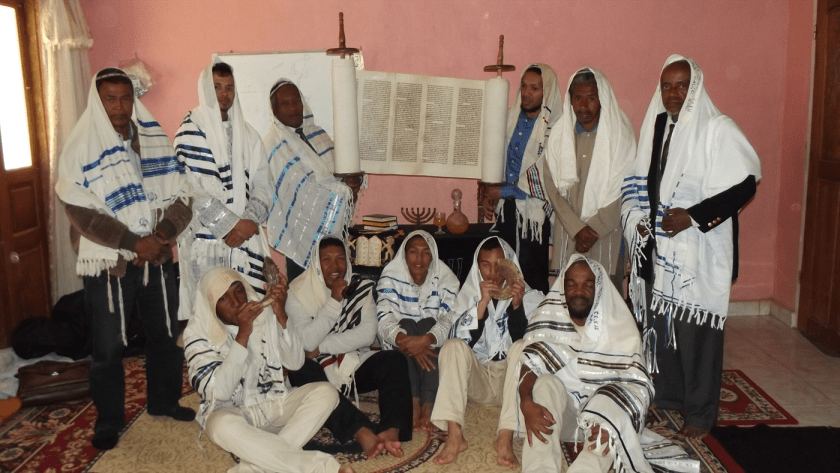
…and on Madagascar, there is a resurgence of what they say the original faith of the island. The Jesuits were said to have arrived here in 1845, and entrusted with the Prefecture Apostolic of Madagascar in 1850. There’s 1850 again!

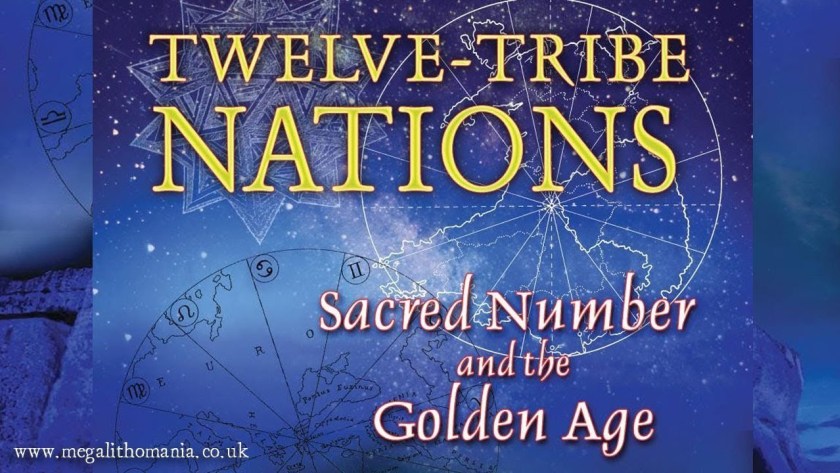
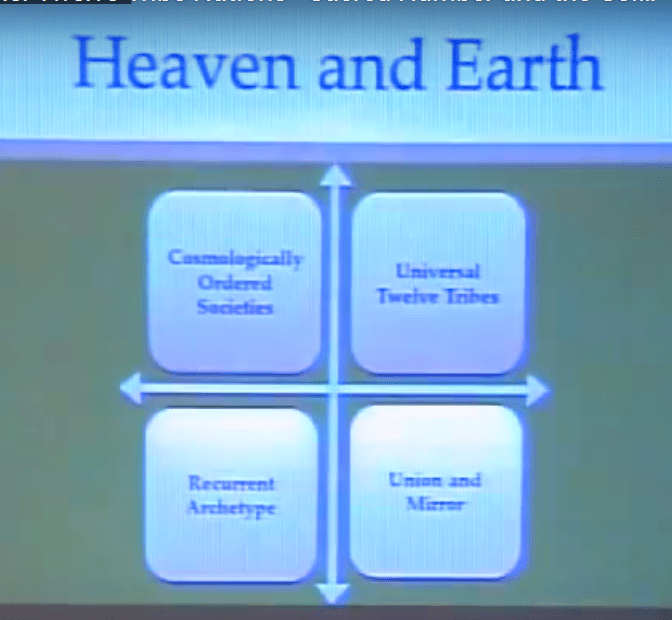
I think a good explanation of this finding of the same tribal name in different parts of the world is contained in a Megalithomania presentation by Christine Rhone on “Twelve Tribe Nations – Sacred Number and the Golden Age.”

She co-authored a book with John Michel called:   “Twelve Tribe Nations – Sacred Number and the Golden Age.” 

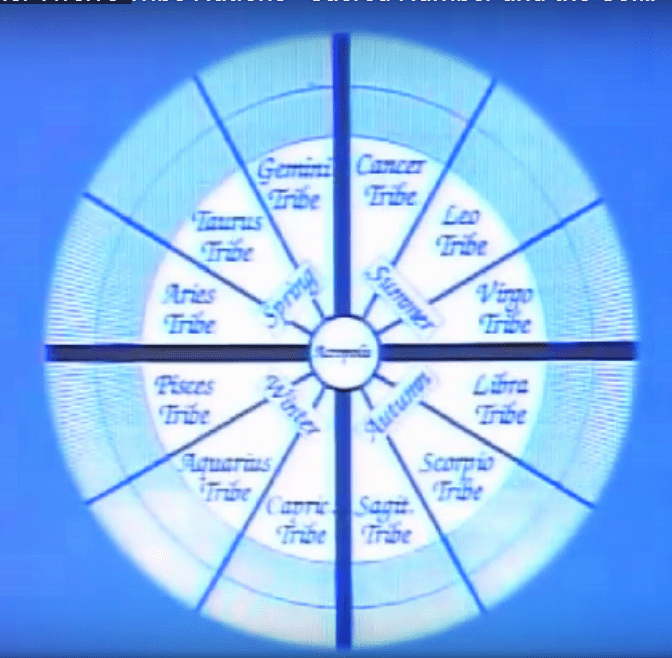
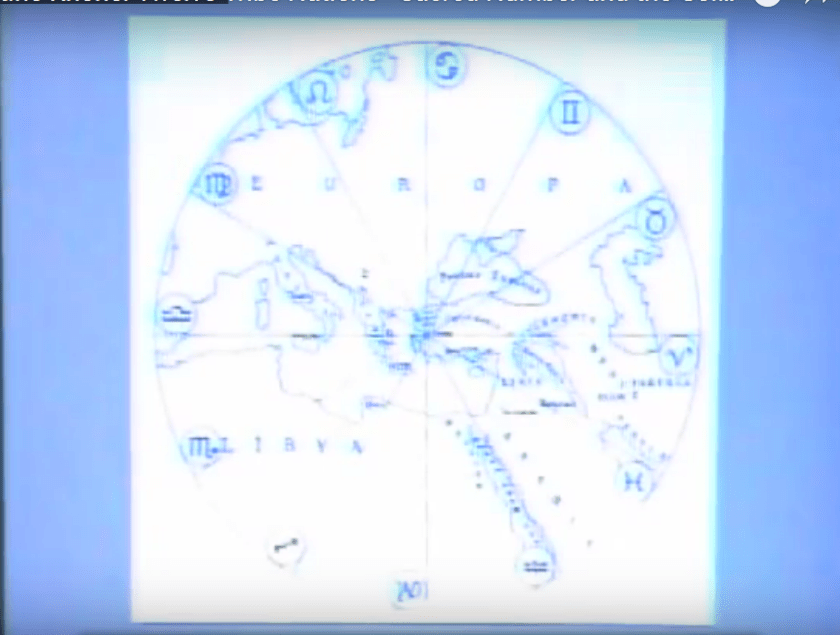
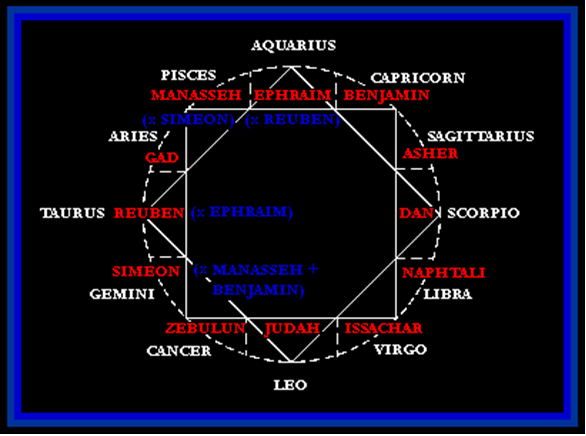
Among other things, they followed the Apollo – St. Michael alignment across countries and continents all the way to Jerusalem in Israel.  They discuss records and traditions of whole nations being divided into twelve tribes and twelve regions, each corresponding to one of the twelve signs of the zodiac and to one of the twelve months of the year. 

All formed around a sacred center, and sacred centers.

It stands to reason that these people would apply to the same concepts of Harmony, Balance, Beauty, Sacred Geometry, and aligning heaven and earth, to building their communities and themselves that they applied to building all of the infrastructure of the planet.

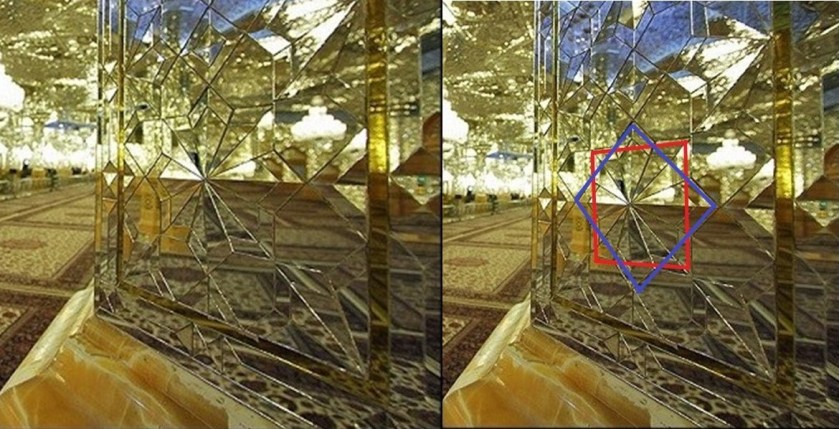
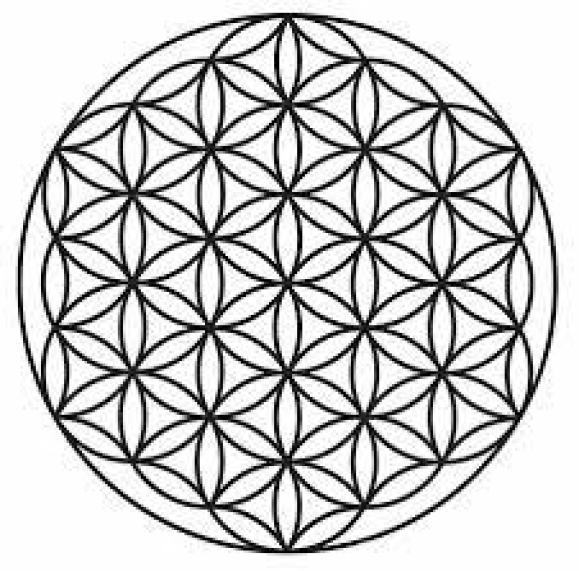
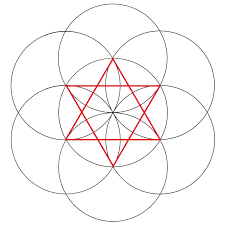
So what if we are talking about a civilization arrangement like what you see pictured here (and in which you see the eight-pointed star contained within this configuration)…

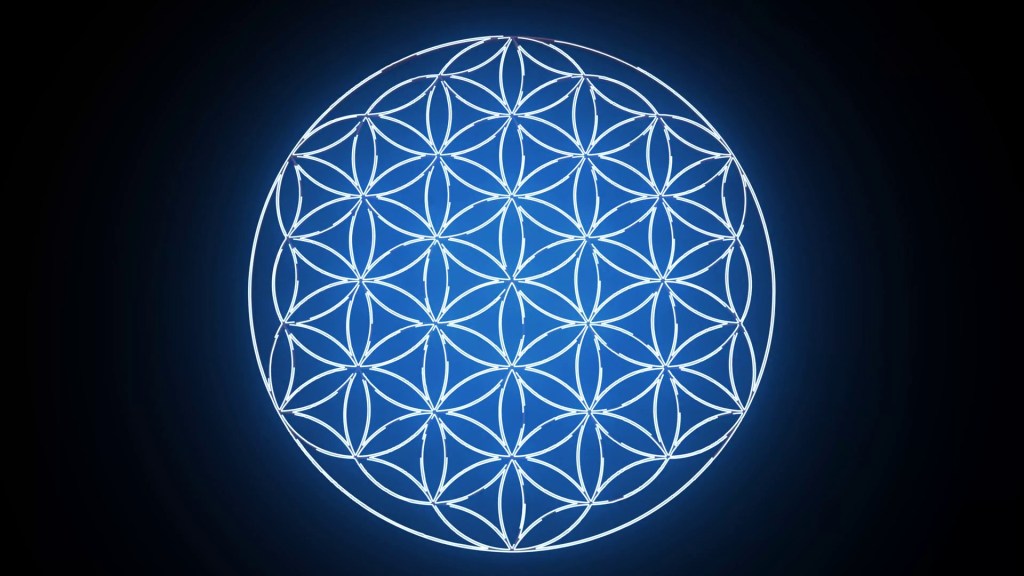
…occurring in a flower of life pattern, from macro to micro, covering the surface of the Earth?

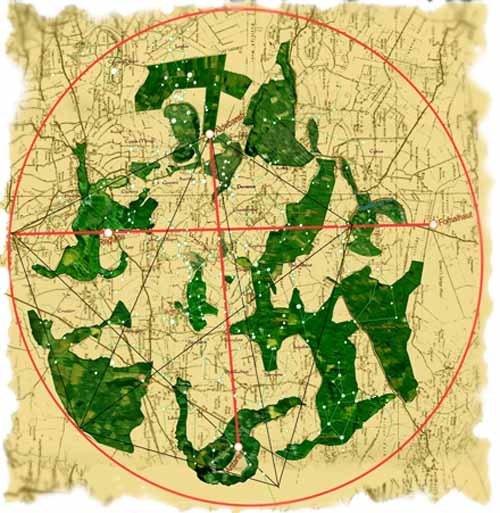
Researchers have looked into zodiacs that have been revealed in features in the landscape, like the Glastonbury Zodiac in England…

…and the Kingston landscape Zodiac in Surrey, England.

I recently realized that earth’s true history was not about organized religions, which was a stumbling block for me because of what we have been taught. 

The controllers didn’t rewrite history from scratch – they rewrote the historical narrative to fit their agenda. And from the new official historical reset year, which I believe was 1850 or 1851, we are immersed in learning their history of what has taken place here from a very young age.

The identity of the true Israelites was replaced with a false identity and hidden away, and many were relegated to an existence of slavery, degradation and marginalization, if they weren’t killed.

This subjugation allowed for the identity of the Israelites to be co-opted by the Khazarian Jews and Zionists.

The Rothschilds purchased Jerusalem in 1829, and subsequently acquired considerable land in Palestine in the 1800s and early 1900s.

And what about all the Buddhists I have been finding here?

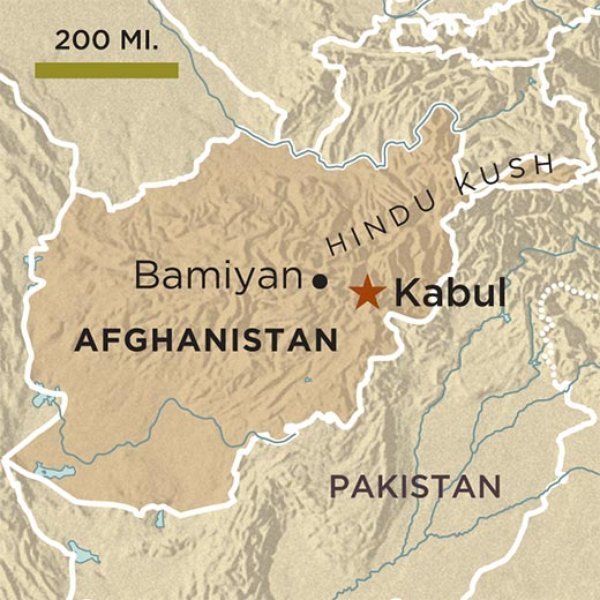
The Bamiyan Valley of Afghanistan, for example, is located not far from Kabul, the country’s capital…

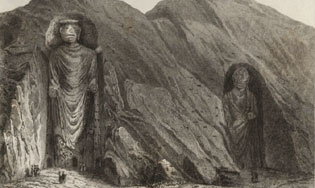
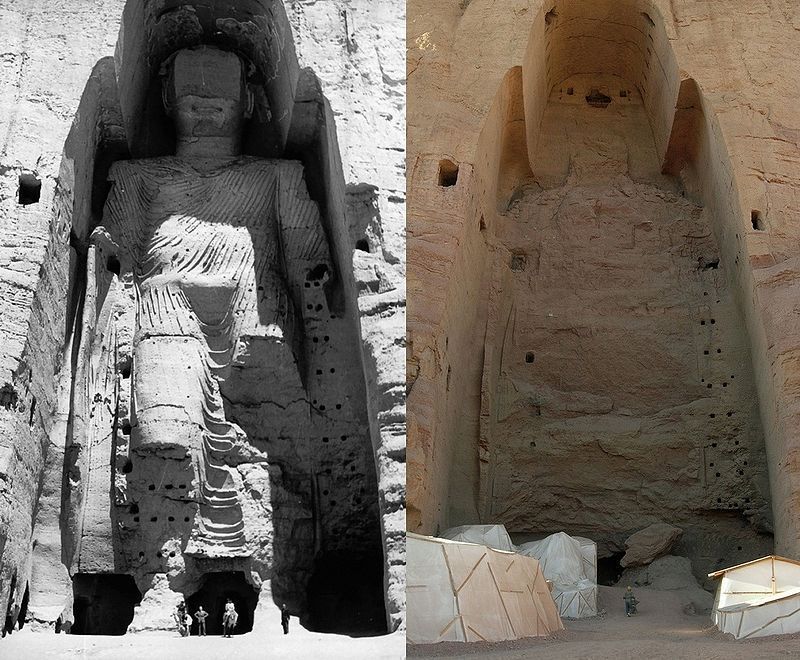
…was known for two colossal statues of Buddha there, carved into sandstone. 

Both statues were destroyed by the Taliban in 2001.  

This is a poignant example of how dark forces are hell-bent on physically destroying this civilization, and its memory and legacy.  

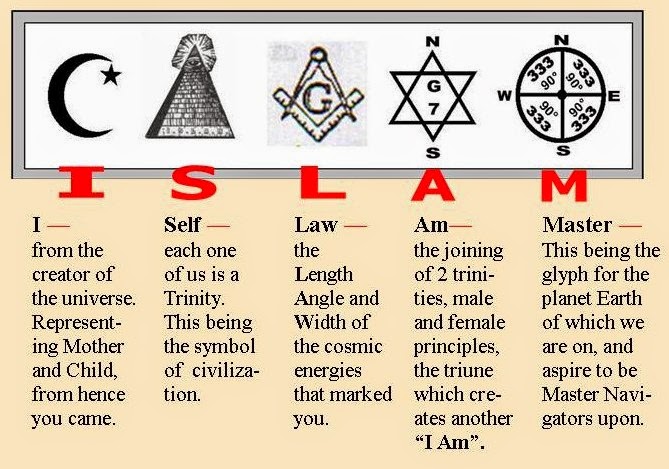
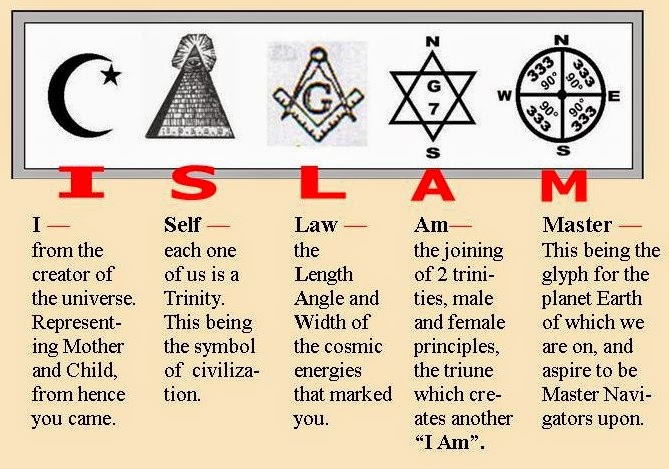
And here is what ISLAM was originally all about: I-Self-Law-Am-Master.

It did not start out as the weaponized belief system we see today that was developed to divide and conquer.

There is so much we haven’t been told about the True History of the planet, including how all organized forms of religion connect back into the Advanced Ancient Civilization, and and are not mutually exclusive as we have been taught to believe, and are actually different aspects of one and the same spirituality.

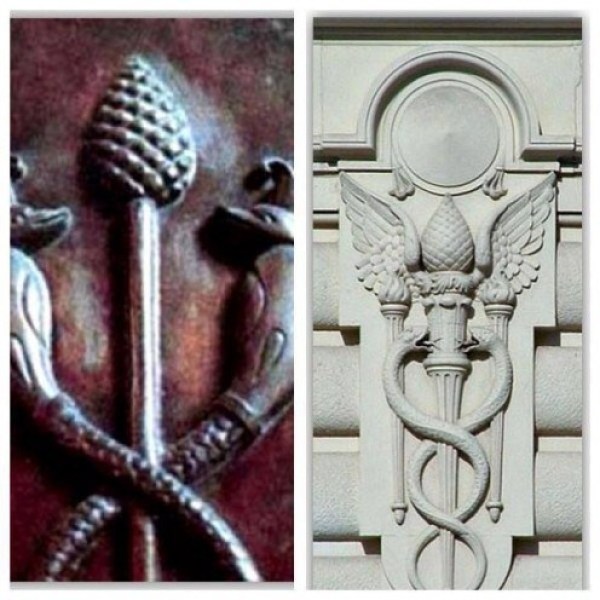
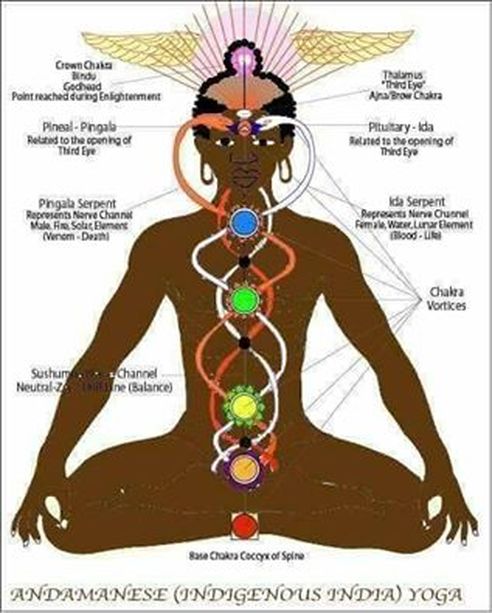
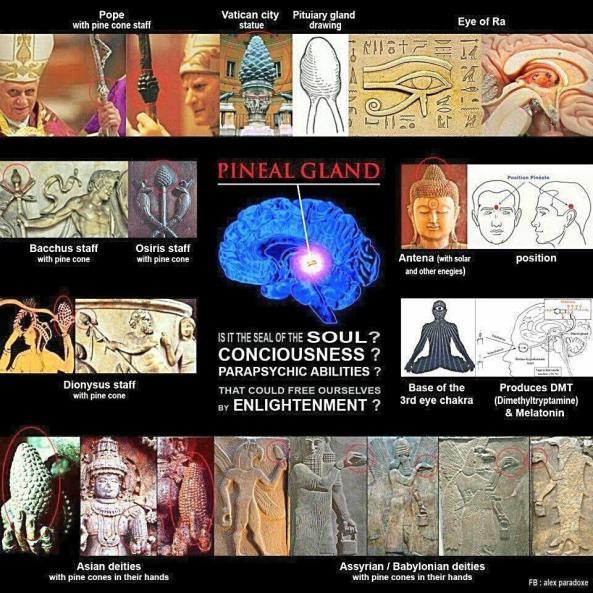
Originally, all of Humanity was being taught the knowledge of who we really are as spiritual beings and holograms of the Universe, and how to reconnect with Higher Self by raising kundalini energy from the base of the spine up to the pineal gland.

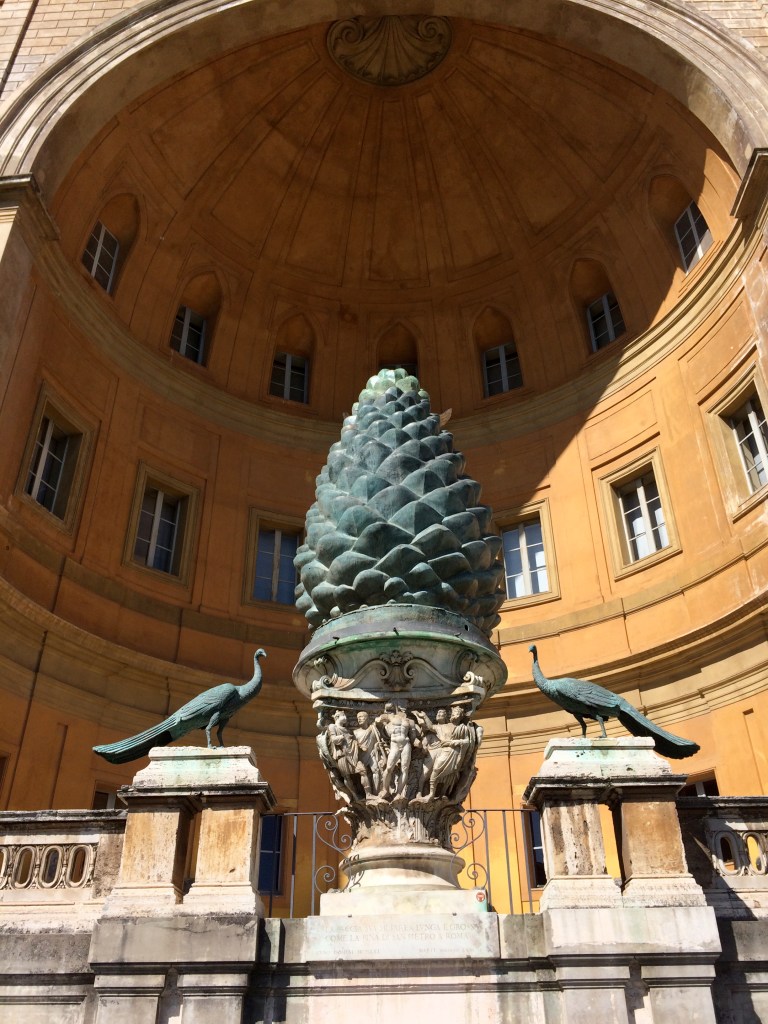
Does this statue at the Vatican represent a pine cone as we are taught…

…or the human pineal gland?

They definitely don’t want us to know who we really are, and try to keep most of Humanity stuck in their lower selves in every way possible, including addictions, distractions, and consumerism that huge, in many cases multinational, corporations are making a heck of a lot of money from.

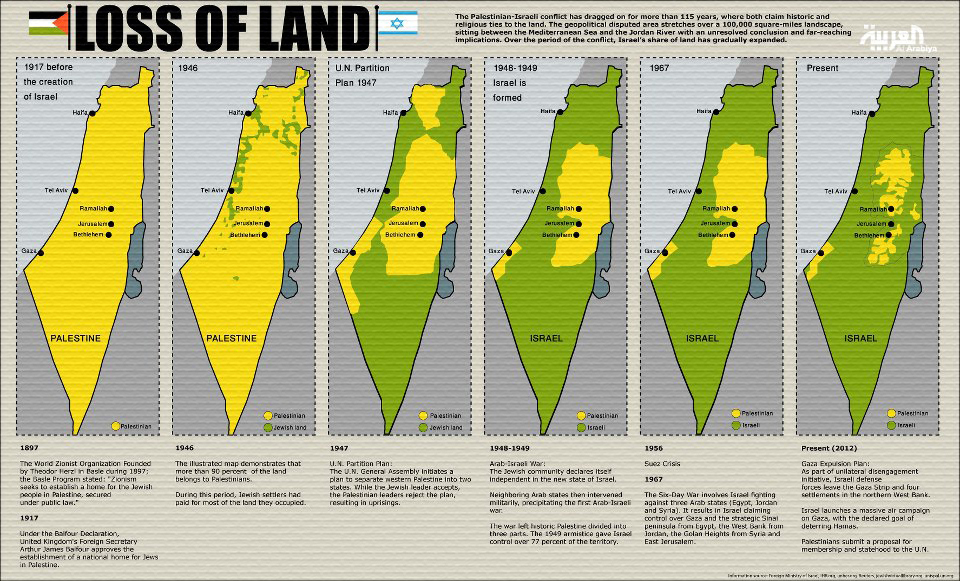
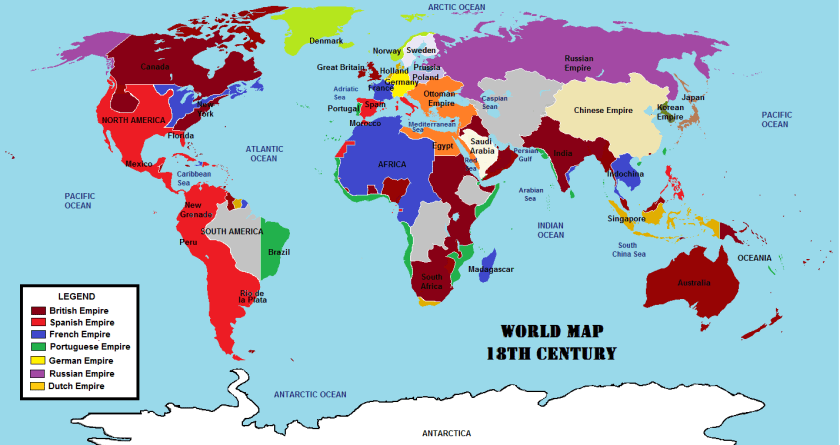
It has been clear to me travelling through this part of the world how what we know as the European Colonial powers, starting in the 18th-century, just tore up this part of the world through so many partitions, for one example, along religious lines when in fact there were no differences between the original people and their spirituality.

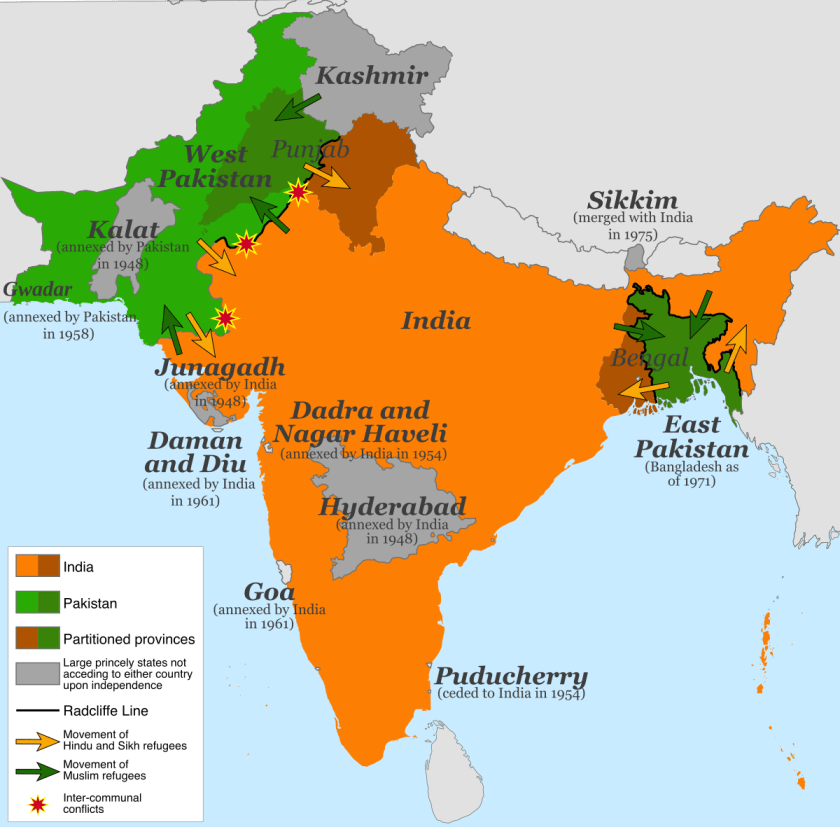
While a very clear example of this took place in what is called South Asia…

… it was only one of many examples around the world.

Race and religion were manipulated by European colonialism to create divides over almost the entire landmass of the earth into new countries from lands that were taken, and creating divisions and discords between peoples that originally existed in harmony worldwide.

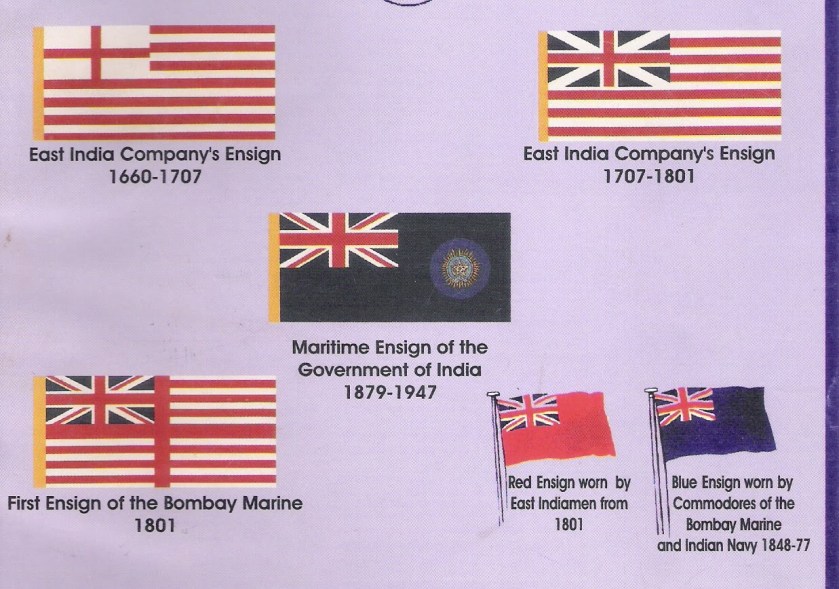
It also diagrams the means by which power and control were consolidated worldwide, mostly starting out as “trading” companies that ended up being very powerful in their respective regions, and after gaining complete control, transferring power and control of the regions to their respective European empires.

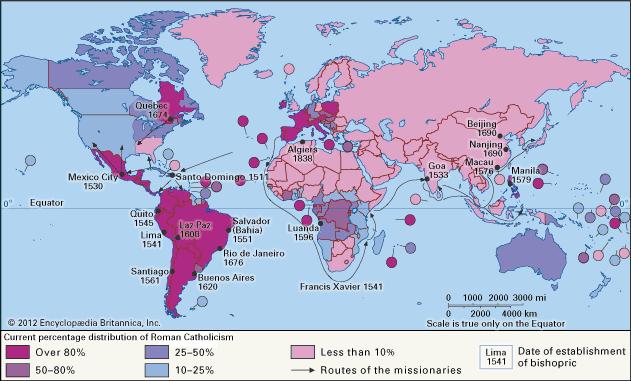
With regards to the efforts to establish one universal, hierarchical, organized religion, in which Humanity was taught it needed an intermediary to reach the Creator, the main Catholic missionaries were the Jesuits, Benedictines, Franciscans, and Dominicans (as in the Dominican Republic) were also quite busy in their world travels…

…and most likely involved in many activities of cultural obfuscation we will never know about.

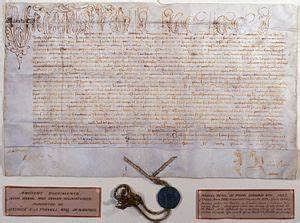
The main foundational piece for the Catholic Church’s claims for dominion over all of Humanity was the Unam Sanctum papal bull, which are told was issued by Pope Boniface VIII in 1302. 

At the end of it, he writes “Furthermore, we declare, we proclaim, we define that it is absolutely necessary for salvation that every human creature be subject to the Roman Pontiff.”

A papal bull is an official papal letter or document, named after the leaden seal used to authenticate it.

They figure prominently in the effort to authenticate what has taken place on earth in the historical narrative we have been taught, but which in actuality was a hostile take-over of Humanity and the earth’s grid system without our knowledge and consent.

Back to the alignment I am tracking.

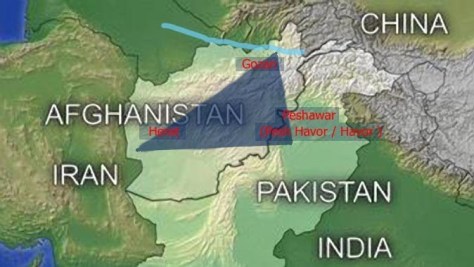
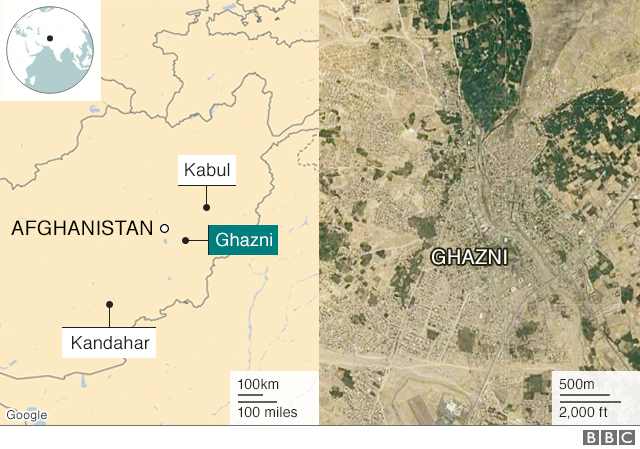
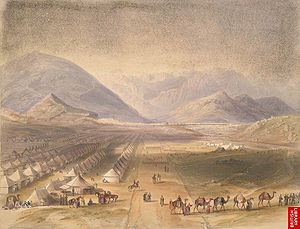
After leaving the Waziristan districts in Pakistan, the alignment comes to Ghazni in Afghanistan.

It is stategically located on the main Highway 1 between Kabul and Kandahar, which has served as the main road between those two cities for thousands of years.

Ghazni is an ancient city with a rich heritage.

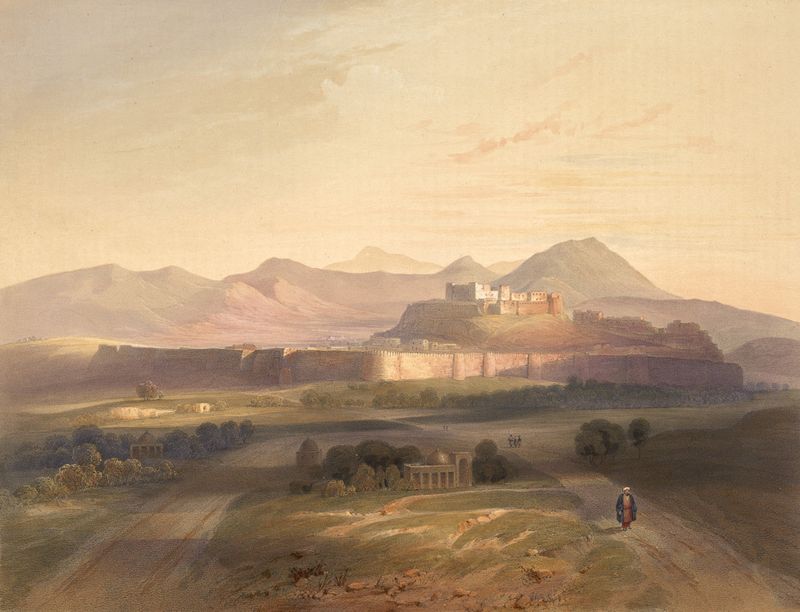
The Ghazni Citadel was said to have been built in the 13th-century to form a walled city.

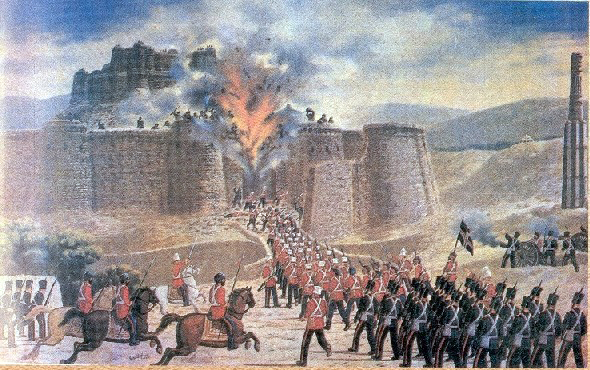
This is a lithograph painting of the Ghazni Citadel in 1839 by James Rattray, a soldier and artist serving in Afghanistan in the 1st Afghan War of the same period as an officer of the 2nd Grenadiers of the Bengal Army.

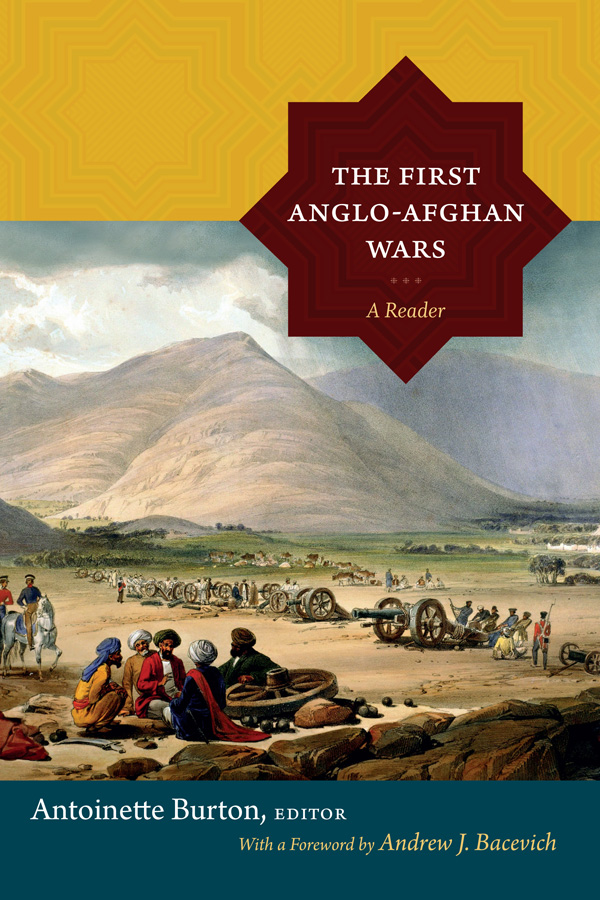
The First Anglo-Afghan War was fought for three years between the British East India Company and the Emirate of Afghanistan starting in 1839, after the British had successfully captured Kabul, and they capitalized on a succession dispute between a current and former Emir there, at which time the British exiled the Emir at the time, Dost Mohammed, and installed the former Emir, Shah Shujah. There’s that 8-pointed star again on this book cover.

The British forces subsequently attacked the Ghazni Citadel in 1839, a battle in which the British claimed victory.

When the main British forces occupying Kabul retreated in January of 1842, they were almost completely annihilated by Afghani tribesmen. In retaliation, the British sent what was called an “Army of Retribution” to Kabul to avenge their defeat and demolished parts of the city, recovered prisoners, and left Afghanistan, with the exiled Emir Dost Mohammed returning from India to Kabul.

Destruction that was done in retaliation for people who were defending their own land from invading foreigners who wanted to take it.

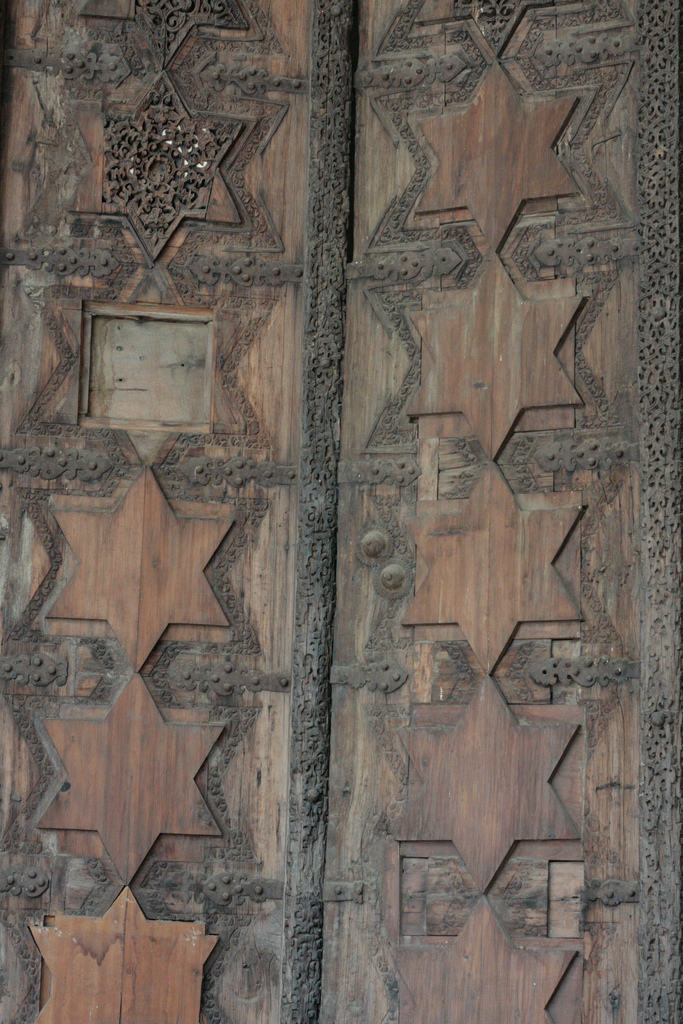
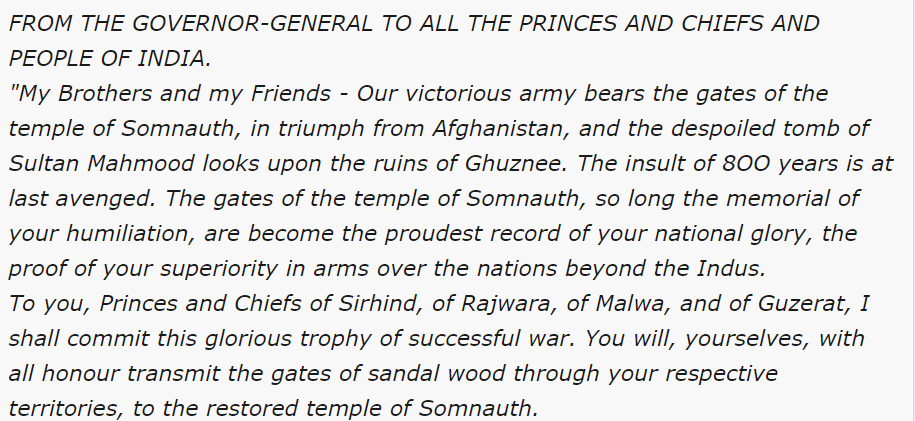
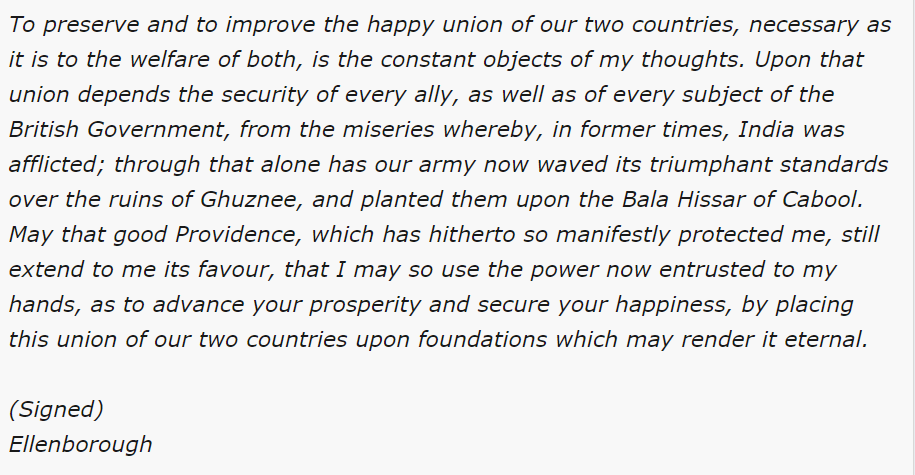
Also at that time, in 1842, Edward Law, the 1st Earl of Ellenborough, and Governor-General of India between 1842 and 1844, issued what was called his famous “Proclamation of the Gates,” in which he ordered the British Army in Afghanistan to return via Ghazni and bring back to India the Sandalwood Gates from the tomb of Mahmud of Ghazni.

They were returned to the Somnath Temple in India, where they had been allegedly taken from by Mahmud 8-centuries previously from Somnath, and for which the British used as justification to the Indians for the destruction of Ghazni .

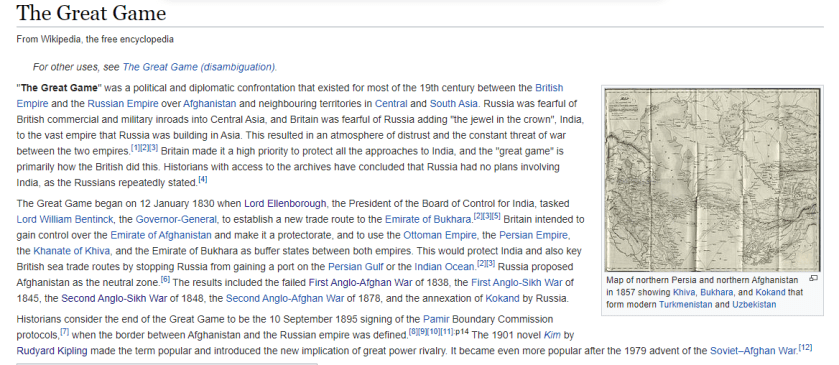
The First Anglo-Afghan War is called one of the first major conflicts of what was called “The Great Game,” the 19th-century competition for power and influence in central Asia between Britain and Russia.

Calling all of that creation of destruction and deviseness “The Great Game” tells me something about what sounds like the ultimately malevolent intent of those behind all of this new empire-building.

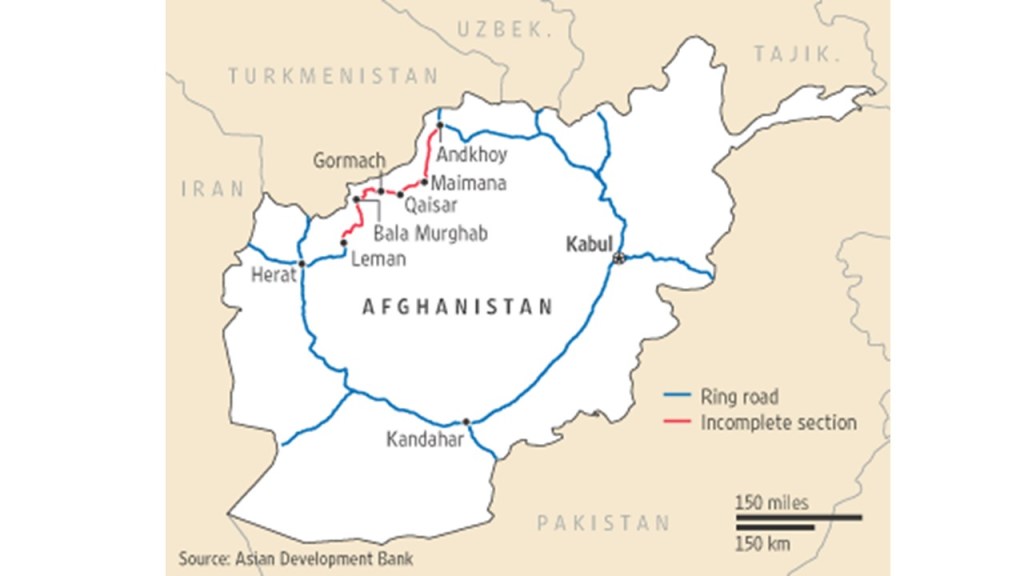
The last place I am going to look on this particular alignment in this post is Herat, the third-largest city in Afghanistan, and linked to Kabul, Ghazni, and Kandahar, and other main cities in Afghanistan, via Highway 1, also known as the “Ring Road.”

It is one of the largest cities in Afghanistan with a population of almost 500,000 people.

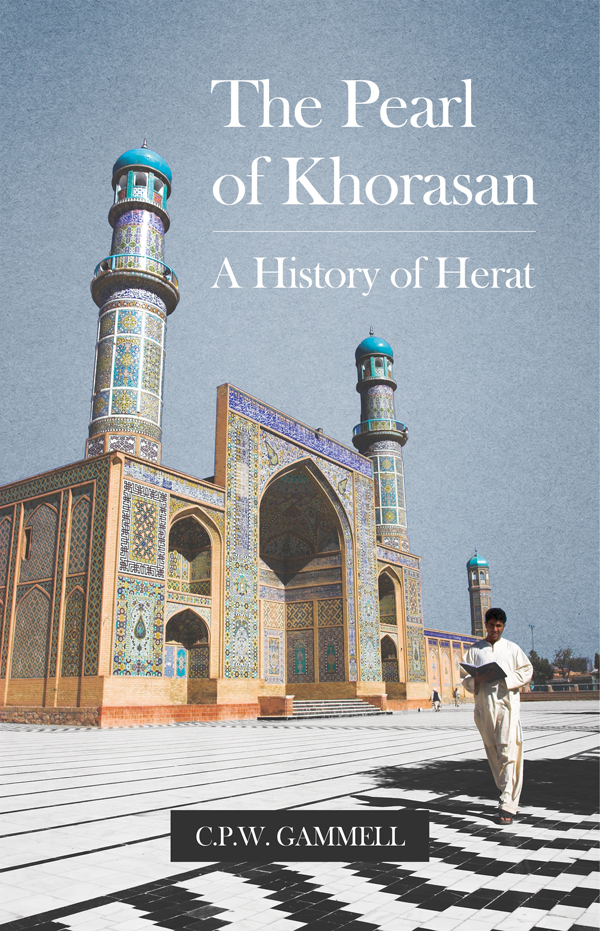
It is located in the fertile Hari River Valley, with a history that goes back thousands of years. In some literature it is referred to as the “Diamond of Asia,” as well as the “Pearl of Khorasan.”

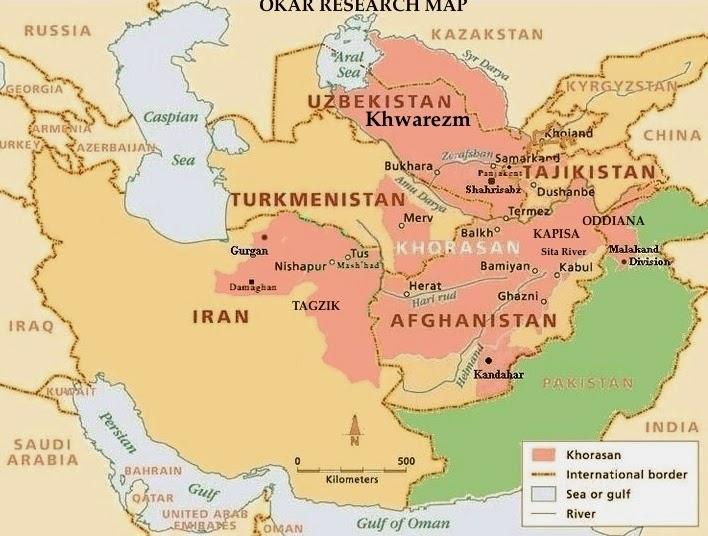
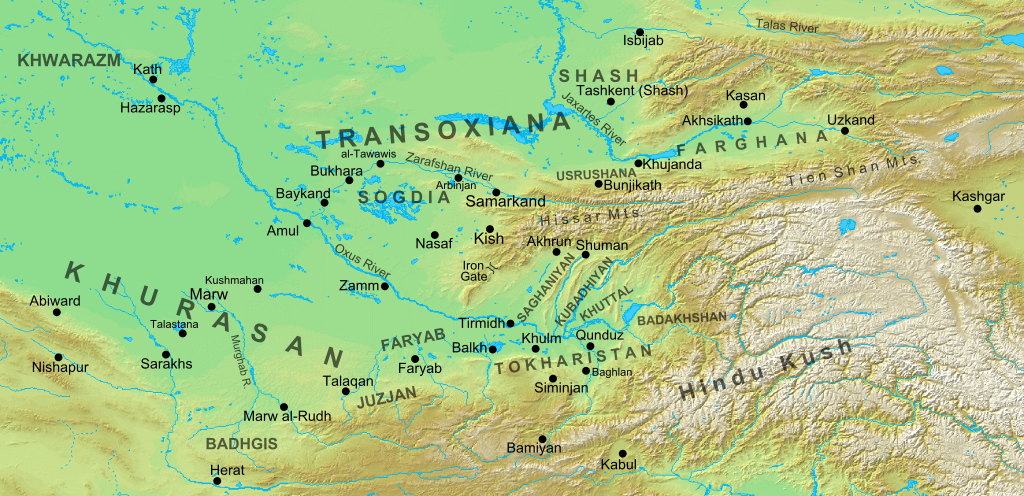
The Khorasan was a historical region that formed the northeast province of Greater Iran, comprising the present territories of northeastern Iran, parts of Afghanistan, and much of Central Asia.

The meaning of Khorasan is said to have signified “Land of the Sun.”

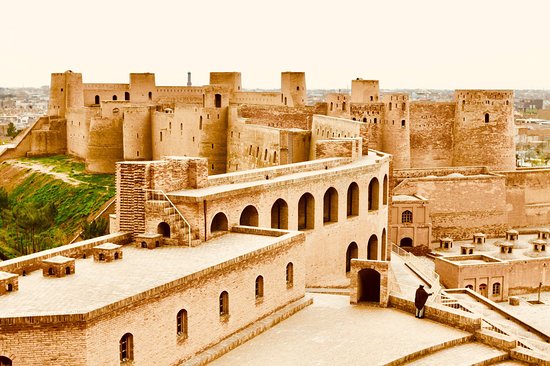
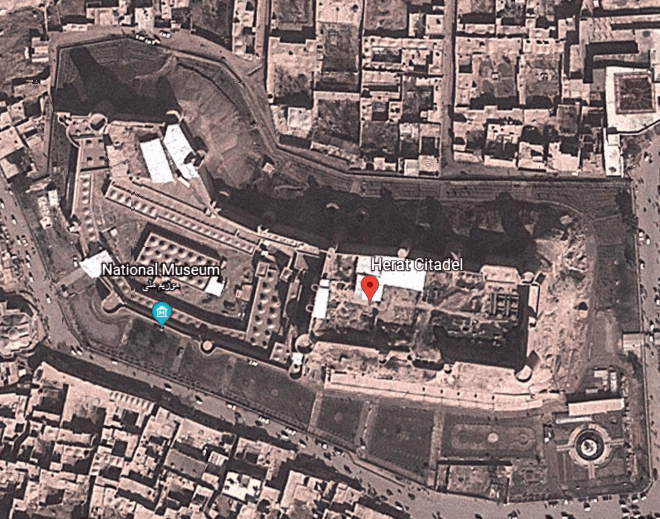
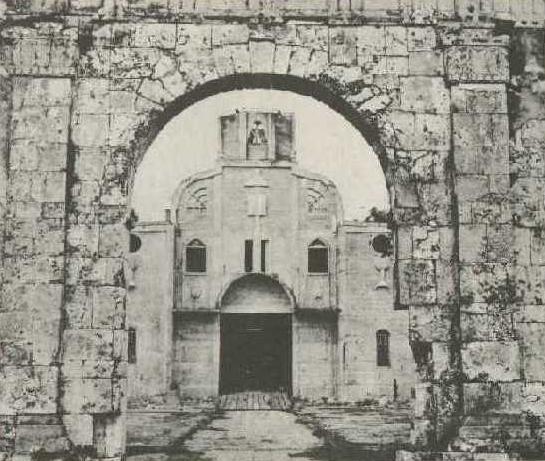
Like so many other places along the alignment, there is also a citadel in Herat. It was said to have been built in 33o BC, when Alexander the Great arrived in Herat after the Battle of Gaugamela, which was close to the city of Dohuk in Iraqi Kurdistan.

It was said to have been saved from demolition in the 1950s, and restored by UNESCO between 1976 and 1979.

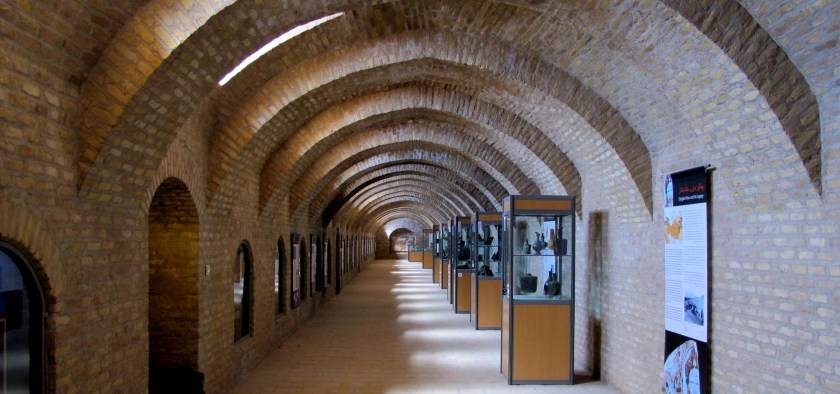
The National Museum of Herat is housed in the lower part of the Citadel.

It was established as a museum in 1925 by order of King Amanullah, one of the kings of modern Afghanistan.

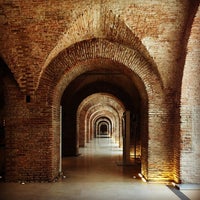
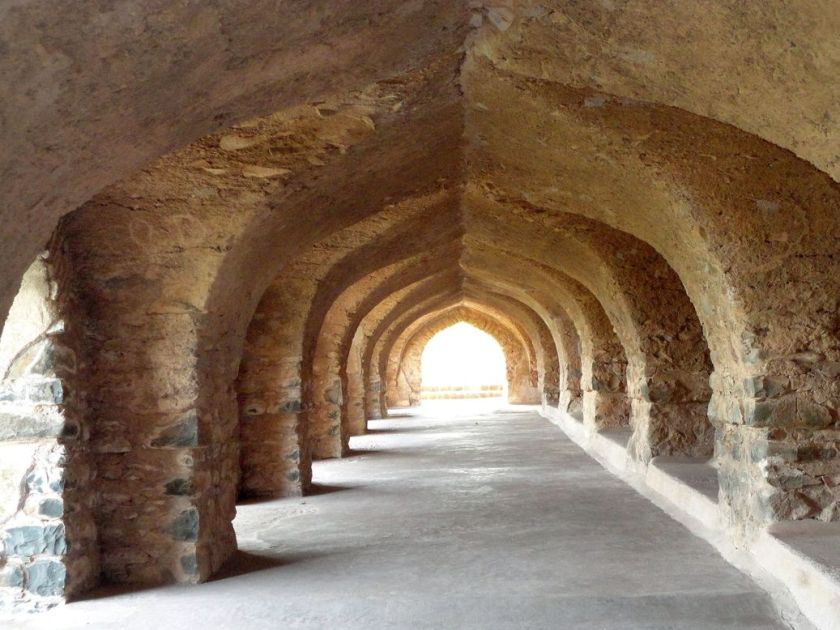
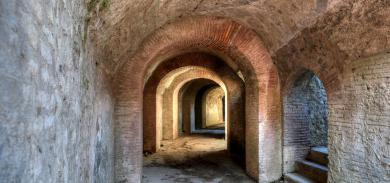
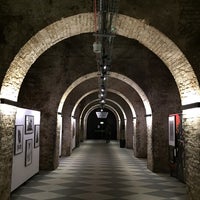
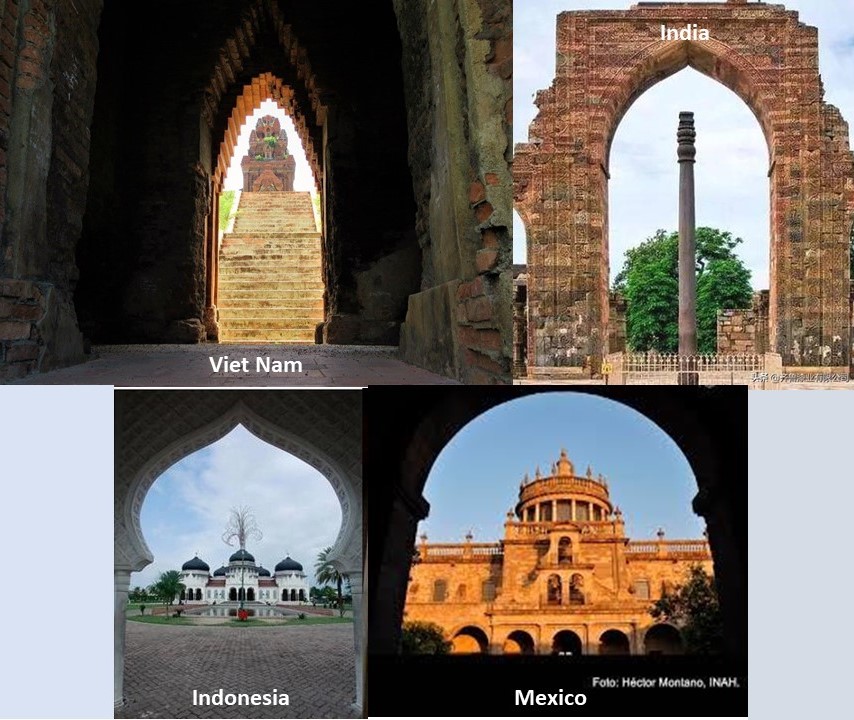
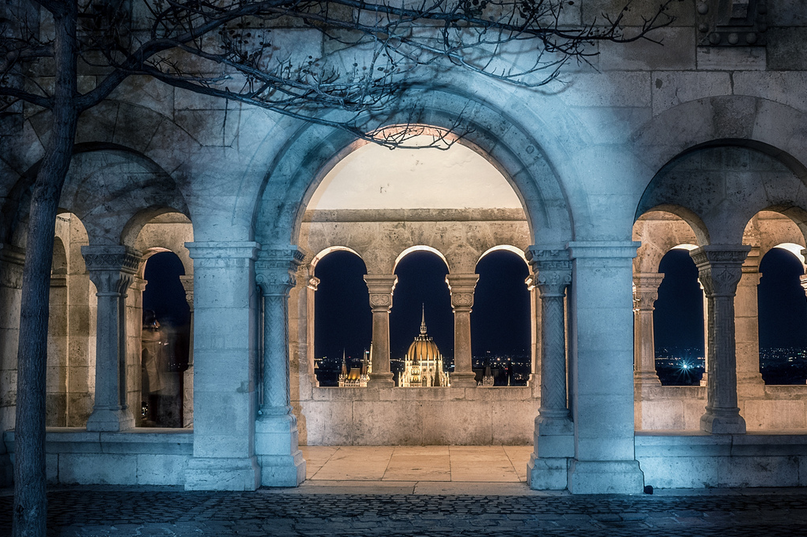
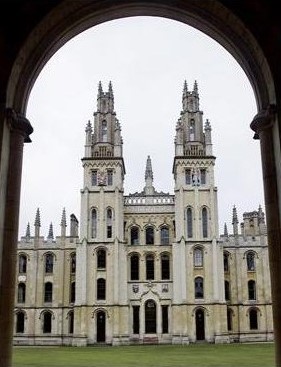
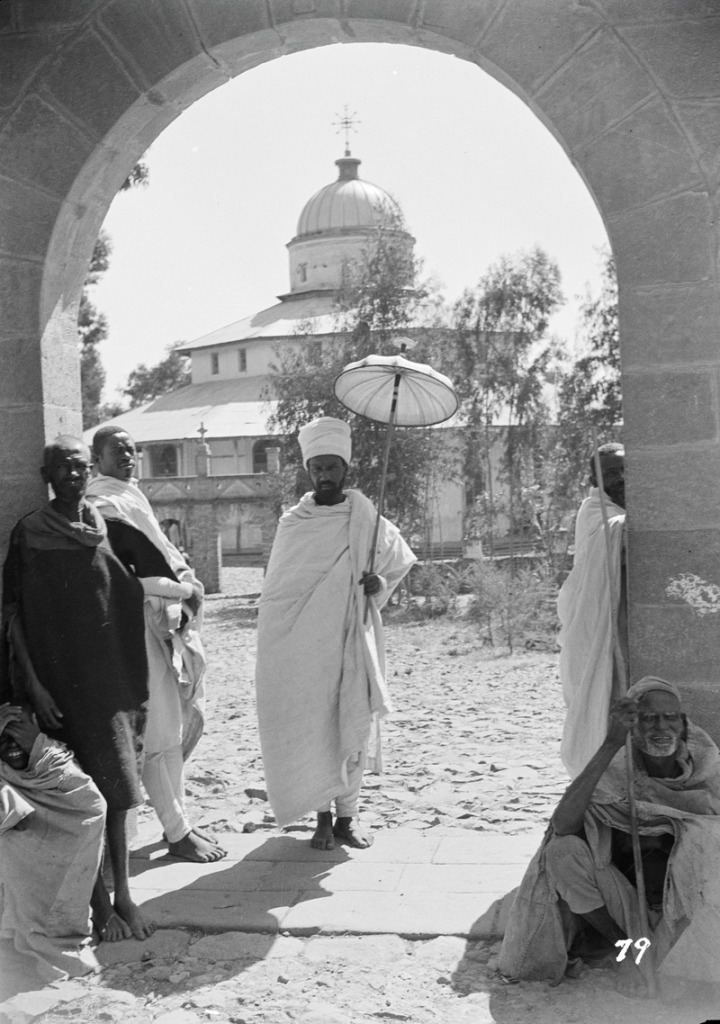
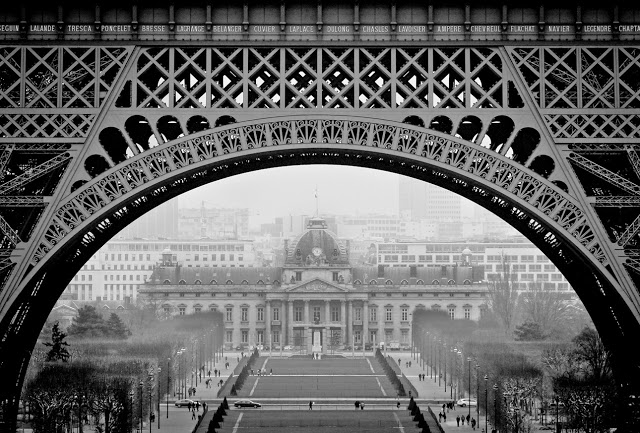
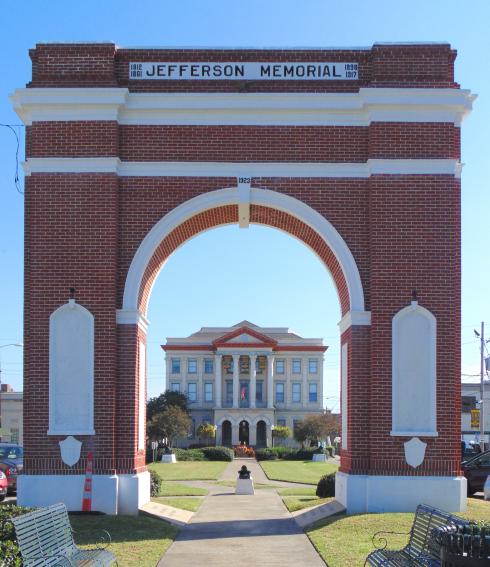
Here are just a few examples of similar brick or stone archways in other places.

The Buenos Aires History Museum in Argentina…

…these archways in Mandu, India…

…this passageway in Pompeii, Italy…

…and the House of Vans Skate Park in the Waterloo District of London.

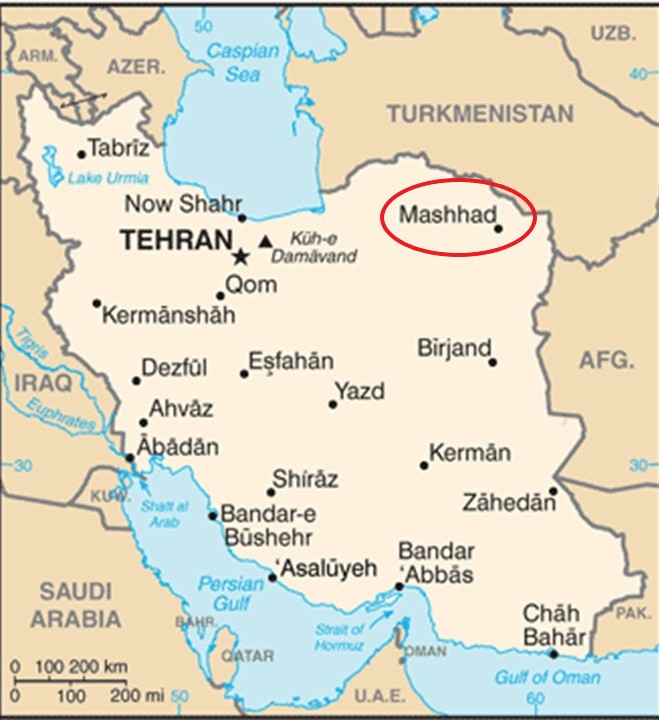
I am going to end this post here, and pick up the alignment in Mashhad in Iran in the next post.

The Relationship between Sacred Geometry, Ley-Lines, and Places in alignment – Part 7 Lahore, Pakistan to Faisalabad, Pakistan

In the last post, I tracked the alignment from Lucknow, the capital of India’s State of Uttar Pradesh, and an important regional center of North India, through Bareilly, also in the State of Uttar Pradesh, and called the Main Gate of the Himalayas, to Amritsar, in northwestern India’s State of Punjab, close to the country’s border with Pakistan.

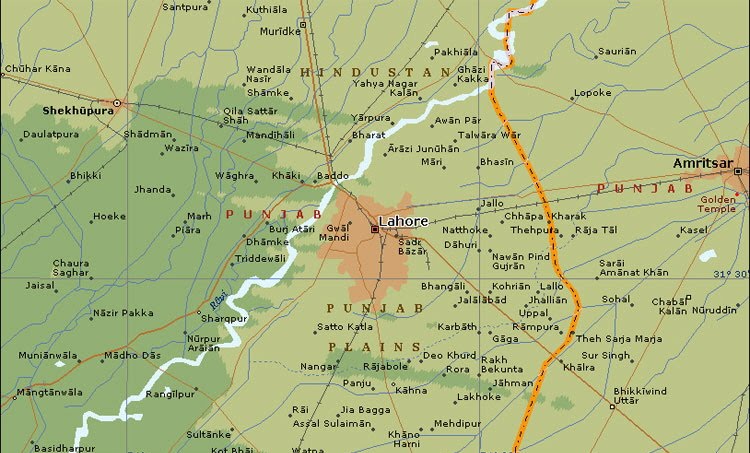
Next on the alignment is Lahore, the capital city of the Punjab Province of Pakistan, and only 51-miles, or 31-Kilometers from Amritsar in India’s Punjab State, and directly connected to each other via the railroad.

The Punjab is a historical region of South Asia, in the northern part of the Indian subcontinent…

…and was the cradle of the ancient Indus Valley Civilization, which was largely in modern Pakistan. More about this shortly.

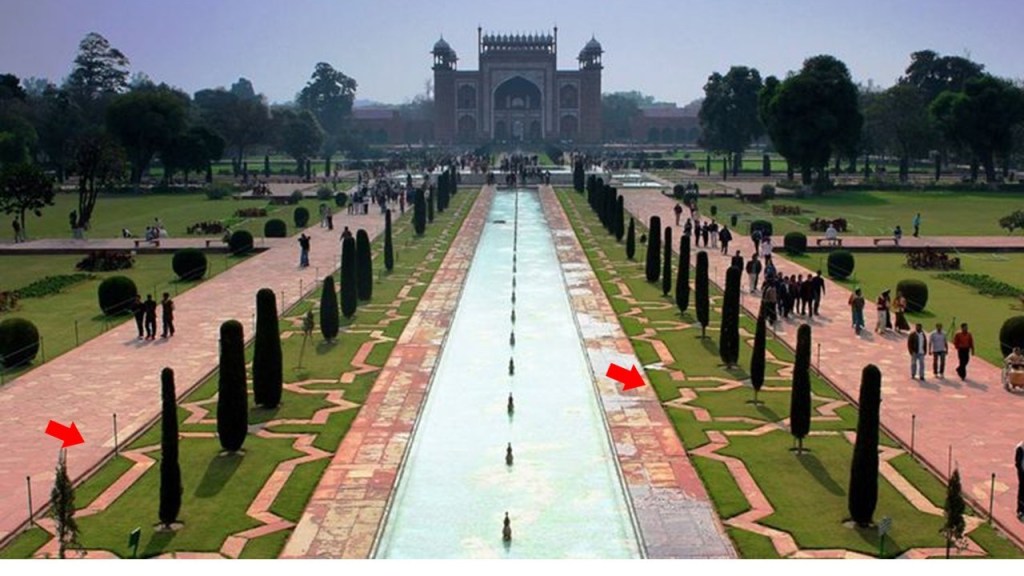
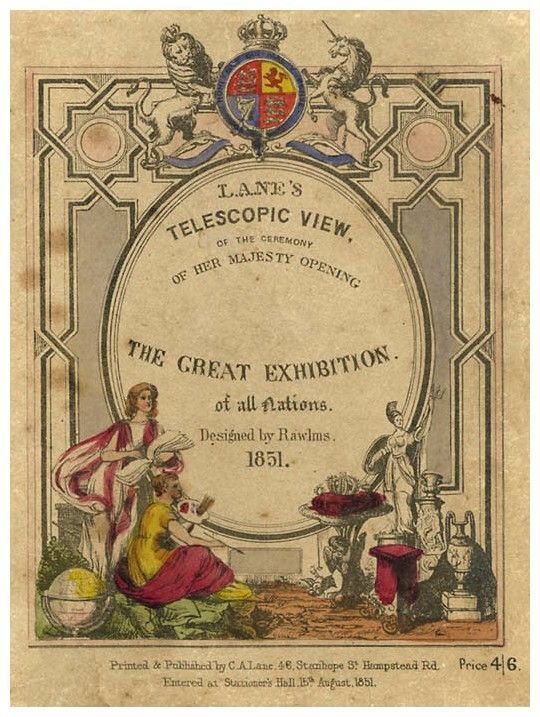
The Great Exhibition of the Works of All Nations, held in the Crystal Palace Exhibition in 1851 was also known as “The Great Shalimar” a reference to the Mughal Garden complex in Lahore…

…where you see the eight-pointed star and similar design-patterns on the Great Exhibition brochure.

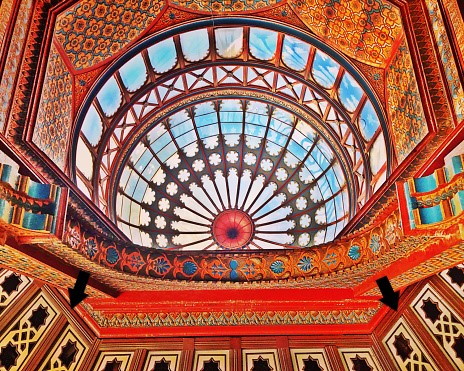
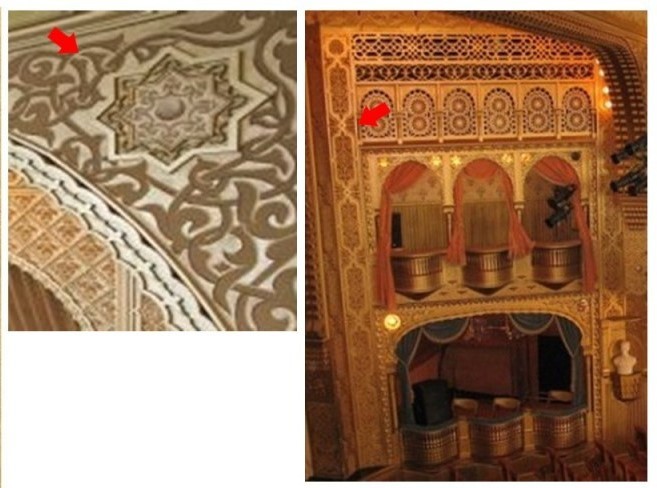
I think these design patterns of eight-pointed stars were significant ones for the ancient advanced civilization, because I find them everywhere, including, but far from being limited to, the Mabel Tainter Theater in Menomonie, Wisconsin.

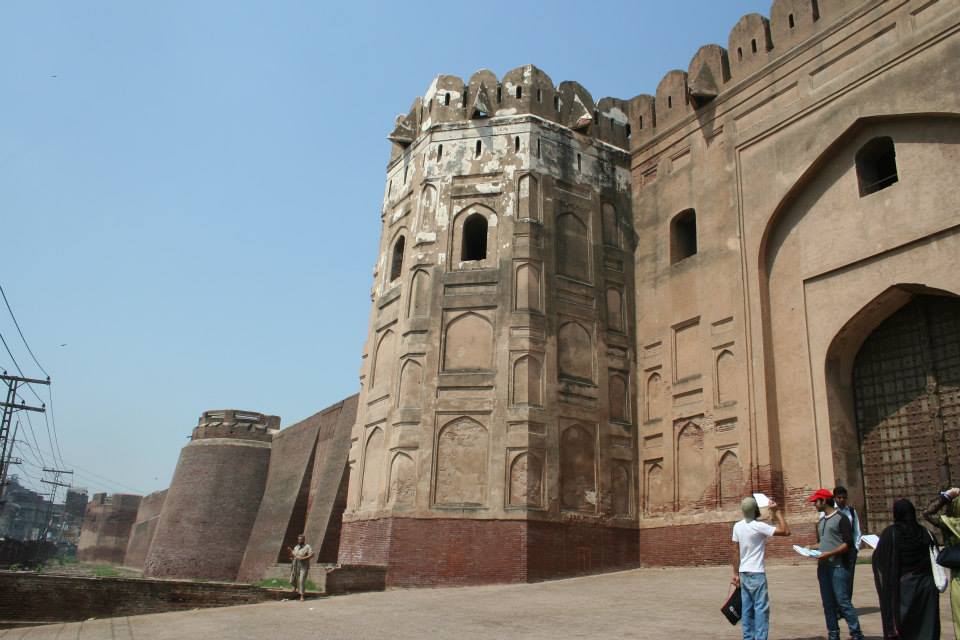
The Shalimar Gardens are located at the Lahore Fort, described as a citadel on the northern end of the Walled City of Lahore.

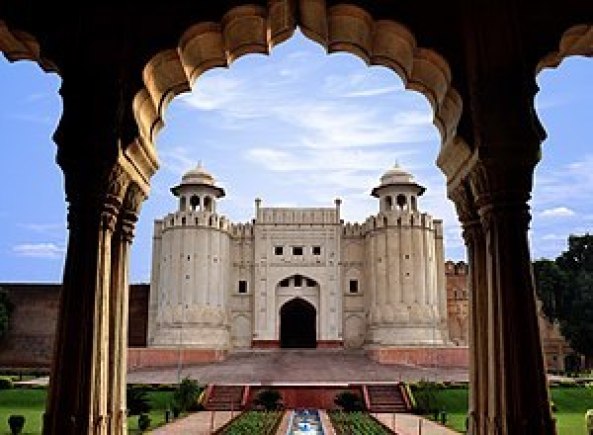
This is a view of the Alamagiri Gate of Lahore Fort…

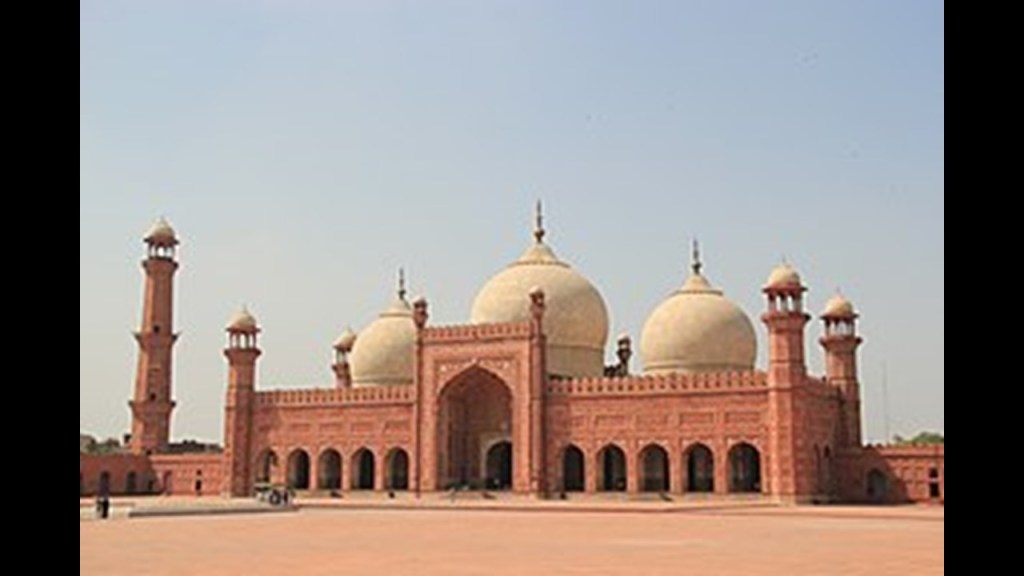
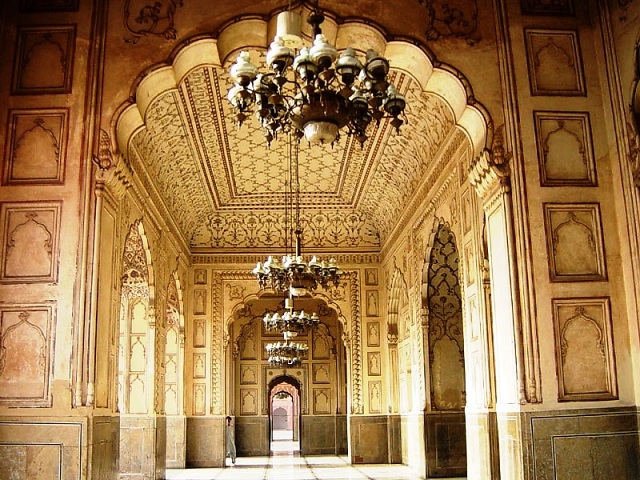
…from the Badshahi Mosque, called an example of Mughal architecture, with its exterior of carved red sandstone and marble inlay.

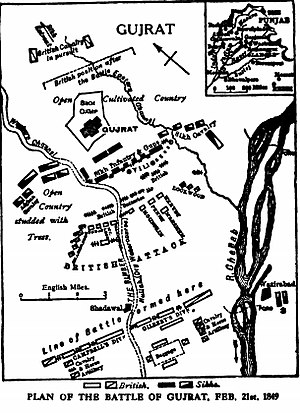
Lahore Fort passed to British Colonialists when they annexed the Punjab region following their victory over the short-lived Sikh Empire, which lasted from 1799 to 1849, and which had replaced the Mughal Empire here, in the Battle of Gujrat in February of 1849.

The Battle of Gujrat was part of the Second Anglo-Sikh War, a military conflict between the Sikhs and the British East India Company that took place in 1848 and 1849.

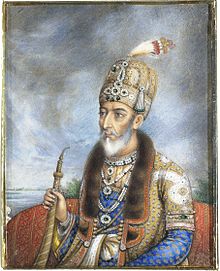
The last Mughal Emperor in India, Bahadur Shah Zafar, was deposed by the British East India Company in 1858, and exiled.

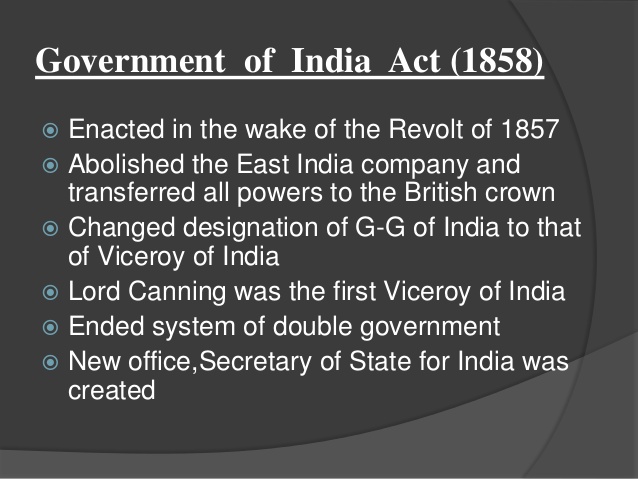
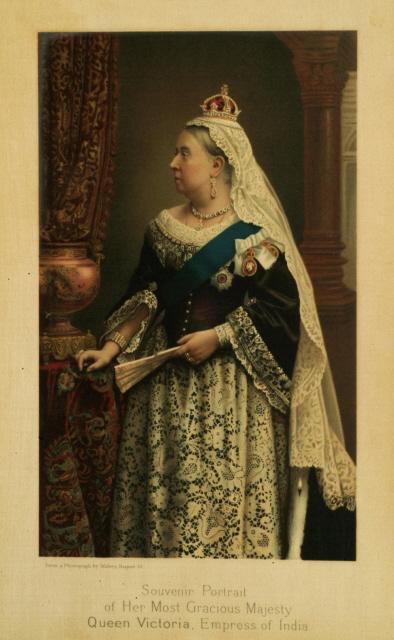
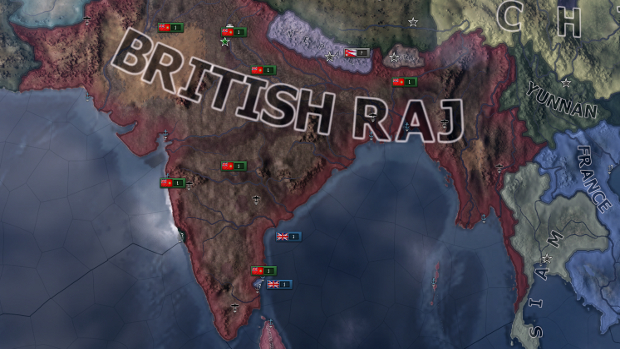
Through the Government of India Act of 1858, the British Crown assumed direct control of the British East India Company-held territories in India in the form of the new British Raj, and in 1876, Queen Victoria assumed the title of Empress of India.

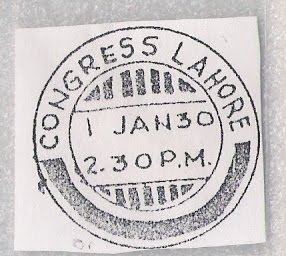
Lahore was central to the independence movement of India, with the city being the site of Lahore Congress and the promulgation of the Declaration of Indian Independence.

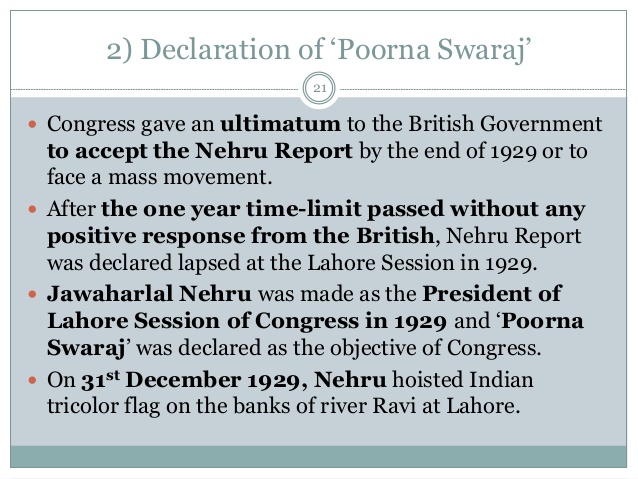
Nehru hoisted the new tri-color flag of India on the banks of the Ravi River in Lahore on December 31st of 1929, resolving the Congress and nationalists to fight for Poorna Swaraj, or self-rule independent of the British Empire.

But when independence from Britain came about, it was definitely not a smooth and harmonious process.

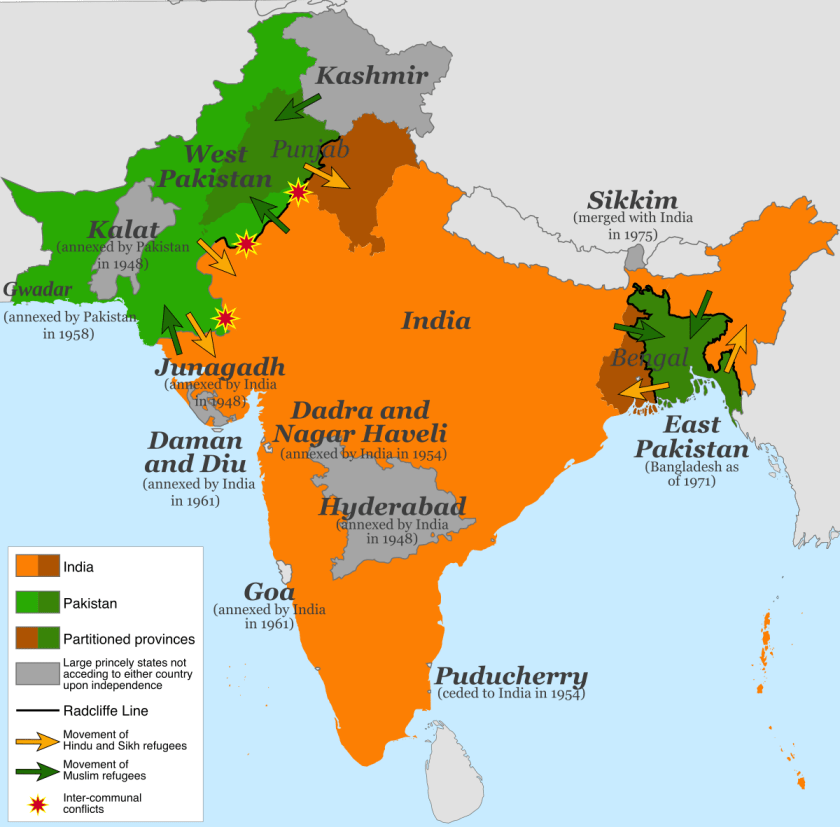
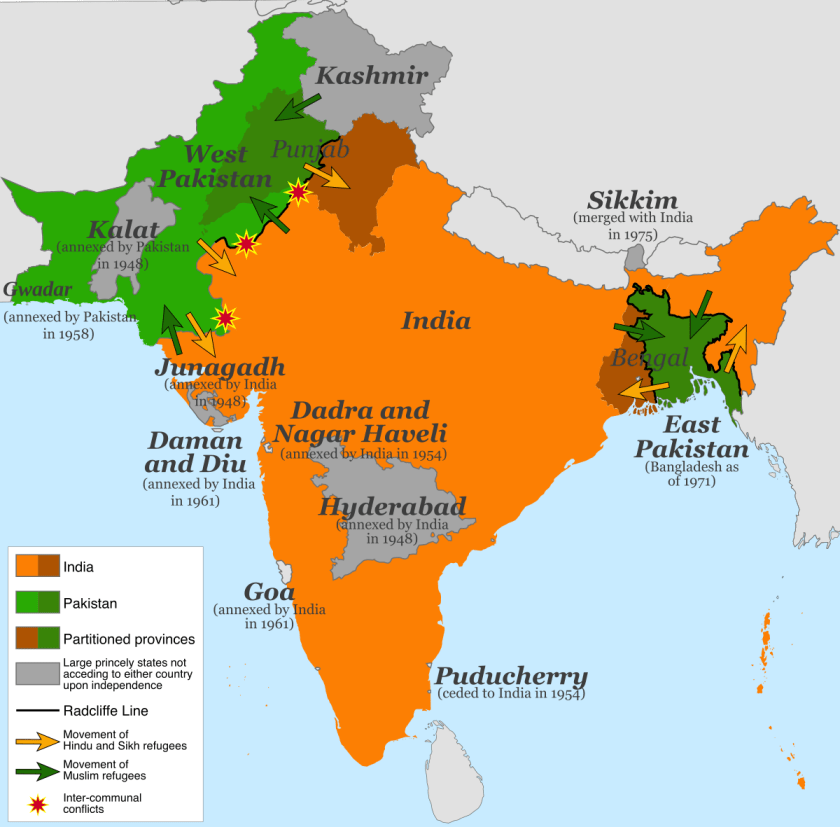
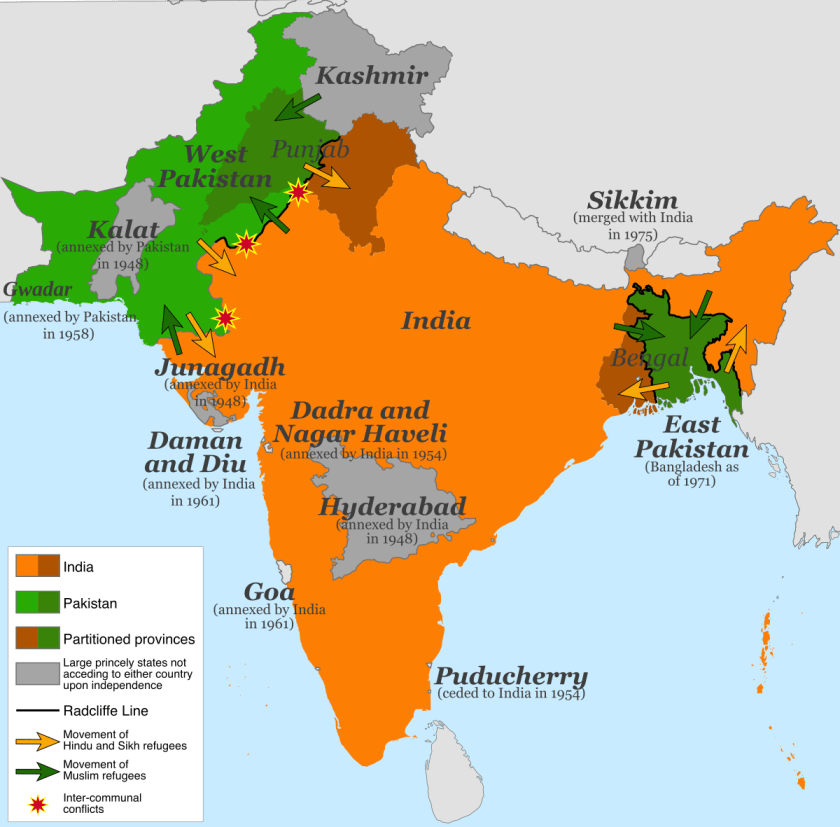
The 1947 Boundary Partition of what was British India into two independent dominion states – the Union of India and the Dominion of Pakistan. Today they are called the Republic of India and the Islamic Republic of Pakistan.

It involved the division of two provinces – Punjab and Bengal – based on district-wise non-Muslim or Muslim majorities, and resulted in the dissolution of the British Raj.

The partition displaced 10- to 12-million people along religious lines and created overwhelming refugee crises in the newly constituted dominions, and large-scale violence and deaths.

Why was this even done this way in the first place?

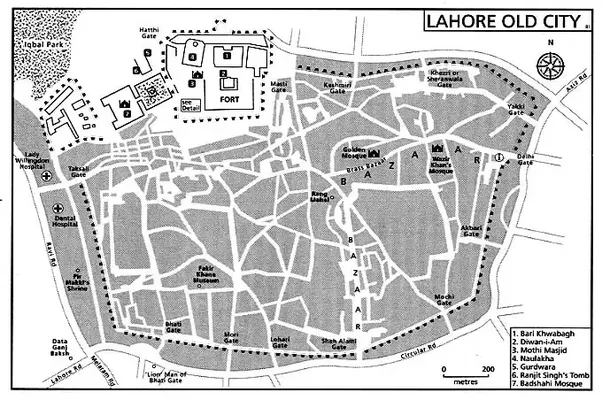
The Walled City of Lahore, also known as the Old City, forms the historic core of Lahore, and was the capital of the Mughal Empire at one time.

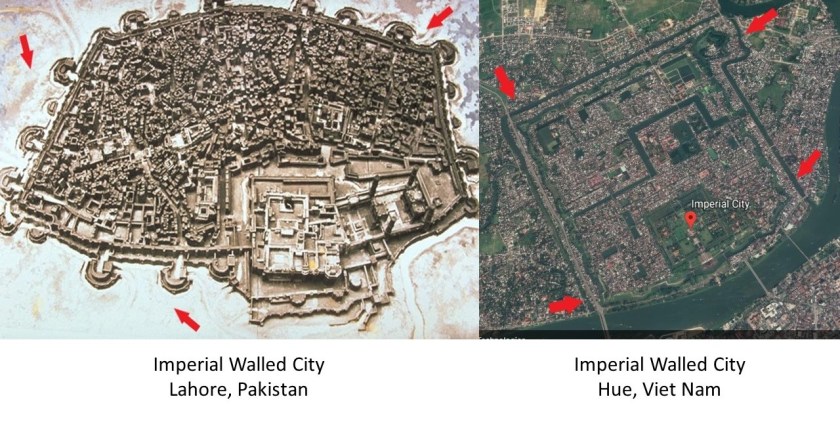
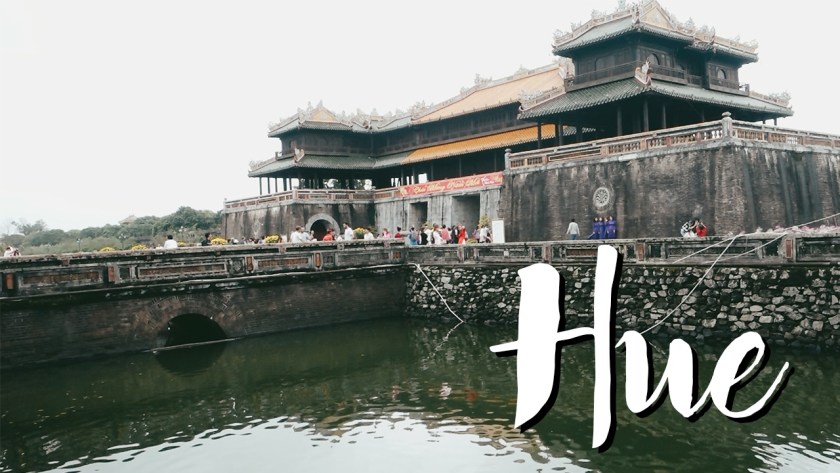
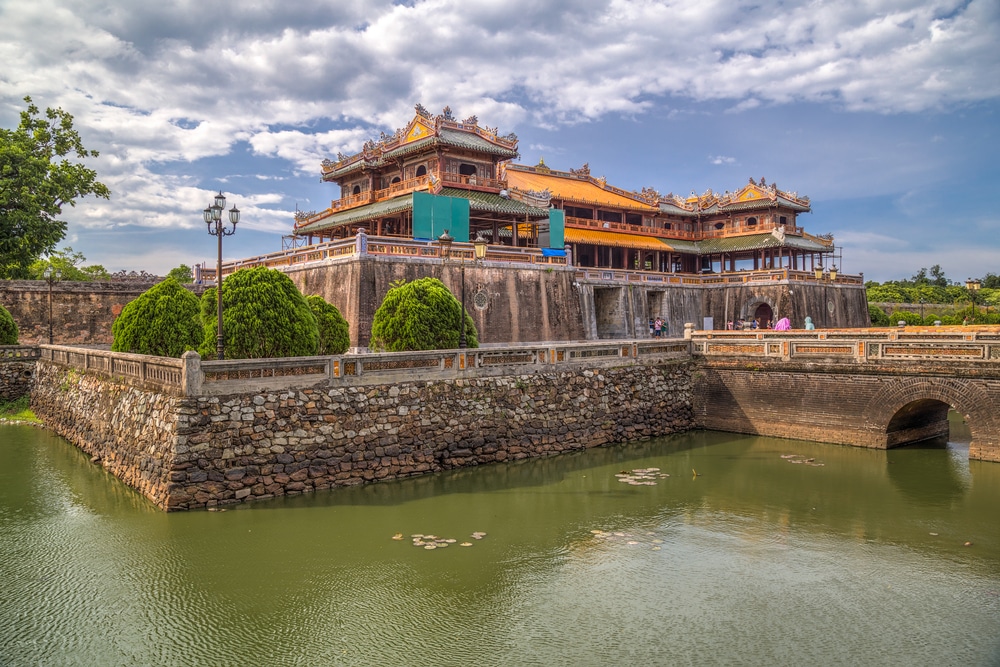
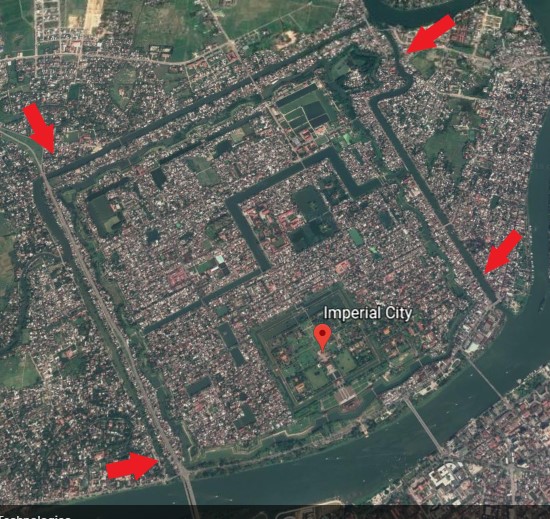
Here’s a view of the Walled City of Lahore on the left showing what looks to be very similar to a star city configuration, like the example of the Imperial City of Hue in Viet Nam on the right.

Here are some sights in the Walled City of Lahore.

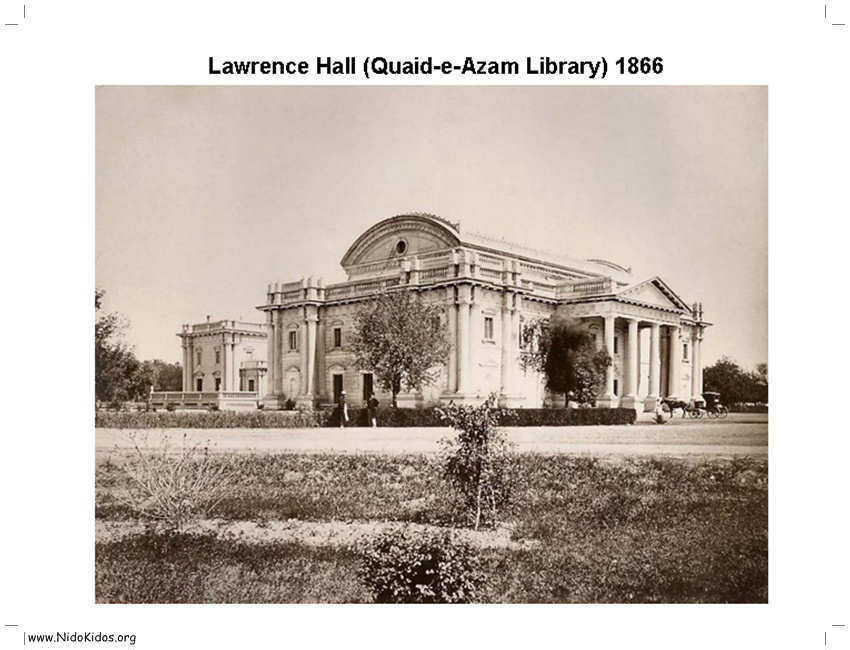
This is Lawrence Hall of what is now the Quaid-e-Azam Public Library in Lahore, said to have been built in the Neoclassical style in 1866 during the time of the British Raj in the Victorian era…

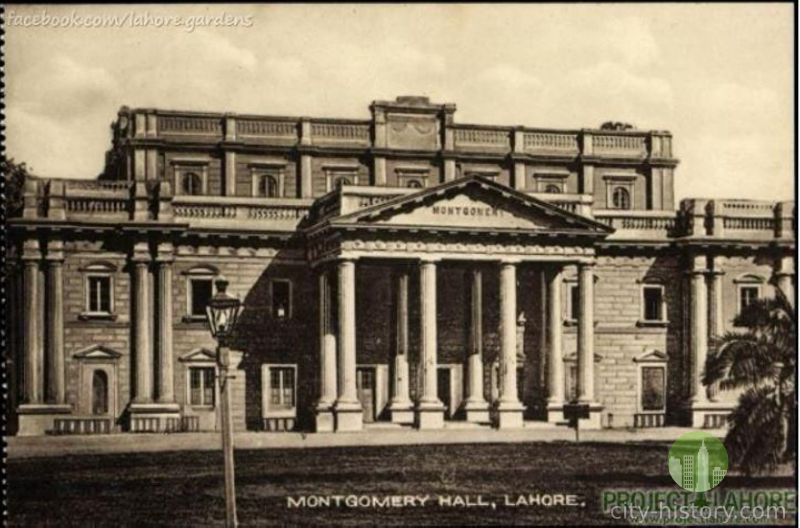
…and Montgomery Hall, part of the same public library complex, and said to have been built in the 1870s…

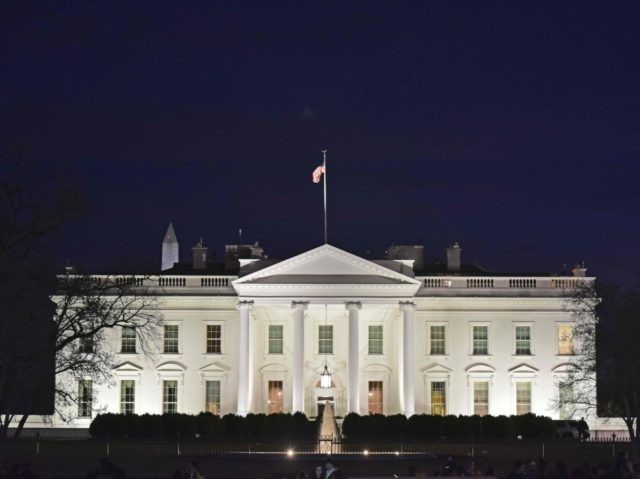
…with the White House in Washington, DC for comparison of appearance with Montgomery Hall in Lahore.

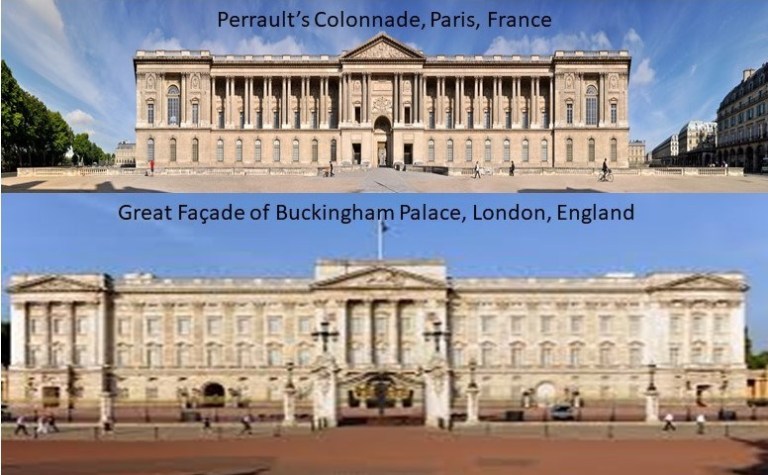
We are told that Neoclassical architecture began in the mid-18th-century in Italy and France, and that its roots date back to the 17th-century when Claude Perrault decided to revive ancient Greek architecture with his design of the east facade of the Louvre in Paris.

This is a comparison of the Colonnade Claude Perrault is famous for having designed on the top as the winner of a competition, said to have been completed between 1667 and 1670, with the Great Facade of Buckingham Palace, with the design attributed to British Antiquarian draftsman Edward Blore in 1847, and completed in 1850, on the bottom.

How could they have built massive architecture like this during a time of low technology according the history we have been taught? We can’t even build like this now.

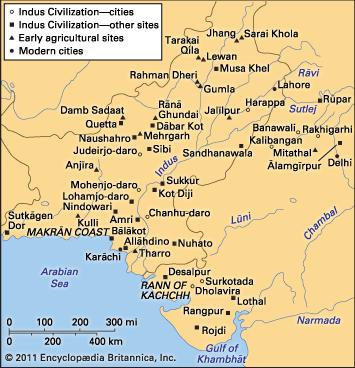
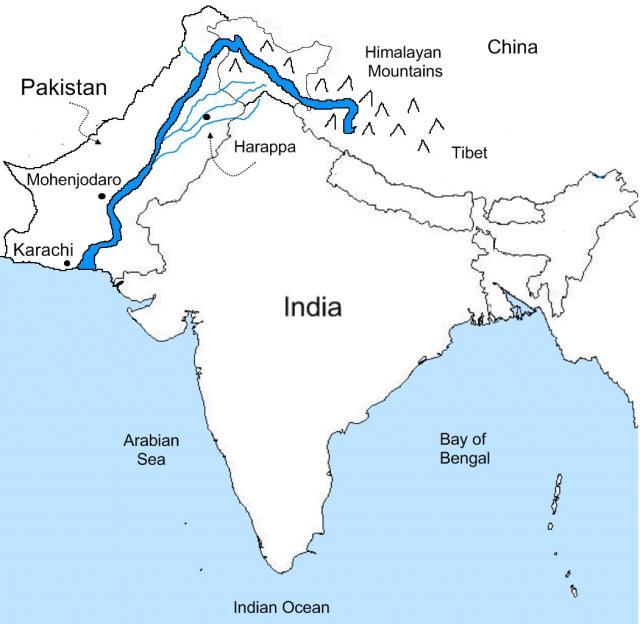
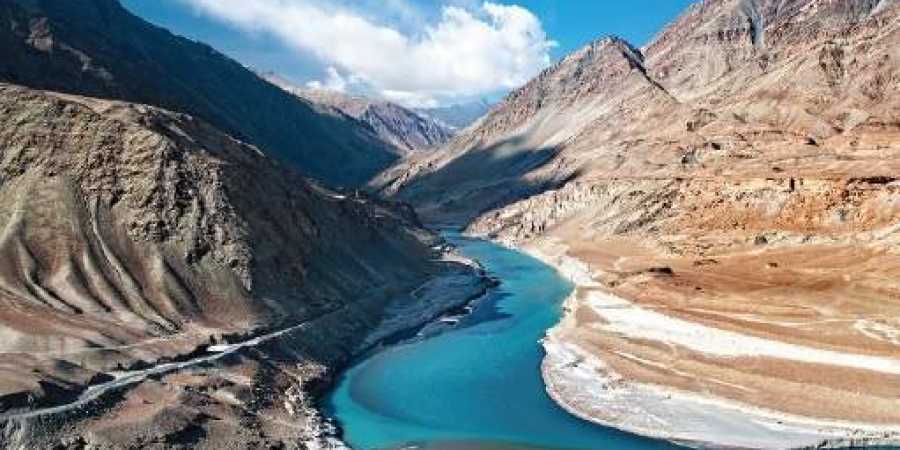
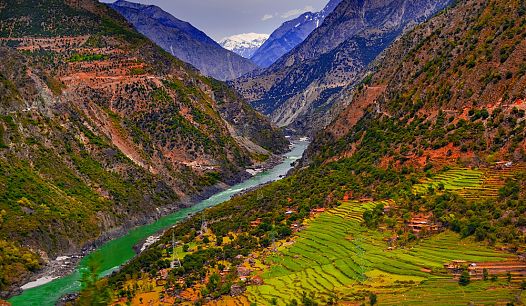
The Indus Valley Civilization flourished in the basins of the Indus River, which originates on the Tibetan Plateau near Mount Kailash, and ultimately flows along the entire length of Pakistan to the Arabian Sea.
There is terrace-farming along the Indus River as well.

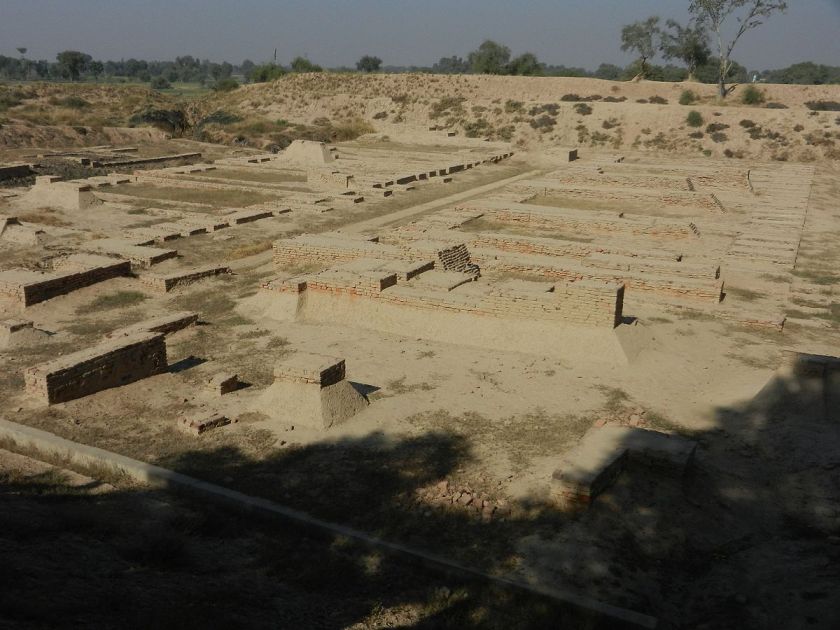
The ancient civilization that flourished here was also known as the Harappan Civilization, after Harappa considered the type, or model, site of the civilization.

Harappa is on the Ravi River, southwest of Lahore.

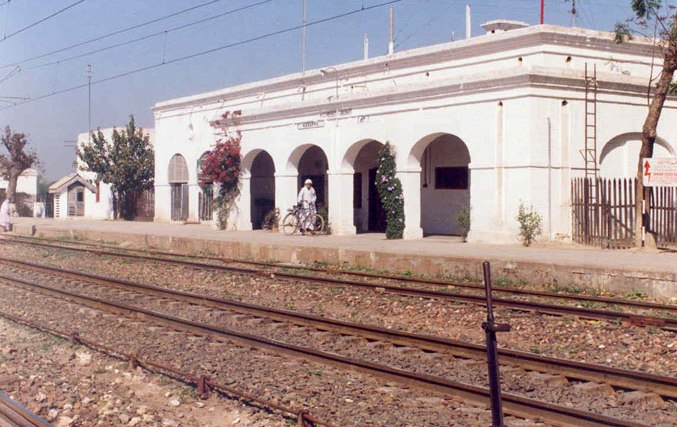
There is said to be a legacy railroad station in the modern village of Harappa, dating from the British Raj…

…on the Lahore-Multan Railway, construction of which was said to have begun in 1855.

I don’t believe this is truth.

I have come to believe for numerous reasons that all transportation infrastructure was built by the ancient advanced civilization, including rail- and canal-systems, and not by the people we are told built it. They are all integrated, massive engineering projects, and the same around the world.

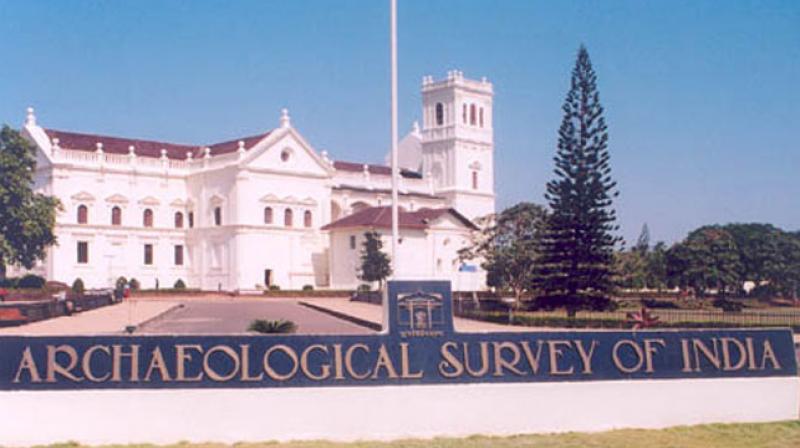
The discovery of Harappa, and soon afterwards Mohenjo-Daro, was said to be the culmination of work beginning in 1861, with the founding of the Archeological Survey of India during the British Raj.

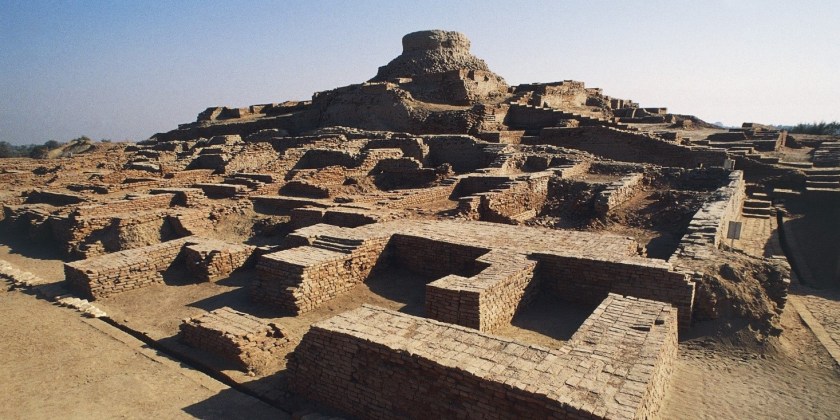
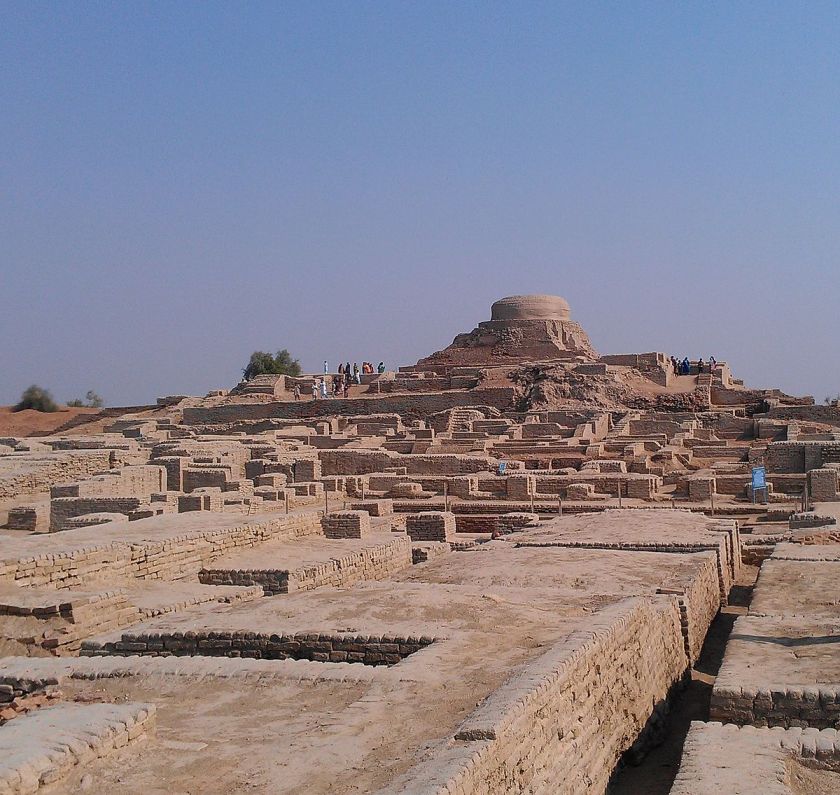
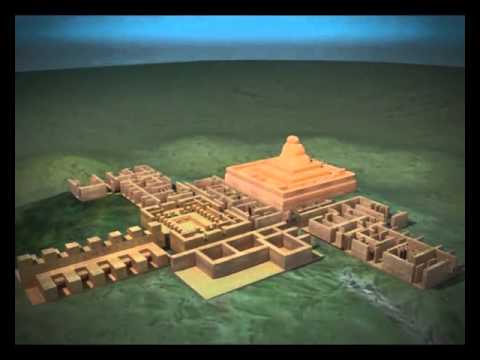
Mohenjo-Daro was one of the largest cities of the ancient Harappan civilization of the Indus River Valley, and is a UNESCO World Heritage site, said to have been built starting in 2500 BC and one of the world’s earliest major cities.

Here’s the thing about the cities of the Harappan Civilization.

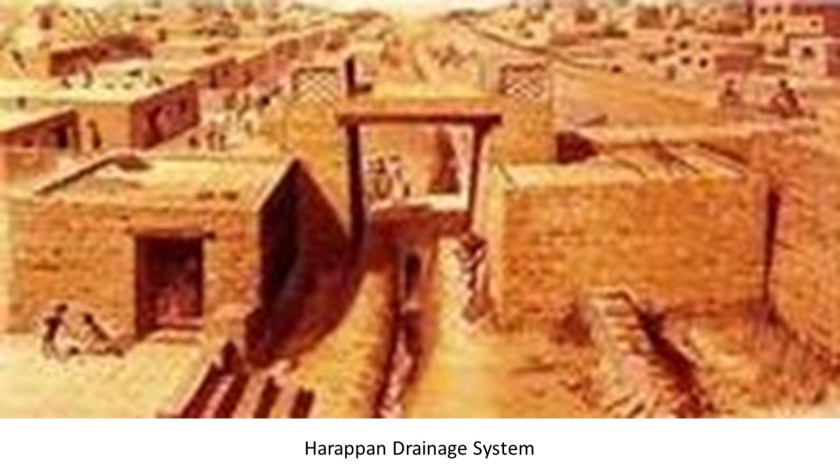
They were known for their urban-planning, baked-brick houses, elaborate drainage systems, water-supply systems, clusters of large, non-residential buildings, and metallurgy. I even read where they even had street-lights, and extremely accurate systems of weights and measures.

Between 3300 and 1300 BC?

Moving along the alignment, Faisalabad is next, the second-largest city in the Punjab Province of Pakistan, after Lahore.

We are told that historically it was one of the first planned cities in British India.

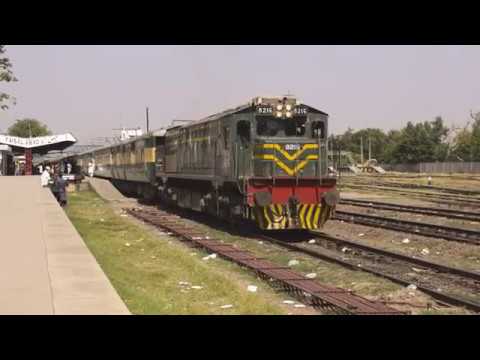
It is a major industrial and distribution center because of its central location in the region, and connecting roads, rail and air transportation…

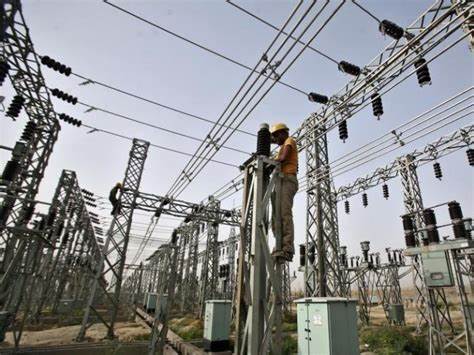
…as well as a major center of industry, with major engineering works, like the Faisalabad steam-powered grid station…

…and mill-works of all kinds.

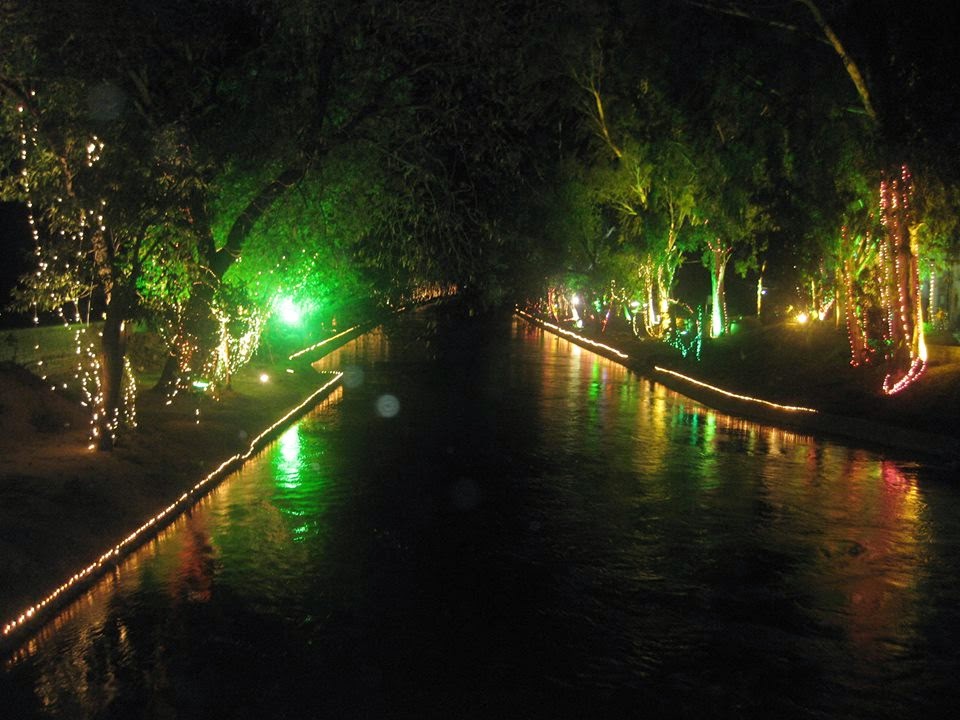
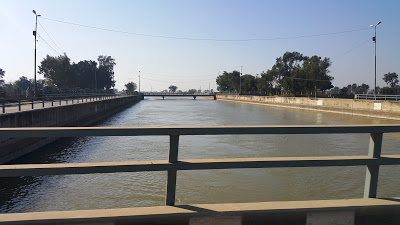
There are canals in Faisalabad.

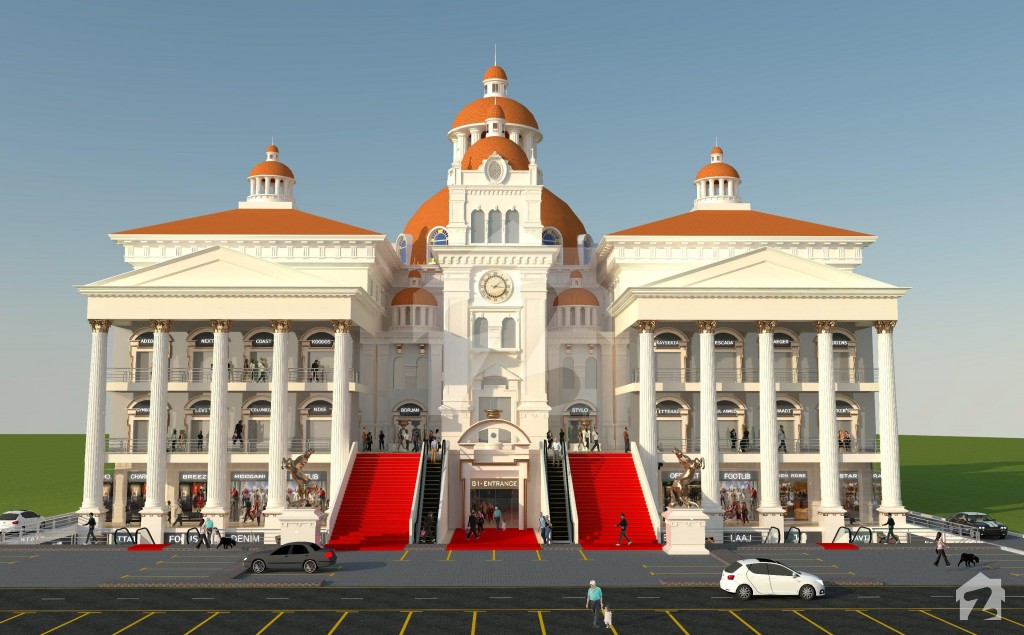
This is the Lyallpur Galleria on East Canal Road in Faisalabad, with its combination ancient Eastern- and Western-looking appearance. Faisalabad was formerly known as Lyallpur.

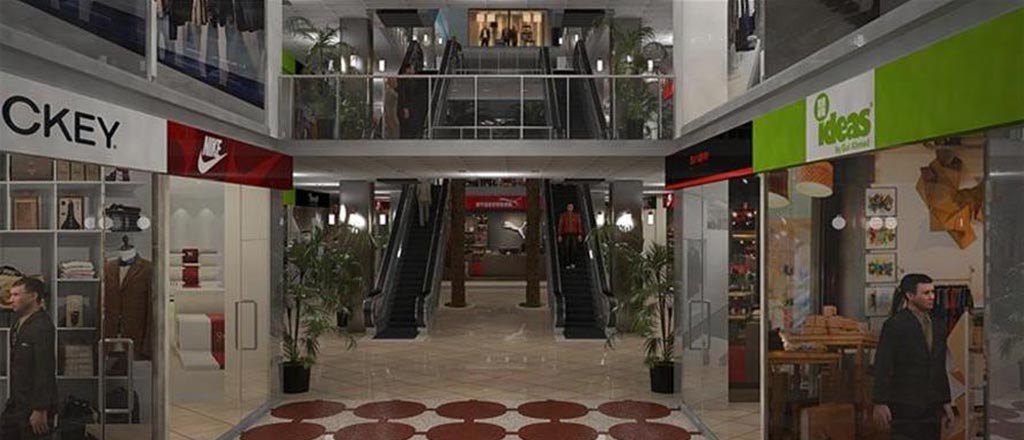
Among many other things, the Galleria is a shopping mall.

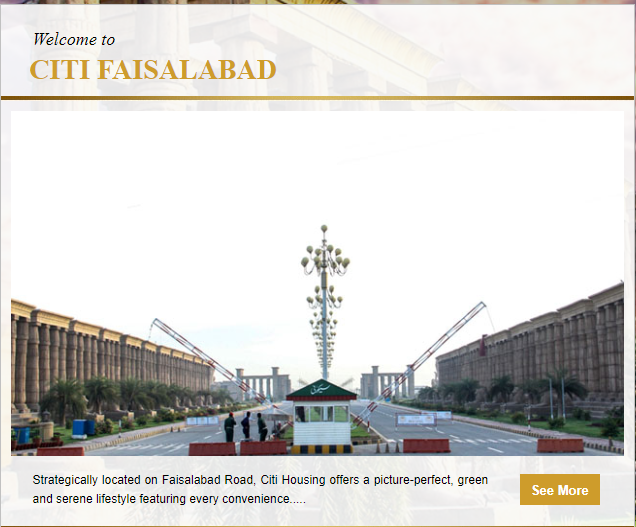
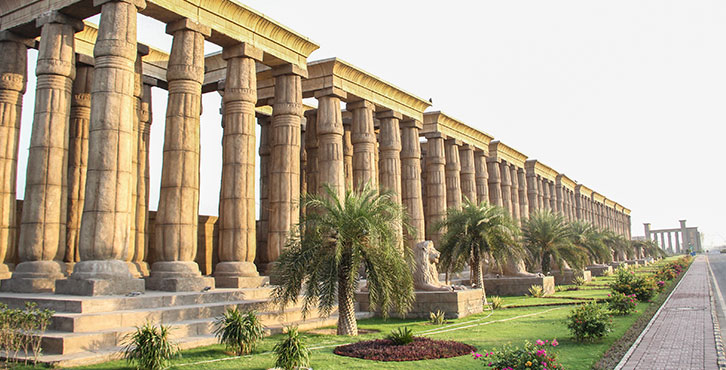
The following pictures are associated with Citi Housing of Faisalabad, described as a high-end housing society with a gold standard lifestyle.

They look more like Ancient Egyptian temple ruins and an archeological site than a residential neighborhood.

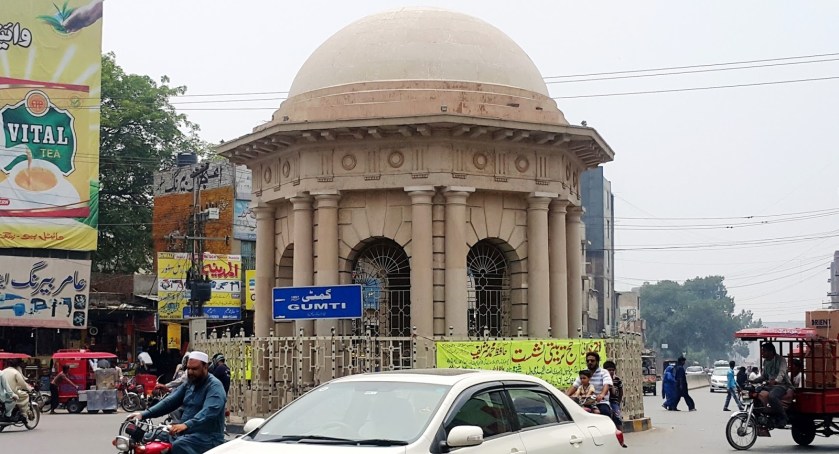
This is called the Gumti Monument in Faisalabad’s Chenab Colony.

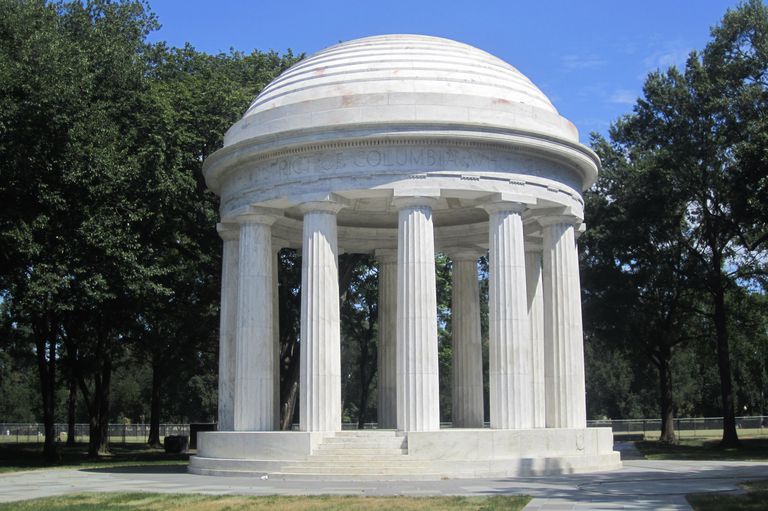
…which has similar characteristics to western infrastructure, like the World War I Memorial said to have been erected in Washington, DC, in 1931, which would have been during the Great Depression.

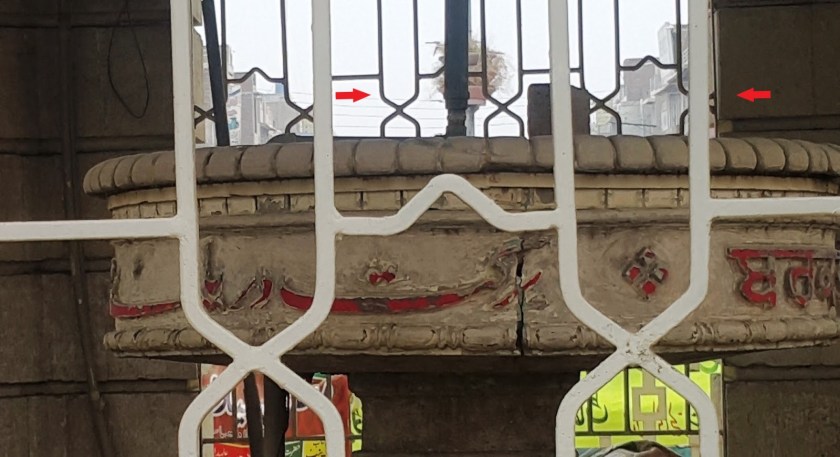
This is a close-up view of the Gumti Memorial, where we find the same two design patterns I highlighted at the beginning of this post – the eight-pointed star and what I am going to call an infinity pattern for lack of a better description.

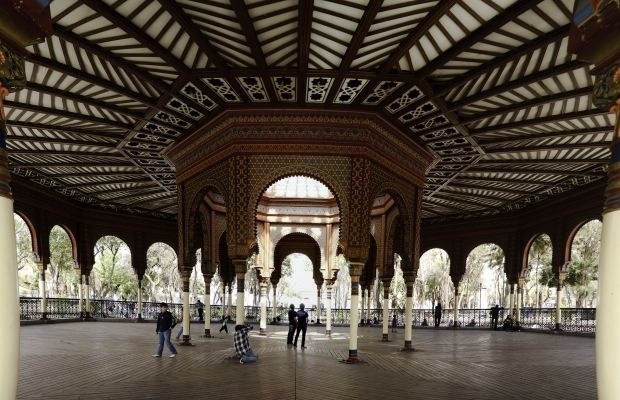
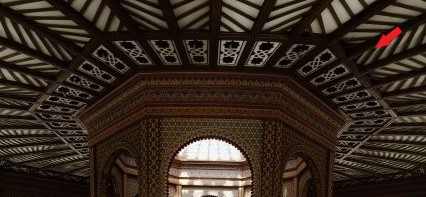
Like I said before, I have found these patterns together in places across countries and continents, like the Moorish Kiosk in Mexico City…

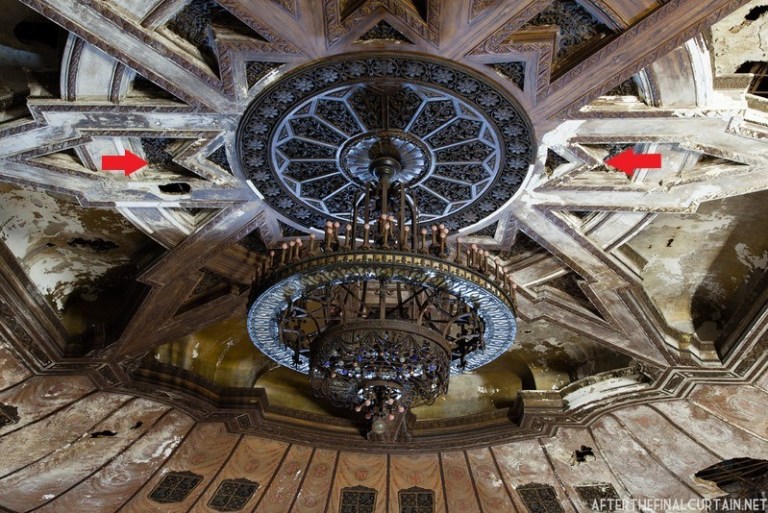
…and eight-pointed stars in the designs of the ceiling above the chandelier of the abandoned Loew’s Theater on Canal Street in Manhattan.

This journey on the alignment through Bangladesh, India, and Pakistan has revealed much about the workings of the British East India Company to create the conditions for the complete downfall of the high Moorish civilization which was here, around the 1850s.

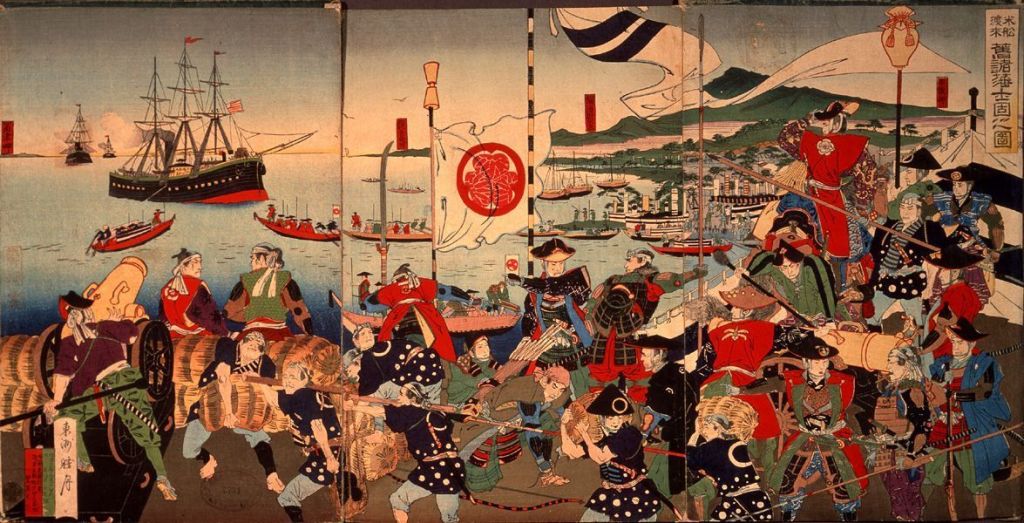
It brings to mind the Opening of Japan, starting on July 8th, 1853, when Commodore Matthew Perry led four U. S. Navy ships ordered by President Millard Fillmore to Tokyo Bay with the mission of forcing the opening of Japanese ports to American trade by any means necessary.

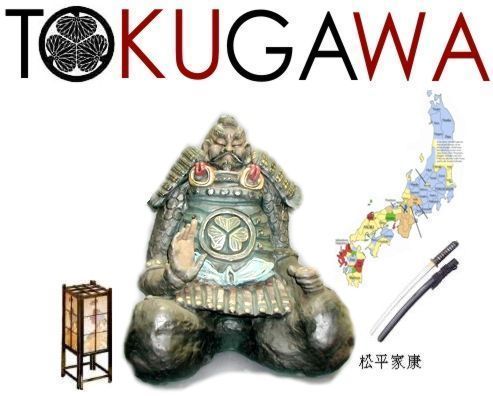
After threatening to burn Tokyo to the ground, he was allowed to land and deliver a letter with United States demands to the Tokugawa Shogun, Ieyoshi.

The Shogun Ieyoshi died a short time after Perry’s departure in July of 1853, leaving effective administration in the hands of the Council of Elders, though nominally to his sickly son, Iesada, who was the Tokugawa Shogun from 1853 to 1858.

The Tokugawa Shogunate is called the last feudal Japanese Military Government…

Perry returned again with eight naval vessels in February of 1854, and on March 31st of 1854, the Japanese Emperor Komei signed the “Japan and United States Treaty of Peace and Amity” at the Convention of Kanagawa under threat of force if the Japanese government did not open the ports of Shimoda and Hakodate to American vessels.

Histories like these in Japan and throughout historical India really make me wonder if there were places that were not affected by the global mud flood, and were quite literally taken by force.

I am going to end this post here, and pick up the alignment in Afghanistan in the next post.

The Relationship between Sacred Geometry, Ley-Lines, and Places in alignment – Part 6 Lucknow, India to Amritsar, India

In the last post, I tracked this alignment from the Ganges Delta in the Bay of Bengal, where it enters the country of Bangladesh, through its capital city of Dhaka, and into India to the Holy City of Varanasi, a spiritual and cultural center for thousands of years.

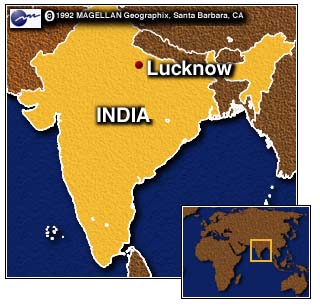
In this post, I am picking up the alignment in Lucknow, the capital of the State of Uttar Pradesh in India.

It is an important center of governance, administration, education, aerospace, commerce, finance, pharmaceuticals, and technology, and a hub of North Indian culture and art.

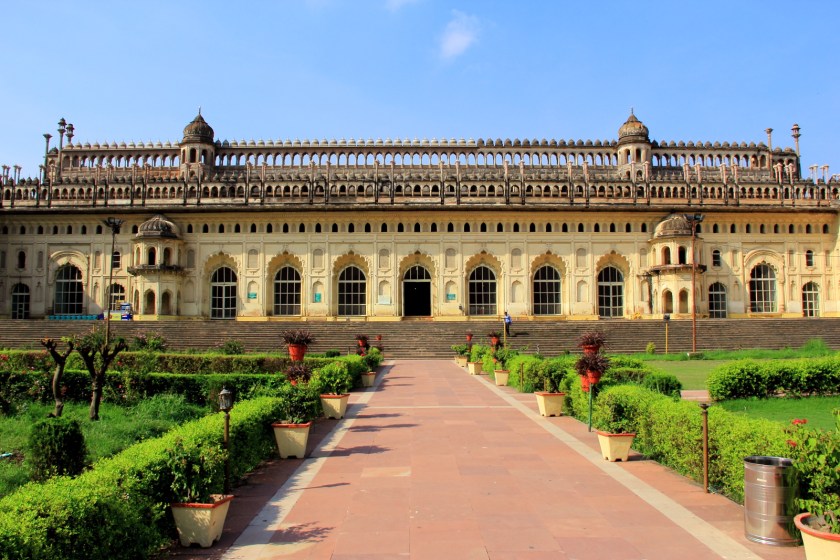
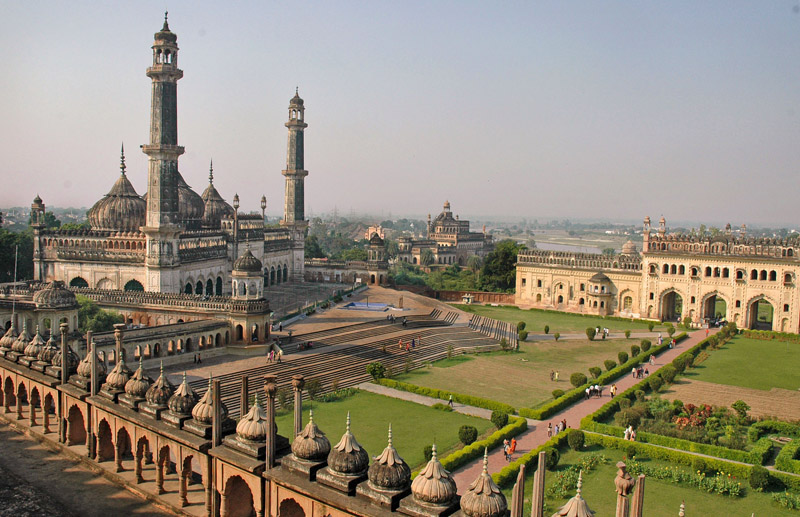
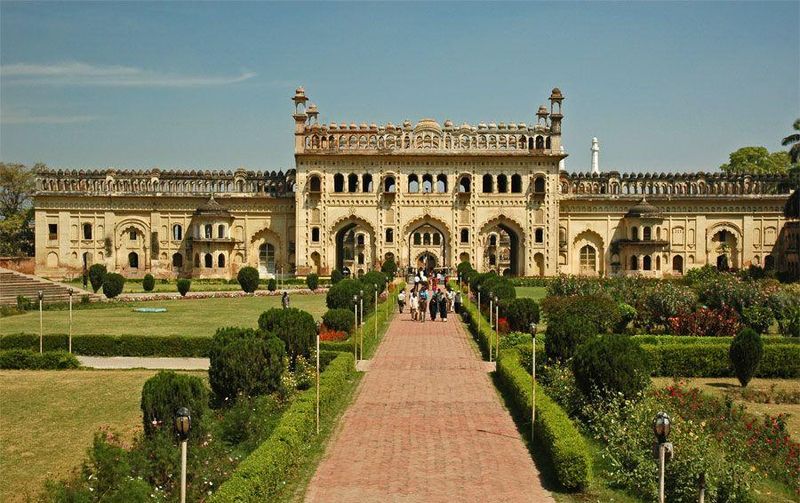
The Bara Imambara complex was said to have been built by the Nawab of Awadh, Asaf-ud-Daula, in 1784.

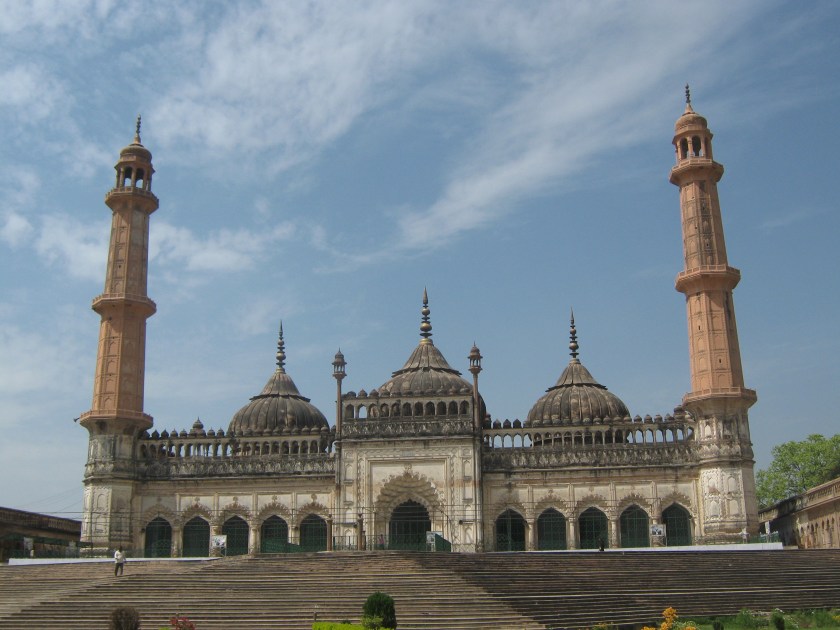
The complex includes the Afsi Mosque…

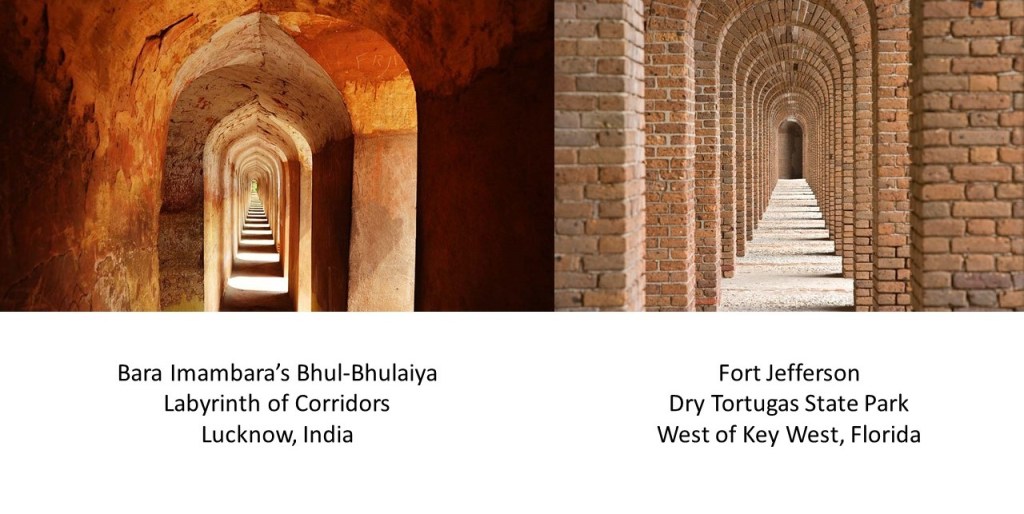
…a labyrinth of approximately 1,000 interconnected corridors and doors called the Bhul-Bhulaiya that circles around the upper part of the Bara Imambara, compared on the right with brick archways having the same geometric effect found at Fort Jefferson, on Dry Tortugas State Park on Garden Key in the furthest west part of the Florida Keys…

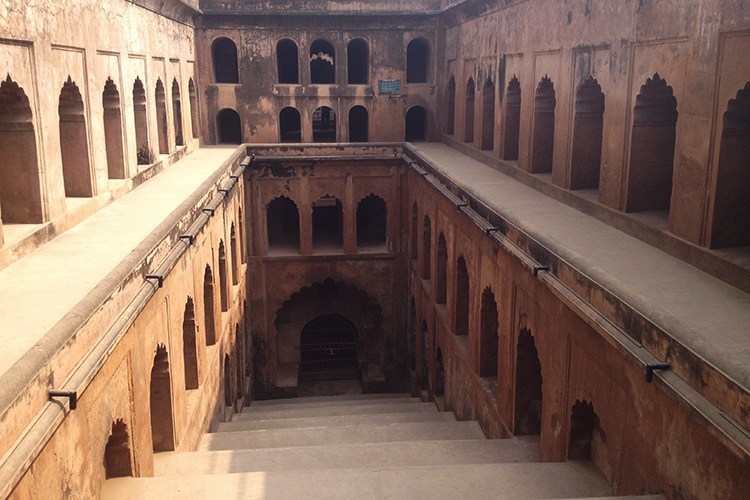
…and the Bowli, a step-well with running water.

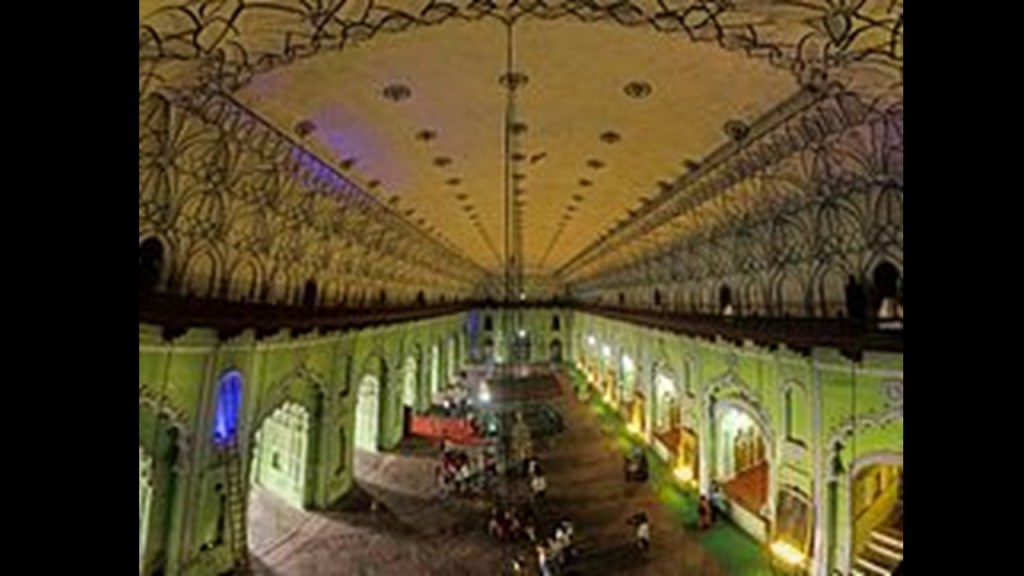
The main chamber of the Imambara, which contains the tomb of Asaf-ud-Daula, consists of a large, vaulted central chamber, which is 50 x 16-meters, or 164 x 52-feet, wide, and over 15-meters, or 50-feet, high, and is one of the largest arch constructions in the world without beams supporting the chamber.

The construction of the Bara Imambara was said to have been conceived of by this Nawab of Awadh to provide employment for people in the region for almost a decade during a time of famine.

I found this story in more than one place. We are consistently told starving, unskilled labor, built this amazing complex.

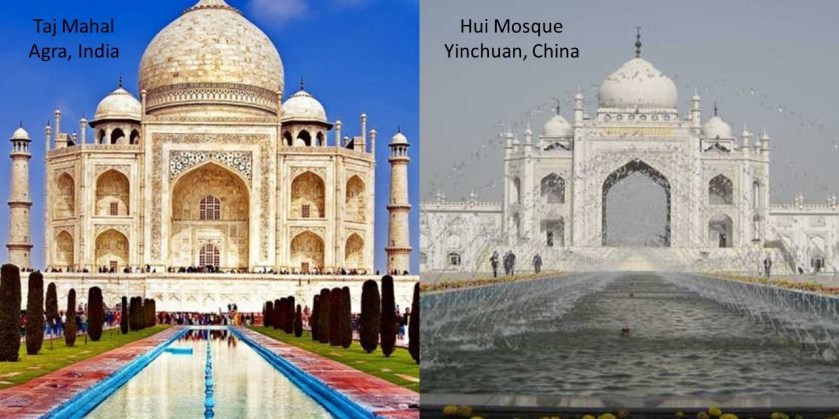
Not only is the architecture of the Bara Imambara in Lucknow colossal and beautiful, there are said to be passages beneath the complex leading to places like Agra 180-miles or 291-kilometers away, where the Taj Mahal is located, and for comparison on the right is the Hui Mosque in Yinchuan, China…

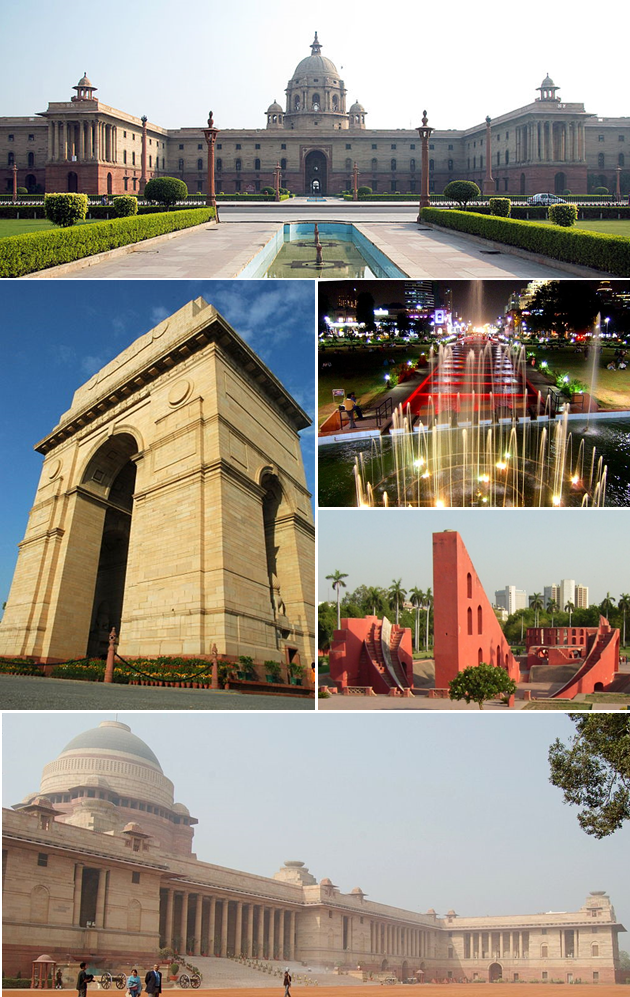
…and to New Delhi, the national capital of India, and 259-miles, or 417-kilometers, from Lucknow.

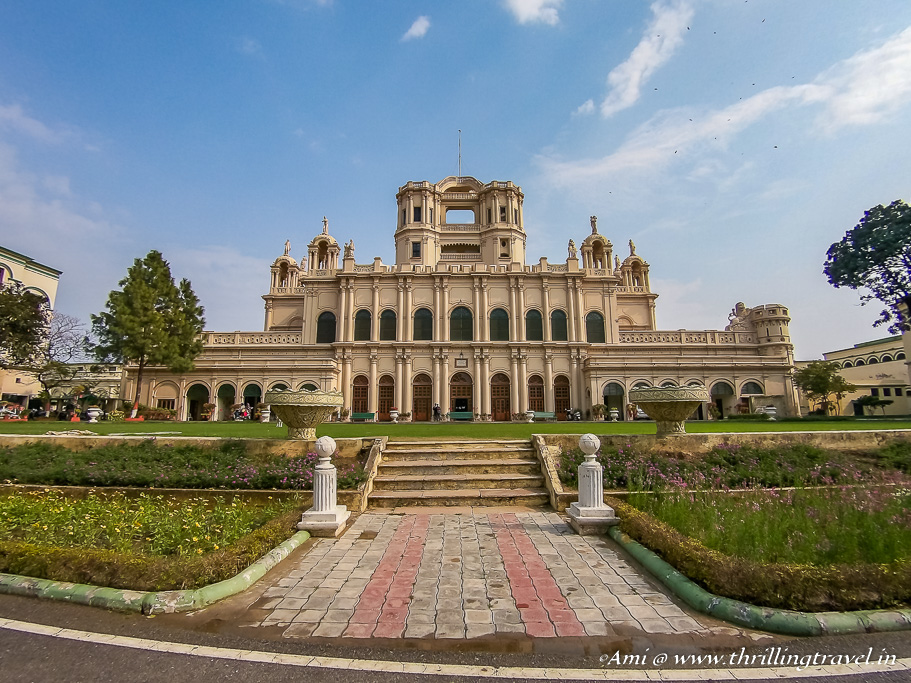
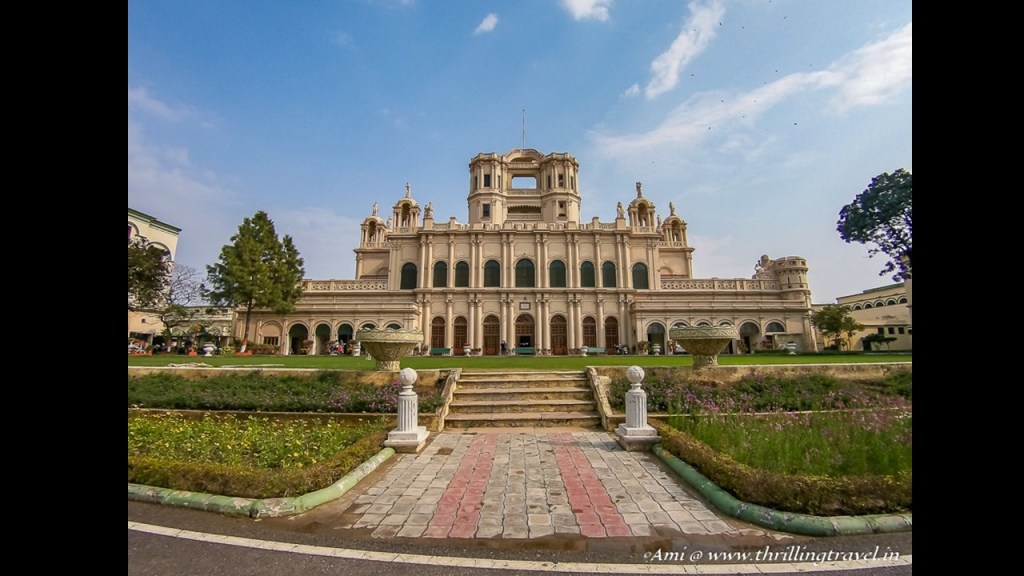
La Martiniere College in Lucknow has a college for boys that was founded in 1845, and a college for girls in 1869.

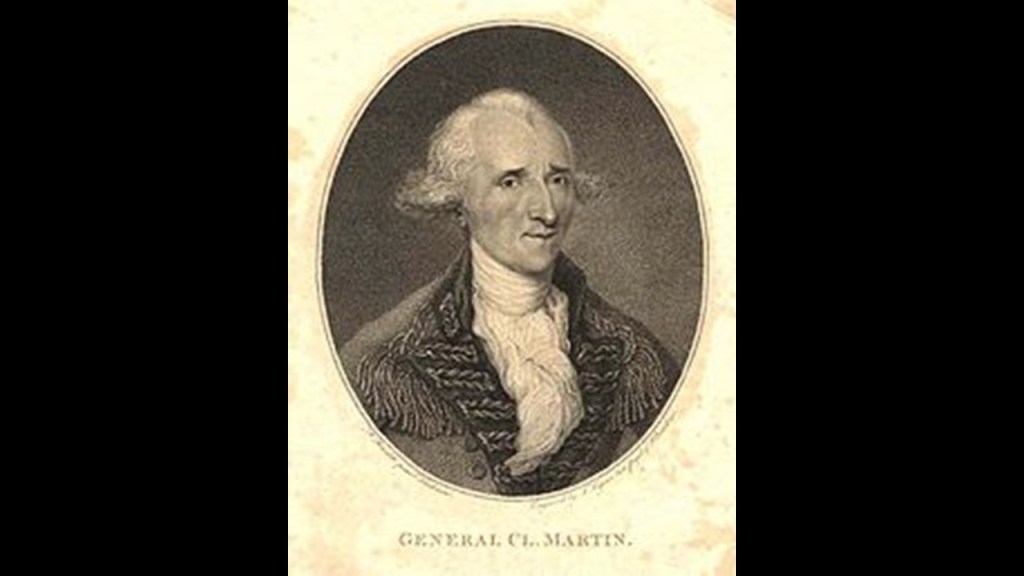
We are told Major-General Claude Martin, the wealthiest Frenchman in 18th-century India…

…endowed the founding of the La Martiniere Boys College, and that the building which houses it today was originally built for him as his country residence starting in 1785 and completed in 1802.

Martin was an officer in the French East India Company…

…and later in the British East India Company…

… where he rose to the position of Major-General in the Bengal Army, the army of the Bengal Presidency, one of three presidencies of British India within the British Empire, and the Bengal Presidency was formed following the dissolution of Mughal Bengal in 1757.

Inserting an interesting, historical side-note here.

The Bengal Presidency was the economic, cultural, and educational hub of the British Raj, and its governor was concurrently the Viceroy of India for many years.

In 1905, Bengal Proper was partitioned, separating largely Muslim areas eastern areas from largely western Hindu areas.

In 1912, British India was reorganized and the Bengal Presidency was reunited with a single Bengali-speaking province.

Could this first partitioning of Bengal have been a human- and social-engineering project, and a practice run for the 1947 Boundary partition of India, where Bengal – primarily in the form of Bangladesh – and India, into West Pakistan and East Pakistan?

The Partition of India in 1947 divided British India into the Union of India and the Dominion of Pakistan along religious lines, displacing 10 – 12 million people and creating overwhelming refugee crises in the newly constituted dominions, as well as large-scale violence. This created the conditions for suspicion and hostility between these two countries into the present-day.

A couple of more things about Major-General Claude Martin before moving on.

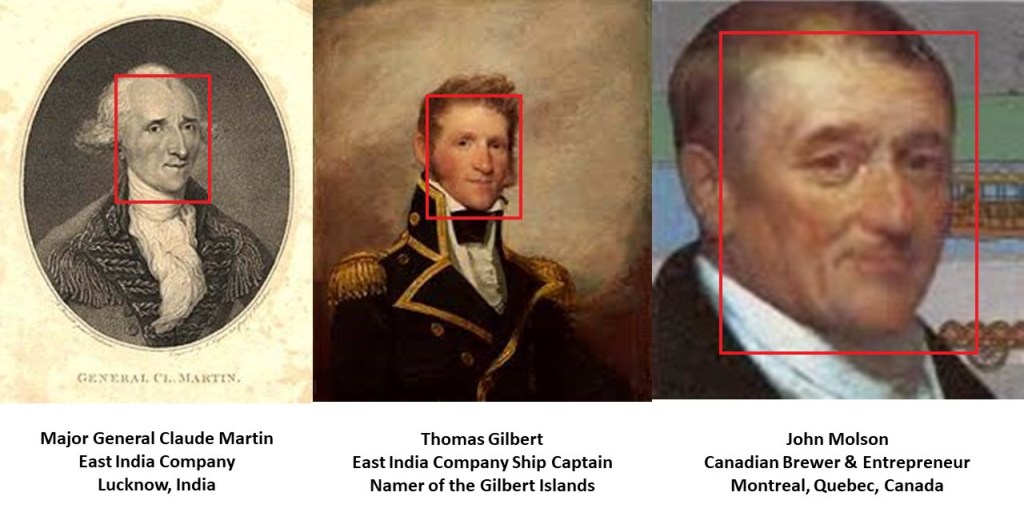
First are the facial similarities between Claude Martin on the left; in the middle, Thomas Gilbert, captain of the British East India Company’s East Indiaman vessel Charlotte, and for whom the Gilbert Islands were named; and on the right John Molson, Canadian brewer and entrepreneur, who looks like an older version of the other two men.

There are only two possibilities I can reasonably come up with to explain the similarity of their eyes, noses, and chins.

One possibility is that they were very closely related.

The other is that the artists that were providing the faces in these portraits for the new faked history were using some kind of universal template as a model face.

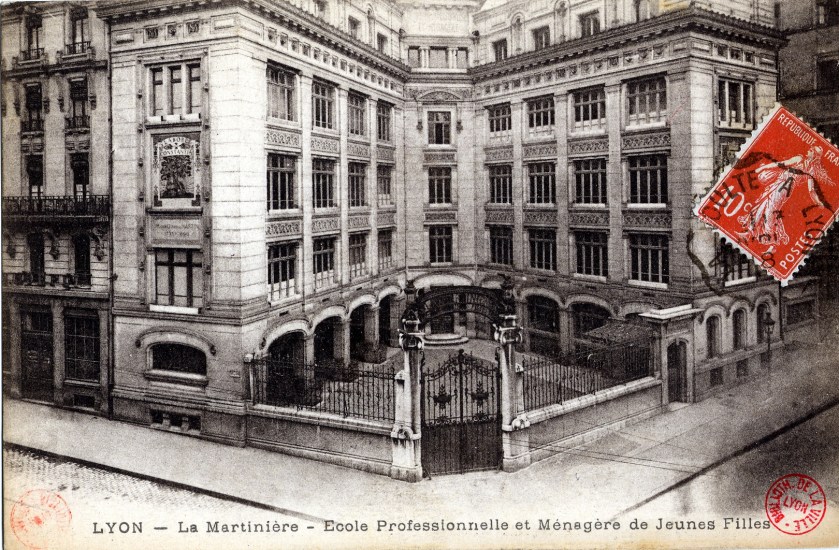
Second, Claude Martin was said to have acquired his fortune in the service of the Narab of Awadh, Asaf-ud-Daula, and that he arrived in India as a common soldier. Having never married, he willed his estate to the establishment of three La Martiniere schools in his memory. Besides Lucknow, there is one in Lyon, France, his birthplace…

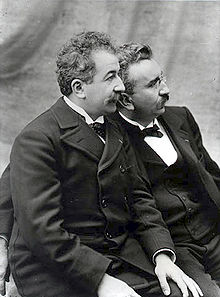
…where the Lumiere Brothers, two of the first film-makers in history, were said to have attended (see my post “Following the Money & Influence – Part 2 The Ways We Were Kept Asleep ~ Distractions”)…

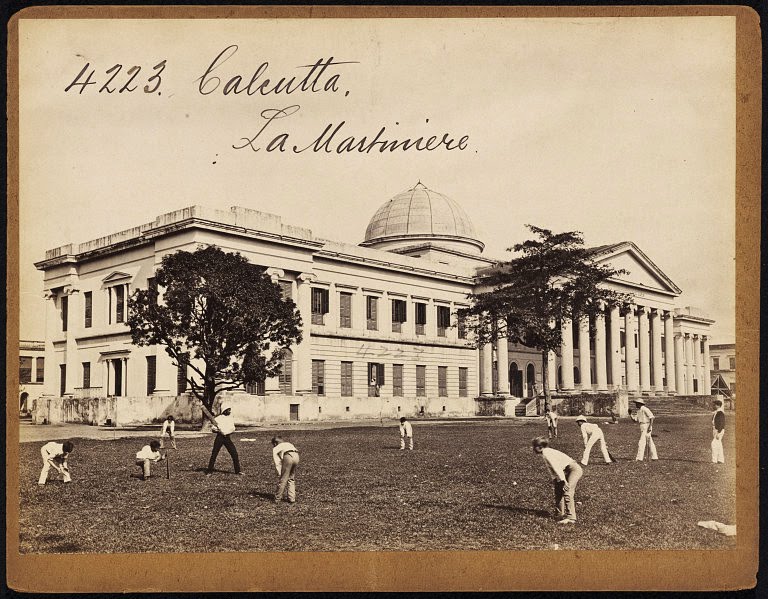
…as well as a third La Martiniere School in Kolkata (previously Calcutta), the capital of the Indian State of West Bengal.

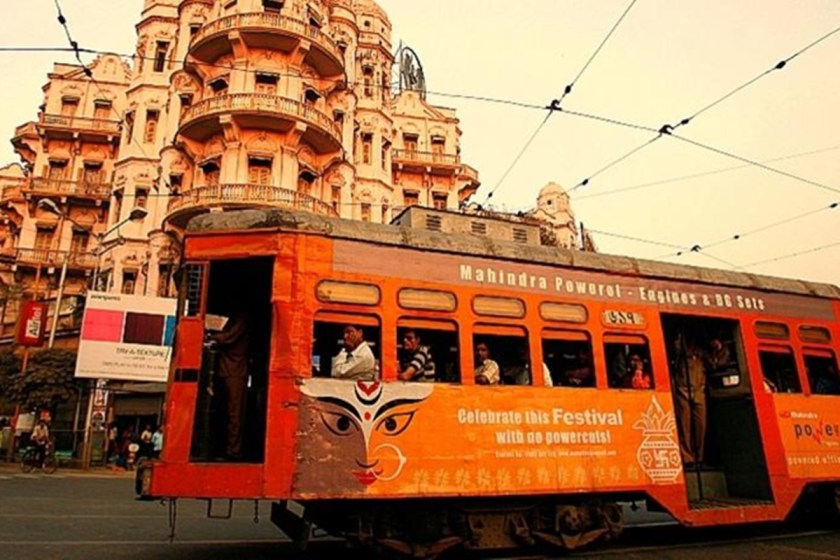
By the way, Kolkata is the only city in India with a public tram service that is still in operation.

We are told that Tram Transport in India was established in the late 19th-century by the British…

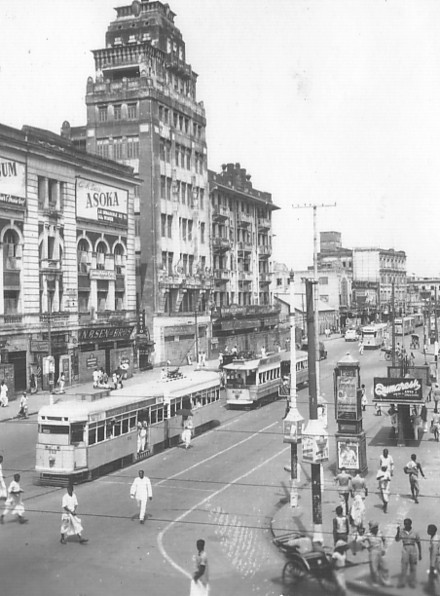
…and that between the 1930s and 1960s, the other acknowledged electric tram services in Madras, Cawnpore, Delhi, and Bombay were discontinued.

Since Bombay, which is now called Mumbai, came up, I would like to bring up places there that were recommended for me to look into by someone in a comment. Mumbai is not on this particular alignment. Sometime in the future, I will have to do a post dedicated to India by itself as there is a treasure trove to see and find out here about the ancient advanced civilization.

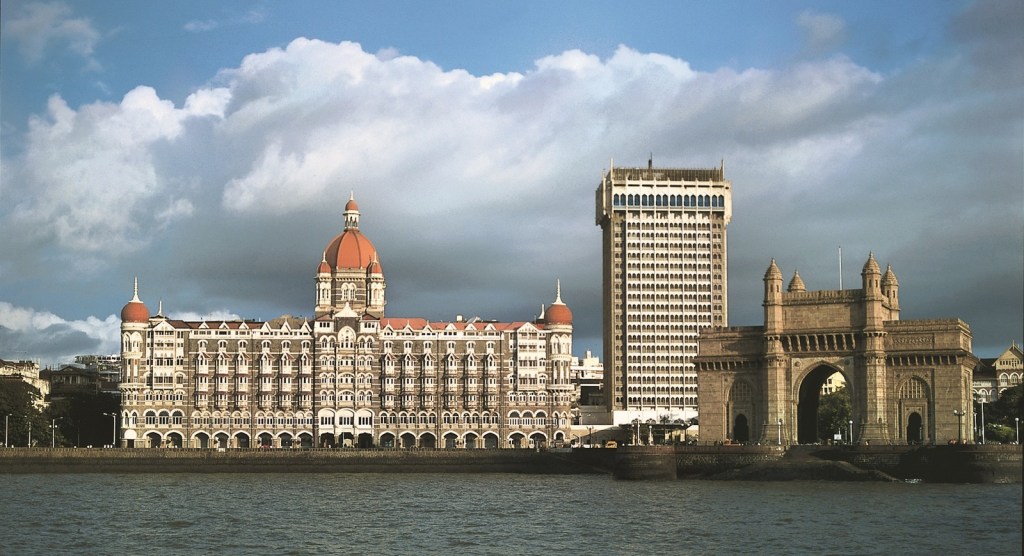
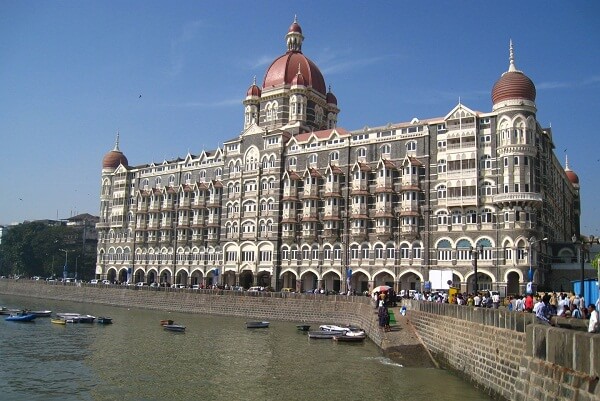
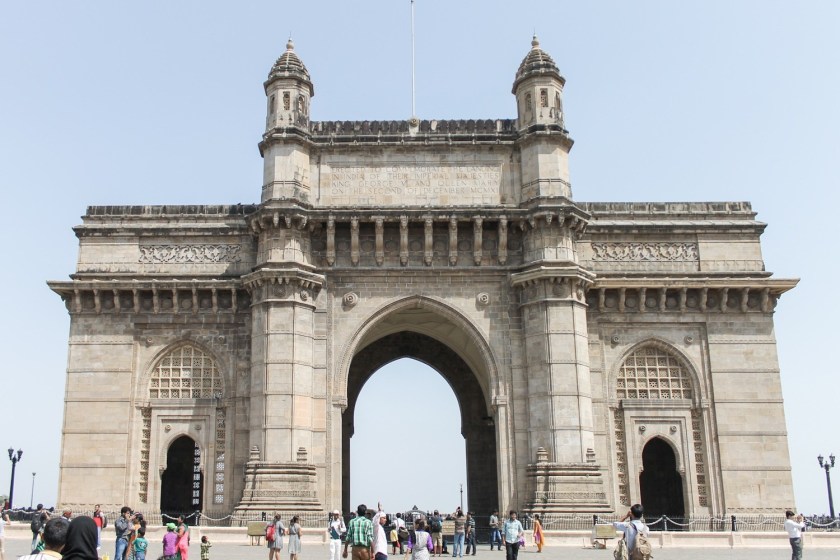
The first was the Hotel Taj Palace in Mumbai, which is shown here located next to a massive stone archway called the “Gateway of India.”

The Hotel Taj Palace in Mumbai was said to have opened in 1903, as India’s first luxury hotel, and the first hotel to have electricity, American fans, German elevators, Turkish baths, and English butlers.

The Gateway of India next to it was said to have been erected starting in 1913 to commemorate the landing in December 2011 of King-Emperor George V and Queen-Empress Mary at the Apollo Bunder pier in then Bombay.

King-Emperor and Queen-Empress were the titles used by the British monarchs in India between 1876 and 1948

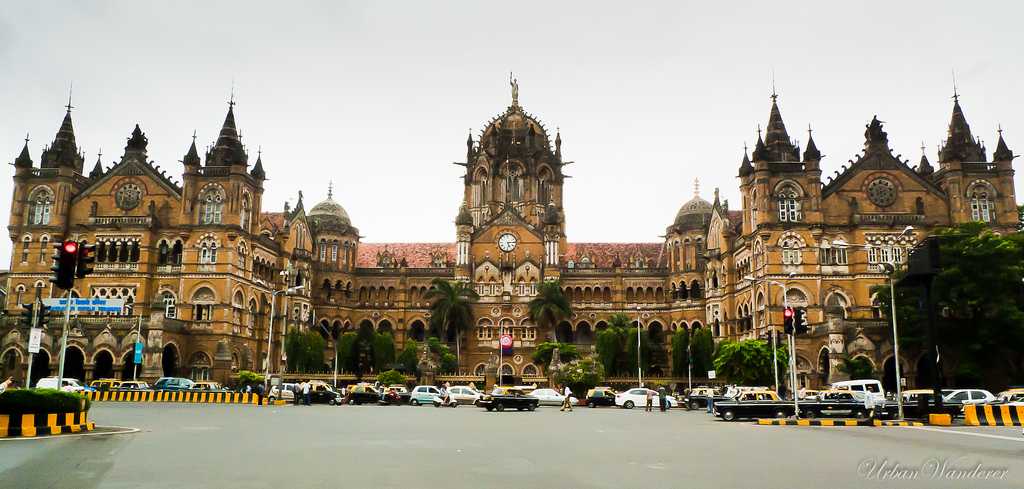
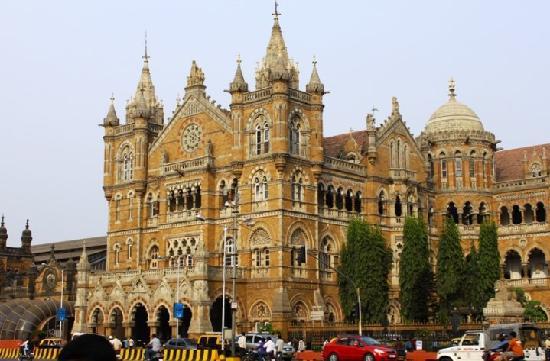
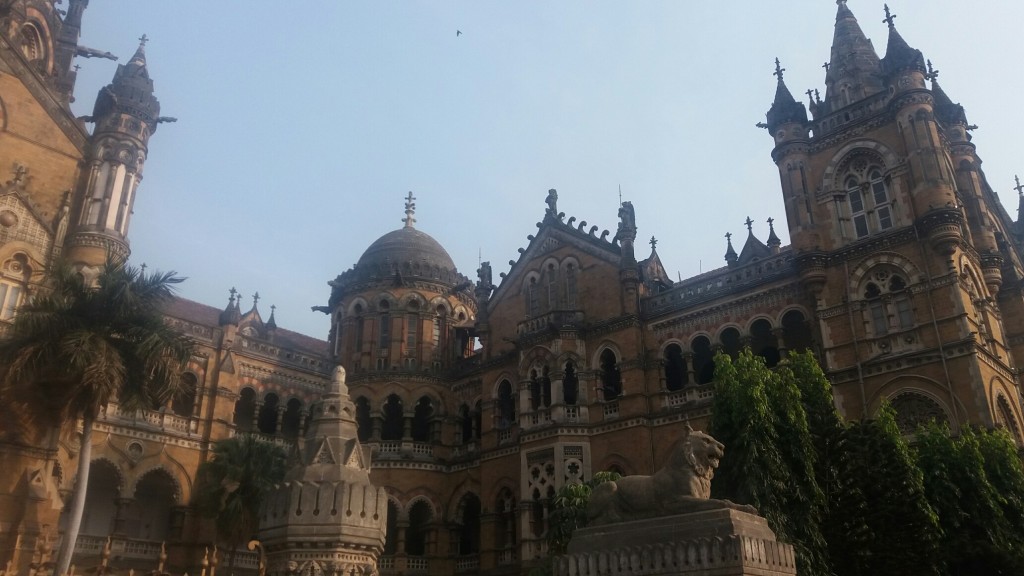
The other place I would like to bring up in Mumbai per recommendation is the Victoria Terminus Railway station, officially now called the Chhatrapati Shivaji Terminus. It is a UNESCO World Heritage Site.

The terminus was said to have been designed by British architectural engineer Frederick William Stevens in the style of Victorian Italianate Gothic Revival architecture, with construction starting in 1878 and completed in 1887, marking the fifty-year anniversary of Queen Victoria’s rule.

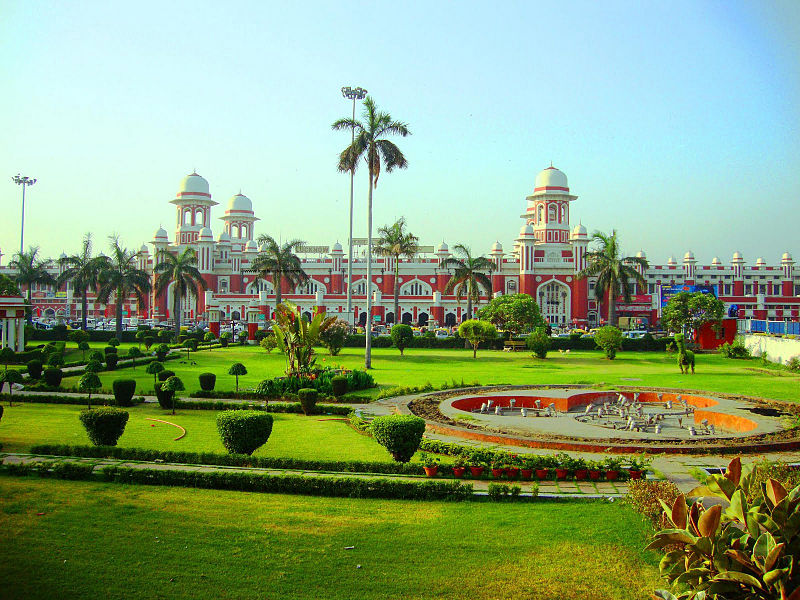
Back in Lucknow, this is the Charbaugh Railway Station, one of the two main railway stations in Lucknow, on the left, said to have been designed by J. H. Hornimen (for whom I can find no biographical information) and built between 1914 and 1923.

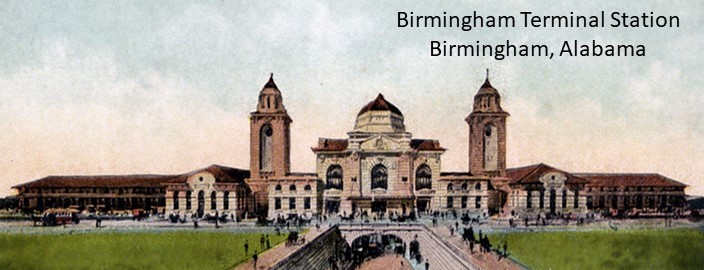
For comparison of similaries in architectural style is firstly the historic Birmingham Terminal Station in Alabama, said to have been designed by Georgia-based architect P. Thornton Marye, who does have biographical information available, and completed in 1909, only to be demolished in 1969…

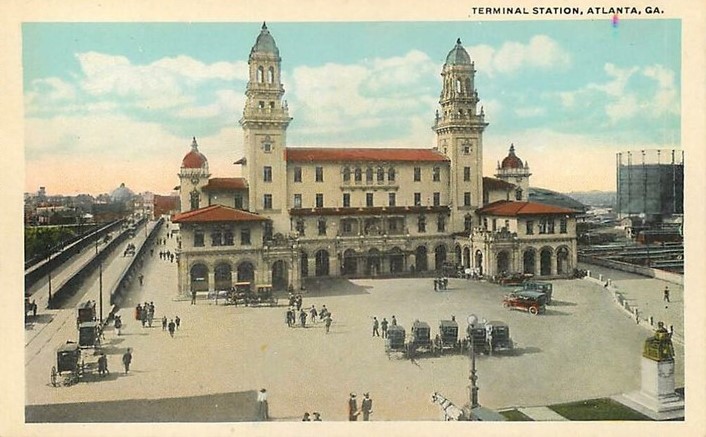
…and secondly the Atlanta Terminal Station, also said to have been designed by P. Thornton Marye, with a 1905 opening-year, and a 1972 demolition-year.

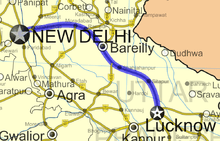
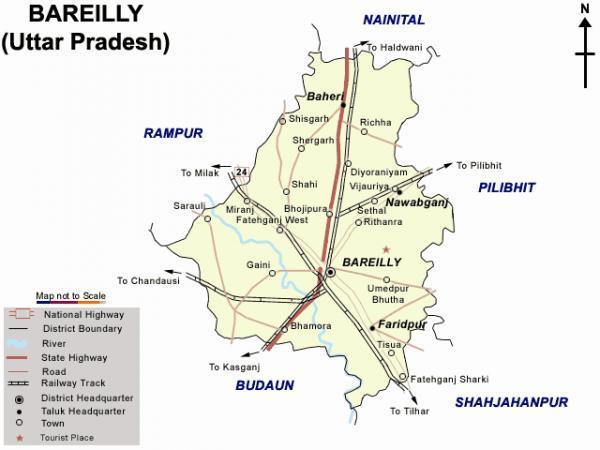
Next on the alignment is the city of Bareilly, also in the Indian State of Uttar Pradesh, and 157-miles, or 252-kilometers, northwest of Lucknow.

It is called the main gate of the Himalayas.

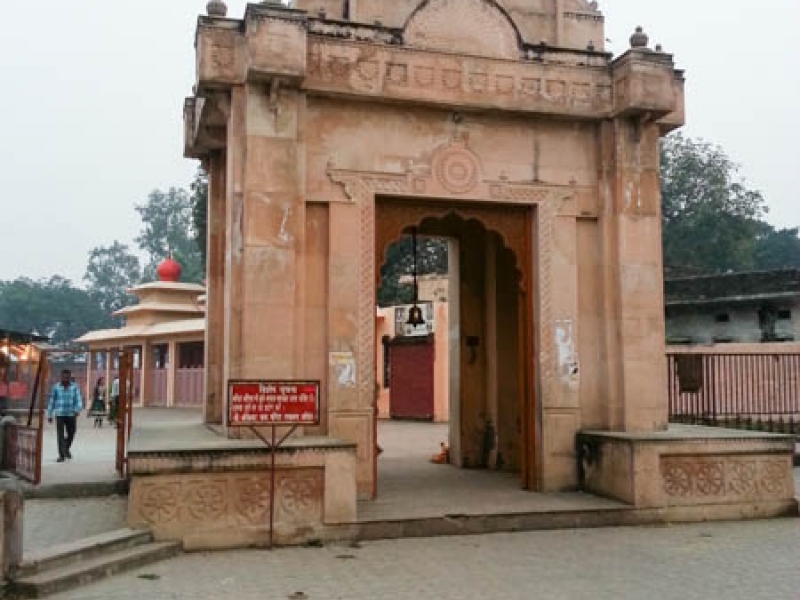
Bareilly is also known as Nath Nagri, or the city of temples, due to the location of seven ancient Shiva temples here. Some of the temples include the Dhopeshwar Nath, of which this is the gate…

…the Trivati Nath Temple…

…and Tapeshwar Nath Temple, said to be the oldest temple in Bareilly.

The folklore says that Gautama Buddha had once visited the ancient fortress city of Ahichchhatra, the ancient capital of Northern Panchala in the Bareilly region, where what is popularly called the fort there looks like a step-pyramid to me.

The Tulsi Math temple in Bareilly is dedicated to Tulsidas, a Hindu spiritual author who translated the Ramayan, one of the two major Sanskrit epics of Ancient India along with the Mahabharata, into the language of the masses.

Tulsidas was said to have lived here in the 1600s.

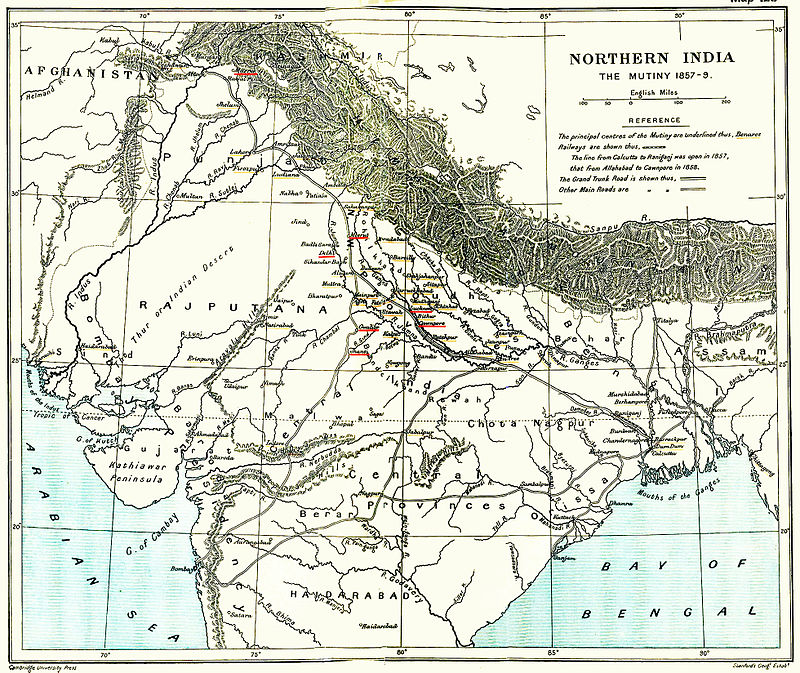
Bareilly was a center of the ultimately unsuccessful Indian Rebellion of 1857.

At this time a major uprising took place in northern India, which lasted between 1857 and 1859 against the rule of the British East India Company, which functioned as a sovereign power on behalf of the British Crown.

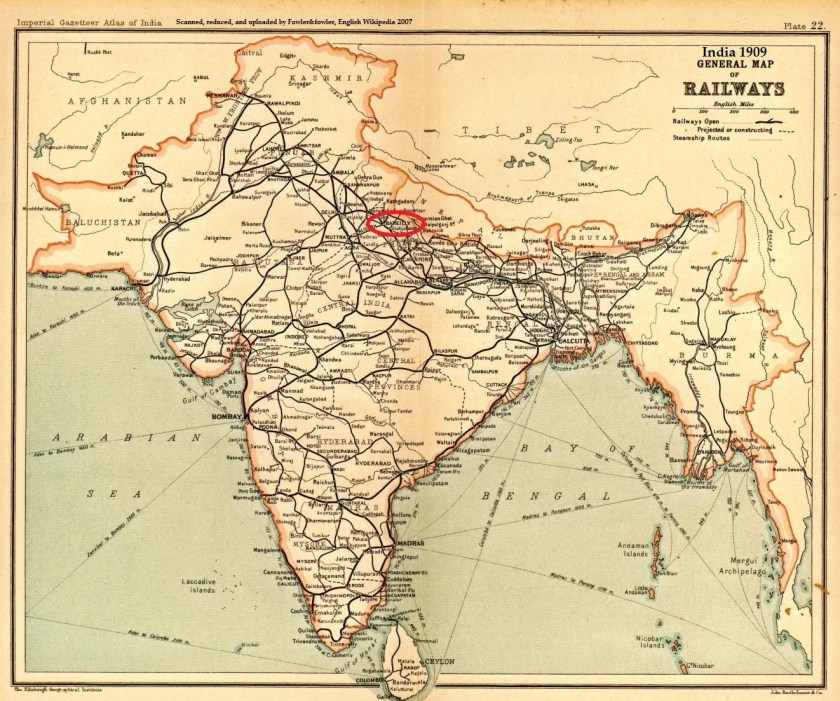
Bareilly is a railway junction, with six rail-lines intersecting the city.

This 1909 map of the railway system in India shows Bareilly as a junction.

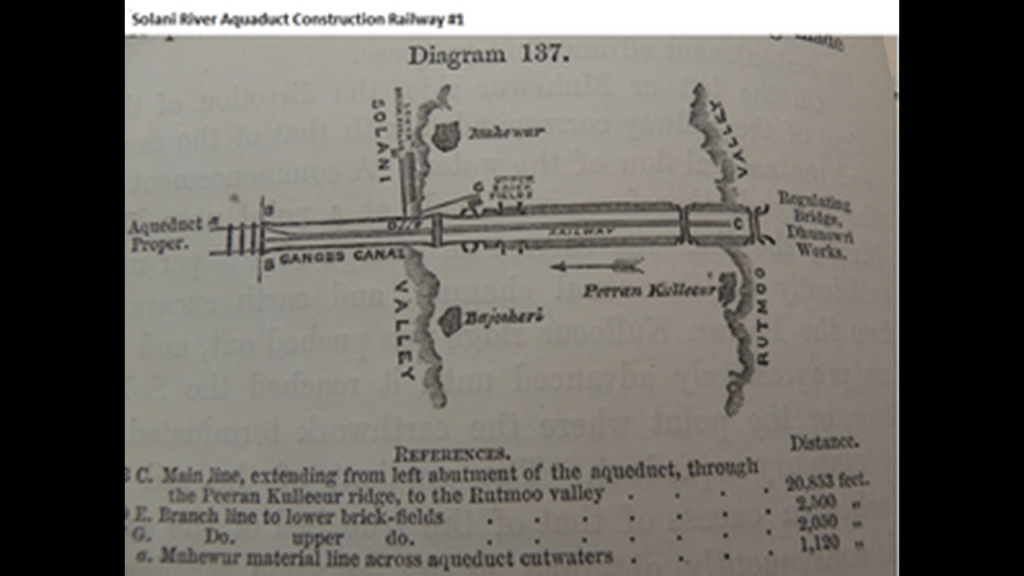
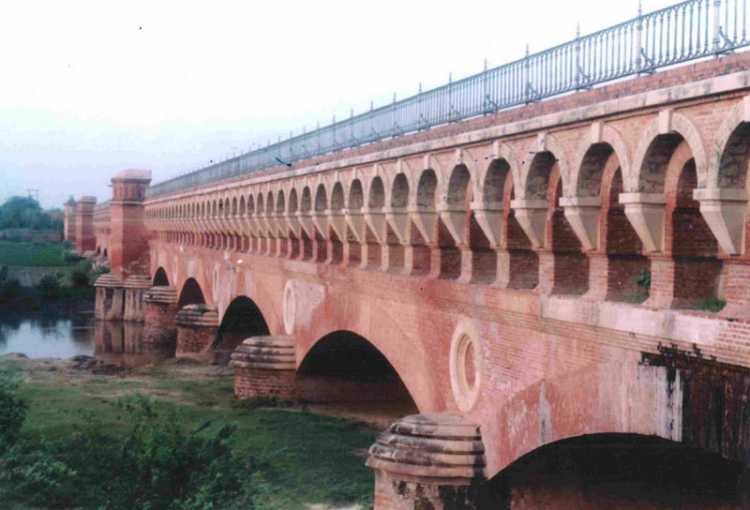
One of the earliest railways said to have been constructed in India was the Solani Aqueduct Railway in 1851, which we are told was built for…

…the purposes of tranporting construction materials for the Solani River Aqueduct.

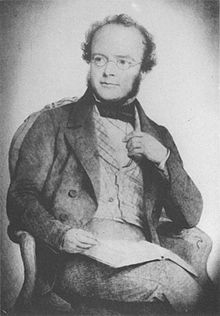
Proby Cautley, an English engineer and paleontologist, and an officer in the British East India Company, was given the historical credit for the building of the Solani Aqueduct…

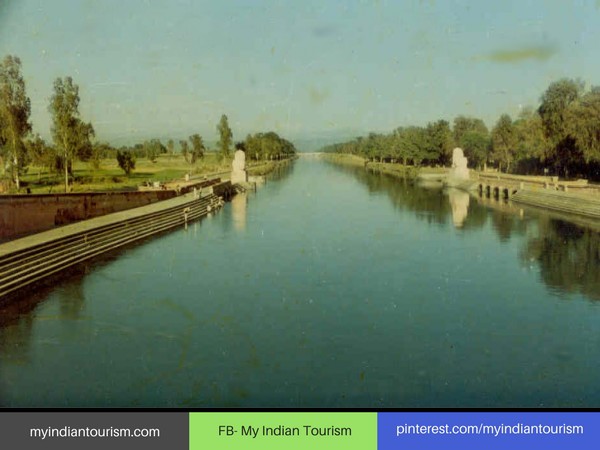
…as well as the 350-mile, or 563-kilometer Ganges Canal between 1843 and 1854,which the aqueduct crosses, said to have had the greatest discharge of any irrigation canal in the world at the time of its construction, and described as an engineering marvel.

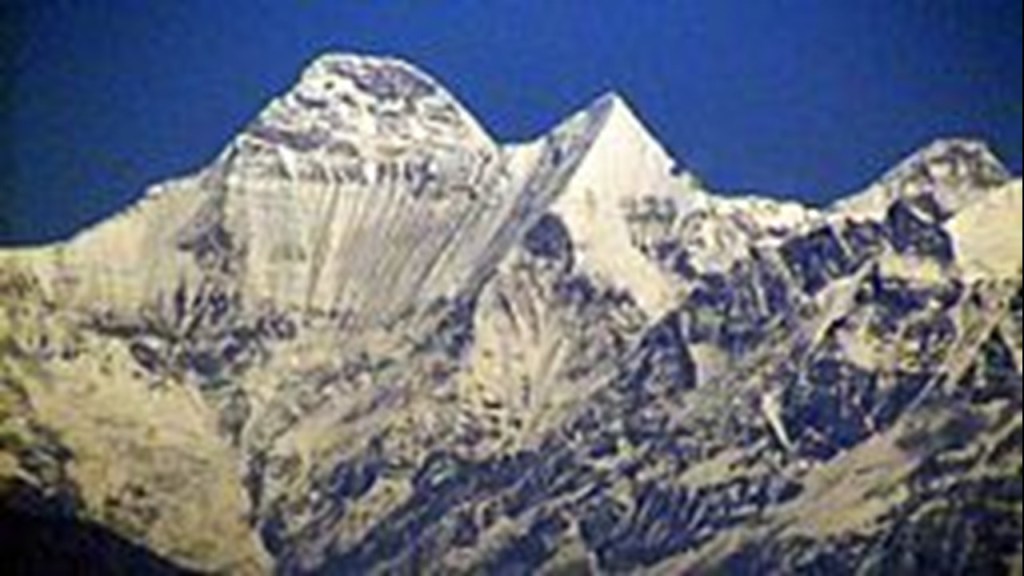
I am going to move along the alignment from Bareilly to Nanda Devi, called the second-highest mountain in India, and the highest that is completely within the country’s boundaries.

This is a view of Nanda Devi from Kausani.

Nearby Kausani is described as a picturesque hill-station in India, and contains wonderful terrace-farming like what is seen around resorts there…

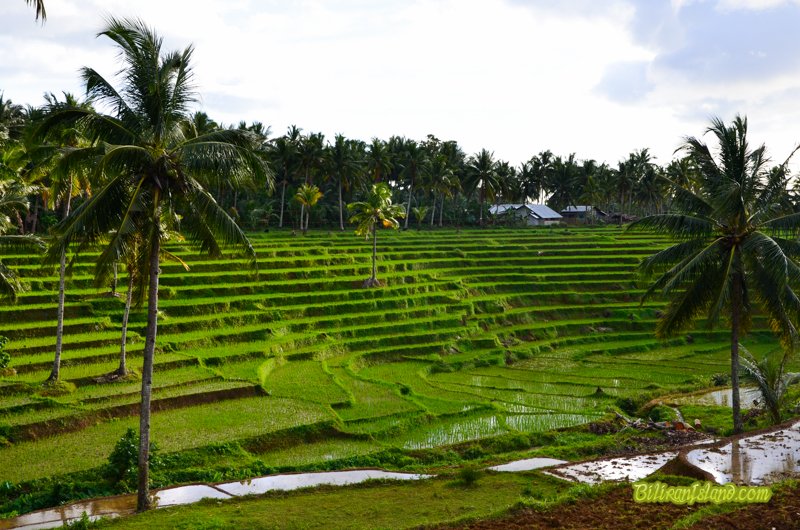
…and which look like the rice terraces in places like the Phillipines, like these at Banaue, for one example of many in diverse places

Baijnath Temple is near Kausani, with one reference saying that it was built thousands of years ago…

…and another reference saying it was built starting in 1204 AD by two merchants, one named Ahuka, and the other Manyuka, and dedicated to Shiva as Vaidyanath, “Lord of Physicians.” This particular reference does say there was a previous, older temple to Shiva here.

Someshwar Temple, also dedicated to Shiva, is also near Kausani, said to have been built by Raja Som Chand, founder of the Chand Dynasty in the 10th-century AD in the…

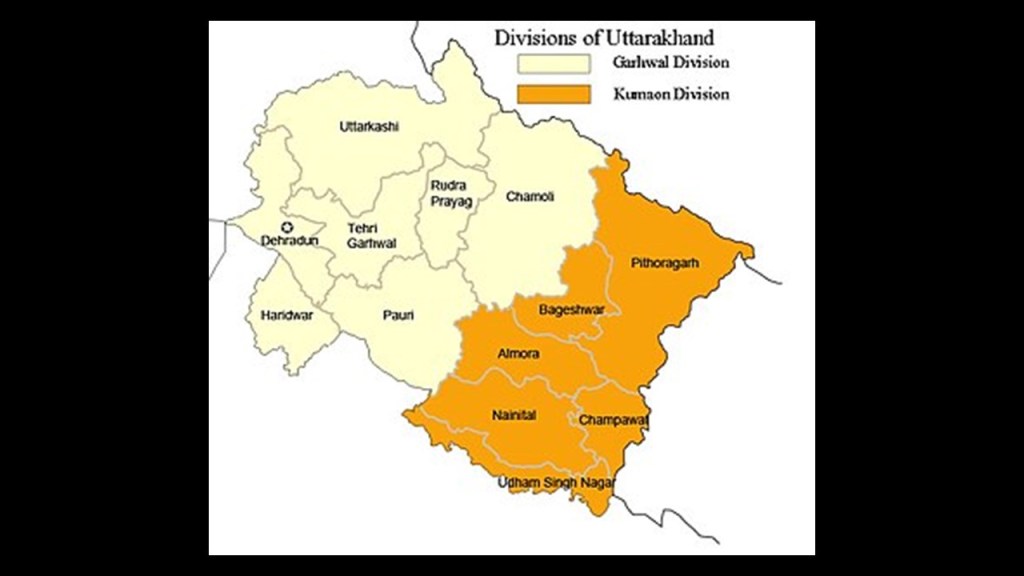
…Kumaon Region of Uttarakhand.

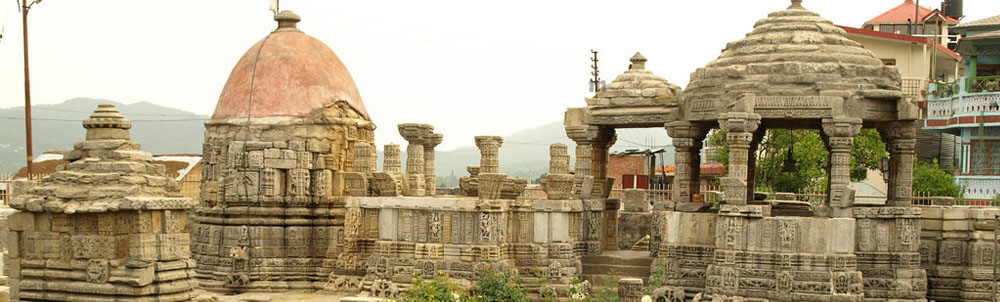
Chand and Kumaon sound close to Cham and Khem, as well as places on this map with actual Cham-prefixes, like Chamoli and Champawat, which was the capital of the Chand Dynasty rulers of Kumaon, and Champawat is where the Baleshwar Temple is located, also either said to be ancient, or built during the Chand Dynasty in the 10th- to 12th-centuries.

The last place I am going to look at on this alignment in this post is Amritsar, in northwestern India in the State of Punjab, close to the country’s border with Pakistan.

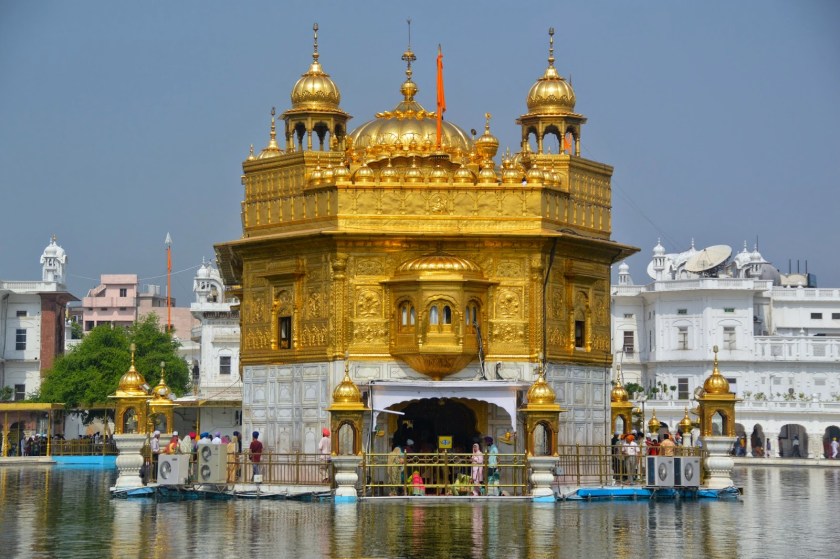
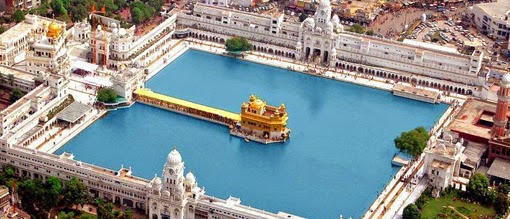
Amritsar is home to the Harmandir Sahib, or the “Abode of God,” otherwise known as the Golden Temple…

…where it sits on an artificial island in the middle of a perfectly square, definitely manmade-looking, water configuration.

For Sikhs, it is the holiest Gurdwara, a place of assembly and worship, and most important pilgrimage site, with construction initiated in 1581 by Guru Ram Das, the fourth of the ten gurus of Sikhism, and founder of the Holy City of Amritsar in Sikh tradition.

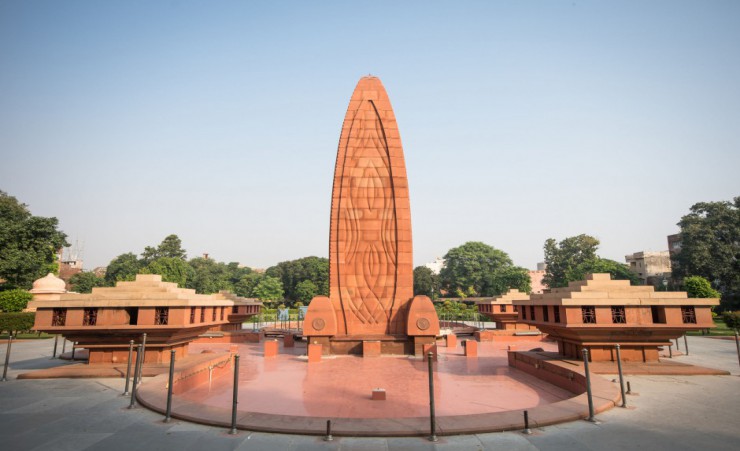
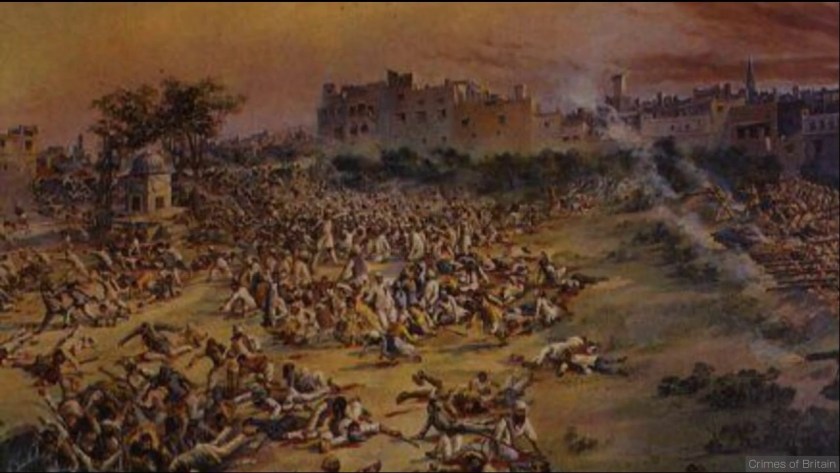
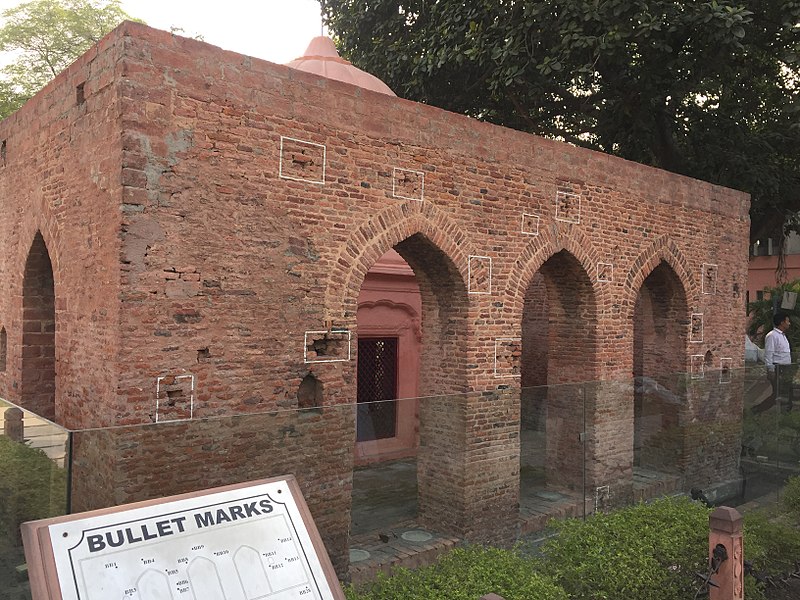
The Jallianwala Bagh in Amritsar, an historic garden and memorial of national importance located in the vicinity of the Golden Temple complex, was the location of the famous massacre in Amritsar in 1919…

…when a British commander ordered troops of the British Indian Army to fire their rifles into a crowd of unarmed civilians during a festival time, killing at least 400 and injuring over 1,000.

Some historians considered the massacre at Jallianwala Bagh a decisive step towards the end of British rule in India.

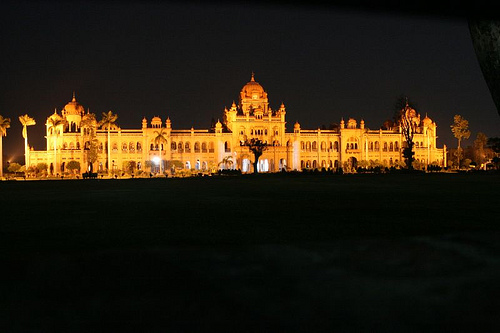
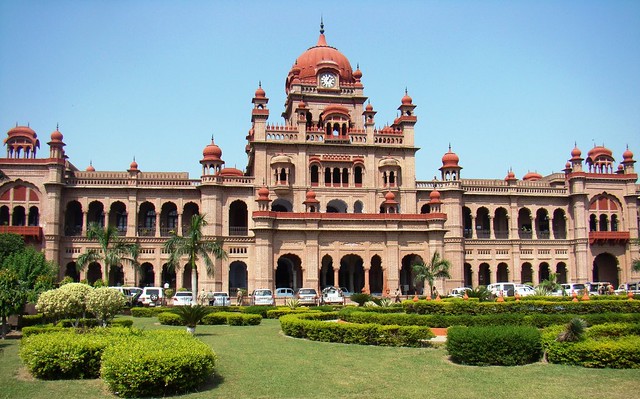
Khalsa College was established in Amritsar in 1892 during the British Raj as an educational institution in the State of Punjab for Sikhs and Punjabis.

Its architectural design was said to have been created by Ram Singh, a prominent Punjabi architect, and built between 1911 and 1912.

The main building is considered a gem of the Indo-Saracenic style.

I am going to end the alignment portion of this post here.

I would like, however, to further share some thoughts and ideas about different pieces of information I have picked up along the way, and how they might tie into some of the mysteries of our existence on Earth.

I bring these forward for your consideration as points to ponder, and not necessarily as definitive answers. I am not an expert in the following subjects, but I am intuitive, and this information resonates with me. It is out there to look into if you are interested in finding out more for your own research.

First, I came to this level of awareness by following sacred geometrically-based alignments, and I have received a ton of information in return. I already understood there was a missing ancient advanced Moorish civilization from our history books…

…and that something major in a negative way towards Humanity has taken place here. Humanity is far from the positive evolutionary path that it once on.

Several years, before I discovered the key which unlocked the physical lay-out of the planetary grid system and the suppressed ancient global civilization, which was finding a star tetrahedron when I connected major cities of North America I saw lining-up in lines, extending the lines,following up on what I found, and which forms the basis of all of my research…

…I learned about the holographic Universe, primarily from Gregg Braden’s work, but also from Drunvalo Melchizedek’s work, the man who brought sacred geometry back into the collective awareness starting in the late 1970s, as well as Humanity’s direct connection to the Universe and Earth. It was from Drunvalo’s work that I learned about Sacred Geometry in around 2007 – 2008.

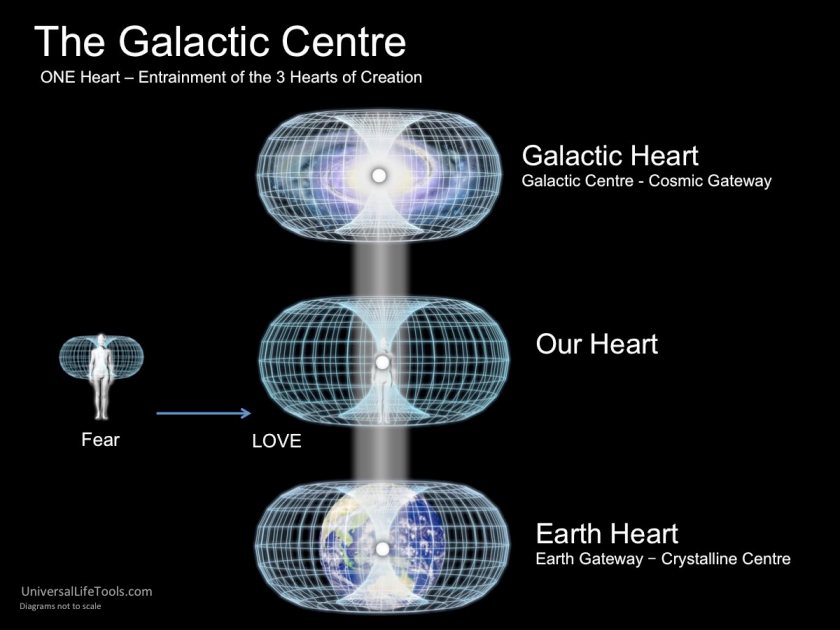
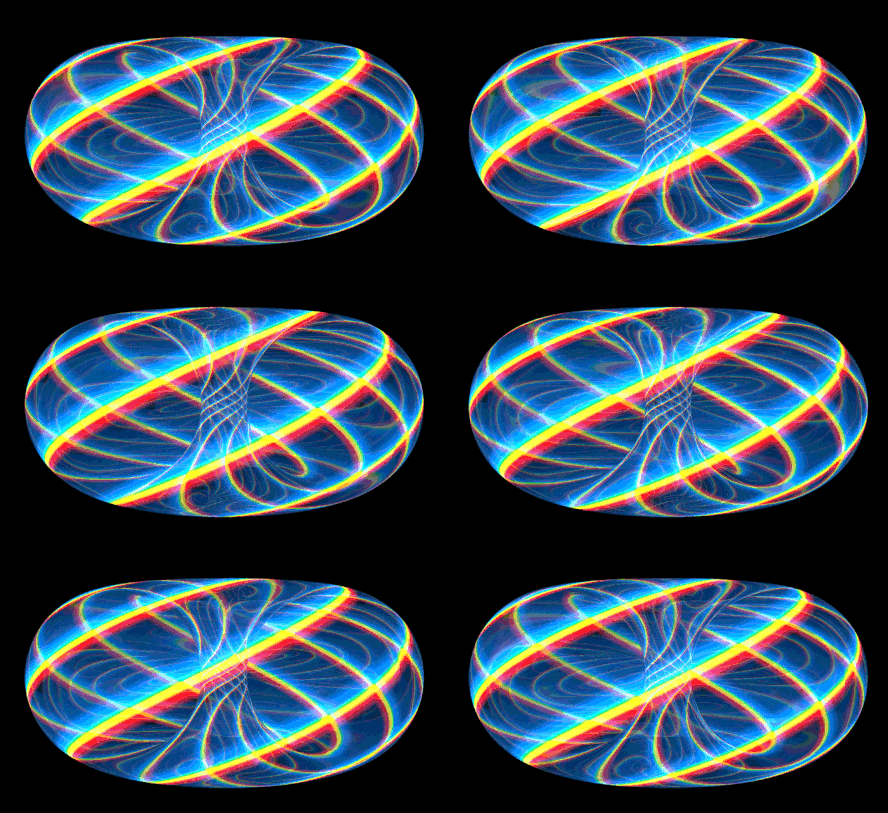
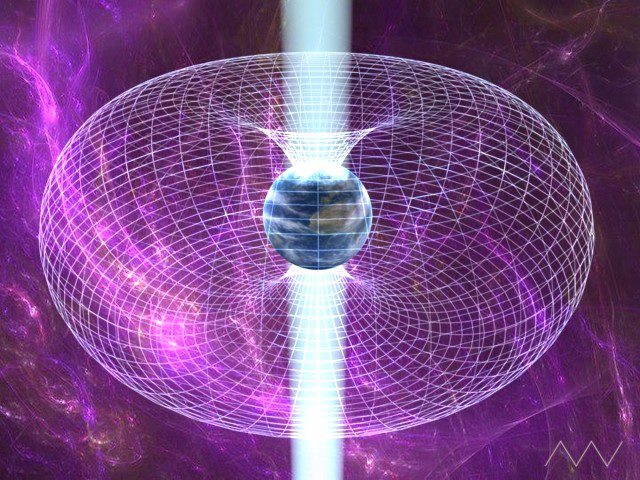
Our energy bodies contain heart- and brain-toroidal fields, of which the heart is by far the stronger of the two, and which are shaped like a torus, like that of the Earth and the Universe.

We are intrinsically connected with all that is in existence. For the purposes of this post, I will leave it at this level, yet the reality of who we really are goes so much deeper than that.

The torus is a core-level sacred geometry form, and a process by which all energy, when correctly aligned is perpetually cycling – up, down, and around – without stopping, between Spirit and Matter.

I came to this level of awareness in the process of discovering how sacred geometry relates to earth’s ley-lines and ancient advanced civilization.

My interest is in bringing back the gridlines and knowledge about the ancient advanced civilization to the collective awareness.

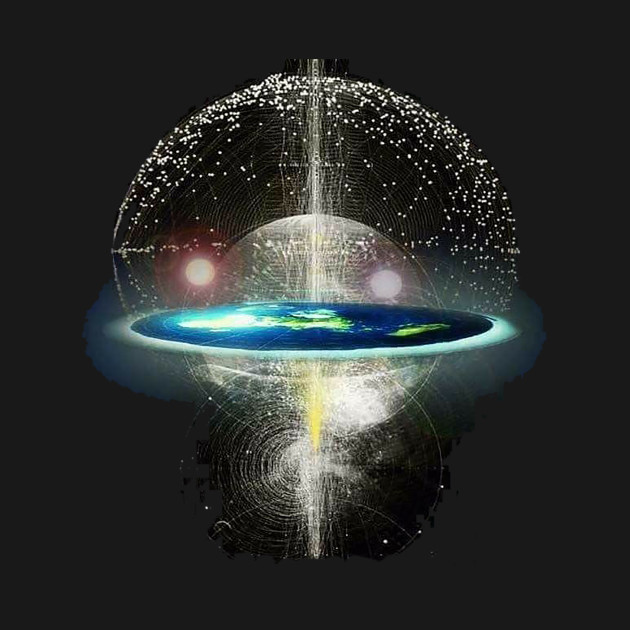
I did not start out from a flat earth perspective. As such, proving or disproving whether the earth is flat is not the focus of my research. However, I have been comfortable with the concept of earth as a torus, which can be pictured as a sphere…

…or as a plane. More on this shortly.

In the research for my last post, I found what I would consider the first hard evidence for me that supports flat earth.

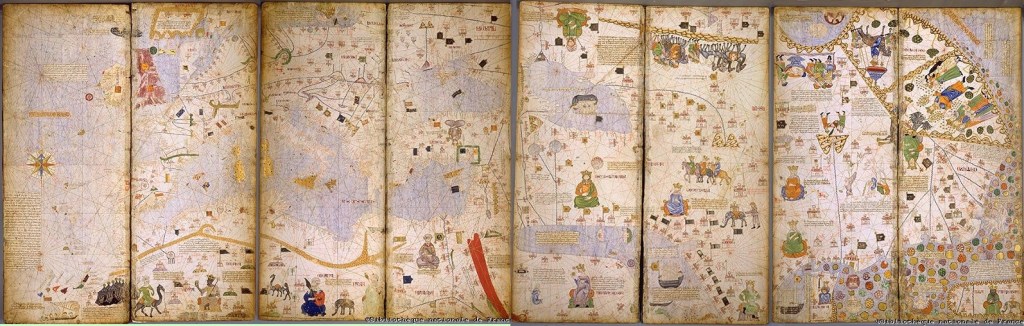
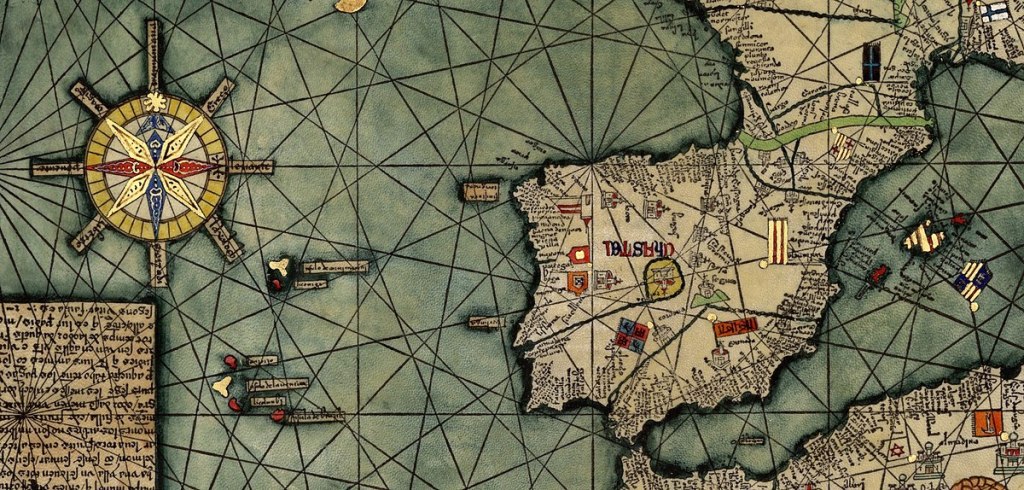
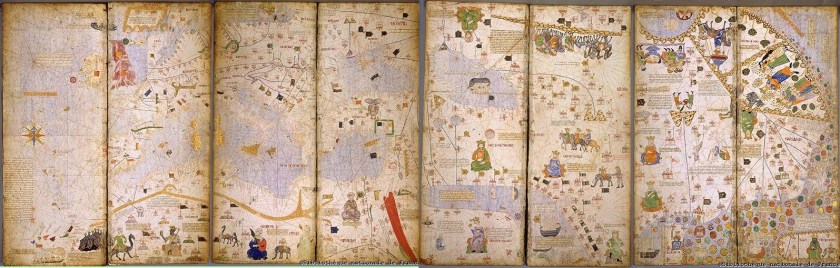
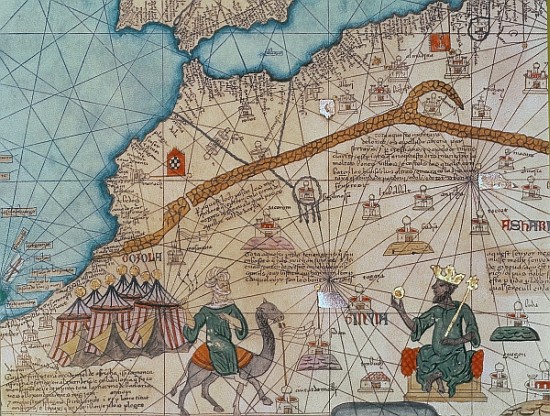
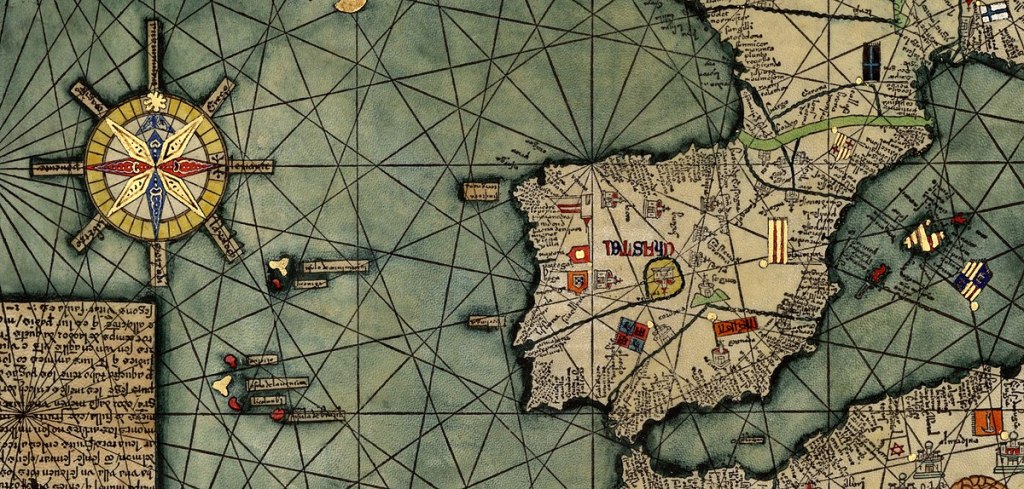
The depiction of ley-lines on land and sea were present on the flat projections of the Catalan Atlas of the Majorcan Cartographic school, said to have been made by a cartographer named Abraham Cresques in 1375.

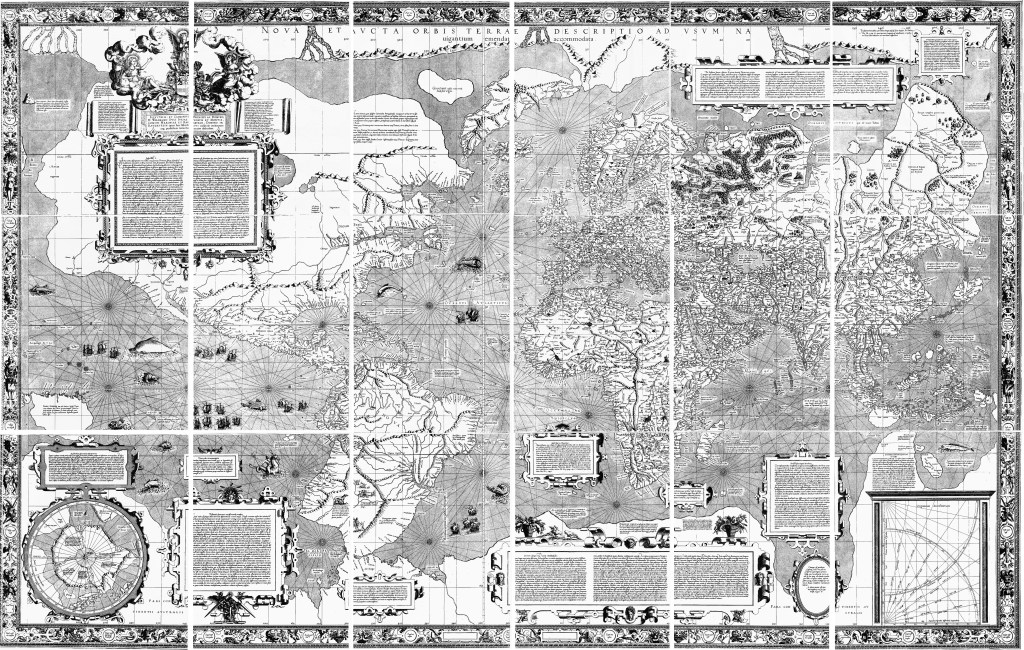
Then in the 1500s, Gerardus Mercator comes along with a world map that is considered to be the first where sailing courses on the sphere were mapped to the plane map, allowing for a “correction of the chart to be more useful for sailors…”

…and that looks a lot like the Catalan Atlas with the exception there are no ley-lines on land, only on water. The ley-lines were starting to disappear from Earth’s maps.

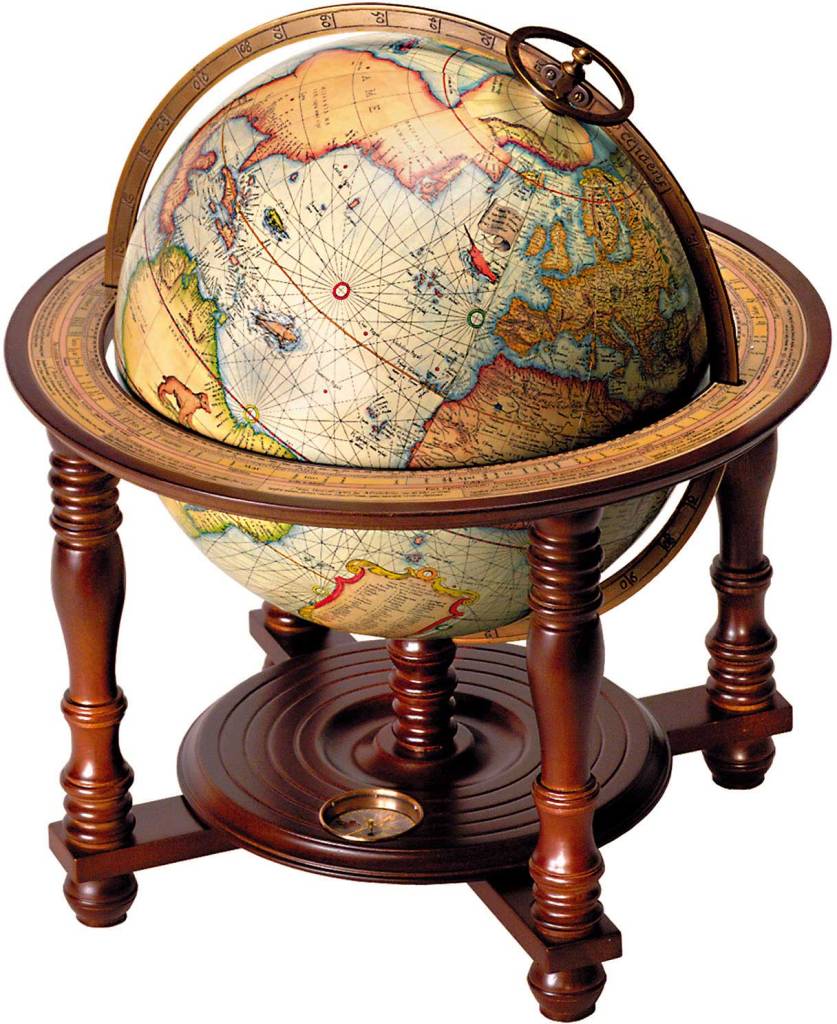
And, oh by the way, Mercator was a globe-maker as well.

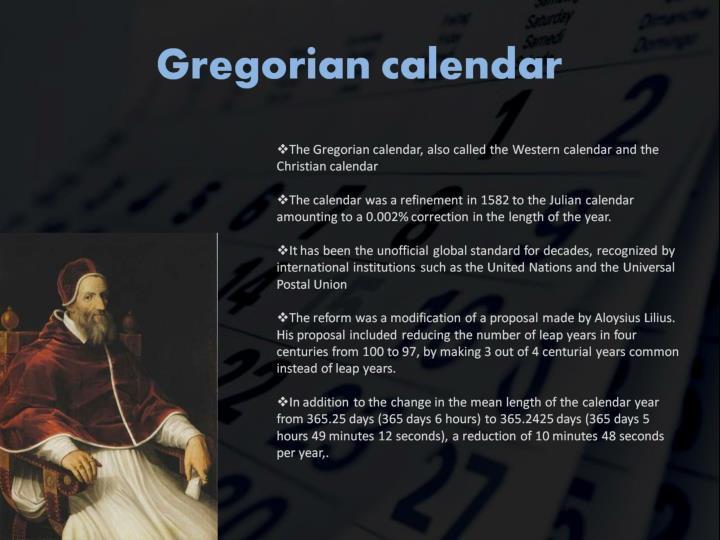
Within the same century, in October of 1582, the Gregorian Calendar was introduced by Pope Gregory XIII for the given reason of correcting the Julian calendar on stopping the drift of the calendar with respect to the equinoxes, and included the addition of leap years.  It took 300 years to implement the calendar in the west, and nowadays used in non-western countries for civil purposes.

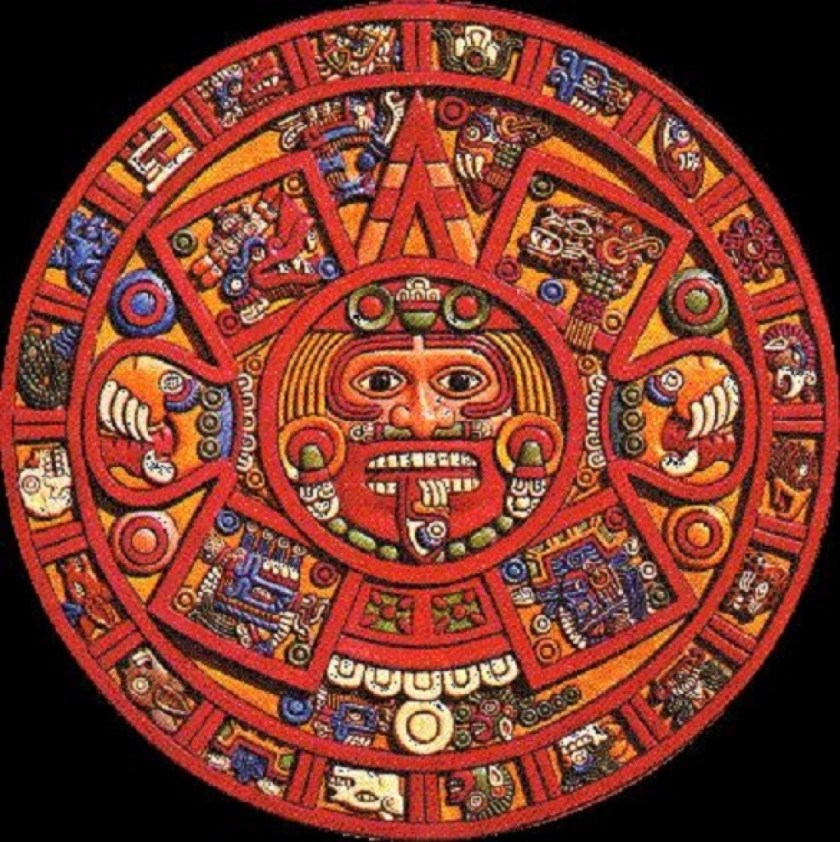
Indigenous calendrical systems like the Mayan calendar were involved with the harmonization and synchronization of human beings with natural cycles of time, and not linear time.

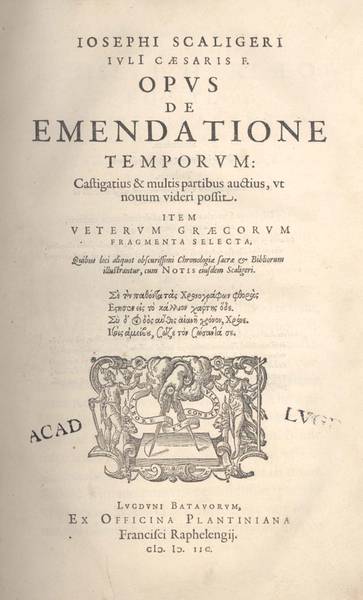
In the year of 1583, only one-year after the introduction of the Gregorian calendrical system, Joseph Justus Scaliger, called the “Father of Modern Chronology…”

…published the “Opus de Emendatione Tempore” or “Study on the Improvement of Time,” a study of previous calendars.

In it, he was said to compare the computations of time made by the various civilizations of antiquity, and in the process of doing so, correcting their errors, and placing chronology for the first time on a solidly scientific basis.

Do all of these things – globe-makers and a new calendrical-system – represent deliberate manipulations for control of our perception of space and time? And does a new chronology exist to provide the rationale for explaining the discrepancies between the systems?

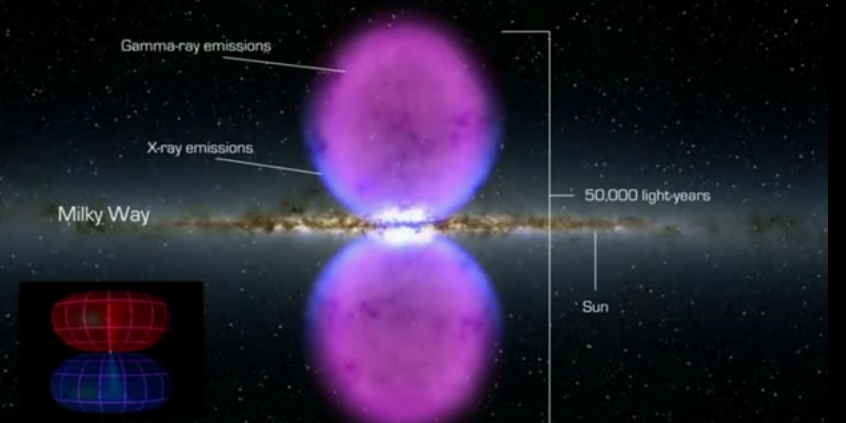
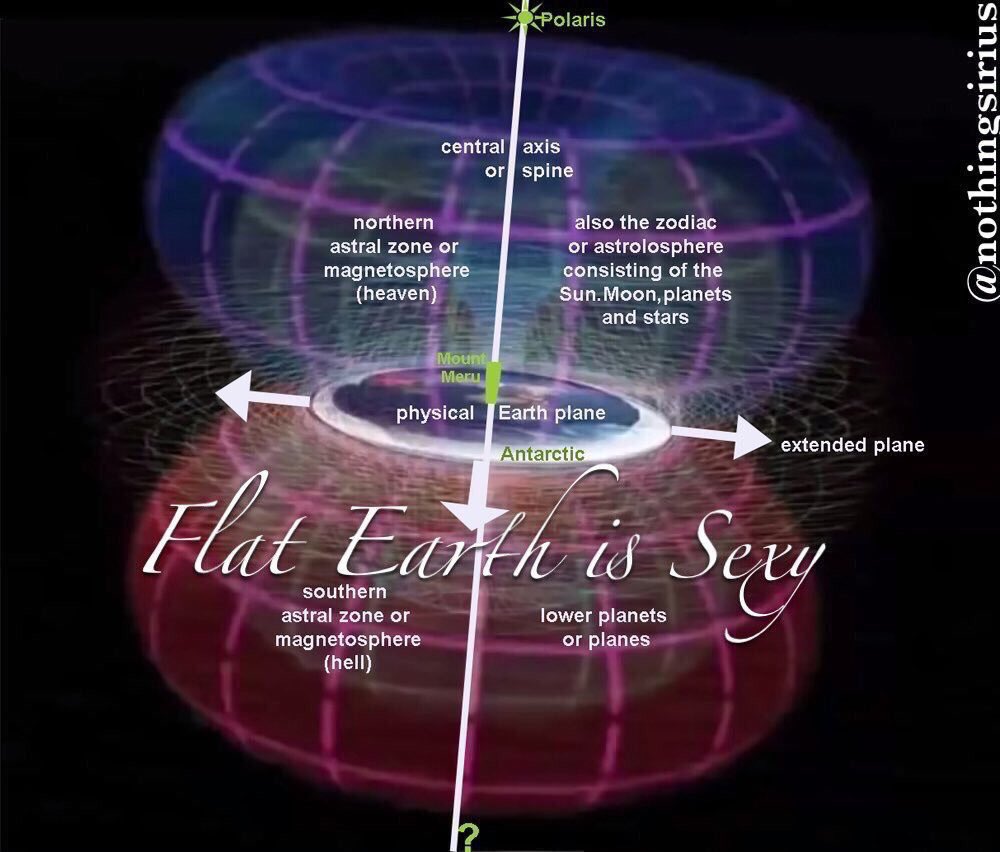
I came across David LaPoint’s work on Primer Fields on Youtube several years ago, and his theory, which has been extensively tested by physicists in laboratory vacuum chambers, is that every component of matter has a double-toroidal-shaped magnetic field that radiates from its core…

…including the structure of our Universe…

…and the Earth.

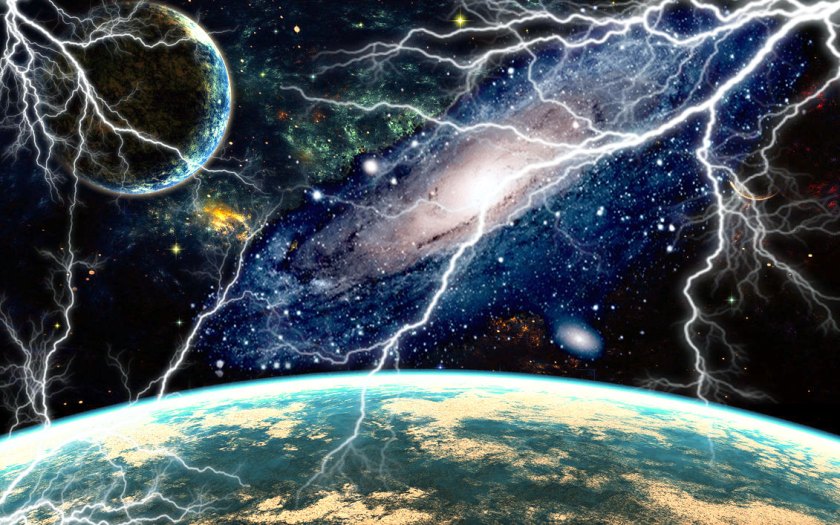
Then there is the Electric Universe Theory, which generally states that electricity is the engine behind a long list of natural and astrophysical spectacles, and supports the idea that electricity powers the sun and the stars…

…and that cosmic occurrences are electrical in nature.

This is a good segue for me into the Dogon, who live in the country of Mali in northern Africa.

The Dogon have a very sophisticated spiritual, astronomical and calendrical system, as well as extensive anatomical and physiological knowledge. They also have a systematic pharmacopeia, which means directions for compound medications.

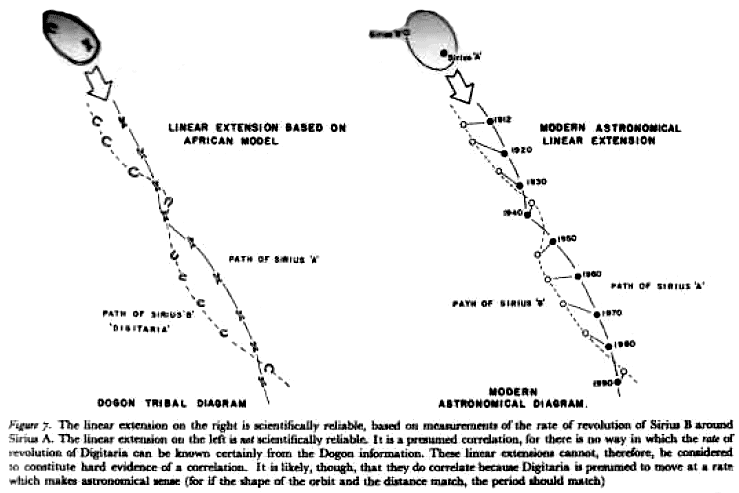
Perhaps they are best known for the accurate knowledge they possess about the Sirius star system.

Yet it is mainly an agricultural society.

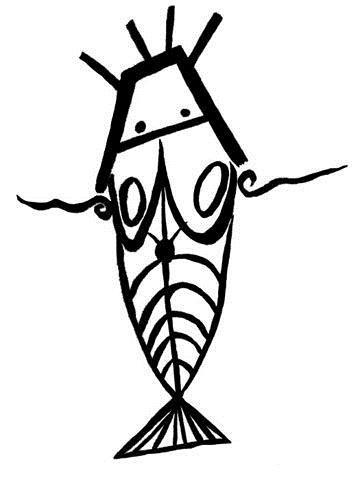
They say they were visited in the distant past by amphibious beings from Sirius called the Nommo, who were their teachers.

Who is to say they weren’t?

The Dogon have such incredibly advanced and sophisticated knowledge that the only explanation for it is that they are telling the truth!

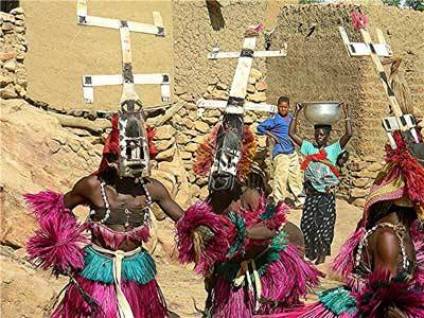
The Dogon perform elaborate ceremonies with masks, headdresses, and dance.

Compare the Dogon headdresses in this ceremony…

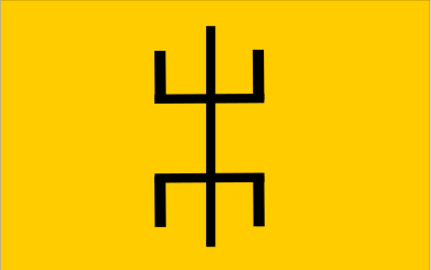
…with the flag of the Tuareg people, who also live in this part of West Africa…

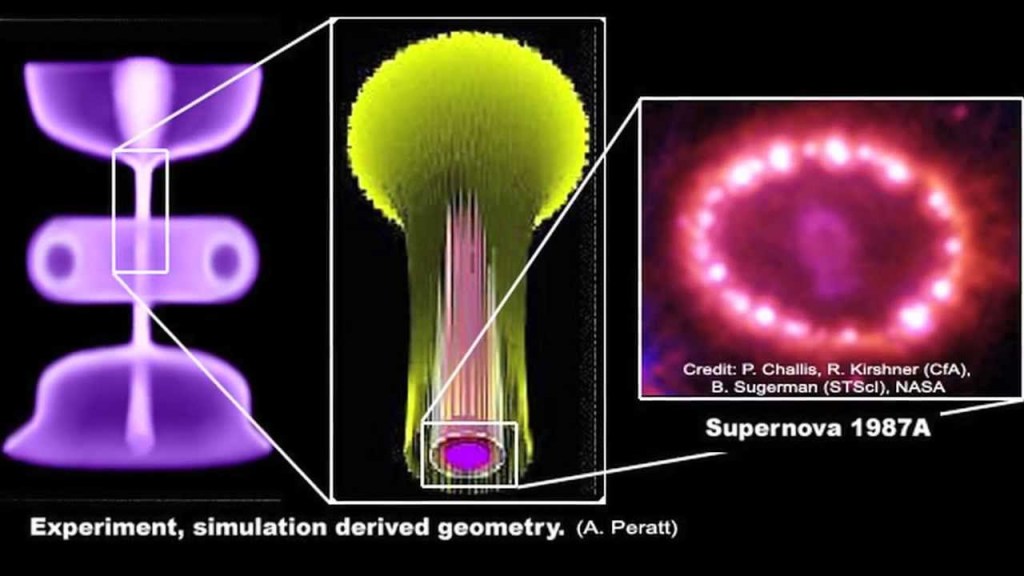
…and with this image on the left, the well-documented laboratory electric discharge form of plasma next to a form called the “stickman” that is found in rock art worldwide.

Think the ancient peoples of the earth might know something we don’t?

One more thing before leaving Dogon Country.

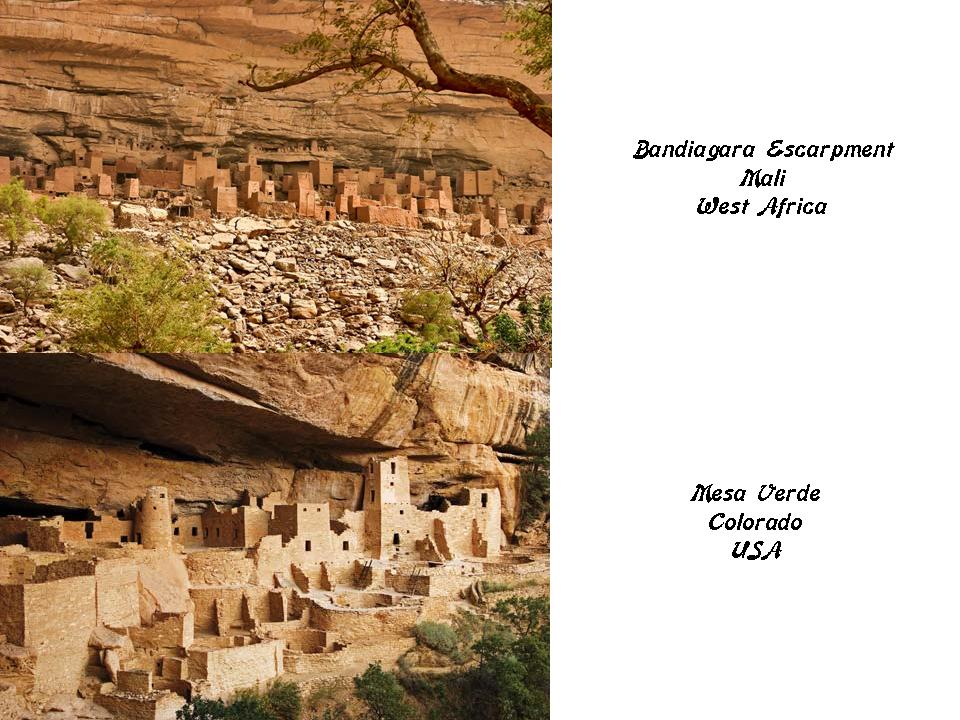
I have made the comparison of the similarity between Bandiagara Escarpment and Mesa Verde in Colorado in past posts.

Not only because of this similarity between these two places on different continents, but in the many other places I have encountered as well, I wonder if there were much closer physical connections between continents.

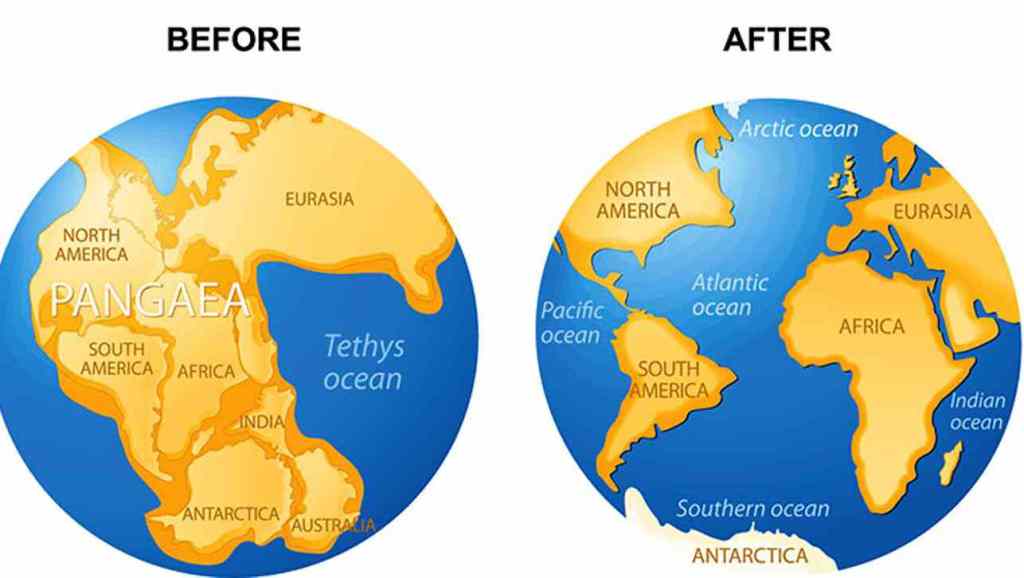
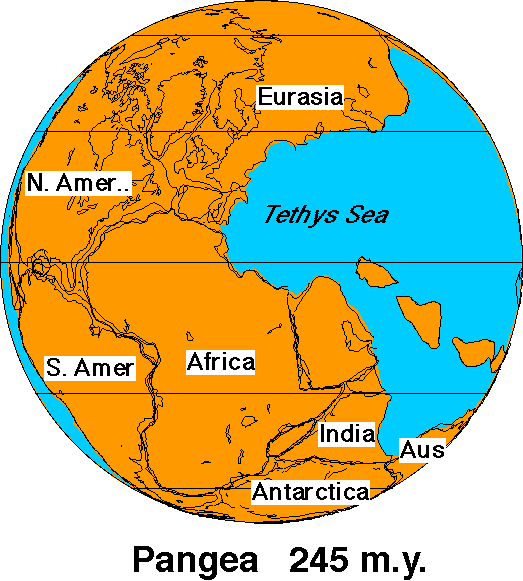
For one thing, this is what the world looked like when it was called Pangea on the let, before whatever caused continental drift, depicted on the right.

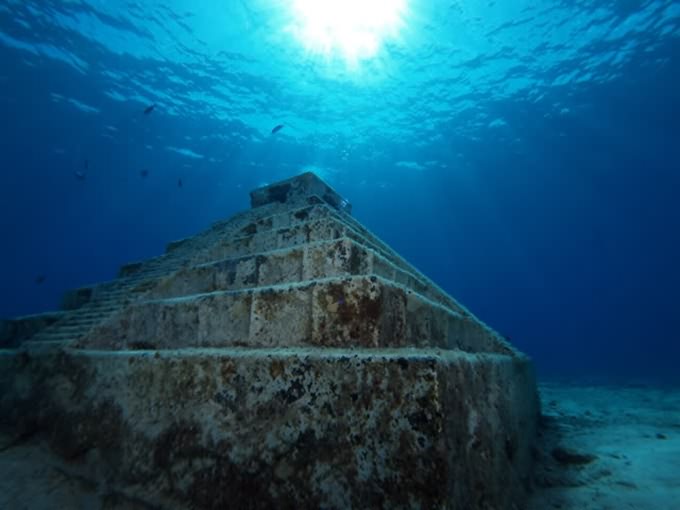
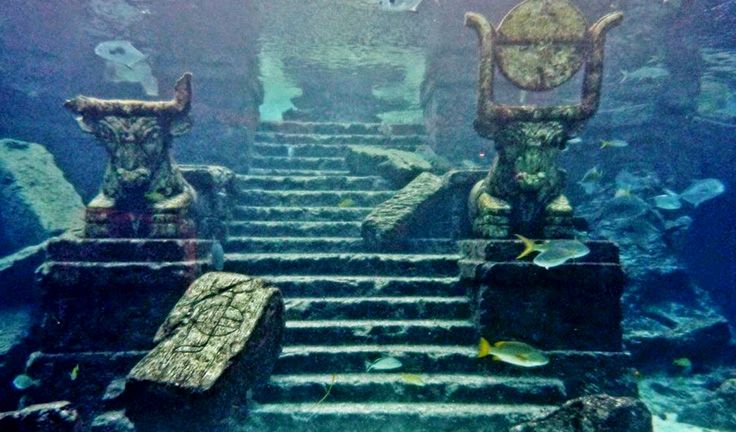
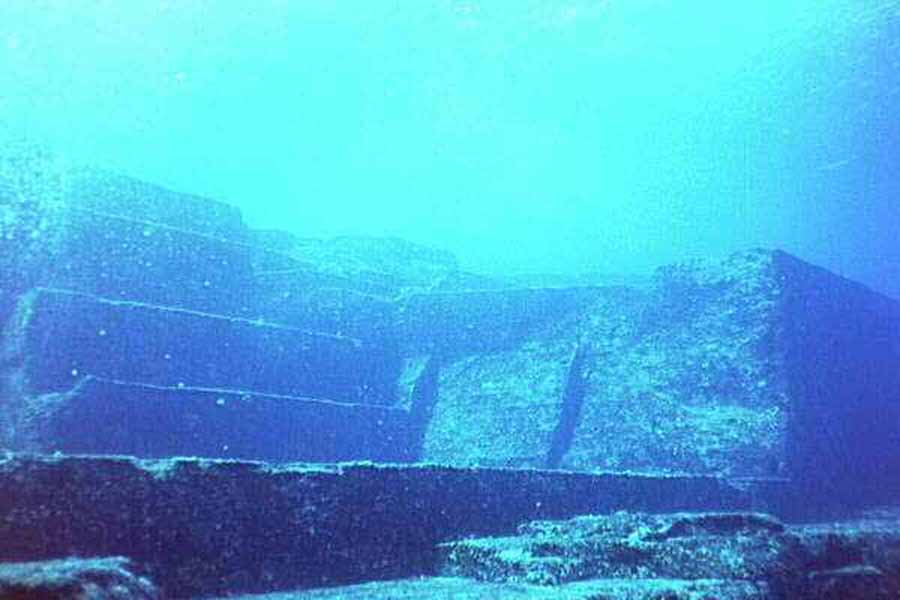
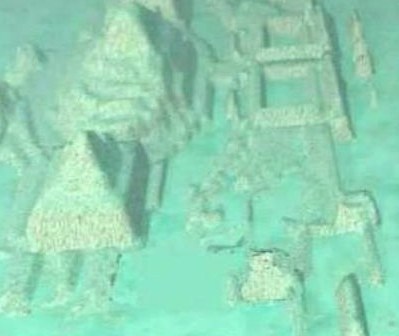
There are certainly submerged ruins found around the world, like Dwarka in the Gulf of Cambay off the West Coast of India, north of present-day Mumbai…

…Yonaguni, off the coast of Okinawa in the western most part of Japan…

…and underwater ruins off the western coast of Cuba, to name a few.

This next thought is purely speculative on my part.

Could the land-mass known as Pangaea have been intact until much more recently than over 200 million years ago, as an explanation for the occurrence of the same, and interconnected, infrastructure world-wide, from ancient to modern, than what we can imagine now with vast oceans between continents? Just a thought. This I definitely do not know.

Regardless of anything, there are huge chunks of information missing from the historical record that we no longer have access to by conventional means. We just have mind-boggling mysteries that we can’t explain by conventional means.

In the next post, I will be picking up the alignment in Lahore, Pakistan.

The Relationship Between Sacred Geometry, Ley-lines & Places in Alignment – Part 5 Bay of Bengal, Bangladesh to Varanasi, India

In the last post, I tracked this alignment which started in San Francisco starting at Luang Namtha, the name of a province and city in northern Laos, to Lashio, the capital of Shan State in Myanmar, formerly known as Burma, looking at various places and peoples throughout these regions.

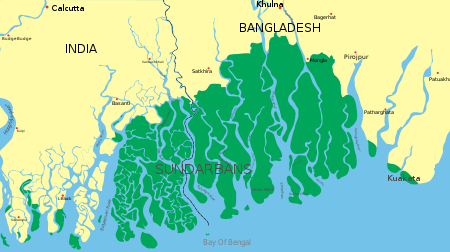
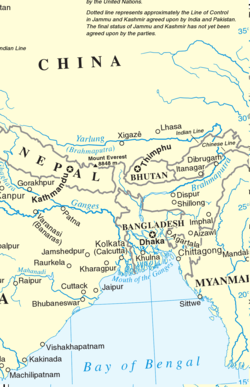
The country of Bangladesh’s placement on the Bay of Bengal is such that it contains much of the Ganges Delta, the largest delta on earth formed by the confluence of the Ganges, Brahmaputra, and Meghna Rivers.

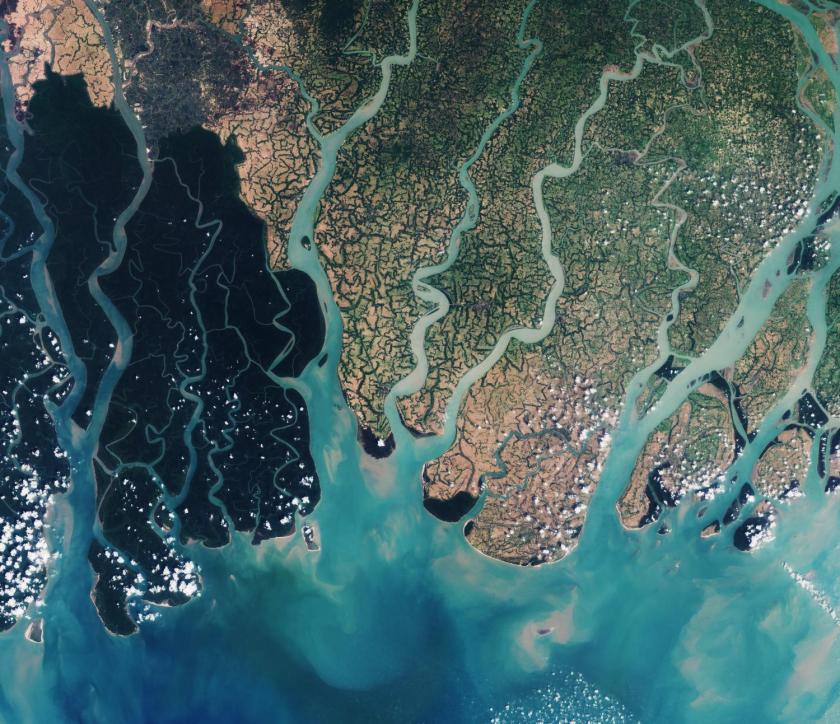
While not directly on this alignment, the Sundarbans are described as consisting of mangrove areas, land for agricultural use, mud flats and barren land, and is intersected by multiple tidal streams and channels.

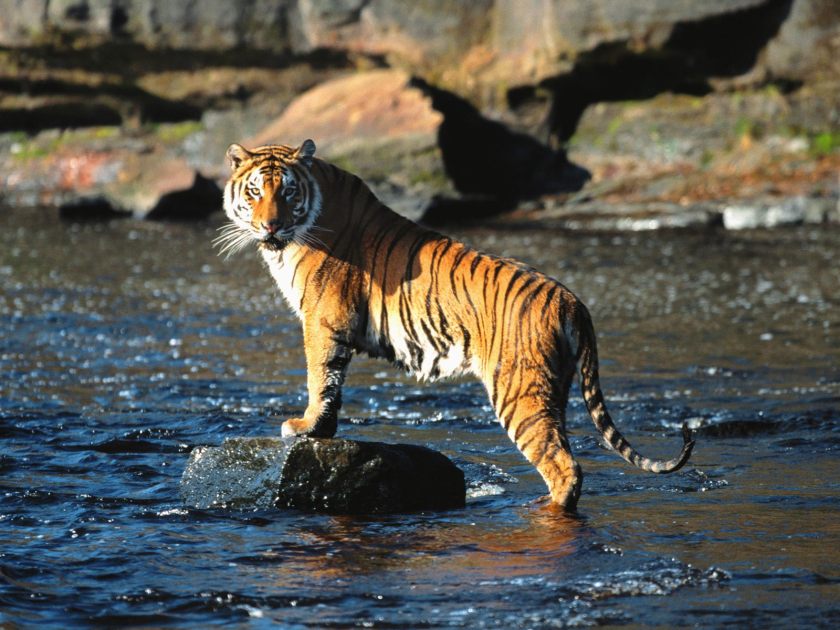
The Sundarbans National Park in West Bengal, India, is home to the largest population of bengal tigers. The Bengal tiger ranks amongst the biggest wild cats alive today, though it is an endangered species.

Note the stone with angles this tiger is standing on, and the large, what looks like stone-work, in the background.

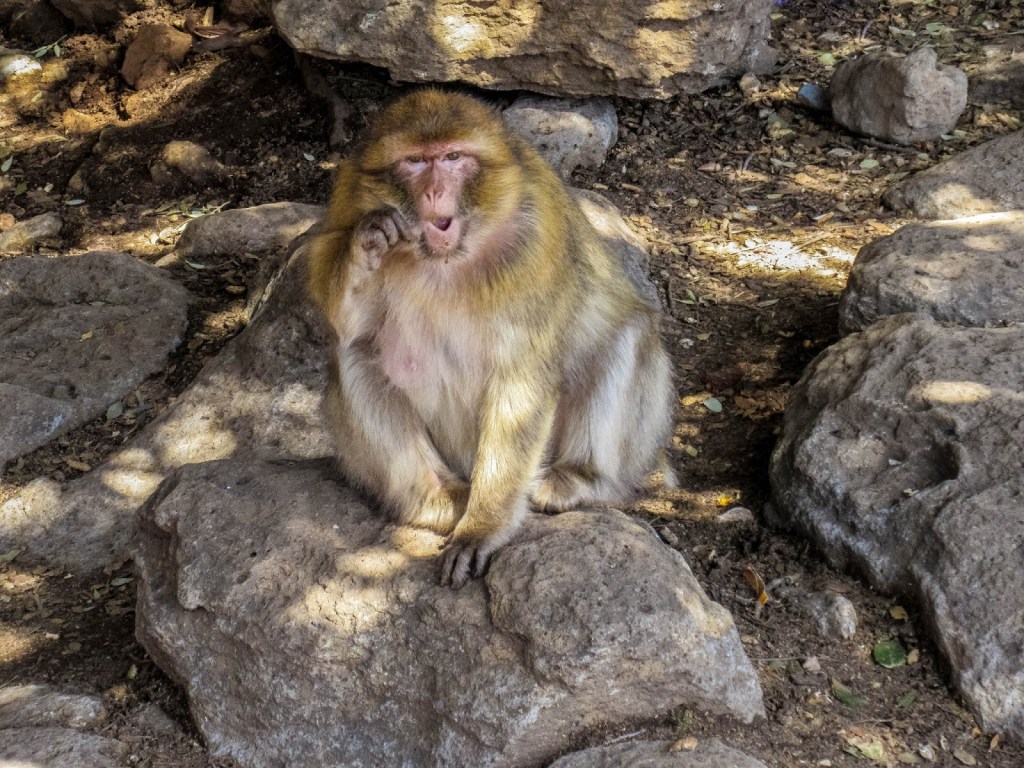
The Bengal tiger was named for a historical place, like the Barbary apes, a species of macaque, of the Atlas Mountains of Algeria and the Rif Mountains of Morocco, and also found in Gibraltar. This guy is also sitting on top of what looks like old stonework.

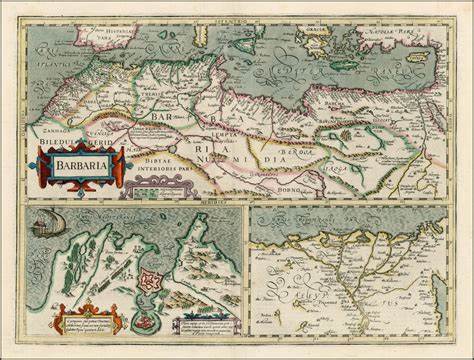
The Barbary Coast, or Barbaria, was also the name given to a vast region stretching from the Nile River Delta, across Northern Africa, to the Canary Islands.

Memories of places and people is quite frequently retained in the name of something, in this case species of animals indigenous to particular places.

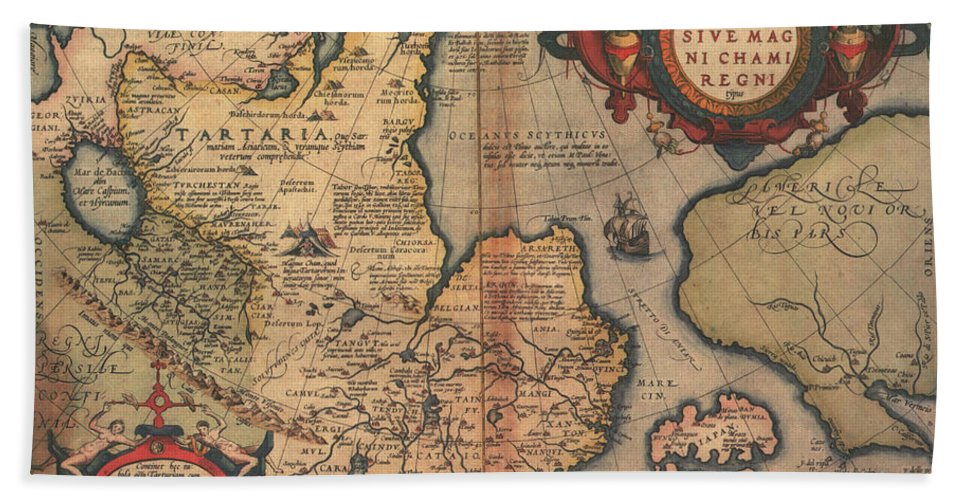
In some cases, the name was changed all together, as was the case with Tartaria in Asia…

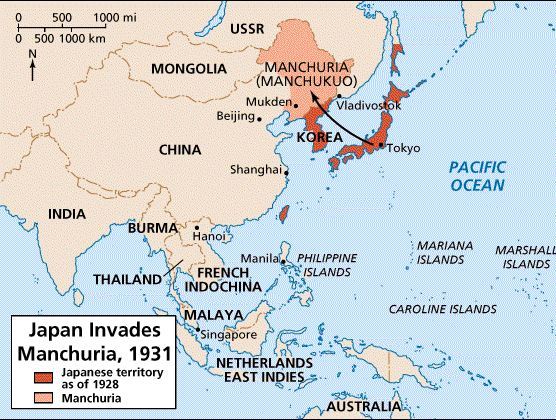
…a large part of which became Manchuria in northeast Asia in the 1800s, and which was were the Japanese were playing for when they invaded Manchuria in 1931, and which was subsequently turned into Manchukuo, a puppet state of Japan, from 1932 to 1945.

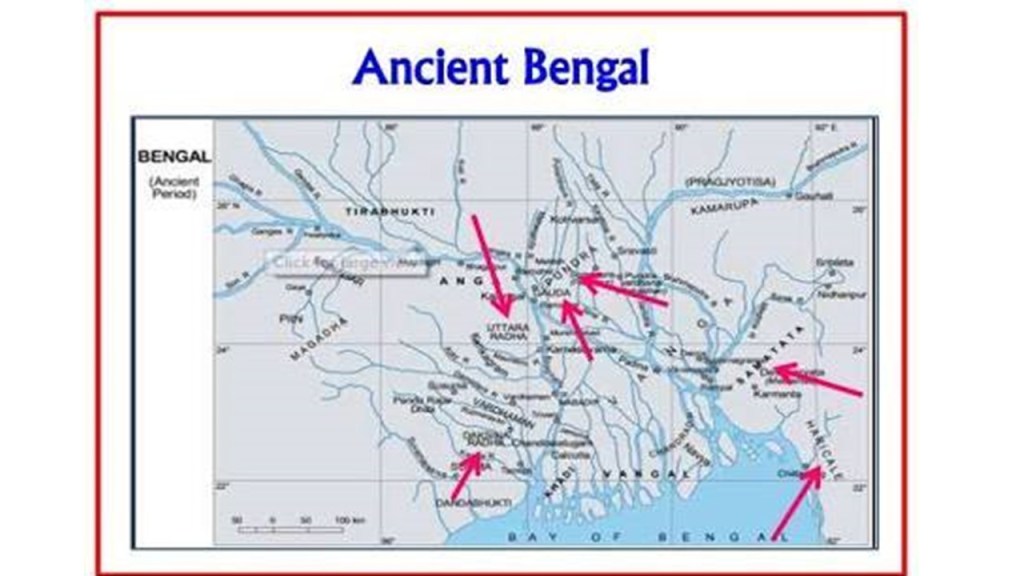
This slight-of-hand name change seems to be what happened with this part of what was the ancient civilization of Bengal. Change and rearrange a few letters, and you have “Bangla.” No one’s the wiser because the region’s true past history is unknown to the general public.

This is Parharpur, described as a Buddhist temple complex in Bangladesh.

It was said to have been excavated in 1879.

I have come to firmly believe all of these places – Barbaria, Tartaria, Bengal, which was part of the Mughal Empire, and others – were empires within one overall, and same, civilization. The advanced Moorish Civilization, with roots in ancient Mu.

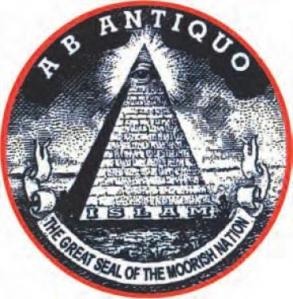
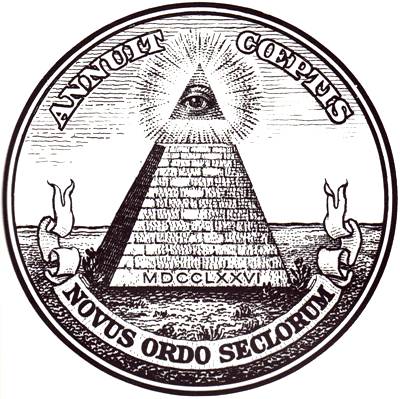
The seal on the back of the United States one-dollar bill is taken from the Great Seal of the Moors, not the other way around…

…and “Novum Ordo Seclorum” means “New Order of the Ages” in Latin. Hmmmm. Sound familiar?

What if the concept that we have been taught to believe, that empires historically resulted from military aggression and conquest, was not really the case, and represented something else entirely?

Back to the Sundarbans.

Interesting to note that we told that the proprietary rights to the Sundarbans were sold to the British East India Company in 1757 by the Mughal Emperor Alamgir II, although I also found a reference to the Battle of Plassey occurring that same year in which the British East India Company defeated the Nawab of Bengal and his French allies.

Systematic management of the mangrove forest tracts of the Sundarbans was administered by the British starting in 1860s, apparently to simultaneously protect the forests and remove the resources.

The borders of the country of Bangladesh were the major portion of the historic region of Bengal, an ancient civilization dating back at least 4,000 years.

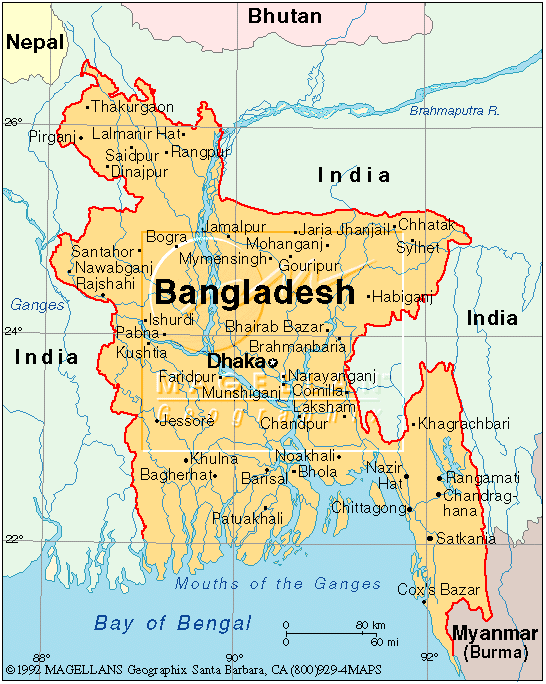
The borders of modern Bangladesh were established with the separation of Bengal and India in 1947, when the region became East Pakistan of the newly formed State of Pakistan following the Boundary Partition of India, even though it was separated from West Pakistan by 994-miles, or 1,600-kilometers.

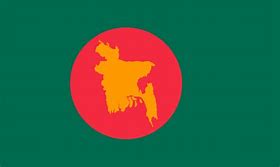
Bangladesh became an independent republic in 1971 after a period of armed conflict. This was the flag of Bangladesh circa 1971.

The only difference in the flag of the country today is that the image of the country is no longer in the circle.

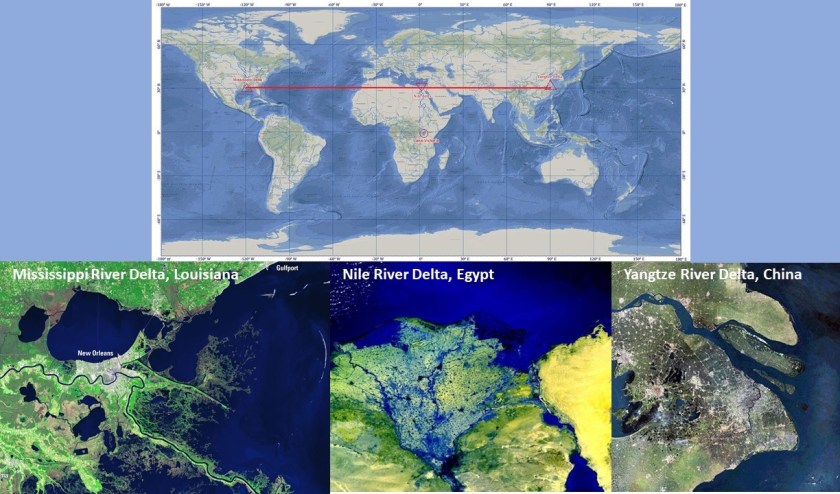
Speaking of river Delta regions, the Mississippi River Delta, Nile River Delta, and Yangtze River Delta are in a straight linear alignment with respect to each other, straight across the 30-degree north parallel.

As I have said in previous posts, the people of the ancient advanced civilization were master hydrologists and engineers who laid out all of the infrastructure of the earth according to sacred geometry and groomed the energies of the earth into corresponding ley-lines.

I believe all of so-called river systems are actually canal systems, and I have found extensive evidence all over the world to support this belief.

One example would be the identical appearances of the confluences on the top left of the Raccoon and Des Moines Rivers in Iowa; that of the Missouri and Mississippi Rivers near St. Louis on the right; and where the White Nile and Blue Nile meet at Khartoum in Sudan on the bottom left.

The Meghna River of the Ganges Delta is the one of the most important rivers in Bangladesh, and the widest river to flow completely within the boundaries of Bangladesh. The river is described as almost perfectly straight in its lower reaches towards the Bay of Bengal. More on this subject shortly.

I tracked this alignment through Dhaka, the capital and largest city of Bangladesh, and one of the largest and most densely populated cities in the world, with a population of 20.2 million in the Greater Dhaka area.

It is the largest city of eastern South Asia, a subregion which besides Bangladesh, also includes the countries of Bhutan, Nepal, and India, and is between the eastern Himalayas and the Bay of Bengal.

We are told the city of Dhaka rose to prominence in the 17th-century in the Mughal Empire in South Asia, and for 75 years was the capital of Mughal Bengal. This is said to be a 1740 map showing the extent of the Mughal Empire, done by the German cartorapher Matthias Seutter, and based on Hondius and Mercator’s 17th-century India Orientalis map of the same region.

Seutter’s map was said to be full of surprising accuracy, gross errors, and outright speculation.

This was the India Orientalis map of Mercator, first published by Hondius in 1606.

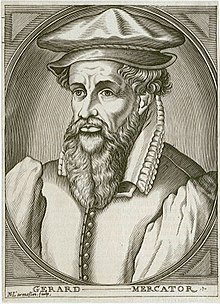
Gerardus Mercator, born in 1512 and died in 1594, was described as a 16th-century geographer, cosmographer, and cartographer from Flanders.

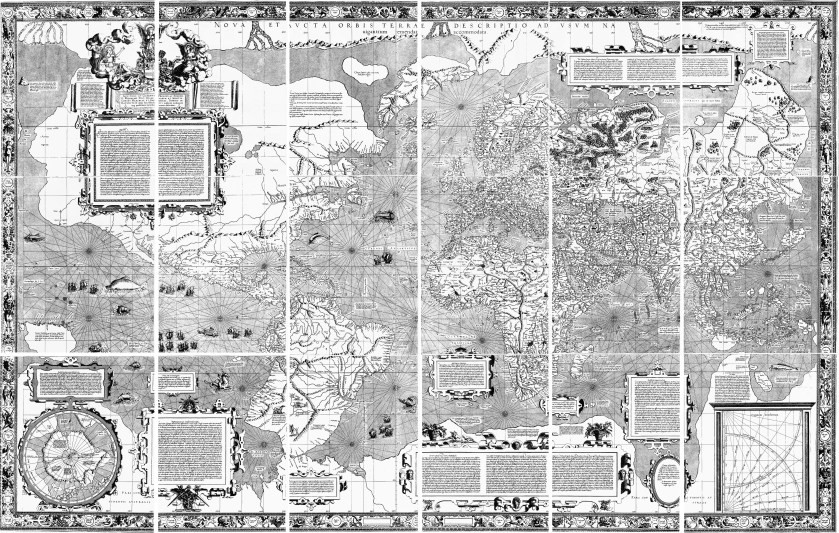
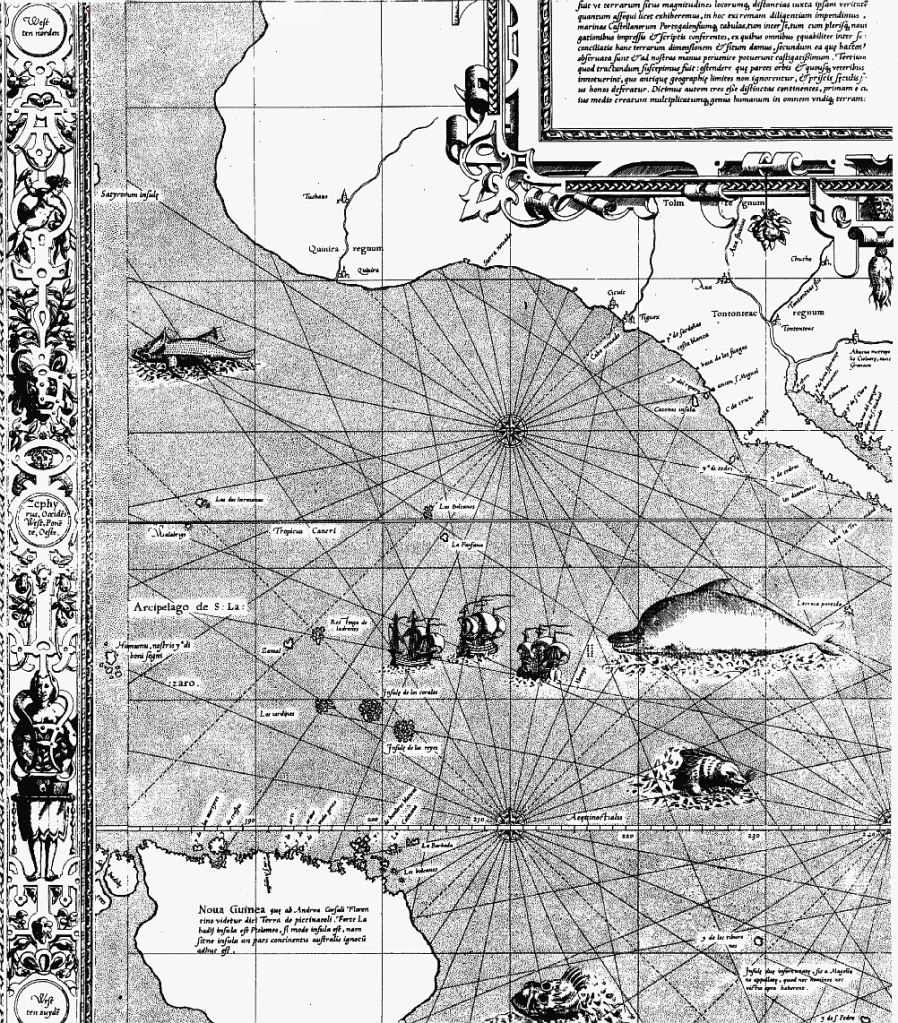
Mercator is best known for a 1569 world map that is considered to be the first where sailing courses on the sphere were mapped to the plane map, allowing for a “correction of the chart to be more useful for sailors.”

Here is a close-up section of the 1569 map showing the depiction of straight ley-lines, at least in the seas…

…and the depiction of ley-lines on land and sea were present on the flat projections of the Catalan Atlas of the Majorcan Cartographic school, said to have been made by a cartographer named Abraham Cresques in 1375.

My coming into awareness of all of this was a very intuitive process, at the beginning of which I had no preconceived notions, ideas, or theories about what I was going to find.

This journey for me really started in earnest for me when I noticed cities lining up in lines in North America, and by connecting the dots of major cities, I found a star tetrahedron. I extended the lines out, and followed-up on the alignments I found by looking at countless hours of drone videos and photos of places on each alignment.

In so doing, I saw that all of the infrastructure of earth carries the same signature and the same hand of design of one unified civilization on earth.

While the focus of my research is not about proving or disproving flat earth versus planet, nor am I directed by it, I do find this information about older maps on flat planes with ley-lines to be extremely interesting and noteworthy. This is where my research has taken me, and I am sharing my findings.

I think both Mercator and Matthias Seutter with the map of the Mughal Empire shown previously were working from older pre-existing maps from an advanced maritime civilization.

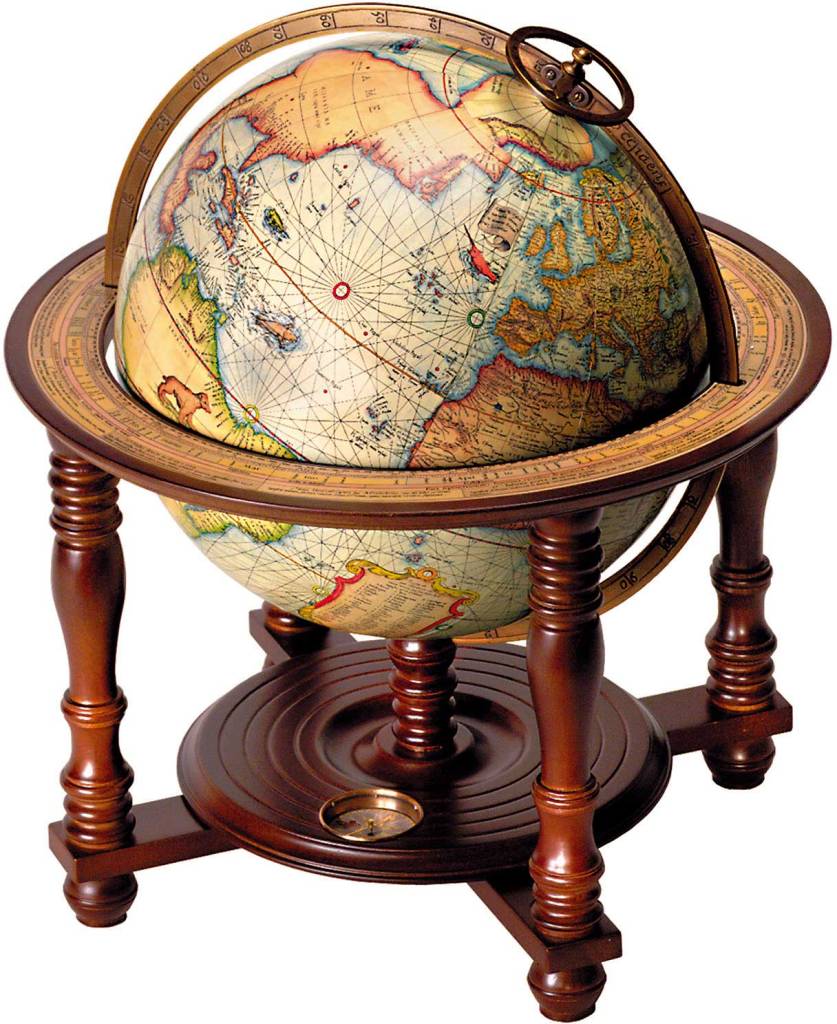
As a matter of fact, Mercator was said to not have travelled himself…and he also made globes, like this globe from 1541.

So Mercator was said to have made a revolutionary flat projection map that corrected the chart for sailors…and the earth as a globe as well. Hmmm. I have to ask the question – is this information telling us something about what was actually going on here?

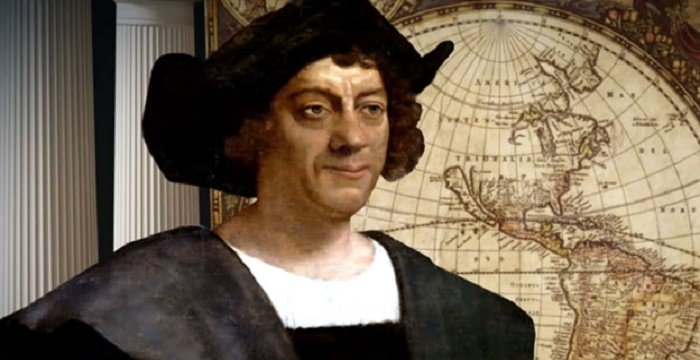
And Christopher Columbus didn’t sail the ocean blue to find a shorter way to get to India, or the Indies, or to prove whether or not the earth was flat or round, as I remember what we are told from childhood.

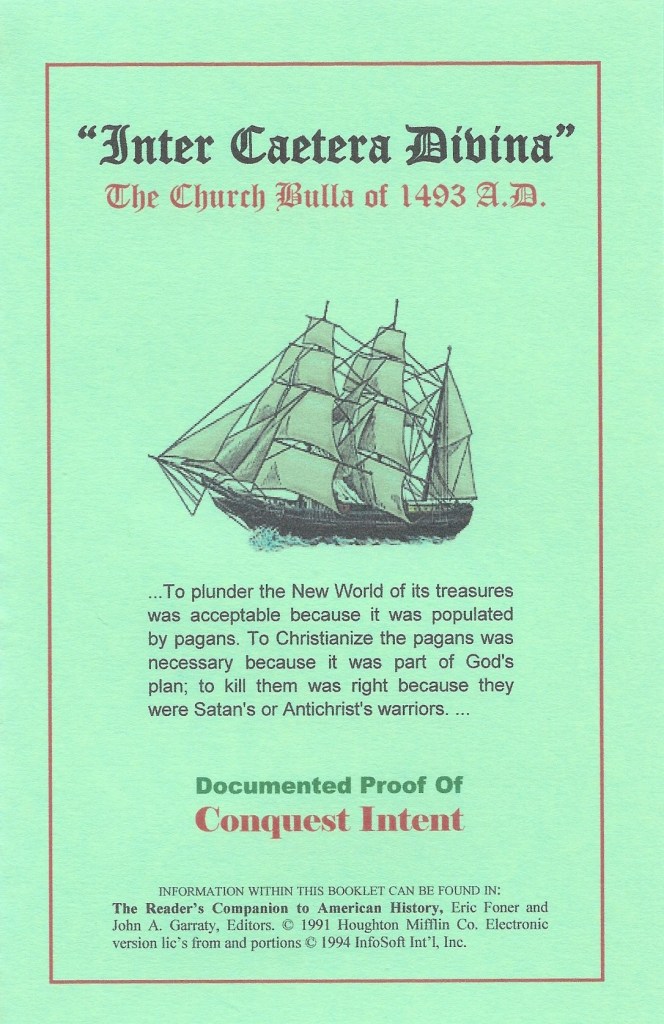
He was an important part of a boots-on-the-ground land grab authorized by the “Inter Cetera” papal bull, issued by Pope Alexander VI in 1493.

This papal bull became a major document in the development of subsequent legal doctrines regarding claims of empire in the “New World” and assigned to Castile in Spain the exclusive right to acquire territory, to trade in, or even approach the lands laying west of the meridian situated one-hundred leagues west of the Azores and Cape Verde Islands, except for any lands actually possessed by any other Christian prince beyond this meridian prior to Christmas, 1492.

Now back to Dhaka in Bangladesh.

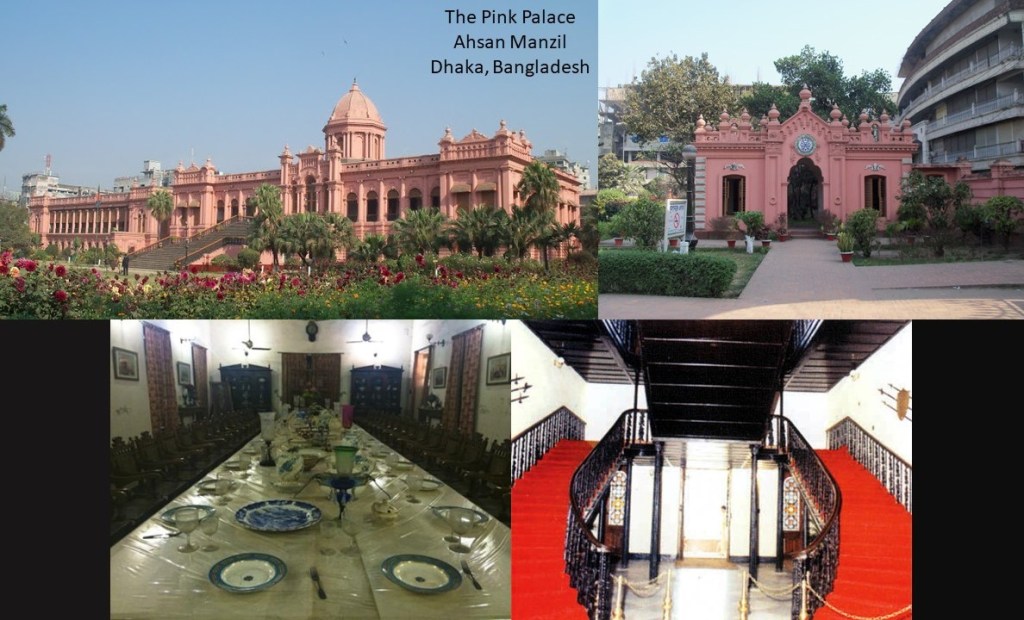
This building is what is called the Pink Palace, or Ahsan Manzil, in Dhaka, and was the official palace and seat of the Nawab of Dhaka, with construction of it said to have started in 1859, and completed in 1872.

The Pink Palace in Dhaka is described as having been constructed in the Indo-Saracenic Revival architecture style, also known as Indo-Gothic, Mughal-Gothic, and Hindoo Style, and was said to have been utilized by British architects in India in the later 19th-century, especially in public and government buildings.

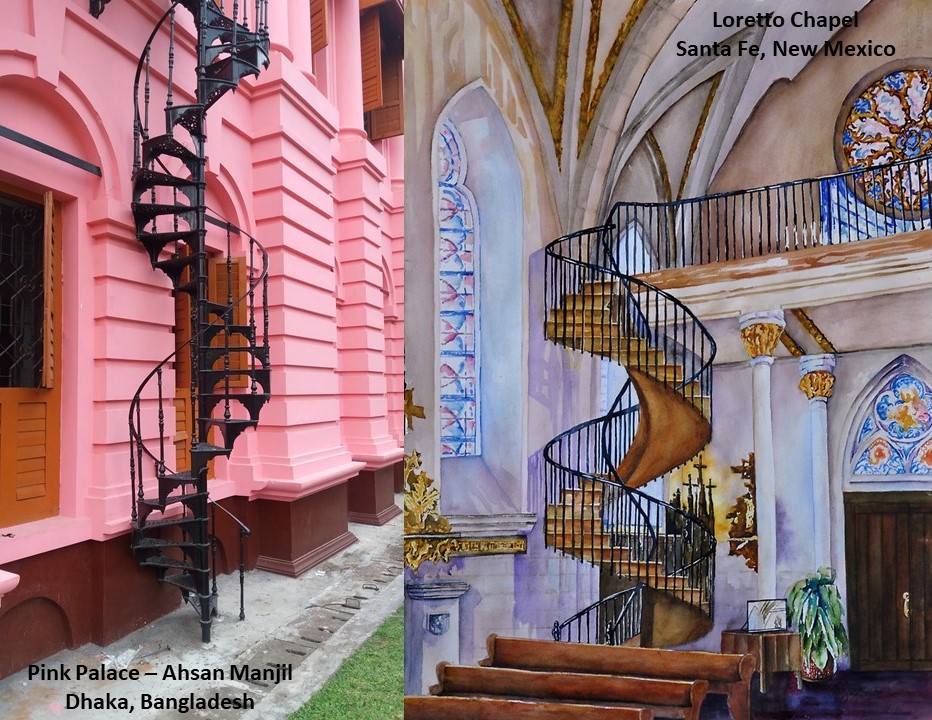
Here is a comparison on the left of an outdoor spiral, what looks to be iron staircase, at Ahsan Manzil, with the wooden staircase at the Loretto Chapel in Santa Fe, New Mexico on the right.

I remember hearing about miraculous origin of Loretto Chapel staircase from an episode of Unsolved Mysteries back in the 1970s, so I looked it up.

The story was said to have begun in 1850, when the Vicarate of New Mexico was established under the first Bishop of the territory, Jean Baptiste Lamy. He was said to have sent a plea to teaching orders to open a school for girls, and the Sisters of Loretto responded with six sisters to open the Loretto Academy, which they were said to have opened in 1853.

The story that goes with the spiral staircase is that after construction of the chapel started in 1873 by a French architect, he died before access to the choir loft was built.

So the Sisters of Loretto prayed a 9-day novena to the patron saint of carpenters, Saint Joseph, and suddenly a carpenter appeared with only a hammer and carpenter’s square. He was said to have built the “miraculous staircase” with simple tools and wooden pegs, with a wood that was not native to the American Southwest.

And then the carpenter disappeared just as suddenly without thanks or payment.

The wooden staircase of the Loretto Chapel has two 360-degree turns with no center pole for structural support, with the weight of the staircase resting on the bottom stair.

So when I saw the existence of a pink palace in Dhaka, I was reminded of the pink Don CeSar Beach Resort, a massive building located on St. Petersburg Beach in Florida, and which I drove past many times when I lived in neighboring Clearwater, Florida, for a few years (between 2002 and 2006).

The Don CeSar was said to have been developed by Thomas Rowe, with a design by architect Henry H. DuPont, opening in 1928. It was said to have gained renown as a Gulf of Mexico playground for America’s pampered rich at the height of the Jazz Age in the 1920s and 1930s, a has this reputation to this day.

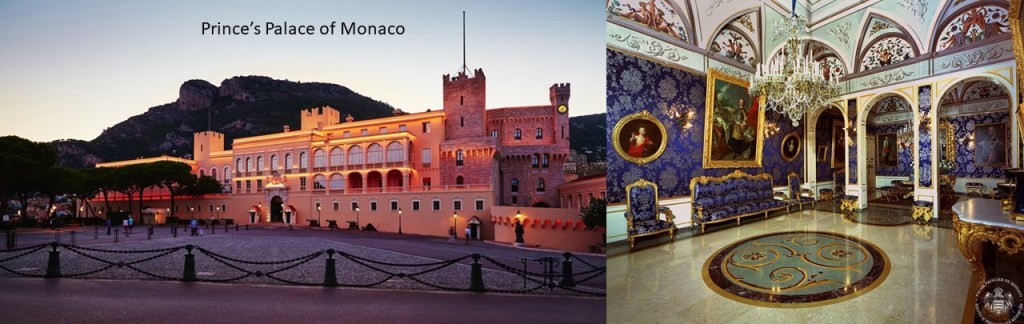
Then there is the pink Prince’s Palace of Monaco, the official residence of the sovereign prince of Monaco, and said to have been built in 1191 as a Genoese fortress, and home of the Grimaldi family since they captured it in 1297.

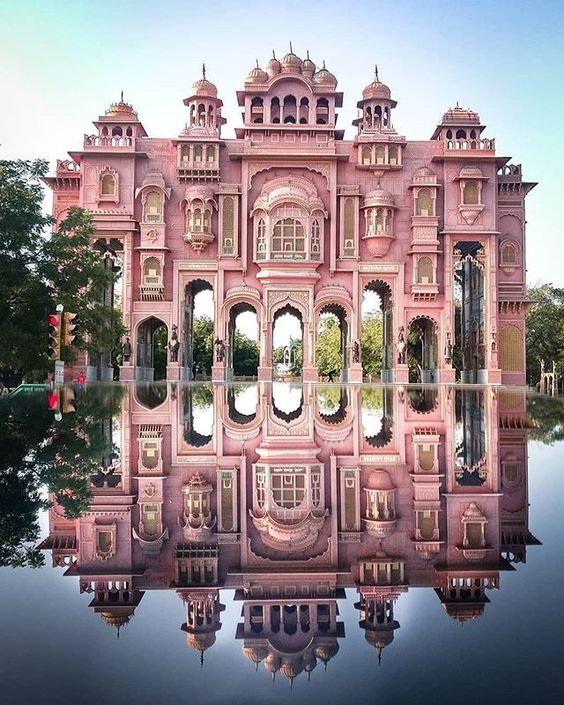
One more pink place that I would like to share with you is the Patrika Gate, the ninth-gate of Jaipur, a famous monument and tourist attraction in the capital and largest city of the Indian state of Rajasthan India, with its perfectly mirrored reflection in the still water as seen here.

A famous monument and tourist attraction in India, the pink Patrika Gate is said to be one of the most photographed places in India.

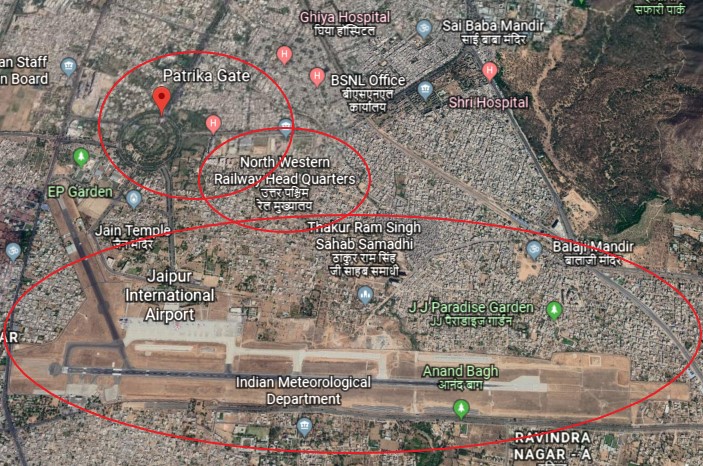
It was built in the Jawahar Circle near the Jaipur International Airport…

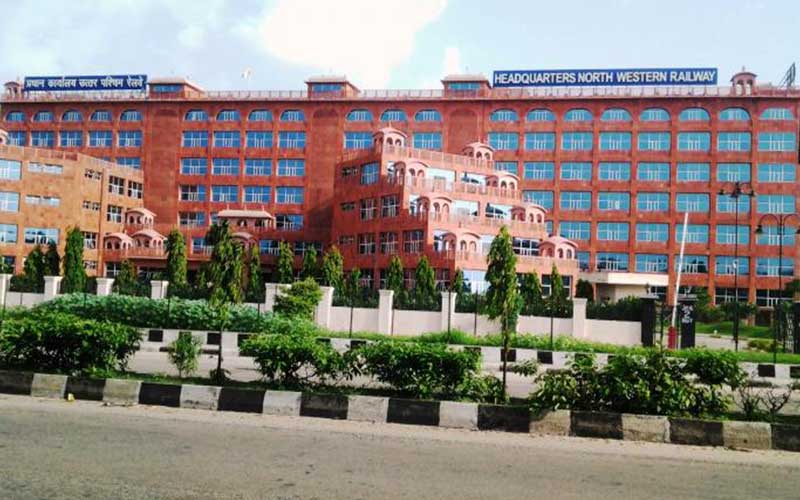
…and apparently the Headquarters of the North Western Railway are near the Patrika Gate in Jaipur as well.

I don’t think this finding is random. The transportation infrastructure of earth is intrinsically connected to the earth’s grid system, which was at one time a free-energy collector and transmitter. Everything was all connected together!

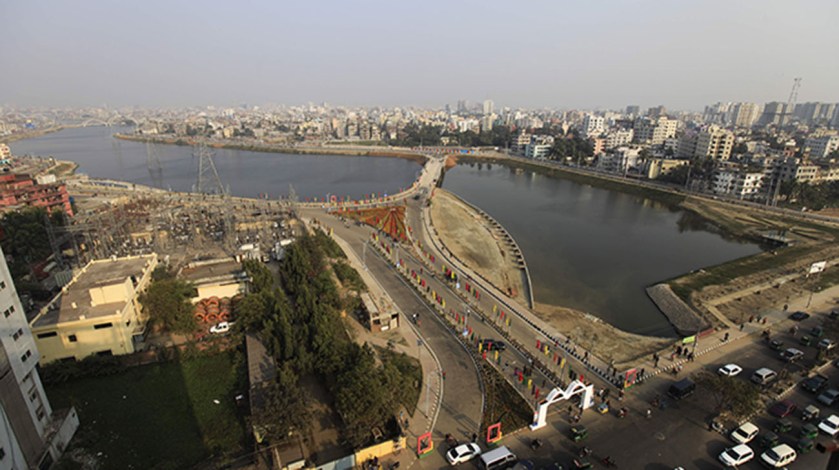
Hatirjheel Lake in Dhaka was said to have been constructed under the Bangladesh Army and Special Works Organization (SWO) in the Center of Dhaka, starting in 2007, which also was said to have built…

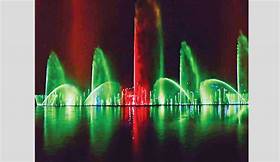
…the Hatirjheel Musical Dancing Fountain, the largest in South Asia, with an amphitheater that seats 2,000 people.

Did they construct it…or get something working that was already built?

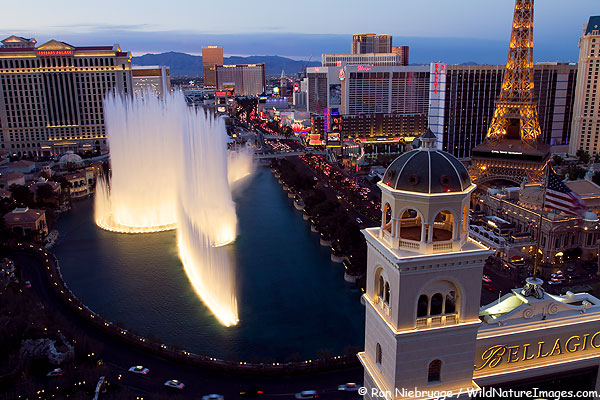
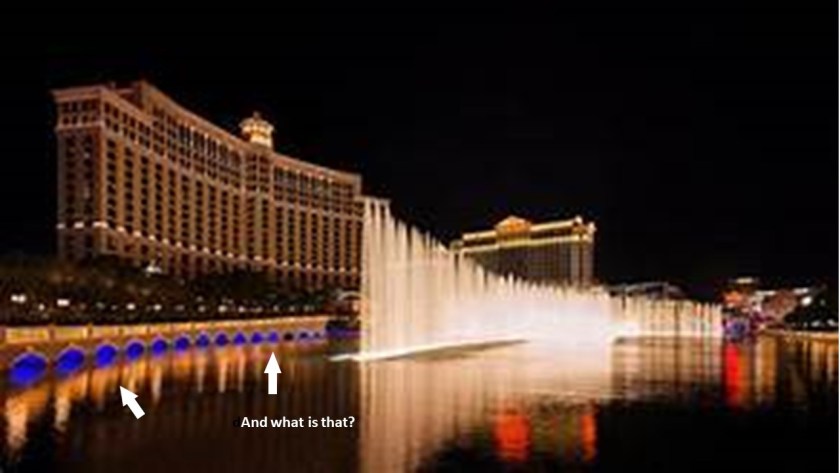
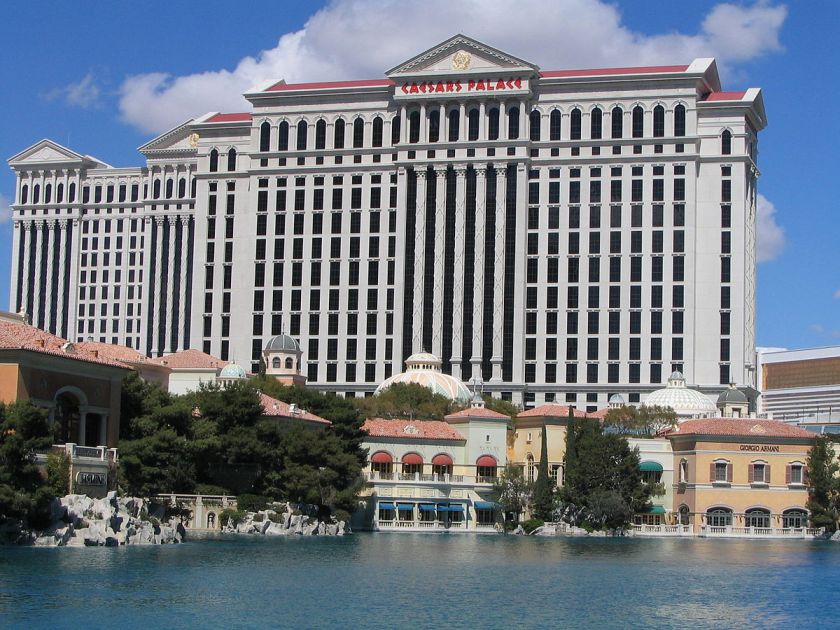
I was reminded of the Fountains of Bellagio in Las Vegas.

The Caesar’s Palace Hotel is on the right of the Bellagio Hotel in this picture…

…so I had to look it up.

The construction of Caesar’s Palace in Las Vegas was said to have started in 1962, and that it opened in 1966.

They were building massive classical columned and domed architecture like this in the 1960s? For real?

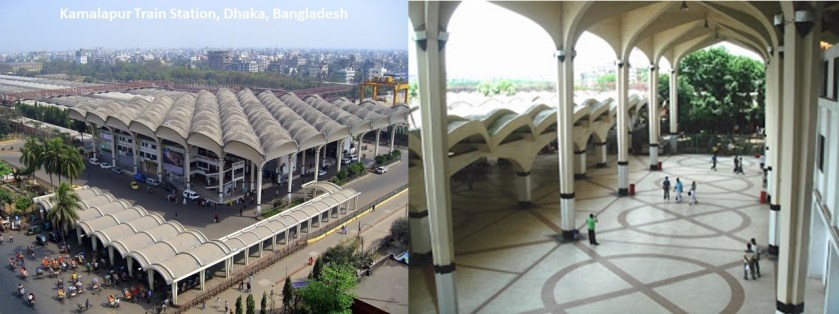
This is the Kamalapur train station in Dhaka, with its gigantic archways. It was also said to have been designed and opened in the 1960s.

The railroad is an important mode of transportation in Bangladesh.

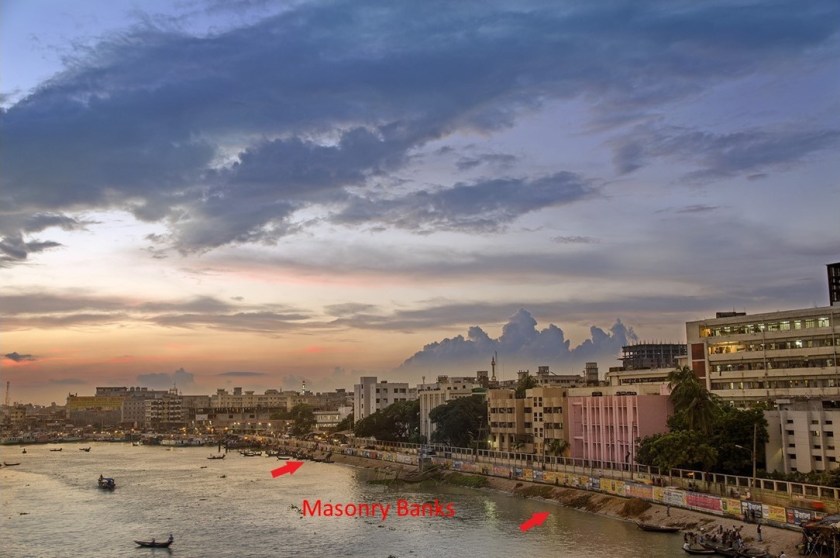
Dhaka was one of several places given the nickname “Venice of the East.”

We are told that there are three major canal systems in Bangladesh that drains into the three major rivers around Dhaka – the Turag; the Balu; and the Buriganga rivers.

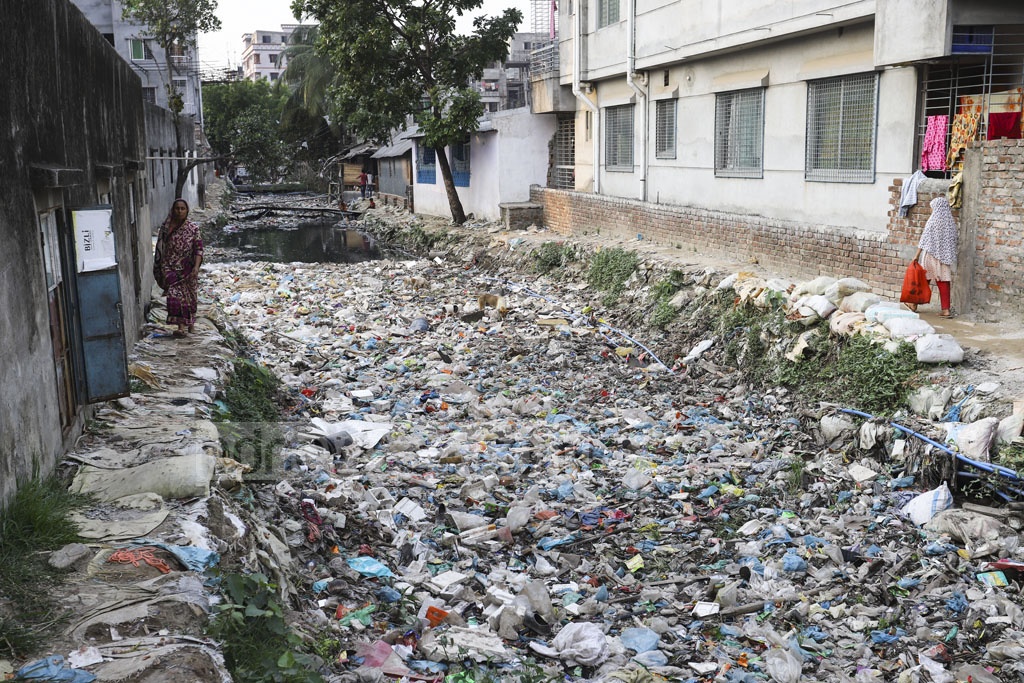
This is what the Kallyanpur canal looks like today.

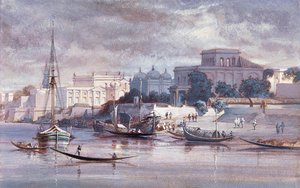
This was a view of Dhaka from across the Buriganga River, said to have been painted in 1861…

…and Dhaka across the Buriganga River today.

This is an historic photo from the 1880s of the Mitford Hospital in Dhaka, which was said to have been established in 1854 after land that was bequeathed by Robert Mitford for public works in Dhaka was made available for that purpose in 1850.

There was a whole lot going on the historical record we have been given around the years on either side of 1850.

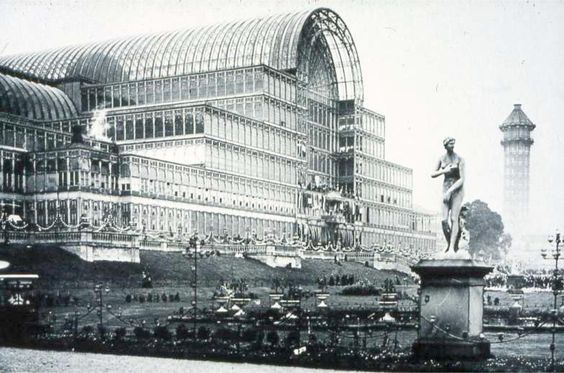
I believe the official kick-off of the new historical reset timeline was the “Great Exhibition of All Nations,” opened by Queen Victoria in 1851…

…in the Crystal Palace in London…

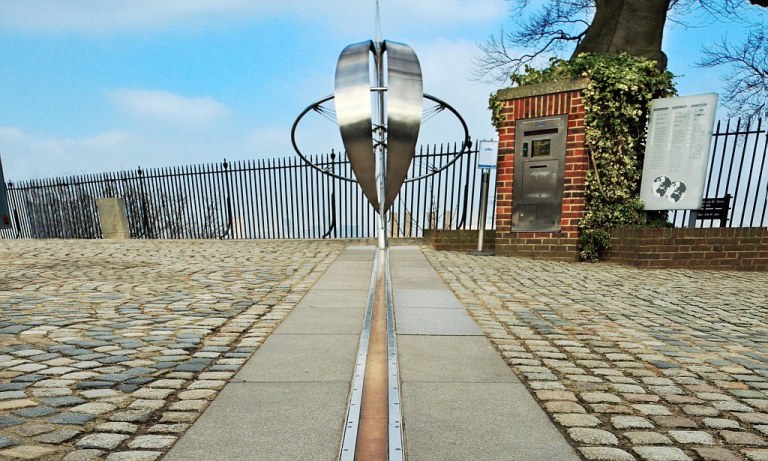
…and 1851 was the same year the Prime Meridian of earth was moved from the Great Pyramid of Giza to Greenwich, London, England, where the Royal Observatory is located.

The parasitic beings who found a way to incarnate into human form engineered a hostile takeover of the planetary grid system, and they invented a new history based to a certain extent on the original civilization, and inserted themselves into the new timeline as royalty, among other things, and objects of worship of veneration.

For one example, this is the Prince Albert Memorial in London’s Kensington Gardens, said to have been unveiled in 1872.

This takeover was not about benefiting Humanity by any stretch of the imagination. Everything that has taken place has been about the degradation and diminishment of Humanity and the beautiful and high civilization that was here up until relatively recently.

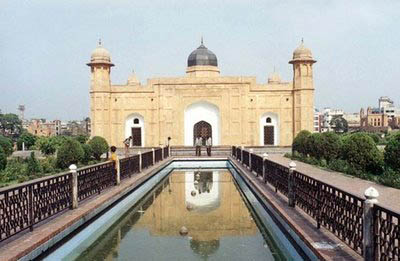
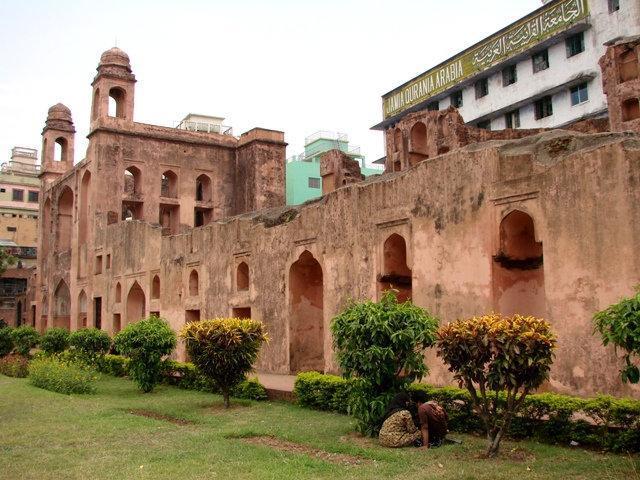
Lalbagh Fort in Dhaka is said to be an incomplete 17th-century fort complex, with work starting on it said to have begun in 1678.

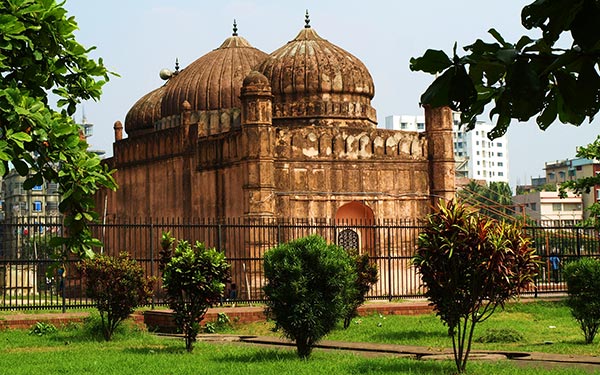
The main buildings of the complex consists of the mosque…

…what is called the Tomb or Mausoleum of Bibi Pari…

…and the Diwan-i-Aam.

Below the Diwan-i-Aam in this picture, it looks like there might be a megalithic wall, but it is hard to tell for sure and I can’t find a better picture than this of what shows up there.

Here are other sites on the fort complex grounds.

This place doesn’t look incomplete to me. It looks very old!!!

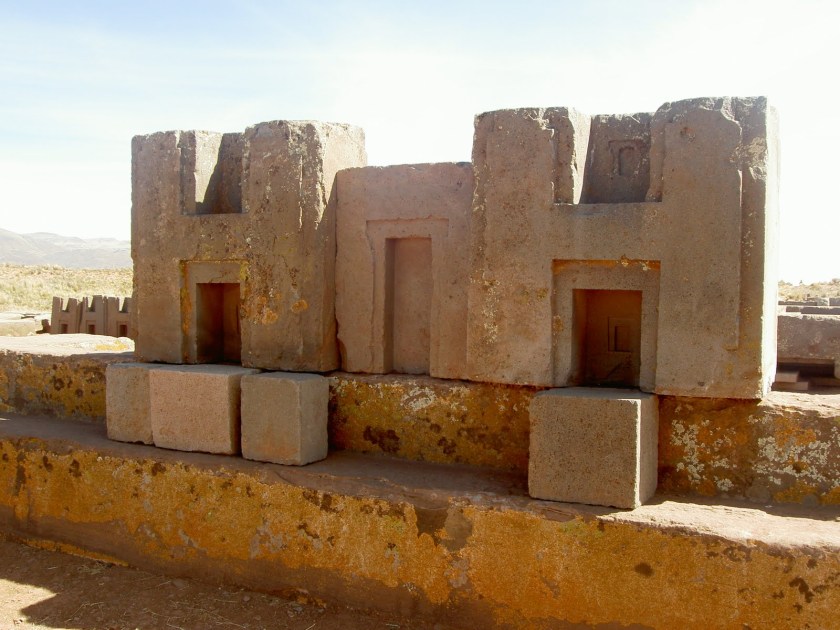
And this site at Fort Lalbagh in Dhaka…

…reminded me of the H-shaped masonry that is found at Puma Punka, and ancient site near Tiwanaku in western Bolivia.

I could stay looking around Dhaka for quite awhile, but I think I will move on to the next place I would like to look at on this alignment in India.

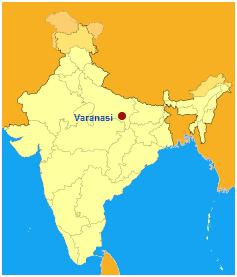
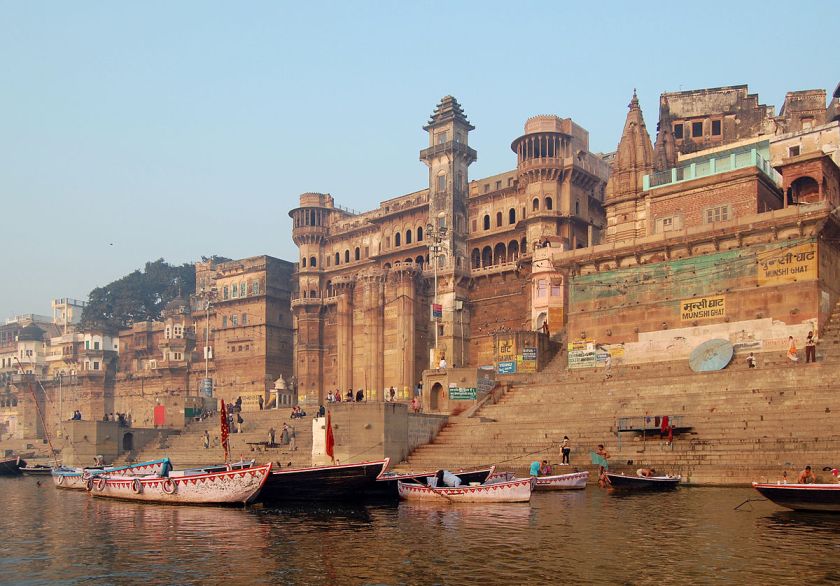
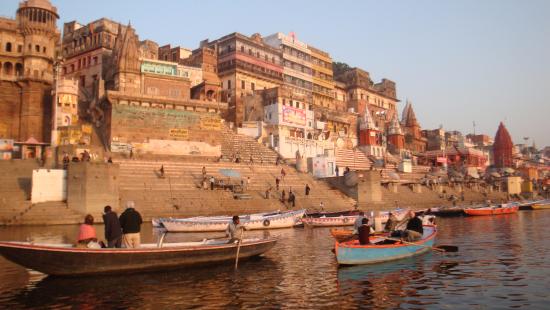
Varanasi, also known as Benares and Kashi, is the holiest of the seven sacred cities in Hinduism, which is called the oldest religion in the world, and the holiest of Jainism, and is a major religious hub in India.

It is located on the banks of the Ganges River in the Uttar Pradesh State of India.

Buddhism was believed to have been founded here around 528 BC when Gautama Buddha gave his first sermon in what is called the deer park in nearby Sarnath…

…and in the 8th-century AD, the worship of Shiva, who was said to have founded Varanasi, was established as an official sect of the city.

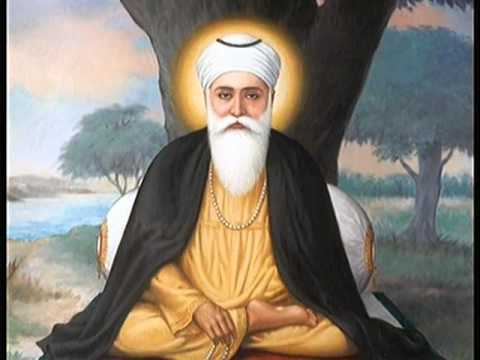
Guru Nanak visited Varanasi in 1507 on a trip that was said to have played a role in the founding of Sikhism.

Varanasi is closely associated with the Ganges River, and has been a cultural center of northern India for thousands of years.

It is a major pilgrimage center because Hindus believe that dying in Varanasi, and getting cremated on the banks of the holy Ganges River here, allows one to break the cycle of rebirth and get free from the cycle of death and rebirth.

There are two ghats, embankments made in steps of stone slabs along the river bank, where cremations occur. One is the Manikarnika Ghat…

…and the other is the Harishchandra Ghat.

With this definition of “ghat” in mind, I am going to take a little side-trip into what I discovered earlier in my research tracking a different alignment through India.

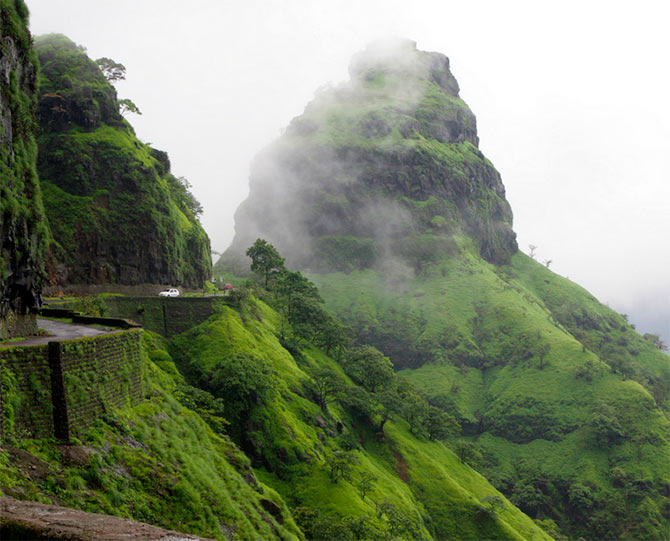
“Ghat” is the name of two mountain ranges forming the eastern and western edges of the Deccan Plateau of peninsular India, as well as parallel to the Bay of Bengal on the eastern side, and the Arabian Sea on the western side.

The Eastern Ghats are described as discontinuous in nature, and dissected by the rivers that drain into the Bay of Bengal.

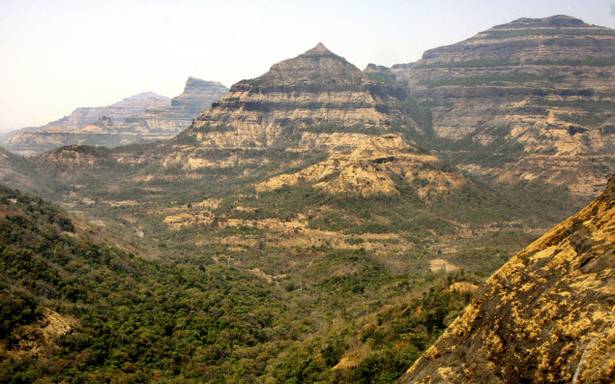
I want to share with you this screenshot from a YouTube video I watched several years ago entitled: “The Eastern Ghats in Journey through India”…

…showing this part of the subcontinent of India looking like Monument Valley, in Arizona near the border with Utah in the American Southwest. I personally think these are some kind of astronomical markers, perhaps for equinoxes or solstices.

The Western Ghats are described as continous without any major breaks.

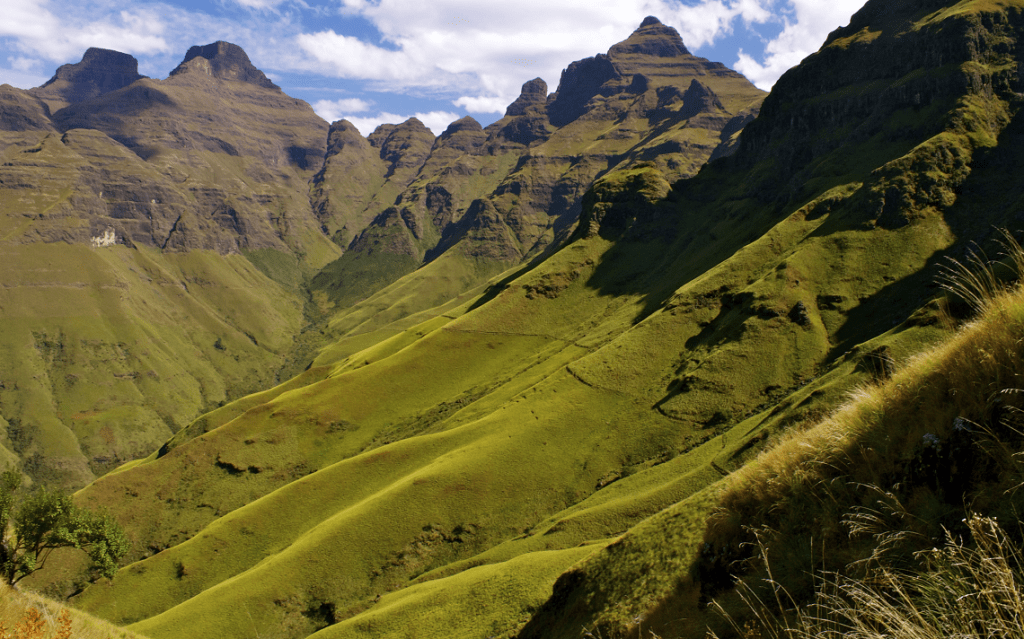
The Deccan Plateau between the Eastern Ghats and the Western Ghats…

…looks like the Drakensberg in South Africa.

I think these places represent ancient infrastructure of a highly advanced worldwide civilization of Human Master Builders that was deliberately removed from our conscious awareness, and reclassified as having been created by natural forces. These places are so ancient that there is an element of doubt but there are incredible similarities between these places and others on different continents.

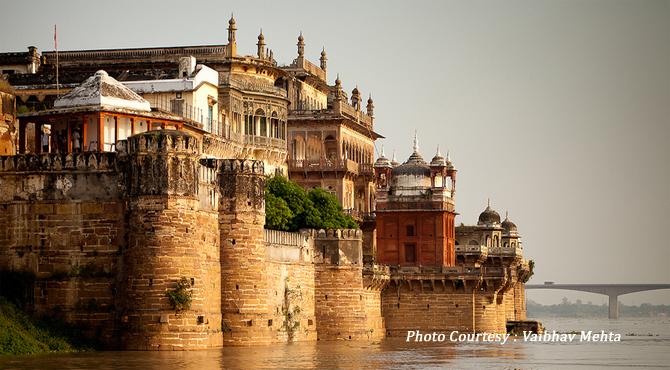
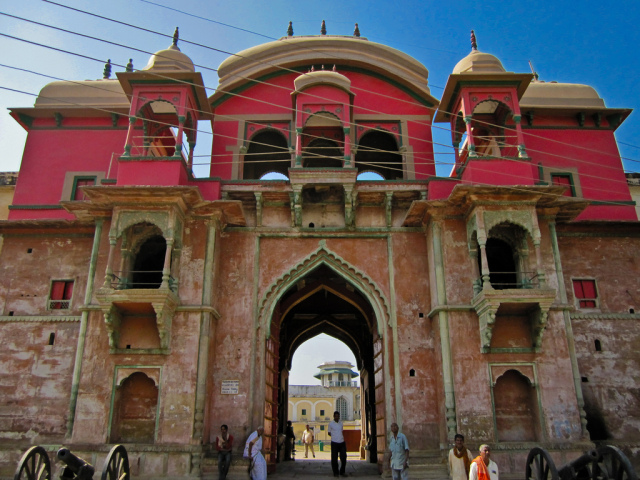
Back in Varanasi, the Ramnagar Fort is on the eastern bank of the Ganges River .

It was said to have been built in the Mughal style of architecture in 1750.

It is the residence of the current Maharaja of Varanasi. Though the title was abolished in 1971, the Kashi Naresh, the titular ruler of the Narayan Dynasty, the ruling family of Benares, is deeply revered by the people of Benares, or what is now called Varanasi. What’s in a name, right?

Like with Dhaka, I could stay here looking around the place for quite awhile, but I think I am going to go ahead and end this post here, and pick up the alignment next in Lucknow, India.

The Relationship Between Sacred Geometry, Ley-lines & Places in Alignment – Part 4 Luang Namtha, Laos to Lashio, Myanmar

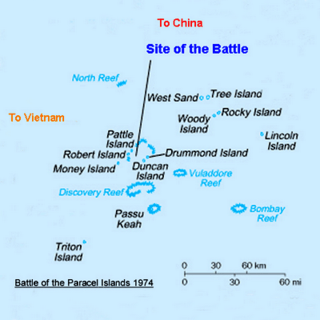
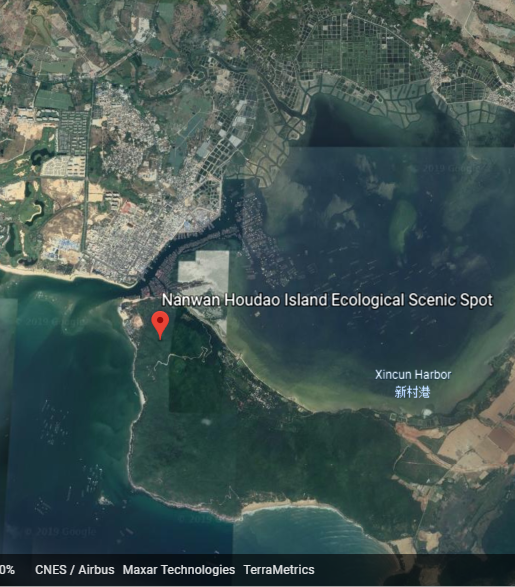
In the last post, I tracked this alignment, which started in San Francisco, California, from the Paracel islands in the South China Sea, between the Philippines and the Chinese Province of Hainan, through the Gulf of Tonkin, and into Viet Nam to Hanoi, the capital of Viet Nam.

I am picking up the alignment in the land-locked country of Laos.

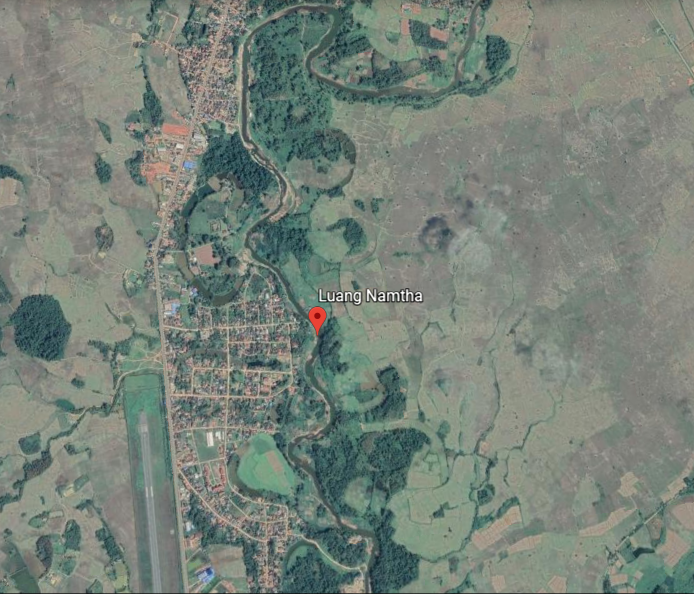
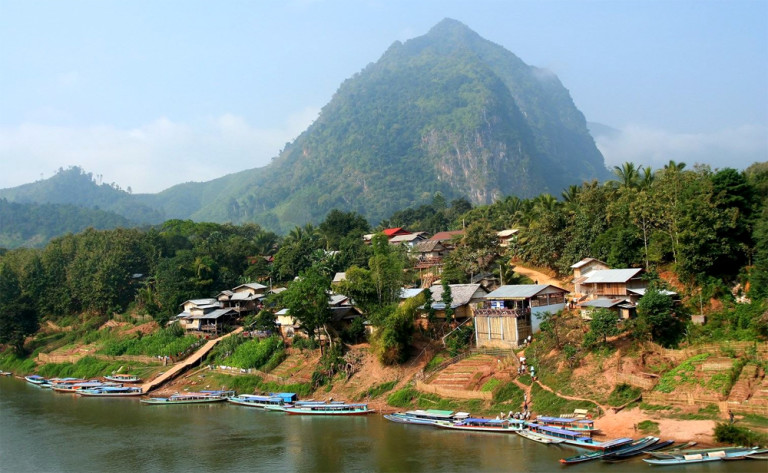
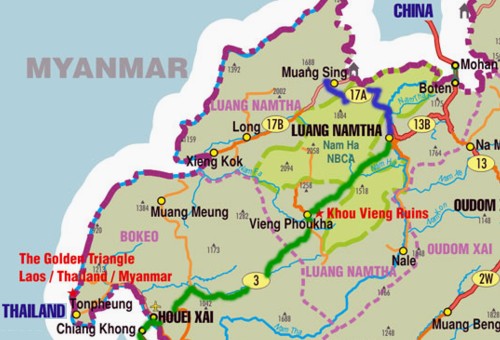
Luang Namtha is the name of a Province in northern Laos, and its capital city.

The city of Luang Namtha is located on the snaky, s-shaped Tha River.

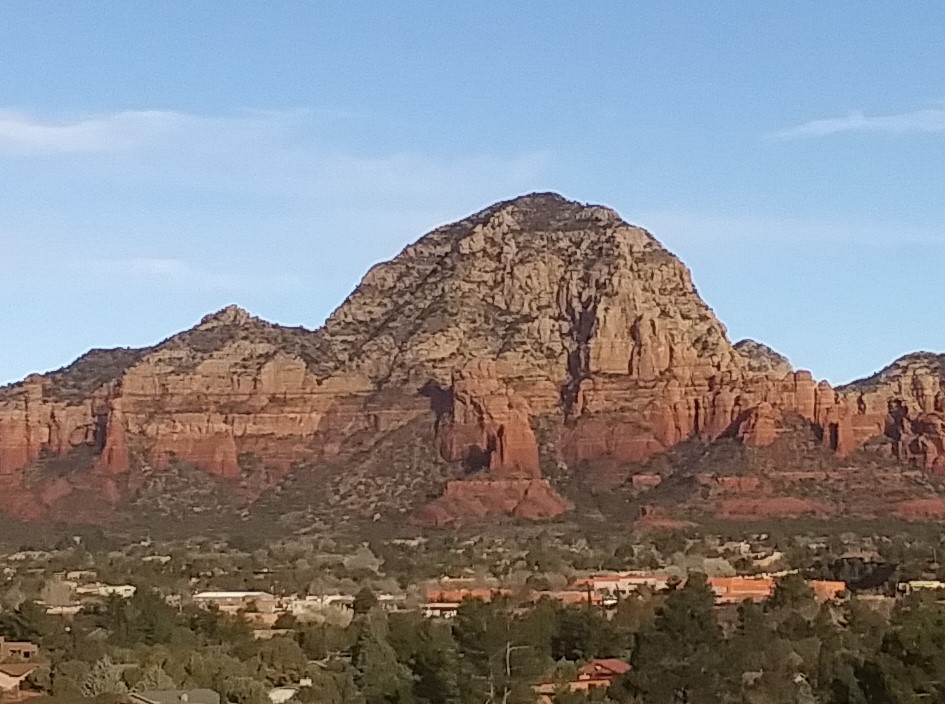
This is a site along the Tha River that reminds me in appearance of…

…Thunder Mountain in Sedona, Arizona.

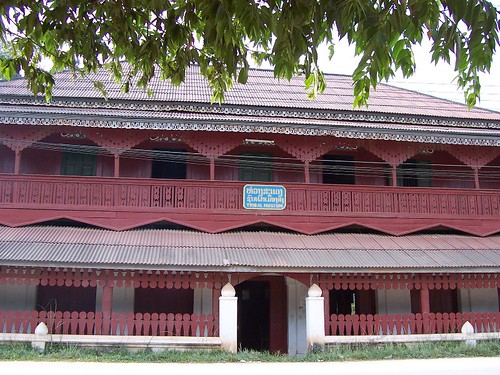
There is a provincial museum in Luang Namtha City that is largely an anthropological museum…

…containing numerous items relating to the local people like clothing, textiles, household items, Buddhist-related items, and bronze Khamu drums.

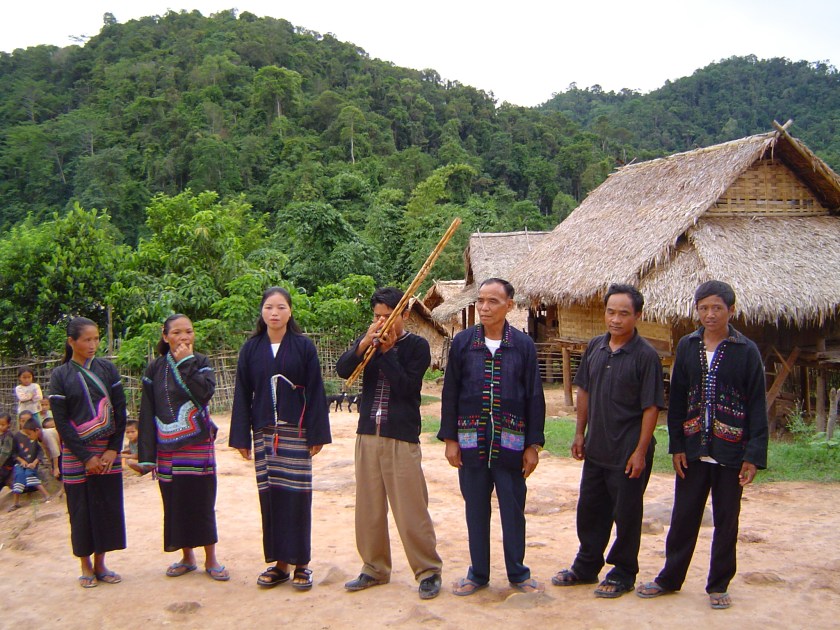
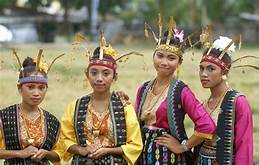
The majority of Khamu, or Khmu, now live in northern Laos, though the Khamu are indigenous to Southeast Asia, and are found in Myanmar (formerly Burma), Thailand, Viet Nam (where they are officially recognized), and in the Yunnan Province of China (where they are not officially recognized). Yet another Kham to connect to the Ancient Kemetic civilization of Egypt.

Other peoples of Laos include the Hmong, a sub-group of the Miao people…

…the Akha people…

…and the Mien People.

What I find interesting is that the woven textiles and traditional clothing of all of these ethnic groups is not significantly different from each other, nor is it significantly different from that of other places like the Helong weavers of West Timor in Indonesia…

…or the textiles and clothing of Peru.

This indicates to me a much closer relationship between these different groups of people than what we have been told.

The Nam Ha National Protected Area in Luang Namtha Province is home to some of the Khmu, Hmong, and Akha peoples, among several other of the ethnic minorities in Laos, as well as diverse animal and plant species.

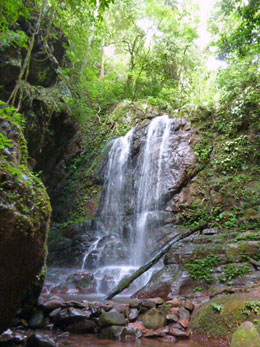
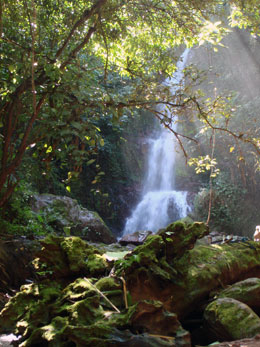
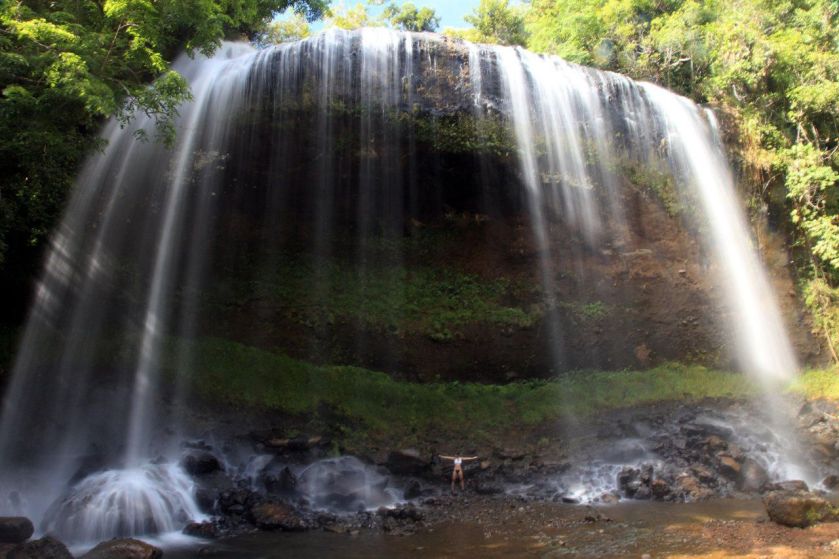
The Pha Yueng Waterfall is located in the Nam Ha Protected Area, on the road from Luang Namtha to Muang Sing.

Muang Sing is a small town and district in Luang Namtha Province, 37-miles, or 60-kilometers, northwest of the town of Luang Namtha, and in close proximity to the border between Laos, and Yunnan Province of China.

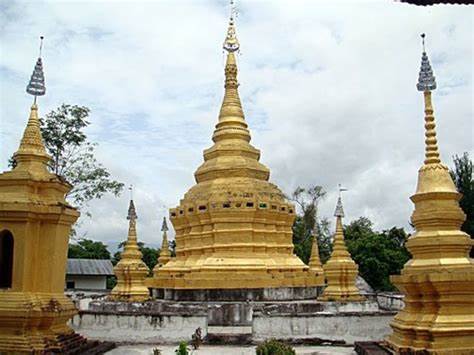
The principal Buddhist temple here is called the That Xieng Tung Stupa. A festival is held here every year on the full moon of the twelfth lunar month (in October or November).

On the left side of the stupa there is a stairway leading to a sacred fountain and sacred stone, and on the right side is the old moat and wall of the stupa.

The Nam Keo Waterfall is slightly over 1-mile, or 2-kilometers from this stupa.

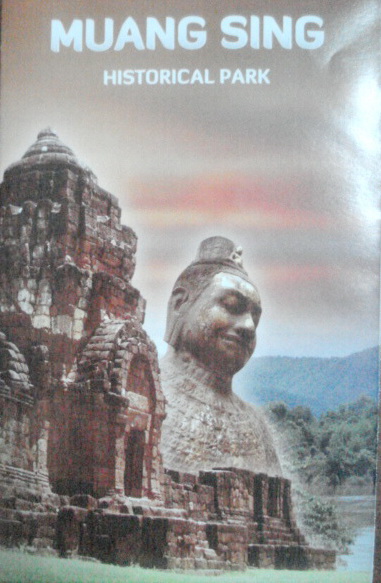
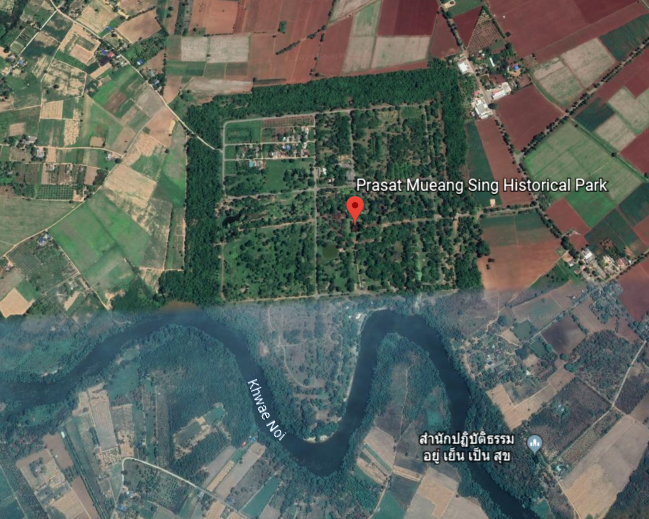
Muang Sing is also the name of an historical park in neighboring Thailand.

It protects the remains of two Khmer temples said to date from the 13th- and 14th-centuries in Thailand’s Kanchanaburi Province, on the snaky s-shaped Khwae Noi River.

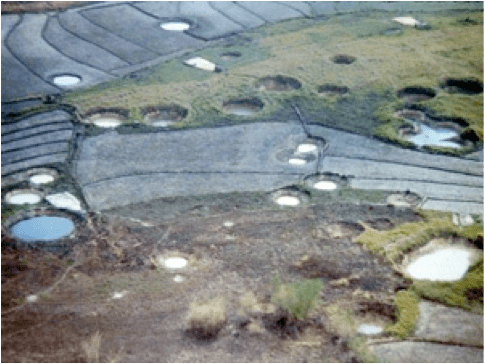
DCIM\101MEDIA

Before I move along the alignment into Myanmar, there are several more things I would like to bring up in or about Laos.

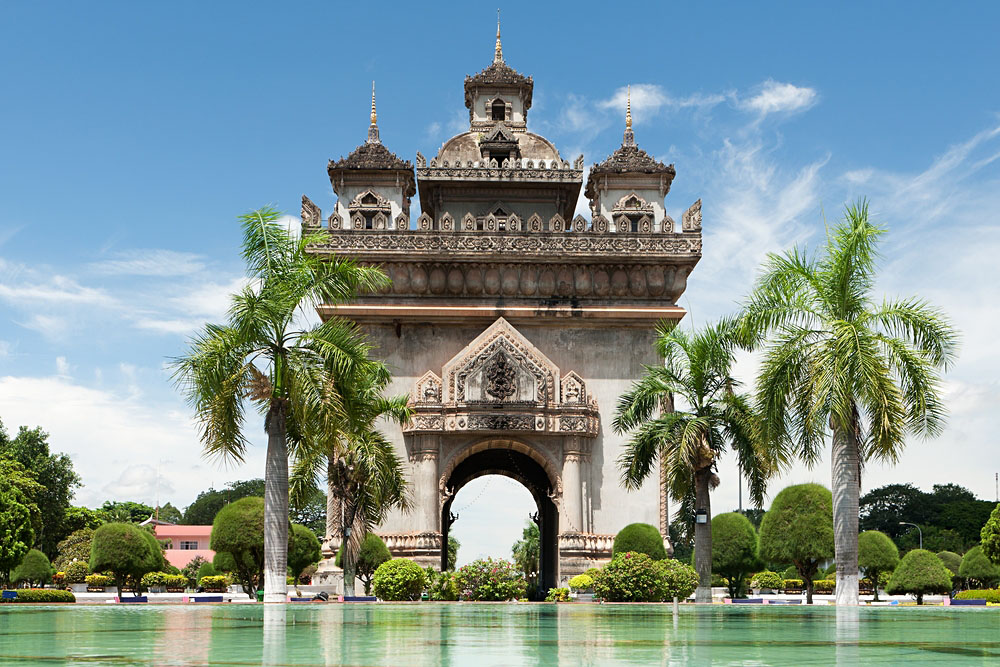
One is the Patuxai, or the Arch of Triumph of Ventiane, built in the capital city of Laos, and which we are told was built in the 1960s as a monument dedicated to those who fought in the struggle for Laos’ independence from France.

Among other problems with that dating of the construction of this arch is that during the 1960s, Laos had its own problems with the Viet Nam war spilling over into Laos, with Laos being bombed by American planes starting in 1964, in retaliation we are told, for the shooting down of an American plane by insurgents, and after which bombing runs over Laos intensified, with over 100,000 bombing runs on Laos’ eastern border with North Viet Nam.

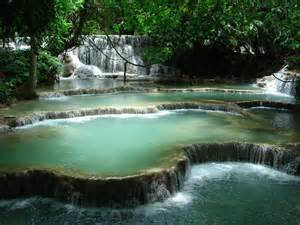
Another place is Luang Prabang, which I found tracking a different alignment, and where there are beautiful waterfalls…

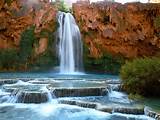
…that look similar to Havasupai Falls in Arizona’s Grand Canyon.

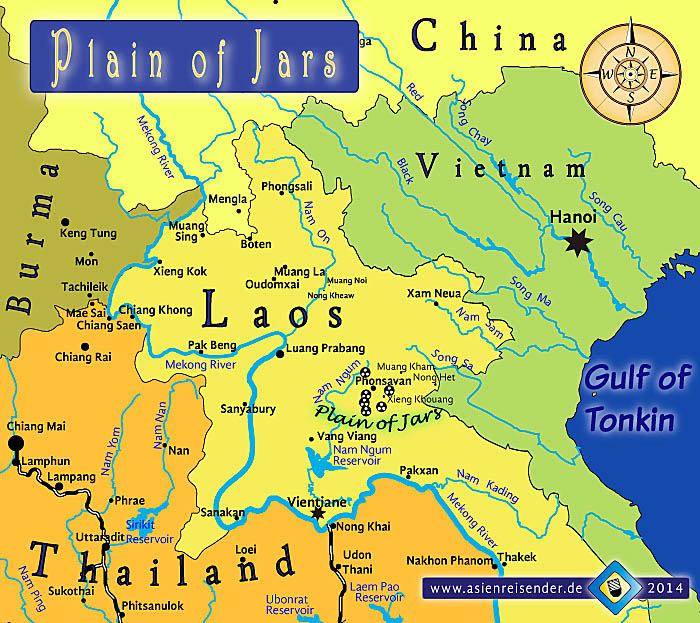
The last place I would like to bring to your attention in Laos is called the Plain of Jars.

As I recall, the first time I ever heard of the Plain of Jars was either watching an episode of “Unsolved Mysteries” or “Arthur C. Clark’s Mysterious World.” Whenever I first heard of it was a long time ago.

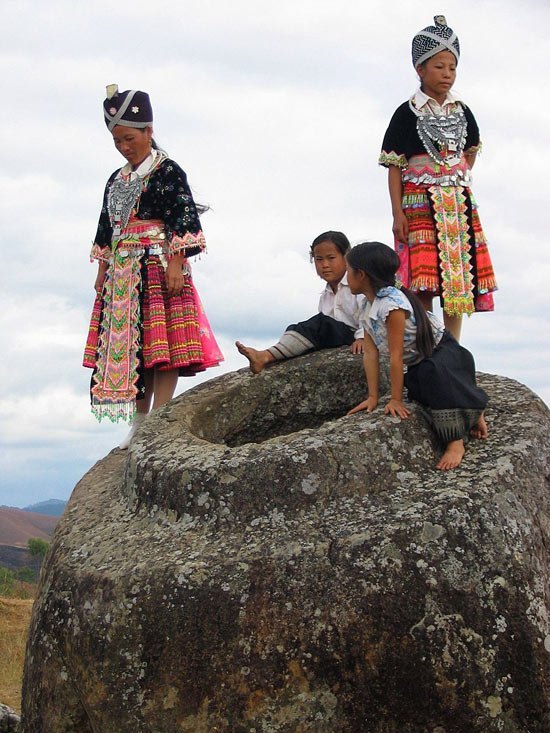
The Plain of Jars is a mystery, with thousands of what look like huge jars cut from stone filling the landscape.

Some of the stone jars are gigantic!

Between 1964 and 1973, the Plain of Jars was heavily bombed by the U. S. Air Force operating against the North Vietnamese and Pathet Lao communist forces, and it was said that the Air Force dropped more bombs on the Plain of Jars than it dropped during the entirety of World War II.

These were some unexploded bombs removed from the Plain of Jars from the secret war in Laos.

Why the incessant and excessive bombing of a megalithic archeological site?

Per capita, Laos is the most bombed country in history.

Leaving the country of Laos, I am tracking the alignment into the country of Myanmar, formerly known as Burma, through the city of Lashio, the largest town in northern Shan State.

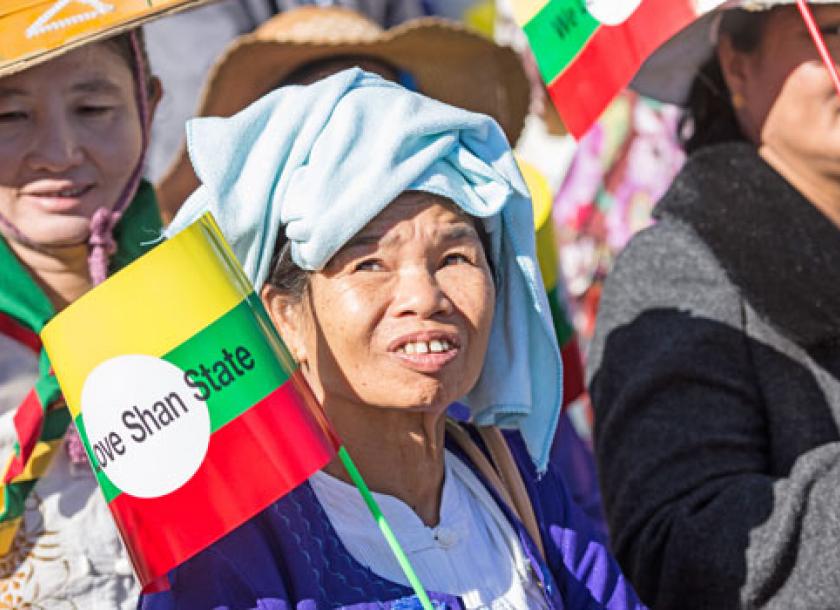
The population of Shan State is mostly comprised of the Shan People, Chinese, and Burmans.

The Shan people live primarily here, but they are also found on other parts of Myanmar, China, Laos, Thailand, and India.

The majority of Shan are Theravada Buddhists or practice the animist Tai folk religion.

The Shan Hills are found in Myanmar’s Shan State.

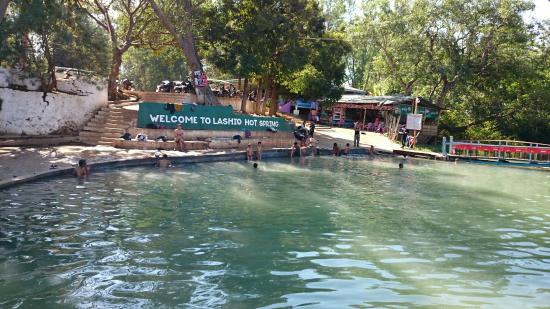
There are hot springs in Lashio, of which I come across many tracking planetary alignments.

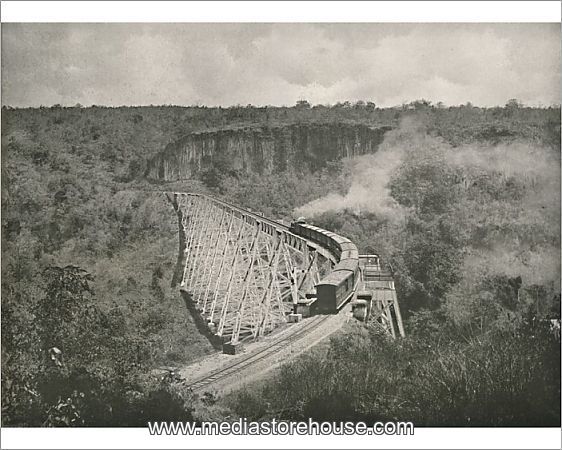
The Gokteik Viaduct was said to have been built in 1899 – 1900 by an American Company on behalf of British Authorities, and is between Lashio and Pyin Oo Lwin in the Mandalay Region of Myanmar, and which became a permanent military outpost for the British in 1897 and eventually the summer capital of British Burma, which existed from 1824 until 1948 when Burma chose to become a fully independent republic instead of a British Dominion.

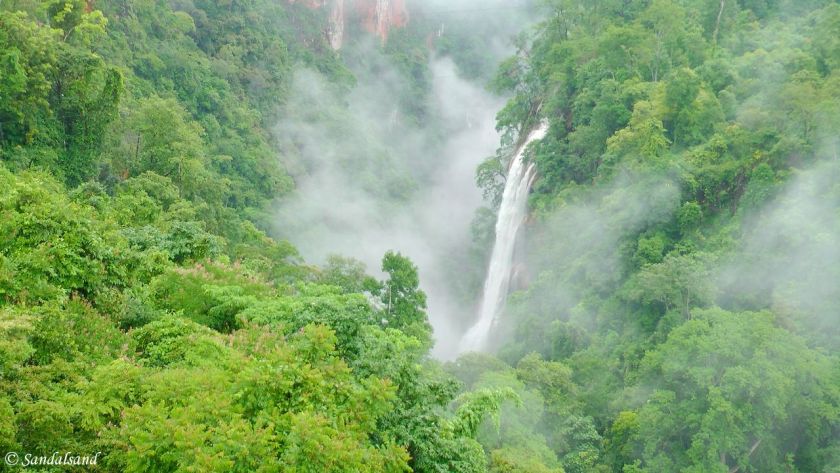
The Gokteik Viaduct goes across the Gokteik Gorge, which has at least one waterfall as seen here.

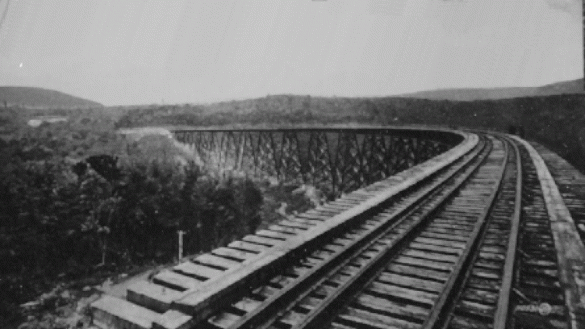
The appearance of the Gokteik Viaduct reminded me of this trestle of the Algoma Central Railway in Ontario. The Algoma Central Railway was said to have been chartered in 1899 and built between Sault Ste. Marie, Ontario and Hearst, Ontario by 1914.

The Algoma Central Railway is known for its daily excursion to Agawa Canyon, 113-miles, or 182-kilometers, north of Sault Ste. Marie, Ontario, through a sparsely populated area with few roads.

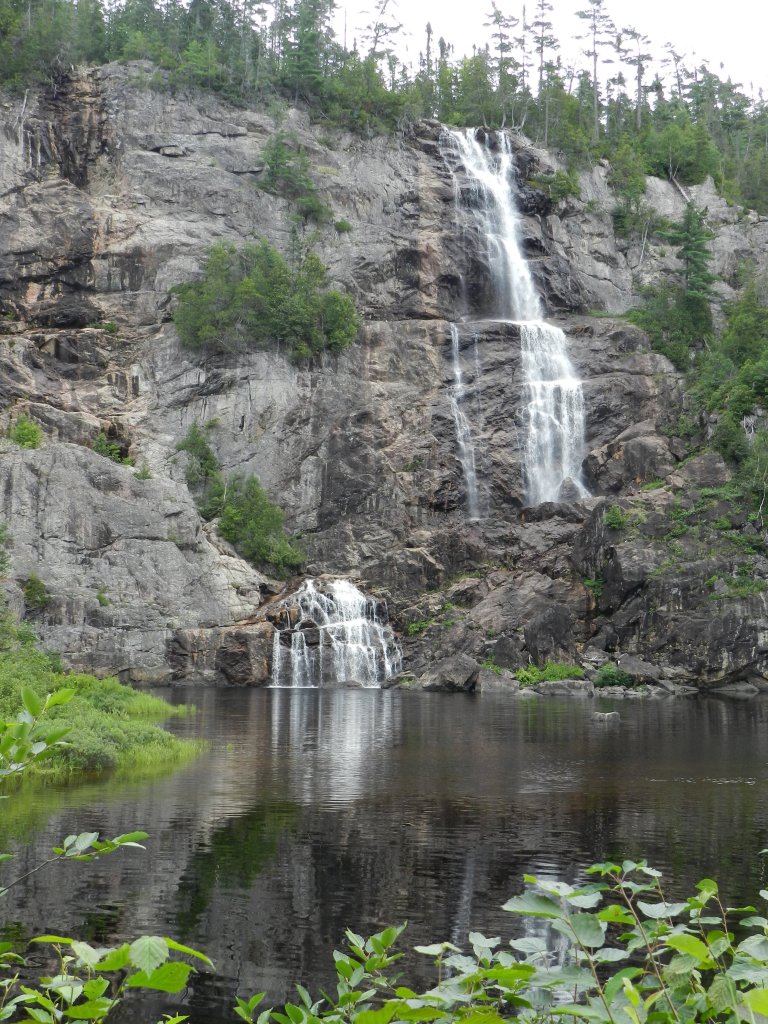
There are waterfalls in the Agawa Canyon as well.

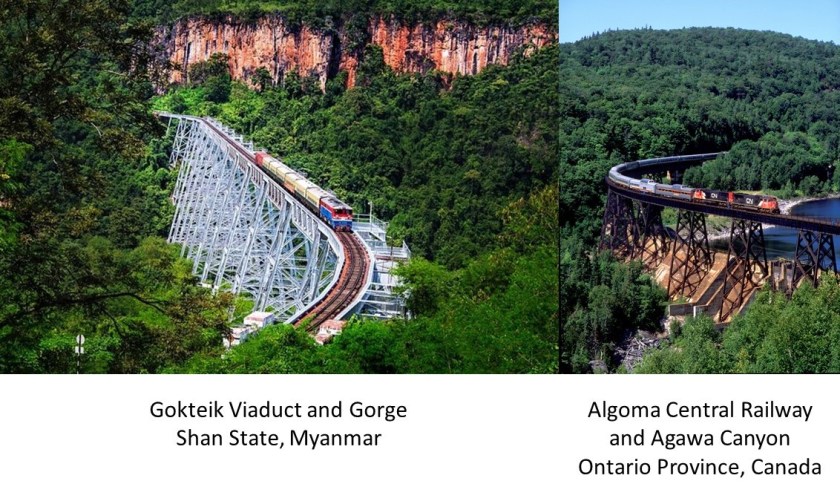
Here is a comparison of the Gokteik Viaduct at the Gokteik Gorge in Myanmar on the left, with the Algoma Central Railway Trestle at the Agawa Canyon on the right.

Is the history we have been taught about relatively low technology existing in the late 19th-, or 20th-century consistent with being able to pull off the construction of massive engineering projects like these?

How could they have possibly gotten all the equipment to these remote and difficult locations, much less build these sophisticated steel structures?

As an example of what we are taught, mass production of the Model T Ford didn’t even really start until the invention of the moving assembly line around 1913.

Let’s take a look at the British Colonial Summer capital of Pyin Oo Lwin.

This is the All Saints Anglican Church there.

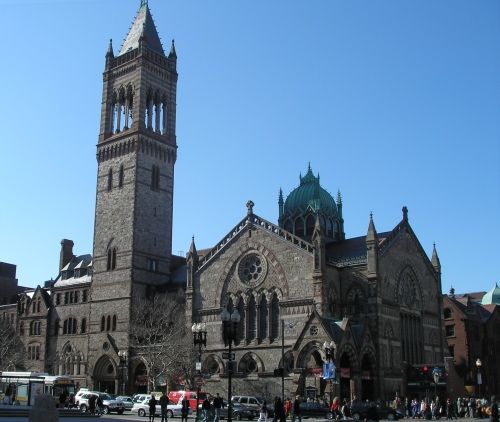
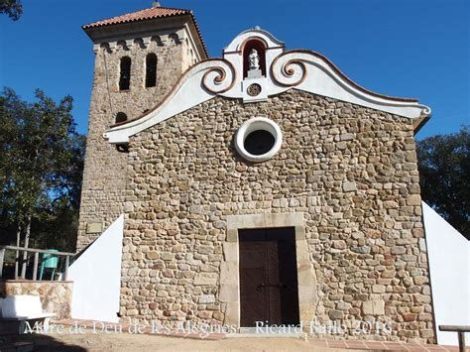
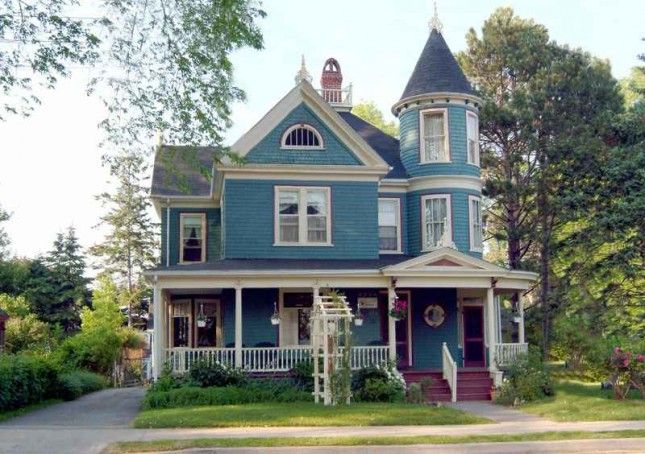
Where have I seen that style of church architecture before, with the Moorish-looking tower next to the nave? All over the place!!!

Like the New Old South Church in Boston, Massachusetts…

…this church in Flagstaff, Arizona…

…and the Chapel de Les Alegries in Spain near Barcelona, to name just a few.

This is the Gandamar Myaing Hotel, said to have been an old British colonial mansion converted into a hotel.

I have seen that style of architecture all over the place as well.

In Nova Scotia, a maritime province of eastern Canada…

…Spencer, Oklahoma just outside of Oklahoma City…

…and on the left, in Penns Grove, New Jersey; in the middle, in Jerome, Arizona; and on the right in Providence, Rhode Island.

This is the Purcell Tower in downtown Pyin Oo Lwin, said to have been built in 1934 by the Gillette and Johnson Company to commemorate the Silver Jubilee of the reign of George V of Great Britain.

It also looks like a Moorish Clock Tower.

This is actually called the Moorish Clock Tower, and is located in Guayaquil, Ecuador…

…St. Mark’s Campanile in Venice, Italy, which is also a bell-tower…

…and in the United States, there is the Emerson Bromo-Seltzer Clock Tower in Baltimore, Maryland…

…the Neenah clock tower in Wisconsin…

…and the Port Townsend, Washington clock tower, again to name just a few of many examples.

I will end my tour of Myanmar with a picture of waterfalls in Pyin Oo Lwin.

In my next post, I will be picking up the alignment in Dhaka, the capital and largest city of the country of Bangladesh, on our way into India.

The Relationship Between Sacred Geometry, Ley-lines & Places in Alignment – Part 3 Paracel Islands, South China Sea to Hanoi, Viet Nam

In the last post, I tracked this alignment from Nukuoro Atoll, in the Pohnpei State of the Federated States of Micronesia, through the island Republic of Palau, and into the Philippines where it goes through Samar and Leyte of the Eastern Visayas, and on through to Manila, the country’s capital.

The alignment leaves Manila, the capital of the Philipines, and enters the South China Sea.
Located between the Philippines and China’s island of Hainan, the Paracel Islands are a group of islands, reefs, and banks that are strategically located; productive fishing grounds; and which also hold reserves of natural gas and oil.

While they are controlled and operated by China, they are also claimed by Taiwan and Viet Nam.

This is Duncan Island in the Paracels on the left, compared with Koror seen previously in this series in the island Republic of Palau on the right.

The Paracel Islands are also the location of the Dragon Hole, or Sasha Yongle Blue Hole, the world’s deepest known blue hole at 987-feet, or 301-meters, deep.

Dragon Hole is called the “Eye of the South China Sea,” and is where the Monkey King found his golden cudgel in the 16th-century Chinese classic of Literature “Journey to the West,” with authorship attibuted to Wu Cheng’en.

Other blues holes include the Cenote Azul Balacar on Mexico’s Costa Maya, one of the deepest cenotes in the Yucatan, believed to be 295-feet, or 90-meters, deep…

…and Blue Hole in Santa Rosa, New Mexico, which is 80-feet, or 24-meters wide and deep. One of the most popular dive destinations in the United States, it is described as an artesian well with a constant in-flow of water that stays at a constant 62-degrees Fahrenheit, or 17-degrees celsius.

The Battle of the Paracel Islands was a military engagement between the naval forces of South Vietnam and China in 1974, and was an attempt by the South Vietnamese navy to expel the Chinese navy from the vicinity.

As a result of the battle, China established de facto control over the Paracel Islands.

Lingshui, in Lingshui Li Autonomous County, is in the southeastern part of Hainan, China’s smallest and southernmost province.

Nanwan Houdao Island Ecological Scenic Spot, better known as Nanwan Monkey Island, is adjacent to the Xincun Harbor in Lingshui.

Looking at the Google Earth Screenshot, there are sure some interesting-looking features in the landscape there….

The only way to get there is via a 2-kilometer, or 1-1/4-mile, long cable-way, the longest in China.

Nanwan Monkey Island, actually a peninsula, is a state-protected nature reserve for Macaque monkeys. This red sandstone feature at the entrance is called the Garden Gate…

…and here are some scenes from inside the reserve, like the nice stone wall here upon which the macaques sit…

…and the heated swimming for the macaques…

…and just the overall ancient stonemasonry appearance of the place.

We don’t recognize this as ancient stonemasonry because we are taught that all of this is a product of natural forces and geology.

There sure are a lot of reservoirs here in this part of Hainan Province!

Interesting to note the population density of Hainan is low compared to most Chinese coastal provinces, so high population is not the reason for the profileration of reservoirs.

Diao Luo Mountain National Park is on the alignment further up in Lingshui Autonomous County.

It is one of five tropical rainforest regions on Hainan.

Diao Luo Mountain is the location of the Fengguoshan Waterfall cluster, the largest in Hainan Province.


In order to view the falls, there are 1,700 steps on the trail leading to the waterfall cluster.

OLYMPUS DIGITAL CAMERA

Wuzhi Mountain is up the alignment from Diao Luo Mountain.

Wuzhishan is the highest mountain in Hainan…

…and is also known as the Five-Fingered Mountain.

There are several minority ethnic groups on Hainan.

Two are recognized ~ one of these groups is the Li People.

The areas surrounding Wuzhishan are inhabited primarily by Li People, said to be the original inhabitants of Hainan, and the largest of the ethnic minorities there. Their tradition of making brocade is said to trace back 2,500 years.

The is the Miao minority ethnic group on Hainan. The Miaos are found through-out the southwestern provinces of China, as well is in Thailand, Laos, and Viet Nam, where they are known as the Hmong people.

They are also known for lively embroideries and brocades, as well as traditional silver ornaments that include traditional necklaces, bracelets and headwear.

There are two unrecognized minority ethnic groups.

The Muslim Utsul People, or Hainan Hui, are found in Sanya on the southern coast of Hainan.

We are told they are a Chamic-speaking people who came to Hainan by way of their Cham homeland in Viet Nam to escape the Vietnamese Invasion of 1471, when the Vietnamese completed their conquest of Cham with the sacking of Vijaya, the last Cham capital.

On the top left is a view of a temple framed by an archway in Vijaya, and on the top right is the Iron Pillar of Delhi framed by an archway in India.  It is famous for the rust-resistant composition of metals used in its construction. It is said to have been made 1,600 years ago.

On the bottom left is the archway framing the Baiturraman Grand Mosque in Banda Aceh in Indonesia, which was hard hit by the Boxing Day Tsunami on December 26th, 2004, and the bottom right shows the archway framing the Hospicio Cabanas in Guadalajara, Mexico.

More on the Cham in Viet Nam and other places to come.

The other unrecognized minority ethnic group on Hainan are the Dan people, historically known as the “Boat People,” and “Gypsies of the Sea.” They live along the coasts of the southern China.

The Dan people are said to be traced back to 7,000 years ago to the Hemudu period, a culture that flourished in eastern China between 5,500 BC to 3,300 BC. This is a Hemudu site 22-kilometers, or 13-miles, northwest from Ningbo, and is called the birthplace of the Hemudu Culture.

At the same Hemudu site near Ningbo, you find this exhibit promoting the narrative that Humanity was really primitive back in those days, at the same time it was a megalithic culture….

From China’s Hainan Province, the alignment crosses into the Gulf of Tonkin.

While most immediately recognizable for the Gulf of Tonkin incident, an international confrontation that led to the United States engaging more directly in the Viet Nam War…

…you also find the UNESCO World Heritage Site of Halong Bay, which has approximately 1,600 islands and islets forming a spectacular landscape of limestone pillars…

…said to have been formed over 500 million years with very different geologic circumstances. Over the last 20 million years, these formations were said to have formed with a combination of thick limestone, hot and humid climates, and a slow overgrowth of the tectonic process.

Again, because we haven’t been taught that this could be anything other than natural, and that Humanity was functioning at a primitive level during so-called prehistoric & ancient times, we miss seeing the evidence that all of this could have been intentionally man-made, like this example on Cat Ba Island in Halong Bay of what appear to be huge masonry blocks and a built-in archway.

It’s not supposed to be there, so we don’t see it. We don’t even think it. And it is so old that there is an element of doubt about whether or not it is natural. I see examples of this type of ancient masonry worldwide.

Leaving the Halong Bay on the Gulf of Tonkin, just a quick stop along the alignment in the Thanh Hoa, the capital of Thanh Hoa Province, on the Ma River, 150-kilometers, or 93-miles, south of Hanoi.

I saw a trident feature off the Ma River between the Gulf of Tonkin and Thanh Hoa on the top, that reminded me of a similar trident-shaped feature I saw on the Brownsville Ship Channel that runs from the Gulf of Mexico at Port Isabel, Texas to Brownsville, Texas on the bottom.

Sites around the city of Thanh Hoa include the Ho Dynasty Citadel, the only stone citadel remaining in Southeast Asia, and said to have been a breakthrough in the construction at the time it was built in 1397 of stone citadels in Viet Nam. It was a declared a UNESCO World Heritage Site in 2011.

Yet the Ho Dynasty’s reign was said to be short, consisting of two emperors. Ho Quy Ly from 1400 to 1401, and his second son Ho Han Thuong from 1401 to 1406.

Here are some other sights around Thanh Loa.

Now that we are here in Viet Nam, I will bring up once again the Cham presence here…and in other places.

The Kingdom of Champa was said to have existed in Viet Nam from 192 AD – 1832 AD.

The Chams of modern Viet Nam and Cambodia are the remnants of the former Kingdom of Champa, and were said to have originated as an ethnic group of Austronesian origin in Southeast Asia and were accomplished seafarers that from 4,000 BC populated Southeast Asia.

Hinduism shaped the art and culture of the Champa Kingdom for centuries. While most Chams in Viet Nam today are Muslim…

…the Balamon Cham, are along with the Hindus of Bali in Indonesia, are the only two surviving indigenous Hindu people in the world outside of India.

I do not believe there was a divide between what are called religious faiths before the hijack of the time-line – I believe spirituality was all connected to the same original information about what Humanity was doing on earth to become re-connected with Higher Self.

Race and religion have been used to manipulate Humanity into dogmatic thinking since the occurrence of the hijack of the original positive time-line of Humanity.

This is a Cham head of Shiva said to have been made in 800 AD from an alloy of gold and silver…

…and a 9th-century statue from a Buddhist monastery in Indrapura, the Champa capital.

The Champa city of My Son is a UNESCO World Heritage Site and was a religious center of the Cham, and flourished from the 2nd- to the 15th-centuries. In this first picture, you see a temple in the background, and huge megatlithic stonemasonry in the bottom of the picture…

…as well as a bigger view of the My Son temple complex here, again with the huge megalithic masonry seen in the middle of the photo.

Then there is the Ancient Khmer Empire of Cambodia.

How big of a stretch is it to see the word Khem related to Khmer, Cam, and Cham?

Ancient Khem is a shortened version of Ancient Khemit, the name we are told given to a technologically and spiritually advanced civilization that existed in a Golden Age that predated dynastic Egypt.

But could that civilization of Ancient Khemit existed worldwide? I think so.

This is a comparison of a solar alignment at Karnak Temple in Egypt on the left, and one at Konark Temple in India on the right.

Then there is Howard Crowhurst’s work documenting the geometry and astronomical alignments of Carnac in Brittany France.

Robin Heath has done field-work in Wales…

…to record the astronomical alignments…

…and geometric alignments in the landscape with sacred sites there.

The ancient name for Wales is Cymru.

So back to Southeast Asia, the Khmers of Cambodia were responsible for building the Hindu-Buddhist temple complex at Angkor Wat, the largest in the world.

Angkor Wat is located on an artificial island surrounded by a rectangular moat.

This is what happens at the main Temple of Angkor Wat on the equinoxes, the time of year when the sun crosses the plane of the Earth’s equator, and day and night are of equal length…

…and these are the Face Towers at the Bayon Temple, located within the Angkor complex.

The memory of these people has been erased from our collective memory, and replaced with a lot of mysteries. Who built these things? Why did they build them? How did they build them? These are conundrums that confound the constructs that guide our understanding of history.

The only thing that makes sense to me is that people from one holistic civilization of Master Builders were responsible for all of these amazing accomplishments, and not random civilizations doing their own thing independently.

My last stop for this post is Hanoi, the capital of Viet Nam in the Red River Delta.

Hanoi was founded as Thang Long, the capital of Imperial Viet Nam, in 1010, with the Thang Long Citadel said to have been built around that same time by the Ly Dynasty.

The Nguyen Dynasty, the last imperial dynasty of Viet Nam, moved the capital to the Imperial City of Hue in 1802, in a walled enclosure within the citadel there…

…which has all the hallmarks of…

…a star city…

…like what is found in Lucca, Italy…

…and what used to be in Trujillo, Peru…

…of which this is all there is left of the walled points in Trujillo.

Thang Long was renamed Hanoi in 1831, and conquered by the French in 1873, and from 1883 to 1945 was the capital of French Indochina. We are told the French colonization made a lasting impact on the city’s architecture that is visible today through French-styled avenues, buildings and bridges.

Like the Hanoi Opera House, said to have been built between 1901 and 1911…

CREATOR: gd-jpeg v1.0 (using IJG JPEG v62), quality = 80

…the Hang Dau Water Tower, said to have been built in 1894…

…the Long Bien Bridge…

…a bridge used by the railroad, mopeds, bicycles, and pedestrians today.

This picture was said to have been taken after the completion of the construction of the Long Bien Bridge by a French architectural firm…

…between 1899 and 1902.

It is far easier to put a plaque on something than to build a massive engineering structure like this, with both steel and masonry.

We are told the plans were laid for a city-wide tramway system in Hanoi in 1894, but by 1899, advances in technology in those five-years made it possible to construct the entire system as state-of-the-art electric system instead of the steam-power which was originally planned…

…with construction of the first lines starting in 1900, and the first two lines being opened in 1901.

All four lines that were built over the years gradually either deteriorated or fell victim to modernization, we are told. This next photo was taken of traffic patterns in Hanoi in our day and age.

One more thing before I leave Viet Nam for Laos.

Hanoi was the site of the world’s fair in 1902 and 1903.

The year 1902 was the year Hanoi replaced Saigon as the capital of French Indochina…and the year of the opening of the Long Bien Bridge.

The Grand Palais was said to have been built specifically for the Hanoi Exposition in 1902.

The Grand Palais of the Hanoi Exposition was completely destroyed by airstrikes at the end of World War II because when the Japanese took over Viet Nam in 1940, at which time they based their military and supply in the palace.

In the next post, I will be tracking this alignment through the Luang Namtha Province of Northern Laos.

The Relationship between Sacred Geometry, Ley-Lines, & Places in Alignment – Part 2 Nukuoro Atoll, Caroline Islands to Manila, Philippines

This is the second part of a series I started recently featuring the cities and places I found around the world in long-distance alignment with each other, starting from San Francisco.

I came into this level of awareness about the physical planetary grid system after I found a star tetrahedron by connecting cities in North America that lined-up in lines.

I believe this is the terminus of the planetary grid system, and that all of the physical infrastructure on the earth was laid out by the advanced ancient civilization according to sacred geometry .

Sacred Geometry is based on the Flower of Life pattern, which is the creation pattern of the Universe.

When you connect the centers of each circle, you find all the sacred geometric shapes are contained within it, including, but not limited to, the star tetrahedron.

There are many kinds of alignments and ley-lines, all connected to each other, so what I am going to share is one of the alignments emanating off of San Francisco.

I am picking up this particular alignment emanating from San Francisco where it goes through Nukuoro Atoll.

Nukuoro Atoll in the Caroline Islands is a municipality in the State of Pohnpei in the Federated States of Micronesia.

It is the second most southerly atoll in the Federated States of Micronesia.

Not sure what that whitish circle in the center of the atoll is, but this is what it looks like on Google Earth. At any rate, an interesting find.

It has a small population of under 500 people, with the capital of the municipality and center of population being Nukuoro Island.

The first sighting of Nukuoro by Europeans was recorded as by Juan Batista Monteverde in 1806. He was a commander of one of the frigates of the Royal Company of the Philippines.

The population is primarily involved in fishing, animal husbandry, farming taro and copra, and black pearl oyster farming.

This the Nukuoro Atoll public elementary school, a four-room schoolhouse for children up to the age of 14.

Older children must go to the island of Pohnpei to attend high school.

Pohnpei, also called Ponape, is the largest island in the Federated State of Micronesia.

It is described as a high volcanic island with a fringing coral reef.

The capital of Pohnpei State, Kolonia, is here.

I found what is called the Spanish Wall in Kolonia, which we are told was built in 1887 by the Spanish Administrators of Pohnpei, after an uprising by locals drove them onto a ship in the harbor.

Could this wall be all that remains of what once was a star fort?

Most of the Spanish Wall was said to have been taken down by a German administration that took over in the early 20th-century.

In the right background you see what is called the Catholic Bell-Tower.

It was said to have been built in 1909 by German Capuchin missionaries, when Pohnpei and the Caroline Islands were administered as part of German New Guinea.
I have seen similarly designed bell-towers in many, many places, including Furman University’s Bell-Tower in Greenville, South Carolina…

…and the bell-towers on Rab Island in Croatia.
Interestingly, this is a photo from Google Earth, where you have the Spanish Wall, German Bell Tower, Pohnpei Catholic High School, Our Lady of Mercy Catholic High School, what looks like a baseball field right next to the high school, and the Embassy of Australia all pretty much in the same place…

…and what looks like really interesting old infrastructure in the water between this part of Kolonia and the Pohnpei International Airport.
German New Guinea was part of the German Colonial empire, and existed from 1884 to 1919.

The Germans purchased the Marshall Islands from Spain in 1885, and the Caroline Islands, Palau, and the Marianas Islands from the Spanish in 1899.

In 1888, the Germans annexed the island of Nauru to the Marshall Islands protectorate.

Today it is the third smallest country in the world after Vatican City and Monaco.

Interestingly, at one time the island Republic of Nauru had was the second-richest nation in the world by GDP per capita from the mining of its phosphate reserves.

Phosphates are used in the production of phosphate fertilizer; calcium phosphate nutritional supplements for animals; and used to make chemicals for use in industry.

Back to the island of Pohnpei.

Palikir, the capital of the Federated States of Micronesia, is located on the island of Pohnpei.

This is what the city of Palakir looks like.

We are told Palakir was a tiny village of little consequence until the Federated States of Micronesia decided to convert it into their capital city which it was said to have officially become in 1989.

I will leave this picture of Cesky Krumlov in the Czech Republic for comparison with Palikir.

Cesky Krumlov is described as one of the Czech Republic’s finest medieval towns, and is a UNESCO World Heritage site.

Before I move on to the premier feature of Pohnpei, which is Nan Madol, let’s take a look at the three waterfalls on the island. Waterfalls are a signature feature of the worldwide grid.

First, here is a photo of the Liduduhnlap Falls, considered a twin falls which is located outside of the city of Kolonia, with what look like cut-and-shaped stones in the foreground…

…compared with one of my favorite waterfalls, the Gacnik Waterfalls in the Julian Alps of Slovenia, in particular for its similarity of the upper portion of both waterfalls.

And here is a picture of the Keprohi Falls on Pohnpei…

…compared with the Purakaunui Falls in New Zealand.

I have found a selection of the same models of waterfalls to choose from, from small to large, all over the world.

I believe that rivers and waterfalls signify something like Universal Energy Flows on the Planetary Grid system.

We can’t visit the island of Pohnpei without looking at Nan Madol, which is located adjacent to the eastern shore of Pohnpei.

There are massive buildings here, built on small rectangular artificial islands, situated on top of a coral reef and linked by canals.

It is estimated that 250 million tons of prismatic magnetized basalt went into the lincoln-log-like construction of Nan Madol, spread over 170 acres.

There are similar style basalt column constructions on the neighboring island of Kosrae, to the East of Pohnpei…

…like these on Lelu Island on Kosrae.

I first read about the island of Pohnpei, Nan Madol, and Kosrae several years ago, in a book by Frank Joseph called The Lost Civilization of Lemuria.

Mr. Joseph speculated that Nan Madol and Kosrae, constructed with prismatic basalt, magnetized in a highly unusual and unnatural manner, were part of ancient high technology.

This book on Lemuria was my first introduction to an ancient civilization in this part of the world, and it was very interesting to me.

It looks to me that when the so-called various colonial powers went exploring, they were going after and claiming very important places on the ancient planetary grid system in terms of technology and the resources there that could be utilized and monetized by the controllers of the new reset civilization.

Leaving the Nukuoro Atoll of the Caroline Islands, the alignment goes through Melekeok, a state of the Republic of Palau.

Melekeok is located in the central east coast of Babeldaob Island.

The seat of government of the Republic of Palau is located in Melekeok, and called Ngerulmud.

The government was said to have moved here in 2006 from Koror Island, which is the population center of Palau…

…and the capitol buildings were said to have been built in the middle of nowhere just prior to the time of the move.

The Badrulchau Stone Monoliths are located on the northern part of the island of Babeldaob.

There are 52 here, some of them weighing over 5 tons.

These monoliths are said to be made for a type of stone material not found here.

There are two waterfalls found on Babeldaob Island. One is the Ngardmau waterfall…

…and the other is the Ngatpang waterfall.

Palau was made part of the Spanish East Indies in 1574…

…and after Spain’s defeat in the Spanish-American War in 1898, the islands were sold to Imperial Germany in 1899 under the terms of the German-Spanish Treaty, and became part of German New Guinea until 1919, at which time German New Guinea ceased to exist after World War I and the Treaty of Versailles.

As mentioned before, the island of Koror is the population center of Palau.

There is a bridge connecting Koror with the island of Babeldaob.

Interesting to note what appears to be man-made channels here.

Here’s a view of the same place from a different angle.

This is the Palau Royal Resort in Koror, sitting on what appears to be an artificial island…

…made from old stone-work.

From the Republic of Palau, I tracked this particular alignment to the Eastern Visayas of the Philippines, between the islands of Samar and Leyte.

The earliest European expedition to the Philippines was led by Portuguese explorer Ferdinand Magellan in the service of the King of Spain in 1521. He made landfall there on Homonhon Island in eastern Samar at the mouth of the Leyte Gulf.

The next day, on March 13th, which was Easter Sunday of the year 1521, Magellan claimed possession of these lands for the King of Spain on what is believed to now be the island of Limasawa in southern Leyte.

Magellan and fourteen of his men died here shortly thereafter in the Battle of Mactan, which took place on April 27th of 1521 on the Mactan Island of Cebu.

This monument to Magellan was said to have been erected in 1866.

After Magellan’s voyage, five expeditions were sent to the islands.

In 1543, Ruy Lopez de Villalobos named the islands of Leyte and Samar “Las Islas Filipinas,” after Phillip of Austria, heir-apparent to the throne of Spain, who became King Phillip II in 1556.

This is a coin bearing an image of King Phillip II…

…a bust of King Phillip II by Pompeo Leoni…

…and a portrait that is typical of King Phillip II.

Is that the same guy? The bust and the coin of King Phillip II showing him having really curly hair and beard look more similar to each other than to the painting.. What’s up with that?

Cebu is the oldest city in the Philippines, as it was the first Spanish settlement and first capital city.

It is important to note that there was a star fort located in Cebu, called the Fort San Pedro.

It was said to have been built by the Spanish starting in 1565.

I think they were following the ley-lines, and star forts like Fort San Pedro were important components in the circuitry of the planetary grid system. They were prime targets in the hostile take-over for the control of this grid system.

Tacloban City on Leyte island is the regional center of the eastern Visayas of which Leyte and Samar are a part.

It is the capital of Leyte Province. The construction of the capitol building was said to have started in 1917 and completed in 1924. This is the building circa 1944…

…and today.

Directly adjacent to Leyte Island, Samar is the third largest island in the Philippines.

One-third of Samar is protected as a natural park.

…which reminds me a lot in appearance of Natural Falls State Park in Oklahoma, which I have visited.

The Maribut Marine Park is on Samar Island.

This is called Tooth Rock…

…and this is Madonna’s Cave at the Marine Park.

Biliran Island, northwest of Tacloban City, and just off the northern coast of Leyte, is one of the smallest and newest provinces of the Philippines.

A bridge and causeway connects Leyte to Biliran, via Poro Island.

The capital city and population center of Biliran is Naval, on the west coast of the island.

This is the new Catholic Cathedral of Naval – Our Lady of the Most Holy Rosary. It was built in 1963 to replace…

…the old Catholic Cathedral of Naval, which was demolished to give way to the new building.

I have seen many, many examples of the same kind of symmetry and proportion between the archway and the perfectly-framed old cathedral in Naval all over the world.

Examples include the Hungarian Parliament as seen from the Fisherman’s Bastion in Budapest, Hungary…

…Oxford University in England…

…the Debre Libanos Monastery in Ethiopia…

…the Ecole Militaire seen through the arch of the Eiffel Tower in Paris…

…and the Gretna City Hall seen through the Jefferson Memorial arch near New Orleans, Louisiana, for just a few examples of many I have found.

I don’t believe for a moment that these effects were random occurrences. They were the products of an ancient advanced worldwide civilization that was all about aligning Heaven and Earth in the fullest expression of Human Potential that there has ever been on Earth, and which has been brutally suppressed since the original positive timeline of Humanity was hijacked by negative forces.

There are many rice terraces on the island of Biliran…

…as well as waterfalls…

…and Mainit Hot Springs. Like waterfalls, I find hot springs, and springs of all kinds, all over the planetary grid system.

Maripipi Island is just northwest of Biliran, and is considered a municipality that is part of the Biliran Province.

In 2015, its population was approximately 7,200 people.

One of its main attractions is Sambawan island, these days a marine sanctuary and popular dive site.

With the megalithic standing stones here, it looks like Sambawan Island served a much different purpose before.

Next we come to Manila, the capital of the Philippines, and the most densely populated city in the world within its boundaries.

Manila, alongside Mexico City and Madrid, are considered the world’s original global cities, due to Manila’s historic commercial networks connecting Asia with the Americas.

We are told the Spanish city of Manila was founded in 1571 by the conquistador Miguel Lopez de Legazpi. He was the first Governor-General of the Spanish East Indies from 1565 to 1572.

The historic walled city part of Manila is called the Intramuros, said to have been established by the Spaniards in the late 1500s.

Apparently the Intramuros is a star fort.

This is a view of a street inside the Intramuros, with cobblestones, colonnades, stone masonry and balconies.

This is the inside of the San Agustin Church in the Intramuros, said to have been completed in 1607.

The first University in Manila, Universidad de San Ignacio, was established in the Intramuros…

…by the Jesuits in 1590. Who were the Jesuits? Who were the Jesuits, really?

The Pasig River flows through Manila, dividing into north and south sections.

Or is the river actually a canal, with its masonry banks?

This old post card shows the Jones Bridge and the Manila Central Post Office building.

The Central Post Office was said to have been built in 1926.

There was a streetcar system in Manila, called the Tranvias, construction of which was said to have been started in 1878, with the first line opening in 1882. This postcard was circa 1900, showing the contrast of the electric streetcar with the horse-drawn carriages.

By 1932, the city and suburbs were well-served by a network of 100-kilometers of track.

Then, in 1945, in the last months of World War II, the Battle of Manila brought destruction and havoc to the city of Manila and its rail infrastructure.

The Manila Tranvias fleet was damaged beyond repair, and abandoned immediately after the war. The rails were pulled up from the city streets, and surviving streetcars were hauled away and scrapped. This was the end of what had previously been considered one of the best street-rail networks in Asia.

I am going to end this post here, and pick up the alignment next in Lingshui on the island of Hainan, China.

The Relationship between Sacred Geometry, Ley-Lines, & Places in Alignment – Part 1 San Francisco, California to Tarawa, Kiribati

This new series will be about cities I found around the world in long-distance alignment with each other, starting from San Francisco.

I came into this level of awareness about the physical planetary grid system after I found a star tetrahedron by connecting cities in North America that lined-up in lines.

I believe this is the terminus of the planetary grid system, and that everything about the advanced ancient civilization was based on sacred geometry, including how all of the physical infrastructure on the earth was laid out.

Once I found the star tetrahedron, I extended the lines out.   I used a magnifying glass and wrote down the cities that lined up in linear and circular fashion.  And I got an amazing tour of the world of places I had never heard of with remarkable similarities across countries.  

Sacred Geometry is a language of geometric patterns that spans all cultures, timelines, and species on earth, and beyond. It is the foundation of everything in existence when broken down to the smallest parts.

This is the Flower of Life pattern upon which it is based.

It is the creation pattern of the Universe, and when you connect the centers of each circle, you find all the sacred geometric shapes are contained within it, including, but not limited to, the star tetrahedron… 

…which is one of the five Platonic Solids, all of which are contained within the Flower of Life. The five shapes shown here are within the Fruit of Life, also known as Metatron’s Cube, in the Flower of Life pattern.

Named after the Greek philosopher Plato, each one of the Platonic Solids are a polyhedron, which is a solid with flat faces; each face is of the same size and shape; and all are convex polyhedrons, meaning having many finite points, but not all in the same plane.

They are also associated with the five elements:

The hexahedron, or cube, is associated with earth…

…the octahedron is associated with air…

…the tetrahedron is associated with fire…

…the icosahedron is associated with water…

…and the dodecahedron is associated with ether, and the Universe.

The fifth element has been removed from our education, so we only learn about the first four – earth, air, fire, and water.

The original ancient, advanced Moorish civilization was concerned with applying sacred geometry in creating infrastructure and communities in harmony, balance, beauty, and Unity with each other and the Universe.

So think of the earth with the Flower of Life superimposed on it…

…and the leylines representing the sacred geometric shapes that are contained with the flower of life when the lines are connected to the centers of the circles.

My intuitive understanding of sacred geometry, which I first learned about starting in 2007, is what has guided me in uncovering the information I am bringing forward, and in finding the alignment that I am going to focus on in this post.  

There are many kinds of alignments, all connected to each other, so what I am going to share is one of many possible alignments emanating off of the same place.

Before I begin, once upon a time, before knowledge of sacred geometry and the existence of the planetary grid system was removed from the collective awareness, the maps that were made included these alignments, like the 1375 Catalan Atlas, a product of the Majorcan Cartographic School that flourished in Majorca in the 13th-, 14th-, and 15th-centuries.

I am going to start this series in San Francisco, the cultural, commercial, and financial center of northern California.

It covers an area of about 50 square-miles, or 121 kilometers-squared, at the north-end of the San Francisco Peninsula in the San Francisco Bay area.

San Francisco was said to have been founded by Spanish colonists in 1776, who built a fortification called “El Presidio Real of San Francisco,” or “The Royal Fortress of Saint Francis of Assisi,” at what is now simply called the Presidio, a park and former U. S. military installation until 1994, which it was transferred to the National Park Service.

I looked at a map of the Presidio, and noticed “Fort Point” at its tip, where Highway 101 crosses the San Francisco Bay over the Golden Gate Bridge…

…and sure enough, I found what looks like a star fort tucked away underneath the base of the bridge.

Battery Boutelle is also on the Presidio Grounds beside the bridge.

This is what it looks like inside the structure at Fort Point underneath this end of the Golden Gate Bridge, including a lighthouse…

…which reminded me of Fort Wadsworth’s Battery Weed, on the Staten Island side of the Verrazano Narrows Bridge crossing over to Brooklyn in the narrow channel between Lower New York Bay and Upper New York Bay.

Since I knew that Fort Hamilton is located right next to the base of the Verrazano Narrows bridge on the Brooklyn side…

…I looked on the other side of the Golden Gate Bridge since I consistently find star forts in one or more pairs around the world, and I found Battery Spencer on the other side of the bay right next to the bridge…

…and underneath the base of the Golden Gate Bridge, I found this old-looking structure with solar panels, and stone steps…

…which is the Lime Point Lighthouse, said to have been built in 1883 and automated since 1961.

Based on finding clusters of two or more star forts, and lighhouses for that matter, around the world all along planetary alignments, and other infrastructure I have shared with you that don’t feature the classic look of a star fort, I think all of these functioned together worldwide as the circuitry producing the power for the planetary grid system and the advanced civilization, and that star forts and batteries were not originally military in nature as we have been led to believe.

Also, this is a comparison of the Golden Gate Bridge on the top, with the Verrazano Narrows Bridge on the bottom.

They are both suspension bridges, which means the deck of the bridge is hung below suspension cables on vertical suspenders.

The Palace of Fine Arts is right next to the Presidio Park in the Fisherman’s Wharf section of San Franscisco.

It was said to have been built for the Panama-Pacific Exposition of 1915, an exposition which celebrated the city and its rise from the ashes from the Great Earthquake and Fire of 1906. and one of its few surviving structures of the Exposition.

Interesting to note such a massive engineering feat and event like this taking place during World War I, which took place between 1914 and 1918 in our historical narrative.

Besides having the nickname of the “Golden Gate City,” other nicknames have included “Baghdad by the Bay…”

…and “Paris of the West.”

“Paris of the West” is the name of a popular craft beer of the Almanac Beer Company of the Hermitage Brewery in San Francisco. The picture on the bottle is the San Francisco Ferry Terminal.

The ferry terminal is located on San Francisco’s Embarcadero. The Embarcadero is the eastern waterfront and roadway of the Port of San Francisco, and built on reclaimed land along a 3-mile long engineered seawall.

The San Franciso Ferry Terminal was said to have been designed in 1892, and opened in 1898.

For comparison is the Auckland Ferry Terminal, also said to have been completed on reclaimed land, in Auckland, New Zealand, in 1912.

Reclaimed from what?

The Legion of Honor Museum, at one time known as the California Palace of the Legion of Honor, is in San Francisco’s Lincoln Park.

It was said to have been donated as a gift to the City of San Francisco in 1924 by Alma de Bretteville Spreckels, the wife of…

…sugar magnate and thoroughbred horse owner and breeder Adolph Spreckels.

The Legion of Honor Museum is said to be a full-scale replica of the French Pavilion at the San Francisco Panama-Pacific Exposition of 1915, and based on the Legion of Honor Museum in Paris.

Dedicated as a Memorial to California soldiers killed in World War I, the Legion of Honor Museum in San Francisco opened on Armistice Day, November 11th, in 1924.

In the Court of Honor, besides Auguste Rodin’s famous cast bronze statue, the Thinker, donated to the museum by Mrs. Spreckels in 1924…

…there is said to be what is a miniature of the Louvre Pyramid installed in the courtyard…

…as a skylight for the museum underneath it, right in front of the entrance.

The Louvre Pyramids in Paris are said to have been created by the Chinese-American I. M. Pei in the 1980s.

Verifiable, you say? Well, maybe so, but as we know, desirable information can easily be added, or removed, from the data base. Who is actually going to question it, and check on it, anyway?

The Legion of Honor Museum is also the western terminus of the Lincoln Highway, of which Times Square in New York City is the eastern terminus.

The Lincoln Highway was one of the earliest transcontinental routes for automobiles in the United States, said to have been conceived of by Indiana entrepreneur Carl G. Fisher in 1912, and formally dedicated on October 31st in 1913.

The Legion of Honor Museum is located in San Francisco’s Lincoln Park, which is also home to a golf course, which I believe are actually ancient mound sites.

Just carve out a section of a mound, and voila, you have a sand trap!

Next, I am going to take a close look at Alcatraz Island, 1.25-miles, or 2.01-kilometers off-shore from San Francisco in San Francisco Bay. It is best known as an infamous federal penintentiary for troublesome prisoners.

The first thing that draws my attention are the relatively flat, and relatively level, sections at the top of this small and rocky island.

The next thing that draws my attention is the lighthouse.

To put the lighthouse into the context of the historical narrative we have been given, the island of Alcatraz was said to have been given by the Mexican Governor Pio Pico to Julian Workman in 1846 to build a lighthouse on it. Workman was a member of the Workman and Temple families prominent in the history of the Los Angeles area.

Then, in 1850, President Millard Fillmore ordered that Alcatraz Island be set aside specifically as a United States Military Reservation.

This also would have been during the historical time-frame of what we are told was the California Gold Rush between 1849 and 1851.

This is a daguerrotype of Portsmouth Square in San Francisco from sometime before June of 1851, which was when the Great Fire of San Francisco of 1851 was started in Portsmouth Square.

Millard Fillmore was the Vice-President to President Zachary Taylor, who was said to have died of problems from something he ate several days after attending a July 4th celebration in 1850.    So he became President Millard Fillmore in 1850.

Millard Fillmore was also the President who ordered Commodore Matthew Peary to Japan in 1853 to force the opening of Japanese ports to American trade by any means necessary.

As I have indicated previously in other posts, I believe that 1850 was the main starting point of the new historical narrative, with the official kick-off of it being in 1851 at the Great Exhibition of the Works of All Nations in the Crystal Palace in London.

Back on Alcatraz, I find it interesting to note the rocky promontory the lighthouse is located on top of…

…is quite similar in appearance to the rocky promontory that Edinburgh Castle in Scotland is situated upon.

Another thing to point out is the location of this lighthouse and Alcatraz with respect to the Golden Gate bridge, and the two lighthouses on either end of the bridge.

It really looks like there was a triangulated relationship between the lighthouse on Alcatraz Island, the Fort Point Light on the Presidio side of the Golden Gate Bridge, and the Lime Point Light on the other side of the bridge.

And there was a whole series of lighthouses throughout the San Francisco Bay…

…just like what you find at New York bay on the east coast.

While I do believe that lighthouses served to guide ships through maritime passages, I also think they were serving multiple purposes on the planetary grid, including, but not limited to, astronomical alignments.

There are just a few more places in San Francisco that I would like to show you before moving on to the next place on this alignment.

This the War Memorial & Performing Arts Center, said to be one of the last Beaux-Arts structures erected in the United States, and built between 1928 and 1932…

…and what was the San Francisco Emporium, which was called, at the time it opened in 1896, the grandest mercantile in the world.

Its original structure survived the 1906 earthquak and fire, but not urban developers after it closed in 1995. Since that time, most of the building was demolished with the exception of the dome and facade to be used in a new building.

This is a comparison of the inside of the San Francisco Emporium back in its hey-day with the inside of the Corn Exchange in Leeds, England, which said to have been built between 1852 and 1858.

Next, the alignment crosses the central Pacific Ocean to Tarawa, an atoll, and comprises North and South Tarawa, of which South Tarawa is the capital of the island Republic of Kiribati, which consist mainly of the Gilbert Islands.

An atoll is defined as a coral island consisting of a reef surrounded by a lagoon.

The Gilbert Islands were named for Thomas Gilbert, captain of the British East India Company’s East Indiaman vessel Charlotte.

East Indiaman was the general name of any sailing ship operating under charter or license to any of the East India companies of the major European trading powers of the 17th- through 19th-centuries.

The British East India Company held a monopoly granted to it by Queen Elizabeth I of England in 1600 between South Africa’s Cape of Good Hope and Tierra del Fuego’s Cape Horn at the southern tip of South America, until 1834 when the monopoly was lost.

Tarawa was surveyed in 1841 by the U. S. Exploring Expedition, an exploring and surveying expedition of the Pacific Ocean and the surrounding lands conducted by the United States between 1838 and 1842. It involved a squadron of four ships, and specialists including naturalists, botanists, a mineralogist, a taxidermist, and a philologist, which is someone who studies written and oral histories.

It is sometimes referred to as the “U. S. Ex. Ex.” or “Wilkes Expedition,” after the commanding officer, Navy Lt. Charles Wilkes.

The Wilkes Expedition departed from Hampton Roads in Virginia for the first stop the Madeira Islands off the coast of Africa on August 18th, 1838. The route of the expedition went something like this – all over the place.

The Peacock, a ship from expedition under the command of Lieutenant William Hudson…

… surveyed and explored Tarawa and the Gilbert Islands in April of 1841.

The Battle of Drummond Island, called Tabiteuea on this map, took place during that time due to what were called conflicts between the expedition and the Gilbert Islanders. From what I am reading about the expedition, this kind of conflict was not an isolated occurrence for the expedition, so there’s that aspect to it as well.

Tarawa was occupied by the Japanese during World War II, and in November of 1943 became the location for the Battle of Tarawa, 76-hours of intense fighting between U. S. Marines and the Japanese forces on the island of Betio, ending with over 6,000 dead on both sides.

This is how Betio looked after the Battle of Tarawa.

I couldn’t find any pictures of what Betio looked like before the battle.

I did find this picture of what is said to be a Japanese gun still sitting there on top of what looks to be an old rock wall embankment on Betio.

On South Tarawa, in Bairiki, where the seat of government for the Republic of Kiribati is located, there are a few things to share with you.

The first is the location of the Parliament building of Kiribati…

…on what looks like a triangular artificial island.

Here is a view of the same location from Google Earth, where I see some very interesting things going on here…

…like the remnants of a canal system…

…and on the left, the holding ponds next to the existing canal look very much in how they were made like the jetties at Eureka, California in the top middle; Port Mansfield, Texas, on the top right; and in the bottom middle, Venice, Florida; and the bottom right the South Inlet of the Grand Lucayan Waterway of the Grand Bahama Island.

I am going to end this post here, and pick up the alignment on Nukuoro Island in the Caroline Islands of Micronesia.

Revealing the Significance of Historic Trolley Parks in the United States

Before I move on to another alignment series in a different part of the world, as I had planned for my next post, the subject of historic trolley parks came back up to the surface for me, leading me back into this subject for a much deeper investigation.

I first learned about trolley parks doing research on Palisades Park for the “Circle Alignments on the Planet Washington, DC – Part 6 The Lower Hudson River in New York City and New Jersey,” and I visited the subject of trolley parks towards the end of “The Incredible Similarity of Electric Tram Systems.”

Trolley parks were said to have started in the United States in the 19th-century as picnic and recreation areas at the ends of street car lines, and were precursors to amusement parks. By 1919, there were estimated to be between 1,500 and 2,000 such parks. For example, Luna Park at Coney Island in Brooklyn was a trolley park.

The other day, one of my YouTube subscribers shared with me about the historic Exposition Park, and the current amusement park there, Conneaut Lake Park, in her hometown of Conneaut Lake, in northwestern Pennsylvania not far from Lake Erie.

The town was founded in 1799 as Evansburg, and was renamed Conneaut Lake in 1892, the same year that the Exposition Park there opened.

The Exposition Park was founded by Colonel Frank Mantor, owner of the Conneaut Lake Exposition Company, with a stated purpose of being a permanent fairground and exposition for livestock, machinery, and industrial products.

There are two definitions of the word exposition. One is a device used to give background information to the audience about the setting and characters of the story. Exposition is used in television programs, movies, literature, plays and even music. What better way to tell your audience the story you want them to believe than the other definition of exposition, a large exhibition of art or trade goods.

There was a dance hall there…

…a bowling alley…

…and docks and boat pavilion.

Ownership of the park transferred to the railroad in 1901, and in 1907 trolley service was said to have been extended to the park.

This picture depicts the trolley station at Exposition Park at Conneaut Lake.

Many of the park’s original building were lost in a fire in 1908. This photo was said to have been taken the day after the fire. The Hotel Conneaut remained standing in the background…

…but nothing remained of the Park’s Midway.

While arson was suspected as a cause of the fire at the time, it was never proven.

One more thing. When I was researching the town of Conneaut Lake I found out that the Beaver & Erie Canal was there, along with the railroad.

Construction of the Beaver & Erie Canal was said to have started in 1831, completed in 1844, and closed in 1872.  So they are telling us it took 13-years to build, and then only used for 28-years. Right.

They don’t give us a construction date for the Pittsburgh & Lake Erie Railroad – just that it was formed in 1875.

There is also an Exposition Park in the south part of Los Angeles that was started, we are told, in 1872 as an agricultural fairground.

By 1879, the original owner was foreclosed on because it wasn’t making enough money.

New owners of Agricultural Park were said to have brought in a racetrack…

…and the trolley line arrived in 1875.

In 1908, the State of California acquired Agricultural Park, and worked on transforming the park. It reopened as Exposition Park in 1913. This is a 1942 postcard.

The Los Angeles Memorial Coliseum is in Exposition Park, with its construction said to have been commissioned in 1921 as a memorial to Los Angeles veterans of World War I.

It seems very strange to me to find two headless bodies greeting the people who come to this stadium. What’s up with that?

It is right across the street from the University of Southern California.

USC was established in 1880.

This is the Midland Bank Building on Ludgate Hill in London for comparison in architectural style with the building on the USC campus.

This is the Natural History Museum of Los Angeles County in Exposition Park.

This huge classical domed building was said to have been established in 1913, the same year the former Agricultural Park became known as Exposition Park.

There is much more here, including the Metro Expo Line Light Rail, but this gives you the idea.

This is incredibly sophisticated architecture and infrastructure for it to have been built during the time frame to which it is attributed in our historical narrative.

The oldest continually operating amusement park in the United States is Lake Compounce, in Bristol, Connecticut, said to have been open every summer since 1846.

The history of Lake Compounce is traced back to 1846. This is the year when Gad Norton opened the area to the public. He tried a publicity stunt of hiring a scientist to perform experiments, including with explosives. The large crowd he attracted was said to motivate him to develop the area into a small park, including picnic tables. This is the only picture I could find associated with his name, his grave marker in Bristol, Connecticut.

He was said to have joined forces in 1851 with Isaac Pierce, who had fared well in the California Gold Rush of 1849, and over the next few decades the park was said to meet with mild success.

In 1895, we are told a trolley line connected Lake Compounce to an emerging network of inexpensive, public transportation.

Amusement Parks like Lake Compounce created an escape from reality, with early competitive opportunities like “Baby Shows” – entertainment for the masses…

…and thrilling rides, like the “Green Dragon, the park’s first electric roller coaster.

In Kansas City, Electric Park was the name of two amusement parks said to have been built by the Heim Brothers Joseph, Ferdinand Jr. and Michael.

As brewers, they followed in the footsteps of their father, Ferdinand Sr. He was said to have come to the United States from Austria in 1854, and he started brewery operations in Manchester, Missouri between 1857 and 1862, and in East St. Louis, Illinois in from 1870 to 1879.

Father and sons jointly purchased the Star Ale Brewery of the East Bottoms in Kansas City in 1884.

The first Electric Park was said to have been built right next to the brewery in the East Bottoms after the Heim Brothers built a streetcar line to it, and they wanted a way to attract visitors to the streetcar line and to the brewery.

Open from 1899 to 1906, the first Electric Park was an immediate success as one of the world’s first full-time amusement parks.

Among other things, Beer was piped directly from the brewery to the beer garden to the park. So here you have escape from reality, plus strong German lager. Hmmmm.

Soon the success of Kansas City’s Electric Park, we are told, necessitated a larger location.

So, the second electric park opened in 1907. Also on a trolley line, it was said to be the largest to be called Electric Park in the United States. It opened in 1907.

Souvenirs from the park, like this one from 1913, touted it as Kansas City’s Coney Island.

Most of this grand park, which was said to have inspired young Walt Disney to build his own version of it, burned to the ground in 1925.

The Electric Park in Detroit, Michigan was in operation between 1906 and 1928.

It was located on East Jefferson Drive in Detroit, adjacent to the bridge to Belle Isle.

Originally a trolley park, the Electric Park in Detroit was at the end of three trolley lines, but we are told public transportation shifted to buses by the 1920s as trolleys were already becoming obsolete.

The 1920s saw legal battles not only over the ownership of the park, but also challenging its existence.

In 1927, the city of Detroit condemned many of the park’s structures as a blight, closing the park permanently. Detroit’s Electric Park was levelled the following year, and became a new public park.

At one time, there was an Electric Park in the Hudson River Valley on Kinderhook Lake at the town of Niverville, New York.

It was described by some as the largest amusement park on the east coast between Manhattan and Montreal during its run from 1901 to 1917.

We are told this Electric Park was created by the Albany & Hudson Railroad Company in order to increase ridership on weekends.

A round-trip trolley ride, admission to the park, and a seat to the vaudeville show at Rustic Theater cost forty-cents.

One of the rides at the park was “Shooting the Chutes.” While it is called a precursor to today’s water flume rides…

…it looks a lot like an inclined plane gravity railroad to me, like the Granite Railway in Quincy, Massachusetts, said to have been built in 1826…

…and reminds me of the inclined planes found on sections of the Morris Canal in New Jersey.

The reasons given for the closing of the Electric Park of Niverville in 1917 was that the popularity of automobiles no longer restricted people to rails and river steamer transportation; World War I; and high insurance premiums due to the number of trolley parks that had burned down.

I found this list of over 30 more Electric Parks alone all over the United States. They were constructed as trolley parks and were owned primarily by electric companies and streetcar companies. This does not come even close to listing all of the trolley parks in the United States at one time.

There are many more examples along the same lines to which I will give you just a simple introduction. First are some examples of parks that got their start as trolley parks and are still operating today:

Camden Park in Huntington, West Virginia, originally a picnic spot turned into an amusement park by the Camden Interstate Railway Company in 1903…

…Canobie Lake Park in Salem, New Hampshire, since 1902…

…Lakeside Amusement Park in Denver, Colorado, operating since 1908…

…Waldameer Park in Erie, Pennsylvania, since 1896…

…and Conneaut Lake Park still operates as an amusement park where the Exposition Park that I started this post with was located.

Next are trolley parks that are no more:

Luna Park at Coney Island, opened in 1903, mostly destroyed by fire in 1944 and demolished in 1946…

…Luna Park in Arlington, Virginia, opened in 1906 and closed in 1915 due to a fire…

…Luna Park in Seattle, Washington, which operated from 1907 to 1913, closing we are told due to problems arising from things like lawsuits from injuries on rides, and management disputes…

…Luna Park in Charleston, West Virginia, open to the public between 1912 and 1923…

…and closed after a fire destroyed the roller coaster there.

…Luna Park in Cleveland, Ohio, in operation between 1905 and 1929, closing due to problems with fires and financial solvency with the advent of the Great Depression…

…Luna Park in Pittsburgh, Pennsylvania, operated from 1905 to 1909, closing due to high costs and competition from a second park in Pittsburgh…

…called Kennywood Park, which is still in existence today, and founded in 1898 as a trolley park…

…Luna Park in Scranton, Pennsylvania, operating from 1906 to 1916…

…Council Crest Amusement Park, in Portland, Oregon, operating as a trolley park from 1907 to 1929, also said to have closed due to financial insolvency with the beginning of the Great Depression…

…Dixieland Amusement Park in Jacksonville, Florida, operating from 1907 to 1917 with the entry of the United States into World War I…

…Big Island Amusement Park on Lake Minnetonka’s Big Island in Minneapolis, Minnesota, operating between 1906 and 1911, closing due to excessive operating costs and lack of revenue in the off-season…

…Glen Echo Park in Glen Echo, Maryland, operating between 1921 and 1968, with this photo being taken in 1939…

…and Wonderland amusement Park in Indianapolis, Indiana, operating between 1906 and 1911, the year it burned down.

I am quite certain that the historic amusement park infrastructure I have shared with you in this post was built by the advanced ancient worldwide Moorish civilization and was also at one time part of a sophisticated free energy generation and distribution system.

Something happened recently to knock Humanity off of this original positive timeline, and I have gone into detail on what I have been able to put together to provide an explanation for what has taken place based on my research in my post “An Explanation for What Happened to the Positive Timeline of Humanity & Associated Historical Events & Anomalies;” and in “My Take on the Mud Flood & Historical Reset Timeline.”

This beautiful and balanced Moorish civilization was a continuous civilization from Mu and Atlantis up until the time the hijack of the timeline occurred.

It was removed from the collective awareness, and replaced with a false historical narrative to explain what is in the environment around us and keep us from knowing the True History of Humanity and the fullest expression of its potential.

The Beings behind the hijack of the original timeline: 1) Based much in the new historical narrative on the Moorish Legacy, but twisted and subverted from its positive original meaning and/or teaching…

…and 2) Destroyed, re-purposed, and/or discontinued the use of countless types of the original Moorish infrastructure, as seen in the examples of most of America’s trolley parks that are long gone.

Where did all the trolleys go???

In my next post, I will be looking at an interesting alignment I found off of San Francisco…unless something else interesting like this comes up.

Were the Literature and Art of the 1800s and 1900s Programming Devices? – Part 3 Famous Artists

The reason I am going down this road with literature and art as programming devices is because when I was doing the research for some of the great fires of history, I kept encountering famous authors and artists.

For example, Jack London was specifically-contacted to become a special correspondent for Collier’s Magazine, and wrote an article for it entitled: “Story of an Eyewitness: The San Francisco Earthquake.”

I also found a depiction of the Great Pittsburgh Fire of 1845 illustrated by Nathanial Currier…

…and this illustration of the Burning of Richmond in 1865, towards the end of the Civil War, by Currier & Ives.

I believe that a new historical timeline, officially starting in 1851 with the opening of the Crystal Palace Exhibition, was grafted onto the existing physical infrastructure by negative beings, in order to take control of the planetary grid system and Humanity, after taking approximately 110-years to dig enough infrastructure out of a global mudflow to re-start civilization.

I believe the famous authors and art of the 1800’s and 1900’s were used to shape a new, and false, historical narrative in our collective minds.

First, some background information on why I believe this is the case.

There are so many inconsistencies in the historical narrative we have been taught that make absolutely no sense. Here are just a few examples.

During the time period of the American Canal Age which we are told waS between 1790 and 1855, there was an intense rivalry between the B & O Railroad, and the Chesapeake & Ohio (C & O) Canal, with each project choosing the same day to break-ground – on July 4th, 1828.

Both projects were said to be vying for the narrow right-of-way where the Potomac River cuts through a mountain ridge at Point of Rocks, Maryland, which ended up in court. Even though after four-years the case was said to have been ruled in favor of the canal in 1832, we are told the C & O had to allow the
B & O to go through there, so this is the place there where the canal and the railroad run side-by-side…

…only, we are told, to have the canal, and canals in general, ultimately rendered obsolete in just a few short years as a transportation system by the faster railroad in terms of hauling goods to markets, compared to barges pulled by mules.

This is the Lehigh Canal between Easton, Pennsylvania, and Mauck Chunk, Pennsylvania, with construction said to have started in 1818, and completed in 1838.

What technology existed in America in this time periods, according to the history we have been taught, that would account for the construction of sophisticated, long-distance, engineering projects like these? 

Montgomery, Alabama was said to have had the first city-wide system of electric streetcars in 1886, known as the “Lightning Route.”

The electric streetcars in Montgomery were retired 50-years later in a big ceremony in 1936 and replaced by buses.

This was the original Pennsylvania Station in New York, said to have been built between 1905 and 1910, and demolished, 53-years later, in 1963.

This was the fate of many of these original railroad terminals that look like classical architecture, built to last forever!

These are just a few of the countless number of examples of the same story, over and over again.

They are going to put in all the time, energy, money, and effort necessary to develop advanced and sophisticated transportation systems and infrastructure, only to stop using it or demolish it after only using it a short period of time?

Before diving into the subject of some of the famous artists of the 1800s and 1900s, here is a quick recap of what I believe the great fires of history actually were doing in the historical narrative, and the role they played in obscuring the true history of the ancient, advanced Moorish Civilization and its infrastructure, and replacing it with a new historical narrative full of false attributions.

I think up until the advent of photography, the famous fires of history were a fictional device inserted into our history to create the narrative of destruction of sacred and important places, like in Rome’s great fire of 64 AD. It started right next to the location where the Circus Maximus was located, right next to a sacred place where Roman Emperors chose to build their palaces on Palatine Hill.

I think later fires of the 1800’s, for example like the 1845 Great Fire of New York, were inserted into our history to create the narrative that wood structures burned and were replaced by heavy masonry.

We are told the 1845 Great Fire of New York destroyed 345 buildings in the southern part of the Financial District. This fire was said to confirm the effectiveness of restricting the building of wood-frame structures as areas which were rebuilt after the 1835 Great Fire of New York were of stone, masonryiron roofs and iron shutters.

I think the great fires that have photographic and video evidence represent something else entirely.

Could a regular fire have created this kind of blaze? Quoting from section of the Jack London article for Colliers Magazine I shared previously, he described it thus: “Within an hour after the earthquake shock the smoke of San Francisco’s burning was a lurid tower visible a hundred miles away.”

Now I will look at three famous artists of the 1800s and 1900s, and see what comes to the surface.

Nathaniel Currier, born in 1813, and died in 1888, was an American Lithographer.

Lithography was a method of printing from lithographic limestone or metal plate with a smooth surface that was said to have been invented in 1796.

At the age of 15, Nathaniel was apprenticed to the Boston printing firm of William and John Pendleton, the first successful lithographers in the United States.

In 1835, he opened his own lithography shop as a sole proprietor. While initially he printed things like sheet music, handbills, and letterhead…

…his business very quickly took off in a new direction, and he started to create pictures of current events.

Late in 1835, he issued prints of the 1835 Great Fire of New York, which took place on December 16th and 17th in the same year.

He also did a print illustrating the Great New York Fire of 1845.

He even ventured into political commentary, as evidenced by this 1848 lithograph called “An Available (Electable) Candidate – the One Qualification for a Whig President, referring to either General Zachary Taylor or General Winfield Scott in the aftermath of the Mexican-American War.

Interesting to note that Zachary Taylor was elected president that year, and he died in July of 1850, allegedly after consuming copious amounts of raw fruit and iced milk at a July 4th fundraising event at the Washington Monument, became severely ill with a digestive ailment, and died several days later. Sounds like there might be more to the story than that, but back to Nathaniel Currier.

He was joined by bookkeeper and marketer James Ives in 1850, and the firm became known as Currier and Ives in 1857.

Currier & Ives produced over the years about 7,500 images depicting further illustrations of current events, like “Through to the Pacific,” published depicting the railroad heading to the Pacific coast in 1870…

…and significant historical scenes, like the “Landing of the Pilgrims at Plymouth,” in 1876…

…and the “Destruction of Tea at Boston Harbor,” published in 1846.

Is it possible these lithographic prints could have been used to imprint visual historical images in peoples’ minds?

One more aside that I want to point out before moving on from Nathaniel Currier’s life and works.

He lived in Amesbury, Massachusetts, at the time of his death.

This is the Powwow River in Amesbury, with its masonry banks on the top left, and the Powwow River falls at the Millyard in downtown Amesbury on the top right; compared with the masonry banks of the Vantaa River in Helsinki, Finland on the bottom left, and falls on the Vantaa River on the bottom right.

These rivers and falls look the same to me, and not natural!

I stumbled onto an association between Salvador Dali and Currier & Ives. Not only did he collect Currier & Ives prints, he reinterpreted six of them as seen in this advertisement.

This is his 1971 interpretation of Currier & Ives American Yacht Races…

…and “Life of a Fireman.”

Salvador Dali was a surrealist artist, born in Figueres, in the Catalonia region of Spain in 1904, and died there in 1989. He is best-known for his eccentricity…

…and the melting watches he painted quite frequently throughout his artistic career.

Surrealism was an artistic and literary movement that started in France and Belgium in 1917, and on the surface, one of its aims, we are told, was to release the creative potential of the unconscious mind by the juxtaposition of irrational images.

Surrealism is also called one of the most influential cultural, artistic, and literary movements of the 20th-century. It impacted art, philosophy, social theory, and political thought and practice.

Artists in Exile group photo of Surrealists, New York, 1942. Left to right, first row: Stanley William Hayter, Leonora Carrington, Frederick Kiesler, Kurt Seligmann; second row: Max Ernst, Amédée Ozenfant, André Breton, Fernand Léger, Berenice Abbott; third row: Jimmy Ernst, Peggy Guggenheim, John Ferren, Marcel Duchamp, Piet Mondrian. Image via weinstein.com

Beneath the surface, the founder of Surrealism, Andre Breton, was a dedicated Marxist. He got his start in the Dada movement, which was said to have developed in reaction to World War I by artists who rejected the logic, reason, and aestheticism of modern capitalist society, instead expressing nonsense, irrationality, and anti-capitalism protest in their works.

He wrote his first of four Surrealism Manifestos in 1924. The Surrealists sought to overthrow the oppressive rules of modern society by demolishing its backbone of rational thought by tapping into the “superior reality” of the subconscious mind.

Salvador Dali studied at an art academy in Madrid between 1922 and 1926, and his technical mastery of skills is seen in his 1926 painting called the “Basket of Bread.”

He was already acquainted with the Spanish surrealist Joan Miro, who painted Harlequin’s Carnival in 1924…

…and as Dali developed his style, he became immersed in Surrealism in his works of art and in the eccentric way he lived his life.

One of Salvador Dali’s best known works was from 1931, and called the “Persistence of Memory.”

Apparently the melting watches epitomize his theory of hardness and softness, his message being that our subconscious mind is present in what we do in our daily lives and has more power over us than manmade objects of the conscious world.

The Surrealists hailed his development of the “Paranoiac-critical” surrealistic technique in the 1930s, in which the artist invokes a paranoid state, said to result in the deconstruction of the concept of identity, allowing subjectivity to become the primary aspect of the artwork.

Surrealism definitely seemed to promote mental illness and the breakdown of society!

Diego Rivera, born in 1886 and died in 1957, was a prominent Mexican painter.

He started studying art in Mexico City at the age of 10, and eventually he was sponsored to study in Europe in 1907, and he did so in Madrid, as well as with the artists who gathered at La Ruche, an artists’ residence in the Montparnasse area on the Left Bank of the Seine in Paris.

At the urging of Mexico’s Ambassador to France, Rivera travelled to Italy in 1920, and studied its art Renaissance frescoes.

He returned to Mexico to become involved in the government-sponsored Mexican Mural Program which involved the promotion of mural painting, generally with social or political messages said to have been part of an effort to reunify the country under the post-Mexican Revolution government.

His first significant mural was in 1922. Called “Creation,” it is in the Bolivar Auditorium of the National Preparatory School, the oldest senior high school system in Mexico.

Rivera was one of the founders of the Revolutionary Union of Technical Workers, Painters, and Sculptors in 1922, and later that year he became a member of the Mexican Communist Party, as well as of its Central Committee.

Also in 1922, he started a series of what became 124 frescoes at the Secretariat of Public Education in Mexico City, including “In the Arsenal…”

…and “The Market.”

In 1930, he painted a mural for the City Club of the San Francisco Stock Exchange, called the “Allegory of California.”

The San Francisco Art Institute President commissioned Rivera in 1931, and he produced “The Making of a Fresco Showing the Building of a City…”

…and in 1940, he completed “The Pan-American Unity Detail,” which is at what is now the Diego Rivera Theater in San Francisco.


Between 1932 and 1933, he completed the “Detroit Industry” murals at the Detroit Institute of Art.

There was controversy surrounding the mural Rivera painted at Rockefeller Center in New York. Called “Man at the Crossroads,” he began it in 1933, but it was ultimately said to have been destroyed by furor because it depicted Lenin, and he refused to remove the portrait from the mural. He was asked to leave. An assistant took some pictures of it before it was plastered over, and he recreated it later.

It can be found at the Palacio de Bellas Artes in Mexico City, and is called “Man, Controller of the Universe.”

Diego Rivera died in 1957, and was interred in a tomb…

…at the “Rotunda of Illustrious Persons” in Mexico City, reserved for honoring those who have exalted the civic, national, and human values of Mexico.

While there are many other artists to choose from, I am going to end this post here with this small, yet highly informative, sample of artists to illustrate the role they played in either shaping the historical narrative, and/or promote a particular political and social agenda, unbeknownst to the general public.

In my next post, I am going to be starting a new series about an planetary alignment I found that emanates from San Francisco, and will first go through Kiribati, the Caroline Islands, Palau, and the Phillipines on its way to China’s Hainan Island.