
I have brought forward the main themes that unfolded from my original post “On the Trail of Giants in Appalachia and Beyond” separately for your consideration in this four-part series.
This is last-themed segment of this series, with the featured theme of “The Cataclysm.”
I will be presenting many research findings for why I believe there was a deliberately-caused, and relatively recent, cataclysm, which wiped the “Old World Order” off the face of the Earth, to be replaced by the “New World Order,” and its nefarious agenda for total world control and domination of the Earth, its people, and its resources, and I covered major players behind this agenda and its implementation in the first part of this series called “Robber Barons and Resetters.”
The other two themed-segments in this series are on “Giants” and “The Energy Grid.”
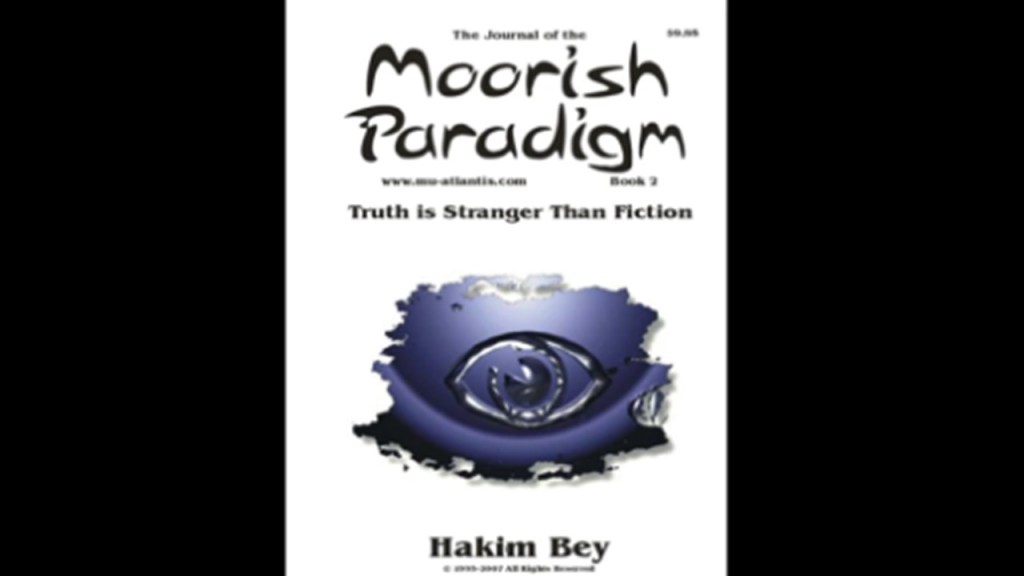
Besides evidence for a recent cataclysmic event that I found in researching “On the Trail of Giants in Appalachia and Beyond,” I am going to bring forward other evidence that I have found in the course of my research and experience to support my belief that the sinking of Atlantis happened relatively recently in Earth’s history, and not thousands of ago, and that the Atlantean civilization was the same as the worldwide ancient advanced Moorish civilization that first originated in the time of ancient Mu, or Lemuria, and existed until relatively recently.
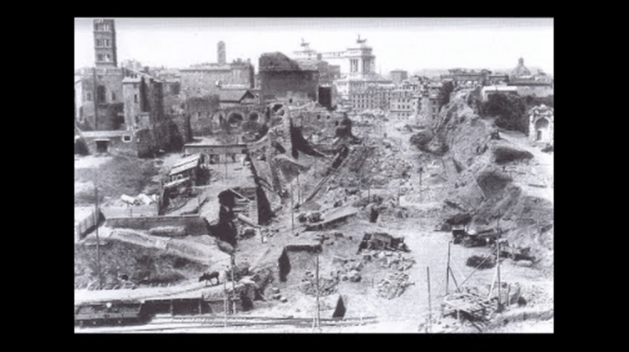
I believe the beings behind this cataclysm were shovel-ready to dig enough of the original infrastructure out of the ruined Earth so they could be used and civilization restarted, which I think started in earnest in the mid-to-late 1700s and early 1800s.
Then, the Controllers only used the pre-existing infrastructure until they found replacement fuel sources that could be monetized and controlled by them and when what remained of the original infrastructure was no longer useful to them, or inconvenient to their agenda, they had it destroyed, discontinued, abandoned, or repurposed, typically in a very short time after it was said to have been constructed in our historical narrative.
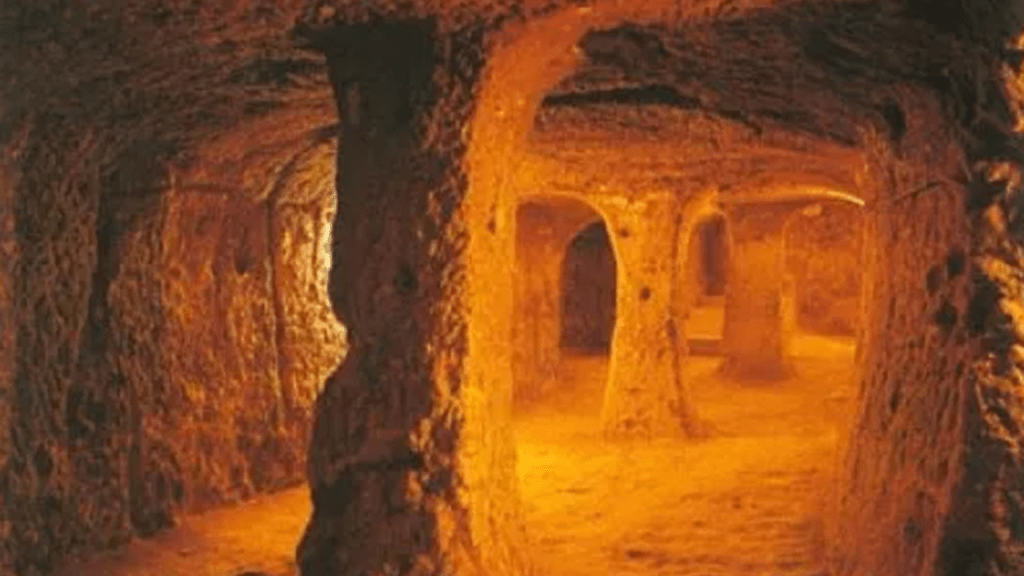
There is plenty of underground infrastructure worldwide for not only the those that desired a global takeover, but for surviving original people to live in as well, where many places on the Earth’s surface would otherwise have been uninhabitable.
The Controllers were people like John D. Rockefeller, a co-founder of the Standard Oil Company in 1870 along with Henry Flagler, roughly a decade after the birth of the oil Industry at Titusville in Pennsylvania in 1859.

Standard Oil Co-founder John D. Rockefeller, Sr, was born in the United States in 1839, and was the progenitor of the wealthy and powerful Rockefeller family.
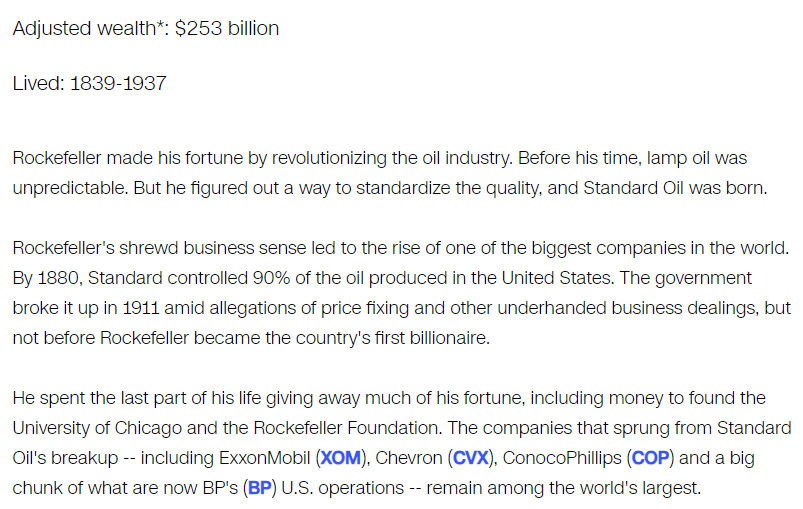
He was considered to be the wealthiest American of all time, as seen in this ranking by CNN Business.
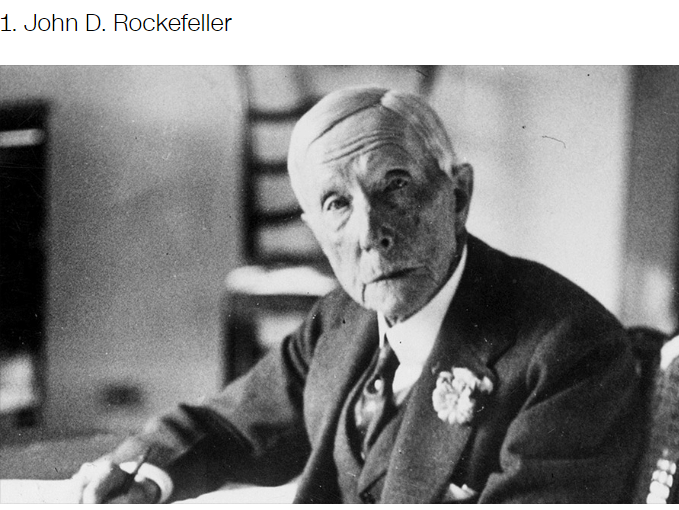
Rockefeller’s wealth soared as kerosene and gasoline grew in importance.
At his peak, he controlled 90% of all oil.
As quickly as possible, a way was found to replace what remained of the free-energy system with their own coal- and oil-based system, and in the process make money hand over fist from the total control of the new system.
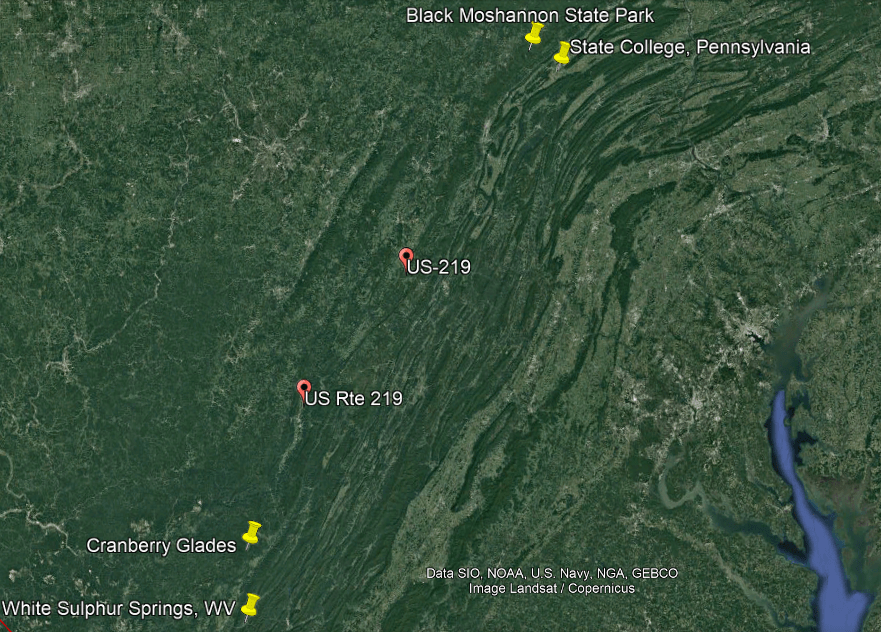
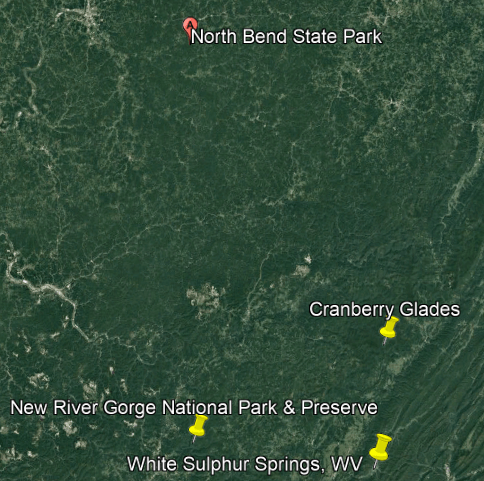
My starting point for this post on “The Cataclysm” is taking a look at what is found along the same stretch of highway, U. S. Highway Route 219, between the boggy Black Moshannon State Park near State College, Pennsylvania, and the bogs at Cranberry Glades Botanical Area, near White Sulphur Springs in West Virginia.
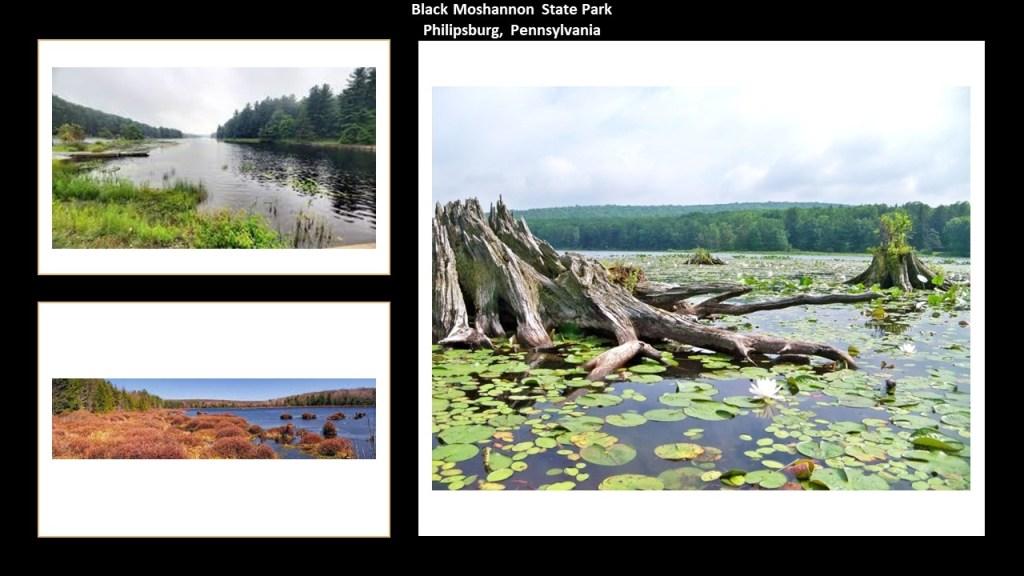
Black Moshannon State Park is the home to the largest reconstituted bog in Pennsylvania, a wetland that accumulates peat as a deposit of dead plant materials, which contains carnivorous plants, orchids, and species typically found further north.
Cranberry Glades, protected in the “Cranberry Glades Botanical Area” area, are a cluster of five, separate boreal-type bogs in southwestern Pocahontas County in West Virginia, and like Black Moshannon State Park, species are found at both these locations that are typically further north.
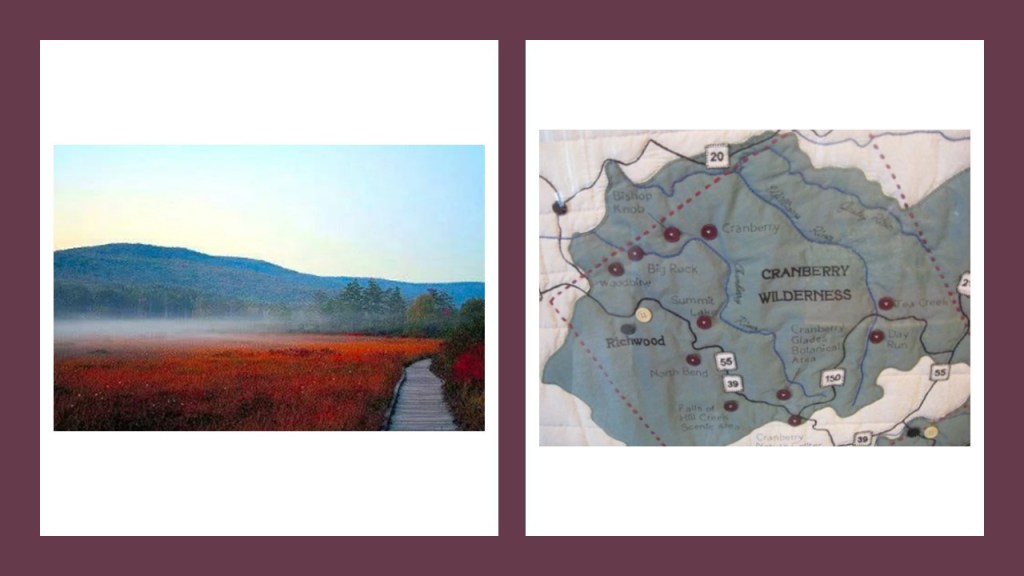
That both of these boglands have species typically found further north may signify some kind of North-to-South movement of land, through this geographic region in the Appalachian Mountains.
Here is a comparison of the intriguing appearance of the landscape here as seen from Google Earth on the left, compared with photos of mud flows on the right.
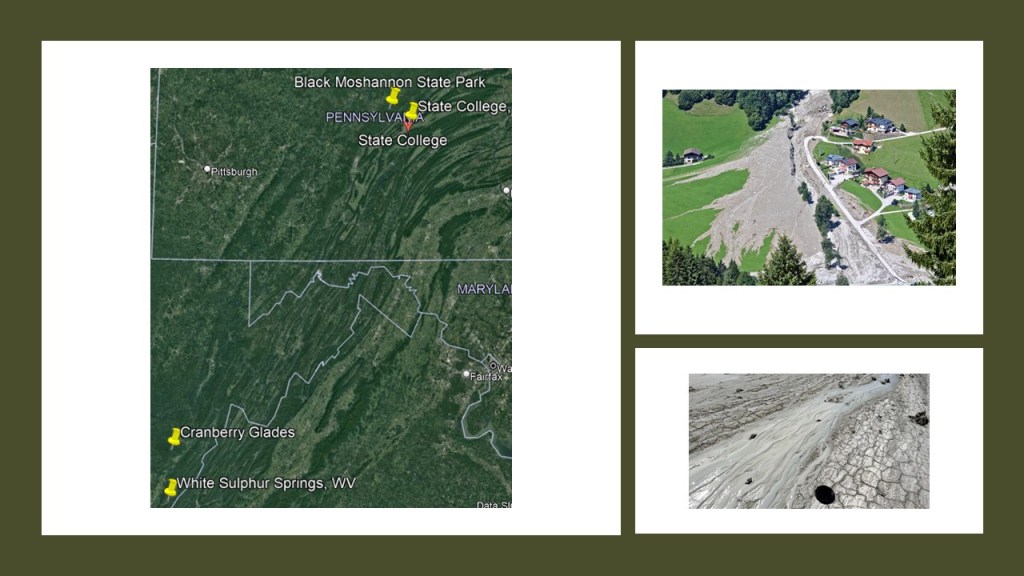
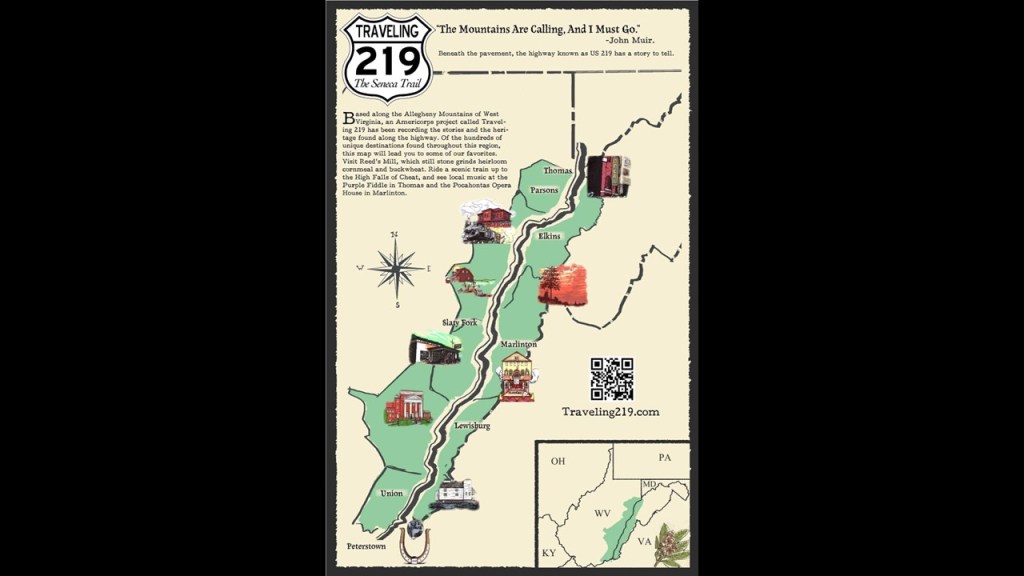
US-219 upon which both of these places are located was said to follow what was known as the “Seneca Trail,” a network of trails of “unknown age” used by indigenous Americans for commerce, trading and communication.
The “Seneca Trail” ran through the Appalachian Valley from what was to become Upper New York State, and went well into Alabama, though they are described to us in our historical narrative strictly as “footpaths.”
What we are told is that by the time the land was settled by Europeans starting in the 18th-century, it was largely abandoned by its previous inhabitants.
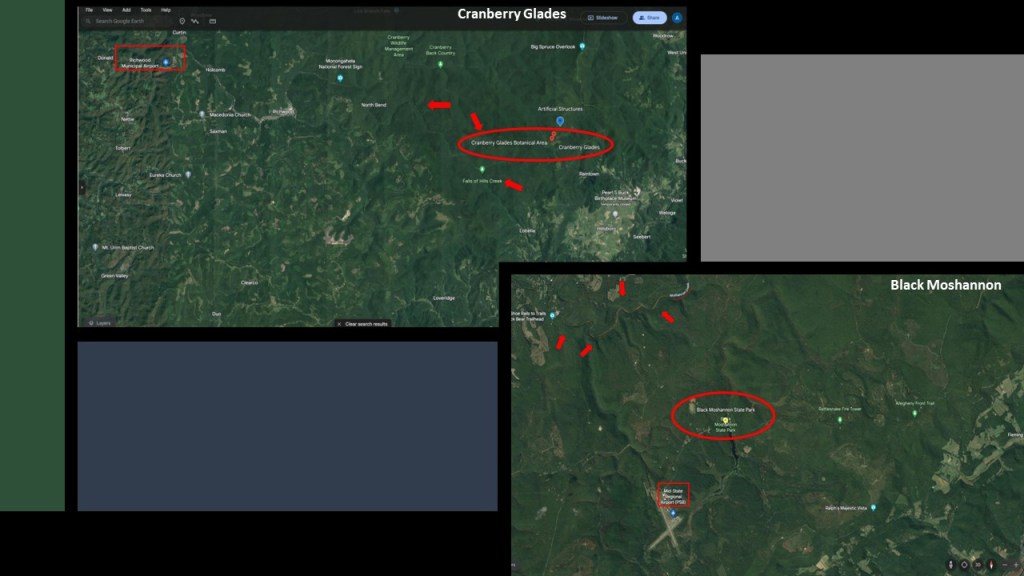
Some other things Black Moshannon and Cranberry Glades have in common are as follows:
Both locations have s-shaped river bends and airports nearby, with the name of the parks notated by an oval; the airports by a box; and the river bends are pointed at by arrows.
Both are near Rails-to-Trails locations.
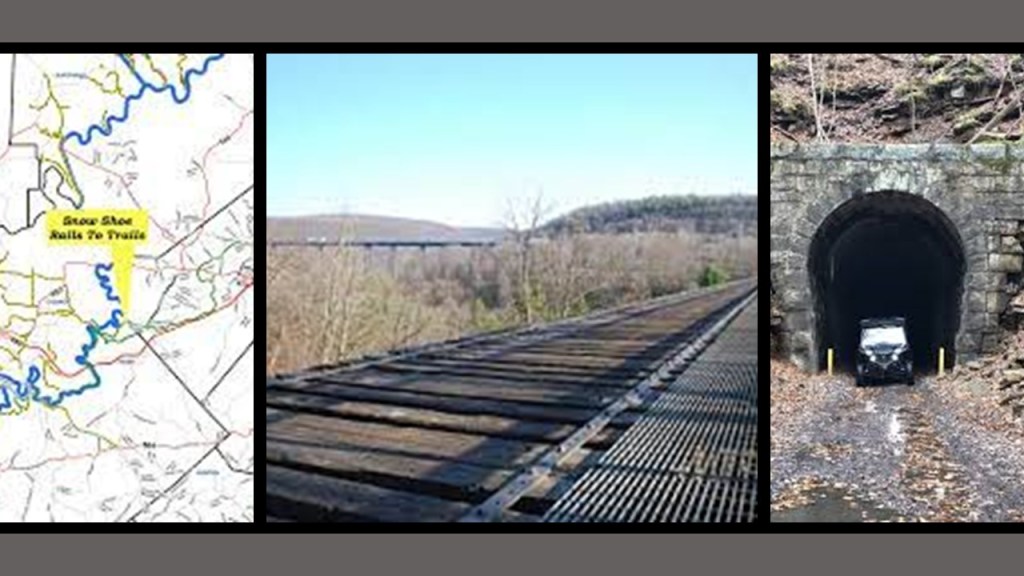
The Snowshoe Rail-to-Trails near Moshannon Creek has 19-miles, or 31-kilometers, of abandoned railroad bed along 37-miles, or 60-kilometers, of legalized Snowshoe Township Roads for ATVS/UTVs.
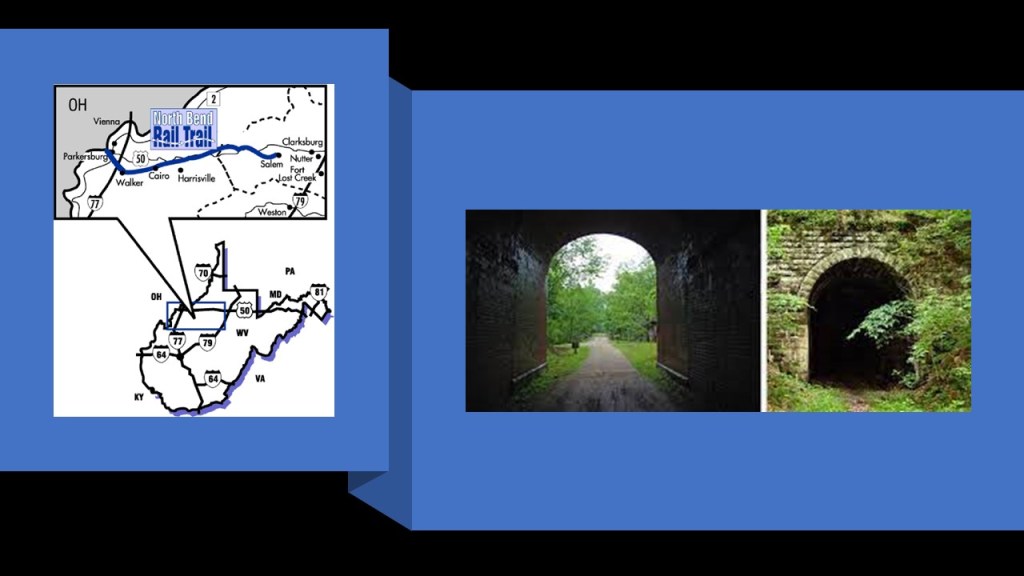
One of the rails-to-trails near Cranberry Glades is the “North Bend Rail Trail,” a 72-mile, or 116-kilometer, – long hiking corridor running between the North Bend State Park in Cairo, West Virginia, and Ellenboro, West Virginia.
What is now the North Bend Trail was at one time one of the most distinguished railroad lines in United States History.
Said to have been constructed between Grafton, West Virginia, and Parkersburg, West Virginia, by the Northwestern Virginia Railroad between 1851 and 1857, at which time it was sold to the Baltimore & Ohio Railroad and became known as the “B & O Parkersburg Branch.”
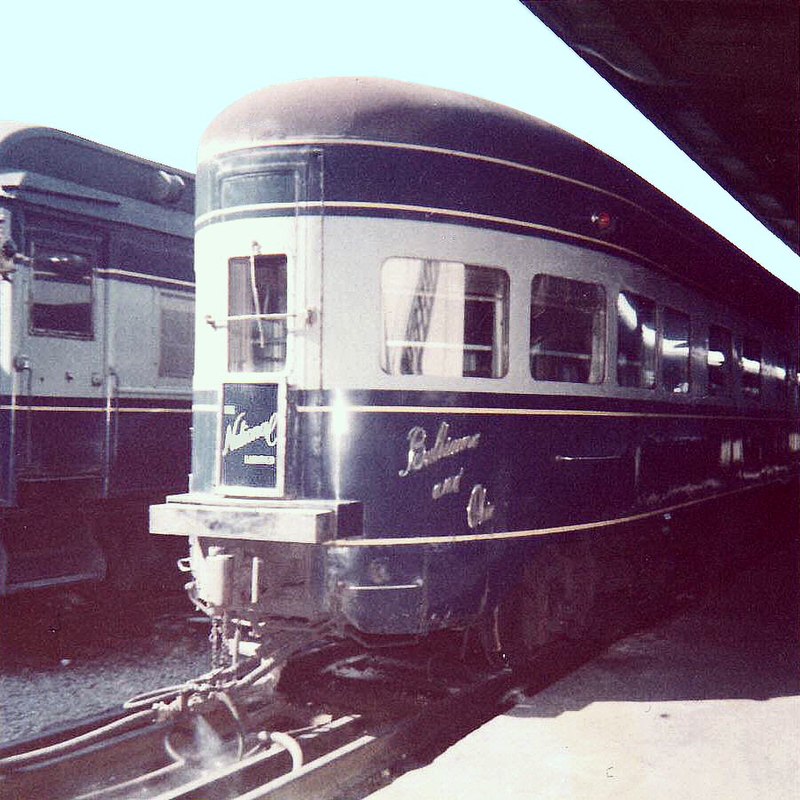
During its prime, it hosted the B & O Railroad’s premiere passenger train, the National Limited, between New York City and St. Louis, Missouri.
Eventually the rail-line that was part of the North Bend Rail Trail became freight-only, and the line was abandoned and dismantled in 1988.
The trail was completed between 1991 and 1996, and has beautiful, red-brick tunnels along the way.
The North Bend Rail Trail is part of the “American Discovery Trail,” that runs from coast-to-coast through 15-states and the District of Columbia, and is the only non-motorized trail that crosses the country.
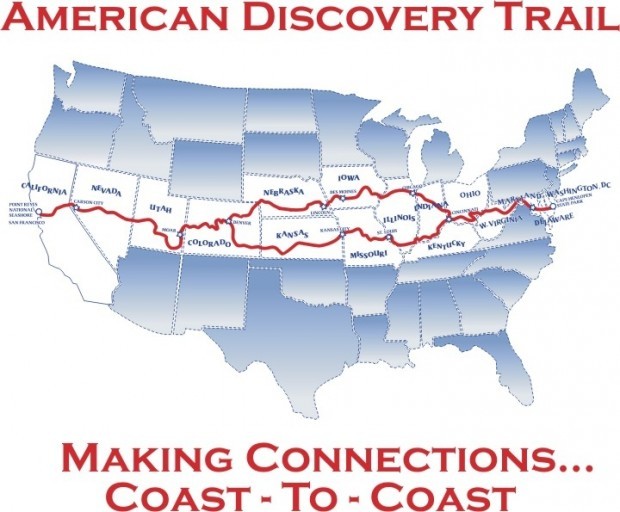
Interestingly, I found out that the “American Discovery Trail” includes the Indiana Dunes Discovery Trail on the Southern Shore of Lake Michigan, which is called one of the most biodiverse areas in the United States, and includes sand dunes and wetlands, including bogs, existing right next to each other in the same location, and both are beside railroad tracks, circled on the bottom right.
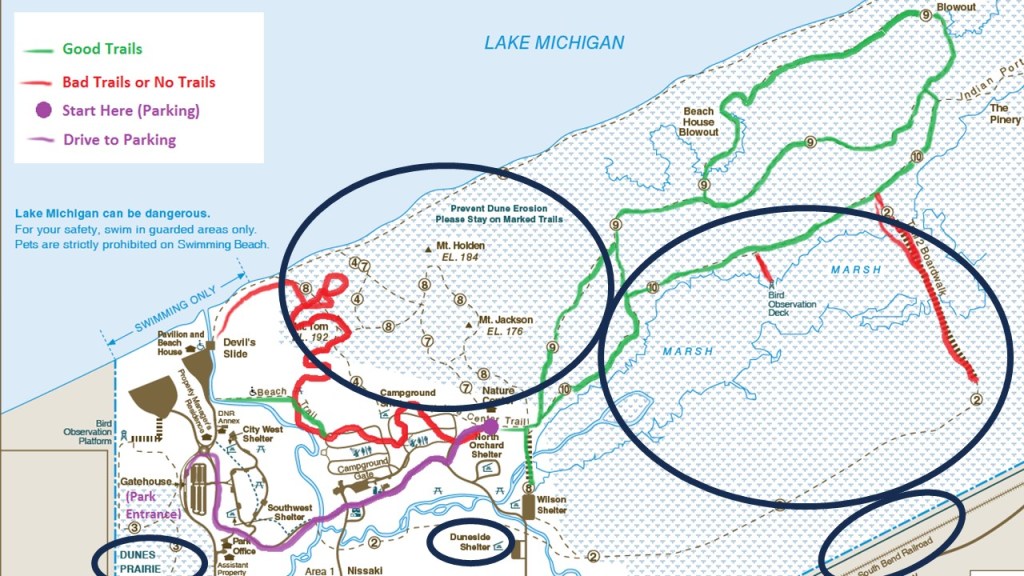
The South Shore Line runs in ths part of Indiana starting in South Bend, and goes between Michigan City just to the east of the Indiana Dunes, to Gary, Indiana, located just to the west of the Indiana Dunes, on its way to Chicago, Illinois.

In June of 1906, the location of what became the city of Gary, about 26-miles, or 42-kilometers, east of Chicago, Illinois, was a wasteland of drifting sand and patches of scrub oak.
No one lived there, and there was no agricultural value to the land.
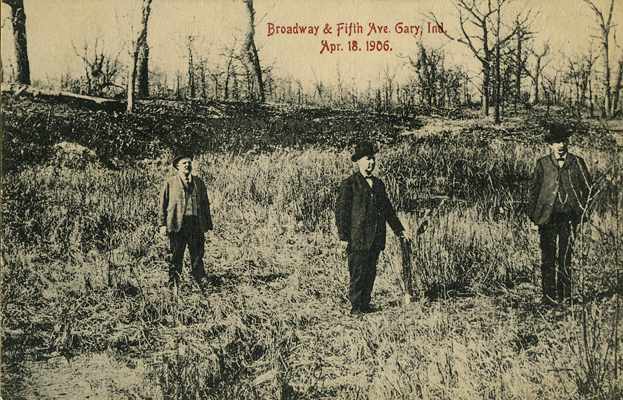
Yet, three or four railroads passed through the area where the S-shaped Grand Calumet River wound its way around sand dunes to get to Lake Michigan.
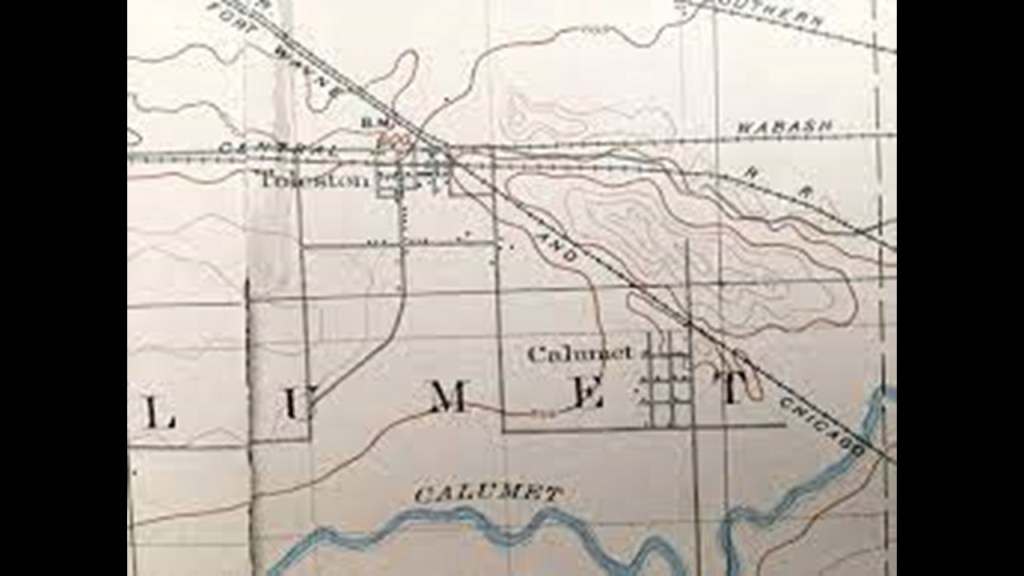
It was in June of 1906 that the first shovelful of sand was turned for the creation of the new steel town of Gary.
Laborers were housed in tents and shacks, and were digging trenches as very little work was being done above-ground.

By 1908, lo-and-behold, the city of Gary had taken on its shape and form!
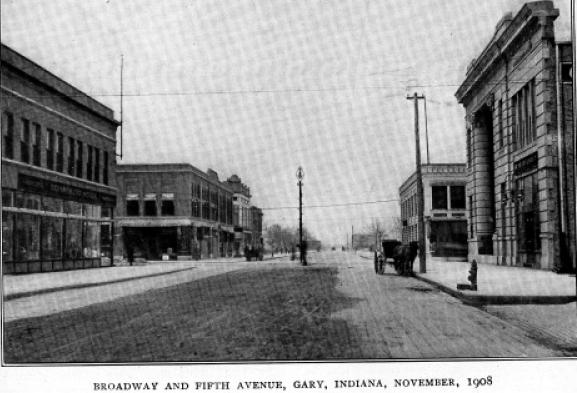
Gary was heralded as a “Magic City,” having been transformed from sand dunes in record time!
It was established to be the “company town” for U. S. Steel, and became home to the largest steel mill complex in the world, with its operation starting in June of 1908, only two-years after the first shovelful of sand was turned at this location.
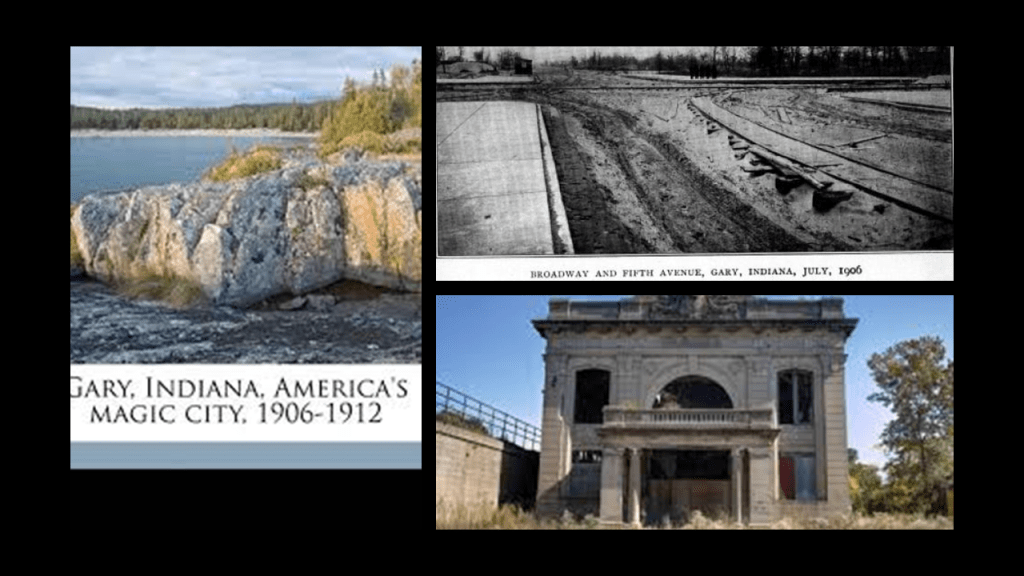
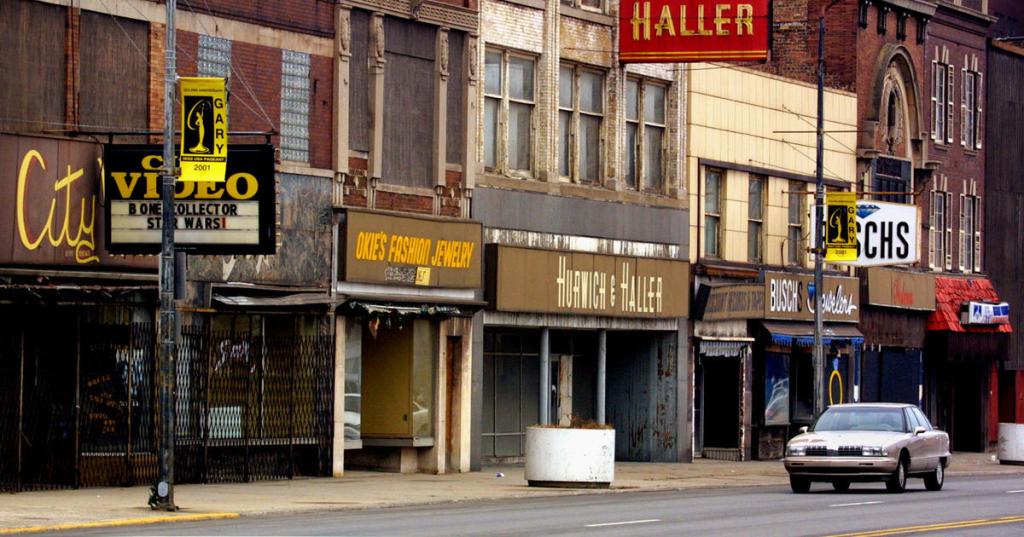
U. S. Steel is still the largest employer in Gary, and is still a major steel producer, but with a significantly reduced workforce due to the increase in overseas competitiveness in the steel industry over the years.
Actually, after the “magic” of its beginnings, Gary has been in decline for years, with population loss leading to abandonment of much of the city, unemployment and decaying infrastructure.
I originally encountered this information about the Indiana Dunes and Gary on the southern shore of Lake Michigan when I was “Trekking the Serpent Ley” between the Bermuda Triangle in the Atlantic Ocean and Lake Itasca in Minnesota last fall, a leyline identified by Peter Champoux.
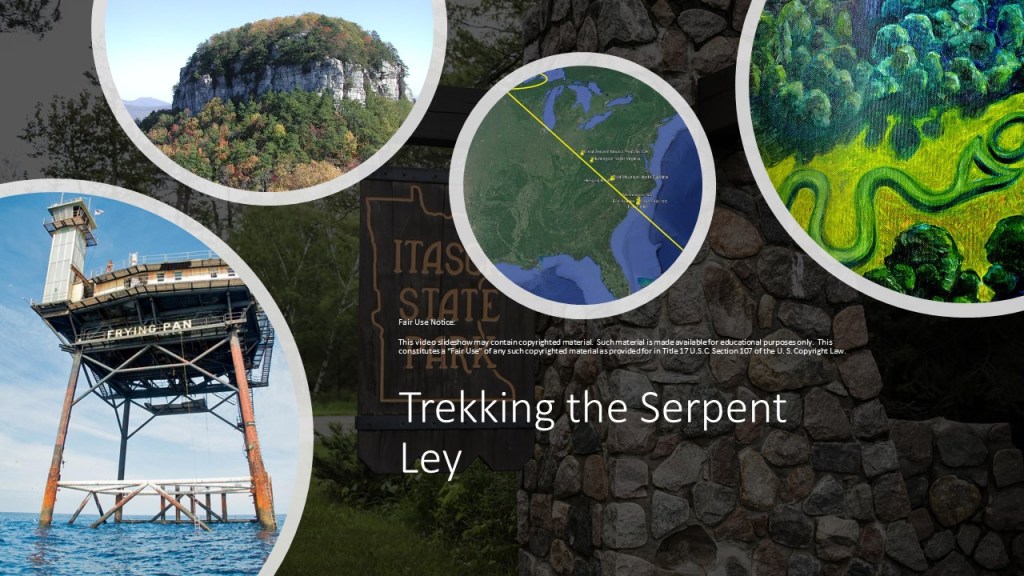
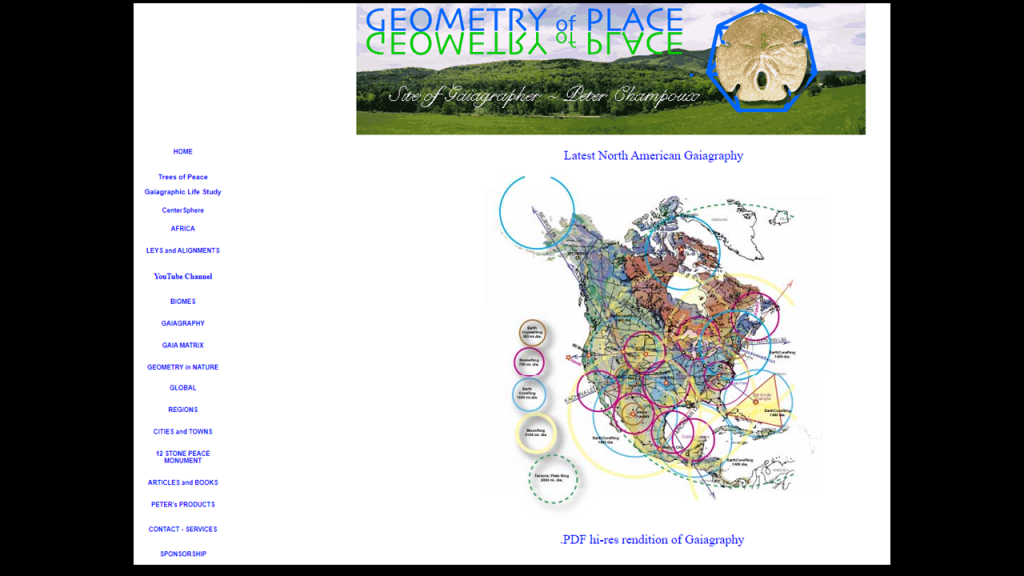
Peter’s work can be seen on his website http://www.geometryofplace.com.
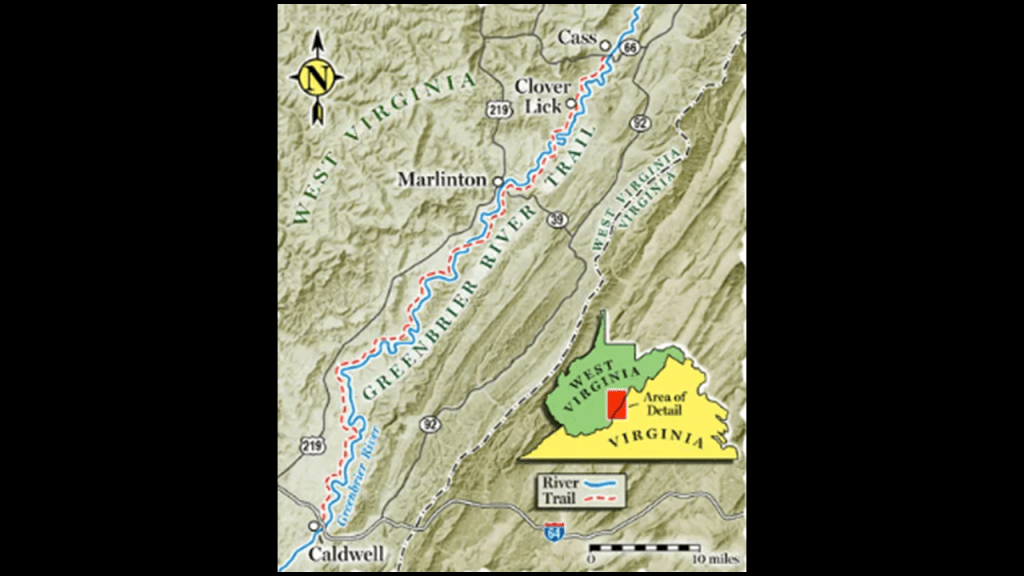
Another rails-to-trails near Cranberry Glades is the Greenbrier River Trail.
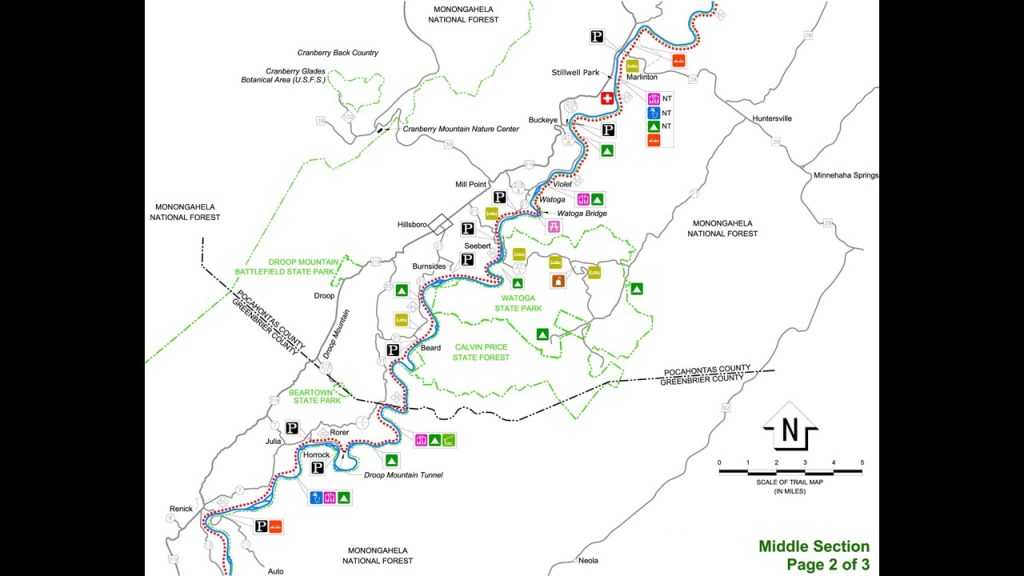
What is now the Greenbrier River Trail was gifted to the State of West Virginia in the late 1970s and opened as a recreational, multi-use trail in 1980.
It is 78-miles, or 126-kilometers, – long and runs between US 219 and the Greenbrier River from North Caldwell to Cass in Eastern West Virginia.
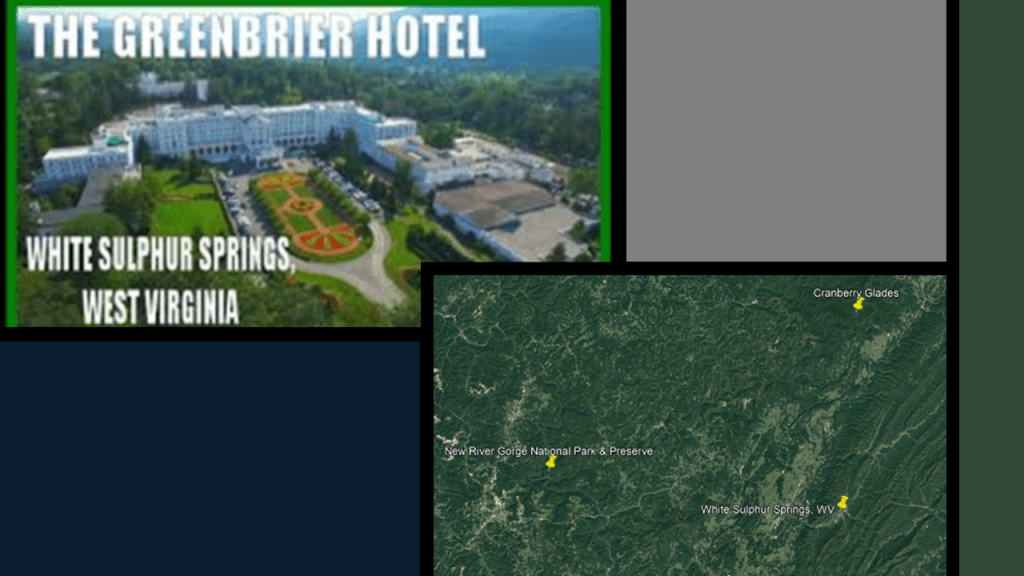
White Sulphur Springs in West Virginia, is roughly 24-miles, or 39-kilometers, to the southeast of the bogs at Cranberry Glades.
White Sulphur Springs is a luxury resort frequented by the rich and powerful in this country, including members of the United States Congress for retreats to this day.
Similarly, Black Moshannon State park is 22-miles, or 35-kilometers, from State College, Pennsylvania, which is only a difference of 2-miles, or 4-kilometers, of the distance between the bogs at Cranberry Glades and the community of White Sulphur Springs.
State College, Pennsylvania, is the home of Penn State University.
Penn State was founded in 1855 as the Farmers’ High School of Pennsylvania, and in 1863, it became the state’s first land-grant university.
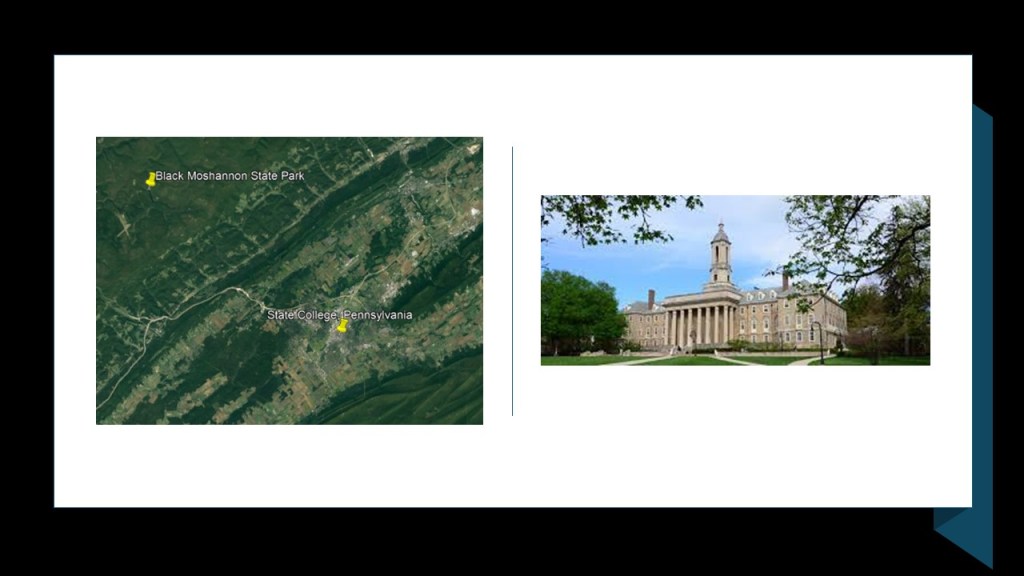
Penn State University near Black Moshannon State Park is the location of the Garfield Thomas Water Tunnel, the world’s largest water tunnel at the time it was built in cooperation with the Navy in 1949, and for a long time it was the largest circulating water tunnel in the world.

It is still one of the Navy’s principal experimental hydrodynamic research faciilities, and has been declared a historic mechanical engineering landmark.
There is a National Radio Astronomy Observatory at Green Bank, not far from Cranberry Glades in West Virginia,
The Green Bank Telescope is the world’s largest, fully-steerable radio telescope.
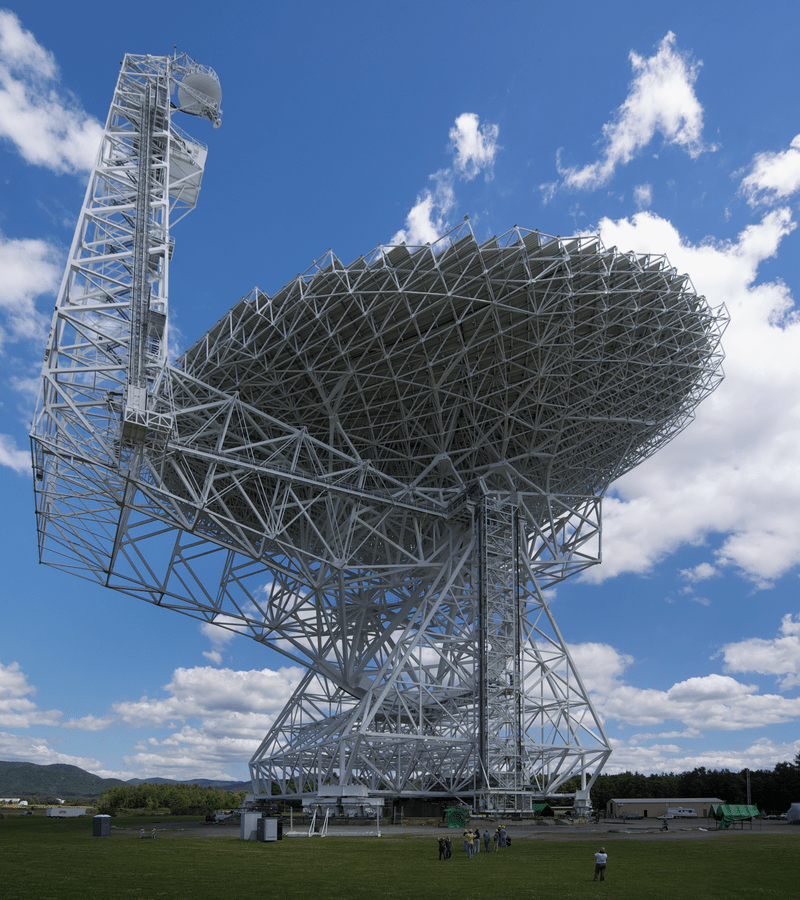
Used for the purposes of radio astronomy, it is situated near the S-shaped bends of the Greenbrier River near Cass, and is part of the United States National Science Foundation.
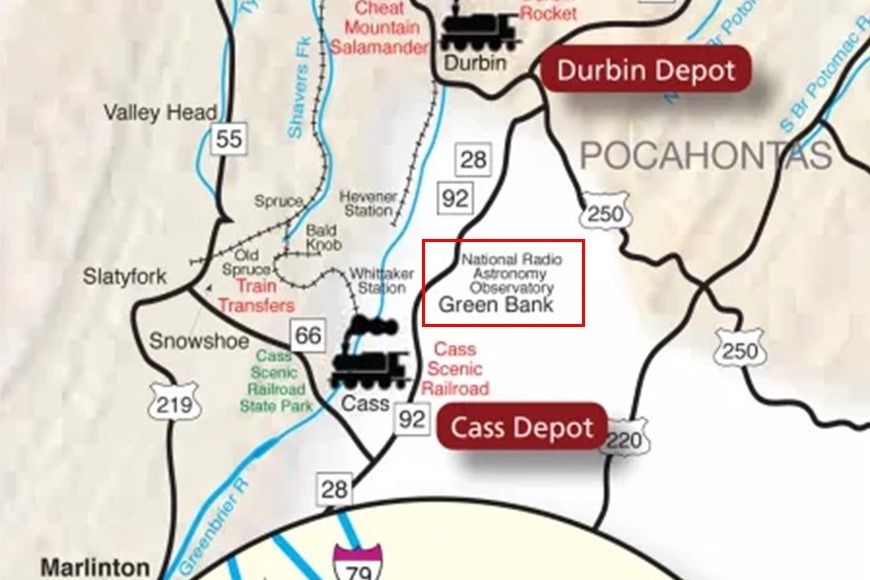
Interesting to note that I found this bit of information in reference to the location of the Green Bank Observatory.
National Radio Astronomy Observatory at Green Bank,
The area around the Observatory was at one time planted with pines with needles of a certain length to block electromagnetic interference at the wavelengths used there, which is a very intriguing find.
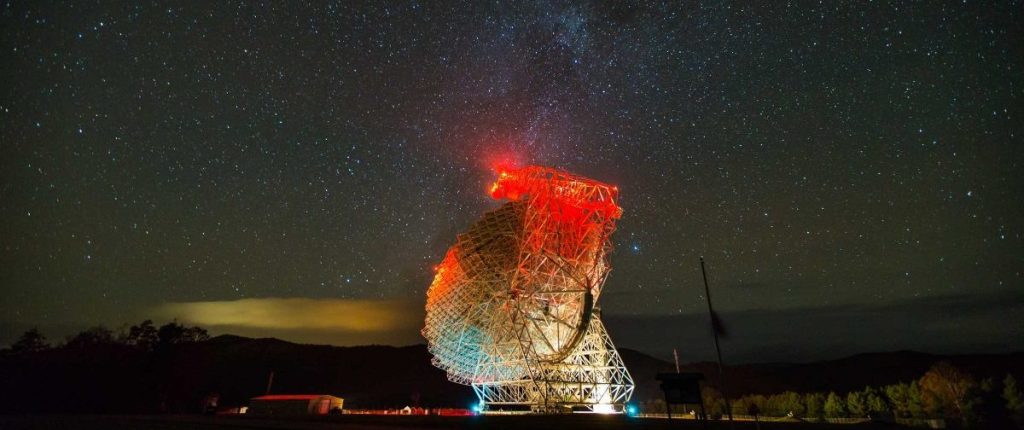
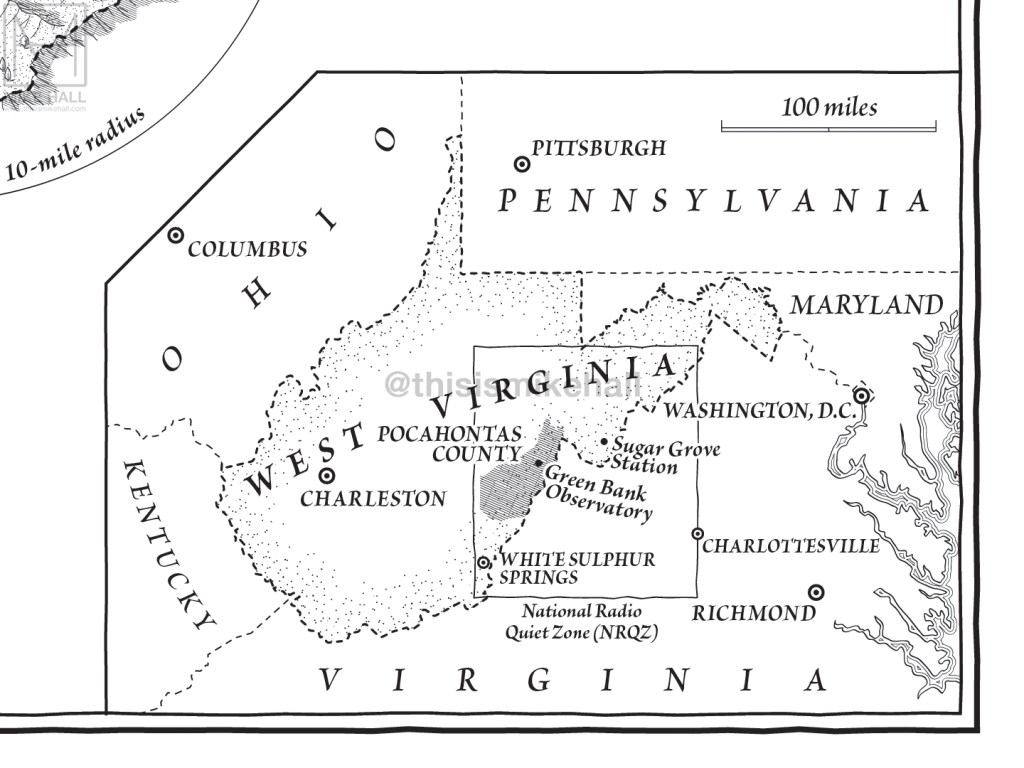
The Green Bank National Radio Astronomy Observatory is in the National Radio Quiet Zone, in which radio transmissions are restricted by law.
Besides the nearby Green Bank Telescope, there’s also the Sugar Creek Naval Radio Station in the National Radio Quiet Zone, as well as White Sulphur Springs.
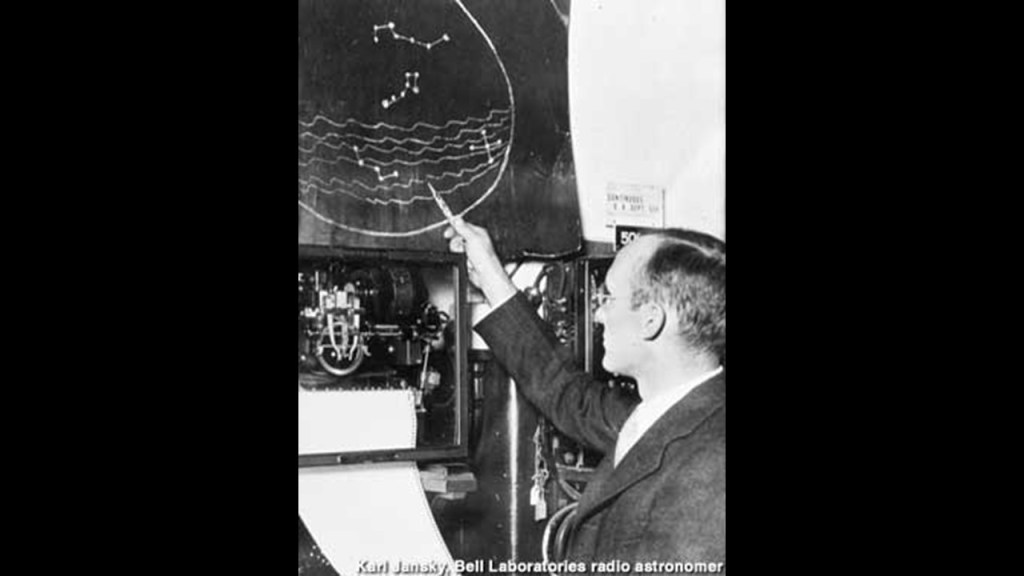
Researchers like Karl Jansky, credited with the discovery of radio waves coming from the Galactic Center, at the Bell Labs complex in Holmdel, New Jersey, were credited with the development of radio astronomy, among other things.
The Holmdel Complex, in use by Bell Labs for approximately 44-years starting from around 1962 was called “The Biggest Mirror Ever,” and located near the entrance to lower New York Bay.
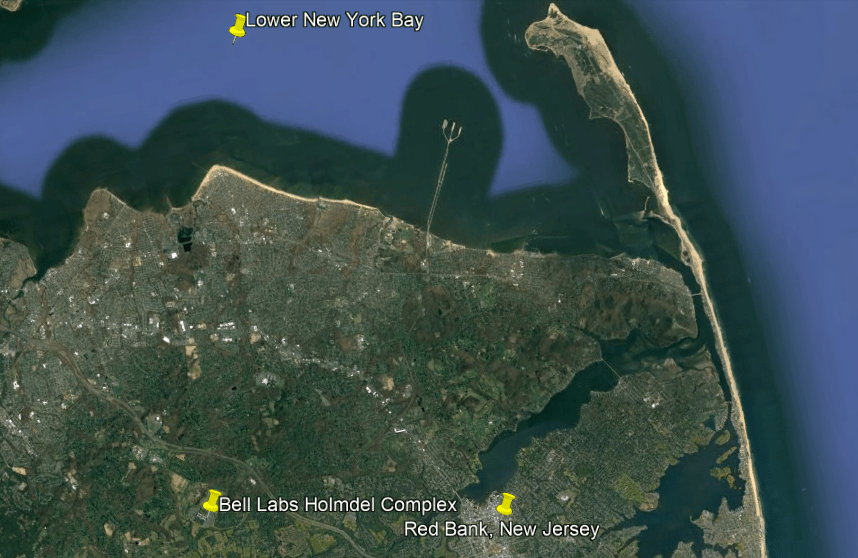
Today it is a mixed-use office for high-tech start-up companies, but it started out as a research and development facility for Bell Systems, which became Bell Labs, and the work-place for 6,000 engineers and researchers worked here, including the Father of Radio Astronomy, Karl Jansky.
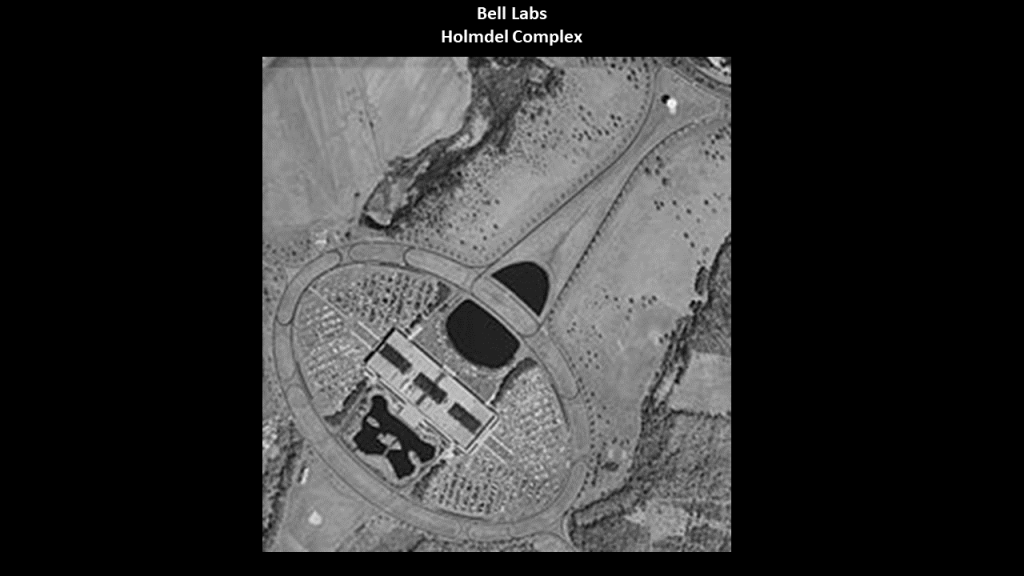
The Holmdel Horn Antenna was at Bell Labs facility on Crawford Hill, the highest point in New Jersey’s Coastal Plain, and used as a radio telescope and satellite communication antenna in the 1960s.
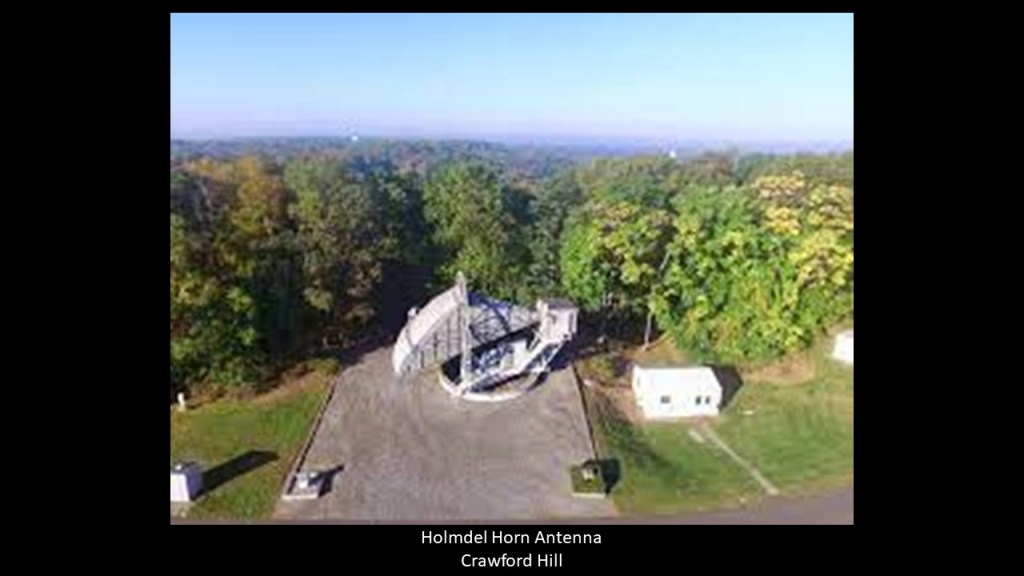
In 1965, radio astronomers Arno Penzias and Robert Wilson working here were credited with the discovery of the cosmic microwave background radiation that permeates the Universe, a discovery for which they won the Nobel Prize in 1978.
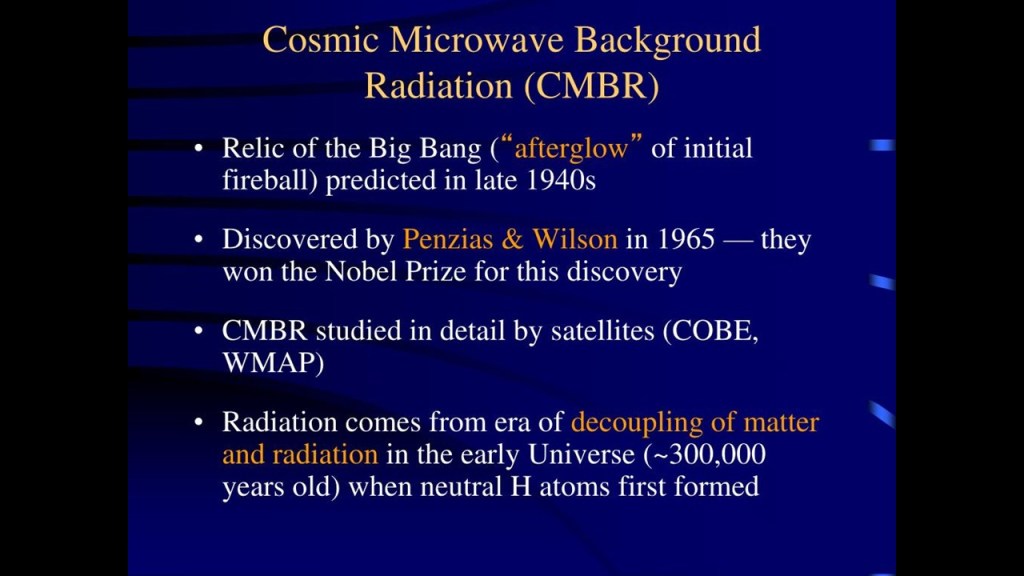
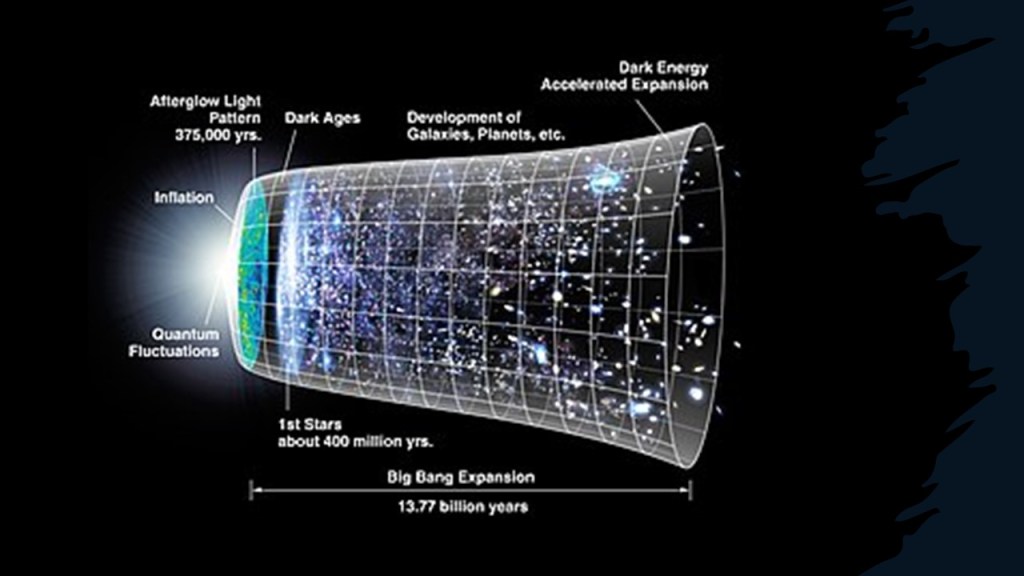
This is a microwave radiation that fills all space in the observable universe, and their finding was said to provide evidence for the “Big Bang Theory,” a theory which described how the Universe expanded from an initial state of high density and temperature which was first proposed in 1927 by Roman Catholic priest and physicist, Georges Lemaitre.
Bell Systems got its start in 1877 when the first telephone exchange opened in New Haven, Connecticut, and we are told named after Alexander Graham Bell, who was credited with patenting the first telephone, and was one of the co-founders of AT & T in 1885, along with his father-in-law, Gardiner Green Hubbard.
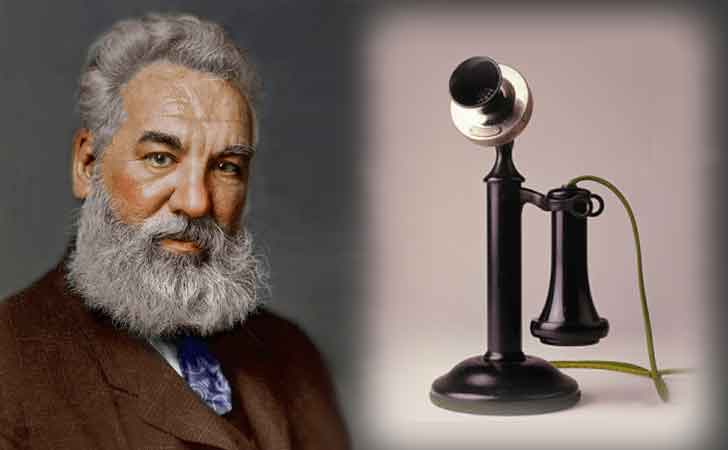
In addition to both men being heavily involved with the founding of National Geographic Society in January of 1888, which we are told begun by an elite club for academics and wealthy patrons for the purpose of “the increase and diffusion of geographical knowledge.”
Similarly, the Smithsonian Institution was established in August of 1846, and was created by the United States government for the purpose of “the increase and diffusion of knowledge.”
Nicknamed the “Nation’s Attic,” it has an estimated 154-million items in its holdings, across numerous facilities like museums, libraries, and research centers, and is the largest such complex in the world.
The Smithsonian Castle was the first building of the Smithsonian Institution, and said to have been built on the National Mall in Washington, DC, between 1849 and 1855.

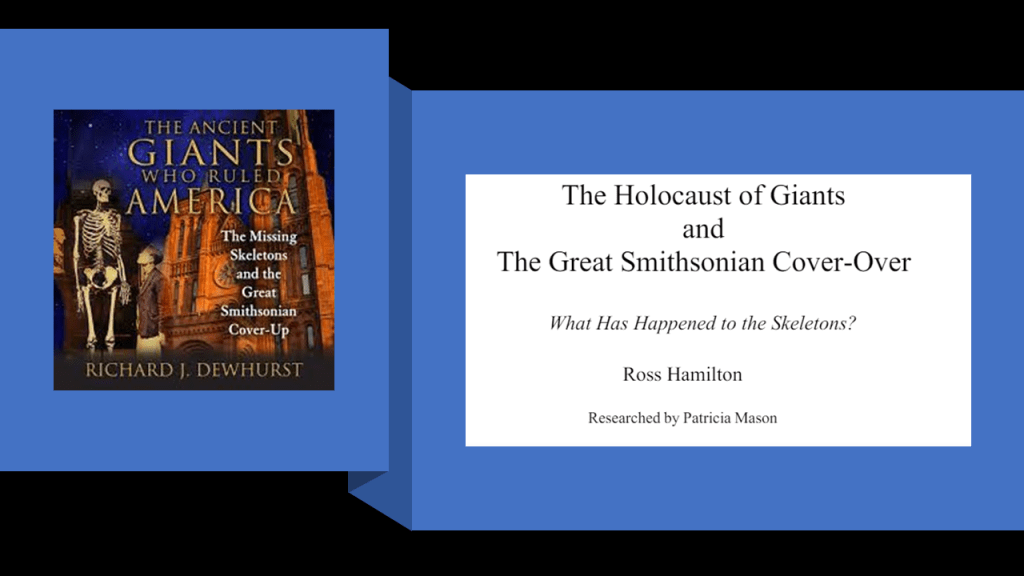
It is interesting to note that researchers have long suspected the Smithsonian to have played a role in the cover-up of giants.
Back in the day, giant skeletons were displayed in public places and mentioned in newspaper articles, but all that went away.
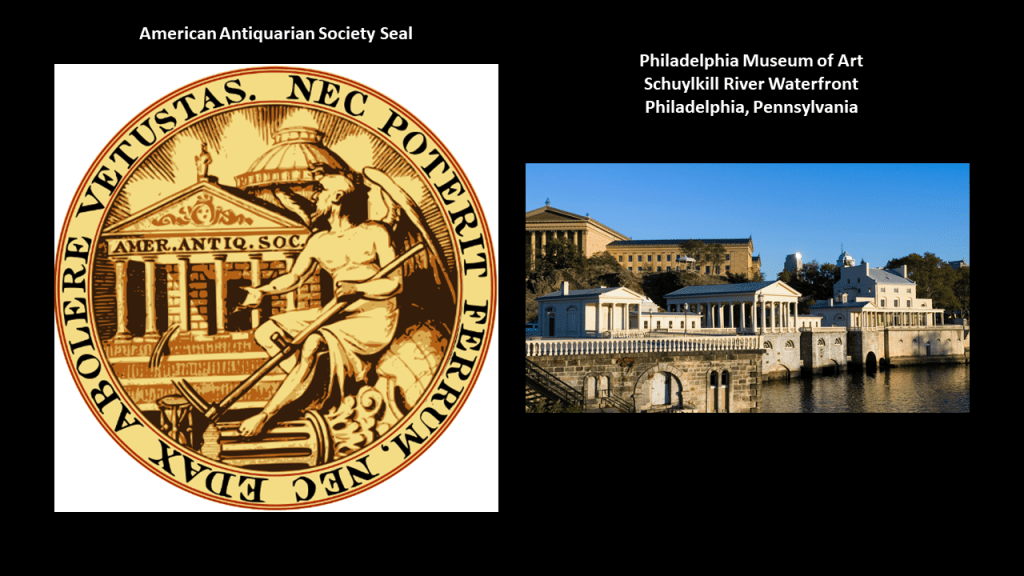
Another gate-keeper type organization that originated in the 19th-century was the American Antiquarian Society, which was founded in 1812, and said to be a national research library of pre-20th-century American history and culture,
The oldest historical society with a national focus, it’s mission is collecting, preserving, and making available for study all printed records of what is known as the United States of America.

The seal of the American Antiquarian Society translates from the Latin of Ovid’s Metamorphoses, Book 15, Line 872: “Now I have completed my work, which neither sword nor devouring Time will be able to destroy” complete with an illustration of what we have come to consider Greco-Roman architecture and a broken corinthian pillar at the feet of what appears to be an angel.
I believe this image is quite relevant to our current situation.
The view of the Philadelphia Museum of Art from the Schuylkill River in Philadelphia is pictured on the right.
Back to Alexander Graham Bell.
He was famous for his work not only with sound but also on training instructors of deaf-mute students.
He travelled to Boston in 1871 to teach instructors at the Boston School for Deaf-Mutes his “Visible Speech System.”
The oldest public day school for deaf and hard-of-hearing students, it later became known as the Horace Mann School for the Deaf.
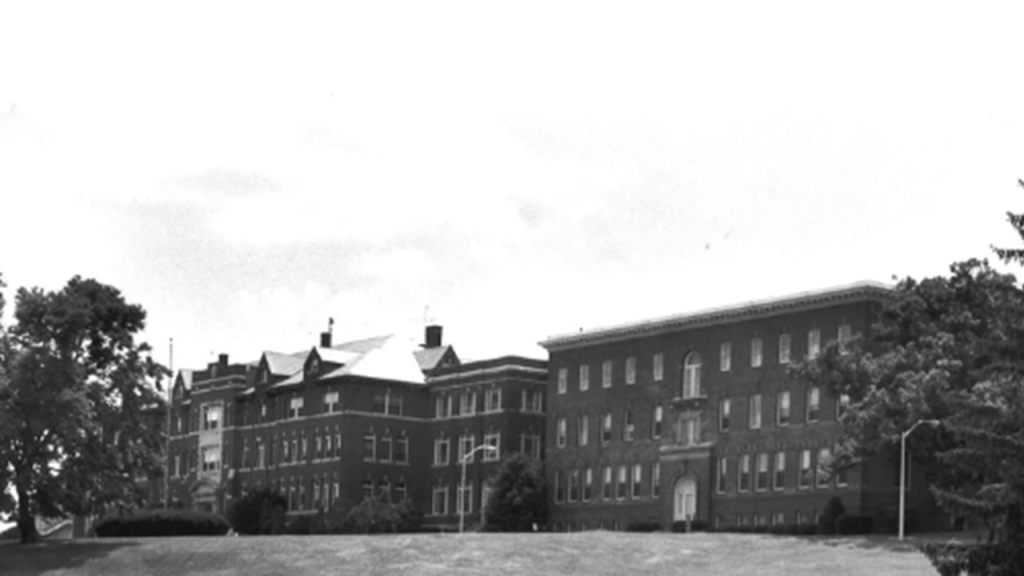
Shortly afterward, he provided the same training for the instructors at the American Asylum for the Deaf in Hartford, Connecticut, the oldest permanent school for the deaf in the United States, having been established in 1817.
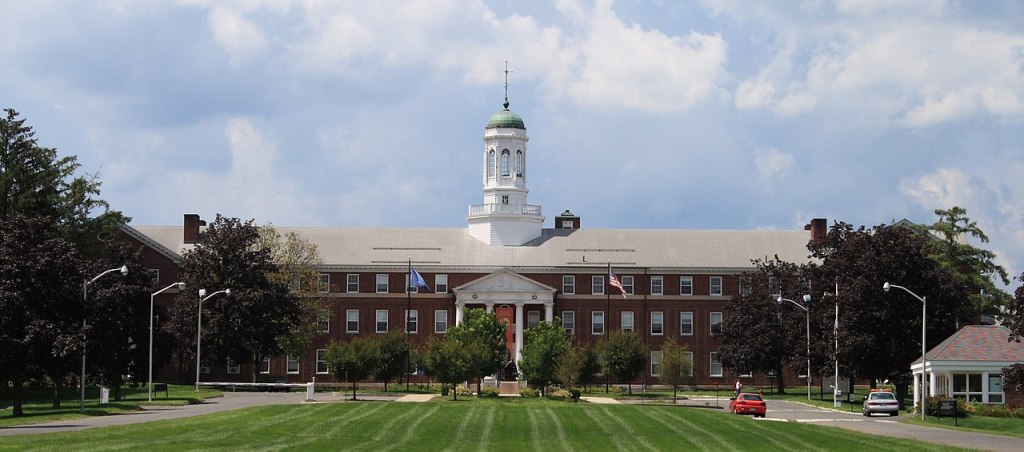
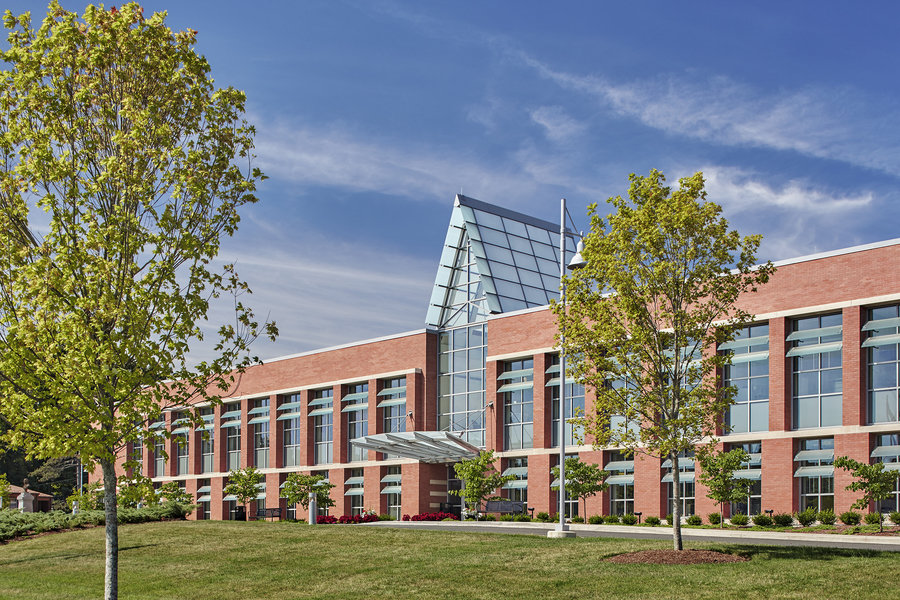
Known later as the “American School for the Deaf,” the original building was replaced with a new, “state-of-the-art” facility called the “Galludet-Clerc Education Center,” which was completed in 2013…
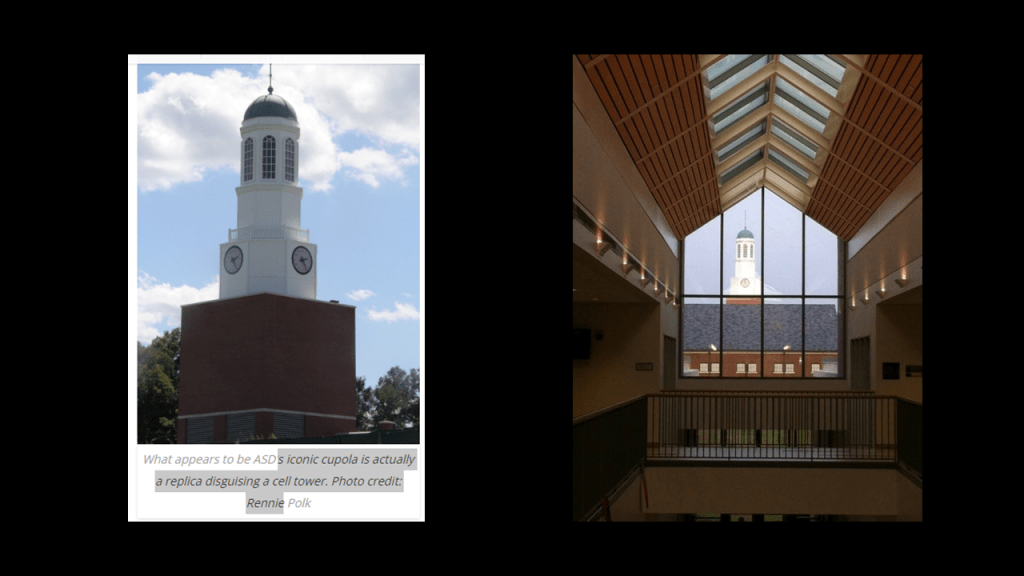
…and we are told that a replica of the cupola of the original building is now a cell tower on the school’s grounds.
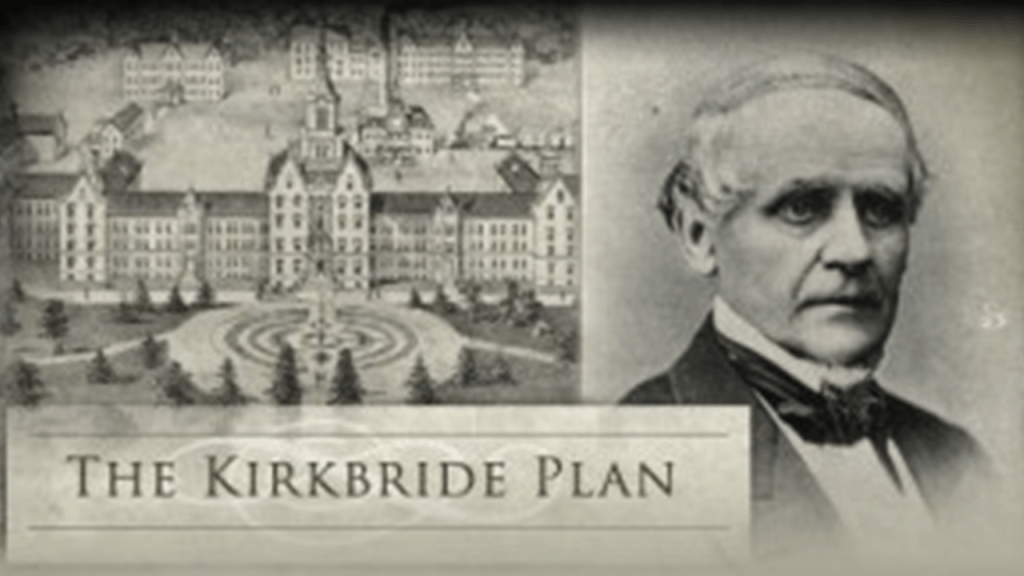
It’s also important to note the Kirkbride Plan was implemented in the United States, starting in 1848 with the New Jersey State Lunatic Asylum in Trenton, New Jersey.
Named after the Psychiatrist Thomas Kirkbride, psychiatric hospitals were designed and constructed according to the Kirkbride Plan across the U. S. and while numerous Kirkbride structures still exist, many have been demolished, partially-demolished, or repurposed.
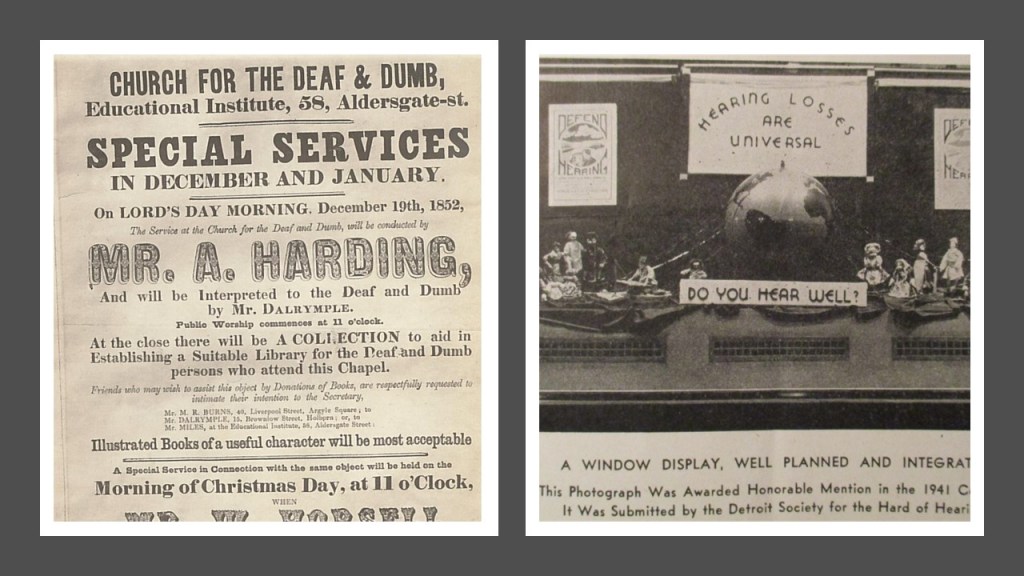
What was the deal with all the deaf people and deaf mutes, and insane asylums for that matter, in the 19th-century?
With regards to those who were deaf-mute, they tell us it resulted primarily from medical reasons, from things like neonatal septicemia, premature birth and low birth weight, to meningitis and mumps.
But were those reasons given to seed our consciousness with the susceptibility of humans to medical conditions causing all illness and dis-ease…or could there have been another reason entirely?
Now, I am going to bring up the first of multiple candidates for you consideration of the origins for what I believe was the deliberately-caused cataclysmic destruction of the Earth’s surface along the Earth’s Grid System in order to bring about the “New World Order,” causing the land to undulate and buckle, causing among other things, swamps, bogs, deserts, dunes, and whole land masses to shear-off and submerge under seas and oceans.
I believe that the circuit board of the Earth’s grid system was deliberately blown 0ut, and thinking likely one or more forms of directed frequency or energy of some kind into different places on the Earth’s grid, either at the same time, or different times within a finite period, because there’s just so much devastation on the surface of the Earth.

…and that ever since then we have been at the mercy of a parasitic consciousness that has the rigged the system to provide the non-stop flow of wealth for them and keeping us in the negative energy of our lowest states of consciousness of fear and suffering that they need to survive.
But the problem for them is that in a Free Will Zone like Earth, the Human Beings who live here have to give their consent to choose whether the follow the Light or the Dark, and they have to tell us what they are doing.

One way they gain our consent is through literature, art, music, and things like predictive programming in movies and television programs, and accomplish this by not telling us they are telling us.
If we don’t get it and object collectively, then they technicially have our tacit consent even if we don’t know we are being told something, and that is what they are counting on.
Predictive programming is defined as: Storylines, or even subtle images, that in retrospect seem to hint at events that actually end up happening in the real world.

The other way is by outright lies, deception and duplicity because if people knew the true agenda of these controllers, the majority of Humanity would never, ever accept what they are doing to us.

We are inherently sovereign beings.
They have gone to all of this trouble because, by Universal Law, they can’t lay a finger on us.
They have tricked us into accepting their sovereignty over our own.
The first potential cause I would like to mention are Extremely Low Frequency, or ELF, bells, which was one of several subjects brought forward by Stephanie McPeak Petersen in her latest video, “The Golden Fleece of Tartaria (& Operation Merino).”
I highly recommend this thought-provoking and interesting video in which Stephanie decodes the clues left in the 1974 movie “The Conversation” about survelliance; Shakespeare’s “Hamlet” and “The Tempest;” Lewis Carroll’s “Alice in Wonderland,” and “Jason and the Argonauts,” with the trail leading her to Australia, merino sheep, monoatomic gold and Pine Gap, an American satellite and signal- intelligence surveillance base in Australia….and ELF bells.
Stephanie covers a lot of ground in her video, but the two topics I want to unpack here from this information are bells and pines.
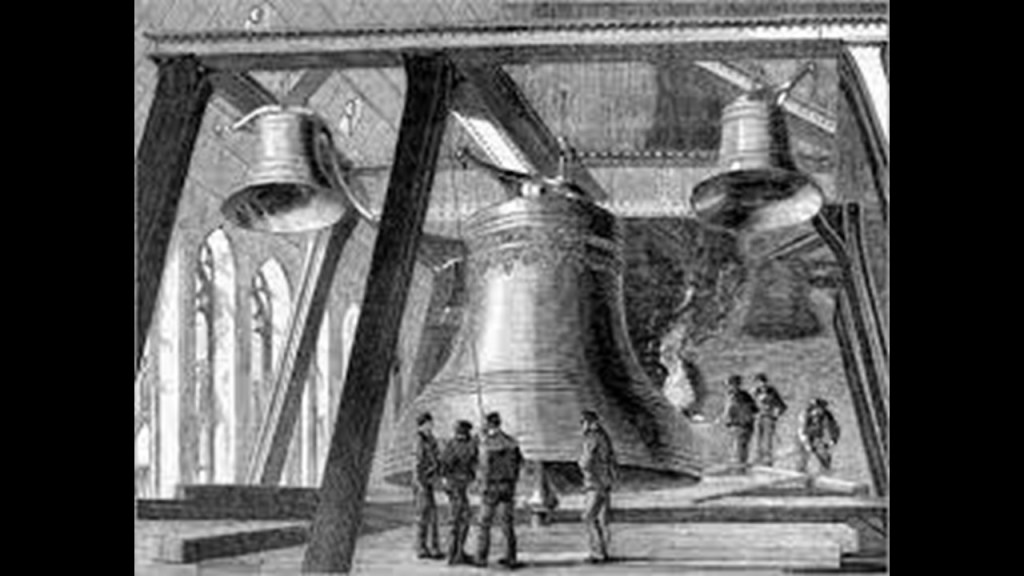
First bells.
Stephanie speculates that the low-frequency sound waves of the largest bells in existence, which produce lower frequencies, could have been intended to vibrate for some reason, as opposed to being heard.
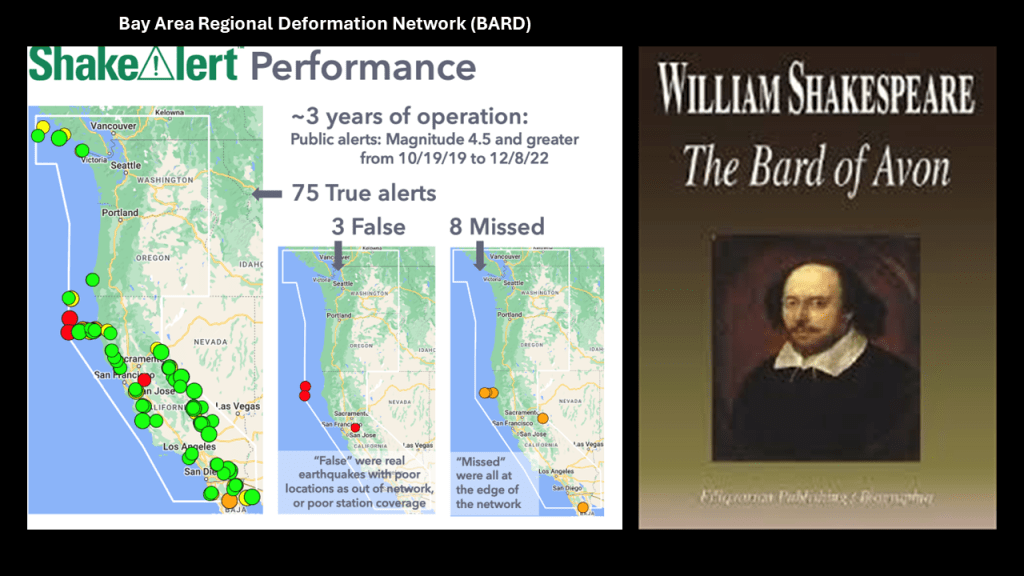
She found references in the dialogue of Shakespeare’s “Hamlet” and “The Tempest,” in which characters are speaking about the downward movements of sound.
She also gave the example of the Berkeley Digital Seismic Network, in which a bore-hole was drilled into the ground right below the bell-tower of the Berkeley Campanile, a bell tower near San Francisco.
Stephanie noted that the acronym for the Berkeley Seismology Lab’s Bay Area Regional Deformation Network is BARD, which was also one of the names by which Shakespeare is referred to, as the “Bard of Avon,” and she wondered about why there is such a fascination with Shakespeare among these groups that are busy wiretapping frequencies in the skies, the air, and the earth?
She also wondered about the possibility that a downward movement of low frequency sound produce could a liquefaction event.
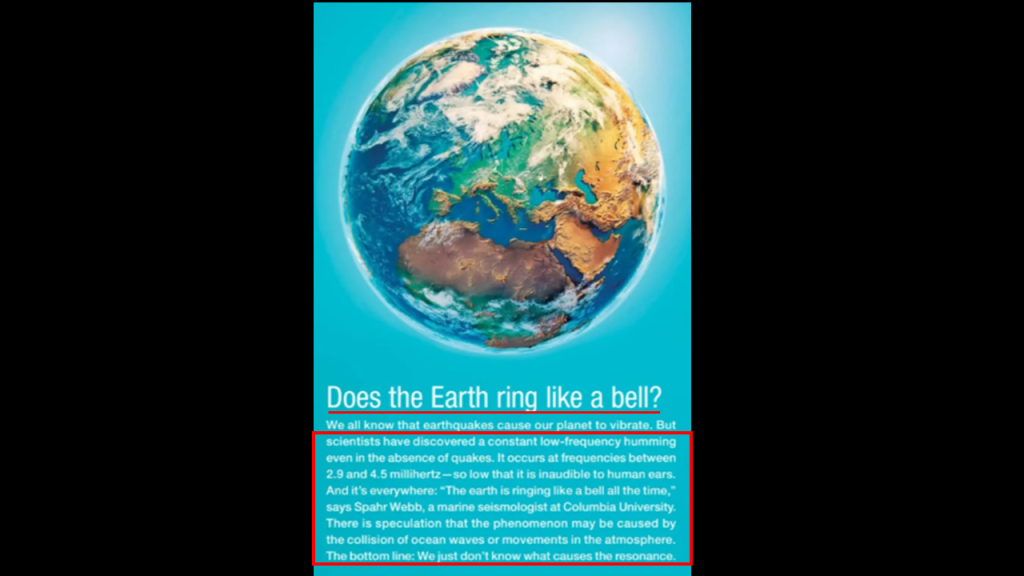
Then to add another bell component, studies have shown that the terrestrial Earth, and it’s atmosphere, rings like a bell, with this reference saying that there is a constant low-frequency humming regardless of seismic activity at frequencies that are inaudible to the human ear, and that the Earth is “ringing like a bell all the time.”
It says there’s speculation on this being the result of the movement of ocean or waves in the atmosphere, but concludes with “We just don’t know what causes the resonance.”
One thing before I move over to pine trees.
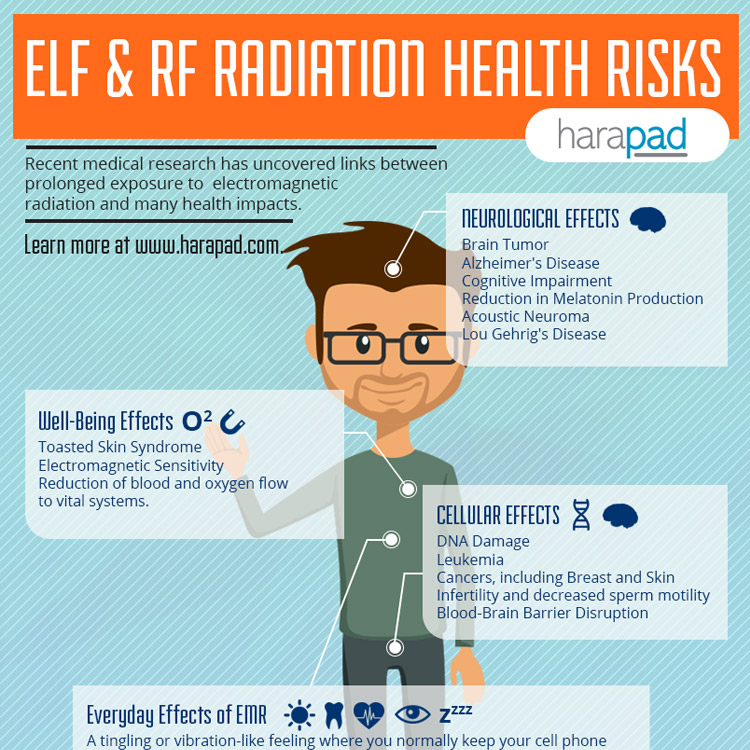
I looked into the subject of extremely-low-frequency (ELF), and electromagnetic frequency (EMF), radiation.
The dominant sources of ELFs and EMFs are the generation, distribution, and use of electricity at 50 – 60 hz worldwide.
Exposure to both have demonstrable negative health effects, including, but not limited to, hearing loss, cancer and Alzheimer’s Disease.
The other thing I want to unpack from Stephanie’s latest video is the subject of pine trees and surveillance.
I had an interesting synchronicity with Stephanie, because when she was doing the research on Pine Gap and bells for her video, I was working on the research in my last post on third part of this series on the “Energy Grid,” and was the first time I had encountered the following: 1) the National Radio Astronomy Observatory at Green Bank, where I found a reference to the area around the Observatory at one time being planted with pines with needles of a certain length to block electromagnetic interference at the wavelengths used there; 2) the Bell Lab at Holmdel in New Jersey; and 3) the National Radio Quiet zone, which includes the National Radio Astronomy Observatory, as well as the Sugar Creek Naval Radio Station and White Sulphur Springs.
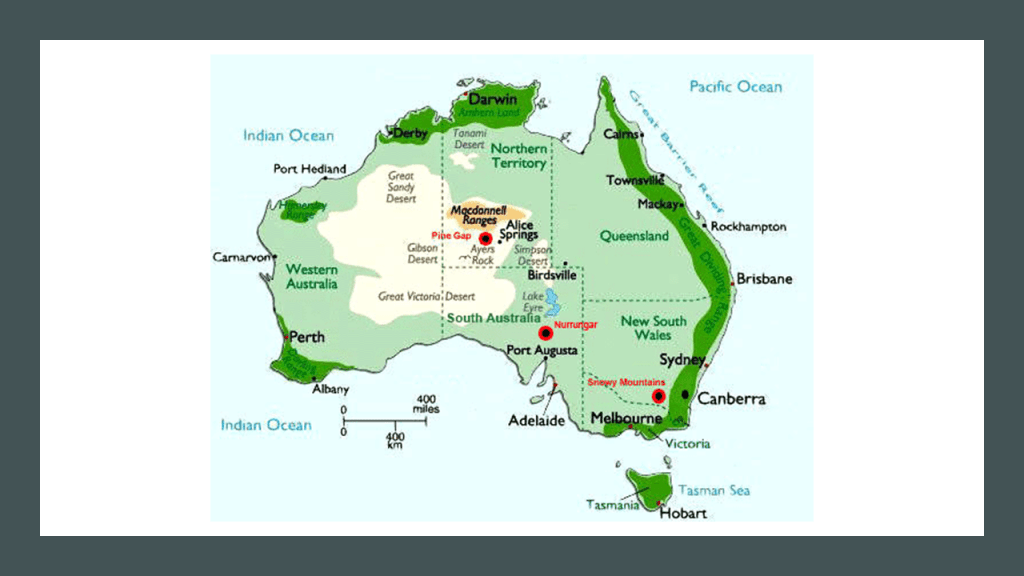
Pine Gap is 11-miles, or 18-kilometers southwest of Alice Springs.
It is operated jointly by Australia and the United States, and plays a crucial role in supporting the U. S. intelligence worldwide, including American satellite and signal- intelligence surveillance as mentioned previously.
So, what’s the hidden significance of pine trees that we know nothing about?
What we do know about is their popularity as Christmas trees, and for many families, it’s a tradition that you go out and buy a live tree, or go out in the woods and chop one down.

Well, besides finding out things like the folk meanings of the pine tree includes immortality and creativity…

…I did manage to find out a few other things along the lines I was looking for, like studies that show pine cone particles absorb sound…
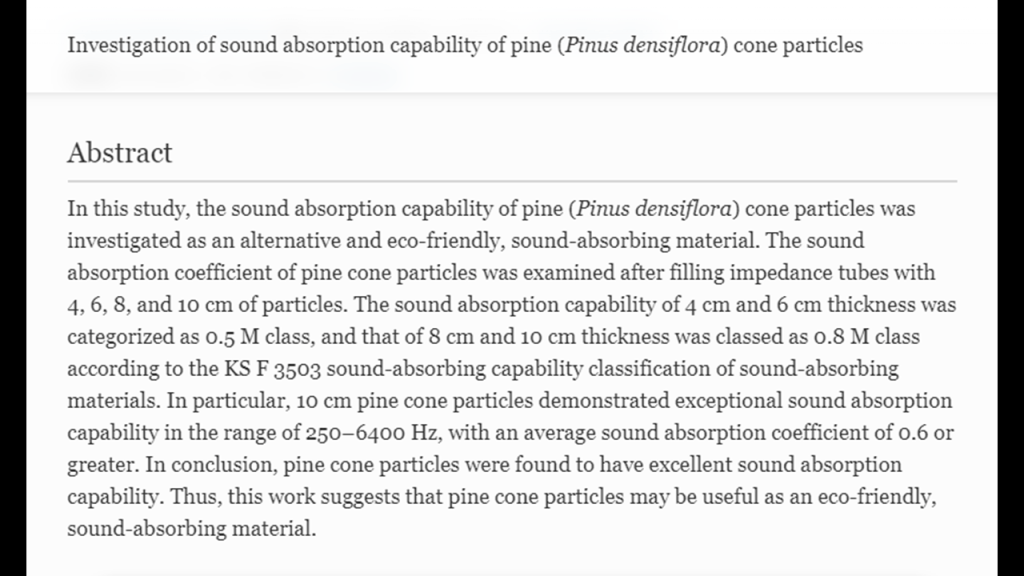
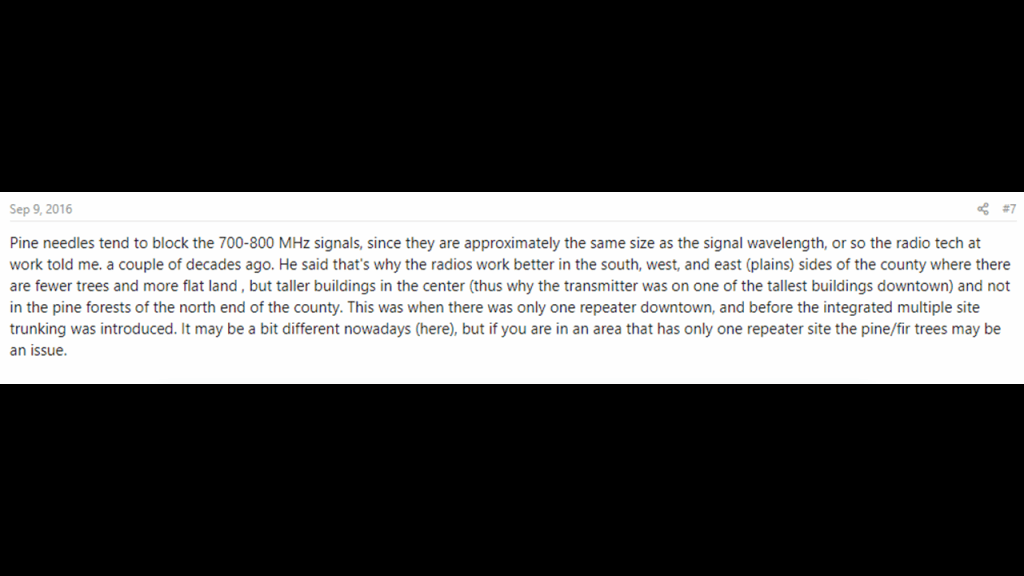
…and from a forum discussion, that pine needles tend to block 700 to 800 MHz signals.
Otherwise, not easy to find information about this subject.
Now, still on the topic of pines, I am going to pivot to the subject of the Pine Barrens.
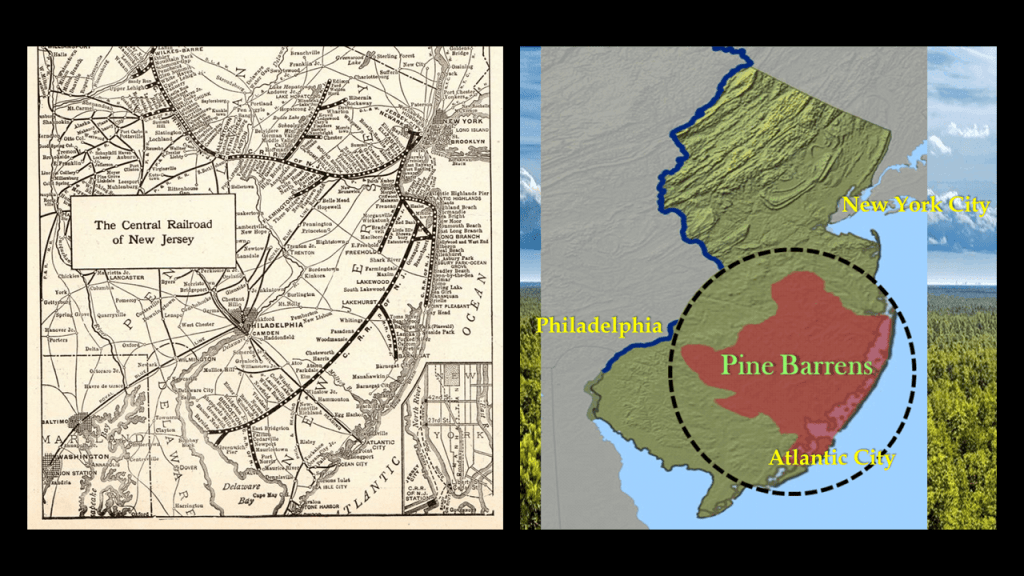
Only 15-miles, or 24-kilometers west of the Jersey shore, the Bell Labs location in Holmdel is also located geographically close to the New Jersey Pine Barrens, part of 1.1-million-acres of the Pinelands National Reserve, and occupies 22% of New Jersey’s land area.
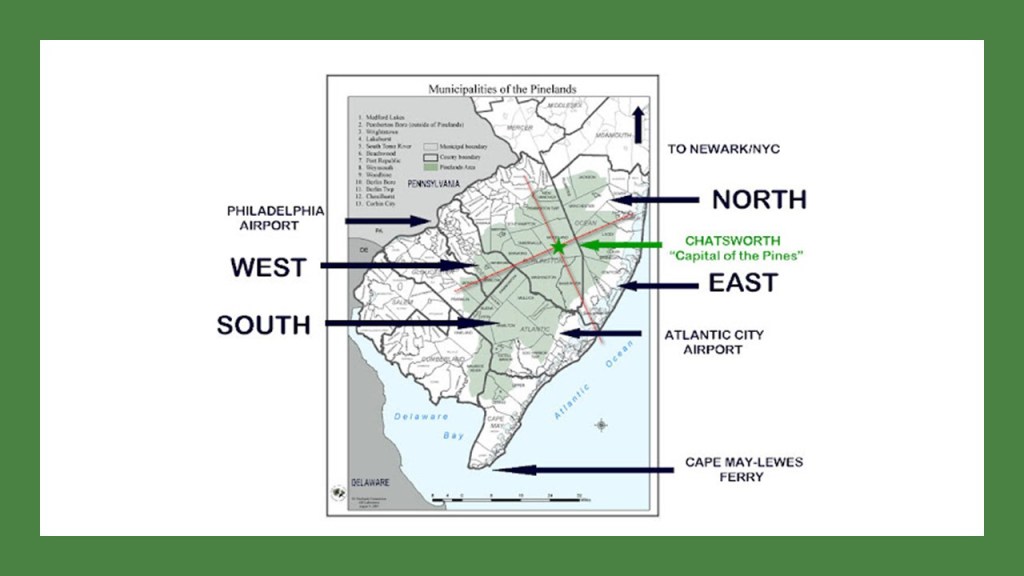
In our historical narrative, the Central Railroad of New Jersey was building its rail-lines right through the desolate, swampy and forbidding Pine Barrens between nearby large population centers and the Jersey Shore.
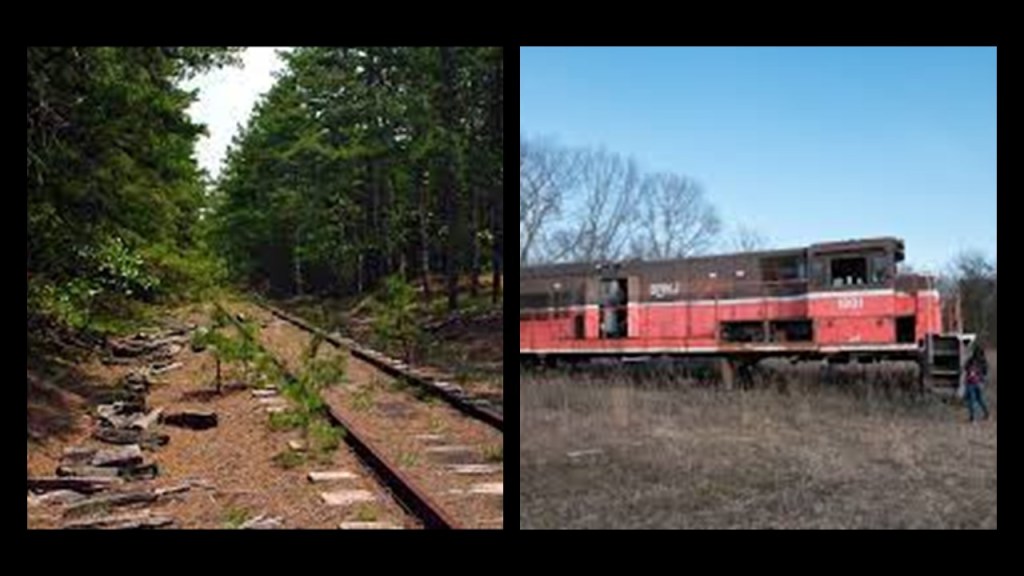
Today there are abandoned trains and railroad lines found throughout the New Jersey Pine Barrens.
I will be expanding on all these findings, and many others, throughout this post.
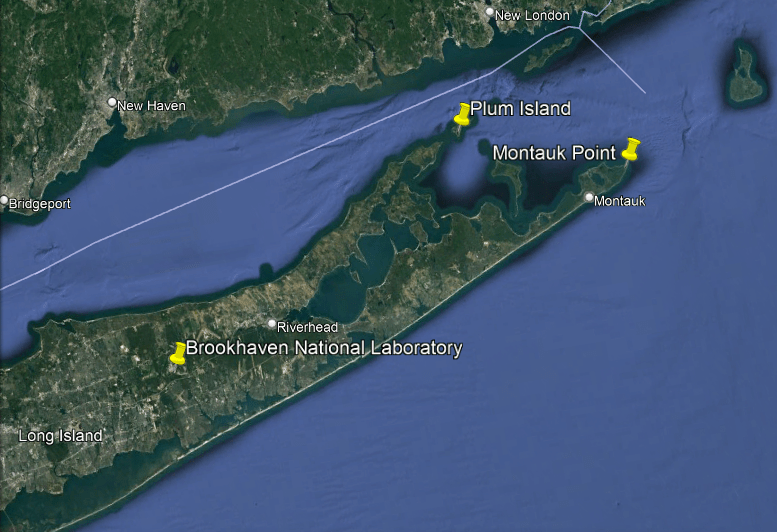
The Bell Labs Holmdel Complex in New Jersey was also in an alignment with Montauk Point on the eastern end of Long Island; Brookhaven National Laboratory; the JFK International Airport; Coney Island; and Philadelphia southwest of Bell Labs on the alignment.
More on all of this to come.
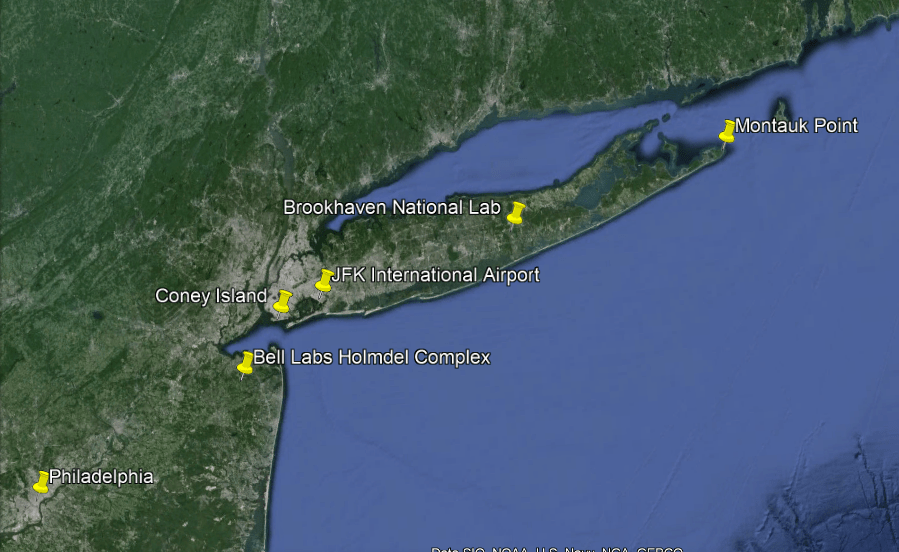
I became really familiar with what’s in this region as a result of doing a deep dive into it over a year ago in “Recovering Lost History from the Estuaries, Pine Barrens & Elite Enclaves Off the Atlantic Northeast Coast of the United States.”
When I started out doing the research for this post, I was just going to look at a specific place on the Great Egg Harbor River in New Jersey, the Weymouth Furnace, and then move on because I was planning to look at other places that viewers had suggested.
But what I found when I got to looking at the area around the Great Egg Harbor pulled me into looking at the whole region.
Swamps and bogs are not the first thing that come to mind when I think of New Jersey, but those were the first things that jumped out at me when I looked up the place the viewer suggested.
The Great Egg Harbor River is a described as a major river that crosses the largely undisturbed Pinelands, also known as the New Jersey Pine Barrens, so-called because of the nutrient-poor, sandy and acidic soil that supports pine trees, orchids and carnivorous plants.
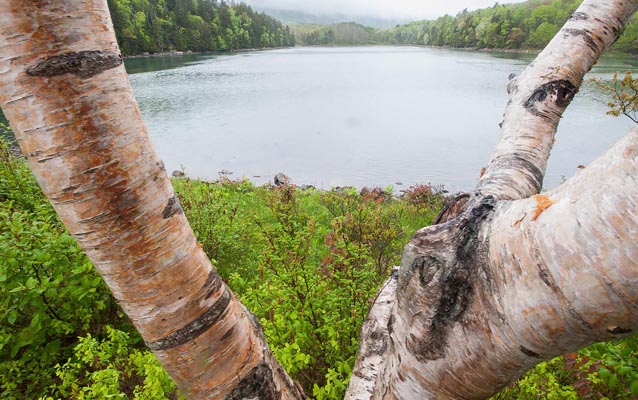
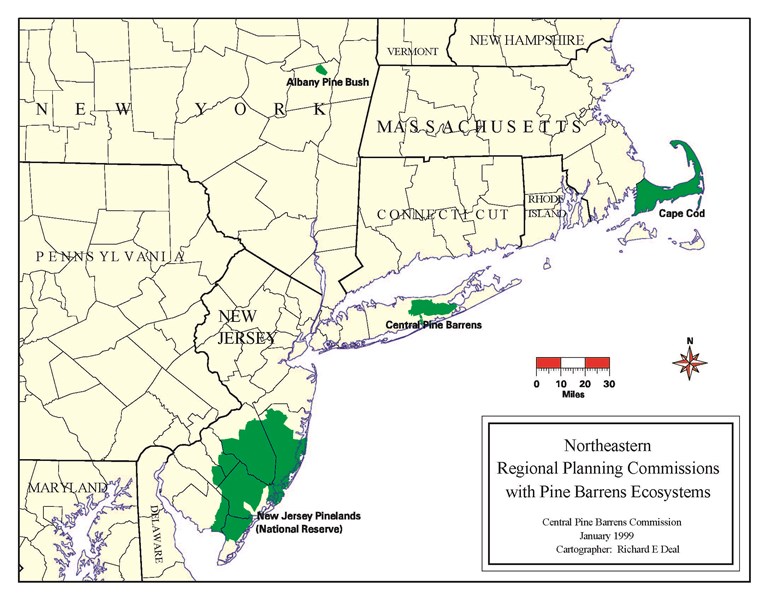
From that little bit of information, I immediately found two other places in the northeastern United States that have Pine Barrens – Long Island Central and Massachusetts Coastal.
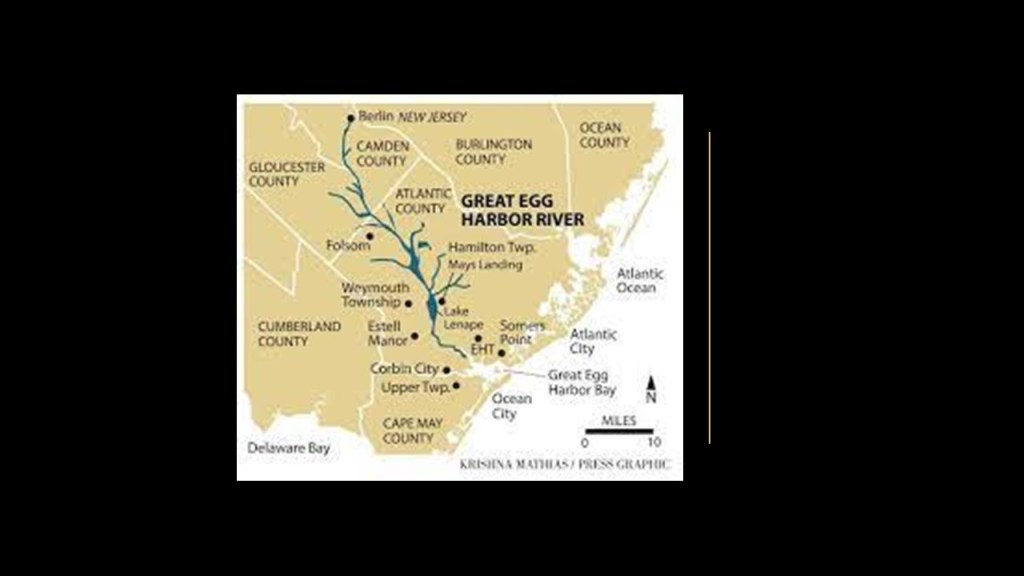
The Great Egg Harbor River flows southeast from near Camden, entering the Great Egg Harbor about 5-miles, or 8-kilometers, southwest of Atlantic City.
We are told that in 1854, the first railroad was built in the area between Camden and Atlantic City.
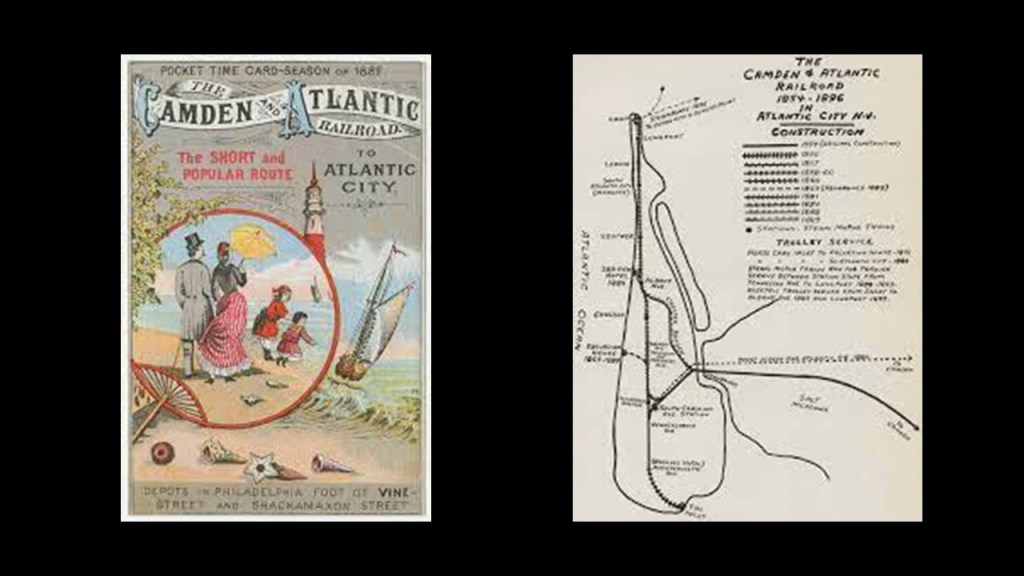
So let’s take a look at what they tell us about Atlantic City.
Prior to the arrival of European settlers, the location was the summer home of the Lenni Lenape.
Then in 1783, Jeremiah Leeds built the first home here.
But it was not until 1850 that the idea of this becoming a resort location was conceived, and the first hotel here was said to have been built in 1853.
What became known as “Atlantic City” was incorporated in 1854, the same year that train service began on the Camden and Atlantic Railroad mentioned previously, and providing a direct link to Philadelphia in Pennsylvania.
The first Atlantic City Boardwalk was said to have been built in 1870.
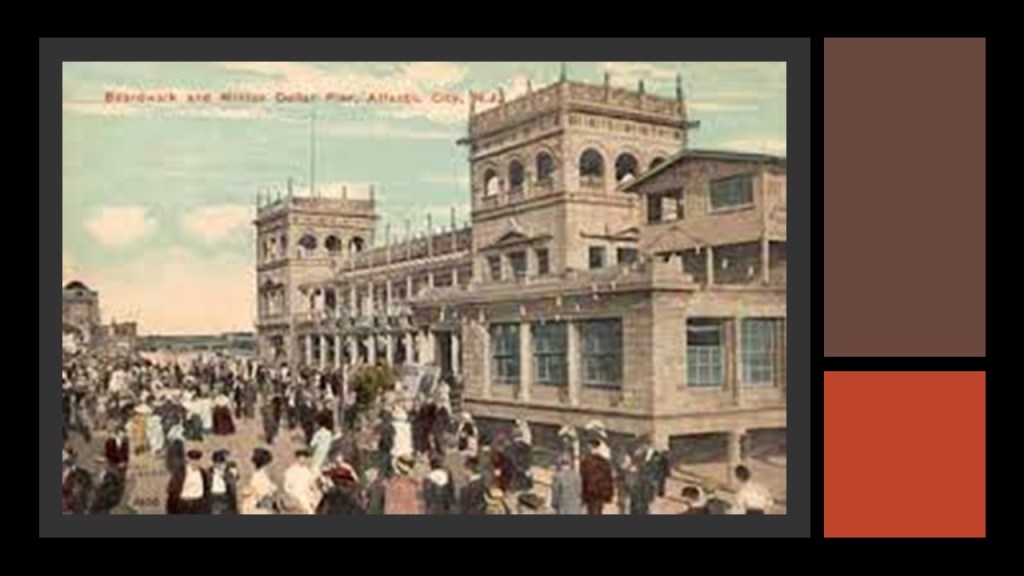
By 1874, an estimated 500,000 were coming to Atlantic City each year by the railroad, and we are told that there were so many people coming to Atlantic City by 1878 that the decision was made to build the Philadelphia and Atlantic City Railroad was constructed to accommodate the increased ridership.
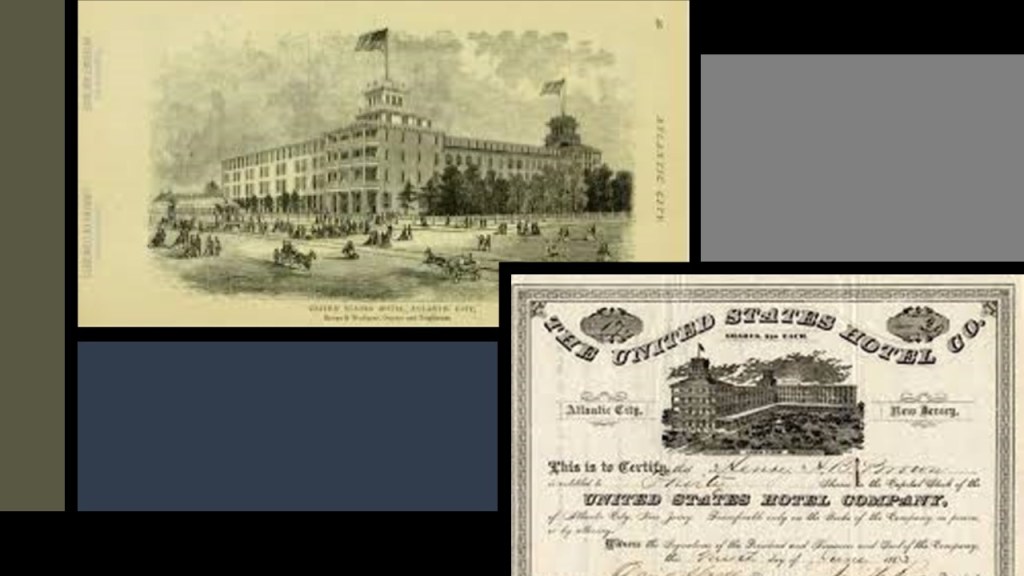
Then, in order to accommodate the increasing number of tourists coming to Atlantic City, massive hotels like the United States Hotel sprang up.
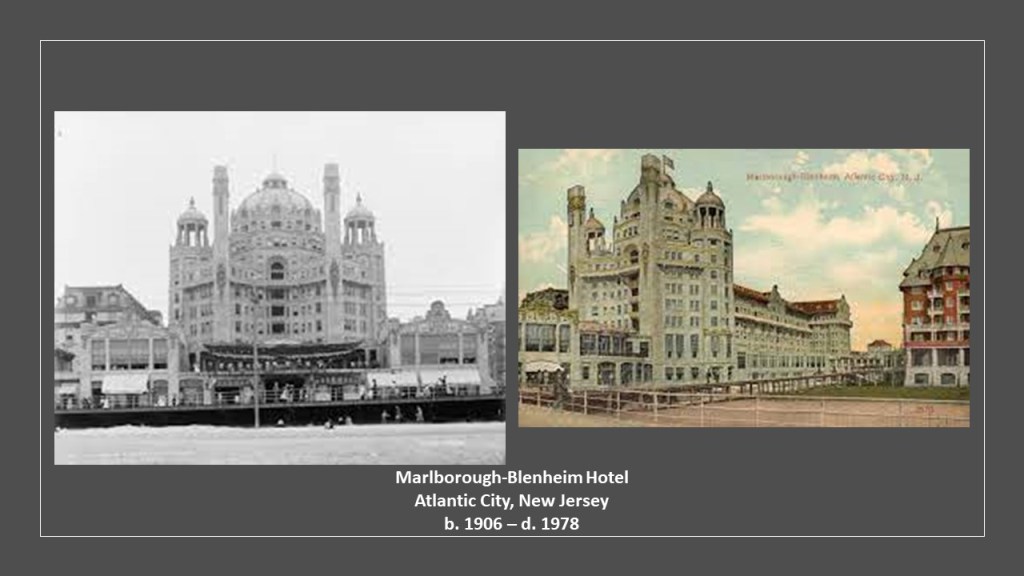
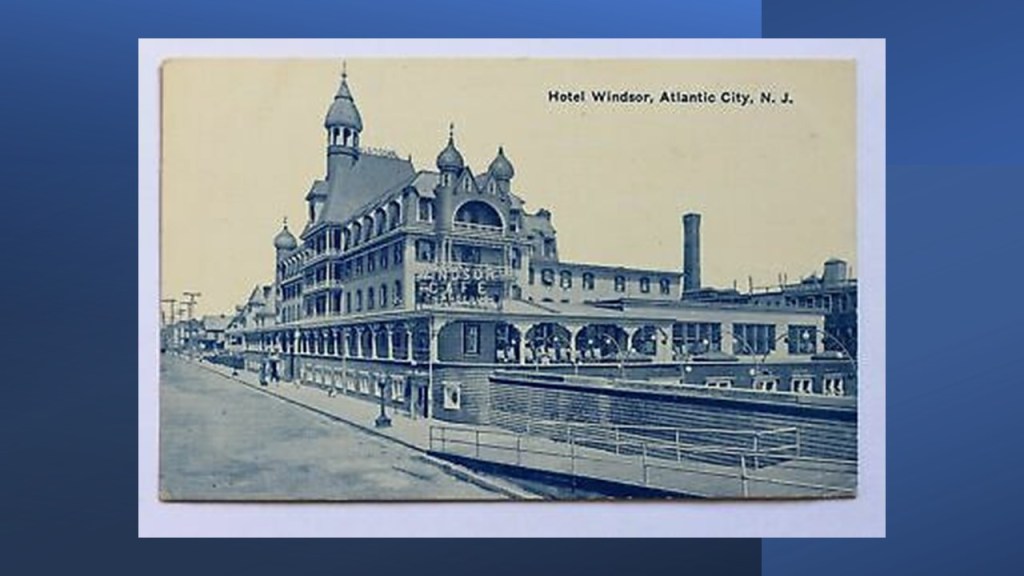
Other examples of the original Moorish-style architecture in Atlantic City included the Marlborough-Blenheim Hotel, which was said to have been built between 1902 and 1906, and demolished in October of 1978…
…and the Hotel Windsor, about which I can’t find any information to speak of, but presumably long gone.
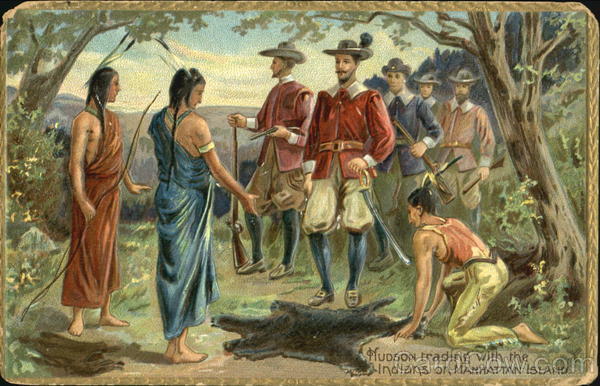
According the history we have been taught, everything changed for the Lenni Lenape who lived here after Henry Hudson sailed up what is now called the Delaware River in 1609, and this painting depicts what we are taught to believe about all the original people of this land – they were hunter-gatherers living off the land, and framing the European colonizers as the builders of infrastructure and civilization in the so-called New World.
I am going to continue to give you examples from here of why that narrative doesn’t hold up under scrutiny, and also about the fascination and interest the wealthy elites of American society have long had with this region.
Atlantic City’s Steel Pier was said to have been built by the Steel Pier Company that first opened in June of 1898 as an amusement park built on a pier.
Called the “Showplace of the Nation,” it was one of the most popular entertainments in the United States for 70 years.
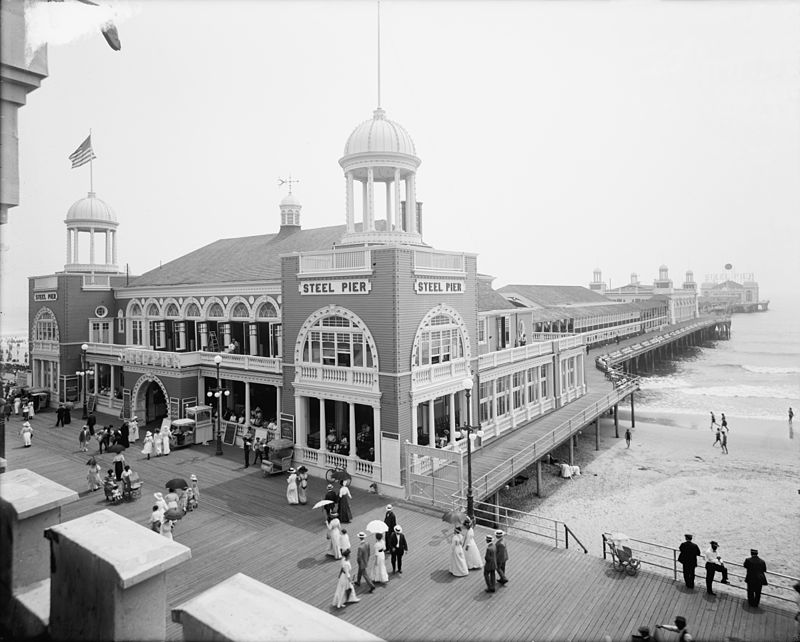
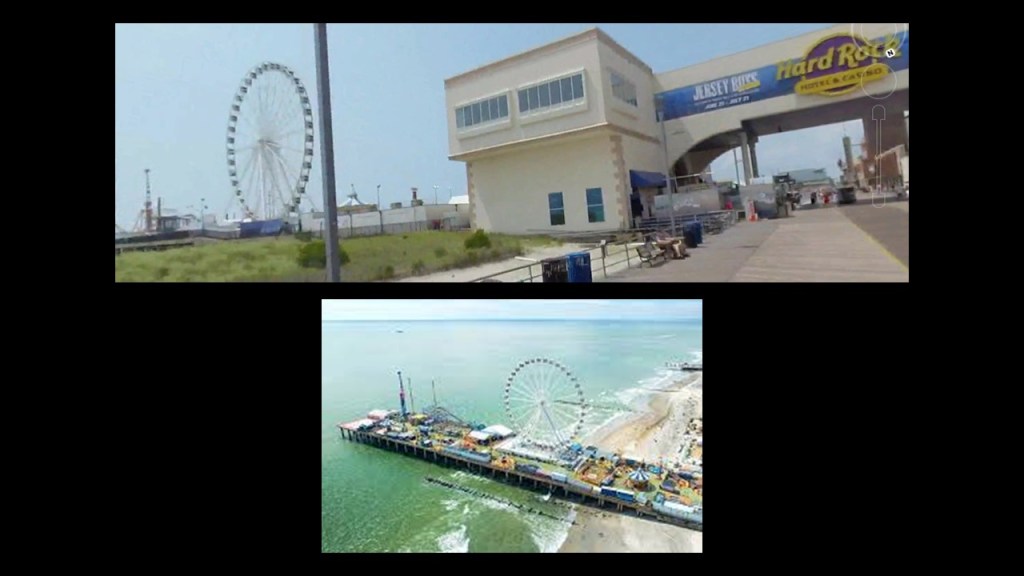
The Steel Pier continues to operate as an amusement park to this day, but it definitely doesn’t look the same as it did over 100-years ago when it first opened!
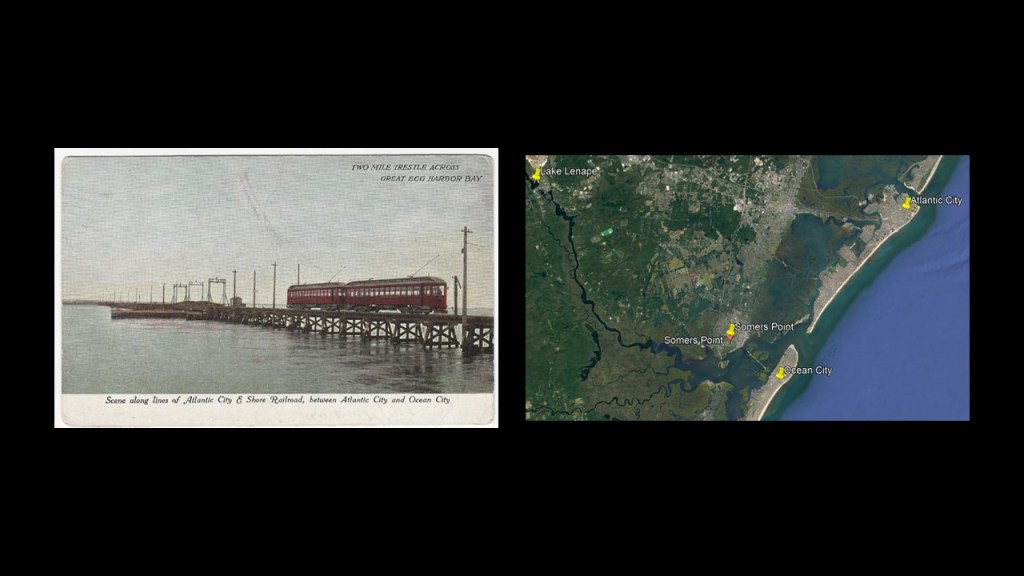
This is an old postcard showing the Atlantic City and Shore Railroad crossing a two-mile, or 3-kilometer, -long trestle bridge in the Great Egg Harbor Bay, and was part of an interurban trolley system in New Jersey that served Somers Point and several other cities between Atlantic City and Ocean City in the years between 1907 and 1948.
The reason given for the end of its operation was a hurricane damaging the viaduct in 1948, and fixing it was cost prohibitive because of the decline in trolley use.
Interesting that we are told we were able to build these interurban trolley systems, like this one across water, only to use them for only 41-years before ending the service.
When I was looking around Atlantic City, I also found out that the largest organ in the world by number of pipes, officially with 33,113, is in the Main Auditorium of the Boardwalk Hall, formerly known as the Atlantic City Convention Hall.
What we are told is that it is one of the few surviving buildings from Atlantic City’s hey-day as a seaside resort.
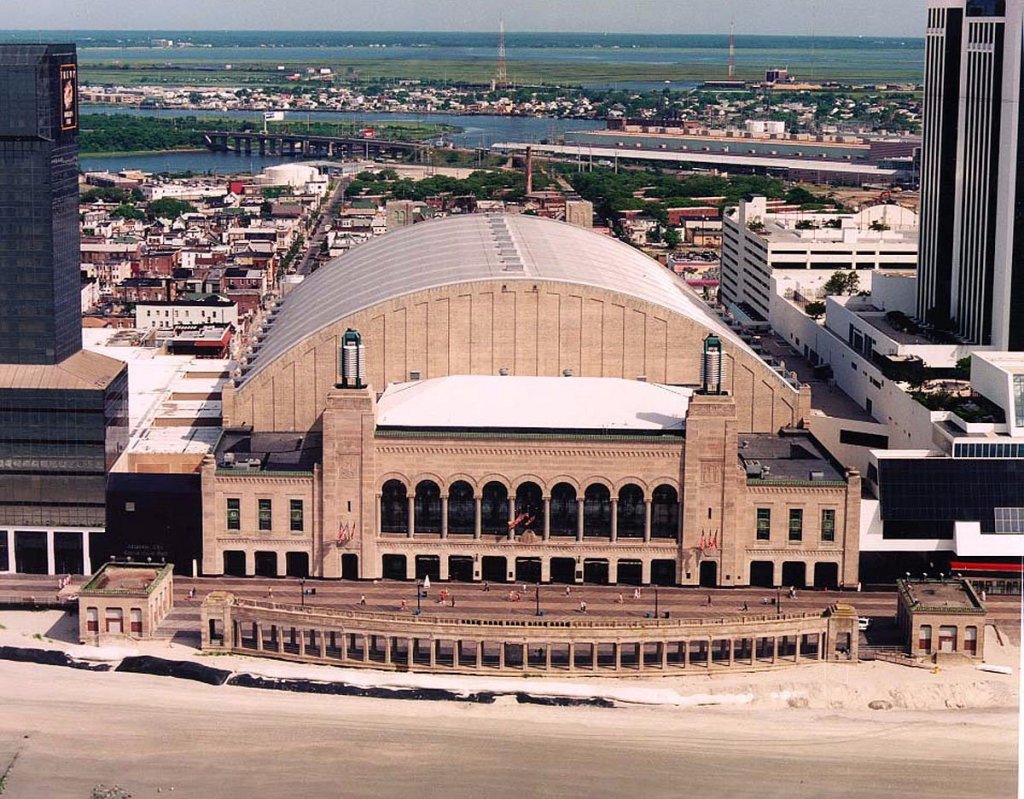
Recognized by the Guiness Book of World Records as the largest and loudest musical instrument ever constructed, it is called the “Boardwalk Hall Auditorium Organ,” also known as the “Poseidon,” and the “Midmer-Losh,” after the defunct pipe-organ building business that was said to have built the instrument between 1929 and 1932.
This organ has not been fully functional since 1944, when it was first damaged in the 1944 Great Atlantic Hurricane, during which time the Boardwalk Hall was flooded with seawater.
Further damage to the organ was said to have taken place in 2001 when it was improperly handled by workmen during a renovation of the Boardwalk Hall.
While we are told that testoration efforts have been on-going, as of yet it’s not fully-operational.
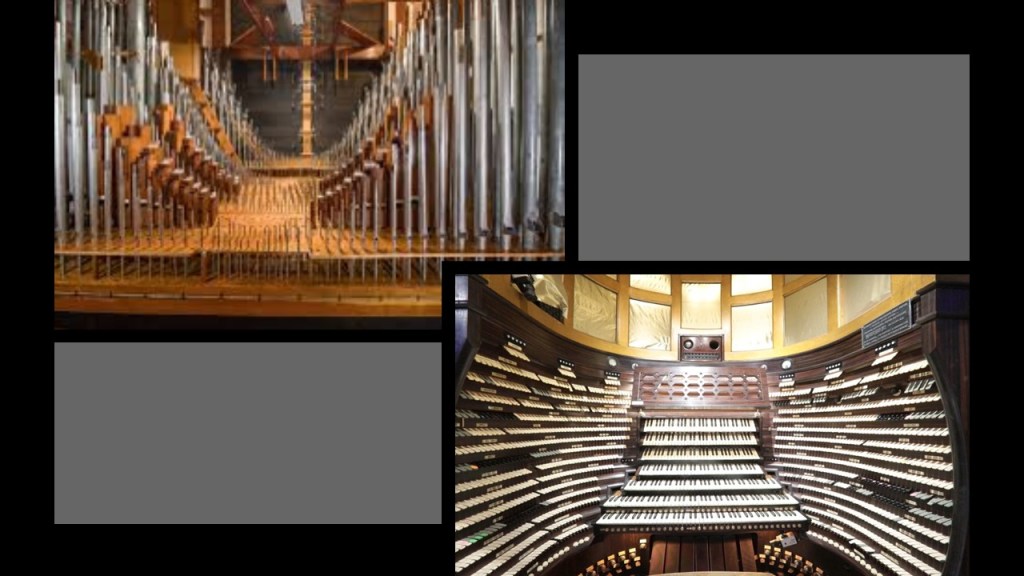
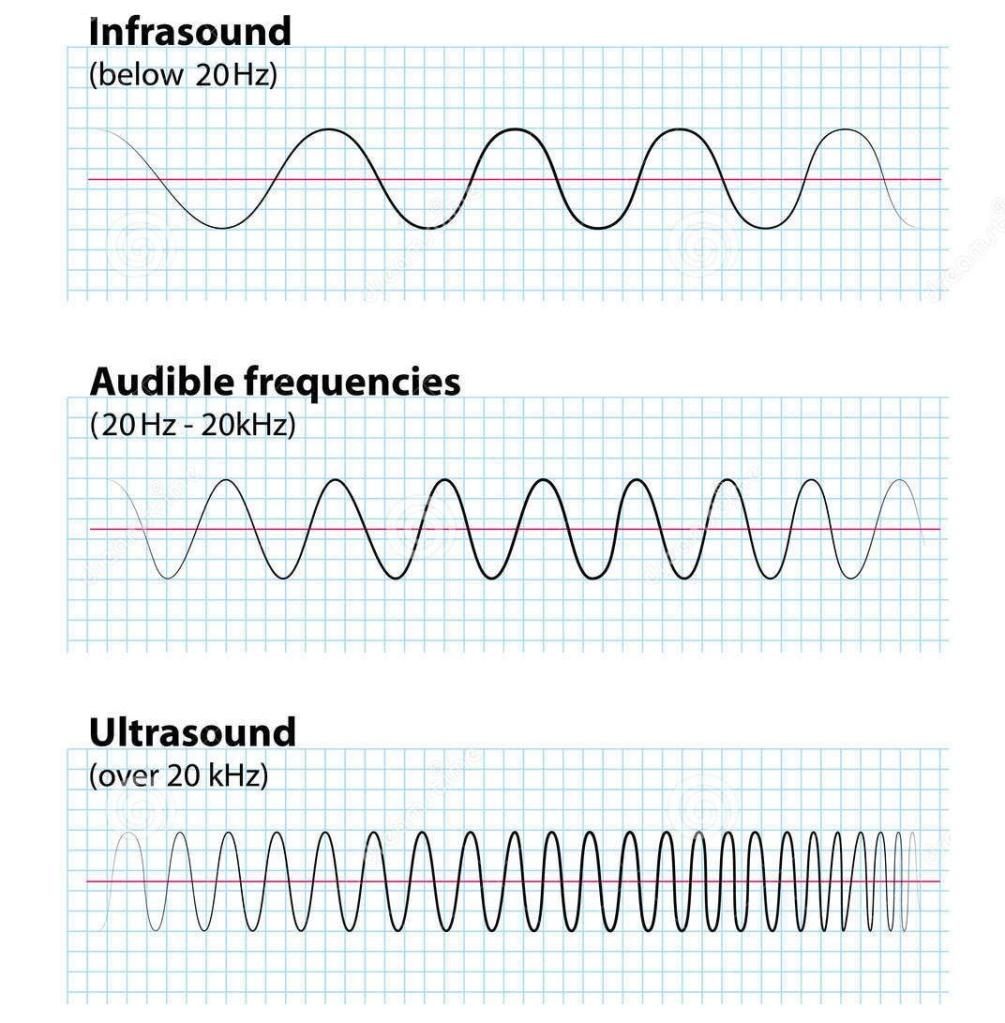
Along with large bells, organs can produce extremely low frequencies below the threshold of human hearing below 20 Hz.
This whole area is part of the New York – New Jersey Harbor Estuary System, which we are told forms one of the most intricate natural harbors in the world, as well as being the busiest port in the world as the Ports of New York and New Jersey are contained within it.
An “estuary” is defined as a partially-enclosed, coastal body of brackish water, which is water that is salty, dirty & unpleasant, with one or more rivers flowing into it, and a connection to the open sea.
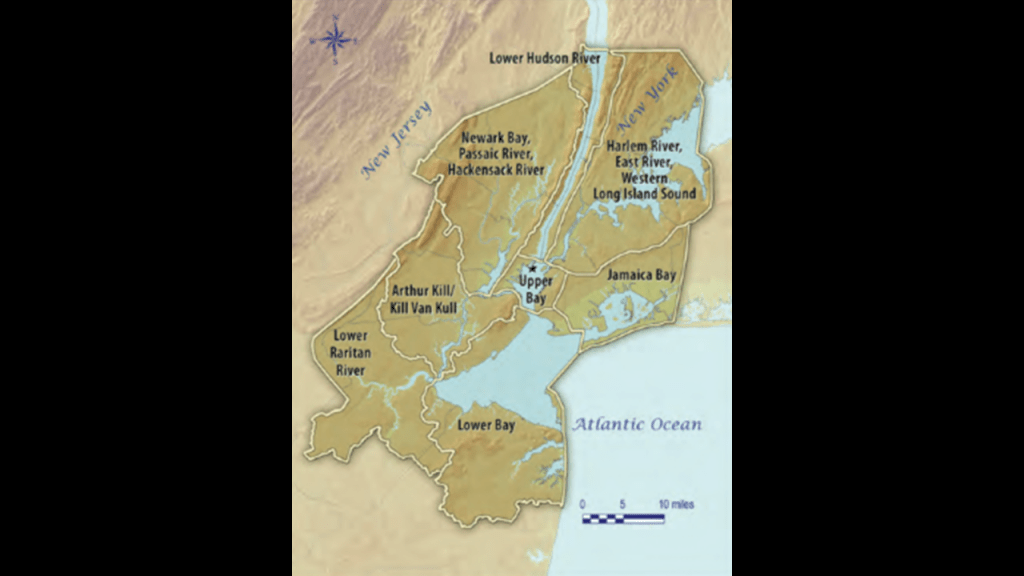
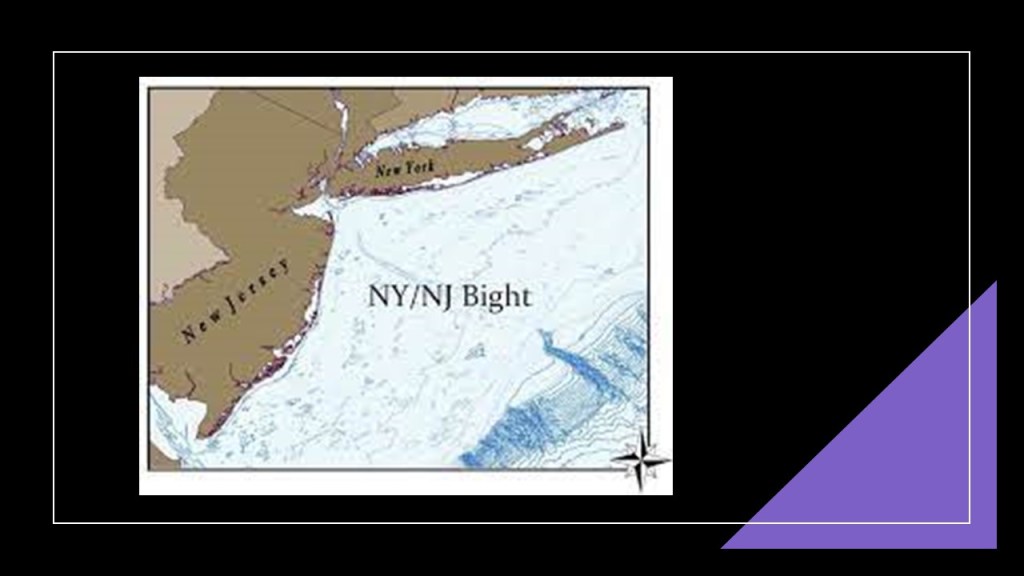
To the southeast, the Lower New York Bay that is part of the harbor system opens into the New York Bight in the Atlantic Ocean.
The New York Bight is described as a roughly triangular indentation along the Atlantic Coast of the northeastern United States from Cape May, New Jersey, to Montauk Point on the Eastern tip of Long Island.
“Bight” is the term given to a concave bend or curvature in a coastline.
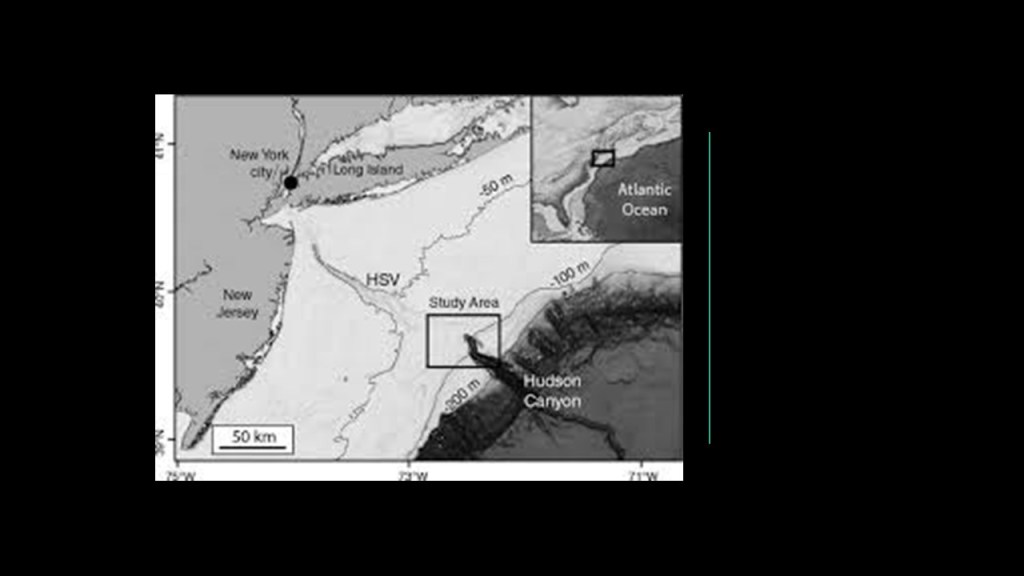
The Hudson Valley Shelf, also known as the Hudson Canyon, is an underwater canyon that begins at the shallow outlet of the estuary at the mouth of the Hudson River, said to begin as a natural channel.
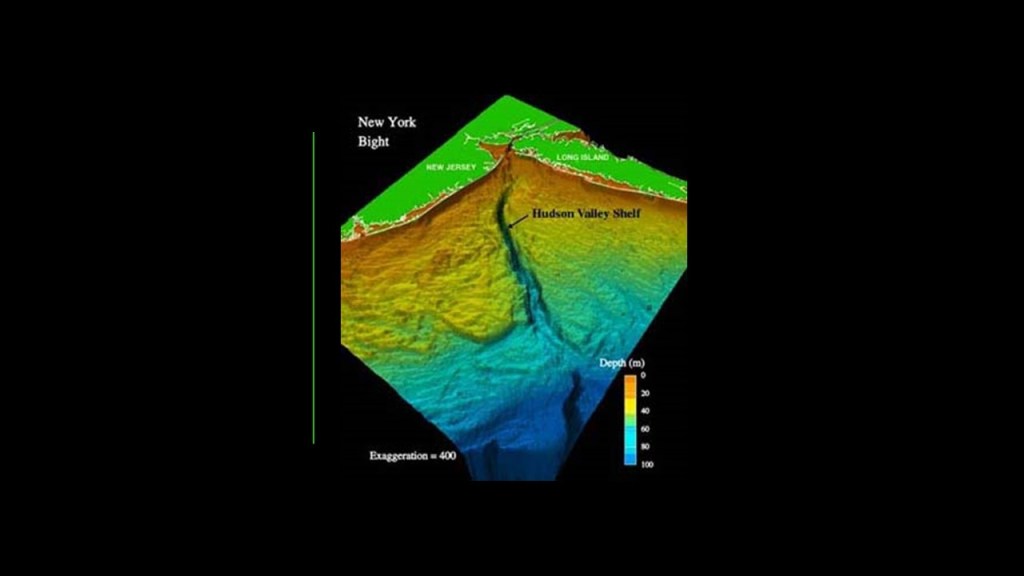
The size of the Hudson Canyon is comparable to the Grand Canyon, the largest known canyon off the East Coast, and one of the largest underwater canyons in the world.
My question is was this canyon always underwater?
Since the Grand Canyon was mentioned in comparison to the Hudson Canyon, it is important to mention that the Grand Canyon has a few notable points of information to bring up here.
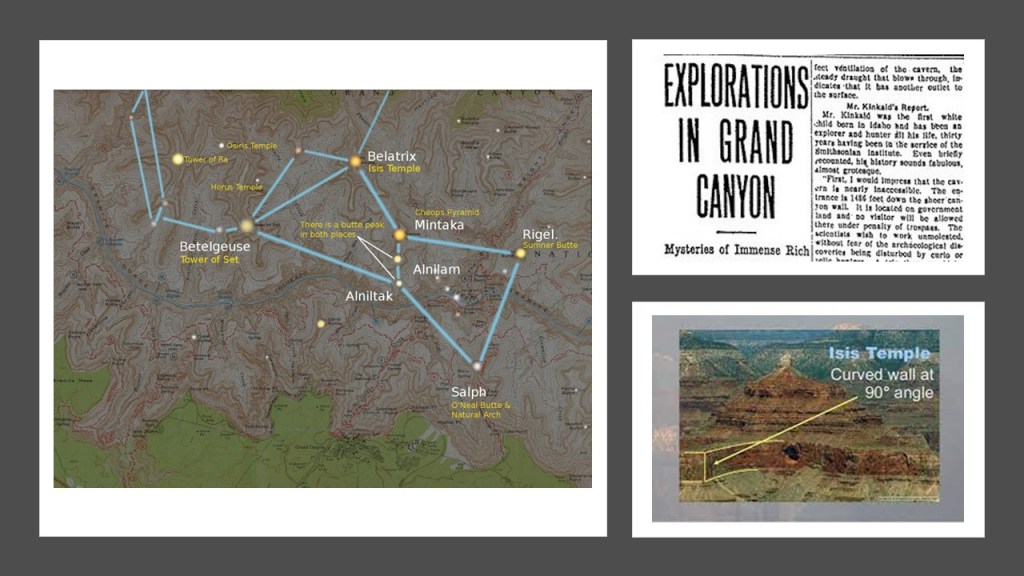
One is that the Grand Canyon has formations with Egyptian names, like the Isis Temple, the Osiris Temple, and the Temple of Set, and that these formations and others correlate with stars in the Orion Constellation.
Another is that an article appeared in the Arizona Gazette in 1909 that an explorer in the Grand Canyon had stumbled upon Egyptian artifacts, but news about the discovery disappeared from public view shortly after it was published, and it has been called a hoax ever since.
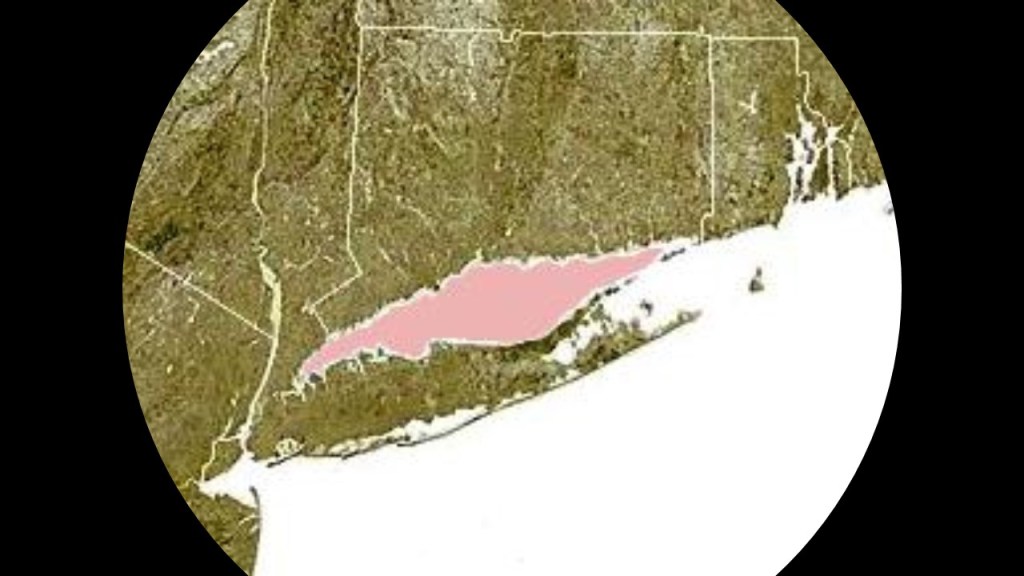
The New York – New Jersey Harbor estuary system opens to Long Island Sound to the northeast.
Long Island Sound is a tidal estuary and marine sound of the Atlantic ocean.
A sound is the term given to a smaller body of water connected to a larger sea or ocean.
Sound is also defined as “vibrations that travel through air or another medium that is heard, in contrast to a noise, which is a sound, especially one that is loud or unpleasant or that causes a disturbance.
From west to east, Long Island Sound is 110-miles, or 180-kilometers, -long, and runs between the East River in New York City, along the North Shore of Long Island, to Block Island Sound.
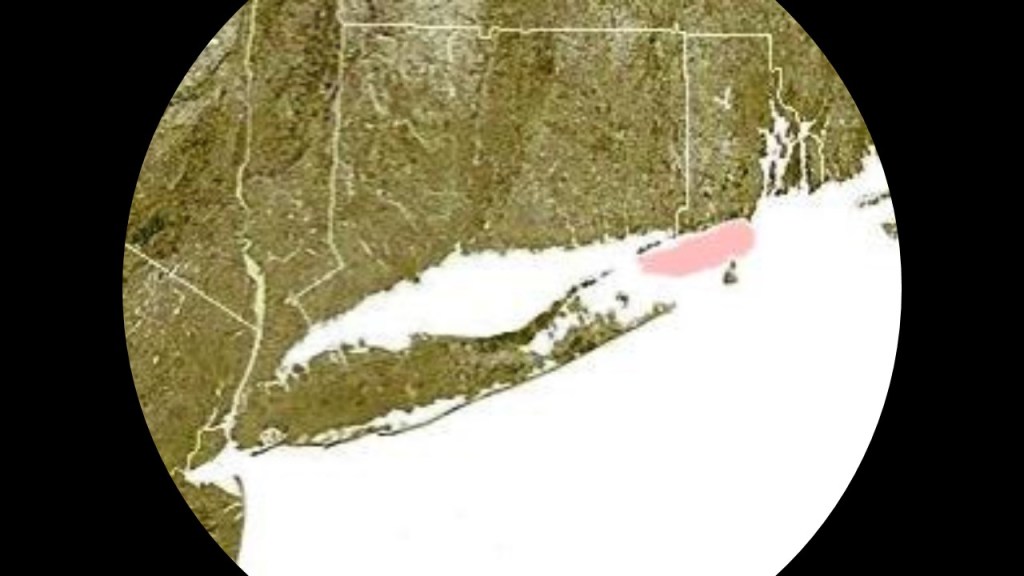
Block Island Sound is a 10-mile, or 16-kilometer,-wide strait that separates Block Island from the coast of mainland Rhode Island to the east, and to the west, it extends to Montauk Point on the eastern tip of Long Island, as well as Plum Island, Gardiners Island, and Fishers Island, all in New York State.
So those are the basics of what we are told about the make-up of the New York – New Jersey Estuary.
Now I want to connect this information to the bigger picture puzzle pieces that are coming together about this region.
The first thing I want to bring forward is the ruined looking appearance of the shoreline from the South Jersey Shore on up through the Southshore of Long Island, which is the same thing as the New York Bight mentioned previously.
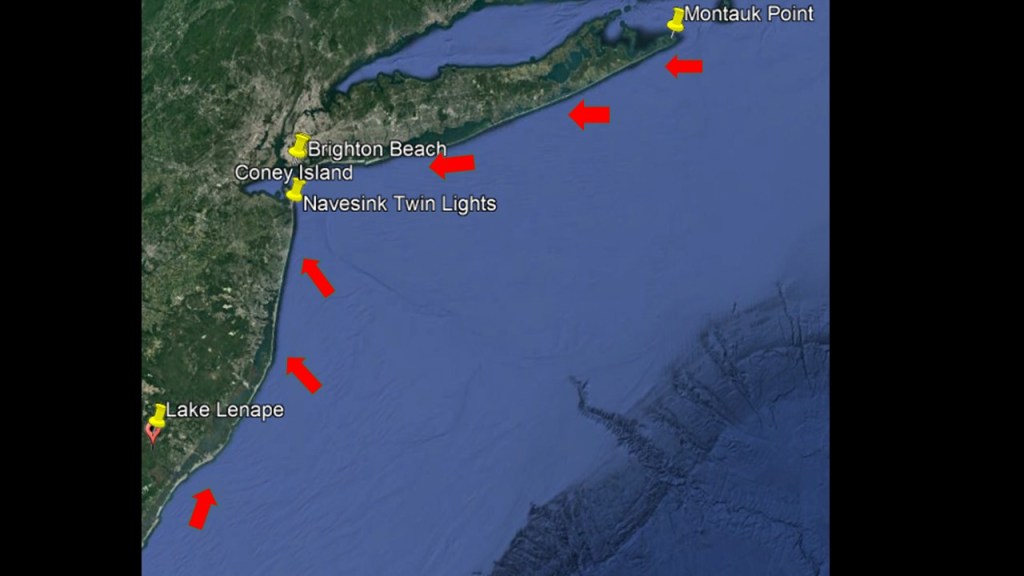
Here’s a closer a look at the South Jersey shoreline up to the New York-New Jersey Estuary System, so you can get a better view of what I am referring to…
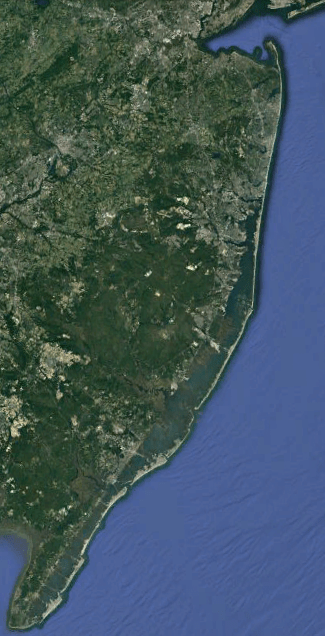
…and then what the shoreline looks like going from the New York – New Jersey Estuary System across Long Island to Montauk Point.
And in spite of the marshy and wetland quality of the landscape hereabouts, this whole area is prime and valuable real estate that is, among other things, coveted by the very wealthy in our society.
This part of the world is highly prized by those of wealth and prestige.
More about this in a moment.
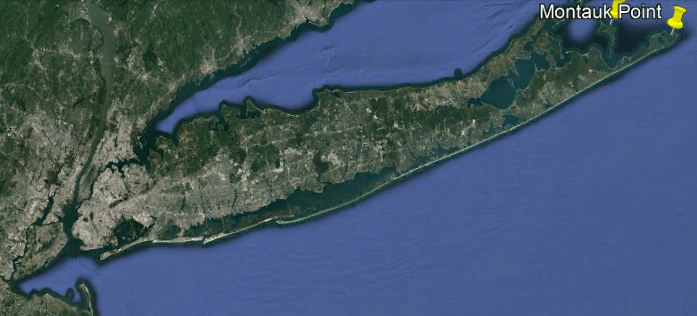
I have one more big-picture puzzle piece to share before I start to break this region down into smaller parts to show you its attraction to the very wealthy, and what appears to be this area’s its role as a significant place on the Earth’s grid system.
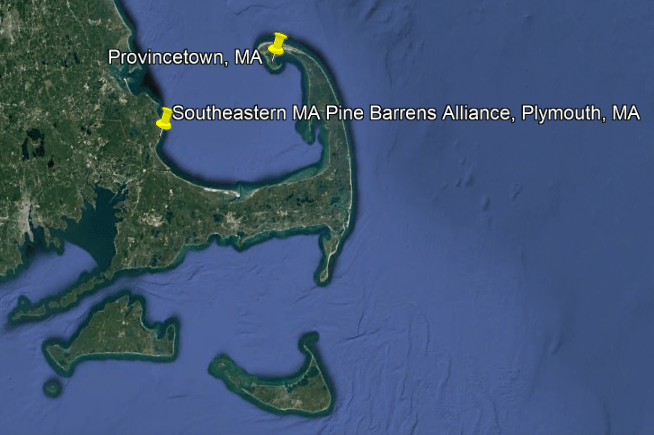
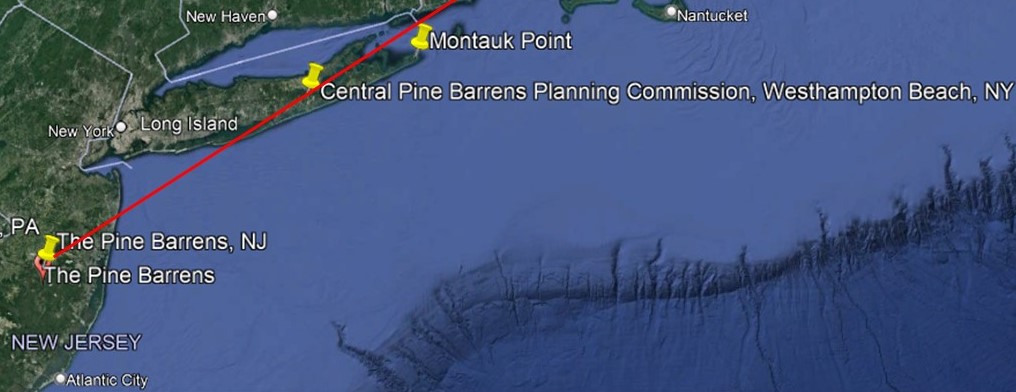
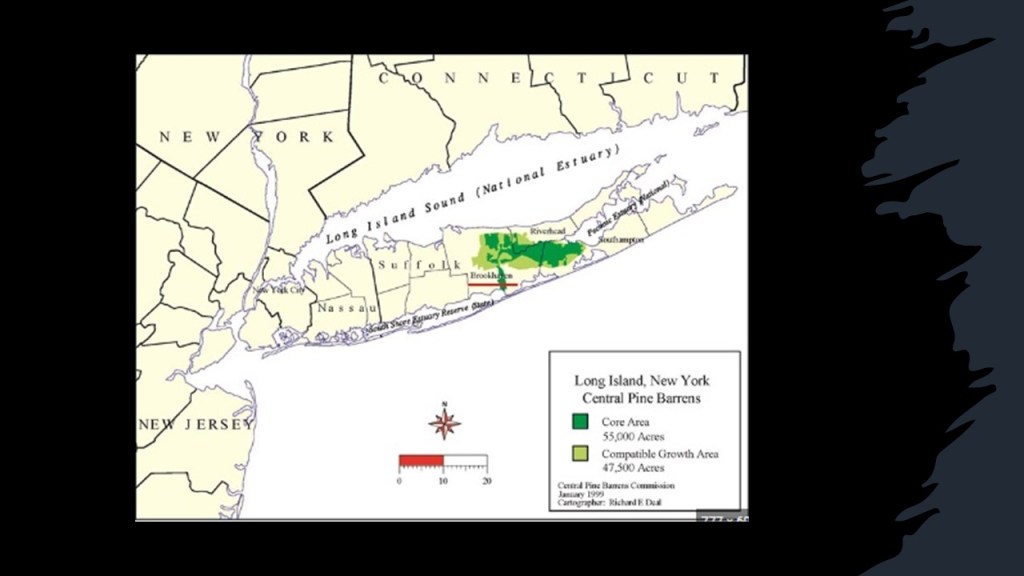
Here is the graphic I presented previously showing the location of the Pine Barrens in New Jersey, Central Long Island, and Coastal Massachusetts.
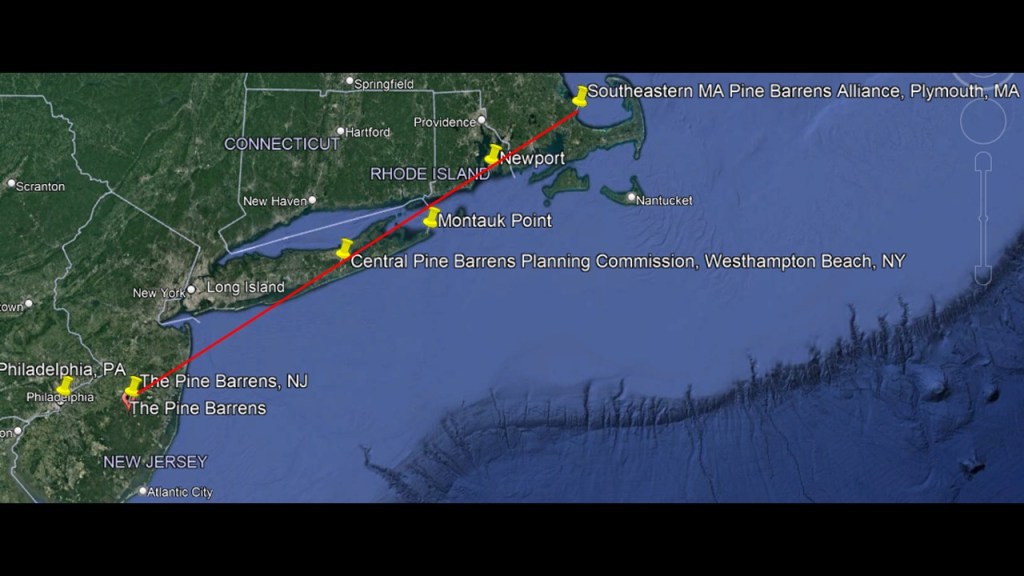
There seems to be a linear relationship between these three Pine Barren ecosystems.
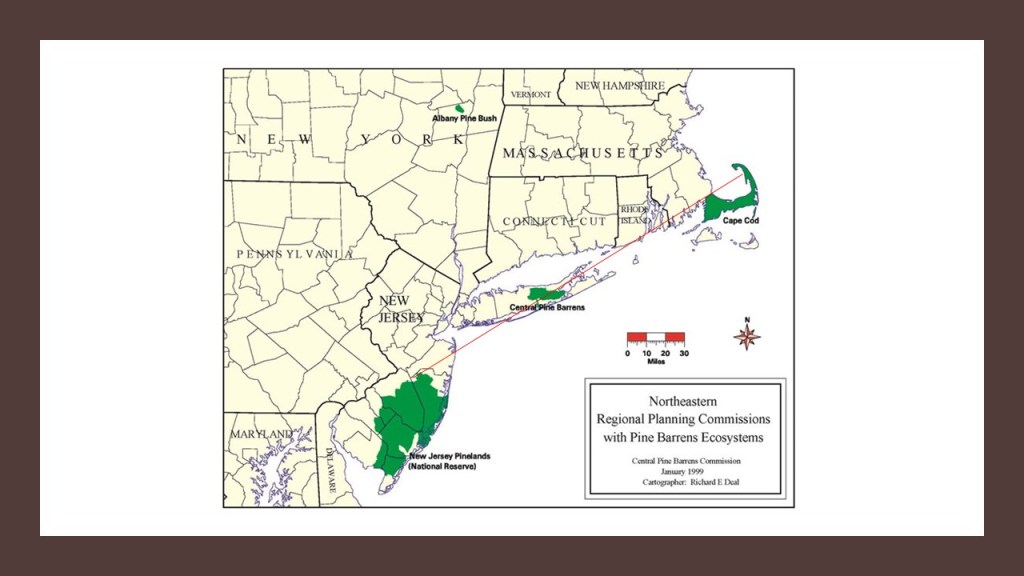
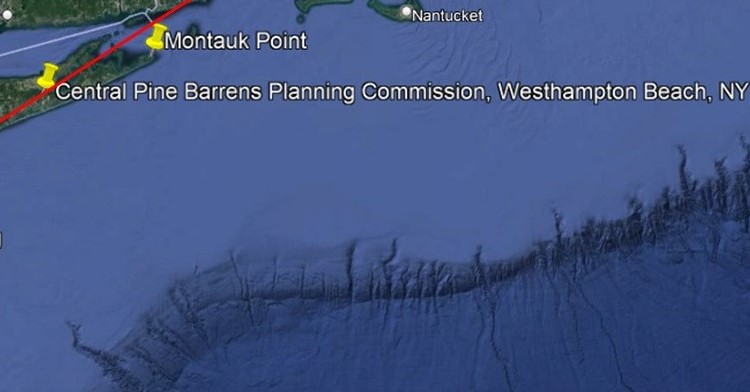
Here is the linear relationship on Google Earth when I searched for the Pine Barrens in New Jersey; the Central Long Island Pine Barrens; and the Coastal Massachusetts Pine Barrens, also known as the Plymouth Pinelands- the pin is placed where that search term for each popped up.
So I am going to start breaking down this region into smaller parts at Plymouth, Massachusetts on Cape Cod, the location of the Southeastern Massachusetts Pine Barrens Alliance.
It so happens that this is the same Plymouth that was the location of the Plymouth Colony, the Pilgrim settlement founded in 1620 by the Pilgrims after they journeyed from England to the New World on the Mayflower, seeking religious freedom, as we are taught and celebrate every year in the United States at Thanksgiving.
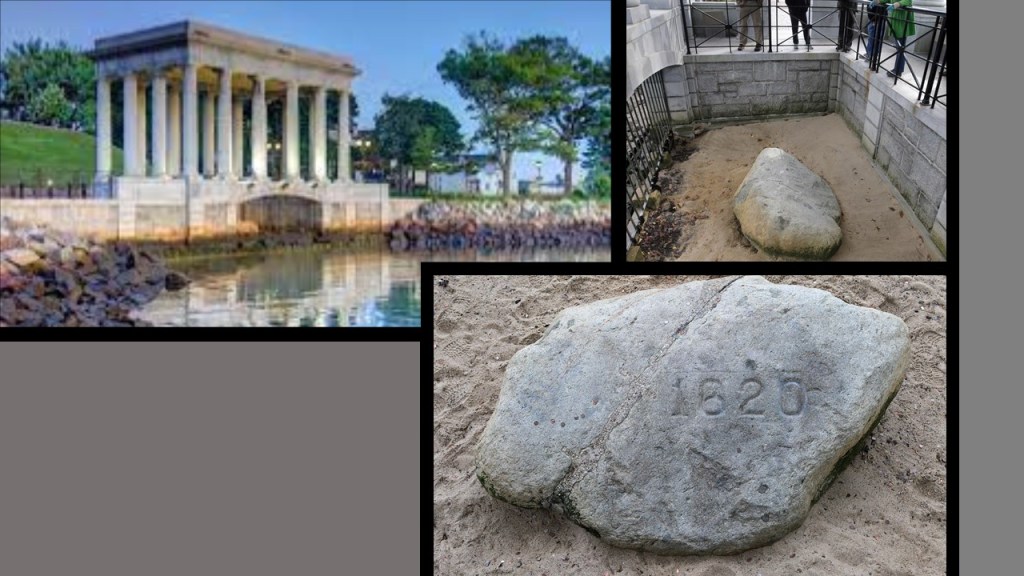
This is the Plymouth Rock Monument in Plymouth.
The current classical monument housing was said to have been designed in 1921 by the architectural firm of McKim, Mead & White.
When I was a visited here on a family trip to New England in 1978, when I was 15, I remember seeing the rock, but I don’t remember the classical monument.
That’s one of the ways they condition us.
Look at this, don’t look at that!
By the way, the architectural firm of McKim, Mead, and White were members of the Century Association.
Founded in New York City in 1847 and incorporated in 1857,the Century Association was a private social, arts and dining club, and named after the first 100 people proposed as members.
Besides famous architects and artists of the day, members included eight U. S. Presidents; ten U. S. Supreme Court Justices; forty-three Members of the Presidential Cabinet; twenty-nine Nobel Prize Laureates; members of the Rockefeller, Vanderbilt, Roosevelt, and Astor families; as well as financier J. P. Morgan.

Ever hear the George Carlin quote “It’s one big club, and you ain’t in it?” and wonder where that idea might have come from?
Seems like private clubs like the Century Association, and the elite club that formed that National Geographic Society, and many others, were private and exclusive for a reason, and that was to secretly plan their activities and next moves that no one supposed to know about!

The self-styled elites have continued doing the same thing to this day in their secretive meetings to plan their agendas for what they want the future to look like for Humanity and the World, and what they want doesn’t look good for us!

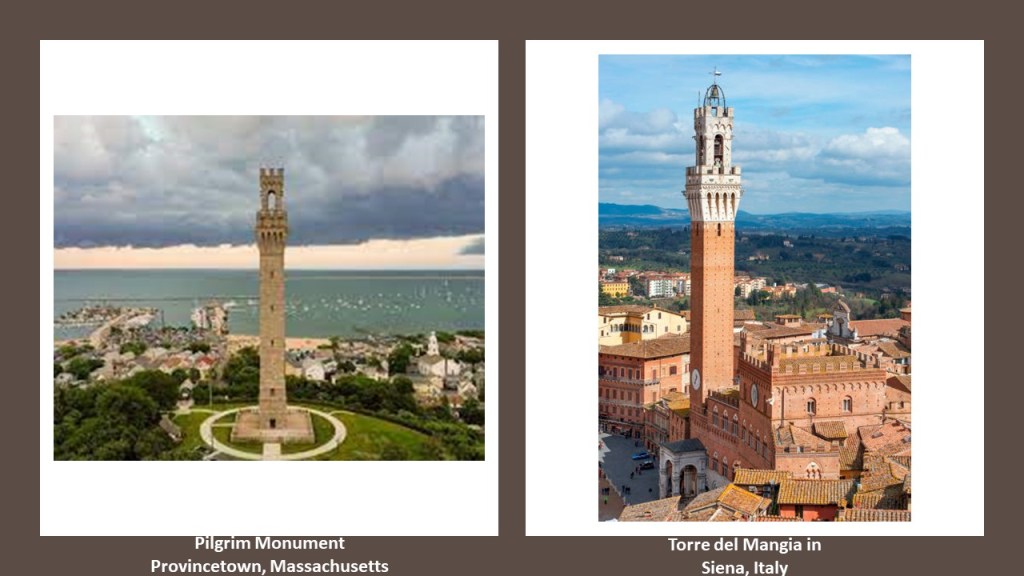
One more thing related to the Pilgrims before I move on is the Pilgrim Monument in Provincetown, Massachusetts, on the northern end of Cape Cod.
It was said to have been the winning design submitted in by Boston architect Willard T. Sears in a contest, and built between 1907 and 1910 to commemorate the first landfall of the Pilgrims in 1620 and the signing of the Mayflower Compact in Provincetown Harbor.
The Pilgrim Monument is a bell-tower, and the tallest, all-granite structure in the United States, and said to have been modelled after the Torre del Mangia in Siena, Italy, which is said to have been designed in 1309.
It is 252-feet, 7.5-inches, or 77-meters, tall.
Granite is described as a “sonorous” rock, meaning that it will make a sound if you strike it, and in the case of granite, it will make a bell-like sound.
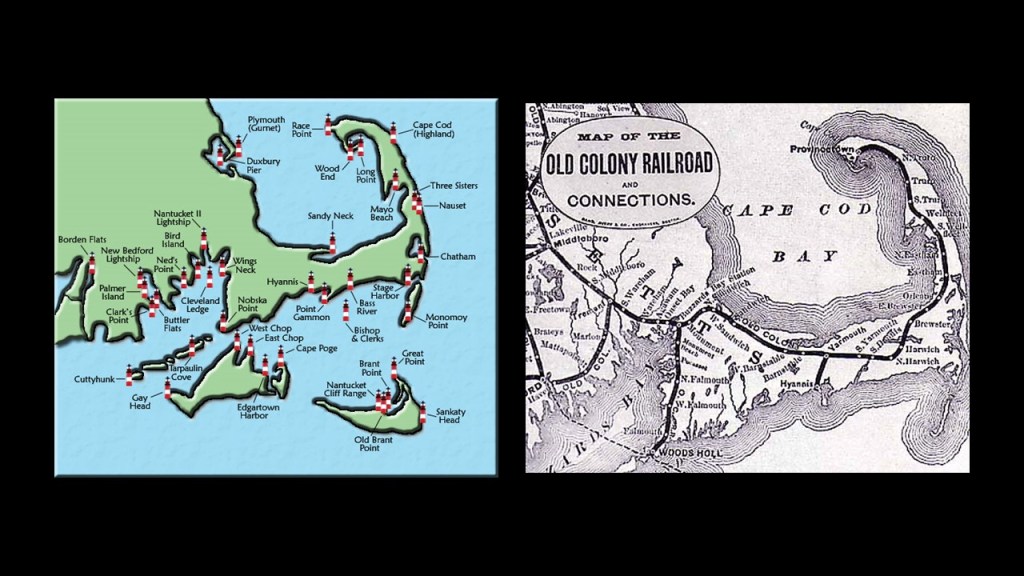
Here is a map showing fourteen lighthouses on Cape Cod alone, as well as other lighthouses of this part of New England, on the left, as well as the historic Old Colony Railroad that traversed the length of Cape Cod.
More to come about lighthouses and railroads as we go on down the coast from here.
The Southeastern Massachusetts Pine Barren Association is headquartered at The Center at Center Hill Preserve in Plymouth.
The SEMBP on land extends from Duxbury to Provincetown along the Cape Cod Bay shoreline, covering Cape Cod, the Elizabeth Islands, Nantucket Island and Martha’s Vineyard, and inland includes Southeastern Massachusetts, including Plymouth and surrounding communities.
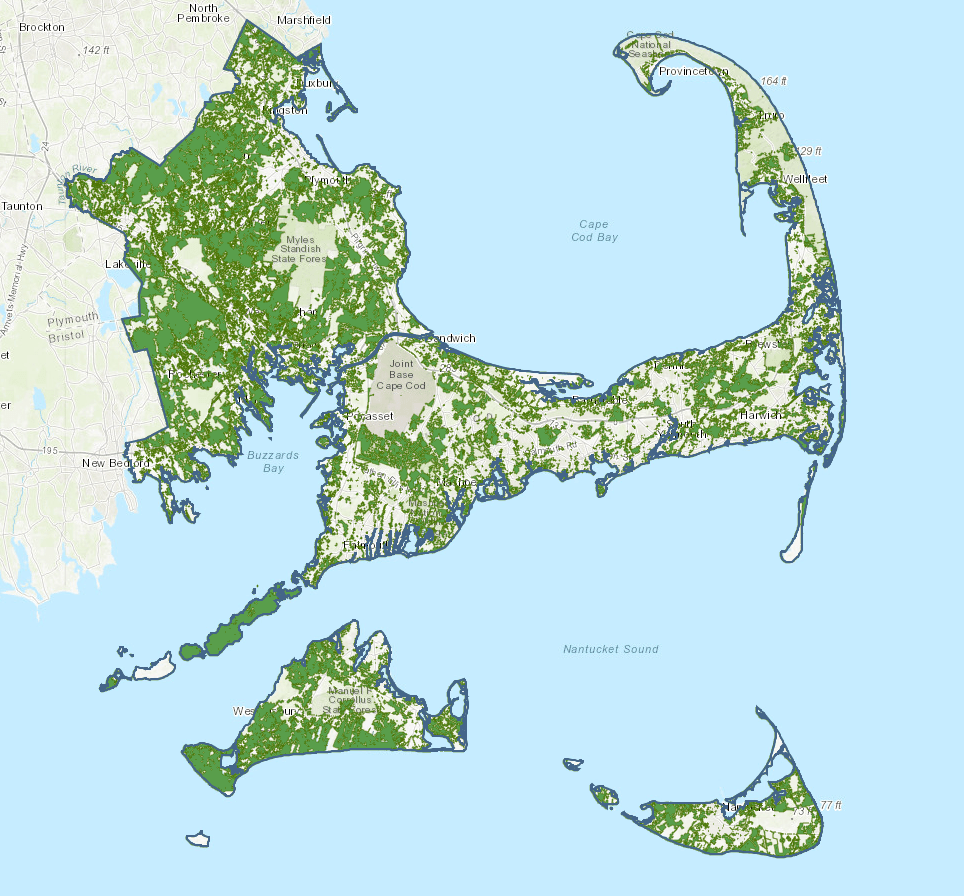
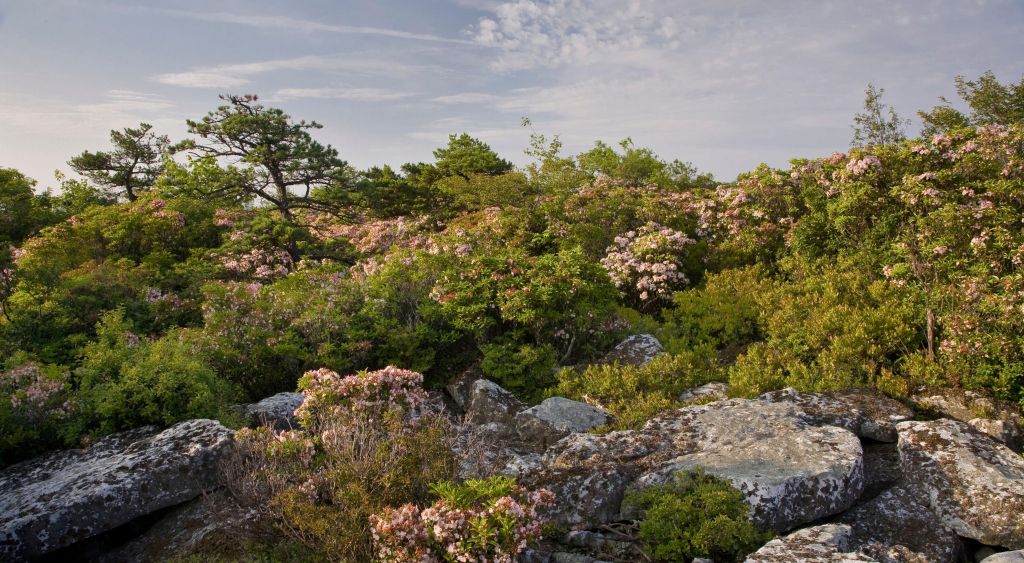
We are told the geologic foundation for the rare Pine Barren ecosystem of Coastal Massachusetts was the result of outwash from the last glacial maximum, which took place somewhere between 26,500 to 19,000 years ago, and left thick glacial deposits of sand and gravel.
I want to show you some things about Martha’s Vineyard while I’m here before I move on to look at what will be my primary areas of focus on this alignment.
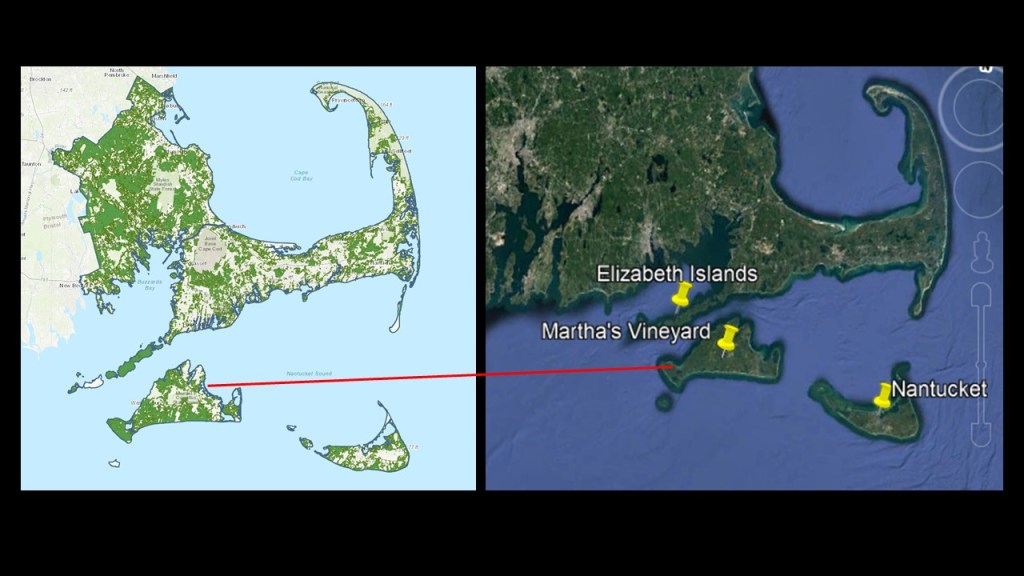
Martha’s Vineyard, an island located just south of Cape Cod, is a popular summer colony for the wealthy.
Martha’s Vineyard, along with the adjacent Chappaquiddick Island, another small island off the coast of Martha’s Vineyard called “Noman’s Land,” and the Elizabeth Islands together comprise Massachusetts’ Dukes County.
Interesting to note that the Elizabeth Islands, with the exception of two of them, are privately-owned by the Forbes family, a wealthy American family of Scottish descent long prominent in Boston.
Forbes family members include businessman John Murray Forbes, among other things a railroad magnate and President of the Michigan Central Railroad, and the Chicago, Burlington, and Quincy Railroad in the 1850s; and John Forbes Kerry, present-day politician, and the Secretary of State in President Obama’s second administration.
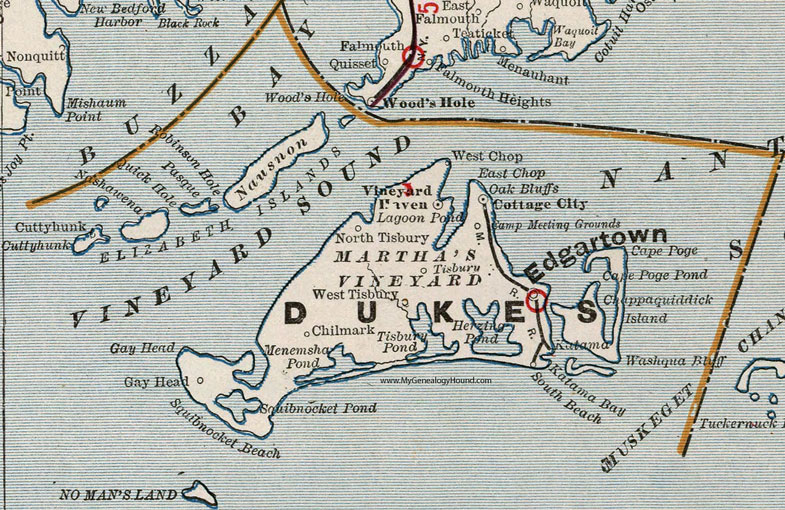
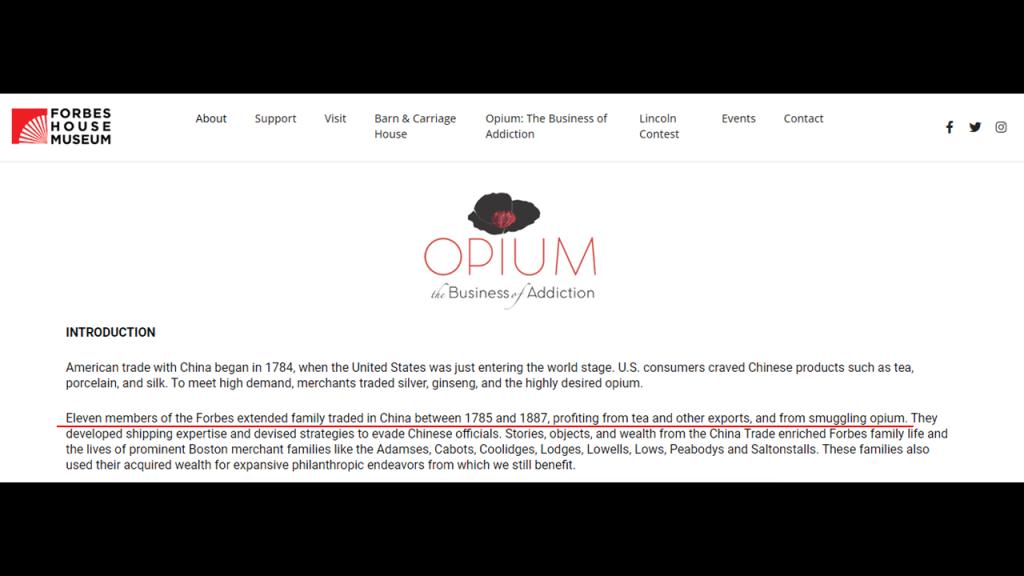
The Forbes family’s original fortune came largely from trading opium and tea between North America and China in the 19th-century.
Martha’s Vineyard, as of the 2010 Census, had a year-round population of approximately 17,500 people, and in the summer months the population grows to somewhere around 100,000.
In a study by the Martha’s Vineyard Commission, the Cost-of-Living on the island was found to be 60% higher than the national average, and the cost of housing 96% higher.
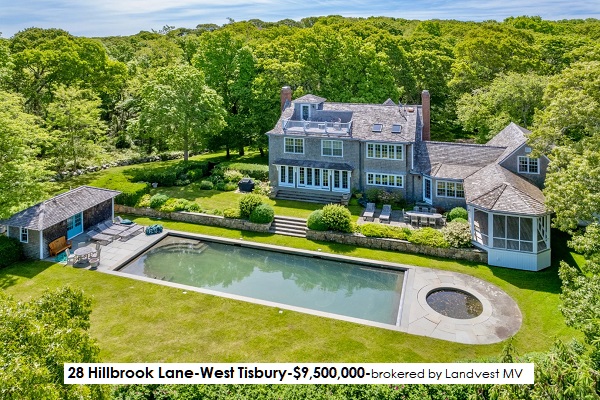
Vineyard Haven on the island was named the #1 most expensive town in the United States by Lending Tree in 2021.

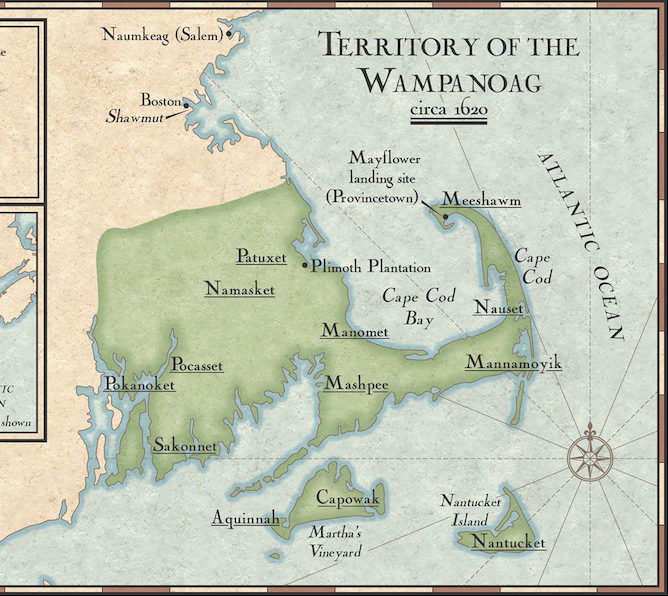
When the European colonizers arrived, the island was inhabited by the Wampanoag, the Algonquin indigenous people of eastern Rhode Island and southeastern Massachusetts.
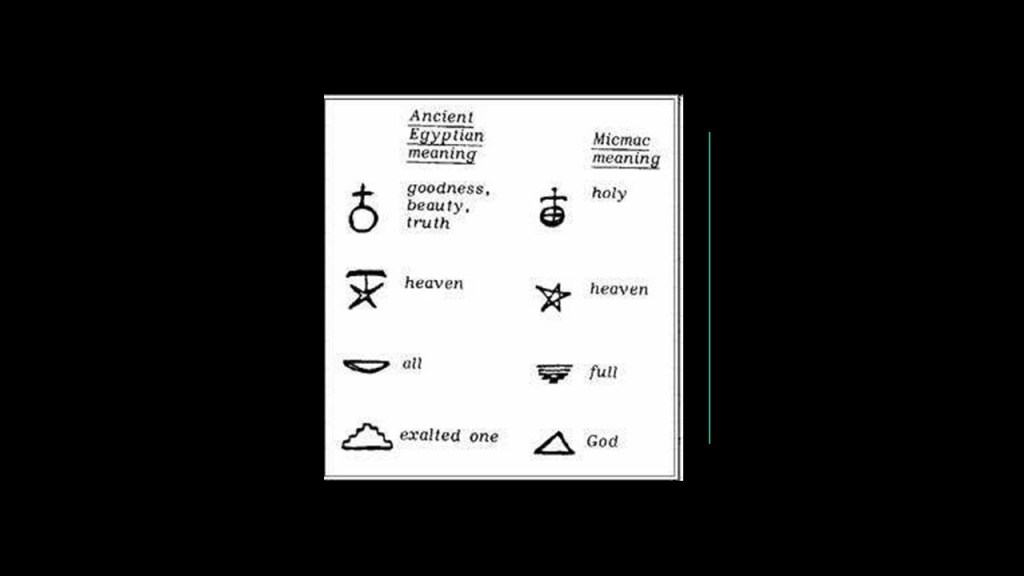
There is something interesting to note about the Algonquin language.
It is extremely hard to find this kind of information because of the hunter-gatherer theme going on with indigenous peoples of North America in the narrative, but I found an example in the written language script of the Algonquin Mikmaq people of Nova Scotia, and it is that of an apparent connection to the Egyptian language script.
The Wampanoag Tribe of Gay Head, or Aquinnah, on Martha’s Vineyard is one of only two federally-recognized Wampanoag Tribes, the other one being the Mashpee Wampanoag Tribe, headquartered in Mashpee on Cape Cod.

The Wampanoag on Martha’s Vineyard are headquartered in Aquinnah on the southwest tip of Martha’s Vineyard, part of the lands where they have lived for thousands of years which were dispossessed by English settlers encroaching on their lands.
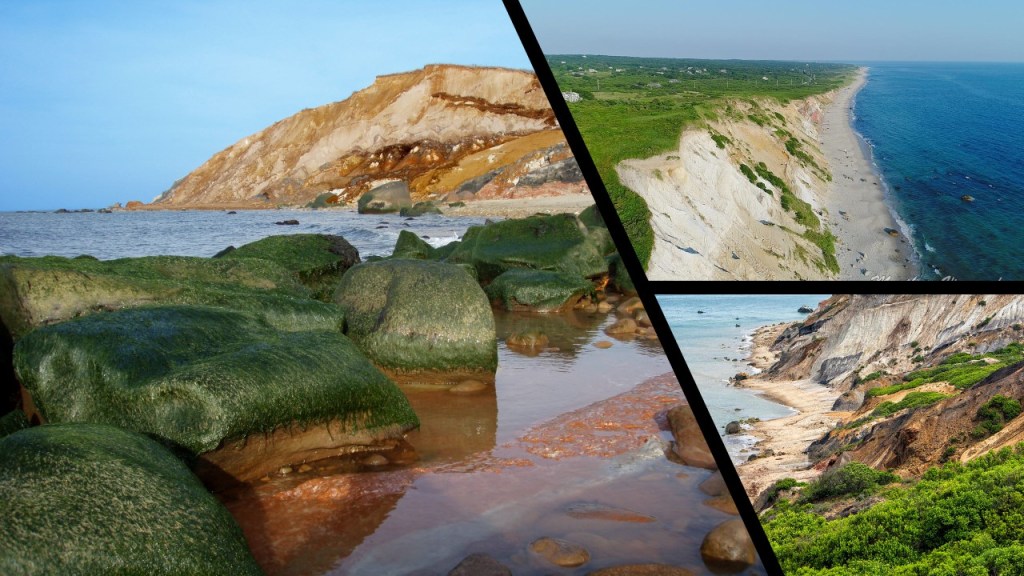
Aquinnah, which was incorporated as a town named Gay Head, between 1870 and 1997, is the location of the Aquinnah Cliffs.
The Aquinnah Cliffs, with streams of red and orange clay mixed with sand, were said to have been formed by glaciers millions of years ago.
Yet interesting to note that these cliffs have a sheared-off-looking quality to them.
I think there is much, much more to this story.
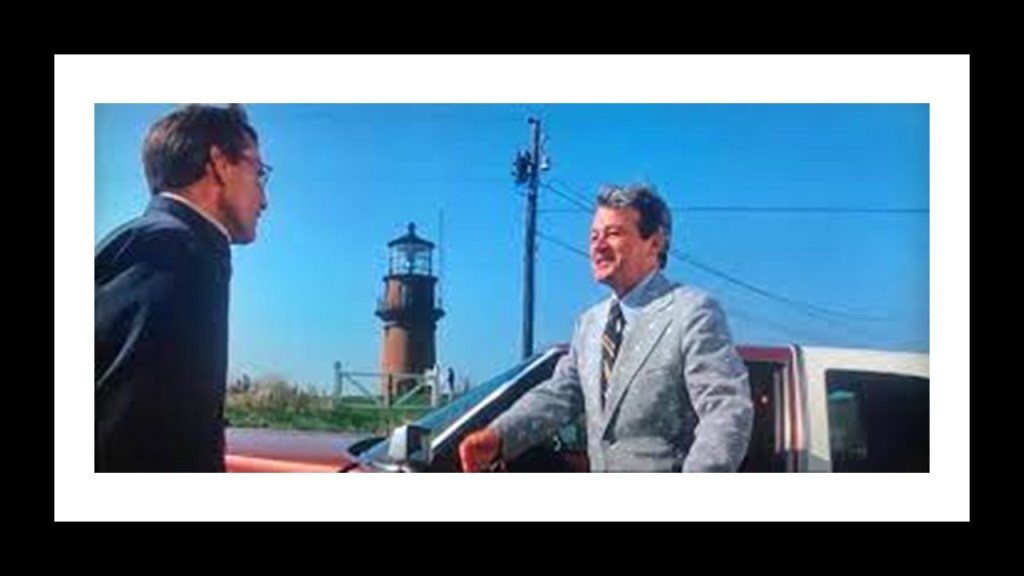
The Gay Head Lighthouse located here was featured in the Steven Spielberg movie “Jaws,” where Martha’s Vineyard was the primary filming location for the movie’s “Amity Island,” a blockbuster movie in 1975 based on the book of the same name, in which the beach resort was being terrorized by a great white shark that was attacking beachgoers.
There is an interesting, and lengthy back-story to the Gay Head Lighthouse.
But long story short, at one time there were more buildings here.
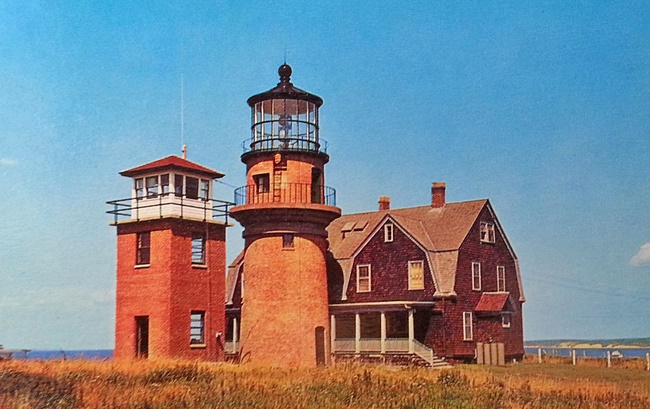
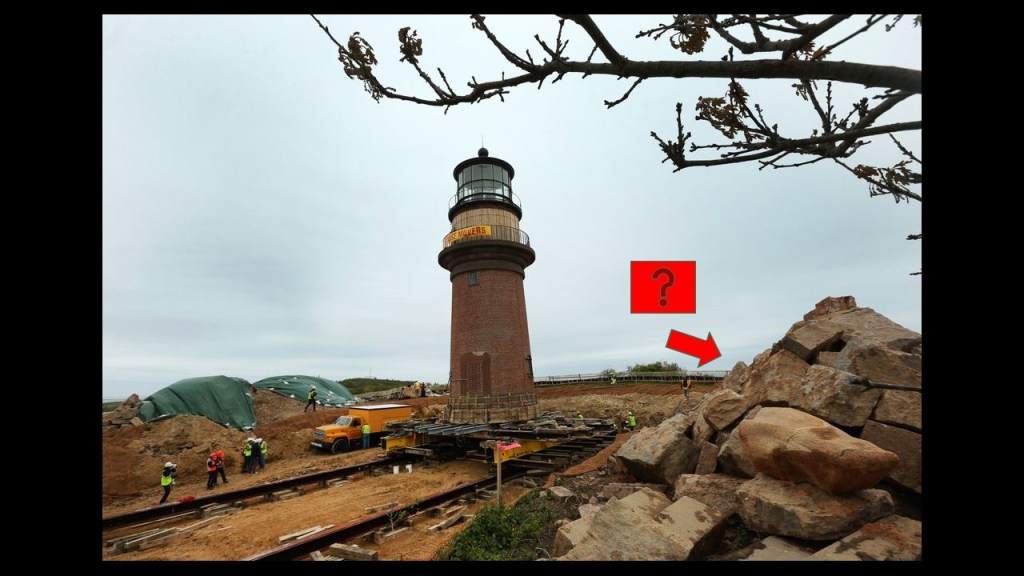
Then only one, which looks like there is probably more to it under the ground.
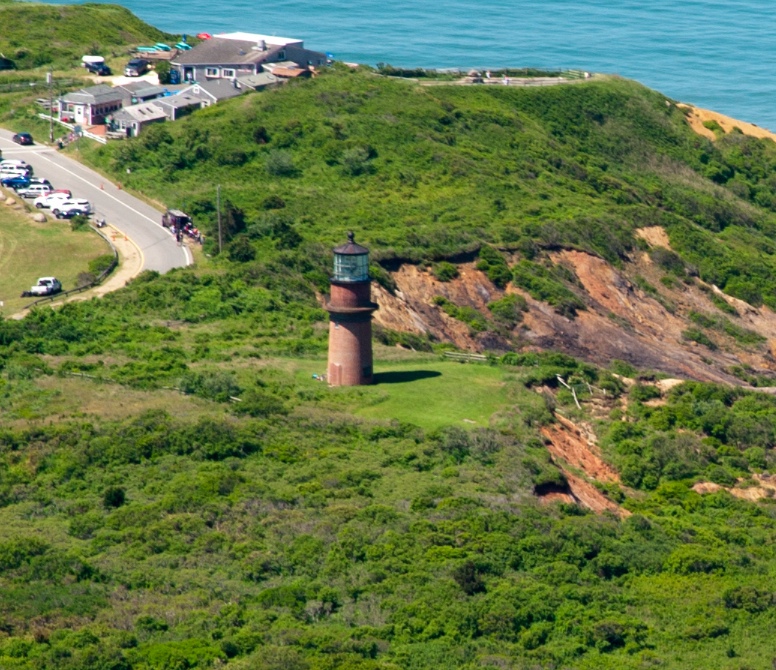
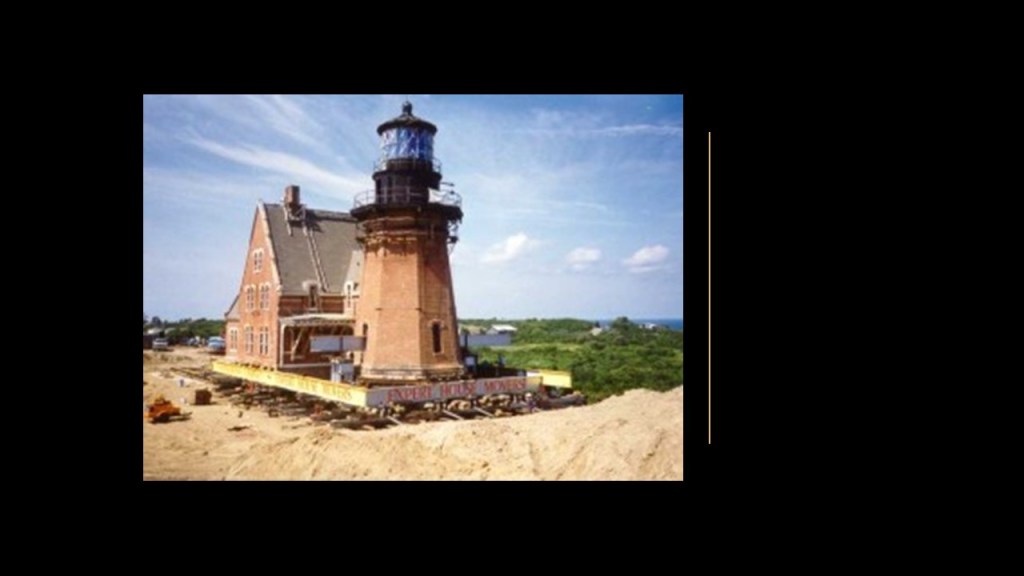
And that in 2015, the lighthouse structure was moved because it was perilously close to the eroding cliff edge.
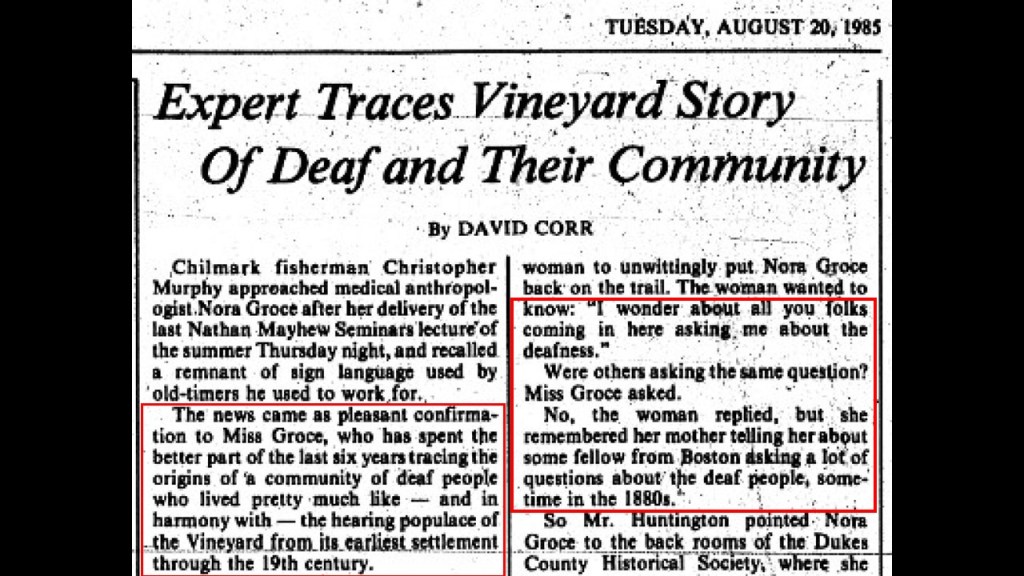
Also interesting to note that I found this article talking about there being a deaf community on Martha’s Vineyard from its earliest settlement through the 19th-century.
It would appear from the article that the deaf people here attracted a lot of interest and questions.
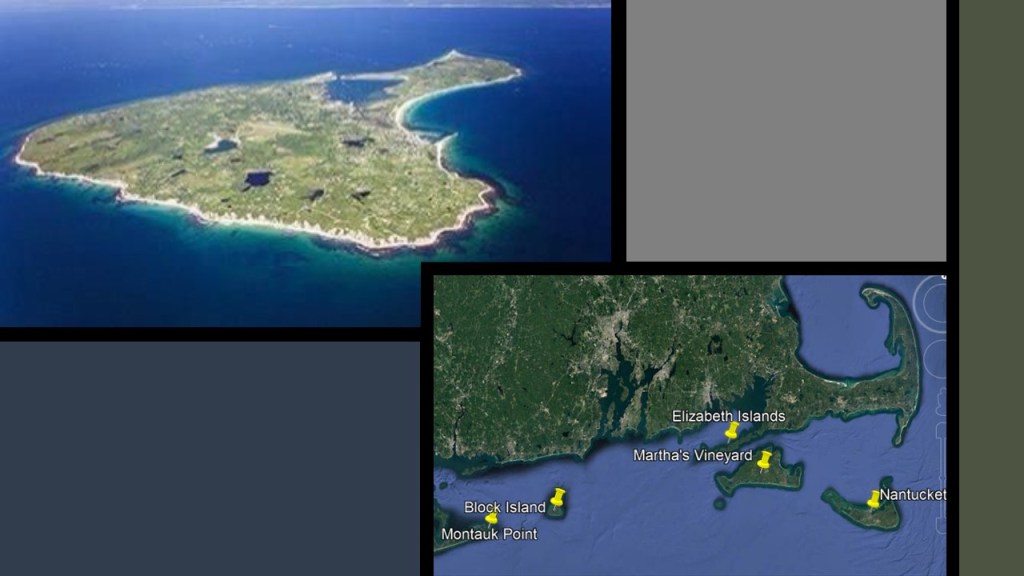
Next, Block Island is in the Block Island Sound I mentioned previously.
It is adjacent to Long Island Sound of the New York – New Jersey Estuary System.
It is 9-miles, or 14-kilometers, south of the Rhode Island mainland, and 14-miles, or 23-kilometers, east of Long Island’s Montauk Point.
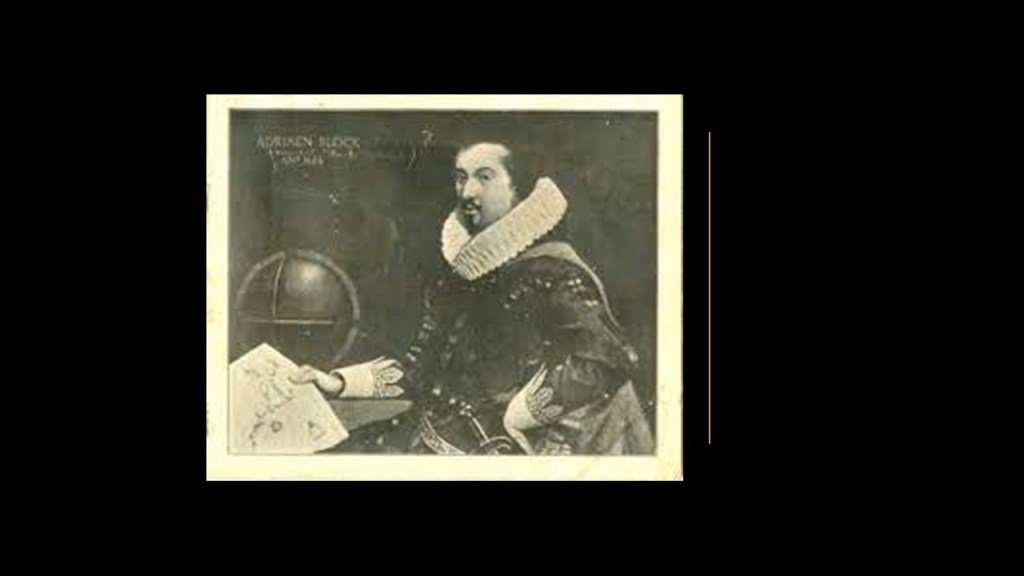
Block Island was named for Adrian Block, a Dutch privateer who was employed by the Dutch East India Company who charted the area in 1614.
Mansion Beach on Block Island today is a secluded beach on the island’s northeast coast, known for its white sand and big waves.
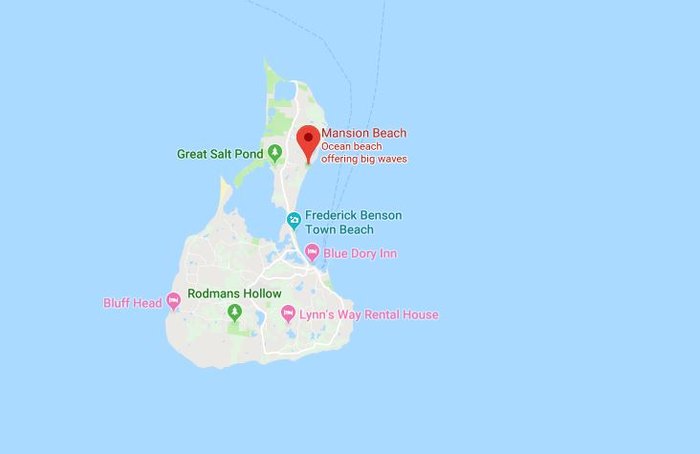
It was so-named because there was a mansion once here, said to have been designed by Massachusetts architect Edward F. Searle as a dream home for he and his wife, the widow of San Francisco Central Pacific Railroad magnate Mark Hopkins, one of the Big Four of western railroading, along with Leland Stanford, Collis P. Huntington, and Charles Crocker.
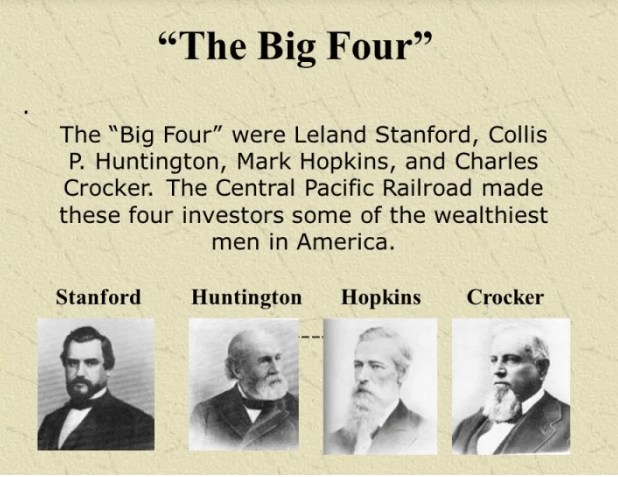
Searle’s wife, Mary Hopkins Searle, was often referred to as the richest woman in America, and shortly after they married, she bequeathed Edward Searle her entire fortune.
The Searle Mansion was said to have been constructed between 1886 and 1888.
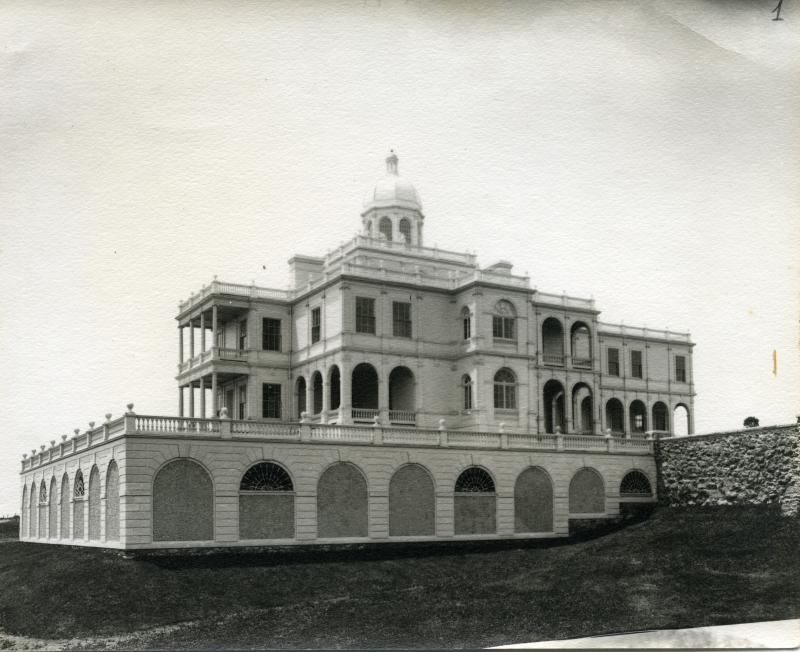
At any rate, after having been abandoned for years, the Searle Mansion back on Block Island burned down in the 1960s, and was never rebuilt.
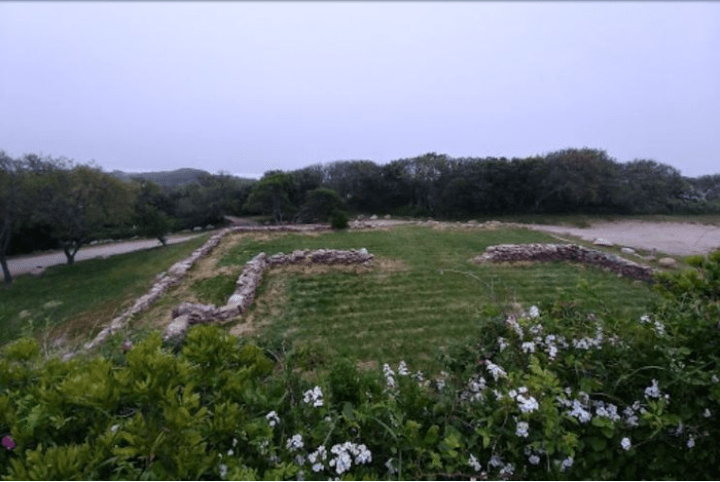
Block Island has thirteen distinct beaches.
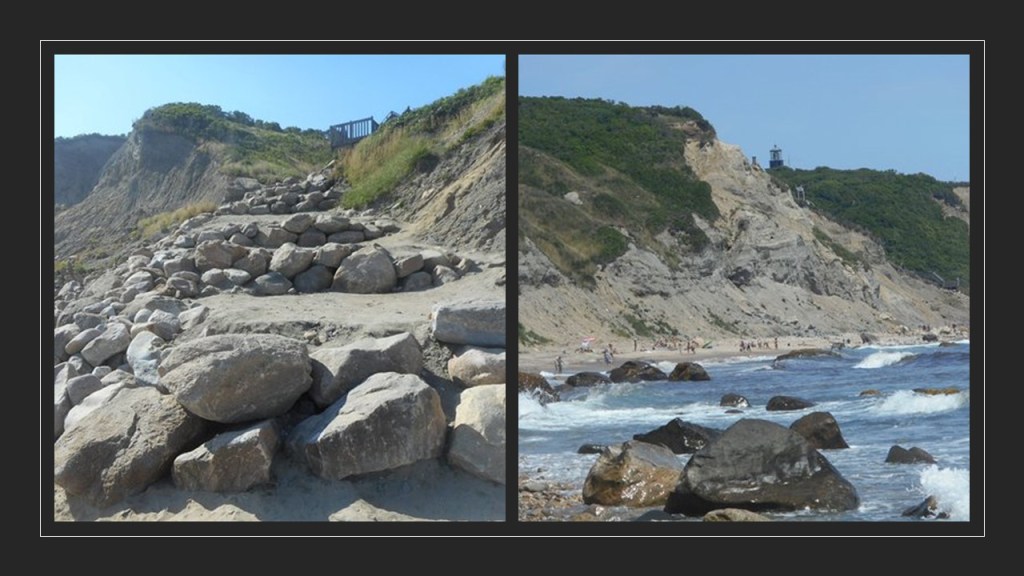
This rocky beach is a clothing optional beach below the Mohegna Bluffs, which like the Aquinnah Cliffs back on Martha’s Vineyard, have a sheared-off-looking quality to them.
The huge rocks found here also look megalithic, like they were shaped and cut.
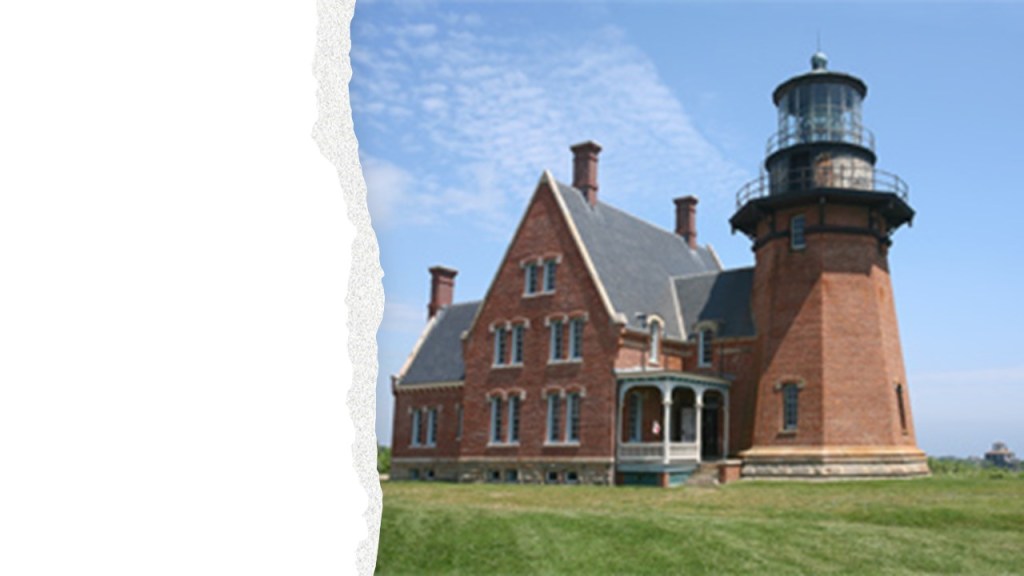
The island’s Southeast Lighthouse is situated atop of the Mohegna Bluffs.
The Southeast Lighthouse was said to have been built in 1874 in the Gothic Revival architectural style.
It is considered one of the most architecturally sophisticated lighthouses built in the United States in the 19th-century, and is the tallest lighthouse in New England.
Things in common with the Gay Head Lighthouse on the Aquinnah Cliffs back on Martha’s Vineyard include:
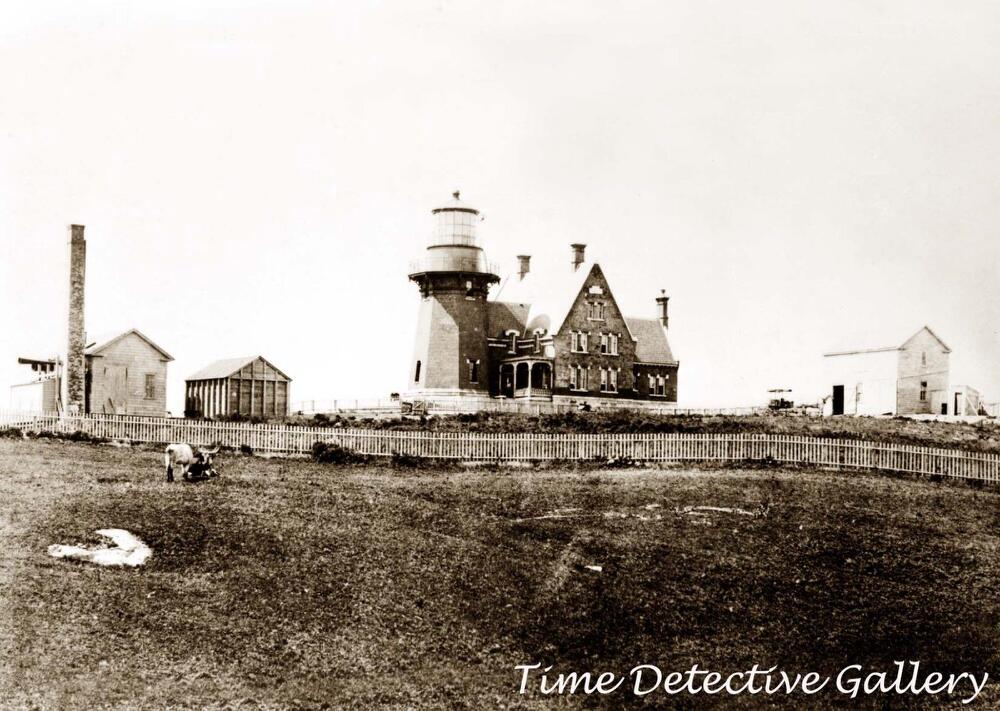
A top-heavy appearance and ground-level windows, making it look like there is more to this structure hidden underground…
…there used to be more buildings here…
…and this lighthouse was apparently moved away from the edge of the bluff due to erosion as well.
The current Block Island North Lighthouse built of granite and iron was said to have been constructed in 1867, which would have been two years after the end of the American Civil War.
The lighthouse was deactivated in 1973 and acquired by the United States Fish and Wildlife Service.
After being neglected for years, in 1984, the lighthouse and two-acres of land were sold to the town of Shoreham for $1.
It was renovated and first re-lit in 1989, and a museum opened in the first-floor in 1993, and then re-lit again in 2009 after further restoration of the light itself.
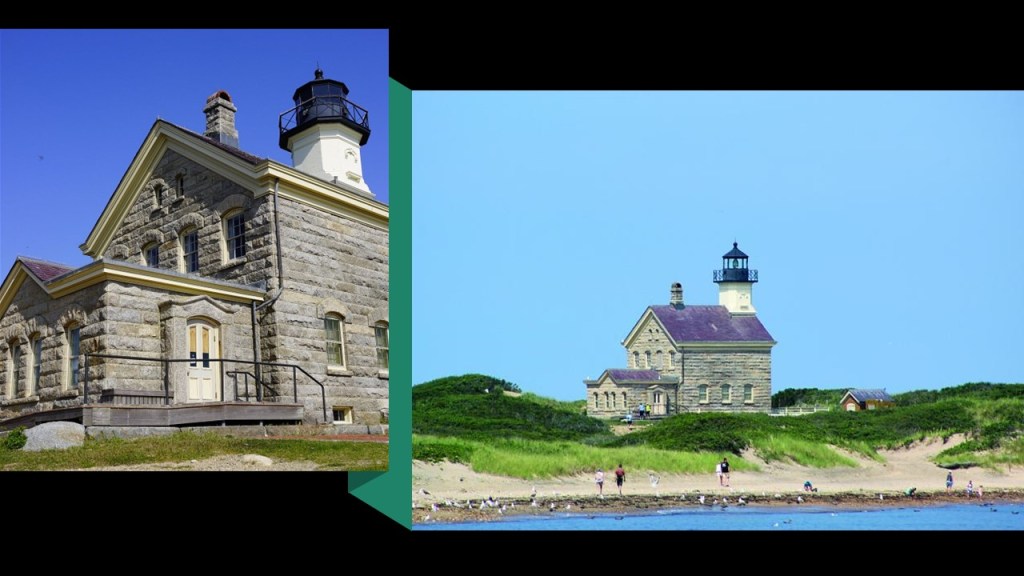
Before I move on to Long Island, I want take a look at the other islands located in Block Island Sound, which are Plum Island, Gardiners Island, and Fishers Island, all in New York State.
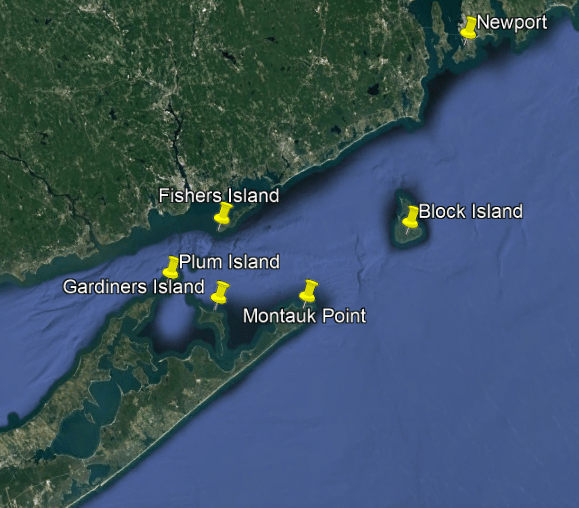
Plum Island is an island that is part of Southold in Suffolk County, New York, and located in Gardiners Bay, off the eastern end of Long Island’s North Fork peninsula on the eastern end of Long Island.
Plum Island is owned by the United States government, and access to it controlled by the U. S. Department of Homeland Security.
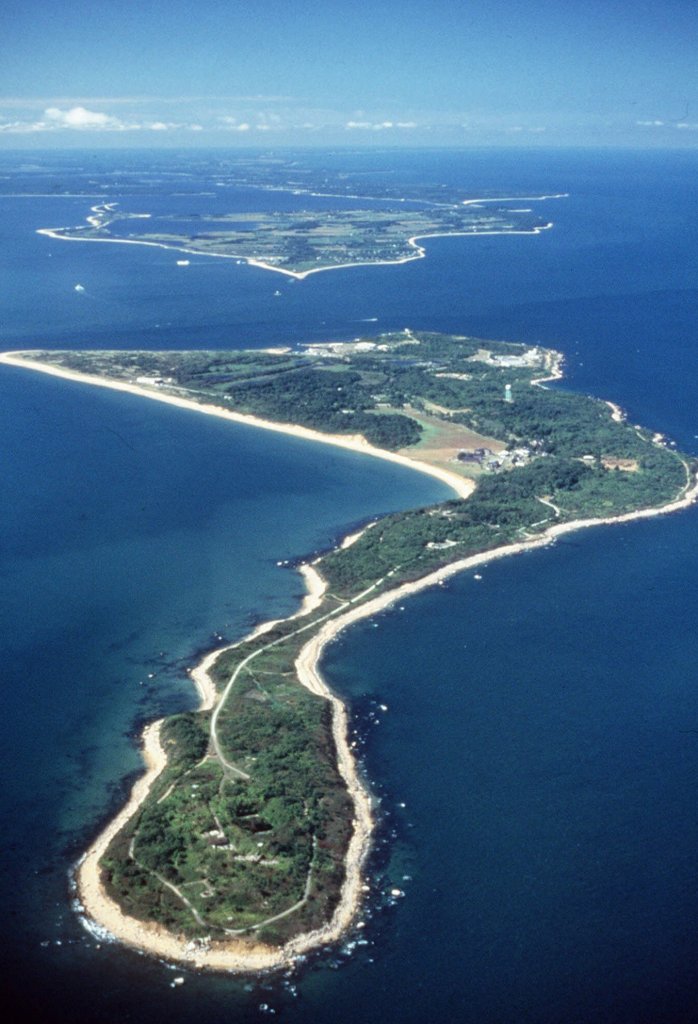
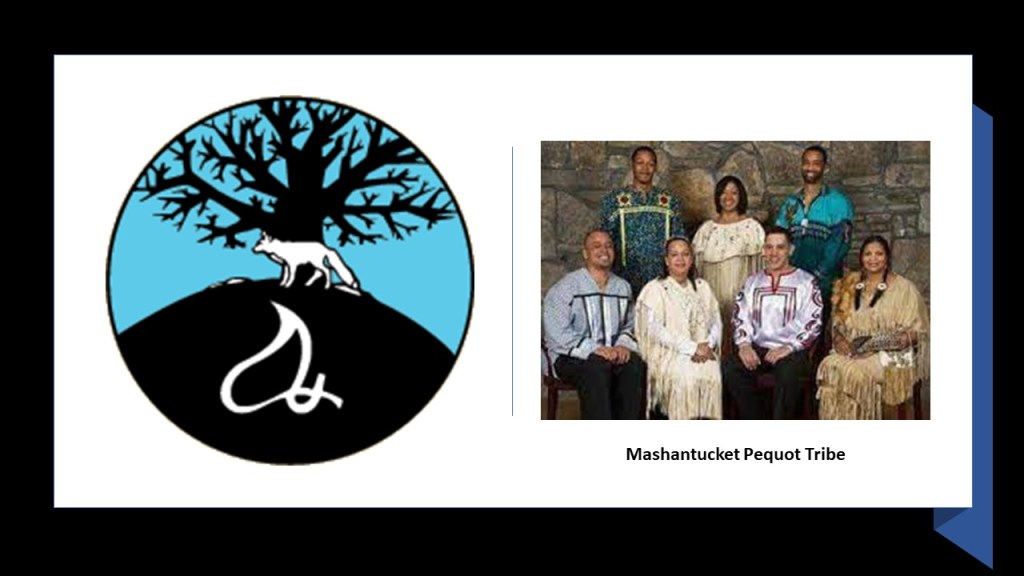
We are told Plum Island was called “Manittuwond” by the historical indigenous Pequot Nation of Connecticut, but who were they really?
Their true history has been suppressed in our historical narrative.
The Pequot Nation is indigenous to Connecticut.
The Pequot Nation was classified extinct by colonial authorities after the Pequot Wars that took place between 1636 and 1638, effectively decimating them as a viable tribe, as survivors were either sold into slavery to colonists in the West Indies or Bermuda, otherwise taken captive, or absorbed into other tribes.
Of 5 Pequot tribes in existence today, the Mashantucket Pequot Tribe is the only one that is federally-recognized.
Mohegan-Pequot was an Algonquin-language spoken by the Mohegan, Pequot, and Niantic people of southern New England, and the Montaukett and Shinnecock of Long Island.
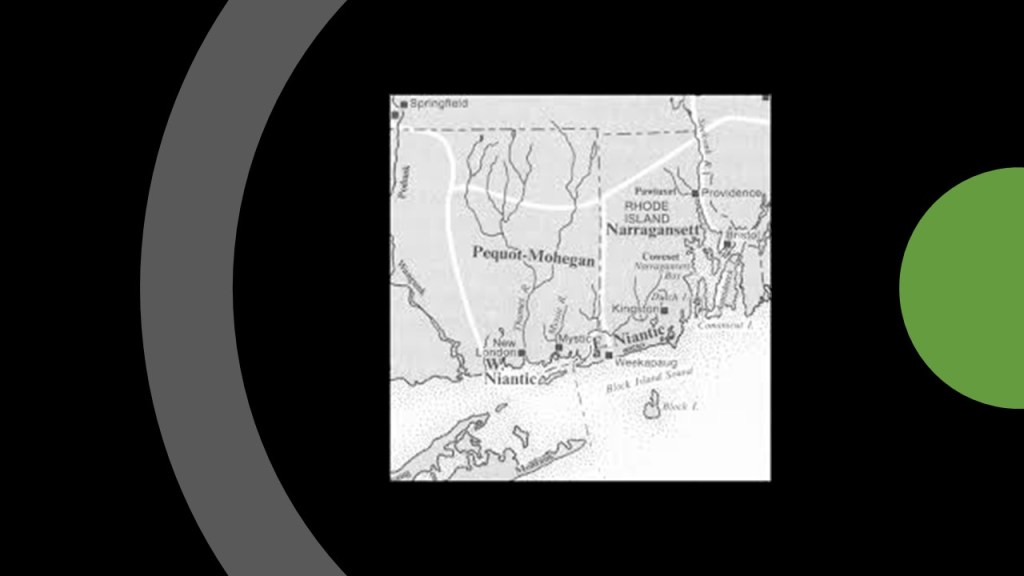
The last living speaker of Mohegan-Pequot died in 1908.
We are told that historically Mohegan-Pequot did not have a writing system, and that the only significant writings came from European colonizers who interacted with speakers of the language.
Back to Plum Island.
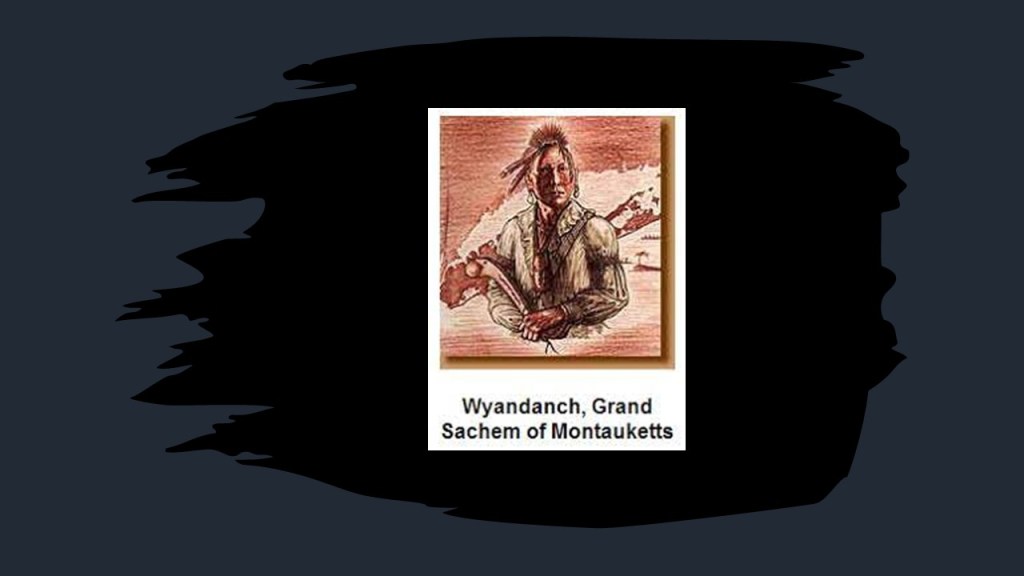
So what we are told is that the Montaukett Grand Sachem Wyandanch of eastern Long Island was said to have sold Plum Island in 1659 to Samuel Wyllys, the son of Connecticut’s governor George Wyllys, for “…a coat, a barrel of biscuits, and 100 fish-hooks.”
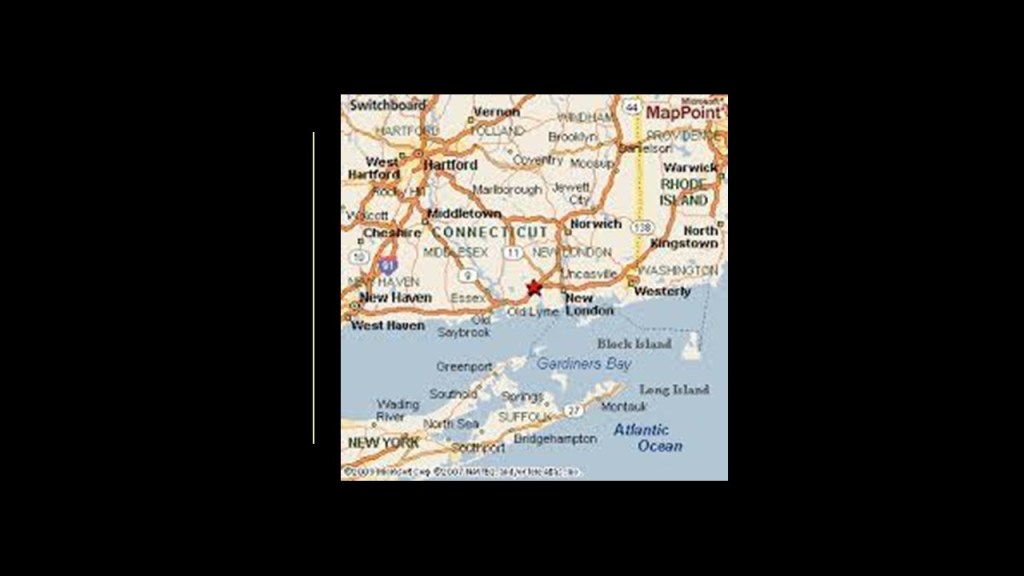
Plum Island is only 17-miles, or 27-kilometers, south-southeast of Lyme, Connecticut, the place which gave “Lyme Disease” its name.
The origin story of the disease goes like this:
A mysterious ailment afflicted a group of people in and around Lyme, Connecticut, in the 1970s, and that the cause of Lyme Disease was found to be a form of spiral-shaped bacteria transmitted by the bite of a certain kind of tick.
Lyme Disease causes symptoms like a rash, flu-like symptoms, joint-pain and weakness, among others.

Coincidentally…or not…there is a National Disease Center on Plum Island, which was established in 1954 by the United States Department of Agriculture.
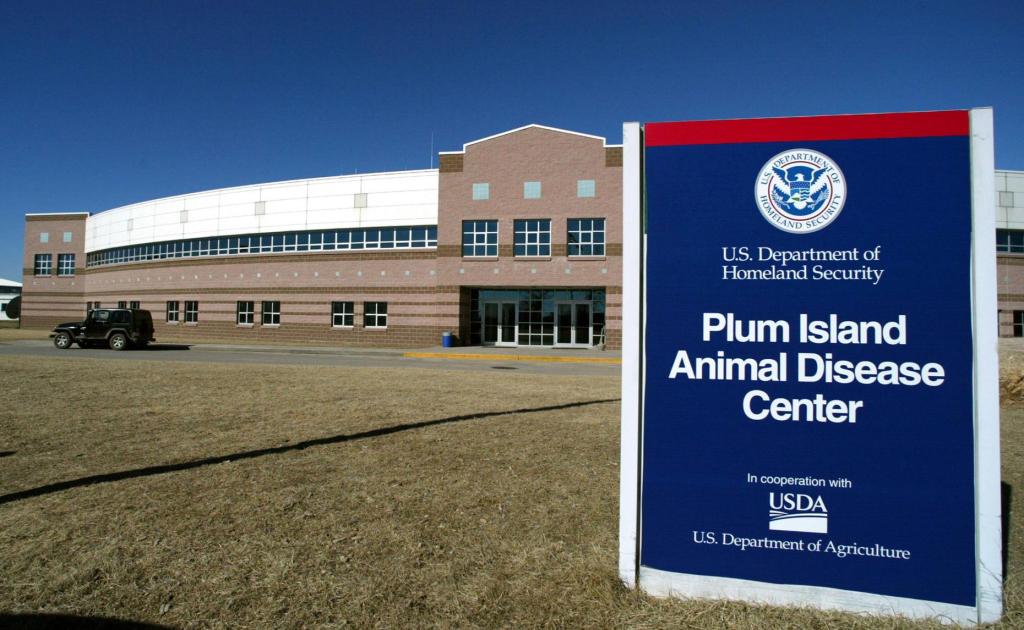
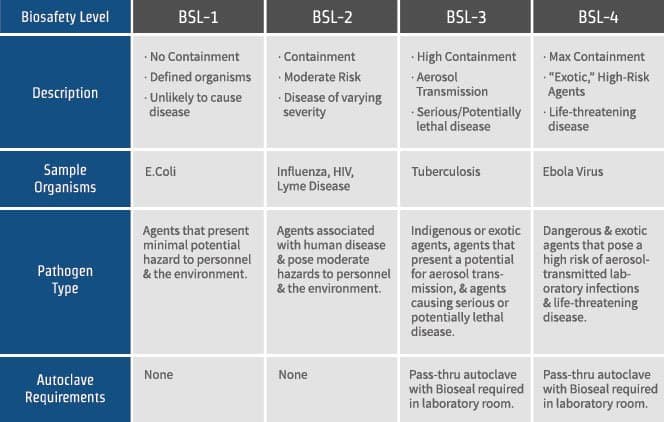
The facility maintains laboratories up to biosafety-level 3, which involves microbes which can cause serious and potentially lethal disease by inhalation.
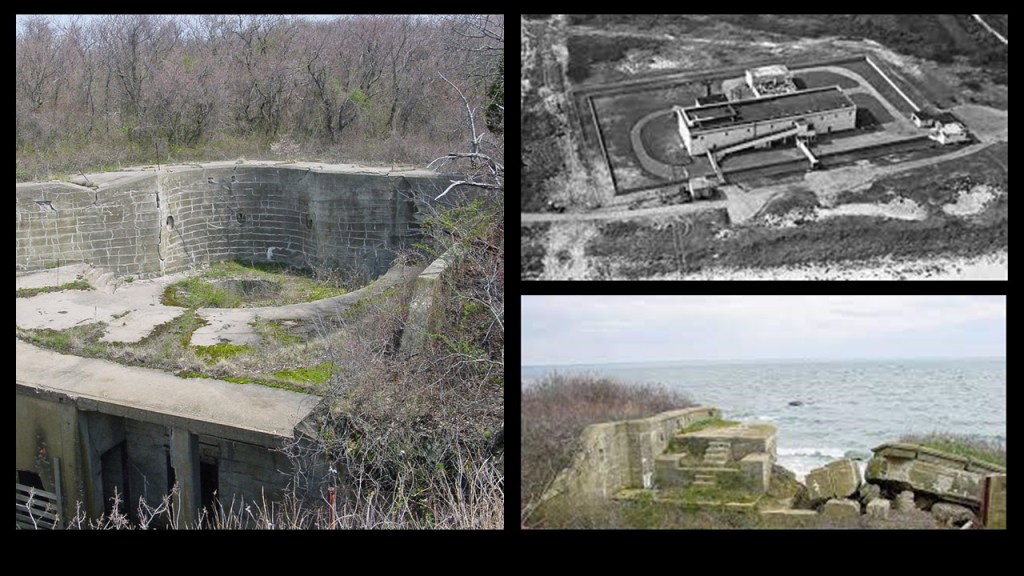
Fort Terry on Plum Island was said to have been built in 1897 as part of the Harbor Defenses of Long Island Sound, and used intermittently through the end of World War II.
Then in 1952, Fort Terry became a military animal and biological warfare research facility, and in 1954, moved to civilian control as mentioned previously.
The granite lighthouse on the western end of Plum Island, said to have been built and in-service in 1869, looks a lot like the North Lighthouse on Block Island, but unlike the North Lighthouse, it is not open to the public, and access to the Plum Island lighthouse is controlled by the Department of Homeland Security for community stakeholders on a case-by-case basis.
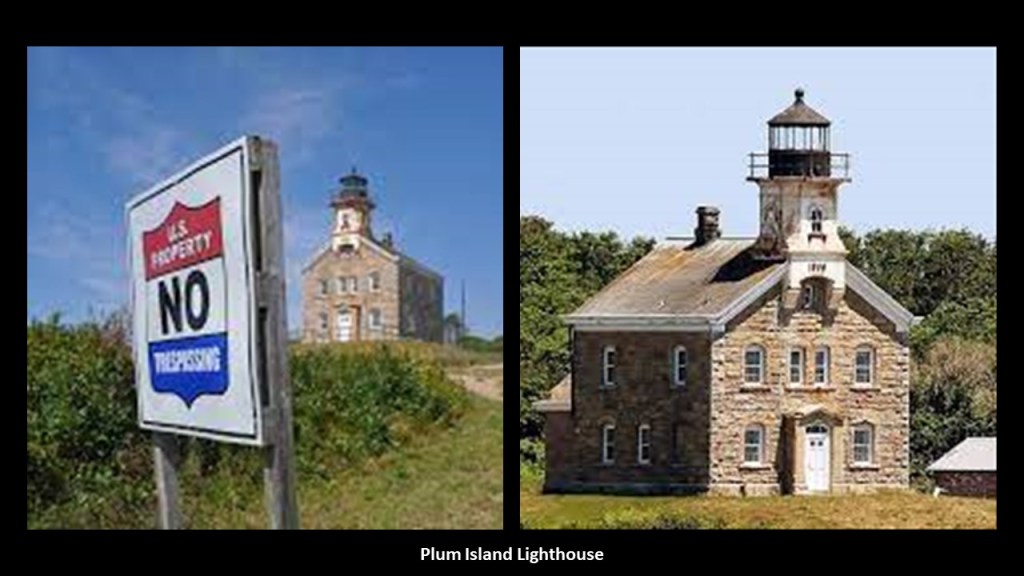
The Plum Island Lighthouse is on one side of “the “Plum Gut,” the mile-wide entrance to Long Island Sound.
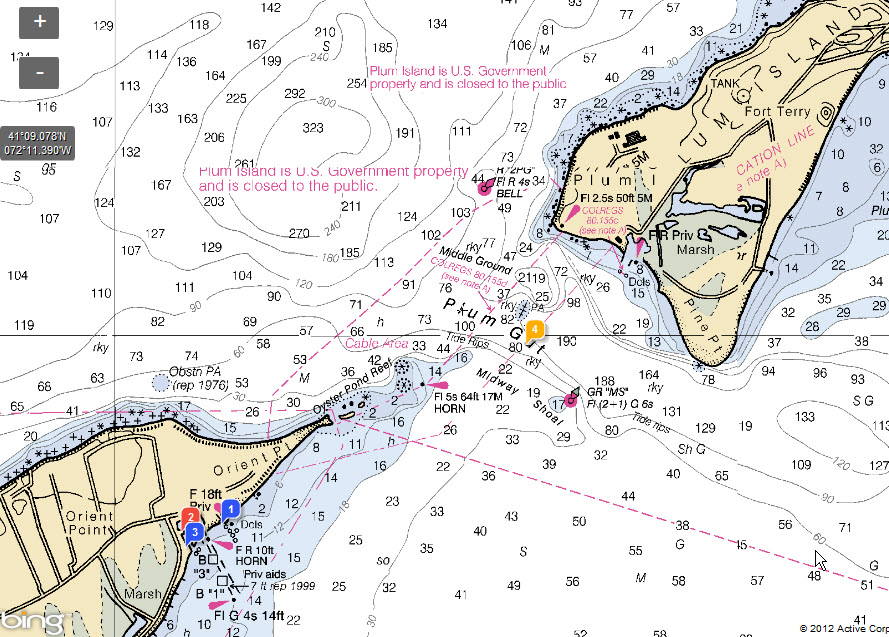
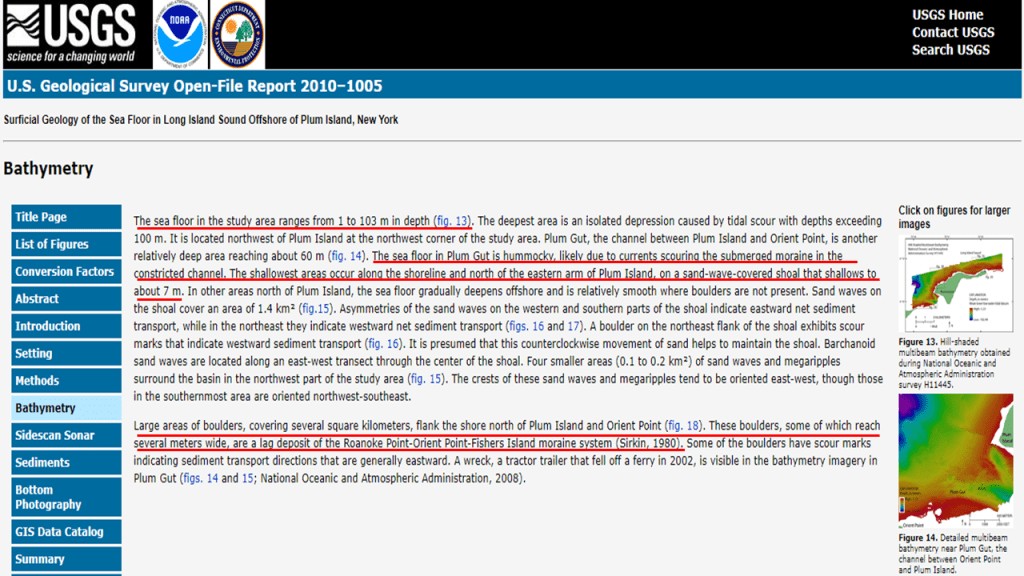
Plum Gut is known for its treacherous, extremely strong tidal currents and submerged moraine, which is defined as a mass of rocks or sediments carried down by a glacier, with a sea-floor that ranges from shallow to deep.
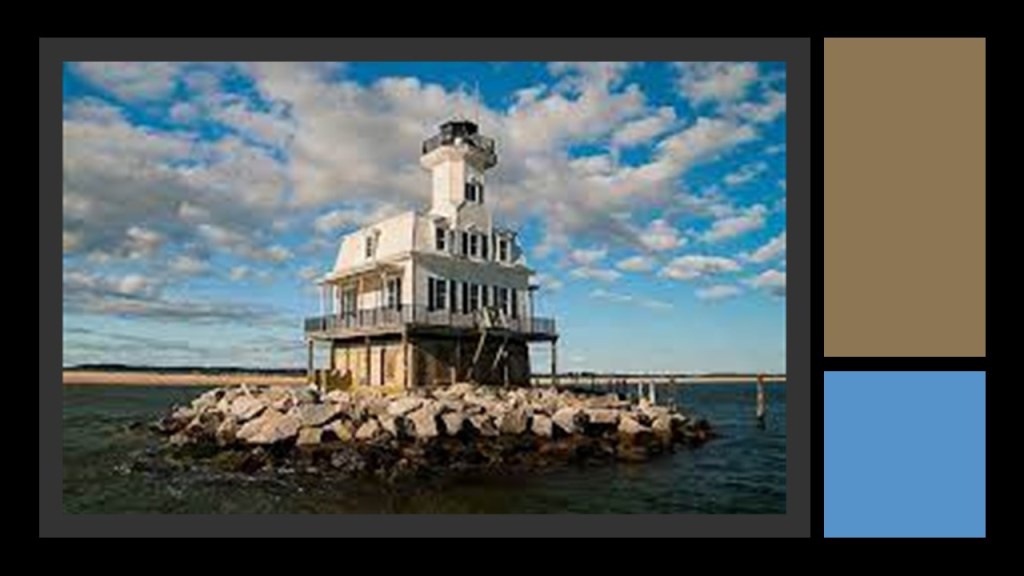
There is another Lighthouse on the other side of the “Plum Gut,” called the “Orient Long Beach Bar Light,” at the easternmost end of the Long Island’s North Fork, standing alone on top of big boulders and surrounded by water.
Next, I am going to check out Gardiners Island in the Block Island Sound.
Gardiners Island is a small island located in Gardiners Bay between the North and South Forks of Long Island.
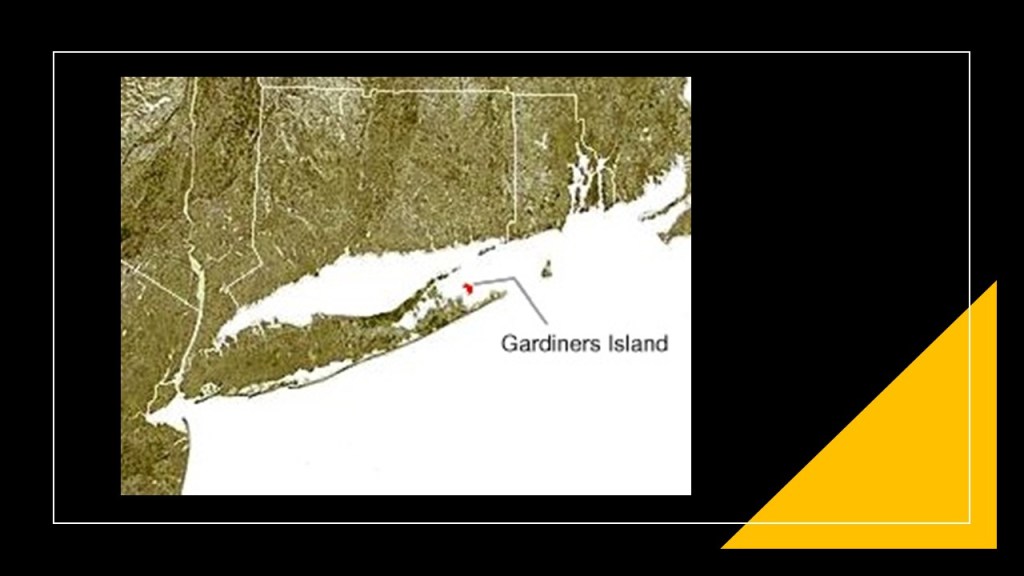
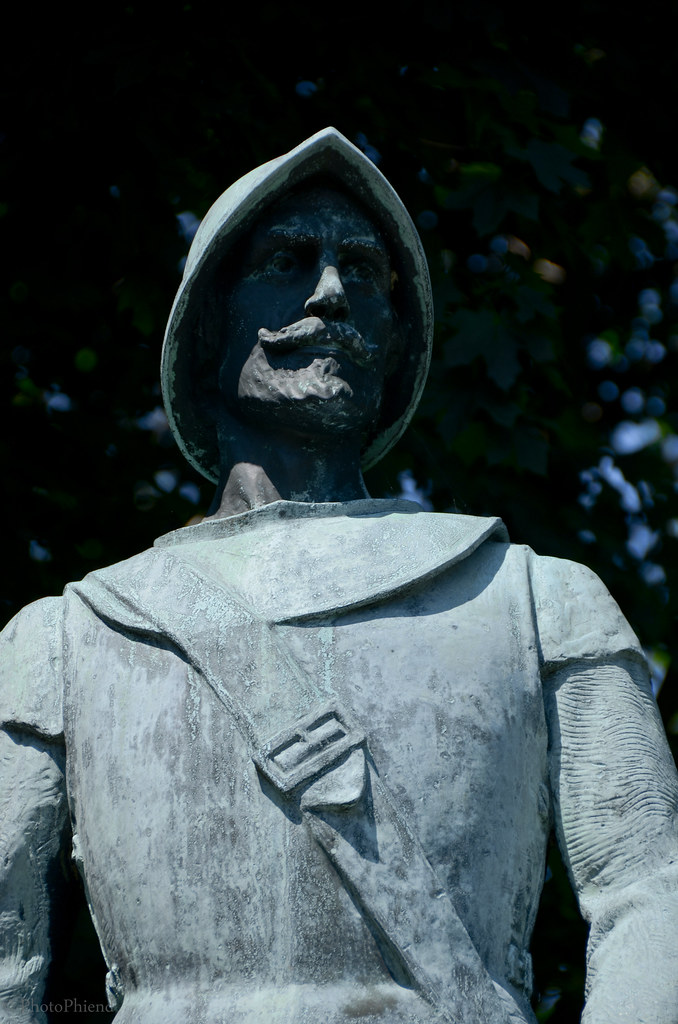
The island has been owned by the Gardiner family since 1659, when Lion Gardiner, an English engineer and colonist who founded the first English Settlement in New York here, and said to have purchased it from the Montaukett Grand Sachem Wyandanch, this time for “…a large black dog, some powder and shot, and a few Dutch blankets.”
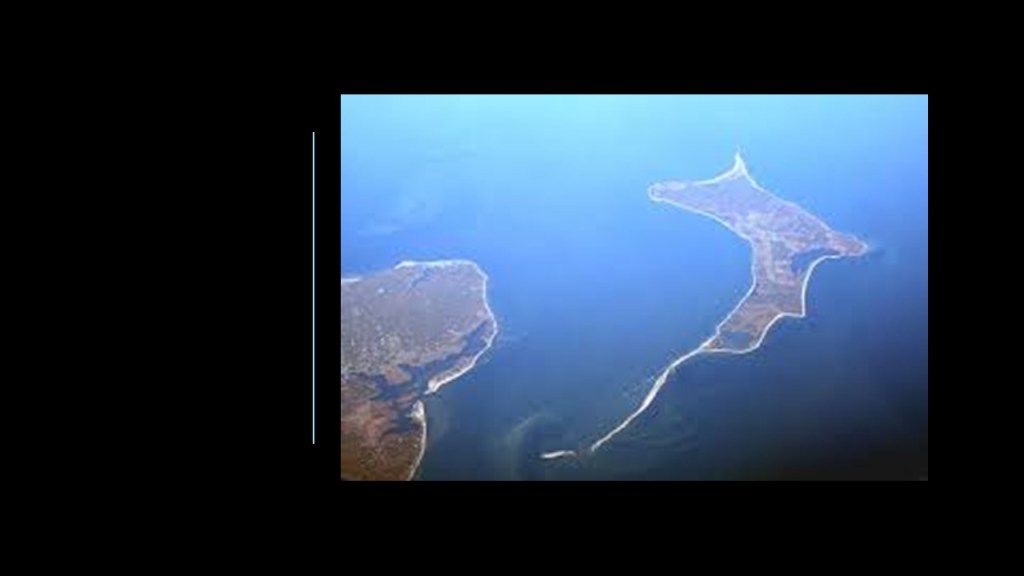
While not under the jurisdiction of the Colonies of Connecticut or Rhode Island, Gardiners Island did fall under the jurisdiction of William Alexander, the 1st Earl of Stirling, who had been given Long Island by the King Charles I of England in 1636, and who required that Gardiner gain approval of his land grant, which he did in 1639 with a royal patent giving him the right to possess the land forever, and given the title of “Lord of the Manor.”
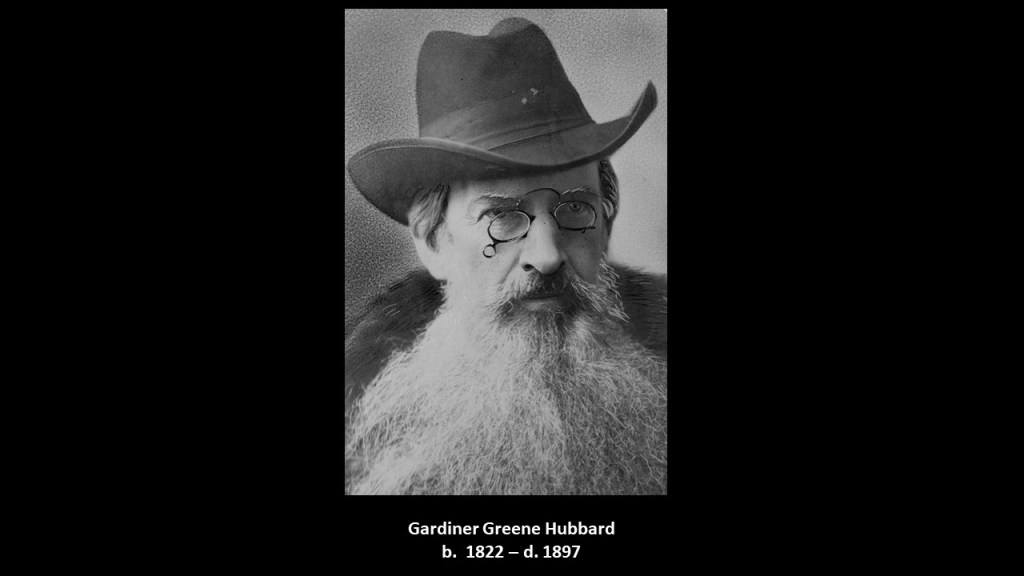
Gardiner Greene Hubbard, Alexander Graham Bell’s father-in-law and the first president of the National Geographic Society, and a prominent financier and lawyer, was a descendent of Lion Gardiner.
Gardiners Island is a little over 5-square-miles, or 13.4-kilometers-squared, and has more than 1,000 acres of old growth forest, considered by some to be the largest old-growth forest on the northeast coast of the United States.
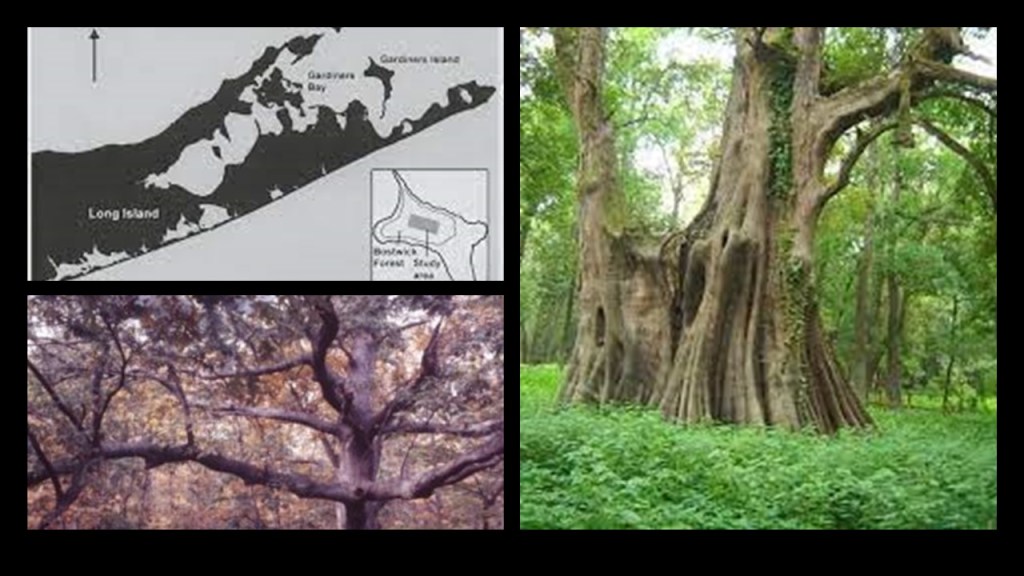
Passed down through the Gardiner family for over 380-years, the Gardiner mansion on the island is considered to be the oldest family estate in America.
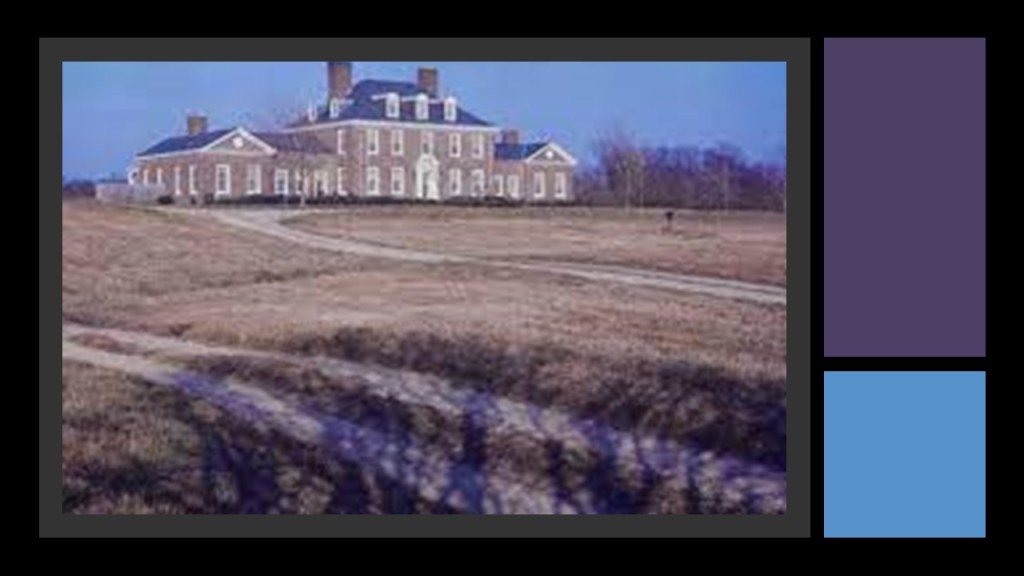
Next, Fishers Island is a part of Southold, New York, at the end of Long Island Sound, located in close proximity to Connecticut and Rhode Island as well.
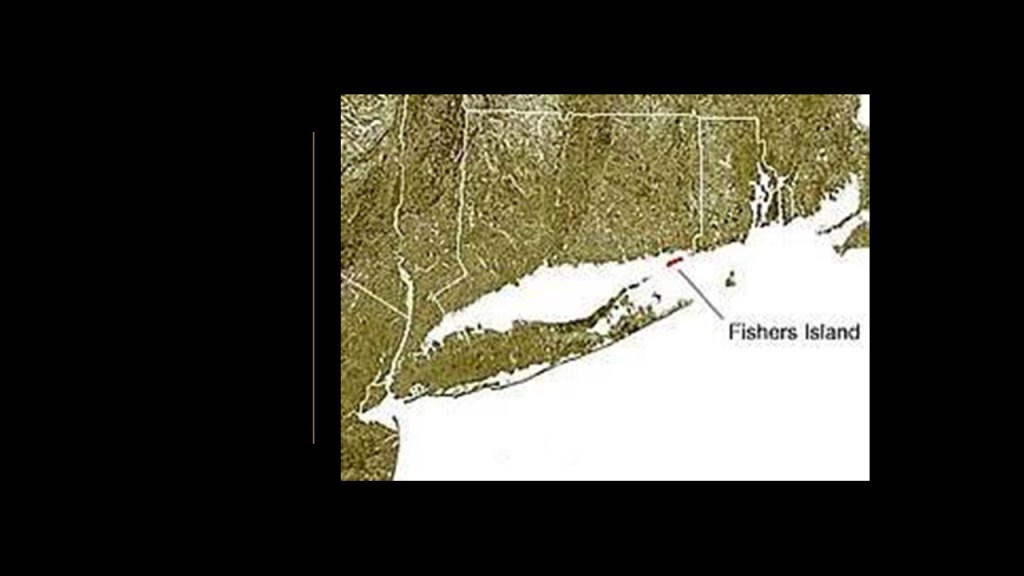
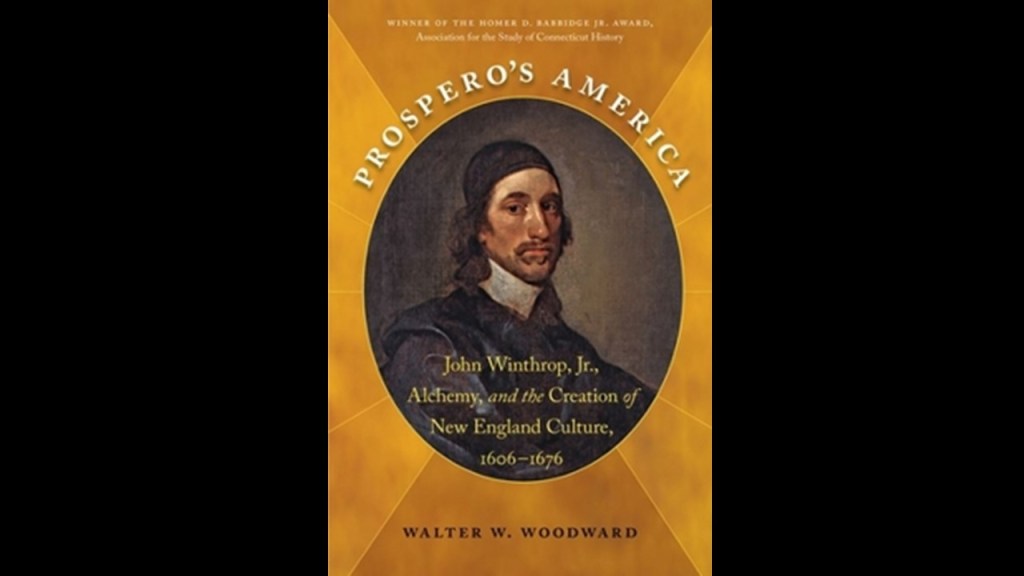
John Winthrop the Younger, son of the Massachusetts Bay Colony founder and Governor John Winthrop, received a grant of Fisher’s Island in 1640.
Winthrop the Younger, who first became Governor of Connecticut in 1657, was said to have used the island to raise sheep and wool, and make bricks.
The island was privately held by the Winthrop family until 1863, then owned privately by others until 1879, when a joint-commission for Connecticut and New York reiterated the New York had legal title to Fisher’s Island, even though it has closer ties to Connecticut because of its proximity.
Since the 1920s, Fishers Island has been a playground for the social register set that includes the Rockefellers, duPonts, Whitneys, and Roosevelts, and two-thirds of the island is off-limits to everyone except residents and their guests.
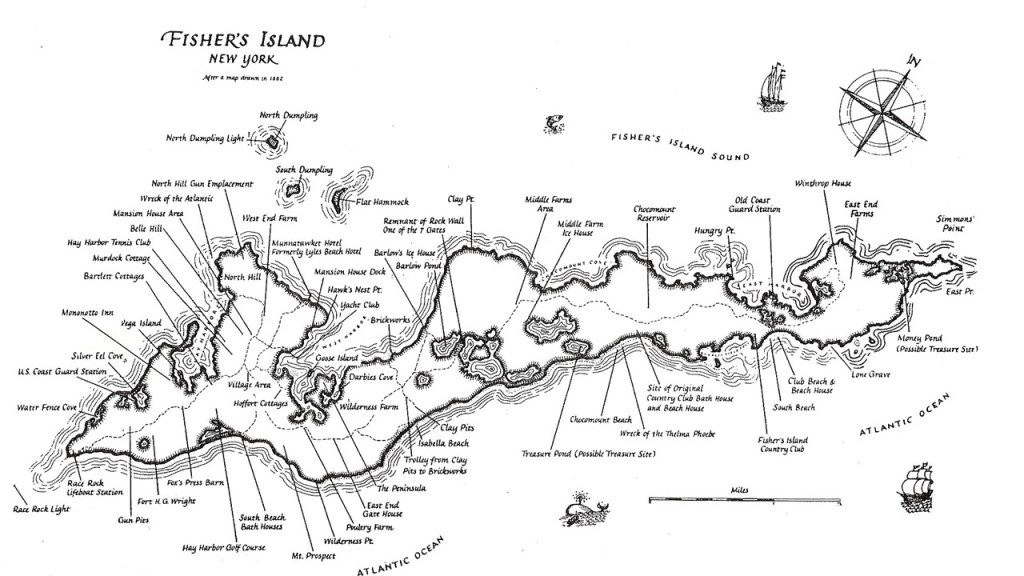
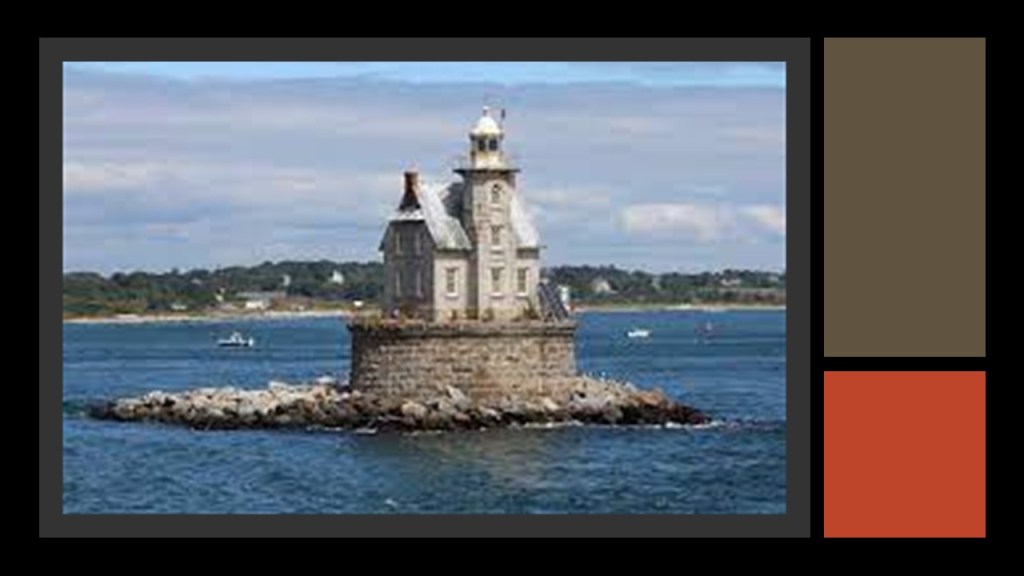
The Race Rock Lighthouse is on Race Rock Reef, a dangerous set of rocks in Long Island Sound southwest of Fishers Island, and the site of many shipwrecks.
Like the previously seen “Orient Long Beach Bar Light” on the other end of the Plum Gut from the Plum Island Lighthouse, the Race Rock Lighthouse stands alone on top of big boulders and surrounded by water.
Now, I am going to spend time looking into what’s found on Long Island.
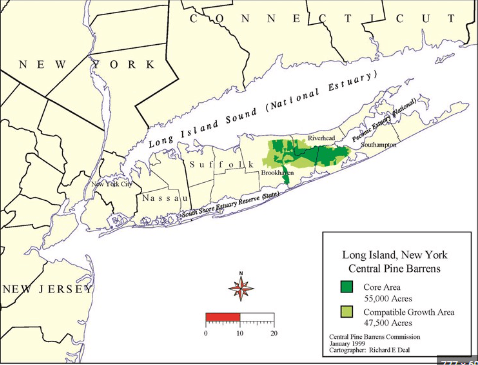
Suffolk County on Long Island’s East End is comprised of six main townships – East Hampton; Southampton, which includes Westhampton; Shelter Island; Southold; Riverhead; and Brookhaven, and includes the Long Island Central Pine Barrens.
I am only going to highlight a noteworthy thing or two found in these places as there is so much to find in eastern Long Island.
The towns of East Hampton and Southampton together are what are known as “The Hamptons,” another one of the historical summer colonies of the wealthy elite in our society.
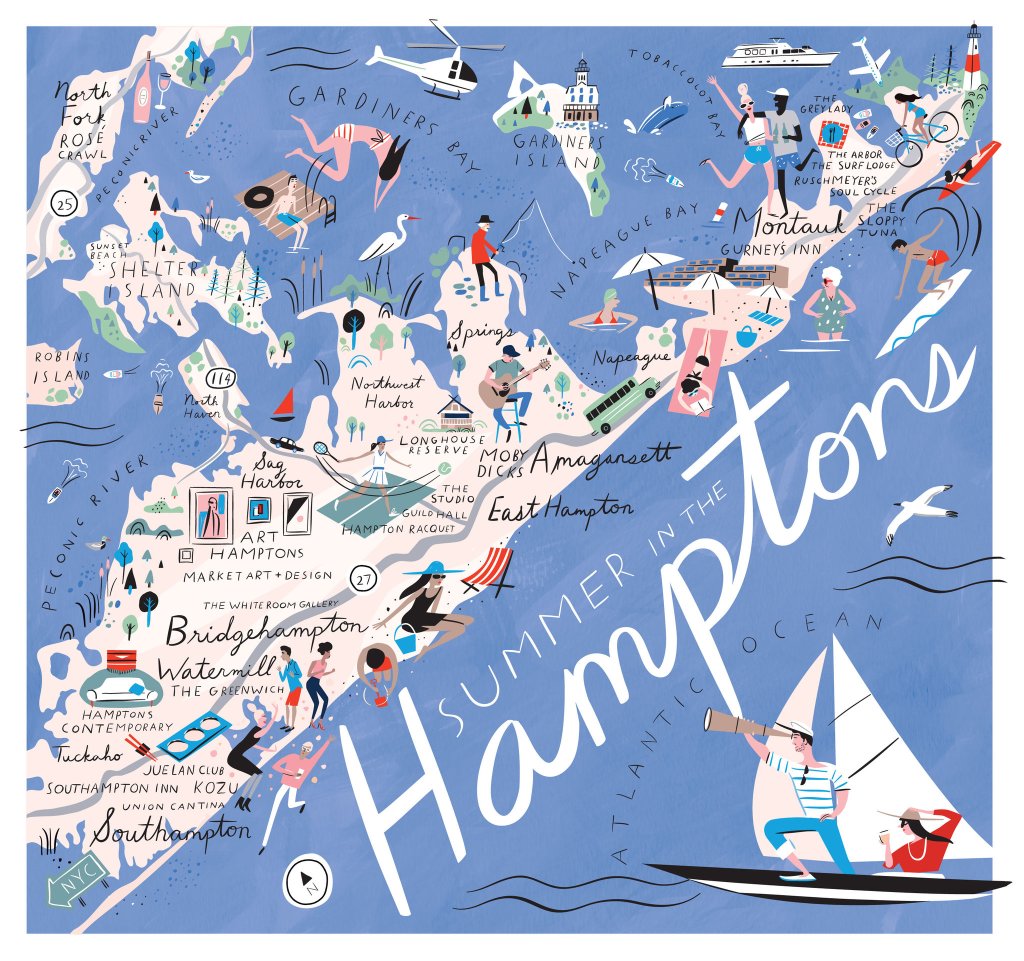
The township of East Hampton is on the eastern end of Long Island’s South Shore.
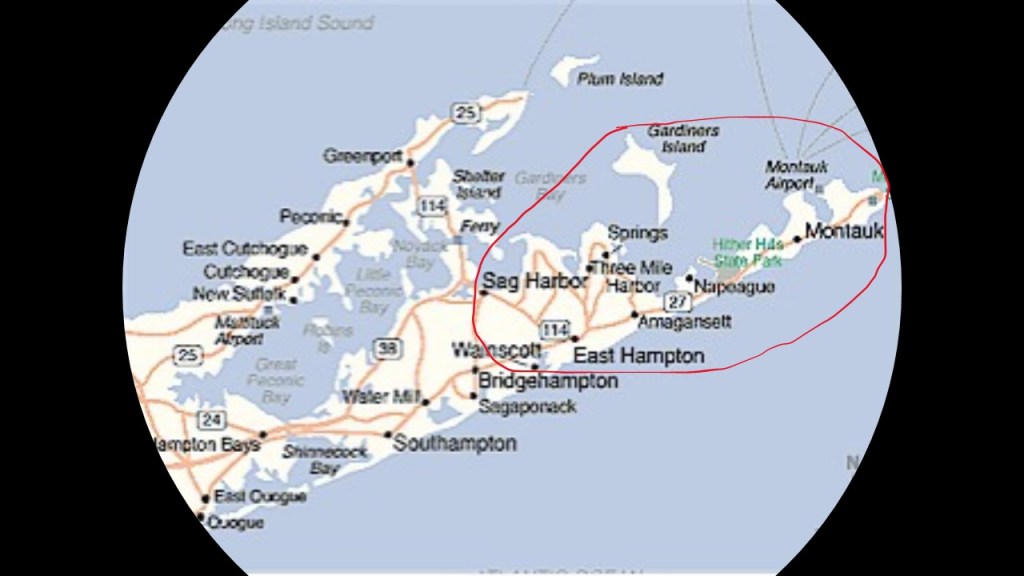
East Hampton includes the following hamlets: Montauk, Springs, Wainscott, Amagansett, part of Sag Harbor, and jurisdiction over the privately-owned Gardiners Island.
The hamlet of Montauk is on the eastern end of Long Island’s South Fork.
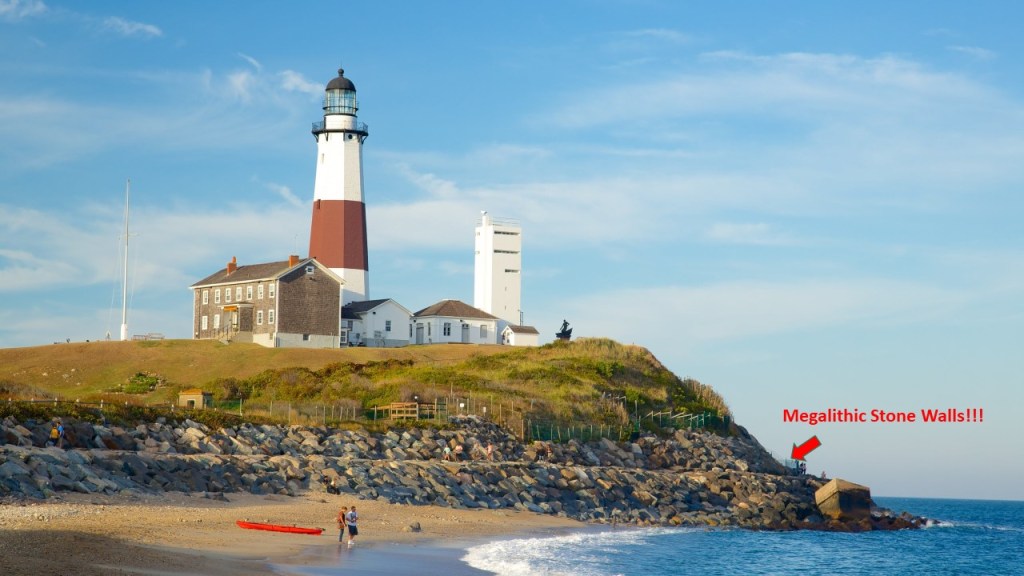
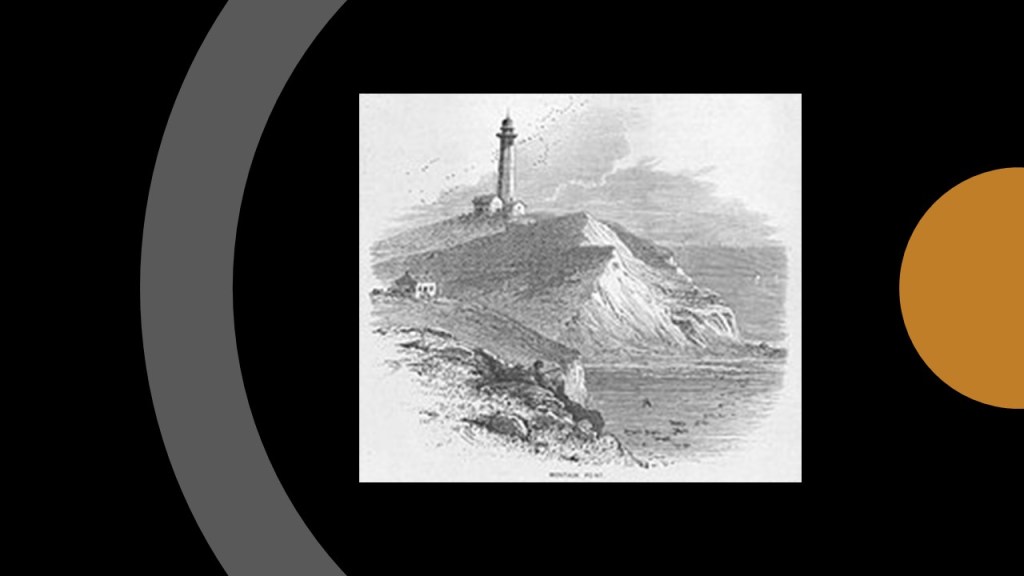
The Montauk Point Lighthouse is on Turtle Hill at the easternmost tip of Long Island, and not only was it said to be the first built within the State of New York, it was said to be the first public works project in the new United States having been authorized by Congress because the port of New York City was the first in the nation in volume in foreign shipping, and shippers were said to have needed a lighthouse at the end of Long Island to guide them along the south side into New York Harbor.
It is said to be the fourth-oldest active lighthouse in the United States, and also a privately-run museum.
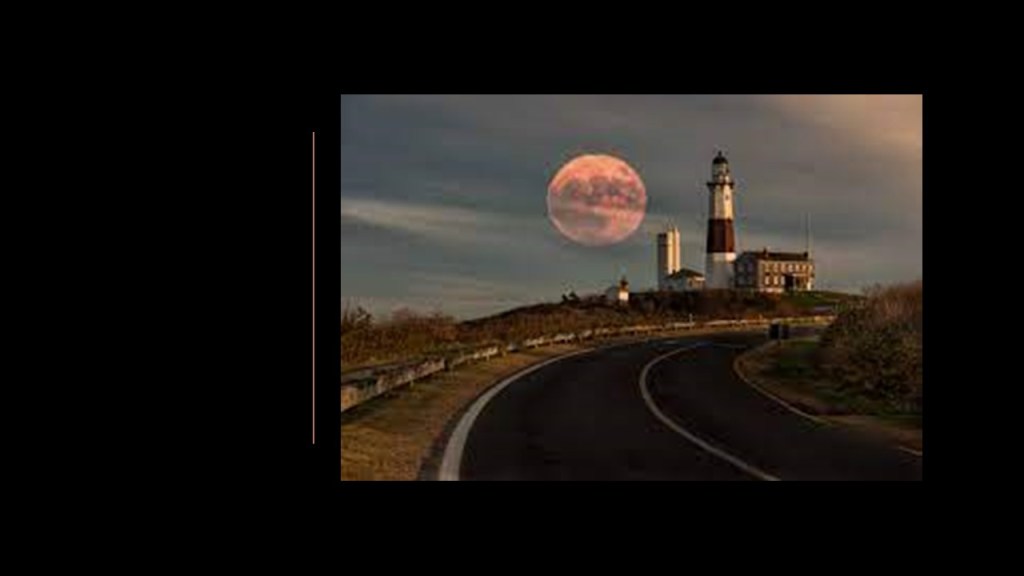
We are told that construction of the lighthouse was authorized by the Second United States Congress in April of 1792 under President George Washington, and that Ezra L’Hommedieu, a prominent lawyer and politician local to the area, chose the location and designed the lighthouse, and that the lighthouse was built between July and November of 1796.
The year of 1792 we are told the authorization to construct the lighthouse was given was the same year that the construction of the Union Canal in Pennsylvania was said to have started under President Washington, which was touted as the “Golden Link” in providing an early transportation route for shipping anthracite coal and lumber to Philadelphia.
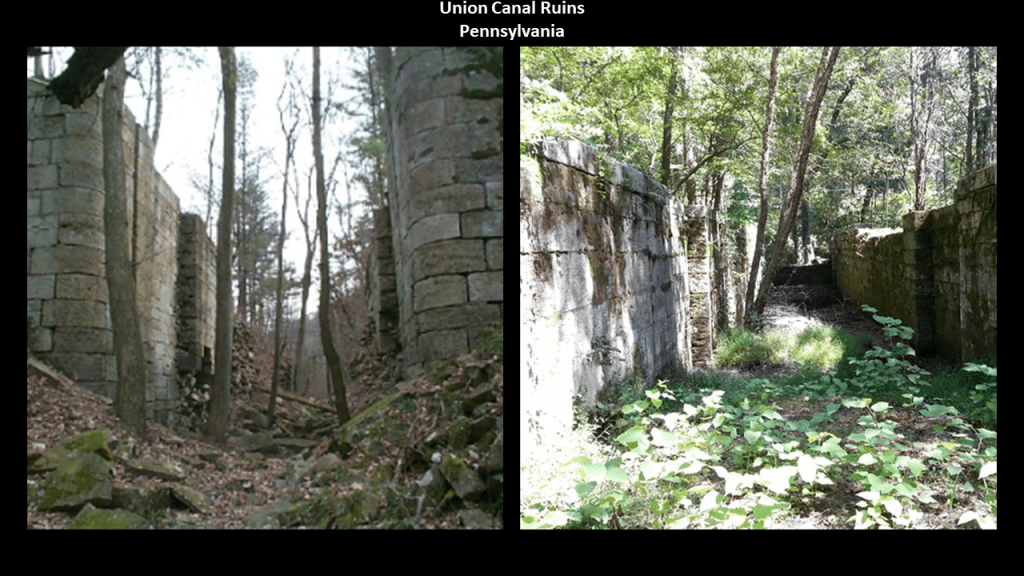
This would have been less than ten years after the end of the American Revolutionary War in 1783, supposedly during a time in our history when society was based on agriculture and not technologically advanced.
Keep in mind they were said to have been doing all of this heavy construction work before the start of the Industrial Revolution in America, which would have been in the 1870s according to our historical narrative.
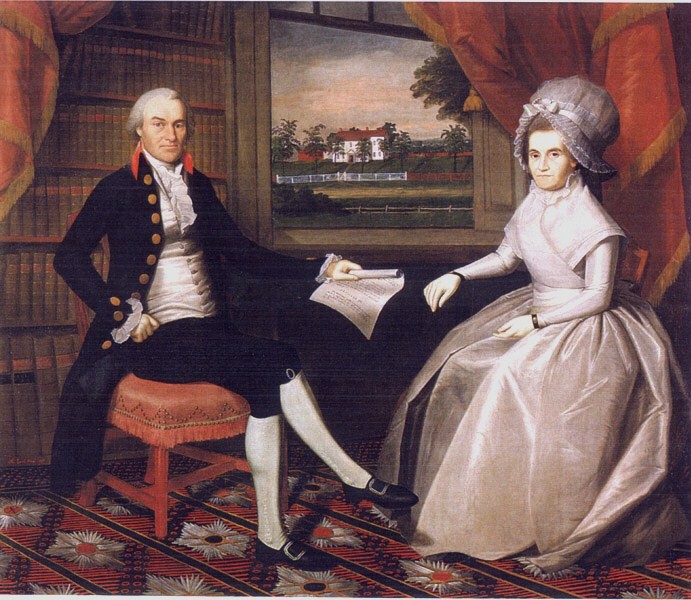
It’s been speculated on alternative media for quite awhile that George Washington and Adam Weishaupt were the same person.
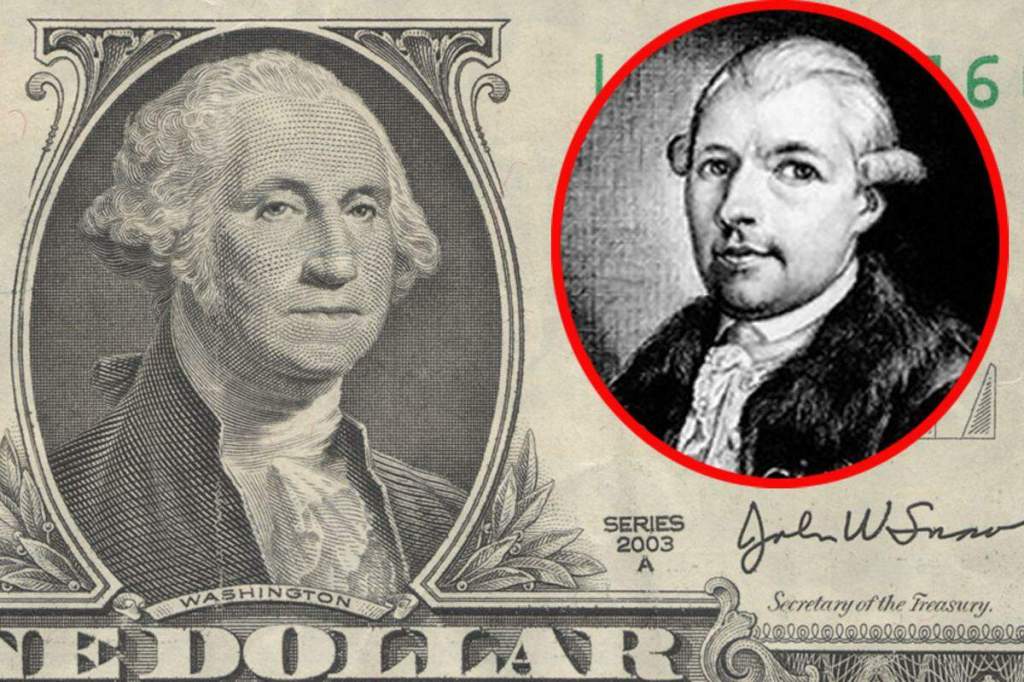
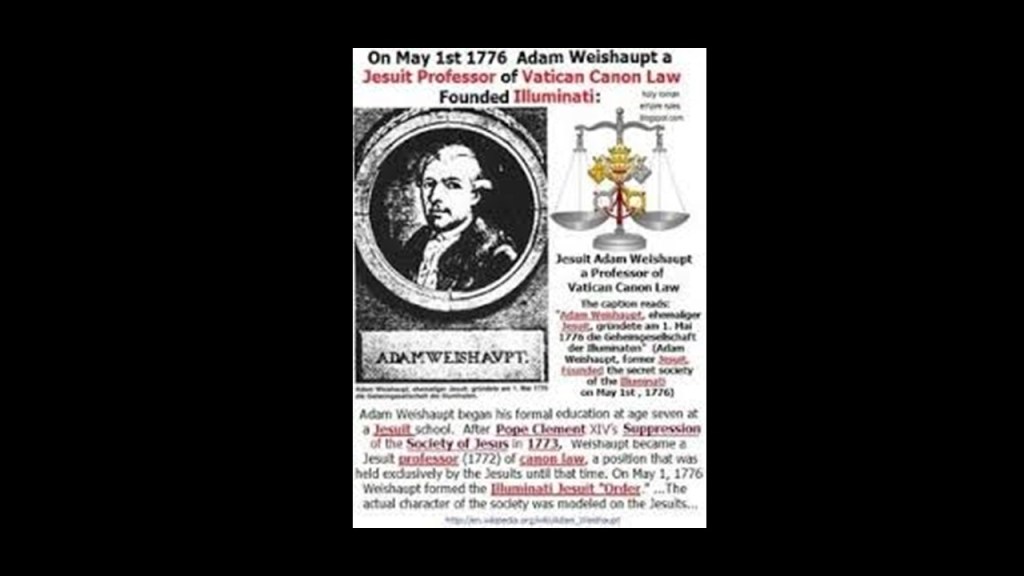
Adam Weishaupt was trained by Jesuits, and was the founder of the Bavarian Order of the Illuminati on May 1st of 1776.
So at the very least they were contemporaries, since the Declaration of Independence was signed only two-months later, on July 4th of 1776.
Back to Montauk Point.
The U. S. Army took over the lighthouse during World War II, and opened Camp Hero, or Montauk Air Force Station, in 1942, adjacent to the lighthouse.
The remnants of Camp Hero are said to be four gun-battery casements, emplacements and concrete fire control towers at the nearby Camp Hero State Park today.
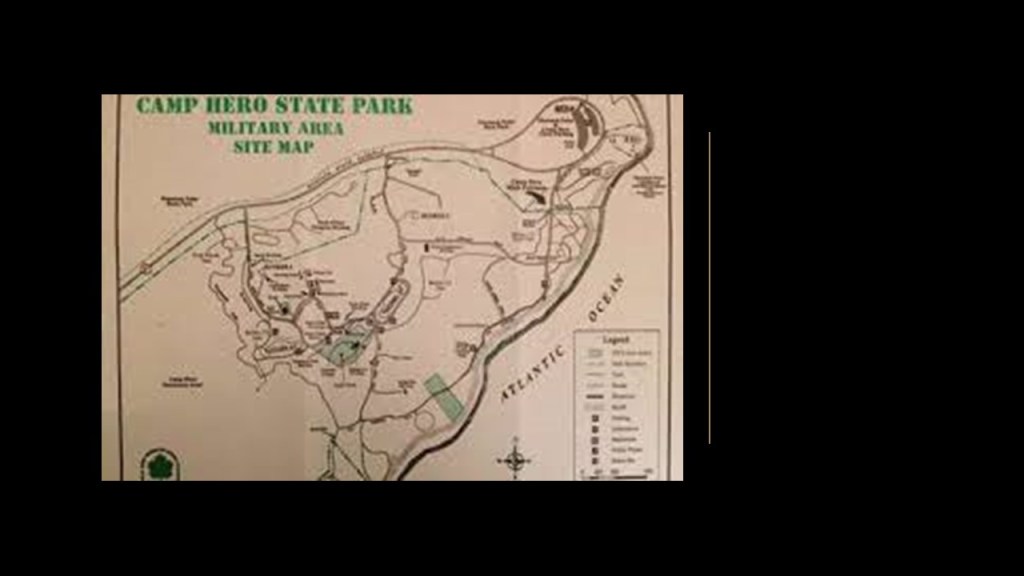
Camp Hero on Montauk Point is alleged to be the location of the Montauk Project, a series of U. S. Government projects with the purpose of developing things like psychological warfare techniques, like MK Ultra, and time-travel research, among others.
We are entering a place on Earth where so-called “Conspiracy Theories” abound, and the Montauk Project is the first of several examples.
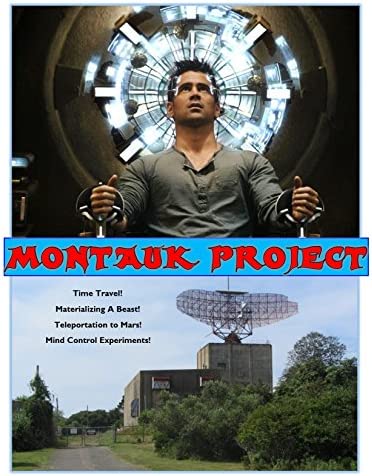
The Conspiracy-Theory Montauk Project was the inspiration for the Netflix show “Stranger Things…”
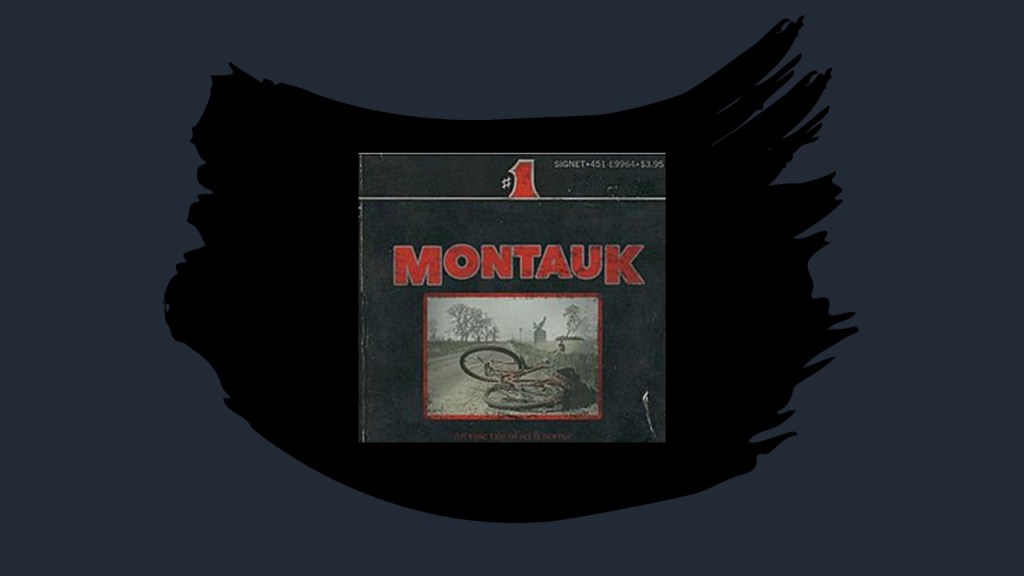
…which was originally billed as “Montauk.”
So far on the East End of Long Island, there was a known Biological Warfare Laboratory on tightly-controlled Plum Island just off-shore in Long Island Sound, and an alleged Psychological Warfare and Time Travel Research Laboratory at Montauk Point’s Camp Hero.
What else could there possibly be here on Long Island’s East End?
Let’s see what comes up.
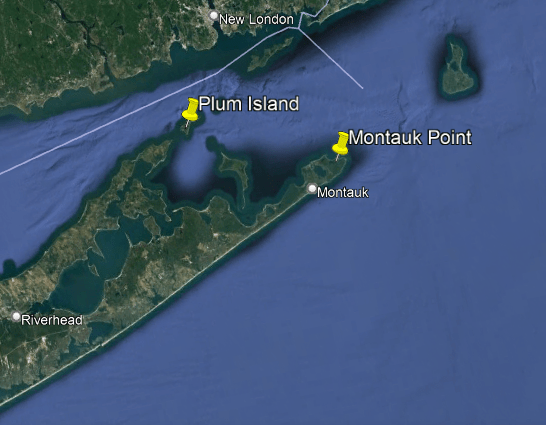
Southampton, which includes Westhampton, is partially located on the South Fork, and stretches west along the coastline.
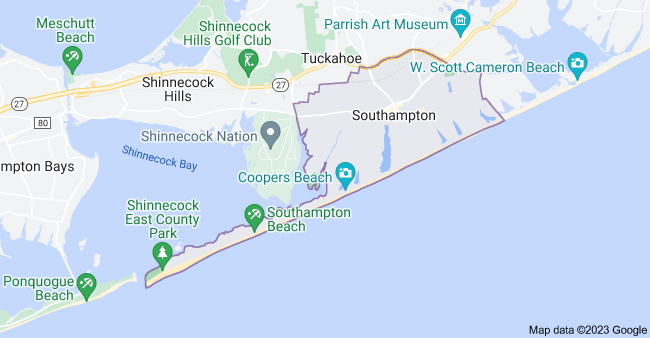
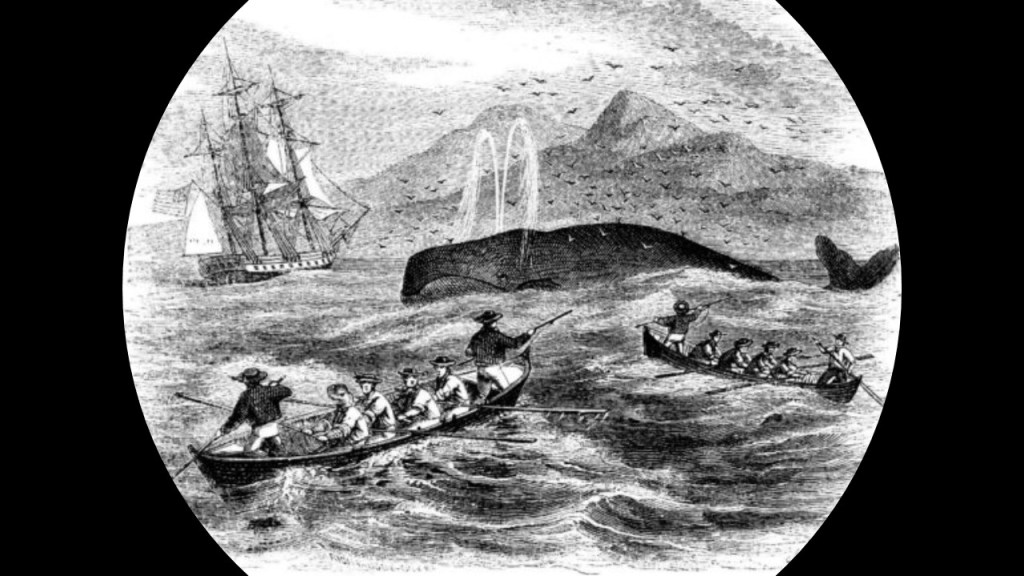
We are told that Southampton was founded in 1640 by a group of ten settlers from Lynn, Massachusetts, who obtained land from the Shinnecock Nation by signing a lease, and the town grew quickly and over the next few years, established an early whaling industry here.
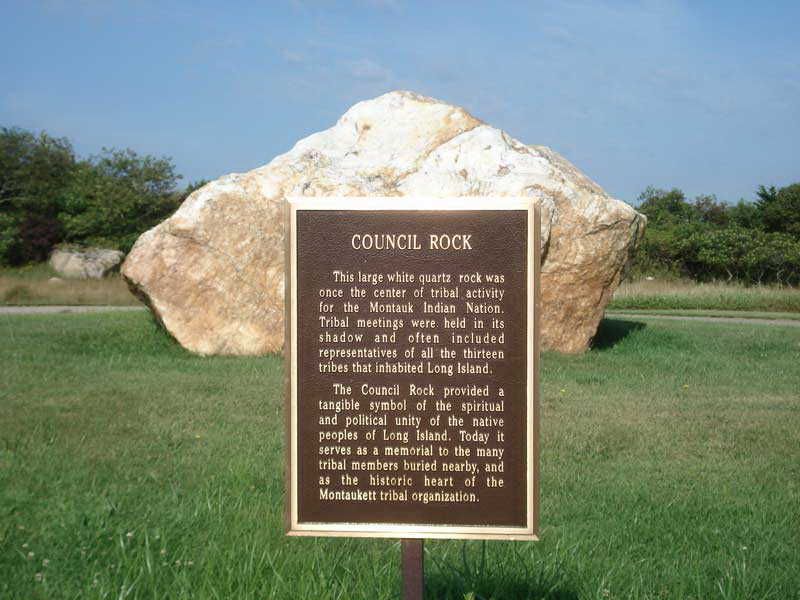
The Algonquin Shinnecock Nation’s reservation is in Southampton, and we are told, among thirteen indian tribes on Long Island, largely based on kinship.

In 2005, the Shinnecock filed a lawsuit against the State of New York seeking return of 3,500 acres, or 14 km-squared, in Southampton, and billions of dollars for damages, challenging the State Legislature’s approval of an 1859 sale of 3,500 acres of tribal land.
The disputed land included the Shinnecock Hills Golf Course.
In 2006, the court ruled against the Shinnecock Nation, however, finding the lawsuit was barred by laches, or a lack of diligence or activity for making a legal claim or moving forward with legal enforcement of a right.
They did finally receive federal recognition in 2010, after a 30-year effort that included suing the Department of the Interior.

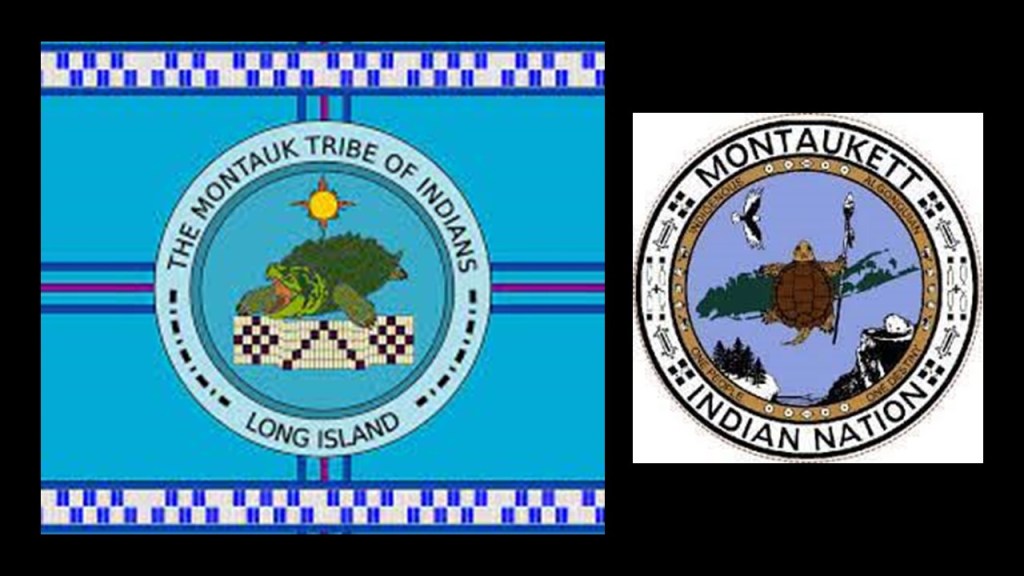
Their historic neighbors to the East on Long Island, the Montauks, or Montauketts, once resided in large numbers on the eastern end of Long Island.
In 1910, a Judge ruled that the Montauks no longer existed as a tribe and were disenfranchised from their ancestral lands.
Today the Montauk are actively working towards the reversal of this decision, as well as the revitalization of their language and culture.
Interesting to note there is a “Pharoah” surname amongst the Montauks.
This a painting of David Pharaoh of the royal family of the Montauk tribe., depicting sand dunes, just like what we saw earlier where northern Indiana meets the southern shore of Lake Michigan.
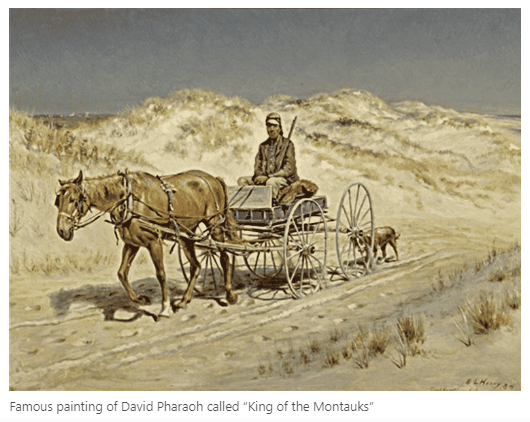
He lived between 1835 and died on July 18th of 1878. He was buried in the Indian Field Cemetery on the old reservation lands on East Lake Drive in Montauk.
Princess Pocahontas Pharaoh was born on February 15th of 1878, the last Montauk born on the Montauk Reservation at Indian Field on Montauk Point, a year before the reservation was sold.
She was the youngest daughter of King David Pharaoh and Queen Maria Fowler Pharaoh of the Montauk Tribe.
The King of the tribe always came from the Pharaoh family.

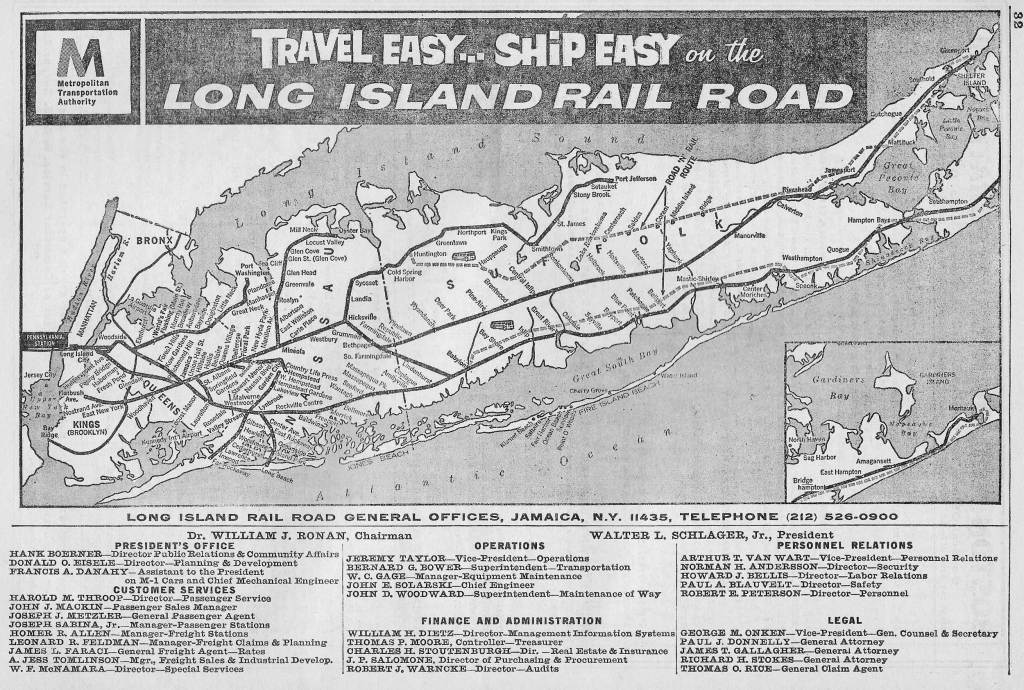
Pocahontas Pharaoh was born in the middle of efforts by Arthur Benson and the Long Island Railroad to force the Montauks off their Land.
Benson purchased Montauk in October of 1879 for $151,000 and allowed for the expansion of the Long Island Railroad through it.
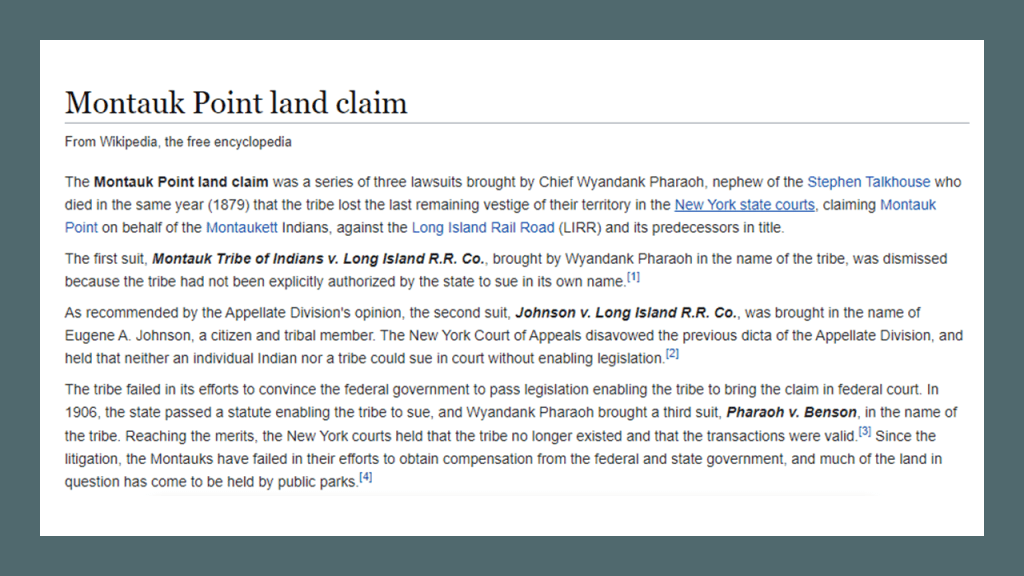
In 1897, King Wyandanch Pharaoh, Pocahontas’ brother went to court to try to get the Montauk land back and fought until 1910, at which time a New York court held that the Montauk Tribe was extinct and stripped the nation of its tribal lands.
Interesting side-note that at least in the Romance languages, the word for lighthouse includes the root sound of “Far”:
In Italian and Spanish, the word for lighthouse is “Faro;” In French, the word for lighthouse is “Phare;” in Portuguese, it is “Farol;” and in Romanian “Far.”
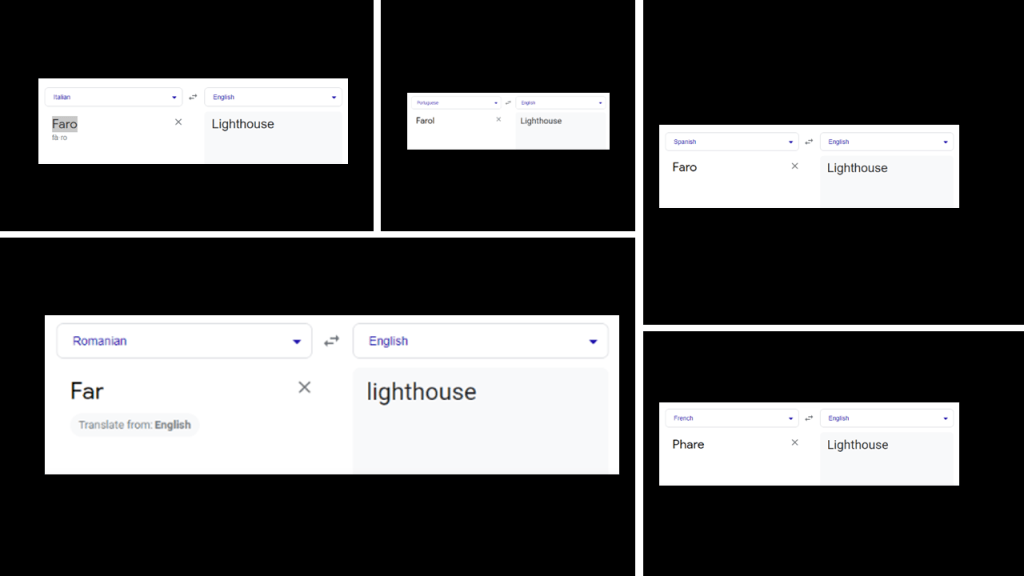
They are spelled and sound like they are related to the word “Pharaoh,” which we are told was the common title for monarchs of ancient Egypt from the First Dynasty, starting in 3,150 BC, up to the annexation of Egypt by the Roman Empire in 30 BC.
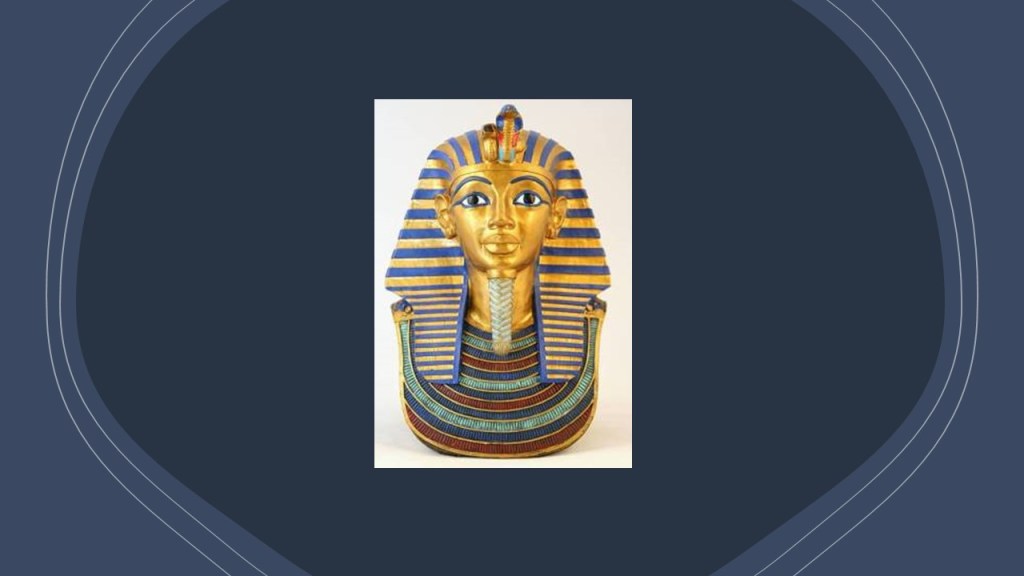
Throwing this information into the mix for consideration since both a lighthouse and pharaohs are found on Montauk Point.
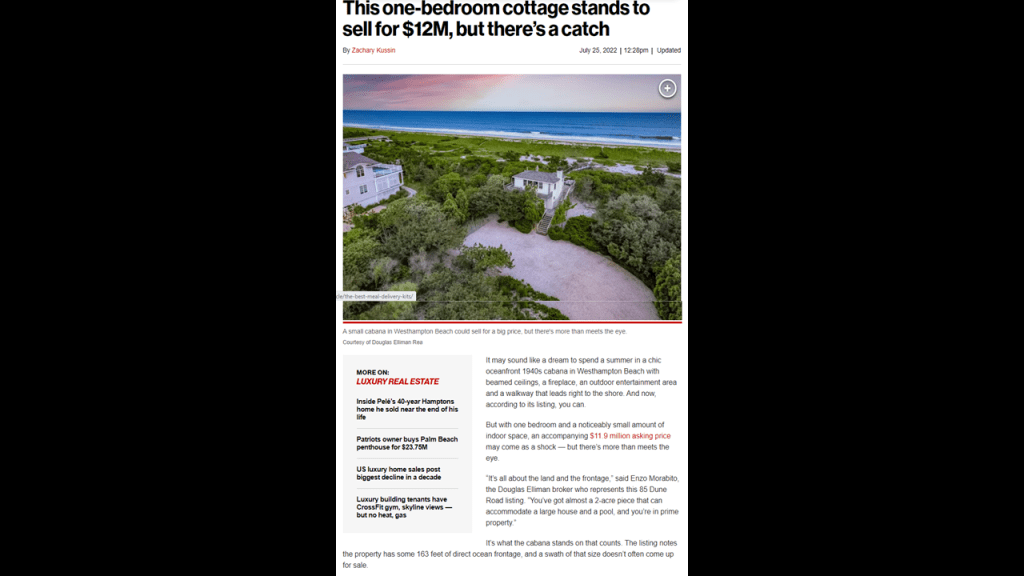
Southampton is on the eastern side of the Long Island Central Pine Barrens, and the Central Pine Barrens Planning Commission is in Westhampton Beach, on the western side of Southampton…
…where you find the Westhampton dunes…
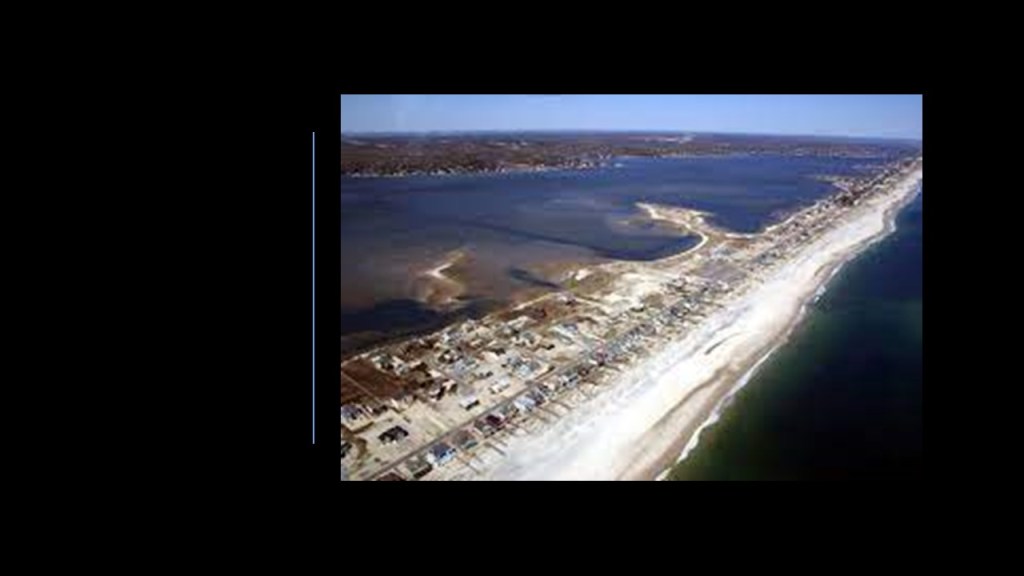
…considered prime land and luxury real estate for those that can afford it…
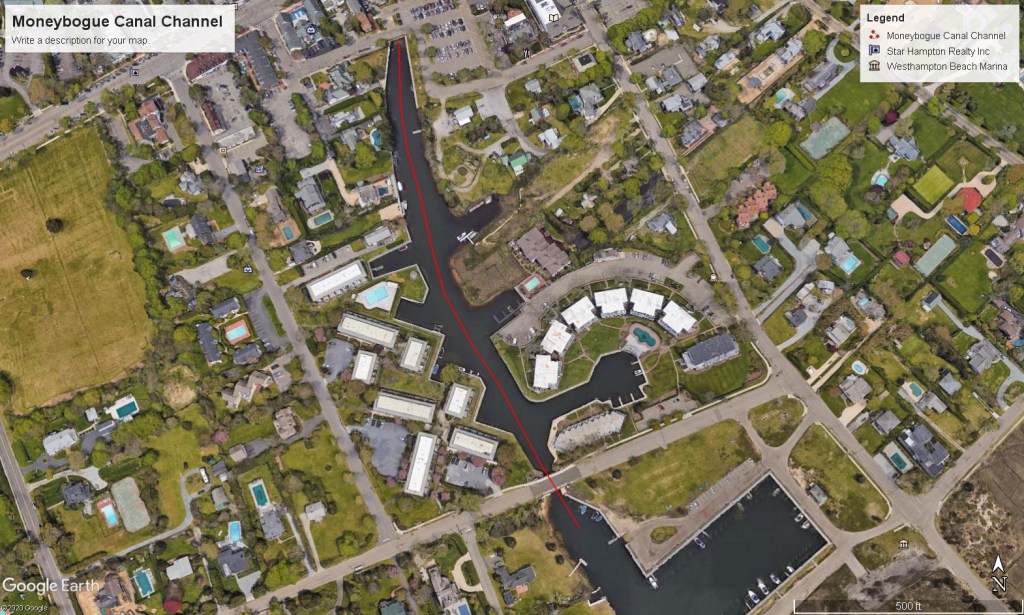
…and canals, like the Moneybogue Canal, which requires dredging to get rid of the sediment at the bottom of the waterway.
The Long Island Central Pine Barrens is called Long Island’s largest natural area and last remaining wilderness.
The Pine Barrens recharge a federally-designated sole source aquifer for Long Island’s fresh drinking water, which comes from groundwater wells.
Almost all of Long Island’s Peconic and Carmans Rivers, and their watersheds, two of the four major rivers here, are in the Pine Barrens, seen here with their S-shaped bends.
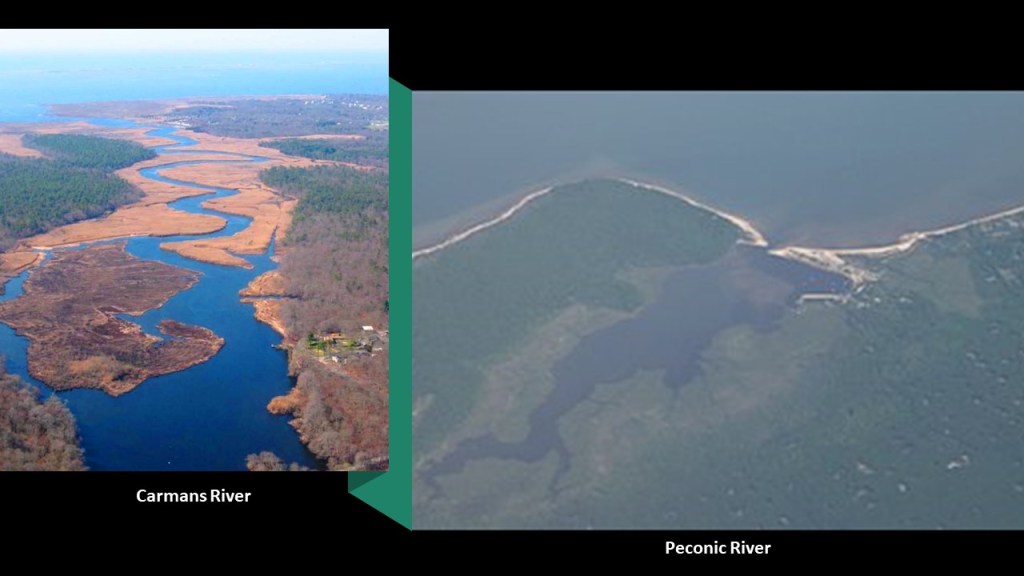
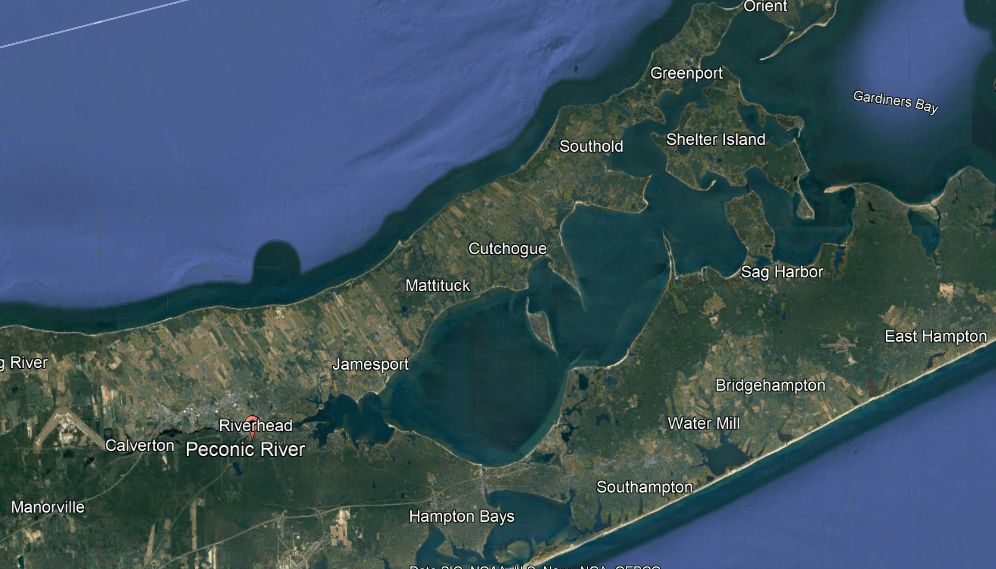
The Peconic River drains an area between the Harbor Hill Moraine, flowing into Flanders Bay, and connecting to Peconic Bay, the bay between Long Island’s North and South Forks, east of Riverhead.
It originates in bogs and wetlands in Central Long Island, and is freshwater until it becomes an estuary in Riverhead, a town and township on the northern edge of the Pine Barrens.
The Harbor Hill Moraine that skirts the North Shore of Long Island was said to have resulted from advancing glaciers 18,000 years ago…
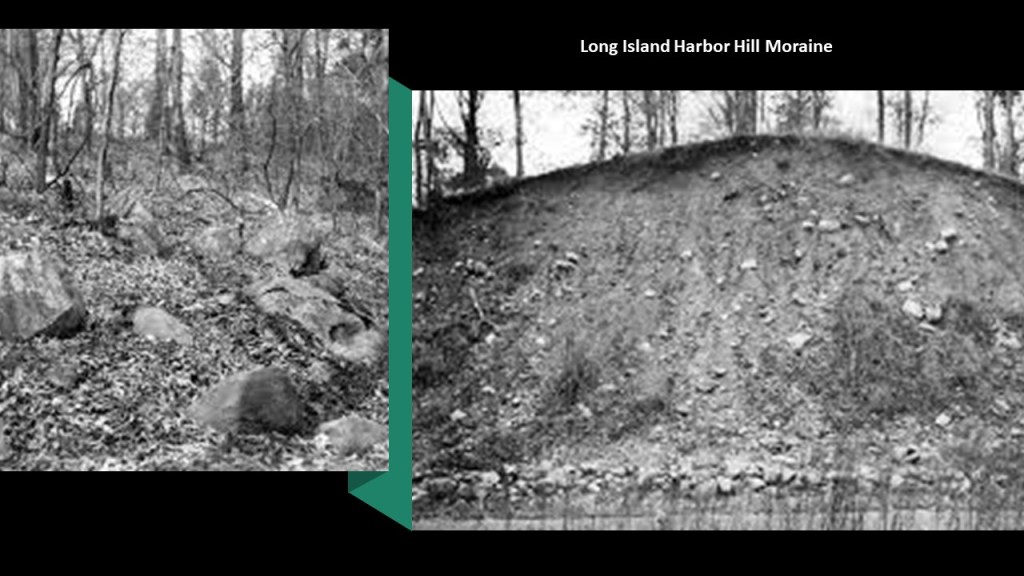
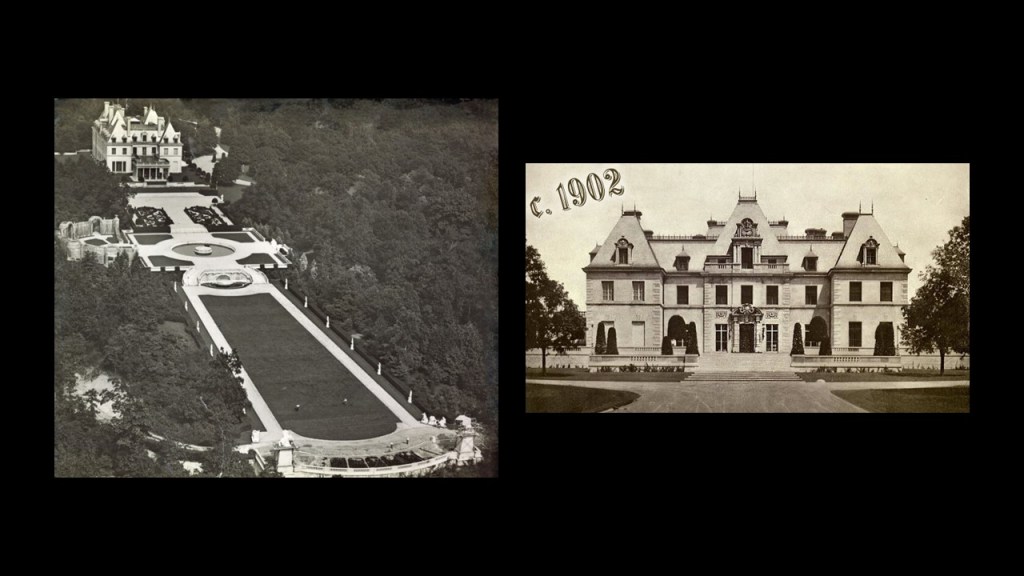
…and named for Harbor Hill in Roslyn, New York, the highest point in Nassau County, where the Harbor Hill Mansion was said to have been built between 1899 – 1902 for the telecommunications magnate Clarence Hungerford Mackay, and designed by Stanford White of the architectural firm of McKim, Mead and White.
Next, I am going to take a look at what is found near the town of Brookhaven, which borders the Long Island Central Pine Barrens to the southwest.
The town of Brookhaven on Long Island is the namesake of the Brookhaven National Laboratory in nearby Upton, a U. S. Department of Energy Laboratory.
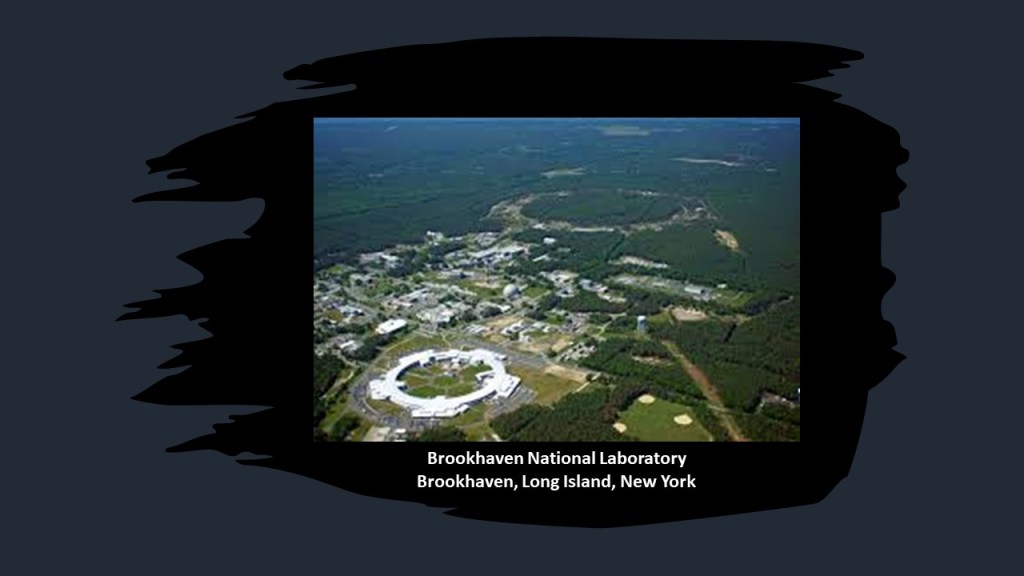
The Brookhaven National Laboratory is located on the site of the former Camp Upton, a U. S. Army facility first established in 1917 during World War I to house troops awaiting deployment overseas, and during World War II, it was used as an internment camp for Japanese, German, and Italian citizens living in New York or serving on merchant vessels, since the U. S. was at war with these three countries.
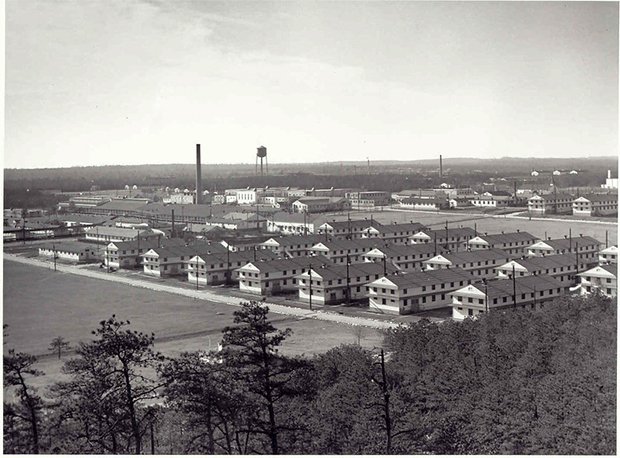
The Department of Energy National Laboratory was established in 1947, with a stated desire to “explore peaceful applications for atomic energy” after World War II.
The Laboratory has developed a broader mission over time, including: nuclear and high-energy physics; physics and chemistry of materials; nanoscience; energy and environmental research; national security and nonproliferation; neuroscience; structural biology; and computational sciences.
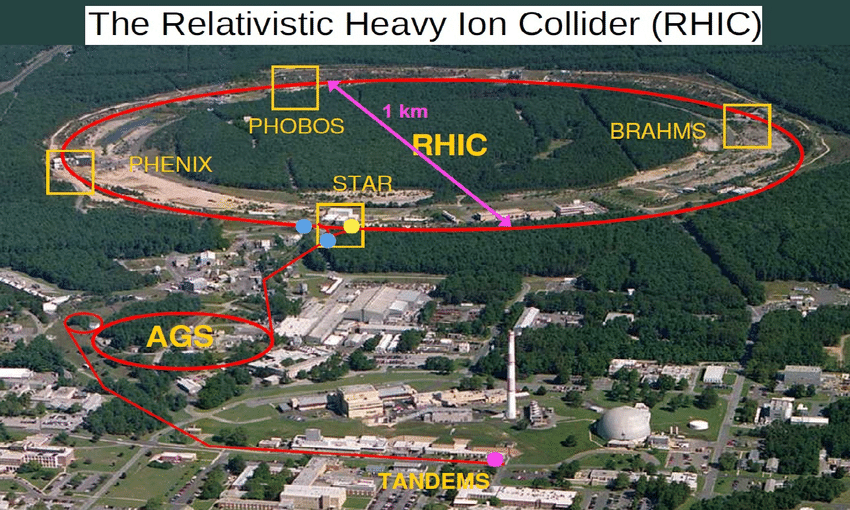
The research facilities of Brookhaven National Laboratory include the Relativistic Heavy Ion Collider (RHIC), the first and one of two operating heavy-ion colliders, and only spin-polarized proton collider ever built.
It is also said to be the only operating particle collider in the United States, as physicists study the primordial form of matter that existed in the Universe after what we are told was the “Big Bang,” a physical theory mentioned earlier in conjunction with the Horn Antenna operated by the Bell Labs in Holmdel, New Jersey, about an event that describes how the Universe expanded from an initial state of high density and temperature.
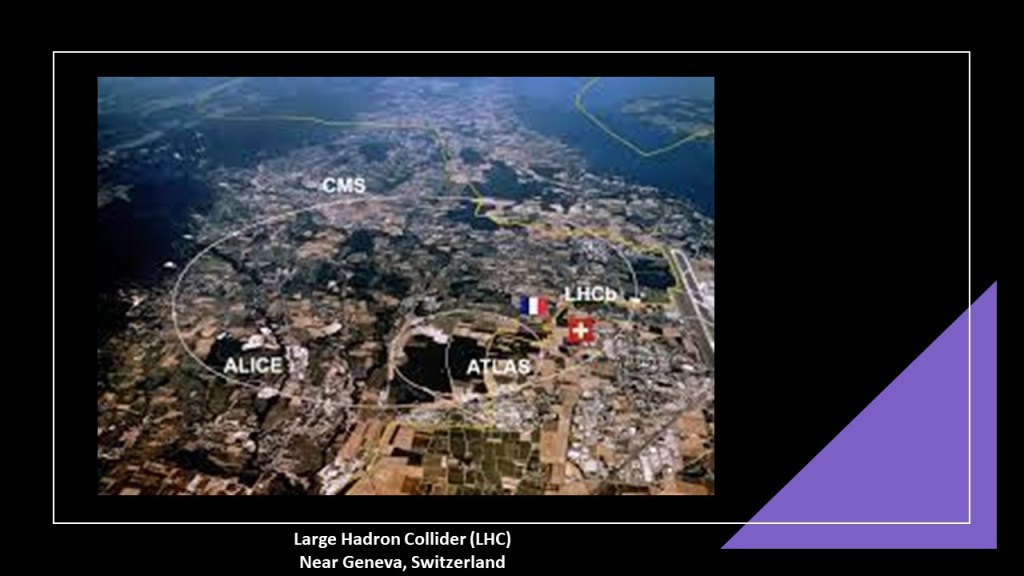
The world’s other operating heavy-ion collider is the Large Hadron Collider, also known as CERN, near Geneva, Switzerland, said to be doing the same thing as its mirror on Long Island, studying the primordial form of matter in the Universe that existed after the “Big Bang.”
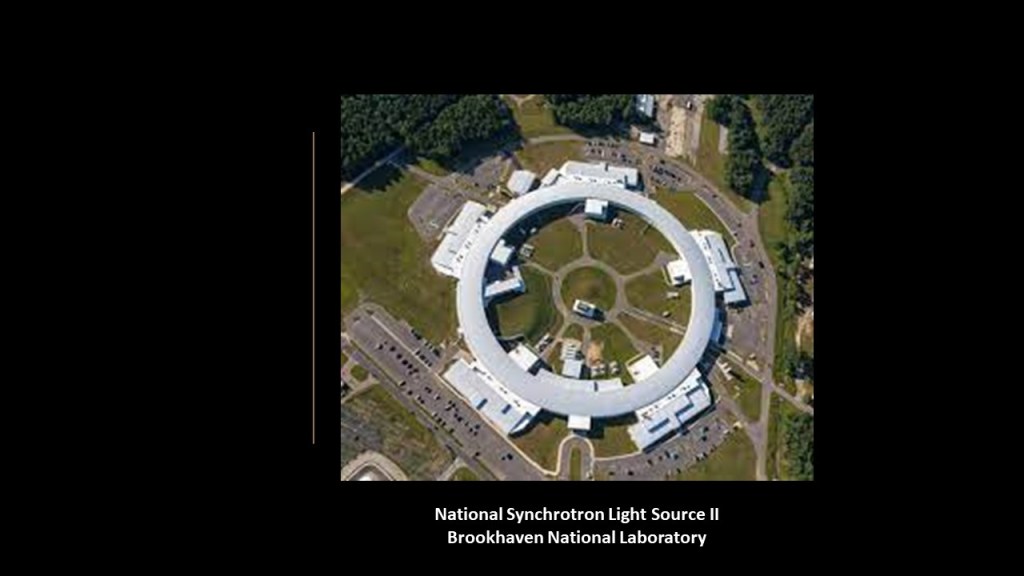
In addition to the RHIC, the Brookhaven hosts the National Synchrotron Light Source II, designed to produce x-rays 10,000-times brighter than the original National Synchrotron Light Source at Brookhaven National Laboratory.
We are told it supports basic and advanced energy technologies in a wide-variety of applications, from nano-catalyst-based fuel cells to economical use of solar energy in high-temperature superconductors in a high-capacity and high-reliability electric grid.
So, along with biological warfare research at Plum Island and psychological warfare and time travel research with the Montauk Project at Camp Hero, we have the Brookhaven National Laboratories on Long Island’s East End studying things likeatomic and high-energy physics.
In Stephanie McPeak Petersen’s previously mentioned video on “The Golden Fleece of Tartaria,” she also mentioned Nikola Tesla’s Wardenclyffe Tower in the section where she was discussing the subject of bells and low extremely frequencies, in which she gave the previously mentioned example of the connection to the Bay Area Regional Deformation (BARD) Seismic Network, which has a bore-hole beneath the Berkeley Campanile.
Interesting to note we have seen one bell-tower already on this Pine Barren alignment, the one at the Pilgrim Monument at Provincetown at the tip of Cape Cod, the tallest granite structure in this United States, a sonorous rock that rings like a bell when struck.
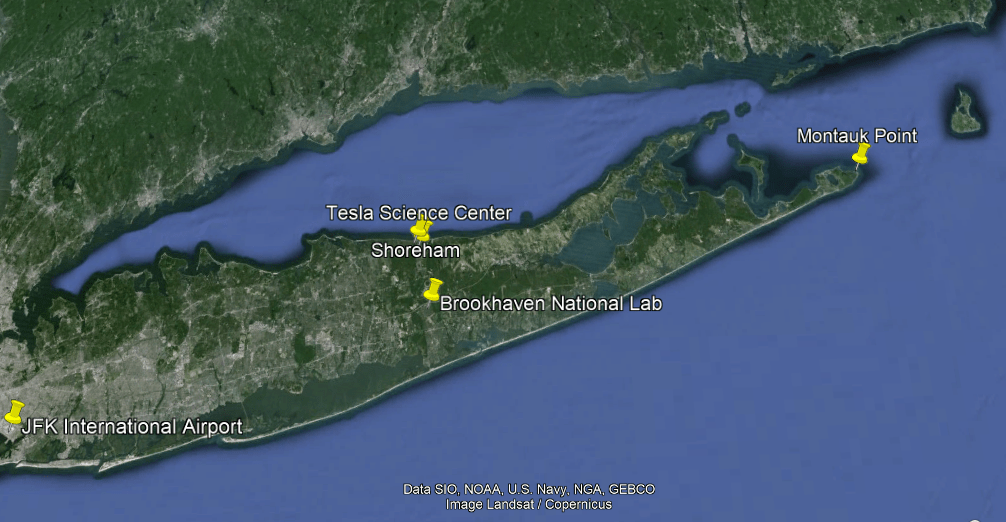
It turns out that the former location of the Wardenclyffe Tower was in Shoreham on Long Island, located on the North Shore of Long Island and a short distance north of Brookhaven and the National Laboratory.
The Wardenclyffe Tower was said to have been built on land next to a railroad line by Tesla between 1901 and 1902 as an early experimental wireless transmission station based on his theories of using the Earth to conduct the signals.
Stanford White, of the already seen architectural firm of McKim, Meade, and White, was said to have designed the original brick building and tower which the Wardenclyffe Tower sat beside.
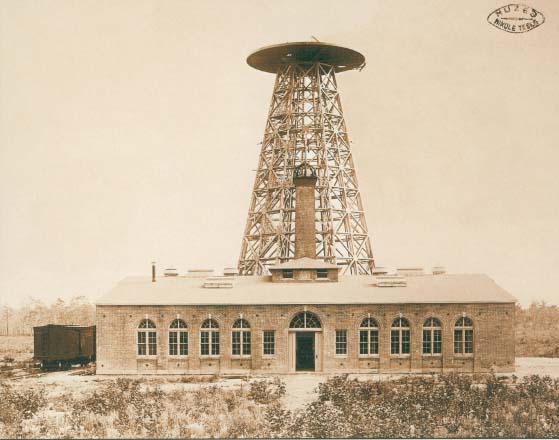
We are told that the primary financial backer of Tesla’s project was J. P. Morgan until he refused Tesla’s request for more funding to increase the size of the facility and implement his ideas of wireless transmission to compete better with Marconi’s radio-based telegraph system.
By 1906, we are told the project was abandoned because there were no further investors and that by 1917, which would have been during World War I, the tower was demolished for scrap.
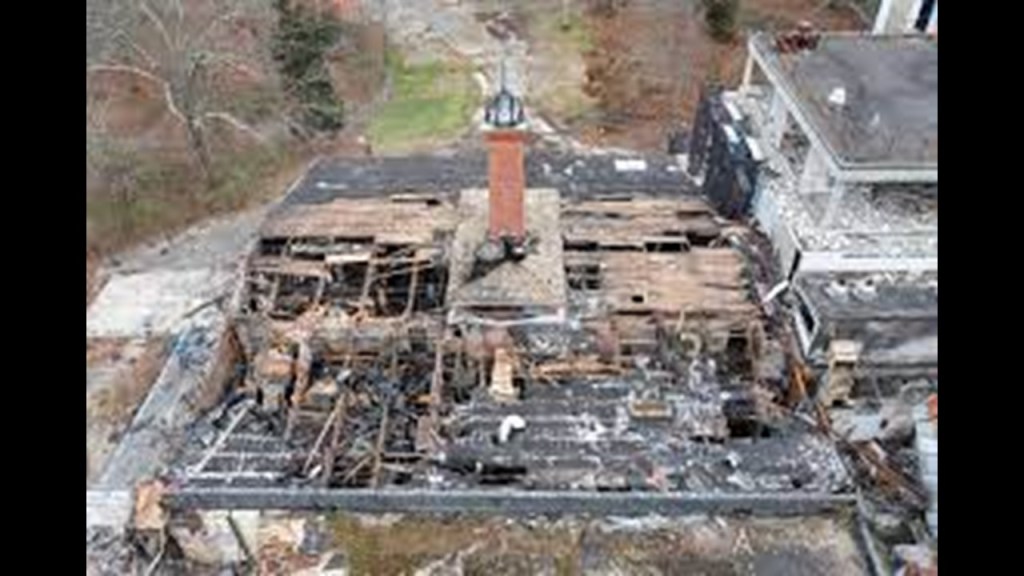
The brick building next to it remained standing up until relatively recently, and part of the Tesla Science Center.

A mysterious fire late last year, in November of 2023, severely damaged Tesla’s last remaining laboratory.
This fire happened just before the start of a significant renovation and restoration project that was poised to get started for which millions of dollars had been raised.
There’s a couple of things I would like to bring forward from all this information on the Wardenclyffe Tower.
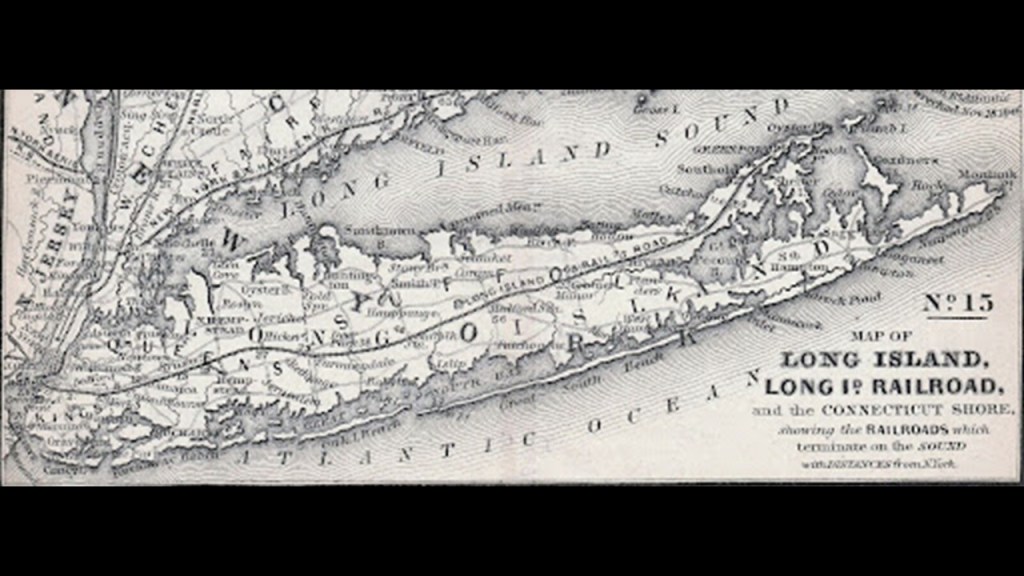
The first thing is that when I was looking for historic maps of the railroad on the North Shore of Long Island, I noticed the New York, New Haven & Hartford Railroad running along the opposite shoreline.
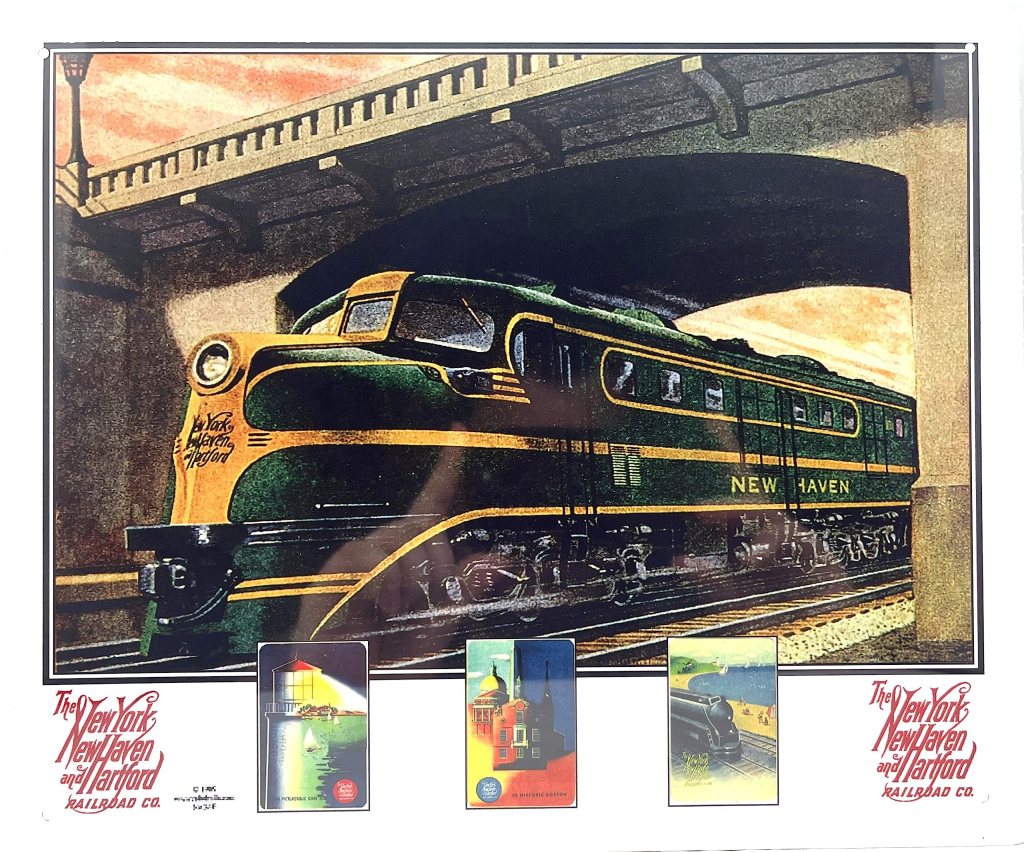
The New York, New Haven & Hartford Railroad started operating in 1872, having been formed by a merger of two railroads, the Hartford and New Haven Railroad, which began service in 1839, and the New York and New Haven Railroad, which began service in 1844.
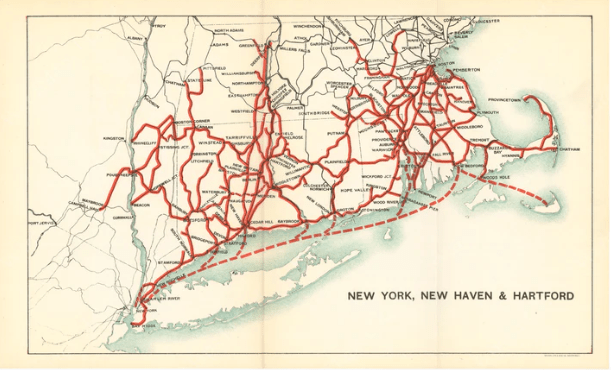
We are told that starting in the 1890s, financier J. P. Morgan wanted to monopolize New England’s transportation system by this railroad’s acquistion of fifty companies, including railroad and steamship lines, and also a network of electrified streetcar lines was built that provided interurban transportation between the cities of southern New England, and by 1912, the New Haven operated more than 2,000-miles, or 3,200-kilometers of track, with an estimated 120,000, and monopolized traffic from New York City to Boston
So what happened to all of that ?
In this case, what we are told was that the New Haven’s debt soared due to construction costs and the advent of automobiles, etc, reduced profits, and in 1913 the federal government filed an anti-trust lawsuit, which forced the New Haven to divest of its electric streetcar system. By 1935, the railroad declared bankruptcy for the first of several times, and of several railroads, all of which ended up declaring bankruptcy.
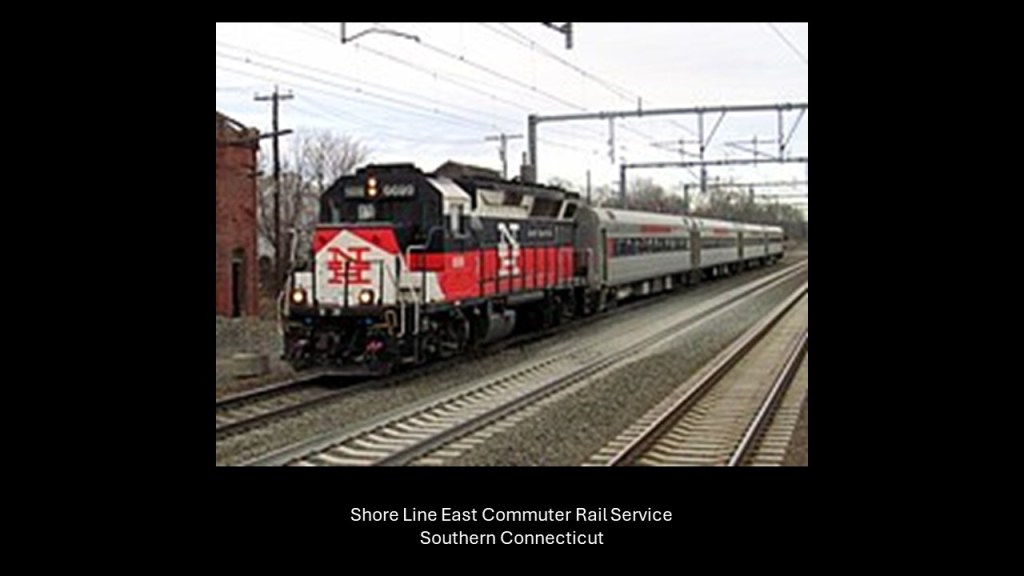
What’s left of the operating lines today are publicly owned and operated by their respective states as commuter rail, or privately owned by freight railroads like CSX.
Otherwise, like the examples we have already seen, many abandoned lines have been turned into rail-trails.
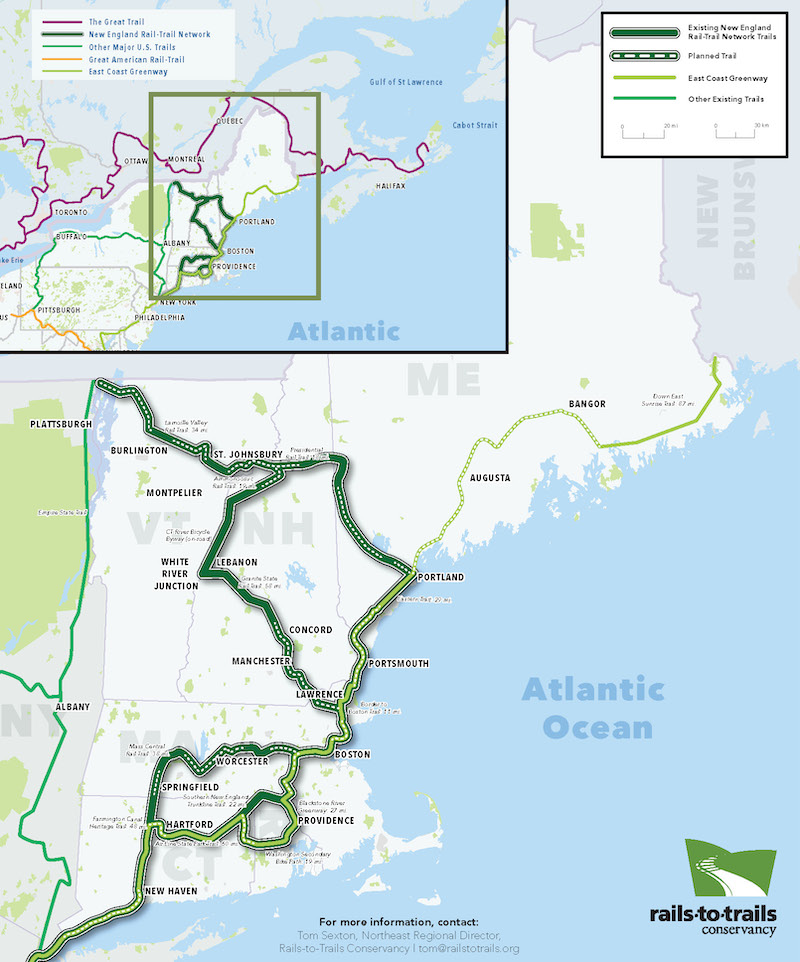
The second thing I would like to bring forward is JP Morgan, who we are told was Nikola Tesla’s primary fiunancial backer.
His name keeps popping up here, from this railroad information, to Wardenclyffe Tower, to his previously mentioned connection to the Century Association, a private club for movers and shakers that was first established in 1847.
J. P. Morgan was a major driving force behind the wave of industrial mergers in the United States in the late 19th- and early 20th-centuries, including U. S. Steel in 1901, among many other mergers.

J. P. Morgan has also long been rumored of having been behind what has come down to us as the sinking of the Titanic.
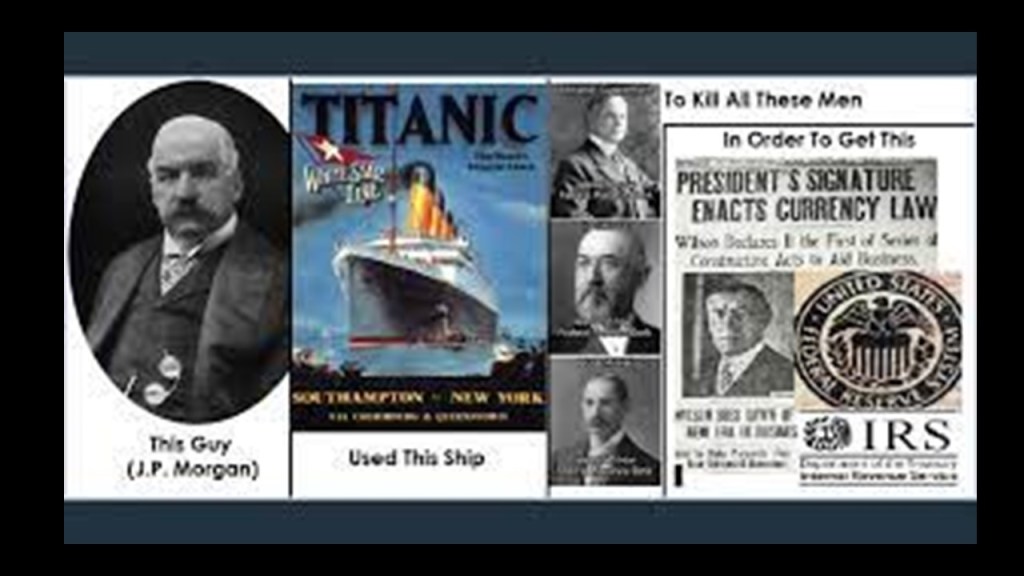
J. P. Morgan’s father, Junius Spencer Morgan, was the founder of the company that would become J. S. Morgan & Company in 1864, that was the successor company to George Peabody & Company, of which he became the Junior Partner in October of 1854.
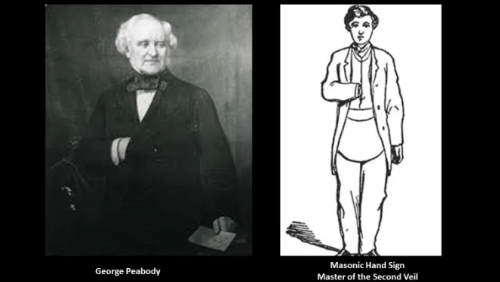
In 1854, Morgan was put in charge of the firm’s iron portfolio, which included the marketing of railroad bonds in London and New York.
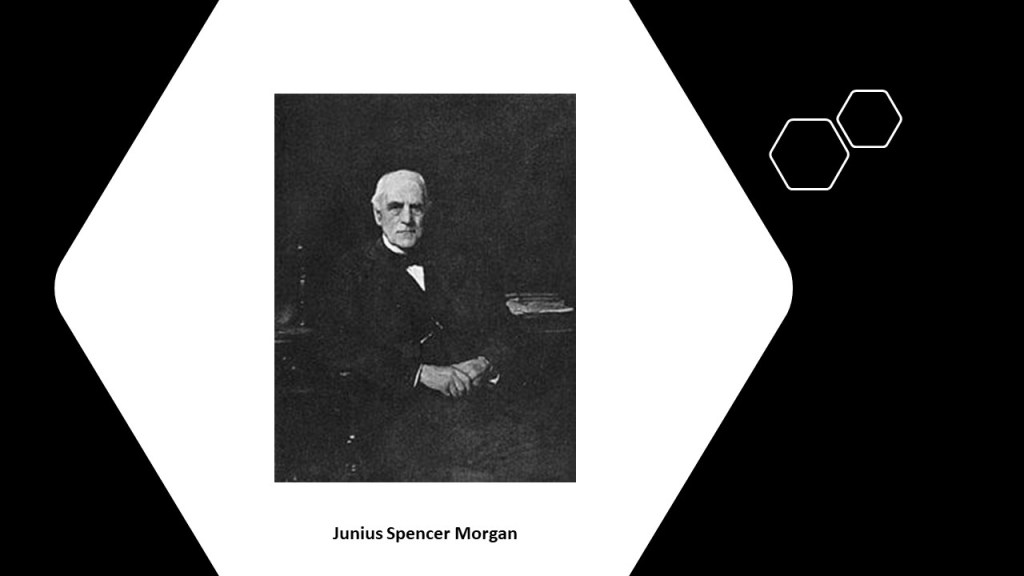
By the time J. S. Morgan died in 1890, the Morgan banks were the dominant forces in government and railroad finance, and his son John Pierpont Morgan had taken the helm of the company, becoming known as. J. P. Morgan & Company in 1895, now known as JP Morgan Chase & Company.

Now back to Long Island.
Going in a southwesterly direction on Long Island, we come to the long and narrow Great South Bay.
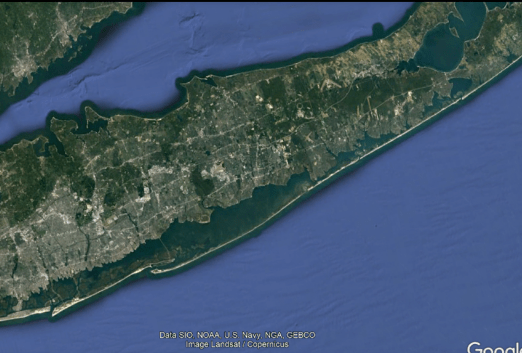
The Great South Bay is described as a lagoon that is 45-miles, or 72-kilometers-, long, and has an average depth of a little over 4-feet, or 1.2-meters, and is 20-feet, or 6-meters, at its deepest.

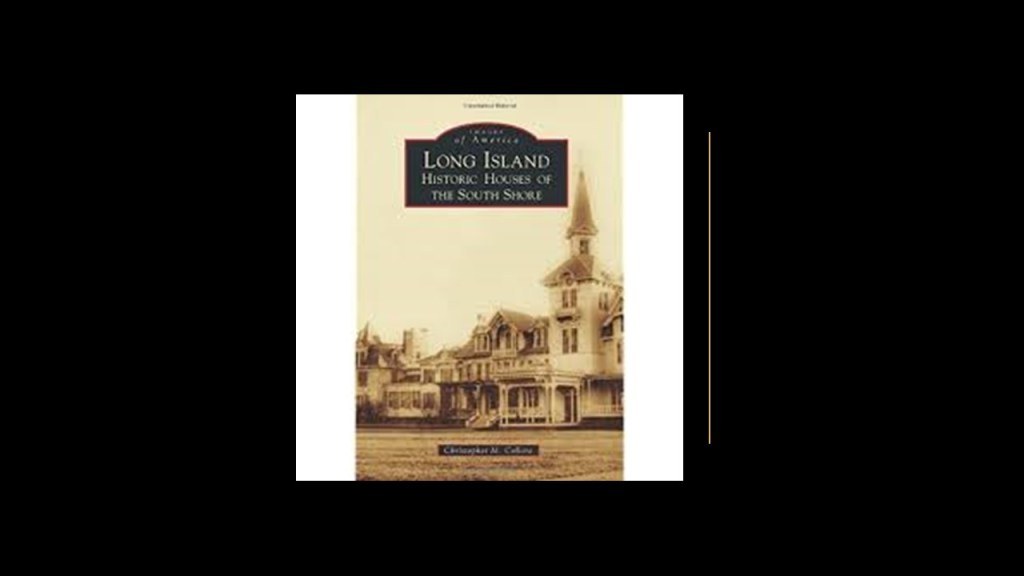
I am sure there is a lot more to find here if I dig around, but I will share this book cover and say that during the so-called Gilded Age, the Vanderbilts, Roosevelts, Whitneys, Morgans, and Woolworths were said to have built summer mansions on the South Shore.
Sure looks like the Elites have laid a claim this part of the world all for themselves.
But why?
The land throughout is boggy wetlands and sand dunes!
Southwest of the Great South Bay, we come to Jamaica Bay, called a partially man-made and partially natural estuary on the western tip of Long Island, and containing numerous marshy islands.
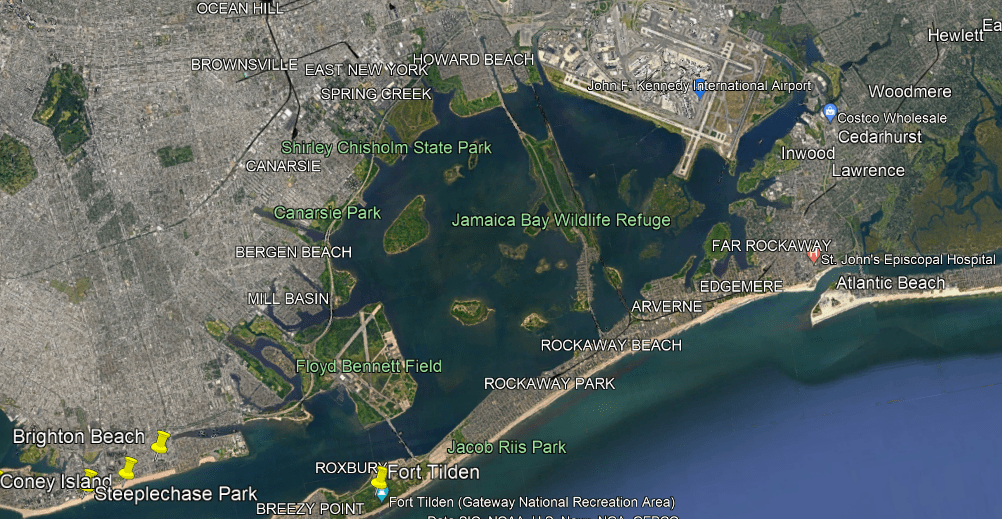
John F. Kennedy International Airport is on the northeast side of Jamaica Bay.
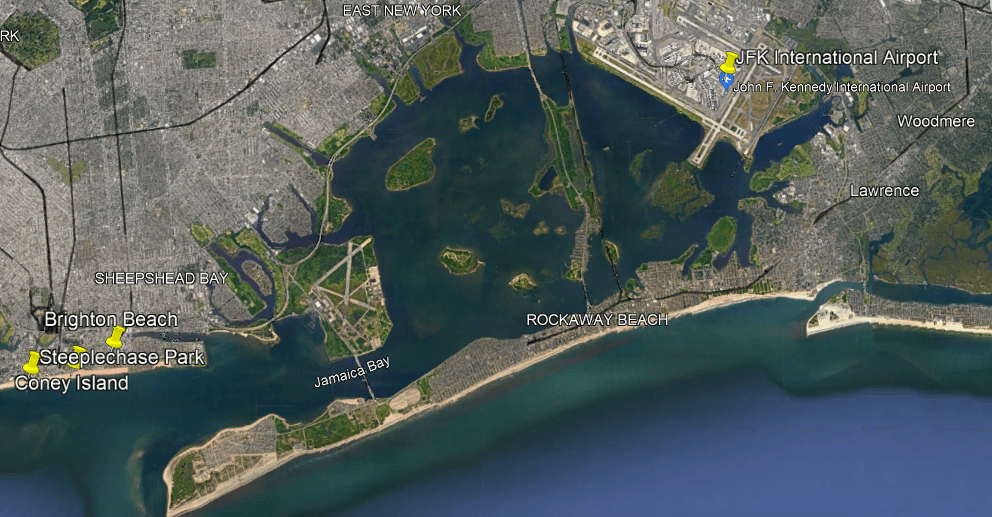
Interestingly, there is a rapid transit line of the New York subway system that funs right through Jamaica Bay, the IND Rockaway Line that runs between the Aqueduct Racetrack Station terminal, also close to the airport in a short-distance, straight-line alignment, and the Rockaway Park-Beach 116th Street Station terminal.

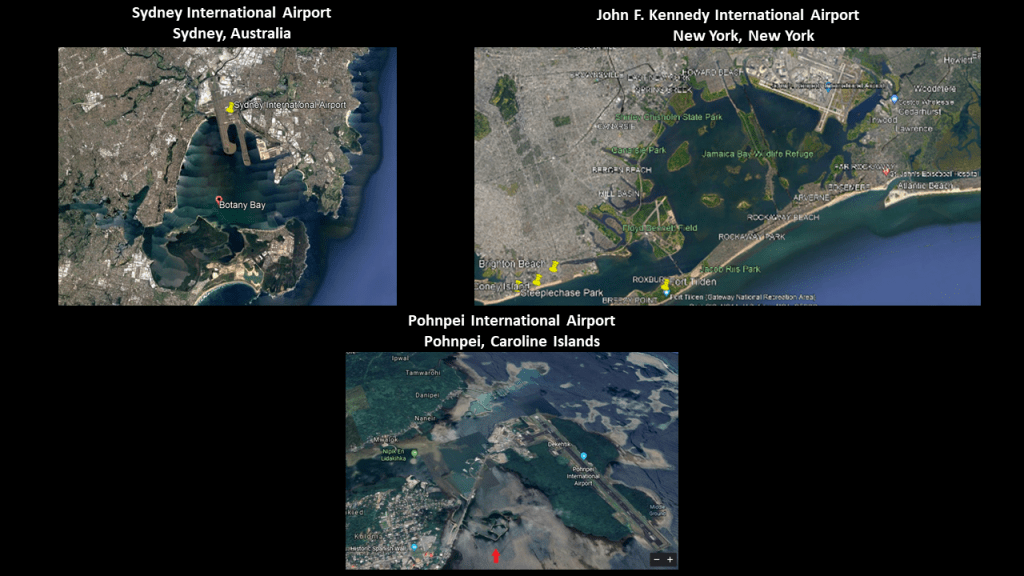
And here are comparisons for similarity of what the estuary-land looks like around Sydney International Airport next to Botany Bay on the top left; JFK International and Jamaica Bay on the top right; and Pohnpei International Airport surrounded by what is called a lagoon in the on the island of Pohnpei in the Caroline Islands in the western Pacific Ocean.
Pohnpei is where the ruins of Nan Madol is located, adjacent to the eastern shore of the island.
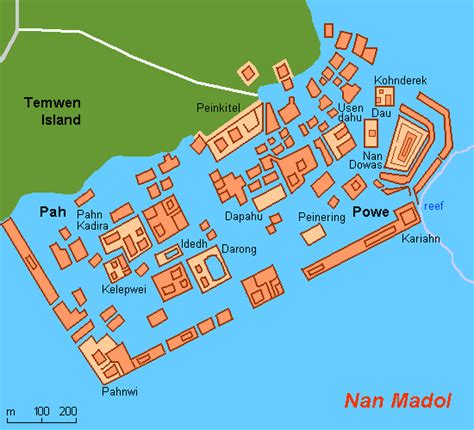
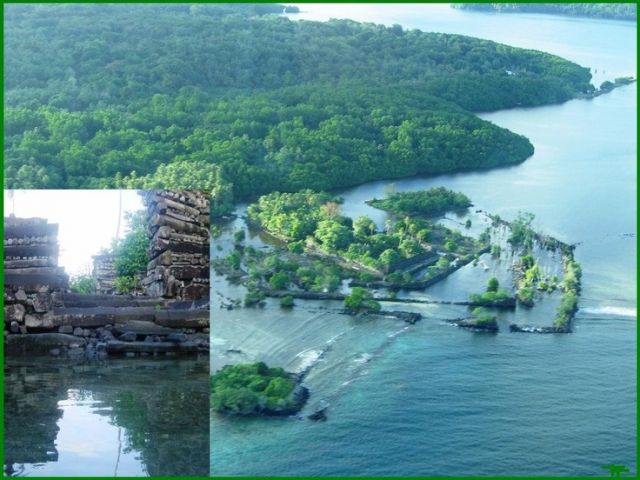
We are told the massive constructions here were built on small rectangular artificial islands, situated on top of a coral reef and linked by canals.
It is estimated that 250 million tons of prismatic magnetized basalt went into the lincoln-log-like construction of Nan Madol, spread over 170 acres.
Were they built intentionally this way on artificial islands, or are we looking at sunken infrastructure here?
West of Jamaica Bay, we come to Brighton Beach, where we find megalithic rocks strewn about on the beach…

…and the explanation we are given for faces amongst the rocks was that there was a mystery artist in the 1970s who carved them.

There were three major historic amusement parks with Moorish-looking infrastructure/architecture on Brooklyn’s Coney Island Peninsula west of Brighton Beach – Dreamland, Luna Park, and Steeplechase Park.
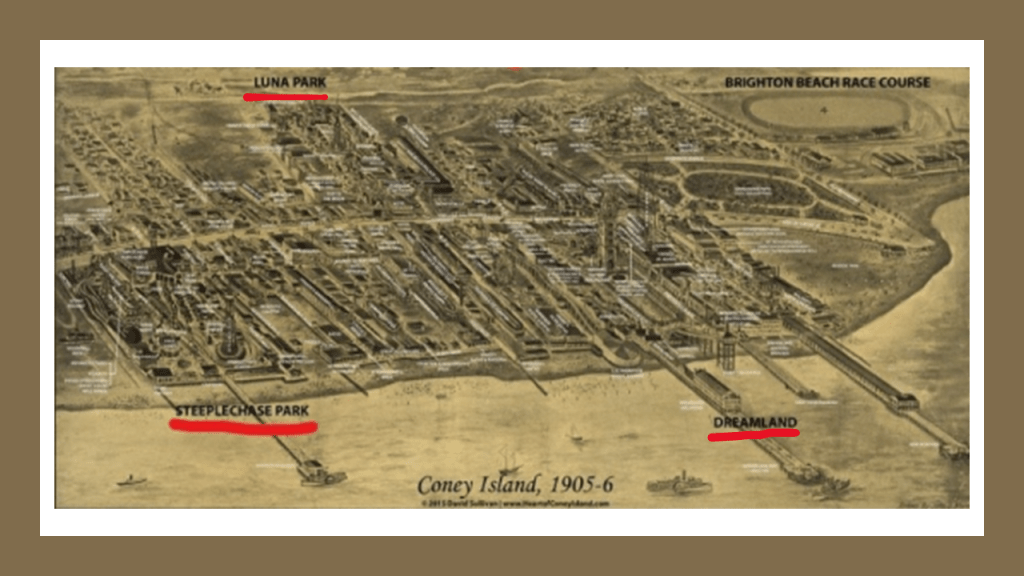
Dreamland was the third and last of the three original parks said to have been built on Coney Island around the beginning of the 20th-century, and founded by successful Brooklyn real estate developer and former State Senator William H. Reynolds as a refined and elegant competitor to the chaotic noise of Luna Park, opening in May of 1904.
The location of Dreamland was near the West Eighth Street subway station opposite Culver Depot.

Everything at Dreamland was touted to be bigger than Luna Park, including the larger Electric Tower, and four times as many incandescent lights than Luna Park.

Dreamland’s life on Coney Island was ended only 7-years after opening.
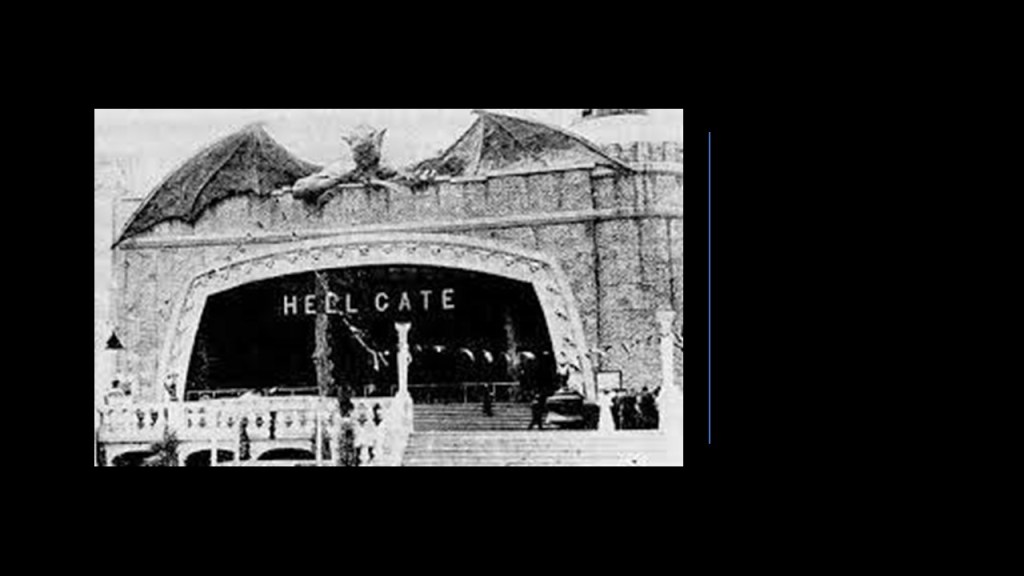
On May 27th of 1911, a fire started at the Hell Gate attraction the night before the season’s opening day, and spread quickly, completely destroying the park by morning.
Coney Island’s Luna Park was said to have opened in 1903, and operated until 1944.
We are told the park’s architectural style was an oriental theme, though it looks Moorish, with over 1,000 red and white painted spires, minarets, and domes on buildings constructed on a grand scale.
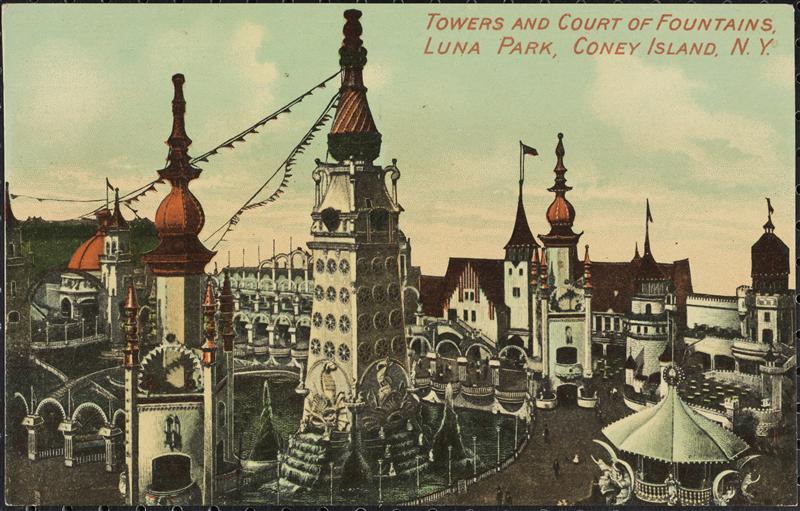
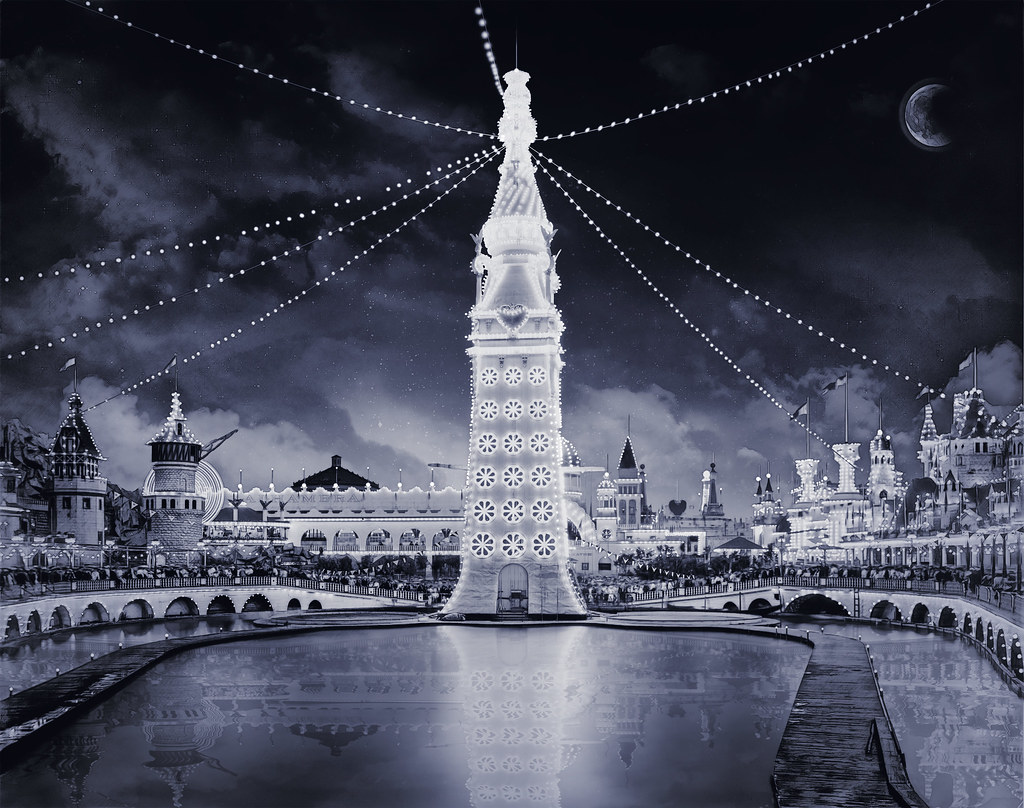
All the Moorish-looking domes, spires, and towers were lit-up at night with several 100,000 incandescent lights.

In the middle of the lake at the center of the park was a 200-foot, or 61-meter, tall Electric Tower that was decorated with 20,000 incandescent lamps, said to be a smaller version of the Electric Tower featured in the 1901 Pan American Exposition in Buffalo.
Over the years, Luna Park would continue under different management, with constant changes.
The end of Luna Park came with two fires in 1944, one in August and one in October, which destroyed the park, and in 1946, the whole park was demolished.
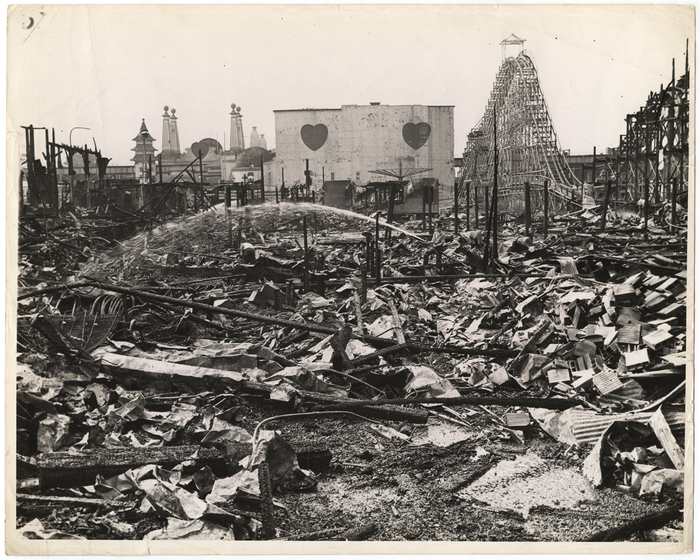
There has been a Luna Park operating near the original location since 2010 that has no connection to the 1903 park.

Steeplechase Park on Coney Island was said to have been created by entrepreneur George Tilyou in 1897.
The entrance to Steeplechase Park had a grand archway, the top of which was decorated with four horses.

The park included over 50 attractions on its midway alone.
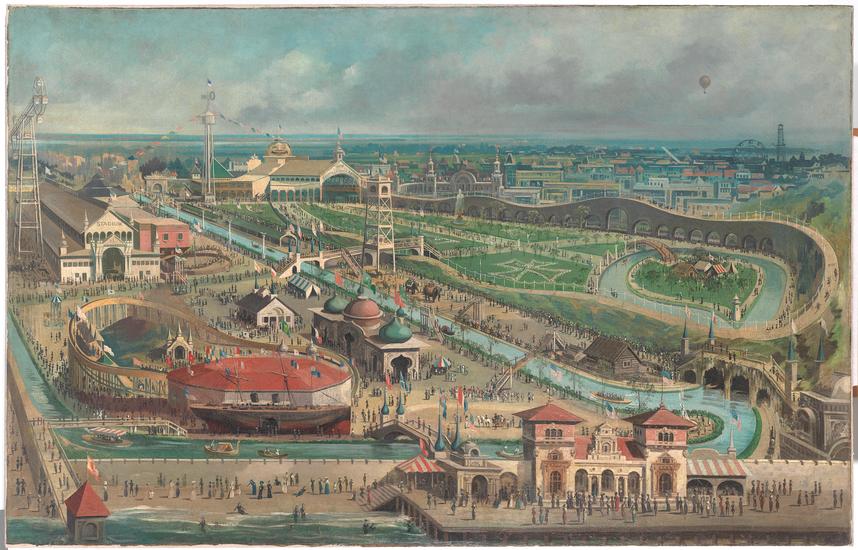
In Steeplechase Park’s history between its opening in 1897 and closing in 1964, there were things like fires, rebuilding, rides added, and so on.
The only remaining structure from Steeplechase Park is the defunct Parachute Jump, next to Maimonades Park, the location of a minor league baseball stadium.

When I was doing research for my blog post of November 2022 called “Star Forts, Gone-Bye Trolley Parks and Lighthouses of New York’s Hudson River Valley & New York Bays…”
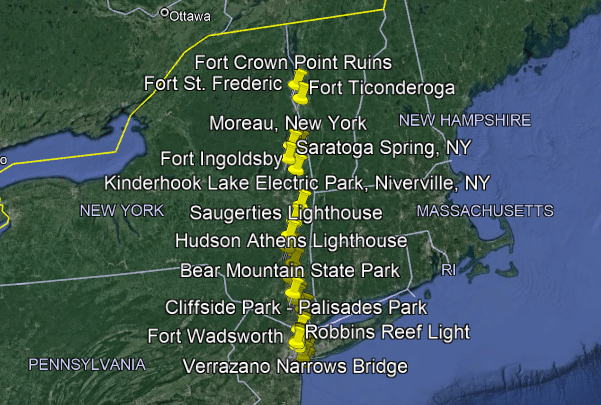
…I found that between the entrance to the lower New York Bay at the Atlantic Ocean to the locations around the George Washington Bridge across the Hudson River alone, there were eleven historical star forts that are in pairs and/or clusters; five major historic trolley amusement parks; and eleven lighthouses.
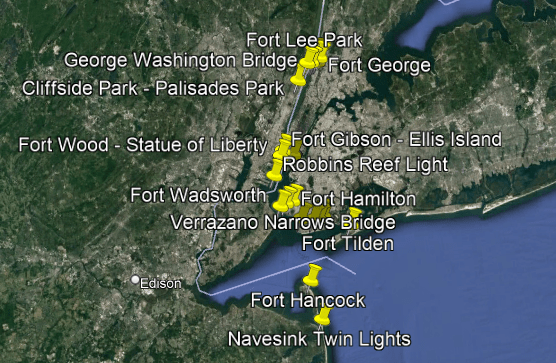
I found much more of the same kinds of infrastructure all the way up the Hudson River.
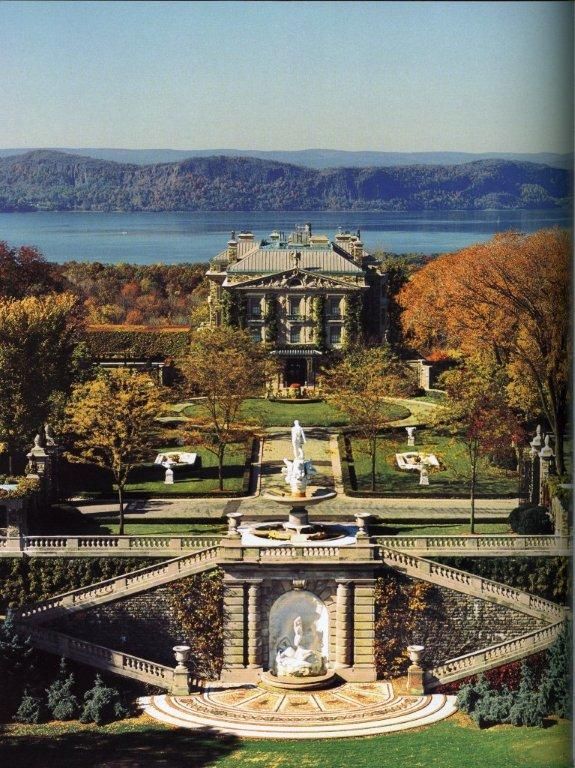
I even found the John D. Rockefeller Estate known as Kykuit near Tarrytown.
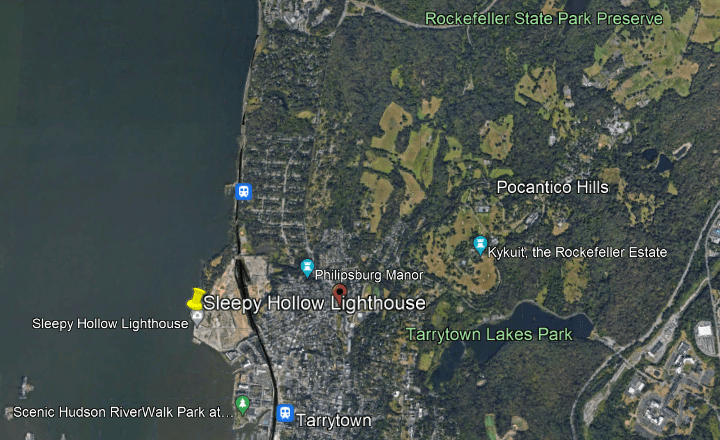
Situated on the highest point in Pocantino Hills, the Rockefeller Estate was said to have been built in 1913.
Continuing to track the coastline heading south down the Jersey Shore from Coney Island, we come to the Navesink Twin Lights on the headlands of the Navesink Highlands, overlooking Sandy Hook Bay, at the entrance to the New York Harbor and the Atlantic Ocean.
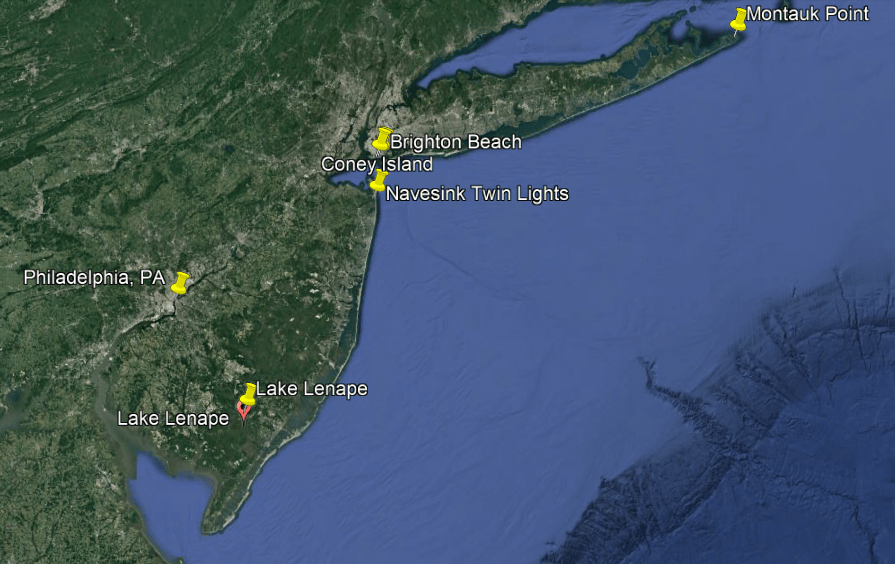
Navesink was also the name of the Lenape people who inhabited the Raritan Bayshore near Sandy Hook in the scenic highlands in eastern New Jersey.
Much like the other stories we have been told about these places I have looked at along the way, the story goes that the Navesink lands were sold by Navesink elders to a group of Dutch businessmen for wampum and goods in March of 1664, the first and largest land sale deal along the Jersey Shore between Native Americans and Europeans, and that the Navesink received in return for their land things like 5 coats; one gun; 12-pounds of tobacco; and 10 gallons of liquor.
The Navesink Twin Lights were said to have been built in 1862.
The American Civil War is said to have taken place between 1861 to 1865, so we are expected to believe this solid masonry structure was built during war-time.
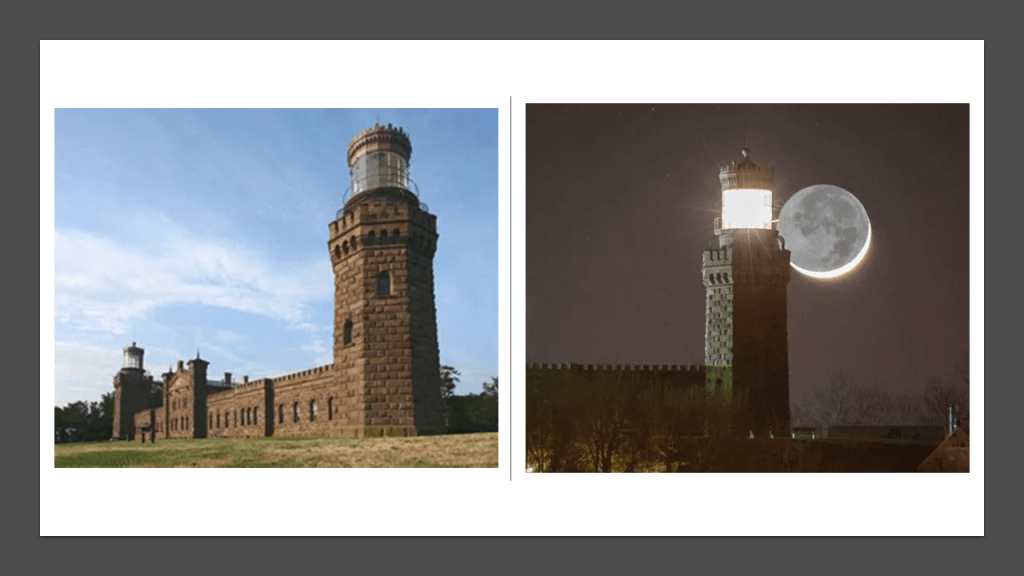
So according to historical narrative, the first and largest land sale deal along the Jersey Shore between Native Americans and Europeans, coincidentally…or not…is the same land that was the location of the first Bell Laboratory at Holmdel.
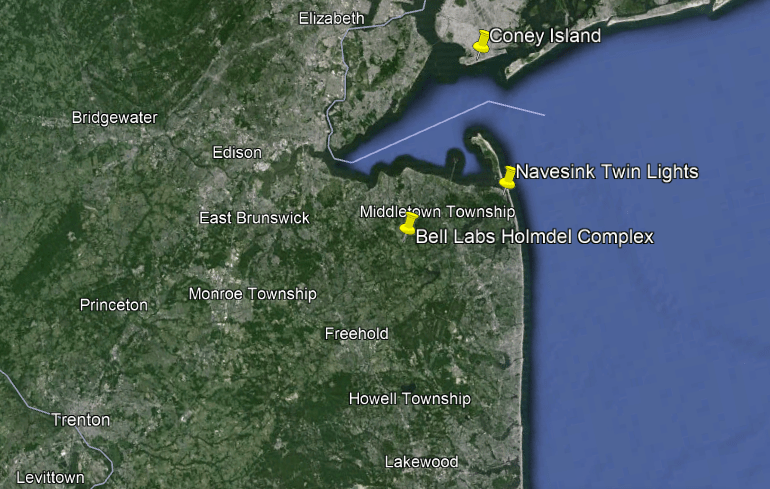
If I were to make an educated guess, I would say that this geographic location on the surface of the Earth was critically important to the original ancient advanced civilization, and what became Bell Labs was original infrastructure that had a direct connection to the Galactic Center, since this was where, among many other firsts, researchers like Karl Jansky, called the “Father of Radio Astronomy,” was credited with the discovery of radio waves coming from the Galactic Center.
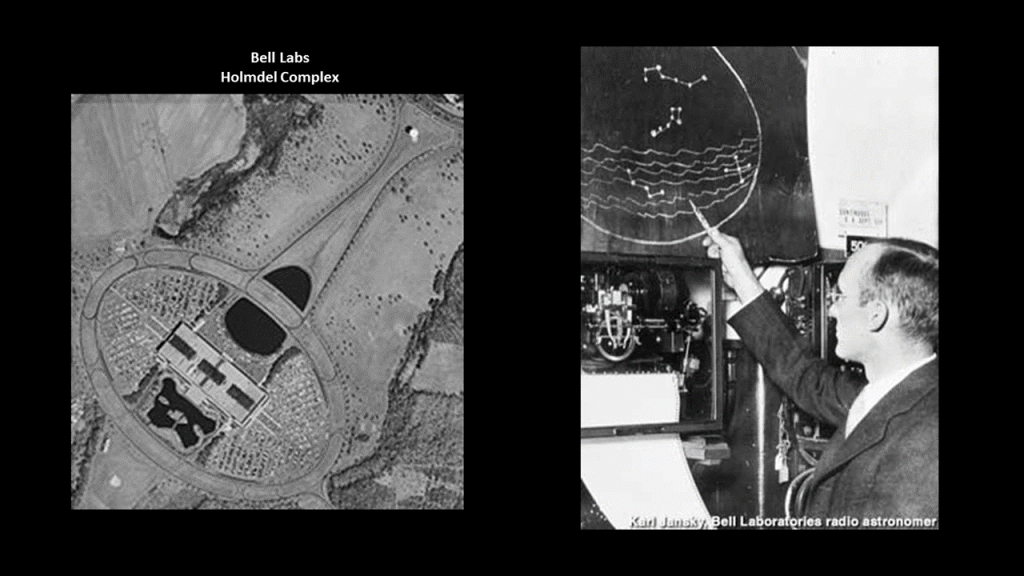
To the west of the Navesink Twin Lights on the Highlands overlooking Sandy Hook is a town called Sayreville, located at the mouth of the Raritan River where it enters Raritan Bay in the New York – New Jersey Estuary System.
Before I talk about Sayreville, I am just now noticing the interestingly-named “Cheesequake State Park” on this map, which is adjacent to Sayreville.
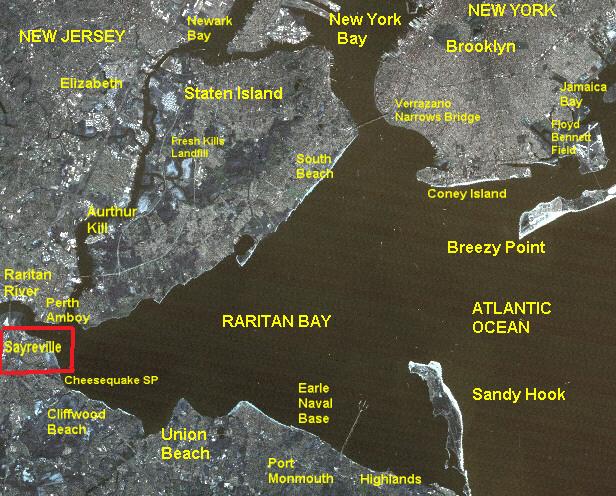
“Cheesequake State Park” was said to have received that name from the Lenape word “Cheseh-oh-ke” meaning “upland.”
May be just me, but that name sounds pretty darn close to “earthquake.”
The park consists of things like the following:
Lowlands of freshwater and saltwater marsh and a tidal estuary at the mouth of Cheesequake Creek at the Raritan Bay;
Hills of northeastern hardwood forest, open fields, and a white cedar swamp;
And a small parcel of coastal pine barrens.
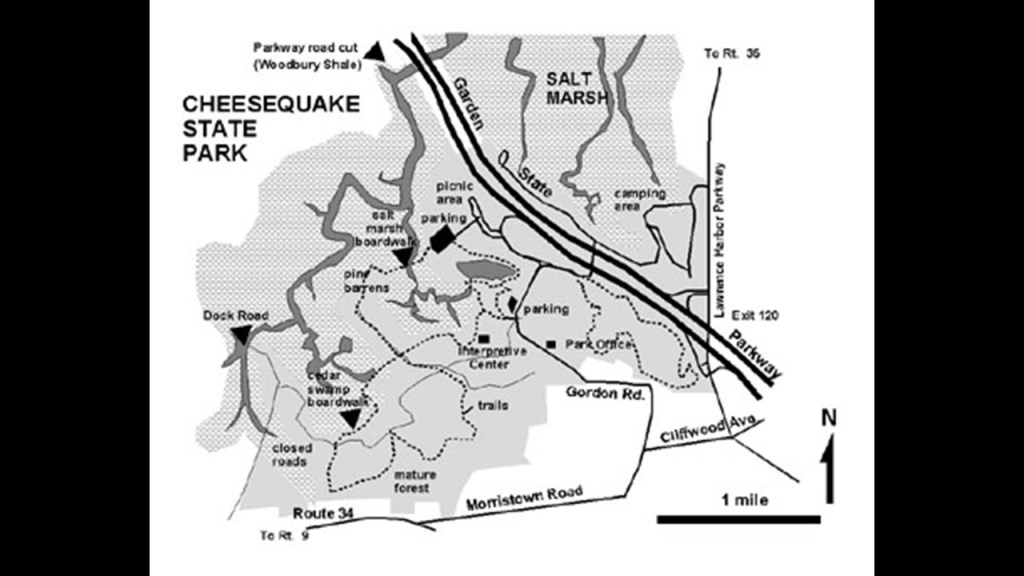
The Civilian Conservation Corps helped develop the park property, which once had what we are told was a Civil War-era mansion there but that mansion apparently is no longer there, and it first opened as a park in 1940.
The Cheesequake State Park is part of the New Jersey Coastal Heritage Trail Route.
The New Jersey Coastal Heritage Trail on the left extends along the eastern and southern coast of New Jersey for nearly 300-miles, or 480-kilometers, and the right is a map of historic railroads through the area.
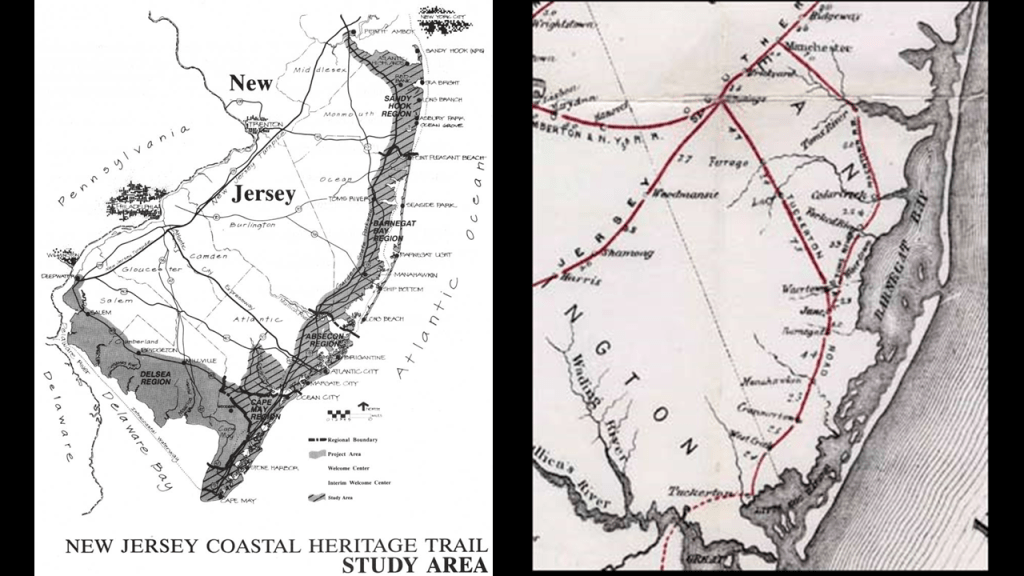
It’s hard to find information about this, but I have already provided examples of the previously seen historic post card of the Atlantic City and Shore Railroad crossing a two-mile, or 3-kilometer, -long trestle bridge in the Great Egg Harbor Bay that was part of an interurban trolley system in New Jersey along the coast between 1907 and 1948.
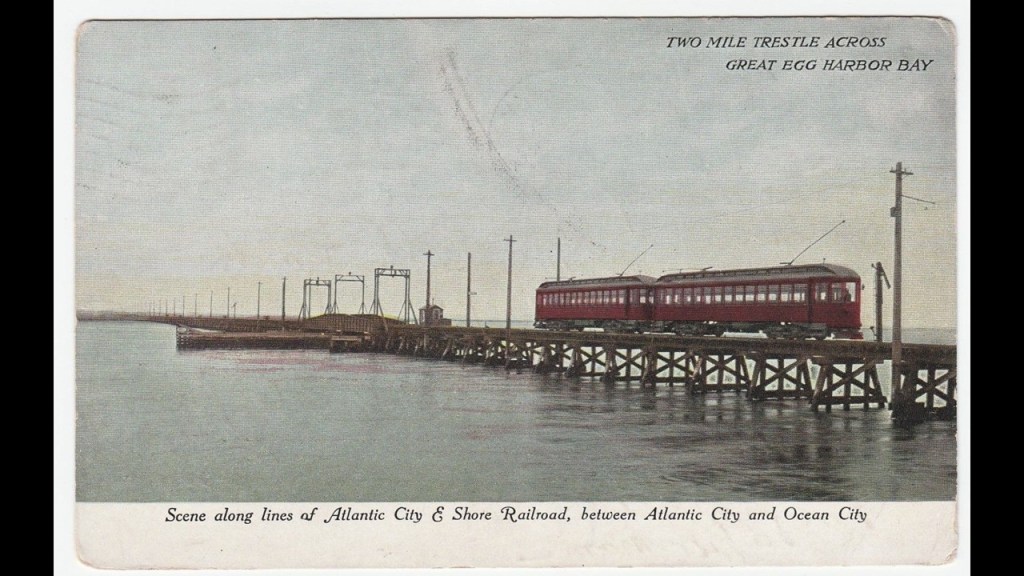
Besides historic rail-lines along this stretch of coast-line, there are historic lighthouses as well.
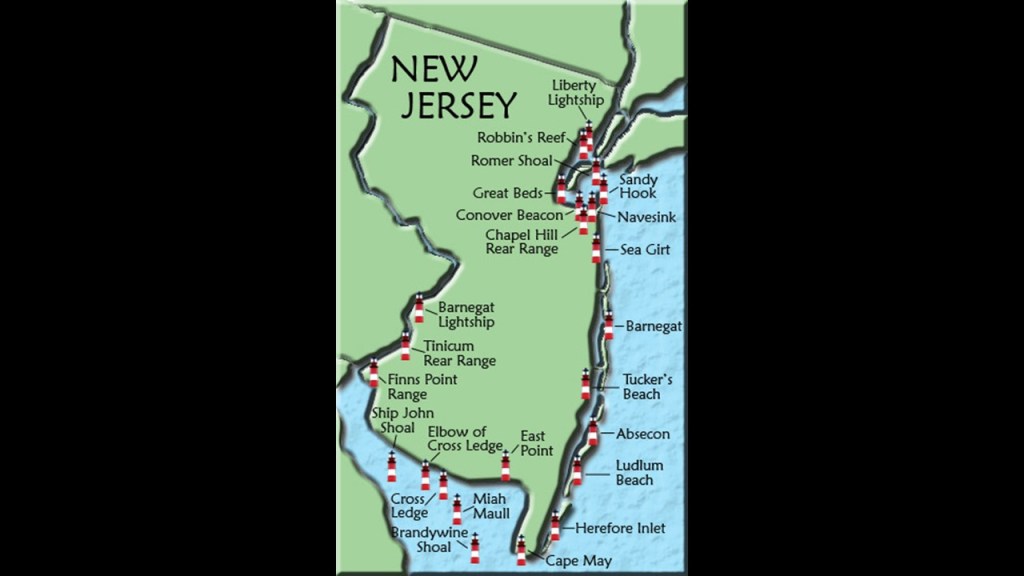
The Aberdeen-Matawan Station of the New Jersey Transit System is located 2-miles east of the “Cheesequake State Park.”
It was said to have been built by the New York and Long Branch Railroad, and first opened in 1875, and is convenient to New Jersey Route 35, which follows the right-of-way of the former Pennsylvania Railroad along the Jersey Shore.
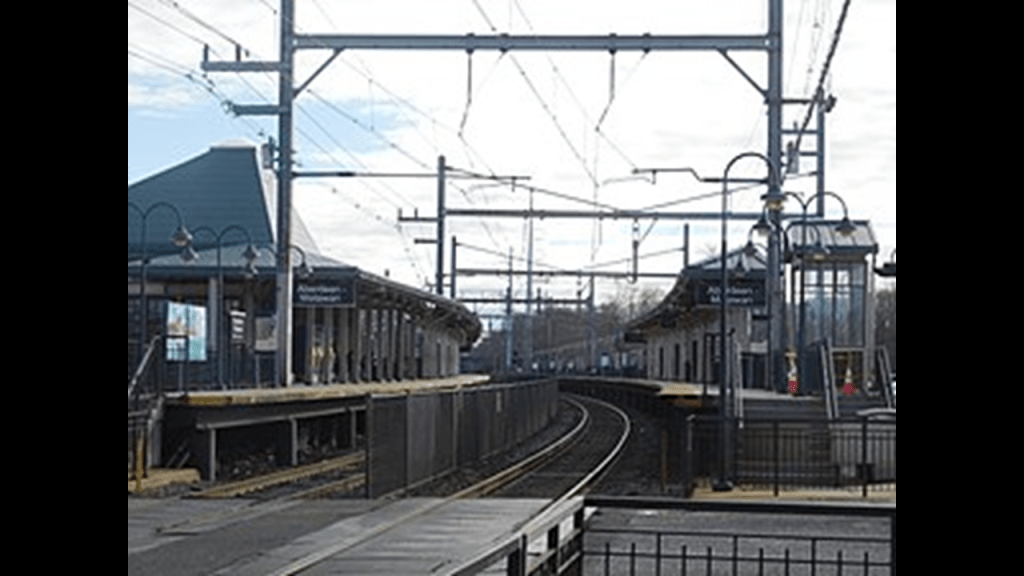
The Aberdeen-Matawan Station is also convenient to the PNC Banks Amphitheater in Holmdel, the same location as the original Bell Labs and the Horn Antenna.
Formerly known as the “Garden State Amphitheater,” it is a popular concert venue that can seat 17,500 between the amphitheater and seating on the grass-area.
Amphitheaters are described as acoustically-vibrant performance spaces that are circular, semi-circular, or curved, and seemingly another important component of the Earth’s original grid system.
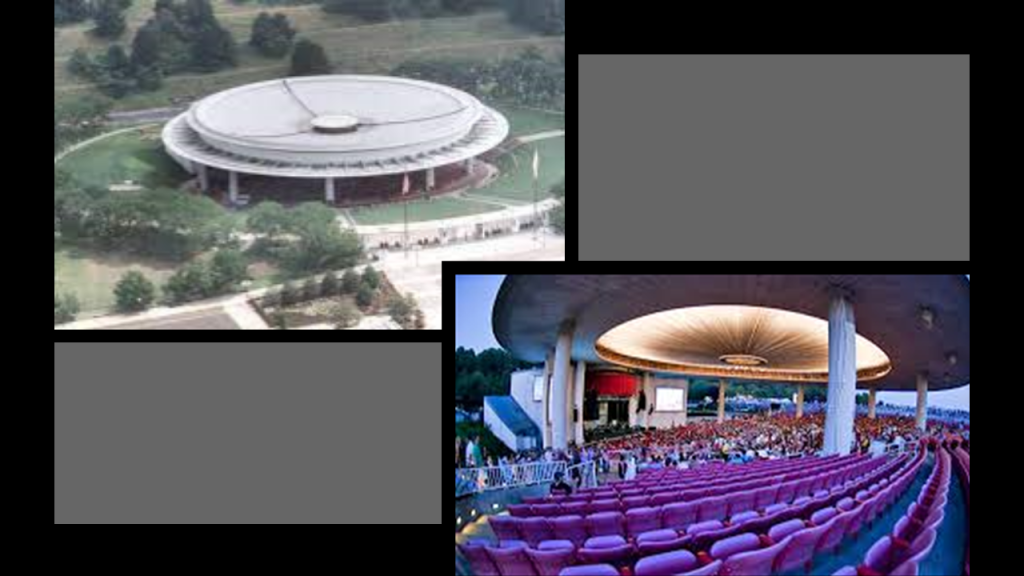
Acoustics is the branch of physics that deals with the study of mechanical waves in gases, liquids, and solids, and includes vibration, sound, ultrasound (higher frequencies audible to human hearing), and infrasound (lower frequencies below the range of our hearing).
It is interesting to note on Robert Lindsay’s “Wheel of Acoustics,” that the fields within acoustics of Earth Sciences, which includes seismic waves and sound in the atmosphere, as well as underwater sound, is opposite the field of acoustics of the Arts, which includes room and theater acoustics; musical scales and instruments; communication; and psychoacoustics on the psychology of sound.
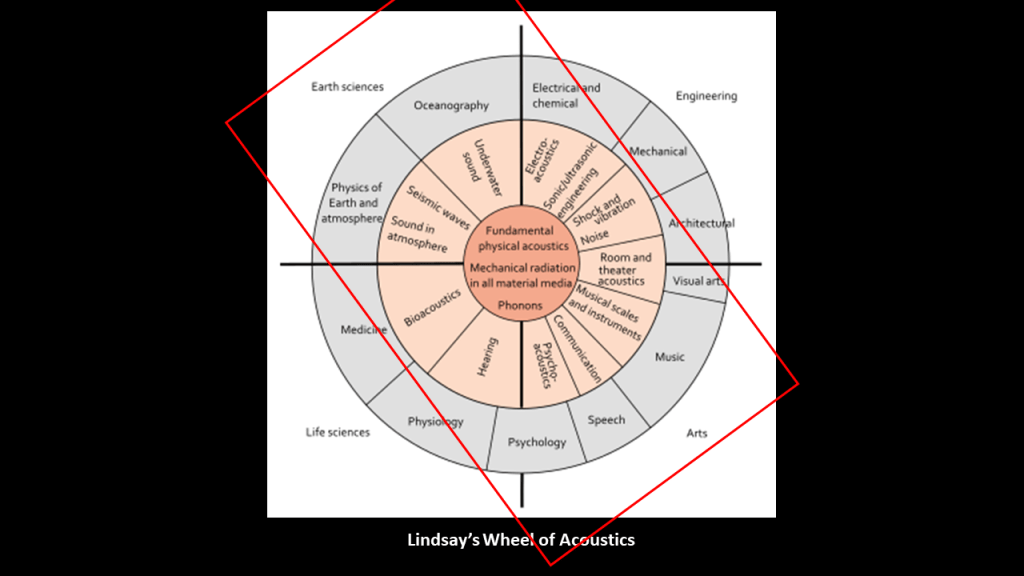
Robert Lindsay was a physicist, who was born in 1900, authored numerous books on acoustics, and other historical and philosophical aspects of Physics.
Lindsay was considered a father figure of acoustics, and in particular, specialized in underwater sound. He worked with the U. S. Navy on classified studies of ultrasonics and underwater sound, according biographical information in his obituary.
He also was interested in the study of early acoustics, energy, and entropy.
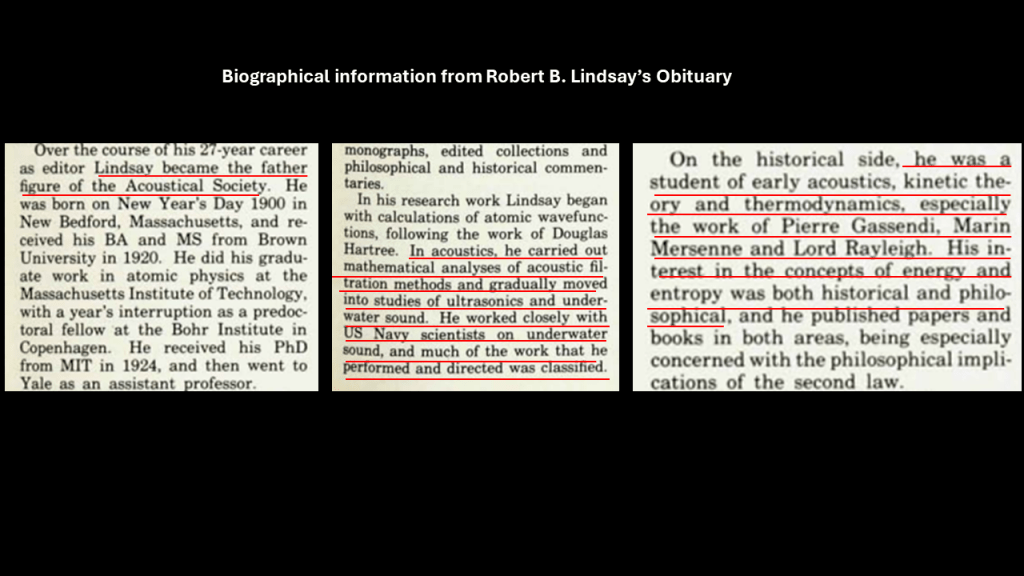
I have to note that the PNC Amphitheater reminds me in appearance of the structure that was right across the street from the former location of the Cotton Tree in Freetown, Sierra Leone.
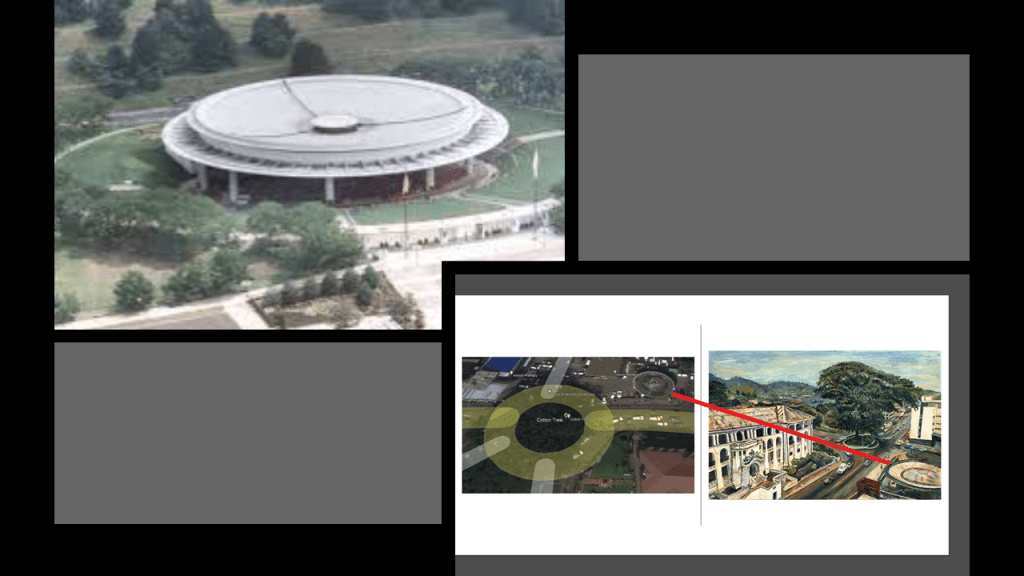
The Cotton Tree was said to have been felled just last year in a storm on May 25th of 2023.
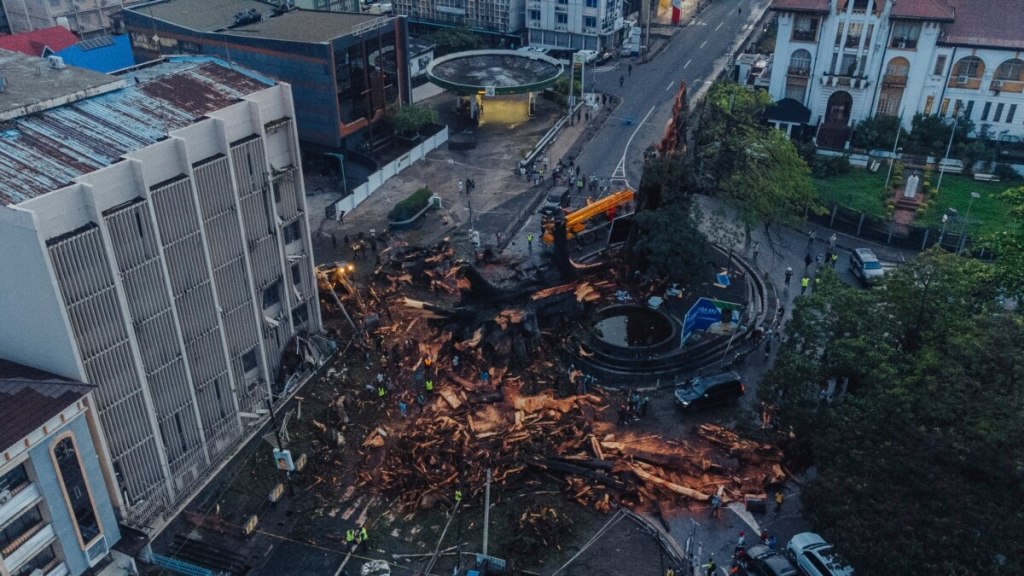
This was just a couple of months after Chad and I had our first “Deeper Conversation” about trees last spring, in which we talked about the Cotton Tree as being centrally-located on a grid system.
When I found the PNC Amphitheater in Holmdel, I remembered the Wolf Trap National Park for the Performance Arts in Vienna, Virginia, a performing venue near where I grew up in Maryland, and where I have been at least once in my life that I remember.
Wolf Trap is the only National Park dedicated to the performing arts.
Its major performance venue is the Filene Center, an amphitheater which has indoor and outdoor seating for a little over 7,000 people.
When I typed in PNC Amphitheater in Google Earth to get a visual of the relationship to Wolf Trap, the first thing that popped up was the PNC Music Pavilion in Charlotte, North Carolina, which is an amphitheater as well.
I drew a line between the two PNC amphitheaters, and Wolf Trap is off-set from it, but relatively close to the alignment.
All three amphitheaters are situated geographically between the Atlantic Coast the Appalachian Mountains.
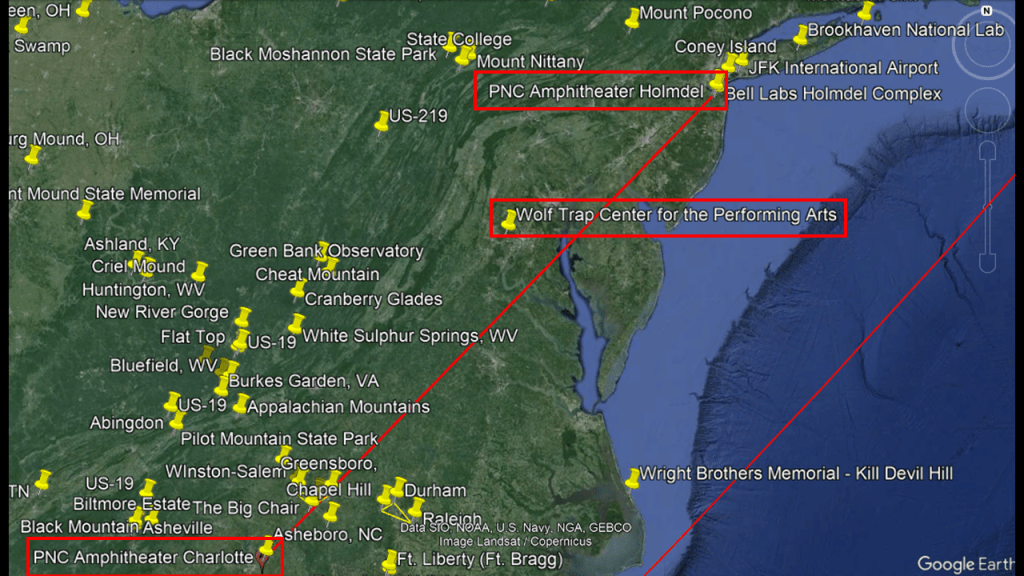
The PNC Music Pavilion in Charlotte specializes in hosting large concerts, and has a combined indoor-outdoor seating capacity of 19.500.
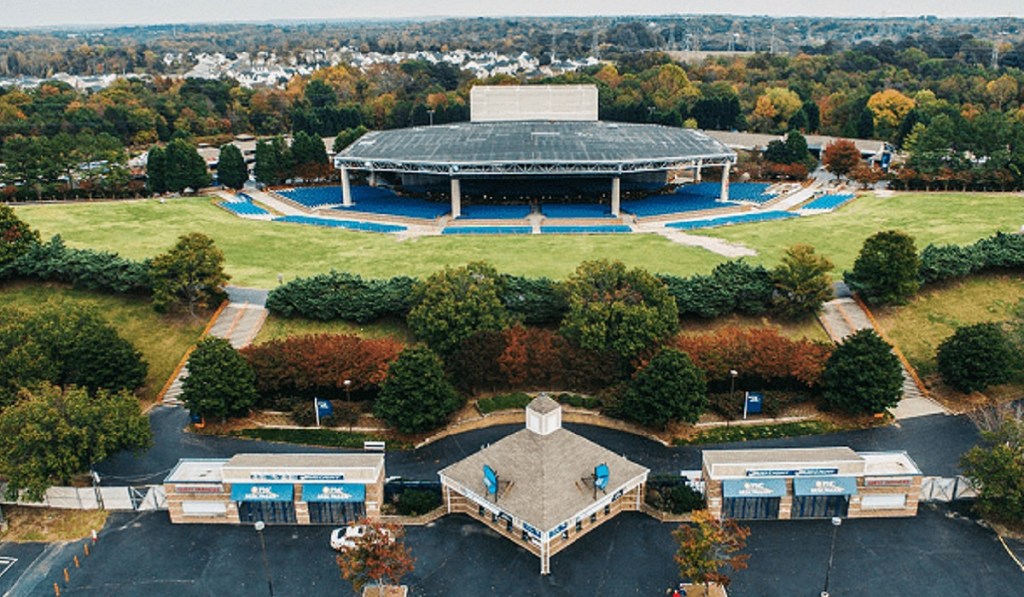
In 1993, the final concert of Paul McCartney’s “New World Tour” was held here.
I don’t know.
Maybe I am just reading too much into this image on the album cover of the tour.
Maybe not, but maybe could be. When I first saw the album cover, 9-11 didn’t come to my mind.
But then when I really looked at it, I was reminded of the photo on the left.

These were some of the stage set projections designed for the world tour by British artist and designer Brian Clarke, showing among other things, different types of cathedral windows.
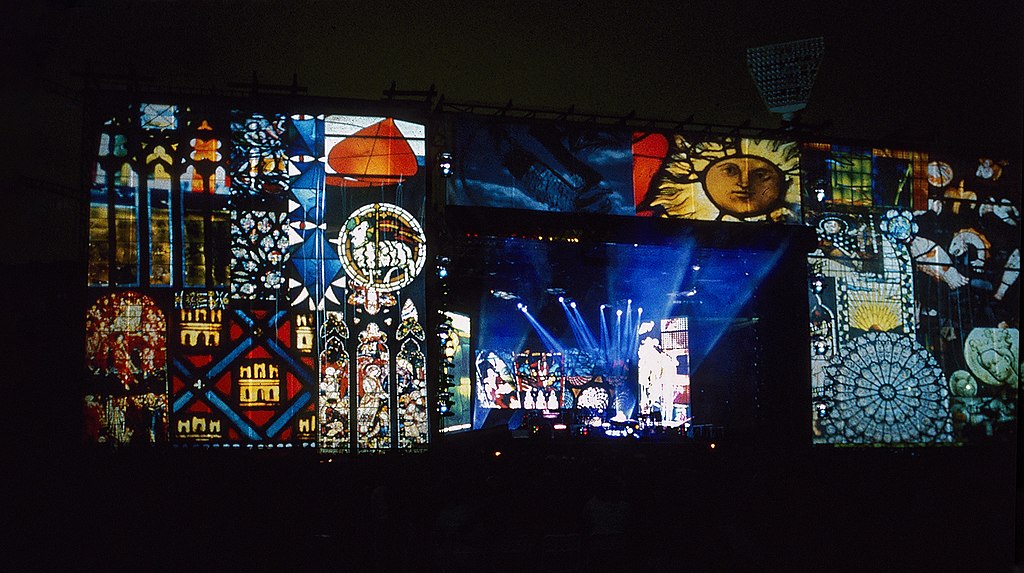
My friend Elin Carlson. a professional singer, had the experience of being on-stage at the ancient Beth-Shean amphitheater in Israel, where the acoustics were so perfect she could whisper on stage and be heard in the top back of the amphitheater.
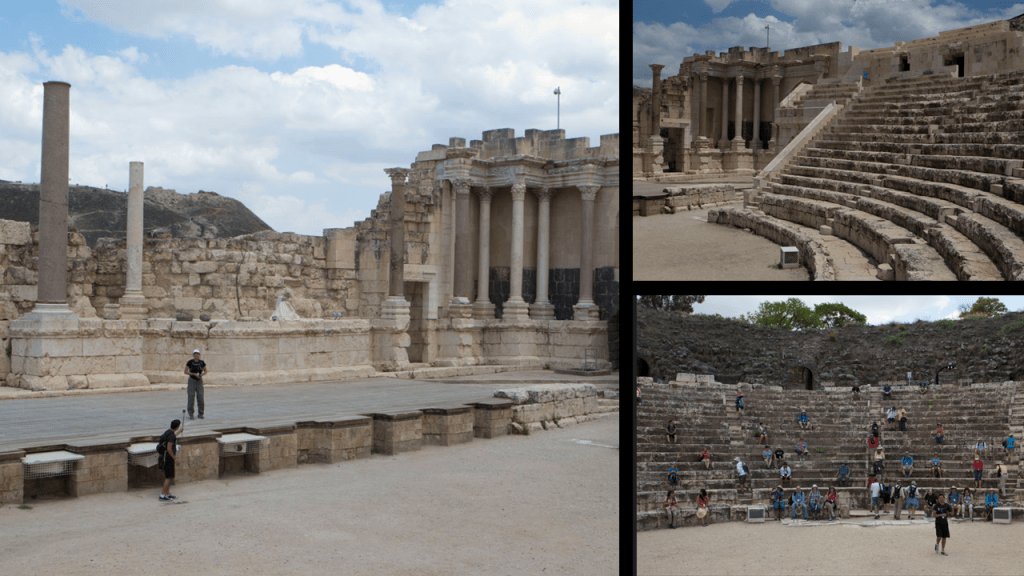
Elin was part of the collaborative team that recently published “The Lyre’s Masque,” in eBook form, along with myself, Shalamoor Bey, and Stephanie McPeak Petersen, which was brilliantly written by Stephanie.
https://www.buythisbooktoday.com/a-summary-of-the-lyres-masque
Our story involves the Hero’s Journey of our hero, Prince Tamino, from Mozart’s “Magic Flute,” representing Humanity as he goes on an adventure after he accidently portals into the 21st-century while cleaning his flute, to the location where the three Muses of the Lyre, the daughters of Apollo, were living in an RV; learns new lessons with the task required to get him back home, which was playing the lyre he received from Apollo in a Masque for three days to entertain the three Fates; and at the end, wins a victory with his newfound knowledge.
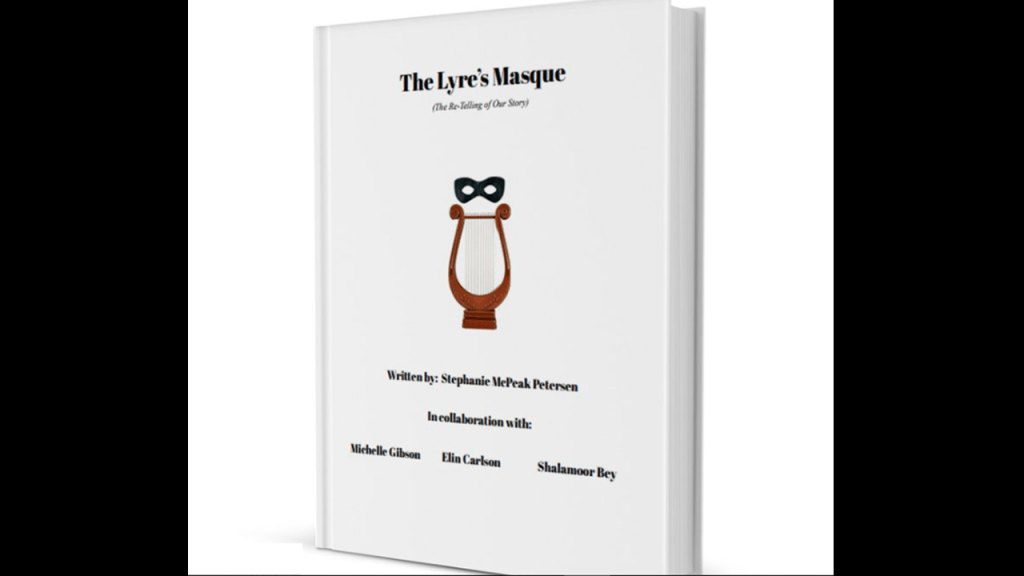
A “Masque”was a courtly form of dramatic entertainment popular among the 16th and 17th-century English nobility.
These same “Masques” also disclose True History in their storylines without calling it that, in the same way that disclosure is encoded in the works of Shakespeare, and other methods of predictive programming before the film-industry.
Back in Sayreville where I was going before I got sidetracked by the adjacent “Cheesequake State Park, big companies including, but not limited to, DuPont established plants in Sayreville for gunpowder production initially in 1898, and later for paint and photo products.
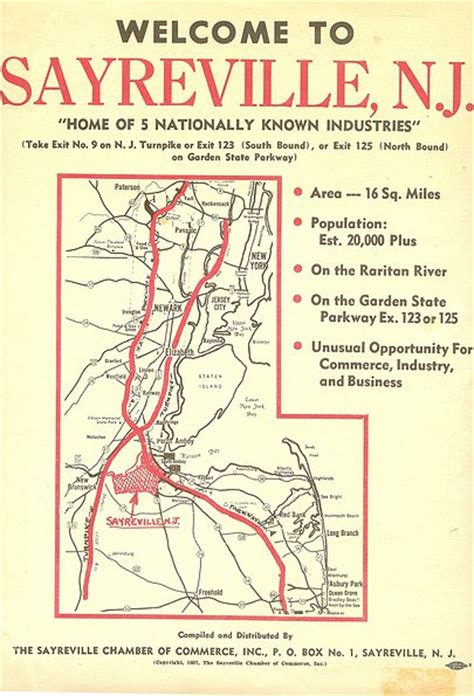
The Raritan River Railroad operated freight and passenger service through here between 1888 and 1980, after which time Conrail took over rail operations.
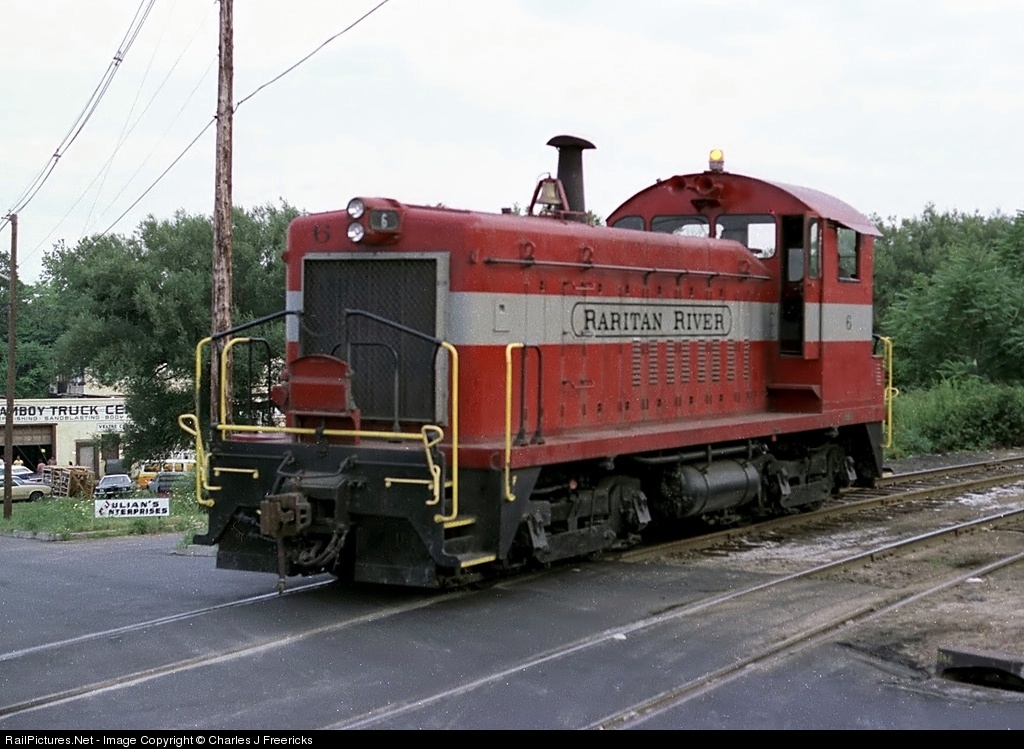
This is the logo for the Raritan River Railroad on the left and the logo for Rolls Royce is on the right.
The similarity between these two logos tells me these two companies were likely connected in some way. Besides the fact the logos look virtually identical, it brings to mind what I found in Derby, England.
I found Derby near the Algiers’ Circle Alignment as I was tracking it through England.
Derby is the geographic center of England, and the Derwent River Valley in Derbyshire is considered the Birthplace of the Industrial Revolution.
Rolls-Royce is a global aerospace, defense, energy, and marine company focused on world-class power and propulsion systems, and its civil aerospace and nuclear divisions are in Derby…
…as well as the Railway Technical Center, the technical headquarters of British Rail, and considered the largest railway research complex in the world.
There are certainly interconnecting pieces of the puzzle to be found lying around these tidbits of seemingly disconnected information.
Were they all working together to bring already existing railroad infrastructure back on-line?
As we return to the New Jersey Pine Barrens following this linear alignment of Atlantic Coastal Pine Barrens, there are a couple of more things in this area that I would like to bring to your attention.
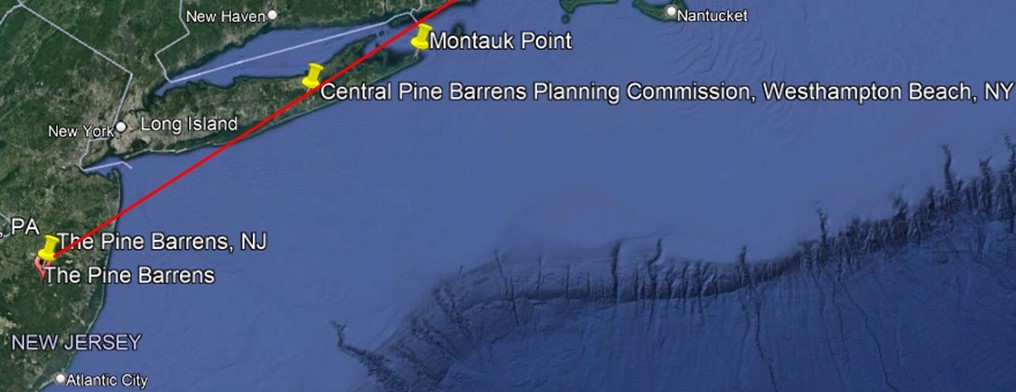
Ong is a ghost town that falls on the Atlantic Coastal Pine Barren alignment, keeping in mind that the places pinned are where each term came up on the Google Earth search.
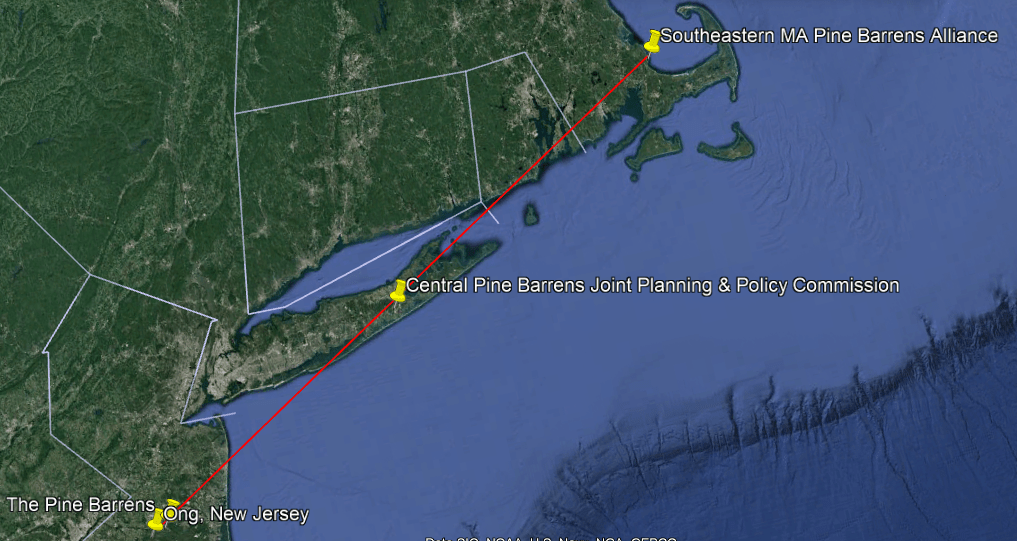
Ong, or Ong’s Hat, is a ghost town in the Brandon T. Byrne State Forest, and the northern terminus of the Batona Trail, a 53.5-mile, or 86.1-kilometer, hiking trail through the Pine Barrens.
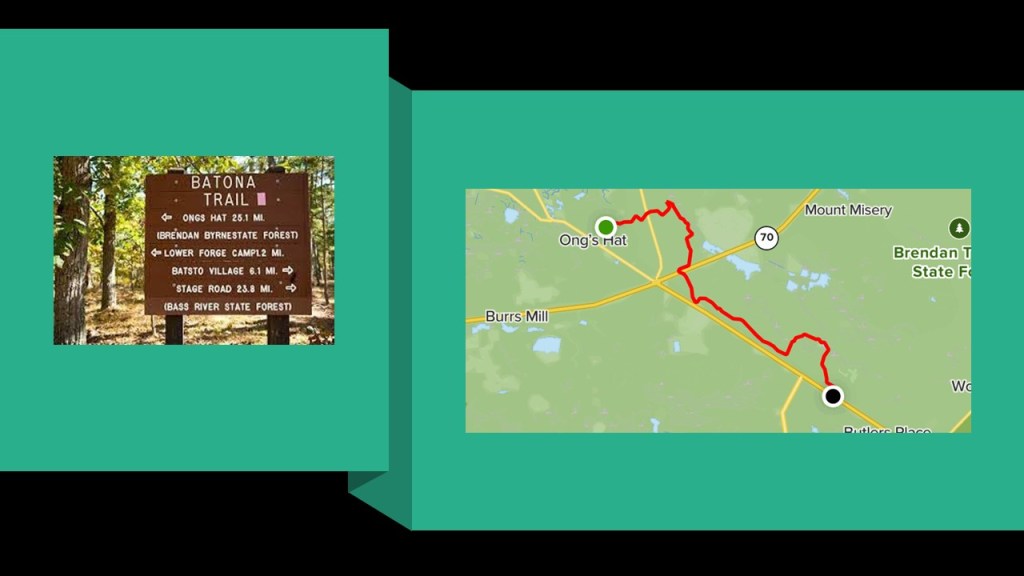
Ong’s Hat was also considered one of the earliest, internet-based, conspiracy theories.
Ong’s Hat is also listed as the first Alternate Reality Game (ARG) on many lists of ARGs.

We are told that “Ong’s Hat” was a work of alternate-reality collaborative fiction, beginning back in the 1980s and embedded in various media to establish a backstory – like bulletin boards, xerox mail art networks, and zines – and that author Joseph Matheny concluded the project.
Interesting to note on this cover that there are two Moors depicted on it, as seen on the lower left and upper right.
The Ong’s Hat tale is told about a group of physics and science professors from Princeton who ran chaos theory and quantum physics experiments from an ashram there to travel interdimensionally through a device called “The Egg,” and they were camped out in another world.
“The Egg” was said to have been developed by these physicists and scientists as a sensory deprivation chamber, and used by them to determine when a wave becomes a particle.
One day “The Egg” disappeared, and the young man within explained that in the seven-minutes he was gone, he had travelled to an alternate dimension of the Earth.
According to the story about “Ong’s Hat,” these experiments continued over the years, until the military threatened their research, at which time they moved entirely in to the alternate dimension, only coming back for supplies.
“The Egg?” Great Egg Harbor? I don’t know if there is a connection.
Just curious.
What we are told is that Great Egg Harbor was named “Eyren Haven” in Dutch by the Dutch Explorer Cornelius May, for whom Cape May was named sometime around 1614 for all the birds laying eggs he observed here.
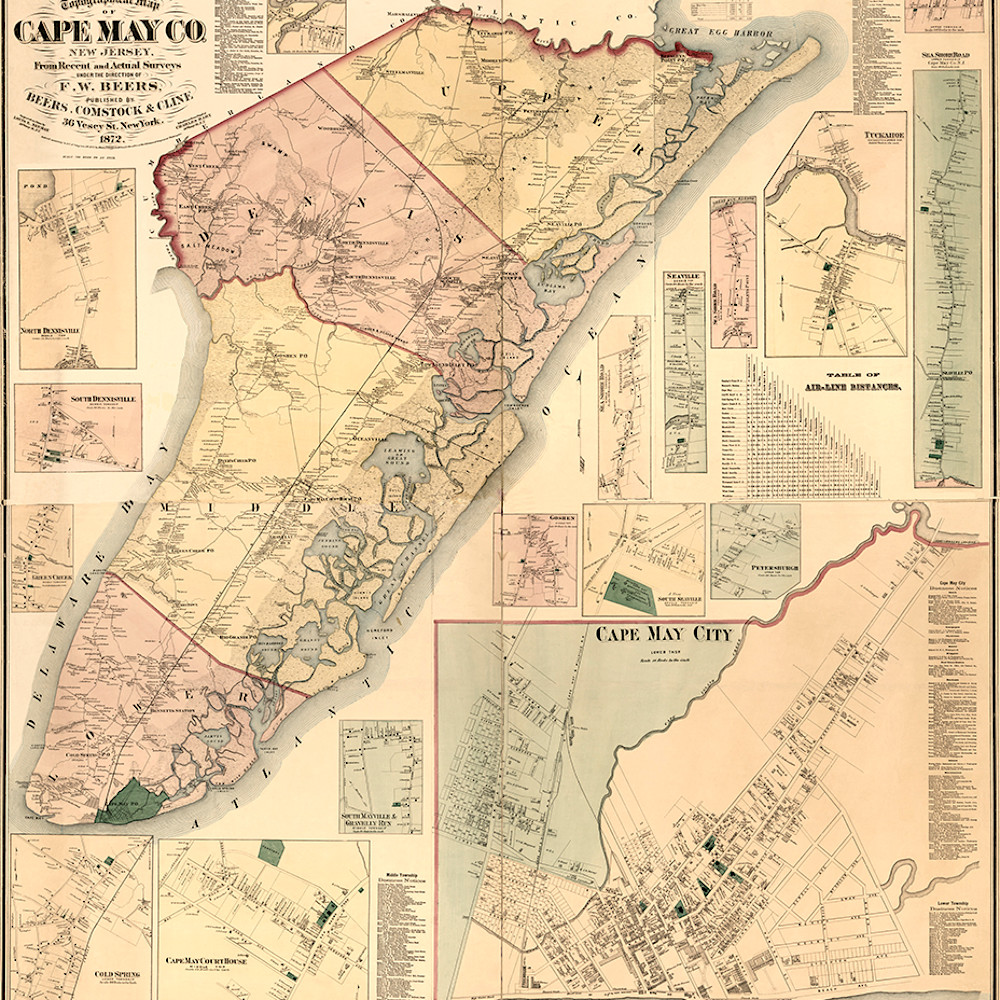
Philadelphia is located in close proximity to Ong and the New Jersey Pine Barrens, as it is just 33-miles, or 53-kilometers, roughly due west of Ong.
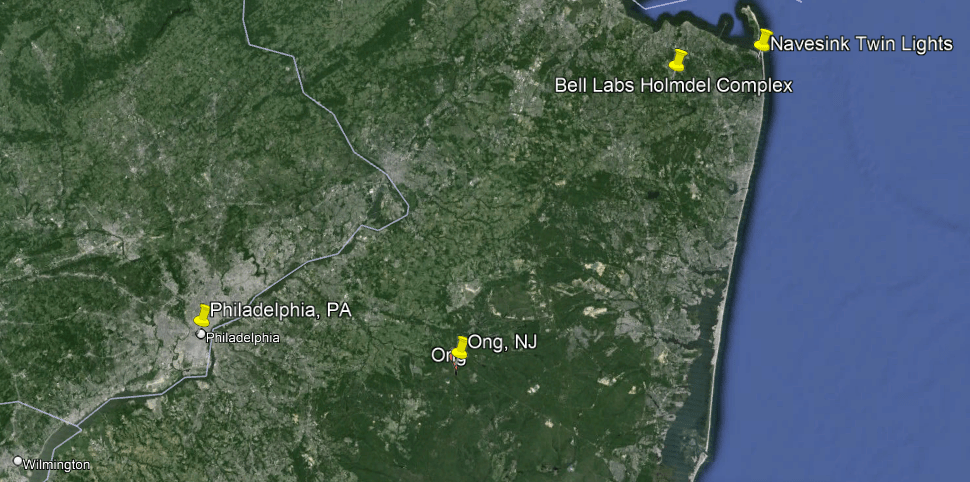
I am going to come back and spend more time in Philadelphia later in this post, but before I do that, I am going to share more examples I have encountered in my research of exactly the same things we have seen thus far in different places in the United States, and around the world .
Before I do that, however, I want to share a few more bits of information from Philadelphia’s history.
One was the Corliss Engine at the 1876 Centennial Exposition, the first official World’s Fair in the United States that was held in Fairmount Park.
We are told that it was held to celebrate the 100th-Anniversary of the signing of the Declaration of Independence, but I have long-believed that these Exhibitions, Expositions, and World Fairs, starting with the Crystal Palace Exhibition in London in 1851, which I think officially kicked-off the New World Order timeline, were actually showcasing the high technology and architectural wonders of the original advanced civilization before being hidden away and/or forever destroyed.
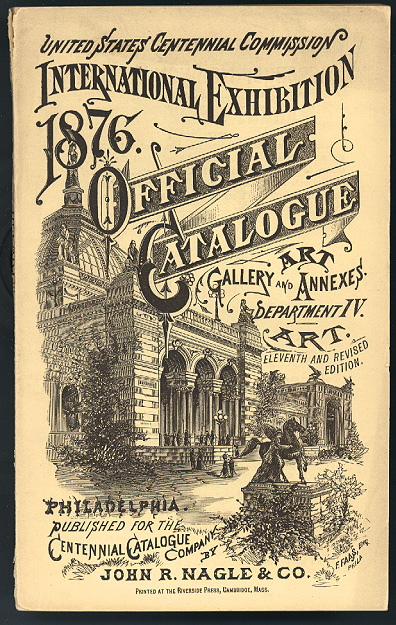
We are told that the largest Corliss Steam Engine ever built, with its 1,400-horsepower engine, was on display in, and generated all the energy used in, the Machinery Hall during the 1876 Exhibition.
The Corliss Steam Engine was said to have been invented by George Henry Corliss, and patented in 1849.
It was described as a steam engine fitted with rotary valves and variable valve timing, and generally 30% more fuel efficient than conventional steam engines.
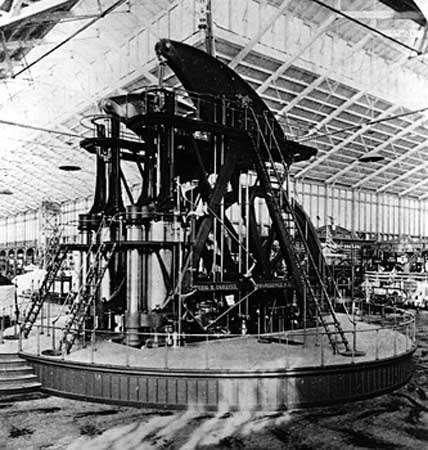
Somebody left me this comment after I uploaded the video four years ago called “Exposing Exihibitions, Expositions, and World Fairs Since 1851” about the Corliss Engine looking like a Rukma Vimana.

I looked it up, and sure enough, it does look like a Rukma Vimana!
This was the frontal view of the Corliss steam engine from the 1876 Centennial Exhibition on the left, and an illustration of the Rukma Vimana on the right.
Vimanas have come down to us as ancient flying vehicles that are described in ancient Indian texts.
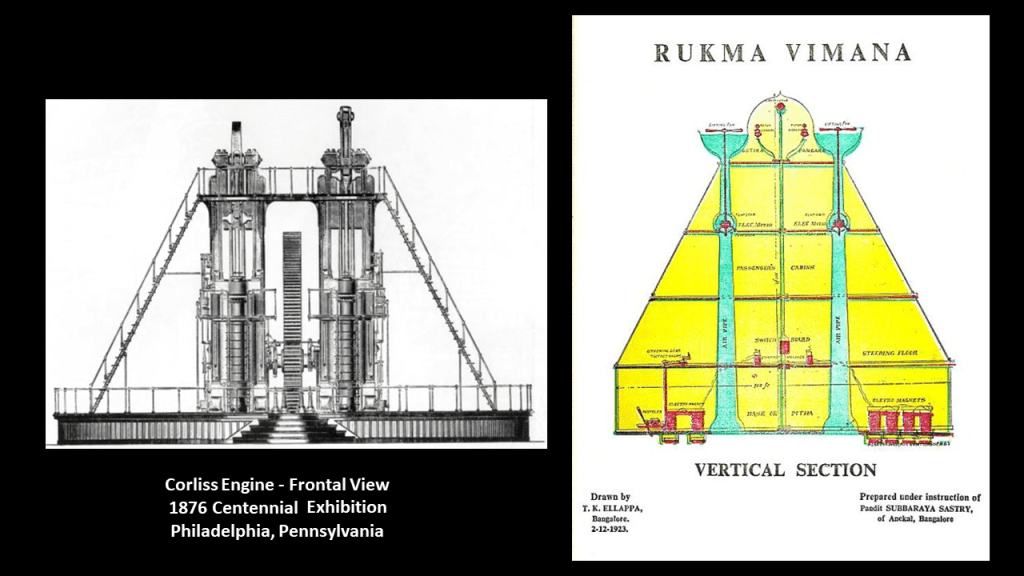
A few other places from Philadelphia I would like to mention here.
First is the Wanamaker Grand Court Organ, the largest fully-functioning pipe organ in the world, and located in the 7-story Grand Court of Macy’s Center City, formerly Wanamaker’s Department Store.
Said to have been built for the 1904 St. Louis World’s Fair, it has 28, 750-pipes and is famous for its orchestra-like sound as it was designed to imitate a full-size orchestra.
After the World’s Fair in St. Louis, it was said to have languished in storage until 1909, at which time it was purchased by John Wanamaker for his department store in Center City, Philadelphia.
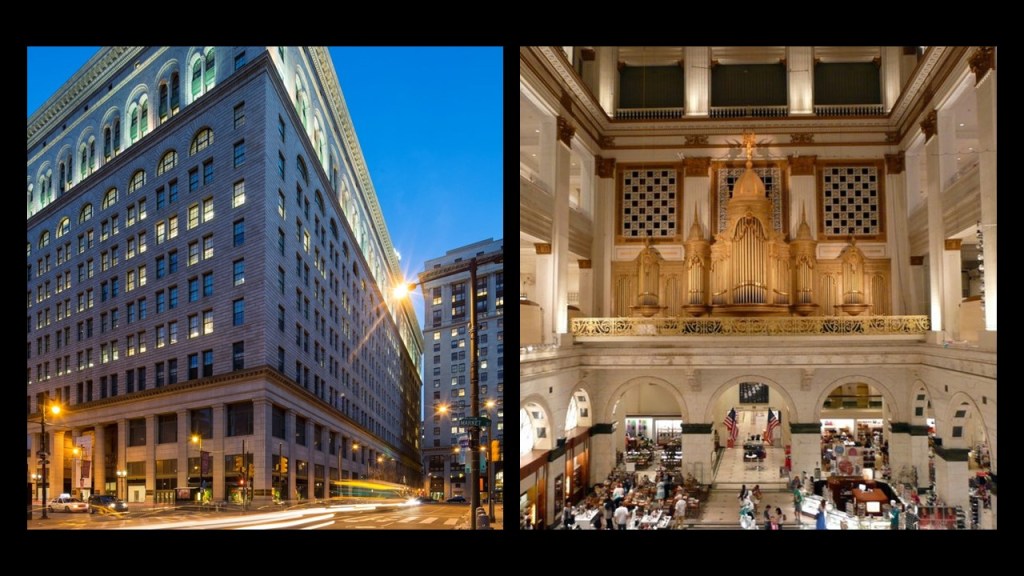
Macy’s Center City is literally just around the corner from the Philadelphia City Hall.
This part of Philadelphia is the historic center of the city.
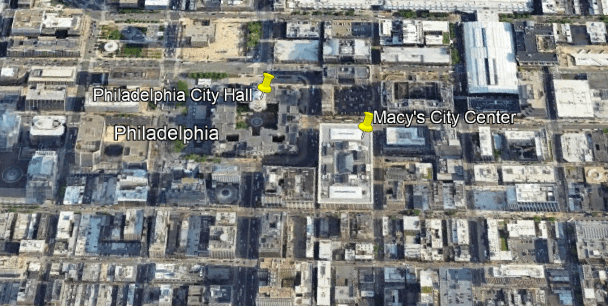
Philadelphia’s City Hall is the world’s tallest, free-standing masonry building, said to have been designed in the ornate Second French Empire-style of Emperor Napoleon III, and constructed from brick, white marble, and limestone between 1871 and 1901.
At the time it was completed, it was said to have the tallest clock-tower in the world.
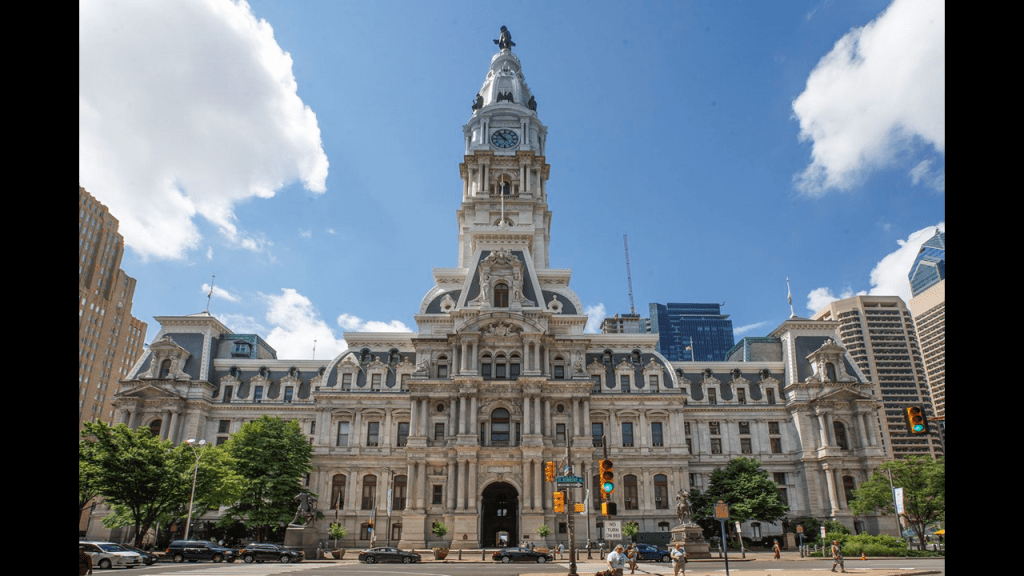
The Philadelphia City Hall is located above the “City Hall Station,” a subway station that serves the Broad Street Line, and the busiest station on th line.
It first opened in 1928.
Both of these places are located not far the Cathedral Basilica of Saints Peter & Paul; the Philadelphia Episcopal Cathedral and the 30th Street Station.
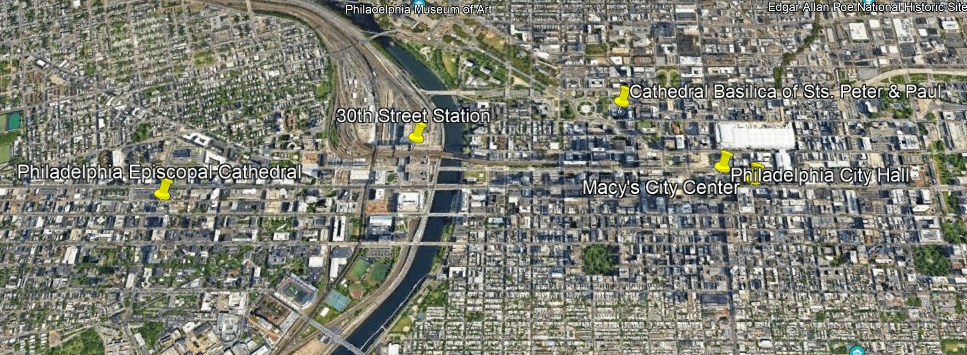
The Cathedral Basilica of Saints Peter & Paul is the head church of the Roman Catholic Diocese of Philadelphia, and said to have been built between 1846 and 1864, which would mean that it would have been completed during the American Civil War.
Like the nearby Macy’s Center City, the Cathedral Basilica of Saints Peter & Paul also has an organ, one of the largest in Philadelphia, but with only 4,648 pipes, far less than the almost 29,000 pipes of the Wanamaker Organ.
What we are told is that the original Standbridge Organ was installed here in 1868, and it was replaced in 1920 with an Austin Organ, and which since then has supposedly either been rebuilt or replaced several times.
The Philadelphia Episcopal Cathedral is the cathedral church of the Episcopal Diocese of Philadelphia.
It was said to have been built in 1855; renovated in 1898; and rebuilt in 1906, after a fire in April of 1902.
What’s interesting to note is exactly how much the historic train stations, that still remain standing, in some cities look just like cathedrals, like the Philadelphia Episcopal Cathedral on the top left; the Indianapolis Union Station on the top right; the Louisville Union Station on the bottom left; and the main train station on Mumbai, India on the bottom right, originally called the Victoria Terminus in our historical narrative.
And lastly, the “30th Street Station,” also known as the “William H. Gray III 30th Street Station,” near the two Philadelphia Cathedrals, City Hall, and Macy’s City Center with the humongous organ, is metropolitan Philadelphia’s main railroad and intermodal transit station.
The “30th Street Station” was said to have been built between 1927 and 1933, which would have been during the Great Depression.
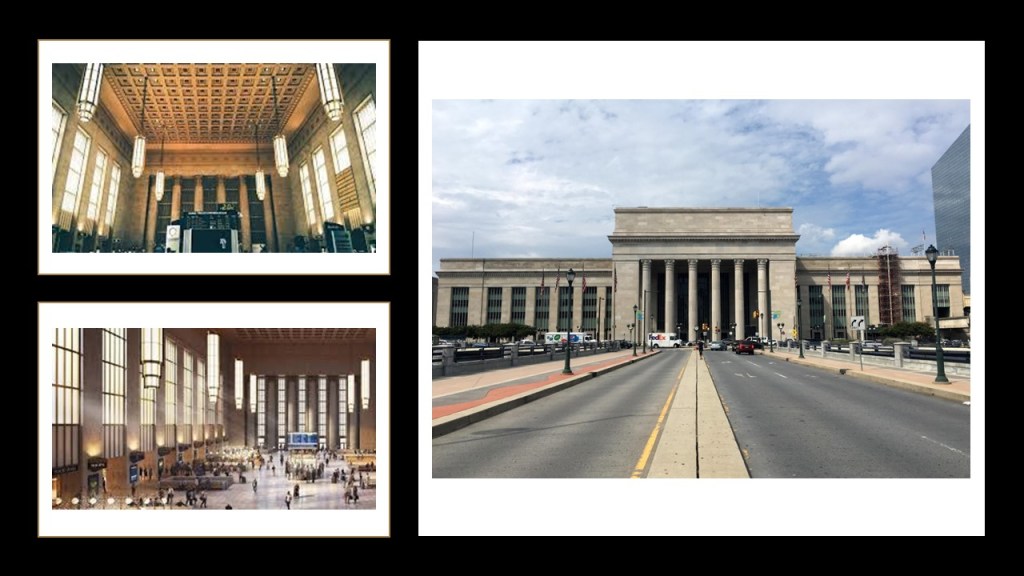
Now I am going to look at other examples I have found in the course of my research, of many examples, of exactly the same things we have seen thus far in different places in the United States, and around the world as well.
i am going to start by revisiting the US Route 219, of the U. S. Numbered Highway System, which we saw earlier as the “Seneca Trail,” where it passes through West Virginia.
US Route 219 is a spur of the much longer US Route 19.
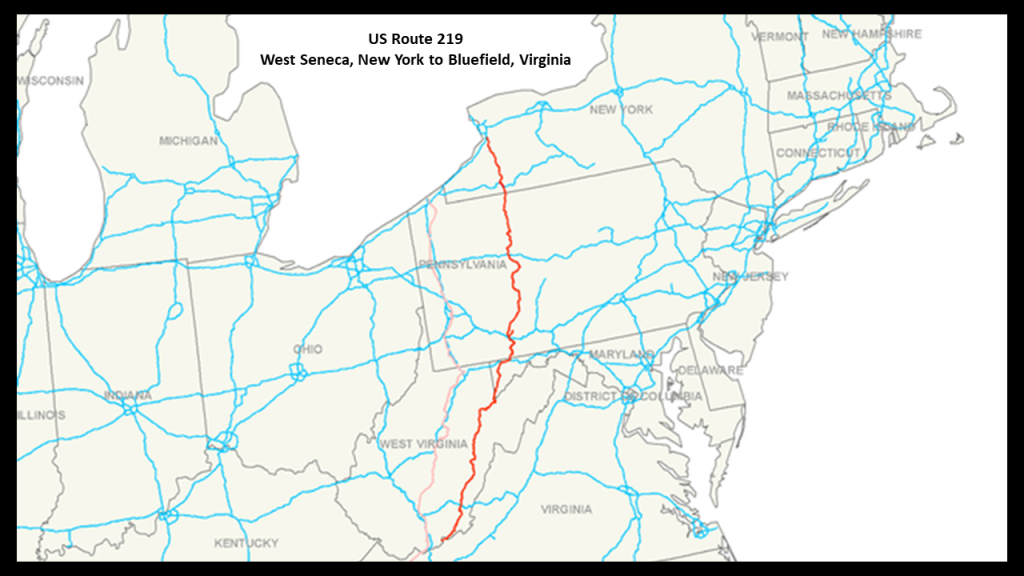
And, as we’ve already seen, US-219 is the highway corridor that links the bogs of Black Moshannon State Park near Penn State University and State College and Cranberry Glades, near White Sulphur Springs and the Greenbrier Resort.
Both of these boggy wetlands are located in close proximity to former railroad infrastructure, with the previously seen Snowshoe Rail-to-Trails at Moshannon Creek , and the Greenbrier Rail-to-Trails running along US-219 and the Greenbrier River near Cranberry Glades.
The North-South U. S. Route 19 starts at its northern terminus at U. S Route 20 at Lake Erie in Erie, Pennsylvania.
Erie is located just about right in-between Cleveland, Ohio, which is 90-miles, or 140-kilometers, southwest of Erie, and Buffalo, New York, 80-miles, or 130-kilometers, northeast, on the southern shore of Lake Erie.
US-20 is a major east-west highway that runs all the way across the continent, and runs along the southern shores of both Lake Erie and Lake Michigan, starting at Route 2 at Kenmore Square in Boston, Massachusetts, and ending at US 101 in Newport, Oregon.

There are several things to note about the terminus at both ends and places where US-20 crosses.
First, the Eastern terminus of US – 20 at Kenmore Square.
2 Kenmore Square is located next to Boston University next to the Charles River, and is directly across from Fenway Park, home of the city’s Major League Baseball team, the Boston Red Sox.
This location referred to as the “Fenway-Kenmore” neighborhood is adjacent to Back Bay, another officially recognized neighborhood of Boston.
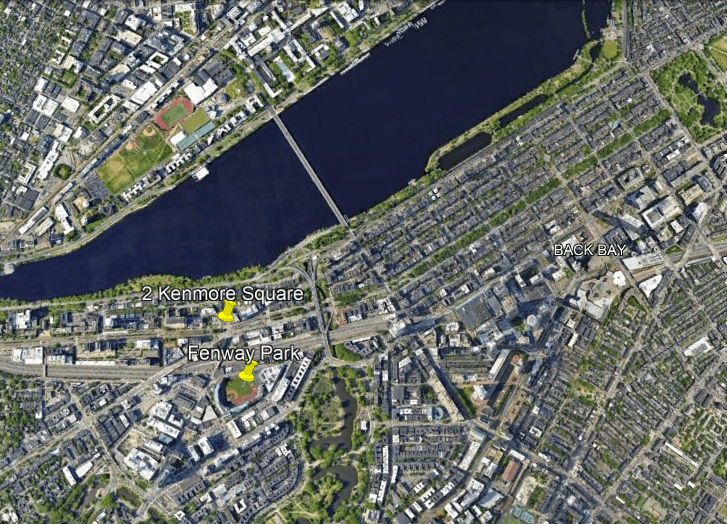
When I searched for “Kenmore Square,” the most noteworthy thing that popped up was the gigantic “Citgo” sign, one form or another of which has dominated the view of Kenmore Square since 1940.
Citgo was founded in 1910 as the “Cities Services Company” by oilman Henry Doherty, and was one of the first companies to supply gas and electricity to public utilities in the United States.
The “Cities Services Company” introduced the “Koolmotor” high-octane gasoline in the 1920s.
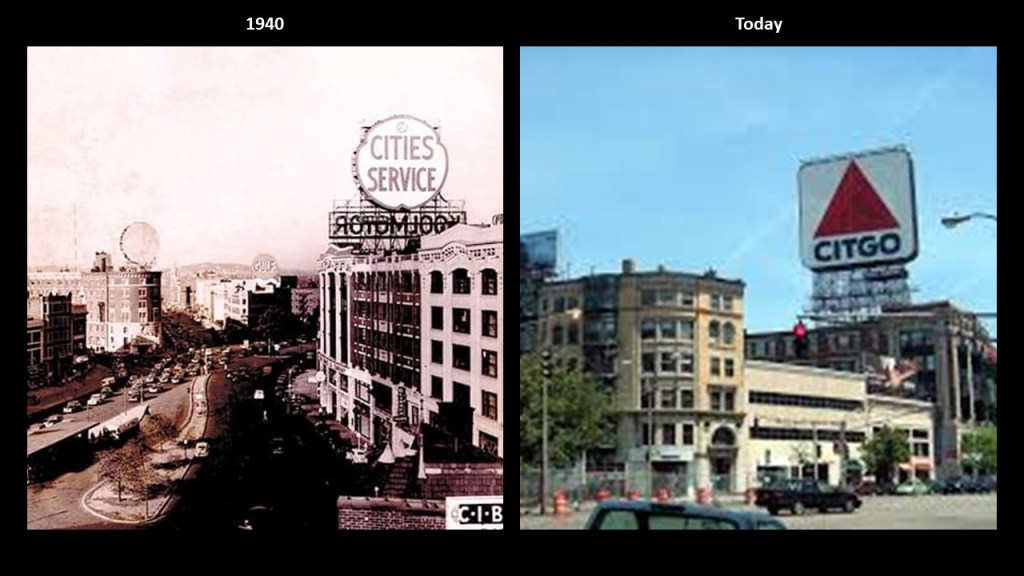
Boston University was established in 1839 as a Methodist-affiliated Biblical Institute.
It was chartered by the Massachusetts Legislature as as Boston University in 1869.
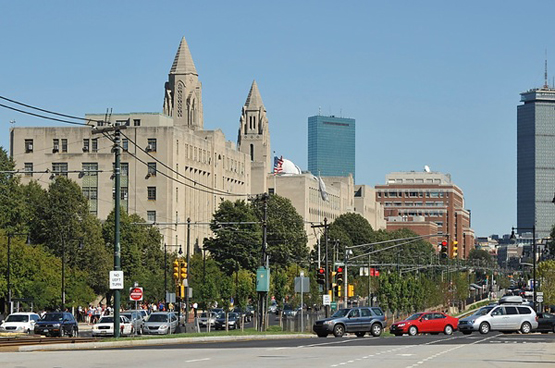
Interesting to note since he appeared earlier in this post that Alexander Graham Bell was credited with the invention of the telephone in a Boston University laboratory sometime around 1876, during the time he was a professor here from 1874 to 1879.
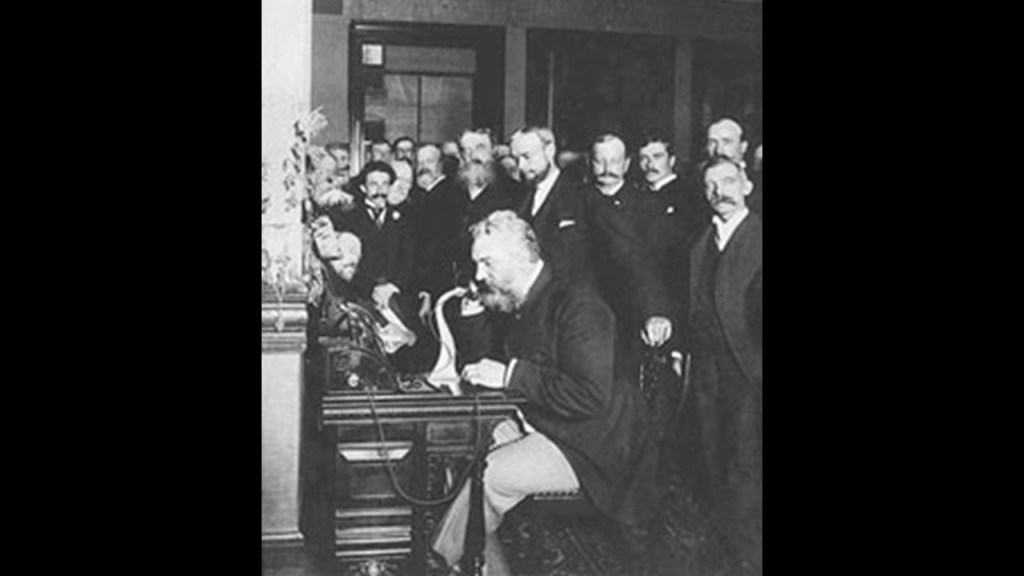
The street address of Fenway Park is “4 Jersey Street,” which is located less than a mile from Kenmore Square.
It is the oldest stadium in Major League Baseball.
It was said to have been constructed starting in 1911 on an asymmetical block, which resulted in asymmetrical field dimensions, in the Fenway neighborhood of Boston.
One of its nicknames is the “Cathedral of Baseball.”
The first game at Fenway Park was played on April 20th of 1912, only five-days after the sinking of the RMS Titanic, which shared front-page newspaper space with the coverage of the opening of Fenway Park.
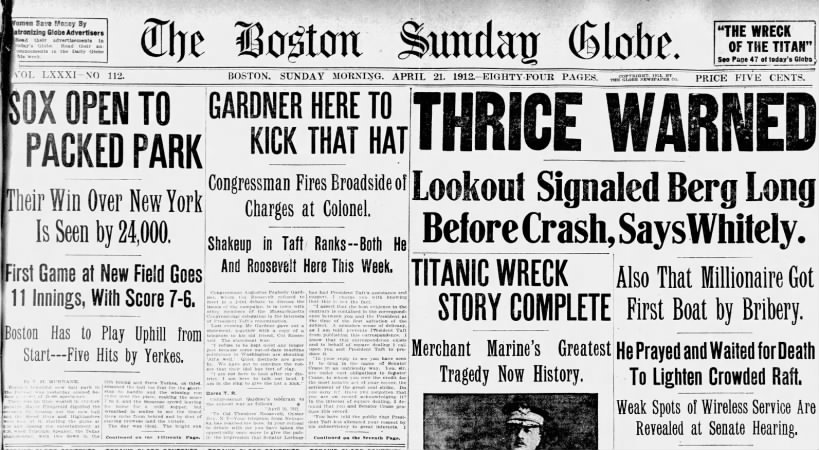
The Fenway-Kenmore neighborhood is separated from the Back Bay neighborhood by the Massachusetts Turnpike, which is concurrent with Interstate-90, the longest Interstate Highway in the United States, which has a total distance of 3,021-miles, or 4,862-kilometers, betweeen Boston and Seattle, Washington.
U. S. Route 20 is roughly parallel to Interstate-90 from Boston until Rockford, Illinos, where I-90 heads northwest towards Seattle and US-20 heads northwest to Newport, Oregon.
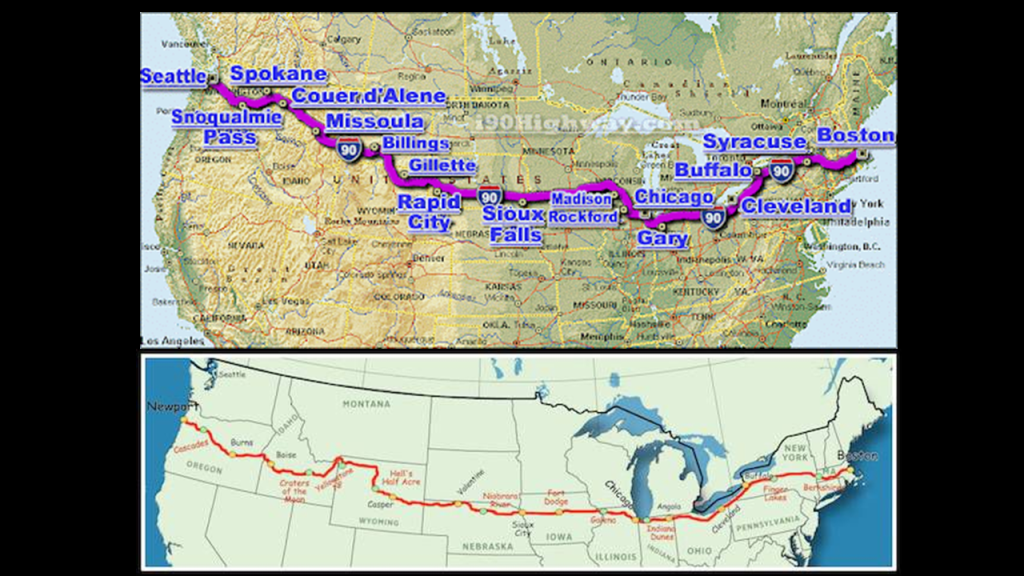
The East Fenway location in this neighborhood, which is generally south of the Massachusetts Turnpike, is separated from West Fenway by what is called the “Muddy River,” which flows through the “Back Bay Fens” into the Charles River north of Kenmore.
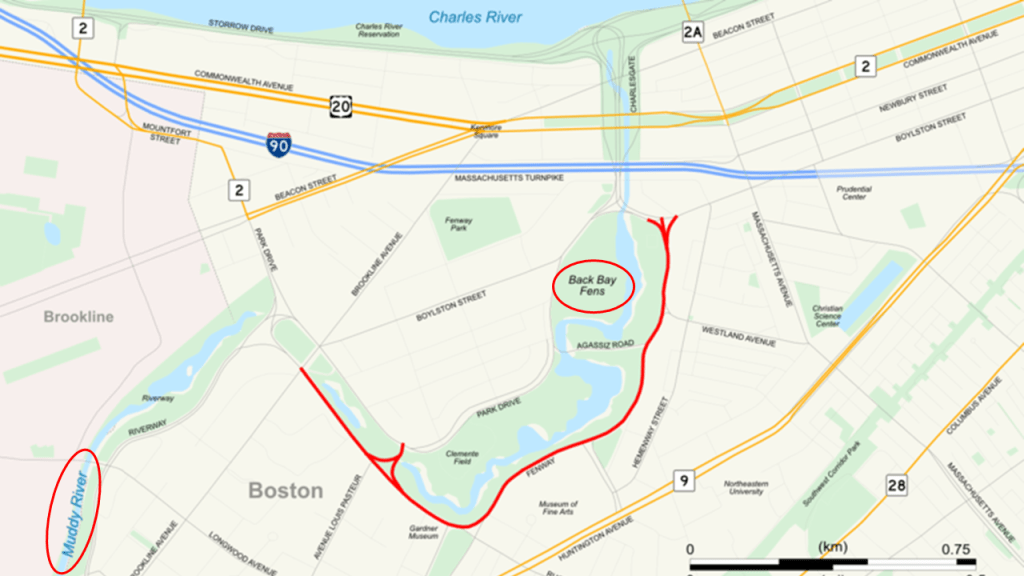
The Muddy River is described as a series of brooks and ponds that runs through sections of Boston’s Emerald Necklace through the Back Bay Fens towards its connection to the Charles River in the Charlesgate area.
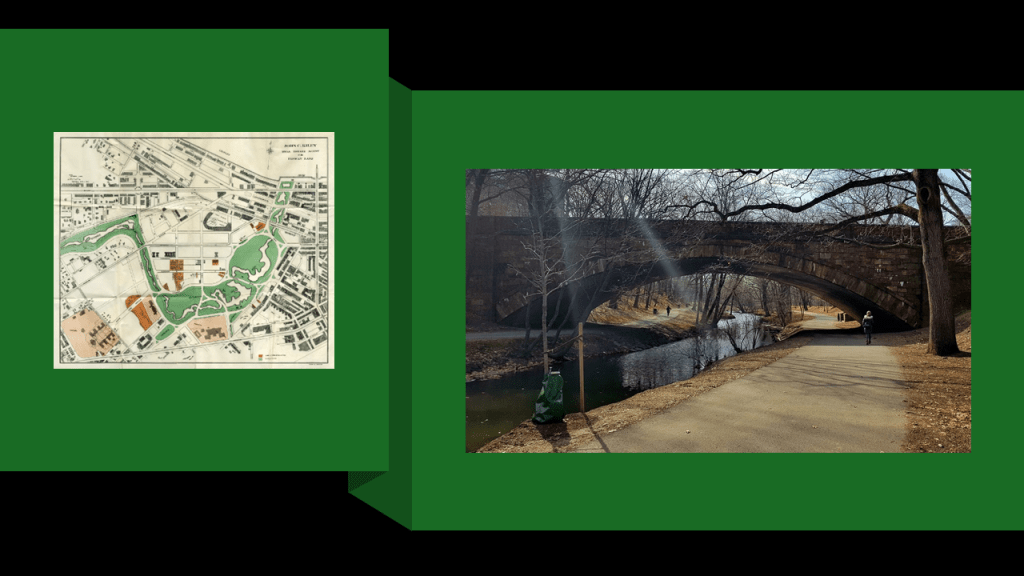
Frederick Law Olmsted was credited as the primary landscape architect of the Emerald Necklace system of parks in the 1870s, and he was credited with the design for lots and lots of parks and greenways throughout the country.
Frederick Law Olmsted was also a member of the previously mentioned Century Association, like the architectural firm of McKim, Meade and White that we have already seen several times in this post.
The Back Bay Fens are described as an ancient spot of saltwater marshland that has been surrounded by dry land and disconnected from the tides of the Atlantic Ocean.
It is possible to still see the S-shaped riverbends in this location.
We are told that it was established as a park in 1879 after having been designed by Frederick Law Olmsted as a park in the Emerald Necklace system of parks.
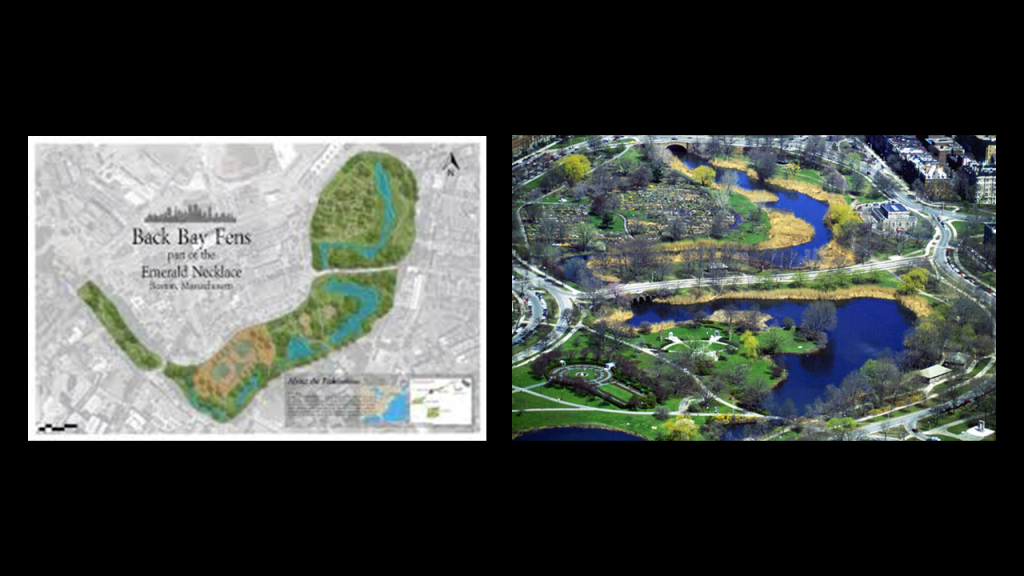
This was the Stony Brook Bridge circa 1898 in the Back Bay Fens.
We are told this one and one other bridge crossing the Stony Brook Canal were demolished when the canal was filled-in.
The high-end Back Bay Neighborhood, adjacent to the Fenway-Kenmore neighborhood, was said to have been built on reclaimed land in the Charles River Basin, with construction beginning in 1859.
Like what we saw earlier with the examples of Martha’s Vineyard and Long Island, it is an affluent shopping and dining destination, and one of the most expensive residential neighborhoods in Boston.
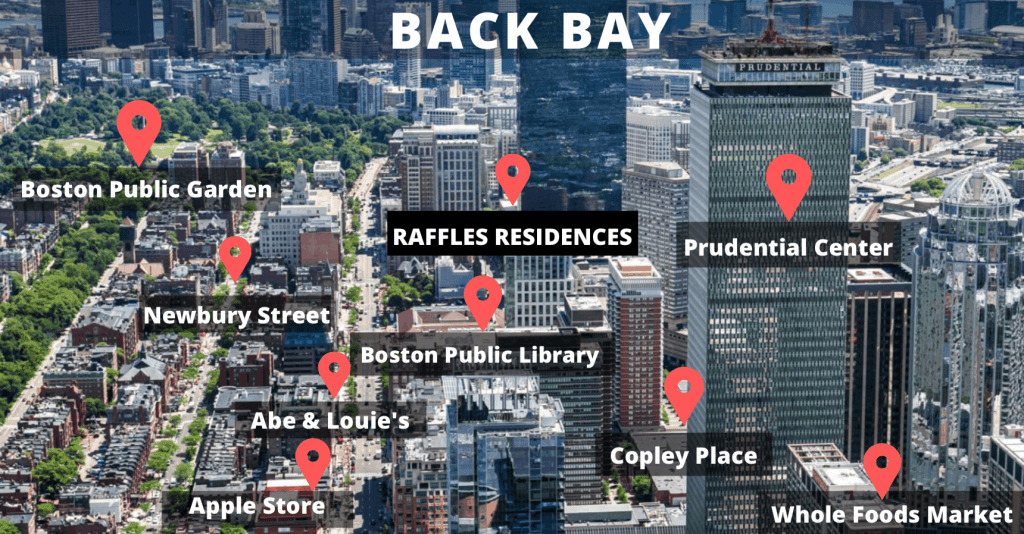
We are told that starting in 1857, gravel and other fill was transported by rail day and night quarries in the surrounding area.
What we are told is that present-day Back Bay was filled-in by 1882; the project reached existing land at Kenmore Square by 1890; and finished the Fens by 1900.
We are told that by 1900, the area was fully built.
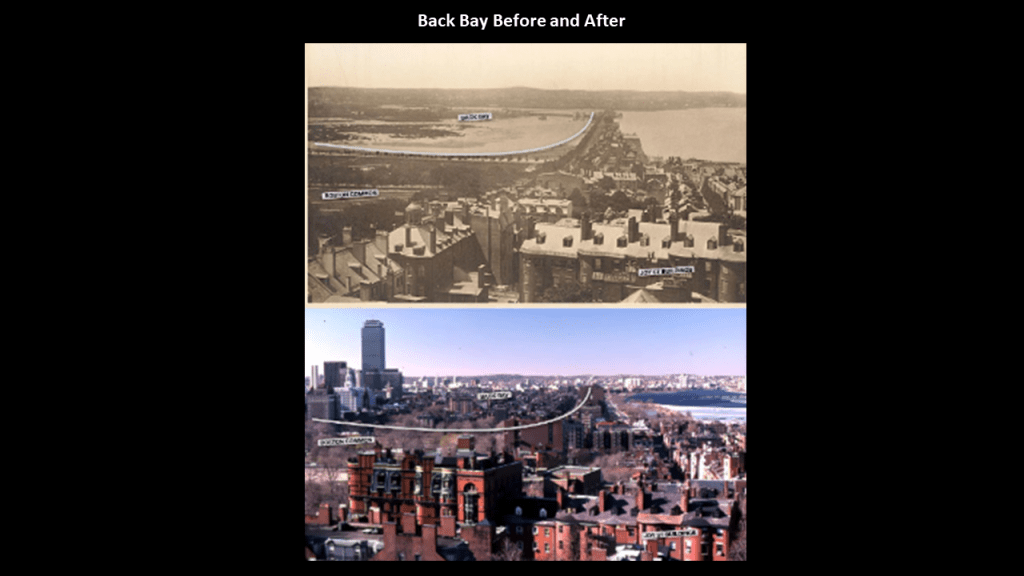
Going east on Interstate-90 after it crosses Boston Harbor in East Boston, we come to Logan International Airport.
We pass by the North and South Stations as we head towards the Boston Harbor, and numerous Harbor Islands, star forts and lighthouses.
This is a 1902 map of various railroad terminals and facilities in Boston, said to date from shortly after the North Union Station and South Station were created.
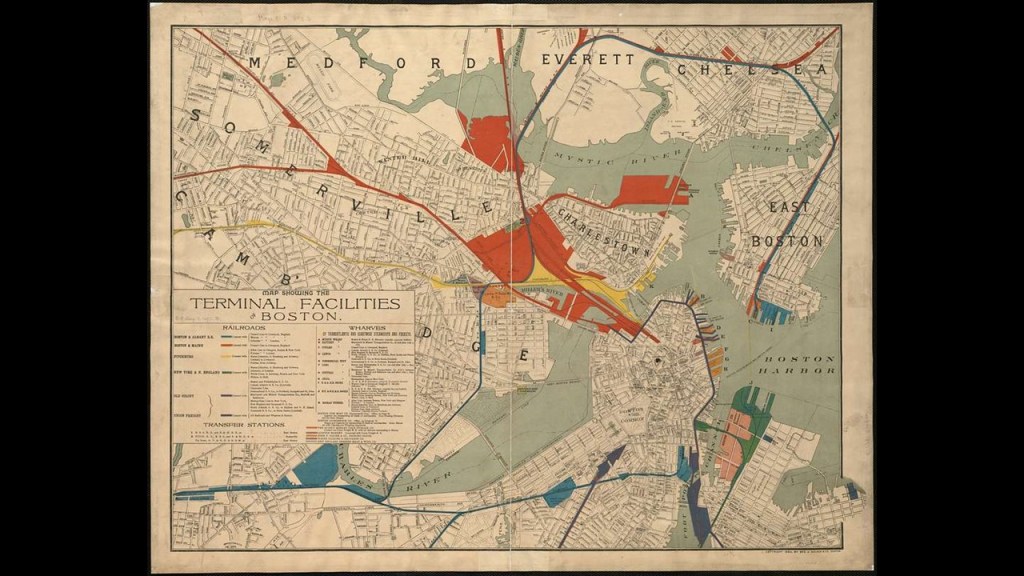
The North Union Station was said to have been built by one of the railroads operating here, the Boston and Maine, between starting in 1893 and built in stages until its opening in 1894.
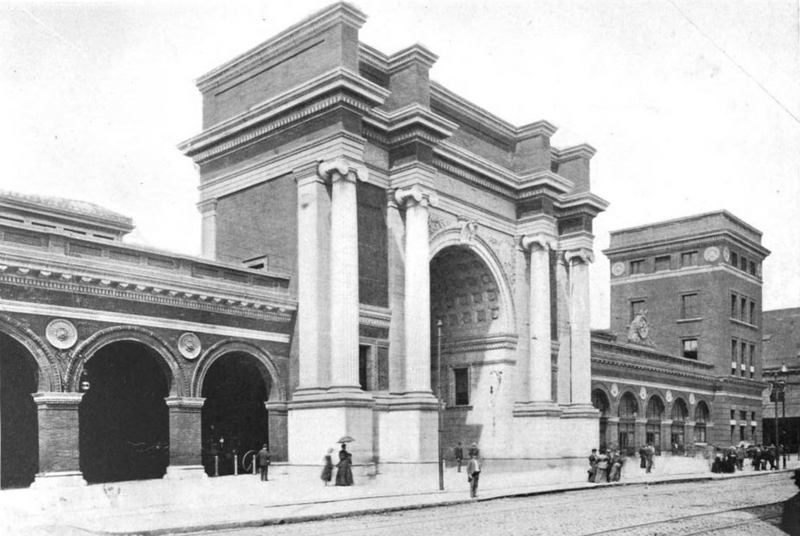
Today’s North Station is a commuter rail, subway, and bus station.

The South Station Complex is the second busiest transportation center in New England after Logan International Airport, with local commuter rail and Amtrak interurban passenger services, underground levels and bus services.
It first opened in 1900 for the “Atlantic Avenue Elevated,” which was part of Boston’s Main Line Elevated, which was founded in 1894.
The “Atlantic Avenue El” was in operation from 1901 to 1938, at which time its operation was ended…
…and in 1942, the former elevated railway infrastructure here was demolished and sold for scrap.
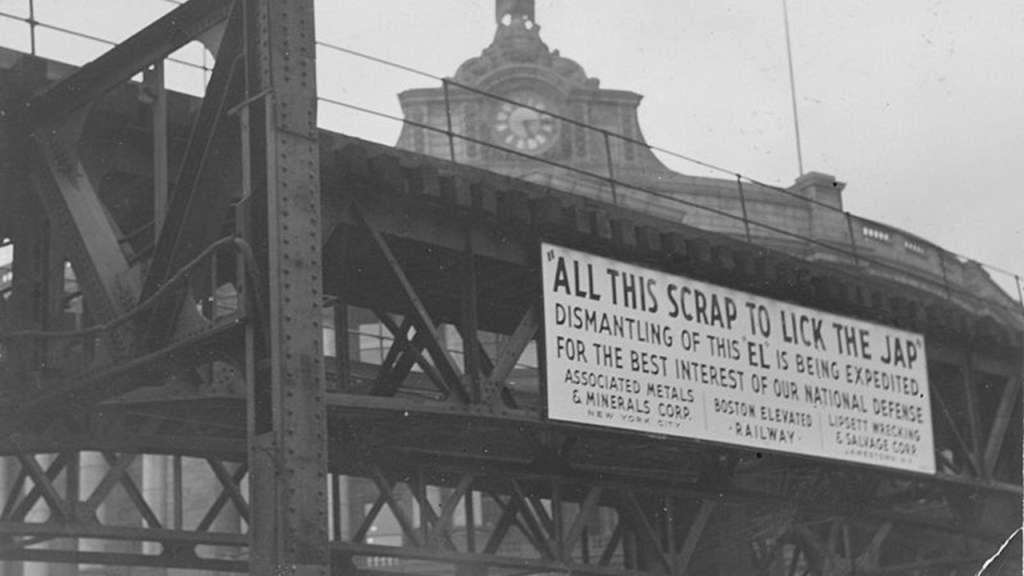
The new South Station Tower rising above the South Station is being described as a mixed-use tower for commercial and residential space situated over Boston’s most connected and active transit hub, and is being described as “Boston’s Center of Gravity.”
The first thing that strikes me about Logan International Airport is that is located right next to Boston Harbor, which is described as a natural harbor and estuary of Massachusetts Bay, and the same configuration as the international airports we saw earlier in New York, Sydney, and Pohnpei, as they are also right next to bodies of water described as estuaries or lagoons.
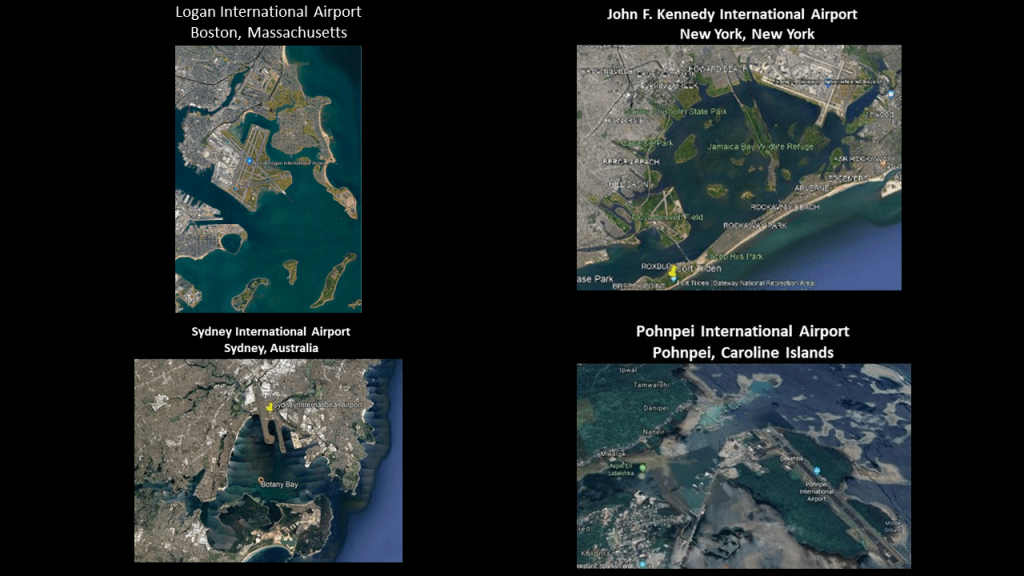
Another thing to note is that Logan International Airport, like most of Boston today, is situated on reclaimed land.
Boston Harbor is described as natural and estuary, and has a considerable number of islands, thirty-four of which have been part of the Boston Harbor Islands National Recreational Area since 1996.
Found within the Harbor Islands, there are five star forts – Fort Independence, Fort Warren, Fort Andrews, Fort Revere, and Fort Strong – and four light houses – the Long Island Head Light, the Deer Island Light; the Boston Light; and the Graves Light.
There may be more, but this is what I have been able to find.
Fort Warren on Georges Island at the entrance to Boston Harbor was said to have been built as a fortification between 1833 and 1861…
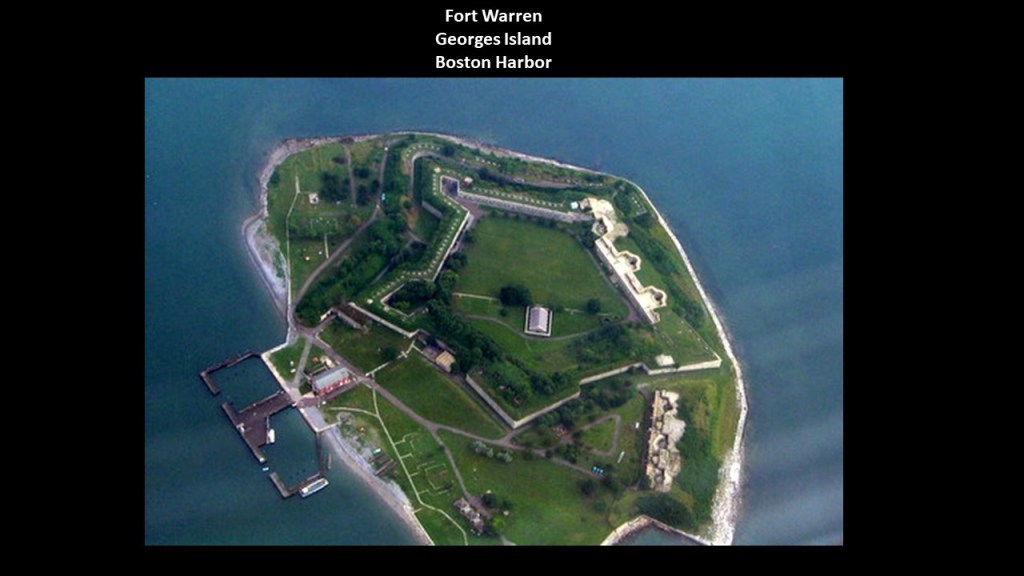
…Fort Andrews on Peddecks Island as a fortification between 1898 and 1904…
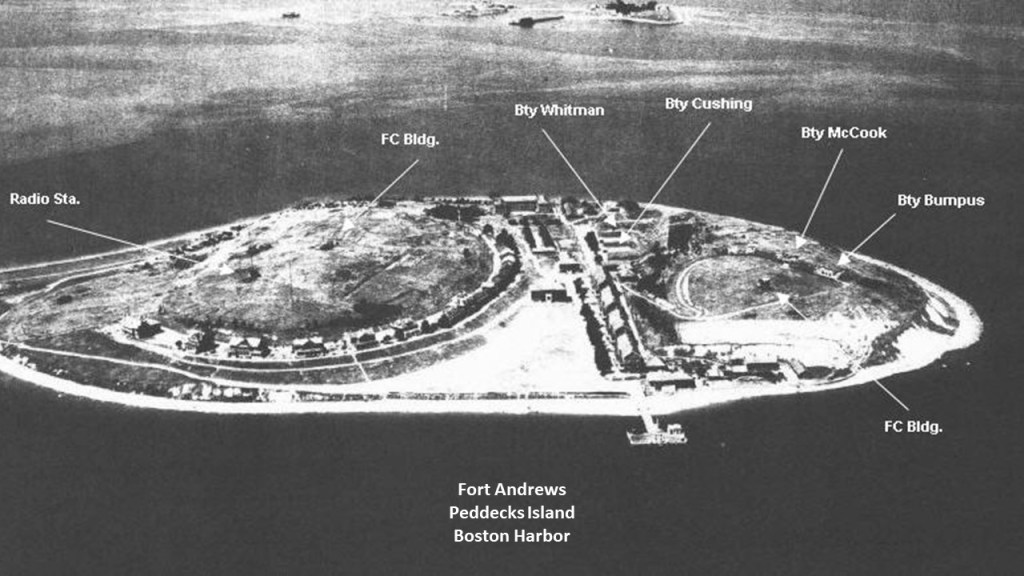
…Fort Independence, said to have been constructed as a fortification between 1833 and 1851…
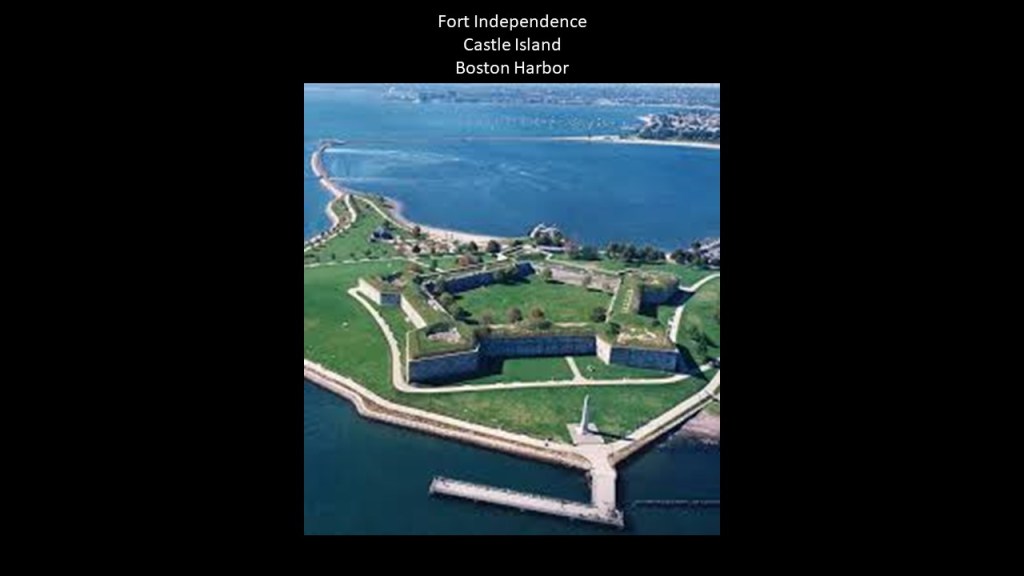
…Fort Revere Park, located in Hull, Massachusetts on what is described as a small peninsula, and said to be the location of two fortifications, one from the American Revolution, and one from 1898 to 1947.
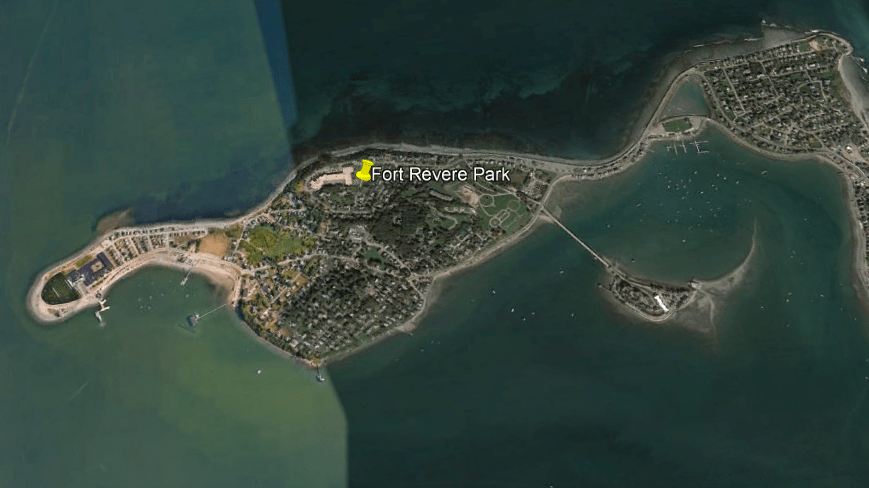
…and Fort Strong was said to have been built on Boston Harbor’s Long Island between 1893 and 1906 as part of the Coastal Defenses of Boston.
Since being decommissioned in 1947 after World War II, it was used as a Nike Missile Shelter until 1961, and between 2005 and 2009 was redeveloped as a children’s summer camp then a homeless shelter.
All activity ended here after the island’s bridge was demolished in 2014 due to safety concerns.
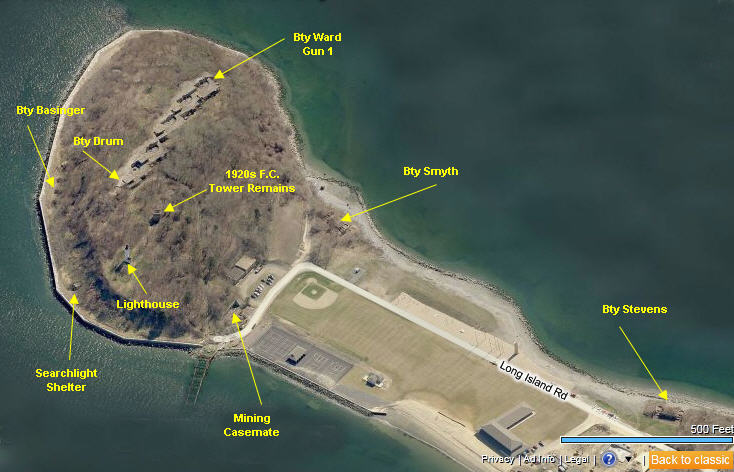
With regards to the lighthouses here, the Boston Light is located on Little Brewster Island.
The current one here was said to date from 1783, and is the second-oldest working lighthouse in the United States.
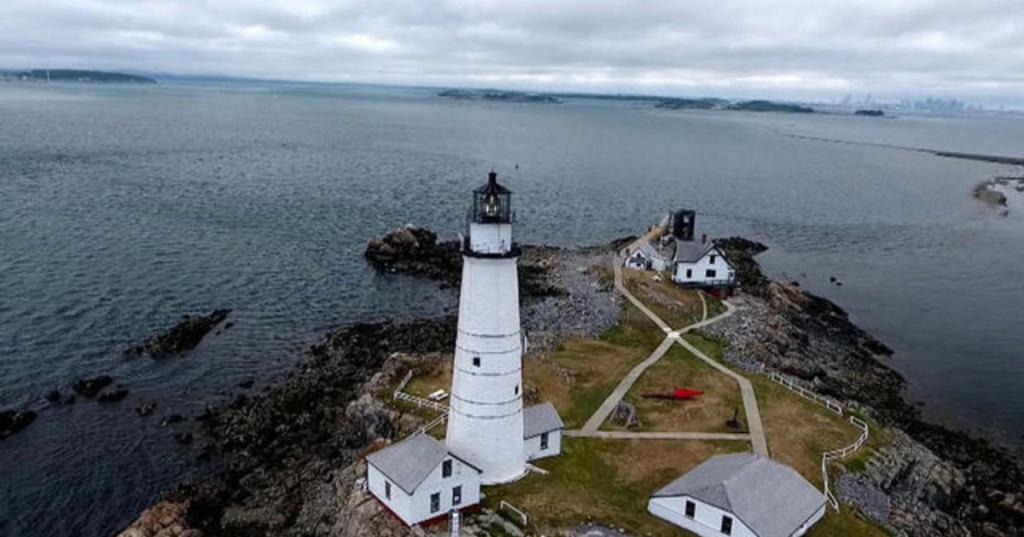
We are told the original lighthouse here was built in 1716, and was the first lighthouse to be built in the United States.
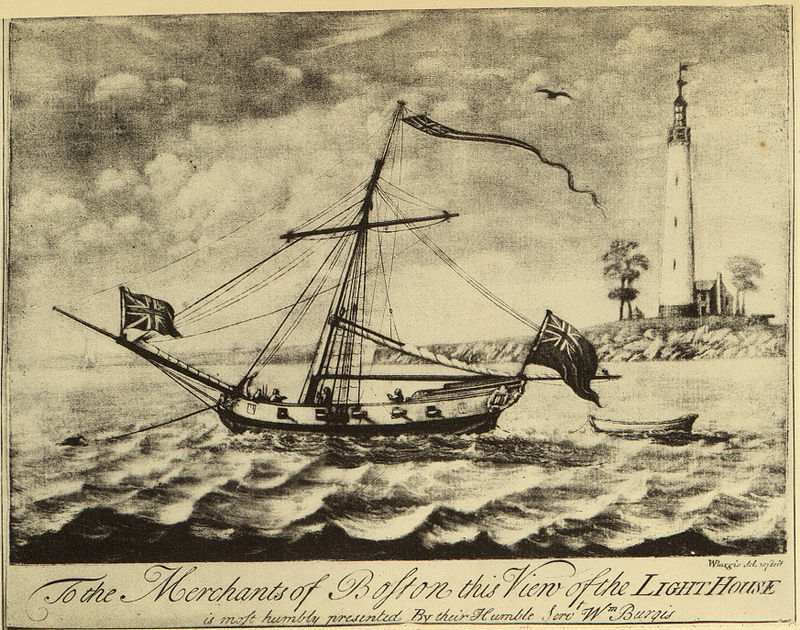
When I was looking for information on the Boston Light, I found the Graves Light, which is nearby on the outermost island of the Boston Harbor Islands National Recreation Area, and was said to have been built in 1905…
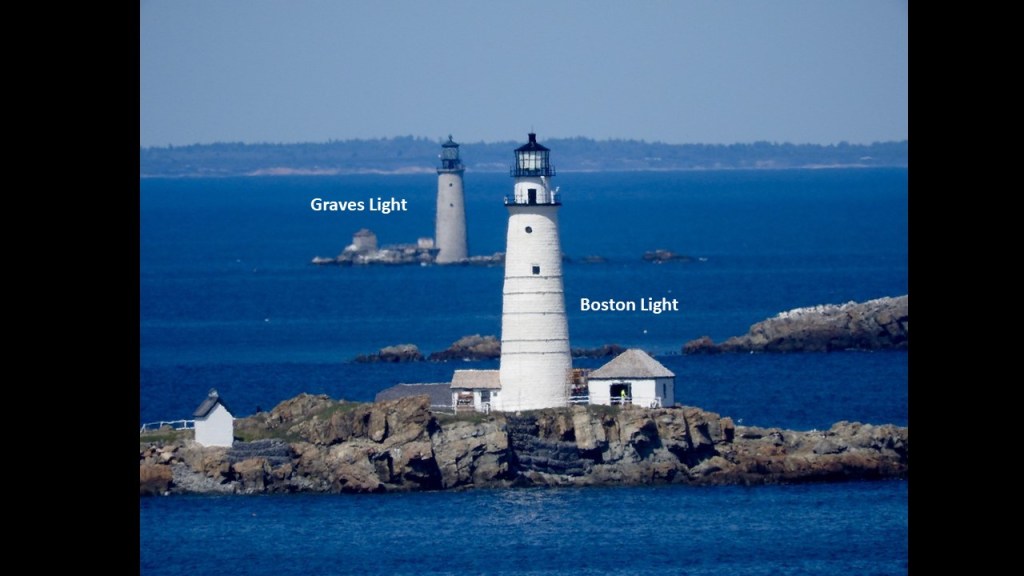
…at the same time the North Channel into Boston Harbor was dredged in order to become the principal entrance for large vessels.
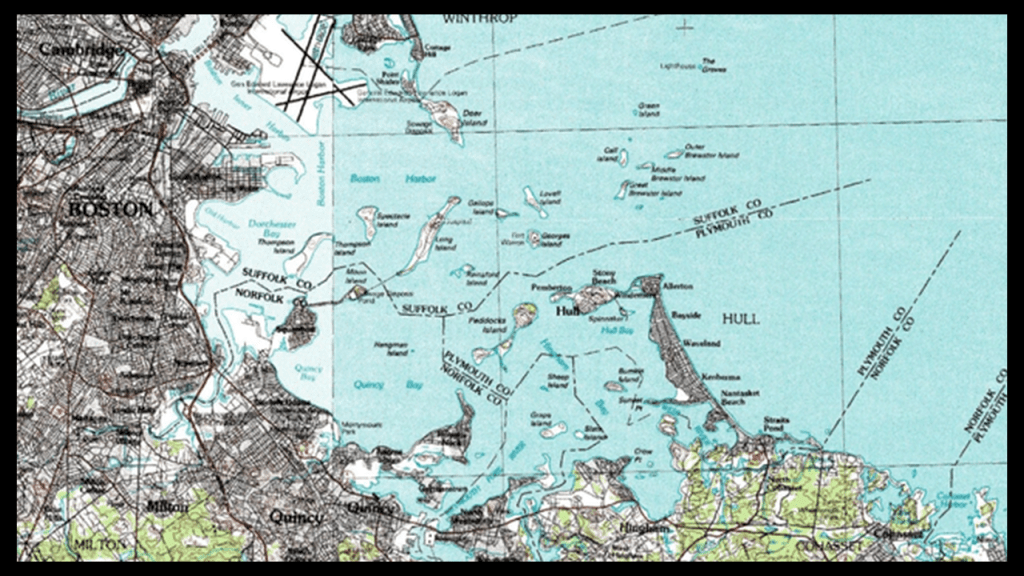
The original Deer Island Light was said to have been constructed at the end of a reef that extends about 1,500-feet, or 460-meters, south from Deer Island.
The original lighthouse here was described as a three-story building that had a veranda with boat davits and a circular parapet, and that a spiral staircase went from the cellar to the top floor.
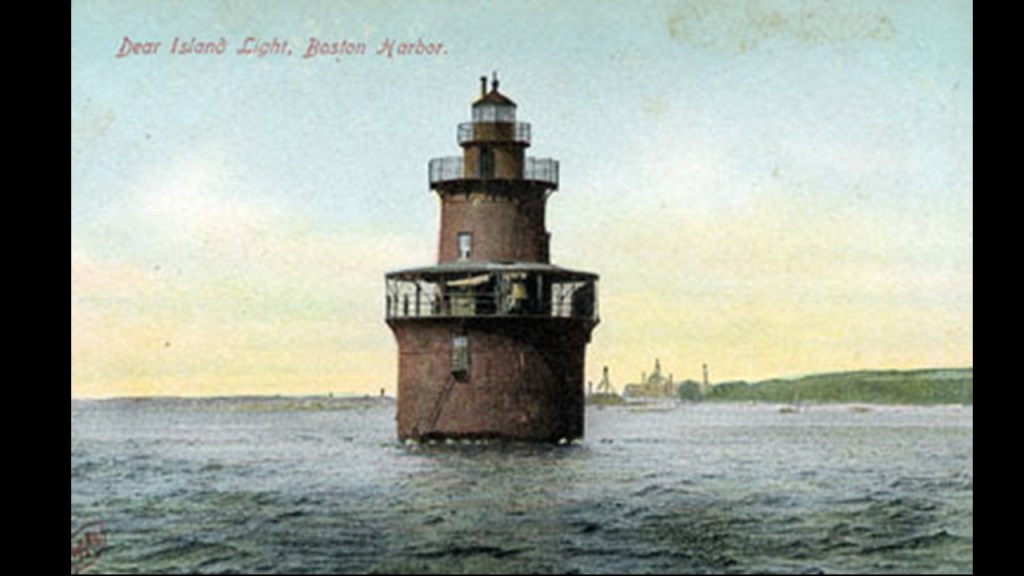
We are told this structure gradually deteriorated, and starting in 1982, it was replaced several times.
This is what is there today.
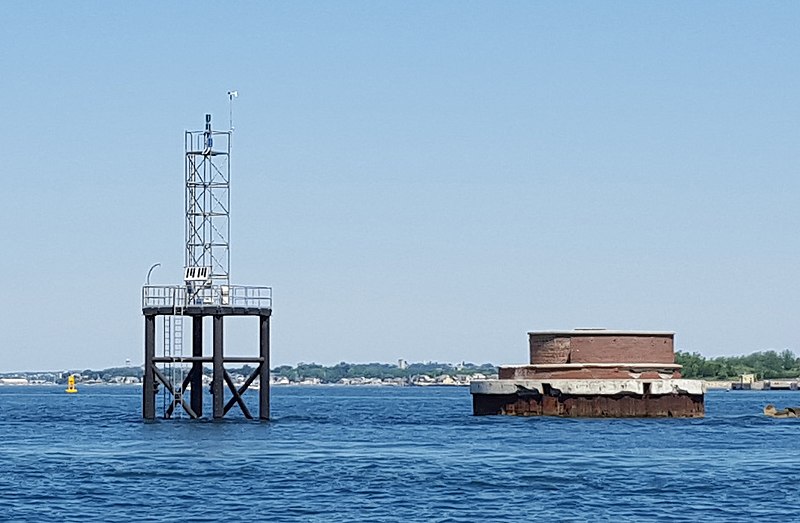
Lastly, the current Long Island Head Light in Boston Harbor, near the location of Fort Strong…
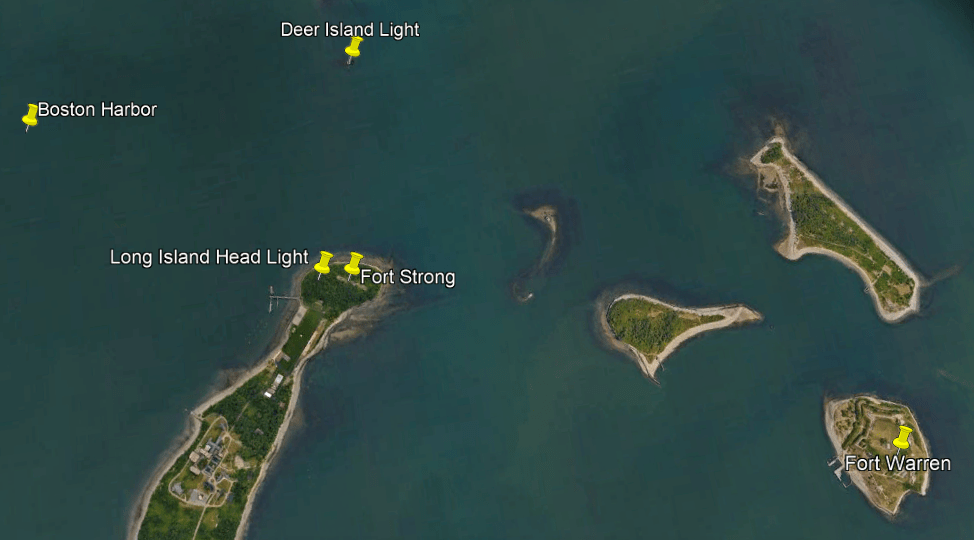
…was said to have been constructed in 1901, though we are told there has been a lighthouse in one form or another since 1819.
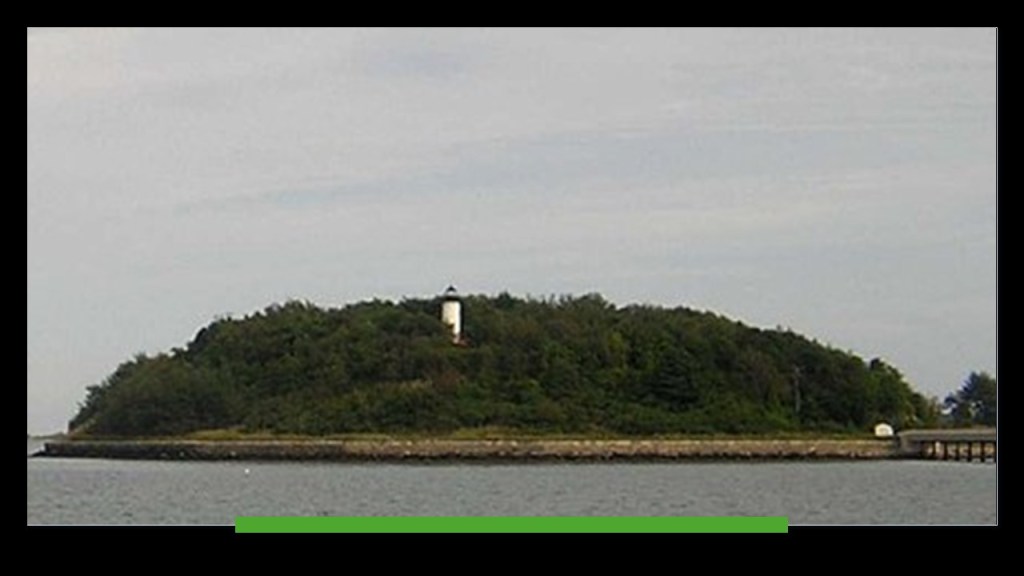
I am going to come back to tie everything together on what I believe we are seeing with regards to all of the airports, railroads, star forts and lighthouses all being in locations with the same characteristics of wetlands, shallow water, and sunken lands, as well as deserts and dunes, and the same sketchy stories that go along with them to explain their existence.
But before I do that, I want to share more places with similar characteristics in very different places.
I am going to start by going west across I-90 from Logan International Airport, which runs parallel to US-20 until Rockford, Illinois.
Now, I am going to look at where the original highway, US-20, crosses along northwestern Ohio at the southern shore of Lake Erie where the historical “Great Black Swamp” was located.
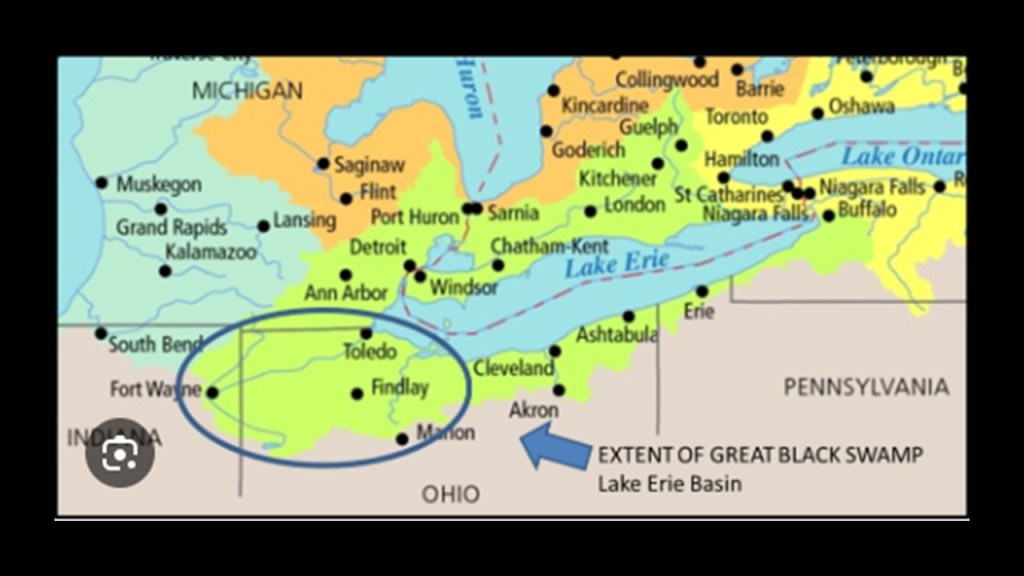
The section of US-20 between Perryburg and Fremont started out as the 31-mile, or 50-kilometer, – long “Maumee & Western Reserve Road,” or “Mud Pike.”
We are told that at the time it was being developed in the late 1700s, what became the “Mud Pike” was the most direct and passable route through what was described as the nearly uninhabitable swampland.
The 1795 Treaty of Greenville had opened the Northwest Territory for settlement, but the Great Black Swamp stood in the way between the newly acquired Northwest Territory and settlers.
It was called the “worst road on the continent” early in its existence for the mud-holes that would trap wagon wheels and draft animals and its slow travel, though it was gradually improved as the swampland was drained in the mid-to-late 19th-century.

I found this newspaper clipping from the Newark Advocate in 1902 in my past research describing a giant skeleton that was found in Bowling Green in northwestern Ohio that was over 8-feet, or 2.5-meters, -tall.
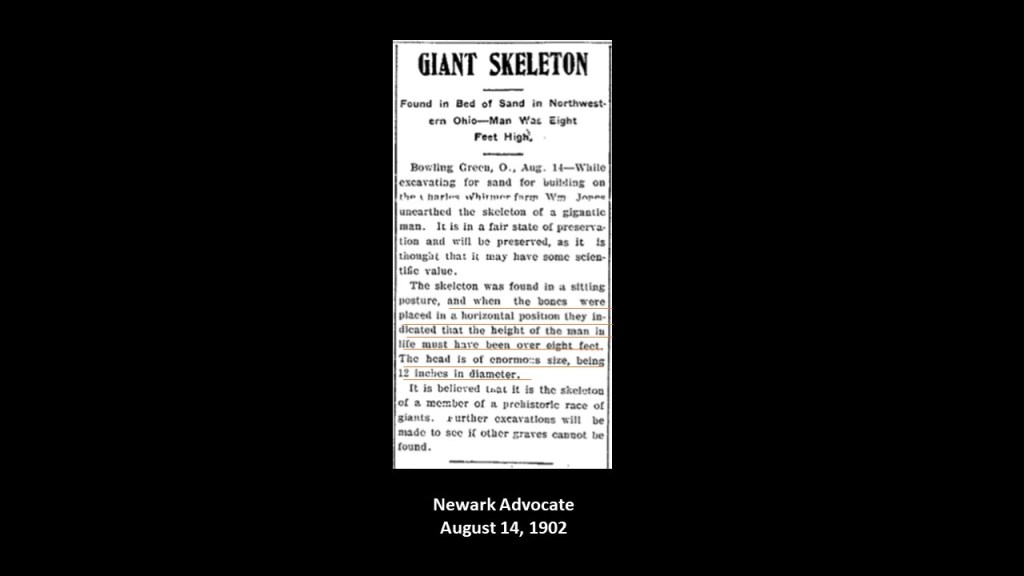
Bowling Green in Ohio is located within the “Great Black Swamp,” between Fort Wayne in Indiana and the southern shore of Lake Erie in northwest Ohio.
Interesting to note all the historic rail-lines that go through the same area as the Great Black Swamp in Northwest Ohio, circa this 1914 Ohio Public Utilities Commission Railroad map of Ohio, with Bowling Green where the giant skeleton was found circled in red.
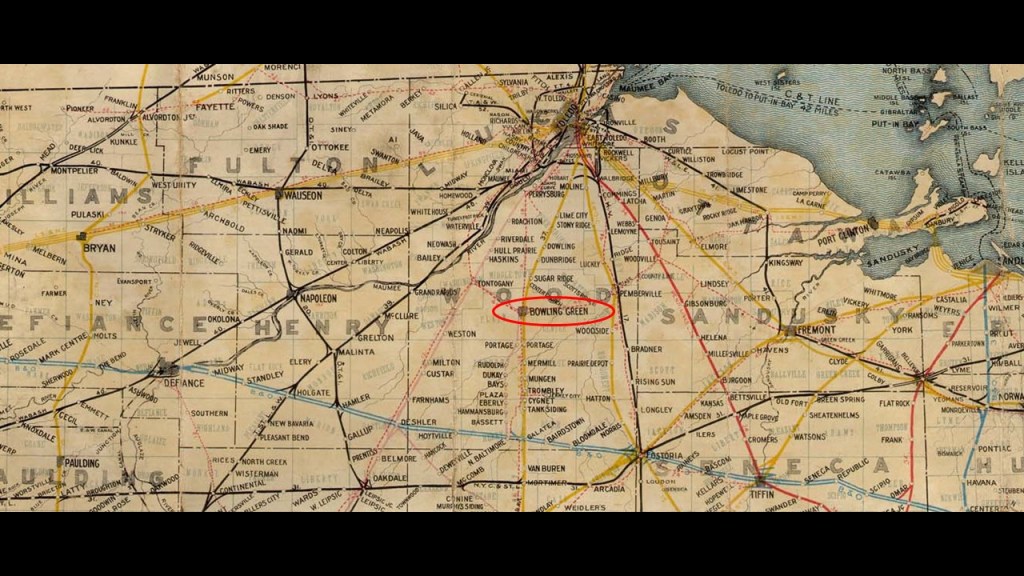
The story that accompanies the existence of the railroads is that they were all constructed after the swamp land was drained, and that was what made the construction of the railroads possible.
But I continue to have serious doubts that railroads were constructed by the people who said they built them when they were said to have been built.
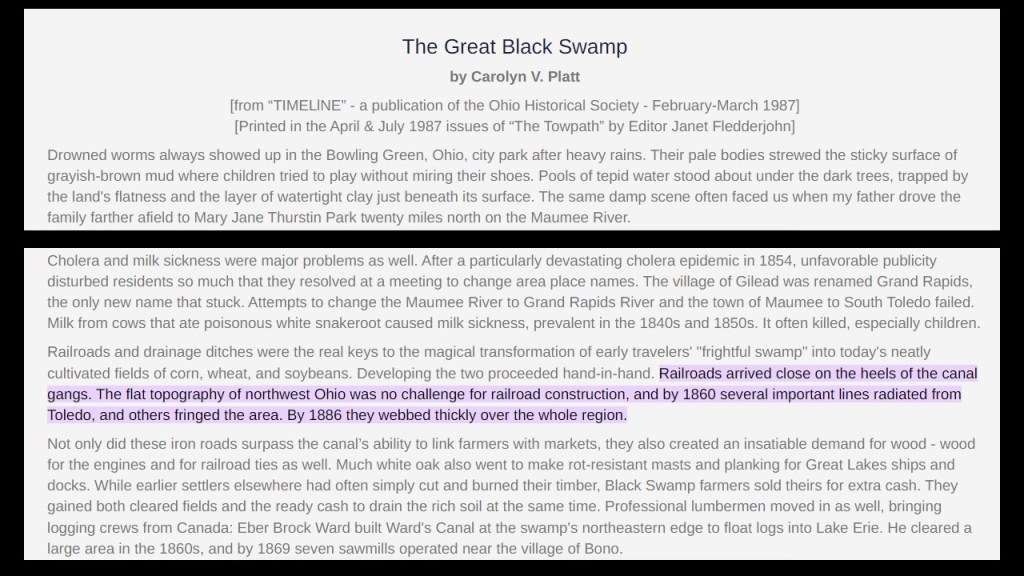
My belief falls along the lines that they were already there and being made serviceable once again after the swamp land was drained and/or reclaimed.
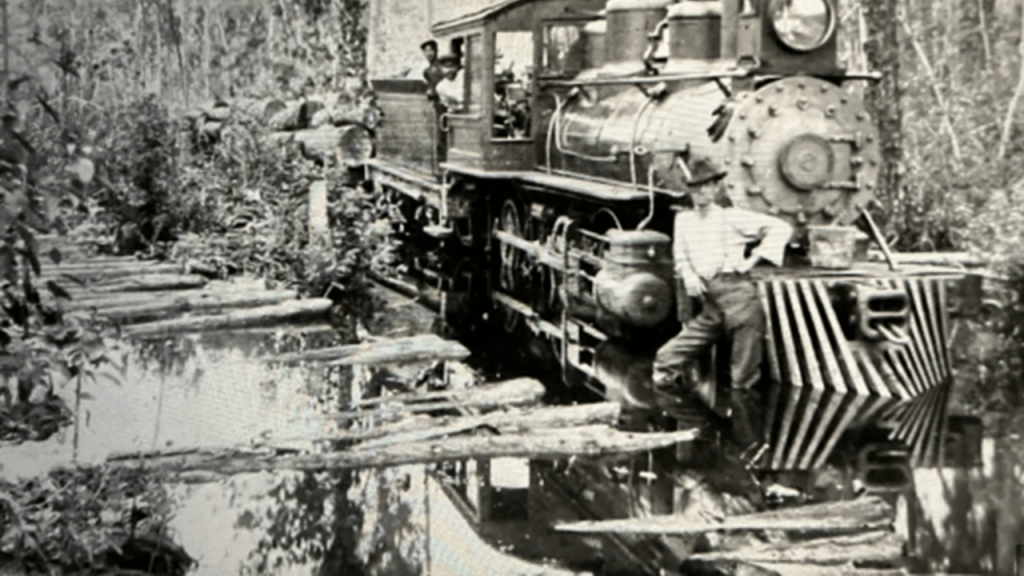
US-20 as well crosses northern Indiana at Lake Superior where the Indiana Dunes, and co-located marsh wetlands, and Gary, are found on the American Discovery Trail, as we saw earlier in this post.

The “Great Black Swamp,” on the southern shore of Lake Erie, and the “Indiana Dunes” on the southern shore of Lake Michigan are located geographically quite close together.
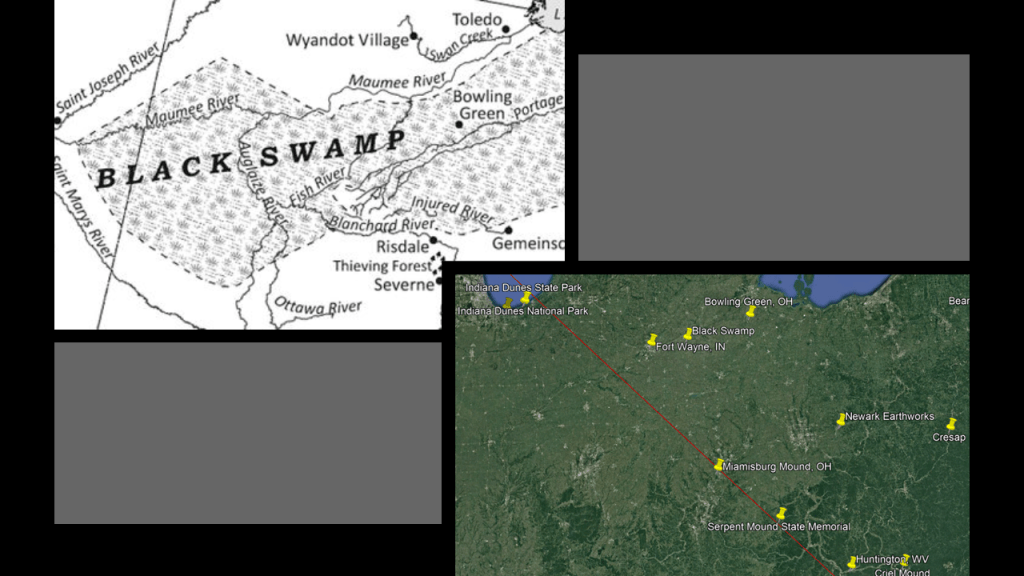
And just like the “South Shore Line” we saw earlier along that same stretch of land next to the Indiana Dunes and Gary, it looks like US-20 and the Lake Shore Line, along with Interstate-90, run a similar route together from Boston to Chicago.
The Lake Shore Line is operated today by Amtrak as the “Lake Shore Limited.”
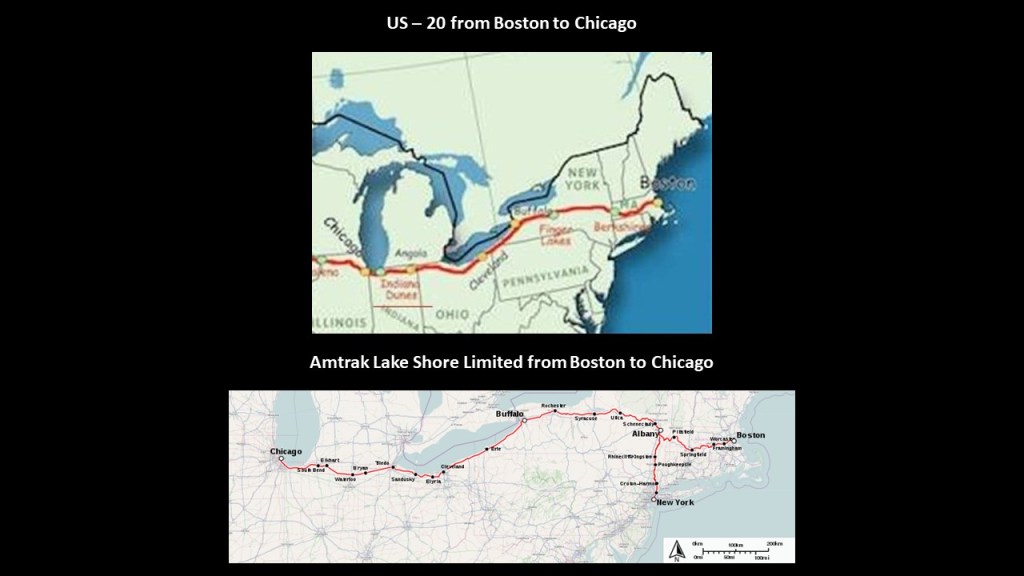
The Rock Island Line was an historic railroad that connected Rock Island, Illinois, with Chicago in this part of the world, just to the west of the Indiana Dunes and the Great Black Swamp.
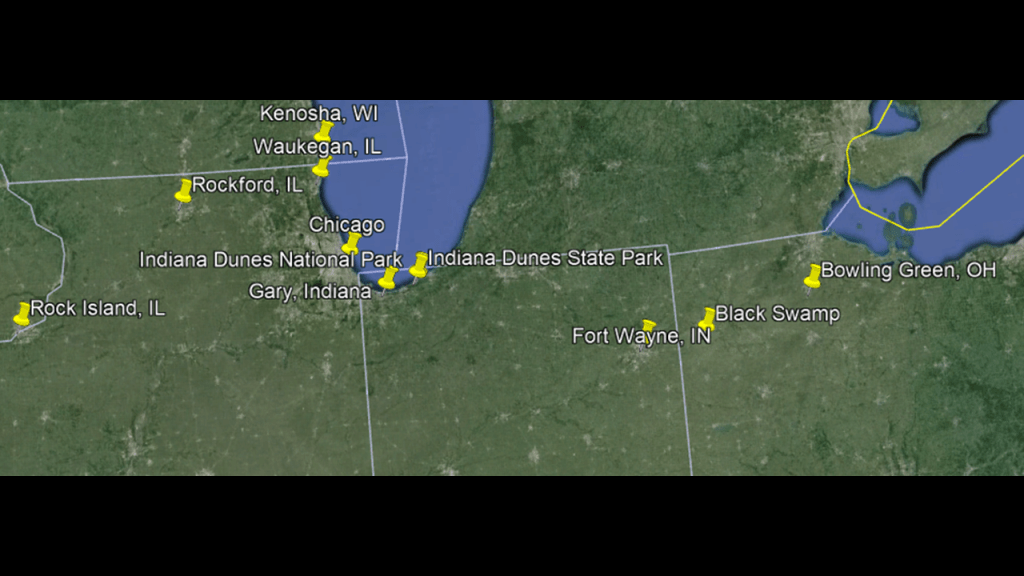
Here’s a video clip of “Rock Island Line,” from the opening scene of “The Music Man.”
Popular musicals like “The Music Man,” first a hit on Broadway in 1957 and adapted to film in 1962, were very much a part of framing our new world view.
Now I am going to head on over to the west coast of the United States and take a look around, starting on the western terminus of I-90 at Seattle in Washington, which is located on the Puget Sound.
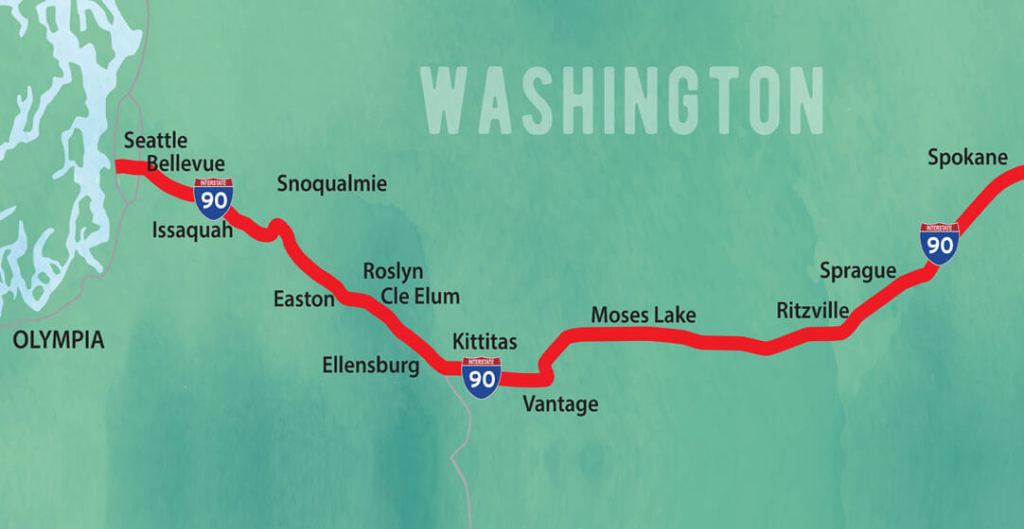
Like what we saw on the East Coast with the New York – New Jersey Harbor Estuary System and Long Island Sound, Puget Sound is also described as a complex estuary system of connected marine waterways and basins, with an estuary defined as a partially-enclosed coastal body of brackish water with one or more rivers or streams flowing into it, with brackish meaning a combination of salt-water and fresh-water.
The coast-line of Puget Sound in Washington State has nine locations that were listed as the “Harbor Defenses of Puget Sound” and eleven lighthouse locations…
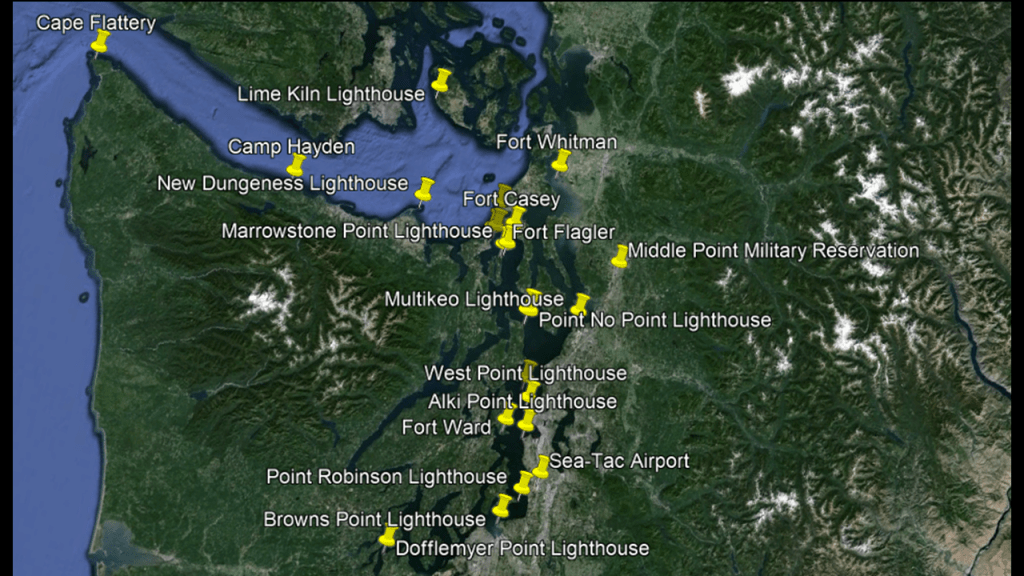
…and the coastline of nearby Vancouver Island of British Columbia, for example, separated from the United States by the Juan de Fuca Strait…
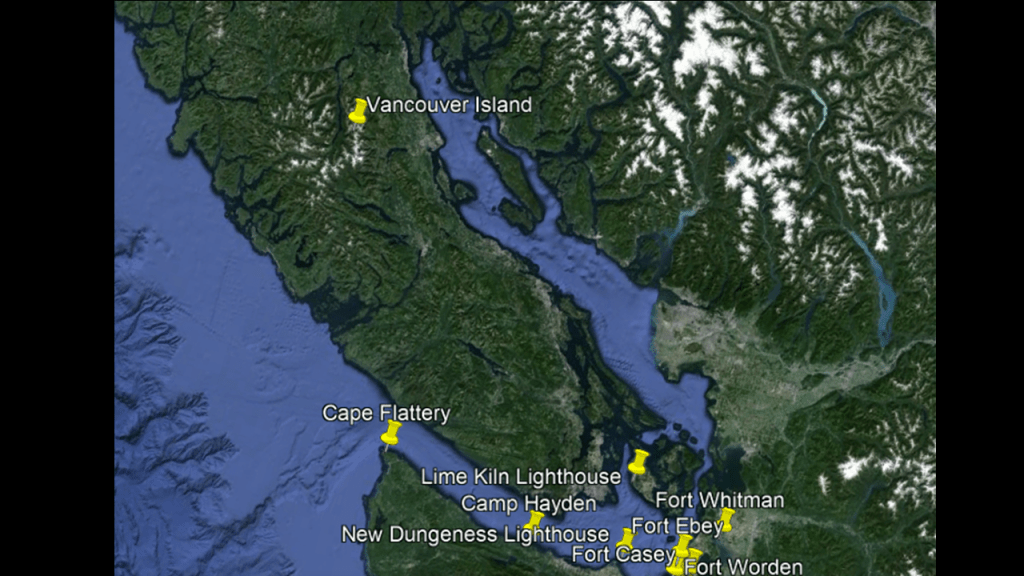
…is similarly loaded with forts …
…and lighthouses.
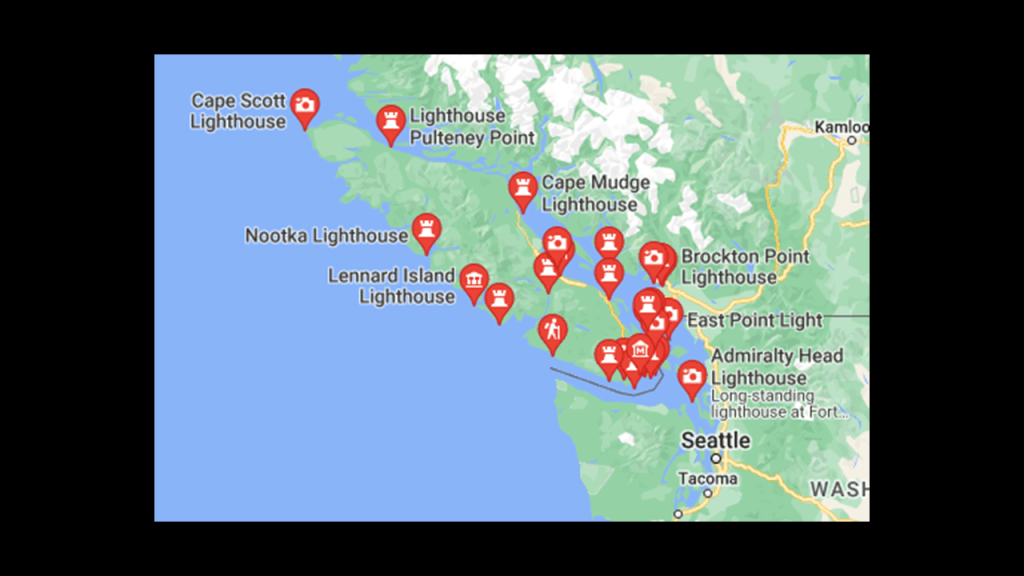
I also looked for the “sounds” I could find in in and around Puget Sound.
Like in Victoria on Vancouver Island, the capital city of British Columbia, where I found places like the Netherlands Centennial Carillon and the Christ Church Cathedral.
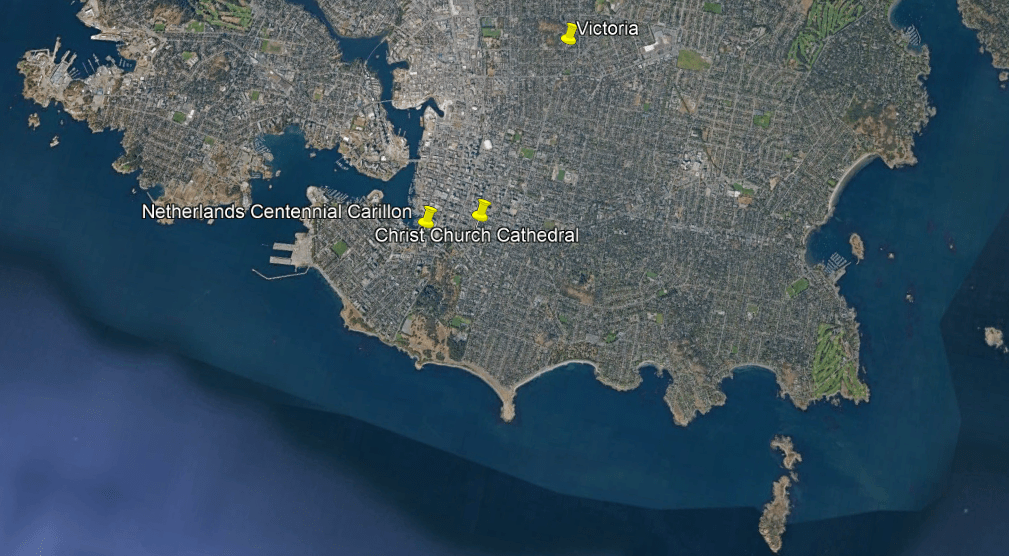
The 62-bell Netherlands Centennial Carillon was said to have been given by the Dutch community of British Columbia in thanks for Canada’s role in liberating The Netherlands in World War II, and officially opened in May of 1968.
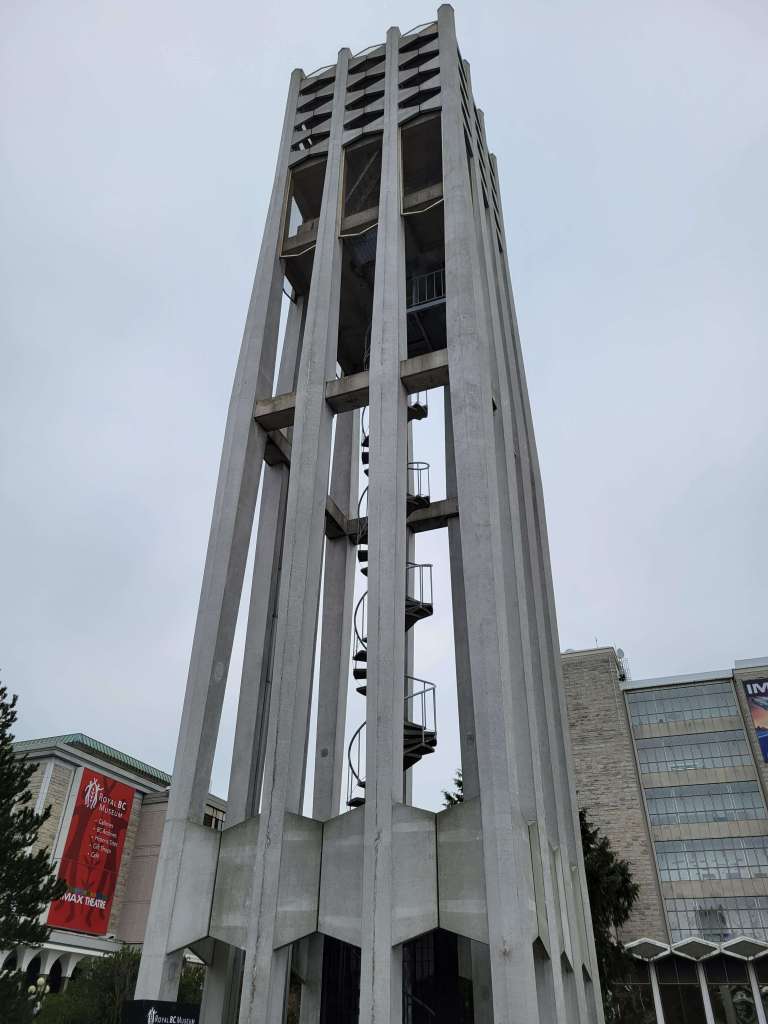
The Carillon is located in front of the Royal British Columbia Museum, which was founded as a history museum in 1886…
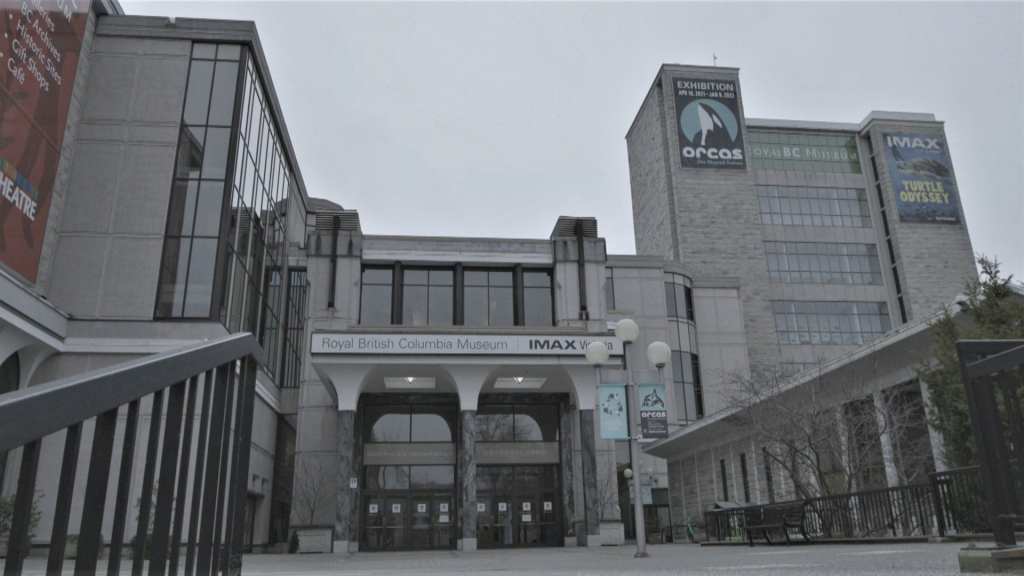
…and across the street from the British Columbia Parliament Building, said to have been built in the Neo-Baroque Renaissance Romanesque Revival-style based on the winning contest design of a recent 25-year-old English immigrant to Victoria by the name of Francis Rattenbury, and first opened in 1898.
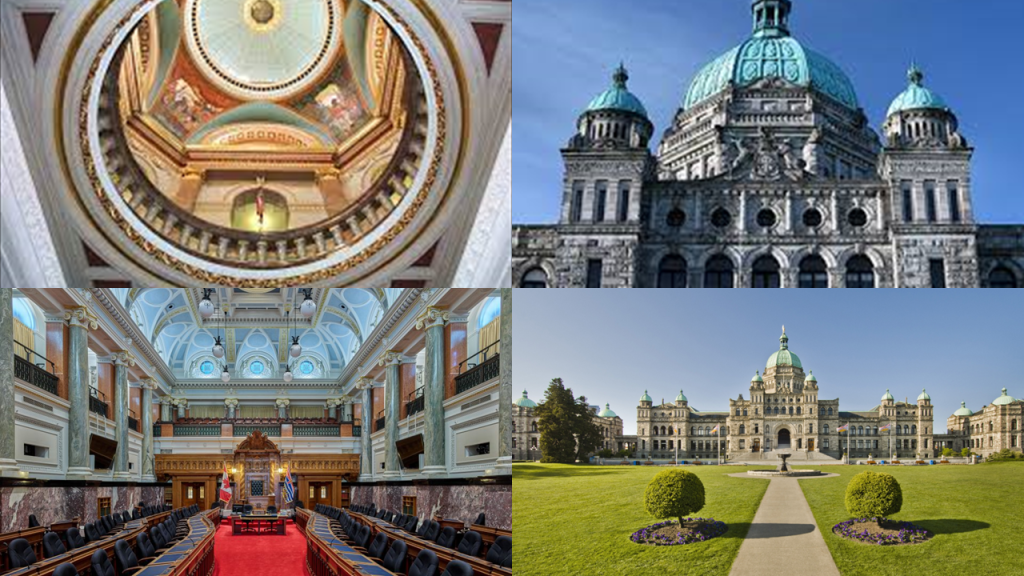
The Christ Church Cathedral in Victoria is the Cathedral Church of the Diocese of British Columbia of the Anglican Church of Canada.
The present church was said to have been based on the winning design from a competition that was held between 1891 and 1893, and from which Victoria architect J. C. M. Keith was announced the winner, but that it didn’t actually get constructed until starting in 1923 because of funding difficulties, which turned it into an on-going construction project over decades.

The Christ Church Cathedral has the largest organ on Vancouver Island with over 4,000 pipes, designed around the rose window of the Cathedral’s west wall.

They say that the organ was constructed in 2005, with incredible precision and craftsmanship emulating building practices from hundreds of years ago, but they also tell us the Cathedral was built in the 20th-century from the winning design in a contest as just mentioned.
Let’s just say I have my doubts.

Christ Church Cathedral also has ten bells that are rung twice every Sunday before each service and on special occasions.
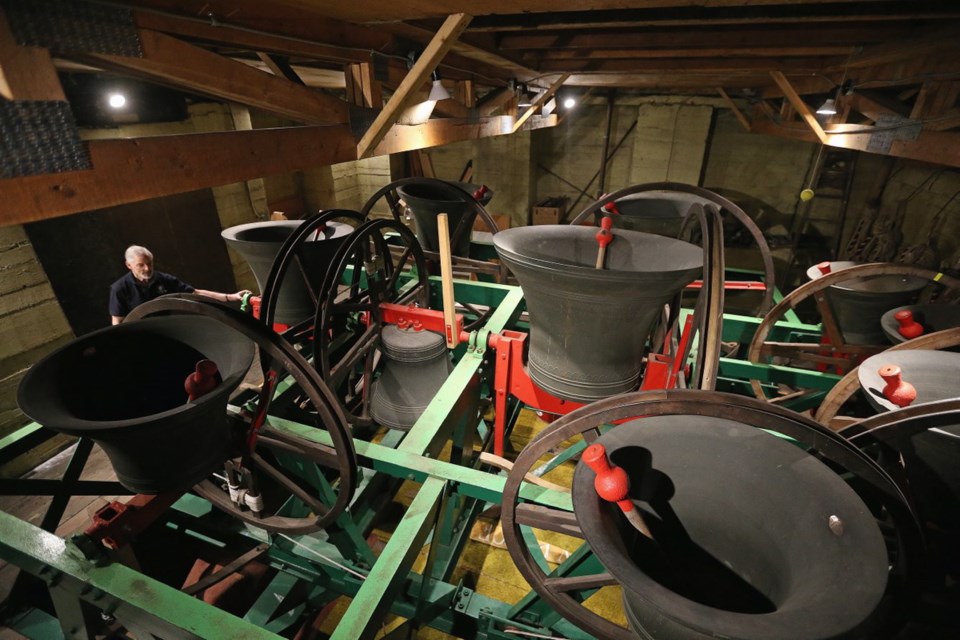
In Port Townsend, Washington, on the other side of the Juan de Fuca Strait from Victoria, there is what is called the “Fire Bell Tower.”
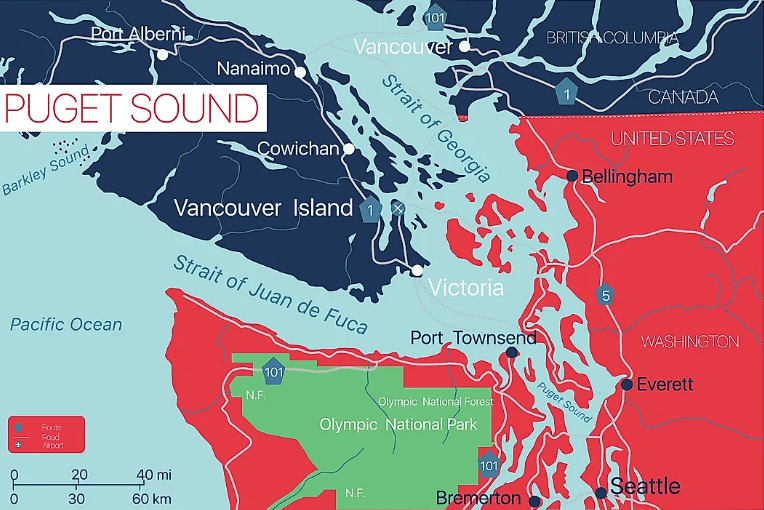
The “Fire Bell Tower” was said to have been built in 1890 to hold a 1,500-pound, or 680-kilogram, brass bell that was a fire-alarm and the city’s new $900 fire engine.
It is the only known tower of its kind in the United States.
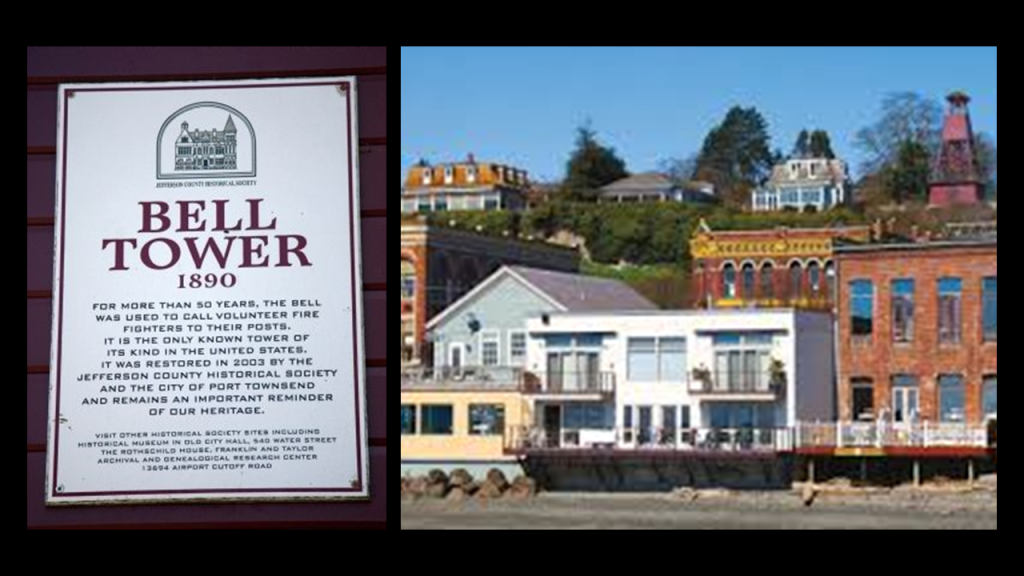
Lastly on Puget Sound “sound,” I am going to look at the St. James Catholic Cathedral in Seattle, the mother church of the Archdiocese of Seattle.
It was said to have been constructed between 1905 and 1907 in the Renaissance Revival Architectural-style.
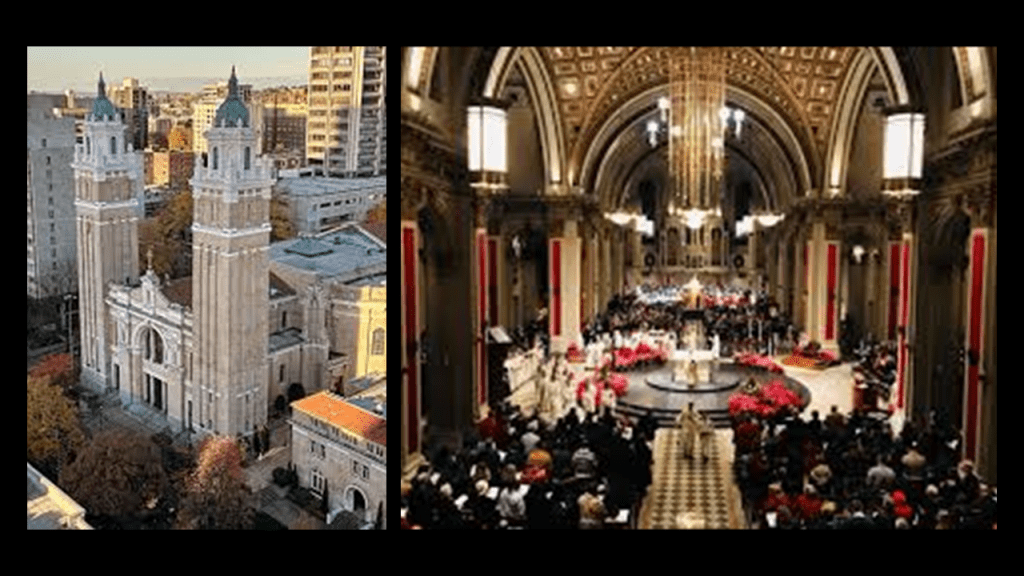
It once had a dome, but unfortunately, we are told that in February of 1916, the 60-foot dome that stood atop the cathedral collapsed under the weight of heavy snow accumulation from a colossal snowstorm, and was never rebuilt.
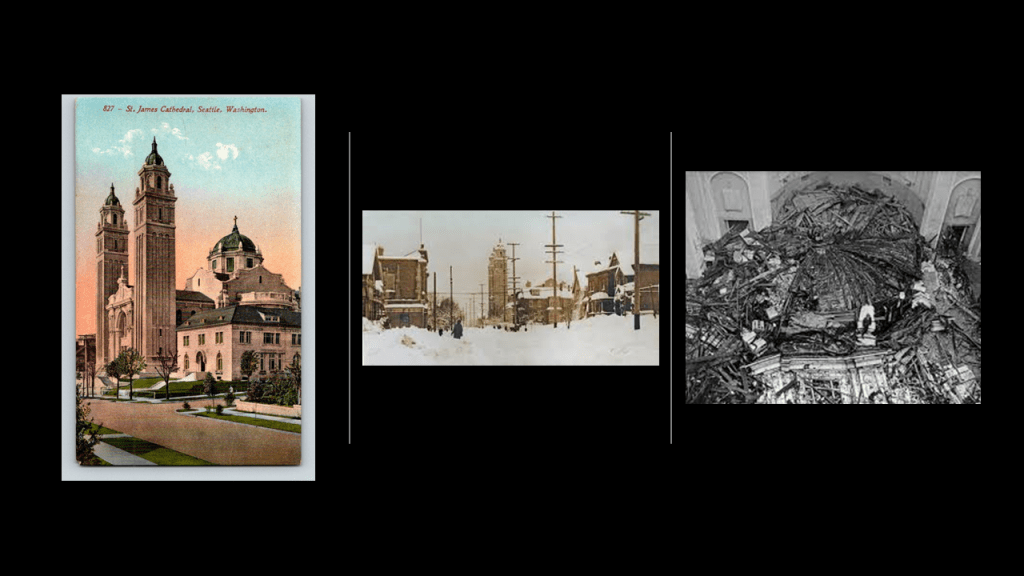
There are several organs in the St. James Cathedral.
The oldest is said to be a Hutchings-Votey organ in the West Gallery that dates to 1907, and designed by famed Boston organ designer George Hutchings in close collaboration with the cathedral’s first organist.
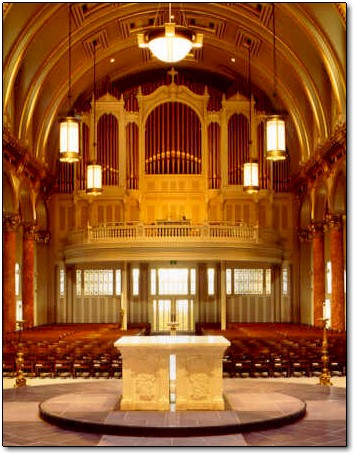
Next, I am just going to focus on three of the forts in Puget Sound and their nearby lighthouses for this post.
All three of these locations are near Port Townsend, an historic seaport in the Puget Sound.
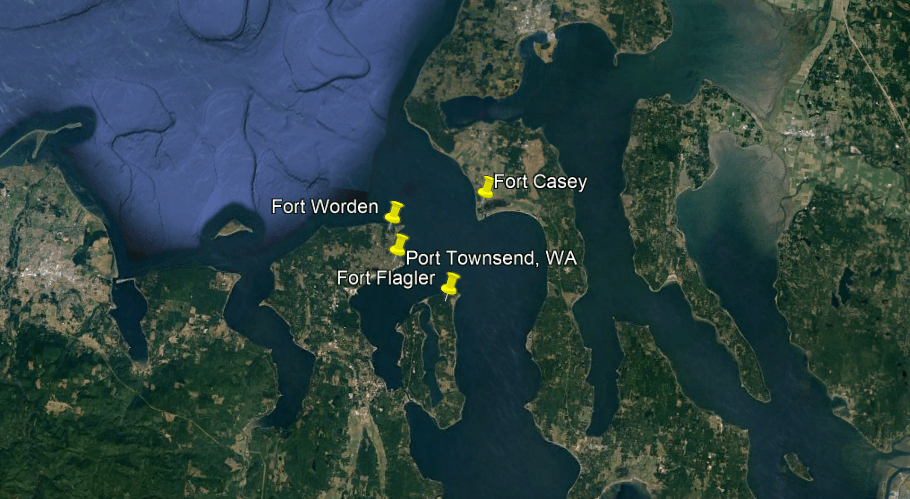
Port Townsend first became a settlement on April 24th of 1851, the year it was first incorporated.
Port Townsend is located next to the entrance of Puget Sound, and called the “City of Dreams” because of early speculation that it would become the west coast’s largest harbor, and is known by its other nickname, the “Key City,” today.
We are told that by the late 19th-century, the town was very active in getting ready for its future expected growth, and that many ornate, Victorian architecture was built here during this time.
What we are told is that though railroad extensions were planned to the port, the Panic of 1893, an economic depression lasting until 1897, caused the funding to dry up and the railroad-lines ended on the other side of Puget sound, and for this reason, Port Townsend never achieved its expected growth, and instead immediately started to decline.
Interesting to note there is also a “Rothschild House” in Port Townsend.
The Rothschild House was said to have been built by David Charles Henry Rothschild as a family home in 1868, and operates as a museum today.
He had immigrated from Bavaria in Germany to the United States in the mid-1840s.
Shortly after settling in Port Townsend in 1858, David Rothschild, known as “The Baron,” he established a business there that not only operated as a mercantile store, but as well as provisioned ships and did some marine salvage work.
The Rothschilds were to Europe what the Rockefellers were to the United States.
Mayer Amschel Rothschild and his five sons established their International banking family dynasty throughout major cities of Europe.
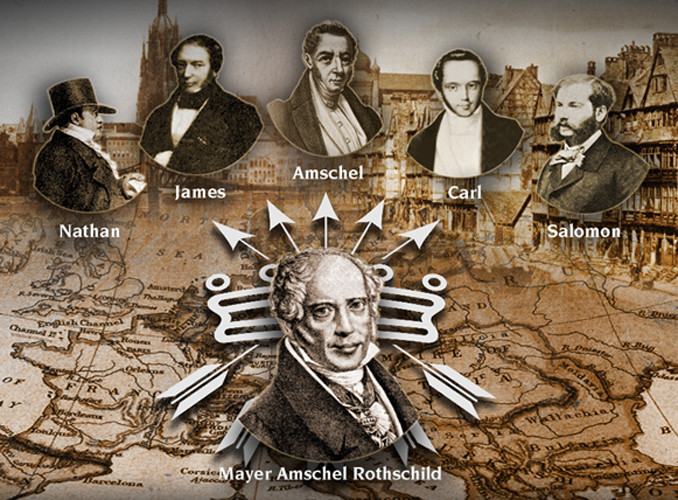
And this is the saying that has been attributed to more than one prominent member of the Rothschild family, starting with the first London family banker, Nathan Mayer Rothschild.

Nathan had become a freemason in London of the “Emulation Lodge, No. 12, of the Premier Grand Lodge of England” in October of 1802.
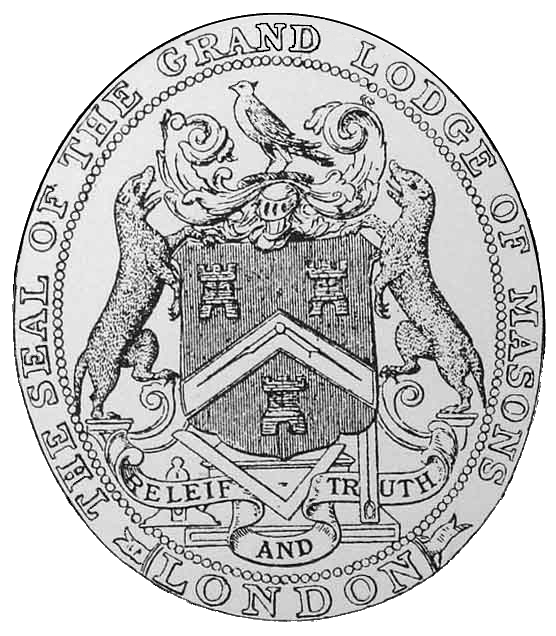
By the time of his death in 1836, Nathan Mayer Rothschild had secured the position of the Rothschilds as the preeminent investment bankers in Britain and Europe, and his own personal net worth was over 60% of the British national income.
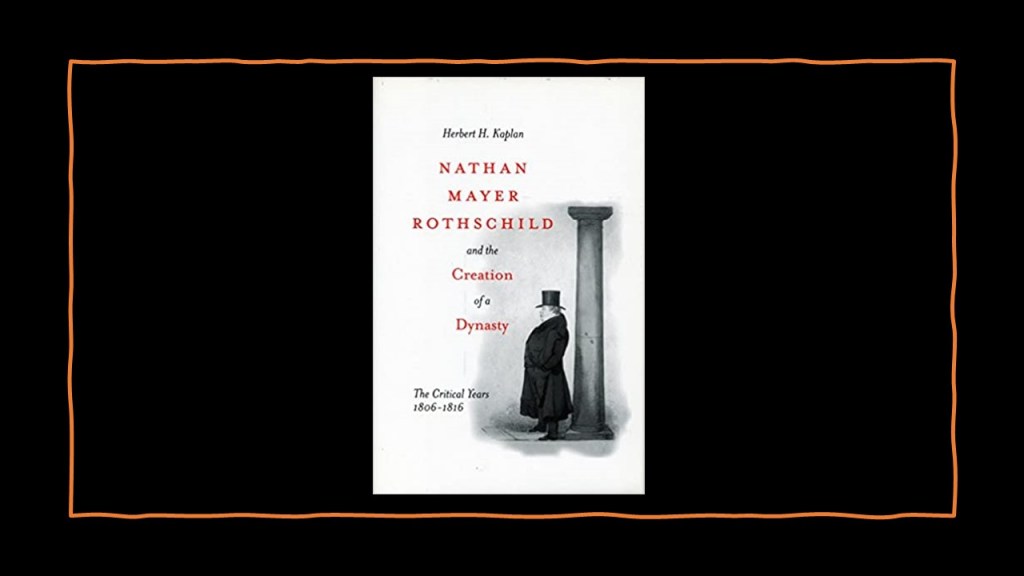
Now I am going to take a look at the three forts and their lighthouses in Puget Sound near Port Townsend.
Fort Worden was said to have been constructed between 1898 and 1920 and as an artillery corps base to protect Puget Sound from invasion by sea, and was active as a U. S. Army base between 1902 and 1953.
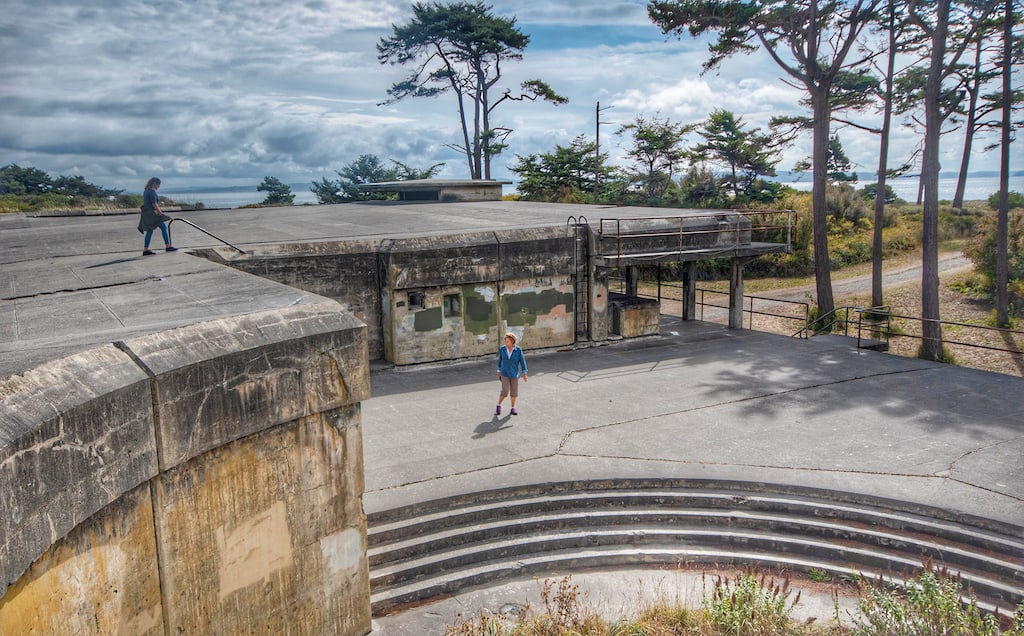
From 1957 until its closure in 1971, it was utilized by the State of Washington as a Juvenile Detention facility, after which time it was turned into state park
The address for the Fort Worden State Park is 200 Battery Way E in Port Townsend.
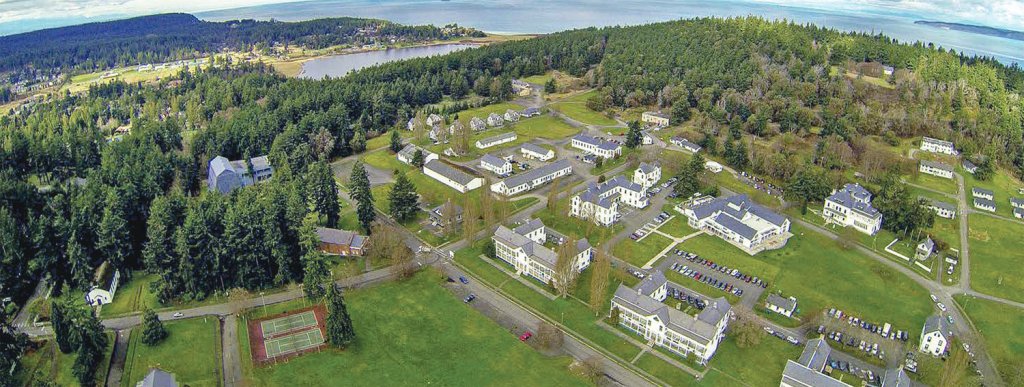
The Point Wilson Lighthouse is on the grounds of the Fort Worden State Park, and considered to be one of the most important navigational aids in the state, where it overlooks the entrance to Admiralty Inlet that connects the Strait of Juan de Fuca with Puget Sound.
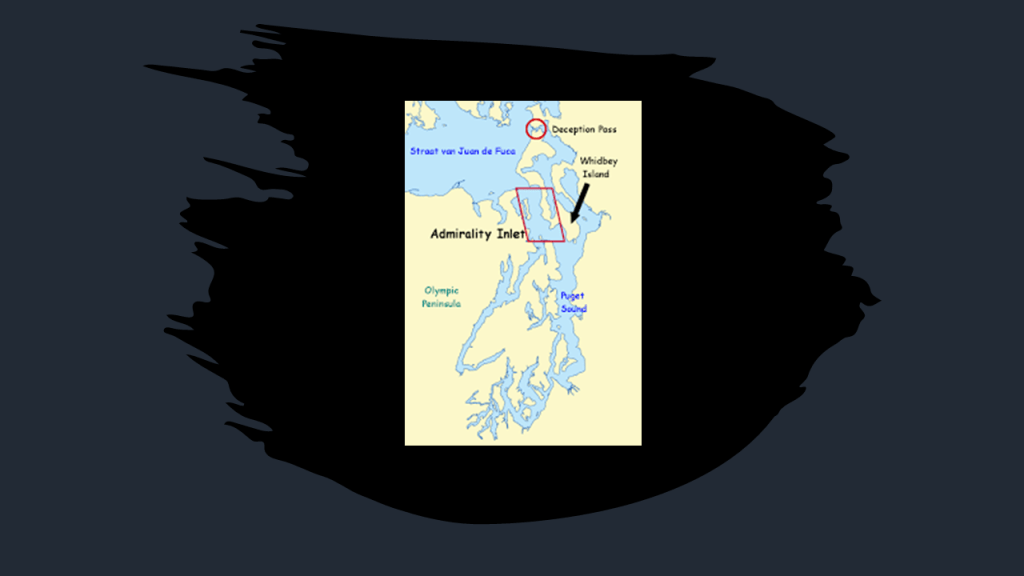
Reportedly the second lighthouse said to have been built here, it was said to have been completed in 1914, replacing an earlier one that opened in 1879.
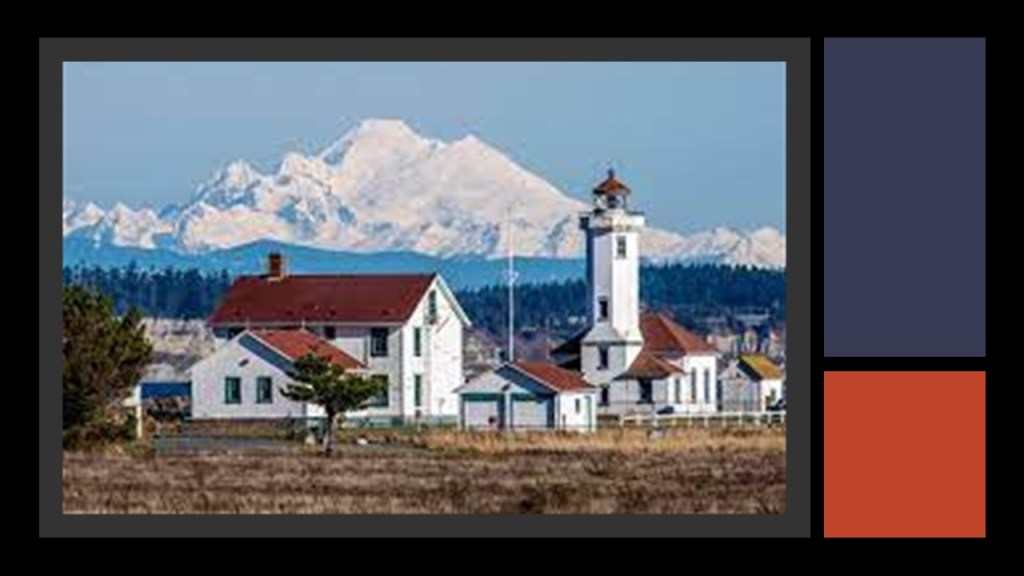
Fort Flagler was located in nearby Nordland, Washington, at the northern end of Marrowstone Island at the entrance of Admiralty Inlet, and the Marrowstone Point Lighthouse is located nearby.
We are told that Fort Flagler, along with Fort Worden and Fort Casey, was part of a Coast Artillery said to have been built starting in the 1890s that guarded Admiralty Inlet and the entrance to Puget Sound, the major cities of which include Seattle and Tacoma.
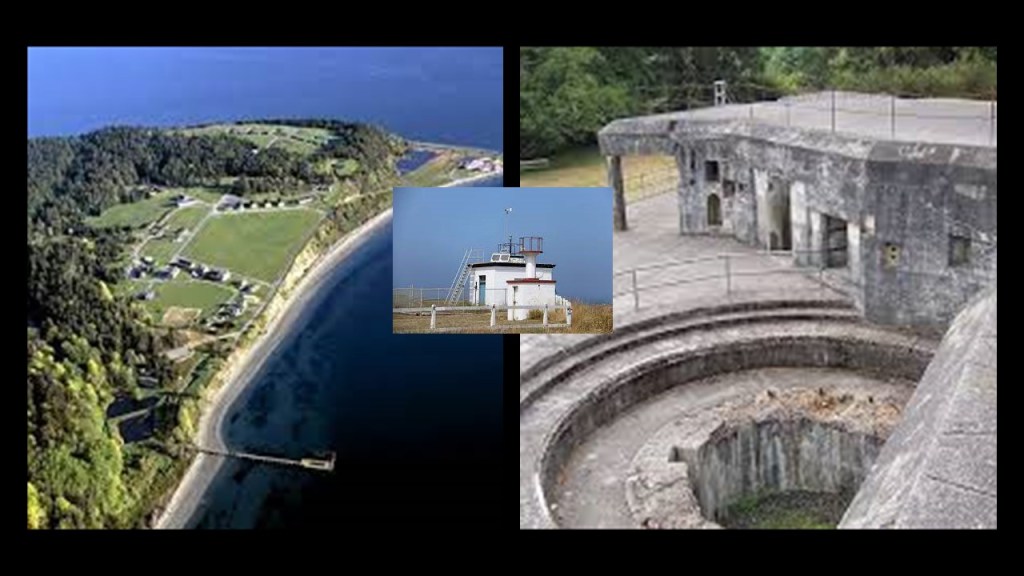
Fort Casey was located on Whidbey Island, the largest island in Washington State, and forms the northern border of Puget Sound.
The Admiralty Head Lighthouse is located within the Fort Casey State Park.
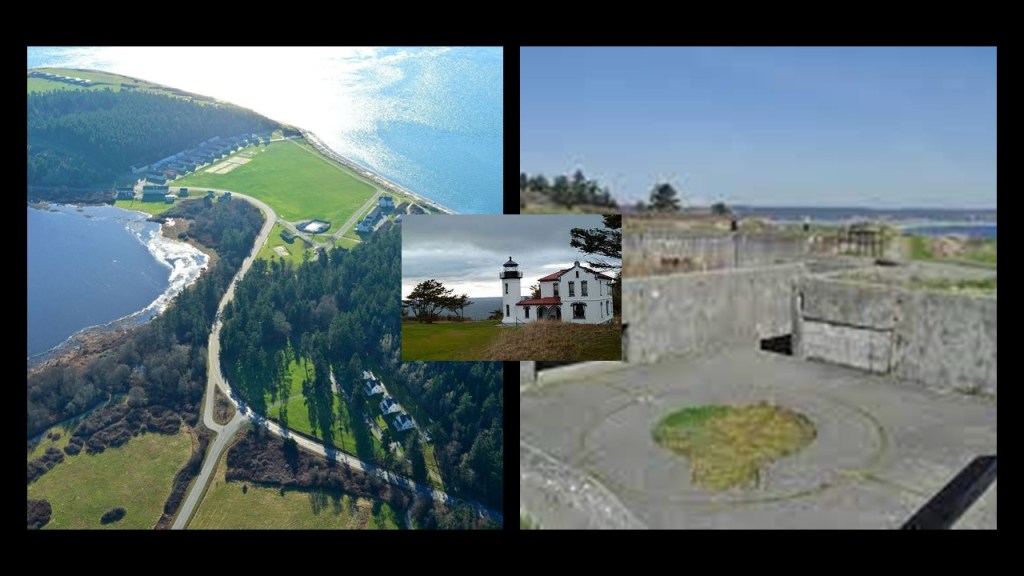
We are told these three forts were intended to be a “Triangle of Fire” against invasion from the sea.
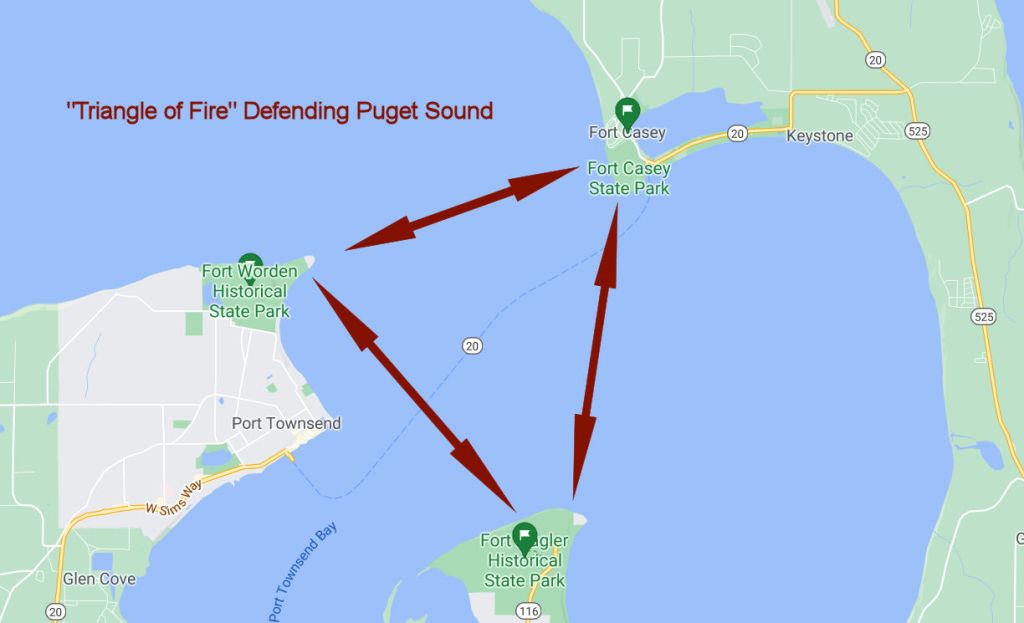
Over across the North American Continent and Atlantic Ocean to South Wales, where we are told that starting in the mid-19th-century, three Palmerston Forts in a triangular configuration were constructed at the entrance to the Milford Haven Waterway as a coastal artillery forts designed to provide “interlocking fire” in the event of an invasion from the forces of the French Emperor Napoleon III.
Palmerston Forts, said to have been built starting in the mid-19th-century as a result of the recommendations from the 1859 Royal Commission on the Defense of the United Kingdom when Lord Palmerston was the Prime Minister of England during the reign of Queen Victoria.
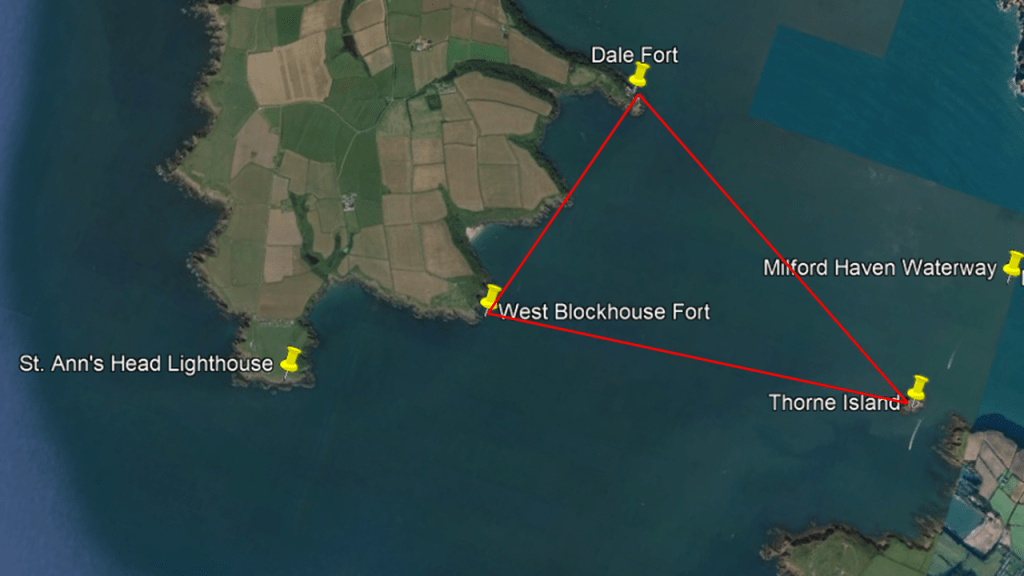
Trinity House was said to have first built two lighthouses on St. Ann’s Head in 1714 at the entrance to the Milford Haven Waterway to guide ships around rocks hazardous to shipping.
The St. Ann’s Head Low Lighthouse was said to have been re- built in 1844 because of cliff erosion endangering the original as seen on the left, with cliff erosion being an issue that we have already seen with the Gay Head Lighthouse on the Aquinnah Cliffs of Martha’s Vineyard on the top right, and the Southeast Lighthouse of Block Island on the bottom right.
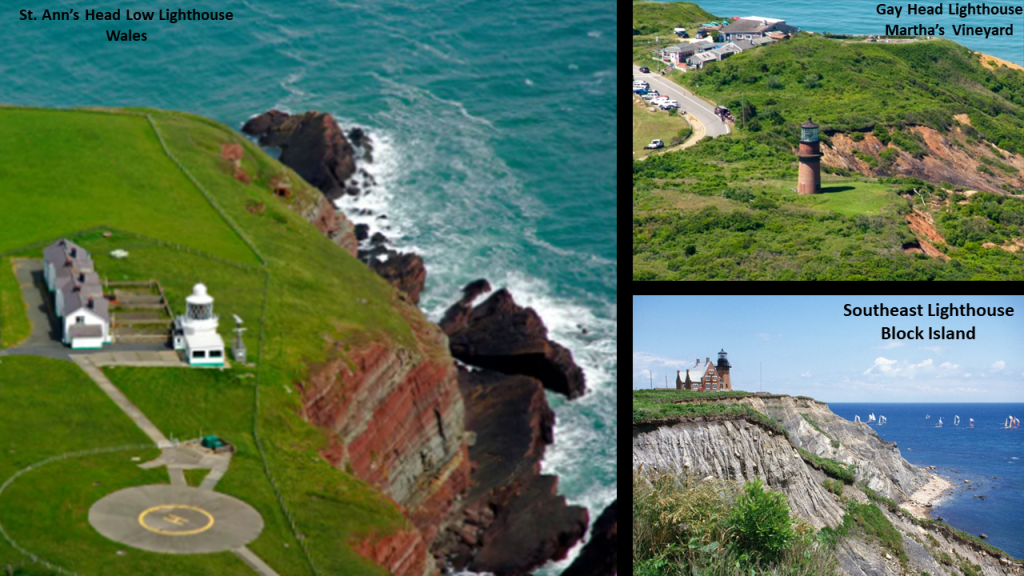
Here are my thoughts on what the original purpose was of some of the infrastructure looked at thus far.
First, star forts
One of the definitions of battery is “a device that produces electricity that may have several primary or secondary cells arranged in parallel or series, as well as a battery source of energy which provides a push, or a voltage, of energy to get the current flowing in a circuit.”
I believe star forts were not originally military in nature, but were actually functioning as “batteries” on the original energy grid.
I find star forts in pairs and clusters all over the Earth, meeting this definition of “battery” where cells arranged in parallel or series produce electricity.
If there’s only one in a particular location, it means that the original pair or cluster doesn’t either doesn’t exist any more, or is no longer recognizable as such.
Star Forts instead were repurposed in our historical reset narrative as military fortifications and “batteries,” with the definition of “battery” referring to weapons that launch munitions far beyond the range and power of infantry firearmsin order to saturate an area rather than hit a specific target, and instantly had a reason for their existence in the new narrative, and thereby became a target for destruction as military “fortifications.”
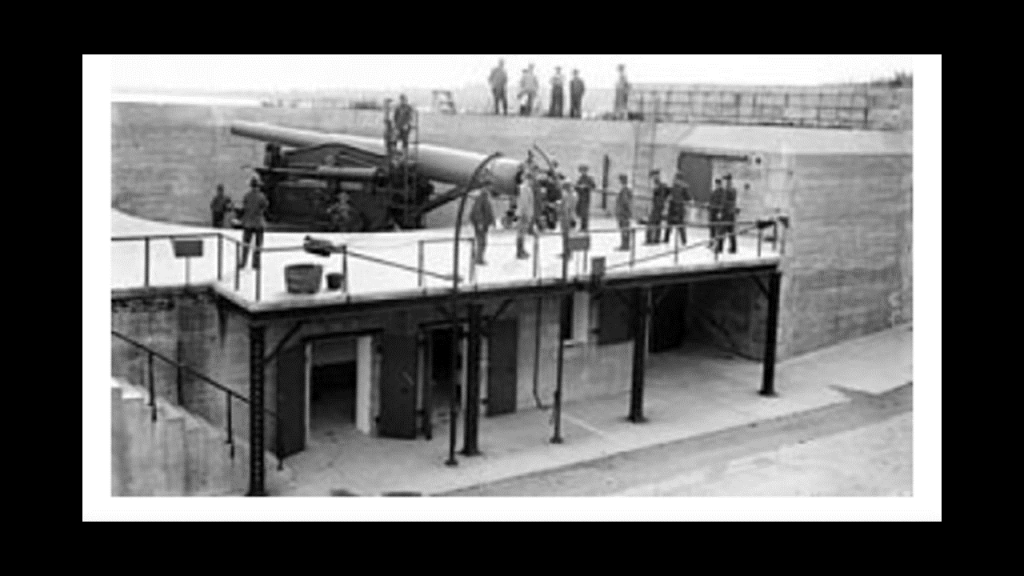
I think lighthouses were also originally part of the Earth’s Energy Grid system and are being used in a different capacity as navigational aids than what they were originally being utilized for, if they are even still being used because many, like the so-called “military fortifications,” they have been taken down and not longer exist, or have been decommissioned.
I have come to believe “lighthouses” were literally “a house for light” for the purposes of precisely distributing the energy generated by this gigantic integrated system that existed all over the Earth that was in perfect alignment with everything on Earth and in heaven.
As one of the examples in the lower-left hand corner, the Statue of Liberty was operational as a lighthouse from November 1st of 1886 to 1906.
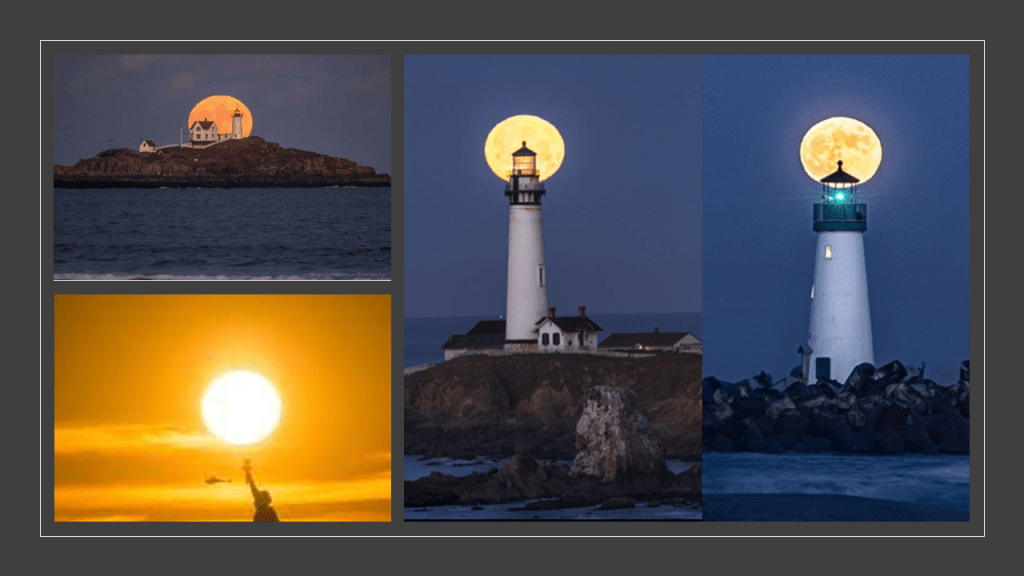
And, at this point in my research from the past and in the present, I think that ancient giant trees and the root system emanating from them were an integral part of the Earth’s energy grid and leyline system.
I delve more into that aspect of the energy grid in the other parts of this series.
The original rail-lines and canals would have been providing power for the free-energy system, and the original architecture and infrastructure would have provided the antiquitech to process and utilize the free energy throughout the worldwide system.
The Earth’s original free-energy grid system was based on exact and precise geometric alignments of cities and places, and nowadays, the giant tree “roots,” are highway “routes” and recreational trails, which has more to do with human energy being harvested from their use instead of infrastructure creating free-energy for the system to use for the benefit of all life everywhere.
Other components of the Earth’s Grid System, which was a perfectly-tuned scientific and musical instrument, included the following infrastructure as well:
Cathedrals.
The Greek words “kathados” or “kata” mean “descent” or “down.”
“Hedral” refers to a 3D geometric solid.
Cathedrals were acoustic/frequency/energy resonators.
Resonators are used to either generate waves of specific frequencies or to select specific frequencies from a signal.
Let’s look at several aspects of the function of cathedrals as frequency-generators and transmitters.
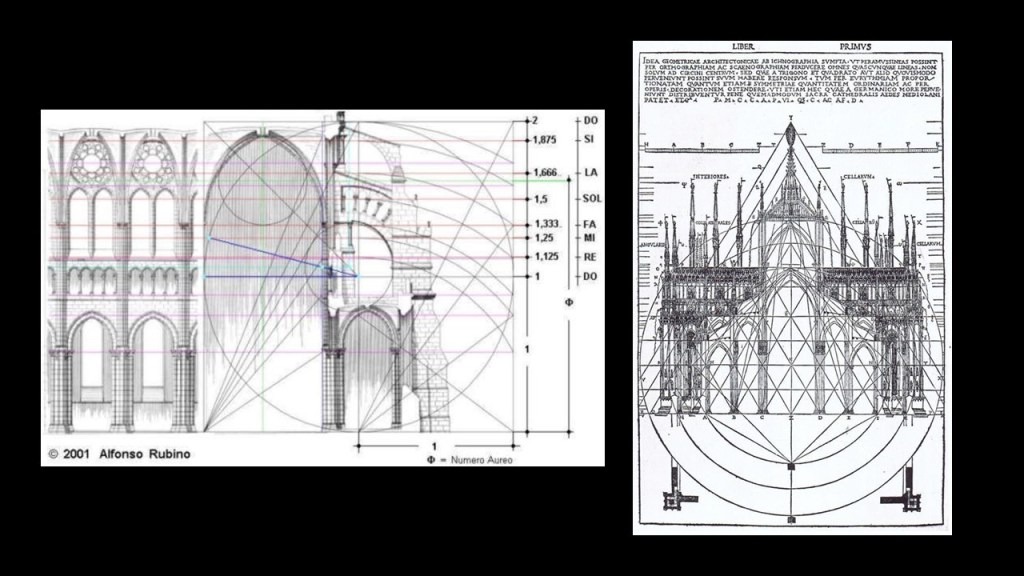
One example came from an article about “Elliptical Polarization,” in which I encountered the diagram on the left showing the efficiency in decibels of the axial ratio of two antenna, and the shapes formed in the graph immediately brought this common shape of windows in cathedrals on the right, visually demonstrating that these windows were actually functioning as antennae.
Then there is this Walter Russell diagram on the left and cathedral door n the right showing what looks to be a relationship between cathedral doors and octaves, which are the intervals between one musical pitch and another with double its frequency.
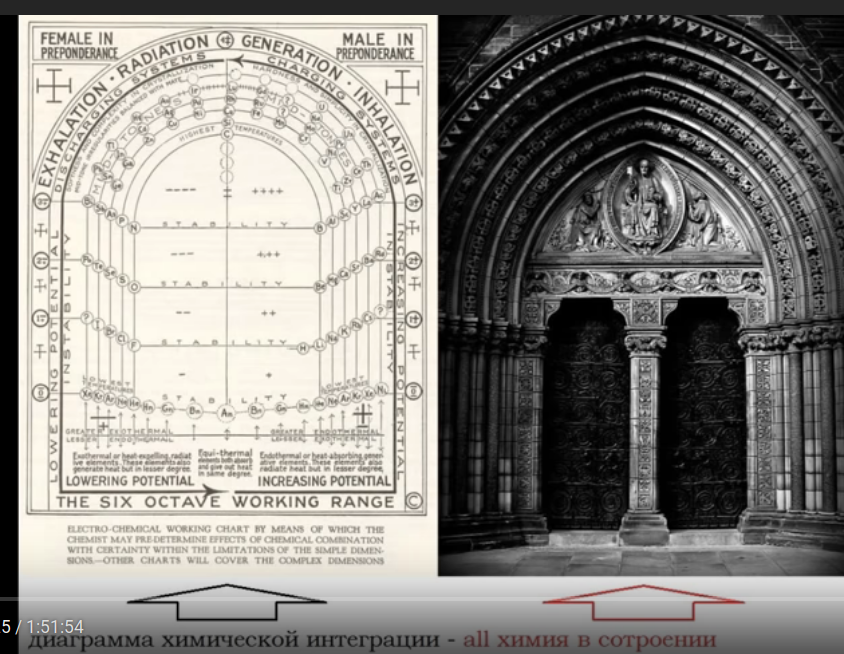
Cathedral Rose windows look like the cymatic patterns of musical notes.
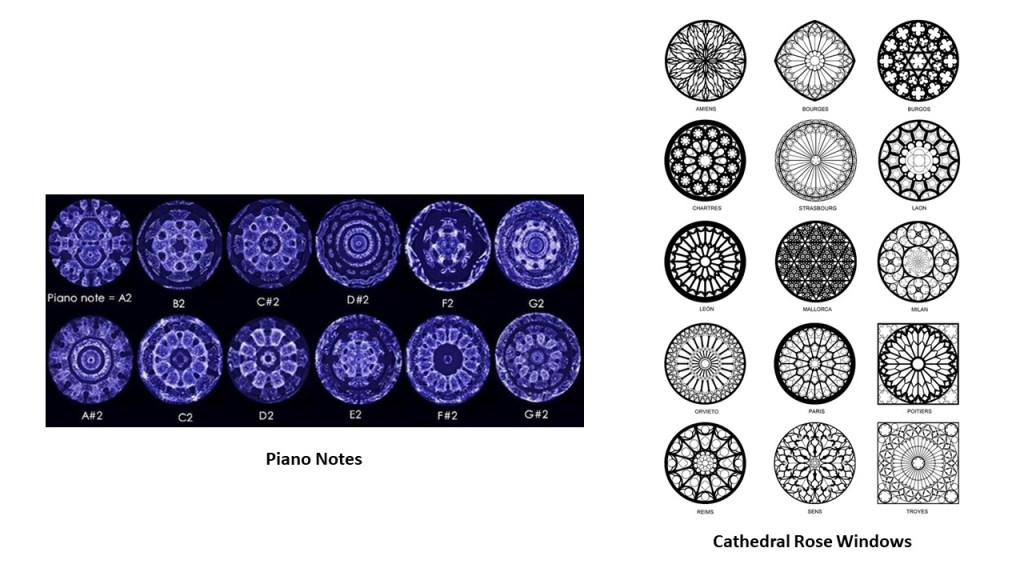
With the massive organ pipes surrounding the cathedral rose window, it appears as though this was a musical system designed to generate waves of specific frequencies, like Solfeggio frequencies, through this type of window.
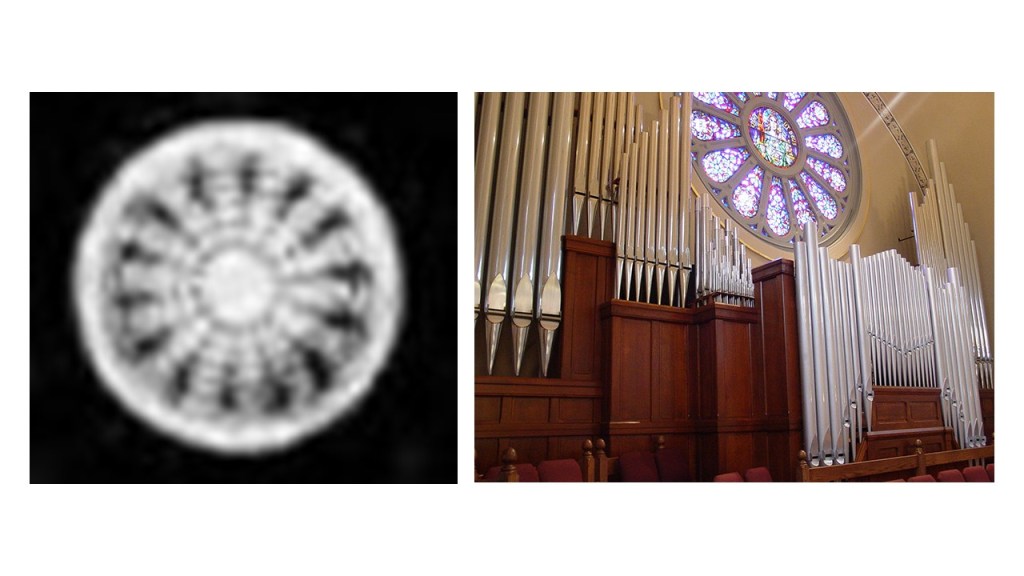
Solfeggio frequencies make-up the ancient six-tone scale used in sacred music, like, for example, Gregorian chants and Tibetan singing bowls.
Each solfeggio tone is a frequency that can be used to balance one’s energy and keep one’s body, mind, and spirit in harmony.
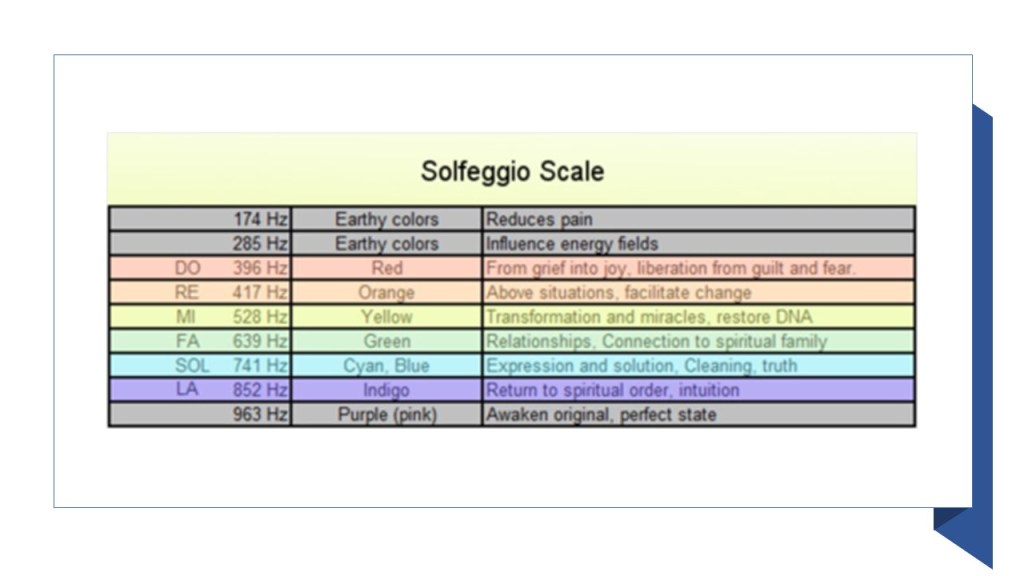
This is the St. Mary of the Mount Church on the edge of Mount Washington in Pittsburgh, Pennsylvania.
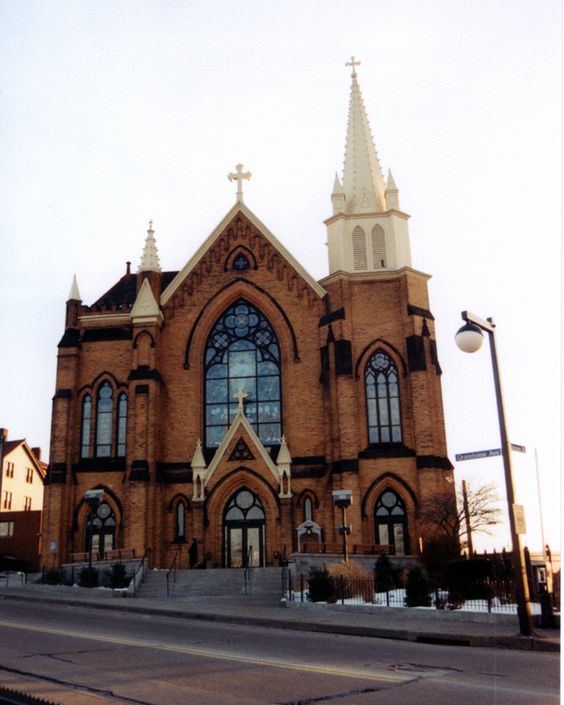
The windows at the front of the church here also resemble in appearance the patterns of some hydrogen wave functions.
Could this type of window perhaps be connected to atomic wave functions?
Pipe organs are musical instruments that produce sound by driving pressurized air through organ pipes selected from a keyboard.
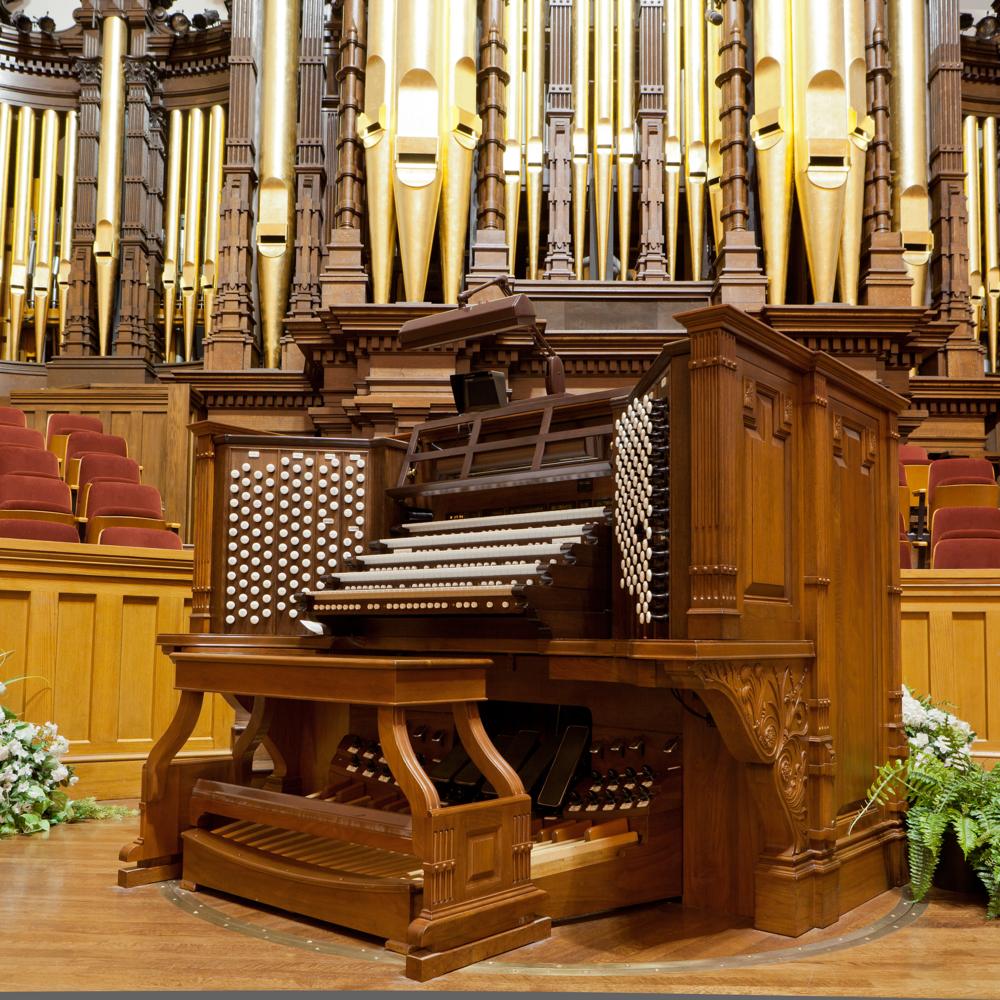
In biology, what is called an organ is a collection of tissues that structurally form a functional unit specialized to perform a particular function, from the Latin “organum,” meaning an instrument or tool.
Makes me wonder if similarly, pipe organs produced specific frequencies at specific times for specific reasons as needed by the system as a whole.
And the last example of grid system infrastrucure that I am going to talk about here are bell-towers, also known as campaniles, as well were an integral part of an interconnected, functional system of a civilization that knew exactly how to utilize frequency and vibration in fundamental and harmonious ways.
I have highlighted several already in this post, and have encountered several in past research.
For example, this is the Bok Tower in the Bok Gardens at Lake Wales, in Florida.
It is located on what is called Iron Mountain, one of the highest points on the Florida Peninsula.
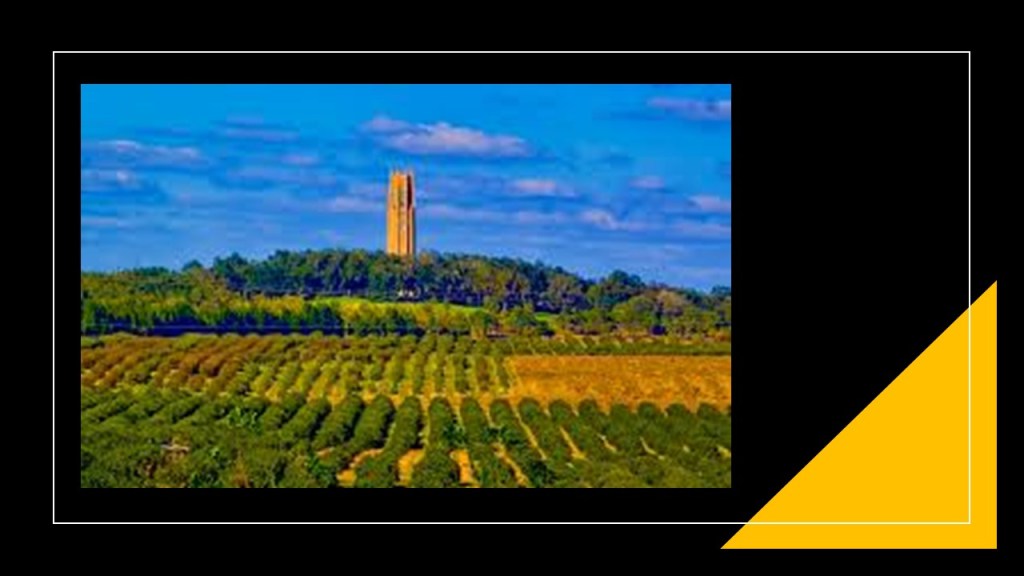
It was said to have been commissioned by Dutch immigrant and “Ladies Home Journal” magazine editor at one time, Edward Bok, and said to have been built between 1927 and 1929, when it was dedicated by President Calvin Coolidge.
Edward Bok died in 1930, the year after the completion of the bell-tower that carries his name.
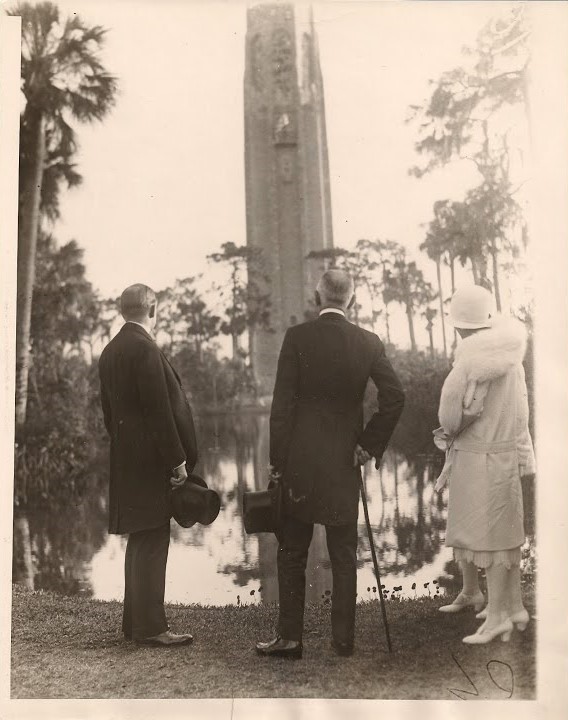
Another bell-tower in Florida is the Citrus Tower in Clermont, near Orlando.
It opened in 1956, and was a big, pre-Disney World, tourist attraction in its hey-day.
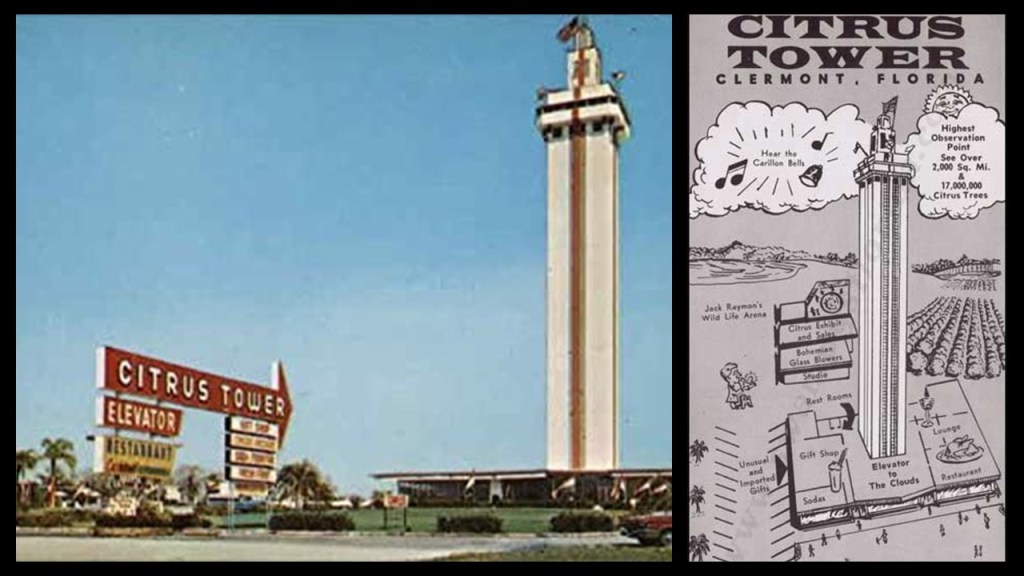
What was the purpose of these massive bell-towers reaching up to the clouds for the original civilization?
Were these tall generators of healing and harmonious frequencies for the benefit and balance of all of Creation?
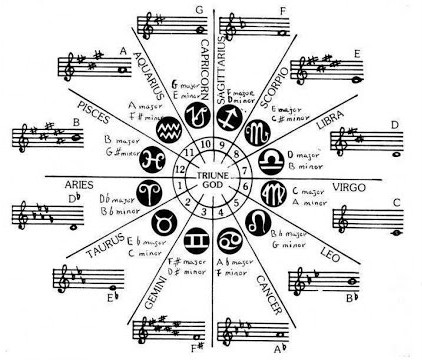
Now, back to the U. S. West Coast.
From the Seattle-area and Puget Sound, I am going to head south approximately 175-miles, or 280-kilometers, to Portland, Oregon’s largest city.
I already I know I could spend hours and hours looking around here and find much, but I am going to only focus on an area I found when I was doing research awhile back in this part of Portland directly across the Columbia River from Vancouver, Washington, and that is what is called the “Smith & Bybee Wetlands Natural Area.
On the Portland-side of the Columbia River, there is also a lot of railway activity showing-up in the western part of North Portland, all around the edges of what is called the Smith and Bybee Wetlands Natural Area.
Along with the rail-lines, the Smith and Bybee Wetlands Natural Area is surrounded by warehouses, port terminals, and commercial areas.
It is called one the largest urban freshwater wetlands in the United States, and provides habitat for a wide variety of wildlife.
I noticed a star fort-point-shape in the landscape I took a look around the Smith & Bybee Wetlands Natural Area, both of which are located right next to the still-operating BNSF Ford Railyard, which is located right next the Columbia River.
The Bybee Lakes Hope Center is located on top of the star-fort-point, which has been a homeless shelter since October of 2020.
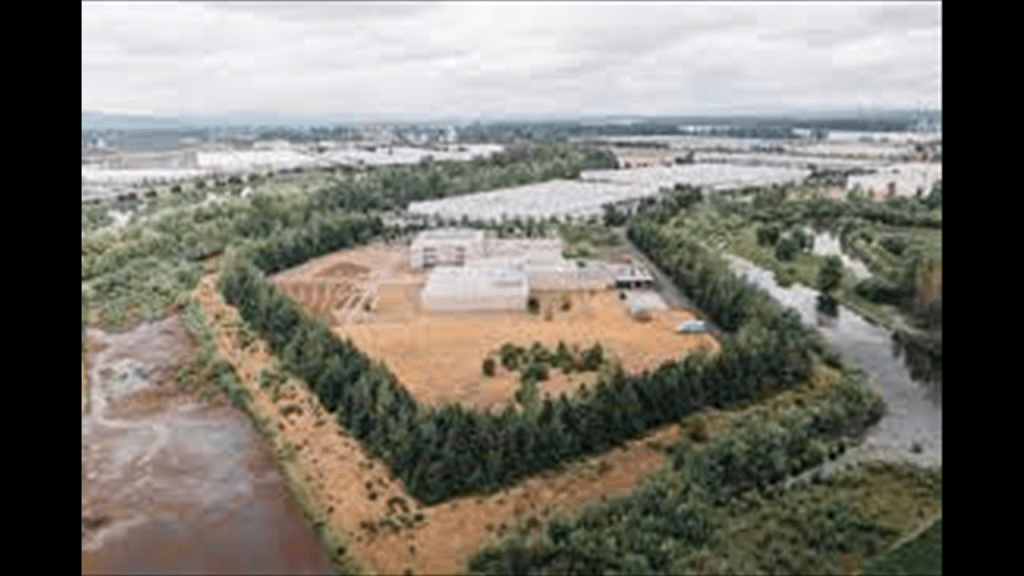
Prior to that, it was the Wapato Jail, said to have cost $58-million to built, but which was never used as a jail because Multonomah County could not afford to operate it as such.
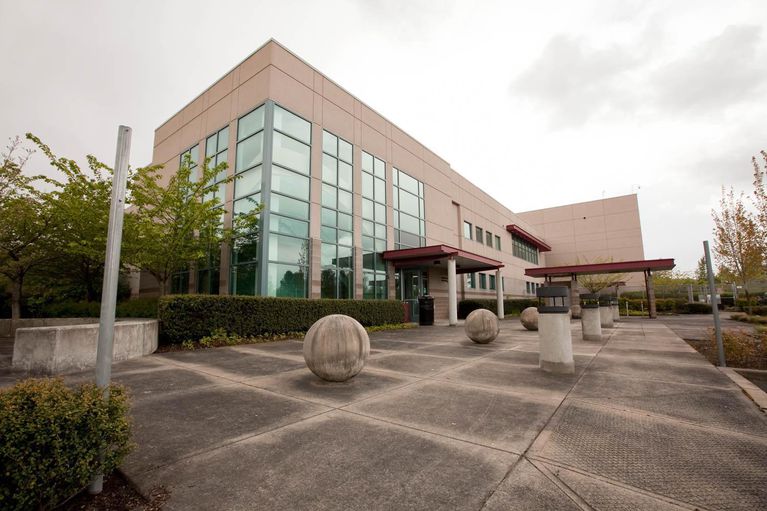
It is very interesting to note what is found directly across Oregon Route 120 from the Smith & Bybee Wetlands Natural area.
First, Oregon Route 120 is a 2.71-mile, or 4.36-kilometer, – long, unsigned road next to railroad tracks.
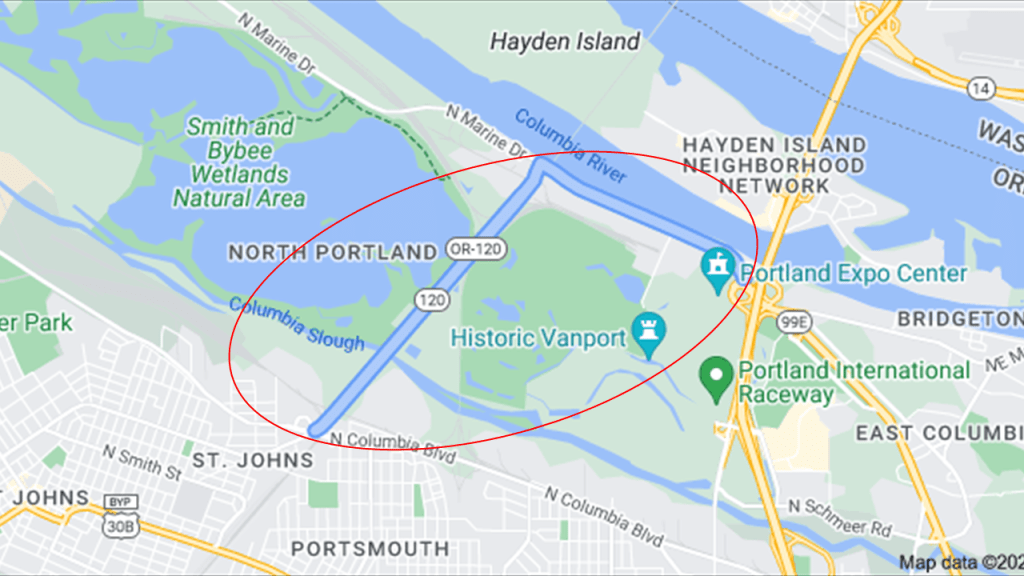
Directly on the other side of Oregon Route 120 from the Smith and Bybee Wetlands Natural area are the following in close proximity to each other:
Three golf courses – the Heron Lakes Golf Club; the Columbia-Edgewater Country Club; and the Riverside Golf and Country Club; the Portland International Raceway; the Portland Expo Center; and the Portland International Airport.
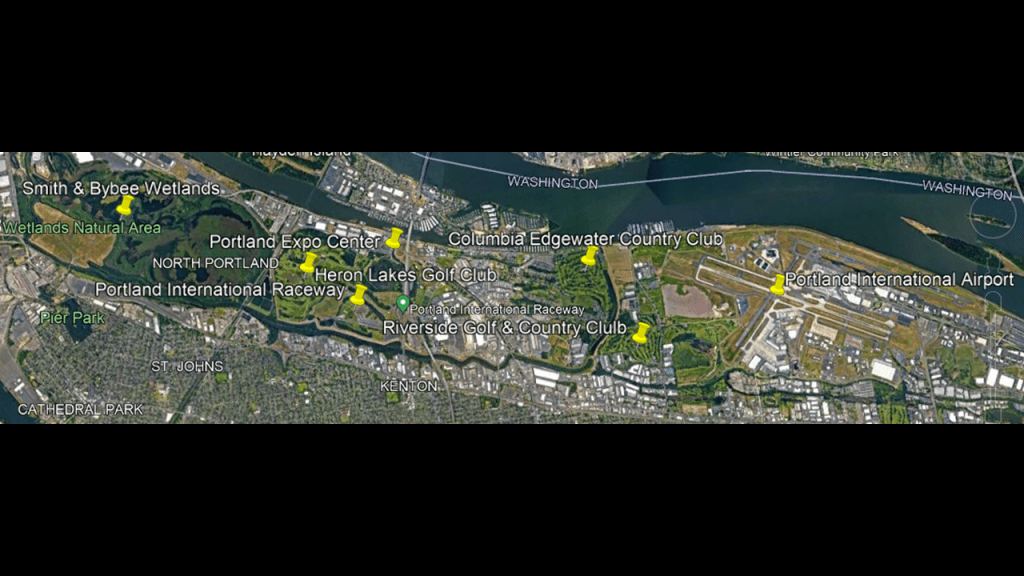
Also, while I was also looking around this same area, I came across the Bell-Tower in Esther Short Park in Vancouver, Washington, directly across the Columbia River.
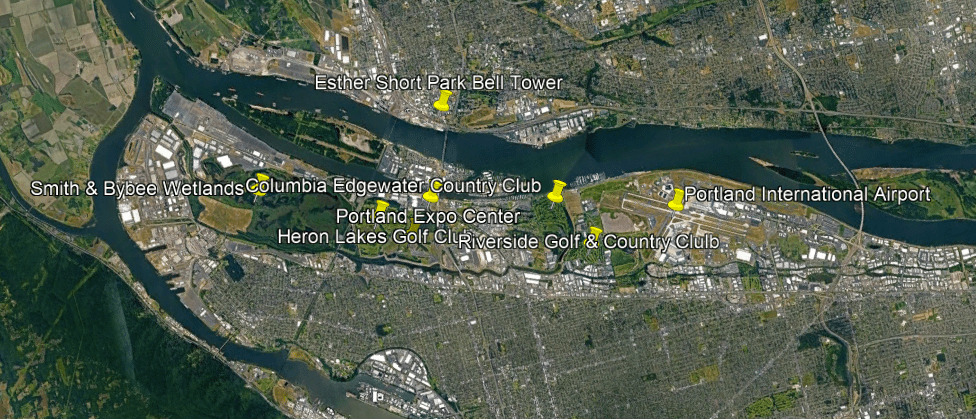
The Salmon Run Bell Tower is located here in the southeast corner of the park.
It is 69-feet, or 21-meters, tall, and the bell-tower, clock-tower, with a glockenspiel as well, and was said to have been dedicated in 2002.
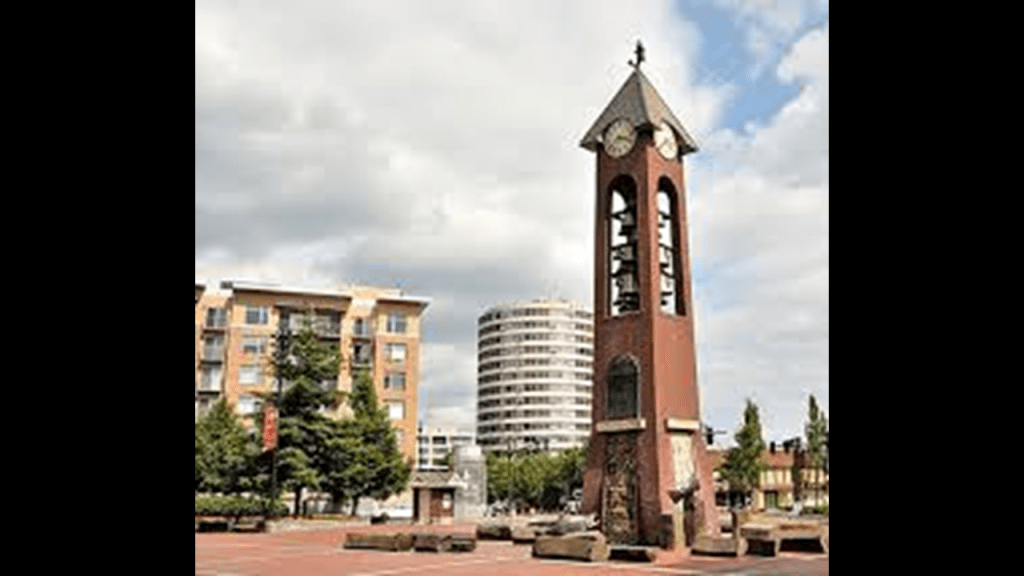
The Pacific Highway Interstate Bridge, a pair of steel, vertical-lift truss bridges, carries Interstate-5 over the Columbia River between Vancouver and Portland, and heading south through Portland, passes right between the Heron Lakes Golf Club, Portland International Raceway and Portland Expo Center on one side, and the other two golf country clubs and the Portland International Airport on the other side.
The vertical lift spans of the bridge rise vertically while remaining parallel with the deck in order to accommodate shipping lane traffic.
Construction of this bridge was said to have started in 1915 and opened in 1917 as a single bridge carrying two-way traffic.
I would like to point out that would have been in the middle of World War I, which started in 1914 and ended in 1918.
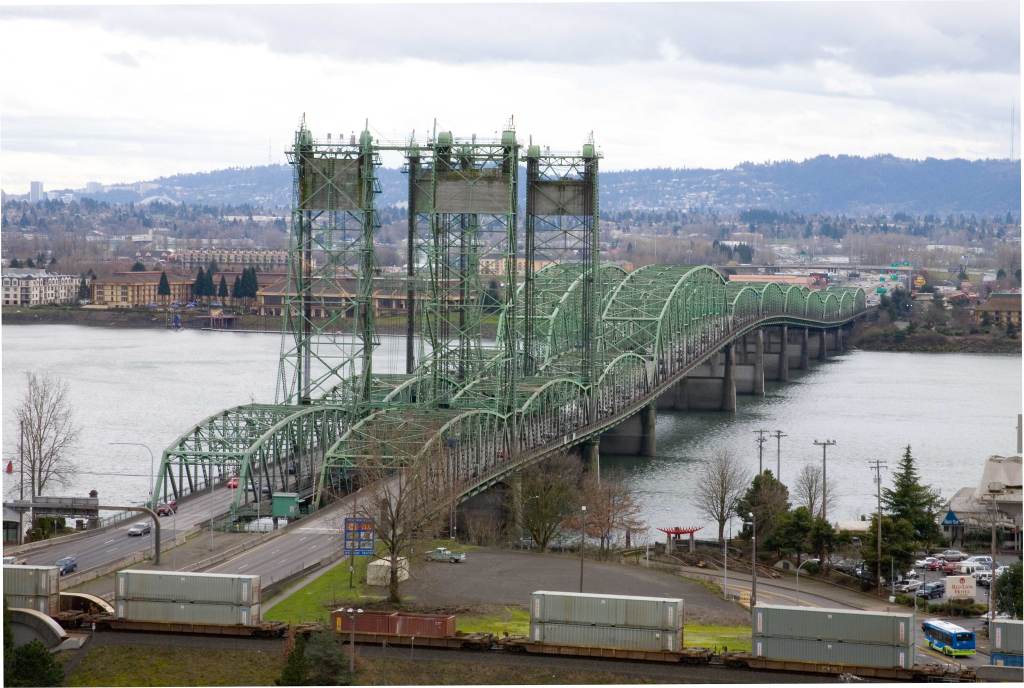
The Burlington Northern Railroad Bridge 9.6, said to have been built between 1906 and 1908, connects Vancouver, Washington with Portland across the Columbia River via Hayden Island and connects to Oregon Route 120.
It is a through-truss, swing-bridge said to have been completed in 1908.
The railroad travels beside the Smith and Bybee Wetlands on one side, and the Heron Lakes Golf Club on the other side on Oregon Route 120…
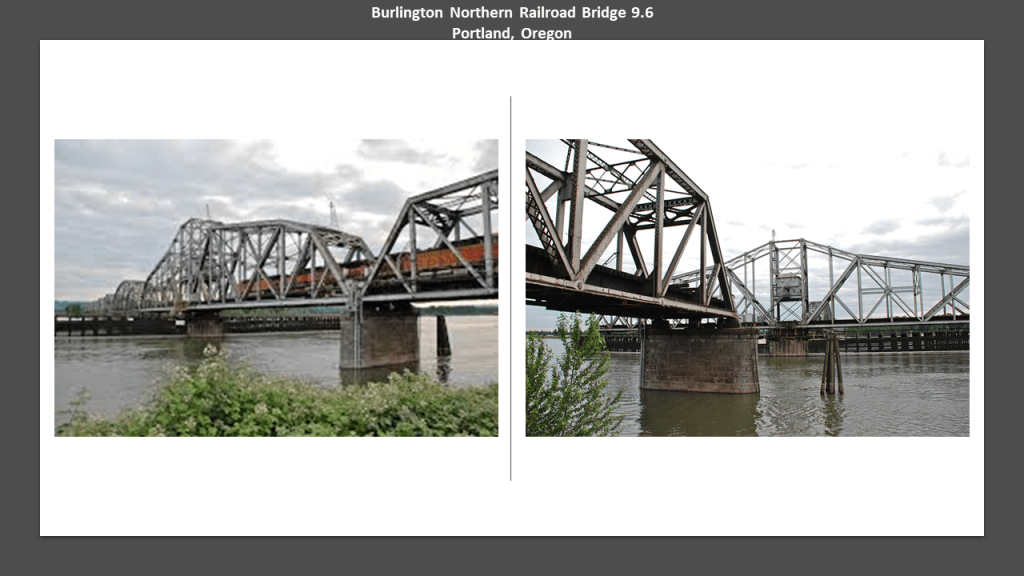
…and the railroad crosses over the Willamette River via the Burlington Northern Railroad Bridge 5.1, a through-truss, vertical-lift bridge today, but said to have had a swing-span when it was completed in 1908.
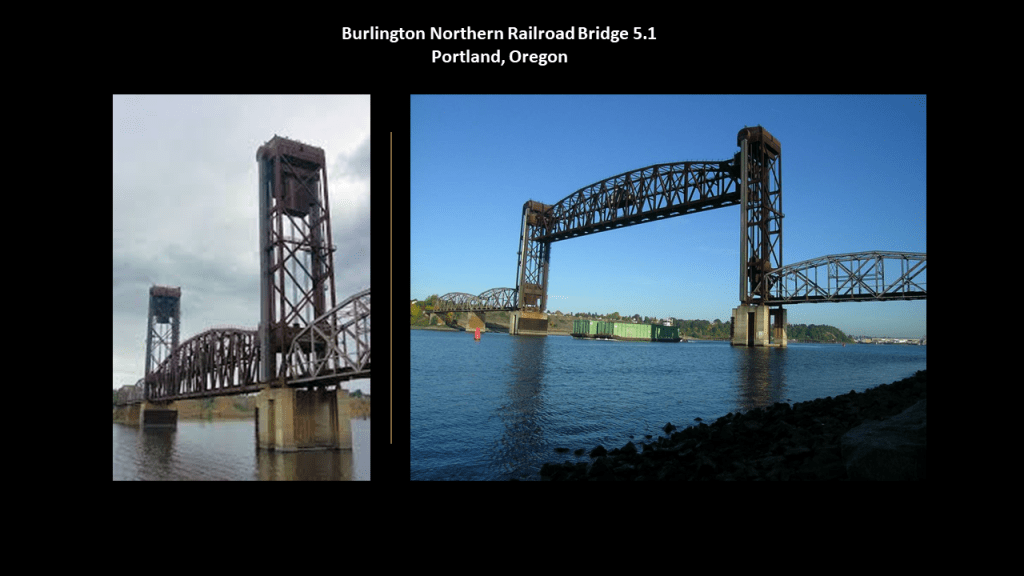
The number in the name of the bridges refers to the distance to Portland’s Union Station, which was said to have been built between 1890 and 1896 in the Romanesque Revival architectural style.
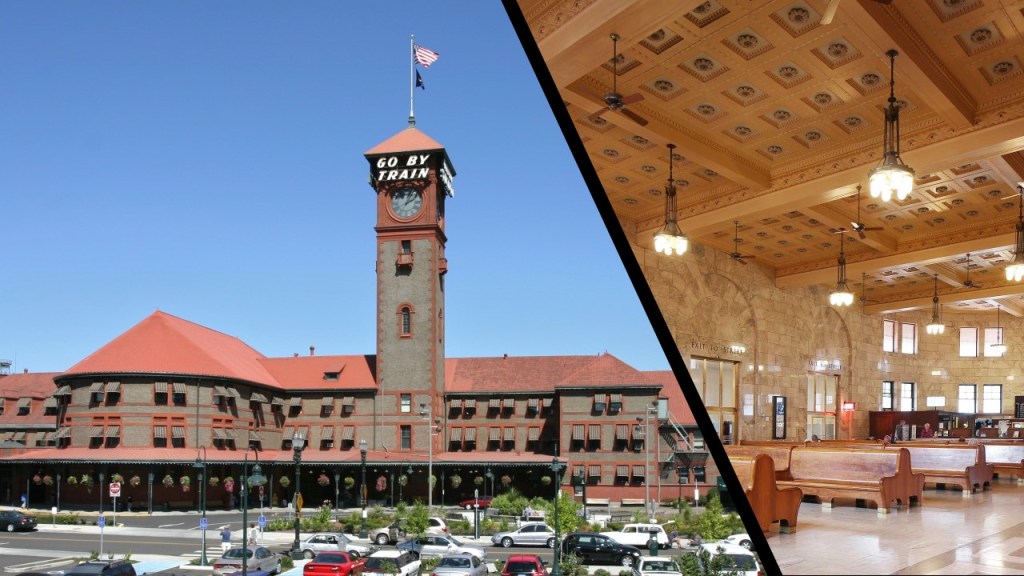
Now, I am heading south from here down the Pacific Coast to California’s Channel Islands, which I have also researched before.
California’s eight Channel Islands are located within the Southern California Bight.
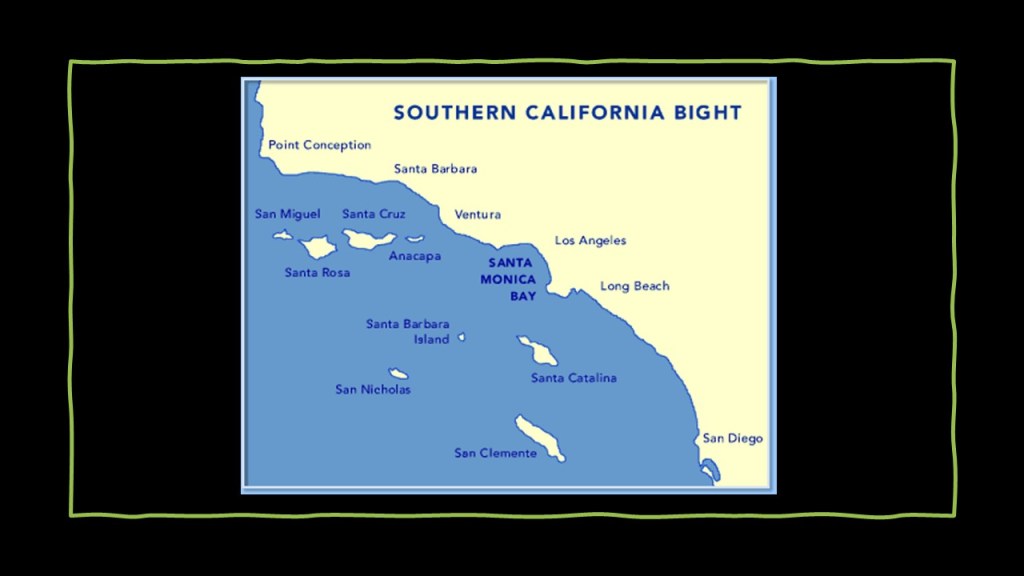
Besides the Channel Islands, the Southern California Bight includes the Coronado Islands and the Isla de Todo Santos of Baja California, coastal southern California and the local portion of the Pacific Ocean.
The bight is described as a significant curvature and indentation along the coast between Point Conception to just below San Diego, at Punta Colonet in Baja California, and that the waters offshore have complex current circulation patterns, with cold, southward flowing waters seen displayed in blue in this satellite image of Sea Surface Temperature, and northward flowing warm waters in yellow and orange.
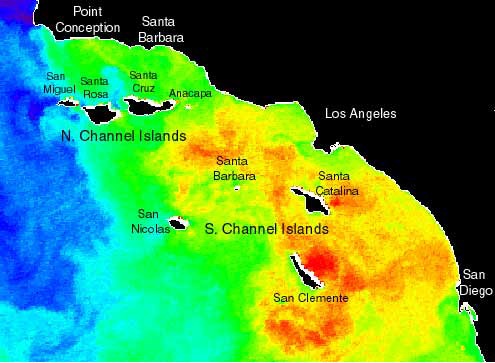
The four North Channel Islands of San Miguel, Santa Rosa, Santa Cruz and Anacapa were said to have been a landmass at one time called Santarosae.
What we are told is that they are the remnants of an ancient landmass off the coast of present-day southern California prior to the end of the last ice age, and that Santarosae lost 70% of its landmass because the sea rose from melting glaciers, leaving a huge submerged landscape that is currently being explored by scientists.
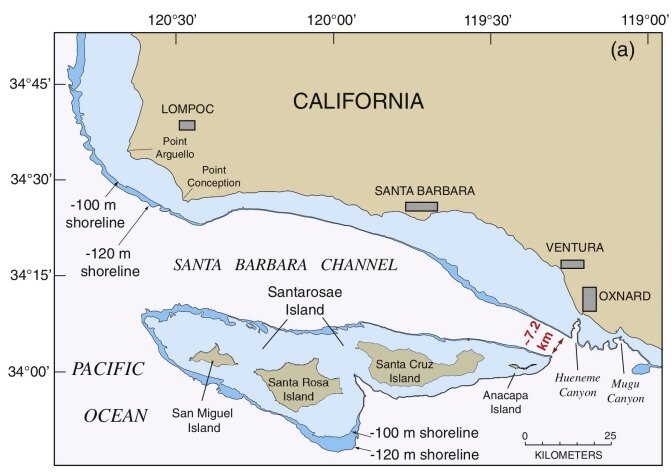
Santarosae is called “California’s Atlantis” by some.
So what we are told about California being an island is that it was one of the most famous map-making errors in history, with the error being reproduced on countless maps during the 17th- and 18th-centuries, despite contradictory evidence from various explorers.
The legend associated with the Island of California was that it was an earthly paradise, like Atlantis or the Garden of Eden.
In 1510, we are told the first known mention of the Island of California was in the fictional novel “Tales of the Knight Esplandian and the Queen of California,” a novel by Castilian Spanish author Garci Rodriguez de Montalvo describing a fictional island named California that was inhabited by only black women, and ruled by Queen Calafia.
Here is a passage from the book:
“Know that on the right-hand of the Indies, there is an island called California very close to the side of the Terrestrial Paradise, and it is peopled by black women, without any man among them, for they live in the manner of Amazons.”
Where did that idea come from?
Queen Calafia’s life and place in history are described as entirely fictional, though she is depicted as the spirit California, and symbolizes an untamed and bountiful land prior to European settlement.
Twenty-years before the publication of “Tales of the Knight Esplandian,” the first grammar text for Castilian Spanish was published in 1492.
It was the first book dedicated to the Spanish language and its rules, and the first grammar of a modern European language to be published in print.
In our historical narrative, the year of 1492 was also the year of the Fall of Granada in Moorish Spain…
…and the year of Columbus’ first voyage.
With regards to the Southern California Bight, there are estuaries along it like estuaries we have already seen further up on the Pacific Coast in Puget Sound and on the East Coast with and the New York – New Jersey Bight.
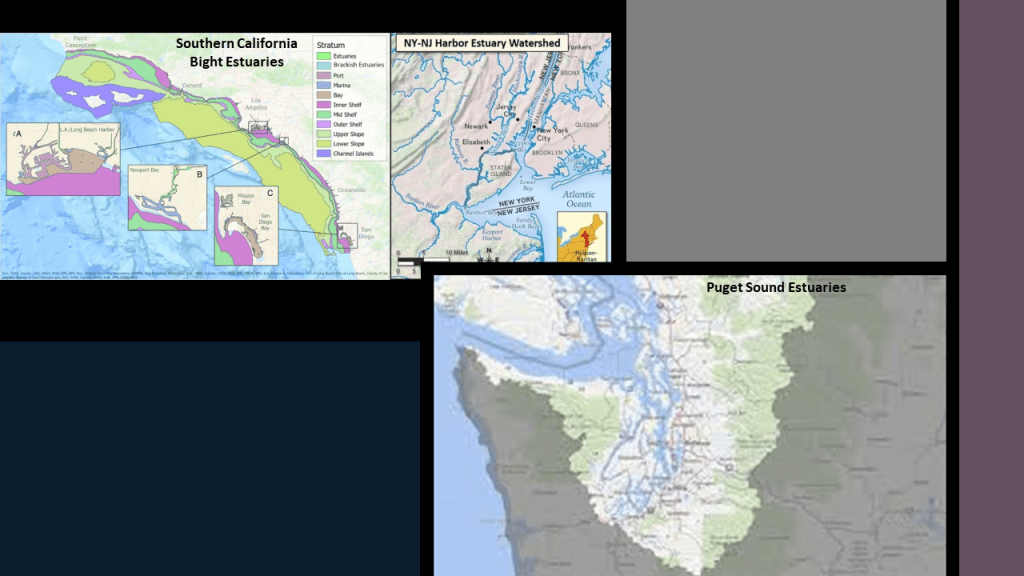
Here is an example of the same sheared-off, unstable-eroded-looking landscape, as seen on this stretch of coastal road beside the Southern California Bight on the West Coast on the left, and the Aquinnah Cliffs on Martha’s Vineyard on the East Coast that we saw earlier in this post.
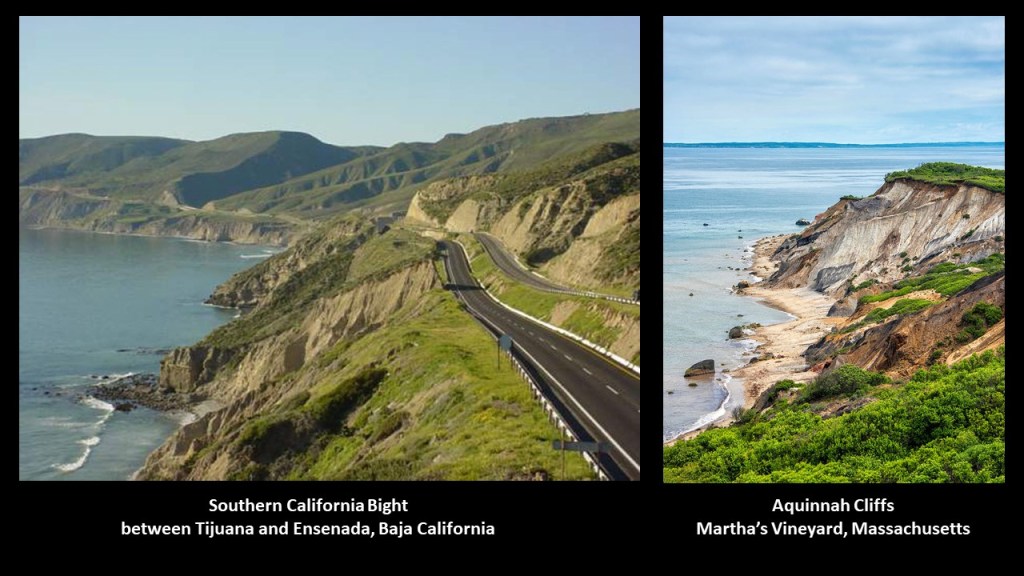
There is still an active Amtrak passenger railroad line, called the “Pacific Surfliner,” running along the Pacific Coast of the Southern California for 351-miles, or 565-kilometers, from San Diego to San Luis Obispo…
…and, like some lighthouses we have already seen in this post, is endangered by crumbling cliffs from coastal erosion, and we are told is under consideration for being moved in-land.
There are also lighthouses found along the coast of Southern California, like the Santa Barbara lighthouse in the top middle; the Point Vicente Lighthouse on the top right, both high atop cliffs next to the shore line; the Los Angeles Harbor Lighthouse on the bottom middle, as seen with a perfect solar alignment; and the Long Beach lighthouse with a lunar alignment on the bottom right.
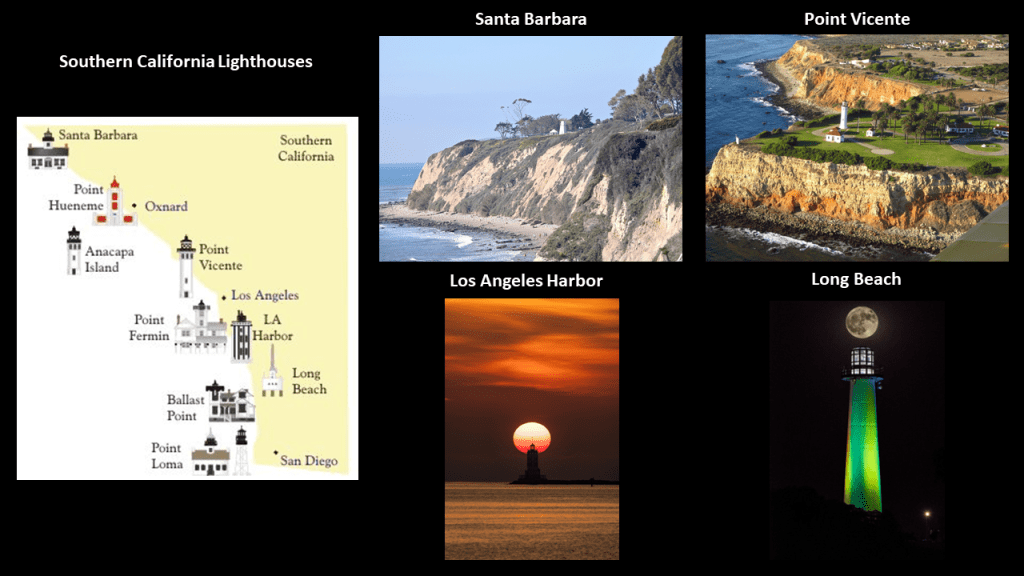
One more place I would like to mention in California’s Channel Islands is the Catalina Casino in Avalon on Santa Catalina Island.
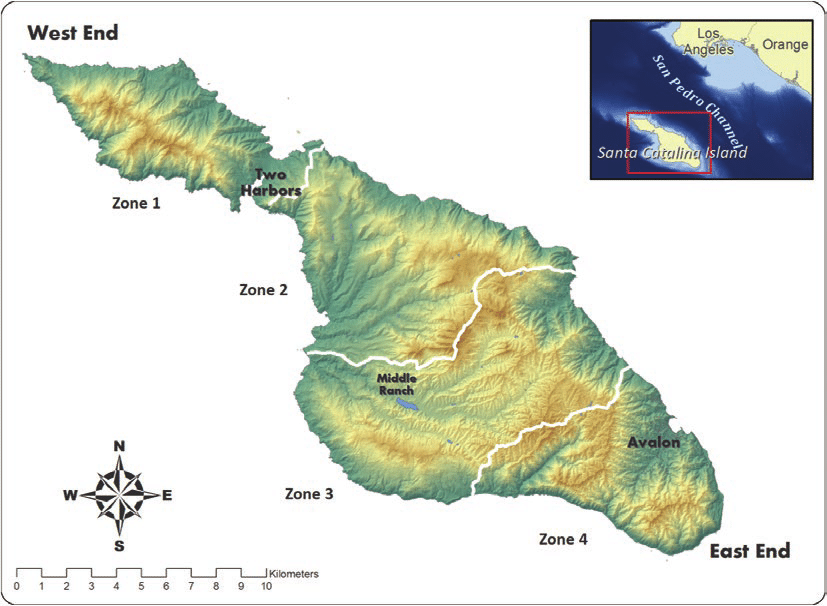
This is the Catalina Casino, which was said to have been built starting in 1928, and first opened in 1929.
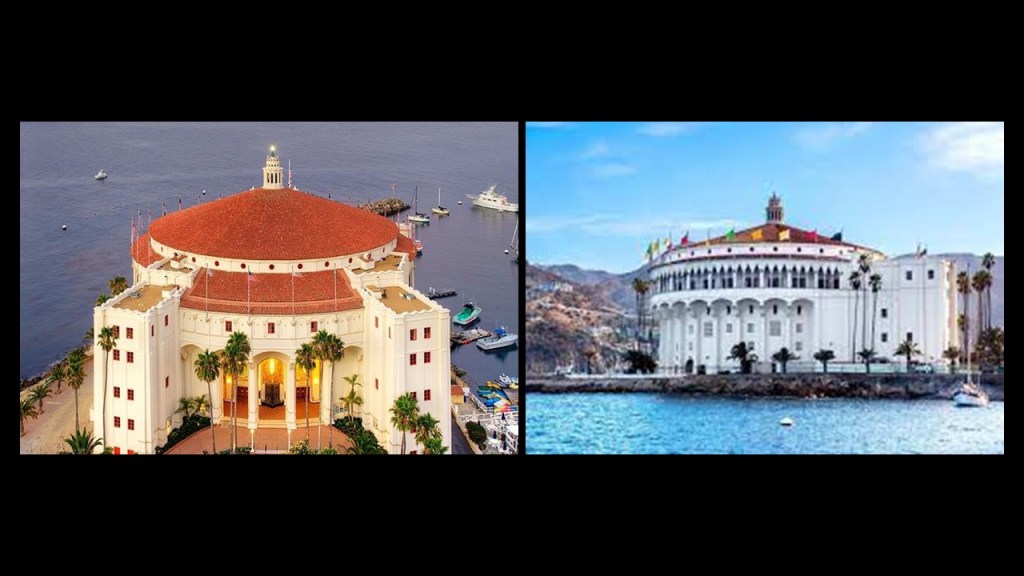
The Catalina Casino houses things like a movie theater and a ballroom.
The movie theater still has its original pipe organ intact.
The acoustics are so good in the Catalina Casino’s movie theater that someone speaking on the stage can be heard without using a microphone and be heard clearly by everyone in the 1,154-seat capacity auditorium.
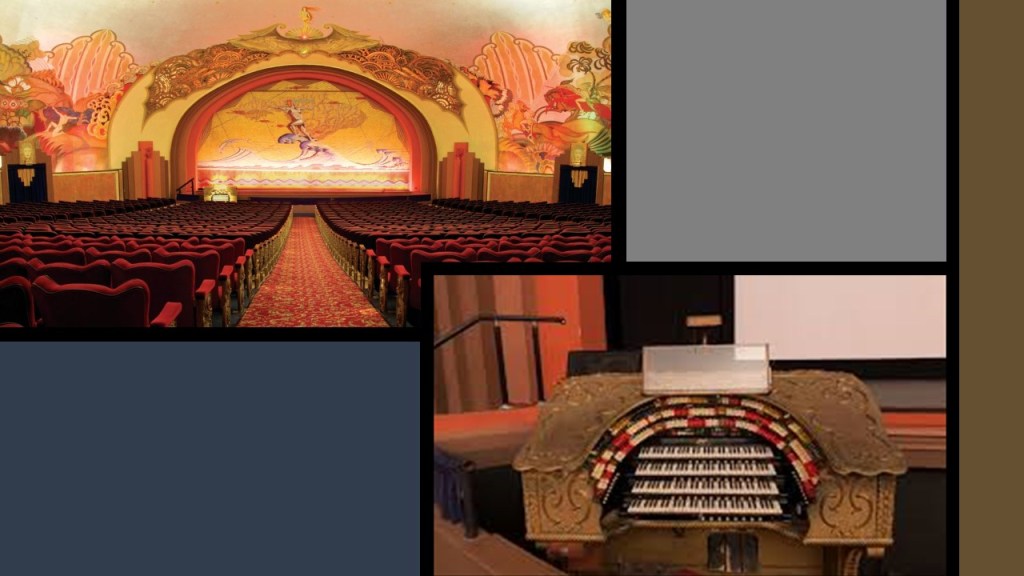
The Catalina Casino’s ballroom is the world’s largest circular ballroom, with a 180-foot, or 55-meter, dance floor that can accommodate 3,000 dancers.
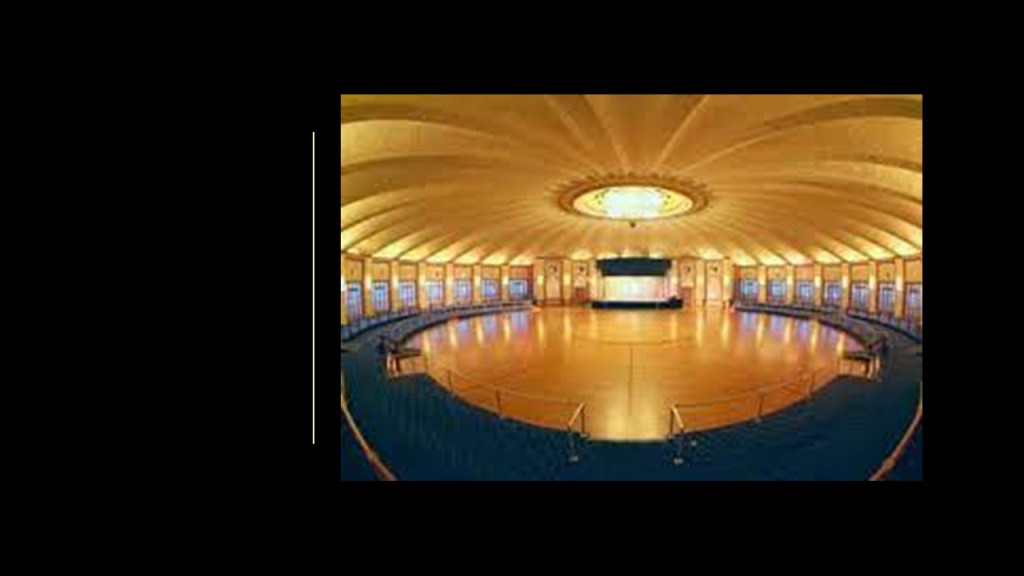
Now, as I head over to Australia from the Pacific Coast of North America, I would like to share what I found at the chain of low islands and reefs called Adam’s Bridge, also known as Rama’s Bridge, or Ramsethu, which separates the southern tip of India from Sri Lanka…
There’s a rail-line today that still operates from the town of Mandapam in Tamil Nadu to the Indian side of Adam’s Bridge.
The Pamban Bridge crossing through here is described as a masterpiece of engineering, and like what we saw back in Portland, has a movable section midway that is raised to allow ship and barge traffic to pass through.
Over a mile-long, at 6,776-feet, or 2,065-meters, It was said to have been constructed between 1911 and 1914, which was the year World War I started, and around the same time the Pacific Highway Interstate Bridge was said to have been constructed during World War I, between 1915 and 1917.
You can take a ferry across, in the same general location as the sunken parts of Adam’s Bridge, to Talaimannar, on Sri Lanka’s Mannar Island, and catch the train on to anywhere you want to go in Sri Lanka.
Sure looks like this part of the world was all-connected together at one time, and not that long ago.
Another example of a rail-line in an anomalous place is at the pink-colored Lake Burlinskoye in Siberia, where the rail-line still operates right through the water.
Do you think they ctually built the rail-line through water, or could it possibly have been above water at one time?
And the Salta-Antofagasta railway links Argentina and Chile through one of the driest places on Earth, the Atacama Desert across the Andes Mountains.
These are just a few of many examples of railroads in anomalous places, and there are many more rail-lines that have been abandoned or removed all over the world.
Now I am heading to the southern coast of Australia, and my starting point “Down Under” is Port Campbell, which is 142-miles, or 229-kilometers from Melbourne.
It is the location of what are called “The Twelve Apostles.”
They are described as a collection of limestone stacks referred to as “Port Campbell Limestone,” deposited there in the Miocene Age 15- to- 5-million years ago, and that the stacks were formed by erosion from waves and harsh weather conditions over time.
So clearly that is what they want to us to believe about their origins – all the result of natural geologic processes over time.
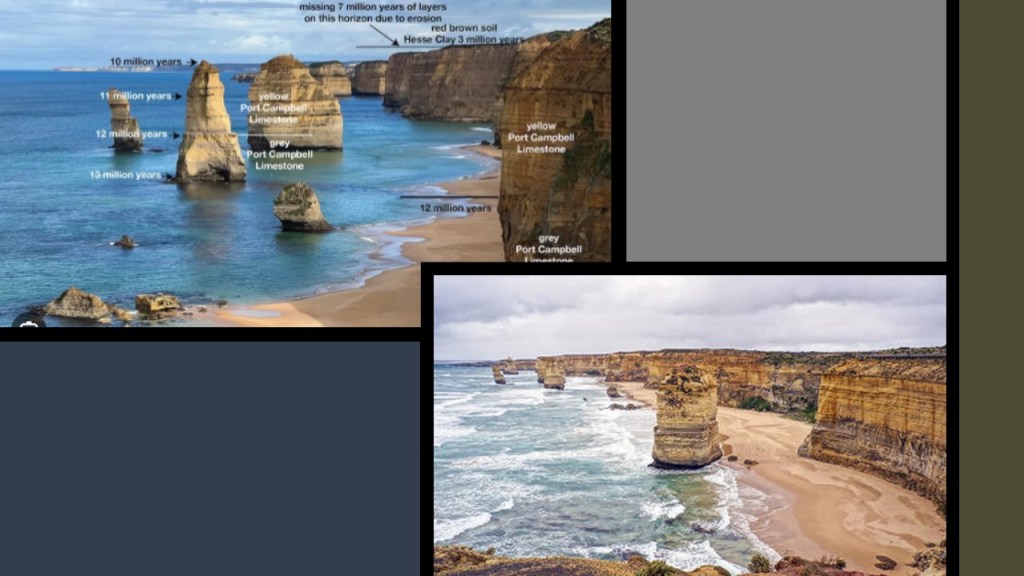
The Twelve Apostles are the main attraction found on the Great Ocean Road between Torquay and Port Fairy along the southern coast of Australia in Victoria State.
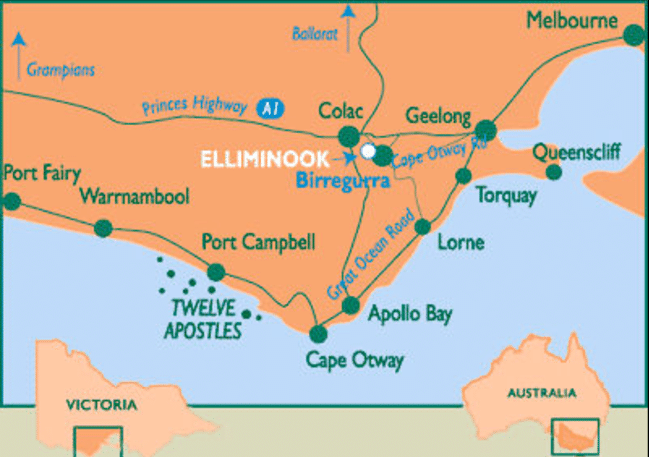
Before I go on to talk about the lighthouses found along Australia’s southern coast on the Great Ocean Road, I would like to bring up the railroad here.
Today, what is called the Overland Railroad runs near the southern coast between Melbourne and Adelaide, which is part of the New South Wales Train Link that runs up the east coast from Melbourne to Sydney and Brisbane.
Viewer SL from Australia sent me these photos she took in Bundabah, New South Wales, which is 97-miles, or 156-kilometers to the northeast of Sydney on the east coast of Australia, and said the following in her email:
“I found these rock platforms on low tide at a little place / bay called Bundabah NSW, Australia. They are only visible at low tide. The village of Bundabah is not very populated itsself but is joined to a larger ocean inlet / larger harbour, and the well known tourist destination Port Stephens across the way once out of this small cove / bay.
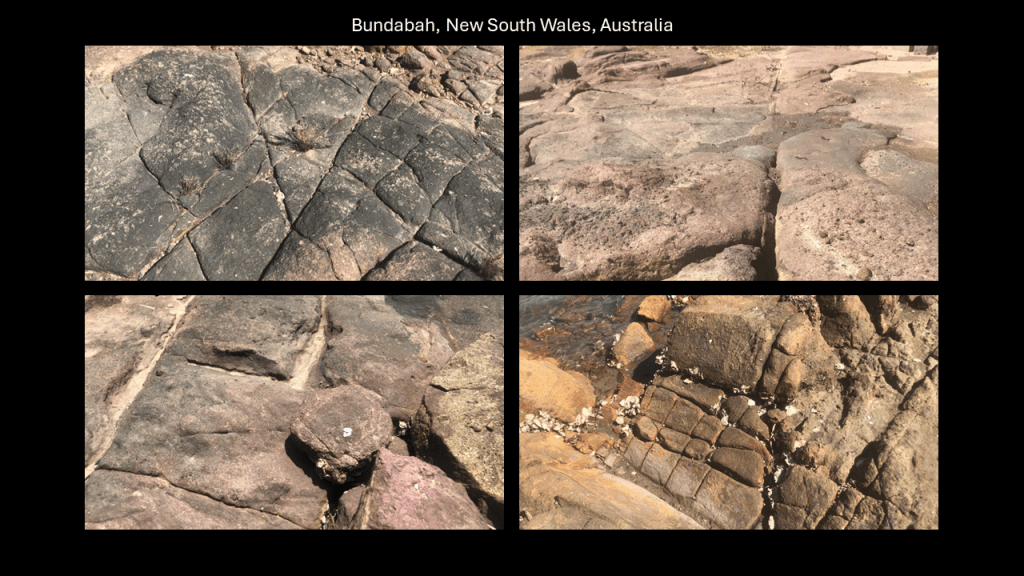
The photo from Bundabah that SL took at low-tide on the left of what appears to be megalithic stone work going downwards into the water, reminded me of a photo of an example of what are called “cart ruts” going downwards into the water found in the island Republic of Malta in the Mediterranean Sea.
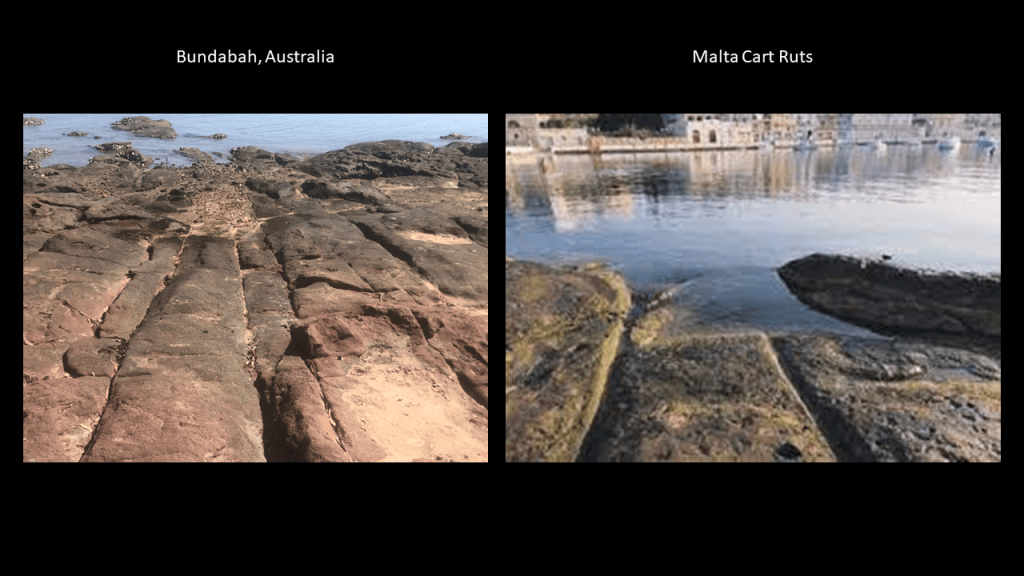
SL went on to say “They say Bundabah was settled mid 1800’s, but if you look on google maps you can see there is not much here, not even a shop just a bunch of houses earliest look circa 1940’s /50’s. “
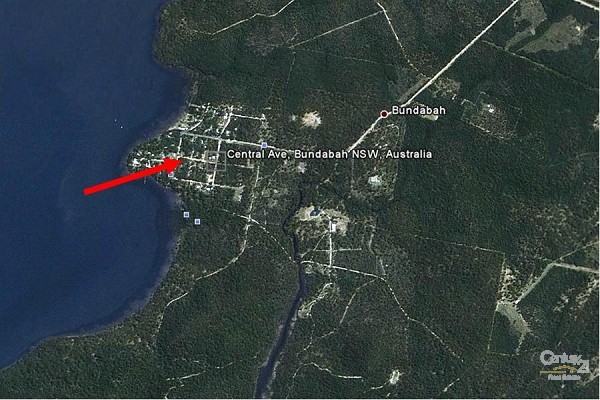
When I looked, I found that the NSW Train Link passes near, but not directly through, Bundabah on its way to Brisbane.
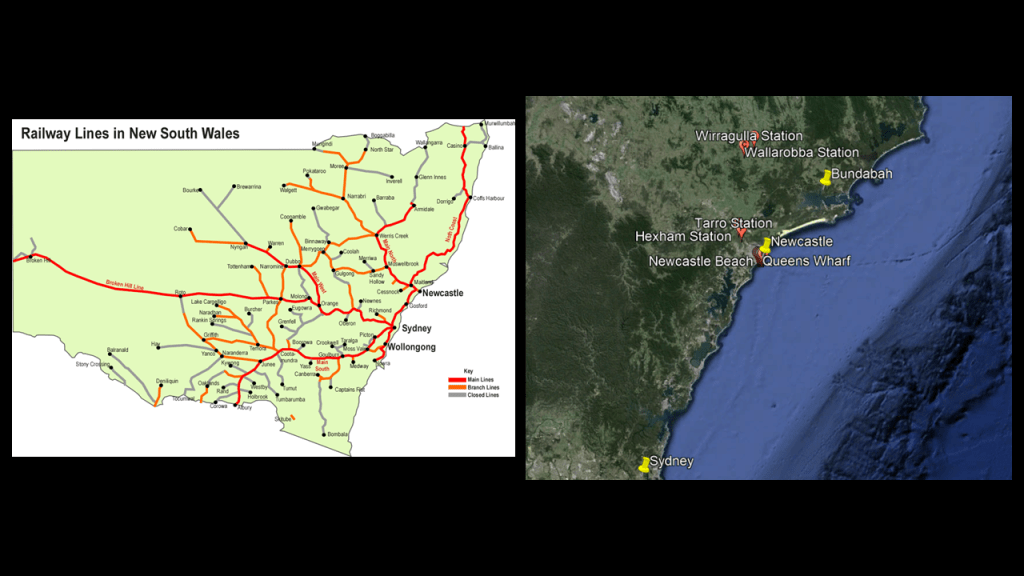
I would like to include here some information on Sydney I encountered in my research for this post that sounded very much like what I was looking at around the area of the Philadelphia City Hall in Center City.
This is the Sydney Town Hall on the left.
It was said to have been built between 1869 and 1889 in the Victorian Second Empire Architectural Style, that was inspired by the Second French Architectural style, on top of the location of the former “Old Sydney Burial Ground,” utilized as Sydney’s first permanent cemetery between 1792 and 1820, where we are told about 2,000 people were buried but no register was kept.
The Philadelphia City Hall on the right was said to have been built in the Second French Empire Architectural Style between 1871 and 1901, as mentioned previously.
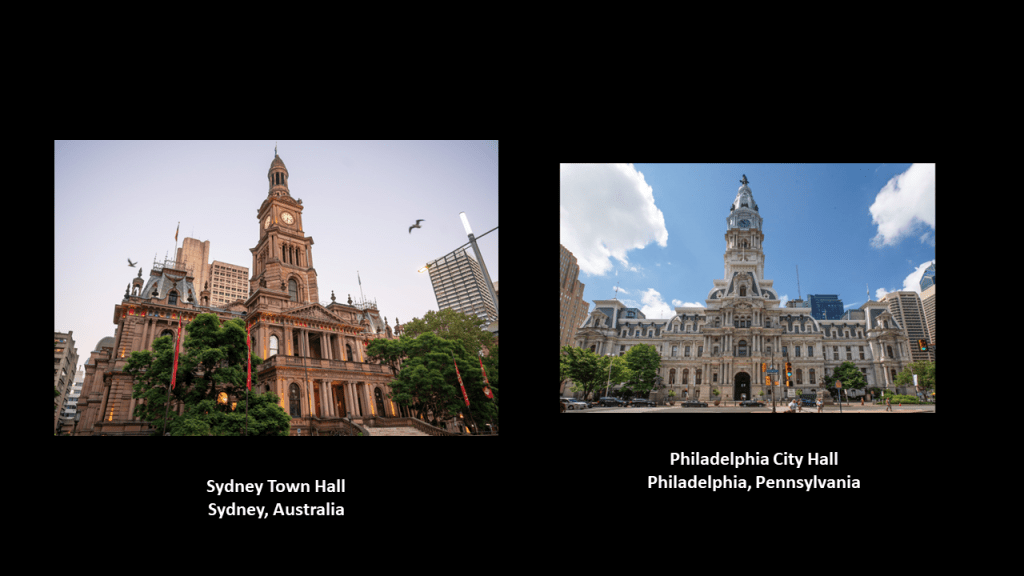
The Sydney Town Hall Grand Organ is the world’s largest organ without any electrical action components, in comparison with the Wanamaker Grand Court Organ, the largest fully-functioning pipe organ in the world, in the Macy’s Center City department store olocated right next to the Philadelphia City Hall, as mentioned earlier in this post.
The Sydney Town Hall Grand Organ is considered the pinnacle of British achievement in organs during the Victorian-era.
It was said to have been constructed between 1886 and 1889 by Hill & Son of London.
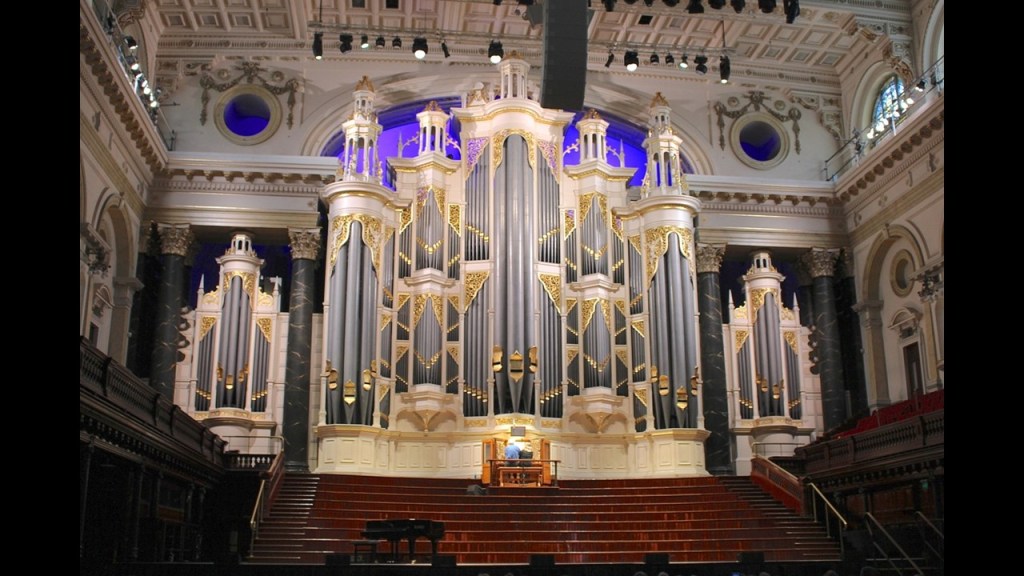
Also like the Philadelphia City Hall, the Sydney Town Hall is located right above the Town Hall Station, a heritage-listed, multilevel underground commuter rail station.
This underground rail station first opened in 1932.
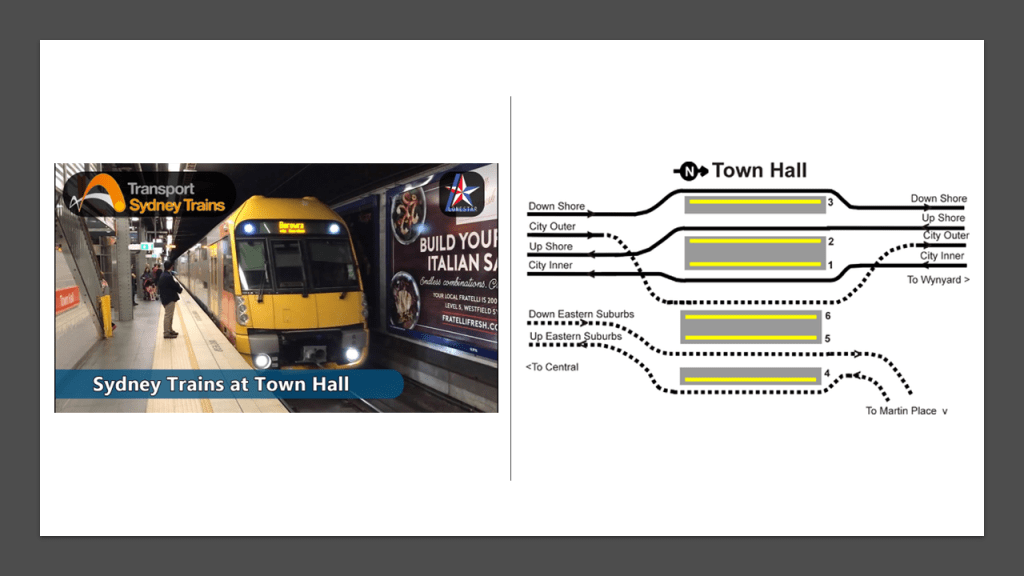
The Sydney Town Hall is located beside St. Andrews Cathedral and opposite the Queen Victoria Building.
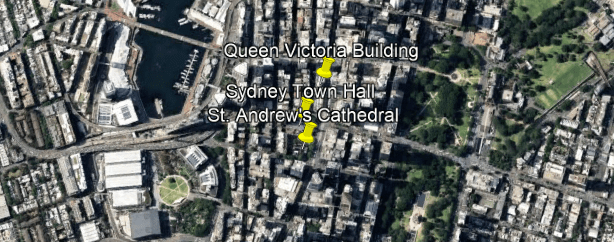
St. Andrews Cathedral is a cathedral church of the Anglican Diocese of Sydney and the seat of the Archbishop of Sydney.
Called the oldest cathedral in Australia, it was said to have been designed primarily by Australian architect Edmund Blacket, and constructed between 1837 and 1868, at which time it was ready for services.
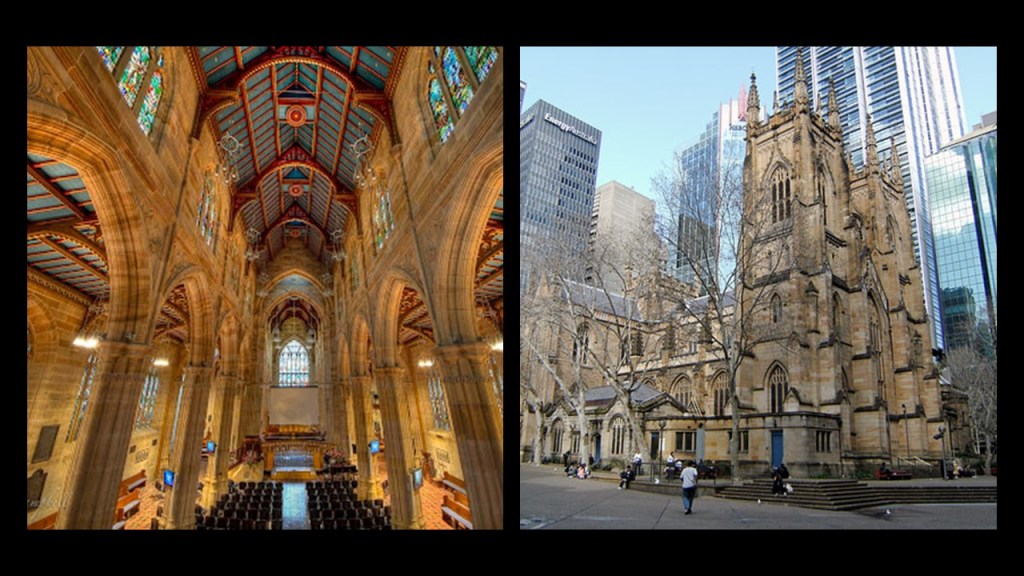
Like the adjacent Sydney Town Hall, the St. Andrews Cathedral is said to have a Hill & Son of London pipe organ, which was said to have been installed in 1866 in the Cathedral’s South Transept.
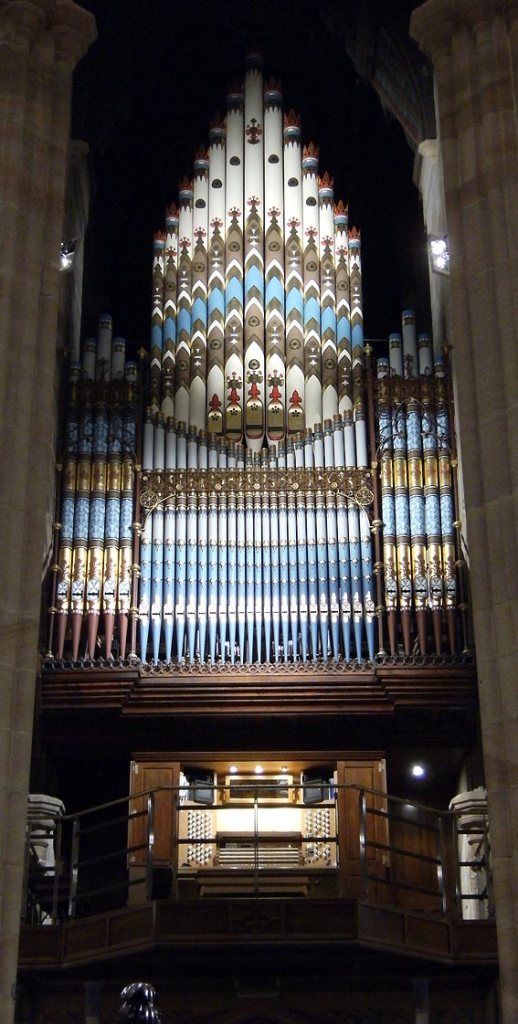
The Queen Victoria building opposite the Sydney Town Hall is described as a 5-story, late 19th-century building in Sydney’s Central Business District.
It was said to have been designed on the “Scale of a Cathedral” by the architect George McRae, and constructed between 1893 and 1898.
It has over 20 domes and cathedral style windows.
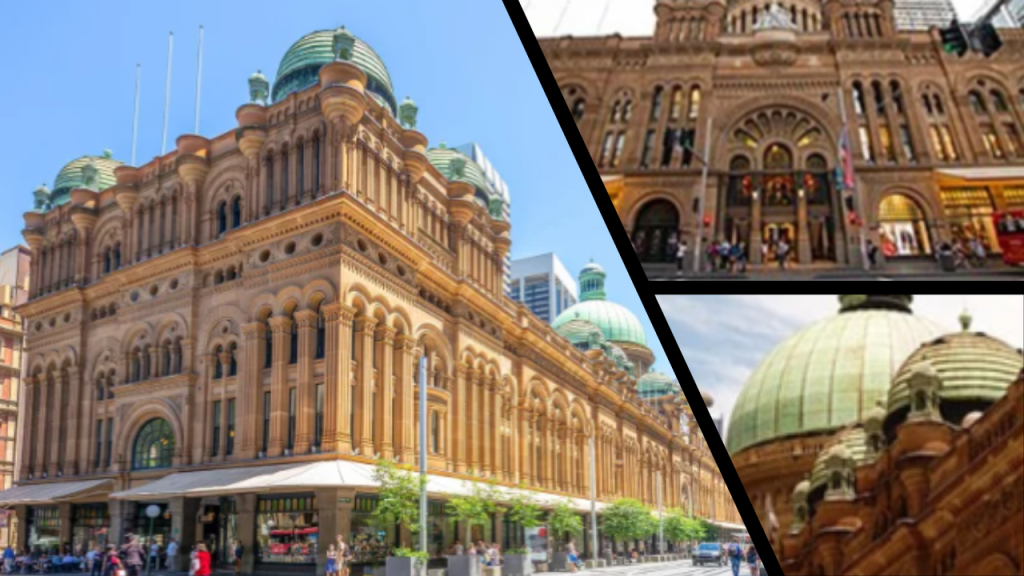
During its history, it has had some different uses, but primarily as retail space, which it is today.
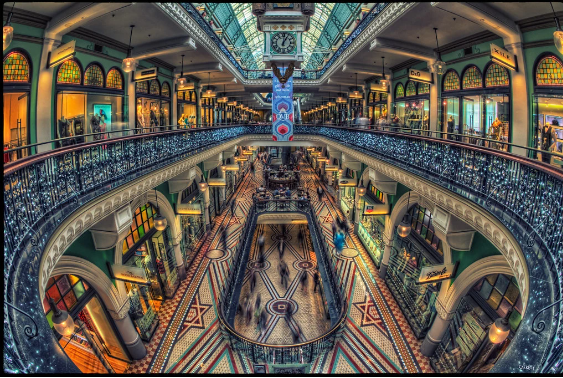
It is interesting to note that the Queen Victoria building has been threatened with demolition at various time over the years, starting as early as 1959.
This newspaper headline says “Tear down this city horror!”
Makes sense, right?
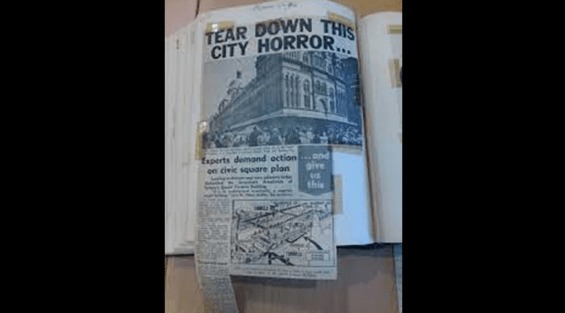
The Sydney Central Railway Station is just south of this location and all of these places are between Botany Bay and the Sydney International Airport to the South and Sydney Harbor to the North.
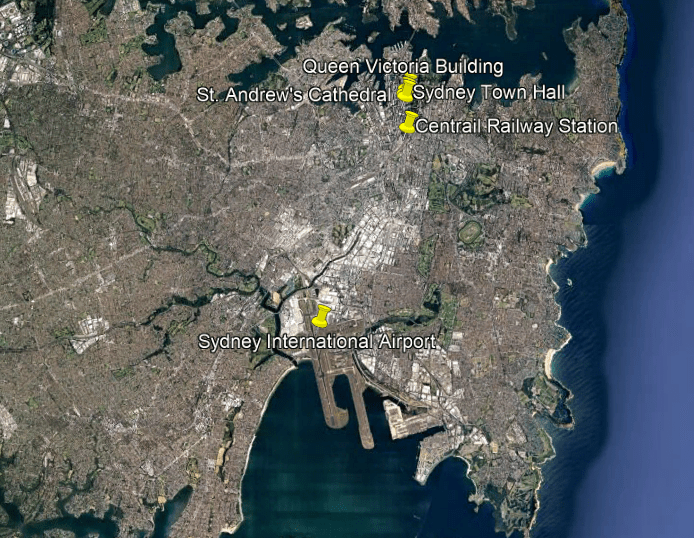
The Central Railway Station is Australia’s largest railway station and a major transport interchange.
Said to be the third terminal in Sydney, it was said to have opened in 1906 and designed by the New South Wales Government Architect Walter Liberty Vernon, who was credited with a number of buildings there designed in what was called the Classical -style of public buildings.
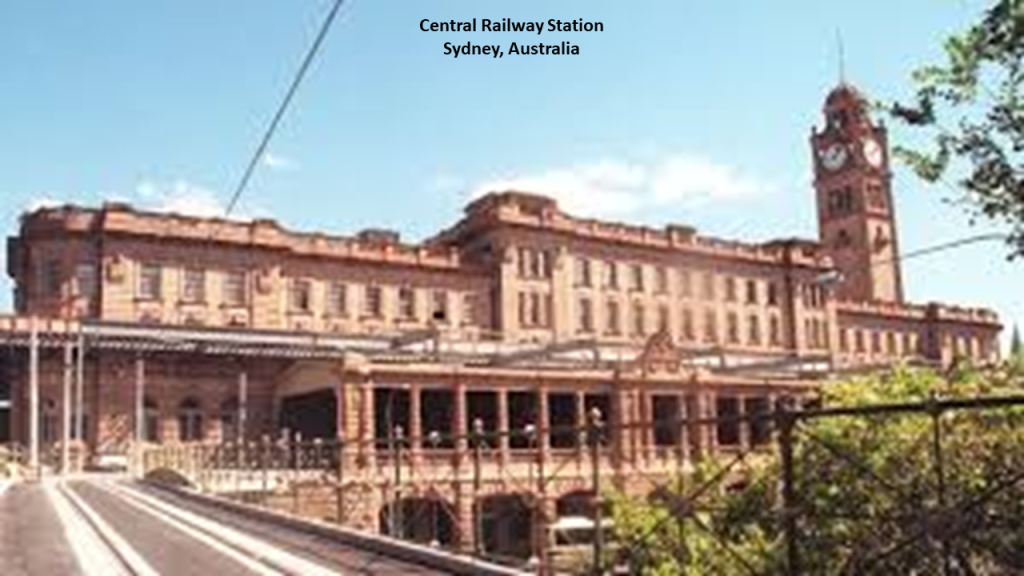
Now back to lighthouses.
There are five lighthouses on the coast found along the Great Ocean Road.
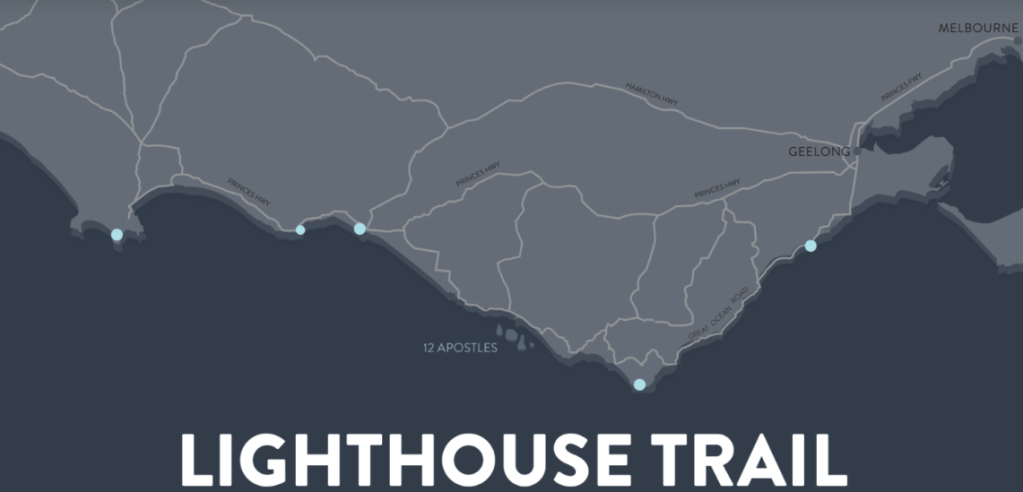
The Split Point Lighthouse at Airey’s Inlet was said to have been constructed in 1891, and which apparently aligns with the Milky Way.
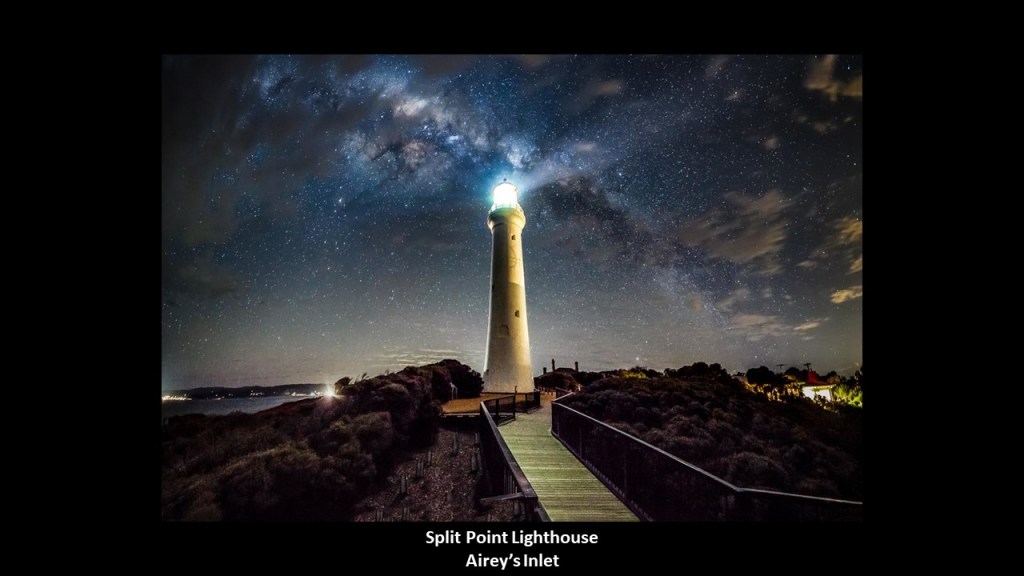
The Cape Otway Lighthouse on the Victoria coast near the Twelve Apostles, and is said to be the oldest surviving lighthouse in Australia, said to have been built in 1848 also with a nice alignment to the Milky Way.
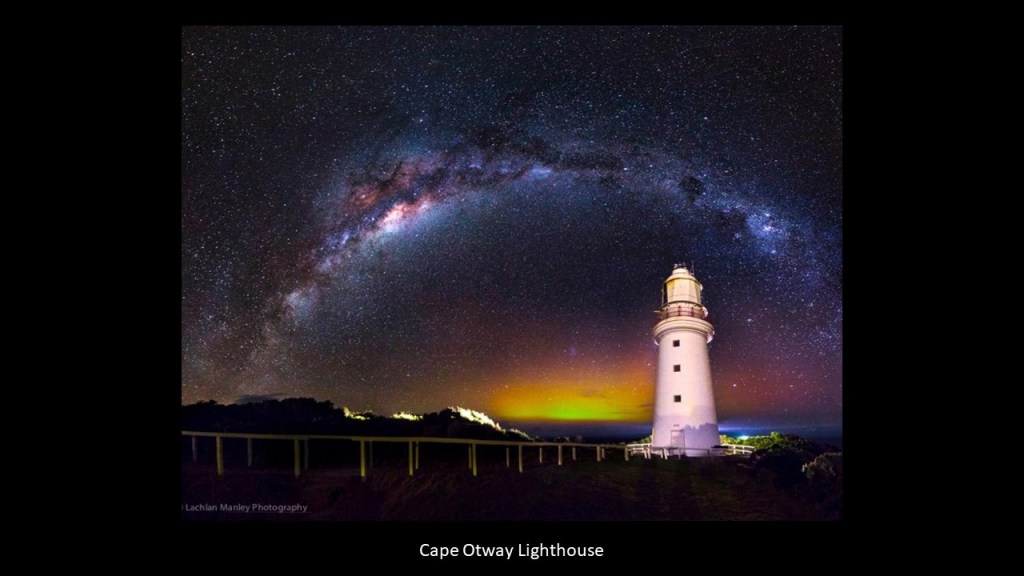
The two lighthouses at Lady Bay come next, located in the Flagstaff Hill Maritime Museum in Warrnambool, and the Lady Bay Complex was originally built between 1858 and 1859, with something of a convoluted history of being moved from original locations and so forth.
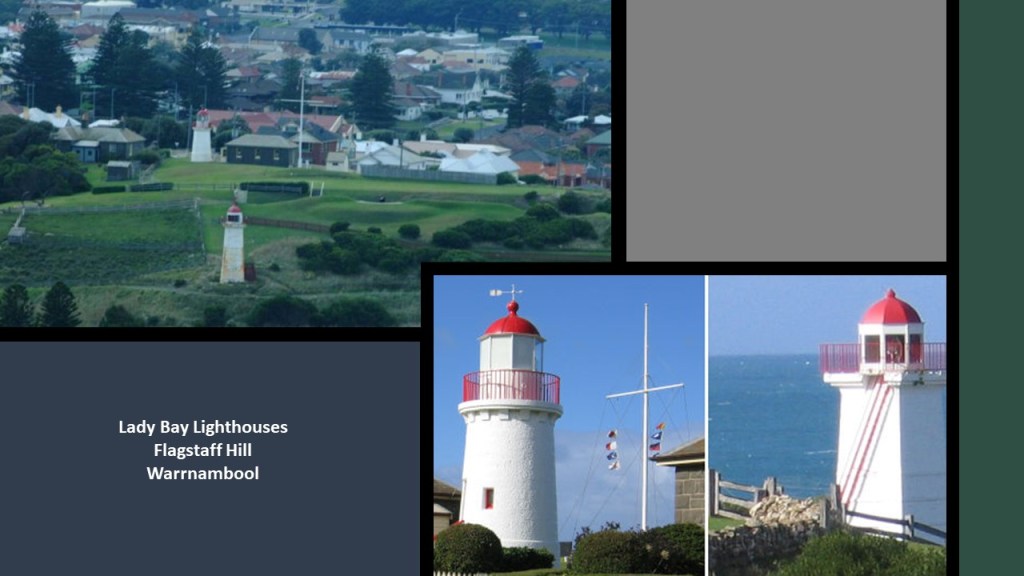
Lastly on the Great Ocean Road, the Port Fairy Lighthouse on Griffiths Island was said to have been built in 1859, shown here with the sun coming up behind it in alignment.
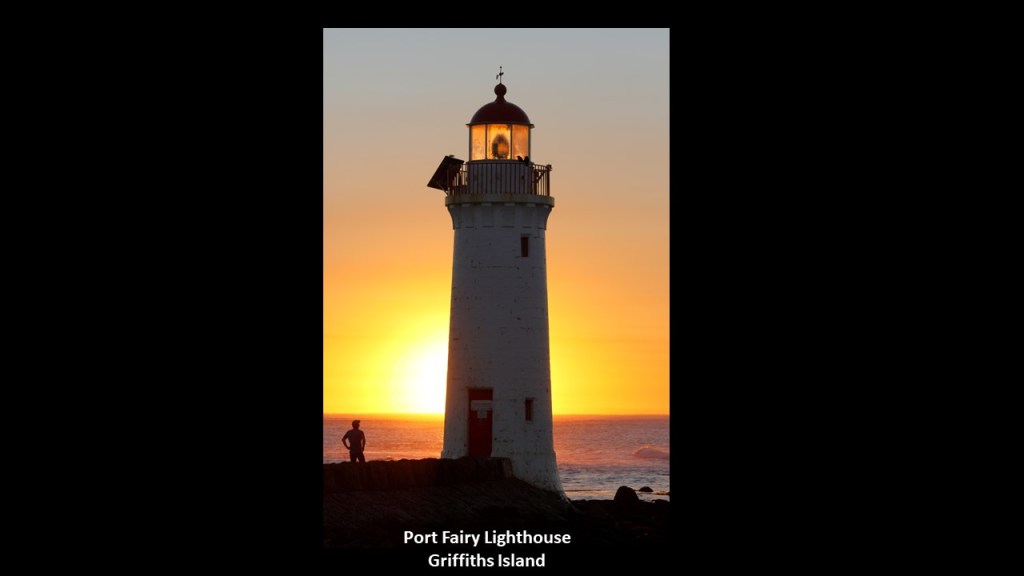
The southern coast of Australia, generally considered to be along the Indian Ocean, but also considered part of the Southern, or Antarctic, Ocean, is where we find another bight – the Great Australian Bight.
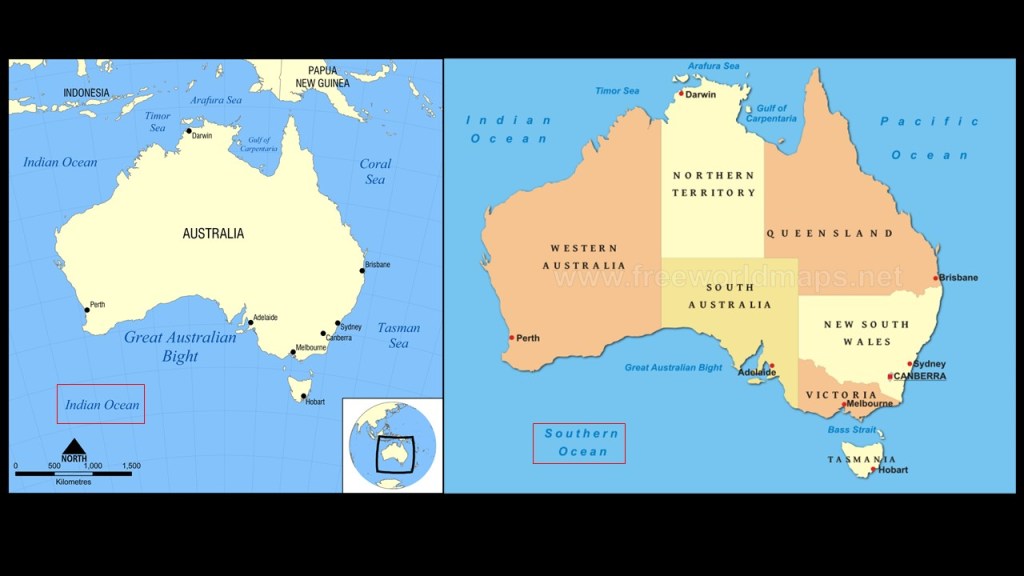
The Nullarbor Plain roughtly stretches between Israelite Bay on the western end of the Great Australian Bight, and Spencer Gulf on the eastern side of the Bight.
This is the traditional land of the Yinyila Nation of Mirning Clans.
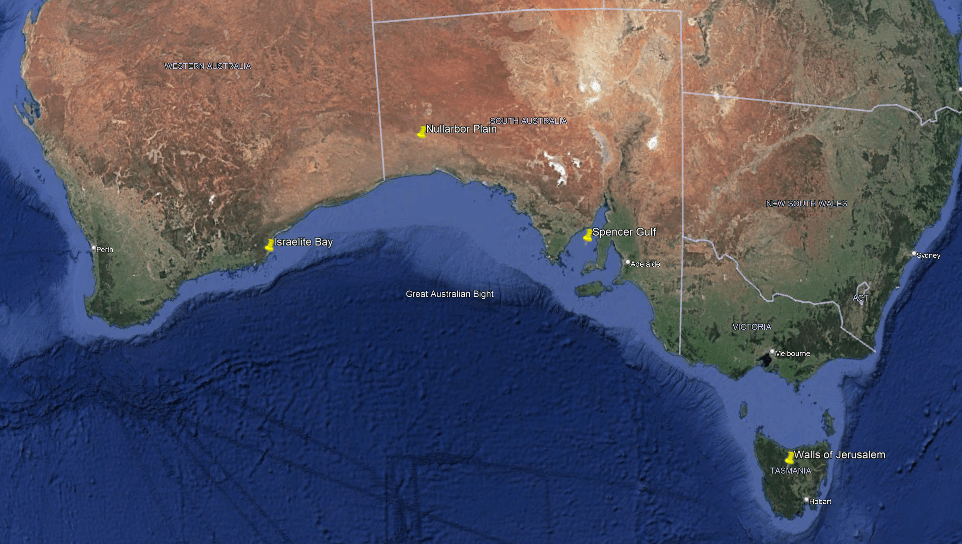
Some interesting things about the Nullarbor Plain include:
It is the world’s largest single exposure of limestone bedrock…
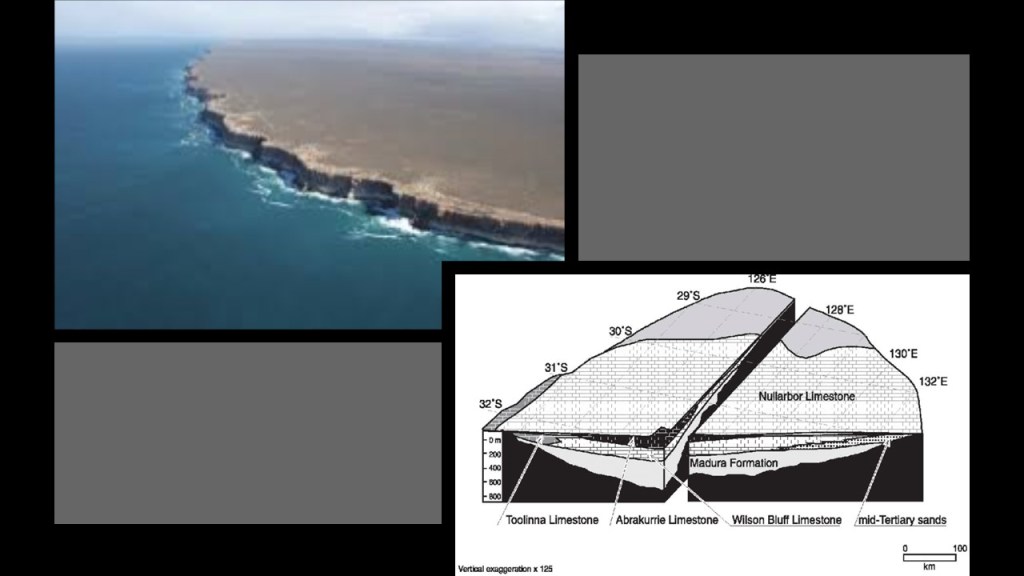
…and it has the longest section of both straight railroad and straight highway in Australia.
Today, the Indian Pacific experiential tourism passenger train crosses the the Nullarbor Plain and the Australian Outback, running east-west between Sydney on the Pacific Ocean, and Perth on the Indian Ocean.

One of its stops is the Rawlinna Station, which was mentioned by Stephanie McPeak Petersen in her “The Golden Fleece of Tartaria & Operation Merino” video.
Rawlinna Station is Australia’s largest sheep station, running up to 65,000 Merino Sheep in a good season.
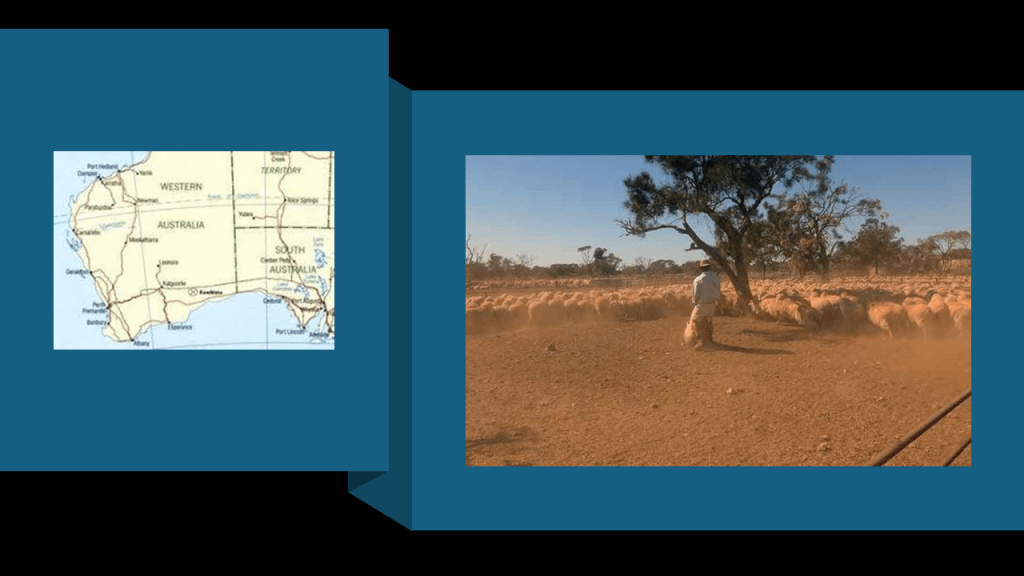
The desert Outback, described as a remote, vast, and sparsely populated area, extends across Australia, from East to West and North to South.

The Ghan Train is another experiential tourism passenger train that runs North to South, from Darwin in the Northern Territory, through Alice Springs near both Uluru and the Pine Gap Surveillance Station, on its way to Adelaide in South Australia.
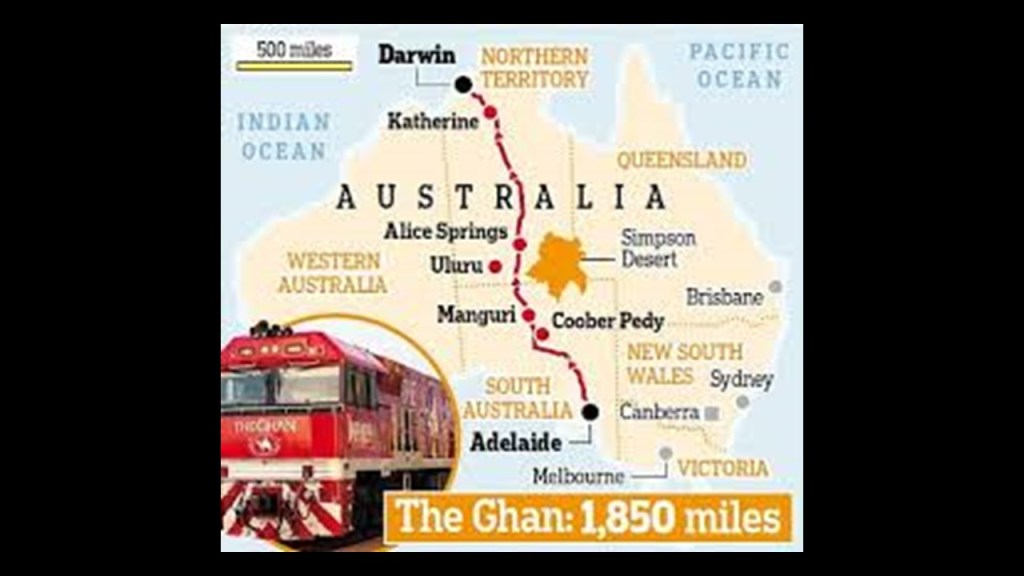
Uluru is a significant place on the Earth’s grid system, as one of the twelve primary nodal points on the Earth’s grid system, one of the primary places where numerous leylines cross, and the Earth’s third chakra.
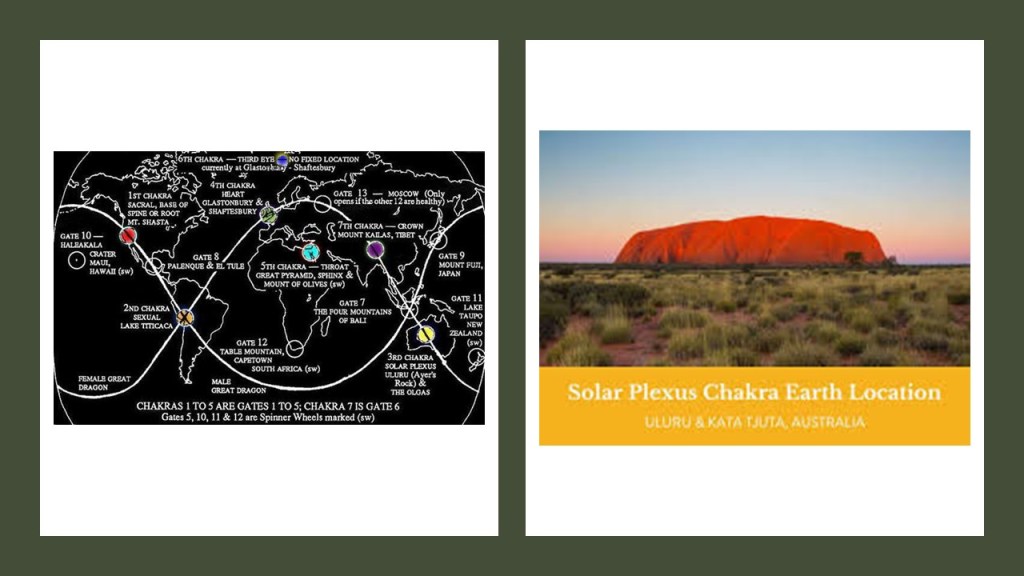
The Indian Pacific and The Ghan Train connect in Adelaide on the coast, along with the Overland Passenger train, which runs between Adelaide and Melbourne, and the Great Southern passenger Train, which connects Adelaide and Brisbane.
All four rail-lines arrive and depart from the Adelaide Parklands Terminal in Keswick, located next to a small bay on the eastern side of the Great Australian Bight.
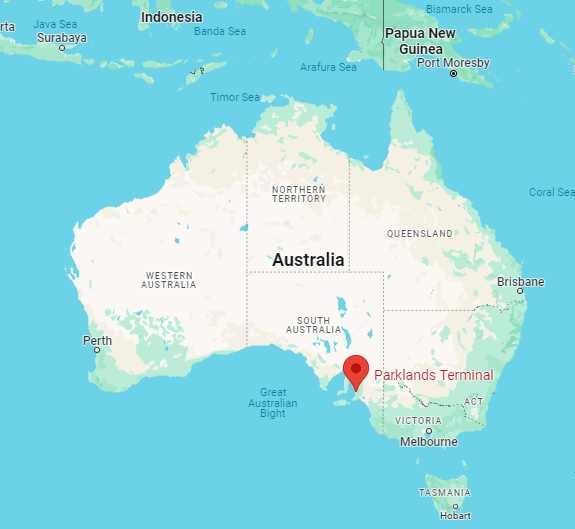
And does Tasmania, and island state of Australia that is 149-miles, or 240-kilometers south of the Australian mainland below Australia, have a rail history too?
It most certainly does!
We are told that the Tasmanian Main Line Railway Company first opened a narrow-gauge line between Hobart and Evandale on November 1st of 1876, and that different Tasmanian lines were extended through 1922.
Today, what remains of the Main Line carries freight, with the main cargo being cement, but not passengers; there are some locations with heritage railway and museums with limited rail-runs as part of the visitor attractions; and there are a lot of multi-use, recreational rail-trails which follow former railway lines throughout Tasmania, just like what we have already seen in the post with countless former railroad lines in the United States.
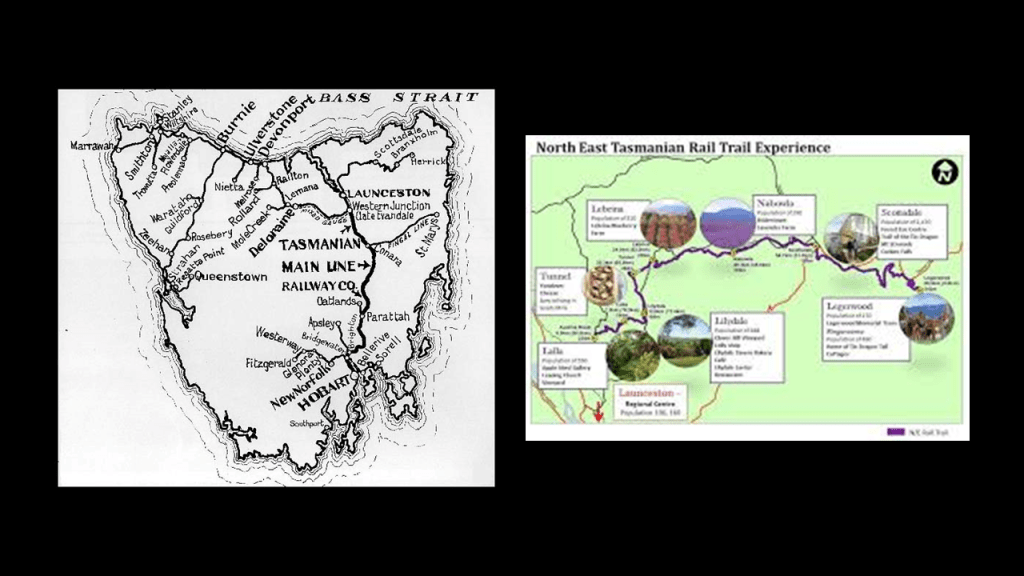
So, we have the Great Australian Bight to go along with the Southern California Bight on the Pacific Coast and the New York – New Jersey Bight on the northeast Atlantic Coast, and there are underwater canyons and shelves adjacent to the bights in all three places.
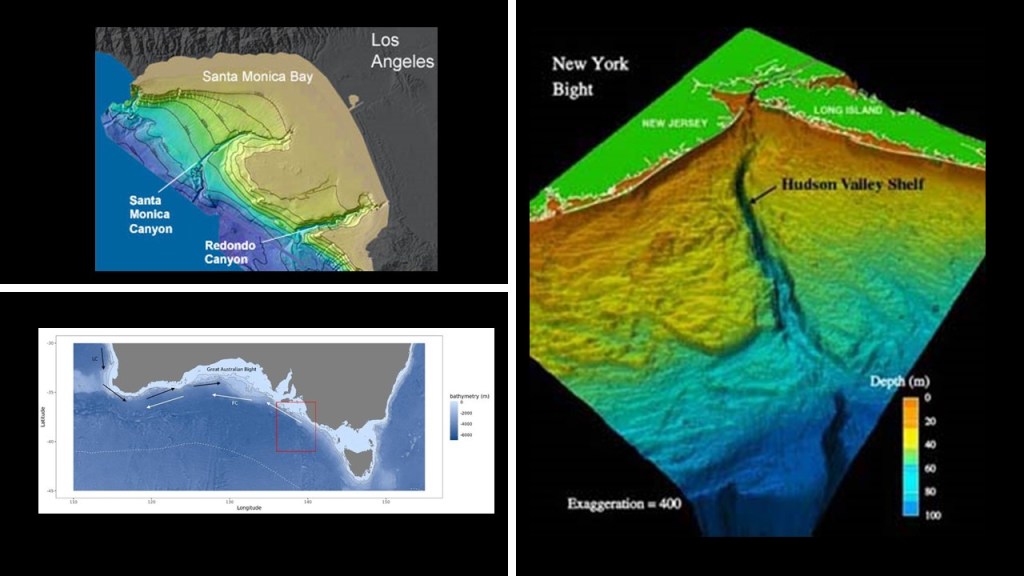
The Mirning speak of their ancestral country being submerged in the Great Australian Bight roughly along the 33rd-degree parallel South, with what they call the “last great sea-level rise.”
But when did the last great sea-level rise happen?
Was it in the distant past as we have been told in our historical narrative…or did it take place relatively recently?
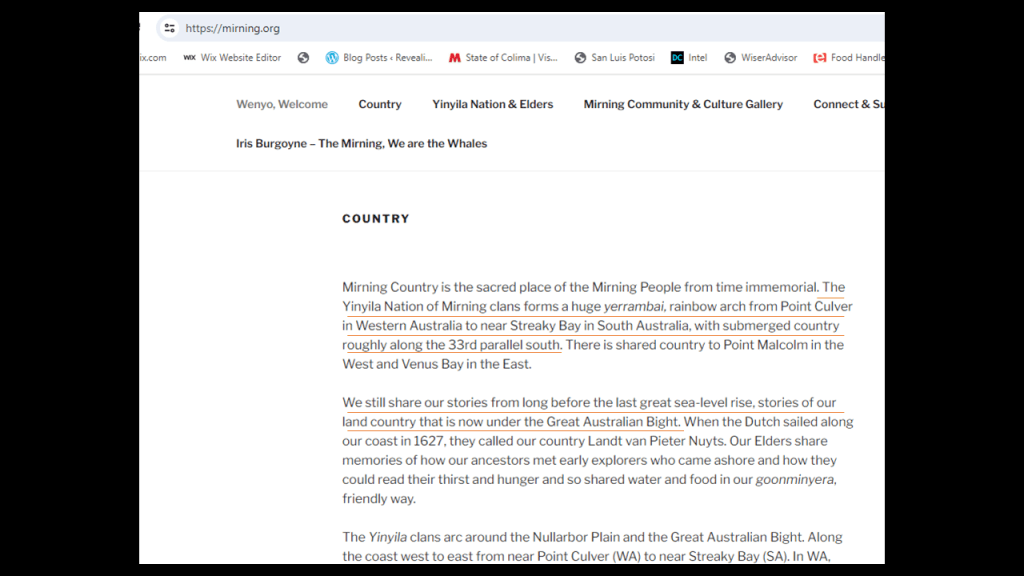
The English word “bight” even sounds like the English world “bite,” meaning to “grip, cut-off, or tear with, or as if with, the teeth or jaws.

Gotta wonder if they are telling us something without telling us they are telling us!
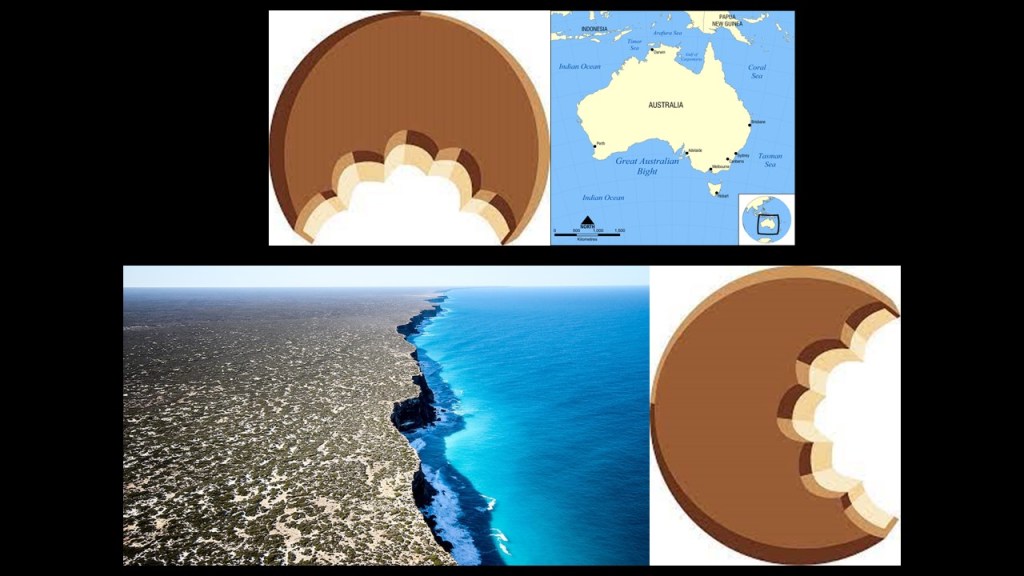
There is unstable-eroded-looking landscape, as if the land just sheared-off into the ocean like what is shown here at all three bights!
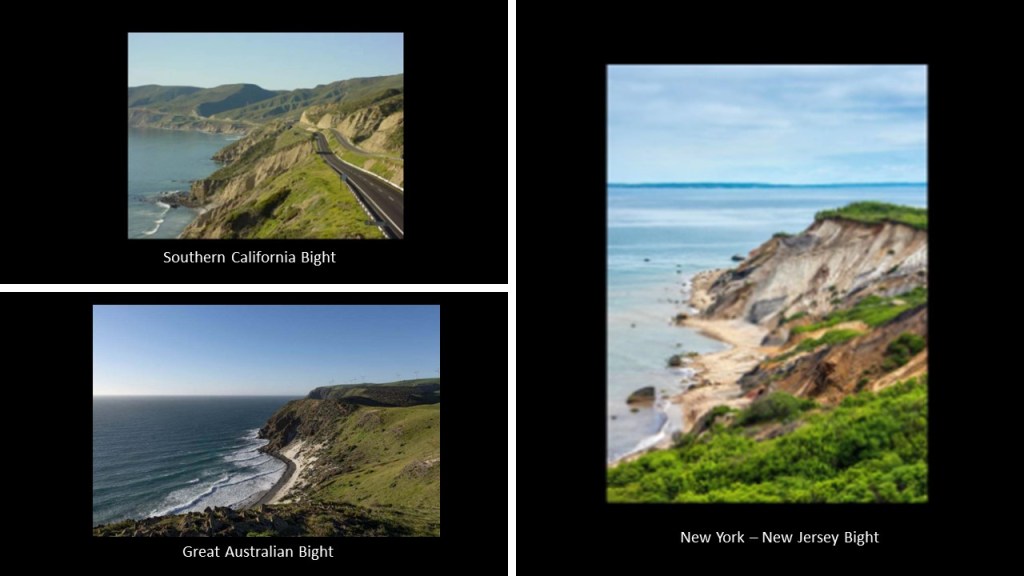
“The Archipelago of the Recherche” along the southern coast of Australia is a group of 105 islands, and over 1,200 obstacles to shipping, that stretch 140-miles, or 230-kilometers, west-to-east from Esperance to Israelite Bay in coastal waters designated as the “Recherche Archipelago Nature Reserve.”
“Recherche” translates to “Research” from the French.
As of 2012, the only place allowed visitor access here is “Middle Island,” via a licensed tour operator.
Lake Hillier on Middle Island is a popular attraction, a saline lake with a distinctive pink color, pink like the previously seen Lake Burlinskoye in Siberia with the railroad running right through the water.
I found this reference on the Woody Island Eco Tours website about train tracks being visible next to the lake but otherwise hard to find any information about a railroad history here.
Salisbury Island is one of the southernmost islands in the archipelago, and described as a massive limestone scarp that sits on top of a granite dome located near the edge of the continental shelf.
There are caves above and below water, and numerous man-made artifacts found around the island.
A “continental shelf” is defined as a portion of a continent that is submerged under an area of relatively shallow water.
We are told that in Australia, a long time ago, like in the Pleistocene Ice Age around 18,000 BC, places along the continental shelf were connected by dry land.
But again, what if these “shelves” are actually more recently sunken land and infrastructure?

Another place I would like to bring to your attention is the Leeds Town Hall in Leeds, England.
The Leeds Town Hall was said to have been completed in 1858, and opened by Queen Victoria that same year.
This man, Cuthbert Brodrick, was given the credit for designing it, after winning a design competition for it in 1852, when he was only 29-years-old, and is considered his most famous architectural work.
The Leeds Town Hall is considered to have one of the largest and finest pipe organs in Europe.
This pipe organ was said to have been built by Gray & Davison in 1858, though we are told since then it has had some work done on it by other organ specialists.
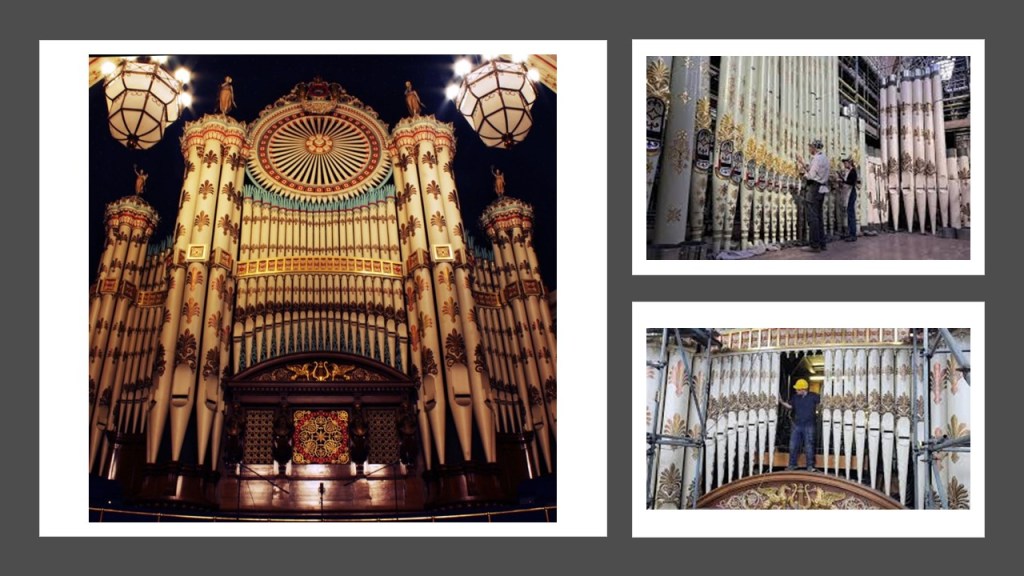
While Leeds Town Hall is approximately 1-mile, or 1.6-kilometers, from the Leeds Train Station…
…it is interesting to note that it does not have an underground railway station beneath the Town Hall, like what is found in Sydney and Philadelphia, because Leeds is the largest city in western Europe without a light-rail or metro-style system.
But…Leeds has a whole world beneath the ground, including, but not limited to, an extensive tunnel-system.
I found a park called the “Woodhouse Moor,” approximately the same distance from the Leeds Town Hall in the opposite direction from the Leeds Train Station.
It is described as an open space that is a popular urban park.
The land was acquired by the Leeds Corporation in 1857, and what is now called Clarendon Street beside the Woodhouse Moor was called Reservoir Street because there was a reservoir there, said to have been built by the Leeds Corporation in 1837.
We are told that Woodhouse Moor was visited by Queen Victoria when she came to open the Town Hall in 1858, where she was said to have listened to 26,000 Sunday School children singing hymns in her honor.
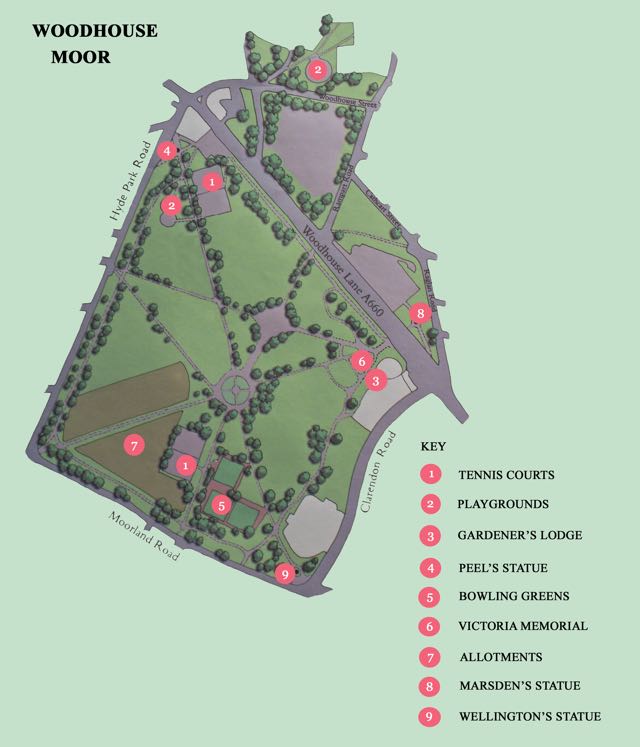
The University of Leeds occupies land immediately adjacent to the Woodhouse Moor, similar to the proximity of the bog of Black Moshannon State Park to Penn State University as mentioned earlier in this post.
The University of Leeds was said to have been established in 1874 as the Yorkshire College of Science, and we are told the University’s history is linked to the development of Leeds as an international center for the textile industry and clothing manufacture in the United Kingdom during the Victorian Era.
Also important to note that the area around Leeds is surrounded by designated national parks and landscapes that all contain what is called “Moors” or “Moorland.”
“Moors,” “Moorlands” and “Heathlands” in Great Britain are described similarly as the “Pinelands” or “Pine Barrens” of the northeastern United States.
“Moorlands” are described as being characterized by low-growing vegetation on acidic soils, and includes uncultivated hill-land, as well as low-lying wetlands, including bogs like what we have seen in North America.
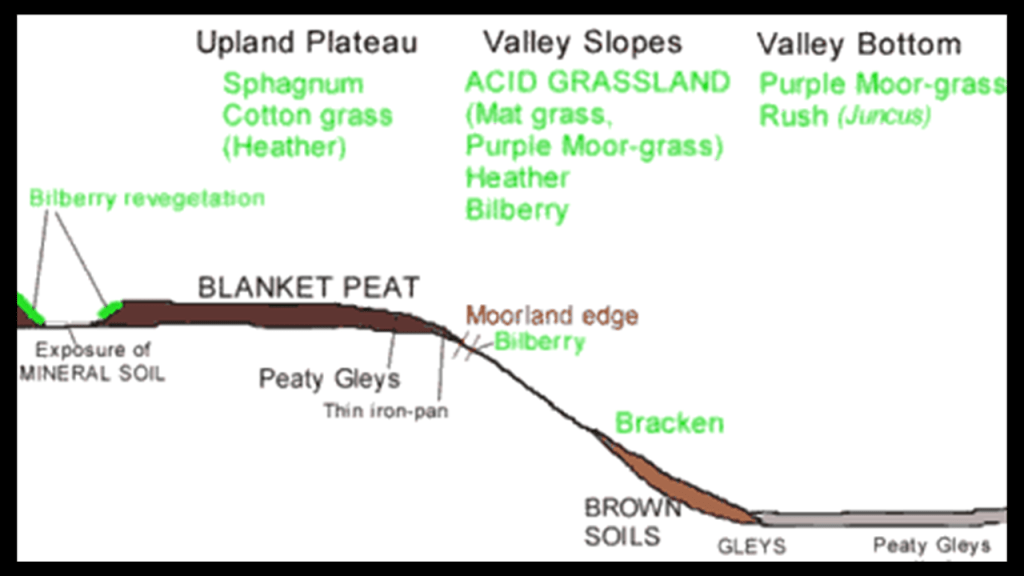
The “Pinelands” also have nutrient-poor, sandy and acidic soil, characterized by bogs as well.
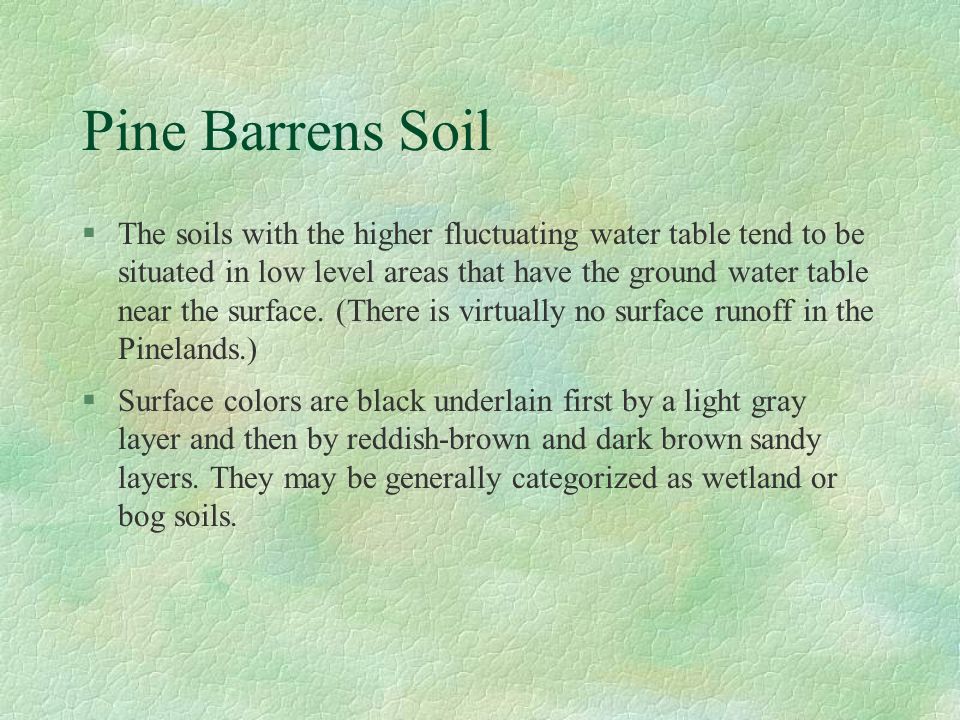
Just wanted to share all these places with the same or similar characteristics in very different places before I return to where I left off in Philadelphia earlier in this post, and what I think has taken place here.
I don’t believe we got to this crazy place in our world today as the result of random events, but that we got here as the result of a deliberate, multi-generational plan that was implemented by malevolent, non-human, parasitic beings, who only want what we can provide them and otherwise could care less about us.
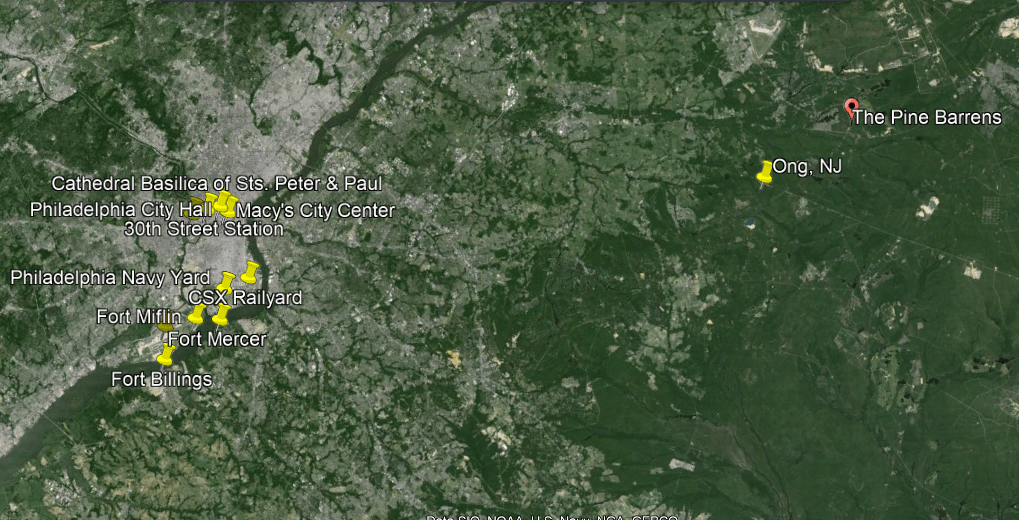
First of all, I believe a man by the name of Aleister Crowley, known openly as the “Wickedest Man in the World,” was directly responsible for bringing us to “Crazy Town.”
I am sure that some of you will be aware of who this person is, but I would surmise that this name would be unfamiliar to most people.

Crowley was also known as “the Beast,” which was what his mother called him when he was young, and with whom he had a strained relationship.
His father died when he was 11.
There are many details to find on-line about Crowley’s controversial life and times.
So I will cut to the chase.
He was highly involved in Freemasonry, and in ceremonial magical practices, including sex magic, and he was known to have been bisexual.
He also assumed the title of Baphomet within the Ordo Templi Orientis, AKA OTO, originally founded in the early-20th-Century by German Occultists, and modelled after Freemasonry.
Crowley described the Baphomet as a divine Androgyne, and the “Hieroglyph of Divine Perfection.”
I believe this information is quite relevant to the bizarre agendas we see playing out in the world today.
The image on the left popped up when I searched for “they want to turn us into them,” instead of us being in the image of God on the right.
Crowley claimed that when he was honeymooning with his wife Rose Kelly in Cairo, Egypt, he was contacted by a disembodied entity named “Aiwass,” who provided him with “The Book of the Law,” which became the basis for Thelema, an esoteric and occult religious movement that Crowley founded in the early 1900s, and Crowley identified himself as the prophet of a new era of spiritual development for Humanity.
The basic tenet of “The Book of the Law,” and Thelema, is: “Do what thou wilt shall be the whole of the law.”
In other words, you can do anything you want without guilt, no matter how bad it is or how much it hurts others.
There are a lot of details available to find about Crowley’s life, but two more points stuck out for me.
One is that he was said to have spent mid-1919 on a climbing holiday in Montauk on the eastern tip of Long Island.
The other was that he was said to have died on December 1st of 1947, and that his ashes were buried under a tree in Hampton, New Jersey, in the garden of German occultist Karl Germer.
Germer was Crowley’s successor as the Outer head of OTO until his death in 1962.
Hampton was the junction of the Central Railroad of New Jersey and the Delaware, Lackwawanna and Western Railroad.
Hampton is not only centrally-located to places I have already looked at earlier in this post…
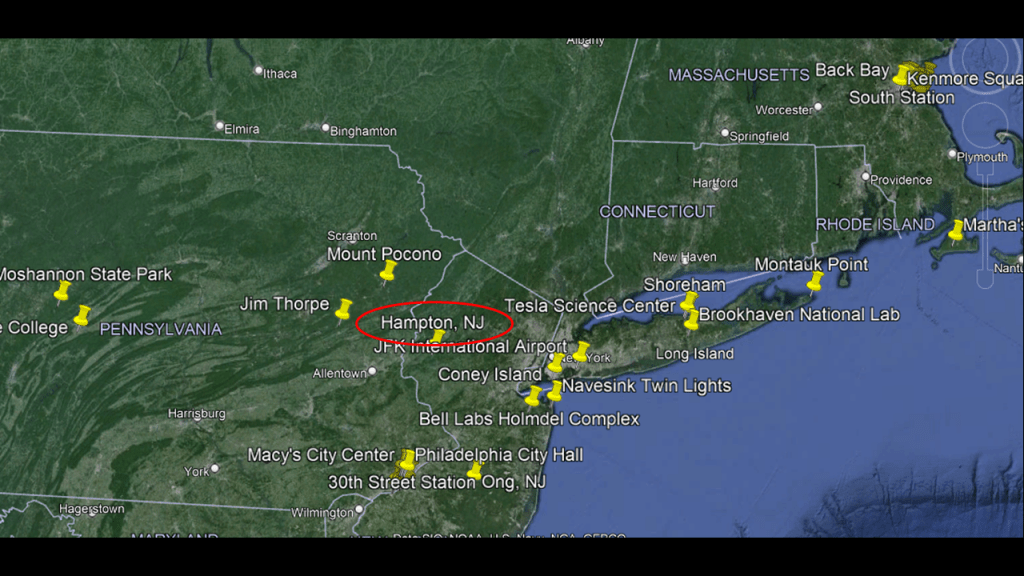
…both of these railroads were connected to the Anthracite Region in Pennsylvania, with the Central Railroad of New Jersey going to today’s Jim Thorpe, but formerly called Mauch Chunk, Pennsylavania, and the Delaware, Lackwawanna and Western Railroad going through Mount Pocono on its way up to the Finger Lakes and Great Lakes Regions of New York.
The “Anthracite Region” where the story of “where America was built” began, and is located between Scranton and Wilkes-Barre on the northeast end, and Harrisburg on the southwest end.
Mining and transporting anthracite coal to market was the biggest driving factor in first getting canals, and then railroads, up-and-running.
We are told the American Canal Age was between 1790 and 1855, and started in Pennsylvania, where the first legislation surveying canals was passed in 1762, and mining the coal started in Wilkes-Barre in 1775.

I think anthracite coal was the first replacement fuel source used after the cataclysm took out the original free-energy-generating grid system, and also that there is something very special about coal and carbon that is being kept from us.
Anthracite coal is the purest form of coal, with a carbon content of 92% to 98%, and this region contains most of the world’s supply of anthracite coal.
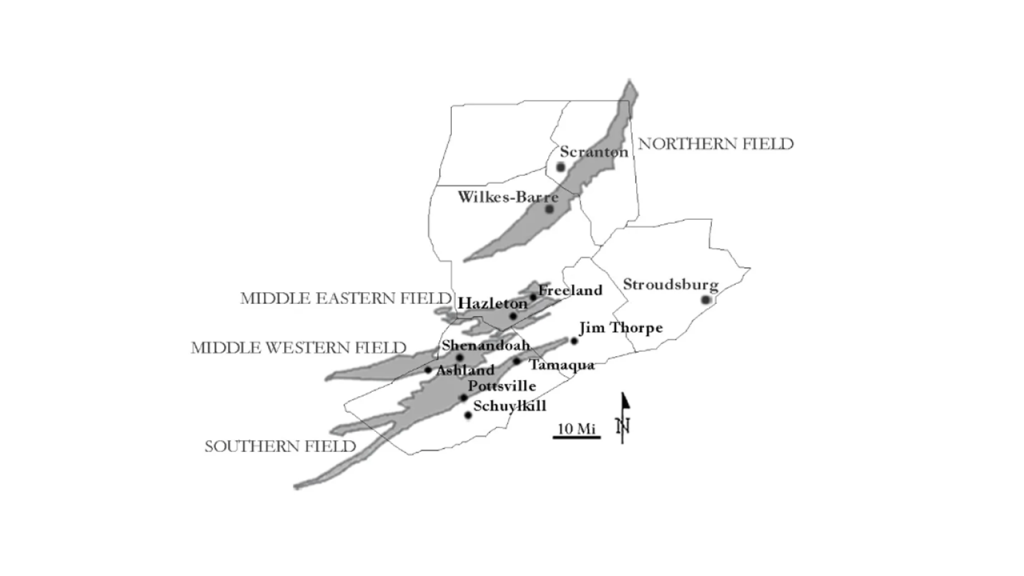
I have come to believe this whole region in the northeastern United States was ground zero for the cataclysm that brought us to the world we live in today that I’m about to get into, and is particularly important to the so-called elites.
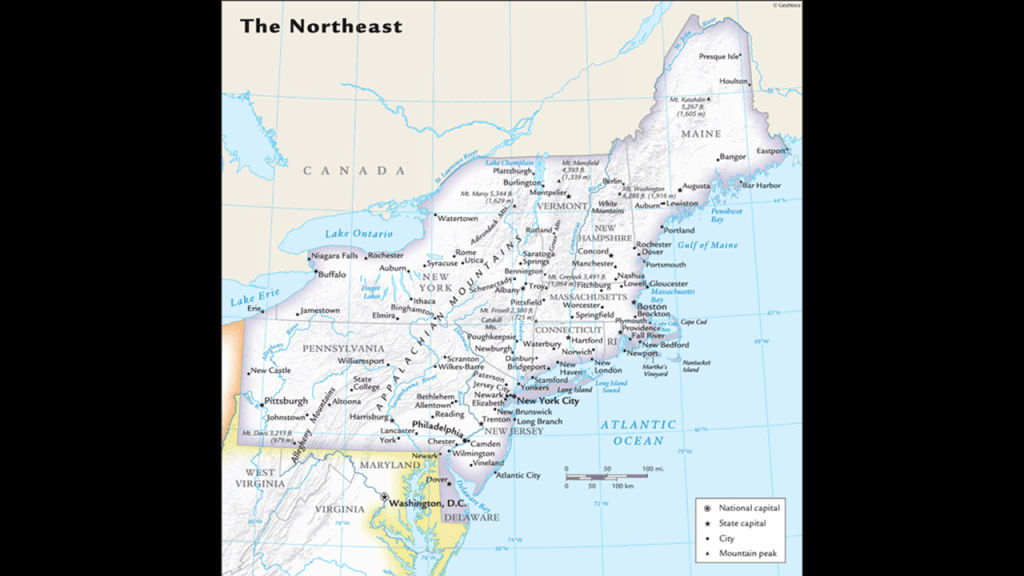
So, now back to what I think caused the cataclysm that wiped the original civilization off the face of the Earth and out of our collective memory.
I first came across the existence of a man named Aleister Crowley in “The Book of Lists,” which was first published in 1977, which was about the time I was reading this particular book as a teenager.
I would have been 14-years-old the year it was published.
I was a voracious reader, and this particular book made the bestseller list.
I can’t remember which lists he made, but he made several as I recall, but I remembered the name and I had never heard of him before that.

Then fast-forward 36-years, to 2013, when I met a Moorish-American man right after I moved to Oklahoma City.
Up until this time, I knew nothing at all about the Moors.
He and I became friends, and in my travels with him and some other friends, an awareness of the Moors and the advanced civilization that was hidden in the landscape all around us came into my awareness, and this marked the beginning of the path that led me directly to doing my own original research starting in June of 2018 with my blog and YouTube Channel.
When I was looking for information about the Moors, which is not easy to find, sometime in the years between 2013 and 2015, I first came across Richard Smith, and his YouTube video, “European Confessions of a Moorish Legacy.”

It was through this video of Richard Smith’s that I first learned of the work of author and publisher, Peter Moon.
Peter has a lot to say about Aleister Crowley in his books, and the dark, occulted nature of the timeline that we have been living on.
Peter also has been involved in a lot of work on the Moors, the Philadelphia Experiment, Montauk Project, and time travel research.
I started reading some of the books he published because I was looking for information about the Moors, and was having a hard time finding it.
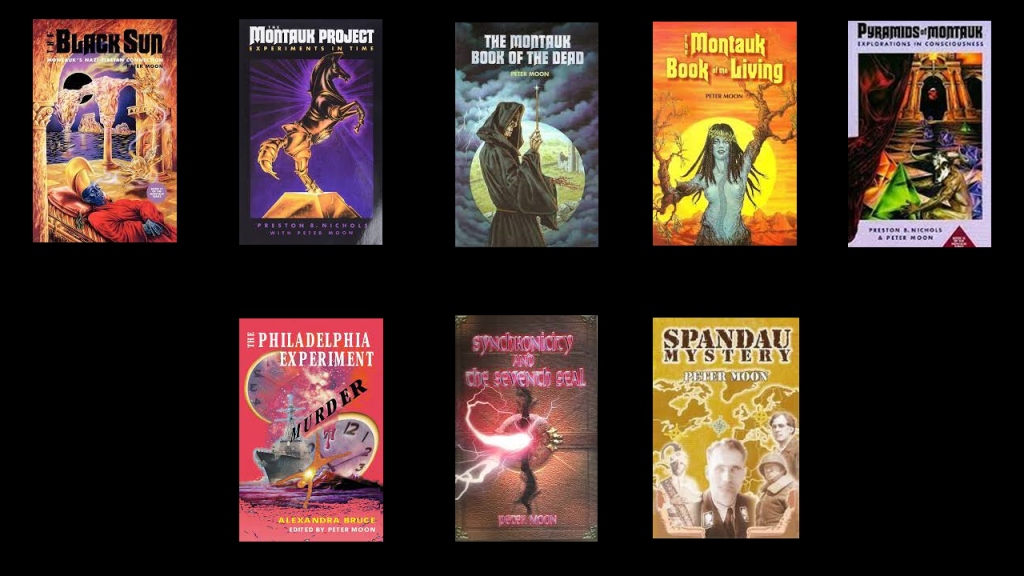
In one of his books,“Synchronicity and the Seventh Seal,” Peter mentioned that he had a correspondence with Crowley’s son Amado, and that Amado related to him that on the day of the Philadelphia Experiment, which he gave as August 12th of 1943, Crowley had passed him as a child through the circular megalith at Men-an-Tol in Morvah, Cornwall, and that when he did this, it caused a line of rough energy to cross the ocean.
This passage in the book also goes onto say further that while the OTO disputed this, others had no problems with his claim, and reported that during a eclipse ceremony on August 11th in 1998 at Men-an-Tol…
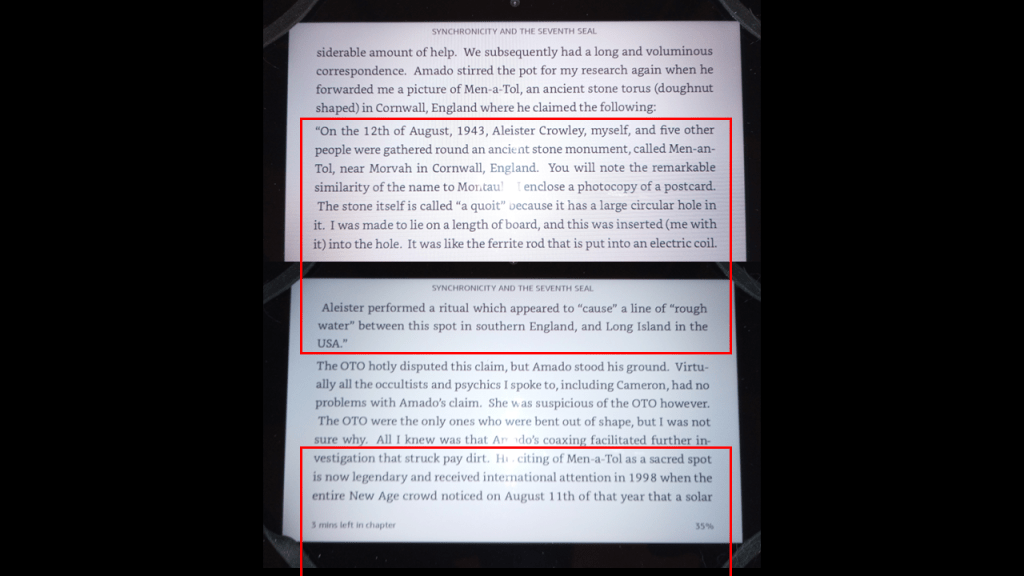
…an eclipse shadow line ran from Cairo, Egypt, to Montauk, Long Island, straight through Men-an-Tol.
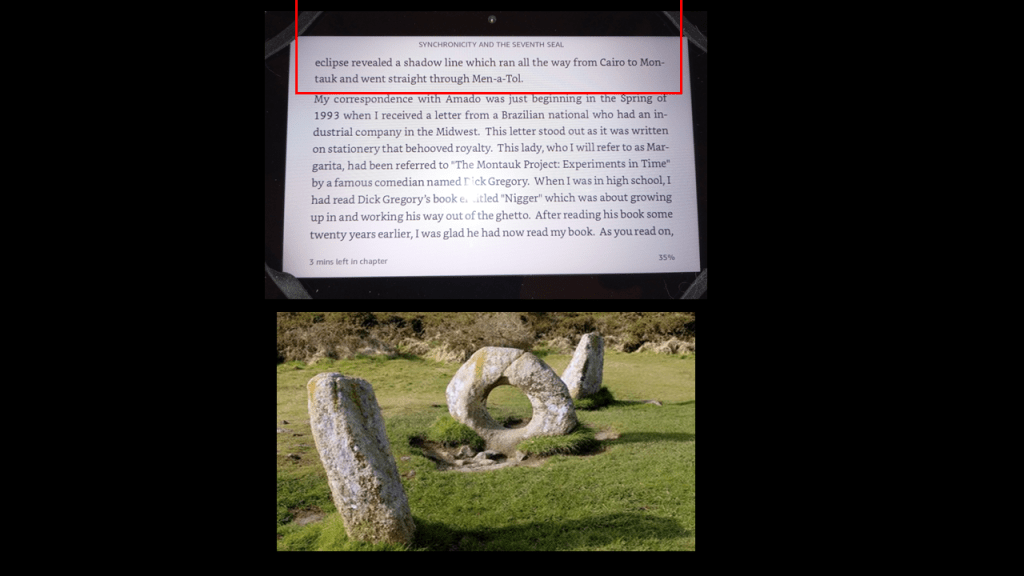
I have also encountered the date of July 22nd of 1942 for the original Philadelphia Experiment.
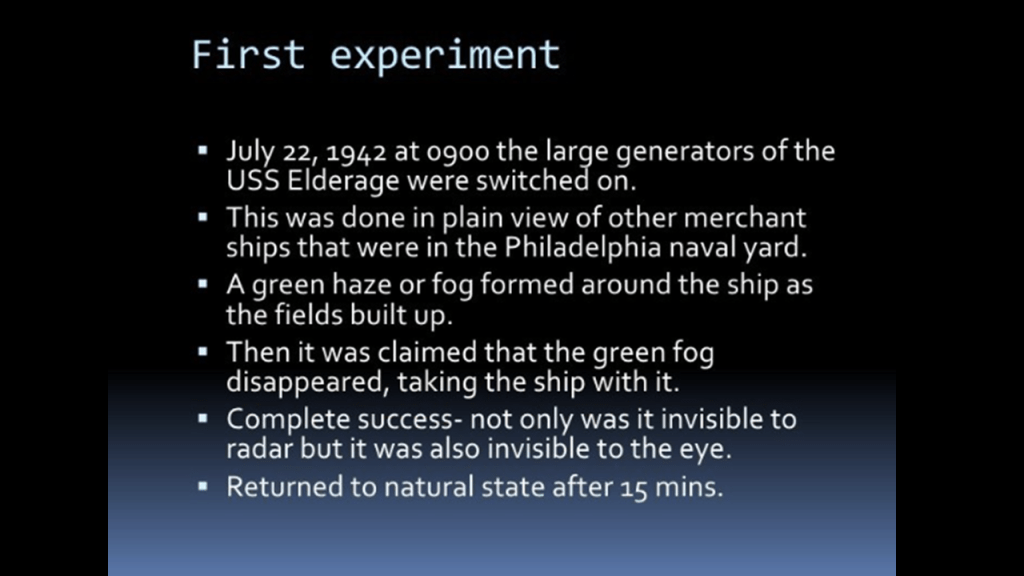
Whatever date it took place on, both dates have annual significance in ancient cosmology.
Each year August 12th is the last day of the Lion’s Gate Portal, which begins on July 28th every year, and opens on 8/8…

…and each year, July 22nd coincides with the heliacal rising of Sirius before the sun.
Adam also had heard this story about Crowley at Men-an-Tol with his son years ago from an acquaintance as well in the “Deeper Conversation with Chad” we had on “The Destruction, Exploitation & Reverse Engineering of the Earth’s Grid System.”
In this video, Chad, Adam, and I talked in-depth about things like the subject of Aleister Crowley and what I am calling the “Philadelphia Experiment Leyline,” as well as evidence for his involvement in the reverse-engineering of the Earth’s grid system from positive and life-enhancing for the benefit of all life everywhere, to a negative, control-system for the benefit of a very few.
Adam of the Alchemy Spectrum YouTube Channel lives in Warwickshire, near where Crowley was born and raised in Royal Leamington Spa near Warwick, and is a leyline specialist who has done a lot of work on finding Crowley connections all around this area of Warwickshire with respect to finding evidence through the leylines here about how the Earth’s grid system was reverse-engineered by Crowley.

Also, one of the schools Crowley attended was Malvern College in the Malvern Hills, the paranormal anomalies about which Chad had looked into in this video based on information from one of his viewers.
The Malvern Hills are located near Warwick and Stratford-on-Avon, Shakespeare’s home town.
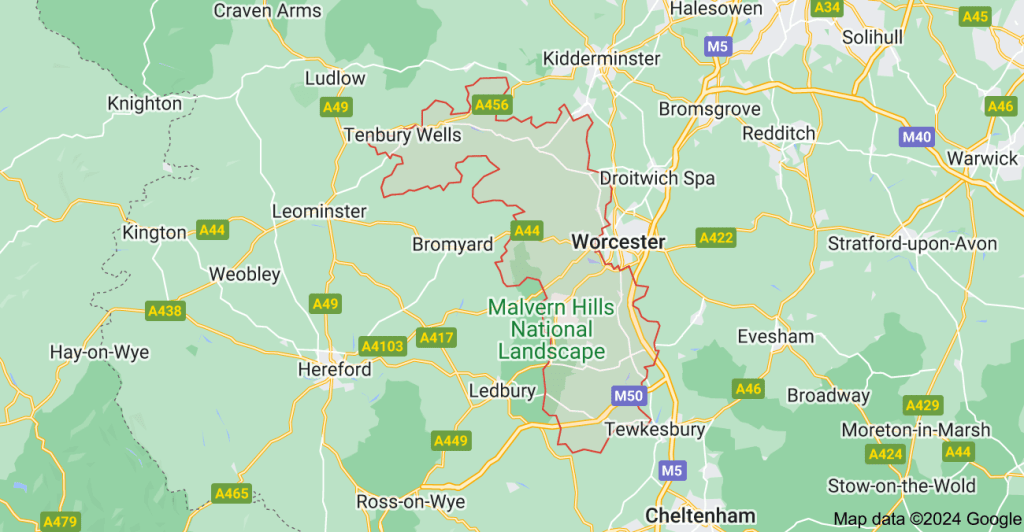
In this video, Chad was taken across the Atlantic to look at the Malvern in Pennsylvania.
Besides this Malvern having interesting correlations to the Malvern Hills area in England, it is only 20-miles, or 36-kilometers, west of Philadelphia, and was the terminus of what was called the “Main Line,” a series of highly-affluent Philadelphia suburbs along the railroad tracks of the Pennsylvania Railroad, and for a number of years, it was at the junction of the Philadelphia and Columbia Railroad, and the West Chester Railroad.
Today the “Main Line” runs northwest from Center City along U. S. Route 30.
“Main Line” towns had the country estates of the wealthiest families of Philadelphia, and became a bastion of “Old Money.”
The “Main Line” region was part of the “Lenapehoking,” the homelands of the matrilineal Lenape people that ranged from western Connecticut to Delaware.
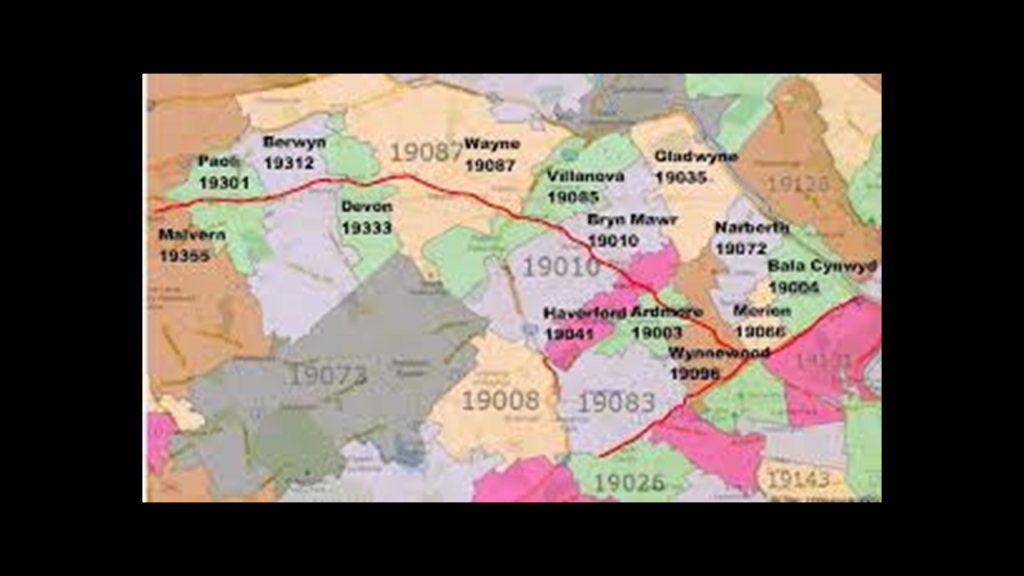
So with regards to the alleged Crowley connection with the Philadelphia Experiment, I extended the Pine Barrens alignment that I found connecting the three pine barrens of the New Jersey, Central Long Island, and Coastal Massachusetts.
Going in the northeast direction, the alignment connected to Morvah in Cornwall, the location of Men-an-Tol, and going in a southeast direction, I took it as far the bayous in Louisiana.
Along with at least one abandoned train found out in the middle of nowhere in the New Jersey Pine Barrens, there is at least one abandoned train in a bayou in Ascension Parish.
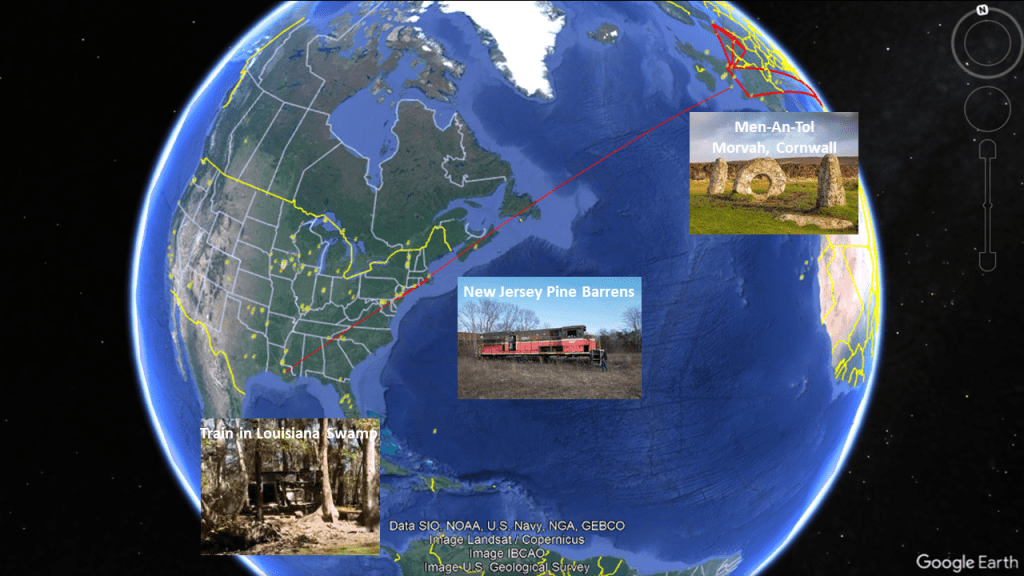
Now, I’m going to take a look at the Philadelphia Experiment itself and see what we are told about that.
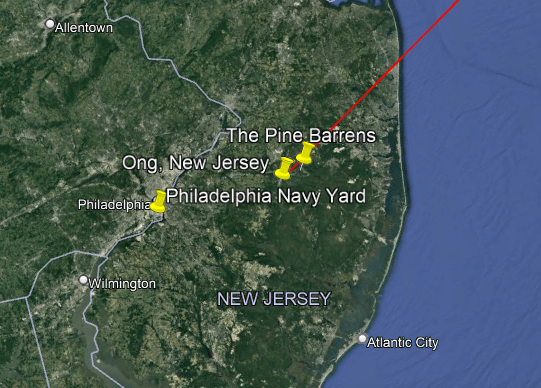
The strange Philadelphia Experiment was alleged to have taken place at the Philadelphia Navy Yard in the middle of World War II, the deadliest conflict in human history which started on September 1st in 1939, and ended on September 2nd in 1945 – exactly six years later.
When I originally looked for information on the Philadelphia Experiment several years ago, the date I first encountered for it was the date of July 22nd of 1942.
The Philadelphia Experiment involved the USS Eldridge, a naval destroyer escort for merchant ships.
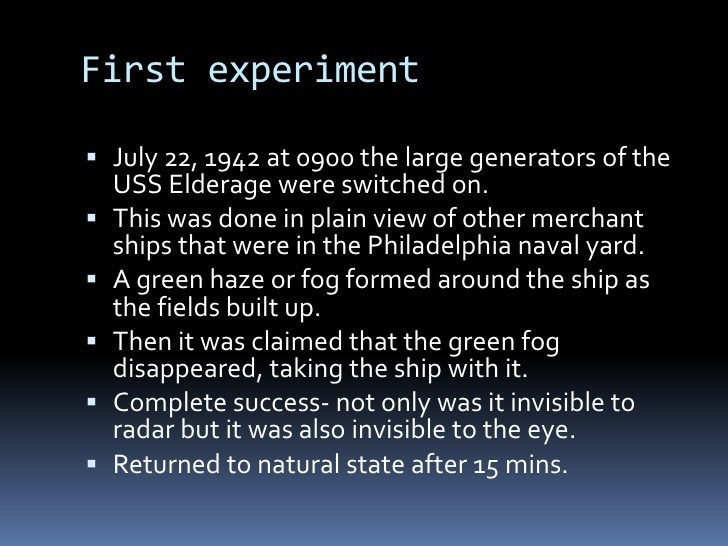
The ship’s generators were turned on in view of other merchant ships that were in the Navy Yard.
As the fields created by the generators built-up, a green haze formed around the ship.
When the green haze disappeared, so did the ship, rendered invisible to both radar and the naked eye.
It returned to view after 15-minutes.
Did the USS Eldridge just become invisible?
Or did it go somewhere else?
And if it went somewhere else, where might it have gone?
What was the real purpose of the Philadelphia Experiment?
What if the USS Eldridge went back in time?
I have long thought that the Philadelphia Experiment was a deliberate manipulation of the original civilization’s energy grid system in order to create a rip in the fabric of space-time, and to insert new artificial timeline was somehow, but I was unsure about whether or not there was a connection to the Mud Flood.
Now I can now make a case for a connection between these two events.with the addition of the sound/frequency components to this research which I looked for as a result of Stephanie’s work in “The Golden Fleece of Tartaria.”
First, the new time-line.
I have postulated for several years that the years 1492 and 1942 are the boundary years of a new timeline called Rome.
There are 450-years between 1492 and 1942 that can be divided evenly into nine, 50-year-periods, and at the beginnings of each these 50-year-periods, much was happening in our historical narrative.
With 225-years on either side, 1717 is the midpoint year.
I believe a new 3D Time loop was created that somehow mirrors or involves the Figure 8, upon which a new history was grafted on to the existing infrastructure on the Earth, and falsely attributed in the new historical narrative.
This was the first post I did on the subject back in November of 2018 in which I explored the events in our historical narrative around these years in the context of the insertion of a new timeline.
It is interesting to me for that reason that August 12th of 1943 date for Philadelphia Experiment would have been during the time period of the Lion’s Gate Portal on 8/8 every years, which is symbolized by the Figure 8, which is also the infinity symbol.

The mid-point year of 1717 was the year that the Premier Grand Lodge of England was founded in London, on June 24th, 1717.
It was the first western Freemason Grand Lodge.
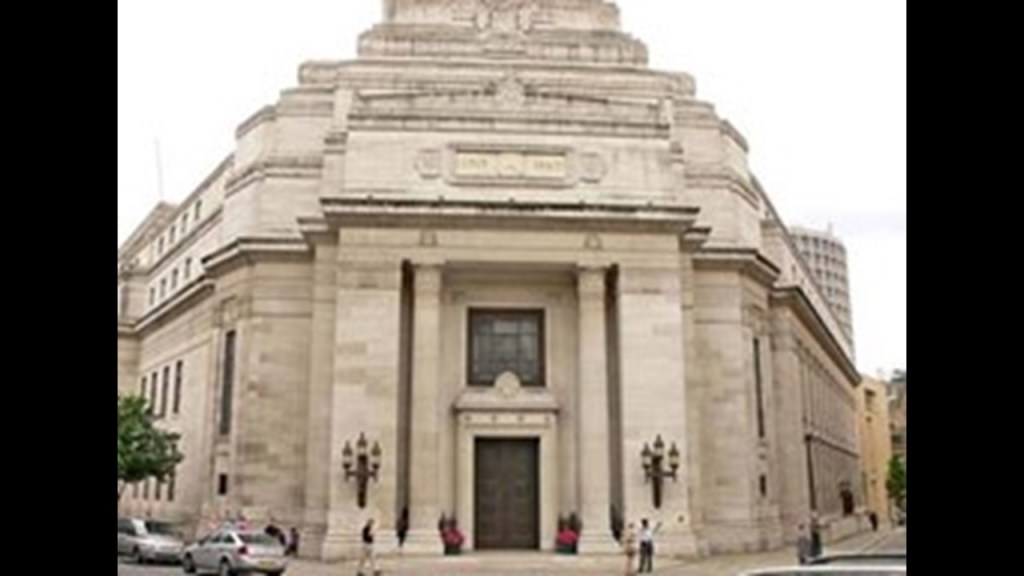
The same lodge adopted the Anno Lucis that same year, in 1717, as the Masonic calendar.
The Anno Lucis Calendar adds 4,000-years to the Gregorian calendar.
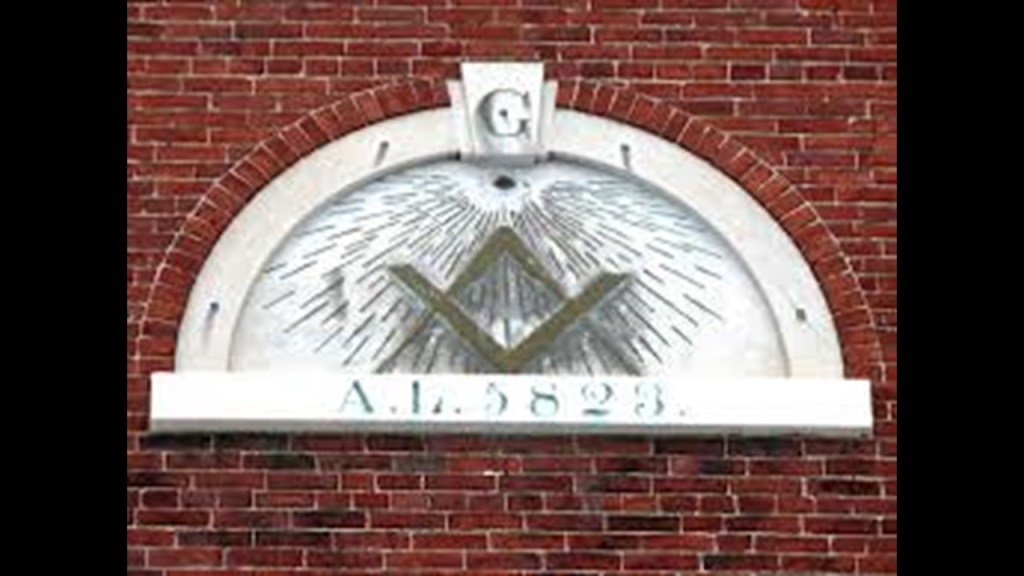
This leads into how I think a rip in the fabric of space-time caused by the Philadelphia Experiment allowed great evil in the form of parasitic non-human souls to incarnate in human form on the Earth, and subsequently created the conditions for the world we are living in today.
For some reason, the conspiracy theories I have mentioned of have come back into form to be consumed by the public as shows like the previously “Stranger Things” based on the Montauk Project, or movies like “The Final Countdown,” a 1980 movie where a time-travelling naval vessel in the form of the USS Nimitz goes back in time to the day before the attack on Pearl Harbor on December 7th of 1941.
As part of my journey going deep into this research, I was guided through a psychic friend in 2018 to look at Ireland in 1742 in my research.
As we were visiting, she received some messages to convey to me from my guides. One message was that what I was mulling was correct, and I was pondering a connection between 1492 and 1942, and the other was an image she received of Ireland that was white, cold and frozen on one side of 1742, and bright and sunny on the other
So I searched for what happened in the year 1742 on the internet, and only two things came up.
The first was that Dublin, Ireland, was the location for the premier of George Frederick Handel’s Messiah on April 13th, 1742.
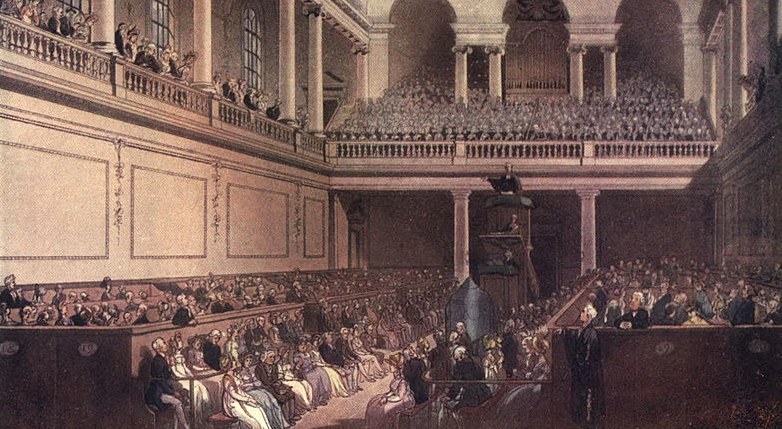
And the only other thing that came up was an extraordinary cold weather event in Ireland between 1740 – 1741, during which time, the Irish population endured 21-months of bizarre weather without known precedent that defied conventional explanation. The cause was not known.
And Handel’s Messiah premieres in Dublin right after the extremely cold, lethal weather event???!!!
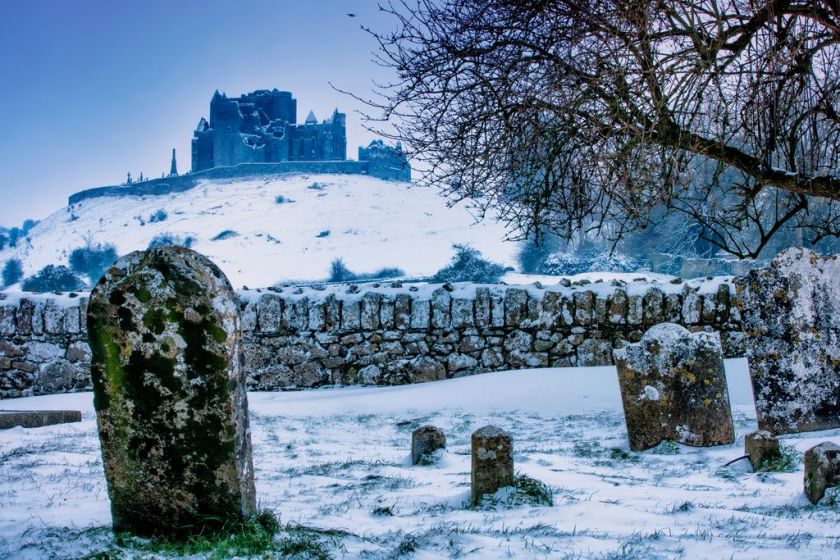
So, for example, this time period of 1740 to 1742 was the beginning of one of the 50-year time-periods that I was talking about in the 450-years between 1492 and 1942.
Around the same time the Great Frost of Ireland was taking place, the Royal Order of Scotland was founded in 1741, which is an order within the structure of freemasonry whose members are invited to join based on advanced masonic criteria.
Is it just a coincidence that the logo of the Royal Order of Scotland on the left has a symbol that resembles the sun in the logo of the Jesuits, on the right?
Also, the male line of the House of Habsburg ended in 1740 with the death of Emperor Charles VI.
Prior to the dissolution of the Holy Roman Empire in 1806 as a result of the Napoleonic Wars, the imperial throne was occupied by the House of Habsburg.
Also called the House of Austria, the House of Habsburg was one of the most distinguished and influential royal houses of Europe.

As a result of the War of Austrian Succession that took place between 1740 and 1748, the Empress Maria-Theresa had to concede Habsburg lands in Austria, Spain, and Italy to other powers as part of the terms of the 1748 Treaty of Aix-La-Chappelle, which also confirmed the right of succession of the German House of Hanover to the British throne, which had taken place in August of 1714, with the succession of King George I of the German House of Hanover, just three-years prior to the mid-point year of 1717.
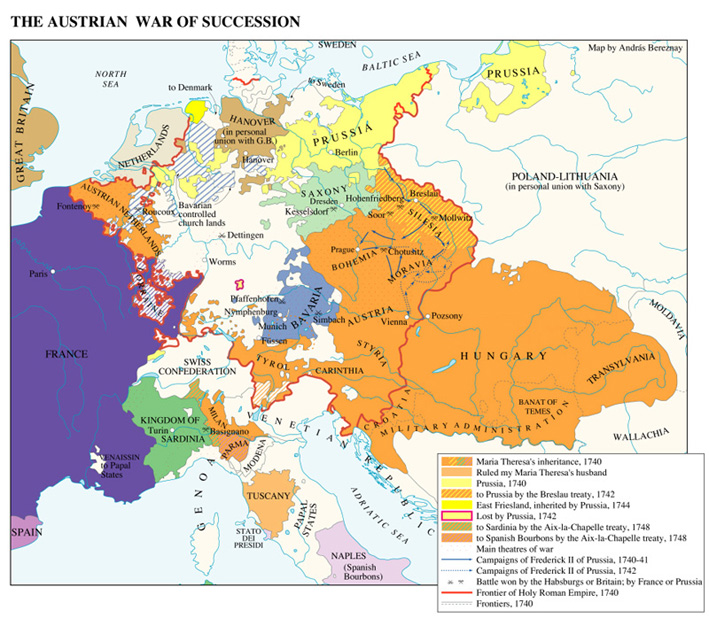
And who shows up within a few years after the Great Frost of Ireland?
Well, in 1744 Mayer Amschel Rothschild was born in Frankfurt, Germany. He established his banking business there in the 1760s, which became the start of the international banking family.
Then on February 6th, 1748, Bavarian Illuminati-founder Adam Weishaupt was born in Ingolstadt, Bavaria, Germany.
He went to a Jesuit school at the age of 7, and was initiated into Freemasonry in 1777.
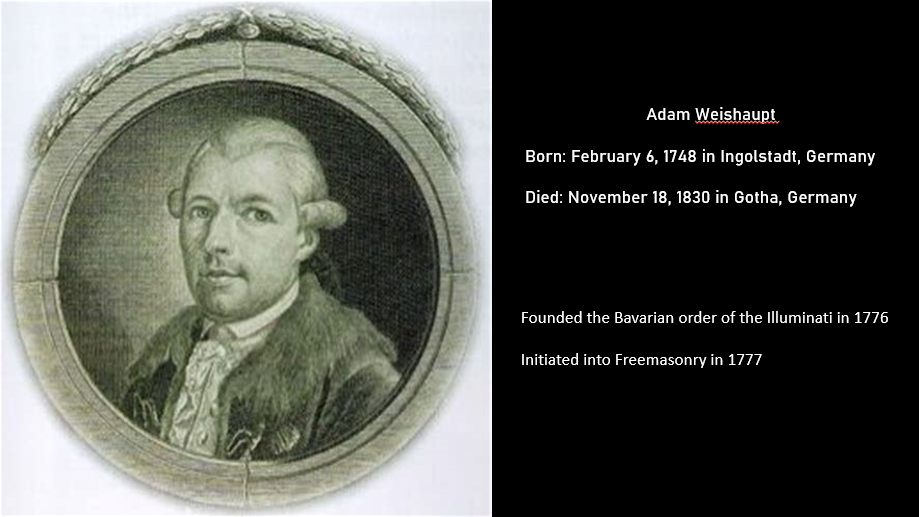
Then, Francis, Duke of Saxe-Coburg-Saalfeld, was born on July 15th of 1750, and was the progenitor of the House of Saxe-Coburg and Gotha line, which seeded the lineage of the new royals, primarily through first cousins Queen Victoria and Prince Albert, but also through direct marriage of this obscure ducal line marrying directly into other European Royal families.
King George V of Great Britain changed the name of the royal house from Saxe-Coburg & Gotha to Windsor on July 17th of 1917, supposedly due to anti-German sentiment generated by World War I.
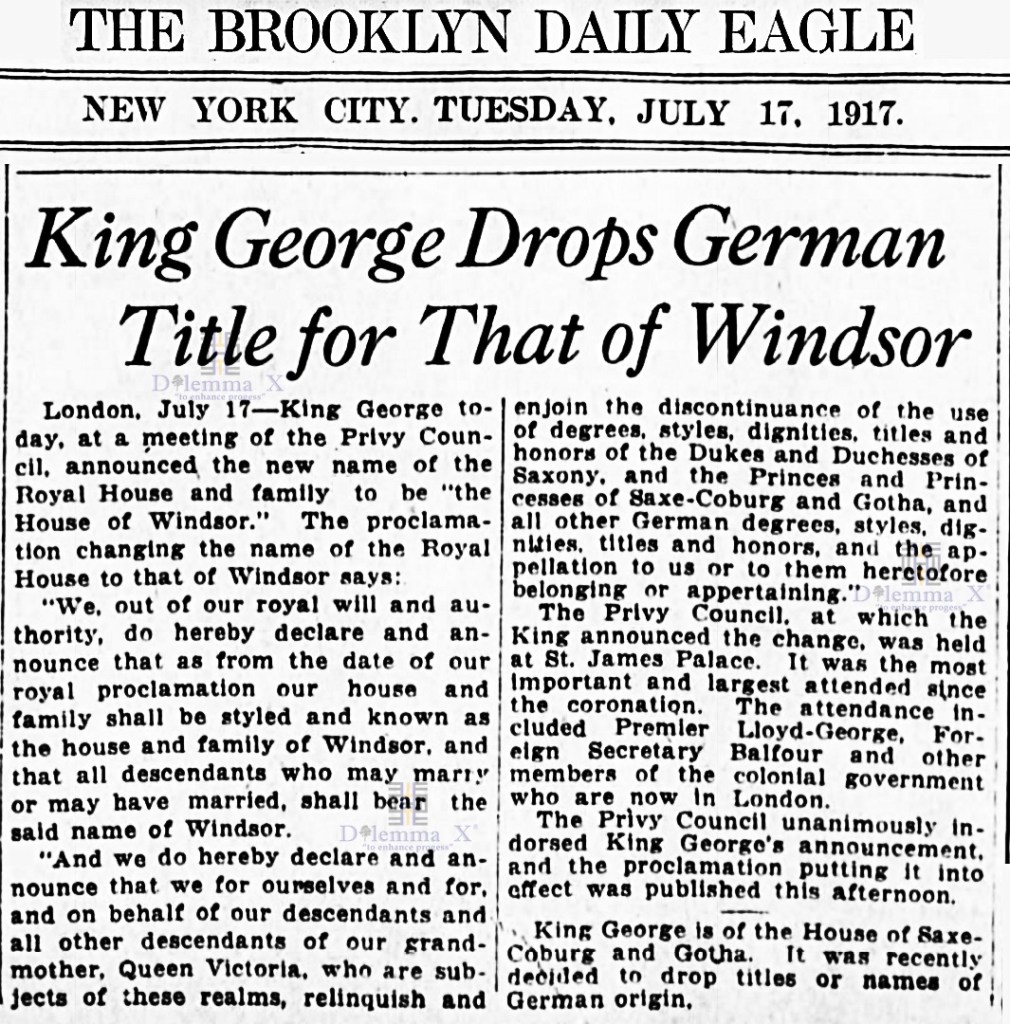
In 1839, John D. Rockefeller, Sr. was born in the United States, the progenitor of the wealthy Rockefeller family and considered to be the wealthiest American of all time.
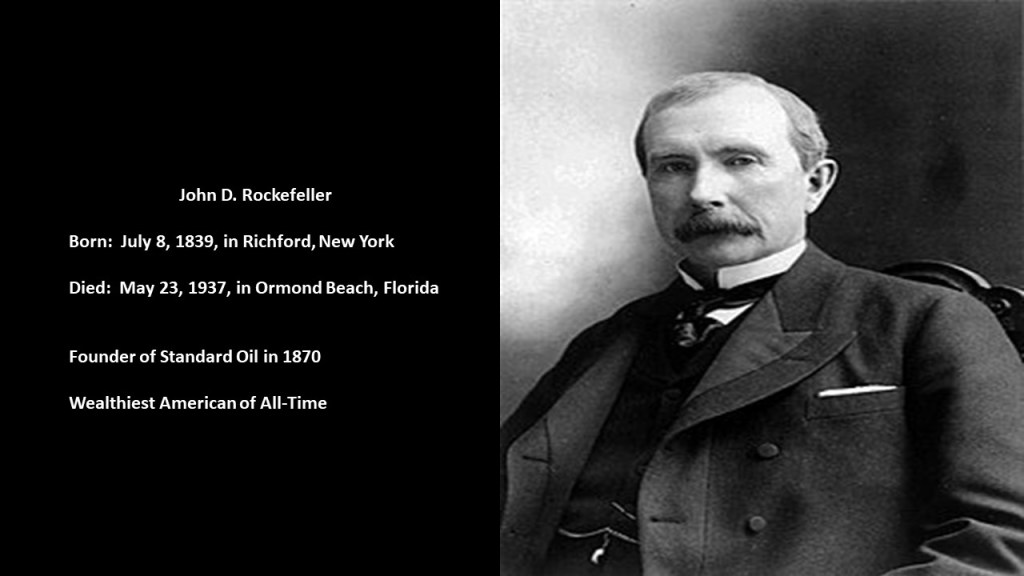
Shortly after I learned about the cold-weather event in Ireland, I was connected by a viewer to someone in the mud flood community, and I started looking at compelling evidence on the internet that there was a cataclysmic event involving things like liquefaction as recently as 200 – 300 years ago.

Called a reset event, photographic evidence exists that buildings, canals, rail-lines, tunnels, among other things, were purposefully dug out after the event to the point where they could be used.
What is liquefaction?
Liquefaction occurs when the strength and stiffness of soil is reduced by things like the strong shaking of the Earth, and historically and up to the present-day has been responsible for tremendous amounts of damage from earthquakes worldwide.
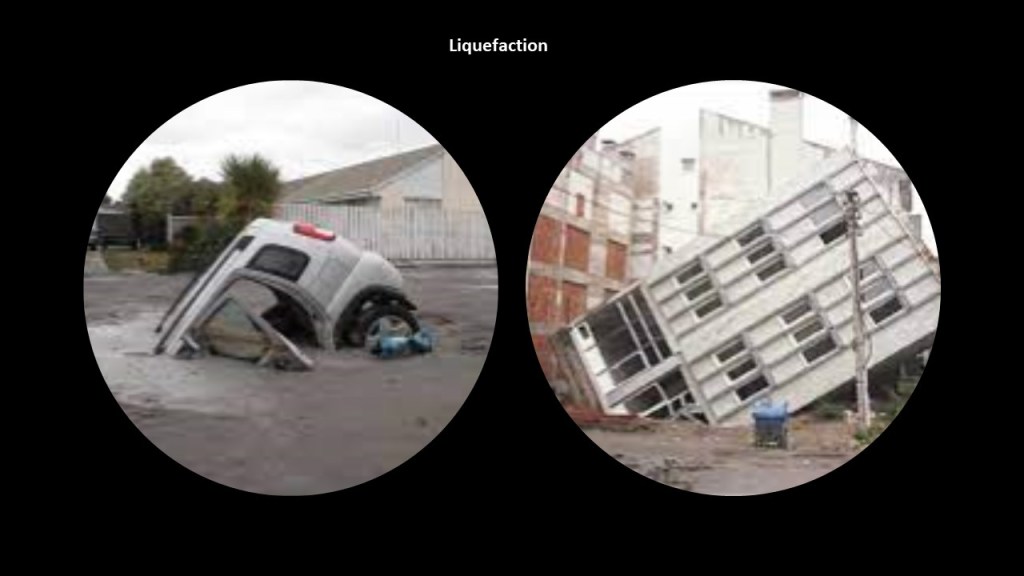
I had already collected a lot of the puzzle pieces over six-years of extensive research relating to what has taken place here with regards to the original civilization, what happened to it, who was involved in the reset of Earth’s history, and much of the how it was done.
But until I started looking into the sound elements that Stephanie’s research brought forward into the research I had planned to do for this post, I did not have any idea about how the time-space altering event of the Philadelphia Experiment could have also caused what is commonly called the “Mud Flood,” an event which I believe caused the sinking the advanced civilization of Atlantis only hundreds of years ago at the most, not thousands of years ago as we have been taught.
As a result of the research I have presented in this post, here’s what I think happened.
Prior to this deliberately-caused cataclysmic event, all of the infrastructure on the Earth was a perfectly-tuned and resonant scientific and musical instrument.
All of it worked together in harmony and balance to produce free energy and abundance for all life everywhere – all the cathedrals, rail-lines, bridges, star forts, lighthouses, organs, bell-towers, and much more.
Here’s how what I have related about the Philadelphia Experiment and what I am calling the “Philadelphia Experiment Ley-line” could have caused the cataclysmic event that destroyed Circuit Board Earth and in the process, brought great change and upheaval and destruction to the surface of the Earth.
As I mentioned previously, all three of the Pine Barren ecosystems of Coastal Massachusetts, Central Long Island, and New Jersey are on this alignment, as seen on the top left.
Provincetown at the bottom left, at the tip of Cape Cod where the Pilgrim Monument is located, is also on the alignment and all of Cape Cod, as well as the Elizabeth Islands, Martha’s Vineyard, and Nantucket, is part of the Southeastern Massachusetts Pine Barrens Alliance, on the right.
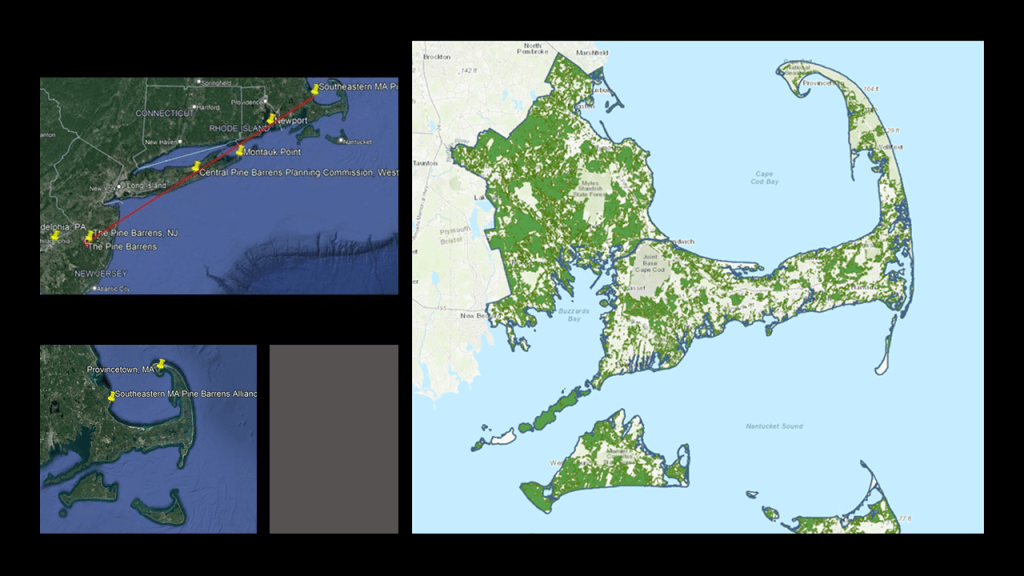
As I mentioned previously, the Pilgrim Monument is a bell-tower that is the tallest granite structure in the United States, and granite rings with a bell-like sound when it is struck.
If Crowley’s ritual ceremony at Men-an-Tol, whenever it took place, did in fact send a line of rough energy to cross the ocean towards Long Island, as claimed by his son Amado to Peter Moon as mentioned previously, it would have crossed through or near the Pilgrim Monument, with the energy thereby striking it, either directly or indirectly.
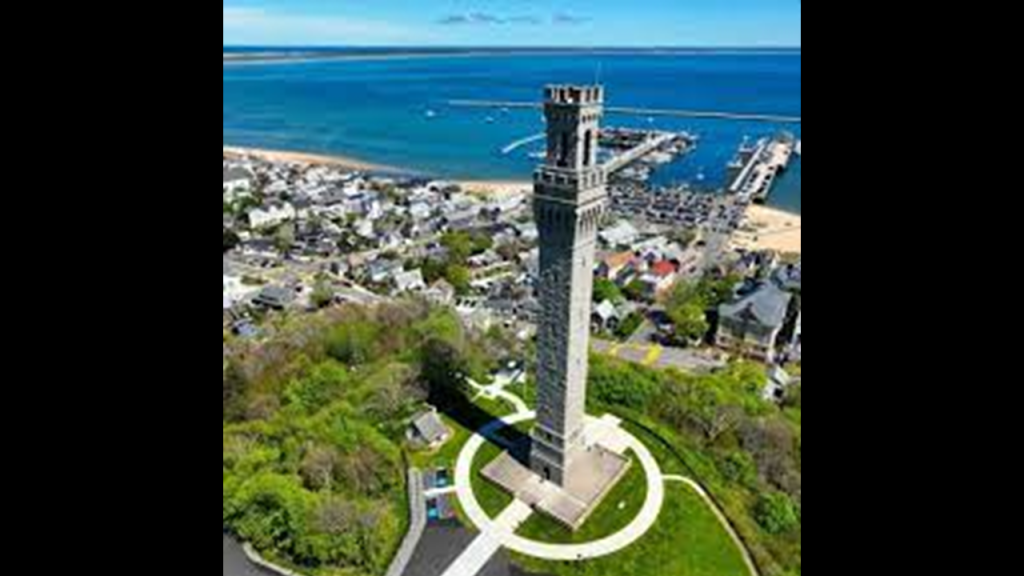
In the process of doing the research for this post, I learned about forced resonance.
Resonance occurs in oscillating systems when an external force with the same natural frequency causes a rise in amplitude, which results in a net rise of mechanical energy.
Resonance can occur in various systems, whether acoustical, electrical, or mechanical systems, and is desirable in their applications.
Resonance can also be detrimental, however, when it leads to excessive vibrations and structural failure.
Now what I think could have happened is that the rough line of energy caused by Crowley’s ritual ceremony on Cornwall either struck this bell-tower, or another bell-tower along the way that is underwater now, which caused a forced resonant frequency to go throughout the Earth’s entire grid system, either all at the same time, or in waves, like the aftershocks of earthquakes, and causing it to go haywire, leading to the destruction of the entire system and dramatically changing the face of the Earth, and consider the possibility that the manipulation of time and space involved in the Philadelphia Experiment could have also carried this forced resonant frequency back in time to create the cataclysmic event as opposed to something that happened in the present moment.
Let’s use the example of Cape Cod of the many that I gave previously in this post to illustrate the presence of railroad lines and lighthouses, for example, right next to water.
Here is the map showing fourteen lighthouses on Cape Cod alone, as well as other lighthouses of this part of New England, on the left, as well as the historic Old Colony Railroad that traversed the length of Cape Cod.
While we have always been given the explanation that lighthouses were constructed to guide ships through rocky shoals and dangerous waters, and railroads were built around the same time period in the 19th-century, what I am seeing is that these were places that were in perfect resonance and that forced resonance throughout the grid system caused the system to go haywire, and the surrounding land sank, or turned into like swamps, bogs, barrens, or deserts and dunes.
Also, Aaron from the “Uncovering Hidden West Virginia” on my channel has been doing tremendous work on finding key points on the Earth’s grid system through identifying Kirkbride facilities on leylines, as the original infrastructure of the grid was converted into insane asylums.
As one example, he sent me this screenshot of a convergence of leylines he found at a location on the Northeastern United States Continental Shelf in the Atlantic Ocean off the coast of Massachusetts.
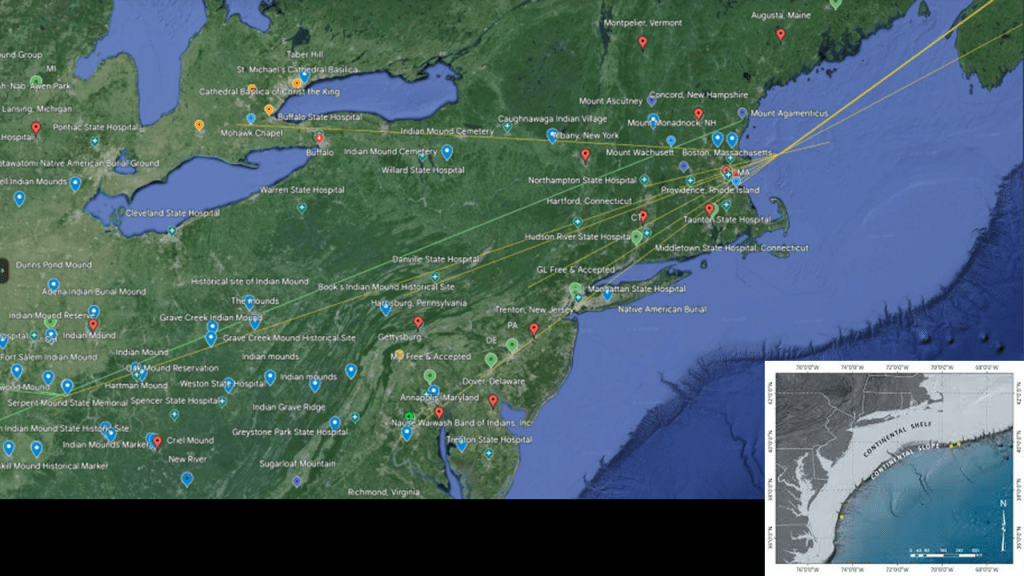
There are several more points I would like to bring up with regards to the Crowley connection and the role of the Philadelphia Experiment in bringing us to the world we live in today being a real possibility, and not science fiction.
One point is about all the deaf people and deaf-mutes in the 19th-century that I mentioned earlier in this post 19th-century, that Alexander Graham Bell was so keen on helping, like the deaf community on Martha’s Vineyard that was being studied, which would have been very near to the bell-tower in Provincetown.
They want us to believe it was from internal causes, but what if the cause was from an external source?
Like the noise resulting from the forced resonance of a previously resonant system?
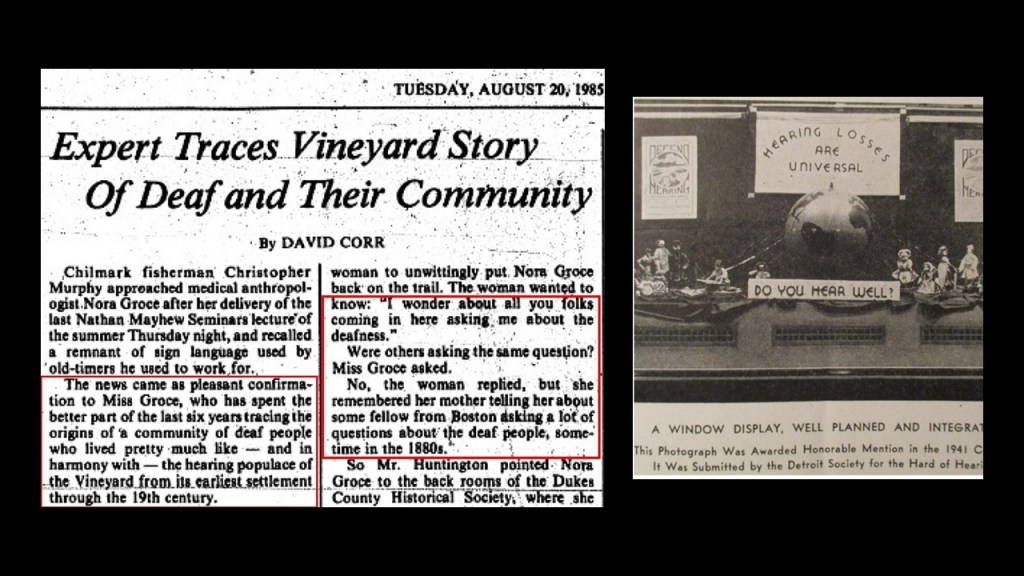
Another is that is interesting to note that Provincetown, the same location as the towering Pilgrim Monument is located on the tip of Cape Cod, is one of the most LGTBQ-inclusive places in the country, and has been for a long time!
As early as 1900, when an artists’ colony and experimental theater developed there, including drag shows in the 1940s.
Another issue is that of Crowley’s children, of which he was believed to have had many, of which some were possibly public figures and others unknown.
For example, it has long been rumored that Barbara Bush, the wife of President George H. W. Bush, was Crowley’s daughter.
But what I wonder is if Aleister Crowley and Barbara Bush were actually one in the same person instead of a daughter – father relationship?
Another one of his children was possibly Billy Shears.
A viewer left the following comment on “The Destruction, Exploitation & Reverse Engineering of the Earth’s Grid System” where Chad, Adam and I talked about this subject, saying that Billy Shears was suspected to be his son.
The suspicion that someone named Billy Shears had replaced Paul McCartney when the Beatles were still together has been around for a long time.
I was born in 1963, so I am too young to remember when the Beatles were together as a group, but I am old enough to remember them in their separate careers, and I am old enough to remember the “Paul is Dead” rabbit hole, and all the things that were said to be pointing to Paul being dead, whether him being without shoes in the crossing of “Abbey Road” on that album cover, to if you play “Strawberry Fields Forever” backwards at a certain place, you hear a voice saying “Paul is Dead.”
What was interesting is that when I searched for “Was Billy Shears Aleister Crowley’s son?,” what came up was the Crowley was one of the figures depicted in the background on the album cover of “Sergeant Pepper’s Lonely Hearts Club Band.”
Paul McCartney already made an appearance earlier in this post at the PNC Music Pavilion in Charlotte, for the last concert of Paul McCartney’s “New World Tour” in 1993.

Paul McCartney also made an appearance in Stephanie’s video on “The Golden Fleece of Tartaria,” where she talked about a McCartney performance during the opening ceremony at the London Olympics in 2012, and during which the giant Olympic Bell hanging onstage started to toll.
She said Sir Paul told NME Magazine that, “During the ceremony, we had a sound glitch… there’s this bloody great bell that we didn’t know about. A bloody 50-tonne bell. It was deafening. We were trying to figure out what key it was in, but it was in no key known to mankind.”
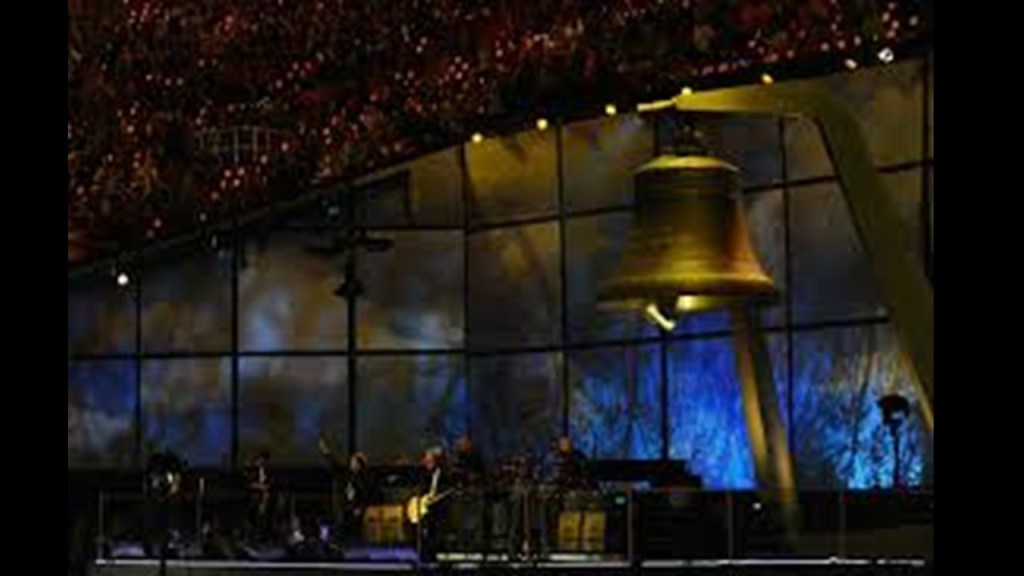
Stephanie went on to say the bell was cast especially for the London 2012 Olympics and features the quote from Caliban in “The Tempest:” ‘Be not afeard; the isle is full of noises.’
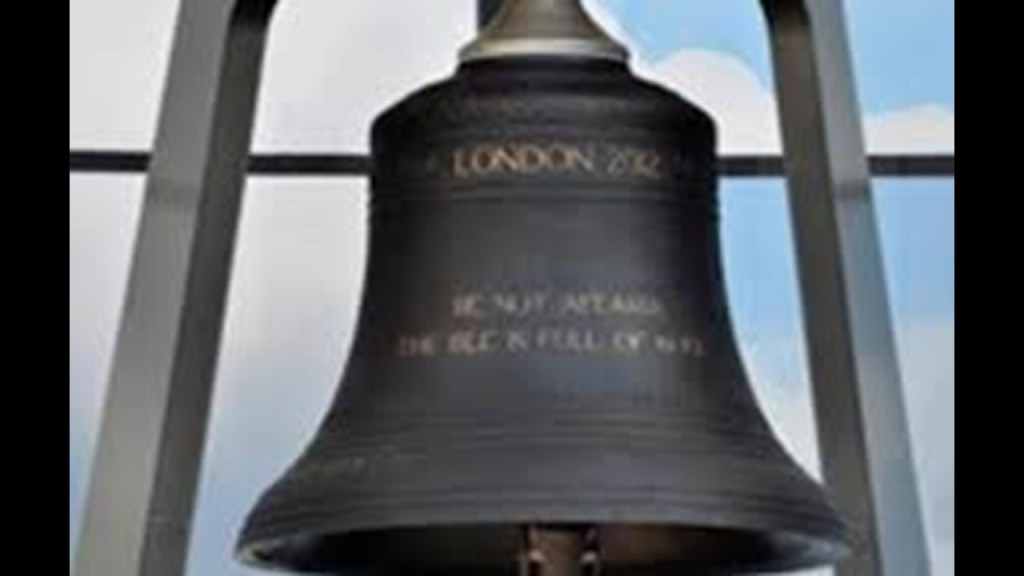
This was the same opening ceremony with the really creepy dance performance featuring nurses, and children in hospital cribs and Voldemort looking like a giant grim reaper towering above it all.
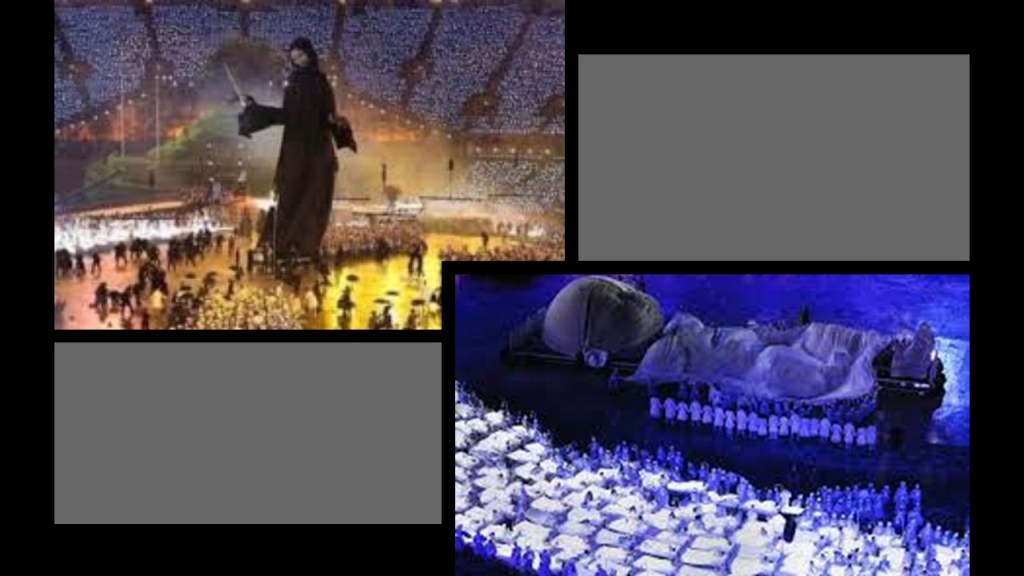
The Controllers use predictive programming regularly, and have for a long time, where they choose avenues like movies, literature, art, and music to tell us without telling us they are telling us, and if we don’t get it and object collectively, then they technicially have our tacit consent even if we don’t know we are being told something, and that is what they are counting on because they think its their Karmic “get-out-of-jail-free” card.
Stephanie decoded a 1974 Gene Hackman movie called “The Conversation” in her video.
I am going to do a simple decode of a 1972 Gene Hackman movie called “The Poseidon Adventure,” a movie I saw in the theater when I was 9-years-old.
It’s very dramatic, and I vividly remember it.
The plot summary is this:
A gigantic cruise ship on its last voyage from Athens to New York before it becomes scrap overturns on New Years Day from a tsunami coming from Crete after an underwater earthquake happens, and passengers have to find their way out of the upside-down ship to survive.
My simple decode: They are telling us that the turned the Earth was upside-down, and that it is up to us to find a way to survive.
We went from a highly advanced and unified worldwide situation to a crazy, upside-down world, and we didn’t get there on our own as much as the Controllers want us to believe that.
Another movie that has an interesting story line pertaining to the subjects that I have been talking about in this post, in a predictive programming kind-of-way, is that of “The Long Ships,” a 1964 movie in which Sidney Poitier portrayed a Moorish King who was searching for a legendary golden bell named “the Mother of Voices,” and Richard Widmark, a Viking adventurer ho knew where to look for the golden bell, but who along with his crew, was shipwrecked and captured by the King.
At the end of the movie, after the golden bell had been located but toppled over a high cliff in the process of trying to move it, they returned with it to the Moorish Kingdom, but the Moorish King was crushed shortly thereafter by the bell when it fell on top of him in a battle with Vikings who had conquered the city in his absence, and the Moors were defeated by the Vikings.
What’s going on with all the “bells?”
Not a surprise to find out that the first formal presence of Crowley’s OTO in the United States was the Agape Lodge, which would have served Hollywood as it was established in Los Angeles in 1935, and today the Star Sapphire Lodge serves the Greater Los Angeles area.
I am going to end this four-part series here that was based on the video I originally uploaded back in January called “On the Trail of Giants in Appalachia and Beyond.”
All four of these themes came out in the course of my research for the original video, and I decided to do this series because I didn’t want all this specific information to get lost from the original video since it wasn’t organized like this.
If you haven’t seen the other three parts of this series, or the original video, I encourage you to do so.
There is a great deal of information in all of these videos and it’s all interconnected and related to what has taken place here.
Even though I have already done a lot of my own research on this, I have to put this together into something entirely new and compelling to make a strong case for it and believable, and how this part of North America was an epicenter for it. But it’s not just one thing. There are many, many aspects to it, and Aaron is doing some amazing work on all the alignments he’s been, and still is, finding.


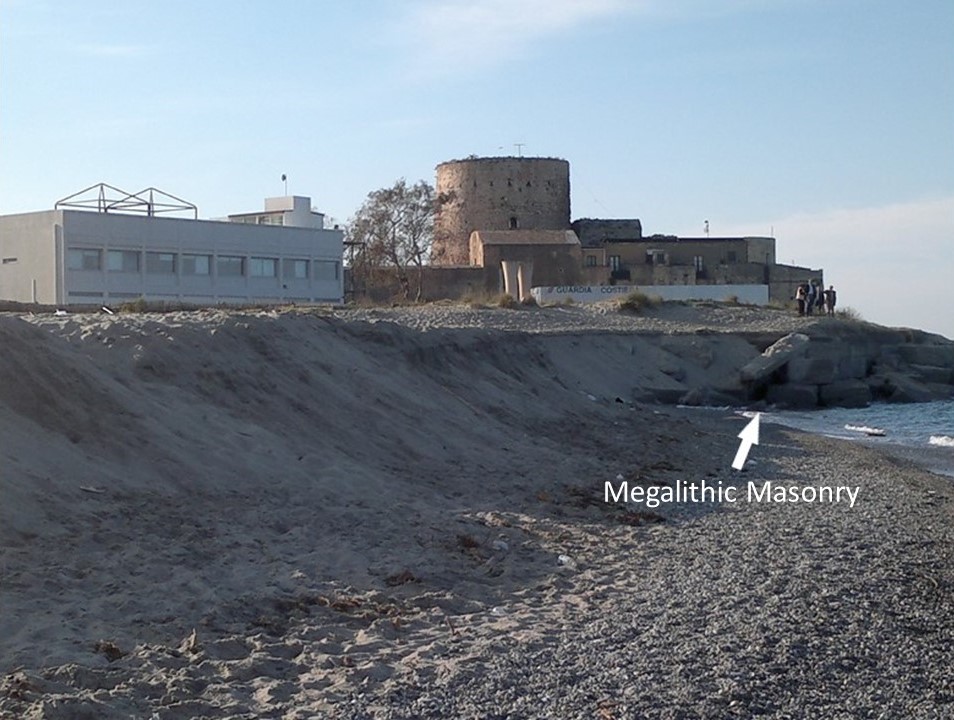
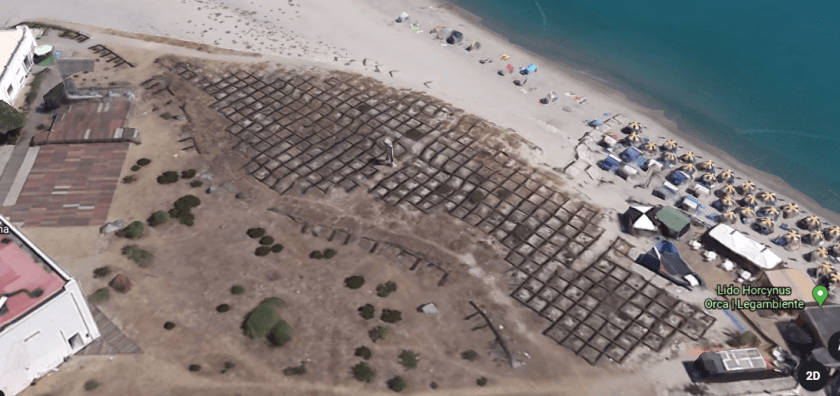
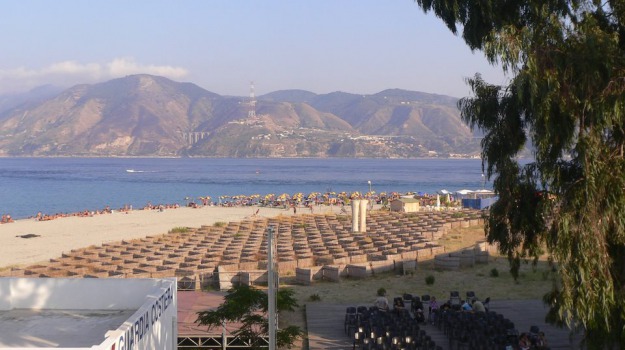
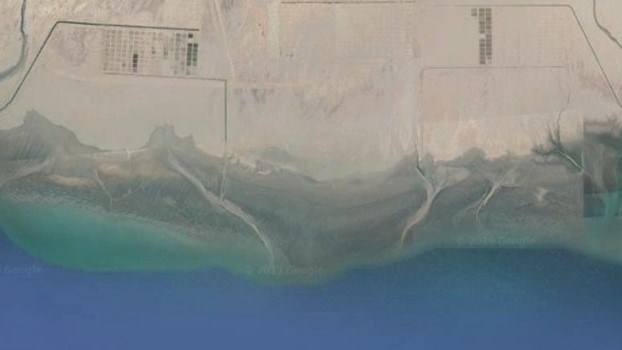

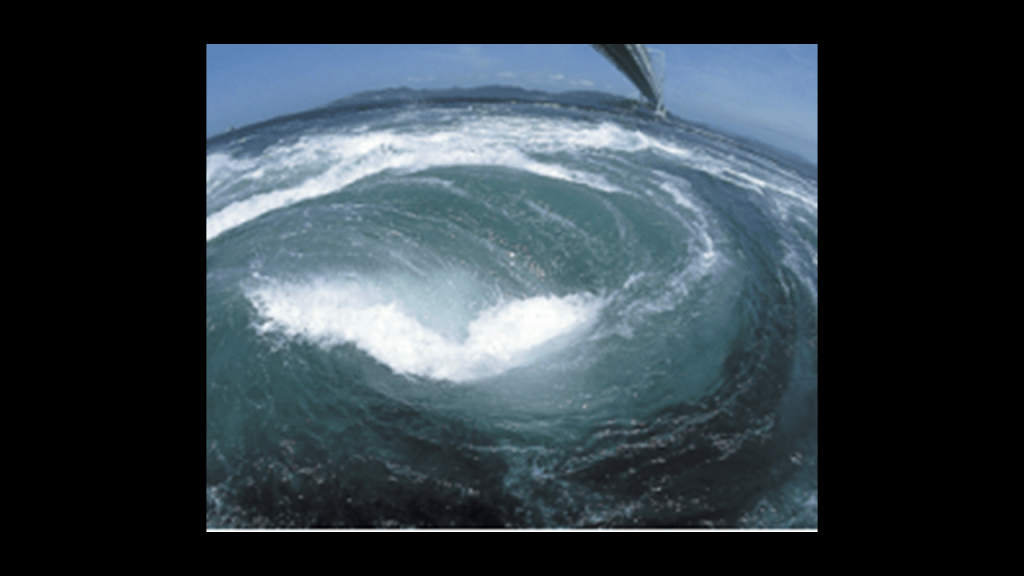
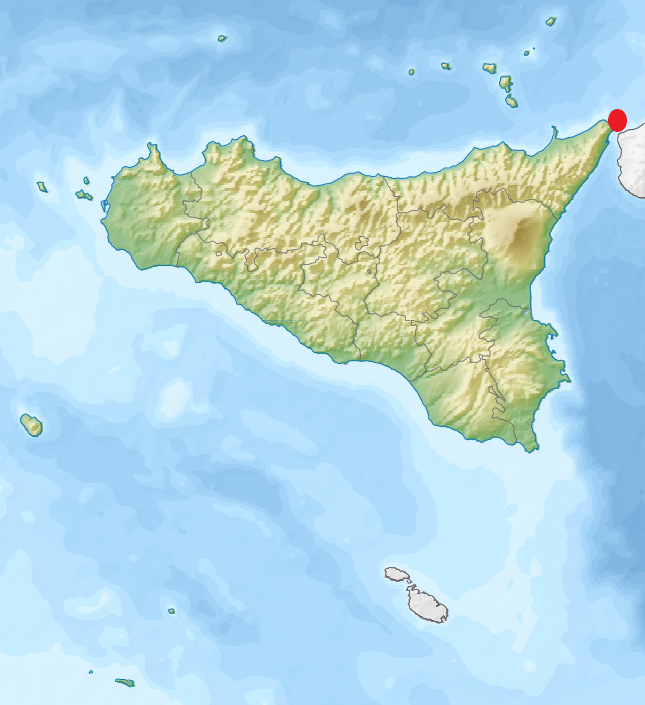
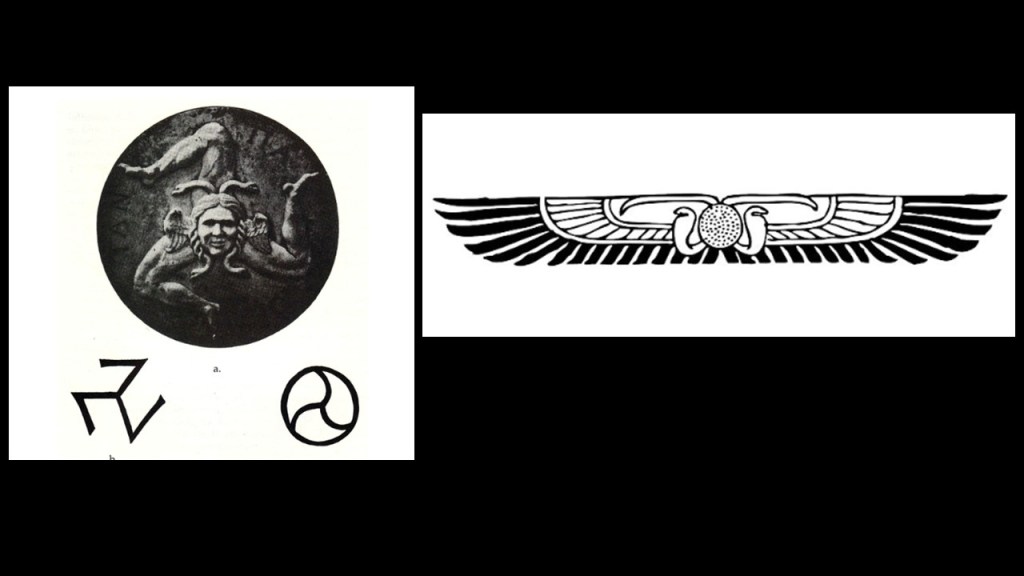


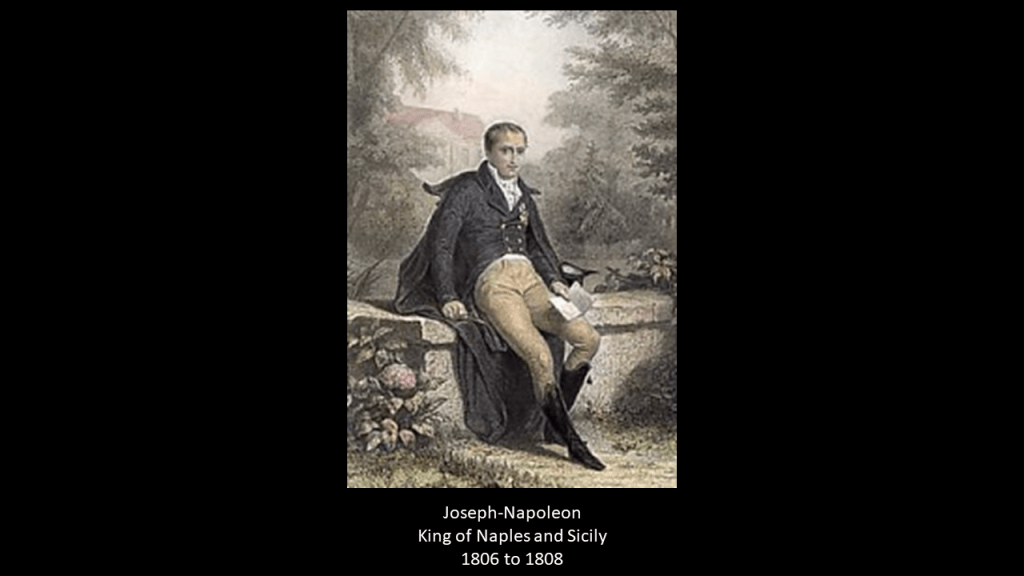
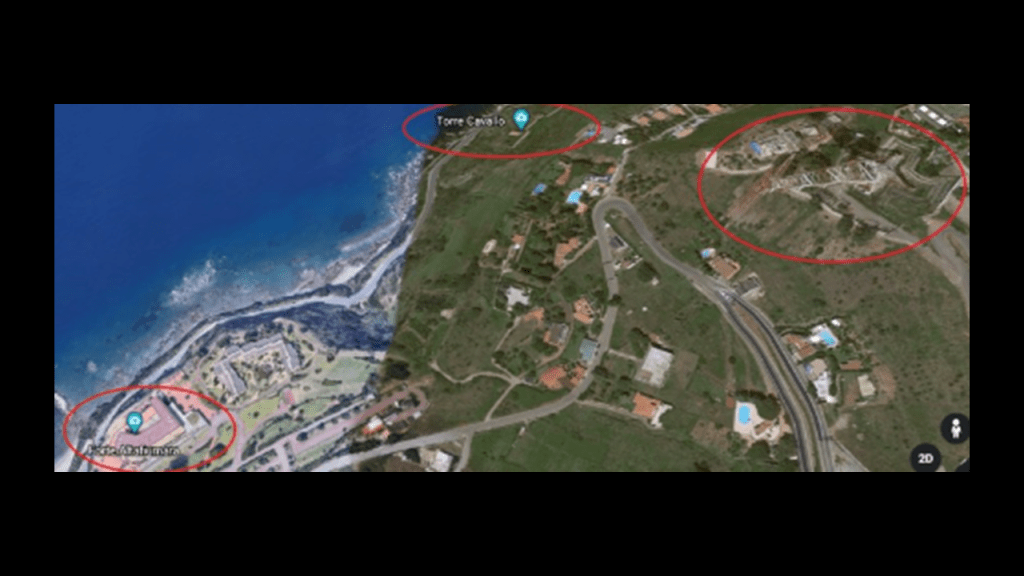
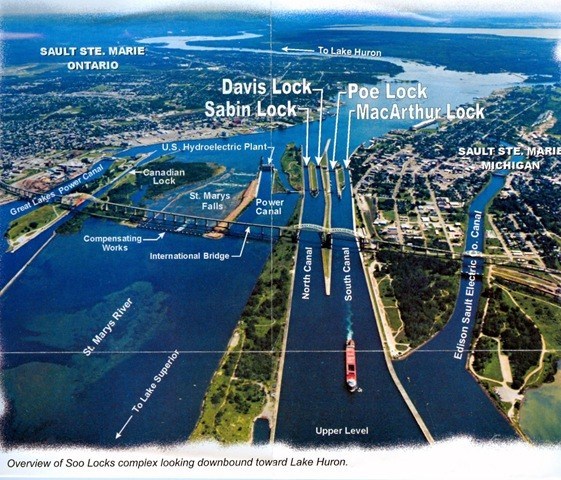
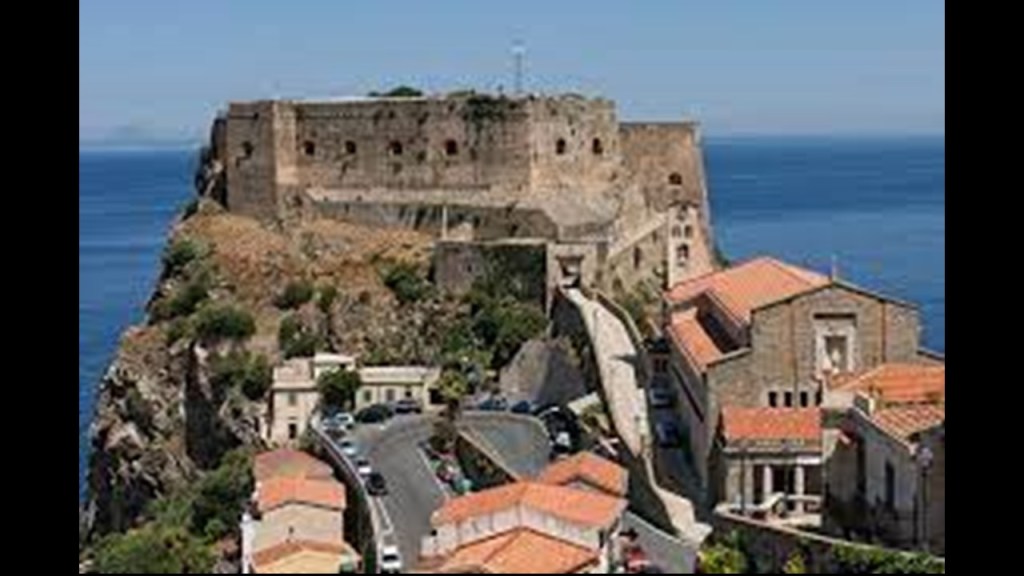
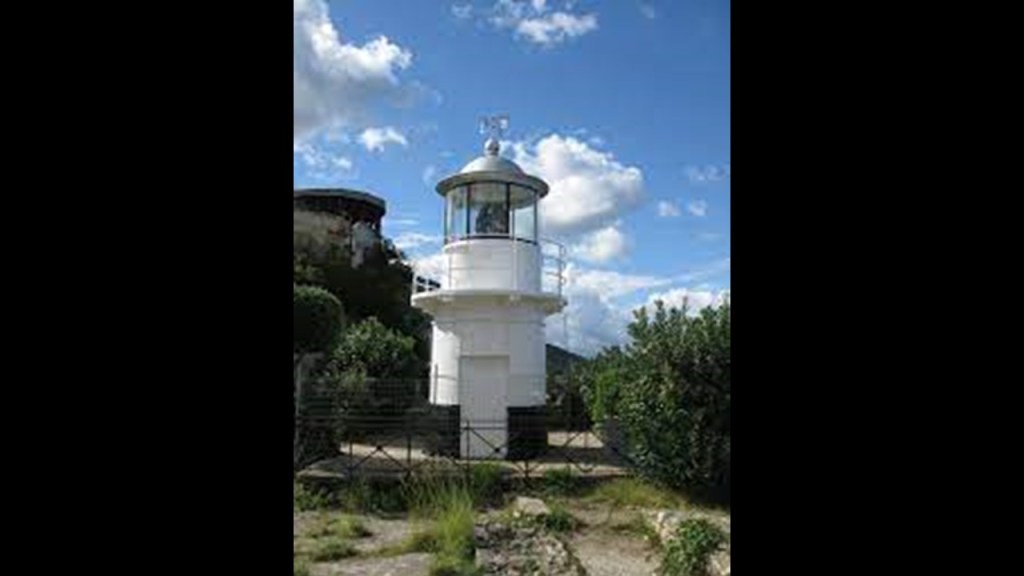
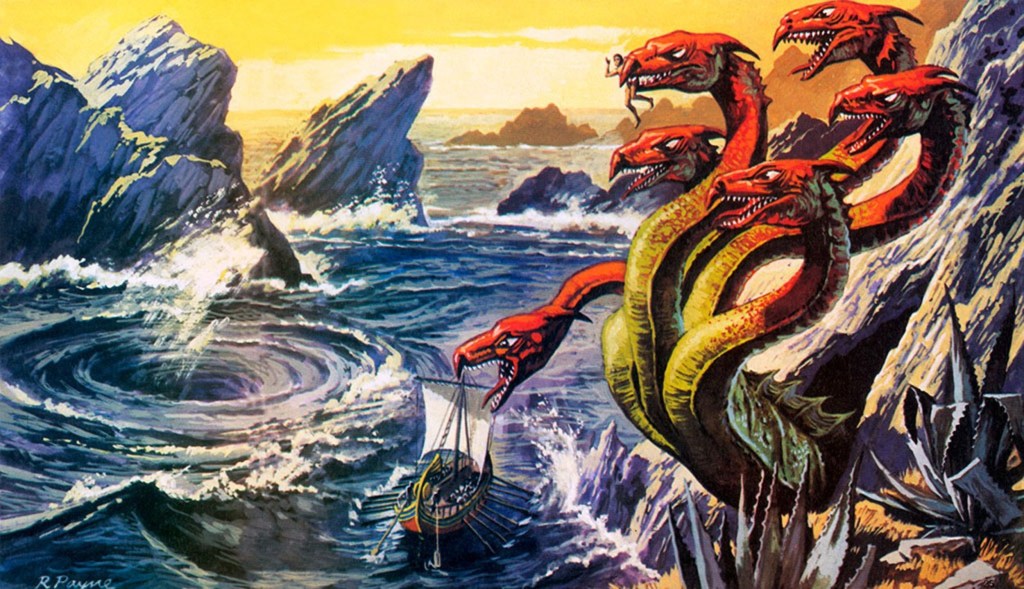
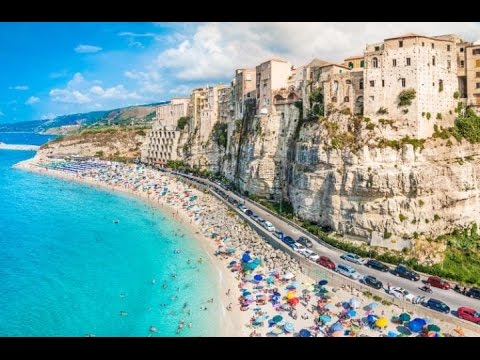
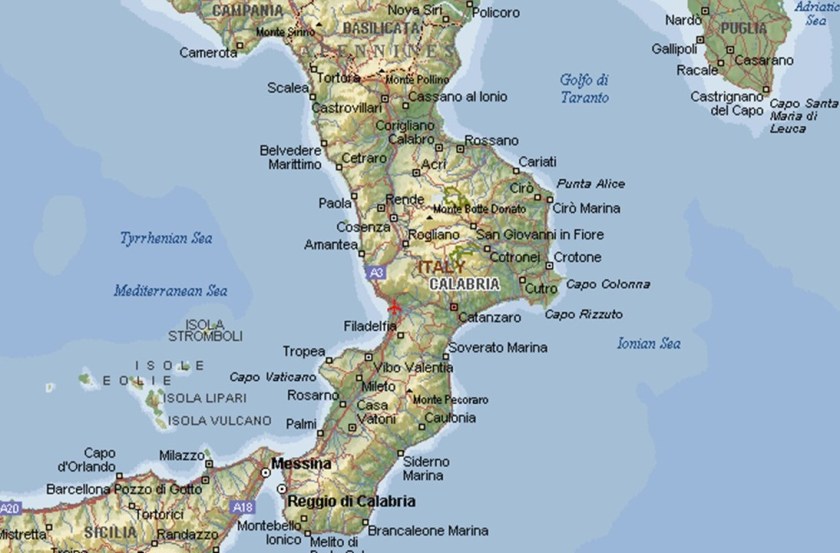
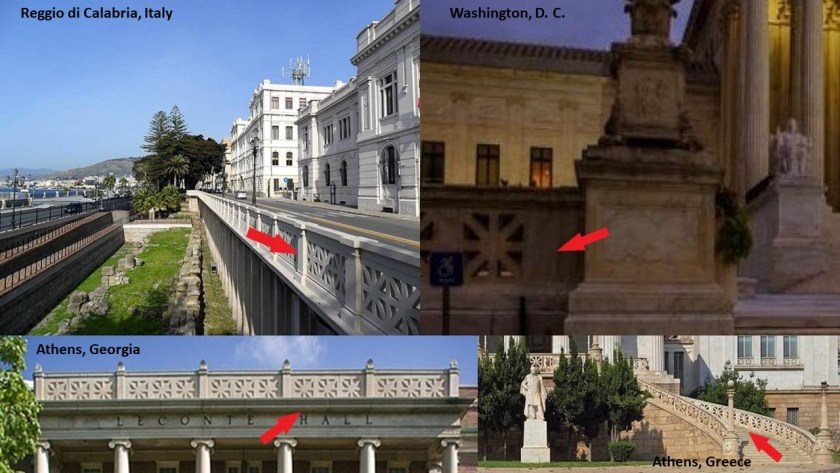
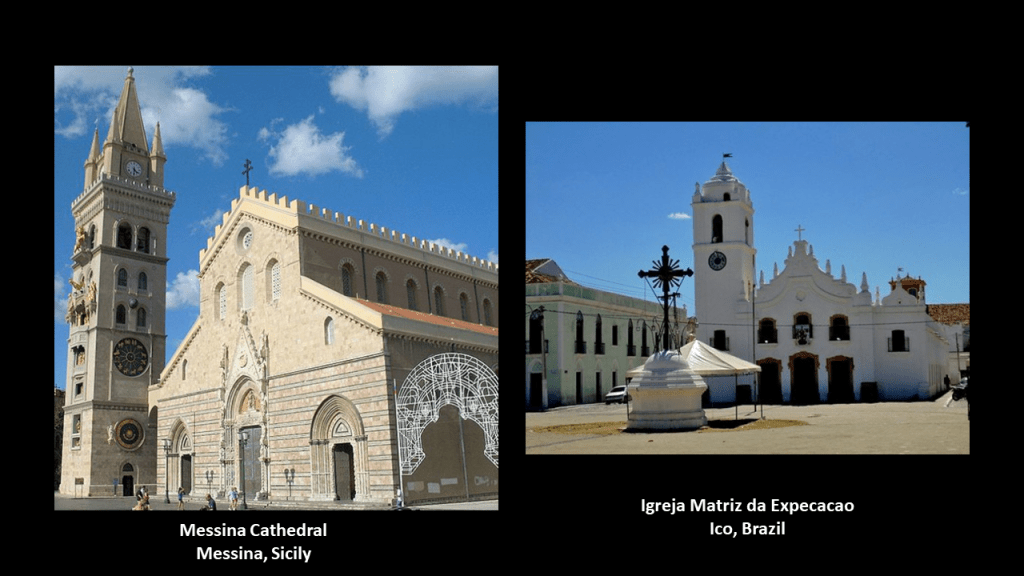
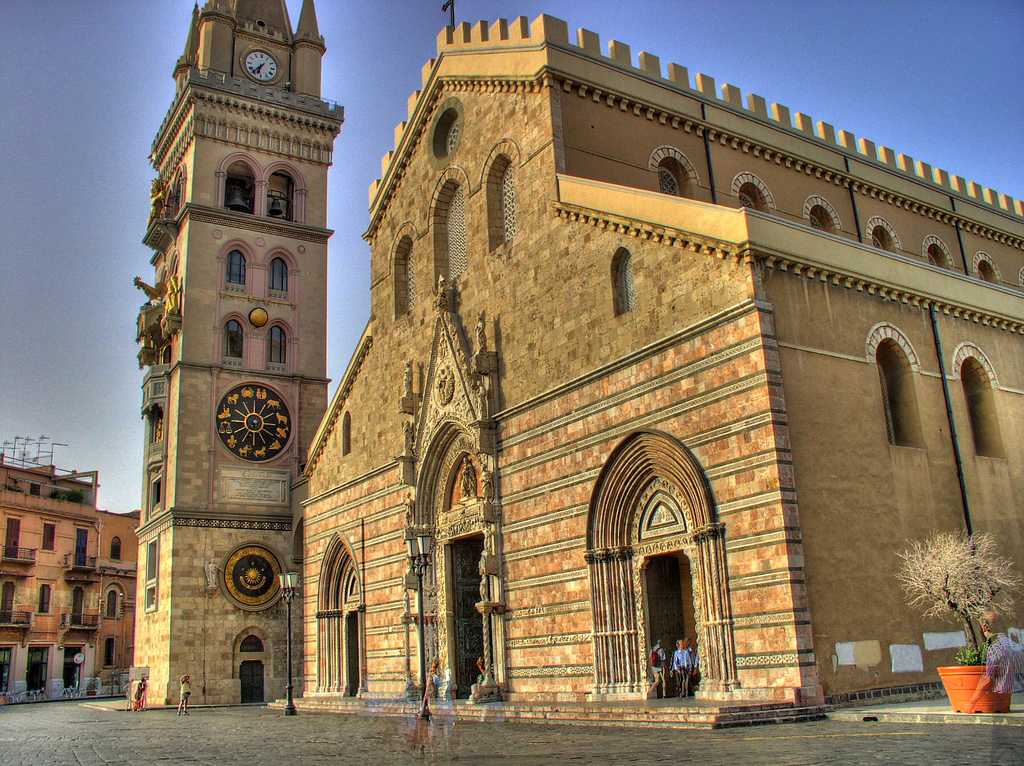
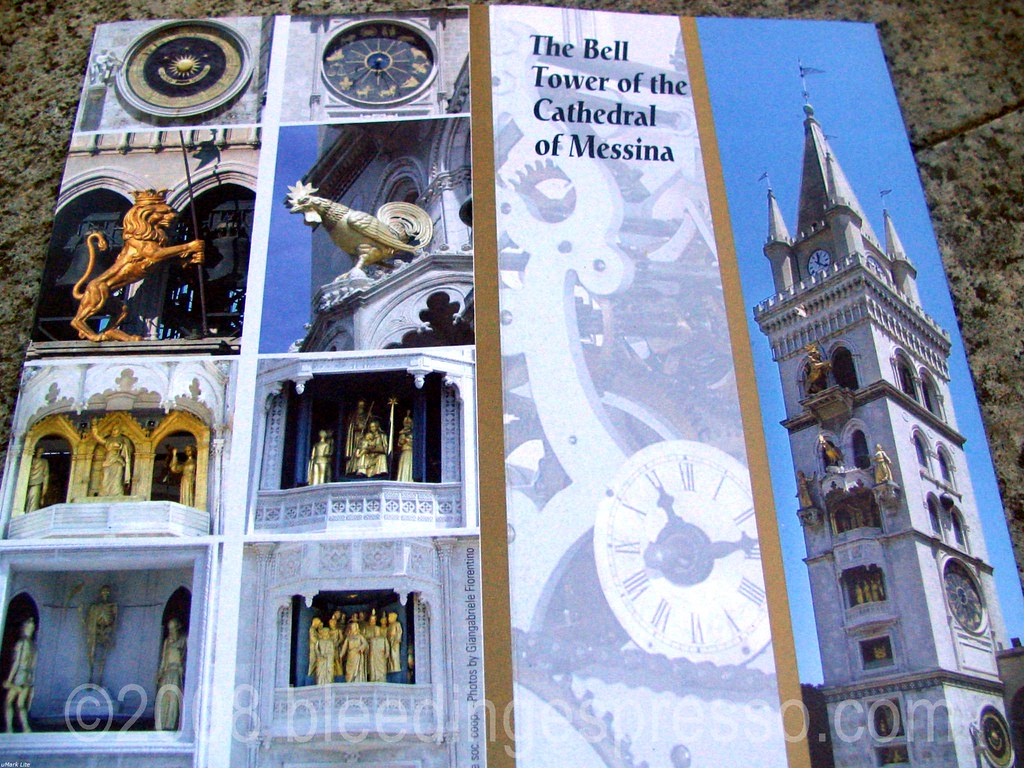
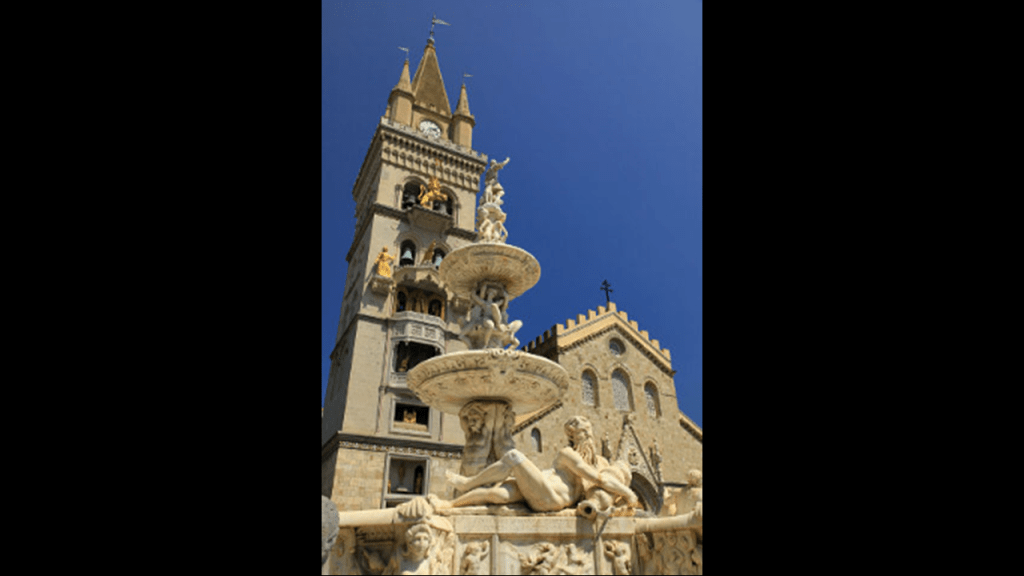
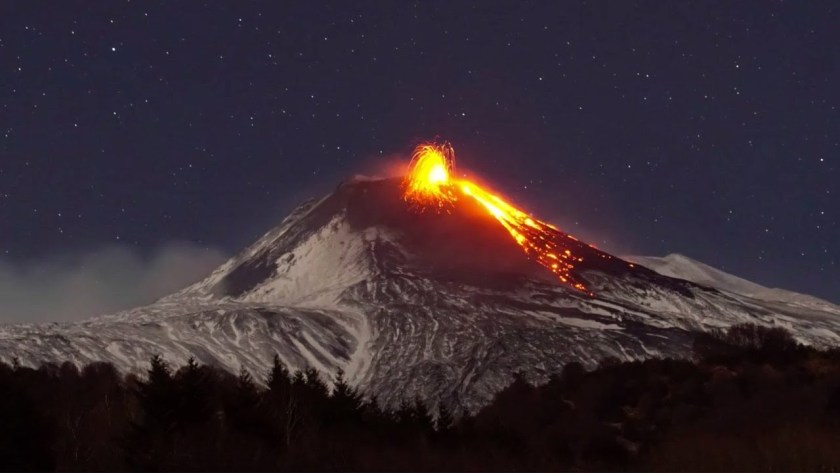
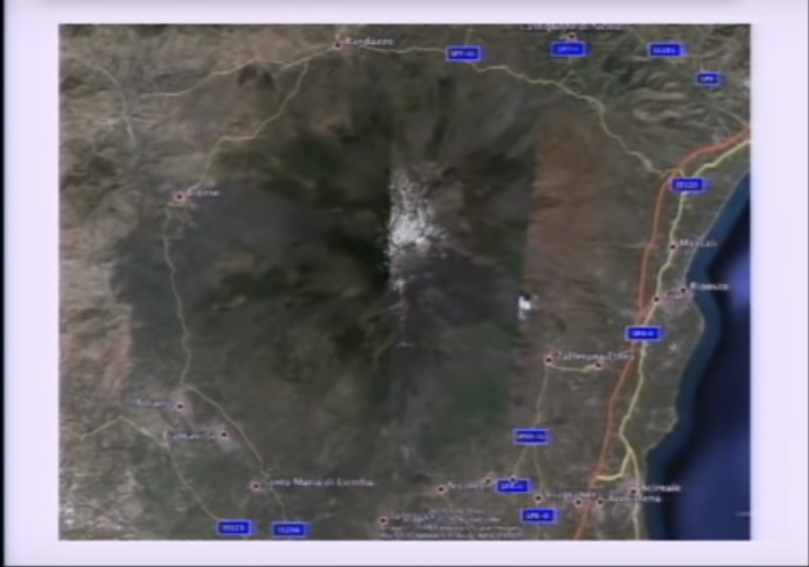
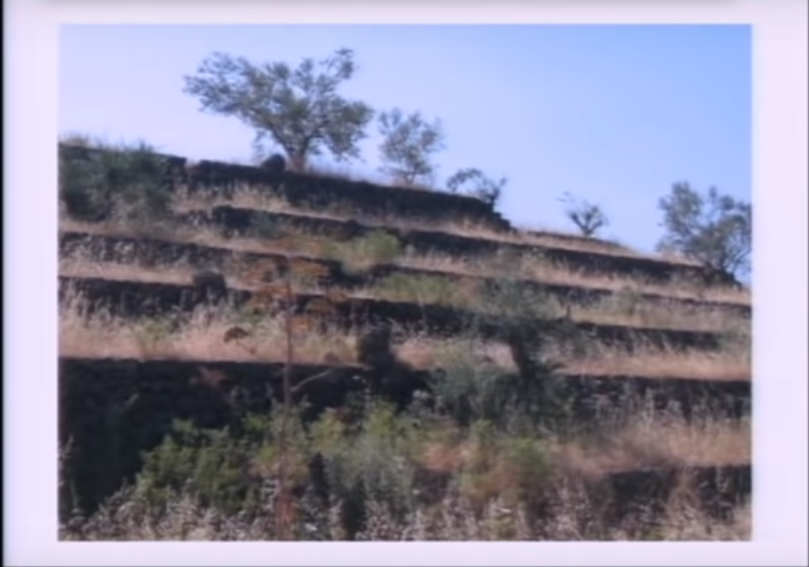
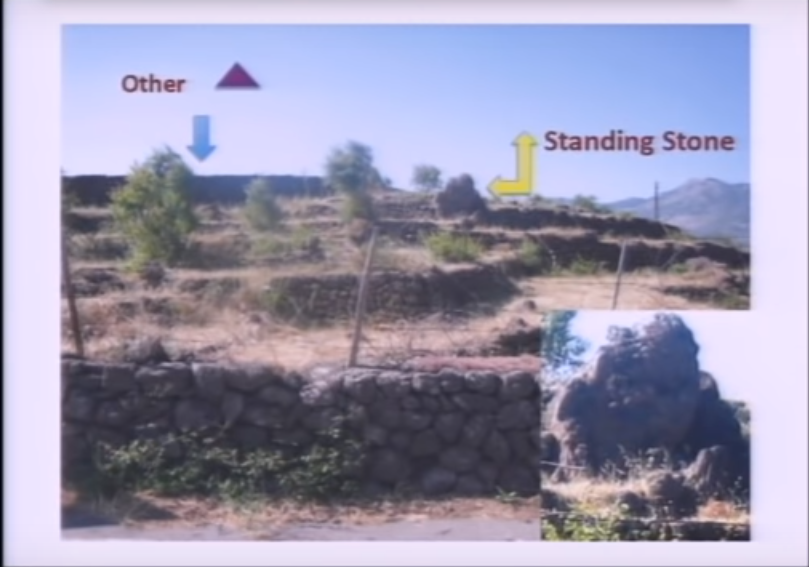
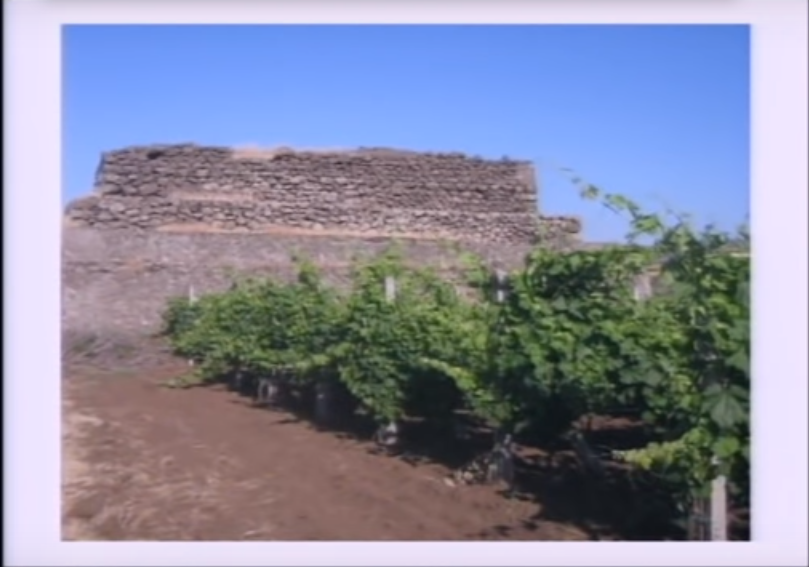
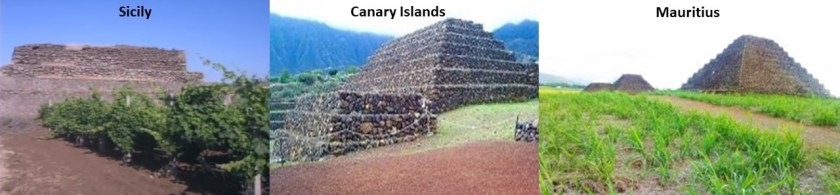
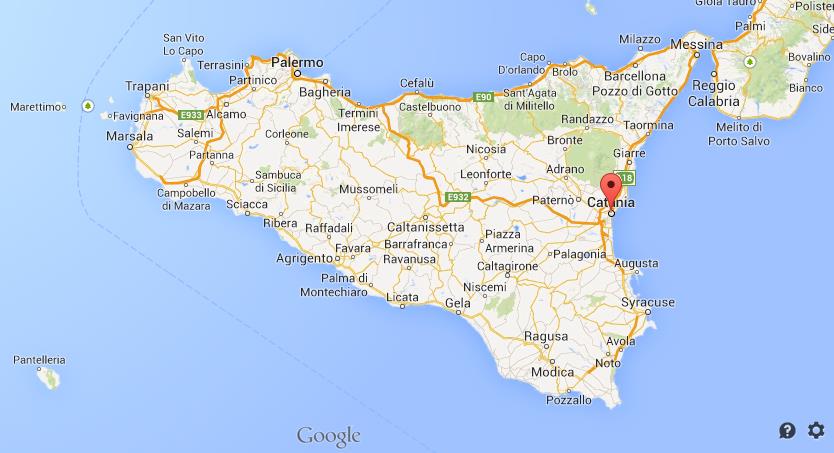
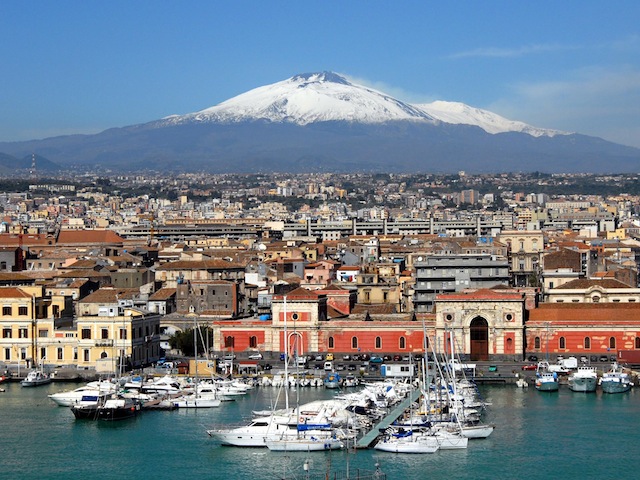
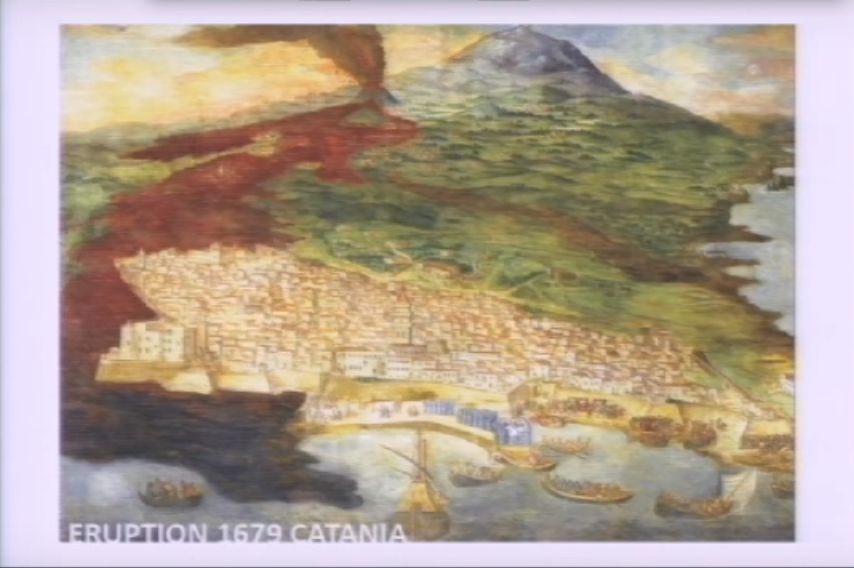
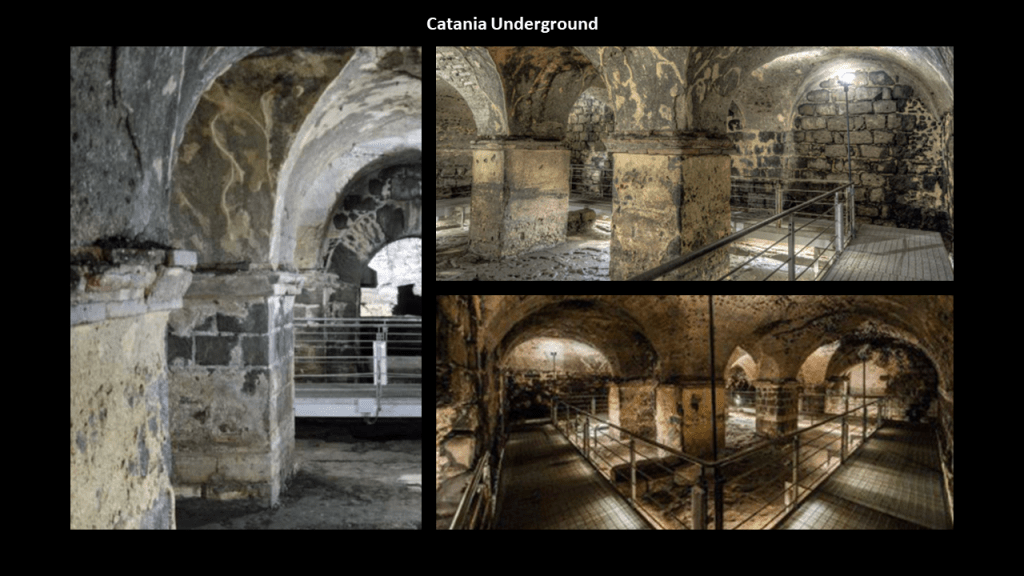
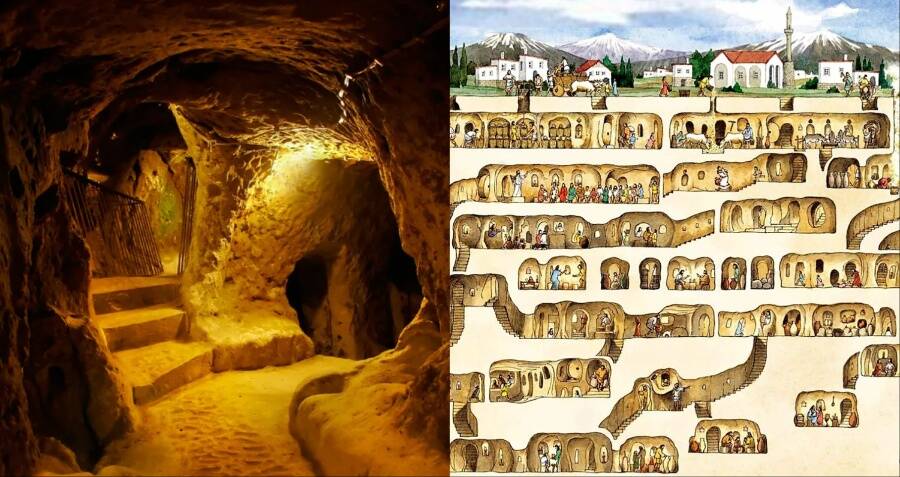
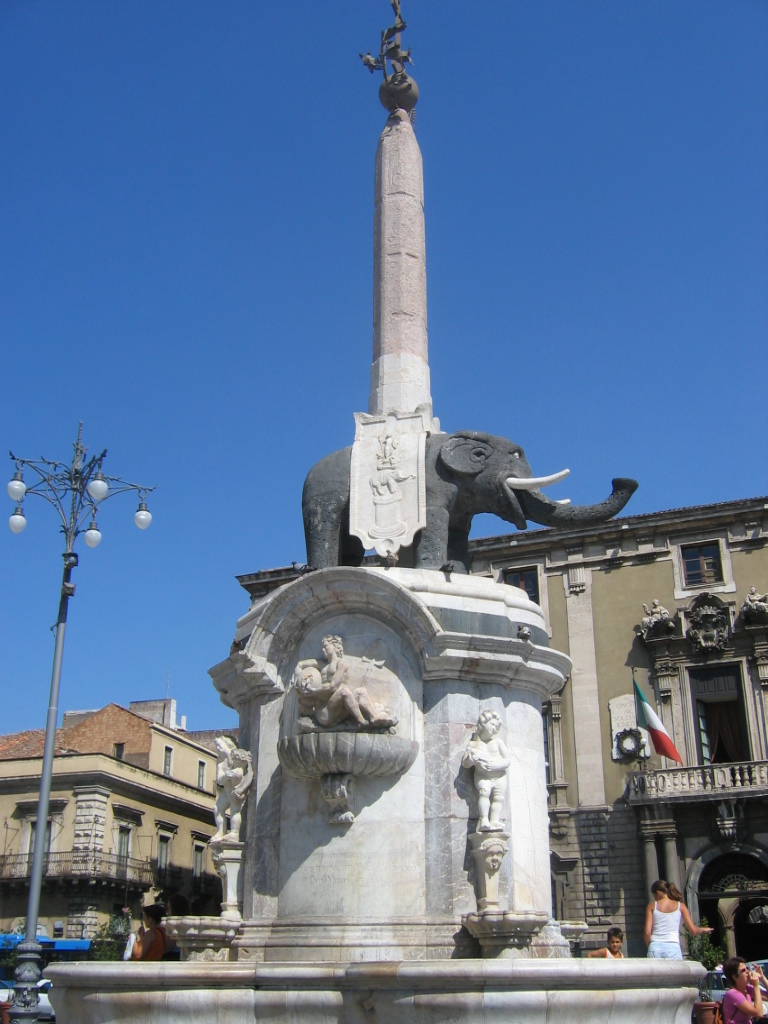
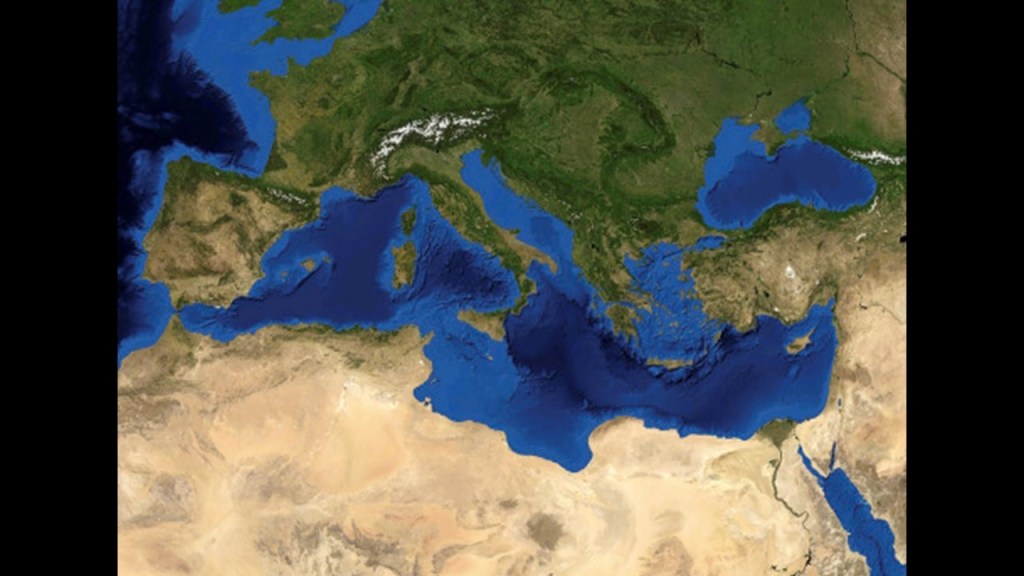
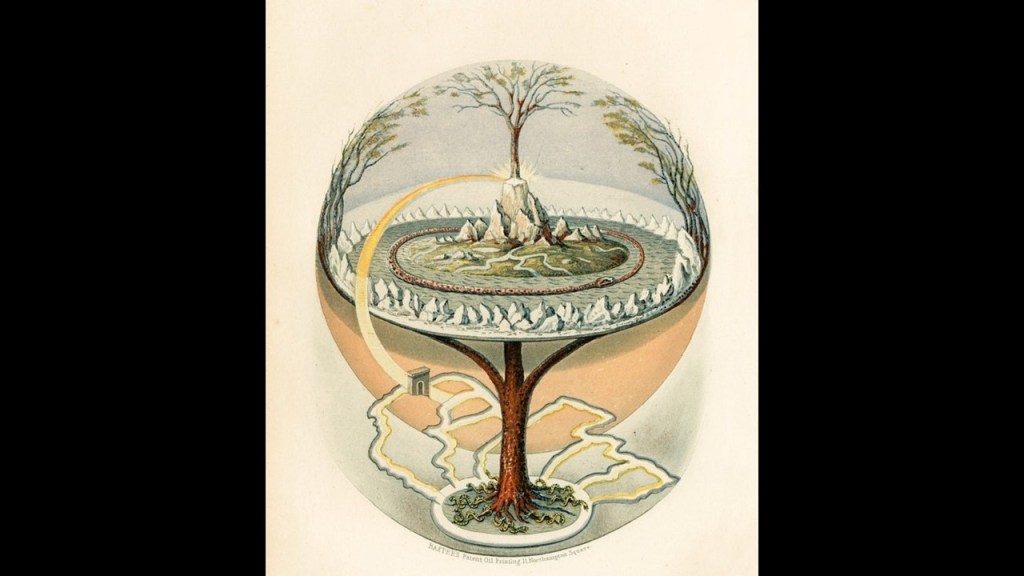
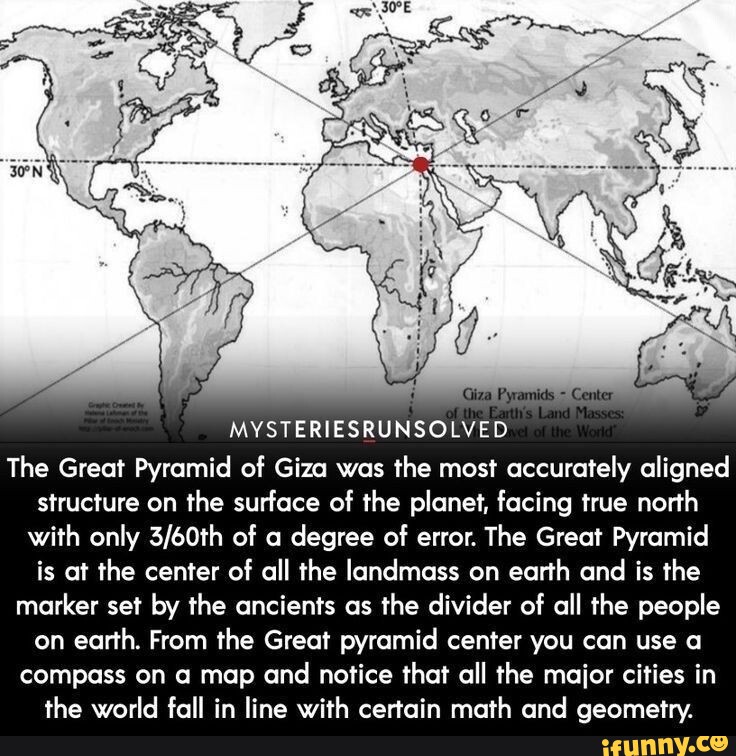
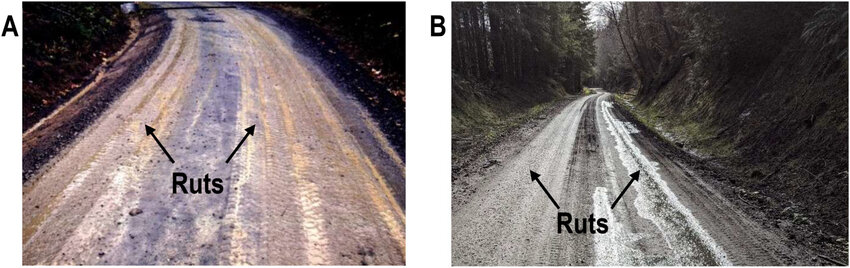
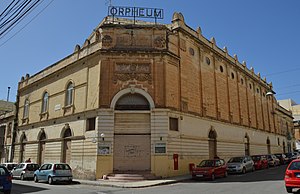
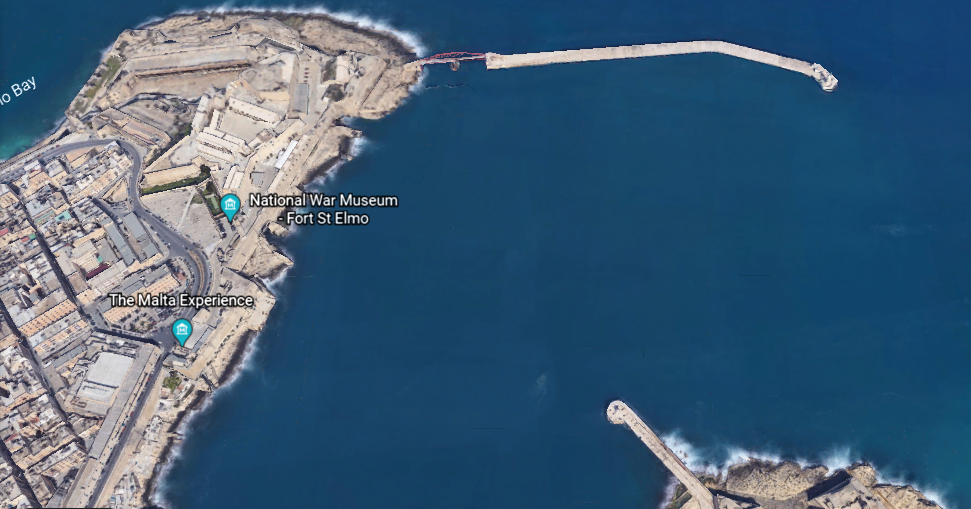
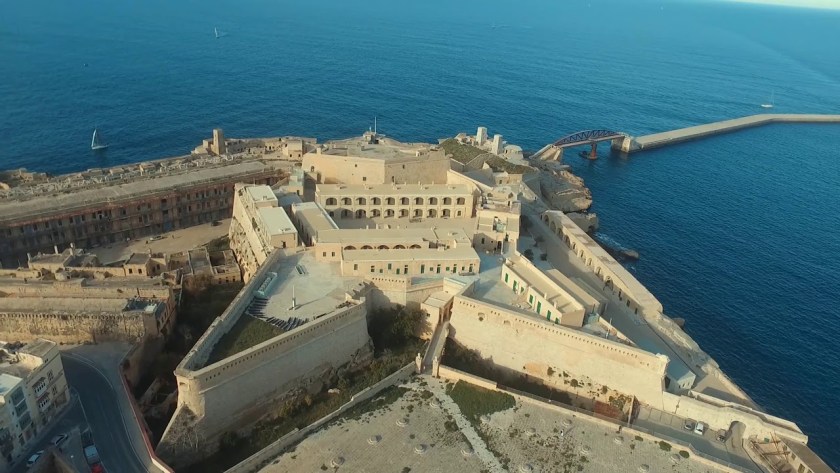
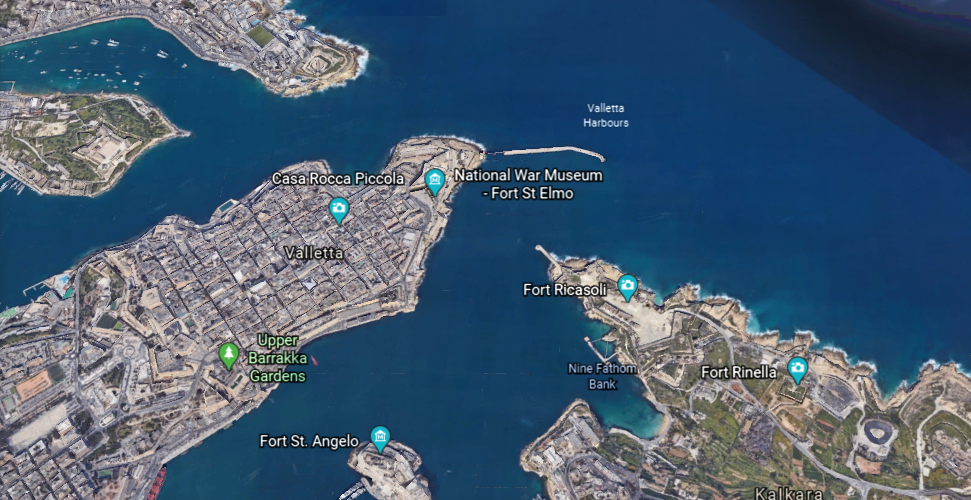
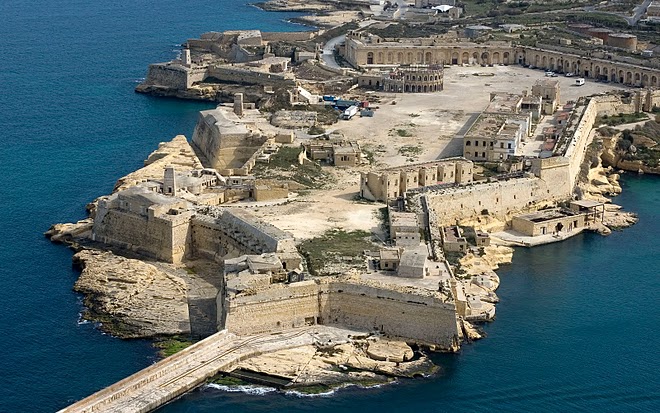
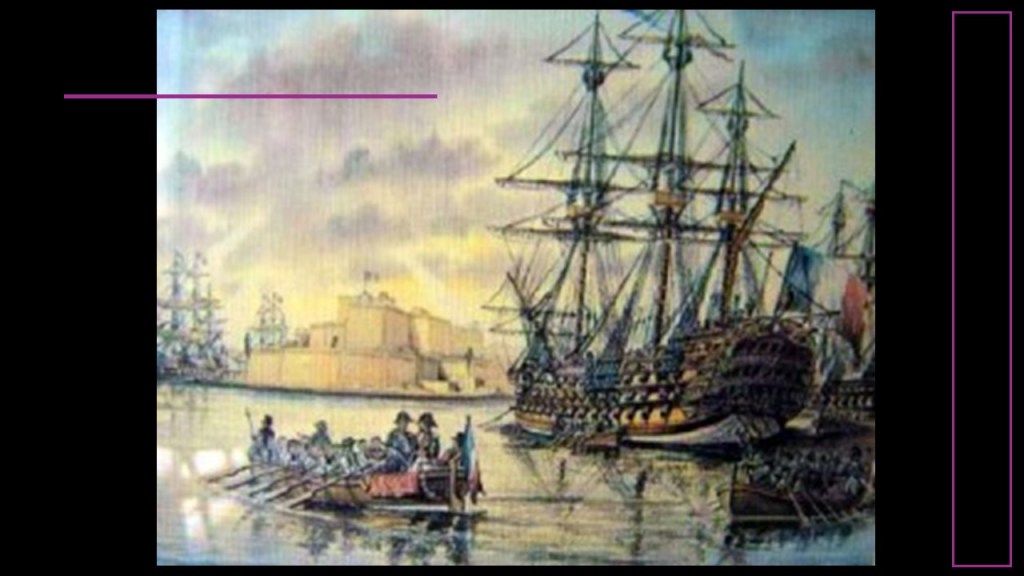
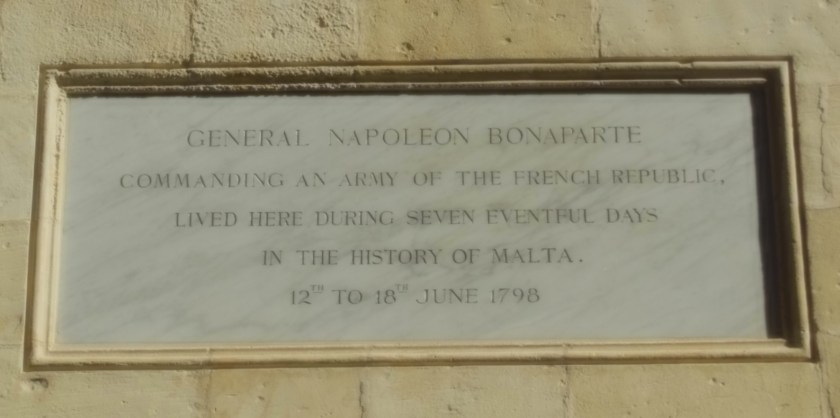
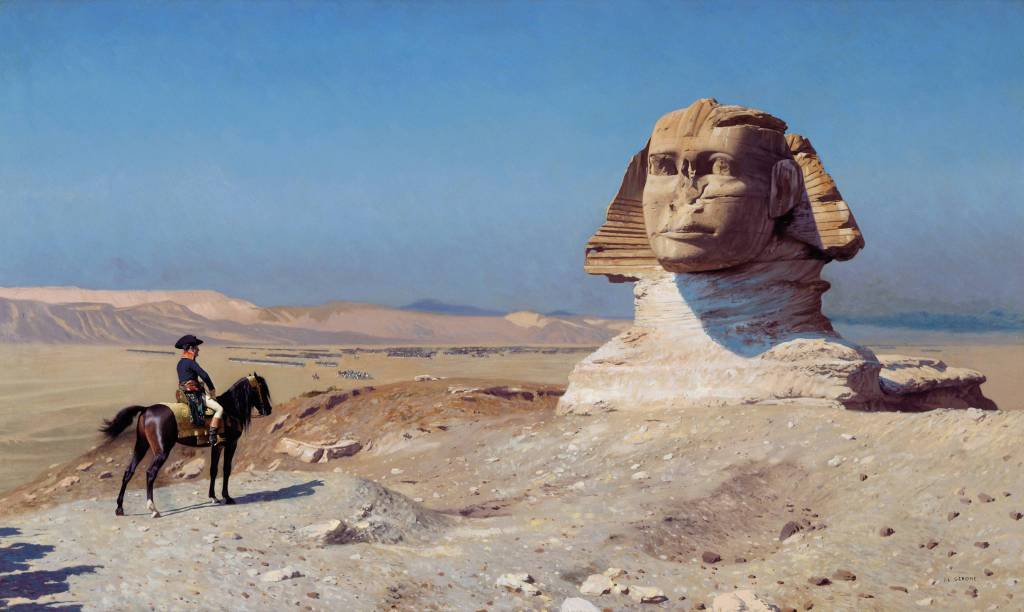
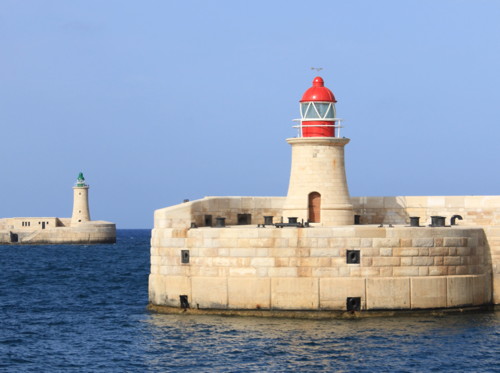
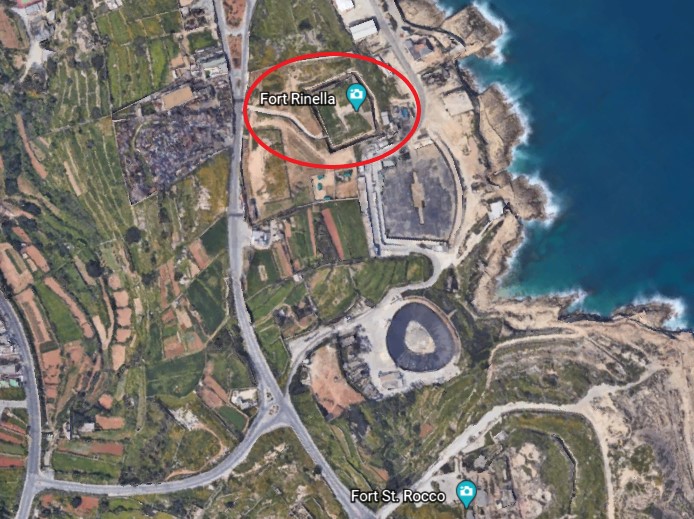
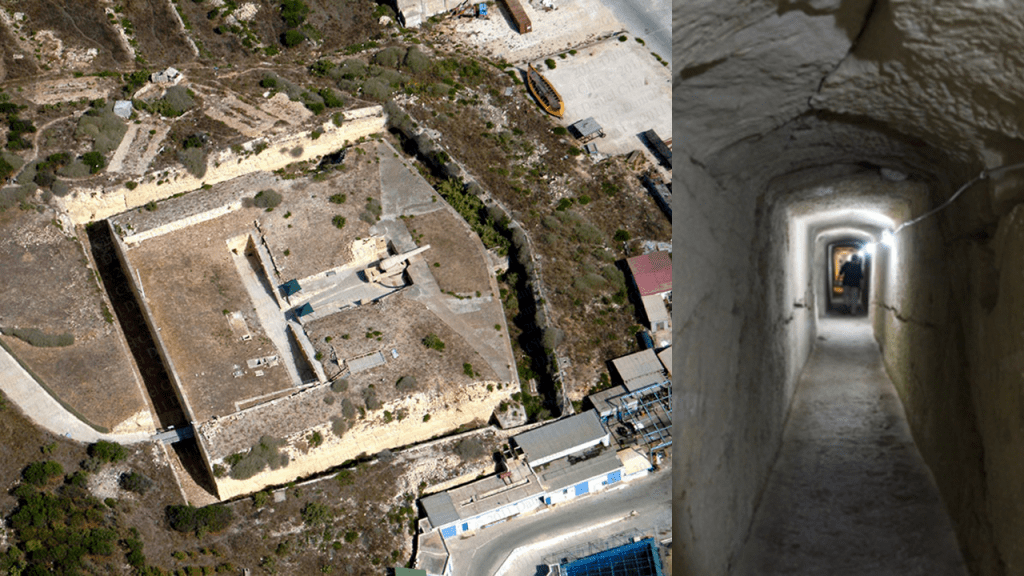
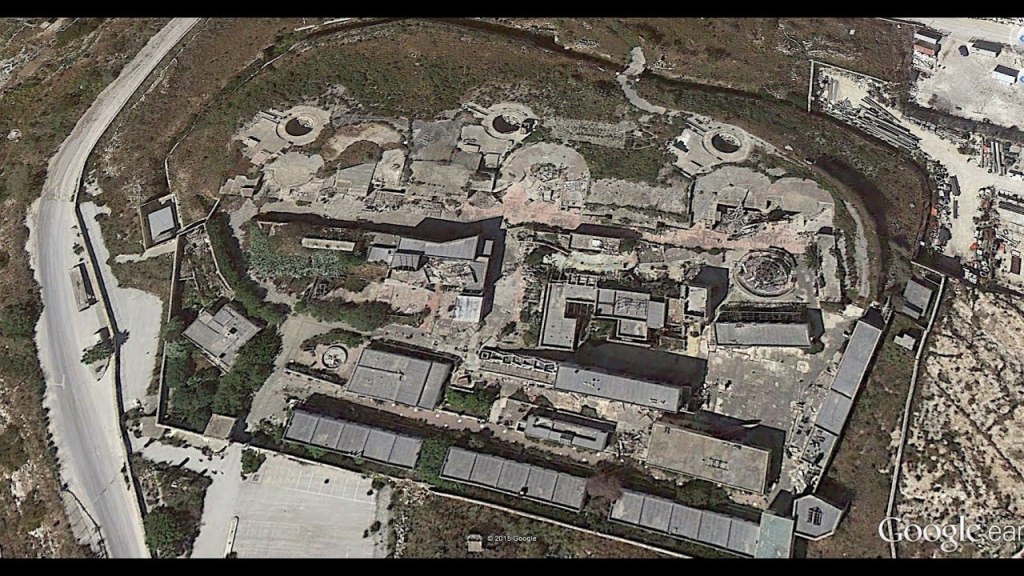
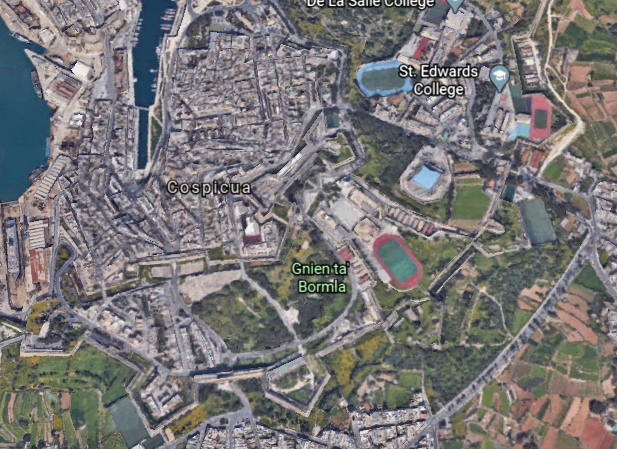
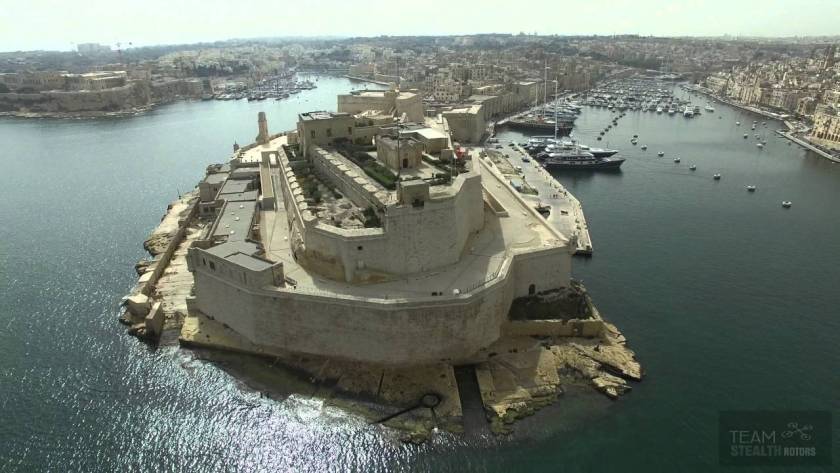
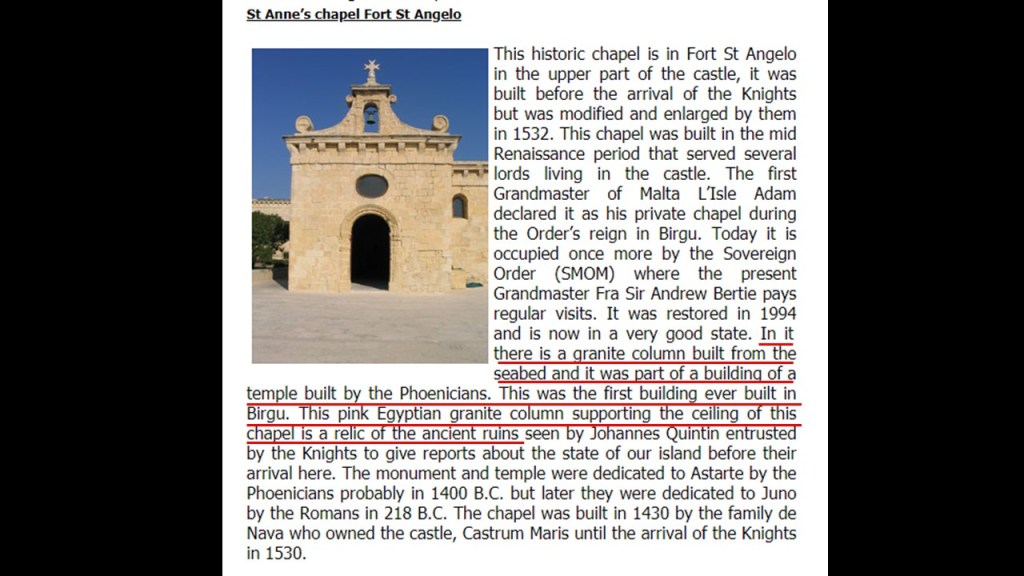



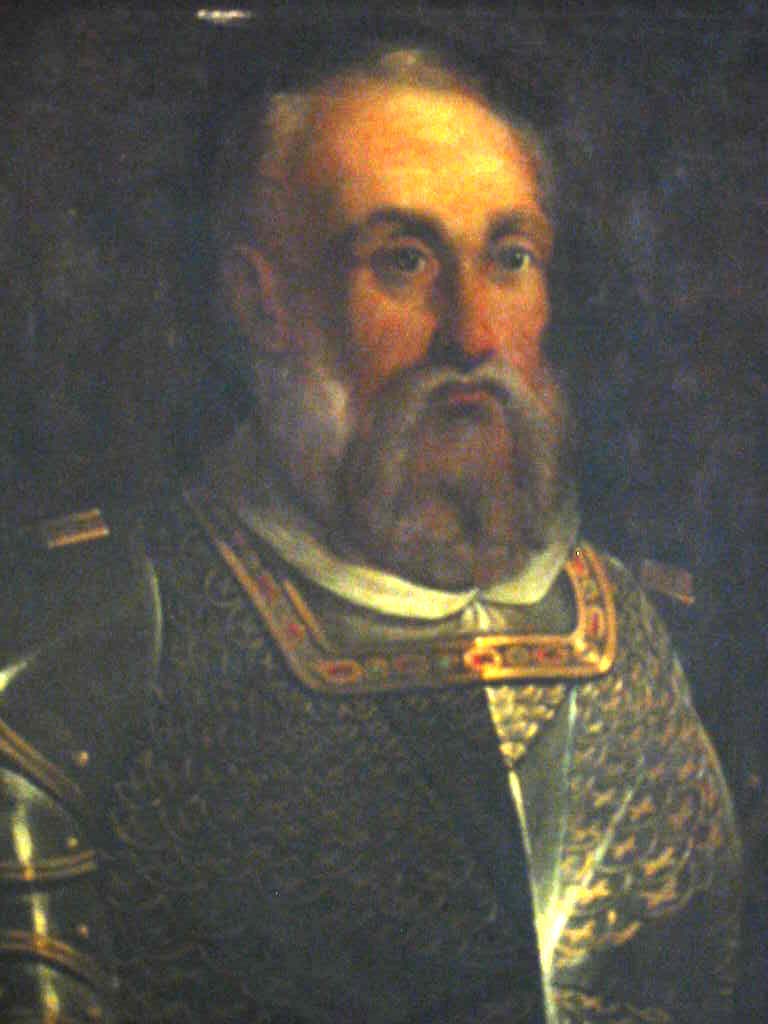
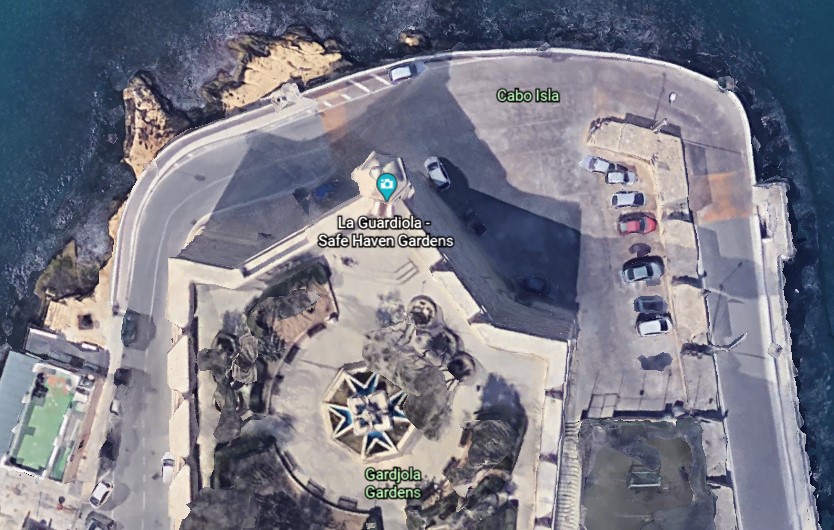
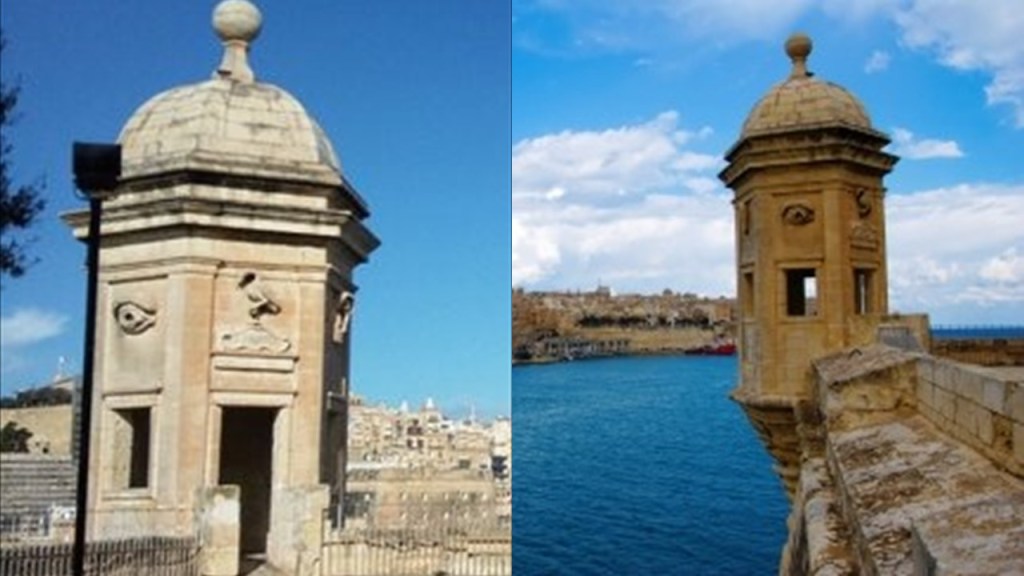
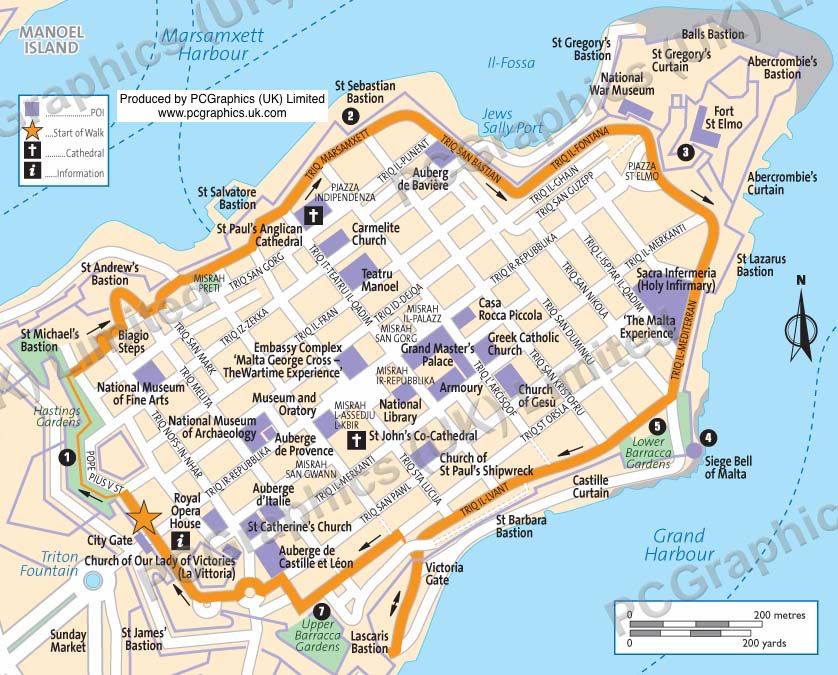
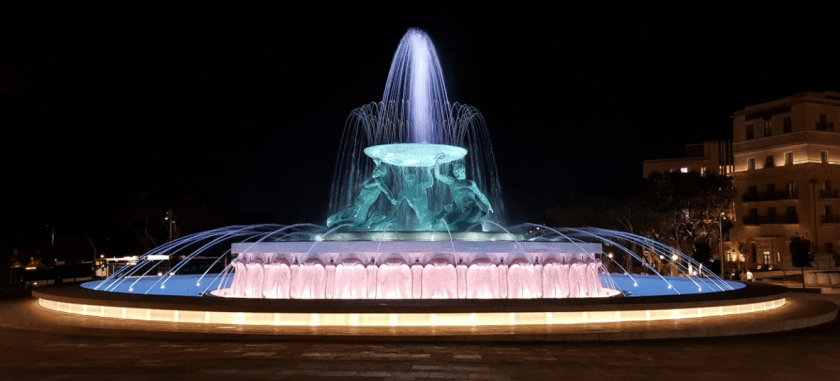
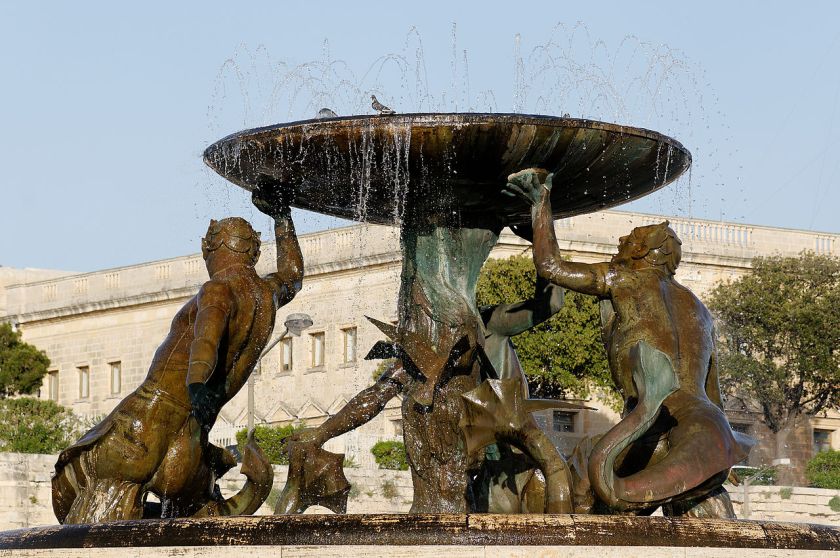
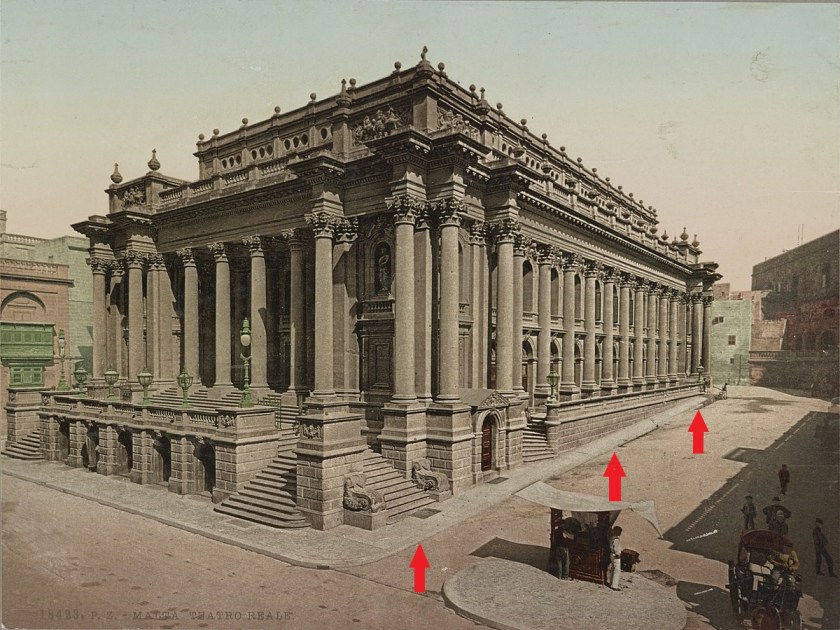
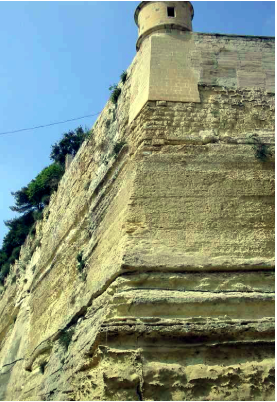
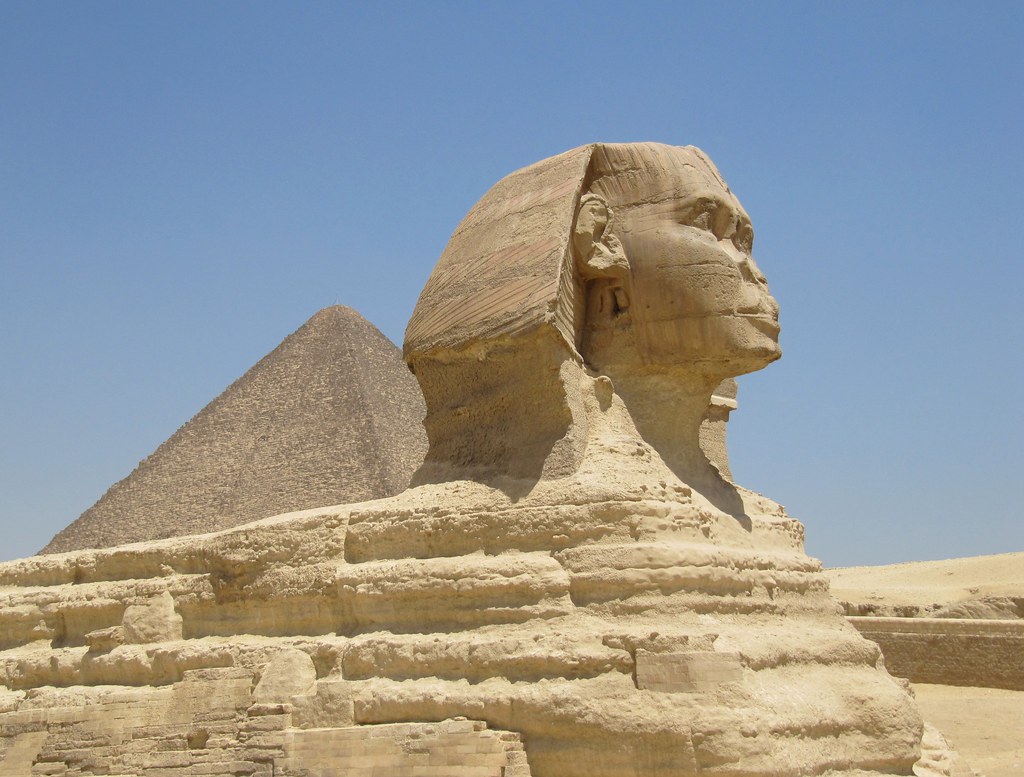
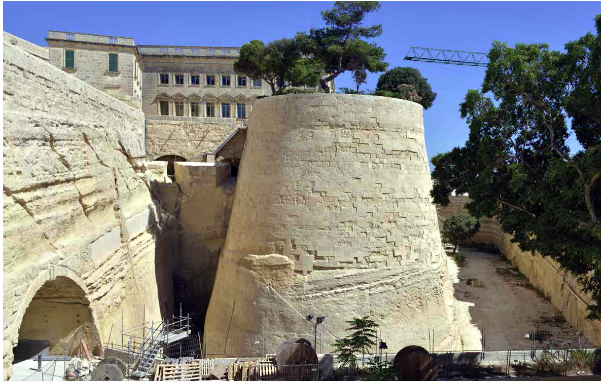
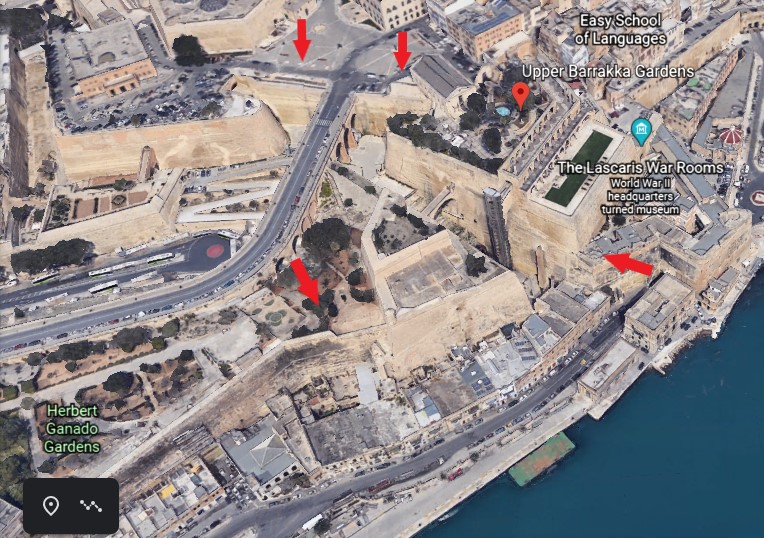
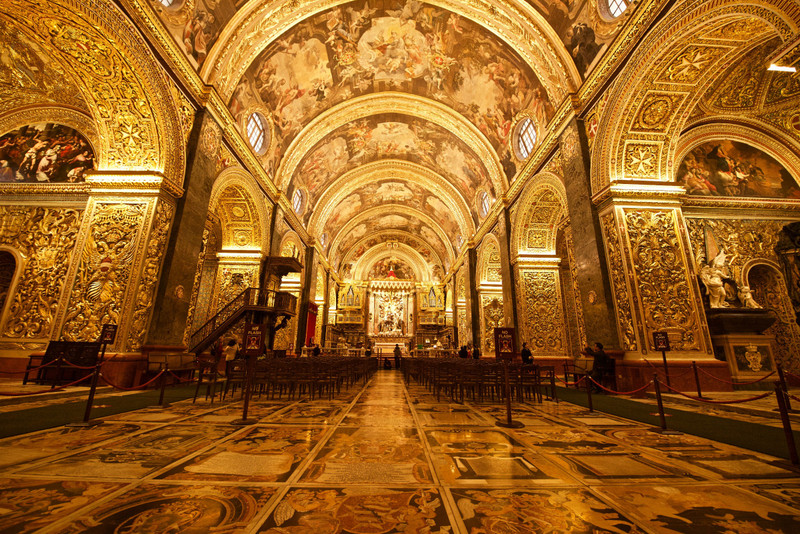
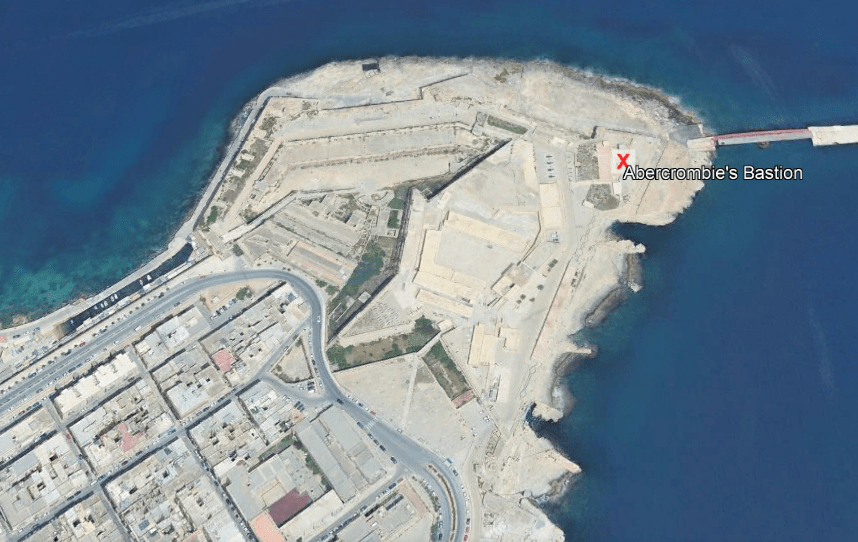
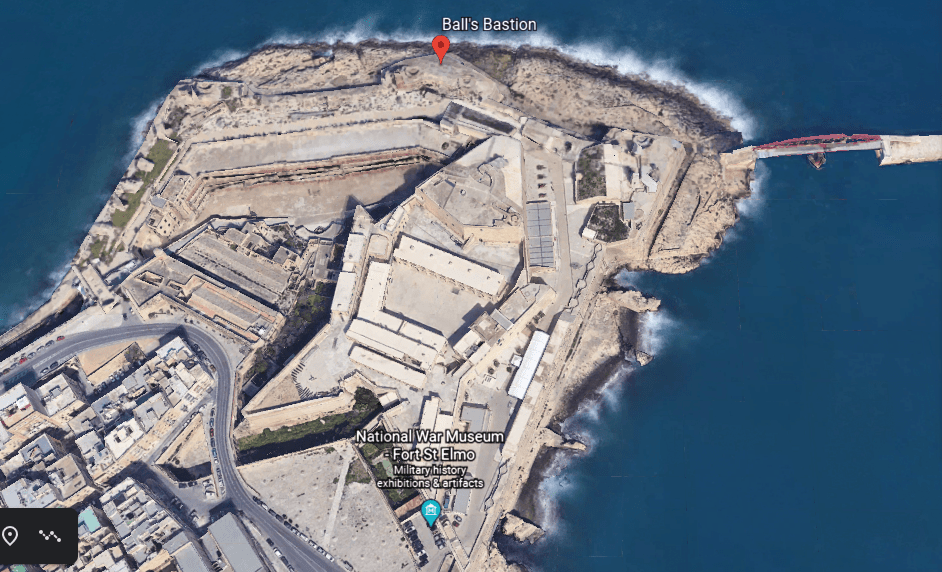
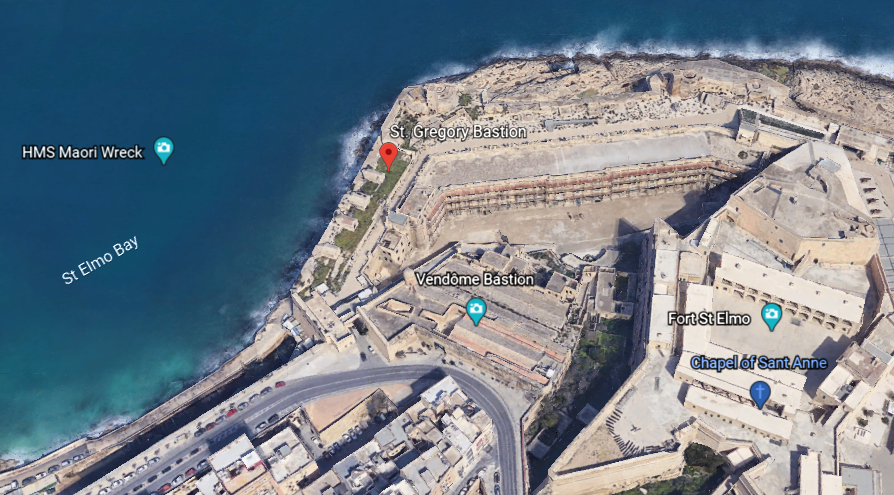


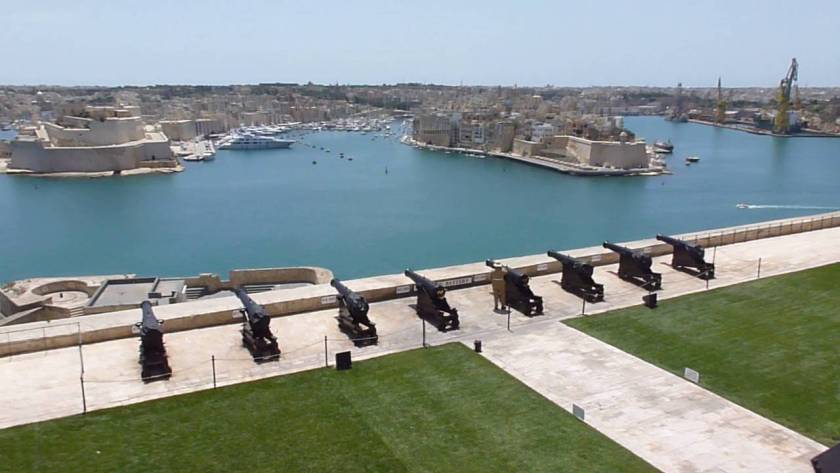

 Revealing What Has Been Hidden in Front of Our Eyes