Circle Alignment on the Earth Amsterdam Island – Part 2 Gulf of Aden to Dubai, United Arab Emirates

In the first-part of this series called “Circle Alignment on the Earth Amsterdam Island” that I am updating from a series I originally did between November of 2018 and January of 2019,” I tracked this circle alignment from Amsterdam Island, one of the French Subantarctic Islands in the South Indian Ocean to Berbera in Somaliland, an historic city that has served as a major commercial center and port since antiquity, and has a glorious past in terms of importance to the region but which is looking quite rough these days!

I am picking up the alignment in the Gulf of Aden on the way into Yemen in the second-part of this series.

This series was one of my earliest efforts in tracking cities and places in alignment over a very long distance, and consistently seeing the same characteristics and hand of design across oceans and continents.

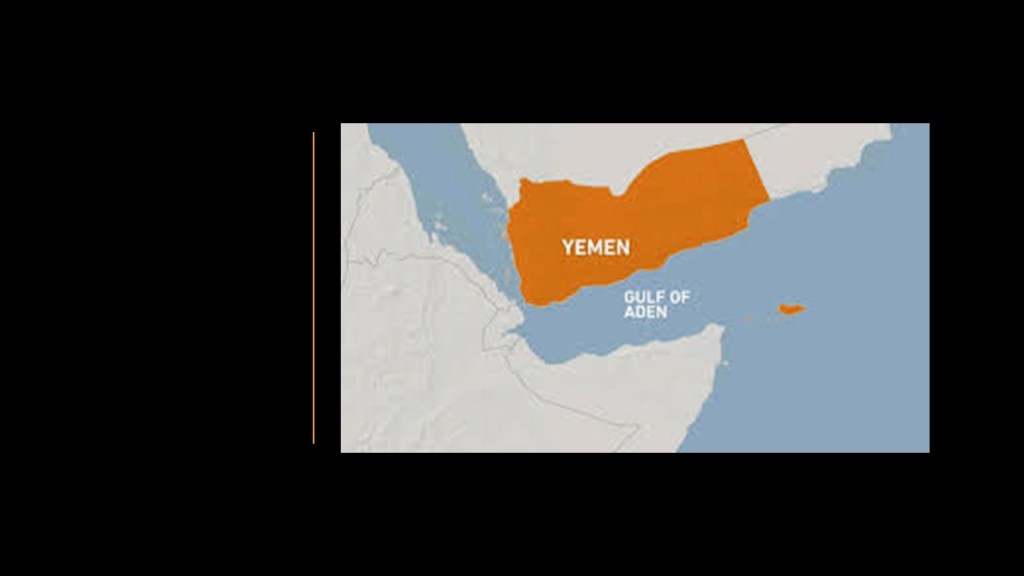
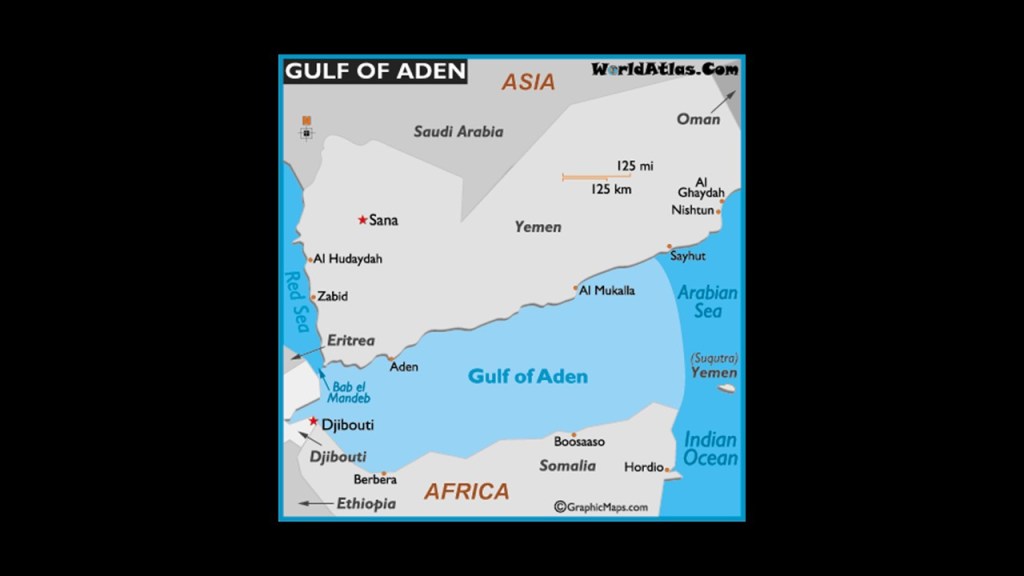
The Gulf of Aden, also known as the Gulf of Berbera, is bounded on the North by Yemen, the Arabian Sea and Guardafui Channel in the east, and the Horn of Africa, a peninsula comprised of Somalia, Somaliand, Ethiopia, and Djibouti to the south and west.

For starters, I am going to take a deeper look at some of these places around the Gulf of Aden.

Then I will continue tracking the alignment from where it enters Yemen in Mukhalla, after it crosses the Gulf of Aden from Berbera, Somaliland.
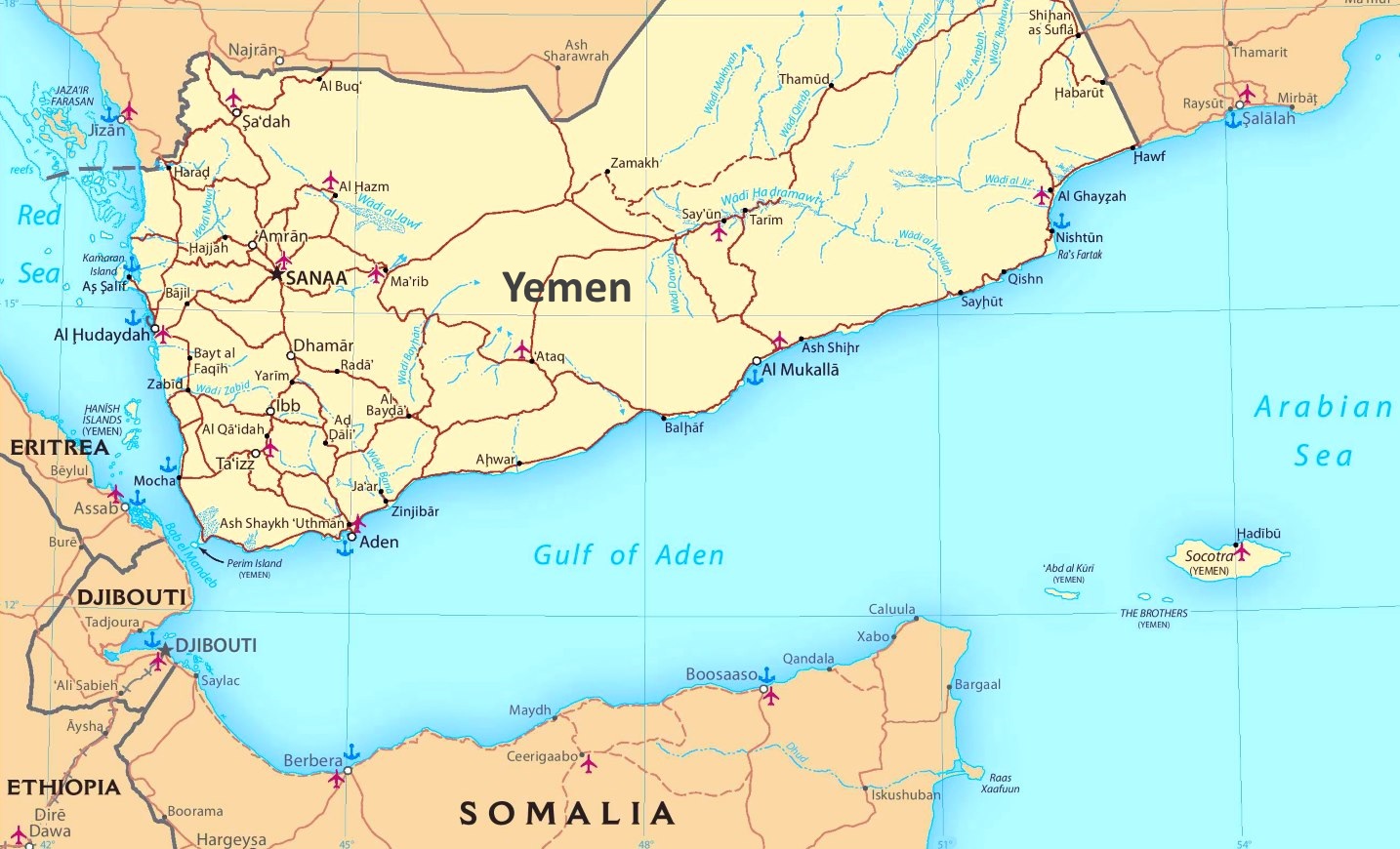
First, Yemen.

Following the collapse of the Ottoman Empire in 1918, at the end of World War I, when the former Ottoman Empire was divided between the countries on the “winning” side of the war…
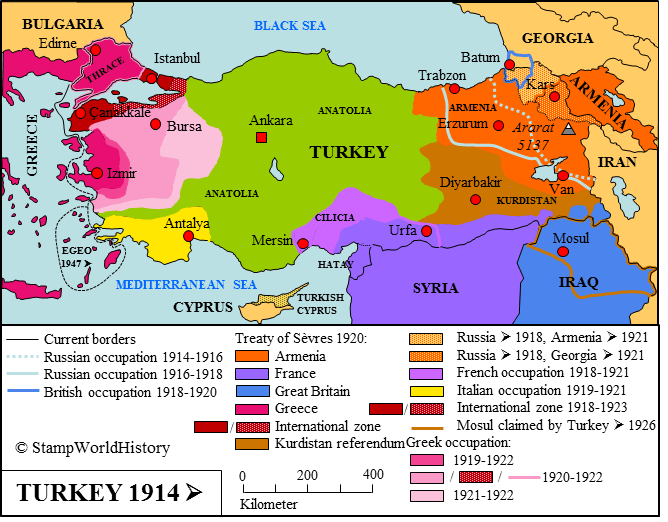
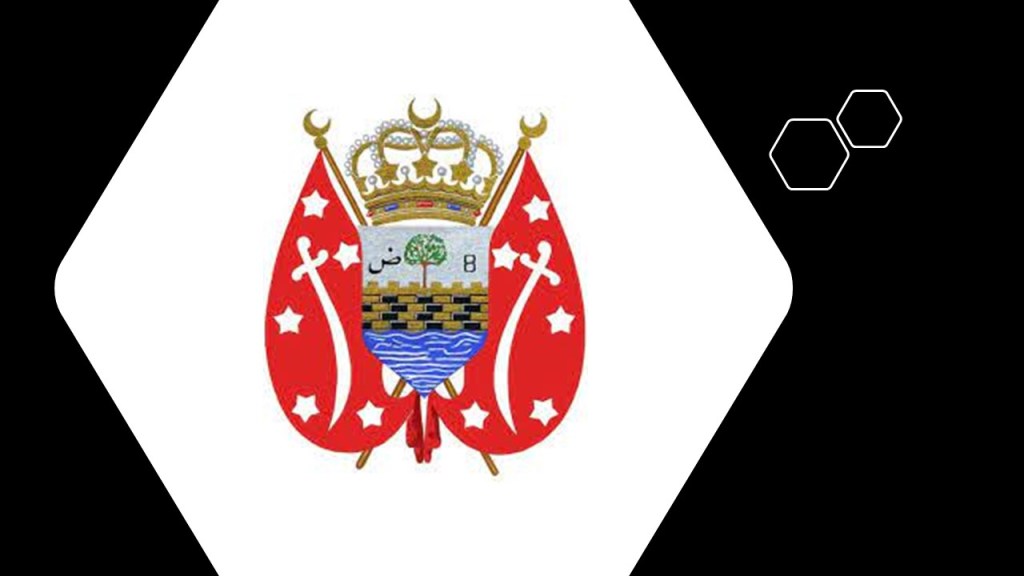
…northern Yemen became an independent state known as the Kingdom of Yemen.
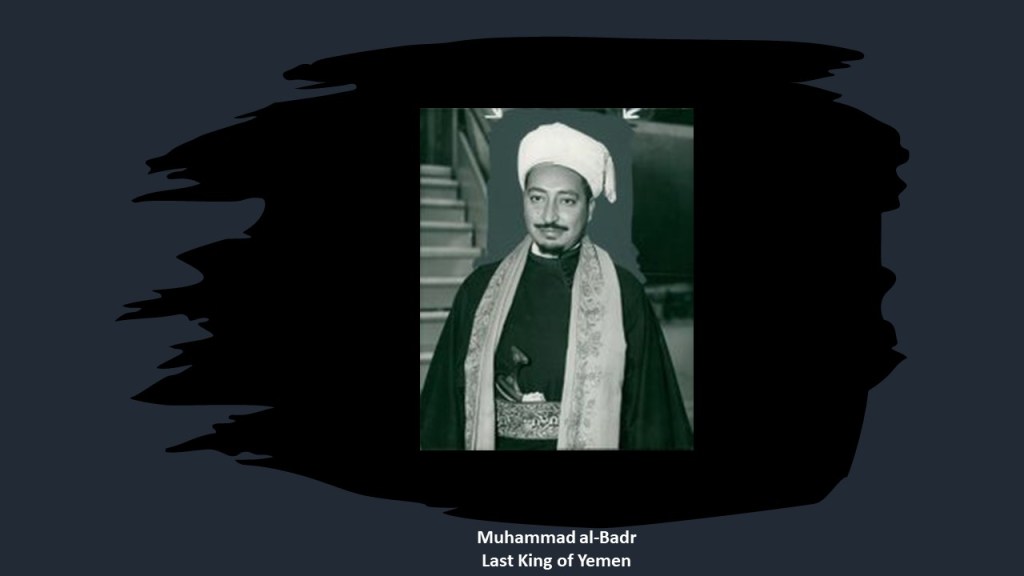
Then on September 27th of 1962, revolutionaries deposed the newly-installed, last King of Yemen, Muhammad al-Badr, and formed the Yemen Arab Republic, which was said to have been inspired by the Arab Nationalist Ideology of Nasser’s Egyptian United Arab Republic.
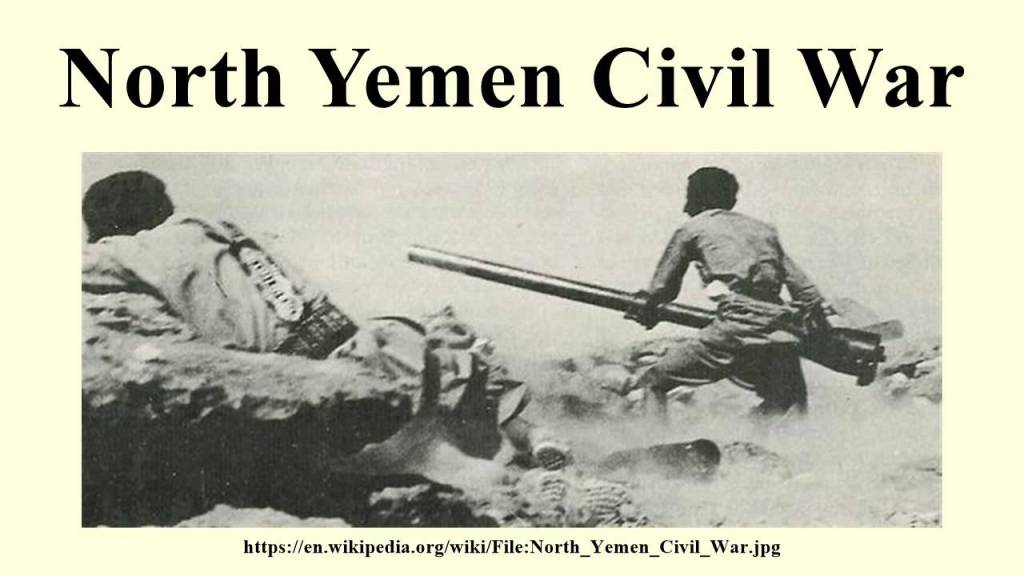
This action started the North Yemen Civil War from 1962 to 1970 between supporters of the Kingdom, which included Saudi Arabia and Jordan, and supporters of the Yemen Arab Republic, which included Egypt.

By the end of the North Yemen Civil War, the supporters of the Kingdom were defeated, and the Yemen Arab Republic was recognized by Saudi Arabia in 1970.
The People’s Democratic Republic of Yemen in the South was known as the Aden Protectorate in 1918, which it had been known as since 1874 with the creation of the British Colony of Aden and the Aden Protectorate, which consisted of 2/3rds of present-day Yemen.
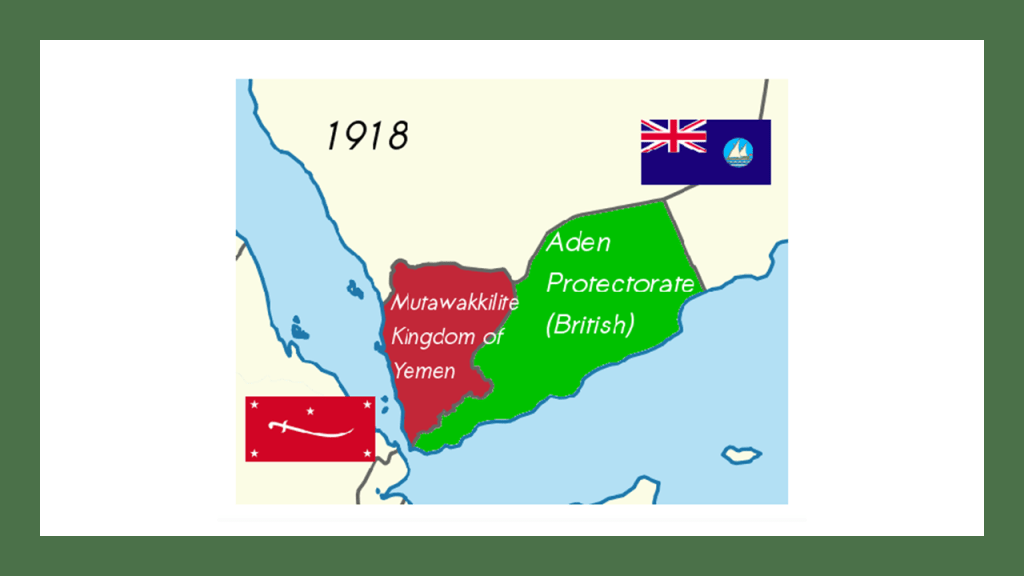
The Aden Protectorate existed until 1963, when it was merged with the new Federation of South Arabia.
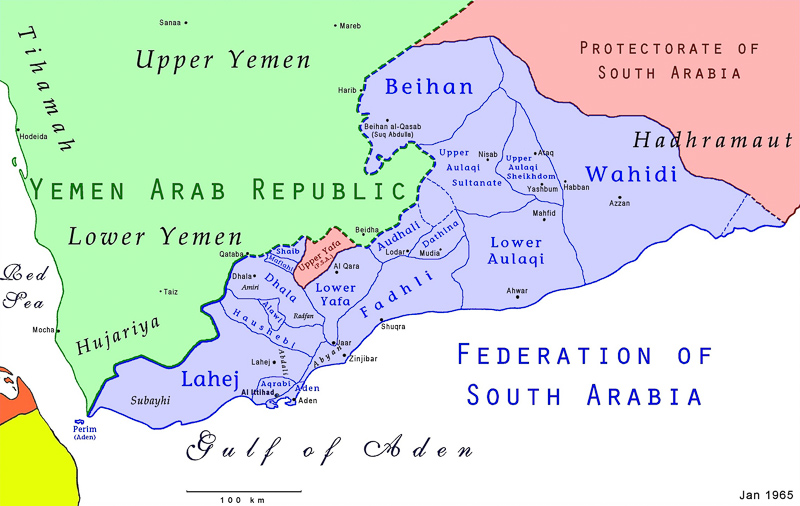
By 1967, the Federation of South Arabia had merged with the Protectorate of South Arabia, and later changed its named to the People’s Republic of Southern Yemen, becoming a Marxist-Leninist state in 1969, the only Communist state to be established in the Arab World.
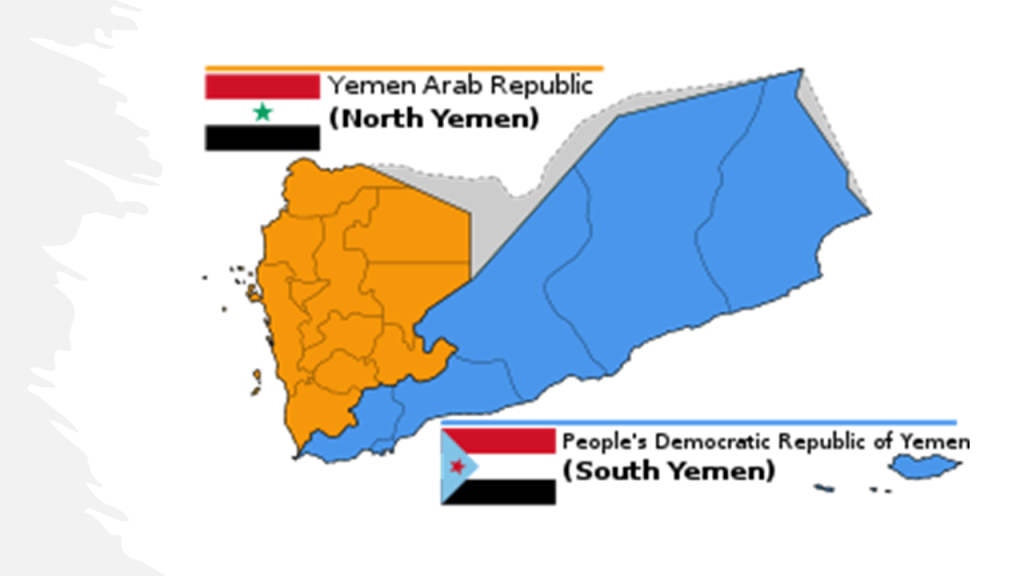
This is the same thing we saw happening in Somalia and Ethiopia in the first part of this series, with the division of countries and people; civil war; territorial war; and some form of Marxist government implemented.
On March 22nd of 1990, the leaders of the Yemen Arab Republic (North) and People’s Democratic Republic (South) of Yemen announced unification as the Republic of Yemen.

With the 1990 reunification of Yemen into the Republic of Yemen, the new government was comprised of officials from both sides, with a de facto form of collaborative governance, until the country went into Civil War in 1994.
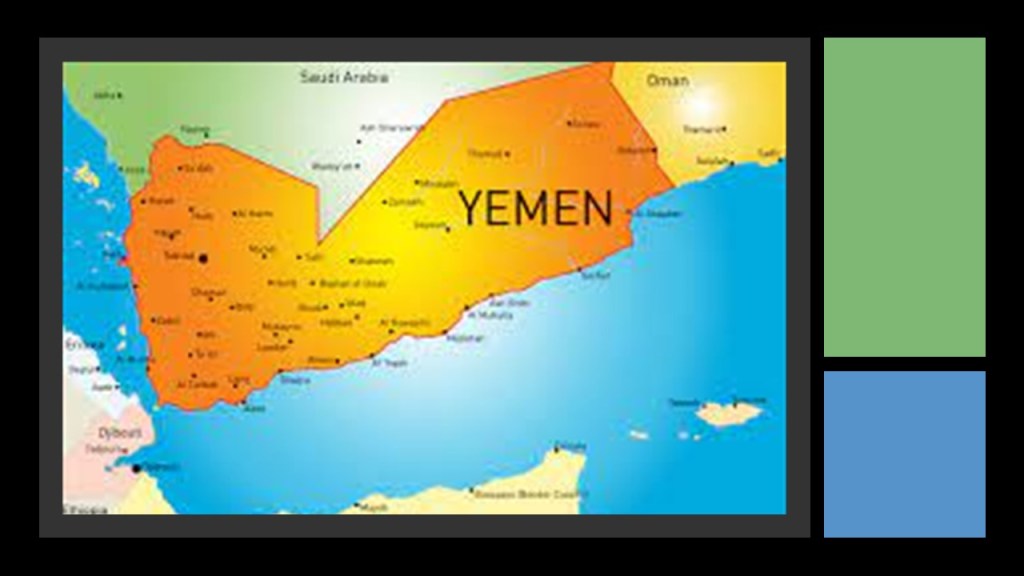
The current Yemeni Civil War started in 2014, with multiple entities vying for governance, including the Presidential Leadership Council; the Islamist Houthi Movement’s Supreme Political Council; and the Southern Movement’s Southern Transitional Council.

Today Yemen is one of the least developed countries in the world, and in 2019, the UN reported that Yemen had the highest number of people in need of Humanitarian Aid.
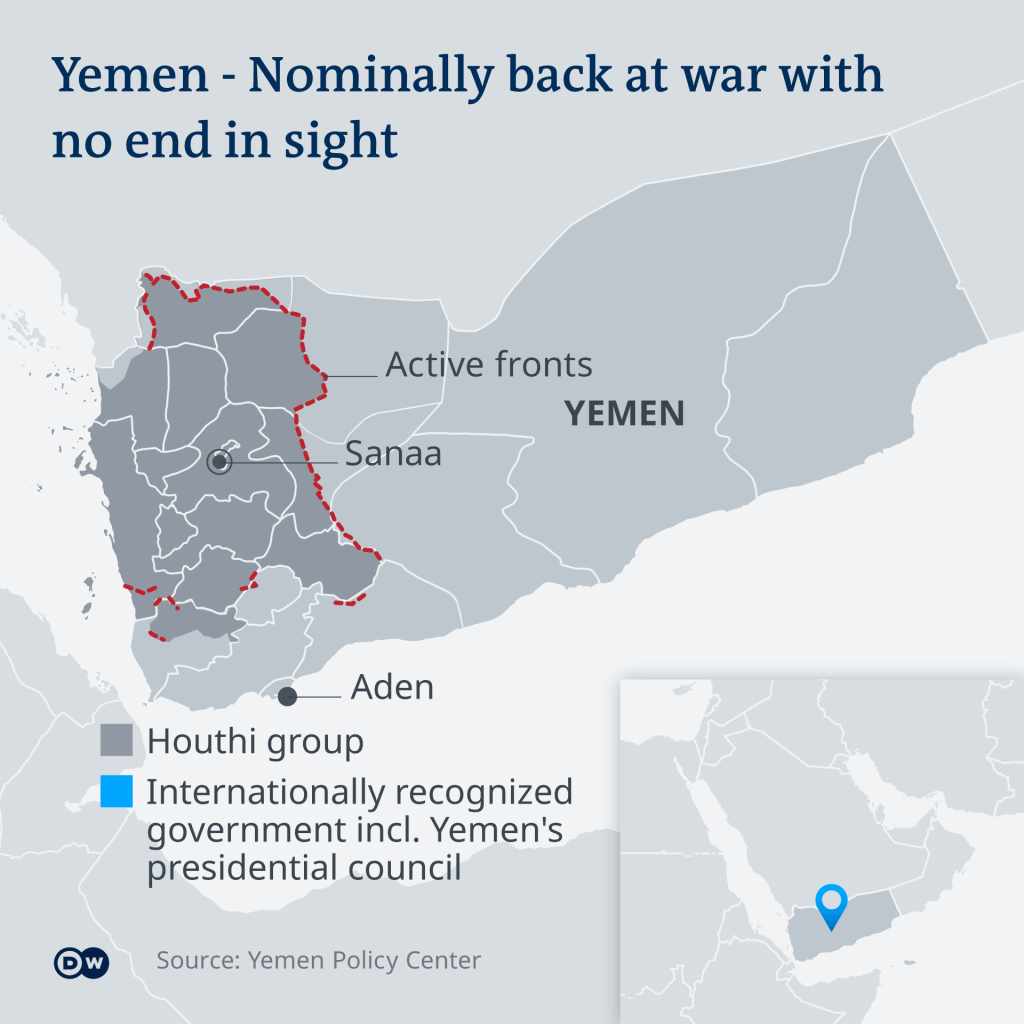
Yemen is another one of those places in this region with a missing glorious ancient past.

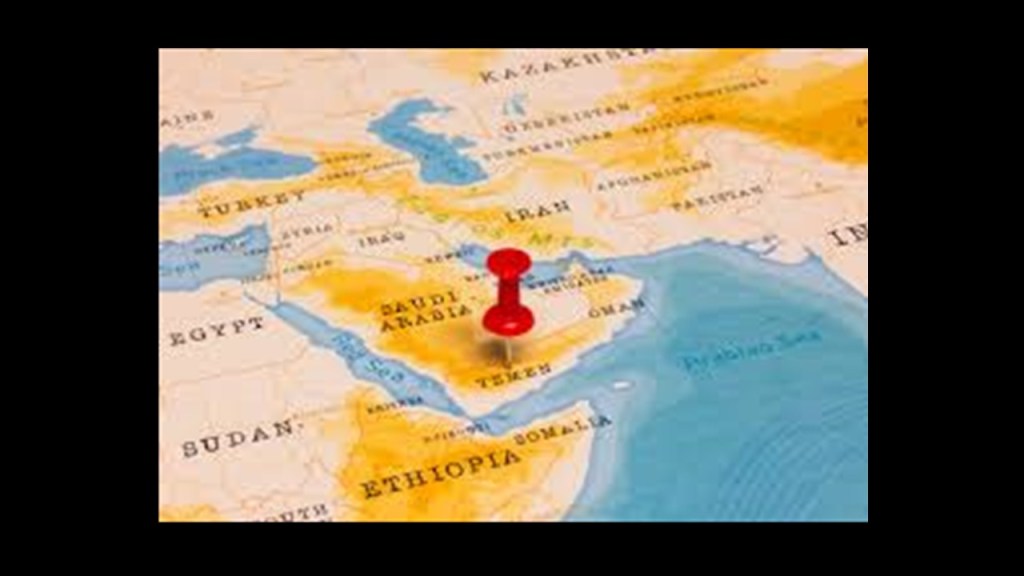
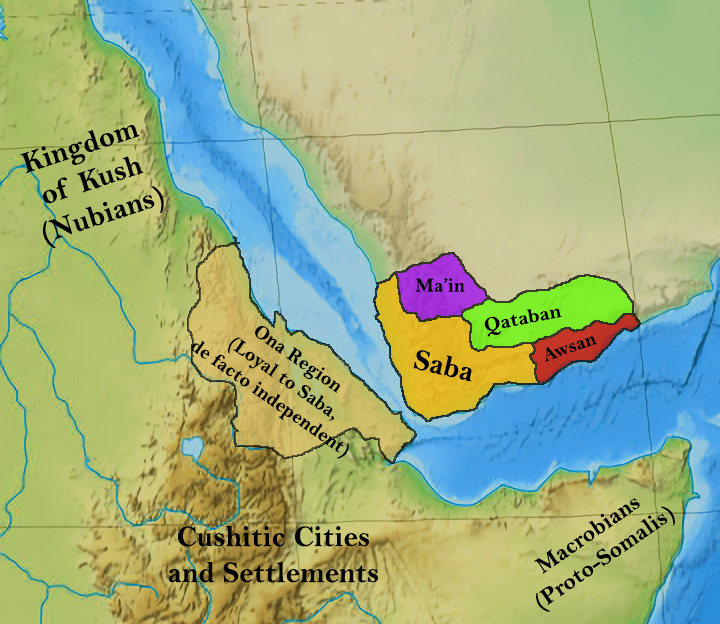
The historical Yemen occupied more land than what it does currently, and stretched into what is now southwestern Saudi Arabia and southern Oman today.
The Kingdom of Saba was believed to have been the biblical Sheba, and the oldest and most important of the historic South Arabian kingdoms.
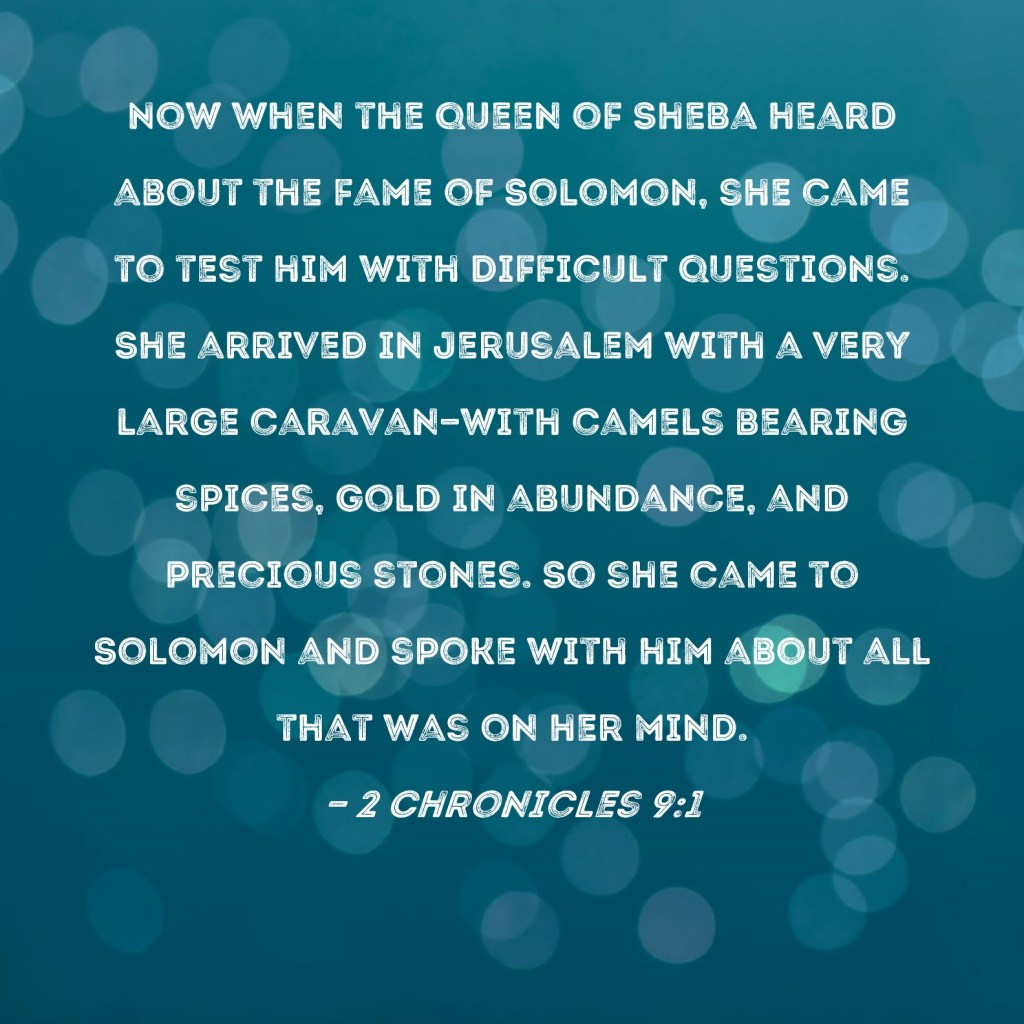
This was the historical land of the biblical Queen of Sheba, who brought a caravan of gifts to King Solomon.
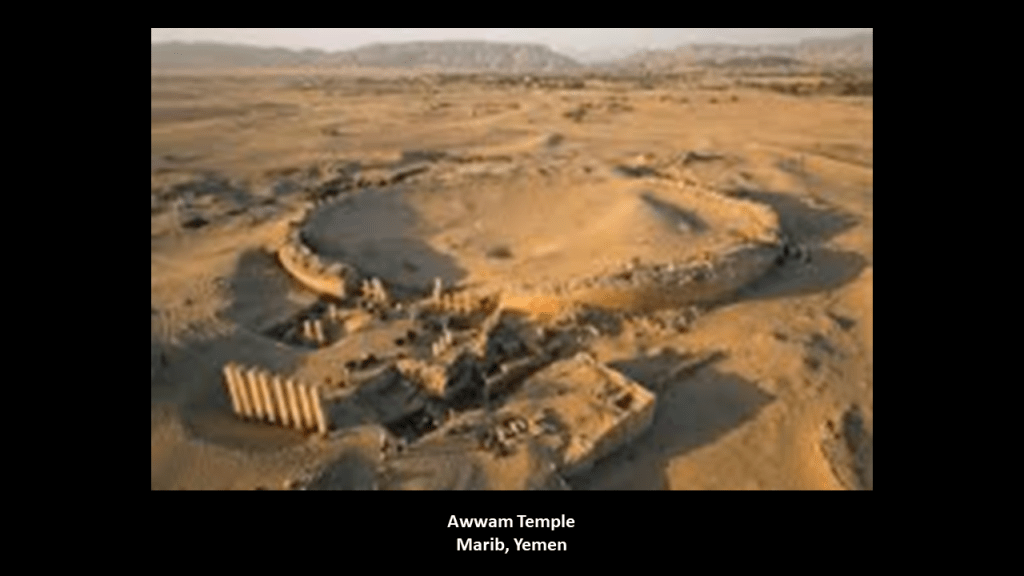
This was the Awwam Temple in Marib, Yemen, the ancient capital of the Kingdom of Saba.

The Awwam Temple is also known as the Mahram Bilquis, or the Sanctuary of the Queen of Sheba.
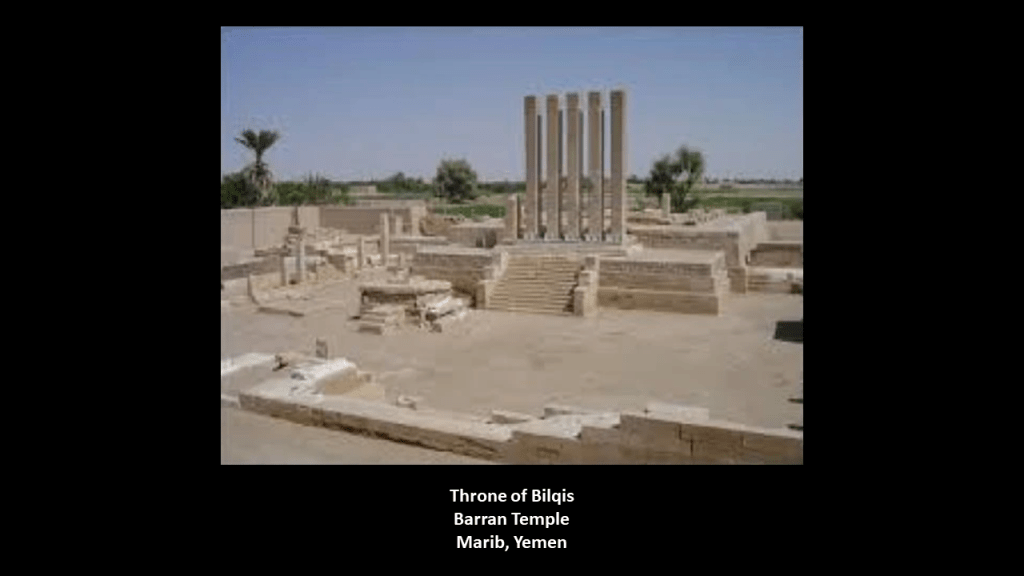
Arash Bilqis, or the Throne of Bilqis, at the Barran Temple, also in ancient Marib, has monolithic stone pillars (meaning single block of stone) more than 26-feet, or 8-meters, high, featuring writing and advanced masonry.

It is interesting to note the desertification through this region, something we will be seeing a lot of as we go through this part of the world.
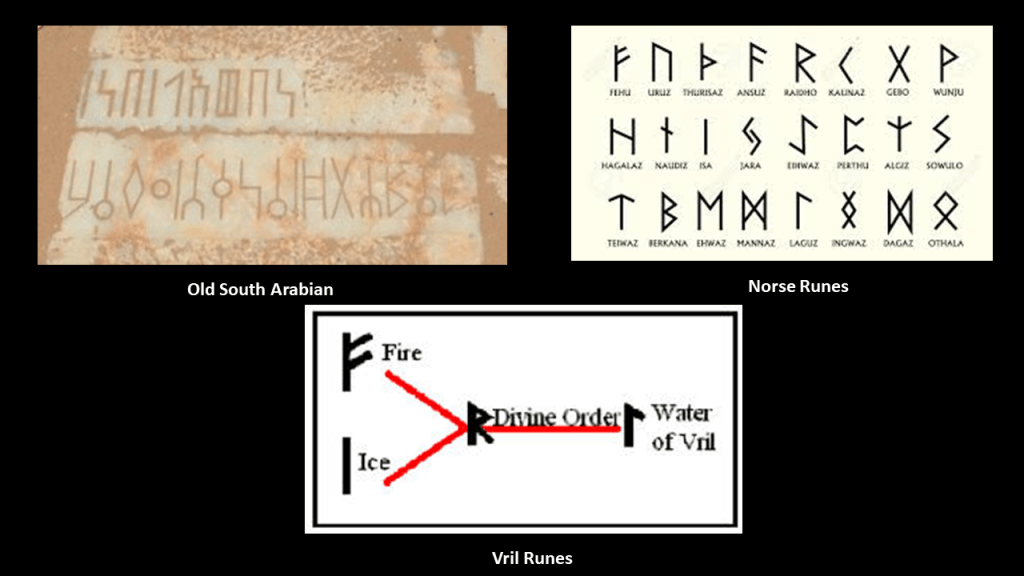
It is interesting to note that the old South Arabian inscriptions seen here on the top left, have a Norse rune look to them on the top right.

What if these runes were actually the runes of Vril, or “Life Force,” that was connected to the Ancient Humans and their mastery of how to harness natural energy to create amazing things.
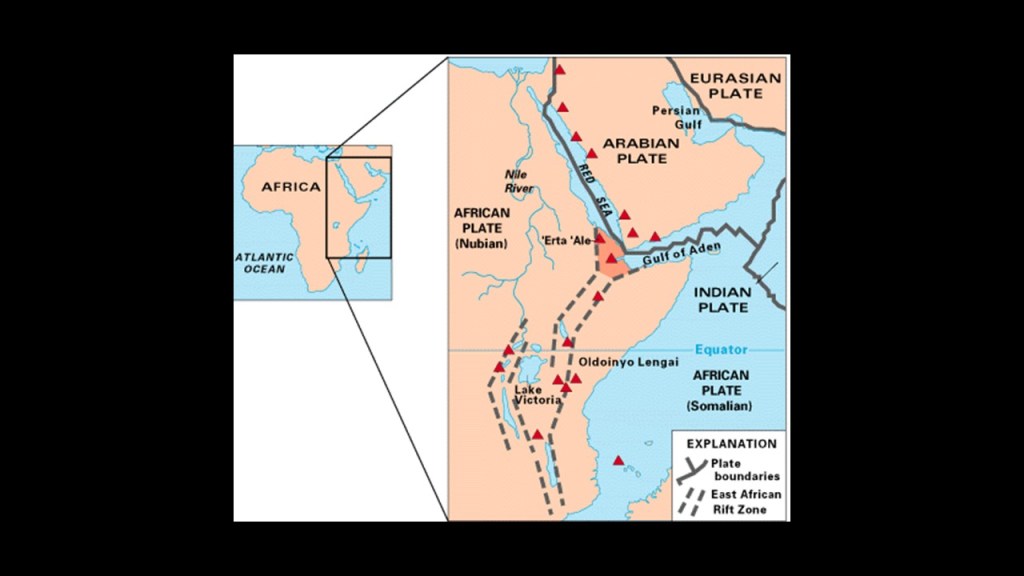
This whole region is part of the East African Rift, where the African Plate is splitting into two plates – the Somali Plate and the Nubian Plate.

The red triangles are showing the location of historically active volcanoes.
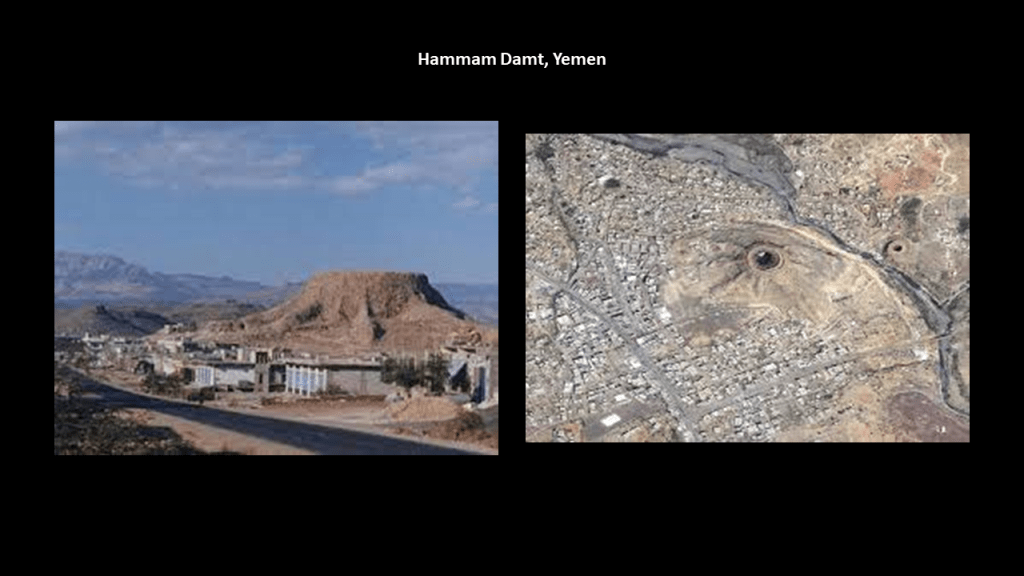
What’s interesting to me about this fact is the example of the tree-trunk looking appearance of some of the volcanoes in Yemen, like the one in the middle of the town of Hammam Damt, and speculation that what were once giant trees became volcanoes.
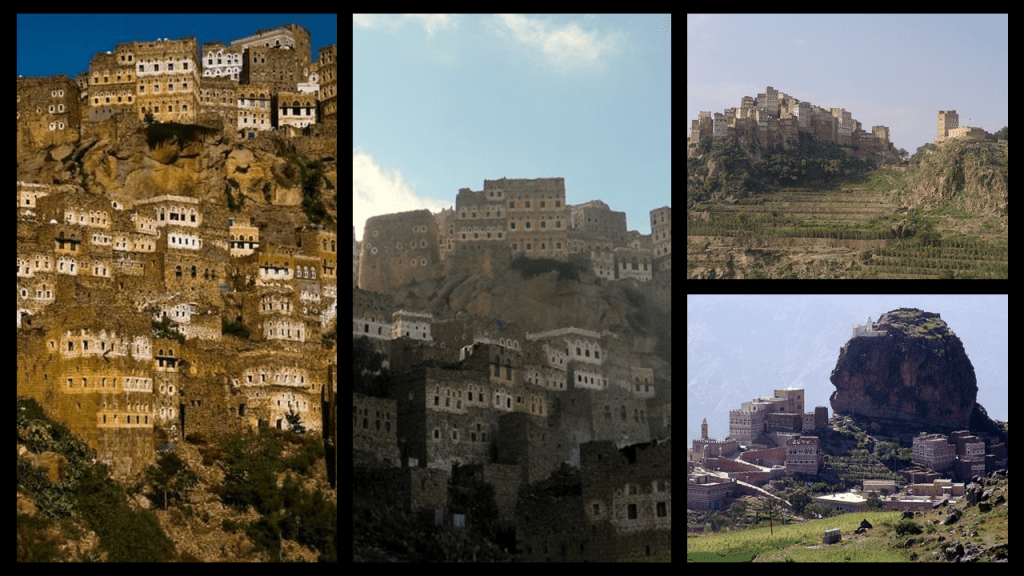
Another thing found all over Yemen is quaint and unique architecture built on high.

Yemen has many examples of this.

Why build like this?

What are we actually looking at?

Was there a relationship between the ancients and giant tree stumps that were used in building their communities?
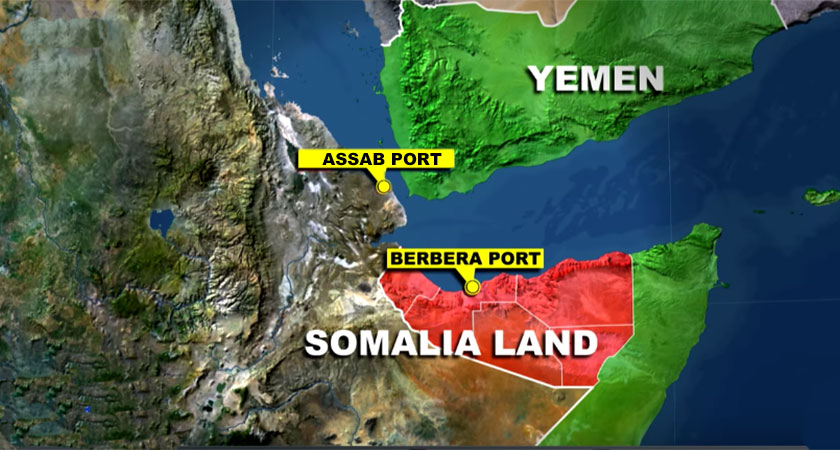
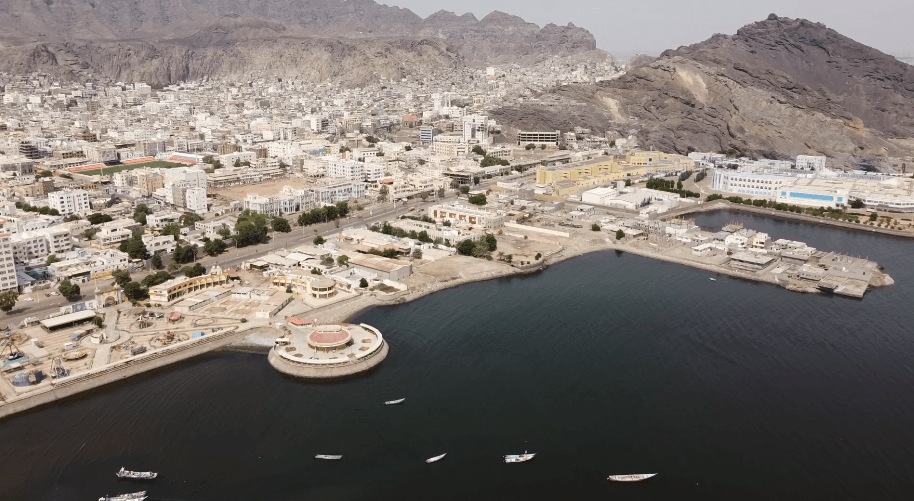
The port city of Aden in Yemen is located on the Gulf of Aden near the eastern approach to the Red Sea, almost directly across from Berbera in Somaliland.

Aden is one of the largest cities in Yemen, with a population of over 1,000,000 people.

It is a crucial maritime hub that connects Africa, Asia, and the Middle East.
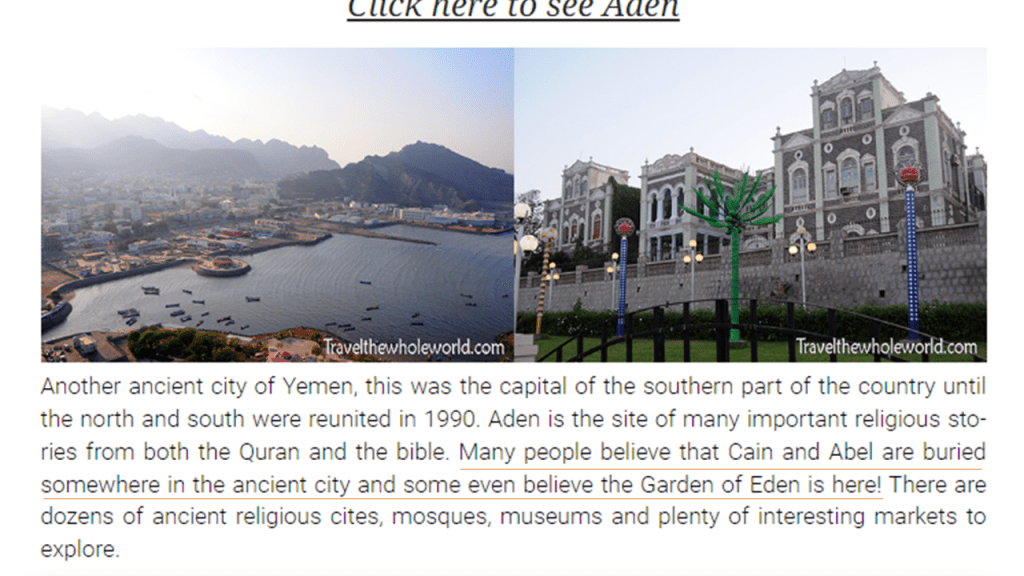
There is a legend in Yemen that Aden is as old as human history itself, and that Cain and Abel are buried somewhere in the city.

More on the possible Aden – Eden connection in a bit.
A couple of things to point out about Aden.

One is the Crater District.

It’s official name in Arabic is “Seera,” and it is situated in the crater of an ancient volcano which forms the Shamsan Mountains.
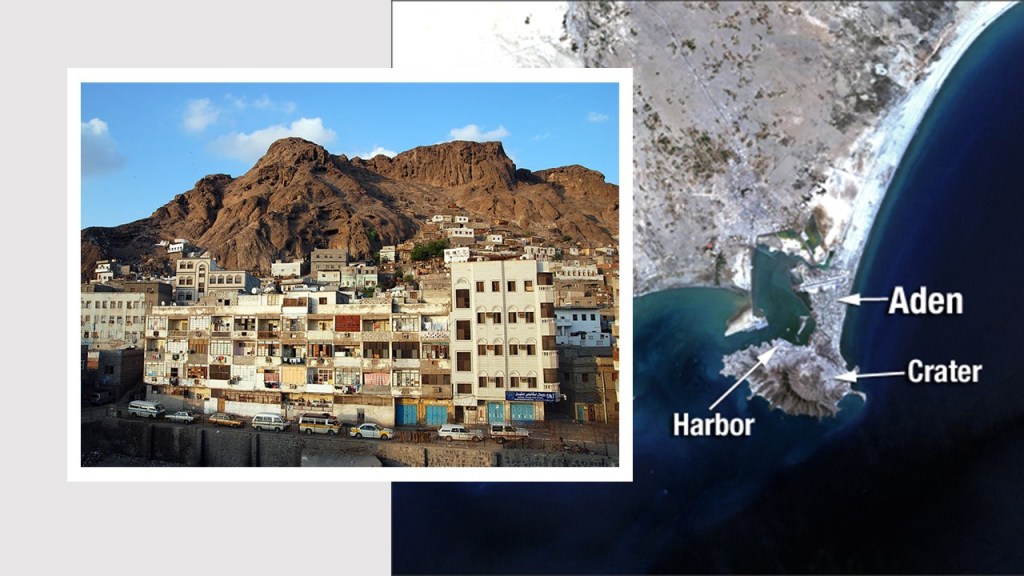
Aden was first visited by the British East India Company ship “The Ascension” in 1609, before it sailed to Mocha, another port in Yemen on the Red Sea known for things like its coffee trade.

Starting with Napoleon’s invasion of Egypt in 1796, the British Government and East India Company were interested in this area for naval fleets and other bases.

In 1839, the East India Company landed royal marines here to “secure the territory,” and stop attacks by pirates against British shipping to India, but what they actually meant by “securing,” was capturing for British interests.
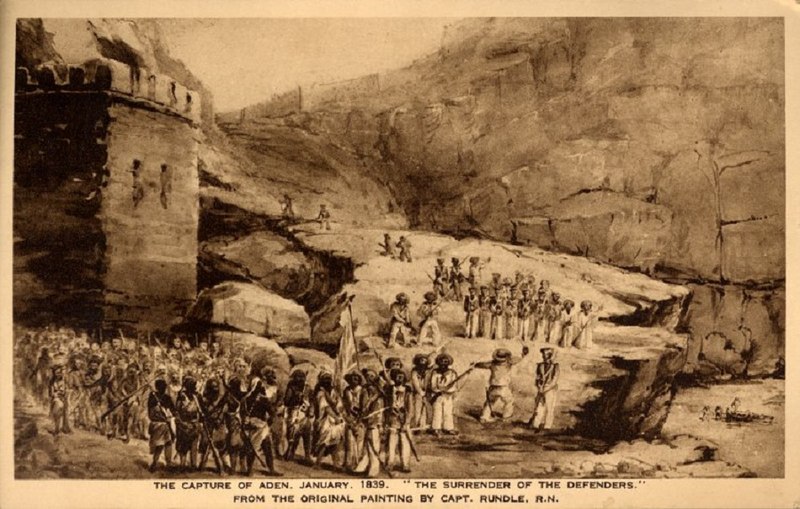
By 1850, Aden was declared a “free trade” port by the East India Company, with liquor, salt, arms and opium trades, and all the coffee trade it had won from Mocha.
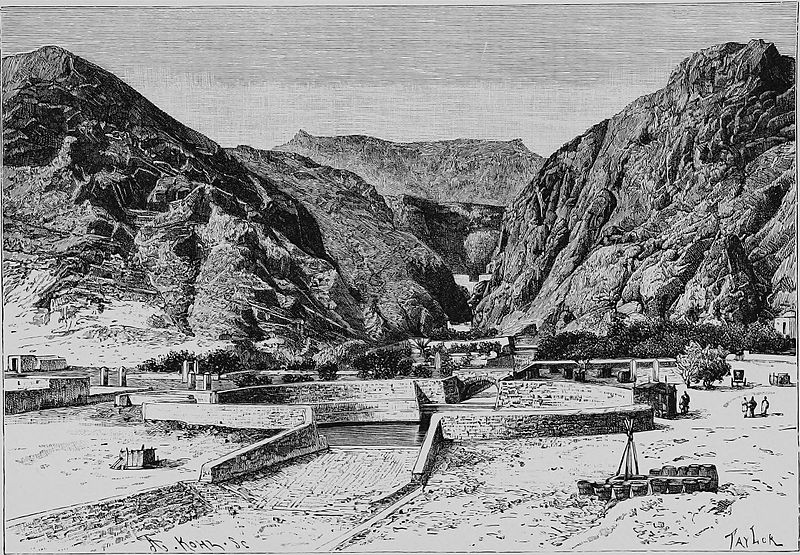
The other thing I would like to mention in Aden are the “Cisterns of Tawila.”
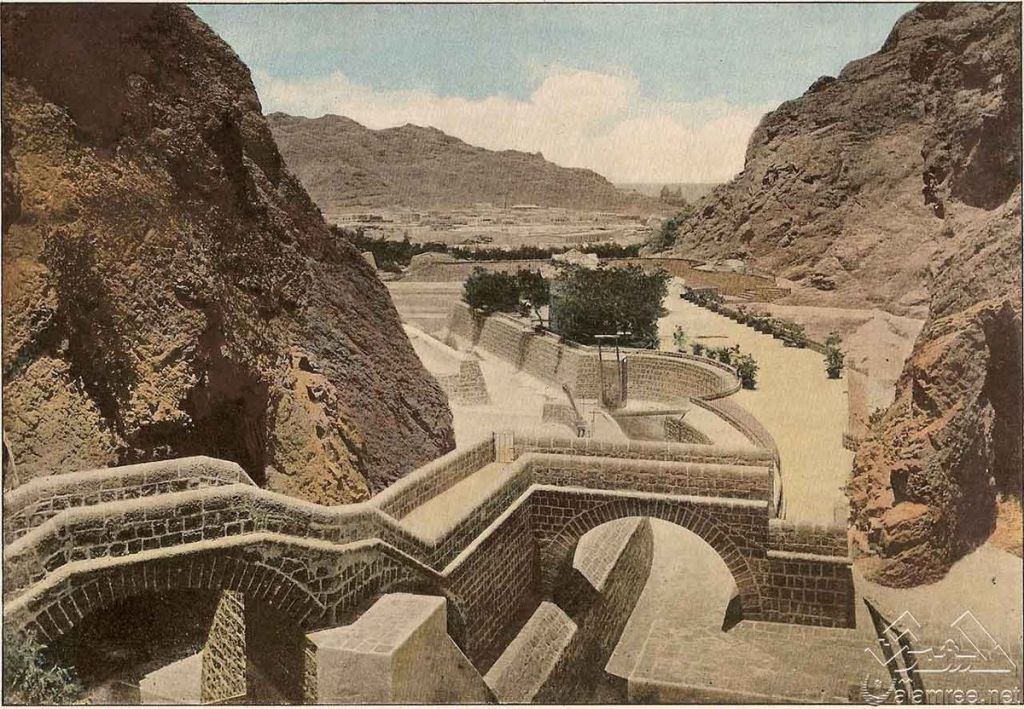
It is surmised that the “Cisterns of Tawila” were designed to collect rainwater for the city’s drinking water that flowed down from the Shamsan Massif.
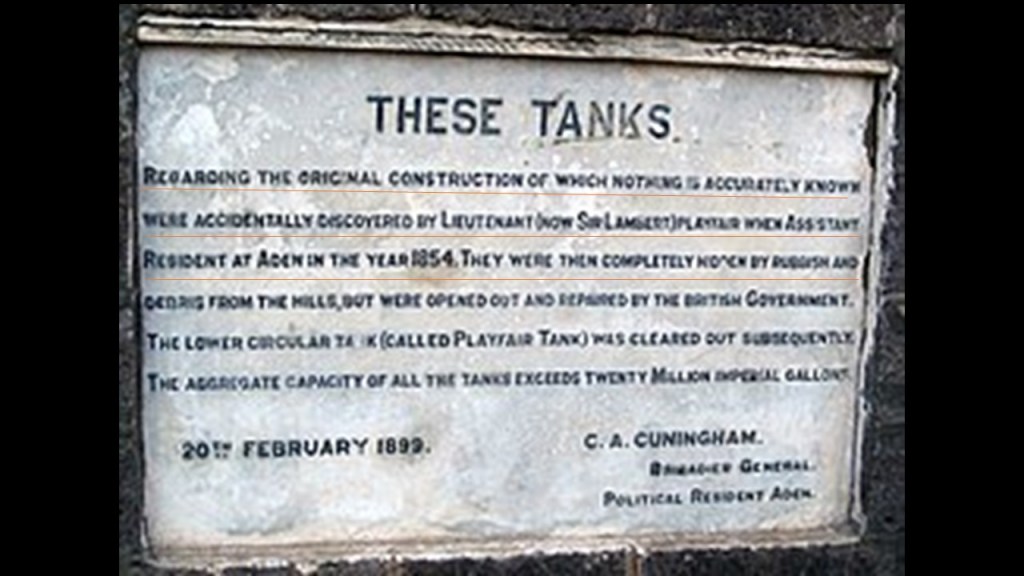
Interesting there is signage at the Cisterns saying that nothing was known about the original construction after they were “accidently” discovered by a British Officer in 1854.
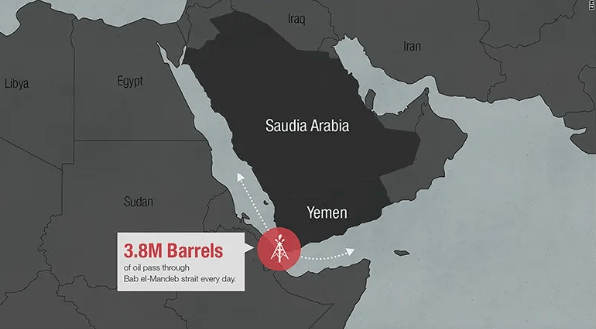
Next, we come to the Bab-el-Mandeb Strait, located between southwestern Yemen near Aden, and northeastern Djibouti, and connects the Gulf of Aden to the Red Sea.  

This strait is of great strategic and economic importance. 
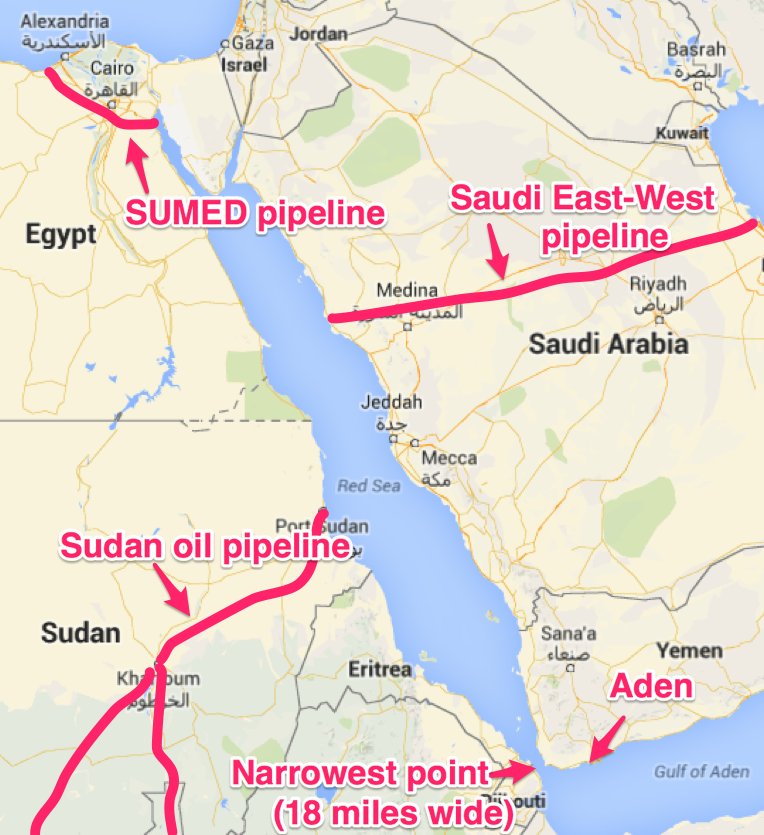
For one thing, millions of barrels of crude oil are shipped through it every day. 
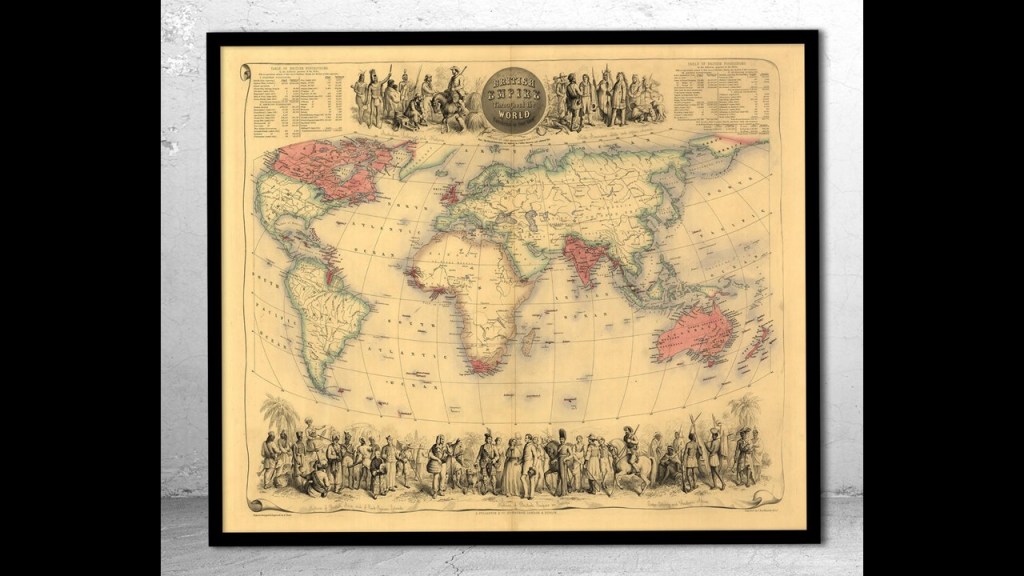
As I was looking for images of the Bab-el-Mandeb Strait, I noticed this Google Earth Image on the right showing Perim Island, and the old map on the left showing it as a British possession at one time.

It was part of the British Aden Protectorate between 1857 and 1967,and is considered part of Yemen.
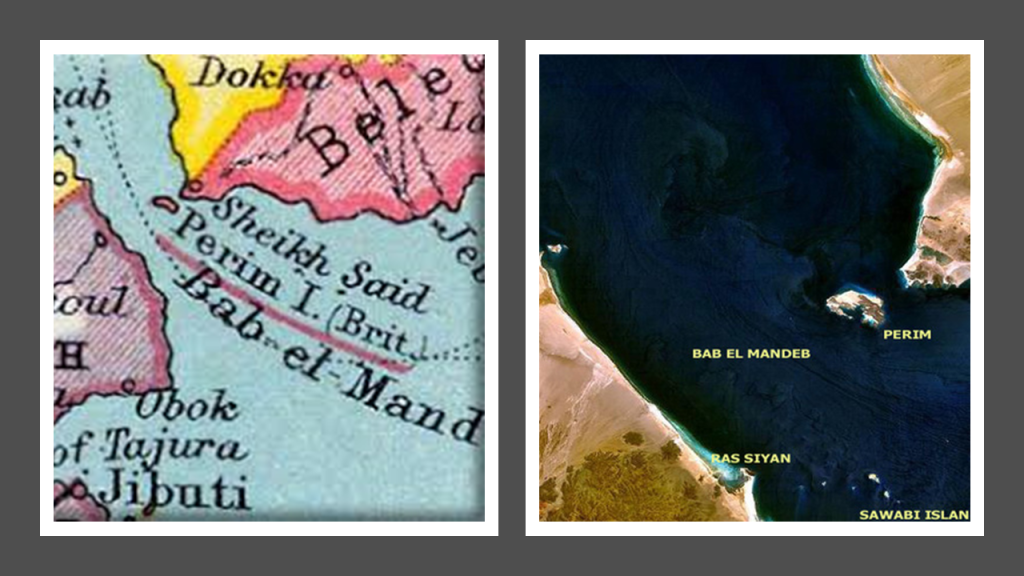
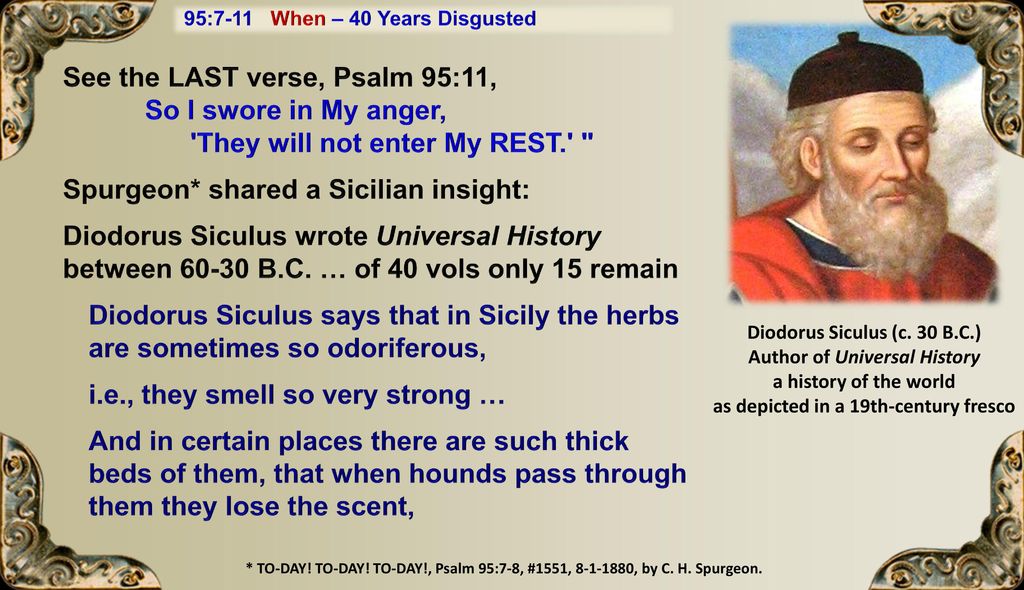
Perim is described as a volcanic island, and was said to have been called the “Island of Diodorus” in ancient times.

Diodorus was a historian was said to have lived in the 1st-century BC,best-known for writing the “Bibliotheca Historica,” about the history and culture of Egypt, Mesopotamia, India, Scythia, Arabia, North Africa, Greece and Europe.

The image of Diodorus on the top right we are told is from a 19th-century fresco…
…and this work of Diodorus we are told was translated into English between 1933 and 1954 by an American named Charles Henry Oldfather, a Professor of Greek and Ancient History at the University of Nebraska-Lincoln.
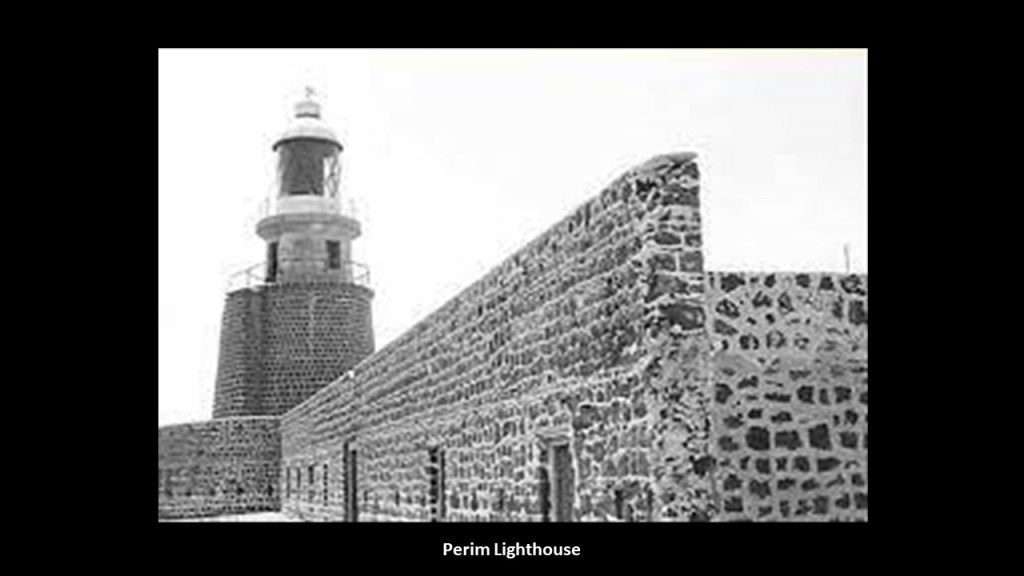
Perim was occupied by the British starting in 1856 under the direction of the Prime Minister, Lord Palmerston, with the purpose of countering French ambitions in Egypt and the Red Sea with the Suez Canal project sponsored by the French.

The island had already been taken possession of the by the British East India Company in 1799, and the British claimed credit for building a lighthouse in 1861 due to the treacherous waters around the island.
Interesting to note that during the same time-period, the 1850s, the so-called Palmerston Forts on the Isle of Wight, and other places in and around the English Channel, were said to have been built during the Victorian Era in response to a perceived threat of French invasion.

They are called the Palmerston Forts due to their association with the same Lord Palmerston who authorized the occupation of Perim for the same reason of the perception of a threat from the French by the British.

It certainly appears like the conflicts and wars between nations of the modern-era provided the cover story needed to explain the existence of the infrastructure of the original civilization, like light houses and star forts, which were found all over the world and functioned as part of the Earth’s original free-energy grid-system, and they were repurposed as necessary navigational aids and military fortifications in the reset narrative.
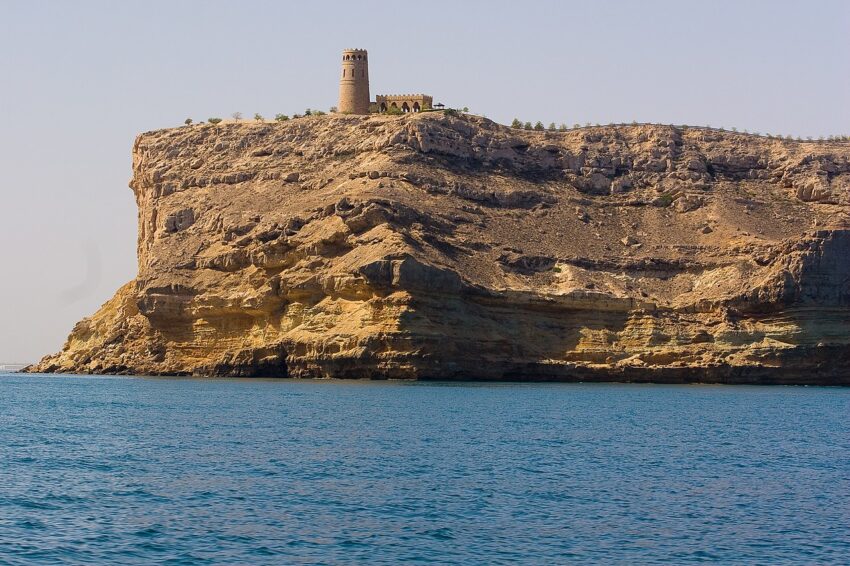
The volcanic Sawabi Islands are southwest of Perim Island in the Bab-el-Mandeb Strait, and they are part of the country of Djibouti.

They are known as a popular diving site.
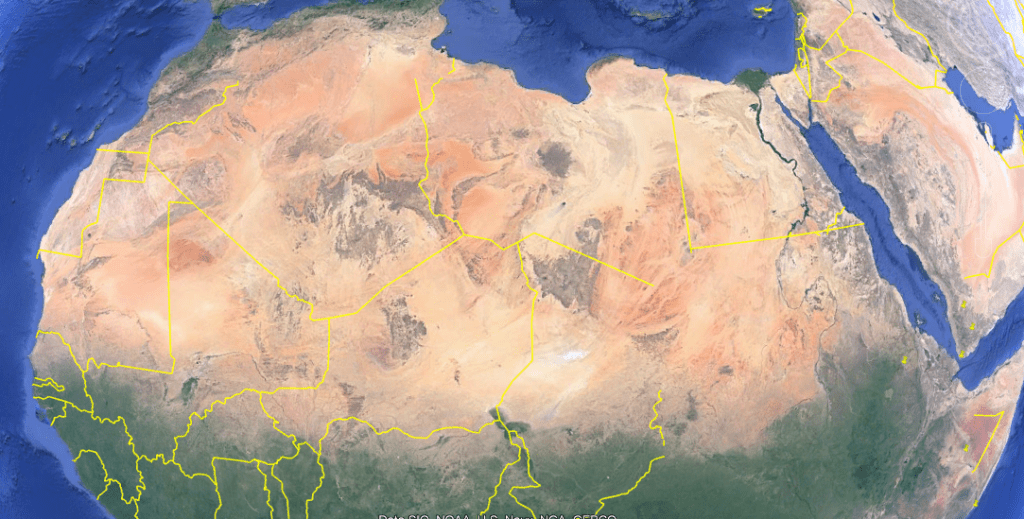
I want to bring your attention again to the desertification of this region.

Here is a Google Earth screenshot of the Sahara Desert today from the western coast of North Africa, across to the eastern coast.
When I saw the downward flow of the Sahara Desert on either side of the Bab-el-Mandeb Strait at the entrance to the Red Sea off the coast of East Africa on the top left, it immediately brought to mind the downward flow of the desert off the coast of West Africa in Mauretania and Western Sahara on the bottom right.
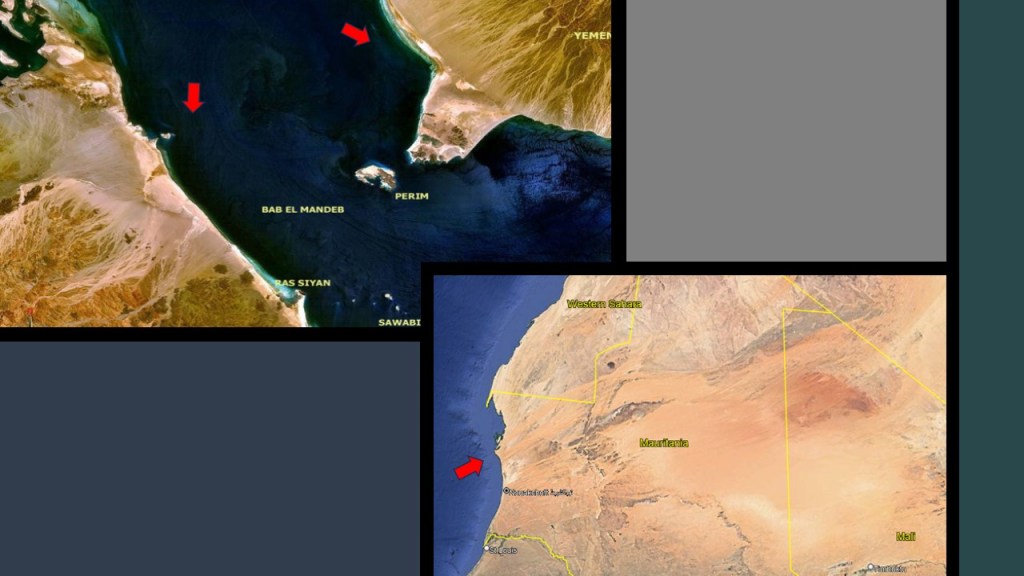
What we are told is that the Sahara was green until about 5,000-years ago, when it started turning into inhospitable desert after the end of glaciation 10,000-years ago created a climate change that affected the ability of yearly monsoon rains to reach this part of the continent.

But I think that is just another cover story to hide a deliberately-caused cataclysmic event that happened much more recently in time that resulted in world-wide devastation and destruction along the Earth’s grid-lines, causing landscapes to simultaneously turn into deserts, swamps, or to submerge completely.
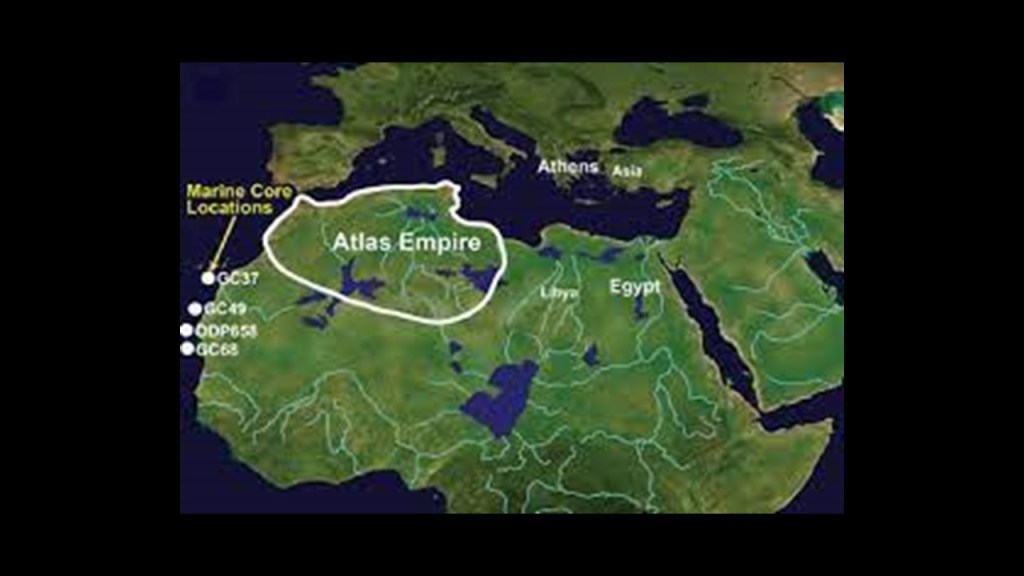
And where have we heard “climate change” before?

Let’s see what else we find looking around the Gulf of Aden.

The Republic of Djibouti situated in the horn of Africa, and located between Somalia, Ethiopia and Eritrea.
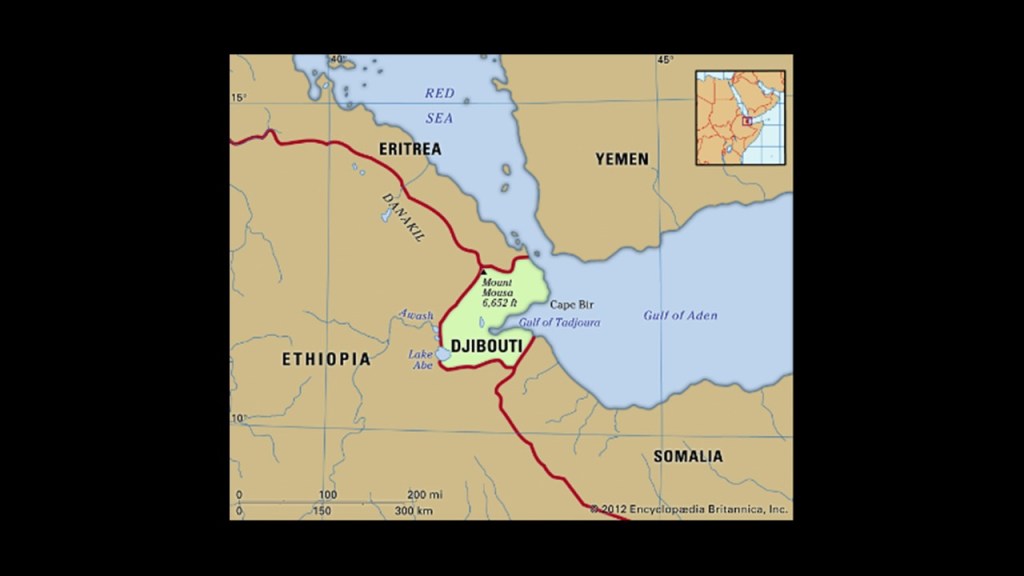
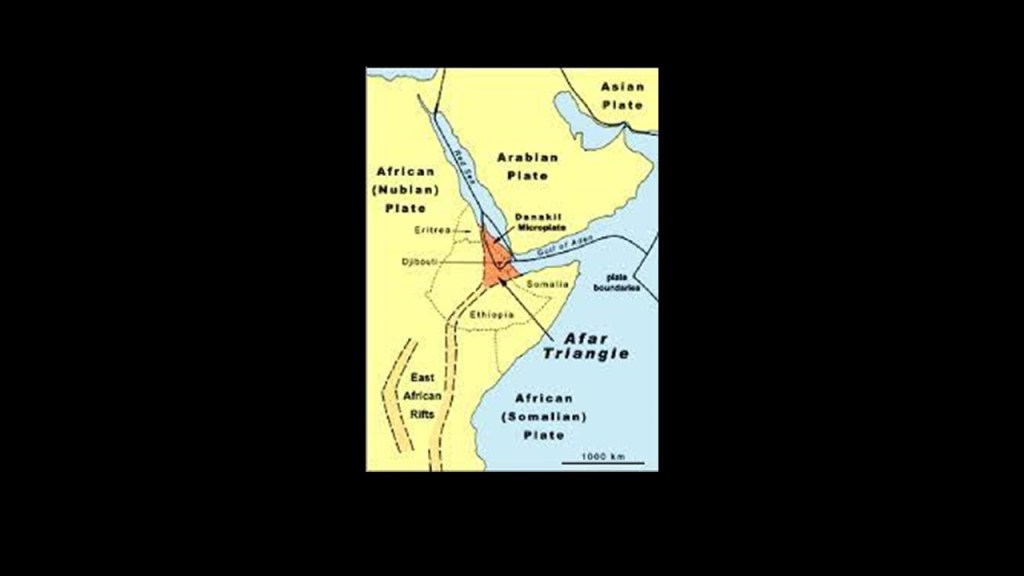
Djibouti is the primary location of the Afar Triple Junction, or Afar Triangle, a tectonic triple junction of three tectonic plates – the Nubian, Somalian, and Arabian – at the northern end of the Great Rift Valley and Djibouti is the southernmost country on the Arabian Plate.

The Afar Triangle is thought to be the cradle of the evolution of Humans, and here is where the possible Aden – Eden connection comes back in to this region.
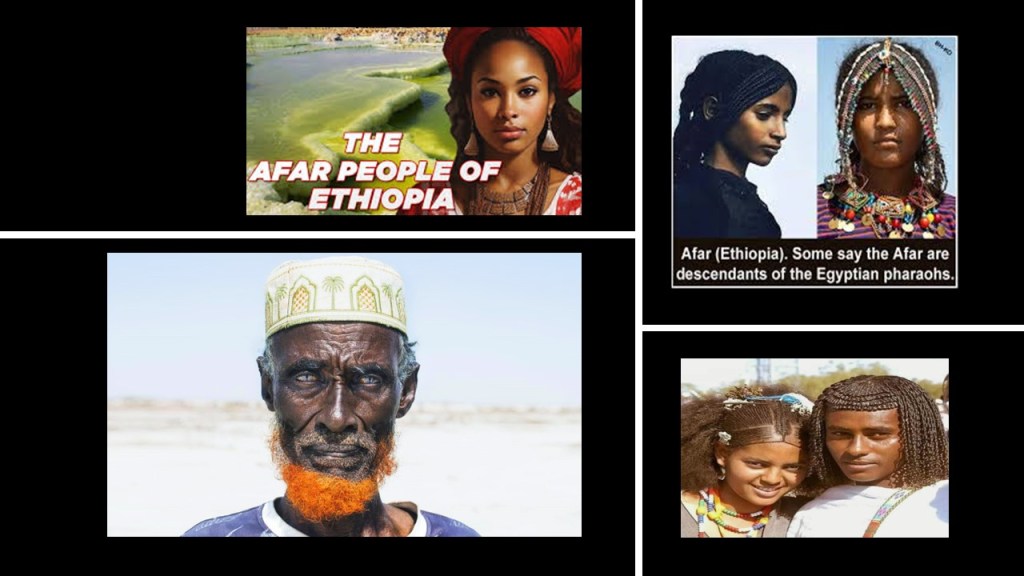
The Afar people live in the Afar Triangle region today and traditionally are described is Cushitic nomadic livestock herders.

But were they always nomadic livestock herders?

Or did the Afar people have a much more glorious past than present?
The ancient Kingdom of Kush, also known as Nubia, was at one time a powerful civilization in this part of Africa.
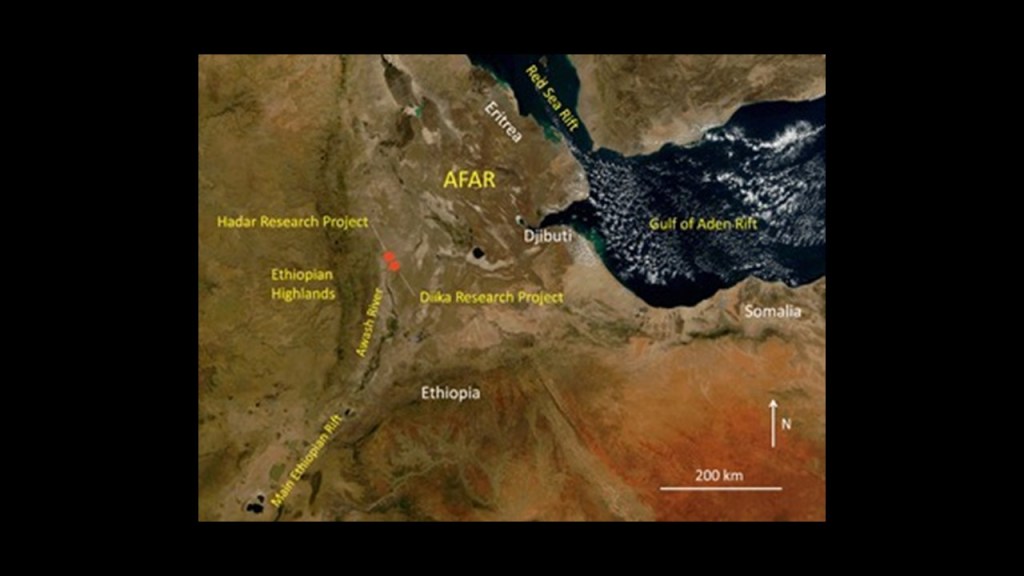
I remembered from something I read a long time ago that the Great Rift Valley in this part of the world was where the remains of “Lucy” were discovered in 1974, and as it turns out, they were discovered at Hadar, which is in Ethiopia in the Awash River Valley on the edge of the Afar Triangle.
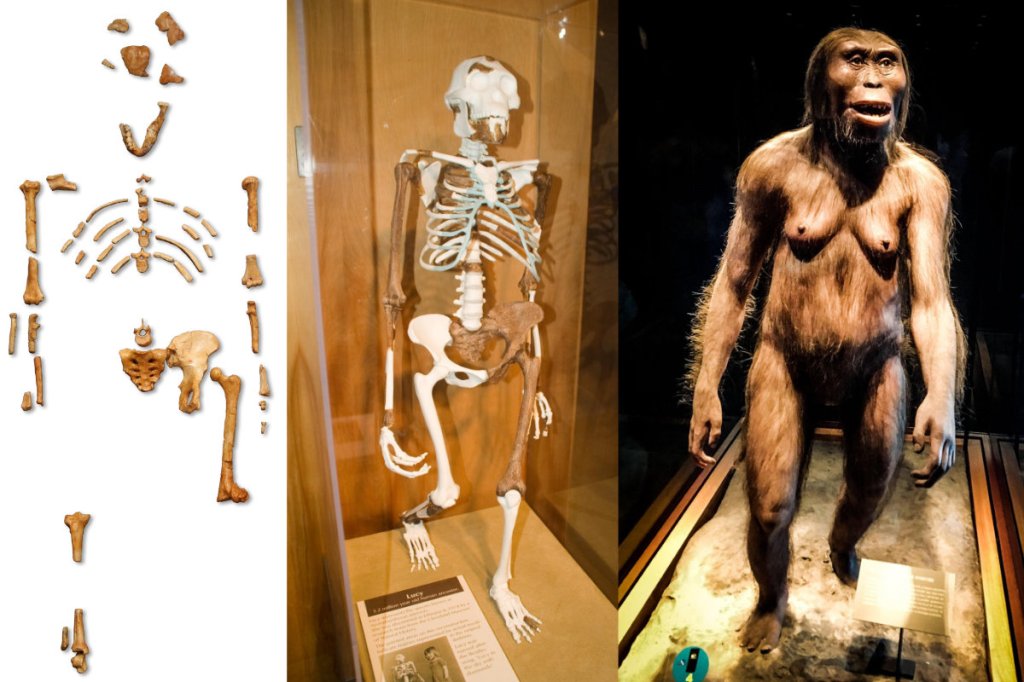
“Lucy” was classifed as the 3.2-million-year-old skeletal remains of a female “Australopithecus,” or the earliest known hominids considered to be a close relative of modern humans, and postulated by some to be the “missing link” between apes and humans.
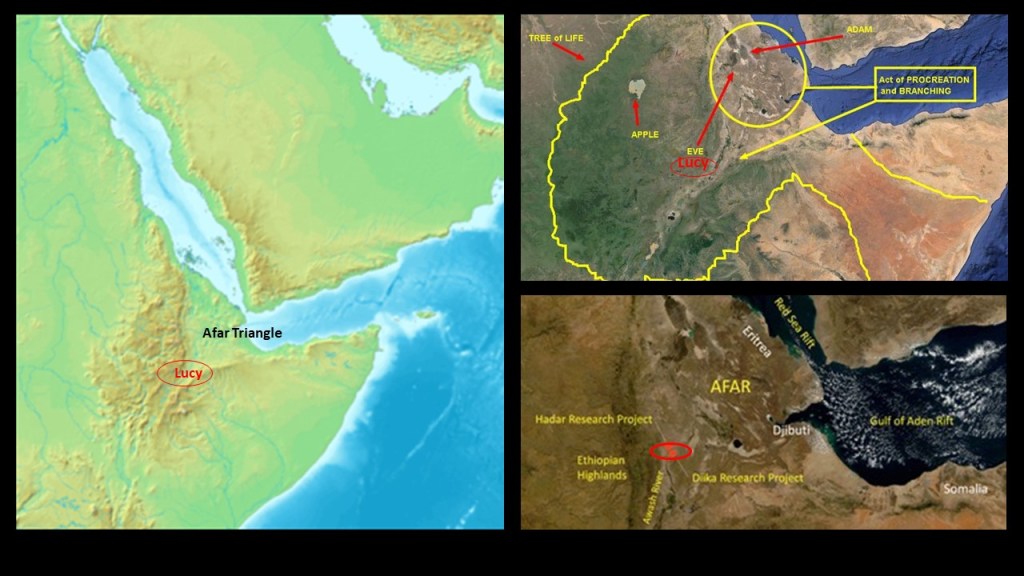
When I typed “Aden Eden” into the search bar, this is one of the images that came up.

It is titled “Garden of Eden (Aden) on Google Earth by Bradly Couch on Pinterest.”
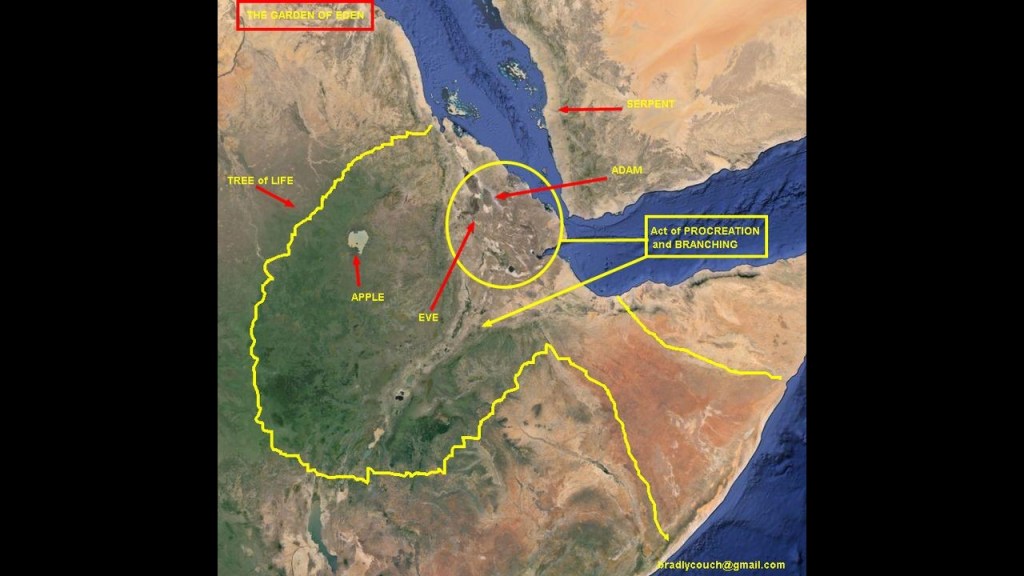
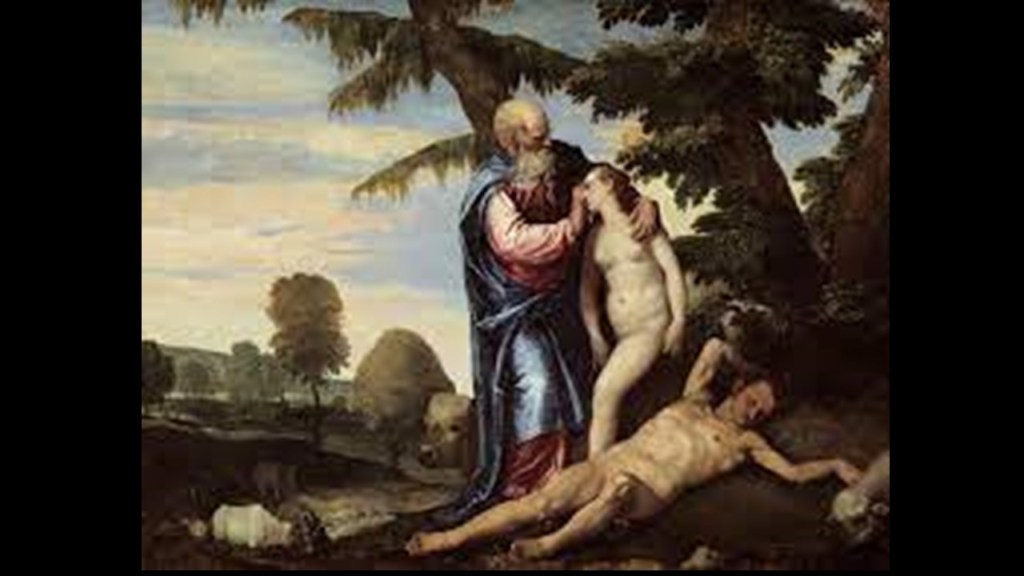
As the Book of Genesis relates our creation story, Eve was our earliest female ancestor, created by God from Adam’s rib, and they were the first man and woman.
So what’s interesting to me is that the Hadar Site is where one of Bradly’s arrows is pointing with the caption: “Act of procreation and branching,” and what I am wondering about this is whether or not we have been given a replacement story about our origins linking us to evolution from apes instead of our creation coming directly from God.

And that this replacement story occurred in a region connected with the name “Aden,” which is one letter different from the name “Eden.”

I don’t know.

I just wanted to point out these intriguing connections I found in this location.
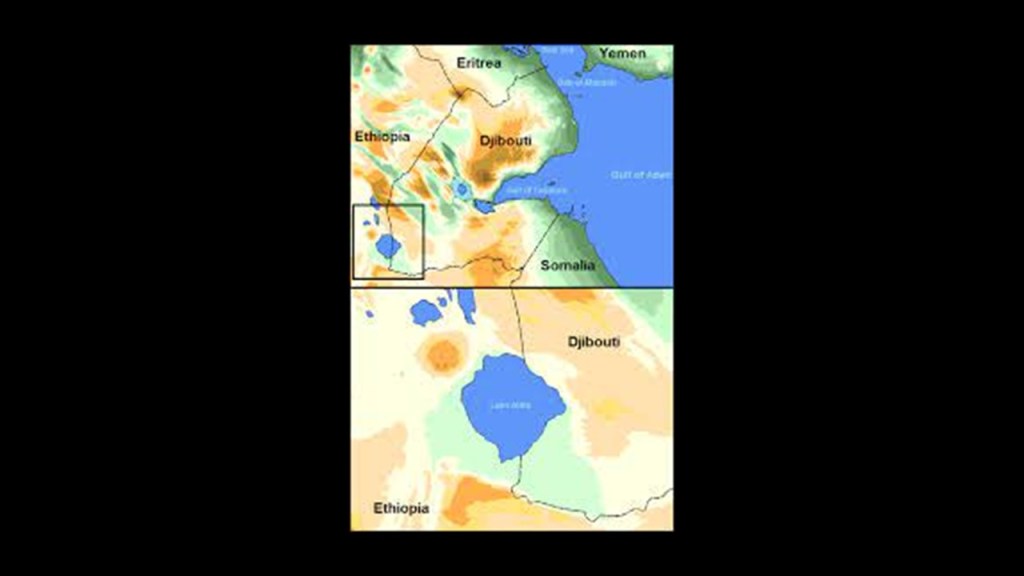
I want to mention Lake Abbe, described as a salt lake on Djibouti’s border with Ethiopia in the Afar Triangle, where the three tectonic plates are pulling away.
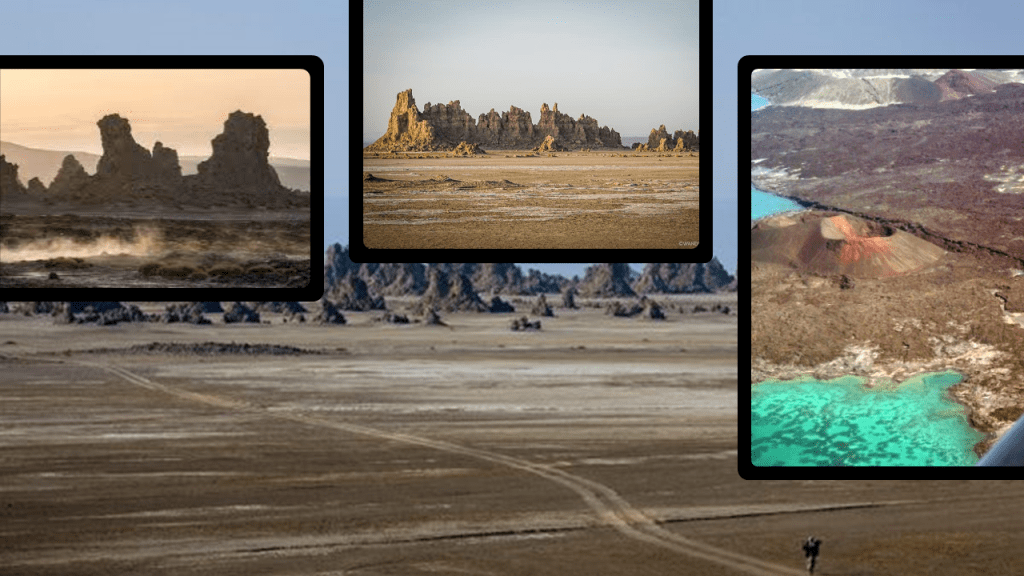
Lake Abbe is a truly surreal-looking place, and is considered one of the most inaccessible areas on Earth.

I am just left wondering what we are really looking at here like we are told – the result of natural geologic processes…or a sudden cataclysmic event wreaking havoc on the Earth!
Ethiopia’s Awash River runs from near Addis Ababa, the capital of Ethiopia, to Lake Abbe.
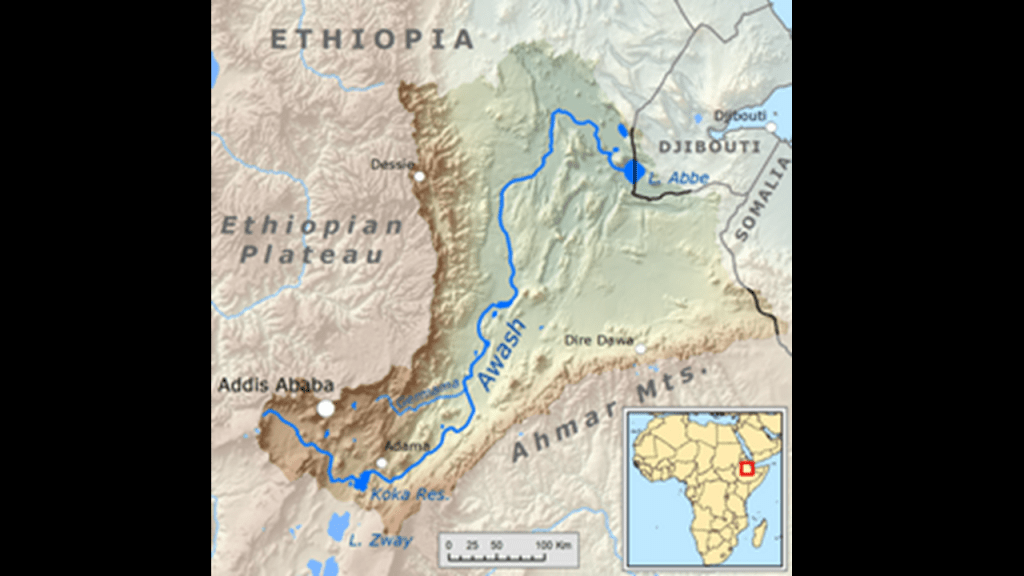
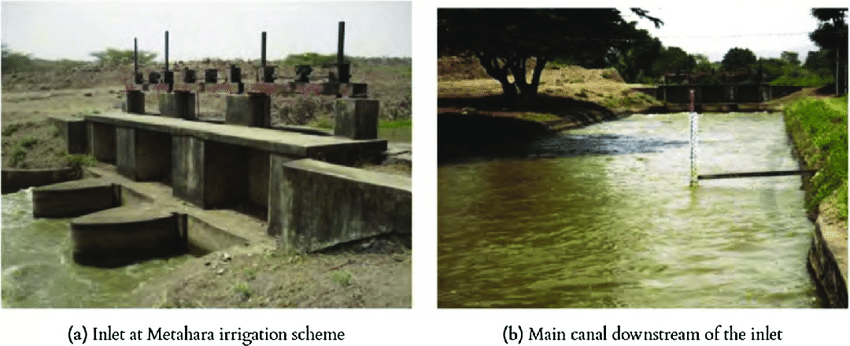
And is the Awash River actually a canal?

We are taught to believe that rivers are of natural origin, and that any infrastructure related to canals or hydrology were of modern origin.
There’s also a railway history along the Awash River, more infrastructure that is attributed to having been built in our more recent modern history.

Yet, I find railroads all over the world co-located with rivers/canals/gorges, and connected with hydroelectric facilities.
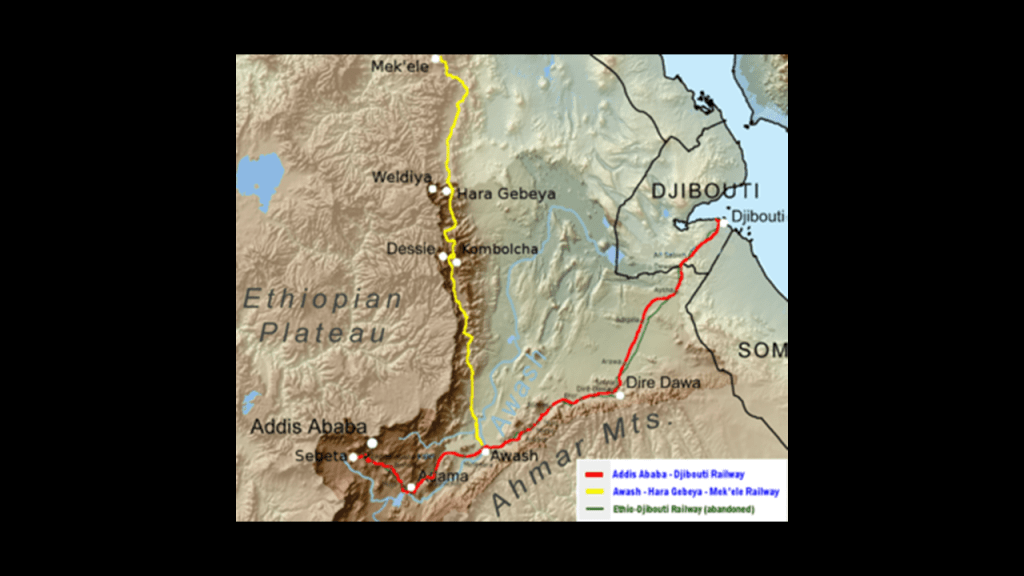
Finding the same thing here.

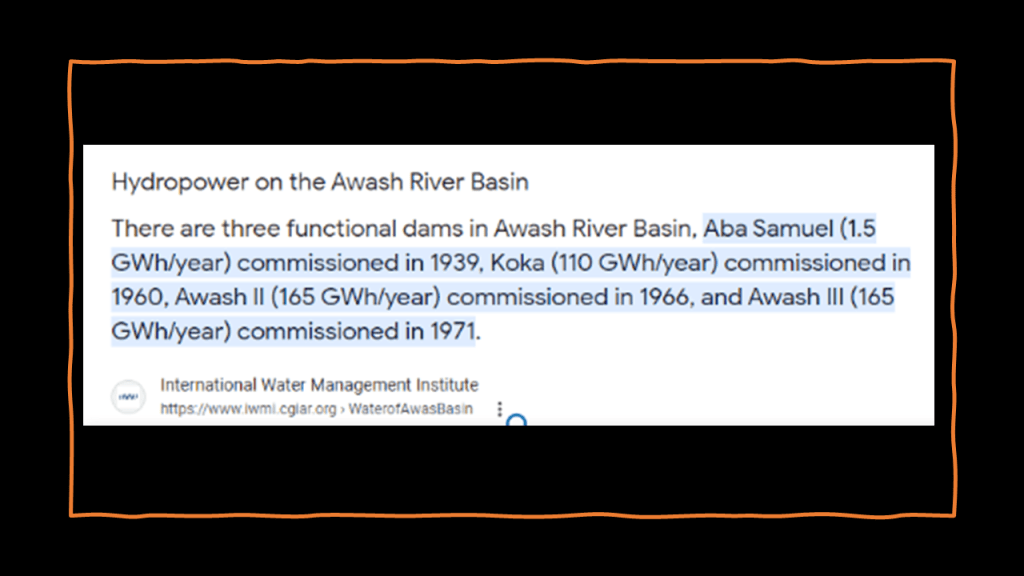
Railway along the Awash River, which has a gorge and three functional dams.
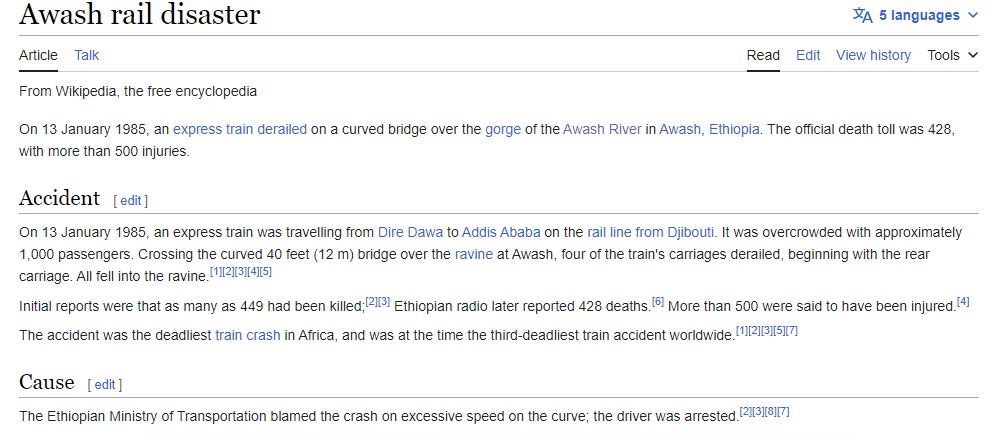
One of the worst railroad accidents in history took place in 1985, when an express train derailed on a curved bridge over the gorge of the Awash River in Awash, Ethiopia, killing 428, and injuring 500.

I am having a hard time finding information about the crash, but this was what we are told about it.
I go into depth about this finding railroads in very different places that are co-located with rivers/canals/gorges, and connected with hydro in my post “Of Railroads and Waterfalls and Other Physical Infrastructure of the Earth’s Grid System.”

In this same region In Ethiopia, north of Addis Ababa , we find Lalibela, Lake Tana, Gondar, the Simien Mountains and Aksum.
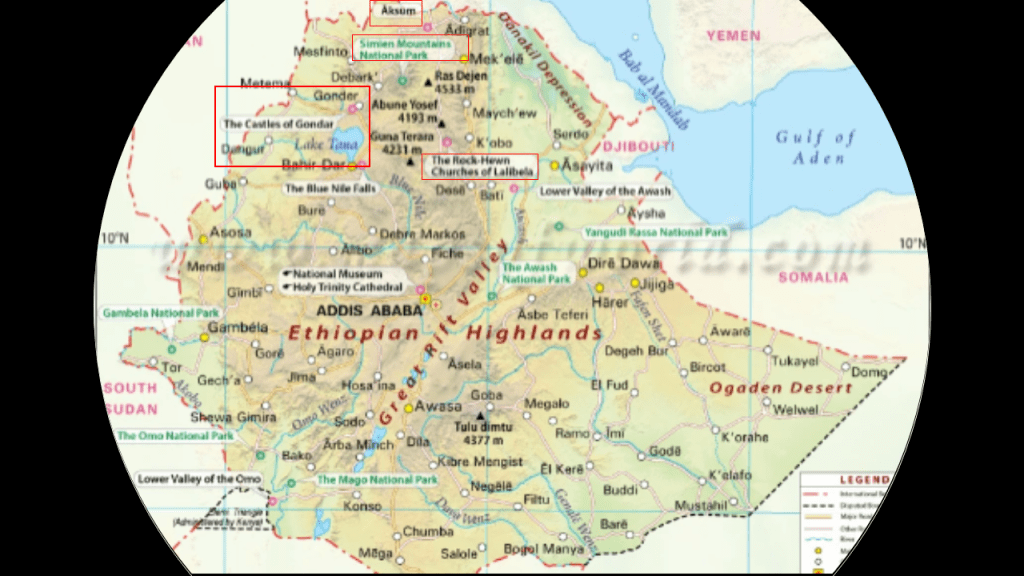
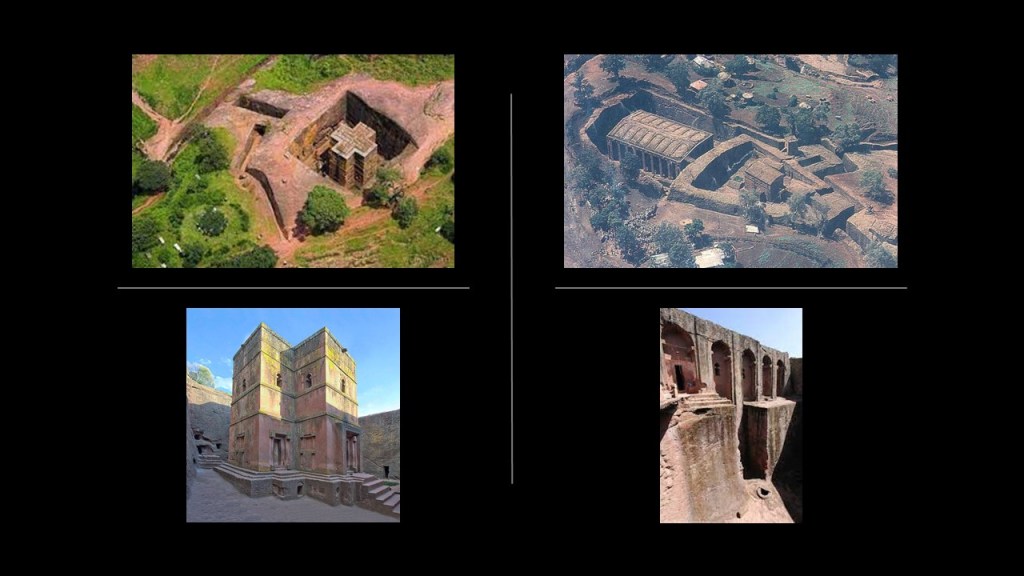
Lalibela is the second holiest of Ethiopia’s cities, after Aksum. 

It is famous for its complex of all together eleven monolithic churches, meaning cut out of one rock.

It has been a UNESCO World Heritage Site since 1978.

The population of Lalibela is almost completely Ethiopian Orthodox Christian.
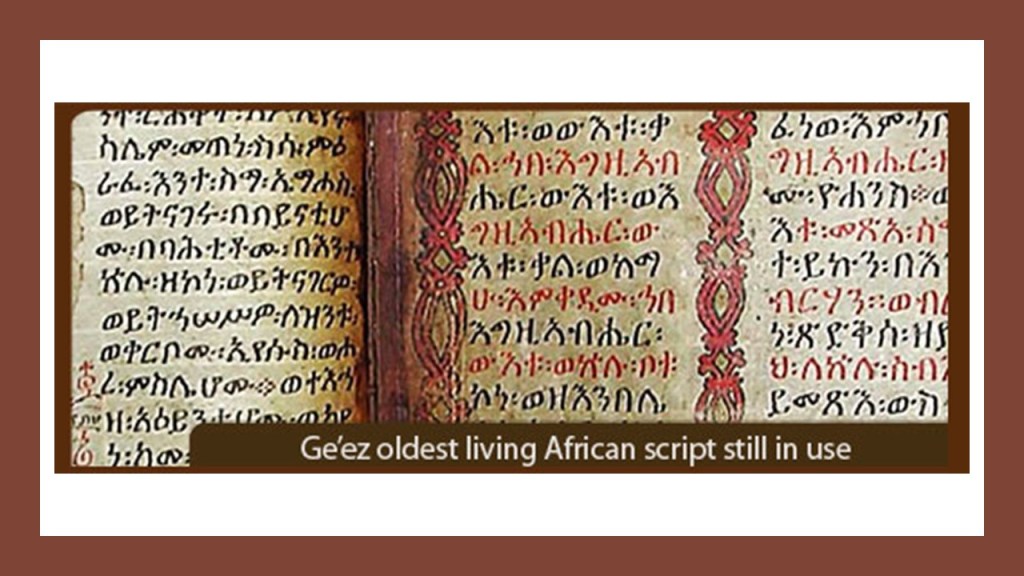
The ancient Ethiopian language of Ge’ez is the oldest African script still in use to this day, and is the liturgical language of the Ethiopian Orthodox Tewahedo Church and the Jewish Community in Ethiopia.

The Ethiopian Orthodox Tewahedo Church dates back to the acceptance of Christianity by the Kingdom of Axum in 330 AD.

The Jewish community in Ethiopia is dated back to at least 15-centuries.
Lake Tana is the source of the Blue Nile, and the largest lake in Ethiopia, and is a sacred lake.

It has been a registered UNESCO Biosphere Reserve Site since 2015, along with its seven ancient monasteries, like the main monastery of Narga Selassie on Lake Tana’s Dek Island.
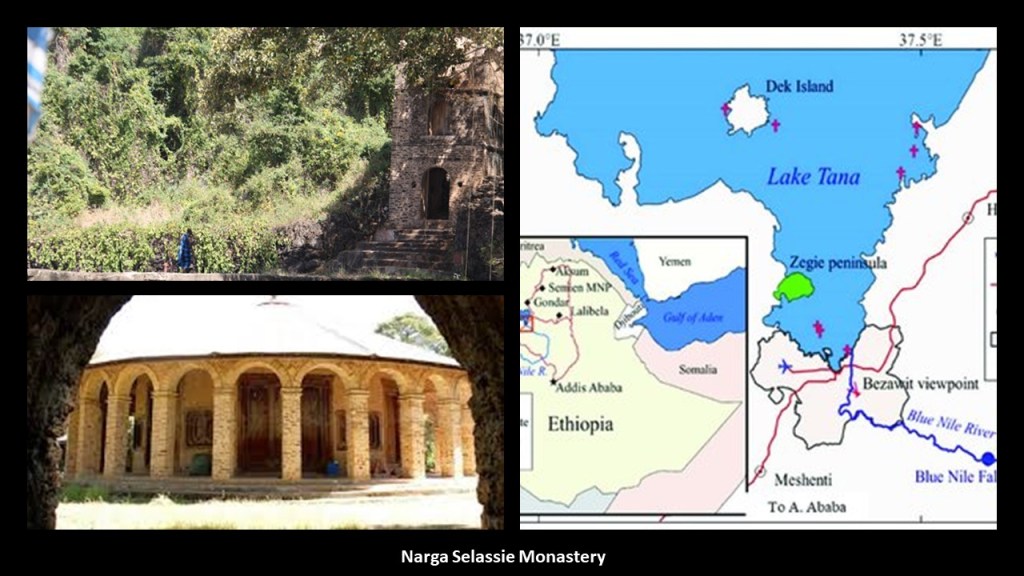
Among other things, the heart-shaped Lake Tana has living traditions about being a place where Joseph, Mary, and Jesus stayed on their way back to Israel after fleeing Herod, and also as a place where the Ark of the Covenant was kept for 800 years before going to Axum, where it is said to currently be located.
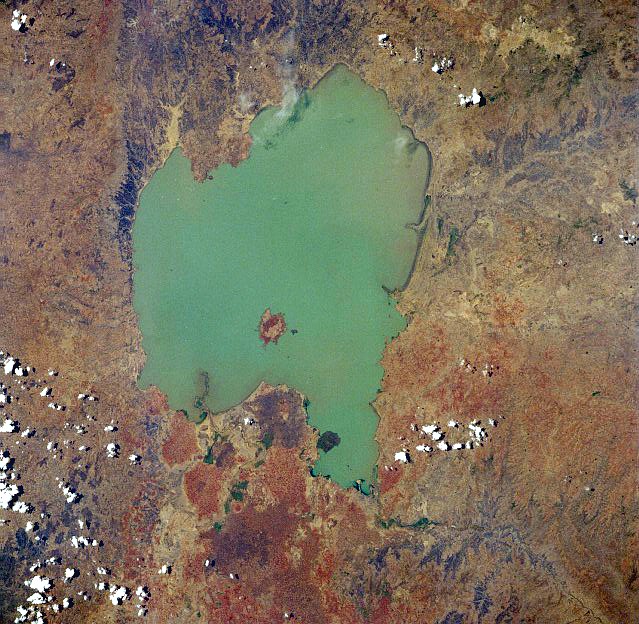
Ethiopia - Lake Tana

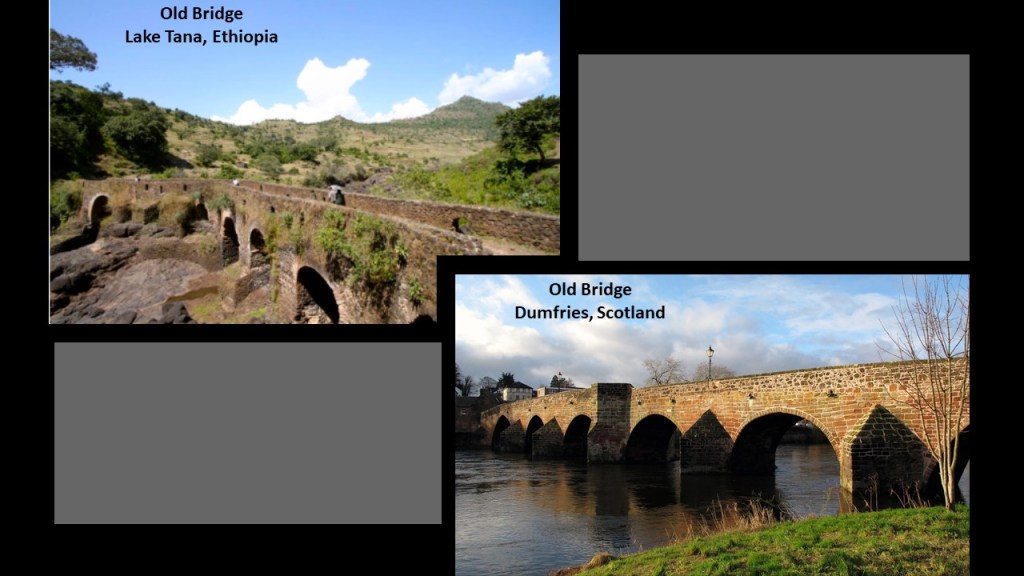
This photo is a comparison for similarity of appearance of an old bridge near Lake Tana  on the top left, with the River Nith Old Bridge, one of the oldest standing bridges in Scotland, in Dumfries, on the bottom right.
Next, Gondar.

Gondar was the royal city of Ethiopia.

Today it is a UNESCO World Heritage Site.

It was the capital of the historic Ethiopian Empire and we are told the Imperial Seat from the 1200s to the 1900s. 

The Fasil Ghebbi, nicknamed the “Camelot of Ethiopia,” was the home of Ethiopia’s Emperors in our historical narrative from the 17th-century to the 20th-century.
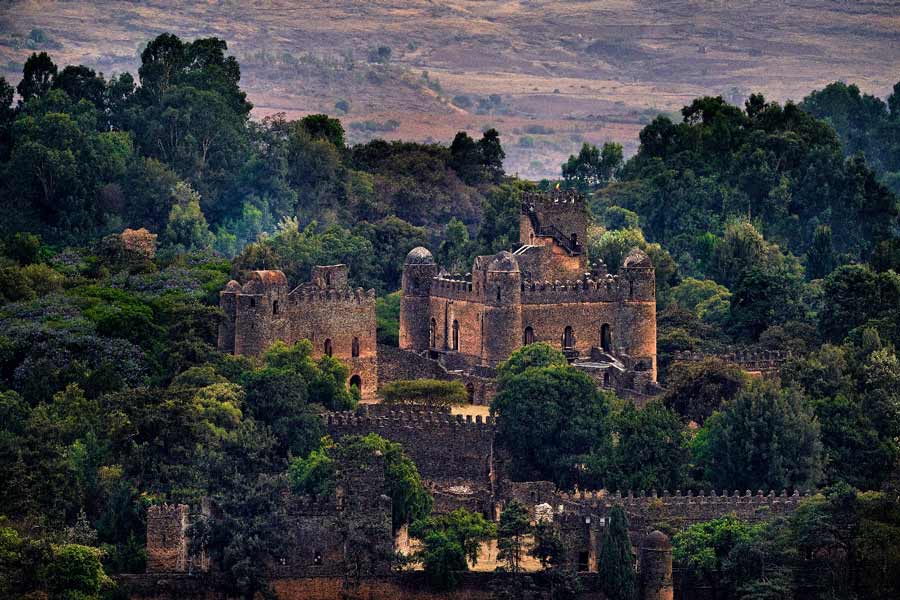
The Solomonic dynasty, also known as the House of Solomon, was the former ruling dynasty of the Ethiopian Empire.
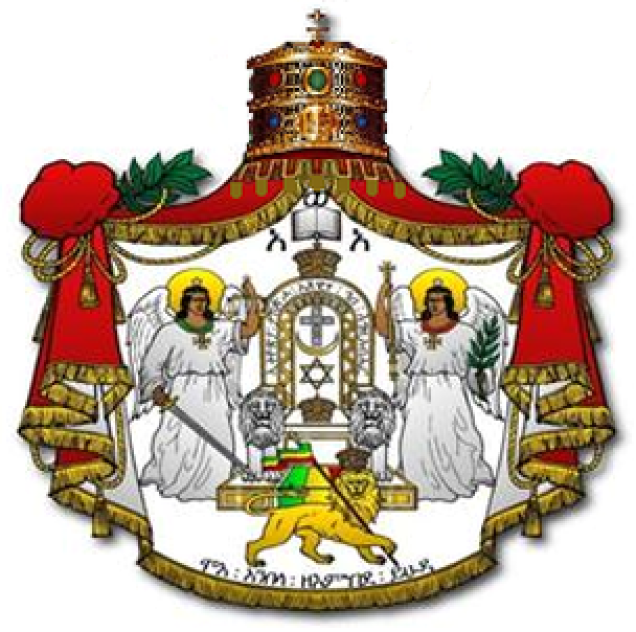
Its members were lineal descendants of King Solomon and the Queen of Sheba through their son Menelik I, the first Emperor of Ethiopia.
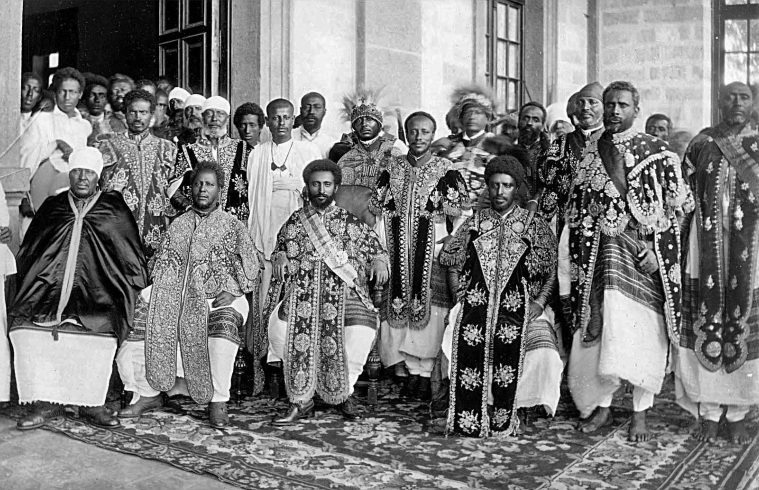
Haile Selassie was the last Emperor of Ethiopia from 1930 to 1974.

The full title traditionally of the Emperors of Ethiopia was: “Elect of God, Conquering Lion of the Tribe of Judah and King of Kings of Ethiopia.”
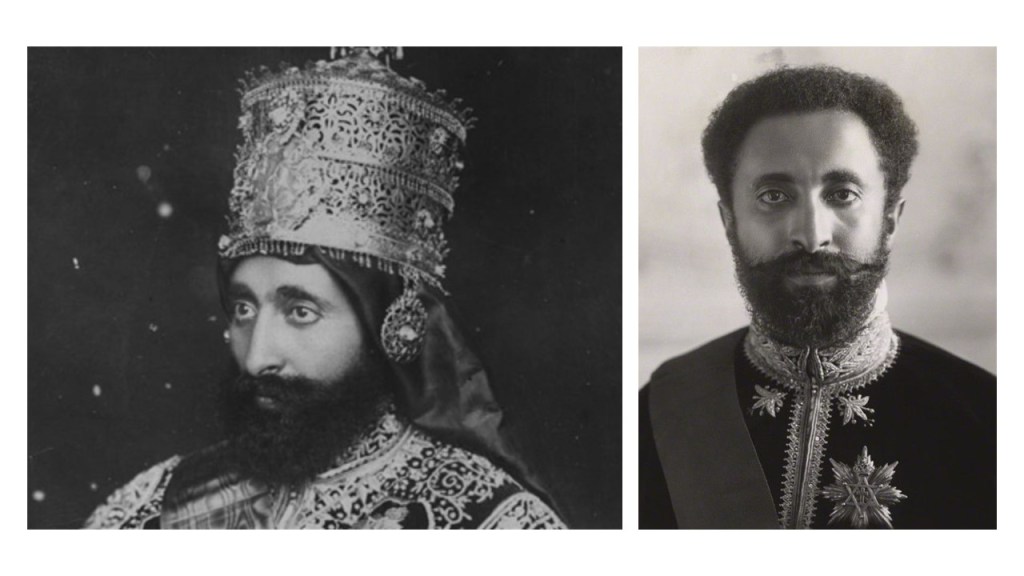
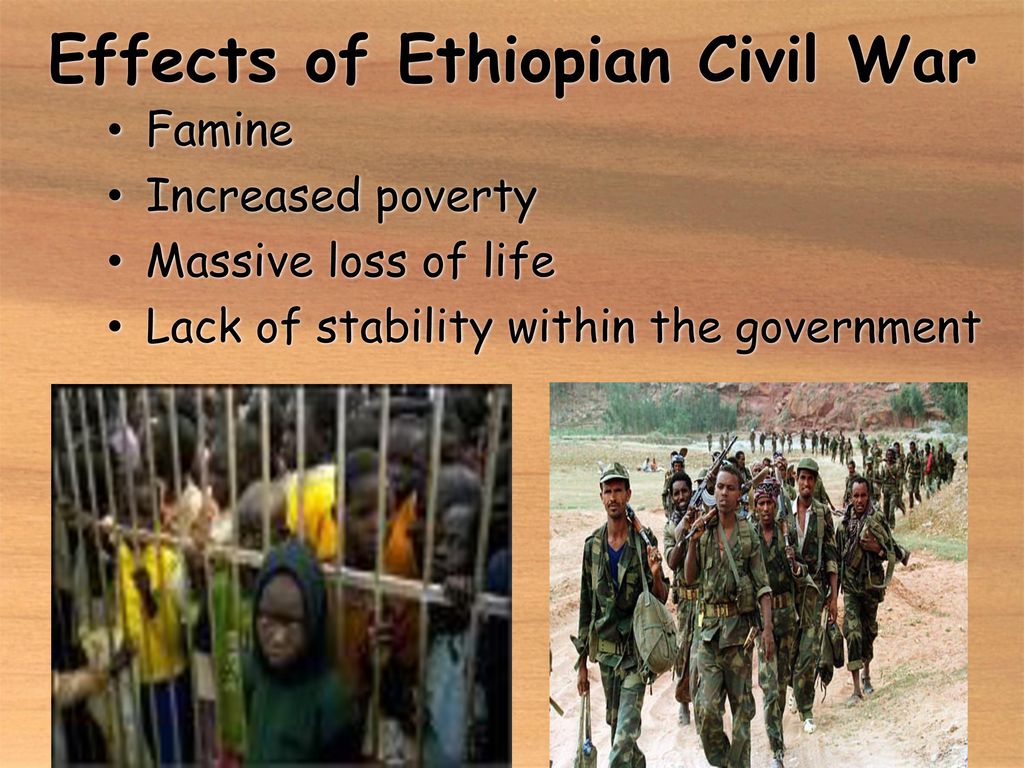
The overthrow of the Ethiopian Emperor Haile Selassie took place on September 12th of 1974, in a coup initiated by a Marxist-Leninist factions in the military, and marked the beginning of a 17-year-long Ethiopian Civil War, which formally ended in 1991. 

The war left at least 1.4 million dead.
The last Ethiopian Emperor was apparently murdered in August of 1975 by the same Marxist Army officers who had overthrown him the year before.
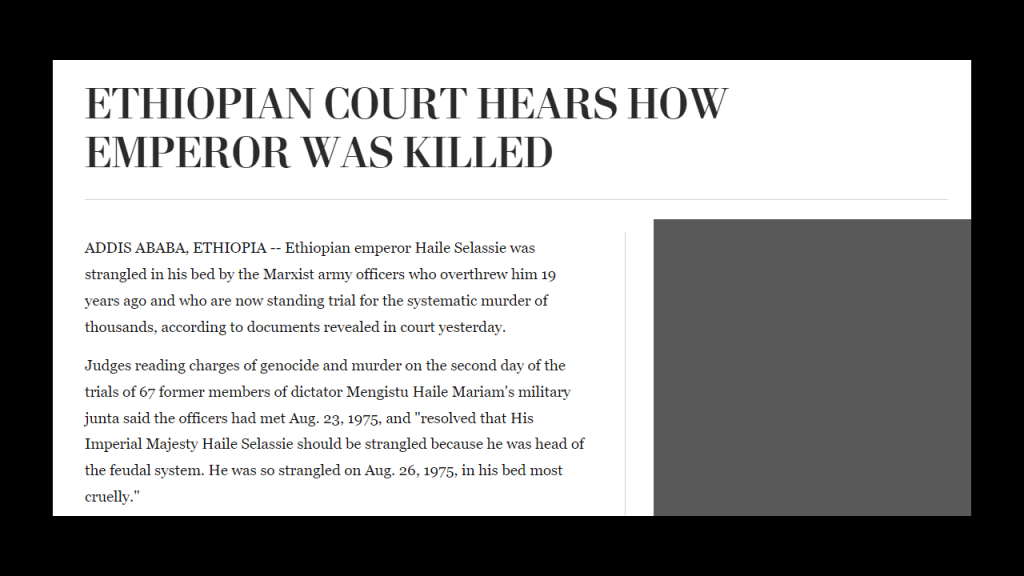
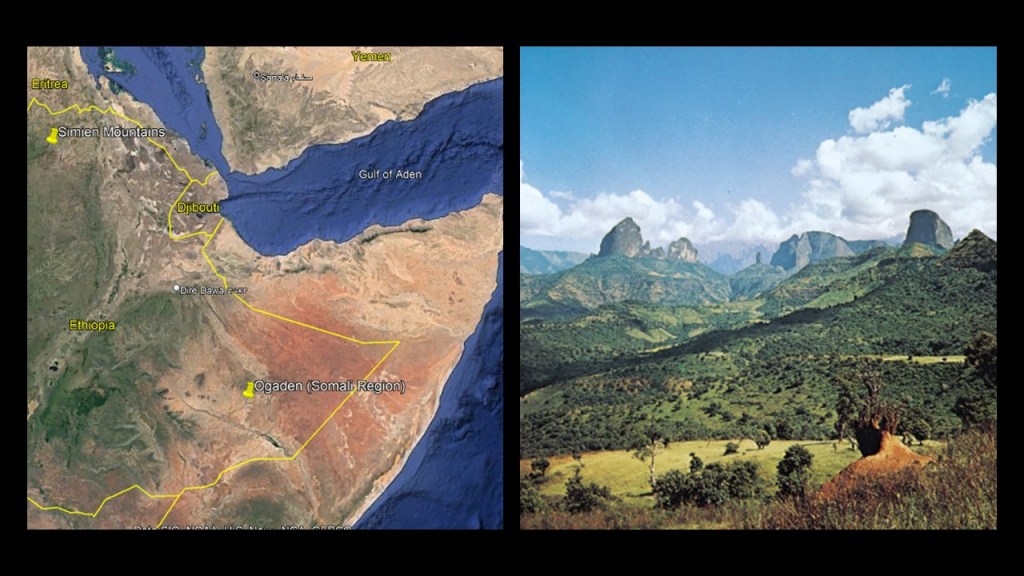
The Simien Mountains, also a UNESCO World Heritage Site, since 1978, are located between the royal city of Gondar and Aksum.

Designated as a National Park in 1966, it is Ethiopia’s largest national park.
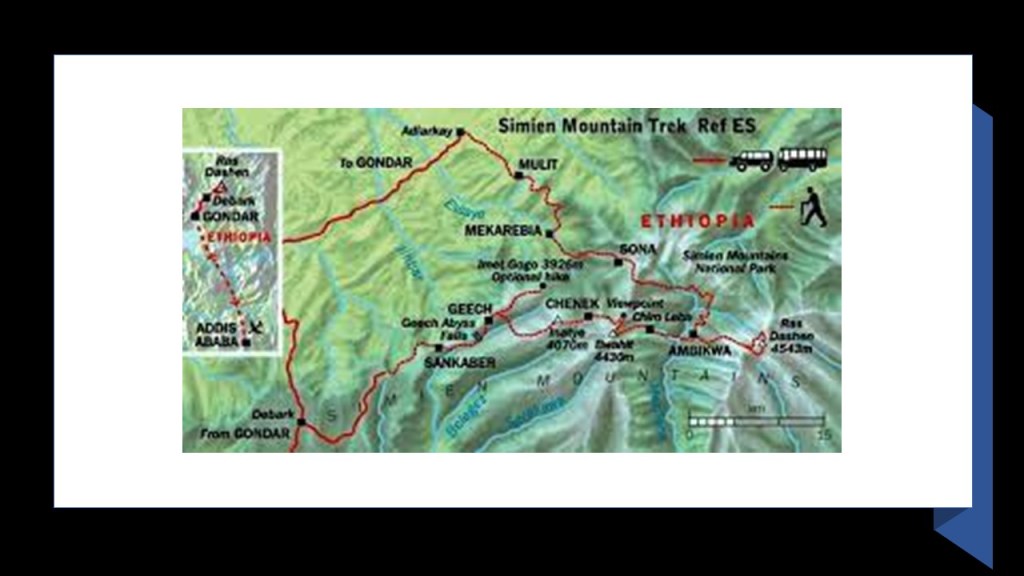
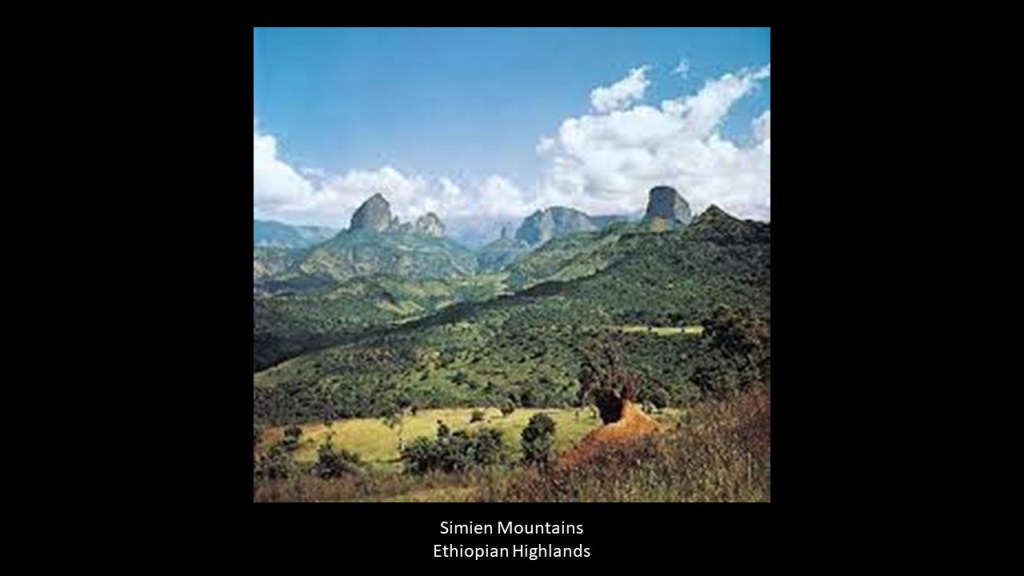
The Simien Mountains are described as plateaus separated by valleys and rising to pinnacles.

Said to be of volcanic origin and formed from basaltic lava outpourings between 40- to 25-million years ago, prior to the creation of the Great Rift Valley.

Again, just wondering what we are really looking at here.

They look like more candidates for giant tree stumps!
Next, we come to Aksum, the holiest city in Ethiopia, and a UNESCO World Heritage Site since 1980.

It is in the Tigray National Regional State.
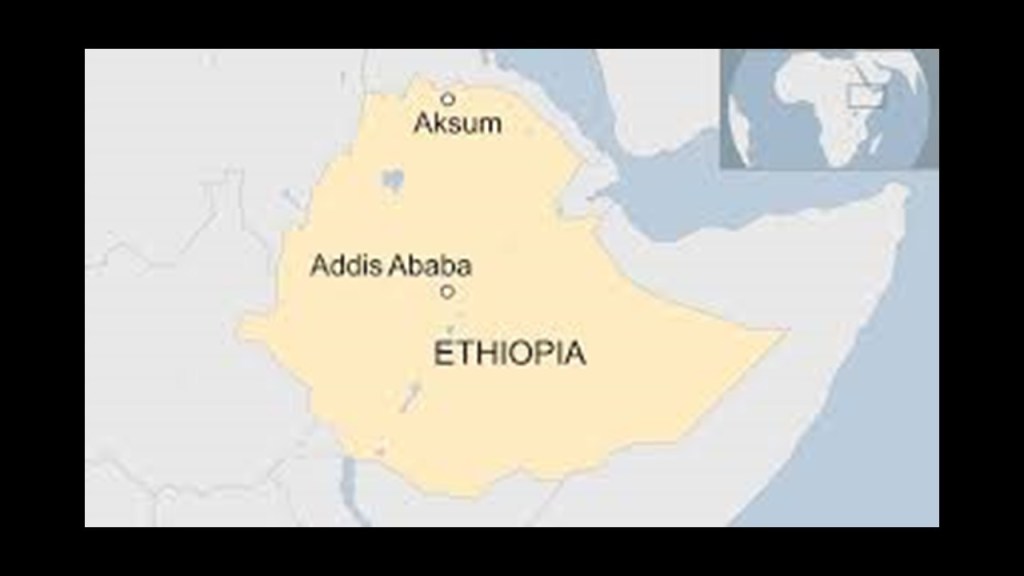
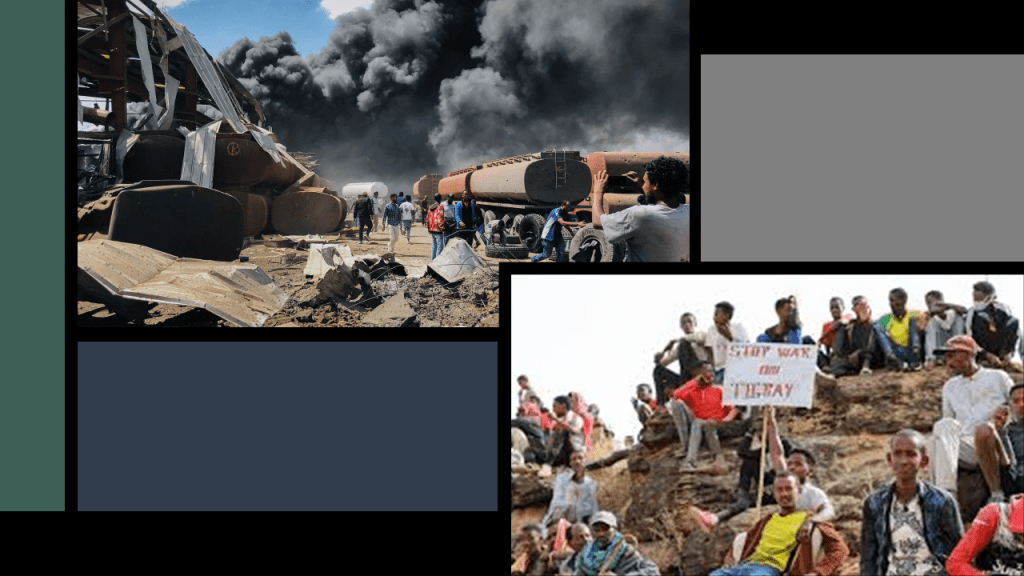
Between 2020 and 2022, the Tigray War took place between the Ethiopian Federal Government and the Tigray People’s Liberation Front, during the course of which infrastructure was destroyed, and many war crimes were commited, including mass extrajudicial killings of civilians took place throughout the region, including Aksum.

The conflict in Tigray led to major humanitarian crises, widespread famine, and severe economic damage to the tune of an estimated $20-billion.
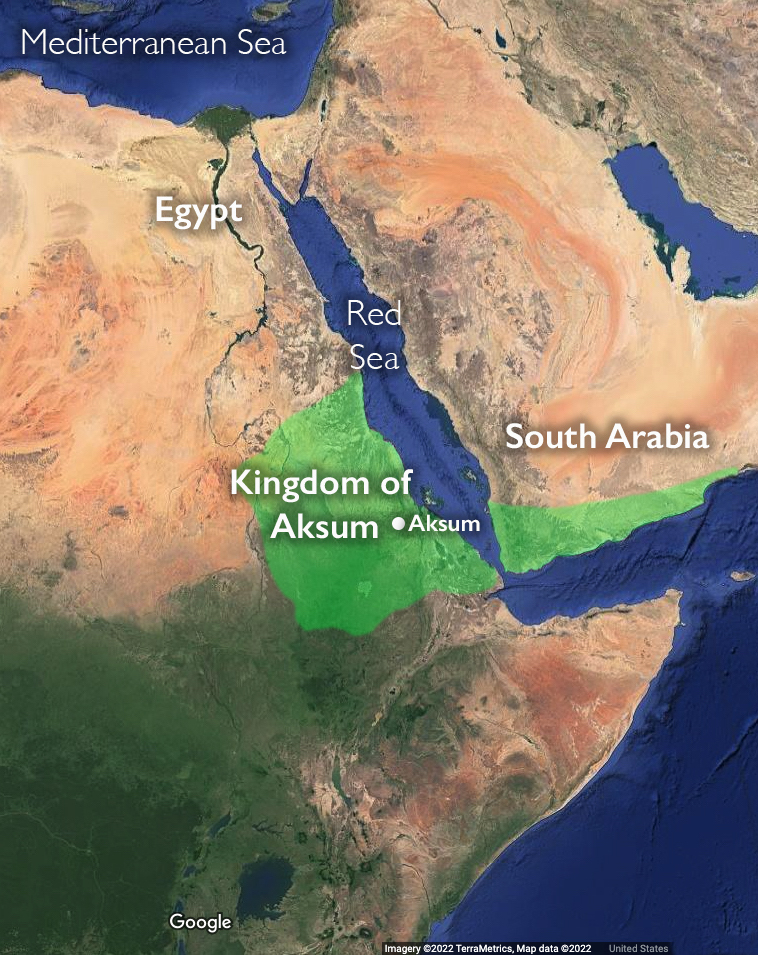
Aksum was the capital of the historic Kingdom of Aksum, a naval and trading power that ruled the whole region as well as parts of what is now Saudi Arabia, and Yemen
There are a couple of noteworthy things to mentioned about the ancient city of Aksum.

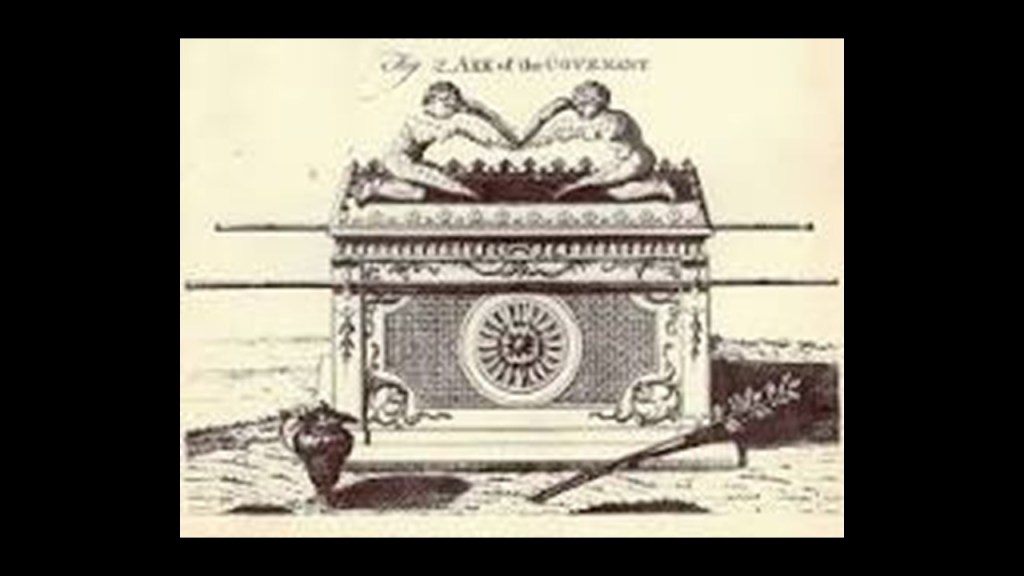
The first is that it is believed to be the home of the Ark of the Covenant at the Saint Mary of Zion Church, and that the Tablets of Stone upon which the Ten Commandments were inscribed lay inside the Ark.
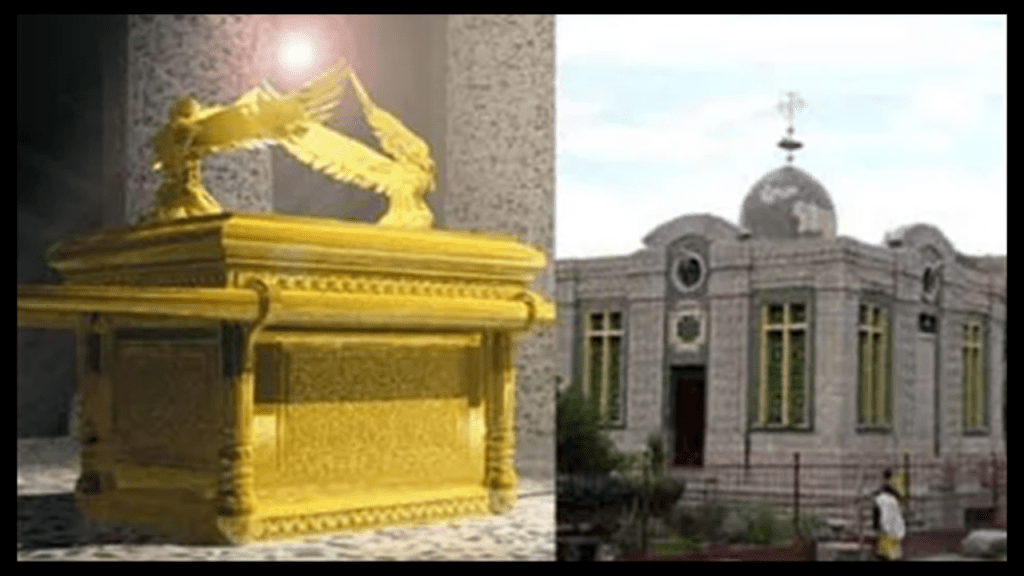
The Ark is closely guarded by one custodian known as the “Keeper of the Ark,” who is the only person allowed to enter the resting chamber of the Ark.

The keeper is appointed for life and can’t leave the sacred grounds until death.
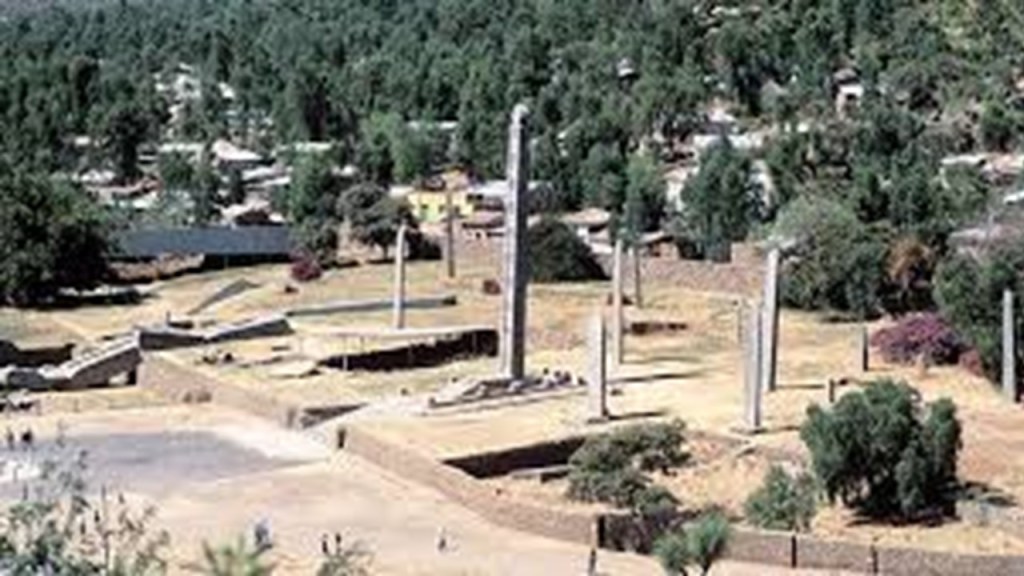
The next thing that I want to point out is the Northern Stelae Field, or Park, in Aksum.

There are 120 stelae here, each made from a single piece of granite, and standing as high as 82-feet, or 25-meters.

Each stela looks like a building, with intricately carved windows, marked stories, and false doors at the bottom.
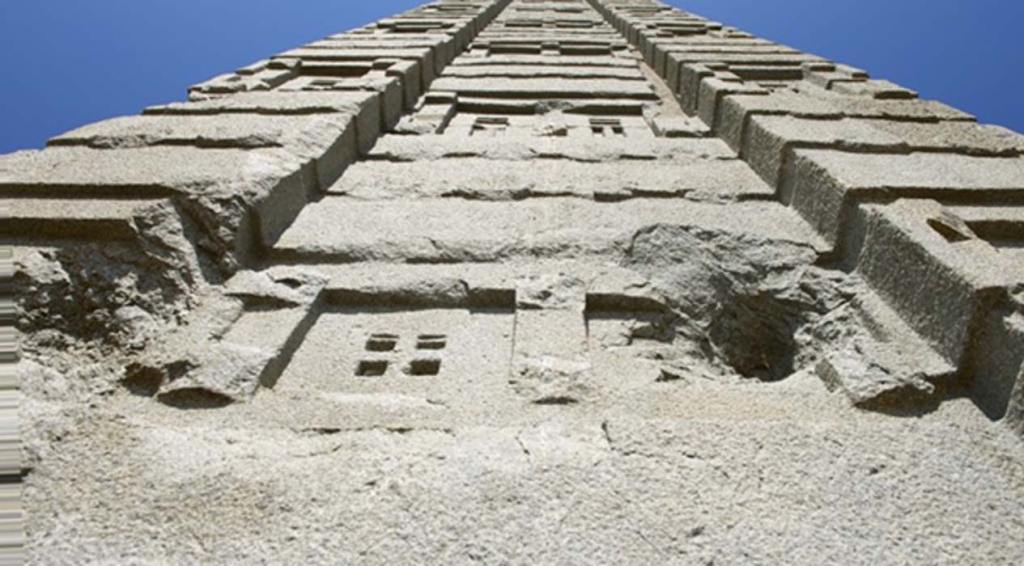
These stelae are attributed to having been made as funeral monuments for Aksum’s ancient rulers…
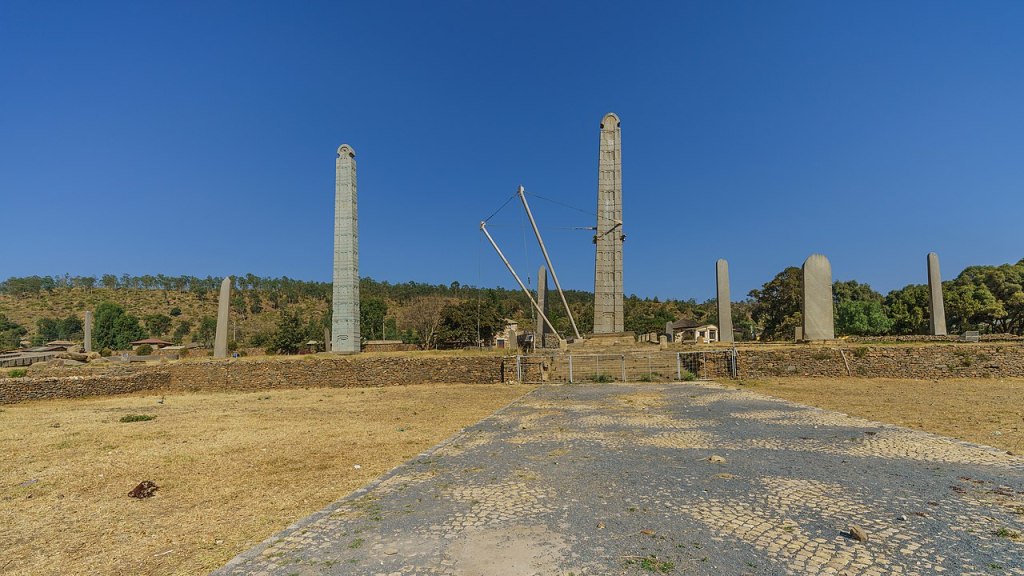
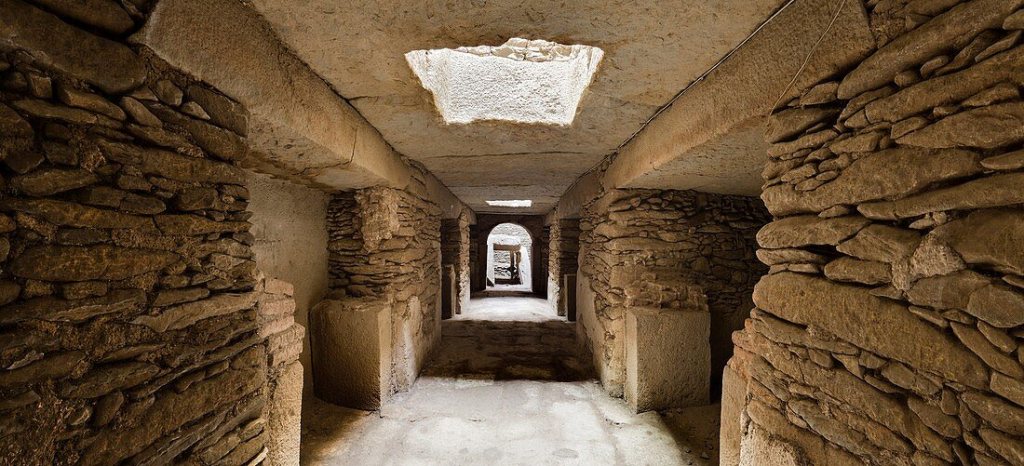
…who were believed to have been buried in tombs beneath the Stelae.
The Great Stela was 108-feet, or 33-meters, -tall, and weighed 573 tons, or 520 metric tons.

This was an explanation I found for what happened to the Great Stela, pictured here.

It was likely the largest monolith humans ever attempted to erect, and that it probably fell down when the attempt was made to erect it.
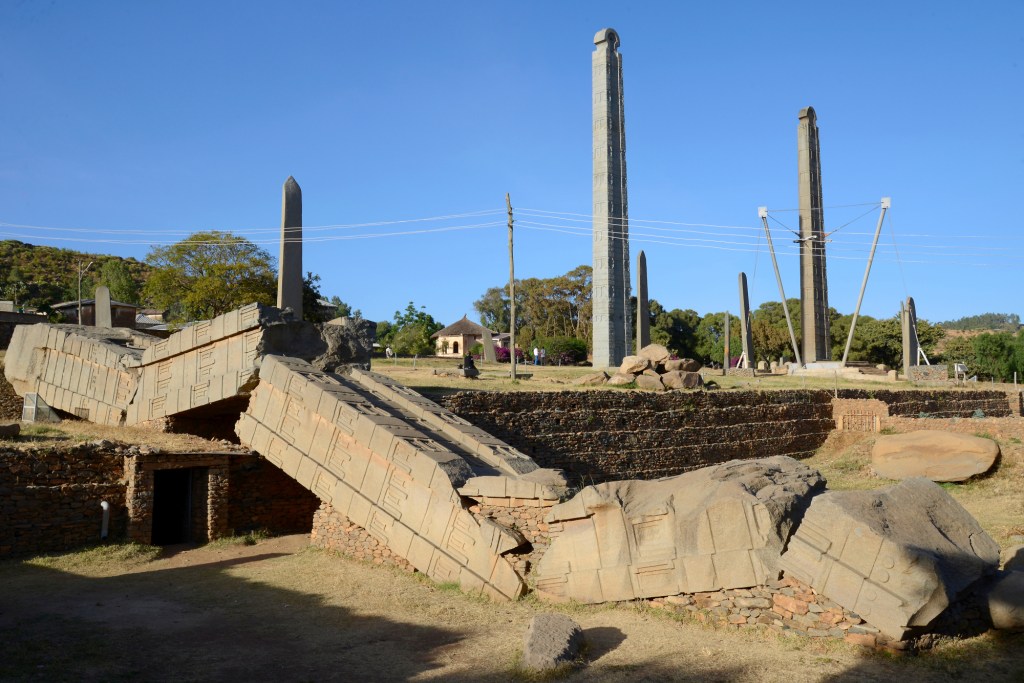
There’s more than one fallen stela here.

This one that was 29-feet, 9-meters, tall.
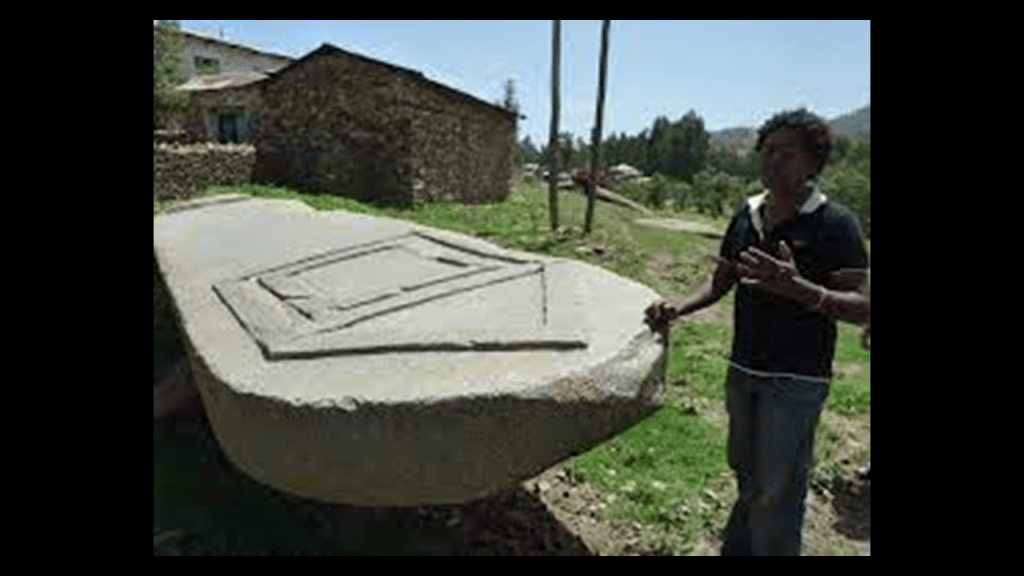
What are we actually seeing here with multi-ton monolithic, intricately-carved stelae made from single pieces of granite, with some having fallen, and even broken into pieces, and an partially-above-ground and mostly underground building beneath them?

This is a good place to mention that Aksum was one of the twelve primary nodal points of the Earth’s Grid system.
A nodal point is a place where numerous leylines connect.

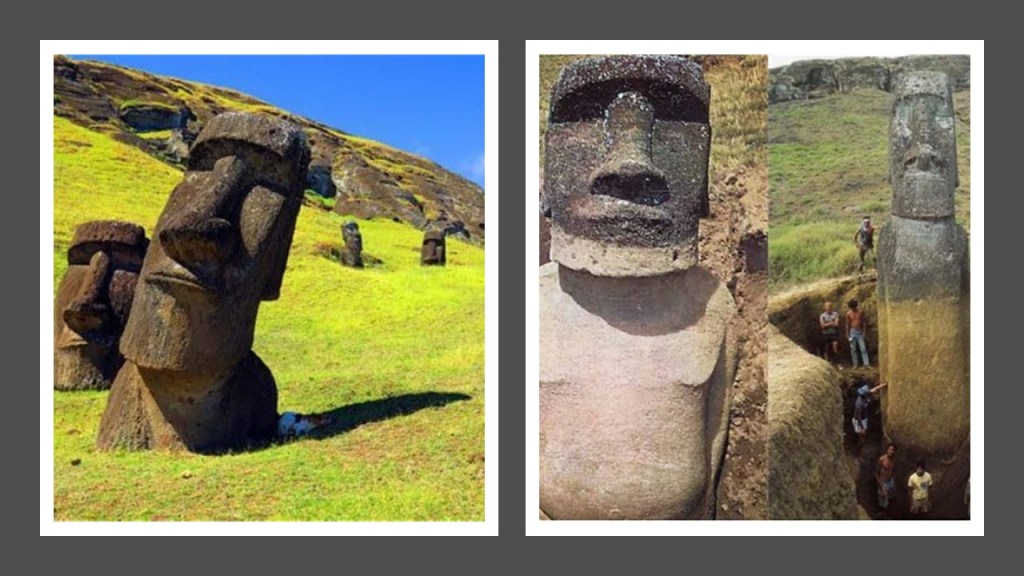
Other nodal points include Rapa Nui, best known as Easter Island, where the famous heads were discovered to have bodies…
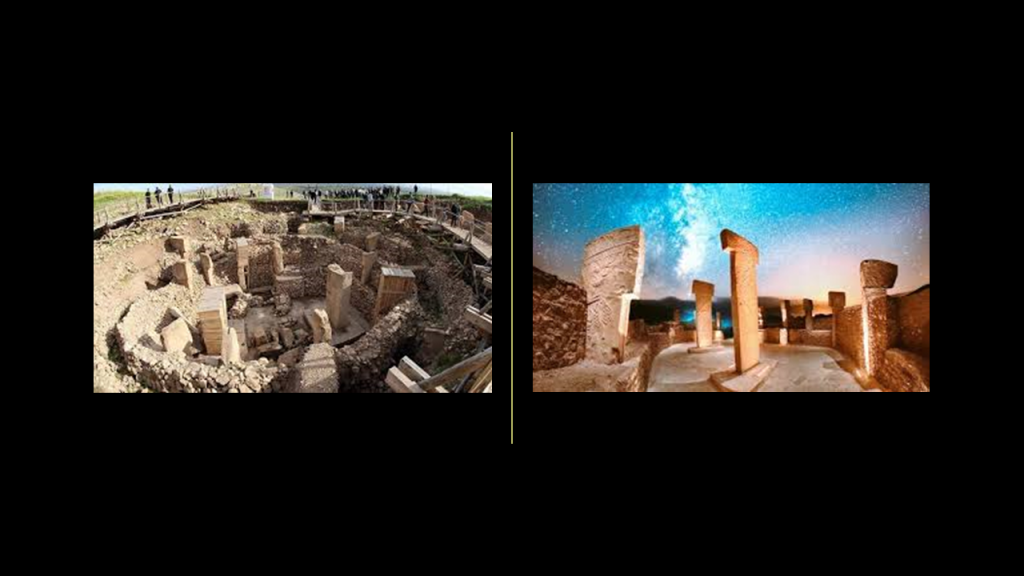
And Gobekli Tepe in Turkey, said to have the world’s oldest stone megaliths dating back to at least 9500 BC, and the excavation of which started in 1995.

It was first noted in a survey in 1963, and the site was said to have been intentionally backfilled with earth when it was mysteriously abandoned in 8000 BC.
Another example of being covered by earth was the Sphinx on the Giza Plateau in Egypt, just to the northwest of today’s Ethiopia.
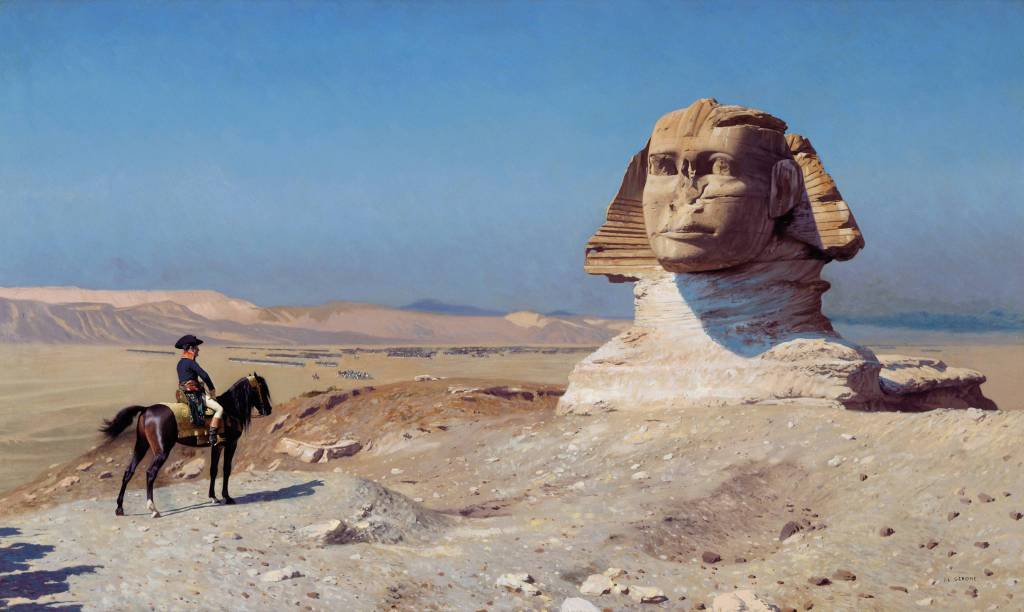
It was covered up to its shoulders, as seen in this famous painting of Napoleon Bonaparte before the Sphinx.

The rise of Napoleon starting in 1796, and the Napoleonic Wars between 1799 and 1815, seem to mark a major beginning in the new, reset timeline.
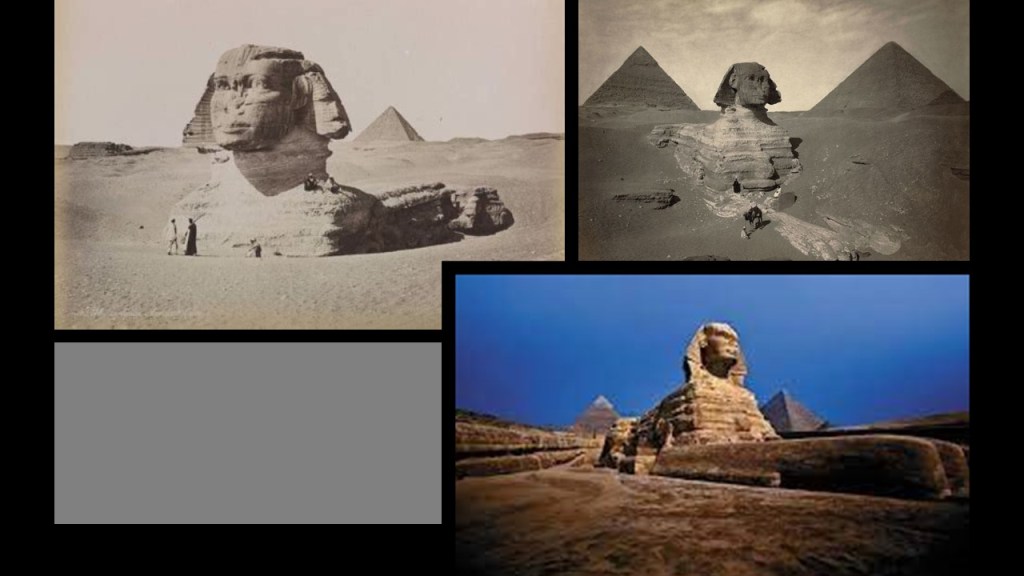
So even the Sphinx needed to be dug out from the sand that surrounded it.
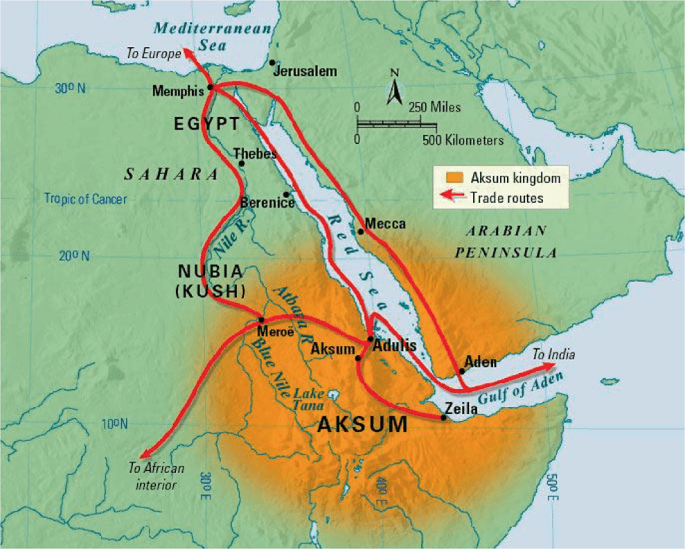
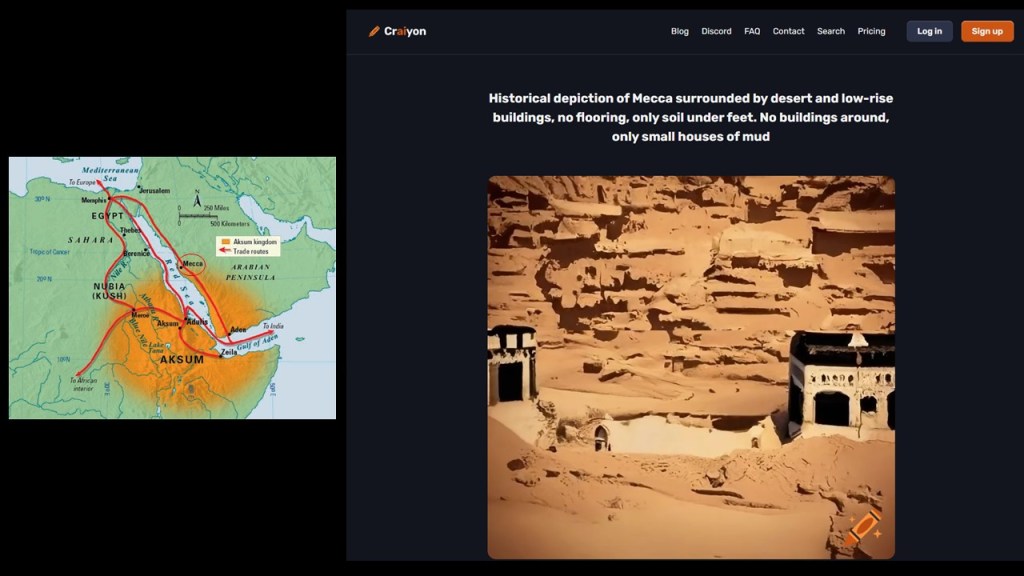
And according this map of the historical Kingdom of Aksum, Mecca on the Red Sea in today’s Saudi Arabia was once part of it.

And historical photos of Mecca show the same situation of being surrounded by desert, “low-rise” buildings, no floors, just soil underneath everything.
I believe there was deliberately-caused, sudden cataclysmic event of directed energy that went through the Earth’s entire grid system, causing the entire surface of the Earth to undulate and rip, creating deserts, swamps, and causing land-masses to shear off and submerge based on what I am finding and seeing., and accounts for how a highly advanced worldwide civilization of giants could be wiped from the face of the Earth and erased from our collective memory.
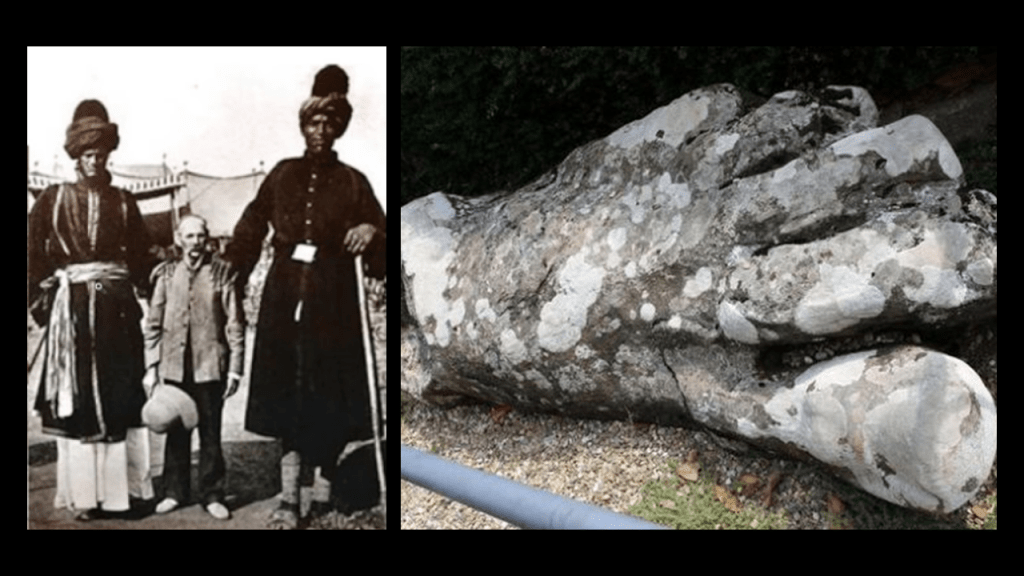
Historical photos that are available to find on the internet provide evidence that buildings, canals, and rail-lines, among other things, had to be dug out so they could be used once again…
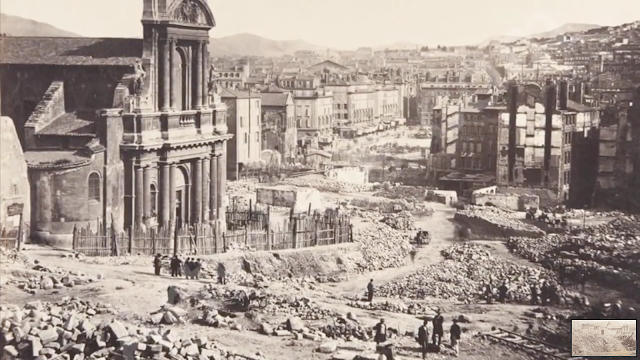
…so the Controllers could usher in their New World Order on the ruins of the Old World, one based on power over Humanity and the Earth’s resources, and they imposed their control matrix over the world through the Earth’s grid system that they had removed from collective awareness.
Before I move back to the Gulf of Aden and tracking the Amsterdam Island Circle Alignment, I just want to say there is clearly something of great historical importance to this region that has been lost to us and it has been destroyed in every way possible, with great suffering and misery happening to this day.
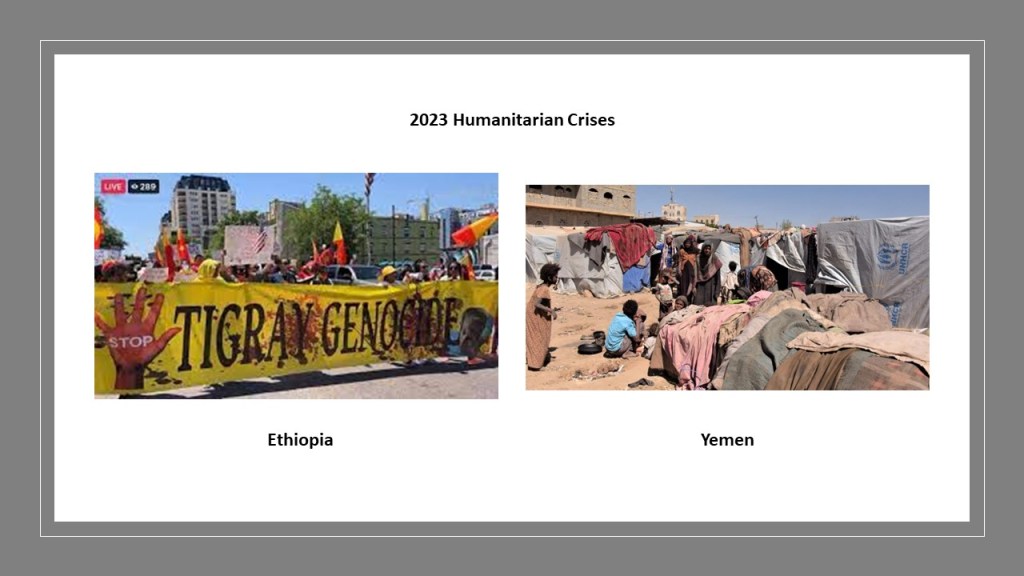
Knowledge of great value has been taken from Humanity that is exemplified through this region, with it’s biblical and historical importance.

Even old maps of Africa tell a different story than what we have been told!

What’s going on here?!
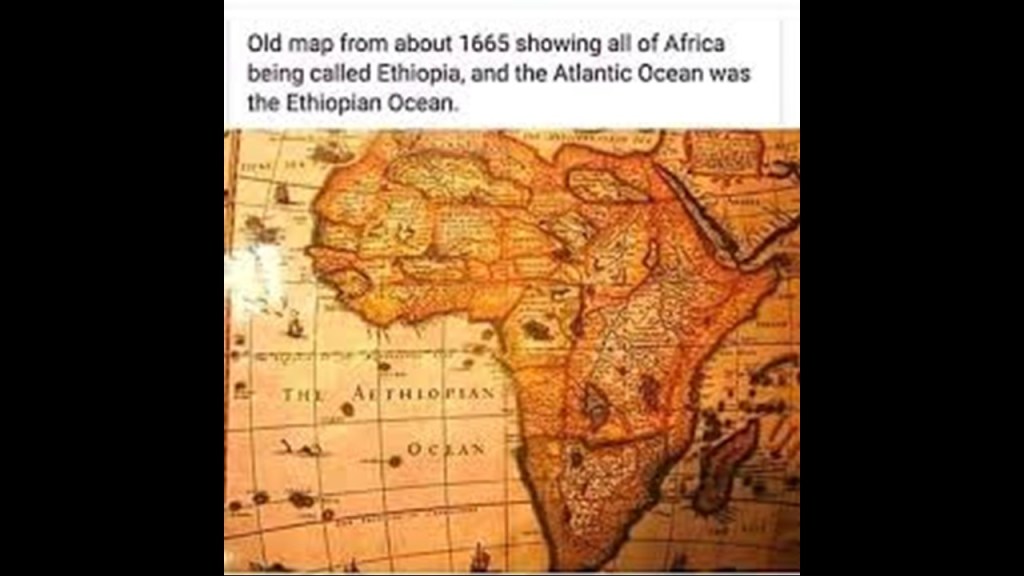
So, now back to the Gulf of Aden.

On the other side of the Gulf of Aden from where we have been looking in South Arabia and east Africa is the Guardafui Channel. 

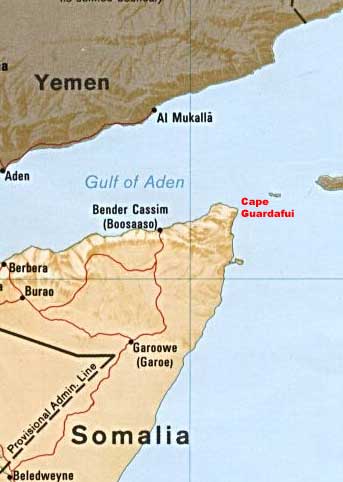
It is between the Socotra Archipelago and Cape Guardafui.

It connects the Gulf of Aden with the Indian Ocean.
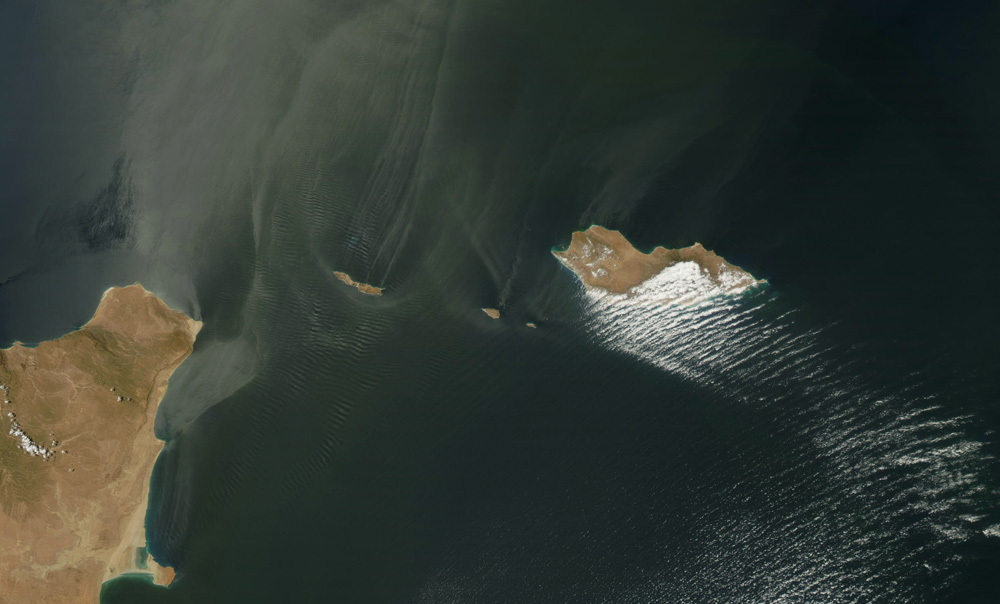
It was named for Cape Guardafui, also known as Ras Asir, which is a headland in the Guardafui Administrative Province of Puntland in Somalia.
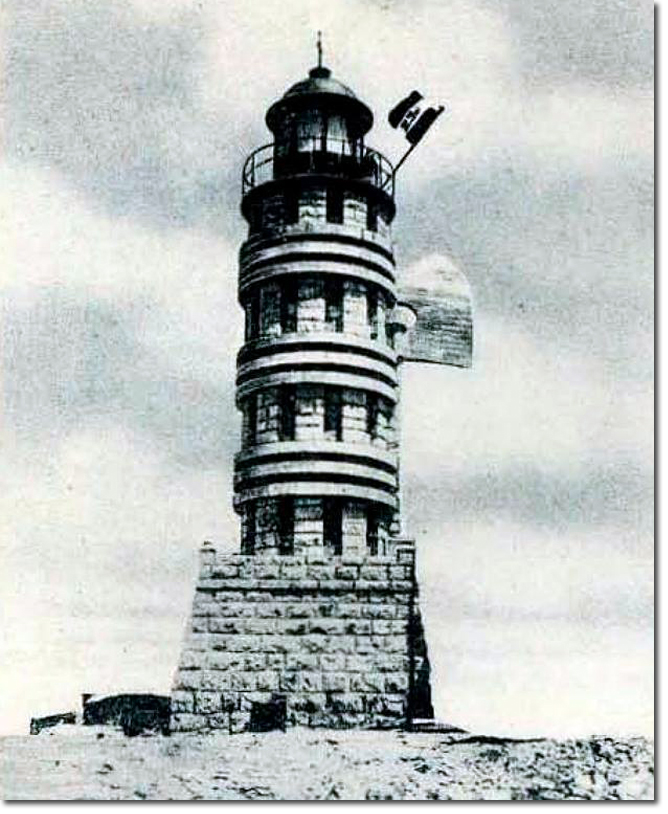
The Cape Guardafui lighthouse was said to have been inaugurated in 1930 by Italian Fascist authorities when it was part of Italian Somaliland.

By 1930, the authorities were part of Fascist Italy, which existed under Mussolini’s totalitarian rule as Prime Minister and Dictator between 1922 and 1943.
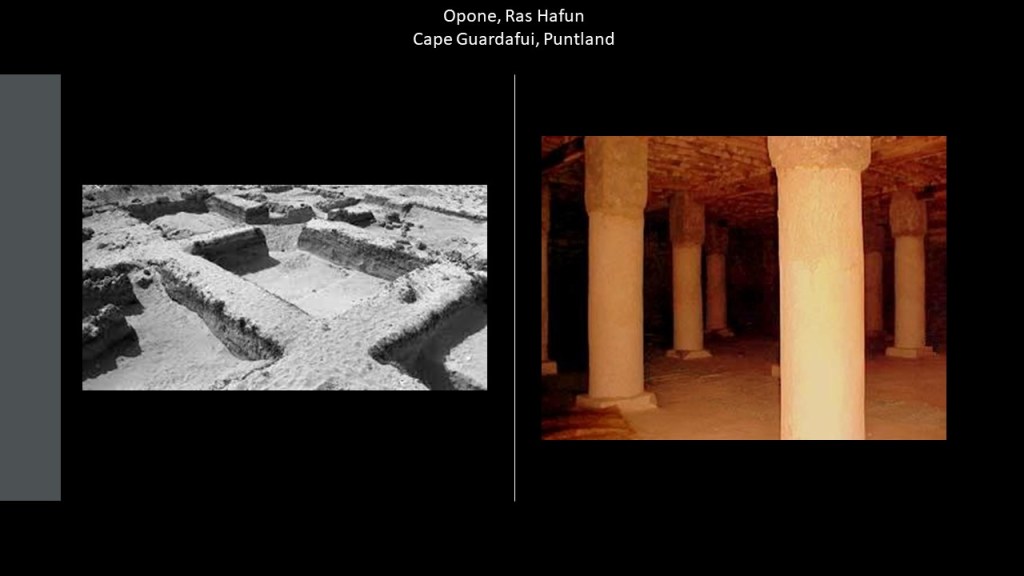
Ras Hafun juts out into the Guardafui Channel, and is considered the easternmost point in Africa.

Ras Hafun has numerous ruins and structures, and it was believed to be the location of Opone, an old trading emporium serving seemingly the whole world – Africa, Asia, Greece, Rome, and Indonesia, among other places.

It was also known as the center of the world’s spice trade.
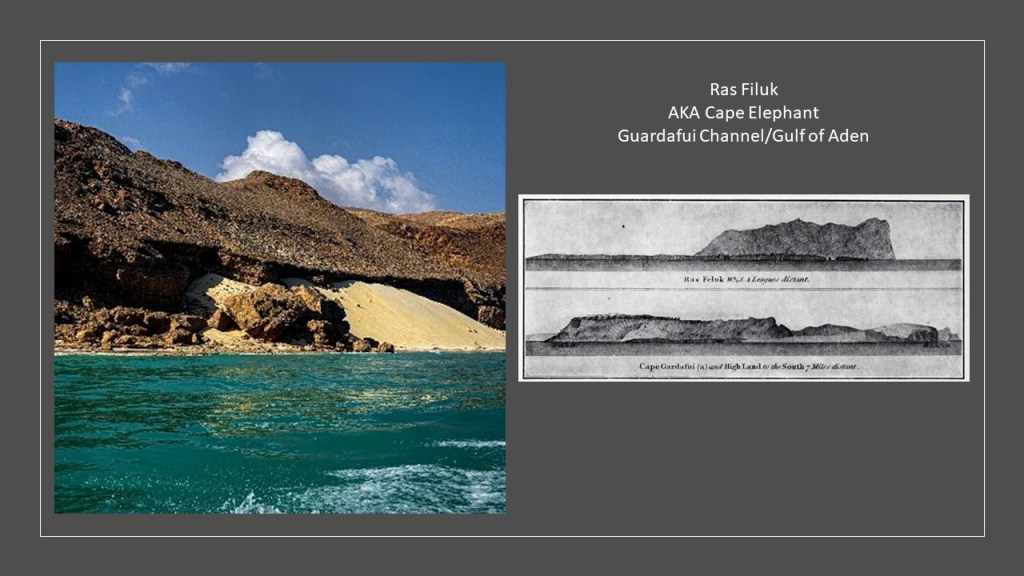
Ras Filuk, also known as “Cape Elephant,” is a headland next to the Guardafui Channel.

It has steep cliff walls that jut into the Gulf of Aden.
Ras Filuk is near Alula, the capital of the Bari Region of Puntland.

Alula is situated next a shallow lagoon lined by mangroves, a type of tree that grows in brackish water.
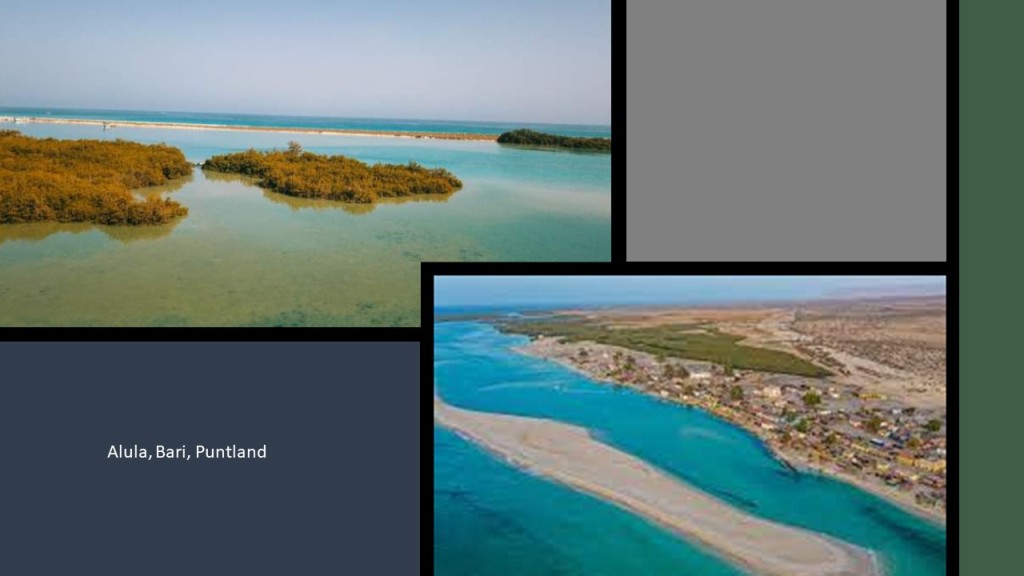
Here is a picture of mangroves covering the coast of this area by Alula on Google Earth.

Mangrove swamps are coastal wetlands characterized by these salt loving trees and shrubs that are typically found in estuaries, where salt water meets freshwater.

So Estuaries have water that is salty, dirty & unpleasant, and there are one or more rivers flowing into it, and a connection to the open sea.

I have been speculating for awhile now from my research that the Earth’s estuaries are actually ruined and sunken land that once had the infrastructure of civilization in it.

One example of this research is found in this blog post.

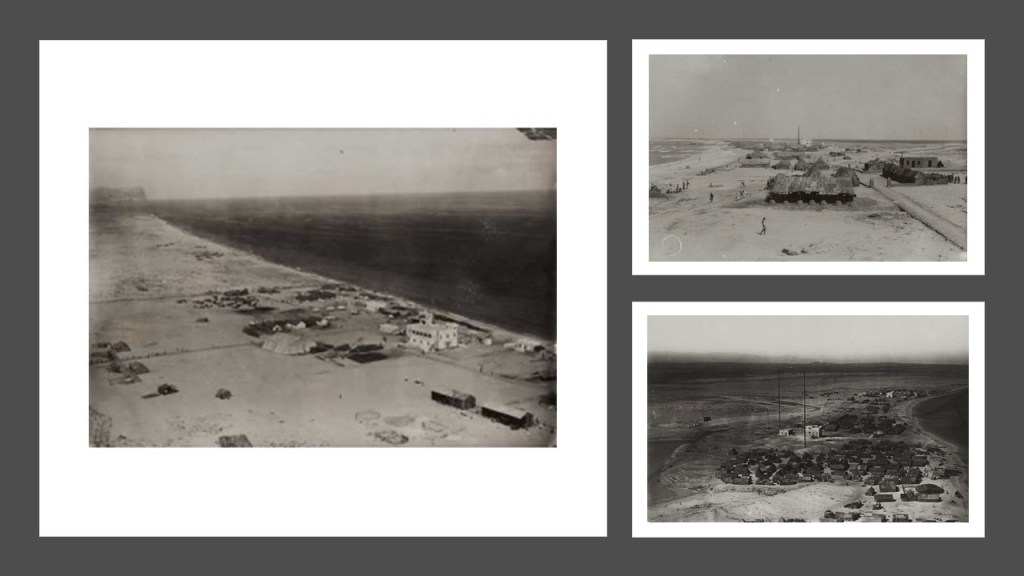
These are photos from the 1920s of Alula with the same sand-covered appearance as the other places we have been looking it.

But was it always like this?

Our historical narrative sure wants us to believe it was!
Just as an interesting side-note, this region even today produces 1.5-million kilograms per year of different types of frankincense, an aromatic resin used in incense, perfumes, and essential oils, obtained from Boswellia trees.

Medicinal properties of frankincense include anti-inflammatory and anti-tumor properties.
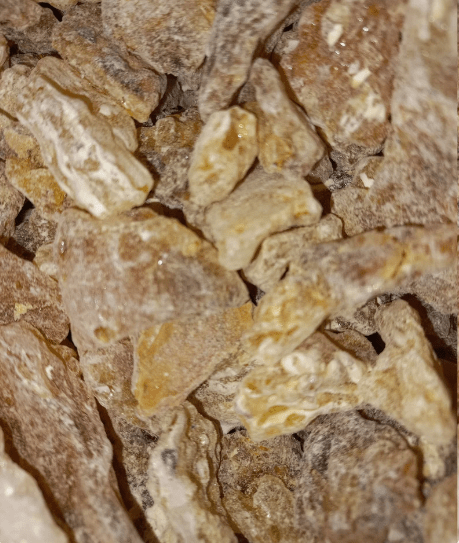
Cape Guardafui was known as “Aromata,” or the cape of spice, due to the abundance of spices it produced, including frankincense, cinnamon, and indian spices.

A word about the spice trade.

Since ancient times, the spice trade has been worth great amounts of money.

The growing of the rarest spices was exactly in this region where we have been looking in southern Arabia and Africa.

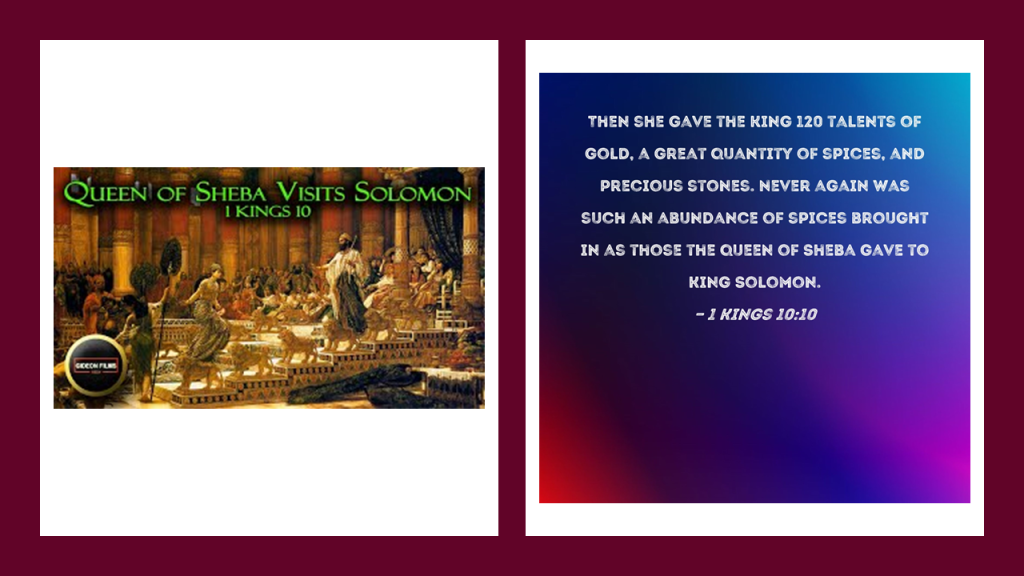
In First Kings, Chapter 10, verse 10, we find the Queen of Sheba giving King Solomon gold talents and an abundance of spices.
On the other side of the Guardafui Channel, we find the Socotra Archipelago, which is officially part of Yemen, with Socotra being the largest island.
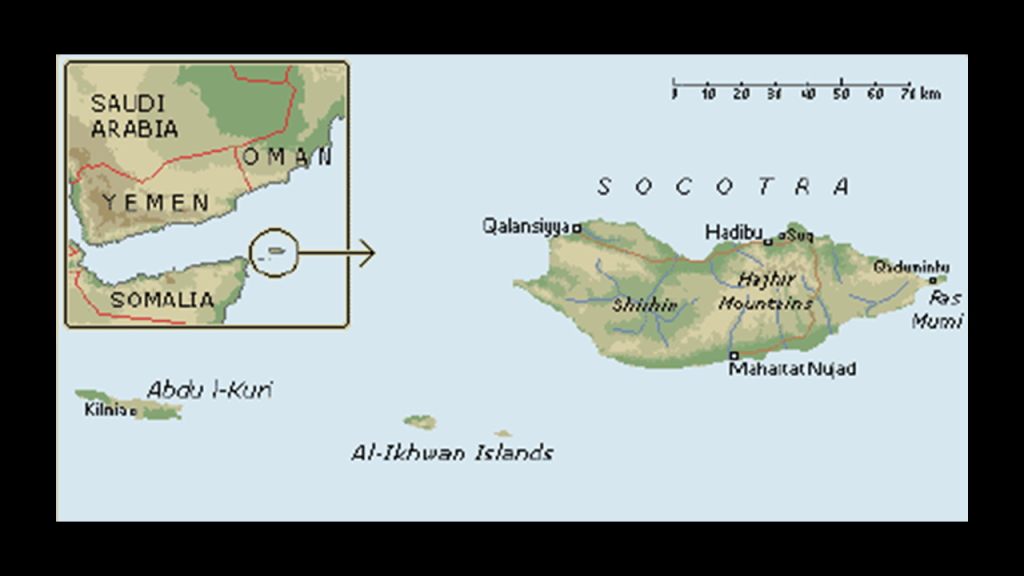
I first learned about Socotra several years ago when I watched a travel video about it that popped up as a YouTube recommendation for me.  I looked more into it at the time.  Otherwise I would never have heard of it before.

A UNESCO World Heritage Site since 2008, it is considered of universal importance because of its rich and distinct flora and fauna, most of which are found nowhere else.  It has also been called the most alien place on earth.

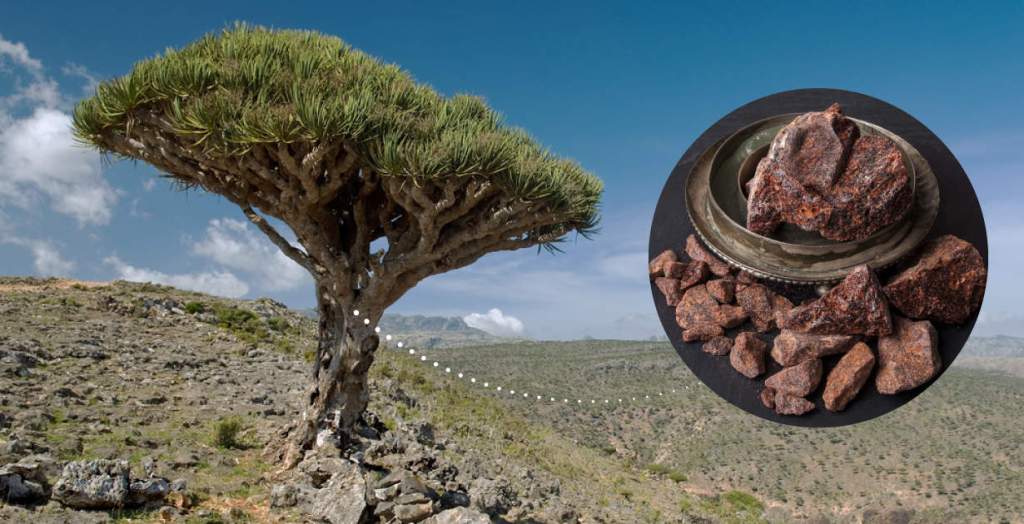
These are the Dragon’s Blood Trees of Socotra, the only place in the world they are found.

It has a dark-red resin, giving this evergreen type of tree its name.

Considered a vulnerable species, they can grow to 30-feet, or 9-meters, in height, and live for 600-years.

Dragon’s blood resin is used for things like dyes, incense, and medicine.

It’s medicinal properties include wound healing and digestion, among many others.
There are more anomalous things find in the Guardafui Channel islands, and about the Gulf of Aden, but I think I will move along, and leave you with this picture and caption concerning the Gulf of Aden if you wish to research its validity for yourself. 

Just saying this is out there. 

Personally, it wouldn’t surprise me if this is truth. 

As we are seeing, there is so much we haven’t been told about the world we live in, and that is actively kept from our awareness on an on-going basis.

Now back to the Amsterdam Island alignment after this long tangent looking at an overlooked part of the world, yet with tremendous historical importance which has been forgotten and debased in modern times.

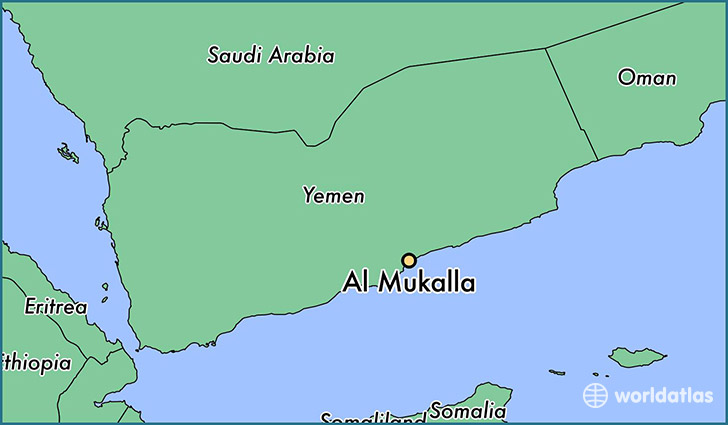
Leaving Berbera in Somaliland on the alignment, we come to Mukalla, port city on the Gulf of Aden in Yemen.

Also called Al-Mukalla and Mukalia, it is the capital of Yemen’s Hadhramaut Governate. 
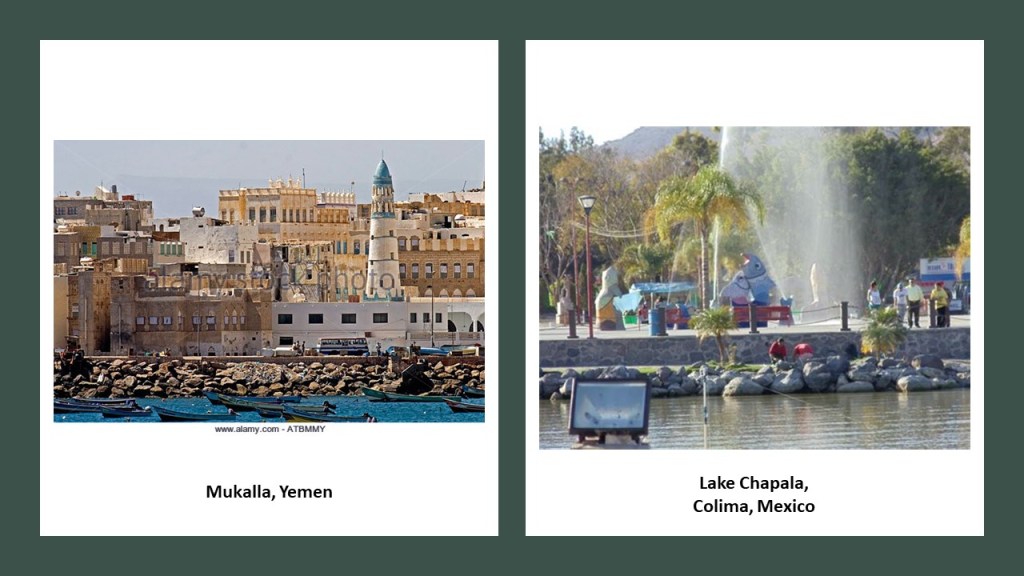
This is a view of the Mukalla waterfront, with block-shaped rocks in the foreground compared with the block-shaped rocks seen at Lake Chapala near Colima, Mexico, a place I found tracking a different alignment.
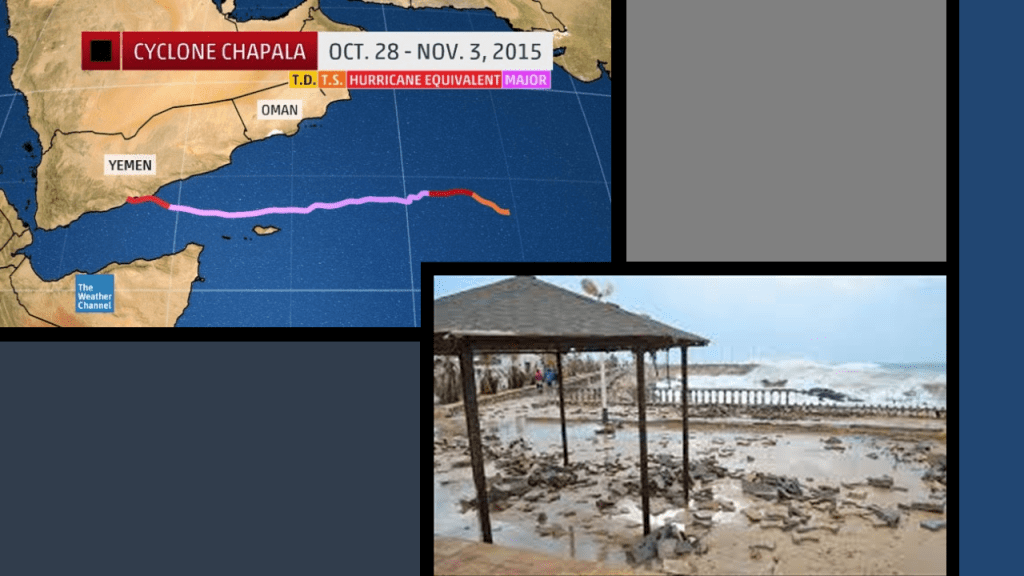
Interesting to find out that a cyclone named “Chapala” destroyed Mukalla’s waterfront in 2015.
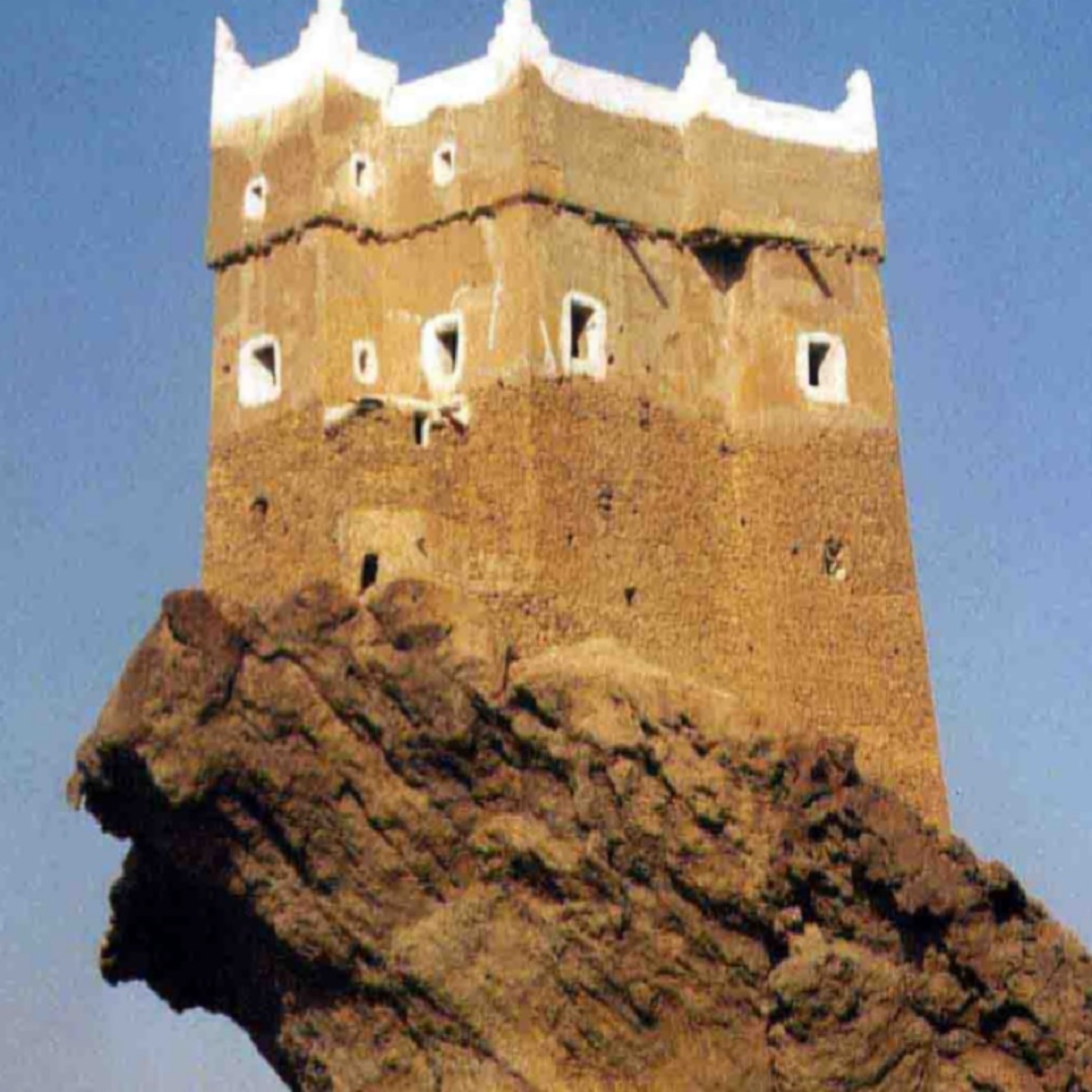
I found this photo of what is called one of the oldest houses in Mukalla. 

Quite an interesting place to build a house.
Mukalla was connected to the historical port of Qana, which was the main Hadhrami trading post between India and Africa.

Incense fields were to the north of here in an area, which were also harvested for trade.
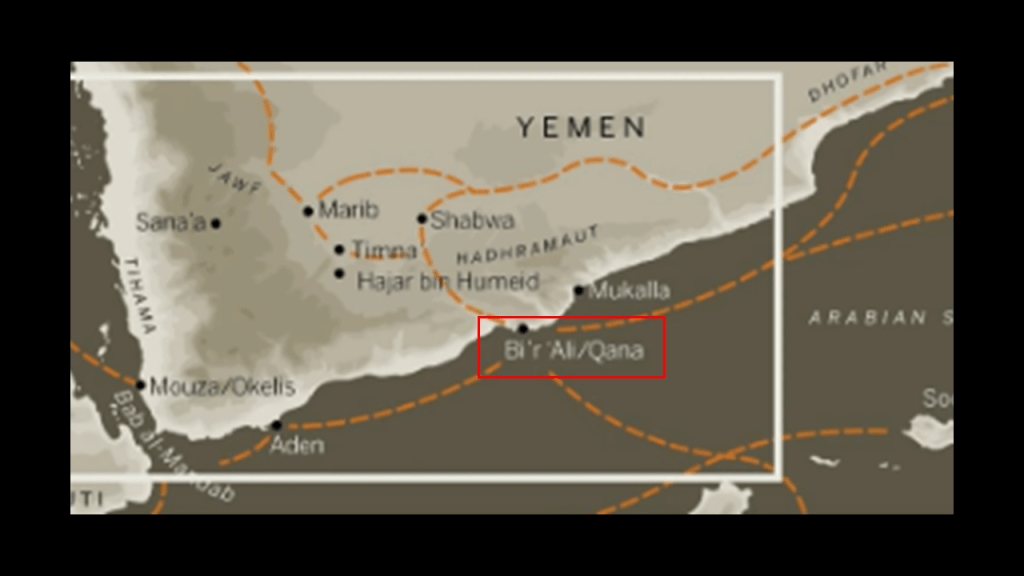
The historic capital of Hadhramaut was Shabwa along the Nabataean “Incense Trade Route,” an ancient network of major land and sea trading routes linking the world with eastern and southern sources of incense, spices and other luxury Goods.

The Hadhrami people had in their culture a tradition of sea-faring and trading. 
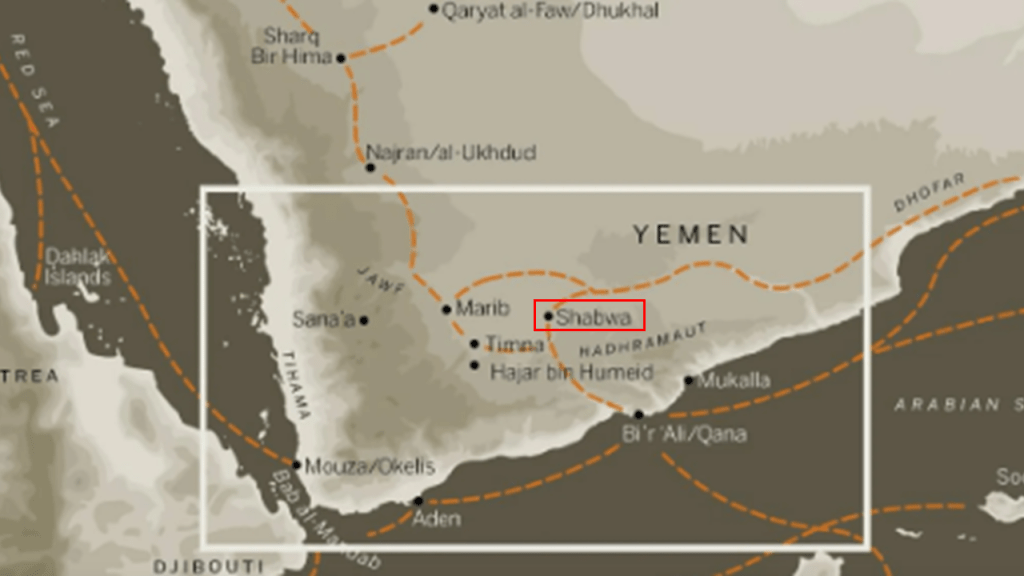
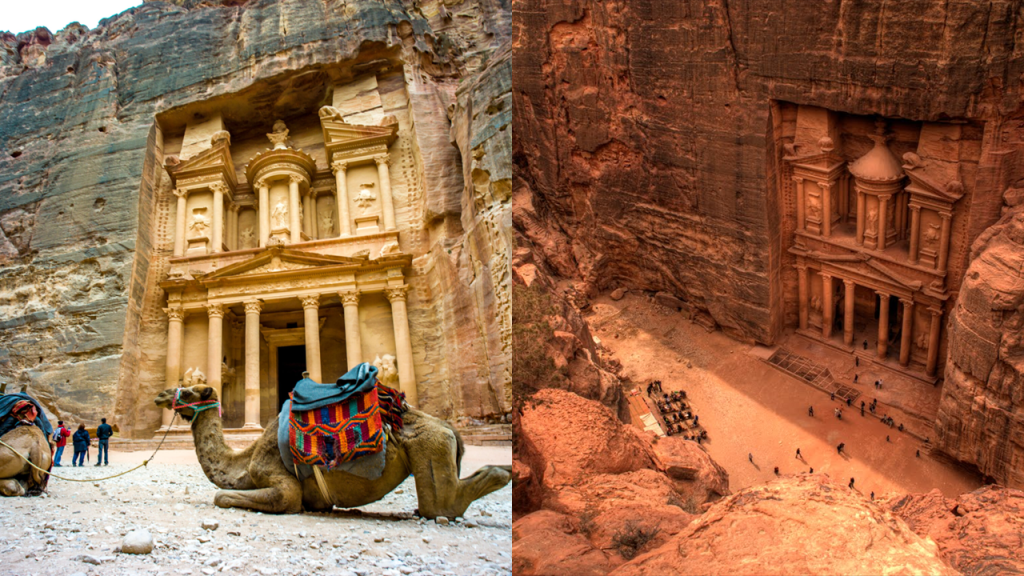
The Nabataeans were an ancient people who inhabited the Arabian Peninsula, who were characterized as being nomadic Bedouins who moved from place to place but also were skilled in trade as well.

Interestingly, rock-cut Petra in today’s Jordan was the capital of their nomadic kingdom, and was said to be a regional trading hub for them.
Shibam is located slightly northeast from Mukalla, and is also on the alignment.
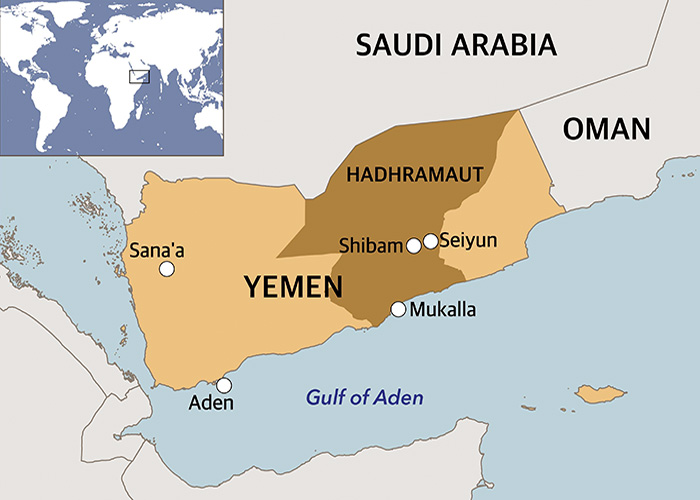
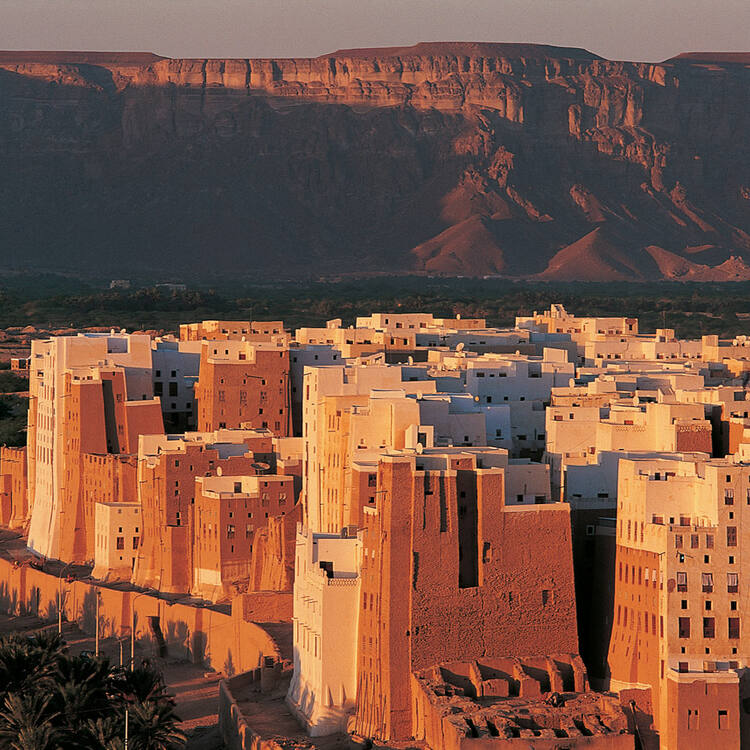
The Old Walled City of Shibam, a UNESCO World Heritage Site, on the cliff-edge of Wadi Hadhramaut near Mukalla built from mud bricks has been described as the “‘Chicago’ or ‘Manhattan’ of the Desert.”

It is said to be the oldest city in the world using vertical construction techniques, and, like Shabwa, was also a stop on the ancient incense trading route.
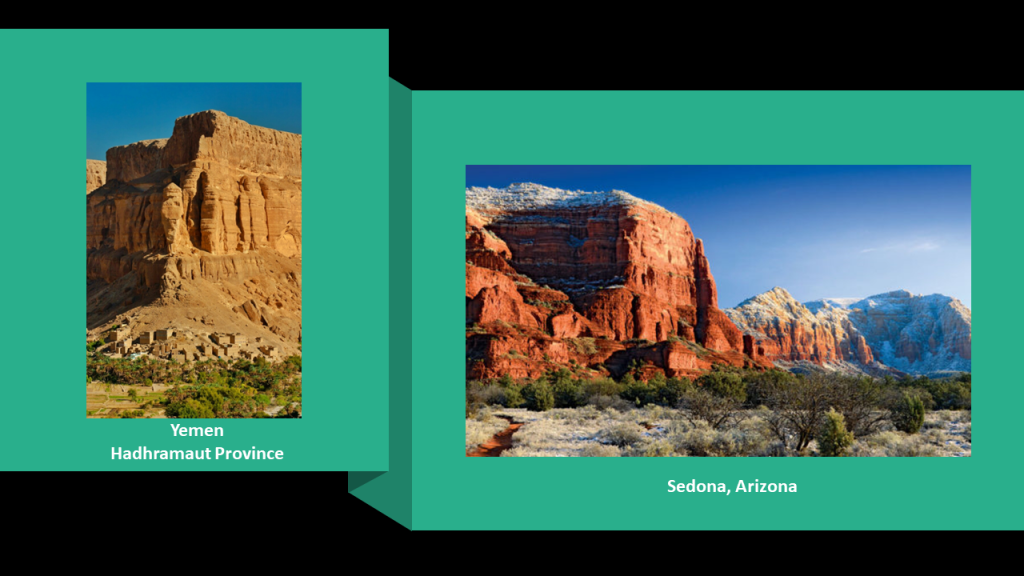
This is a photograph of the massive canyon at Wadi Leysar also in the Hadhramaut Province of Yemen, on the left, and it reminded me in appearance of Courthouse Butte in Sedona, Arizona, on the right.
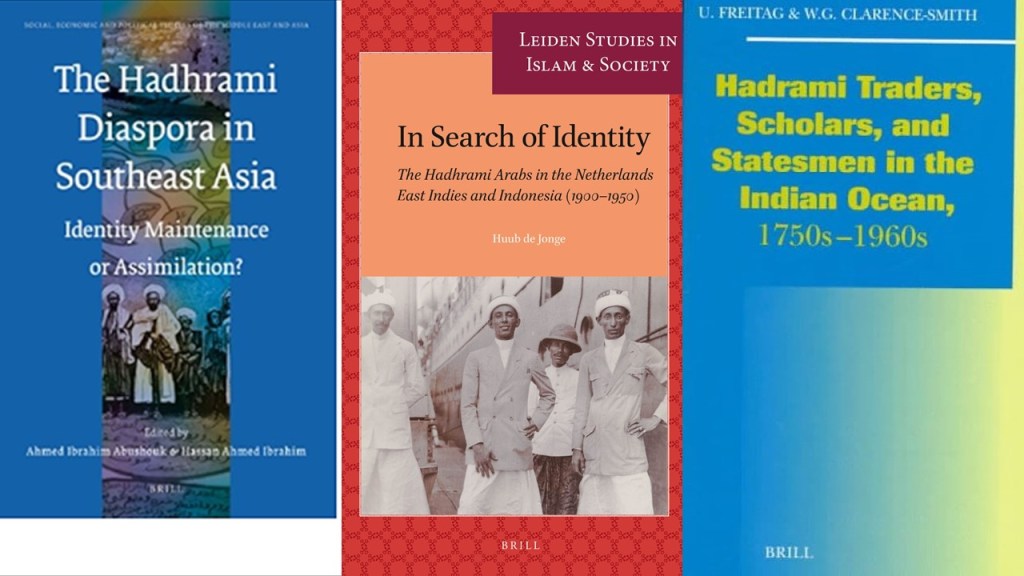
Hadharem, or Hadhrami. is the name of the historic people of the Hadhramaut region.

They are also in diaspora, living in scattered places around the world. 

At one time their presence and influence throughout in the Horn of Africa region was significant. 
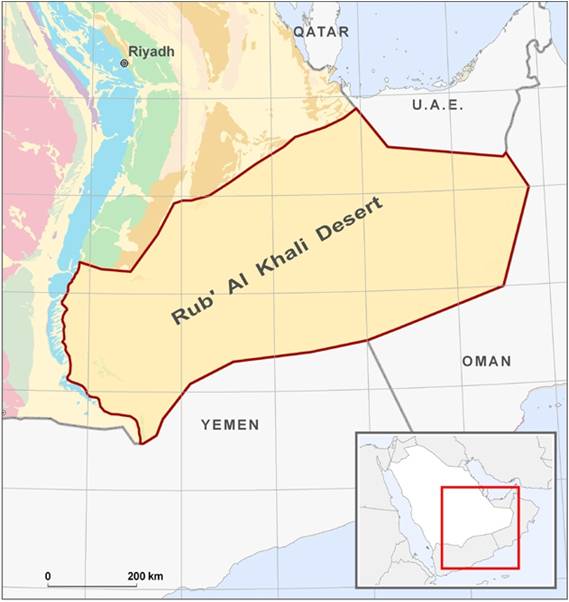
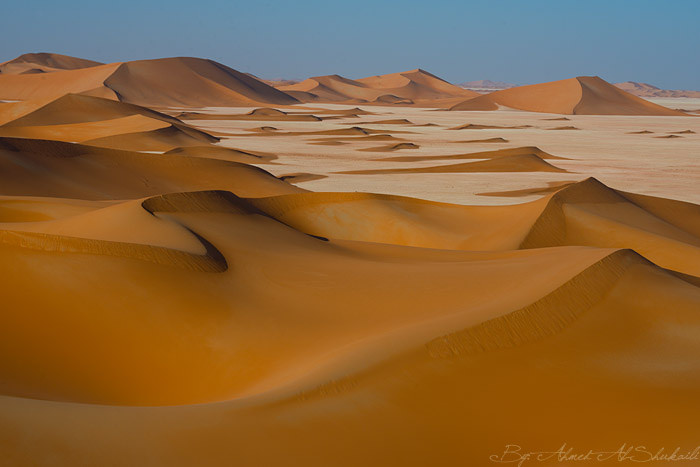
Next the alignment crosses the Rub Al Khali, otherwise known as the Empty Quarter. 

It is the largest desert in the world. 

It encompasses most of the southern third of the Arabian peninsula.
A recent Saudi Arabian Minister of Petroleum and Mineral Resources, Ali Al-Naimi, reported that the dunes don’t drift – that while sand blows off the surfaces, their essential shape remains intact.

I would not be surprised at all to learn that there is enduring infrastructure underneath all that sand!
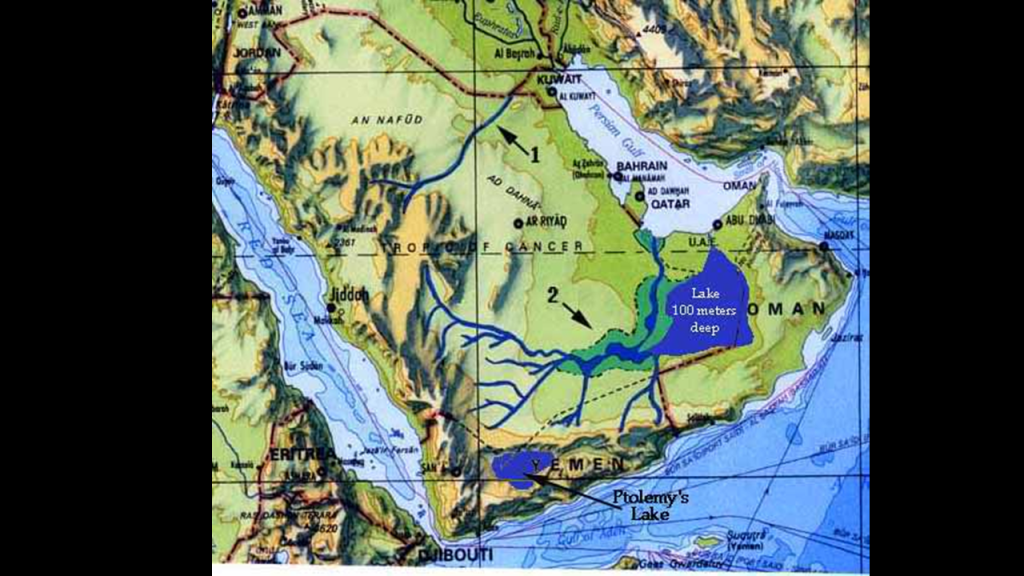
The Empty Quarter has been determined to have what would have been the third-largest lake in the world and one of the longest rivers in the world, whose flow would have rivalled the Nile River in Egypt or the Amazon River in South America.
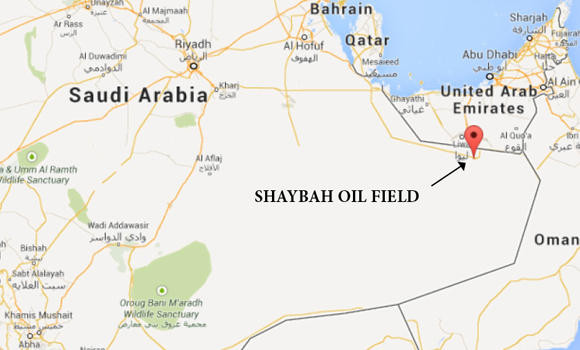
The Shaybah Oil field was discovered in 1968, 25-miles, or 40-kilometers, from the northern edge of the Empty Quarter.

As of May of 2014, it was projected to be able to pump 750,000 barrels/day for the next 70-years.
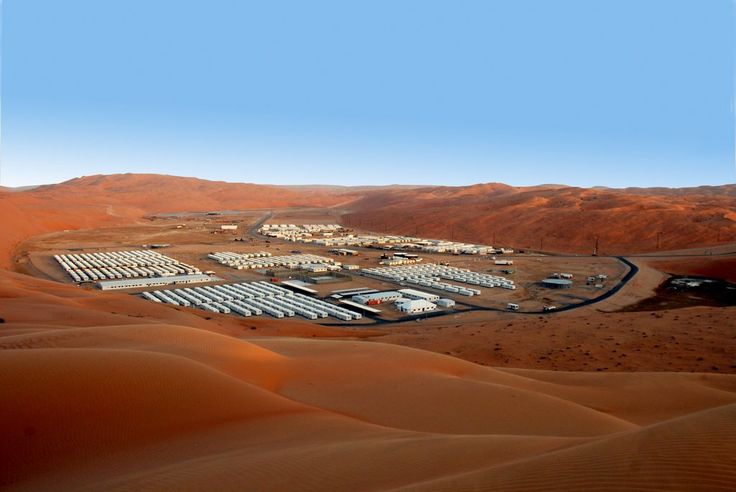
The Shaybah Oil Field is considered to be one of the most prominent landmarks in the Empty Quarter, and is surrounded by a series of giant, semicircular sand dunes, some of which are 984-feet, or 300-meters, high.
The Incense Trade made its way through this region, and it has been suggested that the lost city of “Iram of the Pillars” depended on such trade.
Its location has been searched for over the years and no place has never been conclusively identified as such.

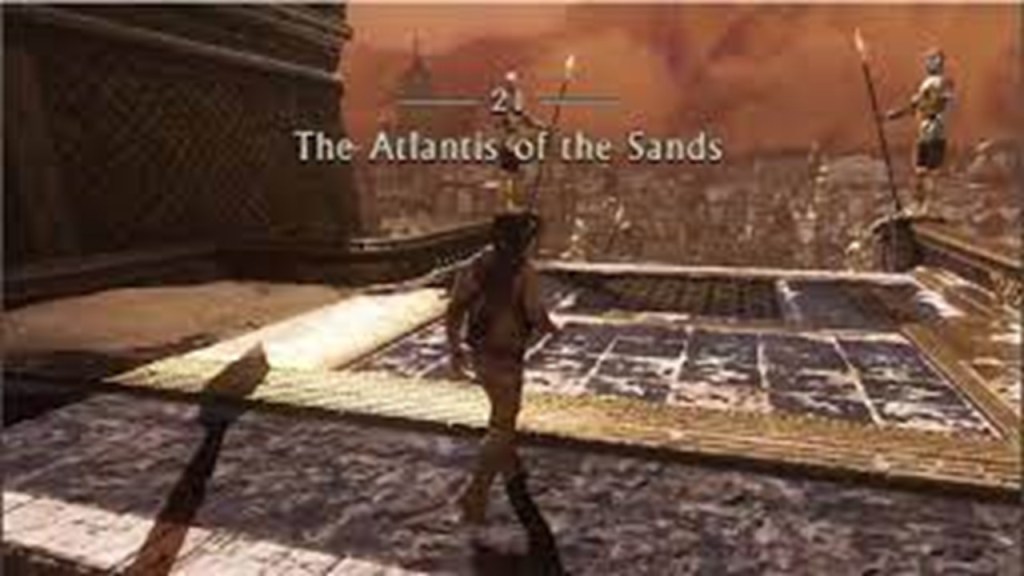
It intriguingly has the nickname of “Atlantis of the Sands.”
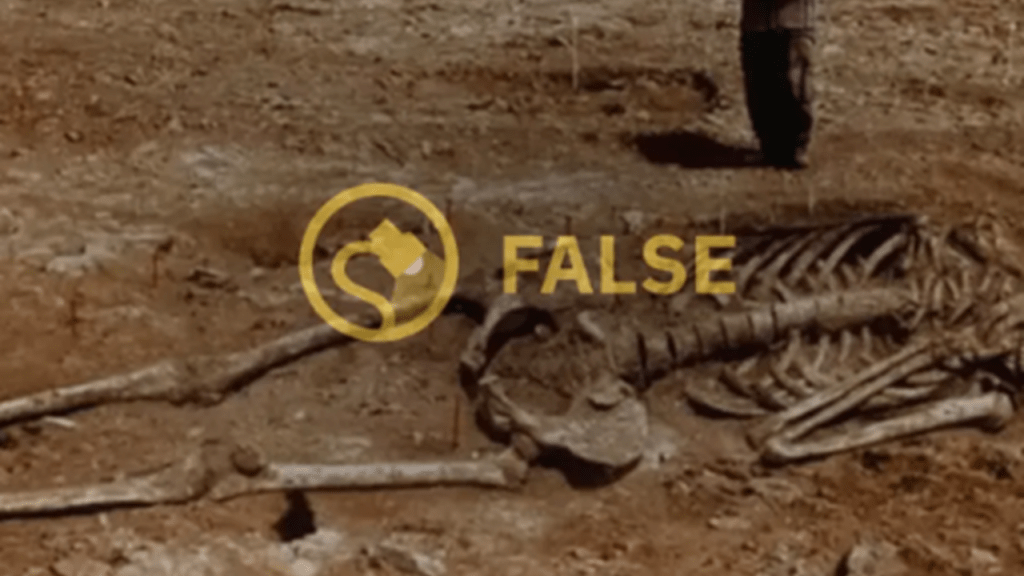
Also, in the process of oil and gas exploration in the Empty Quarter, giant skeletons apparently have turned up from time to time, though you find things like this fact-checked and flagged as hoaxes.
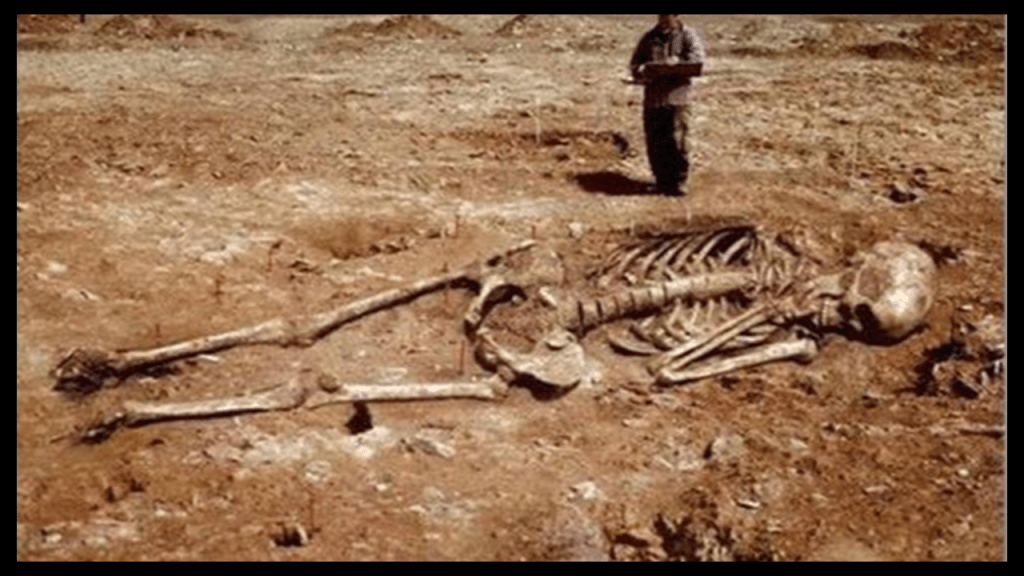
Like for some reason they really don’t want us to know giants existed upon the Earth once upon a time.
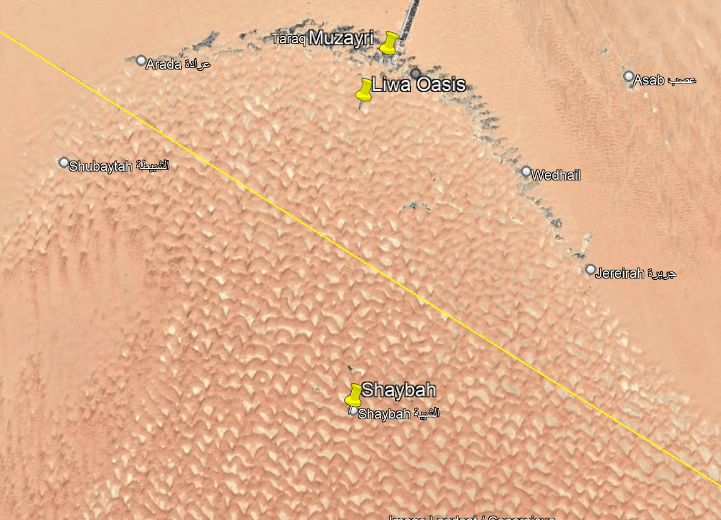
The Liwa Oasis is found in the Abu Dhabi Emirate, one of the seven Emirates that comprise the  United Arab Emirates (UAE). 

The Liwa Oasis is not far from the Shaybat Oil Field.

As a matter of fact It stretches along the northern edge of the Empty Quarter for 62-miles, or 100-kilometers, along an in arch curved to the north, and consists of approximately 50 villages, with Muzayri being the geographic and economic center of the Oasis.
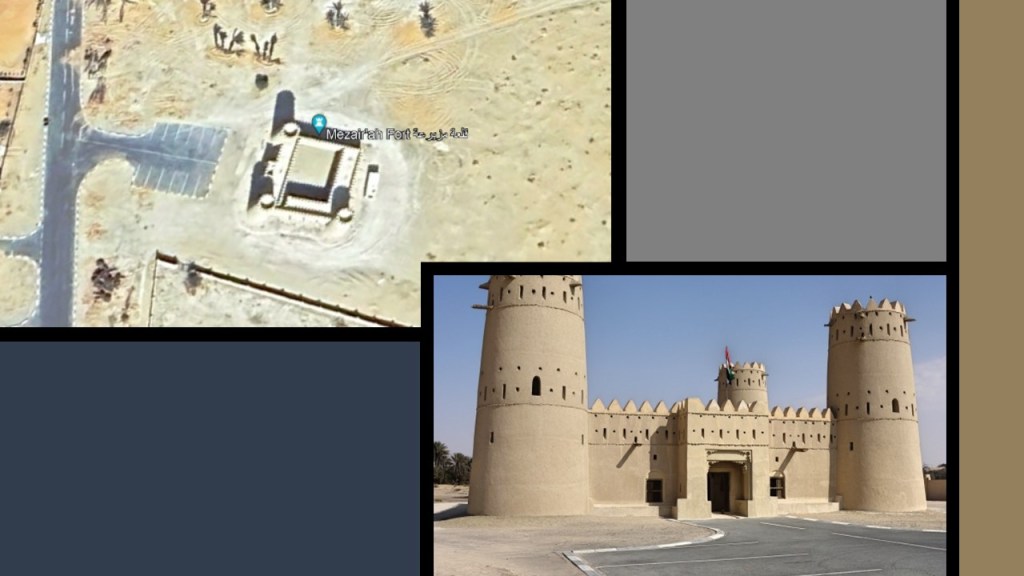
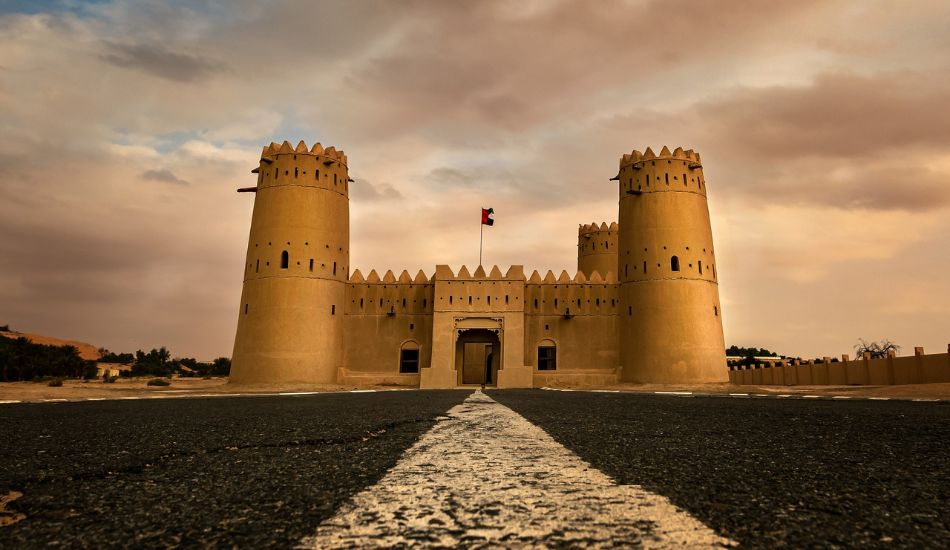
The history of the Mezairaa Fort in Muzayri is not known.
It has been speculated that it was built in the 19th-century by the local tribes to protect their wells and to provide protection for nomads who roamed the desert through here.
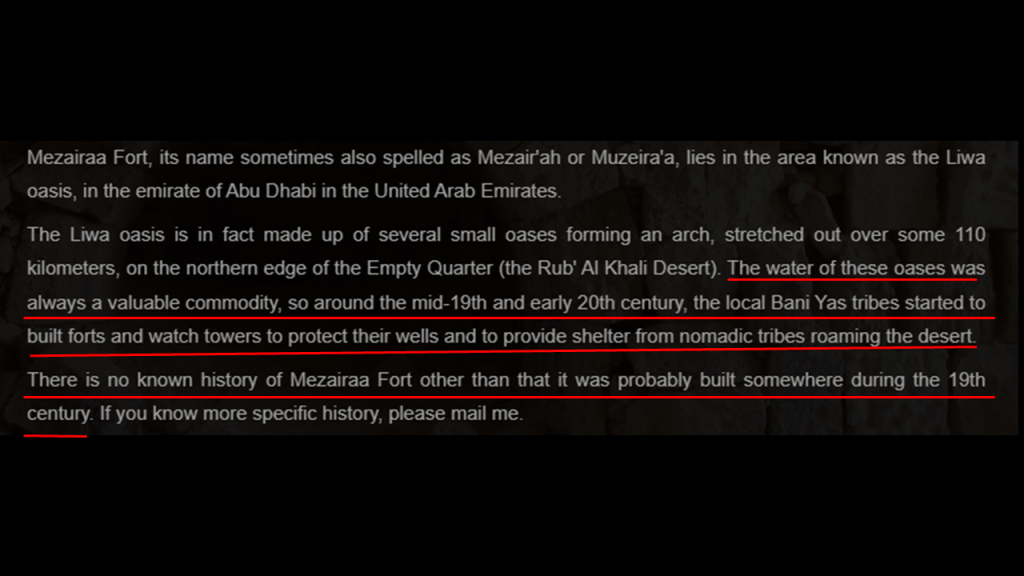
The same story is given for the altogether nine historical forts in the Liwa Oasis.

The other six restored forts here include:

Dhafeer Fort…
…Qutuf Fort…
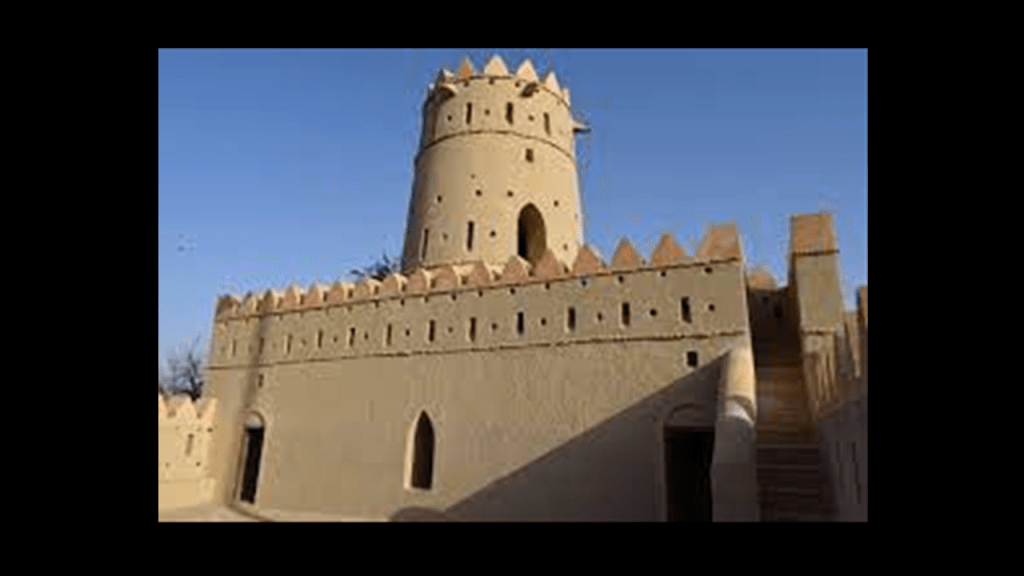
…Maria Al Gharbiyah Fort…
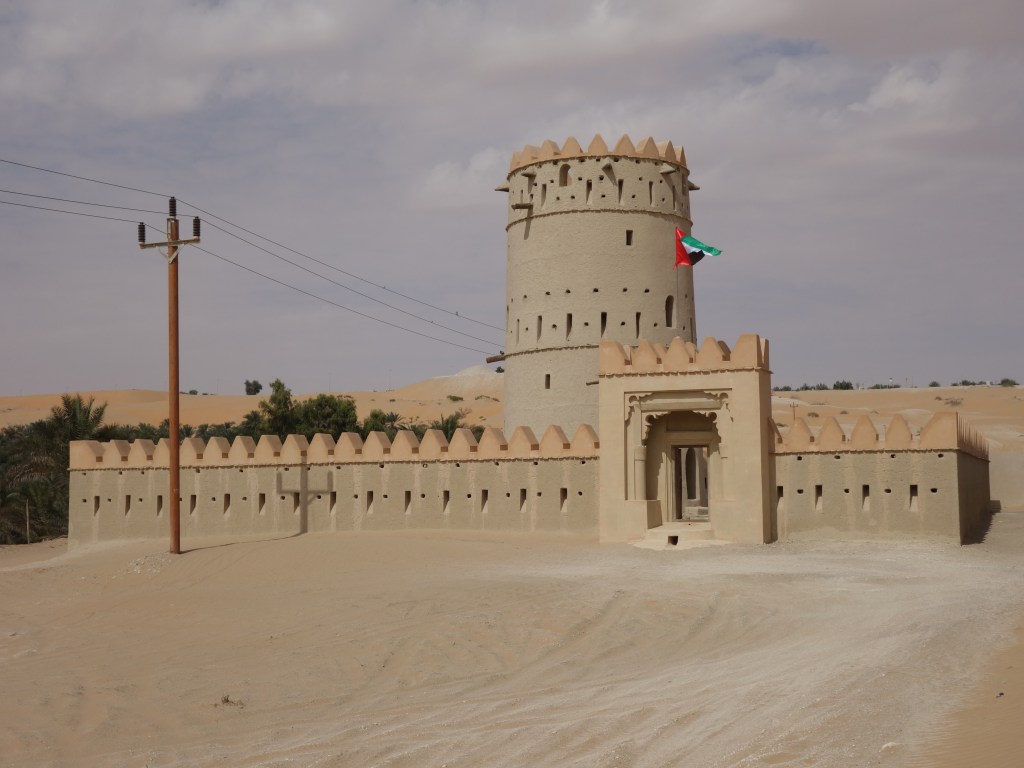
…Muqib tower…
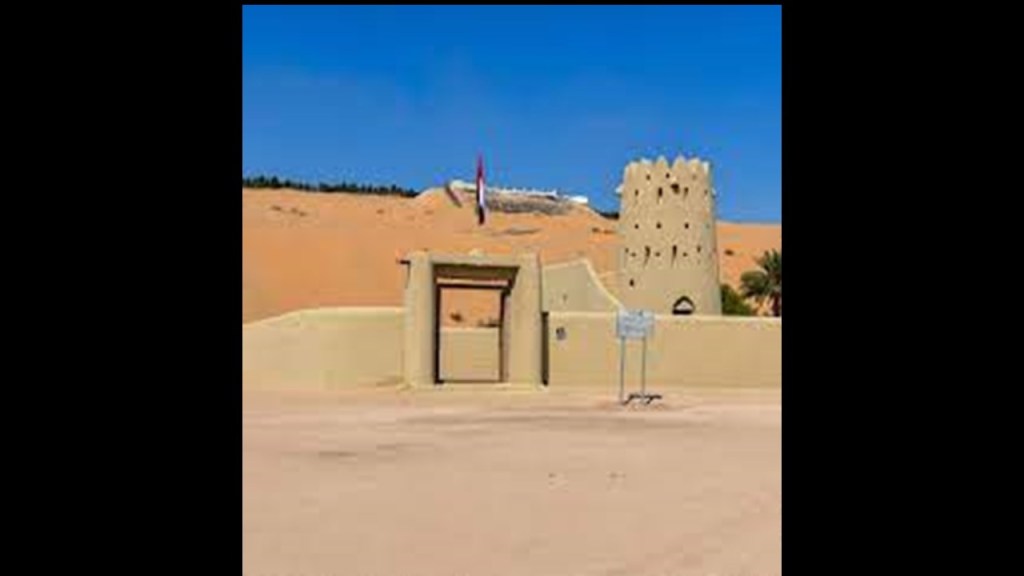
…Attab Fort…
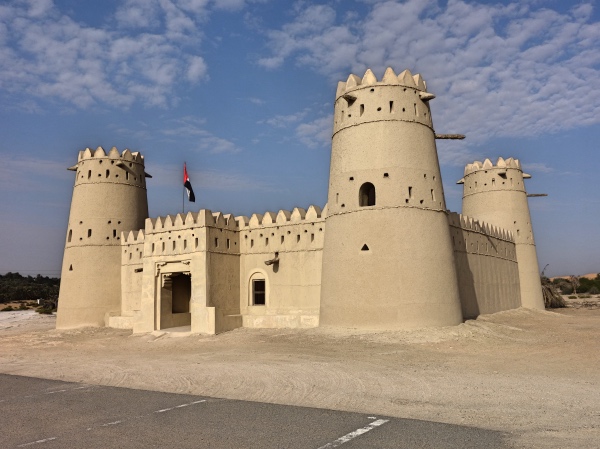
…and the Al-Jabbana Fort.
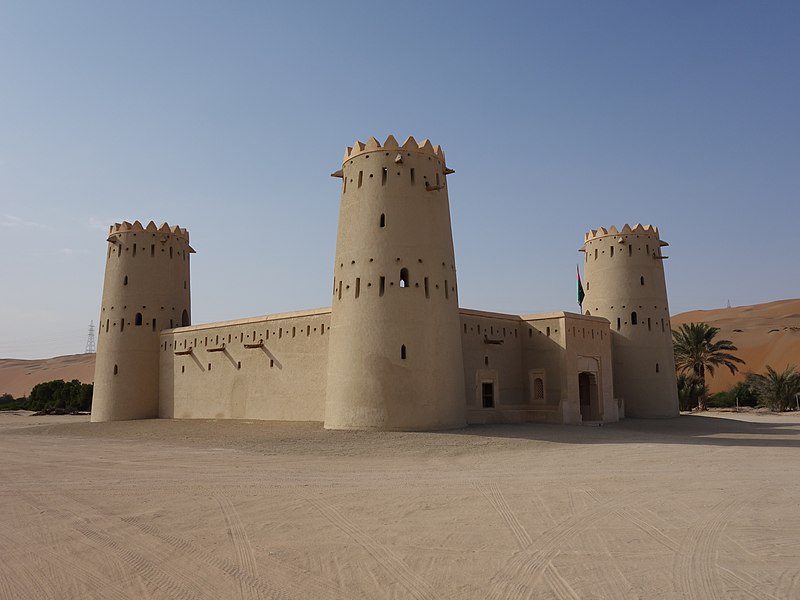
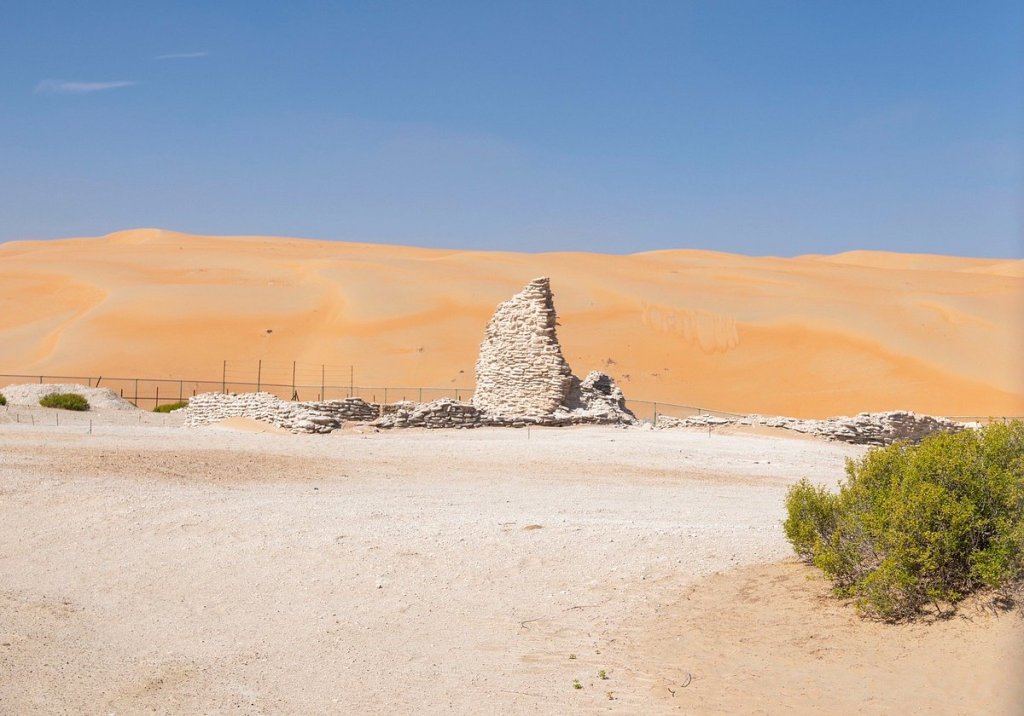
The two forts considered ruins in the Liwa Oasis are the:

Al Hayla Tower…
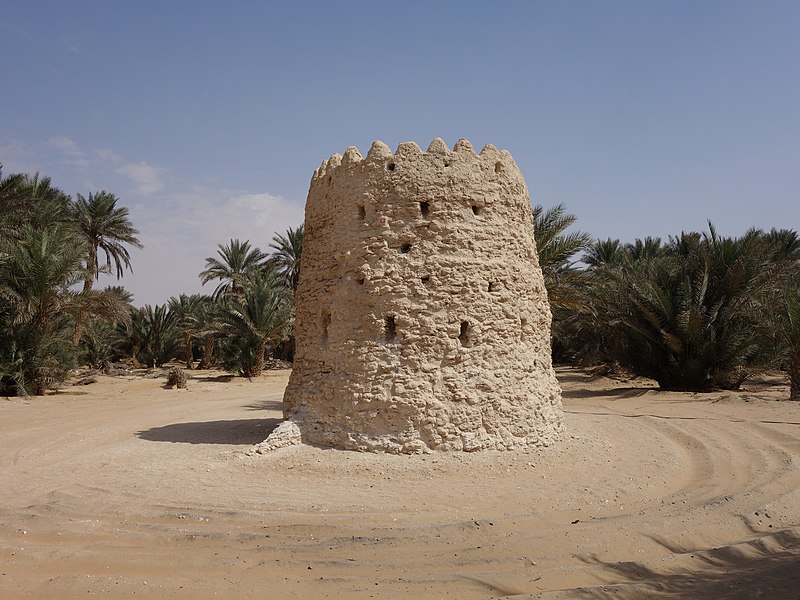
…and the Umm Hosn fort.
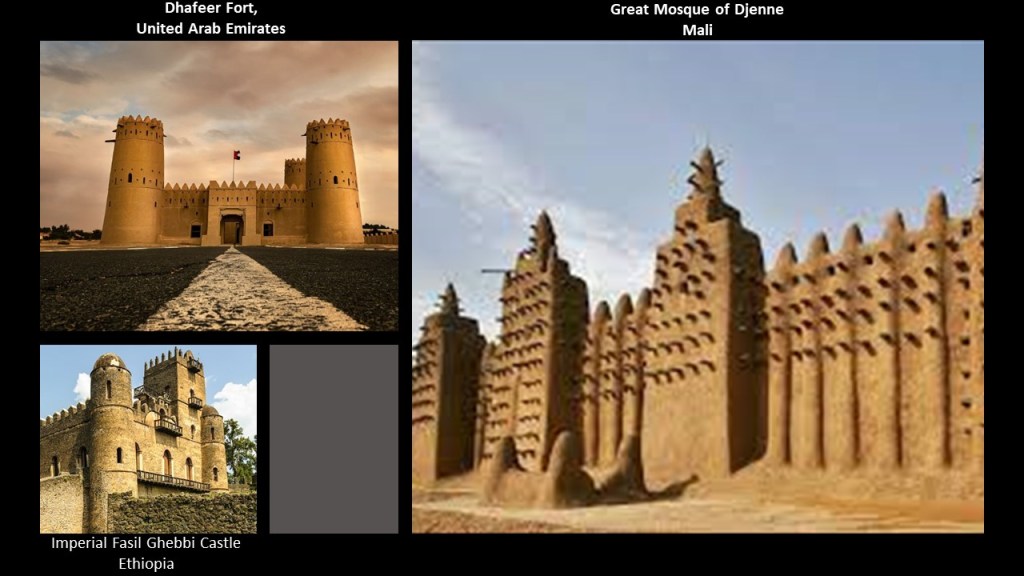
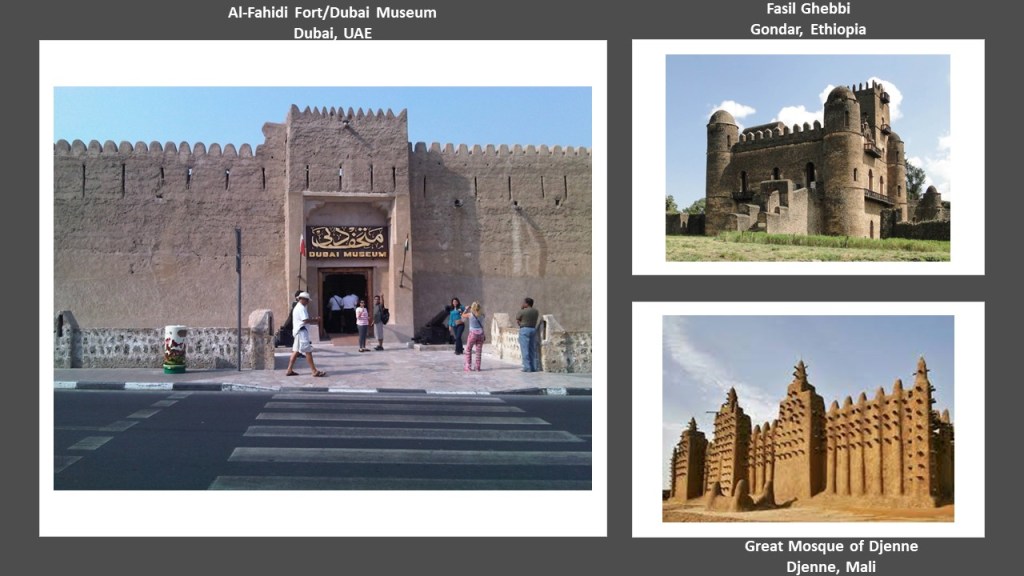
What’s absolutely uncanny is the similarity between the mud-brick architecture of the Liwa Oasis in Abu Dhabi like the Dhafeer Fort on the top left and on the right, the mud-brick architecture of places like the Great Mosque of Djenne in the west African country of Mali clear on the other side of Africa from here, both of which have features that resemble the imperial castle of Fasil Ghebbi in Gondar, Ethiopia, on the bottom left.

We’ll be seeing more examples of this finding as we continue travelling along this alignment.
Before we move on here, just wanted to share with you some tourist attractions here.

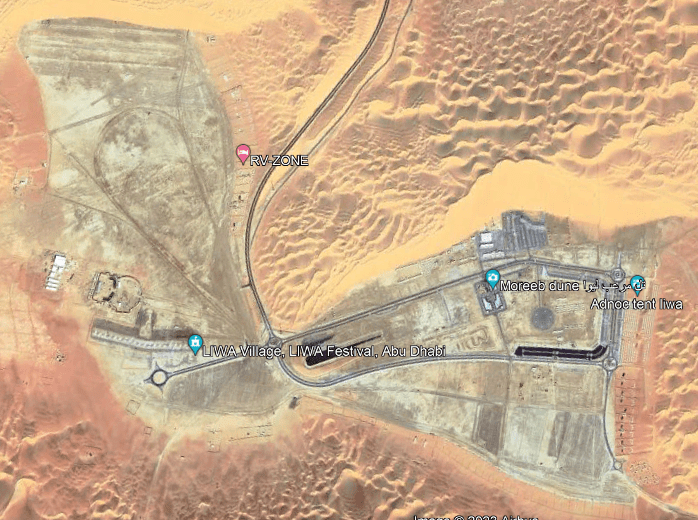
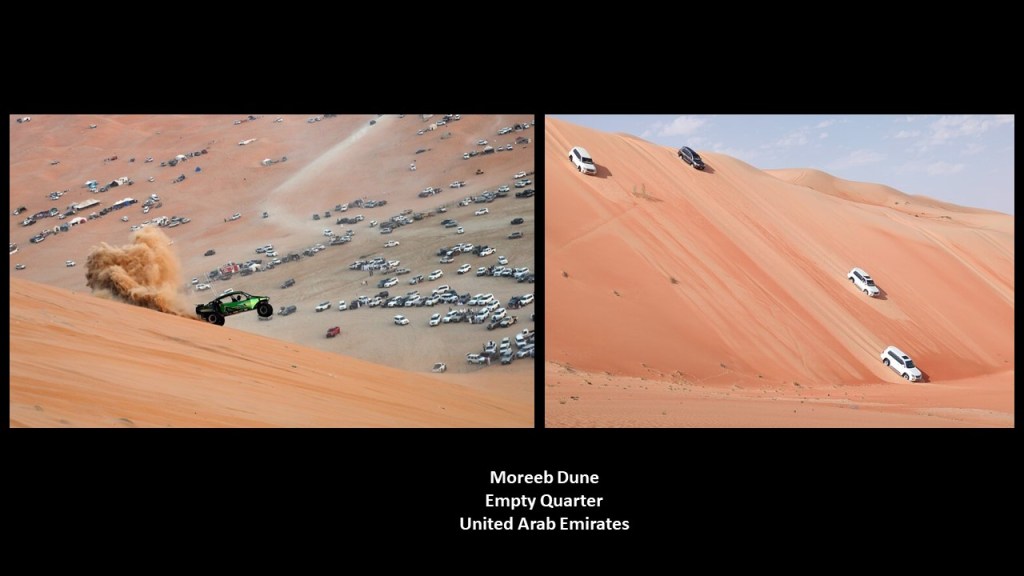
If you ever travel to the Liwa Oasis, one of the fun things you can do is take a trip to the Moreeb Dune in the Empty Quarter.
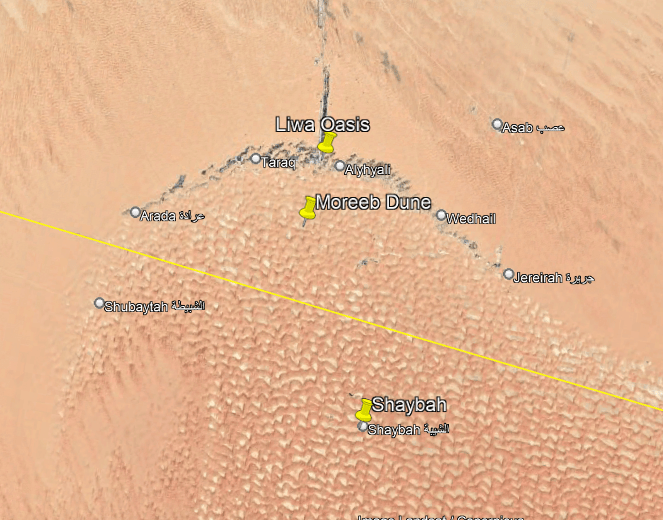
It is the tallest dune in the UAE and one of the highest sand hills in the world at 984-feet, or 300-meters, high, with a 50-degree angle from the ground to the top.
Among other things, it is popular for organized car-racing, and other vehicular activities.

Must have a pretty hard surface underneath all of the sand!
They do the same thing on the dunes at the Little Sahara State Park, near Waynoka, Oklahoma.

Oklahoma was where I first awakened to all of the things I am sharing with you now, about a worldwide, advanced civilization that has been erased from our memory.

Back in the United Arab Emirates near the Liwa Oasis, you can even mark a romantic dinner surrounded by sand and dunes off your bucket list when you come on your dream vacation to the Empty Quarter.

Next on the alignment, we come to the city of Abu Dhabi, the capital of the UAE.
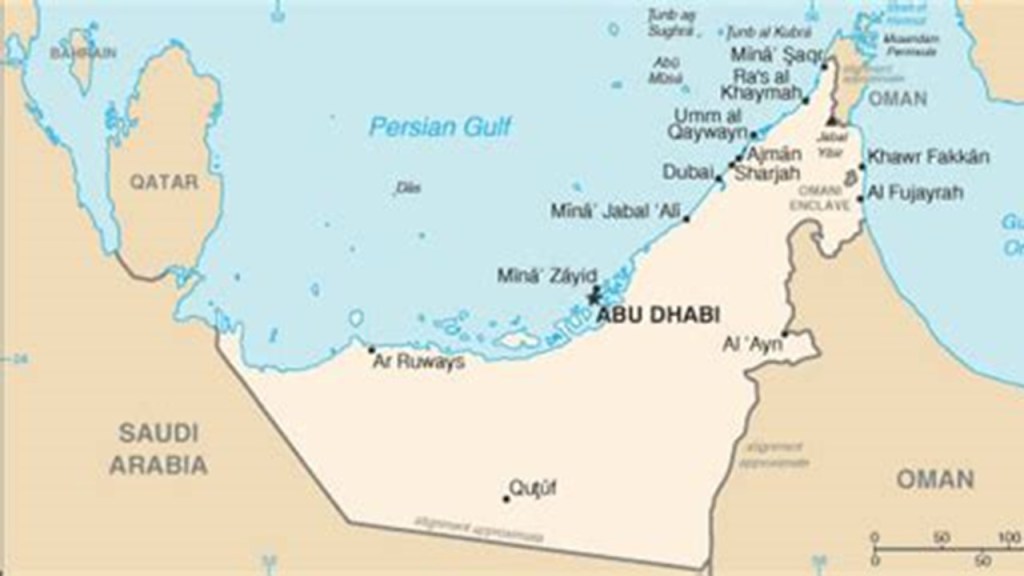
It is located on an island in the Persian Gulf.
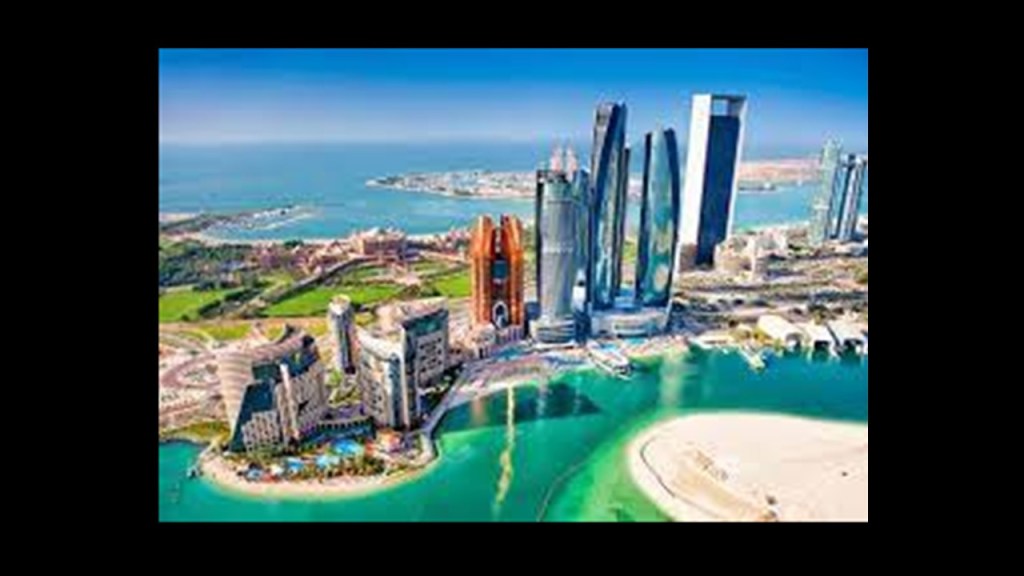
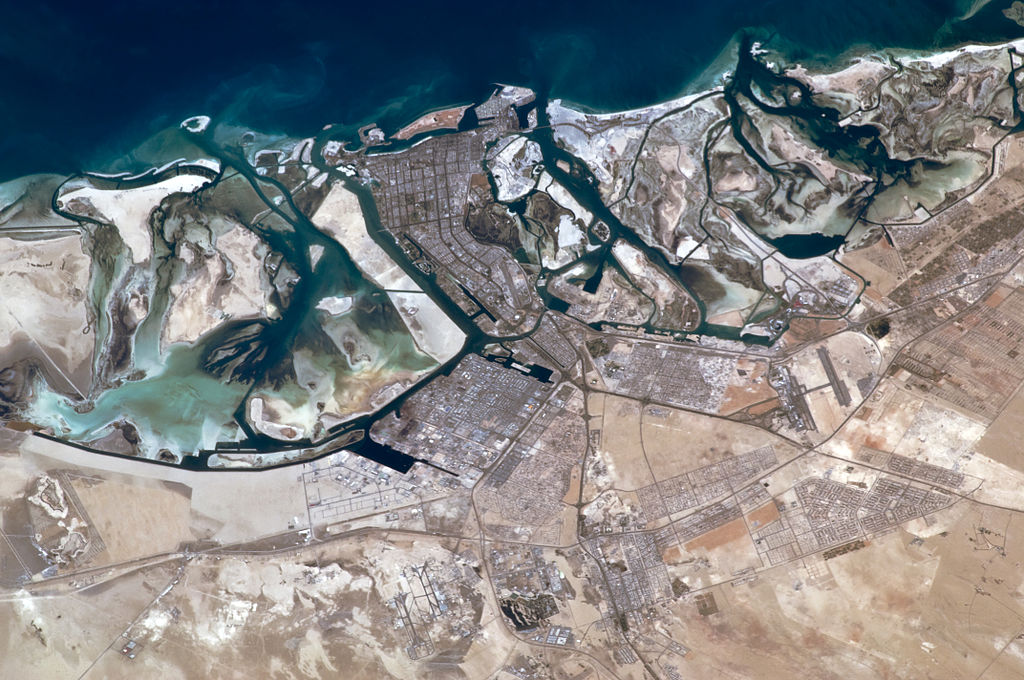
Here’s an aerial view of Abu Dhabi, with lots of channels and canals showing up.

I find this to be noteworthy, because the ancient advanced civilization was a canal-building civilization, and like the mud-brick architecture mentioned previously, we will continue to find the presence of canals along this alignment.
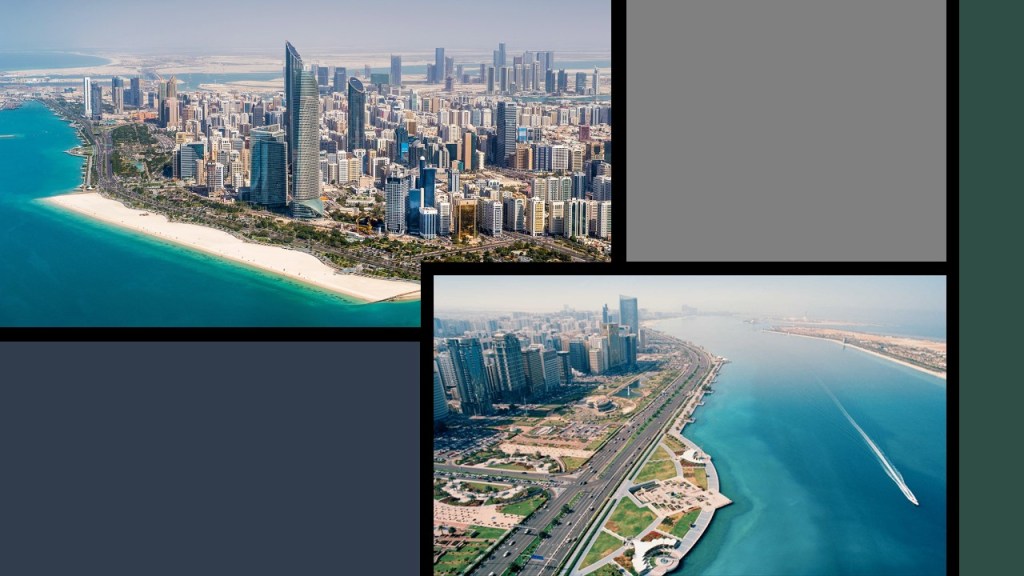
And here is a view of it from the water, with a nice rectangular beach-head on the top left, and a nicely-shaped manmade water front on the bottom right.
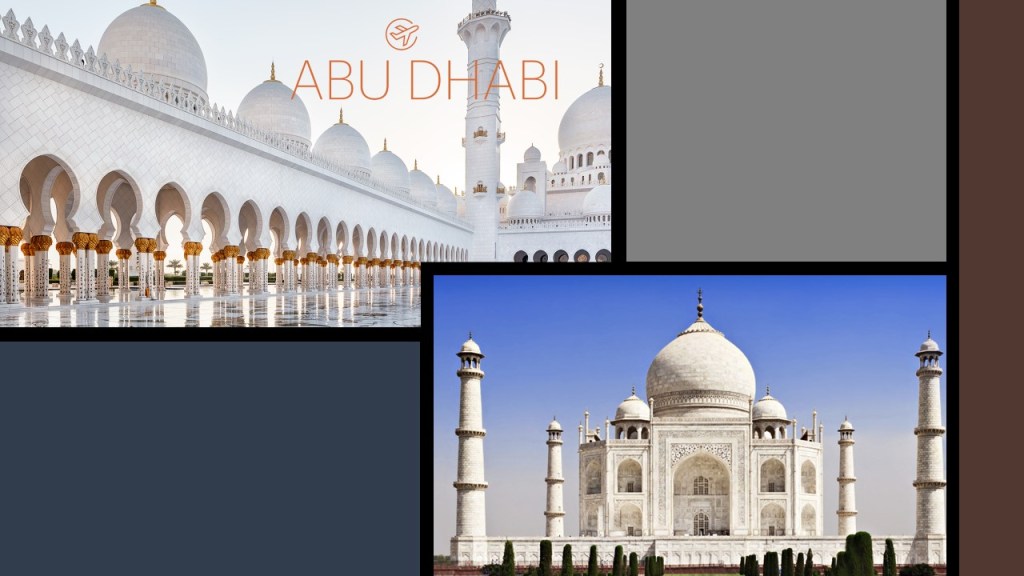
This is the Sheikh Zayed Grand Mosque in Abu Dhabi, and its elegant and sophisticated design features on the top left.

The date for construction is given as 1996.

I am comparing it with the Taj Mahal in Agra, India, on the bottom right because they have similar design features, especially the shape of the domes.

Yet the Taj Mahal was built in the mid-1600s as a mausoleum, according to the historical narrative we have been given. 

In both places, the architecture is simply-breathtaking!

The sophistication and striking similarities of these two monumental works of architecture raise some real questions in my mind about how they were built – both then and now.
The next location we come to on the alignment is Dubai, another Emirate, and the largest city of the United Arab Emirates. 

You can tell just by looking at a map of the city that this is a unique place in the world.
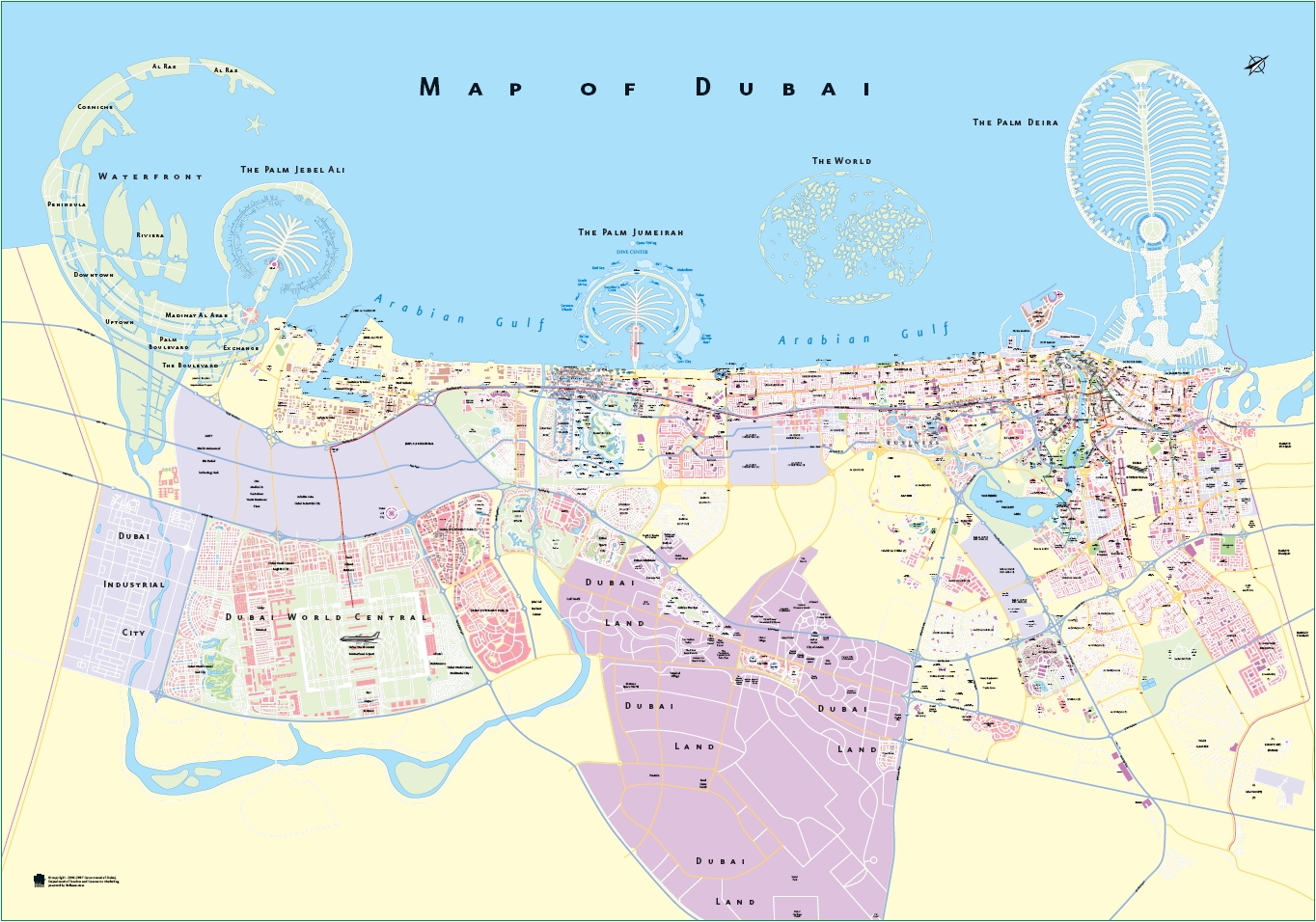
Dubai is one of the world’s “Global Cities,” which means it is a city which is a primary node in the global economic network, with a focus on financial power, and high technology infrastructure.
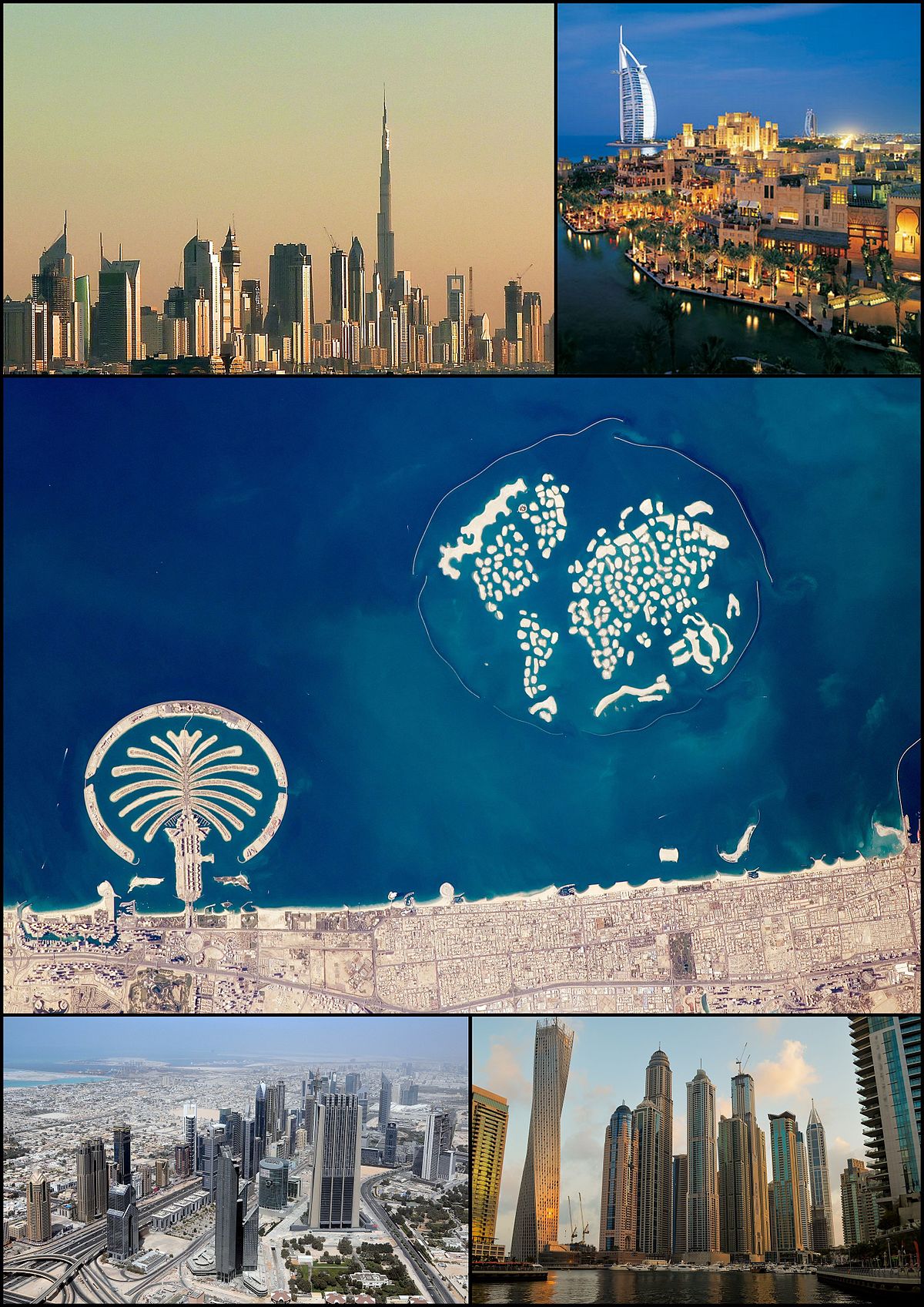
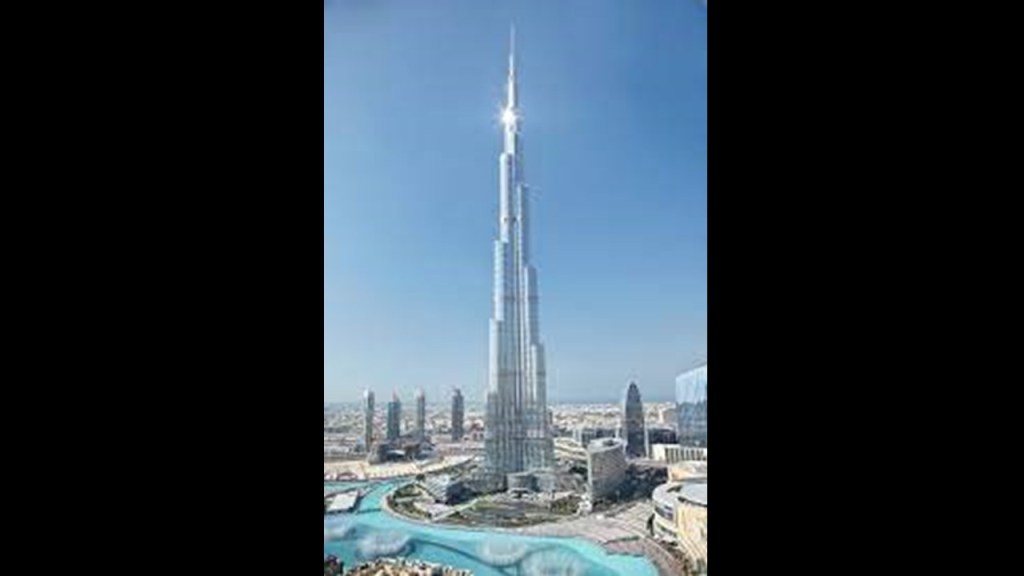
The Burj Khalifa Tower,the world’s tallest building, is in Dubai.

The building is 2,722-feet, or 830-meters, tall in height.

Construction dates are listed between 2004 and 2009, with it opening to use in 2010.
The oldest existing building in Dubai is the Al-Fahidi Fort, and was said to have been built in 1787 to protect the locals and the pearl-fishing economy from neighboring tribes.

Today the old fort houses the Dubai Museum, pictured on the left.

The Al-Fahidi Fort has the same architectural features shown previously in this post as the Fasil Ghebbi in Gondar, Ethiopia, the home of Ethiopia’s Emperors, on the top right, and the Great Mosque of Djenne in Mali in west Africa on the bottom right. 

Djenne is said to be the oldest known city in sub-Saharan Africa.
Djenne in Mali is located close to the Bandiagara Escarpment, where the Dogon people live.
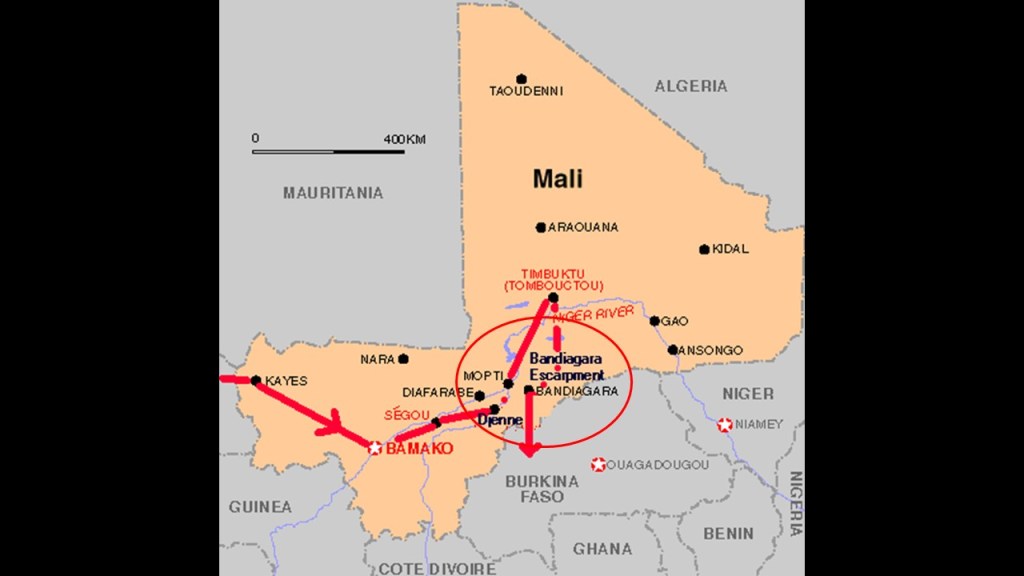
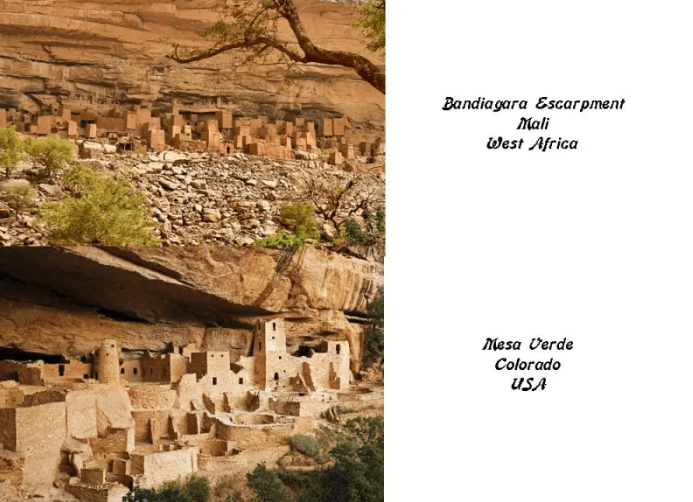
This is the Bandiagara Escarpment on the top, looking remarkably like Mesa Verde in the U. S. State of Colorado, on the bottom.
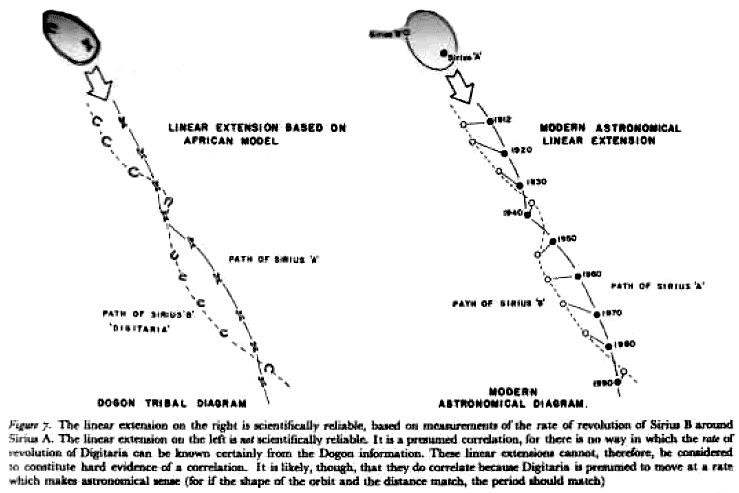
The Dogon have a very sophisticated spiritual, astronomical and calendrical system, as well as extensive anatomical and physiological knowledge. They also have a systematic pharmacopeia, which means directions for compound medications.

Perhaps they are best known for the accurate knowledge they possess about the Sirius star system.

Yet we know the Dogon to have an agricultural society?
One last thing I want to show you in Dubai before I end this post.

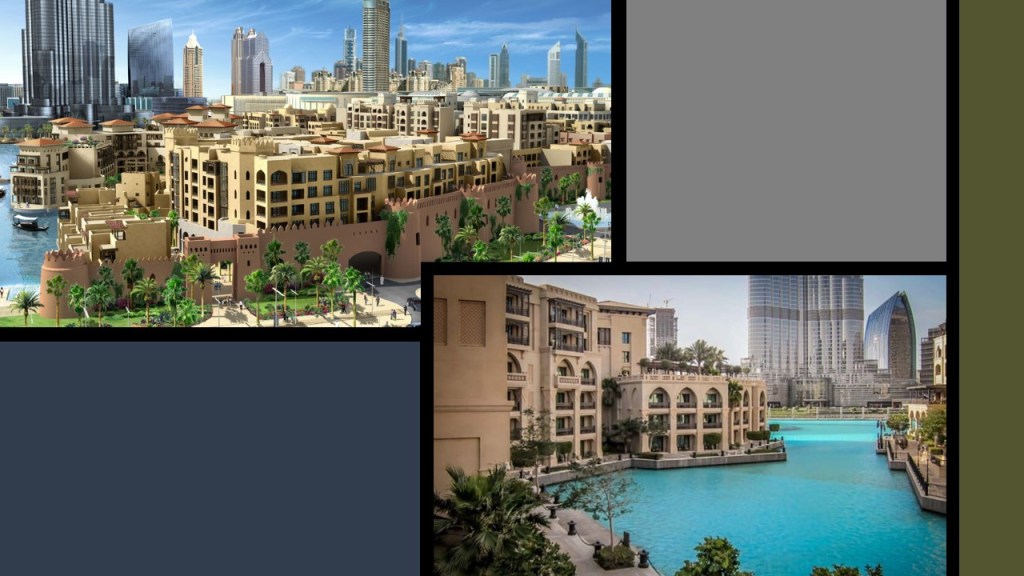
This is an aerial view of what is considered Dubai’s Old Town, the Bur Dubai.
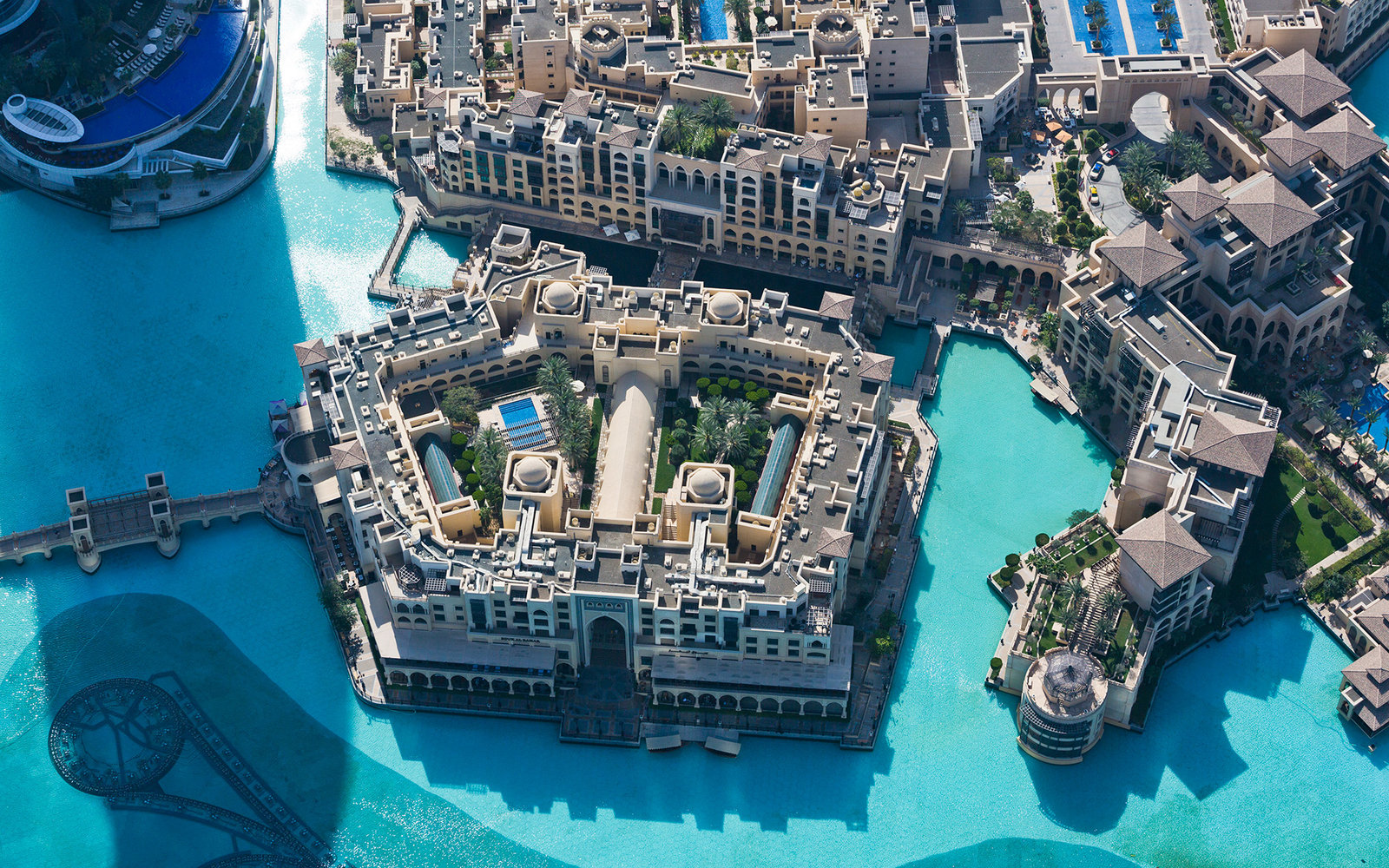
Here are more photos of the architecture and canal system of Old Town Dubai.
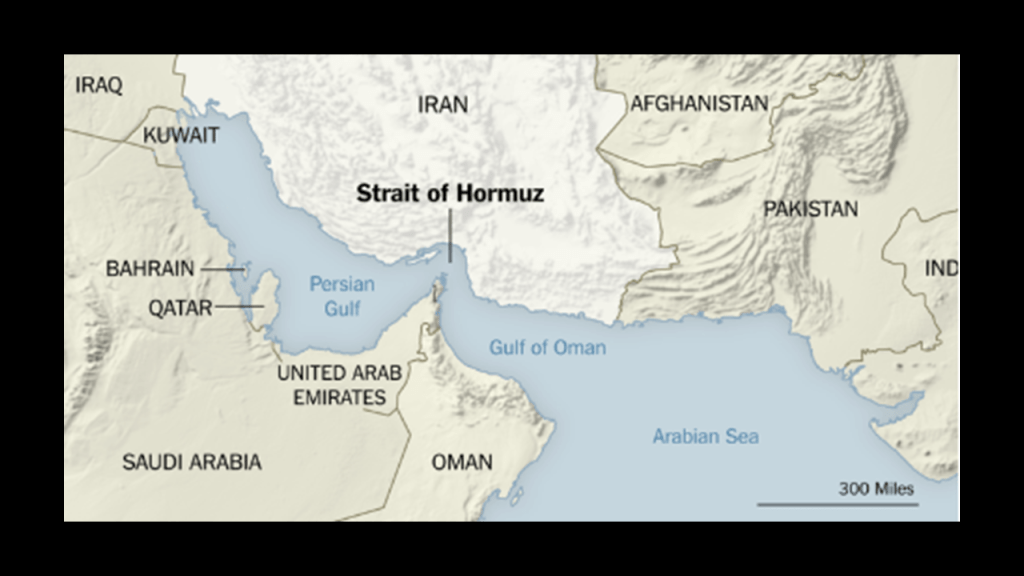
Like with everywhere else, there is much more to find here in these places I’ve been looking at, but I will end this post here, and in the next post will pick up the alignment as it goes across the Strait of Hormuz into Iran.
Circle Alignment on the Earth Amsterdam Island – Part 1 Amsterdam Island to Berbera, Somaliland

This post involves a circle alignment that I found beginning and ending on Amsterdam Island, a small island in the French Subantarctic Islands.

I am updating the original series from November of 2018 through January of 2019, and have added a considerable amount of new material to what I had in the original eleven-part series called “Circle Alignments on the Planet Amsterdam Island.”

I have removed “Planet” from the title and replaced it with “Earth” because I do believe as a result of what I have encountered in my research over the last five-years-plus, that we have been lied to about the shape of the realm, along with all the other things  we have been lied to about.

This series was one of my earliest efforts in tracking cities and places in alignment over a very long distance, and consistently seeing the same characteristics and hand of design across oceans and continents.

The process of doing the research along this alignment and other alignments has provided extensive evidence for a worldwide, advanced civilization, which has been deliberately suppressed, misattributed and removed from our collective awareness so that we wouldn’t know about its existence.

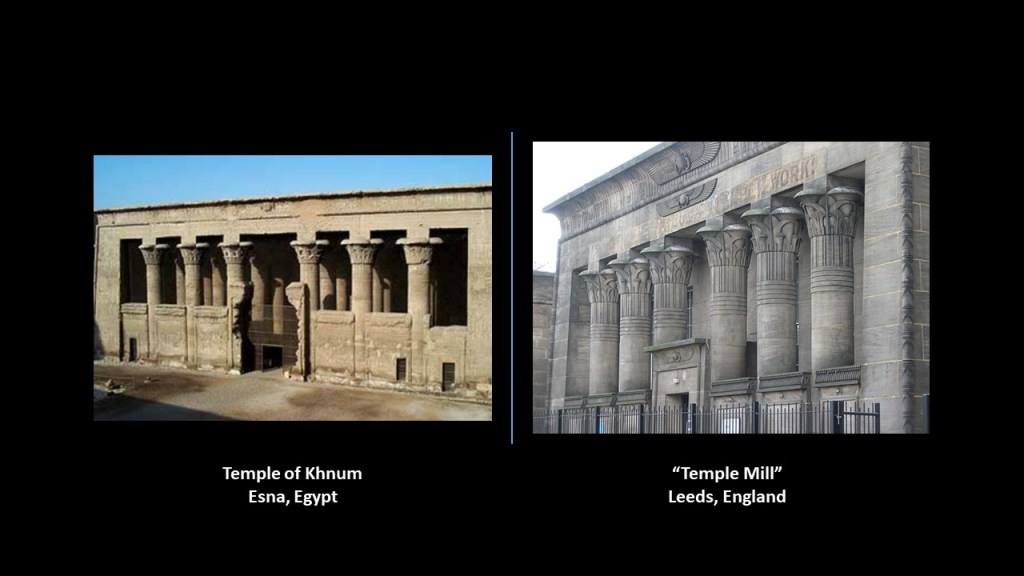
For comparison of similarity of appearance is the Temple of Khnum in Esna , Egypt, pictured on the left, and the Victoria-era “Temple Mill,” in Leeds, England, on the right.

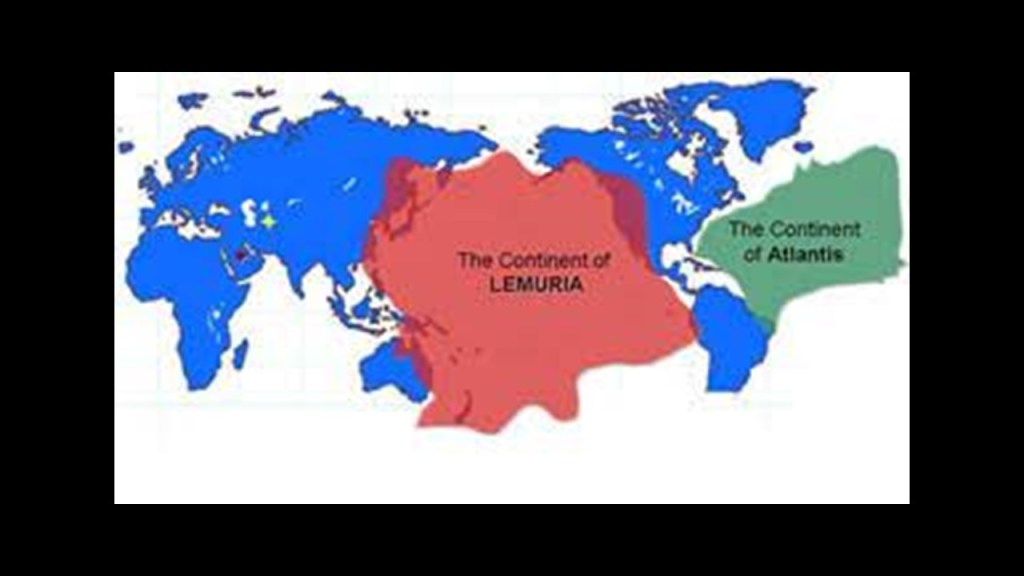
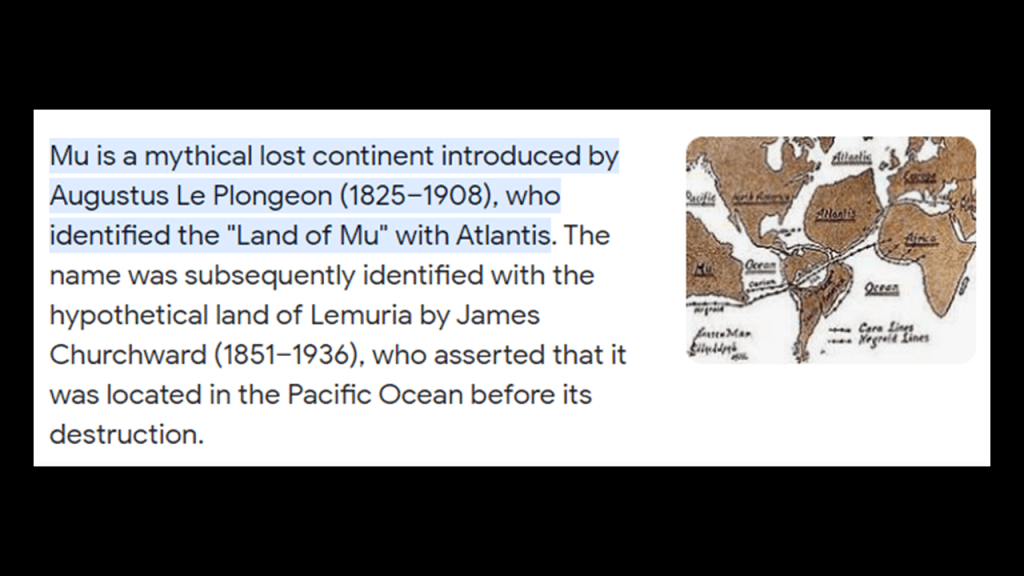
This advanced civilization that developed on Earth originated in the far distant past in ancient Mu, also known as LeMuria; and that this was the same civilization known as “Atlantis,” which I believe existed up until relatively recent times and represents the missing positive timeline of Humanity.

While this map may not represent the actual extent of the Earth’s landmass at the time of the “Fall of Atlantis,” which I have come to believe took place relatively recently in time as opposed to many-thousands of years ago, it is the closest representation on a map that I could find to a depiction of the continental landmasses being much more connected than what we have been taught to believe in our historical narrative, which doesn’t even officially confirm the actual existence of LeMuria and Atlantis.

Mu and Atlantis are treated more like historical “maybes” – maybe they once-existed, and maybe they didn’t – and typically placed in the elusive “mythical” category by Academia.

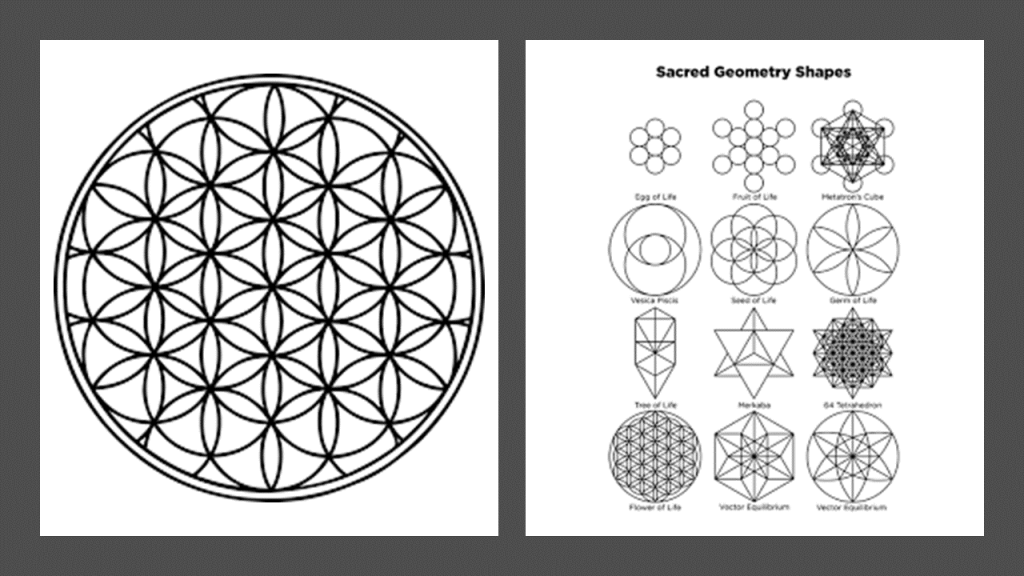
From the extensive research I have done thus far, I have reason to believe this ancient global civilization was aligned on Earth and Heaven in a Flower of Life pattern, within which all sacred geometric shapes are contained, and built out on the surface of the Earth according to the principles of Sacred Geometry.

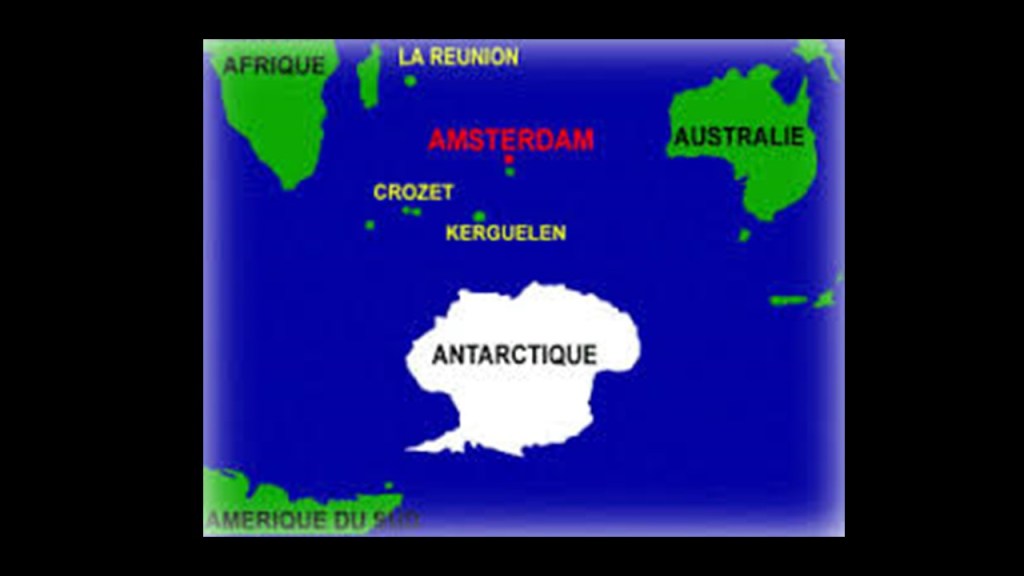
The start- and end-point of this next circle alignment. that I found and am about to share with you in this post, is a tiny dot in the South Indian Ocean.
The dot is Amsterdam Island, one of the French Subantarctic Islands, officially claimed by France in 1892, and known as the territory of the “French Southern and Antarctic Lands,” since 1955, along with “Adelie Land,” the French claim on the Antarctic continent which has been applied to the “Antarctic Treaty System” rules since 1961.

We are told that Amsterdam Island got its name in 1633 from a Dutch sea captain who named it after his ship, Nieuw Amsterdam, which was named after the Dutch settlement of Nieuw Amsterdam (which later became New York City).

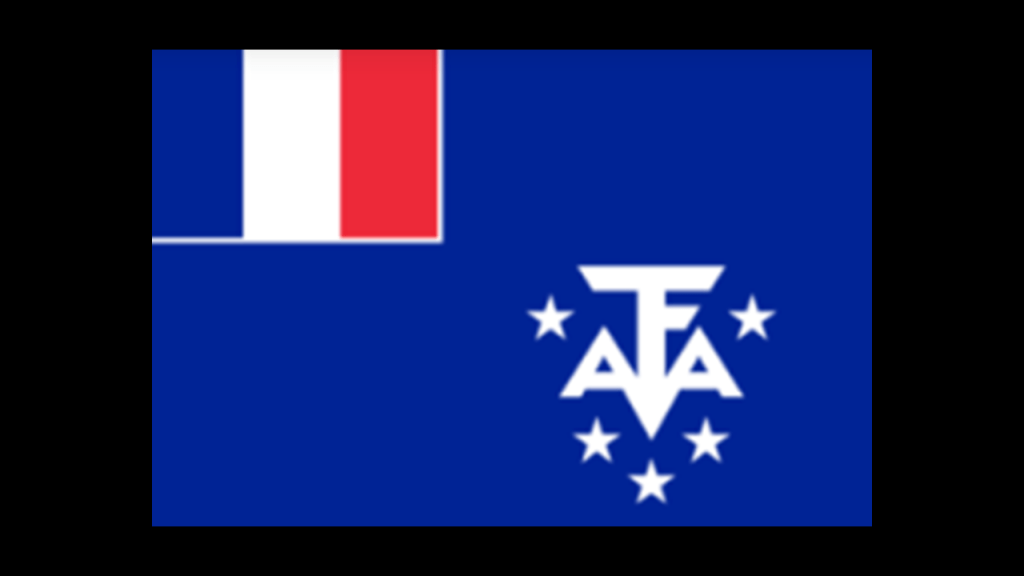
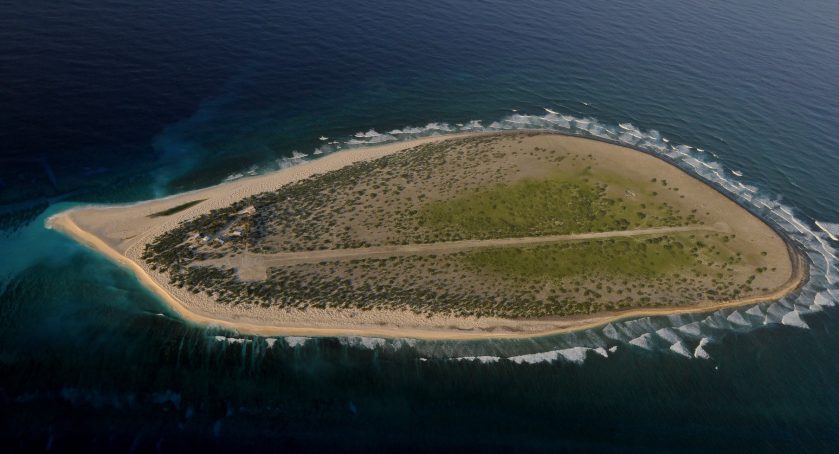
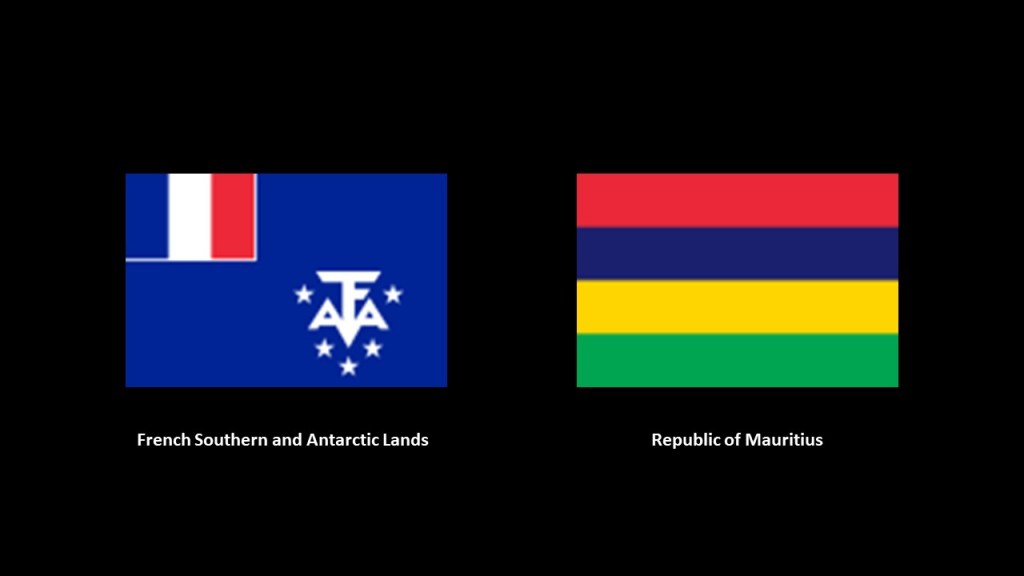
This  tiny speck of real estate, for which the only settlement is a seasonal research station, even has its own flag.

The research station studies biology, meteorology, and geomagnetics. 

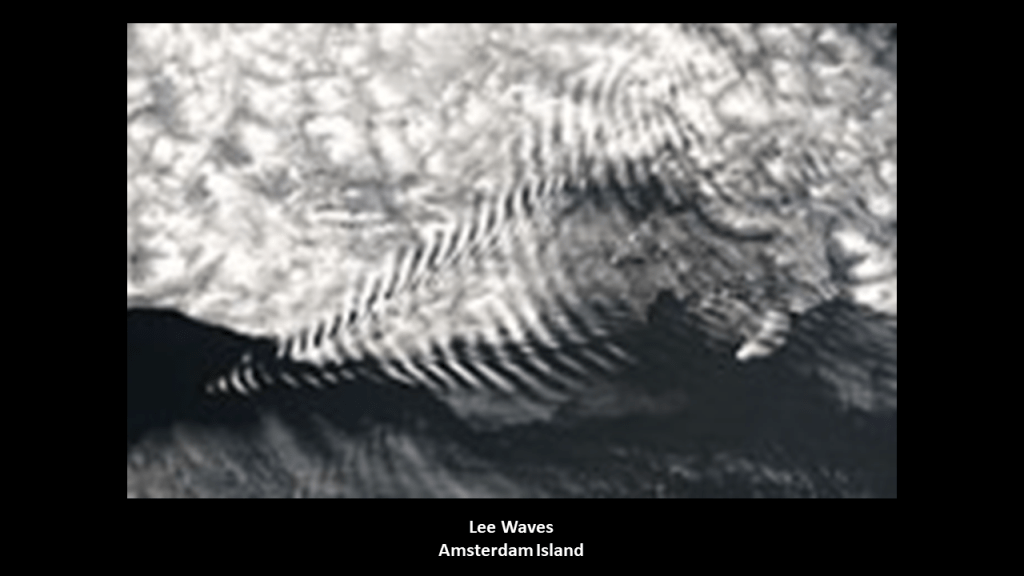
Here is a photograph of Lee Waves taken on Amsterdam Island.  Lee Waves are atmospheric stationary waves, and are a form of internal gravity waves.   Must be a reason as to why the geomagnetics of this island are studied.

Amsterdam Island is considered the northernmost volcano above the water-line on the Antarctic Plate.

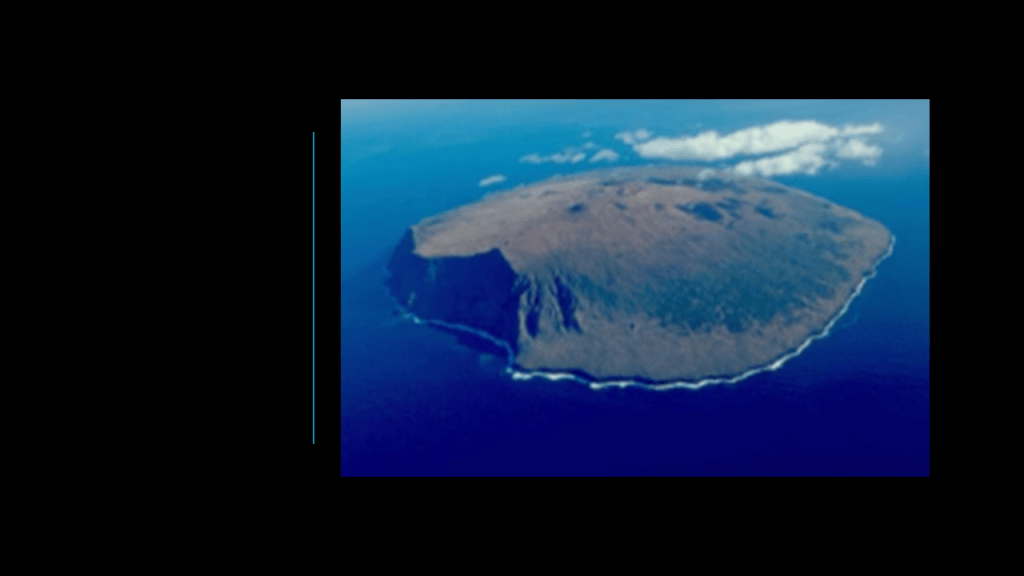
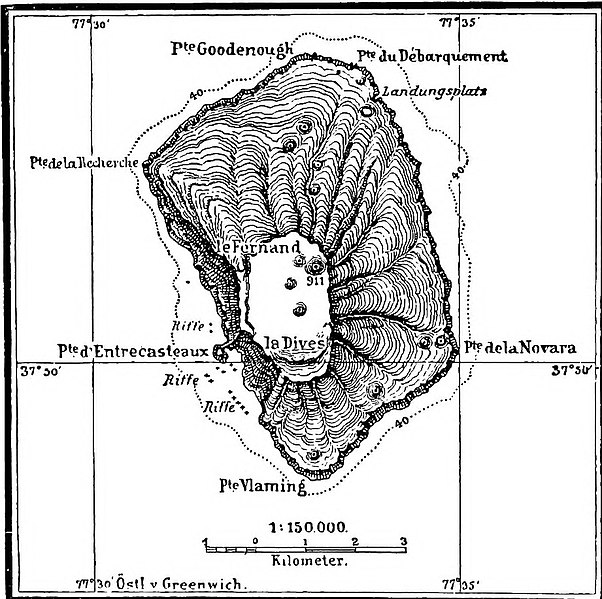
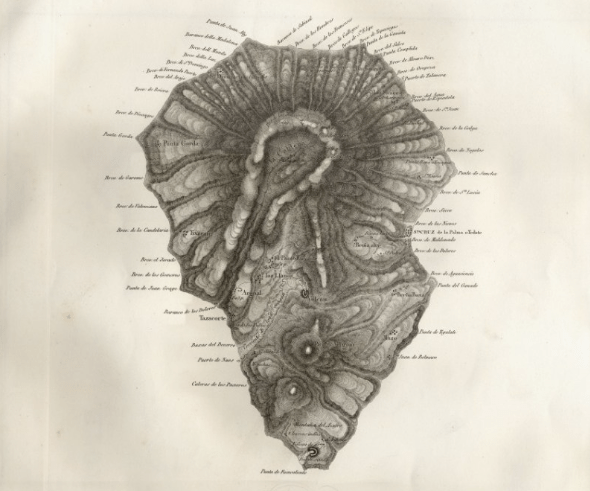
Here is a map of the island circa 1901, showing the island looking rather like a tree stump, with the Cliffs of Entrecasteaux right below what is described as two volcanic calderas.

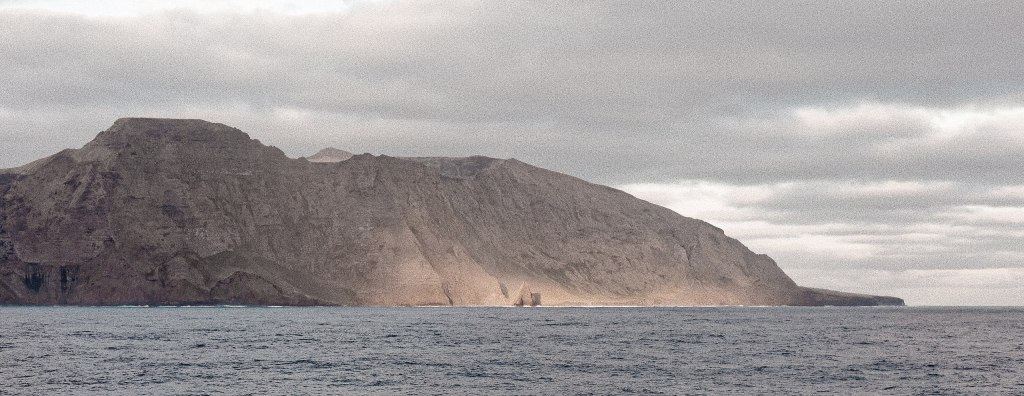
Here is a photo of the Cliffs of Entrecasteaux below the caldera on the west side of the island.

Chad Williams and and I had a recent conversation for his YouTube Channel “Deeper Conversations with Chad,” and it was called “Giant Trees, the Earth’s Grid, and the New World Order,” where we discussed, among many other things, the apparent volcanic nature of these giant trees and their integral relationship to the Earth’s Grid System, and how this might in turn connect to what might have taken place to render the giant trees as unrecognizable as such.

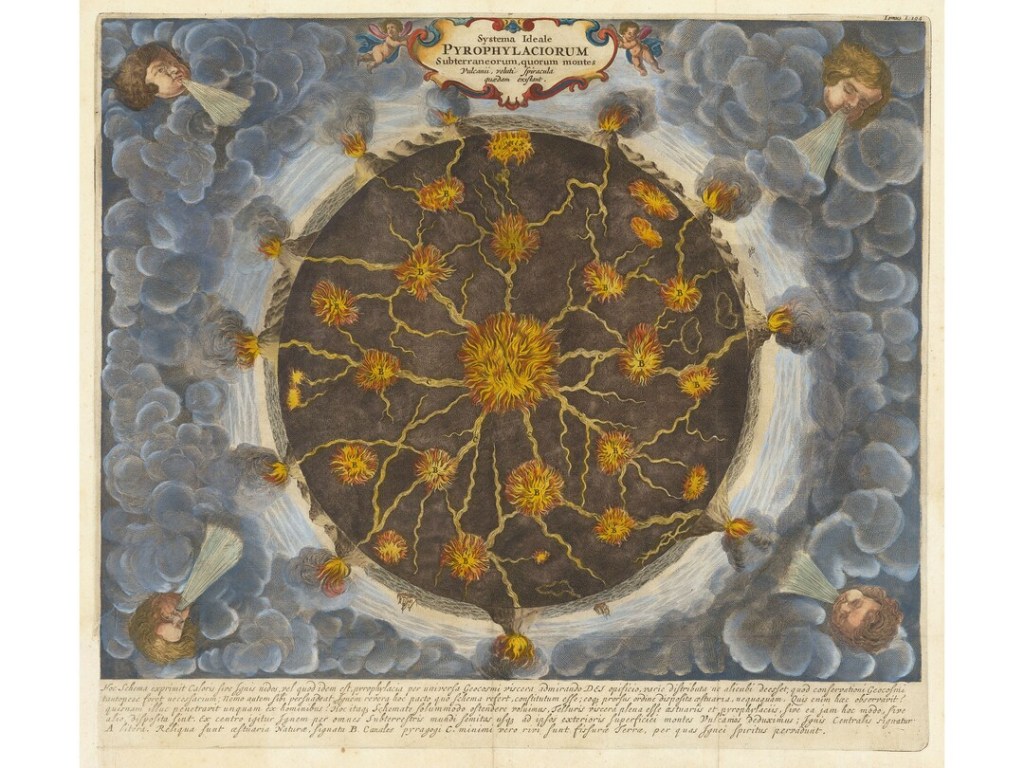
Our conversation started off with this intriguing illustration that Chad found in his research and had sent along to me at take a look at.

It seems to be showing trees on a grid exploding simultaneously, which would account for why we don’t recognize them as trees any more.

In the course of this same conversation with Chad, we also talked about the consistent pattern of western countries claiming these small islands and island groups in remote locations as their colonies or territories. and upon closer examination, it appears they were making a concerted effort to claim for their own purposes what was left of these giant trees.

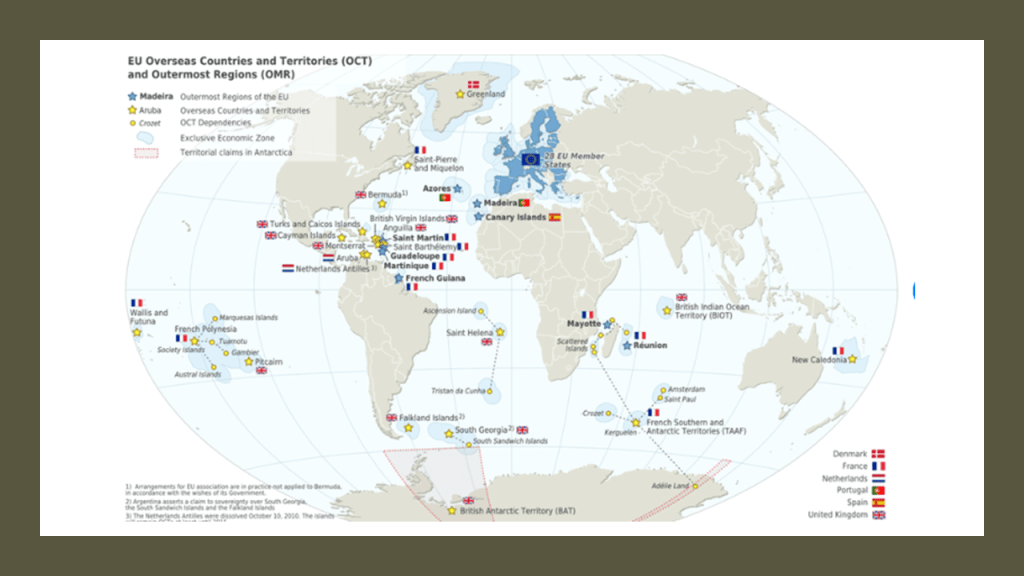
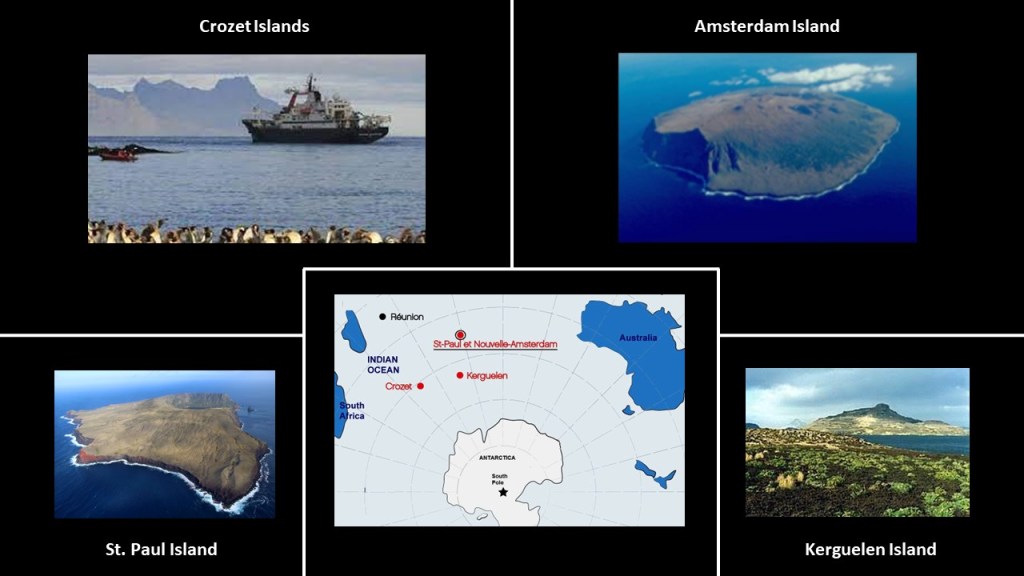
Besides the four islands claimed by France in the “French Southern and Antarctic Lands,” of Amsterdam, St. Paul, Kerguelen, and Crozet in this region…

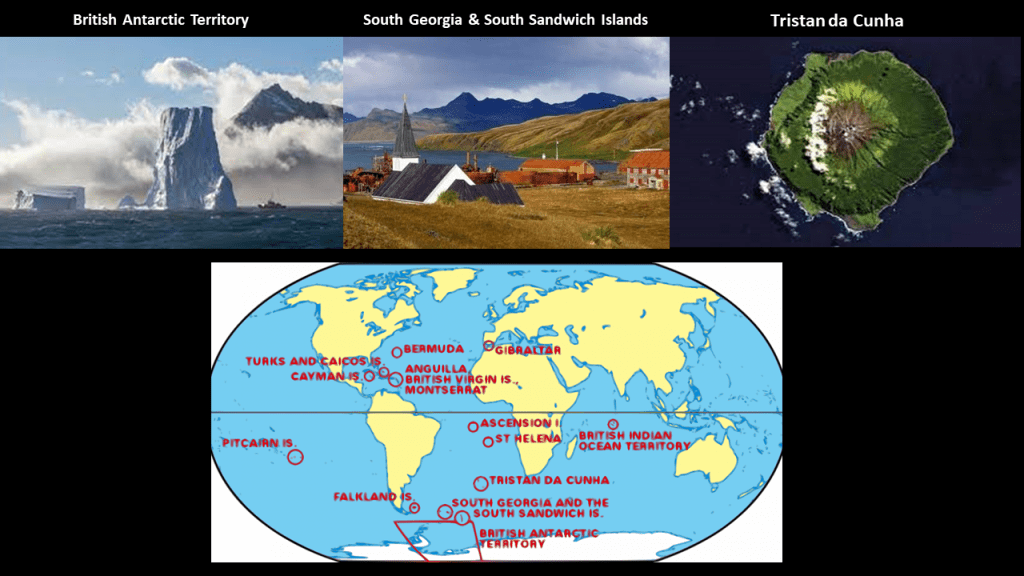
…we find the British in the same region claiming for its empire places like the British Antarctic Territory on the top left; South Georgia and the South Sandwich Islands on the top middle, and Tristan da Cunha, the home of the world’s most isolated settlement, which takes 6-days, each-way, by boat to get to-and-from.

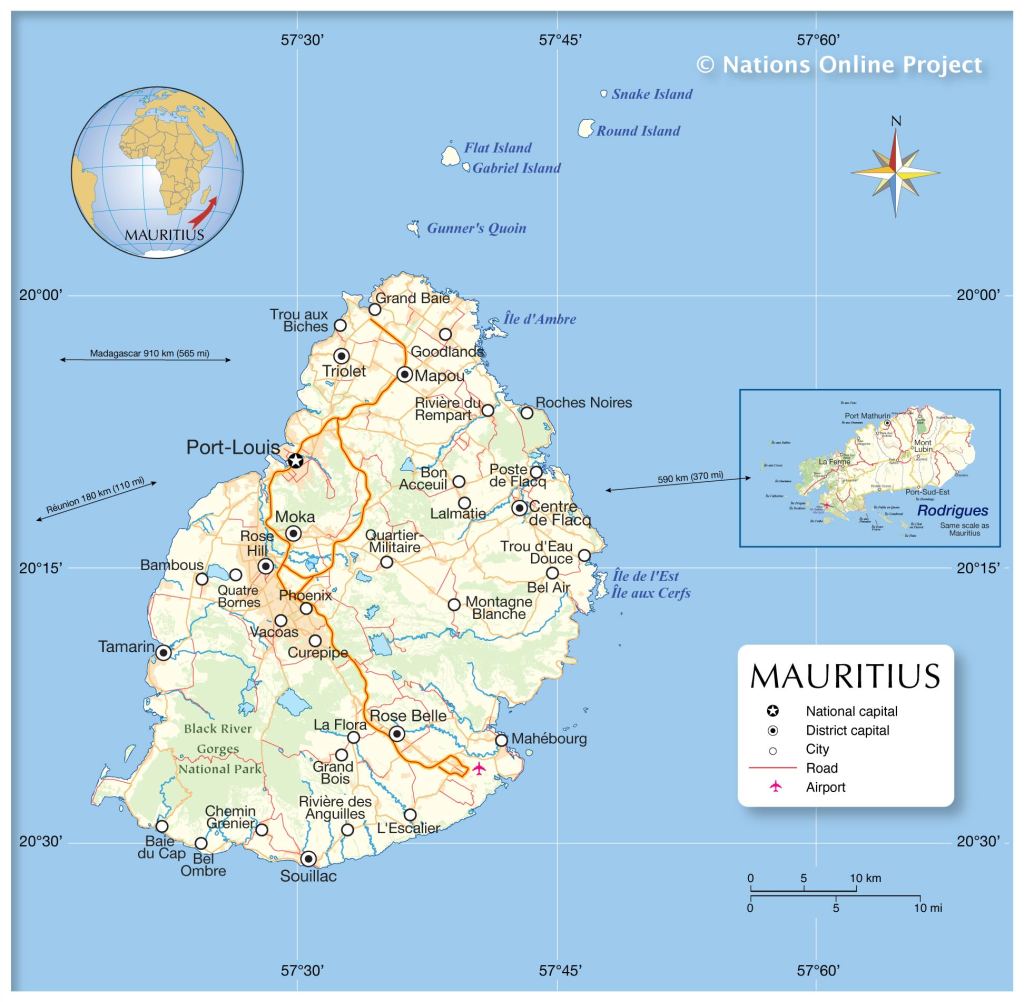
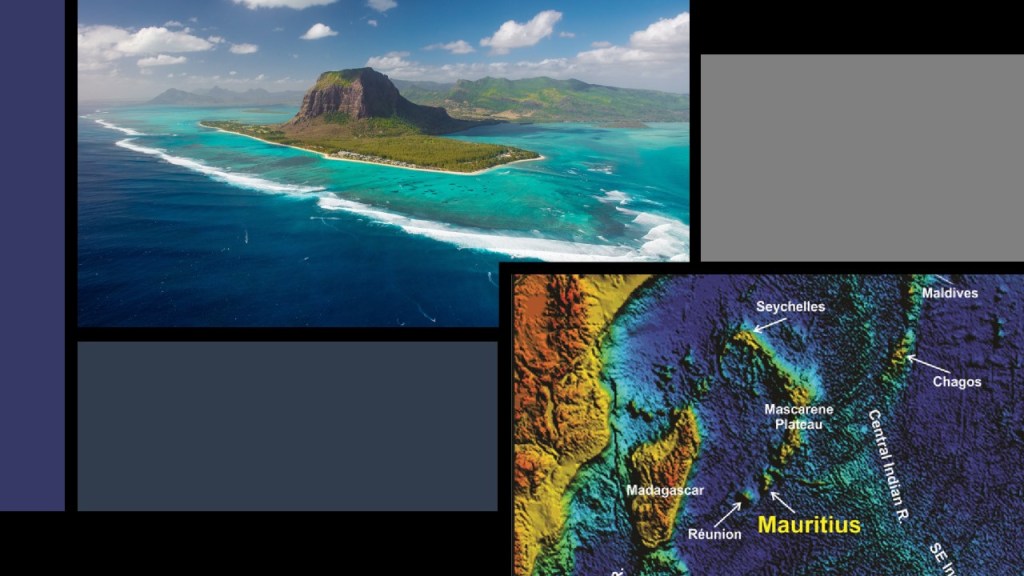
Leaving Amsterdam Island, the next place we come to on the alignment is Port Louis, the capital of Mauritius.

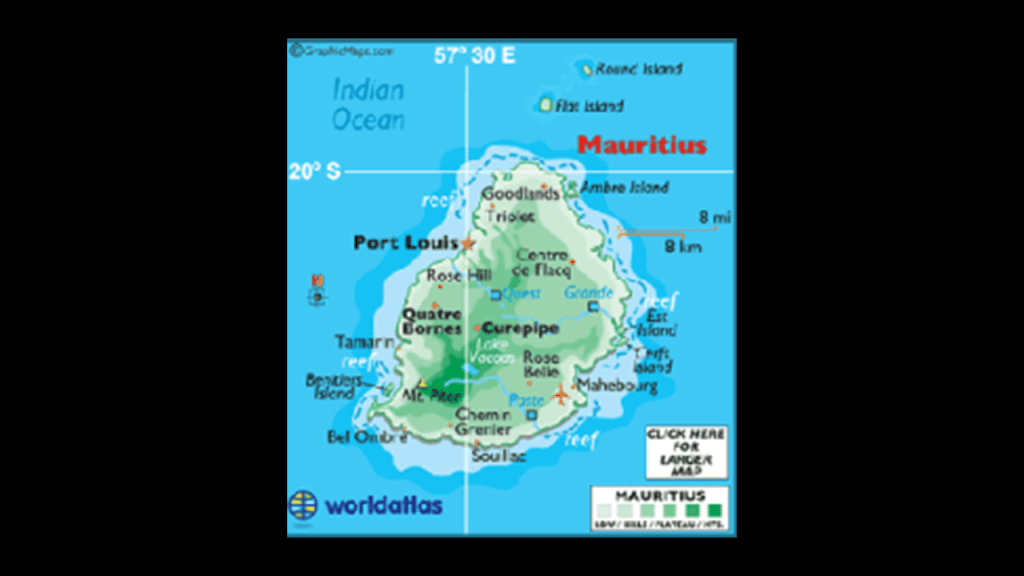
Mauritius is officially the Republic of Mauritius, and in addition to the main island, consists of the islands of Rodrigues, Agalega, and St. Brandon.  These islands are 1,200 miles (2,000 km) southeast of the African continent.
Mauritius was initially colonized by France in 1715, who in turn ceded it to the British in the 1814 Treaty of Paris.

It gained its independence from Britain in 1968, and became a Republic in 1992.

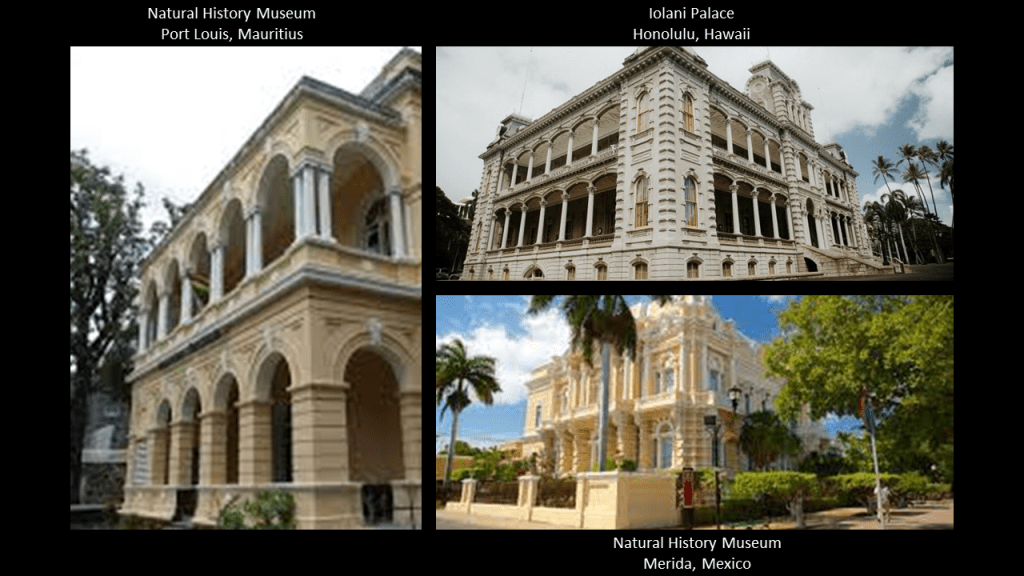
In a comparison of what seems to be the same style of architecture in very different places, this is the Port Louis Natural History Museum on the top left, said to have been constructed in 1880; on the top left is the Iolani Palace in Honolulu, Hawaii, said to have been built in 1879, and was the royal residence of the Kingdom of Hawaii until the monarchy was over thrown under Queen Lili’oukalani in 1893; and the Natural History Museum in Merida, Mexico, on the bottom right, said to have been built between 1909 and 1911.

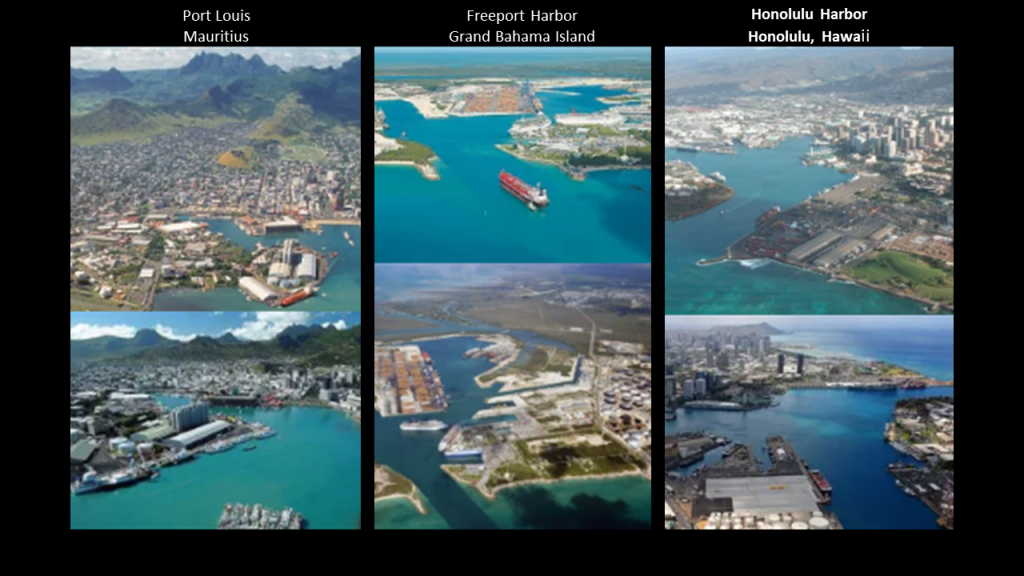
And for further comparison for similarity of appearance, here are photos of the harbor at Port Louis on Mauritius in the Indian Ocean on the left; Freeport Harbor on Grand Bahama Island in the Atlantic Ocean in the middle; and Honolulu Harbor in Hawaii in the Pacific Ocean on the right.

These are just a few of countless examples of harbors from around the world with man-made shorelines and docks.

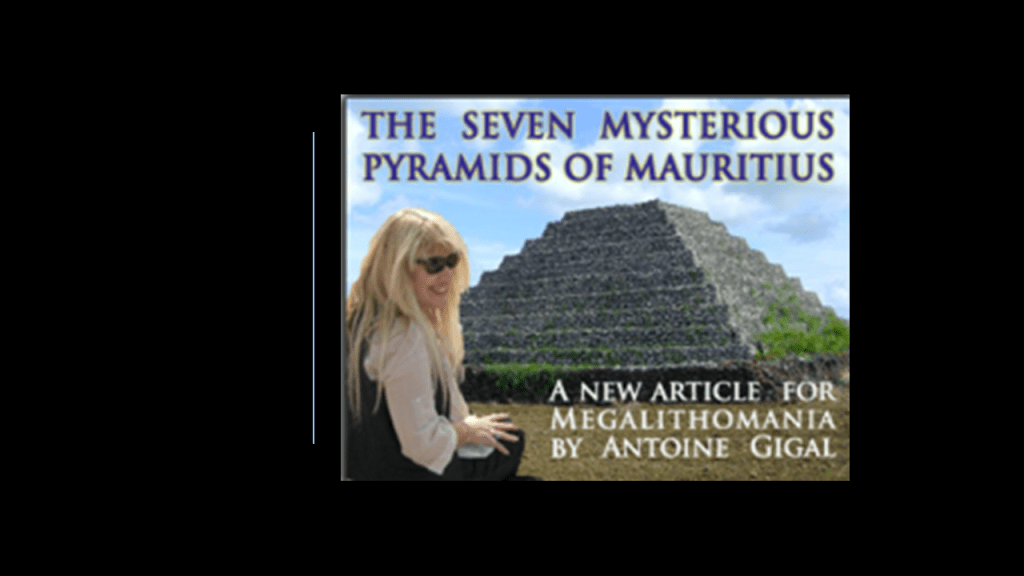
I first learned about Mauritius from an amazing French archaeologist named Antoine Gigal, and its massive walls, hydraulic systems and road systems that are all connected with the pyramid complexes there.

Much of her work is in Egypt, but she has ventured to other places in her quest for knowledge and understanding, and she has documented much evidence of the sophisticated technology of the ancient civilization. 

To learn more about her work on Mauritius, check out this link where she talks about the discovery of

http://gigalresearch.com/uk/complexe-ile-maurice.php

I first learned about the seven pyramids of Mauritius several years ago in a 2011 Megalithomania presentation by her.

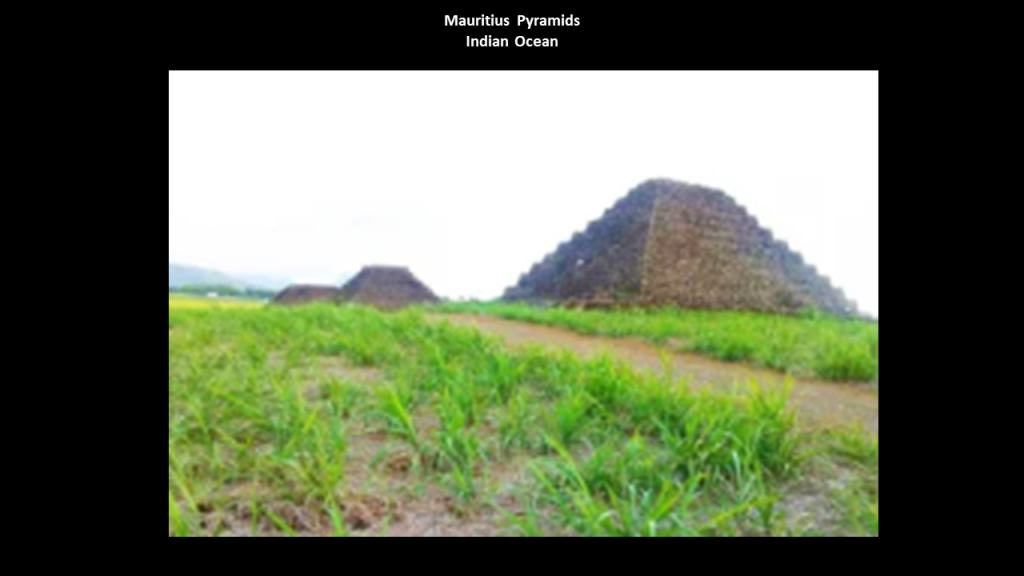
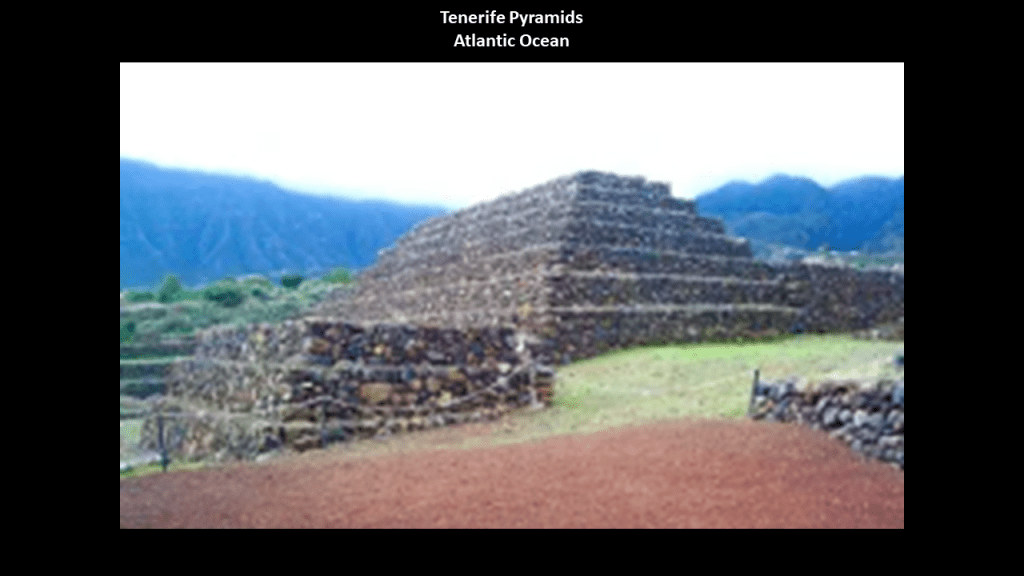
They are terraced structures made of black volcanic stone. 

Interestingly, there are six terraced pyramids, also made of black volcanic stone, in Guimar on the island of Tenerife in the Canary Islands. 

In both places they are in perfect astrological alignment with the winter and summer solstice.

Besides the same-style of terraced pyramids, Mauritius and Tenerife in the Canary Islands also share a volcanic history as well.

First, Mauritius.

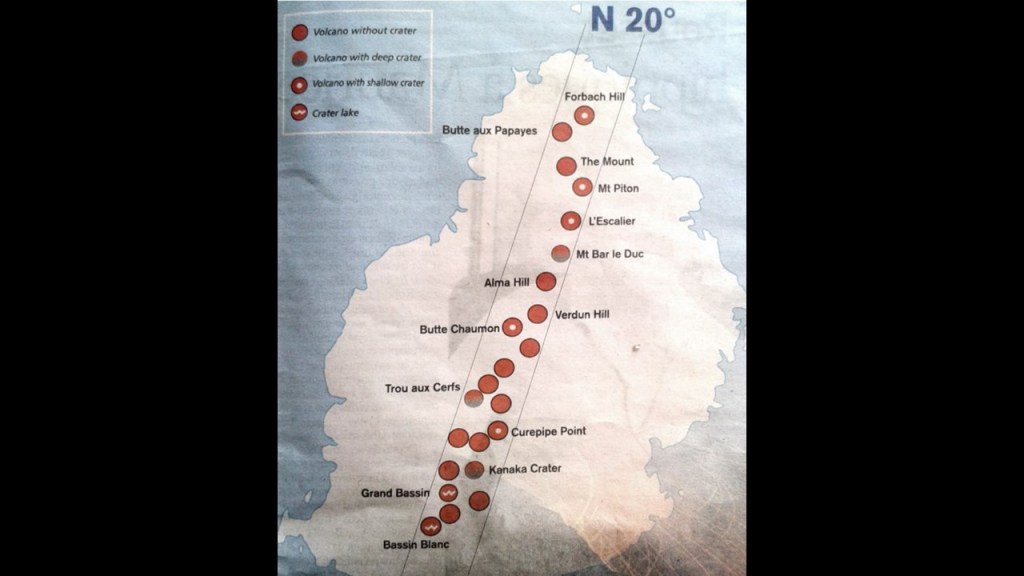
Mauritius itself is called a massive shield volcano, a broadly domed volcano with gently sloping sides formed from fluid, basaltic lava flows, and has a line of craters bisecting the main island as diagrammed here.

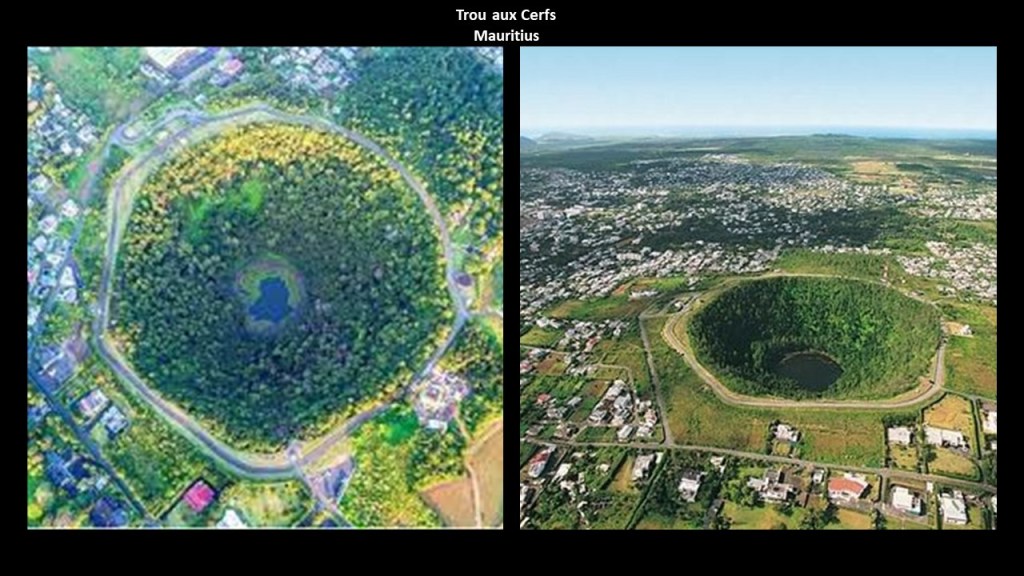
One of the craters, Trou aux Cerfs, which interestingly translates from the French to “Deer Hole,” is described as a dormant volcano with a well-defined cone and crater, on the outskirts of Curepipe, the second-largest city of Mauritius.

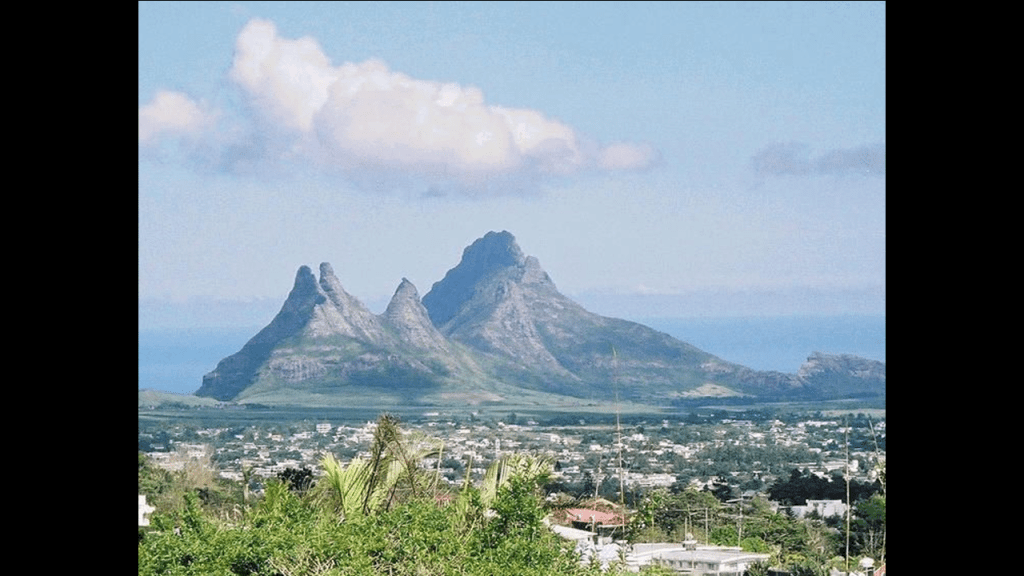
This is a view from Curepipe of what are called the “Trois Mamelles” and Mount Rempart.

“Trois Mamelles” translates from the French as “Three Breasts.”

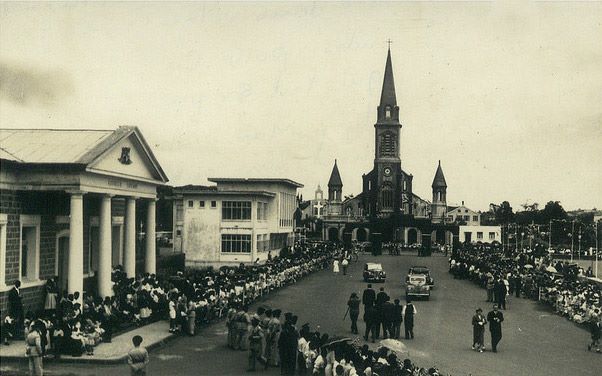
Curepipe is the location of some interesting, what is called “colonial,” architecture, like the Saint Therese Church in the background, said to have been built in 1868…

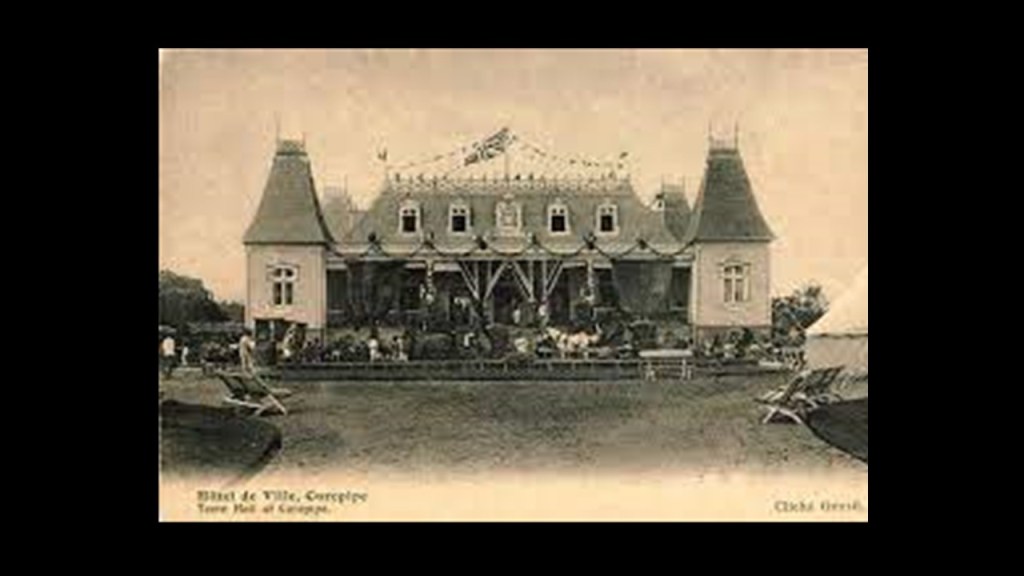
…and the Town Hall which is nearby, said to have been built starting in 1902.

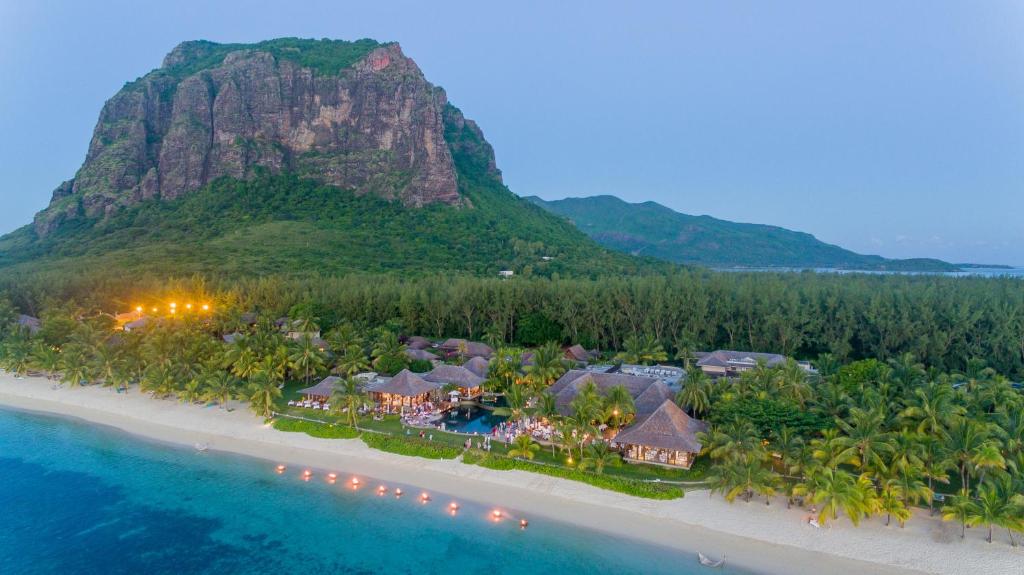
There is what is called a “Step Mountain” on the Le Morne Brabant, a peninsula on the extreme southwestern tip of Mauritius.

This location is a UNESCO World Heritage Site.

The “Le Morne” in the peninula’s name could well-refer to the original people of this land.

The “Maroons”of the Indian Ocean, like the “Maroons” of the Americas, they were described as the descendents of Africans who escaped from slavery, and not as the Moorish original people of these lands which is nowhere to be found in our historical narrative.

Only in the place-names, like “Le Mor-ne” and “Maur-itius.”

The “Brabant” in the name of the peninsula “Le Morne Brabant” came from the Dutch East India ship “Brabant” that ran a-ground here at the end of December of 1783.

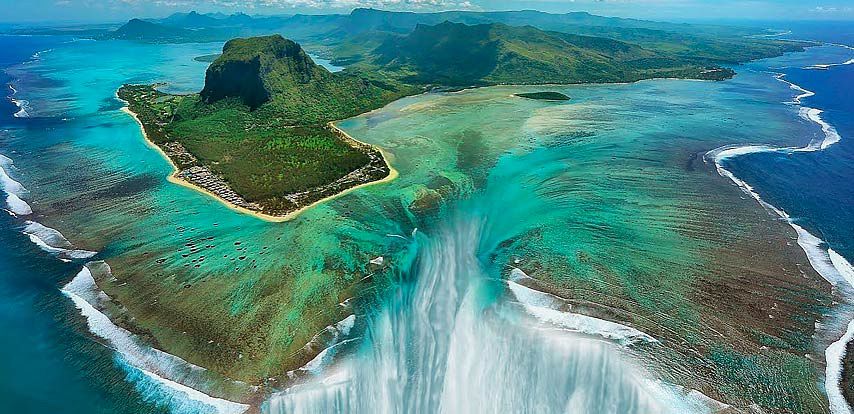
Interesting to note, there appears to be an underwater waterfall next to it, though it is described as an optical illusion and not actually a waterfall.

Though Mauritius is being researched possibly as the remnants of a lost continent, and for its strong gravitational pull.

Next, Tenerife.

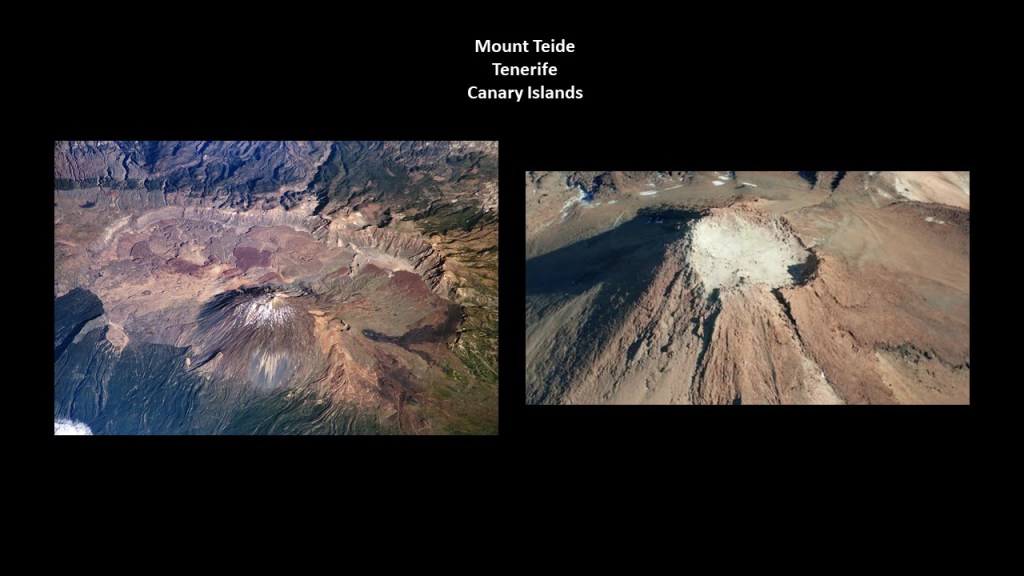
Mount Teide is a volcano on the island of Tenerife in the Canary Islands, and is the highest point in the islands of the Atlantic Ocean, as well as in Spain.

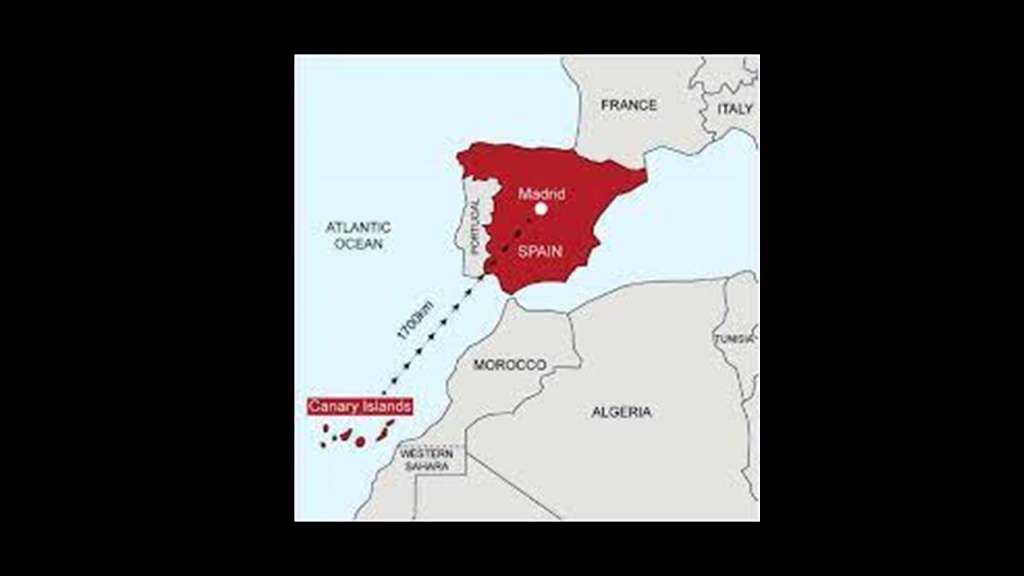
Now an autonomous community of Spain, the Canary Islands, located off the coast of Western Africa in the vicinity of Morocco and Western Sahara, have been claimed completely by Spain since 1496, after European colonization efforts were said to have started there by France in 1402.

This conquest of the Canary Islands was considered the basic model of European attack on the New World: violent colonization that involved enslavement of the local population; genocide; and the mining of the land’s resources that radically changed the landscape.

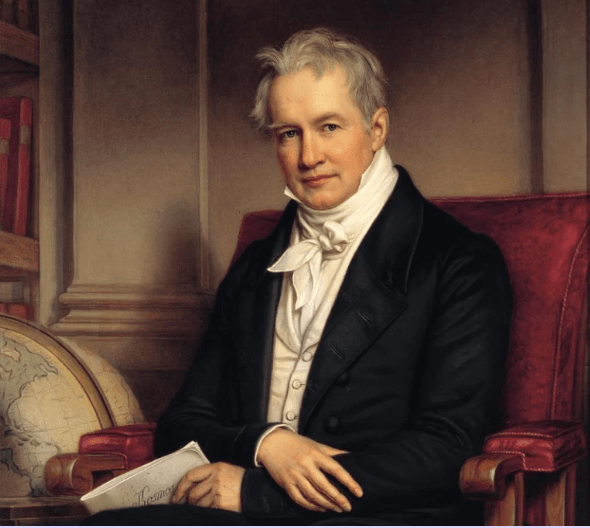
The Canary Islands are also said to be of volcanic origin, and have been visited by researchers from the very beginning of the 19th-century, including Alexander von Humboldt in 1799, a Prussian naturalist, mining engineer and explorer, who was said to have climbed the Teide volcano, before heading off to study Venezuela, which has the 2nd-highest gold reserves in the world, as well as Cuba, the Andes, Mexico, and the United States.

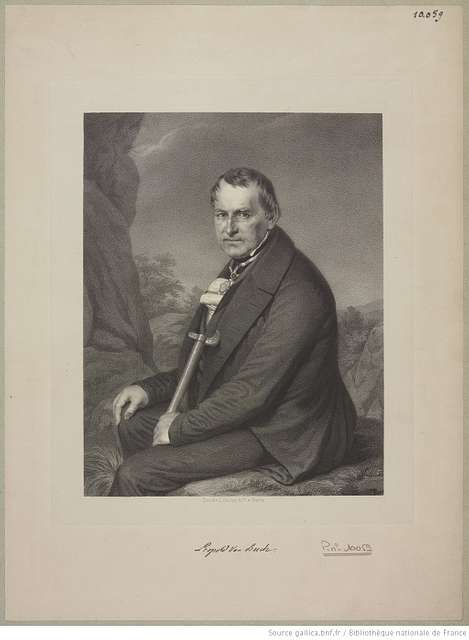
Then, in 1815, the same year as the Congress of Vienna which reoragnized Europe after the Napoleonic Wars ended, the German geologist and paleontologist Leopold von Buch visited the Canary Islands, where he primarily studied the production and activities of volcanoes.

Von Buch studied with Alexander von Humboldt at the Freiburg University of Mining and Technology, and was considered a founder of modern geology.

The Freiburg University of Mining and Technology is the oldest school of mining and metallurgy in the world, having been established in 1765 by Francis Xavier of Saxony of the House of Wettin.

Its main purpose was the education of highly skilled miners and scientist in fields connected to mining and metallurgy.

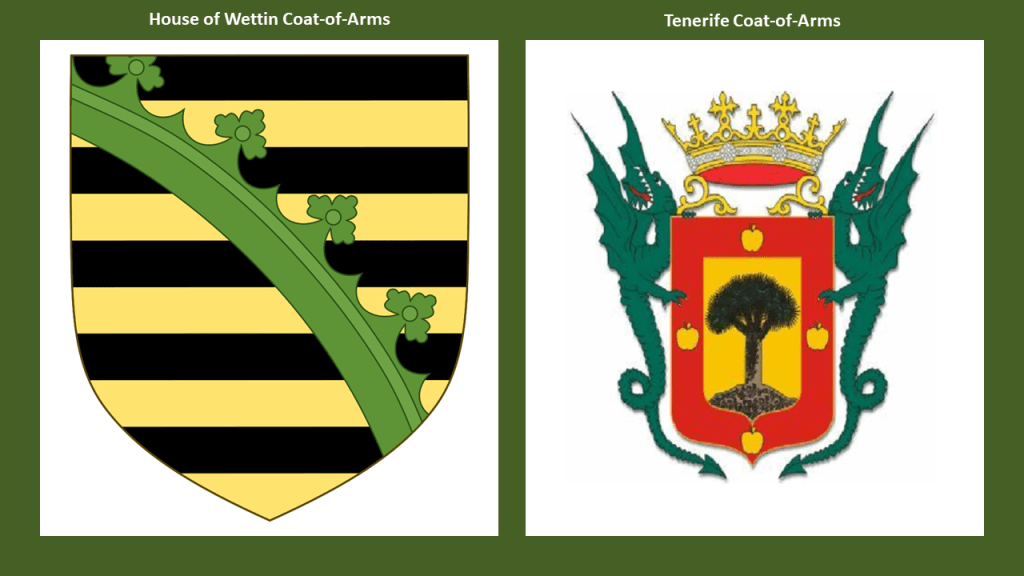
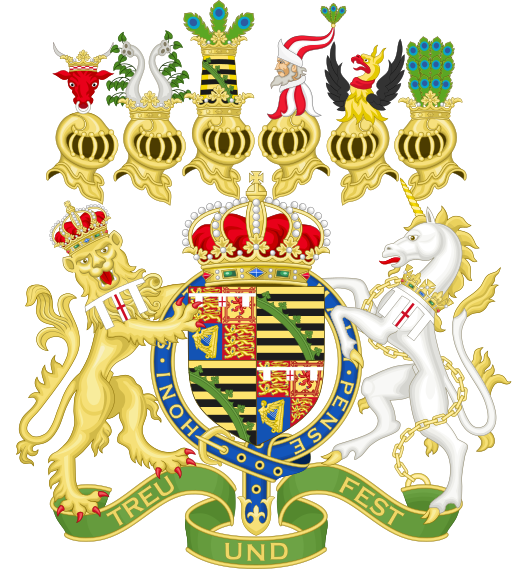
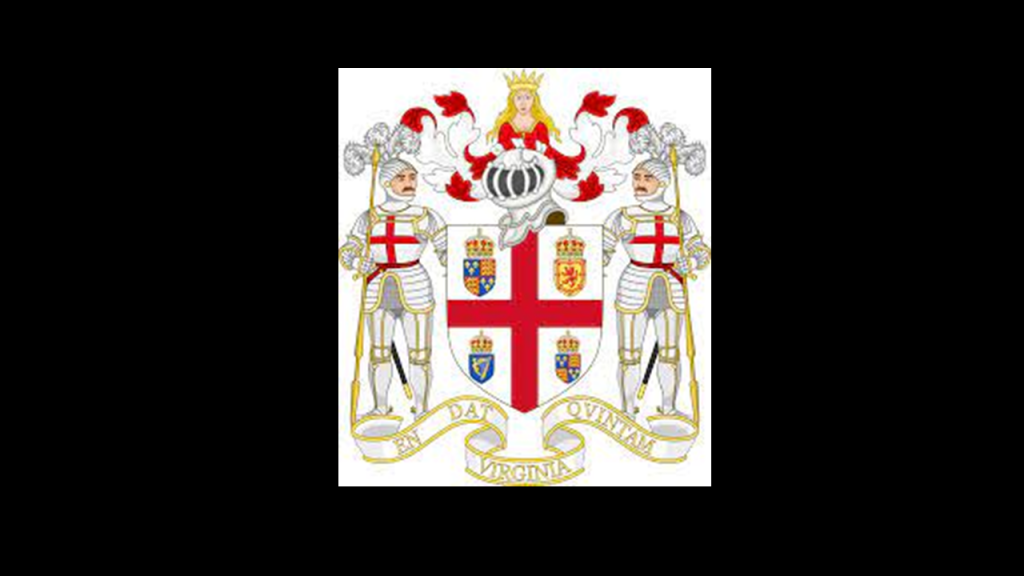
It is interesting that the coat of arms of the German noble House of Wettin has a wyvern tail in the middle of it, and I found this coat of arms of Tenerife, showing a large tree in the center, and wyvern supporters on either side.

I do think these heraldic devices are telling us Truths that have been well-hidden from us.

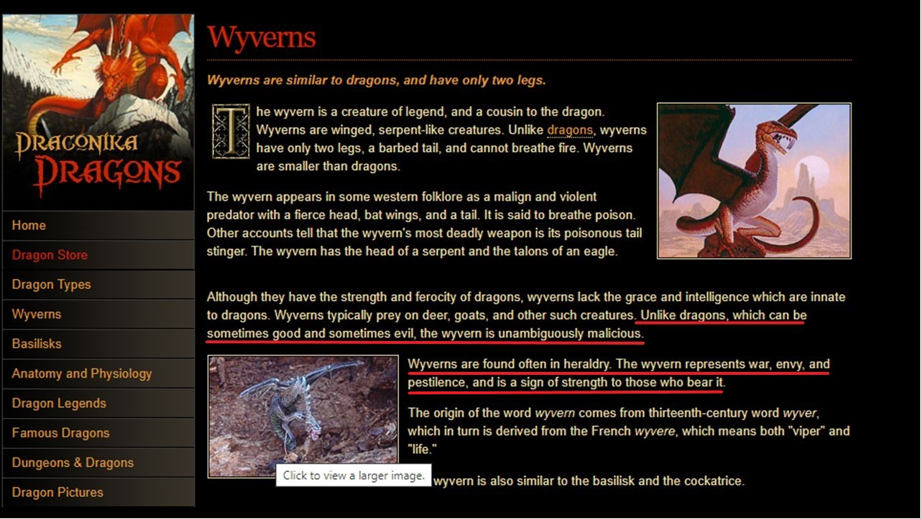
Wyverns are two-legged, winged creatures that are similar to dragons, but unlike dragons, which can be good or evil, they are unambiguously malicious predators.

Wyverns in heraldry signify war, envy and pestilence.

Primarily through Queen Victoria and Prince Albert, first-cousins and members of the House of Saxe-Coburg and Gotha of the Ernestine branch of the House of Wettin, the original royal houses of Europe were completely replaced by this obscure German Ducal lineage.

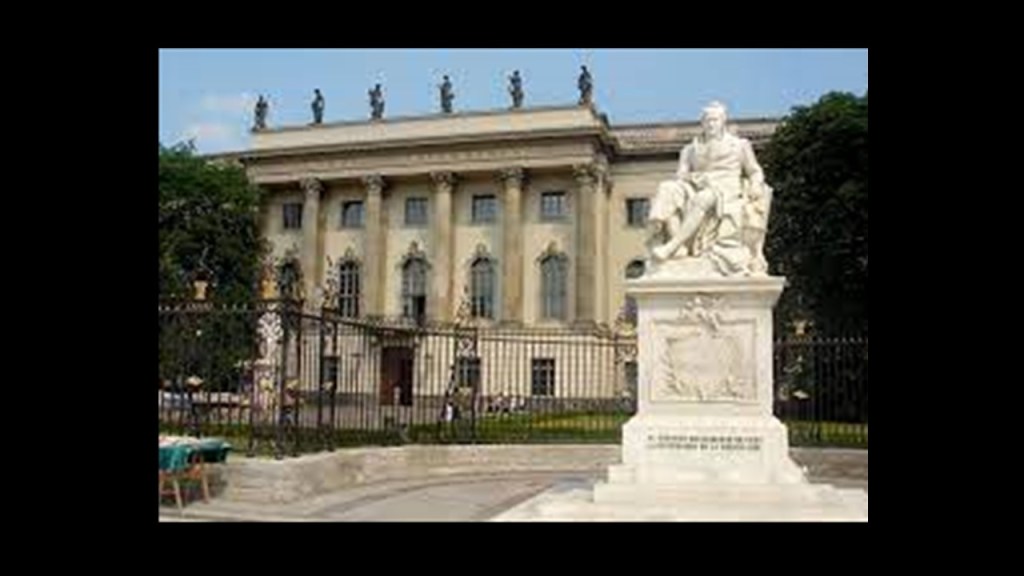
Humboldt University in Berlin was named after Alexander von Humboldt and his brother Wilhelm.

It was first opened in 1810, and was regarded as one of the world’s pre-eminent universities in the study of Natural Sciences in the 1800s and 1900s.

Famous faculty and alumni included such luminaries in our current historical narrative as: theoretical physicist Albert Einstein; Karl Marx and Friedrich Engels, c0-collaborators on “The Communist Manifesto; Otto von Bismarck, first Chancellor of the German Empire and the mover behind the 1884 Berlin Conference,which carved up the African Continent between the European powers; Georg Hegel, whose philosophy gave us the “Hegelian Dialectic” of Problem-Reaction-Solution; and the Brothers Grimm, best-known for their fairy tales which has such story-lines as eating people, as in “Little Red Riding Hood and “Hansel and Gretel.”

For one of many examples, the German Benedictines were said to have been quite active in establishing institutions for German immigrants to America during the 1840s and 1850s, like in Atchison, Kansas.

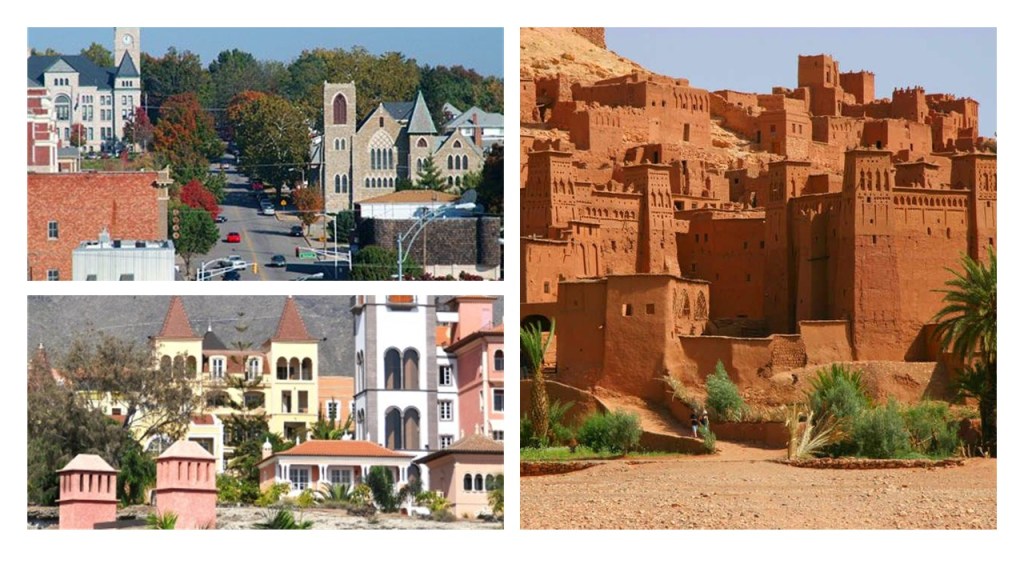
When I saw the view of Atchison, Kansas in the top left photo, I was immediately reminded of the view of the city of Santa Cruz de Tenerife on the island of Tenerife in the Canary islands, on the bottom left, with a shared building-style, directional orientation of the buildings, and placement of the windows in twos, threes, and fours.

Then on the right is a picture of the ancient city of Ouarzazate, Morocco, which I had encountered in my research, and its appearance reminded me exactly of Santa Cruz de Tenerife and Atchison.

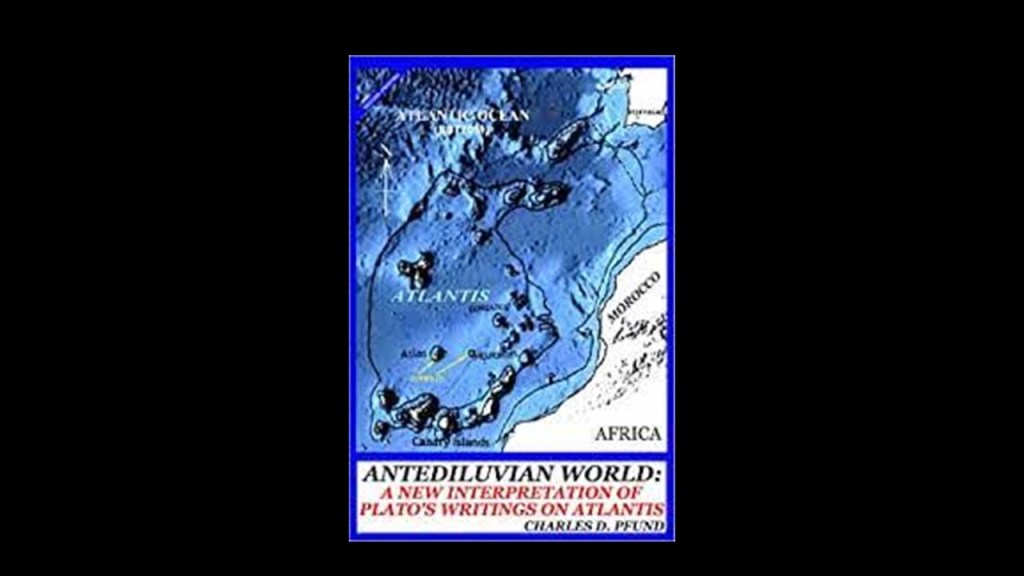
And like with Mauritius in the Indian Ocean, it is important to note that the Canary Islands have long been rumored to be the remnants of a lost continent as well.

In the case of the Canary Islands , they have been rumored to the the lost continent of Atlantis.

I first heard that particular rumor many years ago.

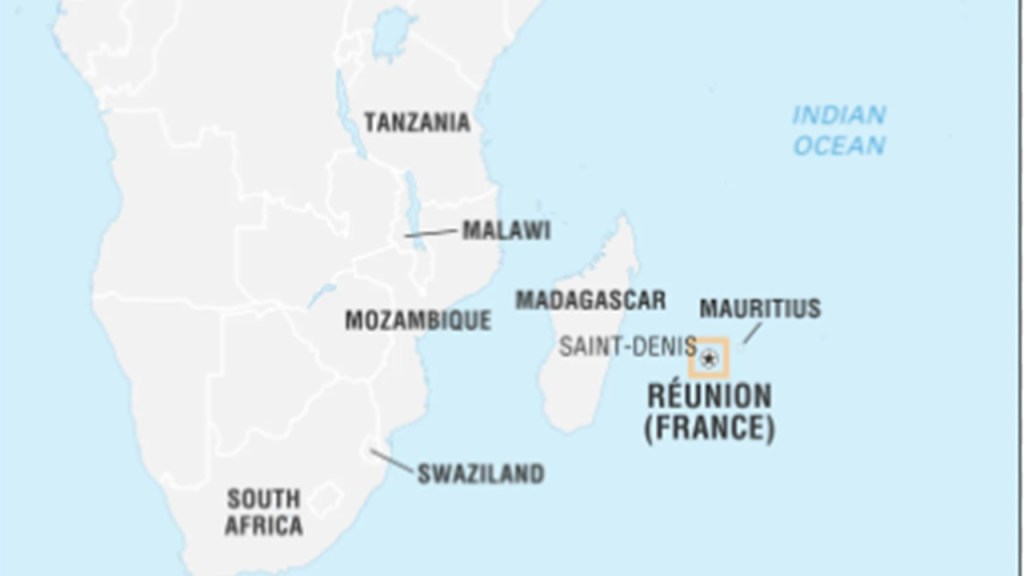
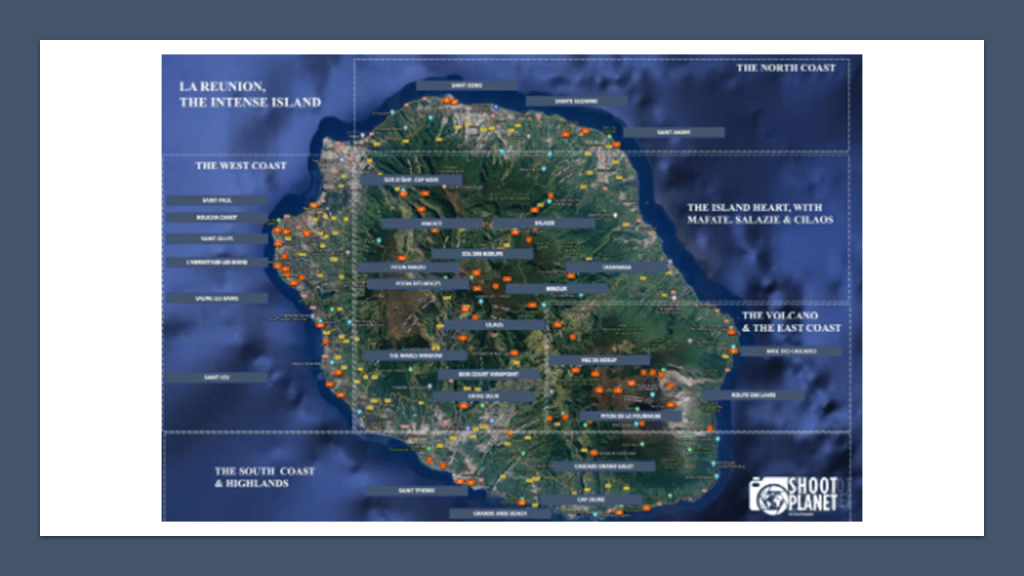
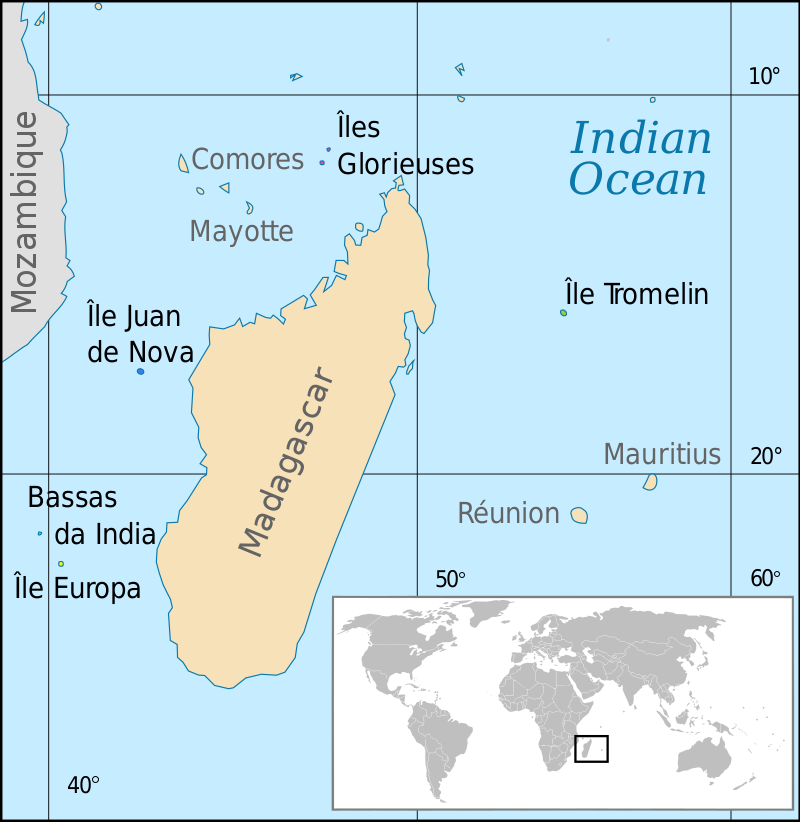
Before I leave this part of the Indian Ocean in which we find Mauritius on the alignment, I want to bring to your attention to the nearby inhabited French island of Reunion, home to nearly 1,000,000.

It has been governed as a French region since 1946, and is the outermost region of the European Union.

This is what we are told about the history of Reunion Island.

Reunion Island was uninhabited until French settlers from the French East India Company arrived in the 17th-century, and subsequently established a plantation economy based on sugar and instituted a slavery system with slaves and indentured laborers brought in primarily from Africa and Asia.

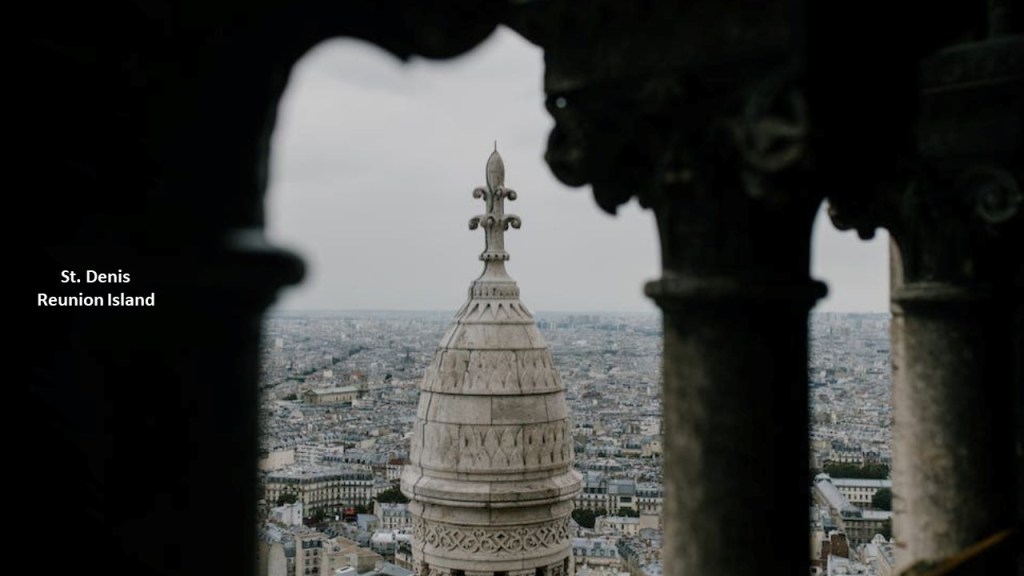
St. Denis is the administrative capital of French Overseas Department and Region of Reunion, which the island has been known as since 1793, when it was changed from “Bourbon Island” to erase the name of the Bourbon Dynasty after the “Insurrection of 1792,” a defining event in the French Revolution that led to the abolishing of the French Monarchy and the establishment of the French Republic.

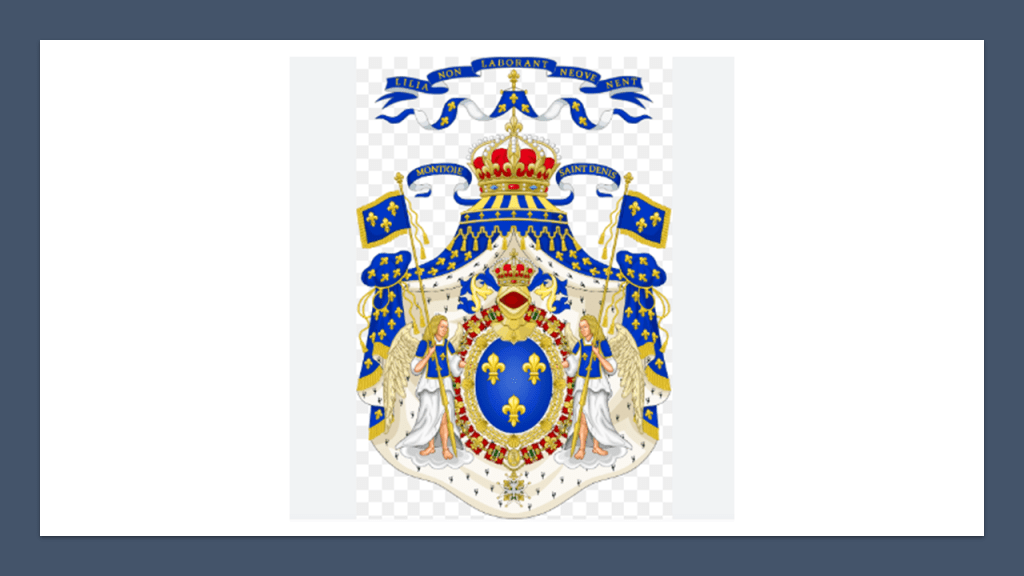
Who were the Bourbons?

I think the actual truth the French Royal House of Bourbon has also been obscured to hide the True History, but what we are told is that it originated in the Kingdom of France as a Royal House in 1272.

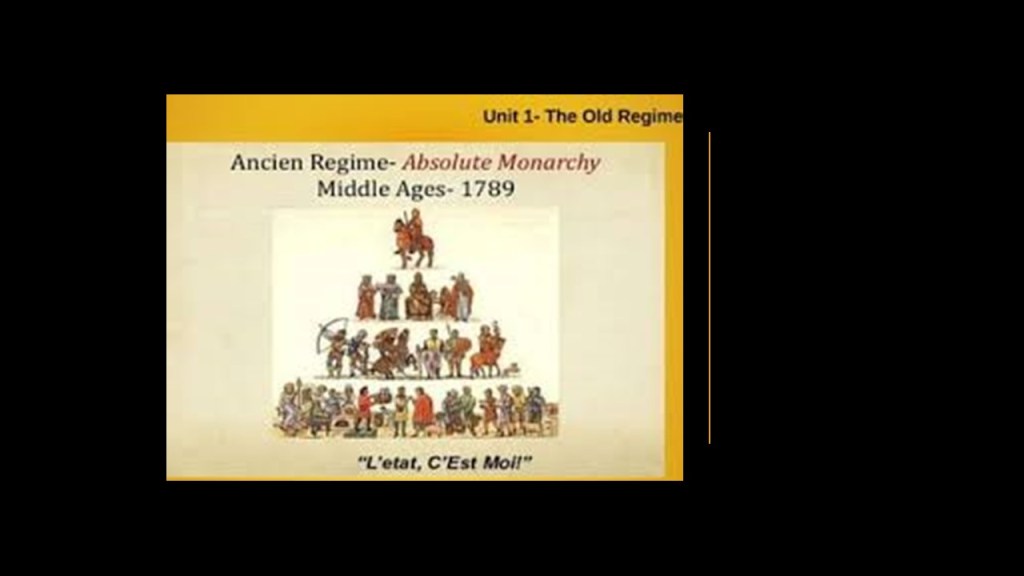
Like I mentioned earlier with the clues found in place-names, a clue to the cover-up of the True History is found in the name given to the French Monarchy, attributed from the Middle Ages to 1789, the year that marked the beginning of the French Revolution in our historical narrative.

It was called the “Ancien Regime,” which has been translated to mean the “Old Regime.”

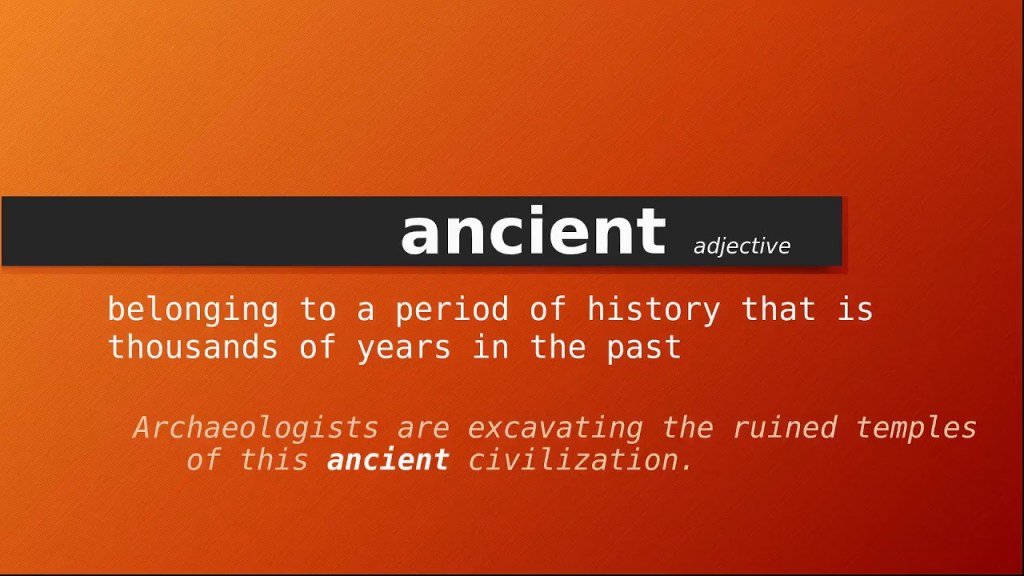
The typical understanding of the meaning of the word “Ancien” or “Ancient” is shown here, belonging to a period of history that is “thousands’ of years in the past, not “hundreds” of years.

The word “old” just doesn’t have the same association with the far distant past that “ancient” does when referring to historical time periods.

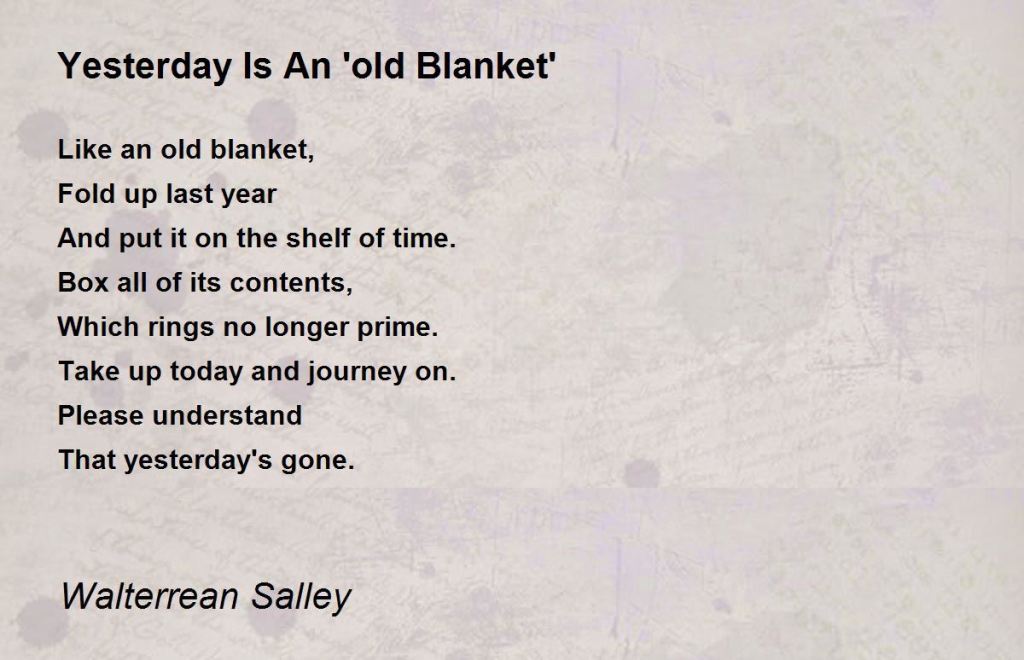
The word “old” is even used to refer to yesterday!

At any rate, St. Denis was said to have been founded in 1669 by the first governor of the Island, Etienne Regnault, who named it after the ship of one of his friends which had landed the year prior.

St. Denis eventually became the only colonial capital in 1738, and all the architecture found in St. Denis, and on Reunion Island, has been attributed to the French colonial era.

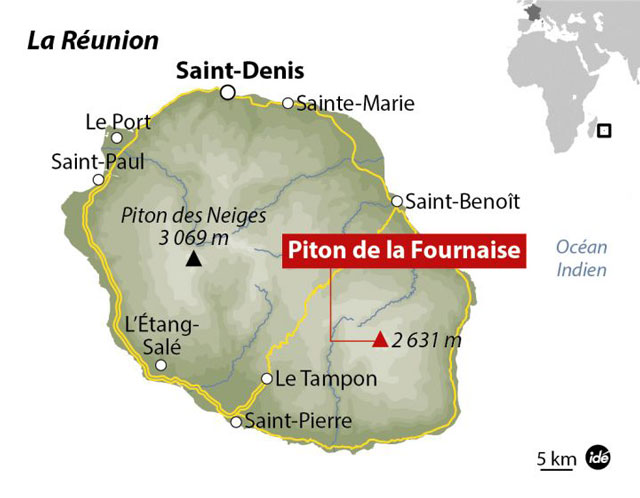
There are two main volcanoes on Reunion Island.

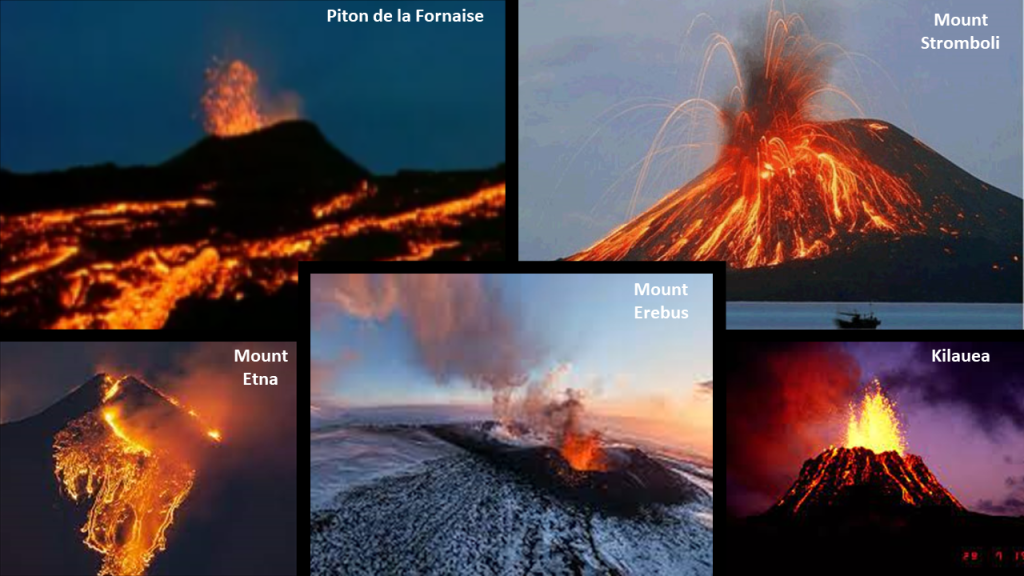
Piton de la Fornaise, or Piton “of the Furnace,” is described as a very active shield volcano on the southeastern end of the island, one of the most active in the world, along with Kilauea in the Hawaiian Islands; Mount Etna in Sicily and Mount Stromboli on an island off the coast of Sicily; and Mount Erebus in Antarctica.

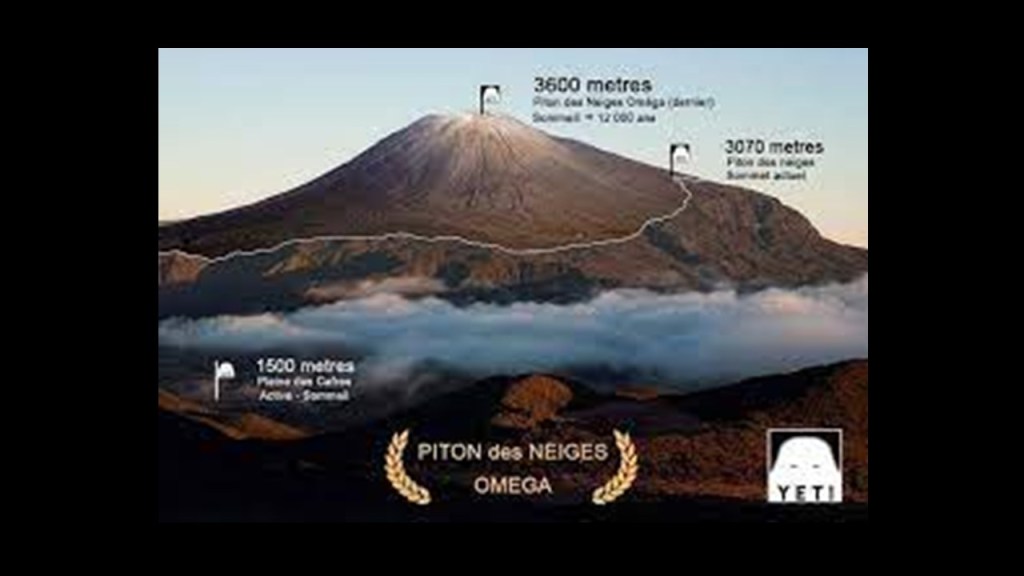
Piton des Neiges, or Snow Peak, on the northwestern end of Reunion Island is the highest point on the island, as well as considered to be the highest point in the Indian Ocean.

According to what we have been told, unlike its neighbor volcano on the island to the southeast of it, it has not been active for 20,000-years.

I have a long way yet to go on the alignment, but there’s a lot more to find out on Reunion Island just from a cursory look at its history.

I may revisit this location again in future research….Lots going on here for such a remote, out-0f-the-way location, and the French are still holding on tight to it to this day.

France never gave this place away to another country, unlike its neighbor Mauritius!

Next we come to Tromelin Island, located 310-miles north, or 500-kilometers, north of Reunion Island, and 280-miles, or 450-kilometers, east of Madagascar.

Tromelin Island is a small, low, flat island.

Besides being a seabird and sea tortoise sanctuary, the only structure here is a meteorological station used to gather data in order to forecast hurricanes and cyclones.

It is administered as part of the French Southern and Antarctic Lands as a French overseas territory, however, the island nation of Mauritius claims sovereignty over the island.

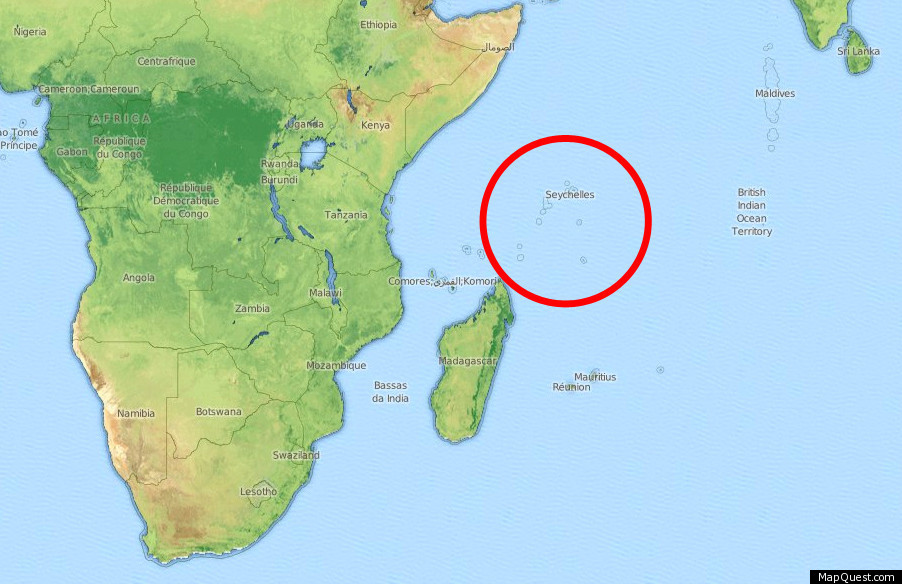
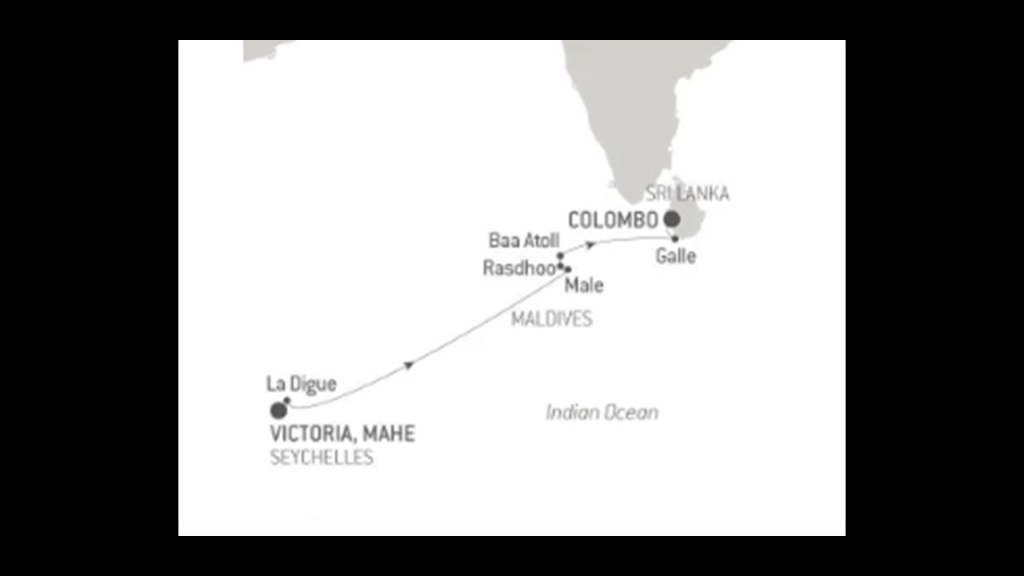
Next the alignment goes through the Republic of the Seychelles, an archipelago country consisting of 115 islands in the Indian Ocean.
It is almost 1,000-mles, or 1,609-kilometers, off the coast of East Africa, and is a member of the African Union.
Independence from the United Kingdom was established in 1976.

It’s Africa’s smallest country, and least populated sovereign country.

Like Reunion Island, we are told that they Seychelles were uninhabited prior to the arrival of Europeans, that there was no indigenous population to the islands when they arrived.

The British East India Company first landed here in 1609.

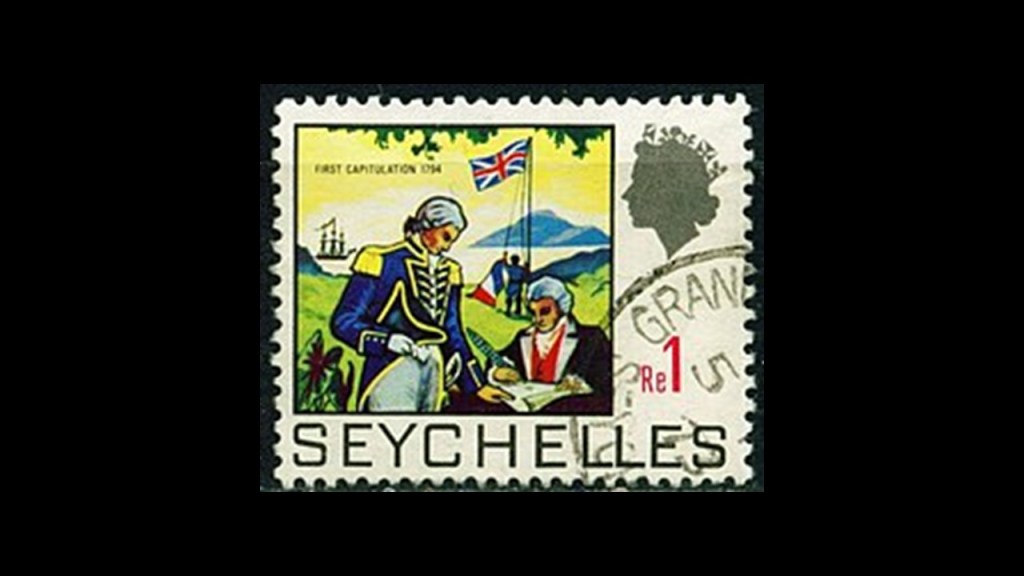
The French arrived here in 1770 and claimed the Seychelles as theirs and the British arrived to settle the Seychelles in 1794.

The British and the French had competing interests here until the Seychelles came under full British control in the 18th-century.

______________________________________________

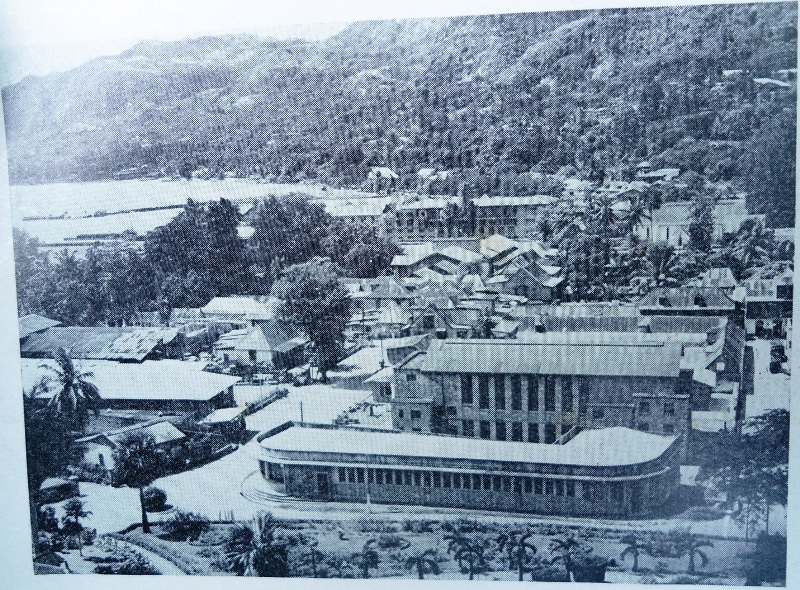
The capital of the Seychelles, Victoria, is on the main island of Mahe.

What became known as Victoria in 1841 after Queen Victoria, was settled by the French in 1778.

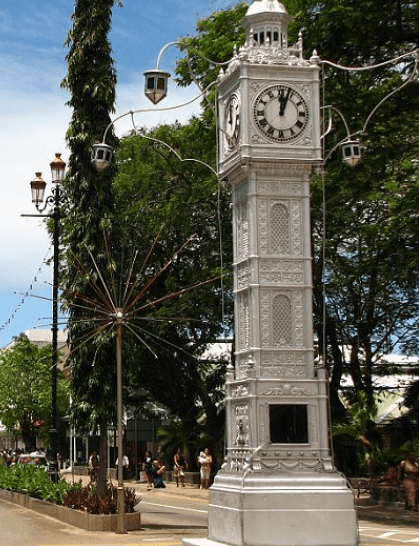
The Victoria Clock Tower in the city-center is called the oldest historical landmark in Victoria, and is a replica of, in one reference, a clock that was erected in 1897 near Victoria Station in London, and in another reference it was a replica of Big Ben.

Whatever it was said to be a replica of, it was inaugurated in 1903 by the British administrator of the Seychelles.

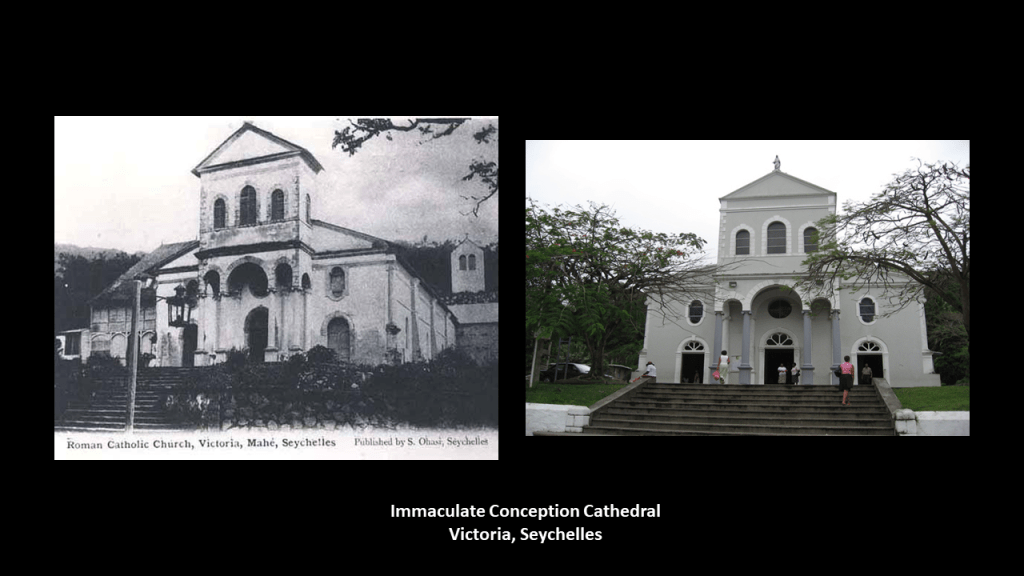
The Immaculate Conception Cathedral in Victoria was said to have been built in 1874 in the French Colonial-style of architecture.

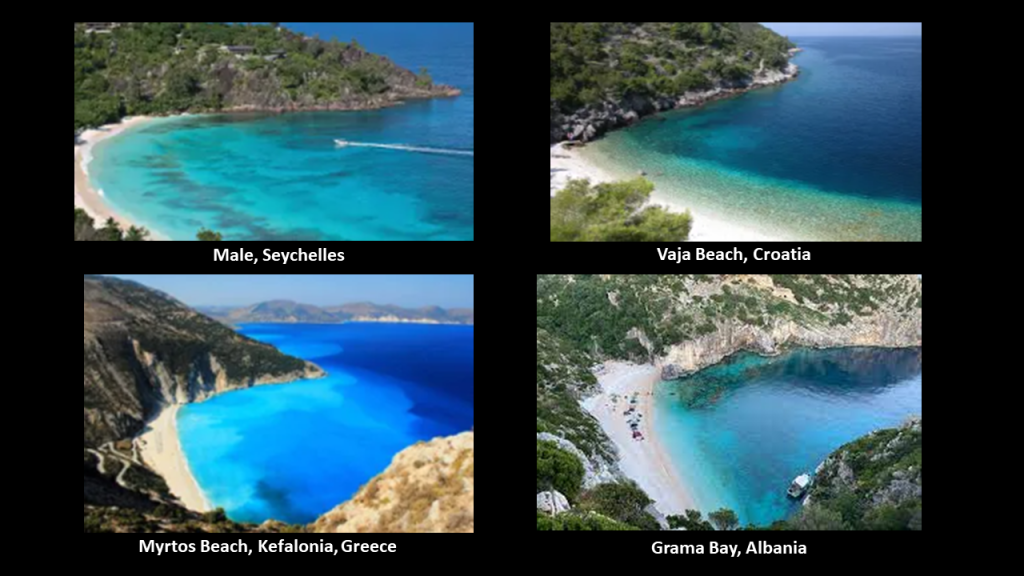
This is a beach-head on Mahe in the Seychelles on the top left, compared with Vaja Beach in Korcula, Croatia, on the top right; Myrtos Beach on the Greek island of Kefalonia, on the bottom left; and Grama Bay in Albania on the Bottom right.

These are just a few of countless examples of the same style of beach-head found around the world that I find interesting to note.

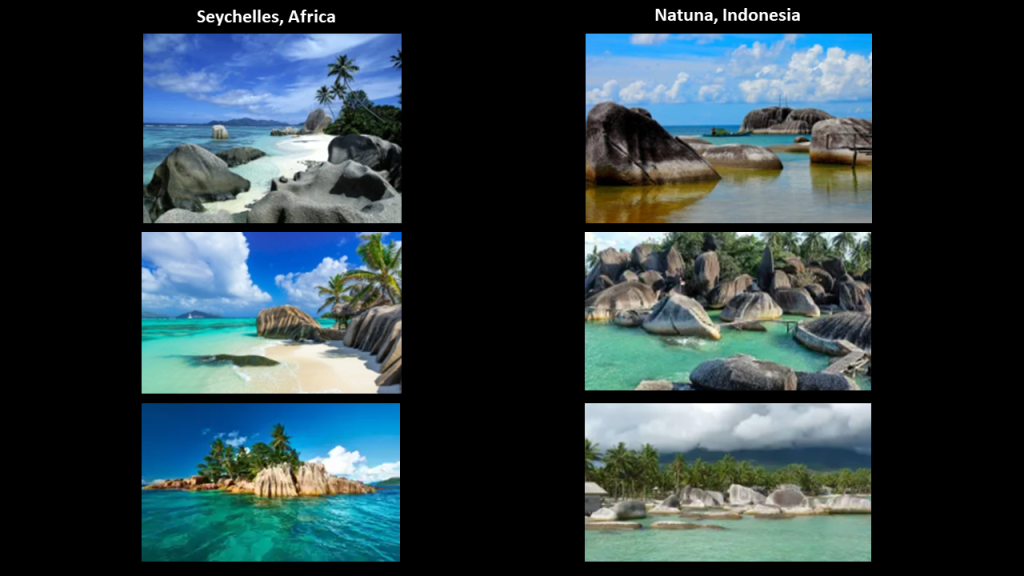
These islands are also known as the Granitic Seychelles. 

Here is an assemblage of photos of the interesting-looking rock formations on the coasts of these islands on the left, and on the right are photos of similar-looking rock formations on the Natuna Islands, part of Indonesia, and located in the South China Sea,  off the northwest coast of Borneo.  I found the Natuna Islands on a different alignment which is how I even knew about them.

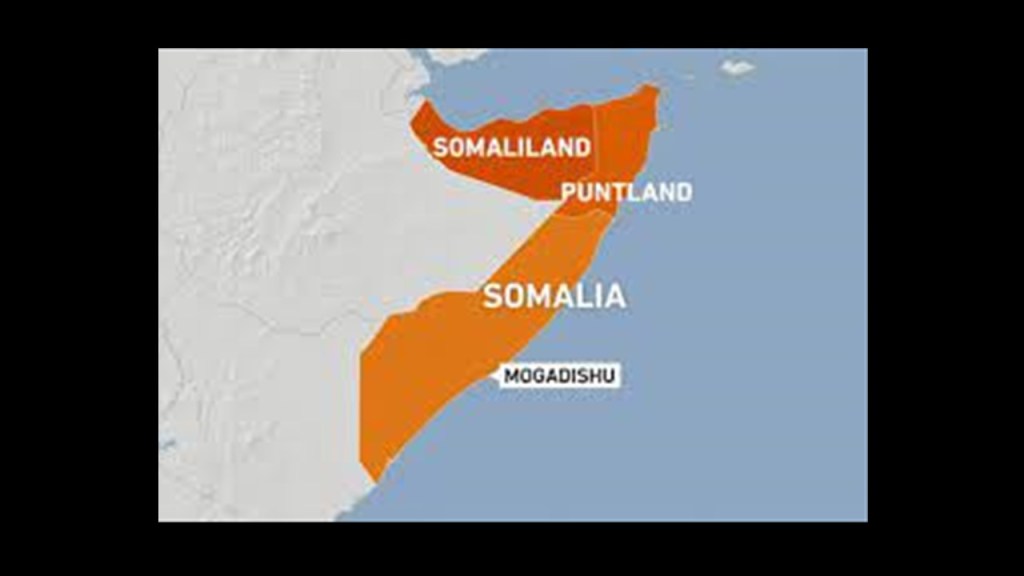
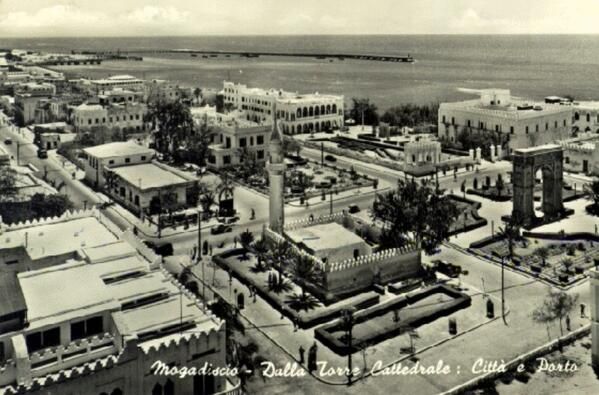
Next on the alignment is Mogadishu, the capital and largest city of Somalia.  It is located on the coastal Banadir region on the Indian Ocean, and has been an important port city for thousands of years.

This is a historic photo of Mogadishu. 

It was the capital of Italian Somaliland from 1889 to 1936. 

When the Somali Republic became independent from Italy in 1960, it was known as the “White Pearl of the Indian Ocean.”

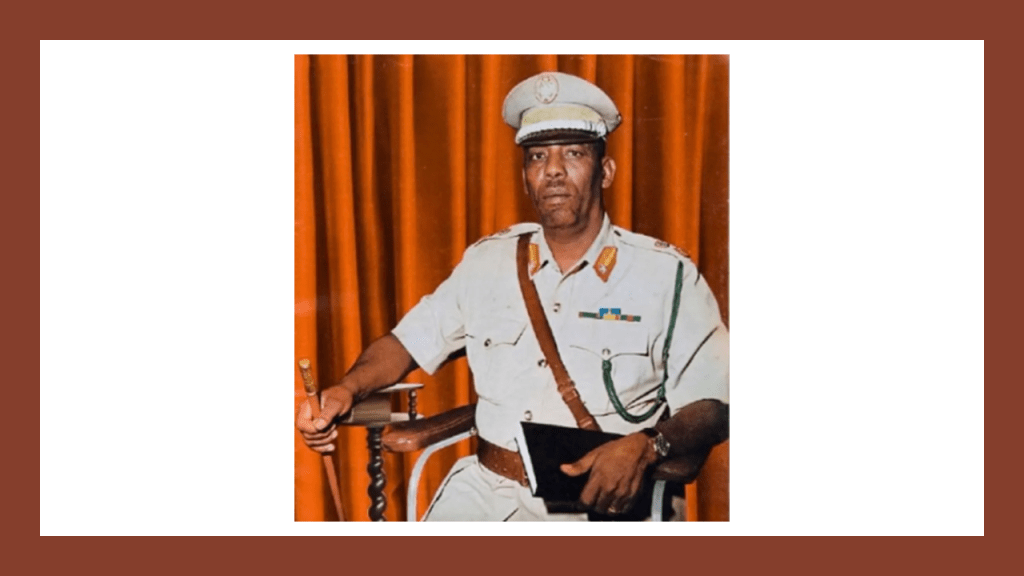
The Somali Civil War started in the early 1990s, after the ousting of  Siad Barre in 1991, who had been serving as President of the Somali Republic since 1969.

The Somali Civil War has been on-going for years.

The situation started to stabilize in 2011, and in 2012 a new government was formed with a passing of a constitution and election of a president, but it has never ended.

It is estimated that at least 500,000 people have been killed as a result of it.

Somali Civil War

The following photos will show you what happened to the historic buildings of Mogadishu as a result of years of conflict.

This is the Villa Somalia, the presidential residence, before the president was ousted and after as the result of civil warfare.

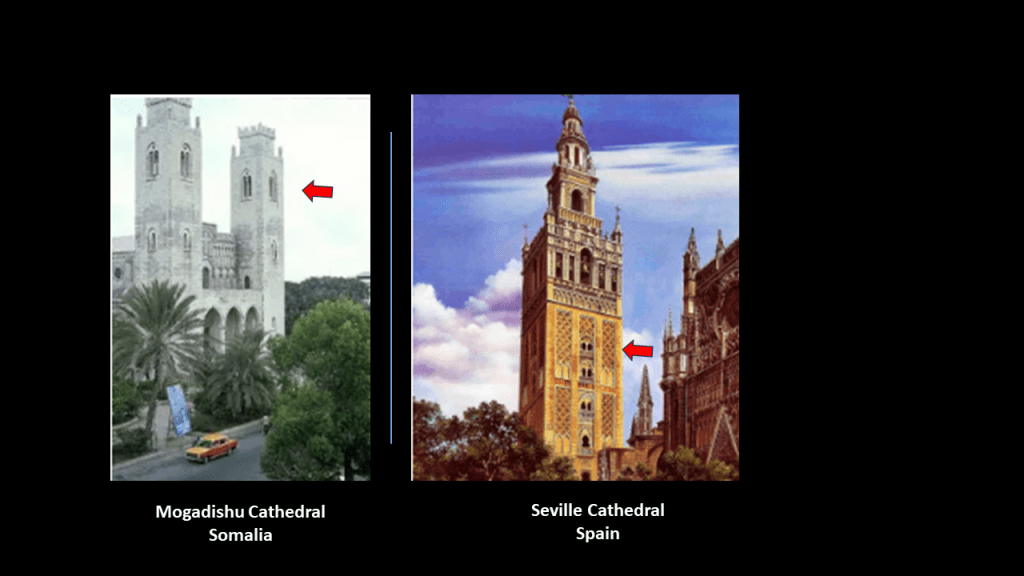
This is an historic picture of Mogadishu Cathedral on the left and Seville Cathedral on the right. 

Seville was the capital of Moorish Spain. 

In particular, note the same double-window design component of both of the cathedrals’ towers.

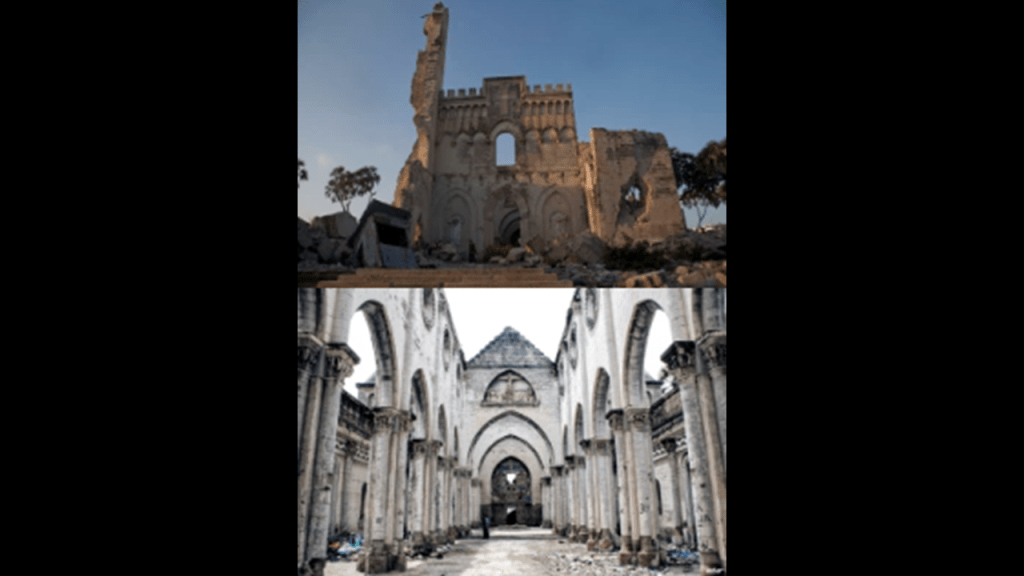
This is what remains of Mogadishu Cathedral today.

Gotta wonder if these Civil Wars were/are created to destroy the infrastructure of the original civilization.

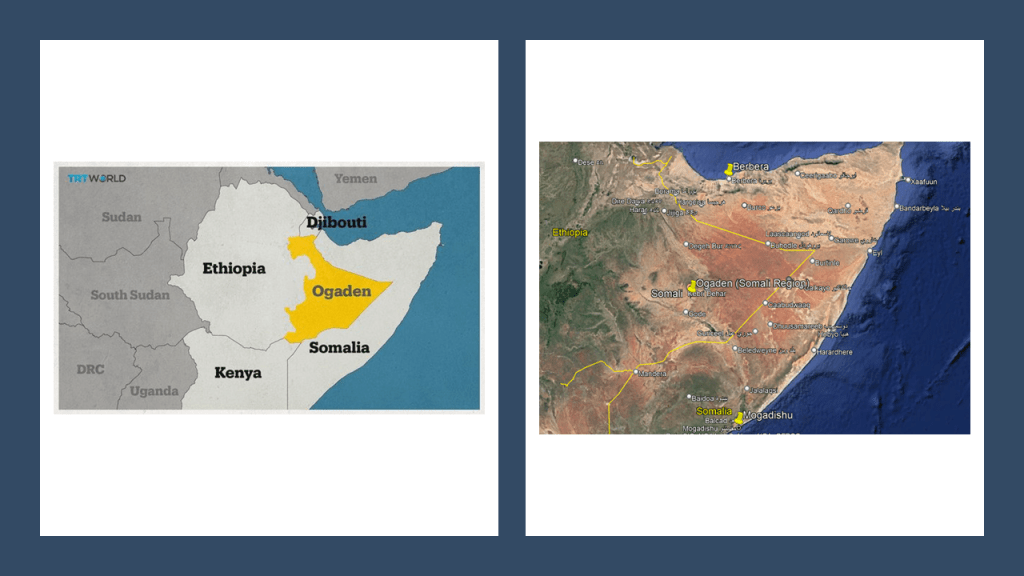
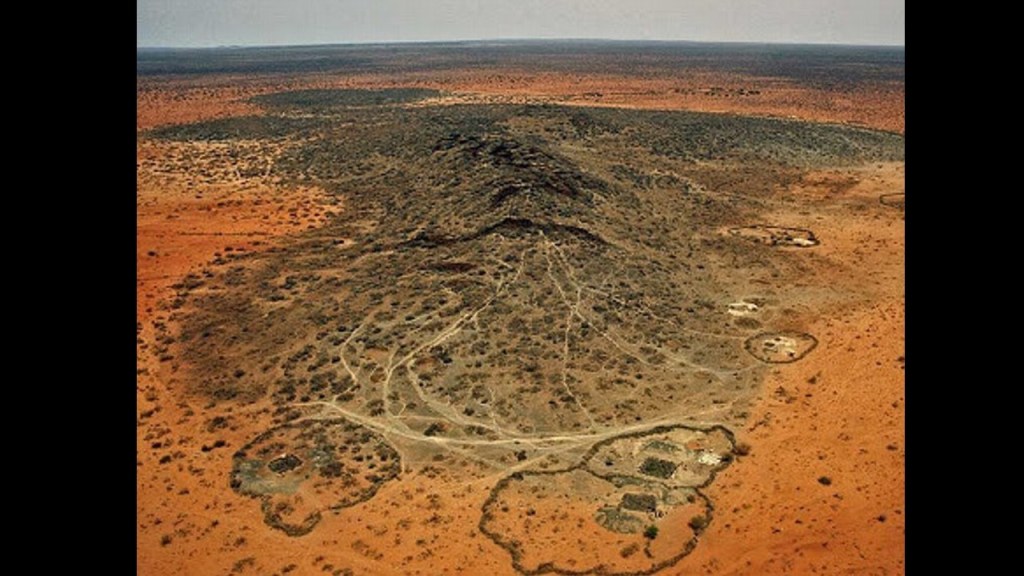
Leaving Mogadishu, we head across the eastern region of Ethiopia known as Ogaden, part of the Somali region of Ethiopia.

The majority of its inhabitants are Somali clans.

It is described as a semi-arid to hot desert climate that is part of the “Somali Acacia-Commiphora Bushlands and Thickets Ecoregion” in the Horn of Africa.

It extends along the floor of the East African Rift, where the African Plate is splitting into two plates – the Somali Plate and the Nubian Plate.

The red triangles are showing the location of historically active volcanoes.

The Simien Mountains northwest of this region were said to have formed prior to the Great Rift Valley.

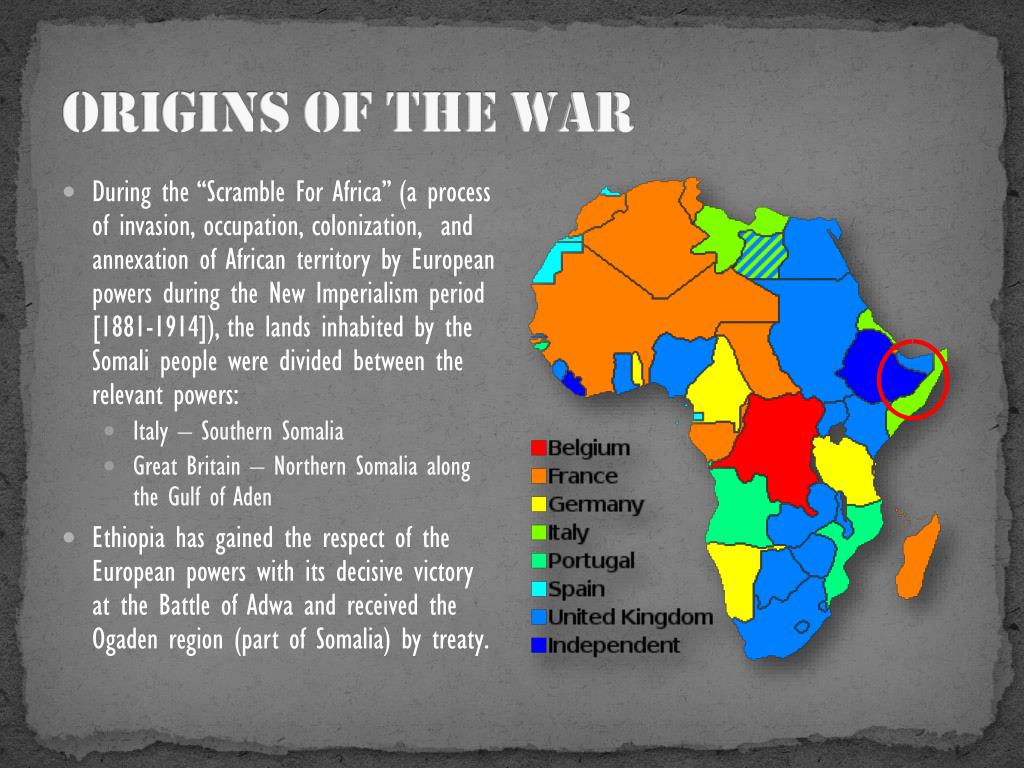
The Ogaden War took place between Ethiopia and Somalia between July of 1977 and March of 1978.

The administration of the British Protectorate of Somaliland had given Ethiopia this land in 1948 as the result of an 1897 Treaty.

The Soviet Union supported Ethiopia after Somalia invaded the region.

Ethiopia won the war with the support of Cuban armed forces, Soviet advisors, and over $1-billion worth of military supplies airlifted by the Soviet Union.

The origins of the Somali Civl War resulted from the demoralization in the Somali Armed Forces and the people of Somalia caused by the loss, eventually leading to the overthrow of President Siad Barre in 1991, who had been a Marxist-Leninist Military Dictator of Somalia since 1969 after the assassination of the President of the Somali Republic, the name given to the Newly independent state of Somalia after its independence from Great Britain.

It is important to note that the overthrow of the Ethiopian Emperor Haile Selassie took place three-years earlier on September 12th of 1974, in a coup also initiated by a Marxist-Leninist faction in the Ethiopian military, and marked the beginning of a 17-year-long Ethiopian Civil War, leaving 1.4 million dead.

The Ethiopian Civil War formally ended in 1991, the same year Siad Barre was overthrown and the Somali Civil War started.

The Solomonic dynasty, also known as the House of Solomon, was the former ruling dynasty of the Ethiopian Empire.

Its members were lineal descendants of King Solomon and the Queen of Sheba through their son Menelik I, the first Emperor of Ethiopia.

Haile Selassie was the last Emperor of Ethiopia from 1930 to 1974.

The full title traditionally of the Emperors of Ethiopia was: “Elect of God, Conquering Lion of the Tribe of Judah and King of Kings of Ethiopia.”

There seems to be a pattern emerging in this part of the world.

Either upon Independence from a European Colonial power, a Marxist-Leninist faction within the military seized power from the Republican form of government that replaced the colonial government; or a dynastic ruler was replaced by a Marxist-Leninist Faction in the military.


The result was the same: dividing countries and people; civil war; territorial war; and some form of Marxist government implemented.

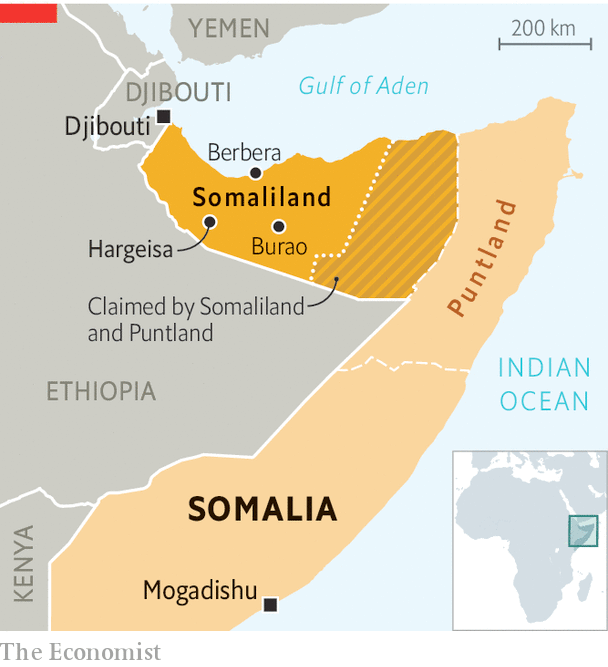
We are heading to Berbera in the region of northern Somalia known as Somaliland today.

Somaliland declared independence from Somalia in 1991 following the ouster of Siad Barre, after a decade of state repression and civil war in the region.

It is a self-governing region, though not recognized as a sovereign state internationally.

As mentioned previously, this region had been a former British Protectorate, from the 1880s and 1960.

Berbera is located on the Gulf of Aden, and was the capital of British Somaliland Protectorate from 1884- 1941.  

It is still the capital of the Sahil Region of Somaliland.

Berbera is strategically on an oil route.

It has a deep harbor, and it it is situated near entrance to the Red Sea.

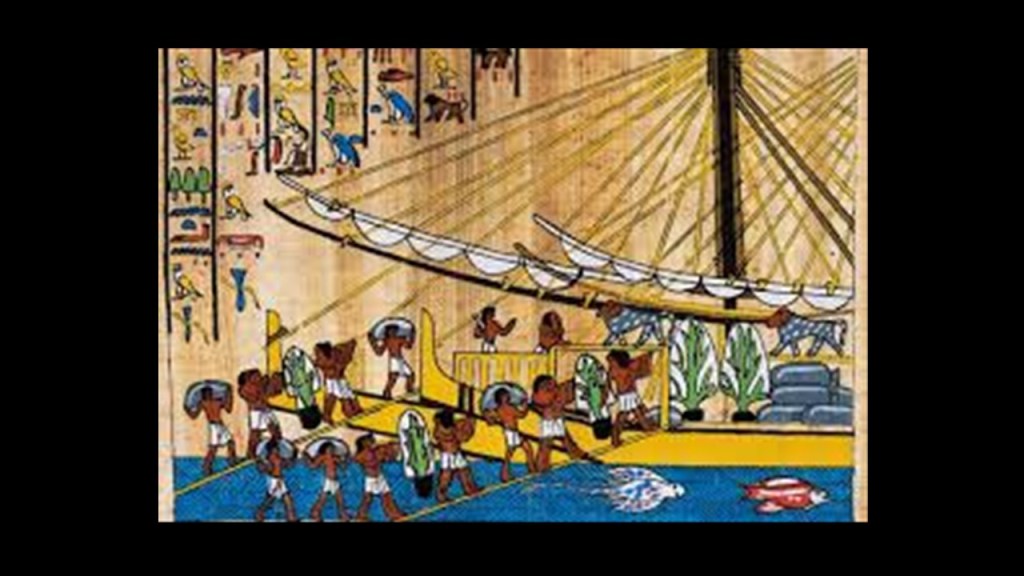
From antiquity, Somalia been an important commercial center, and likely the location of the ancient land of Punt.

Punt was a trading partner with Egypt, and was a wealthy country that was rich in resources and exotic goods.

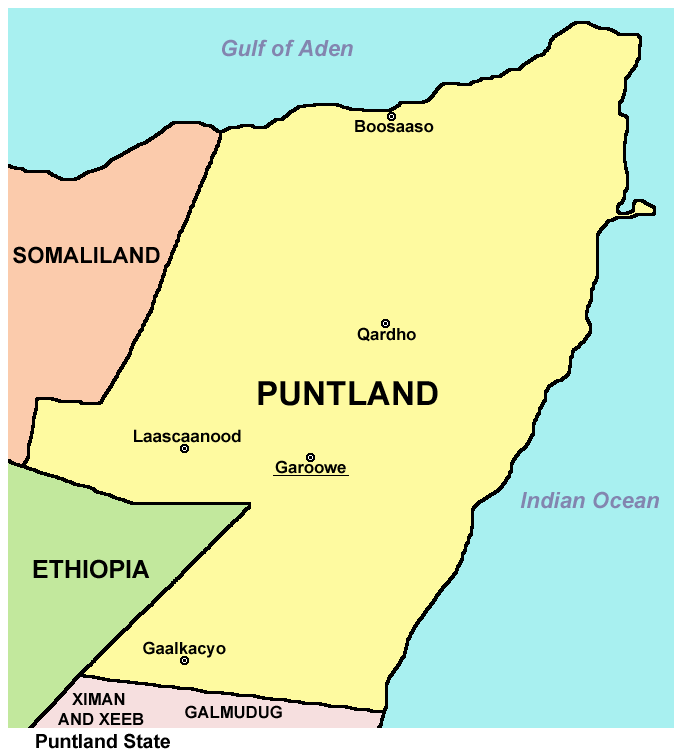
There is still a region of Somalia today known as “Puntland,” adjacent to Somaliland.

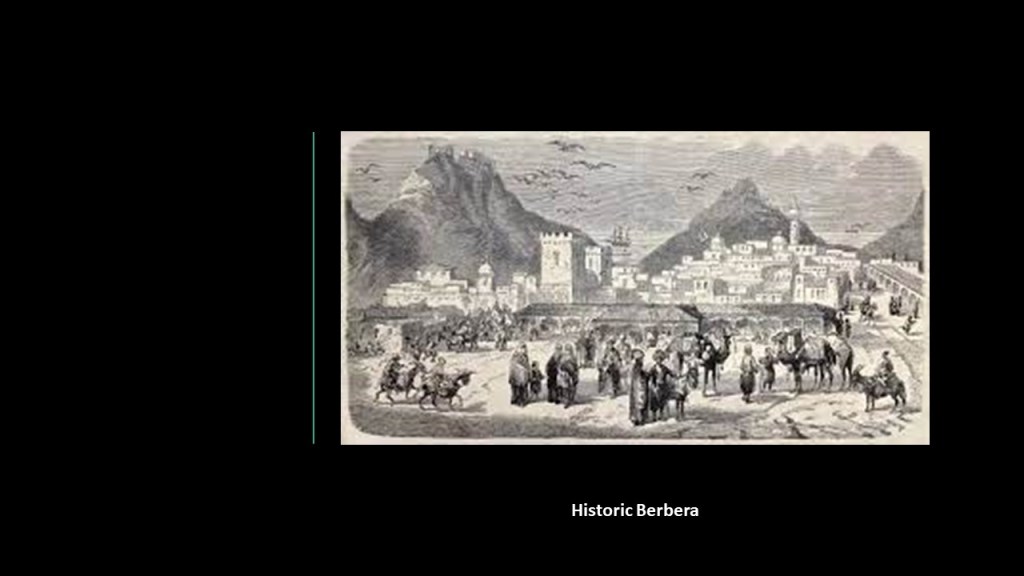
Berbera was once a powerful and well-built city that has served as a major commercial center and port since antiquity, and has a glorious past in terms of importance to the region.

Berbera is looking quite rough these days. 

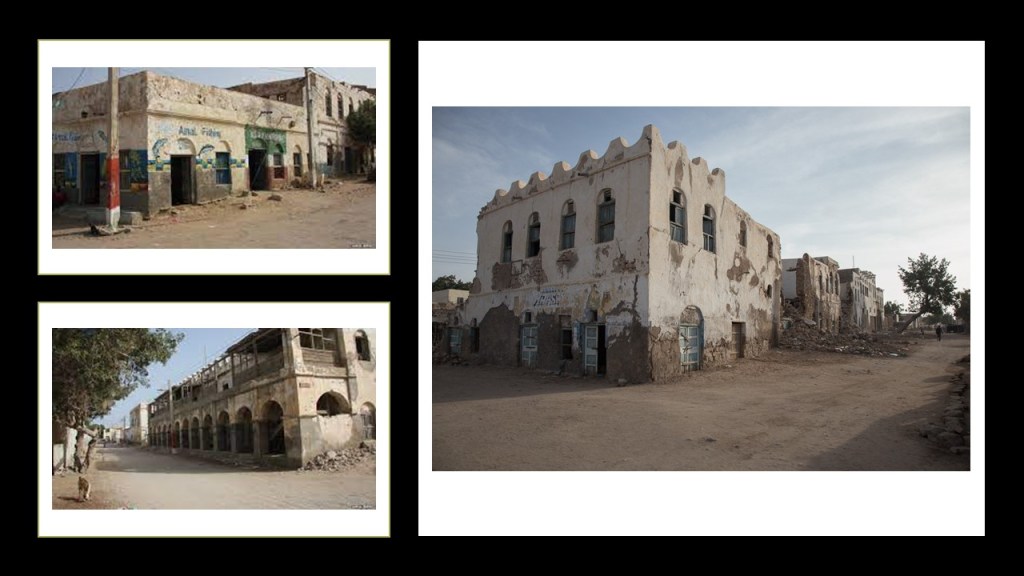
These photos are of crumbling historic buildings in Berbera’s Old Town.

I am going to end this post here and pick up the alignment in the Gulf of Aden on the way into Yemen in the next post.

The Company

Viewer MJ sent me research she had done into “The Company,” and its relationship to our Federal Government and the political process for the Republic, and the world we live in today.

I can only take things so far, and with the help of independent researchers like this viewer, I can take things much further. 

I did not have the information she provided me. 

The dates things are happening is very important when looking at where things in the New World really got kicked off, and her research helped me to connect more dots.

It really takes a village to solve this puzzle because there is so much to uncover regarding what has taken place here and many layers to it as well.

I will be interweaving MJ’s research material with with research that I have done in the past and present for this post.

I am going to focus on the origins & historical impact of The Company in this first part.

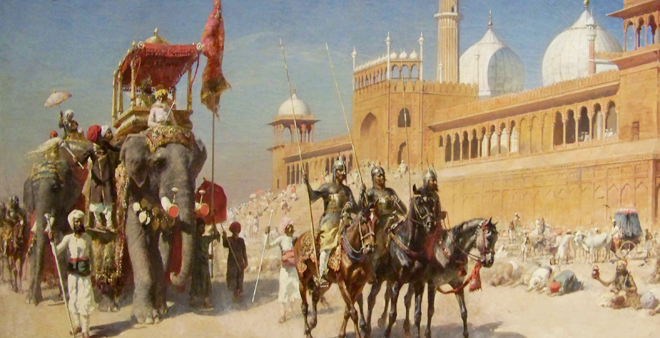
I received the research from MJ shortly after I had published “The East India Companies, the Theft of India & the Legacy of the Mughal Empire.”

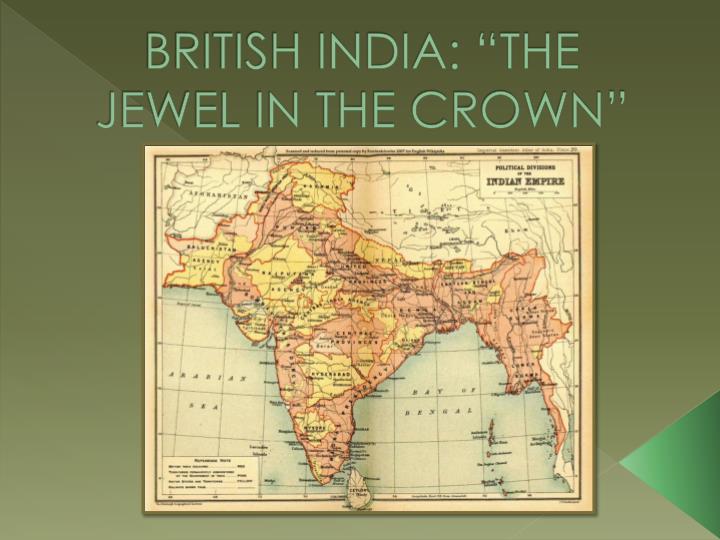
India was called the “Jewel in the Crown” of the British Empire. and its largest, and most important, overseas possession.

Much of the British Empire was built around India, in order to provide routes to, or protection for, India.

India was prosperous and rich, in spices, silk, indigo, gold, cotton, and other products and resources.

Trade with, and eventual political dominance of large parts of India, was what provided Britain with large parts of its wealth in the 1700s through 1900s.

The East India Company was the means by which the British took over control of India and its fabulous wealth and culture.

The East India Company was nicknamed “The Company.”

This is what we are told.

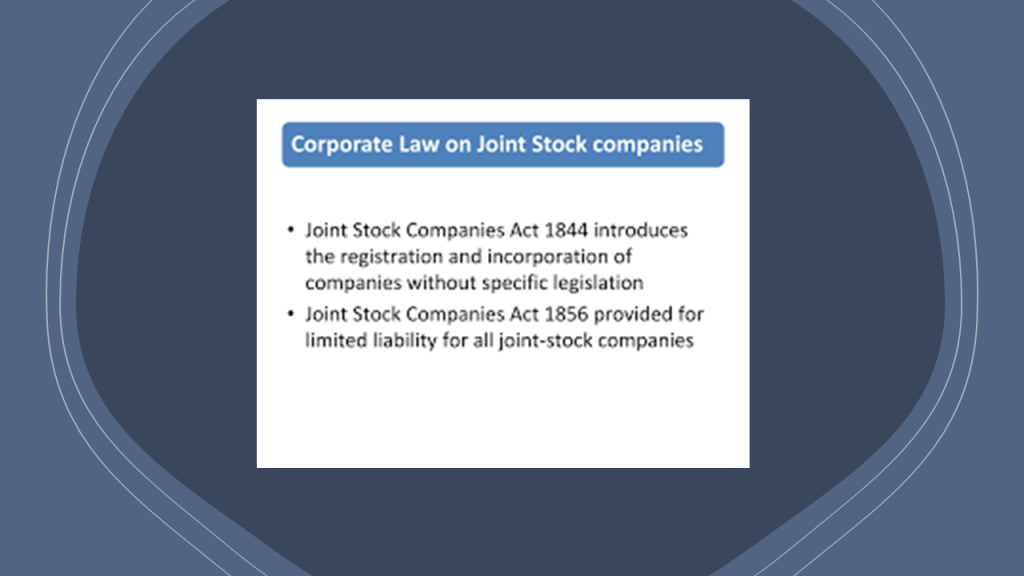
The British East Company was established as a joint-stock company by Royal Charter on December 31st of 1600 by Queen Elizabeth I.

It was called the “Governor and Company of Merchants of London Trading in the East Indies,” and by the mid-1700s, accounted for half the world’s trade in such commodities as cotton, silk, indigo, spices, sugar, tea, and opium.

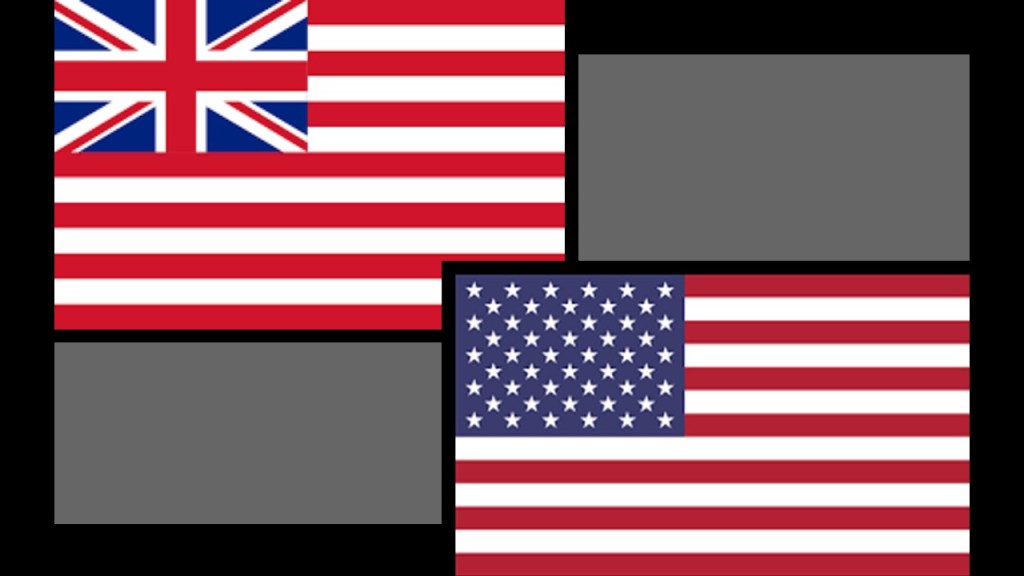
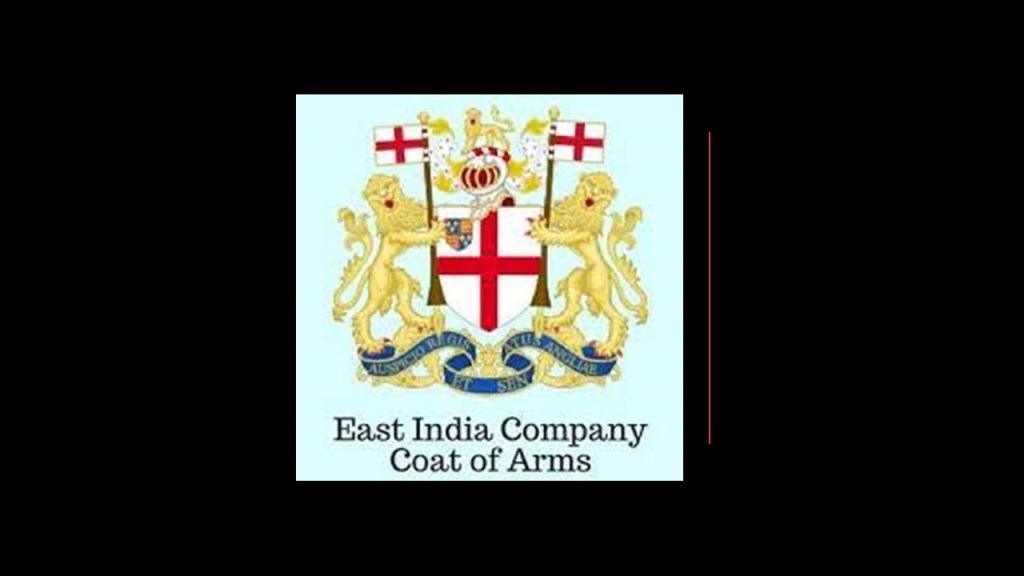
For comparison, the flag of the British East India Company is pictured on the top left, and the flag of the United States on the bottom right.

It is important to note that the American Central Intelligence Agency has the same nickname.

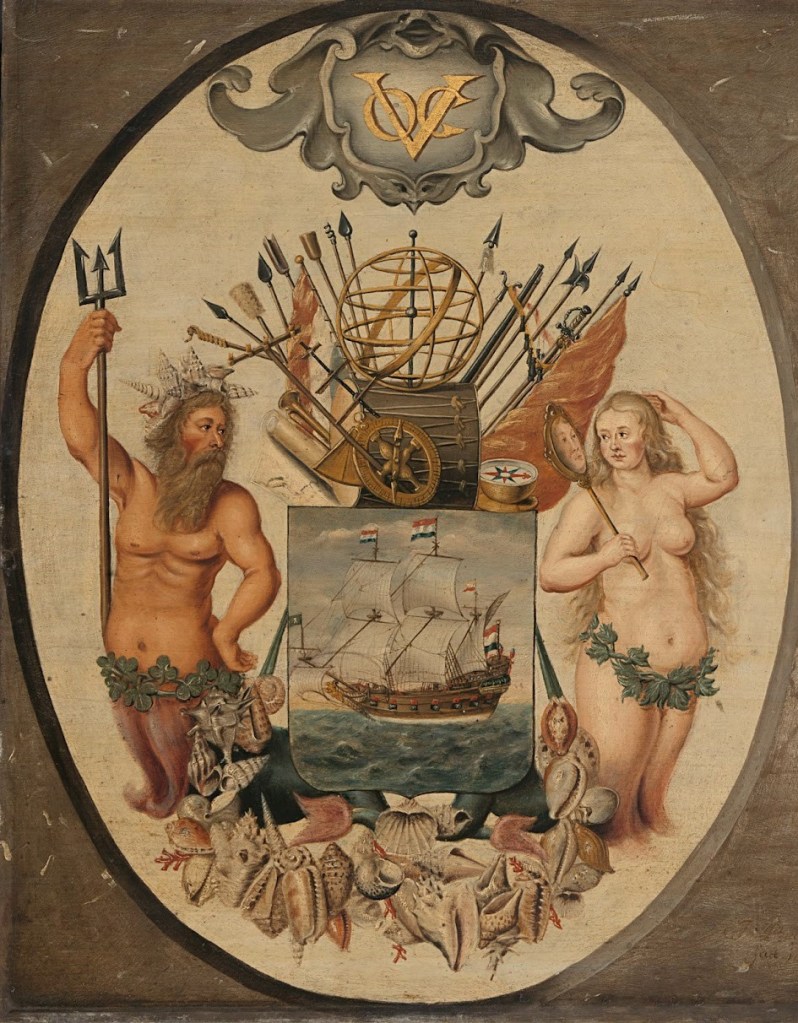
On March 20, 1602, Dutch East India Company was chartered to trade with India and Southeast Asian countries by the States General of the Netherlands, the Supreme Legislature of the Netherlands, granted it a 21-year monopoly for the Dutch spice trade. 

It was a megacorporation, which is defined as a massive conglomerate (usually private) holding near-monopolistic, if not monopolistic, control over multiple markets.

It was chartered to trade with Mughal India, and primarily Mughal Bengal, from where 50% of textiles and 80% of silks were imported.

It has often been labelled a trading or shipping company, but was in fact a proto-conglomerate, diversifying into multiple commercial and industrial activities.

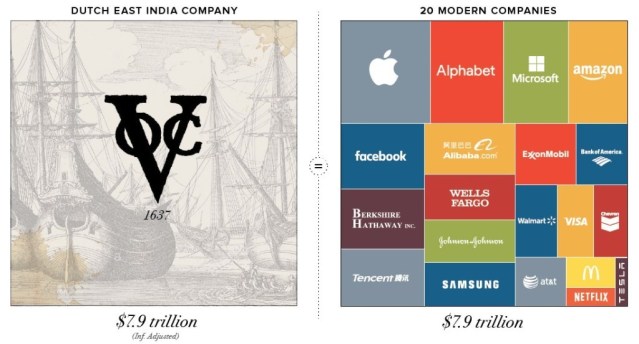
The first formally listed public company by widely issuing shares of stock and bonds to the general public in the early 1600s, it was the world’s most valuable company of all-time, with a worth of $7.9-trillion.

It is considered by many to be to have been the forerunner of modern corporations.

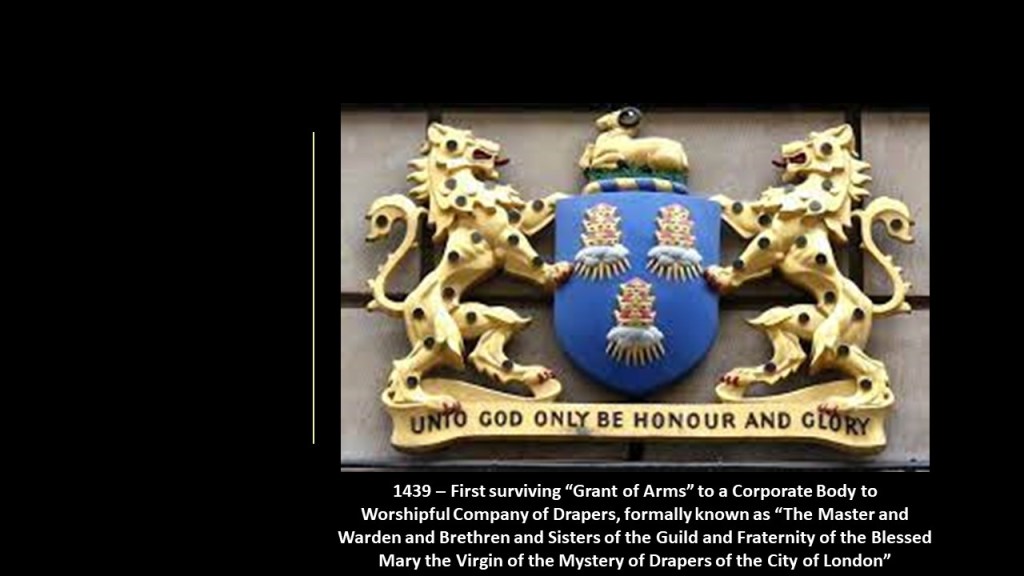
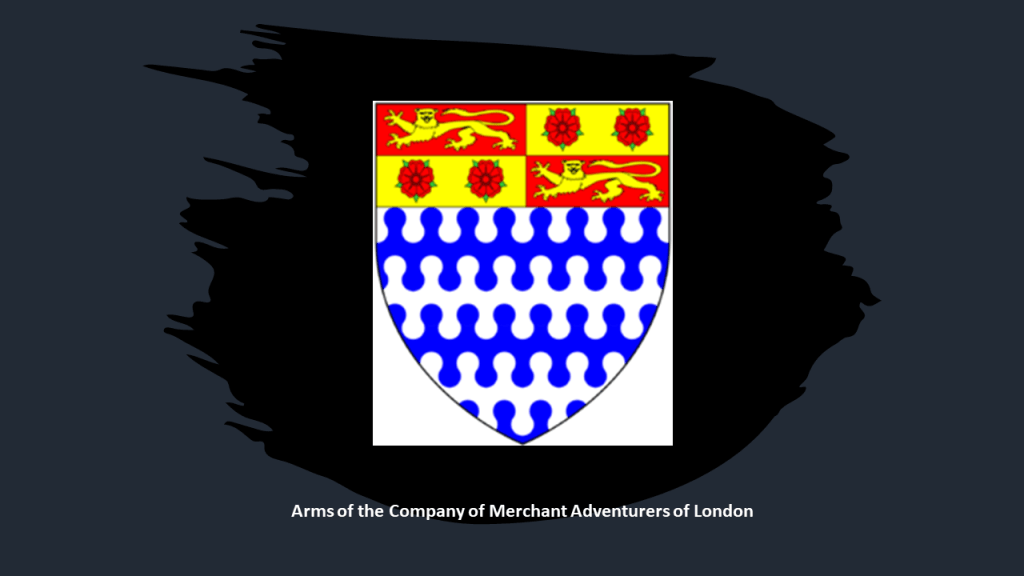
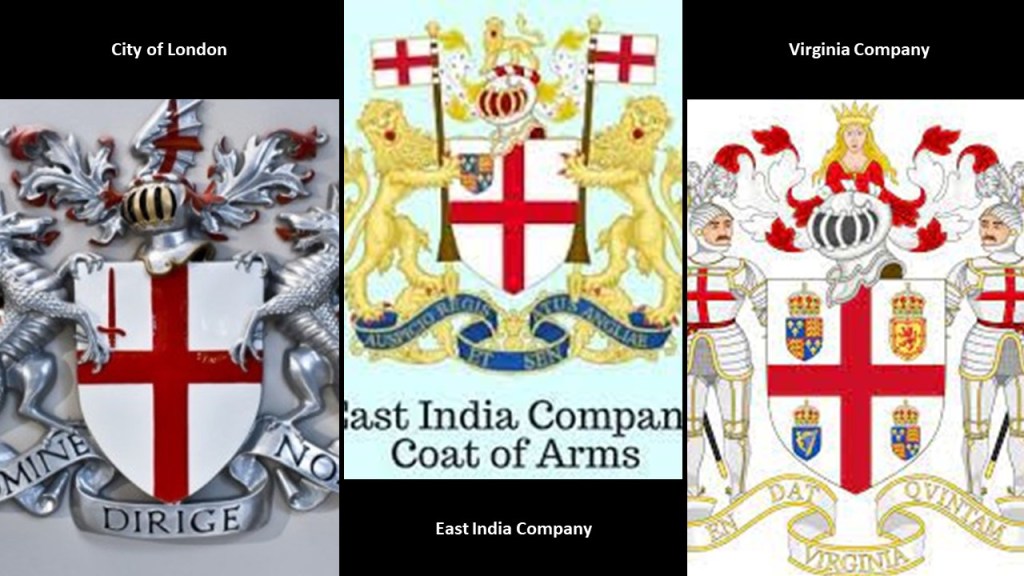
We are told the use of Arms went from individuals to corporate bodies starting in 1438 with a Royal Charter of incorporation, and the earliest surviving grant of arms, for the “Worshipful Company of Drapers,” formally known as “The Master and Warden and Brethren and Sisters of the Guild and Fraternity of the Blessed Mary the Virgin of the Mystery of Drapers of the City of London,” and since then have been made continously including, but not limited to, companies & civic bodies.

“Draper” is defined as a retailer or wholesaler of cloth that was mainly for clothing.

As we will continue to see, activities around cloth played a signficant role in the development of the New World’s economy and the creation of its powerful banking houses and corporations.

MJ sent me citation resources she used in her research.

The first was Dun and Bradstreet, an American company that provides commercial data, analytics and insights for businesses, including credit ratings.

She said that much valuable information has been removed from public view, and noticed that they have removed many cities and other government entities from their search queries. 

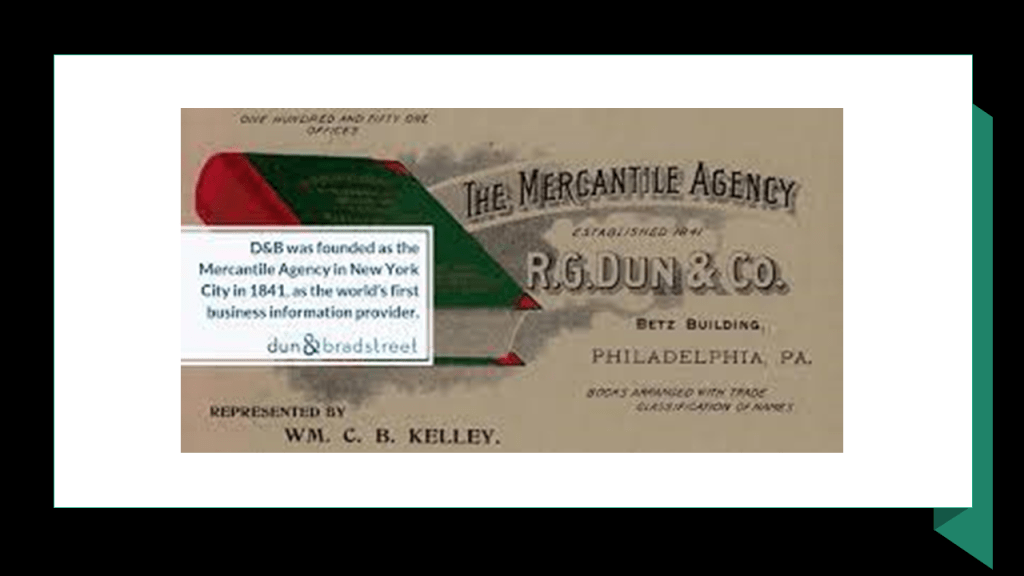
Dun and Bradstreet started out as “The Mercantile Agency” in New York City on July 20th of 1841.

It was formed by Lewis Tappan, who started out in the dry goods business with his father and the silk business with his brother, as the first commercial credit rating agency for businessmen seeking credit, and provided a network of correspondents to provide reliable credit information to its subscribers.

By 1844, the “Mercantile Agency” had over 240 clients, and continued to expand, opening offices in Boston, Philadelphia and Baltimore.

Benjamin Douglass took-over the business in 1849, and he transferred it to Robert Graham Dun in 1859, who changed the named to R. G. Dun & Company, and he continued to expand the business across international boundaries, and it kept growing from there.

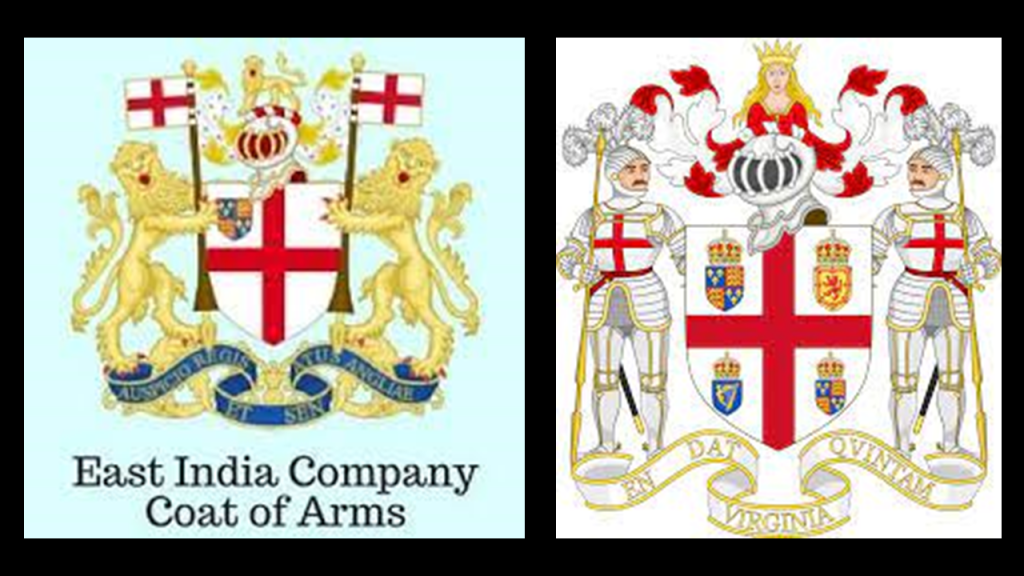
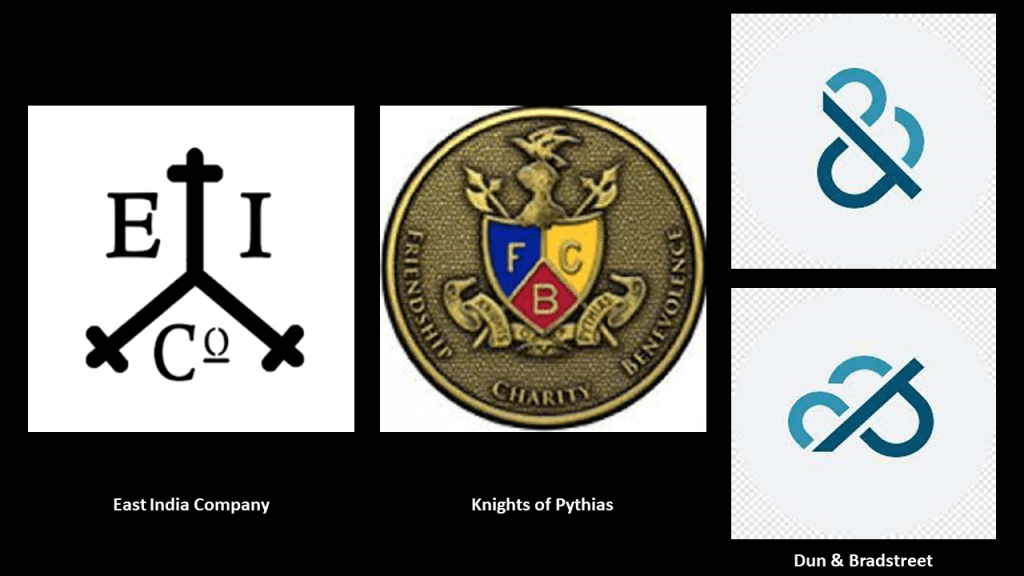
It’s interesting to me that when I saw on of the modern logos on the right, it bore a slight resemblance in design to one of the EIC logos on the left, which also reminded me of one of the “Knights of Pythias” logos, as seen in the middle.

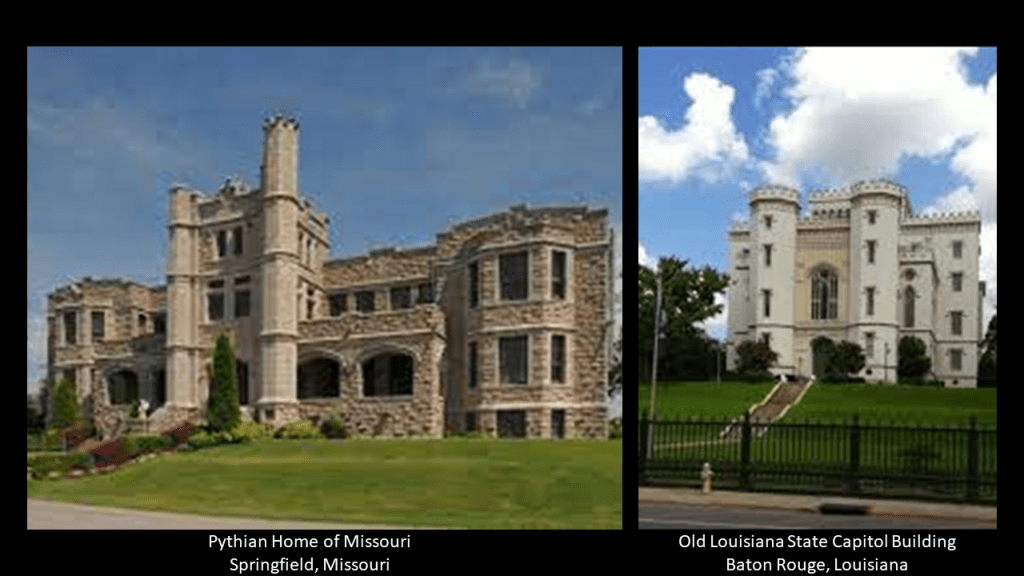
The “Knights of Pythias” is a secret society and fraternal organization that was founded in February of 1864, which would have been during the American Civil War, which along with other secret societies like the Freemasons, and Odd Fellows, seemed to have been deeply involved in the reset historical narrative by claiming credit for the construction of buildings what would have been architecture of the original civilization, calling them “Pythian Castles” as charity homes for widows and their children, like the “Pythian Home of Missouri,” in Springfield, pictured on the left.

Pictured on the right is the old Louisiana State Capitol Building in Baton Rouge, for similarity of apprearance, with the castle-like appearances, earthworks in the landscape below both buildings, and what appears to be facing in the same direction.

Also, the year of 1841, the year that the “Mercantile Agency” was established, is just screaming at me because that year, and the early-to-mid-1800s in general, has come up as having a lot of significant activity going on.

To begin with, let’s look at what was going on around 1800 that relates to all of this.

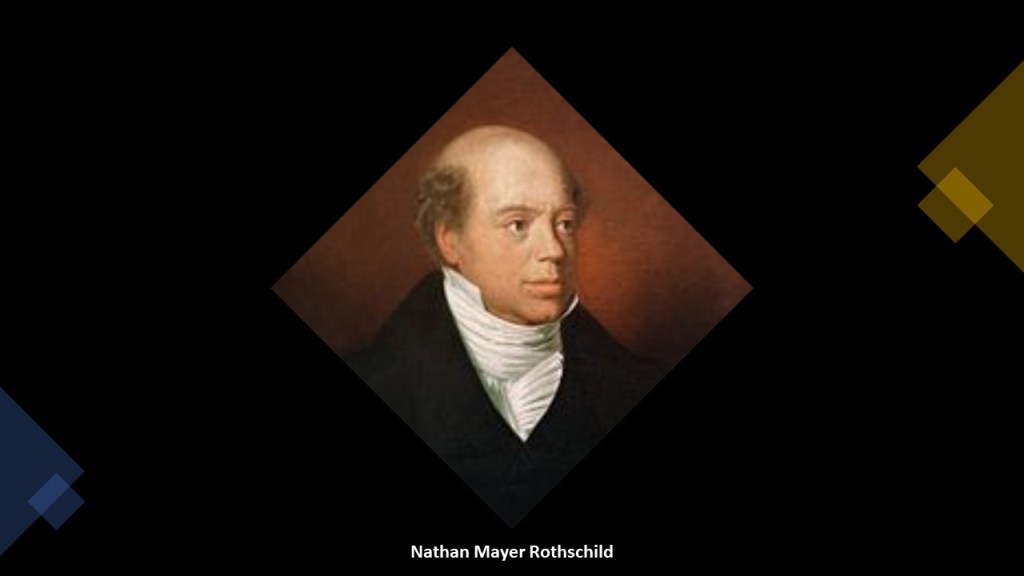
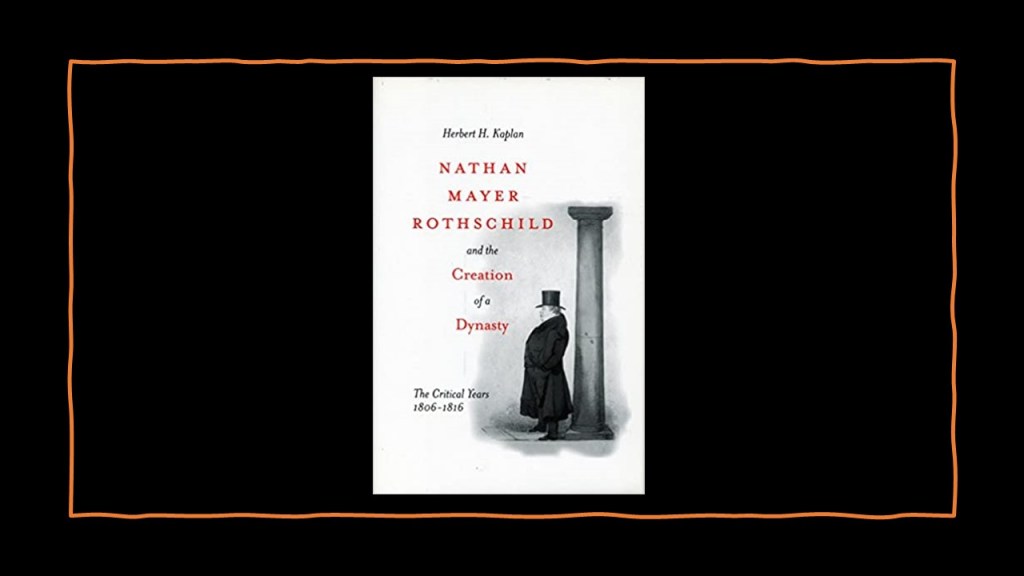
First, Mayer Amschel Rothschild’s son, Nathan Mayer Rothschild settled in Manchester, England in 1798, and established a business in textile trading and finance, and made a fortune in a banking enterprise he began in London in 1805 that dealt in foreign bills and government securities.

A freemason since 1802 in the “Premier Grand Lodge of England” in October of 1802, by the time of his death in 1836, Nathan Mayer Rothschild had secured the position of the Rothschilds as the preeminent investment bankers in Britain and Europe, and his own personal net worth was over 60% of the British national income.

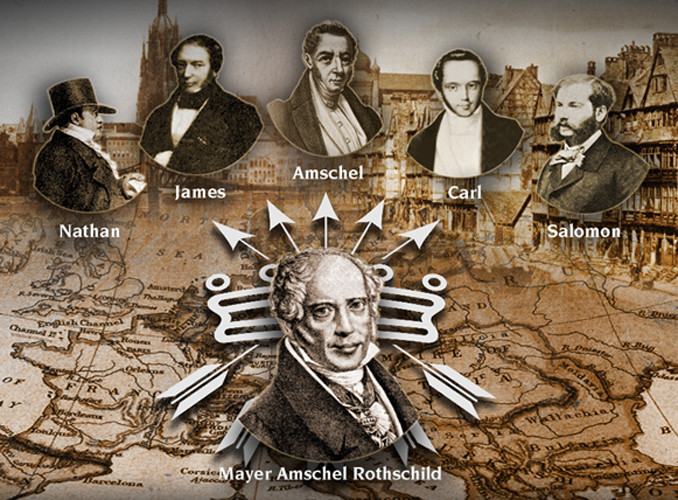
Mayer Amschel Rothschild started the Rothschild International Banking family dynasty through his five sons in Frankfurt, Germany, in the 1760s, who were each placed in major cities throughout Europe.

Besides Nathan in London, son James was in Paris; son Amschel succeeded his father in Frankfurt; son Carl was in Naples; and son Salomon in Vienna.

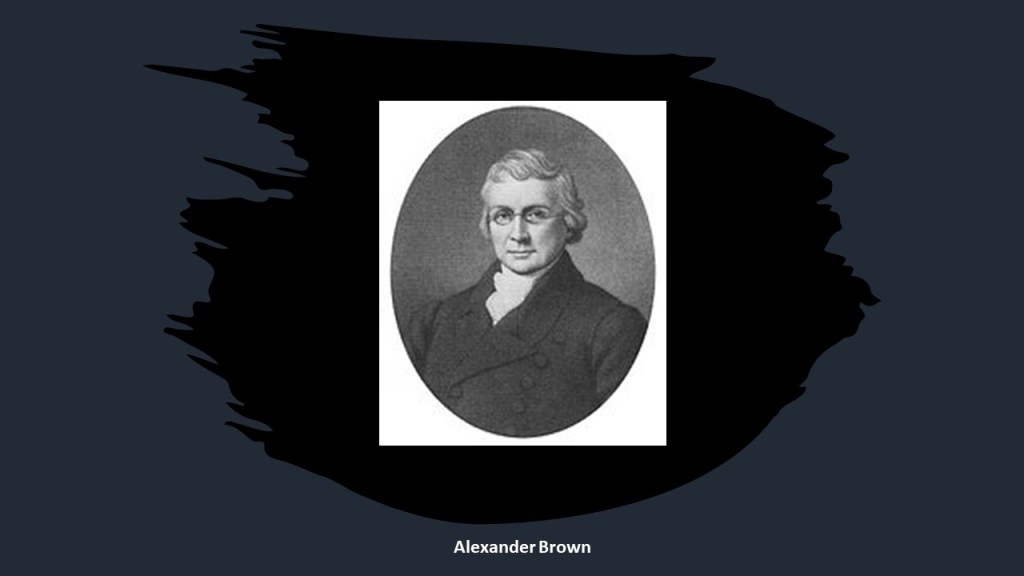
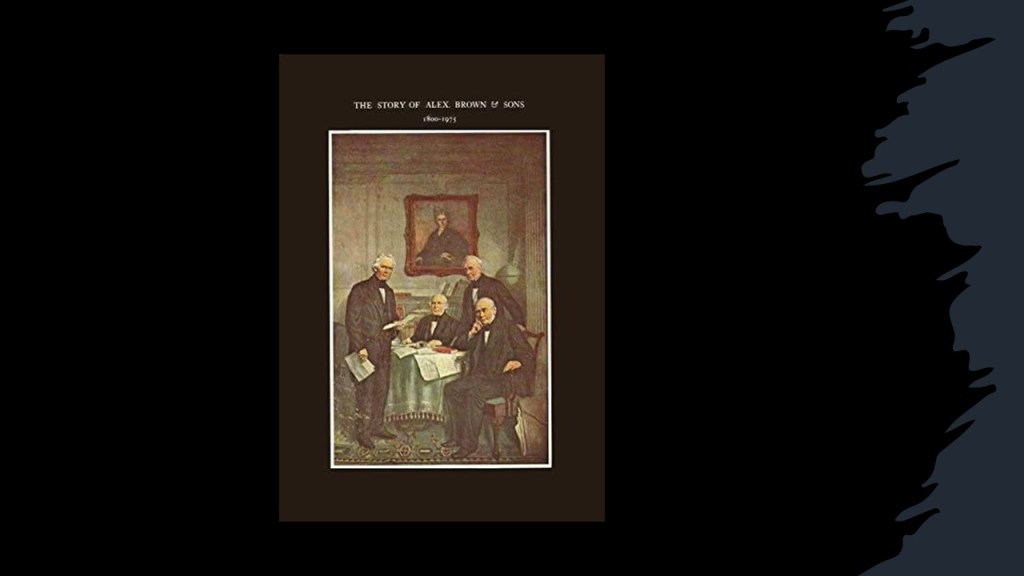
In America, Alexander Brown was an Irish linen merchant who immigrated to America, and established the first investment banking firm in the United States in 1800, just five-years before Nathan established the Rothschild bank in London.

He was joined in business by his sons William, George, John, and James, and the firm became “Alex. Brown & Sons” in 1810.

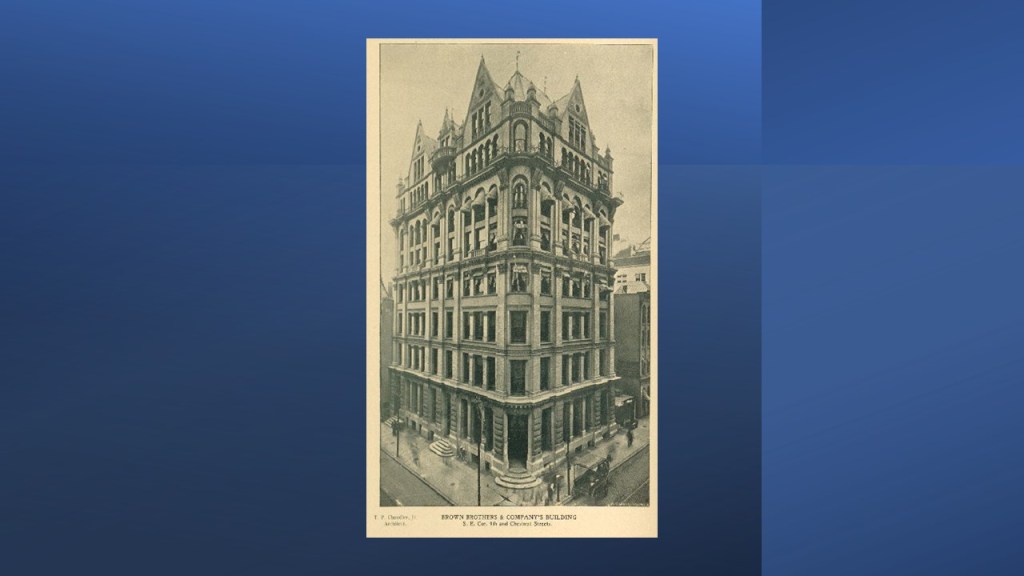
So his son William established the Liverpool office in England of the family business; George and John founded “Brown Bros. & Company” in Philadelphia, Pennsylvania; and James opened a branch in New York City and Boston.

This is what we are told about Brown Brothers & Company, that during the first 100-years of its existence, it helped make paper money standard currency in the United States; underwrote the first railroad and trans-Atlantic steamship companies; and essentially created the first foreign exchange system between the American dollar and the British pound.

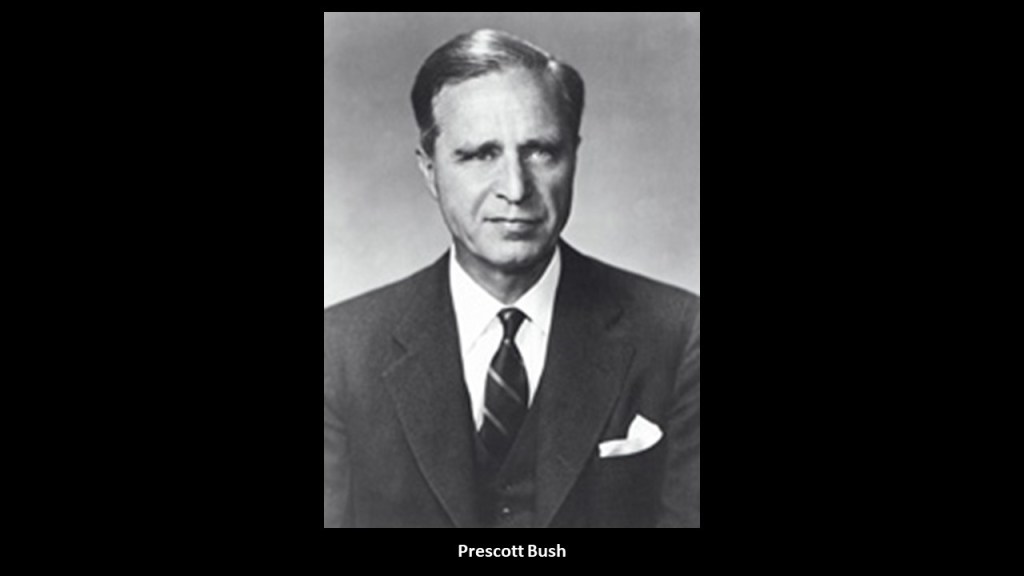
In 1931, the Brown Brothers merged with the Harriman Brothers & Company, a private bank started with railway money, in 1931 to become known as the “Brown Brothers Harriman & Company,” one of the oldest and largest private investment banks in the United States.

Founding partners of the “Brown Brothers Harriman & Company” included W. Averill Harriman, the son of railroad baron E. H. Harriman, and Secretary of Commerce under President Harry S. Truman…

…and Prescott Bush, American banker and politician, and the father of President George H. W. Bush.

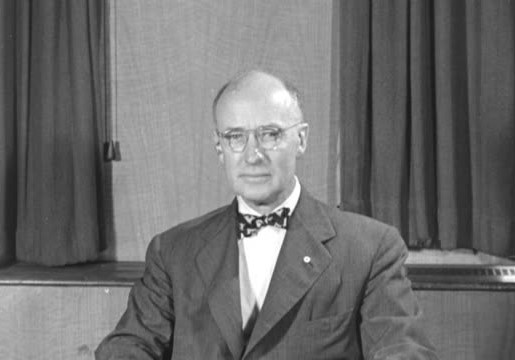
Another Harriman, E. Roland Harriman, was the Chairman of the Board of Governors of the American Red Cross, from 1950 to 1973.

He was the brother of W. Averill Harriman, founding partner of the “Brown Brothers Harriman & Company”

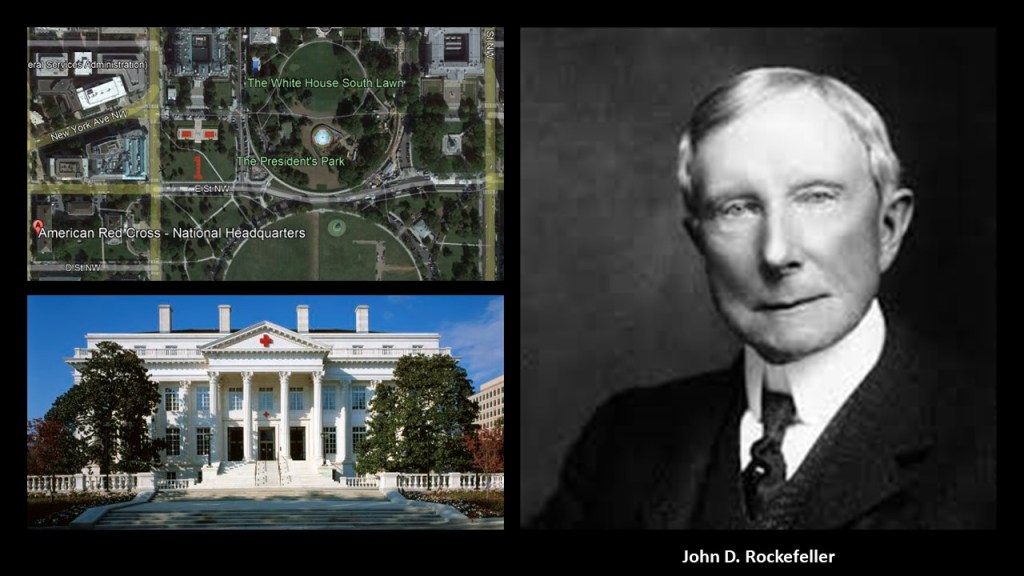
John D. Rockefeller was amongst several that donated to create a national headquarters for the Amerian Red Cross near the White House in Washington, DC, said to have been built between 1915 and 1917.

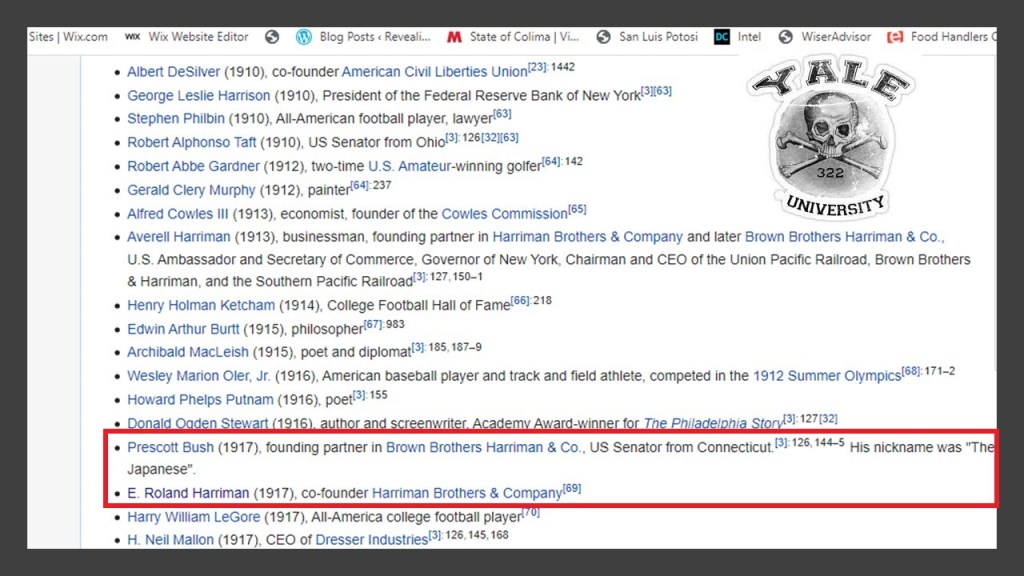
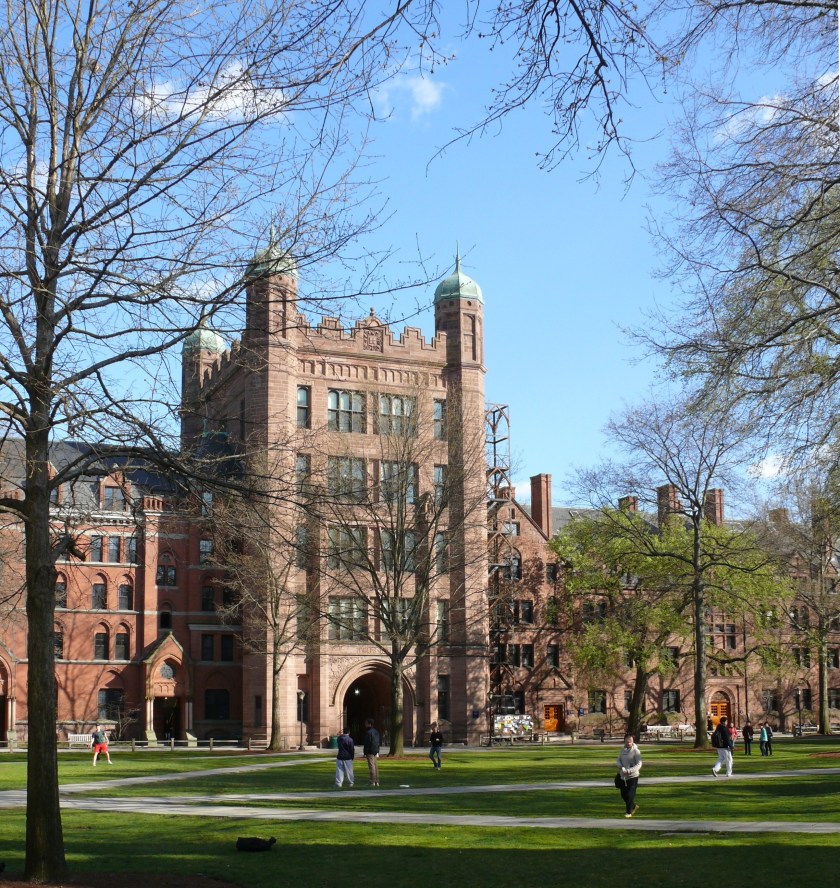
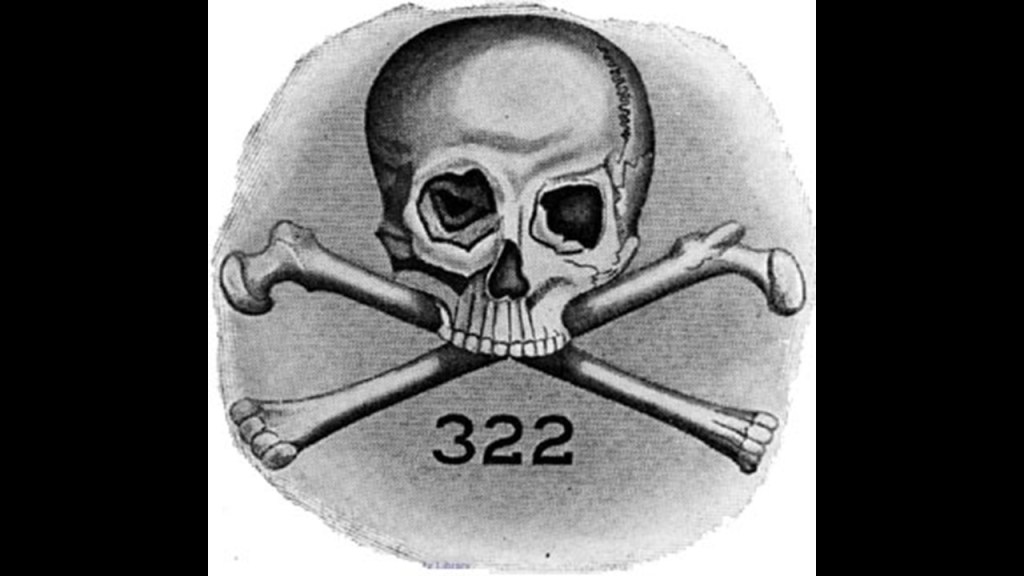
E. Roland Harriman, or “Bunny” as he was nicknamed, attended Yale University, where he was a member of the “Skull and Bones” Society with his friend and classmate… Prescott Bush.

Yale University was named for Elihu Yale, a British merchant and trader, who became President of the Madras Presidency in 1684, at the British East India Company settlement at Fort St. George in Madras in India.

Elihu Yale later became a benefactor of the Collegiate School in the Colony of Connecticut, which in 1718 was renamed Yale College in his honor.

The Skull and Bones Society was founded as an undergraduate senior secret student society at Yale in 1832, just 9-years before Lewis Tappan established the Mercantile Agency.

Another noteworthy American financier who emerged between 1800 and 1840 was George Peabody.

In a similar story to Lewis Tappan, George Peabody got his start in the dry goods business with his brother in what is now Peabody, Massachusetts, and when their store burned down, George went to Georgetown in the Washington, DC, area in 1811 to work in a wholesale dry goods warehouse.

Not long after, he became an office boy for the owner of the warehouse, Elisha Riggs, and not long after that, he became a partner in the wholesale dry goods firm of Riggs, Peabody and Company.

Elisha Riggs also financed the founding of Riggs National Bank, which was organized by his son George Washington Riggs.

Riggs National Bank existed until 2005, when Riggs was dissolved, and acquired by PNC Financial Services.

The reason for the change in ownership of the bank in 2005 was the investigation of Riggs Bank for several money-laundering scandals, including “unknowingly” allowing the hijackers involved in 9/11 to transfer money “due to lax controls” at the bank…

It is interesting to note that as a “National Bank,” Riggs was authorized to print currency at one time in its history.

During the years George Peabody lived in Baltimore, he established his own career as a businessman and financier.

He first travelled to England in 1827 to purchase wares, and negotiate the sale of American cotton in Lancashire.

By 1825, cotton was Britain’s biggest import, primarily from American cotton fields, and Lancashire was dominant force in the British economy with its cotton industry, where the raw cotton was turned into thread and fabrics in a factory-based production line with the advent of the Industrial Revolution in this industry, and marked the birth of the British-working class.

George Peabody opened an office in Liverpool, with British business playing a more and more important role in his business affairs.

The bankers who helped establish him in Liverpool included Sir William Brown, 1st Baronet of Richmond Hill, one of the sons of Alexander Brown, who managed his father’s Liverpool office.

With all of his great connections, George Peabody branched out.

He took up residence in London permanently in 1837, and went from being a wholesale dry-goods and cotton merchant, to a merchant-banker offering securities in American railroad and canal enterprises to British and European investors.

He started a banking business trading on his own account a year after he moved to London, and by 1851, he established the banking firm of “George Peabody & Company” to meet the increasing demand for securities issued by American railroads, and his company specialized in financing governments and large companies.

Apparently railroad and canal developers in the early 19th-century in the United States needed investment capital, and turned to European money markets for the funding to complete their projects.

Likely this investment capital was needed to dig them out of the mud and make them operational again.

Along with canals, I am seeing that rail-tracks et al, were dug-out from a deliberately-caused cataclysmic event, best-known as the mud flood, and that locomotives and railroad cars were pre-existing as well.

I think it was all-electrified prior to the mud flood, and when the Earth’s free energy grid was taken down, most energy sources for mass transportation were replaced by oil and coal until they could get the electricity up and running again, later to be replaced by cars and buses.

For one example, in the course of doing my research, I found the Raritan River Railroad on a long-distance circle alignment beginning and ending in Washington, DC.

It was a 12-mile-, or 19-kilometer-, long short-line railroad operating freight and passenger service in Middlesex County New Jersey, said to have been built in 1888 when the peak of railroad building in the United States was subsiding in the late 1800s.

This the logo for the Raritan River Railroad on the left, compared with the logo for Rolls Royce on the right.

The similarity between these two logos tells me these two companies were connected in some way. Besides the fact the logos look virtually identical, it brings to mind what I found when I was looking at Derby, England.

I found Derby close to the Algiers’ Circle Alignment as I was tracking it through England.

Derby is the geographic center of England, and the Derwent River Valley in Derbyshire is considered the Birthplace of the Industrial Revolution.

Rolls-Royce is a global aerospace, defense, energy, and marine company focused on world-class power and propulsion systems, and its civil aerospace and nuclear divisions are in Derby…

…as well as the Railway Technical Center, the technical headquarters of British Rail, and considered the largest railway research complex in the world.

Back to George Peabody.

George Peabody’s bank quickly rose to become the premier American banking house in London, and this is a statue of him that is located near the Royal Exchange in London.

George Peabody hired Junius Spencer Morgan in 1854 as the Junior partner in his company.

Junius Spencer Morgan was the founder of the company that would become J. S. Morgan & Company in 1864, that was the successor company to George Peabody & Company.

In 1854, Morgan was put in charge of the firm’s iron portfolio, which included the marketing of railroad bonds in London and New York.

By the time J. S. Morgan died in 1890, the Morgan banks were the dominant forces in government and railroad finance, and his son John Pierpont Morgan had taken the helm of the company, becoming known as. J. P. Morgan & Company in 1895.

J. P. Morgan was an American financier and banker who dominated corporate finance on Wall Street throughout this period of time, also known as the “Gilded Age,” between the years of 1870 and 1900.

He was a driving force behind the wave of industrial consolidation in the United States in the late 18th- and early 19th-centuries.

The next citation reference the MJ provided was that of the “Companies House.”

The” Companies House” came into existence in Great Britain on September 5th of 1844, the same year that the “Mercantile Agency” continued to expand into other major cities.

The “Companies House” is an executive agency of the British Government that maintains a register of companies, and is responsible for incorporating all forms of companies in the United Kingdom.

Prior to the formation of the “Companies House,” no central company register existed in Great Britain, and companies could only be incorporated through “Letters Patent.”

“Letters patent” are a type of legal instrument in the form of a published, written order issued by a monarch or other head-of-state, granting an office, right, monopoly, title or status to a person or corporation. Thus, they can be used for the creation of corporations or government offices, or for granting city status or a coat-of-arms.

“Letters Patent” were part of the chartering process, and were used in the granting of “Royal Charters” and “Chartered Companies.”

A royal charter was a formal grant issued by a monarch under “royal prerogative” as “letters patent,” and used early on as the means to legitimize the colonization of North America by the British.

“Royal prerogative” is a body of customary authority, privilege and immunity recognized in common and civil law jurisdictions within a monarchy as belonging to the sovereign that becomes widely vested in government.

Since the 1300s in our historical narrative, royal charters have been used to grant a right or power to an individual or “body corporate,” the formal term for a corporation.

A “body corporate” functions as a “legal person” in law that can do the things a human person is usually able to do but are not literal people.

A “chartered company” is an association with investors and shareholders that is “incorporated,” or formed into a new corporation, and granted rights for the purposes of trade, exploration, or colonization.

As just mentioned, until the establishment of the “Companies House” in 1844, royal charters were the only means that a company could become incorporated, other than by an Act of Parliament.

Like, for example, the British East India Company, which became known as “The Company,” was established as a joint-stock company by way of a Royal Charter granted by Queen Elizabeth I in 1600 to trade in the Indian Ocean region…

…and six-years later, in 1606, King James VI & I issued Royal Charters for what became known as the Virginia Company and the Virginia Company of Plymouth, with the objective of raising funds from investors in order to colonize the eastern coast of America.

Hmmmm.

Coincidence that the heraldry looks almost identifical in design?

Or not?

At any rate, the “Companies House” was created by the “Joint Stock Companies Act of 1844,” which created the “Registrar of Joint Stock Companies,” enabling companies to be incorporated through registration for England, Wales and Ireland, but not Scotland.

Scotland was added in the “Joint Stock Companies Act of 1856.”

The “Young Men’s Christian Association,” or YMCA, the world’s the oldest and largest youth charity with a stated mission of supporting young people to belong, contribute, and thrive in their communities, also started in 1844, the same year the “Companies House” was established and the expansion of the Mercantile Agency into other major Cities in the United States.

The YMCA was one of the earliest Non-Governmental Organization, also known as “NGO.”

An NGO is defined as having been formed independently from government, and perceived by the general public as benevolent and philanthropic organizations with a stated purpose of helping Humanity in a particular area or time of need.

But when you delve into specific Non-Governmental Organizations, invariably there are more questions than answers.

So, for example, George Williams, in seeking to create a supportive community to help young men facing social challenges during England’s Industrial Revolution, founded the Young Men’s Christian Association in 1844.

His biography tell us he was the seventh-, and last-, surviving son of farmers in Dulverton, Somerset, England, and that he started working on the family farm at the age of 13.

Then, he left the family farm in 1841 to become an apprentice to a draper.

He worked at the Hitchcock-Williams store, where became a department manager in 1844.

In the same year of 1844, George gathered a group of fellow drapers together in the store where he worked, concerned about the appalling conditions in London for working young men, and determined to do something about it by forming the YMCA.

At Queen Victoria’s birthday honors in 1894, he was knighted and became Sir George Williams, and upon his death in 1905, he was buried in a crypt in London’s St. Paul’s Cathedral.

There is even a stained-glass window honoring Sir George Williams and the YMCA as a World War I memorial in Westminster Abbey, the same place where major events concerning the British royal family take place, including coronations, weddings, and funerals, as well as the burial site of over 3,000 prominent persons in British history.

Strange honors for a poor farm boy made good as a cloth merchant.

What’s really going on here with Williams, the drapers, and the YMCA?!

Other things that happened during the early 1840s, the Treaty of Nanking between the British Empire and China was signed in 1842 after China’s defeat in the First Opium War.

The First Opium War was fought between Qing Dynasty of China and Britain between 1839 and 1842, and was a military engagement that started when the Chinese seized opium stocks at Canton in order to stop the opium trade, which was banned.

The British government insisted upon free trade and equality among nations and backed the merchants’ demands.

To counter this, the British East India Company began to grow opium in Bengal, in present-day Bangladesh, and allowed private British merchants to sell opium to Chinese smugglers for illegal sale in China.

As a result from these events in history, opium dens, establishments where opium was sold and smoked, became prevalent in many parts of the world throughout the 19th-century.

Some of the world’s wealthiest families today earned a fortune engaging in the opium business, like the Astor, Forbes, Russell, Perkins and Delano families.

They don’t even hide it.

Another example of striking it rich in the opium trade is Jardine-Matheson.

The firm of Jardine, Matheson & Company emerged in 1832 from an evolving process of partnership changes of foreign companies that had first been established in 1782 as Cox & Reid, by John Cox and John Reid.

John Reid was an agent of the Trieste Company, part of the Austrian East India Company, the catch-all term used for a series of Austrian Trading Companies based in Ostend and Trieste, that also included the “Imperial Asiatic Trading Company of Trieste and Antwerp,” the origins of which started in 1775 in our historical narrative for the Habsburg Monarchy government of the Empress Maria-Theresa for Austria to trade with British East India Company-ruled India from the Adriatic port of Trieste after a proposal to do so presented by Dutch-born British merchant William Bolts was accepted, and Bolts sailed forth with a 10-year charter allowing him to trade under Imperial colors between Austria’s Adriatic Ports and Persia, India, China, and Africa.

Two University of Edinburgh Medical School graduates, William Jardine and James Matheson, set-up headquarters of the firm that had evolved from Cox & Reid in Hong Kong after it had been ceded by China to Great Britain in the 1842 Treaty of Nanjing.

Jardine, Matheson & Company grew rapidly, smuggling illegal opium from British-controlled India into China, and the company has been called the “most successful opium smuggling company in the world.

Along with the trade in smuggled opium, as well as tea and cotton, the firm diversified into insurance, shipping and railways.

By the mid-19th-century, Jardine, Matheson & Company had become the largest of the foreign trading conglomerates, with offices in all the major Chinese cities, and in Japan

To this day, they have an opium poppy in their logo.

Fentanyl is the opium of today.

Same idea, only more powerful.

The next citation resource the viewer sent me was that of the 1828 Dictionary of Noah Webster.

The 1828 Dictionary of Noah Webster is the official dictionary of the Federal Constitutional Republic of the United States.

This is a natural law dictionary, and whatever is in this dictionary is the actual meaning of words in the Republic, and documents written in plain English refer to this dictionary.

A Federal Constitutional Republic is a representative form of government that is ruled by a charter, or Constitution.

A democracy is a government that is ruled according to the will of the majority.

Noah Webster was a lexicographer and language reformer, as well as a lawyer, schoolmaster, author, newspaper editor, and politician.

He is often called the “Father of American Scholarship and Education.”

His 1828 dictionary had 70,000 words, of which 12,000 had never appeared in a published dictionary before.

We are told he was seeking to standardize the American English language, and changed the “-our” ending on British English words to “-or” in American English, like the word color.

Webster’s Dictionary also contains 6,000 references to the King James Version of the Bible to demonstrate the meaning of words, and is considered an essential tool for anyone studying the KJV Bible.

The King James Version of the bible, first published in 1611, and the works of William Shakespeare, with the publication of the First Folio in 1623, are considered to be early Modern English.

It is the form of the English spoken since the “Great Vowel Shift,”, a systematic change in the pronunciation of vowels for which the causes in England are unknown, which began in the mid-1400s and was completed by 1600.

My viewer shared with me that the Pilgrims brought the 1560 Geneva Bible with them and that this was the version of the bible that was used in churches up until the 1860s.

The Geneva Bible, preceding the King James Bible by 51-years, was the primary bible of 16th-century Protestant Reformation, and was the first mechanically-produced bible available to the general public.

It was the second Bible to be authorized in English.

The Great Bible of 1539 was the first, which was authorized to be read aloud by King Henry VIII during Church of England services.

The story that we are told in our historical narrative about the Pilgrims is that they were Puritan Separatists who came to the New World so they could worship according to their own beliefs without persecution.

Puritans were English Protestants who wanted to “purify” the Church of England of remaining Roman Catholic practices, as it had not fully-reformed, and was not Protestant “enough.”

The Puritan Congregation that settled the Plymouth Colony had obtained a land patent from the Virginia Company of Plymouth in June of 1619, and they sought to finance their venture through a group of businessmen known as the Merchant Adventurers, who viewed the new colony as a way to make a profit.

Officially known as the Company of Merchant Adventurers of London, it had been founded in the City of London in the early 15th-century, and its main export was cloth, especially undyed broadcloth in exchange for a large range of foreign goods.

Funding obtained from the Merchant Adventurers paid for provisions and passage of members of the Congregation on the Mayflower living in England, and on the Speedwell for those living in the Netherlands, incurring a debt which needed to be repaid.

Important to note that the main source of income for the Plymouth Colony was the fur trade.

The Merchant Adventurers had also recruited a group of people known as “The Strangers” to assist the Pilgrim colonists, known as “Saints” as needed, like merchants, skilled labor, indentured servants, and several young orphans.

The first dictionary of the English language, known as the “Table Alphabeticall,” was published in London in 1604 by Robert Cawdry, an English clergyman and schoolteacher.

It contained around 2,500 word-entries for the uncommon English words coming into use with the advent of the printing-press and the Geneva Bible.

We are told that British poet, playwright, essayist, and lexicographer Samuel Johnson was the Father of the first comprehensive dictionary of the English language in 1755, a project which was said to have taken him 8-years to complete as one person working on it.

It had 42,773-word entries and approximately 114,000 literary quotes to illustrate the meaning of words.

It is considered one of the most influential dictionaries in the history of the English language.

With regards to noteworthy legal treatises and dictionaries, here are a few to consider.

Tapping Reeve was an early American lawyer, educator, and judge.

If you break down the meaning of his unusual name as actual words in English, “Tapping” can be defined as “To exploit or draw a supply from a resource;” and “Reeve” as administrator, attendant; curator; agent; director; foreman; and the list goes on.

Tapping Reeve opened the Litchfield Law School in Litchfield, Connecticut in 1784, the first independent law school established in America for reading law, and a proprietary school unaffiliated with any college or university.

Tapping Reeve became Chief Justice of the Connecticut Supreme Court in 1814.

Reeve published a book in 1816 that was titled “The Law of Baron and Femme – of Parent and Child;, Guardian and Ward, Master and Servant; and of the Powers of the Court of Chancery, with an Essay on the terms Heir, Heirs, and Heirs of the Body.”

This became the premiere American treatise on family law for much of the 19th-century, with revisions and republication in 1846, 1867 and 1888.

Next, Bouvier’s Law Dictionary was first published in 1856.

John Bouvier was a Frenchman who became a U. S. citizen in 1812; and started practicing law in 1818 in Philadelphia.

Over the years, he noticed a lack of a solid American law dictionary, as distinguished from English law, and decided to fill the need.

After ten years of working on his dictionary, it was first published in 1839.

It is mainly based on case studies and jurisprudence under common law.

The original Webster’s Dictionary is the actual dictionary for the Republic as previously mentioned, and documents written in plain English refer to this dictionary.

In 1891, Black’s Law Dictionary was first published by Henry Campbell Black.

While Black was educated as a lawyer, and was admitted to practice law in Pennsylvania 1883, he only practiced for a short period of time, and was not considered a noteworthy lawyer.

Apparently, he chose instead to live in his parents’ house and compile a comprehensive list of legal terms.

MJ explained that Legal-speak is Black’s Law, preferably the fourth edition or older. 

In addition to “Black’s Law Dictionary,” he was also credited with writing the “Handbook of American Constitutional Law,” and publishing over 1,000 scholarly articles on arcane legal matters and political issues of his time.

MJ said she has a library of over one-hundred books written from 1725 to 1900, with the majority of her books being from 1790-1871.

In addition to collecting “Scientific American” magazine and random newspapers written prior to 1870, she has textbooks used in one-room schoolhouses, some of which she inherited, history books, government information, science (particularly pneumatics and electricity), and medical books.

She can point to medical information being changed around 1909.

Most of the following information was provided by MJ from her own research, though like in the first part, I have interwoven some research of my own that I did specifically for this post to supplement MJ’s research where applicable.

Firstly, she said that Law means: Land, Air and Water.

She further explains that “Land” equals Natural Law, or American Common Law.

Natural Law is comprised of “Natural Rights,” specifying what acts one person cannot morally do to another.

They are rights everyone has, and one person’s right does not interfere with another person’s right.

Common Law is the body of law created by judges arising from past court decisions, or precedent.

She said that “Air” equals Vatican Law governed by the Uniform Commercial Code.

The Uniform Commercial Code is a comprehensive set of laws governing all commercial transactions in the United States.

It is not a federal law, but is uniformly adopted state law.

This will be examined in more detail later in the post.

And lastly, the “W” in the acronym.

She explained that “Water” equals “Maritime Law,” also known as “Admiralty Law,” and that this is foreign lawfare to generate wealth for the Crown, also known as “The Company.”

“International Maritime Admiralty Law,” is the law of the sea or water, and money, and is differentiated from the law of the land and natural law, the law of people occupying the land.

“Admiralty Law” is the law that governs navigation and shipping.

Among other things in our world, the application of International Maritime Law is how Humanity became owned property…or in other words, enslaved, to which our birth certificates are key.

When a ship comes in to dock in a port, its arrival is called a “berth.”

It is subject to the law of the sea, and is governed by the Uniform Commercial Code.

When it “berths,” the Captain of the ship must provide a “Certificate of Manifest” to the port authorities, documenting everything the ship is carrying. including identity and value.

When people are born, they are birthed out of the mother’s “water,” and are to be issued a “birth certificate.”

This is our “Certificate of Manifest,” as people are considered to be a corporation-owned item and subject to “International Maritime Admiralty Law.”

Jordan Maxwell is an excellent resource for more information about this subject, and his videos can be found on YouTube.

As MJ explained, the Company cannot do business with living people.

Corporations can only do business with other corporations.

So they have turned everyone into a legal fiction and made them a corporation, known as our “Strawman,” which is denoted by our names being spelled-out in all capital letters on our birth certificates and other legal documents.

This is known as “Capitis Diminutio Maxima” in Roman Law, and signifies the most comprehensive loss of status that occurs when person’s condition was changed from freedom to bondage.

It swept away all rights of citizenship and family rights.

This is connected to the 1302 Unam Sanctum papal bull issued by Pope Boniface VIII.

At the end of it, he writes “Furthermore, we declare, we proclaim, we define that it is absolutely necessary for salvation that every human creature be subject to the Roman Pontiff.”

A papal bull is an official papal letter or document, named after the leaden seal used to authenticate it.

They figure prominently in the historical narrative we have been given.

unam sanctam

Other papal bulls that set the stage for the creation of the “New World” were the 1452 “Dum Diversas” and 1455 “Romanus Pontifex” of Pope Nicholas V, and the 1493 “Inter Cetera” of Pope Alexander VI.

The 1452 “Dum Diversas” papal bull of Pope Nicholas V granted the Crown of Portugal full and free permission to invade, search out, capture and subjugate unbelievers and enemies of Christ wherever they may be, and to reduce their persons into perpetual slavery.

His 1455 “Romanus Pontifex” papal bull was a follow-up to the “Dum Diversas,” confirming the Crown of Portugal’s dominion over all lands discovered or conquered during the Age of Discovery, encouraging the seizure of the lands of the Saracens, pagans, and other enemies of Christ, and repeated the earlier bull’s permission for the enslavement of such peoples.

The following year, in 1493, Pope Alexander VI issued the “Inter Cetera” Bull, essentially authorized the grab of the lands of the indigenous Moorish civilization.

Among other things, the bull assigned to Castile “the exclusive right to acquire territory, to trade in, or even approach the lands laying west of the meridian situated one hundred leagues west of the Azores and Cape Verde Islands, except for any lands actually possessed by any other Christian prince beyond this meridian prior to Christmas of 1492.”

These three papal bulls were to become major documents in the development of the Doctrine of Discovery, upon which subsequent legal decisions were based regarding claims of empire in the “New World.” 

Like, for example, the lands of the “Louisiana Purchase.”

We are told  the Lewis & Clark Expedition’s voyage to the Pacific Northwest, and its maps, and proclamations of sovereignty with medals and flags given to the indigenous people of the land they met, were the legal steps needed to claim title to each indigenous nation’s lands under the Doctrine of Discovery, a concept of public international law expounded by the United States Supreme Court in a series of decisions in 1823.

Under it, title to lands lay with the government whose subjects travelled to and occupied a territory whose inhabitants were not subjects of a European Christian monarch. 

In other words, the Supreme Court ruled that the Native Americans didn’t own their land.

Chief Justice John Marshall explained and applied the way that colonial powers laid claim to lands belonging to foreign sovereign nations during the Age of Discovery, and Chief Justice Marshall noted, among other things, the 1455 papal bull Romanus Pontifex  and the 1493 Inter Cetera bull in the Court’s decisions to implement the Doctrine of Discovery.

Next, MJ talked about the U. S. Constitution.

She said there have been at least three versions of this document.

It is an outline for government.

Our rights as Americans are outlined in the Declaration of Independance and the Bill of Rights.

She further explained that in 1871, the 41st Congress handed the duties of governing to the District of Columbia.

The District of Columbia was also established as a corporation and the seat of the “federal government.”  

Versions of the Constitution after this took place were created by the Corporate government.

Corporate “law” is Maritime or Admiralty Law.

She said it’s piracy and it’s meant to be confusing.

The 41st Congress was not given the authority to contract a foreign company.

All laws, taxes, departments, courts and divisions are not natural to the original Republic.

The Act of 1871 states that D.C. cannot levy any laws or taxes or involve themselves with any domestic issues.

It’s “sister cities” are the City of London, and the Vatican.

All three are not considered any part of the country they are located in.

The BAR is the British Accreditation Registry.

This was not to be practiced outside of the District of Columbia.

Attorneys-at-law are practicing their own law.

This 1871 Organic Act also brought the Vatican’s Uniform Commerical Code, or UCC, into DC.

The UCC was based directly on Vatican Canon Law, the regulations for which are under the Roman Catholic Church.

Henceforth, all “laws” or statutes were considered the “law” for DC.

At this time, in the individual states were still practicing common or natural law, and there was no “judicial system.”

It’s interesting to note that on May 13th of 1871, less than a month after the 41st Congress passed the “District of Columbia Organic Act,” the Italian Parliament passed the “Law of Papal Guarantees,” which guaranteed sovereign prerogatives to the Pope and the Vatican, which interestingly for some reason, the Popes rejected in their refusal to recognize the Italian government’s right to grant them any prerogatives.

The Sovereign prerogatives conferred included such things as the Pope’s person being considered sacred and inviolable; that royal honors be paid to the Pope, including the right to customary guards; all the buildings that constituted the Vatican would remain the property of the Pope; and an indemnity would be paid to the Pope for the loss of the Papal State domains in perpetuity, to cover the expenses of the Holy See and the maintenance of Church buildings.

This all took place after the loss of the Papal States in September of 1870, of which heretofore, the Popes had ruled over Central Italy, with the capture of Rome under Pope Pius IX, and the last event of the chain of events leading to the reunification of most of the Italian States into the Kingdom of Italy, with the exception of San Marino.

As a result of the papal rejection of the “Law of Guarantees,” the Popes declared themselves “Prisoners of the Vatican” of the new Italian State.

This situated persisted until February of 1929, when the Lateran Pacts created the microstate of Vatican City, and the Holy See recognized Rome as the capital of what was the Kingdom of Italy at the time.

The City of London Corporation is the governing body of the City of London, which is home to most of the United Kingdom’s Financial Sector.

It is nicknamed the “Square Mile.”

While there is no surviving record of a first charter establishing the Corporation as a legal body, it is said to be regarded as incorporation by prescription, or that the law presumed it to be incorporated since it had been regarded as such for so long.

The history of the City of London Corporation’s first recorded royal charter was said to date back to one granted by William the Conqueror in 1067 AD with much in its history of one kind or another since that time.

The Coat of Arms of the City of London Corporation was to have been in use since 1381, and is anciently recorded at the College of Arms.

The dragon supporters on each side of it, and the crest at the top, were said to have been added in the early 17th-century.

The basic similarity with the red crosses on a white background between these three Coats-of-Arms is unmistakable!!

Oh yes, and there’s this Red Cross too!

Back to the United States.

According to the information that MJ provided me from her research, before the 1871 Organic Act, the States operated on the Ten Bill of Rights and the Ten Commandments.  

People were tried according to the 1215 Magna Carta and by a jury of their peers.

The Magna Carta was a Royal Charter of Rights and Freedoms granted by King John in June of 1215 in our historical narrative.

It was believed to be a unique and early charter of human rights.

She said there were no judges, no district attorneys, no police and no fines, licenses or taxes.

Individual states were considered sovereign and revenue for the states was obtained via tariffs.

These tariffs were based on trade between states, and a company established outside of the borders of the state was considered foreign (and still is). 

MJ looked for, and couldn’t find, the first name of the corporation that owned the District of Columbia, the City of London and the Vatican.

She said, however, the name then, and now, can literally be anything provided the terms “doing business as” or dba is denoted.

“Doing Business As” is a “trade name.”

A “trade name” is a pseudonym used by companies that do not operate under their registered company name.

The term for this type of alternative name is a “fictitious” business name.

MJ said the name of the corporation that owns the DISTRICT OF COLUMBIA, the CITY OF LONDON and THE VATICAN is presently called the “CORPORATION SERVICE COMPANY” or “CSC,” with several DBA names.

The individual states were not considered a part of that corporation, yet incorporated cities were typically established by an overseas foreign corporate entity, like for example, the founding of New Ulm in Minnesota in 1854, by the “German Land Company of Chicago.

Overseas corporations scrabbled to incorporate cities in America to create revenue.

Taxes, fees, fines and licenses were money makers.

Early on, these were very nominal.

It wasn’t until the Buck Act of 1940 that States, cities and counties started bringing in Admiralty Law, the real money-maker and enslavement apparatus for the Corporations. 

The “CORPORATION SERVICE COMPANY” dba THE UNITED STATES CORPORATION COMPANY was able to gain access to the pocketbooks of the people residing outside of the DISTRICT OF COLUMBIA with the Bucks Act.

MJ provided the information on this is how it was accomplished.

The Federal Government instituted Social Security in 1935.

Subsequently, the Social Security Board created ten Social Security Districts, thus creating “Federal Areas” which overlaid the States.

Then in 1939, the Federal Government instituted the “Public Salary Tax Act of 1939,” a municipal law of the District of Columbia that taxed all Federal and State government employees and those who work and live in any “Federal Area.”

Since the government knew that it could not tax those who live outside of the territorial jurisdiction of the DISTRICT OF COLUMBIA, the Bucks Act was passed in 1940, that allowed any department of the Federal government to create a “Federal Area” for the imposition of the 1939 Public Salary Tax Act, with the overlay for “Federal Areas” created by the Social Security Board in 1935 already in place, and the rest of the taxing law was contained in the Internal Revenue Code of 1939.

It opened up the entire country to the B.A.R. and each elected official was then considered employees of the “CORPORATION SERVICE COMPANY.”

States were annexed one-by-one.

In Minnesota, the state became the STATE OF MINNESOTA in 1966.

She said that when the States create a program, the also create shell companies.

Usually, the owner is the registered agent of the company.

There are over 5000 companies reported at 2345 Rice Street in Roseville, which is north of St. Paul, the State Capital of Minnesota.

This address is a 1970’s office building where “CORPORATION SERVICE COMPANY,” has a large office suite.

She said the listings exploded in March of 2021.

They started listing about 200 a month.

She found out that when she searched for these companies, they either didn’t have a website, or they have a false-front website. 

By the end of the 1970s, all states had been annexed by the “CORPORATION SERVICE COMPANY.”

The Buck Act made it “legal” to levy taxes and “federal law” on the people.

Annexation of individual states made it possible for the state politicians to also get in on the money-making action.

State Universities and public schools also became larger money-making ventures.

The “CORPORATION SERVICE COMPANY” has been with us in all aspects of our lives.

She said this used to be visible on Dun and Bradstreet. They’ve removed access to the information. Below is an old screen shot of D&B data. One thing to keep in mind is that .gov is also dba CSC, or the “CORPORATION SERVICE COMPANY”

Does the natural government that existed prior to the Company still exist?

MJ indicated that yes, the natural government that existed prior to the Company still exists today, and is paid for by the U S. Treasury and not the “CORPORATION SERVICE COMPANY.”

She explained it as follows.

Sheriffs, U. S. Marshalls and the Military are all part of the natural government.

She said prior to the Organic Act of 1871, Congressmen and Senators didn’t get rich holding any of these elected seats.

Nearly all of them kept their “day jobs” as farmers, ranchers, merchants, etc.

They had to live and work among their constituents and answer to them in person, unlike today.

She repeated that the United States is a Constitutional Federal Republic, and not a Democracy as it is so often characterized…

..and that our law is Common Law or Natural Law, and is written in the plain English referred to in the 1828 Webster’s Dictionary.

She said that the process is articulated in the First Amendment.

She explained the following.

The first part of the First Amendment translates to Congress being forbidden to make any laws that have to do with anything in regard to free speech or their right to speak or limiting speech.  

It is saying that government cannot make any laws in reference to speech at all.

The press does not mean journalists. Freedom of speech and of the press applies to everyone.

She said it’s the second part of the First Amendment that has been really convoluted concerning the right of the people to peaceably assemble.

Assemble means to convene or congregate.

She said it’s not about religion, but it can be.

She explained that the rest of the First Amendment states “…and to petition the Government for redress of grievances,” and that in this case, with the reference to assemble, it means to convene government to make them repair their wrong doings as written out.  Or, in other words, the right to assemble means the right to convene their government and to read the written transgressions and to fix it.

She said petition does not mean just a bunch of signatures.

It can have a bunch of signatures on it, but it’s really a handwritten document that outlines the grievances to be fixed. 

She said this is also part of the government’s process in their own manual, “Mason’s Manual of Legislative Procedure.”

“Mason’s Manual” has been adopted by the Federal Government and by most State Houses as the official parliamentary authority, covering for legislatures things like motions; vote requirements; and rules of order.

It was first published in 1935 by Paul Mason, a scholar who worked for the California State Senate

She said there are a few states that have adopted Jefferson’s Manual which refers back to the plain language of the Bill of Rights. 

She said everything that we’re talking about here is under Common Law, and that Admiralty Law can play musical chairs with the language and words, but Common Law cannot…

…and no courts shall come between the people and their government.

She said that State Legislators have subject matter jurisdiction over elections, elections are subject to the First Amendment and to Mason’s Legislative Practices.

And if even one Legislator makes it to the floor of the State Legislature with a handwritten petition for redressing grievances regarding an election, it would have to be validated or redone.

MJ indicated a turning point occurred during the Trump Administration, when Federal Reserve was rolled into the Treasury in March of 2020.

Prior to 2021, the government corporation (state or city) would write a bill and send it to the Federal Reserve to be funded.

Every dime of our tax money would go to the Feds to repay the debt, with interest.

As this stopped, the shell companies for all state and federal programs and government corporations started getting generated in mass.

In order to keep the money coming in, they have to create false programs and run the money through shell companies.

On the books, it looks like the money went to a vendor of the program, but essentially it went to the Corporation Service Company.

As the Treasury Department is not part of the Corporation, the government of the United States Corporation government can’t touch it.

She said this is how to define what belongs to the Corporation Service Company. and what belongs to the Republic, or falls under common law.

Most county seats are in the Republic, not under the corporation.

The courts are an exception to this as they are owned by the BAR.

The Treasury, Military, Sheriffs and US Marshals belong to the Republic.

Everything else is owned or was owned by the Corporation Service Company.

The National Debt belongs to the Corporation Service Company because the Federal Reserve was signed into law in 1913 by President Woodrow Wilson under the Corporation.

The national debt of over $32-trillion belongs to them, which has never been repaid.

Since the Corporation Service Company has not repaid their debt, they reorganized as CSC Global.

She said neither the States nor the “Federal Government” are linked to this new entity.

The Corporation Service Company and its new CSC Global are owned by WMB Holdings, Inc.

She said all roads lead back to Delaware, and that if you find an address on 251 Little Falls Drive, Wilmington, Delaware, it is CSC/WMB holdings.

So let’s talk now about good reason to believe there is for great hope for our future instead of despair from the past.

Is there something new happening?

It’s very interesting to note that since the beginning of October, there have been secret windows appearing on the U. S. Debt Clock.

This was the first message to appear in a secret window, on October 1st of 2023.

Here are more examples of the debt clock’s “Secret Window” messages.

Recently, Rep.Steve Scalise introduced Rep. Mike Johnson as the 45th Speaker of the House.

But wouldn’t Rep. Mike Johnson be the 56th House speaker, elected to the 118th Congress?

45th does not sound like 56th.

1876 was the 44th house speaker.

Could it be possibly be true that events have been set in motion to return the United States to the gold standard and restore original Republic?

Now wouldn’t that be something!

If this is true, I, for one, am so ready for a new beginning!

How about you?


Snapshots from the National Statuary Hall – Thomas Hart Benton and Henry Mower Rice

I am currently about half-way through the 50-states of looking at who is represented for each state in the National Statuary Hall at the U. S. Capitol Building in Washington, DC.

There are two statues representing each state.

I am bringing forward unlikely pairs of historical figures represented in the Statuary Hall who have things in common with each other in this separate series called “Snapshots from the National Statuary Hall,” as a way to highlight what I am finding out in the process of doing this research.

In this “Snapshot,” I am pairing Missouri’s Thomas Hart Benton and Minnesota’s Henry Mower Rice.

I have paired people like Michigan’s Gerald Ford,with Mississippi’s Jefferson Davis; Iowa’s Dr. Norman Borlaug, Ph.D, with Colorado’s Dr. Florence R. Sabin, M.D; and Louisiana’s controversial Governor, Huey P. Long, with Alabama’s Helen Keller; and Kentucky’s Henry Clay with Michigan’s Lewis Cass, among others.

Not only am I finding much in common between the pairs featured in each installment of the “Snaptshots from the Statuary Hall” series, I am finding, regardless of fame or obscurity, that the National Statuary Hall functions more-or-less as a “Who’s Who” for the New World Order and its Agenda.

Thomas Hart Benton was a United States Senator from Missouri, and he was a champion of westward expansion, a cause that became known as “Manifest Destiny.”

He served in the U. S. Senate between 1821 and 1851, becoming the first Senator to serve five-terms.

Thomas Hart Benton was born in March of 1782 near the town of Hillsborough, the county seat Orange County in North Carolina.

His father Jesse was a wealthy landowner and lawyer, and he passed away in 1790.

Apparently Thomas Hart Benton studied law at the University of North Carolina, but was expelled in 1799 for stealing money from other students, after which he managed the family estate for awhile.

The young Benton and his family moved west to a 40,000-acre, or 160-km-squared, holding near Nashville, Tennessee, upon which he was said to have established a plantation with schools, churches, and mills.

It was said that his experience as a pioneer during this time gave him a devotion to Jeffersonian Democracy during his political career.

Benton resumed studying law and was admitted to the Tennessee Bar in 1805, and became a state senator in 1809.

He caught Andrew Jackson’s eye, Tennessee’s First Citizen, and Jackson made Benton his personal assistant with a commission as a Lieutenant Colonel at the outbreak of the War of 1812.

He was assigned to represent Jackson’s military interests in Washington, DC.

But this relationship turned sour somewhere along the way, and in September of 1813, Thomas Hart Benton and his brother Jesse engaged in duel with Jackson in the City Hotel in Nashville, where Jackson was seriously wounded by a gunshot wound in the shoulder.

In 1815, Benton moved to St. Louis, Missouri, where he practiced law and established and became editor of the Missouri Enquirer, the second major newspaper west of the Mississippi River.

Then, in 1817, Benton and another attorney, Charles Lucas, got cross-wise with each other initially during a court case in which they were opposing each other, and the resulting animosity led to Benton killing Lucas in a duel on a place called “Bloody Island,” a neutral little island in the Mississippi River between Missouri and Illinois where duellists would go because it was not under the control of either state.

We are told that Bloody Island first appeared above-water in 1798, and posed a problem to the St. Louis Harbor.

Then in 1837, Capt. Robert E. Lee, who was then a part of the Army Corps of Engineers, established a system of dikes and dams that washed out the channel and joined the island to the Illinois shore.

The Miami people of the Great Lakes Region stopped on Bloody Island when they were being forcibly removed from their homelands in 1846, where their oral history relates they buried an elder and an infant somewhere in the vicinity.

Interesting to note that the south end of Bloody Island is located at the site of a train-yard.

We are told that there was a ferry service that had been developed that operated between East St. Louis and St. Louis starting in the early 1800s that eventually developed the train-yards in the 1870s that carted train cars across the Mississippi River, using an 8-horse-team to power the propulsion, until the Eads Bridge, a combined road-and-railway-bridge opened in 1874, which is located between LaClede’s Landing on the northside, and the grounds of the Gateway Arch on the southside.

Construction of the bridge was said to have started in 1867 (two-years after the end of the American Civil War) and completed in 1874.

Bloody Island was once the site of a huge network of railroad tracks, but with the exception of a few rail-lines in use, the area has largely returned to nature.

And this location is in close proximity not only to the Gateway Arch, but to the Busch Stadium as well, home of the St. Louis Cardinals Major League Baseball team.

Hmmm…I wonder what they are not telling us about our true history and about this place!

When the Missouri Compromise of 1820 resulted in the Missouri Territory becoming a state, Benton was elected as one of its first U. S. Senators.

The Missouri Compromise was federal legislation that balanced the desires of northern states to prevent the expansion of slavery in the country, with those of southern states seeking to expand it.

It admitted Missouri as a slave state, and Maine as a free state, and prohibited slavery in the remaining Louisiana Purchase lands north of the 36.5-degree parallel.

Andrew Jackson was one of four candidates for President, along with Henry Clay and William H. Crawford, in the 1824 Election, with John Quincy Adams ultimately winning the election without a majority of the electoral or popular vote.

Andrew Jackson again ran for the Presidency in 1828, running against sitting-President John Quincy Adams, and this time he was successful, and ended-up serving two presidential terms.

Apparently Thomas Hart Benton and Andrew Jackson set aside their differences and joined forces over the issue of money and banking.

Benton, nicknamed “Old Bullion,” was in favor of “hard money,” like gold coins and/or bullion.

Jackson and Benton were both against the Second Bank of the United States, which was a federally-authorized national bank in Philadelphia, Pennsylvania, from when it was chartered in 1816.

It was a private bank with public duties, handling all fiscal transactions for the U. S. Government, accountable to Congress and the Treasury Department.

Four-thousand private investors held 80% of the bank’s capital, of which three-thousand of those investors were European, with a bulk of the stocks held by a few hundred wealthy Americans.

Kinda sounds familiar….

The “Bank War” started in 1832 during the Jackson Presidency, and was a political struggle that occurred over the issue of rechartering the bank, and a conflict that involved the Federal Government over the State Sovereignty in the U. S. political system.

The Second Bank of the United States had the exclusive right to conduct banking on a national scale, with the vision of stabilizing the economy, providing a uniform currency, and strengthening the federal government.

Jackson and Jacksonian Democrats saw the public-private organization of Second Bank as favoring merchants and speculators over the rest of society, and as unconstitutional, with the bank’s charter violating state sovereignty.

In 1832, President Jackson vetoed the bill Congress had passed to reauthorize the Second Bank’s charter, and quickly removed federal deposits from the bank, arranging for their distribution to state banks in 1833.

President Jackson was censured by the Senate in 1834 for cancelling the Second Bank’s Charter, for which Benton successfully led the campaign to remove Jackson’s censure from the official record in 1837.

The Second Bank never secured its recharter, and it was liquidated in 1841.

President Jackson issued an executive order in 1836 known as the “Specie Circular,” which required payment for government land to be made in gold and silver, and a reaction to concerns about excessive speculation of land that took place after the implementation of the 1830 Indian Removal Act, which also took place during President Jackson’s Administration as mentioned previously in this post.

Many at the time, and later historians, blamed the “Specie Circular” for the Panic of 1837, a financial crisis which touched off a major depression lasting until the mid-1840s, where wages, prices and profits went down, unemployment went up, and westward expansion was stalled.

We are told that by 1850, the economy was booming again because of the increased specie flows from the California Gold Rush.

As Senator, Benton’s main concern was westward expansion, or what became known as “Manifest Destiny,” a 19th-century belief that the United States was destined by God to expand its dominion and spread democracy and capitalism across the entire continent.

Benton was the major reason for the sole administration of the Oregon Territory, which had been jointly-occupied by the United States and Great Britain since the Anglo-American Convention of 1818.

Benton chose the current 49th-parallel border Between the U. S. and Canada set by the Oregon Treaty in 1846.

Benton pushed for more exploration of the West, including support for the numerous treks of his son-in-law, explorer and cartographer John C. Fremont…

…to get public support for the transcontinental railroad…

…and for greater use of the telegraph for long-distance communication.

Benton was the Legislative right-hand man for President Andrew Jackson, as well as the next President, Martin van Buren.

His power and influence started to diminish when James Polk became President in 1845, and by 1851, he was denied a sixth-term in the Senate by the Missouri legislature.

The last office he held was in the U. S. House of Representatives for two years, between 1852 and 1854, and he lost elections for both a second term in the House as well as for Governor of Missouri in 1856.

Benton died in April 1858 in Washington, DC, and he was buried in the Bellefontaine Cemetery in St. Louis.

And was Thomas Benton Hart a Freemason too?

This certainly appears to be the case….

For that matter, Andrew Jackson was too!

Henry Mower Rice was a fur trader and prominent Minnesota politician involved in Minnesota becoming a state.

Henry Mower Rice was born in Waitsfield, Vermont, on November 29th of 1816, to parents of English ancestry in New England since the 1600s.

His father died when he was young, so he lived with family friends when growing up.

The town of Waitsfield was established by charter in February of 1782, and granted to Revolutionary War Militia Generals Benjamin Wait, Roger Enos, and others.

Rice moved to Detroit, Michigan, when he was 18, and he participated in surveying the canal route around the rapids of Sault Ste. Marie between Lake Superior and Lake Huron.

Then in 1839, Rice got a job at Fort Snelling, near Minneapolis, Minnesota, and became a fur trader with the Ojibwe and Winnebago people in the area.

Rice attained a position of trust and influence with them, and he was instrumental in negotiating the 1847 Treaty of Fond du Lac with the Ojibwe, in which they ceded extensive lands to the United States.

Historic Fort Snelling was said to have been constructed in the 1820s.

The Fort served as the main center for U. S. Government forces during the Dakota War of 1862, also known as the Sioux Uprising, an armed conflict between the United States and several tribes of the Eastern Dakota known as the Santee Sioux.

Today what is called the Unorganized Territory of Fort Snelling includes not only the historic fort, but the Coldwater Spring Park, Minneapolis-Saint Paul International Airport, parts of the Mississippi National River and Recreation Area, a National Guard base, a National Cemetery, the Minneapolis VA Medical Center, and several other state government facilities as well.

Rice lobbied for the bill to establish the Minnesota Territory in 1849, and went on to serve as its delegate in the U. S. Congress between March 4th of 1853 and March 4th of 1857.

He facilitated Minnesota becoming a state in 1858 by his work on the Minnesota Enabling Act, which passed Congress in February of 1857.

When Minnesota became a state, Henry Mower Rice and James Shields were elected by the Minnesota Legislature as Democrats to the United States Senate, and Rice served in this capacity from May 11th of 1858 to March 4th of 1863.

The other Minnesota Senator who served with Henry Mower Rice as the State of Minnesota’s first U. S. Senators, James Shields, represents the State of Illinois in the National Statuary Hall.

He was an Irish-American Democratic politician and U. S. Army officer, and the only person in U. S. history to serve as Senator for three different states, and one of only two to represent more than one state.

He represented Illinois from 1849 to 1855; Minnesota from 1858 to 1859; and Missouri in 1879.

In addition to the 1847 Treaty of Fond du Lac with the Ojibwe, Henry Mower Rice was involved in a number of treaties, including the 1846 Winnebago Treaty ratified in Washington, DC.

Originally native to Wisconsin, the Winnebago had been moved to a reservation in northeastern Iowa as a result of Treaties signed in 1832 and 1837 to a reservation in northeastern Iowa called “neutral ground,” an area considered to be a buffer between other native americans.

The Winnebago were unhappy with American settlers who were encroaching on their reservation land in Iowa, and asked to be moved, hence the 1846 Treaty.

So in exchange for their reservation land in the Iowa Territory for land in the Minnesota Territory, they were offered reservation land in Long Prairie, Minnesota.

Long story short, the Winnebago were shuffled around a lot, and Henry Mower Rice was involved in this whole process, both as a negotiator and in 1850 received a contract from the federal government to remove any Winnebago who had not moved to their reservation land in Long Prairie, Minnesota, in which he was paid per person to bring the unaccounted for Winnebago people to the reservation.

Rice was also involved in the 1854 Treaty of LaPointe, Wisconsin, where the Lake Superior Ojibwe ceded all of their land in the Arrowhead Region of northeastern Minnesota in exchange for reservations in Michigan and Minnesota.

All that is said of Henry Mower Rice’s death is that he died in 1894 during a visit to San Antonio, Texas, and was buried in the Oakland Cemetery in St. Paul, Minnesota.

I am bringing forward unlikely pairs of historical figures who are represented in the National Statuary Hall who have things in common with each other, as mentioned at the beginning of this post.

Both of these men were contemporaries and involved in shaping the future United States during their lifetimes.

Both men served as one of the first Senators of their respective states, with Thomas Hart Benton becoming one of the first Senators of Missouri in 1821 after Missouri became a State with the 1820 Missouri Compromise, and Henry Mower Rice becoming one of the first Senators of Minnesota in 1858 after the Minnesota Enabling Act he had worked on passed Congress in 1857.

And while I couldn’t find a direct confirmation that Henry Mower Rice was a Freemason, like I did for Thomas Hart Benton, I did find this photo of Rice on the left with his right-hand tucked into his coat, which is a recognizeable masonic sign of the “Hidden Hand,” signifying “Master of the Second Veil.”

These two men fall into the category of obscure key players in the historical narrative in shaping and forming what became the United States.

I had never had heard of either man prior to looking into the National Statuary Hall.

I keep finding these obscure historical figures like these two represented here, whose lives and times tell a different kind of story than what we normally hear about.

Really have to wonder about why they were chosen to be so-honored, given things like Benton’s history of duels and Rice’s direct personal involvement in the removal of indigenous people from their traditional lands.

As always, more questions than answers!