
For this post, I have pulled information primarily from research I have done over the years specifically on the mansions and castles of the elite and wealthy in our relatively modern history, and when put together in one place, provides us with a window into how the reset narrative was constructed and reinforced, and how the original ancient, advanced civilization was covered up in the process.
For the purposes of this post, I am going to focus on examples primarily in the United States, but also some in Canada and the United Kingdom, though there are countless examples all over the world.
I am going to start by looking at elite estates in the United States.
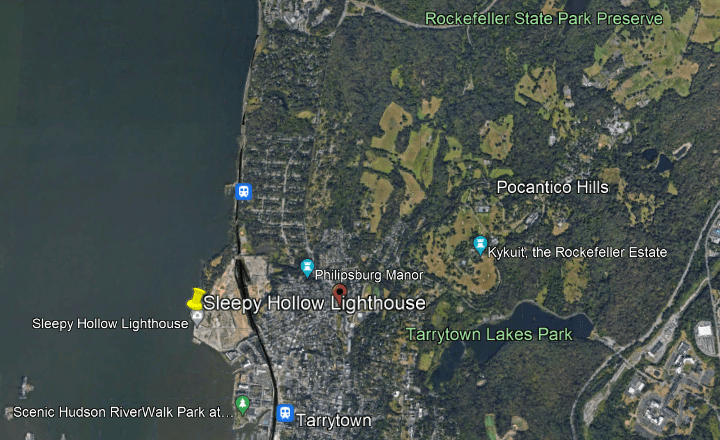
The John D. Rockefeller Estate known as Kykuit is in the Hamlet of Mount Pleasant near the Village of Sleepy Hollow and the Sleepy Hollow Lighthouse on the Hudson River.
New York City is 25-miles, or 40-kilometers, due south of this location.
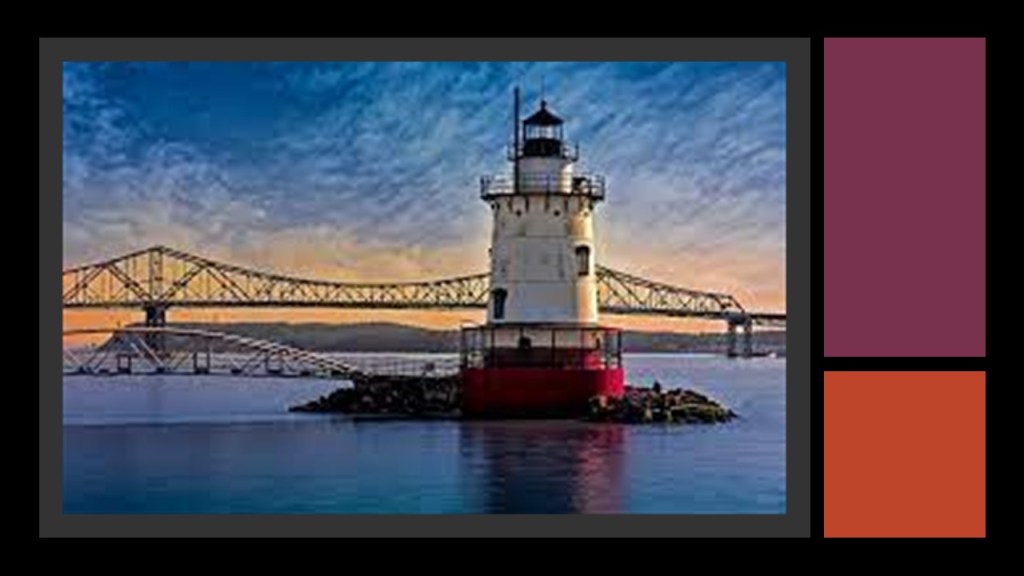
The nearby Sleepy Hollow Lighthouse today part of a county park, and was said to have been built in 1883 to warn ships away from the shoals here.

The tracks used by Metro-North’s Hudson Line, Amtrak’s Empire Service and CSX Freight are located between the Sleepy Hollow Lighthouse and the developed sections of Tarrytown, New York, and the old cantilever Tappan-Zee Bridge crossing the Hudson River at one of its widest points is just south of the lighthouse.
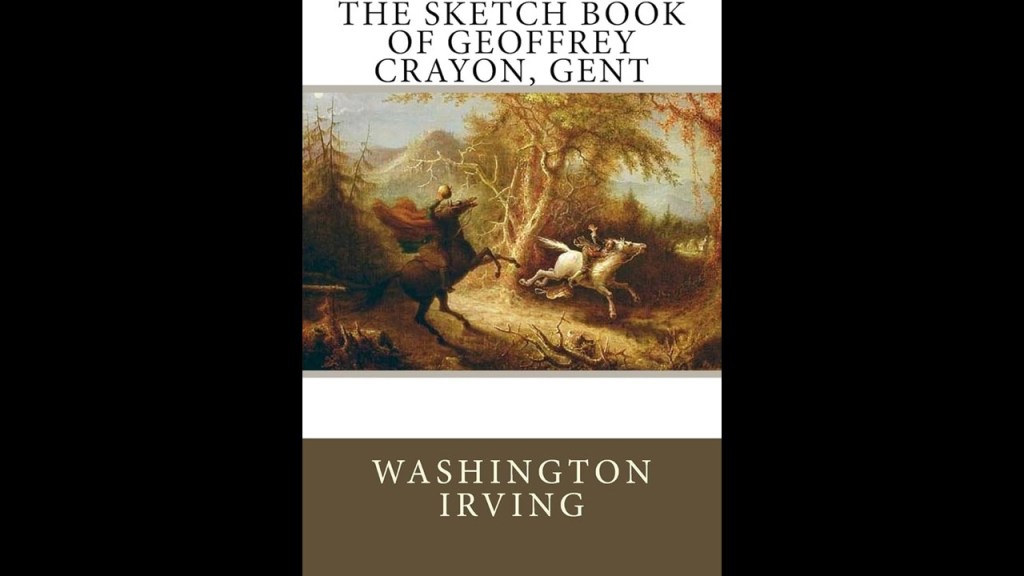
Sleepy Hollow and Tarryton were central to the “Legend of Sleepy Hollow,” a short story about Ichabod Crane and the Headless Horseman published by American author Washington Irving in 1820 in his collection of essays and short stories titled “The Sketchbook of Geoffrey Crayon, Gent,” which he wrote while living in Birmingham, England.
Situated on the highest point in neighboring Pocantino Hills, the Rockefeller Estate was said to have been completed in 1913 in the Neo-Georgian Classical Revival architectural-style.
The 40-room mansion was said to have been conceived by John D. Rockefeller Jr. and built for oil tycoon John D. Rockefeller Sr. and was the home of four-generations of Rockefellers.
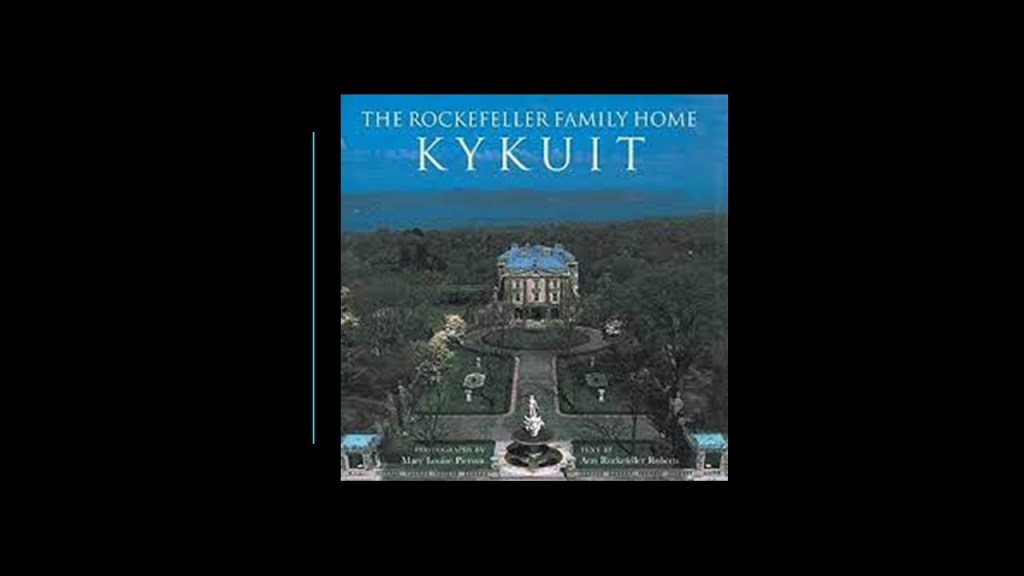
The former United States Vice-President Nelson Rockefeller bequeathed one-third interest of the estate to the National Trust for Historic Preservation upon his death in his will.
It has been open to the public for guided tours since 1994.
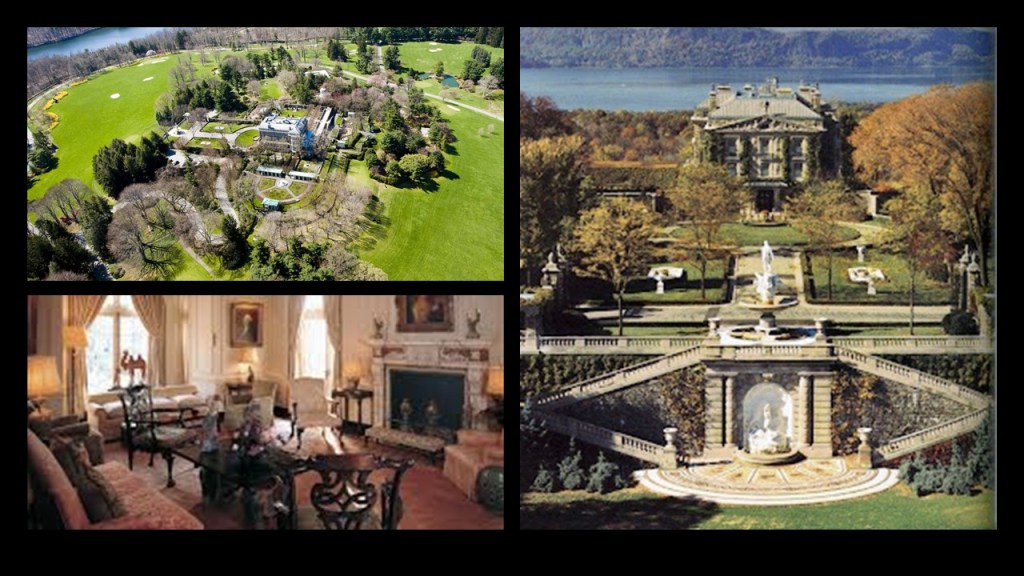
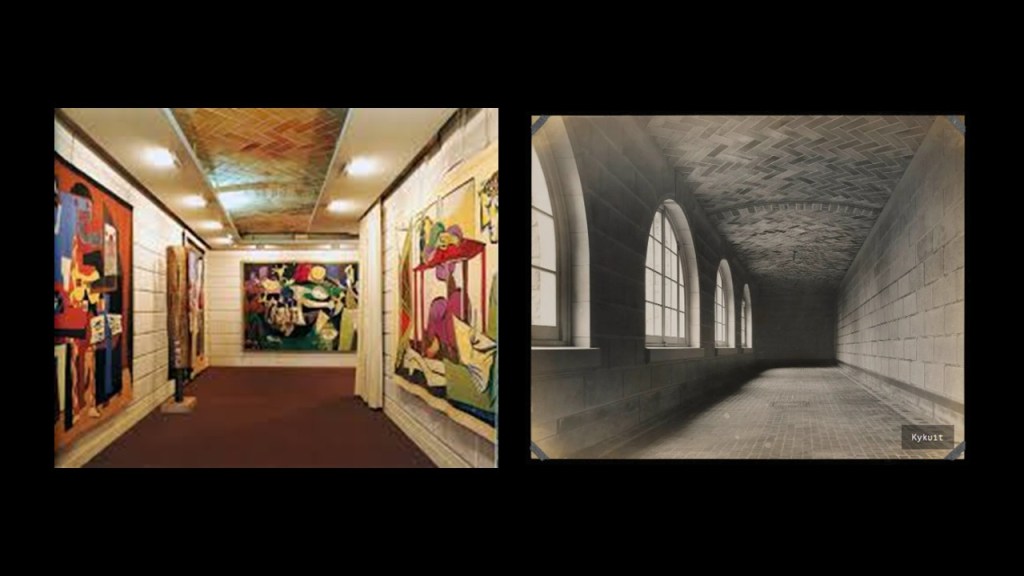
It has two basement-levels with interconnecting passageways and service tunnel, which include galleries housing their art collection of Picassos, Warhols, Chagalls and other modern masterpieces.
John D. Rockefeller Sr., along with Henry Flagler, an American Industrialist and major developer in the state of Florida, founded the Standard Oil Company in 1870, an American oil producing, transporting, refining, and marketing company.
This was roughly a decade after the birth of the American Oil Industry in Titusville, Pennsylvania, in 1859.

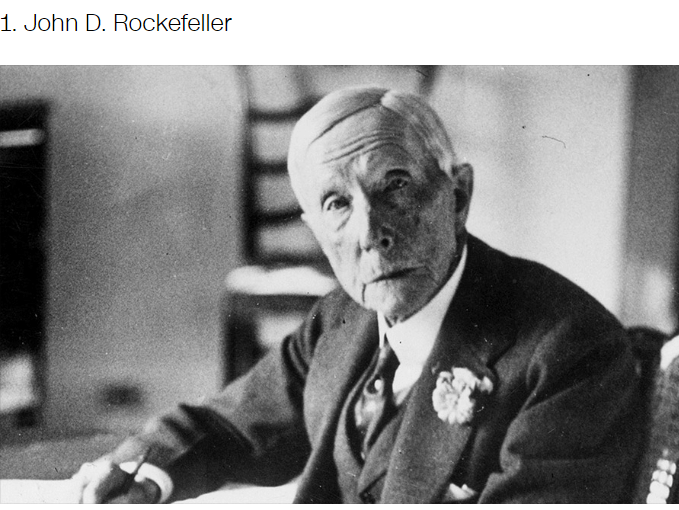
John D. Rockefeller Sr. was born in the United States in 1839, and was the progenitor of the wealthy Rockefeller family.
He was considered to be the wealthiest American of all time, as seen in this #1 ranking by CNN Business.
Rockefeller’s wealth soared as kerosene and gasoline grew in importance.
At his peak, he controlled 90% of all oil.
It would seem that as quickly as possible, a way was found by the Earth’s new Controllers to replace what remained of the original free-energy grid system, which I believe included lighthouses, railroads and bridges, with their own coal- and oil-based system, and in the process make money hand over fist from the total control of the new system.

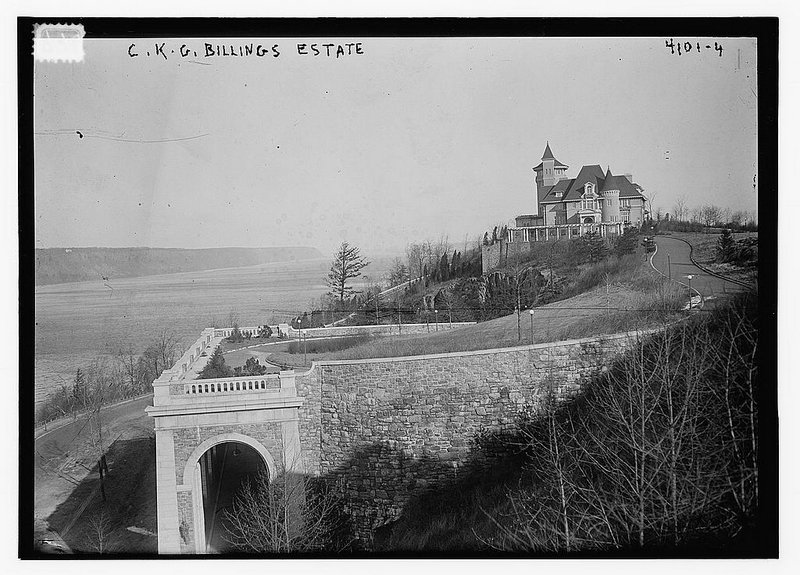
Further down the Hudson River from Kykuit in New York City, Fort Tryon in the Washingto0n Heights neighborhood of Upper Manhattan was the location of large Gilded Age country estates at the turn-of-the century, like the Billings Estate, the most luxurious of the estates.

We are told what became known as Fort Tryon Hall was built for the wealthy Chicago businessman and horse-breeder Cornelius K. G. Billings, who had purchased 25-acres of land in what was called the “countryside” of northern Manhattan.
Billings, the former President of the People’s Gas Company of Chicago, was said to have started construction of his estate in 1901, and where he was said to have lived for 15-years.
Billings’ estate had a mansion, horse stables, and an observatory.
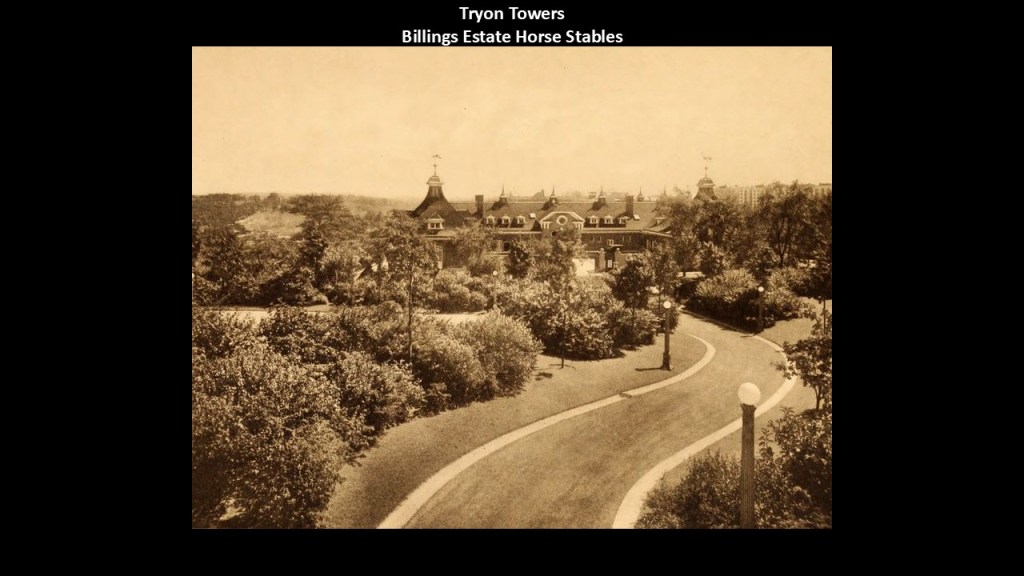
The stables for his racing horses, known as “Tryon Towers,” were noteworthy for having numerous towers and cupolas.
Built with oak and Georgia pine, it had steam heat, electric lighting and hot water, and two five-room suites of living quarters for twenty-five employees.
There was also a gymnasium and blacksmith shop, as well as feed rooms, a hayloft, and zinc-lined granary that could hold 5,000-bushels of grain.
By 1917, Billings was ready to move on, and sold his luxurious estate to John D. Rockefeller Sr.
Rockefeller wanted to combine the property of this estate with two other estates and turn the land into a public park.
He wanted to tear down Fort Tryon Hall, but his architects protested so he changed course with other ideas for its use.
Well, I guess fate must have helped Rockefeller out because in 1926, a fire burned down Fort Tryon Hall along with its priceless works of art and other fineries.
We are told that remnants of Fort Tryon Hall include the driveway that Billings had constructed, a sort of bridge that extended over the edge of the hill with a “high, graceful arch at each end.”

The “Mrs. William B. Astor House” was also in Manhattan.
What was known as the “Mrs. William B. Astor House” was said to have been completed in 1896 on Fifth Avenue in Manhattan for Caroline Schermerhorn Astor, the widow of real estate heir and racehorse owner/breeder William Backhouse Astor Jr, and for her son John Jacob Astor IV.
It was said to have been designed by Richard Morris Hunt in the architectural-style of the early French Renaissance period of King Louis XII from 1498 to 1515.
Mrs. Astor died in 1908, and her son John J. Astor IV was known in history as being the richest man on-board the Titanic when it sank on April 15th of 1912, and a prominent figureof his day who had been opposed to the creation of the Federal Reserve.
In our historical narrative, the “Mrs. William B. Astor Mansion” was demolished in 1926.
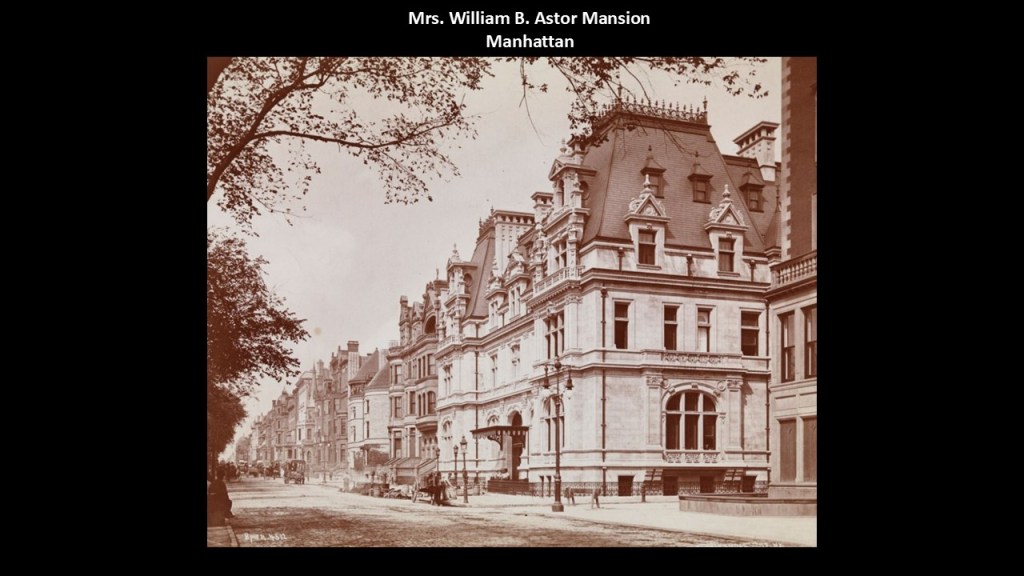
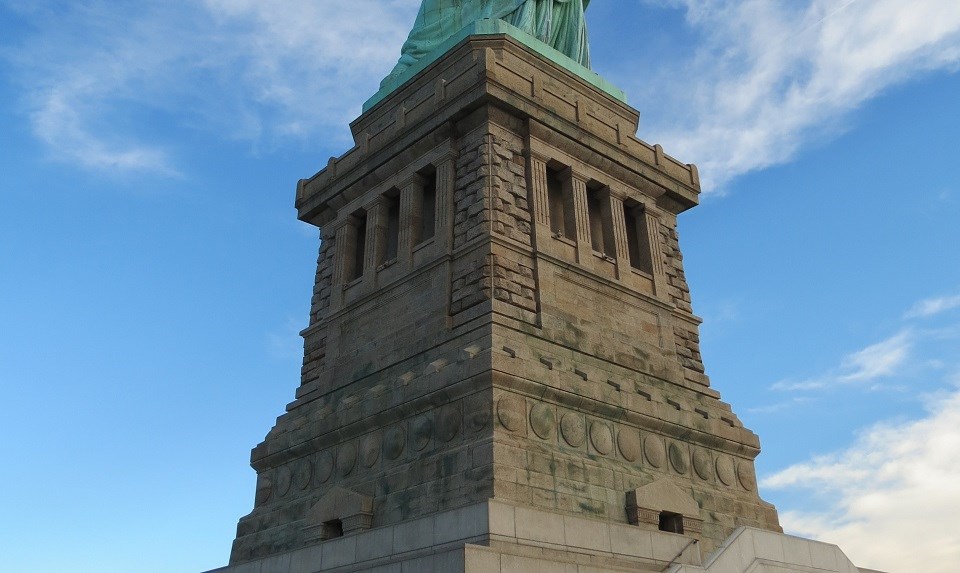
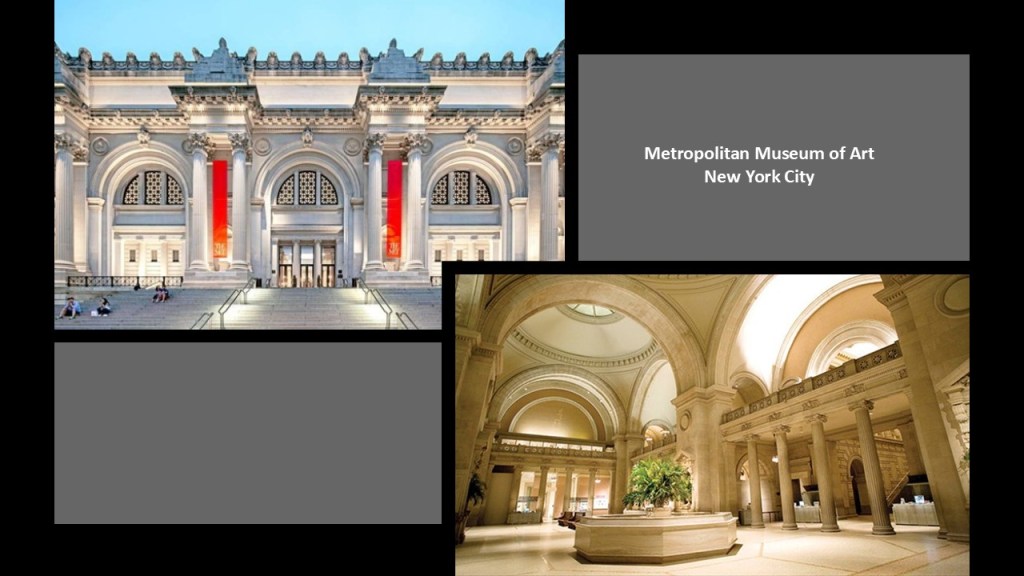
The preeminent Gilded Age architect Richard Morris Hunt was also credited with things like designing the pedestal of the Statue of Liberty in 1884…
…and the Entrance Facade and the Great Hall of the New York City Metropolitan Museum of Art in 1902.
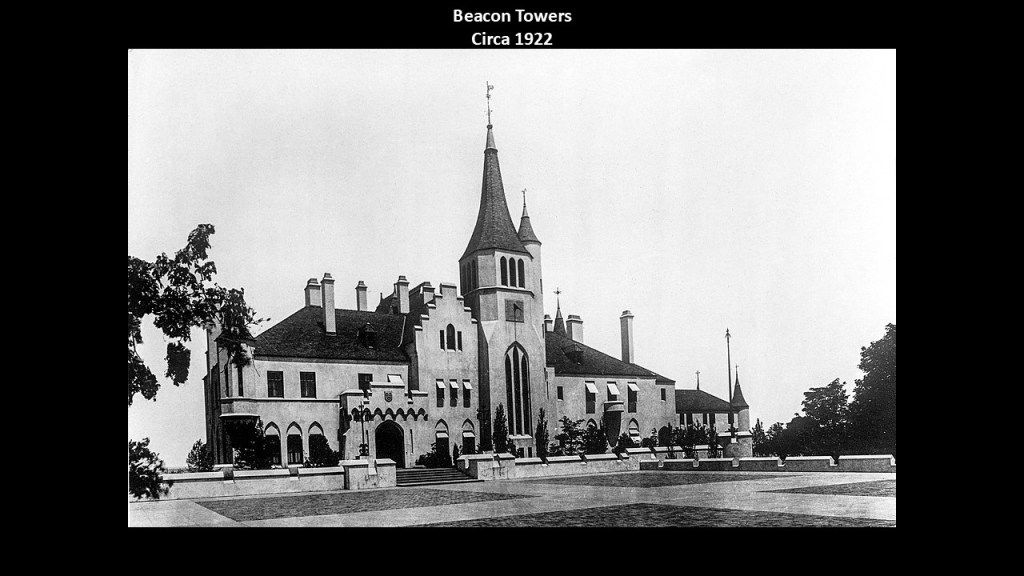
The Beacon Towers at Sands Point on Long Island was said to have been designed by Hunt & Hunt, the architectural firm of Richard Morris Hunt’s sons Richard and Joseph, and a Gilded Age Mansion built in 1917 and 1918 for Alva Belmont, the ex-wife of William K. Vanderbilt, and the widow of Oliver Belmont.
Both of Alva’s husbands were millionaires, and members of prominent families of New York City.
Alva Belmont herself was a multi-millionaire American socialite and suffragette.
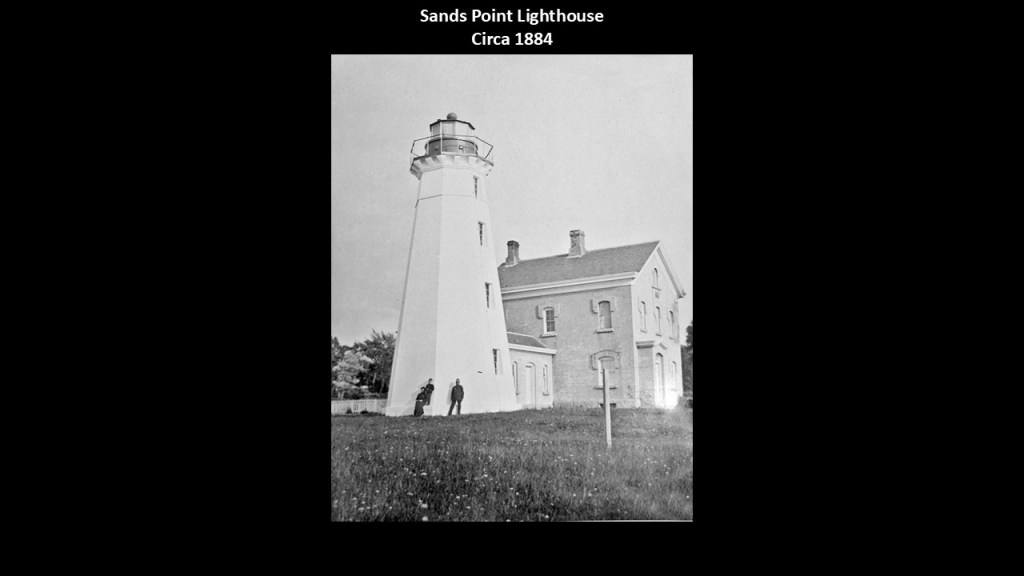
We are told she purchased the adjacent Sands Point Lighthouse in 1924 to add more privacy to her estate.
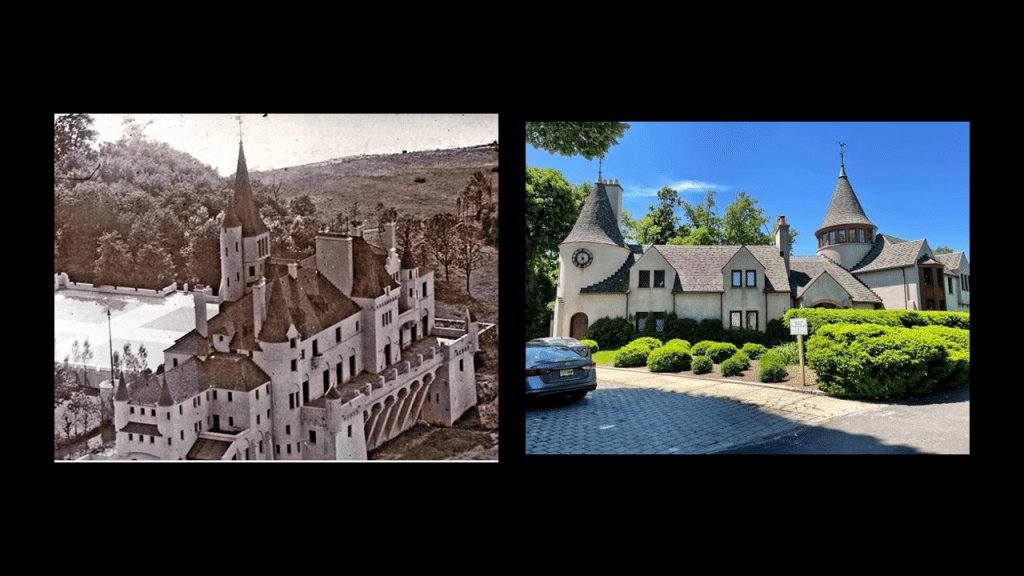
In our historical narrative, Beacon Towers Estate was sold to William Randolph Hearst in 1927, and that he made some renovations to the property before he sold it in 1942.
By 1945, the original Beacon Towers Mansion was demolished, though the Gate House remains standing and is a private home.
The Hempstead House is also located at Sands Point on the North Shore of Long Island, and is still standing standing today.
It is also known as the Gould-Guggenheim Estate and Sands Point Preserve.
It was said to have been started by Howard Gould sometime around 1909, and finished by Daniel Guggenheim in 1912.

Hempstead House in its hey-day was considered one of the most luxurious estates on the North Shore, also known as “Long Island’s Gold Coast.”
We are told “Long Island’s Gold Coast” had over 500 lavish mansions and castles built in 70-square-miles, or 180-kilometers-squared, by the very wealthy of the Gilded Age.
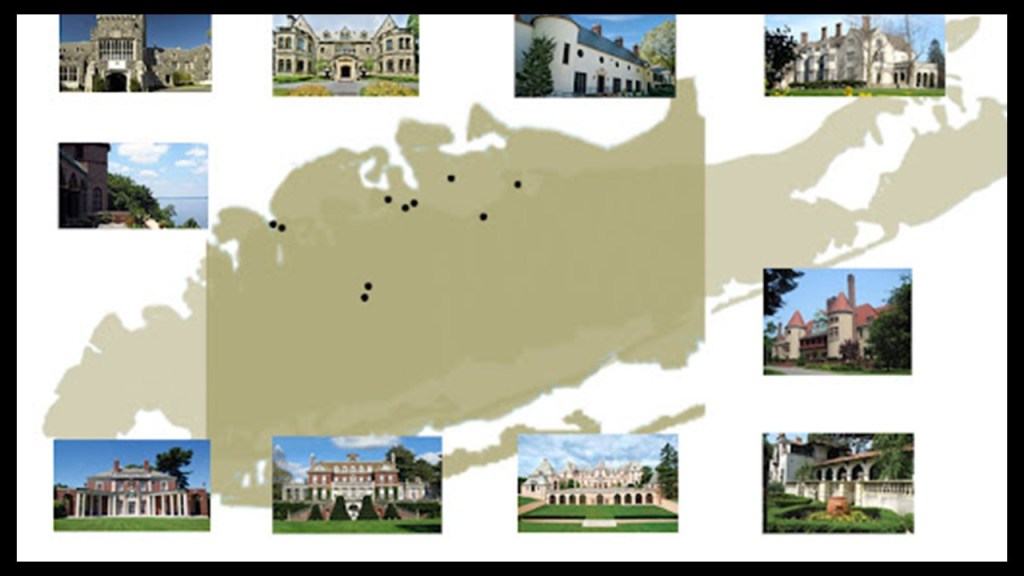
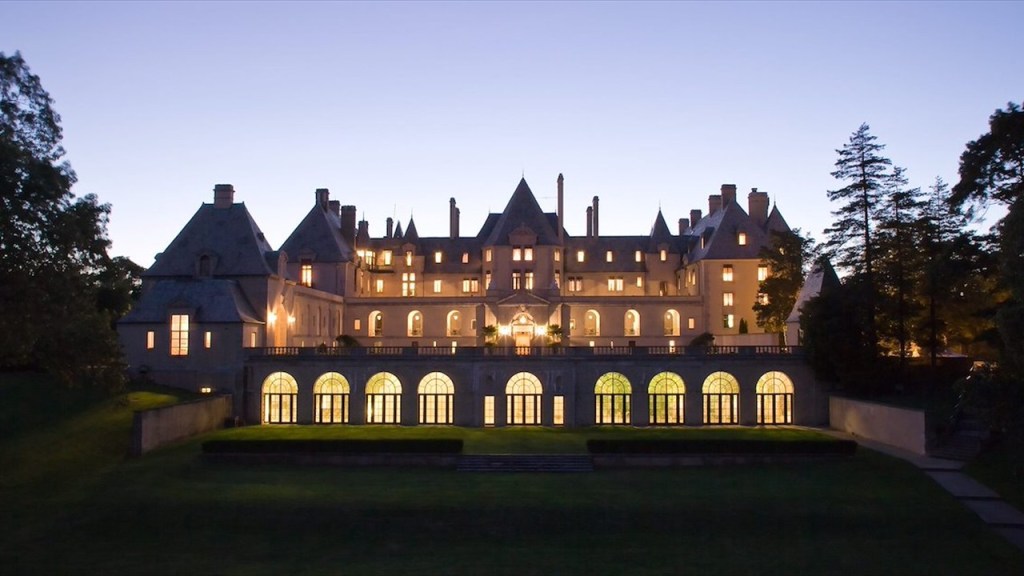
Like the Oheka Castle, which is also known as the Otto Kahn Estate, located on the North Shore of Long Island in the town of Huntington.
It was said to have been built between 1914 and 1919 as a country home for the investment financier Otto Kahn and his family, and was considered to be the second-largest private home in the United States.
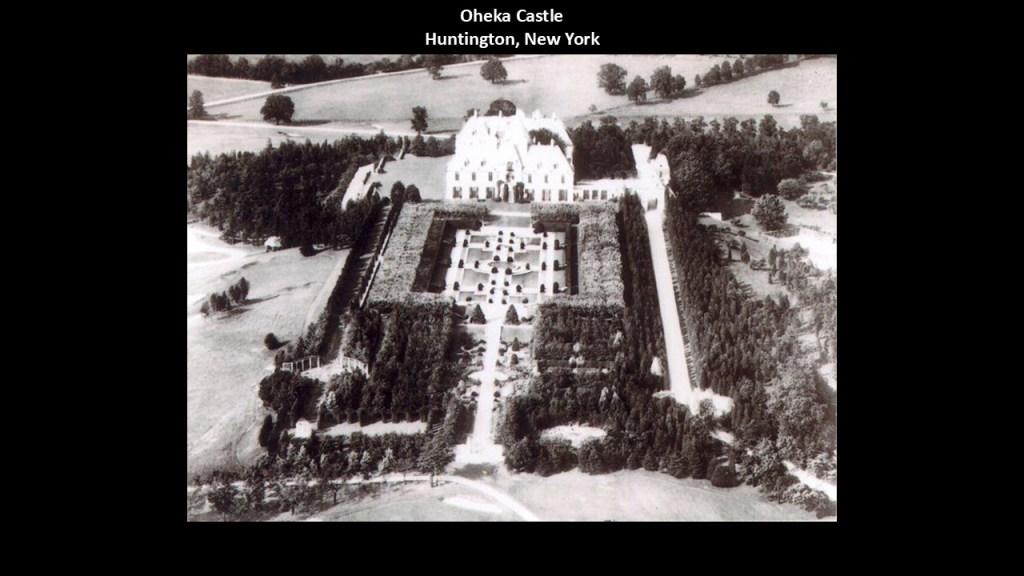
Today, the Oheka Castle is an historic hotel with 32-guest rooms and suites.
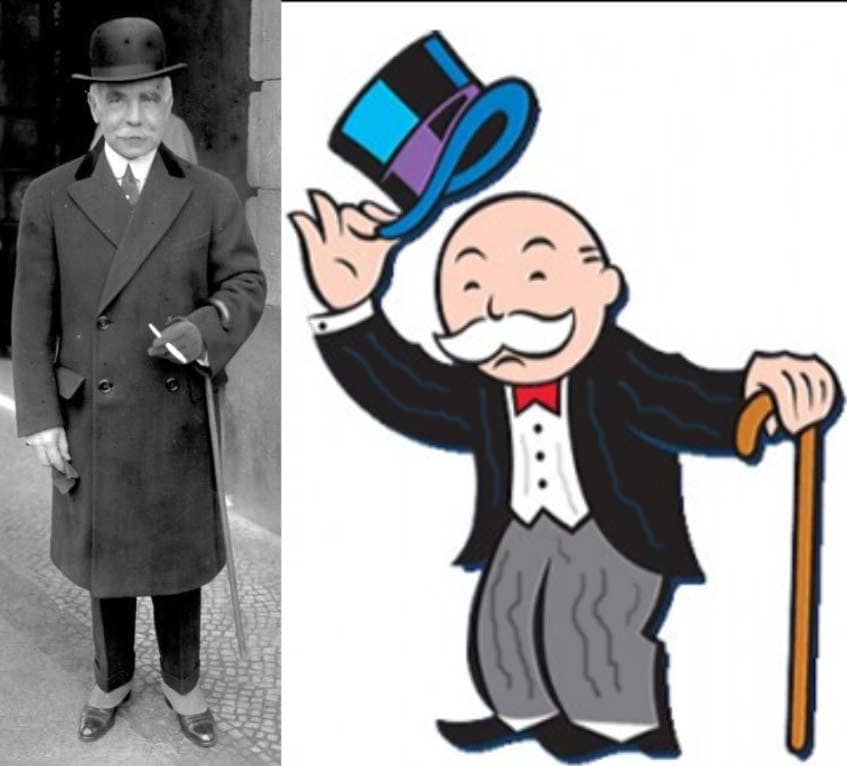
In case you have never heard of him, the fabulously wealthy Otto Kahn was the inspiration for the Mr. Moneybags character of the Monopoly board game.
It is interesting how powerful but otherwise unknown people like this example here get inserted in our collective consciousness in seemingly innocent ways.
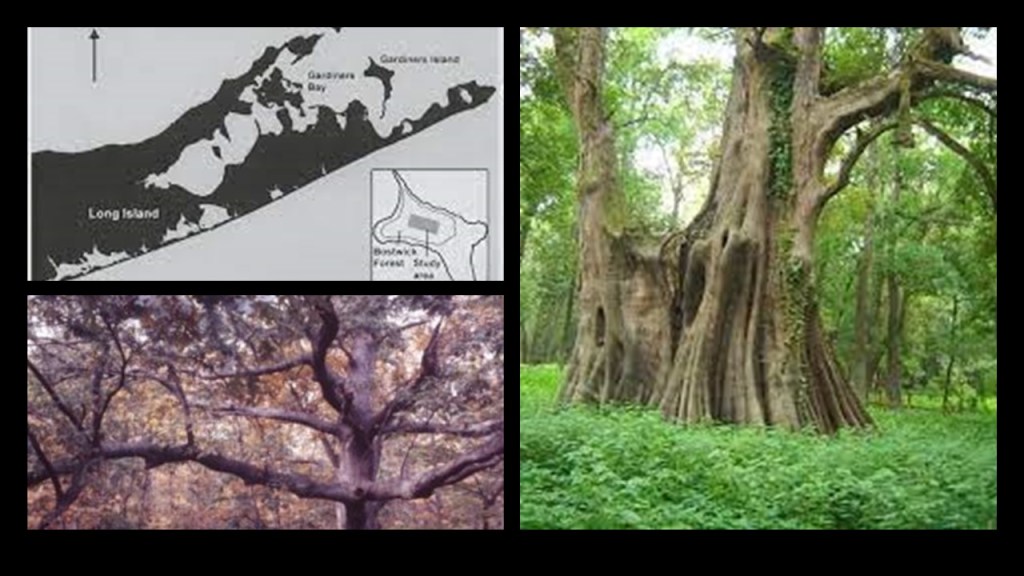
Gardiners Island is a small island located in Gardiners Bay between the North and South Forks of Long Island.
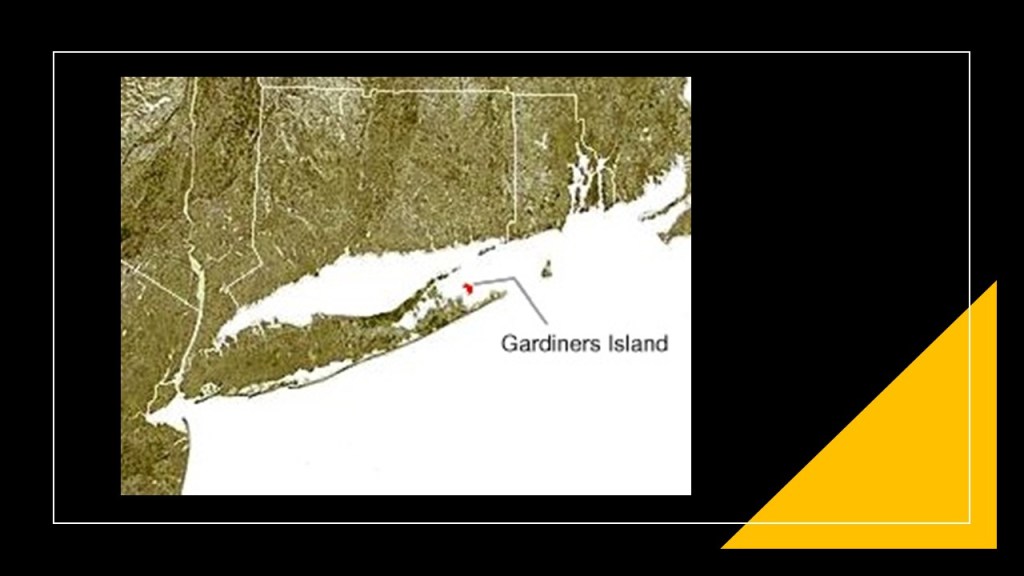
Passed-down through the Gardiner family for over 380-years, the Gardiner Mansion on the island is considered to be the oldest family estate in America.
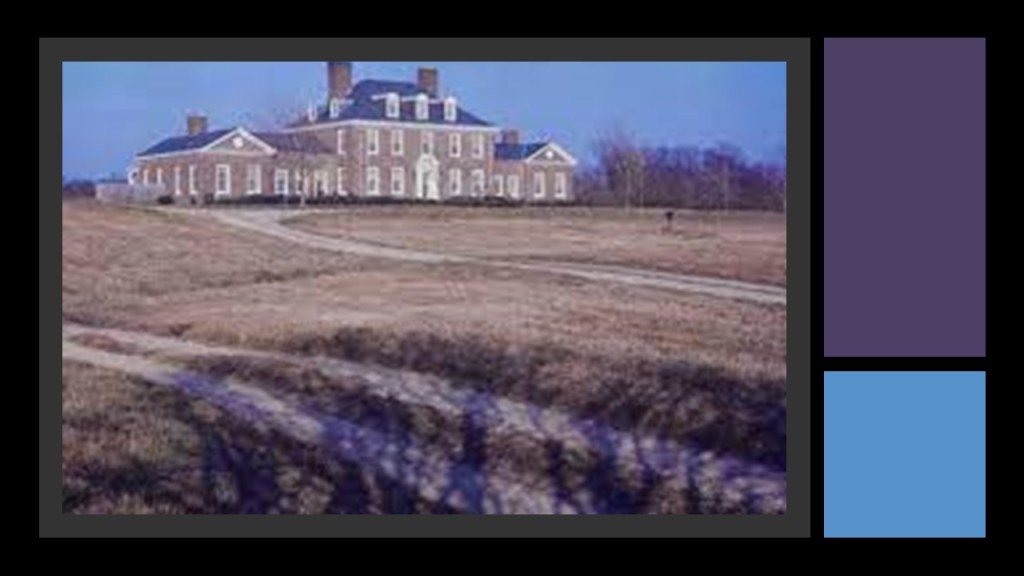
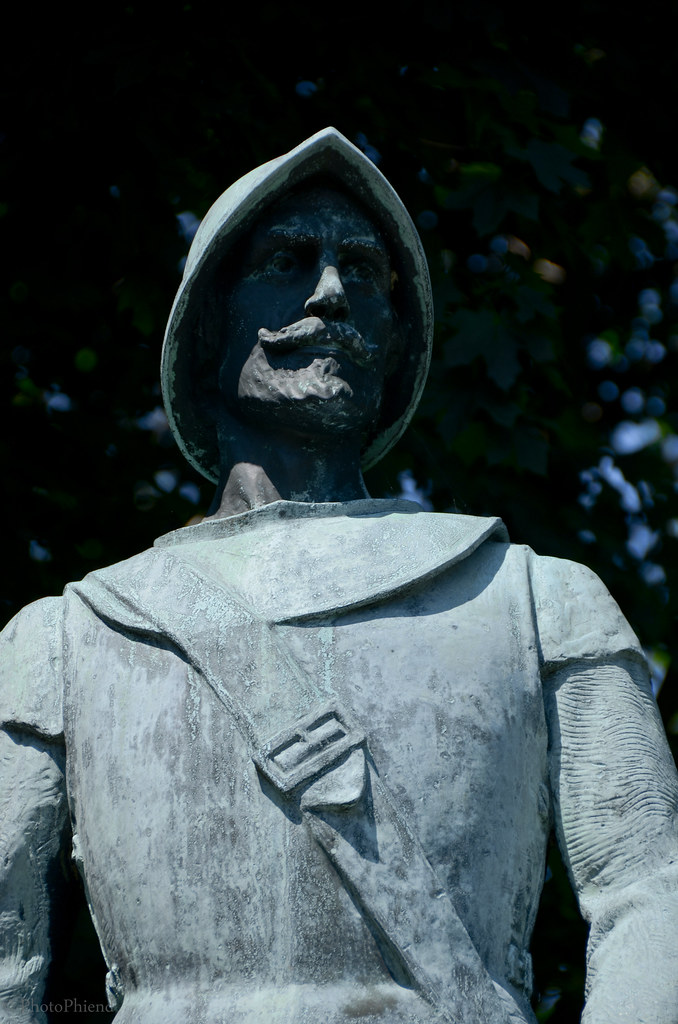
In our historical narrative, Gardiners Island was granted to Lion Gardiner via a Royal Patent in 1639 from King Charles I of England giving him the right to possess the land forever and he was given the title of “Lord of the Manor.”
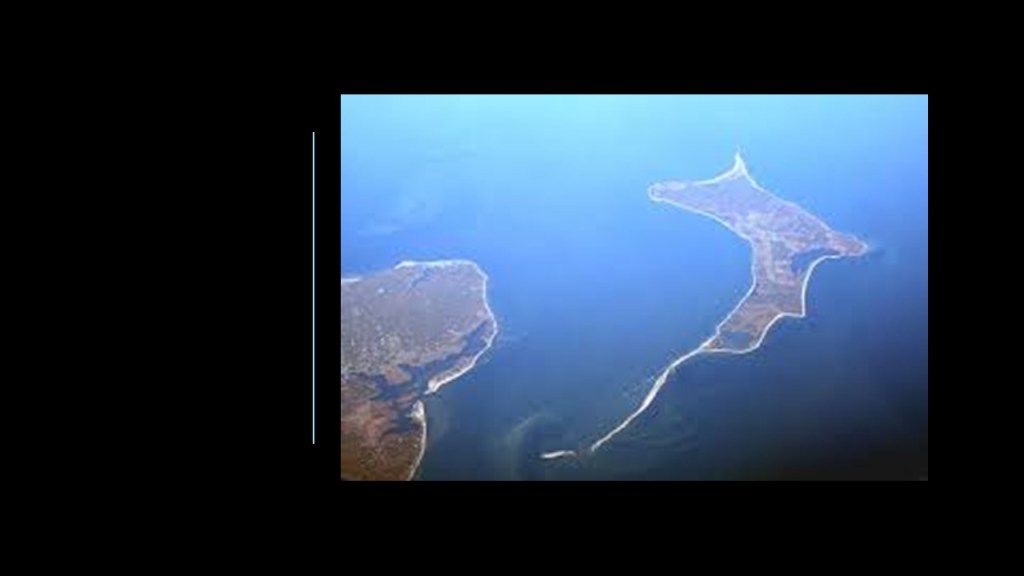
Lion Gardiner was an English engineer and colonist who founded the first English Settlement in New York here.
Gardiners Island is a little over 5-square-miles, or 13.4-kilometers-squared, and has more than 1,000 acres of old growth forest, considered by some to be the largest old-growth forest on the northeast coast of the United States.
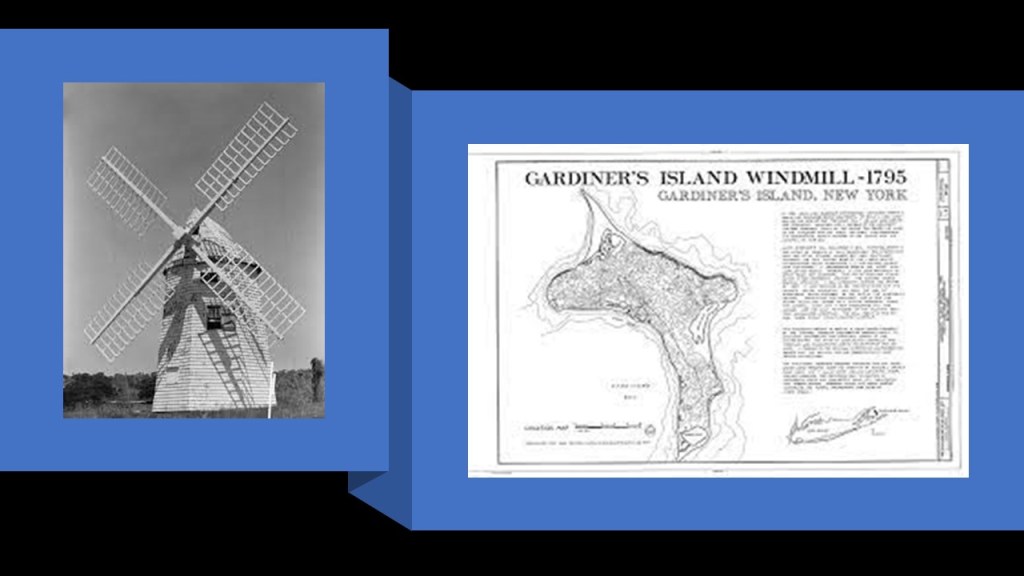
The windmill on Gardiners Island was said to have been built in 1795, and added to the National Register of Historic Places in 1978.
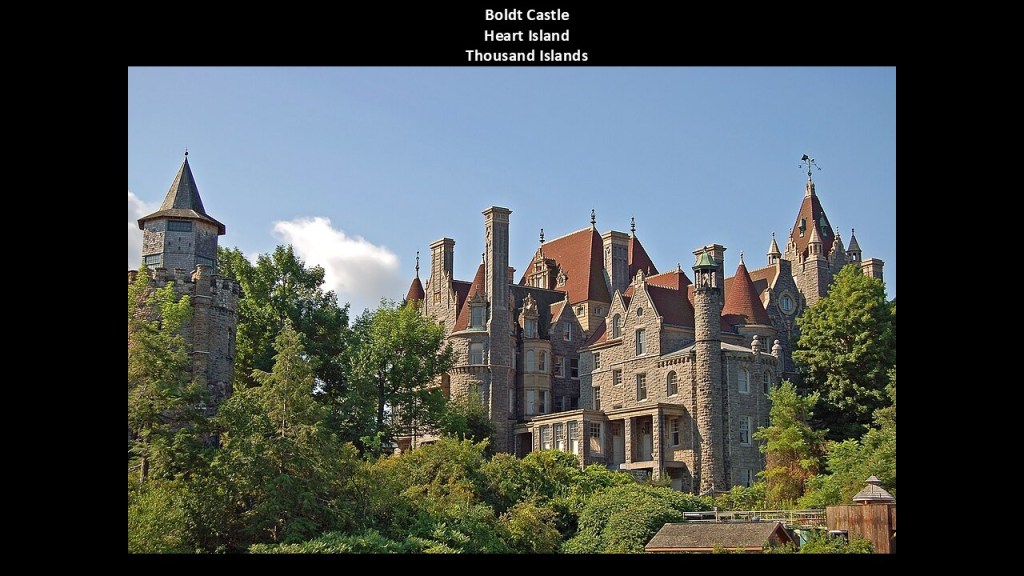
I would like to mention two more noteworthy elite estates in New York State on the St. Lawrence River in the Thousand Islands – the Boldt Castle, Power House and Yacht House, and the Singer Castle on Dark Island.
First, the Boldt Castle, Power House and Yacht House on Heart Island.
Boldt Castle was named after turn-of-the-century German-born American businessman, George C. Boldt, who was the proprietor of the Waldorf-Astoria Hotel in New York City and the Bellevue-Stratford Hotel in Philadelphia.
As the story goes, we are told that in 1900, he wanted to build a huge masonry structure, one of the largest private homes in the United States, and engaged an architectural firm and hundreds of workers to build a six-story castle on Heart Island as a present for his wife.
Construction ceased however when his wife died in 1904, and he never went back to Heart Island.
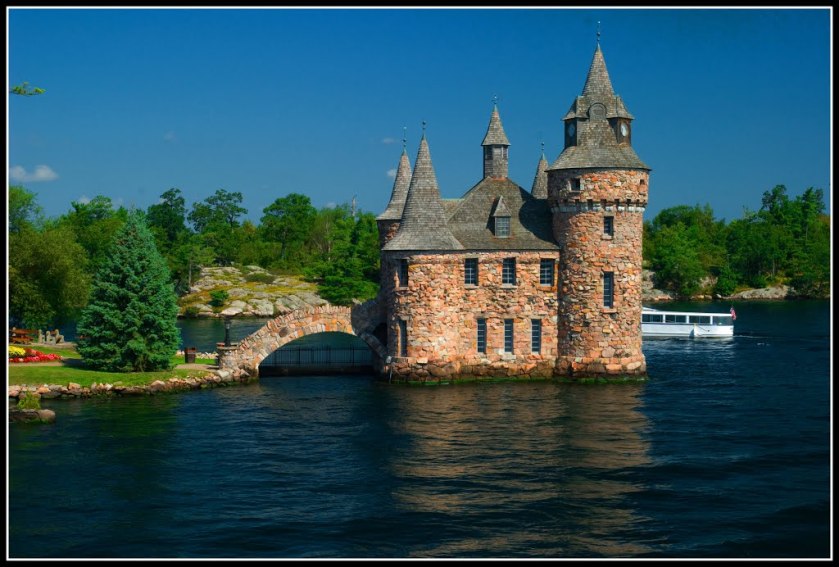
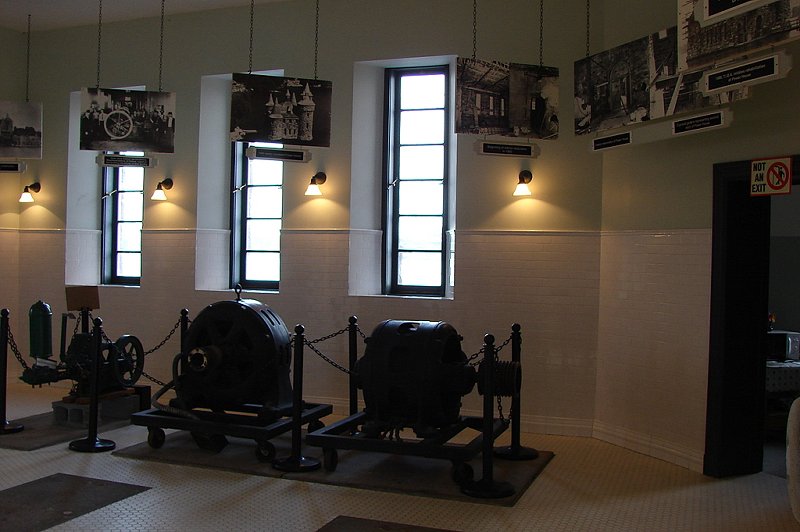
This is the Boldt Castle Power House and Clock Tower, which is located on the eastern end of Heart Island.Iit was said to have been designed to look like a medieval tower.
It rises out of the St. Lawrence River from an underwater shoal.
It housed two generators that would supply electricity to the entire island.
Sadly, much of the original equipment has been lost, with only a few pieces remaining on display.
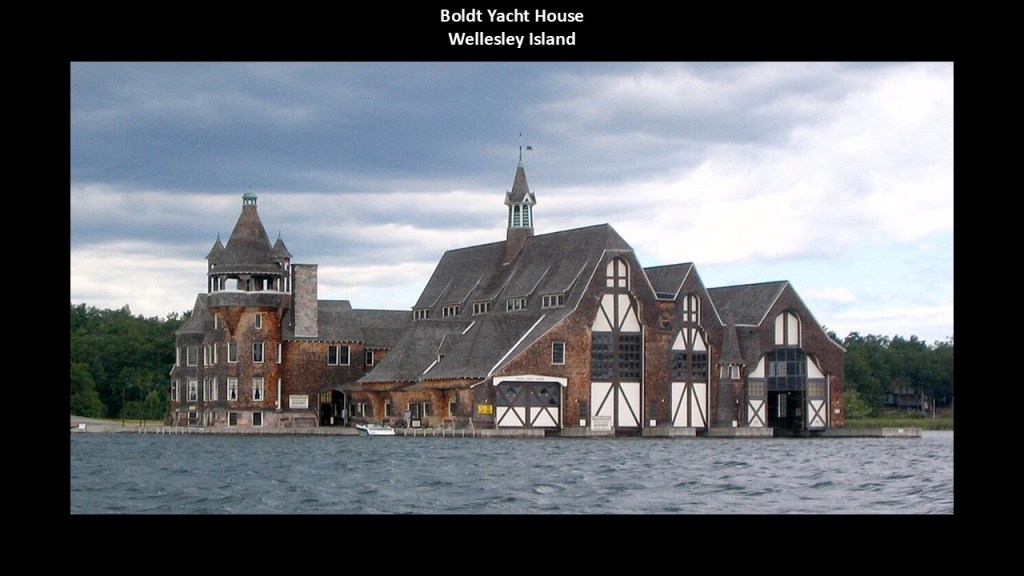
On the neighboring Wellesley Island, we find the Boldt Yacht House.
The Boldt Yacht House was said to have been commissioned by George Boldt to house the many yachts he owned.
It was said to have been built in 1903, and had five structural elements: a circular tower containing reception rooms; a central group of three yacht bays; a large east yacht bay; a combination office and storage wing with a crenellated tower; and a large caretaker’s residence.
The Singer Castle on Dark Island is just up the St. Lawrence River from the Boldt Estate locations.
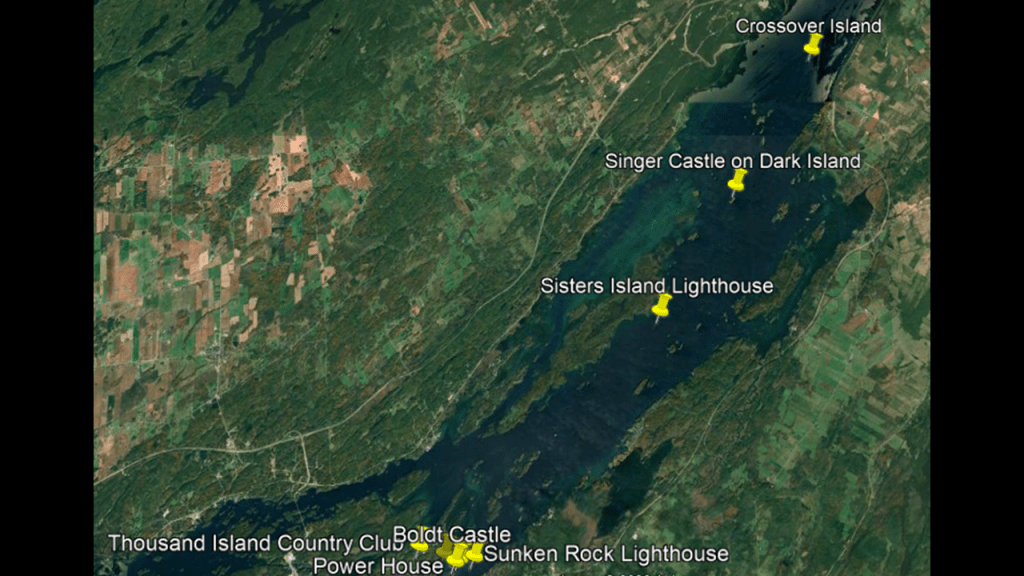
The Singer Castle, also known as “The Towers” was said to have been built between 1903 and 1905 for Frederick Gilbert Bourne, the fifth president of the Singer Sewing Machine Company, for which tons of granite were said to have been quarried from the nearby Oak Island and transported over ice and water.
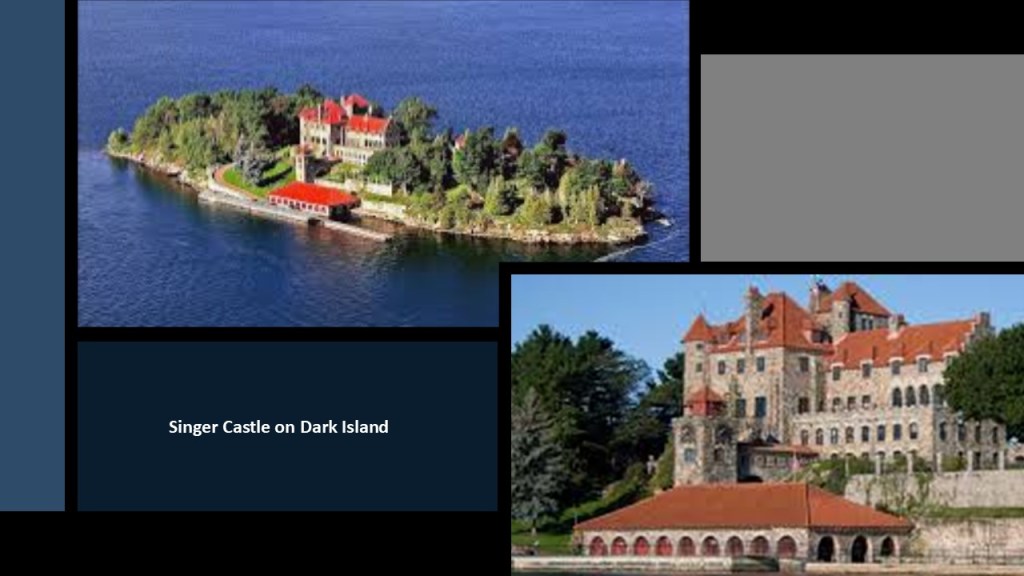
The castle features 28-rooms which can be accessed by a network of secret passageways that are accessible from different locations, like the library.
It served as a private residence for the Bourne family until the mid-1960s.
It was opened to the public for tours in 2003.
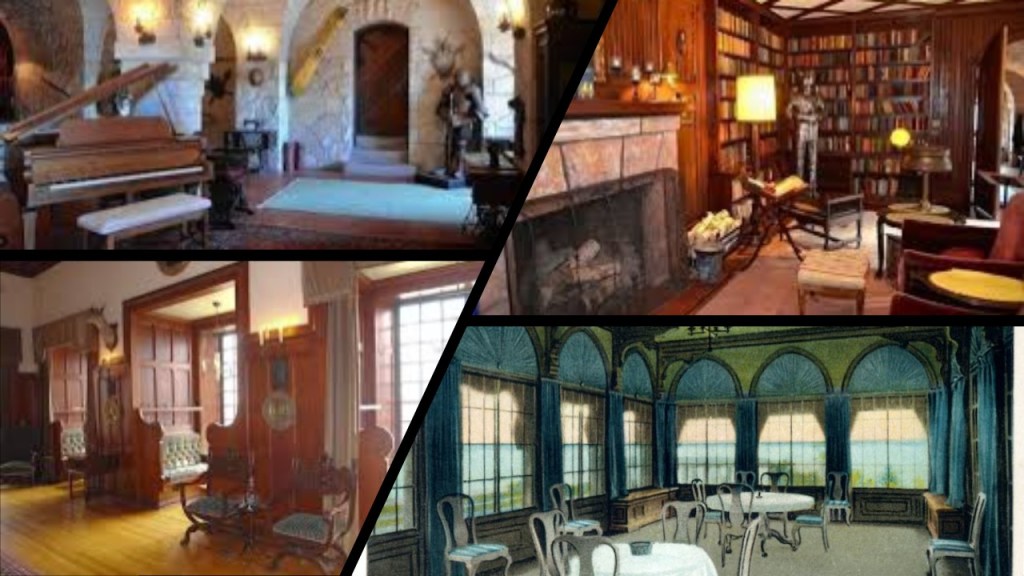
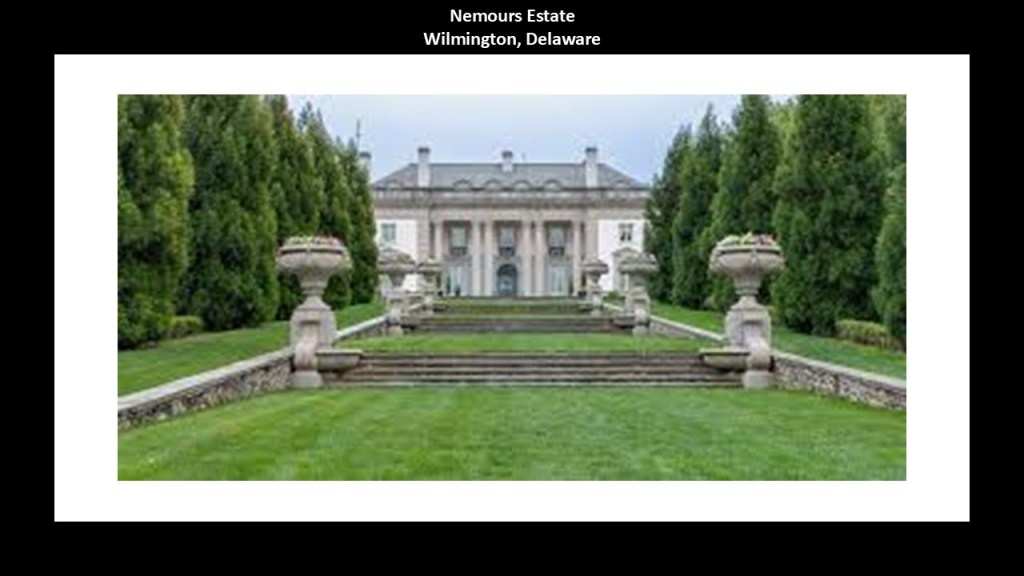
Next, I’m going to look at Nemours, the 300-acre, or 120-hectare, country garden estate in Wilmington, Delaware.
It is a 77-room mansion that was said to have been built between 1909 and 1910 for industrialist Alfred I. duPont as a gift for his second wife, Alicia.
It was said to have been built to resemble a French chateau in the King Louis XVI architectural-style.
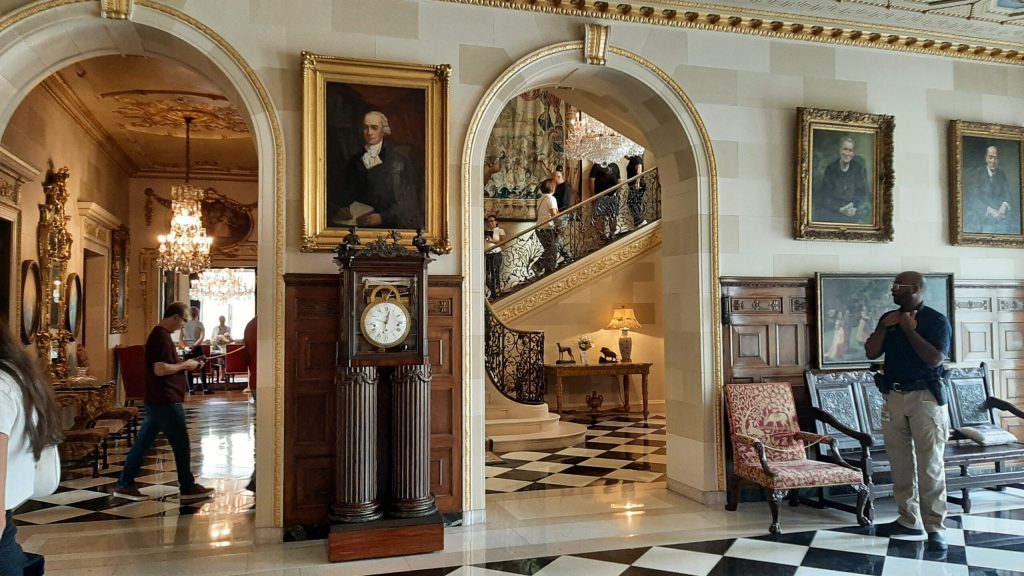
The mansion contains rare 18th-century French furniture, as well as notable antiques and artworks.
The Nemours Mansion and Gardens were first opened to the public as a museum in 1977.
The Nemours Estate has the largest and most developed French formal gardens in North America, said to be patterned after the gardens of the Royal Palace of Versailles in France
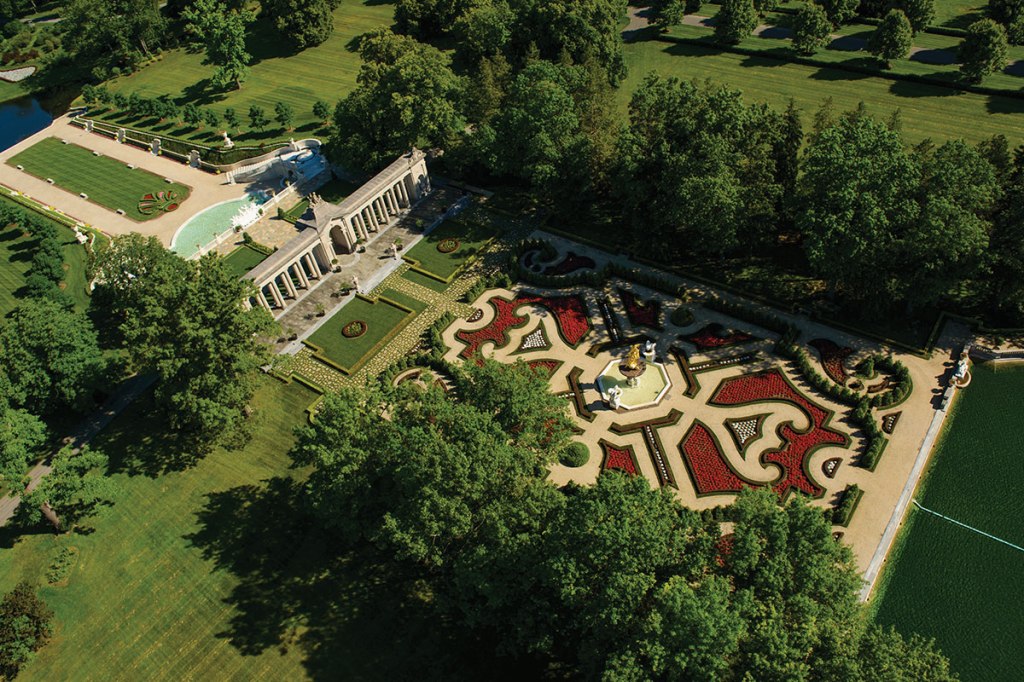
This architectural style in the Nemours Gardens is called a folly, which is defined as a decorative building that doesn’t serve much of a purpose, even if it is meant to look like it does.
At any rate, the folly in Wilmington at Nemours Gardens on the left is similar in appearance to the two follies in England on the right.

Next, the Biltmore Estate near Asheville, North Carolina.
The Biltmore Estate is the largest private home in the United States.
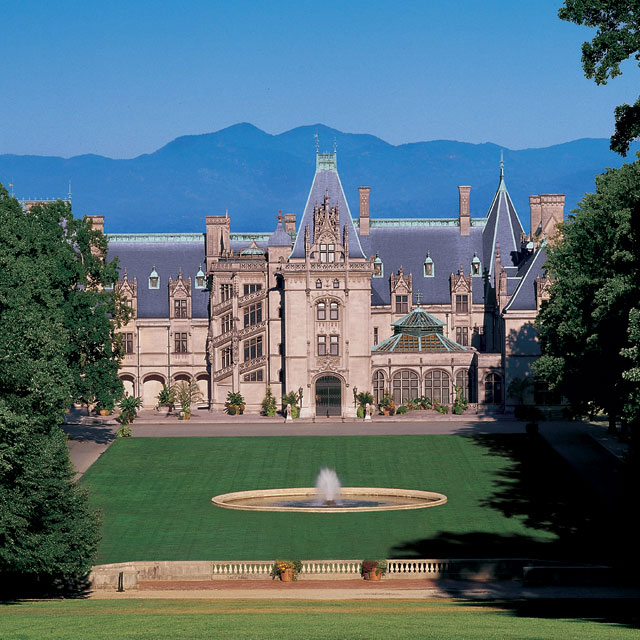
Richard Morris Hunt, the same architect we saw earlier that was credited with the Statue of Liberty’s Pedestal, and grand architecture of the Metropolitan Museum of Art, received the credit as the architect for the Biltmore Estate.
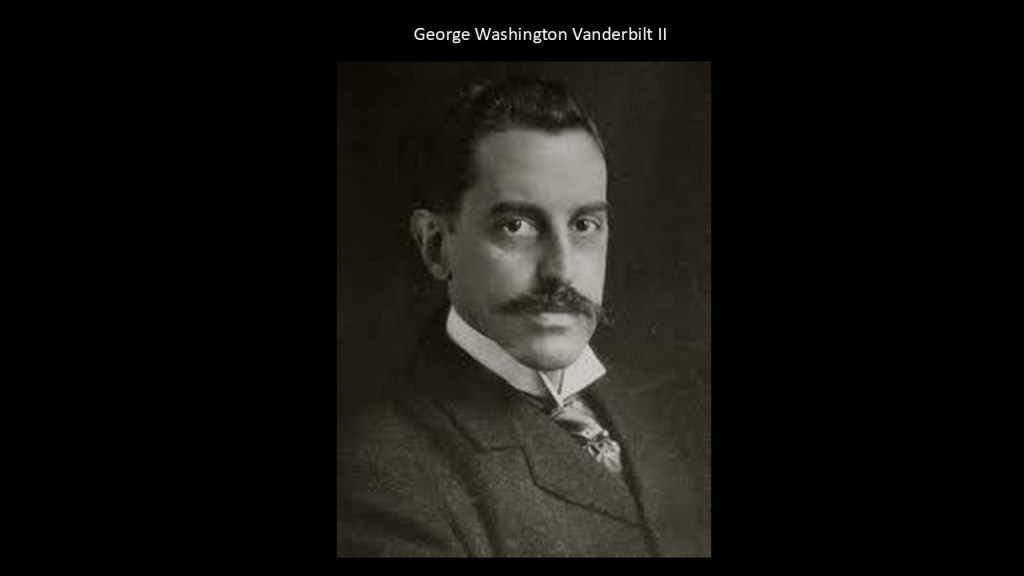
It was said to have been built for George Washington Vanderbilt II between 1889 and 1895.
The Vanderbilt family amassed a huge fortune through steamboats, railroads, and various business enterprises, and the Biltmore Estate in Asheville is still owned by his descendants.
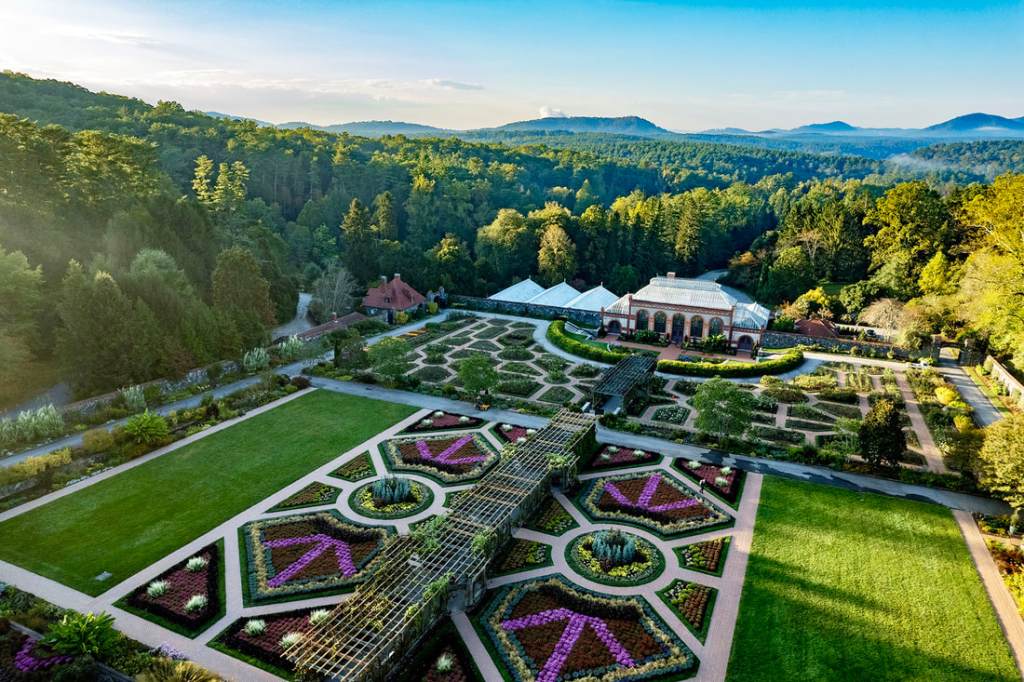
Frederick Law Olmsted, the Father of Landscape Architecture in our historical narrative, was credited with the design of the gardens at the Biltmore Estate, and was said to be his last project.
Overlook Castle is also in Asheville, and was said to have been built between 1912 and 1914 for Fred Loring Seely after his father-in-law, Edwin Wiley Grove, gave him 10-acres, or 4-hectares, on top of Sunset Mountain.
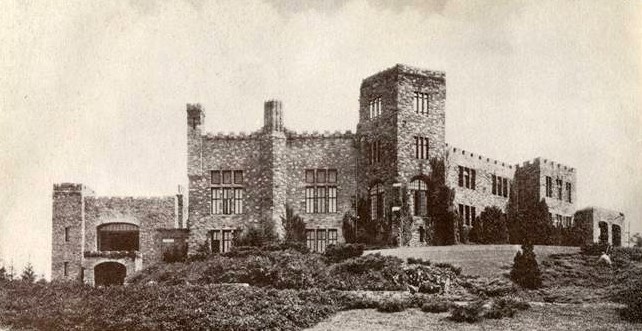
It has two large windows that offer a panoramic view of Asheville…
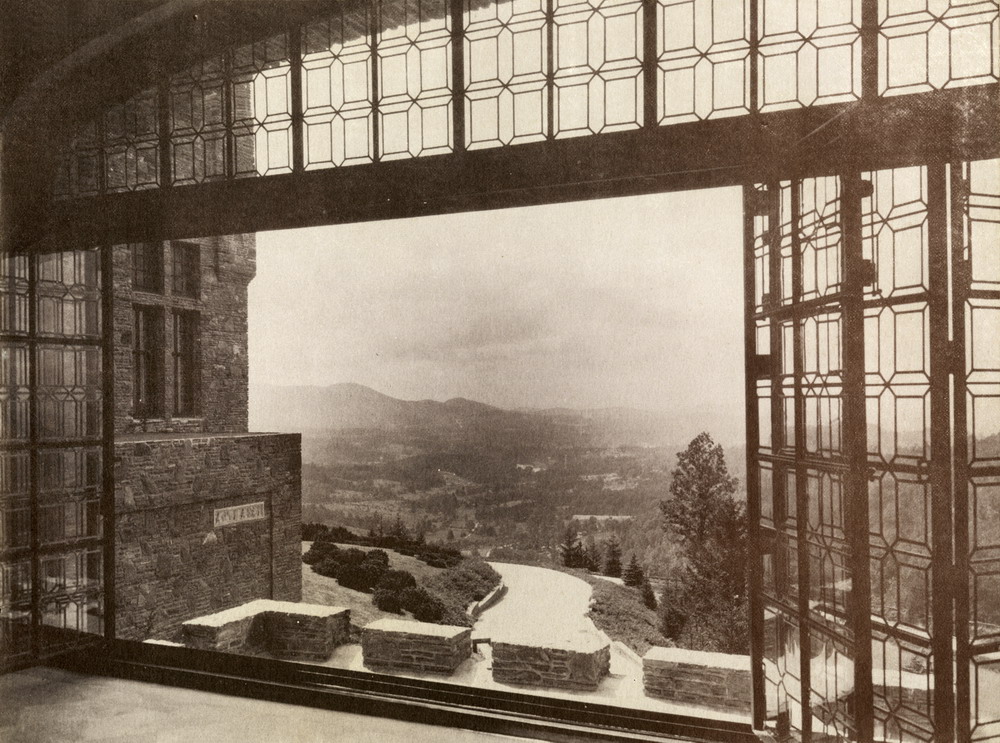
…and high, Jacobean ceilings.
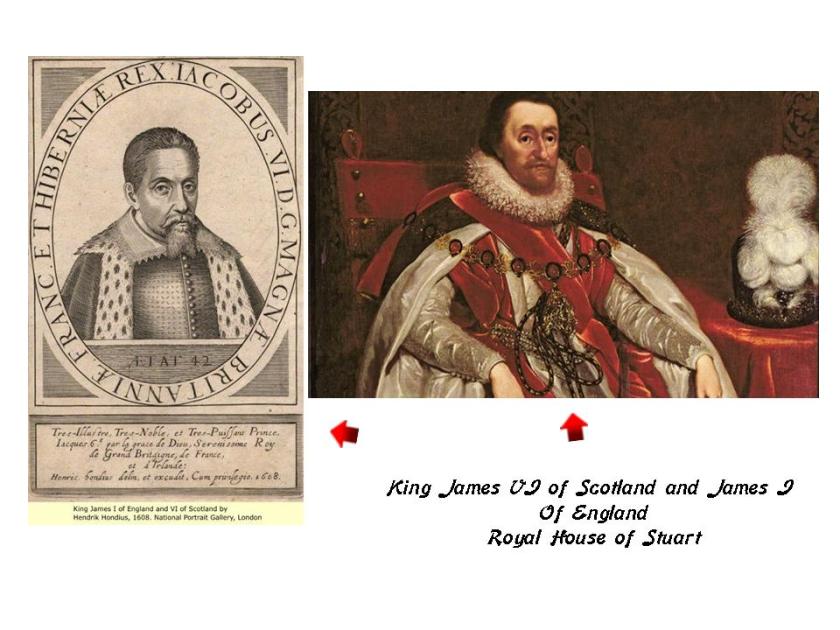
In our historical narrative, the Jacobean style was named after King James I of England who was also King James VI of Scotland of the Royal House of Stuart.
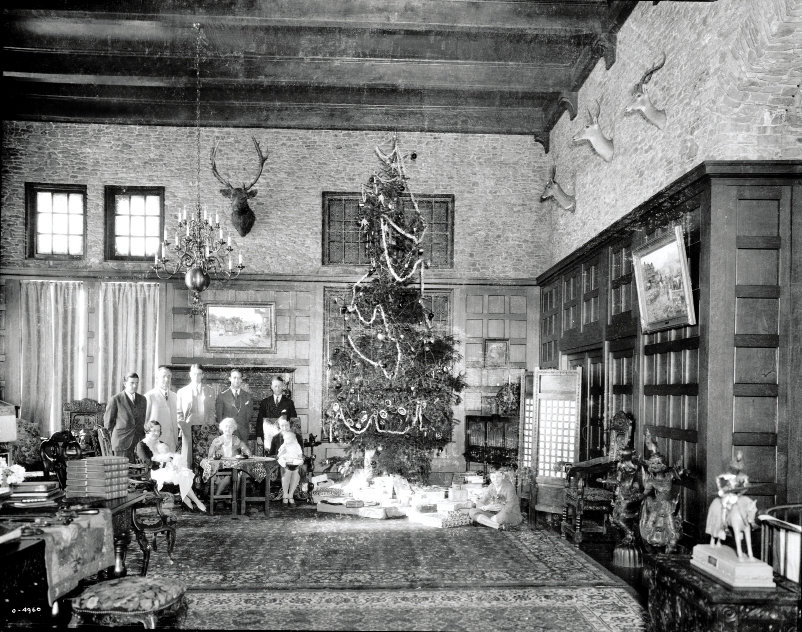
Fred Loring Seely was a drug manufacturer, newspaperman, architect and developer who moved to Asheville in 1913.
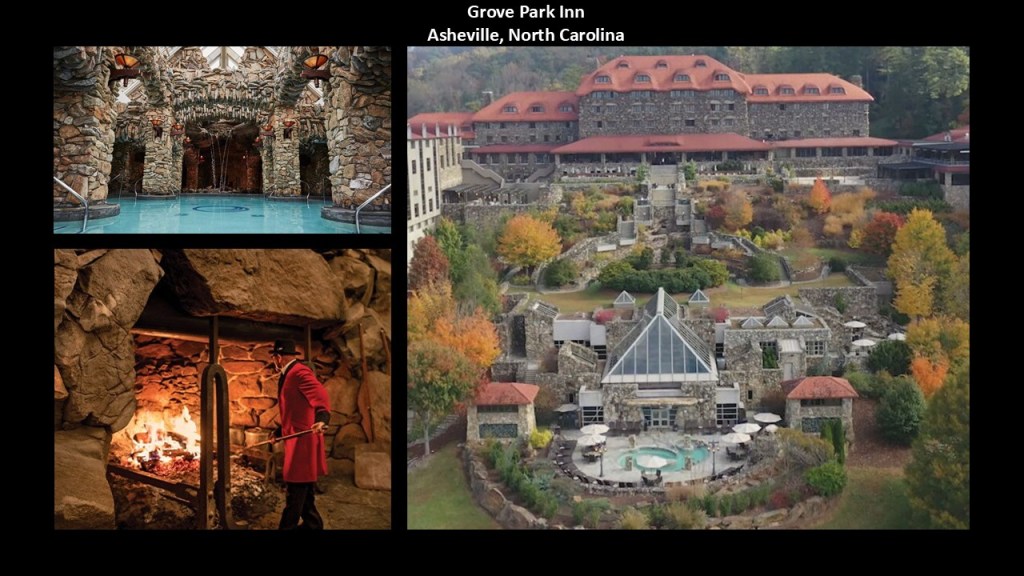
Among other things, Seely and his father-in-law were credited with building the Grove Park Inn in Asheville.
We are told that Seely had no formal training in architecture or construction.
Next, there is a ruined mansion on Cumberland Island in Georgia.
Cumberland is the largest of Georgia’s Sea Islands on the Atlantic coast, and located just south of Jekyll Island.
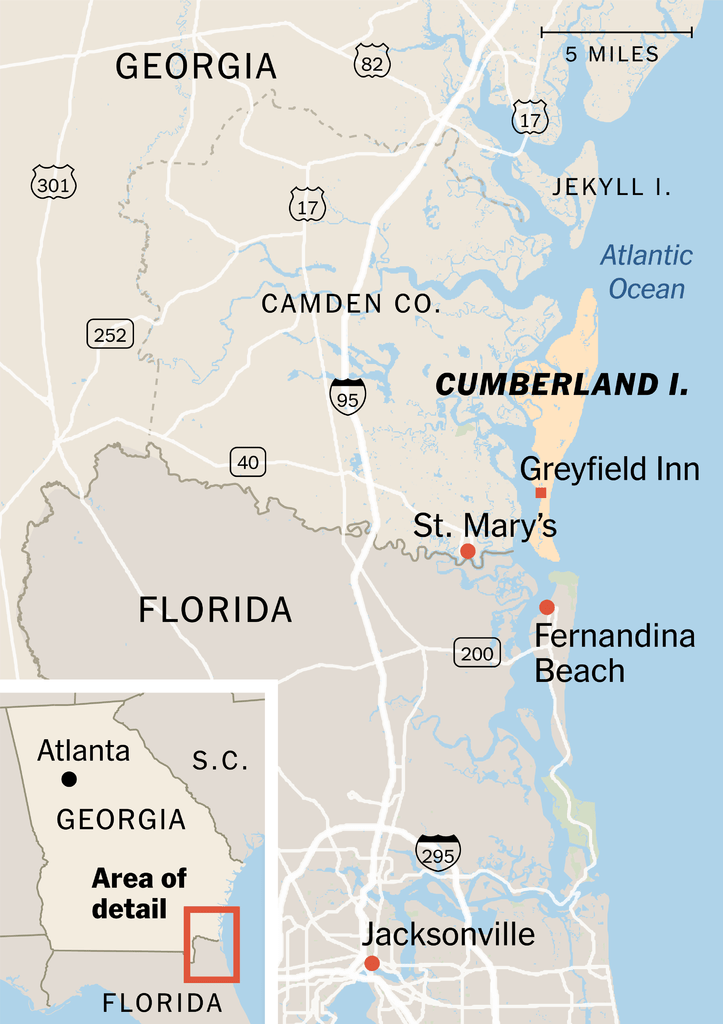
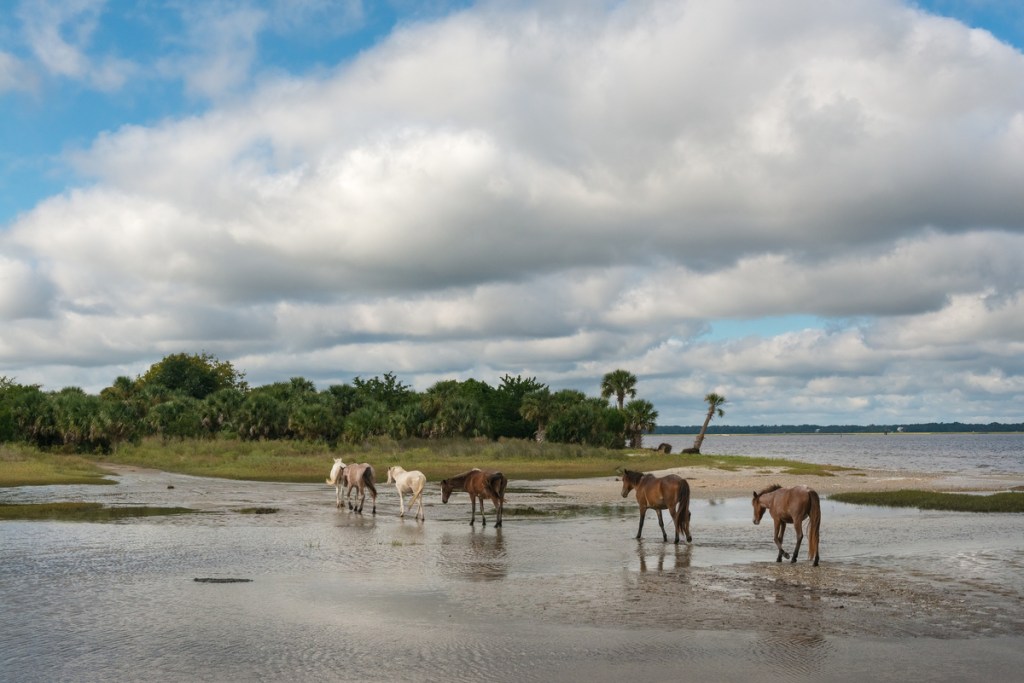
Cumberland Island today has mostly marsh, mudflats, tidal creeks, campgrounds, and wild horses.
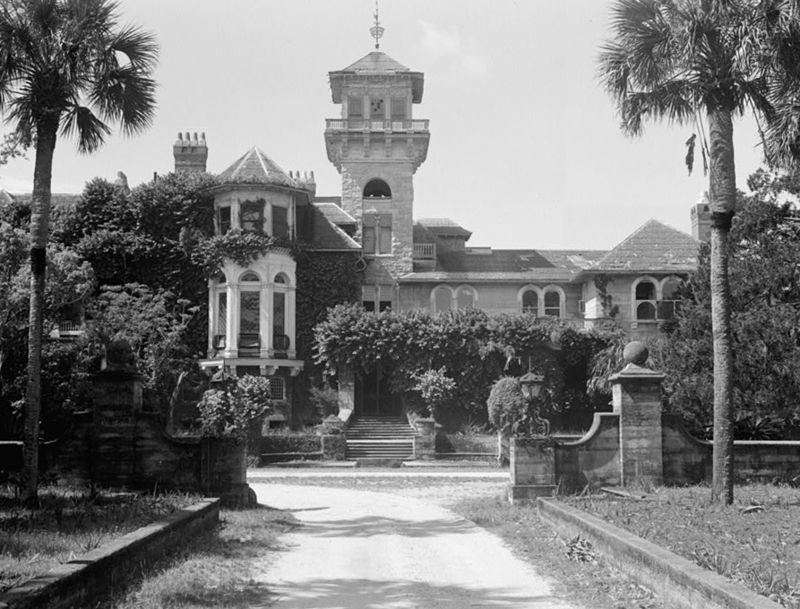
The story goes that the mansion on Cumberland Island was built in 1884 by Thomas Carnegie, Andrew Carnegie’s brother and business partner, as the Carnegie Family Retreat known as “Dungeness.”
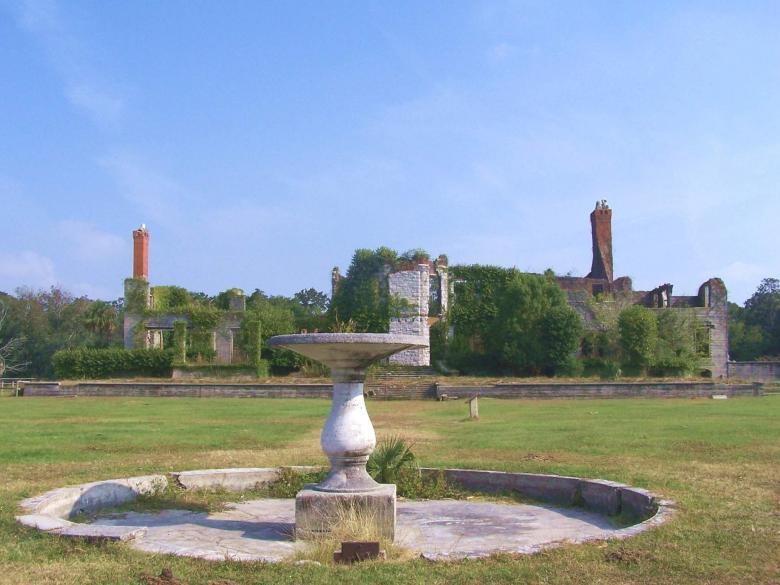
What we are told is that a fire in 1959 reduced the mansion to ruins.
Next, there are several places in Florida I would like to bring forward.
First, in St. Augustine, the Kirkside Mansion, the Villa Zorayda, and the Castle Warden.
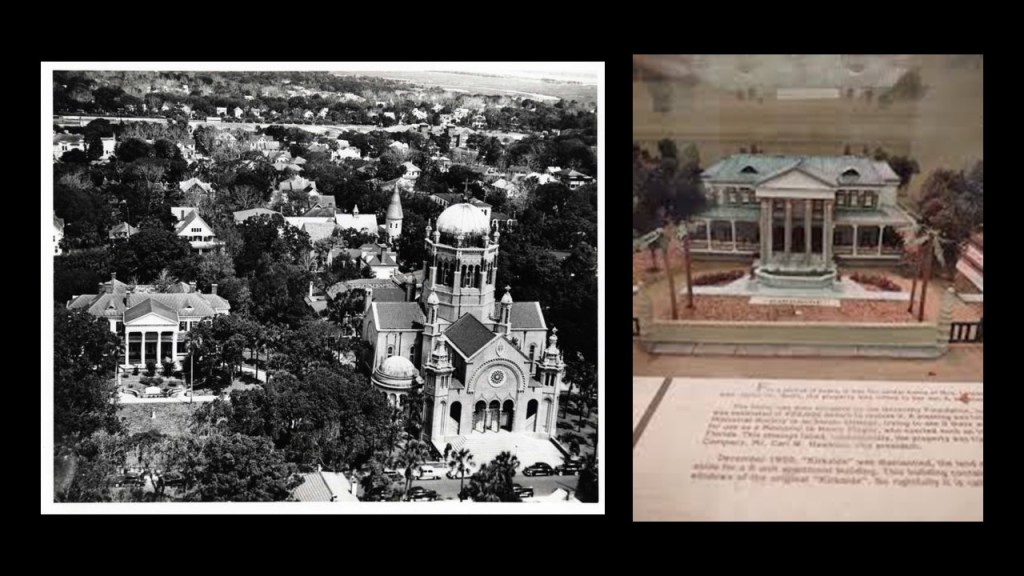
The Kirkside Mansion was said to have been built between 1892 and 1893 for Henry Flagler, John D. Rockefeller’s partner in founding Standard Oil, and his second wife, Ida Alice.
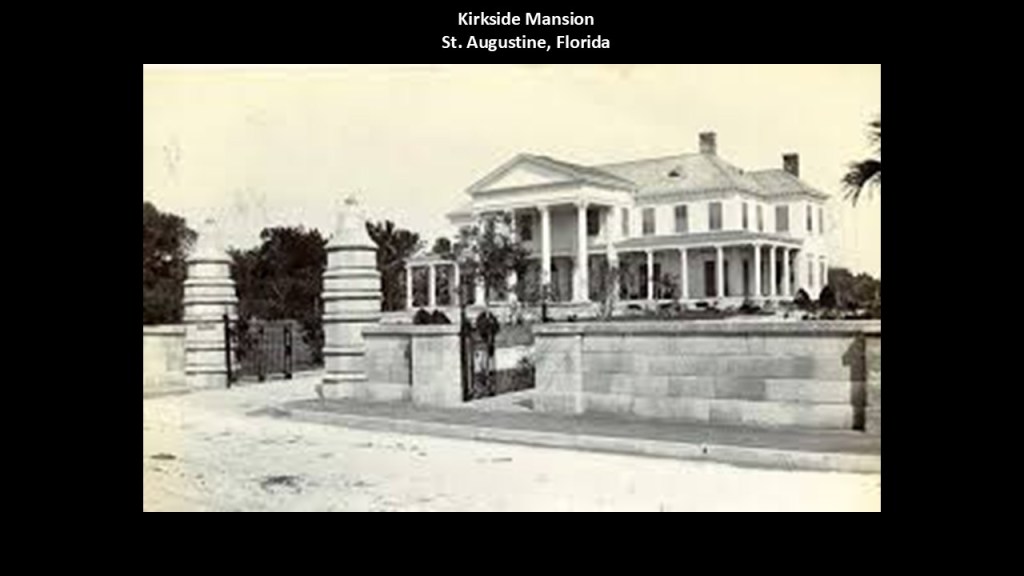
It was demolished in 1950, though there is a small replica of the Kirkside Mansion inside the Memorial Presbyterian Church which was adjacent to the property.
The Villa Zorayda in St. Augustine was said to have been built in 1883 by the eccentric millionaire Frederick W. Smith, who was said to be an amateur architect and pioneer in poured concrete construction.
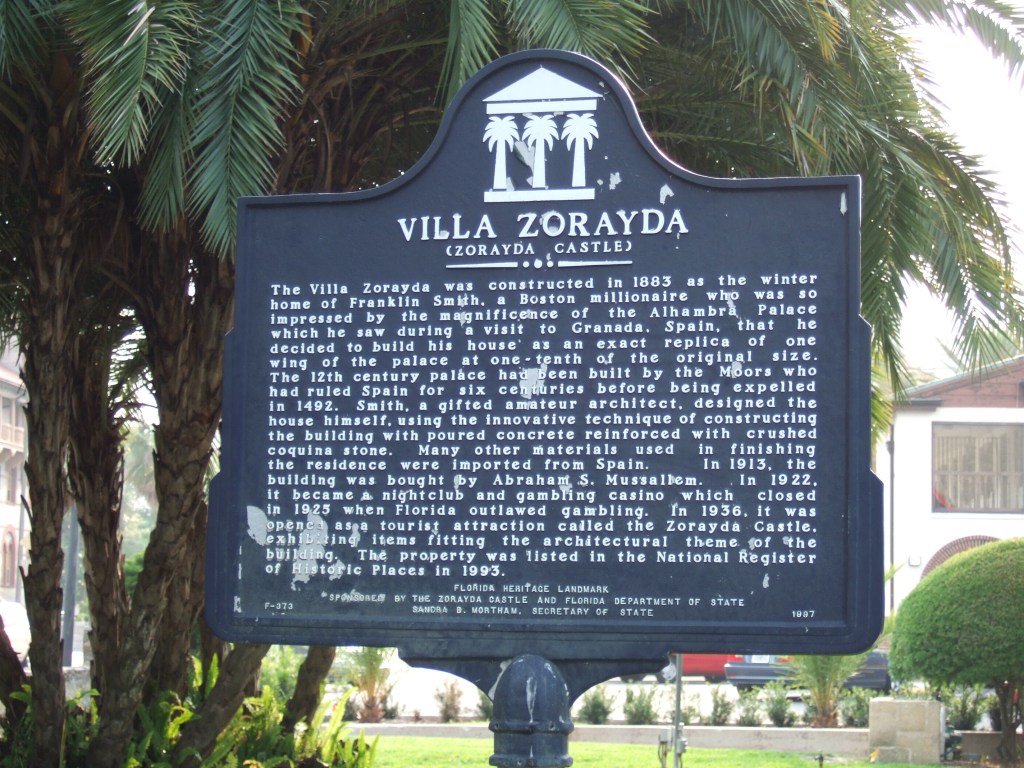
His Villa Zorayda was said to be inspired by the 12th-century Moorish Alhambra Palace in Granada, Spain, and called Moorish Revival architecture.
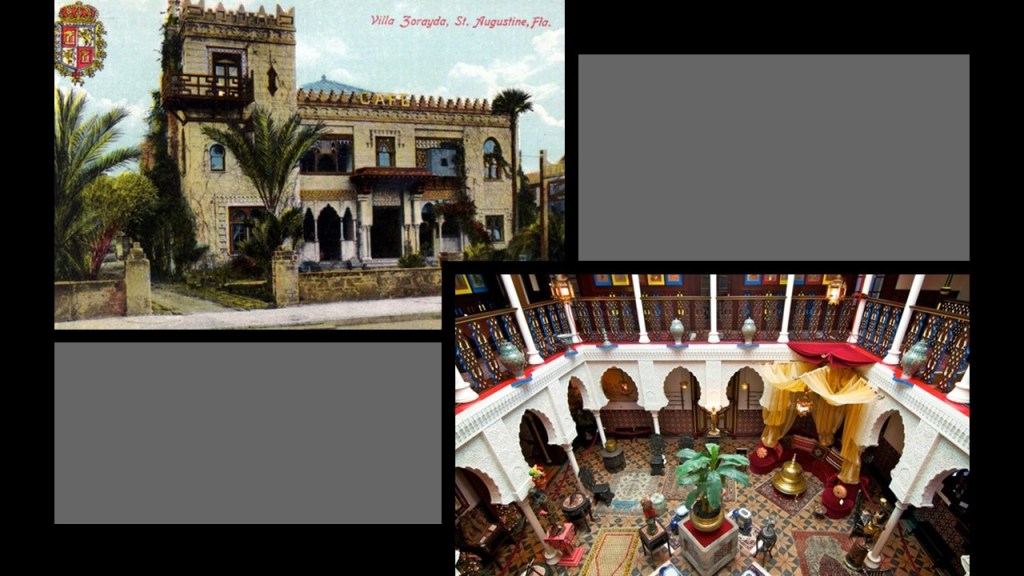
Smith was said to have named the “Villa Zorayda” after one of the princesses in Washington Irving’s “Tales of the Alhambra: A Series of Tales and Sketches of the Moors and Spaniards” that was first published in 1832 and revised in 1851.
We are told that shortly after publishing a biography of Christopher Columbus in 1828…
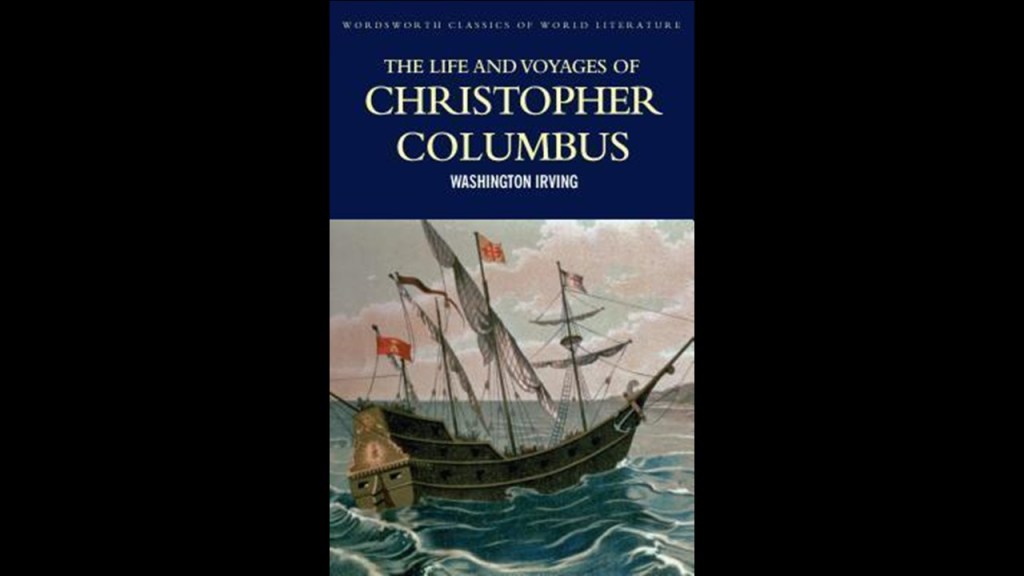
…Washington Irving travelled from where he had been staying in Madrid to Granada as he was preparing to write a book called “A Chronicle of the Conquest of Granada,” a history of the years 1478 to 1492.

In the process of doing that, Washington Irving was said to have gathered legends and tales about the Alhambra.
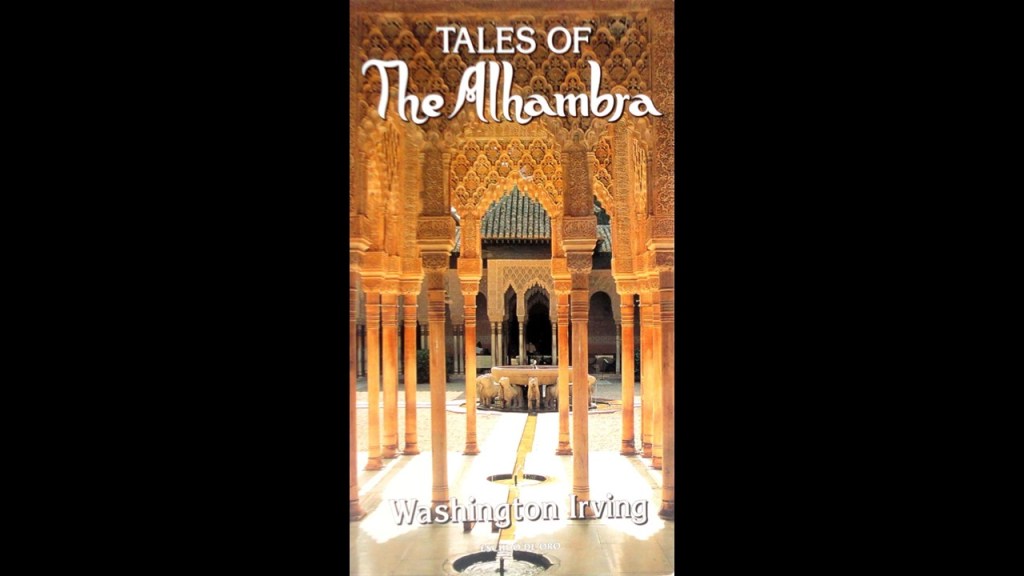
The Alhambra is perhaps the most famous example of Moorish architecture and one of the best preserved palaces of Moorish Spain.
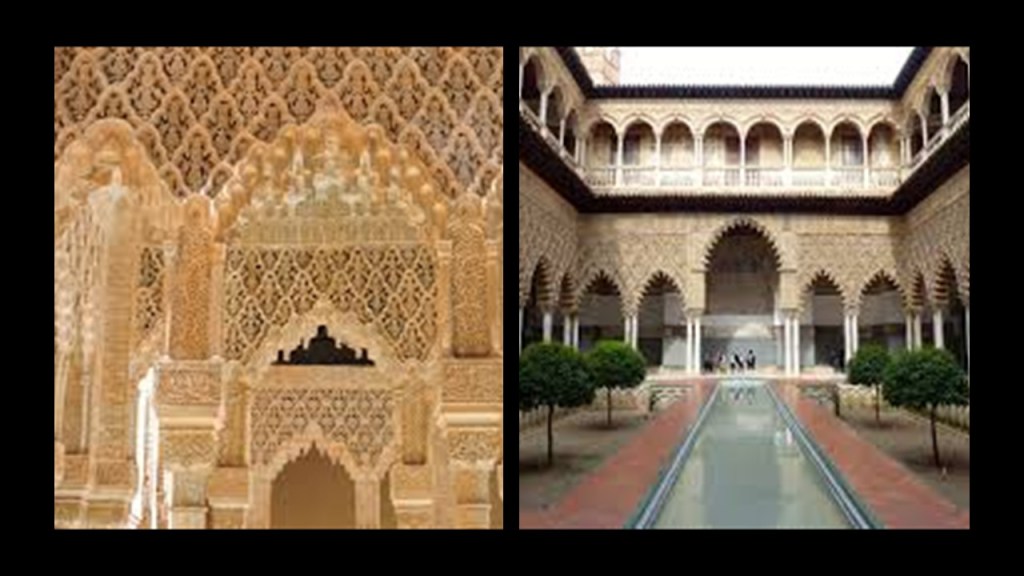
I have expressed in my post “The Backfill of History and the Shaping of Our New Historical Narrative,” my belief among other things that famous authors were being used as programming devices with which to shape our collective minds with a new historical narrative and history that we have been thoroughly educated in, and completely covering up what was once a worldwide ancient Moorish Civilization.
I have identified a 450-year timeline between the Fall of the Moors in Granada in 1492, and 1942, midway through World War II, with 1717 as the mid-point year, that I believe our new false paradigm was based on, and believe that at some point in our narrative, world history has been fabricated and backfilled, and that at some point in our relatively modern history, likely sometime in the the 1700s, history became real with the Controllers writing themselves in to the new historical narrative.
So along those lines, the Castle Warden in St. Augustine was said to have been built in 1887…
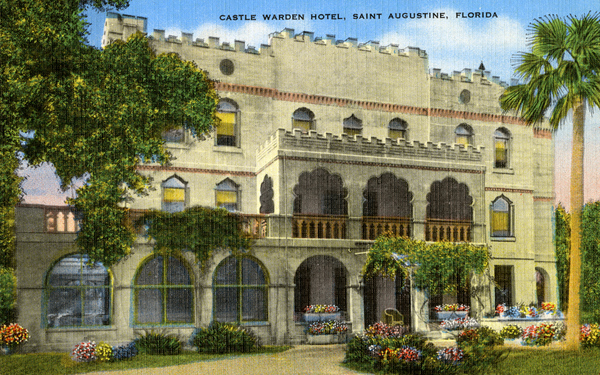
…as a winter home for William H. Warden of Philadelphia, Pennsylvania, a partner with Henry Flagler and John D. Rockefeller in the Standard Oil Company; President of the St. Augustine Gas and Electric Light Company; and the Finanical Director of the St. Augustine Improvement Company.
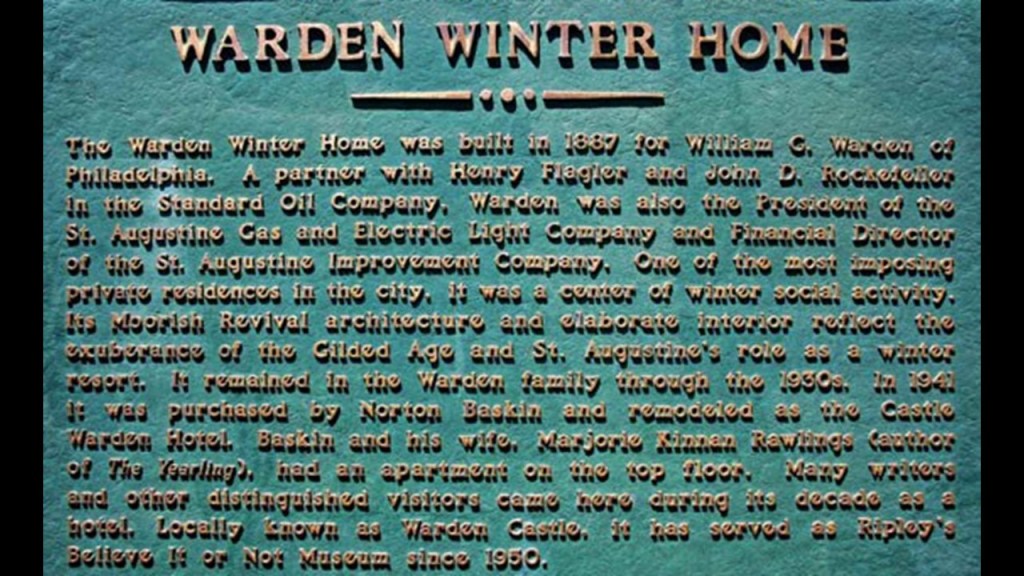
It has served as Ripley’s Believe It or Not Museum since 1950.
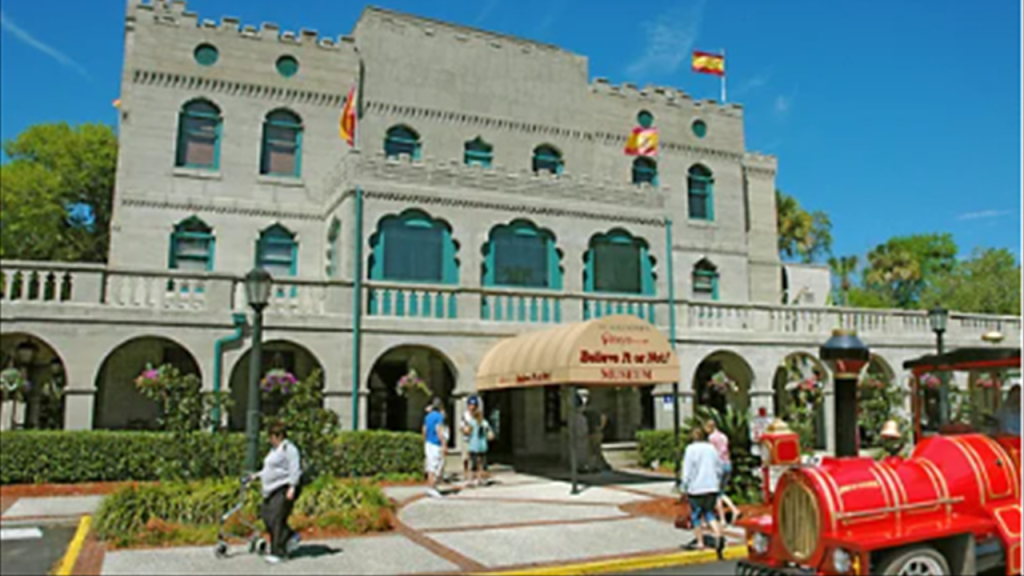
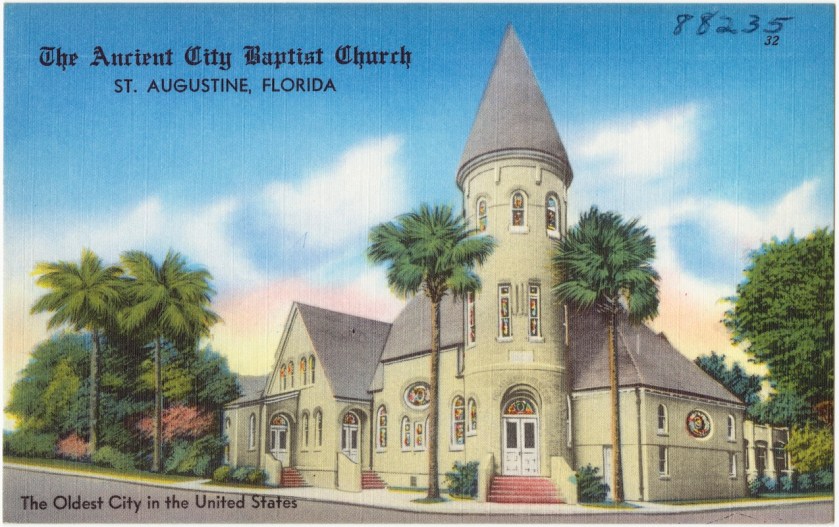
Saint Augustine has the nickname “The Ancient City.”
Ancient means something belonging to the very distant past.
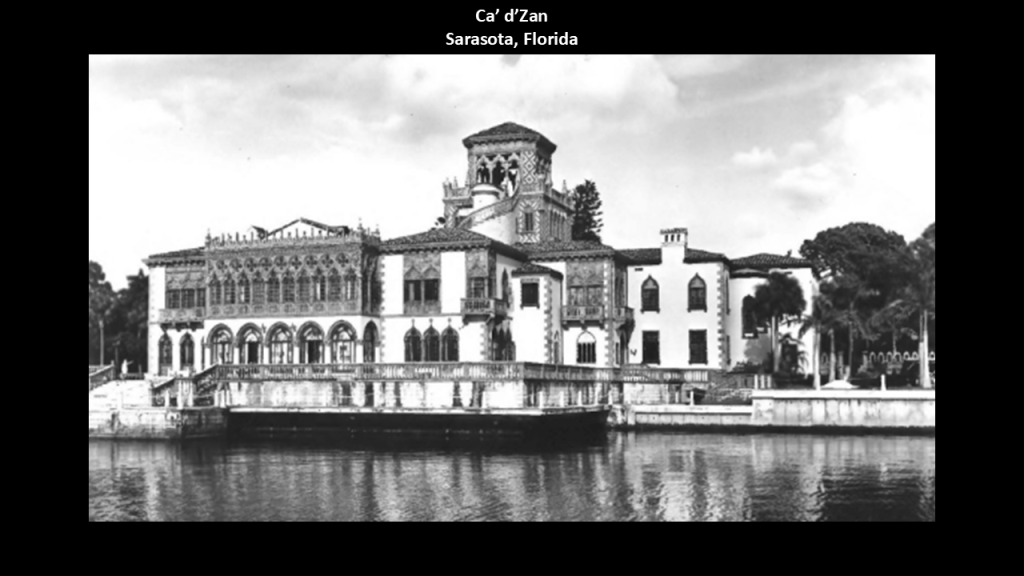
The Ca’ d’ Zan in Sarasota, Florida, was said to have been built between 1924 and 1926 as a winter retreat for circus mogul, entrepreneur and art collector John Ringling and his wife Mabel.
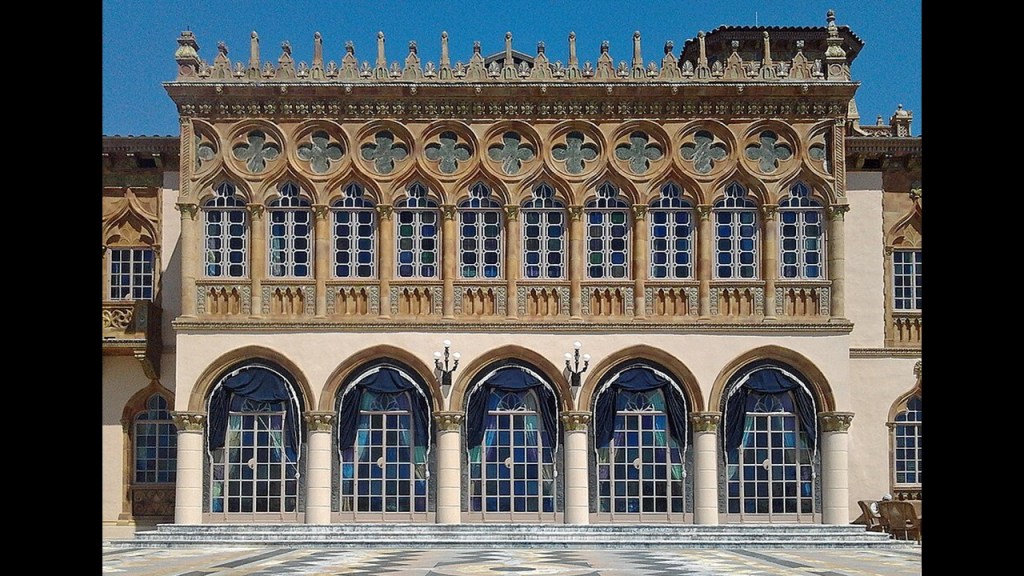
Ca’ d’Zan features an array of what is called Venetian Gothic, Italian Renaissance, Moorish and Spanish-inspired elements.
Ca’ d’Zan means “House of John” in the original language of Venice, which apparently wasn’t Italian but singularly Venetian.
Today Ca’ d’Zan is a museum on the Ringling Estate, along with the Circus Museum and the Museum of Art.
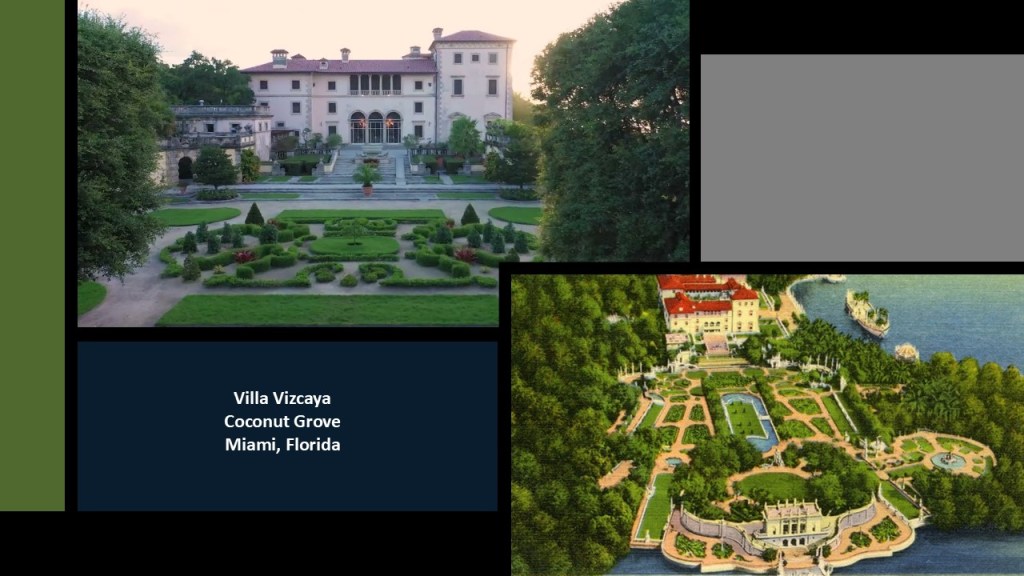
In Miami, William Deering’s son James, connected with the Deering-McCormick International Harvester fortune, was said to have built the Villa Vizcaya between 1914 and 1922 on Biscayne Bay in the Coconut Grove neighborhood.
The Deering Harvester Company had been founded in 1874 by William Deering, and he moved the company to Chicago in 1880.
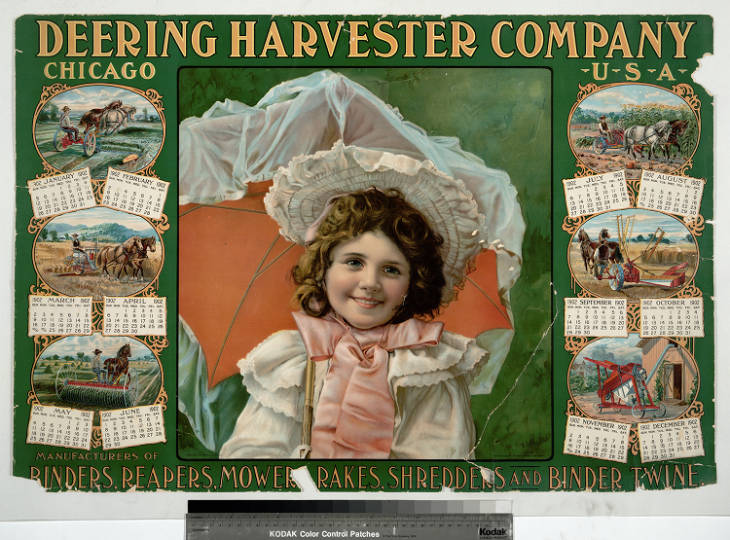
In 1902, the McCormick Harvesting Machine Company merged with the Deering Harvester Company, forming International Harvester.
The business lines of the company included primarily agricultural equipment, automobiles, commercial trucks, lawn and garden products, and household equipment.

The merger of the McCormick Harvesting Machine Company and the Deering Harvester Company was arranged by J. P. Morgan, an American financier and banker who dominated corporate finance on Wall Street throughout the period of time called the “Gilded Age.”
He was a driving force behind the wave of industrial consolidation in the United States in the late 18th- and early 19th-centuries.
Besides his involvement in the formation of International Harvester, he was also behind the formation of the U. S. Steel Corporation and General Electric, among many other mergers.
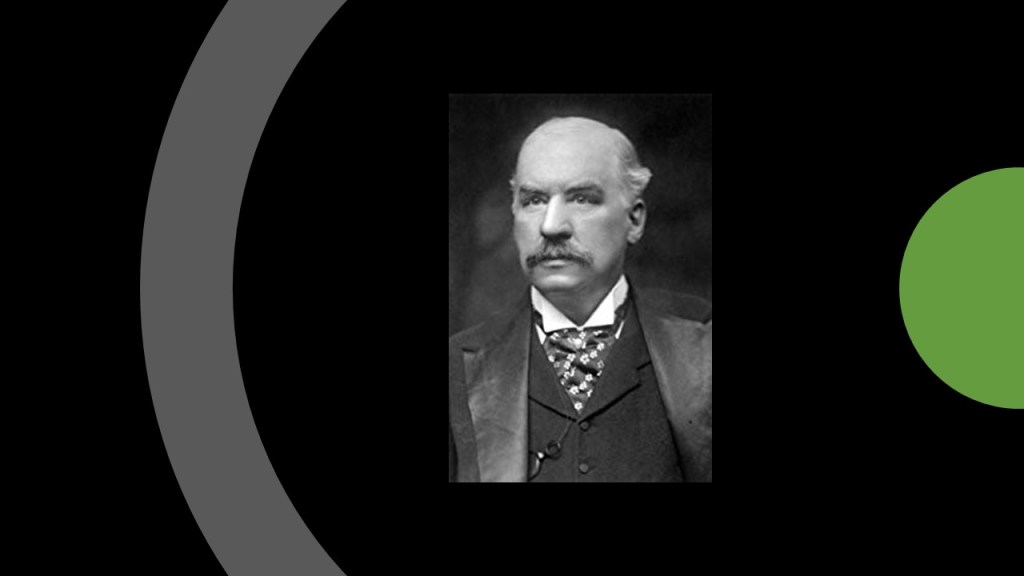
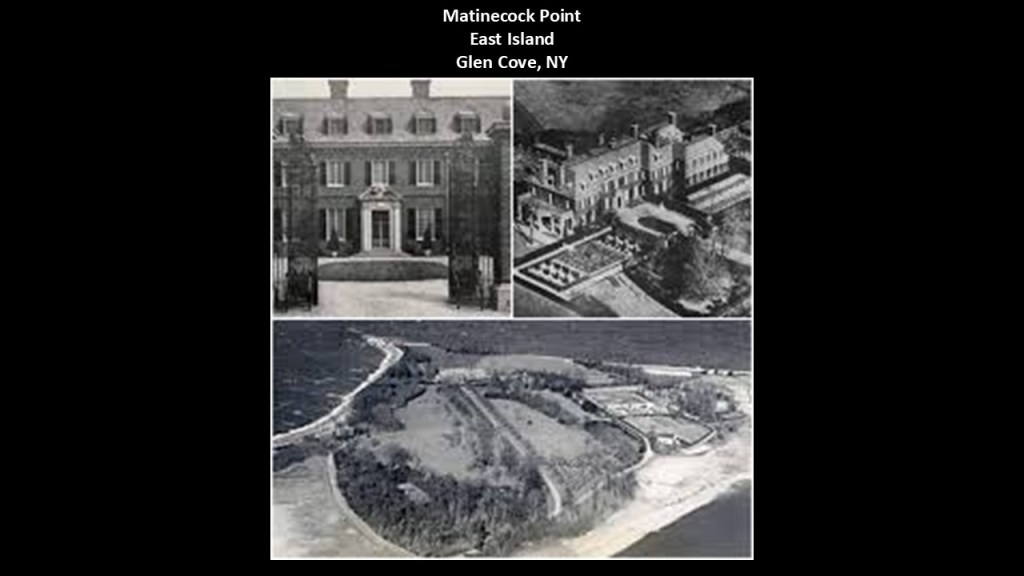
His only son J. P. Morgan Jr, AKA Jack, was said to have had the 57-room mansion built on Matinecock Point on East Island in Glen Cove, on the North Shore of Long Island between 1909 and 1913.
Inside, it had 14-foot ceilings, marble fireplaces and sinks, and secret panels hidden within walls, as well as magnificent gardens outside.
It was demolished in 1980.
Next I am going to look at a couple of places in Rhode Island – Newport and Block Island.
Rhode Island is the smallest state in the United States.
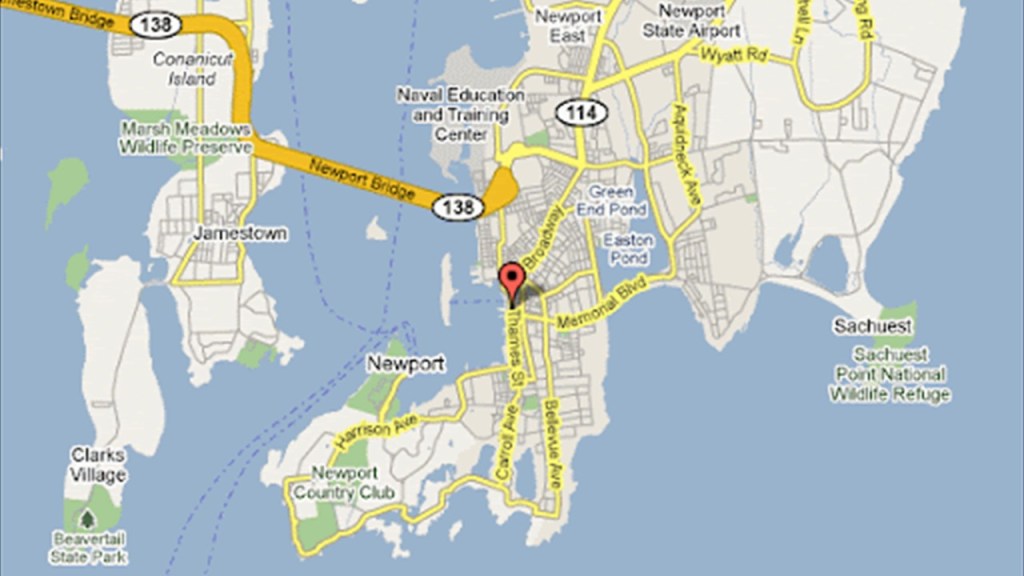
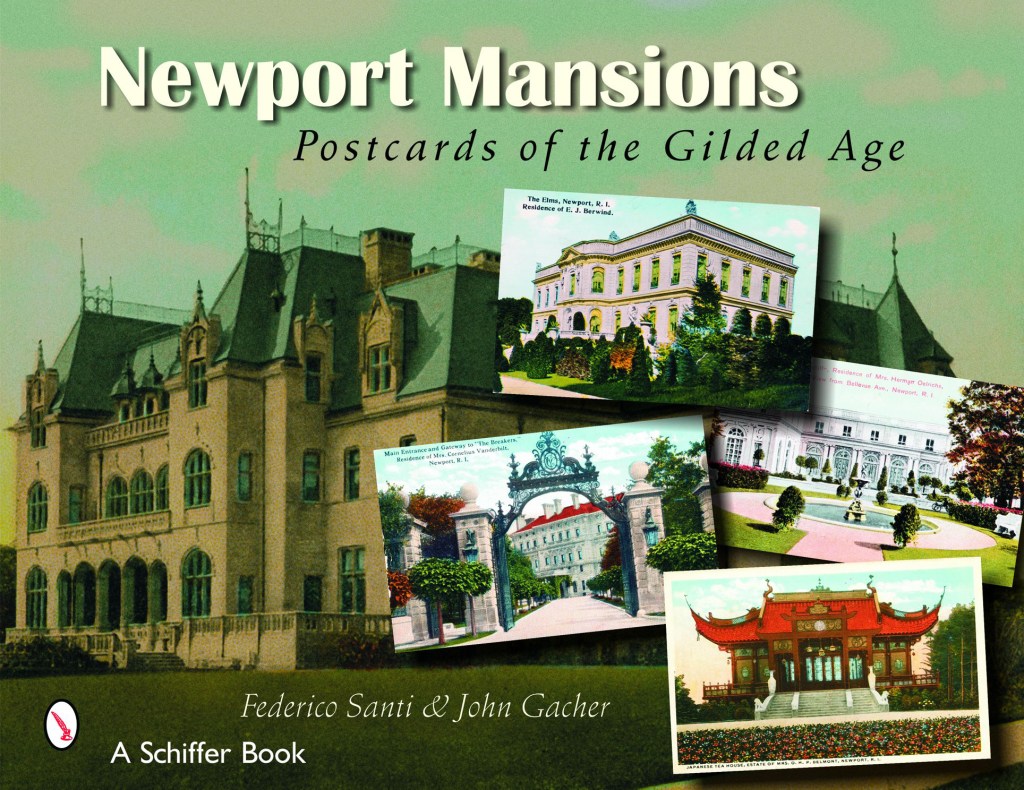
Bellevue Avenue in Newport is known for its “Gilded Age Mansions.”
One definition that I found of “Gilded Age” is that it was a period of gross materialism and blatant political corruption in the United States from the 1870s to 1900.
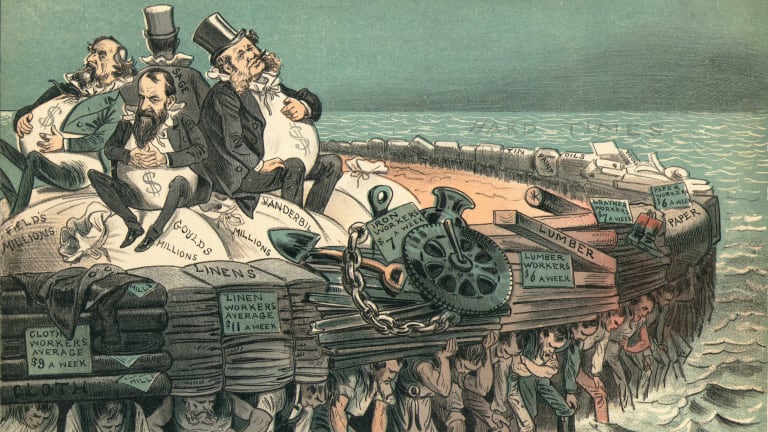
Another definition is that it was an era of rapid economic growth, especially in the northern and western United States.
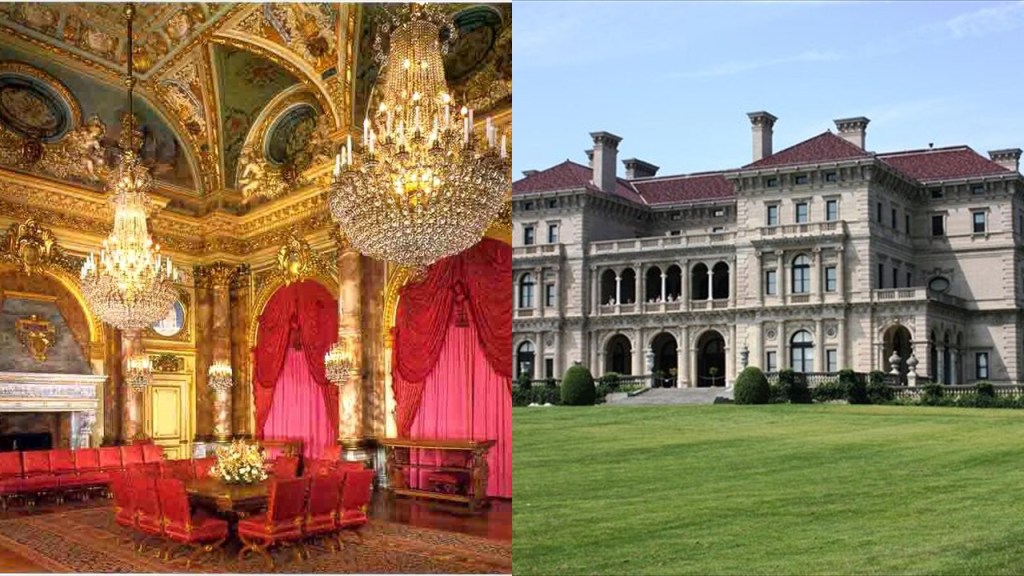
Perhaps the most famous of these “Gilded Age” mansions is “The Breakers,” said to have been built in Newport between 1893 and 1895 as a summer residence for Cornelius Vanderbilt II.
It is a 70-room mansion that was said to have been designed by Richard Morris Hunt in the Renaissance Revival architectural-style.
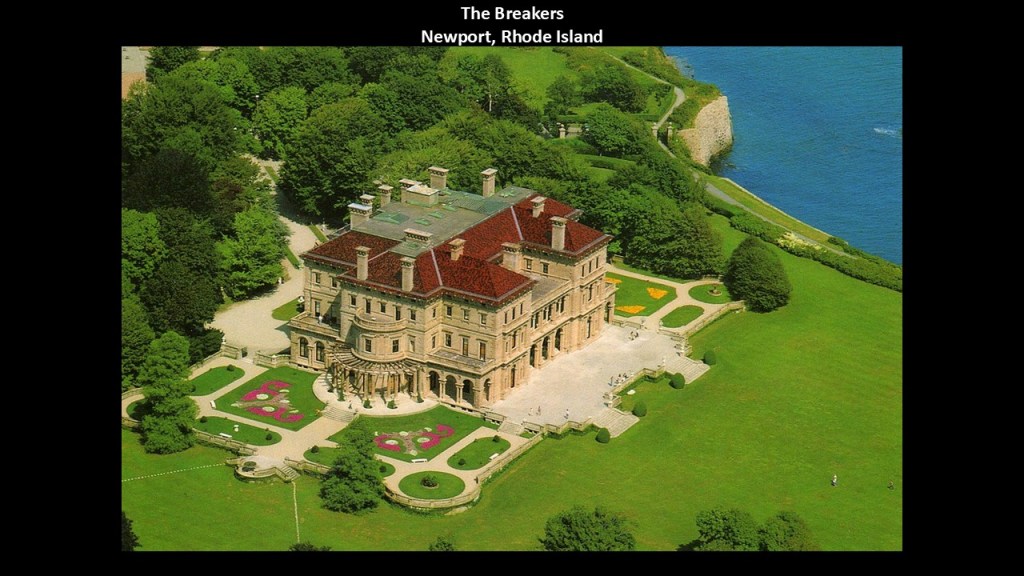
It was said to have been patterned after a Renaissance Palace, and built with marble imported from Italy and Africa, as well as rare wood and mosaics from countries around the world.
It has been a museum since 1948.
Next heading over to Block Island.
Mansion Beach on Rhode Island’s Block Island today is a secluded beach on the island’s northeast coast, known for its white sand and big waves.
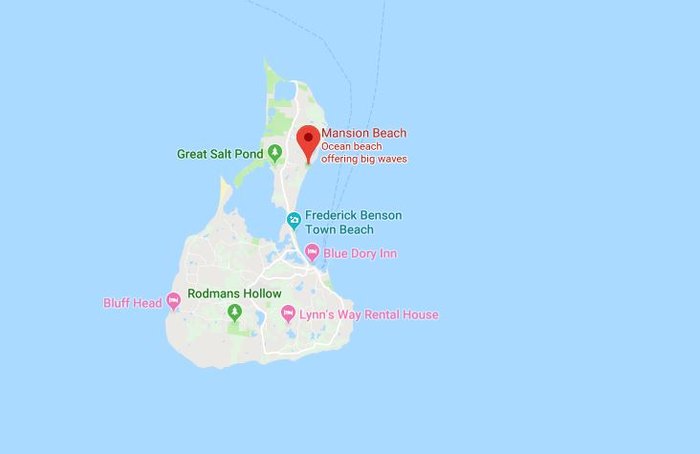
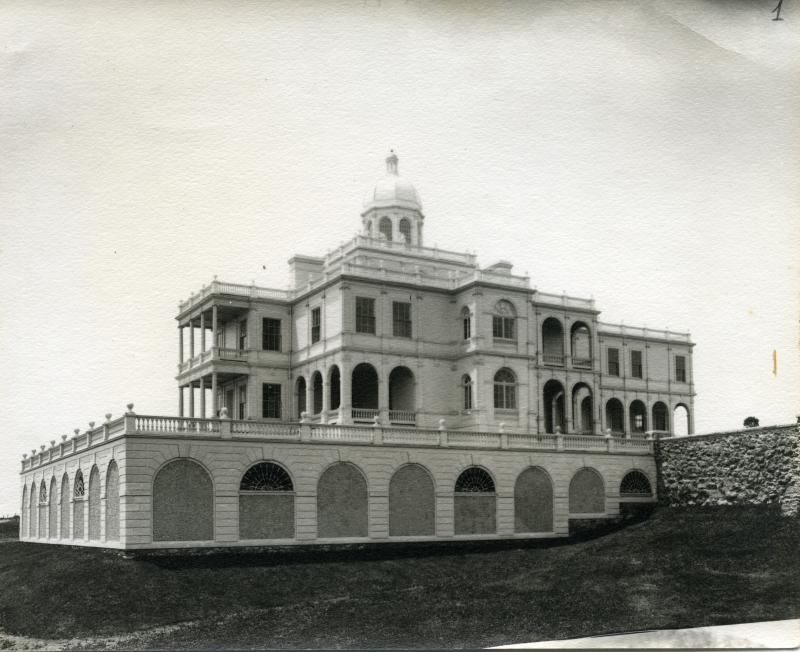
It was so-named because there was a mansion once here, said to have been designed by Massachusetts architect Edward F. Searles as a dream home for he and his wife, the widow of San Francisco Central Pacific Railroad magnate Mark Hopkins and constructed between 1886 and 1888.
Searles’ wife, Mary Hopkins Searles, was often referred to as the richest woman in America, and shortly after they married, she bequeathed him her entire fortune.
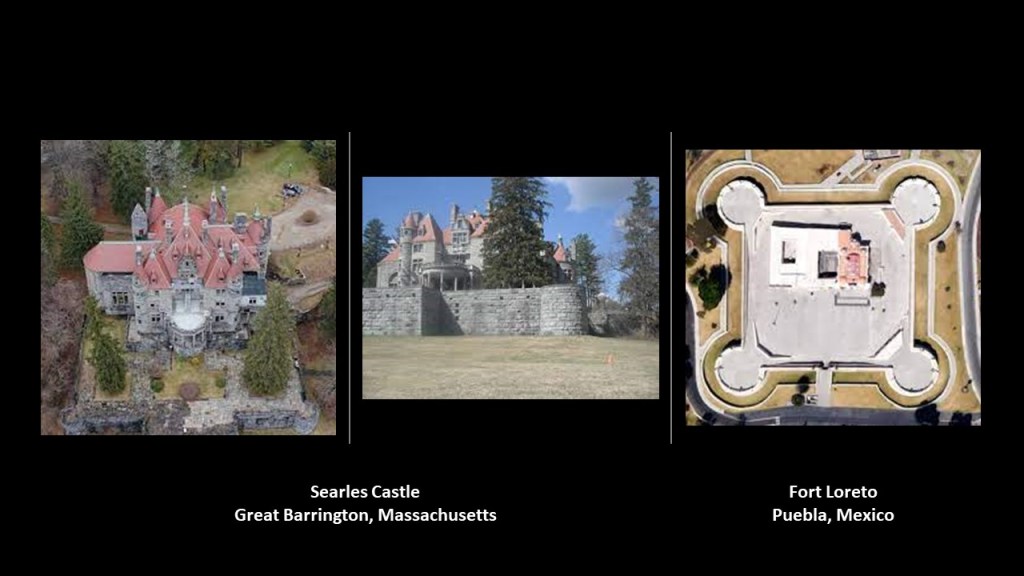
Searles was another one of those architects credited with the design of other monumental architecture, including, but not limited to, the interior design for the Kellogg Terrace, known today as Searles Castle, in Great Barrington, Massachusetts, said to be one of America’s great masterpieces of gothic and Neo-Renaissance architecture built in 1883 by Stanford White of the architectural firm of McKim, Mead & White, the same architectural firm credited with the classical design of the Plymouth Rock Monument.
Sure looks to me like Searles Castle sits atop a star fort base, compared with Fort Loreto, a star fort in Puebla, Mexico, on the right.
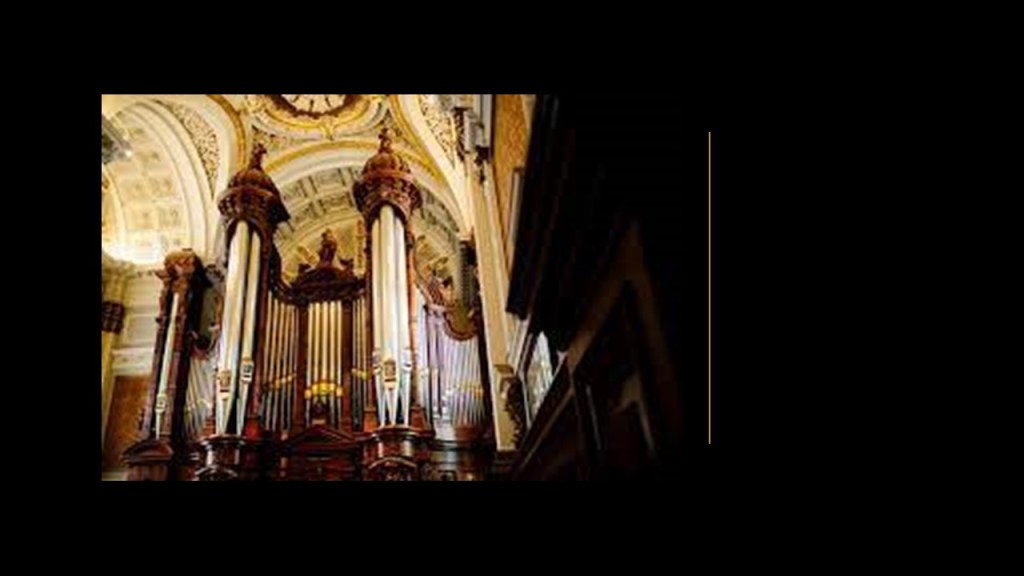
Searles was credited with the design of the giant nave which still houses one of the largest pipe organs built in a residence in the United States.
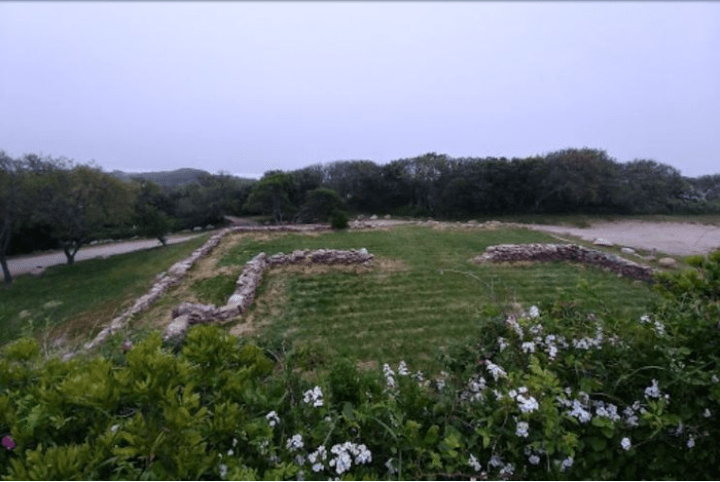
At any rate, after having been abandoned for years, the Searles Mansion back on Block Island burned down in the 1960s, and was never rebuilt.
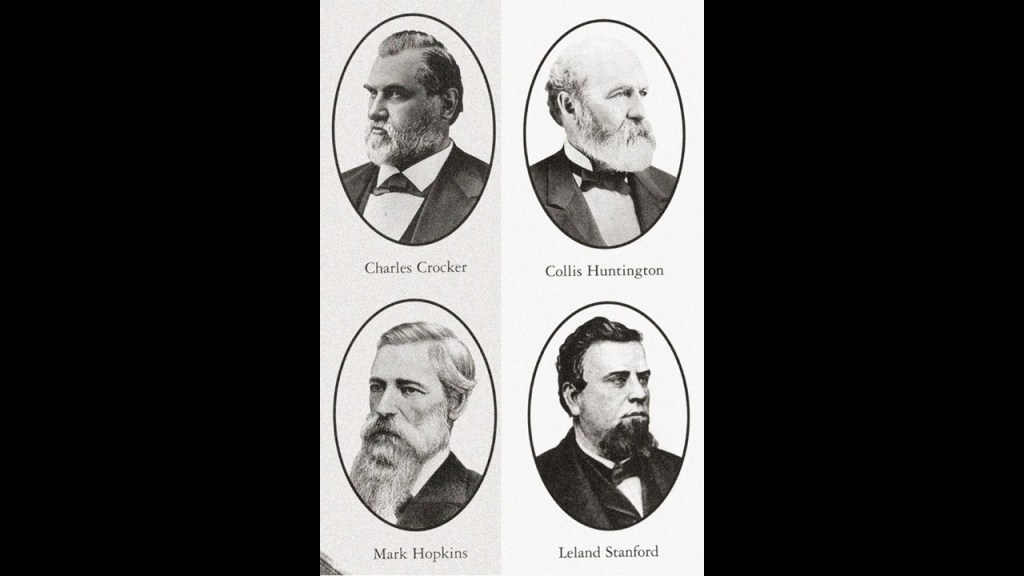
Mark Hopkins, Mary Hopkins Searles first husband, was the Treasurer of the Central Pacific Railroad, and one of the Central Pacific Railroad’s Big Four, along with Leland Stanford, President; Collis P. Huntingdon, Vice-President; and Charles Crocker, Construction Supervisor.
These four men used their immense wealth and power to dominate politics and commerce in San Francisco and California.
All four of these men had their mansions on Nob Hill destroyed by the 1906 Great San Francisco Earthquake.
Nob Hill has historically served as a center of San Francisco’s upper class, and is one of San Francisco’s original seven hills.
Prior to the 1850’s, it was called California Hill, but was re-named Nob Hill after the Big Four, known as the Nabobs, or Nobs, said to be an Anglo-Indian term for ostentatiously wealthy men.
These are the mansions said to have been destroyed by the earthquake.
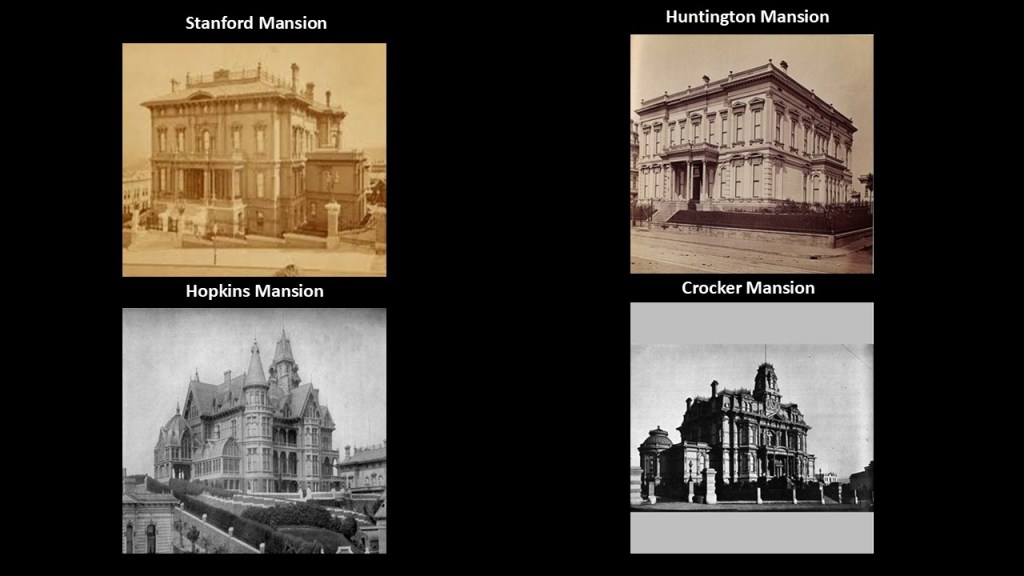
The Stanford Mansion in Sacramento is in the neighborhood of the Capital Mall, and serves as the official reception center for the California government.
It was said to have been built in 1856 as a residence for Leland Stanford, a former California governor, and founder of Stanford University in 1885.
It was donated to the Roman Catholic Diocese of Sacramento in 1900, who operated a children’s home there until 1978.
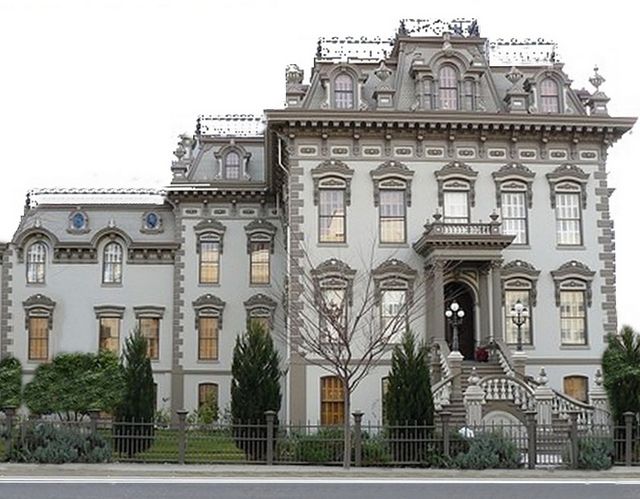
Where did the wealth of the Big Four come from?
We are told it came first from selling supplies for the California Gold Rush of 1849 to 1851.
Then they were said to have funded the construction of the Transcontinental railroad.
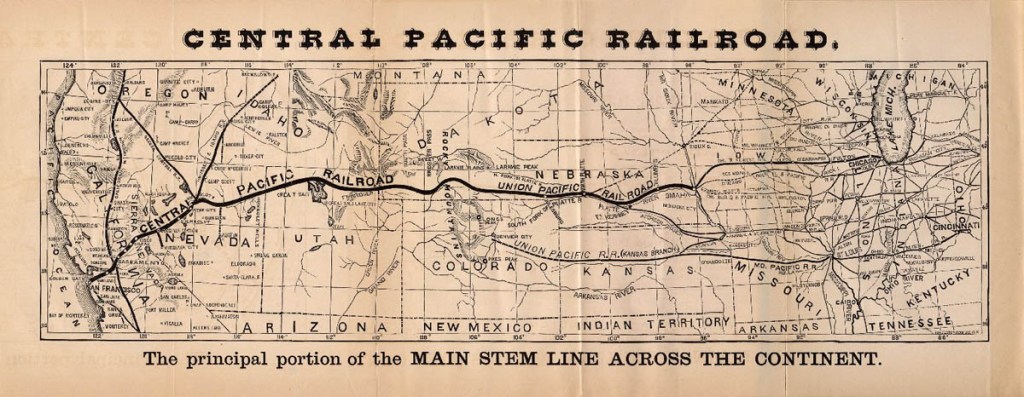
When they became Directors of the Central Pacific Railroad, they became immensely wealthy and the most powerful men in California.
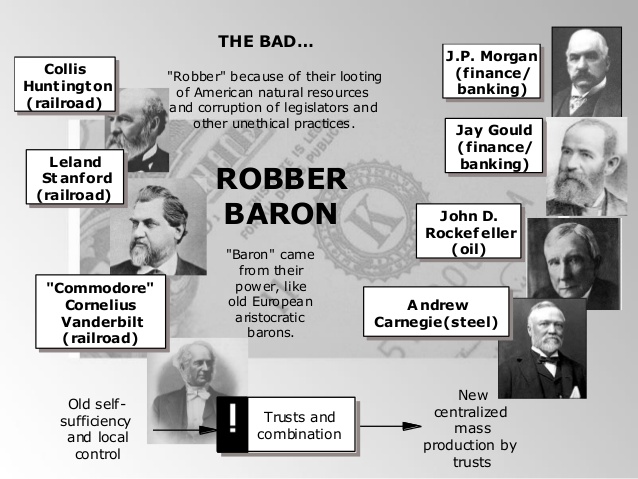
You can also find them referred to as Robber Barons, along with other prominent individuals of this era that we have seen reference to in this video.
Robber Baron is defined as a person who has become rich through ruthless and unscrupulous business practices, originally with reference to prominent U. S. businessmen in the 19th-century.
The 1906 Earthquake and Great Fire of San Francisco has all of the elements of the modus operandi of the reset to a new false historical narrative from the original worldwide advanced civilization, and concerning how the new narrative was superimposed on top of existing infrastructure.
This is what we are told about this famous historical event.
A very large earthquake struck the coast of northern California early in the morning of Wednesday, April 18th, 1906.
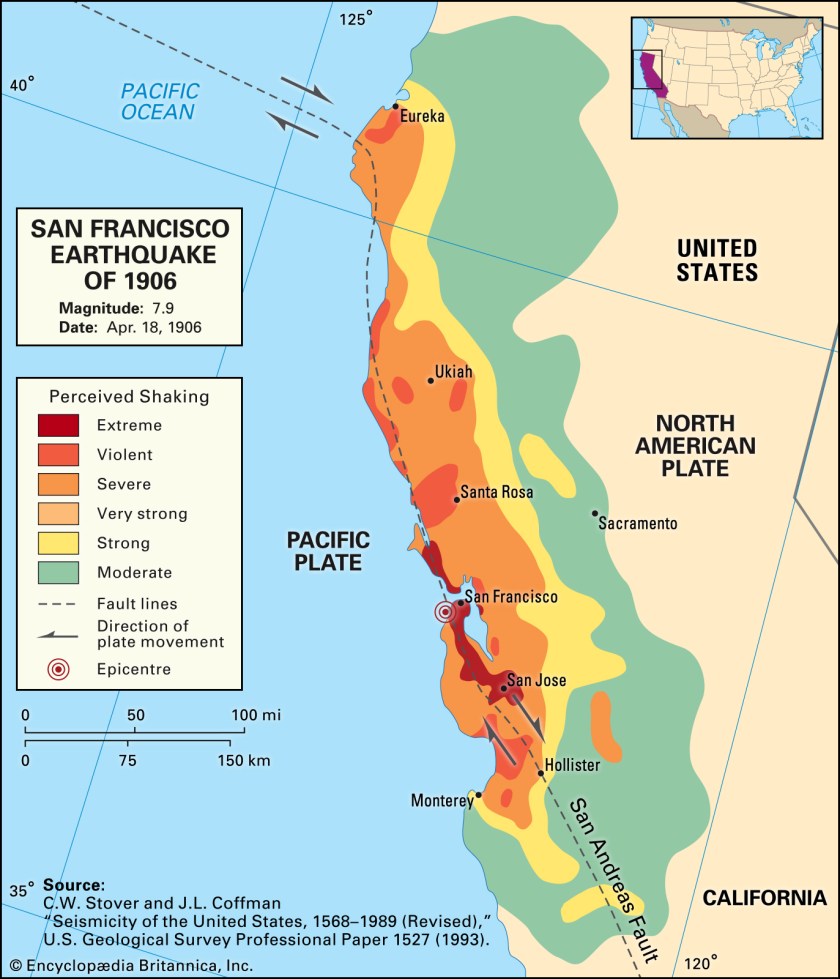
High intensity shaking was felt from Eureka, California, which is the principal city of what is called the Redwood Empire region of California, and the largest coastal city between San Francisco and Portland, Oregon.
The California Parks’ Headquarters for the North Coast Redwoods District is in Eureka.

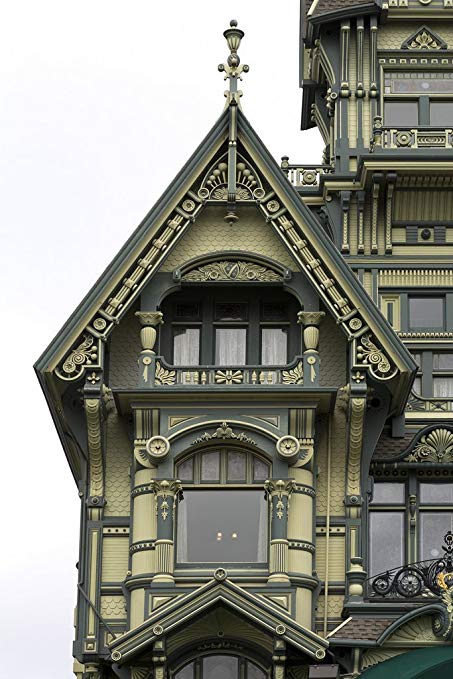
The Carson Mansion is a nationally-recognized landmark in Eureka.
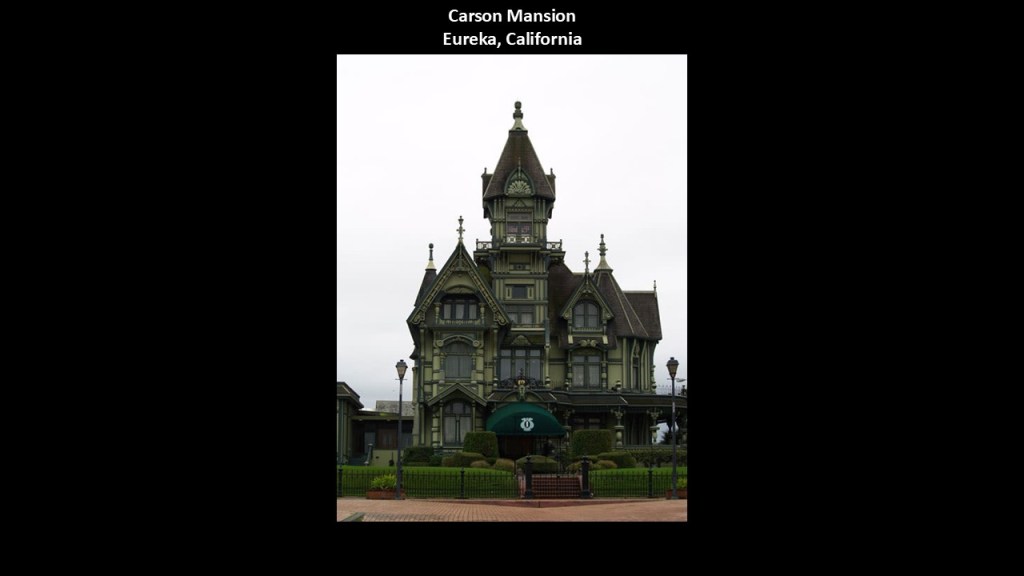
It was said to have been built starting in 1884, and completed in 1886, for lumber baron William Carson.
It has been a private club since 1950 and is not open to the general public.
William Carson was said to have arrived in San Francisco in 1849, from New Brunswick in Canada, with a group of other woodsmen.
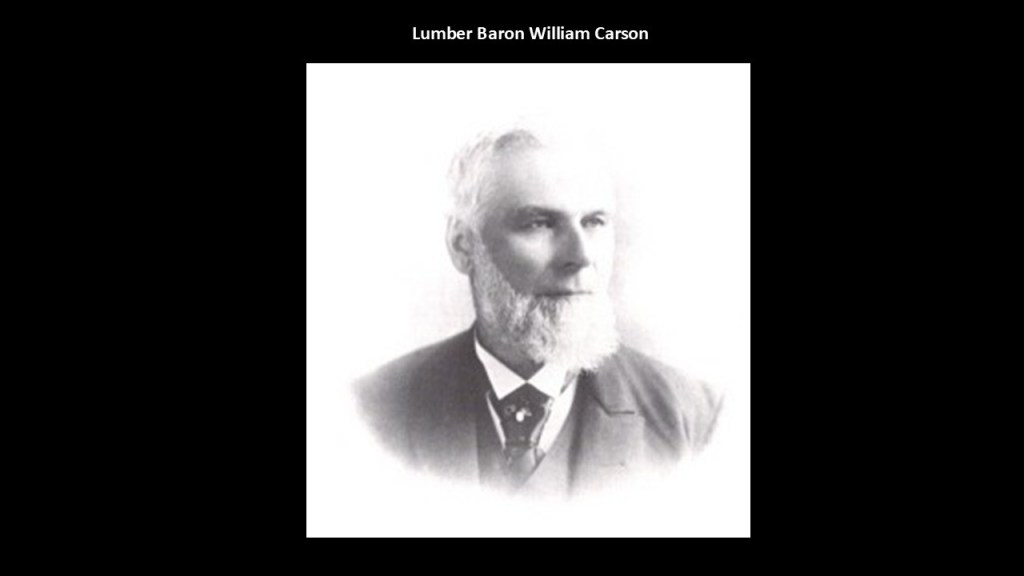
In 1850, he and Jerry Whitmore were said to have felled a tree, the first for commercial purposes on Humboldt Bay.
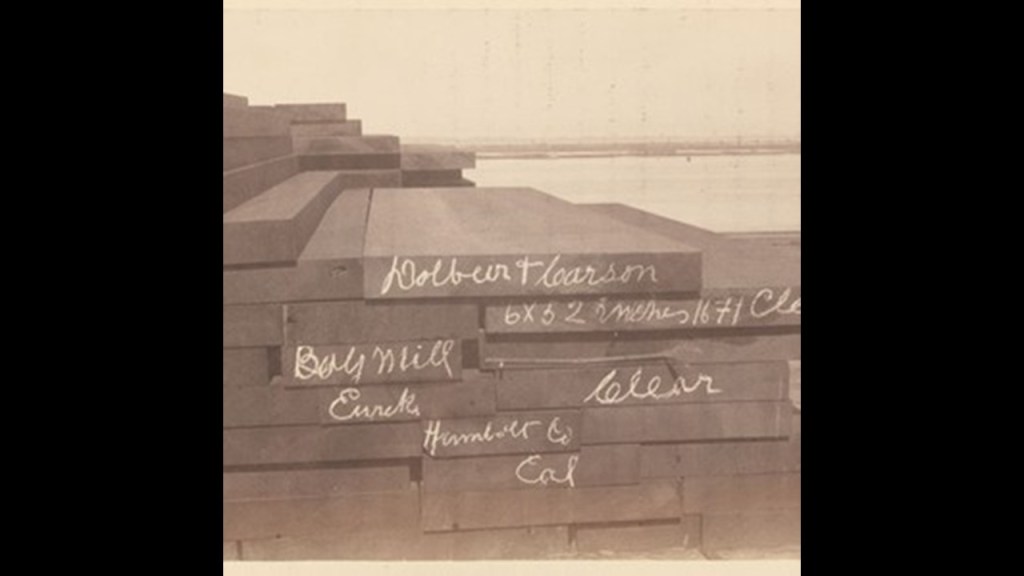
In 1854, he was said to have shipped the first loads of Redwood timber to San Francisco, and in 1863, he and John Dolbeer formed the Dolbeer and Carson Lumber Company.
William Carson was also said to have been involved with the founding of the Eel River and Eureka Railroad in November of 1882, along with a man named John Vance.
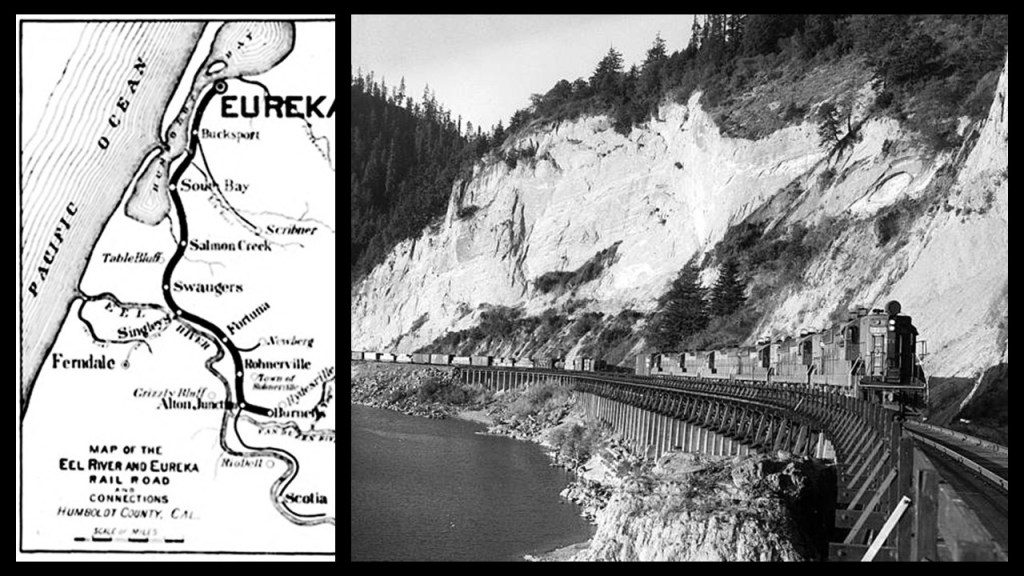
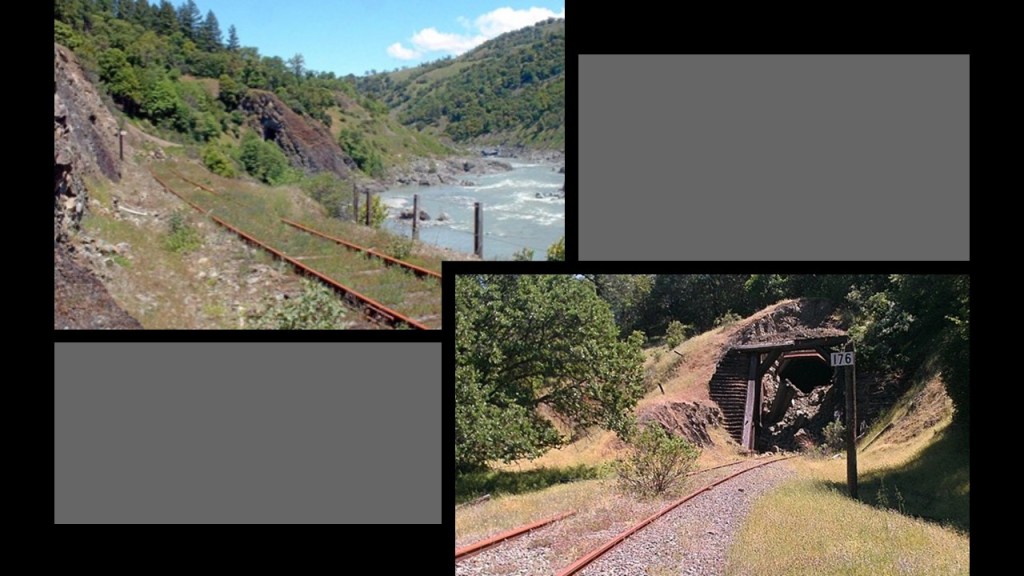
Its service was said to have been stopped for safety reasons between 1996 and 1997.
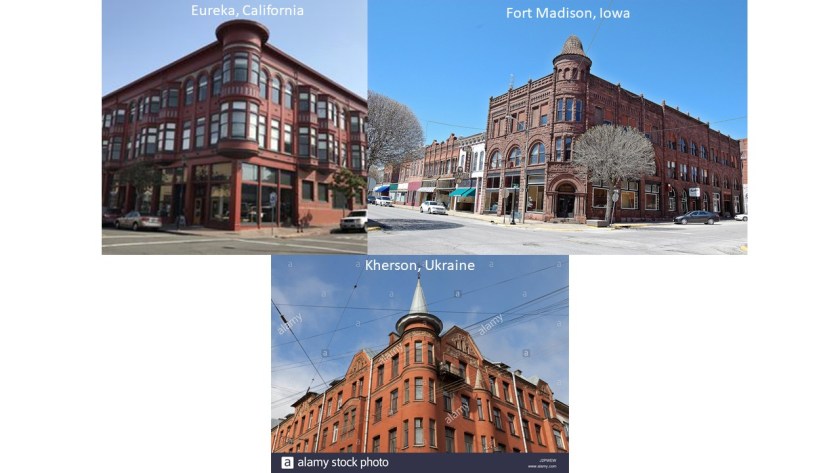
Here is a building in old town Eureka on the top left, which is said to be known for its Victorian architecture; compared with Fort Madison in Iowa on the top right; and Kherson, Ukraine, on the bottom.
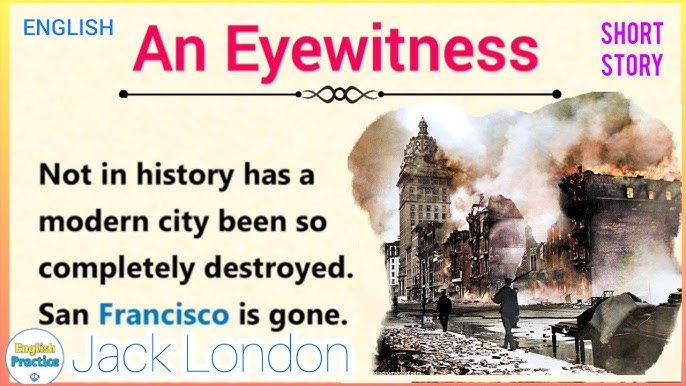
In our historical narrative, the American author Jack London provided a vivid first-hand account of the San Francisco Earthquake and the fires it was said to have caused in his article “The Story of An Eyewitness,” published in Collier’s Magazine on May 5th of 1906 after he was commissioned to report on the story by travelling to San Francisco right after the earthquake, and in which he reported on the almost complete destruction of the city from the earthquake and the subsequent fires that allegedly did more damage than the earthquake.
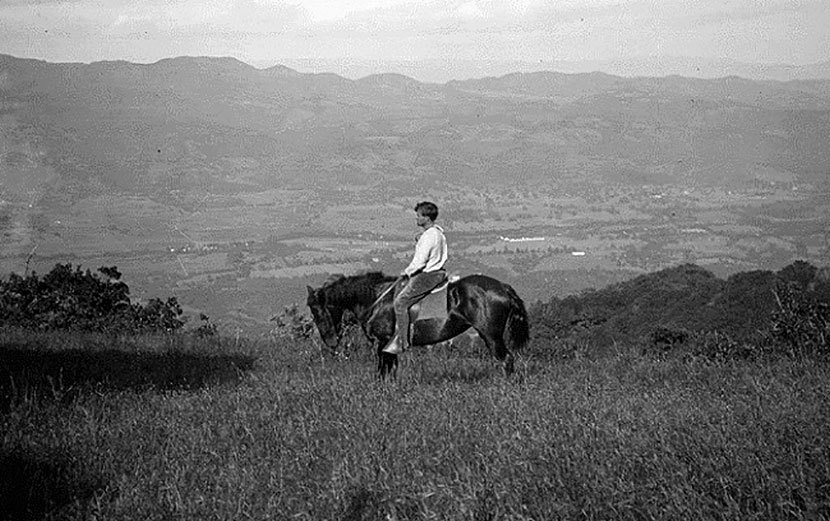
We are told that in 1905, Jack London purchased 1,000-acres, or 405-hectares, of ranch land on the eastern slope of Mount Sonoma in Glen Ellen, California, and called it the Beauty Ranch.
He did not fare well as a rancher, as it was not an economic success.
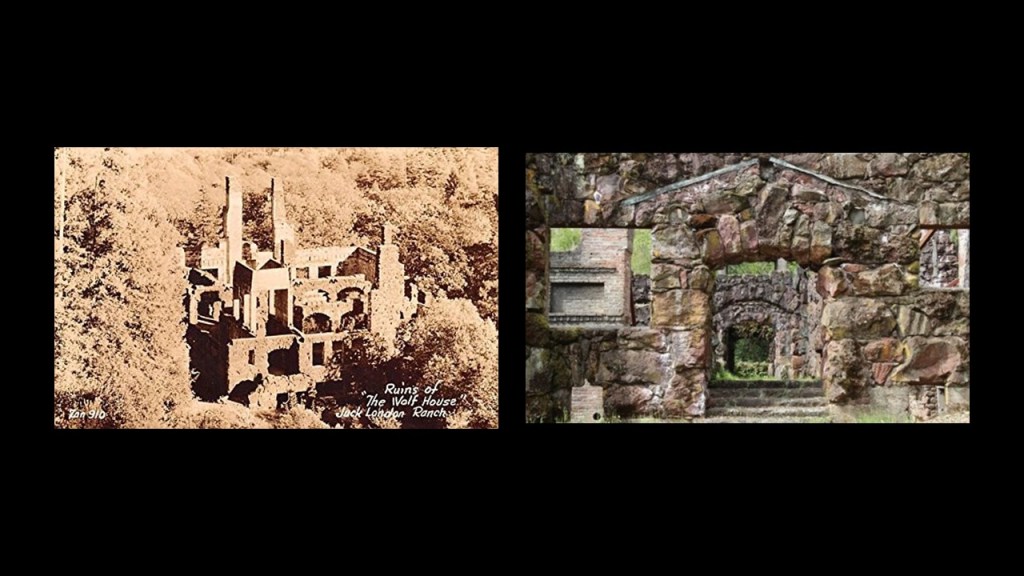
According to our historical narrative, the 26-room mansion he and his wife were building on the ranch was said to have burned down two weeks prior to the day they were planning to move in.
These are said to be the ruins of his home, called Wolf House, at Jack London State Historic Park.
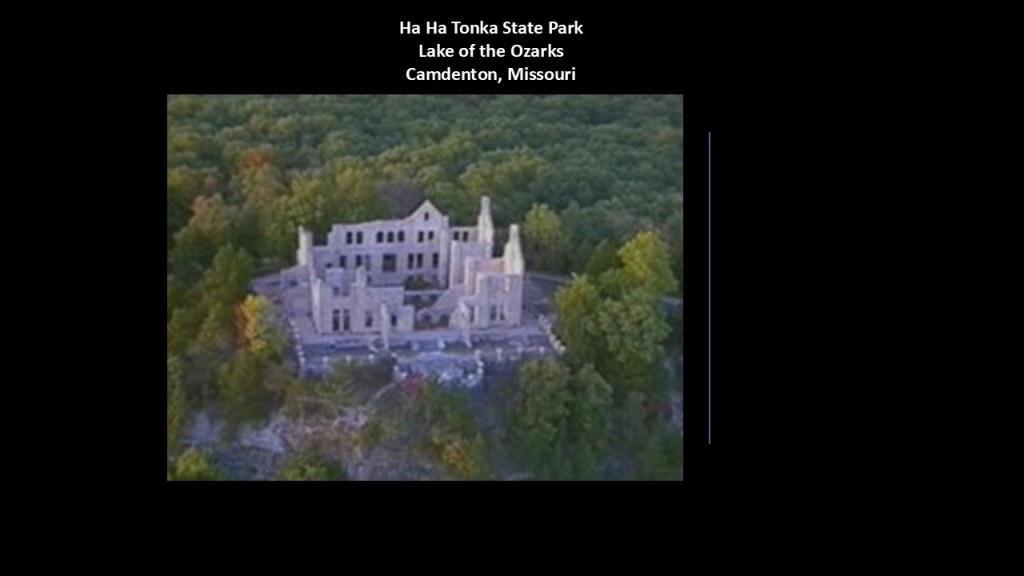
Wolf House reminds me of the Castle at Ha Ha Tonka State Park at Central Missouri’s Lake of the Ozarks, construction of which was supposed to have started in 1905 by a Kansas City businessman, and finished by his sons in the 1920s before the stock market crash.
We are then told, after being used first as a seasonal home, and then as a hotel, it was destroyed by a fire in 1942.
Jack London was born in San Francisco on January 12th, 1876.
We are told he was one of the first writers to have worldwide fame, and great financial success.
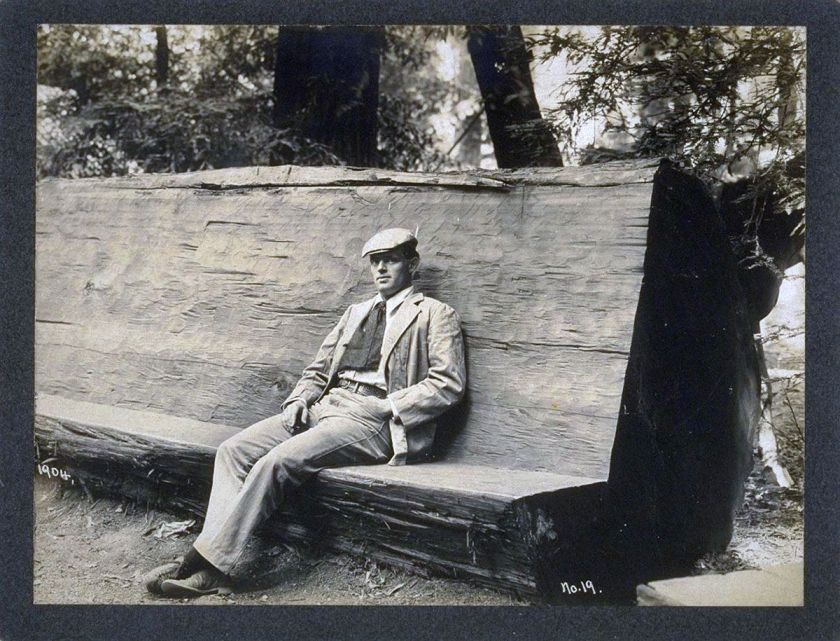
Also, it is interesting to note that in 1904 Jack London was elected to honorary membership in the private, San Francisco-based Bohemian Club, which utilizes Bohemian Grove.
Authors Mark Twain, Bret Harte and Ambrose Bierce were also members of the Bohemian Club.
There is one more thing I’d like to mention about the aftermath of the 1906 San Francisco Earthquake and Fire.
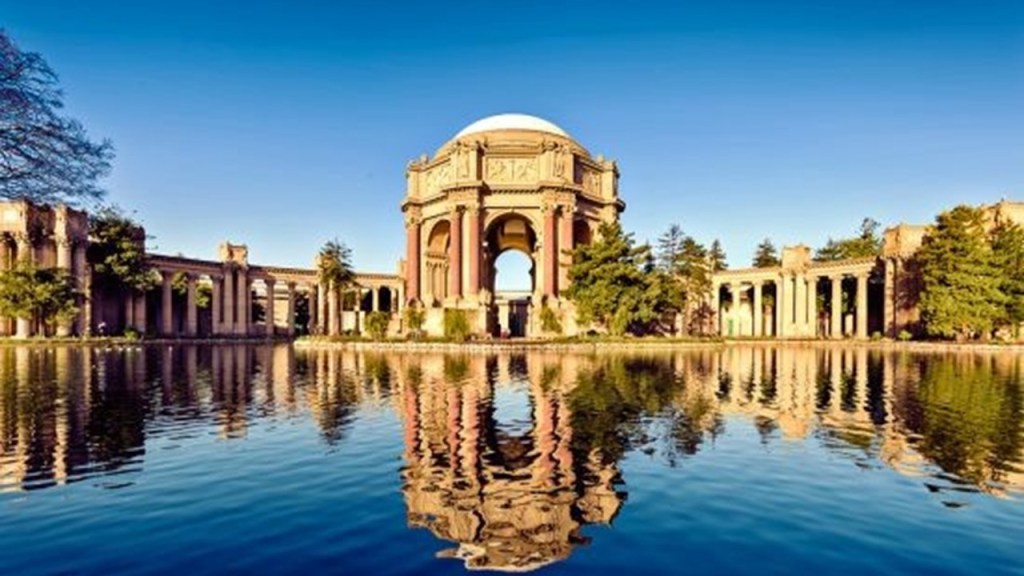
The Palace of Fine Arts is right next to the Presidio Park in the Fisherman’s Wharf section of San Franscisco.
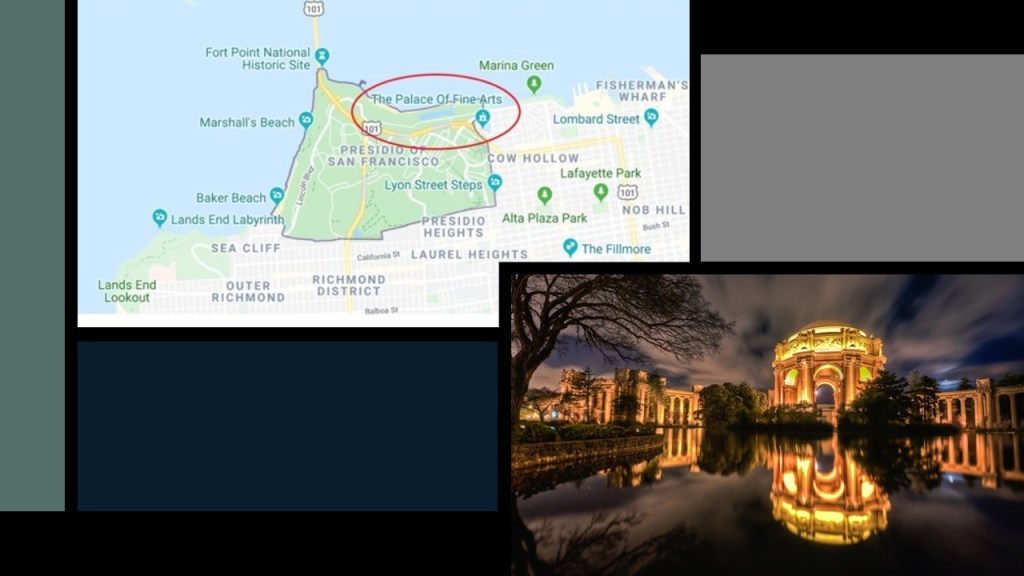
It was said to have been built for the Panama-Pacific Exposition of 1915, an exposition which celebrated the city and its rise from the ashes from the Great Earthquake and Fire of 1906. and one of its few surviving structures.
Interesting to note such a massive engineering feat and event like this taking place during World War I, which took place between 1914 and 1918 in our historical narrative.
I am going to look at a few more California locations -the Hearst Castle in San Simeon; Scotty’s Castle in Death Valley; and the Winchester Mansion in San Jose.
While there’s a bunch of photographs that are said to be depicting the construction of the Hearst Castle…
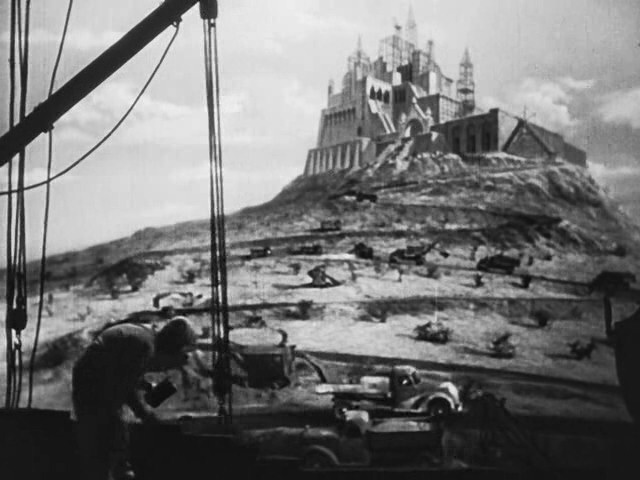
…I do believe it was an old world building and I looked into what our narrative says about its history.
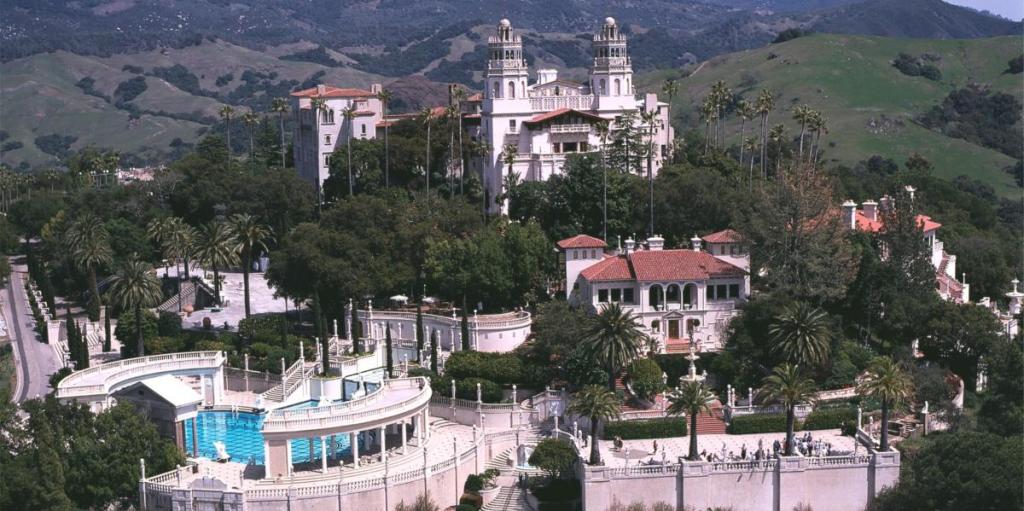
We are told that George Hearst purchased the land in San Simeon in 1865.
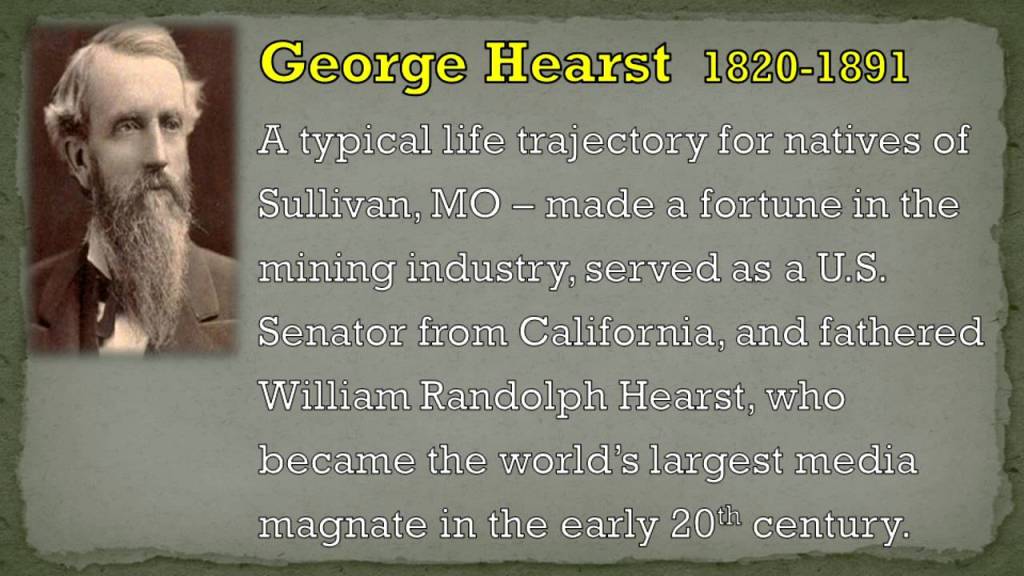
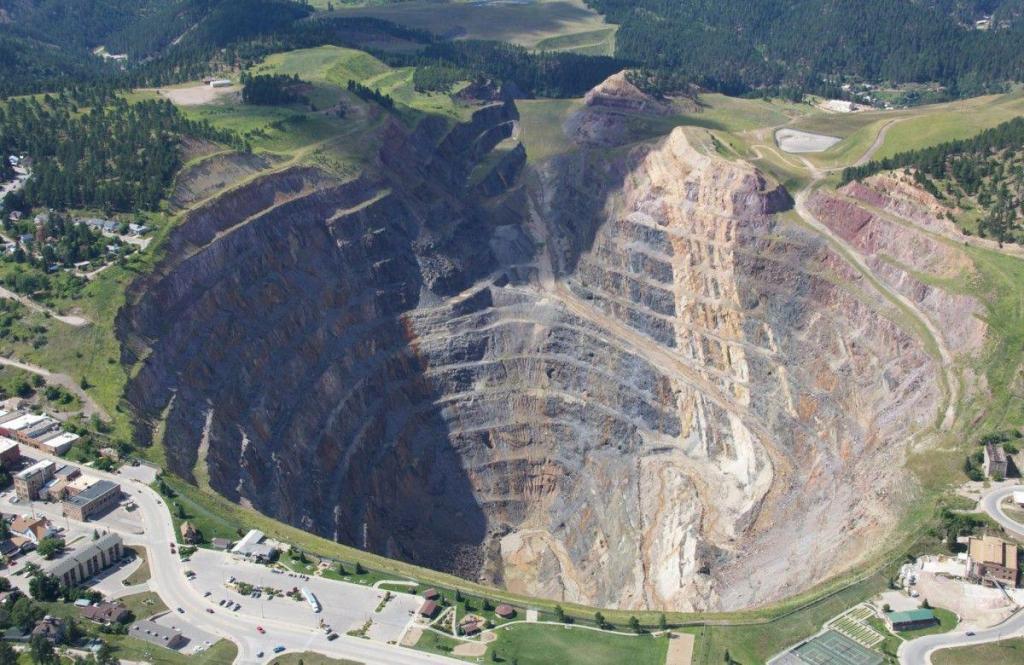
George was an American businessman and politician, who founded and developed mining operations, like the Homestake Mine in the 1870s.
It is in the Black Hills in Lead, South Dakota, which was the largest and deepest gold mine in North America until it closed in 2002.
So, here’s the story we are told behind the Hearst Castle in San Simeon, California.
George’s son, William Randolph Hearst the publishing tycoon, and his architect, Julia Morgan, conceived what became the Hearst Castle, which was said to have been built starting in 1919, when William Randolph inherited somewhere around $10-million after the death of his mother, Phoebe.
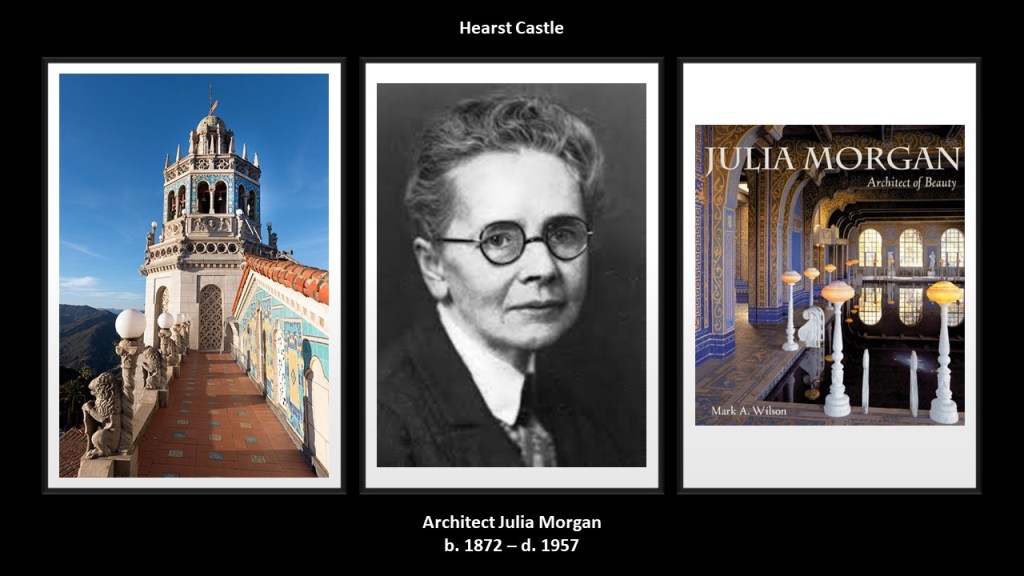
We are told that the Hearst Castle was under almost continual construction from 1920 to 1939, and during that time there was apparently enough of it constructed for William Randolph Hearst to lavishly entertain the entertainment and political luminaries of the day with many different forms of entertainment, sports, views, and what was called “the most sumptuous swimming pool on Earth.
The Hearst Castle has both an outdoor and indoor swimming pool.
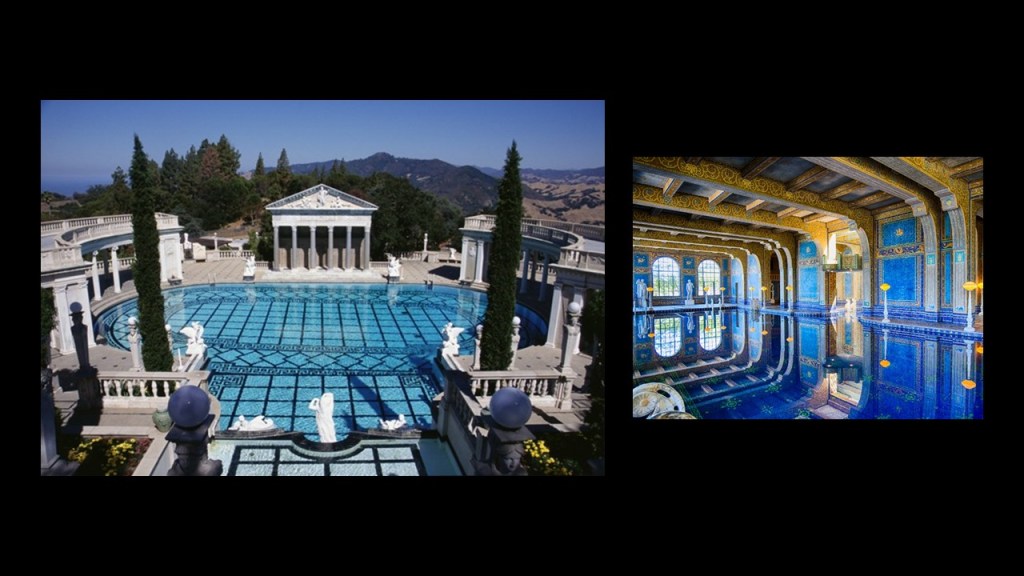
But then the construction of it ended for all intents and purposes in 1947.
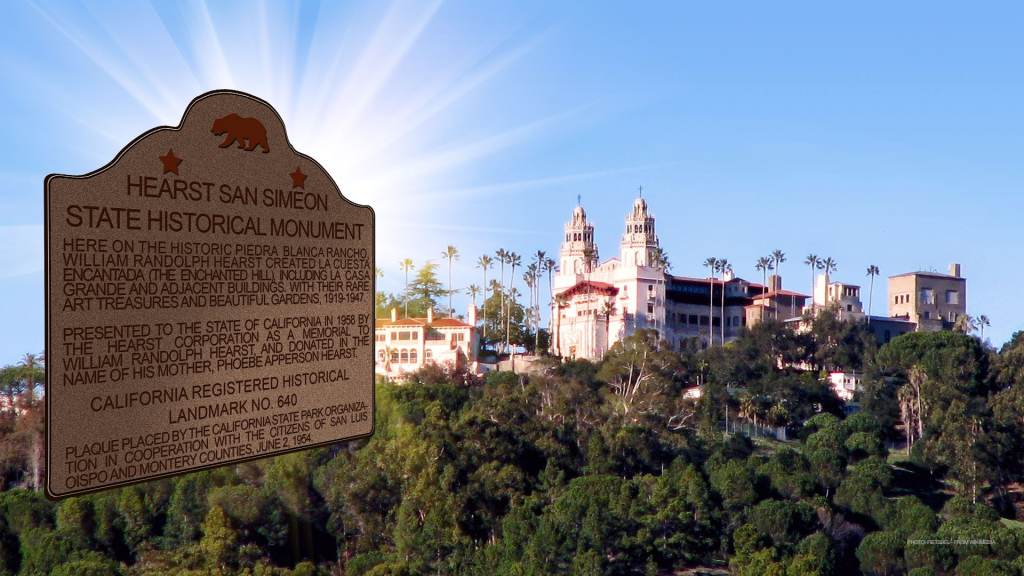
William Randolph Hearst died in 1951, and Julia Morgan in 1957, and in that year, the Hearst family gave the castle and much of its contents to the State of California, and it has since operated as the Hearst San Simeon State Historical Monument.
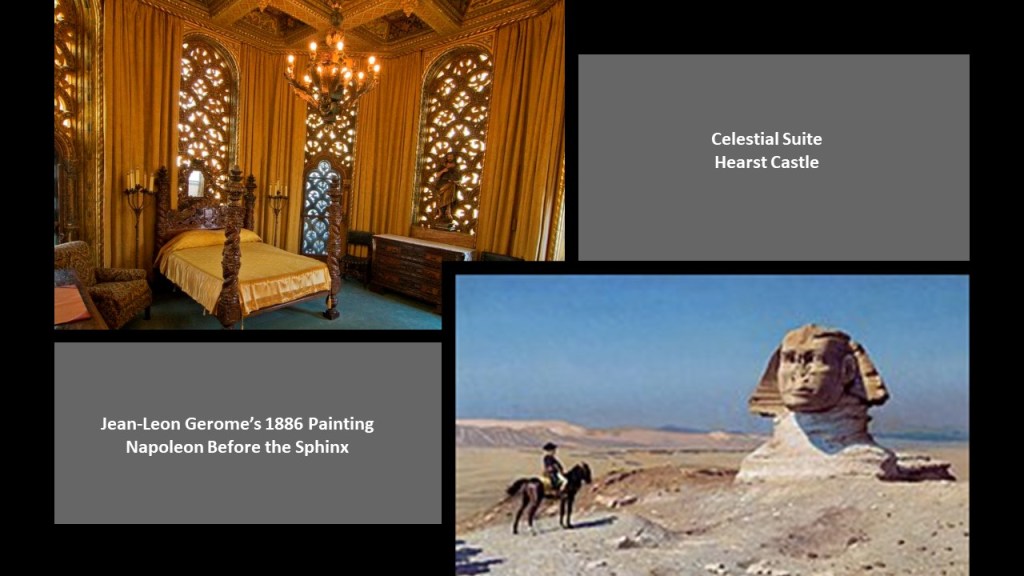
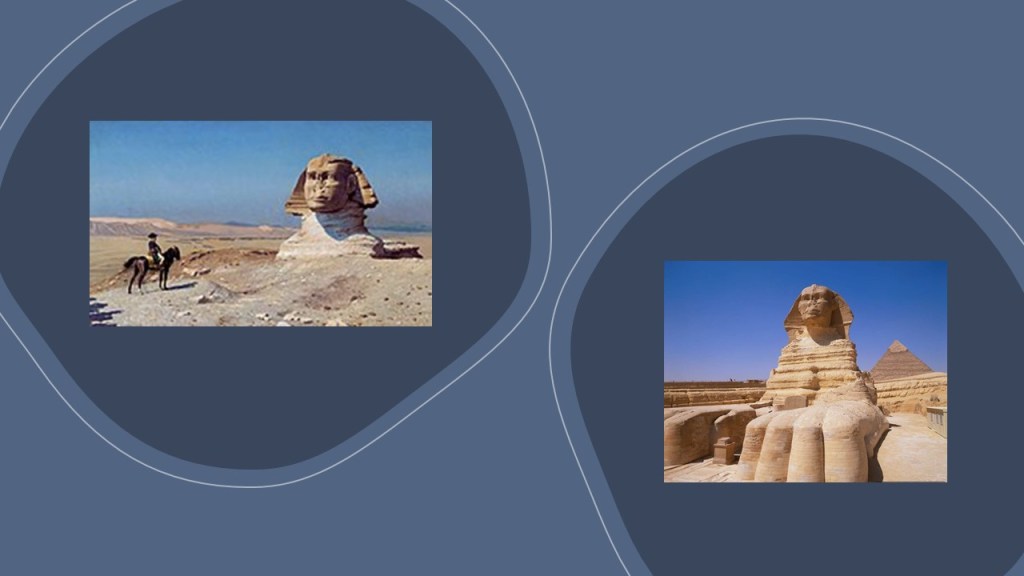
Jean-Leon Gerome’s 1886 painting entitled “Napoleon Before the Sphinx,” hangs in the sitting room of the “Celestial Suite” at the Hearst Castle…
…and here’s how the Sphinx looks today on the right.
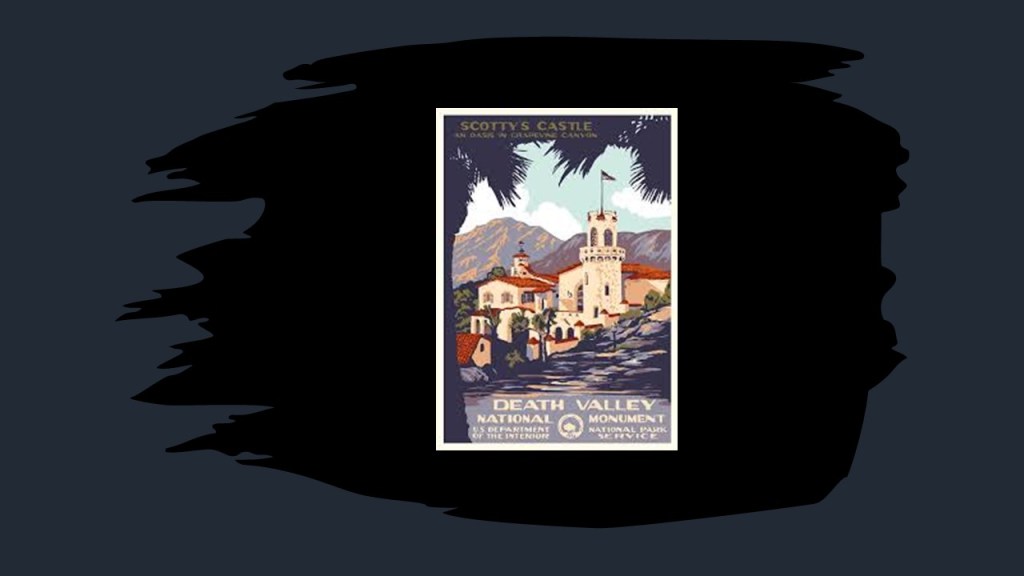
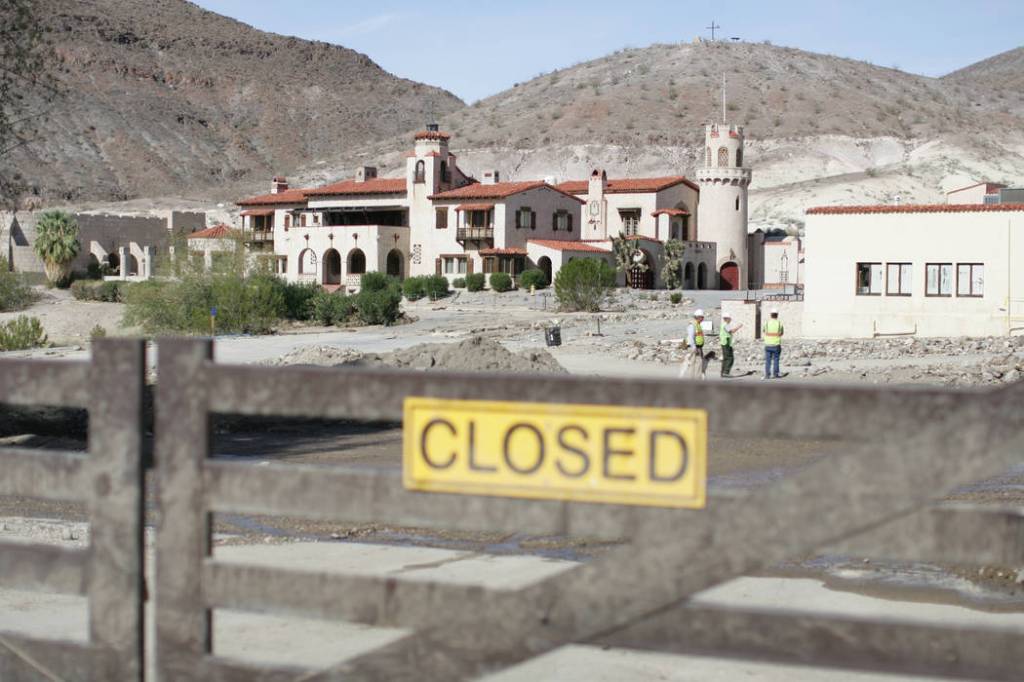
The next place I want to look at in California is Scotty’s Castle in northern Death Valley, described as a two-story Mission Revival and Spanish Colonial-style Revival villa in the Grapevine Mountains.
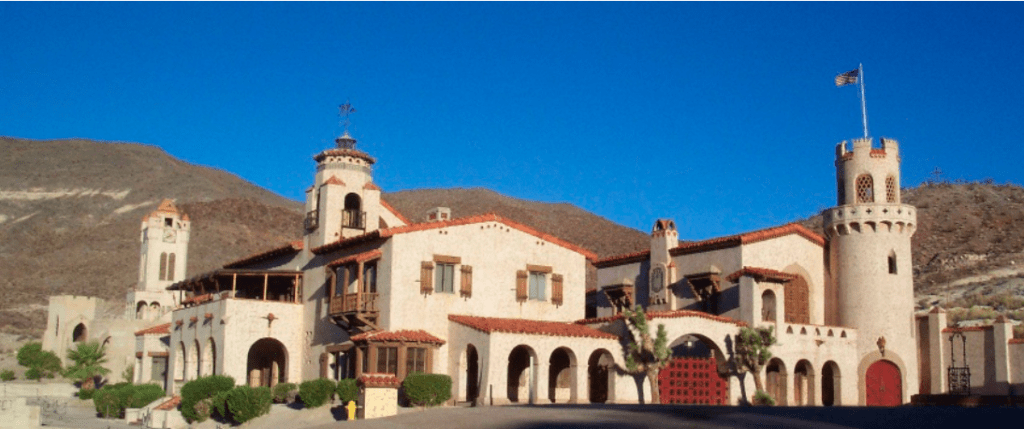
Named for gold prospector Walter E. Scott, the story goes that Scott convinced a Chicago millionaire by the name of Albert Mussey Johnson to invest in Scott’s gold mine in Death Valley.
When the gold mine turned out to be fraudulent, instead of staying angry at Scott, we are told Johnson continued a friendship with him, and Johnson and his wife ended up buying around 1,500-acres in Grapevine Canyon, and proceeded with the construction of a ranch there starting in 1927.
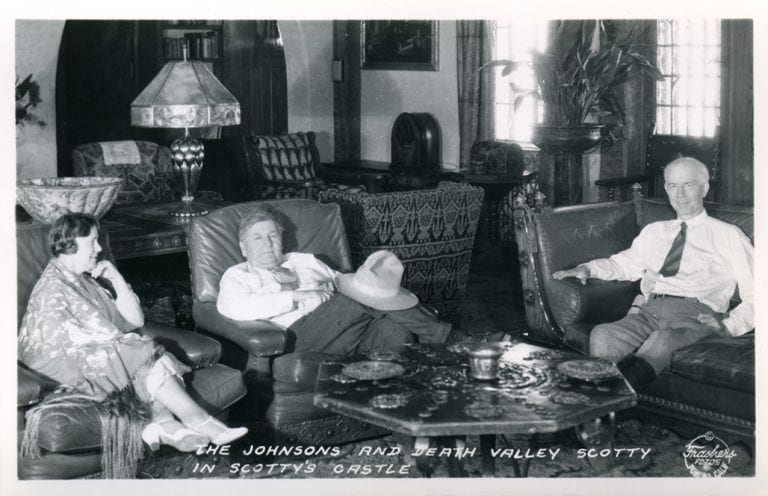
Long story short, for a variety of reasons, including the stock market crash of 1929, we are told the ranch was never completed, and that the National Park Service bought the property from Johnson’s Gospel Foundation, and turned it into a tourist attraction.
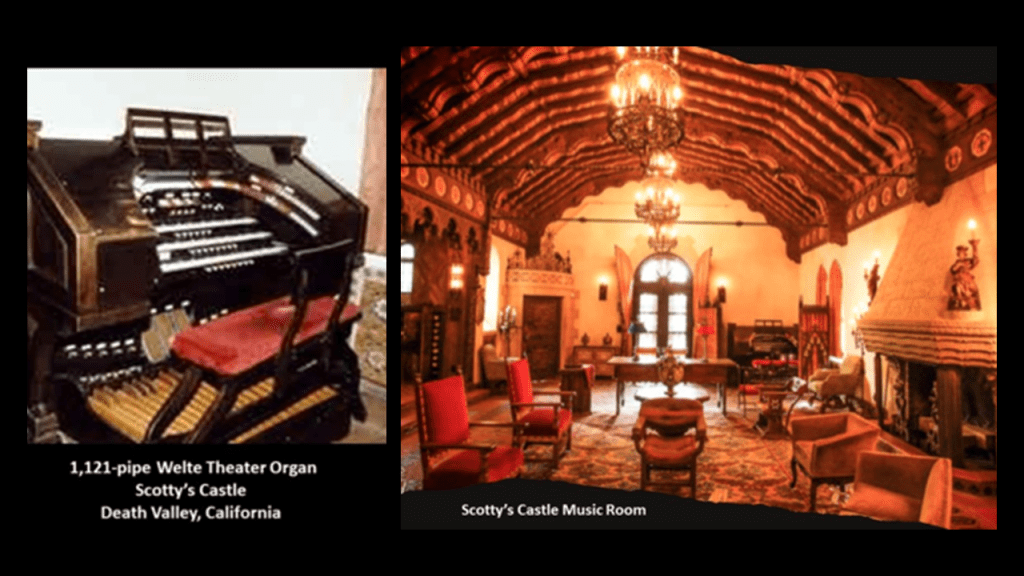
Scotty’s Castle includes such amenities as a 1,121-pipe Welte Theater Organ – which was the type of organ used in movie theaters to accompany the earlier silent films – in this spacious and elaborate music room.
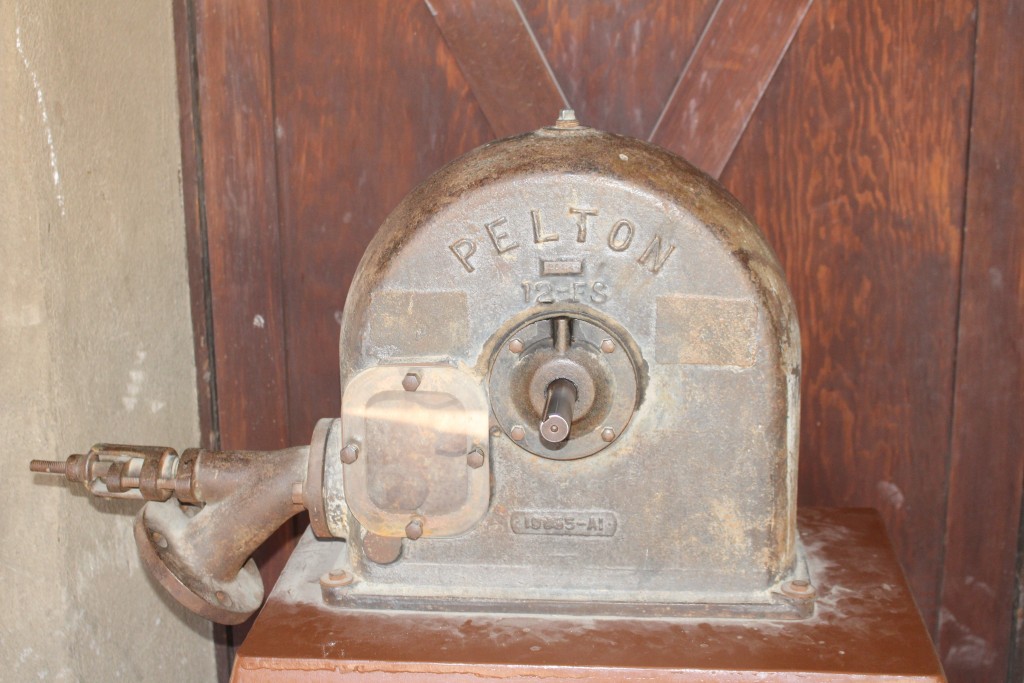
There is also one-quarter-mile, or .4-kilometers, of tunnels underneath the building, where there is a Grapevine Canyon springwater-powered Pelton-wheel for electricity-generation…
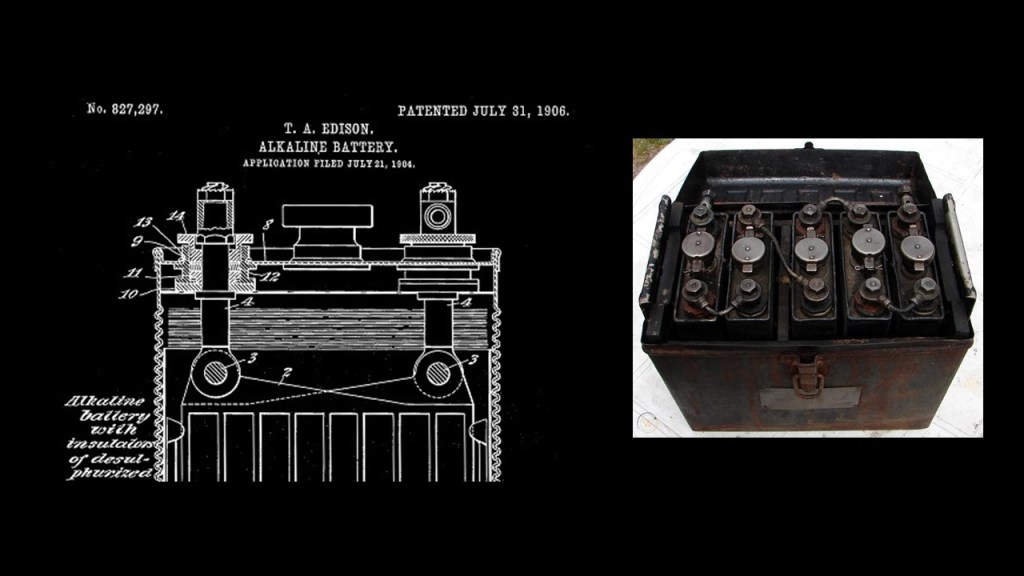
…and an array of Edison’s nickel alkaline batteries for electricity storage…
…and the tunnels were also where the imported Spanish tiles were stored…
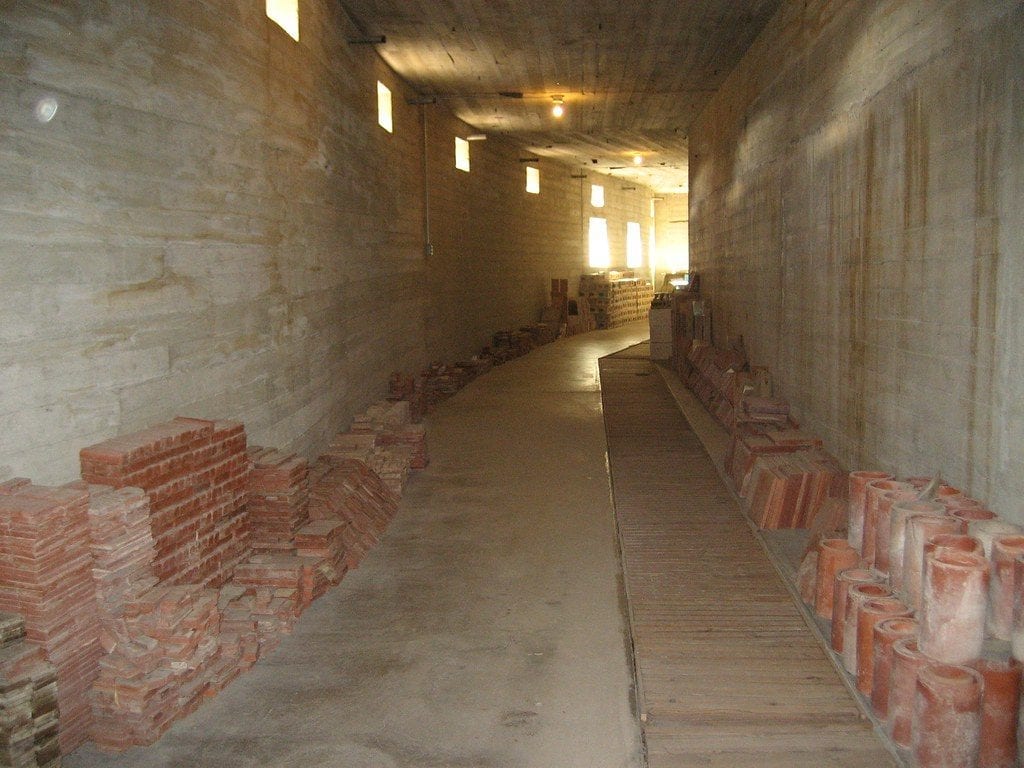
…for the pool that wasn’t finished when we are told the construction of the villa stopped in 1929.
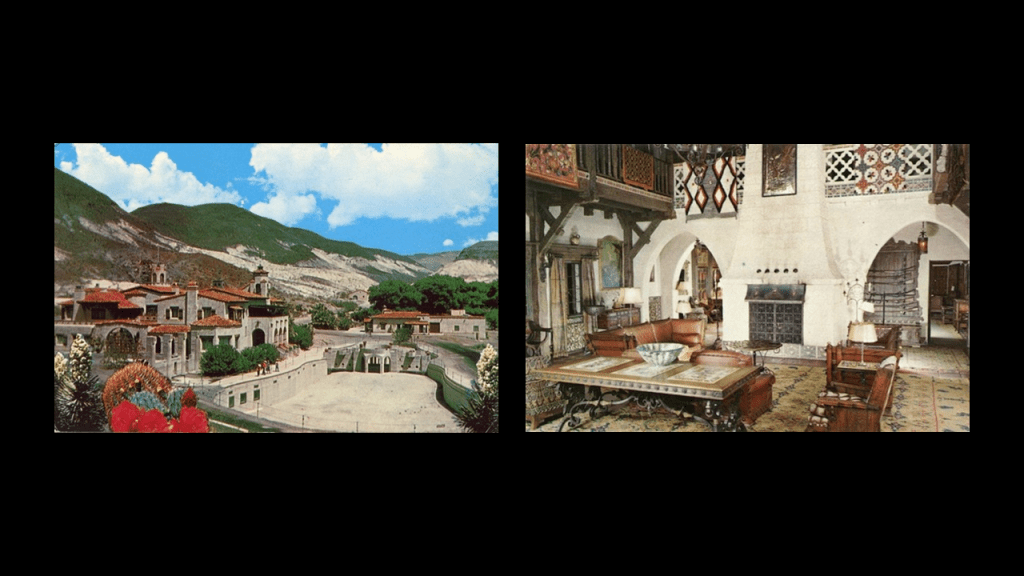
Scotty’s Castle was closed to the public in 2015 after it sustained severe flood damage, though opened for the first time this year for limited “Flood Recovery Tours” on certain Sundays through March of 2026.
The $90-million restoration work is expected to continue for another 2 – 3 years.
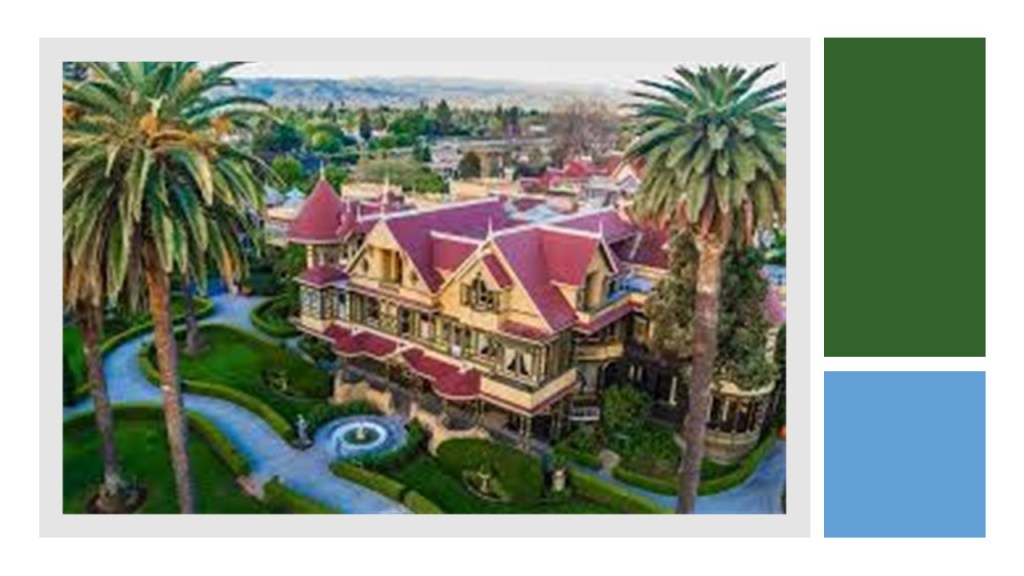
The last place I am going to take a look at in California is the old Winchester Mystery house in San Jose.
The story goes that Sarah Winchester, the wealthy widow of firearm magnate William Wirt Winchester who died of Tuberculosis in 1881, was told by a medium to leave New Haven, Connecticut, and travel west to a location where she would continuously build a home for herself and the ghosts of the victims who died as a result of Winchester rifles.
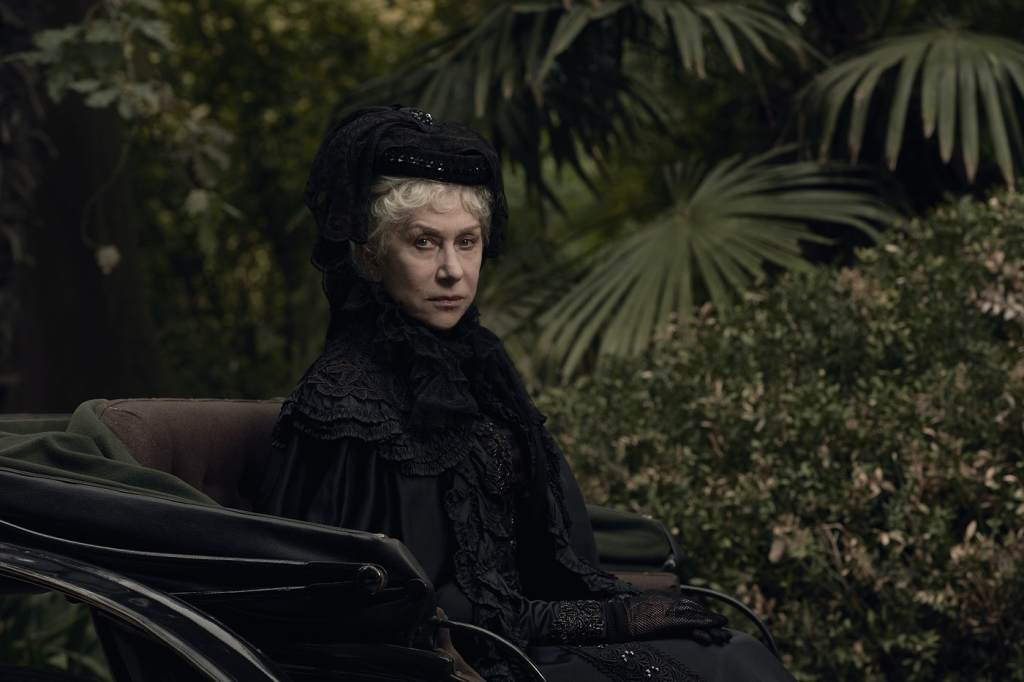
She left for California, and purchased an unfinished farmhouse in Santa Clara County, apparently believing her family and fortune was haunted by ghosts, and that she could only appease them by building them a house.
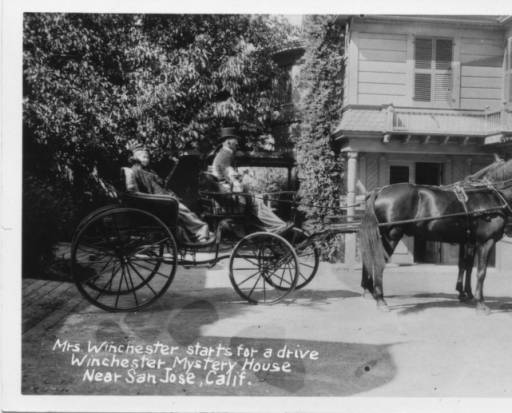
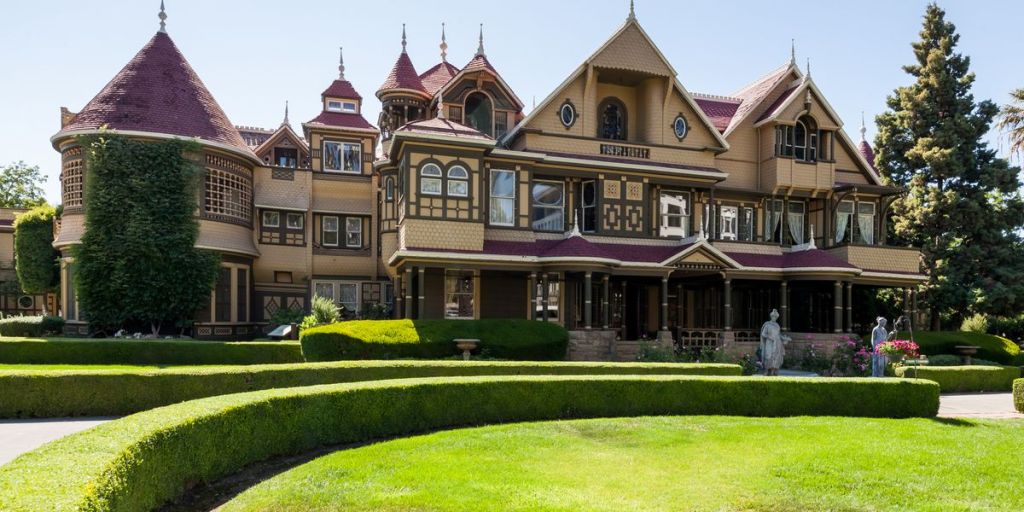
We are told that she did not hire an architect, but instead added on to the building in a haphazard fashion by hiring carpenters to do the work, and ended up with a seven-story mansion.
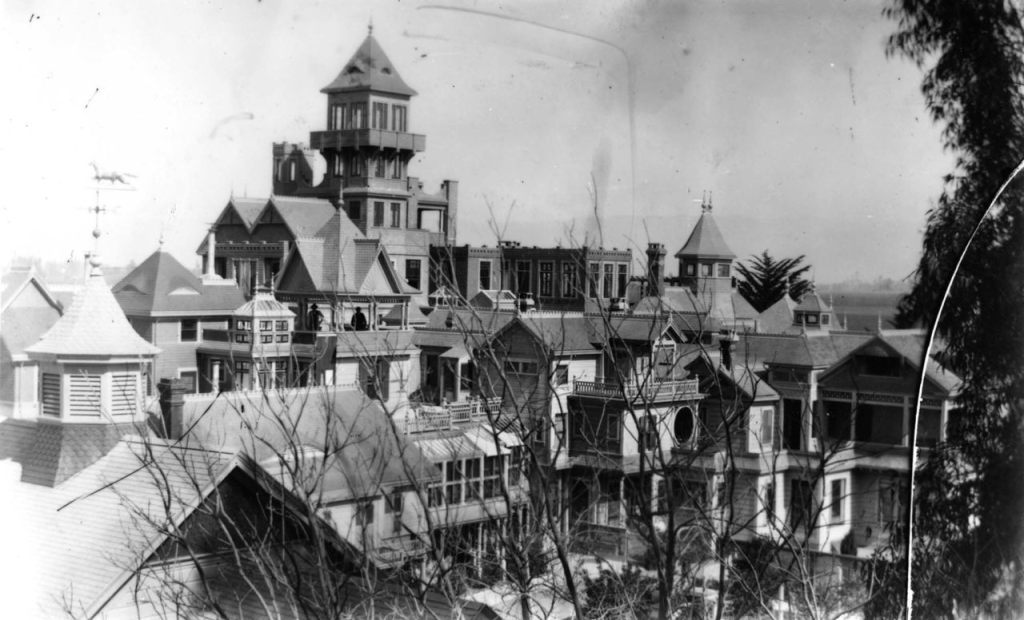
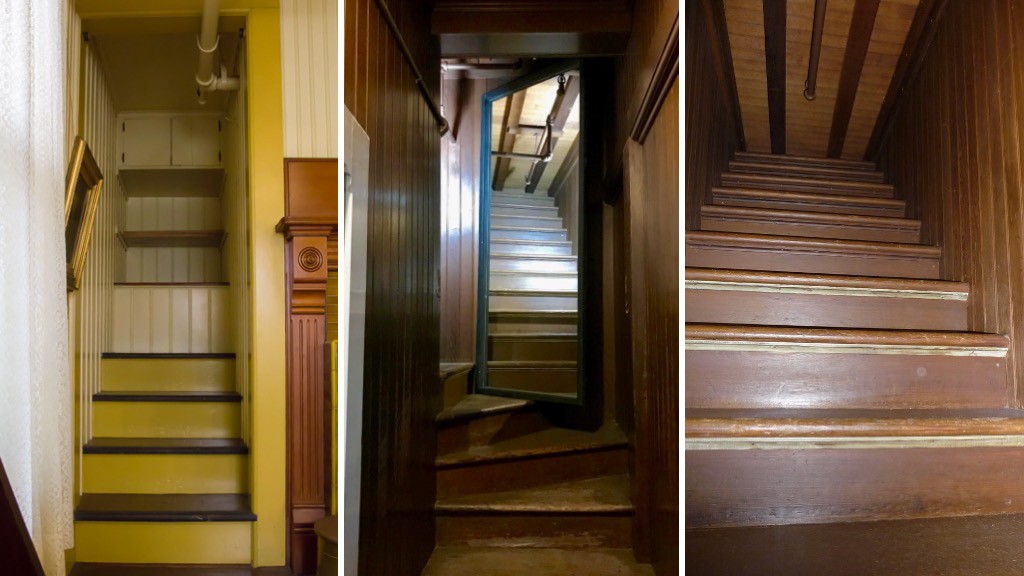
The house contains numerous strange features such as doors and stairs that don’t go anywhere; windows overlooking other rooms; and odd-sized stairs.
After the 1906 San Francisco Earthquake, the Winchester House was said to go from seven-stories to four-stories because of damage caused by the quake.
Sarah Winchester died in 1922, and her will made no mention of the mansion.
Shortly thereafter, it was purchased by investors and leased to John and Mayme Brown.
The Winchester Mystery House was opened to the public in February of 1923, with Mayme Brown becoming the first tour guide.
In the one-hundred years since the Winchester Mystery House was opened to the public for tours, millions of people have visited it, and has been listed in many places as a top destination around the world, especially in the “haunted” destination category.
Now I am going to look around a few more states before looking at some mansions and castles in other countries.
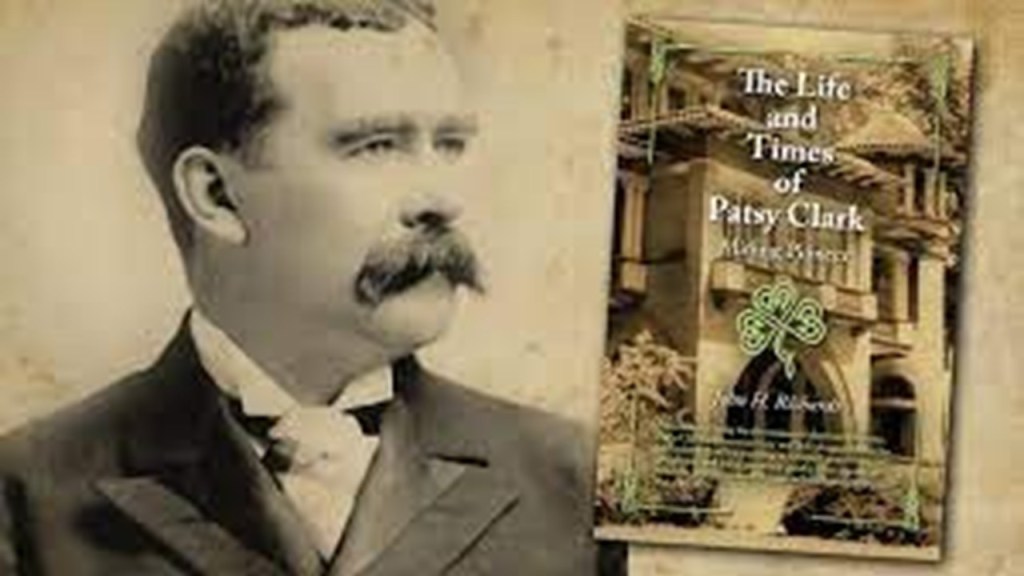
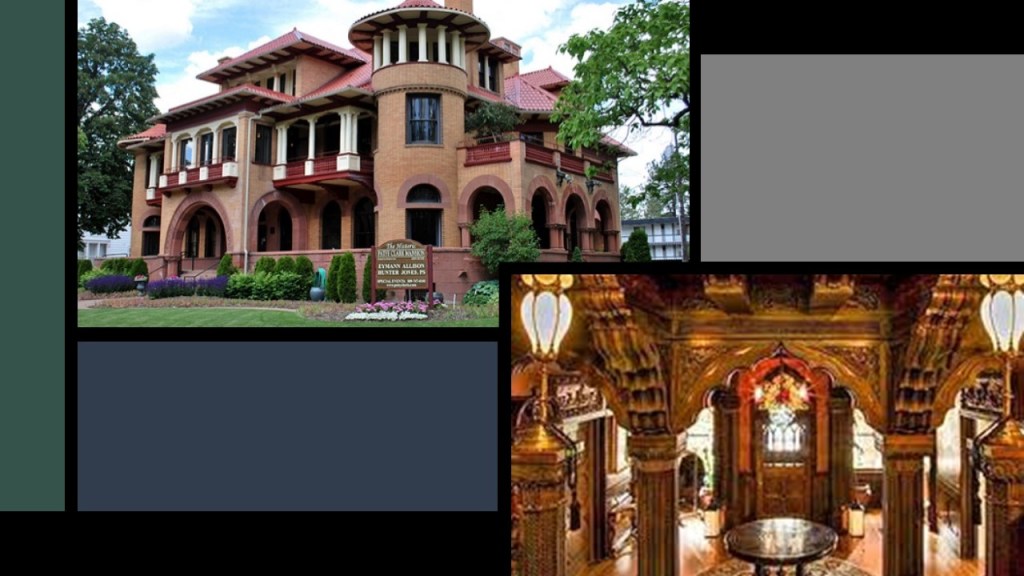
Like, the Patsy Clark Mansion in Spokane, Washington.
The Patsy Clark Mansion was attributed to the architect Kirtland Kelsey Cutter, circa 1897 – 1898, having been hired by mining millionaire Patsy Clark to replace his mansion that had been burned down in the Great Fire of Spokane in 1889.
The mansion now houses a law firm and offers private rentals for small events.
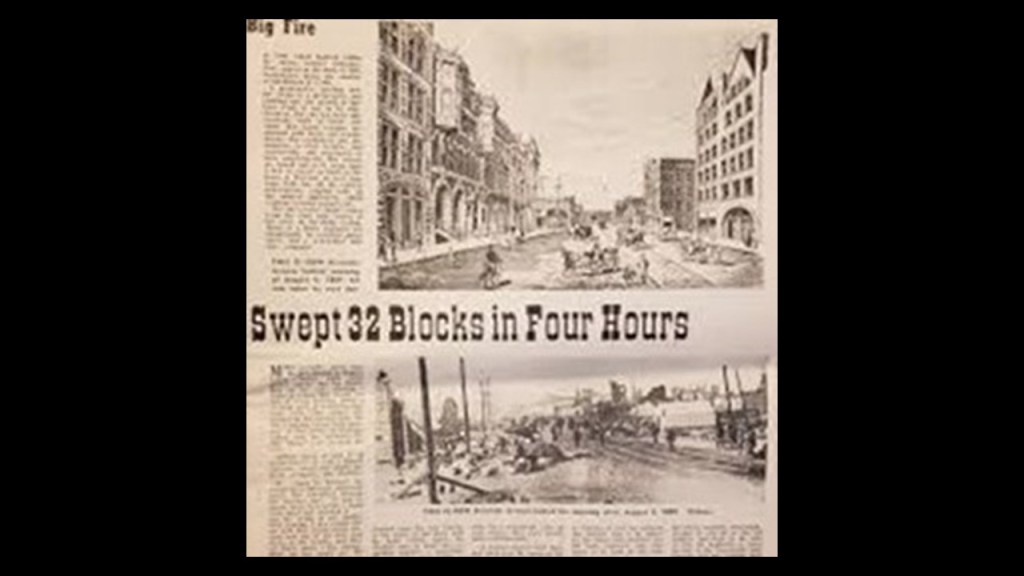
The 1889 Great Fire of Spokane was a major fire in August of that year which affected downtown Spokane, destroying the downtown commercial district of the city, the same year as the Great Fire that destroyed downtown Seattle in June of that year.
Some of the things that we are told about it included that due to a technical problem with the pump station, there was no water pressure in the city when the fire began, and that firefighters demolished buildings with dynamite in a desperate bid to starve the fire.
After the fire, architect Kirtland Kelsey Cutter was also credited with designing many of the city’s older Romanesque Revival-Style buildings, like the First National Bank…

…the Rookery Building…
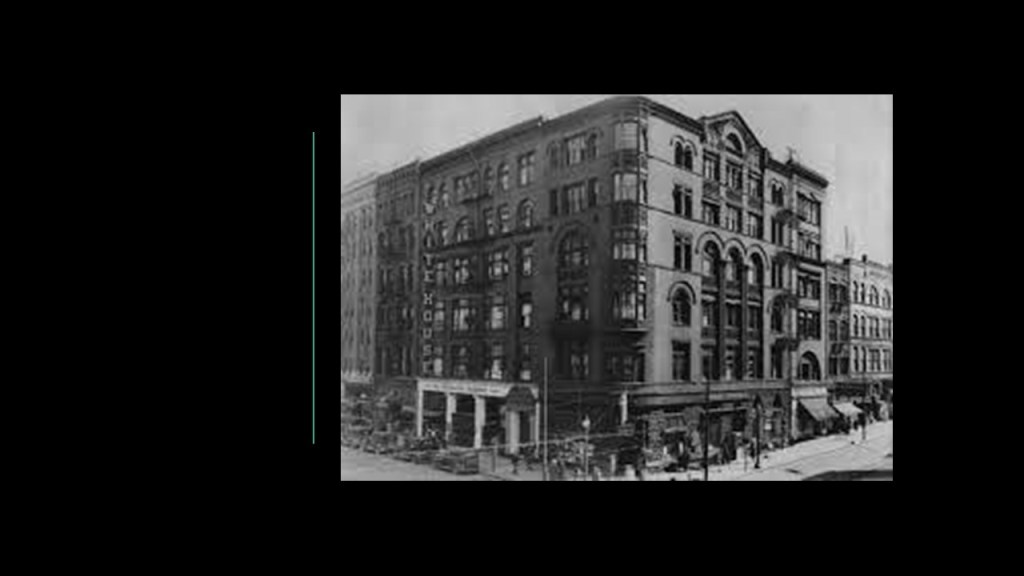
…the Spokane Club…

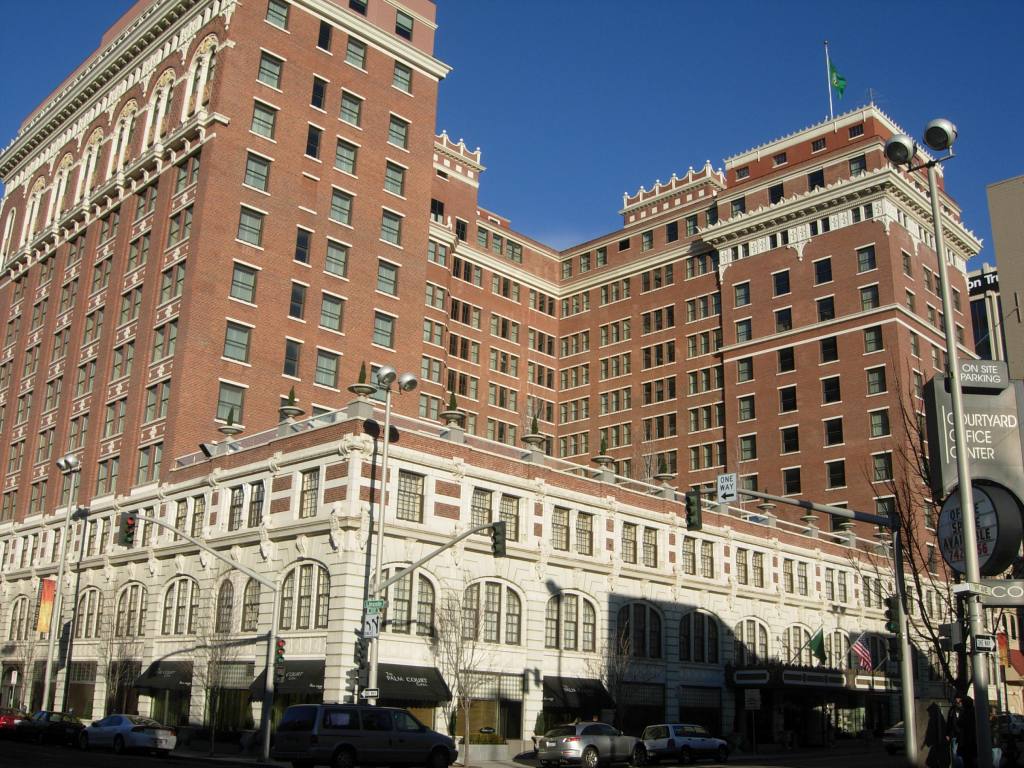
…and the Davenport Hotel and Restaurant.
Notable features in the Davenport Hotel included the first hotel air conditioning in the United States; a central vacuum system; and a pipe organ.
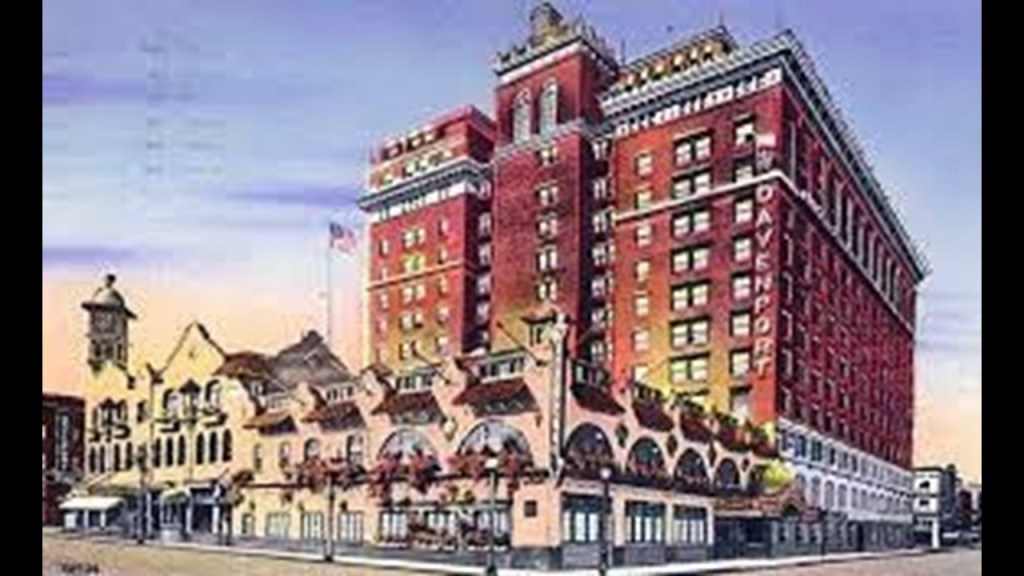
In 1985, the Davenport was closed, and the demolition of the grand building was considered.
However, a local property developer bought the building in 2000, and restored the Davenport to its former grandeur, and it reopened as a hotel in September of 2002.
The Historic Davenport Hotel is still considered the Grandest Hotel in Spokane.
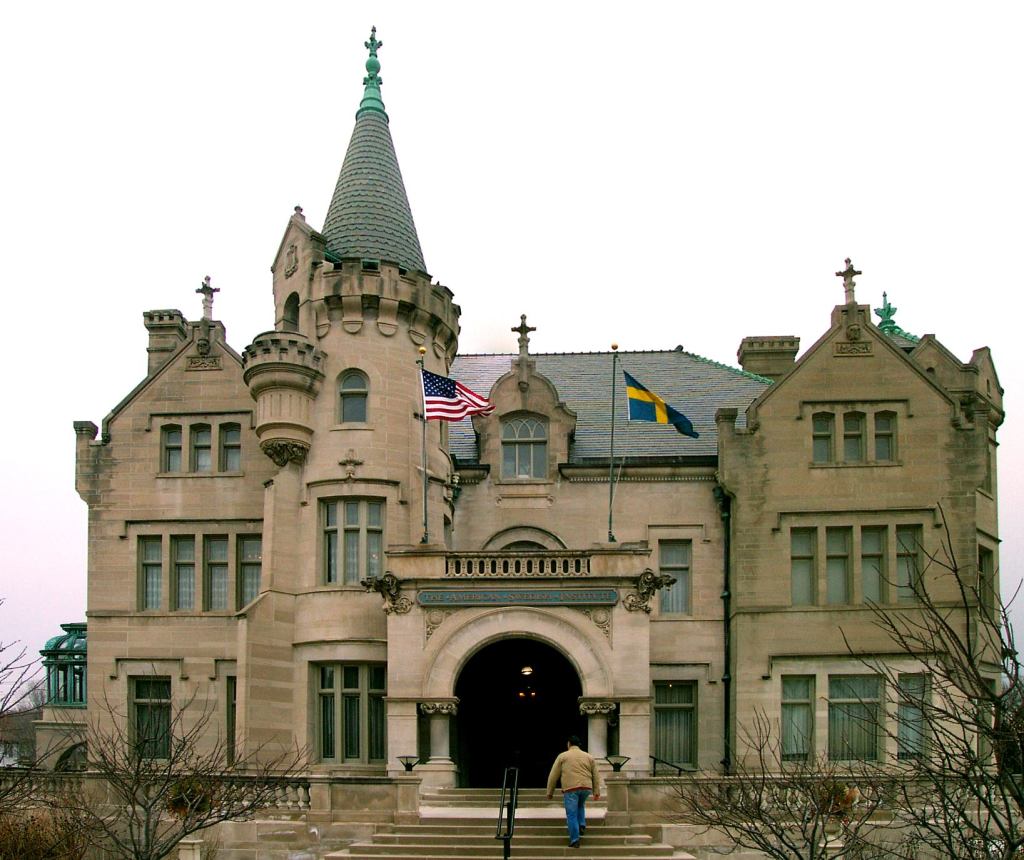
Next I am going to take a look at the American Swedish Institute in Minneapolis, Minnesota.
The American Swedish Institute is a museum and cultural center, dedicated in our historical narrative to the historic role that Sweden and Swedish-Americans have played in American History.
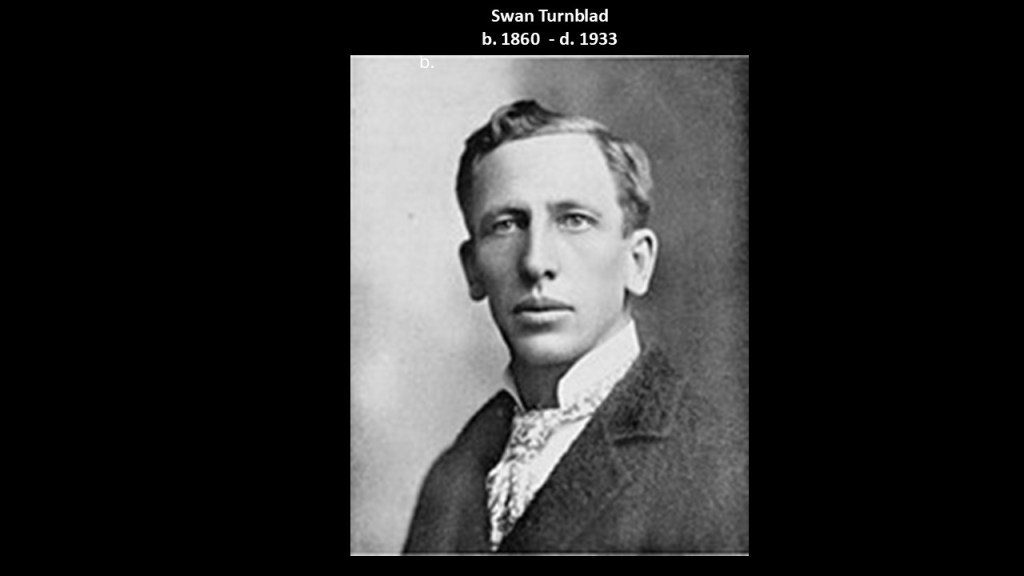
It is housed in what is described as a turn-of-the-century mansion that was built for Swedish immigrants Swan and Christina Turnblad.
Swan Turnblad immigrated with his family to southern Minnesota in 1868, at the age of 8.
His parents were farmers, and in a rags-to-riches story, Swan left the family farm for Minneapolis in 1879, and entered the newspaper business as a type-setter for several Swedish-language newspapers.
He eventually became the publisher and sole owner of one them, and from which he became wealthy.
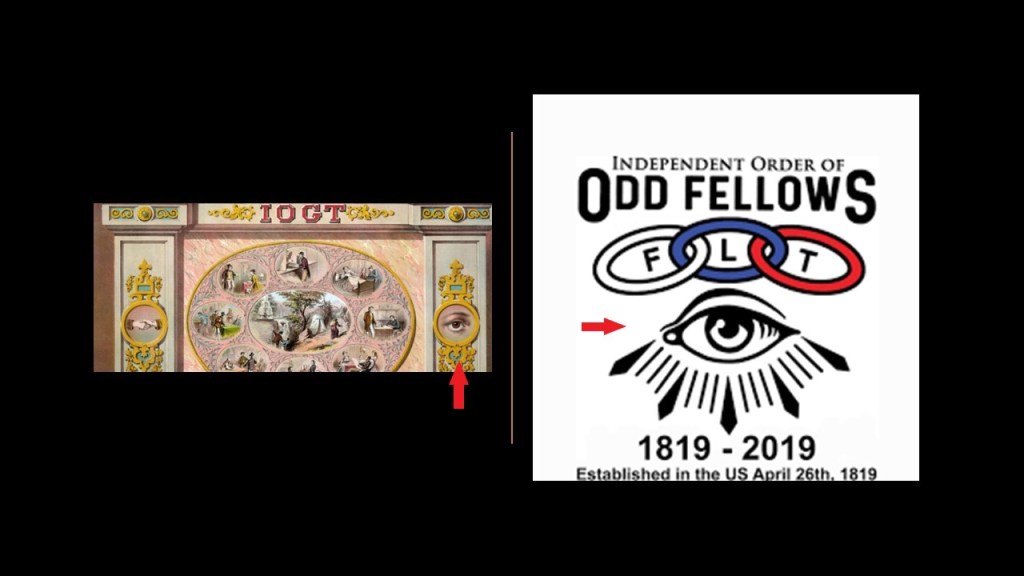
Swan met his wife Christina Nilsson, also an immigrant from Sweden, at an International Organization of Good Templars meeting, a fraternal organization that was part of the Temperance Movement promoting the avoidance of alcohol & drugs.
Notice the shared symbolism that the International Organization of Good Templars has with the Independent Order of Odd Fellows.
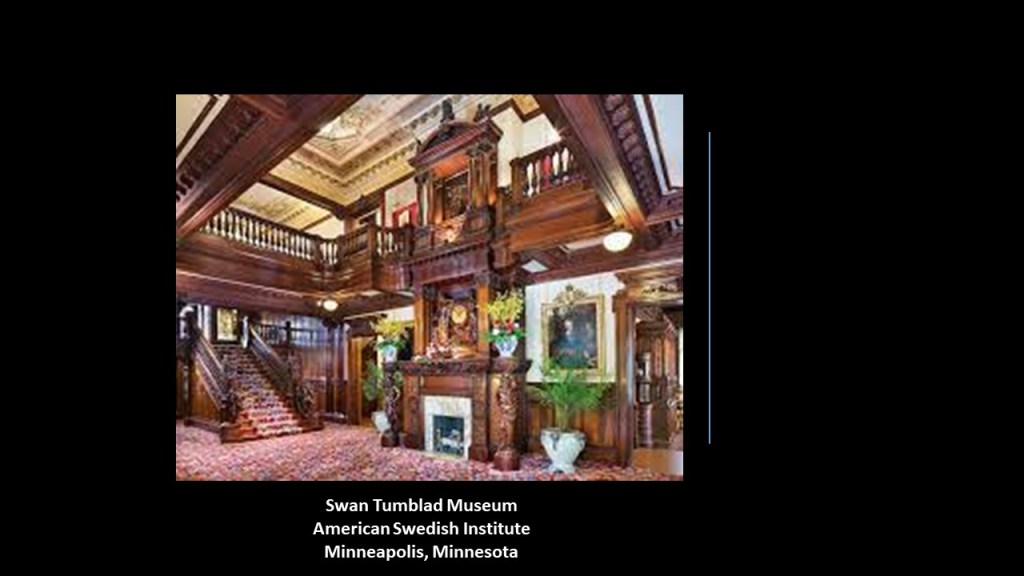
We are told that Swan Turnblad commissioned the building of a 33-room mansion for himself and his family in 1903, spending $1.5-million in the process.
Supposedly, the family moved into the mansion in 1908 until 1915, when they spent most of their time living in an apartment across the street.
Then after Swan’s wife died in `1929, he and his daughter moved into the apartment full-time and turned the mansion into a museum.
The Moorish Room at the Turnblad Mansion is one of the interior decorative spaces in the mansion that is explained as reflective of the exotic revival tastes popular in the homes of wealthy Americans at the turn-of-the-century.
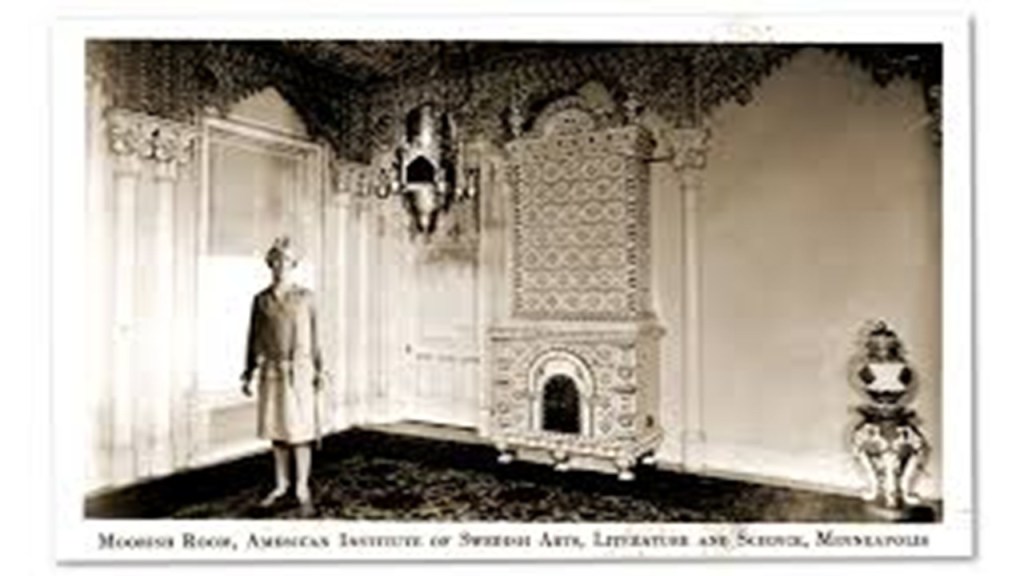
Historically, it was described as an informal den or sitting room decorated in Moorish-style, likely intended for casual conversation or entertaining.
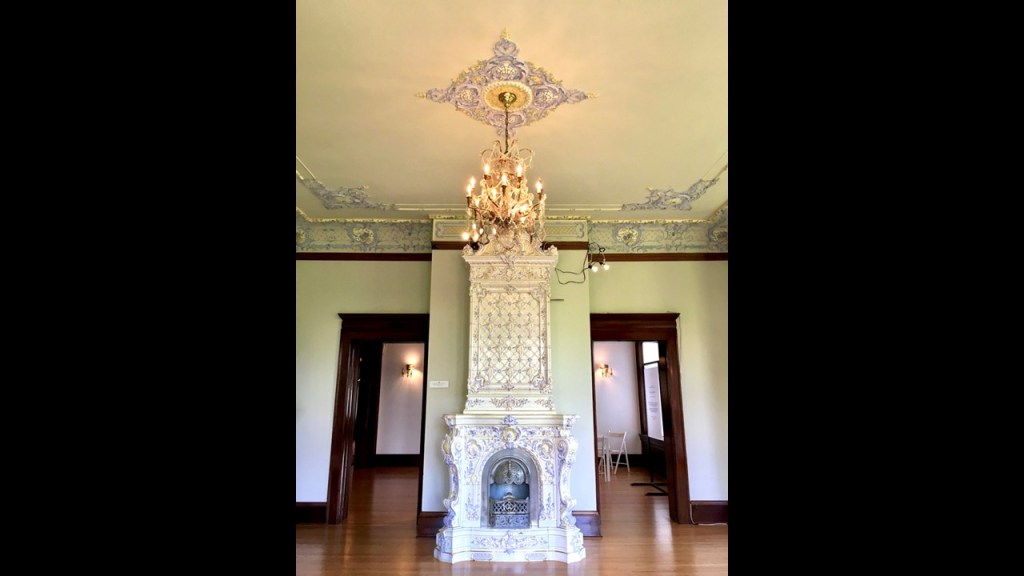
I was recently informed about a couple of noteworthy things by a friend who volunteered as a tour guide at the American Swedish Institute in the 1990s.
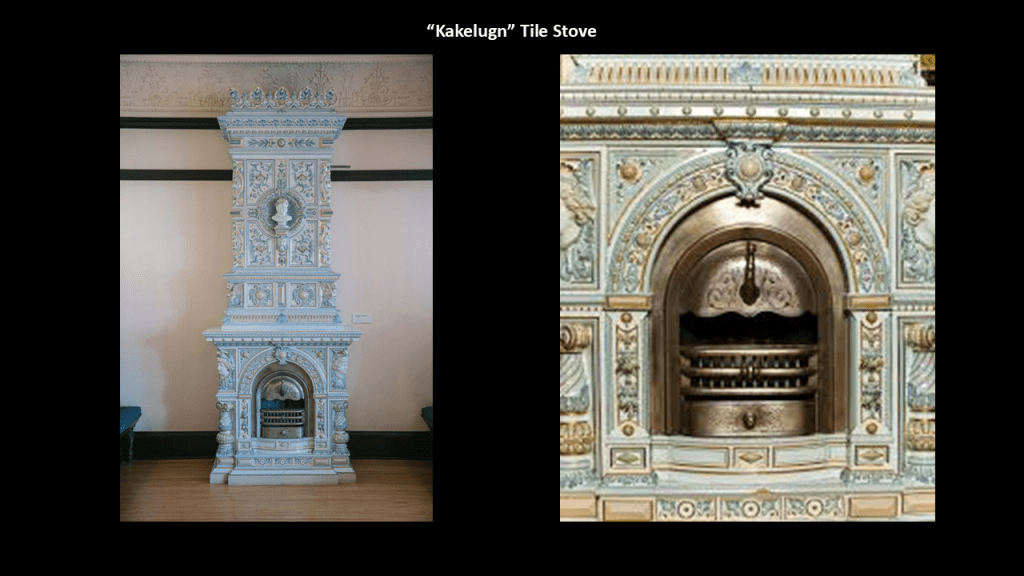
First, she told me about the “Kakelugns.”
Kakelugns were tile stoves that are common across Northern and Eastern Europe, and became popular in Sweden in the 18th-century.
They use ceramic tiles and stone to preserve and sustain heat and are known for their exceptional glazing techniques, intricate designs and technical sophistication.
Swan was said to have handpicked these tile stoves from catalogs and had them imported from Sweden to their home.
At the time she volunteered there, she was told they were never used and she could see that nothing was ever burned in these tile stoves as she could open the doors of many of them.
There was a boiler system that was said to have been installed during the constrction.
She said that during the winter months it’s almost too warm in there.
She now wonders if the kakelungs were used for free energy, or perhaps heated in other ways than putting combustibles like coal in them.
She also told me that the narrative has changed since she was there.
When she was there, her script said that the Turnblads never lived there and moved across the street into apartments which are still standing today.
Also her script told her that Swan and his daughter purchased a couple of large apartments.
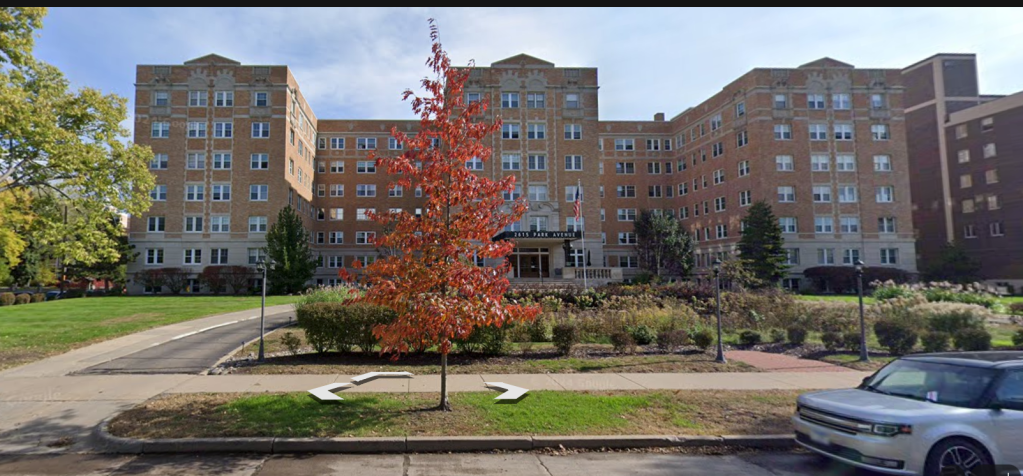
Her script also told her that the mansion took five years to build – from 1902-1907, and now they say was 1903-1910.
She sent me information that she found in on-line property information for Minneapolis in 1992-1996 that this apartment complex across the street, which is the original structure for that parcel, was listed as having been built in 1930.

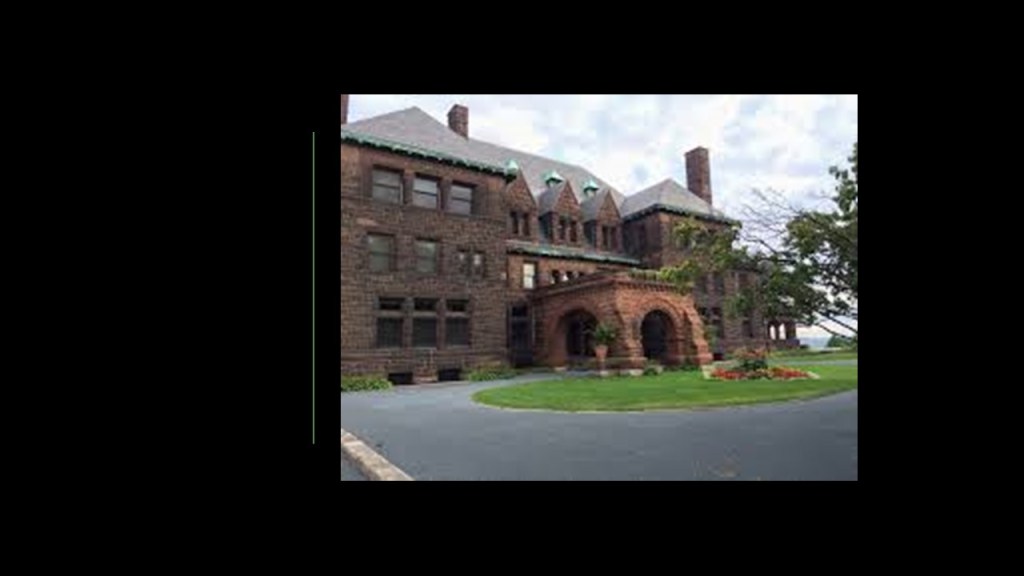
The James J. Hill House is the largest house in St. Paul, the construction of which was said to have been completed in 1891, after Hill purchased three lots on Summit Avenue in 1882, at a time when wealthy citizens wanted to build fashionable homes there.
James J. Hill was a Canadian-American railroad magnate, and CEO of the family of lines headed by the Great Northern Railway.
He was another rags-to-riches success story in that we are told he was born to a poor Canadian family and lost his father at the age of 9.
He was said to have worked as a teenage clerk on the St. Paul levee, and rose to become the “Empire Builder” constructing the Great Northern Railway.
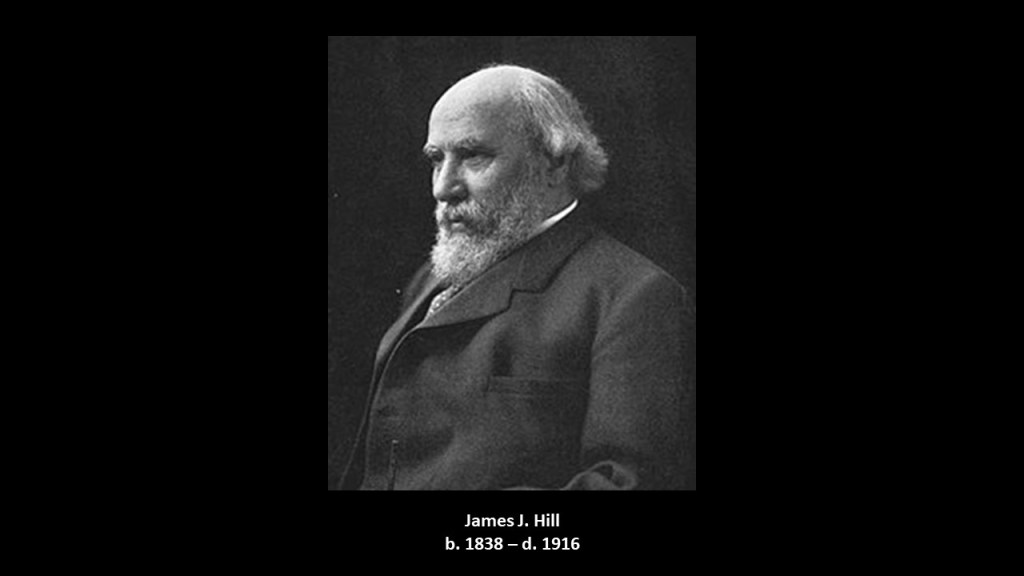
The James J. Hill House was said to be an example of Richardsonian Romanesque architecture designed by the East Coast architectural firm of Peabody, Stearns and Furber, and that Hill himself supervised the design and construction closely.
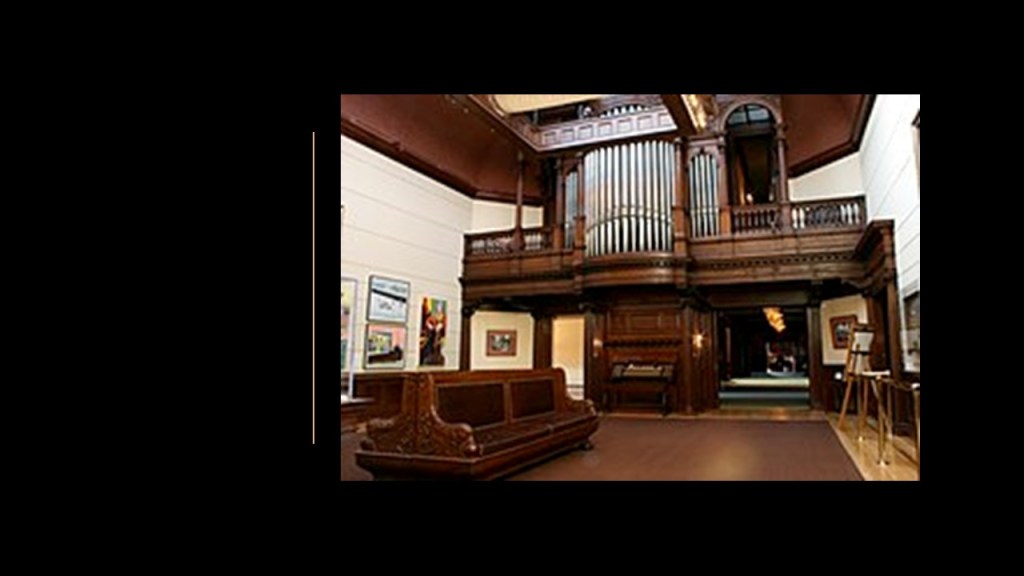
There was a pipe organ in the home here as well because apparently that was a fashionable trend back in Hill’s day.
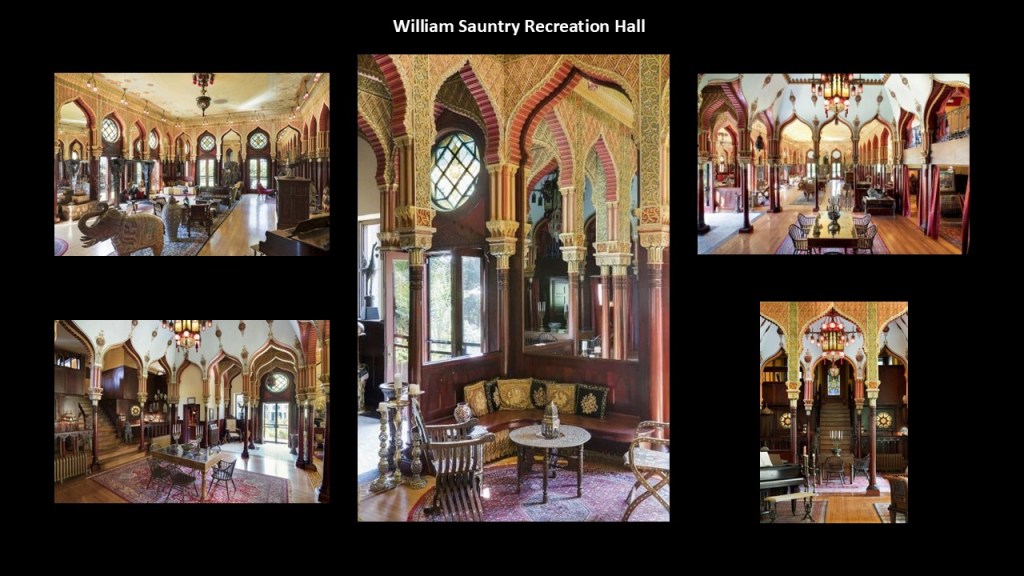
The William Sauntry House and Recreation Hall is also in Minnesota.
William Sauntry was a local lumber baron, known as “King of the St. Croix,” who at the height of his career amassed a fortune close to $2-million.
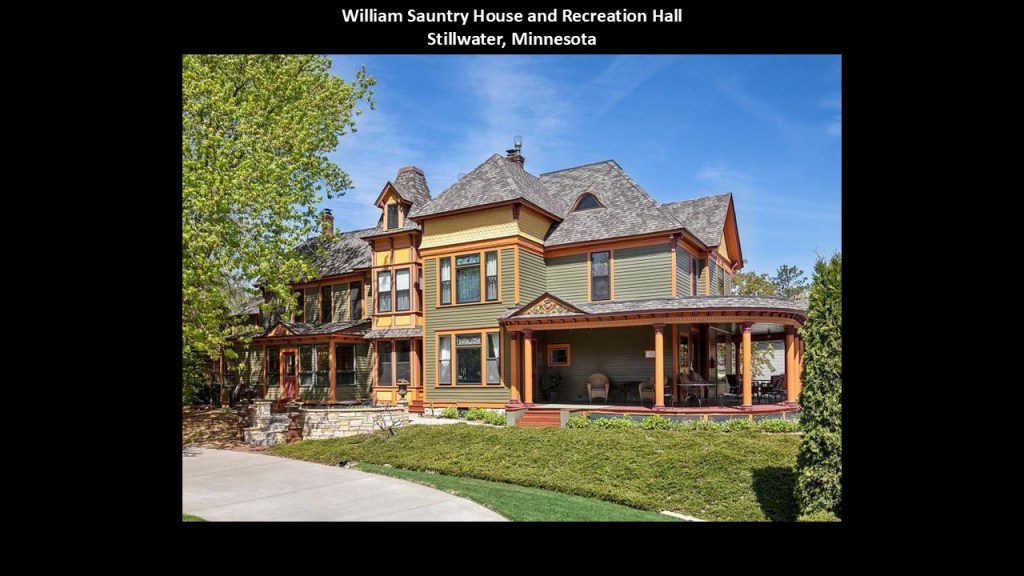
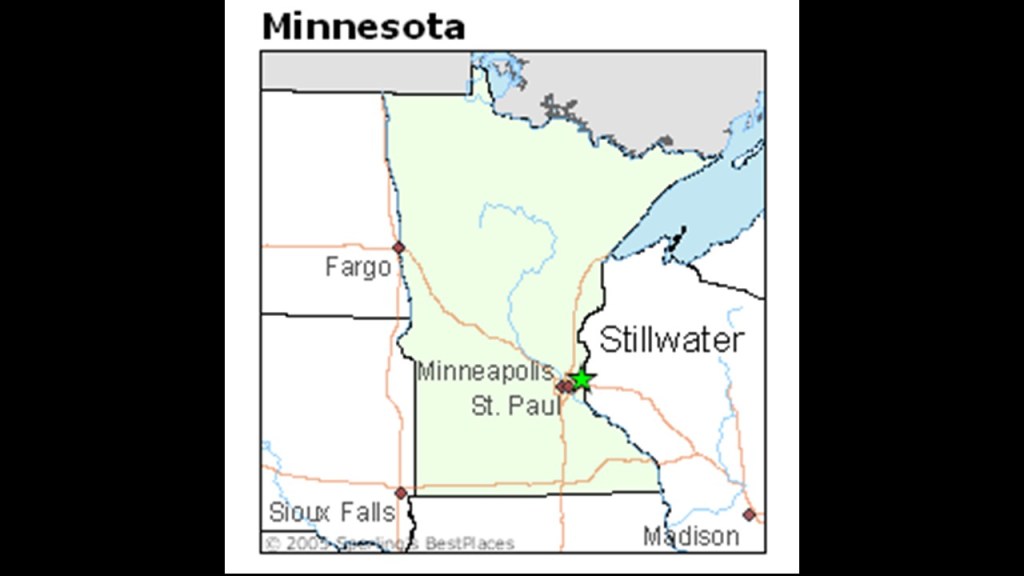
It is in Stillwater, which is in the Minneapolis-St. Paul Metropolitan area on the west bank of the St. Croix River, across the river from Wisconsin.
The house is described as a late 19th-century house and the Recreation Hall as a 1902 addition styled after a Moorish palace, and a rare use of Moorish Revival architecture inspired by the Alhambra in Granada, Spain.
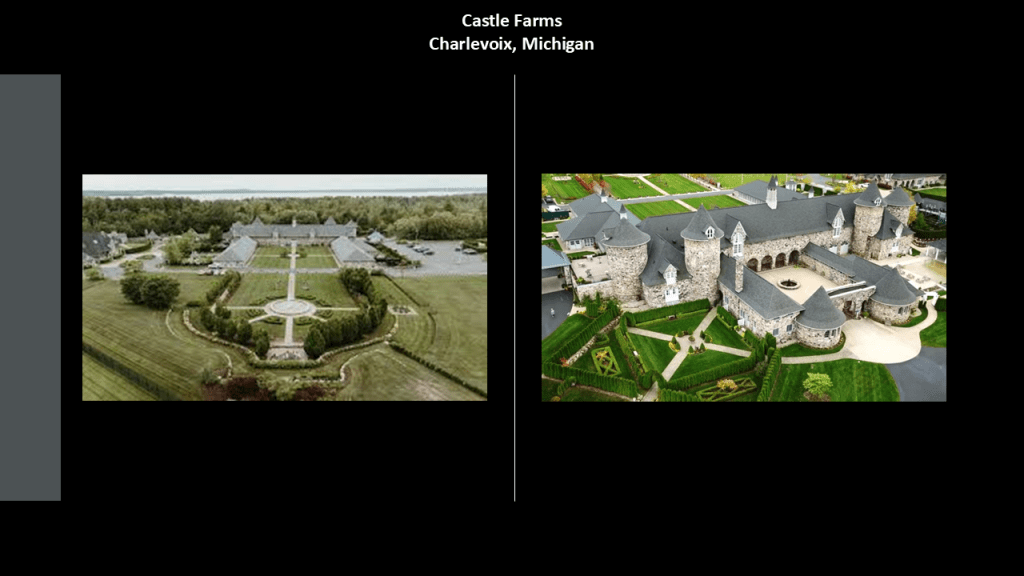
Next in Michigan, I found “Castle Farms” in Charlevoix on the western shore of Lake Michigan.
It was said to have been originally built in 1918 by the acting President of Sears, Roebuck, and Company, Chicago attorney Albert Loeb, as a dairy farm that was modelled after the stone barns and castles he had seen in Normandy, France.
At one time, it had 200-head of prize-winning Holstein-Friesien dairy cows and 13-pairs of Belgian draft horses.
Since then it has passed through different ownership but it has been serving as primarily an event venue throughout the years.
In Nebraska, in the Buffalo Bill State Historical Park near North Platte, is the location of an 18-room mansion named the “Scout’s Rest Ranch,” which we are told was built by Buffalo Bill Cody in 1886 as a place to rest between show-tours and where he lavishly entertained his famous contemporaries.
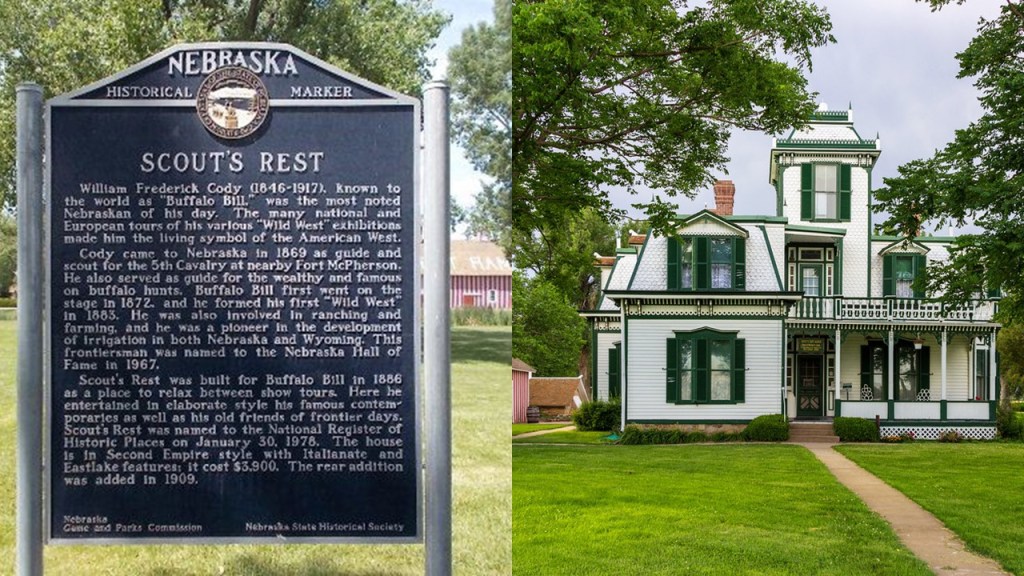
Buffalo Bill founded his international touring show in 1883, which travelled across the United States, Great Britain, and Continental Europe.
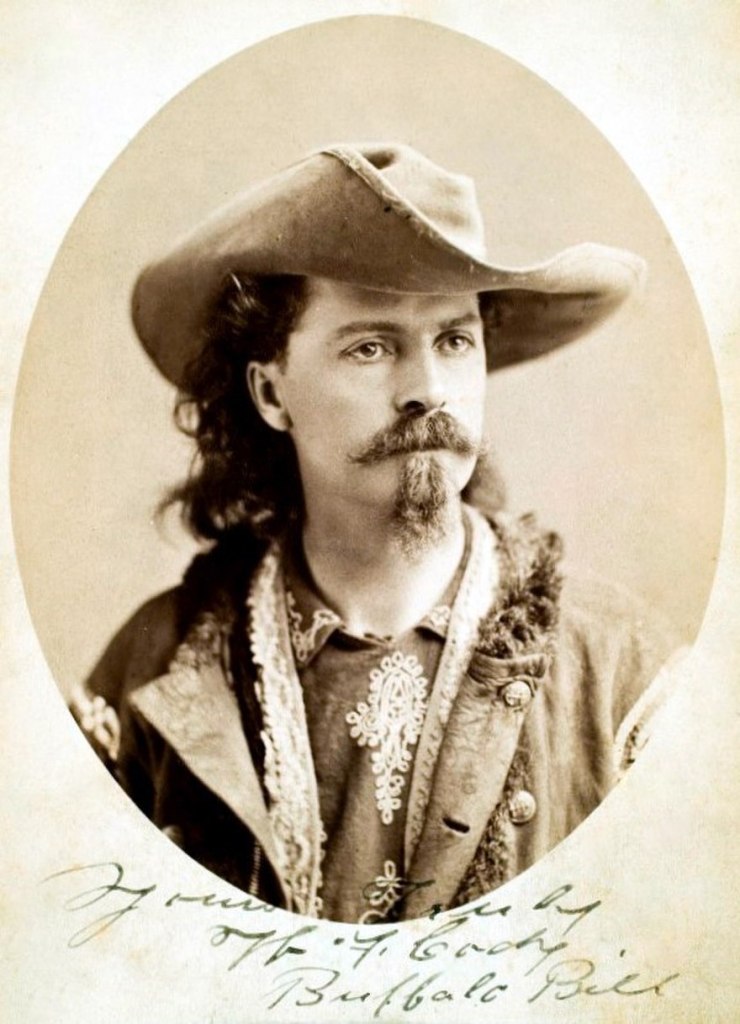
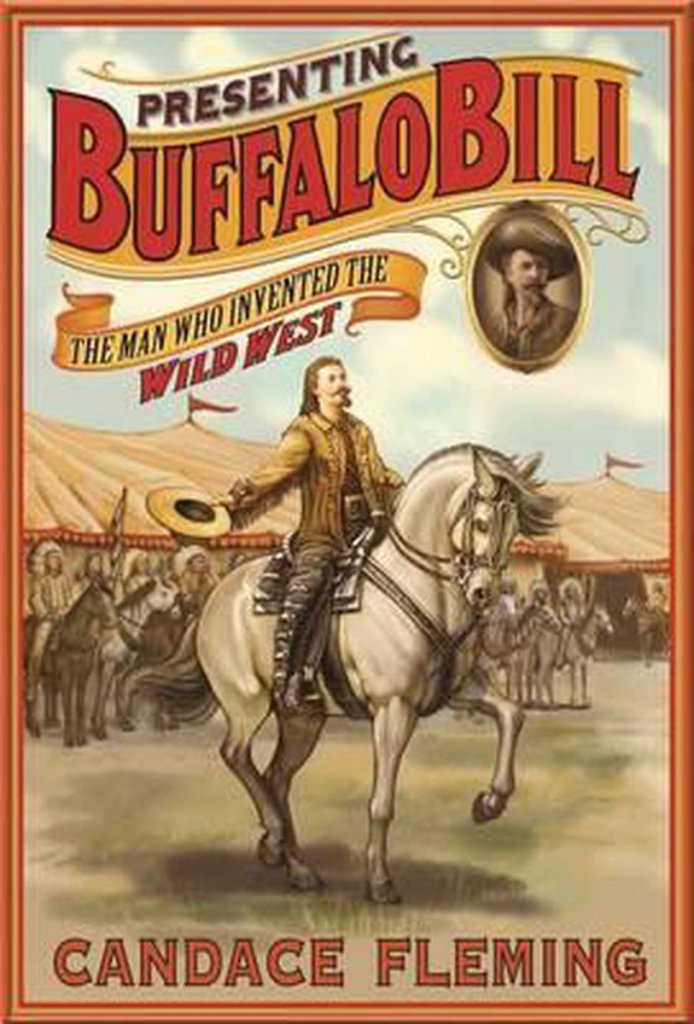
I saw a book about Buffalo Bill called “Presenting Buffalo Bill – the Man who Invented the Wild West.”
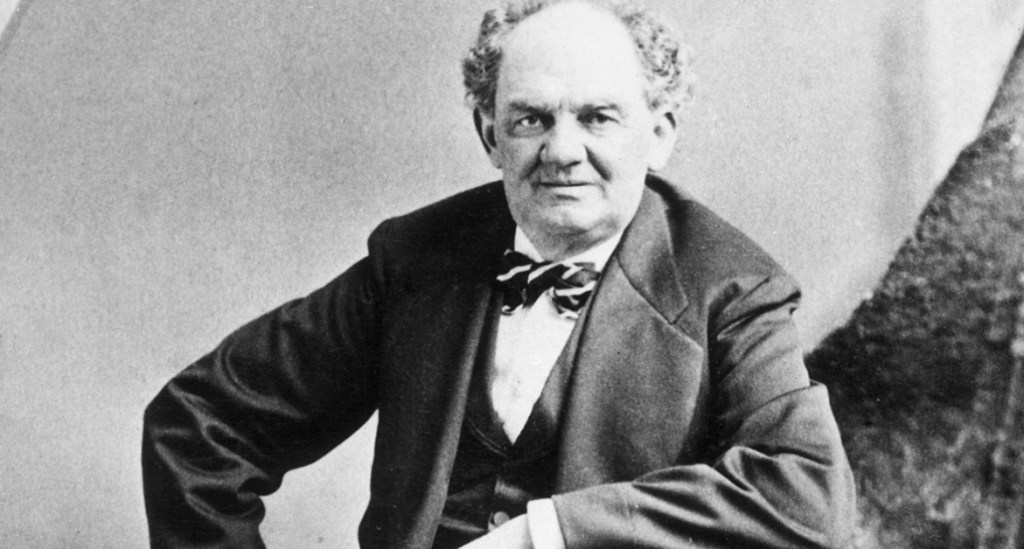
Phineas T. Barnum, known more commonly as P. T. Barnum, was a showman, businessman, politician and, along with John Ringling, a travelling circus pioneer.
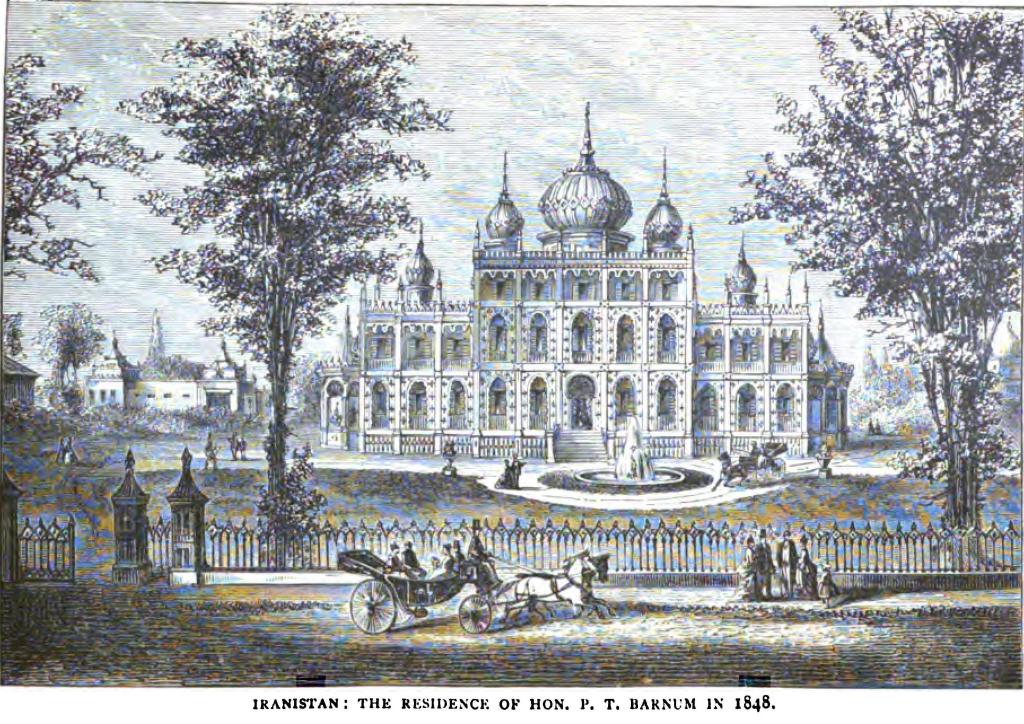
The first major fire of several associated with P. T. Barnum was the mansion he was said to have had built as his residence in Bridgeport, Connecticut, in 1848, and named “Iranistan.”
It was said to have been set on fire by workmen in 1857 when Barnum had been away for several months.
Now I am going to look at some castles and mansions in other countries.
First, Canada.
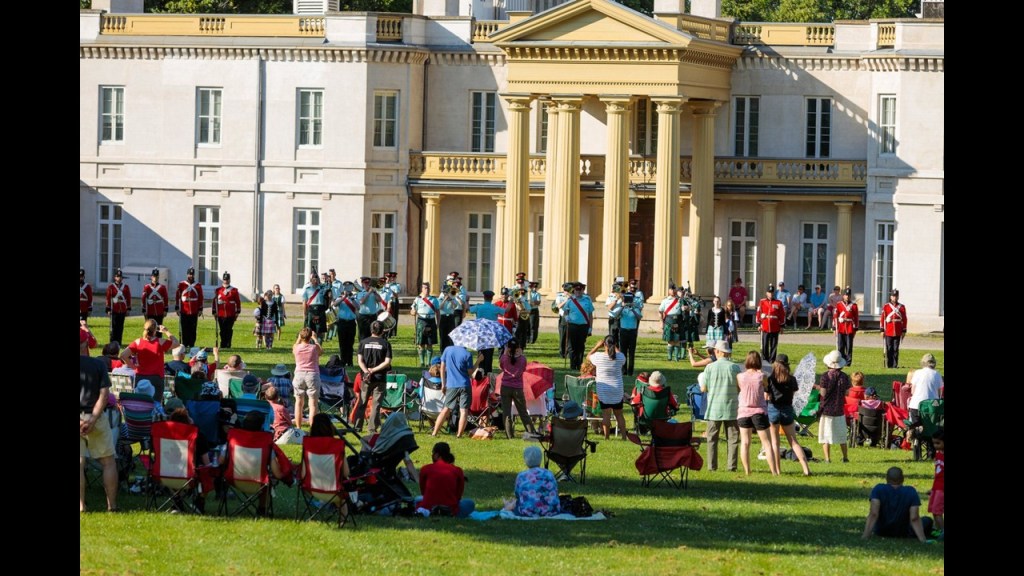
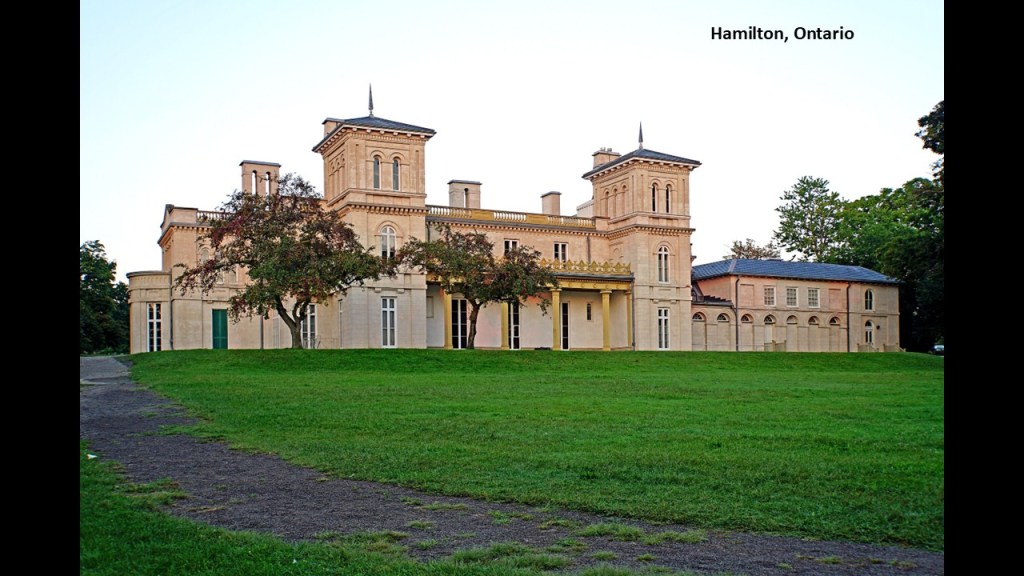
The Dundurn Castle in Hamilton, Ontario, was said to have been built in the Neoclassical Style between 1832 and 1835, and cost $175,000 to build.
The architect credited with building it was Robert Charles Wetherell, and the owner of the property, and the person it was said to have been built for, was Sir Allan Napier MacNab, 1st Baronet, a Canadian political leader, land speculator, and property investor.
The 40-room house had all the amenities of the day, including gas-lighting and running water.
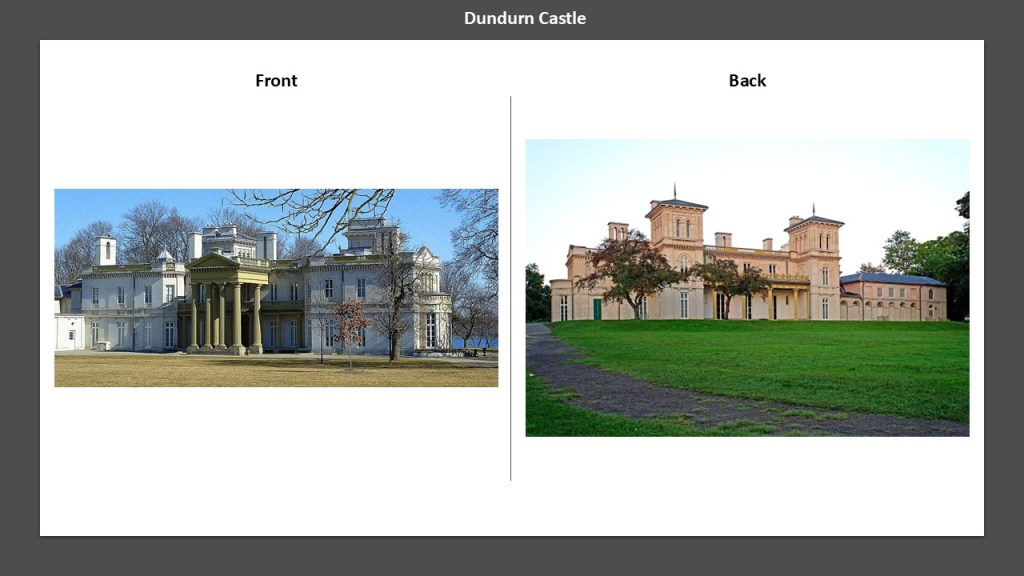
We are told the property was purchased by the City of Hamilton for $50,000 around 1900, and that it cost the city nearly $3-million to renovate the site to make it open to the public, and today it is the Dundurn Castle National Historic Site.
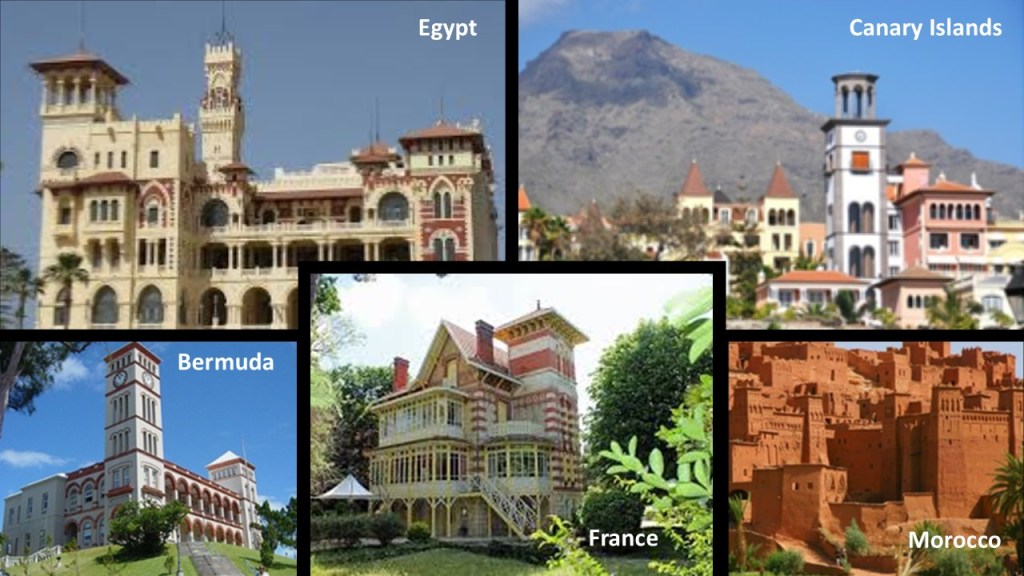
The back-side of the Dundurn Castle…
…looks like the architectural-style of the Montaza Palace in Alexandria, Egypt, on the top left; that of Santa Cruz de Tenerife on the Canary Islands off the coast of Morocco, on the top right; the Bermuda Parliament Building in Hamilton, Bermuda, in the North Atlantic Ocean, on the bottom left; the example of the Arcachonnaise-style in Arcachon Bay in western France, in the bottom center; and a view of old Ouarzazate in Morocco, nicknamed “The Door of the Desert,” and is considered a gateway to the Sahara Desert…
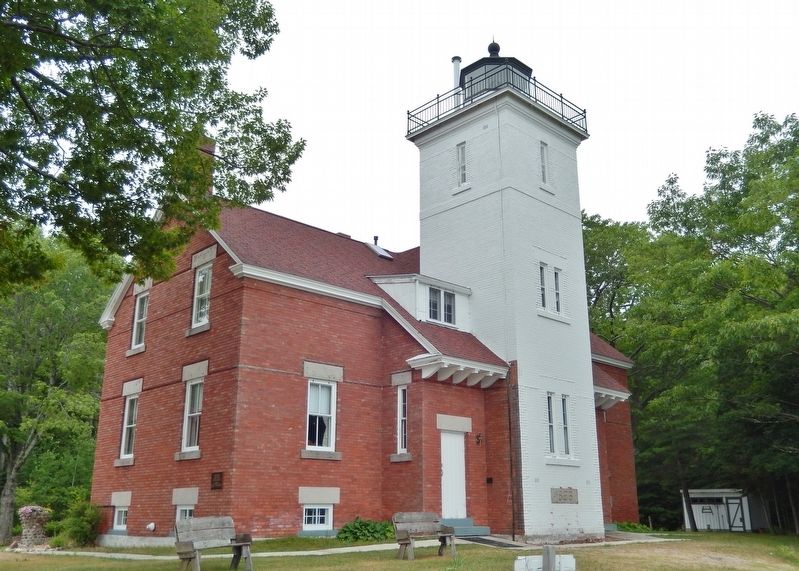
…and like that of several lighthouses I looked at on Lake Huron, like the example of the Forty Mile Point Lighthouse just north of Rogers City, on the east-side of Michigan’s Lower Peninsula.
Its construction was said to have been completed by 1896.
Next, the Casa Loma in Toronto.
The Casa Loma is described as a Gothic Revival Style mansion constructed between 1911 and 1914 as a residence for financier Sir Henry Pellatt, and called the biggest private residence ever constructed in Canada.
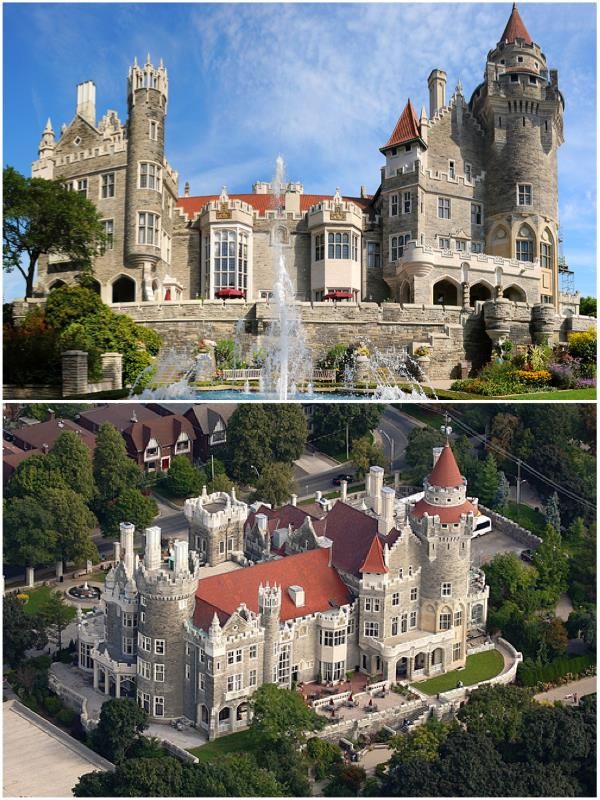
It is a popular filming location for movies and television, as well as a wedding venue.
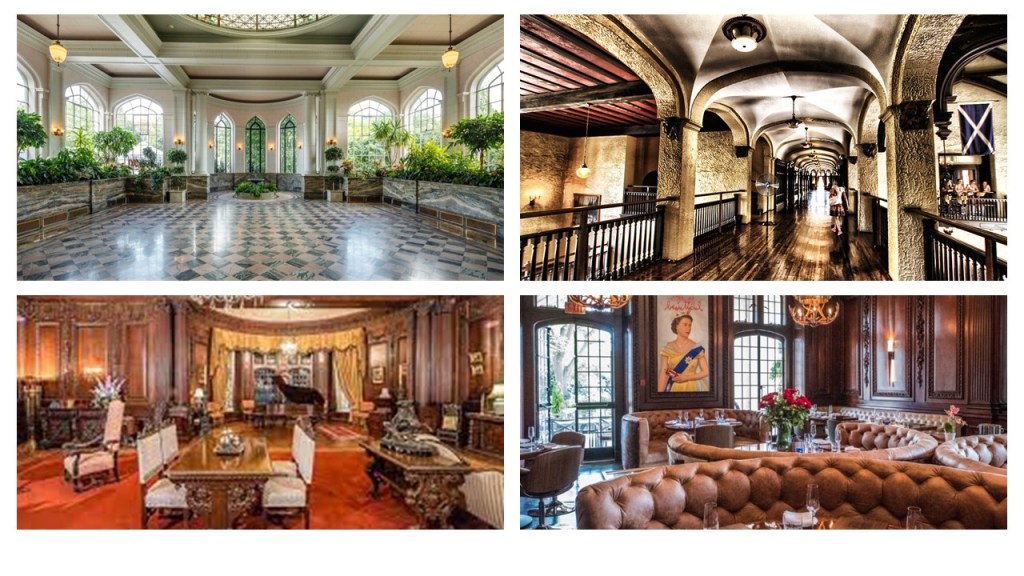
Next I am going to hop across the pond and check out a few places in the United Kingdom.

My first stop is Buckingham Palace in the City of Westminster in London.
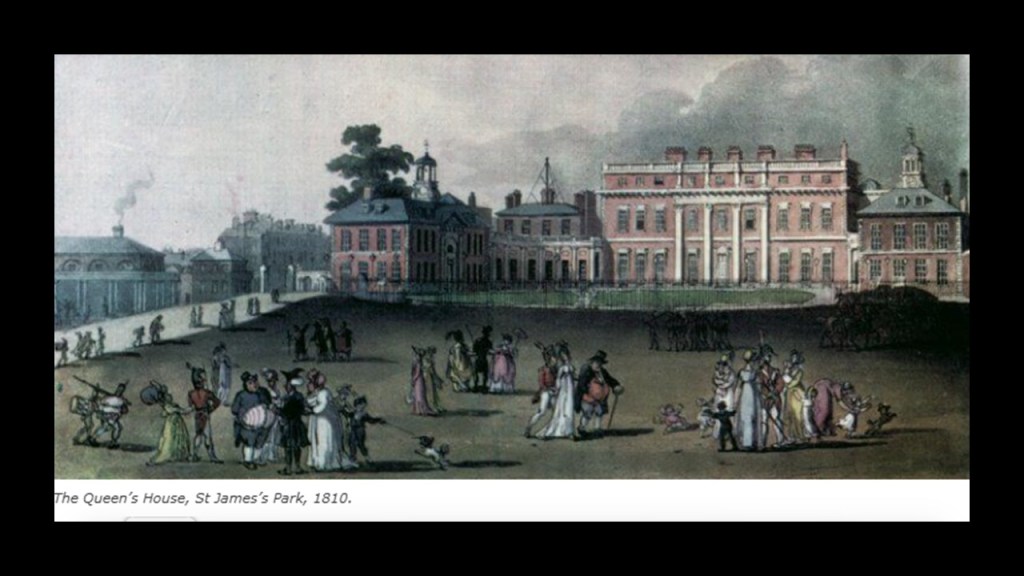
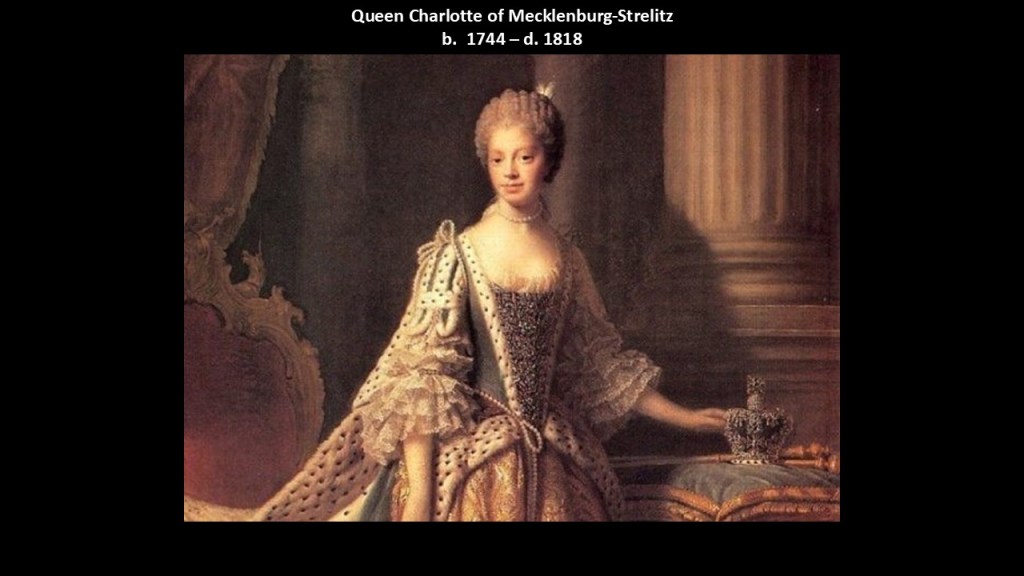
We are told that the core of Buckingham Palace was a privately-owned townhouse that had been built for the Duke of Buckingham and Normandy that was built in 1703 that was acquired by King George III in 1761 to be a private residence for his wife Queen Charlotte of Mecklenburg-Strelitz, and became known as Buckingham House, or the Queen’s House.
Queen Charlotte was born into the ruling family of Mecklenburg-Strelitz, a duchy in Northern Germany.
While this information is obscured, there is reference to her being of Moorish ancestry in the historical narrative.
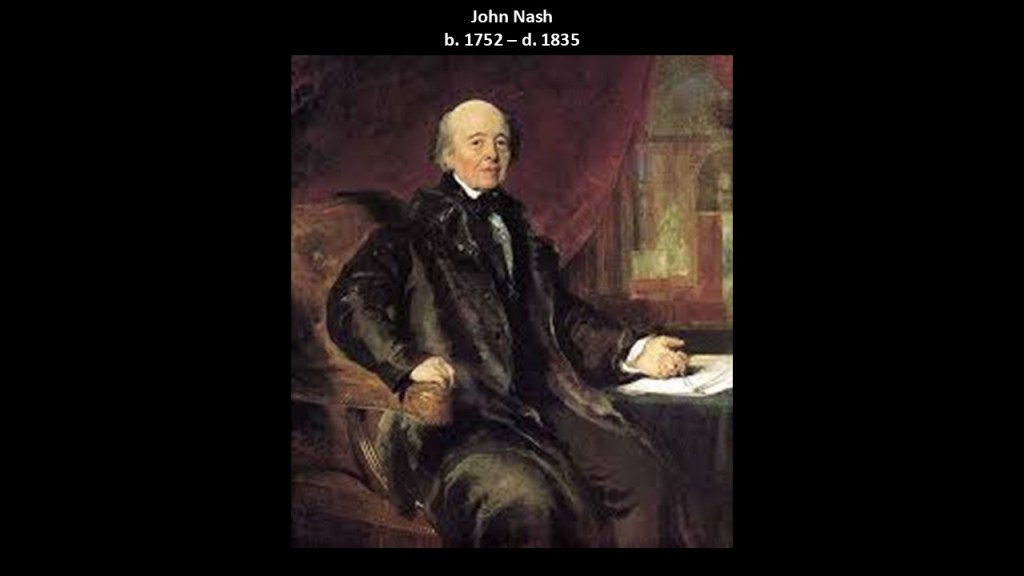
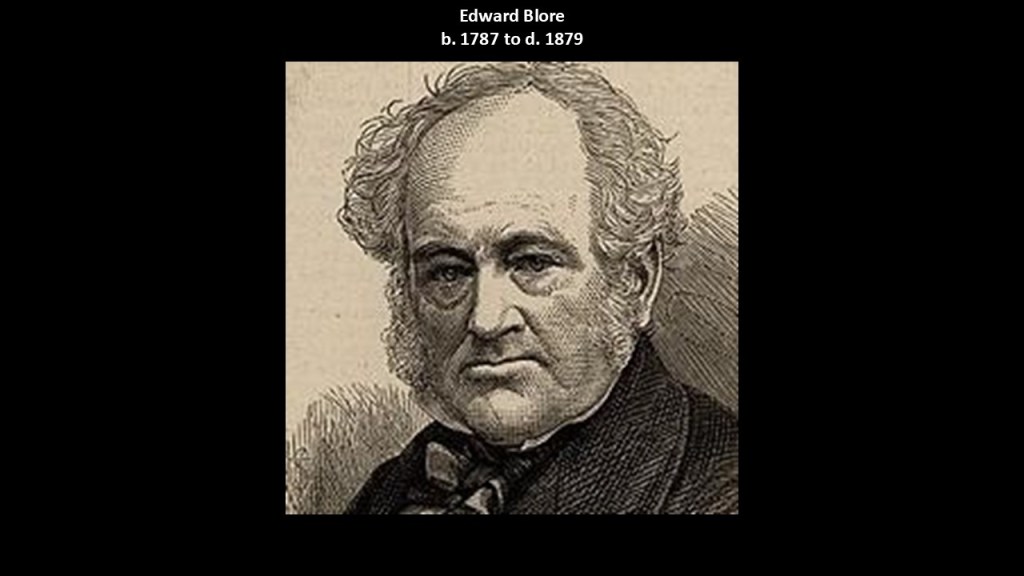
Then in the early 19th-century, we are told it was enlarged by the architects John Nash and Edward Blore.
The architect John Nash was considered one of the foremost architects of the Regency Era, during the Georgian-era from 1714 to 1830.
The Regency Era was the period during which the son of King George III became the Prince Regent, Prince George, and ruled as proxy when his father was deemed unfit to rule due to illness, from 1811 until he became King George IV in his own right in 1820.
Edward Blore’s background was said to be in “Antiquarian Draftsmanship” rather than architecture, in which he had no formal training.
In our historical narrative, John Nash transformed Buckingham House into a grand, U-shaped Palace for King George IV in the 1820s, in which he was said to have extended the central block and rebuilt the wings to create the core of the modern residence.
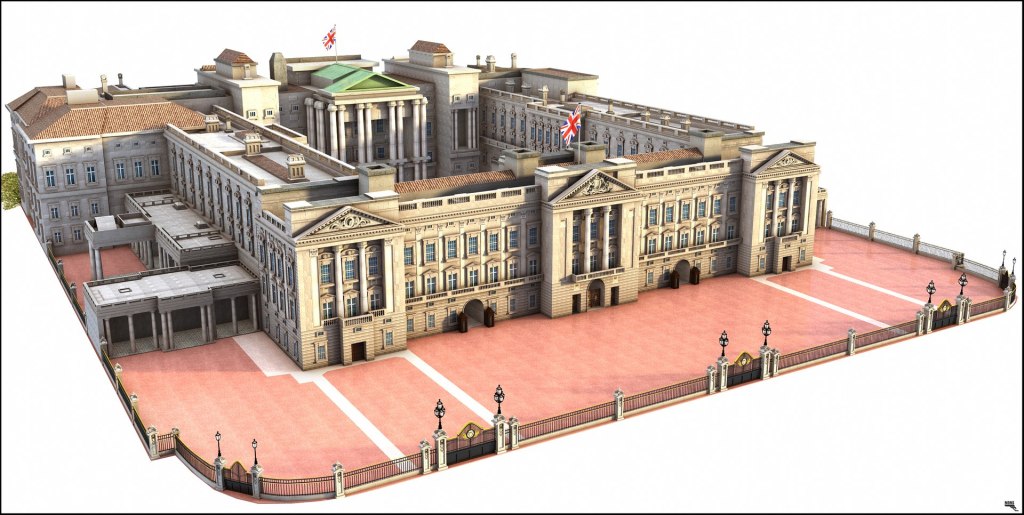
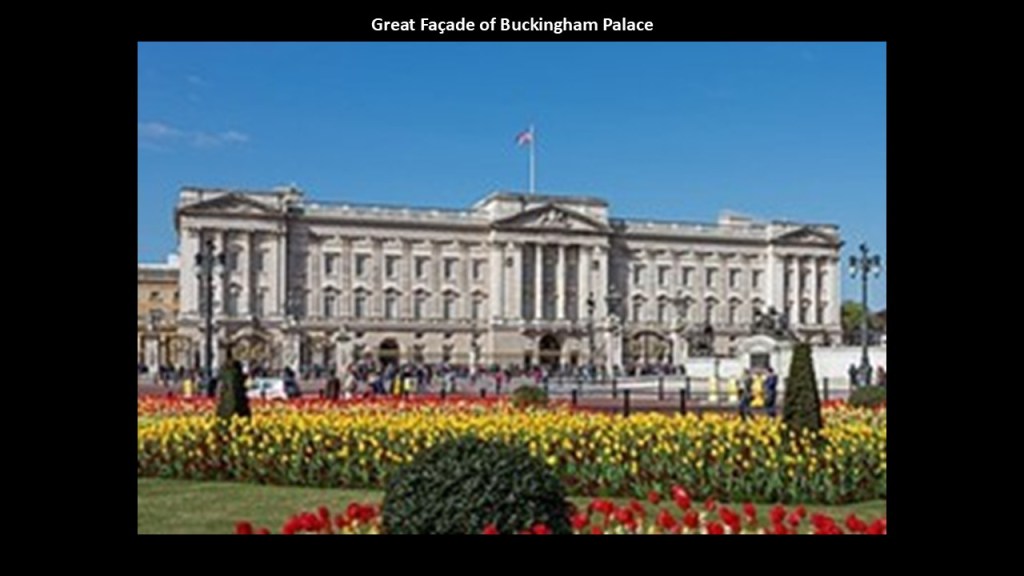
Edward Blore was credited with completing John Nash’s design of Buckingham Palace in 1847 by designing the Great Facade of Buckingham Palace, and that it was completed in 1850.
While one of the meanings of facade is the front of a building, another meaning is an outward appearance that is maintained to conceal a creditable reality – a pretense, guise, mask, or veil.
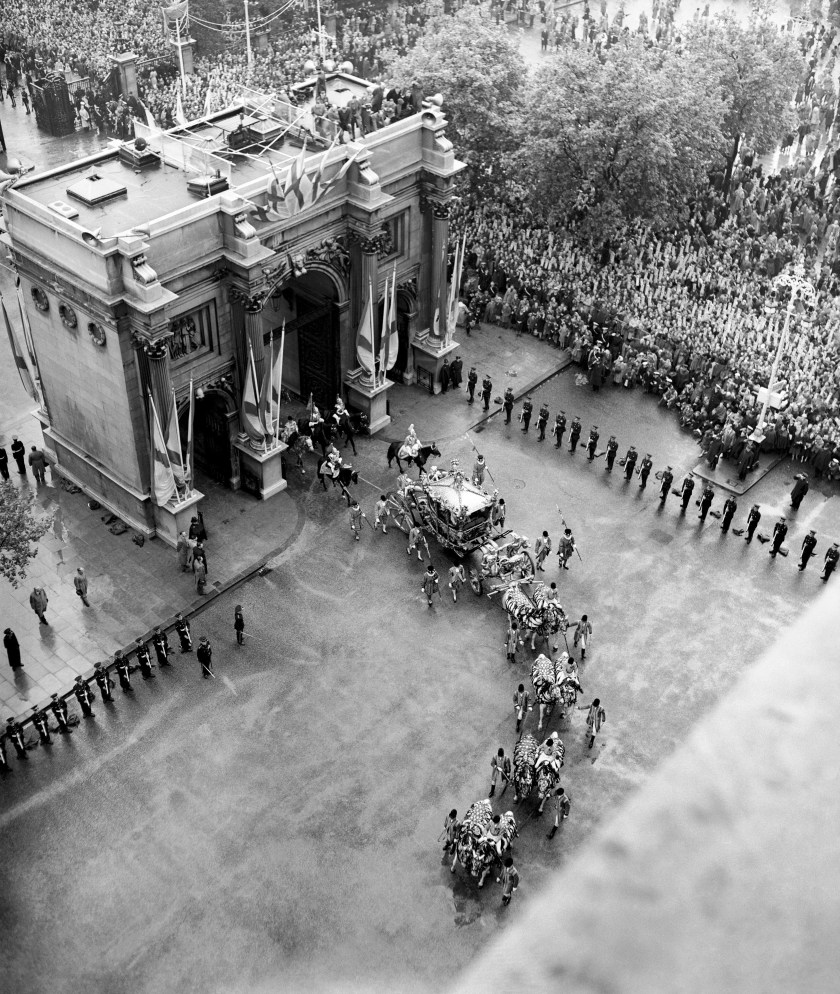
John Nash was also given credit for the Marble Arch in London, said to have been designed by him in 1827 as the state entrance to the ceremonial courtyard of Buckingham Palace.
An interesting aside to this is that it was said to have been moved in 1851 on the initiative of Decimus Burton (b. 1800 – d. 1881), a pupil of John Nash and urban-planner, from its original location.
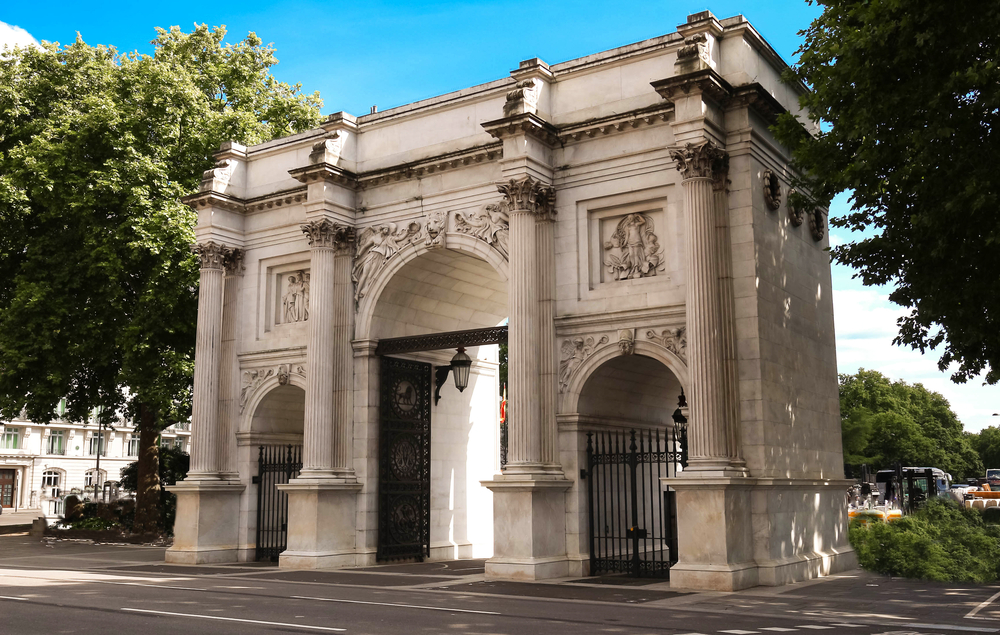
It is also interesting to note that only members of the royal family and the King’s troops are permitted to pass through the arch in ceremonial processions.
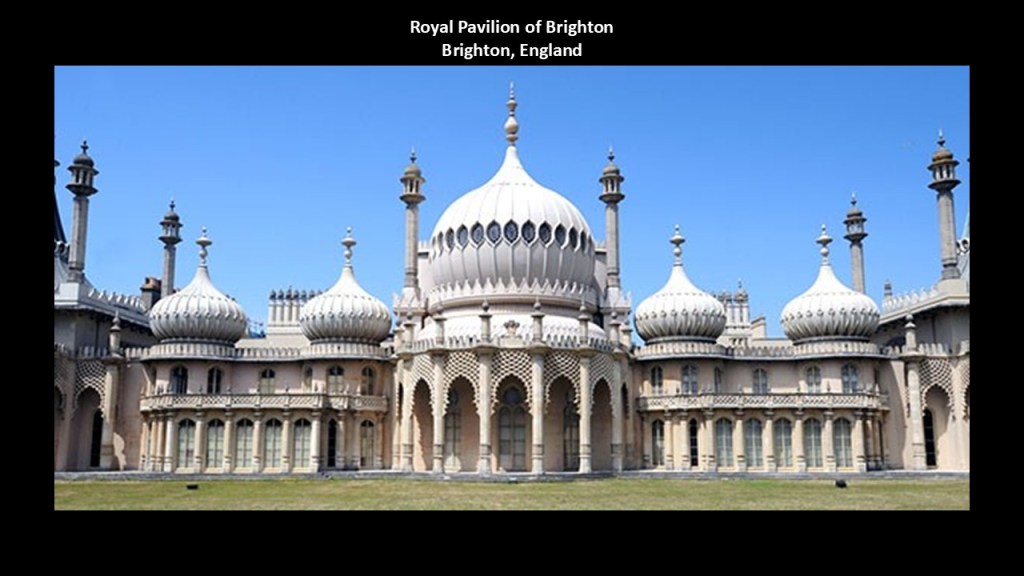
John Nash was also given credit for the design of the Royal Pavilion of Brighton.
It was said to have been commissioned by the Prince Regent George as a seaside resort, with construction starting in 1787 and completed in 1823.
The style is described as “Indo-Saracenic.”
The Royal Pavilion in Brighton was said to have inspired P. T. Barnum’s “Iranistan.”
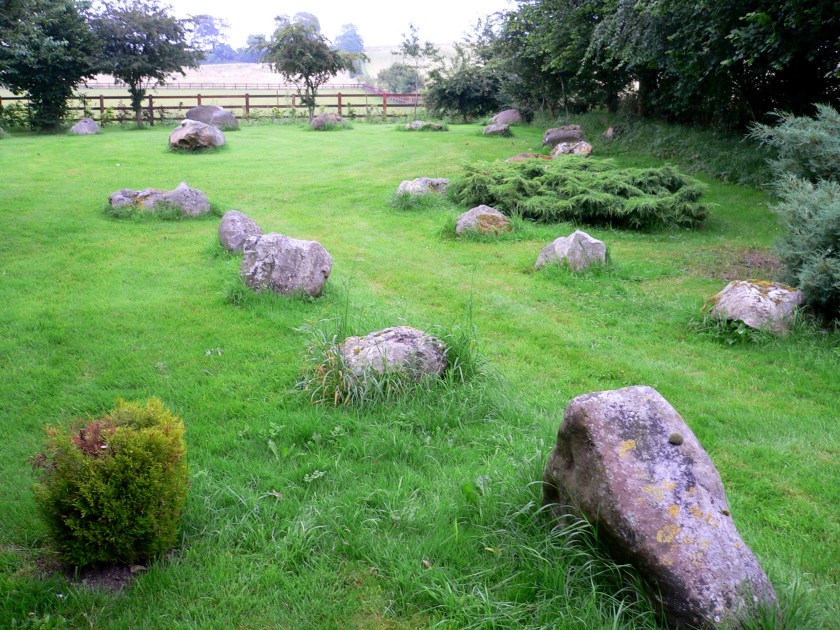
Saracen is an older term in England referring to Arabs or Muslims…as well as megalithic stones.
These are Saracen, or Sarsen, stones.
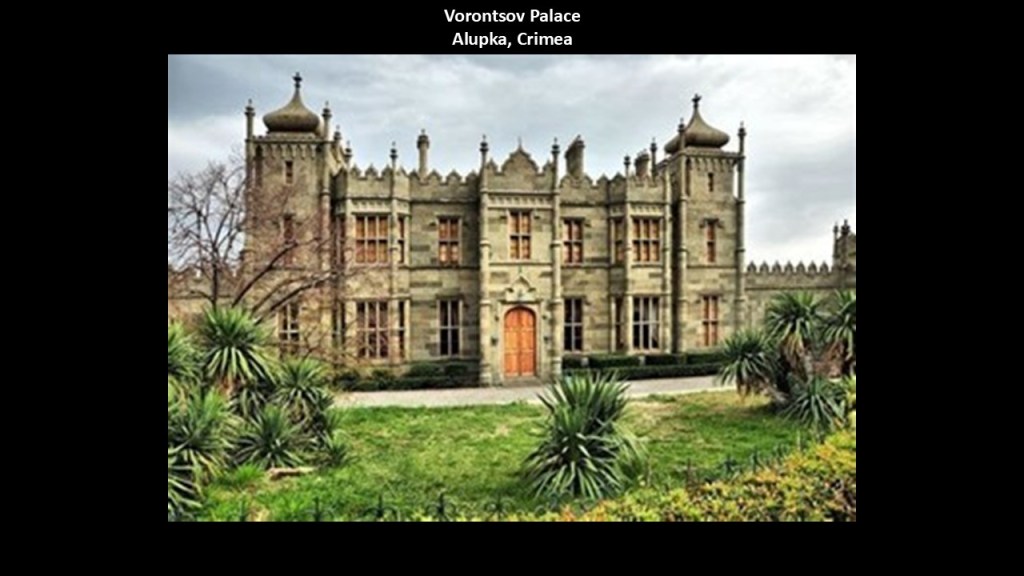
Along with the Grand Facade of Buckingham Palace, Edward Blore was also credited with the introduction of the Scottish Baronial and Moorish Revival architectural styles in the Crimean Peninsula in the Black Sea region in the 1820s
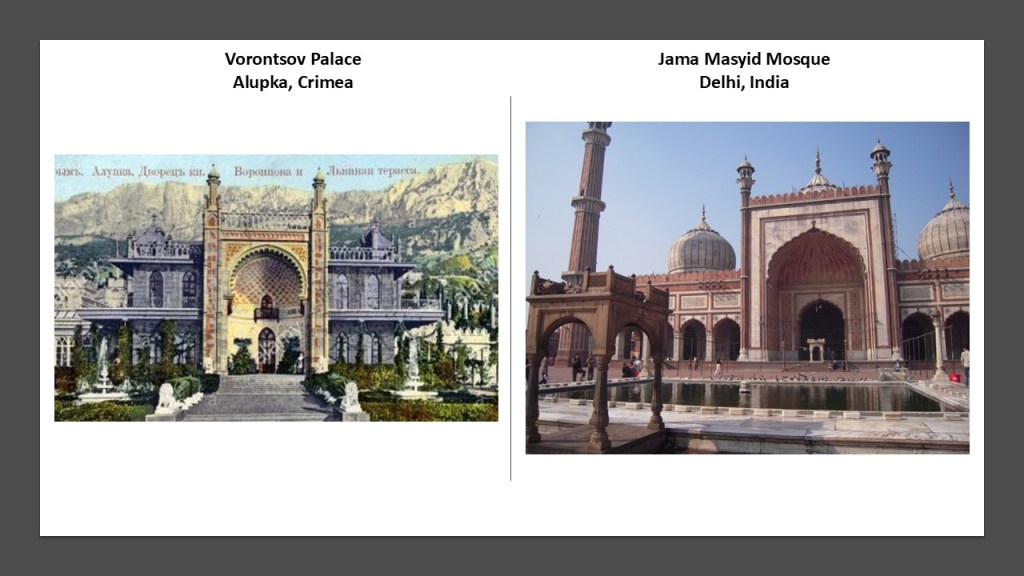
Like with the Vorontsov Palace in Alupka, Crimea, which was said to have been built between 1828 and 1846.
Here is a comparison of the some of the architecture found at Vorontsov Palace in the Crimea on the left, and on the right, the Jama Masyid Mosque in Delhi, India, said to have been built by the Mughal Emperor Shah Jahan between 1650 and 1656.
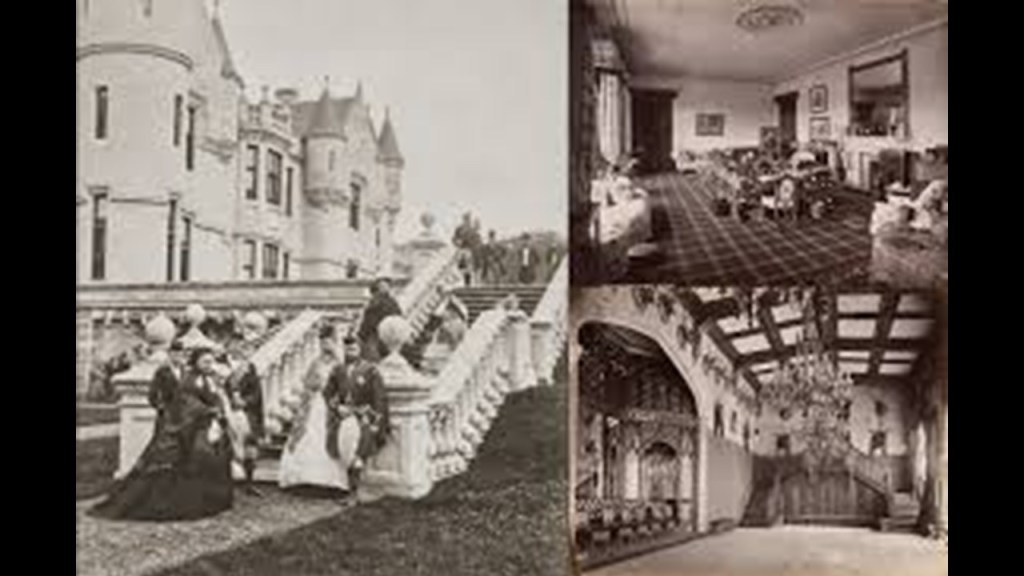
Next, the Balmoral Castle in Aberdeen, Scotland.
The Balmoral Castle on the Balmoral Estate has been one of the residences of the British Royal Family since 1852, at which time the estate and its original castle were purchased from the Farquharson family, a highland Scottish clan, by Prince Albert, Queen Victoria’s husband.

We are told that before long, it was found that the original castle was “too small,” and the design of the current Balmoral Castle was said to have been commissioned to the prolific local Scottish architect William Smith of Aberdeen, with design input from Prince Albert, with construction from 1853 to 1856.
It is classified as “Scottish Baronial” architecture.
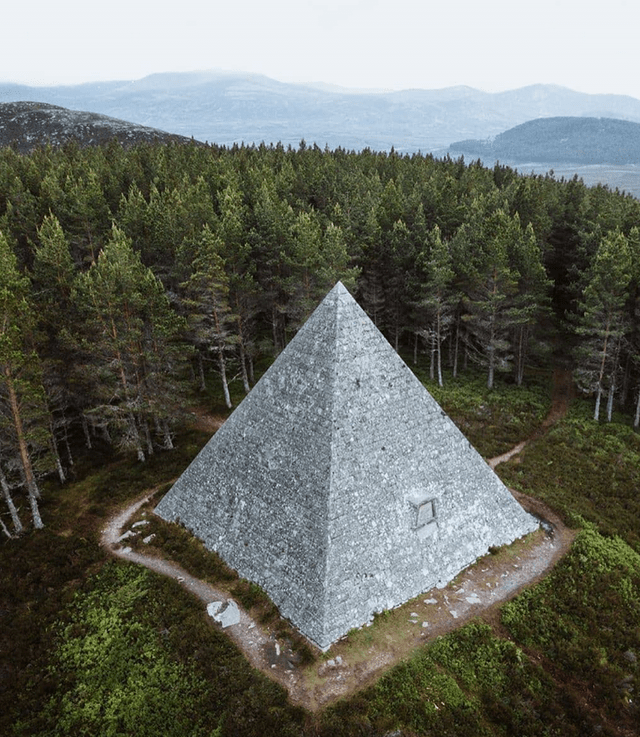
There are eleven, what are called “stone cairns,” that were said to have been erected on the Balmoral Estate to commemorate members of the British Royal Family and events in their lives, the majority of which were said to have been erected by Queen Victoria.
We are told that the largest of the “Balmoral Cairns,” shown here, looking very much like a pyramid, was erected in memory of Queen Victoria’s husband, Prince Albert, after his death on December 14th of 1861.
Here is an obelisk on the Balmoral Estate, which was said to be another monument to Prince Albert, and said to have been erected in 1862.

Francis, Duke of Saxe-Coburg-Saalfeld, was born on July 15th of 1750, and was the progenitor of the House of Saxe-Coburg and Gotha line, which seeded the lineage of the new Royals of Great Britain and many other Royal Houses of Europe.
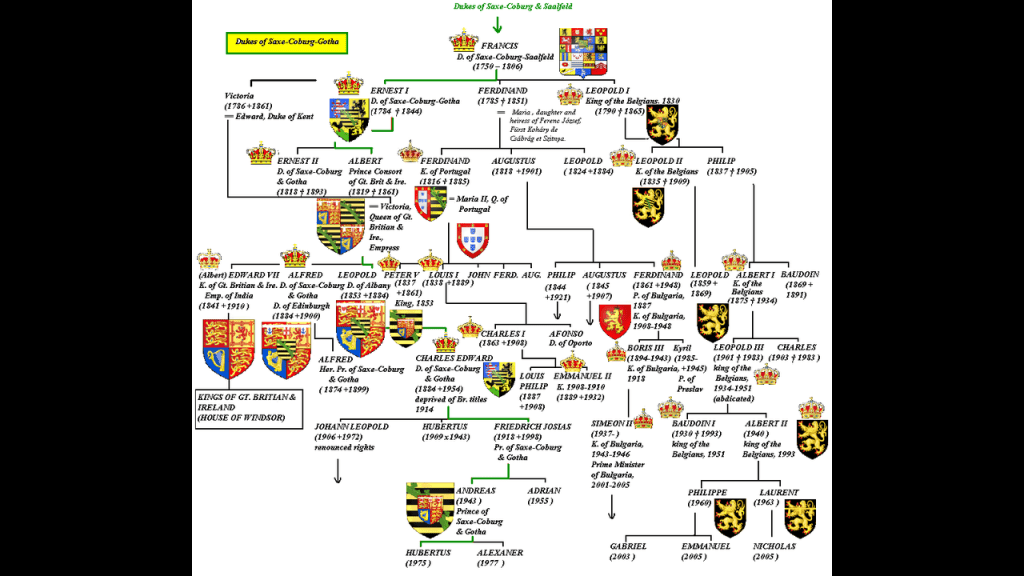
Francis succeeded his father as the reigning Duke of Saxe-Coburg-Saalfeld in 1800.
Napoleon defeated Austrian and Imperial forces in the Battle of Austerliz on December 2nd of 1805, andas a result, the Holy Roman Empire was dissolved on August 6th of 1806, and on December 15th of 1806, Saxe-Coburg-Saalfeld, along with the other Ernestine Duchies, entered Napoleon’s Confederation of the Rhine, becoming client states of the French First Empire, which lasted until 1813.
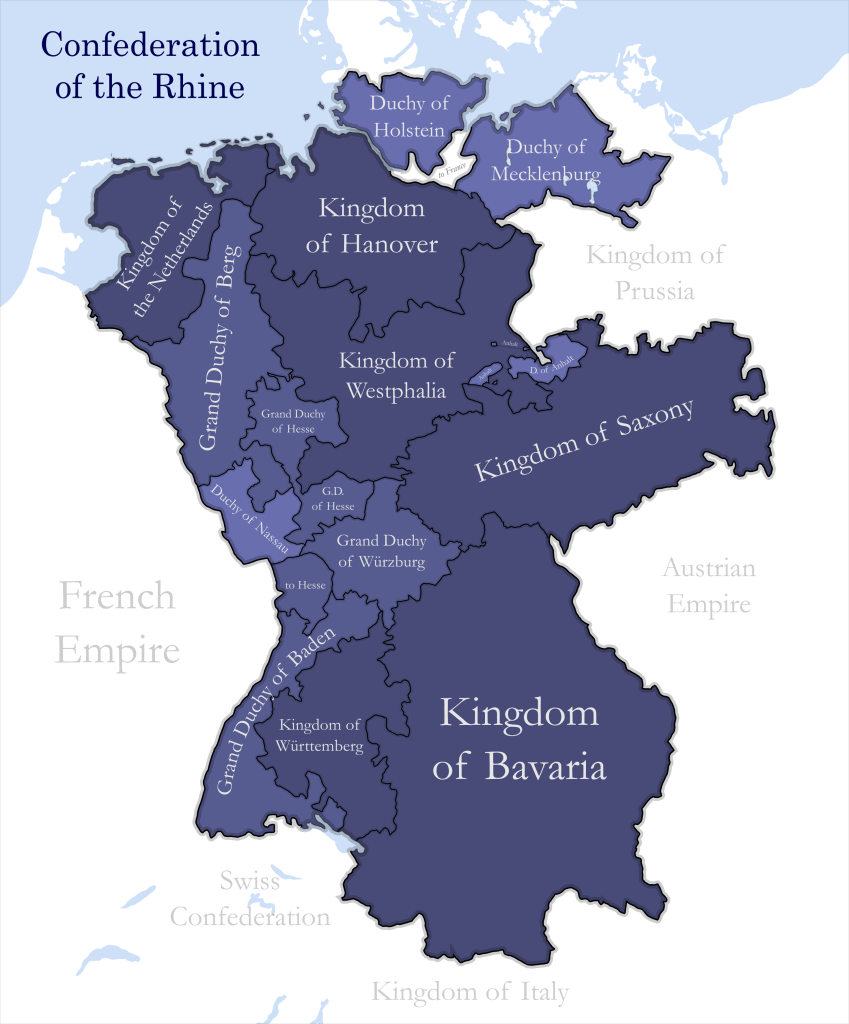
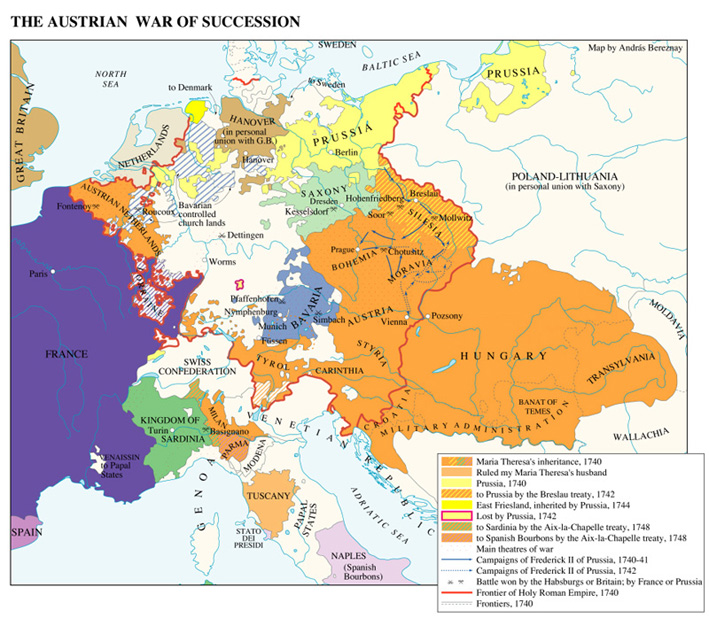
Prior to the dissolution of the Holy Roman Empire, the imperial throne was occupied by the House of Habsburg.
Also called the House of Austria, the House of Habsburg was one of the most distinguished and influential royal houses of Europe.

The Habsburg male line died out in 1740 with the death of Emperor Charles VI, and as a result of the War of Austrian Succession that took place between 1740 and 1748, the Empress Maria-Theresa had to concede Habsburg lands in Austria, Spain, and Italy to other powers as part of the terms of the 1748 Treaty of Aix-La-Chappelle, which also confirmed the right of succession of the German House of Hanover to the British throne.
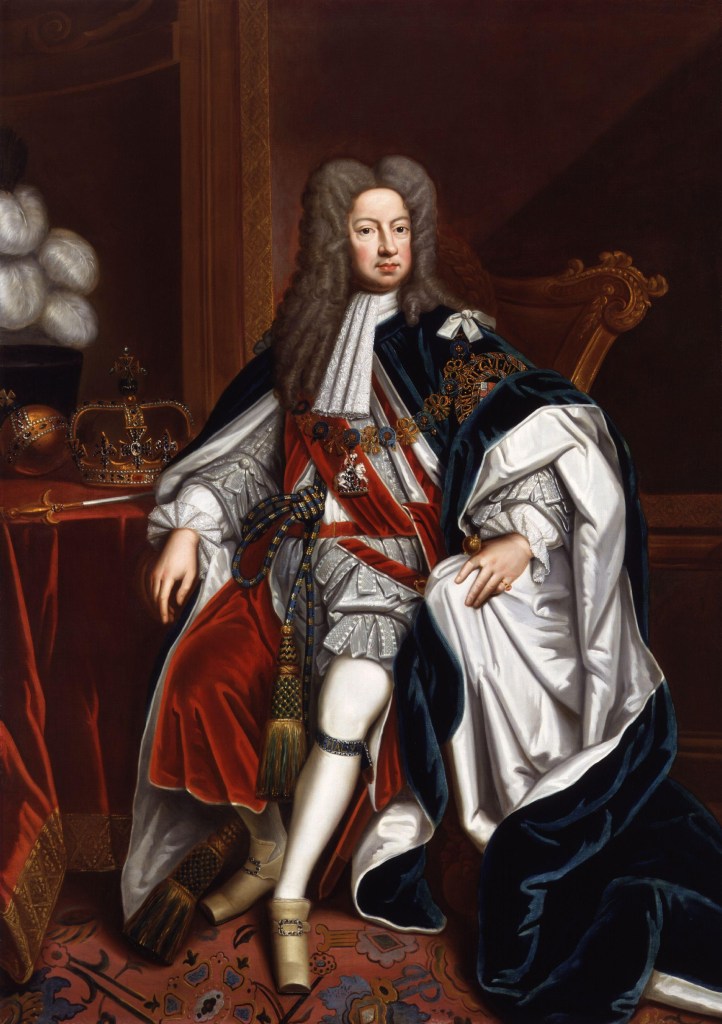
King George I of the German House of Hanover succeeded to the British throne on August 1st of 1714 in our historical narrative.
He was the grandson of the daughter of King James VI of Scotland and I of England.
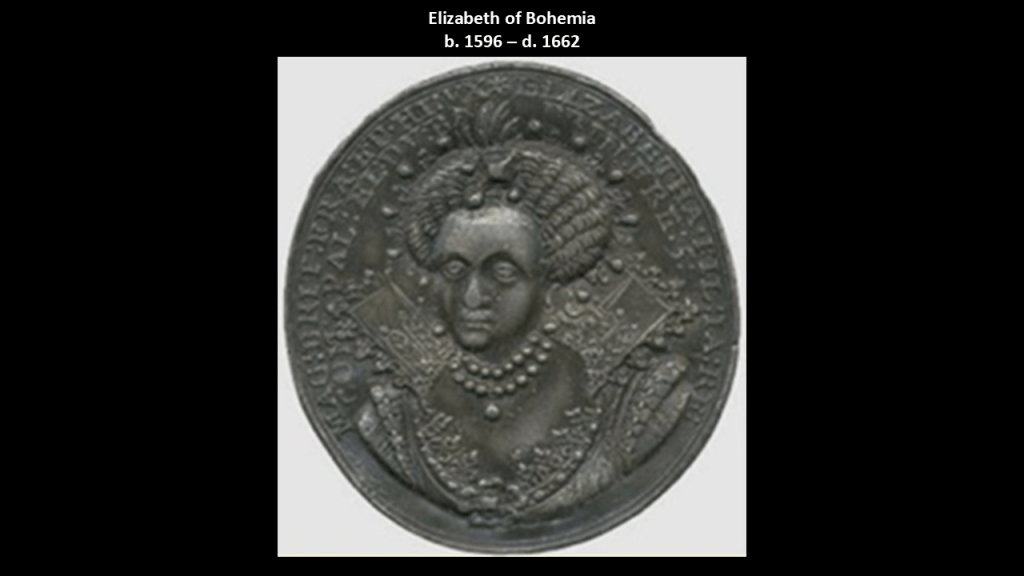
His grandmother was Elizabeth of Bohemia, who lived from 1596 to 1662.
In 1613, She married Frederick V, the Elector-Prince of the Palatinate, one of the Holy Roman Empire’s greatest Prince-Electorates.
The Electors were responsible for electing the Holy Roman Emperor.
The daughter of Elizabeth of Bohemia and Frederick V was Princess Sophia.
Princess Sophia was the founder of the Hanoverian line of British Monarchs, and through her mother.
The House of Stuart had been the ruling monarchs of the British Isles since King James VI of Scotland became King James I of England in 1613.
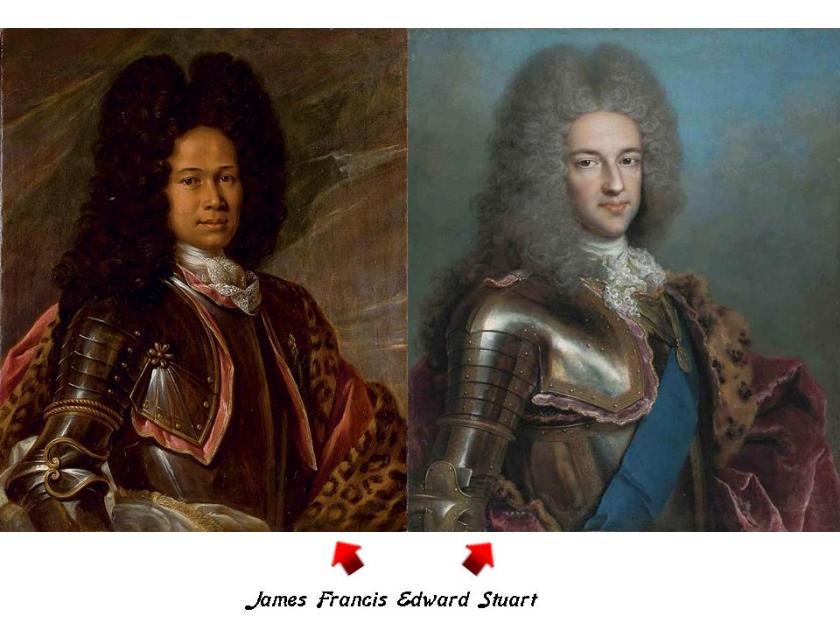
In February of 1717, the Stuart heir, James Francis Edward Stuart, known in our historical narrative as the Pretender, left where he was living in France in order to seek exile with Pope Clement XI in Rome, which was where he died 1766.
He would have been heir to the three thrones, but was forcibly prevented from claiming them when he tried to do so.
The portrait on the left is believed to be a portrait of James Francis Edward Stuart that was painted when he lived in France.
Leopold, the son of Duke Francis of Saxe-Coburg-Saalfeld, became Leopold I, the first King of the Belgians, in 1831.
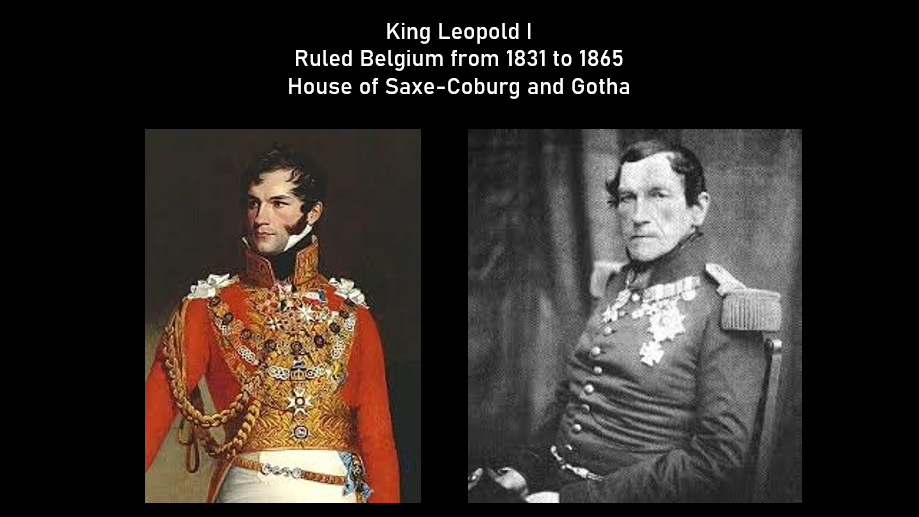
He had strong ties to Great Britain as he had moved there and married Princess Charlotte of Wales in 1816, second-in-line to the British throne after her father the Prince-Regent, who became King George IV.
Princess Charlotte was recorded as having died after delivering a stillborn child a year after they were married, leaving King George IV without any legitimate grandchildren.
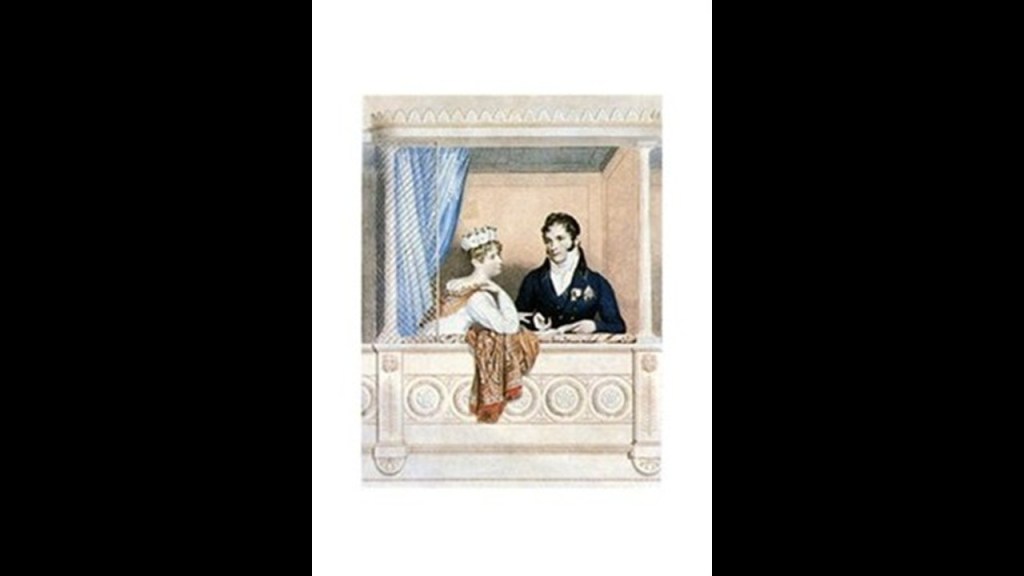
King George III’s son, the Prince-Regent George’s brother, Prince Edward, ended-up proposing to Leopold’s older sister Victoria, of Saxe-Coburg-Saalfeld, who were the parents of the future Queen Victoria.
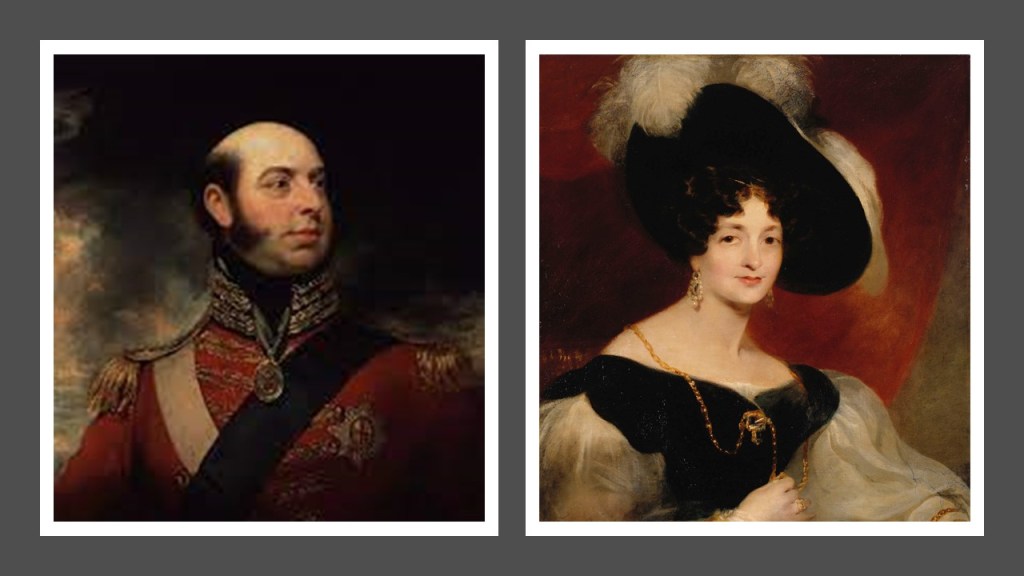
Victoria, the daughter of Prince Edward, son of King George III of Great Britain, and Victoria of Saxe-Coburg-Saalfeld, the daughter of Duke Francis, became the new Queen of England at the age of 18 on June 20th of 1837.
Her father Prince Edward, and grandfather, King George III, died within six-days of each other in 1820, and there was no other surviving legitimate issue to claim the throne after King George IV died in June of 1837.
Queen Victoria’s reign began on June 20th of 1837, and lasted for almost 64-years, until her death on January 22nd of 1901.
She was considered the last monarch of the House of Hanover through her father Prince Edward
Her reign was characterized as a period of cultural, industrial, political, scientific, and military change within the United Kingdom, and marked by a great expansion of the British Empire.
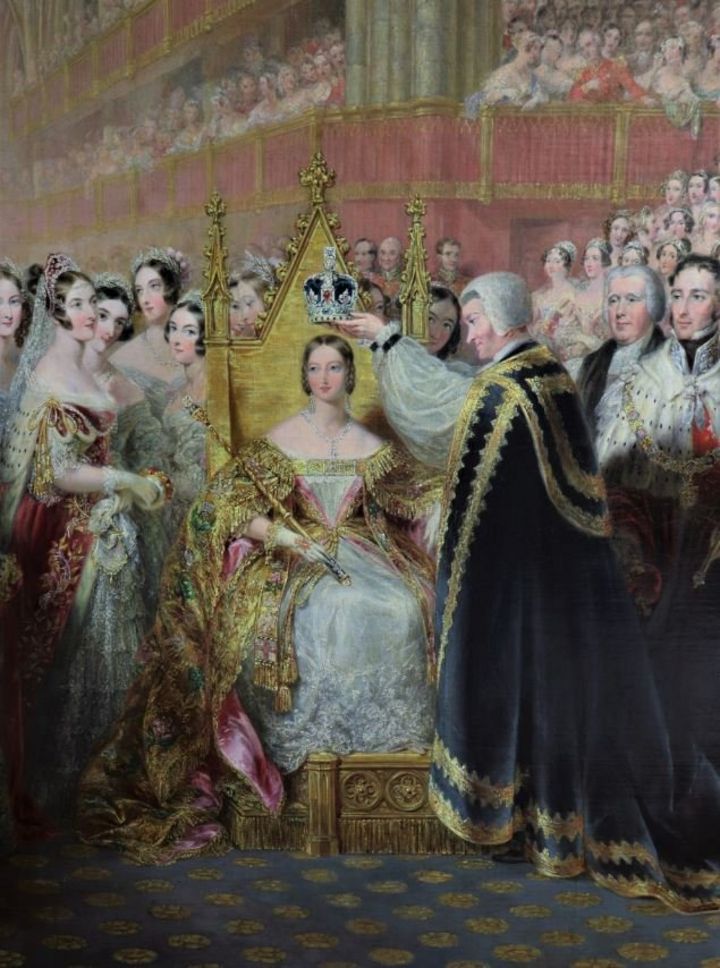
Queen Victoria married her first-cousin, Prince Albert, the grandson of Duke Francis through his father Duke Ernest I, on February 10th of 1840.
Prince Albert was an important political advisor to his wife, and became the dominant influential figure in the first half of their lives together.
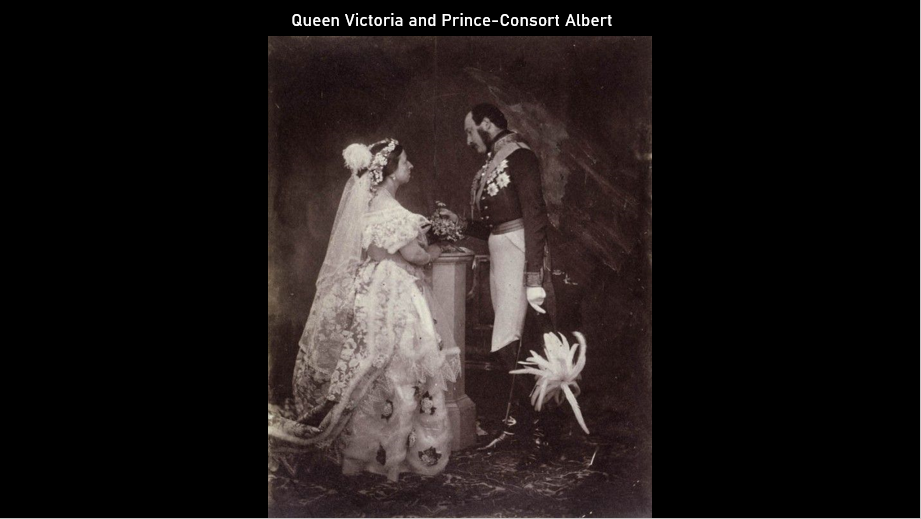
Queen Victoria and Prince Albert produced 9 children, starting with Victoria, Princess Royal, on November 21st of 1840.
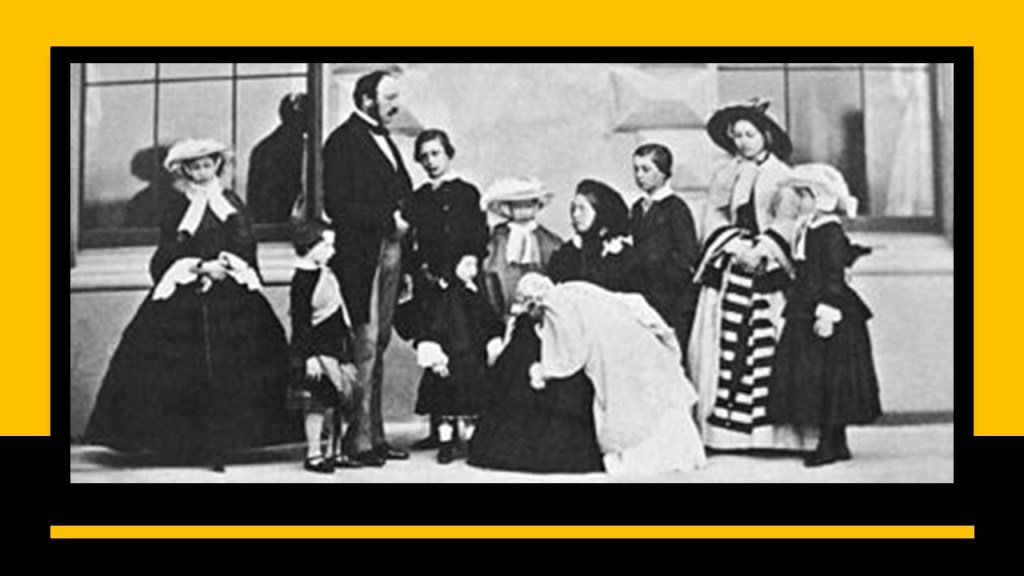
The oldest son of Victoria and Albert, Prince Edward of Wales became King Edward VII of the United Kingdom and British Dominions and Emperor of India when Queen Victoria died in 1901.
He was the first British monarch of the House of Saxe-Coburg and Gotha.
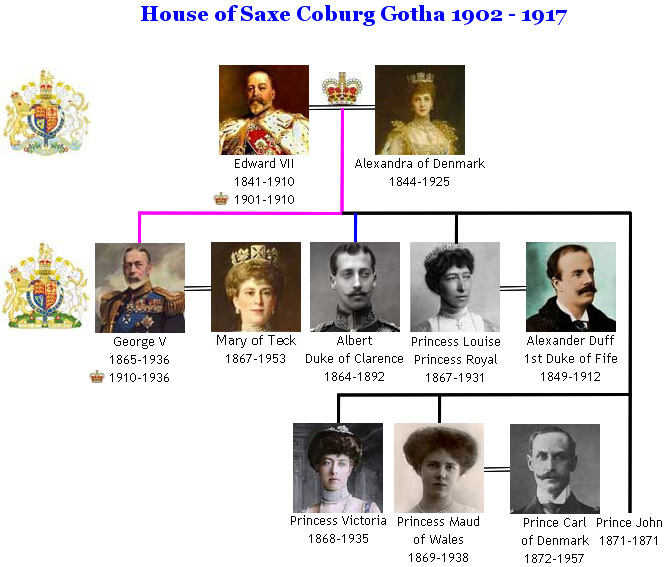
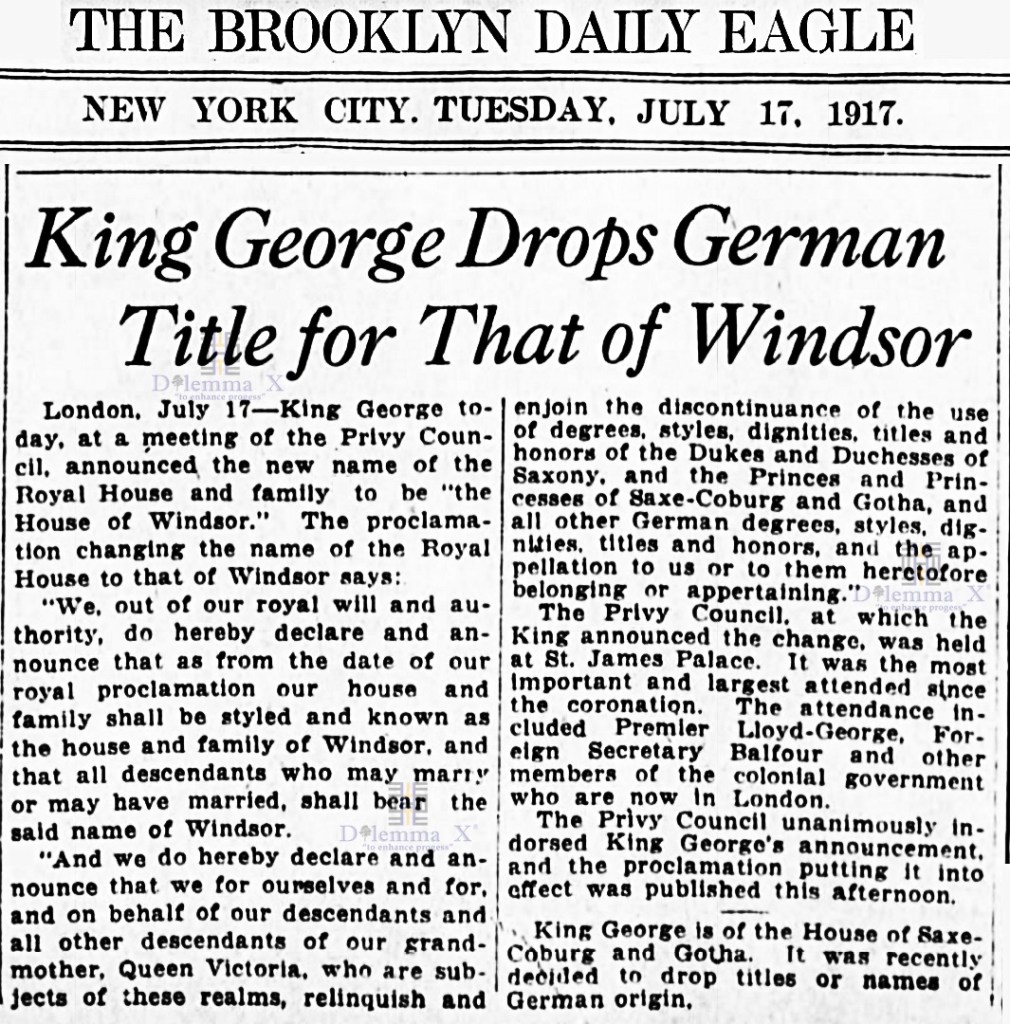
On July 17th of 1917, during the reign of King George V, the name of the royal house was changed to Windsor, supposedly due to anti-German sentiment generated by World War I.
I firmly believe that what we know of as the Victorian Era was actually the official beginning of the New World Order timeline reset, with Queen Victoria presiding over what I believe was its official kick-off at the Great Exhibition at the Crystal Palace in 1851.
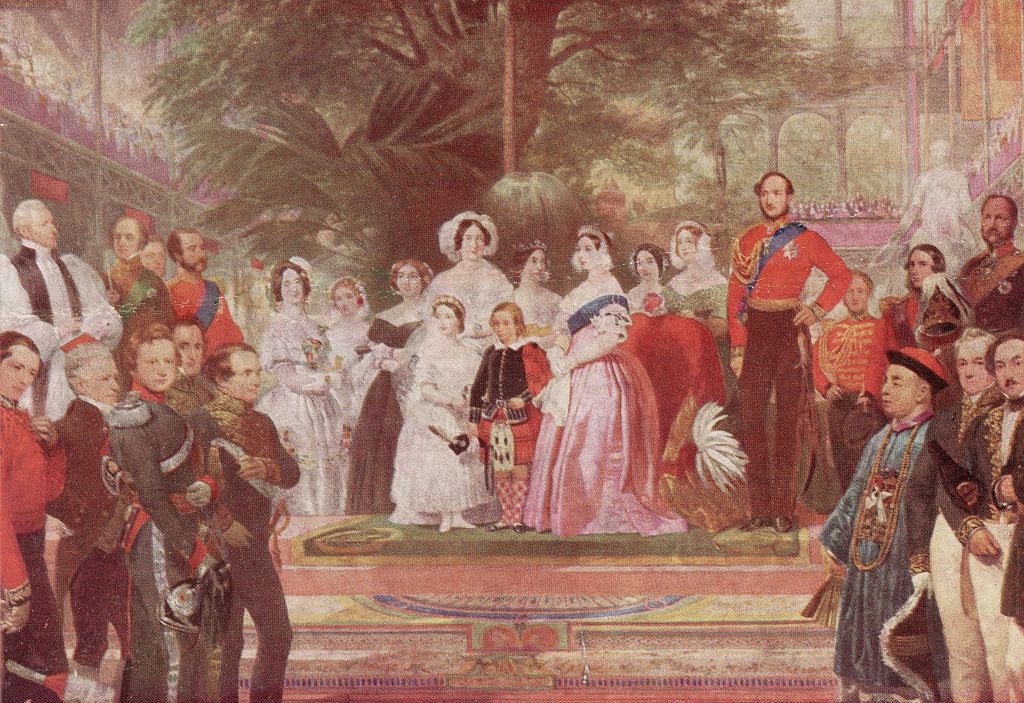
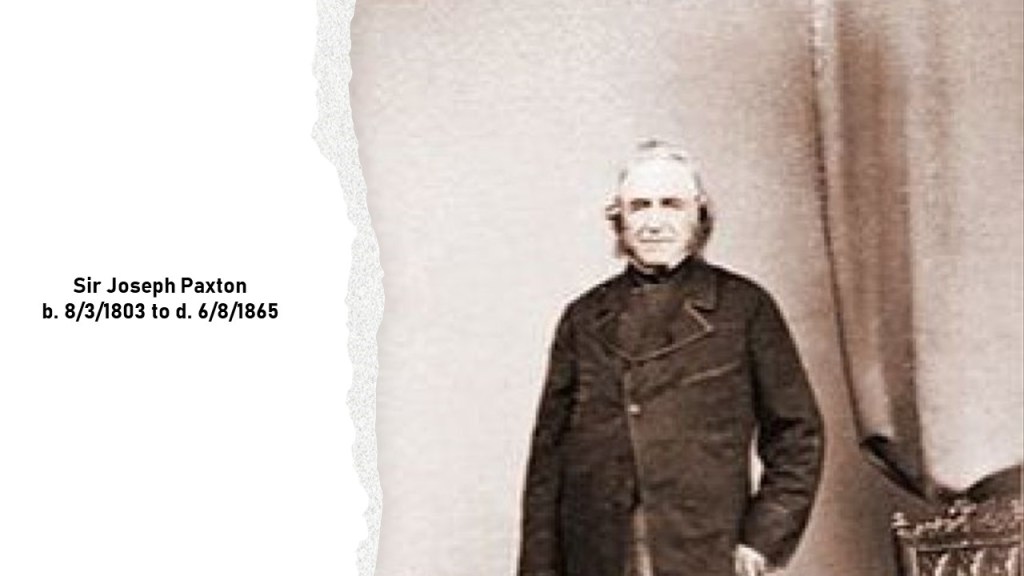
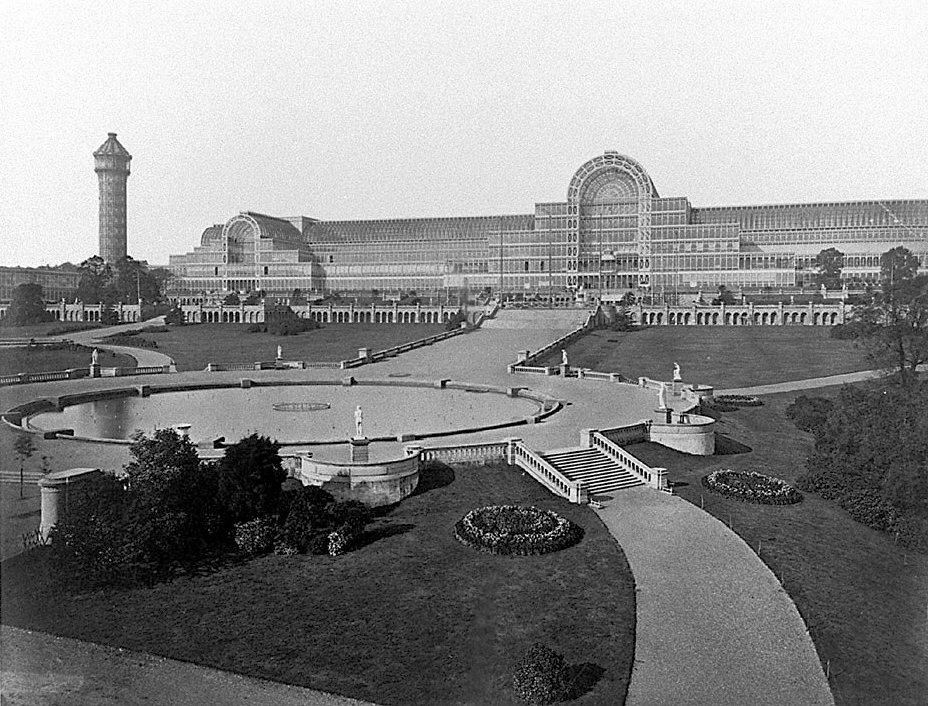
The Crystal Palace was said to have been designed by Sir Joseph Paxton, a gardener and greenhouse builder, and built in Hyde Park to house the Exhibition.
The Crystal Palace was described as a massive glass house that was 1,848-feet, or 563-meters, long, by 454-feet, or 138-meters, wide, and constructed from cast-iron frame components and glass.
There were statues on the inside, and trees – said to demonstrate man’s triumph over nature.
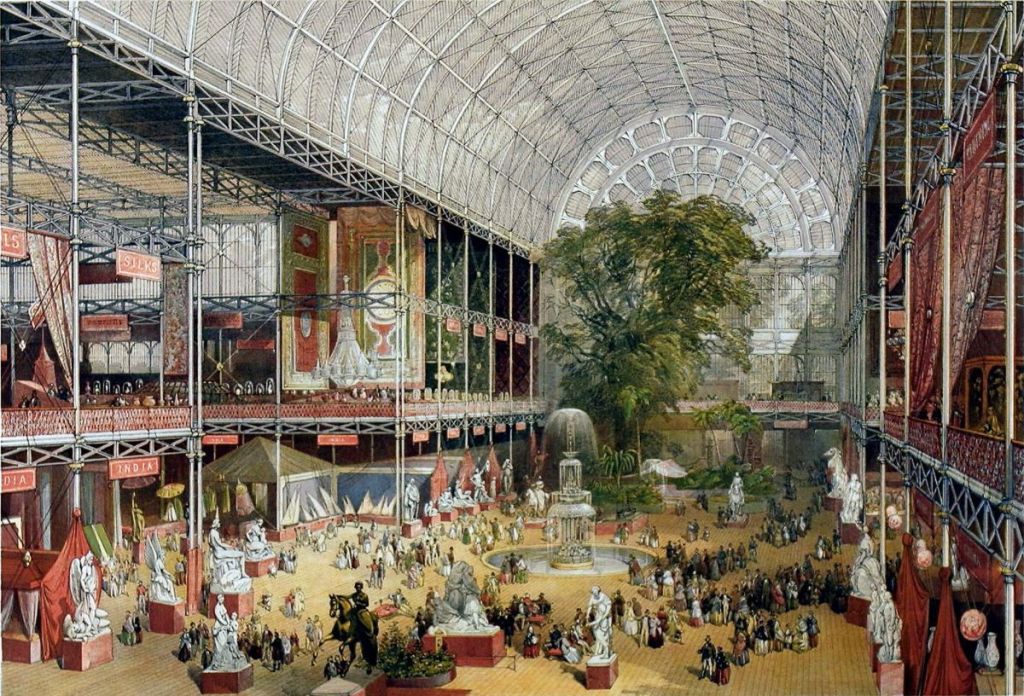
We are told the purpose of the first Great Exhibition in 1851 was said to be making clear to the world Britain’s role as industrial leader, while at the same time it provided a platform on which other countries from around the world could display their achievements.
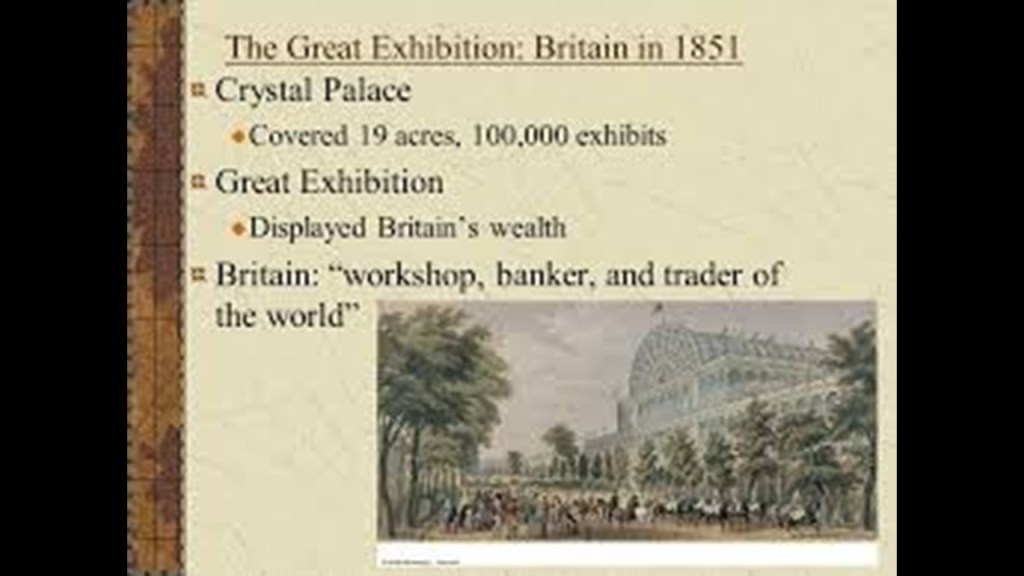
It was organized by Sir Henry Cole, British civil servant and inventor, and Prince Albert, husband of Queen Victoria.
We are told that it took only 9-months to develop it, from plans and organization to the Grand Opening with Queen Victoria.

We are told that after the Great Exhibition, the Crystal Palace was moved and re-erected in 1854 to Sydenham Hill in South London, and was later destroyed by fire in 1936.
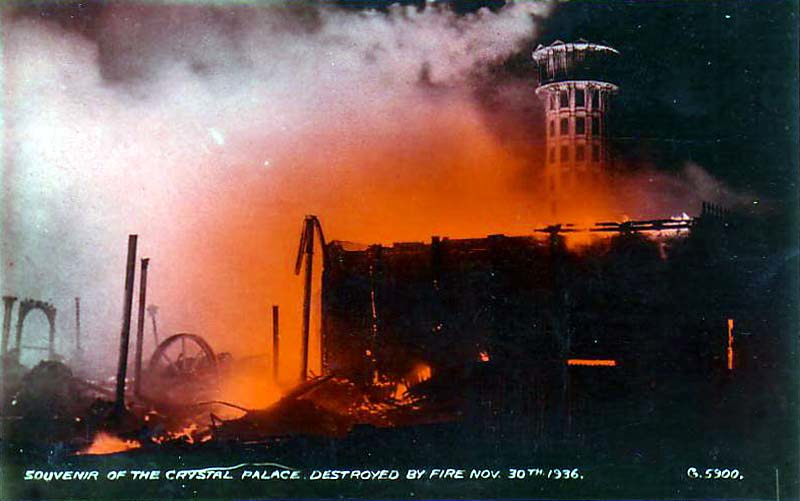
Just wondering how they managed to move a massive building of plate-glass and cast-iron, said to be three times larger than St. Paul’s Cathedral in London.

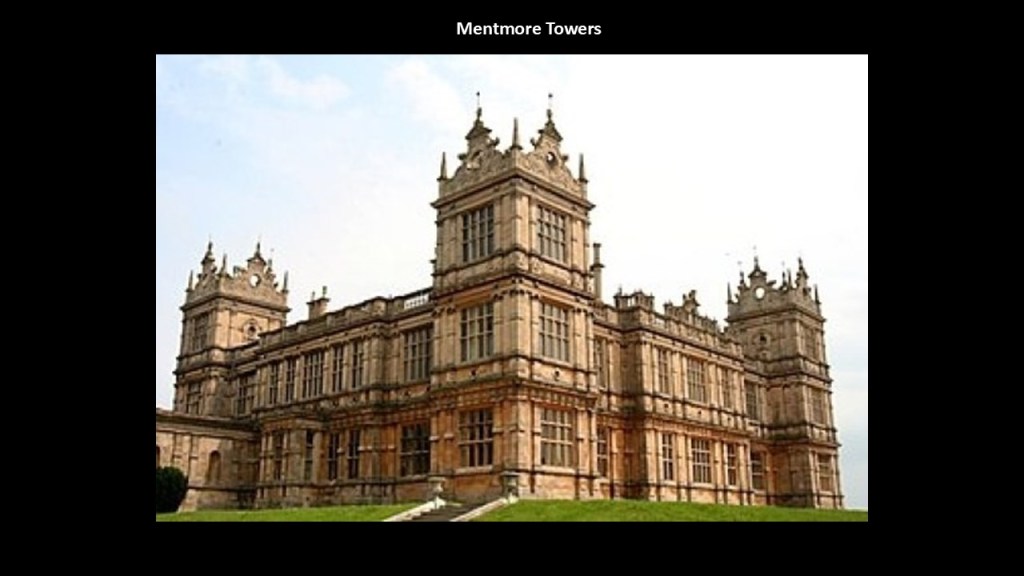
Sir Joseph Paxton was also said to have been commissioned by Baron Mayer de Rothschild in 1850 to design the Mentmore Towers in Buckinghamshire, said to be one of the greatest country houses built during the Victorian Era.
It was said to have been built between 1852 and 1854.
The mansion has been largely vacant for over 15-years, and is listed on the “Historic England At-Risk Ledger” for neglect, with reports of serious structural decay.
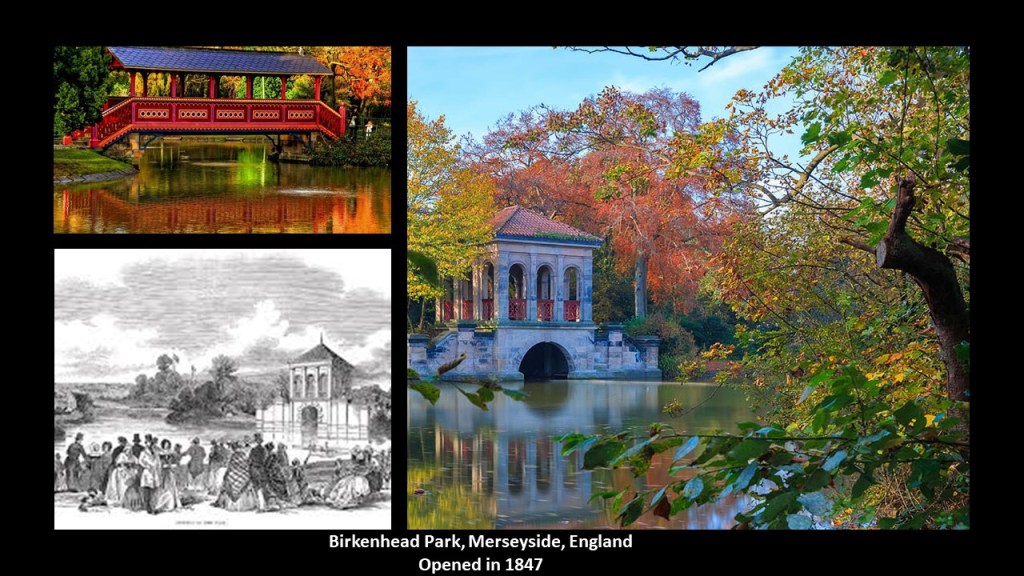
Joseph Paxton was also credited with the design of Birkenhead Park on the Wirral Peninsula in northwest England near Liverpool, which opened in April of 1847 and said to be the first publicly funded civic park in the world.
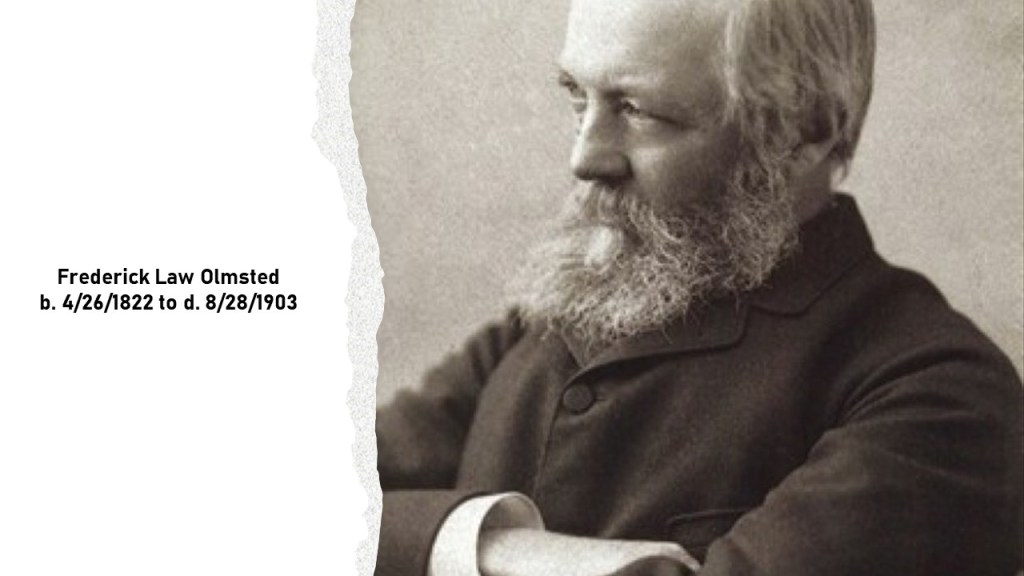
This is a good lead-in to bring in another one of the many hats of Frederick Law Olmsted in the shaping of our new historical narrative.
We saw him earlier at the Biltmore Estate in Asheville, North Carolina, for what he is known best for as the “Father of Landscape Architecture.”
He started out his storied career as a journalist.
In our historical narrative, Frederick Law Olmsted travelled to England in 1850 to visit the public gardens there, including Birkenhead Park,
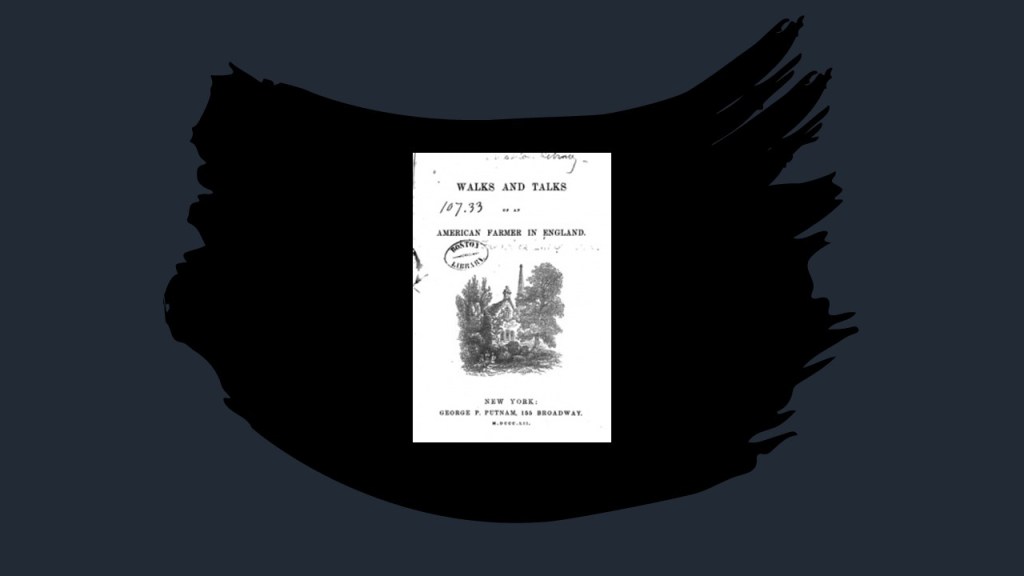
After his trip, Olmsted published “Walks and Talks of an American Farmer” in England in 1852, where he recorded the sights, sounds and mental impressions of rural England from his visit.
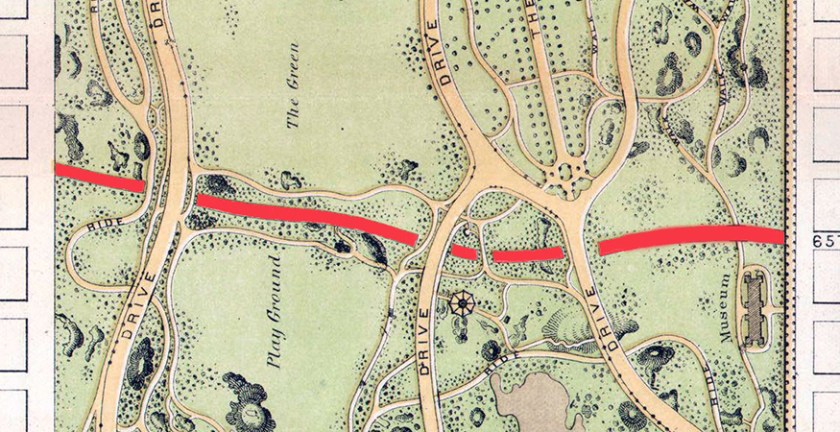
Frederick Law Olmsted’s career as a prolific and celebrated landscape architect was said to have gotten its start teaming up with Calvert Vaux in the design and creation of Central Park in New York City.
Their design, announced as the winner of a contest in 1858, was called the “Greensward Plan.”
Frederick Law Olmsted’s visit to Birkenhead Park in 1850 was said to have provided him inspiration for the Central Park design.
Frederick Law Olmsted apparently was also commissioned by the New York Daily Times to start on an extensive research journey in the American South and Texas between 1852 and 1857.
The dispatches he sent to the Times were collected into three books, and considered vivid, first-person accounts of the antebellum South: “A Journey in the Seaboard Slave States,” first published in 1856; ”A Journey through Texas,” published in 1857; and “A Journey in the Back Country in the Winter of 1853 – 1854,” published in 1860.
All three of these books were published in one book, called “Journeys and Explorations in the Cotton Kingdom,” in 1861 during the first six months of the American Civil War at the suggestion of his English publisher.
Like I said earlier in this post, I believe famous writers were being used as programming devices with which to shape our collective minds with a new historical narrative and history that we have been thoroughly educated in, and completely covering up what was once a worldwide ancient Moorish Civilization.

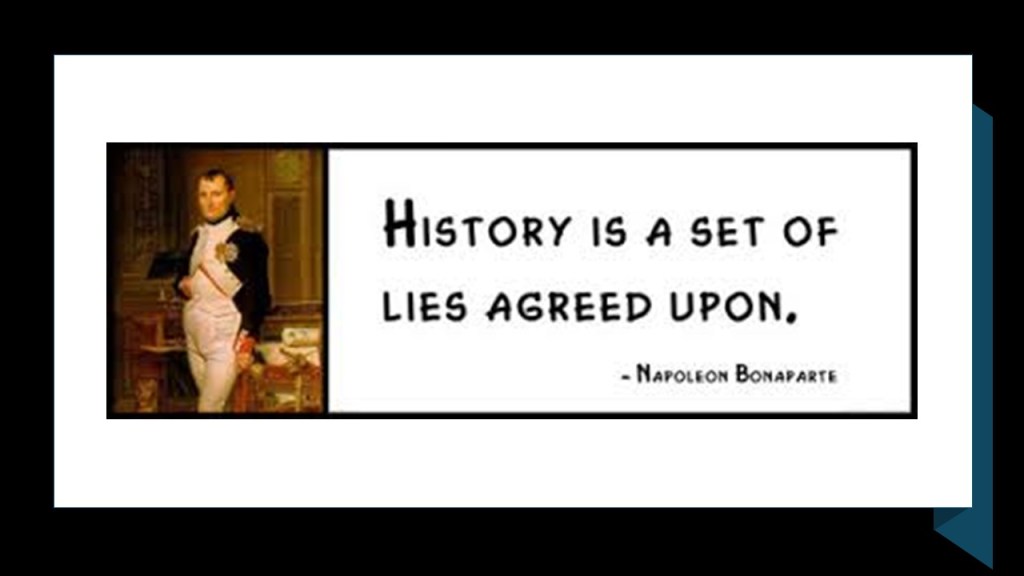
I believe Napoleon was telling the truth when he was famously attributed as saying, “History is a set of lies agreed upon.”
I have endeavored to show here the evidence I have found over the years that shed light on what the “set of lies” are in our historical narrative, and some of those who “agreed upon” them.
 Revealing What Has Been Hidden in Front of Our Eyes