I decided to bring forward research I did several years ago on the history of candy to provide information for consideration on the answer to the question posed of “Simply a Treat or Weaponization of Sweets?”
Here are some of the things that I found out when I was looking into the history of candy.
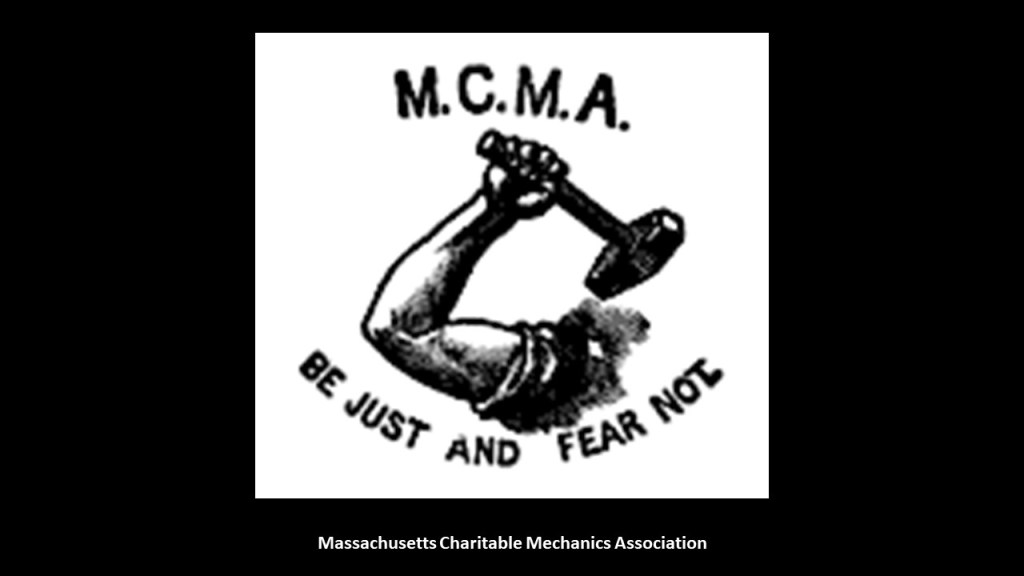
Hard stick candy as we know it has at least been around since 1837, when it at was featured at the Exhibition of the Massachusetts Charitable Mechanics Association (MCMA) that year in Boston, Massachusetts.
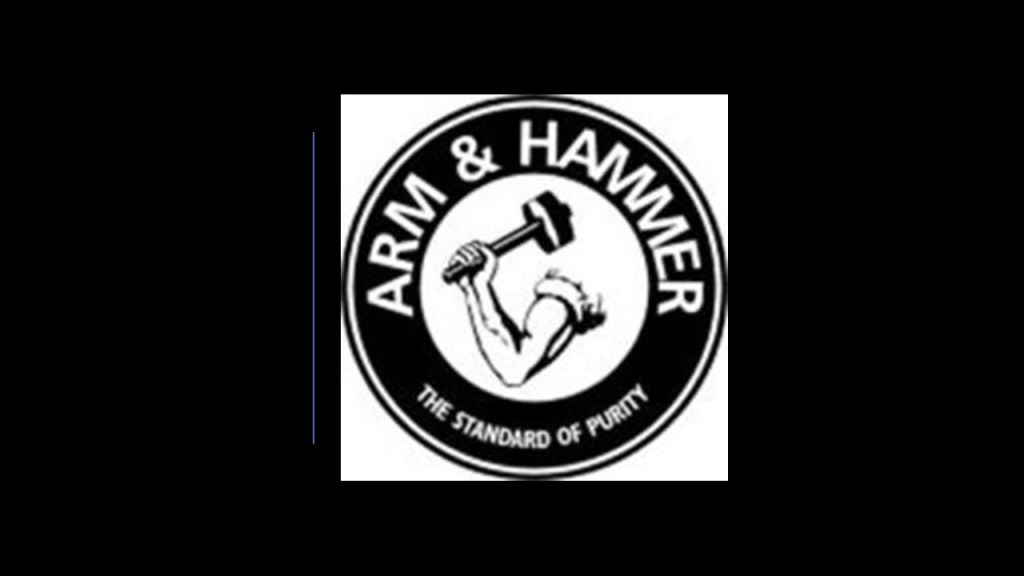
Wondering if it just a coincidence that the MCMA logo is pretty much identical to the “Arm and Hammer” logo.
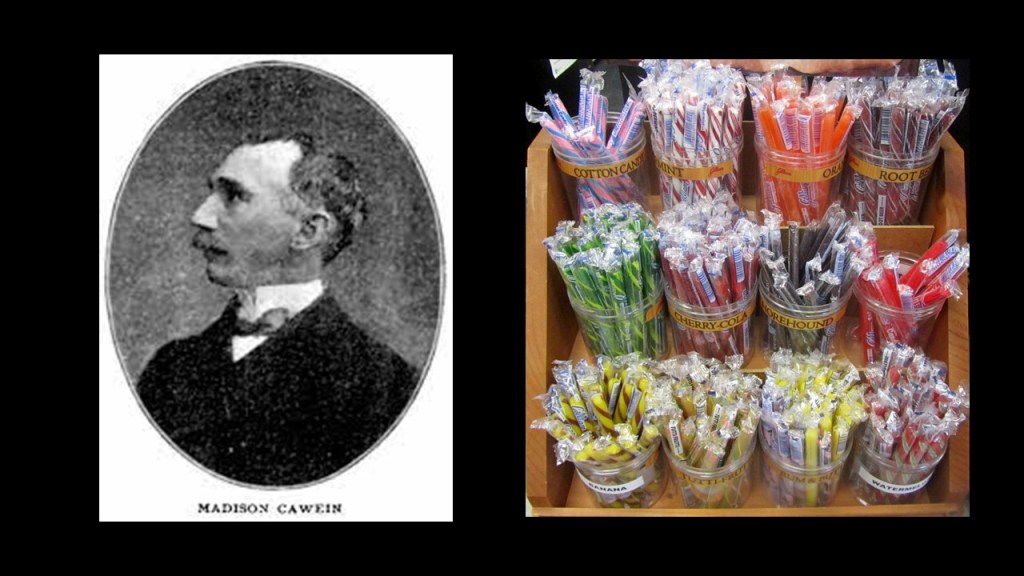
At any rate, hard stick candy became a popular type of hard candy for both children and adults in the United States by the 1860s, and their nostalgia effect is memorialized in this 1909 poem, “The Land of Candy” attributed to Kentucky poet Madison Julius Cawein.
The first place they came to me, why. Was a wood that reached the sky; Forest of stick candy. My! How the little boy made it fly! Why, the tree trunks were as great, Big around as our gate Are the sycamores; the whole Striped like a barber’s pole.
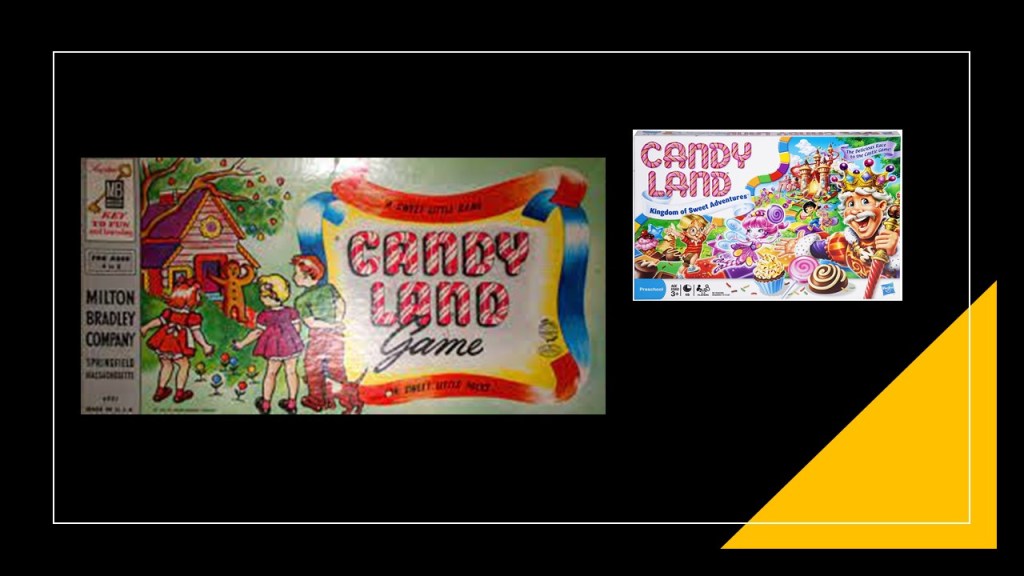
This brings to mind the game, “Candyland,” which I distinctly remember playing as a child.
This classic board game was first published in December of 1949 by the Milton Bradley Company, and was suitable for young children because there was no reading or strategy involved, and only minimal counting skills.
All you have to do to play the game is follow the directions.
To this day, this popular board game still sells an estimated 1-million copies per year.
Stick candy is made by mixing things like granulated sugar and sometimes corn syrup with water and a small amount of Cream of Tartar, though white vinegar can be used in place of Cream of Tartar.
The chemical name for Cream of Tartar is potassium bitartrate, and in addition to its uses in cooking, when it is combined with other substances like lemon juice, vinegar, and hydrogen peroxide, it is used as a cleaning agent.
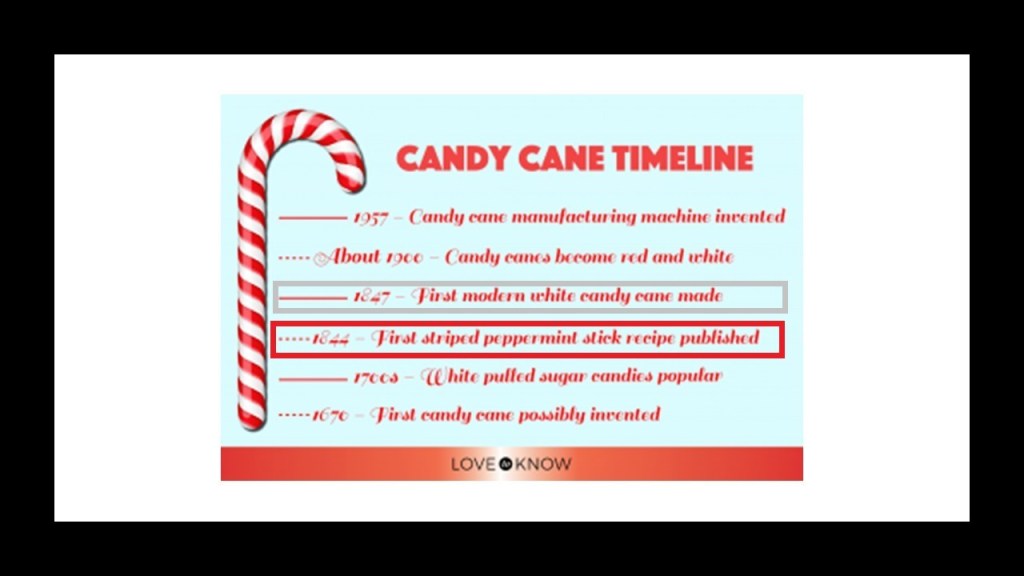
A recipe for candy canes, typically a type of peppermint-flavored stick candy, was published in 1844, and the first ones made in 1847.
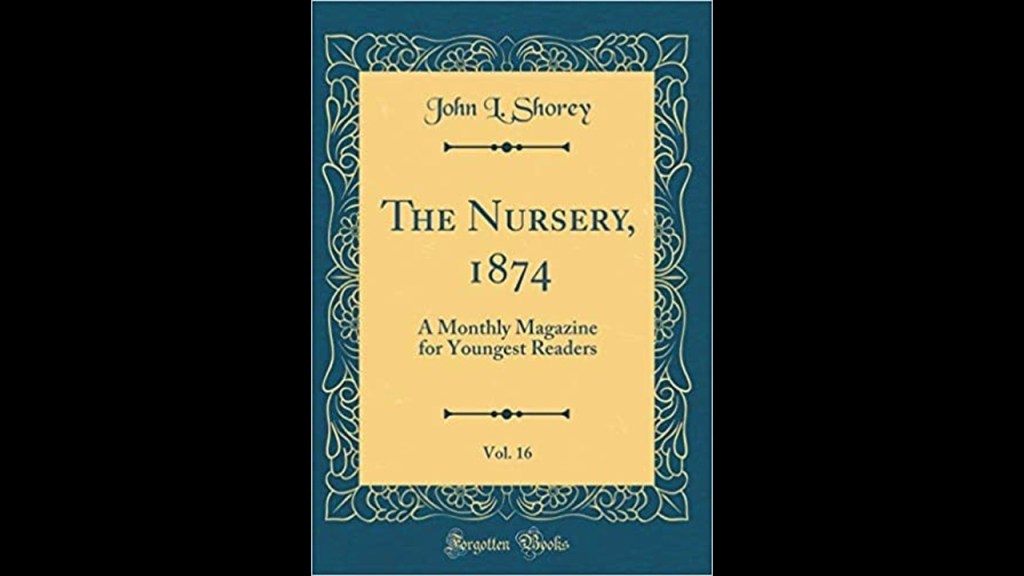
In 1874, “The Nursery,” a 19th-century magazine “for the Youngest Readers,” made note of candy canes in connection with Christmas…
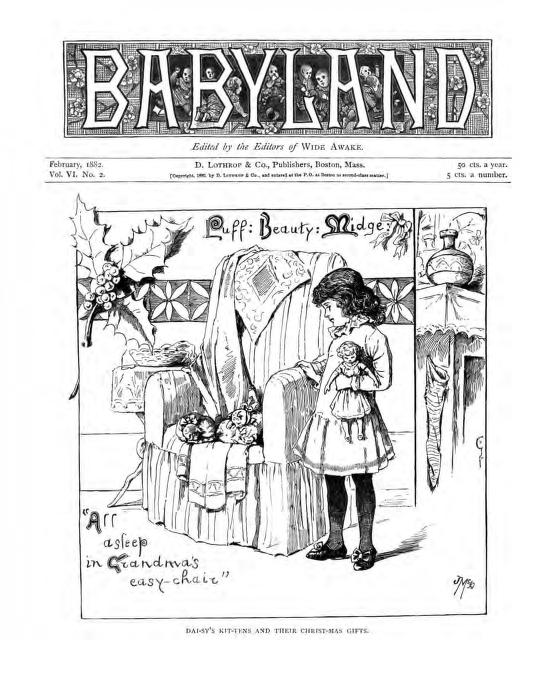
…and in 1882, an edition of a similar kind of magazine entitled “Babyland,” called “the Babies Own Magazine,” mentioned candy canes being hung on Christmas trees.
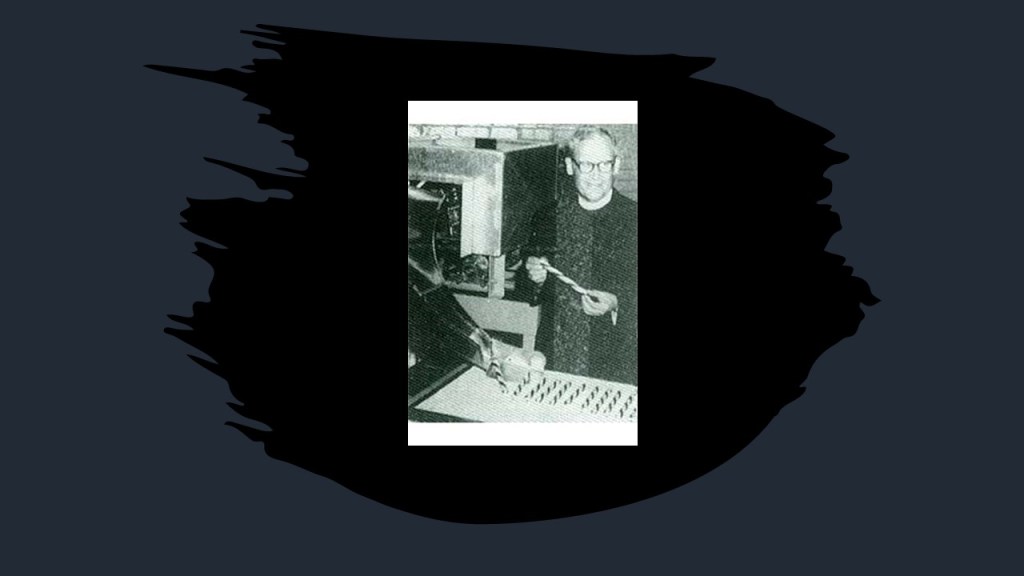
In 1957, Father Gregory Keller, a priest of the Diocese of Little Rock in Arkansas, patented his “Keller Machine,” which automated the process of bending candy cane sticks.
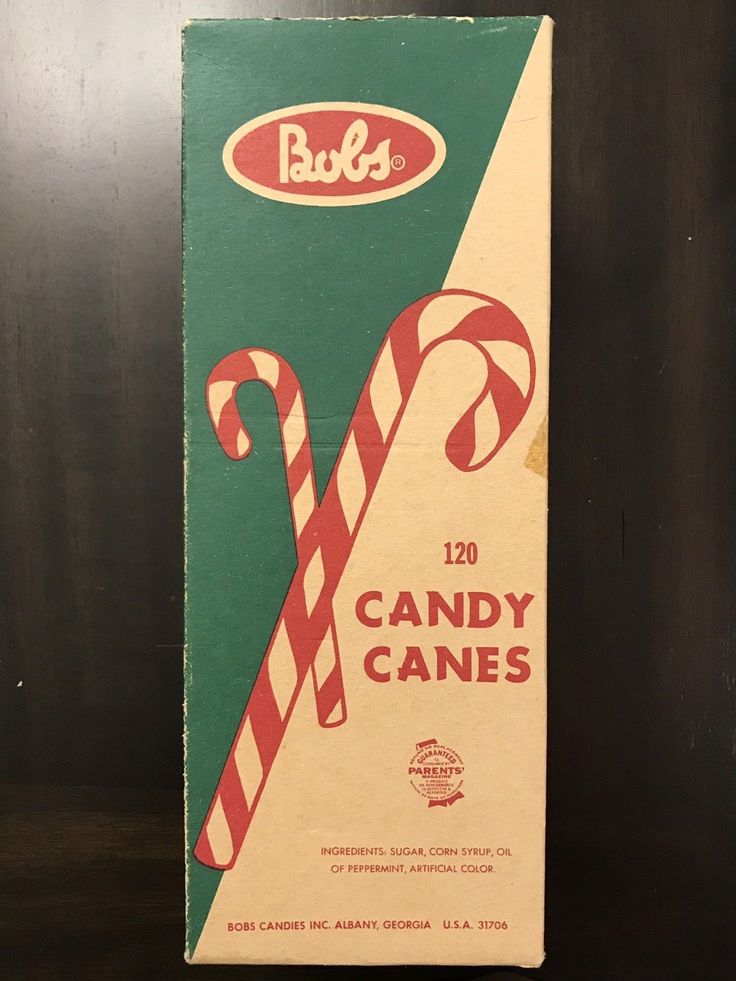
Father Keller was the brother-in-law of Robert McCormack, who began making candy canes for local children in 1919 in his Famous Candy Company, and became one of the world’s leading candy cane producers, and the company he started became known as “Bobs Candies.”
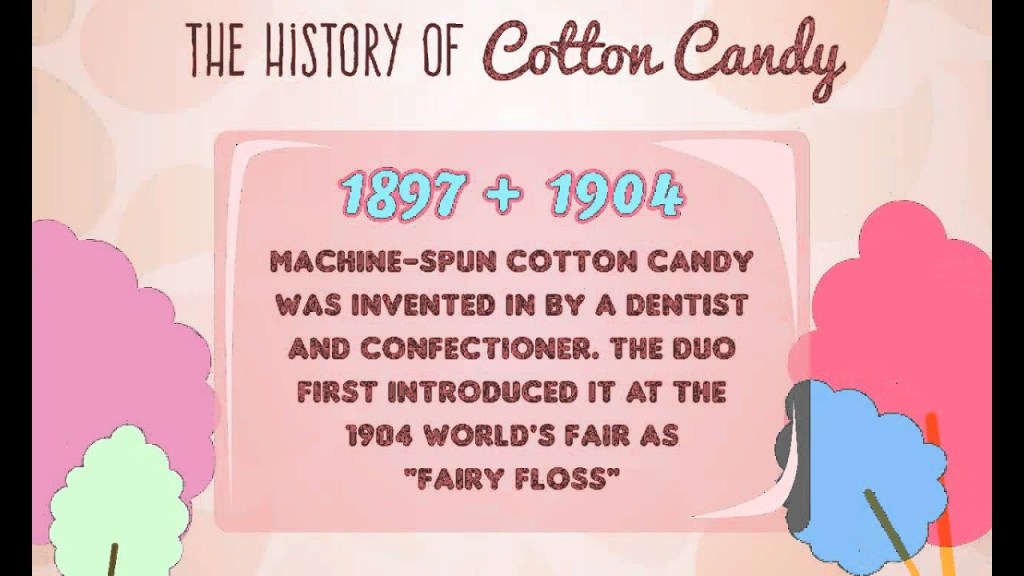
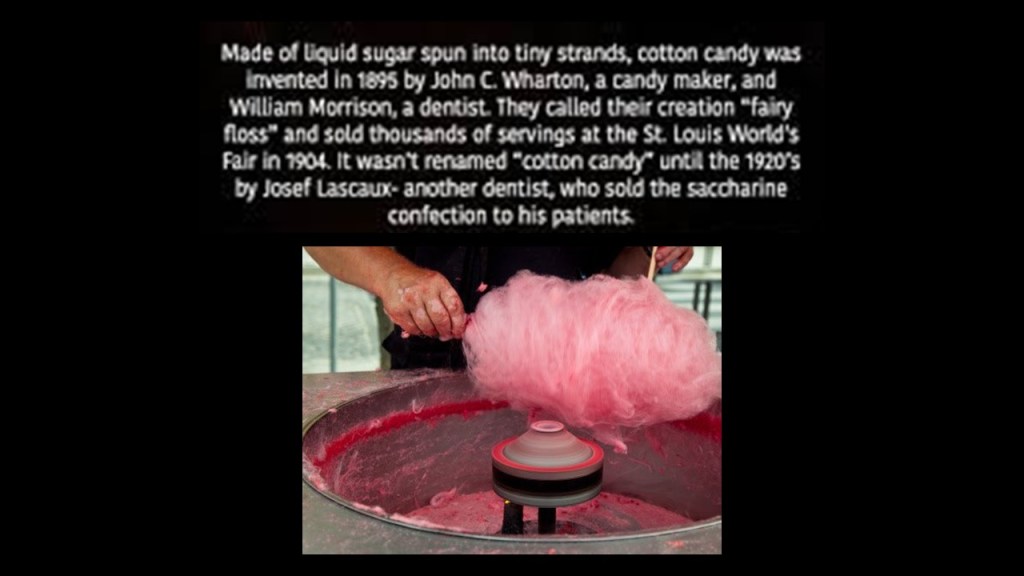
Today’s Cotton Candy was first created in 1897…
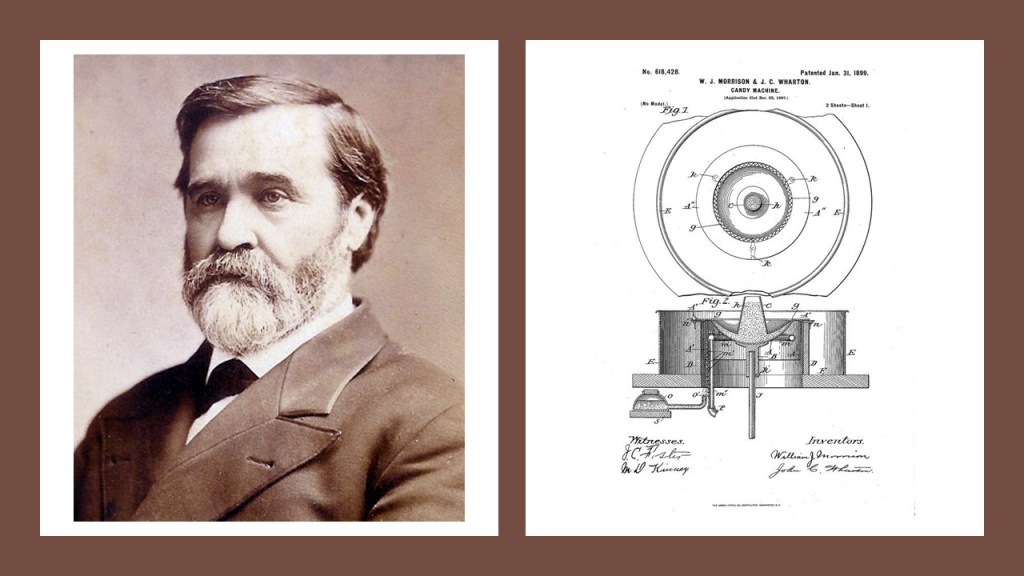
…by a dentist, named William Morrison, who developed the cotton candy machine…
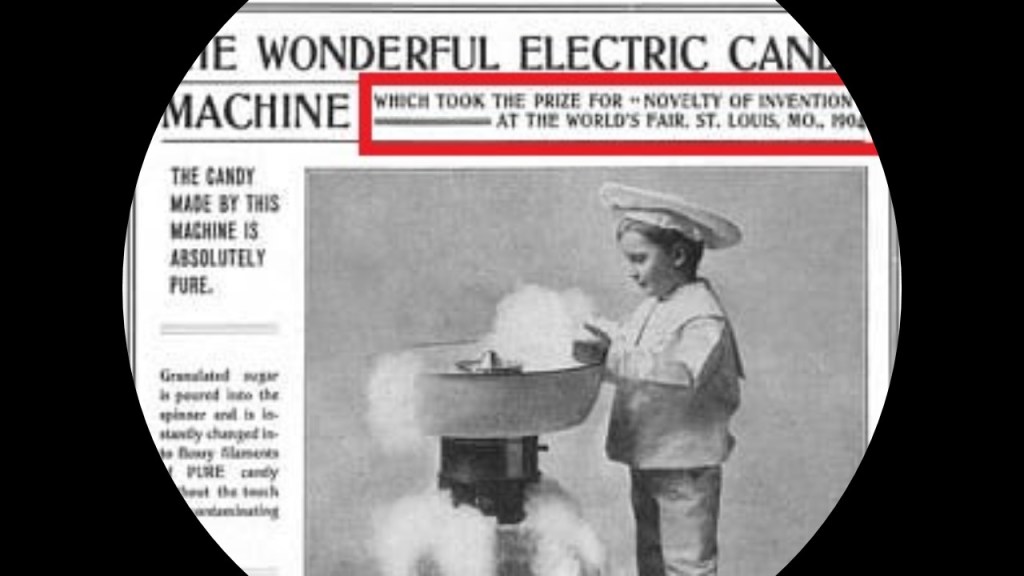
…and a confectioner named John C. Wharton, and together they created a product they called “Fairy Floss” by heating sugar through a screen that made its debut at the 1904 World’s Fair in St. Louis…
…where it won an award for “Novelty of Invention.”
It received the name “cotton candy” from yet another dentist, Josef Lascaux, who marketed his version of the same treat starting in 1921, and named it after the cotton of his home state of Louisiana and sold it to his dental patients, and which apparently had saccharine in it, according to this reference to it that I found.
Here are some interesting points of information related to the artificial sweetener saccharin that I came across in past reserach.
Saccharin was the first product produced by the Monsanto Chemical Company, starting in 1901.
Monsanto was acquired by the German multinational Bayer Pharmaceutics and Life Sciences Company after gaining United States and EU regulatory approvals on June 7th of 2018 for $66-billion in cash, and Monsanto’s name is no longer used.
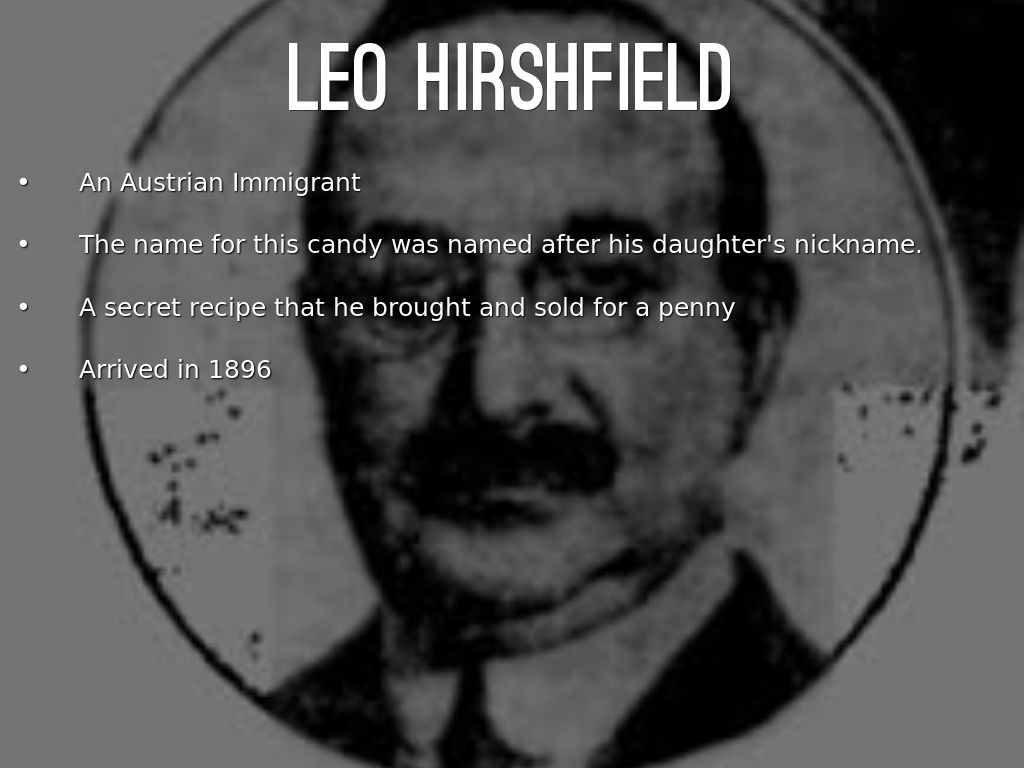
Around the same time that cotton candy was first made, the Tootsie Roll entered the scene as the first penny candy that was individually wrapped and sold, starting in 1896.
An Austrian immigrant by the name of Leo Hirshfield invented the candy, which we are told was named after his daughter Clara, who was nicknamed “Tootsie.”
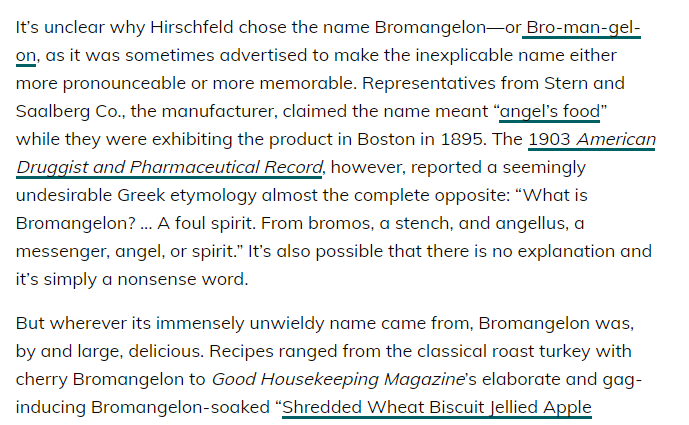
Hirshfield’s first invention was Bromangelon Jelly Powder.
It was the first instant, flavored gelatin powder, and initially came in four flavors – lemon, orange, raspberry, and strawberry.
It was also the first commercially-successful gelatin dessert powder, and was eventually driven off the market by Jell-O.
The invention of Bromangelon Jelly Powder set the stage for both Tootsie Rolls and Jell-O.
Interesting to note is that there are two different possible meanings attributed to the name.
One was what the manufacturer, the Stern and Saalberg Company, said it was, which was “Angel’s Food.
And the other is what the break-down of the Greek etymology is said to mean, which is “a foul spirit,” with bromos meaning stench and “angellus,” a messenger, angel, or spirit.
Or the possibility that it has no meaning at all.
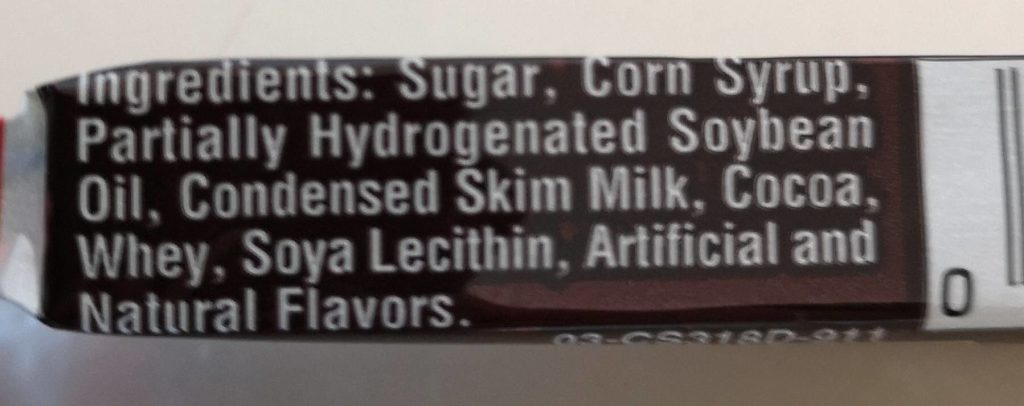
The ingredients of Tootsie Rolls, at least today, are as follows: sugar; corn syrup; partially hydrogenated soybean oil; condensed skim milk; cocoa; whey; soy lecithin; and artificial and natural flavors.
The sugar and corn syrup alone have a bad effect on the body, spiking insulin and sending the body on a roller coaster ride.
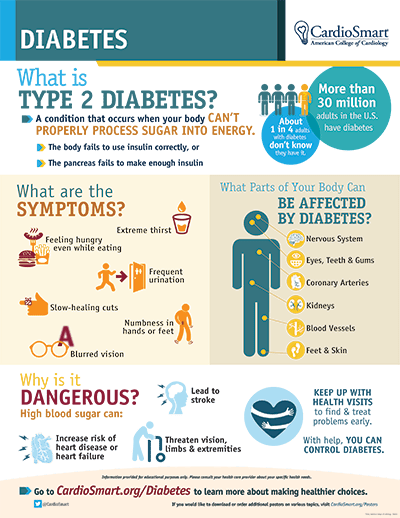
All of the sugar and other additives there were introduced into our diets from all of this candy brings the prevalence of Type 2 Diabetes to mind, which is an impairment in the way the body regulates and uses sugar (or glucose) as a fuel, and affects a lot of people, who either have it, or are at risk to develop it as a health condition.
Tootsie Rolls represented a break-through in the candy industry, a chocolate-flavored caramel and taffy that didn’t stick together in the bulk containers at the store; didn’t melt and they stayed fresh.
From that modest start, Tootsie Roll Industries has brought us Charms Blow Pops; Mason Dots; Andes; Sugar Daddy; Charleston Chew; Dubble Bubble; Razzles; Caramel Apple Pops; Junior Mints; Cella’s Chocolate Covered Cherries; and Nik-L-Nip, and sold all over in places like: grocery stores; warehouse and membership stores like Sam’s Club and Costco; vending machines; dollar stores; drug stores and convenience stores.
Makes me wonder if we would even need dentists, and doctors for that matter, if we did not have all this candy junk food at our disposal!
I have encountered quite a bit of information in past research about how cultural programming like wild west shows and western movies directly covered up the evidence of an already existing advanced civilization, and its destruction, not only in North Americabut worldwide.
Other venues serving the same purpose in promoting the same desired outcome for cultural programming, included dime museums, billed as cheap entertainment for working-class people.and travelling circuses.
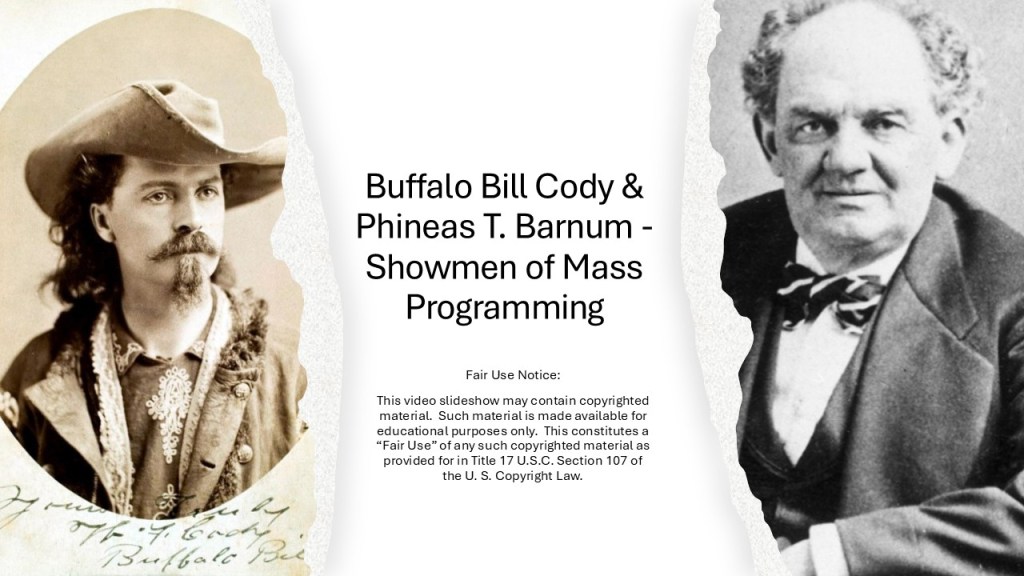
Buffalo Bill Cody was a major figure in the world of Wild West Shows, as was Phineas T. Barnum in the world of Dime Museums and the circus world, and I am going to be highlighting their illustrious careers as showmen for the purposes of this post, and demonstrating how they both acted as agents of mass programming in the historical reset of the New World from the Old World.
I am going to start with Buffalo Bill Cody.
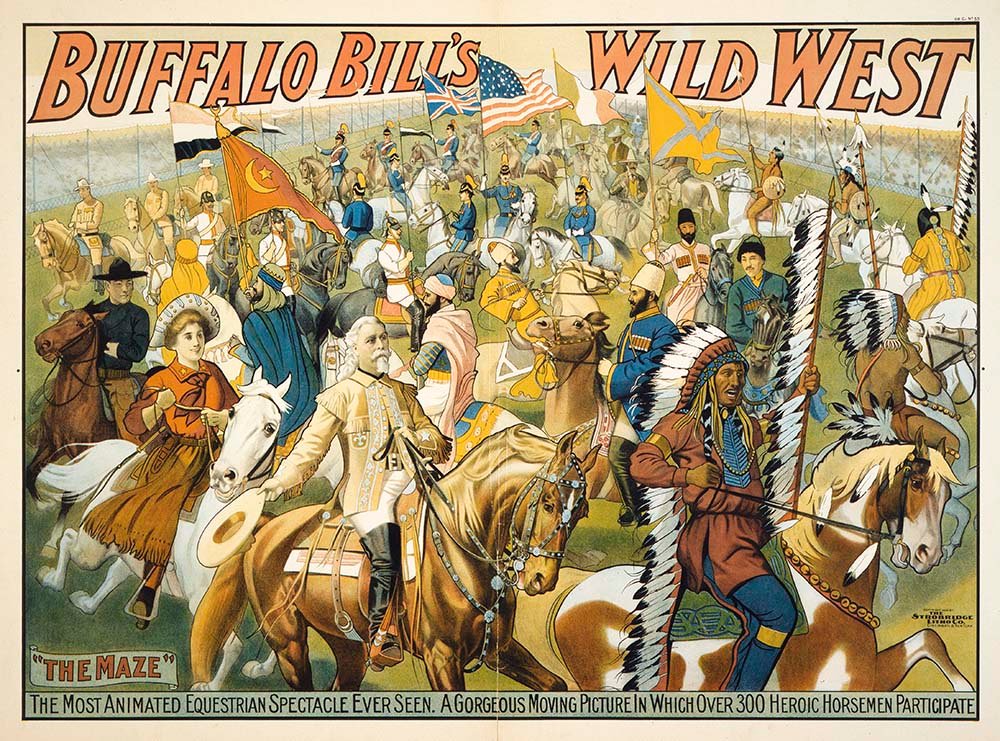
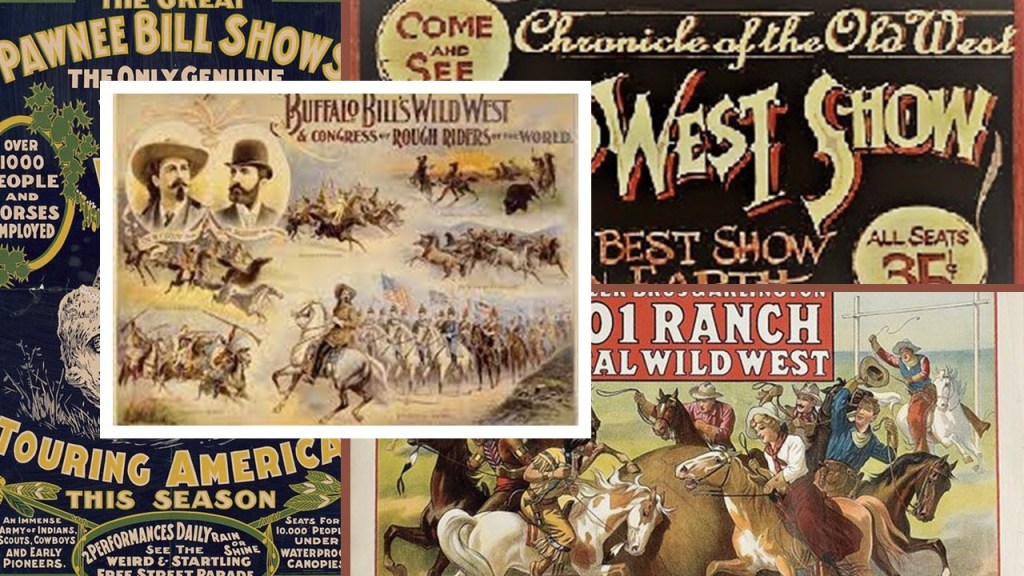
The early Wild West Shows which pre-dated the movie genre, had a powerful impact in imprinting in all our minds the picture of the “Old West” of the United States as empty land free for the taking by whoever could subdue the wild indians that lived there, of which the “Buffalo Bill Wild West Show” was the most famous.
I am going to first delve into what I call the John Wayne version of history, that false historical narrative that we have been indoctrinated in from cradle-to-grave, by highlighting ole Buffalo Bill himself.
The Old Wild West Shows were described as travelling vaudeville shows in the United States and Europe that took place between 1870 and 1920.
Vaudeville was a type of entertainment popular in the United States early in the 20th-century, featuring a mix of speciality acts such as burlesque comedy, song, and dance.
Burlesque is a style in literature and drama that mocks or imitates a subject by representing it in an ironic or ludicrous way.
Human degradation was going on here, as opposed to learning ways to expand into self-awareness and Higher Consciousness.
Vaudeville originated in France in the 19th-century, we are told, as a theatrical genre of variety entertainment, and became one of the most popular forms of entertainment in North America for several decades.
While not in every case, it was typically characterized by travelling companies touring through cities and towns.
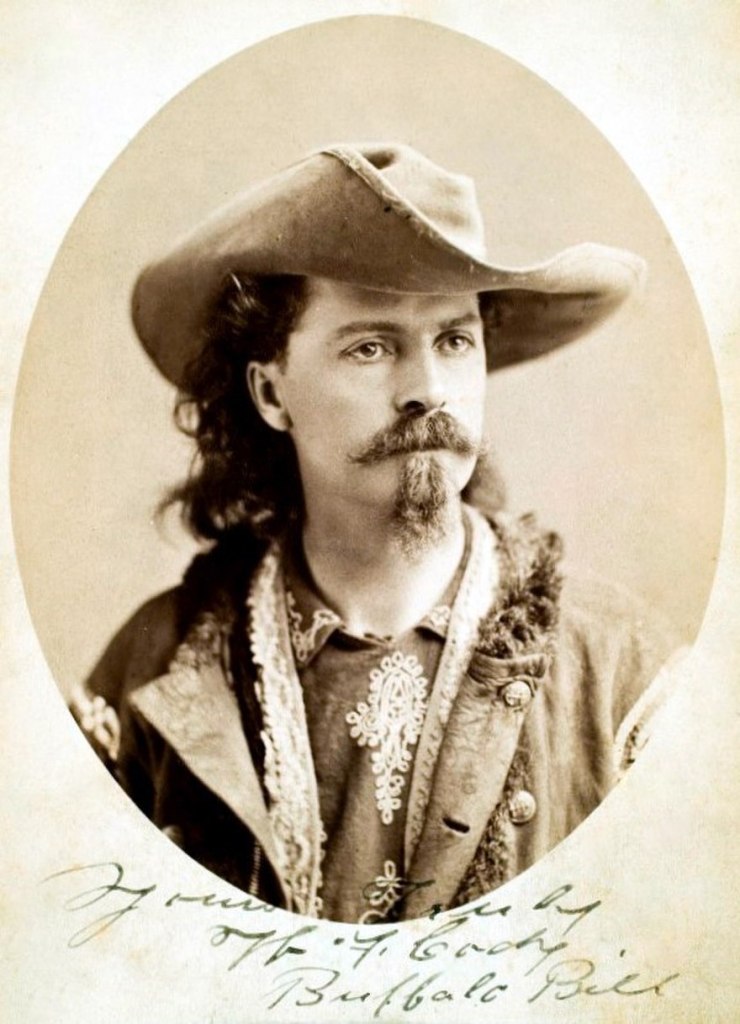
Enter U. S. Army scout and guide William F. “Buffalo Bill” Cody.
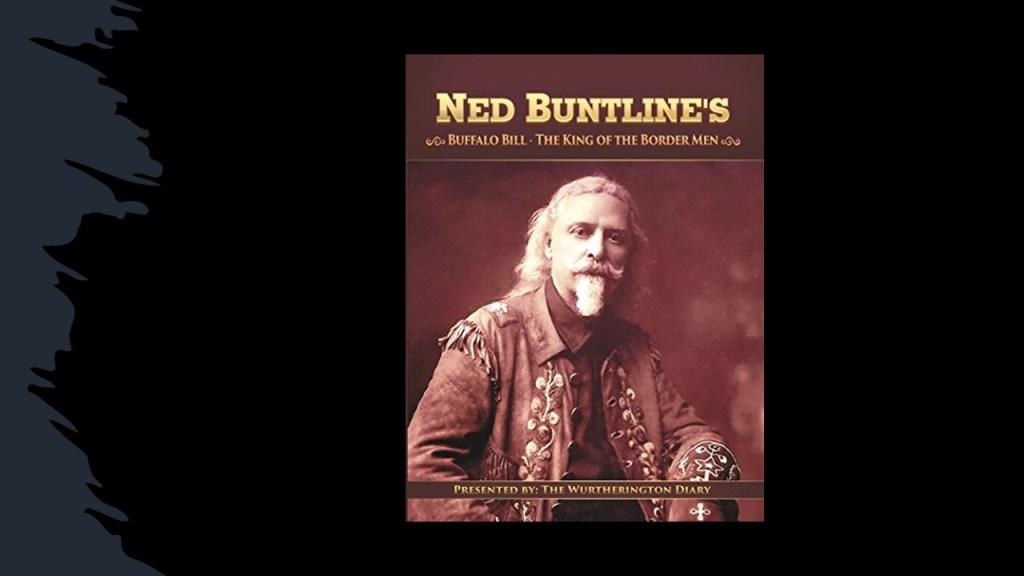
Frontiersman “Buffalo Bill” Cody at the age of 23 met writer Ned Buntline, who published a story called “Buffalo Bill, King of the Bordermen” about Cody’s adventures that was serialized on the front page of the “Chicago Tribune” newspaper on December 15th of 1869, and which was apparently admitted to be largely invented by the writer.
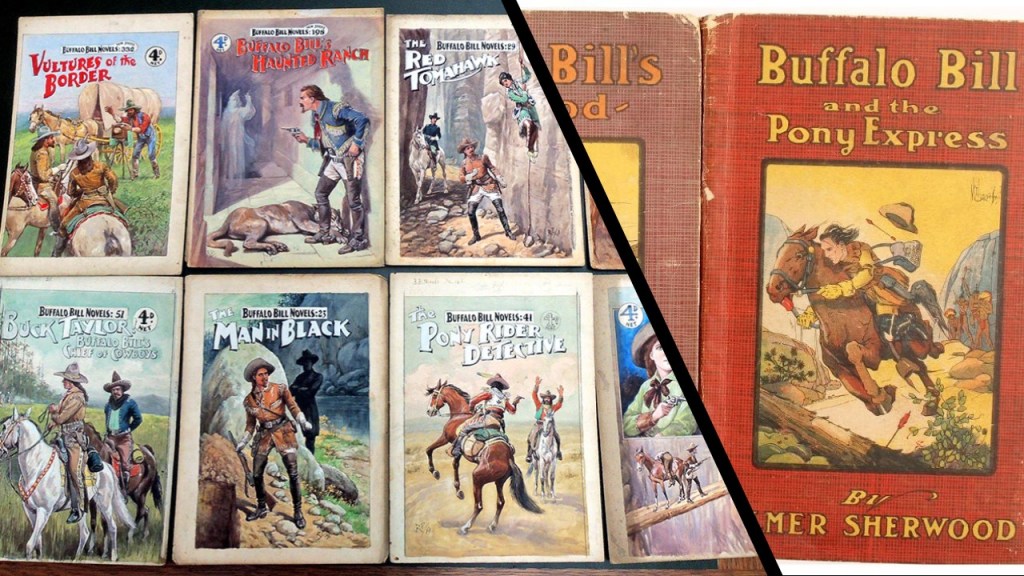
Other stories about Buffalo Bill by Buntline and other western writers followed from the 1870s through the early-part of the 20th-century.
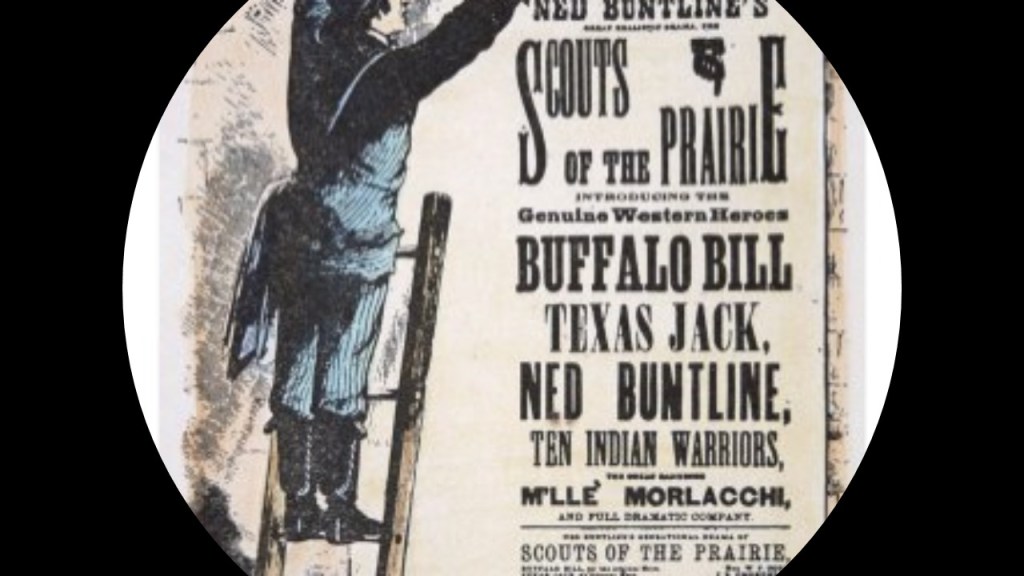
Then, Buffalo Bill went on stage as an actor starting in 1872 in Chicago in a play written by Ned Buntline called “The Scouts of the Prairie.”
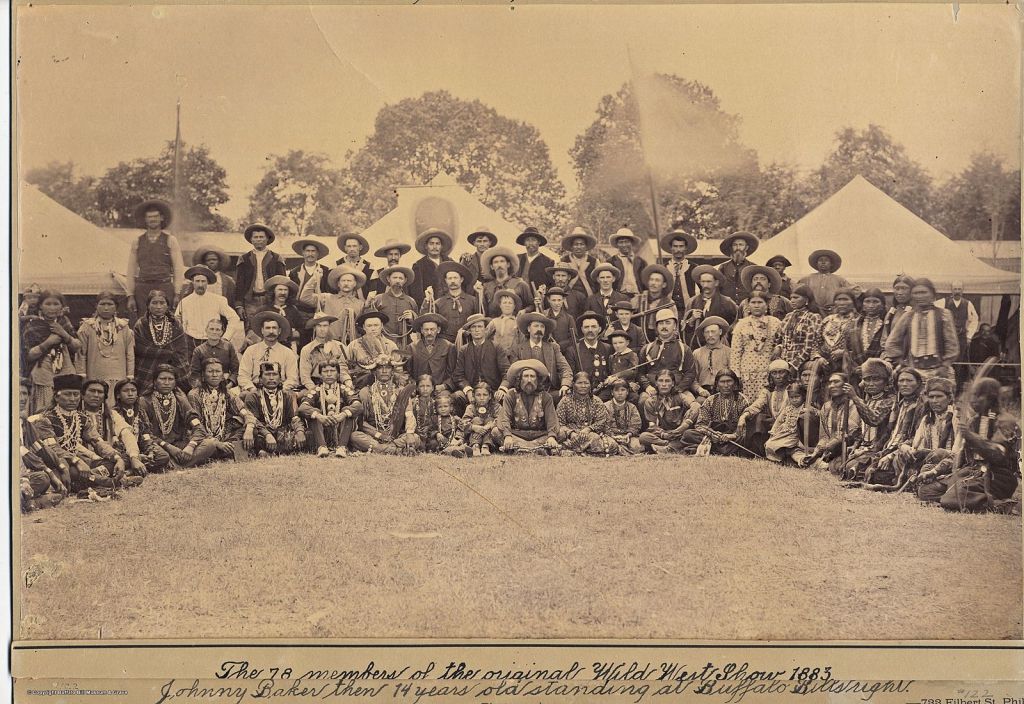
He founded his international touring show in 1883, which travelled across the United States, Great Britain, and Continental Europe.
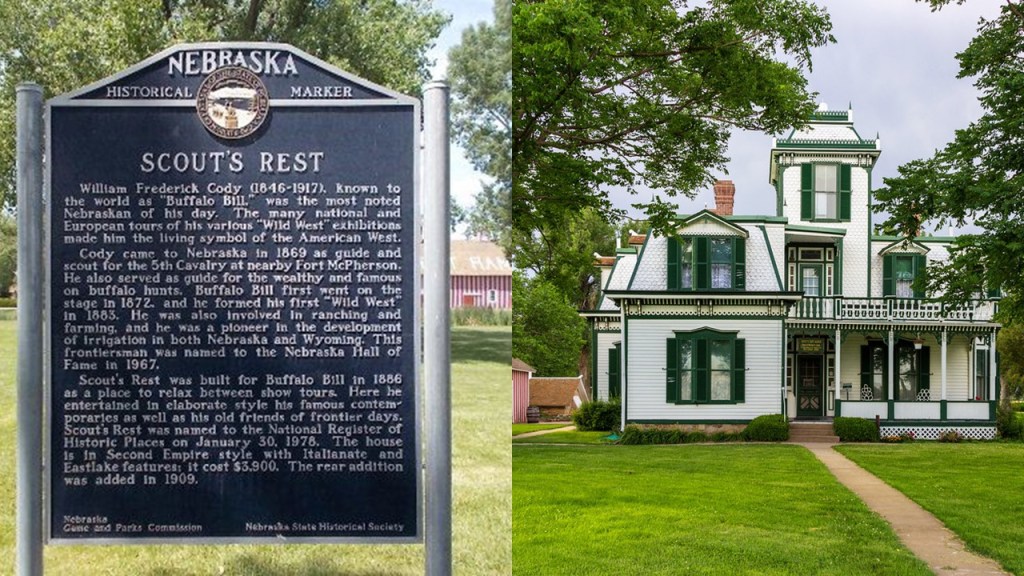
In the years following the formation of his travelling Wild West show, Buffalo Bill Cody had earned enough from its performances by 1886 to purchase an 18-room mansion named the “Scout’s Rest Ranch,” now part of the Buffalo Bill State Historical Park, near North Platte, Nebraska…
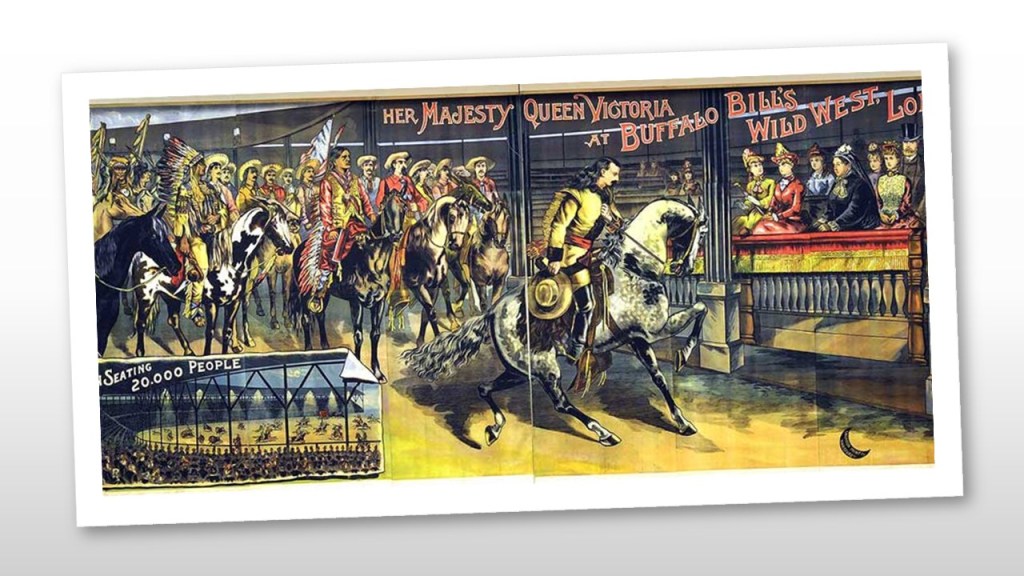
…and had taken his Wild West show to London for the celebration of Queen Victoria’s Jubilee year in 1887, and they subsequently stayed on for another 5-months touring several big cities in England.
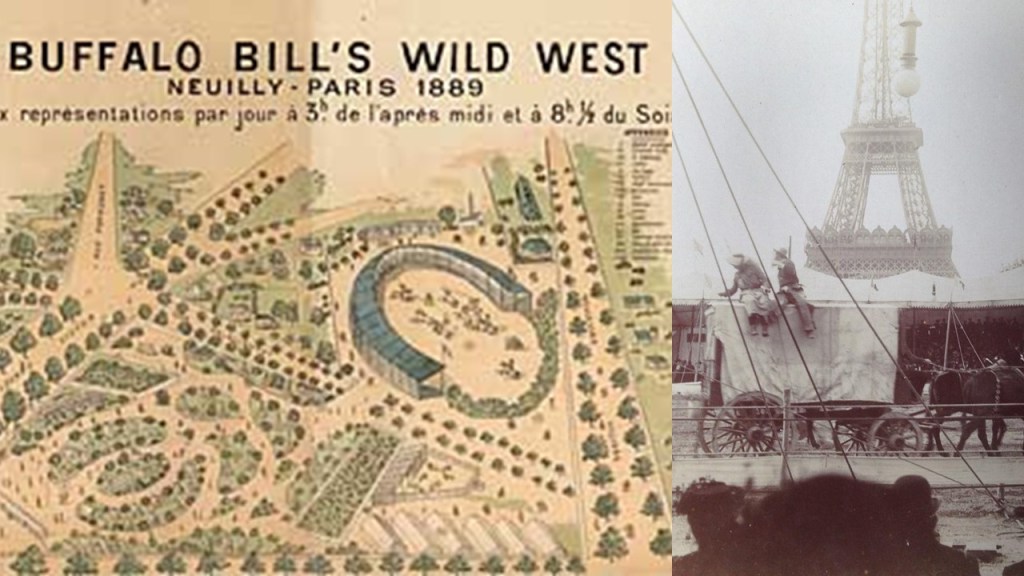
In 1889, Buffalo Bill’s Wild West returned to Europe to be part of the 1889 Paris World’s Fair, which was said to commemorate the 100th-Anniversary of the Storming of the Bastille during the French Revolution, and was also known to history as when the Eiffel Tower made its debut…
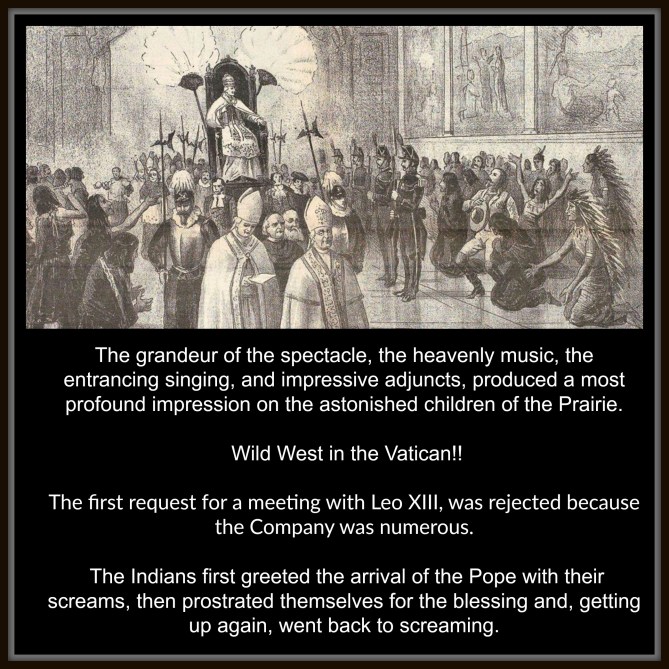
…and during the tour of Europe they did afterwards, Buffalo Bill and some of his performers apparently put on a show during an audience with Pope Leo XIII in 1890 when they were travelling through Italy.
All together, Buffalo Bill’s Wild West Show toured Europe eight times between 1887 and 1906.
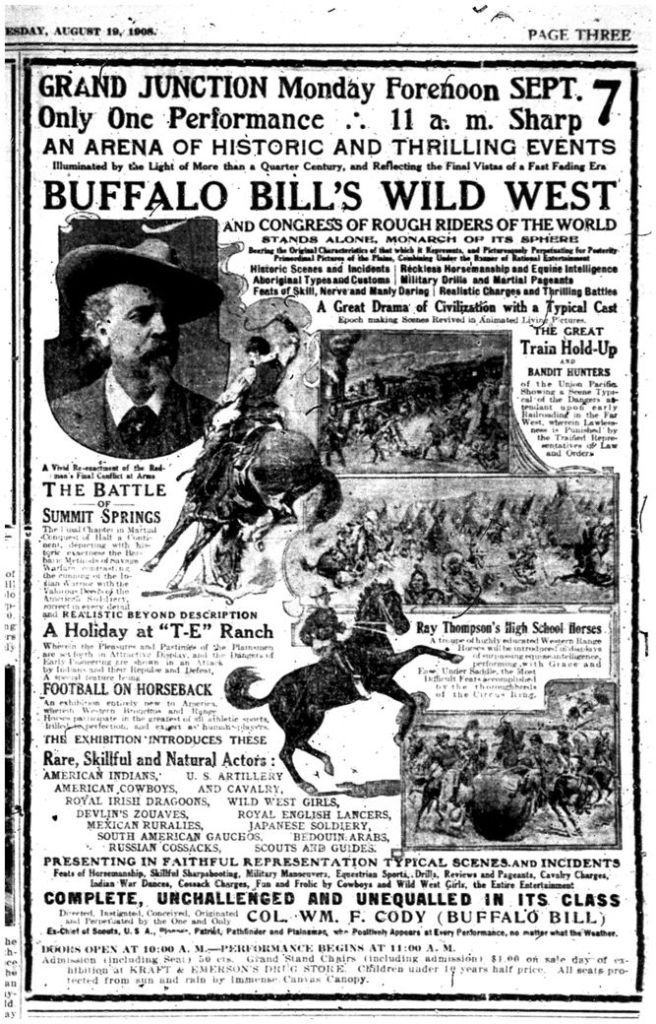
In 1893, the name was changed to “Buffalo Bill’s Wild West and Congress of Rough Riders of the World” from horse-cultures the world over.
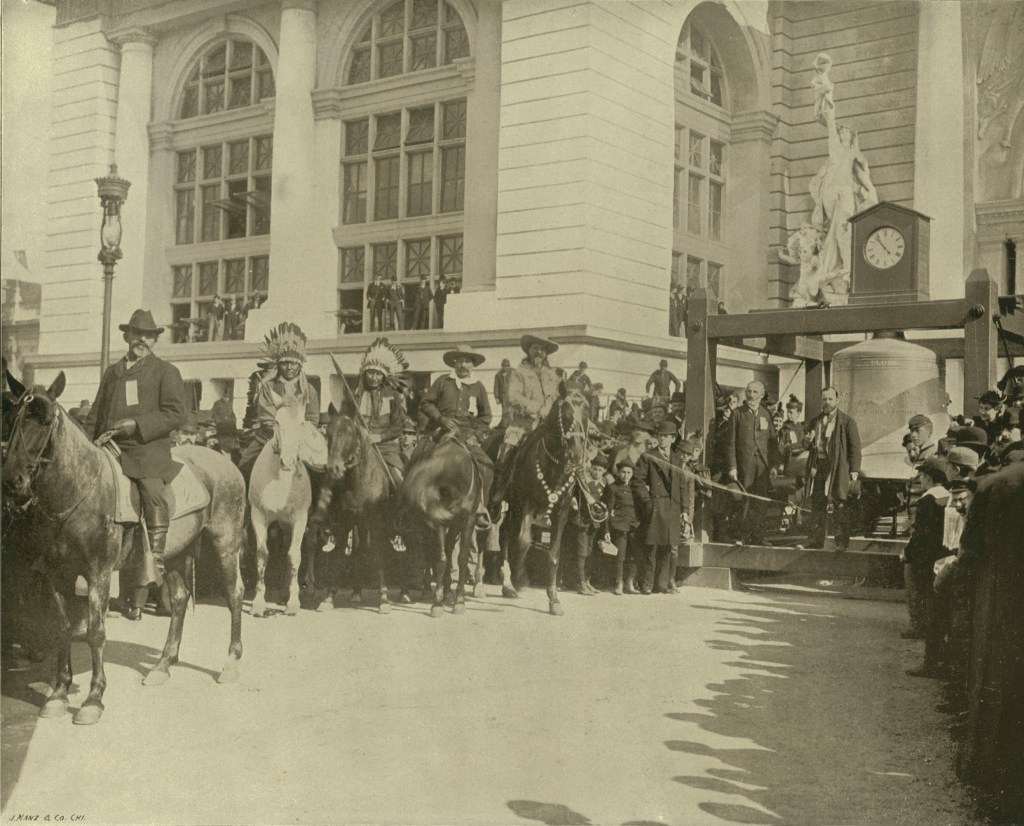
Apparently Buffalo Bill set-up his Wild West show independently at the Chicago World’s Fair in 1893 after they refused his request to participate, and this increased his popularity in the United States.
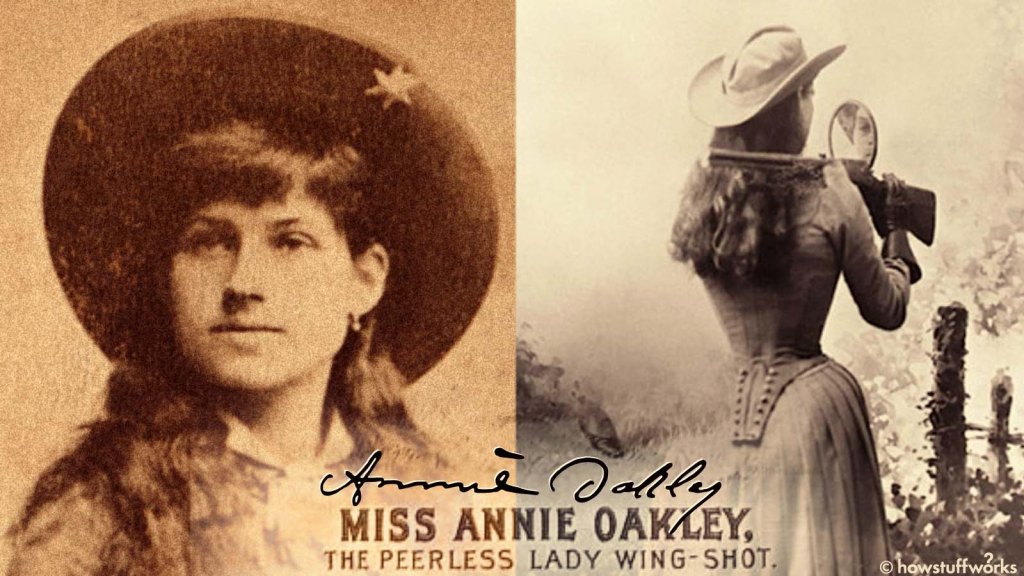
Headliners in the Buffalo Bill Wild West show included sharpshooter Annie Oakley…
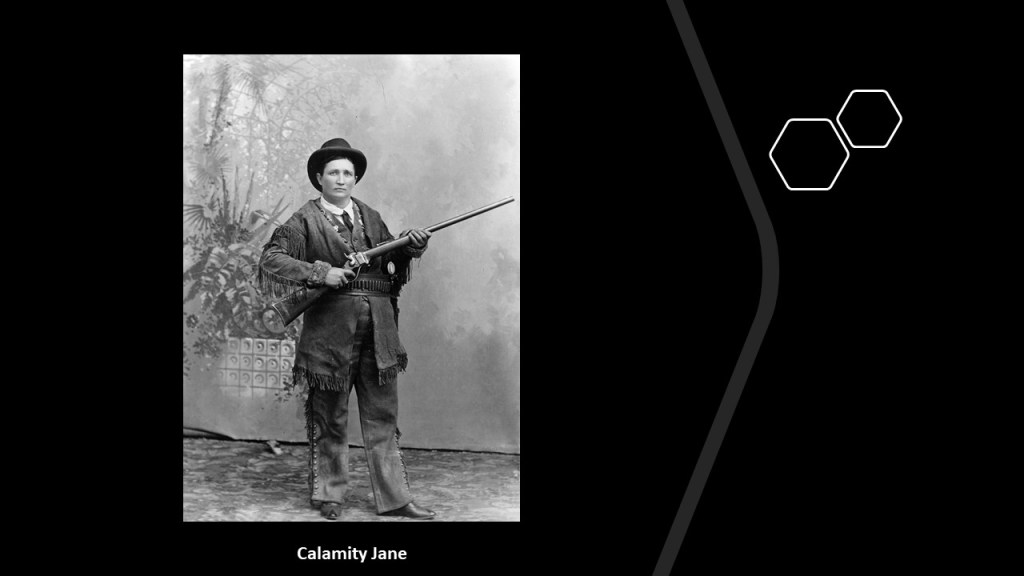
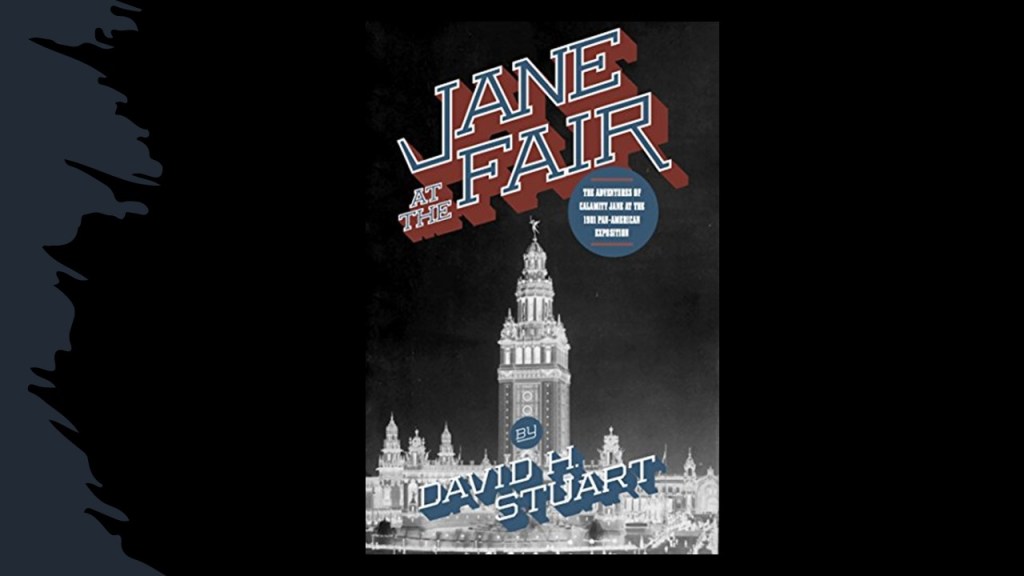
…and storyteller and sharpshooter Calamity Jane…
…who also made an appearance in Buffalo, New York, at the 1901 Pan-American Exposition.
Performances at Buffalo Bill’s Wild West shows, among others included: re-enactments of the riding of the Pony Express; indian attacks on wagon trains; and stagecoach robberies.
Interesting to note the Pony Express in our historical narrative was short-lived.
Its parent company was the Central Overland and Pike’s Peak Express Company, which was a stagecoach company that operated in the American West starting in 1859.
The owners of the parent stagecoach company were said to have spared no expense in obtaining and equipping new stations for the Pony Express.
The Pony Express Home Station in Marysville, Kansas, was the first station the riders came to after leaving St. Joseph, said to have been leased by its 1859 builder, Joseph Cottrell, to the Pony Express in 1860, which had its first letter delivered to it by railroad on April 3rd of 1860.
The mail service utilized relays of horse-mounted riders.
I came across this ad seeking Pony Express riders…interestingly worded!!
Wanted: Young, skinny, wiry fellows not over eighteen. Must be expert riders, willing to risk death daily. Orphans preferred!
Orphans preferred?
In spite of all the money and effort spent on the Pony Express, between its operating expense, and the new transcontinental telegraph service, it ended after only a year-and-a-half, on October 26th of 1861.
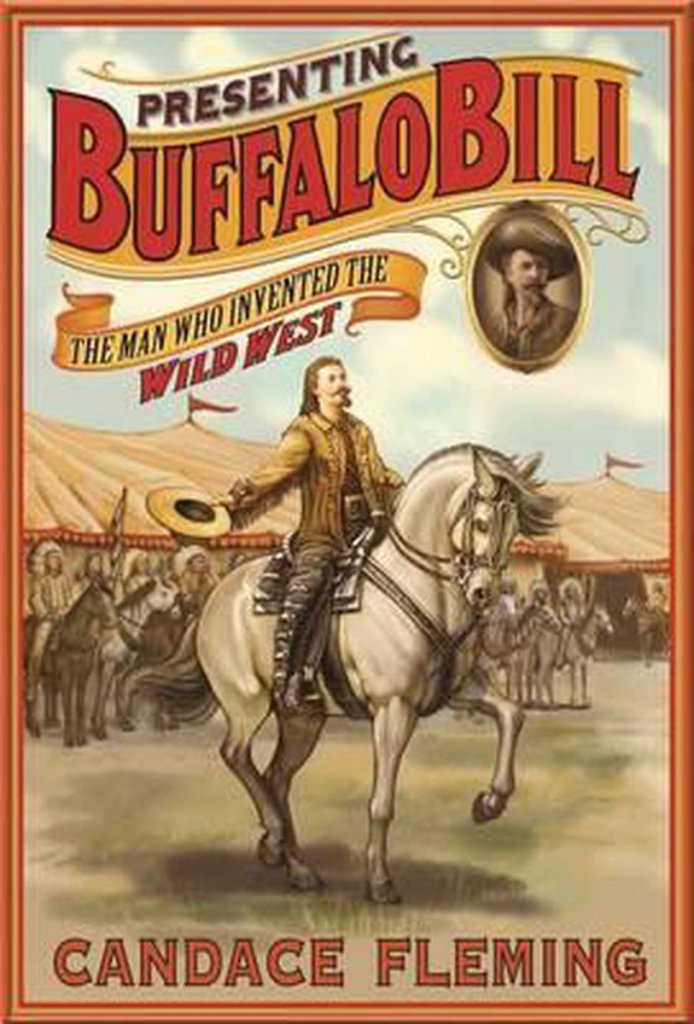
I even saw a book about Buffalo Bill called “Presenting Buffalo Bill – the Man who Invented the Wild West.”
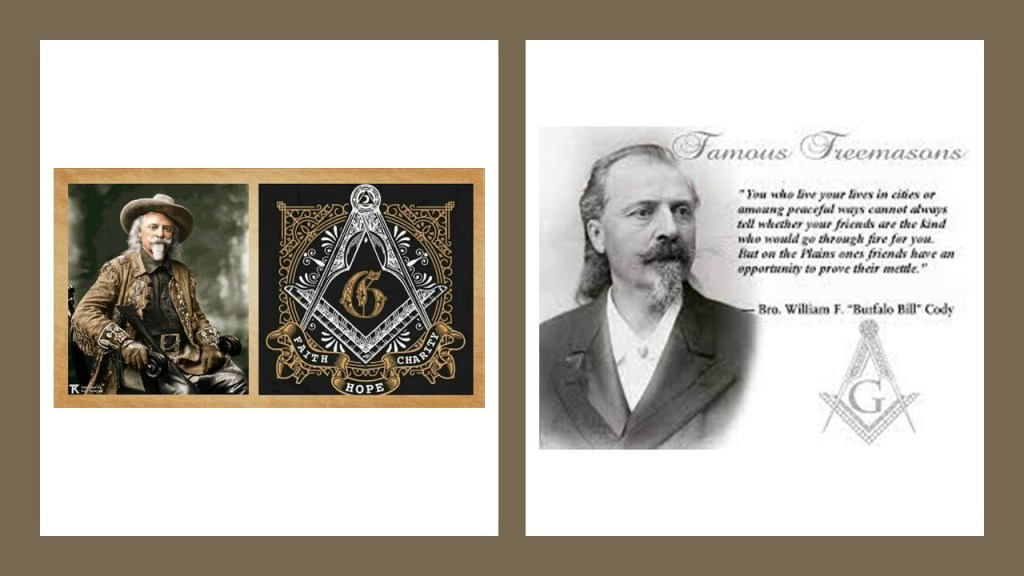
And I looked to see if William F. “Buffalo Bill” Cody was a freemason.
I didn’t have to look far at all to find Buffalo Bill’s connection to freemasonry – it was right out there in the open!
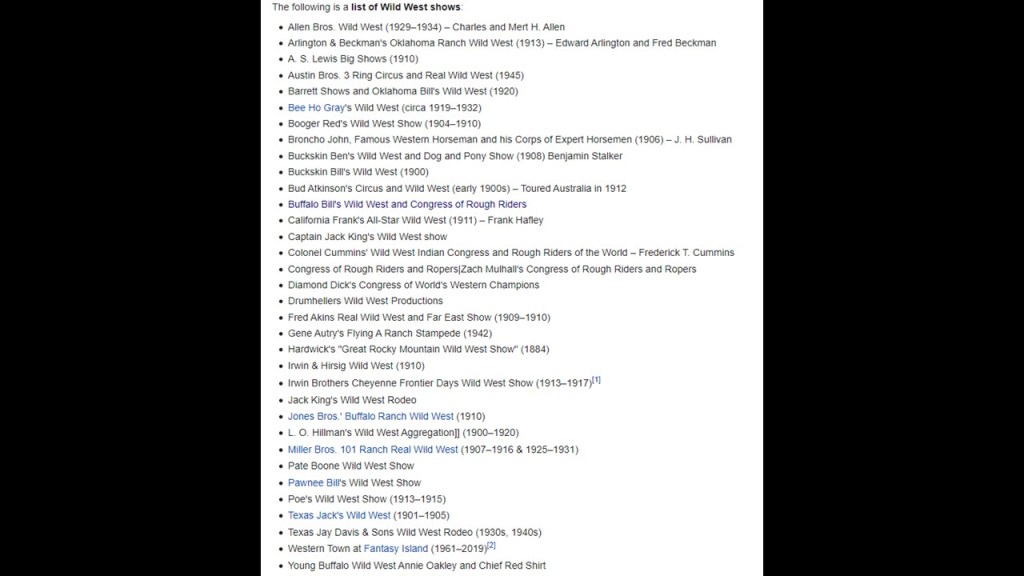
There were a number of Wild West Shows during that era, besides that of Buffalo Bill.
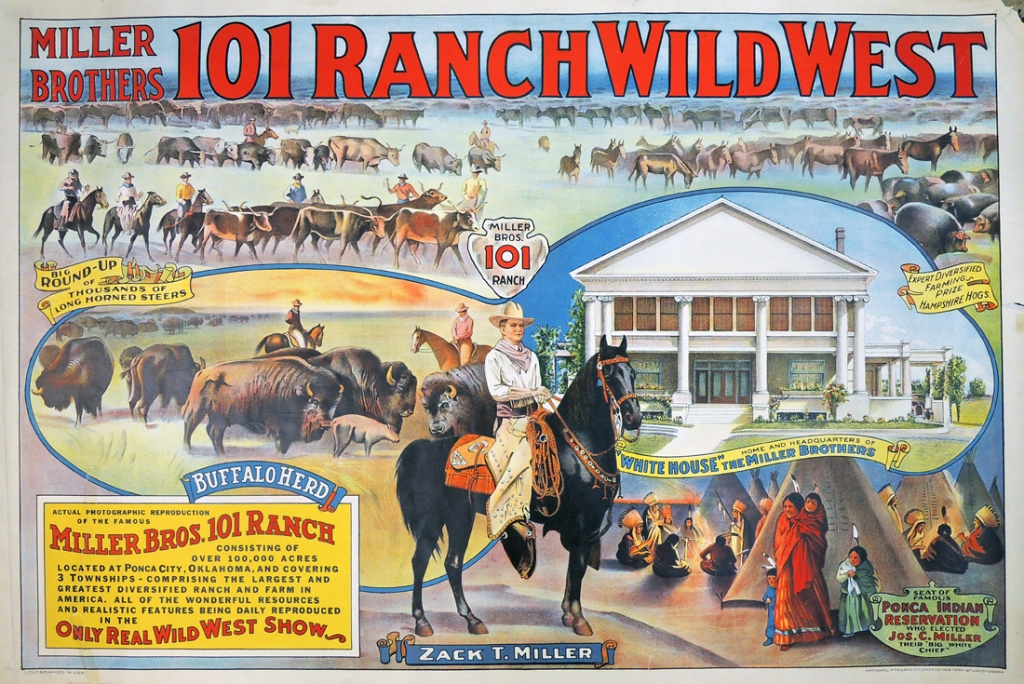
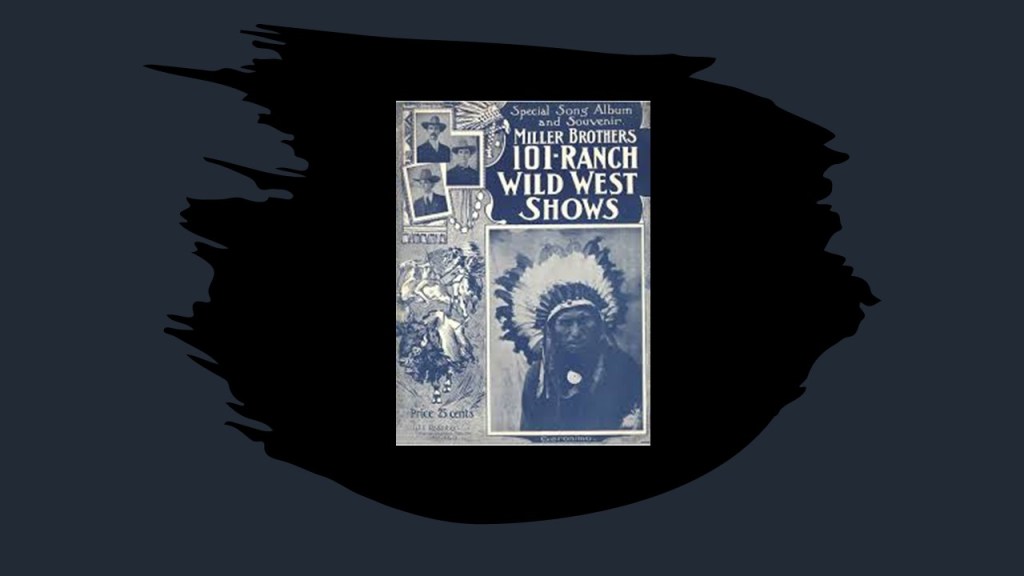
Another one that I would like to mention was the Miller Brothers 101 Ranch Wild West Show, from northeastern Oklahoma near Ponca City.
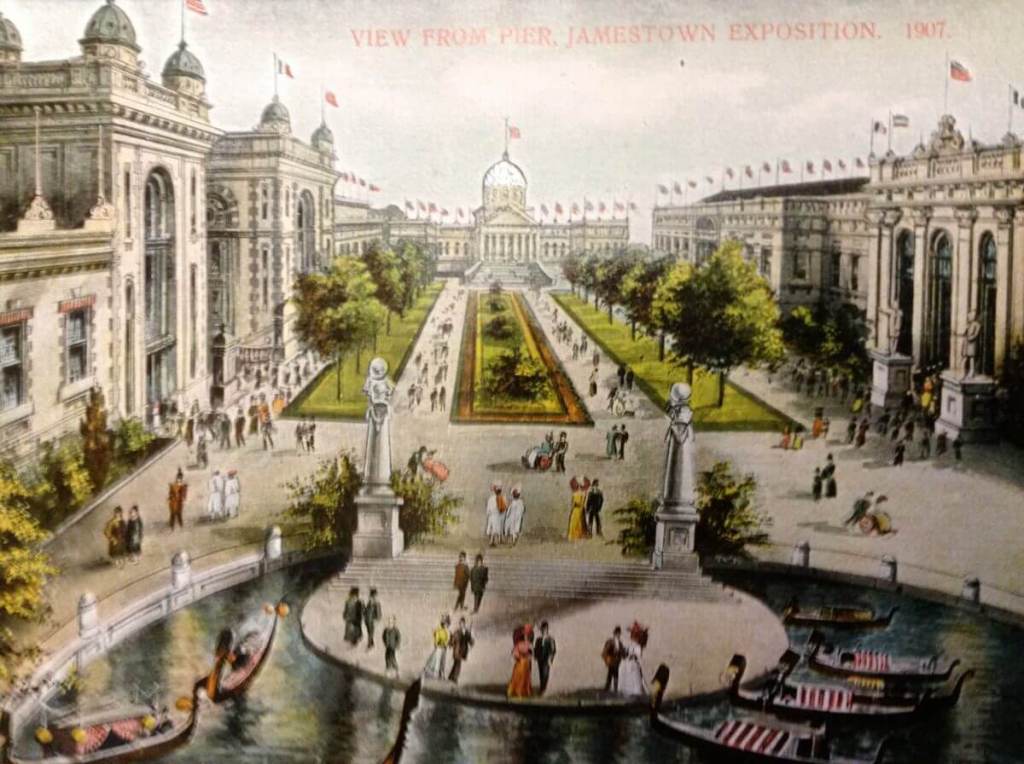
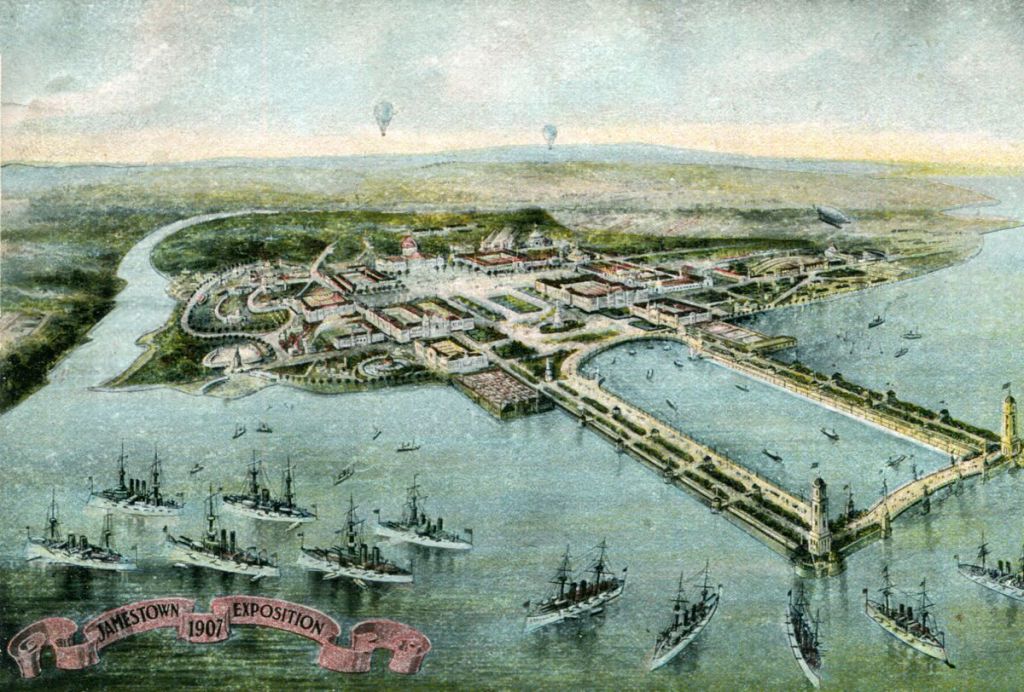
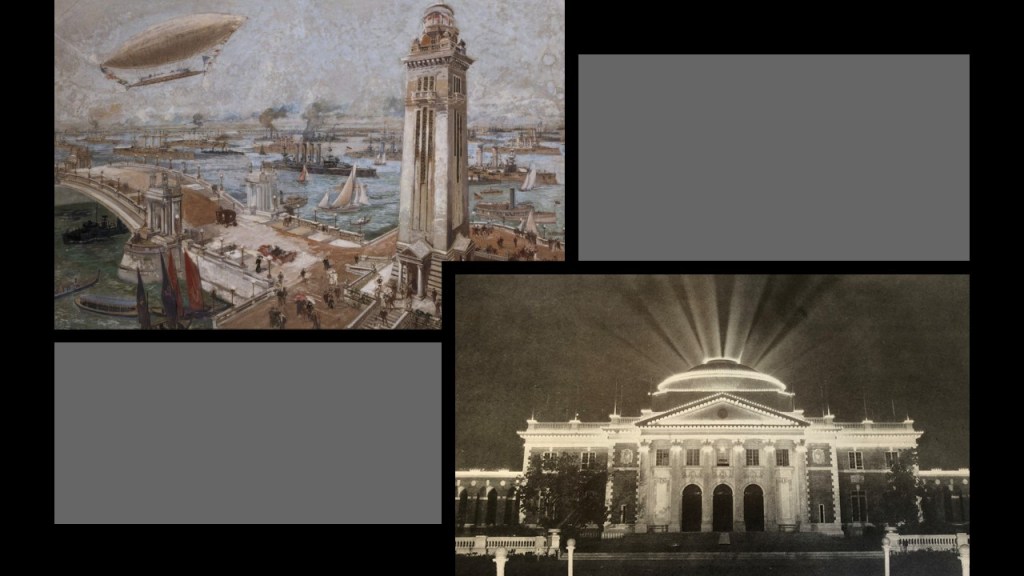
The Miller Brothers 101 Ranch Wild West Show went national in 1907 at the Ter-Centennial Jamestown Exposition at Hampton Roads in Norfolk, Virginia, which commemorated the 300th-anniversary of the founding of the Jamestown Colony, the first permanent English settlement in the Americas.
Here’s what the historical narrative tells us about Jamestown.
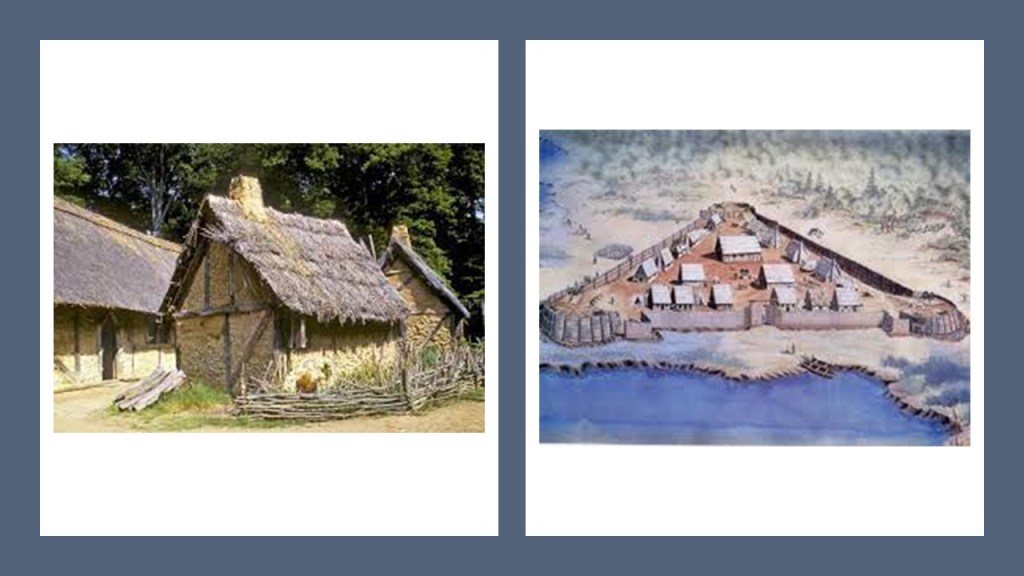
We are told that Jamestown became the first permanent English settlement in the Americas when it was established on the northeast banks of the James River by the Virginia Company of London as “James Fort” on May 4th of 1607.
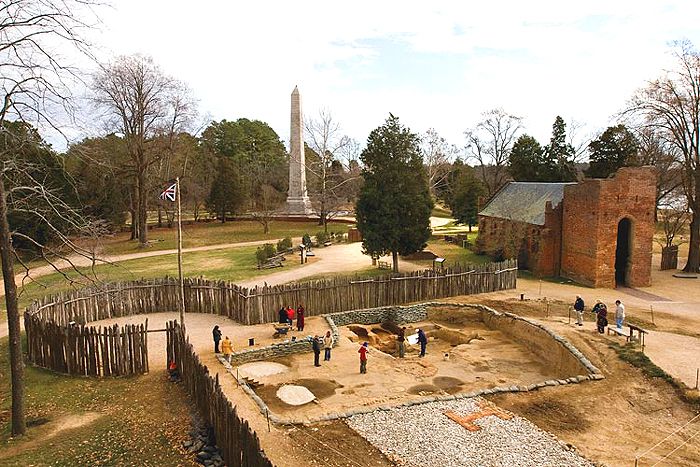
The official narrative promotes this appearance for Jamestown when it began…
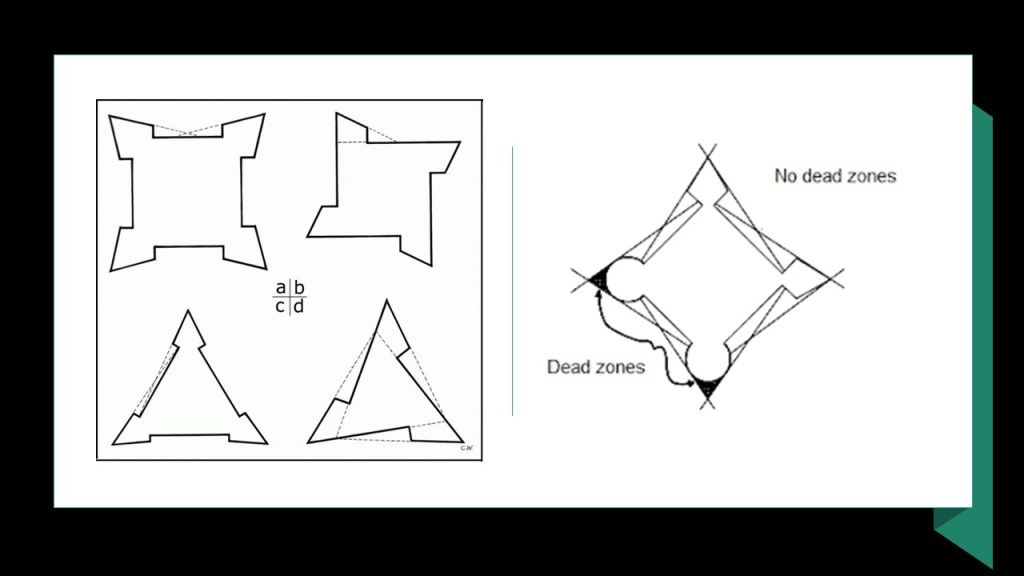
…and yes, star forts are known to be in triangular shapes, and have rounded-bastions as well…
…and that the obelisk and the ruins of old red brick buildings and stone foundations at the Jamestown settlement came after the colony was established.
The Jamestown Obelisk was said to have been erected by the United States government in 1907 to commemorate the settlement, which is the same reason given for the Ter-Centennial Jamestown Exposition at Hampton Roads in Norfolk, Virginia.
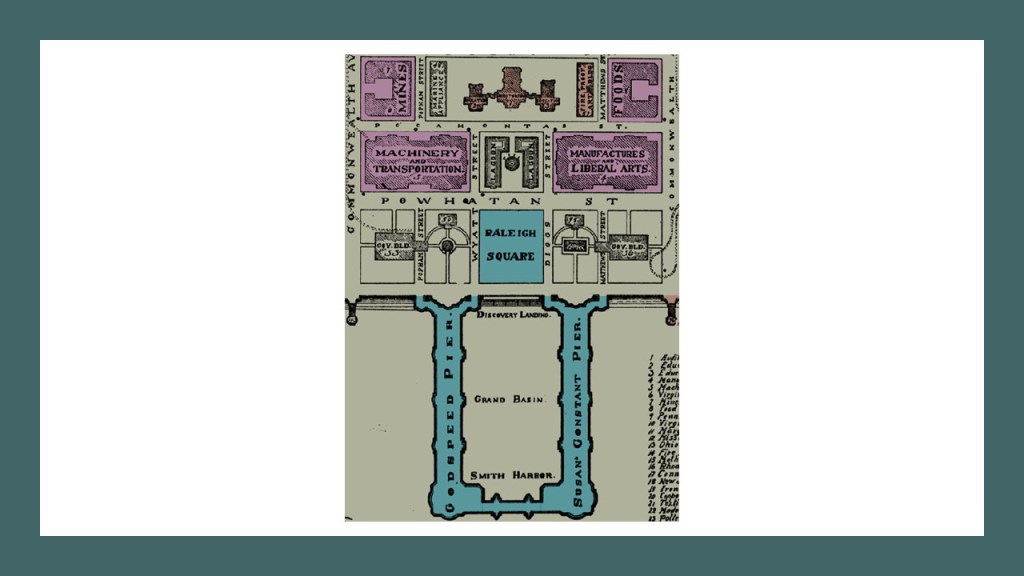
The story goes that the Jamestown Exposition Committee purchased 340-acres at rural Sewell’s Point in Norfolk county that was equally distant from all of its member cities, and then the committee began making plans for developing an exposition that would draw national and international attention to America’s growing naval might and the economic potential of the region…
…and that work began on the exposition grounds starting in 1904, and by the end of 1905, the exposition grounds had miles of graded streets; a water and sewer system fed by a reservoir; and great basins…
…and that by the time it opened in 1907, it had all kinds of exciting sights to see!
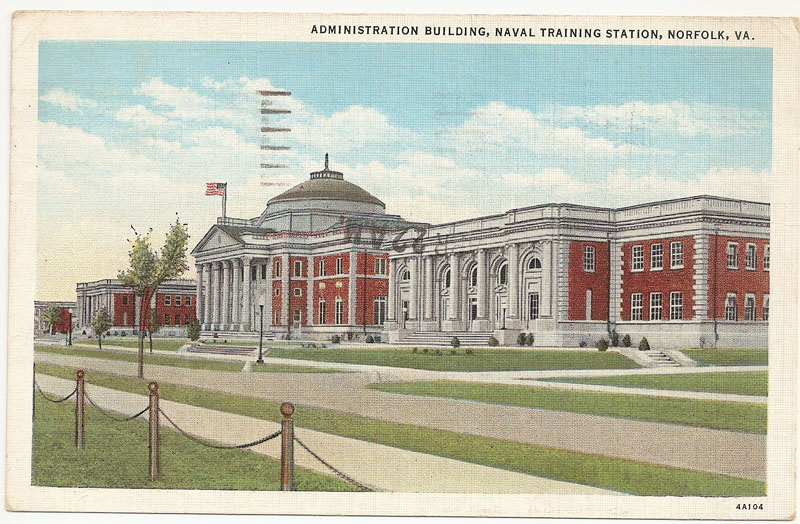
After the 1907 Exposition, we are told, many of the buildings which had been built especially for it were used as part of the infrastructure of the new Naval Station Norfolk.
The Miller Brothers 101 Ranch Wild West Show received its first national exposure at the 1907 Jamestown Exposition.
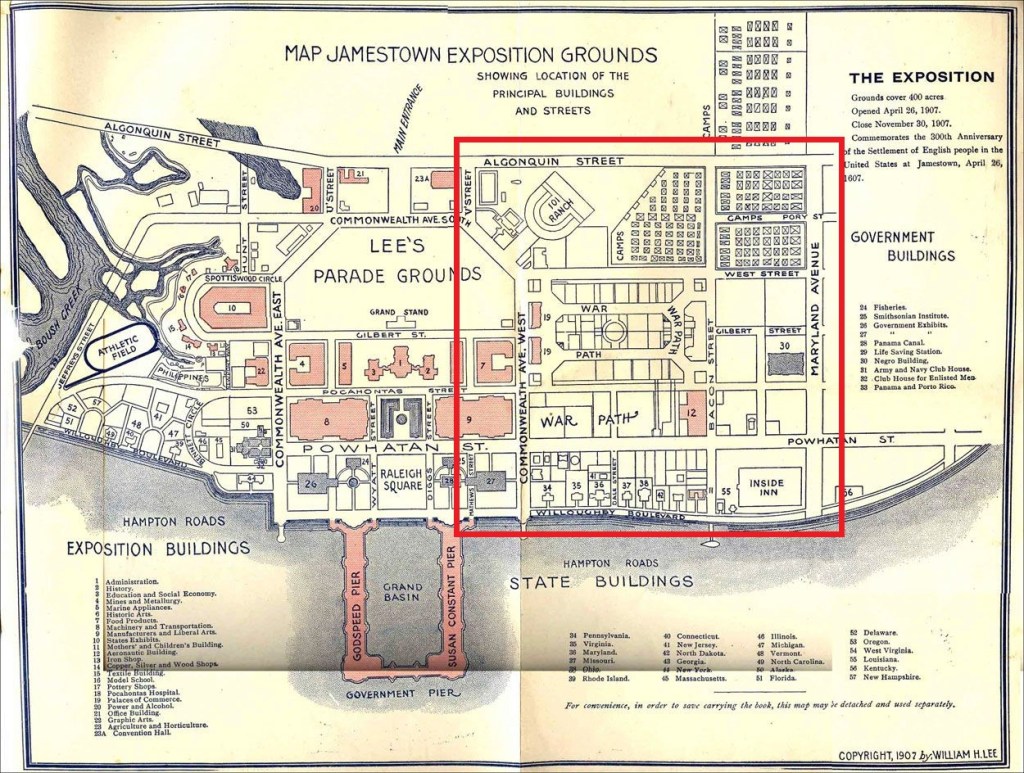
Some of the biggest crowds of the exposition were lured by the Miller Brothers 101 Ranch Wild West Show on their way to the “War Path,” the name given to the Midway fairgrounds of the Exposition, where there were panoramic moving screen productions of the 1906 San Francisco Earthquake, and the Civil War battles of Hampton Roads, Manassas, and Gettysburg…
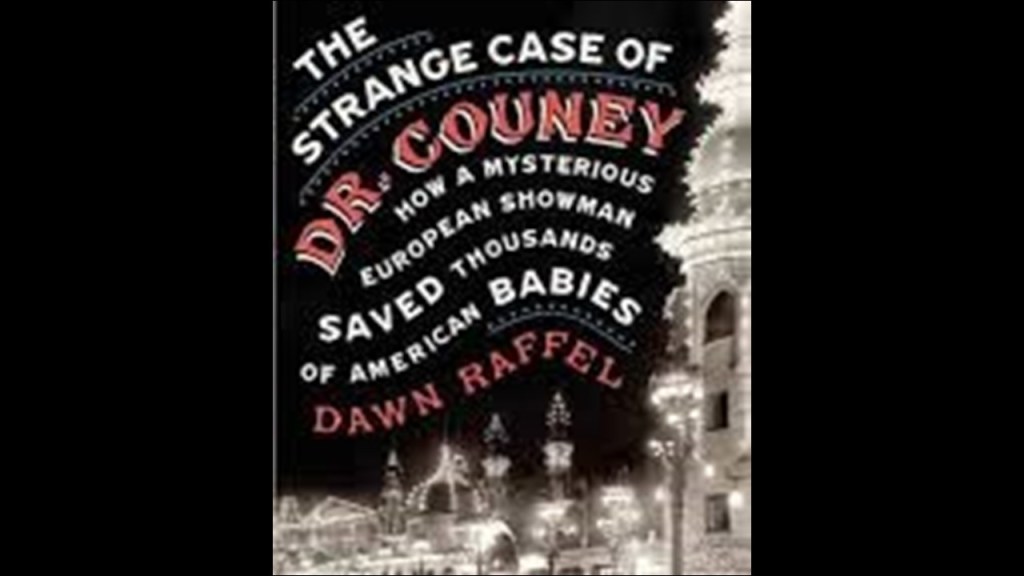
…among other sideshow attractions of the day, like an infantorium, in which premature babies were displayed to the public in incubators.
Later that same year, the show began the tour circuit in Brighton Beach, a neighborhood in Brooklyn, New York, with equestrian displays; trick-roping; indian dancers; and shooting; an in the history of the show, included famous people of the day like western actor Tom Mix and the Apache prisoner Geronimo.
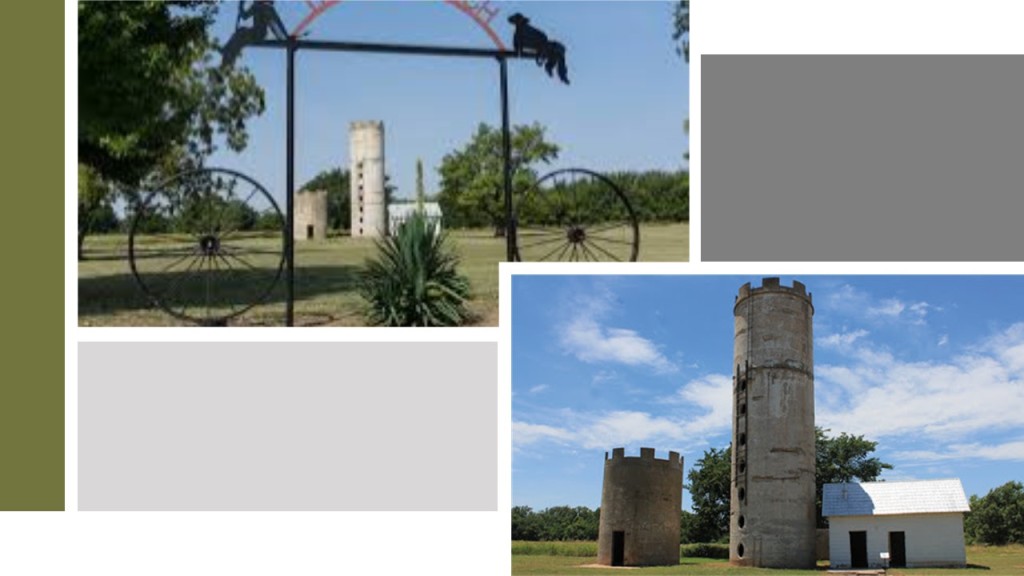
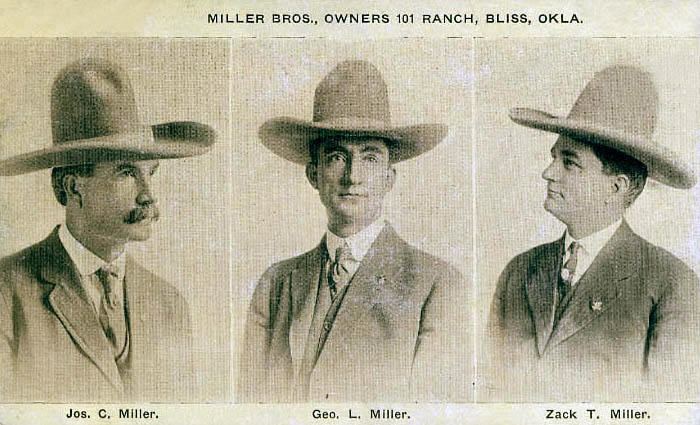
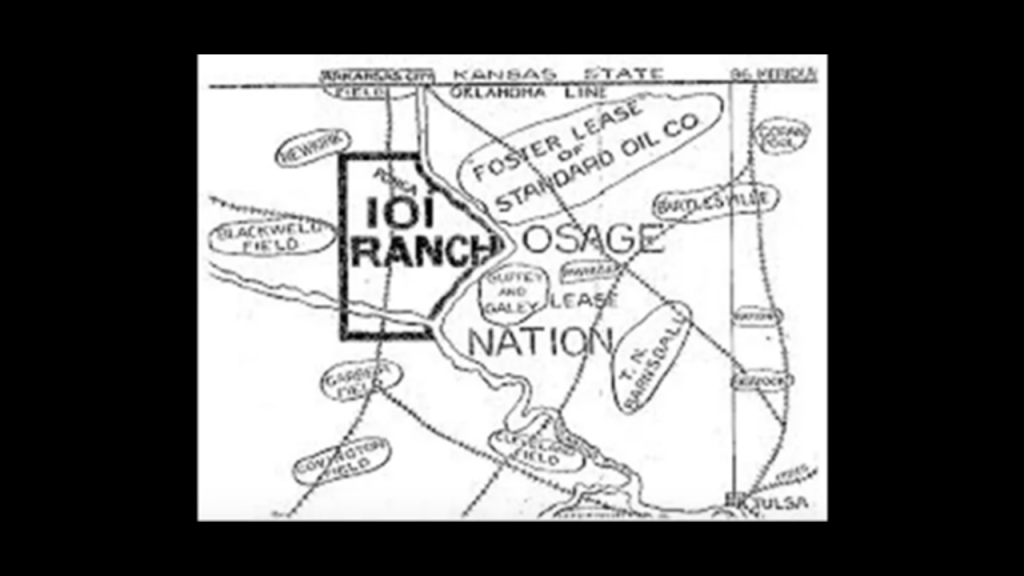
The Miller Brothers 101 Ranch was a 100,000 acre, or 45,000 hectare, cattle ranch founded in 1893 by Colonel George Washington Miller, a Confederate Army veteran.
The Miller Brothers 101 Ranch Western Show started in 1905.
Brother Joe, a rancher who was an expert in grains and plants, started the show; brother George was a “cowman;” and brother Zack was a financial wizard.
Coincidentally…or not…the Miller 101 Ranch was also the birthplace of Marland Oil Company, which later merged with Continental Oil, better known as Conoco, in a successful take-over bid by J. P. Morgan in 1929.
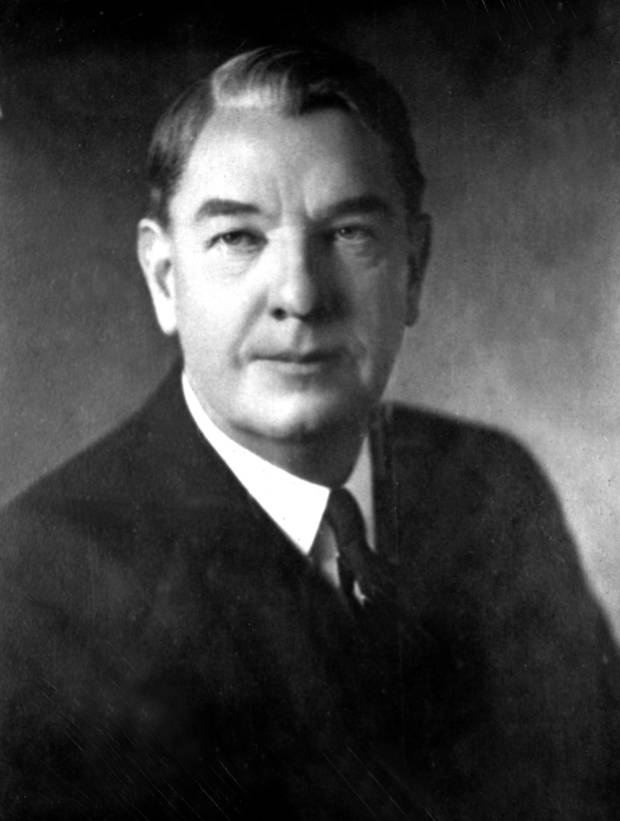
E. W. Marland was a lawyer and oil-man who moved to Ponca City in 1908 from Pennsylvania…
…at which time he founded the “101 Ranch Oil Company” when he entered into a leasing arrangement with the Miller Brothers 101 Ranch in Ponca City.
Then in 1917, E. W. Marland founded the Marland Oil Company, which by 1920 controlled 10% of the world’s oil reserves.
Before moving on to Phineas T. Barnum, this is a good place to bring up the meaning of the word “exposition.”
There are two definitions of the word exposition.
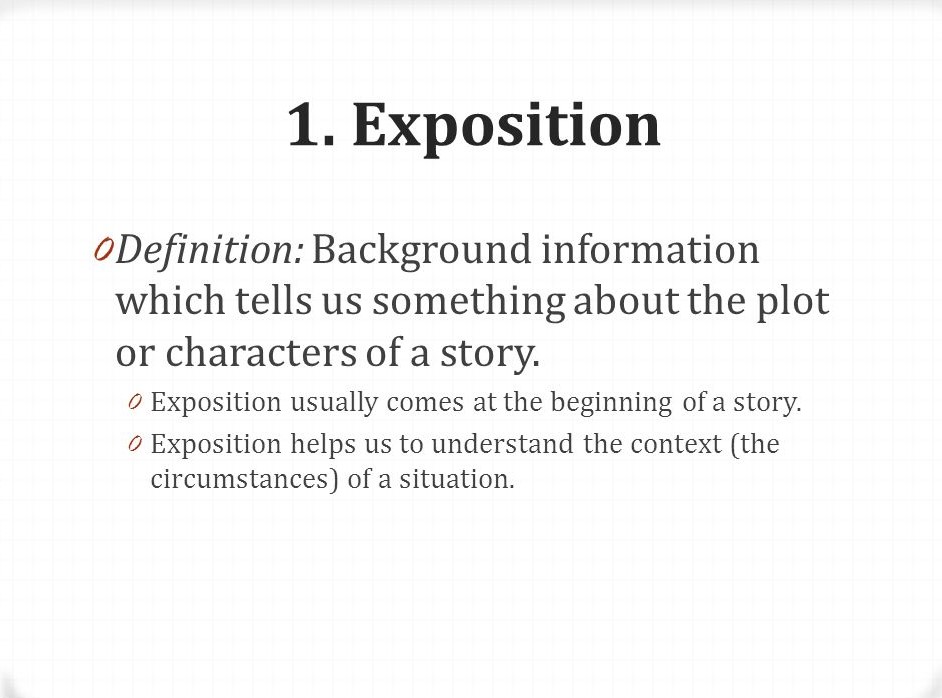
One is a device used to give background information to the audience about the setting and characters of the story.
Exposition is used in television programs, movies, literature, plays and even music.
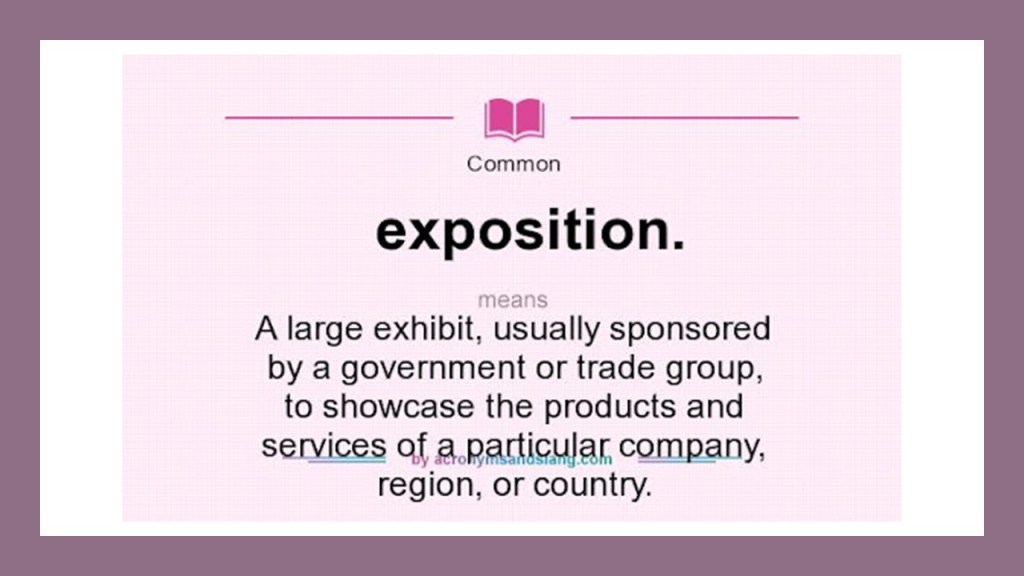
What better way to tell your audience the story you want them to believe than the other definition of exposition, a large exhibition of art or trade goods.
These wild west shows were expositions themselves, and in many cases they were showcased as we have seen as part of much larger international expositions, where the audience was given the background, setting, and characters of the new narrative, or new “story.”
Now I am going to turn my attention to Phineas T. Barnum, who was pursuing a different line of cultural programming for the masses
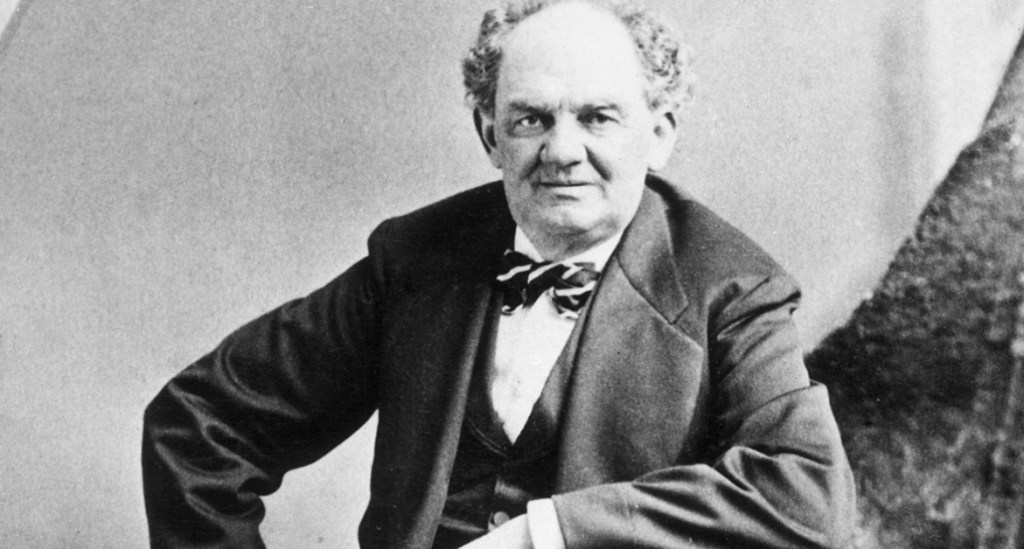
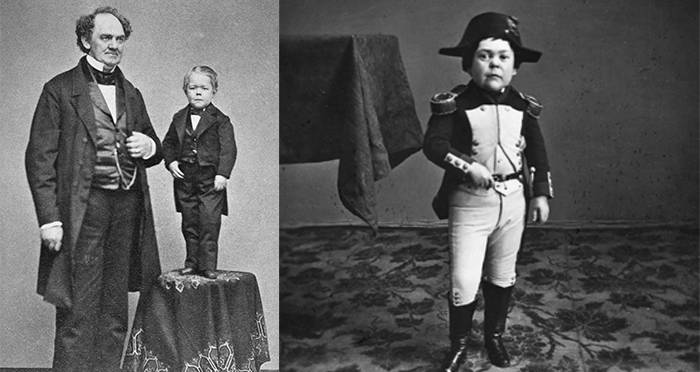
Known more commonly as P. T. Barnum, he was a showman, businessman, and politician.
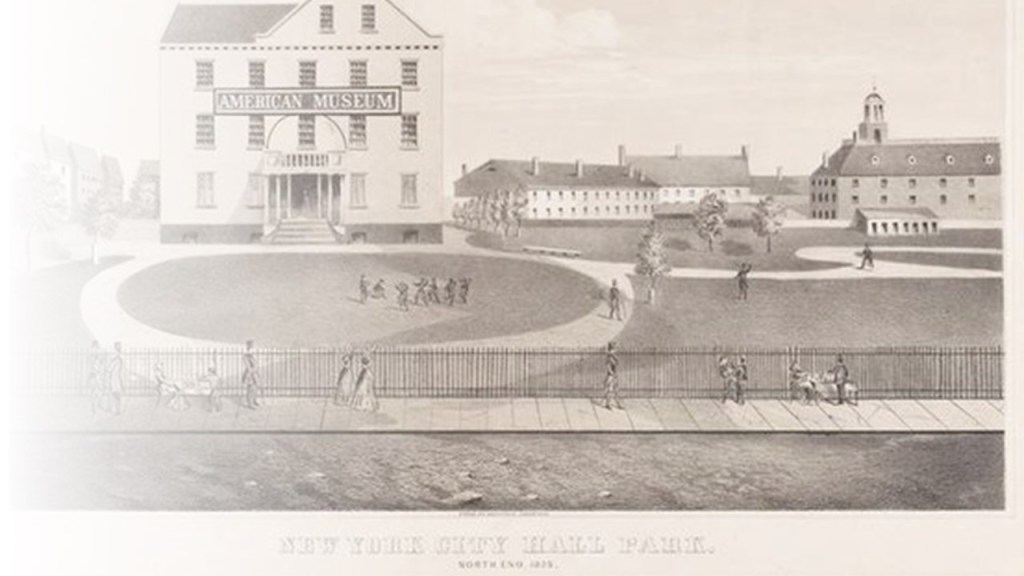
P. T. Barnum purchased Scudder’s Dime Museum in 1841, and turned it into Barnum’s American Museum.
Dime museums were most popular in the United States at the end of the 19th-century and beginning of the 20th-century as institutions which provided cheap entertainment for working-class people, and reached their peak in popularity in the time-period between 1890 and 1920, declining in popularity with the rise of Vaudeville and the film industry.
From its opening at a location in what is now the Financial District of Manhattan in 1841, Barnum’s American Museum was known for its strange attractions and performances.
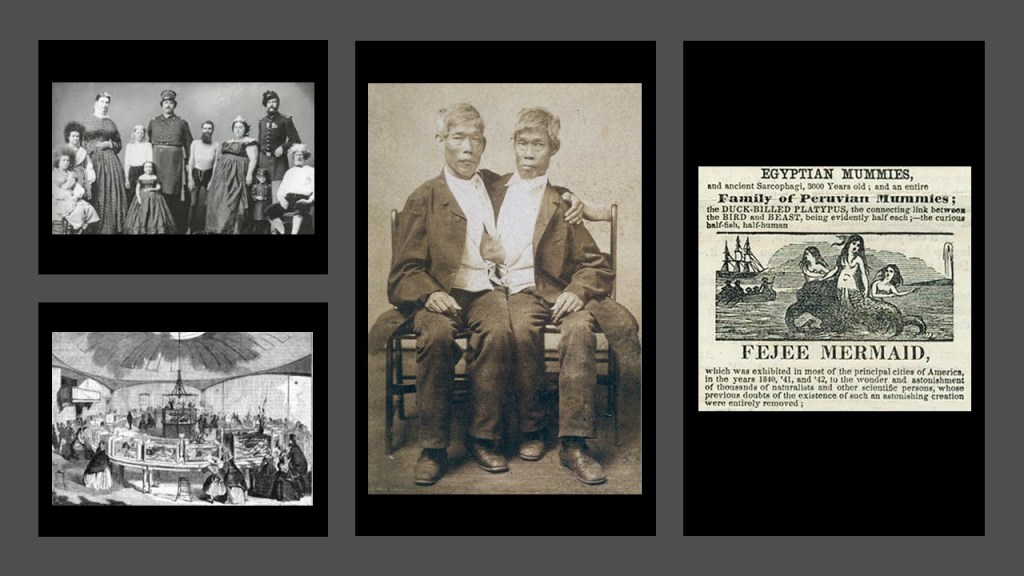
The attractions were a combination of zoo, museum, lecture hall, wax museum, theater, and freak show.
Apparently it became a central location in the development of American popular culture.
Barnum’s American Museum was filled with things like dioramas; scientific instruments; modern appliances; a flea circus; the “feejee” mermaid; Siamese twins, and other human curiosities…
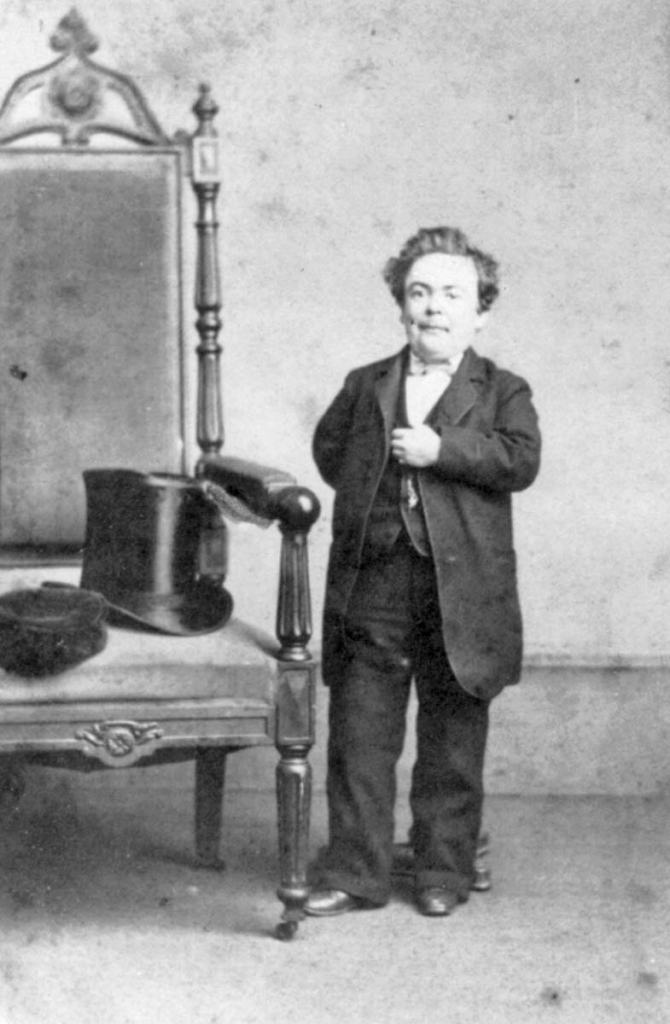
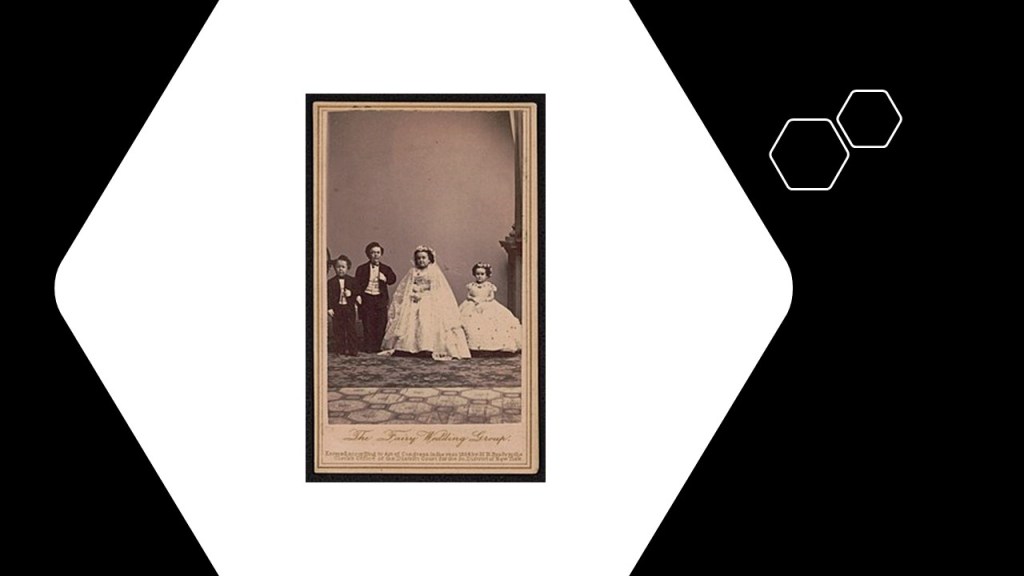
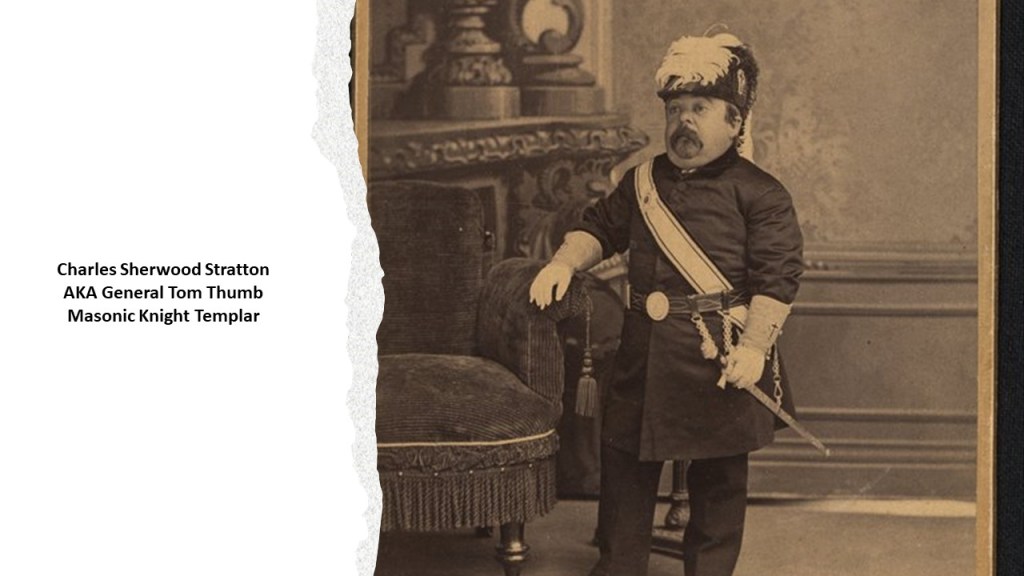
…which included Charles Sherwood Stratton, better known as “General Tom Thumb,” who was 2-feet, 11-inches, or 89-cm-tall at his full-grown height as an adult.
Stratton was taken under Barnum’s wing as a child, and he started performing for him as an entertainer starting at the age of 5, and this continued throughout his life.
His considerable talent as a performer changed the public perception of “human curiosities” that were part of the freak shows of the era, into something more positive that was previously deemed dishonorable.
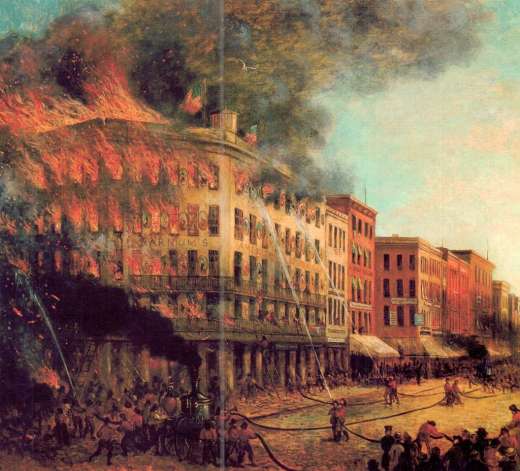
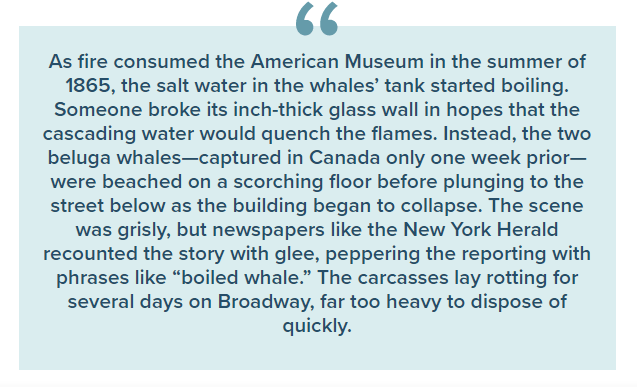
On July 13th of 1865, the building which housed Barnum’s American Museum caught fire and burned to the ground.
Apparently there were not any human deaths, but a number of the live animal exhibits, including two whales imported from the coast of Labrador, were burned alive.
This was the second of five major fires connected to P. T. Barnum.
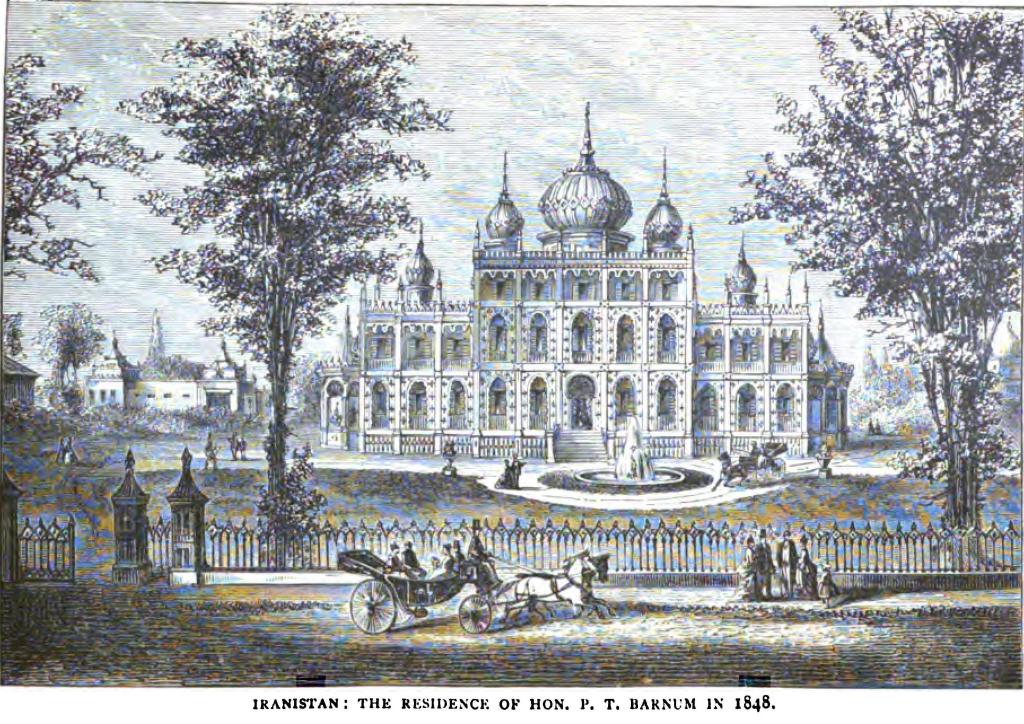
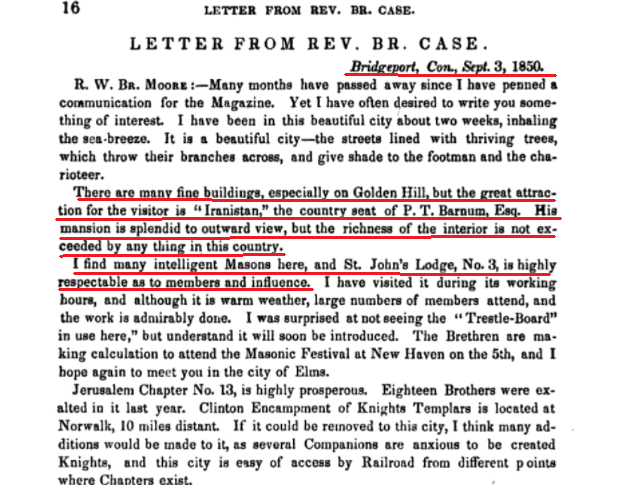
The first major fire associated with P. T. Barnum was the mansion he was said to have had built as his residence in Bridgeport, Connecticut, in 1848, and named “Iranistan.”
It was said to have been set on fire by workmen in 1857 when Barnum had been away for several months.
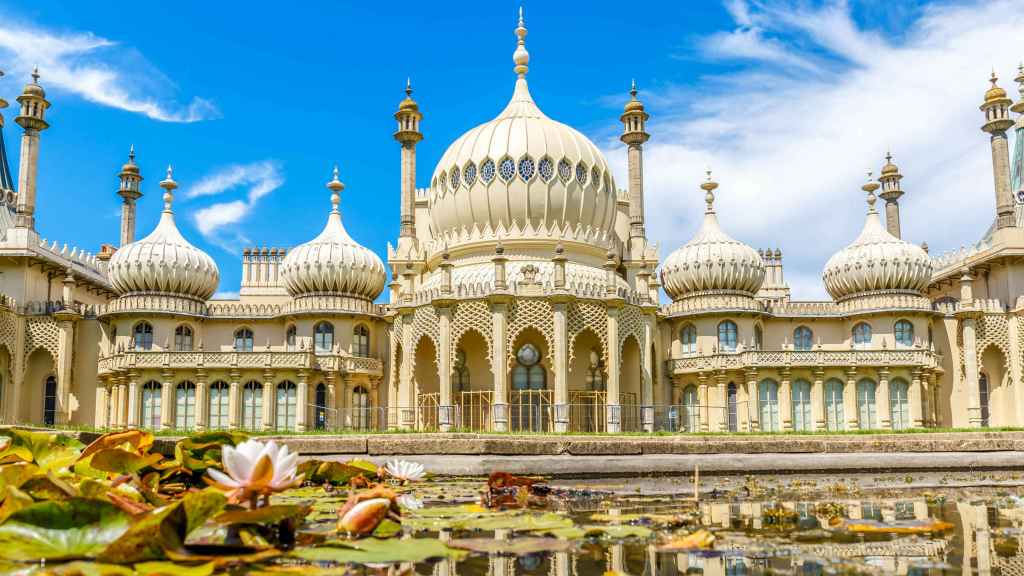
We are told Barnum had hired architect Leopold Eidlitz to design Iranistan as his own version of the Royal Pavilion in Brighton, said to have been constructed in England between 1787 and 1815.
The architecture of these places looks distinctly like Moorish architecture, though instead of the Brighton Pavilion being called Moorish, it is called Indo-Saracenic Revival-style instead.
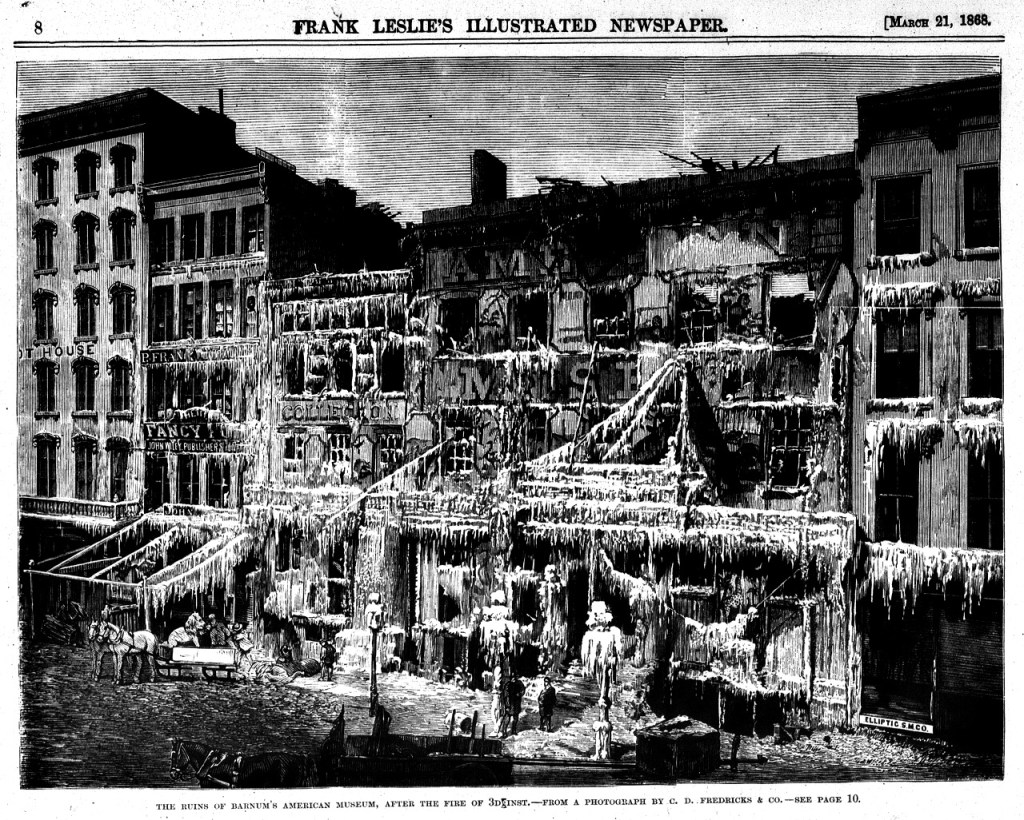
The third fire involved the second Barnum’s American Museum that he started after the first one burned down, this time in 1868, at which time a faulty chimney flue was said to have burned down this building as well.
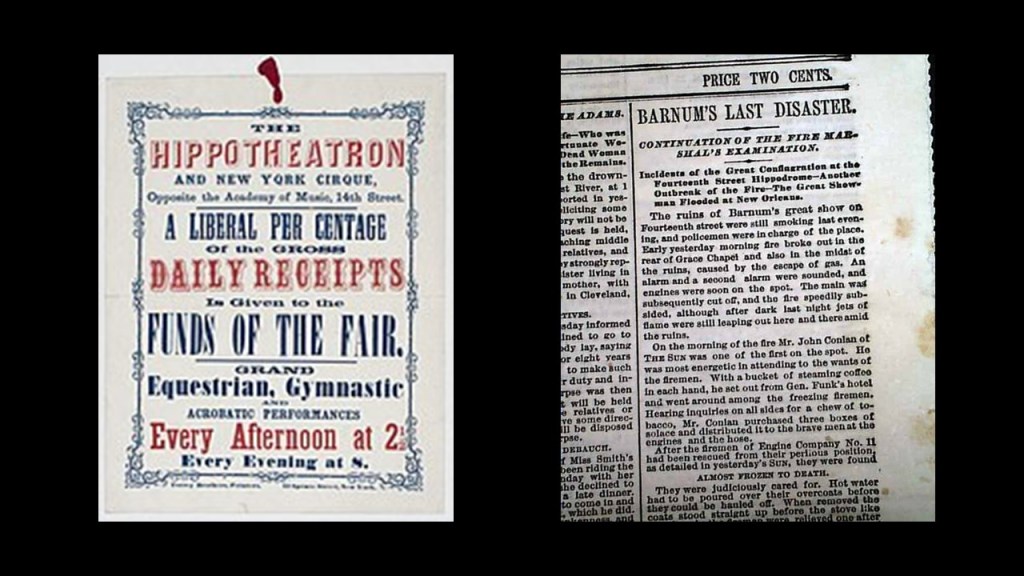
The fourth fire associated with P. T. Barnum was what was called the “Hippotheatron” in New York, which was said to have taken place in 1872 shortly after Barnum purchased it for winter quarters for his travelling show; and a combined circus building and a smaller version, including a menagerie, of his American Museum.
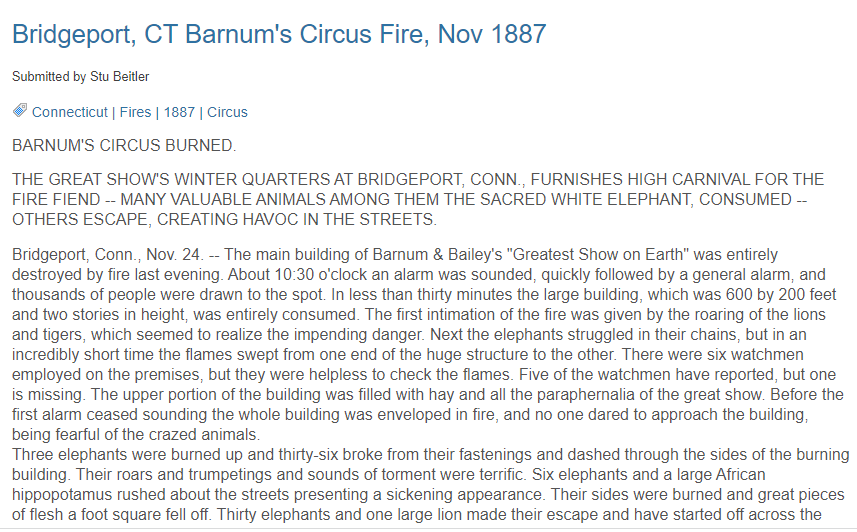
And the last fire that was associated with P. T. Barnum took place in 1887 at his winter quarters in Bridgeport, Connecticut, which caused the mass destruction of property and of many animals.
And was P. T. Barnum a Freemason?
I could find no reference to Barnum himself being a Freemason.
I did find two interesting freemasonic connections to him though.
One was a reference to his magnificent “Iranistan” residence and the masonic presence in Bridgeport, Connecticut, in an article in an 1851 issue of “The Freemason’s Monthly Magazine…”
…and the other was General Tom Thumb.
Charles Sherwood Stratton became a Master Mason in the same lodge in Bridgeport mentioned in the referenced 1851 Freemasonry Magazine article, St. John’s Lodge No. 3, and he received the Commandery degrees of Masonic Knight Templar in the Hamilton Commandery No. 5 in Bridgeport in 1863.
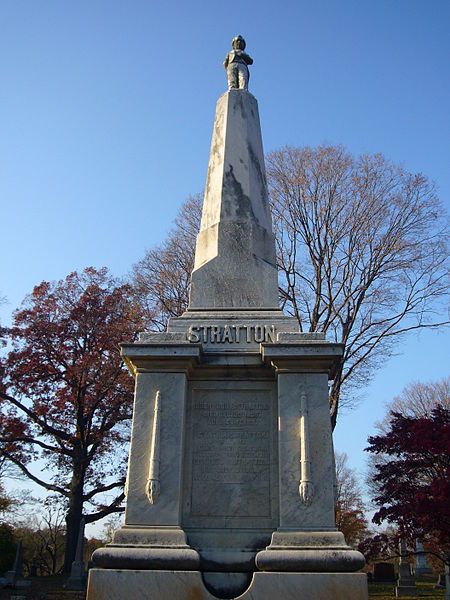
General Tom Thumb was buried with masonic honors in Bridgeport’s Mountain Grove Cemetery when he died of a stroke at the age of 45 in 1883.
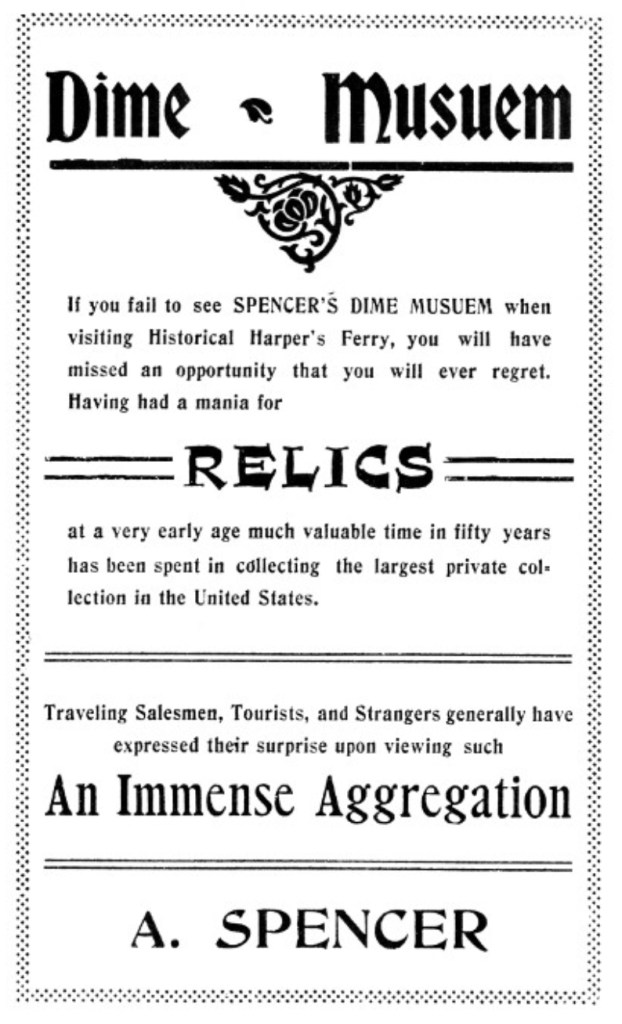
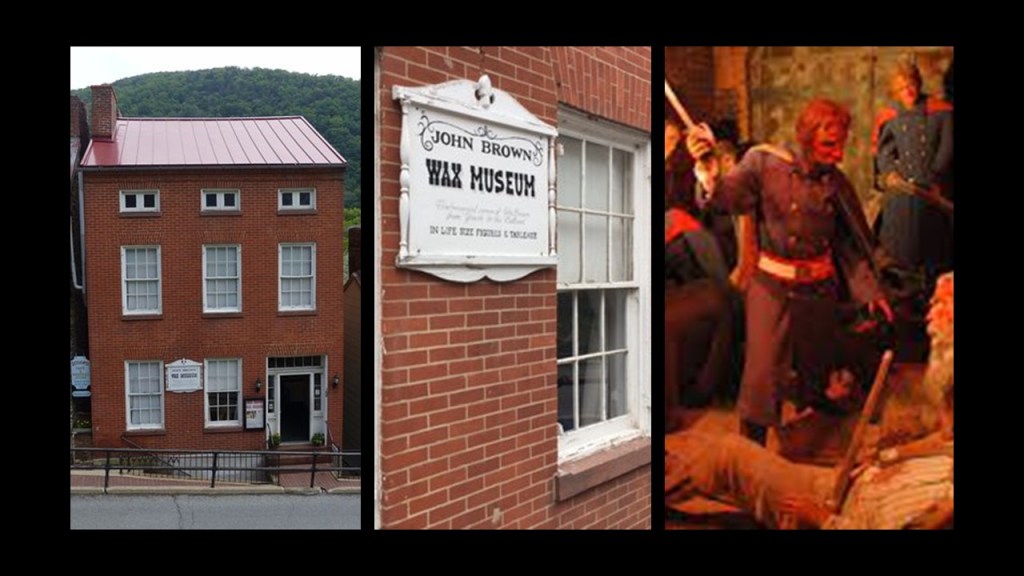
Dime Museums were not only established in large cities, but were even found in smaller communities, like Harper’s Ferry in West Virginia…
…and Harper’s Ferry has a wax museum that opened in 1963 to tell the story of John Brown and his infamous 1859 raid on the federal armory in Harper’s Ferry.
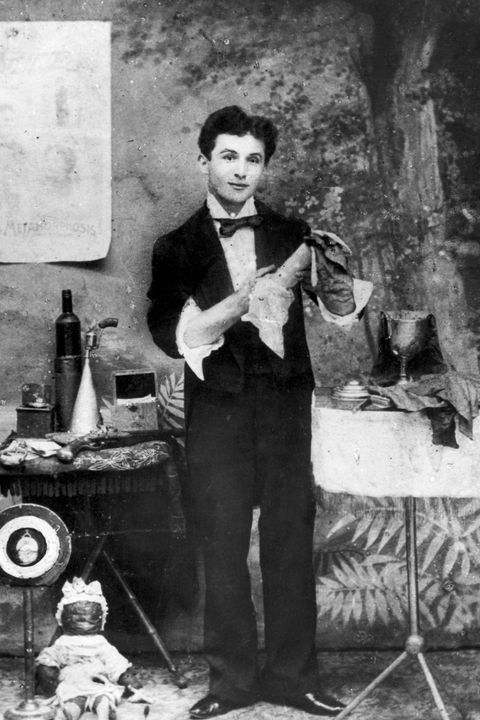
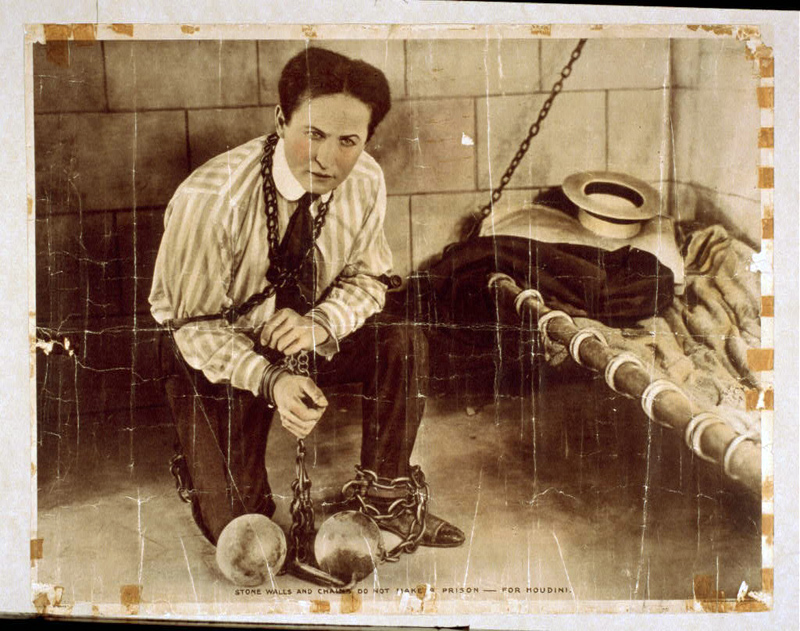
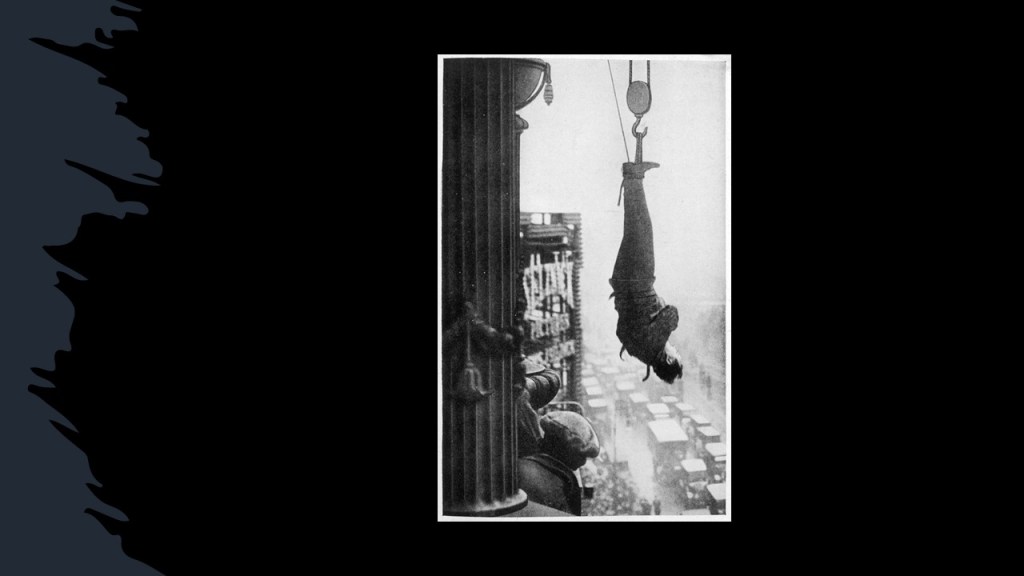
Harry Houdini even got his start in Dime Museums in the 1890s, where he performed your typical magician- and card-tricks, something which he was good at but not great.
So he began experimenting with escape acts.
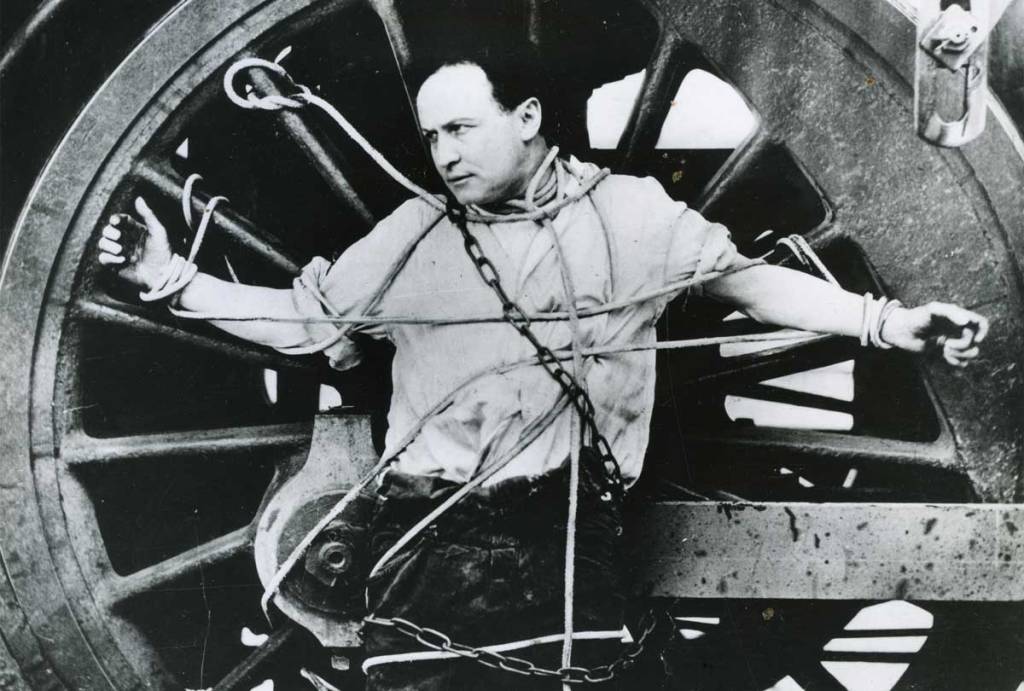
Harry Houdini was the most famous death-defying daredevil of his era.
A Hungarian-born immigrant by the name of Eric Weisz, Harry Houdini who was a magician particularly well-known for his escape acts.
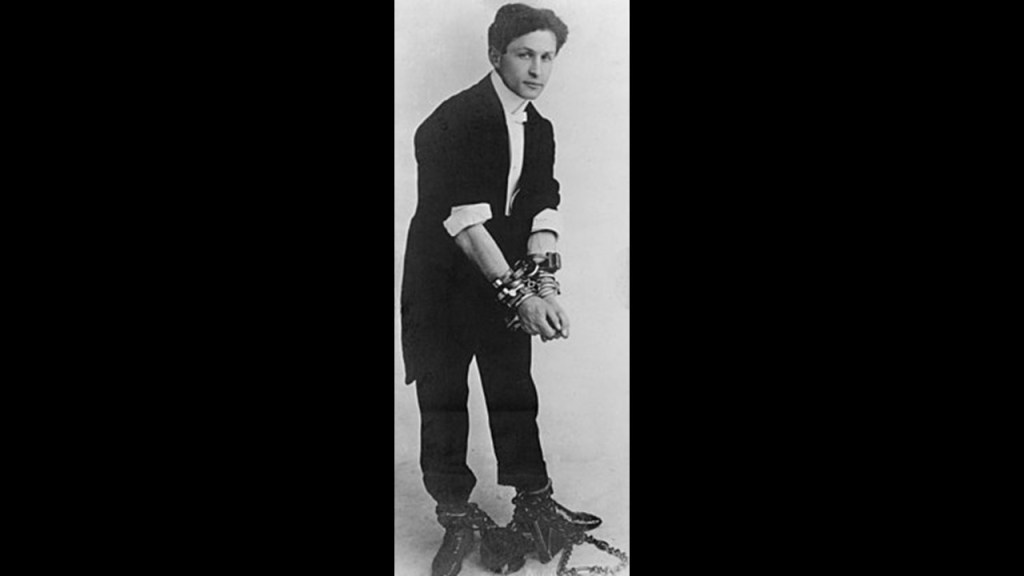
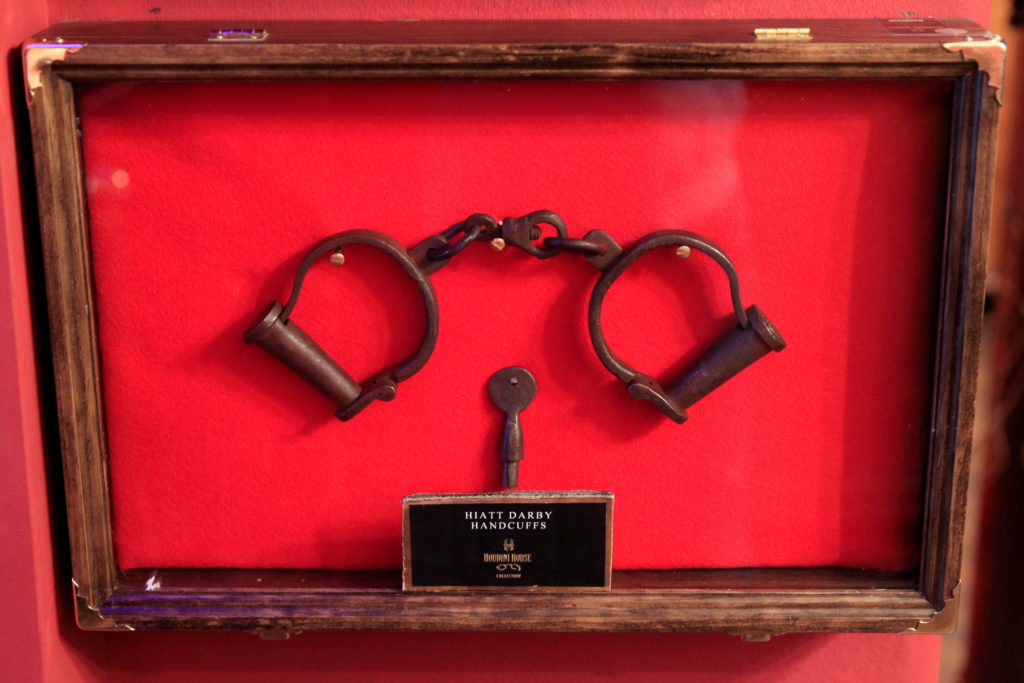
He became known as Handcuff Harry Houdini for his expertise in escaping from handcuffs…lots of handcuffs…and he was soon booked on the Orpheum Vaudeville circuit.
Within months of this happening, he was performing at the top Vaudeville houses in the country.
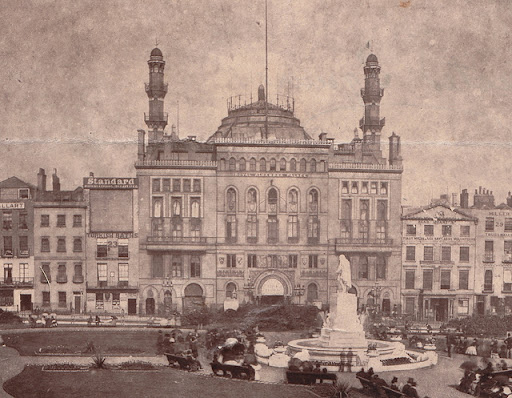
In 1900, he went to Europe for a tour, and stayed in London for six-months performing his act at the Alhambra Theater after he was said to successfully escape from Scotland Yard’s handcuffs in a demonstration with them.
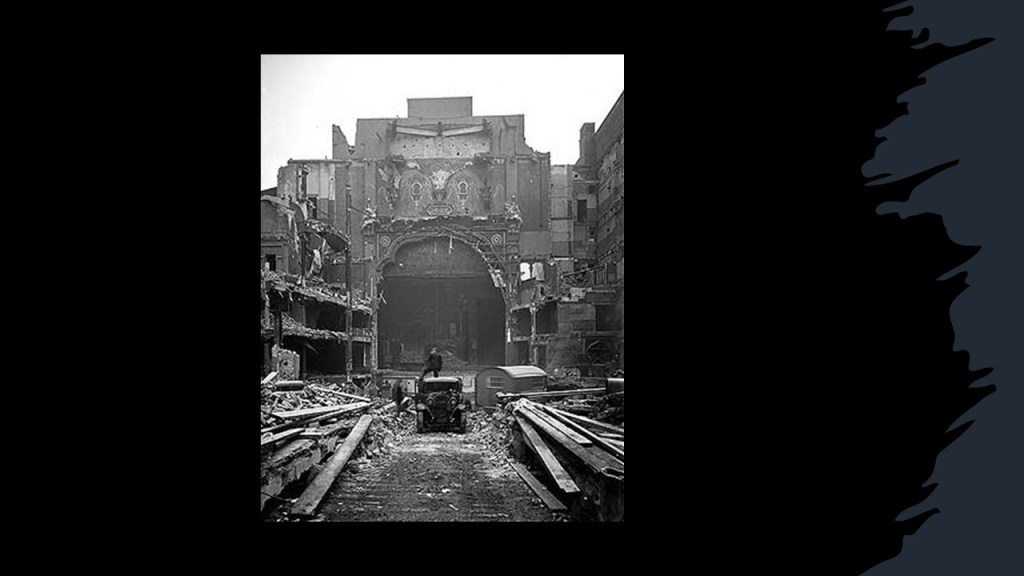
The Alhambra Theater opened in London in 1854…
…and was demolished in 1936.
Houdini’s reputation and fame continued to grow, as he toured Europe and the United States, as in particular, he challenged local police to restrain him with handcuffs and shackles, and lock him in their jails.
He eventually graduated, if you will, to escaping from strait-jackets while hanging upside-down from a great height in sight of street audiences…
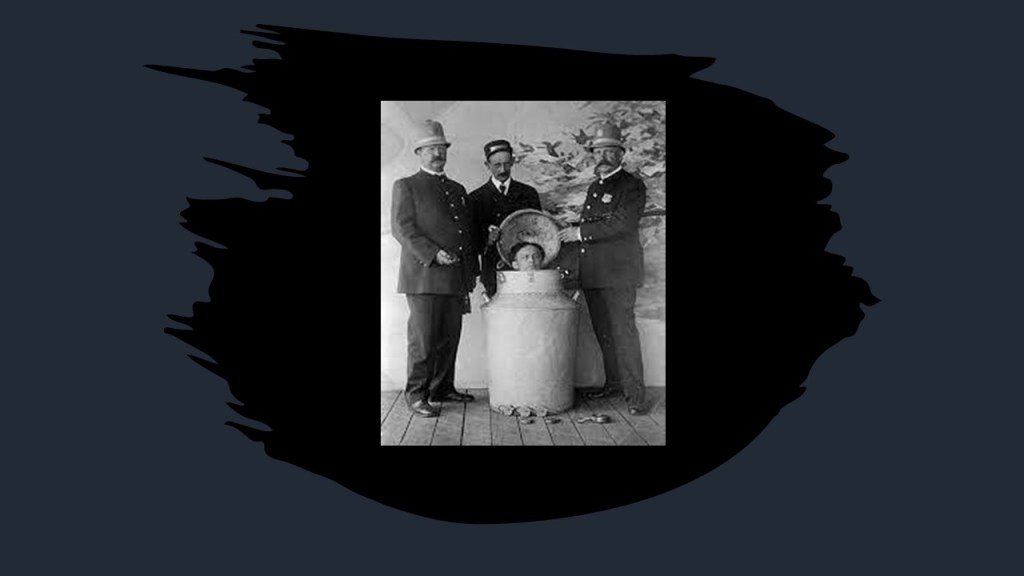
…to escaping from locked, water-filled milk cans.
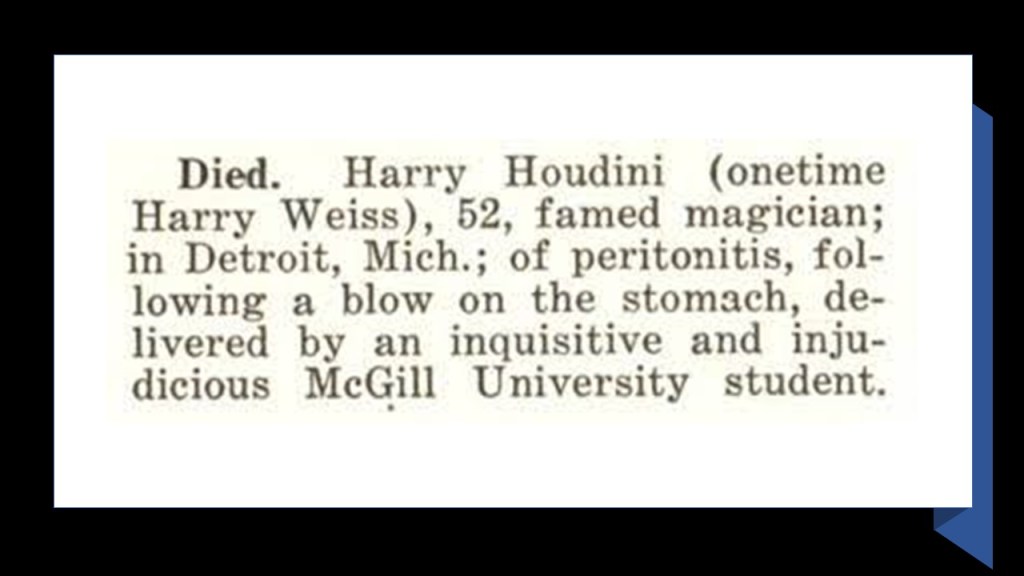
In the end, it wasn’t Harry Houdini’s proclivity for escaping from the most restrictive circumstances that could be devised for him that killed him.
What we are told is that his legendary life was cut short by peritonitis secondary to a ruptured appendix, when he was punched in the gut by an inquisitive student.
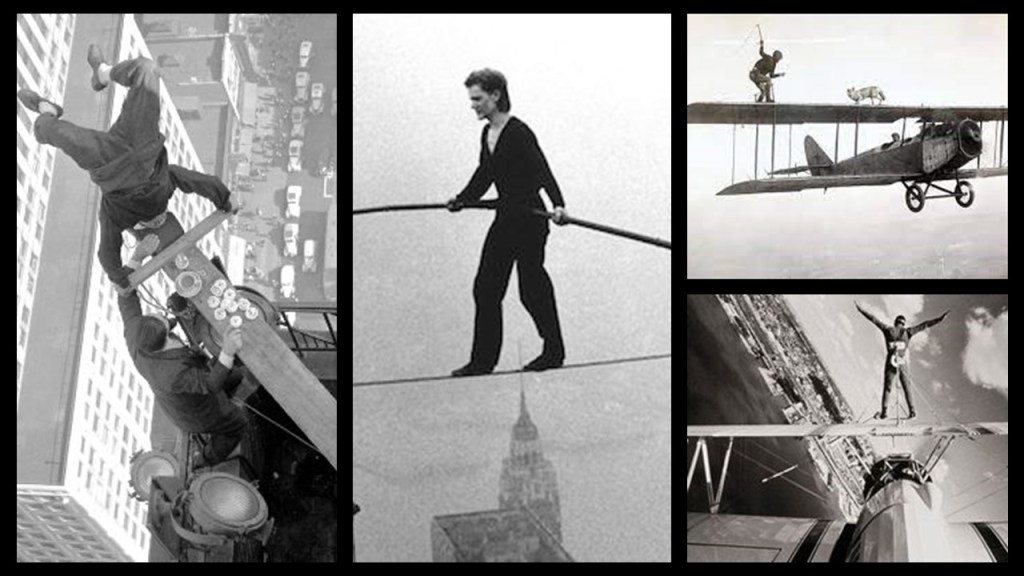
Our modern-day history was packed with dozens of death-defying daredevils like Harry Houdini, out-doing themselves with ever more outlandish stunts, and keeping the eyes on the ground glued upwards.
Distraction, distraction, distraction?!
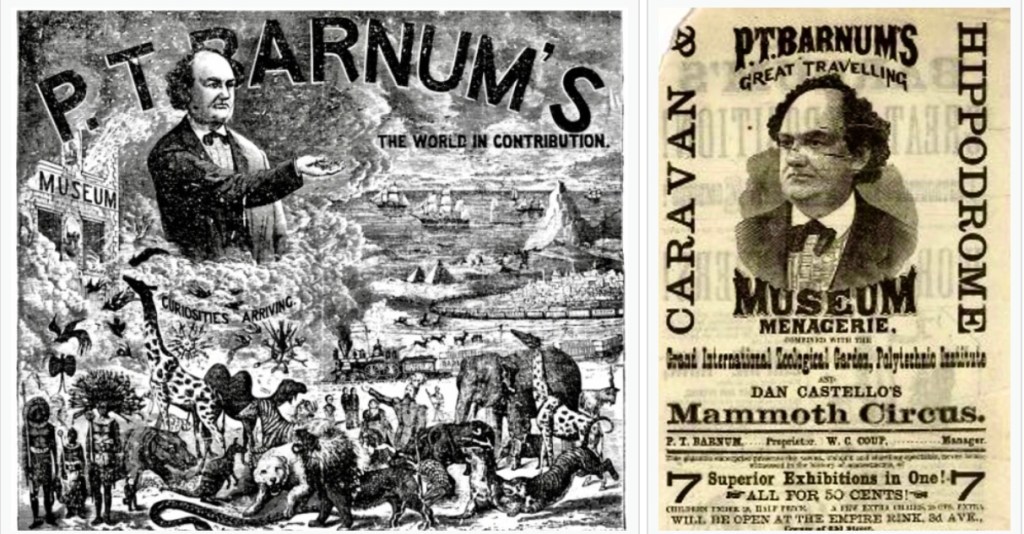
So this brings me to the subject of circuses, with which the name of P. T. Barnum is inextricably-linked, along with dime museums.
P. T. Barnum did not enter the circus business until later in life.
He was 60 when he established “P. T. Barnum’s Grand Travelling Museum, Menagerie, Caravan and Hippodrome” in Delavan, Wisconsin, in 1870.
It was a travelling circus, menagerie and freak show.
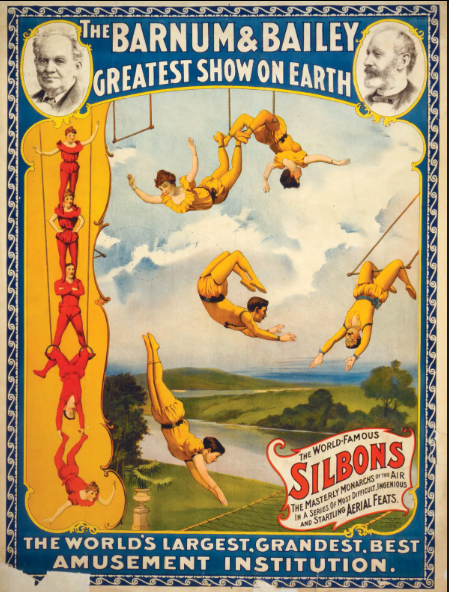
Barnum’s circus went under various names, and then in 1881, he merged with James Bailey’s circus to become “Barnum & Bailey’s” and the first three-ringed circus.
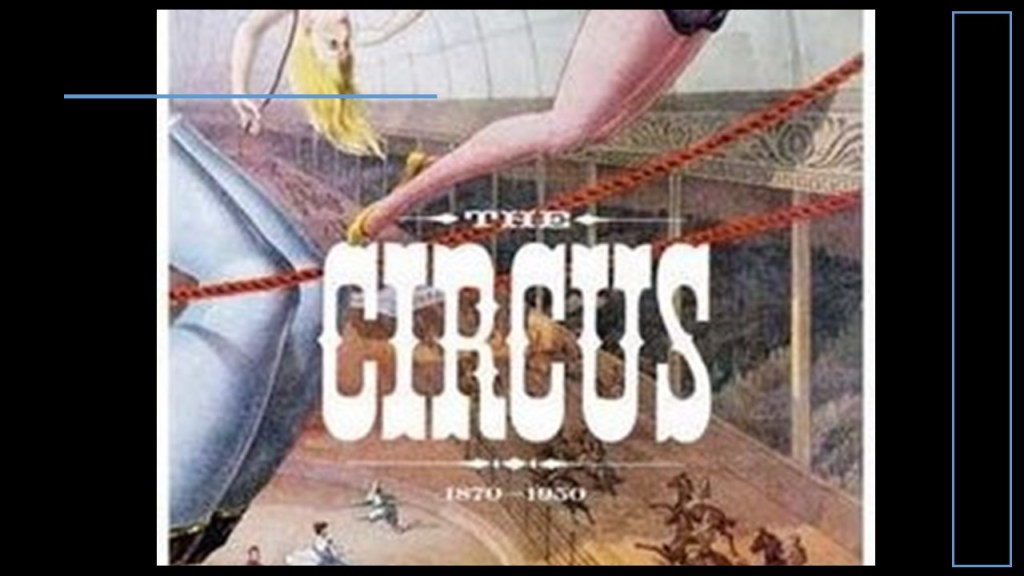
The Golden Age of the American Circus began in 1870, and ended around 1950.
This era was driven by railroad expansion, allowing circuses to be moved by train, and intense rivalries between circuses developed which transformed them into a major cultural and entertainment industry that toured the nation at its peak, before it faded as a thing by the mid-20th-century.
Interesting to note a few more things about the freemasonic connections to modern circuses.
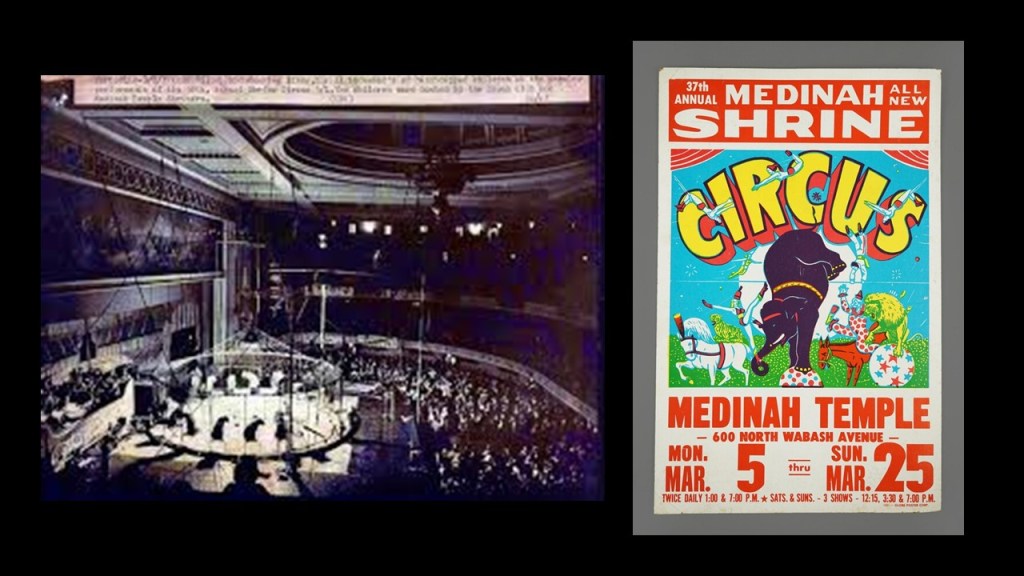
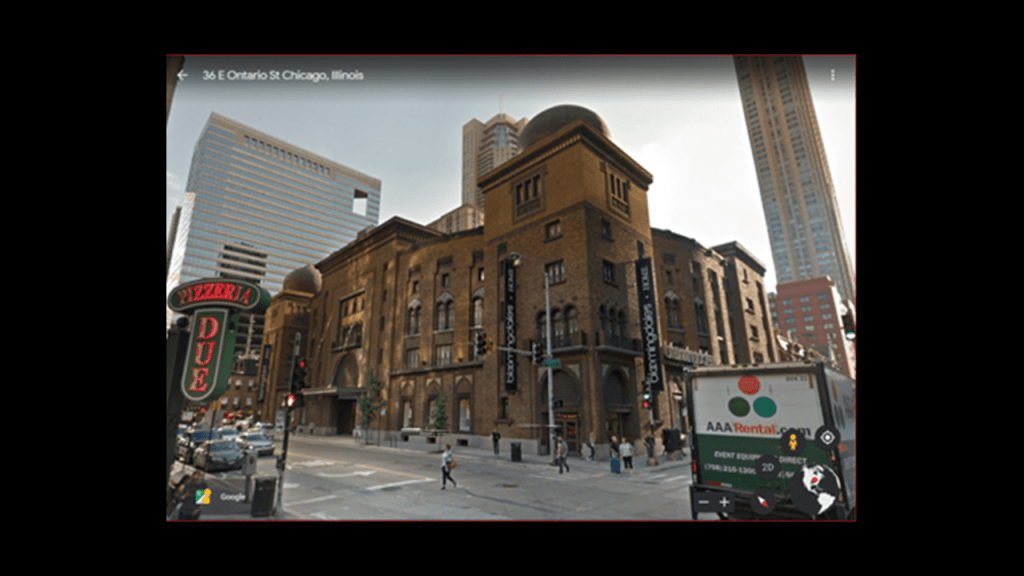
The Medinah Temple on the north-side of Chicago was the annual location for the performance of the Shrine Circus in Chicago for many years.
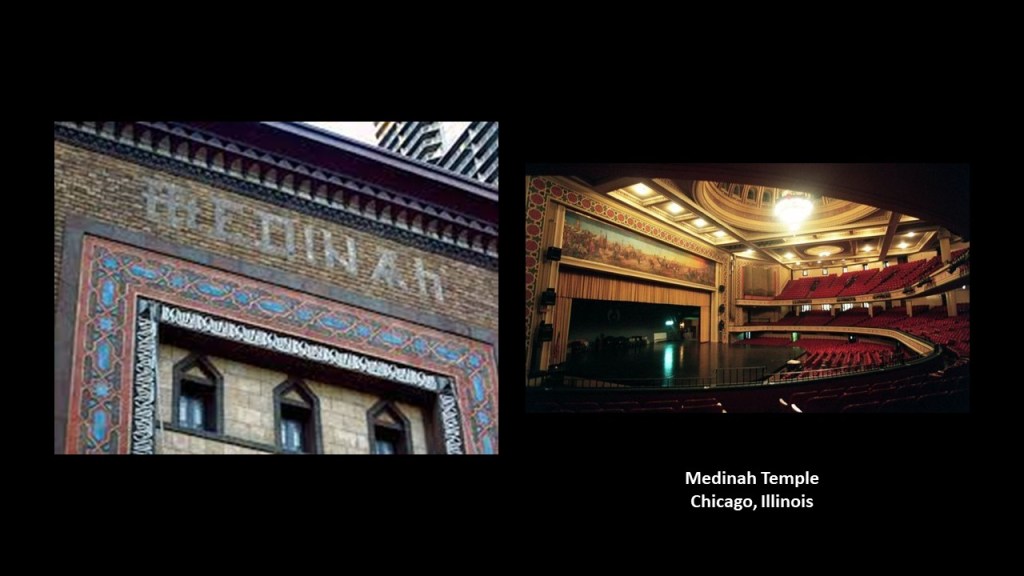
The Medinah Temple was said to have been designed by the Shriners’ architects Huehl and Schmidt, and completed in 1912, and described as “…a colorful Islamic-looking building replete with pointed domes and an example of Moorish Revival architecture.”
Currently the building is not being used for anything, but it originally housed an ornate auditorium with a seating-capacity of 4,200 on three-levels, and several organs.
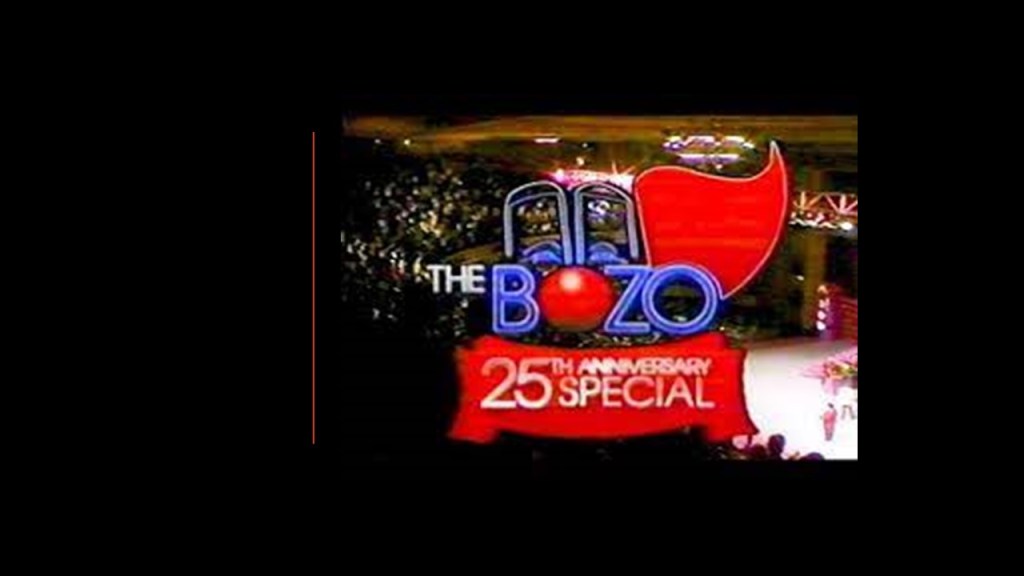
WGN-TV used the Medinah Temple for the live telecast of “The Bozo 25th Anniversary Special” on September 7th of 1986, which really reinforces the masonic connections between circuses and clowns that I am finding in my research.
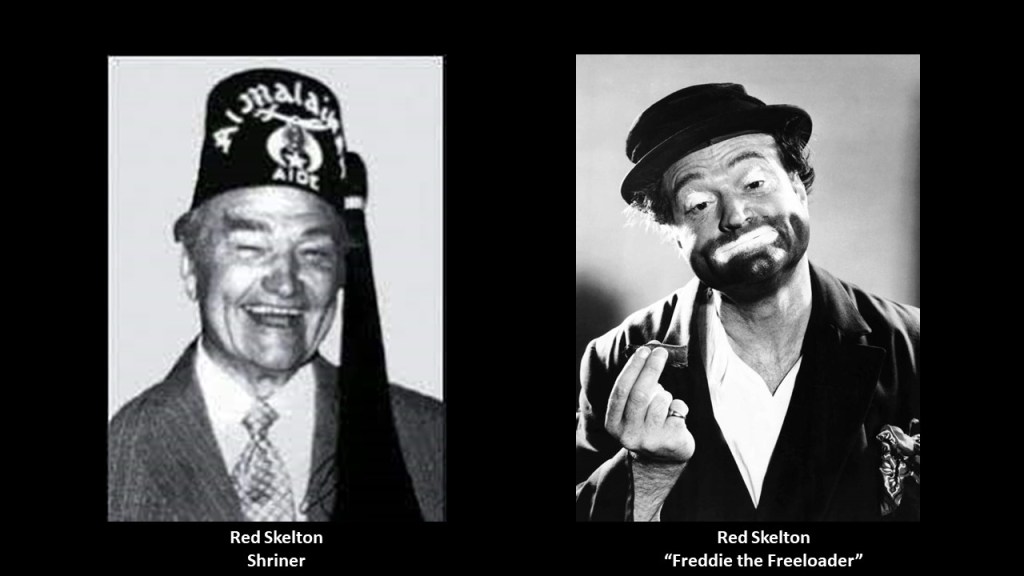
I mean it’s not hard to find out things like comedian and clown Red Skelton was a Shriner when you look for it.
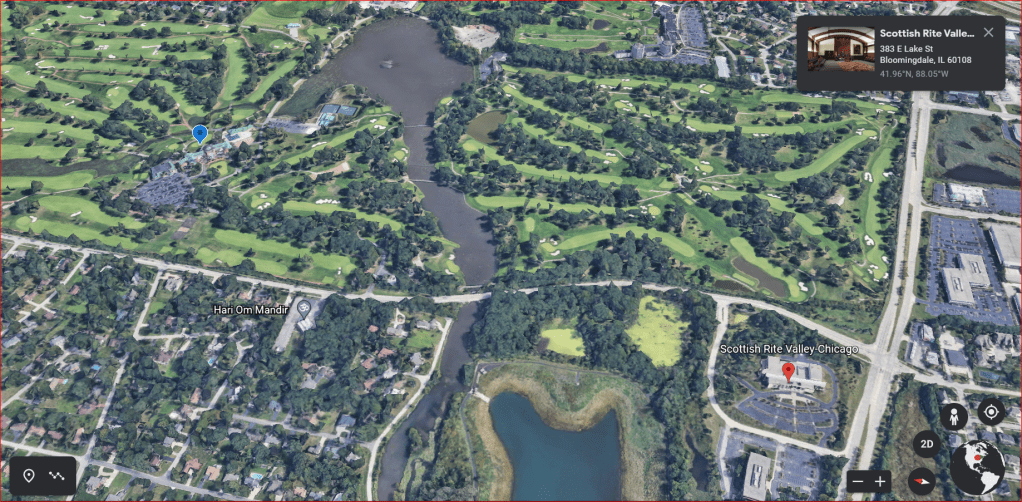
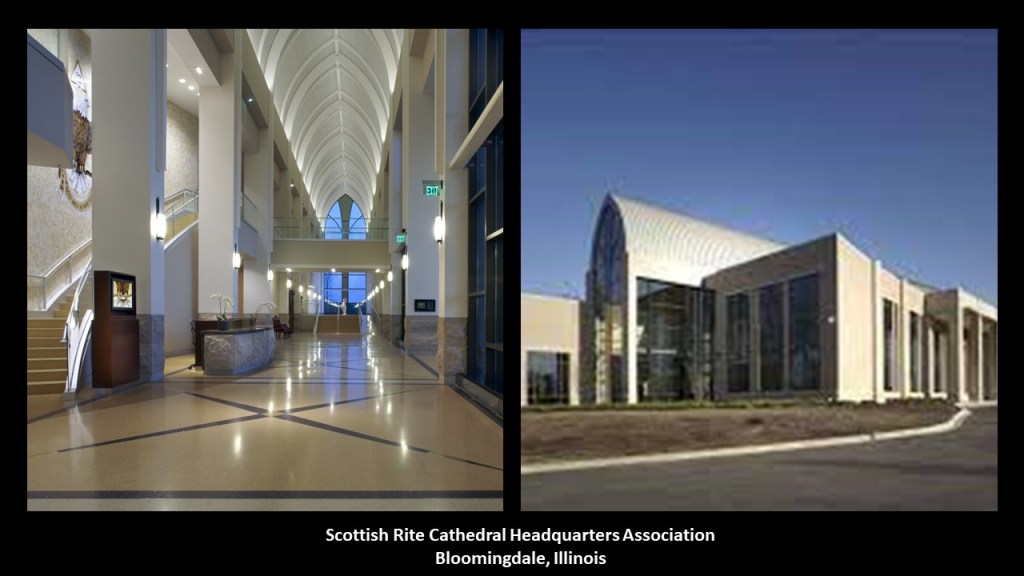
Also, the Scottish Rite Cathedral Headquarters Association is in Bloomingdale, Illinois, which is a suburb of Chicago.
The Scottish Rite Cathedral Headquarters Association tells us it is “telling the story of Free Masons and the Scottish Rite origins in symbolic interior and exterior spaces.”
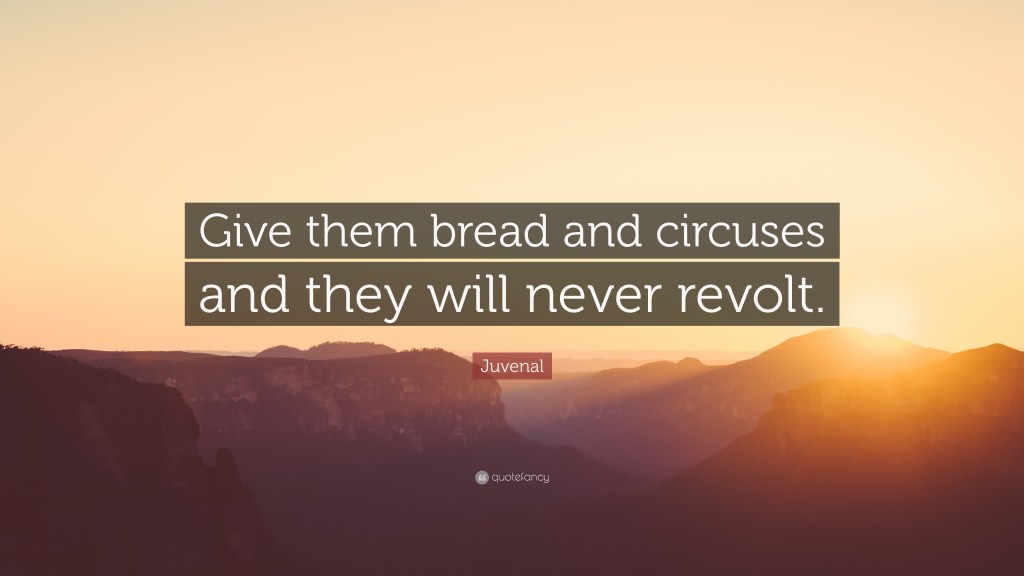
We are told in our historical narrative that the first-century Roman poet Juvenal, who said in one of his poems a phrase that is commonly interpreted as: “Two things only the people anxiously desire: bread and circuses.”
The phrase “bread and circuses” has come down to us as meaning the cultural and political practice of providing “superficial appeasement” to people in the form of cheap food and entertainment to keep them happy, and diverting their emotional energy into the absurd and the trivial and the spectacle in order to keep them distracted for the purpose of maintaining power and control over the masses.
I think this continues to be a very effective control mechanism in our world still being consciously practiced on us to this day, and that these showmen pioneered the development of their venues to disseminate the programming of the masses before the founding of the movie industry in the early 20th-century. and the ability to reach the masses without travelling to do so.














 Revealing What Has Been Hidden in Front of Our Eyes