
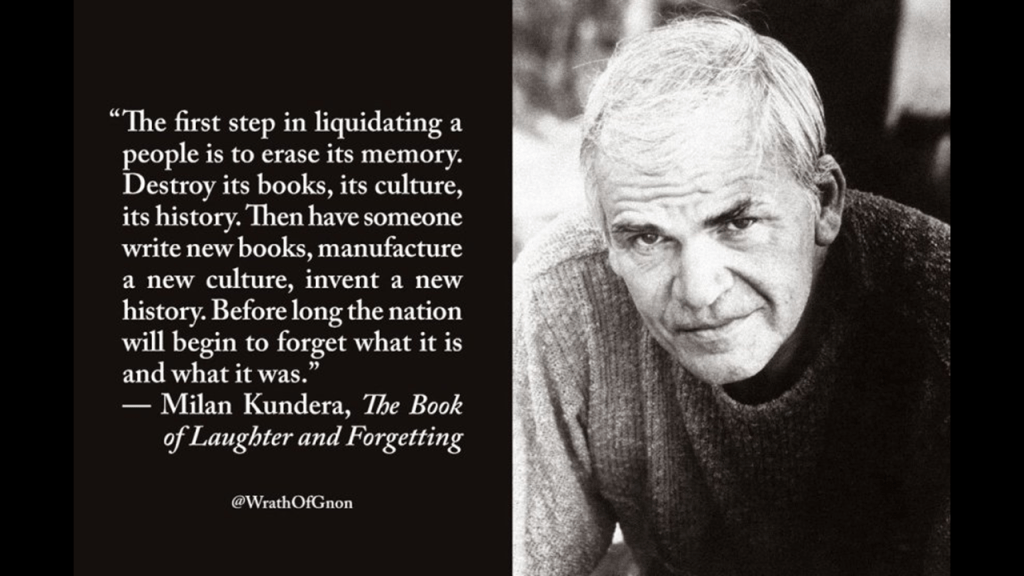
It is only fitting that Osiris is the name of the Moor who befriended me when I first moved to Oklahoma City in 2013, and where I lived until 2016.
Osiris was my guide to learning about the Moors, and really getting it and deeply understanding this information about the Master Builders of our world and their high level of consciousness, and their highly advanced civilization existed from what we would consider Ancient times to Modern.
We still live and work in and on top of what the Moors built.
The ancient Moorish Empire was a a civilization where each Human Being knew it was sovereign, and yet an integral part of the whole collective.
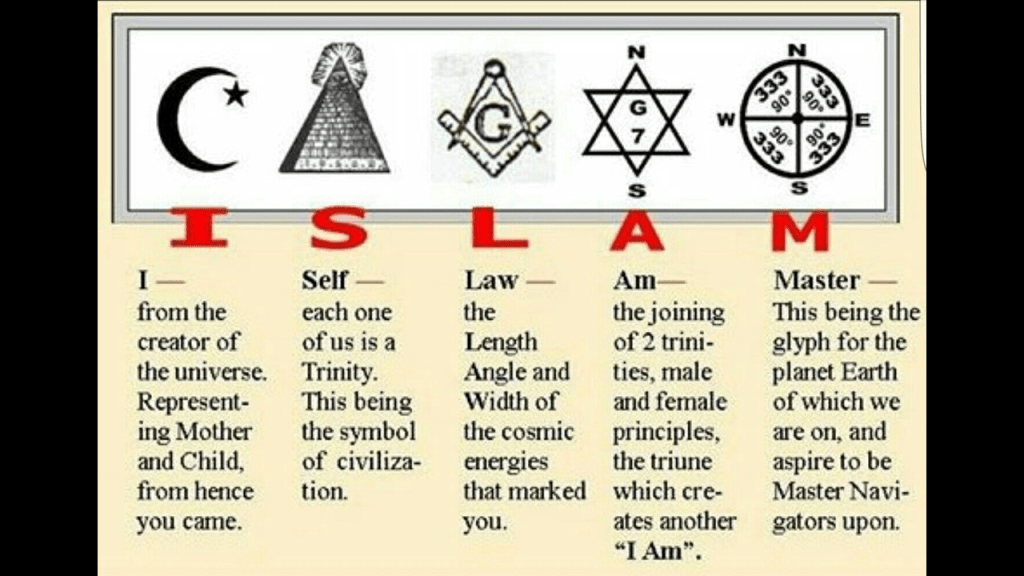
The Moors are Friends of Humanity, with Five Principles of Love, Truth, Peace, Freedom, and Justice…
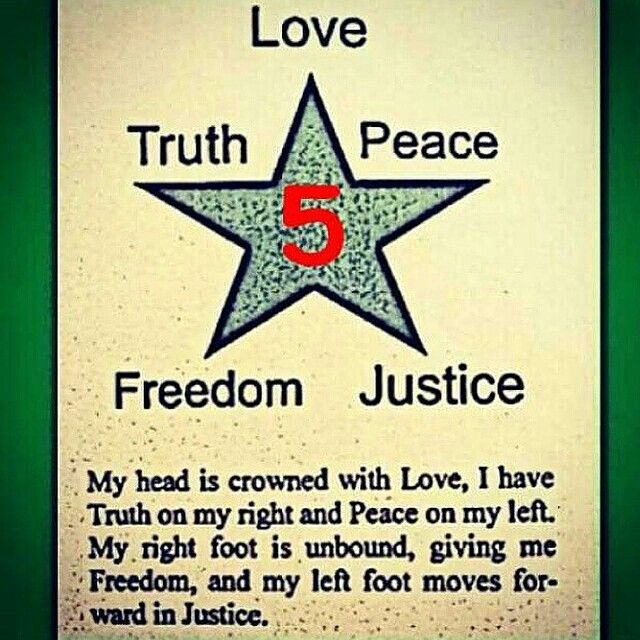
…and are all about teachings to activate the pineal gland and about the human potential to re-connect to our Higher Selves and Divine Natures in this lifetime.
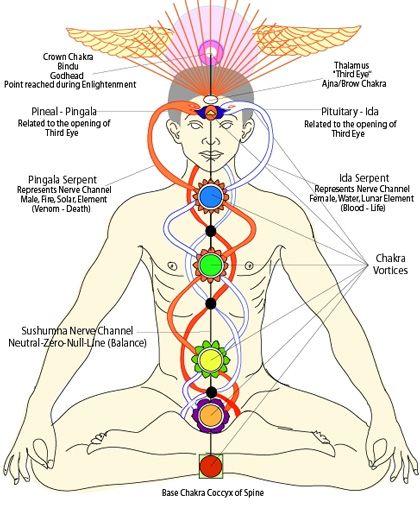
Their highly advanced Civilization was all about aligning Heaven and Earth in the fullest expression of Human Potential that there has ever been here on Earth, living and working together in Unity Consciousness.
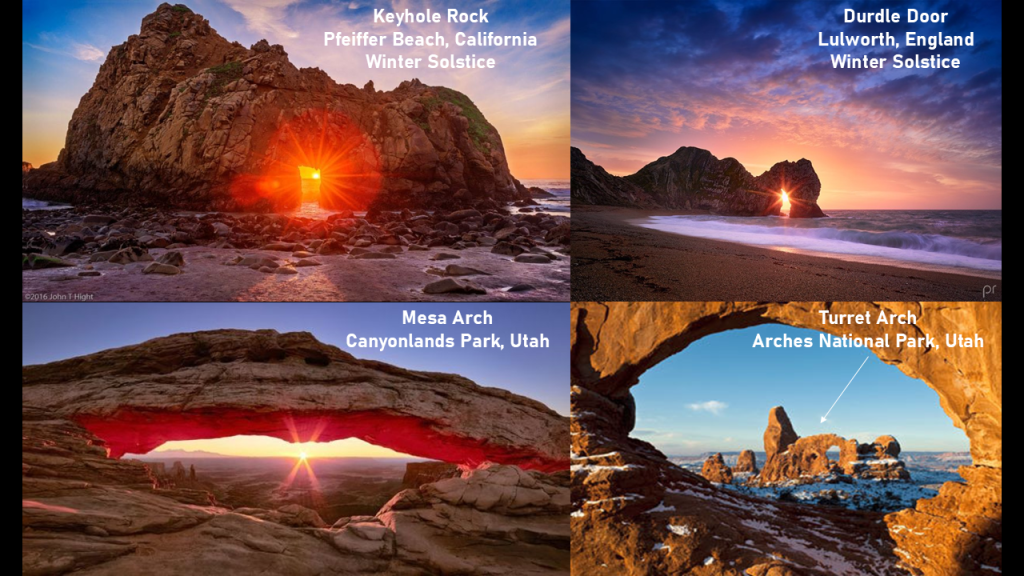
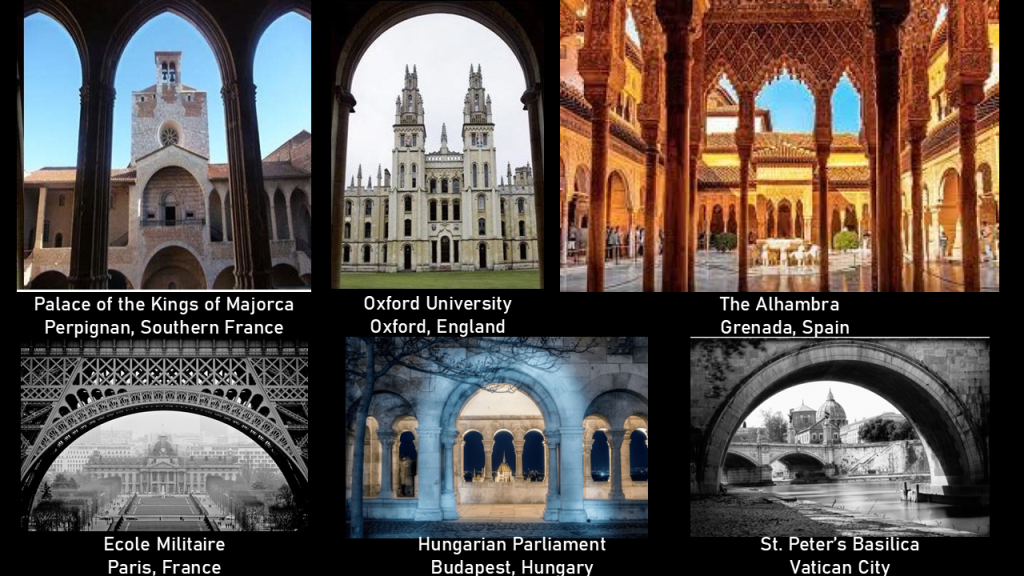

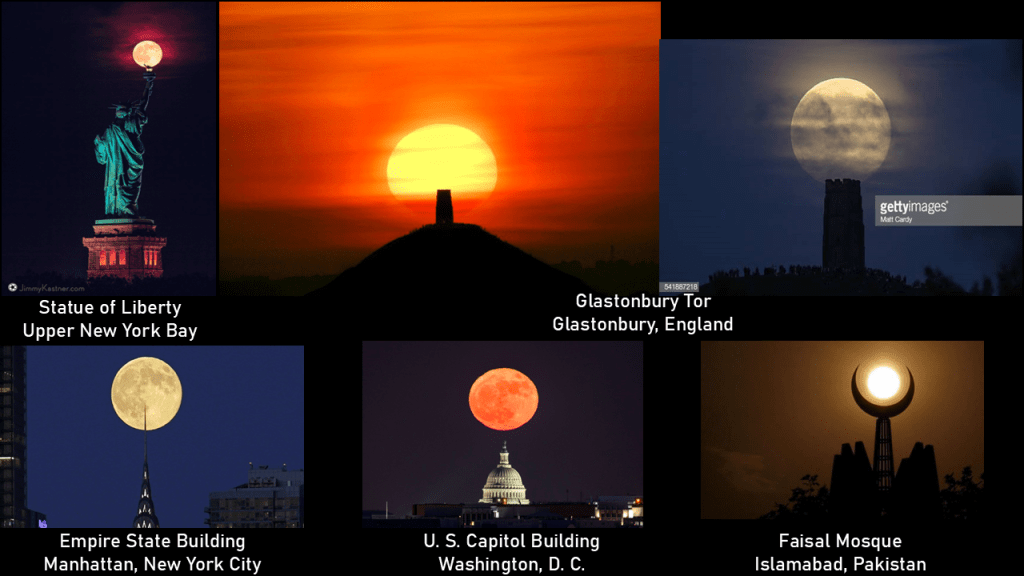
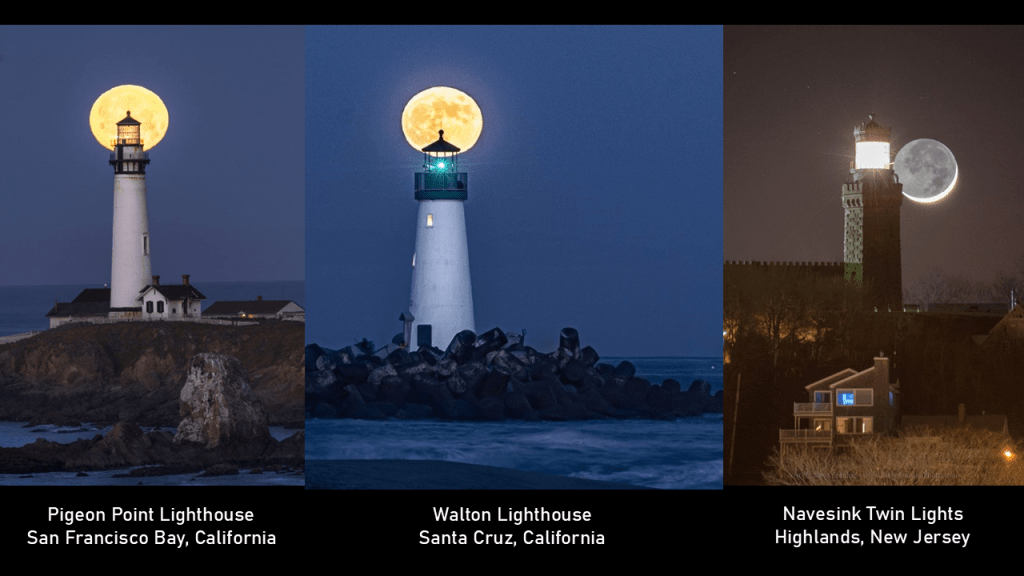

My research journey into uncovering the hidden history of our past began in June of 2018, with an understanding of Sacred Geometry, ley lines, and the Moors.
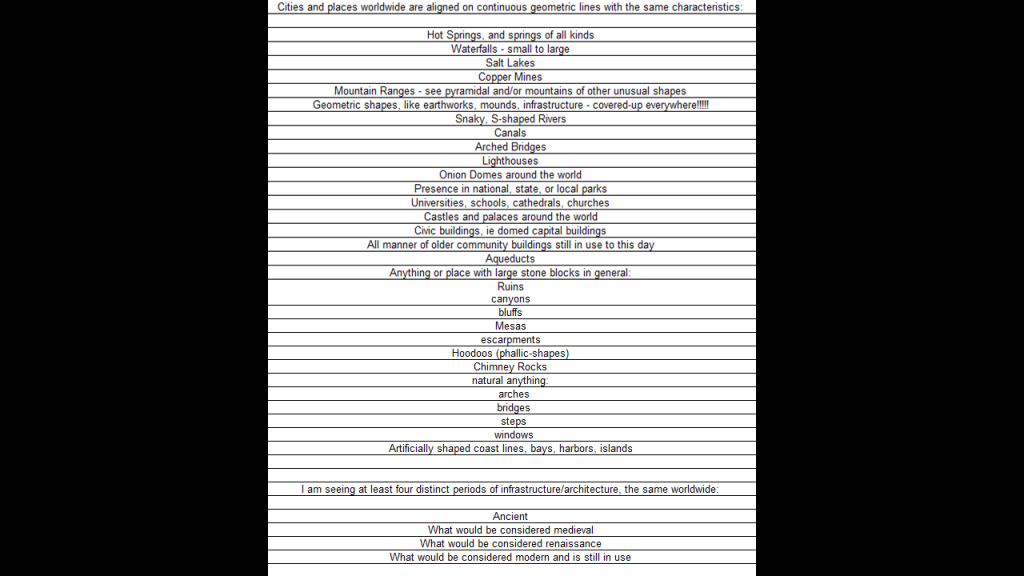
When I started my original research by tracking cities and places in alignment on ley lines, I knew what to look for.
I didn’t know exactly what I was going to find at each place, but I always found what I was looking for.
There is no place on the Earth that this civilization was not.
The evidence is all around us, and below us, and hidden in plain sight.
Not knowing this information has allowed all the many crimes against Humanity, the Earth, and the Creator/Creation to continue unabated because no one knows about it.
It has been well-hidden for a reason by those who wish to harm us all for power, control, and energy.
Everything is changing, and this information needs to come back out into collective awareness as soon as possible.
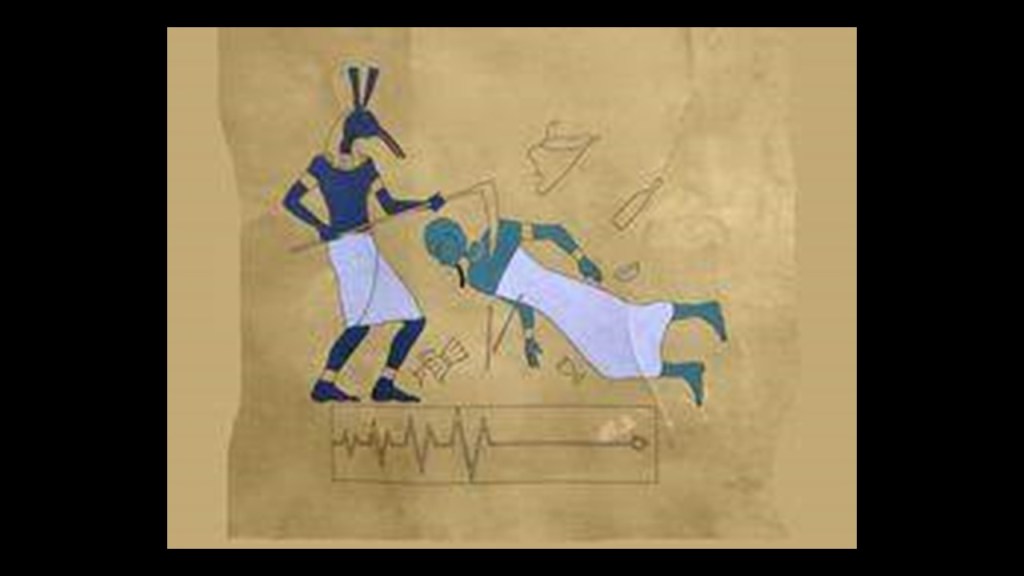
As my starting point for “Finding Osiris,” I am going to be taking a look at the Osiris Myth and the Death of Hiram Abiff as being allegories pertaining to the “Missing Moors” in general.
First, the Osiris Myth.
The Osiris Myth concerns the murder of the god Osiris, primeval King of Egypt whose lineage stretched back to the Creator of the World, Ra or Atum, and the consequences of Osiris’ murder.
Osiris’s murderer, his brother Set, usurped his throne.
Osiris was connected with life-giving power, righteous kingship, and the rule of Ma’at, which was the ideal natural order whose maintenance was a fundamental goal in ancient Egyptian culture.
Set is closely associated with violence and chaos.
What if the Osiris Myth was an allegory for the Moors, whose advanced civilization was completely wiped from our collective memory, their history fragmented into a million pieces, and then re-written into a false historical narrative?
And, again from an allegorical standpoint, the world we have been taught about and have been living in today is representative of Set’s association with violence and chaos.
One version of the Osiris myth’s similar story-lines, at a banquet, Osiris was lured into getting into an elaborate chest made by Set that only fit him. The lid of the chest was then slammed shut, and the chest containing his body was thrown into the Nile River.
Later on in the story, Set steals the body of Osiris after it had been found, dismembered it, and scattered his body-parts across Egypt.
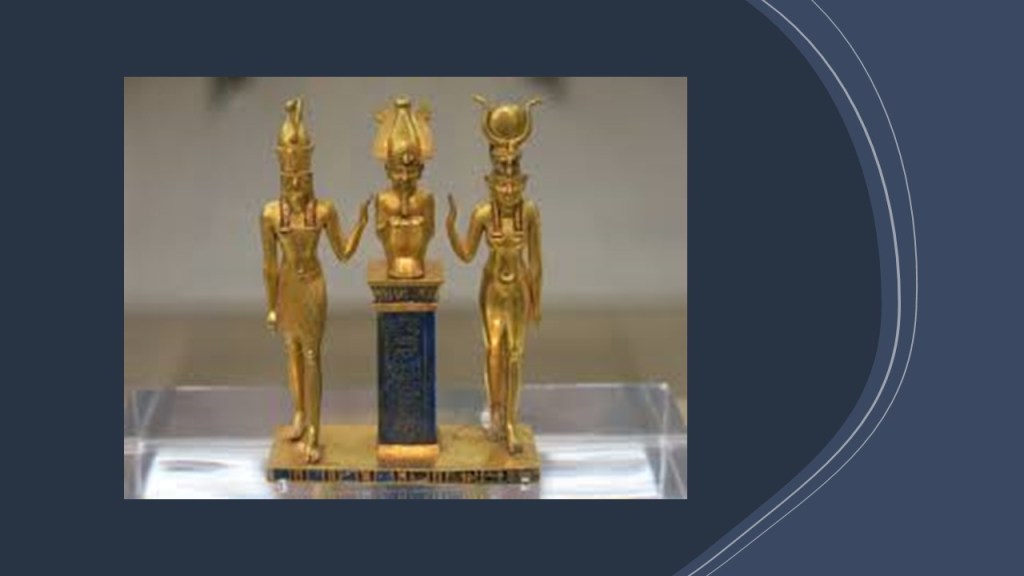
His Queen Isis finds the dismembered body parts and puts his body back together again and posthumously they conceived Horus.
Horus became Set’s rival for the throne, and ultimately triumphs over Set, restoring the cosmic and social order of Ma’at to Egypt and completes the process of the resurrection of Osiris.
The Chi Rho symbol is found across cultures, and believed have symbolized the body of Osiris, as well as the Constellation of Orion as a depiction in the night sky of Osiris.
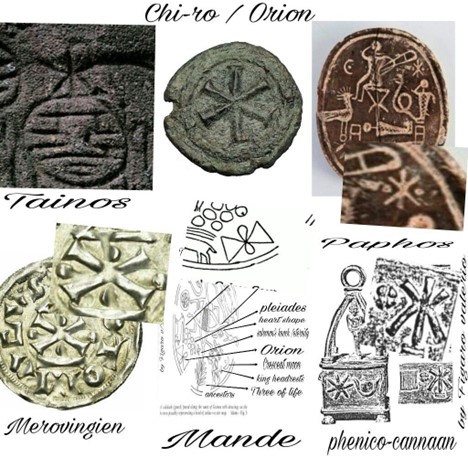
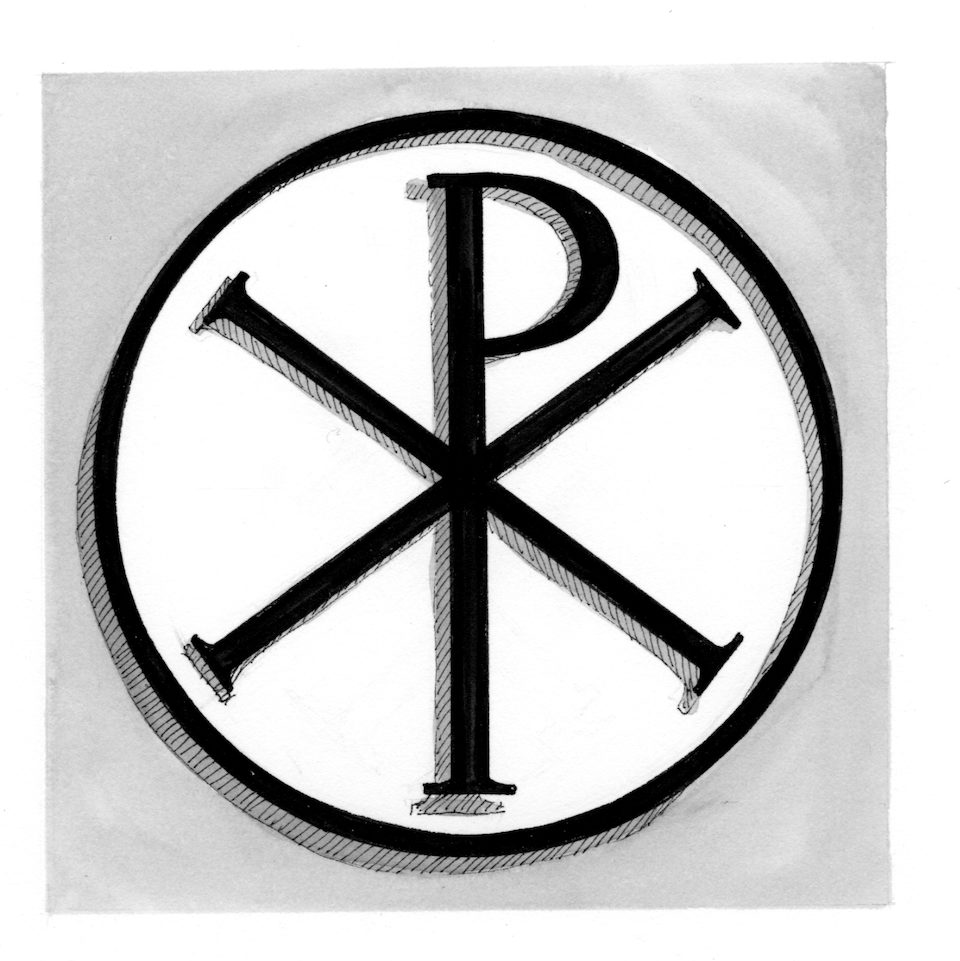
The mainstream accounts of the origins of the Chi-Rho say that it is one of the earliest forms of “Christogram,” forming the name of Jesus Christ, and traditionally used as a symbol in the Christian Church.
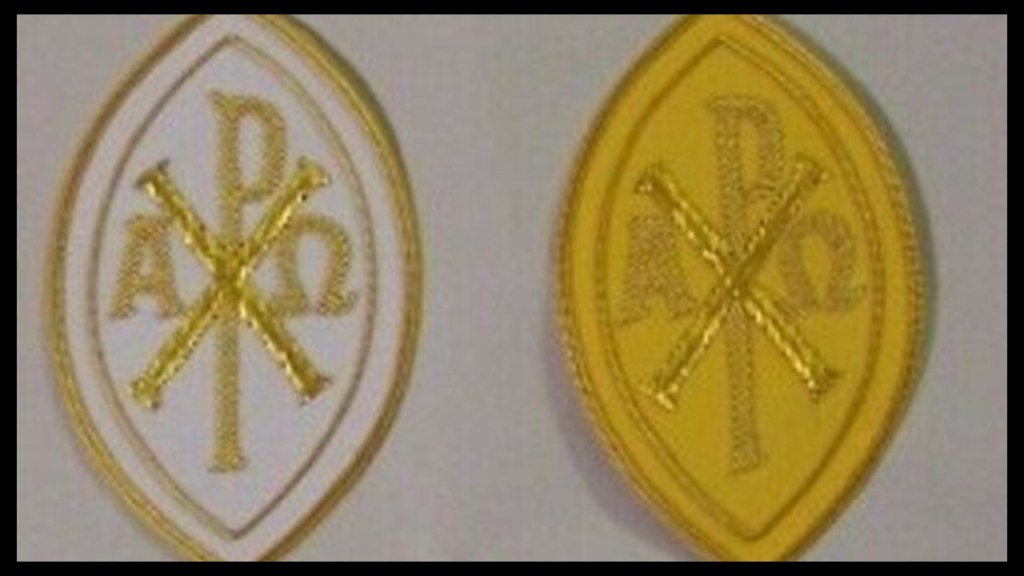
The symbol is commonly found on the vestments of Catholic priests.
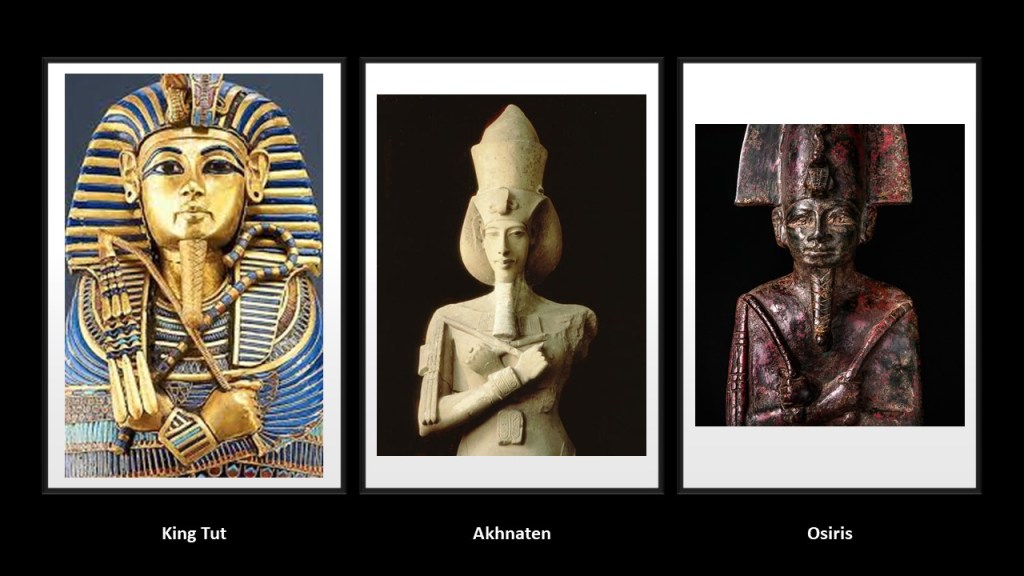
In Egyptian art, frequently important personages were depicted with crossed-arms and/or arms and crook & flail, as seen with King Tut on the left; Akhnaten in the middle; and a bronze statue of Osiris on the right.
Osiris represented the “Third-Eye” in ancient Egyptian spiritual schools, also called “The Eye of Osiris.”
The “Awakening of Osiris” refers to the process of awakening and becoming consciousness itself, which is the full activation of the pineal gland and super-consciousness mind, a process all Human Beings have access to if they know about it and desire to attain it.
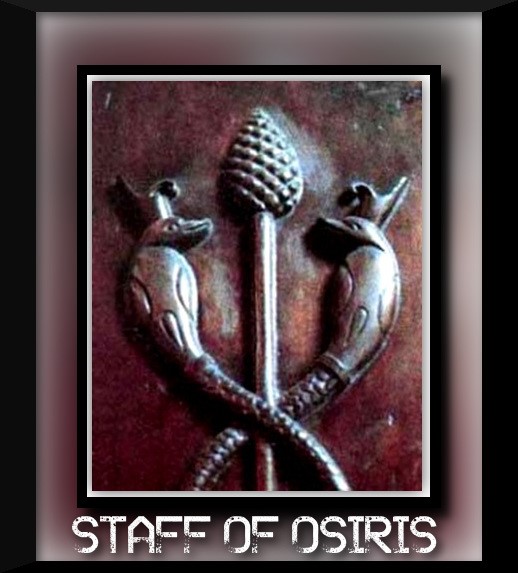
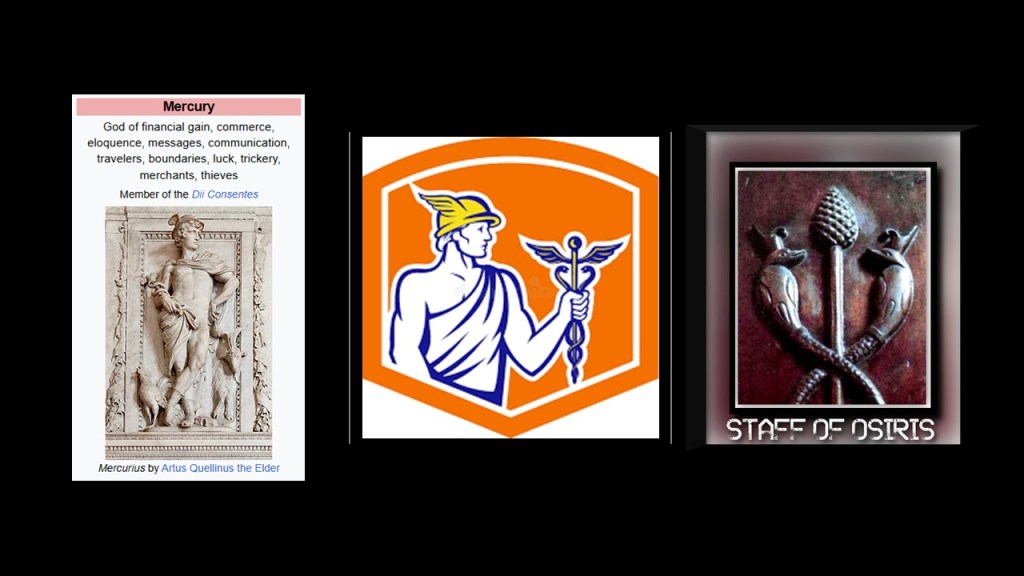
The two serpents in this illustration of the “Staff of Osiris” with the pineal gland at the top depict kundalini energy, which represents our life-force energy.
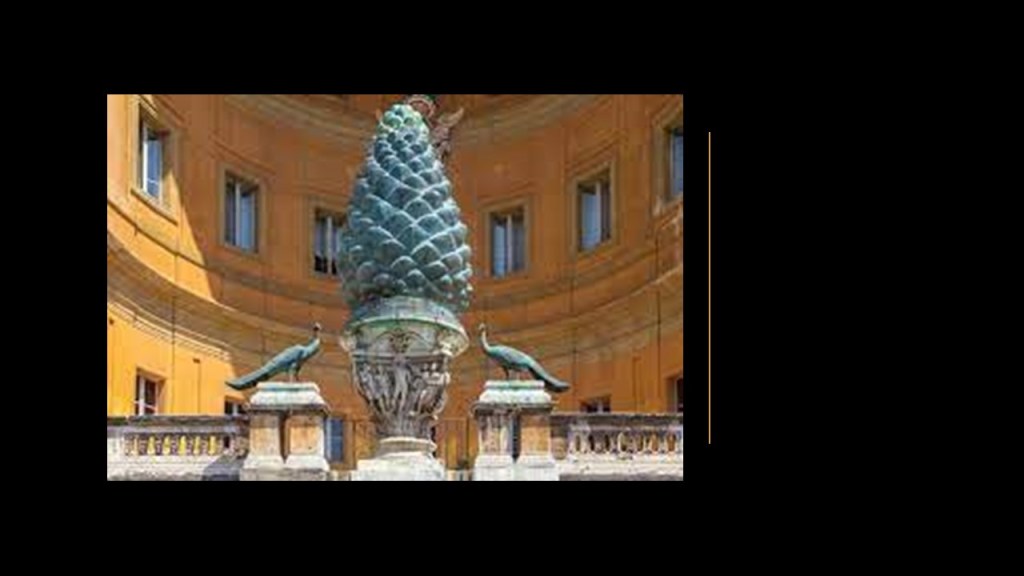
The human pineal gland looks just like a pine cone, so that is what this statue at the Vatican is called – the “pine cone.”
The obfuscation of the real meaning to me is related to the theft of human life force energy, and our connection to our Divine Selves and to the Heavens by such vehicles as organized religions.
With regards to the appearance of organized religions in our history, I am going to use the example of Quakerism because of its connecting threads to early banking houses, alchemy and the Egyptian Corpus Hermeticum.
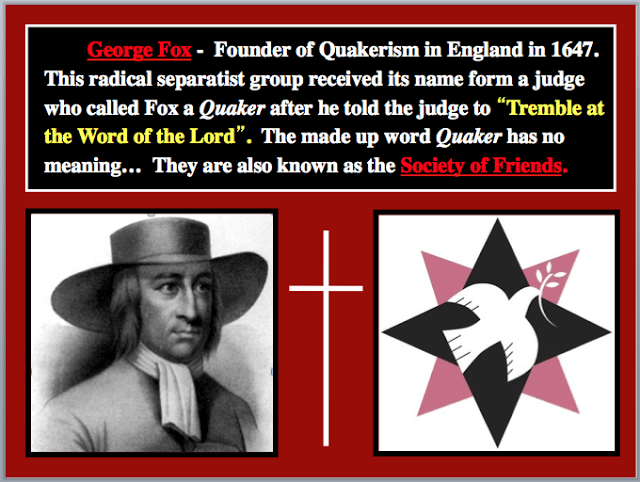
The Protestant denomination that came to be known as “Quakerism” came to the world through Englishman George Fox, who was said to have been guided by a vision from God in 1652 to start a new religion with a “priesthood of believers” when he saw that it was possible to have a direct experience of Christ without clergy.
It is interesting to note the relationship of Quakers to big banks.
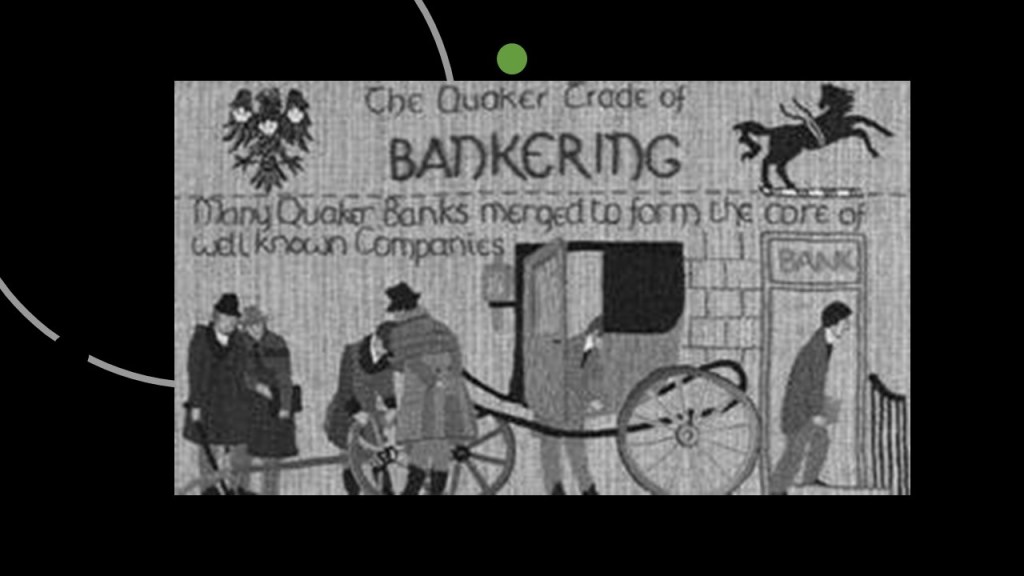
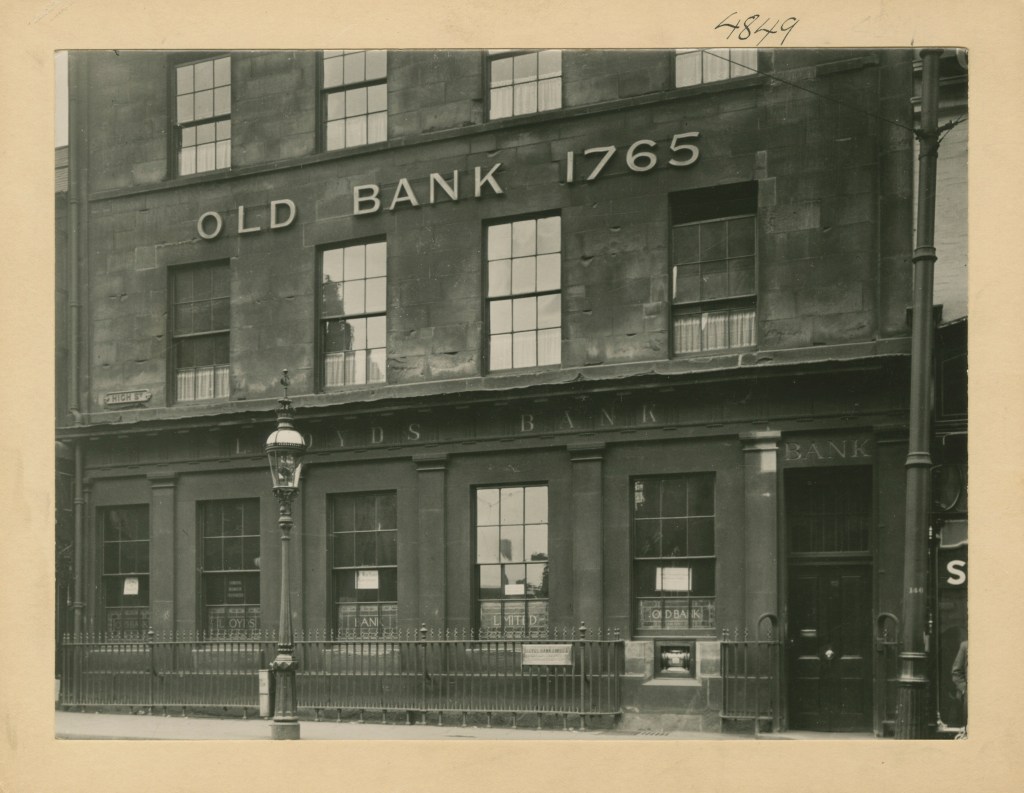
The origins of Lloyds Bank, the largest retail bank in Great Britain, go back to 1765, when Quaker iron producer and dealer Sampson Lloyd set-up a private banking business in Birmingham with industrialist John Taylor.
The multinational universal bank Barclays traces its origins Quaker goldsmiths John Freame, his brother-in-law Thomas Gould, and their apprentice James Barclay in 1690, at a time during which goldsmiths held cash deposits and issued receipts that came to be used as money.

I went looking around to see if the founder of Quakerism, George Fox, had any masonic connections or anything like that, and not that I could find on in an internet search.
What I did find that was interesting was a pdf chapter on the University of London School of Advanced Studies website, which archives “The Journal of the Friends Historical Society.” Quakers are also known as “Friends.”
The title of the pdf chapter is “Early Friends and the Alchemy of Perfection,” and at the beginning it mentions George Fox meeting a German in London in 1660.
While it was not known exactly who the German was, the author of the chapter speculated that it was quite possibly, from what little information Fox provided, someone by the name of Franz Mercurius van Helmont, a Flemish physician and alchemist who had settled in London by the 1670s, and became a Quaker himself until sometime around 1690.
Throughout all this time, van Helmont was heavily involved in kabbalistic metaphysics.
He spent his remaining years in Germany, until his death in 1699.
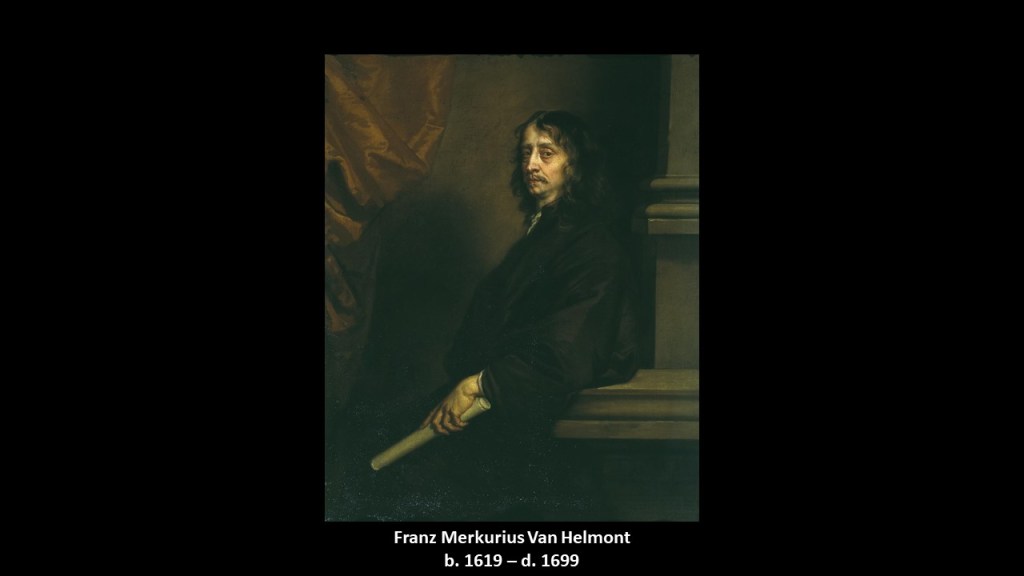
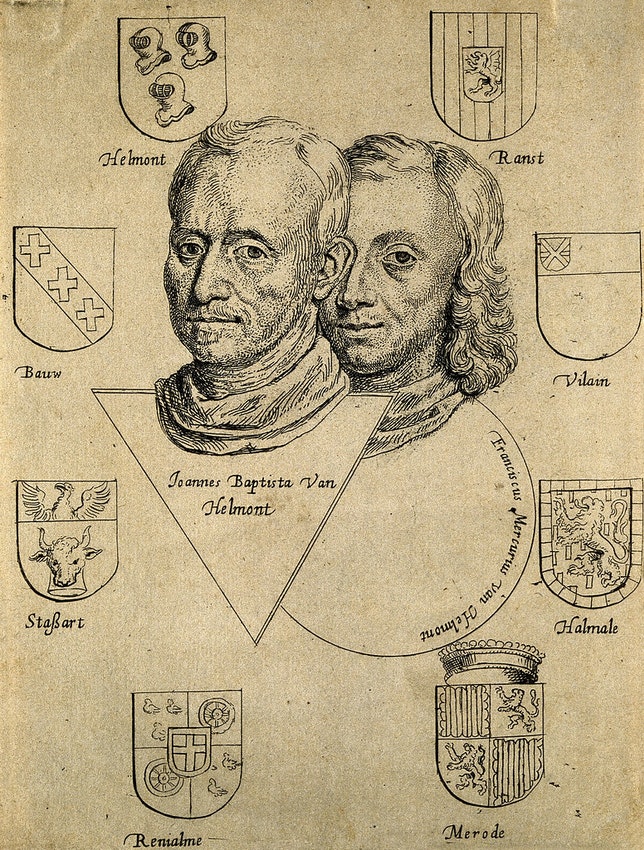
The author went on to say that Franz Merkurius Van Helmont was the son of the leading exponent on the European continent of the Paracelsian-Alchemical tradition, and also a physican, Johan Baptiste van Helmont, and that both carried on the Paracelsian philosophy of medicine, as well as interest in the Kabbalah of the Jewish Mystical tradition.
The van Helmonts emphasized direct personal observation and experiment, and that Franz expressed admiration for the mystical nature of the spiritual experiences of the Quakers.
The author of this pdf document went on to speculate about whether or not there was something in Quakerism that appealed to the alchemists, or something about alchemy that appealed to the Quakers.
The author of the chapter touched on the subjects of Paracelsus, whom the van Helmonds were proponents of, and Hermeticism.
The given name of the man known to history as Paracelsus, a Swiss-German doctor and scholar, was Philippus Aureolas Theophrastus Bombastus von Hohenheim.
Interesting to note that the English meaning of “Bombastic” is “high-sounding but with little meaning.”
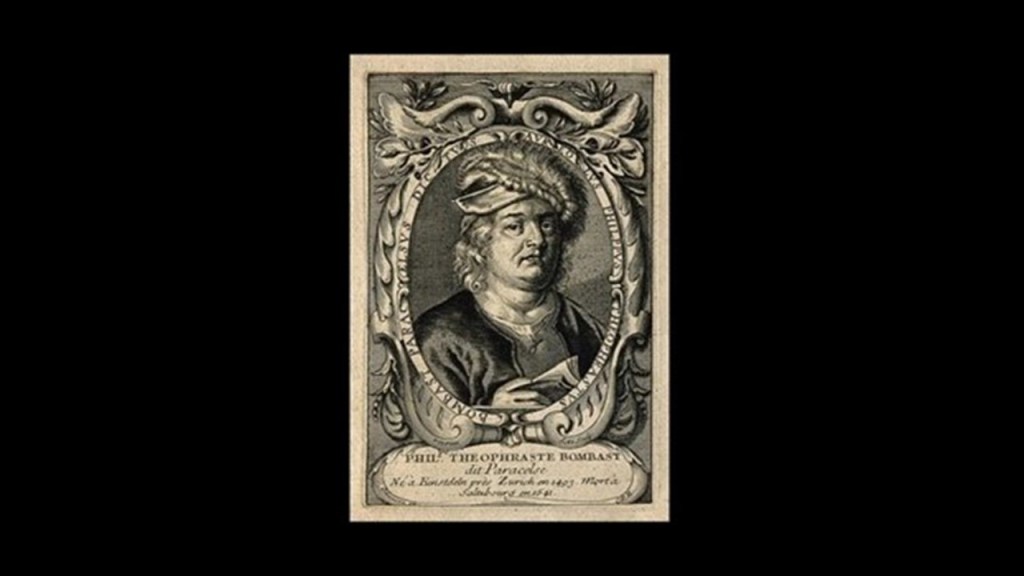
Paracelsus, a student of Hermeticism, was also an alchemist and physician, and said to have wedded alchemy and medicine.
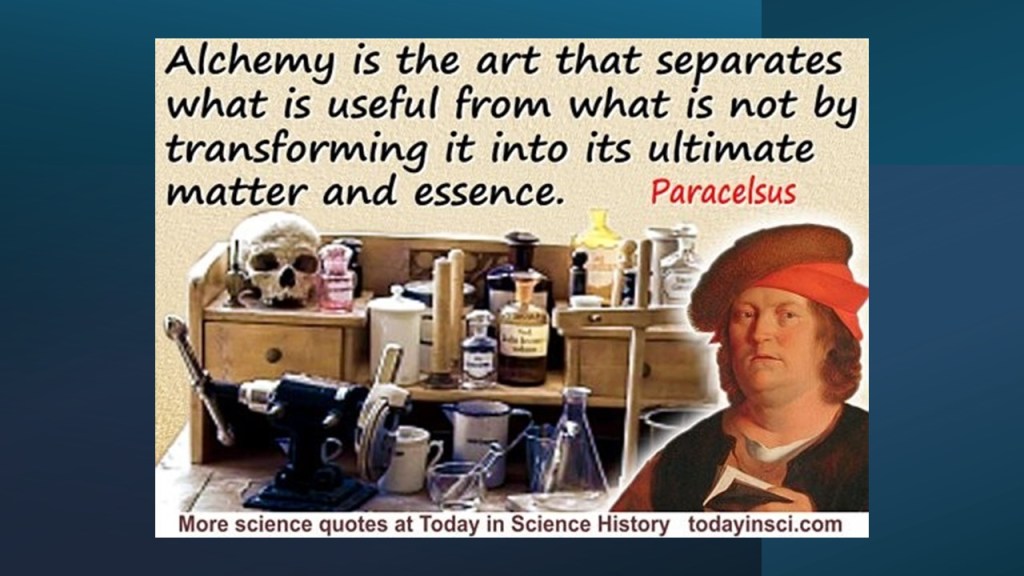
We are told the work of Paracelsus on Alchemy exerted a big influence on reformers seeking to restore the true knowledge of an earlier age, and reliance on the direct and immediate experience of truth.
In our historical narrative, the ancient Hermetic tradition surfaced in the West around 1460 A.D. and we are told Hermeticism was a major influence on Renaissance thought.
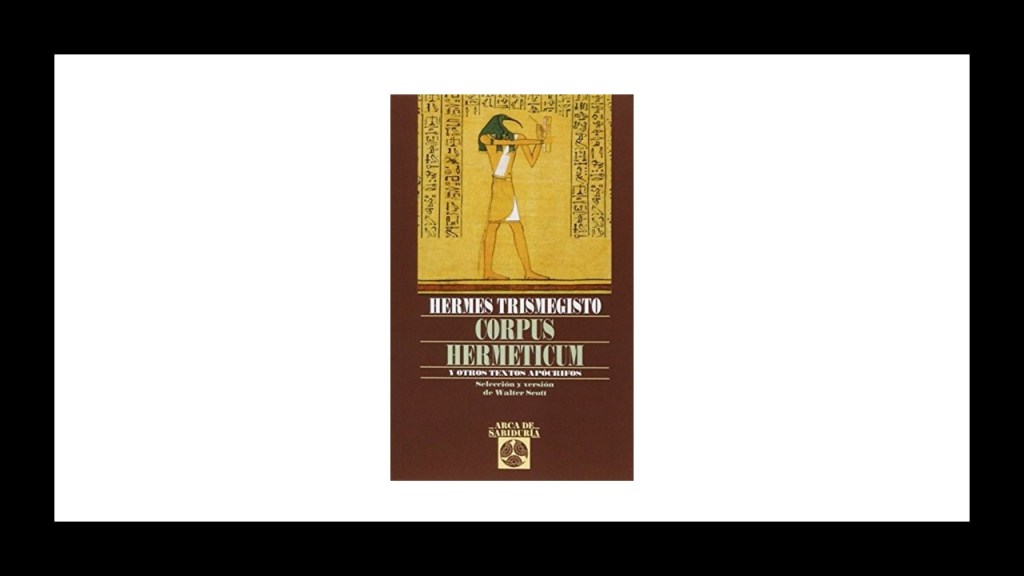
The Corpus Hermeticum was a collection of written works that offered insight into the Egyptian mysteries and religious philosophy that started circulating in the early centuries of the Common Era.
It was a combination of gnosticism, magic, and mysticism that derived its name from “Hermes Trismegitus,” or “Thrice- Great Hermes,” an ancient Egyptian Magus who was associated with the Egyptian-God Thoth, and Thoth is also associated with the Greek God Hermes, who the Romans called Mercury.
In Roman Mythology, Mercury was not only the Messenger of the Gods and a guide of souls to the Underworld, and the God of financial gain, commerce and communication, he was also the god of trickery, merchants and thieves.
Of particular note here, Mercury was portrayed carrying a caduceus with the same intertwining serpents seen earlier in the Staff of Osiris that represent the activation of Kundalini energy as it rises from the base of the spine towards the pineal gland in the midline of the brain, also known as the third-eye , which when activated, unites the individual with Consciousness itself and the Super-Conscious mind, hence the wings at the top of not only the caduceus held by Mercury, but also the winged helmet he wears.
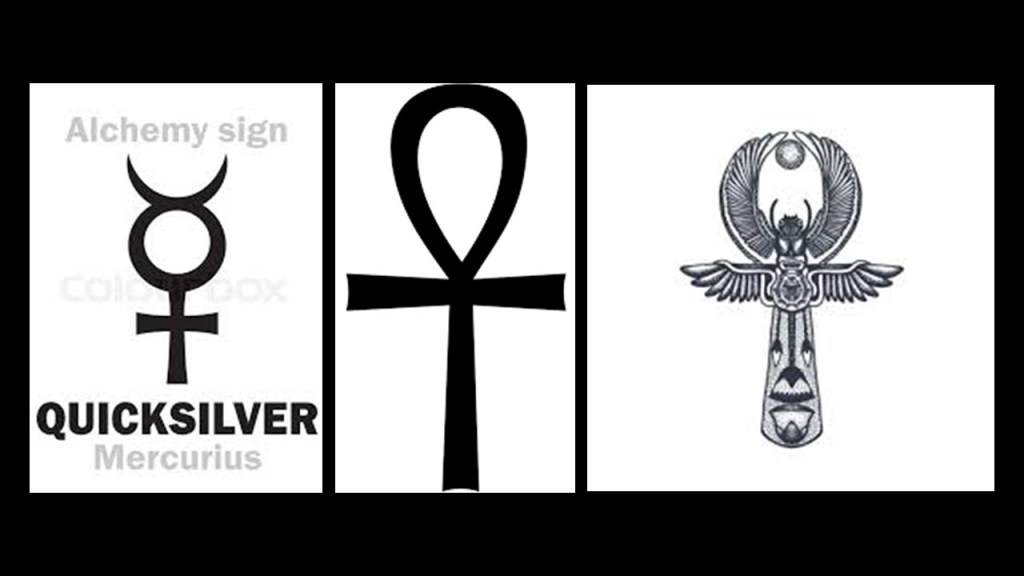
We are told that in later antiquity, the caduceus became the symbol for the planet Mercury, and this symbol was used in astronomy, astrology, and alchemy, and the metallic element called “Mercury.”
The symbol for Mercury also looks like the “Ankh,”the Egyptian symbol that represents life, both physical and eternal.
Alchemy is currently defined as the medieval forerunner of chemistry, based on the supposed transformation of matter, and concerned particularly with converting base metals into gold.
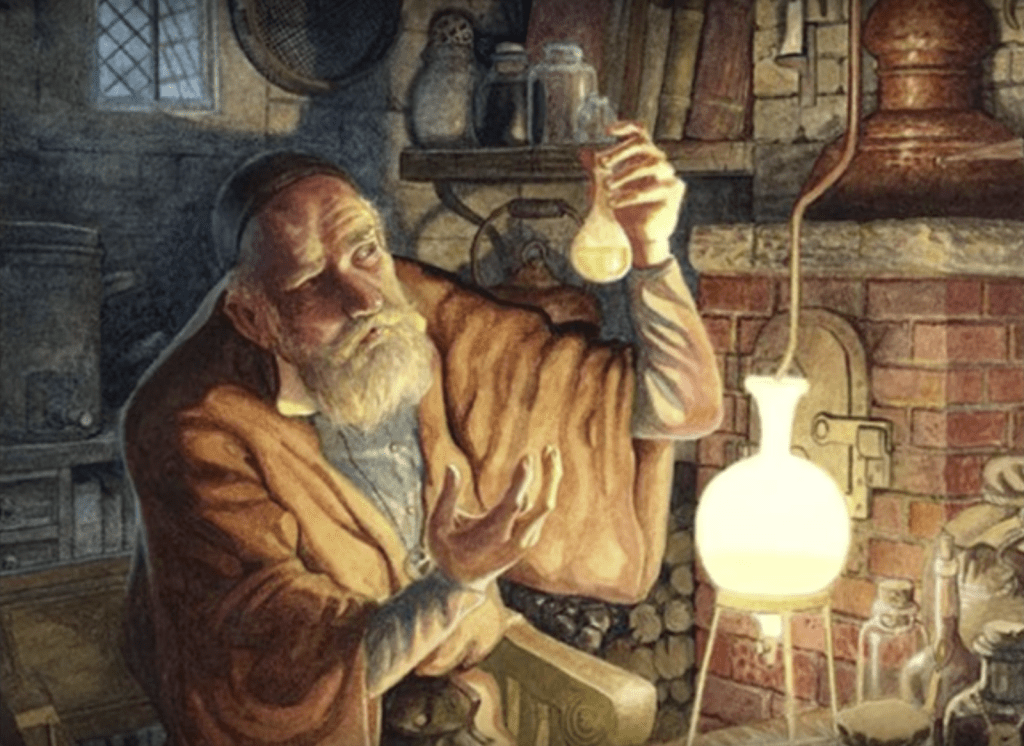
We have been taught Al-Khem was the ancient name of Egypt.
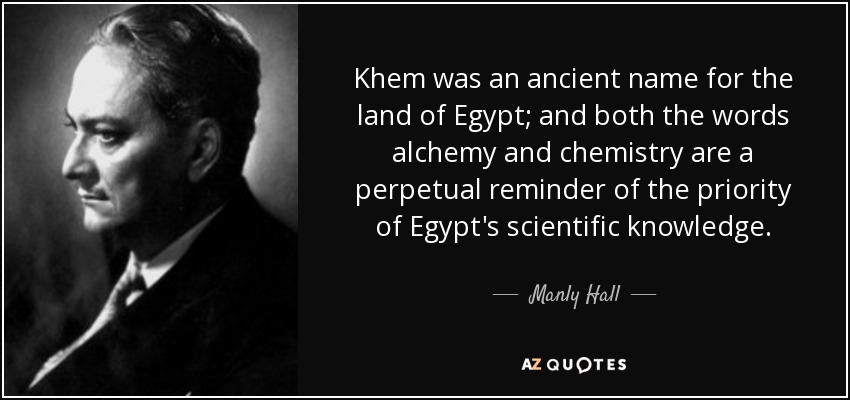
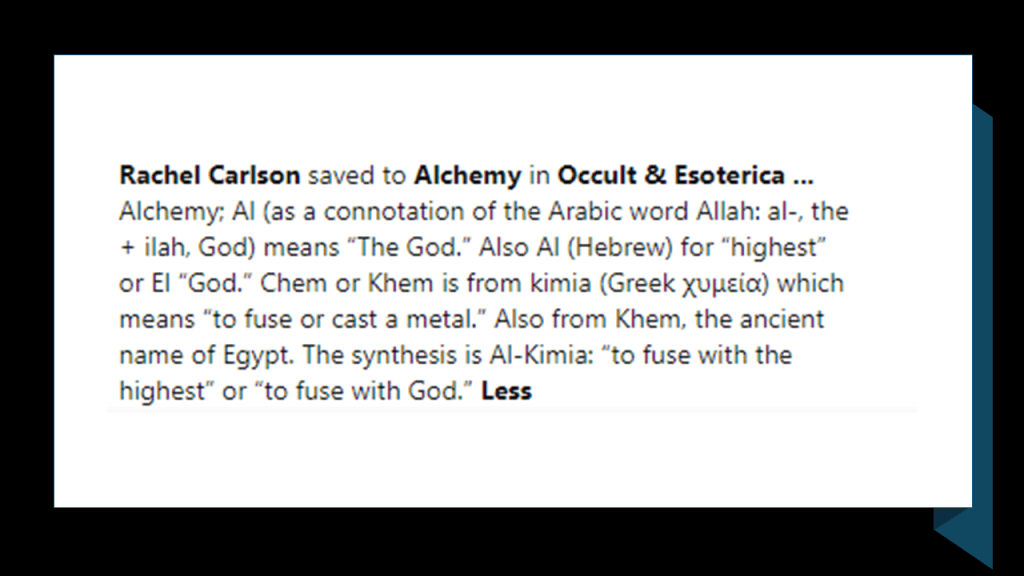
I believe Al-Khem was actually referencing the worldwide civilization, and not just a specific location identified as Egypt on the Earth in North Africa, and referred to a direct synthesis with the Creator, referenced here as “Al-Kimia,” “to fuse with the Highest,” or “to fuse with God.”
But there is much, much more to the incredible deception that has taken place on Earth because this same worldwide civilization of Al-Khem was also Israel, and what is known to us as its twelve tribes.
It stands to reason that the people of this advanced civilization would apply the same concepts of Harmony, Balance, Beauty, Sacred Geometry, and aligning Heaven and Earth, to building their communities and themselves that they applied to building all of the infrastructure on the Earth.
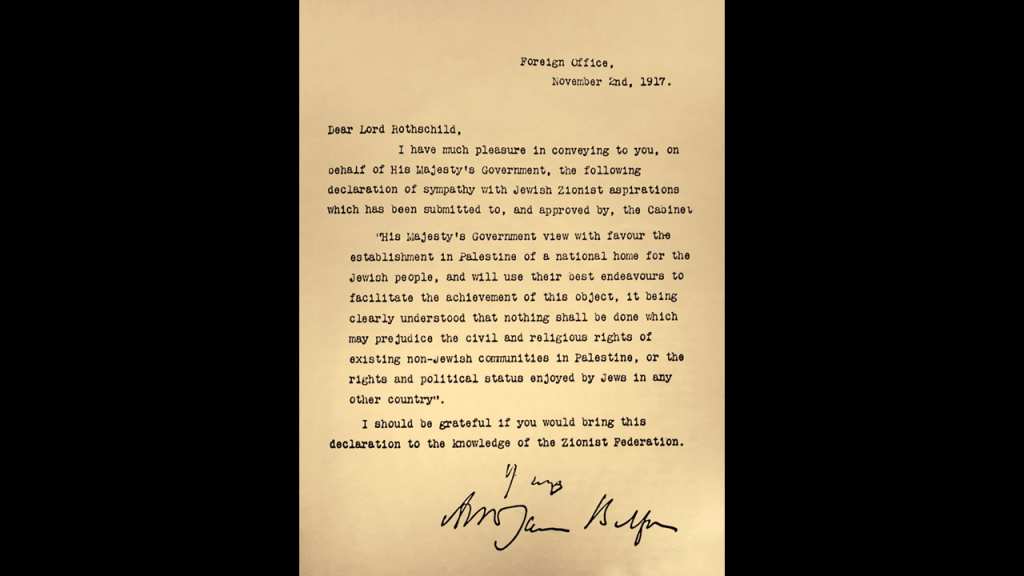
The modern State of Israel was a Rothschild creation.
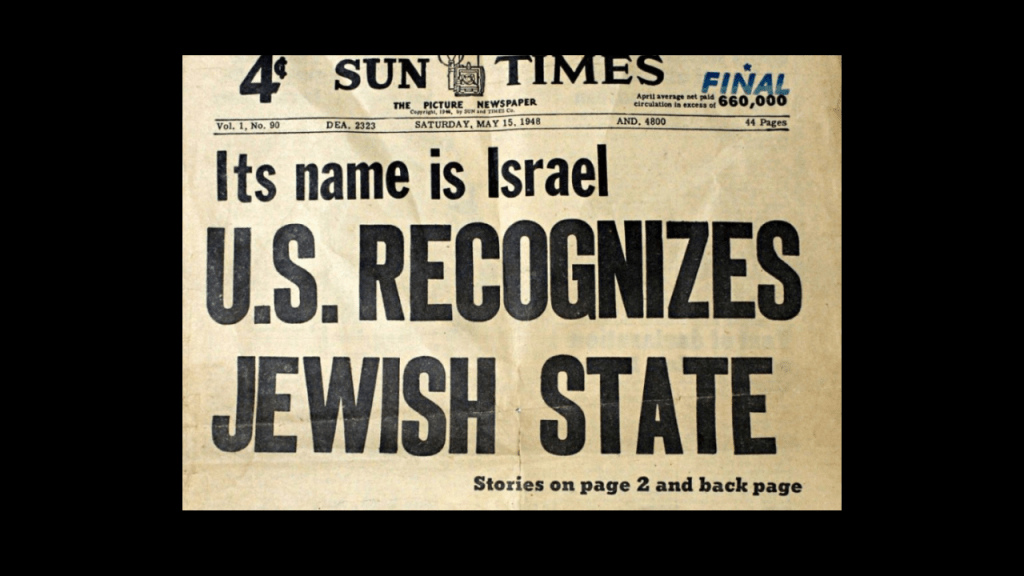
The very day Israel was recognized by the United States on May 15th of 1948 marked the beginning of the hostilities between Israel and the Arab World when gun-fire broke out between Jews and Arabs, and Egypt had launched an air assault that evening.
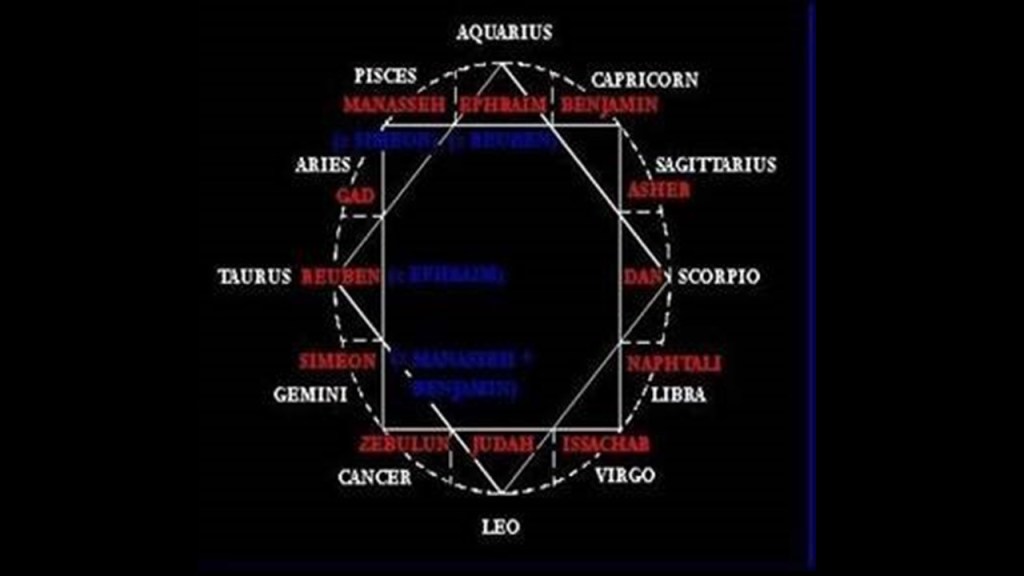
There is an 8-pointed star visible in this graphic of the twelve Tribes of Israel as they correspond to the twelve constellations of the Zodiac.
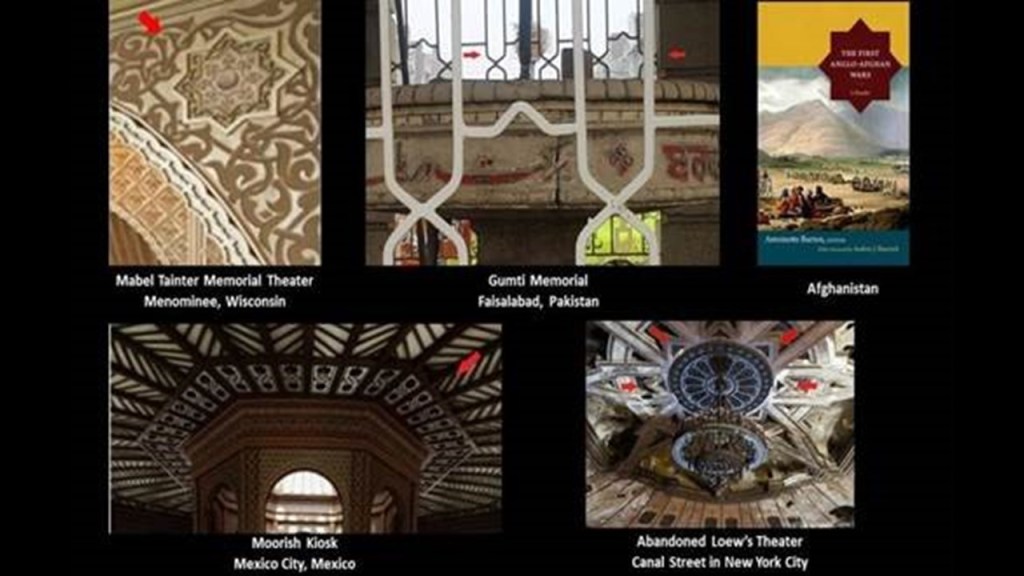
This same 8-pointed star if found in diverse places all over the Earth.
On the top left, the 8-pointed star is found in a detail at the Mabel Tainter Memorial Theater in Menominee, Wisconsin; at the Gumti Memorial in Faisalabad, Pakistan in the top middle; and on a book cover about the First Anglo-Afghan War on the top right; and on the bottom left, at the Moorish Kiosk in Mexico City; and on the bottom right, above the chandelier at an abandoned Loew’s Theater on Canal Street in New York City.
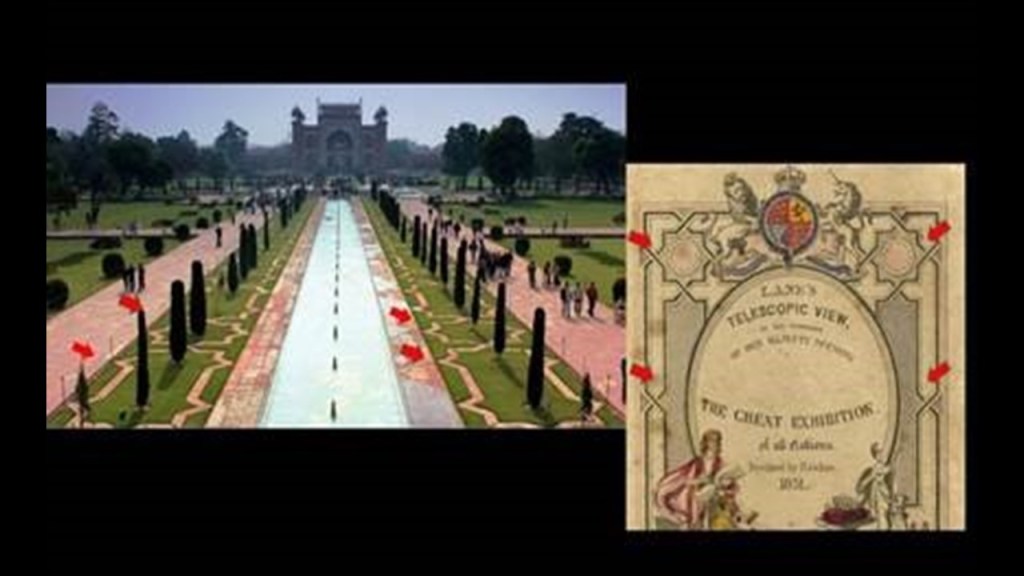
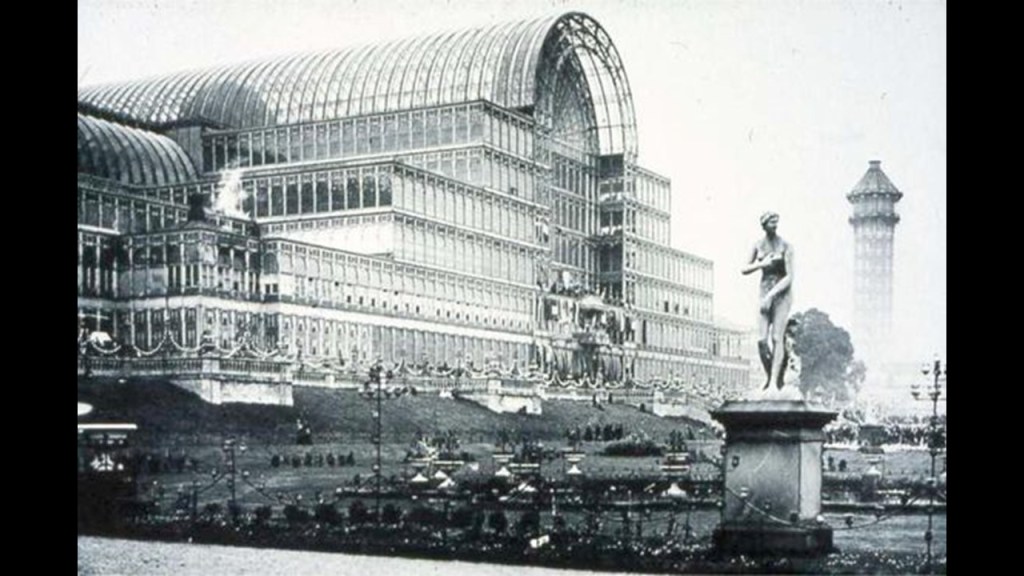
The Great Exhibition of the Works of All Nations, held in the Crystal Palace in London in 1851 was also known as “The Great Shalimar” a reference to the Mughal Garden complex in Lahore, Pakistan, where you see the same eight-pointed star and similar design-patterns in the Mughal Gardens on the left and on the Great Exhibition brochure on the right, also known as the “Crystal Palace Exhibition.”
The Crystal Palace Exhibition was the first in a series of major World’s Fairs, Exhibitions and Expositions of “Culture and Industry” that took place primarily through the mid-19th-century to the mid-20th-century.
There is no doubt in my mind these mega-events of their day were actually showcasing the advanced technology and architectural wonders of the original civilization before being hidden away or forever destroyed, and not built when and by whom we are told in our historical narrative.
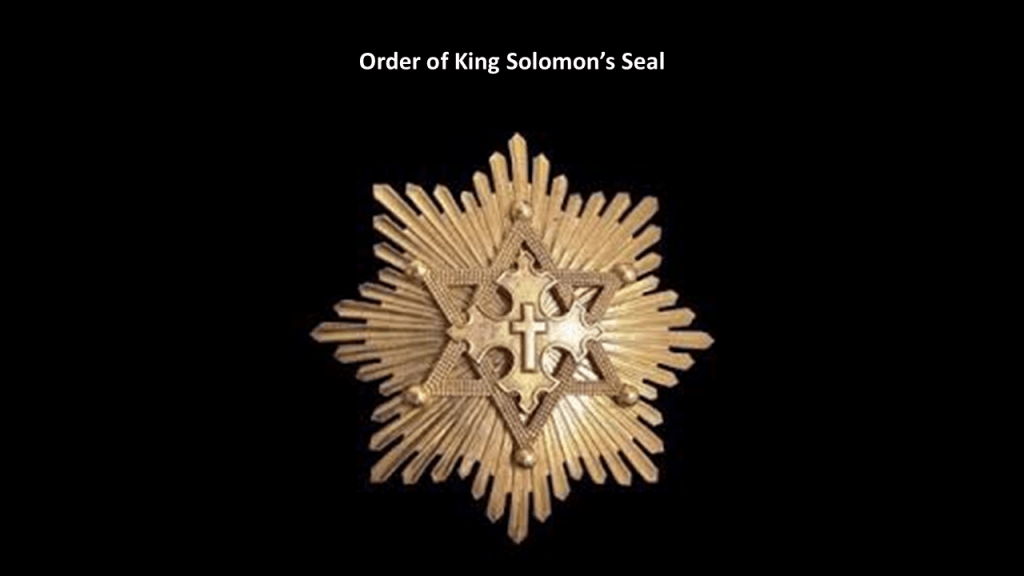
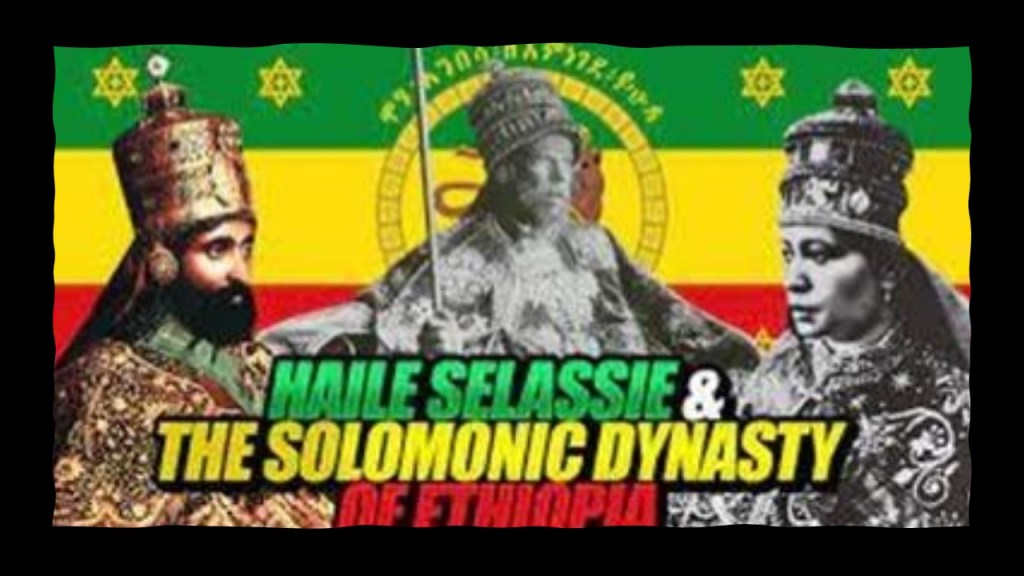
The 8-pointed star was also displayed in the background of the “Ethiopian Order of Solomon,” also known as the “Order of King Solomon’s Seal,” which we are told was originally reserved for members of the Ethiopian Imperial Family, heads of foreign states, and individuals who had rendered meritorious service to the throne.
The Solomonic dynasty, also known as the House of Solomon, was the former ruling dynasty of the Ethiopian Empire.
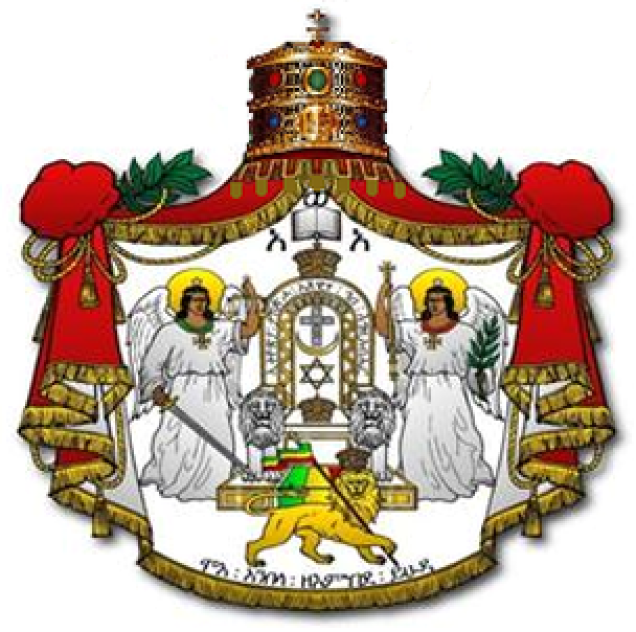
Its members were lineal descendents of King Solomon and the Queen of Sheba through their son Menelik I, the first Emperor of Ethiopia.
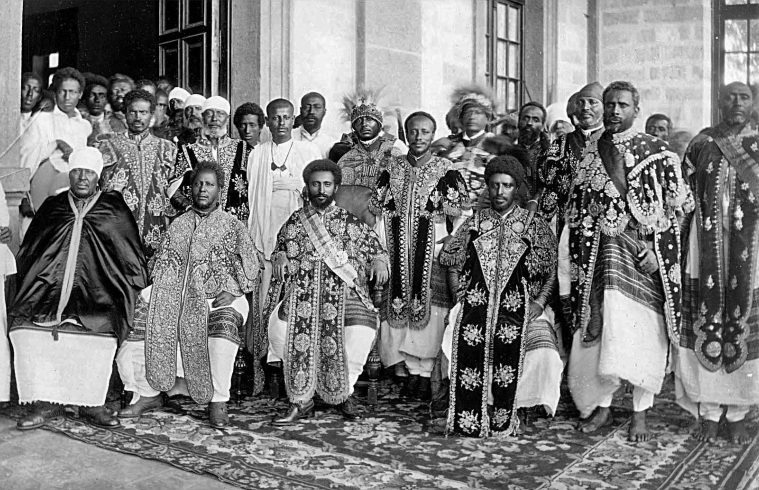
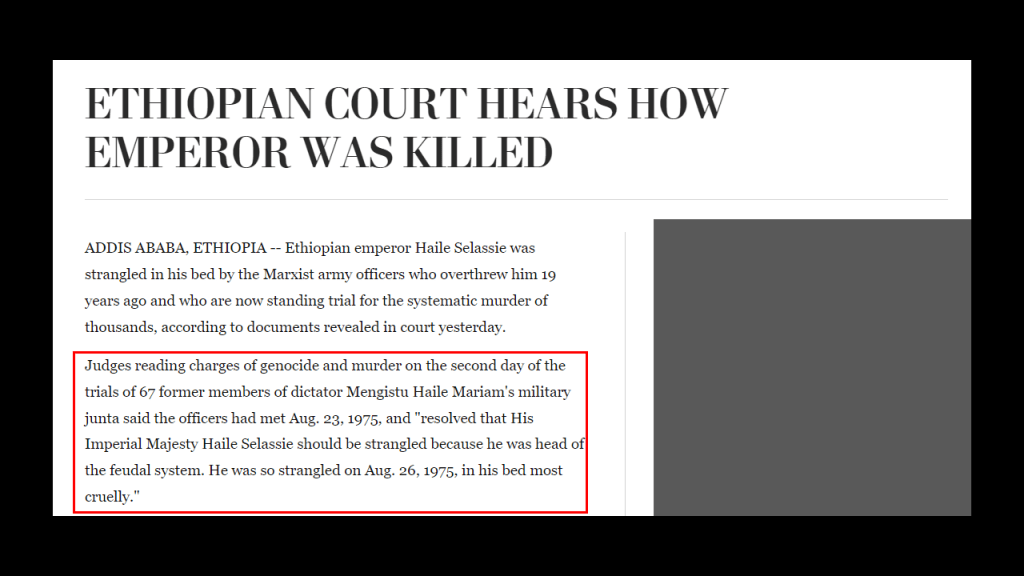
Haile Selassie was the last Emperor of Ethiopia from 1930 to 1974, at which time he was overthrown by a Marxist-Leninist Military Junta known as “the Derg,”
The Emperor was strangled by them a year later for being the head of a feudal system.
The full title traditionally of the Emperors of Ethiopia was: “Elect of God, Conquering Lion of the Tribe of Judah and King of Kings of Ethiopia.”
More on this subject shortly.
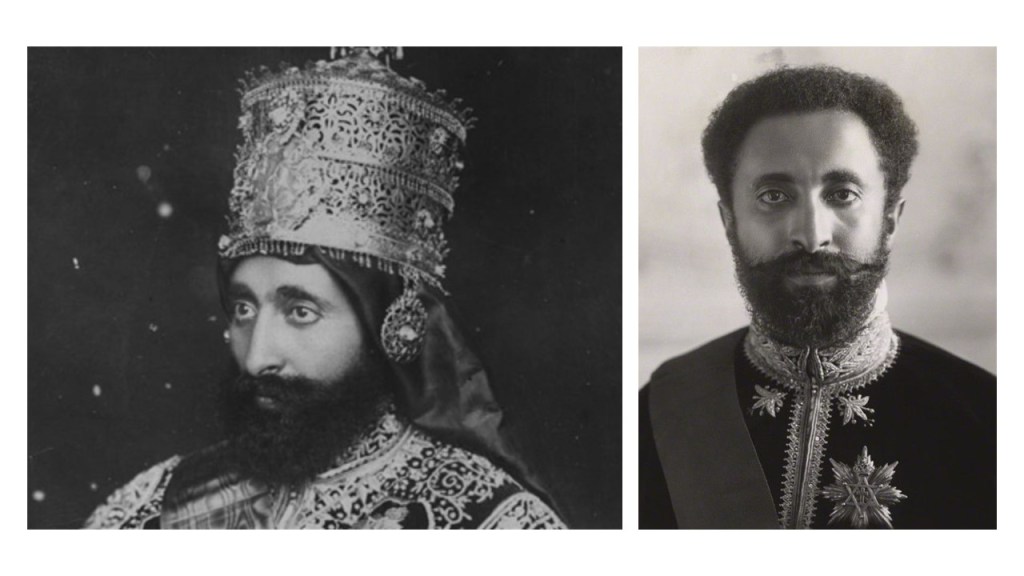
The ancient Advanced Humans of this worldwide civilization were Master Alchemists and Master Builders, who knew how to work and create with “Prima Materia,” or “First Matter.”
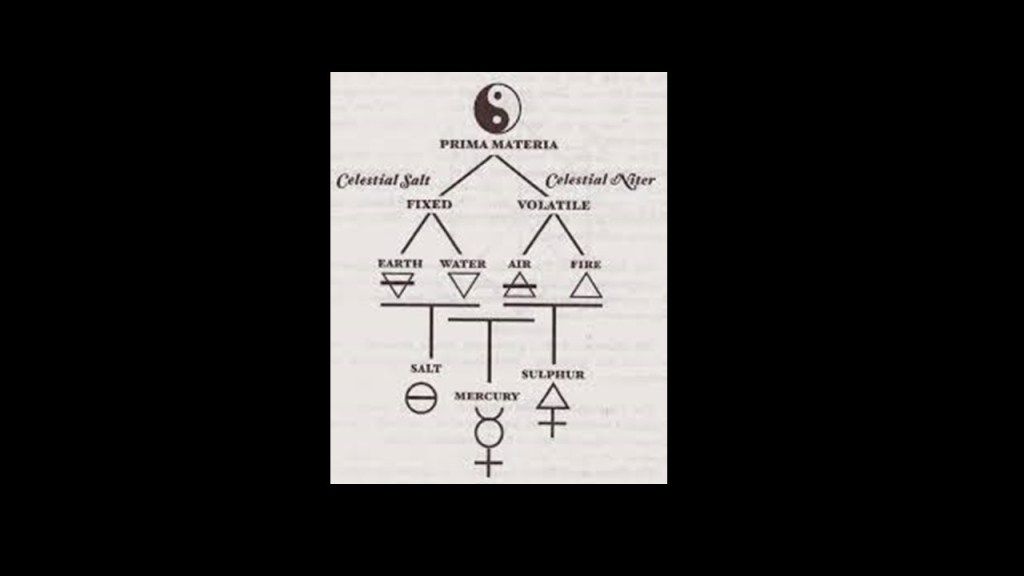
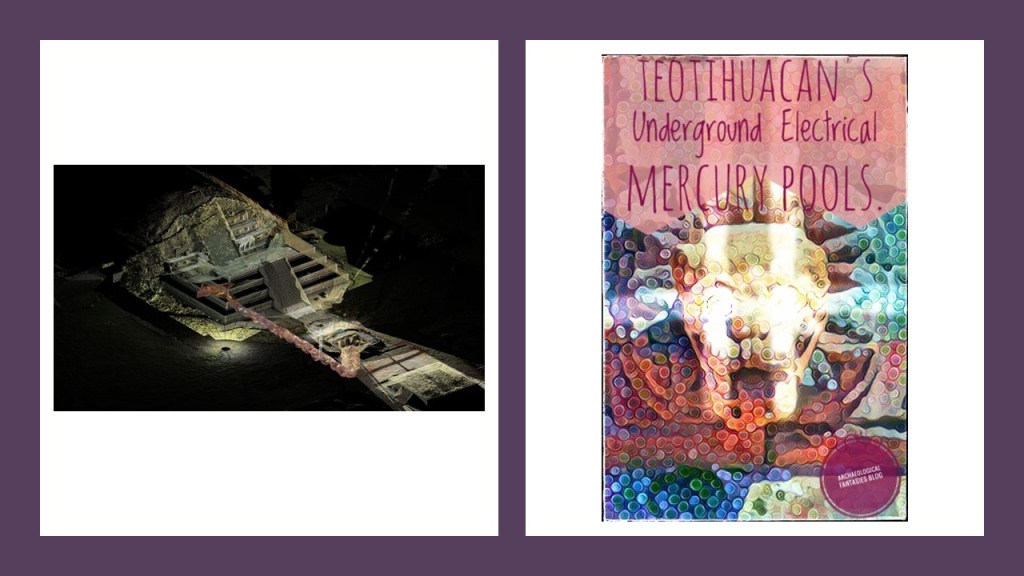
For example, they used mercury and cinnabar, a form of mercury with sulfur, as sacred substances, an elixir of life, and as a medicine…even though mercury in any form is poisonous.

And there were large quantities of mercury found in three chambers underneath the Quetzelcoatl (or Feathered Serpent) pyramid at Teotihuacan in Mexico.
Next I’m going to talk about the Grand Master Mason Hiram Abiff in the lore of western Freemasonry
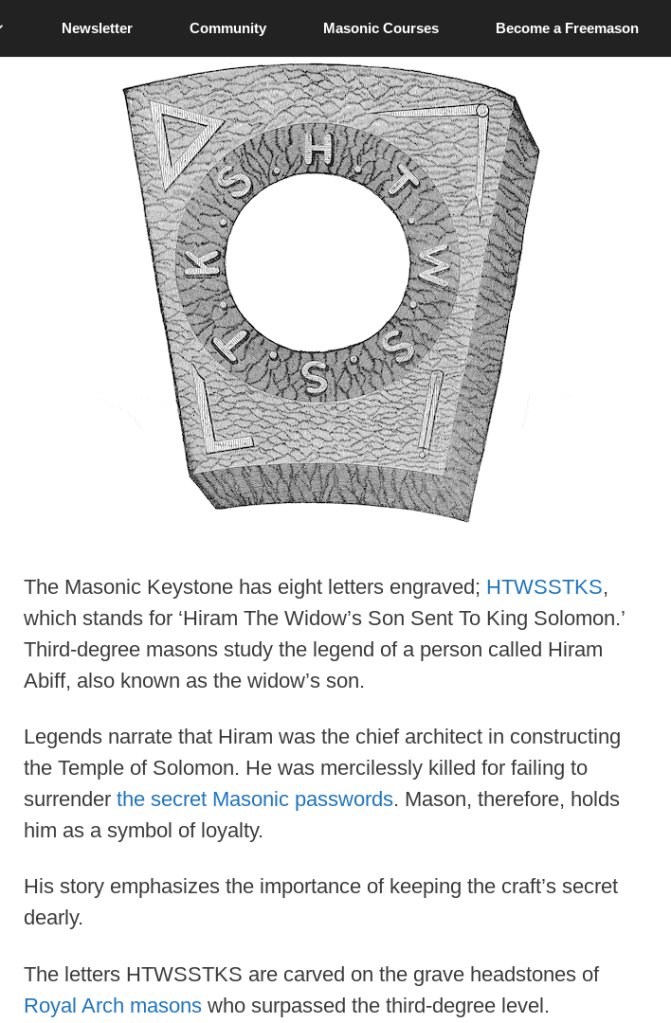
The story of the Masonic Keystone has the letters “HTWSSTKS” engraved on it, said to mean “Hiram The Widows Son Sent To King Solomon,” referring to Hiram Abiff.
Hiram Abiff is the main character in an allegorical ritual presented to all 3rd-degree Freemasonry candidates as the main architect of Solomon’s Temple.
Hiram Abiff was murdered inside the temple with a mason’s tool by three unworthy craftsmen from the workforce, or “ruffians,” after he wouldn’t give them his Master Mason secrets, which were lost with his death.
Another murder, and another resurrection, as Hiram Abiff in Masonic lore was subsequently raised from his makeshift grave by the strong grip of a Master Mason known as the “Lion’s Paw.”
Candidates for the Master Mason’s Degree undergo this ritual as part of their initiation into higher-degrees.
I found this article on a masonic website awhile back when I was looking for information on Hiram Abiff.
In it, the writer talks about “Operative Masonry” and the beginning of “Speculative Masonry” in 1717, with the founding of the Premier Grand Lodge of England.”
The writer indicates in the article that while some believed that operative masons were also in possession of the tragic story of Hiram Abiff, there was no mention ot Hiram Abiff in the existing records of Operative Masonry from before that time; that there was no third, or Master Mason Degree as a rite until the Premier Grand Lodge was established in 1717; and that it was likely that the legend of Hiram Abiff was introduced at the time Freemasonry became a speculative organization.
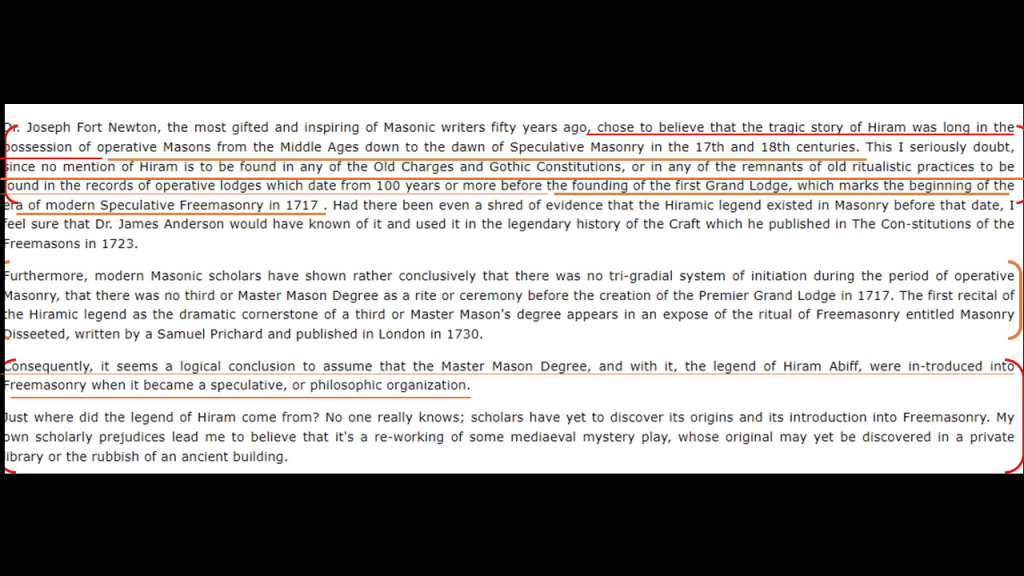
To me this provides supporting evidence that the ritual of the recital of the death of Hiram Abiff is actually an allegory for what happened to the Moors themselves and their advanced civilization by the unworthy craftsmen that has been enshrined in their Master Mason initiation ritual.
It is my understanding that only those initiated into the highest degree of western Freemasonry know directly about the Moors.
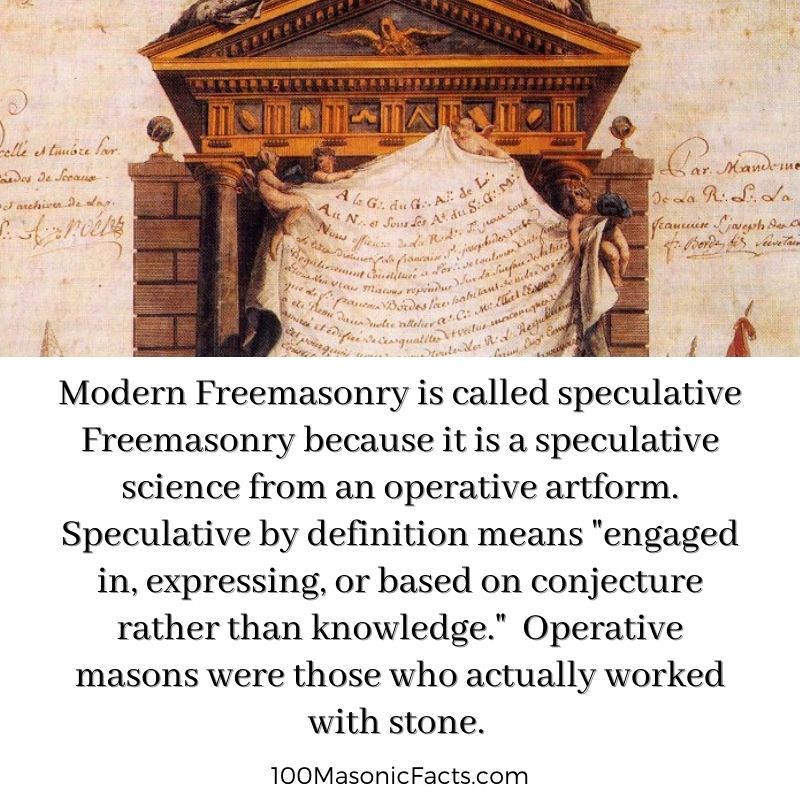
And it is no secret within Modern Freemasonry that it is “speculative,” meaning based on conjecture rather than knowledge, as opposed to “operative,” meaning those who actually worked with stone.
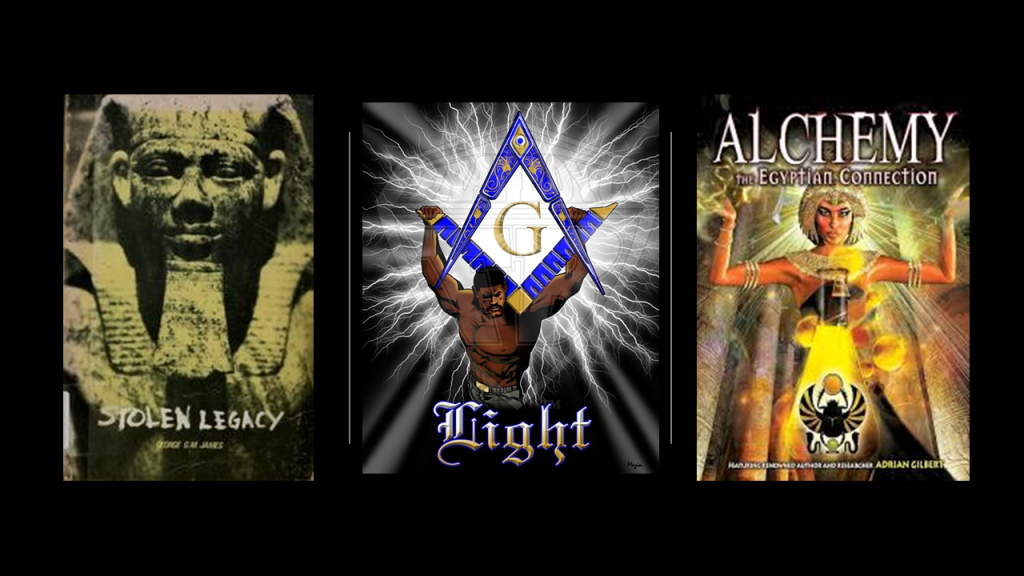
The Moors were the custodians of the Ancient Egyptian mysteries, according to George G. M. James in his book “Stolen Legacy.”
The Truth about the Moors, Moorish Master Masons, Moorish Science; Al-Khem and the True Children of Israel rank at the top of the list of the whopping big secrets that have been kept from Humanity, and there is more to reveal about how the Controllers’ used the Moorish Legacy to further their own malevolent destructive and genocidal agendas for total control and domination of the Earth.
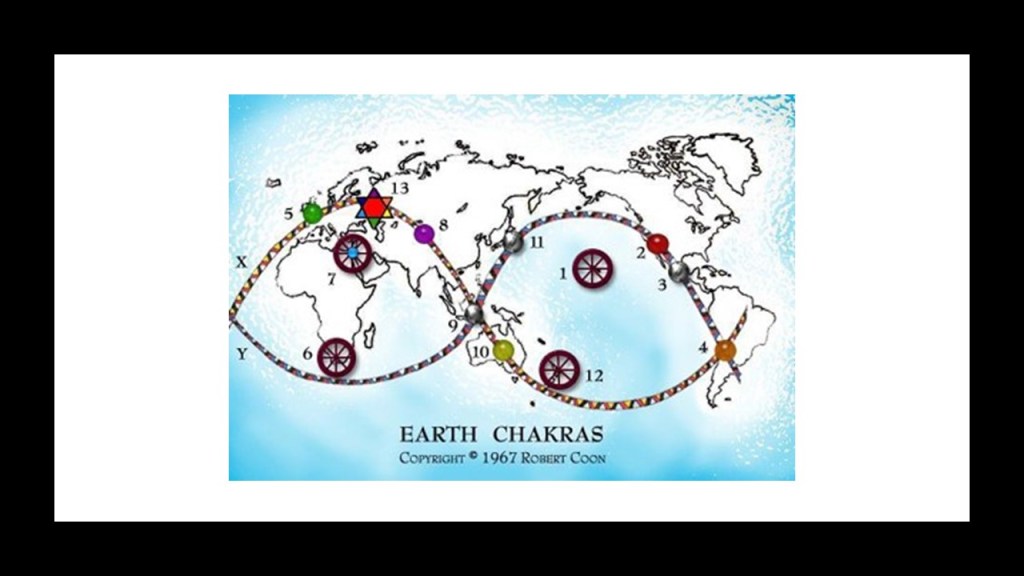
The year of 1717 that the Premier Grand Lodge of England was established, and marked the beginning of “Speculative Masonry” as opposed to “Operative Masonry,” was the exact midpoint year of a timeline that I identified back in the Spring of 2019 that involves the Figure 8 on its side, which mirrors the appearance as shown here by Robert Coon’s 1967 diagram of the the two Great Dragon Lines of energy, one being the male aspect which is the Plumed Serpent and the other being the female aspect which is the Rainbow Serpent.
These two Dragon Lines cross each other in two places – Bali in Indonesia, and Lake Titicaca in South America, and form a large figure 8 of vital Earth energy going through the Earth’s Chakra system.
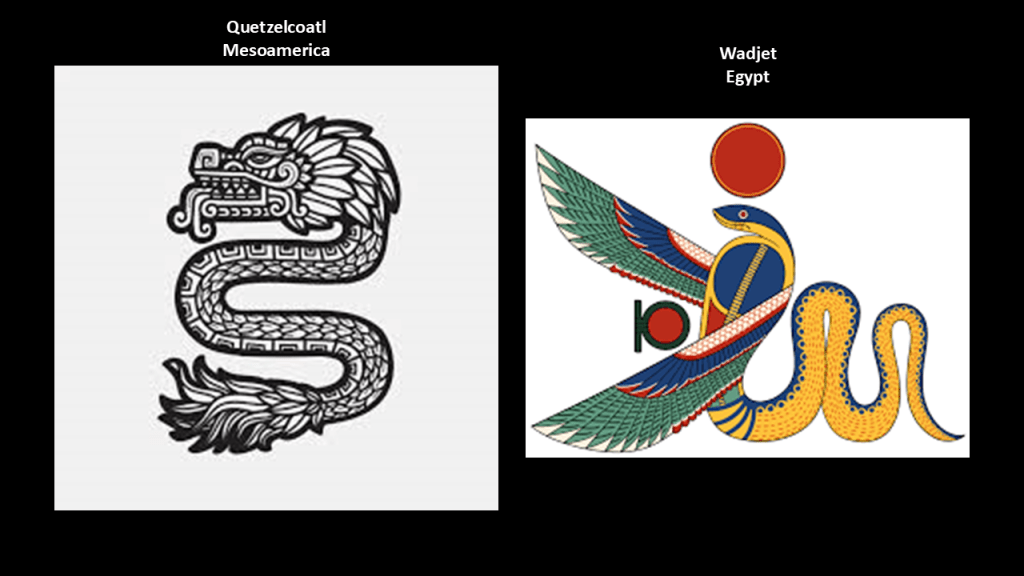
This reference to the Plumed Serpent is another reference to Kundalini energy activating the pineal gland, which connects us with Consciousness itself and our Divine Natures.
Depictions of the Plumed Serpent include the Mesoamerican Quetzelcoatl and the Egyptian Goddess Wadjet.
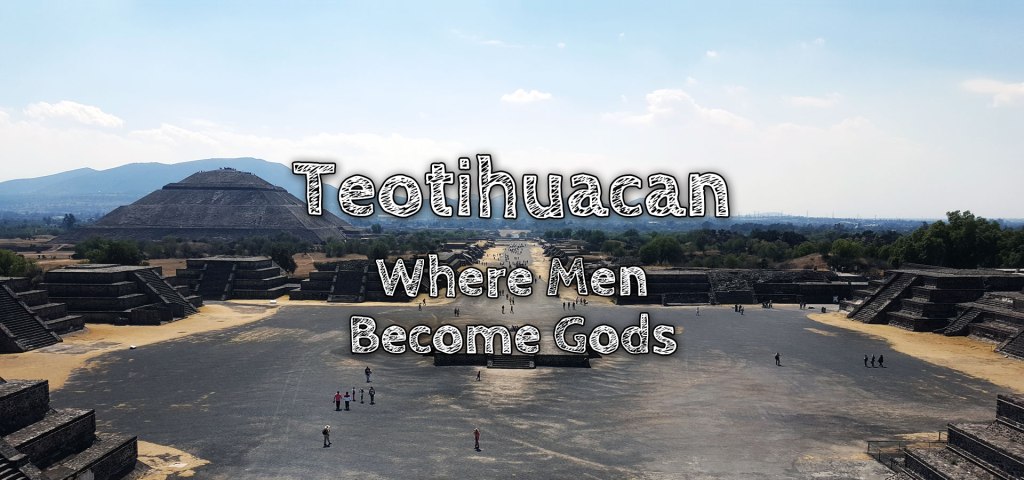
And Teotihuacan where the Quetzelcoatl Pyramid is with the pools of mercury beneath it was known as the “place where men became gods.”
I think the original timeline in which Humanity was highly advanced was hijacked by malevolent, parasitic beings who created a deliberately-caused cataclysm through the Earth’s grid system that destroyed the surface of the Earth and much of the original civilization, and which also involved a manipulation of time and space.
Through the course of my research, I have come to believe the years of 1492, the year of the Fall of Grenada in Spain and Columbus’ first voyage, and 1942, midway through World War II, were the boundary years of a new 3D time-loop called “Rome” that was inserted into our narrative and grafted on to the existing infrastructure on the Earth, and falsely attributed to different, independently existing, warlike civilizations in the new historical narrative.
The world history we have been taught about and lived through is filled with war and violence, death and destruction, which was not our original evolutionary path, which was learning how to Ascend into our Divine Natures.
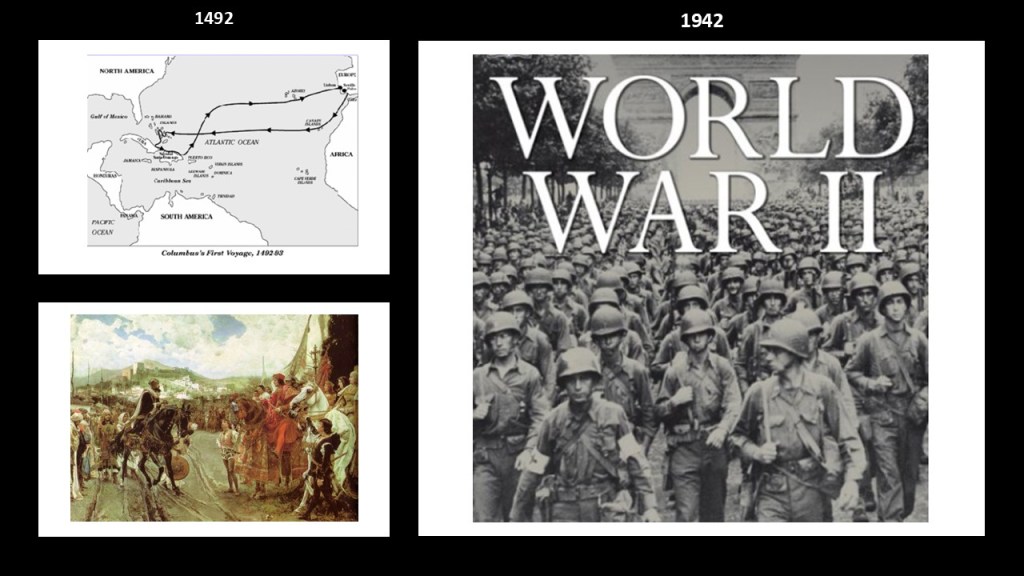
In this artificially-imposed 3D-timeloop, there are 450-years between 1492 and 1942, and, at 225 years, the mid-point year is 1717, again the same year as the establishment of the Premier Grand Lodge of England, which adopted the masonic “Anno Lucis” calendar that same year, which adds 4,000-years to the Gregorian year.
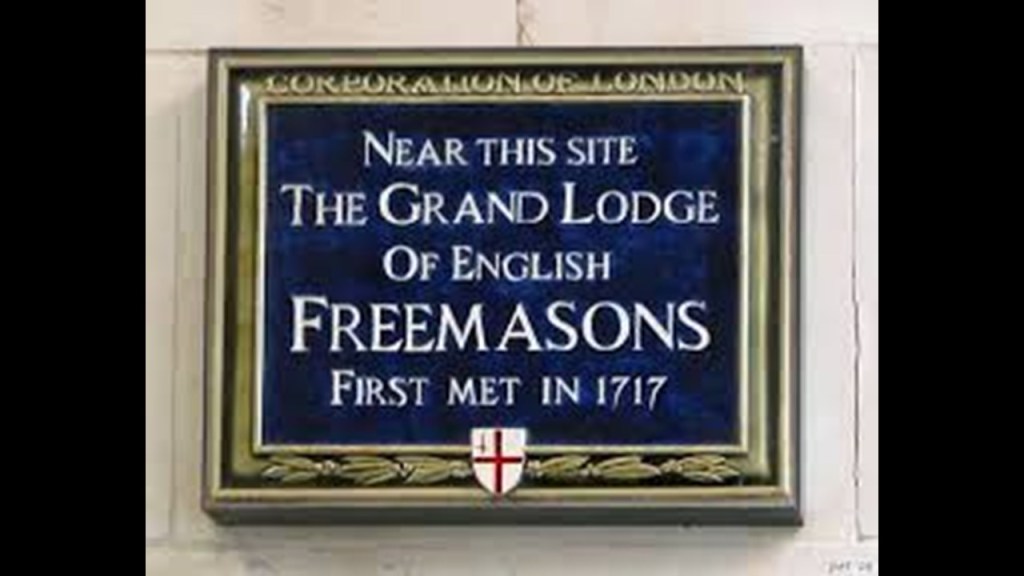
When I researched events that happened in the 40-41-42 and the 90-91-92 years between 1492 and 1942, I found a lot of significant historical events and anomalies related to creating the New world from the Old World.
Here is what I have pieced together to explain what I believe is the occulted timeline we have been experiencing with the original positive timeline that was hijacked by parasitic, non-human beings who have their best interests at heart, and definitely not ours.
Nines have significance in the development of the Mayan Calendar.
In the Mayan calendrical system, there are nine cosmic levels, called underworlds, in the evolution of consciousness.
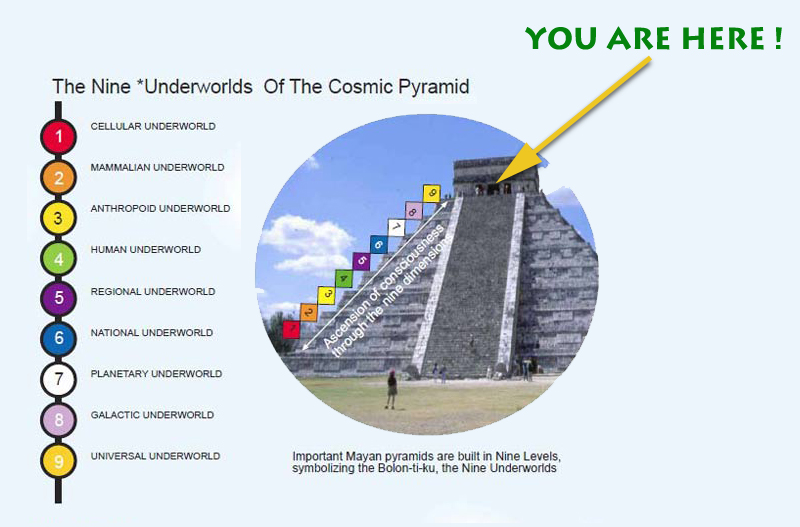
Like the number of underworlds in the Mayan calendar, there were nine, 50-year-periods between 1492 and 1942.
I think the parasitic, non-human beings created the New World timeline by mirroring how space-time is constructed in order to suit their purposes of achieving complete dominion over the Earth.
As a function of time, a period is defined as a round of time, or series of years by which time is measured.
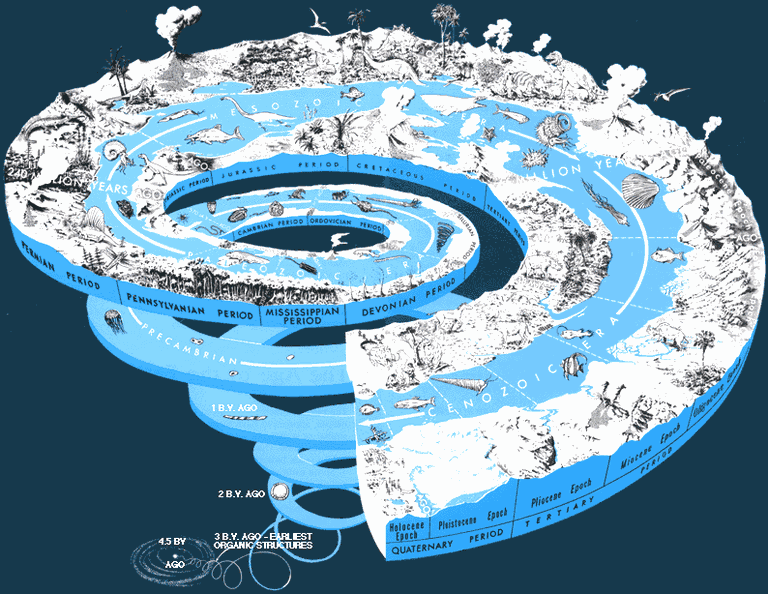
In physics, a time period is the time taken for one complete cycle of vibration to pass a given point.
I think the 50-year-periods between 1492 and 1942 are the anchor points of this new false construct of time on the Earth.
I think before a certain year during this 450-year timeline, the history of Earth was fabricated, though based to a certain extent on real people, though not in all cases.
I believe that at some point during this timeline, perhaps sometime in the 1700s, these beings with a malevolent agenda of cruelty and genocide towards Humanity, the Creator, and Creation, wrote themselves into the narrative in real-time.
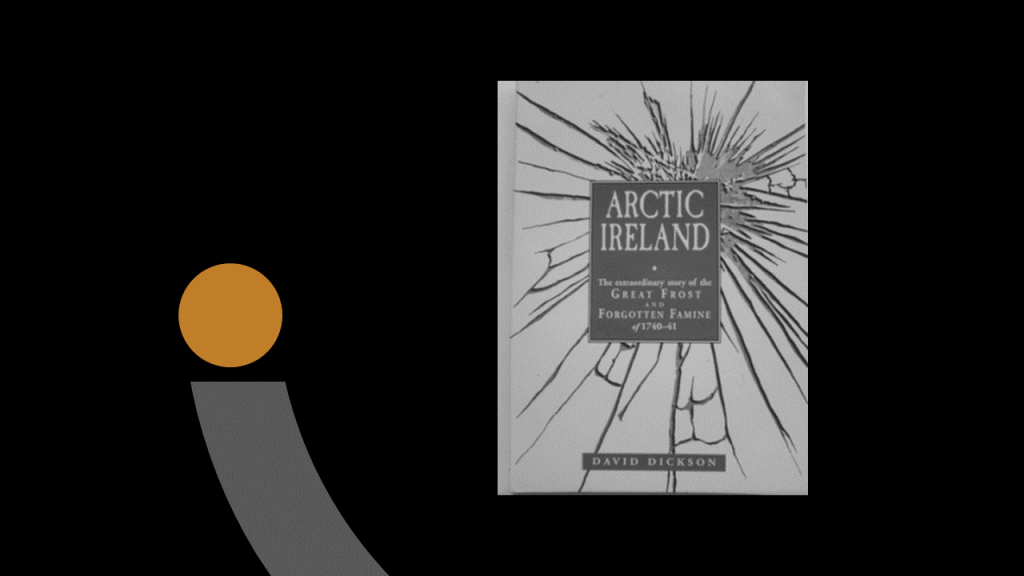
For example, the Great Frost of Ireland took place between 1740 and 1741, during which time the Irish population endured 21-months of bizarre weather without known precedent that defied conventional explanation.
Also in 1741, around the same time the Great Frost of Ireland was going on, the Royal Order of Scotland was founded, which is an order within the structure of freemasonry whose members are invited to join based on advanced masonic criteria.
Interesting to note that both the Royal Order of Scotland on the left and the logo of the Jesuits, on the right, which was officially recognized by Pope Paul III in 1540, have a representation of the Black Sun in their logos.
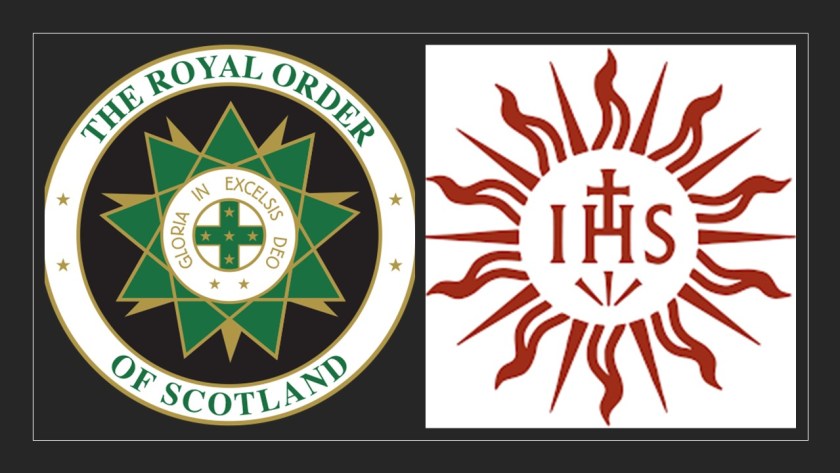
The Black Sun is a symbol of esoteric and occult significance.

I have speculated that the Great Frost of Ireland was the result of a rip in the fabric of space-time caused by the Philadelphia Experiment, which not only was made invisible, but was transported somewhere else in time.
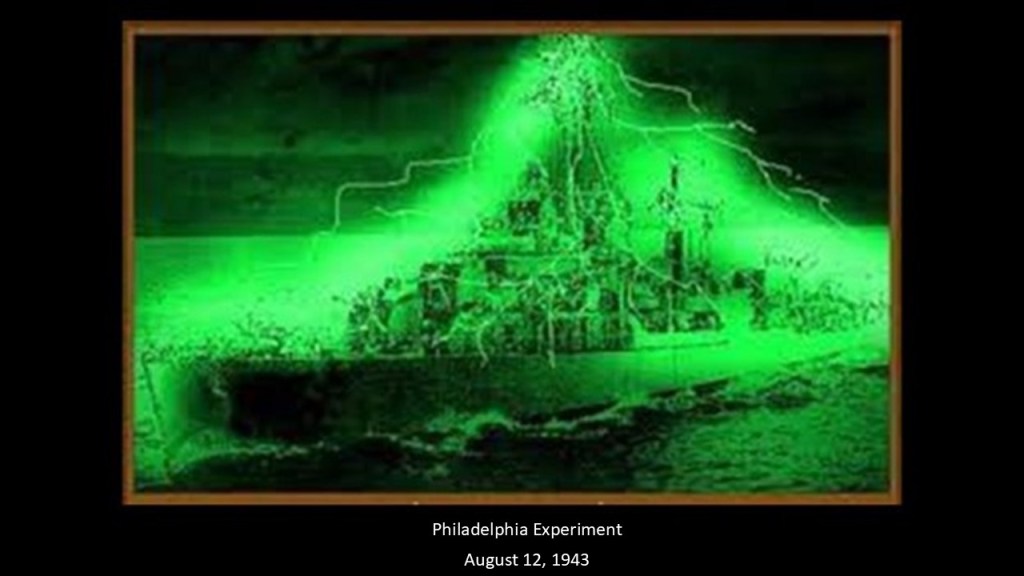
It is in the field of information in different places that Aleister Crowley, an infamous occultist known as “the Wickedest Man in the World,” and “the Beast,” performed a ritual at the Men-an-Tol megalith in Morvah, Cornwall, on August 12th of 1943, that sent a line of energy across to North America on the day of the Philadelphia Experiment.
These excerpts from Peter Moon’s book “Synchronicity and the Seventh Seal,” talks about Crowley’s involvement in this, and where I first learned about it several years before I started doing my own research.
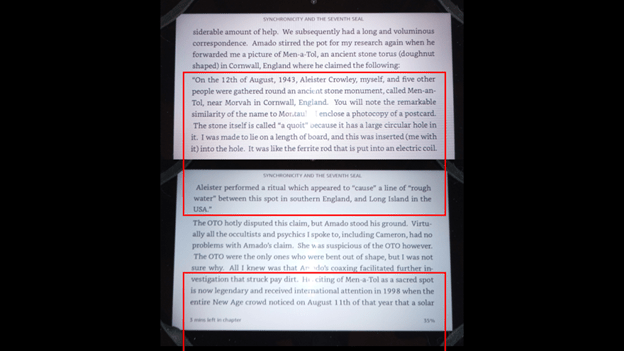
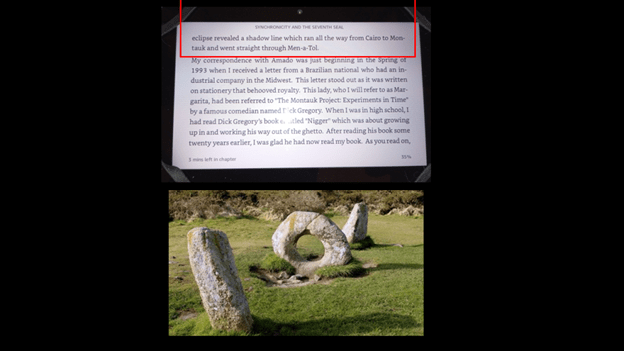
I believe this man was at the epicenter of bringing in the messy, inverted and Orwellian world we find ourselves living in.
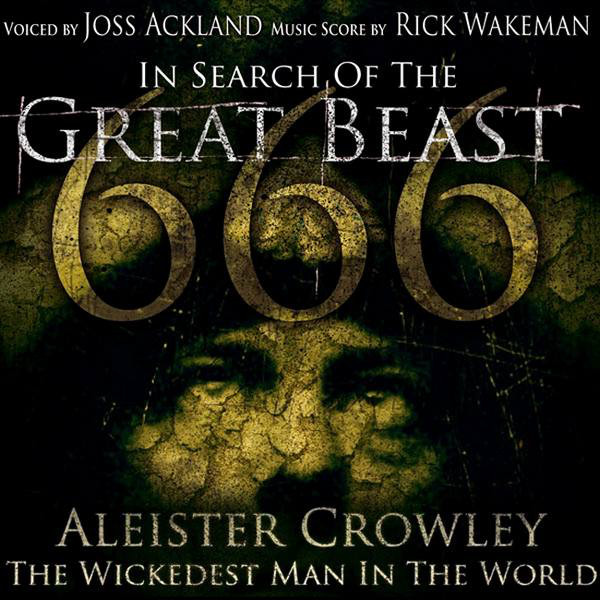
There are many details to find on-line about Crowley’s controversial life and times.
So I will cut to the chase.
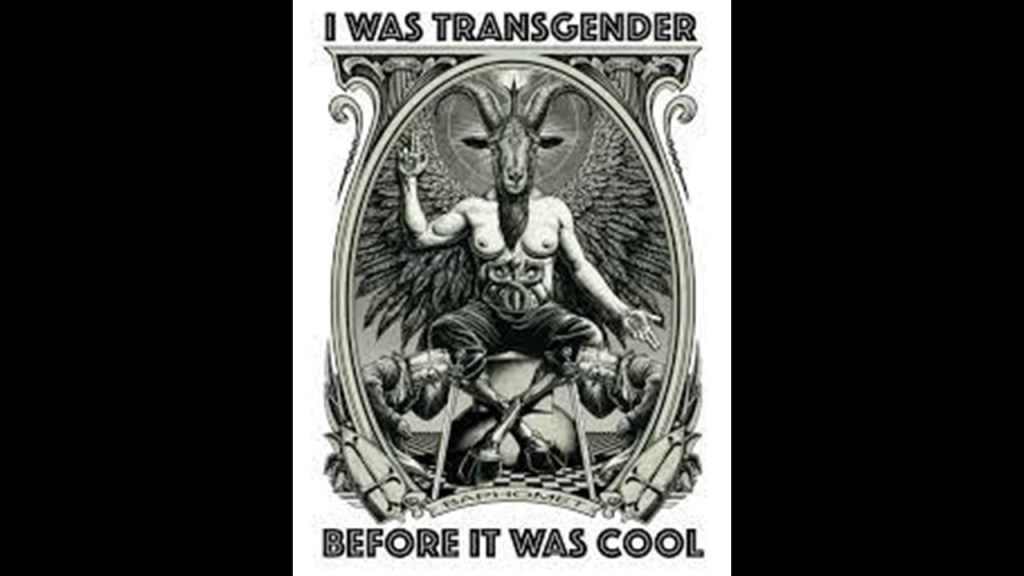
He was highly involved in Freemasonry, and in ceremonial magical practices, including sex magic, and he was known to have been bisexual.
He also assumed the title of Baphomet within the Ordo Templi Orientis, AKA OTO, originally founded in the early-20th-Century by German Occultists, and modelled after Freemasonry.
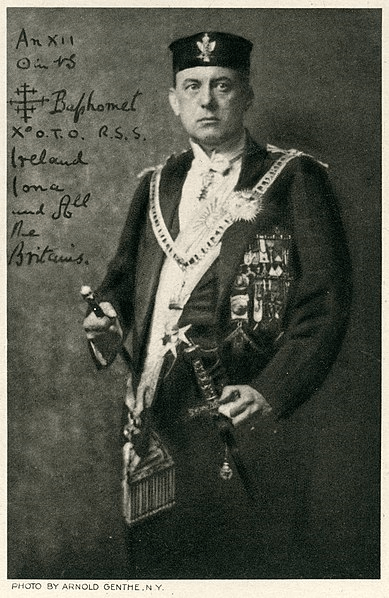
Crowley described the Baphomet as a divine Androgyne, and the “Hieroglyph of Divine Perfection.”
I believe this information is quite relevant to the bizarre gender agendas we see playing out in the world today.
August 12th is the last day of the Lion’s Gate Portal that takes place every year from July 26th through August 12th, with the most powerful day being August 8th, and it is symbolized by the Figure-8.
I think the ritual occult event performed on August 12th of 1943 caused a rip in the fabric of space-time that allowed for these parasitic, non-human beings to incarnate in human form.
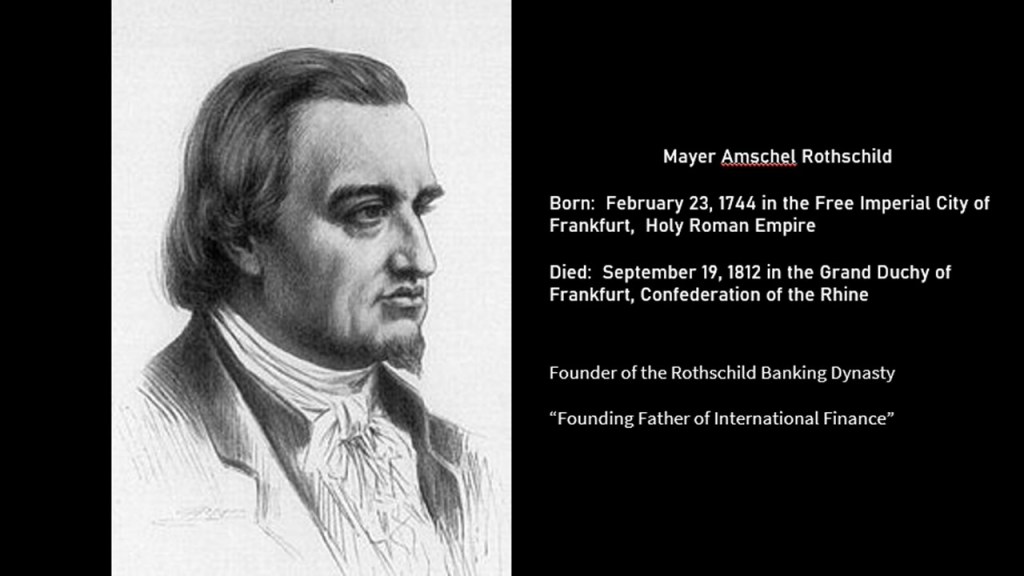
Just three-years after the Great Frost of Ireland ended in 1741, Mayer Amschel Rothschild was born in Frankfurt, Germany.
He established his banking business there in the 1760s.
Prior to the dissolution of the Holy Roman Empire and creation of Napoleon’s Confederation of the Rhine in August of 1806, the imperial throne of the Holy Roman Empire was occupied by the House of Habsburg, also known as the House of Austria, one of the most distinguished and influential royal houses of Europe.
The Habsburg male line died out in 1740 with the death of Emperor Charles VI, again around the time of the Great Frost of Ireland in our historical narrative.
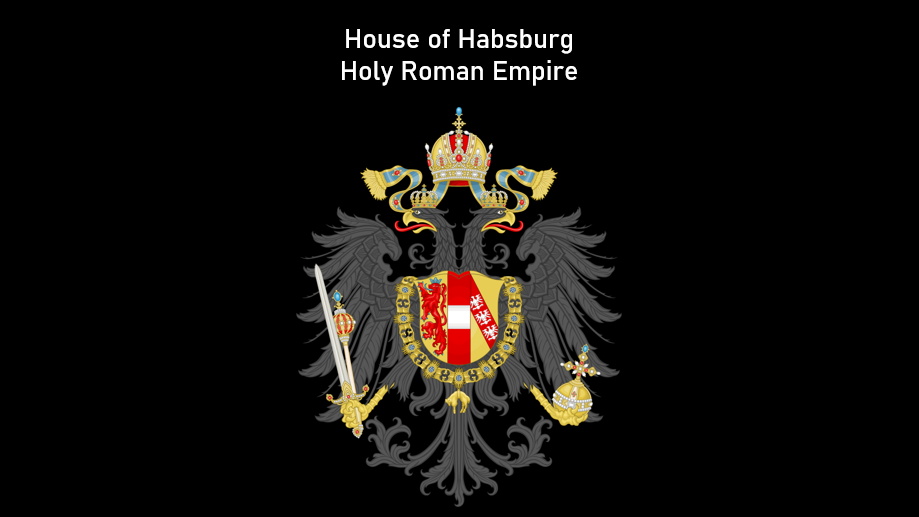
As a result of the War of Austrian Succession that took place between 1740 and 1748, the Empress Maria-Theresa had to concede Habsburg lands in Austria, Spain, and Italy to other powers as part of the terms of the 1748 Treaty of Aix-La-Chappelle, which also confirmed the right of succession of the German House of Hanover to the British throne.
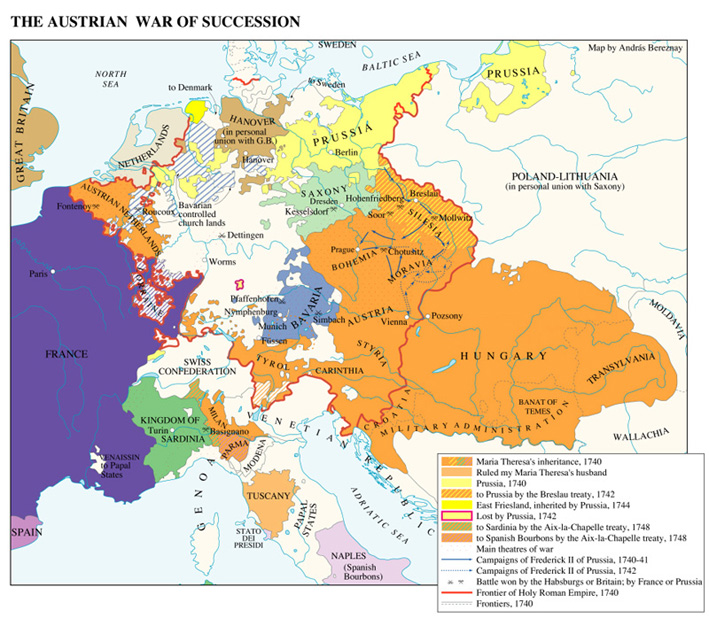
The same year as the end of the War of Austrian Succession and the Treaty of Aix-La-Chappelle, on February 6th of 1748, Adam Weishaupt was born in Ingolstadt, Bavaria, Germany.
He went to a Jesuit school at the age of 7 and was initiated into Freemasonry in 1777.
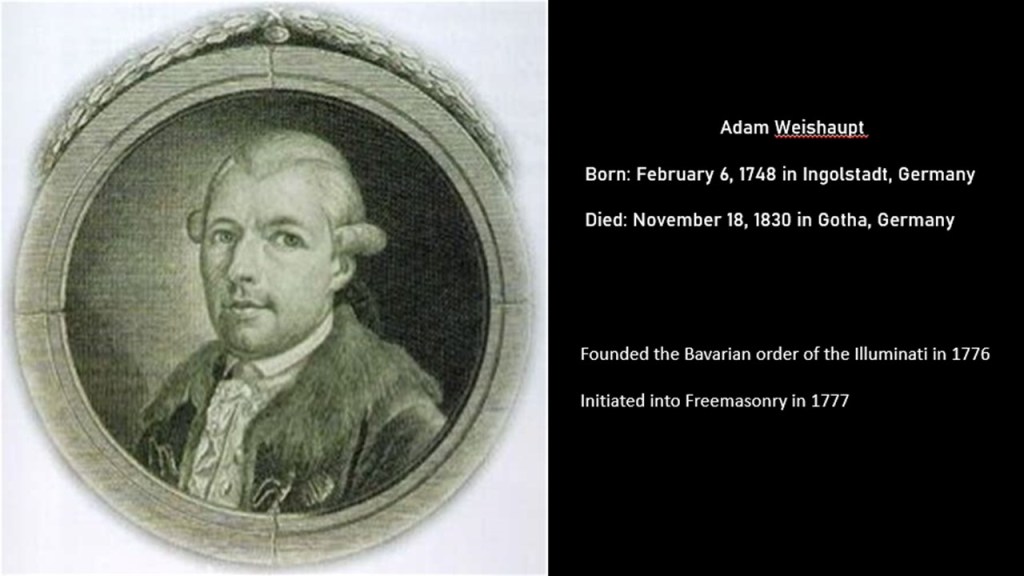
Adam Weishaupt founded the Bavarian Order of the Illuminati in 1776.
Then two years after Adam Weishaupt was born, Duke Francis of Saxe-Coburg-Saalfeld, was born in July of 1750 and died in December of 1806, the same year Napoleon’s Confederation of the Rhine was created in August.
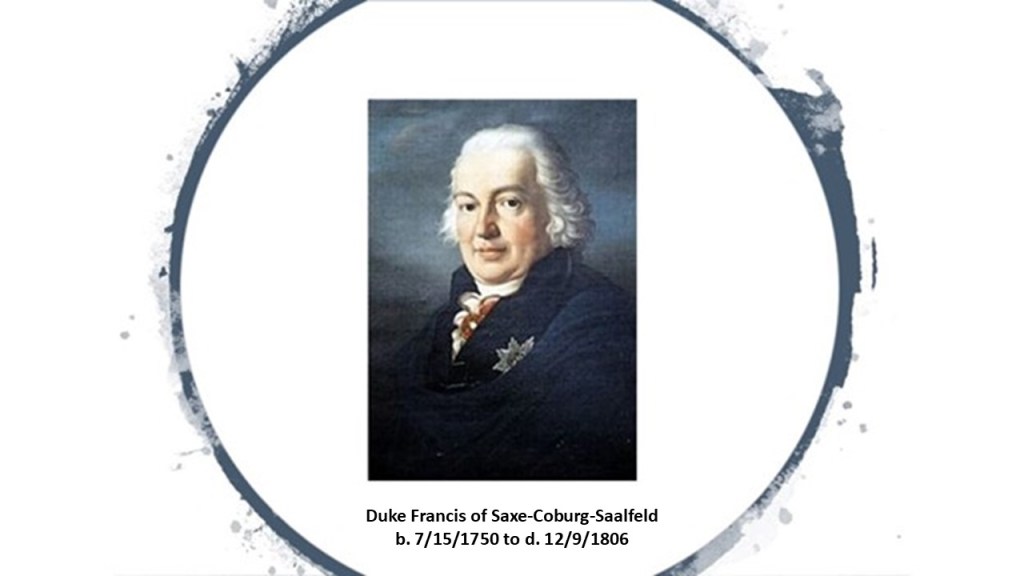
Duke Francis was the progenitor of the House of Saxe-Coburg and Gotha line, which seeded the lineage of the new Royal Houses, and which I will be talking about in more detail in this post.
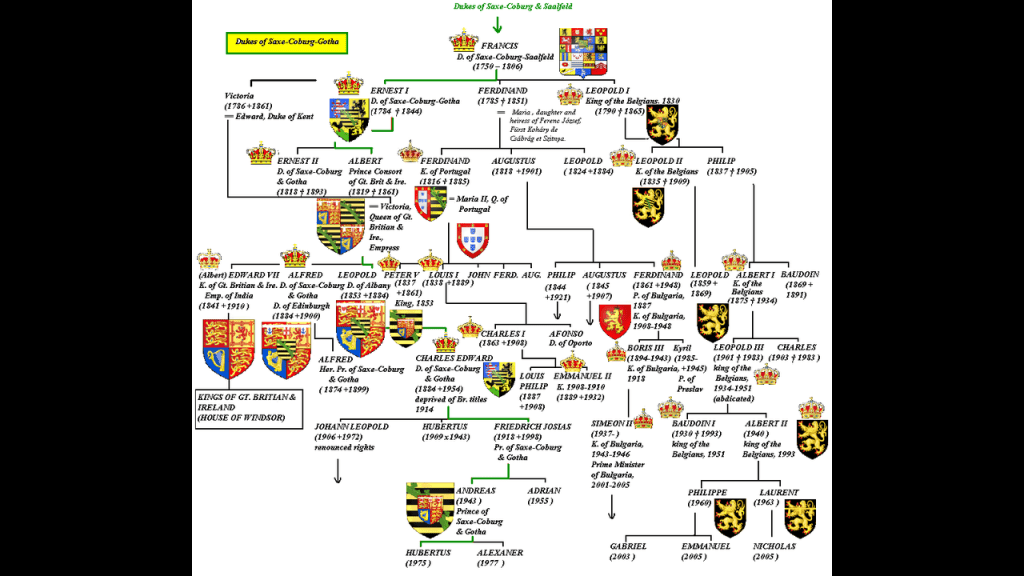
I have put together information from our historical narrative to provide supporting evidence for the insertion of a new, fabricated timeline between 1492 and 1942 which replaced the original positive timeline of the high civilization of the ancient, advanced Humans with one that has been occulted by parasitic, non-human beings who have stolen the wealth and legacy of Humanity and replaced it with marginalization and degradation.
The parasitic and multi-dimensionally aware beings behind all of this want us to believe that suffering, sickness, misery, destruction, and death was and is our normal state of being, and not question what we have been taught about who we are.
They are the only ones who benefit because they feed on Humanity’s negative emotional states and our Source energy in general.
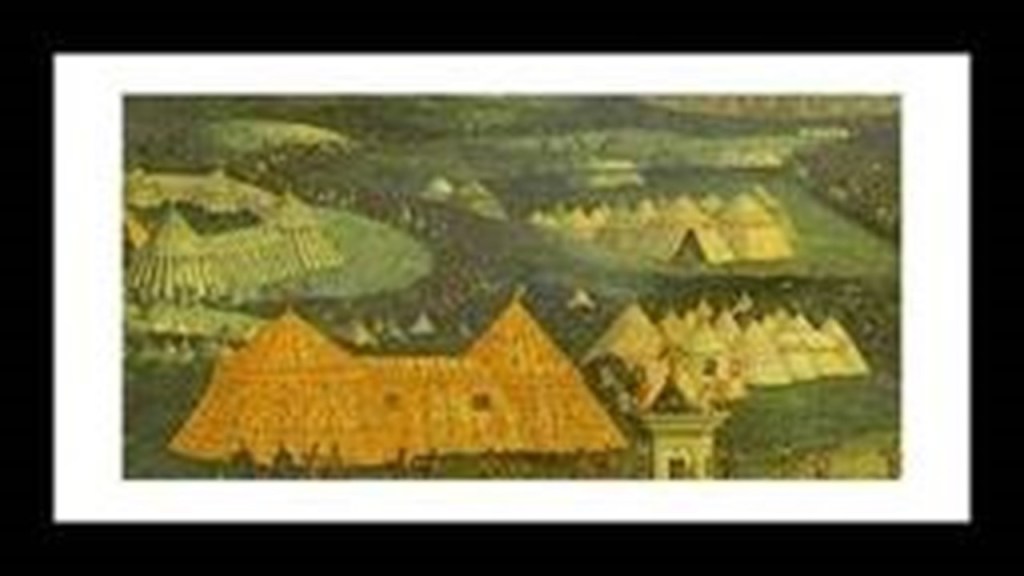
My starting point is the historical event known as the “Field of the Cloth of Gold.”
In our historical narrative, English King Henry VIII and French King Francis I met in 1520 in an obscure summit in the English part of northern France, said to have been held to increase the friendship bonds between the two kings.
This summit was known to history as the “Field of the Cloth of Gold,” so-named for the lavish tents and costumes at the summit made of gold and silk cloth, and a very expensive display of wealth of the two kings.
It was said to be designed to improve relations between the two great rival kingdoms.
Over the course of eighteen days, we are told there were feasts, tournaments, religious services, and masquerades that took place in elaborate and specially-built tents, banqueting houses, and portable palaces, and that with the monarchs vying to outshine each other, there was so much cloth of gold that the summit was named after it.
What was “The Field of the Cloth of Gold” really all about in our narrative, and what did it really represent?
I think it was the recording of an historical event that conveyed a recognition of, and goodbye to, the splendor of the original advanced civilization, and as we shall see, cloth was a silent player in the unfolding of what has taken place here.
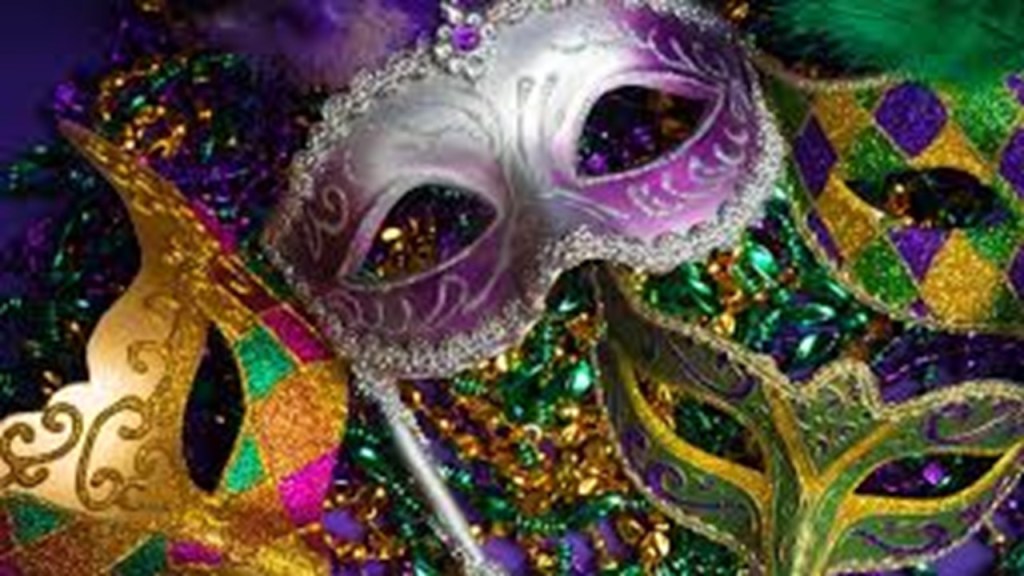
As mentioned, over the course of this lavish event celebrating the friendship bonds between the two kings, we are told that masquerades took place.
The definition of “masquerade” as a noun is a “false show or pretense,” and as a verb is “pretend to be someone one is not.”
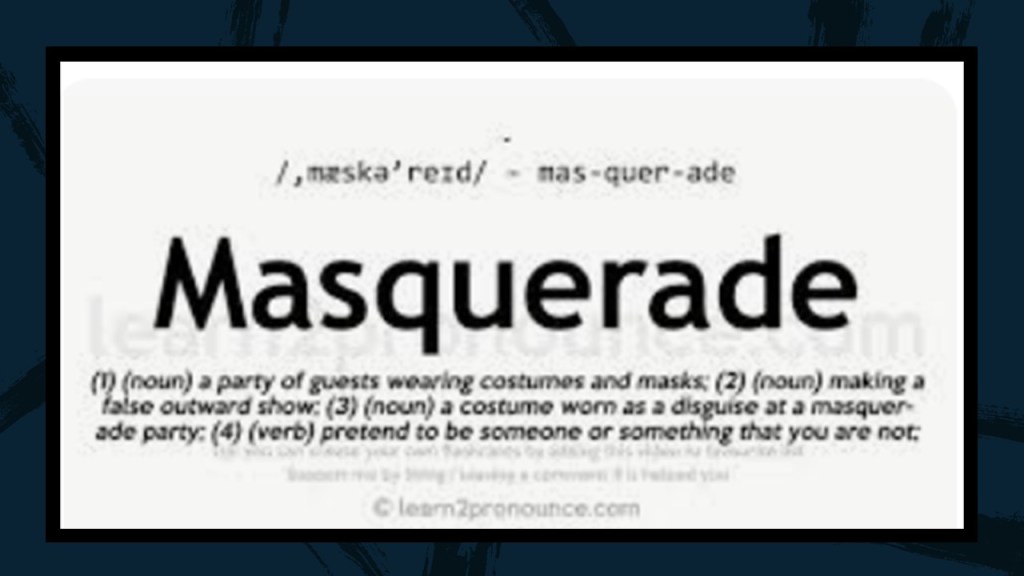
A masquerade ball is an event where participants wear masks and costumes.
I have a lot of questions about King Henry VIII’s role in the new historical narrative.
I have serious doubts based on my research that King Henry VIII ever even existed and believe he was a fabrication, a phantom character in our narrative, of which I think there were many phantom characters and events in a fabricated chronology.
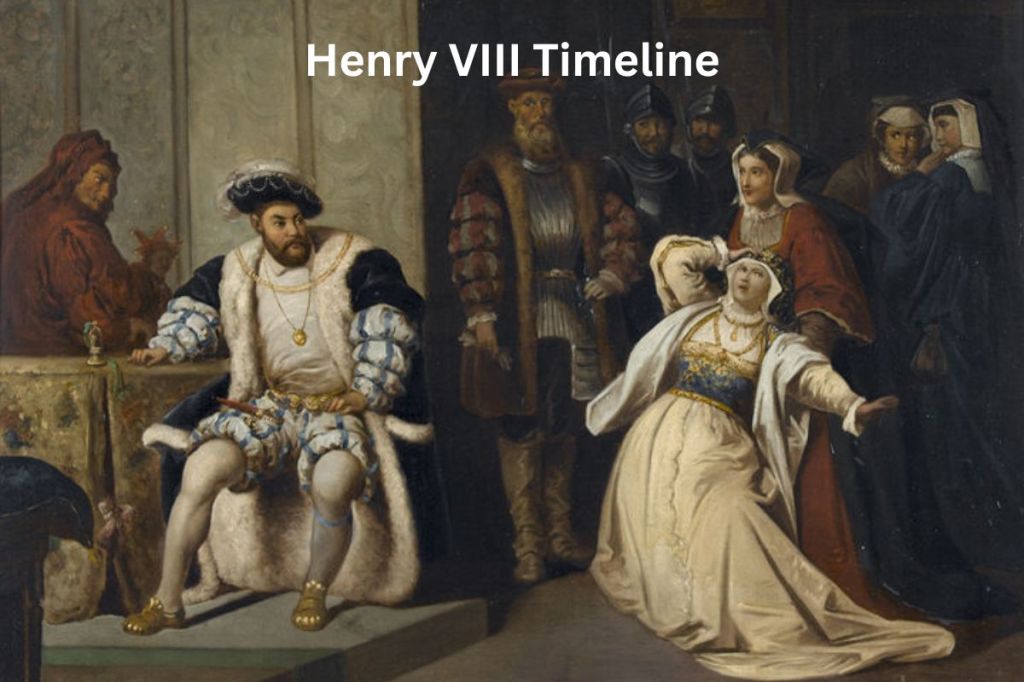
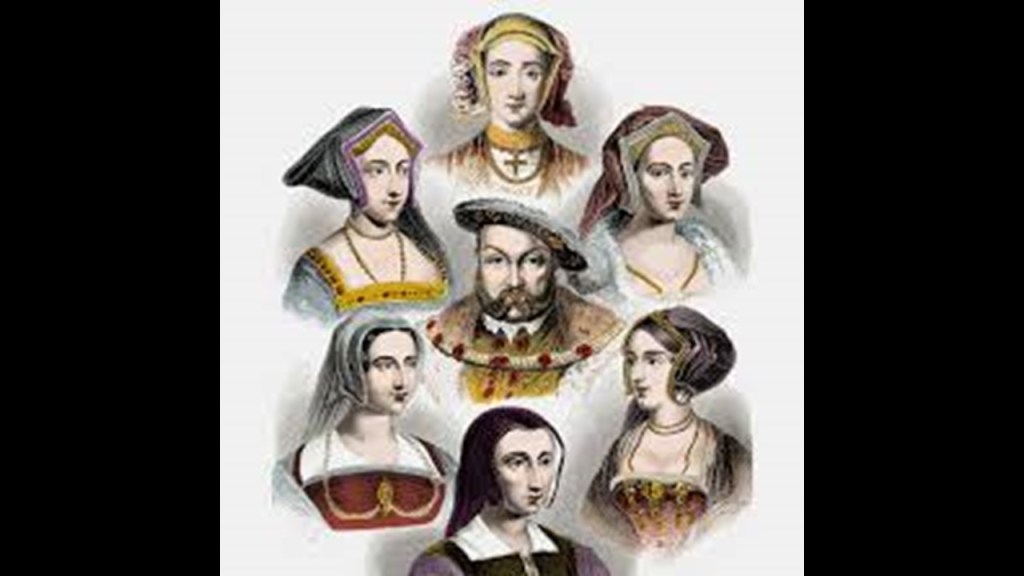
For a guy who was best-known in history for his six wives, he was credited with a remarkable number of building accomplishments.
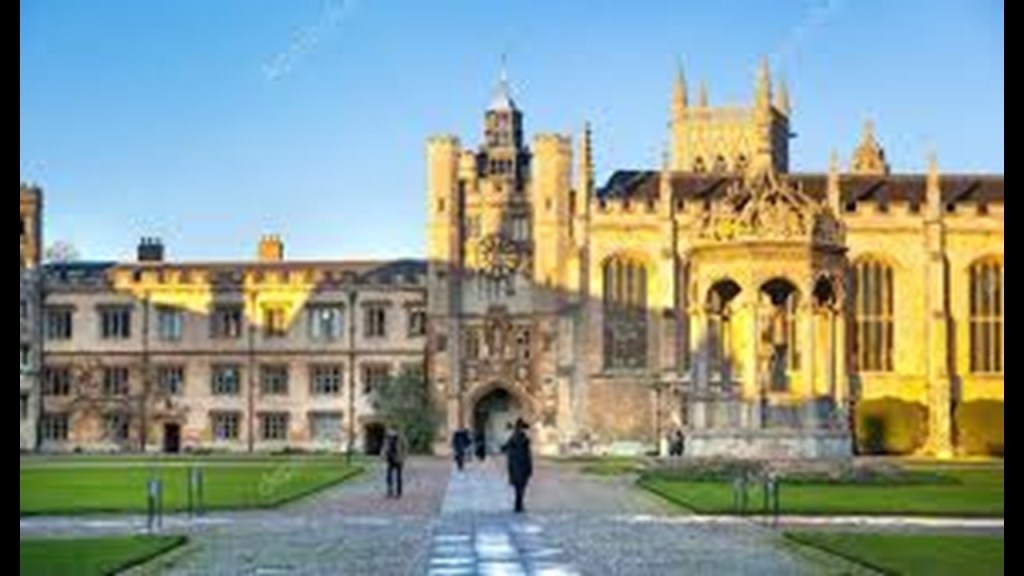
To name two of many examples, he was credited with the founding of Trinity College at Cambridge University in England in 1546…
…and the building of Hurst Castle in the Solent waterway of southern England between 1541 and 1544.
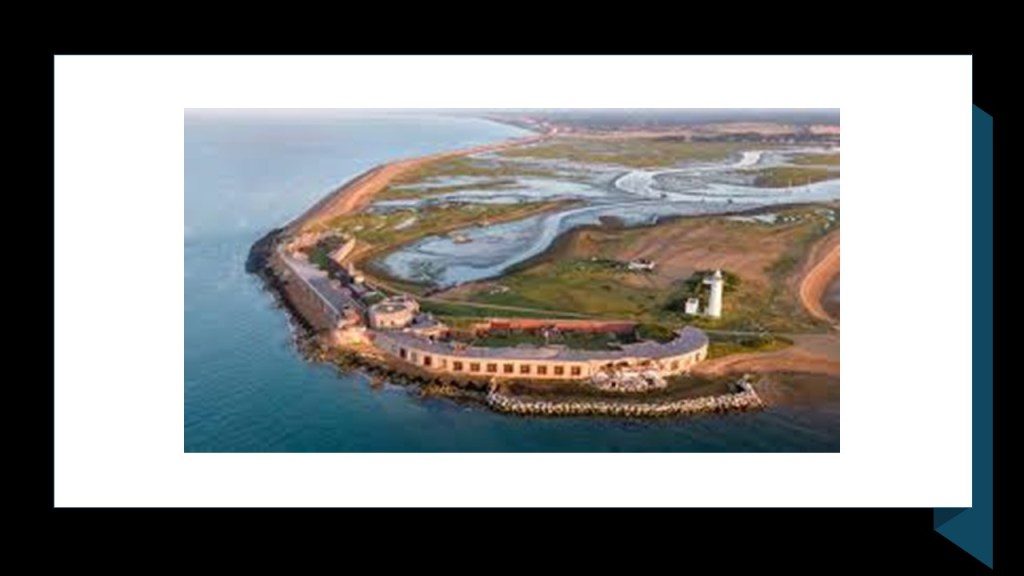
There were other things going on around this same time period in the reign of King Henry VIII in our historical narrative that were quite destructive instead of constructive.
Like what has come down to us as the “Dissolution of the Monasteries.”
We are told that in the years between 1536 and 1541, King Henry VIII disbanded the approximately 850 monasteries, convents and friaries in England, Wales and Ireland, leaving none.
Their income was taken and assets disposed of, and in many cases, like that of Glastonbury Abbey, the buildings on the property were left in ruins.
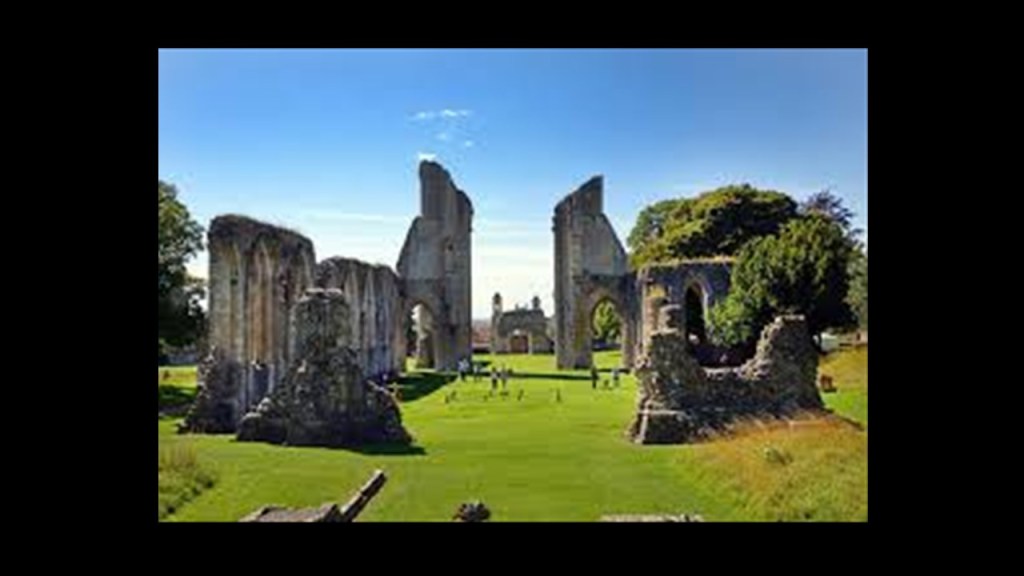
During King Henry VIII’s reign, it was said that the College of Arms “…at no time since its establishment, was the college in higher estimation, nor in fuller employment, than in this reign.”
The College of Arms was said to have been first incorporated as a Royal Corporation in March of 1484 under King Richard III.
In 1530, King Henry VIII conferred the duty of “heraldic visitation” on the College, that of tours of inspection between 1530 and 1688 around England, Wales, and Ireland to register and regulate the Coats of Arms of Nobility, gentry and boroughs, and to record pedigrees.
Heralds are appointed by the British Monarch and delegated to act on behalf of the Crown on all matters of heraldry, besides the granting of new Coats-of-Arms, including genealogical research and the granting of pedigrees.
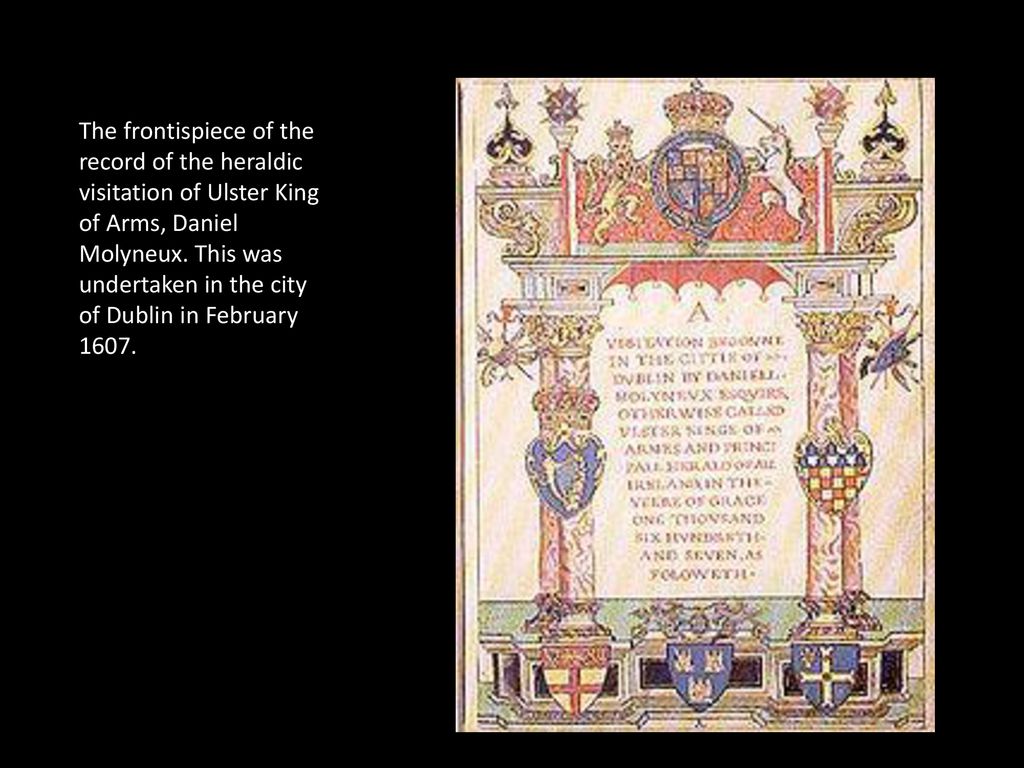
During the time of the Dissolution of the Monasteries between 1536 and 1541, this duty gained even more importance as the Monasteries were formerly the repositories of local genealogical records, and from then on, the College was responsible for the recording and maintenance of genealogical records.
The motto of the College of Arms is “Diligent and Secret.”
The origin of the English word “college” comes from the Latin verb “legere,” meaning to “collect, gather together, and/or pick.”
Why does a closed, armored helmet typically appear at the top of modern Coats-of-Arms?
Was something being hidden by the “Diligent and Secret” College of Arms?
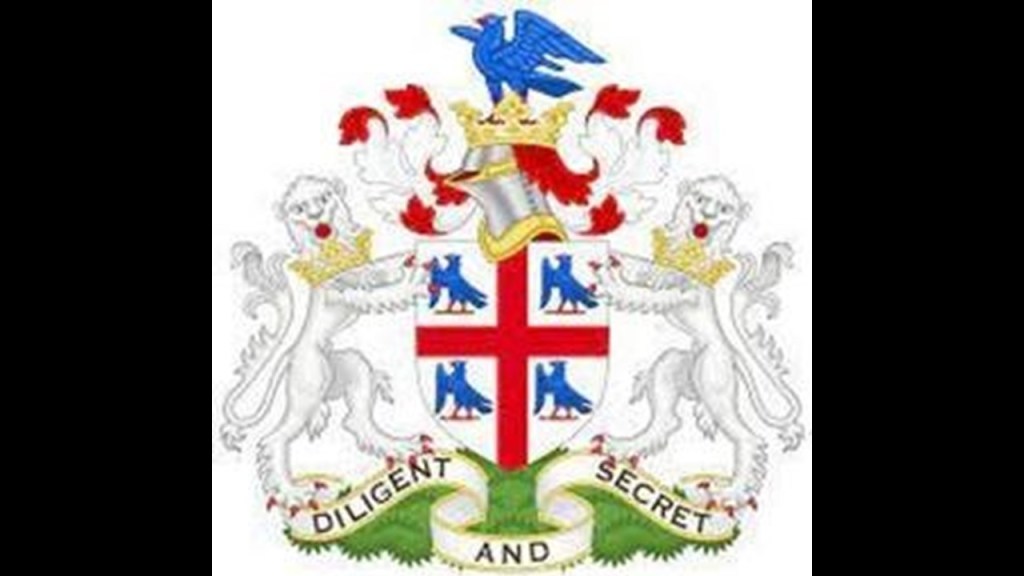
After the monasteries were destroyed, their holdings and titles were transferred to new families.
For an example, the future Puritan leader of the Massachusetts Bay Colony John Winthrop was born in January of either 1587 or 1588 in Suffolk, England, to a prosperous, land-owning family.
The Winthrop family was granted Groton Manor after the Dissolution of the Monasteries, as the Lord of the Groton Manor had previously been the Abbot of the Bury St. Edmunds Abbey, and John’s parents moved in when he was young.
In 1613, Winthrop’s father transferred the family holdings in Groton to him, and he became Lord of the Manor at Groton, the landholder of a rural estate, enjoying manorial rights of “Lord of the Manor” referred to the landholder of a rural estate, enjoying manorial rights, which was the right to establish and occupy a residence, and seignory, the right to grant or draw benefit from the estate.
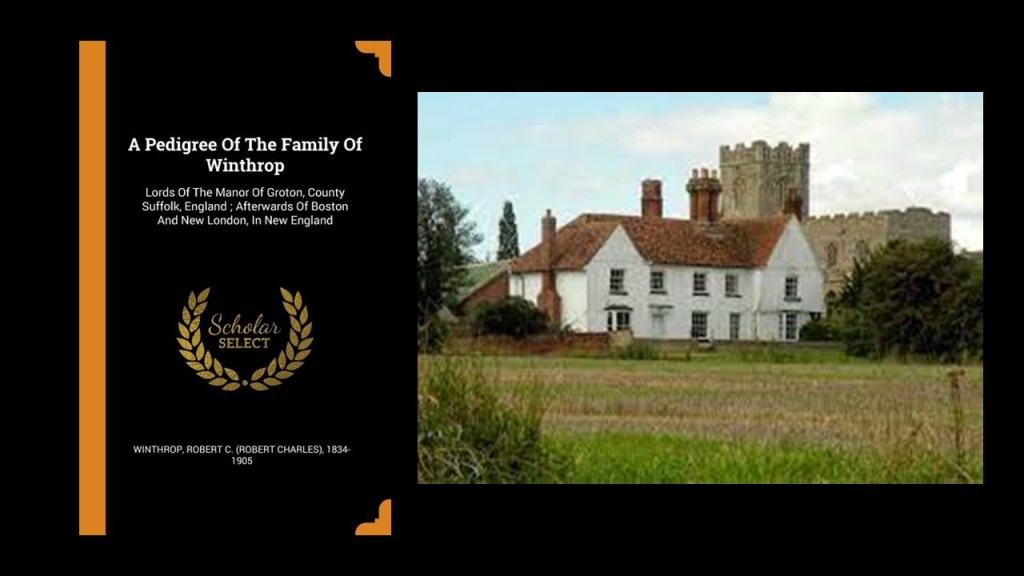
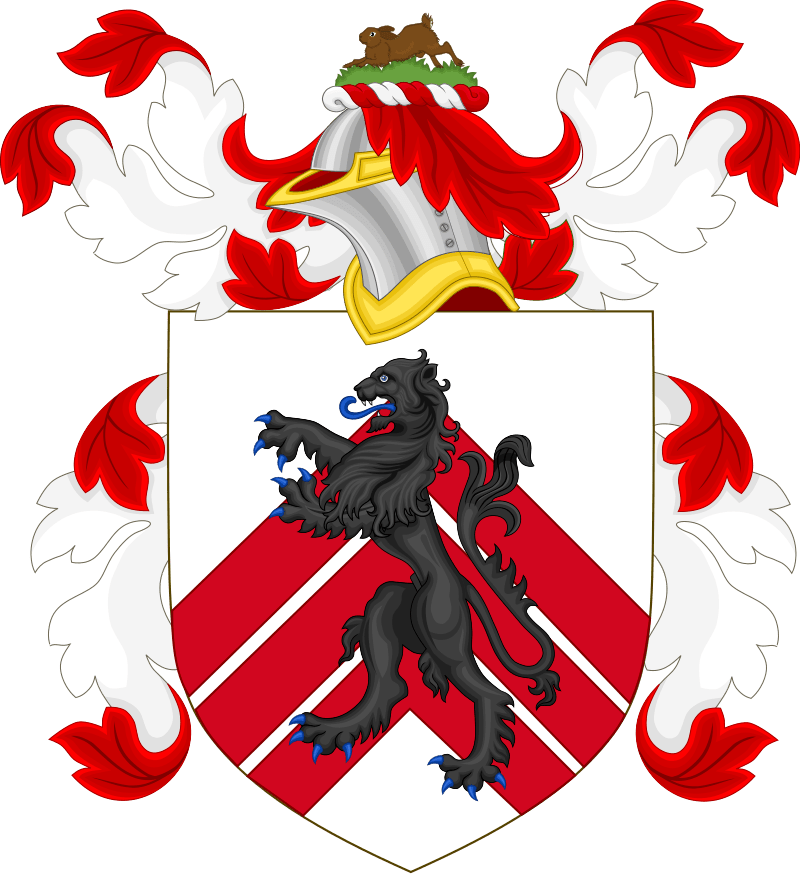
The Winthrop Coat of Arms was confirmed to John’s uncle by the College of Arms in 1592.
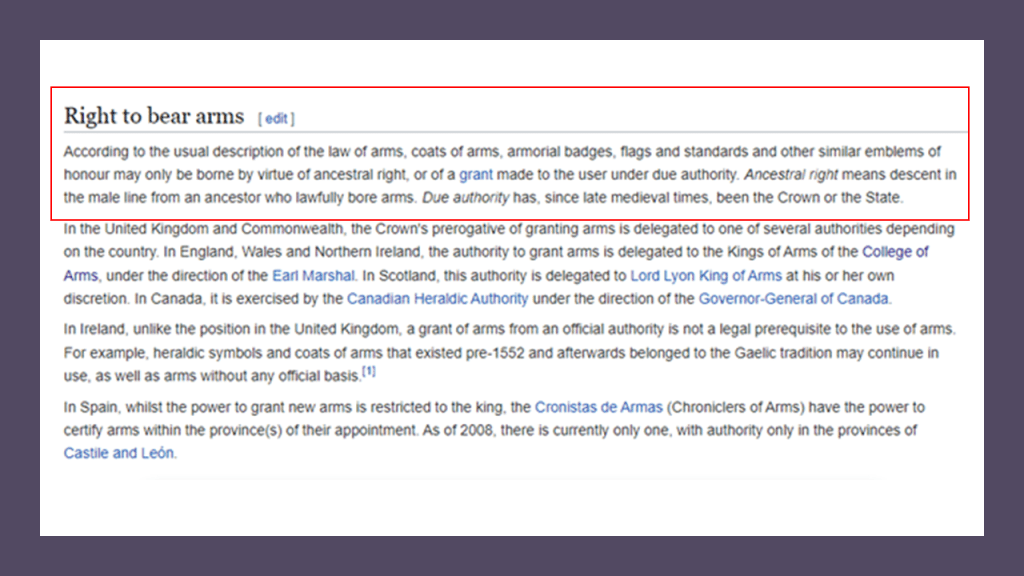
“The Laws of Heraldic Arms” govern the ‘Right to Bear Arms’ which is the possession, use or display of arms, also called “Coats-of-Arms” and “armorial bearings.”
According to the “Law of Heraldic Arms,” “Coats-of-Arms” and other similar emblems may only be borne by 1) ancestral right, or descent from an ancestry through the male line; 2) or a grant made to the user under due authority, like the State or the Crown.
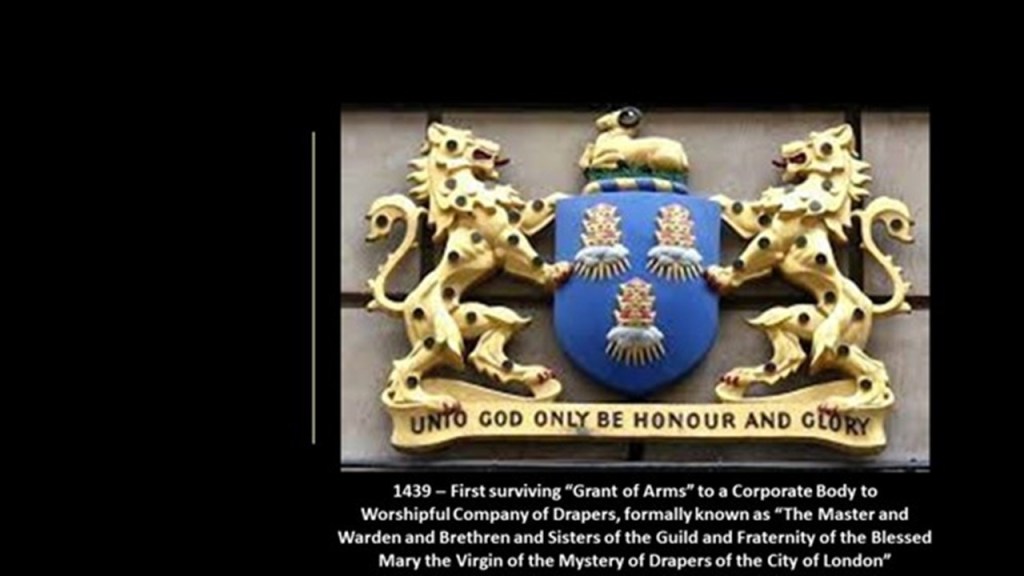
Important to note note that the use of armorial bearings went from individuals to corporate bodies starting in 1438 in our historical narrative with a Royal Charter of incorporation for the “Worshipful Company of Drapers,” which were retailers or wholesalers of cloth used mainly for clothing.
It is my belief that all of this activity attributed to King Henry VIII conferring the duty of “heraldic visitation” on the College of Arms in 1530, and the beginning of inspections around England, Wales, and Ireland to register and regulate the Coats of Arms of Nobility, etc, and then the destruction of the former repositories of genealogical records in the “Dissolution of the Monasteries” was actually about replacing the original ancient nobility with a brand-new nobility.
This issue can be considered from the perspective of earlier heraldry of British nobility that still exists in the historical record.
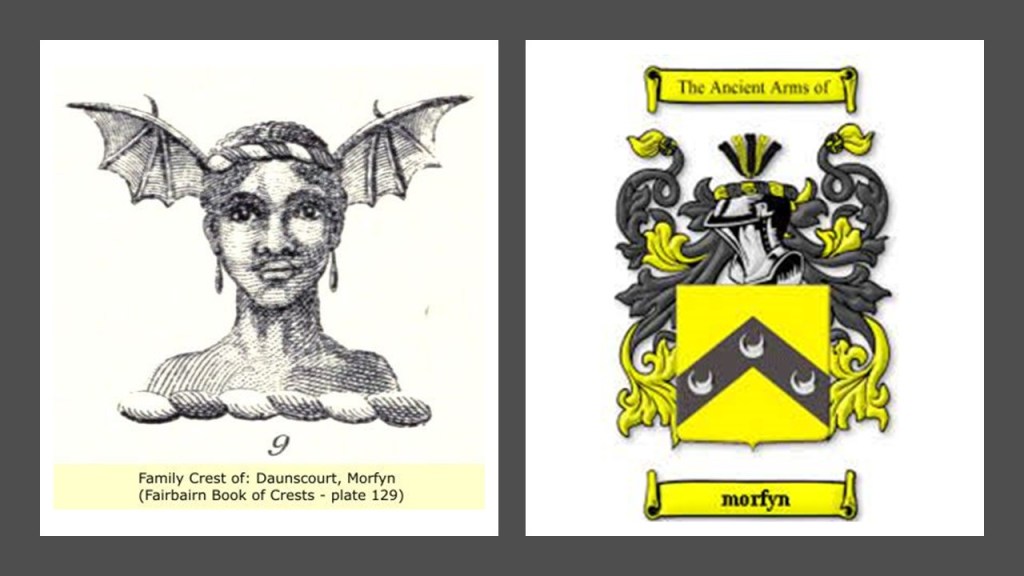
Let’s take a look at the Morfyn family crest.
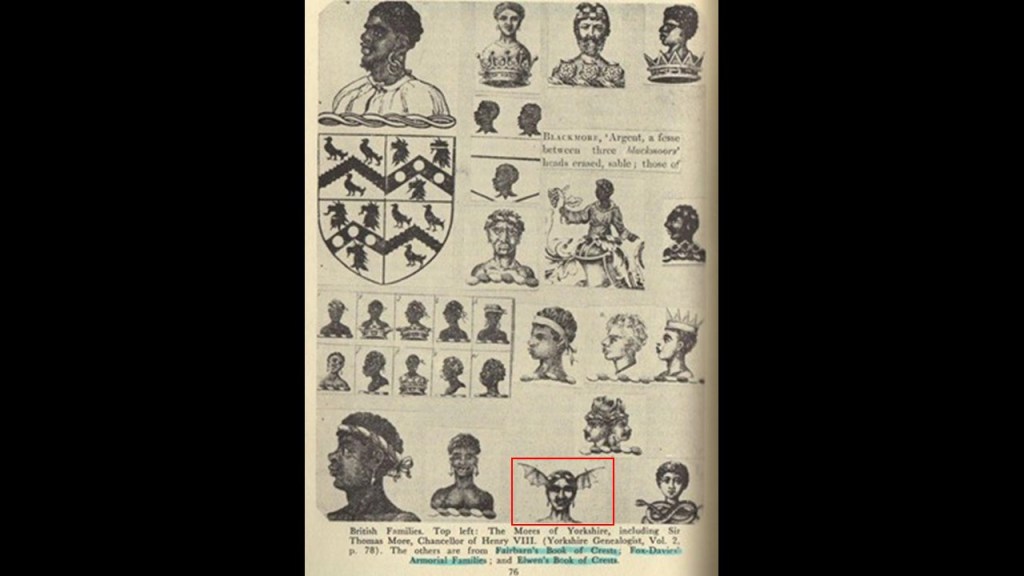
The original Morfyn family crest is on the left, in comparison with today’s Morfyn family arms on the right, and if there is a face beneath the helmet of armor at the top, it is not visible.
The Saxon surname of Morfyn was first found in Essex, where they were anciently seated as “Lords of the Manor.”
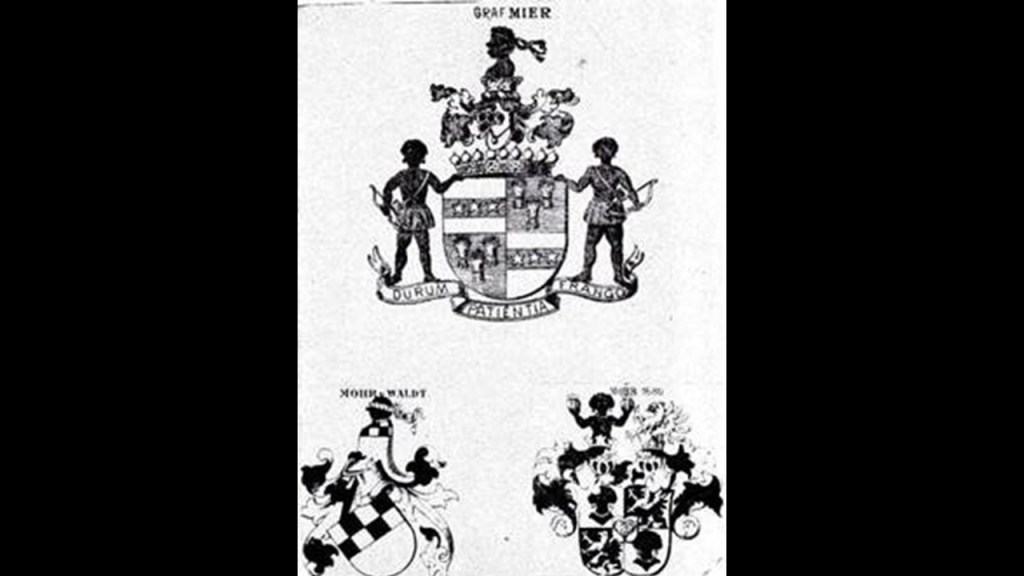
Same thing in Germany, with some examples of German Coats-of-Arms, showing Moors and having a “Moor” sounding name.
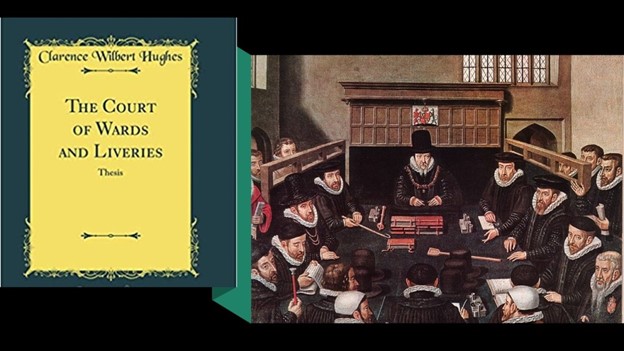
Also, around the same time the “Dissolution of the Monasteries” was going on between 1536 and 1541, the Court of Wards and Liveries was established starting in 1540 during the reign of King Henry VIII by two Acts of Parliament – the Court of Wards Act of 1540 and the Wards and Liveries Act of 1541.
It was established around the issues of practical matters relating to the Crown’s right of wardship and livery of young, orphaned heirs where their father had been a Tenant-in-Chief of the Crown, including having rights over the deceased’s estate, including income and land, so this special court also administered a system of levying and collecting feudal dues.
I find this information about the “Court of Wards and Liveries” very intriguing, with the Crown taking over the estates and rights of orphaned heirs and would love to know more about what was going on here.
And was there a connection between the English words “livery” and “delivery?”
What exactly is “livery?”
Well, if you look up the meaning, livery is an identifying design, such as a uniform, ornament, symbol, or insignia that designates ownership or affiliation.
Most often it would indicate the wearer of the livery was a servant, dependent, follower or friend of the owner of the livery.
So, it was a uniform-style clothing that identified the wearer with the owner of the livery.
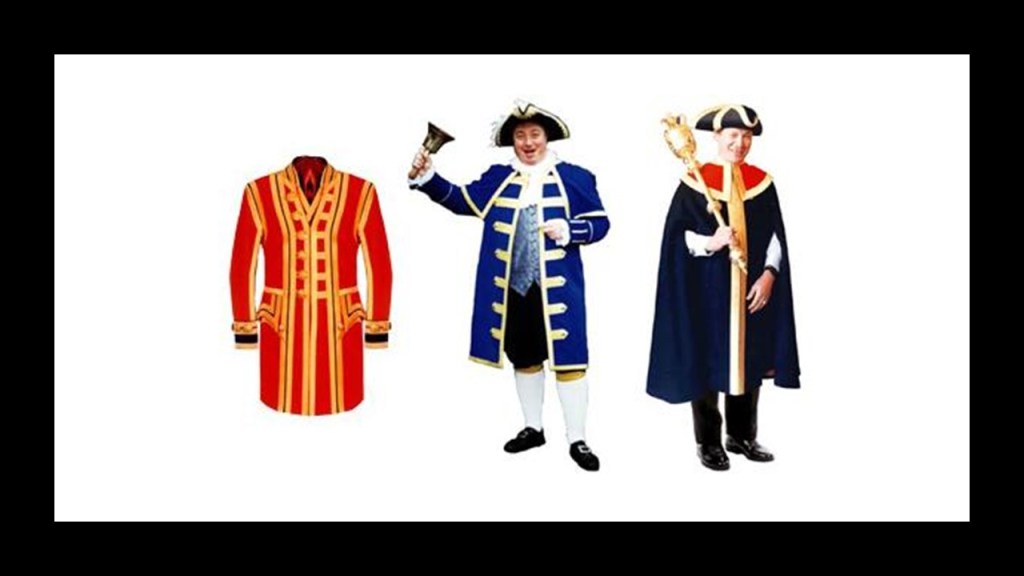
It is interesting more to this point that definitions of the word “delivery” include 1) the transfer of something from one place or person to another; 2) the process of giving birth; and in law 3) the formal or symbolic handing over of property to a grantee or third-party – which is more descriptive of what this court was actually said to be doing in practice than the word “livery” denotes.

I think these events in our historical narrative in which a new nobility was established by taking the land-holdings and titles of the original nobility marked the beginnings of the “Feudal System” and how the Moors not only lost their land, but became marginalized and enslaved by the new world’s economic and political system that was being planted right on top of the remnants of the Old World, and how this was accomplished by legalizing theft by the government and the legal system that was put in place by the colonizers, and we will see as well how these concepts of Lordship and and Fealty, and of Master and Slave, became enshrined in this new colonial political and economic system that was starting to come on-line.
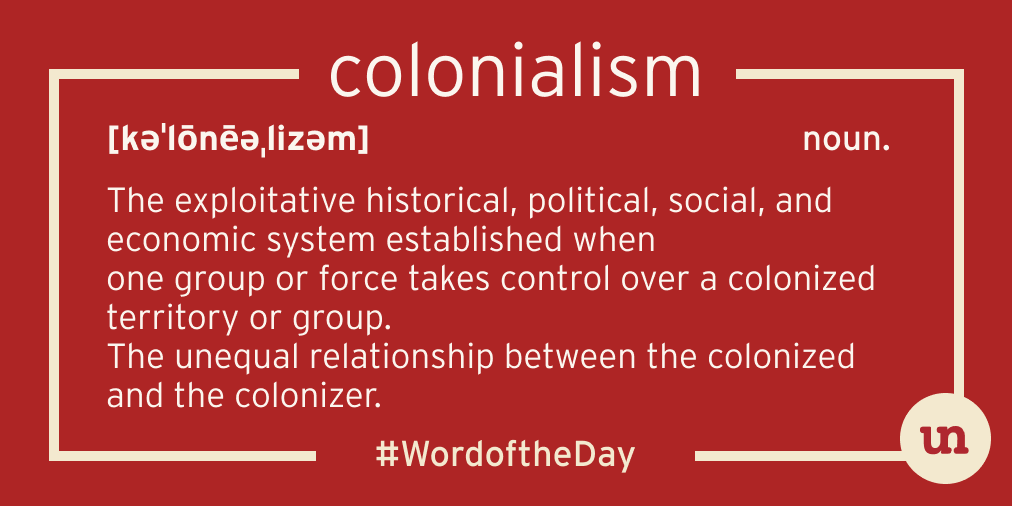
From Black’s Law Dictionary, the definition of “Feudal” pertains to feuds or fees, relating to or growing out of the feudal system or feudal law, having the quality of a feud, as distinguished from “Allodial.”
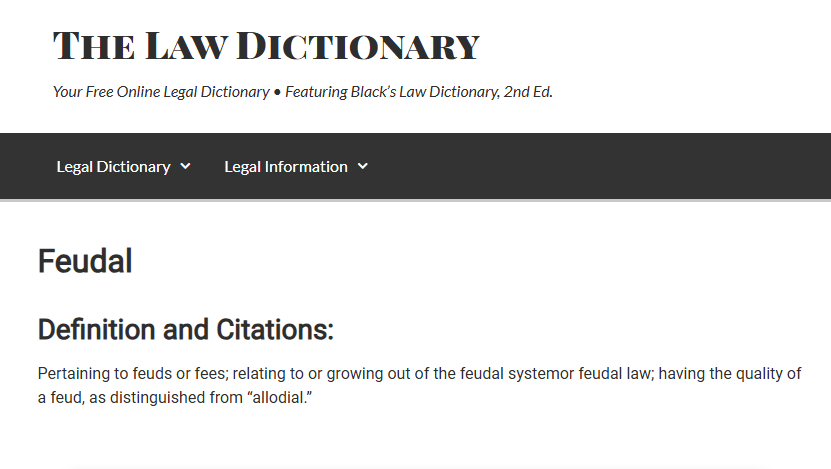
Also from Black’s Law Dictionary, the definition of Allodial is: `Free; not holden of any lord or superior; owned without obligation of vassalge or fealty.”
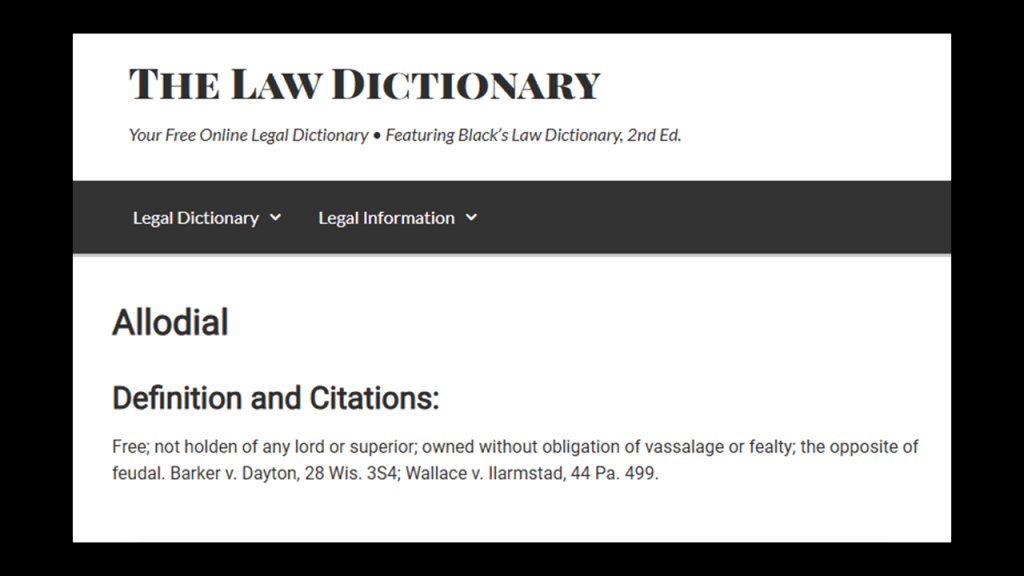
The definition of feud is a bitter quarrel between two parties.
Who would the two parties be?
The colonizers created feudal law to subjugate the Moors.
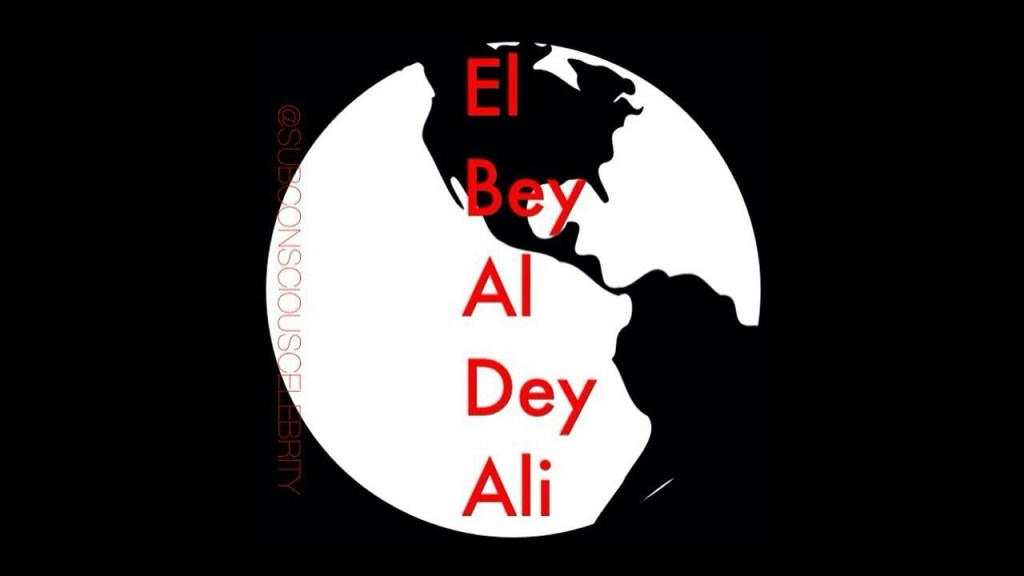
The five noble titles of the Moors are Al, Ali, Bey, Dey, and El.
Black’s Law Dictionary is the most widely-used legal dictionary in the United States, preferably the fourth-edition or older.
Black’s Law Dictionary was first published by Henry Campbell Black in 1891.
Interesting to note that the only thing I could find out biographically about Henry Campbell Black was that while Black was educated as a lawyer, and admitted to practice law in Pennsylvania in 1883, he only practiced for a short period of time.
After he left his law practice, Black moved with his parents to Washington, DC, and subsequently produced his famous Law Dictionary and the Handbook of American Constitutional Law.
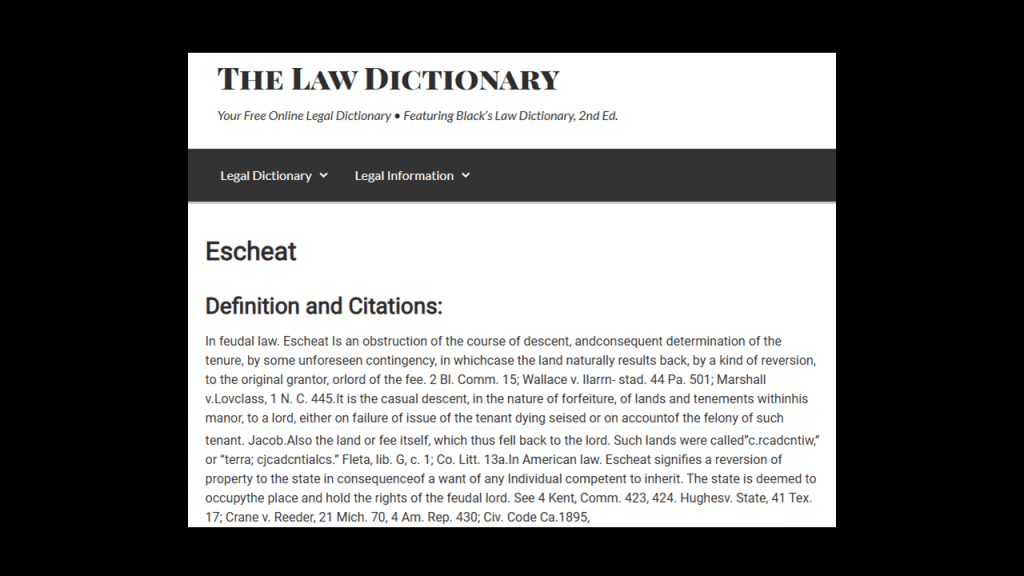
One of the ways the Colonizers took the land of the Moors was by applying the legal doctrines of Escheat and Hypothecation, which were very much like what we are told was going on with the Courts of Wards and Liveries established by Acts of Parliament in 1540 and 1541.
The legal doctrine of Escheat refers to the transfer of the real property of a person who has died without heirs to the Crown or State, ensuring that the property has recognized ownership and not left in limbo.
The legal doctrine of Hypothecation is defined to be a right which a creditor has over a thing belonging to another person, and consists in the power to cause it to be sold in order to be paid his claim out of the proceeeds.
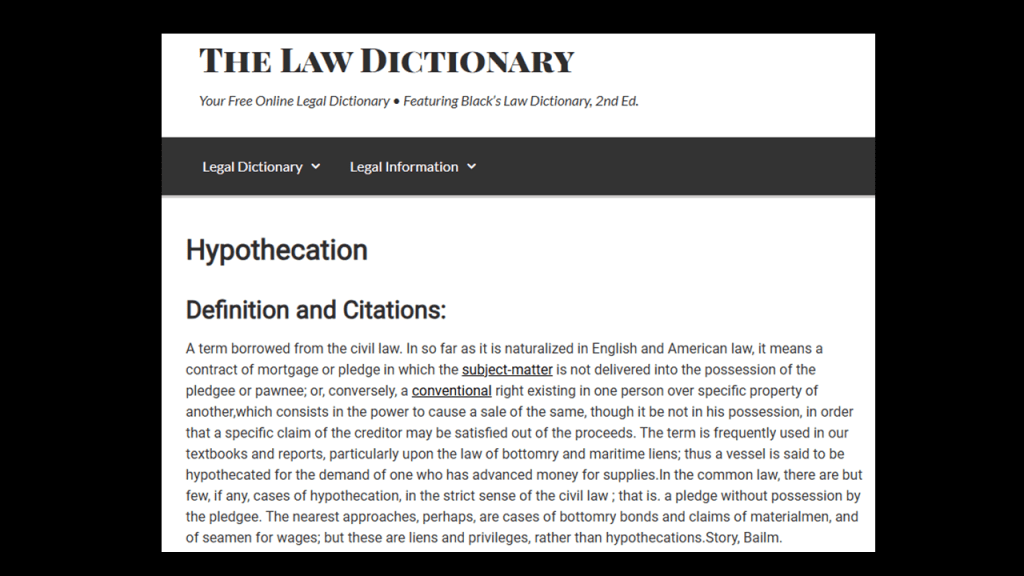
This is a good lead in to the historical figure of King James VI of Scotland and 1 of England because this is the time in our historical narrative when English plantation and colonization kicked-off, and demonstrates other ways the Moorish lands were taken.
It is my belief after extensive research that the historical personage we know as King James of Scotland and England was a fictional character under whose name the New World Order agenda of plantation and colonization was rolled-out, but I believe that the fictional King James was in fact based on a real person of an ancient royal Scottish lineage of Kings tracing back to King Solomon.
There is interesting circumstantial evidence to be found to support this belief that I will relate here, before I go into what the narrative tells us about King James VI of Scotland and I of England.
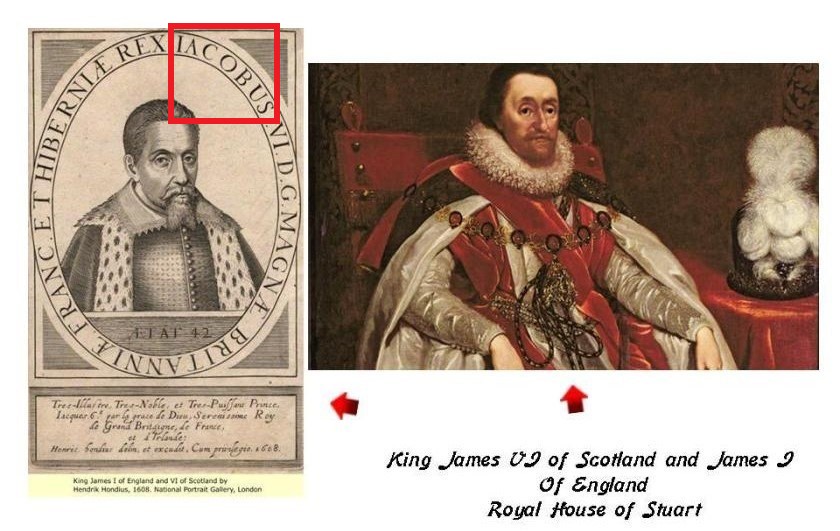
These portraits of King James are both in existence.
The portrait of King James on the left contains in it the inscription “Jacobus.”
The portrait on the right is the far more common portrayal of him.
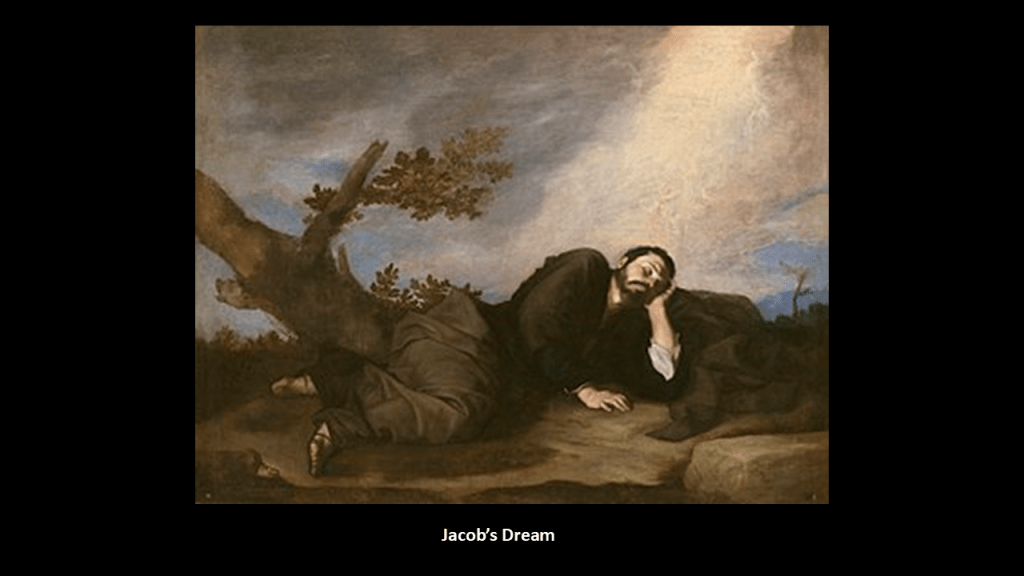
Jacob was the son of Isaac and grandson of Abraham, and later received the name Israel.
The Tribes of Israel came into existence through his sons, and King Solomon was descended through the lineage of Jacob’s fourth-son, Judah.
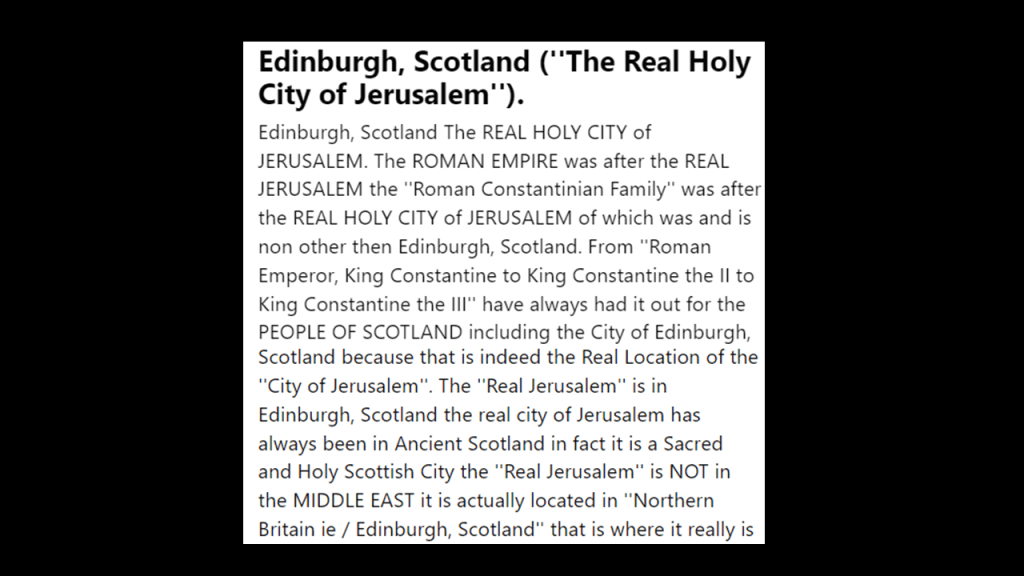
And could the Controllers possibly be hiding from us that the real Jerusalem was in Edinburgh, Scotland?
The Stone of Scone, also known as the “Stone of Destiny” and “Jacob’s Pillow Stone,” is an ancient symbol of Scottish Sovereignty, used for centuries in the coronation of Scottish monarchs, and since 1707 in the coronation of British monarchs.
When not being used for the coronation ceremonies of British monarchs at Westminster Abbey in London, it is kept on display in the Crown Room at Edinburgh Castle, alongside the crown jewels, and could explain why the British royals were/are so obsessed with Scotland, Edinburgh Castle, and the Stone of Scone and Crown Jewels being housed there.
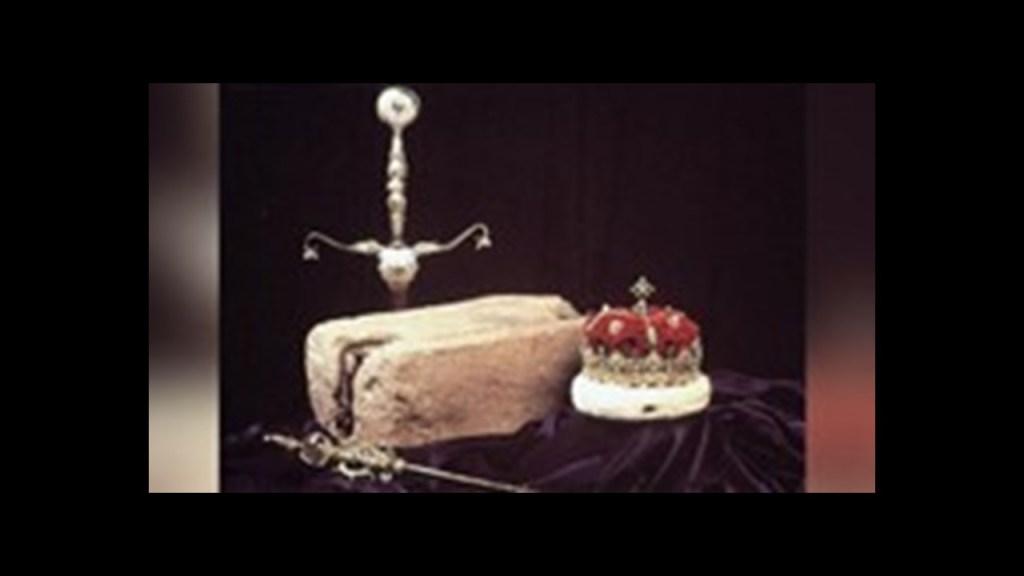
This begs the question of whether or not the Scottish Royal House of Stuart descended from King Solomon and the Queen of Sheba, like the previously-mentioned Solomonic Dynasty of Ethiopia.
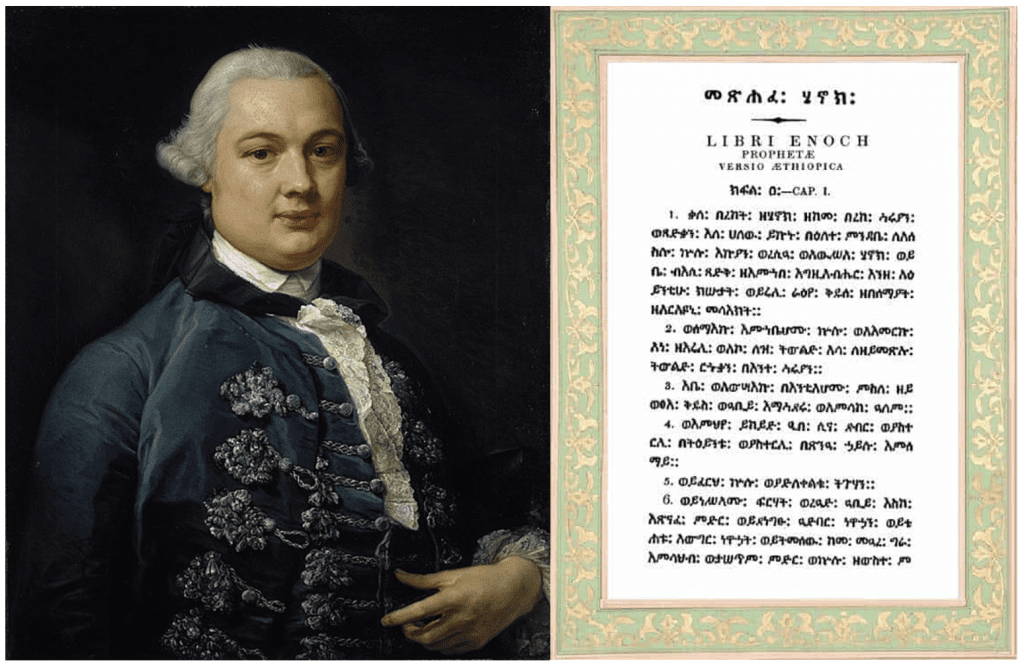
James Bruce, a Scottish traveller and travel writer, brought back copies of the Book of Enoch from Ethiopia to Scotland, which had been lost to the West but was and is still part of the Ethiopian Canon, after his travels to North Africa and Ethiopia between 1768 and 1771.
Bruce was said to have been the first European to set foot in Ethiopia since the Portuguese Jesuits were expelled by the Ethiopian Emperor a century-earlier.
The Book of Enoch contains material on the origins of demons and nephilim; why some angels fell from heaven; and a prophetic exposition of the Millenial Reign of the Christ.
English poet William Blake, a contemporary of James Bruce, was said to have been influenced by the Book of Enoch.
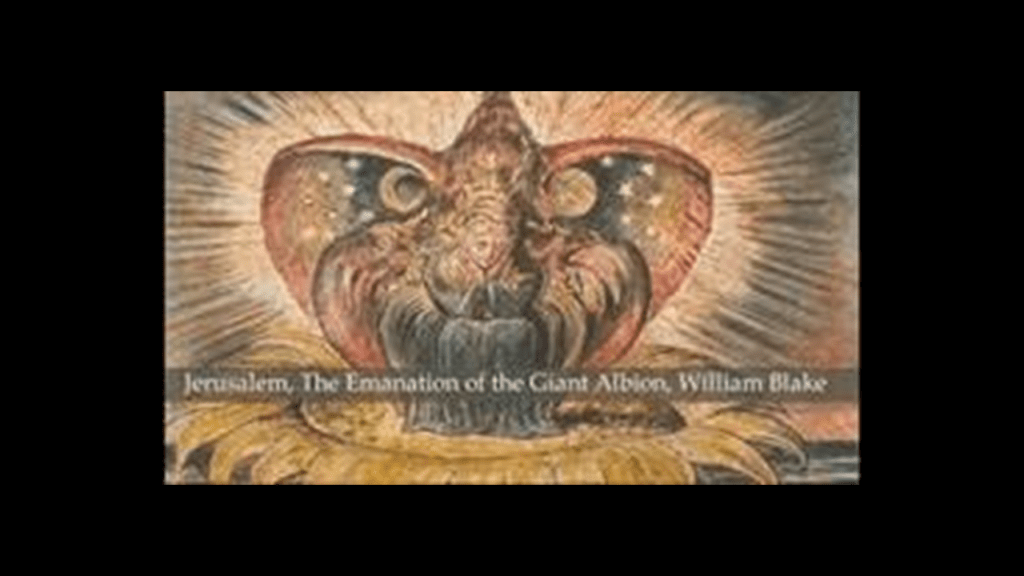
It is interesting to note William Blake’s poems “Jerusalem – the Emanation of the Giant Albion” and “Milton,” involving the poet John Milton.
“Jerusalem – the Emanation of the Giant Albion,” said to have been produced between 1804 and 1820, was described as the “last, longest, and greatest in scope” of his prophetic books, a series of lengthy, interrelated poetic works said to have been based on Blake’s own personal mythology.
“Jerusalem” tells the story of the fall of Albion, Blake’s embodiment of Man, Britain, or the western world as a whole, and Albion’s fall into selfhood.
HIs poem includes twelve sons who exist together with the Tribes of Israel.
In Blake’s writings, the character Los is the fallen form of Urthona, one of the four Zoas that resulted from the fall of Albion. Los and his feminine emanation, Enitharmon, produced Orc, the embodiment of Rebellion.
Blake’s poem “Milton” was illustrated between 1804 and 1810, and was about a strange connection that existed between Blake and Milton in which they undergo a spiritual journey.
Among other things, the first part of the poem describes the activities of Los, who creates a complex universe within which other characters debate the actions of Satan, and the fall is pictured as each of the five senses plummeting into an abyss, where each broods in fear and desperation.
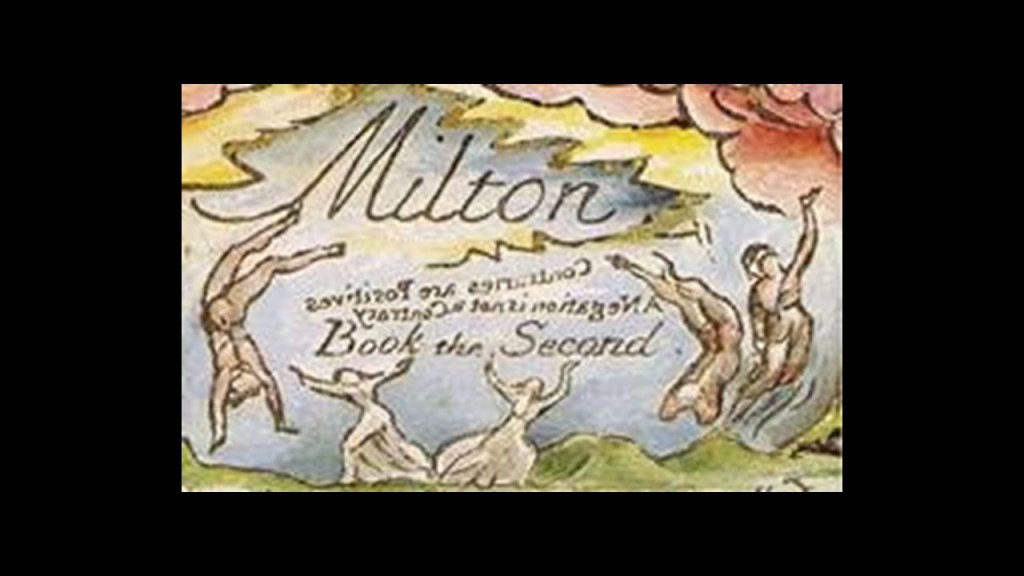
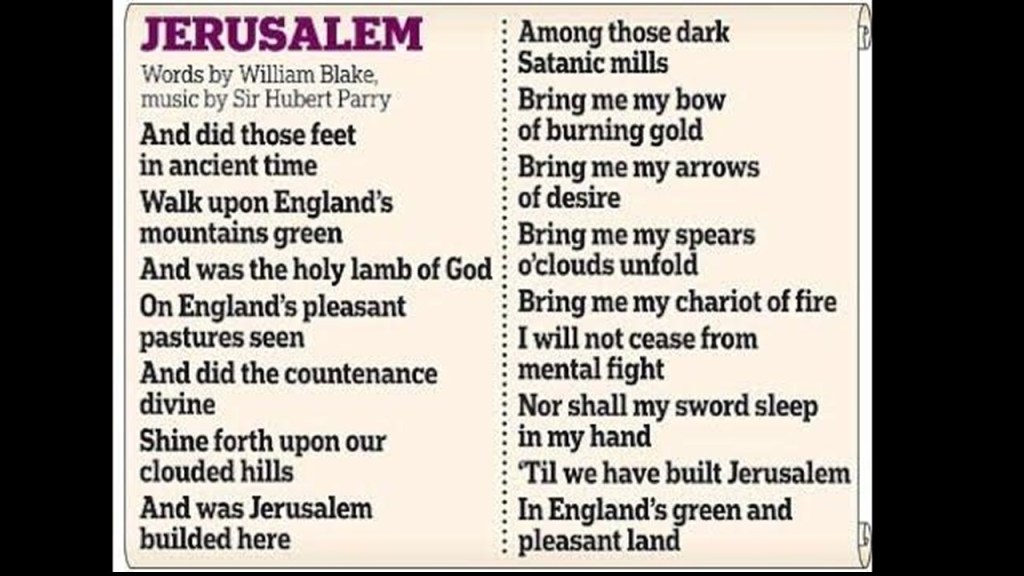
In the preface of Blake’s poem “Milton,” were the words to what became best-known as “Jerusalem,” a hymn with music written by Sir Hubert Parry in 1916.
It is framed primarily by a series of questions about the holy lamb of God being in England, and was Jerusalem built here among those dark Satanic mills, referring primarily to the mills of the industrial revolution, and so forth about building Jerusalem once-again here in this green and pleasant land.
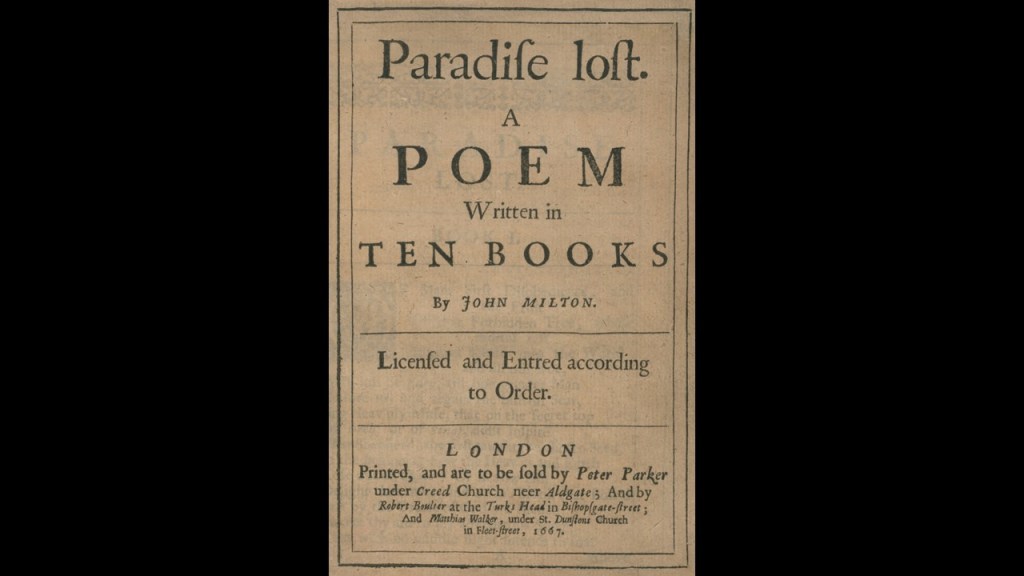
John Milton’s epic poem “Paradise Lost” was published in London in 1667, and as related in the poem, newly banished Fallen Angels organize, and Satan volunteers to corrupt the newly created Earth and God’s new and most favored creation, Mankind.
More about this later with regards to the creation of this occulted timeline.
Now I am going to take a look at who I believe was the fictional King James.
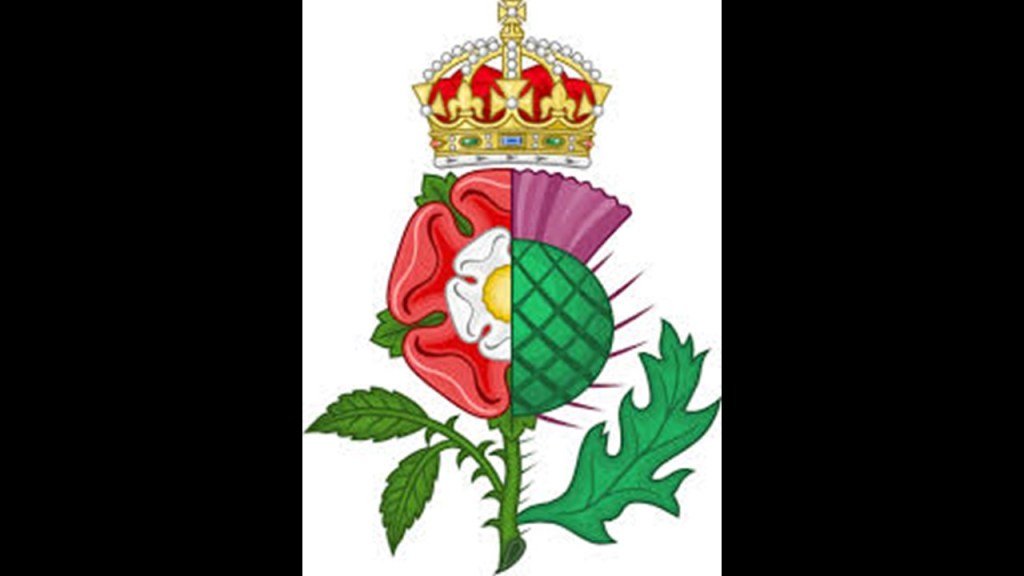
The narrative tells us that the accession of King James VI of Scotland as King James I of England and Ireland took place on March 24th of 1603, the day that Queen Elizabeth I of England died childless.
We are told the “Union of the Crowns” was dynastic, meaning that the laws and interests of the two countries remained separate and distinct at this time.
The reign of King James VI of Scotland and I of England was a period known to history as the Jacobean-era, a term also used to describe the architecture, arts and literature of this time period.
Prior to his accession to the three thrones in 1603, we are told that James first published “Daemonologie” in 1597.
“Daemonologie” was a philosophical discussion about necromancy, the summoning of spirits, as well as the various methods of divination used from black magic and a classification of demons.
It is interesting to note that “Daemonologie” was reprinted in 1603 after his accession, and also that a book of this nature would be coming from the same personage who gave us the King James Version of the Bible in 1604.
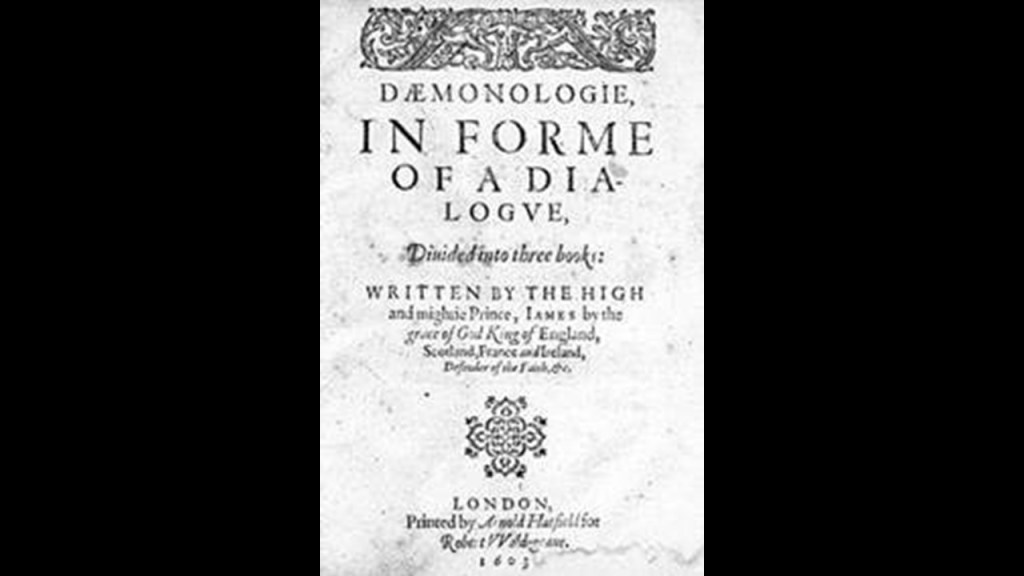
This is particularly interesting because there was a whole lot of demon-summoning going on around this same time in our historical narrative.
During the 1582 – 1589 time period in England, two occultists were said to have been involved in skrying activities that ended up bringing Fallen Angels and other negative beings into this dimensional plane.
These two men were John Dee, Queen Elizabeth I’s court astronomer and advisor, and Edward Kelley, an occultist and spirit medium.
John Dee was considered the most learned man of his time in England and had an extensive library.
He also had in his possession a collection of mirrors and other skrying devices.
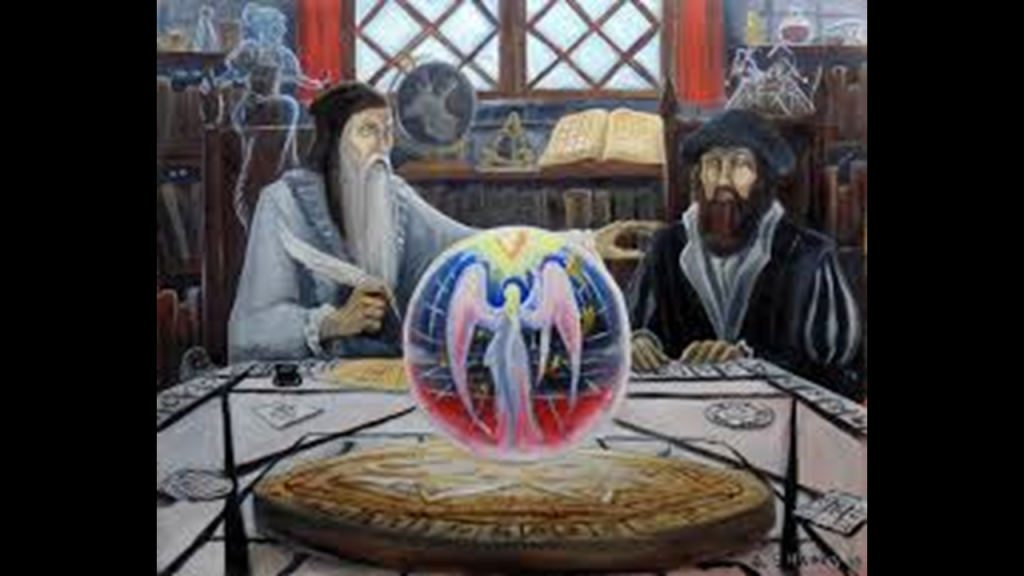
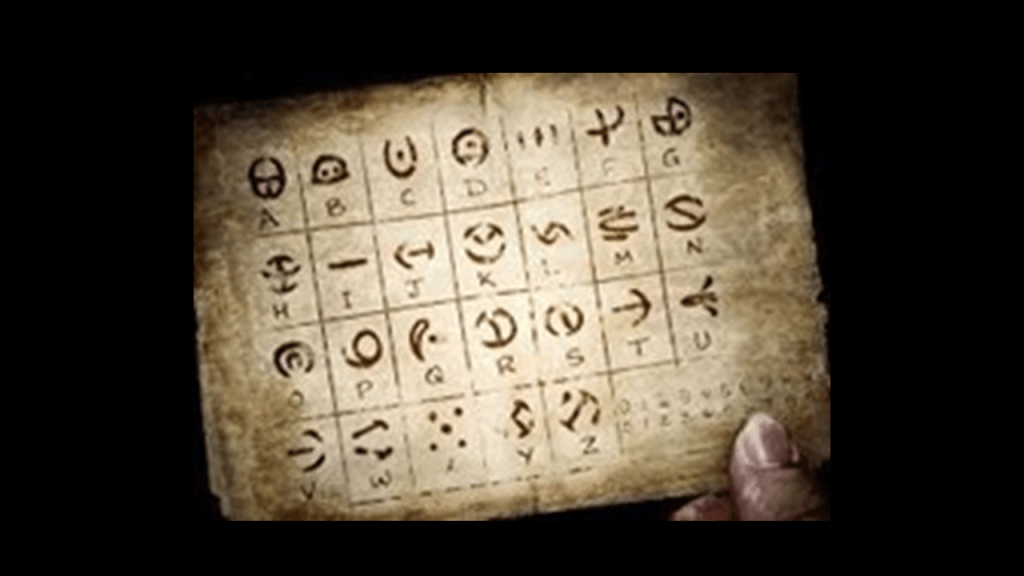
Enochian is an occult-constructed language recorded in the private journals of Dee and Kelley and described by them as angelic, as the language was received by them from these angels during their skrying sessions.
The Enochian language is central to the practice of Enochian magic, which involves the evocation and commanding of various spirits.
Sorcery is defined as the use of magic, in particular black magic, which is the use of power gained from the assistance or control of evil spirits.
John Dee constructed what were called “sigillums,” or “sigils,” for the practice of Enochian magic, a range of rituals and ceremonies designed to evoke spirits for interaction.
Have the Colonizers been using Alchemy against us?
With the information that’s available to find, I would say yes, definitely!
The alchemical symbol for mercury is on the left, and John Dee’s “Hieroglyphic Monad” sigil-like glyph is on the right bearing an unmistakable resemblance to it with a few alterations in appearance from the alchemical symbol for mercury.
Dee said his “Hieroglyphic Monad” contained the essence of alchemical transformation and spiritual evolution.
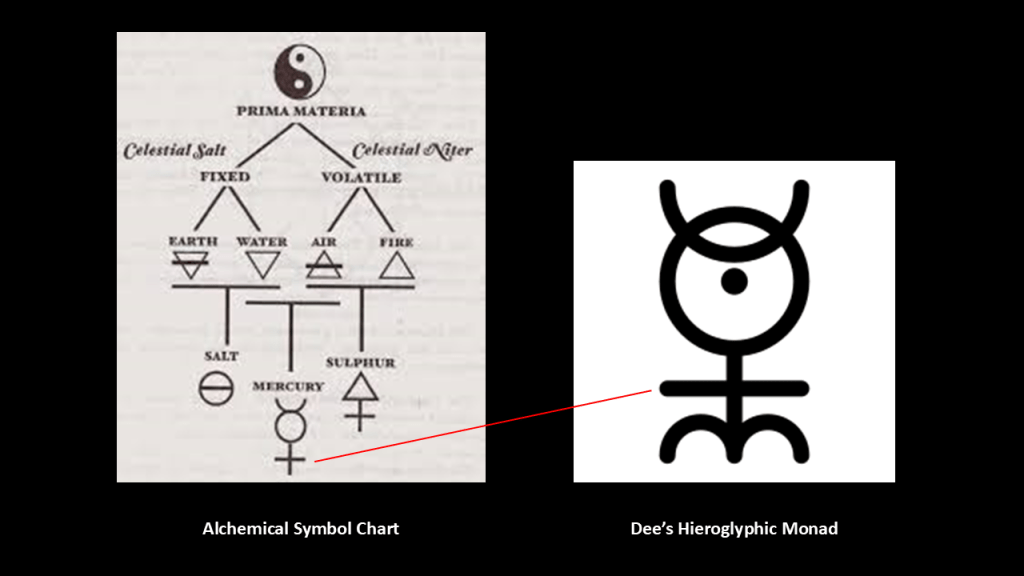
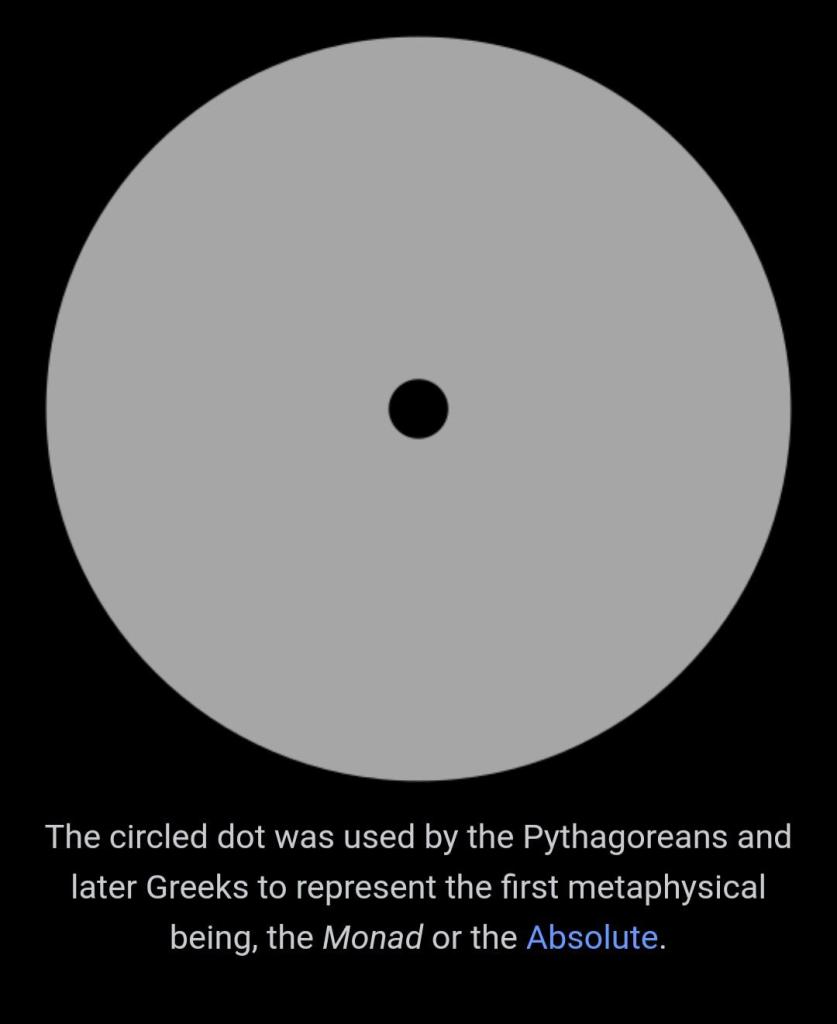
Dee’s Hieroglyphic Monad also contains the representation of the Monad used in philosophical schools like that of the Pythagorean to represent the Absolute – the Supreme Being, Divinity, and the Totality of All Things.
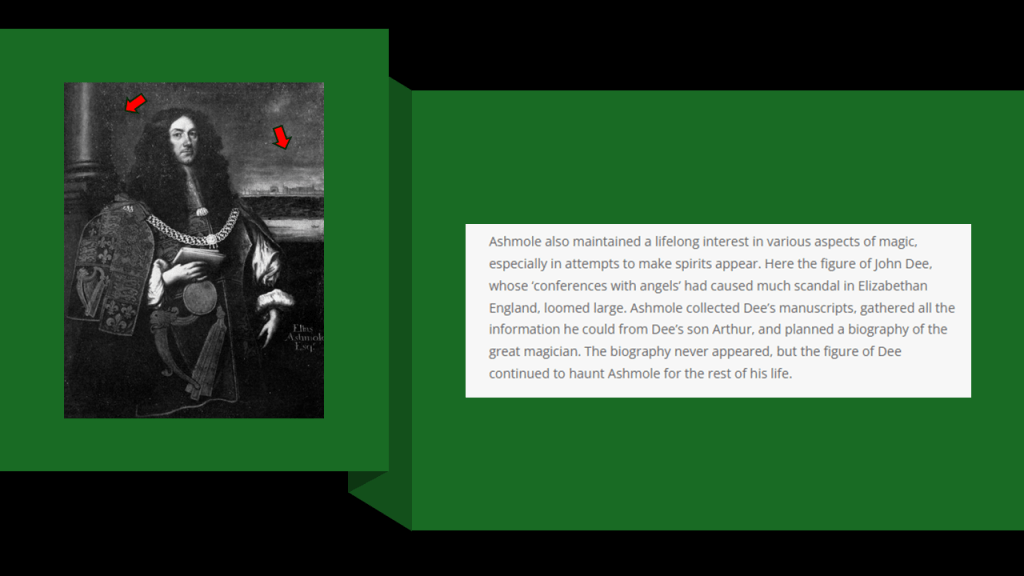
Elias Ashmole, one of the founders of the Royal Society in 1660, also collected the manuscripts of John Dee, and had a lifelong interest in magic, especially in attempts to make spirits appear.
It is also interesting to note things appearing in the shadowed background of this portrait of Elias Ashmole that are appear to be hinting at something else- a column, and what appears to be a phantom city.
It was quite common for things like this to be hidden in portraits of famous people and architects and the like of the day.
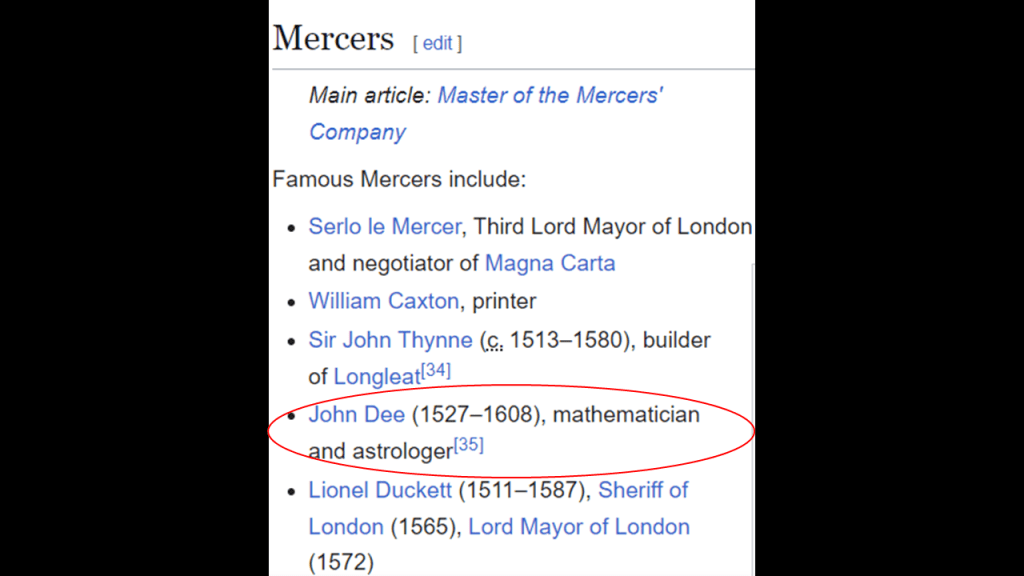
John Dee was also said to have joined the Worshipful Company of Mercers in 1555, the same year the College of Arms took up residence on Queen Victoria Street in the City of London.
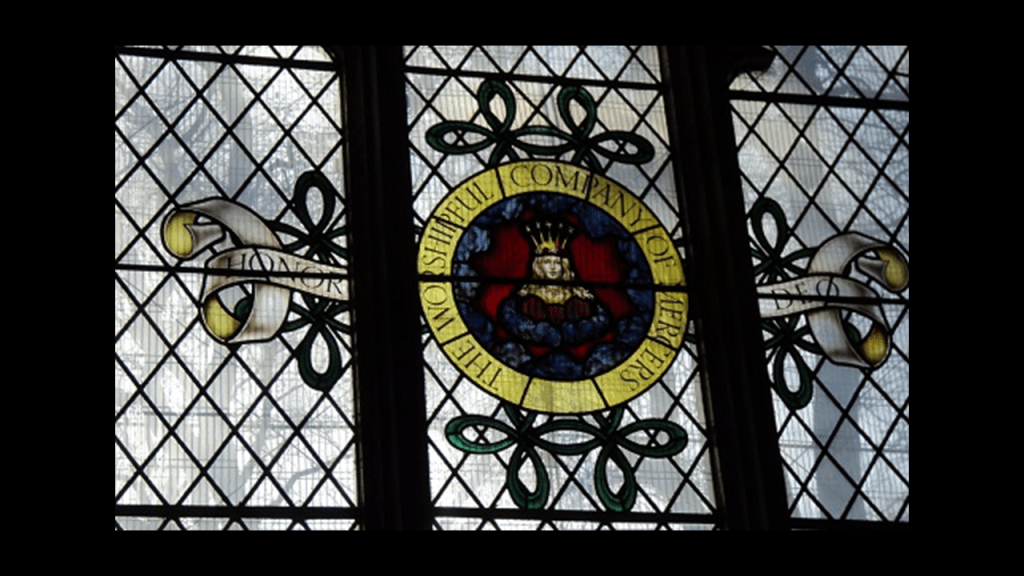
Mercers were cloth merchants, and involved in the importation of fine cloth like silk and linen, and other textiles and cloth and piece goods.
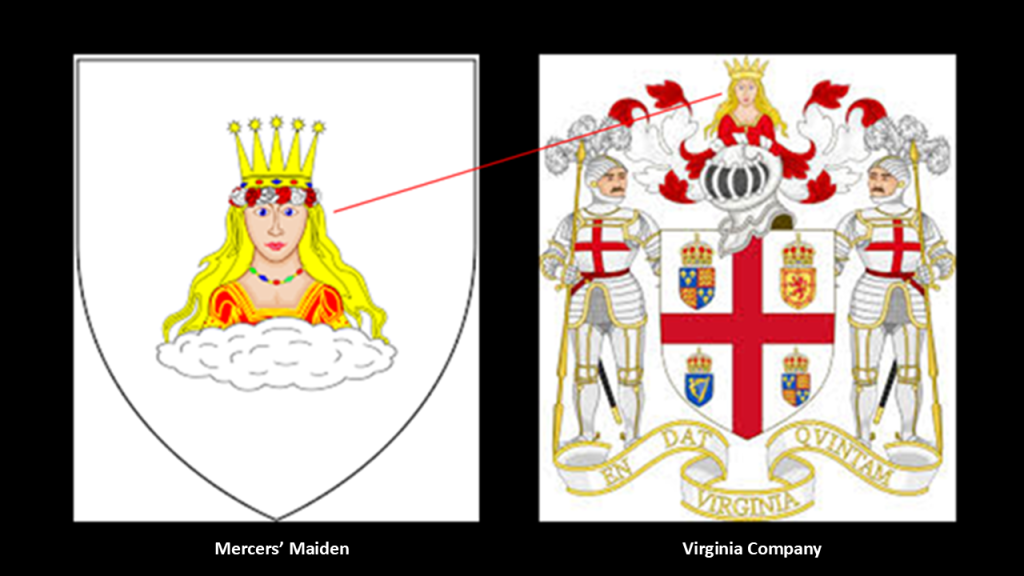
The Maiden on the Coat-of-Arms is the emblem of the Mercers, and was said to have first appeared on a seal in 1425, and it is also said that her origins, and reason why she was chosen as the emblem, are unknown.
As previously mentioned, the alchemists of the original civilization used mercury and red mercury as sacred substances, an elixir of life, and as a medicine…even though mercury in any form is poisonous.
Mercury poisoning causes neurological damage, resulting in things like slurred speech, memory loss and tremors.
Apparently, the chemical element mercury was used in the manufacturing of felt hats during the 19th-century, causing a high-rate of mercury poisoning in those working in the textile industry.
The phrase “Mad as a Hatter” in the Victorian-era was used to suggest someone was insane.
So I absolutely think there was a direct connection between the English word “mercery,” and the word “mercury,” and that Alchemy was being used for harmful purposes instead of beneficial ones.
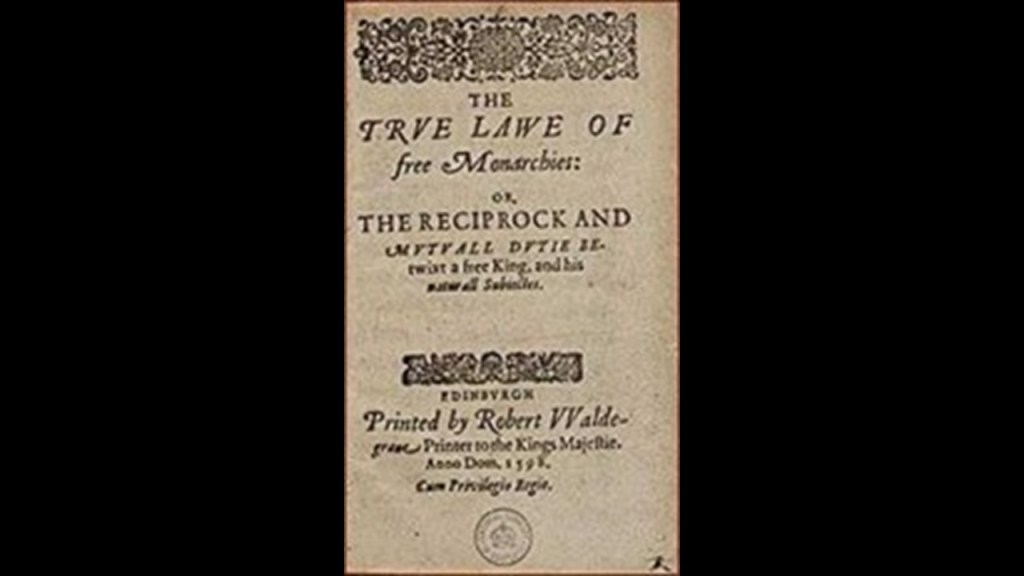
The next subject I would like to bring up is that around the same time that King James was said to have first published “Daemonologie” in 1597, he was also said to have published “True Law of Free Monarchies” around 1597 and 1598, in which he asserted there was a theological basis for monarchy and in which he sets out the “Divine Right of Kings” as a political and religious doctrine of the legitimacy of a monarchy.
In it, he proposed an absolutist monarchy by which a King may impose new laws by “royal prerogative,” a body of customary authority, privilege and immunity recognized in common and civil law jurisdictions within a monarchy as belonging to the sovereign that becomes widely vested in government.
Next, the Plantation of Ulster began privately in 1606 shortly after the Union of the Crowns under King James in 1603, and began officially in 1609 by the Scottish Parliament.
The Plantation of Ulster was the organized colonization of a province of Ireland, by people from Scotland and England, who had a different culture, and most of the colonized land had been taken from the original Irish chiefs.
We are told the word “plantation” first started appearing in our narrative in the late 1500s to describe the process of colonization.
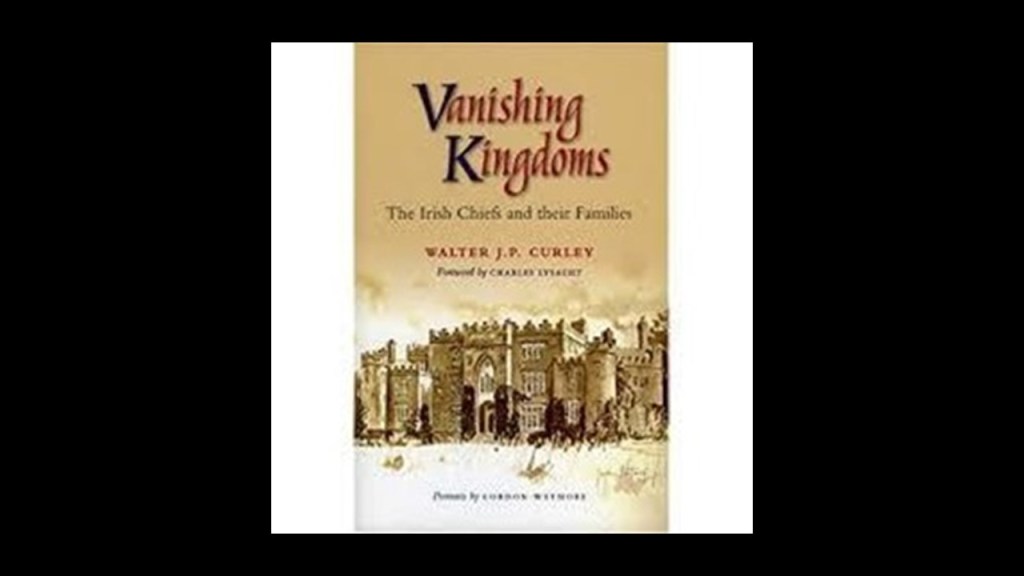
We are told the English colonization of North America began at the same time.
In 1606, King James VI & I also issued Royal Charters for what became known as the Virginia Company and the Virginia Company of Plymouth, with the objective of raising funds from investors in order to colonize the eastern coast of America.
This graphic breaks-down the types of colonies after a royal charter has been granted.
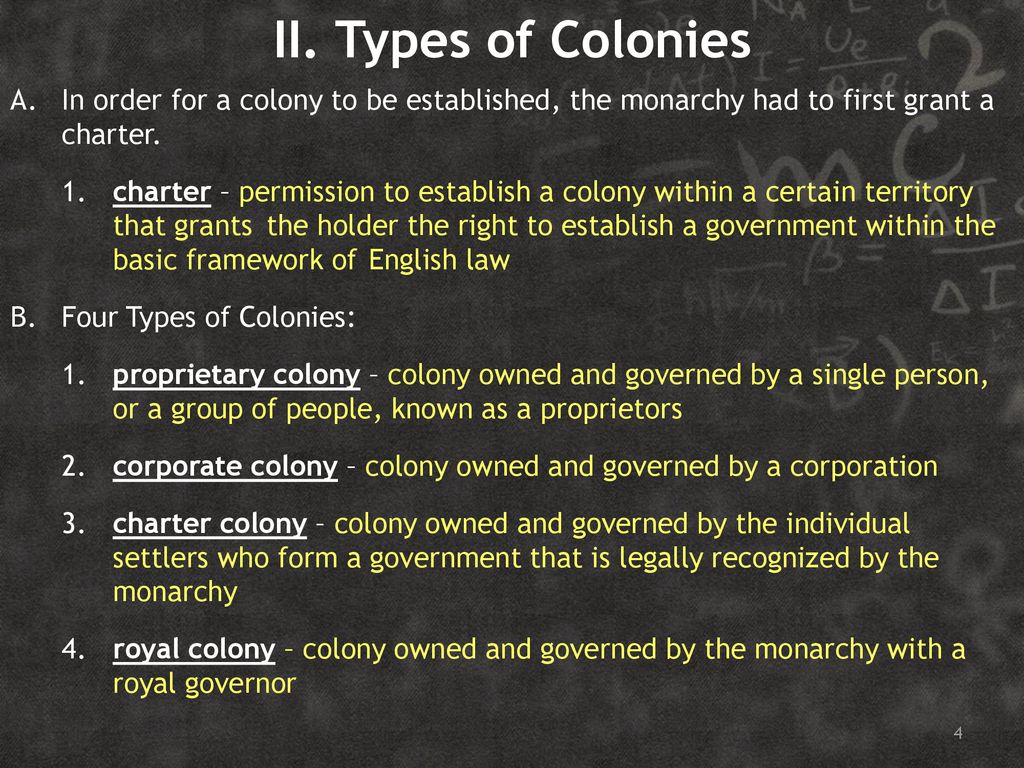
A royal charter is a formal grant issued by a monarch under “royal prerogative” as “letters patent.”
“Letters patent” are a type of legal instrument in the form of a published, written order issued by a monarch or other head-of-state, granting an office, right, monopoly, title or status to a person or corporation.
Thus, they can be used for the creation of corporations or government offices, or for granting city status or a coat-of-arms.
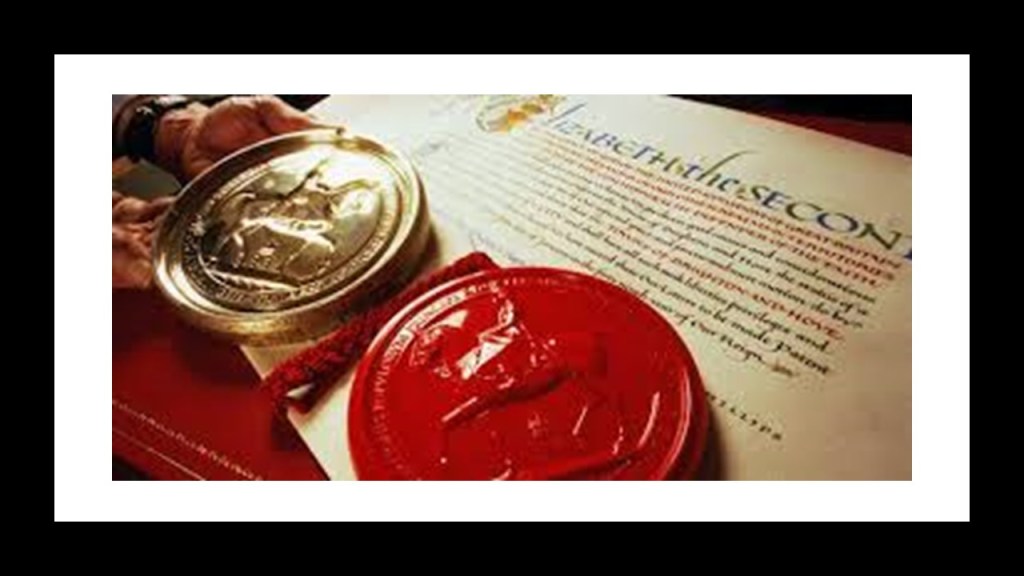
Since the 1300s in our historical narrative, royal charters have been used to grant a right or power to an individual or “body corporate,”the formal term for a corporation.
A “body corporate” functions as a “legal person” in law that can do the things a human person is usually able to do but are not literal people.

A “chartered company” is an association with investors and shareholders that is “incorporated,” or formed into a new corporation, and granted rights for the purposes of trade, exploration, or colonization.
Until the 19th-Century, royal charters were the only means that a company could become incorporated, other than by an Act of Parliament.

The English colonization of North America began shortly thereafter, when in 1606, King James VI & I issued Royal Charters for what became known as the Virginia Company and the Virginia Company of Plymouth, with the objective of raising funds from investors in order to colonize the eastern coast of America, and in 1607, the first English colonies were established in North America in Jamestown, Virginia; and a short-lived one in Popham, Maine.
The same “Mercers’ Maiden” also shows up on the Coat-of-Arms of the Virginia Companies.
Around the same time that the foundations for plantation and colonization were being laid shortly after the “Union of the Crowns” in 1603, the narrative elements of what were called “Masques” took on more significance in the Stuart Court of King James and his wife, Queen Anne of Denmark.
A “masque” was a festive form of courtly entertainment that flourished in the 16th- and 17th-centuries in Europe which involved music, dancing, singing and acting, and elaborate stage design by an architect. Professional actors were hired for the singing and acting parts, and courtiers, like kings and queens often had a part in the “masque” but did not act or sing.
The English word “masque” is phonetically identical to the word “mask,” a word which describes hiding something from view.
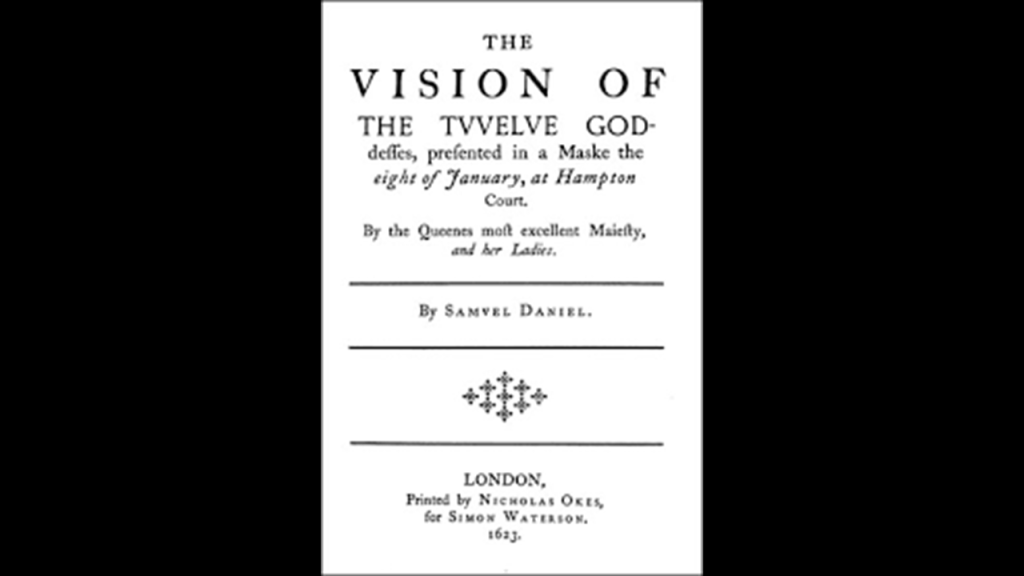
“The Vision of the Twelve Goddesses” was written by Samuel Daniel and said to have first been performed on January 8th of 1604 in the Great Hall at the Hampton Court Palace.
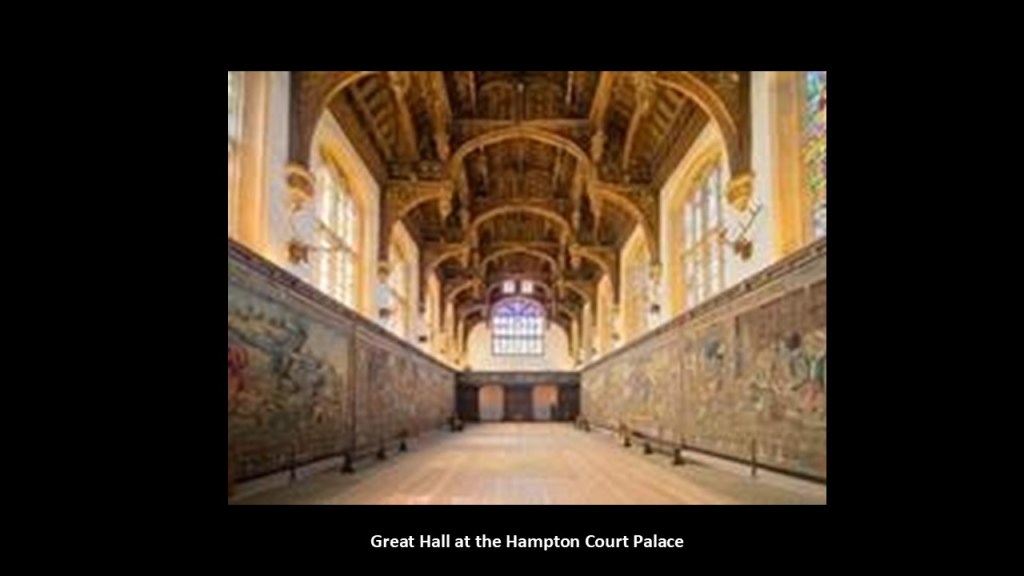
The set for “The Vision of the Twelve Goddesses” consisted of a large mountain; a Temple of Peace; and a Cave of Sleep.
The performance featured Queen Anne of Denmark taking the role of Pallas Athena, and eleven of her ladies-in-waiting taking the roles of other goddesses.
Their costumes were said to have been created from ransacking the wardrobe of the dead Queen Elizabeth I, with her gowns providing embroidered satin, as well as cloth of silver and gold, for the goddesses portrayed in the masque.
The ransacking of the wardrobe of Queen Elizabeth I to create the costumes for the “masque” just sounds bizarre and unreal to me, and among the many reasons I believe that the Court of King James I was used to roll-out the New World Order agenda of plantation and colonization, and replacing fine cloth made with satin, silk, silver, and gold with plain broad cloth made of wool and cotton was very much a part of that agenda.
I have my friend Stephanie McPeak Petersen to thank for showing me that the literature from this time period, including but not limited to Masques, the works of Shakespeare and other literary figures of the day, contains truths otherwise hidden from our eyes.
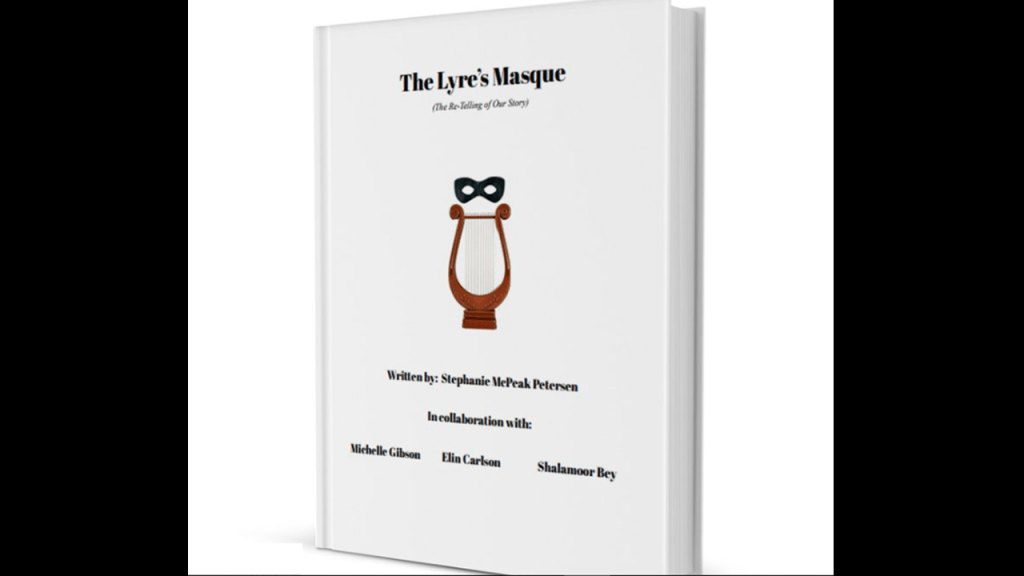
Stephanie was part of the collaborative team that recently published “The Lyre’s Masque,” in eBook form on the Noble 7 Publishing website, along with myself, Elin Carlson, and Shalamoor Bey, and which was brilliantly written by Stephanie.
Our story involves the Hero’s Journey of our hero, Prince Tamino, from Mozart’s “Magic Flute,” representing Humanity as he goes on an adventure after he accidently portals into the 21st-century while cleaning his flute, to the location where the three Muses of the Lyre, the daughters of Apollo, were living in an RV; reveals truths and learns new lessons with the task required to get him back home, which was playing the lyre he received from Apollo in a Masque for three days to entertain the three Fates; and at the end, wins a victory with his newfound knowledge and a return trip back to his home time.
There’s a link for more information about “The Lyre’s Masque” in the video description.
There are a couple of points about “The Magic Flute” that I would like to make here, which itself holds clues to the subject of “Finding Osiris” and the advanced civilization of the missing Moors that we have no knowledge of.
“The Magic Flute” was the last opera composed by Mozart, and premiered two months before his death in 1791.
At the beginning of the opera, Prince Tamino was chased by a serpent and begs for help.
While he was actually rescued from the serpent by three ladies in service of the “Queen of the Night,” he wakes to see the serpent dead, and a man dressed as a bird named “Papageno,” who was a “bird-catcher.”
So right at the beginning of the opera, there was the introduction of a serpent, which was killed, and a “bird-like,” character being highlighted in the opera, which seems to speak to the previously mentioned “feathered serpent” identification with Quetzelcoatl to the Staff of Osiris and the connection to Kundalini energy rising like serpents from the base of the spine to the pineal gland, AKA third-eye in the brain’s mid-line, creating a wing-like activation at the crown chakra that unites one with Consciousness itself.
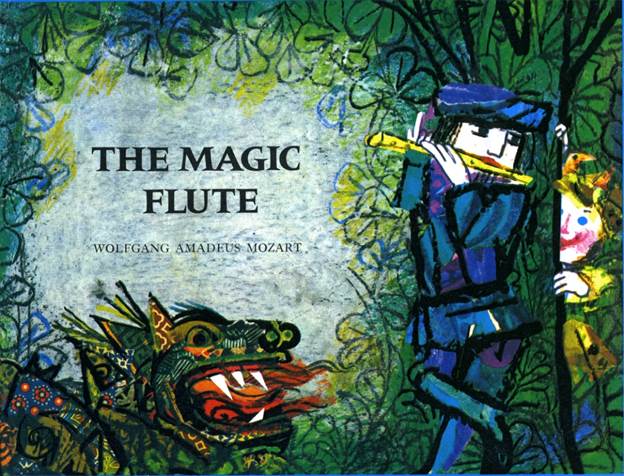
The Queen of the Night convinces Prince Tamino to rescue her daughter Pamina from capitivity with the evil Sarastro, and Prince Tamino along with Papageno are sent off to Sarastro’s temple.
As it turns-out, Sarastro’s temple is the Temple of Osiris and Isis, and he is the high priest of the council of priests.
Prince Tamino learns instead of the high ideals of this community and seeks to join it, and together and separately, Prince Tamino and Pamina undergo severe trials of initiation.
Even though the Queen of the Night orders her daughter to kill Sarastro, in the end, the Queen and her cohorts are vanquished.
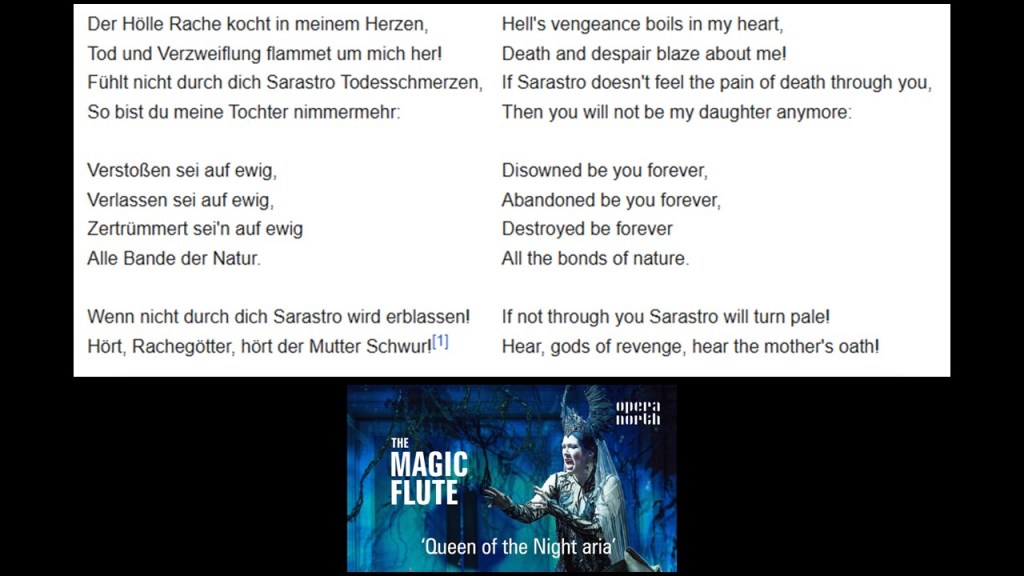
Interesting to note that the elaborate Mardi Gras costumes of the ancient Washitaw Mu’urs of Louisiana, like Papageno in the Magic Flute, are feathered, leaving the face uncovered.
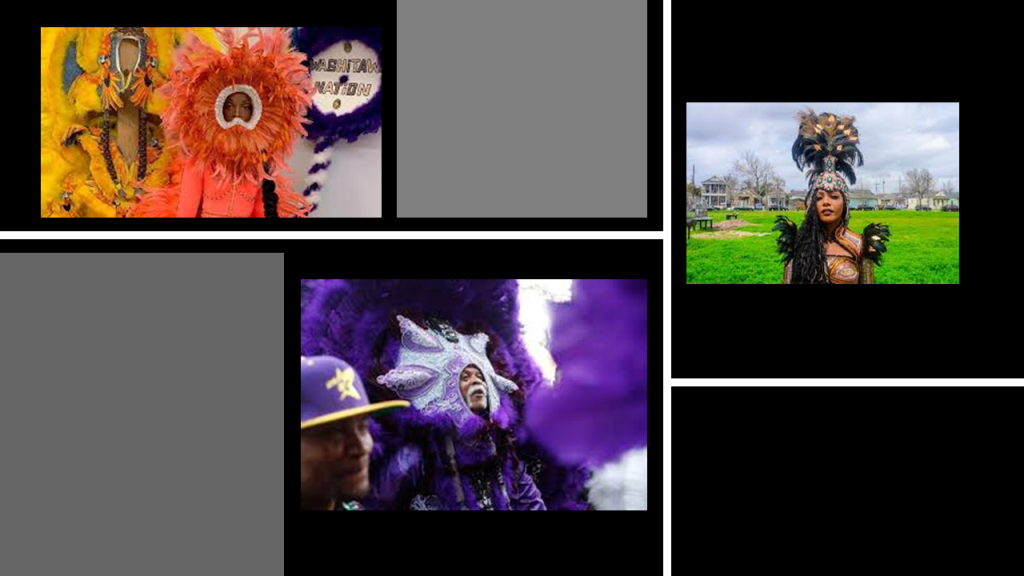
But some kind of mask is part of many other Mardi Gras costumes and symbolizes the annual carnival season.
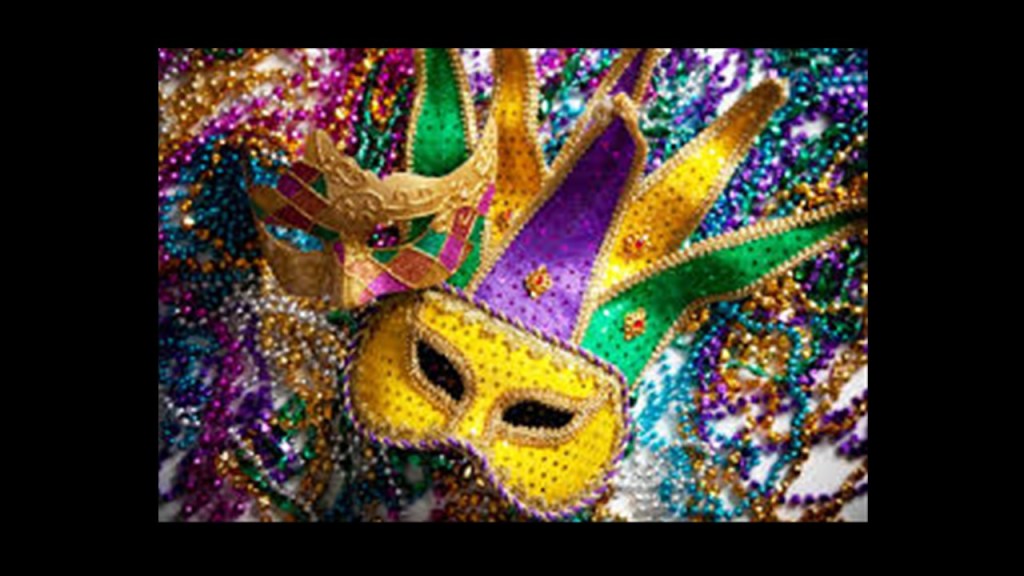
The Masques for the Stuart Court of King James and Queen Anne were mostly created by the partnership of playwright Ben Jonson and architect Inigo Jones.
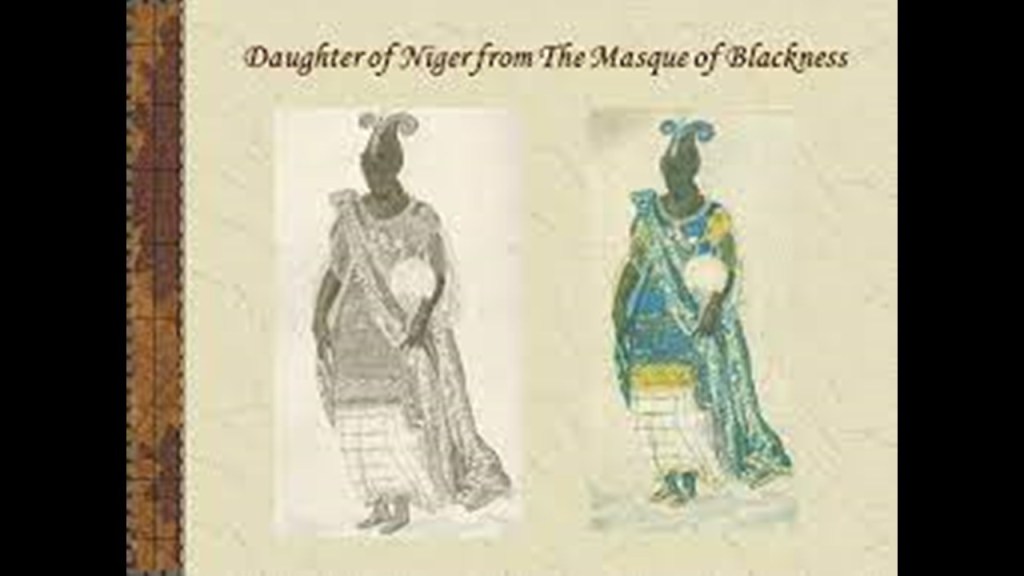
We are told the “Masque of Blackness” was performed at the Stuart Court in the Banqueting Hall at Whitehall Palace on the Twelfth Night of January 6th of 1605, and that it was written at the request of Queen Anne by English playwright and poet Ben Jonson, in which the queen wished the masquers to be disguised as Africans, with Queen Anne performing along with her court ladies in black-face.
Inigo Jones work with Ben Jonson was said to be among the first where scenery was introduced in theater, and he introduced moving scenery called “machina versatilis,” which created the effect of motion in a stable scene.
The plot of the masque has the twelve daughters of Niger arriving at the Stuart Court to have King James cleanse them of their blackness, having been instructed by a riddle to seek the land ending in “-tannia.”
The daughters of Niger were upset because they thought they were the most beautiful goddesses in the world, and in discovering that paleness was considered more attractive, they no longer felt beautiful.
Aethiopia, the moon goddess, tells them if they can find a country ending in “tannia,” they will be beautiful once more.
After travelling to Mauretania, Lusitania, and Aquitania, they find out the right country is Britannia, and its sun-like king had the power to bleach their black skin white.
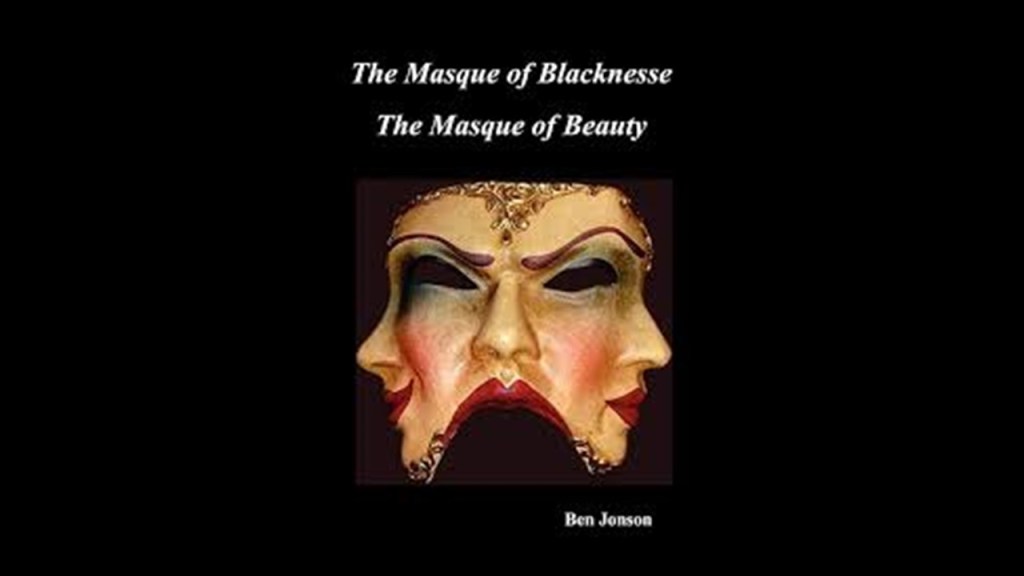
In 1608, Ben Jonson’s “The Masque of Beauty” was performed at the Whitehall Palace’s Banqueting Hall, and was the sequel to “The Masque of Blackness.
In the second play about beauty, there were four more women added to the original twelve.
In the Masque of Beauty, the formerly black daughters of Niger were now white, cleansed of their black pigment.
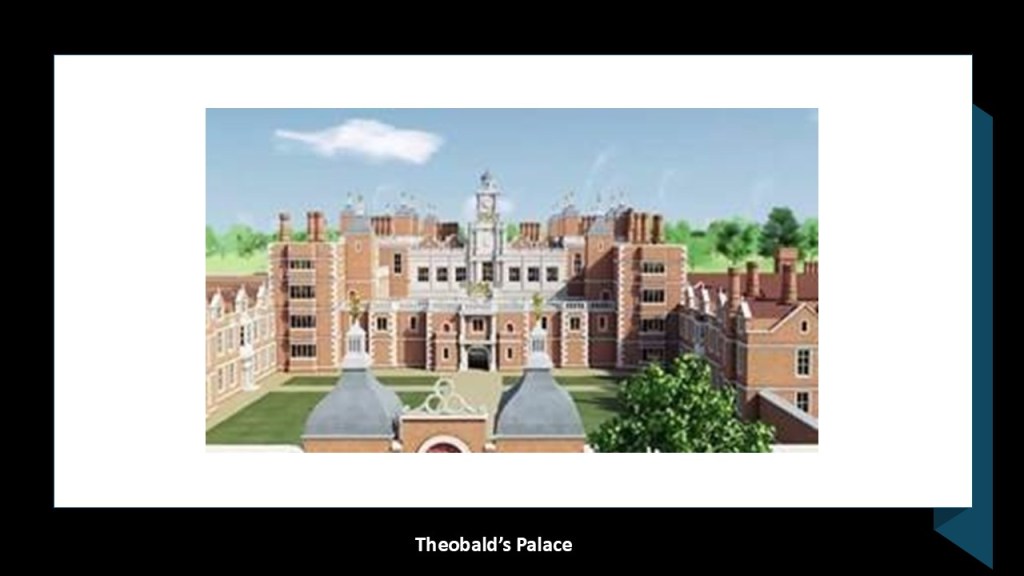
We are told that in 1606, there was a written account by Sir John Harington of a masque about King Solomon and the Queen of Sheba said to have been performed for King James and his brother-in-law, King Christian IV of Denmark, at Theobald’s Palace, a residence north of London at the time owned by Robert Cecil, 1st Earl of Salisbury, and acquired by King James I of England in 1607, who in turn gifted it to Queen Anne.
It is interesting to note the masque about Solomon and the Queen of Sheba was said to have been performed in an orgy of drunkenness on the part of the performers and the visiting monarchs, and that the actress playing Sheba tripped over the steps to Solomon’s throne when she was bringing him gifts; the actresses portraying the spirits of Hope and Faith were too drunk to speak; and the spirit of Peace was so annoyed at having her way to the throne blocked that she used her olive branches to slap anyone who was in her way.
This sounds very much like they were making a mockery of King Solomon and the Queen of Sheba.
I found out about Momus and the Knights of Momus when I was researching Edward Douglas White, a politician and jurist who was a Supreme Court justice for 27-years, and became the 9th Chief Justice of the United States Supreme Court in 1910.
White is one of the two historical figures representing the State of Louisiana in the National Statuary Hall, the other historical figure being Huey P. Long, the highly-controversial Socialist Governor of Louisiana who was assassinated in 1935.
Edward Douglas White was reported as having served on the Reception Committee in 1877 of the Knights of Momus in New Orleans, the second-oldest krewe of the Mardi Gras Parade.
Named for Momus, the personification of mockery, satire, and ridicule in Greek mythology, the Knights of Momus has operated continuously as a secret society in New Orleans since its founding there in 1872, the same year the New Orleans Mardi Gras Parade was founded.
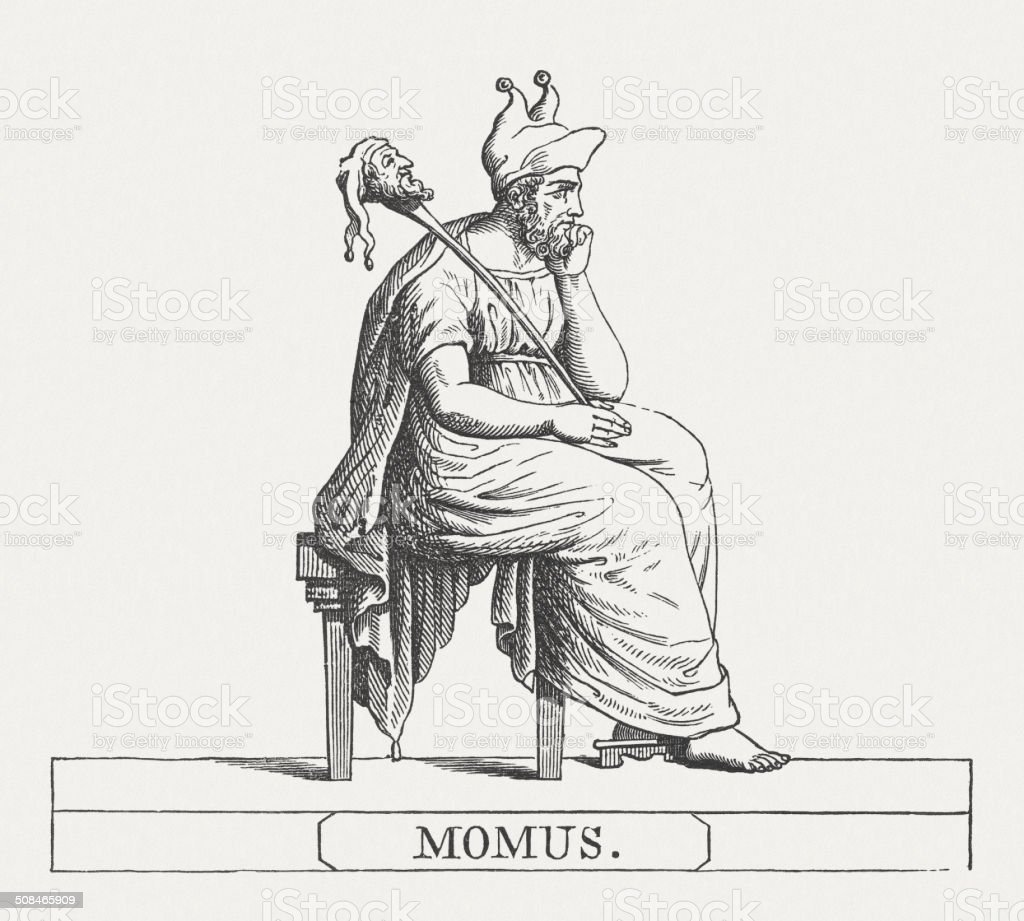
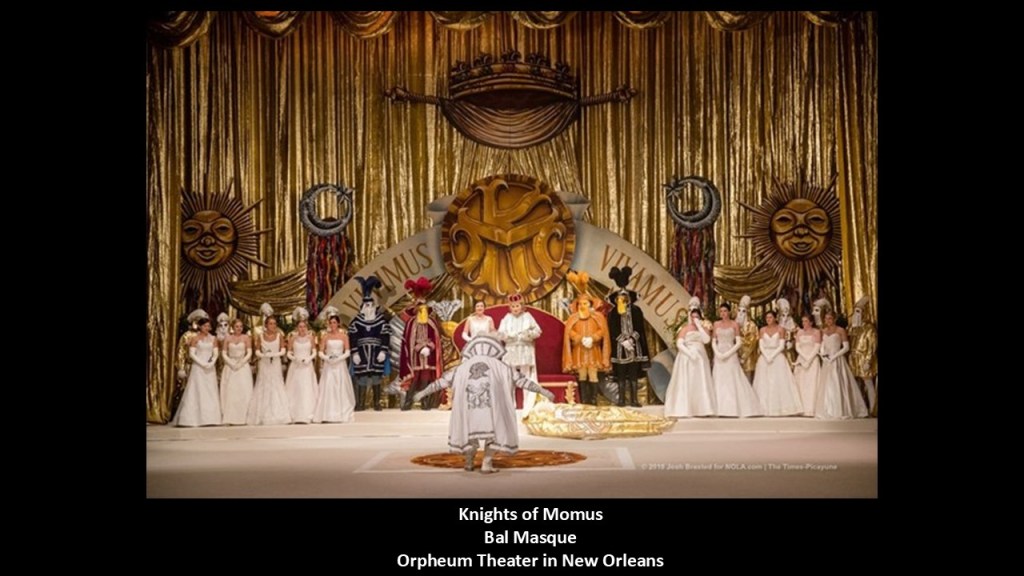
Operating continuously since its founding, the Knights of Momus still hold an annual “Bal Masque” at the Orpheum Theater on the Thursday before Mardi Gras.
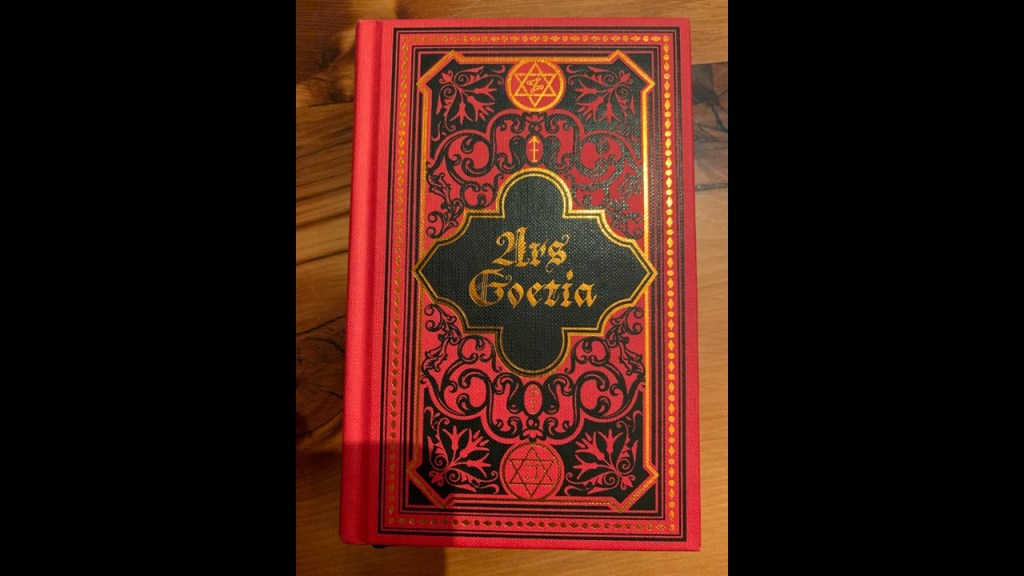
“Baal” is at the top of the list of the main demons in the “Ars Goetia,” which is considered the “Grand Grimoire.”
“Goetia” is defined as a type of European sorcery, or witchcraft, transmitted through “grimoires,” or instruction manuals for magical practices, which includes spell-casting and summoning supernatural entities of different kinds, including demons.
At any rate, the colonization and plantation of New England really got underway in 1620 during the reign of King James I of England.
The first permanent colony in New England was the Plymouth Plantation, which at its height occupied most of the southeastern portion of Massachusetts where Cape Cod is located.
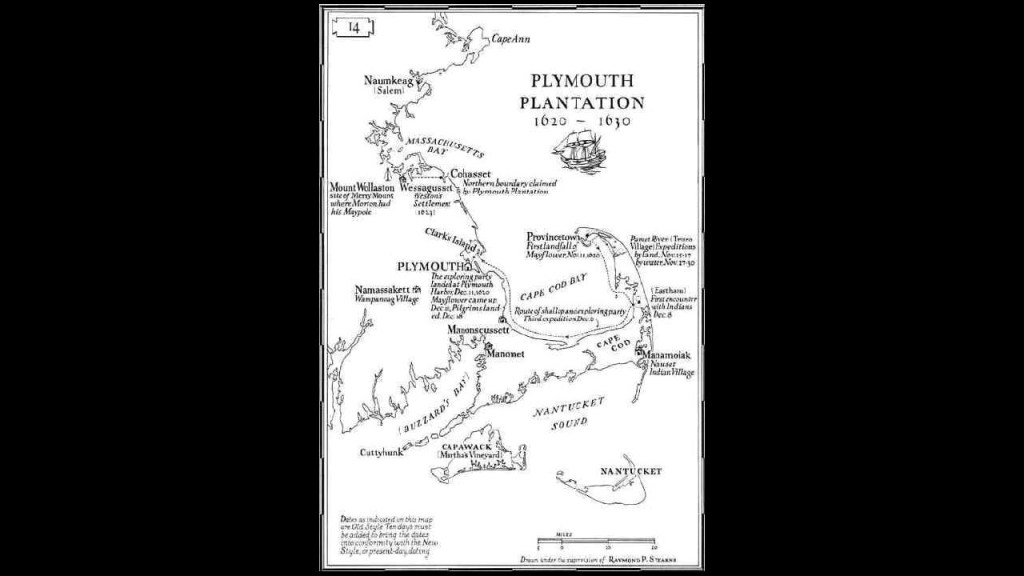
We are told that the Puritan Congregation, also known as the “Pilgrims,” who settled the Plymouth Colony had obtained a land patent from the Virginia Company of Plymouth in June of 1619, and they sought to finance their venture through a group of businessmen known as the Merchant Adventurers, who viewed the new colony as a way to make a profit.
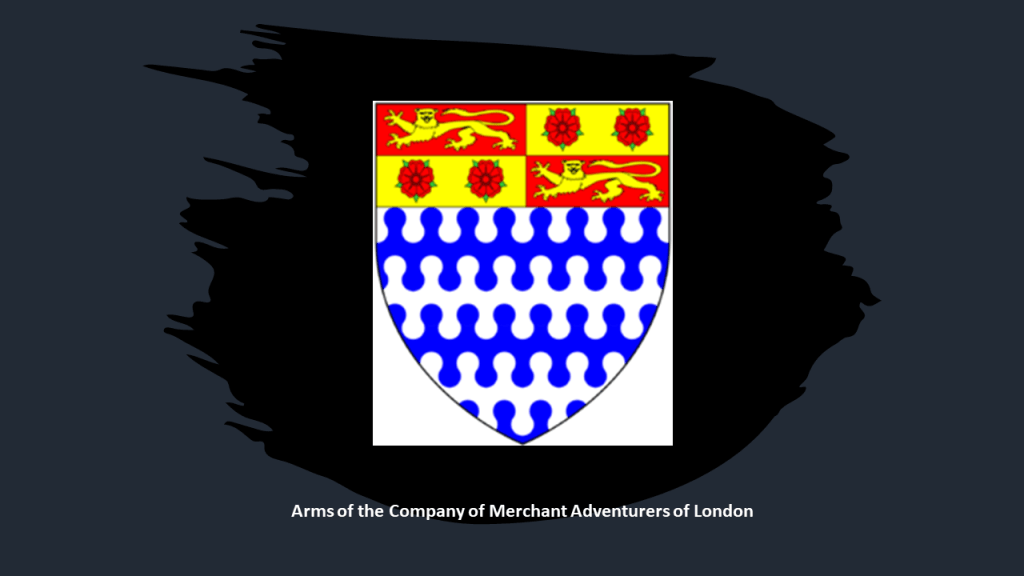
Officially known as the Company of Merchant Adventurers of London, it had been founded in the City of London in the early 15th-century, and its main export was cloth, especially undyed broadcloth in exchange for a large range of foreign goods.
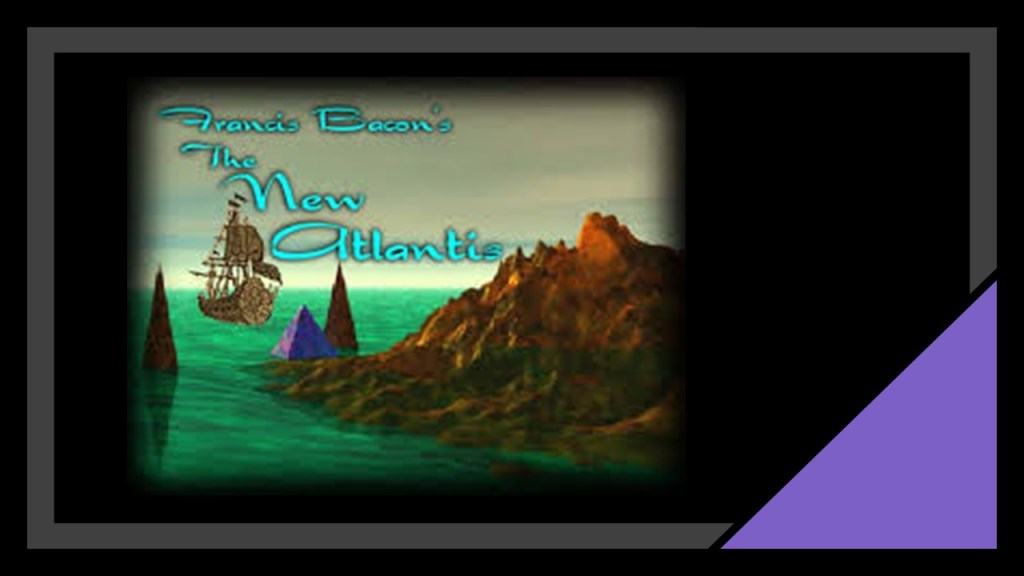
It is interesting to note that in-between the founding of the Plymouth Colony in 1620 and the Massachusetts Bay Colony in 1630, what was described as Sir Francis Bacon’s incomplete utopian novel of “New Atlantis” was first published 1626, after his death in April of that same year.
“New Atlantis” was tucked in the back of a much longer work attributed to him about natural history called “Sylva Sylvarum” that was recorded in the Stationers’ Register on July 4th of 1626.
The Stationers’ Register was established via Royal Charter in 1557 as a record book to regulate the professions of the publishing industry and an early form of copyright law.
The company’s charter gave it the right to seize illicit editions and bar the publication of unlicensed books.
It is considered a crucial resource for the literature of the English literature of the 16th and 17th-centuries, containing “factual data” and “hard data” that is found nowhere else.
At any rate, “New Atlantis” was said to portray a future vision of human discovery and knowledge, and the novel depicts an enlightened utopian land where qualities like generosity, high moral character, and honesty were commonly held by the inhabitants of a mythical island he called “Bensalem.”
There was a state-sponsored scientific institution on Bensalem called “Salomon’s House,” said to envision in the book the modern research university in applied and pure sciences.
I really believe that “New Atlantis” was actually describing to us the enlightened, advanced Moorish Empire that existed in our relatively recent past.
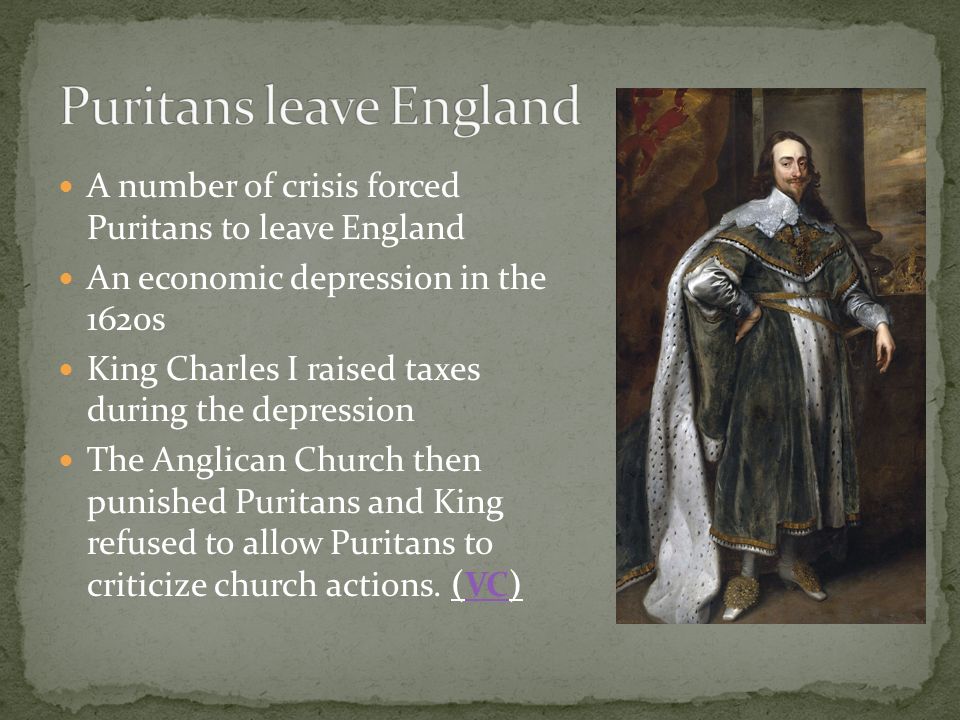
With regards to the founding of the Massachusetts Bay Colony, our historical narrative tells us the religious atmosphere for Puritans to started to change in England in the mid-to-late 1620s, after the son of King James, King Charles I ascended to the throne in 1625, and married a Roman Catholic.
We are told that the atmosphere of intolerance towards Puritans and this state-of-affairs led more Puritan leaders to consider emigration to the New World as means to escape persecution.
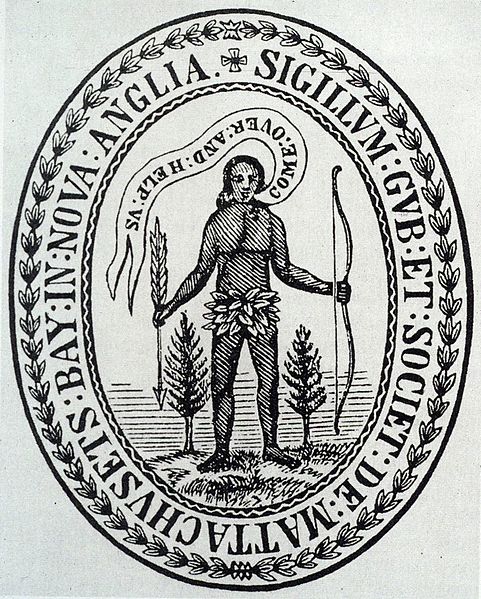
In 1629, a royal charter, which included the authority to make and use a seal, from King Charles I was received by Puritan investors known as the “Massachusetts Bay Company.”
It is interesting to note that this seal for the “Massachusetts Bay Company” contains the word “Sigillum,” as well as a giant-sized man, proportionally to the two trees on each side of him, clothed only by some kind of leafy-loin-cloth, speaking the words “COME:OVER:AND:HELP:US,” which are coming out of his mouth backwards.
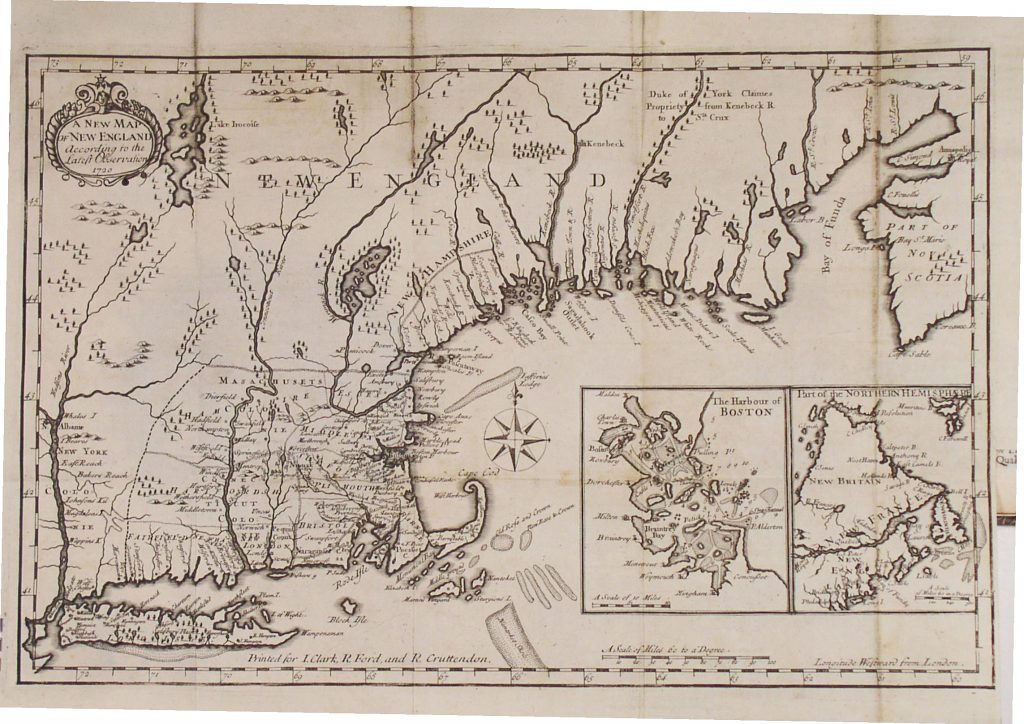
The Royal Charter established the legal basis for the new Massachusetts Bay Colony for the governance of a land grant of territory between what became known as the Charles River in eastern Massachusetts and the Merrimack River, which starts in New Hampshire and flows southward into Massachusetts.
The Governor of the Massachusetts Bay Company proposed the company reorganize and transport its charter and governance to the colony, and as the months went on, John Winthrop became more involved with the company, and a major supporter of emigration there.
John Winthrop was a signatory on the Cambridge Agreement, which was signed on August 29th of 1629 by company shareholders.
Under its terms, those who wanted to emigrate to the New World could purchase shares from those shareholders who didn’t want to leave home.
The Cambridge Agreement also set forth that the Massachusetts Bay Colony would be under local control, and not governed by a London-based corporate board.
The company shareholders met in August of 1629 to enact the agreement.
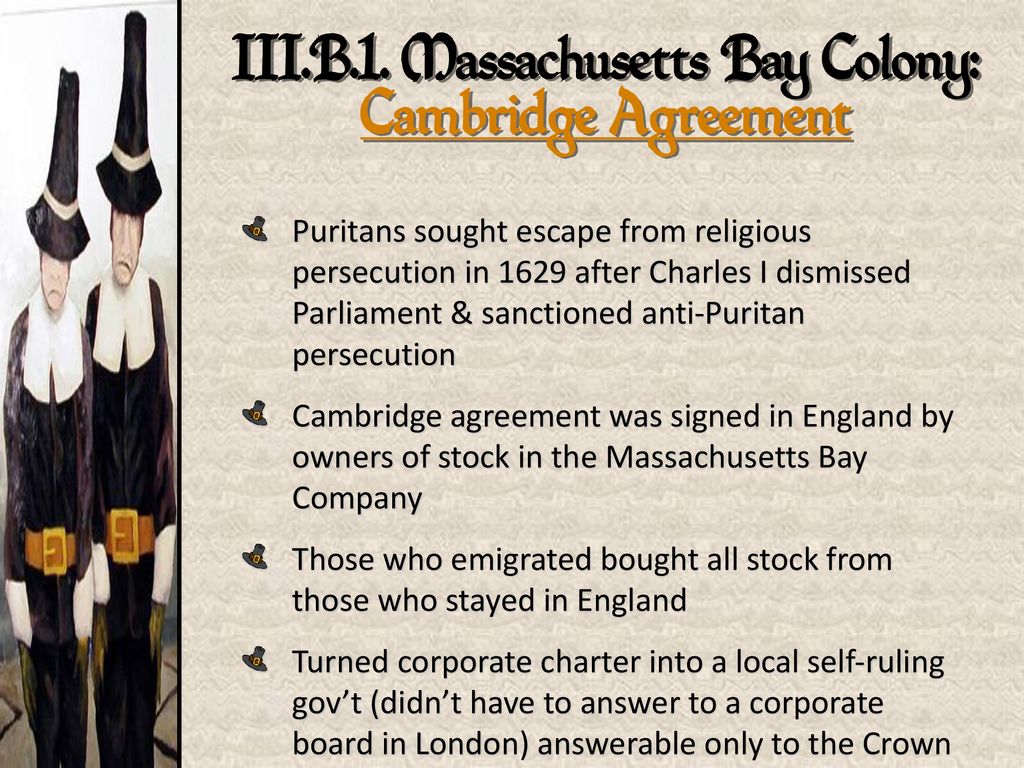
At this time, John Winthrop was chosen as the new Governor of the Massachusetts Bay Company, and, along with other company officials, set about making all the necessary arrangements for the venture of settling in the New World.
John Winthrop was on one of four ships of the transport fleet that left the Isle of Wight on April 8th of 1630.
All together, there were eleven ships that carried roughly 700 emigrants to the new colony.
John Winthrop, with the charter for the Massachusetts Bay Colony in hand, and the new colonists arrived in Salem, Massachusetts, in June of 1630, and were welcomed by John Endecott, the first Governor of the Massachusetts Bay Colony.
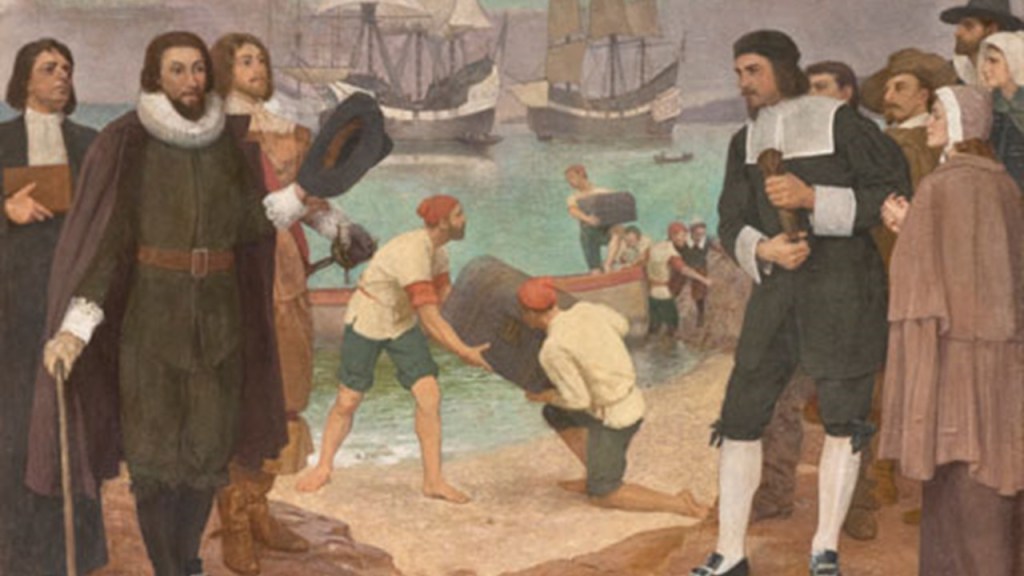
We are told that in its early months, the new colony struggled, losing around 200 people to various diseases.
Winthrop worked alongside the laborers and servants in the work of the colony, setting an example for the other colonists to do all the work that needed to be done on the “plantation.”
Interesting to see the word “plantation” used so much even from the very beginnings of the New World.
In the history of colonialism, plantation was a form of colonization where settlers would establish a permanent or semi-permanent settlement in a new region.
Looks like the colonizers were literally “planting” themselves in a new place.
Not only were settlements and settlers being planted in a new region from somewhere else, this plantation system of the colonizers quickly laid the foundation for slavery on large farms owned by “planters” where cash crop goods were produced.
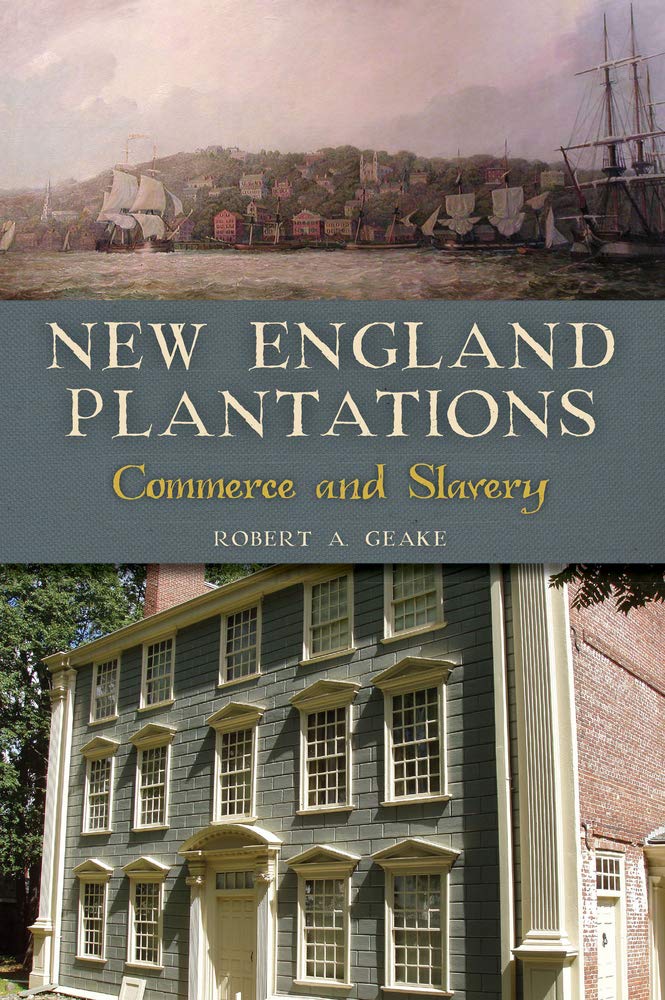
With regards to the subject of the previously mentioned “feudal” system, I’d like to mention Gardiners Island.
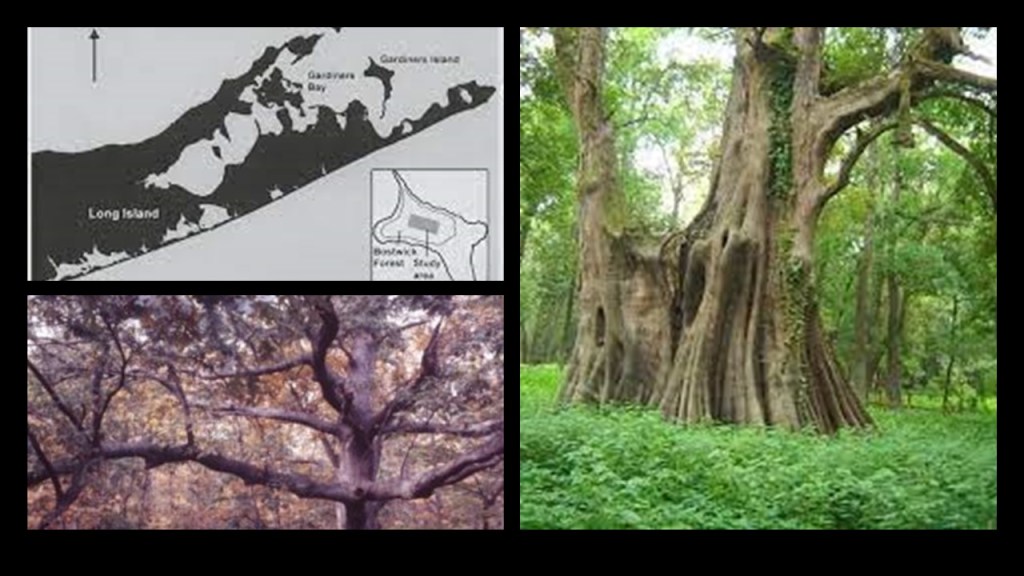
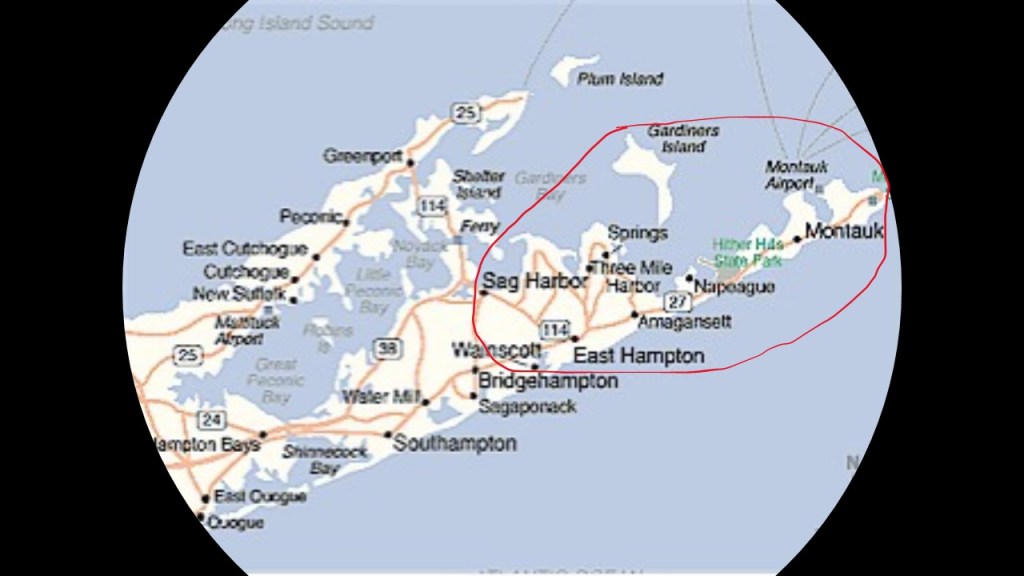
Gardiners Island is a small island located in Gardiners Bay between the North and South Forks of Long Island.
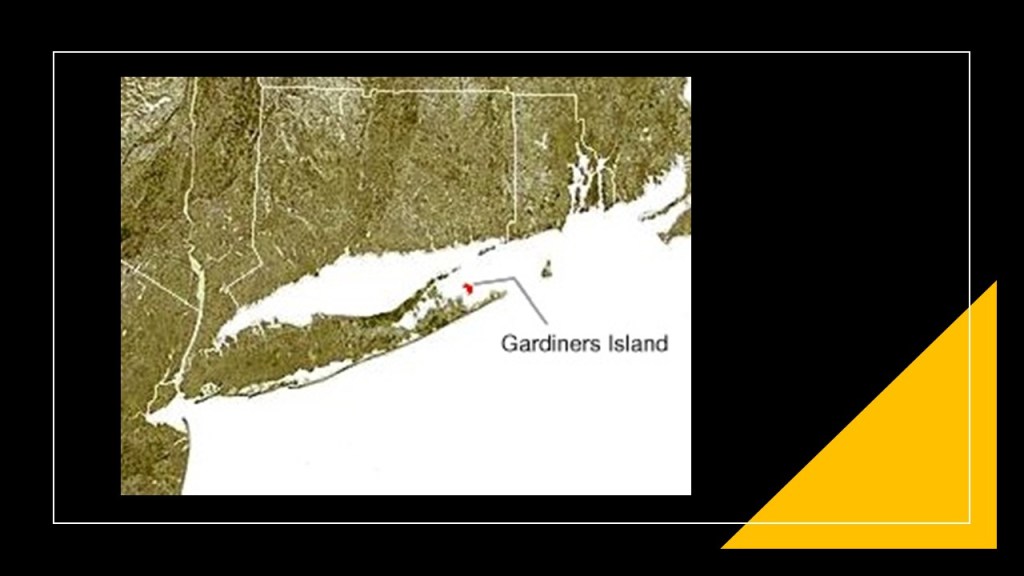
The island has been owned by the Gardiner family since 1659, when Lion Gardiner, an English engineer and colonist who founded the first English Settlement in New York here, and said to have purchased it from the Montaukett Grand Sachem Wyandanch, for “…a large black dog, some powder and shot, and a few Dutch blankets.”
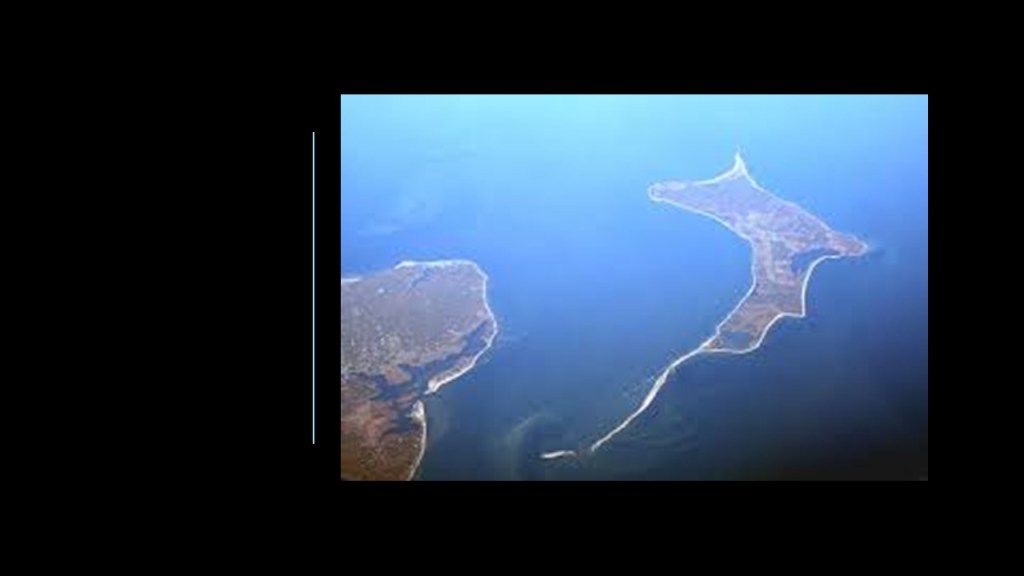
We are told that Wyandanch died that same year, and after his death, the title of “Grand Sachem” went into decline and was eliminated by the colonists after they conquered the region of what was known as “New Netherlands” at the time.
What I am able to find in a search is that the title “Sachem” was the title given to a Native American Chief, in particular the chief of a confederation of Algonquin tribes.
“Sagamore” was the title given to a chief or leader of the Algonquins.
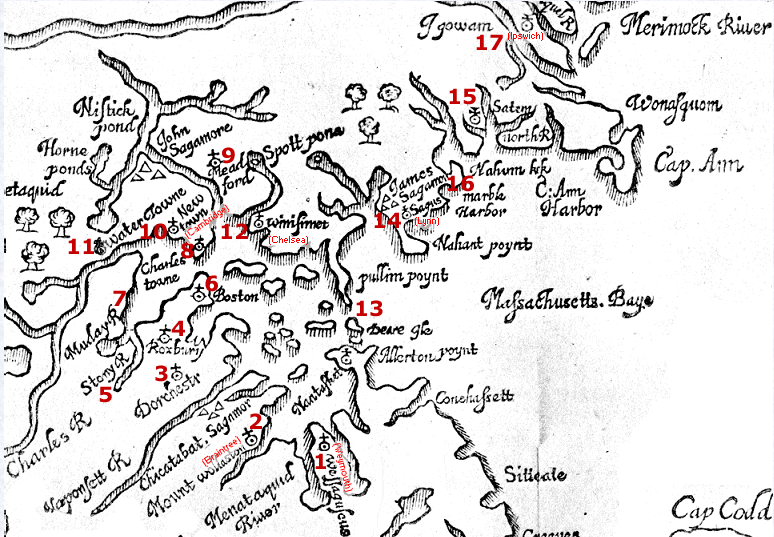
This map from William Wood’s 1639 book entitled “New Englands Prospect” was of a map showing the plantations along Massachusetts Bay, and the word or name Sagamore is showing in several places.
While not under the jurisdiction of the Colonies of Connecticut or Rhode Island, Gardiners Island did fall under the jurisdiction of William Alexander, the 1st Earl of Stirling, who had been given Long Island by the King Charles I of England in 1636, and who required that Gardiner gain approval of his land grant, which he did in 1639 with a royal patent giving him the right to possess the land forever, and given the title of “Lord of the Manor.”
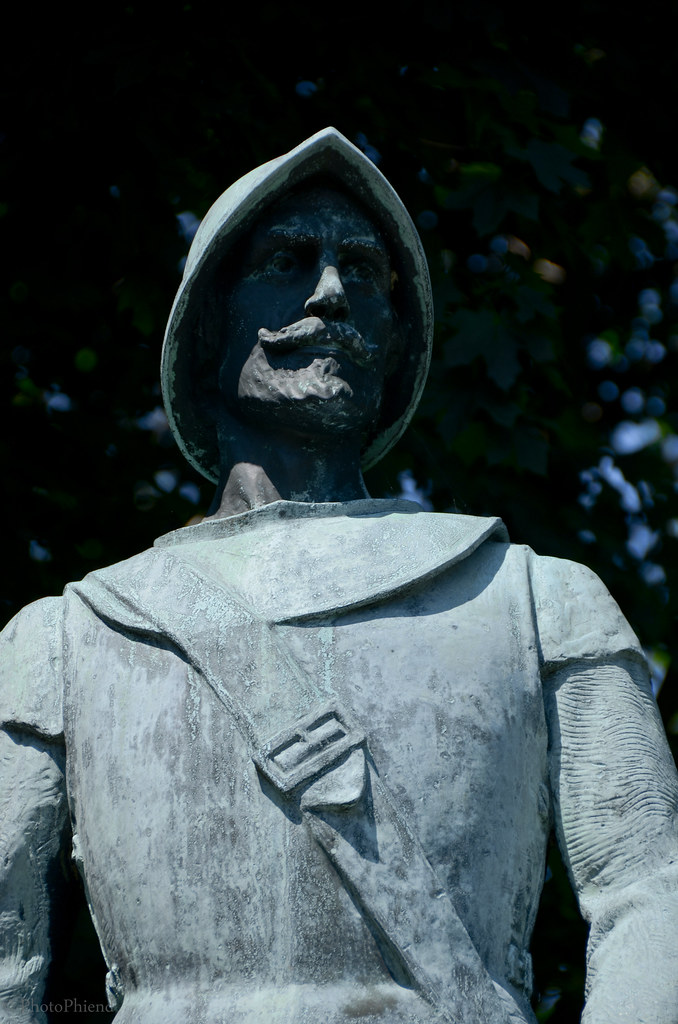
Gardiners Island is a little over 5-square-miles, or 13.4-kilometers-squared, and has more than 1,000 acres of old growth forest, considered by some to be the largest old-growth forest on the northeast coast of the United States.
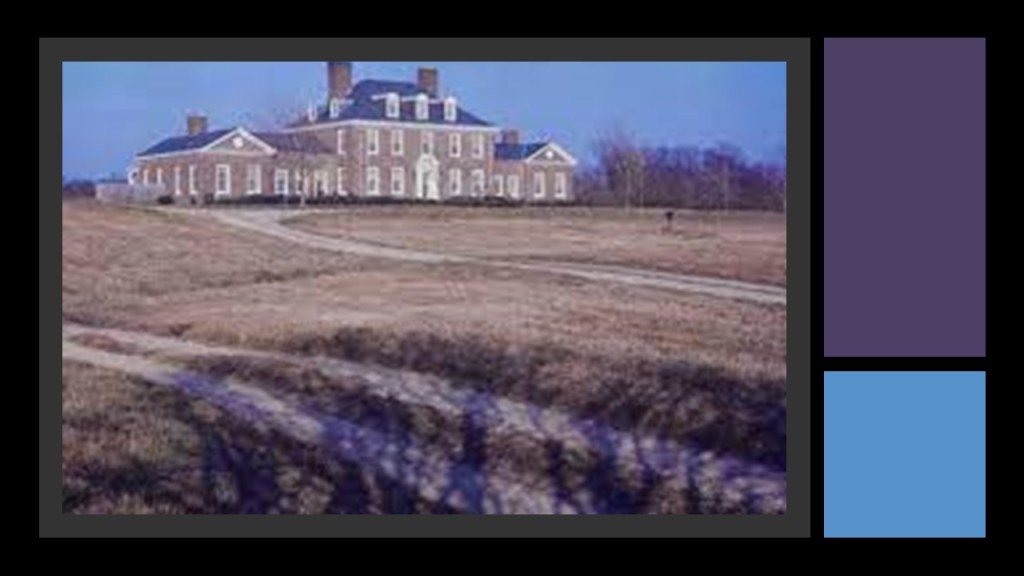
Passed down through the Gardiner family for over 380-years, the Gardiner mansion on the island is considered to be the oldest family estate in America.
The hamlet of Montauk is on the eastern end of Long Island’s South Fork, right next to the location of Gardiners Island.
The Montauk Point Lighthouse is on Turtle Hill at the easternmost tip of Long Island, was said to be the first built within the State of New York between 1792 and 1796, and the fourth-oldest active lighthouse in the United States.
Today it is a privately-run museum.
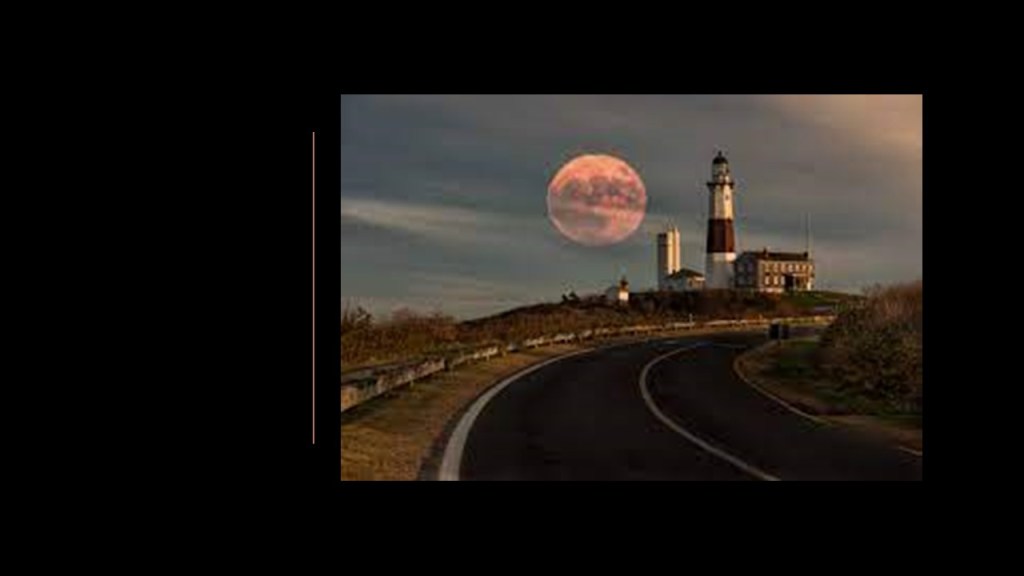
The U. S. Army took over the lighthouse during World War II, and opened Camp Hero, or Montauk Air Force Station, in 1942, adjacent to the lighthouse.
Camp Hero on Montauk Point is alleged to be the location of the Montauk Project, a series of U. S. Government projects with the purpose of developing things like psychological warfare techniques, like MK Ultra, and time-travel research, among others.
We are in a place on Earth where so-called “Conspiracy Theories” abound.
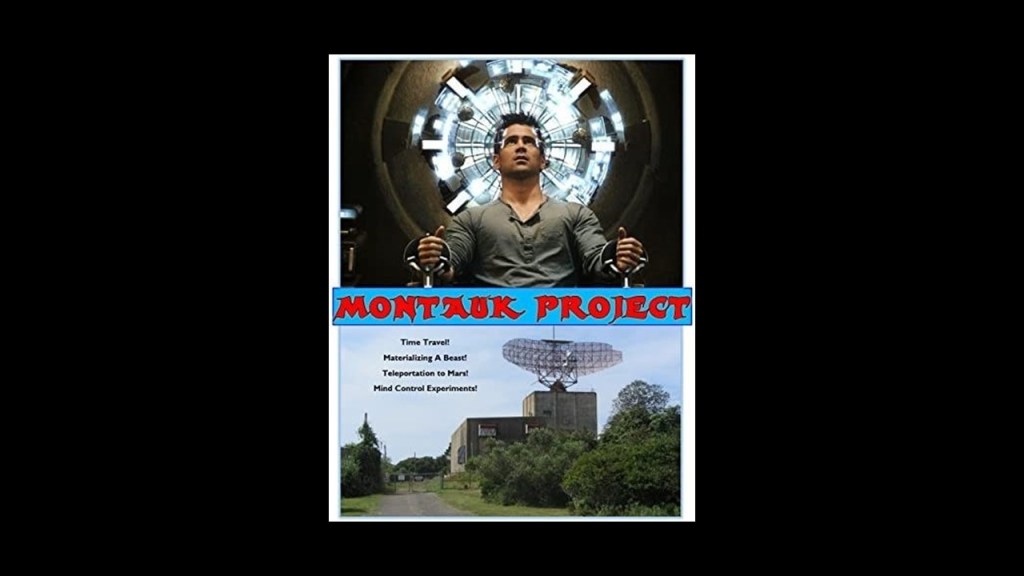
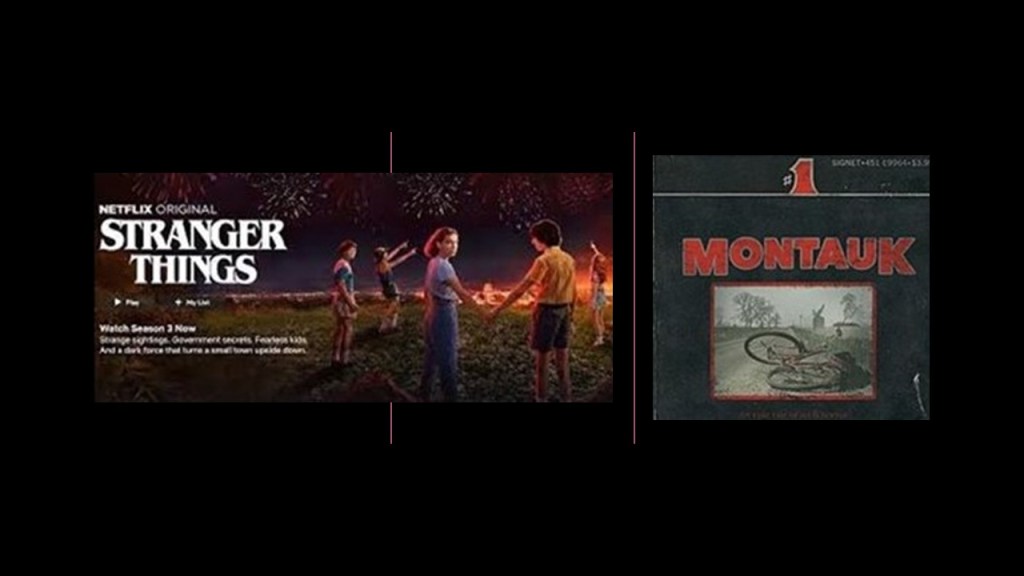
The Conspiracy-Theory Montauk Project was the inspiration for the Netflix show “Stranger Things,” which was originally billed as “Montauk.”
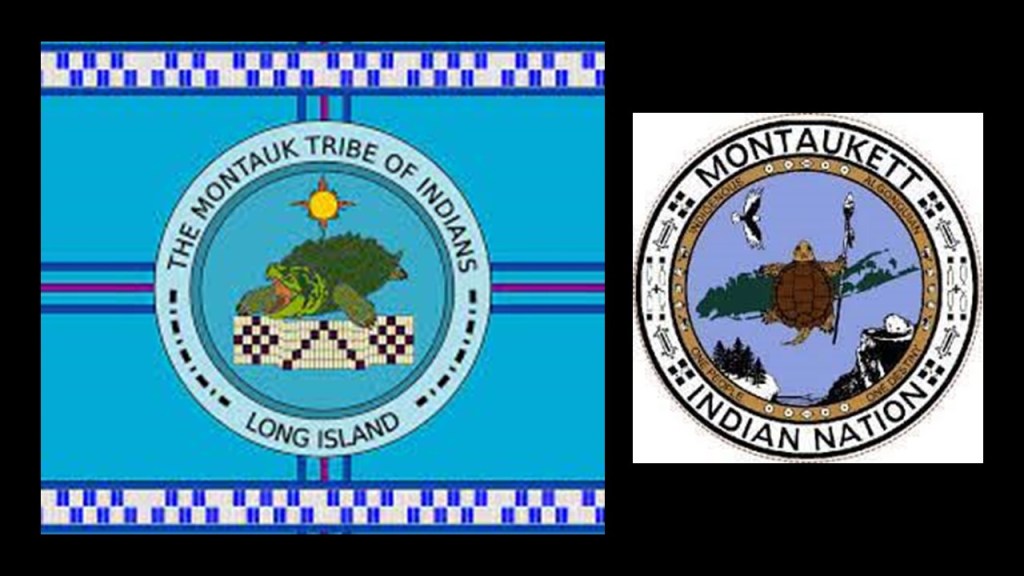
The Montauks, also known as Montauketts, once resided in large numbers on the eastern end of Long Island.
Interesting to note there is a “Pharoah” surname amongst the Montauks.
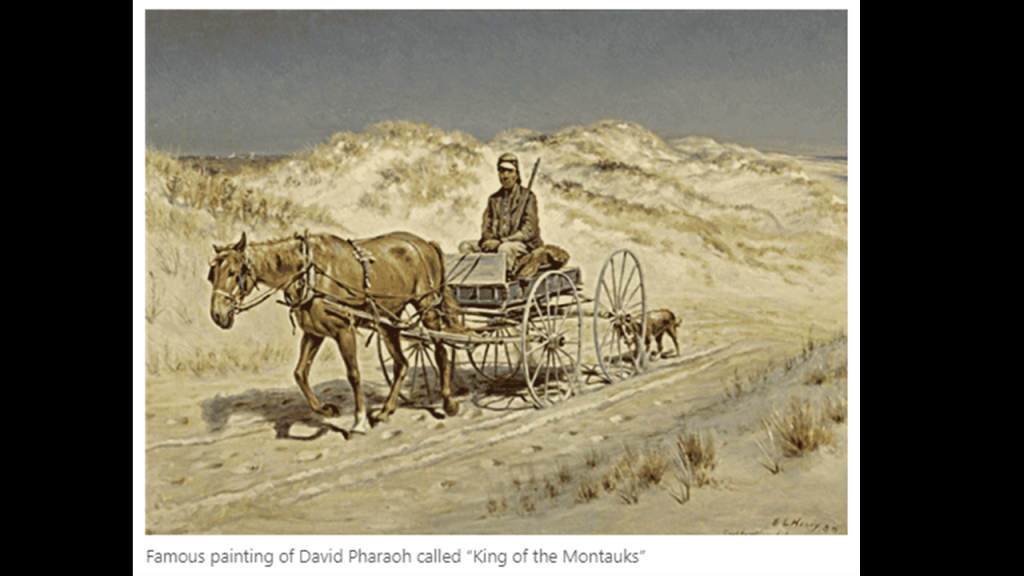
This a painting of David Pharaoh of the royal family of the Montauk tribe.
I find the sand dunes in the painting to be noteworthy because I believe they were created as a result of a deliberately-caused cataclysmic event that destroyed the Earth’s energy grid, and have not always been there.
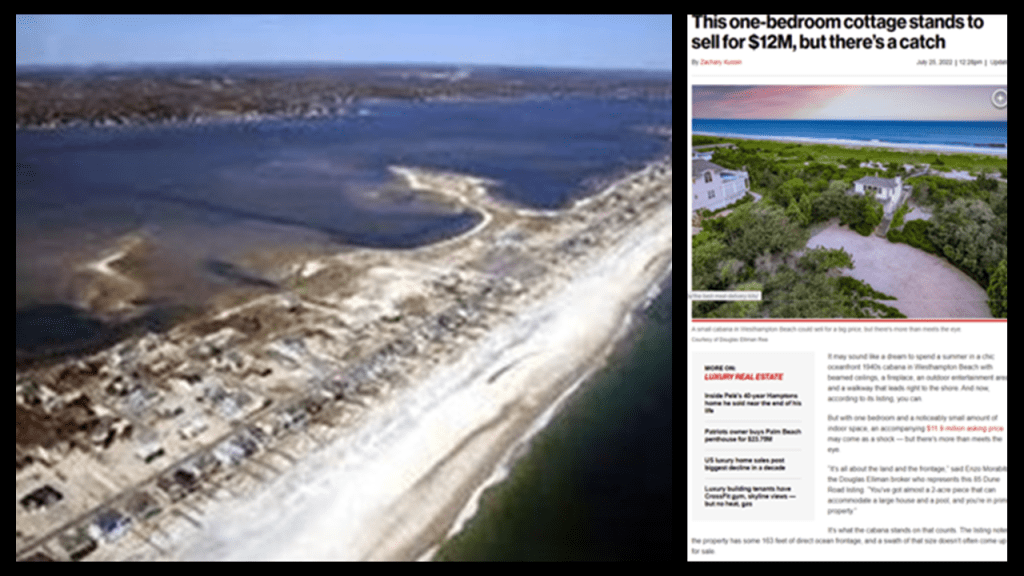
In today’s world, the Westhampton dunes on eastern Long Island is considered prime land and luxury real estate for those that can afford it.
The King of the Montauks, David Pharaoh lived between 1835 and died on July 18th of 1878, and was buried in the Indian Field Cemetery on the old reservation lands on East Lake Drive in Montauk.
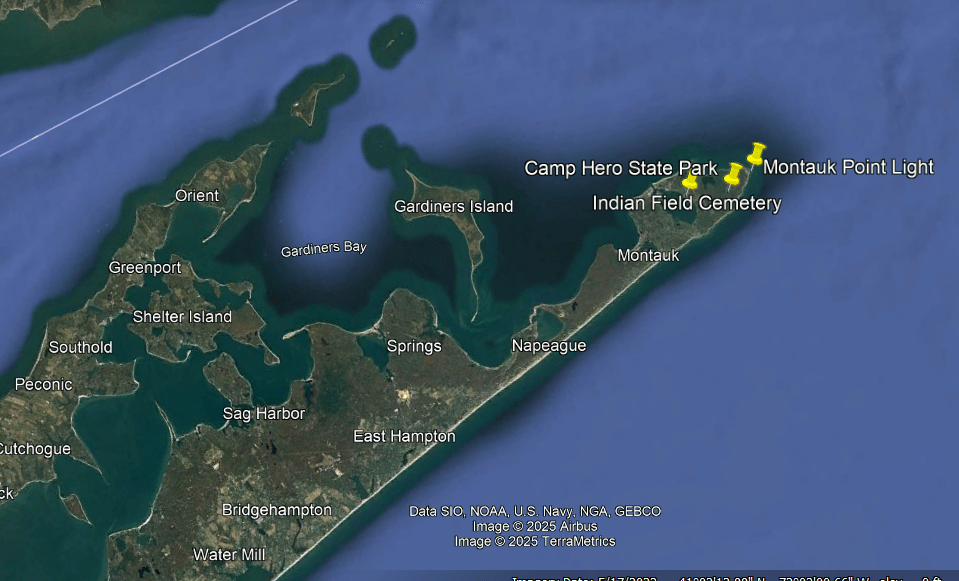
The Indian Field Cemetery in Indian Field, which was the Montauk Reservation on Montauk Point, was located in the vicinity of Camp Hero State Park and the Lighthouse, and not far from Gardiners Island in-between the North Fork and the South Fork of Long Island.
Princess Pocahontas Pharaoh was born on February 15th of 1878, the last Montauk born on the Montauk Reservation at Indian Field, a year before the reservation was sold.
She was the youngest daughter of King David Pharaoh and Queen Maria Fowler Pharaoh of the Montauk Tribe.
The King of the tribe always came from the Pharaoh family.
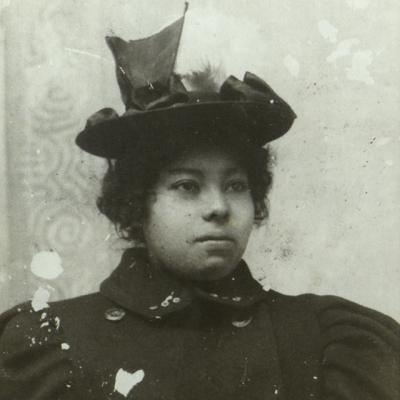
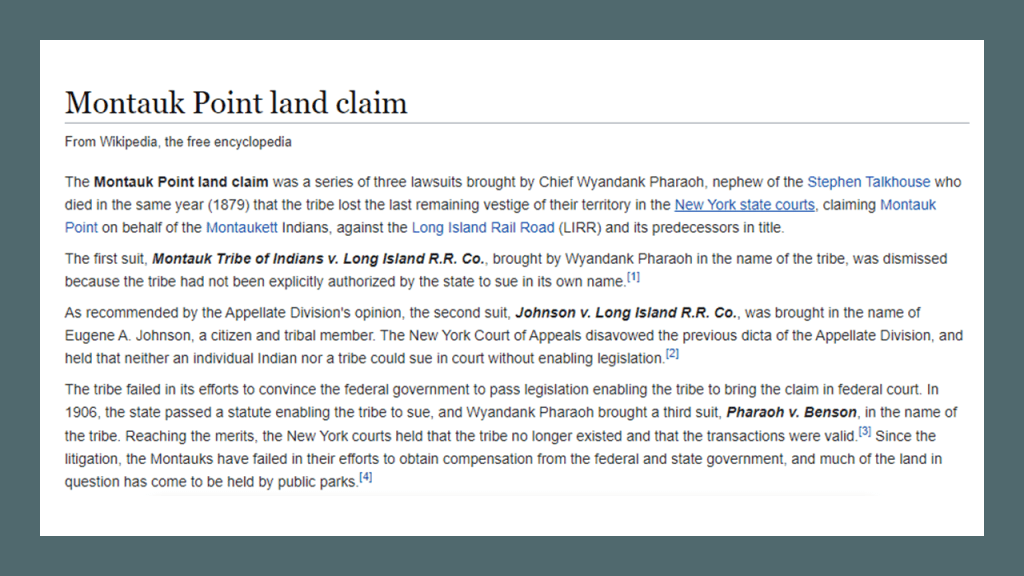
Pocahontas Pharaoh was born in the middle of efforts by Arthur Benson and the Long Island Railroad to force the Montauks off their Land.
Benson purchased Montauk in October of 1879 for $151,000 and allowed the railroad to expand its rail service through it.
In 1897, King Wyandanch Pharaoh, Pocahontas’ brother, went to court to try to get the Montauk land back and fought until 1910, at which time a New York court held that the Montauk Tribe was extinct and stripped the nation of its tribal lands.
There were three major historic trolley amusement parks with Moorish-looking architecture on Brooklyn’s Coney Island Peninsula on the western-end of Long Island.
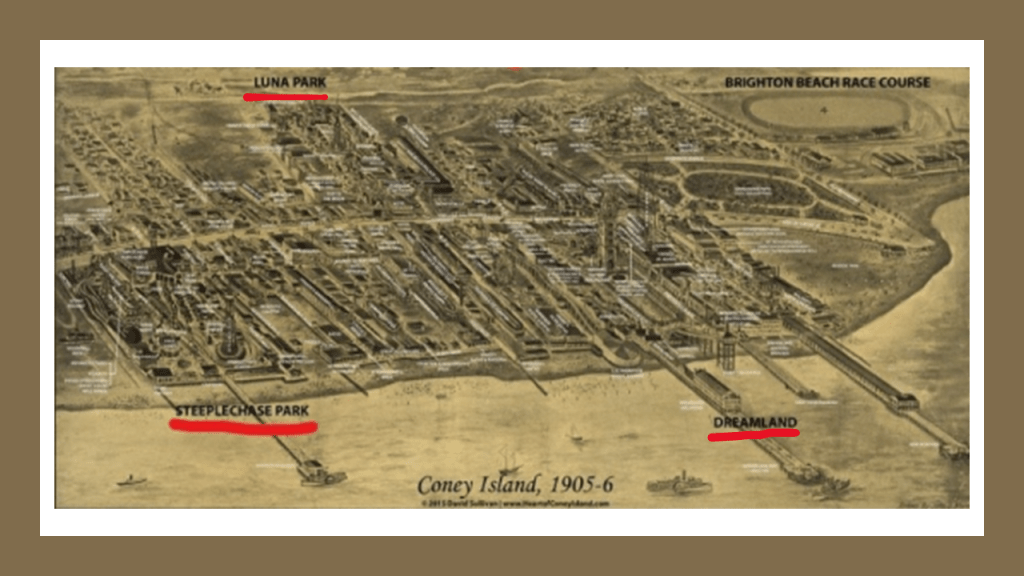
Dreamland was the third and last of the three original parks said to have been built on Coney Island in the early 20th-century.
We are told it was founded by successful Brooklyn real estate developer and former State Senator William H. Reynolds, first opening in May of 1904.
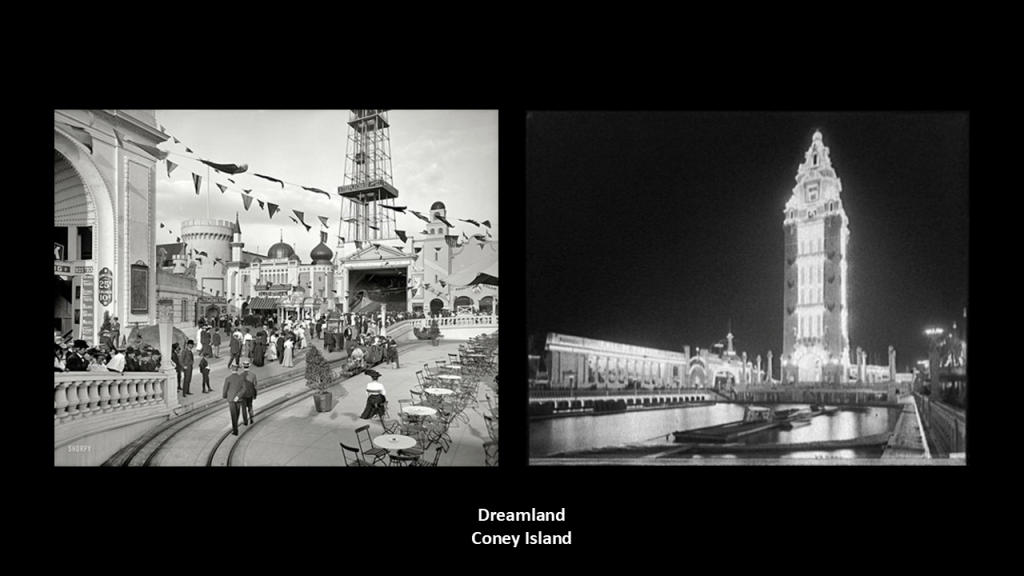
Dreamland’s life on Coney Island was ended only 7-years after opening.
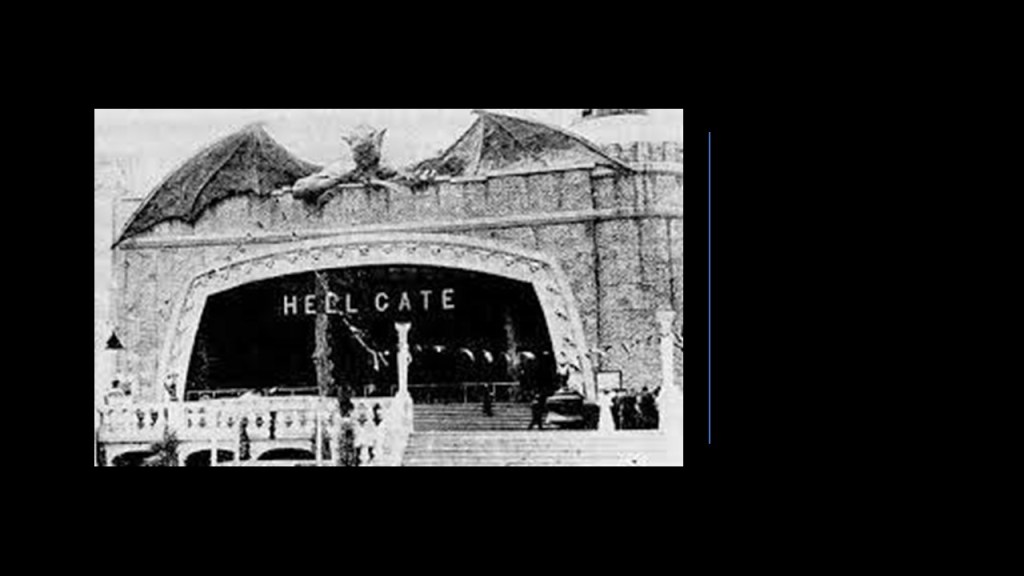
On May 27th of 1911, a fire started at the Hell Gate attraction the night before the season’s opening day, and spread quickly, completely destroying the park by morning.
Coney Island’s Luna Park was said to have opened in 1903, and operated until 1944.
We are told the park’s architectural style was an oriental theme, with over 1,000 red and white painted spires, minarets, and domes on buildings constructed on a grand scale, and also looked like Moorish architecture.
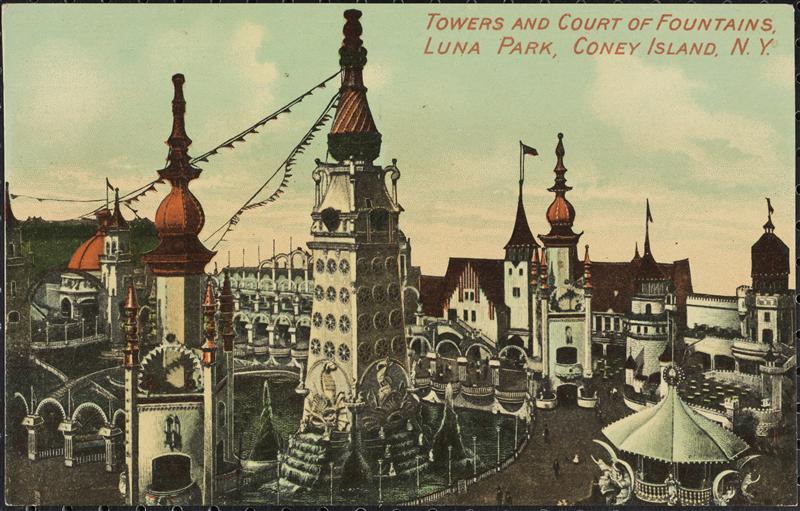
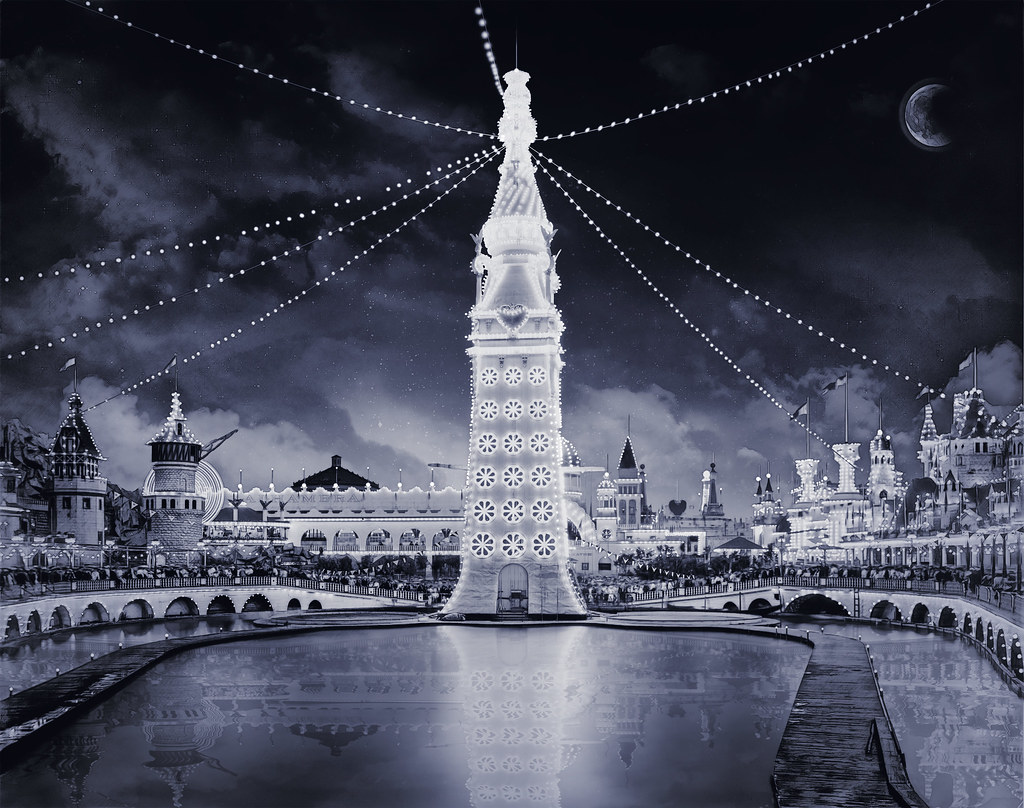
All the domes, spires, and towers were lit-up at night with several 100,000s of incandescent lights.

In the middle of the lake at the center of the park was a 200-foot, or 61-meter, tall Electric Tower that was decorated with 20,000 incandescent lamps.
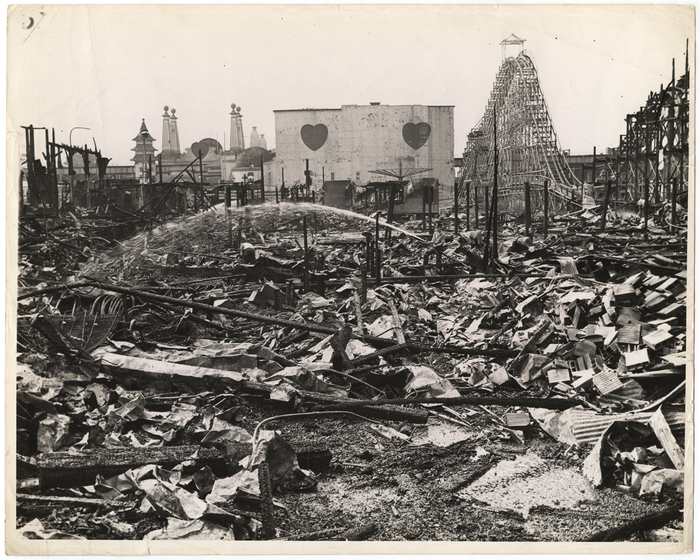
The end of the original Luna Park came with two fires in 1944, one in August and one in October, which destroyed the park, and in 1946, the whole park was demolished.
Steeplechase Park on Coney Island was said to have been created by entrepreneur George Tilyou in 1897.
The entrance to Steeplechase Park had a grand archway, the top of which was decorated with four horses.

Steeplechase Park included over 50 attractions on its midway alone.
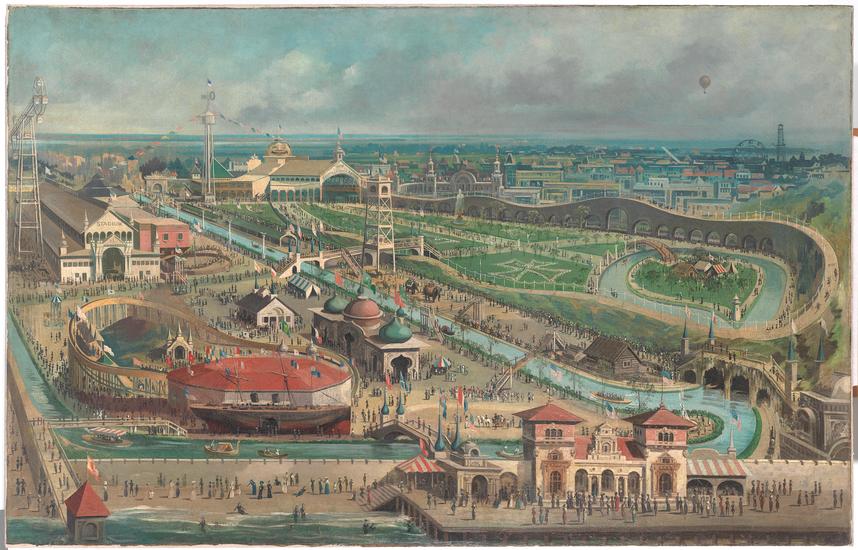
In Steeplechase Park’s history between its opening in 1897 and closing in 1964, there were things like fires, rebuilding, rides added, and so on.
The only remaining structure from Steeplechase Park is the defunct Parachute Jump, next to Maimonades Park, the location of a minor league baseball stadium today.

The defunct Parachute Jump is visible from Long Island’s Brighton Beach, where we find megalithic rocks strewn about on the beach…

…and the explanation we are given for faces amongst the rocks was that there was a mystery artist in the 1970s who carved them.

I found the first physical evidence for a belief that I had long-held that the Philadelphia Experiment was in some way involved with what has taken place here when I was working on the research for “Recovering Lost History from the Estuaries, Pine Barrens & Elite Enclaves off the Atlantic Northeast Coast of the United States” in the winter of 2023.
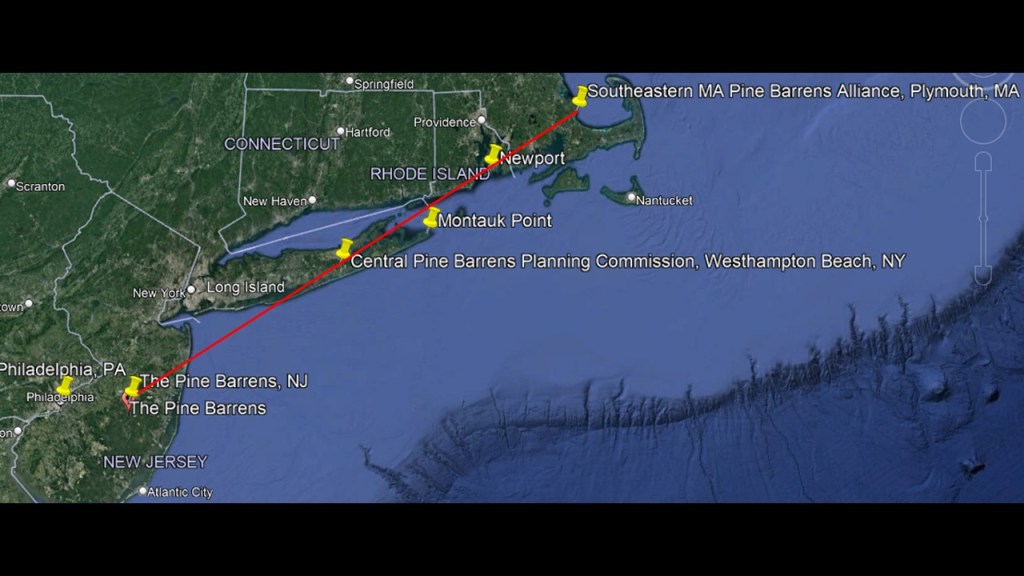
In this post, I studied each location in great depth and detail on the Atlantic Northeast coast from Cape Cod to Ong in the New Jersey Pine Barrens, which is not far from Philadelphia.
When I started looking into this region, the first things that really jumped out at me was that the three places in the northeastern United States that have Pine Barrens – New Jersey, Long Island Central and Massachusetts Coastal – were in linear alignment with each other; the ubiquitous presence of estuaries, bodies of water called “sounds,” and what appears to be ruined land all over the place; and enclaves of high-priced real estate on this ruined land for the elite class that started claiming this land as their own early-on in our history.
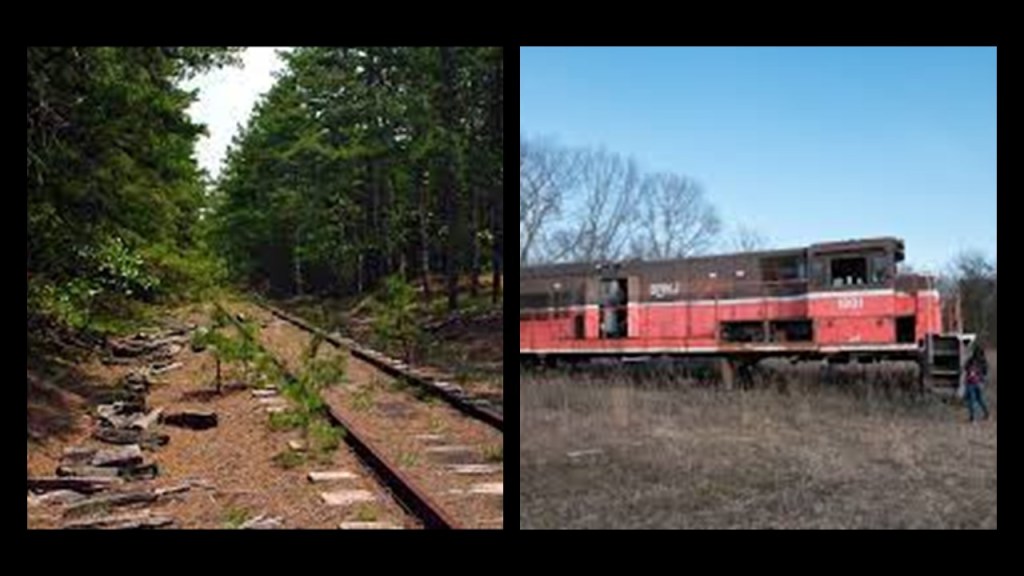
As an example, today there are abandoned trains and railroad lines found throughout the New Jersey Pine Barrens.
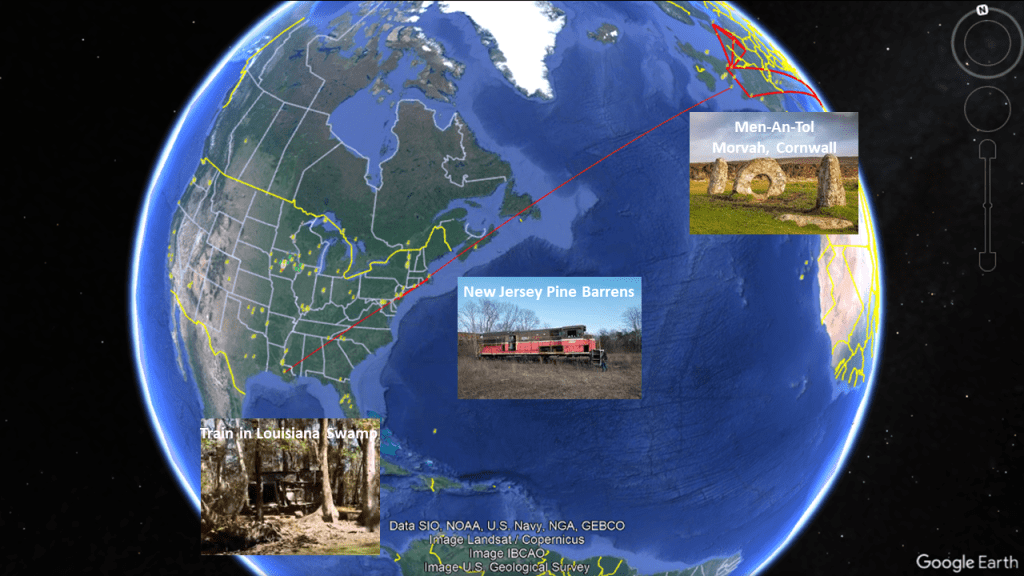
Later on in my research, I found out that by extending this Pine Barrens alignment to the northeast and southwest that it connects to Morvah inCornwall on one-end of it, the location of the circular megalith Men-an-Tol, where Aleister Crowley performed his ceremony on August 12th of 1943, and to the southeast, to Assumption Parish in Louisiana where I had become aware of an abandoned train in the middle of one of the bayous there.
I also found Brookhaven National Laboratory on the eastern end of Long Island, in close proximity to Montauk Point, and also Plum Island, the location of a Biological Laboratory circa 1954.
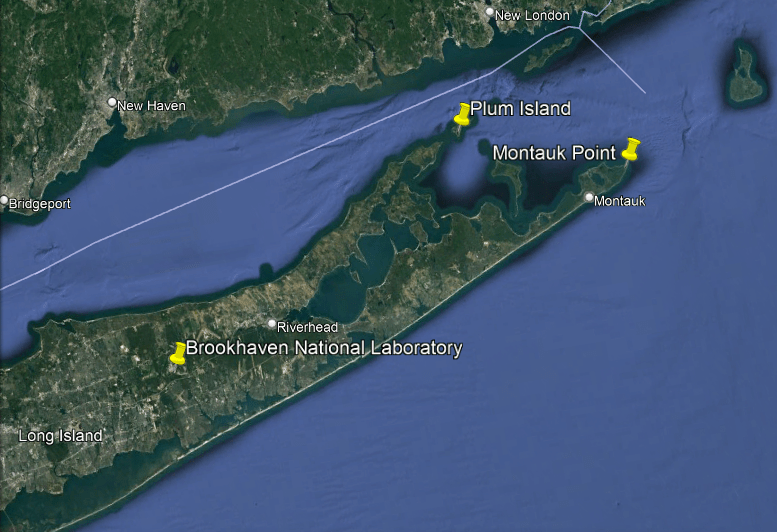
The Department of Energy National Laboratory was established in 1947, with a stated desire to “explore peaceful applications for atomic energy” after World War II.
The research facilities of Brookhaven National Laboratory include the Relativistic Heavy Ion Collider (RHIC), the first and one of two operating heavy-ion colliders, and only spin-polarized proton collider ever built.
It is also said to be the only operating particle collider in the United States, as physicists study the primordial form of matter that existed in the Universe after what we are told was the “Big Bang,” a physical theory about an event that describes how the Universe expanded from an initial state of high density and temperature.

The worlds’ other operating heavy-ion collider is the Large Hadron Collider, also known as CERN, near Geneva, Switzerland.
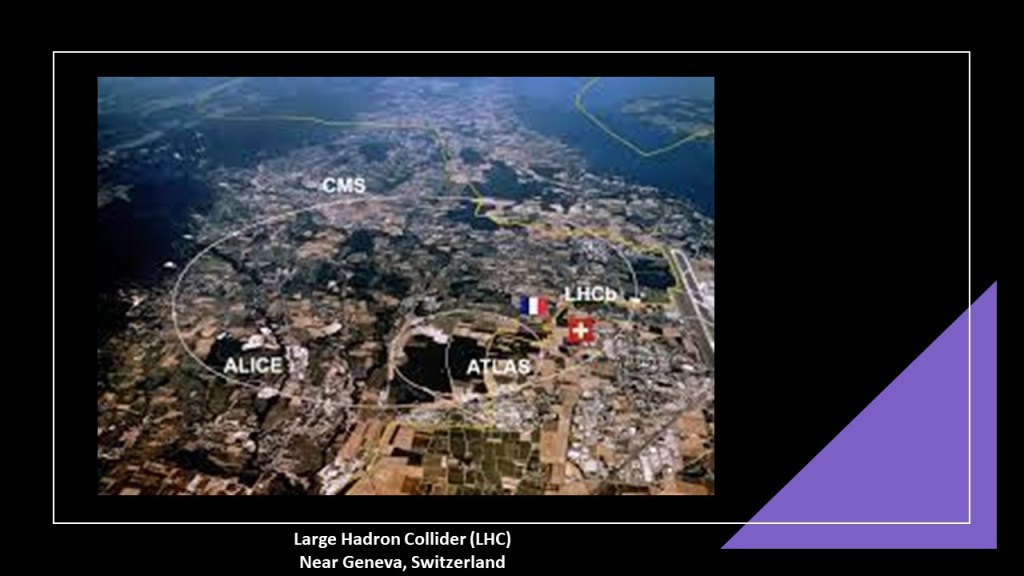
In addition to the RHIC, the Brookhaven National Laboratory hosts the National Synchrotron Light Source II, designed to produce x-rays 10,000-times brighter than the original National Synchrotron Light Source at Brookhaven.
We are told it supports basic and advanced energy technologies in a wide-variety of applications, from nano-catalyst-based fuel cells to economical use of solar energy in high-temperature superconductors in a high-capacity and high-reliability electric grid.
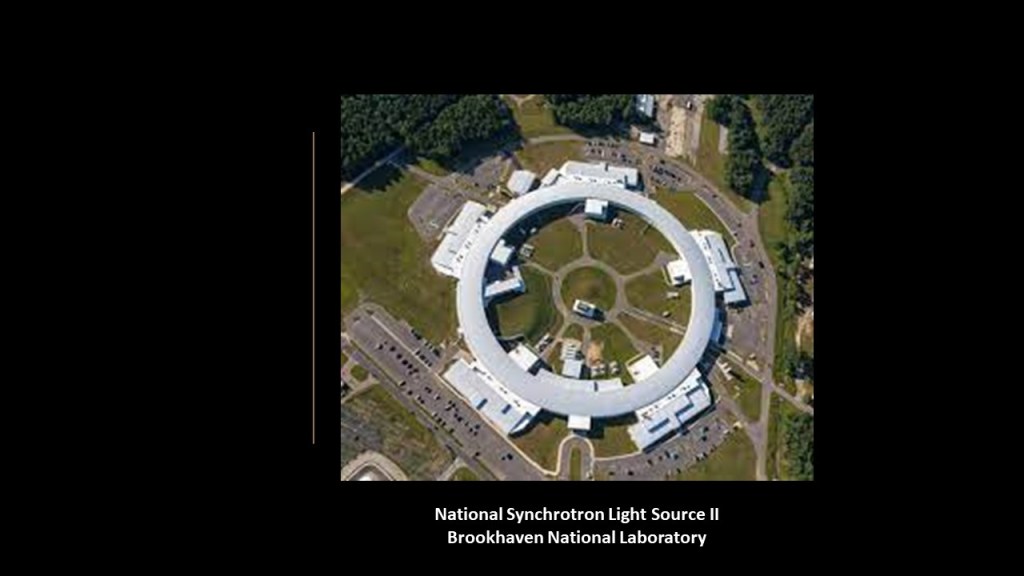
Ong, or Ong’s Hat, is a ghost town in the Brandon T. Byrne State Forest, and the northern terminus of the Batona Trail, a 53.5-mile, or 86.1-kilometer, hiking trail through the New Jersey Pine Barrens.
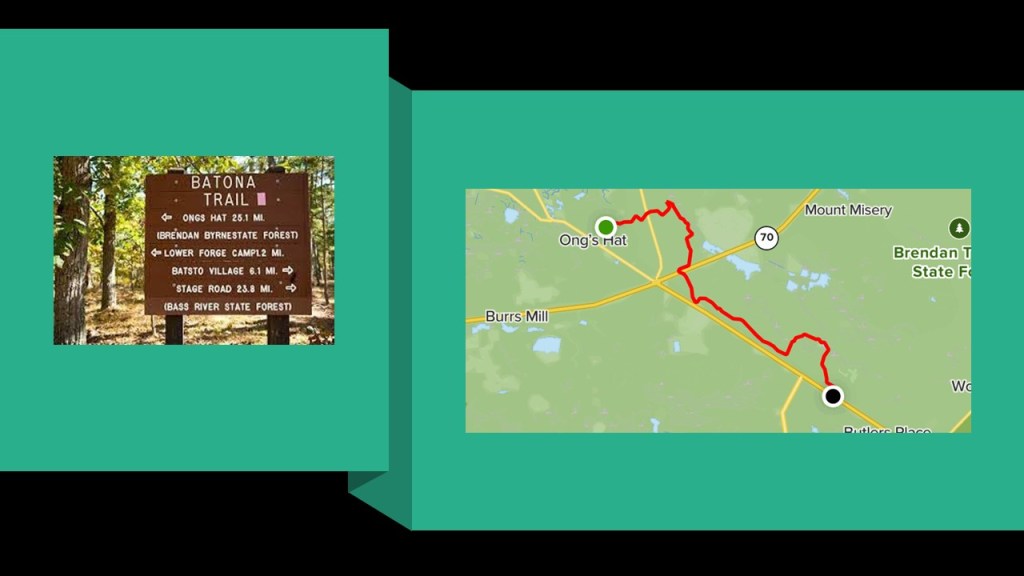
Ong’s Hat was also considered one of the earliest, internet-based, conspiracy theories.
Ong’s Hat is also listed as the first Alternate Reality Game (ARG) on many lists of ARGs.

We are told that “Ong’s Hat” was a work of alternate-reality collaborative fiction, beginning back in the 1980s and embedded in various media to establish a backstory – like bulletin boards, xerox mail art networks, and zines – and that author Joseph Matheny concluded the project.
Interesting to note the presence of two Moors on the cover of “Ong’s Hat – The Beginning.”
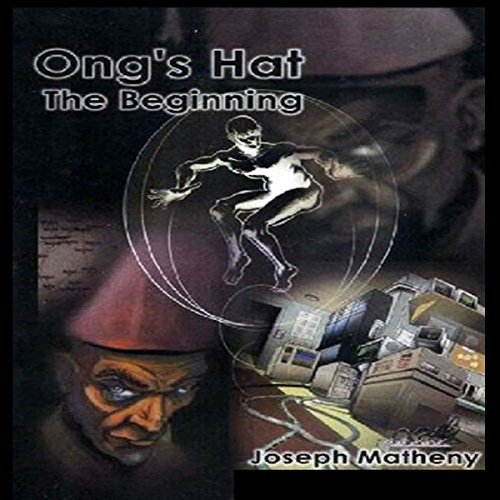
The Ong’s Hat tale is told about a group of physics and science professors from Princeton who ran chaos theory and quantum physics experiments from an ashram there to travel interdimensionally through a device called “The Egg,” and they were camped out in another world.
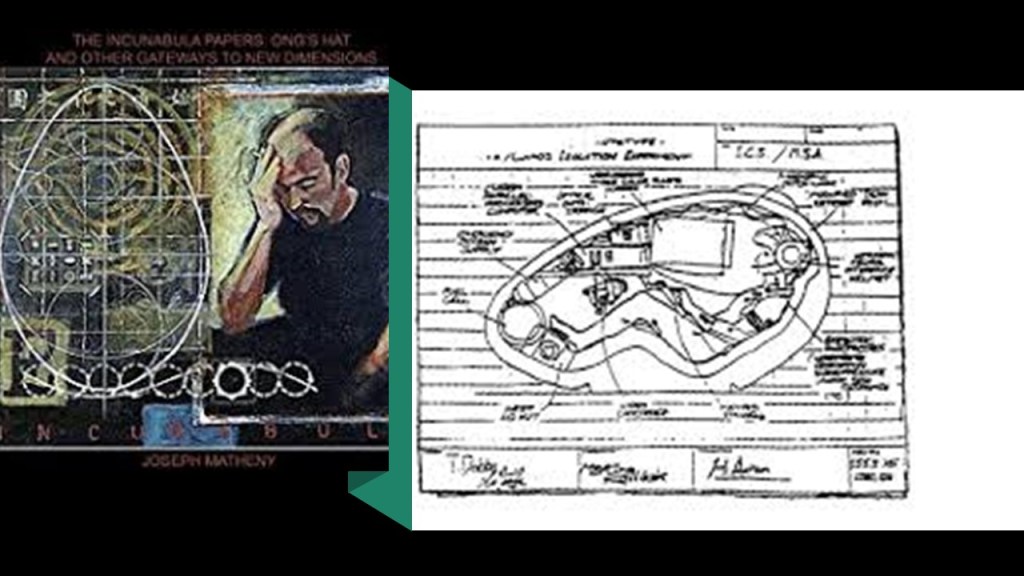
“The Egg” was said to have been developed by these physicists and scientists as a sensory deprivation chamber, and used by them to determine when a wave becomes a particle.
One day “The Egg” disappeared, and the young man within explained that in the seven-minutes he was gone, he had travelled to an alternate dimension of the Earth.
According to the story about “Ong’s Hat,” these experiments continued over the years, until the military threatened their research, at which time they moved entirely in to the alternate dimension, only coming back for supplies.
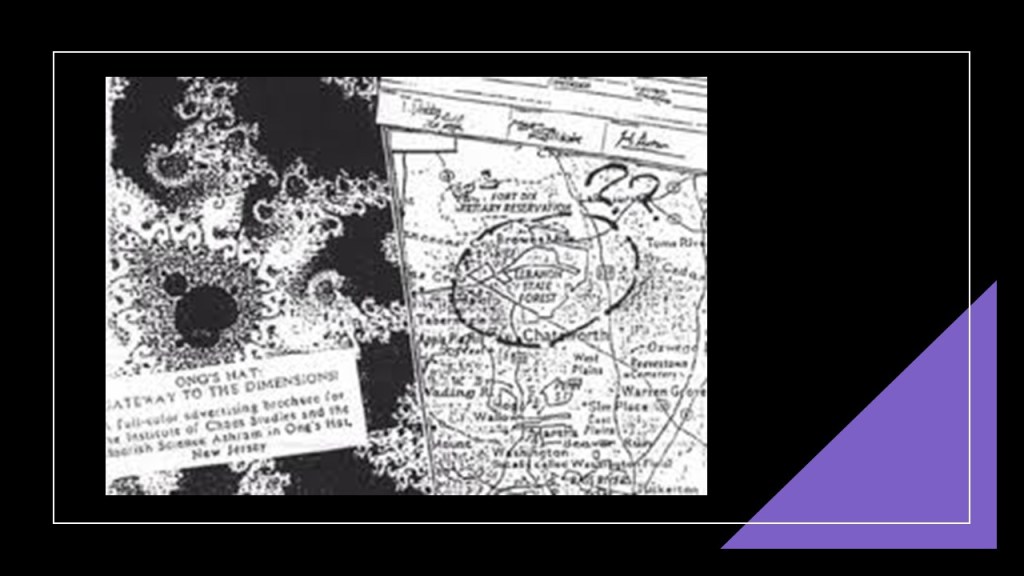
Since I posted “Recovering Lost History from the Estuaries, Pine Barrens & Elite Enclaves off the Atlantic Northeast Coast of the United States” in January of 2023, I posted “On the Trail of Giants, in Appalachia and Beyond – Theme 4: The Cataclysm” in April of 2024, which provides further research into and physical evidence for connections between Aleister Crowley, the Philadelphia Experiment, and the cataclysm which destroyed the original advanced civilization through the destruction of the Earth’s energy grid, which was a perfectly-tuned scientific and musical instrument.
While I am open to there having been more than one directed energy attack on the Earth’s grid system to bring about its complete destruction, I do think this location along the Atlantic Northeast Coast of the United States presents unique attributes for the creation of a distortion in time and space, and the hijacking of the original positive timeline of Humanity and the Earth.
For some reason, the conspiracy theories I have made mention of have come back into form to be consumed by the public as shows like the previously-mentioned “Stranger Things” based on the Montauk Project, or movies like “The Final Countdown,” a 1980 movie where a time-travelling naval vessel in the form of the USS Nimitz goes back in time to the day before the attack on Pearl Harbor on December 7th of 1941.

I think this is because the colonizing parasites have to tell us what they are doing to gain our consent for their actions, but they don’t tell us they are telling us, and instead relying on such methods as predictive programming and disclosure in other forms of programming that are programming us in order to gain our tacit consent (since we don’t know they are telling us something) rather than informed consent.
Predictive programming is defined as: Storylines, or even subtle images, that in retrospect seem to hint at events that actually end up happening in the real world, and I am quite sure the reason that the movie industry and Hollywood came into existence in the first place.
If all this sounds crazy, remember the old saying “Truth is Stranger than Fiction.”
The Truth is out there to find if one releases the old paradigm completely and looks at the evidence that is available to find with new eyes, and ask yourself how in the hell did we get to this inverted, upside-down, Orwellian worldwide culture, where wrong is right, good is bad, and lies are truth, and we have been conditioned to accept and tolerate the routine committal of evil acts?
I don’t believe we got here on our own, but that we have been, among many other things, manipulated, psychologically-abused, traumatized , brutalized, and genocided by the colonizing, bloodthirsty parasites for their benefit.
We have been taught and told egregious lies from cradle to grave to get us to the world we live in today and to get our consent for what they have done, because they have to have our consent.
In the course of doing my research I stumbled across the term “Invisible College.”
Generally-speaking, this is a term used to describe “a non-public network of researchers operating in an informal way.”
There are two applications of the term “Invisible College” that I would like to address here.
The first is in its application to the founding of the western esoteric order of Rosicrucianism, and the second in its application to the group of individuals in London in the early-to- mid-1600s who eventually formed the “Royal Society of London.”
Firstly, the Invisible College of the Rosy Cross or Rosicrucian College was depicted in this engraving of the Temple of the Rose Cross dated to 1618.
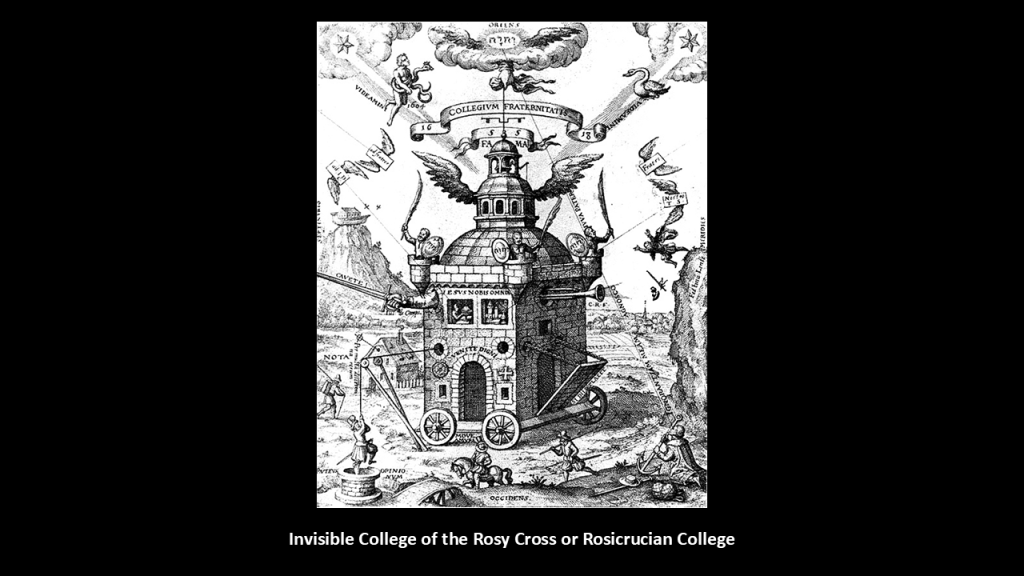
We are told that Rosicrucianism arose in early modern Europe after the publication of several texts by German occultists announcing a new esoteric order to the world, or hidden inner tradition.
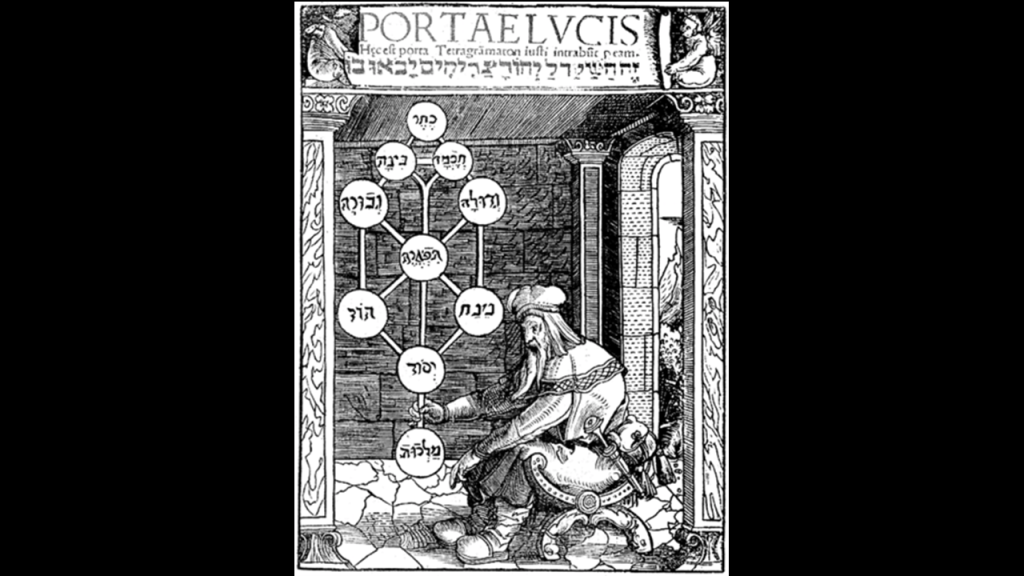
Two anonymous manifestos appeared in early modern Germany between 1610 and 1615, and circulated among German occultists, and later published throughout Europe.
They were “The Fame of the Brotherhood of the Rosy Cross” in 1610 and “The Confession of the Brotherhood of the Rosy Cross” in 1615.
These works allude to the founding of a secret brotherhood of alchemists who were preparing to transform the arts and sciences, and religious, political and intellectual landscapes of Europe.
In essence, these two anonymous manifestos promised a universal reformation of mankind through a science built on the ancient past but concealed from the average man, and contain elements of western esoteric traditions involving mysticisum and the occult, like Qabalah, Hermeticism, Alchemy, and Christian Mysticism, which were studied ardently by many intellectuals of the day.
This information on the formation of the western esoteric order of Rosicrucianism ties directly back into the previously-mentioned establishment of Quakerism by George Fox in London in the mid-1600s, and the connections to Quakerism of German occultists like the Van Helmonts, who practiced the Paracelsian-Alchemical philosophy of medicine and were interested in the Kabbalah of the Jewish Mystical tradition.
And some of the other names that come up in connection with either influencing Rosicrucianism or influenced by it are names we have already seen, like those of the occultist John Dee and his devotee Elias Ashmole.
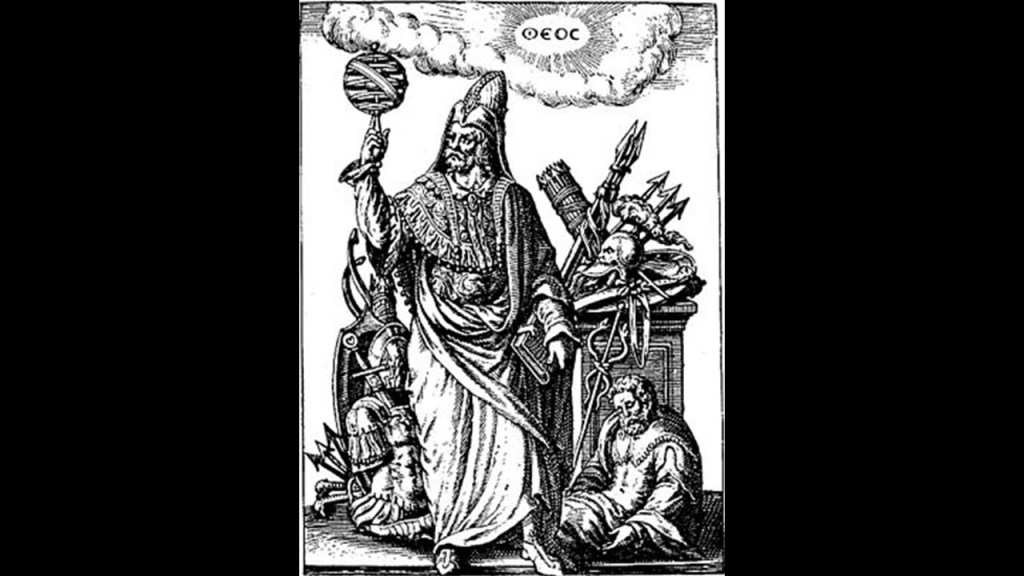
Rosicrucianism was symbolized by the Rosy Cross.
The Latin phrase “Sub Rosa,” or “Under the Rose,” relates to an association with secrecy or confidentiality.
The Rose Garden Historic District in San Jose, California includes the Rosicrucian Egyptian Museum and Planetarium; and Rosicrucian Headquarters.
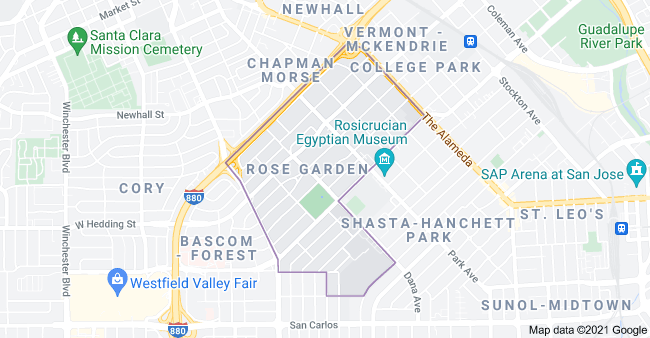
Rosicrucian Park was established in 1927 by Harvey Spencer Lewis, the founder of the Ancient and Mystical Order Rosae Crucis (AMORC) in the United States, and its first Imperator.
Rosicrucian Park hosts several things:
An Egyptian Museum that is devoted to ancient Egypt, and houses the largest collection of Egyptian artifacts and antiquities on exhibit in western North America…
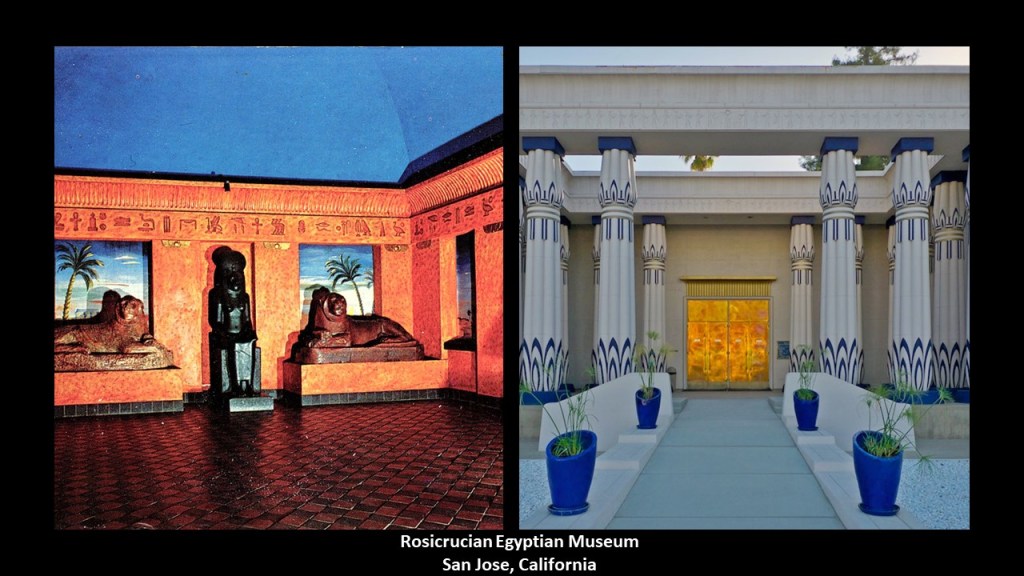
…the Rosicrucian Planetarium, with its Moorish architecture…
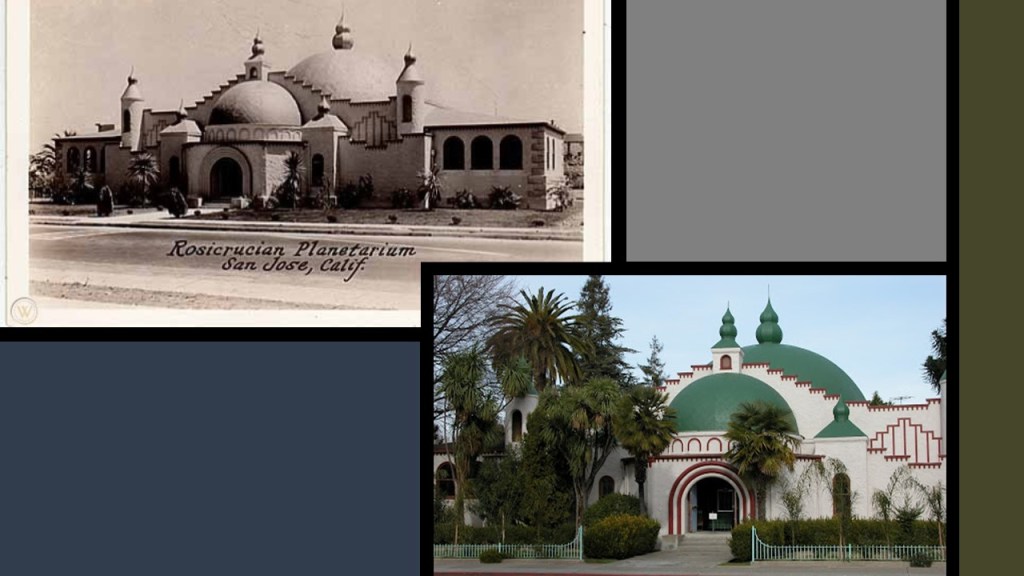
…the Rosicrucian Park Peace Garden, characterized as authentic to the 18th-Dynasty of ancient Egypt, and based on the remains of Akhnaten’s city of Amarna…
…and Rosicrucian Park is the Headquarters of the English Grand Lodge for the Americas of the Ancient Mystical Order Rosae Crucis.
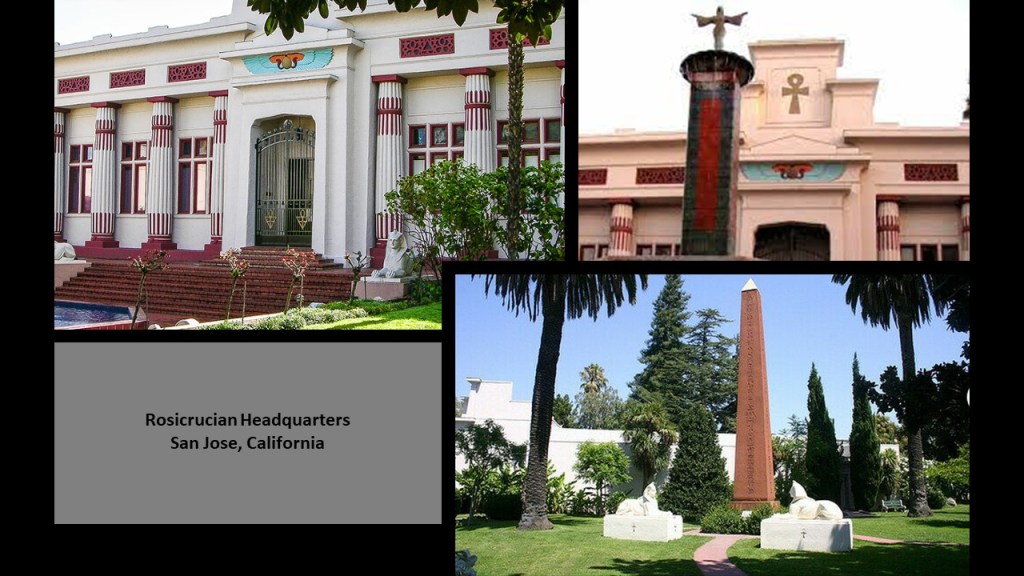
The Ancient and Mystical Order Rosae Crucis (AMORC) was one of the off-shoots of Rosicrucians of the 17th-century.
So what do its members focus on?
From what I can find out about them, they study the ancient mysteries of the Universe, focusing a great deal of attention on the world of the ancient Egyptians.
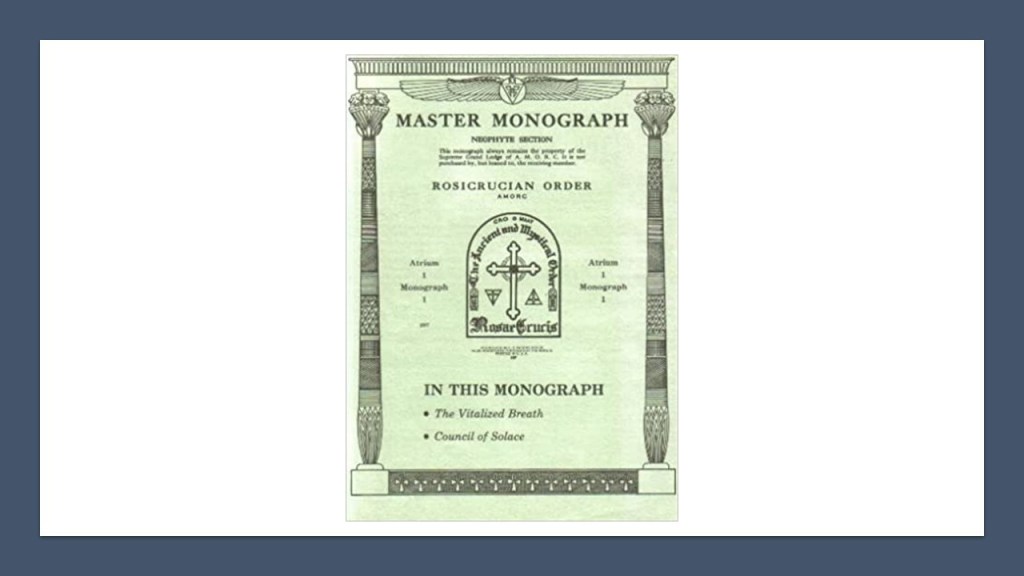
Another off-shoot was the Hermetic Order of the Golden Dawn, a secret society devoted to the study of occult hermeticism and metaphysics that originated in the late 19th-century.
Called a “Magical Order,” it was active in Great Britain and its focus included theurgy, which refers to ritual practices involved in the summoning of spirits.
Among other esoteric movements, Thelema was influenced by the Hermetic Order of the Golden Dawn, and was founded by Aleister Crowley in the early 1900s.
Crowley claimed that when he was honeymooning with his wife Rose Kelly in Cairo, Egypt, he was contacted by a disembodied entity named “Aiwass,” who provided him with “The Book of the Law,” which became the basis for Thelema, and Crowley identified himself as the prophet of a new era of spiritual development for Humanity.
The basic tenet of “The Book of the Law,” and Thelema, is: “Do what thou wilt shall be the whole of the law.”
In other words, you can do anything you want without guilt, no matter how bad it is or how much it hurts others.
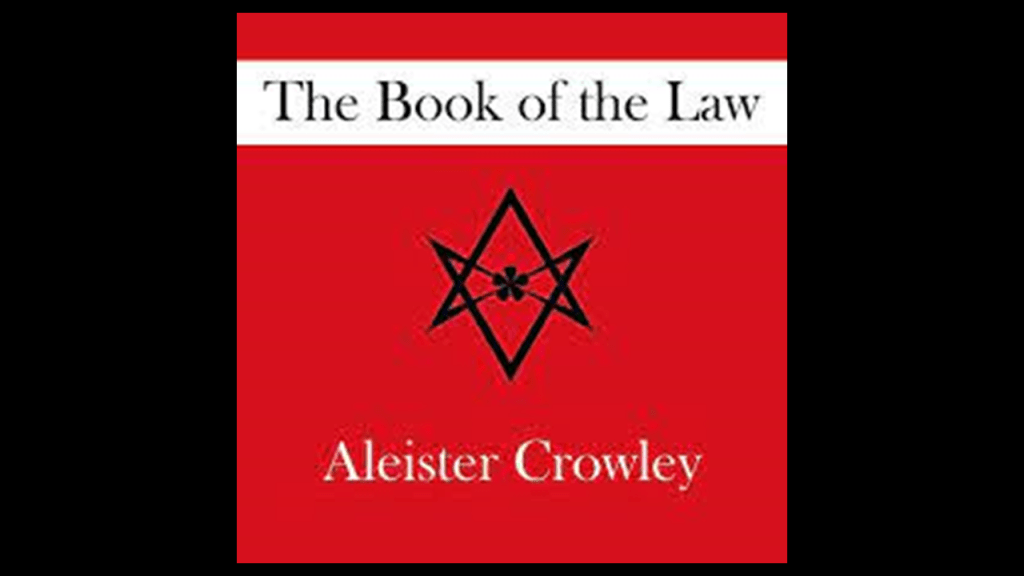
Secondly, I would like to address the “Invisible College” and its application to an informal group of individuals in London in the early-to- mid-1600s which predated the “Royal Society of London.”
This informal group did not belong to a formal institution and referred to itself as an “Invisible College” due to their geographic proximity, regular meetings based on shared scientific interests, and correspondence by way of letters.
Their common theme was to acquire knowledge through experimental investigation, and much of their practical work involved chemistry.
This “Invisible College” included Robert Boyle, Sir Christopher Wren, and Benjamin Worsley.
Among other things, Robert Boyle was a physicist, alchemist and chemist, and one of the pioneers of modern experimental scientific method.
Boyle was considered the first modern chemist and, as such, one of the founders of modern chemistry.
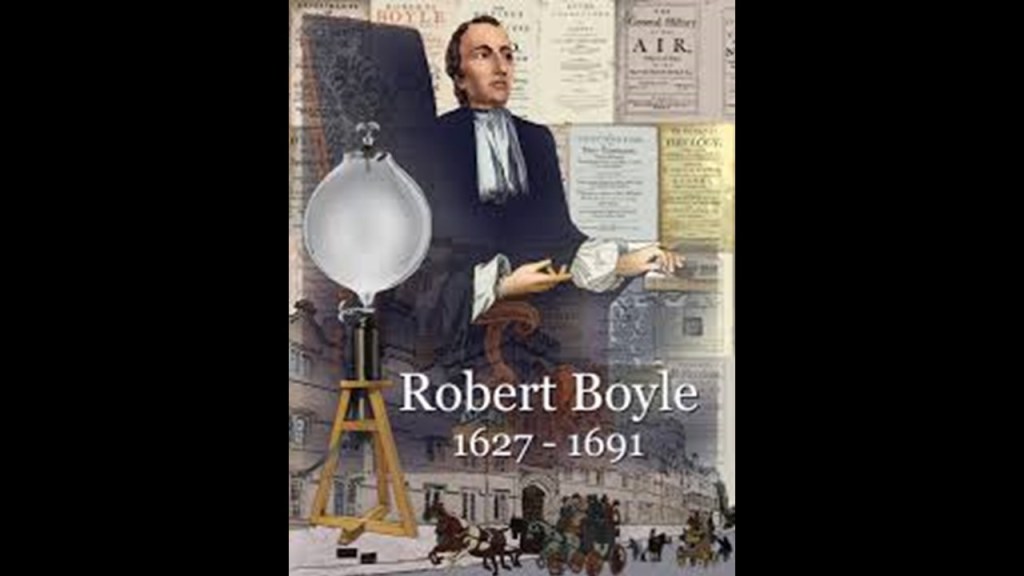
In our historical narrative, Sir Christopher Wren was an English architect, astronomer, mathematician, and physicist, and one of the most highly acclaimed architects in the history of England.
More on Sir Christopher Wren in a moment.
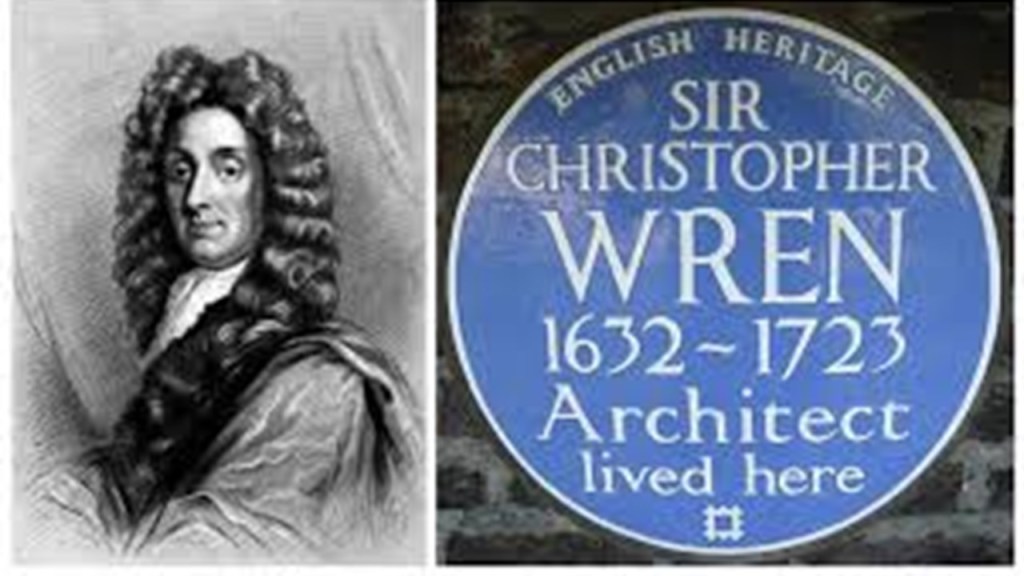
Physician, experimental scientist, and alchemical writer Benjamin Worsley was considered a major figure of the invisible college in the 1640s.
Worsley was experimenting on saltpeter manufacture in 1646.
Saltpeter is also known as potassium nitrate, and one of its major uses is in the manufacture of gunpowder.
I suspect the group of men working informally through the various Invisible Colleges of that time period in our historical narrative were involved in reformulating ancient alchemical principles for harmful purposes instead of beneficial ones.
Like as seen with the evolution of the DuPont family’s chemical empire.
Éleuthère Irénée Du Pont, a chemist and industrialist, founded the E. I. DuPont de Nemours and Company initially to manufacture gunpowder and explosives in 1802.

Over the course of its history, DuPont diversified into the broader chemical industry, and today makes a broad array of industrial chemicals, synthetic fibers, petroleum-based fuels and lubricants, among many other chemical applications.
DuPont’s slogans have included “Better Things for Better Living through Chemistry” and “The Miracles of Science.”
Yet, the DuPont chemical empire has been plagued by a worldwide history of environmental contamination from its chemicals.

One of the thirteen Illuminati bloodlines, the DuPonts became one of America’s richest families, with generations of influential businessmen, and politicians.
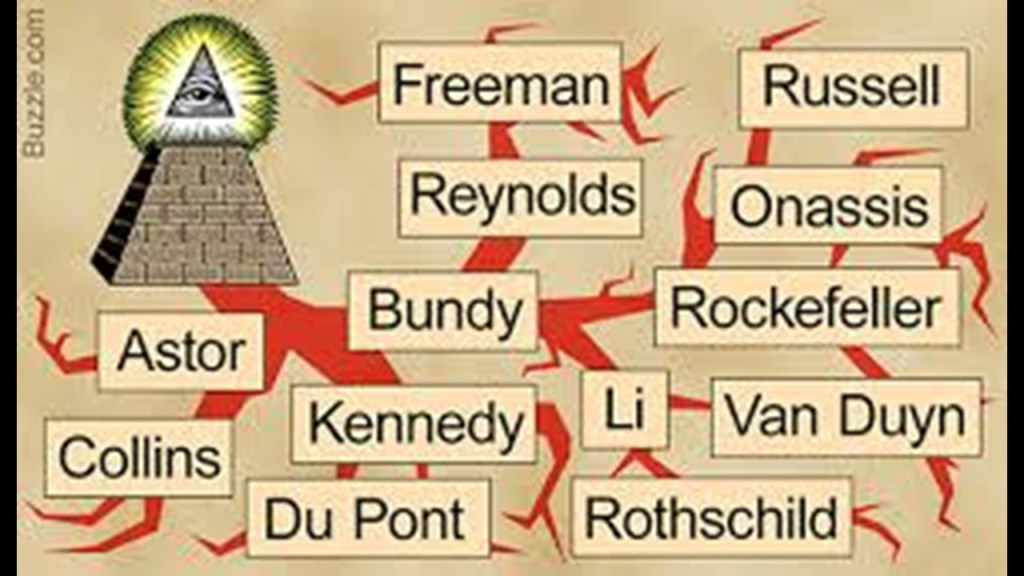
As previously-mentioned, the “Invisible College” in London predated the formation of the “Royal Society of London,” which we are told was established by a Royal Charter issued by King Charles II in 1660, and founding fellows of the Royal Society included Elias Ashmole, and Sir Christopher Wren.
Elias Ashmole was the first English Speculative Freemason initiated in 1646, and Sir Christopher Wren was also an early Freemason prior to the establishment of the Premier Grand Lodge of England in 1717.
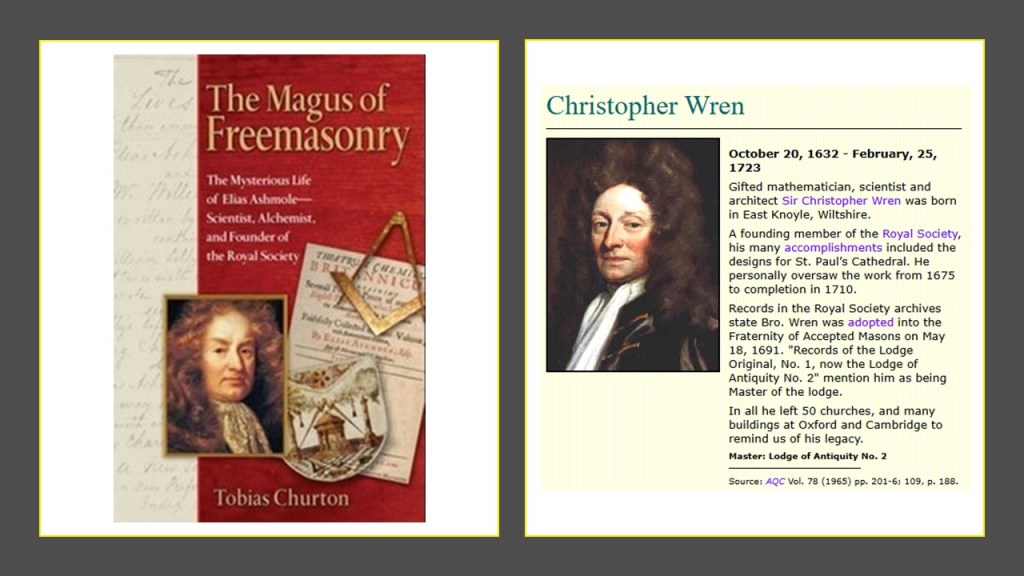
The meaning of the Royal Society’s motto “Nullius in Verba” means “Take nobody’s word for it.”
While on one-hand, “take nobody’s word for it” could certainly mean testing through scientific experimentation, on the other hand another meaning would be not to blindly accept what we are told, and to encourage people to do their own research and think for themselves.
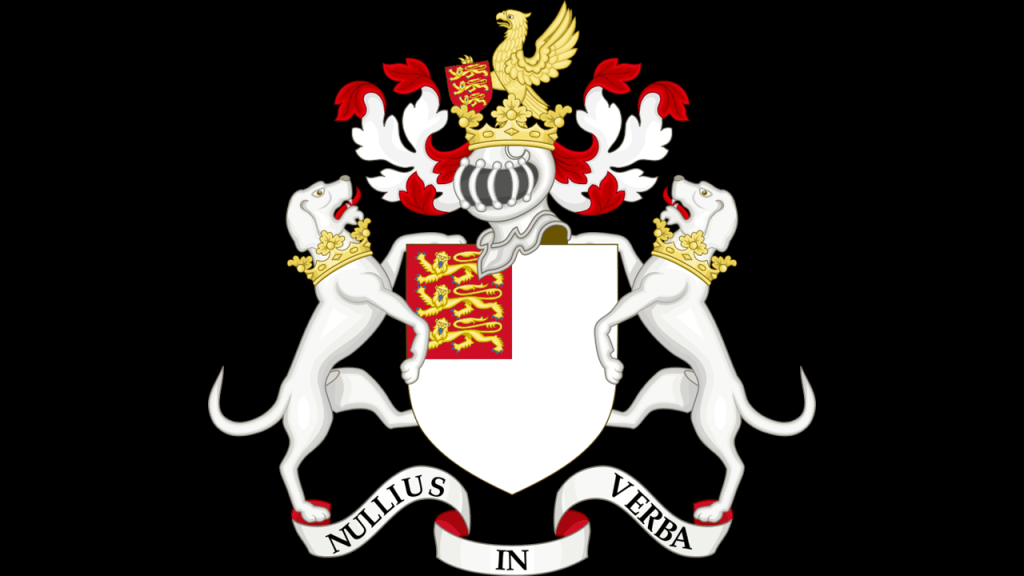
The Great Plague of London took place between 1665 and 1666.
We are told that this was the last major epidemic of bubonic plague to take place in England, and that it killed 100,000 people in 18 months.
In the poorer parts of London, people lived in filth and squalor at this time, living in overcrowded tenements with no sanitation and open drains.
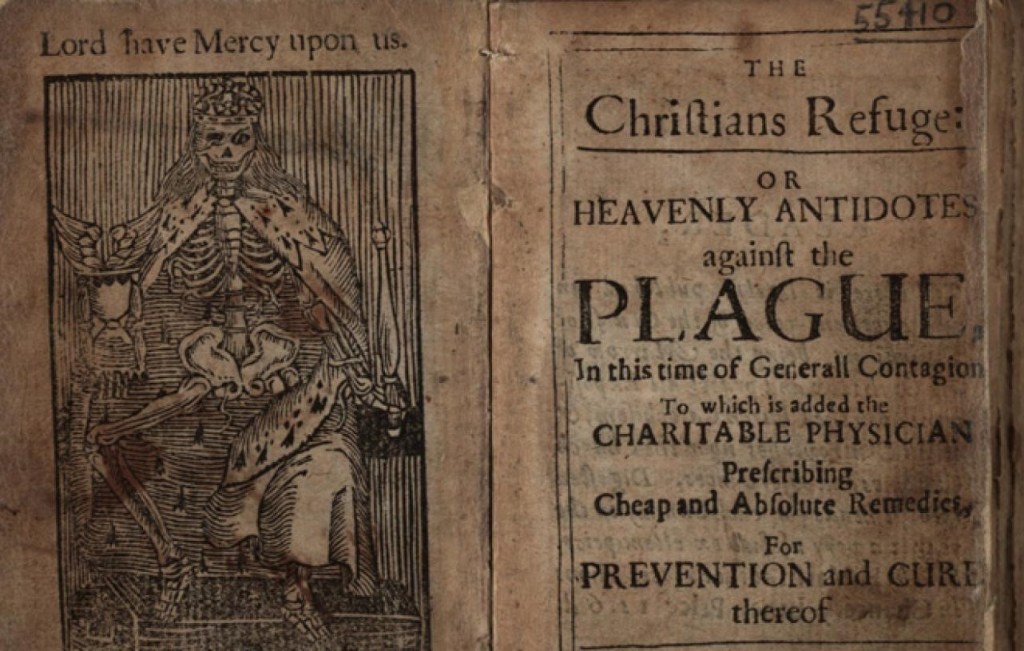
Around the same time the Great Plague was happening in our historical narrative, in September of 1666, the Great Fire of London swept through central parts of London, and gutted the medieval city of London.
The homes of 70,000 inhabitants, out of the 80,000 inhabitants that lived there, were destroyed.
Quite interestingly, it did not reach the aristocratic district of Westminster and Whitehall.
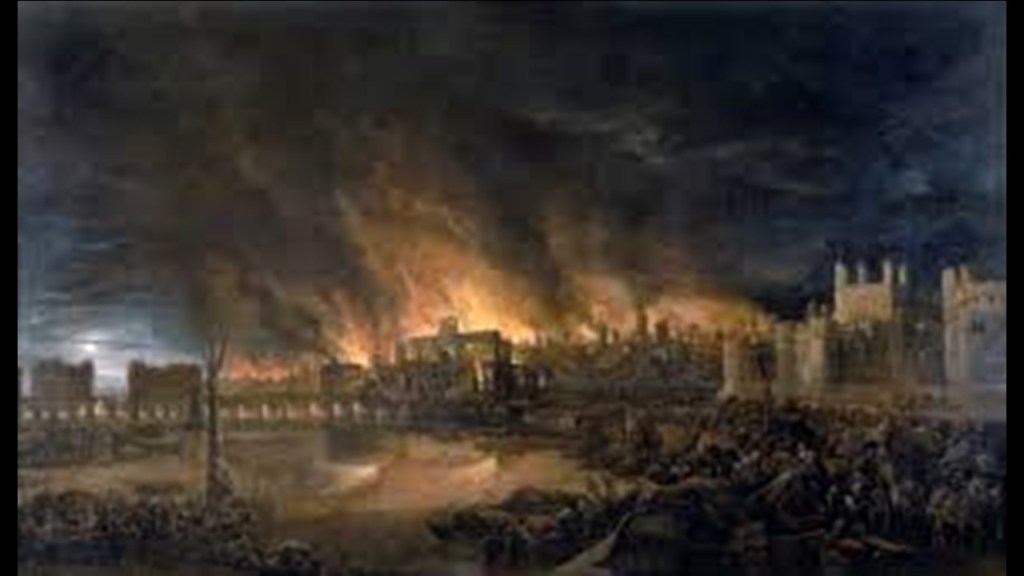
Sir Christopher Wren was credited with rebuilding much of London after the Great Fire.
On the left side of his portrait, you can see what looks like what could be the window sill…or could be the faint outlines of a building.
“Phantom” buildings were quite common in the portraits of famous people of the day.
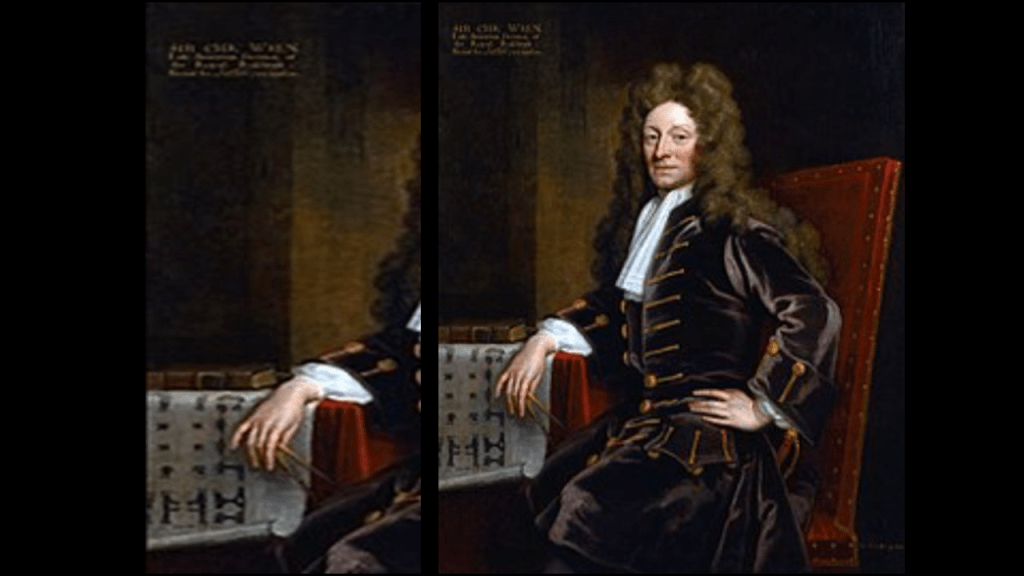
Here’s another example of many where portraits of certain individuals in our historical narrative had other things painted faintly in the background as a way of telling us without telling us.
There was a fantastical-looking city-scape with tall buildings painted behind the curtains in the background of this official portrait from the 1950s of Queen Elizabeth II and Prince Philip.
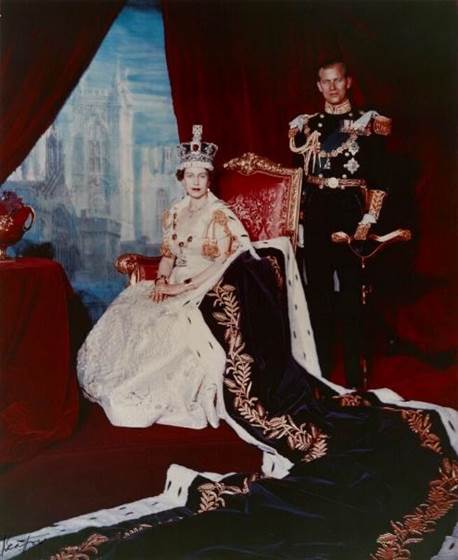
We are told that Sir Christopher Wren was commissioned after the Great Fire of London in 1666 to rebuild 51 replacement churches of 88 that were destroyed in the fire, as well as St. Paul’s Cathedral, located at the highest point in the City of London and said to have been completed in 1710.
St. Paul’s Cathedral on the left bears a close resemblance to the United States Capitol building on the right, the original building for which was said to have been completed in 1826.
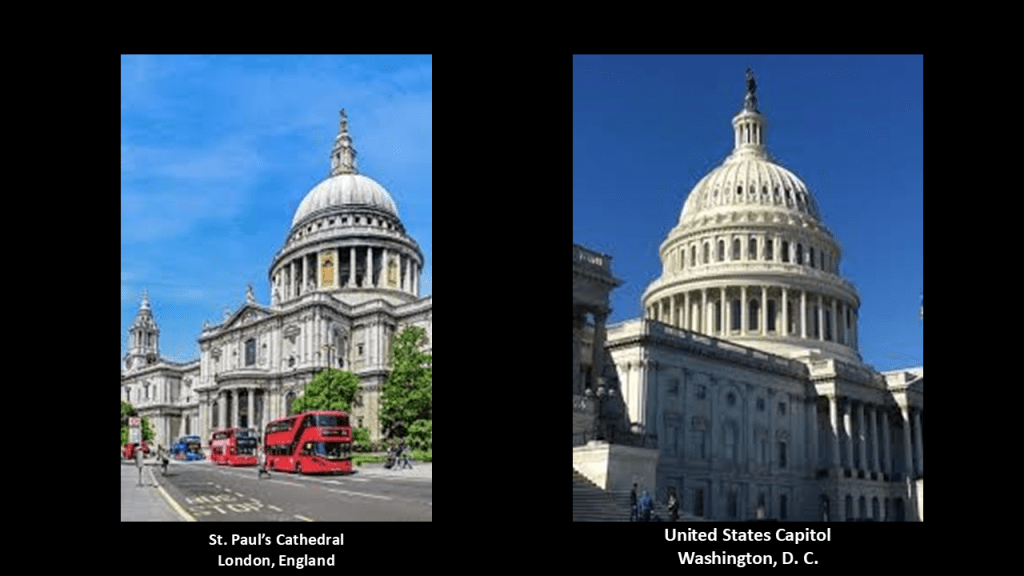
We are told that Sir Isaac Newton had been developing his theory of gravity as far back as 1665, and that in 1666, Newton famously observed the falling apple upon which he developed his foundational law that gravity is universal, and must also apply to the orbit of the moon around the Earth and then to all objects on Earth.
While it is not known with absolute certainty if Sir Isaac Newton was an initiated Freemason, Newton was President of the Royal Society when the Premier Grand Lodge of England was established in 1717, when he was 74.
The Cestui Que Vie Act was passed in 1666 by the British Parliament, after the 1665 Great Plague and 1666 Great Fire in London.
This subrogated the rights of men and women, meaning all were declared dead or lost at sea.
The government took custody of everybody and their property into a trust, and the state became the trustee, holding all titles to people and property until a living person comes back to reclaim those titles.
“International Maritime Admiralty Law,” is the law of the sea or water, and money, and is differentiated from the law of the land and natural law, the law of people occupying the land.
“Admiralty Law” is the law that governs navigation and shipping.
Among other things in our world, the application of International Maritime Law is how Humanity became owned property…or in other words, enslaved, to which our birth certificates are key.
When a ship comes in to dock in a port, its arrival is called a “berth.”
It is subject to the law of the sea, and is governed by the Uniform Commercial Code.
When it “berths,” the Captain of the ship must provide a “Certificate of Manifest” to the port authorities, documenting everything the ship is carrying. including identity and value.
When people are born, they are birthed out of the mother’s “water,” and are to be issued a “birth certificate.”
This is our “Certificate of Manifest,” as people are considered to be a corporation-owned item and subject to “International Maritime Admiralty Law.”
Jordan Maxwell is an excellent resource for more information about this subject, and his videos can be found on YouTube.

Corporations can only do business with other corporations, and can not touch real people.
So while the new legal system was busy turning corporations into people and granting them coats-of-arms, it was turning people into corporations by making them a legal fiction, known as our “Strawman,” which is denoted by our names being spelled-out in all capital letters on our birth certificates and other legal documents.

This is known as “Capitis Diminutio Maxima” in Roman Law, and signifies the most comprehensive loss of status that occurs when a person’s condition was changed from freedom to bondage.
It swept away all rights of citizenship and family rights.
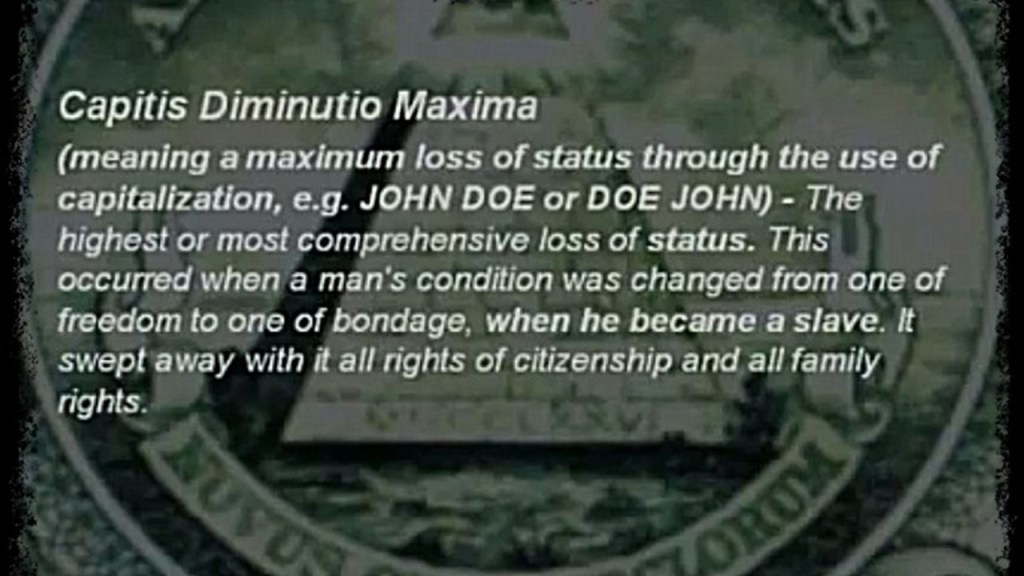
The terms of “Master and Servant,” “bondage” and of “Master and Slave” started entering the legal and philosophical worlds.
One example of this comes from Tapping Reeve, the founder of the first independent law school established in America for reading law in Connecticult and a Chief Justice of the Connecticut Supreme Court, published a book in 1816 that was titled “The Law of Baron and Femme – of Parent and Child;, Guardian and Ward, Master and Servant; and of the Powers of the Court of Chancery, with an Essay on the terms Heir, Heirs, and Heirs of the Body.”
This became the premiere American treatise on family law for much of the 19th-century, with revisions and republication in 1846, 1867 and 1888.
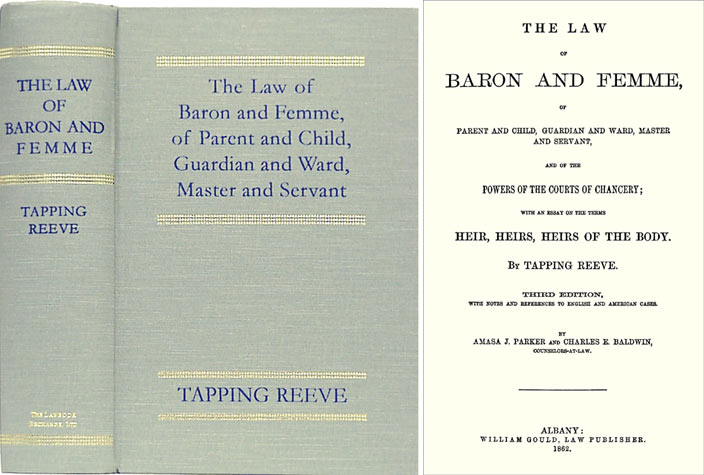
If you break down the meaning of his unusual name as actual words in English, “Tapping” can be defined as “To exploit or draw a supply from a resource;” and “Reeve” as administrator, attendant; curator; agent; director; foreman; and the list goes on.
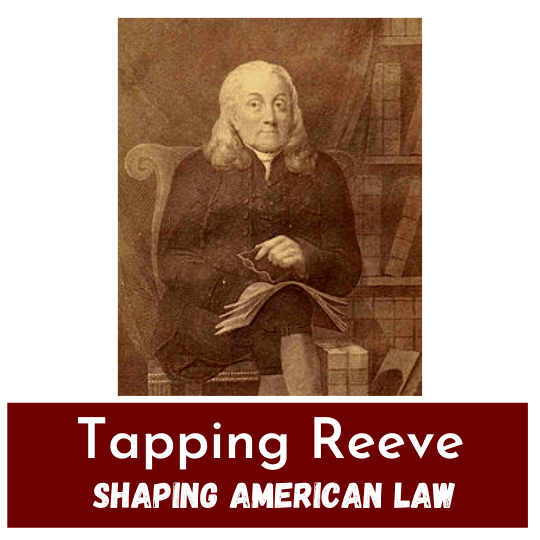
Another example of that was from Georg Wilhelm Friedrich Hegel, a German philosopher who lived between 1770 and 1831.
Hegel’s major work “The Phenomology of Spirit” was published in 1810, and in this work, he traced the formation of self-consciousness through history and the importance of other people.
One of the subsections in the “Self-Consciousness” chapter of this book is titled “Independent and Dependent Self-Consciousness: Lordship and Bondage.”
The common name for this passage is the “Master-Slave Dialectic.”
The passage describes an encounter between what are two distinct self-conscious beings, with each becoming aware of the other.
Self-consciousness forms as a result of the dialectic, or movement, of recognizing each other.
This movement takes the form of a struggle to the death between the two self-conscious beings in which one masters the other, only to find out that the “lordship” or “mastery” is not possible because the ‘bondsman,” or “slave,” in this state is not free to offer it.
This passage is a key element in Hegel’s philosophical system, and influenced later philosophers.
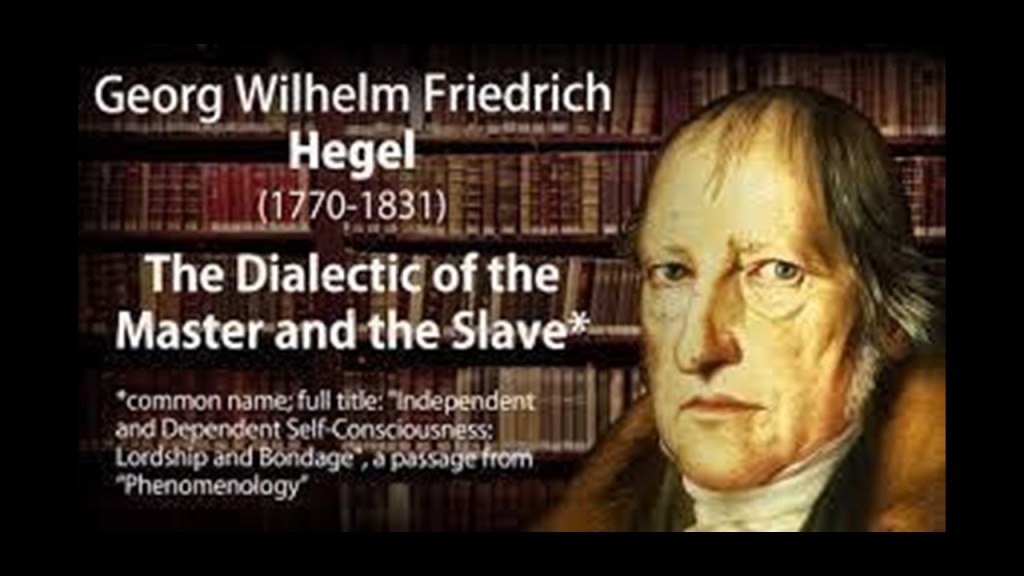
So far around the year 1666, we have seen the Great Plague and Great Fire of London and the Cestui Que Vie Act of Parliament which declared all men and women as dead and “lost at sea.”
Other things that happened according to our historical time-line was that in 1666, Sabbatai Zevi, a Jewish Mystic and Kabbalist, was proclaimed Messiah by Nathan of Gaza.
Sabbatai Zevi and his follower Jacob Frank brought Sabbatean-Frankism to the world.
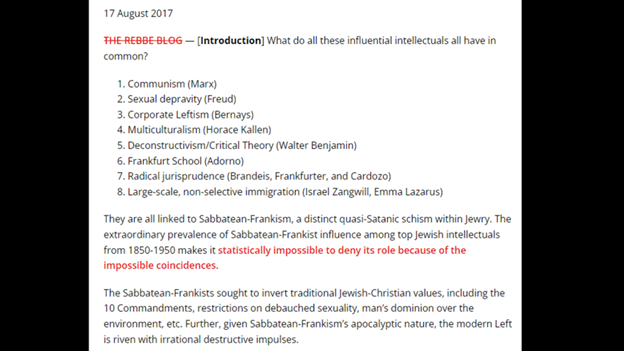
Then in 1667, John Milton’s poem “Paradise Lost” was published.
In “Paradise Lost,” as mentioned previously, newly banished Fallen Angels organized, and Satan volunteered to corrupt the newly created Earth and God’s new and most favored creation, Mankind.
Satan goes to the Garden of Eden, and convinces Eve by duplicity to eat of the fruit of the tree of knowledge of good and evil, which directly led to their expulsion from the Garden of Eden.
I think this was original disclosure about what has taken place here – Paradise was lost, and we were brought to the corrupted, inverted world we live in today.
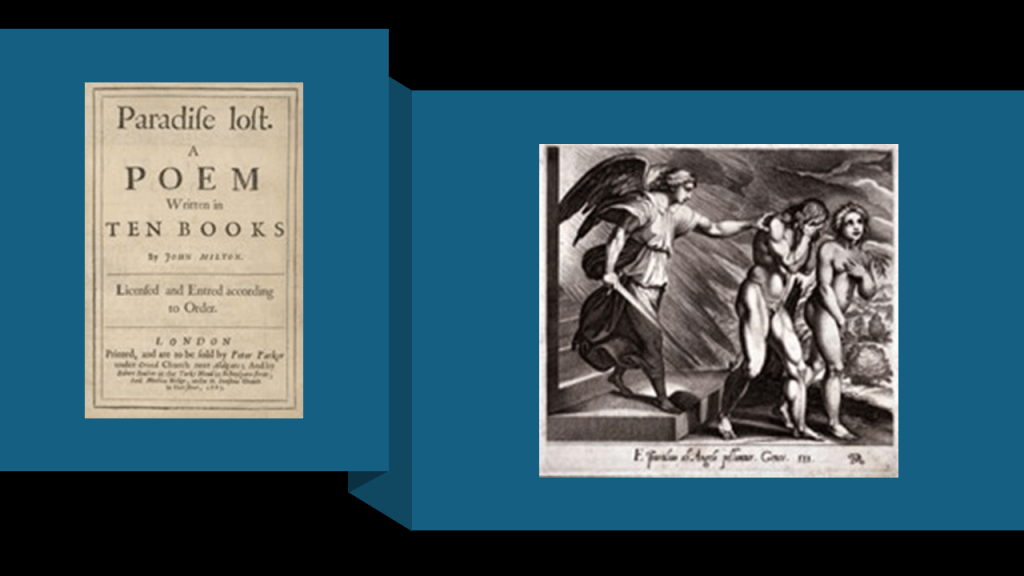
It is interesting to note the spelling of the verb “to die” in “the poem “Paradise Lost” referring to death is spelled “dye,” the verb for a substance used to color something, including but not limited to cloth.
After their fall, the Son of God tells Adam and Eve about God’s judgment. Before their fall the Father foretells their “Treason” (3.207) and that Man:
“…with his whole posteritie must dye,
Dye hee or Justice must; unless for him
Som other able, and as willing, pay
The rigid satisfaction, death for death.” (3.210–212)
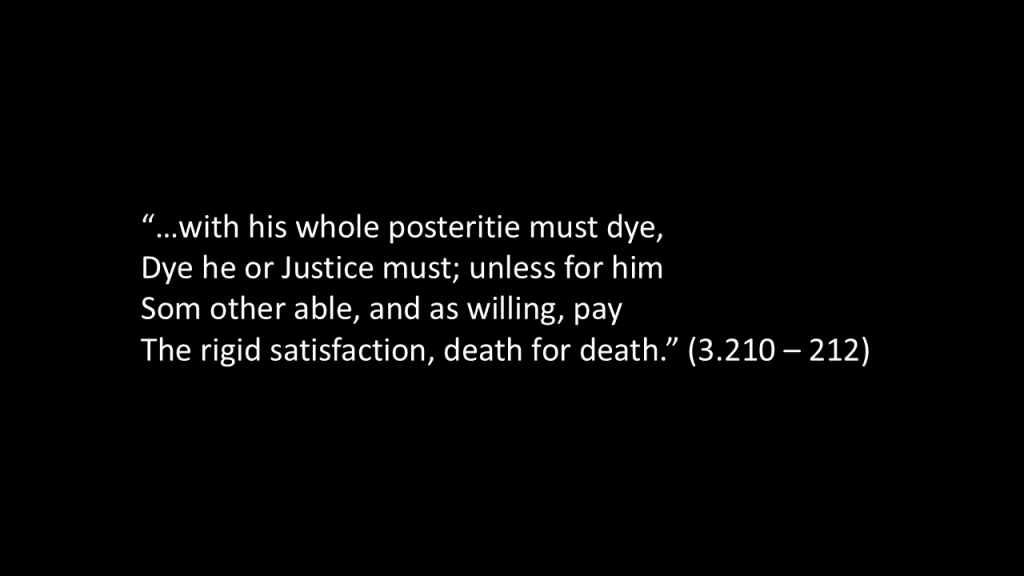
Interesting to note that dyes for coloring cloth went from being obtained from natural sources to being primarily synthetically sourced starting in the mid-1800s.
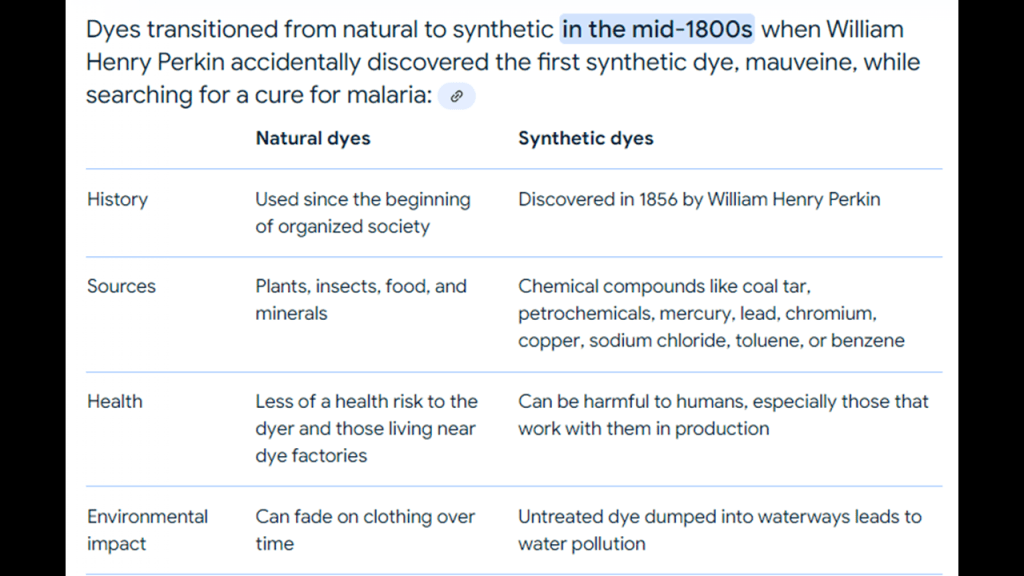
A year after Milton’s “Paradise Lost” was published in 1667, John Amos Comenius, a Czech philosopher and theologian who is considered by some to have been the “Father of Modern Education,” published the “Via Lucis” in 1668.
In the “Via Lucis,” Comenius outlined his recommendations for the “improvement” of humanity through pansophy, or all-encompassing knowledge into one amalgamation of all sciences through a union of knowledge of alchemy and magic with divine wisdom.
He advocated for a new world language; for scholars from all nations to take place in this global reform; and a Collegium Lucis, or Collegium of Light, based in London to coordinate all of this activity to overcome the “world’s misery, ignorance, confusion, and war.”
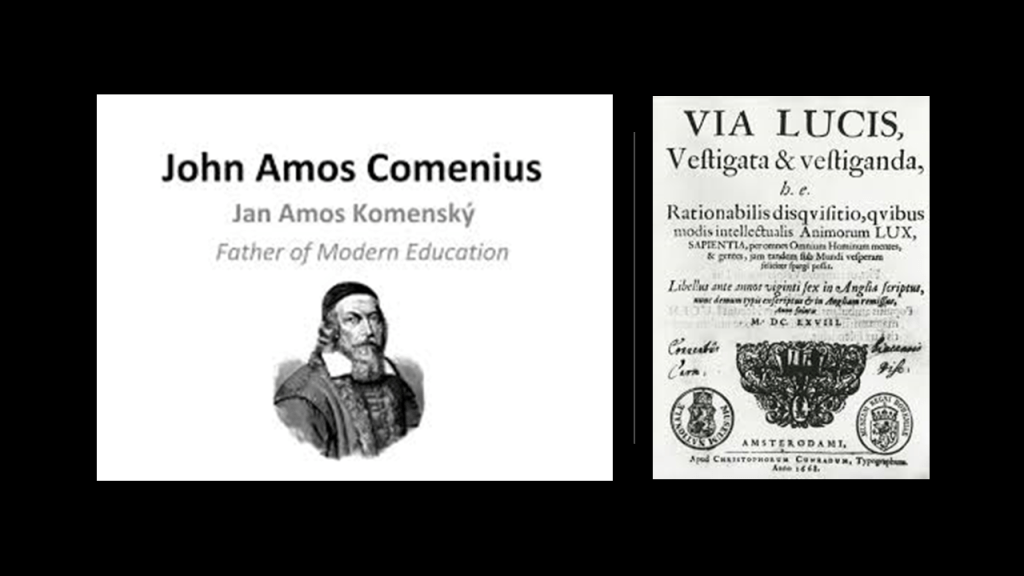
Now let’s return to the subject of cloth as a silent player in the unfolding of what has taken place here…and in the occulting of the New World Order timeline.

Like the previously-seen Mercers, who were cloth merchants, Haberdashers as well are connected to the clothing business.
In Britain, haberdashers sell small items for sewing, dressmaking and knitting, and in the United States, they sell men’s clothing, including suits, shirts, and ties.
We are told the Haberdashers’ Company received its first royal charter in 1448.
Interesting to note that the Haberdashers’ Company maintains a strong tradition of supporting schools, primarily boys’ schools and girls’ schools.
Milliners, also known as hatters, make hats.
They are included in the “Worshipful Company of Feltmakers.”
The “Feltmakers,” or makers of felt hats, were incorporated by “Letters Patent” granted by King James in 1604.
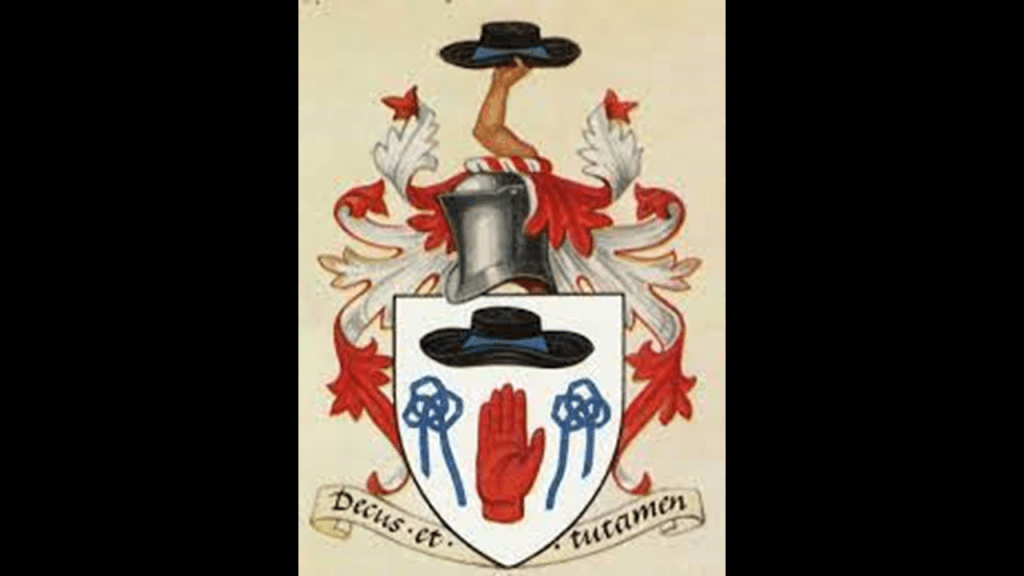
Felt is a textile made by matting, condensing, and pressing fibers together, whether natural fibers or synthetic fibers, and as mentioned previously, mercury was used in the making of felt hats in the 19th-century, causing a high-rate of mercury poisoning in those workers.
This also leads-in to the human-slavery-based economic system of the fields and the mills set up by the Colonizers, both in terms of physical bondage, workhouses and wage slavery.
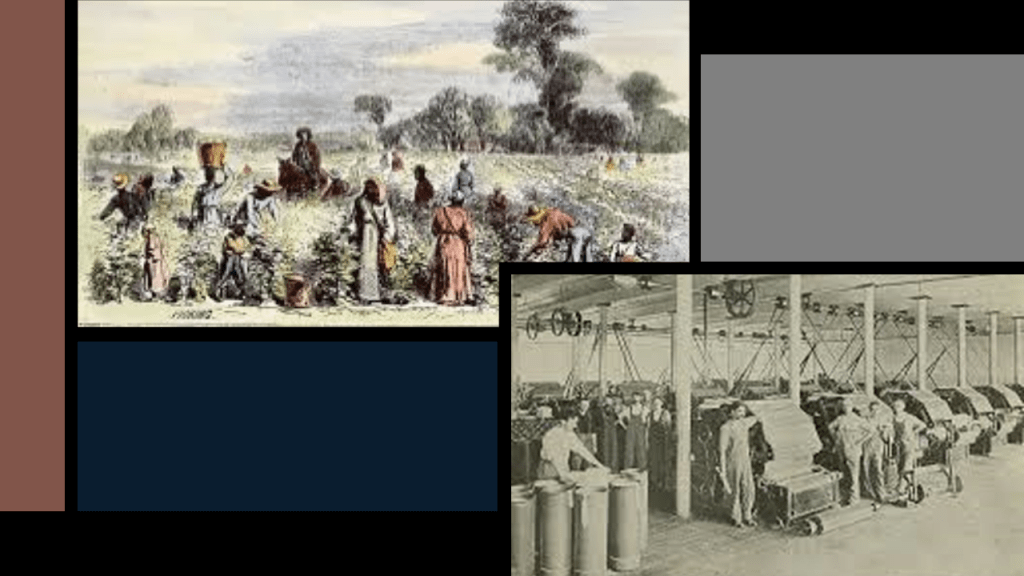
By 1825, cotton was Britain’s biggest import, primarily from American cotton fields, and Lancashire was a dominant force in the British economy with its cotton industry, where the raw cotton was turned into thread and fabrics in a factory-based production line with the advent of the Industrial Revolution in this industry, and marked the birth of the British-working class.

It is significant to note that unless certified by the Global Organic Textile Standard (GOTS), cotton fabrics are known to contain chemicals like ammonia, heavy-metal-based dyes, formaldehyde, flame retardants, petroleum scours and softeners.

This was a new slavery-based system, in all of its forms, that was brought in to benefit the very few at the expense of everyone and everything else.
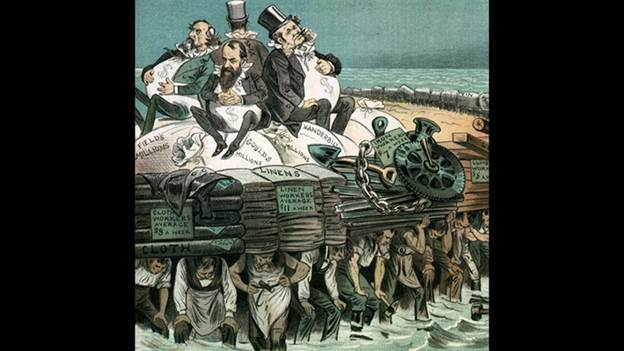
Papal Bulls issued by the Popes of the Roman Catholic Church functioned much like the previously mentioned Royal Charters issued through “Royal Prerogative” and the “Divine Right of Kings” as a way of providing justification for everything those behind the New World Order were doing by way of land grabs and the enslavement and egregious violation of Humanity.
A papal bull is an official public decree, letters patent, or charter issued by the Pope of the Catholic Church and named after the leaden seal, or bulla, used to authenticate it.
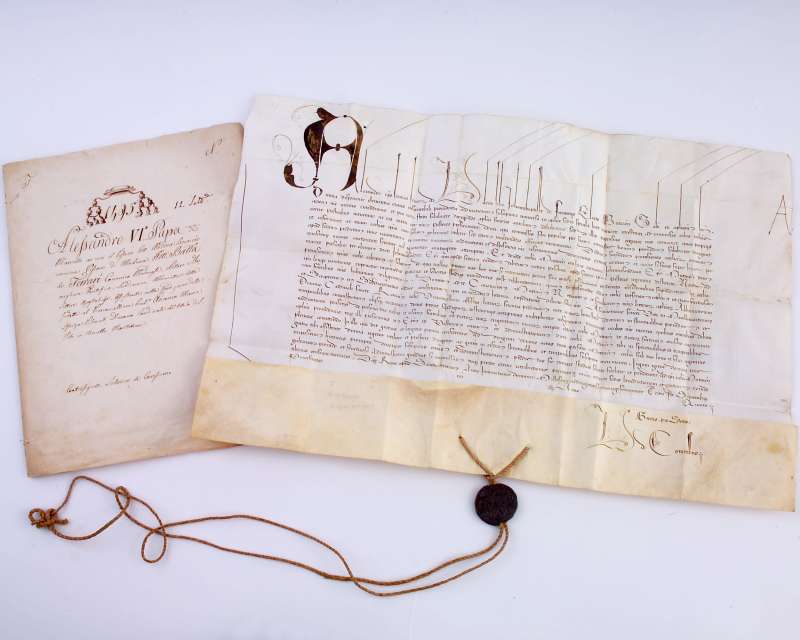
First of all, let’s start with the Unam Sanctum papal bull, which in our narratived was issued by Pope Boniface VIII in 1302.
At the end of it, it was written “Furthermore, we declare, we proclaim, we define that it is absolutely necessary for salvation that every human creature be subject to the Roman Pontiff.”
Other papal bulls that set the stage for the creation of the “New World” were the 1452 “Dum Diversas” and 1455 “Romanus Pontifex” of Pope Nicholas V, and the 1493 “Inter Cetera” of Pope Alexander VI.
The 1452 “Dum Diversas” papal bull of Pope Nicholas V granted the Crown of Portugal full and free permission to invade, search out, capture and subjugate unbelievers and enemies of Christ wherever they may be, and to reduce their persons into perpetual slavery.
His 1455 “Romanus Pontifex” papal bull was a follow-up to the “Dum Diversas,” confirming the Crown of Portugal’s dominion over all lands discovered or conquered during the Age of Discovery, encouraging the seizure of the lands of the Saracens, pagans, and other enemies of Christ, and repeated the earlier bull’s permission for the enslavement of such peoples.
In 1493, Pope Alexander VI issued the “Inter Cetera” Bull, essentially authorized the grab of the lands of the indigenous Moorish Empire.
Among other things, the bull assigned to Castile “the exclusive right to acquire territory, to trade in, or even approach the lands laying west of the meridian situated one hundred leagues west of the Azores and Cape Verde Islands, except for any lands actually possessed by any other Christian prince beyond this meridian prior to Christmas of 1492.”
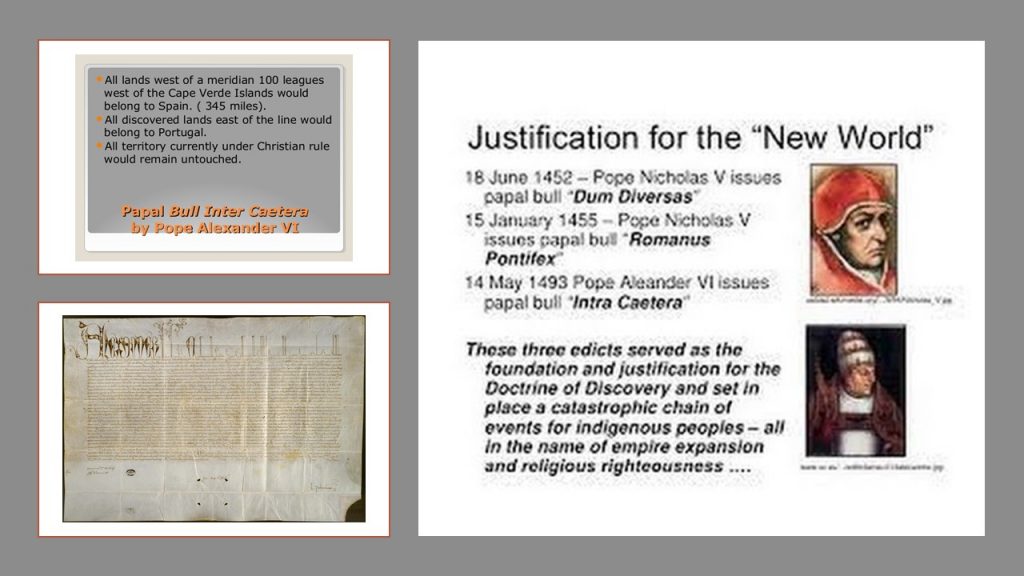
These three papal bulls were to become major documents in the development of the Doctrine of Discovery, upon which subsequent legal decisions were based regarding claims of empire in the “New World.”
Like, for example, the lands of the “Louisiana Purchase.”
We are told the Lewis & Clark Expedition’s voyage to the Pacific Northwest, and its maps, and proclamations of sovereignty with medals and flags given to the indigenous people of the land they met, were the legal steps needed to claim title to each indigenous nation’s lands under the Doctrine of Discovery, a concept of public international law expounded by the United States Supreme Court in a series of decisions in 1823.
Under it, title to lands lay with the government whose subjects travelled to and occupied a territory whose inhabitants were not subjects of a European Christian monarch.
In other words, the Supreme Court ruled that the Native Americans didn’t own their land.
Chief Justice John Marshall explained and applied the way that colonial powers laid claim to lands belonging to foreign sovereign nations during the Age of Discovery, and Chief Justice Marshall noted, among other things, the 1455 papal bull Romanus Pontifex and the 1493 Inter Cetera bull in the Court’s decisions to implement the Doctrine of Discovery.
I discussed in-depth earlier in this post the when, how and why I believe the original ancient noble families were replaced in our historical narrative by a brand-new nobility as a result of the “Dissolution of the Monasteries” in England, Wales and Ireland between 1536 and 1541, during which time the Monasteries which were formerly the repositories of genealogical records were destroyed, and their holdings and titles of the original noble families were transferred to new families.
Now I am going to show what the historical narrative tells us about the replacement of the Royal House of Stuart, which I believe traces its ancient royal lineage of back to King Solomon, with the German House of Hanover.
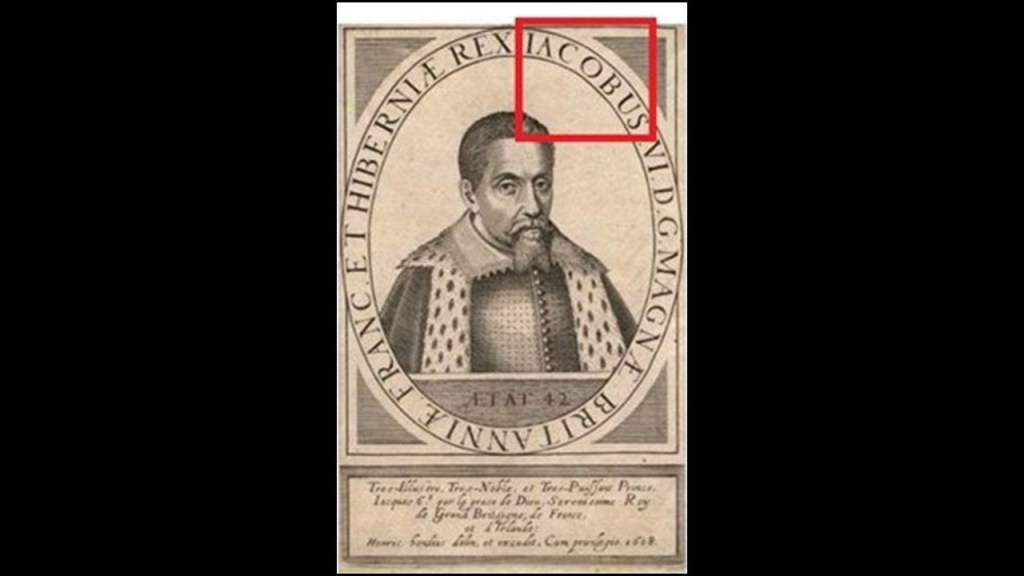
In the same year of 1717 that the Premier Grand Lodge of England was established, the mid-point year of the 450-year timeline I identified between 1492 and 1942, the Stuart Heir James Francis Edward Stuart, the Duke of Rothesay, Prince and Great Steward of Scotland, and Lord of the Isles, left where he was living in France to seek exile with Pope Clement XI in Rome, and he died in Rome in 1766.
I found the portrait on the left of James Francis Edward Stuart, which was believed to have been painted of him while he was living in France, and on the right is the typical portrait of James Francis Edward Stuart.
He was forcibly prevented from claiming the throne when he tried to do so in the Jacobite Uprising of 1715.
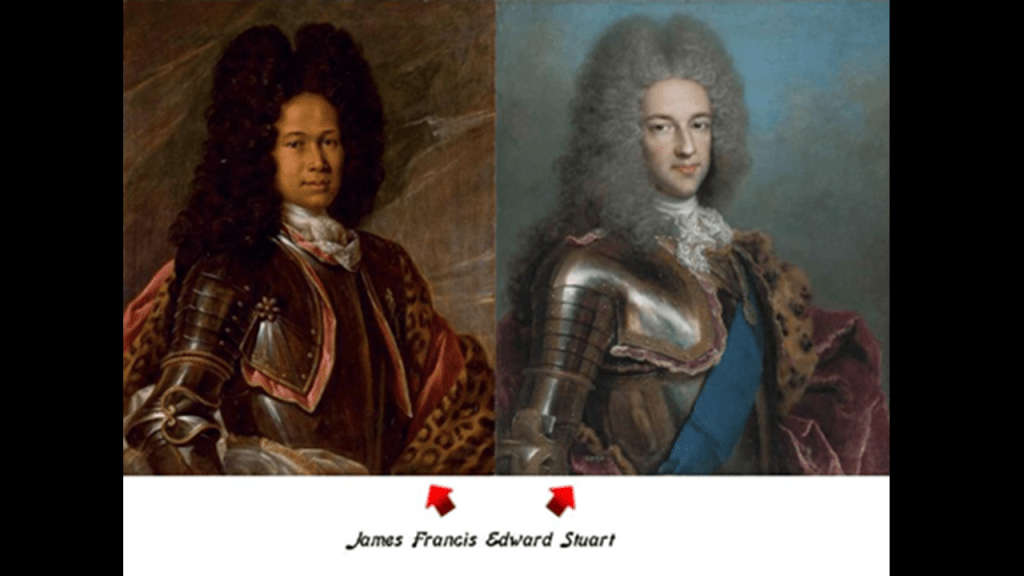
Well, in doing some digging, there’s quite a back-story to go along with that set of circumstances.
I followed the trail back to Elizabeth of Bohemia of the Royal House of Stuart.
She lived from 1596 to 1662, and was the daughter of King James and Queen Anne of Denmark.
In 1613, Elizabeth married Frederick V, the Elector-Prince of the Palatinate, one of the Holy Roman Empire’s greatest Prince-Electorates.
The Electors were responsible for electing the Holy Roman Emperor.
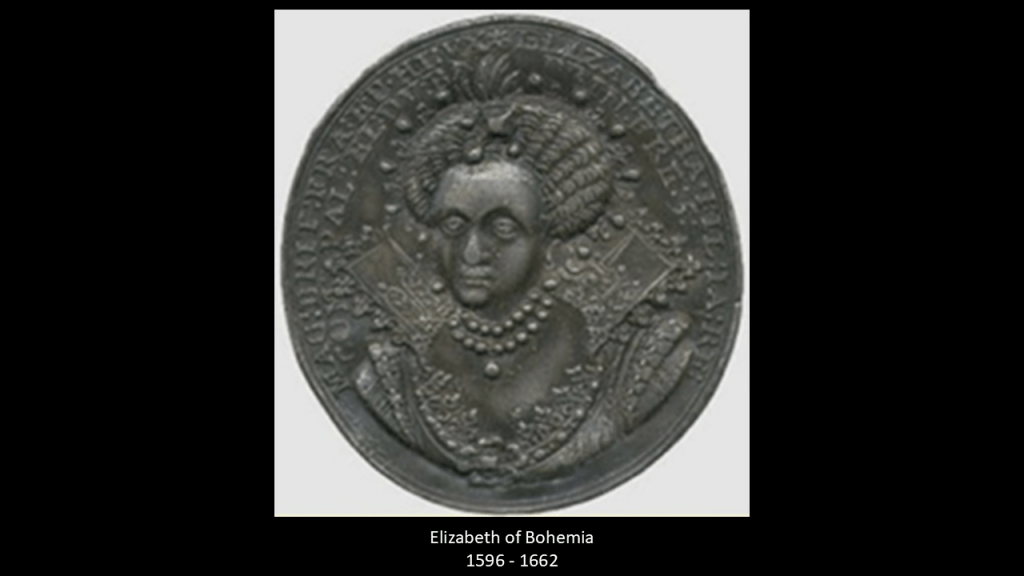
The daughter of Elizabeth of Bohemia and Frederick V was Princess Sophia.
Princess Sophia was the founder of the Hanoverian line of British Monarchs, and through her mother, a descendent of the House of Stuart.
Thus, Princess Sophia, the granddaughter of the Stuart King James, was named heir-presumptive to the Crown by the 1701 Act of Settlement.
We are told the 1701 Act of Settlement was passed to settle the succession of the Crown to Protestants only, and their daughter Princess Sophia was the next Protestant in-line for the throne after Queen Anne, the last Stuart monarch from 1702 to 1714.
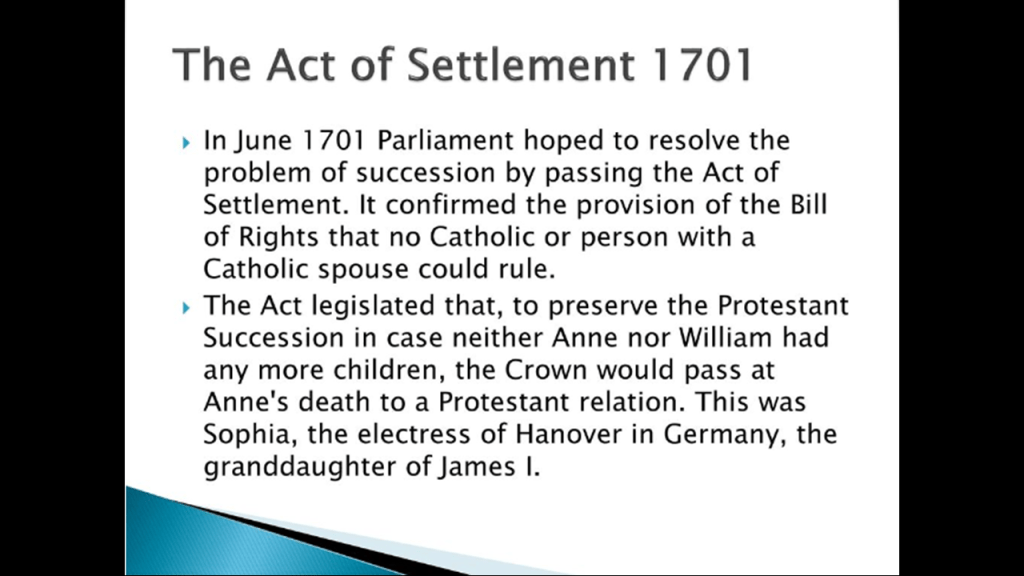
Then in 1707, the Act of Union between the Parliament of Scotland and the Parliament of England formally unified both Kingdoms as the Kingdom of Great Britain, and when the heir-apparent of the British throne started assuming the titles of the Duke of Rothesay, Prince and Great Steward of Scotland, and Lord of the Isles, which continues to this day.
With regards to Princess Sophia of Hanover and the 1701 Act of Settlement naming her as Heir-Presumptive to the Throne, she unfortunately died on June 8th of 1714, almost two-months before the death of Queen Anne, the last Stuart monarch, who died on August 1st of 1714.
So Princess Sophia’s son became King George I on August 1st of 1714, establishing the House of Hanover as the new British Royal House, with her Stuart bloodline to legitimize it.
The last monarch of the House of Hanover was Queen Victoria, and where the obscure German lineage of the House of Saxe-Coburg and Gotha through the previously-mentioned Duke Francis of Saxe-Coburg-Saalfeld got inserted into this royal bloodline.
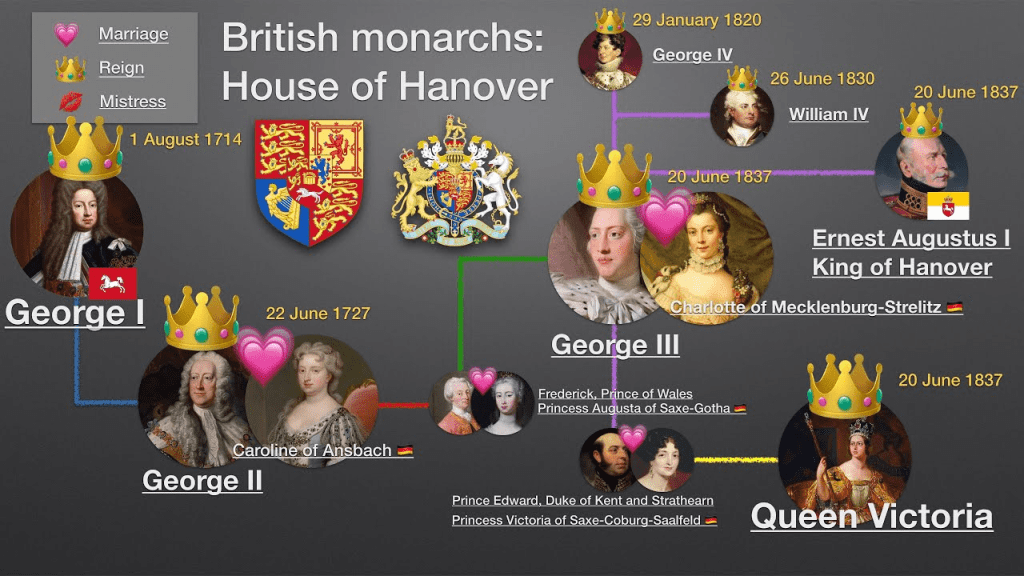
King Leopold I of Belgium, the youngest son of Duke Francis, had strong ties to Great Britain as he had moved there and married Princess Charlotte of Wales in 1816, second-in-line to the British throne, after her father the Prince-Regent, who became King George IV.
She is recorded as having died after delivering a stillborn child a year after they were married, leaving King George IV without any legitimate grandchildren.
Baron Stockmar of Coburg was the personal physician of Leopold I at the time of his marriage to Princess Charlotte, and after her untimely death, stayed on as his private secretary, comptroller of the household, and political advisor, and later, a very important and influential advisor of Victoria and Albert.
King George III’s son, the Prince-Regent George’s brother, Prince Edward, ended-up proposing to Leopold I’s older sister Victoria, of Saxe-Coburg-Saalfeld, who were the parents of the future Queen Victoria.
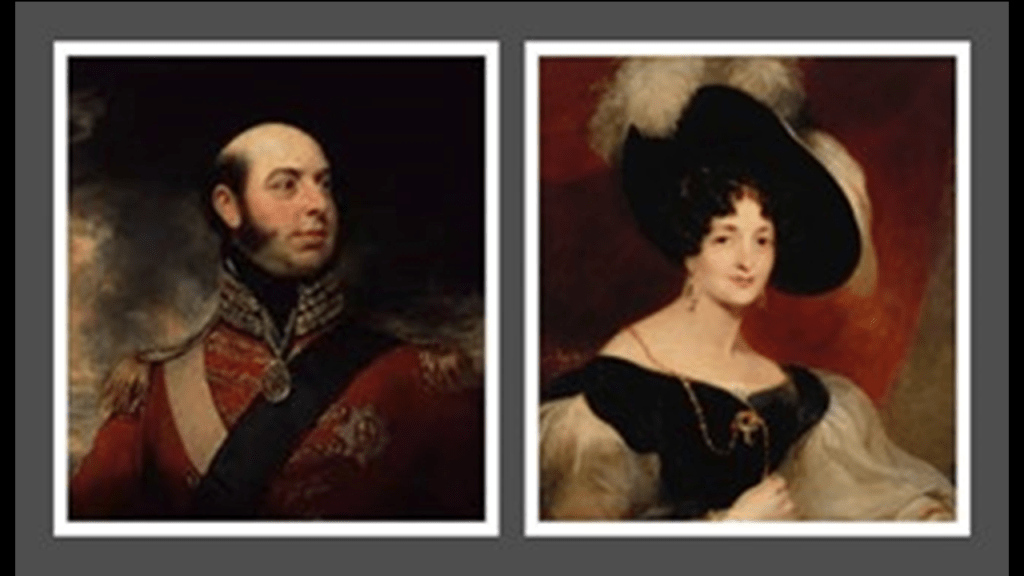
Through Queen Victoria and Prince Albert, who were first cousins, the House of Saxe-Coburg & Gotha continued to seed the new Royal Houses of Europe.
So Queen Victoria was a direct descendent not only of Duke Francis of Saxe-Coburg-Saalfeld, but also of King James through his granddaughter Sophie of Hanover.
This one obscure German Ducal line ended up taking over the whole shebang!

Then on July 17th of 1917, during the reign of King George V, the name of the royal house was changed to Windsor from Saxe-Coburg and Gotha, for the stated reason of anti-German sentiment generated by World War I.
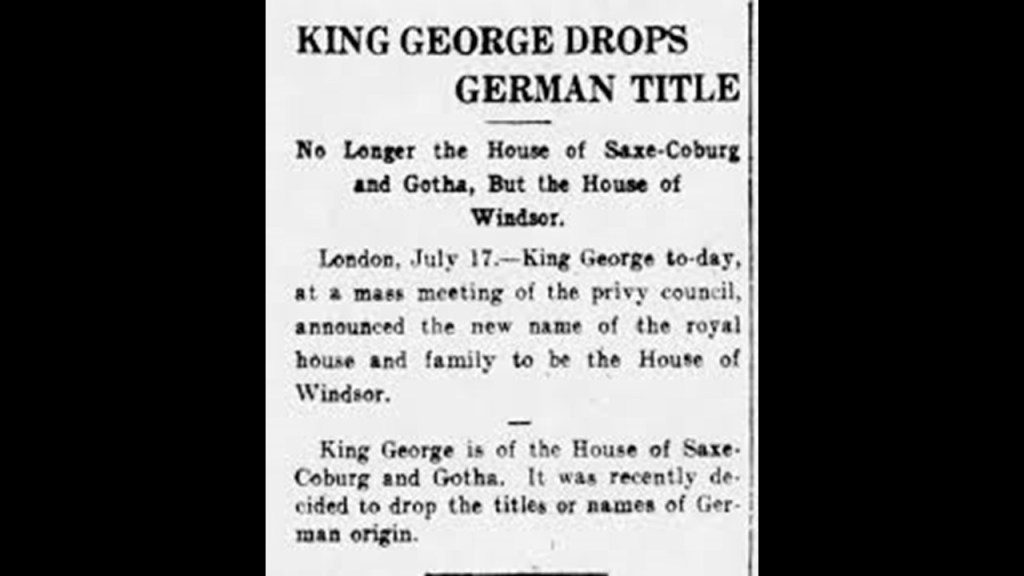
What I am seeing in my research is that the reign of the British Queen Victoria of the House of Saxe-Coburg & Gotha, between 1837 and 1901 was the major time of reset and staging of the New World and its new systems that were put in place for world domination and control.
“Alice’s Adventures in Wonderland” was first published during the Victorian Era in 1865 by Lewis Carroll.
It is a favorite book of those who have occulted our timeline, and there seems to be encoded information about what has taken place here in a book characterized as belonging in the genres of “literary nonsense” and “fantasy.”
Of particular interest is the head symbolism with the “Hatter,” as well as the beheading fetish of the Queen of Hearts.
First the character of the “Hatter.”
The “Hatter” appears in the “A Mad Tea-Party” chapter of the book.
Alice comes across the Hatter, the March Hare, and the Dormouse having tea, which they are always having because the foul-tempered Queen of Hearts sentenced him to death for “murdering the time” when he tried to sing for her.
So in retaliation, Time, also known as “Father Time,” halts himself in respect to the Hatter, keeping him stuck at 6 pm, or tea-time, forever.
The use of the phrase “Murdering the time” seems noteworthy here because I think that is exactly what happened to get us to the crazy place we are today.
And as I mentioned previously, the phrase “Mad as a Hatter” in the Victorian-era was used to suggest someone was insane because of the high-rate of mercury poisoning among those workers who made felt-hats in the 19th-century.
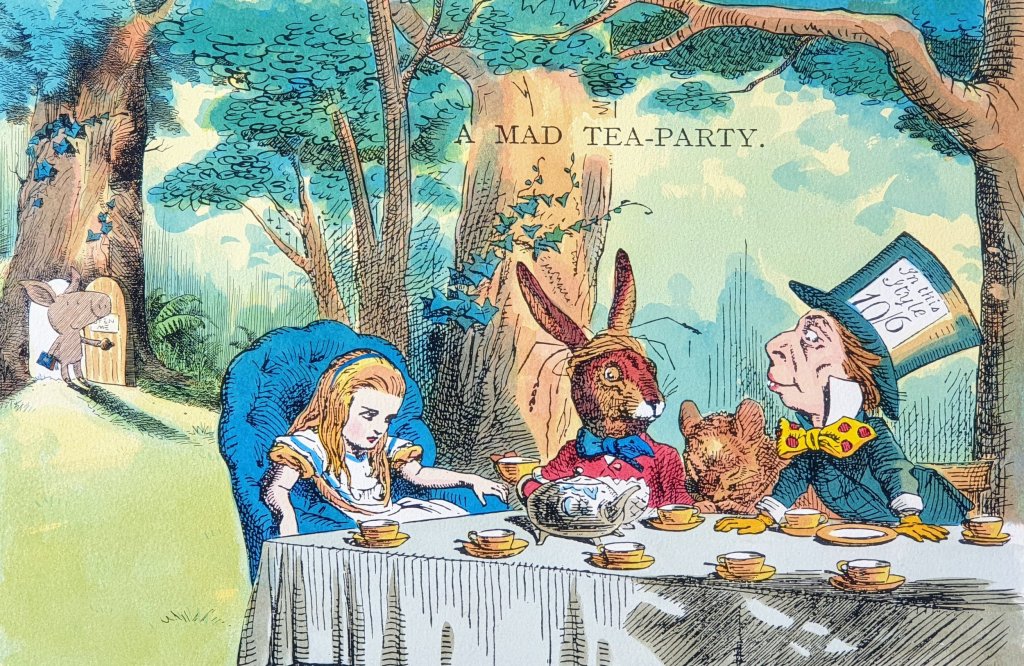
Lewis Carroll’s character of the “Queen of Hearts” was a childish, bad-tempered monarch who was the Queen of Hearts card from a pack of playing cards, and along with her “King of Hearts” playing card husband, ruled the lands of the story.
Every time the Queen became frustrated, which was frequently, she would say “Off with his/her/their head.”
Though in the story, the King of Hearts quietly pardoned everyone, the Queen still instilled fear in her subjects.
Between the madness caused by mercury-poisoning and actually beheading people, there seemed to be a concerted effort on the part of the parasitic colonizers to either create a very low-functioning individual, or to completely remove the head and crown chakra from the body, and our direct connection with our Creator.
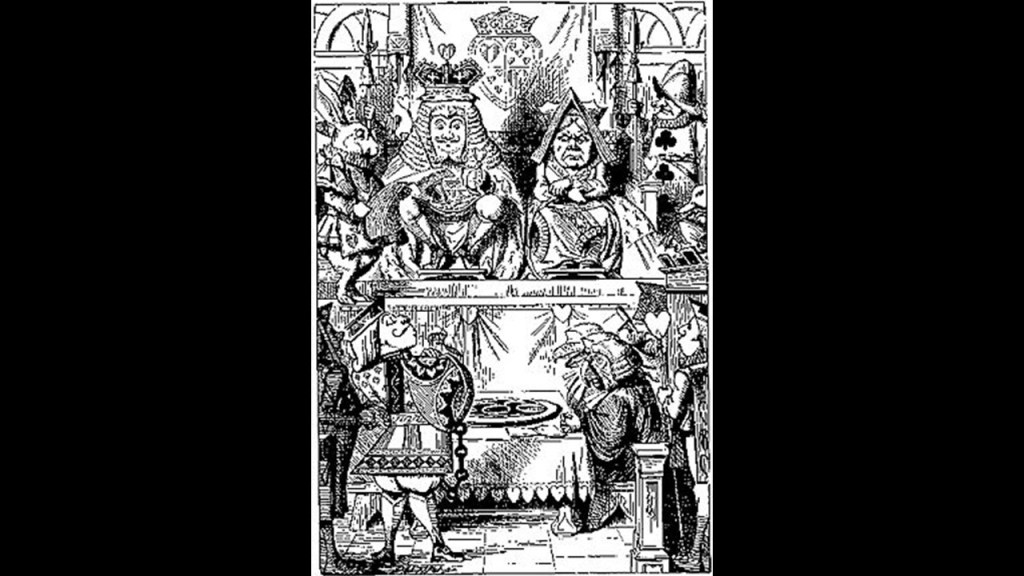
Chakras are the energy centers of spiritual power in the Human body.
The occulted system in which we have been living strives to keep us stuck in the lower aspects of our lower chakras of root (need for security instead of groundedness); sacral (sexuality instead of creativity); and solar/personal will (doubt instead of confidence); instead of cultivating our higher chakras of heart (compassion); throat (voice & expression); third-eye (intuition); and crown (connection with our higher selves).
It’s still possible to come into awareness of this knowledge, but it’s much harder to do so because we have to find it on our own in a world where this information has been removed as much as possible from our collective awareness.
The original advanced civilization on earth was learning how to raise Kundalini energy from the base of the spine at the root chakra up to the crown chakra.
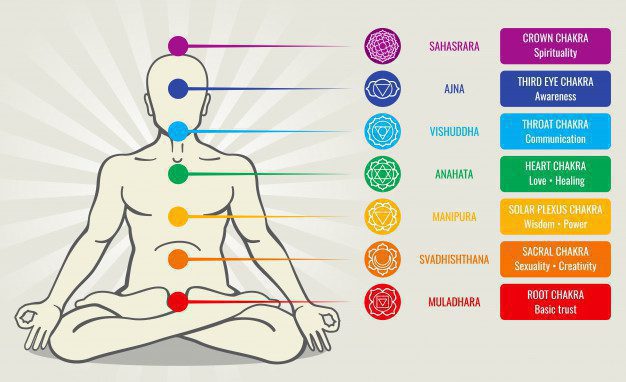
This breast-plate of what was identified as an Italian suit of armor depicts what appears to be Kundalini rising in the form of serpents to connect with wings at the “crown” chakra.
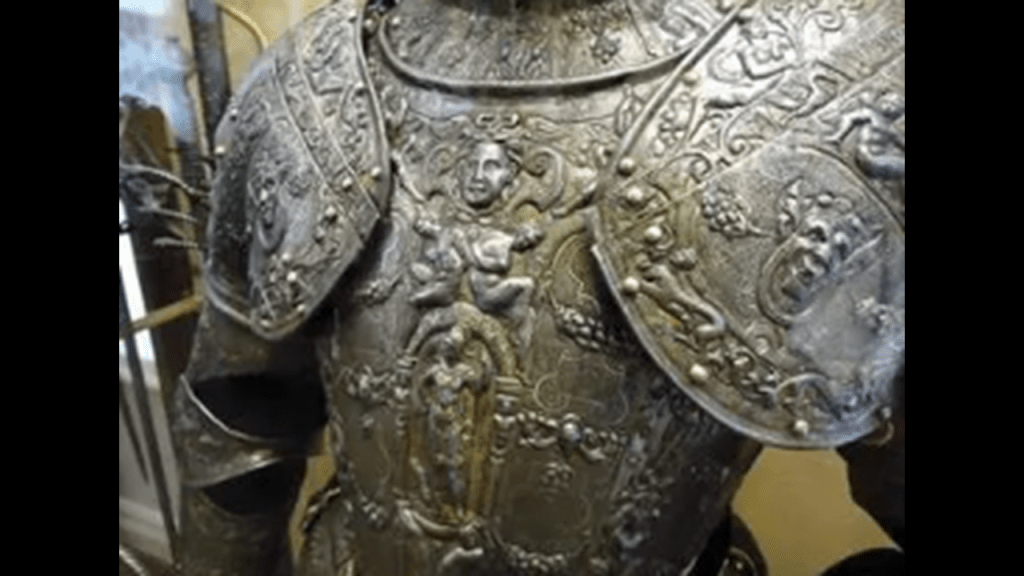
Compare the example of the armor breast-plate in the center, with the winged head of the Morfyn family crest on the top left; the snakes and winged head of the Trinicria, the symbol of Sicily, on the top right; the image of Pallas Athena on the bottom left, holding a staff entwined by a single serpent, which is the same symbol as the “Rod of Aesclepius,” and wearing a plumed helmet; and the god Mercury/Hermes on the right, with a winged helmet, feet, and holding his staff with two intertwined serpents with the winged shape at the top, known as the “Caduceus.”
Today, both the “Rod of Aesclepius” and the “Caduceus” are associated with the modern medical establishment.
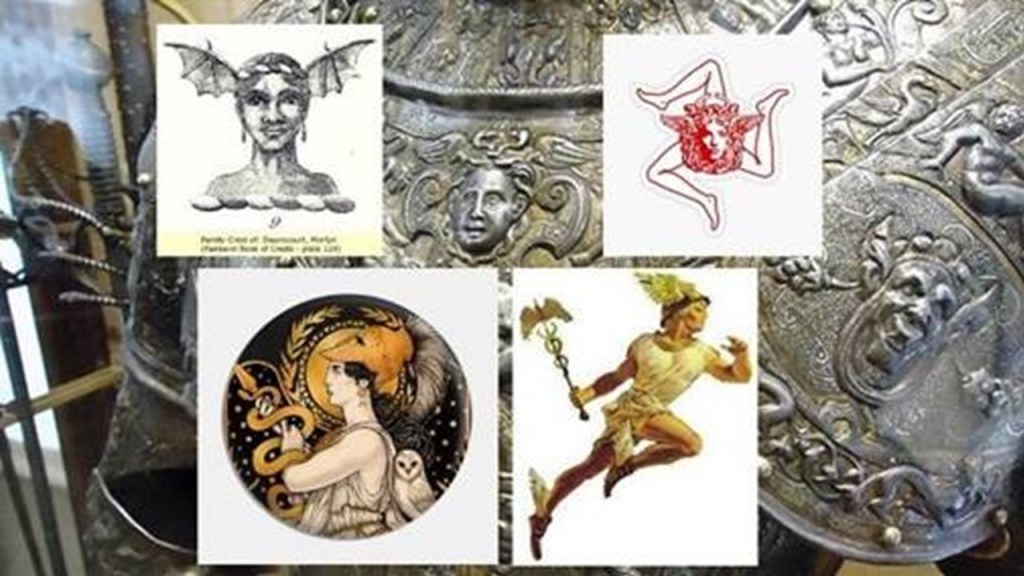
And does it make sense that beautifully decorated suits of armor like these were used for bodily protection in armed conflict as we have always been taught, given that the original worldwide civilization was highly advanced, highly accomplished, and highly integrated?
Were these beautiful suits of armor in actuality functional free-energy, or enhancement of human ability, devices?
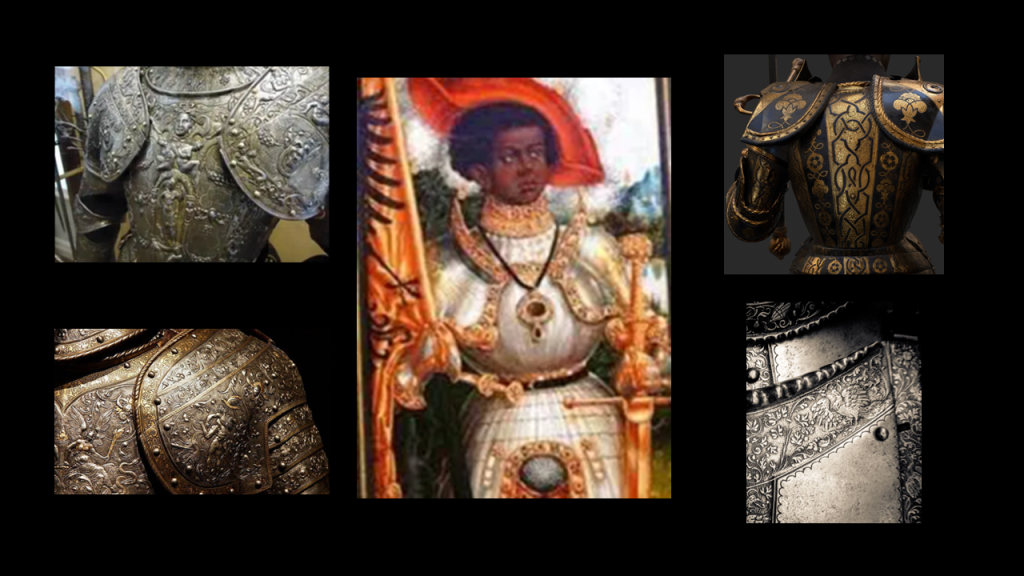
I do seriously question what we are told about who the original Templars were, also known as the Order of the Temple of Solomon.
We are told it was Catholic military order recognized in 1139 AD by Pope Innocent II’s papal bull Omne Datum Optimum.
I personally believe there is a lot of information missing from the historical record about who the Templars really were, and about what their actual historical association with the Temple of Solomon was, like maybe being Moorish Knights and Masons instead of Catholic military knights.
Whatever the Truth was about the Templars, there is simply not information available in the written historical record to make a connection directly to the Moors.
But there is indirect information available in the written historical record to make a connection to the Moors as Knights.
Like, for example, the legend of King Arthur and the Knights of the Round Table.
Moorish Masonry has 360-degrees as opposed to the 33-degrees of the Scottish Rite of western Freemasonry.
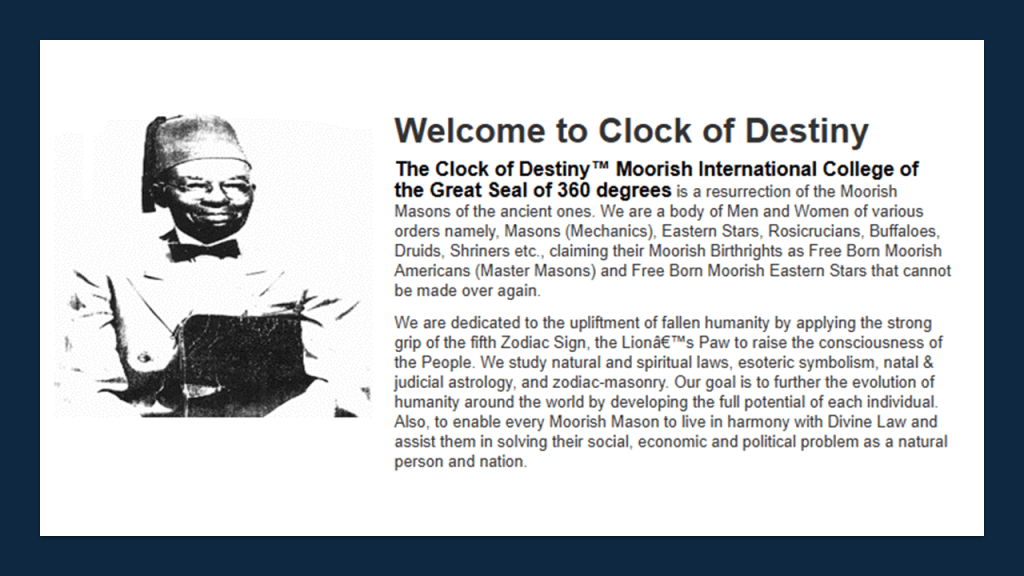
Could King Arthur and the Knights of the Round Table been an allegory for King Solomon and the Knights of the Temple of Solomon ?
What are some clues that support my contention that knights were originally Moorish Masons, and/or connected to King Solomon, or an idealized king?
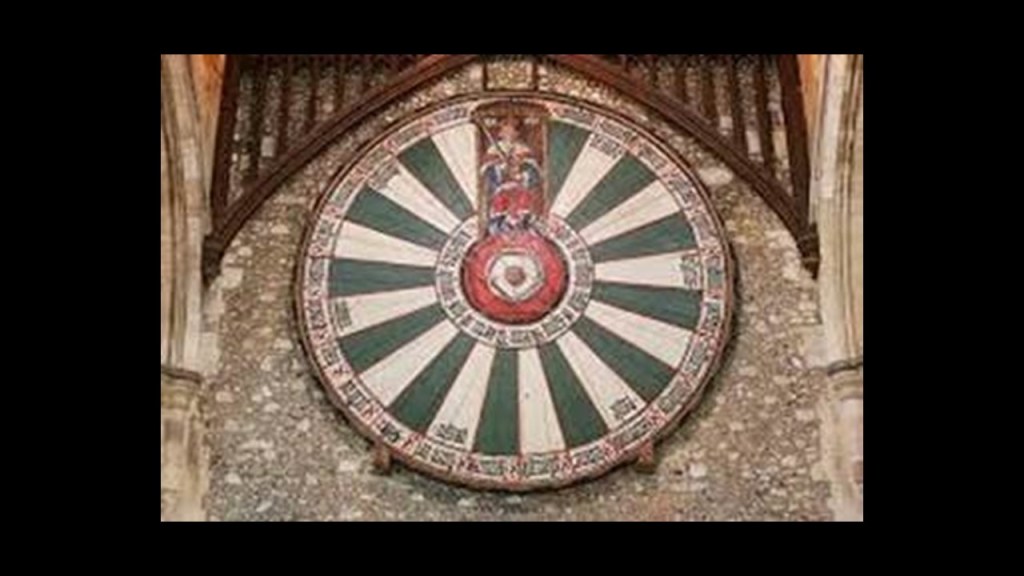
Here are some pieces of the puzzle that appear to point in that direction.
We are told that Sir Thomas Malory’s “Le Morte d’Arthur,” or “The Death of Arthur,” was first published in Middle English, the precursor to Early Modern English, in 1485.
So there is the French word for “death” right in the title, sounding a lot like the word “Moor.”
In it, King Arthur battled his son by his sister, Mordred, and they ended up killing each other.
Both patricide and filicide, and another “moor” sound.
“Le Morte D’Arthur” was considered the last major work on the Arthurian legend to be produced in the Middle Ages and the only Arthurian text in Middle English to recount the entire story of King Arthur’s life and death, and like Osiris, was prophesied to return and rule once again.
Camelot was the name of the castle and court associated with King Arthur, called the fantastic capital of Arthur’s realm and the symbol of the Arthurian World.
Knighthood was associated with the Code of Chivalry, a moral system of things like ethics, piety and manners, to create an embodiment of honor and nobility.
The literary figure of King Arthur was associated with courtly chivalry, justice and rightful Kingship, and it is speculated that he was based on a historical person, though this is not known.
And, as mentioned earlier, Osiris, like King Arthur, was connected with righteous kingship, and the rule of Ma’at, a goddess and the personification of justice, truth, balance, and order.
King Solomon was known for his wisdom, wealth, and power, for being the last king of a unified Israel and Judah and the builder of the First Temple of Jerusalem.
King Solomon’s descendent Jesus Christ, the central figure of Christianity as the Son of God and believed to be the Messiah, or Christ, prophesied in the Old Testament, which refers to him being a savior or liberator of a group of people.
The Master Teacher Jesus Christ was cruelly crucified, resurrected, ascended to heaven, and prophesied to return for a Millenial reign on the Earth as a King after a time of tribulation, when all nations live in peace under his rule; the Earth will be returned to its original glory; and Satan will be bound and unable to deceive or influence people.
It is also believed by some that the millenial reign has already happened and that we are currently in the short season of Satan, which makes sense to me.
Interesting that there are very similar themes going on here with the prophecy of righteous kingship and rule being restored after a period of great evil.
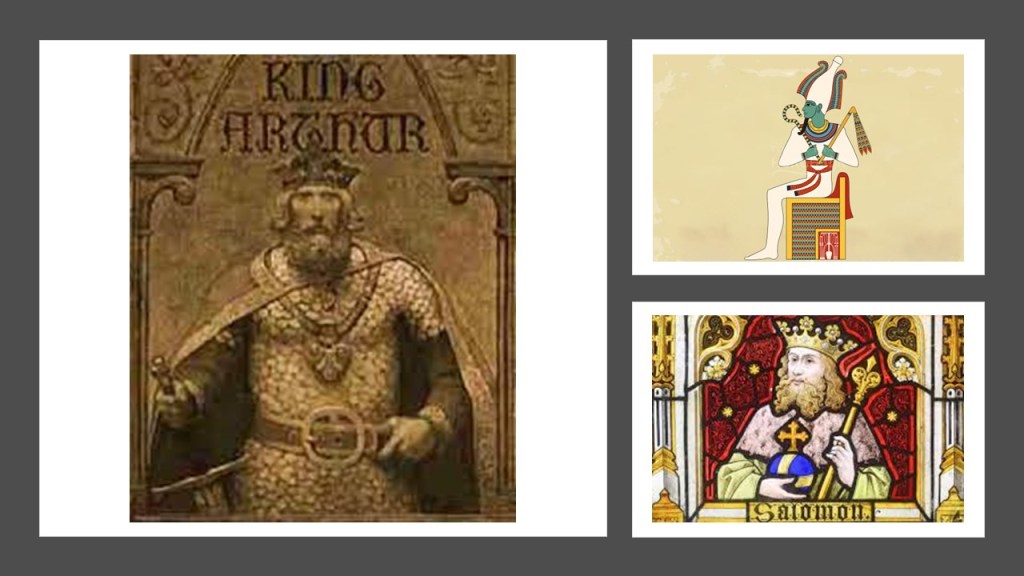
Christ Consciousness is higher consciousness, which is an elevated way of thinking and living as exemplified by the life and teaching of Jesus Christ, and characterized by love, compassion, wisdom, and recognition of One’s Divine Potential, and it is my belief that the original Humans of the ancient, advanced, Moorish-Atlantean civilization were functioning collectively in this higher consciousness until it was destroyed and taken over by low-vibrational Satanic and demonic parasites who need and steal our energy to survive and thrive, and this is why our world is filled with misery, suffering and pain.
In the Arthurian legend cycle, there was at least one Moorish Knight by the name of Sir Morien, the Moorish son of one of King Arthur’s Knights, Sir Aglovale, to be found in a Middle Dutch publication from the 13th-century In what is called the “Lancelot Compilation.”
Morien’s father, Aglovale, had travelled through Moorish lands while searching for Lancelot and fallen in love with a beautiful princess. He had to leave her on his quest to find Lancelot, prior to the birth of their son.
Years later, the already accomplished super-knight Morien went on a search to find his father, and goes on a series of adventures with other knights until he finally found his father, and Aglovale returns to the land of the Moors to marry Morien’s mother and win back her rightful lands.
Sir Thomas More, another “Moor” sound in the historical narrative, first published his book “Utopia” in Latin in 1516, and it was later published in English in 1551.
Its full title was “Of a Republic’s best state and of the new island Utopia” about a fictional island society and its customs, though More described it in his book as a “little, true book.”
The island of Utopia was placed in the New World.
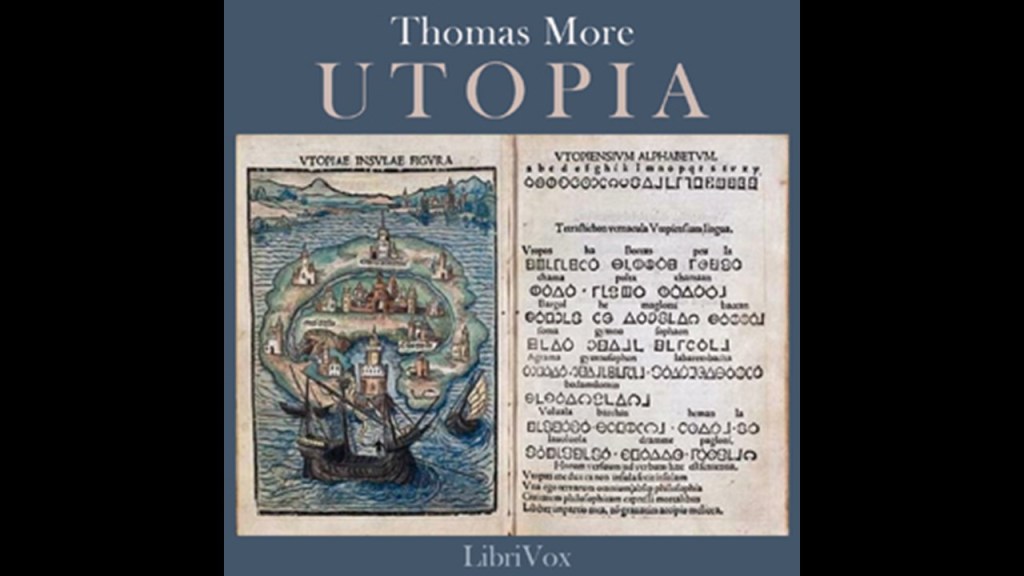
In our historical narrative, Sir Thomas More served King Henry VIII as Lord High Chancellor of England from October of 1529 to May of 1532.
Sir Thomas More opposed King Henry VIII’s separation from the Catholic Church and the annulment of the king’s first marriage to Catherine of Aragon, and refused to take the Oath of Supremacy to swear allegiance to the monarch as the Supreme Governor of the Church of England.
As a result of his refusal to go along with the program, he was convicted of treason and executed by beheading.
Like I said previously, I have serious doubts that King Henry VIII ever even existed, but this is what comes down to us in our detailed historical narrative.
When I was looking for information on early Masques, I came across a reference in Wikipedia to “The Masque of Indian and China Knights,” which has also been called “The Masque of the Orient Knights.”
What we are told about it is that it was unpublished, while there is no surviving text of it, it was described in a letter written by Dudley Carleton, 1st Viscount Dorchester and an English art collector, diplomat and Secretary of State in our narrative.
The information available to find is that it was performed at Hampton Court on January 1st of 1604 to mark the return of the royal households to London after an outbreak of plague.
The general theme of the masque was a visit of knights from distant lands to the new Stuart Court in England.
We are told the representation of a Chinese magician in the masque described an imagined country that from Carleton’s report seemed to be a kind of fictionalized Utopia.
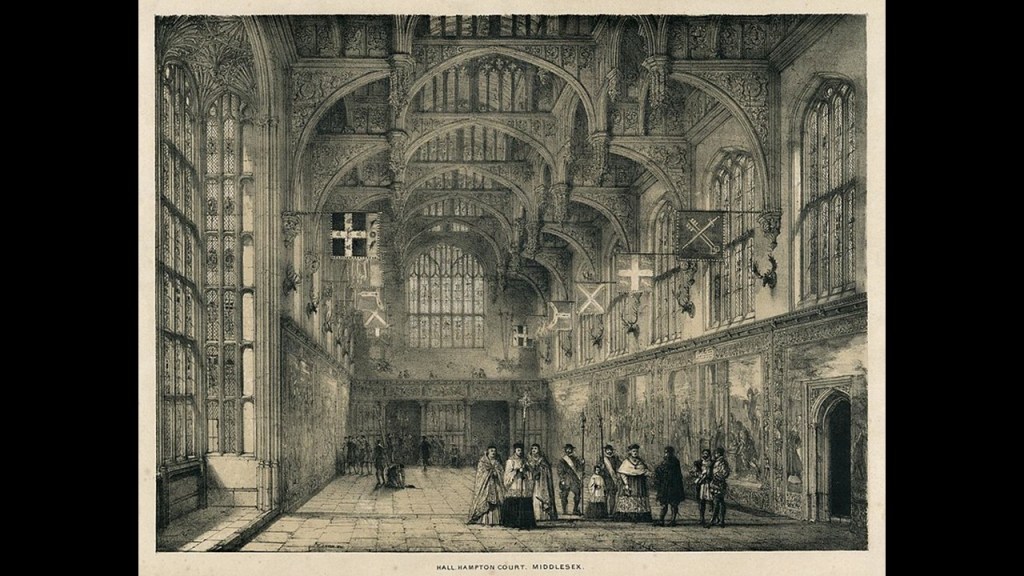
We are told that King James mentioned William Bankes and his dancing horse during the performance of this Masque.
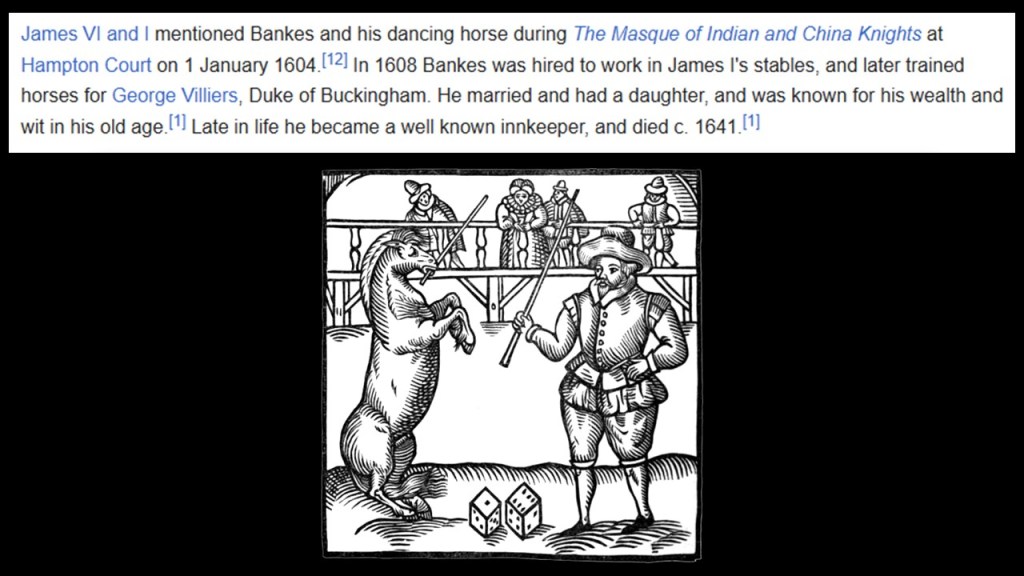
The name of this performing horse in our historical narrative was “Marocco,” and Marocco had a storied career of performing dancing and thinking skills all over Europe, until his death in 1606.
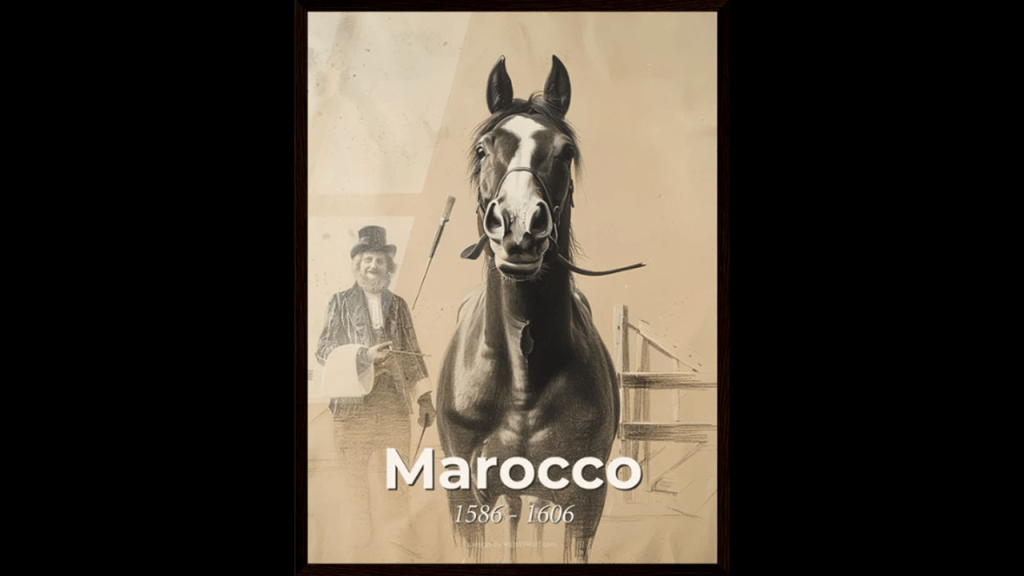
Before I dive in to the broader topic of “Marocco,” I would like to mention two other masques that were referenced in the wikipedia article about “The Masque of Indian and China Knights.”
One was said to have been performed at the Scottish Court at Holyrood Palace in Edinburgh in the Christmas season of 1579 – 1580.
Called “The Navigatioun” by Alexander Montgomerie, it involved a torchlit entrance by the narrator, and “a Turk, the Moor, and the Egyptian,” and the prologue of the masque referred to the Magi and the Epiphany to represent James as the Northern Star, and that James was also characterized as “Solomon.”
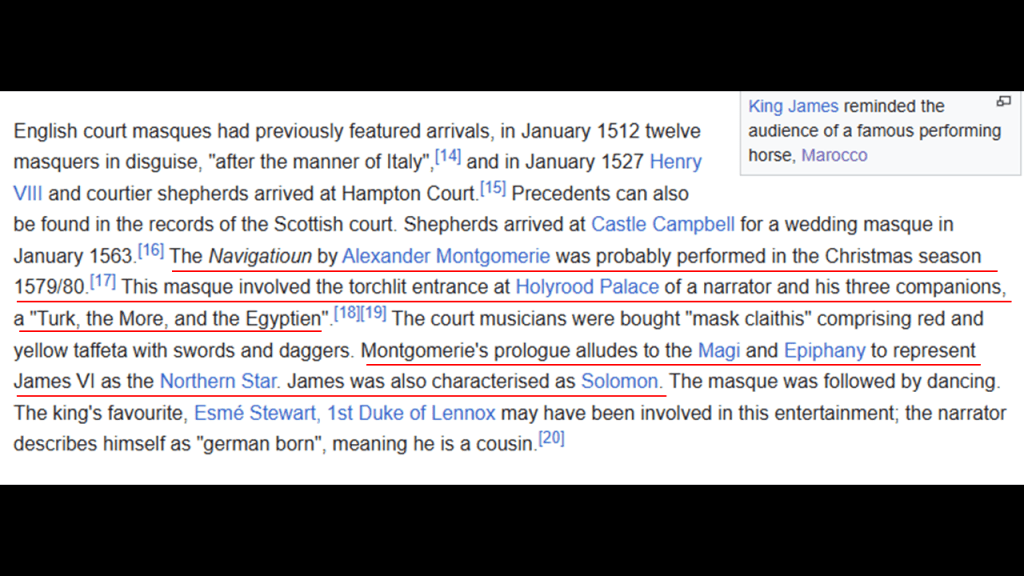
The Northern Star, or North Star, is one of the names for Polaris, or Pole Star.
Polaris is famous for appearing to stand-still in the night sky while the northern sky moves around it.

The other masque that was referenced in the wikipedia article was one that celebrated the baptism of James VI of Scotland in 1566.
In it, Indian “nereids,” which were sea nymphs, used compasses to navigate their way to the royal residence of Stirling Castle in Scotland by following the “Great Bear” from the New World, and it further says the Indian Knights from the Hampton Court Masque of 1604 may have represented indigenous peoples of the Americas.
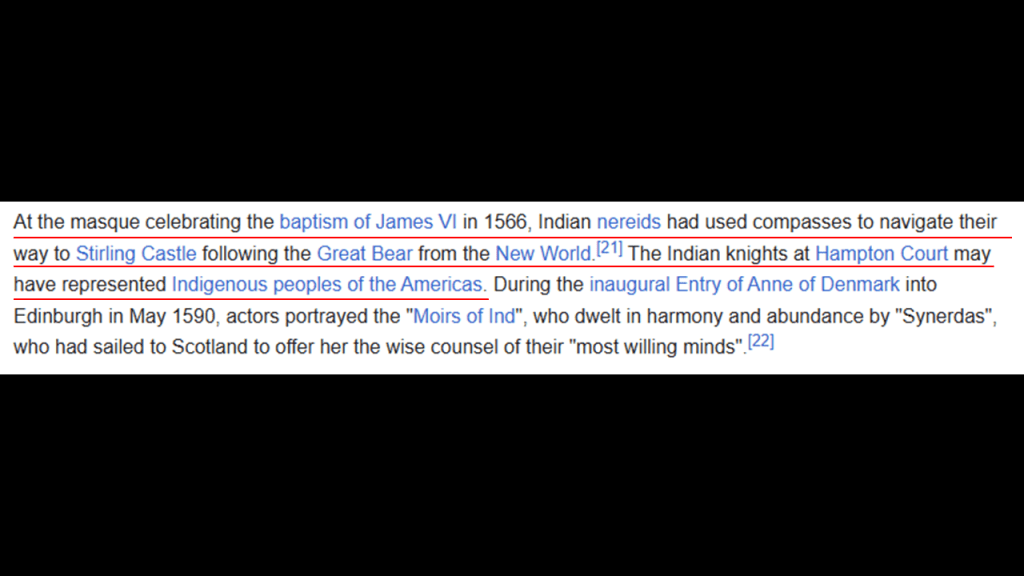
The “Great Bear” is another name for the constellation in the northern sky of Ursa Major, also known as the Big Dipper, which is contrasted with the nearby Ursa Minor, also known as the Little Dipper.
Polaris, the Pole Star or North Star, is in the constellation of Ursa Minor.
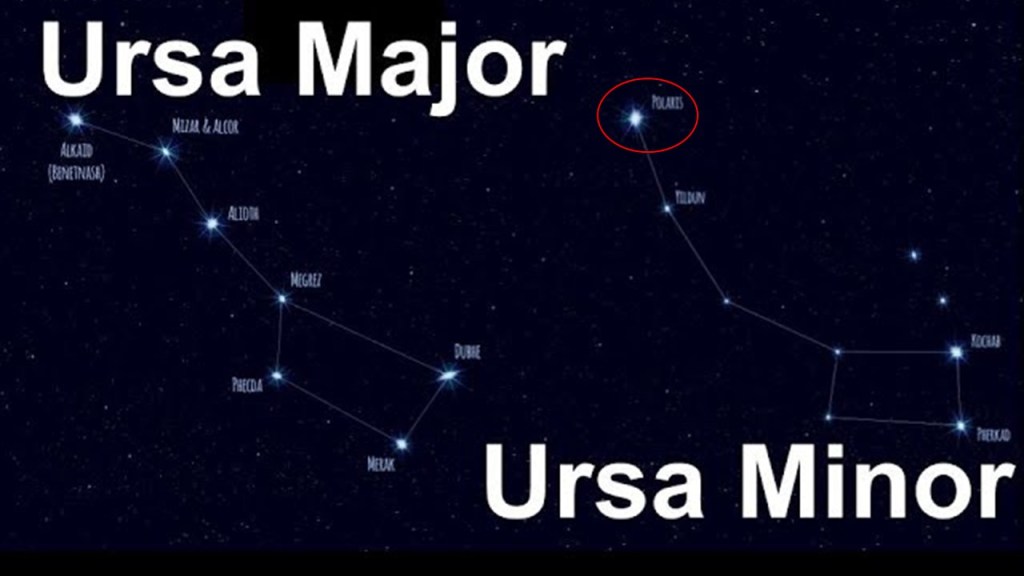
As a matter of fact, Polaris is visible from the location of the “Compass Meridian Stones” in Frederick, Maryland, and these two stones have been measured to align with the North.
Frederick is 49-miles, or 79-kilometers, northwest of Washington.
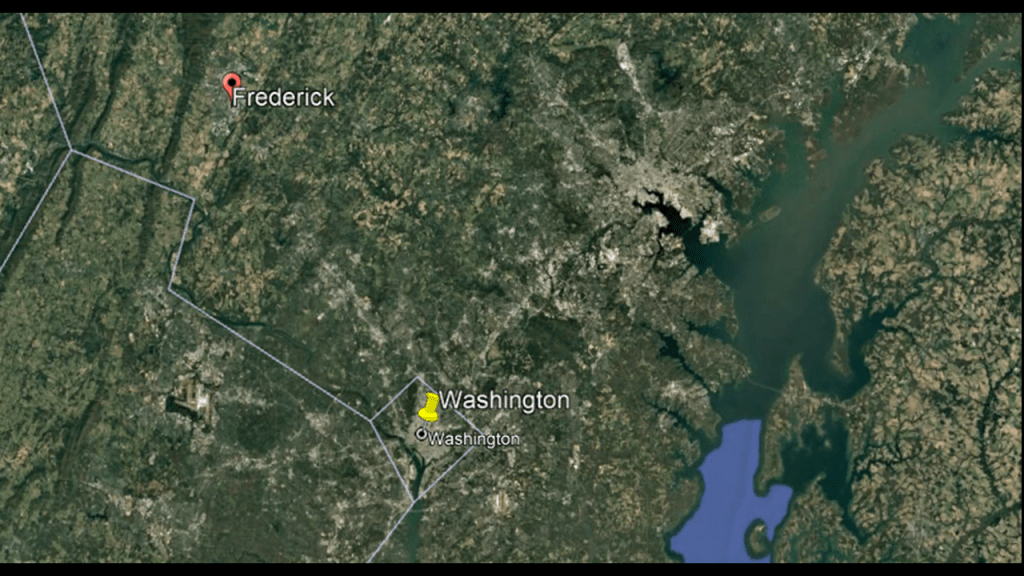
The “Compass Meridian Stones” are located on opposite sides of the lawn of the old courthouse, which is now the City Hall, and established as a North-South baseline in Maryland that surveyors used to annually check for variations in their compasses here and were required to report them to the Clerk of the Court to register them.
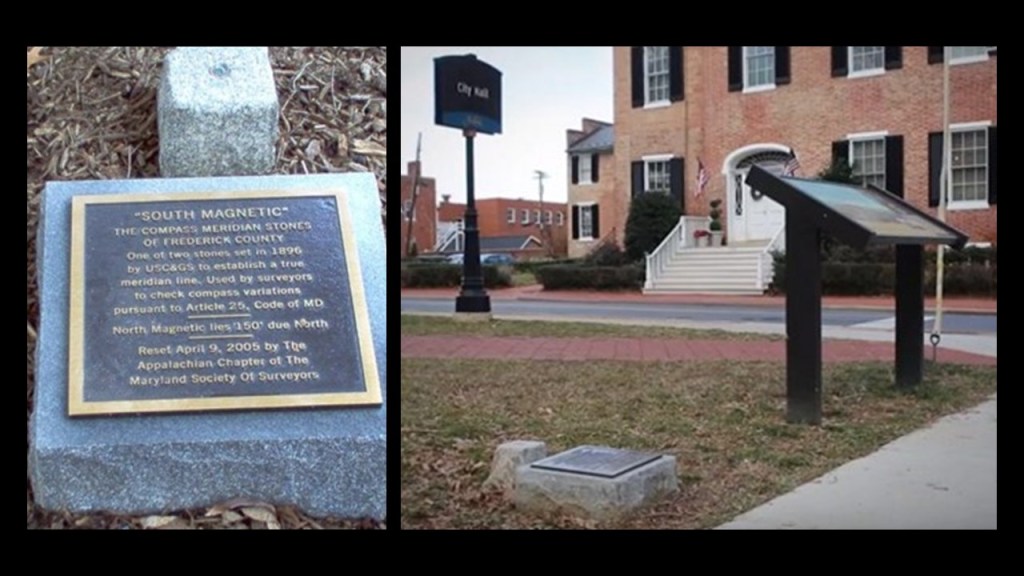
North, Central, and South America, and the adjoining islands were the lands of the Moorish Empire, and today’s North America was the Keeper of the North Gate.
New York is nicknamed “The Empire State” and we are left completely in the dark as to what empire that might be referring to.
Families of the parasites descended on New York City as their main base from the beginning of their colonization, like the Astors with the German-born John Jacob Astor immigrating to America in 1783, right after the American Revolutionary War in our historical narrative, and who landed in New York City in 1785, and proceeded to become the first multi-millionaire businessman in the United States, form things like real estate investment as well as the fur trade and the opium-smuggling trade.
I have placed stars at both the Atlantic northeast coast of the United States in the approximate location of New York City as well as the location of the country of Morocco in northwest Africa.
I have put arrows to show where a visual case can be made that the coastlines of the east coast of the Americas and of the west coast of Europe and Africa would match-up if you were to slide them back together into place.
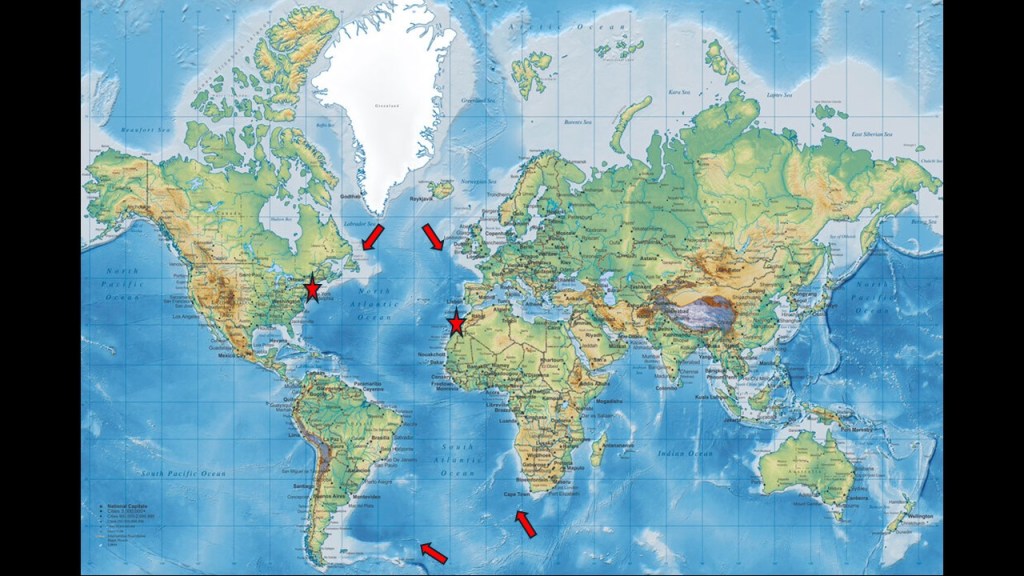
I have researched places in New York and New Jersey extensively, and there are countless examples of obviously Moorish architecture either are not with us today in their original form, or no longer with us at all, which is the larger category by far, like the examples I gave earlier of the historic trolley amusement parks of western Coney Island.
Examples that come to mind in Atlantic City, New Jersey include the Steel Pier.
The Steel Pier was said to have been built by the Steel Pier Company that first opened in June of 1898 as an amusement park built on a pier.
Called the “Showplace of the Nation,” it was one of the most popular entertainment venues in the United States for 70 years.
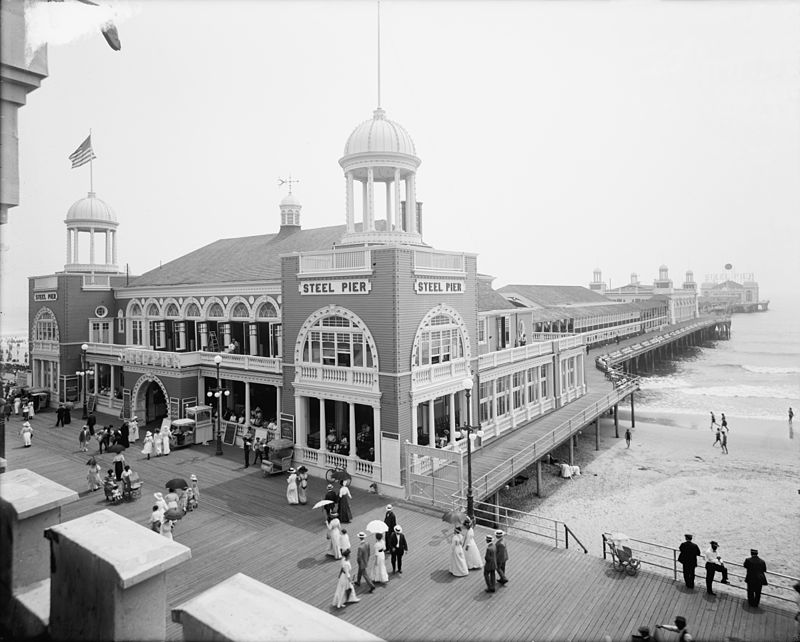
The Steel Pier continues to operate as an amusement park to this day, but without the original infrastructure.

Other examples of the original Moorish-style architecture in Atlantic City included the Marlborough-Blenheim Hotel, which was said to have been built between 1902 and 1906, and demolished in October of 1978.
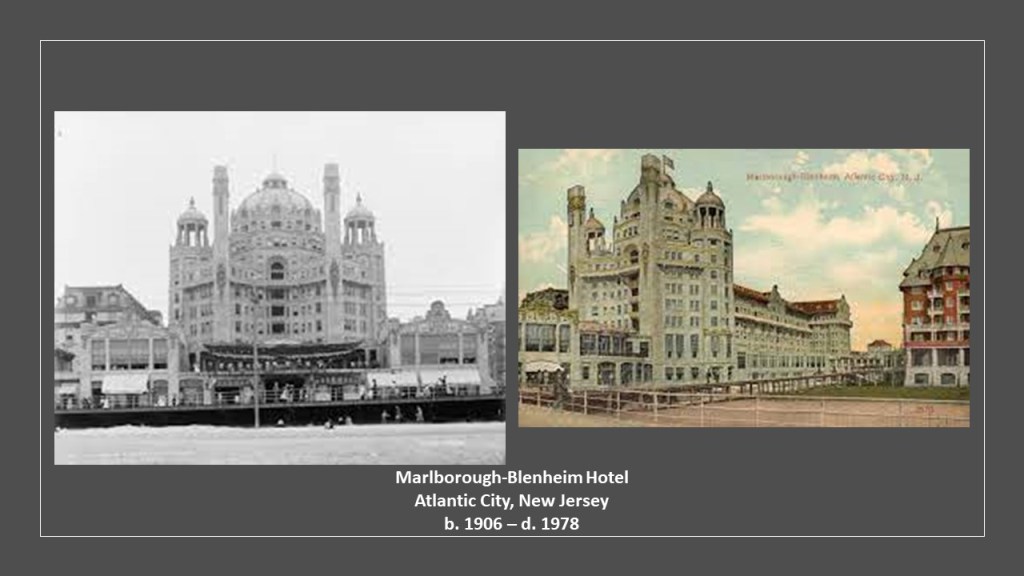
Also, the Hotel Windsor, about which I can’t find any information to speak of, but presumably long gone.
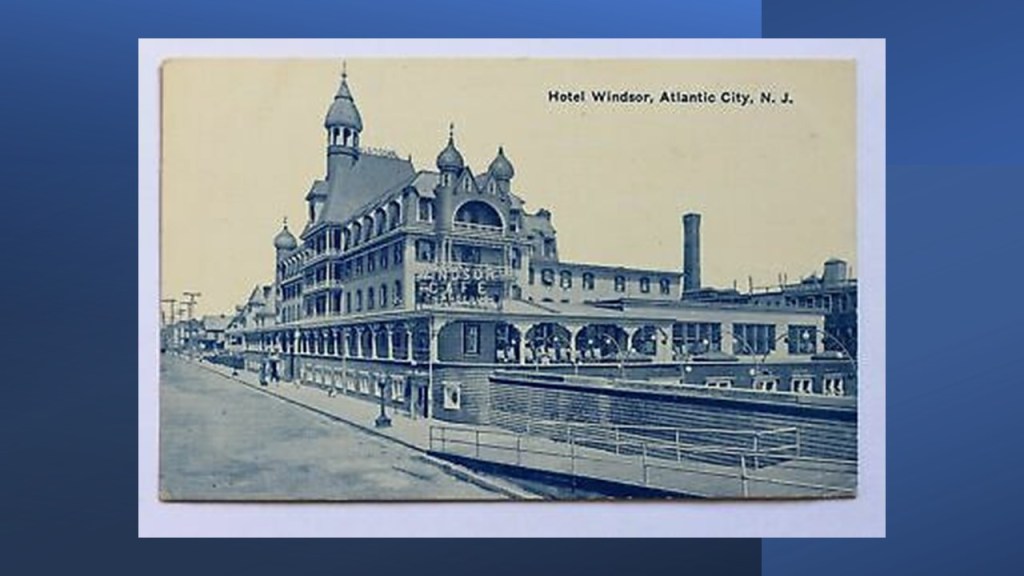
All of the infrastructure on Earth is perfectly aligned geometrically to each other and to the Heavens from ancient to modern times, and our official historical narrative in no way comes even close to explaining this perfection, instead explaining everything away as random occurrences.
I have been studying this subject for a long time through the lens of the Moorish Paradigm, and have documented my extensive findings of this from tracking cities and places in alignment since June of 2018.
I compiled some of my findings several years ago in this post “Ancient and Modern Evidence for the Perfect alignment of Heaven and Earth Worldwide.”
Let’s take a look at what our modern scientific paradigm tells us to explain the world in which we live.
One of the bedrock foundations of modern science is the work of Sir Charles Lyell.
Sir Charles Lyell was said to have demonstrated the power of known natural causes in explaining Earth’s history.

In his books, “The Principles of Geology,” published in three volumes between 1830 and 1833, he presented the idea that the Earth was shaped by the same natural processes that are still operating today at similar intensities, and as such a proponent of “Uniformitarianism,” a gradualistic view of natural laws and processes occurring at the same rate now as they have always done.
This theory was in contrast to “catastrophism,” or the theory that Earth has been shaped by sudden, short-lived violent events of a worldwide nature.
As a result of Lyell’s work, the glacial theory gained acceptance between 1839 and 1846, and we are told during that time, scientists started to recognize the existence of ice ages, and do to this day.
Sir Charles Lyell’s books on “Uniformitarianism” and “Ice Ages” in geology became the only accepted model taught by Academia.
And in so doing, provides the perfect cover for things like megaliths and megalithic stone structures in North America, by calling them “glacial erratics” from the last Ice Age.
“Glacial erratics” are defined as rocks that have been moved by glaciers and deposited in new locations, often far from where they originated.
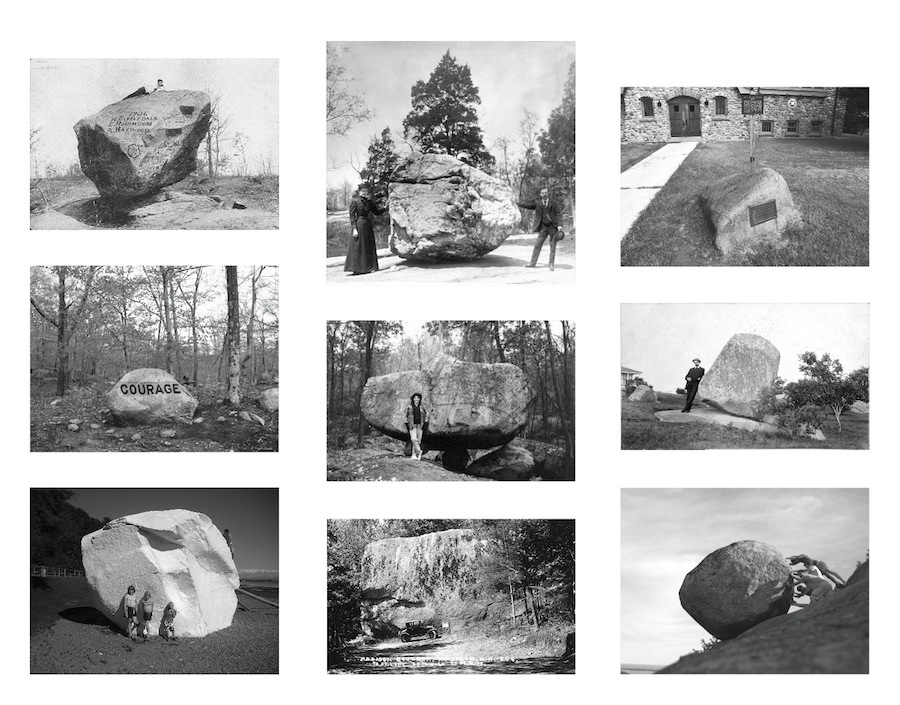
So, for example, what’s called a “glacial erratic” in North America is called a “dolmen” in many other places around the world!
Dolmens are defined as prehistoric monuments of two or more upright stones supporting a horizontal stone slab and thought to be a tomb by those seeking to explain them.
“Balanced Rock” in North Salem, New York, on the left is categorized as a “glacial erractic,” and the Proleek Dolmen is found in Ireland on the right.
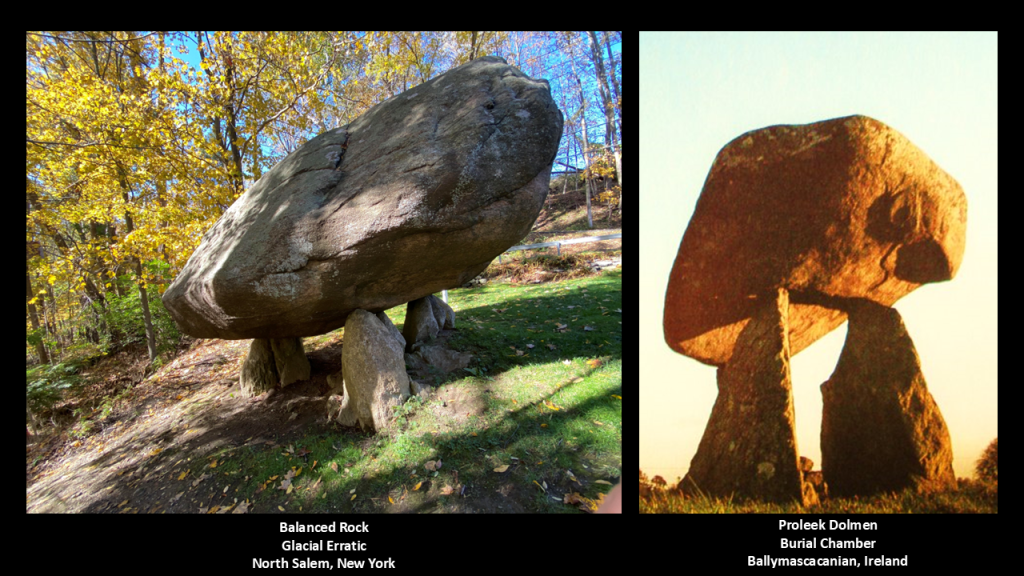
Another one of the bedrock foundations of modern science are the accepted scientific theories of Plate Tectonics and Continental Drift that are closely connected to the gradualistic view of natural laws and processes occuring at the same rate now as they have always done in the Uniformitarian worldview of Sir Charles Lyell.
In 1915, Alfred Wegener, a 1905 graduate of Humboldt University of Berlin, the world’s preeminent university for the natural sciences during the 19th-century and early 20th-century, published “The Origins of Continents and Oceans,” in which he theorized that Earth’s continents move or drift relative to each other over long periods of geologic time, and that the continents were once joined together in a large landmass “supercontinent.”
So apparently the idea that at one time there was one large supercontinent is not in dispute.
The issue is when and how the continents separated: Slowly and over geologic time vs. suddenly and catastrophically.
And once again, Academia supports Uniformitarianism without question as the only explanation for what we see in today’s world.
And even though initially Wegener’s theory was not accepted by Academia because there was not a proposed mechanism, the Continental Drift theory was later incorporated into Plate Tectonics, the scientific theory that Earth’s lithosphere is comprised of a number of large tectonic plates that have been slowly moving for 3 – 4 billion years, and this is what we are taught today.
The same concept of Uniformitarianism in which the Earth has been shaped by the same natural processes that are still operating today at similar intensities at the same rate now as they have always done has been applied to the formation of deserts, dunes, and wetlands.
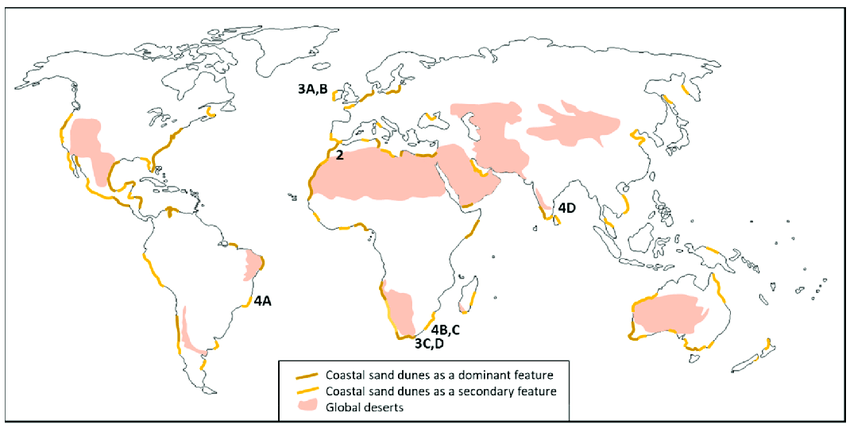
For example, the Sahara Desert.
At one time, not only did the Sahara Desert have a fertile, savannah-type ecosystem, supporting a wide-and-varied wildlife population, like these life-sized giraffes carved in rock there…
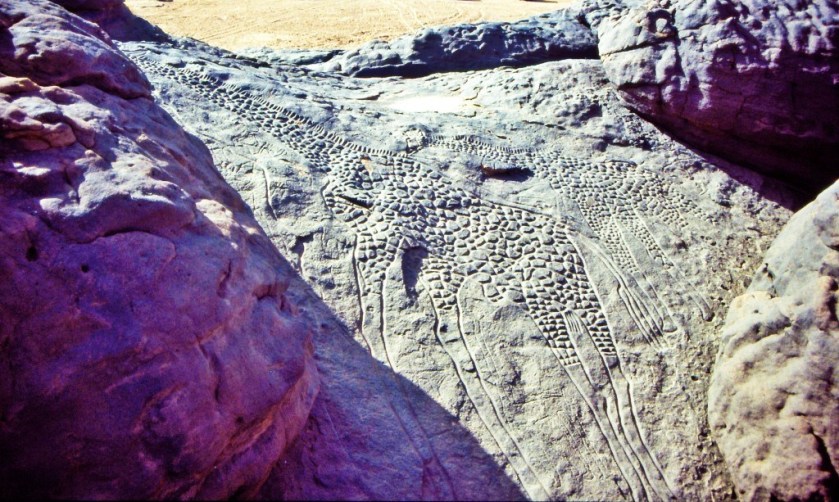
…the region now called the Sahara Desert had great forests, including but not limited to, oak, elm, alder, juniper, and pine.
As you can see in this slide, we are taught that desertification started happening thousands of years ago, and climate change caused the region to dry out and forced people to leave.
There is so much that we have not been told about!
The silence about the history of this region of the world in the present-day is deafening.

This is a good place to bring up desertification of certain places around the world just like the Sahara Desert, in which lands look like they have been destroyed.
Desert living is described as characterized by harsh conditions like extreme temperatures, the scarcity of water and limited vegetation.
Was the desertification around the world the result of natural processes over time as we have been taught in school?
Or did something happen to cause it all of a sudden that we haven’t been told about?

Continuing on with the example of the Sahara Desert in North Africa, this place looks absolutely devastated!
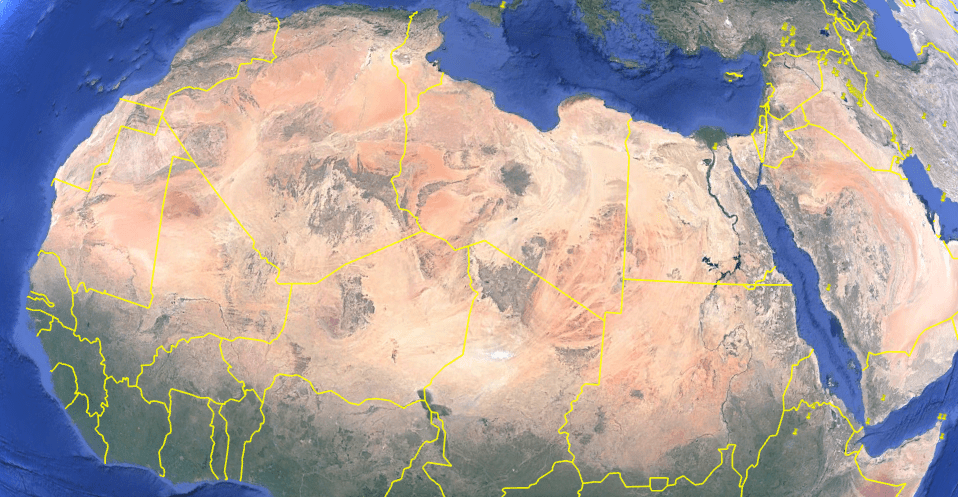
The Eye of the Sahara in this region of western North Africa is in central Mauretania, and is visible from space.
The desert sands in this Google Earth screenshot look they are flowing downward, like a river of sand.

The Eye of the Sahara, also known as the Richat Structure, is described as a geological formation that resembles an enormous bulls-eye.
It is highly symmetrical, and measures 25-miles, or 40-kilometers in diameter.
Three nested rings dip outwards from the center of the structure, and are all equidistant from the center.

Some have speculated that this configuration matches that of Atlantis as described by Plato.
If it is a man-made structure, and not natural as many want us to believe, why does it look melted?

The Eye of the Sahara resembles Lop Nur, an ancient salt lake in the Takla Maklan Desert in the Southeastern portion of the Uighur Autonomous Region of Xinjiang in China.
Lop Nur was the location where the Chinese Nuclear Weapons Test Base had four nuclear testing zones, starting in 1959 – with H-Bomb detonation in 1967 – until 1996, with 45 nuclear tests conducted.

France began its nuclear testing program in the western Sahara Desert in Reggane, Algeria, between 1960 and 1961, right before Algeria’s independence from France in 1962.

They conducted four atmospheric nuclear tests, which contaminated the Sahara Desert with plutonium, negatively impacting those who live here to this day – not only Reggane, but far beyond.
All together between 1960 and 1966, a total of 17 nuclear tests were conducted in the Reggane District of Algeria.

Next, it is interesting to note there is a town and region in Tunisia named Tataouine.
The word the town and region is named for was said to have meant “springs.”
The region is known for its underground dwellings of the Berber inhabitants.

Tataouine in Tunisia was the inspiration for the desert planet of “Tatooine” in “Star Wars,” and was actually a filming location for “Tattooine” in the movie.

Out of curiosity, since there seems to be quite a bit of disclosure happening in Hollywood movies, I looked up how Tattooine in “Star Wars” became a desert planet.
So as related in the history of “Star Wars,” Once Upon a Time, Tattooine was a thriving world with twin suns, where its advanced people lived peacefully in gleaming cities alongside blue seas, but it was invaded by the Rakatan Infinite Empire, who enslaved the inhabitants.
Though Tatooine’s inhabitants were able eventually drive that Rakata off their world after a virulent plague weakened the invaders, the Rakata retaliated with an orbital bombardment that glassed the surface of the planet and boiled off its oceans, with the glass becoming sand in time.
This description seems to fit what we are looking at here, and with the extensive damage found across the surface of the Earth, multiple causes of the destruction of Earth’s grid system from Directed Energy attacks makes a lot of sense to me to explain the world we find ourselves living in today that was far from our original evolutionary path and advanced civilization on Earth.

The Wadi M’zab Valley in Ghardaia Province of Algeria has been a UNESCO World Heritage Site since 1982.
It is located approximately 450-miles, or 715-kilometers, northeast of the Reggane District where the nuclear testing was conducted.

The cities of the Wadi M’zab Valley are seven in number, with five built close together, and two lie further out.
Ghardaia is upstream of the other four cities that form what is called the “pentapole,” and is the commercial capital of the Mzab.

Taking a look at the Pleiades, the seven cities of the UNESCO World Heritage Site of the Wadi M’zab Valley looks like it is a terrestrial star map of the Pleiades, also known as the Seven Sisters.

I delved into the history of Mauretania to see what I could find out about what we are told in the historical record we have been given.
We are told that Mauretania was the Latin name for a region in the ancient Maghreb.
It stretched from central present-day Algeria, westward to the Atlantic, covering northern Morocco, and southward to the Atlas Mountains.
We are told that the native inhabitants of Mauretania were seminomadic pastoralists of Berber ancestry, and known to the Romans as Mauri…or…Moors.
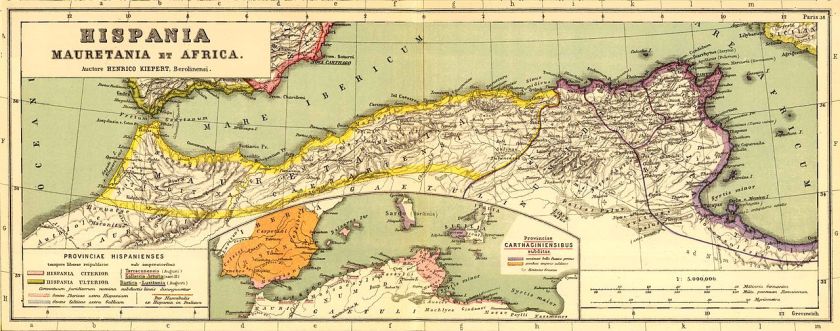
The term Barbary Coast, and/or Barbaria, was said to have been used by Europeans from the 16th-century to the early 19th-century to refer to this region.

The iron ore trains of Mauretania are some of the longest, if not the longest, in the world, at 1.6-miles, or 2.5-kilometers, -long.

The trains haul iron ore, people and goods, 405-miles, or 652-kilometers between the mining town of Zouerat on the west side of Kediet ej Jill, the highest peak in Mauretania, through the Sahara Desert, to the port city of Nouadhibou on Mauretania’s coast.
In my opinion after extensive research on this subject over the years, the components of the original energy grid have been systematically mined since its destruction, and continue to be to this day, and the trains which haul the iron ore through the desert were part of the original infrastructure of the worldwide energy grid system.

Atar is situated on the upper corner of the eyelid of the Eye of the Sahara, and is 213-miles, or 343-kilometers, south of Zouerat and Kediet ej Jill, and Chinguetti is located on the lower lid of the Eye, to the southest of Atar.

Chinguetti is called the Holy City of the Sahara, and venerated as one of the most holy cities of Islam.

Chinguetti has some of the world’s oldest surviving copies of Korans and other documents.

Then there’s Ouadane, situated pretty darn close to the eyeball of the Eye of the Sahara, what was once one of Africa’s key trading posts, and a UNESCO World Heritage site today.

It is largely in ruins, though there is a settlement of people still living there outside the gates.

I noticed the Banc d’Arguin National Park on the coast, another UNESCO World Heritage Site located north of Nouakchott, the capital of Mauretania, and went there to take a look, and found out that it is a vast expanse of wetlands that covers one-third of Mauretania’s entire coastline.

The island of Arguin in the Bay of Arguin was first thing I noticed when I looked at Google Earth.

The interesting thing about Arguin, part of the National Park, is that while there is not much going on there now, at one time there was a lot going on there, including a star fort, said to have been built by the Dutch, which doesn’t appear to exist any more.

We are told that starting in 1443, it became a part of the Portuguese Empire; and, at different times over the centuries, it was part of the Dutch Empire; part of the territories and provinces of Prussia; and part of the French overseas empire.
The shallows of the Banc d’Arguin National Park are said to be remnants of a vast river delta from a time when waters flowed from what is now the Sahara Desert, and many channels are clearly visible in this location.
I believe places like these represent destroyed and sunken land that once held infrastructure, and are found along coastlines worldwide.
The Banc d’Arguin is a major breeding site for migratory birds, and its surrounding waters are some of the richest fishing waters in western Africa, serving as nesting grounds for the region.

The following are the main treaties and documents with regards to the Empire of Morocco.
The 1787 Treaty of Peace & Friendship between Morocco and the United States established diplomatic and commercial relations between the two countries, and became the first nation to recognize the United States.
It remains the longest unbroken diplomatic relationship in United States history.
It was signed in 1786 and ratified by Congress in 1787 and was to last 50-years.
Why would this even been the case if the Moors lost their power in 1492 with the Fall of Grenada in Spain, never to be heard from again in our historical narrative?
And why isn’t this common knowledge?
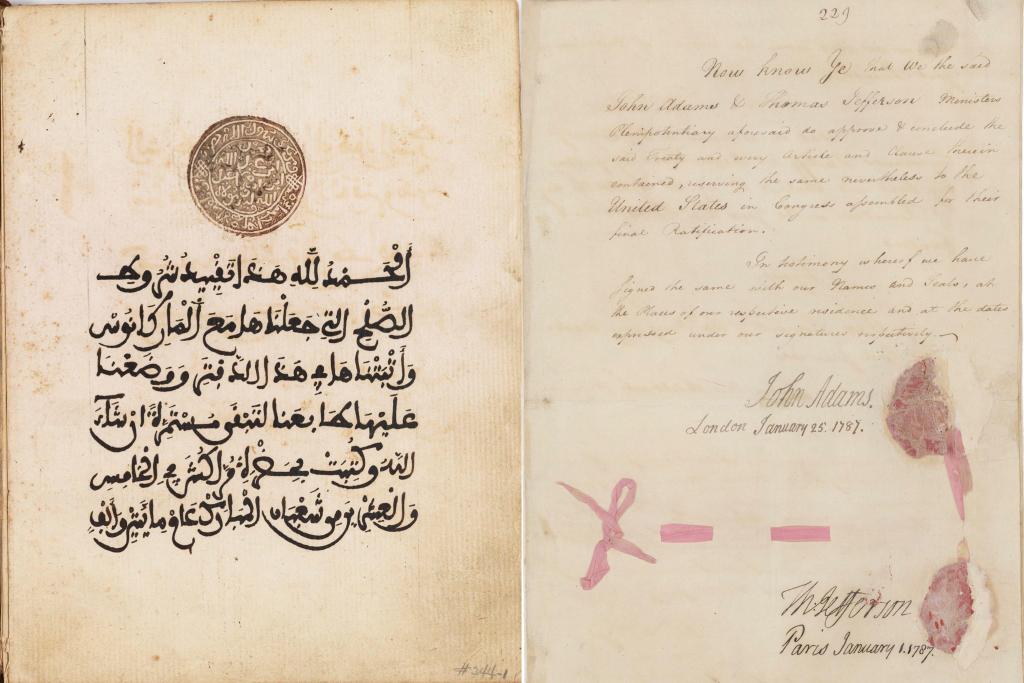
The flag of Morocco prior to 1915 consisted of a plain red color, and was referred to as “The Cherry Tree.”

When I was first learning about the Moors between 2013 and 2016, one of the things I learned was that the famous myth about George Washington about cutting down the cherry tree was actually an allegory for a turning point in the transformation of American government and the destruction and usurpation of Moorish existence for centuries to come.
The 1789 letter from George Washington to the Emperor of Morocco, Sultan Sidi Mohammed, is on-file at the National Archives Founders.archives.gov webpage.
It was George Washington finally responding over a year later to the Sultan’s letter to him of August 17th of 1788, asking for the required payment for the use of the Moroccan lands, and this was after the end of the American Revolutionary War.
In it, George Washington was basically saying, we have no money to pay you because we just got done with this war, so we need you to be patient, and in which he stated things like: “The encouragement which your Majesty has been pleased, generously, to give our Commerce with your Dominions; the Punctuality with which you have caused the Treaty with us to be observed, and the just and generous Measures taken, in the Case of Captain Proctor, made a deep impression on the United States, and confirm their respect for and Attachment to your Imperial Majesty.”
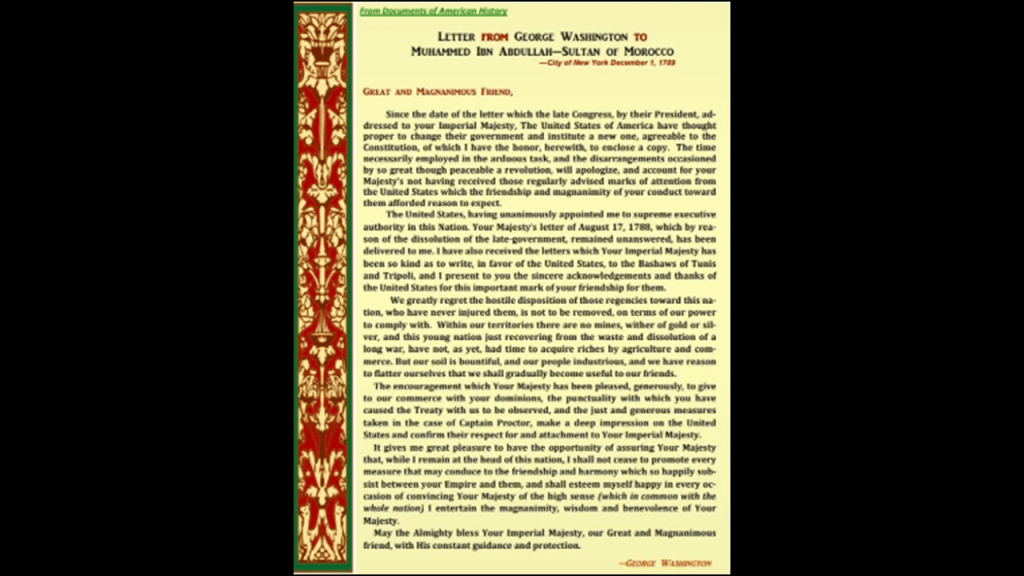
The 1791 Letter from George Washington to the new Emperor of Morocco is also on the Founders.archives.gov webpage.
George Washington addressed this letter to the present Emperor of Morocco, the son of the previous Emperor, Sultan Sidi Mohammed who had died in the interim.
George Washington expressed his concern to the new Emperor of Morocco after he had received late notice of the death of the previous Emperor because of the “immense ocean that separated them from the more ancient nations of the Earth.”
In this letter, George Washington basically sought to receive assurance of the same kind treatment and protection from the new Emperor that the United States had from his late father, and to have his royal word “that they may count on a due observance of the Treaty which connects the two Nations in Friendship,” which was a reference to the 1787 Treaty of Peace and Friendship.
The 1836 Treaty of Peace & Friendship was signed in August of that year between the United States of America and the Alawid Dynasty, the current rulers of Morocco in Northwest Africa.
This treaty was a permanent treaty between the two countries, and is considered the oldest treaty of its kind in its history with foreign countries, on-file with the United States Library of Congress.
It resulted in the United States initially not recognizing the French Protectorate in Morocco, which was the period of French Colonial rule from 1912 until 1956.
The United States finally recognized the French Protectorate until it entered World War I on October 20th of 1917.
More on the French Protectorate in a moment.
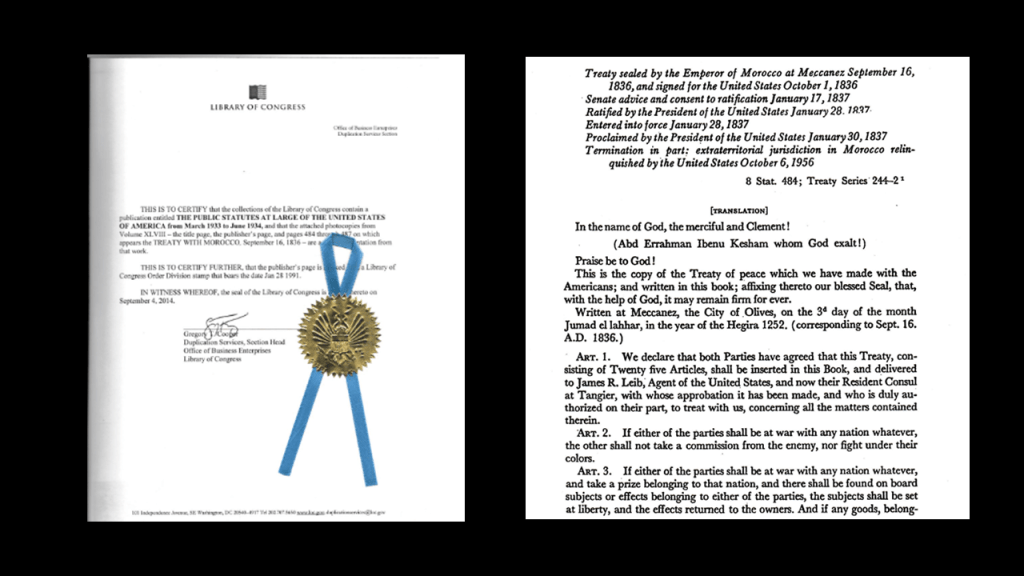
The 1880 Treaty of Madrid was a collection of agreements between Morocco under the rule of Sultan Hassan I, the United States, and numerous European powers that was drafted during an international conference in Madrid that was held at the Sultan’s request due to concerns about the abuses of the protege system by France and Spain, which involved privileges for Moroccans employed by foreign governments
While it supported the independence of Morocco, it also supported an “open door” trading with all countries.
The 1880 Treaty of Madrid served to regulate and make European conquests of Moroccan territories official in the international community, giving them ownership of the Moroccan lands they had seized; the resources present on those lands; and settlement rights.
Foreign officials living in Morocco were givent he ability to employ Moroccans, and enjoyed protections, like not having to pay taxes.
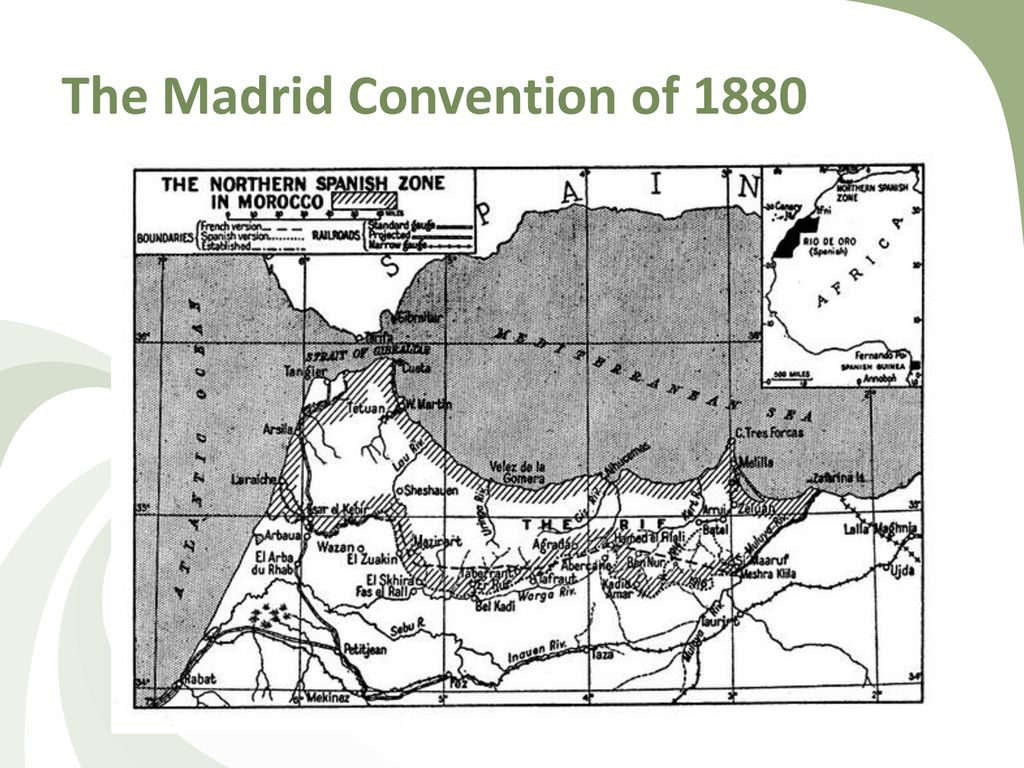
The Berlin Conference of 1884 – 1885 was organized by the German Chancellor Otto von Bismarck, and regulated European colonization and trade in Africa during the New Imperialism period, and coincided with Germany’s sudden appearance as an imperial power.
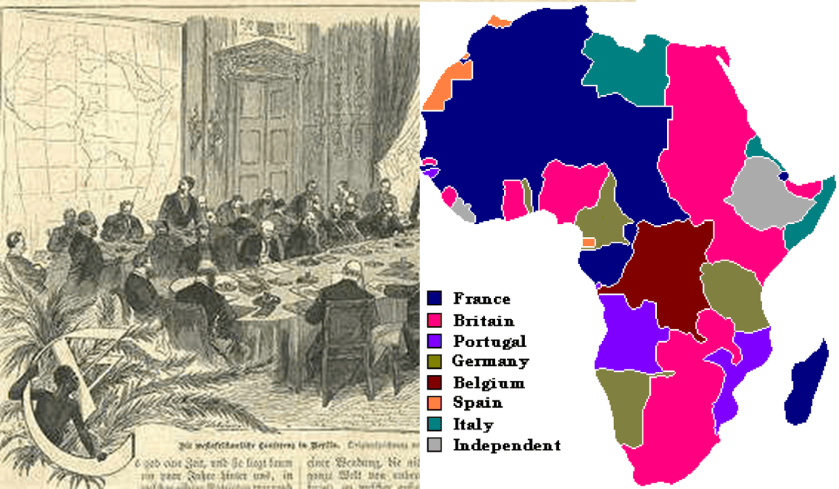
The outcome of the “General Act of the Berlin Conference” can be seen as the formalization of the “Scramble for Africa,” also known as the “Partition of Africa” or the “Conquest of Africa,” and was the invasion, occupation, and division of African territory by European powers during the New Imperialism period between 1884 and 1914, the year in which World War I started.
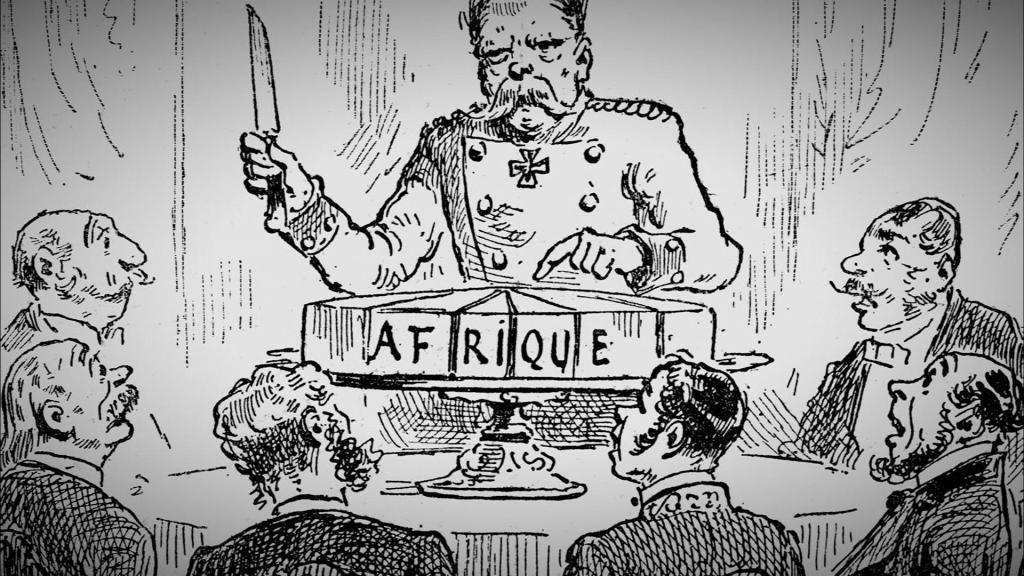
The period of history known as New Imperialism is characterized as a period of colonial expansion by European powers, the United States, and Japan during the late 1800s and early 1900s.
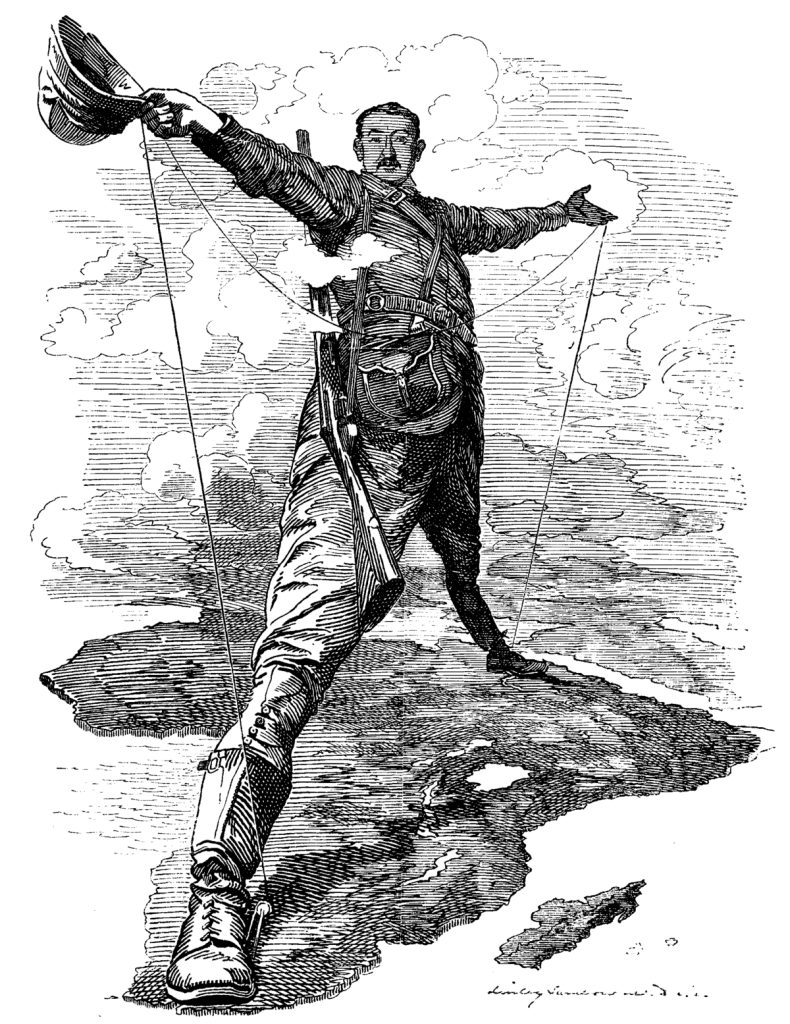
I am sure this was a motive for the Berlin Conference.
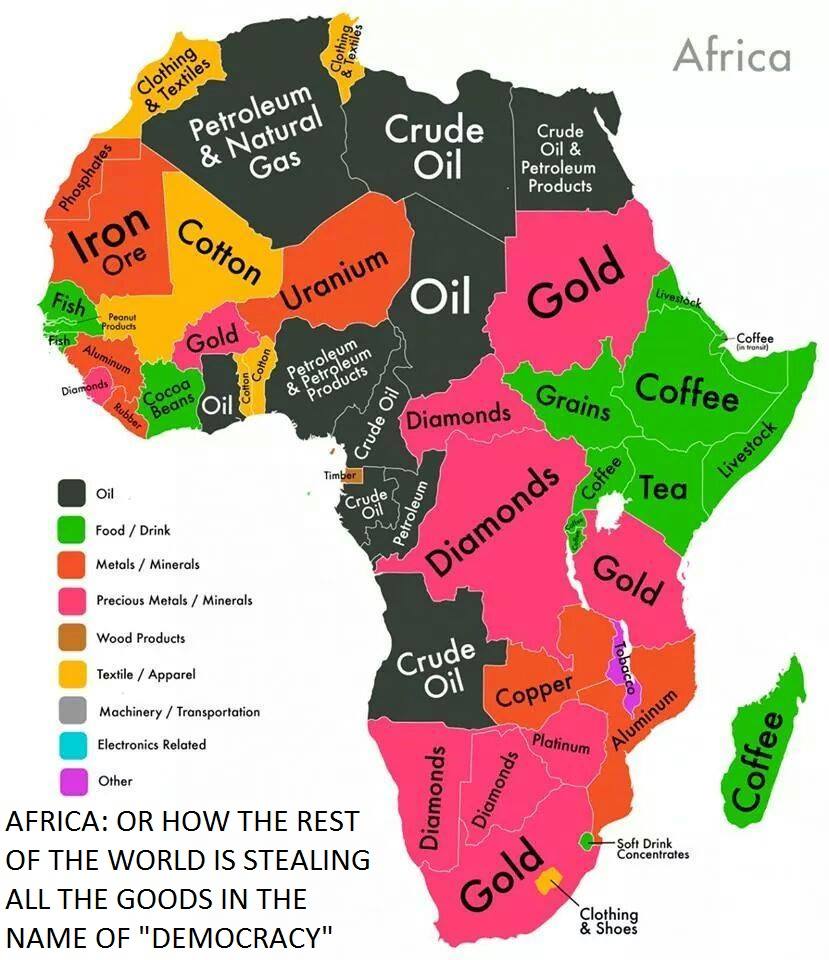
There was also a rich and proud heritage of Africa and its people that has been removed from the collective awareness that was replaced with something quite different from what it originally was.
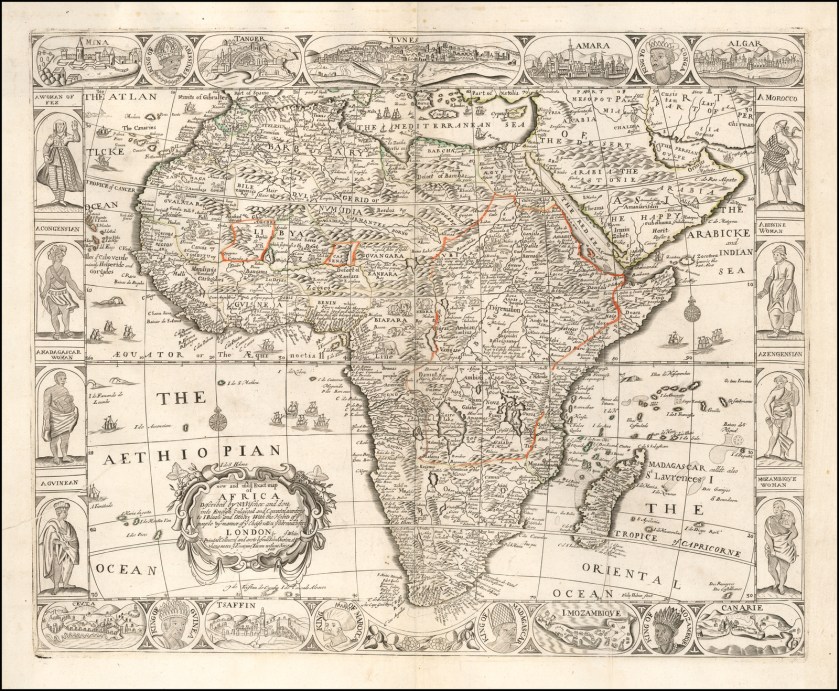
Instead, the minds of generations of children have been programmed with images of Africa like that of Tarzan to shape their perceptions.
In the same way that generations of children have been programmed to believe that Hollywood westerns represent real history.
The Algeciras Conference took place in Algeciras, Spain, in 1906.
It was convened in January of that year to find a solution to the First Moroccan Crisis of 1905 between France and Germany when France tried to establish a protectorate over the independent state of Morocco.
The conflict arose because Germany was interested in enhancing its own prestige and not because it was trying to stop French expansion.
France and Britain had signed the Entente Cordiale in 1904, in which, among other things, the two countries diplomatically recognized British authority over Egypt and French control in Morocco, with some Spanish concessions.
What we are told is that the area called White City in London was farmland until it was used as the building site of the Franco-British Exhibition, so-named as a celebration of the 1904 Entente Cordial between the two countries, with its Moorish-looking appearance like wjat we saw at the historic trolley amusement parks of Coney Island,
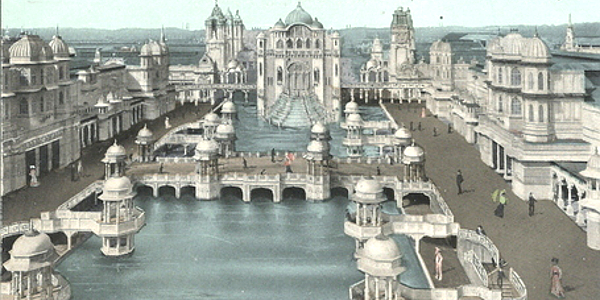
We are told the chief architect of the White City Buildings for the 1908 Franco-British Exhibition was John Belcher, President of the Royal Institute of Architects from 1904 – 1906.
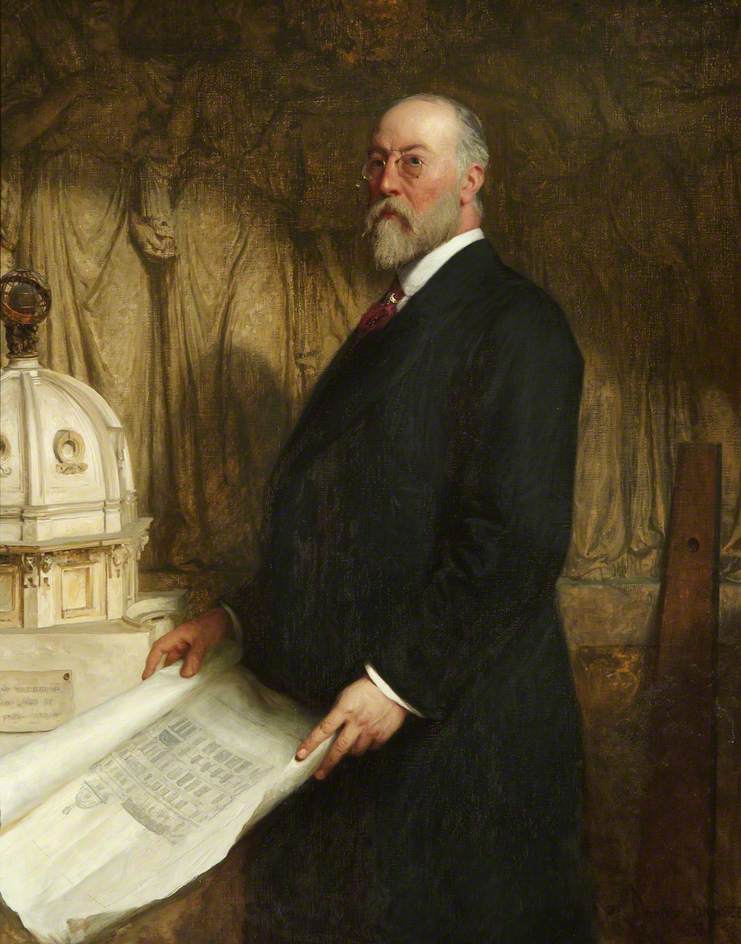
In addition to the twenty palaces and eight exhibition halls that were said to have been built expressly for the 1908 Exhibition, there were a number of amusement attractions featured, including the Moorish-looking Flip-Flap ride located in what was called “the Elite Gardens.”
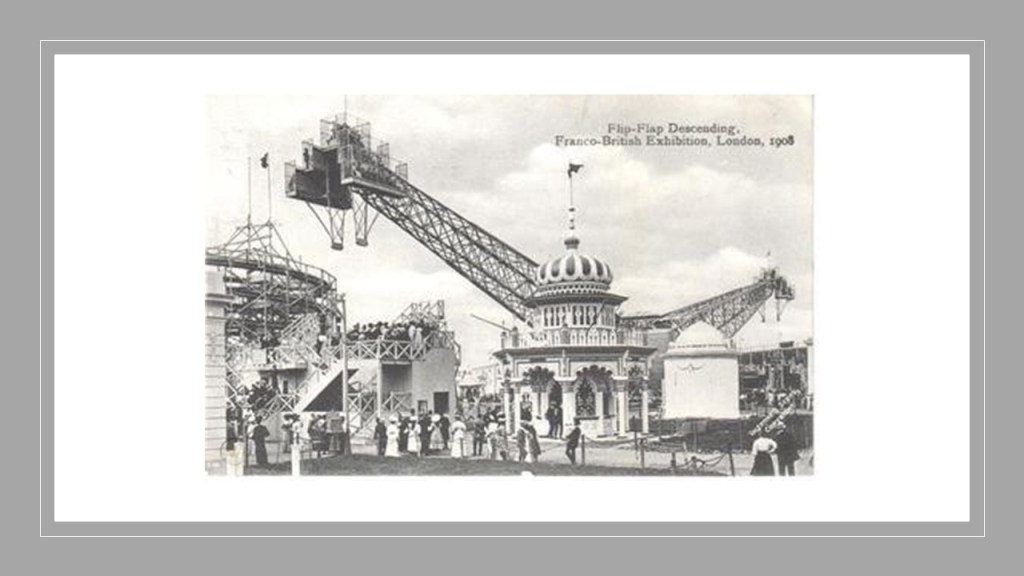
At any rate, the 1906 Act of Algeciras resulted from the Algeciras Conference, and it resolved the First Moroccan Crisis by reaffirming the independence of the Sultan and confirming the integrity of the Sultan’s domains.
It also established economic equality for all nations in Morocco, while organizing the police and customs under international supervision.
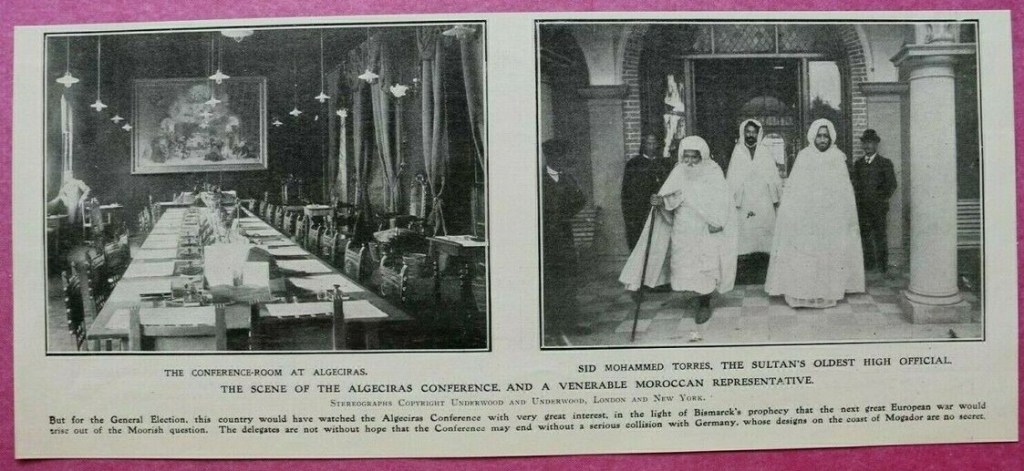
Lastly, the 1912 Treaty of Fez, in which Morocco became a French Protectorate.
In return, the French guaranteed in the Treaty that the status of the Sultan and his successors would be maintained.
Over the course of over six-and-a-half-years of doing research by tracking leylines and finding the same building styles and hand-of-design worldwide, I am going to share a few examples of what I have found in different places.
In the first example is the same building-style in Atchison, Kansas, of what we are told would have been built starting after its founding in 1854, compared with the same-style of building in the city of Ouarzazate in south-central Morocco, with the buildings facing in the same direction, and having narrow sets of different numbers of windows in the same configurations.
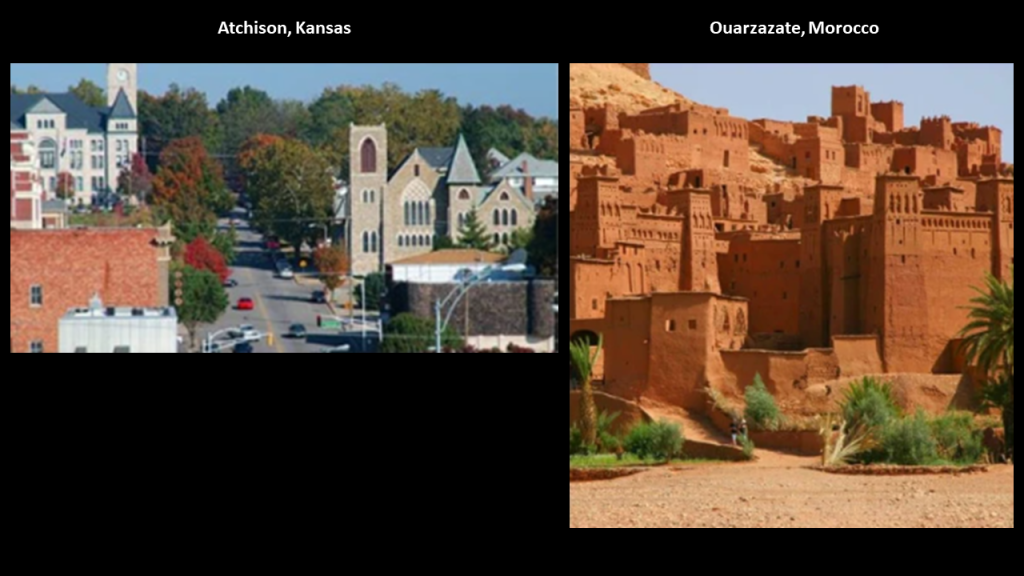
The exact same building-style is found in the photos on the left of a view of Santa Cruz de Tenerife in the Canary Islands, and on the right of the Bermuda Parliament building in Hamilton
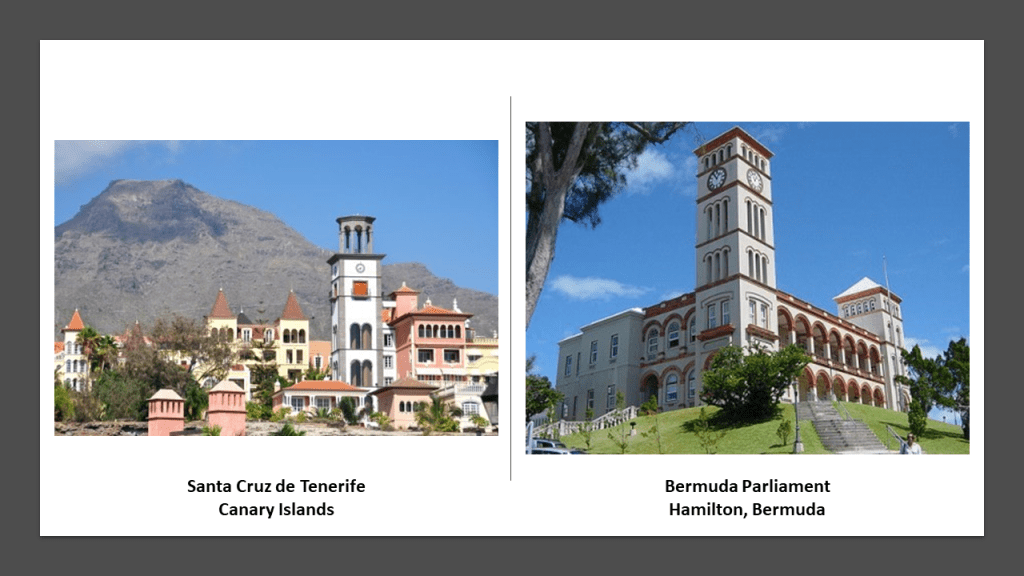
I have done an in-depth study of what is found on the land and under the oceans in a long-distance alignment I tracked between the New England Seamounts in the Atlantic Ocean, including Bermuda and the Canary Islands; across Northern Africa; and to the Island Republic of the Maldives in the Indian Ocean.
In the example of the Canary Islands, they have been considered a bridge between Africa, North America, South America, and Europe.
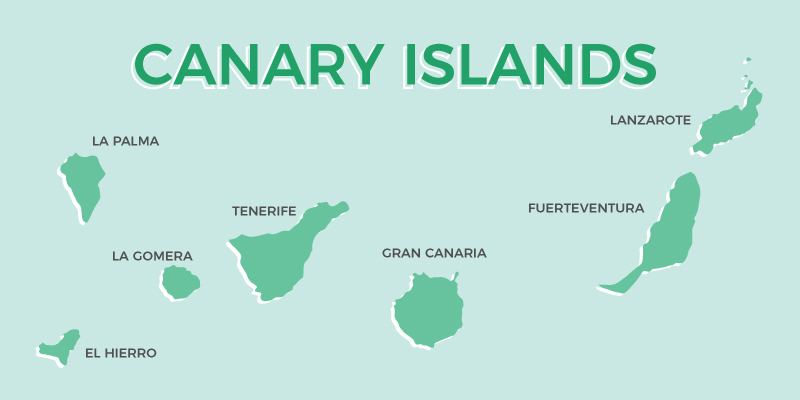
The Canary Islands have also long-been believed to be part of the legendary continent of Atlantis, along with the Azores, Madeira, and Cape Verde Islands.
These island groups are collectively known as”Macaronesia,” from the Greek words meaning “Fortunate Isles,” or the “Islands of the Blessed,” referring to a winterless, earthly paradise for those who lived a pure life in three reincarnations, and associated with the concept of “Elysium,” a utopian location in the Greek underworld thought to be found in the western ocean.
This sounds very much like the description of Camelot from the Lerner and Loewe musical “Camelot.”
It is interesting to note that there is also a connection of the legendary King Arthur being linked to the Ursa Major Constellation of the Big Dipper and Arcturus, the brightest star in the Bootes constellation, with Arcturus being called the “Bear Watcher” or “Guardian of the Great Bear.”
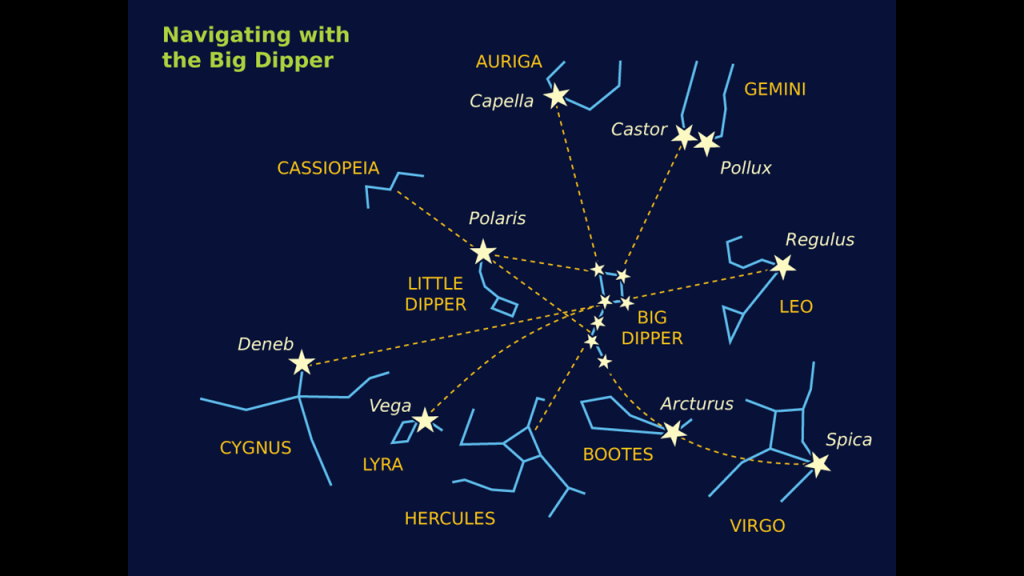
In this next example, I have made the comparison of the similarity between Bandiagara Escarpment in Mali in West Africa, which is the home of the Dogon, on the top, and Mesa Verde in Colorado on the bottom.
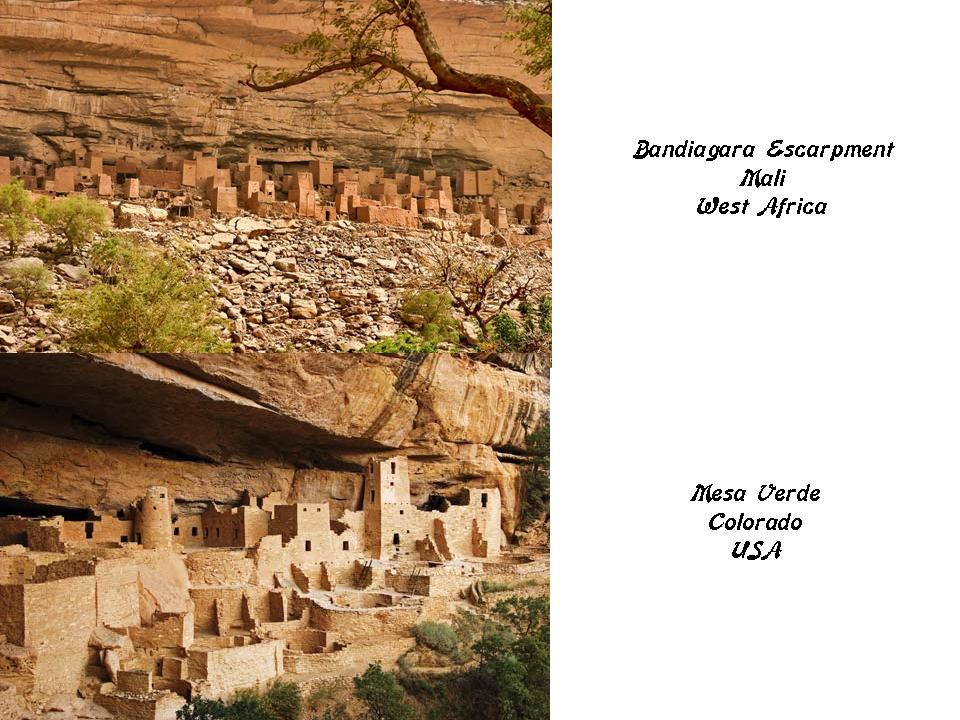
Not only because of this similarity, but other information I have encountered over the years as well, I think that it is highly likely the Dogon played a much more significant role in world history than is presently realized, understood, and acknowledged.
The Dogon have a very sophisticated spiritual, astronomical and calendrical system, as well as extensive anatomical and physiological knowledge.
They also have a systematic pharmacopeia, which means directions for compound medications.
Perhaps they are best known for the accurate knowledge they possess about the Sirius star system.
Yet we are told it is primarily an agricultural society.
Regardless of anything, there are huge chunks of information missing from the historical record that we no longer have access to by conventional means.
We just have mind-boggling mysteries that we can’t explain by conventional means, and which make no sense according to the narrative we have been given.
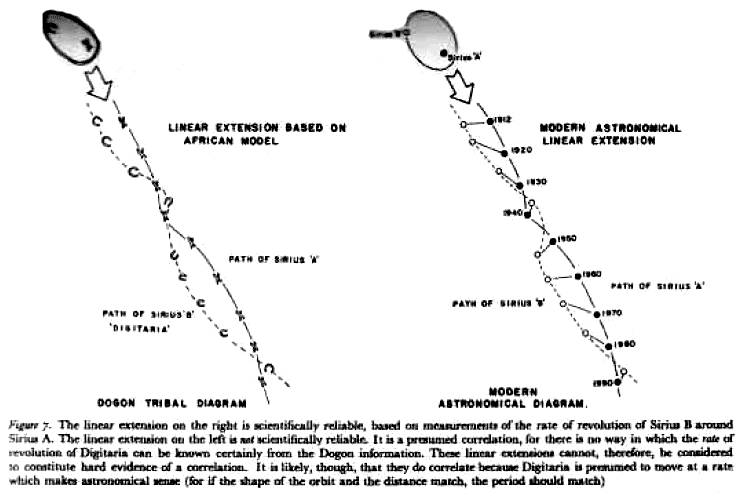
For example, there is a fully-intact Stonehenge in Washington State called the Maryhill Stonehenge.
We are told this perfect Stonehenge was commissioned in the early 20th-century by the wealthy entrepreneur Sam Hill, and dedicated on July 4th, 1918, as a memorial to the people who died in World War I.
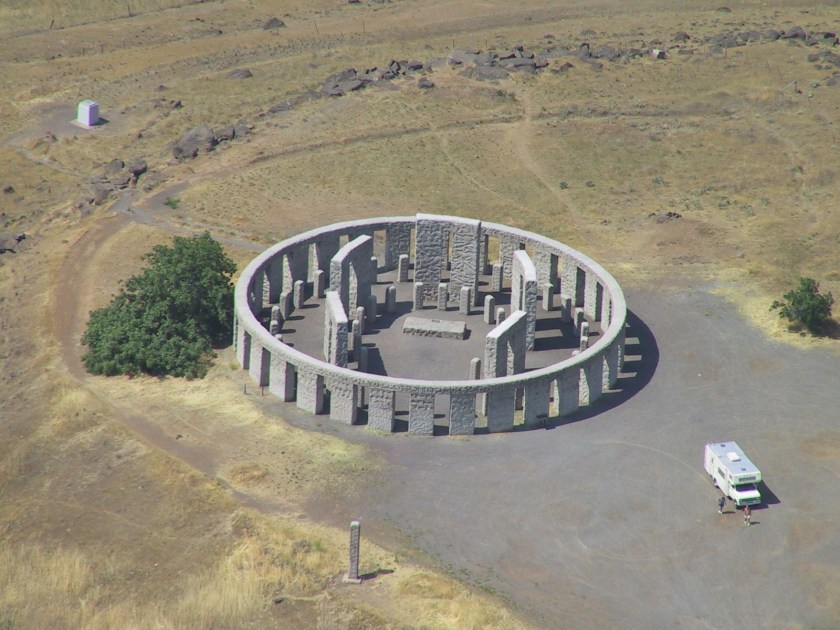
In addition to having a solstice alignment, it also has a nice alignment going on with the Milky Way, as seen here.
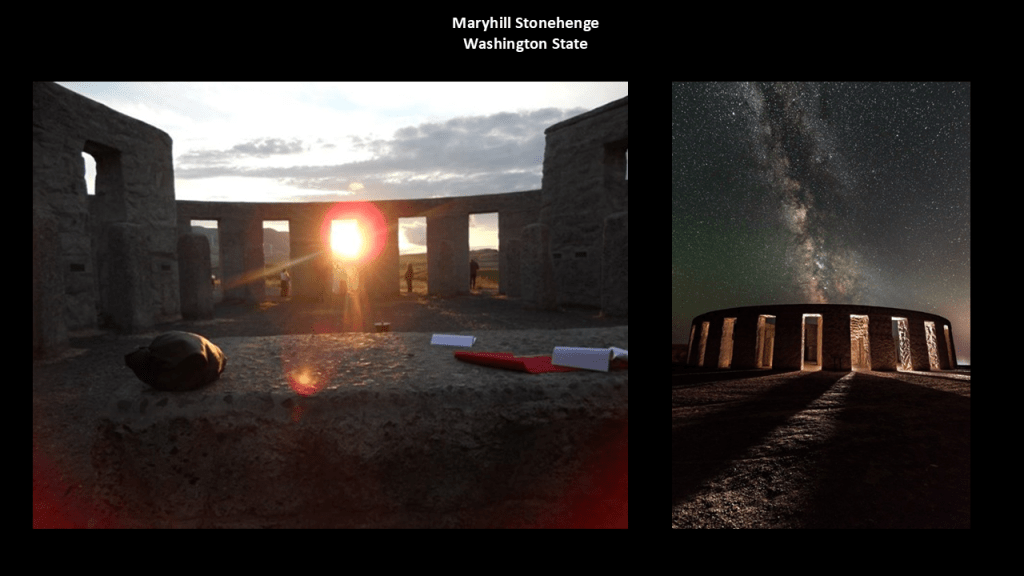
Next, I am going to take a look at the example of what is today the American Swedish Institute in Minneapolis, Minnesota, a museum and cultural center, dedicated to the historic role that Sweden and Swedish-Americans have played in American History.
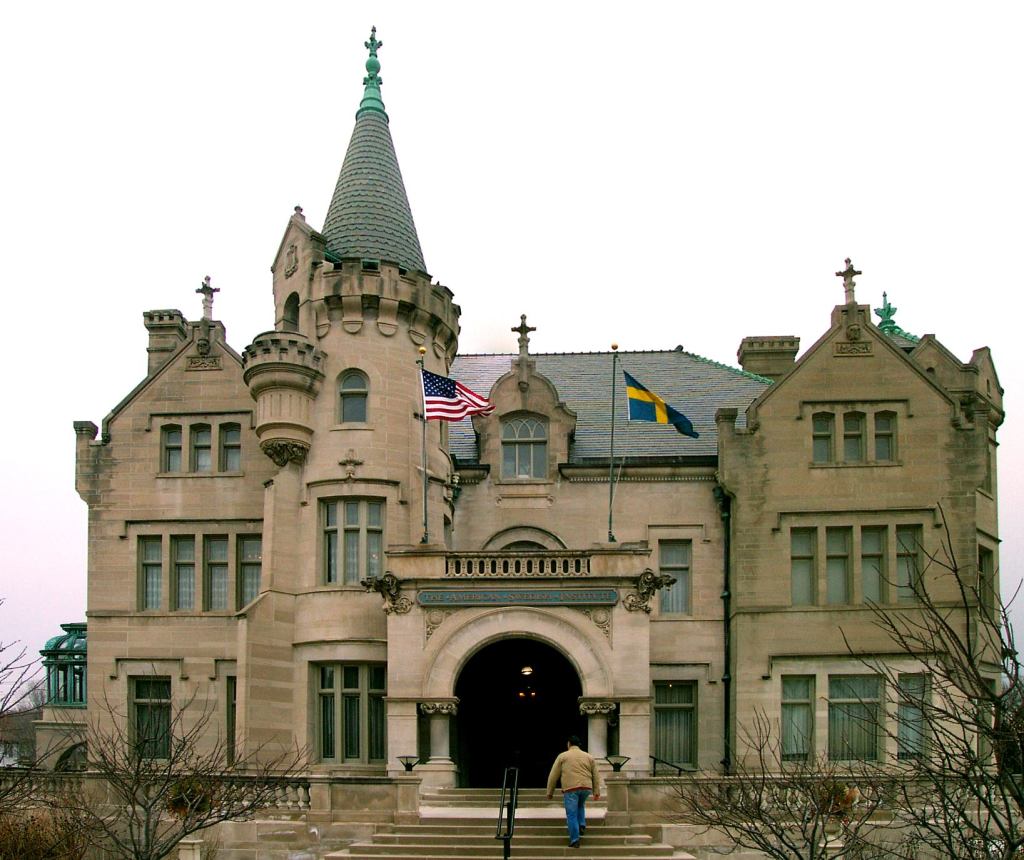
We are told that Swan Turnblad, a wealthy journalist from Sweden who immigrated to Minneapolis, commissioned the building of a 33-room mansion for himself and his family in 1903, spending $1.5-million in the process.
I found this picture in a search of the Moorish Room at the American Swedish Institute, clearly showing a Moor standing in front of a room filled with Moorish design features and what we would identify as a beautiful fireplace.
But these so-called fire places were works of art, and like the beautifully-made suits of armor we saw earlier, we can surmise they were free-energy devices , and not originally built to burn wood.
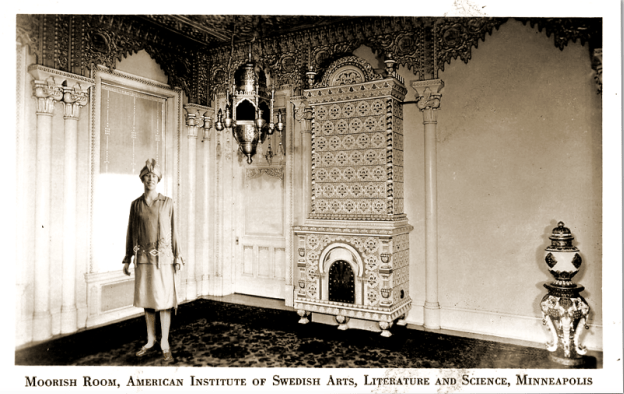
The same thing can be said for what is called a “fireplace dog,” another word for “andiron,” which is defined as one of a pair of bracket supports on which logs are laid for burning in an open fireplace, allowing air to circulate under the firewood for better burning and less smoke.”
While there are examples of andirons out there that look to be of a more utilitarian design for fireplace use, like these “American Iron Firedogs” dated from between 1770 and 1800…
…there are many examples of more elaborate and beautiful andirons, like these brass and enamel andirons circa 1680…
…and this set of andirons, shown with logs, in a main dining room at the palace of Versailles outside of Paris, France.
Quite ornate and beautiful to be designed specifically to hold logs burning in a fireplace!
I am going to end this post with these thoughts.
The parasites who have colonized our world have always feared our foretold Awakening, and they have thrown everything they’ve got at us to prevent it from happening
They have poisoned our bodies with our clothing, food, Big Pharma medicine, water, air, and so many other things, along with covering up the True History of Earth and Humanity, instead telling us and teaching us lies about everything and everyone in our world.
They have given us only fragments of information, presented to us in many cases as fiction or myth and legend, like puzzle pieces in a box that are jumbled together and have no context.
We have to figure out how to piece them together again into a complete picture, like in this example of “Finding Osiris” from the Osiris Myth, where Isis found his dismembered body parts after he had been murdered by Set, made him whole, and brought him back to life.
Once we wake up, claim our power, and know about their severe crimes against Humanity, they are toast.
Our Awakening can’t be stopped and is happening now.


 Revealing What Has Been Hidden in Front of Our Eyes
hi have you heard of the 1979 Sydney Ghost Train Fire? https://en.wikipedia.org/wiki/1979_Sydney_Ghost_Train_fire
do you think this was a ritualist sacrifice? I worked for the NSW Fire Brigades and, whenever I tried to ask about the incident I was told to shut up. I was told to shut up a lot, especially since I worked for corporate govt for 30 years. regardsSusan
LikeLike
No, I didn’t know about that one. To your question, it wouldn’t surprise me if it was. Thanks for sharing!
LikeLike
Interesting…Thank you for your faithful efforts to reveal what has been truly hidden in front of our eyes.
On Wed, Mar 26, 2025 at 5:41 PM Revealing What Has Been Hidden in Front of
LikeLike