
I am going to be looking into places in alignment starting in historical Armenia, and going across the Anatolian Plateau, both of which are part of the modern country of Turkey, as well as looking at places in the Aegean Sea, a section of the Mediterranean Sea that stretches between Anatolia and Greece.
From the process of tracking cities and places in several different alignments I have collected a variety of puzzle pieces about different places that bring a bigger picture into focus that is not immediately apparent on the surface, and I have been engaging in this process over the course of almost six years of doing extensive research.
The more research I do, the more connections I find that show this ancient civilization was advanced, interconnected and worldwide, and when I go back and look at research I have done in the past, I can see these connections even more clearly than before.
As a result, I have been able to extrapolate common elements and piece together the bigger picture from this type of geographically-focused research in the following blog that I have been able to extrapolate common elements and piece together the bigger picture.
The research in this post came from a 23-part series called “Sacred Geometry, Ley Lines & Places in Alignment” that I did back in 2020 tracking a long-distance alignment of cities and places that started in San Francisco.
I decided to showcase another part of the original series before I go back to another project I am currently working on.
Not long ago I posted The Ancient Advanced Civilization in Southeast Asia – From Manila in the Philippines to Dhaka in Bangladesh” from the same 23-part series.
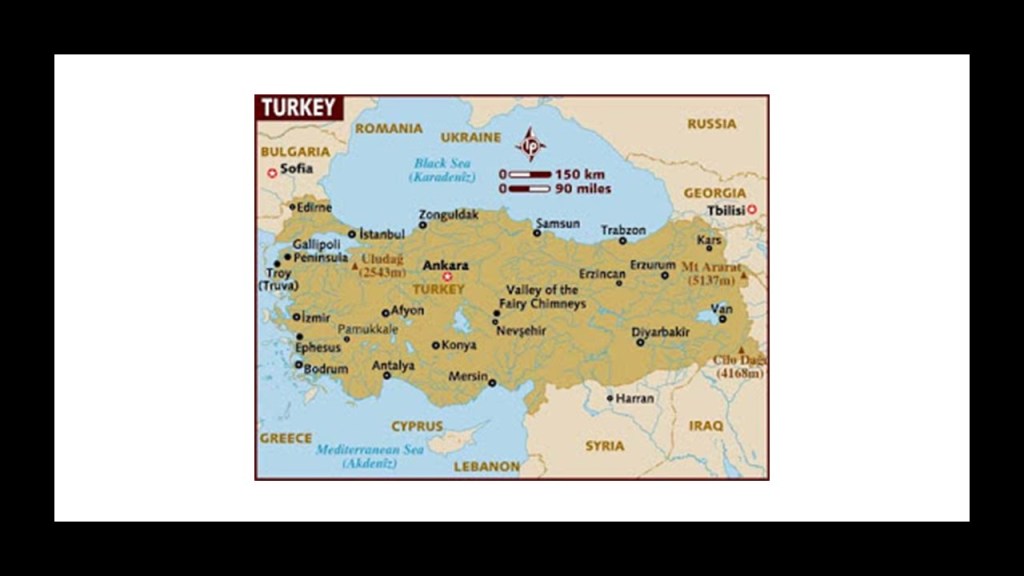
My starting point for this part of the journey along the alignment is Van, the name of a city and province in eastern Turkey, and on the eastern shore of a lake of the same name.
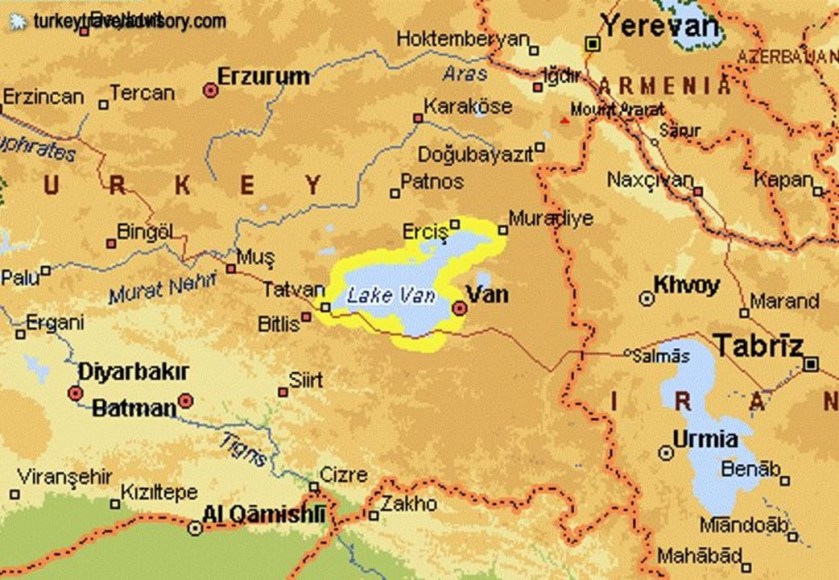
Van has a long history a major city.
It was the capital of the Kingdom of Urartu of ancient Armenia from the 9th-century BC to the 6th-century BC, when it was called Tushpa.
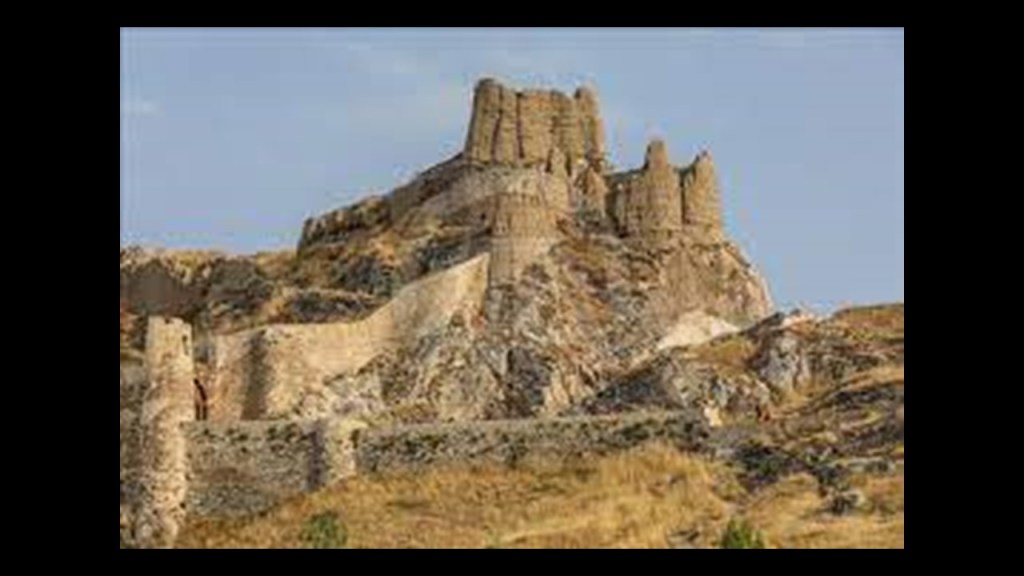
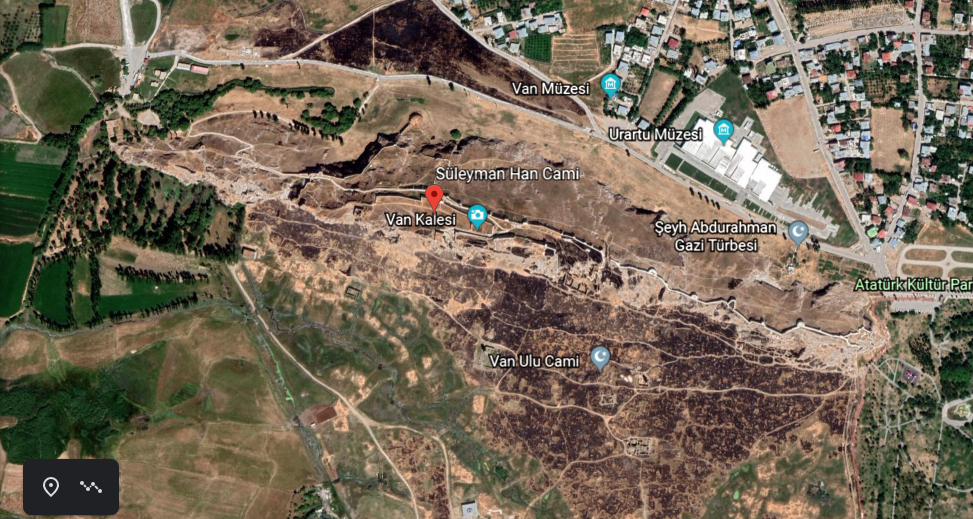
Tushpa was situated on the steep-sided bluff now known as Van Fortress or Castle…
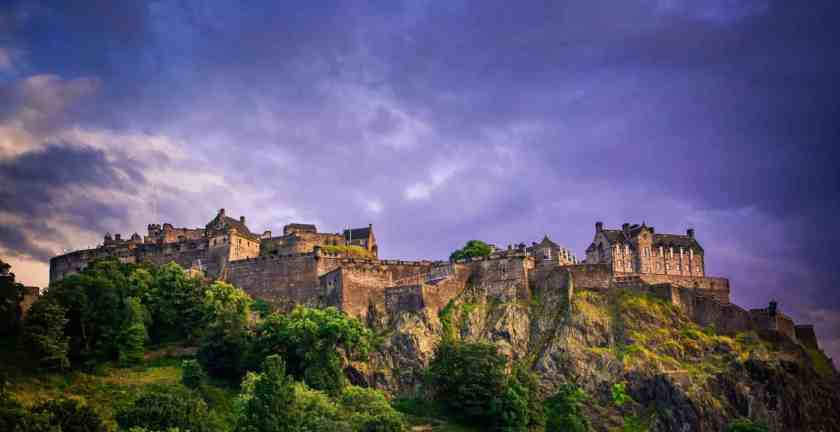
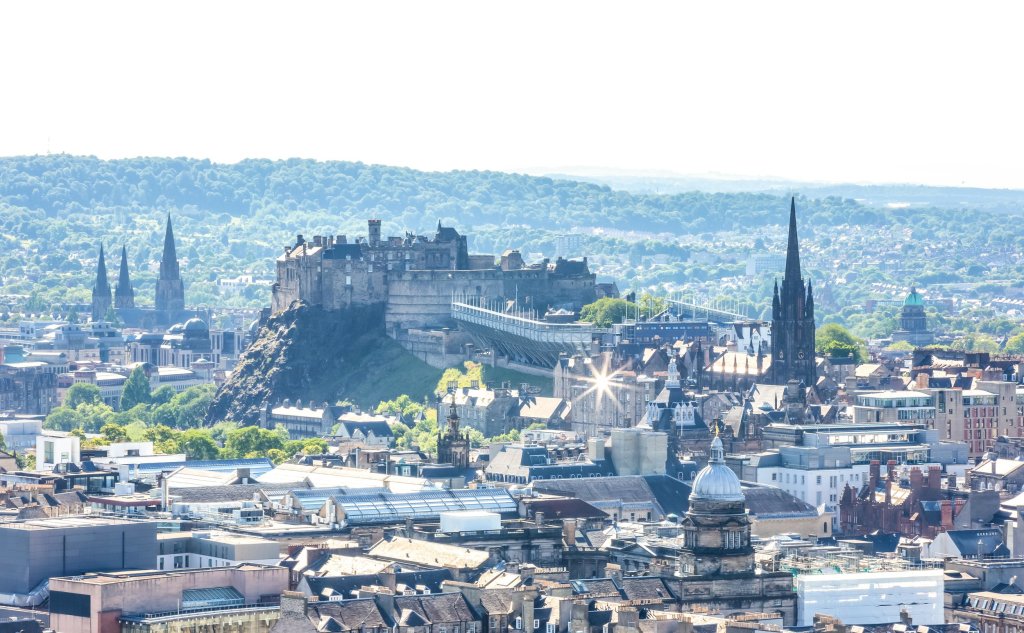
…which is similar in appearance and location to the Edinburgh Castle, said to be somewhere around 1,100-years-old in Scotland on top of Castle Rock, which is called the plug of an extinct volcano.
Van Castle was said to have been built in the 9th-century BC by King Sarduri I, the third monarch of Urartu,who was said to have moved the capital of Urartu to Van.
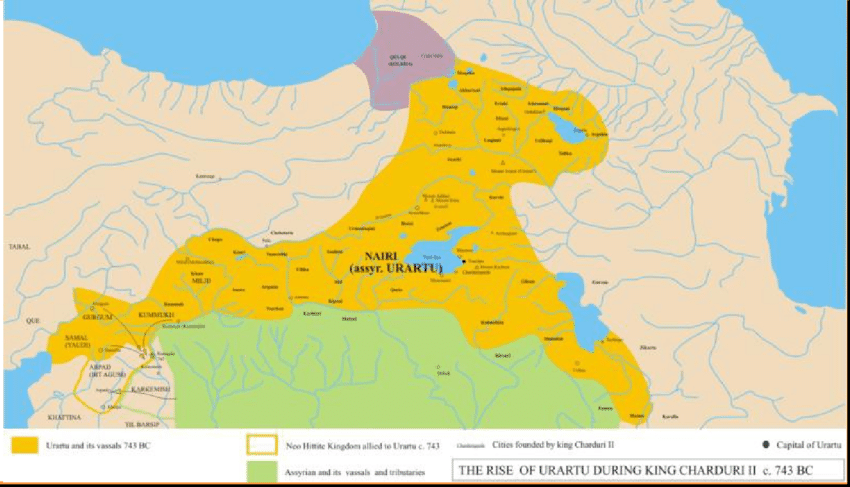
King Sarduri used the title of “King of the Four Corners of the World,” a title of great prestige claimed by powerful monarchs in ancient Mesopotamia.
As a matter of fact, there was a time when Armenia was considered the center of the world, as depicted in this map.
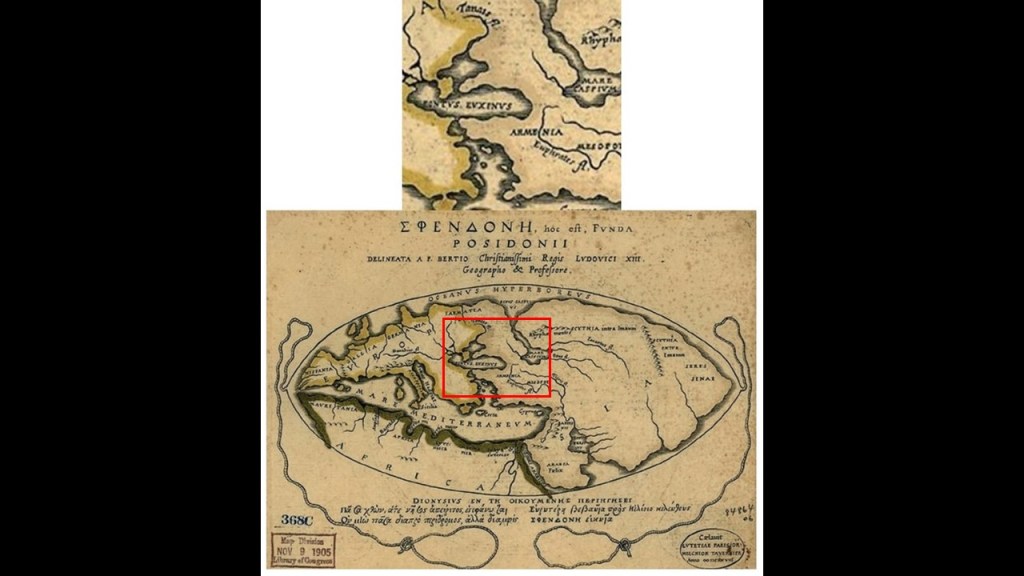
So, in the case of Van Castle, almost 3,000 years ago we were capable of building massive stone fortresses on top of solid rock?
Not an easily location to build on by any stretch of the imagination…
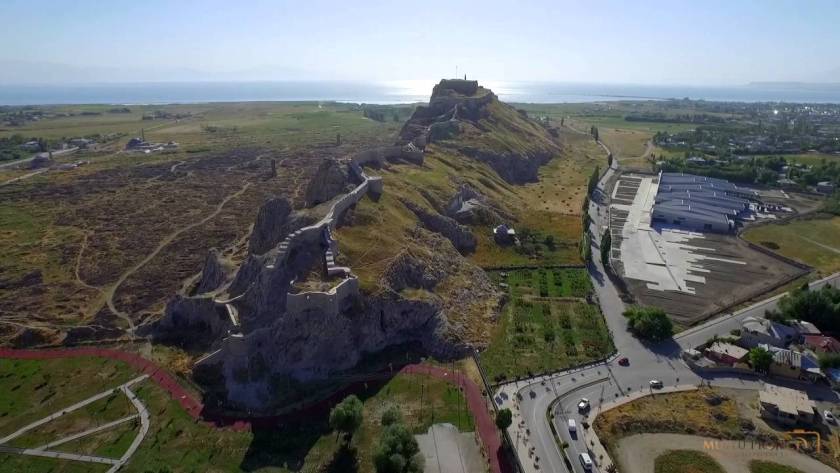
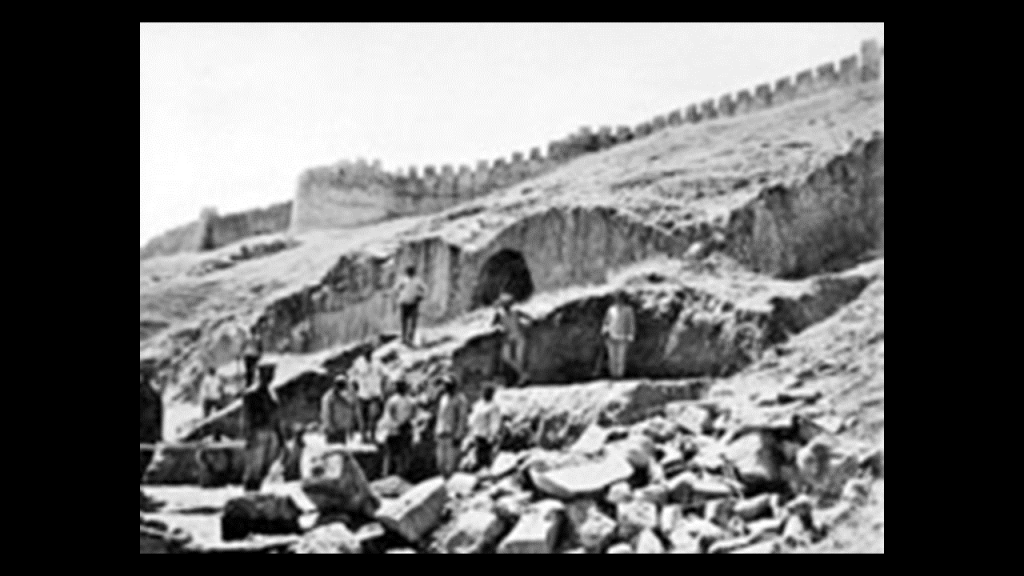
…and apparently working with huge stone blocks was not a problem!
More of this kind of thing to come as we go along the way!
This is described as a bronze sphinx dated to the 7th-century BC, and said to be from either Tushpa…
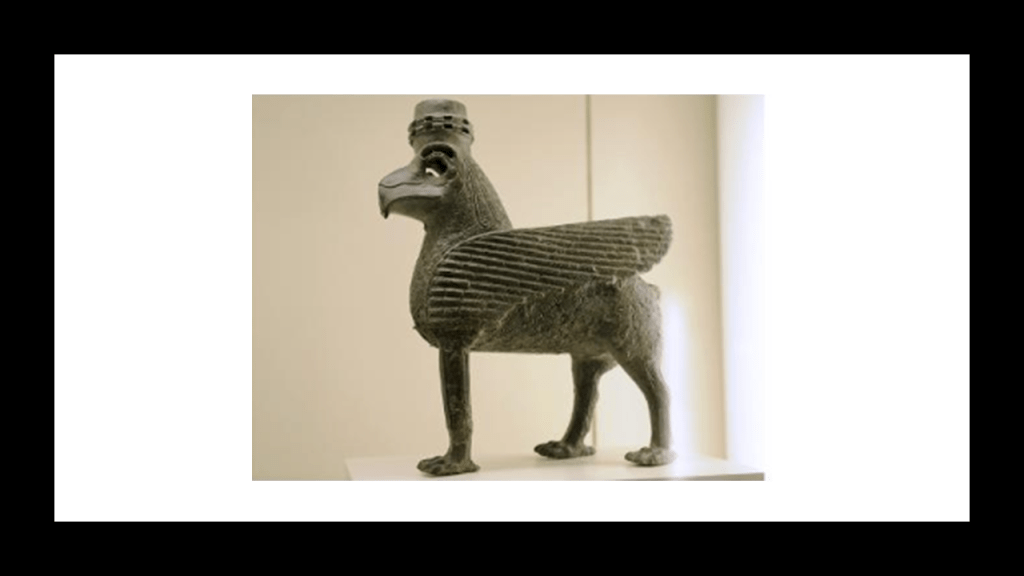
…or Toprakkale, southwest of Lake Van.
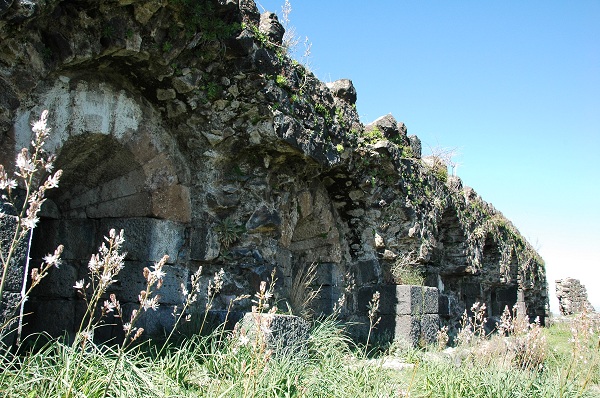
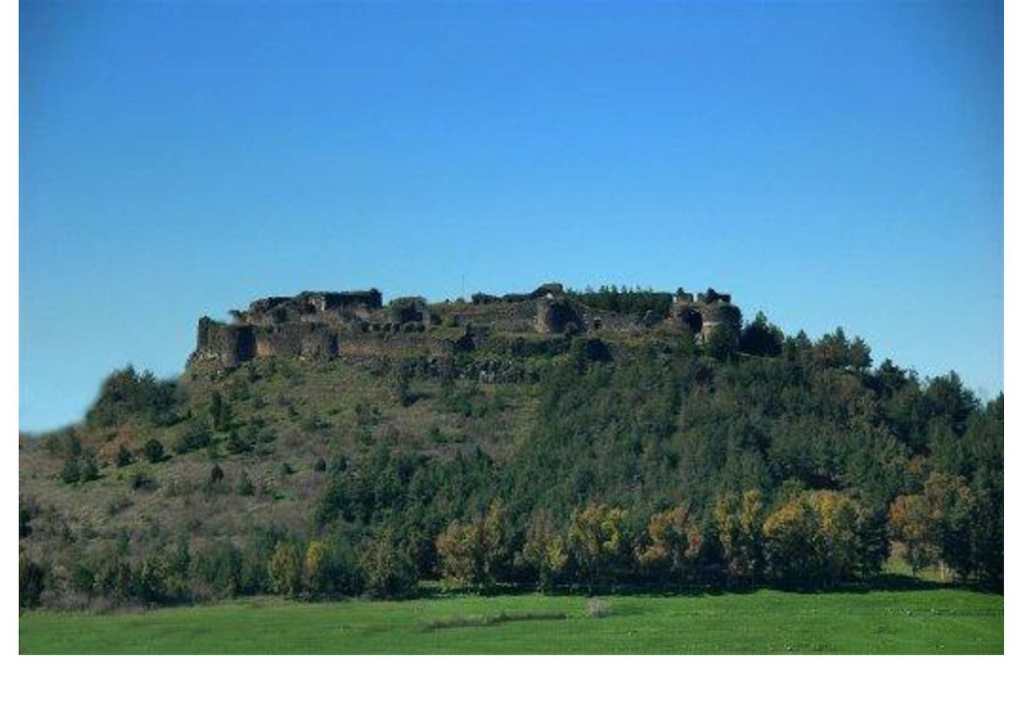
Some interesting things I found about Toprakkale when I looked it up is that there is a high fortress there as well (and I find the flat landscape surrounding the hill and fortress to be noteworthy)…
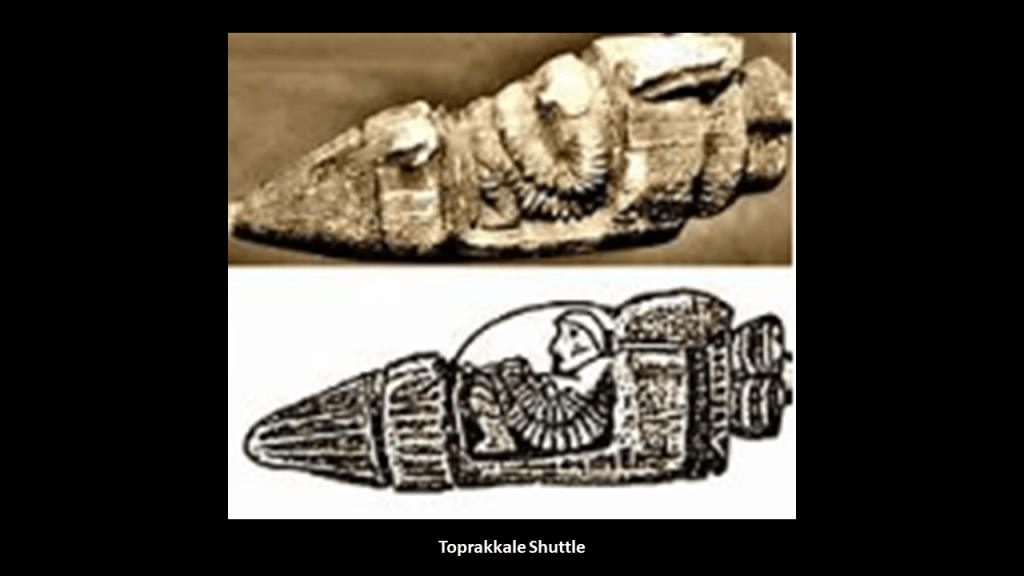
…and it is known for being the place where the Toprakkale Shuttle was found, which was taken out of display in Istanbul because some believed it to be a hoax.
Others believed the Toprakkale Shuttle to be over 2,000-years-old.
I think it is important to spend some time looking at the history of this geographical area because it seems to have great importance.
What was this place historically?
Who were the People of Ar?
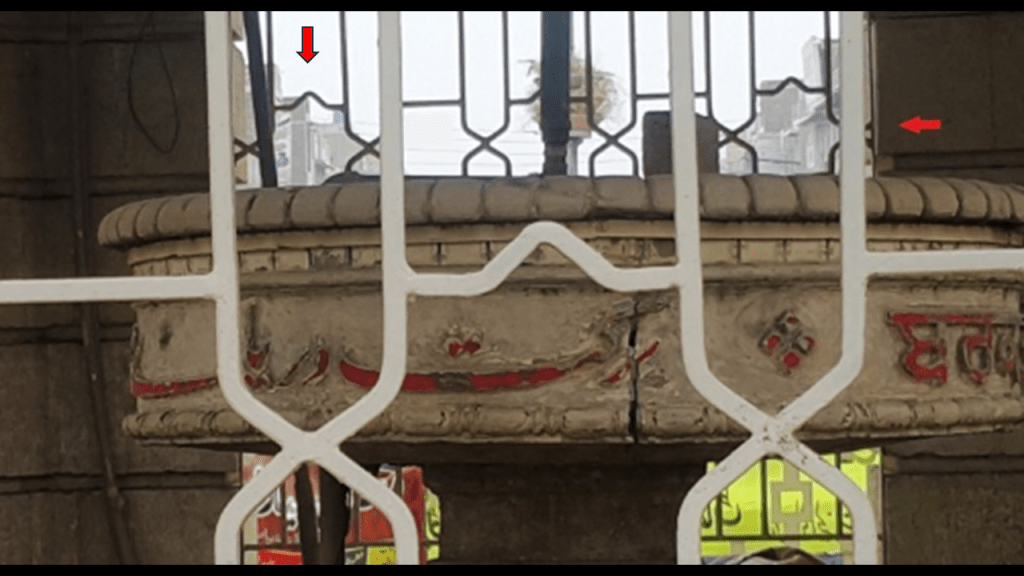
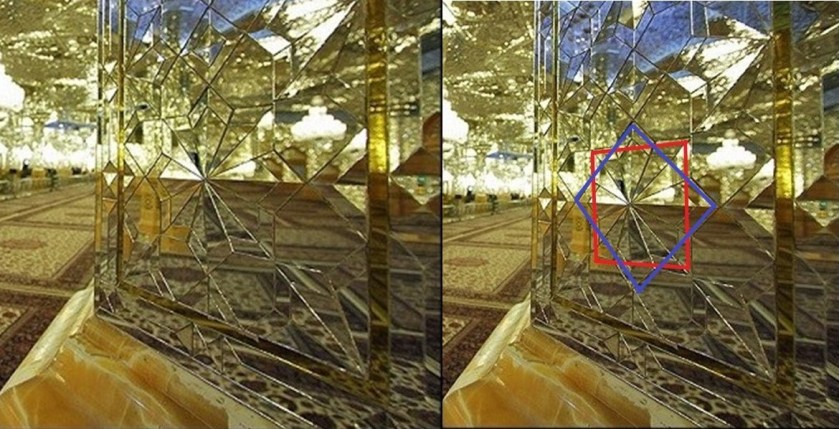
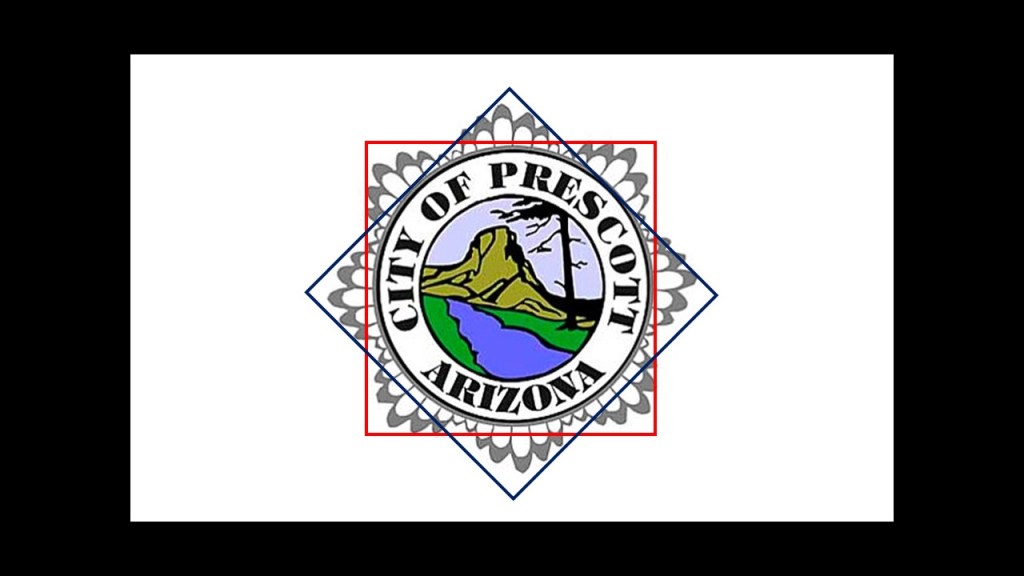
They identify with that eight-pointed star symbol as well that I keep seeing everywhere…
…including, but far from limited to, the Gumti Monument in Faisalabad, Pakistan…
…at the Imam Reza Shrine in Mashhad, Iran…
…and even in the city seal of Prescott, Ar-izona.
This six-pointed star tetrahedron is found carved throughout Armenia
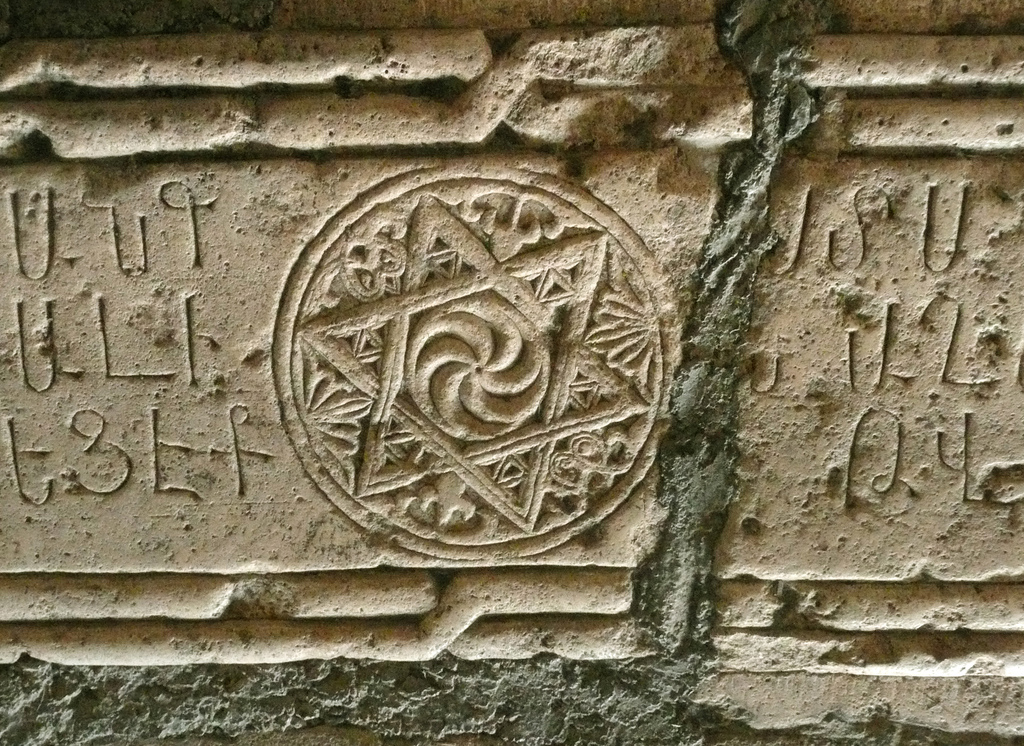
…also known as the Star of David…
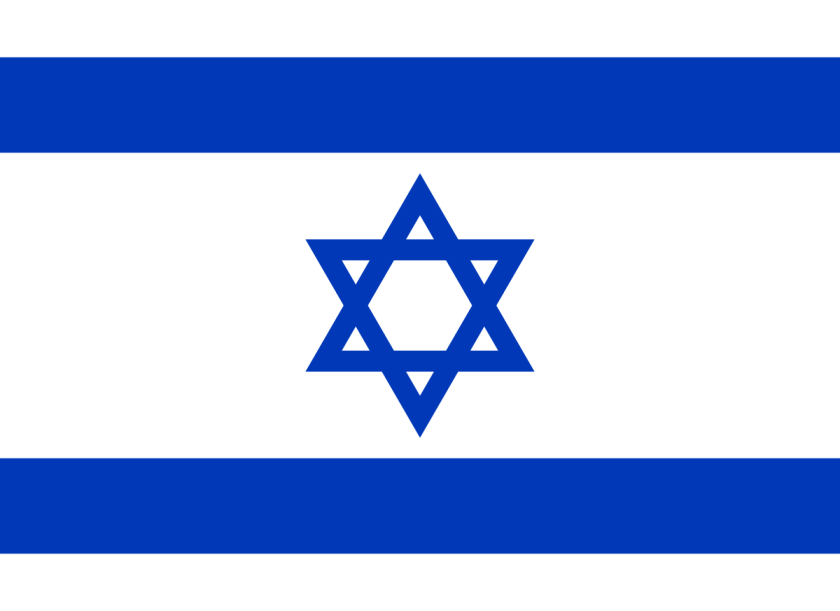
…and the Merkaba, the geometric shape of the Human Lightbody in its three-dimensional form.
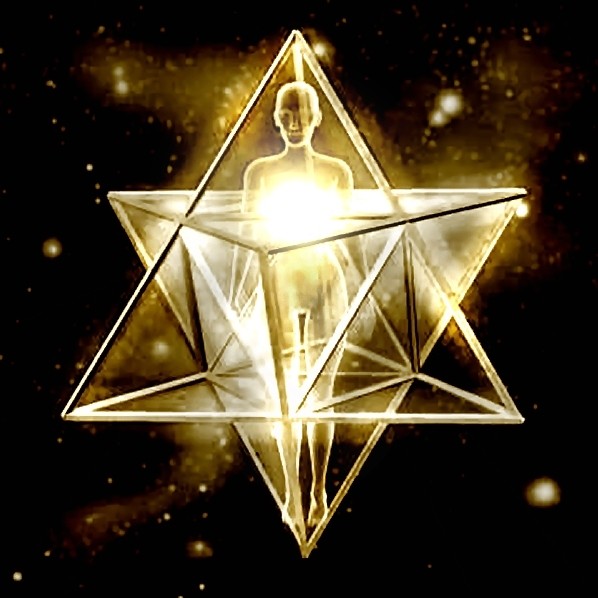
Some psychically-gifted people are able to see the Human aura, or energy body, but most are unable to see it without the help of special aura photography.
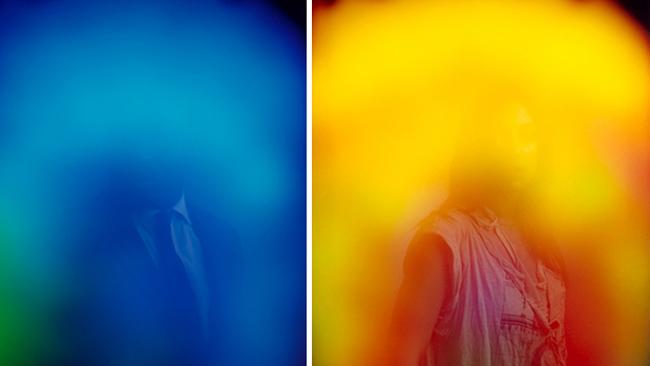
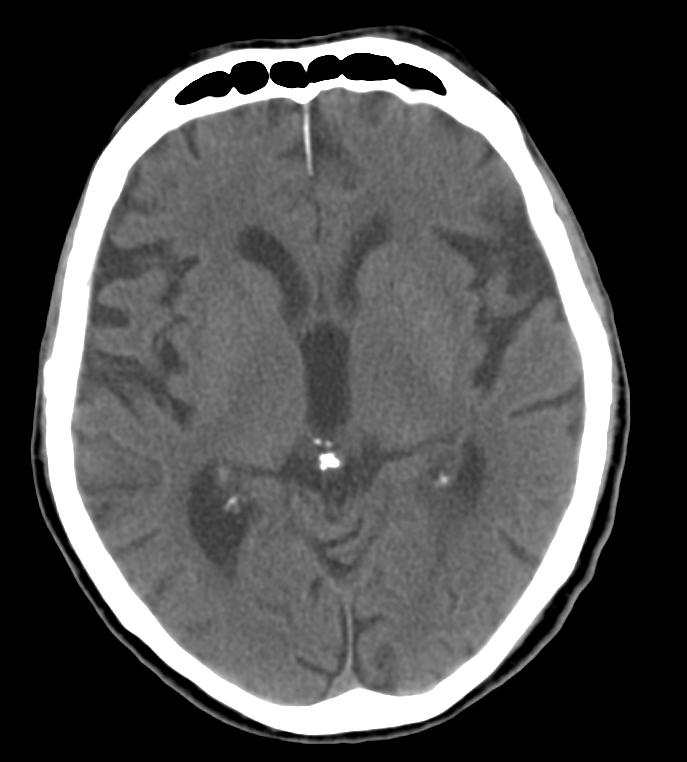
This is because the natural psychic abilities of Humanity have been deliberately deactivated by not teaching us about them, and by active efforts to close down our primary psychic organ, the pineal gland, also known as the third-eye, by doing things like fluoridating water supplies, which leads to the calcification of the pineal gland.
Back to the Lake Van region, and historical Armenia.
The Armenian alphabet at one time was hieroglyphic…
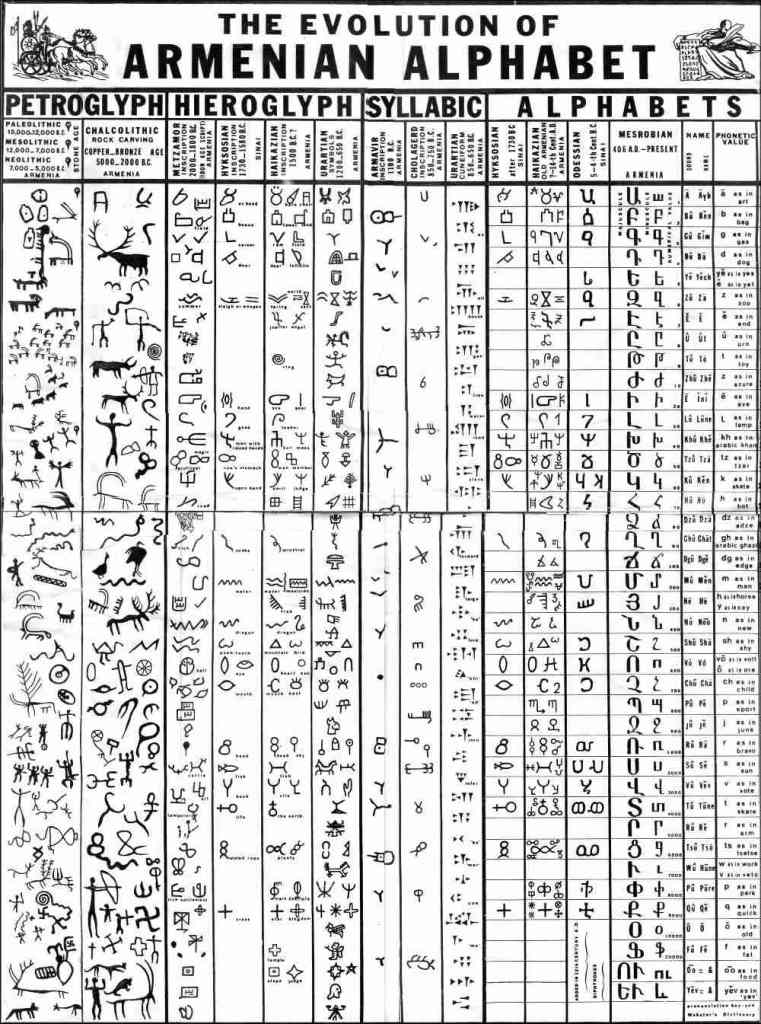
…and in 405 AD, the introduction of the Armenian alphabet still in use today was credited to Mesrop Mashtots and Isaac of Armenia.
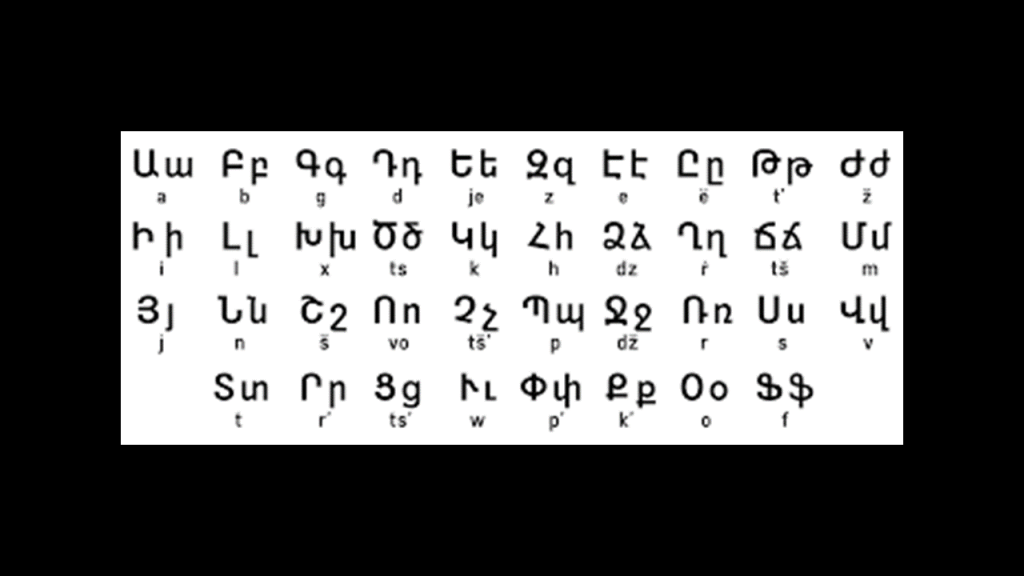
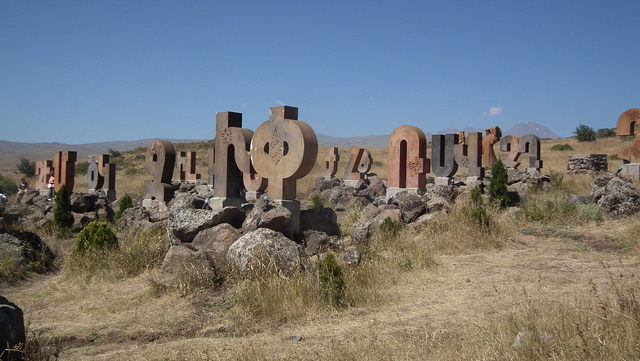
We are told that the Armenian alphabet was carved in stone in 2005 by Armenian architect Jim Torosyan in Artashavan, Armenia, on the eastern slope of Mt. Aragats, on the northern end of the Ararat Plain, near Mashtot’s final resting place to celebrate the 1,600th-anniversary of its creation.
We are told that Mt. Ararat, the legendary landing place of Noah’s Ark, was located in Urartu, and now it is part of modern Turkey.
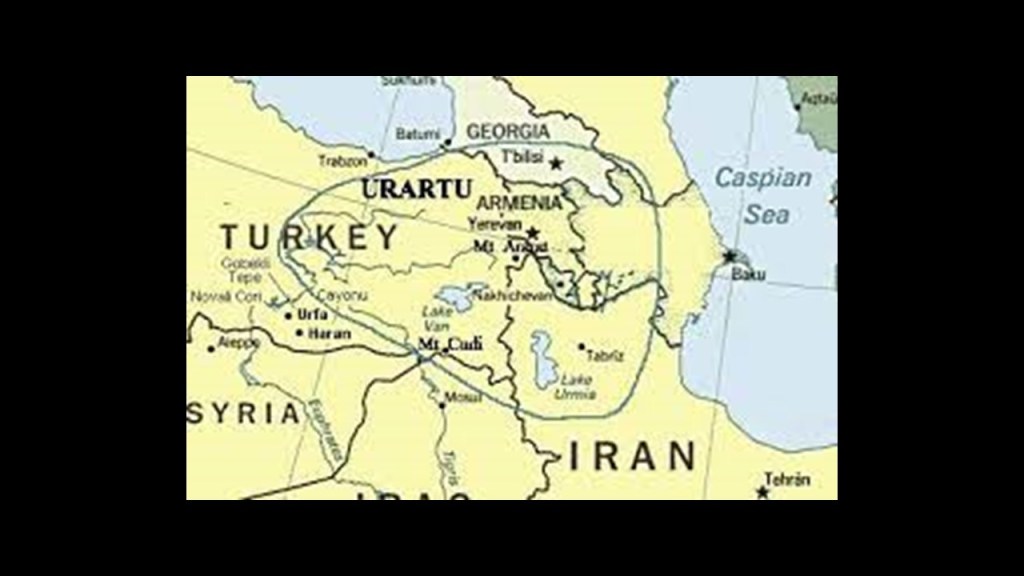
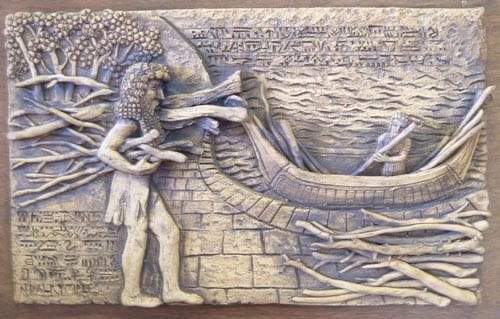
The Sumerians called Ararat “Arrata,” and they tell of this land of their ancestors in the Armenian Highlands in their epic poems of Gilgamesh and Arrata, which also both describe a great flood which fell…from the highlands of Armenia.
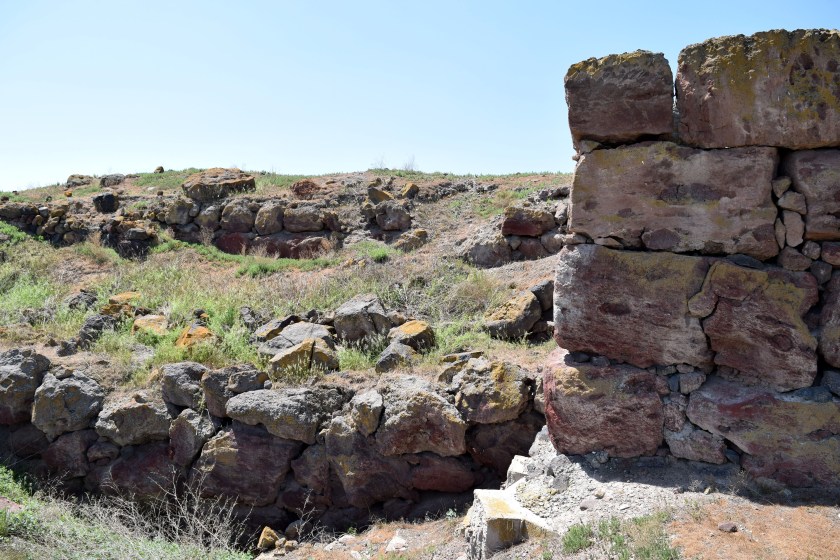
The ancient metallurgical and astronomical center of Metsamor, near Armenia’s modern-day capital of Yerevan, gives its name to the Metsamor Civilization, believed by some to be the world’s first civilization.
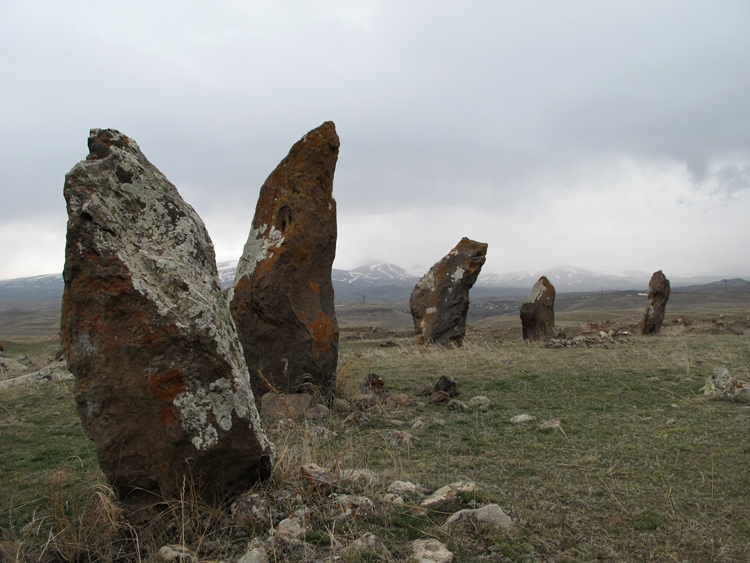
This is Carahunge Stone Circle in southern Armenia, an astronomical observatory marking the movement of the sun, moon and stars.
It is believed to be 7,500-years-old.
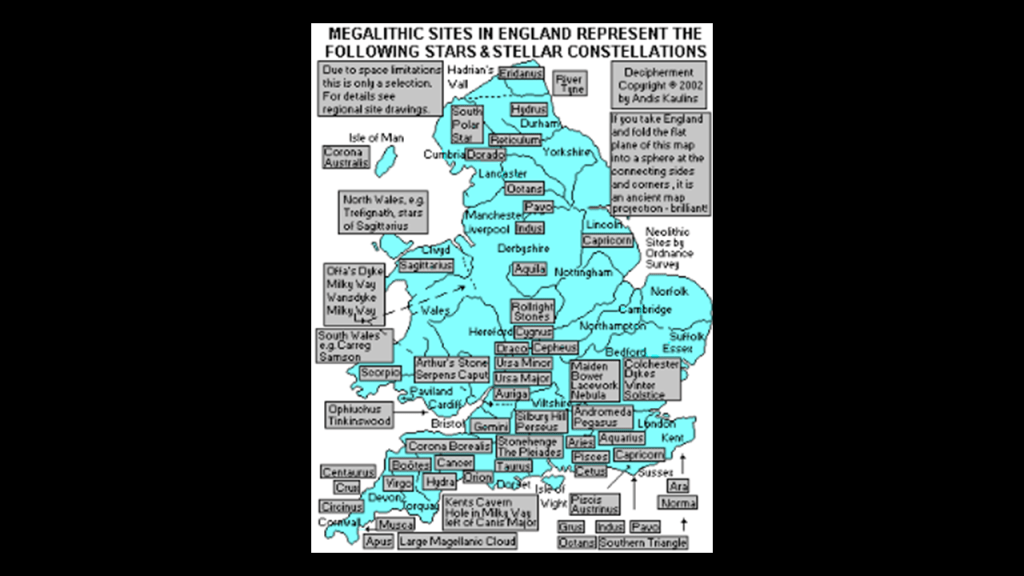
Great Britain is much better known for its standing stone circles with archeoastronomical correlations.
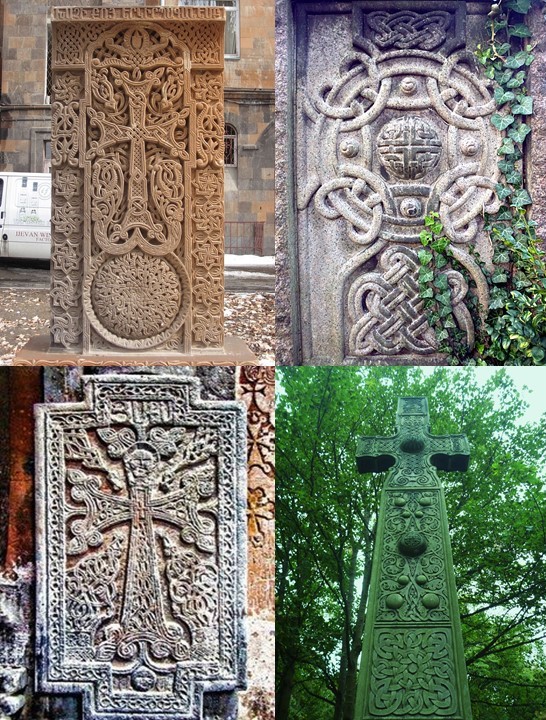
The two photographs on the left show Armenian stone crosses, and on the right are two stone crosses found along the River Leith in Edinburgh, Scotland. Not identical, but similar stylizations.
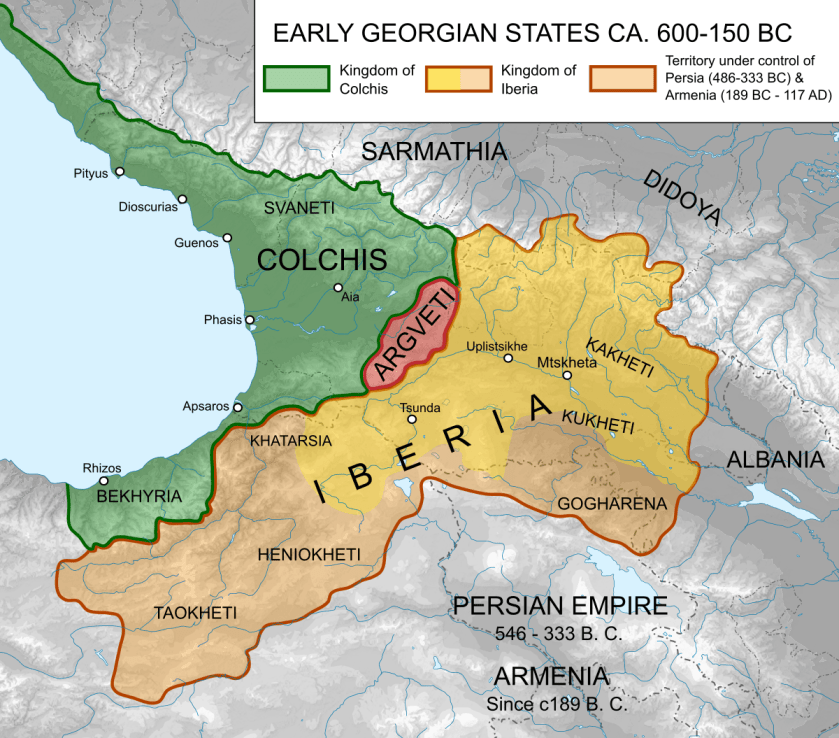
Interestingly, I found this map referencing the Kingdom of Iberia in Armenia’s part of the world, the Transcaucasia, a geographical region in the southern Caucasus Mountains that corresponds to modern Georgia, Armenia, and Azerbaijan.
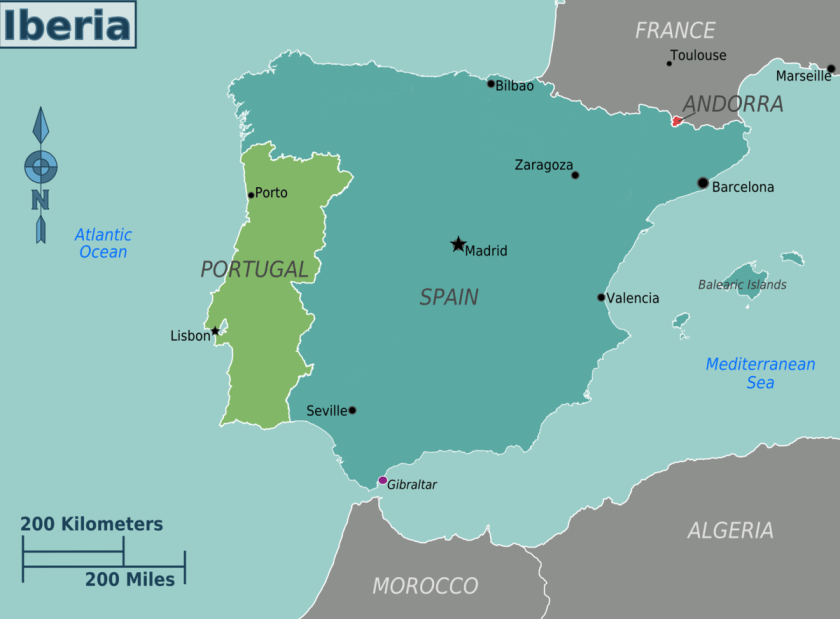
I knew about Spain and Portugal being called Iberia, and occupying what is called the Iberian Peninsula.
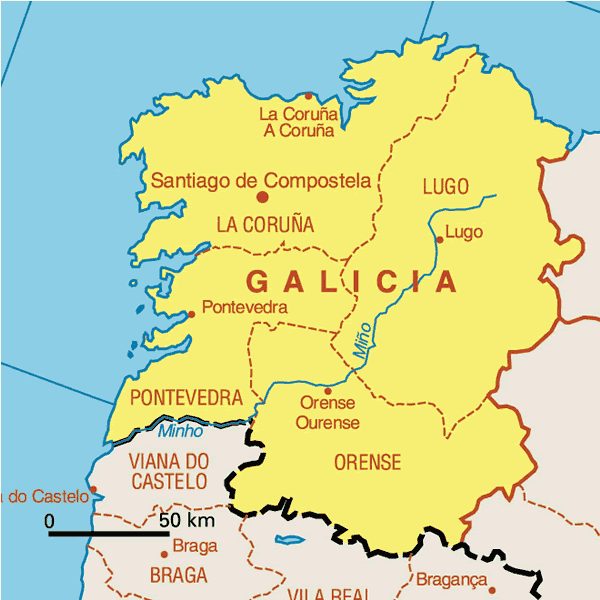
I know there is a province of Galicia in Spain…
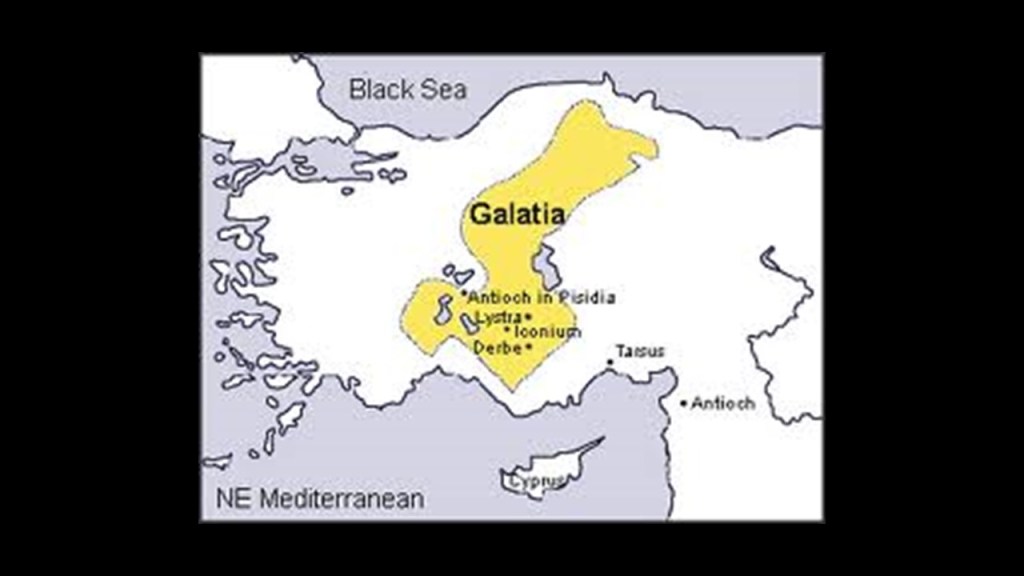
…and the region of Galatia in Turkey…
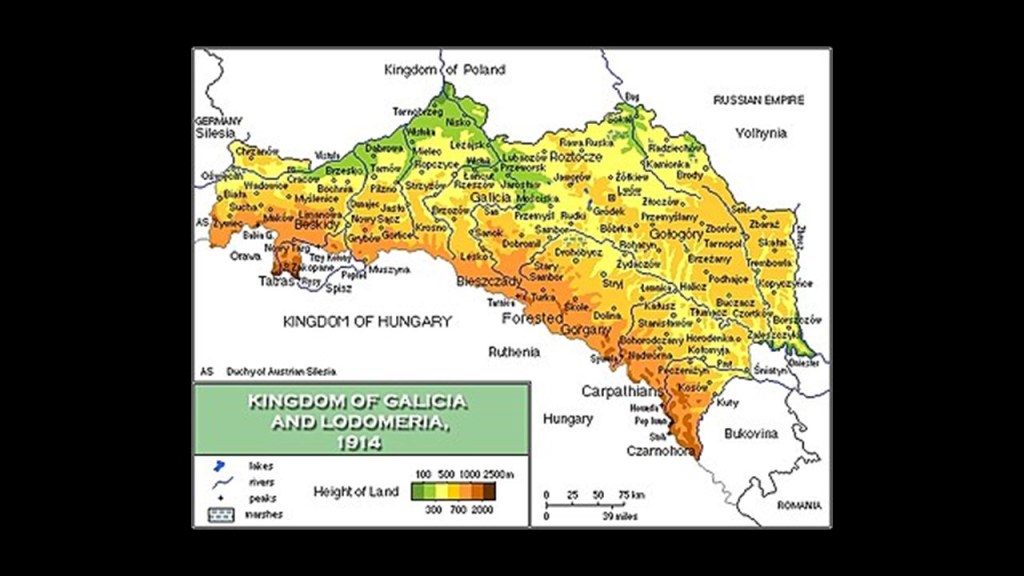
…and there was a Kingdom of Galicia & Lodomeria, located historically between what is now Poland and Ukraine, and which was dissolved in 1918.
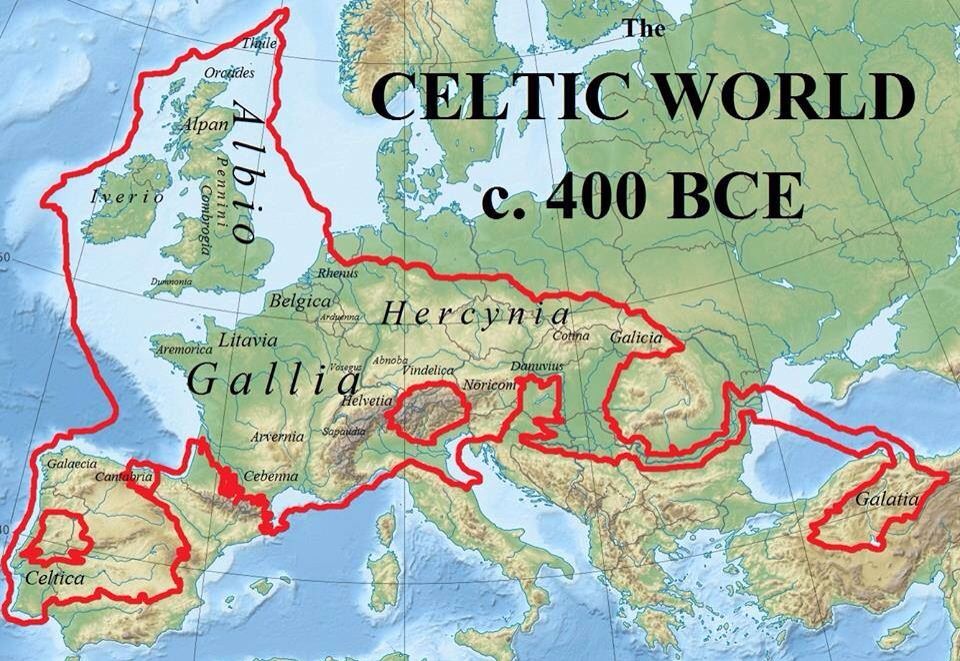
This research led me to this map of the Celtic World circa 400 BC.
How and why did the history of this part of the world get so obscured? What are we not being told?
And when was what was historically part of Armenia was absorbed into modern Turkey?
What happened?
This is what we are told about Turkey’s history.
Ancient Asia Minor, or Anatolia, consisted of the majority of modern-day Turkey, which is a country in both Asia and Europe.
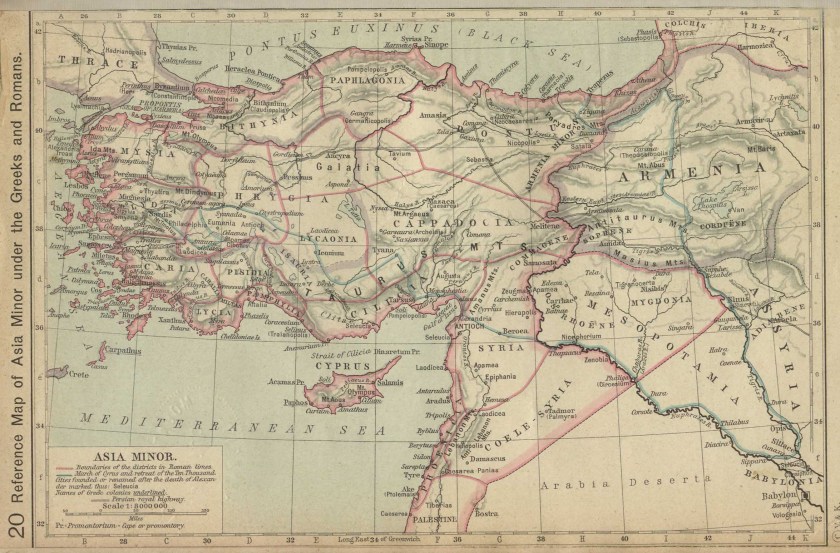
What is now modern Turkey was once part of the Byzantine Empire until the Seljuk Turks started coming into Anatolia in the 11th-century.
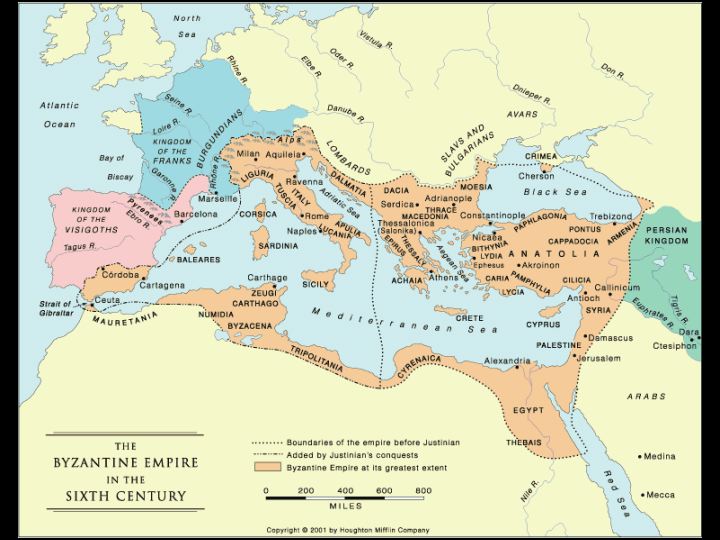
They defeated the Byzantines in battle in 1071, and reign of the Seljuk Turks was said to symbolize the founding of Turkey.
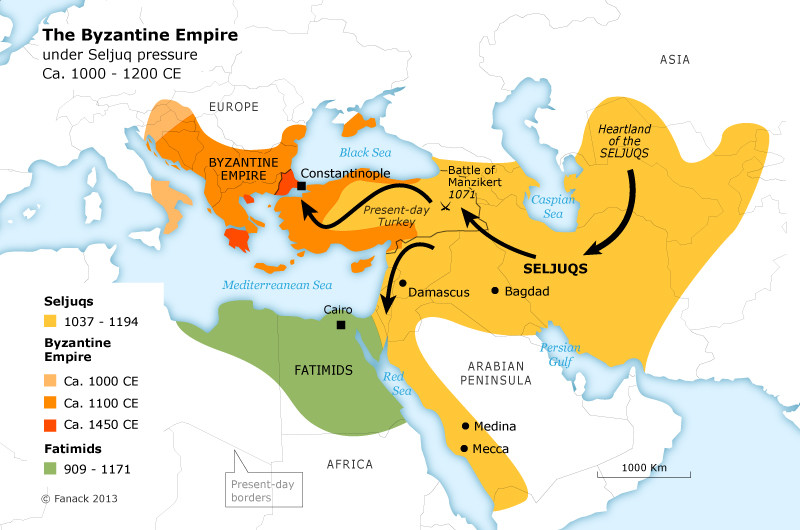
Then the Seljuk Turks fell to Mongol invasions, which started in 1241.
The Mongols ruled as the “Ilkhanate” in Anatolia between 1243 and 1335.
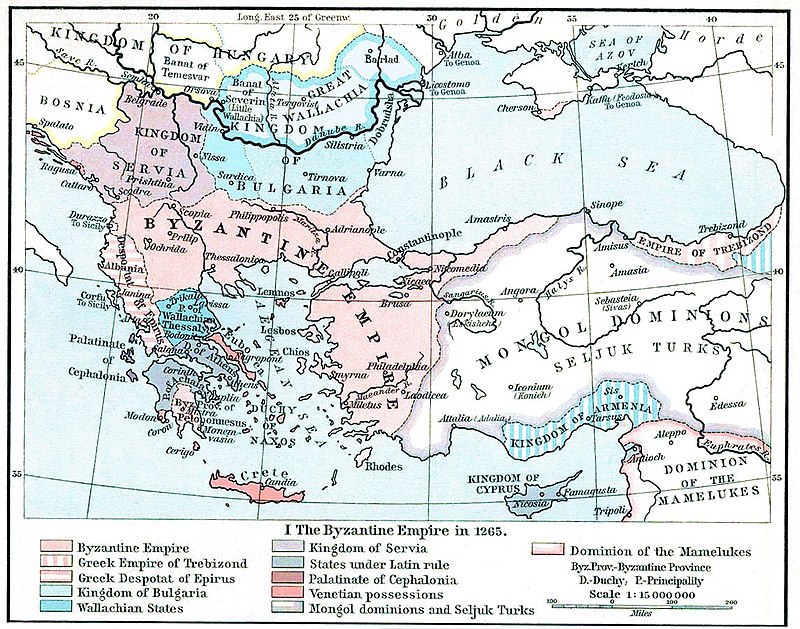
Then, we are told the Ottoman Empire was founded at the end of the 13th-century in northwestern Anatolia and existed as a vast empire and center of interactions between east and west until the end of World War I, when it was defeated as an ally of Germany and occupied by Allied forces.
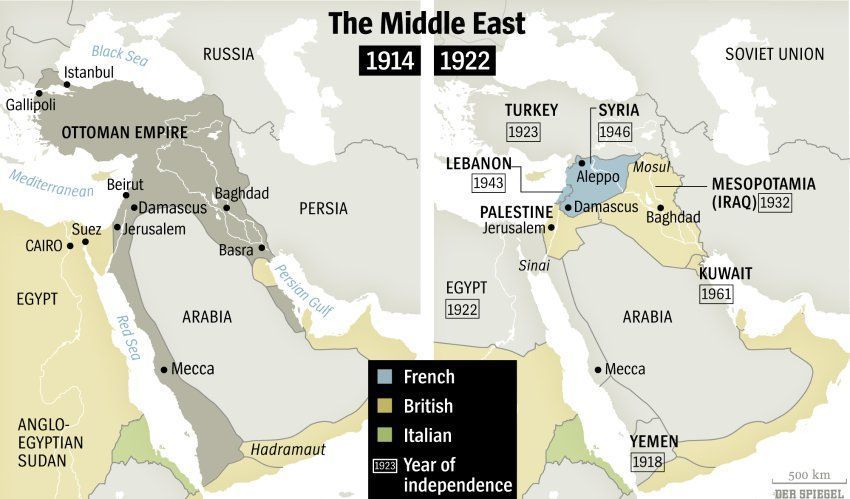
At this time, the Ottoman Empire was partitioned and lost its Middle East holdings, which were divided between the Allied Forces.

Thus, at the end of World War I, the victorious powers sought to divide up the Ottoman Empire, and the 1920 Treaty of Sevres promised to maintain the existence of the Armenian Republic and to attach the former territories of Ottoman Armenia to it.
Ottoman Armenia was referred to as Wilsonian Armenia because the new borders were to be drawn by U. S. President Woodrow Wilson.
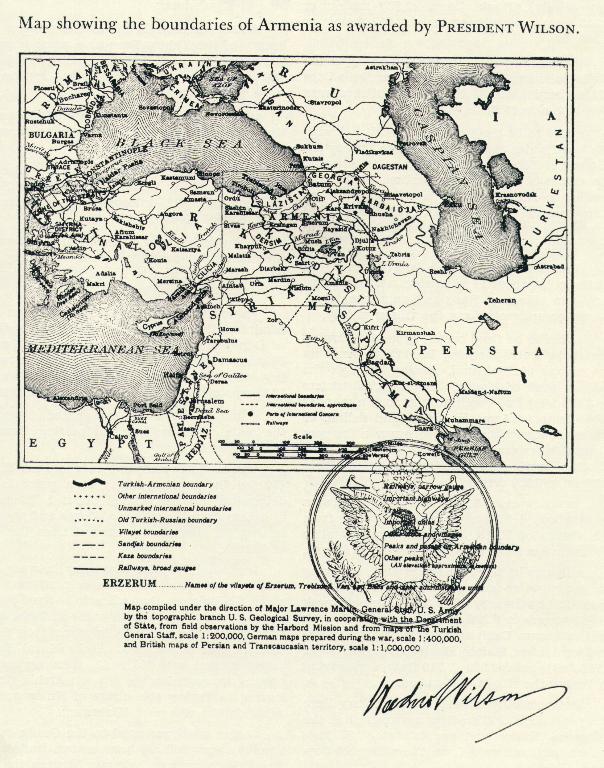
The Treaty of Sevres never came into effect because it was rejected by the Turkish National Movement, which used the occasion to declare itself as the rightful government of Turkey.
Turkish Nationalist Forces invaded Armenia in 1920 from the east, ultimately forcing most of the Armenian military forces to disarm, cede back the former Ottoman lands granted to Armenia by the Treaty, and to give up “Wilsonian Armenia.”
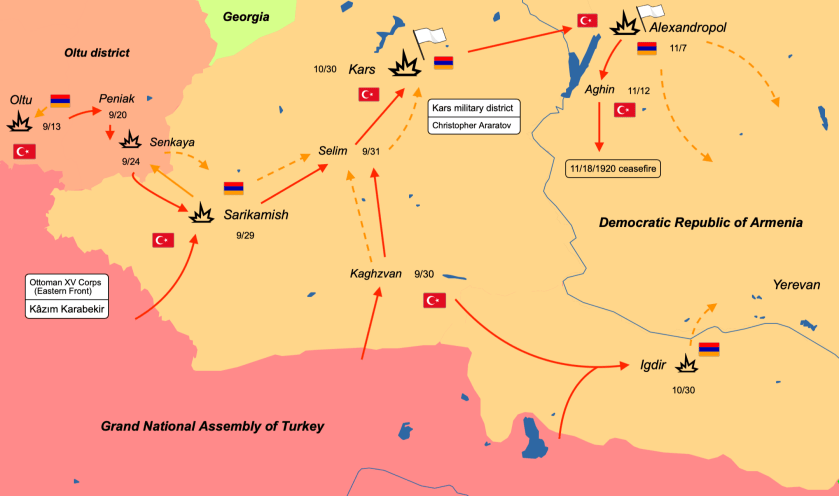
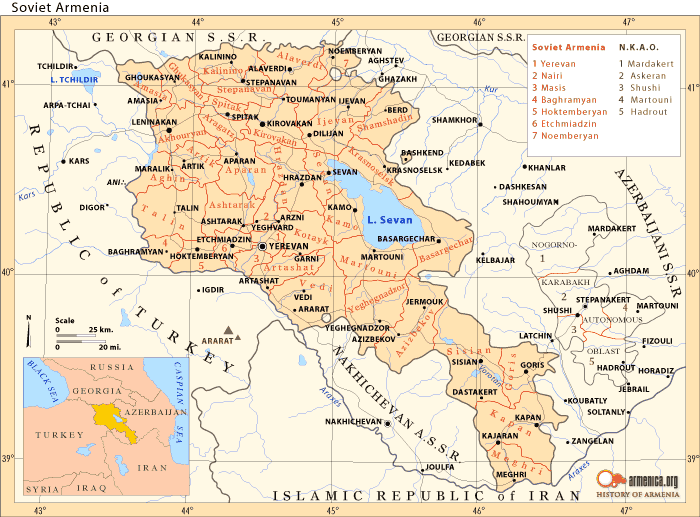
And during the same time frame, the Soviet Eleventh Army invaded Armenia, and ultimately took complete control of it in 1921.
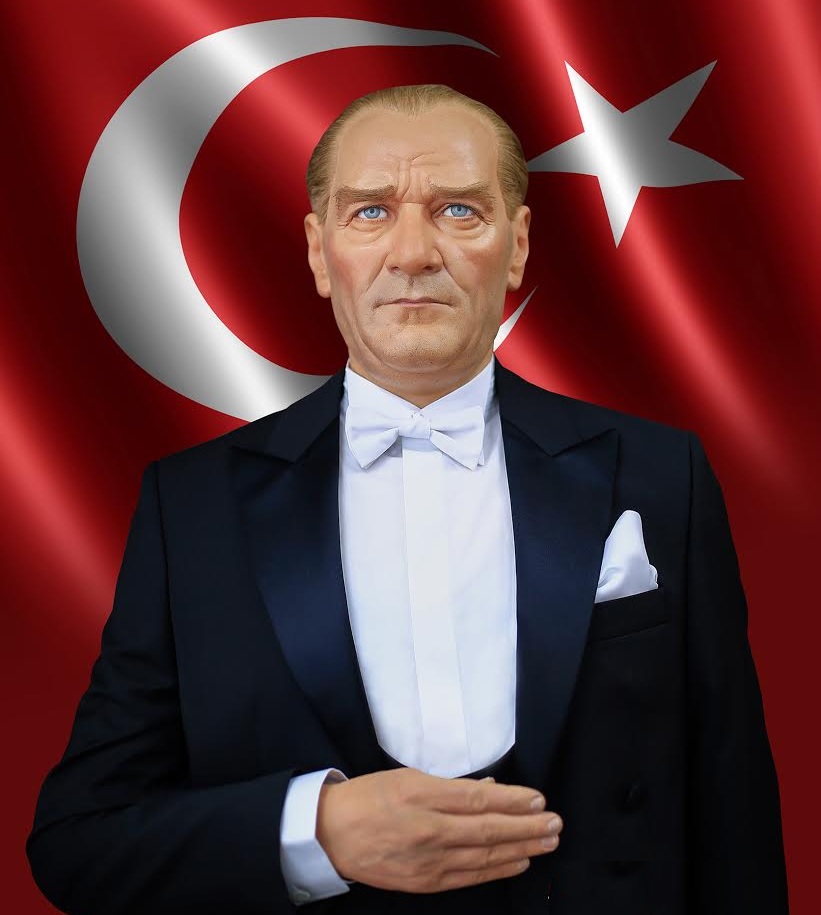
Thus, the Turkish War of Independence initiated under the leadership of Mustafa Kemal Ataturk against the occupying powers resulted in the abolition of the monarchy in 1922, and the establishment of the Republic of Turkey in 1923. Ataturk was the first president of the new republic, moving the country’s seat of power from Istanbul to Ankara.
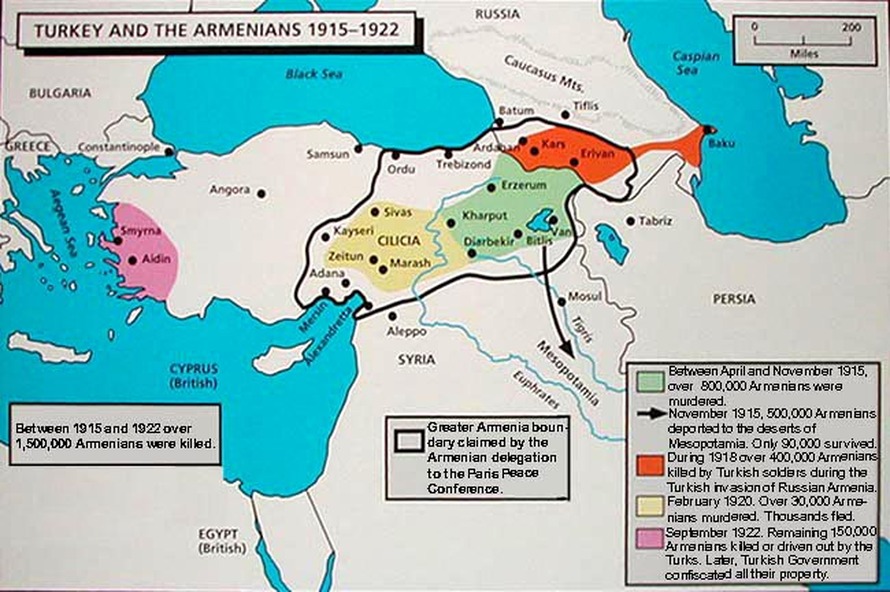
Obviously this region of historical Armenia was highly prized, and its people were persecuted and many were killed.
The Armenian genocide was the systematic destruction of the Armenian people and identity in the Ottoman Empire during and after World War I.
The estimate of deaths ranges from 600,000 to 1.5-million people.
There’s a lot more to look at here, but I am going to move on to the next place on the alignment.
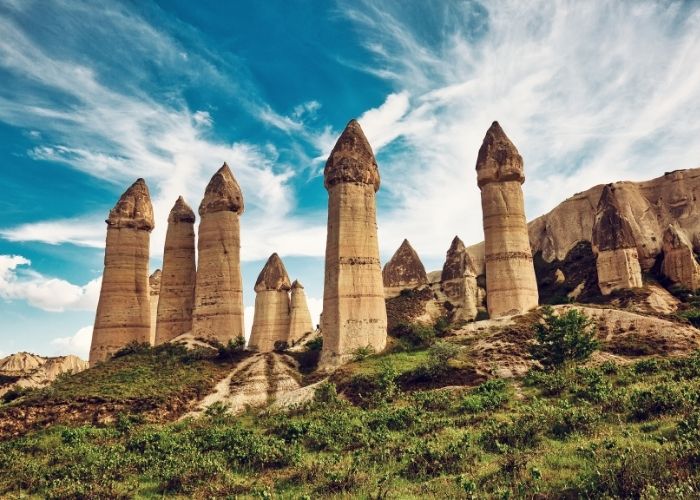
The next place I am going to look at is what is called “The Valley of the Fairy Chimneys,” in Cappadocia, a historical region of Central Anatolia known for its unique cultural and historical heritage.
These fairy chimneys are in Goreme National Park, part of the Rock Sites of Cappadocia UNESCO World Heritage Site.
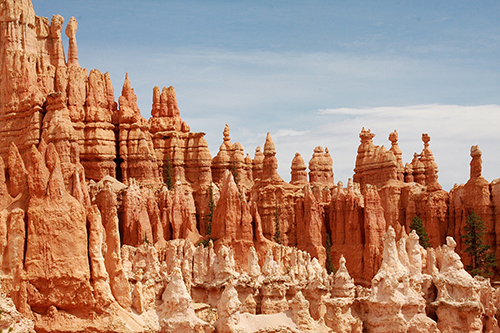
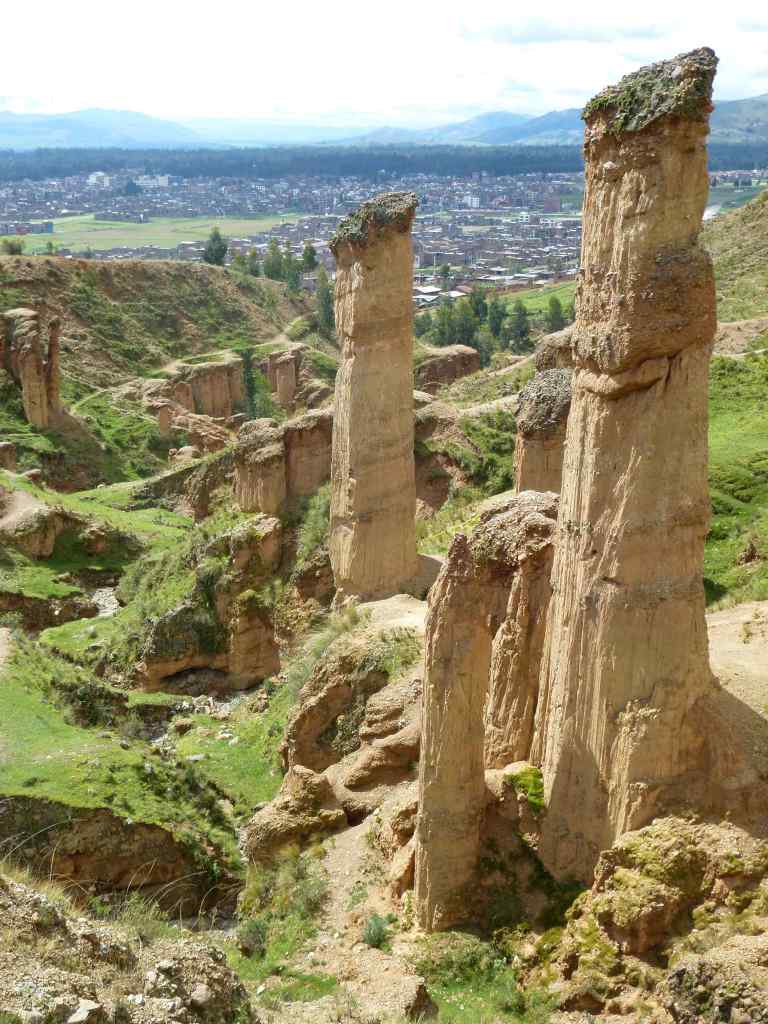
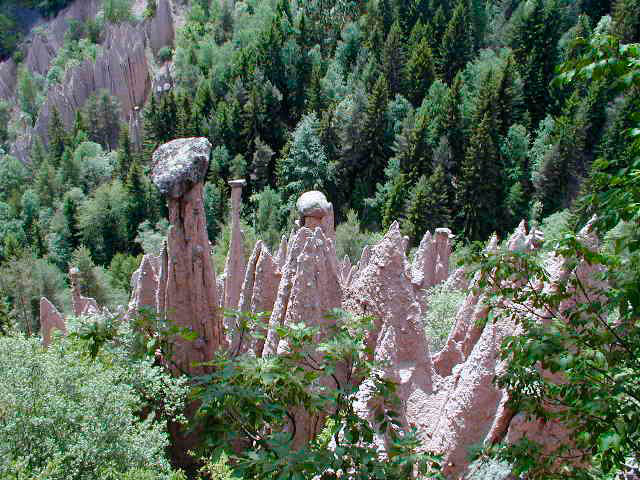
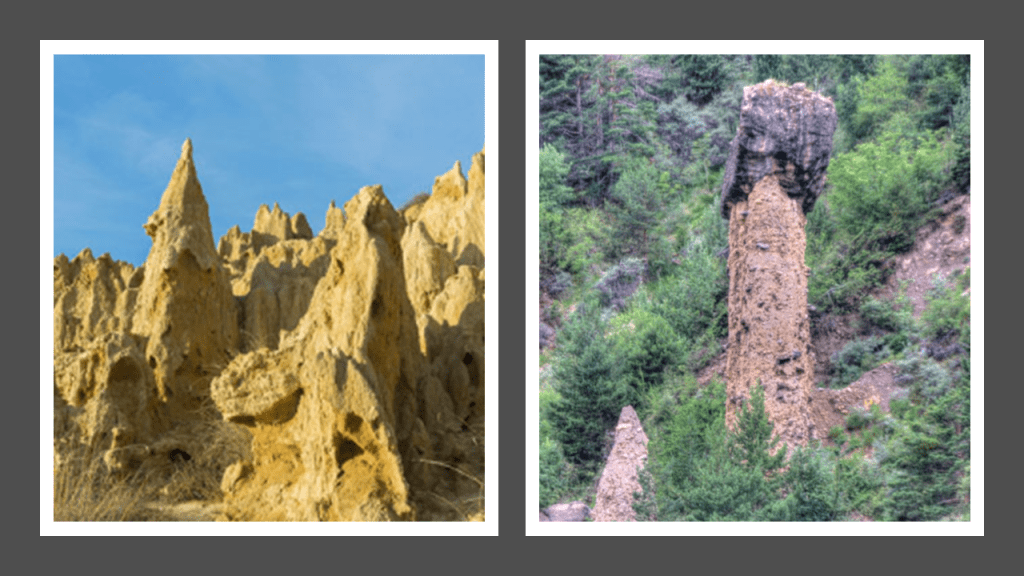
I find it noteworthy that shapes like these are found around the world, including what are called “hoodoos” in Bryce Canyon in southwest Utah…
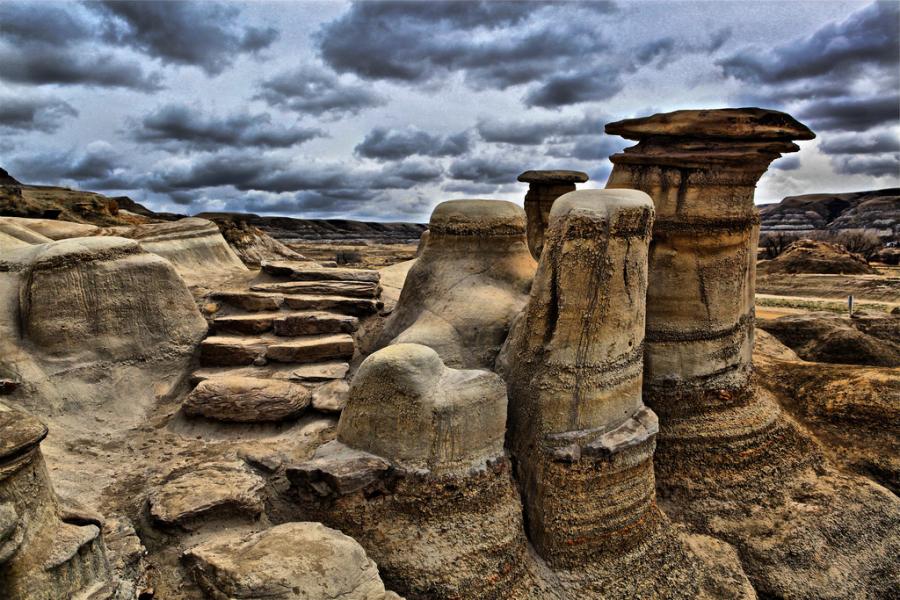
…in Alberta’s Drumheller Badlands in Canada…
…the Torre Torre in Huancayo, Peru…
…in Renon, Italy…
…and in Zaragoza, Spain, to a name a few of the many places where these are found.
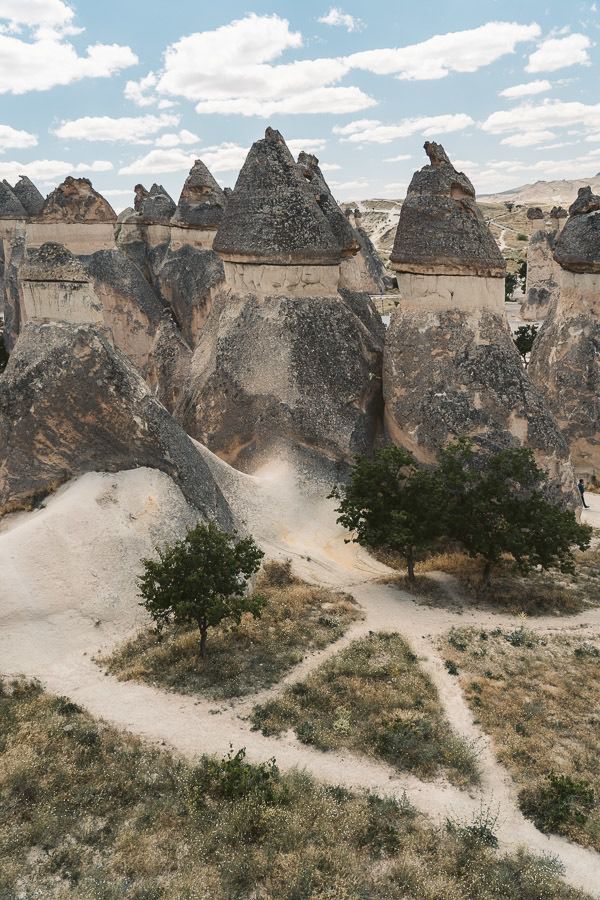
Here are more in the Pasabag Valley of Goreme National Park in Cappadocia.
So we are told that these phallic shapes were all created by natural geologic forces.
Okay. Well, maybe, but I really don’t think so!
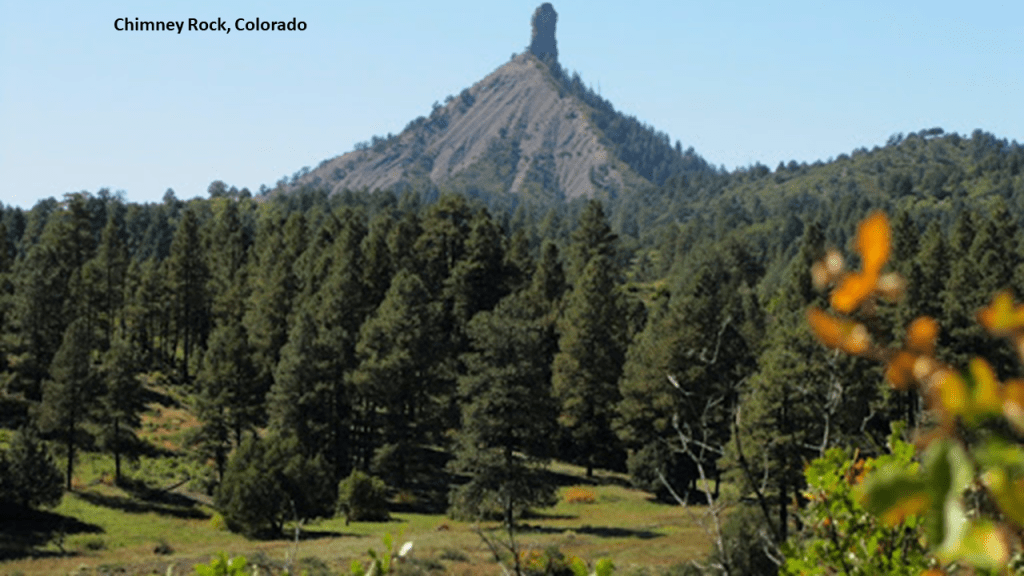
These phallic shapes are also found on land features that are undeniably shaped like pyramids, like Chimney Rock in Colorado, another one of many examples I have seen of the same configuration.
Besides so-called fairy chimneys, the region of Cappadocia has been determined to have 40 underground cities, of which 6 are open to the public:
The underground city of Tatlarin, considered one of the most important of Cappadocia’s underground cities, discovered in 1975…
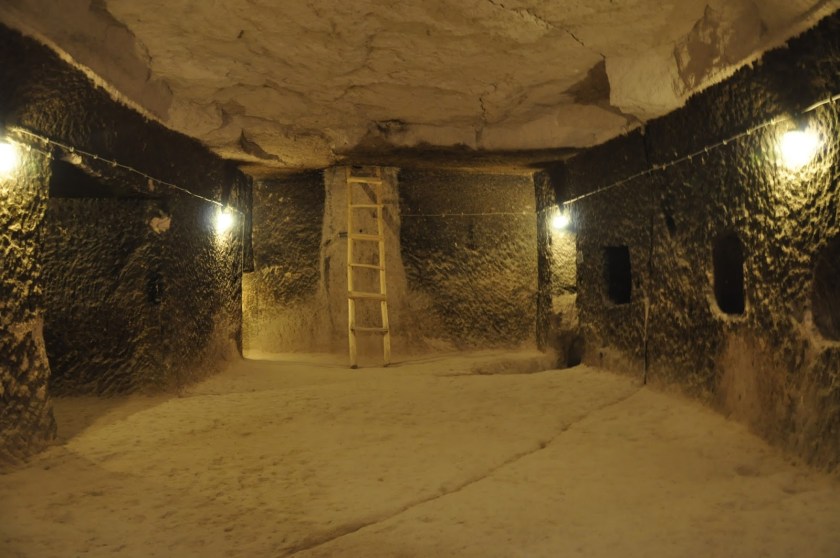
…Derinkuyu, an ancient, deep multi-level underground city said to be large enough to shelter 20,000 people together with their livestock and food supply, and opened to visitors in 1969…
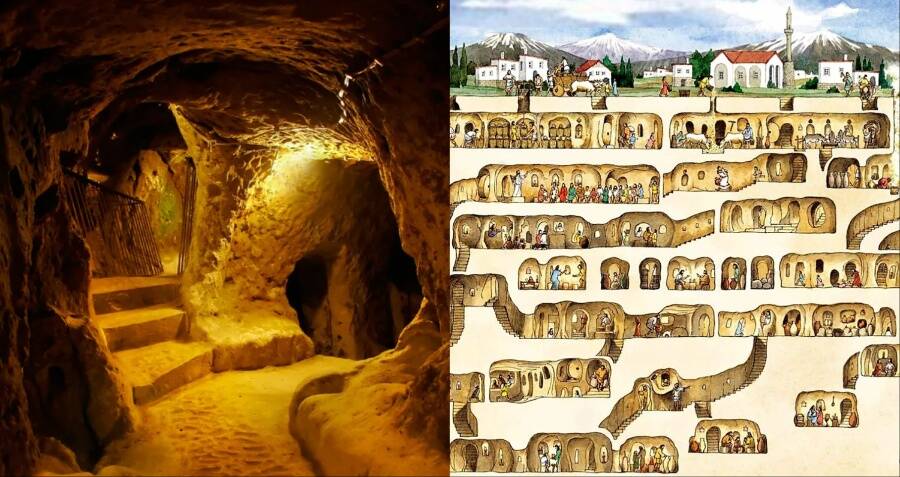
…the underground city of Ozkonak, discovered in 1972, which had a water well, pipe communication system, winery, and moving stone doors…
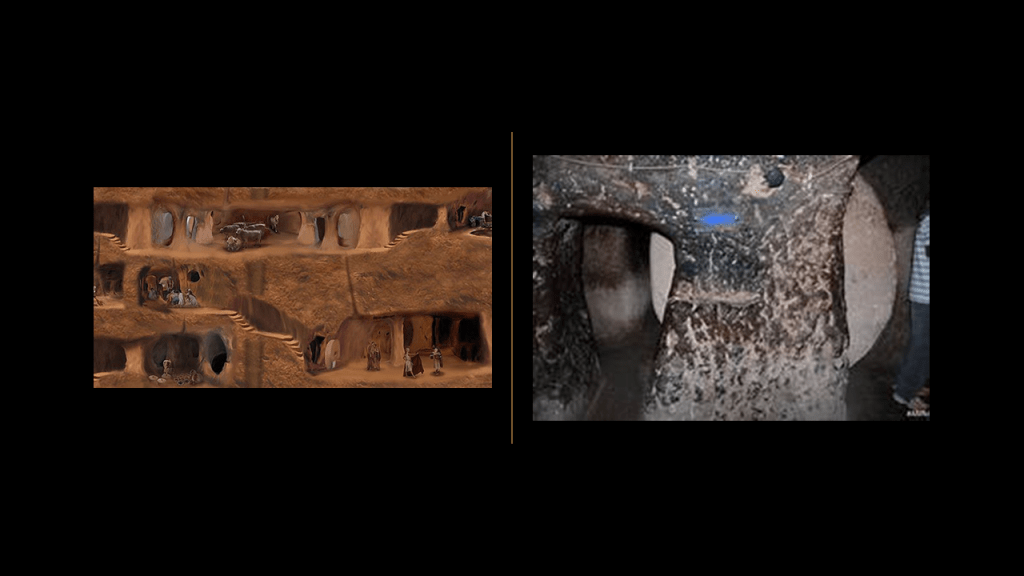
…and there’s Mazi Underground City, opened to visitors in 1995…
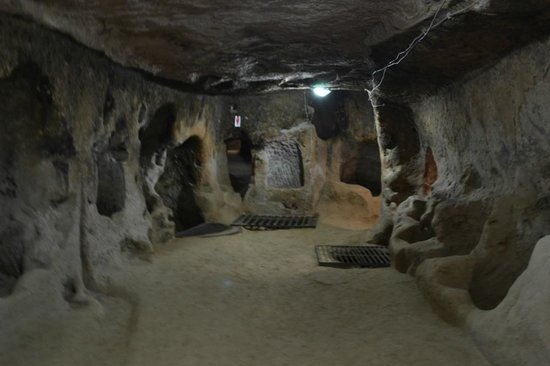
…Kaymakli Underground City, opened to the public in 1964…
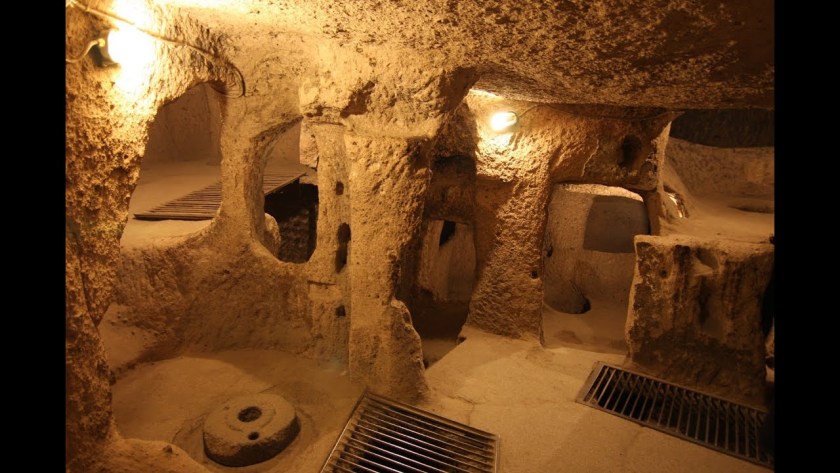
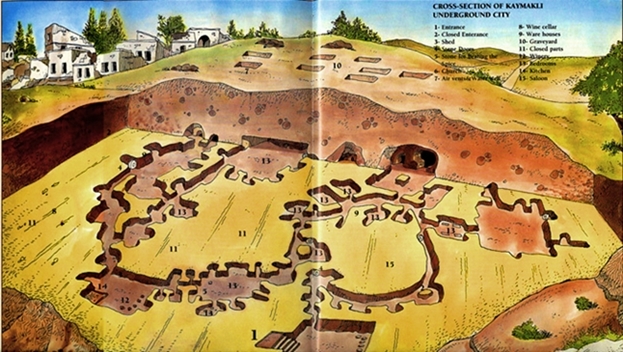
…and Kaymakli is the widest underground city…
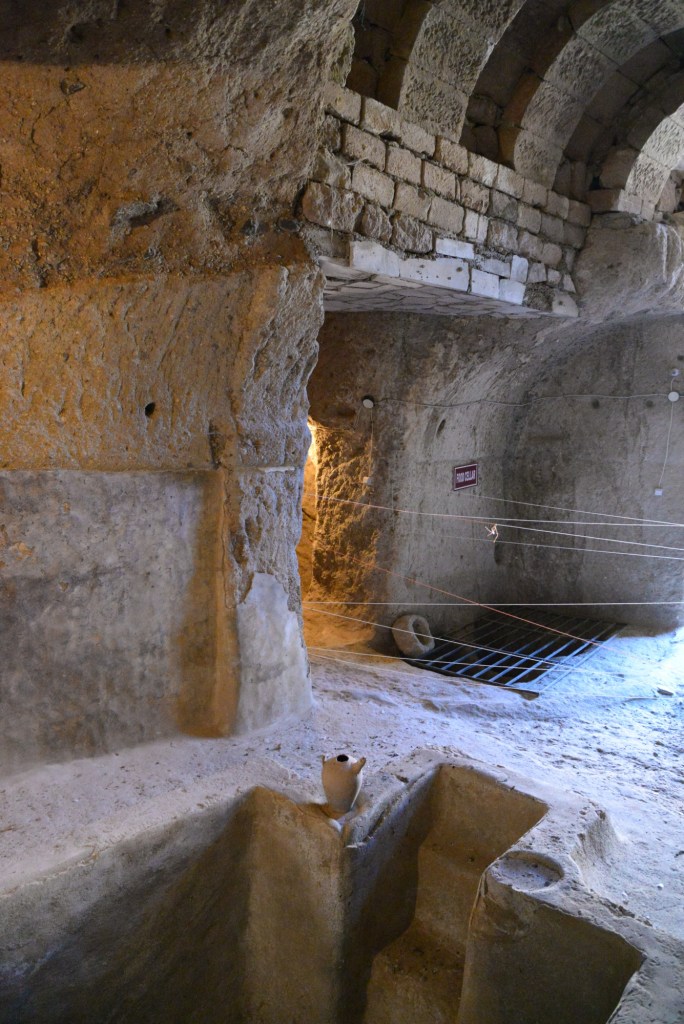
…and the last one that is open to the public is Gaziemir Underground City, which was discovered in 2006.
So not only is all of this massive stone-work going on underneath the surface of Cappadocia, it was also going on above ground.
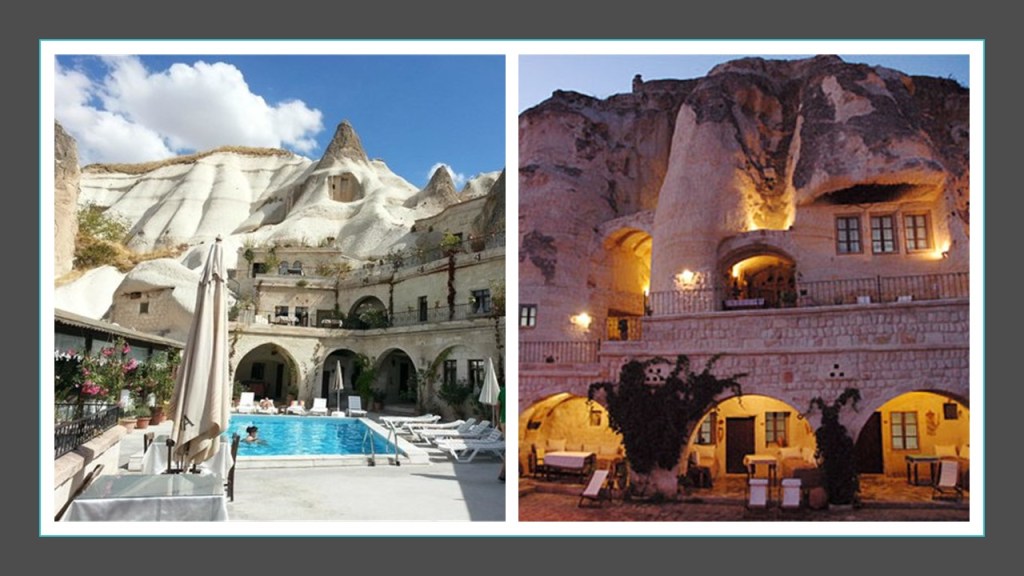
Cappadocia is known for its cave-homes and cave-hotels…
…and places like the Keslik Monastery in Cappadocia appear to be carved right out of the solid rock.
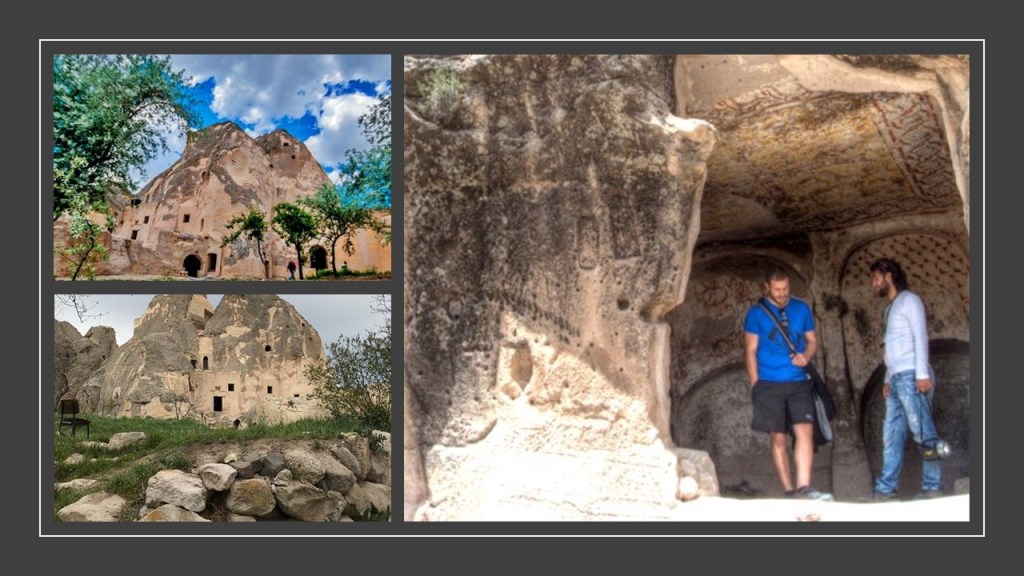
The tourism center of Urgup is not far from Keslik Monastery, and here are dwellings found there.
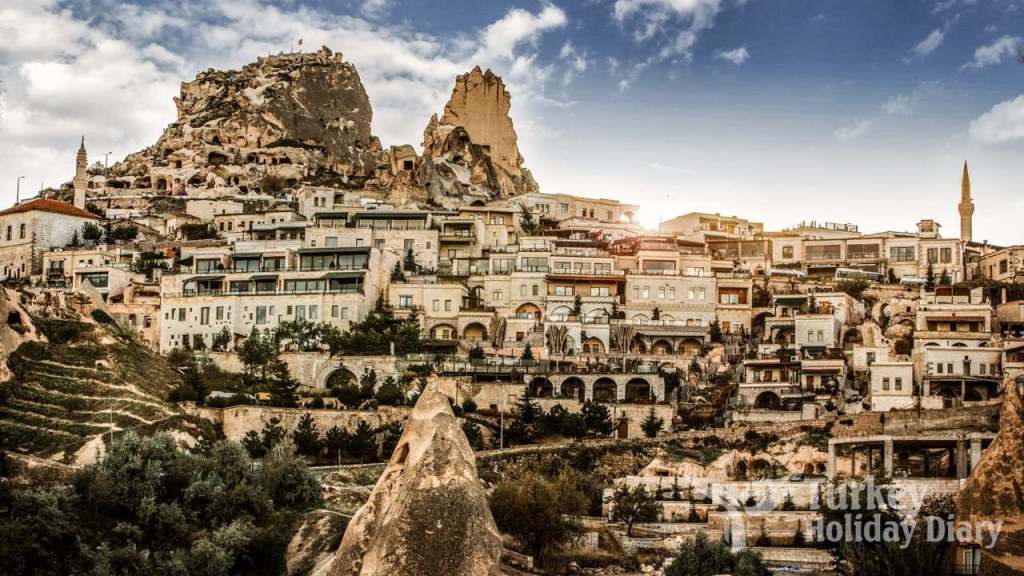
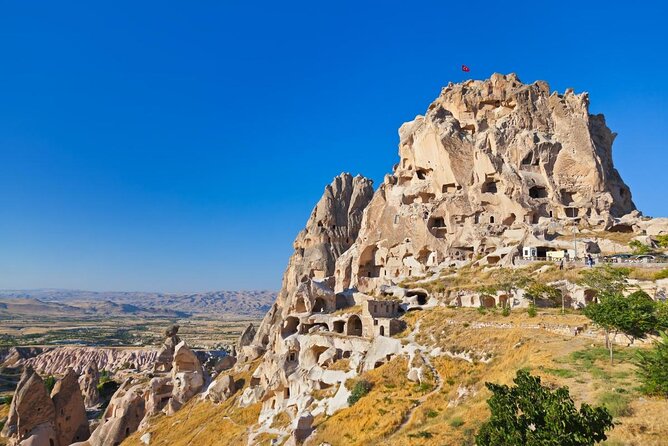
Uchisar, located on the edge of Goreme National Park, with its 197-foot, or 60-meter, high castle-mountain, criss-crossed by passageways and was said to have 1,000 people living inside it at one time, but apparently not anymore.
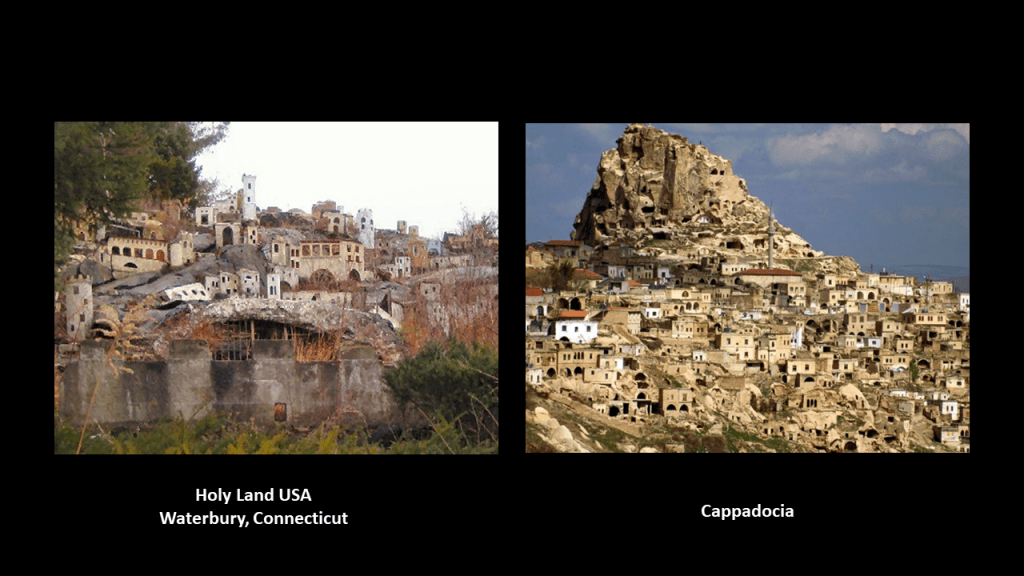
Before I leave Cappadocia and pick up the alignment as it crosses the Anatolian Plateau, I would like to share a find from the state of Connecticut when I was tracking a different alignment.
Waterbury in Connecticut was the location of Holy Land USA on the left, which we are told was a theme park inspired by passages from the Bible that opened in 1955 and closed in 1985 and today the location is in an advanced state of disrepair.
On the right is a photo from a location here in Cappadocia.
Next I am going to look at the Anatolian Plateau as a whole.
The Anatolian Plateau is called the central upland region of the ancient region of Anatolia, known as Turkey today.
The region of Cappadocia and its Valley of the Fairy Chimneys where I was just looking is centrally located on the Anatolian Plateau.
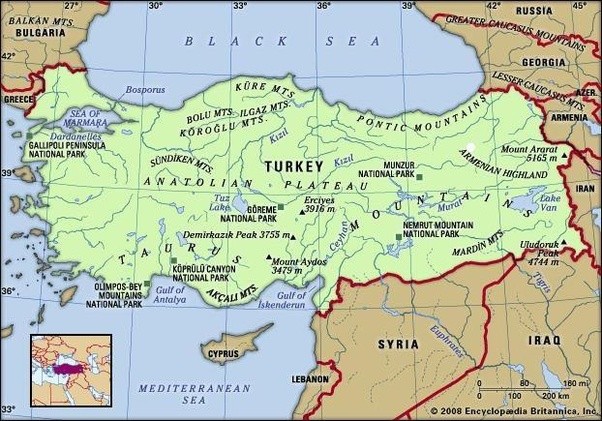
Anatolia is said to mean something along the lines of “Rising Sun” or “the East” in ancient Greek, and has been a bridge between Europe and Asia for thousands of years.
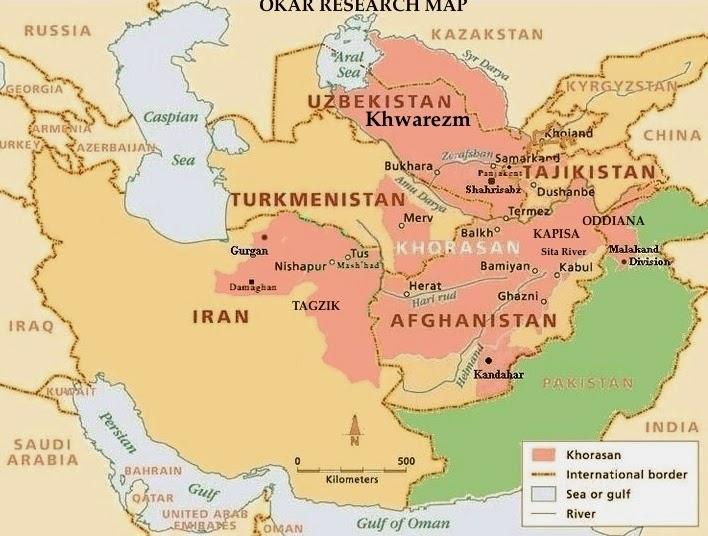
In a similar fashion, Khorasan, the name historically given to the northeastern Persia Empire which came up in previous posts on this alignment, is also said to mean the “Land where the Sun Rises” or the “Eastern Province.”
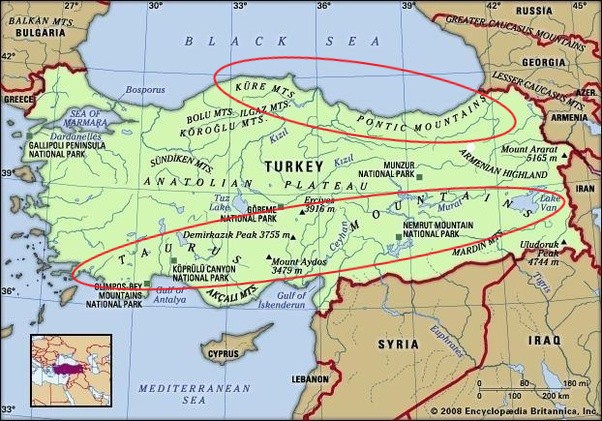
The Anatolian Plateau is hemmed in by several mountain ranges – the Taurus to the South, and the Pontic Mountains in the northeast & the Kure Mountains in the northwest.
While I am here, I am going to take this opportunity to venture off the alignment and explore this ancient place because I know there is a lot to find.
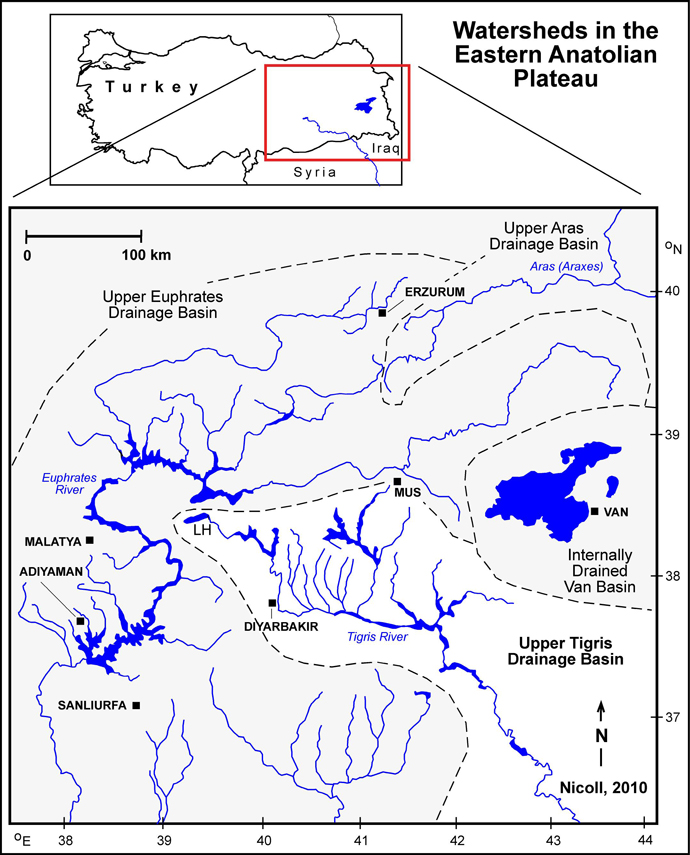
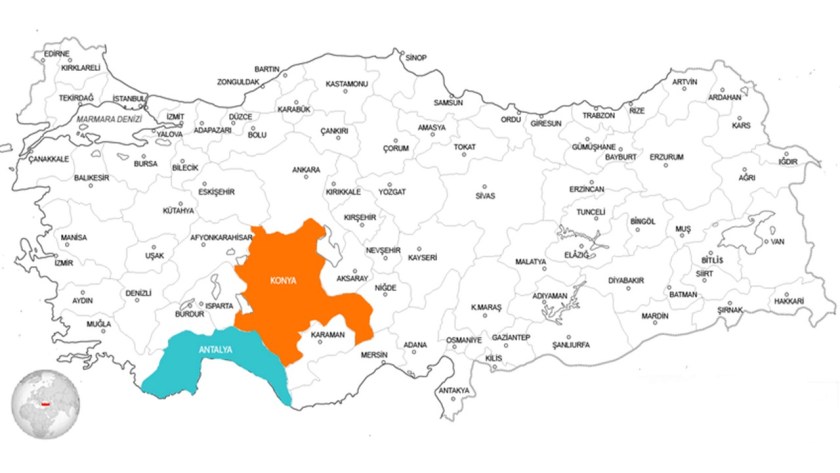
The Taurus Mountains separate the Mediterranean Coastal Region of Turkey from the Central Anatolian Plateau, extending in a curve from the Province of Antalya in the West…
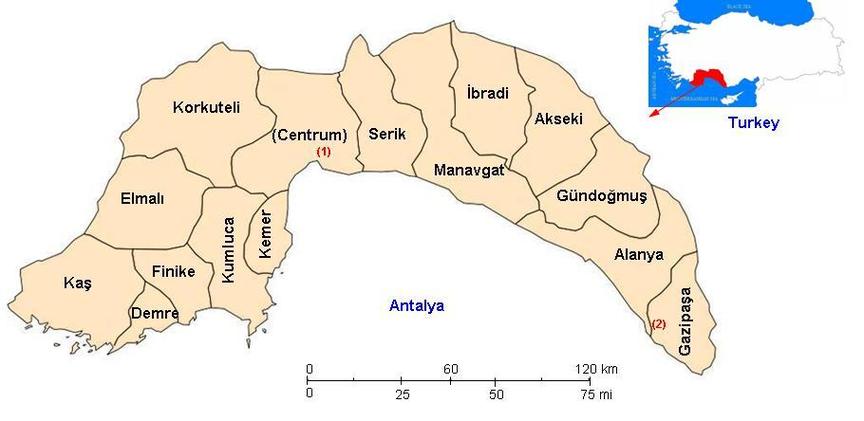
…to the upper reaches of the Tigris and Euphrates Rivers in the East.
Antalya Province, also known as the Turkish Riveria, is the center of Turkey’s Tourism Industry, and its capital, Antalya, is the fifth-largest city in Turkey.

It is the largest city on Turkey’s Mediterranean coast, with a population of over one-million.
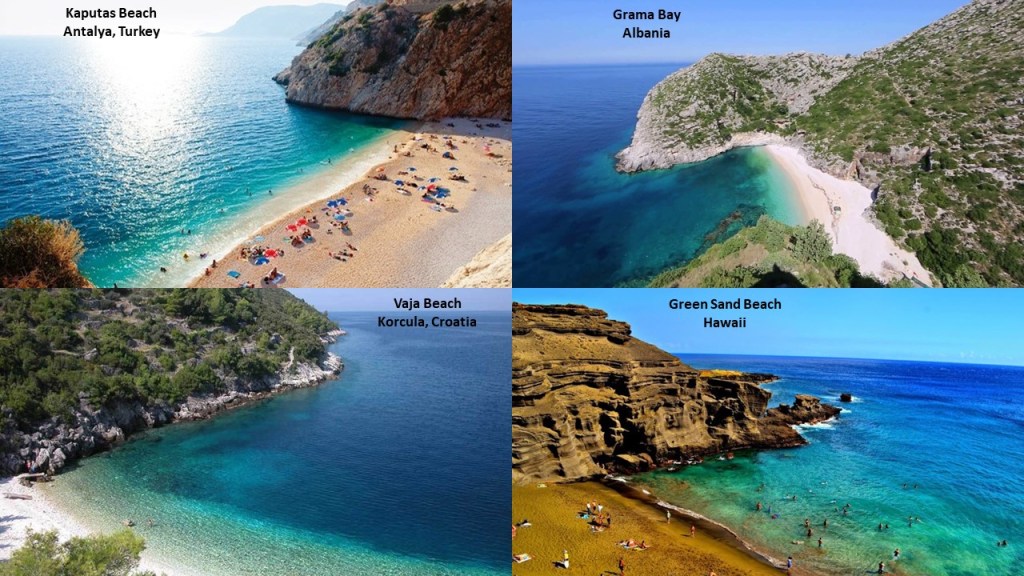
This is Kaputas Beach on the Mediterranean Sea in Antalya on the top left, compared for similarity of appearance with Grama Bay in Albania on the top right; Vaja Beach in Korcula, Croatia, on the bottom left; and Green Sand Beach on the big island of Hawaii on the bottom right.
These are just a few of many examples I have found that demonstrate similar shapes and angles of beach and rocky coastline in very different places.
The UNESCO World Heritage Site of Xanthos is in Antalya Province, said to be an ancient Lycian city.
This is what remains of the Nereid Monument in Xanthos, with its megalithic base, and believed to be a tomb…
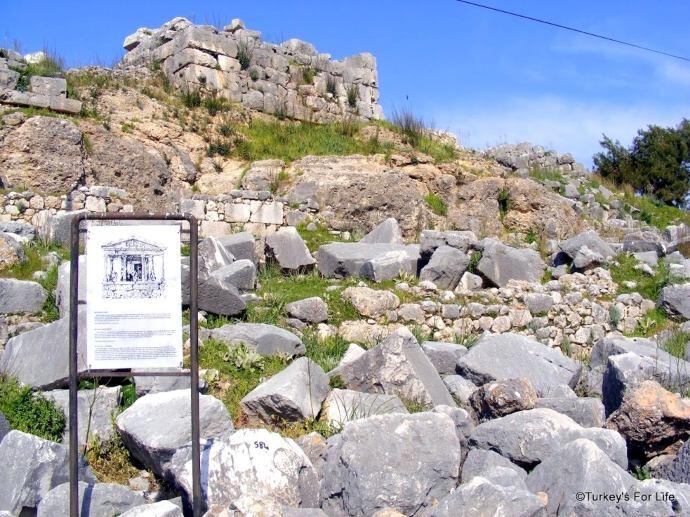
…that was discovered by a British explorer of Turkey, Charles Fellows, who led the archaeological excavation of Xanthos in the early 1840s and shipped an enormous amount of antique monuments to London, where they were reconstructed in the halls of the British Museum, including the Nereid Monument.
Interesting to note the headless and armless statues on display.
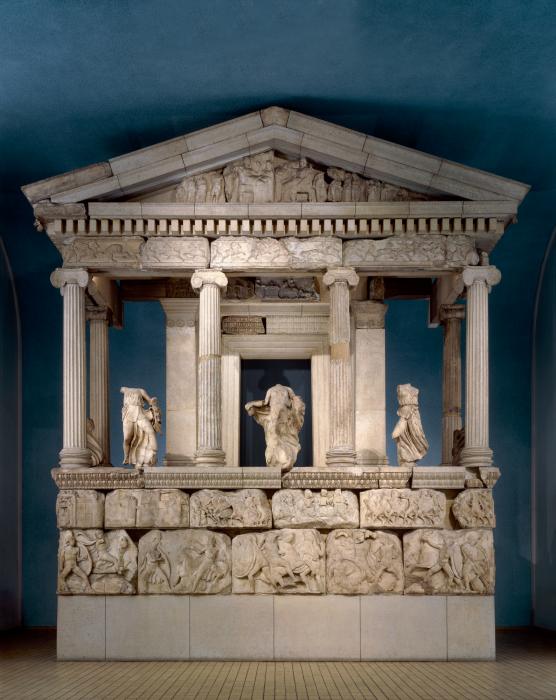
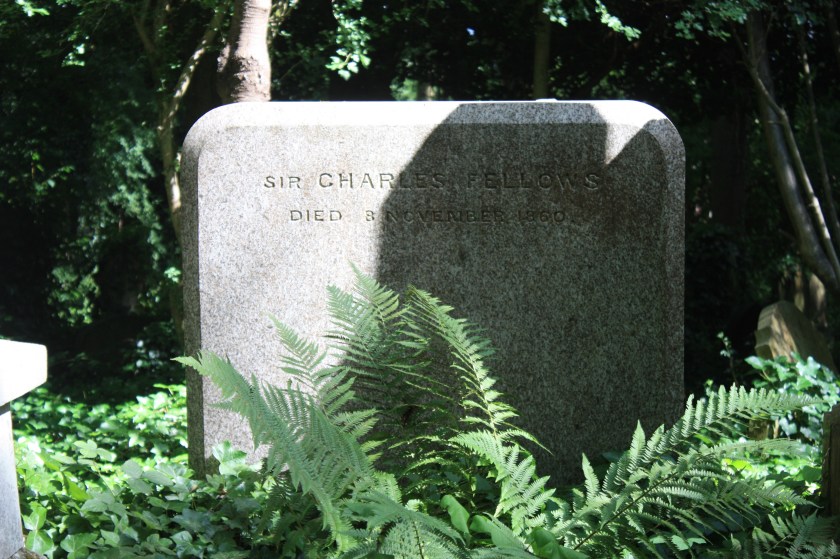
Charles Fellows was even knighted in 1845 for his services in the removal of Xanthian antiquities to Britain.
This is a surprisingly plain tombstone for him at London’s Highgate cemetery ~ I wonder what that signified!
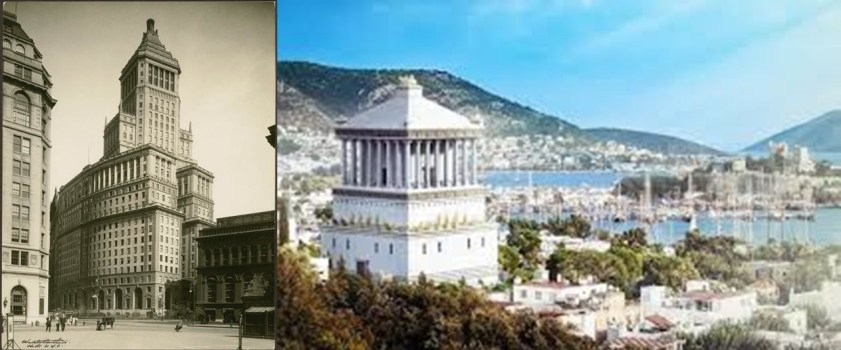
The Lycian Nereid Monument was said to have inspired the Mausoleum of Halicarnassus, said to have been built between 353 and 350 BC as a tomb for King Mausolus, ruler of Caria, a region of western Anatolia north of Lycia…
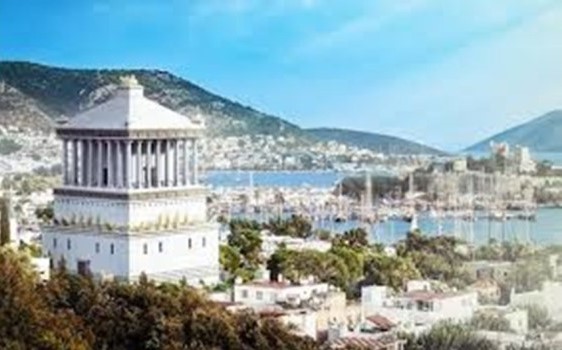
…and the Mausoleum of Halicarnassus was said to have been the inspiration for the old Standard Oil Headquarters in Manhattan on the left.
Said to have been built between 1884 and 1928??
Lycia was a geopolitical region in Southern Anatolia, populated by speakers of the Luwian Language group…
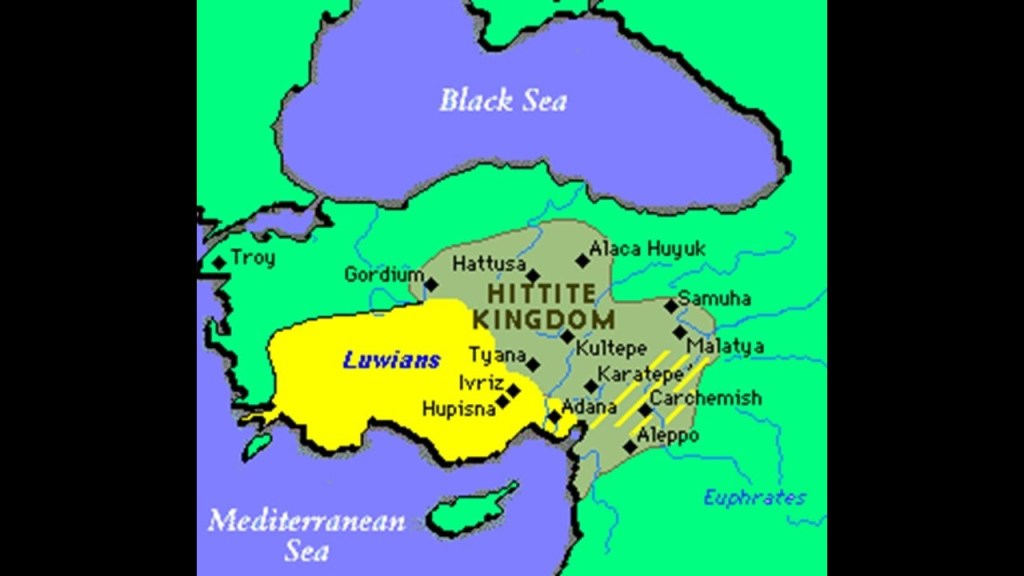
… said to have been a language with a hieroglyphic script in use, like early Armenian, between 1,300 BC and 600 BC…
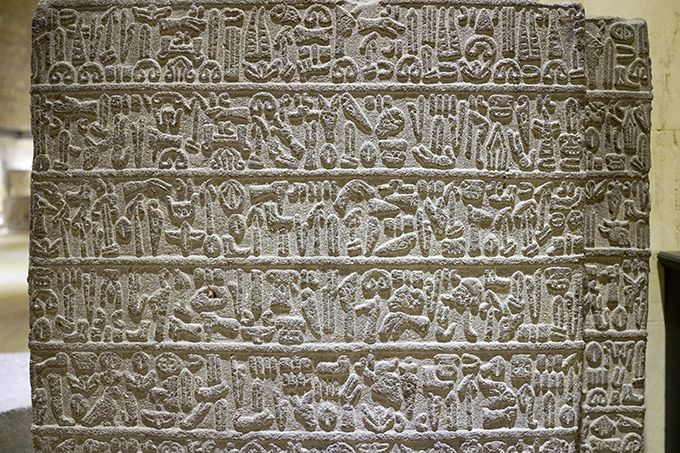
Here are the Lycian rock-cut temple tombs of Dalyan, said to date back to the 4th-century BC.
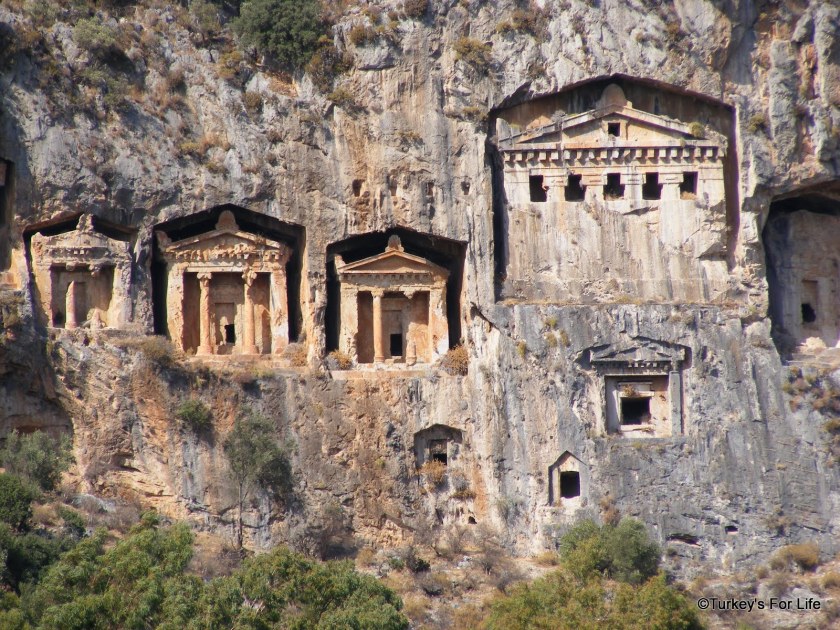
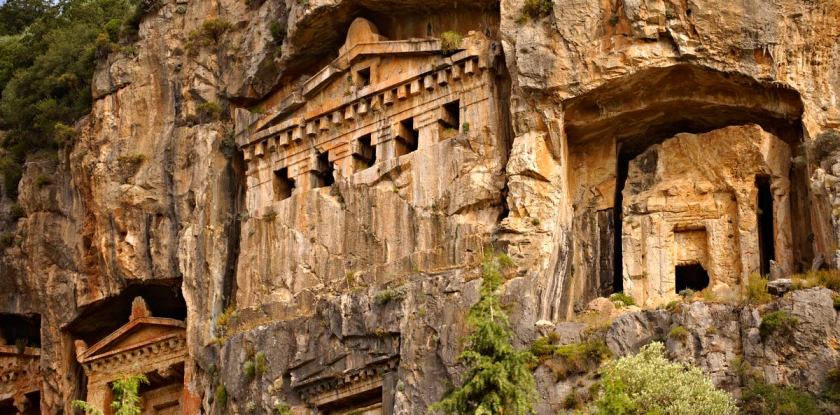
…which are reminiscent of rock-cut Petra in today’s Jordan.
There are headless statues here in the front of the building known as “The Treasury,” like what we saw at the reconstruction of the Lycian Nereid at the British Museum.
Did all the heads just fall off from the ravages of history?
Or were the heads removed deliberately so we couldn’t see what they actually looked like?
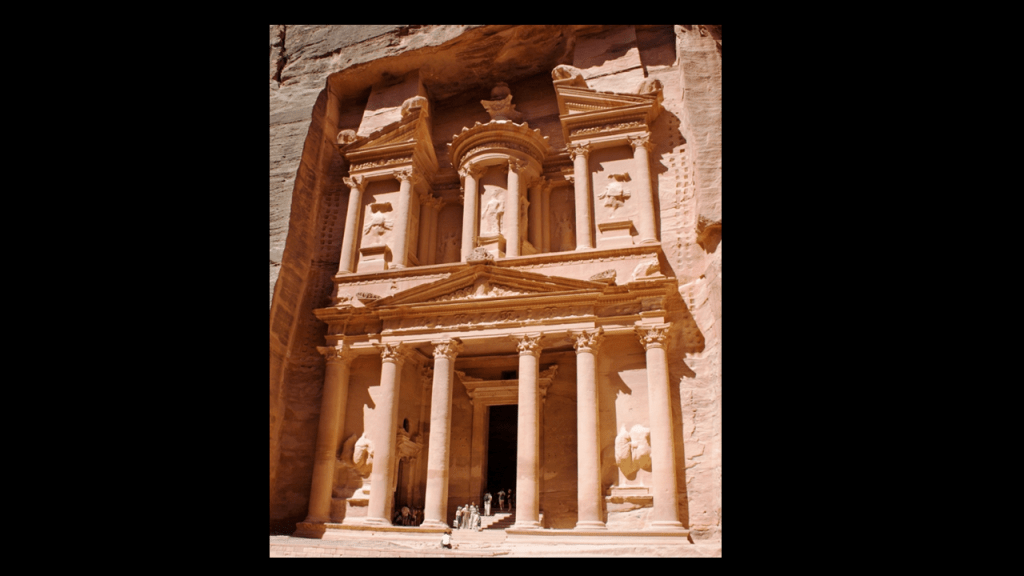
Petra was attributed to the Nabataeans, who we are told were nomadic traders and livestock herders until for some reason they decided give up their goatskin tents and nomadic lifestyle to build the grand houses and monuments of Petra.
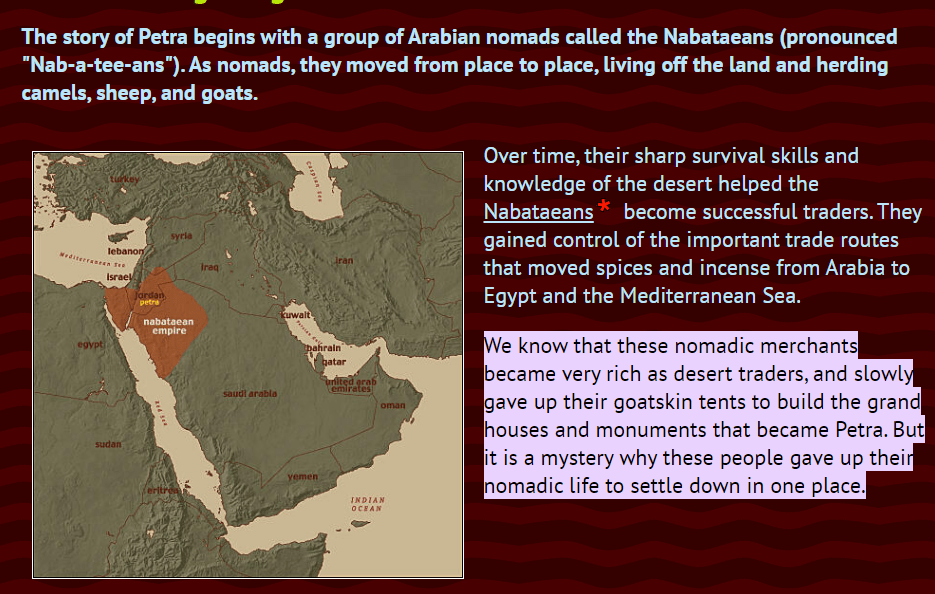
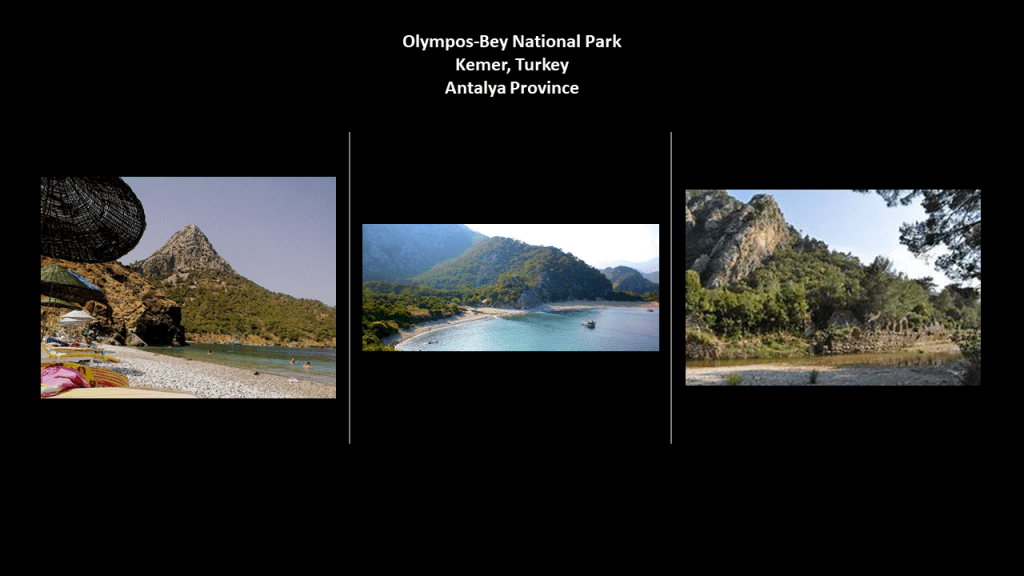
Once considered part of ancient Lycia, the Olympos-Beydaglari National Park is located in the Taurus Mountains in Antalya, along the Mediterranean coast, near the Kemer and Kumluca Districts. It is also called Olympos-Bey National Park.
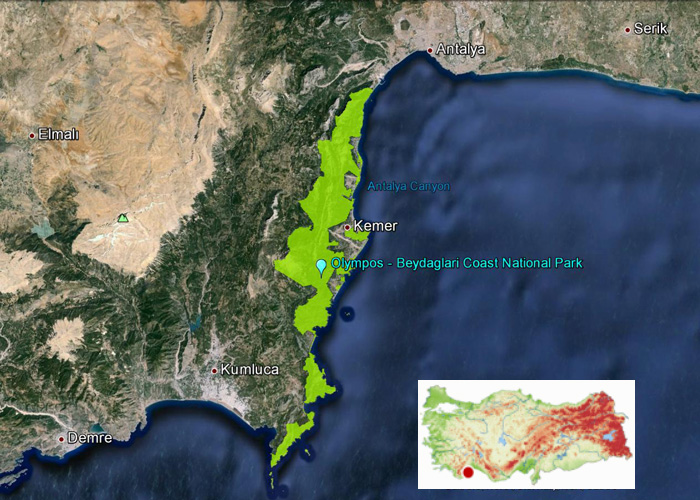
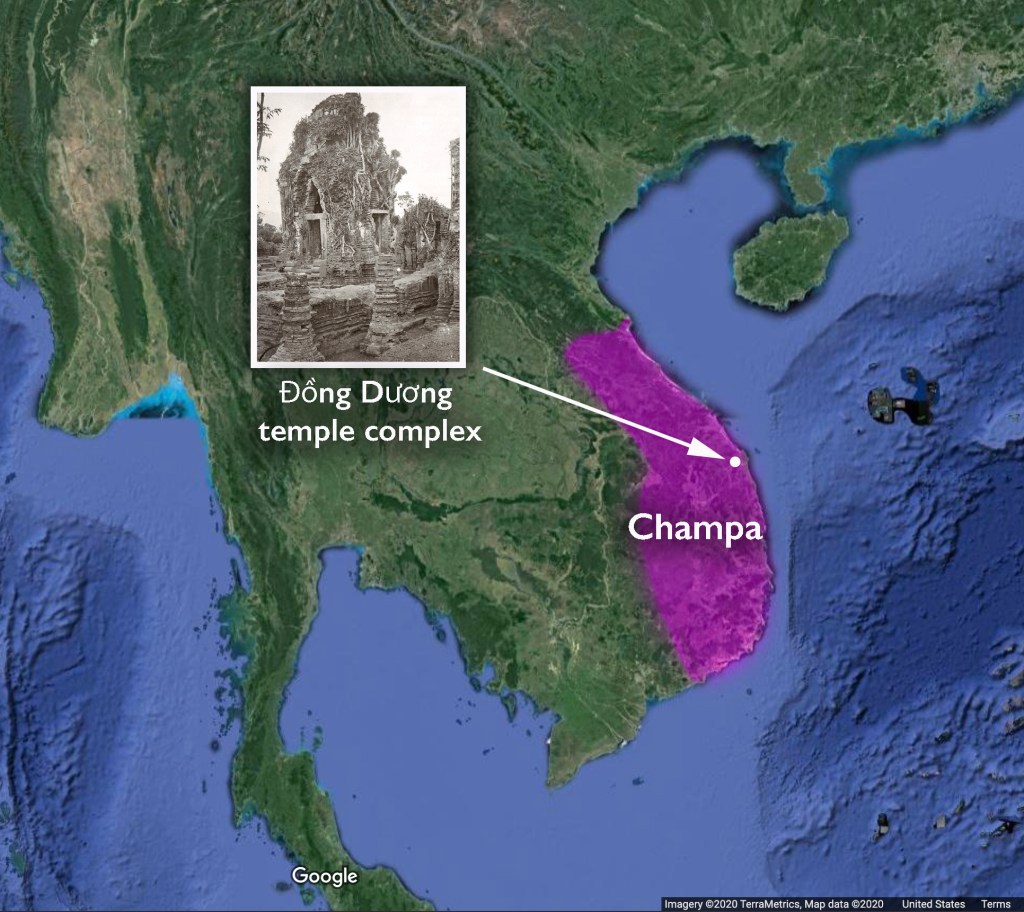
There is that “Khem” sound again that I discussed in finding in Viet Nam and throughout Southeast Asia and other places in the world like Cymru, the original name for Wales, in “The Ancient Advanced Civilization in Southeast Asia – From Manila in the Philippines to Dhaka in Bangladesh” mentioned at the beginning of this video.
Ancient Khem is a shortened version of Ancient Khemit, the name we are told given to a technologically and spiritually advanced civilization that existed in a Golden Age that predated dynastic Egypt.
And the Bey of Olympos-Bey Bey is one of the five noble titles of the Moors, along with Dey, El, Al, and Ali.
All just coincidences?
Let’s take a closer look at Olympos-Bey National Park that is adjacent to Kemer.
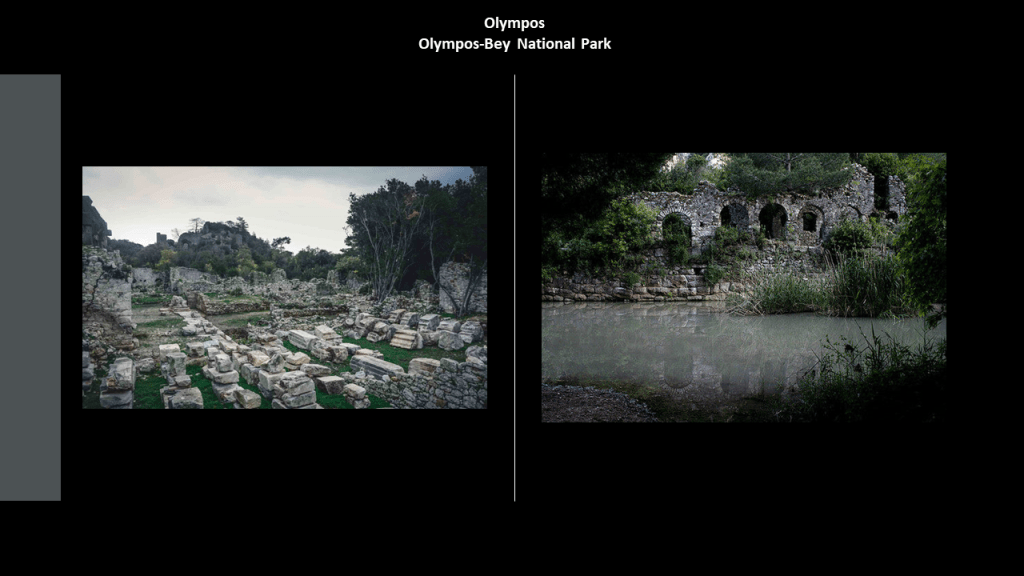
The Olympos-Bey National Park contains the ruins of what was called the city of Olympos…
…and the park includes Mount Olympos, the highest mountain in Turkey.
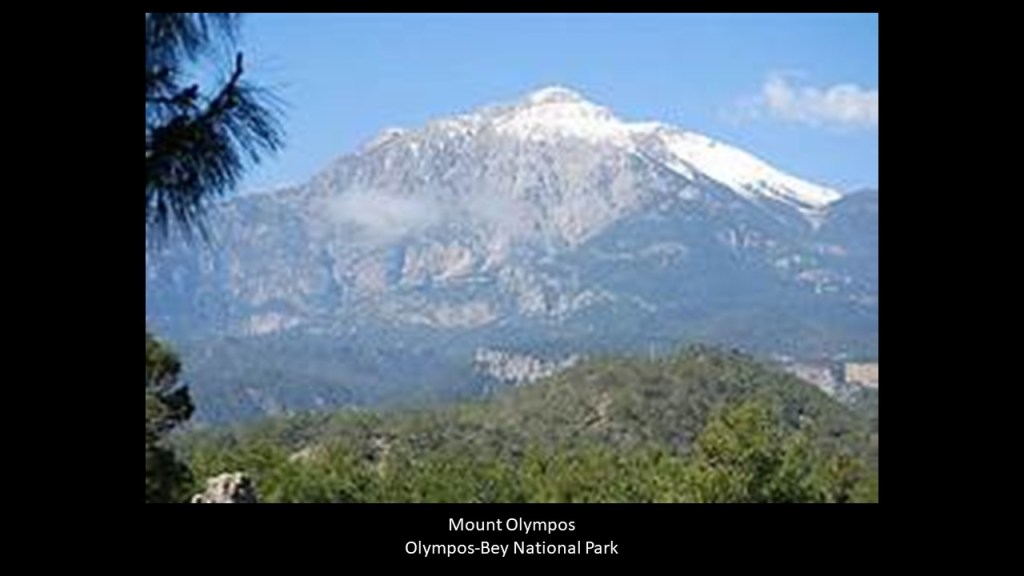
This is not to be confused with Mount Olympus in Greece, on the border between Thessaly and Macedonia.
It is the highest mountain in Greece, and notable in Greek mythology for being the home of the Greek gods.
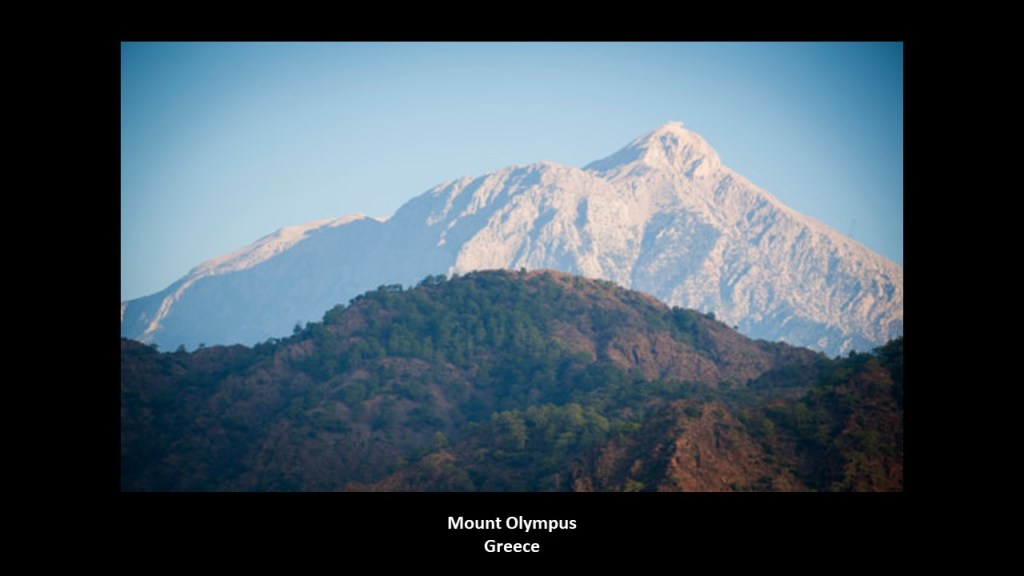
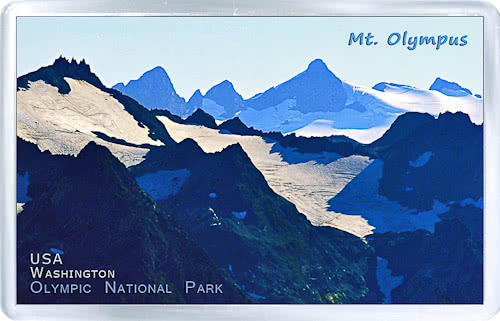
But wait…in North America, there is a Mount Olympus in Washington State, the highest mountain on the Olympic Peninsula there…
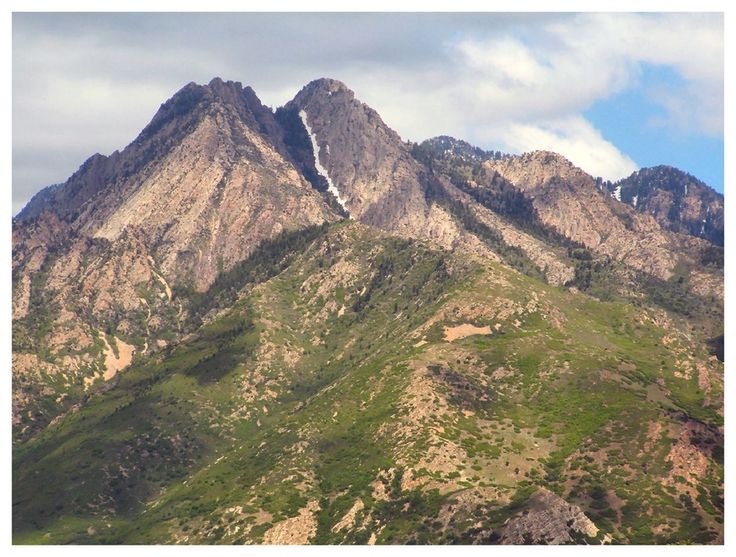
…and there is a Mount Olympus in Utah, near Salt Lake City in the Wasatch Range.
Named after Mount Olympus in Greece?
That’s certainly what we are led to believe by historical omission, but what if there is some kind of connection between them that we are not being told about?
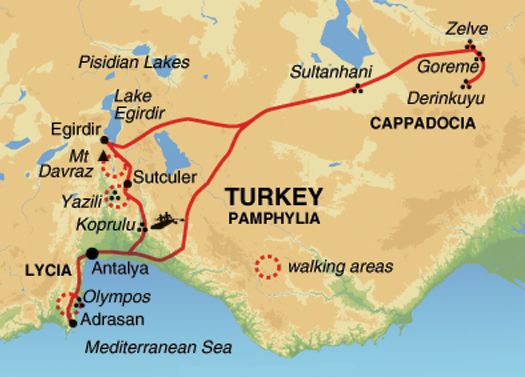
The next place I am going to take a look at is Lake Egirdir.
Lake Egirdir is located in the Taurus Mountains.
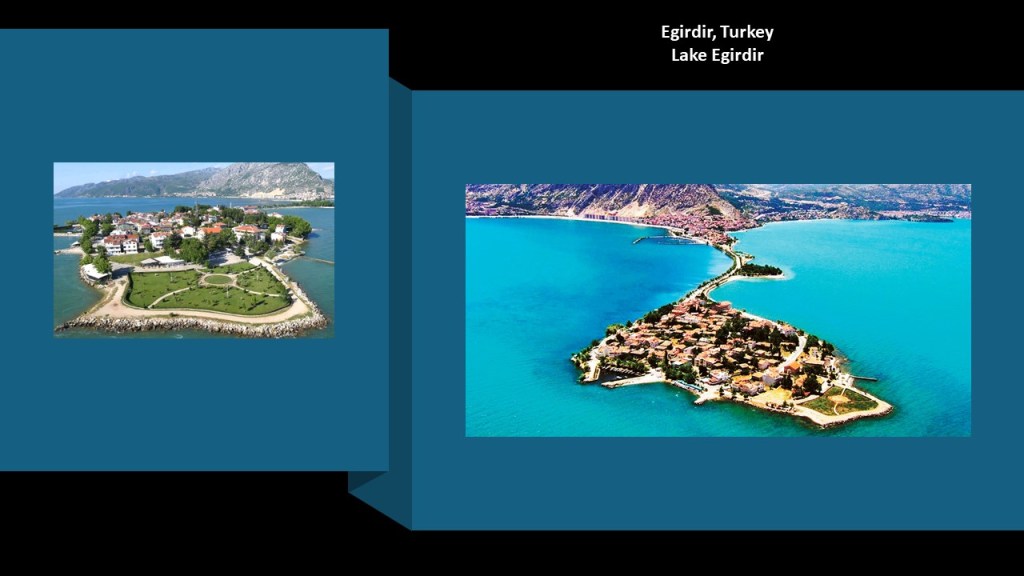
The ancient town of Egirdir on the lake shore looks to have an artificial island, called “Yesil Ada” or “Green Island,” attached to it by a causeway.
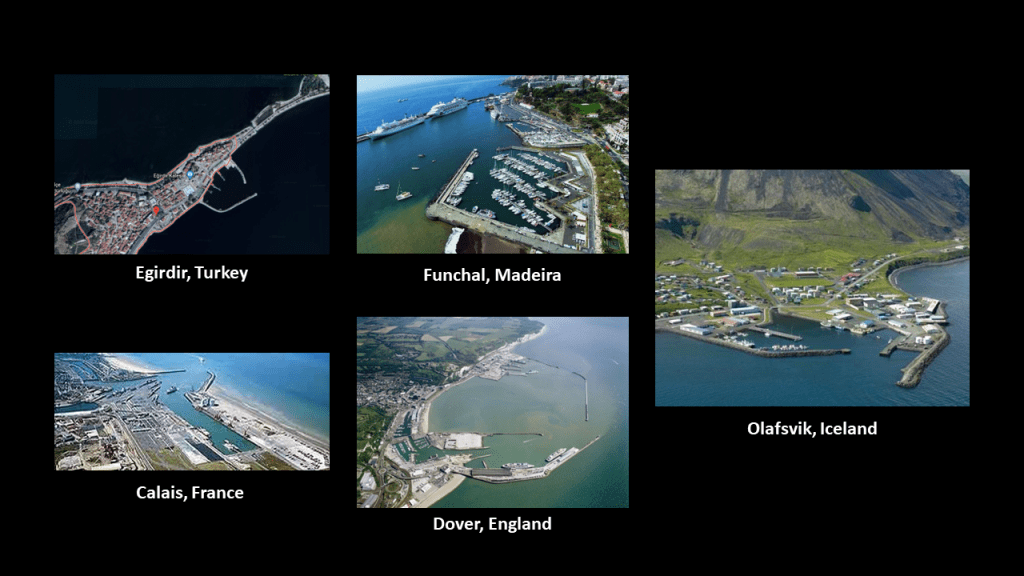
There is also a protected harbor here at Egirdir on the top left, that looks like protected harbors I have seen around the world, like Funchal Harbor on the island of Madeira in the top middle; Olafsvik Harbor in Iceland on the right; and the ports of Calais, France and Dover, England on the bottom left and middle, that are located right across from each other in the English Channel, to name just a few.
Heading east across the Taurus Mountains running along the southern part of the Anatolian Plateau, we come to the province and city of Konya.
The Mevlana Museum is in the city of Konya.
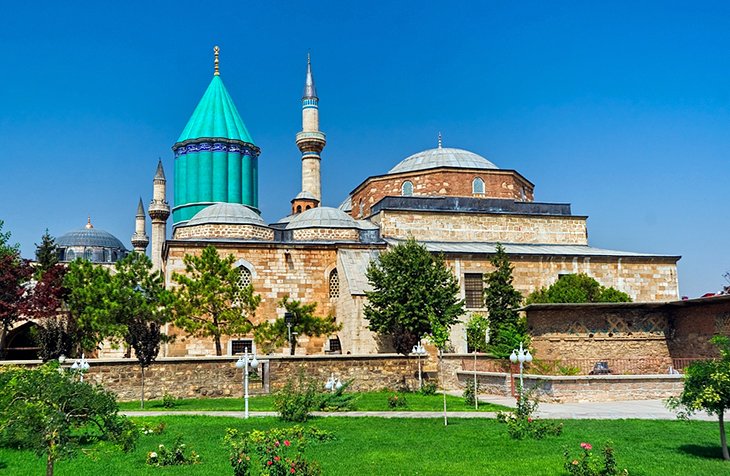
The Mevlana Museum is also the mausoleum of the Sufi Mystic Rumi…

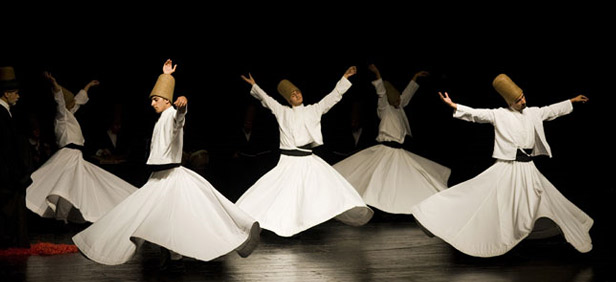
…whose followers founded the Mevlevi Order based there, better known as the Whirling Dervishes, who practice a spinning dance used to connect with the Divine.
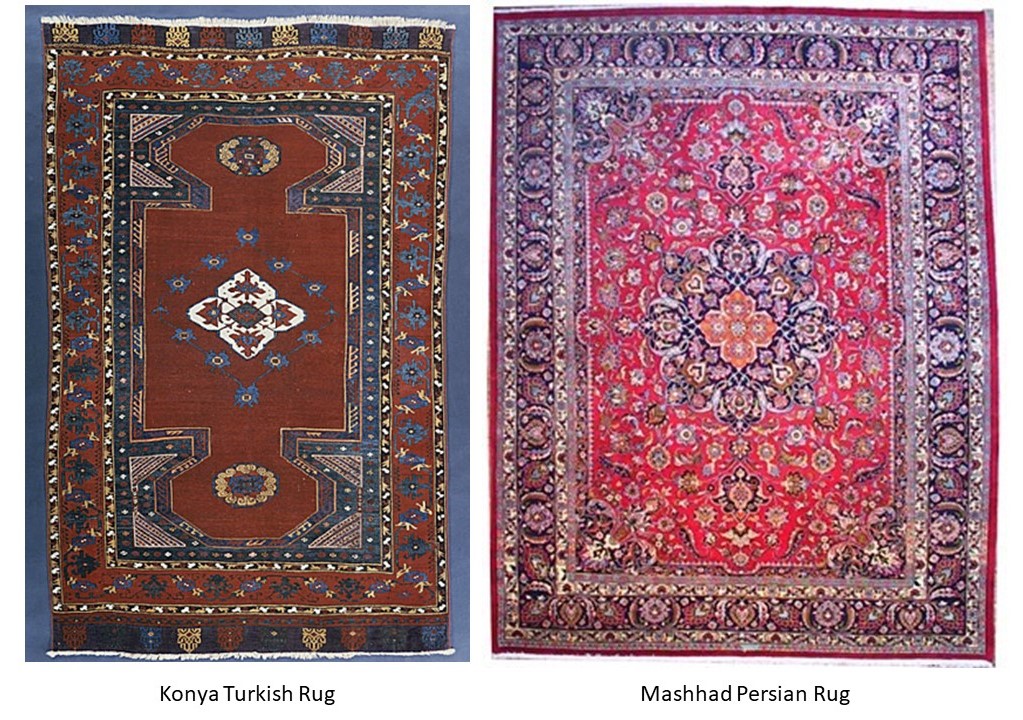
The Turkish rug on the left from Konya has similar design patterns to the Persian rug from Mashhad, Iran, on the right.
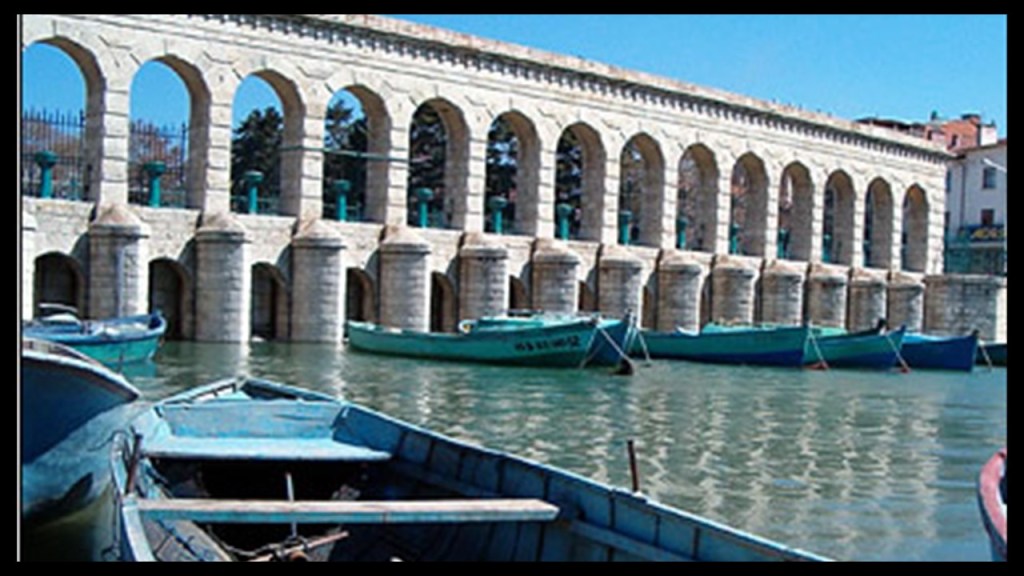
The heavy masonry of the Taskopru, or Stone Bridge, is a combined regular dam and bridge in Konya Province, a flood barrier said to have been built between 1908 and 1912 on what was called a ruined arch bridge…
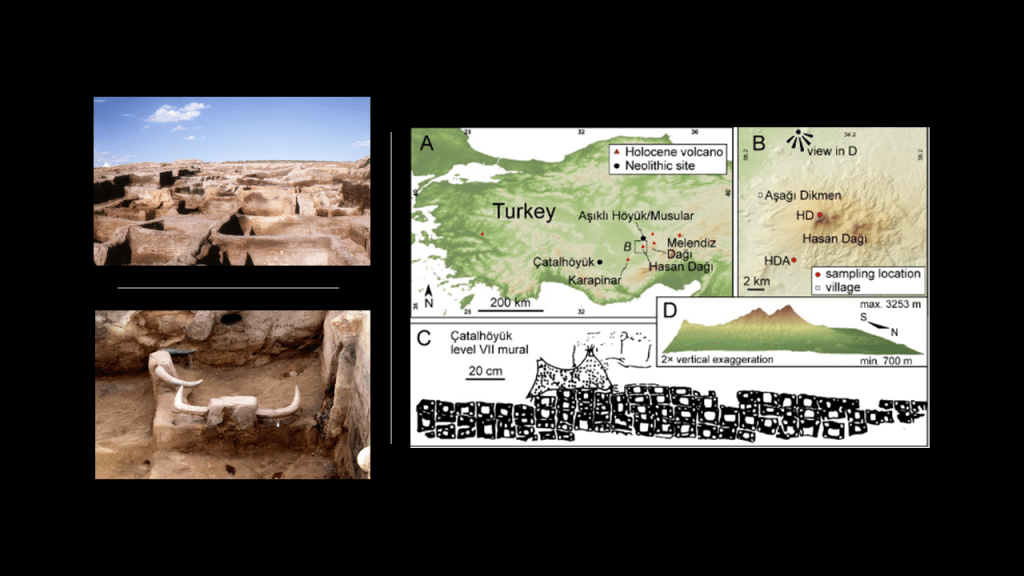
…and Catalhoyuk is located in Konya Province, a neolithic city that is dated back to origins in 7,100 BC…
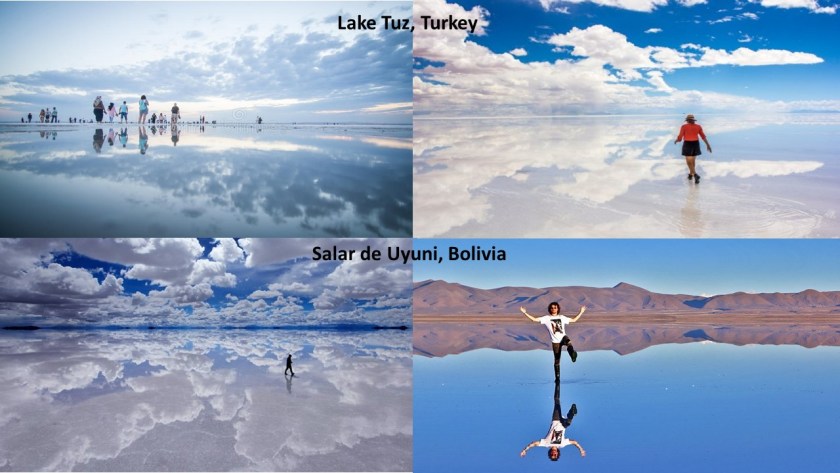
…and Lake Tuz, pictured on the top, is in Konya Province, the second-largest lake in Turkey, and one of the largest hypersaline lakes in the world. It is compared with the world’s largest salt flat on the bottom, the Salar de Uyuni in Bolivia.
Both are incredibly reflective, like a mirror of heaven!
Further east, we come to more interesting places, like Mount Nemrut…
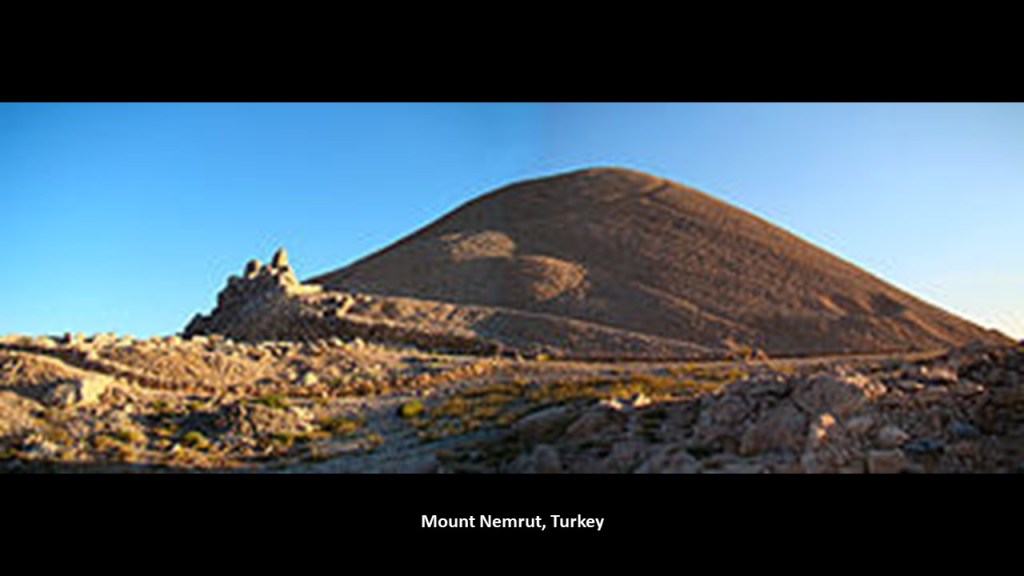
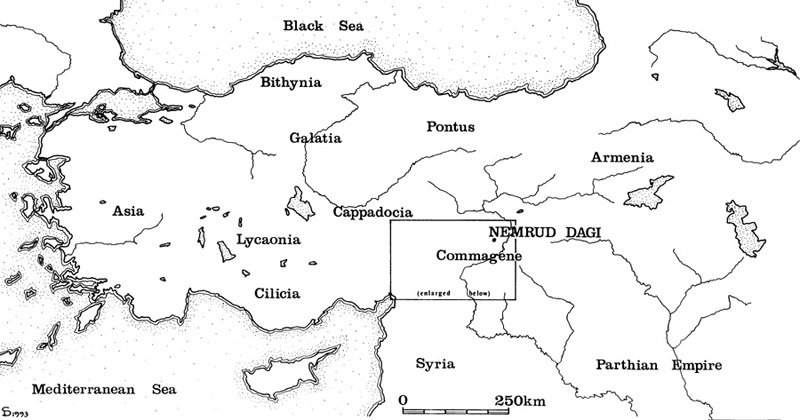
…in Commagene, a historical kingdom of Armenia located in what is now Turkey.
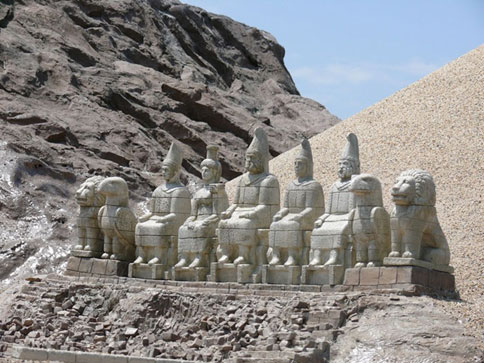
Mount Nemrut is described as a tomb-sanctuary built by King Antiochus I Theos, ruler of Commagene from 70 BC – 36 BC.
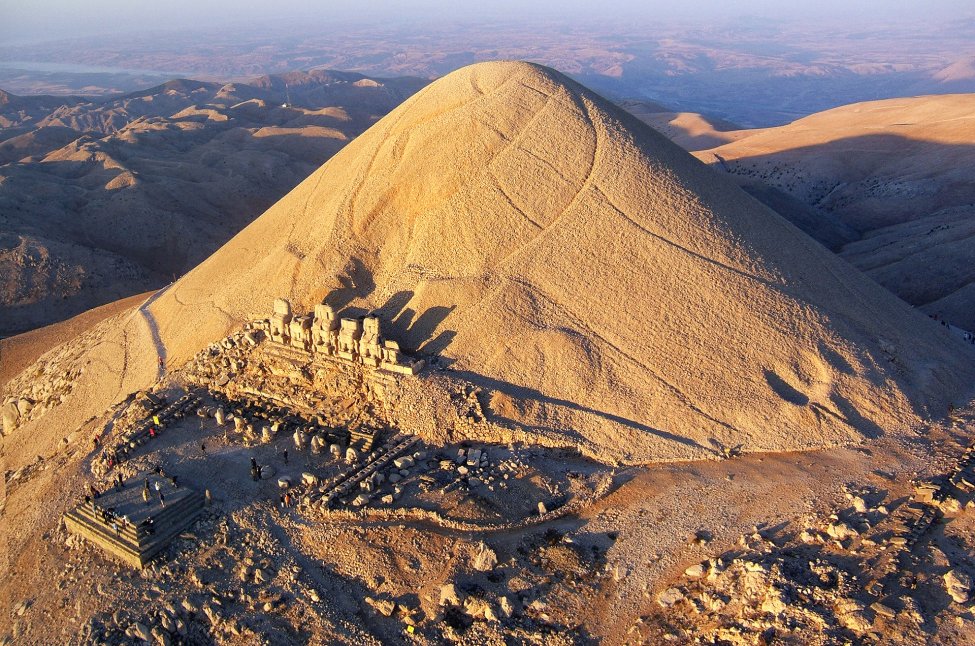
On the eastern side of the complex, there are what appears to be just colossal human and animal heads.
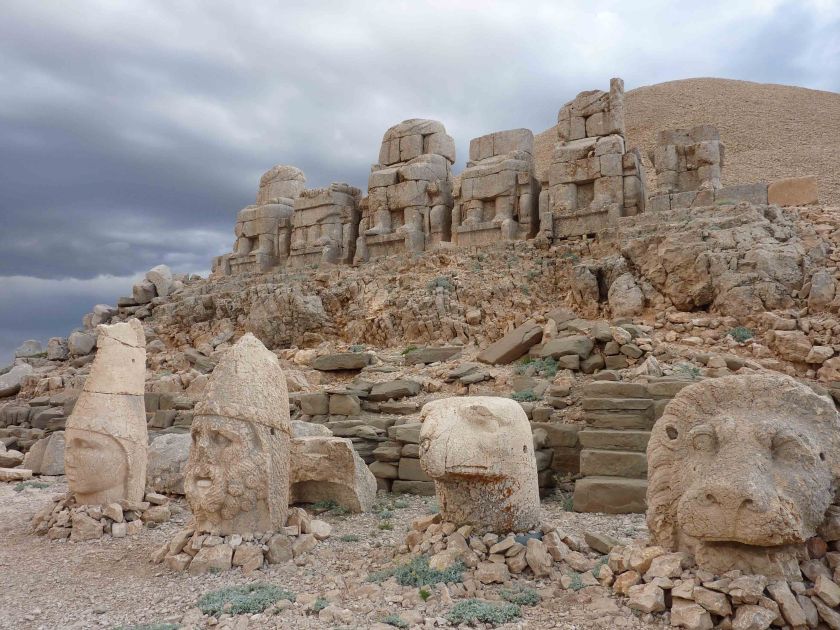
The question is: broken heads, like we are told, or buried heads…
…because, on the western side of the complex, there is a row of intact colossal full statues with similar heads…
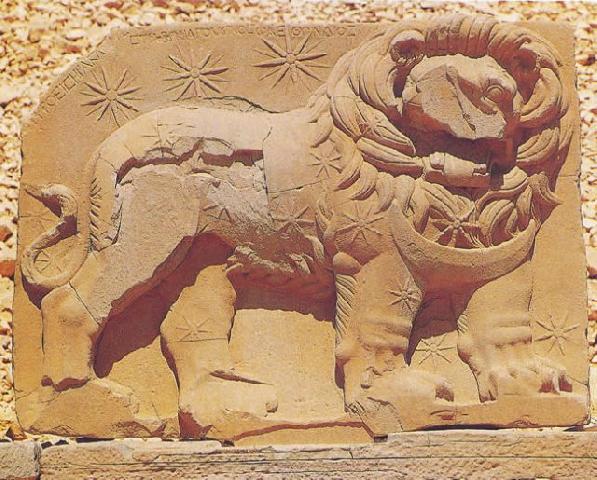
…as well as a large relief with a lion superimposed with an arrangement of stars, and said to depict the planets of Jupiter, Mercury, and Mars as a star chart that gives us the date of July 7th in 62 BC, and is surmised to be an indication of when construction on the complex began.
At any rate, this is what the available information has to say about it.
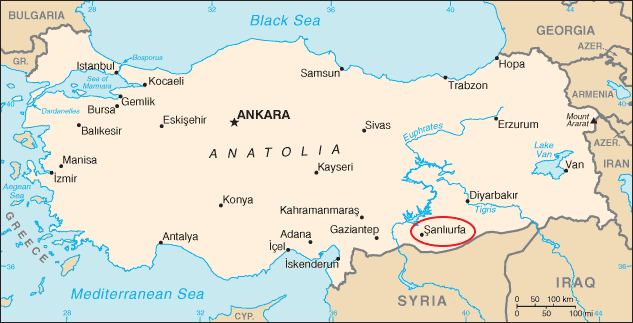
Heading further along towards the eastern end of the Taurus Mountains in the upper reaches of the Tigris and Euphrates Rivers, we are close to the province of Sanliurfa in southeast Turkey near the country’s borders with Syria and Iraq.
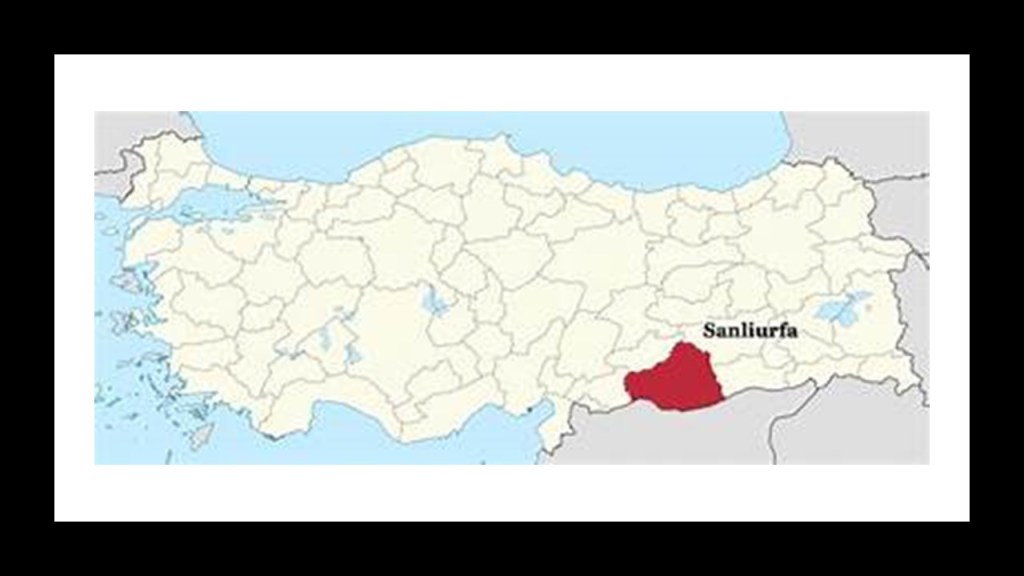
The capital of Sanliurfa Province, is Sanliurfa, also known as Urfa. It is also believed to be Ur Kasdim, or Ur of the Chaldeans, the hometown of Abraham, and is approximately 50-miles, or 80-kilometers, east of the Euphrates River.
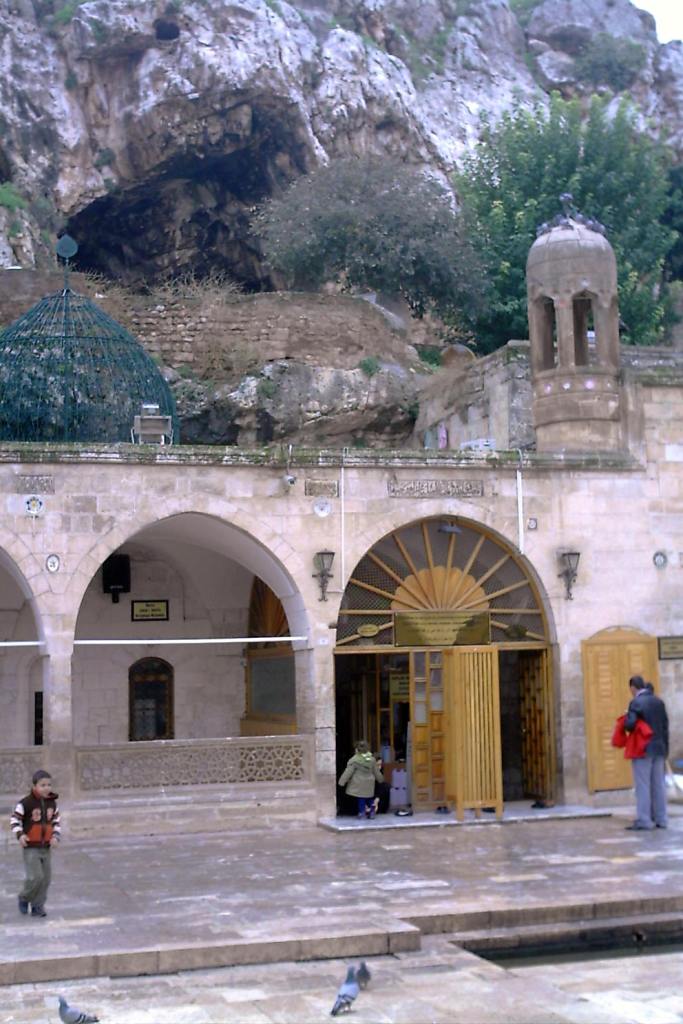
The location of Abraham’s birthplace, with the entrance pictured here, is generally believed to have been in Harran, less than 20-miles, or 32-kilometers, from the city of Sanliurfa.
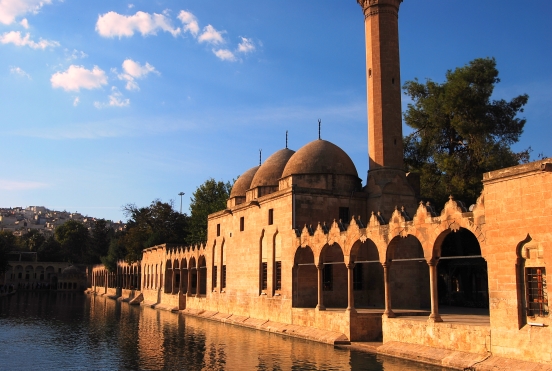
The Pool of Abraham, or Balikli Gol, in the city of Sanliurfa is believed to have been where Nimrod threw Abraham into a fire, but God turned the flames into water, and the logs into fish.
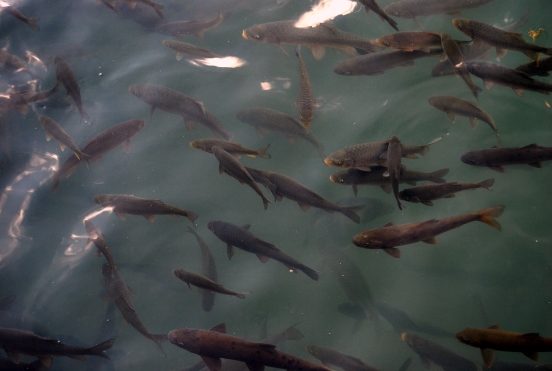
The carp in the Pool of Abraham are held sacred, and protected to this day.
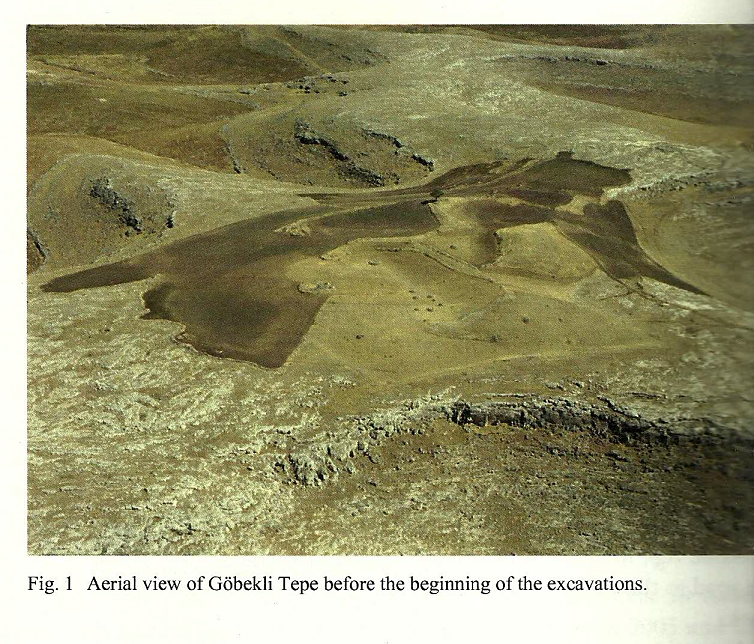
Gobekli Tepe is an archaeological site approximately 7-miles, or 12-kilometers, northeast of the city of Sanliurfa.
It was one of the twelve primary nodal points of the Earth’s original energy grid.
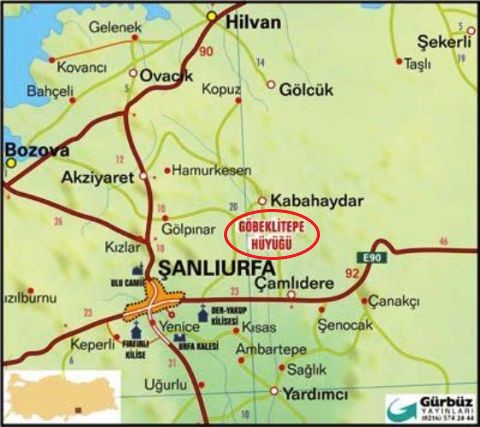
In 1994, Klaus Schmidt of the German Archaeological Institute reviewed an archaeological survey done in 1963 conducted jointly by Istanbul University and the University of Chicago.
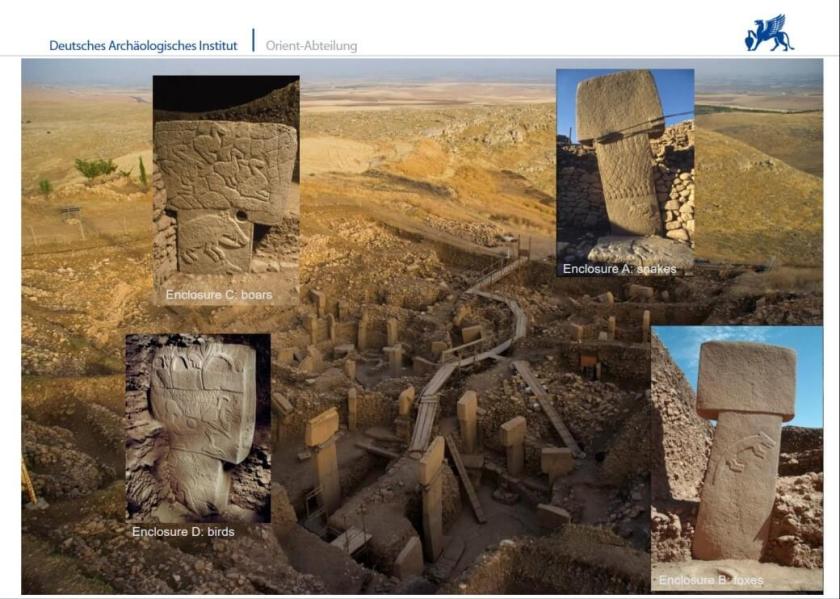
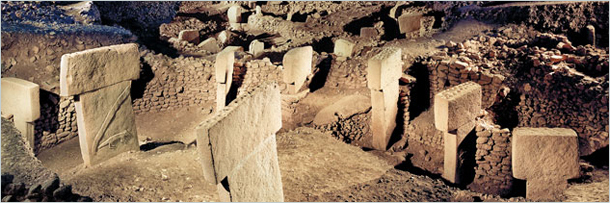
The site was completely buried, and the following year, in collaboration with the Sanliurfa Museum, Klaus Schmidt unearthed the first of many huge T-shaped pillars.
More than 200 stone pillars in about 20 circles are known through geophysical surveys, with heights up to 20 feet, or 6-meters, and weighing up to 10-tons, and fitted into sockets hewn out of bedrock.
It is dated back to the 10th-century BC, or 12,000 years ago, and is considered the oldest man-made temple complex yet discovered.
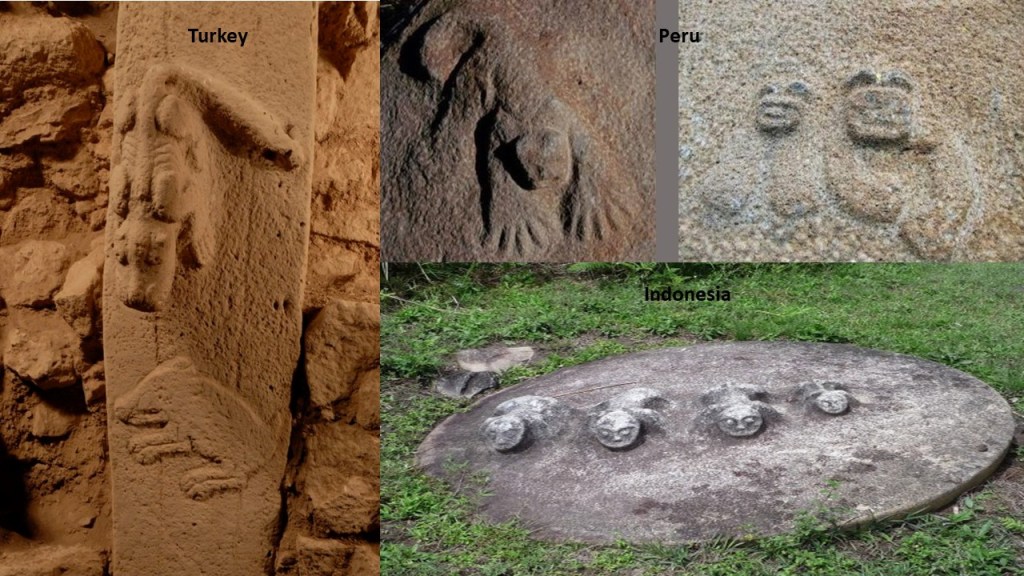
Interestingly, there are animal reliefs carved onto the pillars like this one on the left, compared with similar-looking carvings found at Cutimbo in Peru, near Lake Titicaca, on the top right; and at the Lore Lindu National Park on the island of Sulawesi in Indonesia on the bottom right.
Moving northeast, close to the Pontic Mountains, is the city of Kars, in eastern Anatolia.
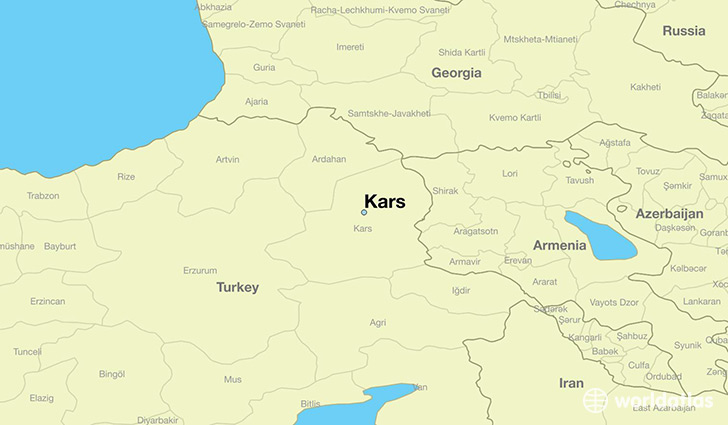
Kars is the largest city along Turkey’s closed border with Armenia, and a settlement that was historically a crossroads of Armenian, Turkish, Georgian, Kurdish, and Russian cultures.
As such, apparently it was of great interest, and the history we are told about it is filled with battles and sieges for control of it.
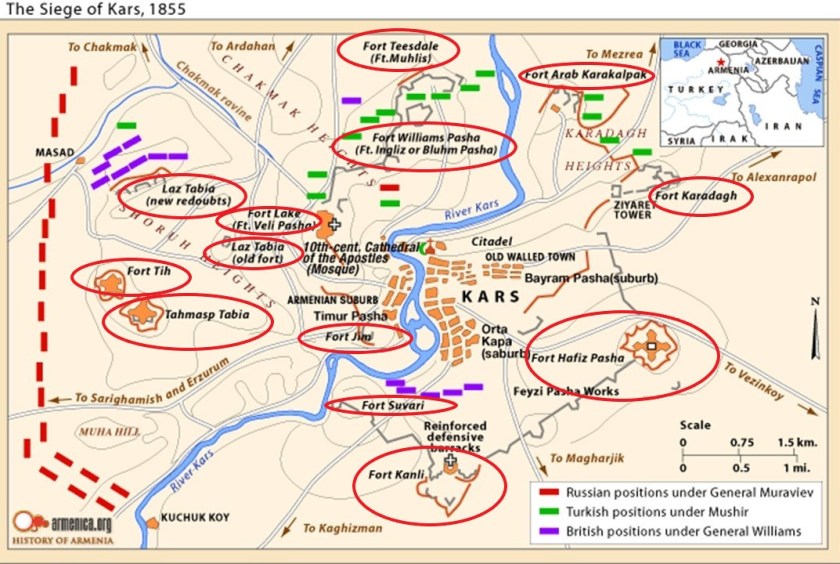
The Siege of Kars of 1855, for example, was the last major operation to take place during the Crimean War of 1853 to 1856, between the Russian Empire, which ultimately lost the war, and an alliance between the Ottoman Empire, France, Britain, and Sardinia.
Interestingly, in 1854 a British general had been sent to Kars by the supreme commander and chief of British Expeditionary Forces in Crimea to assess the situation.
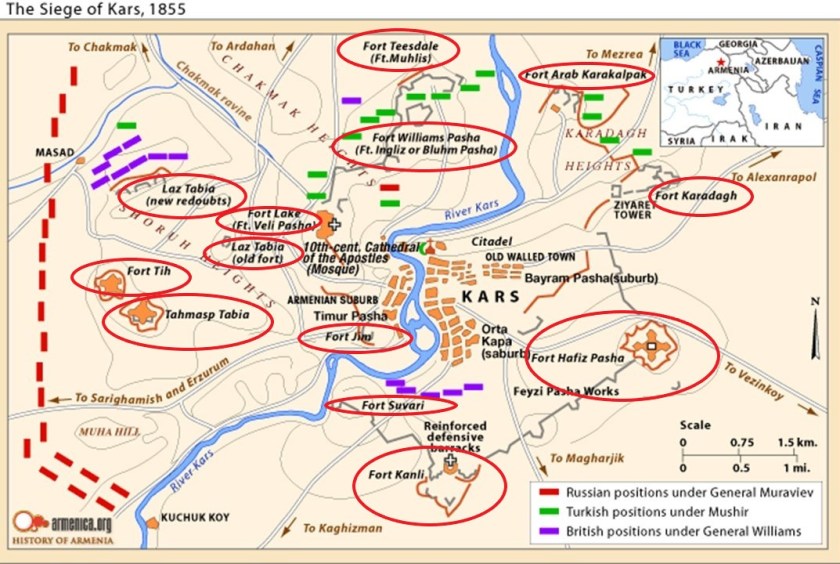
When I look at this map depicting the siege, I see what appear to be at least thirteen star forts, and which appear to no longer exist in modern times.
Here is an antique map of Kars which also appears to show shapes that indicate the presence of star forts.
I believe that star forts functioned as part of the circuitry of the original grid system of the earth, and were not military in nature as we have been told.
I find them all over the alignments I have found, and they seem to have been prime targets for explorers, European colonial empires and wars.

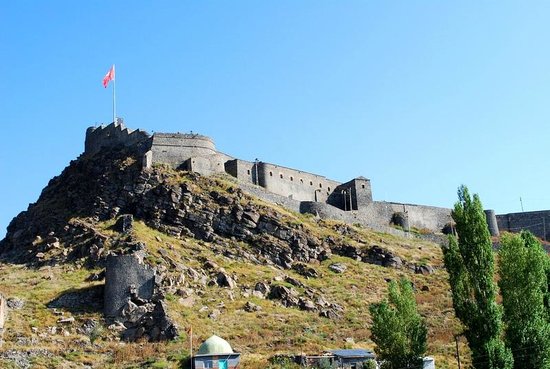
The Kars Citadel is still here, though apparently only seven of the original 220 towers remain.
It was said to have been built by the Saltuks in 1152 AD.
There were canals in Kars…
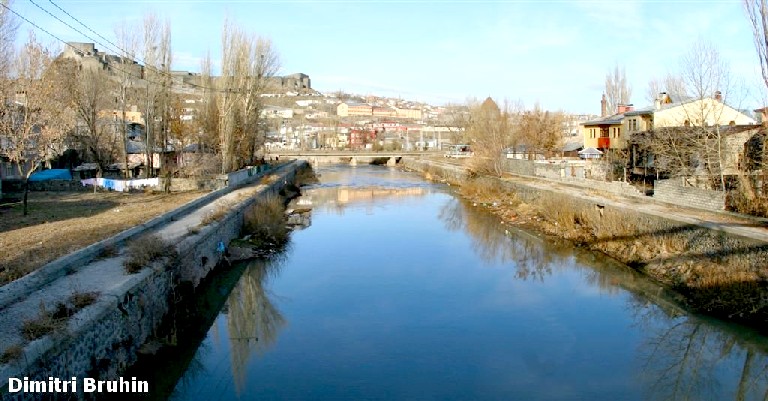
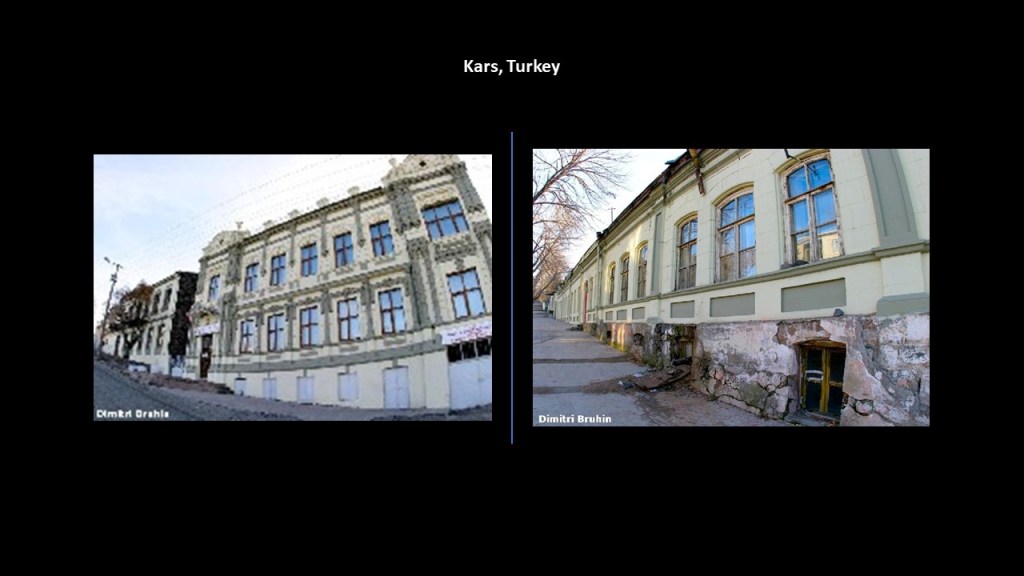
…and these two photos taken in Kars show classic mud flood evidence of like steep streets with disappearing windows at ground-level, and below-ground level.
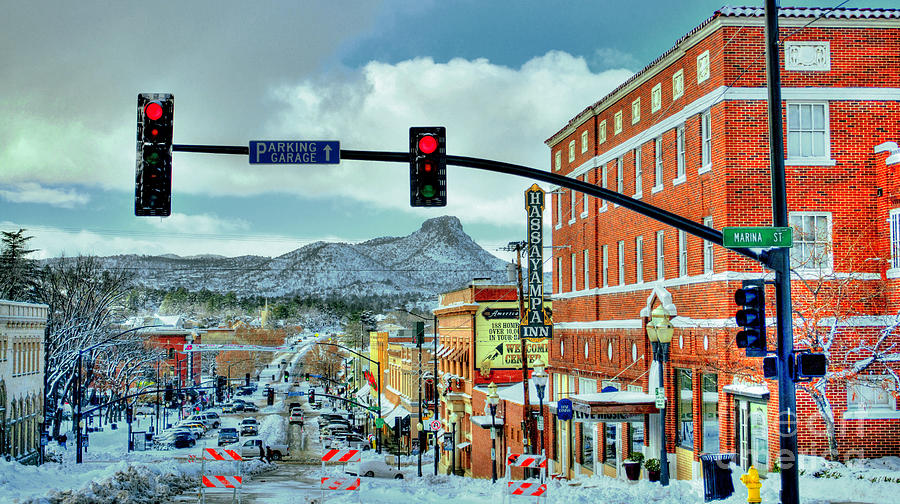
I can go less than a mile, or 1.6-kilometers, from where I live to the downtown historic district of Prescott, Arizona, and find exactly the same thing.
Next, I would like to look at Munzur National Park on the Anatolian plateau, situated between the Taurus and Pontic Mountains, and the Armenian Highlands.
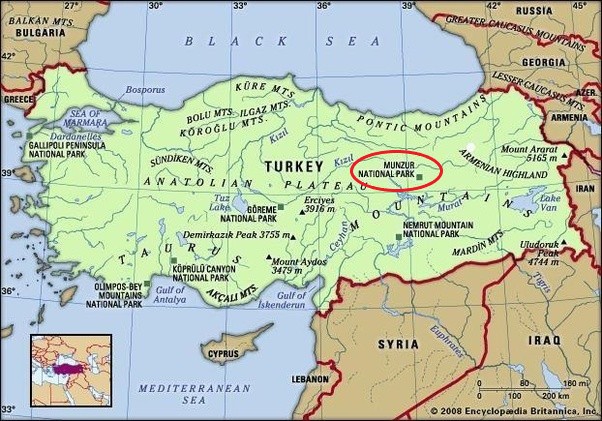
It is the largest national park in Turkey, and was established in 1971.
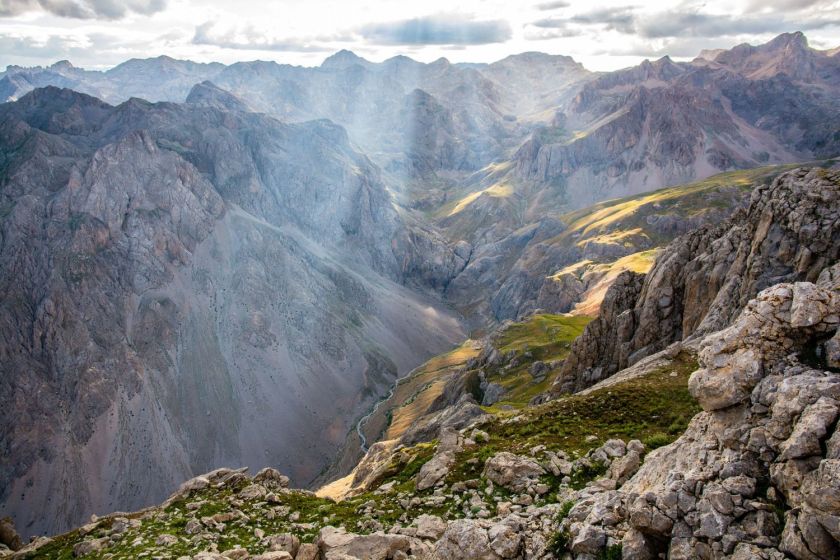
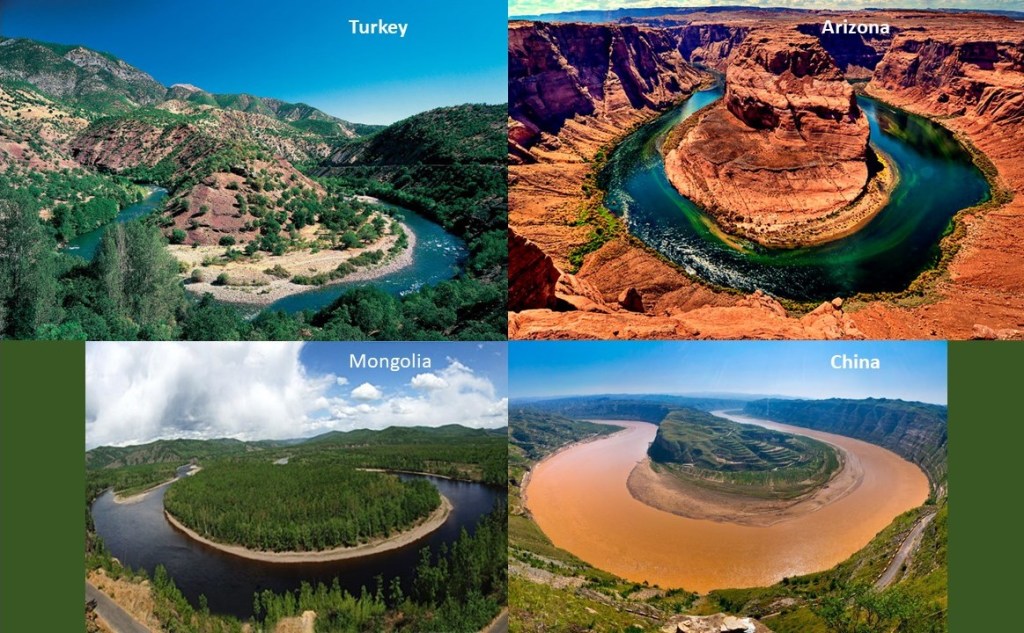
This is a bend of the Munzur River in the national park in Turkey on the top left, compared with Horseshoe Bend in Arizona on the top right; this riverbend in the Hulunbuir Grasslands of Inner Mongolia on the bottom left; and a bend of the Yellow, or Huang He River, the Mother River of China.
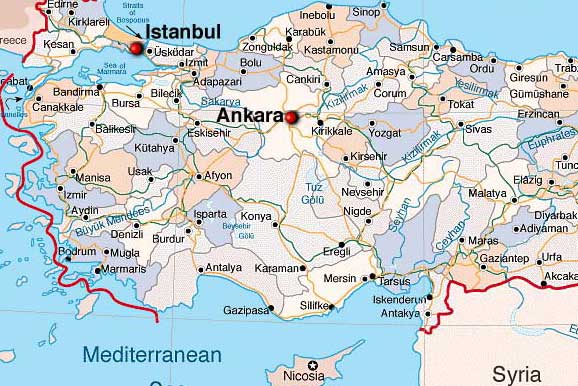
The capital of Turkey was moved to the Anatolian Plateau in 1923, when the city of Ankara was chosen as the capital of the new state to remove it from the former imperial capital of Istanbul and to place the capital in a more central location in the country.
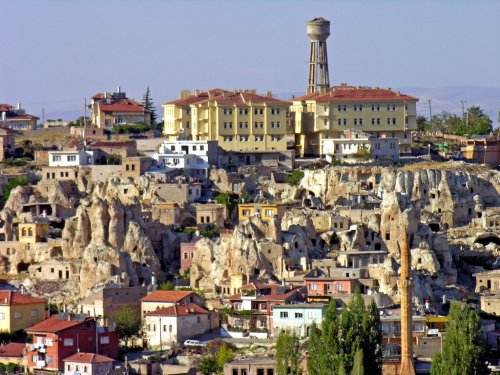
It appears that Ankara is quite the mix of ancient and modern infrastructure!
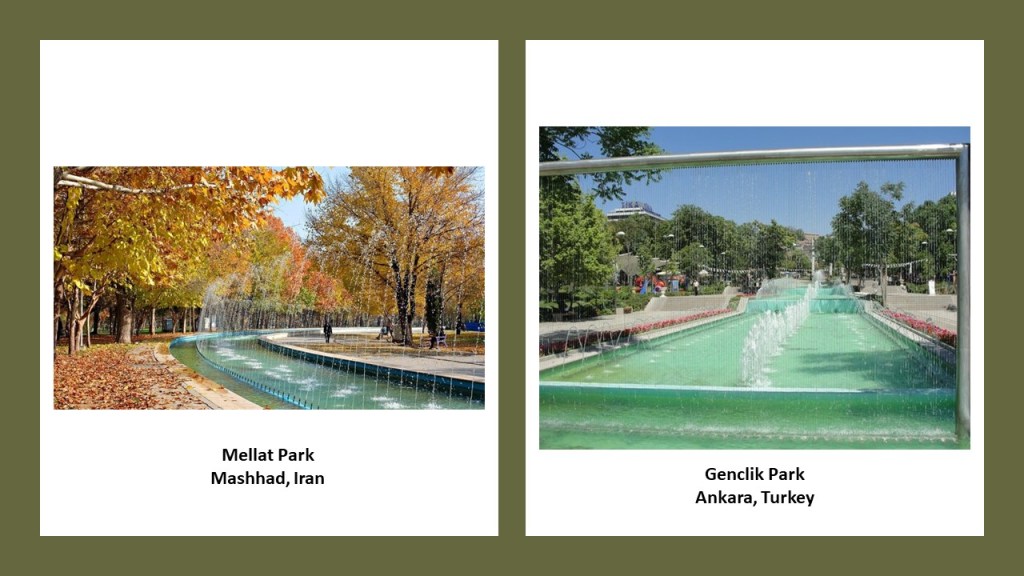
Within Genclik Park, which is a public park just across the street from Ankara’s main train station…
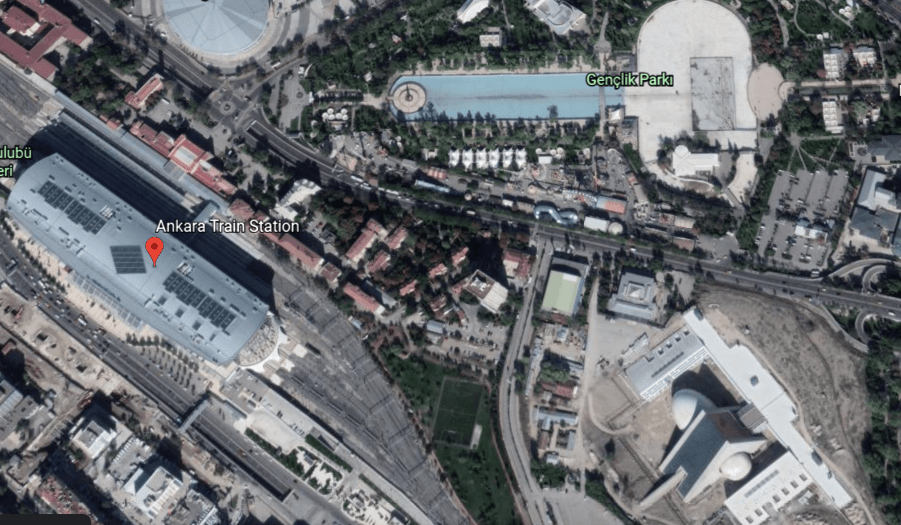
…we find Ankara’s Luna Park amusement park.
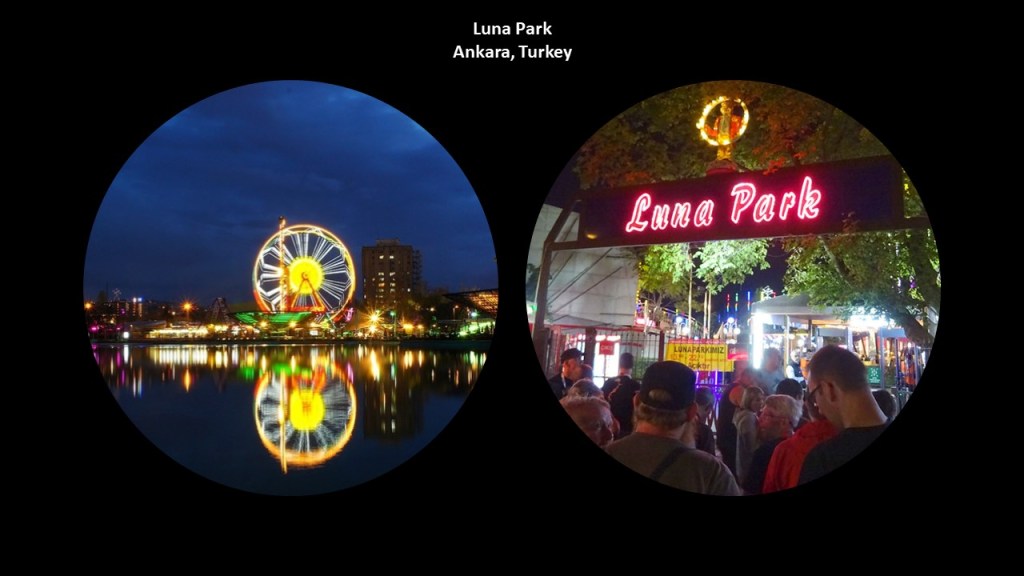
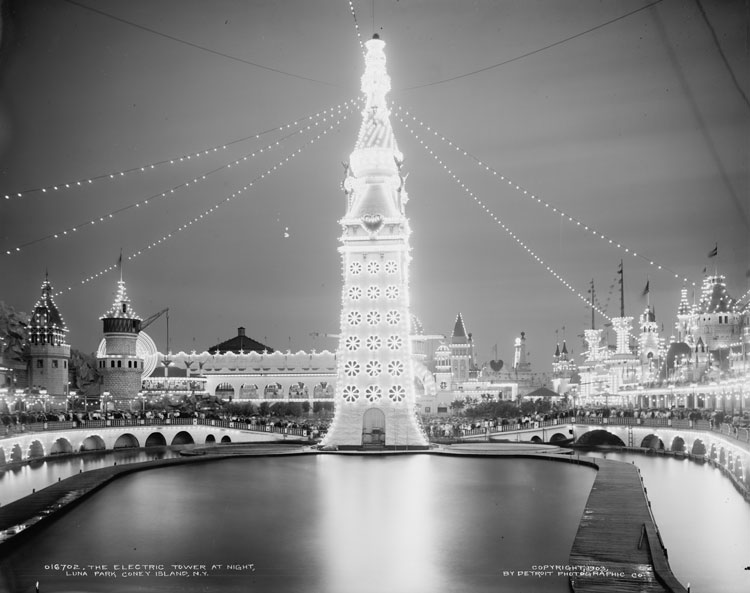
Luna Parks were found all over the world, in the past and some with the same name still exist into the present day, though not in their original splendour, like the historic Luna Park on Coney Island.
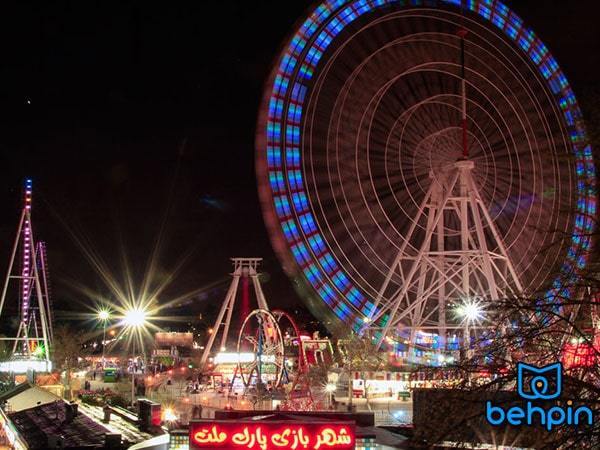
I even found that Mashhad in Iran has a Luna Park as well, in its Mellat Park, what was also on this alignment I was tracking in 2020 that started in San Francisco.
Mellat Park in Mashhad has amazing hydrological features and beautiful fountains on the left, as does Genclik Park in Ankara on the right.
It is interesting to note that the Tivoli Gardens in Copenhagen, Denmark, are located right next to the main train station too, as seen on the left, like Like Luna Park in Ankara on the right.
I absolutely believe there was a direct connection between railroads and amusement parks in the Earth’s original energy grid system.
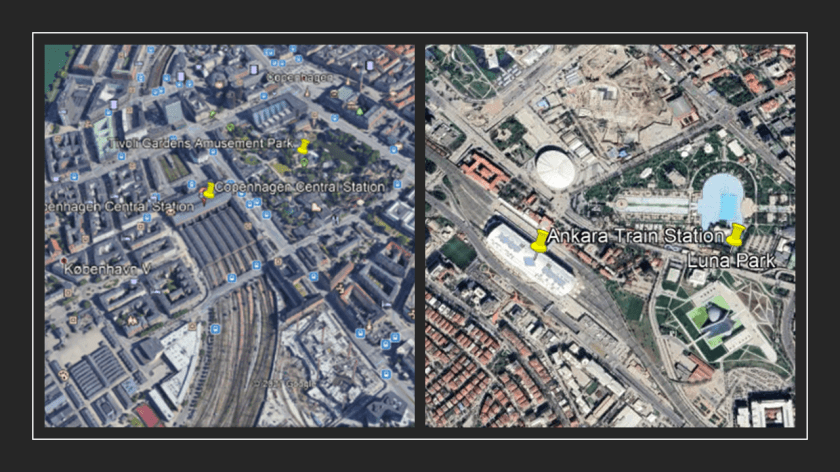
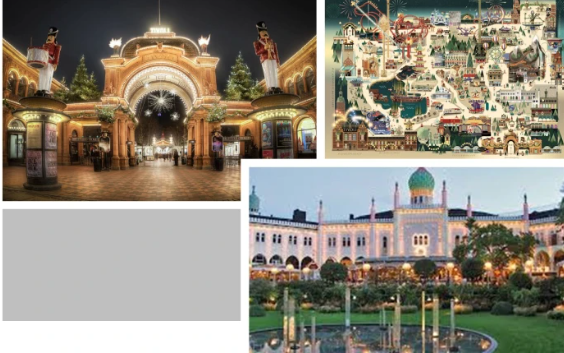
In our historical narrative, the Tivoli Gardens Amusement Park in Copenhagen opened in 1843, making it the third-oldest operating amusement park in the world, after Bakken in Denmark, which first opened in 1538, and the Wurstelprater in Vienna, Austria, which opened to the public in 1766.
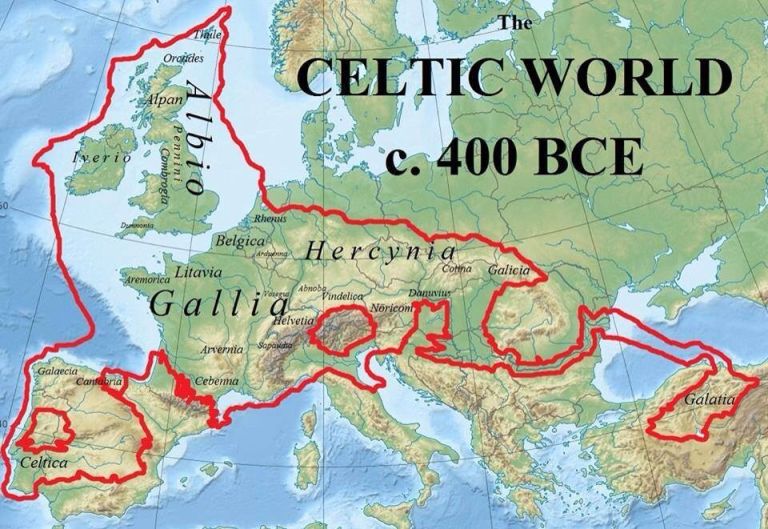
We are told Ankara was one of the main tribal centers of the Galatians in Anatolia, and part of the ancient Celtic World on this previously seen map.
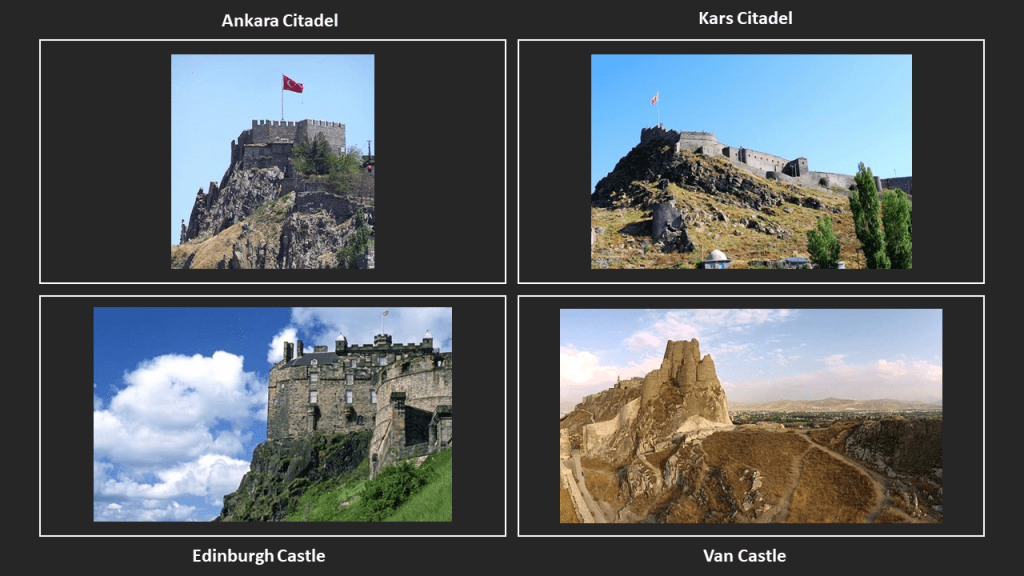
Interestingly, when I see Ankara Citadel on the top left, the foundations of which were said to have been laid by the Galatians in more ancient times (no date was given but prior to Roman times) on a prominent lava outcrop, I am once again reminded of Edinburgh Castle on the bottom left, which was said to have been built starting around 1100 AD on the plug of an extinct volcano; the Kars Citadel, said to have been built circa 1152 AD by the Saltuks; and the rocky outcrop Van Castle is situated on in Van, Turkey, said to have been built by the Urartian King Sarduri in 900 BC.
They all look strikingly similar, yet we are told they were all built randomly by different people at different places and times.
In the years since I originally did the research for this post, I have come to believe that the builders of these places were actually building on top of what were giant tree stumps. where there would have been a synergetic relationship between the two.
Here’s another photo of Edinburgh Castle to illustrate this line of thinking.
When Ankara became the capital of the new Republic of Turkey in 1923, it had been moved from Istanbul, the country’s imperial, historic, economic, and cultural center straddling the continents of Europe and Asia across the Bosphorus Strait.
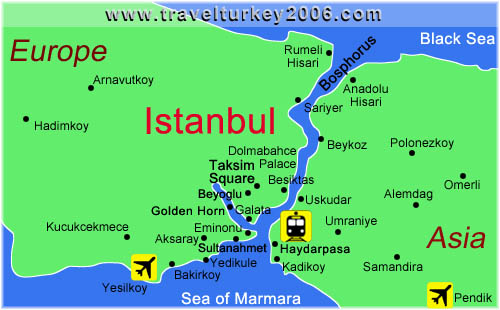
Prior to the capital’s move to Ankara, Istanbul was known as Constantinople, at one time the capital of the Roman Empire, the Byzantine Empire, the Latin Empire, and from 1453 to 1923, the Ottoman Empire.
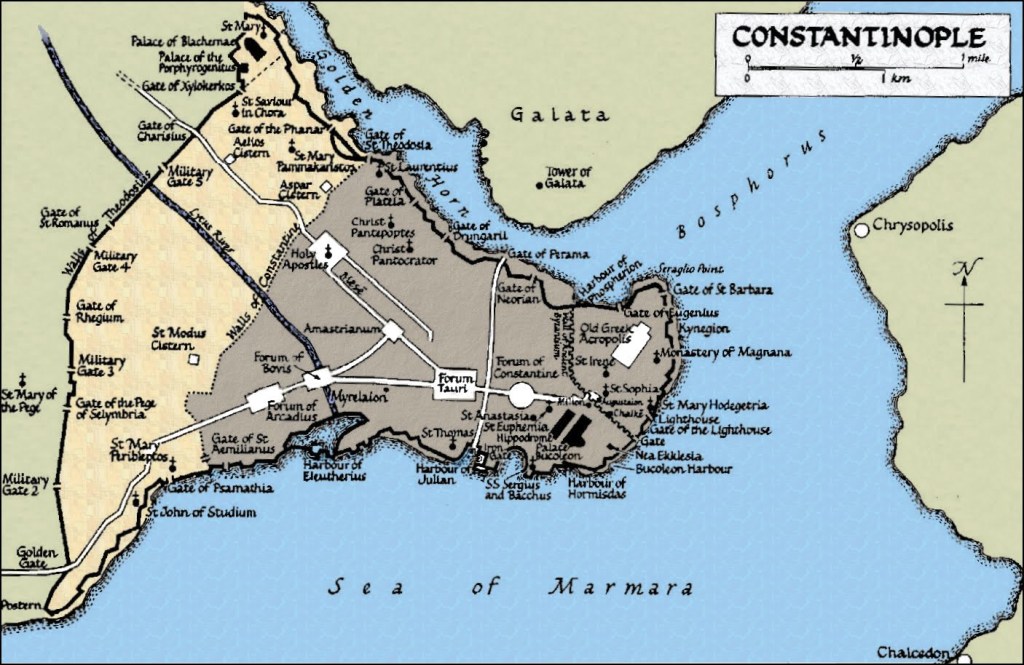
I am immediately drawn to look into Galata, situated between the Bosphorus Strait and what is called the Golden Horn, directly across from the main part of historical Constantinople.
In this history I read about Galata, the name is said to have come from the Greek “Galatai, referring to a Celtic tribe of Gauls who were said to have camped here during Hellenistic times before moving on to the Galatia region in Central Anatolia.
Why would they name a place permanently for temporary inhabitants that were only passing through?
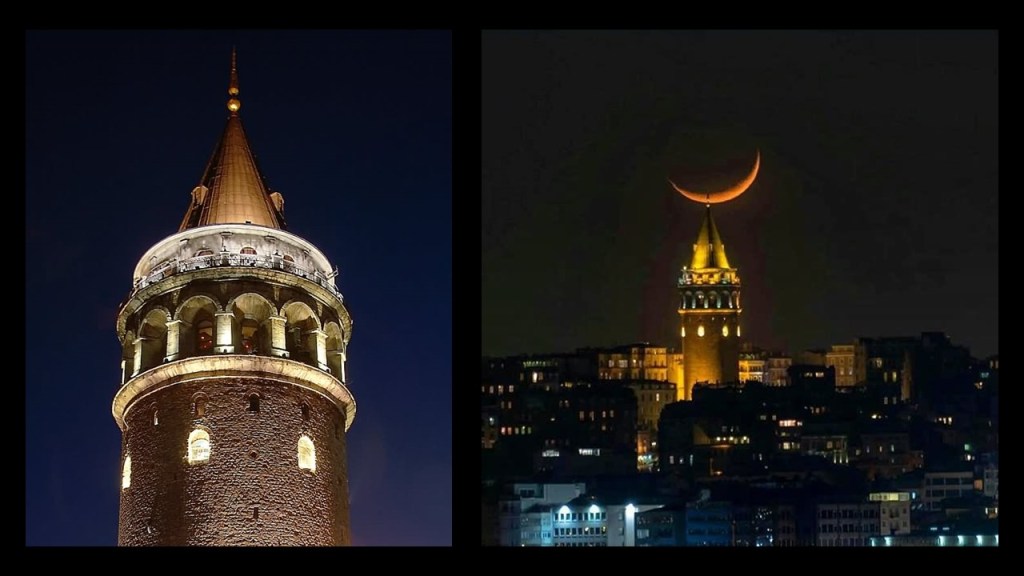
And the Galata Tower there is massive and absolutely dominates everything in its surroundings!
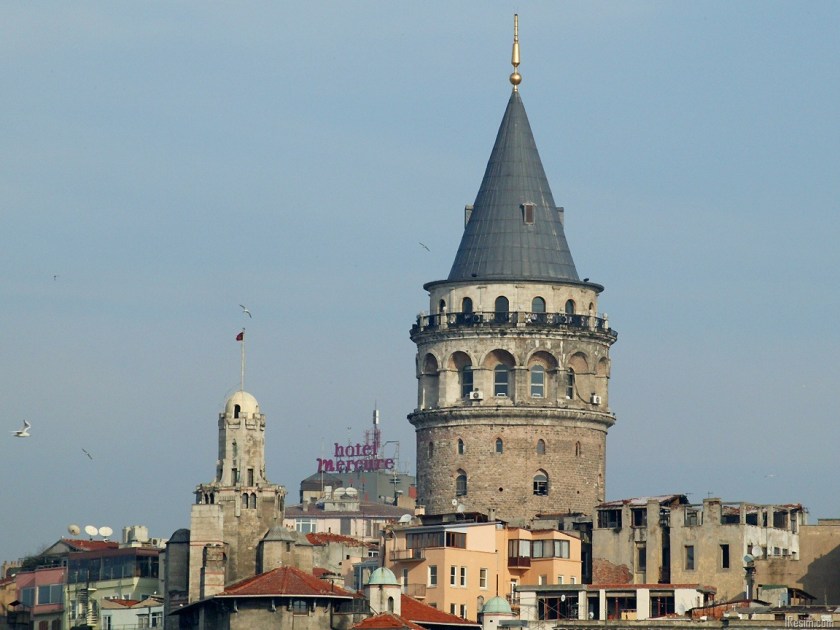
However, we are told the Genoese get the credit for building it in 1378, when they had a colony here between 1273 and 1453, at the apex of the walls of the citadel, also said to have been built by the Genoese, that no longer exists.
Here are more photos of the outside of the Galata Tower…
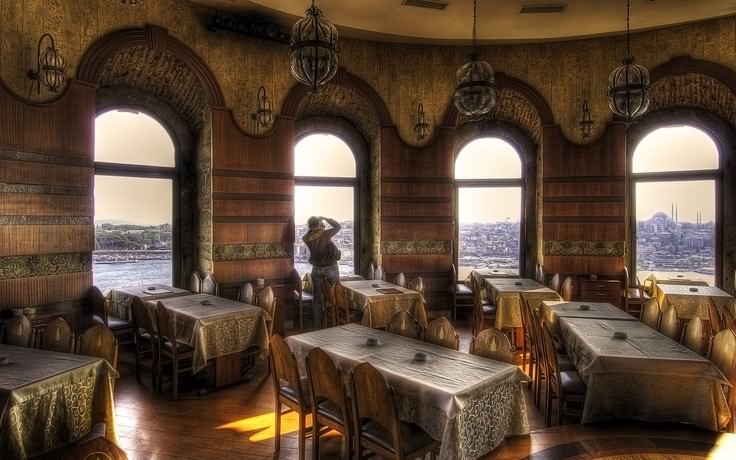
…and of the inside of the Galata Tower.
Next, the Basilica Cistern is the largest of several hundred ancient cisterns that lie beneath Istanbul, and said to have been built during the reign of the Byzantine Emperor Justinian I between 527 to 565.
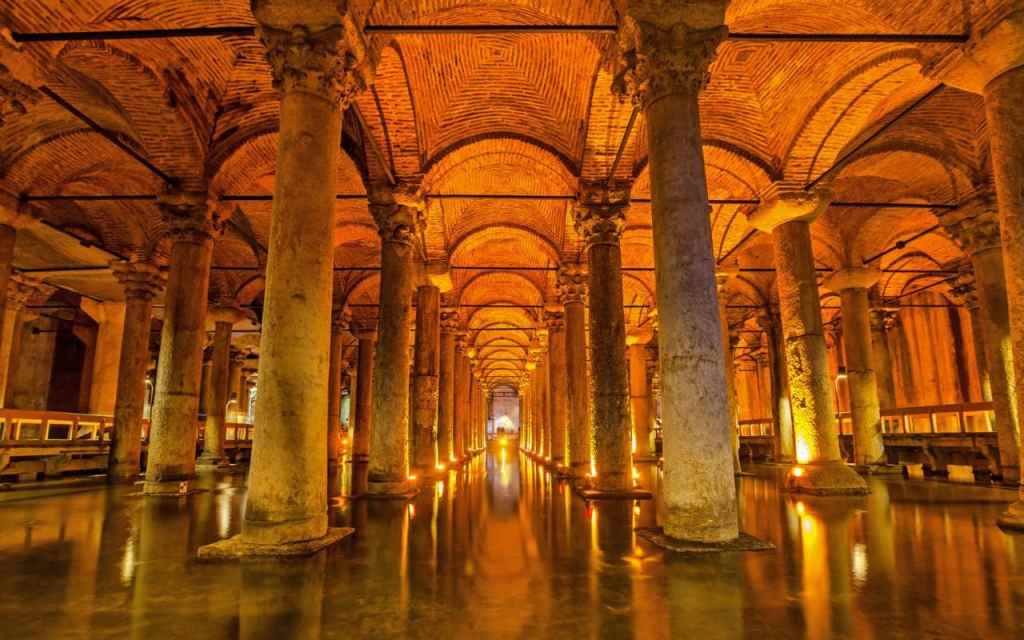
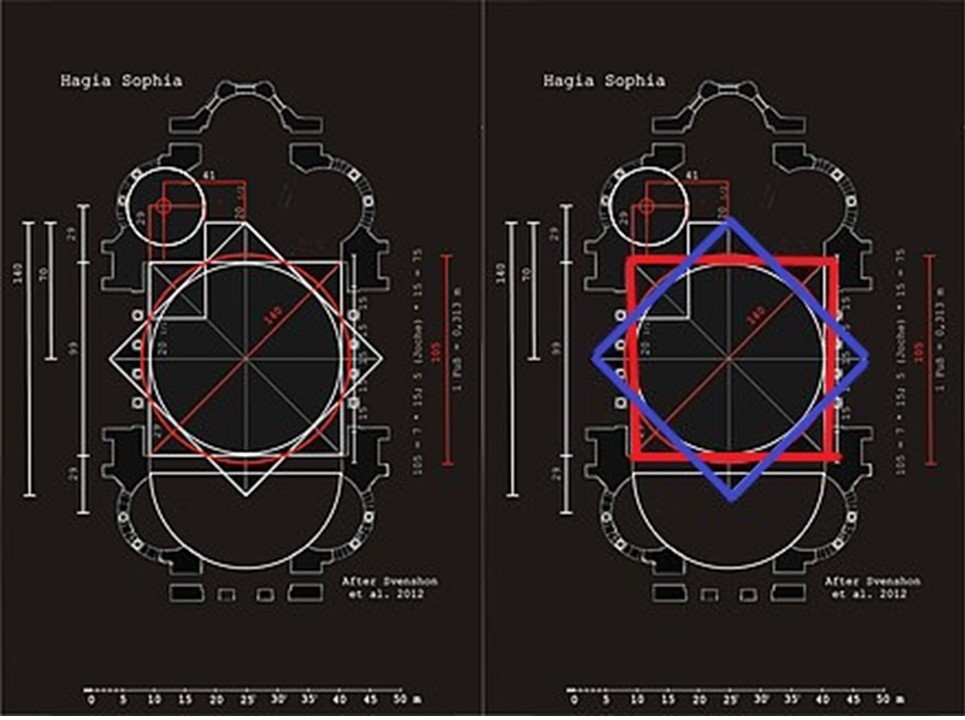
The Basilica Cistern is located 490-feet, or 150-meters, from the Hagia Sophia, also said to have been built during the reign of Emperor Justinian I, between 532 and 537 AD.
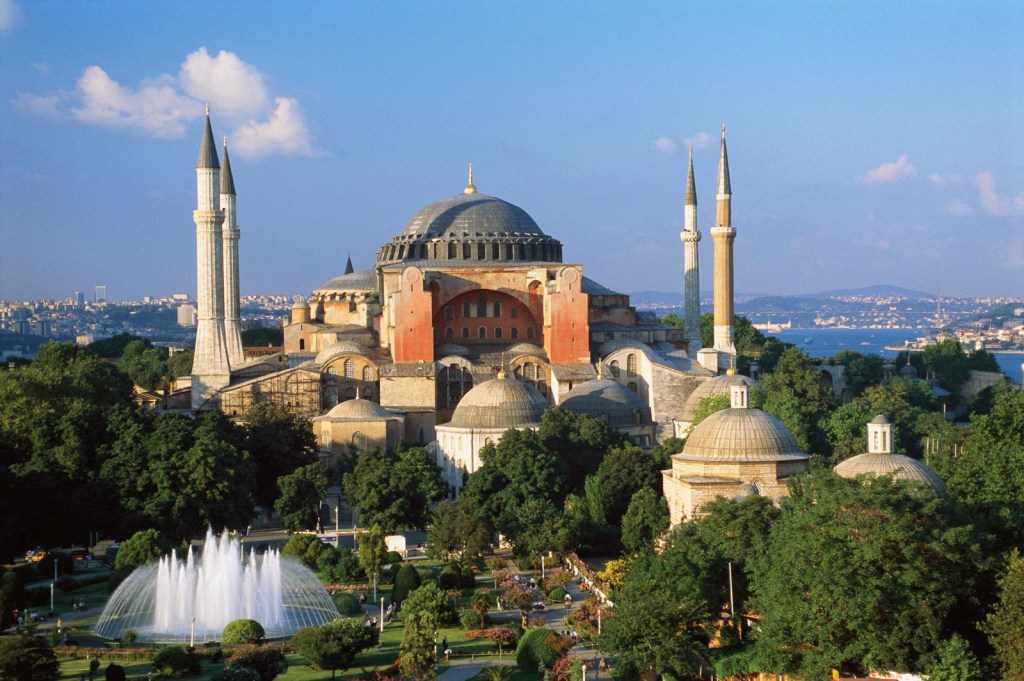
I found this diagram showing the geometric lay-out of the Hagia Sophia…which contains an eight-pointed star, as seen earlier in this post.
The next place I am going to look at is the city of Izmir, a city on the western edge of the Anatolian Plateau before heading west on this alignment.
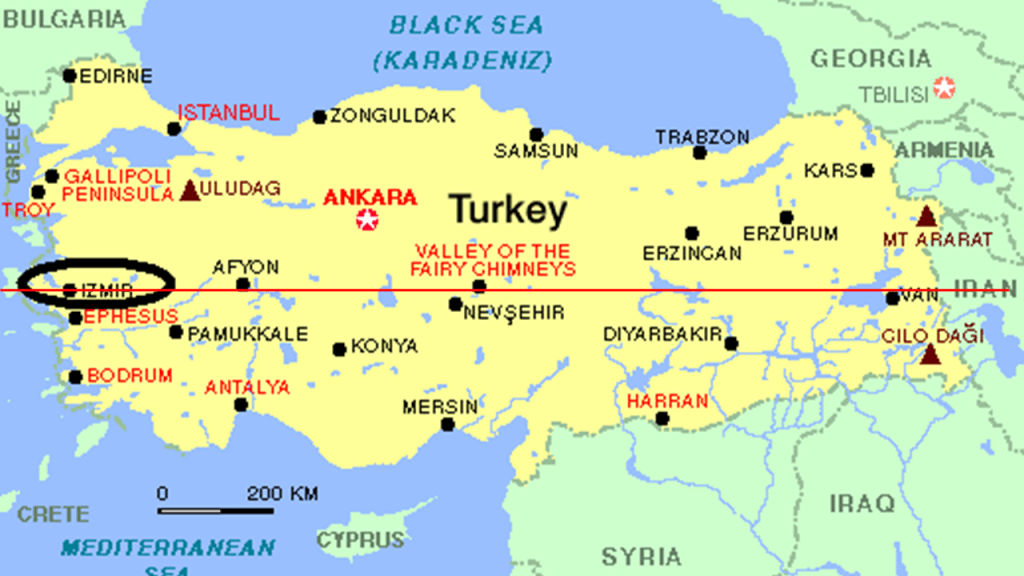
Known in times past as Smyrna, from ancient times to around 1930, at which time it became predominantly known by its Turkish counterpart, Izmir.
Izmir has more than 3,000 years of recorded urban history…
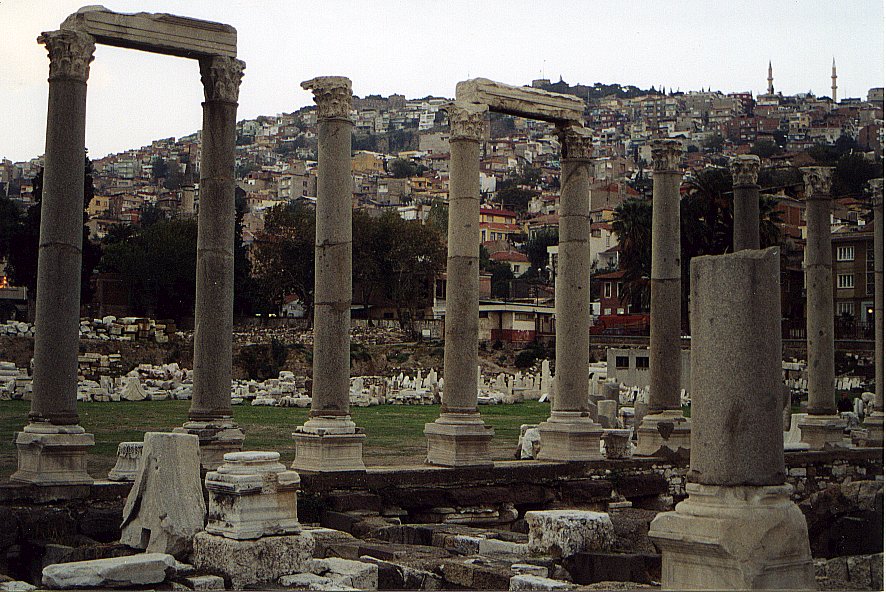
…and up to 8,500 years as a human settlement since the Neolithich area, with Yesilova Hoyuk being continuously inhabited at least between 6,500 BC and to 4,000 BC.

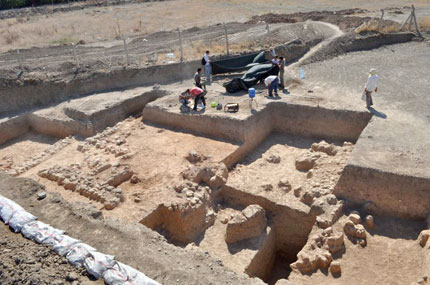
Discovered in 2003, the Yesilova Hoyuk site was at some point in its history…
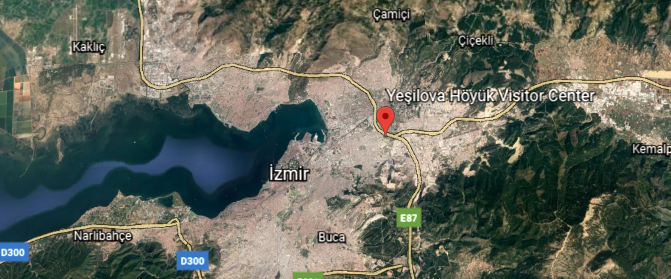
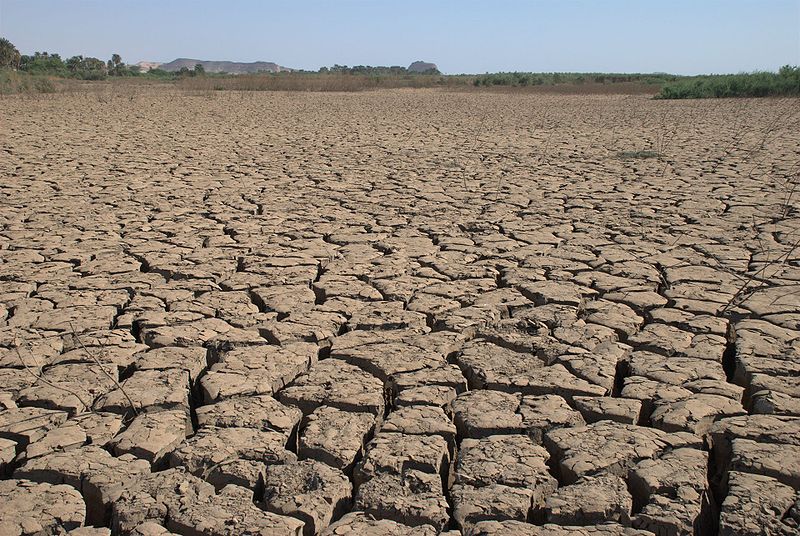
…covered in silt.
Silt is defined as a fine sand clay, or other material carried by running water and deposited as a sediment.
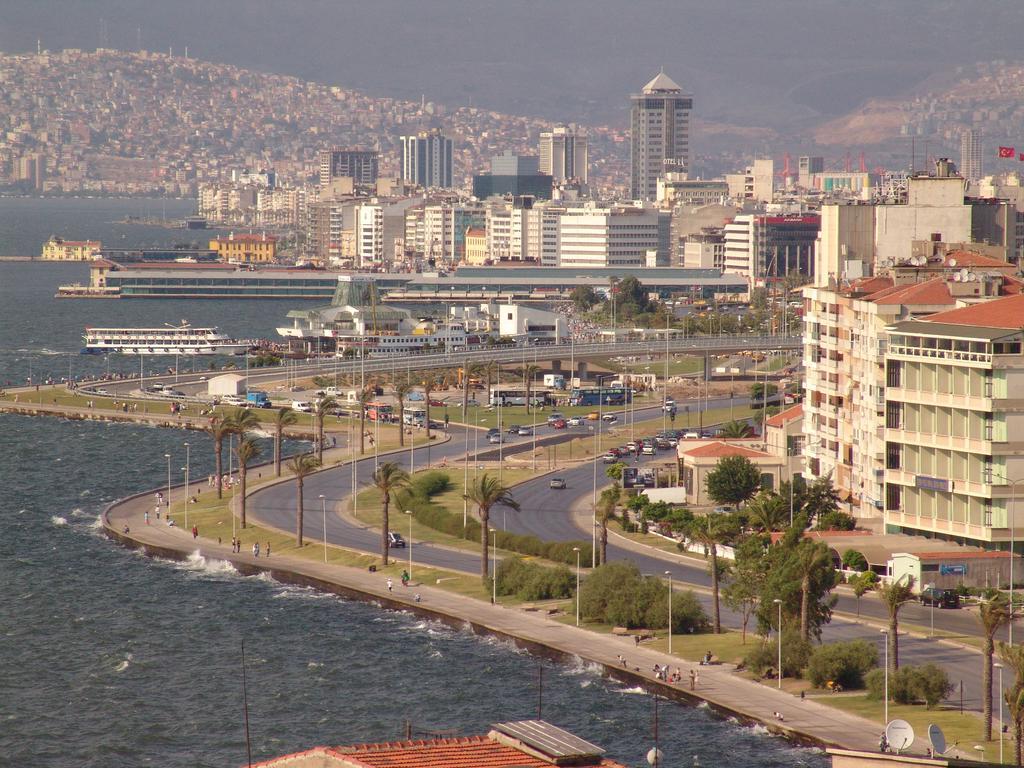
Izmir’s Metropolitan area extends along the outlying waters of the Gulf of Izmir, where we see what appears to be a shaped, masonry shoreline…
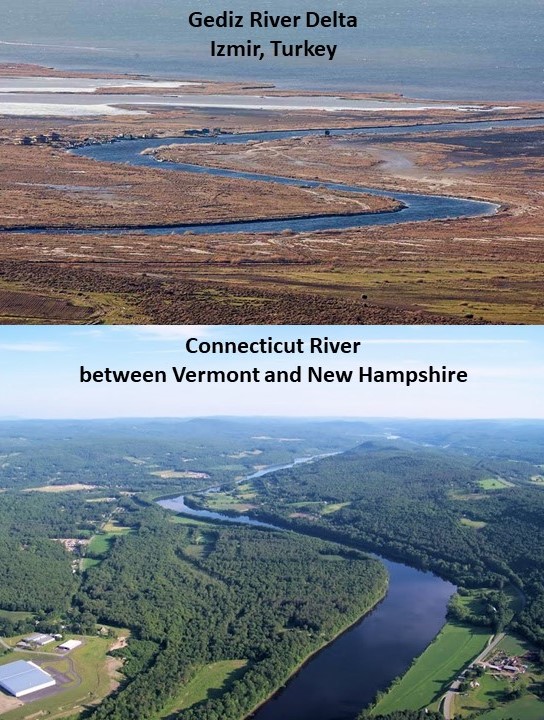
…and inland to the north across the Gediz River Delta, which has a shape similar to the Connecticut River along the Vermont – New Hampshire border in the United States.
The last place I am going to take a look at in Izmir is Konak Square.
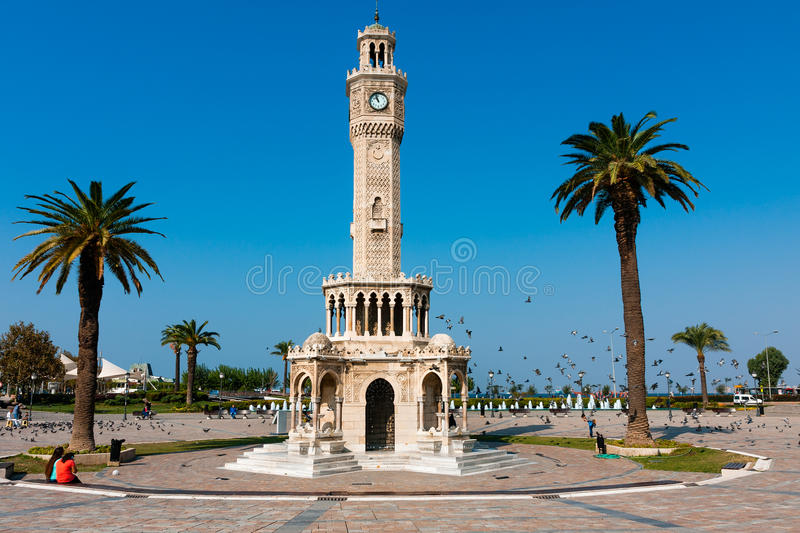
This is the clock tower there, said to have been built in the Moorish style in 1901 by the Levantine French architect Raymond Charles Pere.
Levantine refers to the Latin Church of the Catholic Church in the Middle East, in the Levant, which included the country now called Turkey.
This is the Konak Pier on the eastern end of Konak Square.
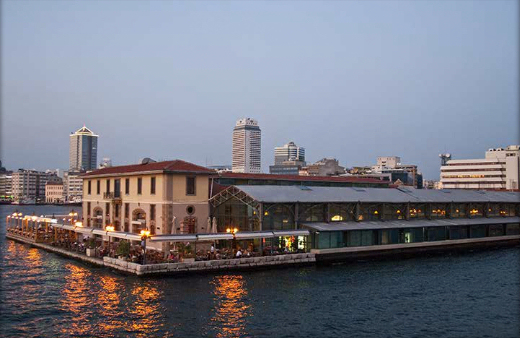
Gustav Eiffel is credited with its construction in 1890, a French civil engineer and architect most famous for the tower in Paris bearing his name.
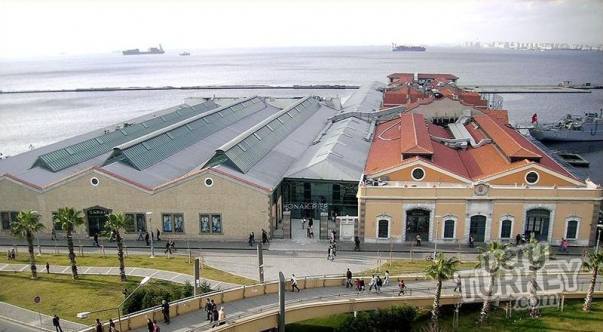
Konak Pier is now an upscale shopping mall in Izmir.

It is clear that this geographical region known since 1923 as Turkey, for less than 100-years, and known as Anatolia for far longer, has a very ancient and storied and obscured past, which goes back at least 12,000 years with the dating of the Gobekli Tepe Complex, and with many places showing evidence of having been covered over massively with silt, or mud, or whatever would have caused things like needing to be dug out from the earth.
Now I am going to be picking up the alignment leaving Izmir to where it enters the Aegean Sea.
The Aegean Sea is called an elongated embayment, or bay, of the Mediterranean Sea between the Anatolian and Greek Peninsulas.
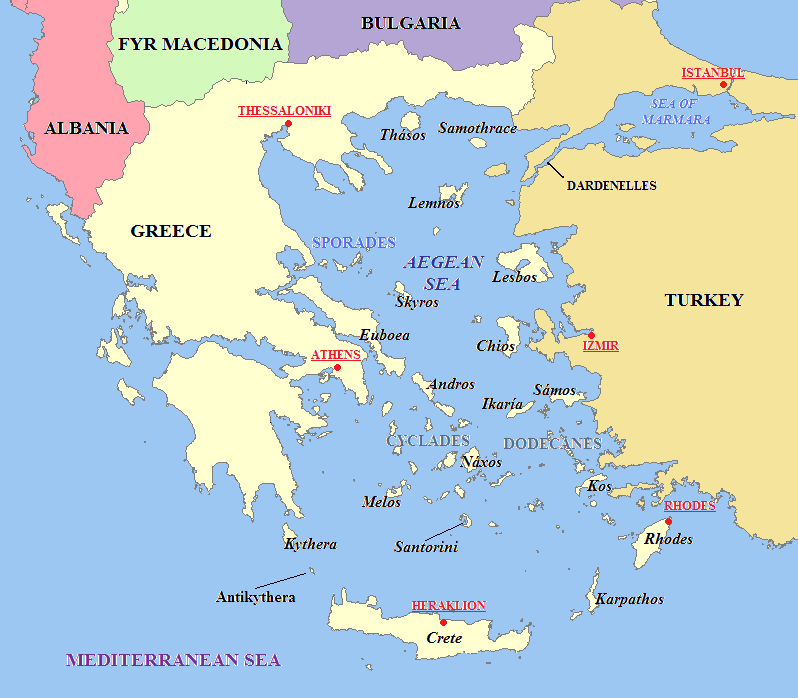
In the North, the Aegean is connected to the Sea of Marmara, entirely within the borders of Turkey, and which connects the Black Sea to the Sea of Marmara, and separates Turkey into its European and Asian parts…
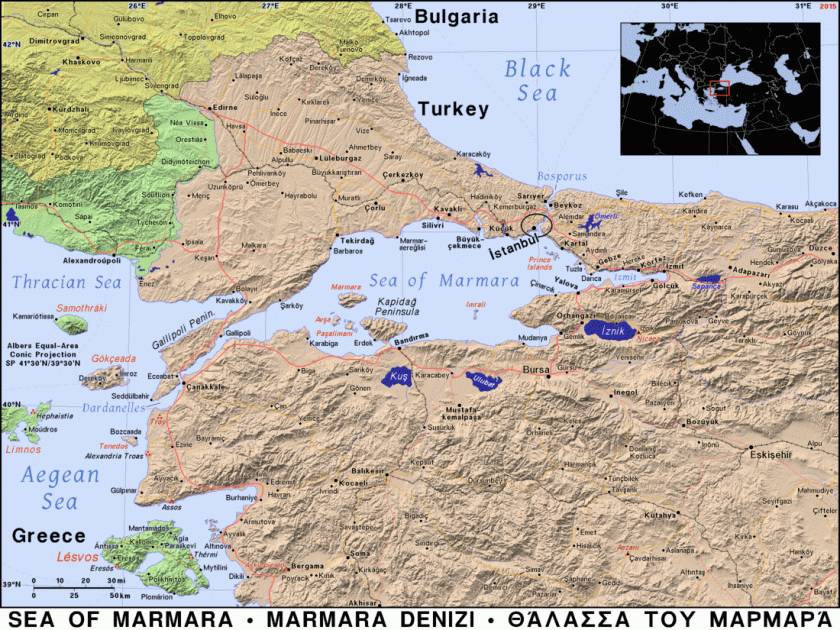
…and said to take its name from Marmara Island, from the Greek word for marble, and it is rich in sources of marble…
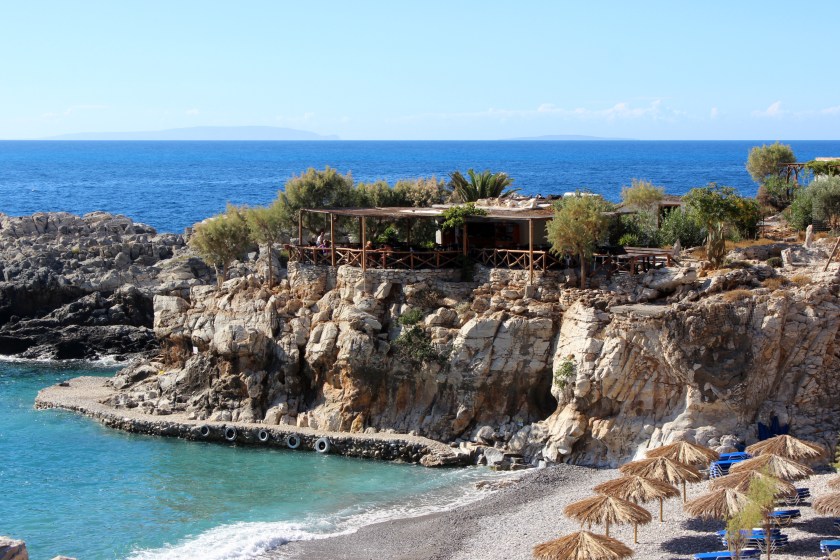
…between the Straits of Dardenelles and Bosphorus.
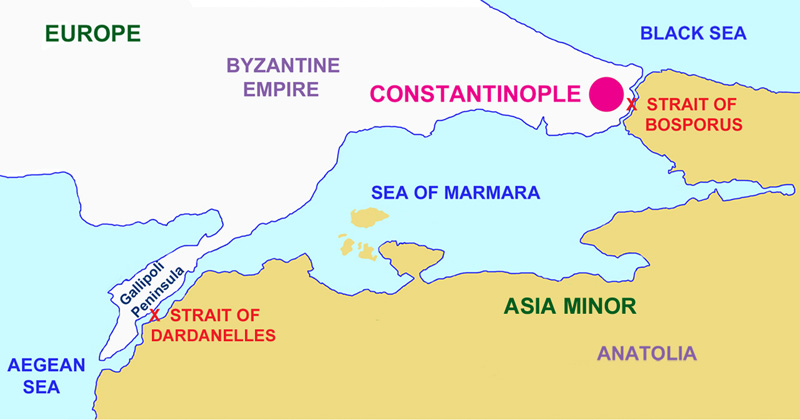
The Strait of Dardenelles was the location of the Gallipoli Campaign, one of the bloodiest battles of World War I.
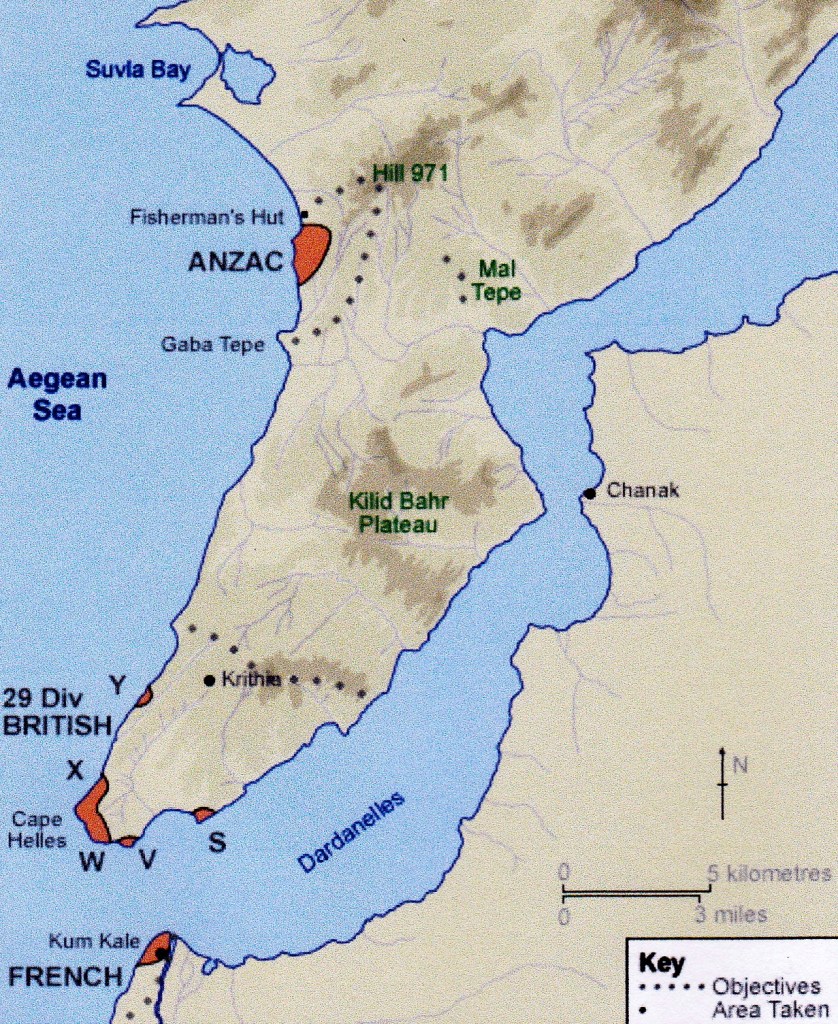
The Gallipoli Campaign took place between April 25, 1915, and January 9, 1916. A joint British and French operation was mounted to capture the Ottoman capital of Constantinople (known as Istanbul since 1923) and secure a sea route to Russia.
While the Ottomans were victorious at the end of this campaign, they ultimately lost the war. At the end of World War I, the Ottoman Empire was partitioned and lost its Middle East holdings, which were divided between the Allied Forces.
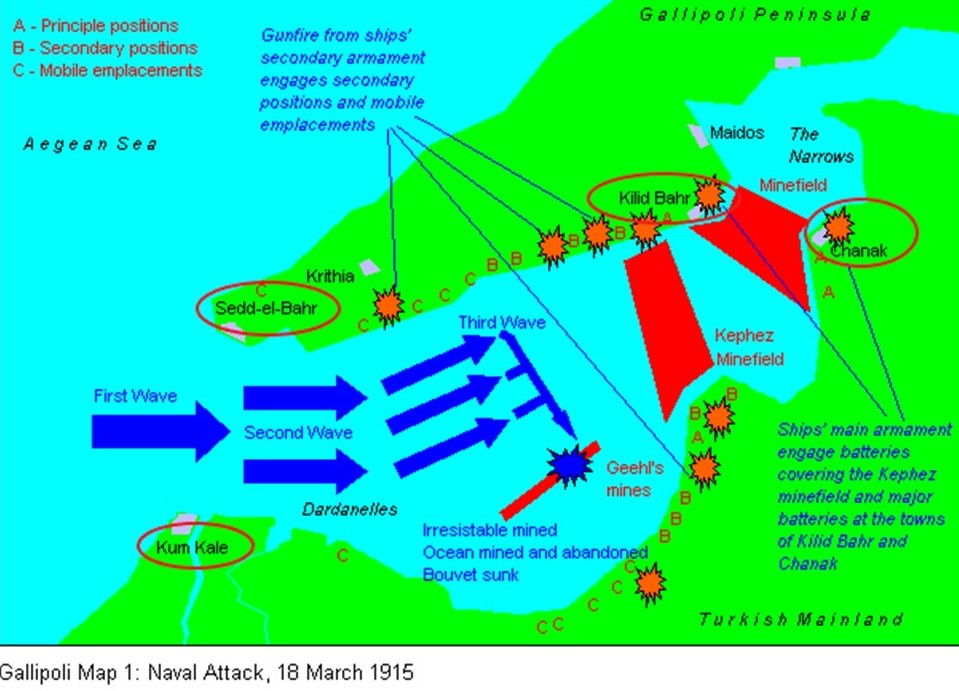
The first thing I am finding in researching information about the Gallipoli Campaign are the presence of many forts on both sides of the entrance to the Strait of Dardenelles, including, but not limited to the places circled here: Fort Sedd-el-Bahr at Cape Helles and Kilid Bahr on the European side of the Strait; and Kum Kale and Chanak, or Canakkale, on the Asian side.
Fort Sedd-el-Bahr, said to mean “Key of the Sea,” was on Cape Helles at the entrance to the Straits.
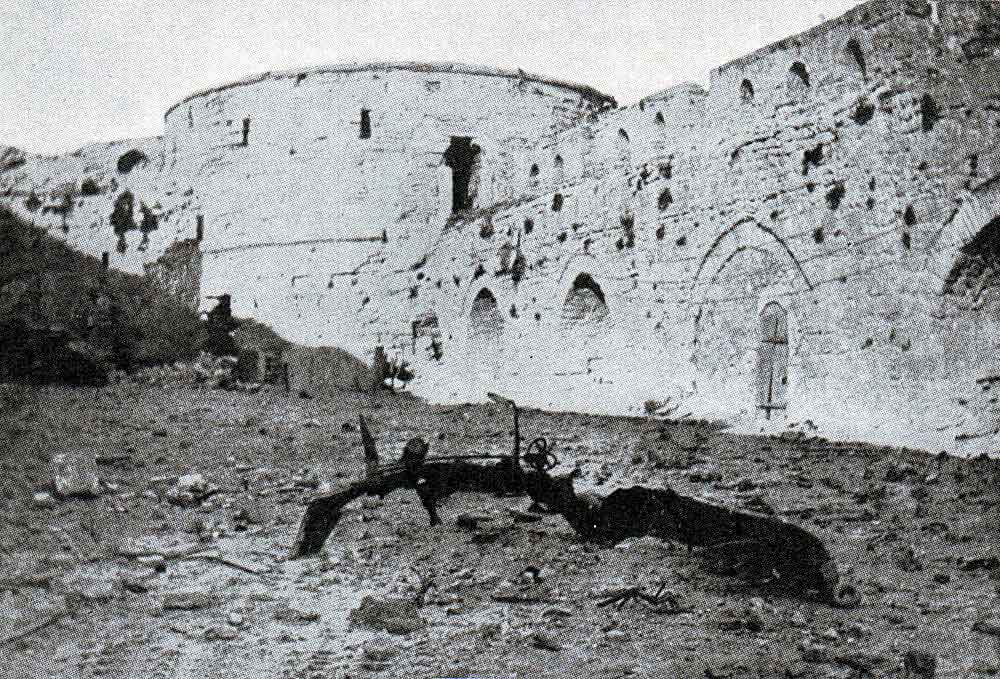
This is a view of the Sedd-el-Bahr from the bow of the SS River Clyde, a collier, at the start of the joint-British-and-French amphibious invasion of the Gallipoli Peninsula at Cape Helles on April 25th, 1915.
Its location was designated as “V Beach” of the Gallipoli Campaign.
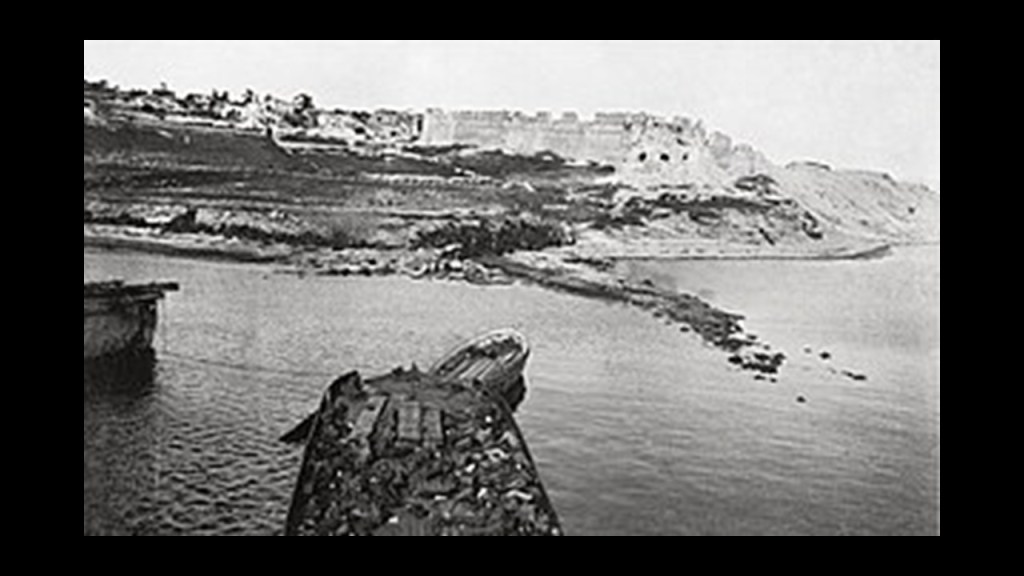
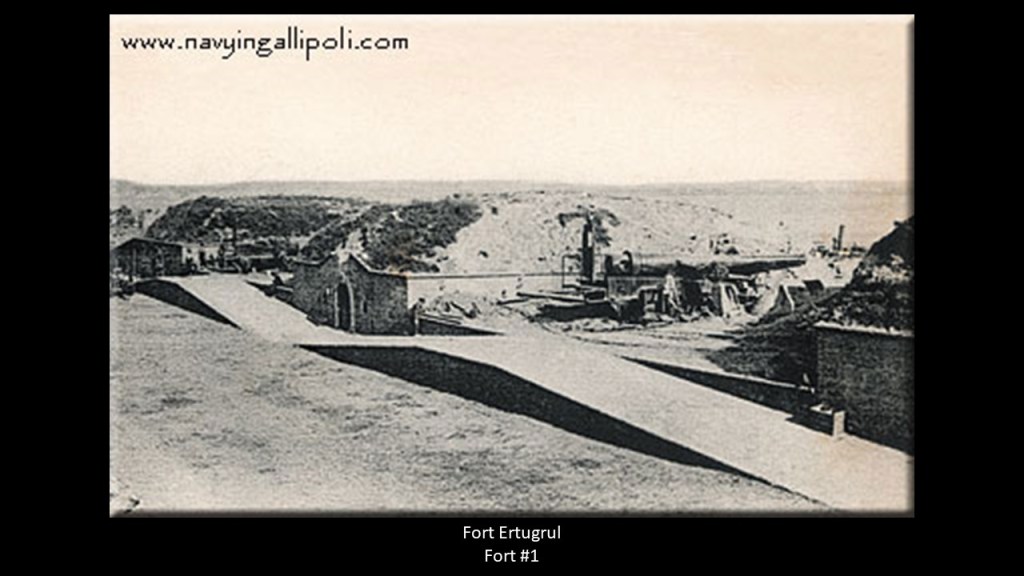
The Royal Navy bombarded the Sedd-el-Bahr, also known as Fort #3, along with Fort Ertugrul, known as Fort #1 on the other side of “V Beach.”
The Fort at Kum Kale was on the opposite side of the entrance to the Strait of Dardenelles from Cape Helles.
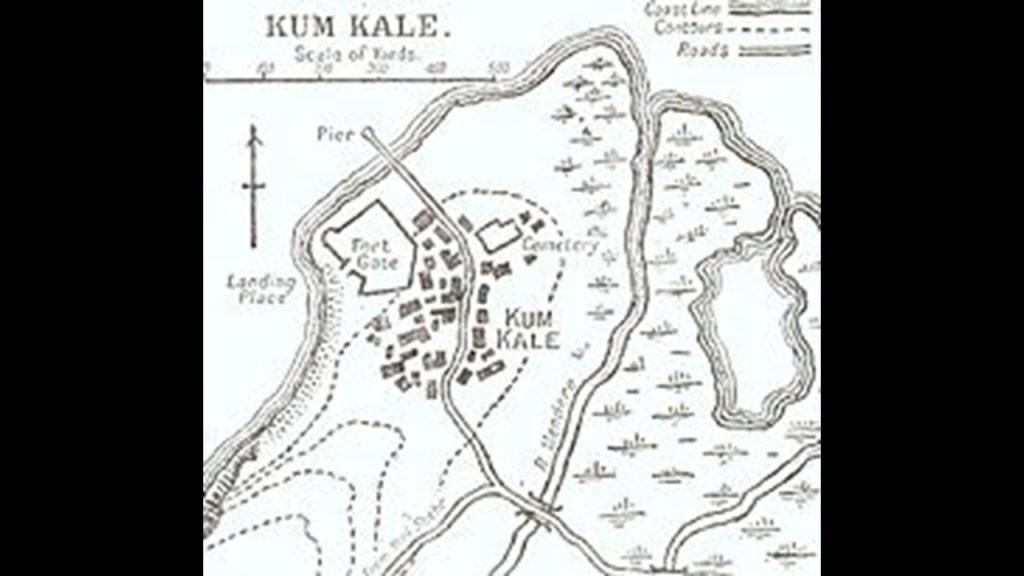
The Battle of Kum Kale was said to have been fought on April 25th, 1915, between Ottoman defenders and French troops as a diversion from the main landings on the Gallipoli Peninsula.
The fort at Kum Kale was completely destroyed by naval gun fire early in the operations.
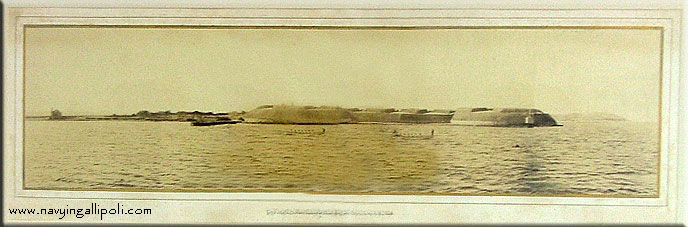
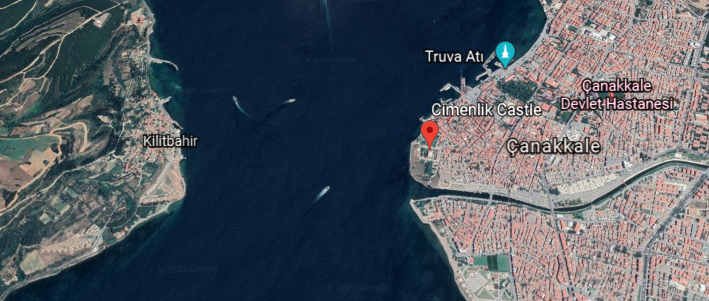
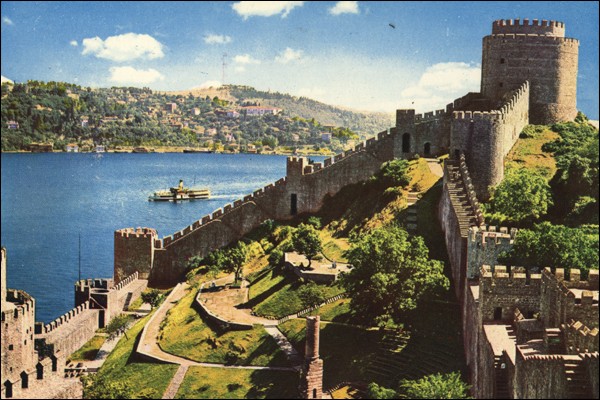
Further up, we find the Fort of Kilitbahir and Cimenlik Castle situated across from each other on the Strait of Dardenelles.
Kilitbahir, or “Lock of the Sea,” was said to have been built by Sultan Mehmet II in 1463 in the form of a clover…
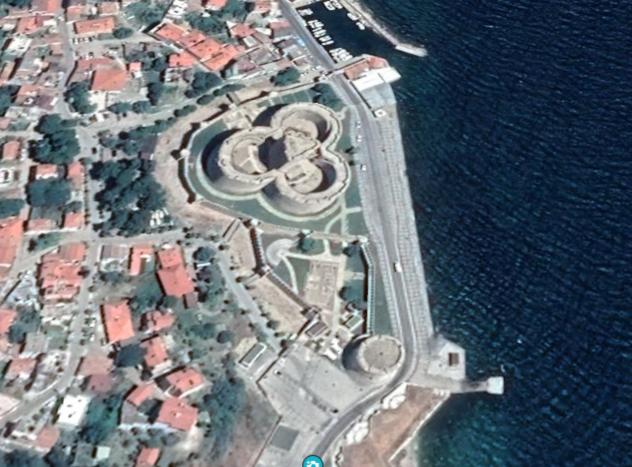
…and Cimenlik Castle was also said to have been built in the same year as Kalitbahir by Mehmet II to be defenses, we are told, to ensure the protection of the Dardenelles, and to control the maritime traffic to-and-from Constantinople.
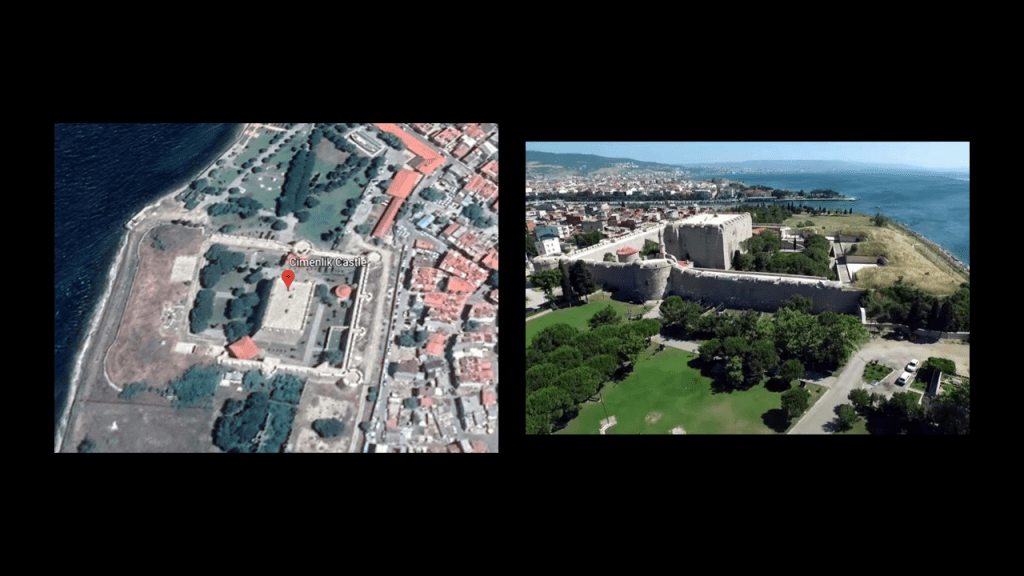
I have consistently found star forts paired together, among other things, like here in the Strait of Dardenelles…
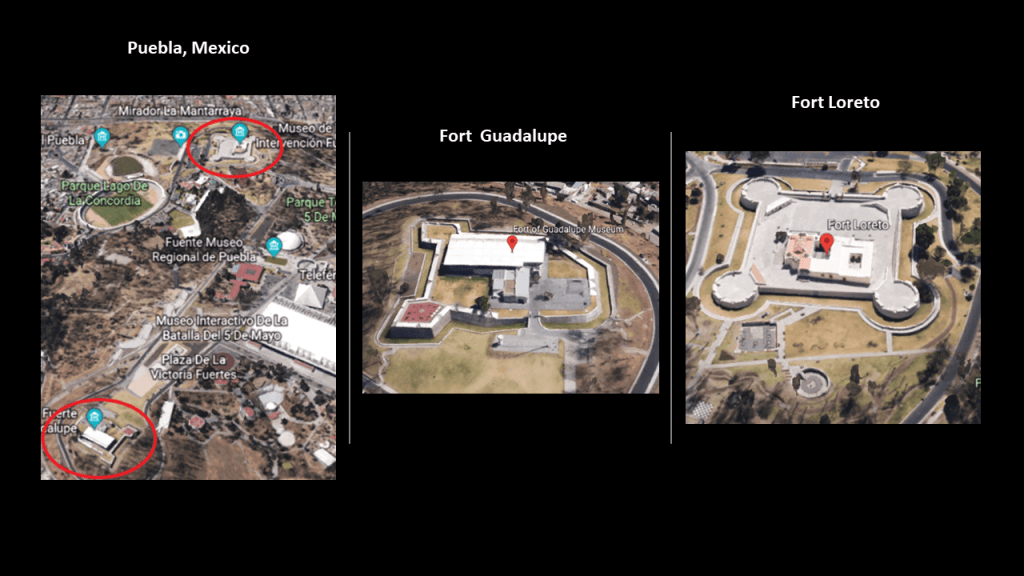
…and many other places around the world, like the two star forts in Puebla, Mexico, the Fort of Guadalupe and Fort Loreto that are situated relatively close to each other, on a hill not far from the city center of Puebla.
The Battle of Puebla is where the legendary Cinco de Mayo battle took place on May 5, 1862, where poorly-equipped Mexican forces were said to have defeated superior French forces.
I have also found clusters of star forts in the same location.
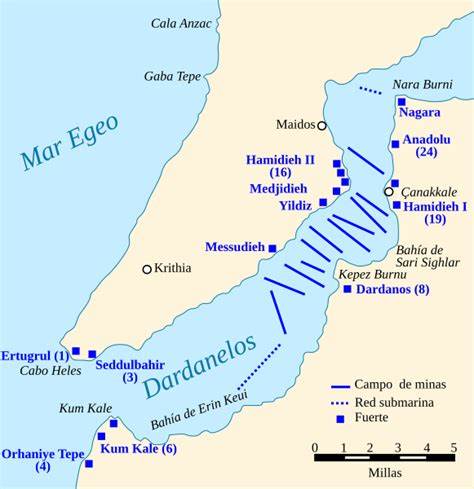
As I alluded with the numbering of Fort Sedd-el-Bahr and Fort Ertugrul earlier, there were at least 24 numbered forts in the Strait of Dardenelles…because Fort Anadolu Hamidiye was number 24, said to have been built by the Ottoman Sultan Bayezid I between 1393 and 1394.
I found this map of what are described as the Dardanelles defenses circa 1915, showing the places I have shared with you, and many more, situated in pairs, or clusters in alignment with each other.
Along the same lines, I can make a case that there were four pairs of star forts along the Lower and Upper New York Bay, with each pair situated along various points starting from Fort Hancock on Sandy Hook island in New Jersey and Fort Tilden on the Rockaway Peninsula in New York at the entrance of the Lower New York Bay, up through the pair of Fort Jay on Governors Islands and what was Fort Amsterdam in Battery Park in Lower Manhattan.
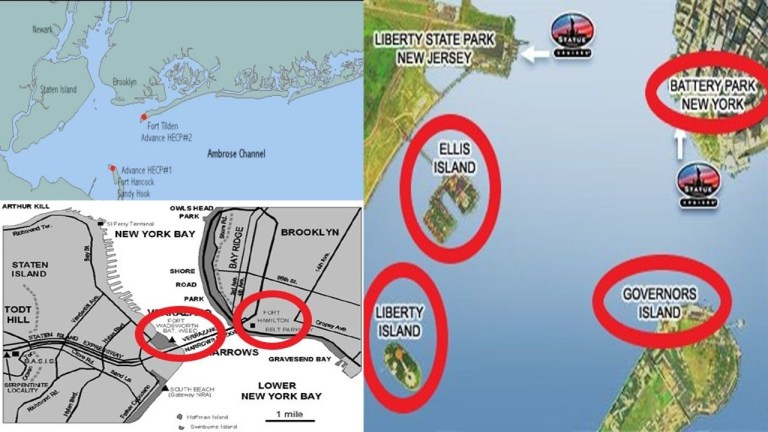
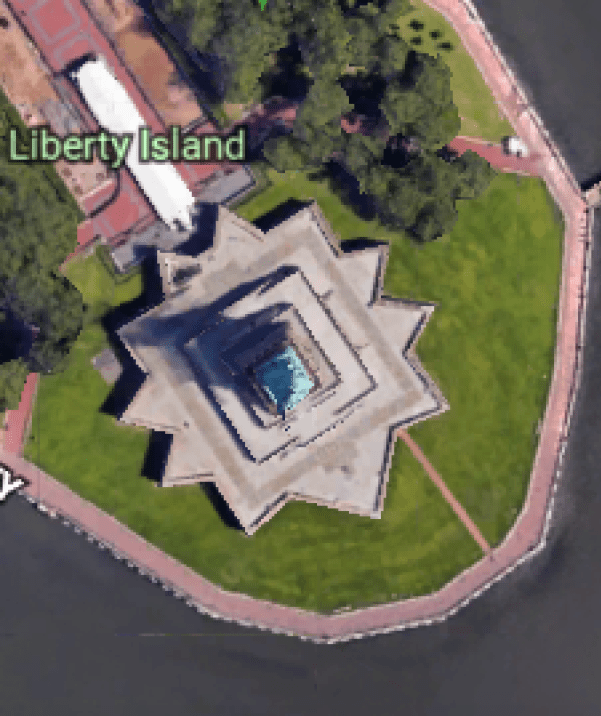
The physical structure of what was called Fort Gibson on Ellis Island is long obscured, but the Statue of Liberty stands right on top of Fort Wood.
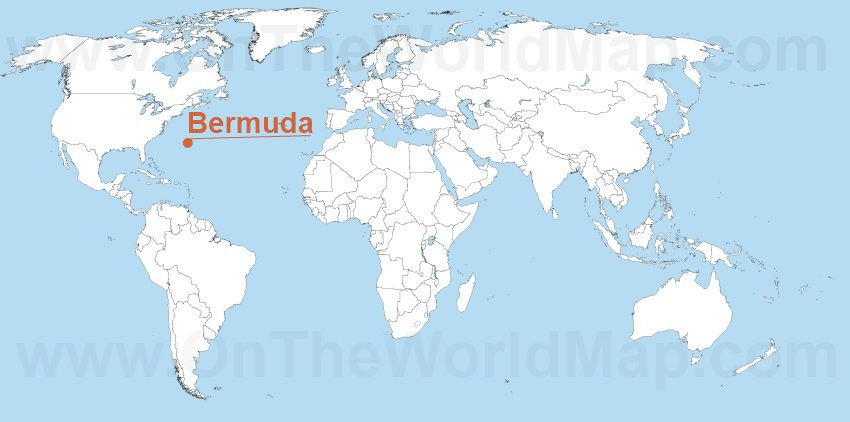
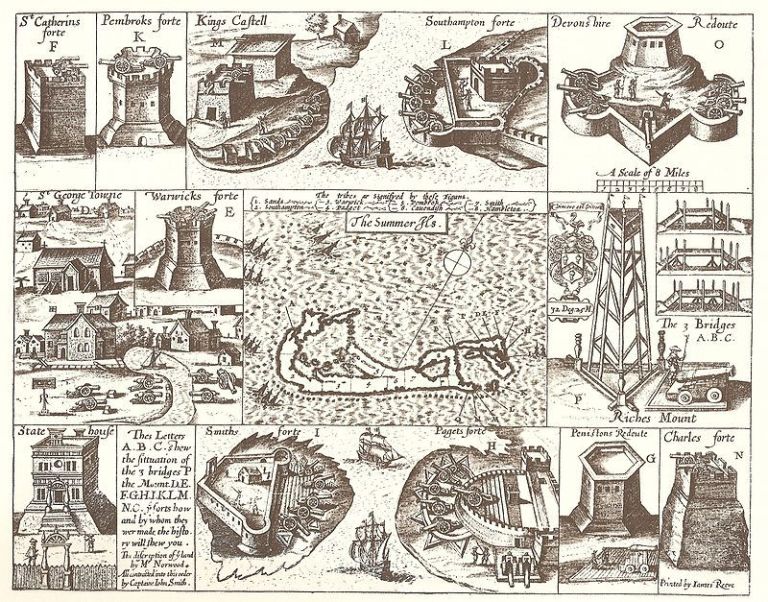
Another shared feature of the Strait of Dardenelles and other places is that there seem to have been certain locations with a high concentration of star forts, like the island nation of Bermuda, which is located in the North Atlantic Ocean, 665-miles, or 1,070-kilometers, east-southeast of Cape Hatteras, North Carolina.
This is a 1624 map depicting numerous star fort looking structures that were found at one time throughout Bermuda, and said to have been made by Captain John Smith of Pocahontas and Virginia fame in our historical narrative.
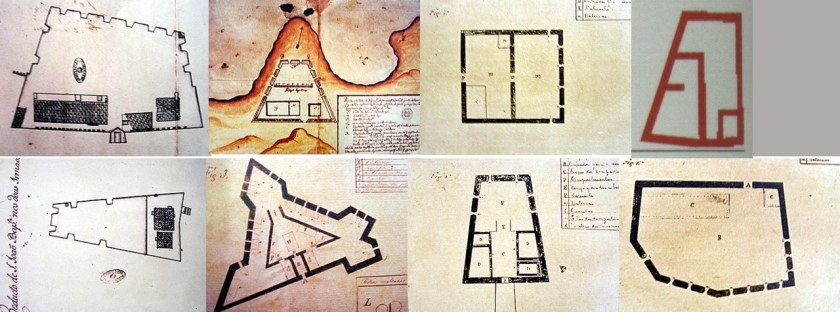
Another place in the Atlantic Ocean with a high-concentration of star forts is Fernando de Noronha, off the coast of Brazil near the coastal city of Natal. Here are historic drawings of eight of the ten I found out about within an archipelago whose area totals 10-square miles, 26-kilometers squared.
Then I found what appears to have been at least thirteen star forts in the city of Kars at one time, the largest city on Turkey’s closed border with Armenia that we saw earlier in this post.
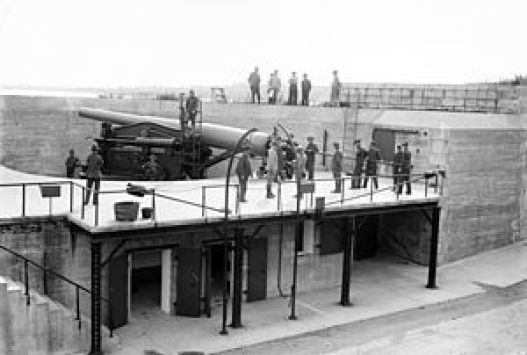
I think places like these were significant power centers for the energy system of the planetary grid, and star forts represented the definition of battery meaning “a device that produces electricity that may have several primary or secondary cells arranged in parallel or series, as well as a battery source of energy which provides a push, or a voltage, of energy to get the current flowing in a circuit…”
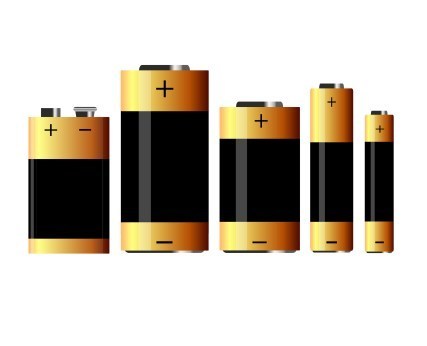
…and not the definition of battery meaning “The heavy fire of artillery to saturate an area rather than hit a specific target” that we are led to believe in our current historical narrative, though that definition for these certainly made them military fortifications, and targeted for destruction.
Before I move on from the Strait of Dardenelles where it meets the Aegean Sea, I would like to point out that ancient Troy, the location of the famous Trojan War between the troops of King Priam of Troy and King Agamemnon of Mycenae, was situated between the mouth of the Strait of Dardenelles…
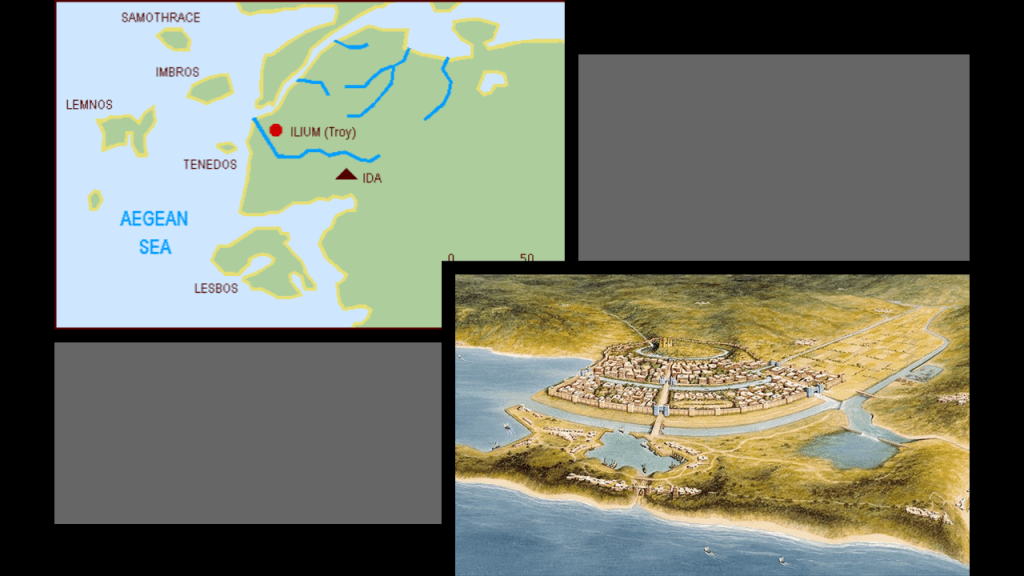
…and Mount Ida, the location in Homer’s Iliad where the Olympian Gods gathered to watch the progress of the Trojan War is nearby
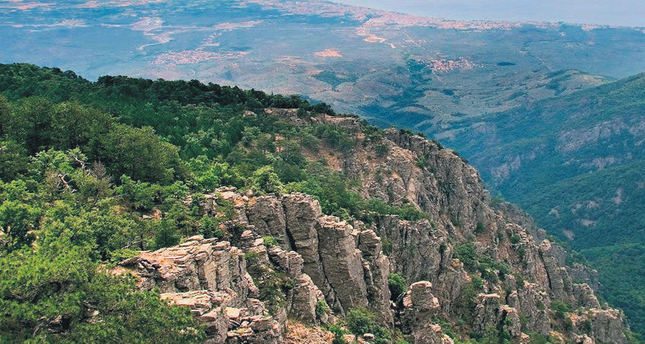
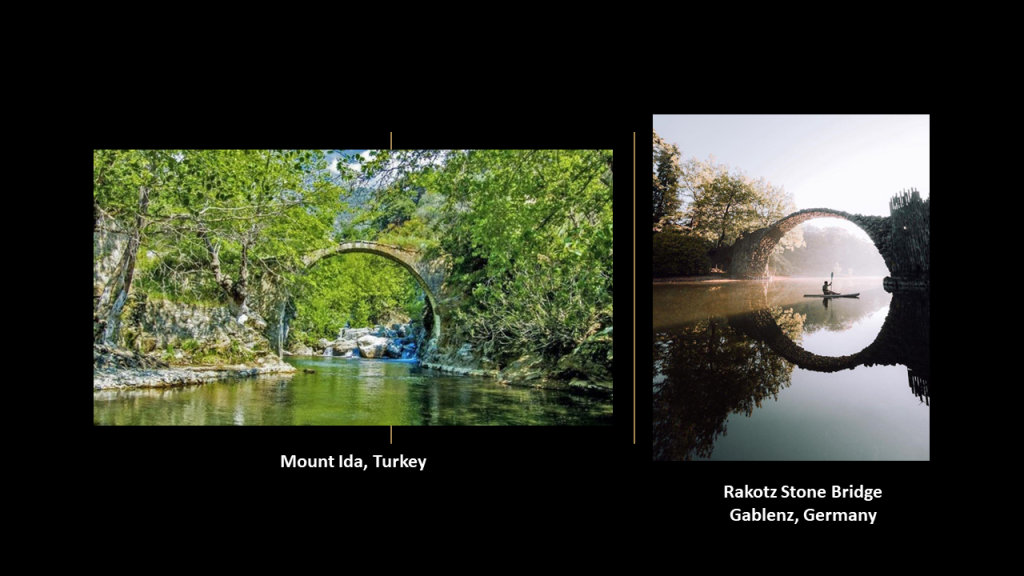
I found this old stone bridge in the Mount Ida region in Turkey on the left that looks similar to the Rakotz stone bridge in Gablenz, Germany.
Now I am going to turn my attention to the numerous islands and island groups in the Aegean Sea.
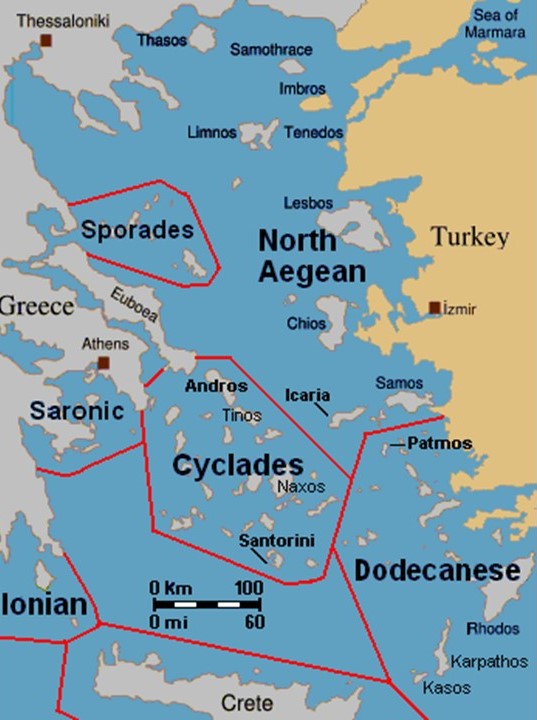
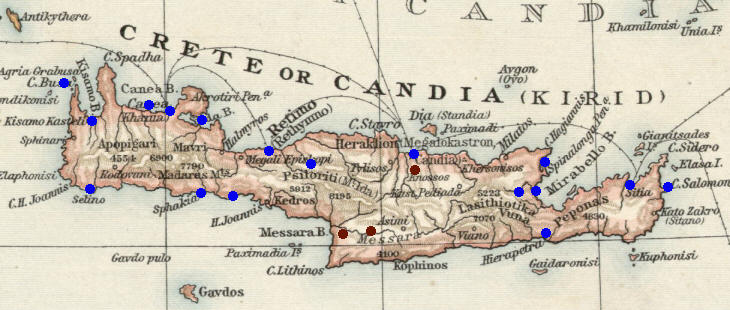
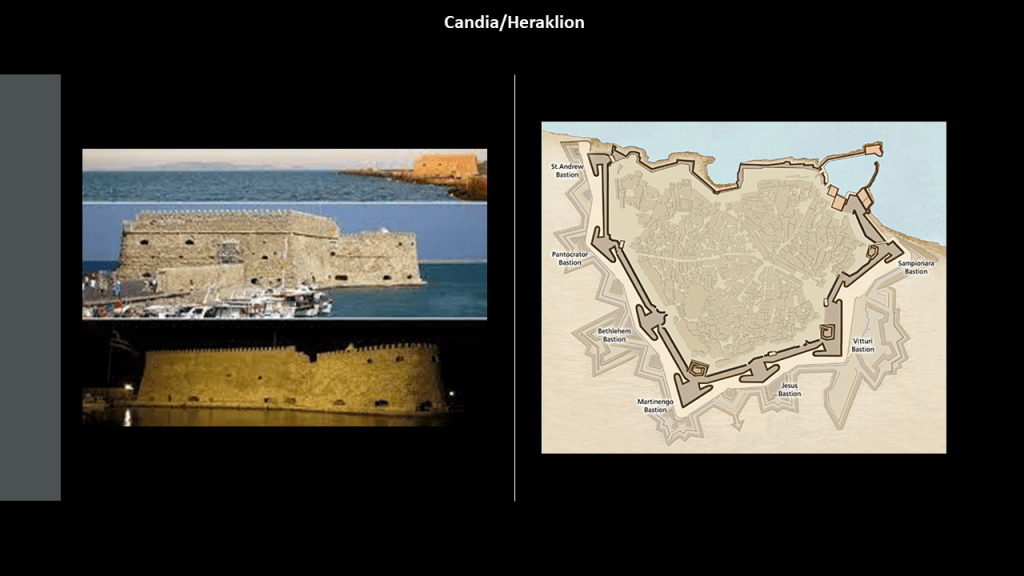
Crete is the largest and most populous of the Aegean Islands, and yet another small island packed with star forts, notated by the blue dots on this map, said to have been forts built to defend the island from enemies and pirates, by Venetians, as well as other historical influences on Crete like from the Genoese, Byzantines and Turks.
Like the one at Rethymnon…
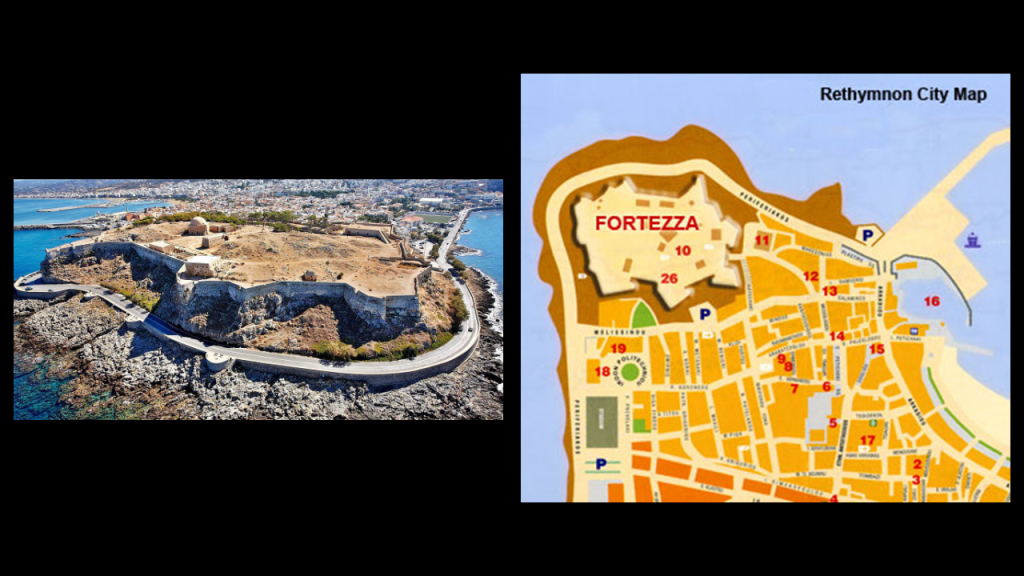
…and Candia was said to have been built by the Venetians, known today as Heraklion, the capital of modern Crete.
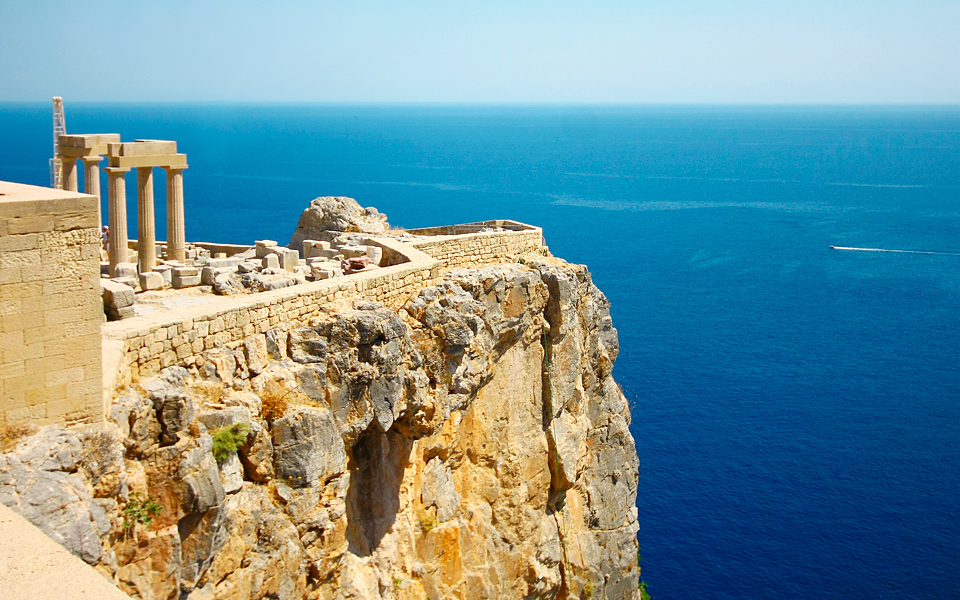
The Dodecanese Islands, which includes the Island of Rhodes, which is the place for which the State of Rhode Island was named when Giovanni da Verrazzano likened an island near the mouth of Narragansett Bay to the Island of Rhodes in 1524…
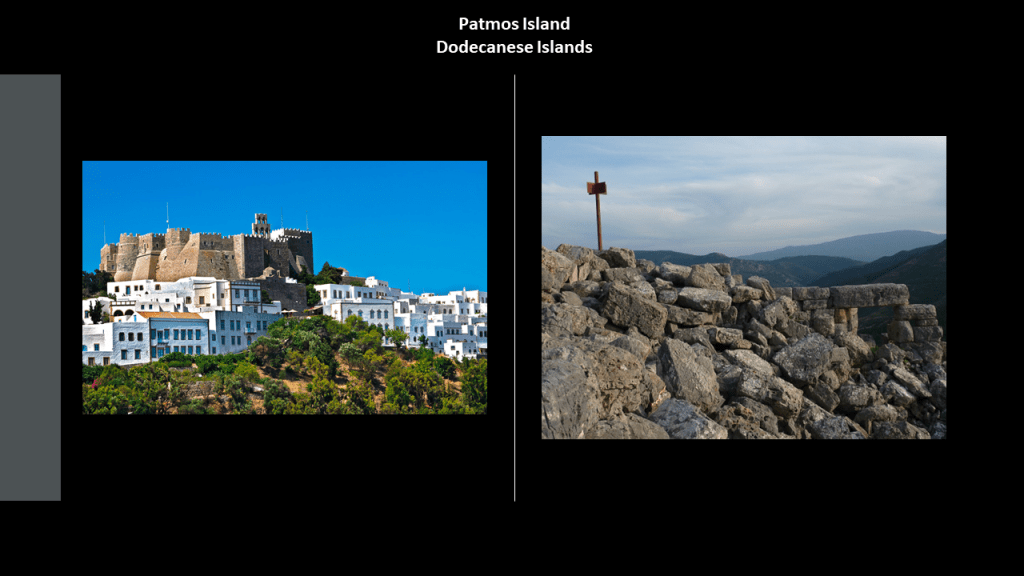
…the island of Patmos, where John the Apostle was given the vision in the Book of Revelation…
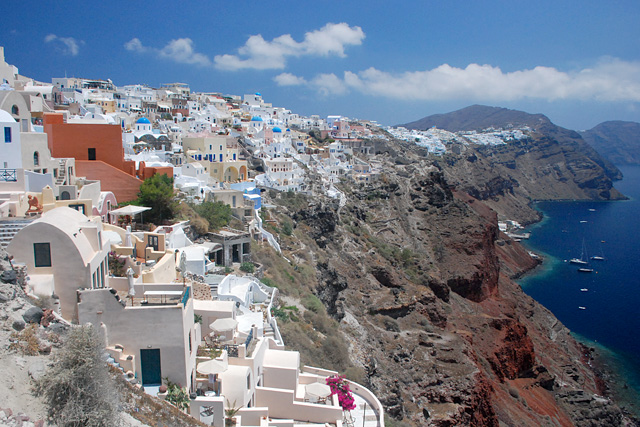
…the Cyclades Island group, which includes Santorini, known for having one of the largest volcanic eruptions in history, and by the way, what an interesting lofty, rocky spot to built on top of…
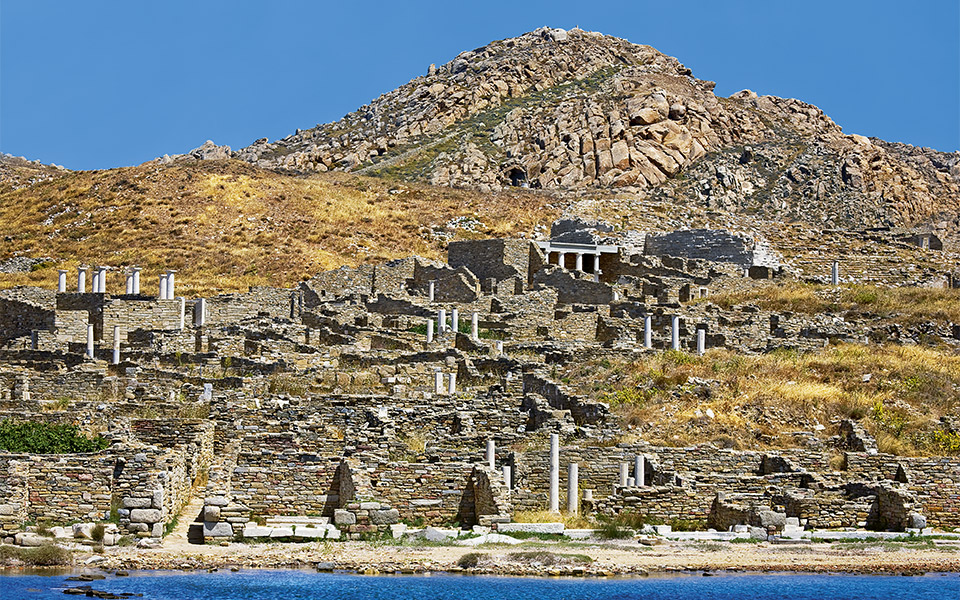
…and Delos, one of the most important mythological, historical and archeological sites in Greece, and once considered a holy sanctuary.
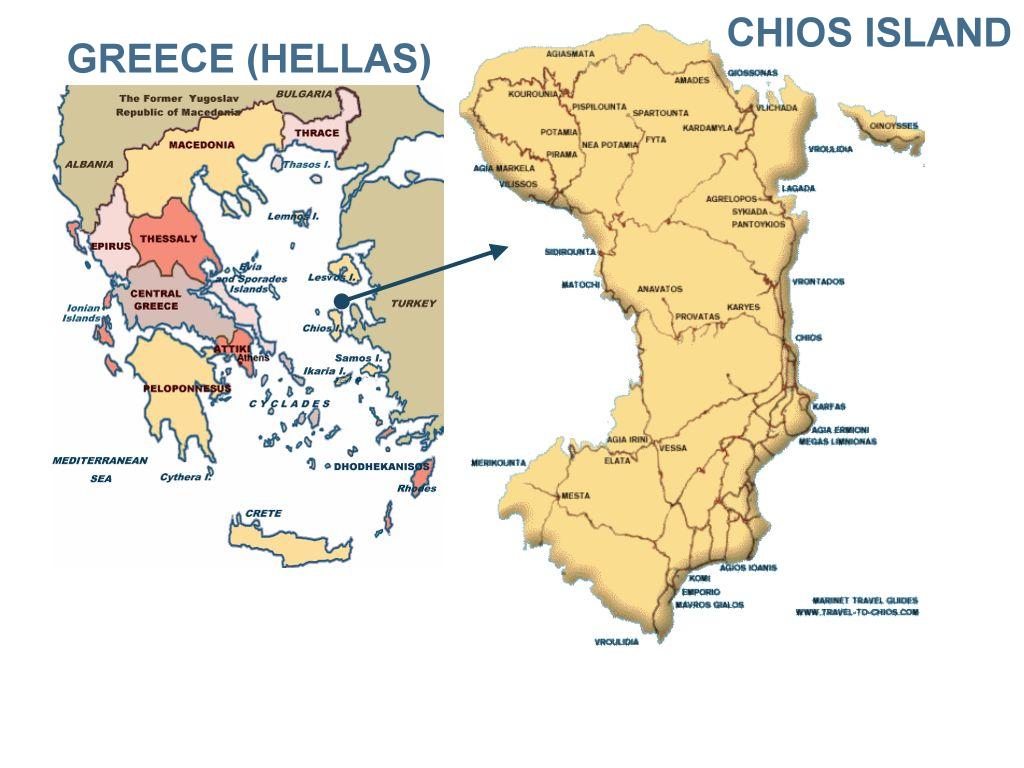
The alignment I have been tracking goes across the island of Chios in the North Aegean Sea. While it is separated only a relatively short distance from Turkey by the Chios Strait, it is part of Greece.
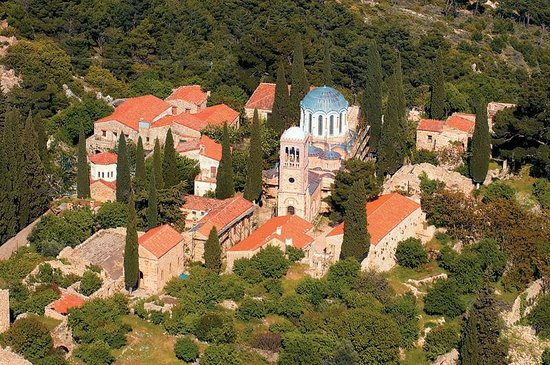
The Nea Moni Monastery on Chios was said to have been constructed during the reign of the Byzantine Emperor Constantine IX Monomachus, starting in 1042 AD, with the main building having been opened in 1049 AD…
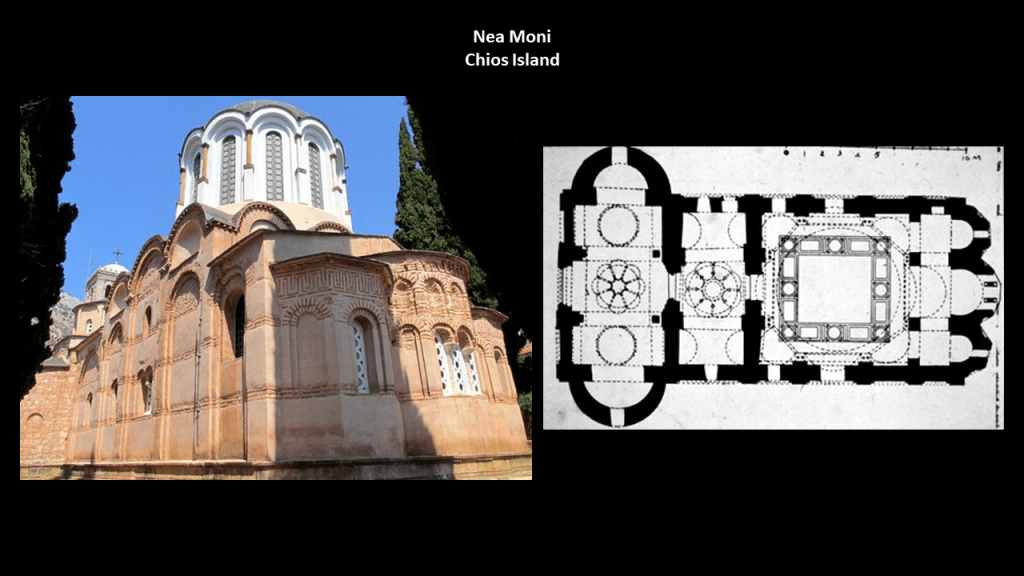
…and the complex having been completed in 1055 AD, after Constantine’s death.
Nea Moni was designated as a UNESCO World Heritage Site in 1990, one of 18 in Greece.
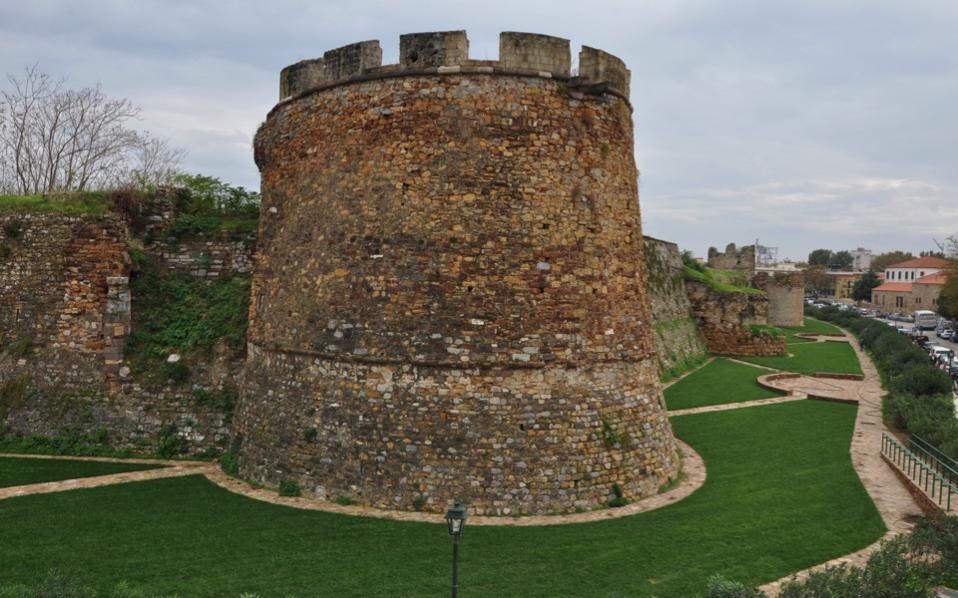
Chios is the main population center of the island, and apparently what is called the Chios Castle, called a medieval citadel said to have been built first by the Byzantines, and then finished by the Genoese…
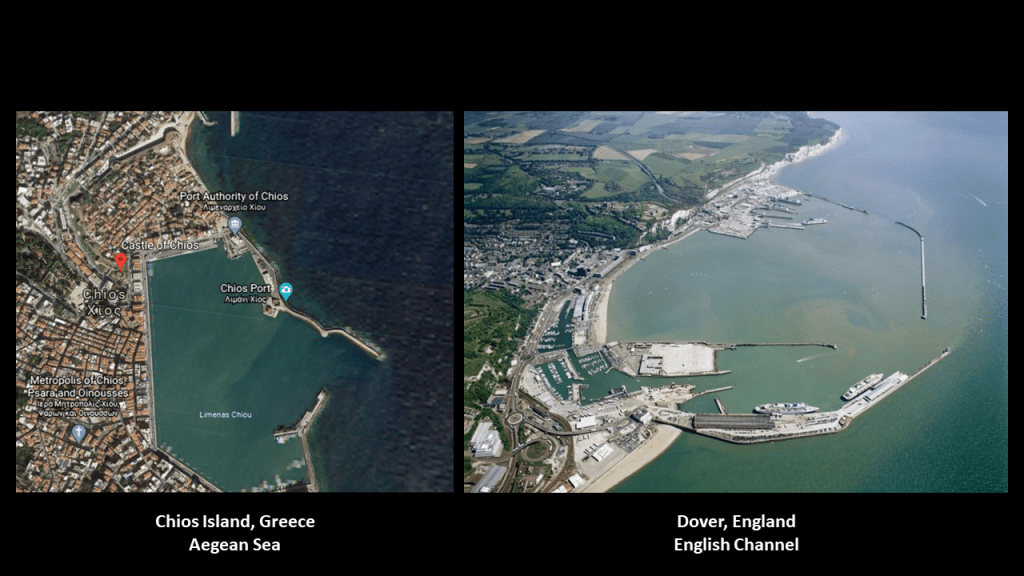
…next to what looks like an artificially made port facility at Chios, with its straight lines and angles, like we saw in an earlier example at Egidir in Turkey compared with other places in the world, like Dover on the English Channel on the right.
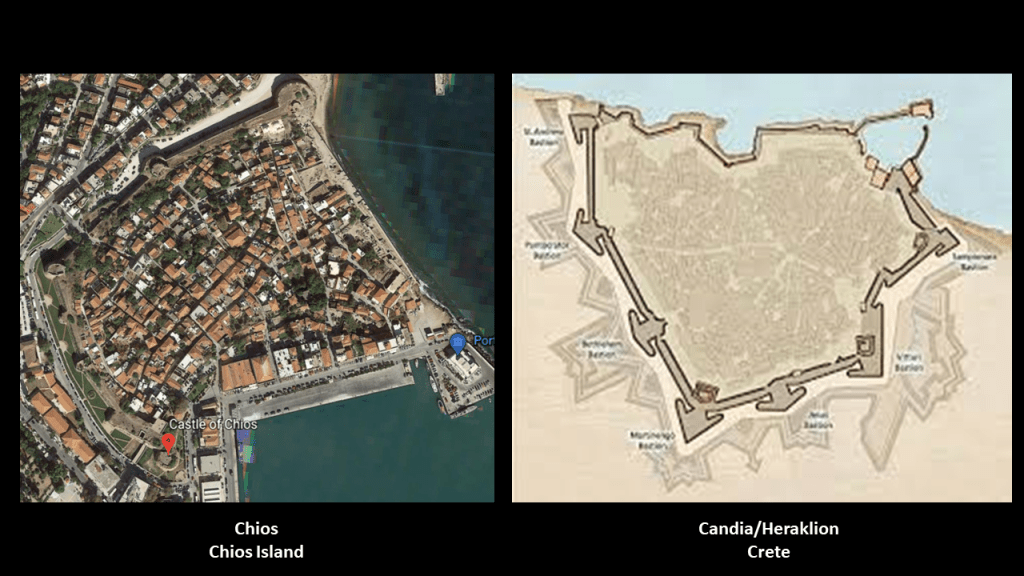
…and Chios appears to be one of the many shapes a star city takes, like what we just saw on the island of Crete.
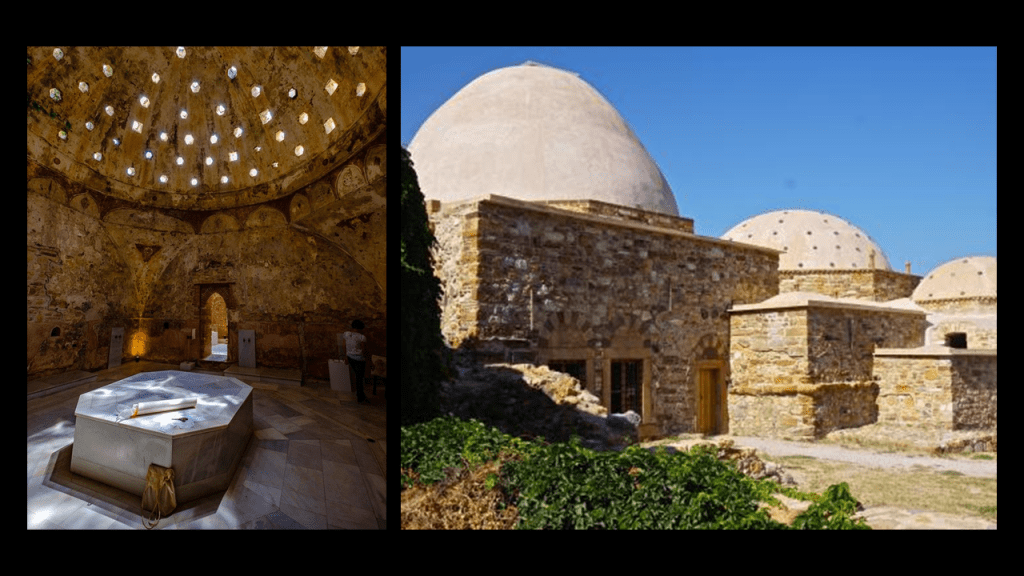
Not only that, there are Turkish, also known as Ottoman, baths at Chios Castle.
Just north of Chios Town is the town of Vrontados…
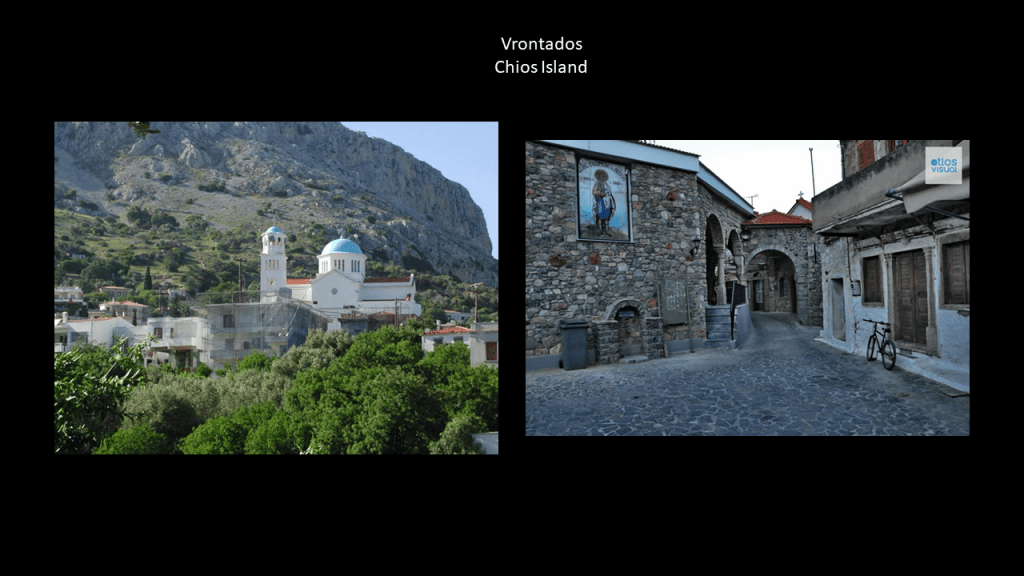
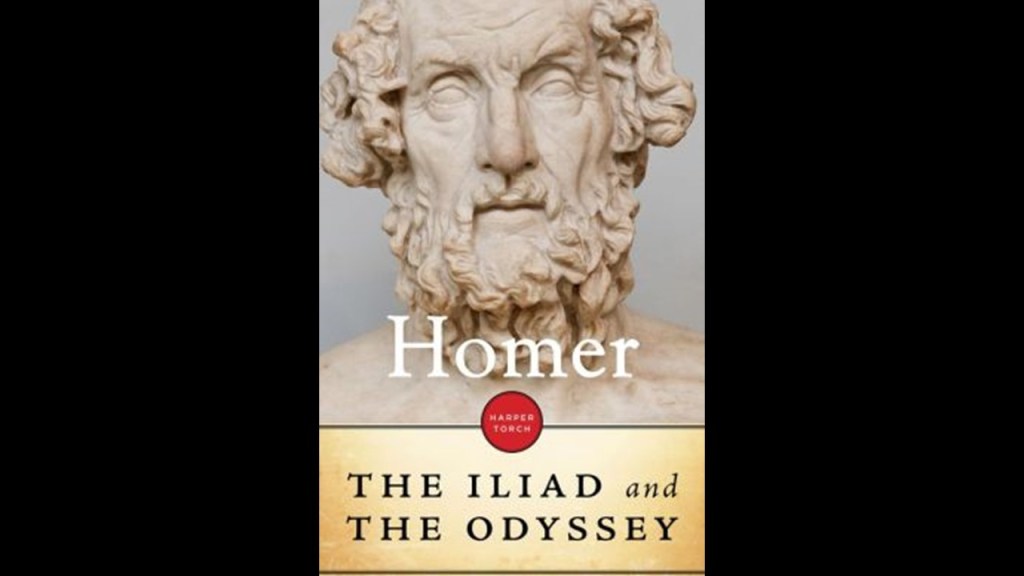
…which claims to be the birthplace of Homer, the blind poet of ancient Greece best known for the epic poems of the Iliad, about the Trojan War, and the Odyssey, about Odysseus’ ten-year voyage trying to get back home after the Fall of Troy.
Pyrgi Village is south of Chios, known for the decoration of its houses…
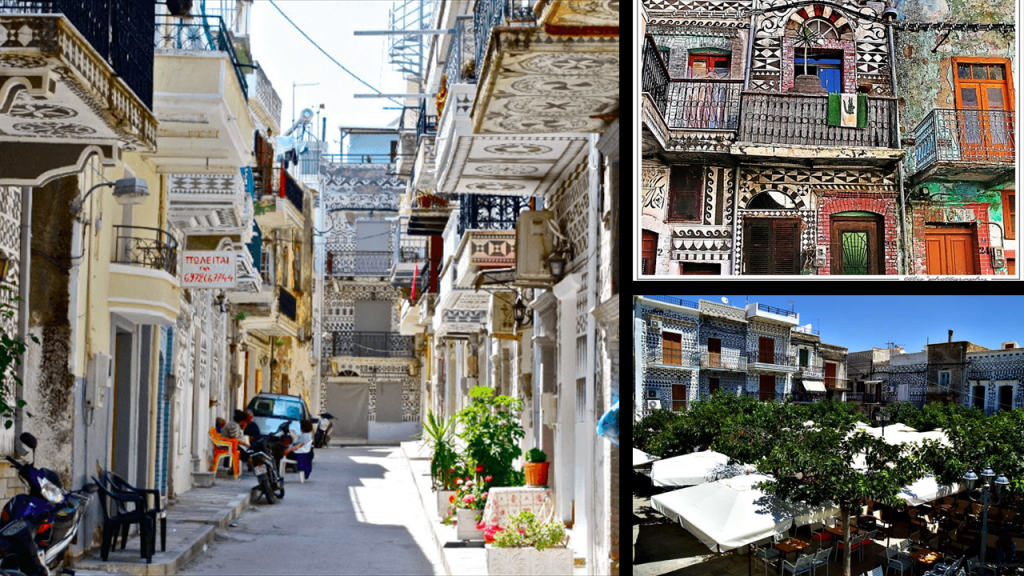
…and as being the traditional seat of the Mastic Villages, where the residents engage in mastic agriculture, farming the resin of the mastic tree, used as a chewing gum, treatment for things like digestive problems, and for making a liqueur and oil.
As of 2018, there were twenty-four Mastic Villages on the island of Chios dedicated to the cultivation and production of mastic.
From the island of Chios, the alignment crosses the Aegean Sea to the island of Euboea, which is administered as part of Central Greece.
Euboea is the second-largest Greek island, after Crete, and separated from Boeotia in mainland Greece by the narrow Euripus Strait.
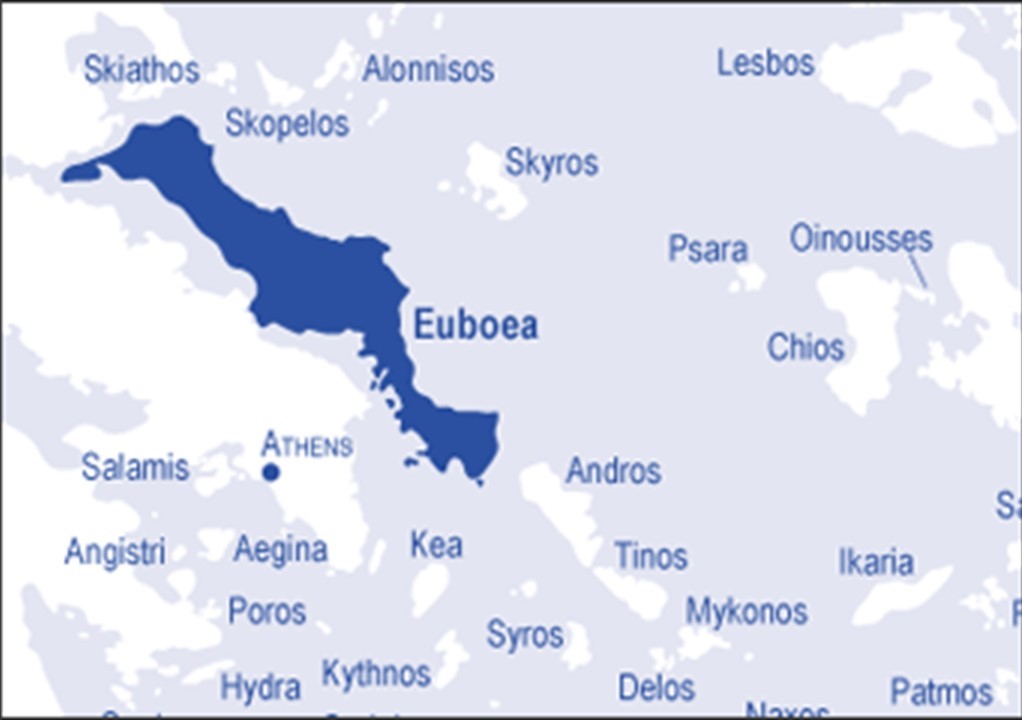
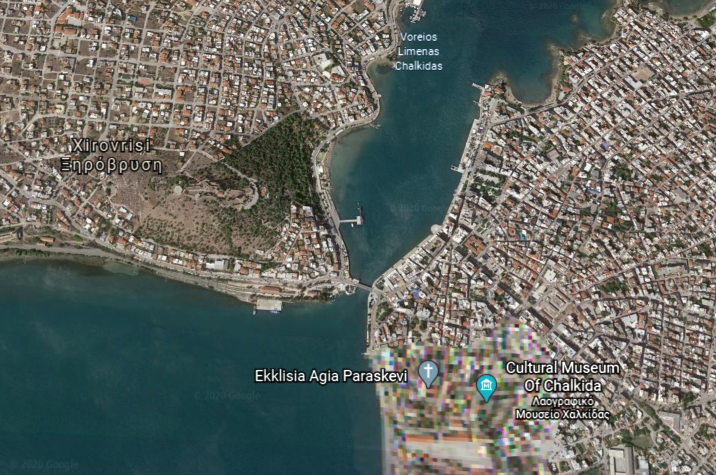
Euboea’s main city of Chalcis is situated around the narrowest point of the Euripus Strait.
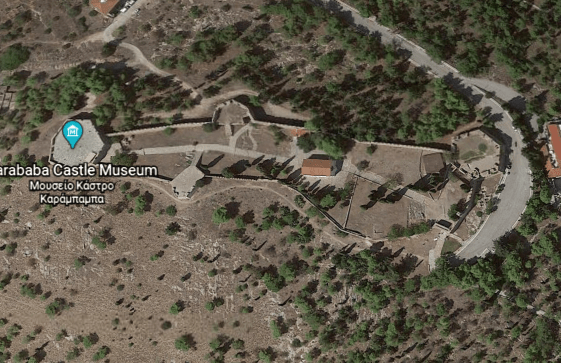
The Karababa Castle is situated on a hilltop right next to this narrow point, and said to have been built by the Ottoman Turks in 1684 to protect the city from Venetians.
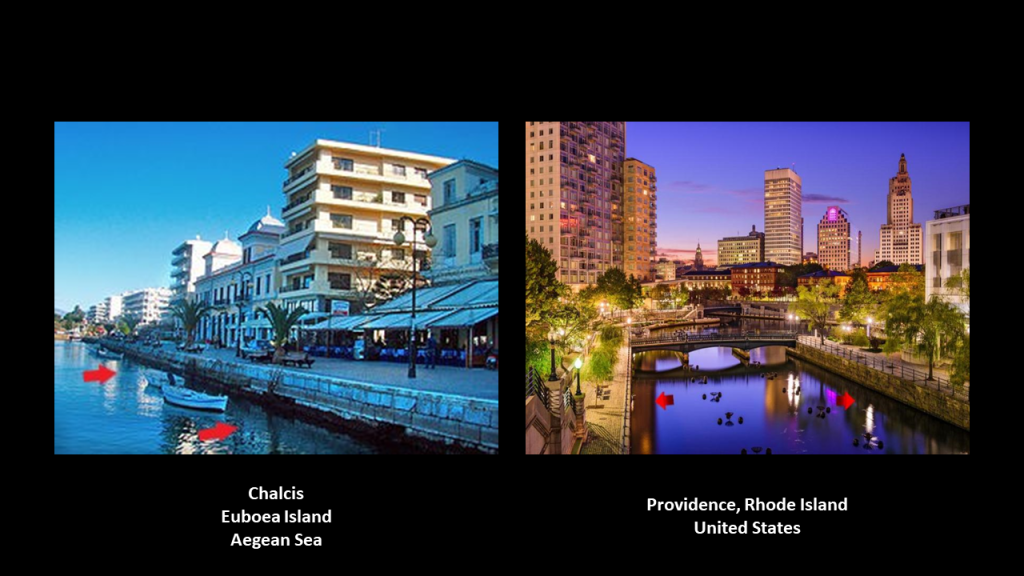
And this is the waterfront of Chalcis, with its masonry banks on the left, compared with the masonry banks of the Providence River in Providence, Rhode Island, on the right.
At one time, the island of Euboea was known by another name…Negroponte…
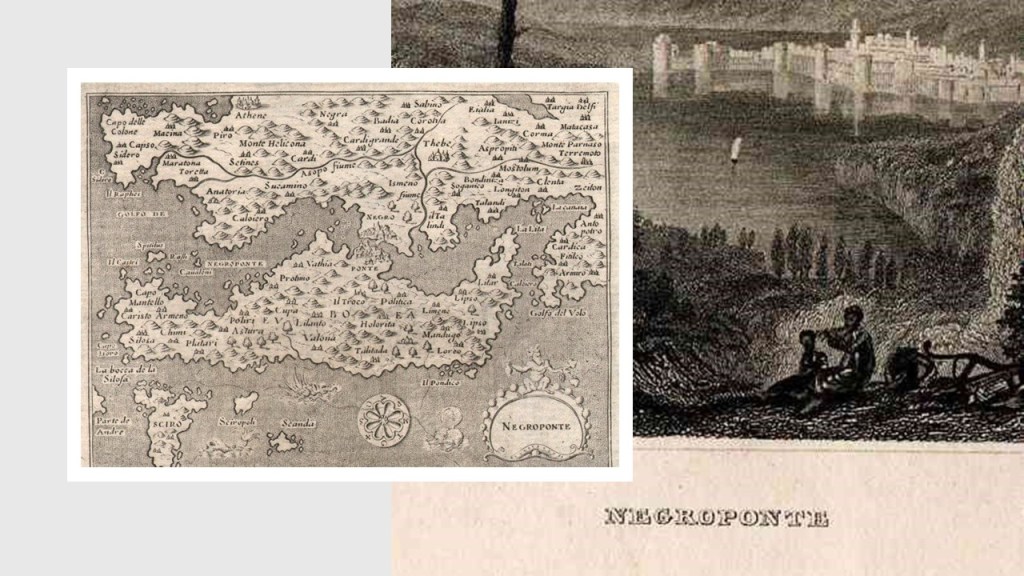
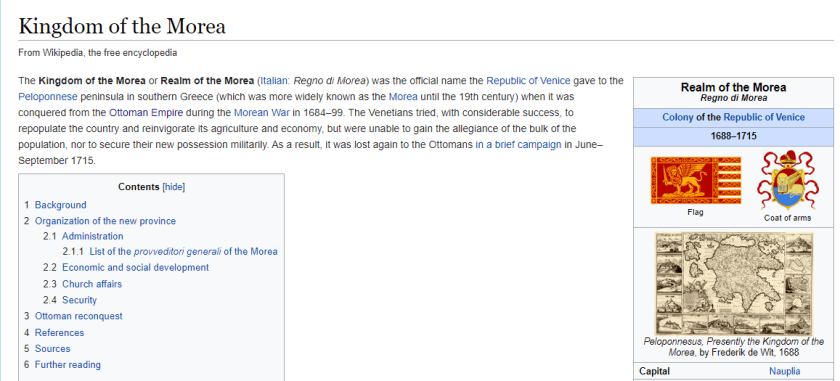
…and part of what was known as the Kingdom, or Realm, of the Morea.
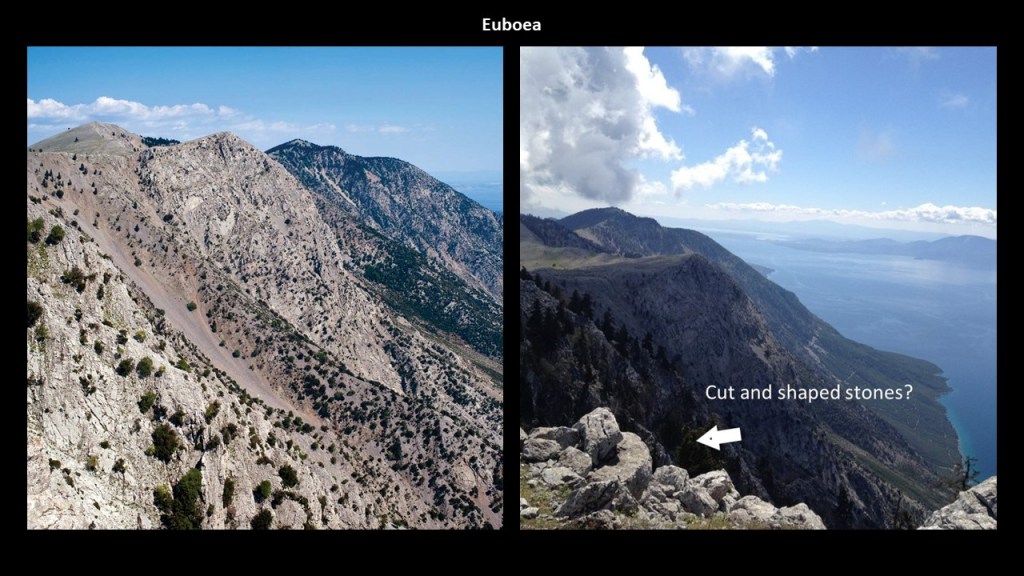
The island of Euboea is long and narrow, with a mountain range, we are told, traversing the length of it.
The island of Skyros is a regional unit of Euboea, and is the southernmost of the Sporades Islands.
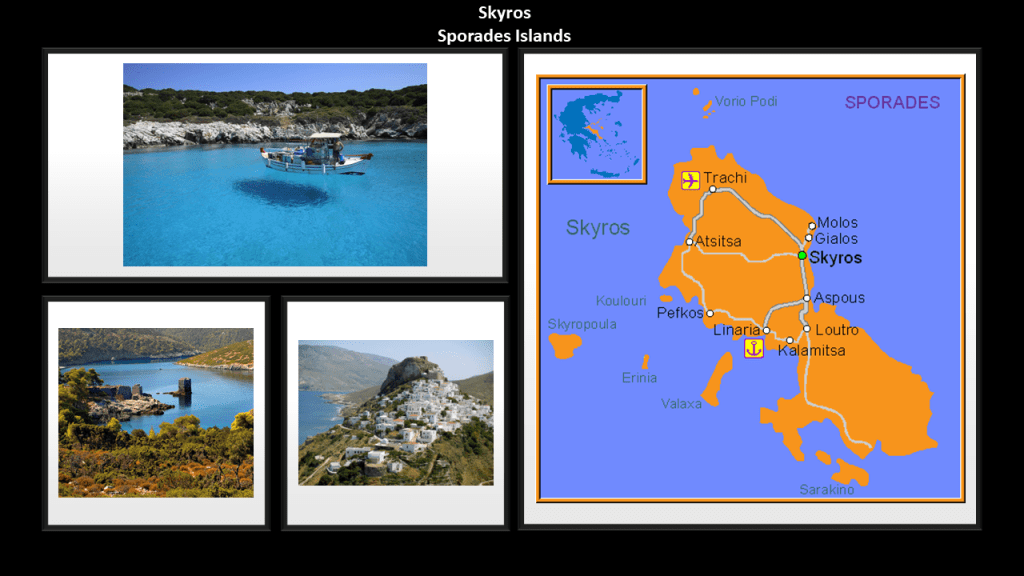
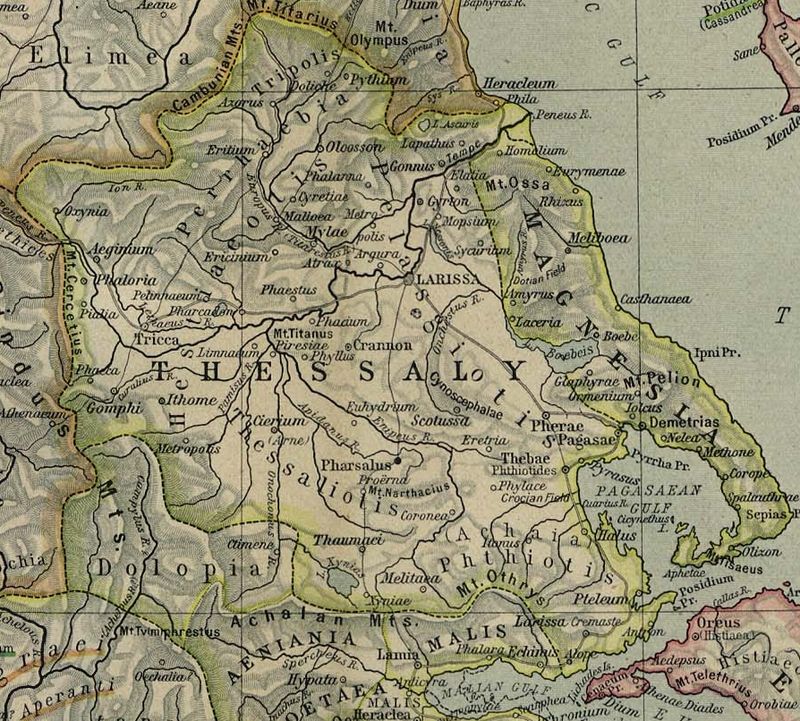
Around 2,000 BC, we are told, Skyros was known as the Island of the Magnetes, identifying their homeland in Thessaly, in a part that is still known as Magnesia.
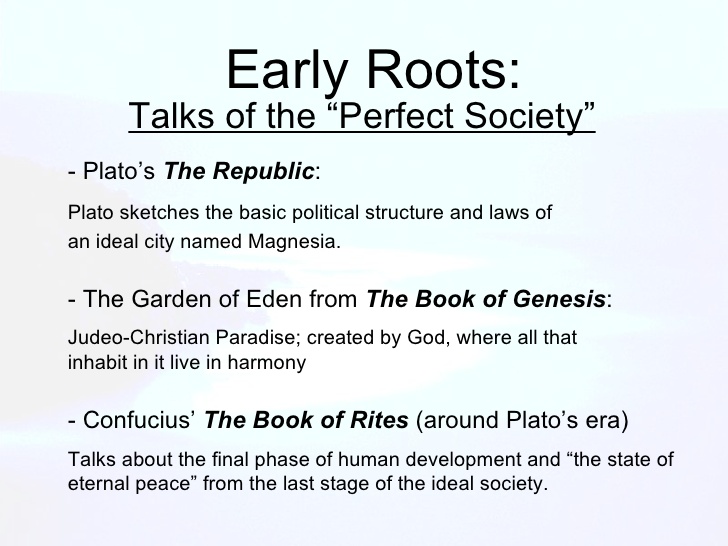
Well, that information caught my attention because awhile back I remembered reading something about Plato describing Magnesia in “The Republic” as an ideal city and society living in harmony.
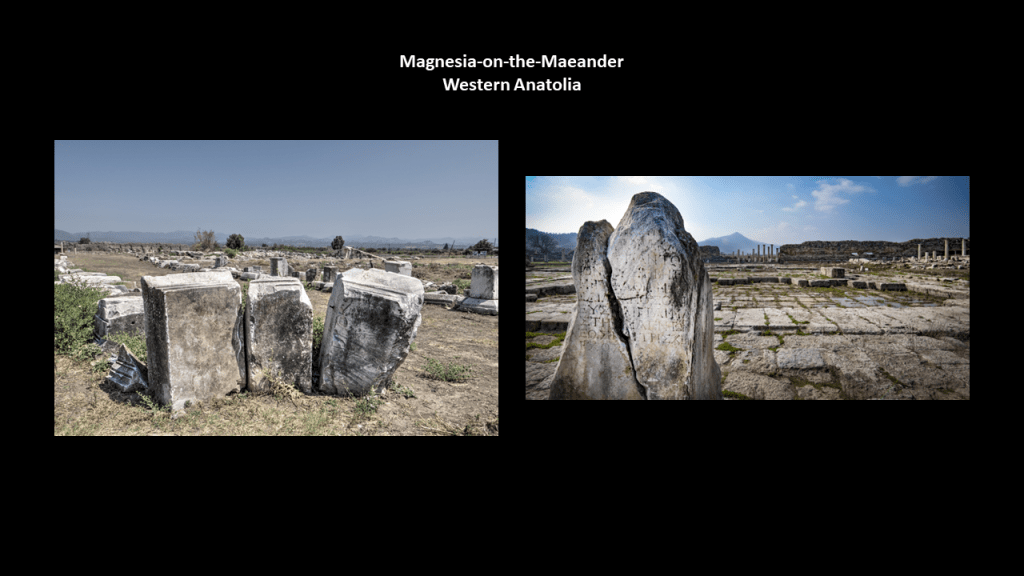
There were two prosperous cities in western Anatolia with the name of Magnesia. They were Magnesia-on-the-Maeander…
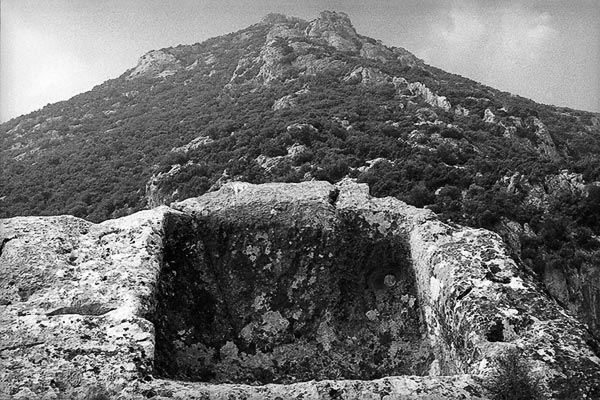
…and Magnesia ad Sipylum.
Given that I believe the original ancient advanced Moorish civilization lived in peace, balance, and harmony with each other and the heavens, I find that the information that Plato gives us that described Magnesia as an ideal society really resonates with me as actually having existed at one time, and wasn’t just a fictional, idealized society as we we have been taught to believe, and instead teaching us that the world was full of discord, division and war, and that Earth’s original history just somehow unfolded randomly all over the world.
I hope I have provided enough information in this post to show you why I believe that Humanity was very advanced and connected at one time, and have given you other possibilities to consider with regards to what our True History might have been, and how and why it has been hidden from us so we would never know anything about it.


 Revealing What Has Been Hidden in Front of Our Eyes