
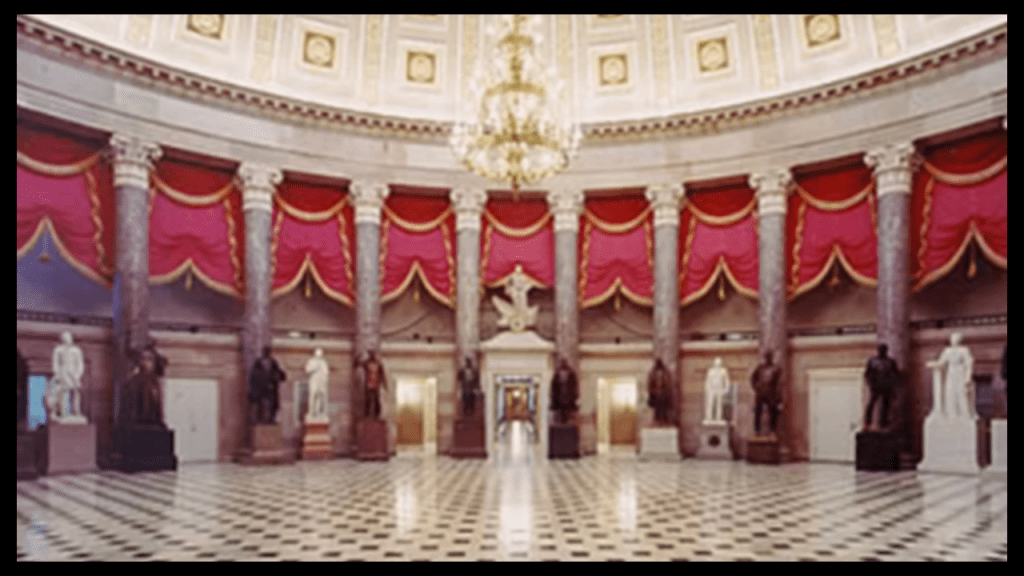
I have been working my way through who is represented in the National Statuary Hall at the U. S. Capitol Building in Washington, DC.
There are two statues representing each state, and I am currently about half-way through the 50-states.
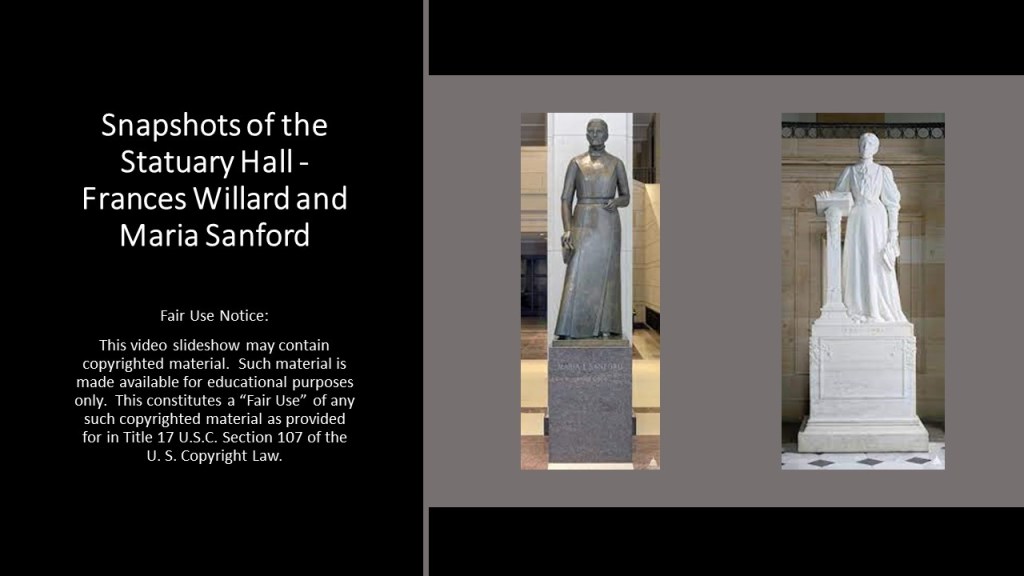
As a way to highlight what I am finding out in the process of doing this research, I am bringing forward unlikely pairs of historical figures represented in the Statuary Hall who have things in common with each other in this separate series called “Snapshots from the National Statuary Hall,” and in this post I am pairing two ladies, Frances Willard and Maria Sanford.
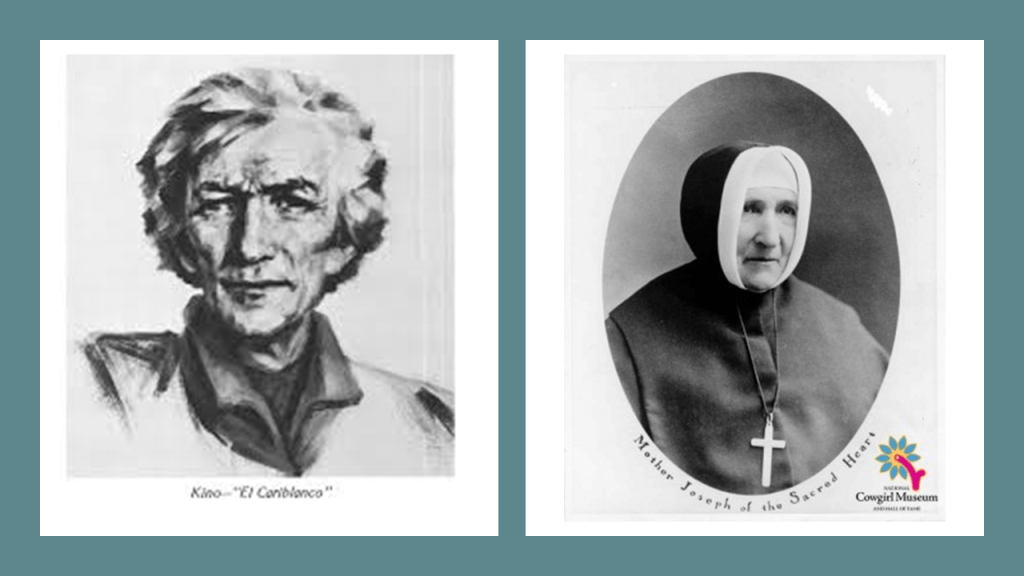
The only reason my attention was drawn here in the first place was because I encountered two historical figures in other research who are represented in the National Statuary Hall – Father Eusebio Kino, a Jesuit Missionary and Cattle rancher, for Arizona, and Mother Joseph Pariseau, a Catholic sister and self-taught architect, for Washington State.
Seeing these two little-known, and on the unusual-side, historical figures represented there got me to wondering who else was chosen by their State to be represented there and what else could possibly be going on here.
Not only am I finding much in common between the pairs featured in each of the nine- installments of the “Snaptshots of the Statuary Hall” series, I am finding, regardless of fame or obscurity, that the National Statuary Hall functions more-or-less as a “Who’s Who” for the New World Order and its Agenda.
I have paired people like Michigan’s Gerald Ford, a former President of the United States, and Mississippi’s Jefferson Davis, the former President of the Confederate States of America, and both men featured on the cover of the “Knight Templar” Magazine; Dr. Norman Borlaug, Ph.D, often called the “Father of the Green Revolution; and Colorado’s Dr. Florence R. Sabin, M.D, a pioneer for women in science, both of whom worked for the Rockefeller Foundations; and Louisiana’s controversial Socialist Governor, Huey P. Long, and Alabama’s Helen Keller, a deaf-blind woman who gained prominence as an author, lecturer, Socialist activist.
As I mentioned, I am pairing two ladies in this post.
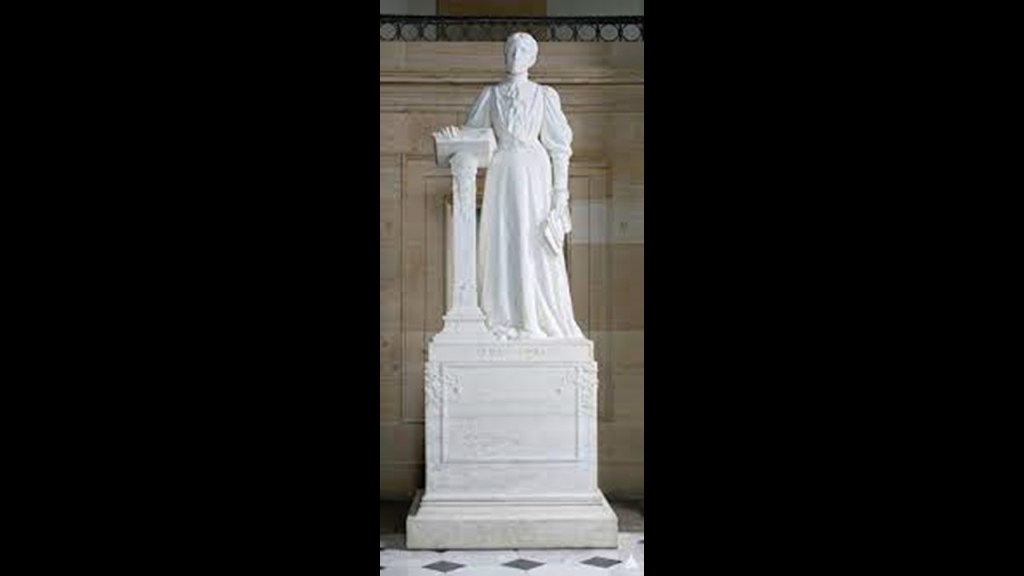
Frances Willard represents the State of llinois, and Maria Sanford represents Minnesota.
First, Frances Willard.
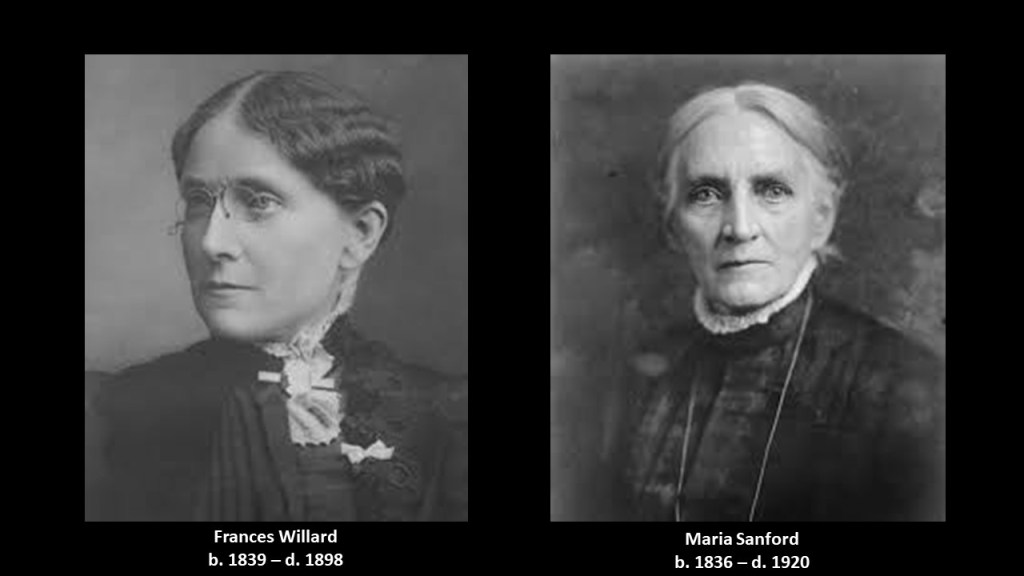
Frances Willard was an American educator, temperance reformer, and women’s suffragist.
Frances was born in 1839 in Churchville, New York, near Rochester, to Josiah Flint Willard, a farmer, naturalist, legislator & businessman, and Mary Willard.
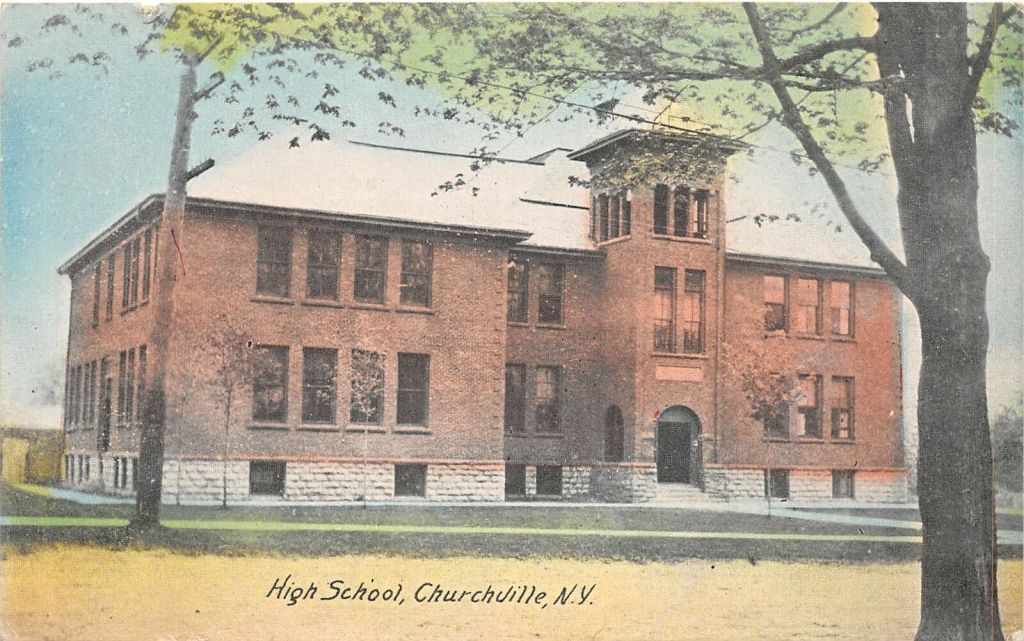
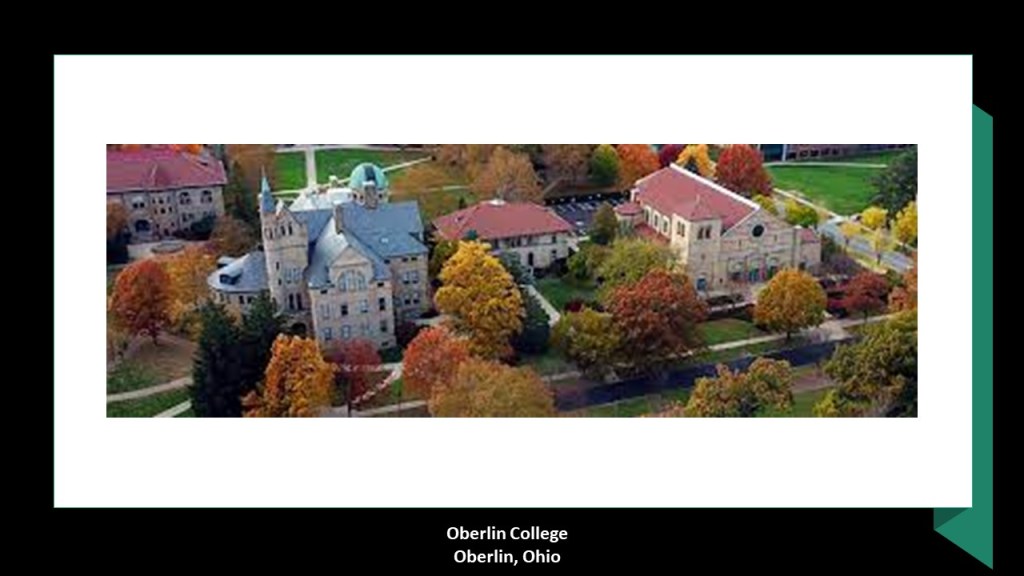
The family moved to Oberlin, Ohio, in 1841, where her parents took classes at Oberlin College.
Oberlin College was established in 1833, and is the oldest coeducational liberal arts college in the United States, and the second-oldest in the world.
Then in 1846, the family moved to Janesville, Wisconsin, for the given reason of her father Josiah’s health.
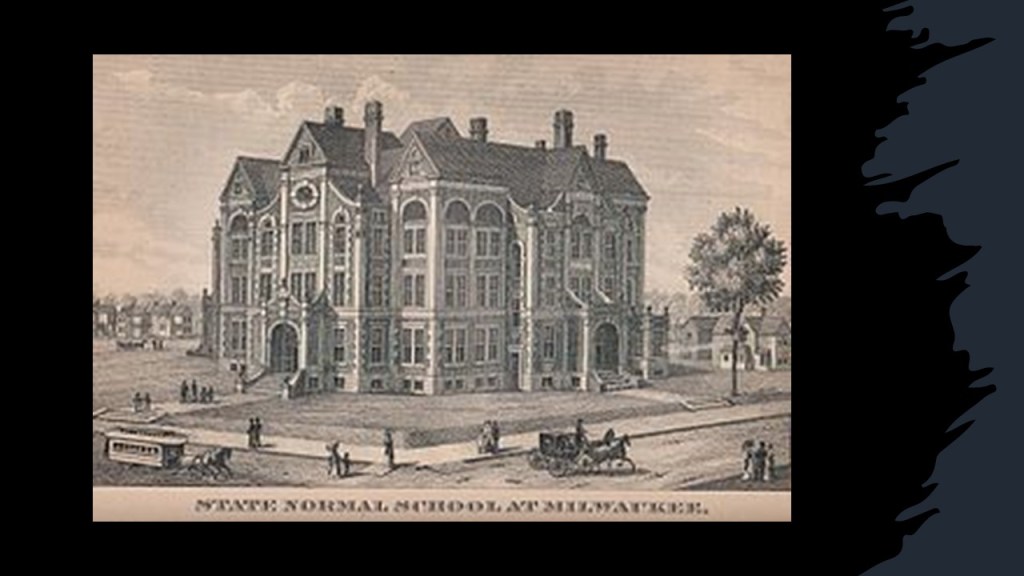
There, Frances and her sister Mary were said to have attended the Milwaukee Normal School, where their mother’s sister taught.
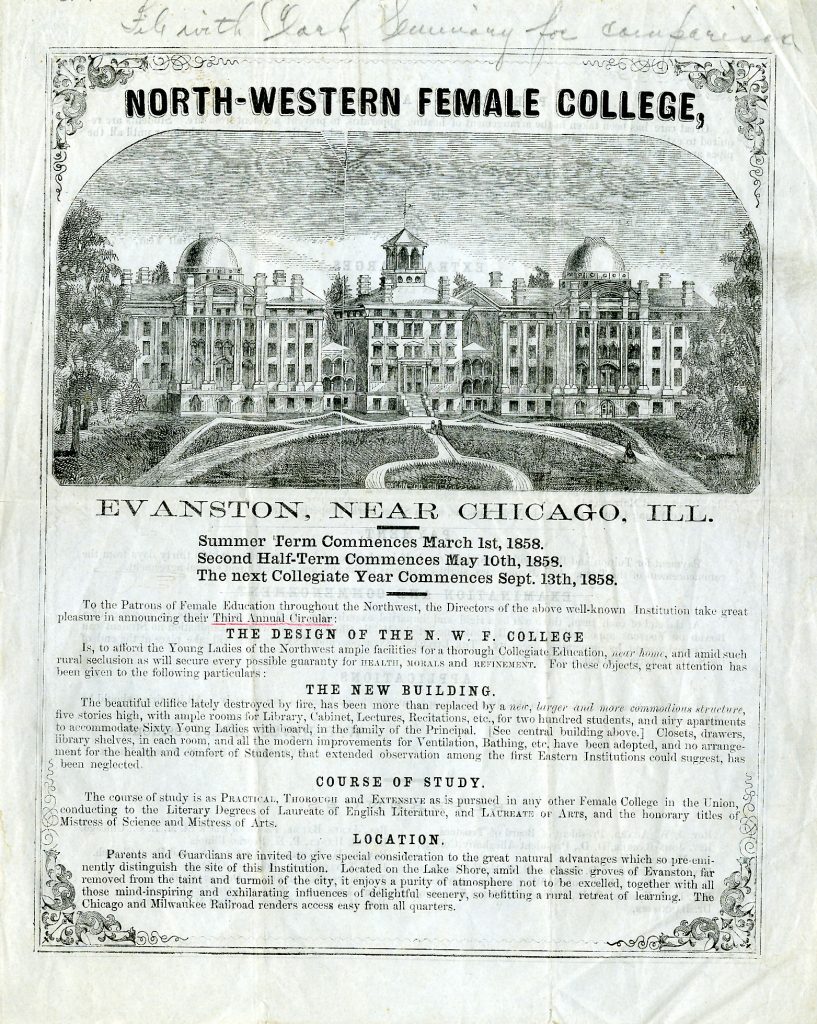
The Willard Family moved to Evanston, Illinois, in 1858, where Josiah Willard became a banker.
Frances and her sister Mary attended the North Western Female College there.
Their brother Oliver attended seminary at the Garrett Biblical Institute in Evanston.
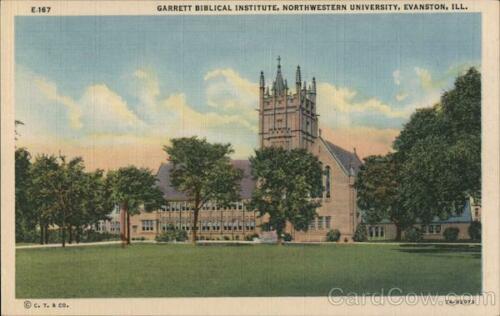
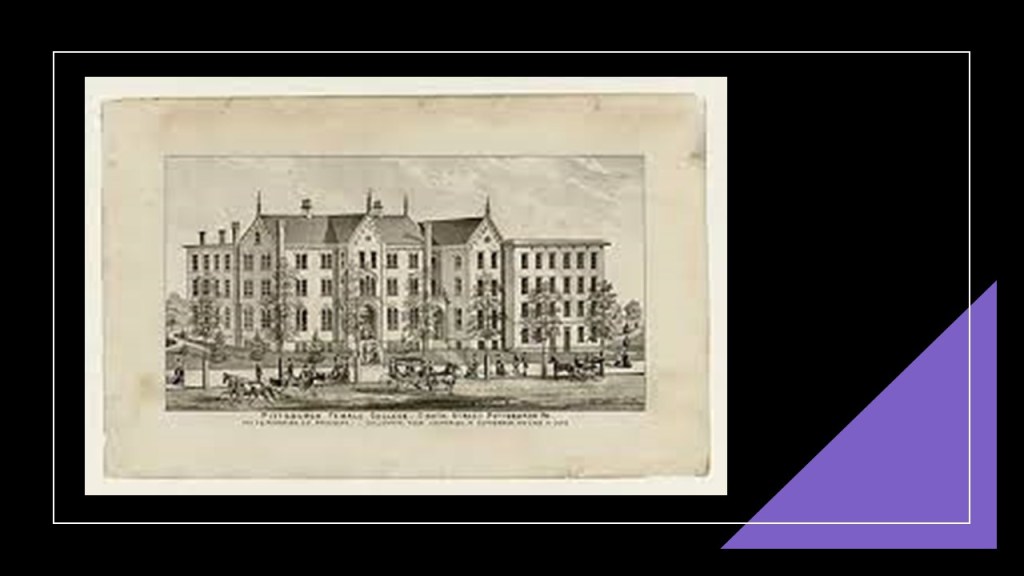
After Frances Willard graduated from the North Western Female College, she worked at the Pittsburgh Female College…
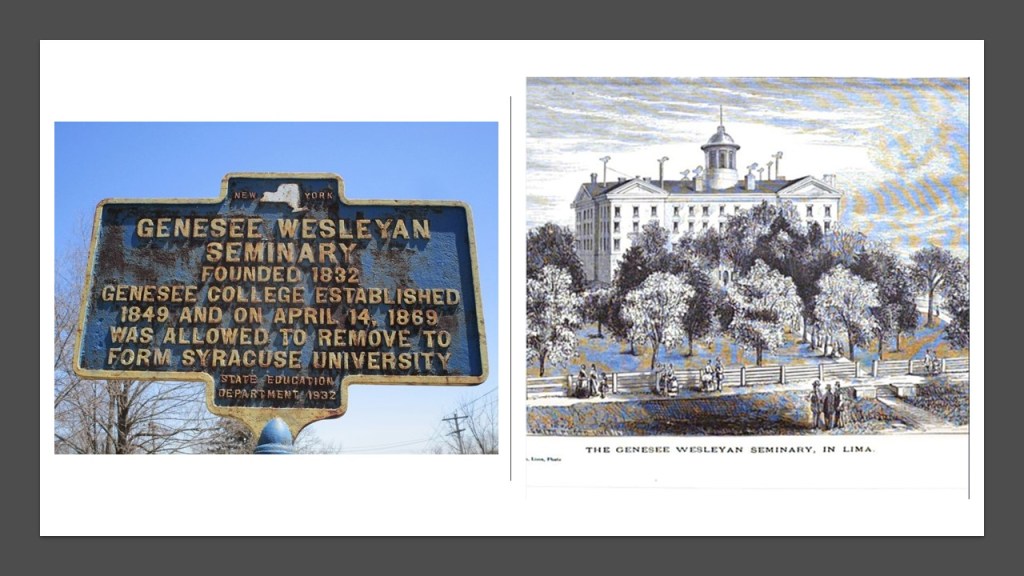
…and also at the Genessee Wesleyan Seminary in New York, which later became Syracuse University.
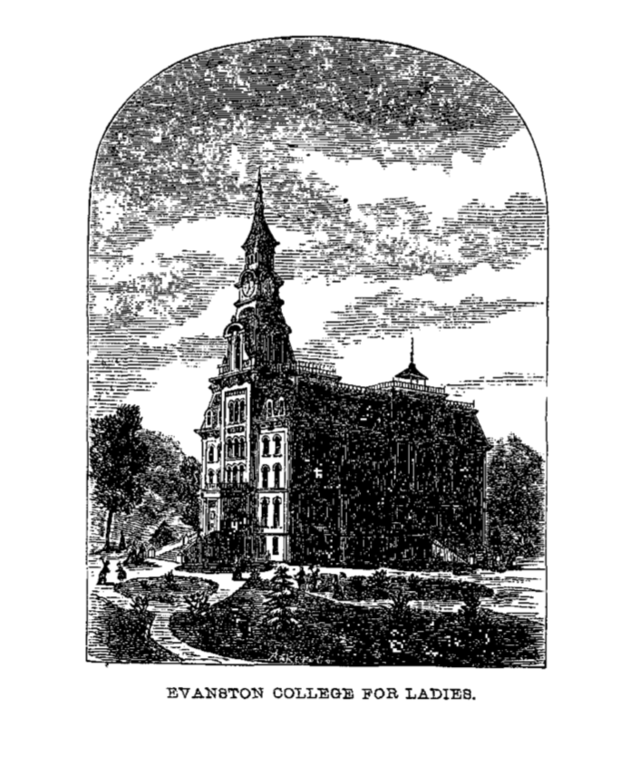
Then in 1871, she was appointed as President of the newly-founded Evanston College for Ladies.
In 1873, she was named as the first Dean of Women when the same school became the Woman’s College of Northwestern University.
This position didn’t last long for her over confrontations in 1874 with the University’ President, Charles Henry Fowler, who had been her fiance.
After this happened, she focused her career energies into the Women’s Temperance Movement, and she was involved in the founding of the Women’s Christian Temperance Union (WCTU), also in 1874, and was elected the first Corresponding Secretary.

The WCTU was among the first organizations of women devoted to social reform, playing an influential role in the Temperance Movement, supporting the 18th Amendment to the Constitution that established Prohibition, and influential in other social reform issues of the Progressive Era.
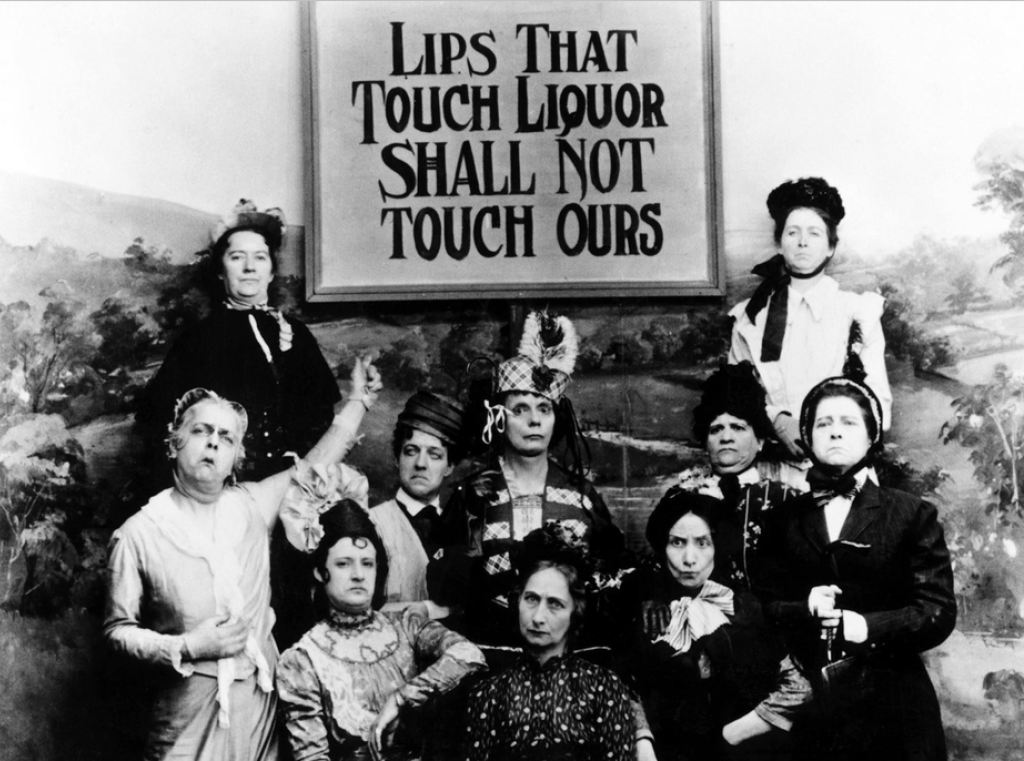
She was elected President of the National WCTU in 1879, and held this post until her death in 1898.
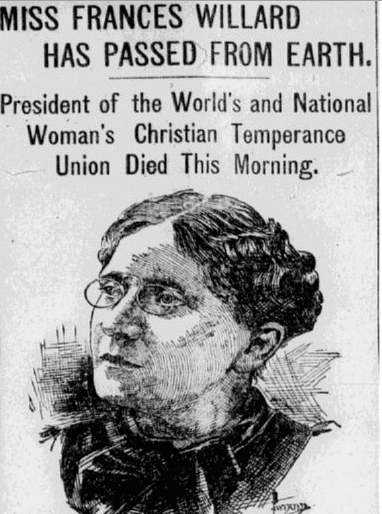
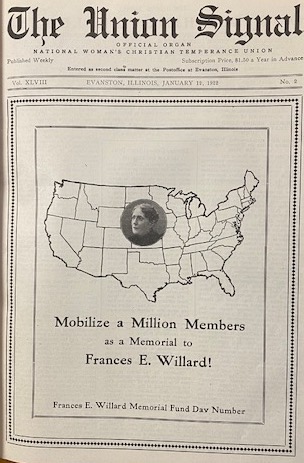
Frances Willard was also editor of the organization’s weekly newspaper, “The Union Signal” from 1892 to 1898.
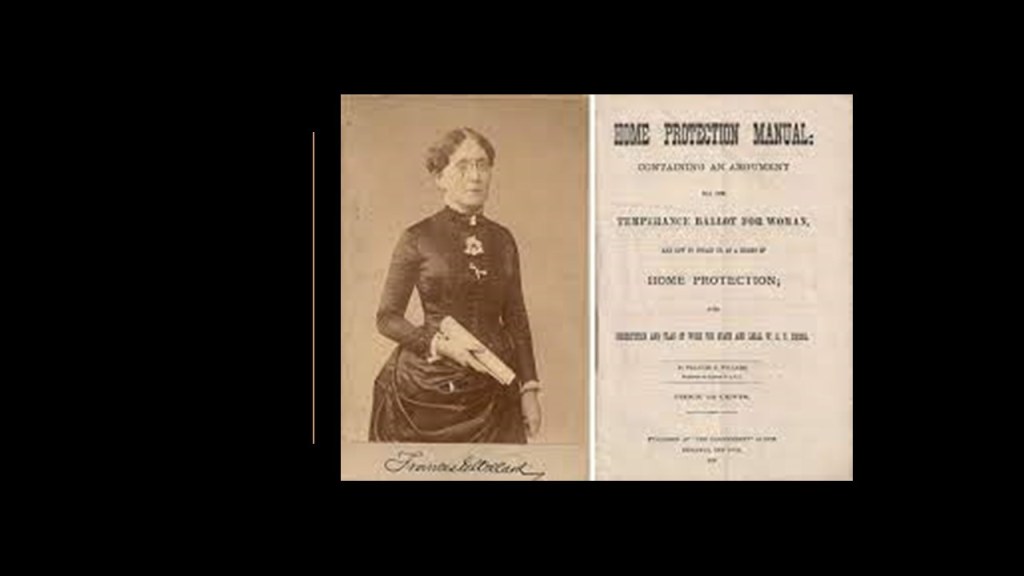
Willard argued for the right for women to vote, based on “Home Protection,” as President of the WCTU, as a part of which she argued that having the right to vote gave women a means of protection in and outside of the home against violent acts caused by intoxicated men.
Frances Willard founded the World WCTU in 1888 and became its first President in 1893.
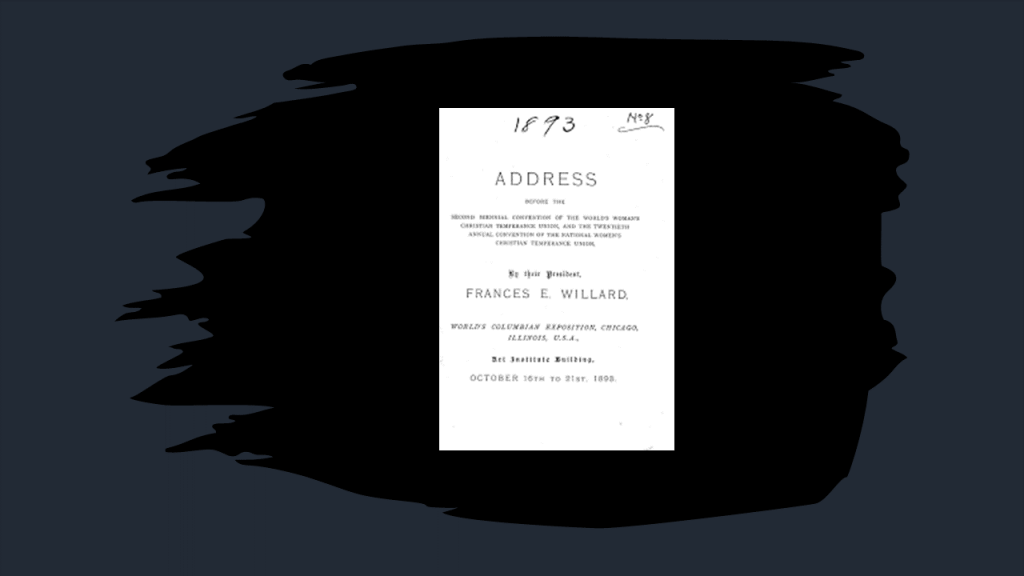
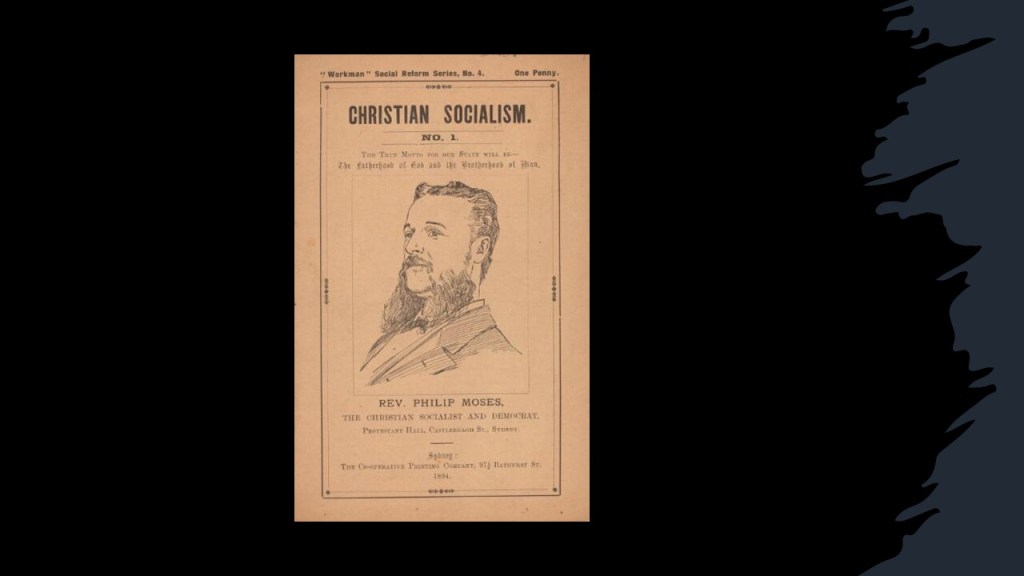
After 1893, Willard became a committed Christian Socialist, having been influenced by the Fabian Society in Great Britain.
The Fabian Society was a British Socialist organization whose purpose was to advance the principles of Democratic Socialism rather than by revolutionary overthrow.

Christian Socialism was established as a religious and social philosophy that blended Christianity and socialism, advocating for left-wing politics and socialist economics from a Biblical perspective.
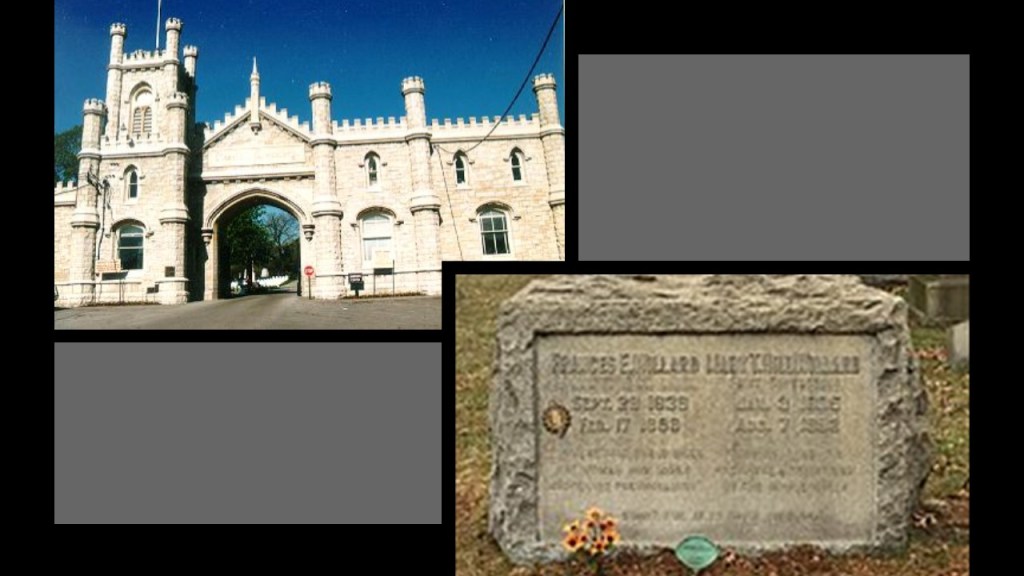
Frances Willard died in her sleep from influenza on February 17th of 1898 where she was staying at the Empire Hotel in New York City just prior to leaving for a European tour…

…and was buried in the Rose Hill Cemetery in Chicago, Illinois.
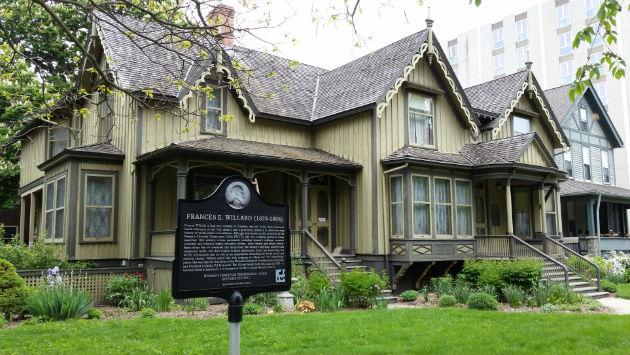
She bequeathed her home in Evanston to the WCTU, and it became her museum and the headquarters for the organization in 1900.
There are a couple things that stand out for me in Frances Willard’s life story.
One is her affiliation with something called “Christian Socialism,” which apparently was based on an organization that was modelled after a British Socialist organization whose stated purpose was to advance the principles of Democratic Socialism rather than by revolutionary overthrow.
So, it sounds like they were finding another way to advance the cause of socialism and communism around the world through the establishment of democratically-run socialist governments, versus by means of the violent overthrow of an existing government.
In other words, they decided to achieve the same outcome of overthrowing the existing government and economic system by vastly different means from straight-out revolutionary overthrow.

Another thing that I would like to point out is that I find the whole Temperance Movement to be extremely interesting from a social stand-point of those times
On the one hand, the Temperance Movement was called a social movement against the consumption of alcohol, and typically criticized alcohol consumption and emphasized alcohol’s negative effects on people’s health, personalities, and lives, and demanded the complete prohibition of it.
Notice how similar the Temperance Movement cartoon entitled “The Drunkard’s Progress” is on the left to the illustration of “The Steps of Masonry” on the right.
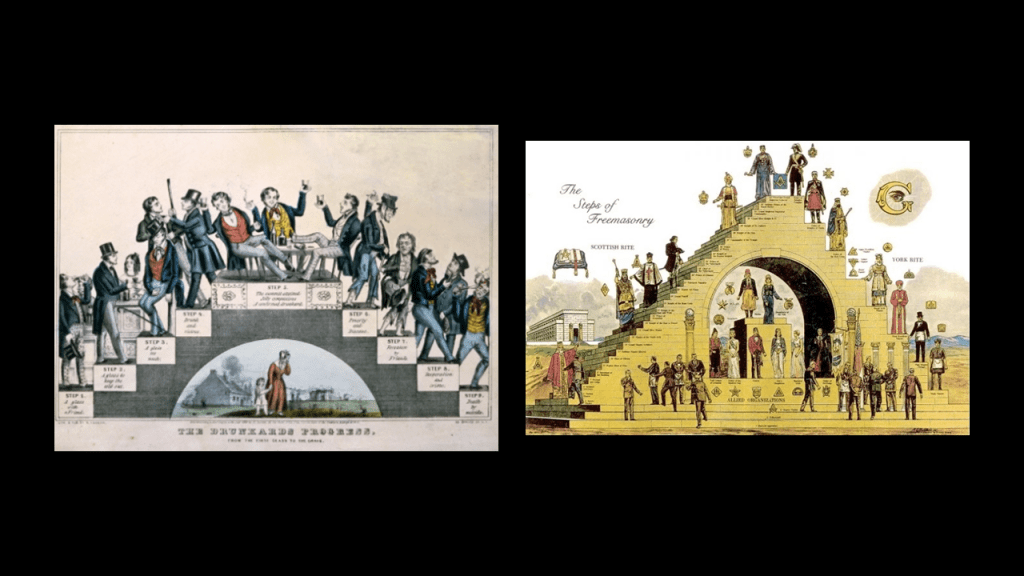
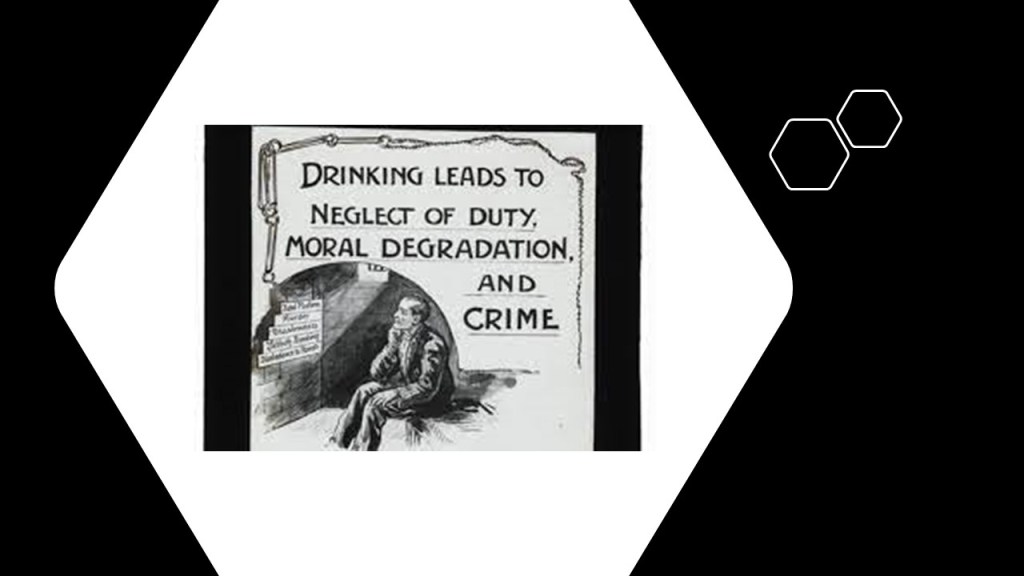
On the other hand, the alcoholic beverage industry was becoming well- established during this time period between 1830 and 1900, creating the juxtaposition of a culture that encouraged the profuse consumption of alcohol, and at the same time there was a counterforce within that same culture that not only criticized alcohol consumption, but that got involved in “charitable institutions” with stated missions of guiding the poor out of the impoverishment and crime coming from the problem of drinking too much alcohol.
There has been an abundant supply of beer and hard liquor, starting at least as early as the late 18th-century, with people like John Molson in Montreal, whose business quickly grew into one of the larger ones in Lower Canada between 1788 and 1800, having sold 30,000 gallons, or 113,500-liters, of beer by 1791.
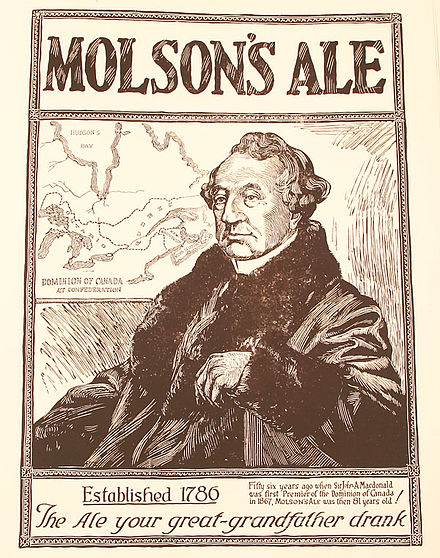
John Molson was also appointed the Provincial Grand Master of the District Freemasonic Lodge of Montreal by the Duke of Sussex in 1826, a position he held for five years before resigning in 1831.
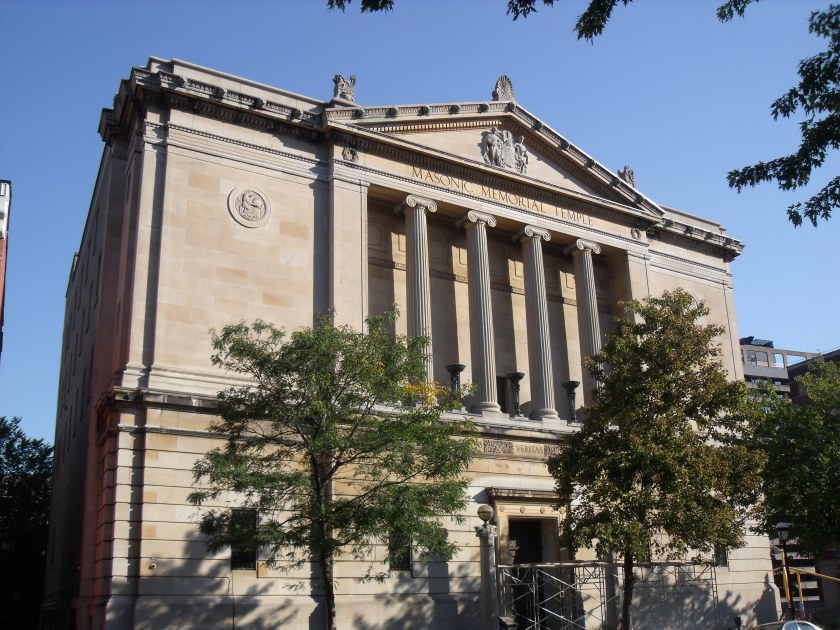
Here is one of countless examples of the ubiquitous brewing business in Jamaica Plain in Boston alone.
Jamaica Plain was the home to most of Boston’s thirty-one breweries prior to the outlawing of alcoholic beverages during the Prohibition Era starting in 1920.
The reasons given for the high number of breweries were: 1) the quality of the water from the local aquifer; 2) the cheap cost of land in the area after merging with Boston in 1868; and 3) the influx of German and Irish immigrants here with a taste for lager and ale.
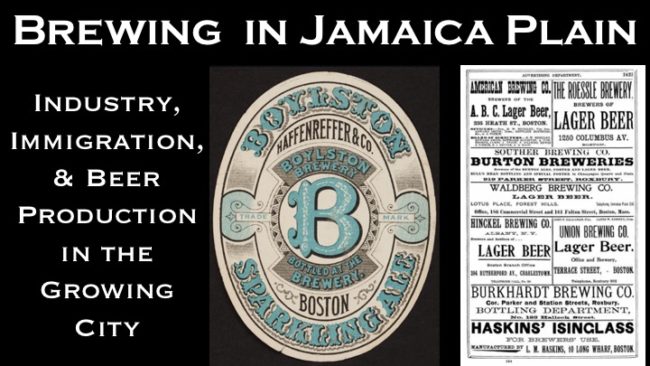
Yet, invariably the drinking problems have always been squarely placed on individuals and their addictions, instead of the never-ending supply produced by the alcoholic beverage industry.
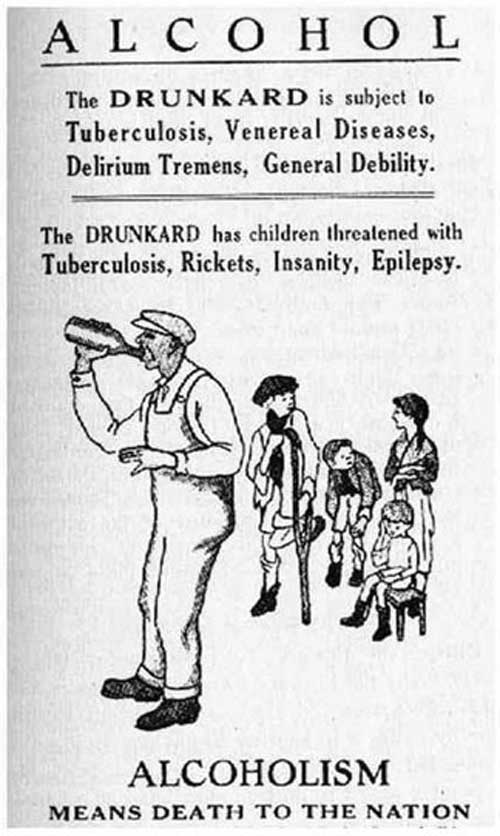
Heck, even “Alcoholics Anonymous” has a step reference, like “The Drunkard’s Progress” and “The Steps of Masonry,” with its “Twelve-Step Program.”

Next, I am going to take a look at Maria Sanford.
She represents Minnesota in the National Statuary Hall.
Maria Sanford was an American educator, and one of the first female professors in the United States.

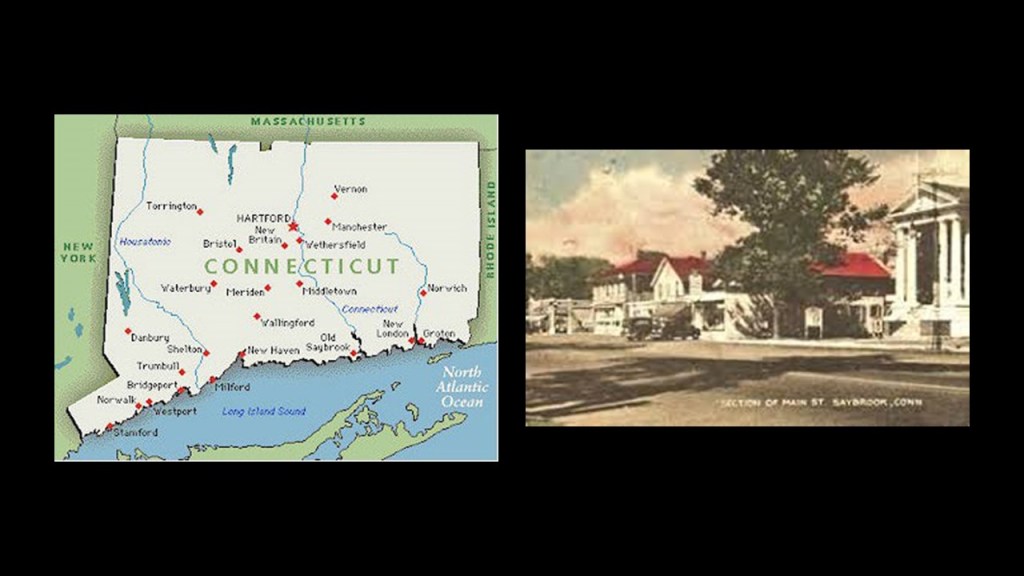
Maria Sanford was born in Saybrook, Connecticut, in December of 1836.
Old Saybrook is located where the Connecticut River meets Long Island Sound.
She received her education from the New Britain Normal School, the first training school for teachers in Connecticut, and the sixth in the United States.
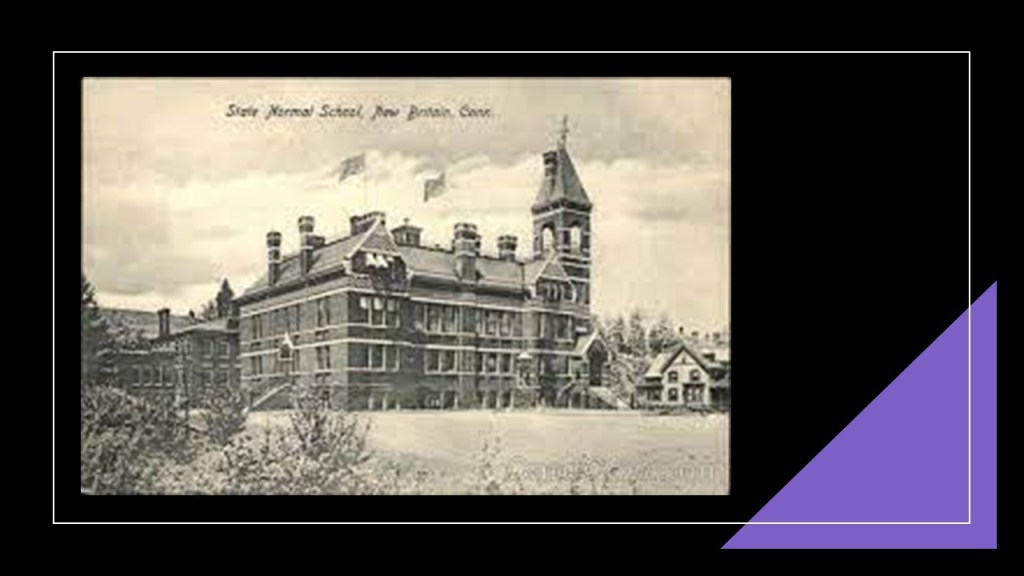
Today it is Central Connecticut State University.

After graduating from the New Britain Normal School with honors in 1855, she taught in various schools around Connecticut for the next twelve years.
She moved to Pennsylvania in 1867, and became a principal and superintendent of schools in Chester County.
Known as an innovator, she conducted regular meetings of teachers and demonstrated new teaching methods.
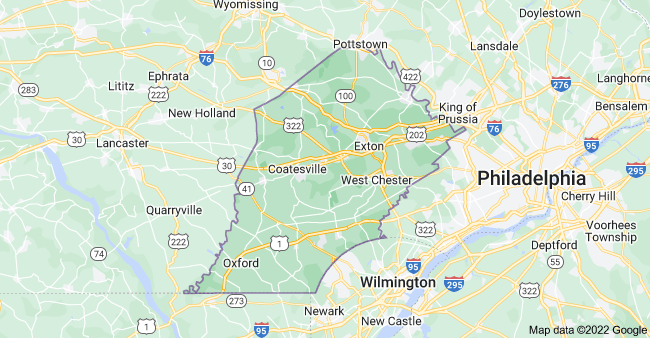
She became a Professor of History and English at Swarthmore College in Pennsylvania from 1871 to 1880.
Swarthmore College was founded by Quakers in 1864, which would have been one year before the end of the American Civil War, and the first classes offered in 1869.

Sanford was invited to become a Professor at the University of Minnesota by its President, Dr. William Watts Folwell, and she joined the faculty there in 1880 as a Professor of Rhetoric and Elocution, where she also lectured in literature and art history, a position she held until her retirement in 1909.
She was a leading voice outside of academia.
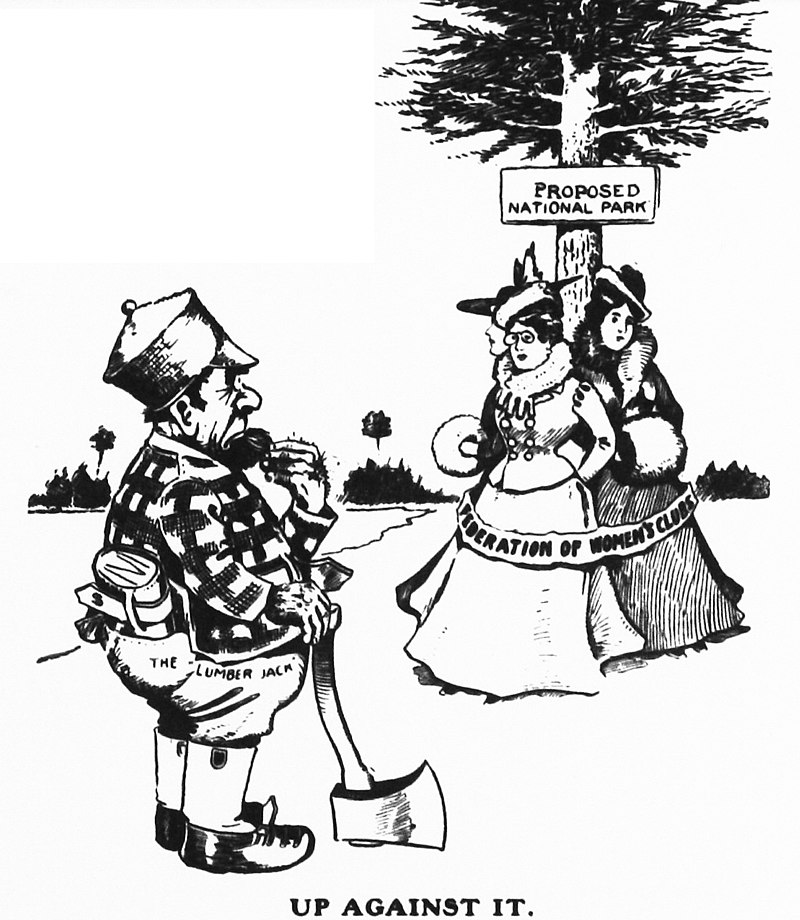
Among other things, she was an advocate for the conservation and beautification of Minnesota for the cause of the Chippewa National Forest from within the Minnesota Federation of Women’s Clubs, along with fellow clubwoman and forest conservationist Florence Bramhall…
Sanford reached out to her community and to the nation with the power of her speeches, travelling throughout the United States delivering more than 1,000 patriotic speeches.
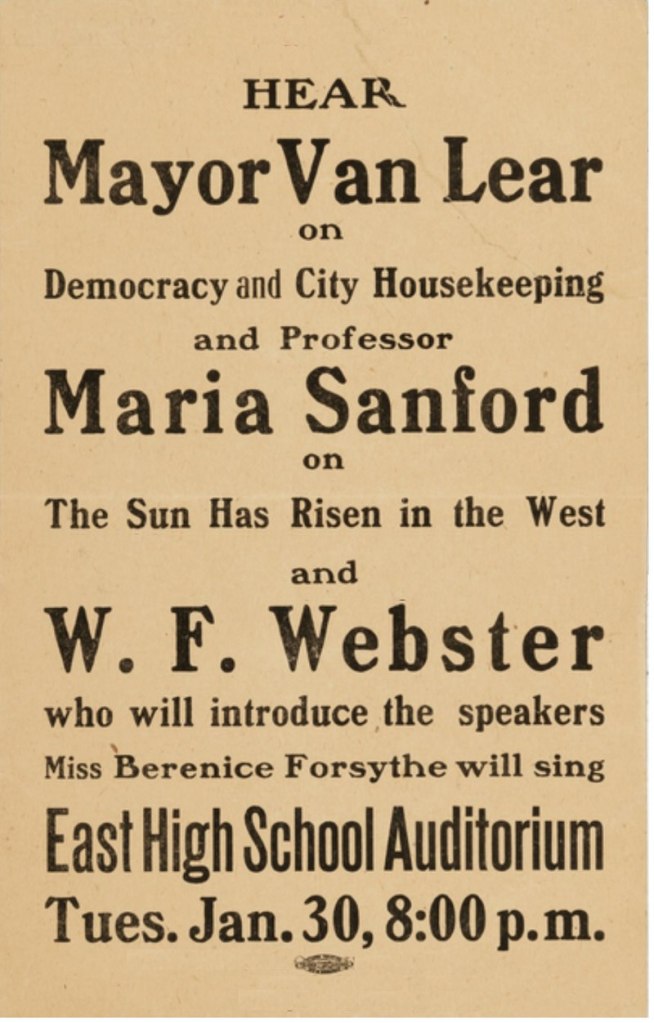
In 1917, she delivered a speech, along with the Mayor of Minneapolis at the time Thomas Van Lear, on good government and women’s suffrage.
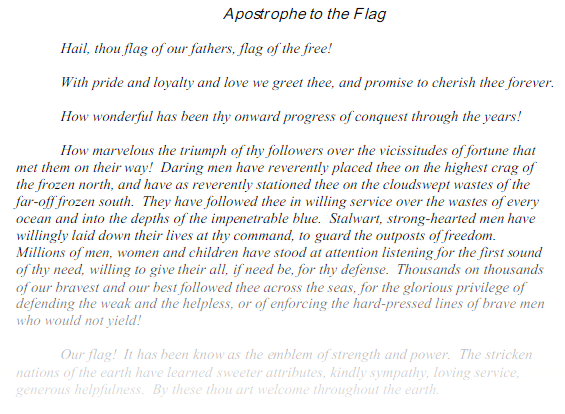
She delivered her most famous speech to the Daughters of the American Revolution Convention in April of 1920, entitled “An Apostrophe to the Flag.”
But not only did she give speeches, she took on a highly active role in the public sector, including, but not limited to, becoming the head director of Northwestern Hospital and serving as president of the Minneapolis Improvement League.
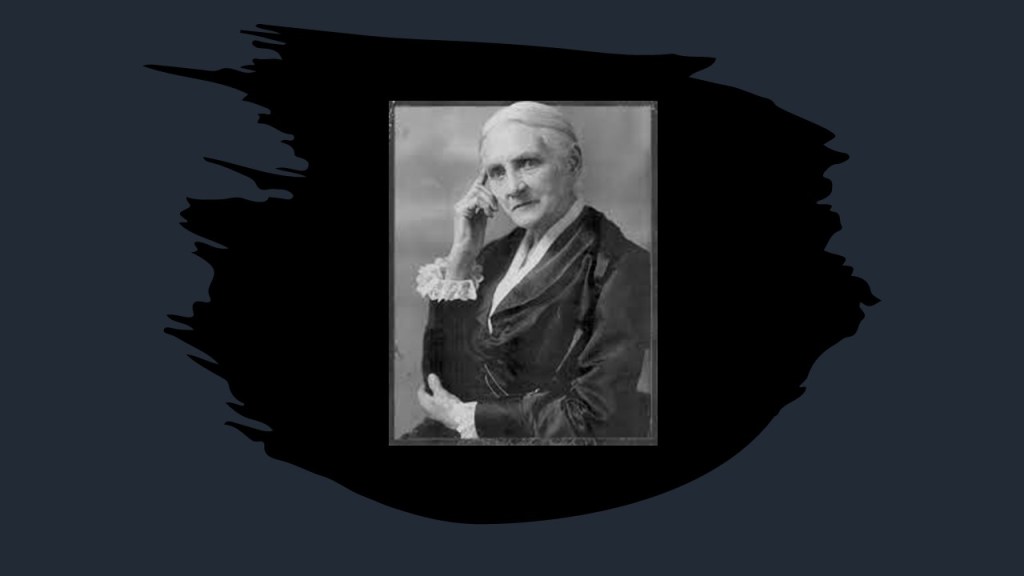
The University of Minnesota was said to have constructed Sanford Hall as a women’s dormitory in 1910 in honor of Maria Sanford.

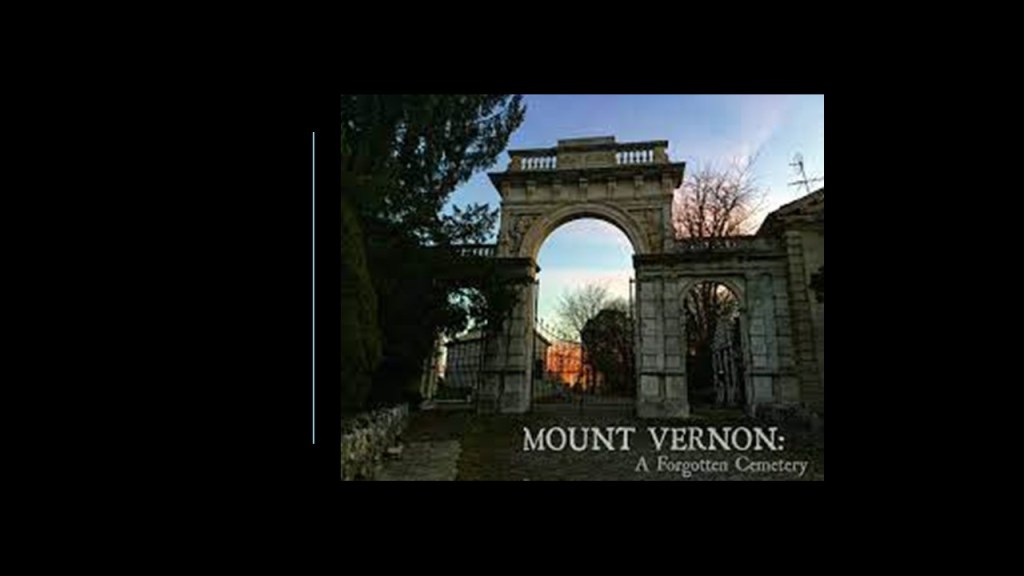
Maria Sanford died on April 21st of 1920 in Washington, DC, and was buried in Philadelphia’s Mount Vernon Cemetery.
We are told that for months after Sanford’s death, she was so beloved in Minnesota that gatherings in her memory were held at the University of Minnesota and her home church Como Congregational.

As mentioned at the beginning of this post, I am bringing forward unlikely pairs of historical figures who are represented in the National Statuary Hall who have things in common with each other.
For one, both women were very well-educated for their day, with both receiving an advanced education, with Frances Willard attending the Milwaukee Normal School & the North Western Female College, and Maria Sanford attending New Britain Normal School, the first training school for teachers in Connecticut.
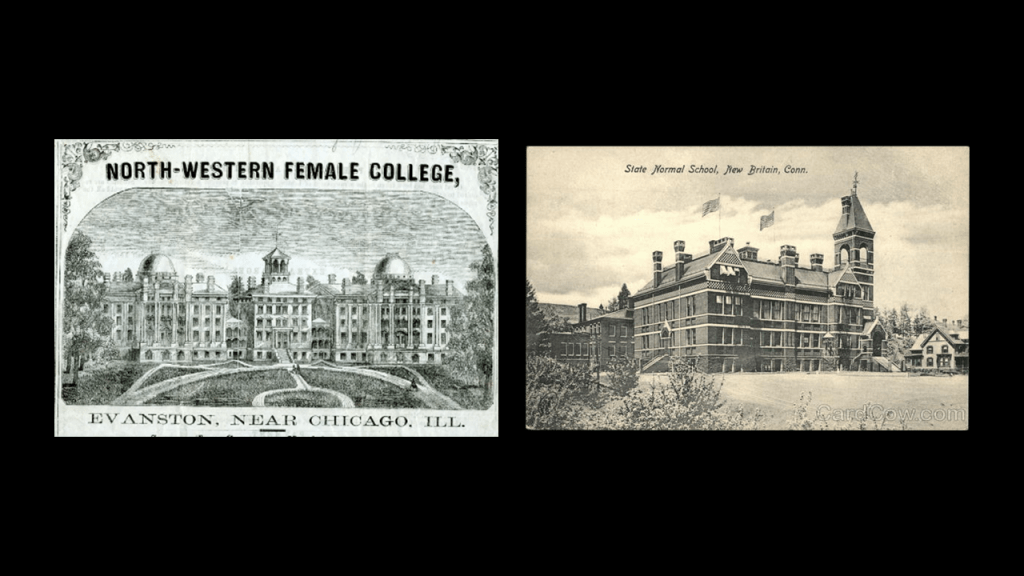
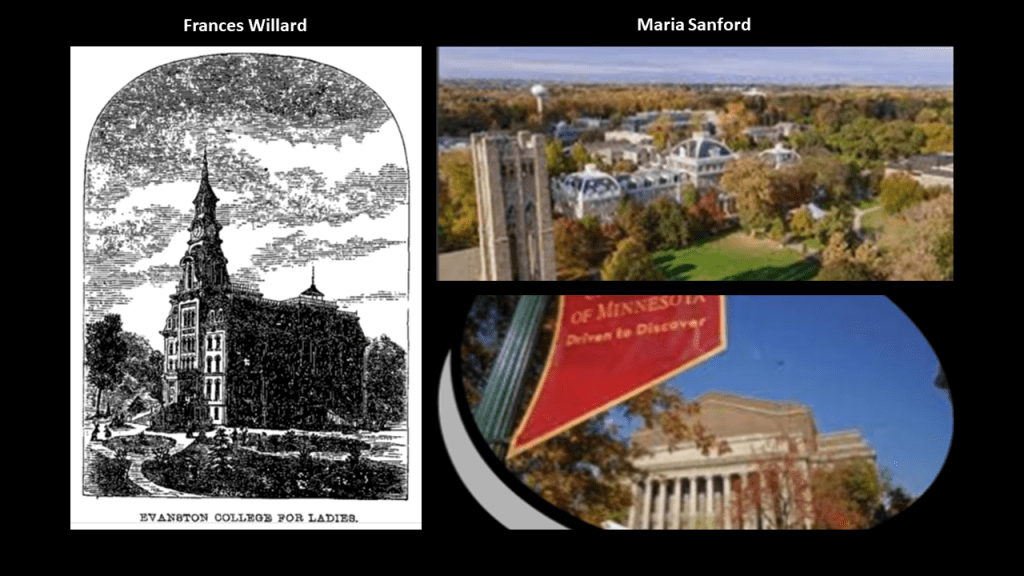
Both women went into the field of Higher Education, with Frances Willard becoming involved in College Administration at the Evanston College for Ladies, which later became the Women’s College of Northwestern University; and Maria Sanford teaching at the college -level at both Swarthmore College in Pennyslvania and the University of Minnesota.
Just want to make note of the beautiful Old World architecture seen at all the schools these ladies were connected with.
And both women became leading voices outside of academia, with Frances Willard eventually becoming an International leader in the Women’s Christian Temperance Union (WCTU) in 1893, the same year she became a committed Christian Socialist; and Maria Sanford took on the causes of things like state conservation issues, and went on to become a nationally-known speaker praised for her powerful speeches.

These two women apparently were well-known influencers of their time in key areas involving women, social issues and politics.
But they both definitely fall in the category of obscure historical figures.
I myself would never had heard of them had I not been nosing around the National Statuary Hall.
I am going to just keep putting out there what I am finding in the National Statuary Hall at the U. S. Capitol building in Washington, DC, where in many cases, obscure historical figures like these two ladies were honored, but with their lives and times telling a different kind of story than what we normally hear about.

 Revealing What Has Been Hidden in Front of Our Eyes