
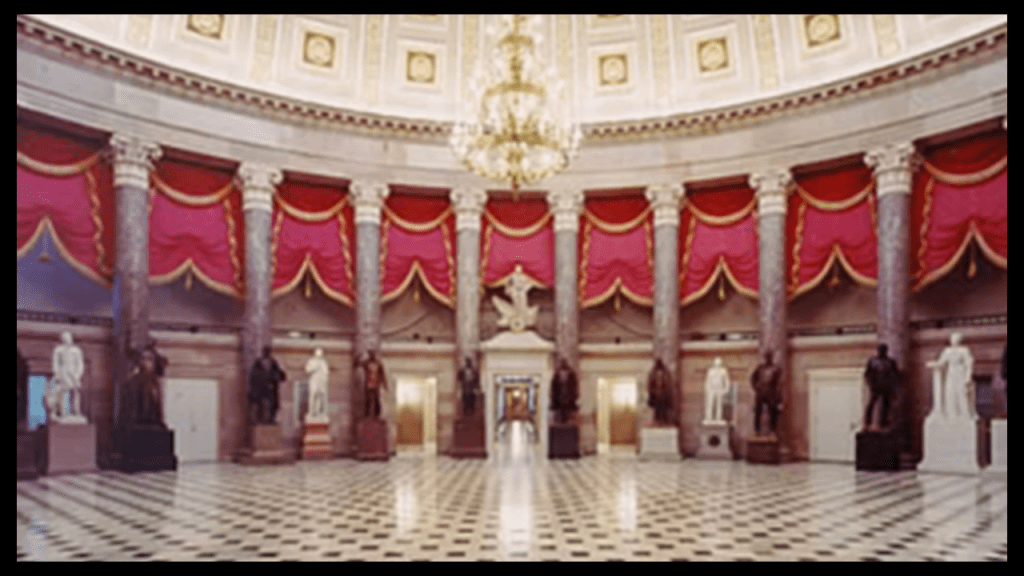
I am bringing forward unlikely pairs of historical figures represented in the National Statuary Hall at the U. S. Capitol who have things in common with each other in this series called “Snapshots from the National Statuary Hall.”
In this post, I am pairing John Winthrop, who is in the National Statuary Hall for Massachusetts, who was a leader in establishing the Massachusetts Bay Colony in 1630, with St. Junipero Serra for California, a notorious Franciscan missionary and Roman Catholic priest who established early missions in California.
So far in this series, I have paired Michigan’s Gerald Ford, a former President of the United States, and Mississippi’s Jefferson Davis, the former President of the Confederate States of America, and both men featured on the cover of the “Knight Templar” Magazine,; Dr. Norman Borlaug, Ph.D, often called the “Father of the Green Revolution; and Colorado’s Dr. Florence R. Sabin, M.D, a pioneer for women in science, both of whom worked for the Rockefeller Foundations; Louisiana’s controversial Socialist Governor, Huey P. Long, and Alabama’s Helen Keller, a deaf-blind woman who gained prominence as an author, lecturer, Socialist activist; Henry Clay, attorney, plantation owner, and statesman from Kentucky, and Lewis Cass, a military officer who was directly behind Native American Removals, politician and statesman from Michigan, contemporaries who were both Freemasons and unsuccessful candidates for U. S. President.; John Gorrie for Florida, a physician and inventor of mechanical refrigeration and William King for Maine, a merchant and Maine’s first governor, both Freemasons; and Dwight D. Eisenhower, Supreme Commander of the Allied Expeditionary Force in Europe during World War II and former President representing the State of Kansas, and Lew Wallace, Union General and former Governor of New Mexico Territory, representing the State of Indiana, both of whom were involved in the entirety of their major wars, and in the events concerning crimes in the aftermath of their wars; and Francis Preston Blair, Jr, representing Missouri, and Edmund Kirby Smith for Florida, both major players in events of the Mexican-American War and the American Civil War.
First, John Winthrop, one of the statues representing Massachusetts in the National Statuary Hall.
John Winthrop was an English Puritan lawyer, and led the first wave of colonists from England in 1630 and a leader in establishing the Massachusetts Bay Colony, the second major British Colony after the founding of Plymouth Colony in 1620.
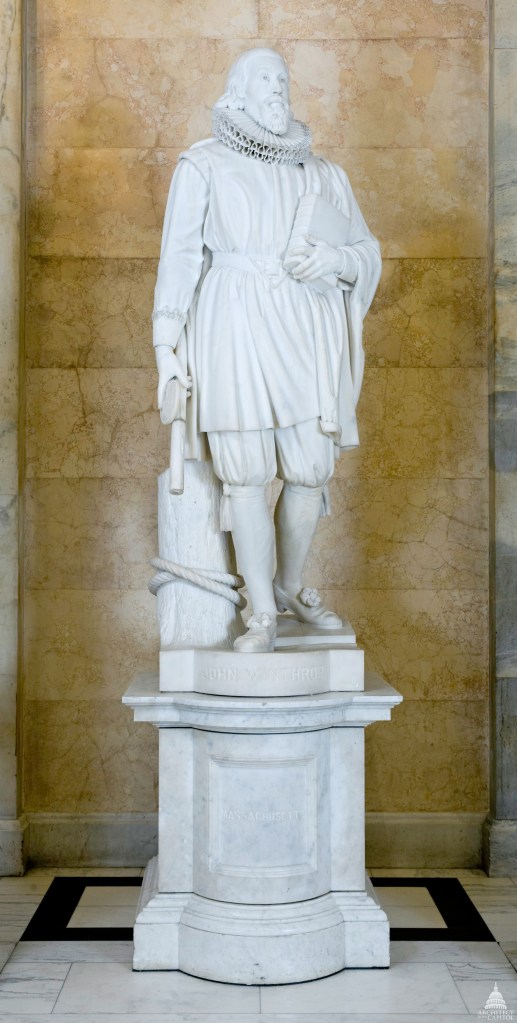
John Winthrop was born in January of either 1587 or 1588 in Suffolk, England.
His father Adam was a prosperous landowner and lawyer, and his mother Annie came from a well-to-do landowning family as well.
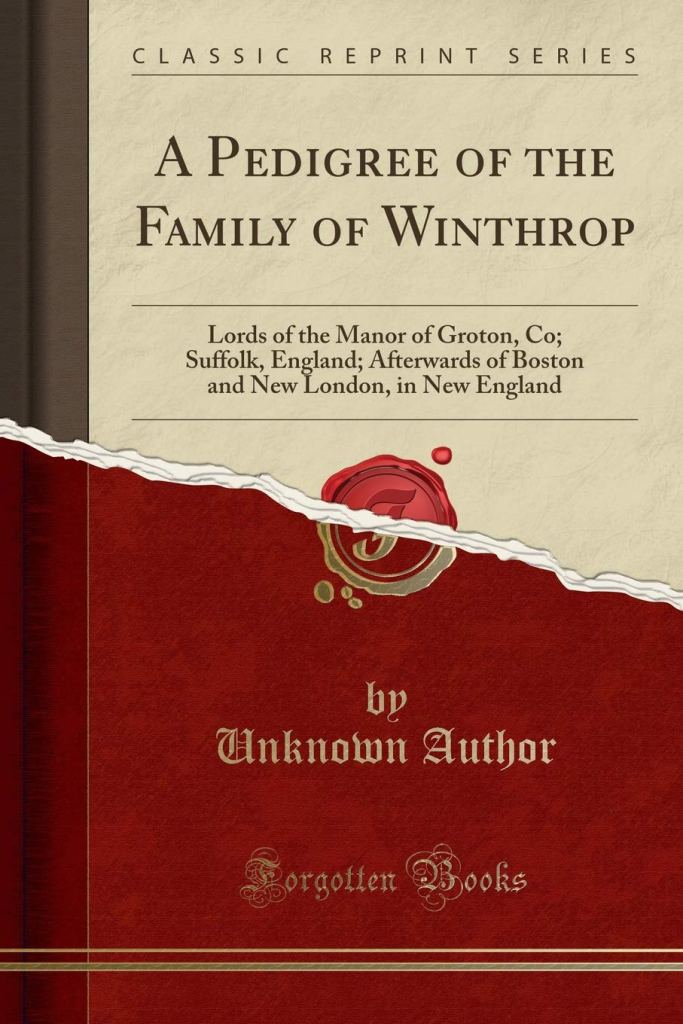
The Winthrop family was granted Groton Manor after the Dissolution of the Monasteries, as the Lord of the Manor had previously been the Abbot of the Bury St. Edmunds Abbey, and John’s parents moved in when he was young.
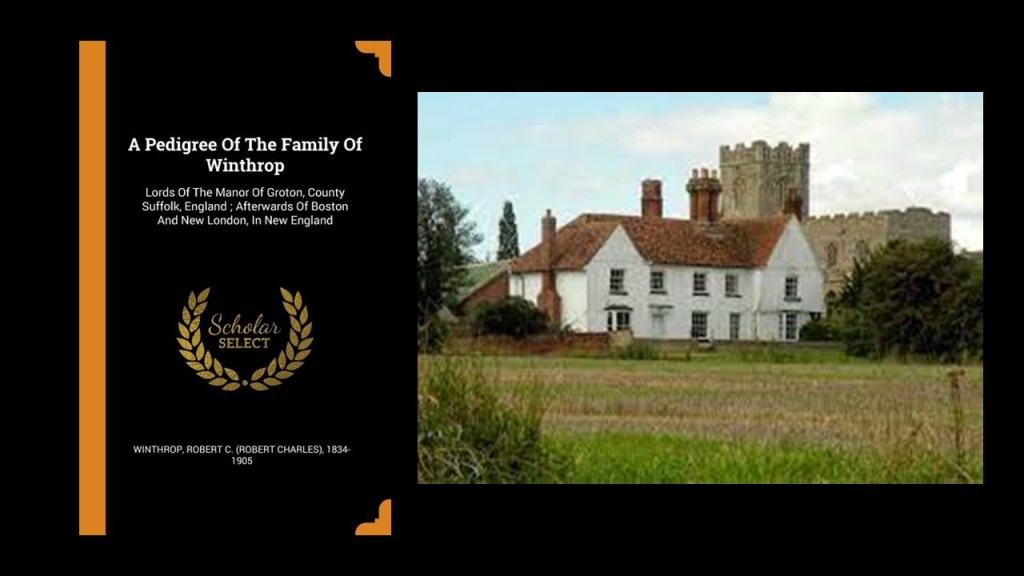
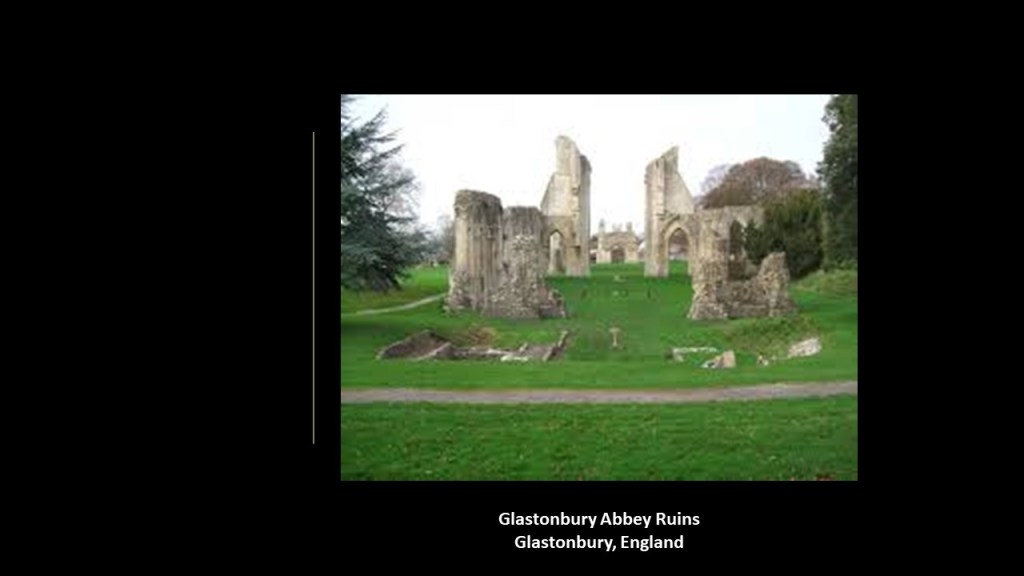
The Dissolution of the Monasteries took place between 1536 and 1541, in which King Henry VIII disbanded the approximately 850 monasteries, convents and friaries in England, and leaving none.
Their income was taken and assets disposed of, and in many cases, like that of Glastonbury Abbey, the buildings on the property were left in ruins.
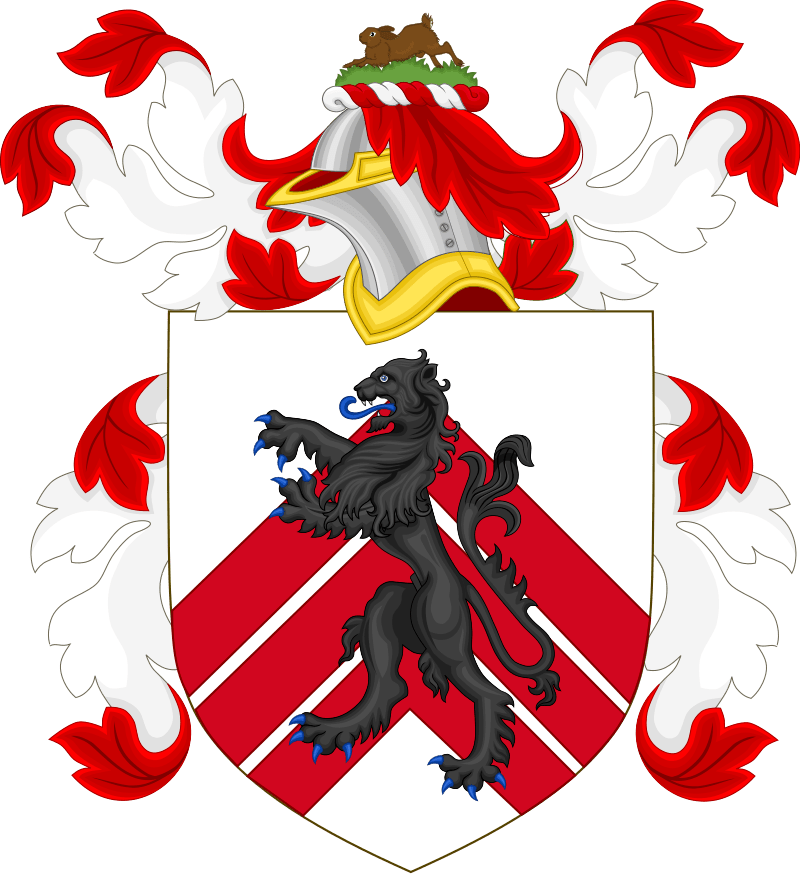
The Winthrop Coat of Arms was confirmed to John’s uncle by the College of Arms in 1592.
The College of Arms was said to have been first incorporated as a Royal Corporation in March of 1484 under King Richard III, and then re-incorporated in 1555 under Queen Mary I of England.
Heralds are appointed by the British Monarch and delegated to act on behalf of the Crown on all matters of heraldry, besides the granting of new Coats-of-Arms, including genealogical research and the granting of pedigrees.
During King Henry VIII’s reign, it was said that the College of Arms “…at no time since its establishment, was the college in higher estimation, nor in fuller employment, than in this reign.”
In 1530, King Henry VIII conferred the duty of “heraldic visitation” on the College, that of tours of inspection between 1530 and 1688 around England, Wales, and Ireland to register and regulate the Coats of Arms of Nobility, gentry and boroughs, and to record pedigrees.
During the time of the Dissolution of the Monasteries between 1536 and 1541, this duty gained even more importance as the Monasteries were formerly the repositories of local genealogical records, and from then on, the College was responsible for the recording and maintenance of genealogical records.
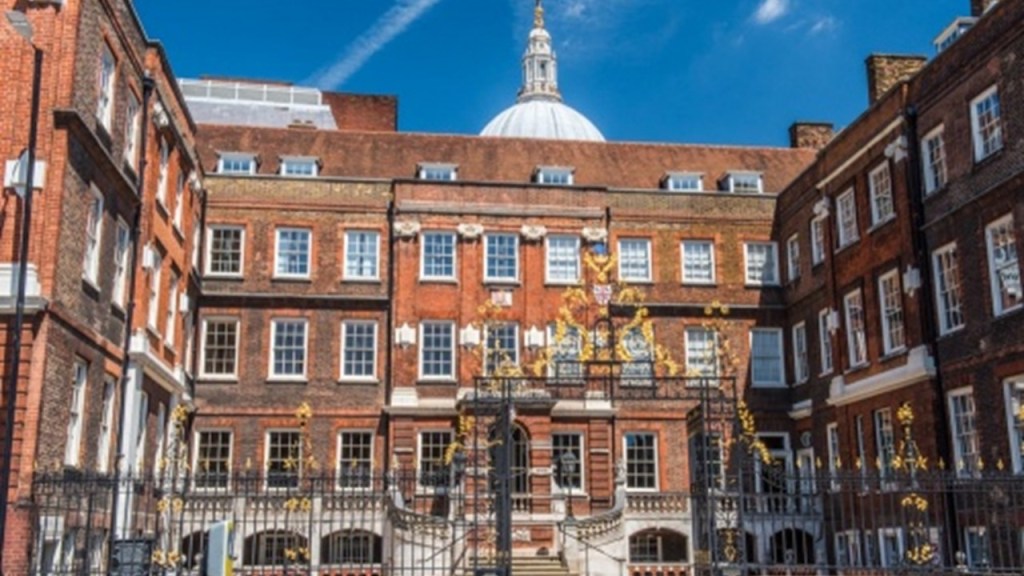
The College of Arms has been on Queen Victoria Street in the City of London in the shadow of St. Paul’s Cathedral since 1555.
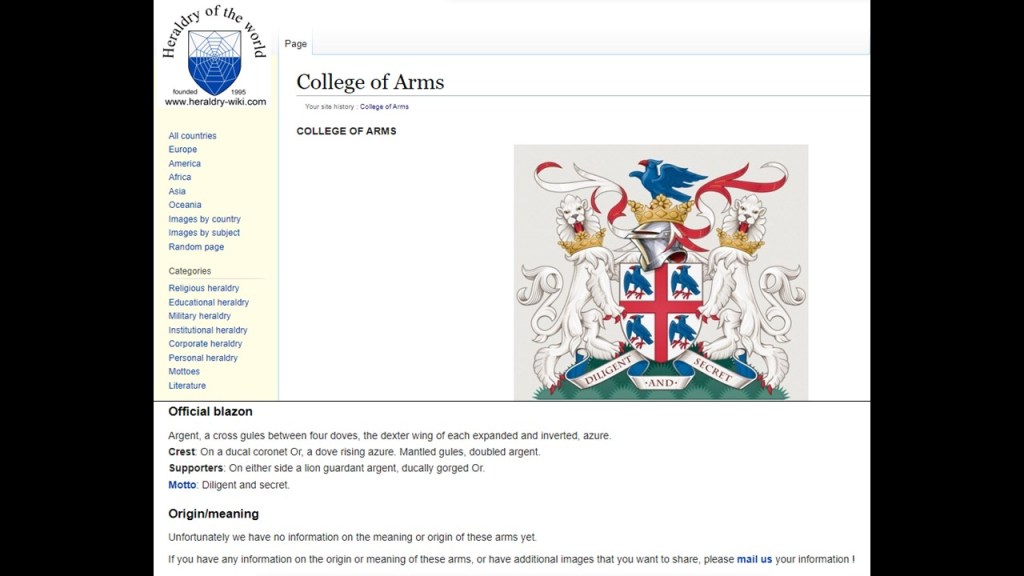
This is the Coat-of-Arms for the College of Arms, with the motto “Diligent and Secret,” which interestingly the heraldry-wiki doesn’t know the meaning of.
Could it possibly mean exactly what it says – diligent and secret?
Like we don’t want you to know something, but we are sure working hard at what we are doing!
This would explain a question I am often asked – how to explain something like a mud flood event and repopulation effort involving lots of orphans when some people have long genealogies in their families, and I am one of them, with long genealogies on all my family lines, including ancestors on the Mayflower on my paternal grandmother’s side.
Yet my husband’s family got the name Gibson from an orphan ancestor that worked on a cattle drive for a man named Gibson, and he took his name.

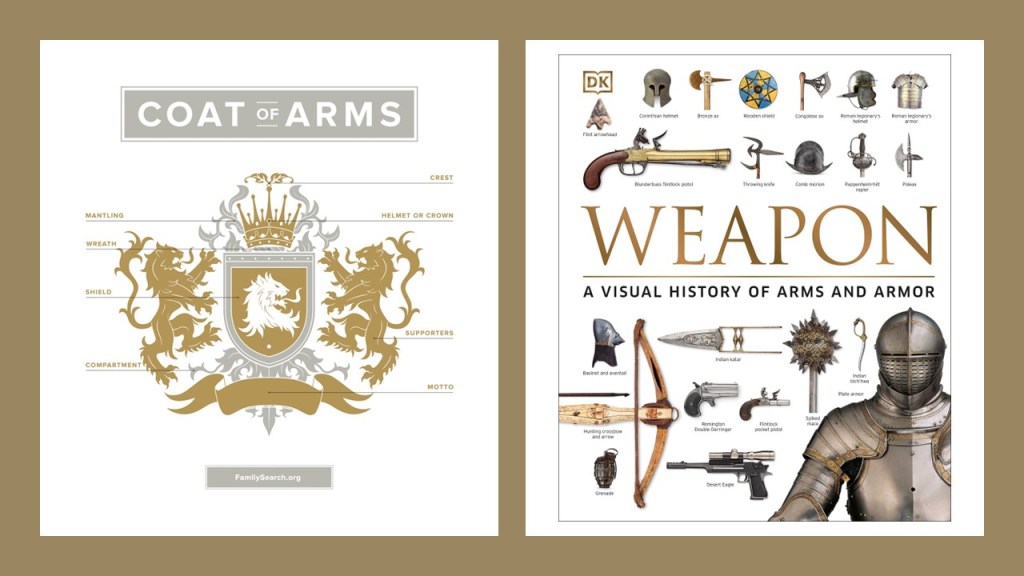
Another question that comes to my mind is why does the word “arms” refer both to heraldry devices and weapons?
I have had some major questions about King Henry VIII’s role in the historical narrative.
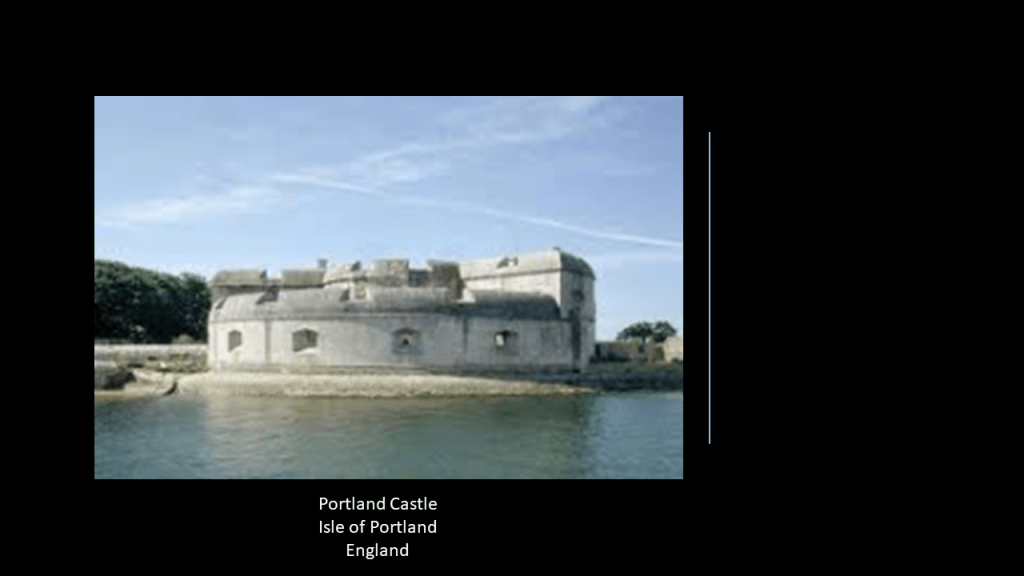
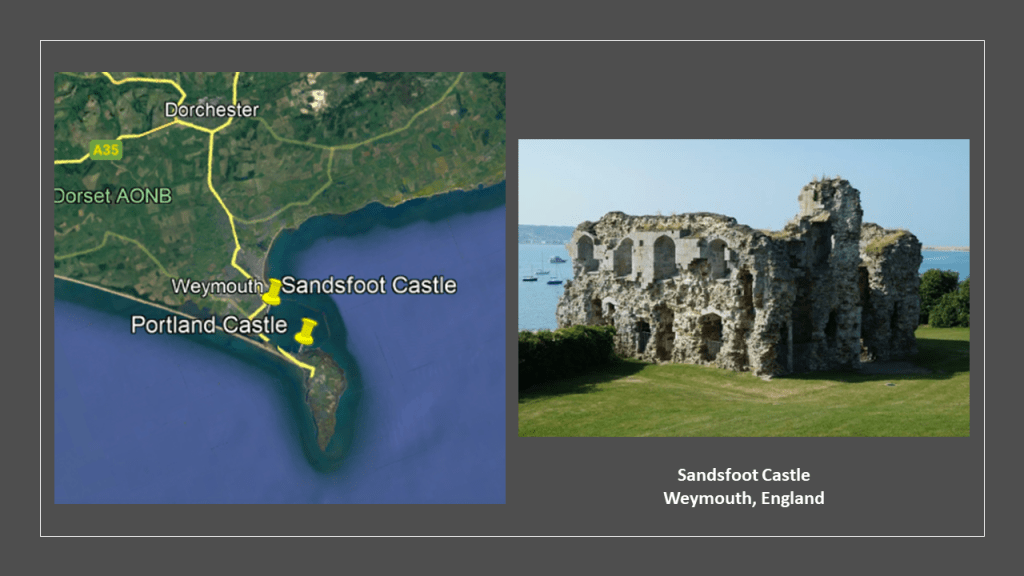
Many star forts were attributed to having been built during his reign, like the Portland Castle on the Isle of Portland between 1539 and 1541…
…and Sandsfoot Castle in neighboring Weymouth, completed in 1542 and that both were meant to defend the original harbor against French and Spanish invaders.
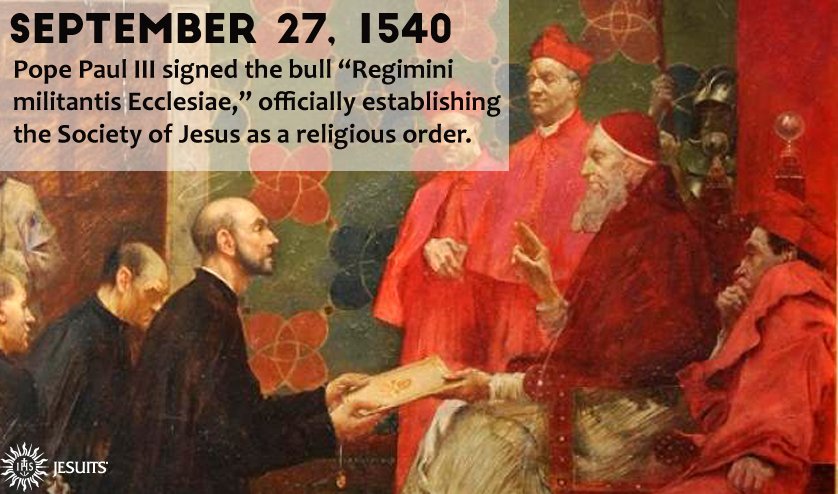
During this same period of time, the Jesuit Order was formed in 1540 by a papal bull issued by Pope Paul III, under the leadership of Ignatius Loyola, and included a special vow of obedience to the Pope in matters of mission direction and assignment.
In 1542, Pope Paul III also established the Holy Office, also known as the Inquisition and the Congregation for the Doctrine of the Faith.
And in May of 1543, Nicolaus Copernicus published “On the Revolutions of the Heavenly Spheres,” offering mathematical arguments for the heliocentric, or sun-centered universe, and denying the geocentric model of the Earth-centered universe of Ptolemy, and the once widely-accepted geocentric model of the Universe was henceforth no longer considered adequate.
Copernicus’ Universe-changing book was published shortly before his death on May 24th of 1543.

Anyway, back to John Winthrop.
Winthrop entered Trinity College at Cambridge University in 1602.
According to the narrative, Trinity College was founded in 1546 by King Henry VIII.
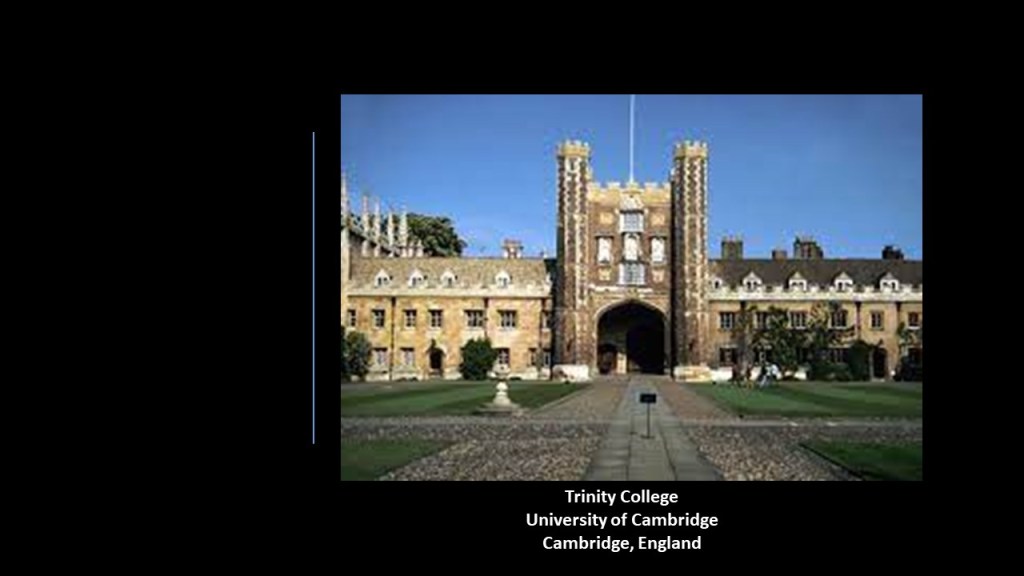
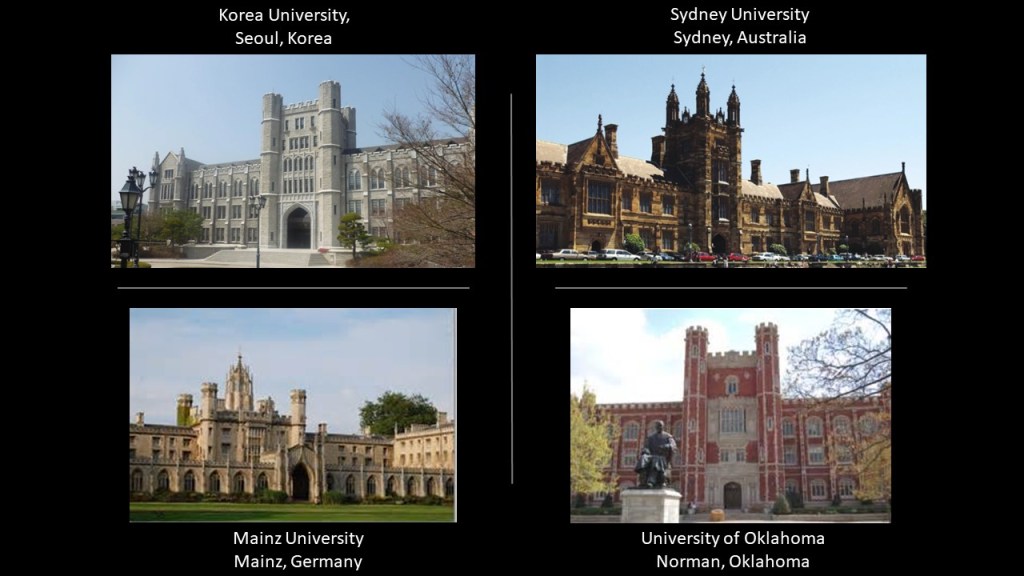
Interesting to note that this architectural-style found at Trinity College looks just like college architecture found all around the world, with examples shown here at Korea University in Seoul, Korea, on the top left; Sydney University in Sydney, Australia, on the top right; Mainz University on Mainz, Germany on the bottom left; and at the University of Oklahoma in Norman, Oklahoma on the bottom right.
John Winthrop left Trinity College in 1605 to get married to Mary Forth, the daughter of a family friend.
In 1613, Winthrop’s father transferred the family holdings in Groton to him, and he became Lord of the Manor at Groton.
Lord of the Manor referred to the landholder of a rural estate, enjoying manorial rights, which was the right to establish and occupy a residence, and seignory, the right to grant or draw benefit from the estate.
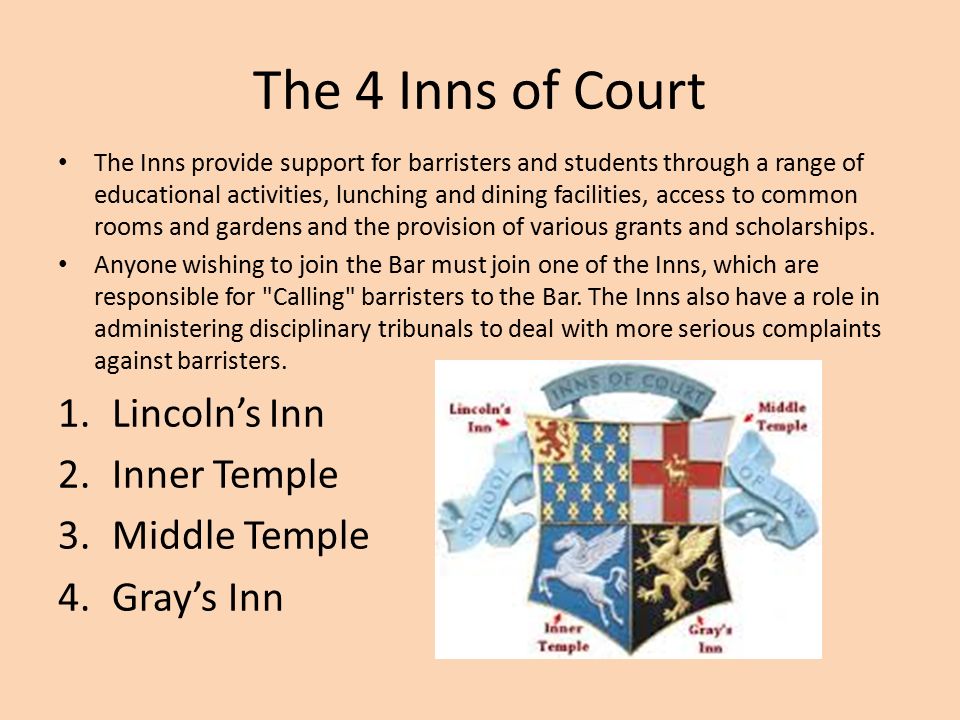
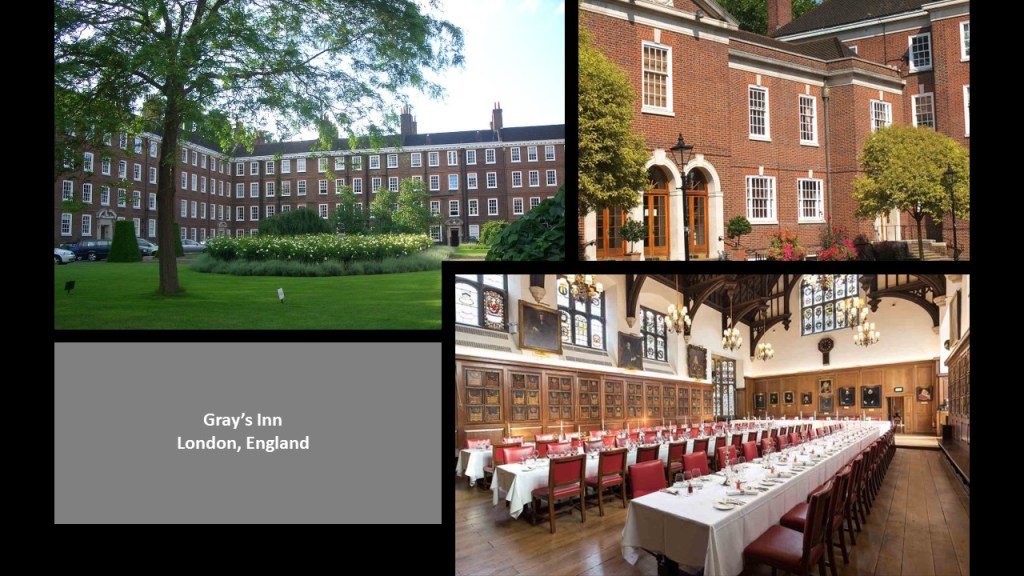
Also sometime around 1613, Winthrop enrolled in Gray’s Inn, where he read law but did not advance to the Bar.
Gray’s Inn is one of the four inns of court in London – along with the Lincoln Inn, Inner Temple, and Middle Temple – that educate and train barristers in order to be able to practice law in England and Wales.
The early records of all four inns of court were lost, and the exact dates of their founding is not known.
The records of Gray’s Inn are lost up until the year of 1569, but was believed to date back to around 1370.
Winthrop’s wife Mary died in 1616, and he was remarried to Thomasine Clopton, who also died in 1616, in childbirth in December of that year.
Through his legal connections, he began courting Margaret Tyndal, the daughter of chancery Judge Sir John Tyndal and Anne Egerton, the sister of Stephen Egerton, a leading Puritan preacher of his time.
John Winthrop and Margaret Tyndal were married in April of 1618.
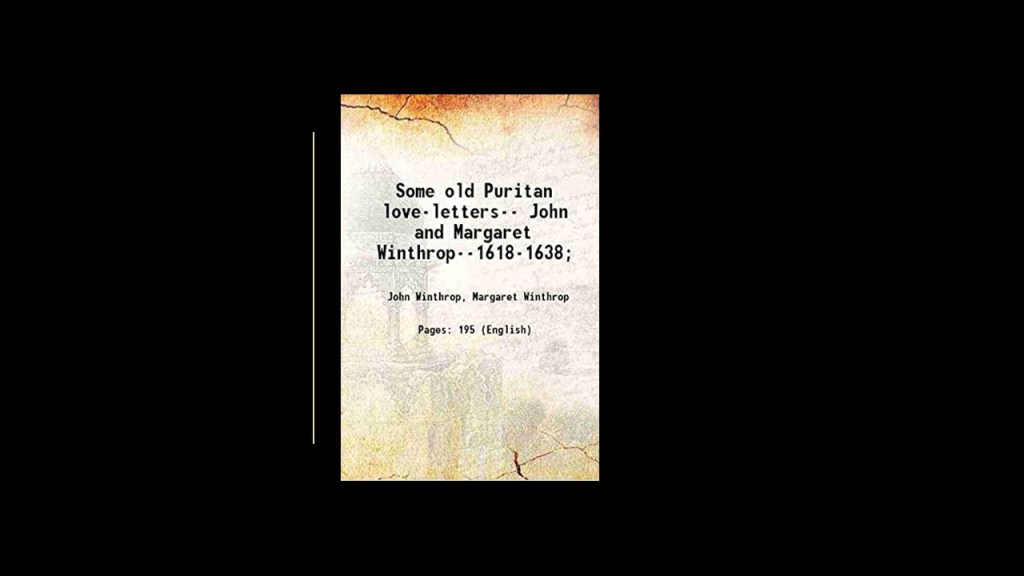
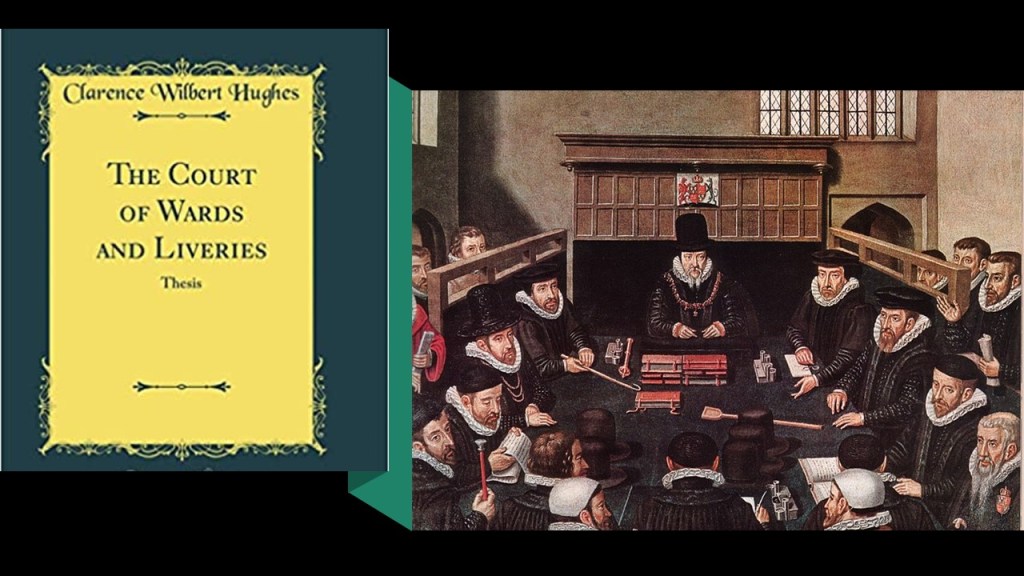
At some point not long after they were married, John acquired a position at the Court of Wards and Liveries and travelled between London and Groton, where his wife and eldest son John from his first marriage managed the manor when he was away.
The Court of Wards and Liveries was established starting in 1540 during the reign of King Henry VIII by two Acts of Parliament – the Court of Wards Act of 1540 and the Wards and Liveries Act of 1541.
It was established around the issues of practical matters relating to the Crown’s right of wardship and livery of young orphaned heirs where their father had been a Tenant-in-Chief of the Crown, including having rights over the deceased’s estate, including income and land, so this special court also administered a system of levying and collecting feudal dues.
Does this mean that there were so many orphaned heirs that they had to establish a special court to handle them?!
And what is Livery?
Well, if you look up the meaning, livery is an identifying design, such as a uniform, ornament, symbol, or insignia that designates ownership or affiliation.
Most often it would indicate the wearer of the livery was a servant, dependent, follower or friend of the owner of the livery.
Apparently the “Office of Liveries” was joined with the “Court of Wards” in 1542.
I find this information about the “Court of Wards and Liveries” very intriguing, and would love to know more about what was going on here that is not found in the historical record.
Perhaps there was more to it than just a way of replenishing the Royal Treasury and controlling wards and the administration of their lands, which is found in the historical record.

But was there a connection between the English words “livery” and “delivery,” where definitions of delivery include 1) the transfer of something from one place or person to another; 2) the process of giving birth; and in law 3) the formal or symbolic handing over of property to a grantee or third-party.

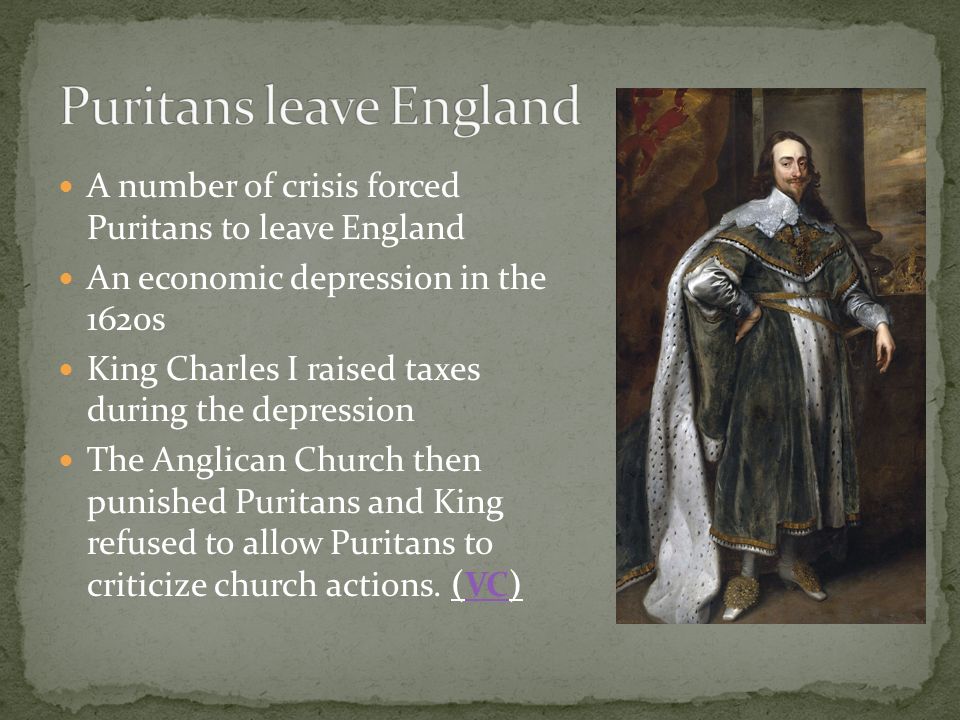
Our historical narrative tells us the religious atmosphere for Puritans to started to change in England in the mid-to-late 1620s, after King Charles I ascended to the throne in 1625, and had married a Roman Catholic.
There was an atmosphere of intolerance towards Puritans and this state-of-affairs led Puritan leaders to consider emigration to the New World as means to escape persecution.
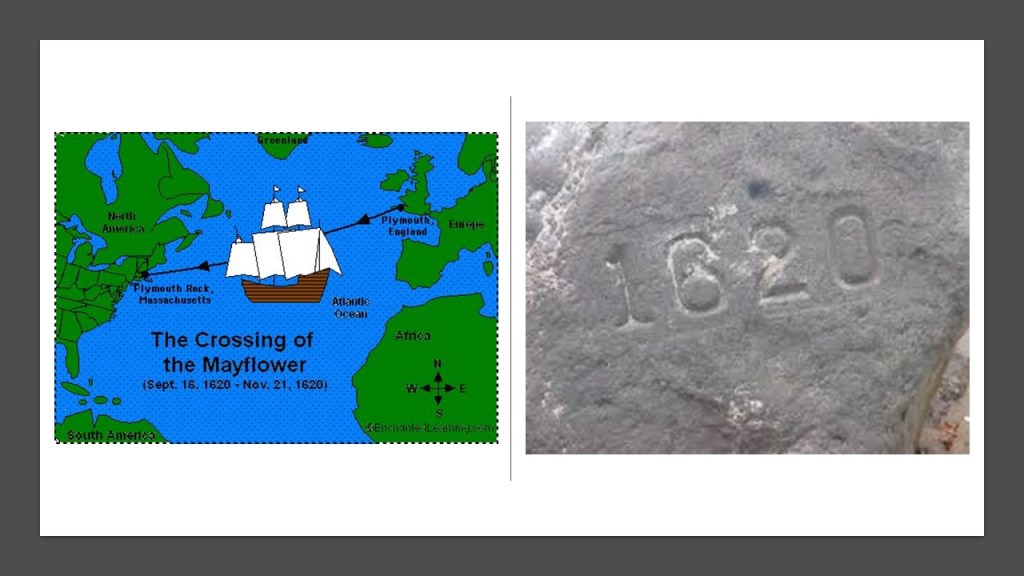
The establishment of Plymouth Colony on the shores of Cape Cod Bay in 1620 was the first successful religious colonization of the New World.
In 1629, a charter was received by Puritan investors that became known as the “Massachusetts Bay Company” to govern a land grant of territory between what became known as the Charles River in eastern Massachusetts and the Merrimack River, which starts in New Hampshire and flows southward into Massachusetts.
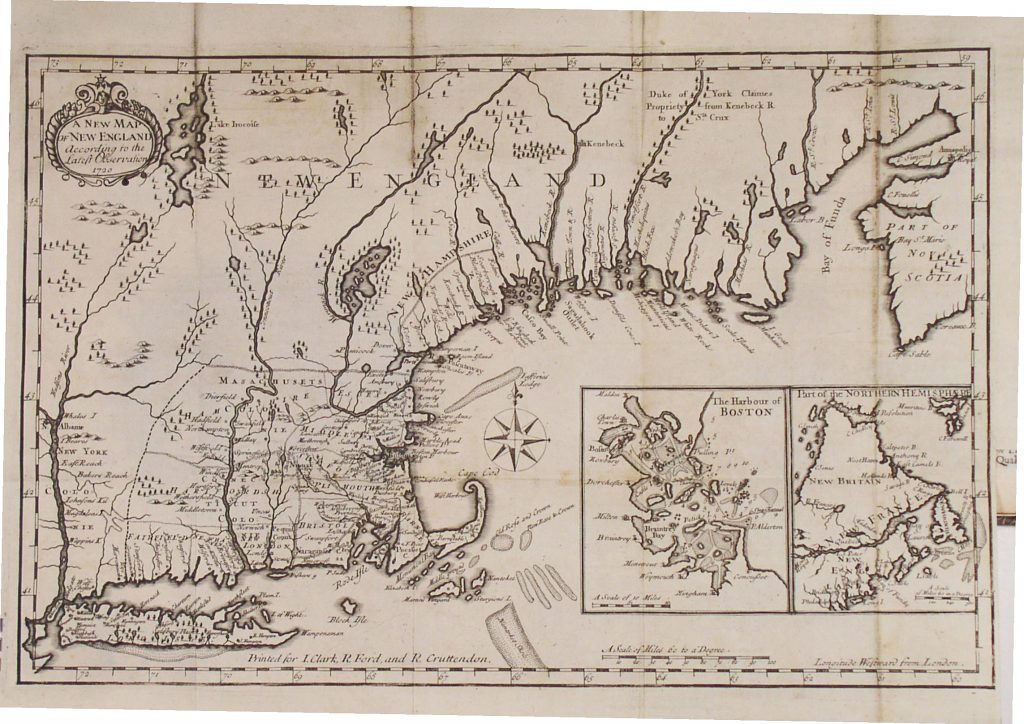
Puritan John Endecott led a small group of settlers to the area around this time to prepare the way for a larger migration, and he became the first Governor of the Massachusetts Bay Colony from 1629 to 1630, and served as governor several more times over the years, for a total of sixteen years all together.
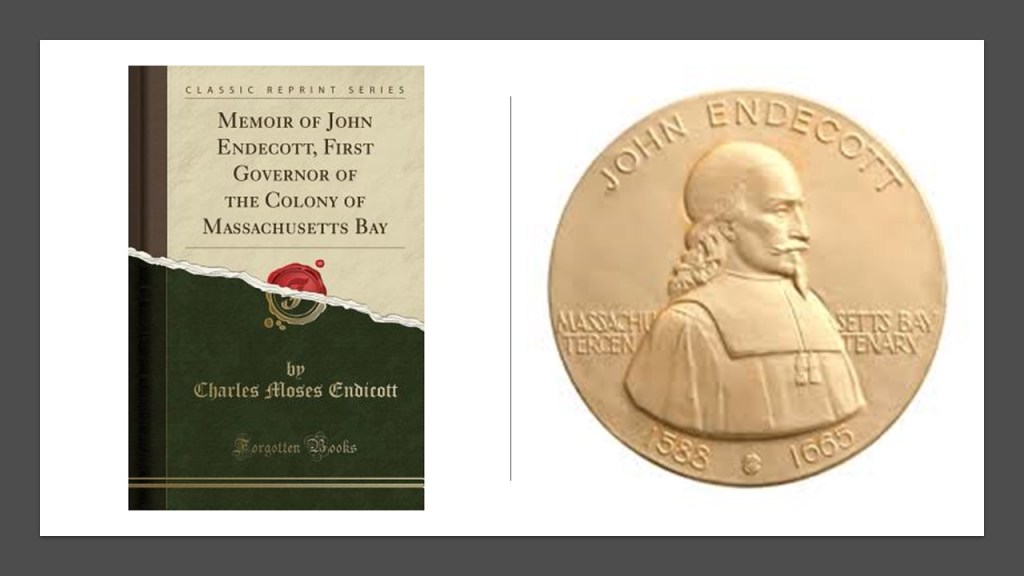
The exact connection by which John Winthrop got involved with the Massachusetts Bay Company is not known, but he had connections with individuals associated with the company.
Also in 1629, King Charles I dissolved Parliament, beginning a historical period known as “11 years of rule” without Parliament.
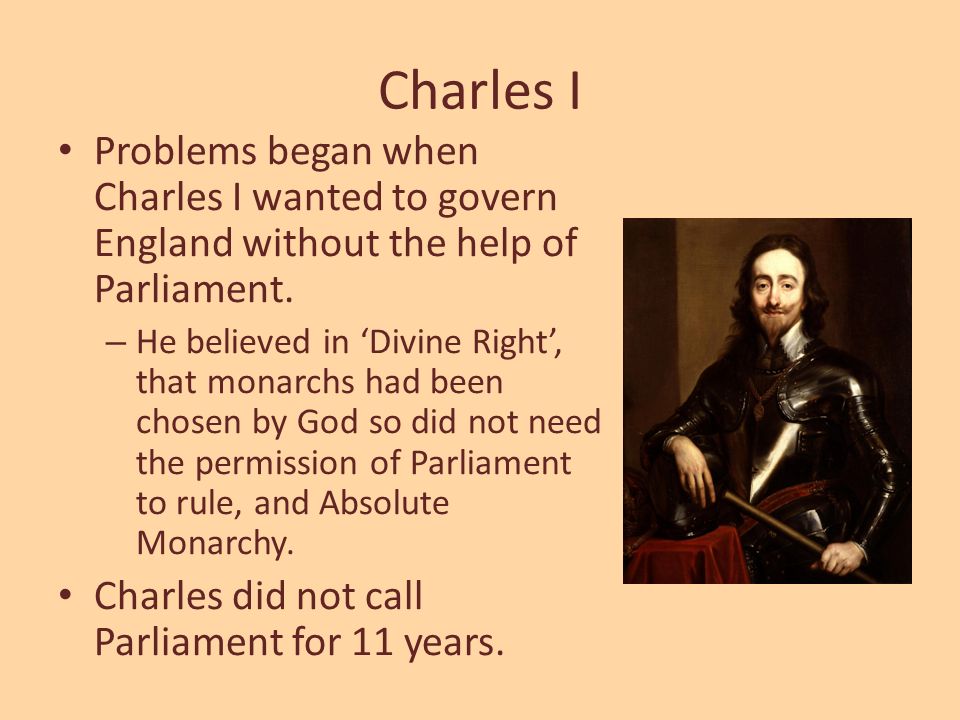
This worried Massachusetts Bay Company principal investors, and John Winthrop as well, who had lost his position with the Court of Wards and Liveries in the crackdown on Puritans that took place with the dissolution of Parliament.
The Governor of the Massachusetts Bay Company proposed the company reorganize and transport its charter and governance to the colony, and as the months went on, John Winthrop became more involved with the company, and a major supporter of emigration there.
John Winthrop was a signatory on the Cambridge Agreement, which was signed on August 29th of 1629 by company shareholders.
Under its terms, those who wanted to emigrate to the New World could purchase shares from those shareholders who didn’t want to leave home.
The Cambridge Agreement also set forth that the Massachusetts Bay Colony would be under local control, and not governed by a London-based corporate board.
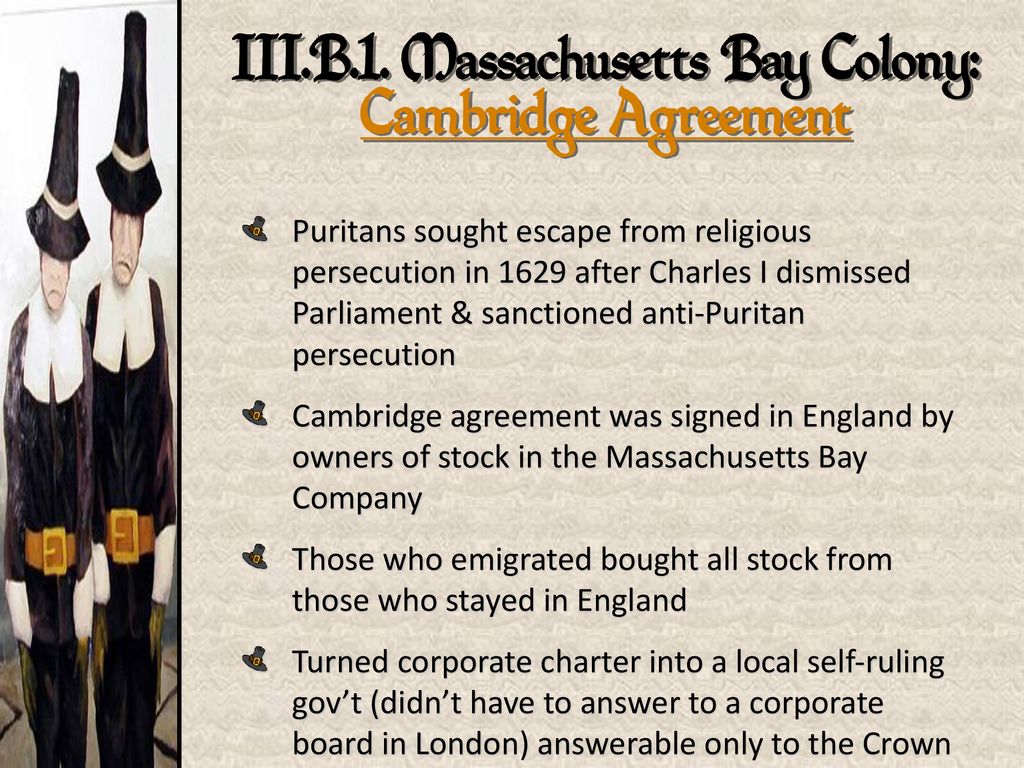
The company shareholders met in August of 1629 to enact the agreement.
At this time, John Winthrop was chosen as the new Governor of the Massachusetts Bay Company, and, along with other company officials, set about making all the necessary arrangements for the venture of settling in the New World.
John Winthrop was on one of four ships of the transport fleet that left the Isle of Wight on April 8th of 1630.
All together, there were eleven ships that carried roughly 700 emigrants to the new colony.
John Winthrop, with the charter for the Massachusetts Bay Colony in hand, and the new colonists arrived in Salem, Massachusetts, in June of 1630, and were welcomed by John Endecott.
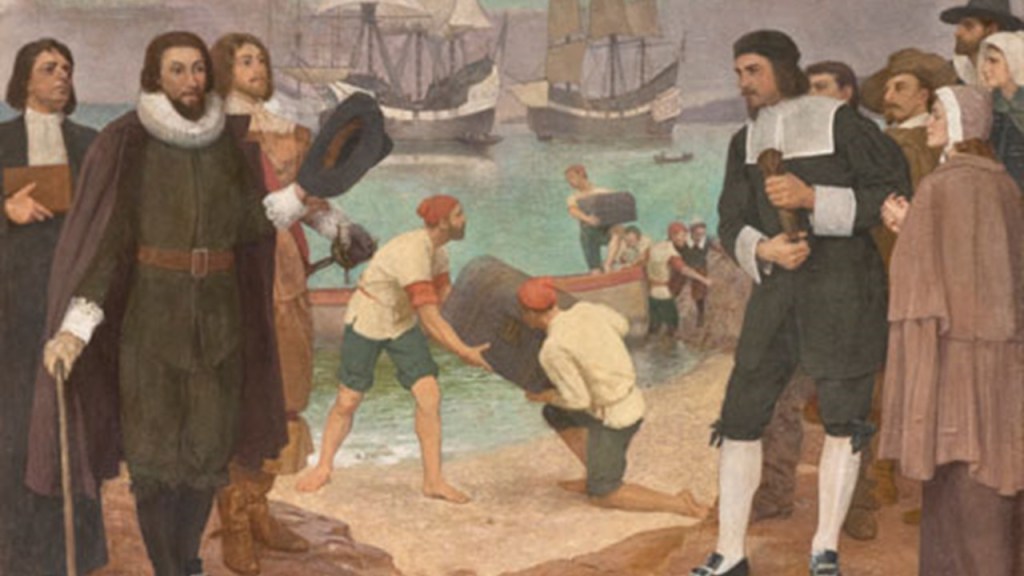
Winthrop found the Salem area inadequate for the arrival of all the new colonists, so he and his deputy, Thomas Dudley, surveyed the area, and eventually settled on the Shawmut Peninsula, where they founded what became the city of Boston.
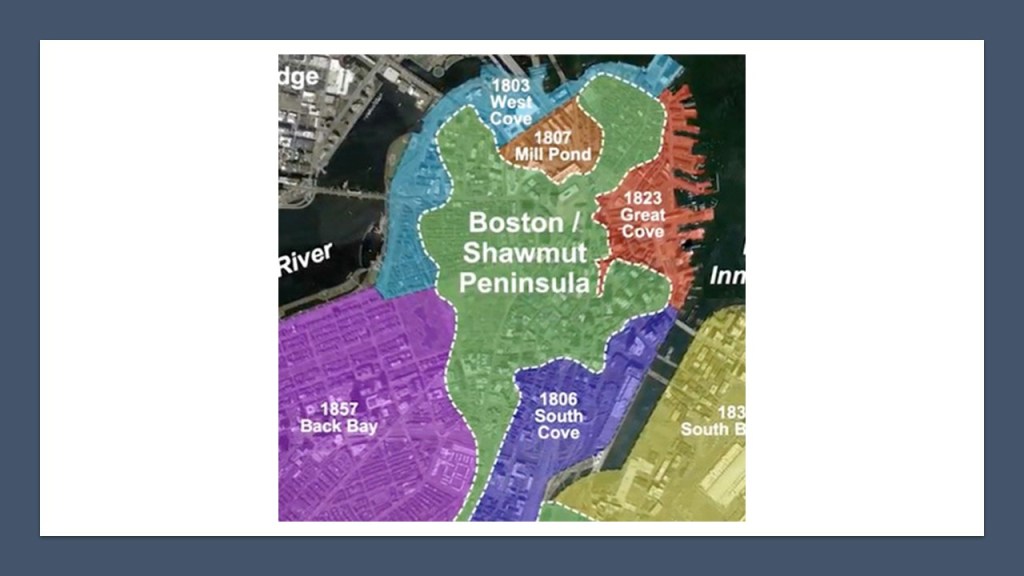
They also established settlements along the coast, and banks of the Charles River, we are told, in order to avoid presenting a single point that hostile forces might attack.
So along with Boston, these settlements were Cambridge, Roxbury, Dorchester, Watertown, Medford, and Charlestown.
This map was the illustration that appeared opposite the title page of William Wood’s book from that time entitled: “New Englands Prospect” and called “A true, lively and experimentall description of that part of America commonly called New England; discovering the state of that Countrie, both as it stands to our new-come English Planters; and to the old native inhabitants. Laying down which that which might enrich the knowledge of the mind-travelling reader, or benefit the future voyager.”
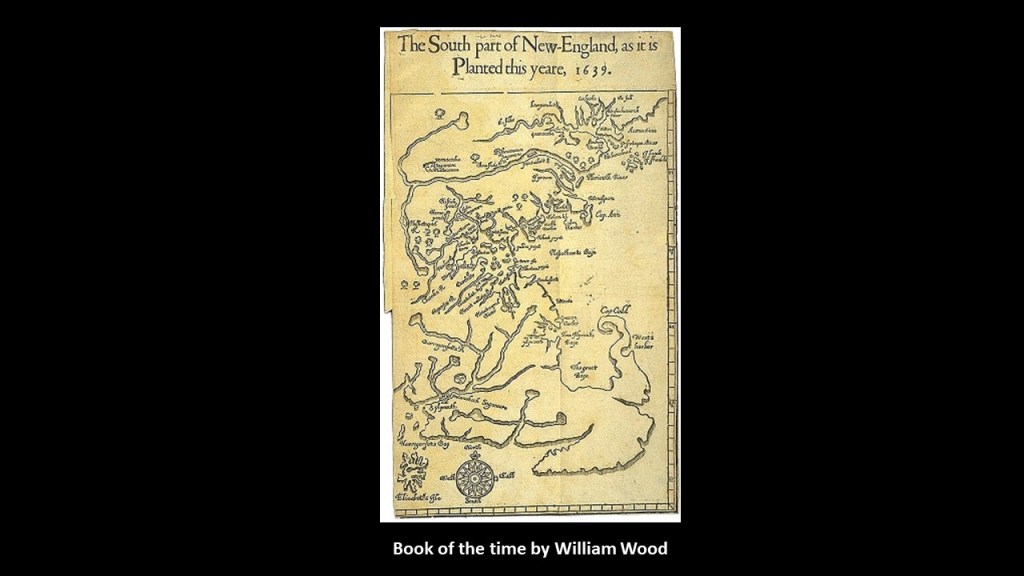
This selection from William Wood’s book was of a map showing the plantations along Massachusetts Bay, and the word or name Sagamore is showing in several places.
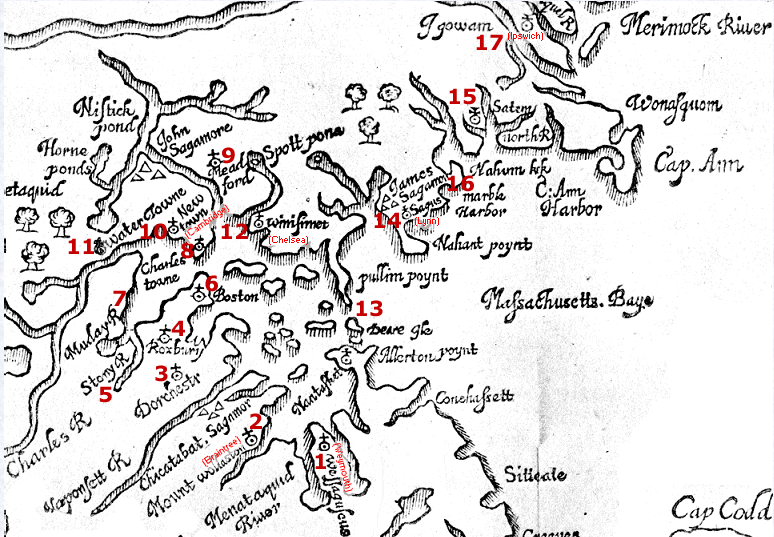
The word “Sagamore” or “Sachem” apparently denoted a leader of the Algonquin-speaking peoples.
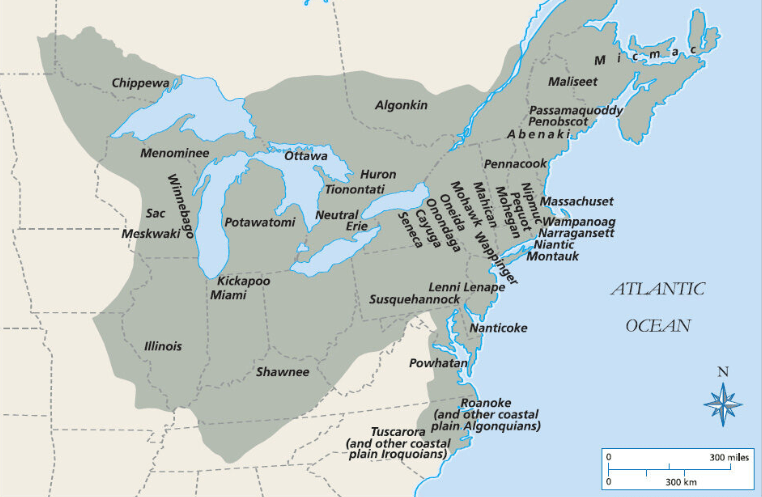
I just want to say that it is extremely difficult to find information about who the Algonquin people really are because the visuals we see are typically like this.
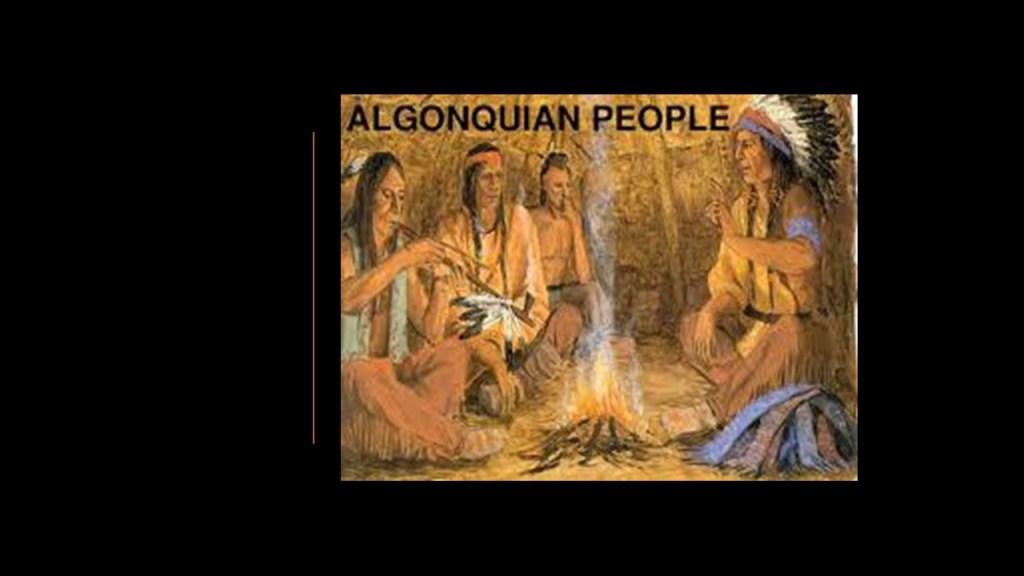
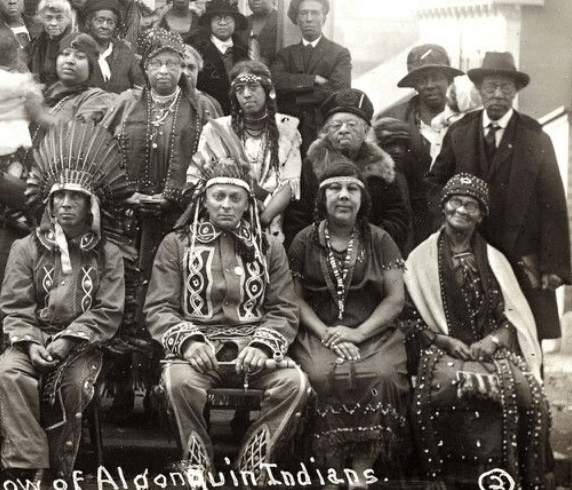
Here is an historic photograph that I came across of the Algonquin Narragansett people of Rhode Island, circa 1925.
We are told that in its early months, the new colony struggled, losing around 200 people to various diseases.
Winthrop worked alongside the laborers and servants in the work of the colony, setting an example for the other colonists to do all the work that needed to be done on the “plantation.”
Interesting to see the word “plantation” used so much even from the very beginnings of the New World.
In the history of colonialism, plantation was a form of colonization where settlers would establish a permanent or semi-permanent settlement in a new region.
Looks like the colonizers were literally “planting” themselves in a new place.
Not only were settlements and settlers being planted in a new region from somewhere else, this plantation system of the colonizers quickly laid the foundation for slavery on large farms owned by “planters” where cash crop goods were produced.
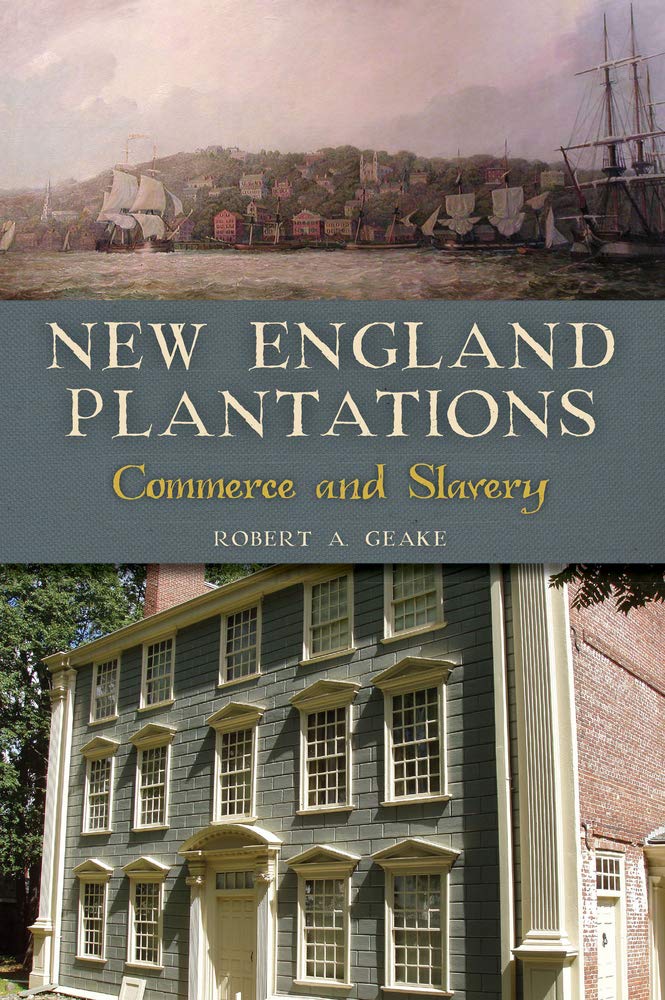
The word plantation first started appearing in the late 1500s to describe the process of colonization, like the Plantations of Ireland in the 16th- and 17th-centuries, during which time we are told the English Crown confiscated land from Irish Catholics and redistributed the land to Protestant settlers from Great Britain…
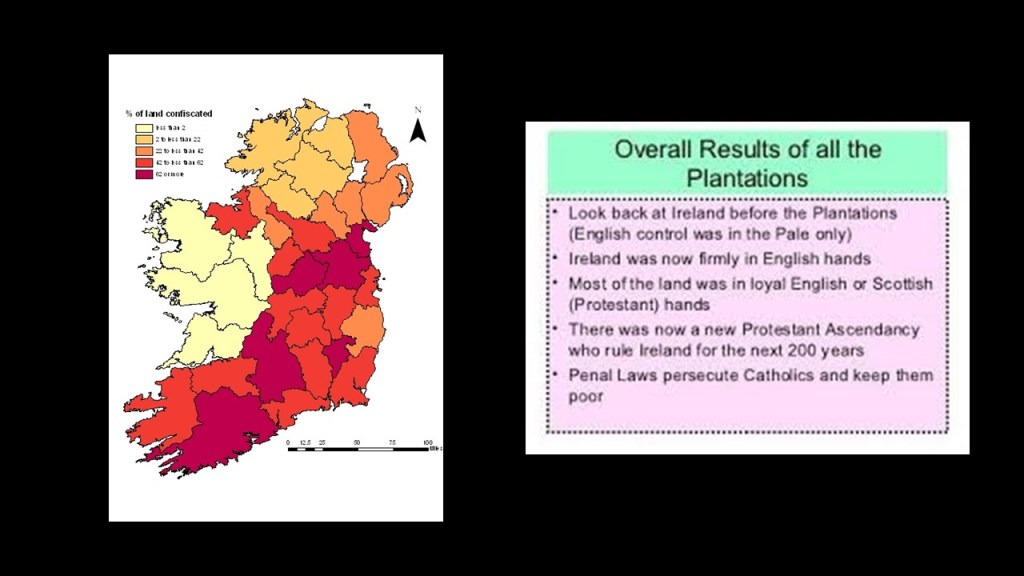
…creating all kinds of long-term problems.
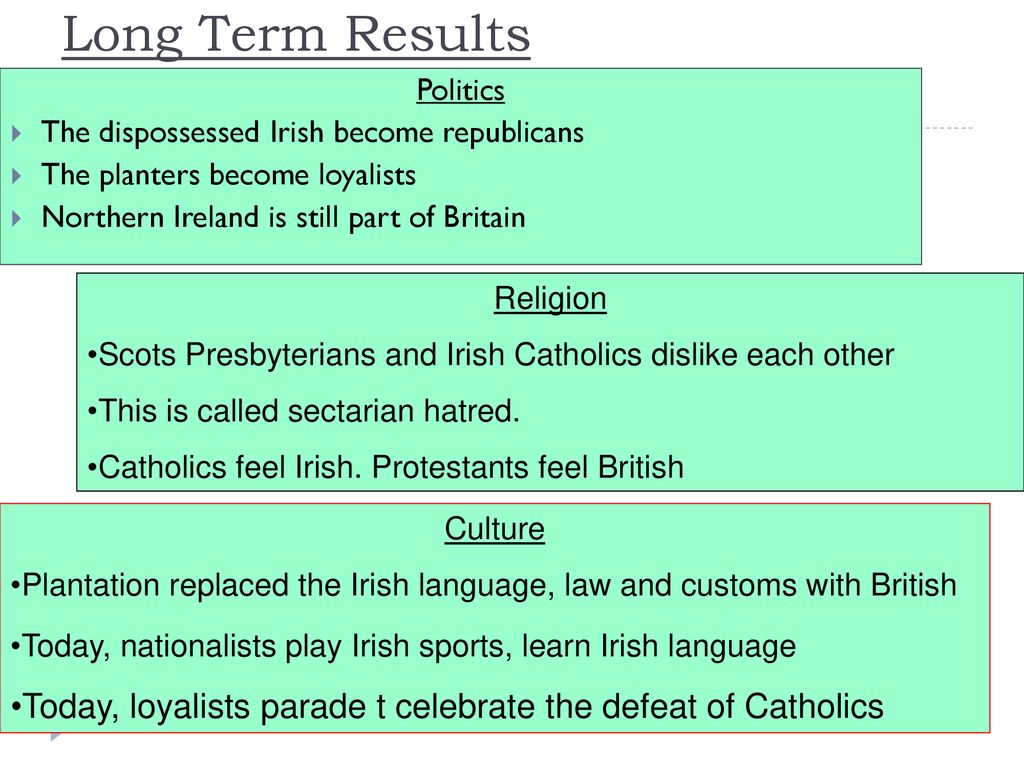
The British Plantations of Ireland replaced the Irish language, law and customs with those of the British, created sectarian hatred between Protestants and Catholics, and Northern Ireland is still part of Britain to this day.
Back to John Winthrop.
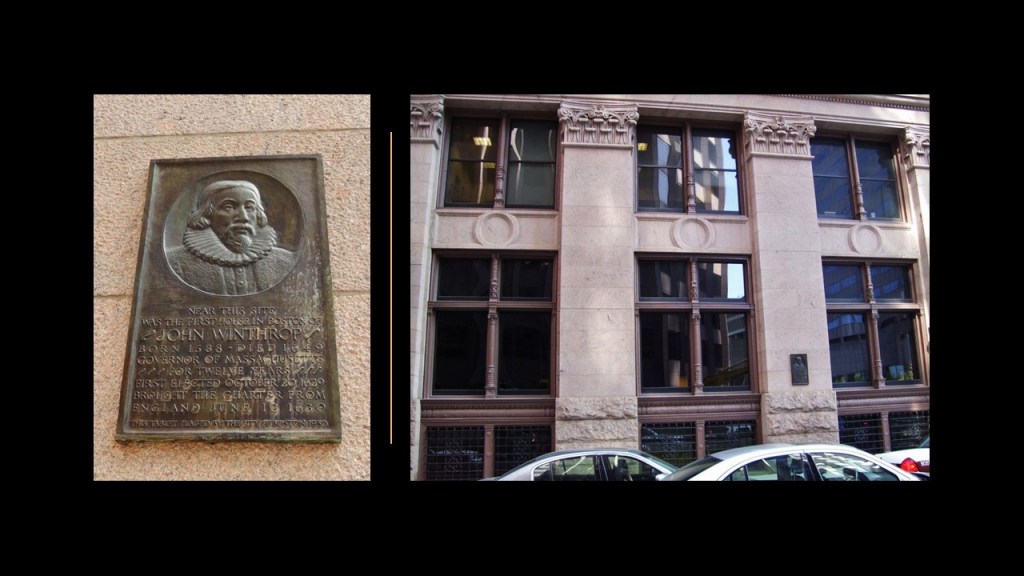
This plaque memorializes John Winthrop’s first house in Boston, said to have been built nearby.
The marker was placed on the old Boston Stock Exchange Building, located at 53 State Street, by the City of Boston in 1930.
The old Boston Stock Exchange Building was said to have been built between 1889 and 1891 from designs by the architectural firm of Peabody & Stearns, and one of the largest office buildings in America back in the day, and in its hey-day housed banks, corporations, safe-deposit vaults, lawyers, and businessmen.
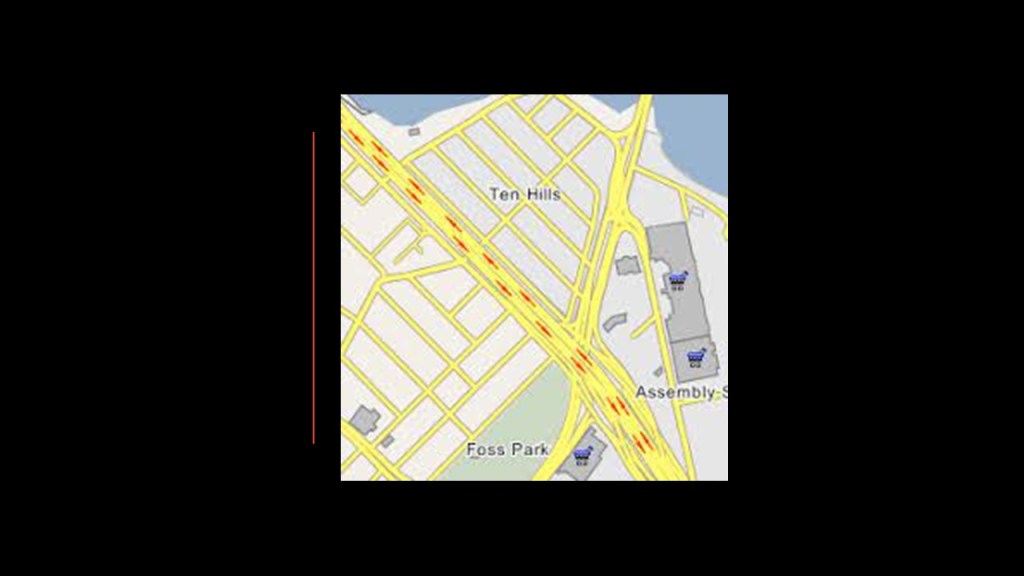
Governor Winthrop was also granted an estate on the southern bank of the Mystic River in Somerville, Massachusetts, by the Massachusetts Bay Colony in September of 1631 that he called “Ten Hills Farm.”
It was so-named for what were called “ten small knolls” on the property, which included orchards and meadows for grazing cattle.
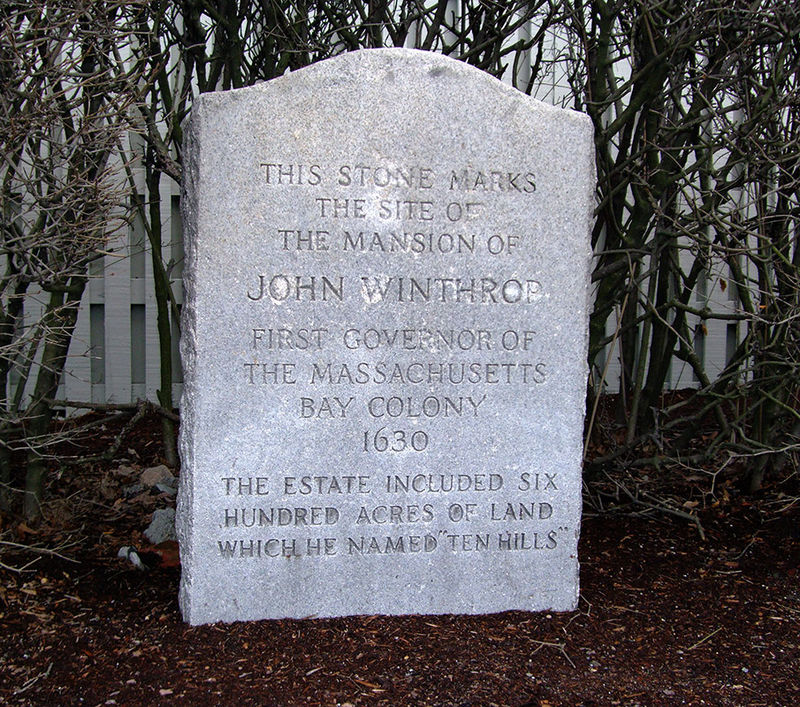
Ten Hills Farm was inherited by his son, John Winthrop, Jr, in 1649, who was the Governor of the Connecticut Colony between 1659 and 1676.
Today Ten Hills is a neighborhood of Somerville.
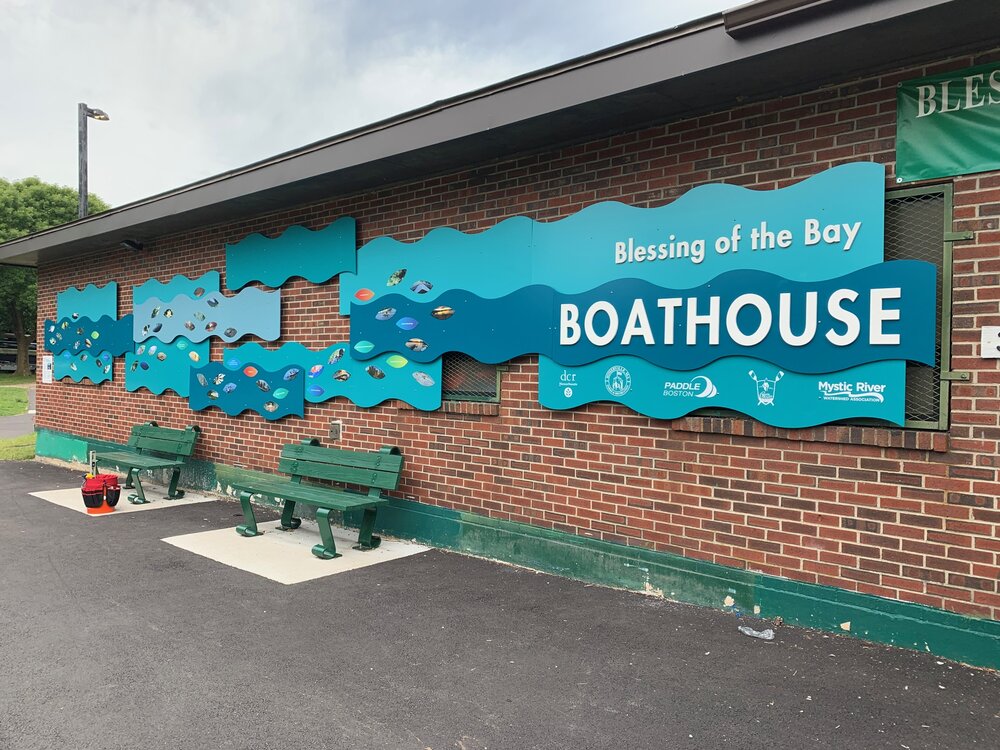
On the other side of the Mystic River from Ten Hills Farm was a shipyard owned in absentia by Mathew Cradock, one of the original principal investors of the Massachusetts Bay Company, and it was there that one of the colony’s first ships was said to have been built, the 30-ton “Blessing of the Bay,” and first launched on July 4th of 1631.
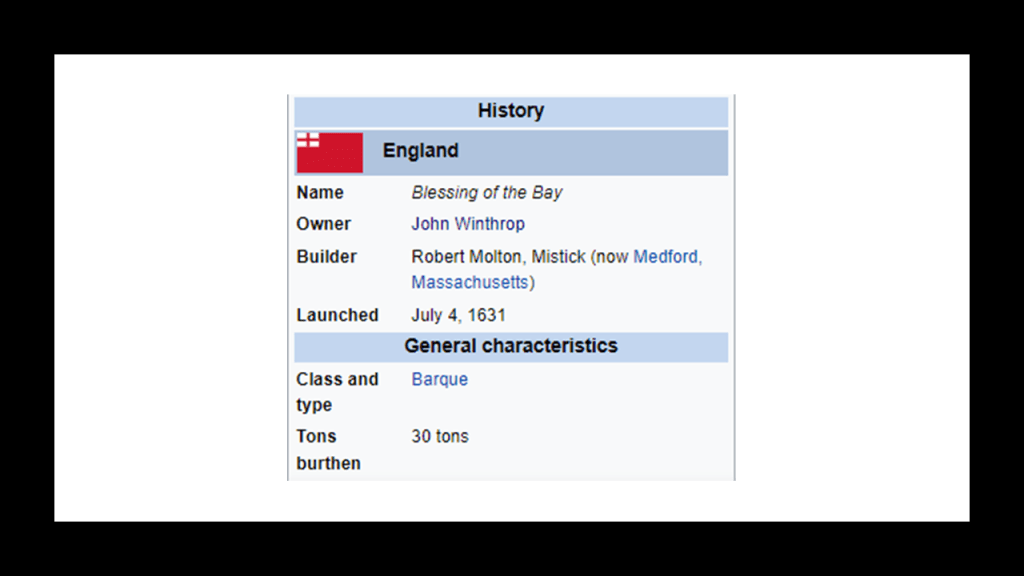
It was operated by John Winthrop as a trading and packet ship up and down the coast of New England, but only for a short time as the ship “disappeared from view,” possibly wrecked on the capes in 1633 on a voyage to Virginia with a load of fish and furs.
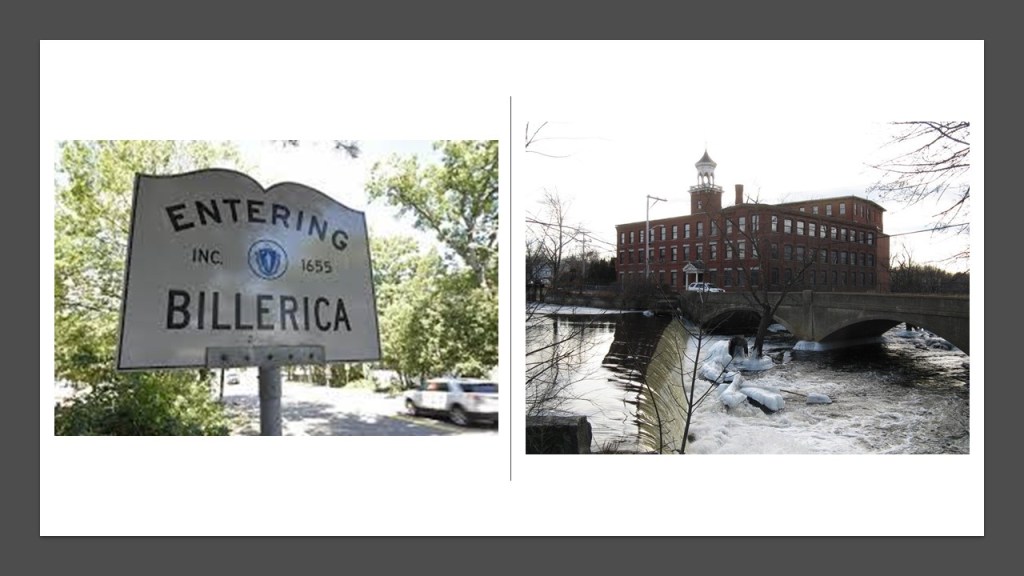
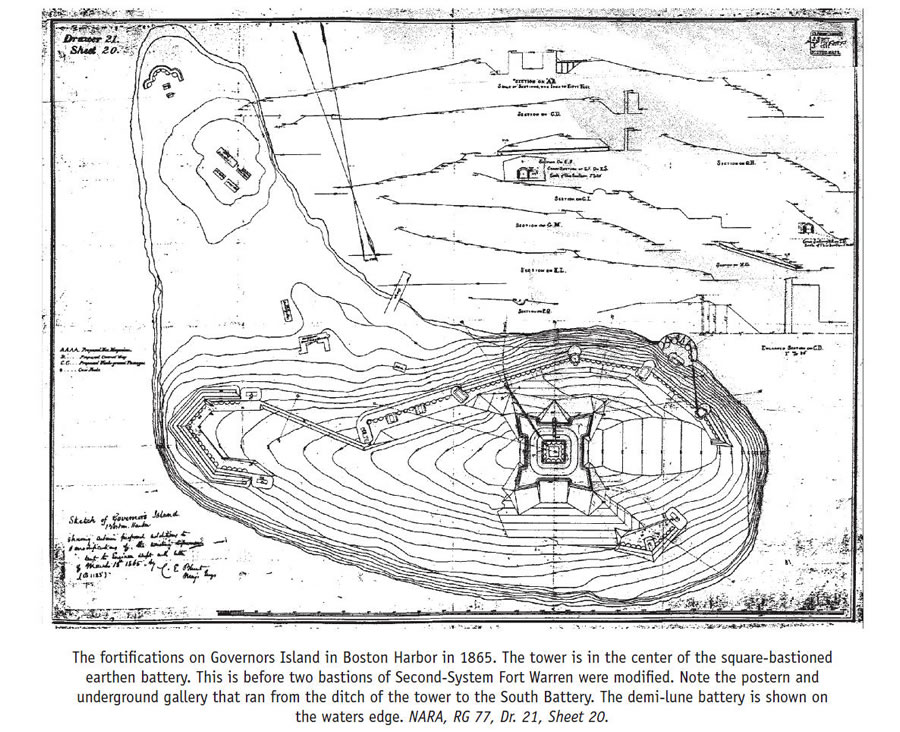
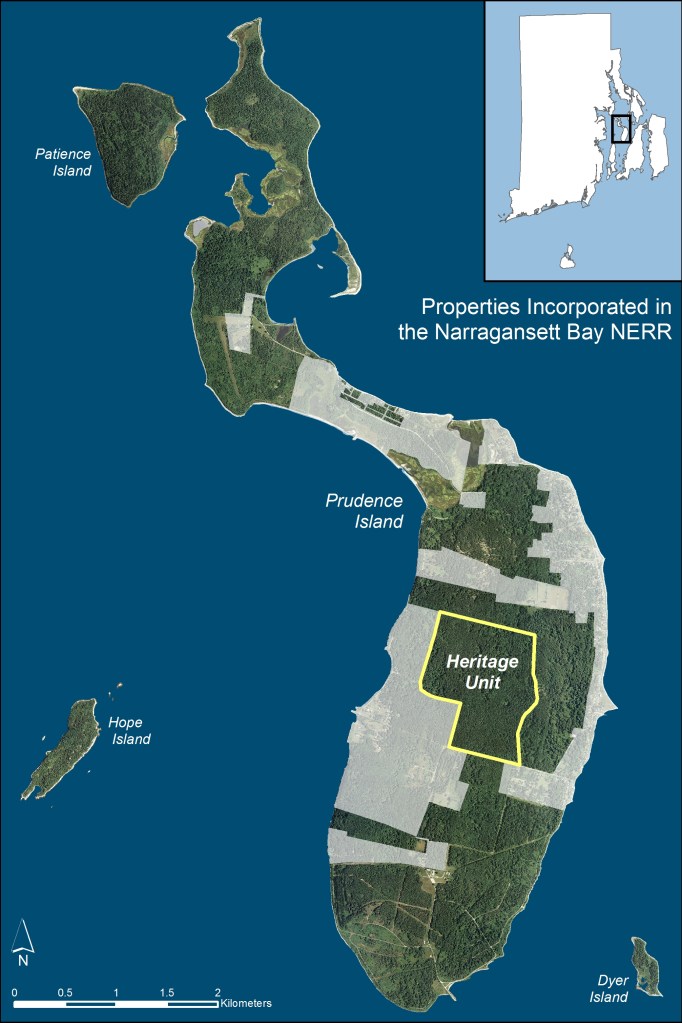
Winthrop was a big regional landowner.
He also owned the land that became the town of Billerica…
…Governor’s Island in Boston Harbor…
…and Prudence Island in Narragansett Bay in Rhode Island.
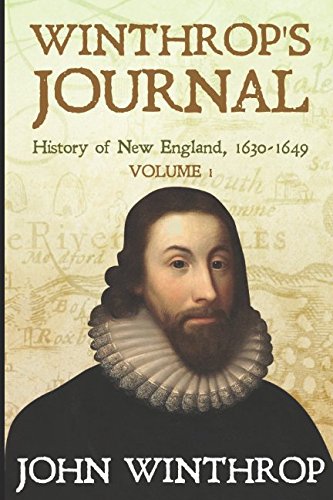
Winthrop spent a lot of time writing, including his “The History of New England: 1630 – 1649,” also known as “The Journal of John Winthrop,” which was apparently not published until the late 18th-century.
John Winthrop died of natural causes in March of 1649 and was buried in the King’s Chapel Burying Ground, the oldest cemetery in Boston and a site on the Freedom Trail.
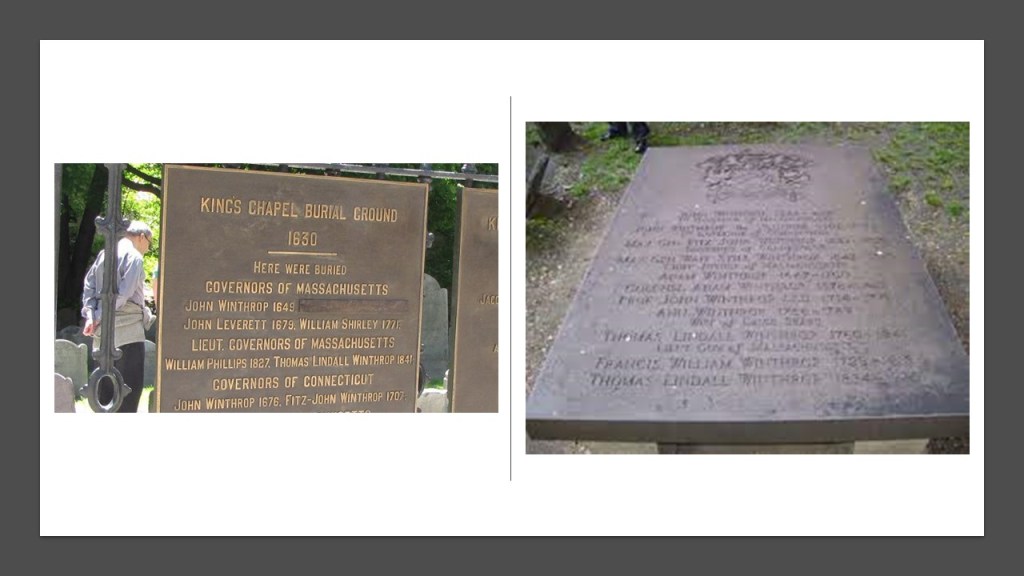
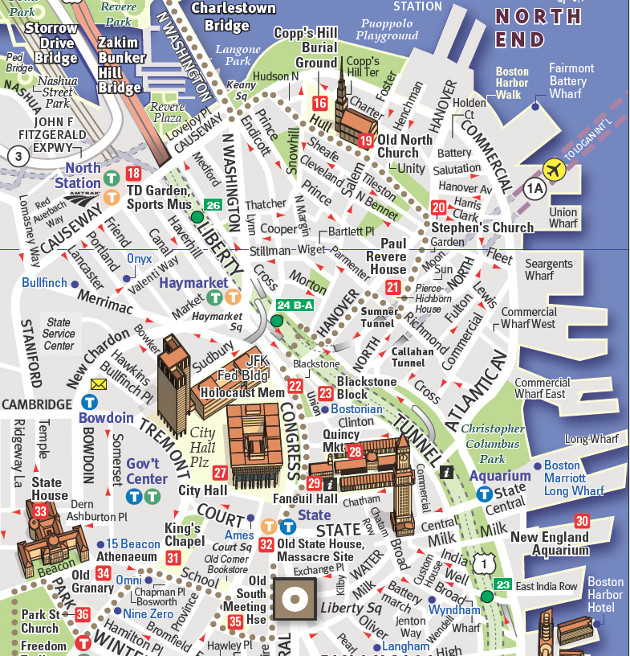
The Freedom Trail is a 2.5-mile, or 4-kilometer, -long path through Boston with sixteen locations significant to the history of the United States that was established in 1951.
Next, St. Junipero Serra.
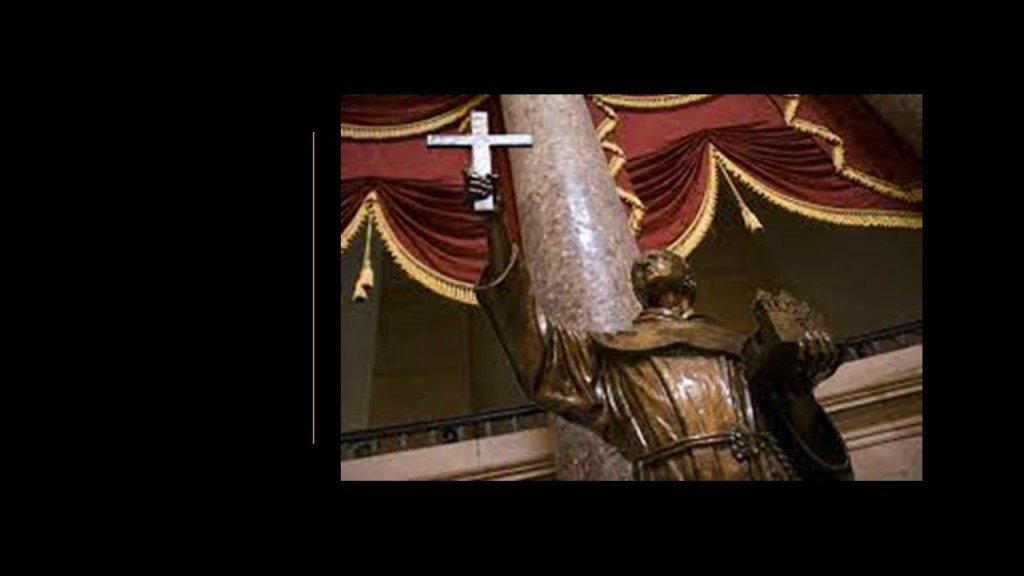
St. Junipero Serra, a Franciscan missionary and Roman Catholic priest, represents California in the National Statuary Hall.
He was credited with establishing the Franciscan Missions in the Sierra Gorda in Mexico, said to have been built between 1750 and 1760 a UNESCO World Heritage Site…
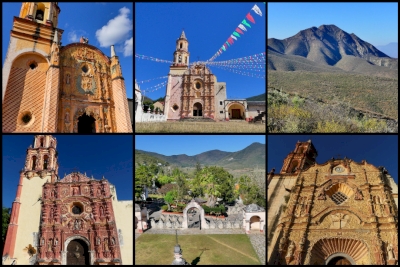
…as well as the first nine of twenty-one missions in California, from San Diego to San Francisco from 1770 to 1782.
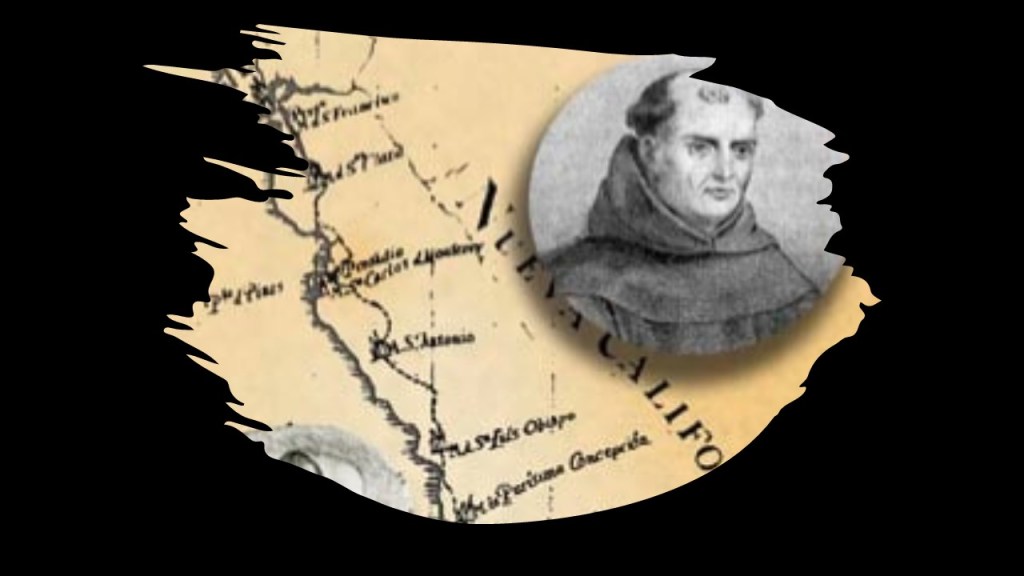
The Tongva people were indigenous to the South Channel Islands and the Los Angeles Basin.
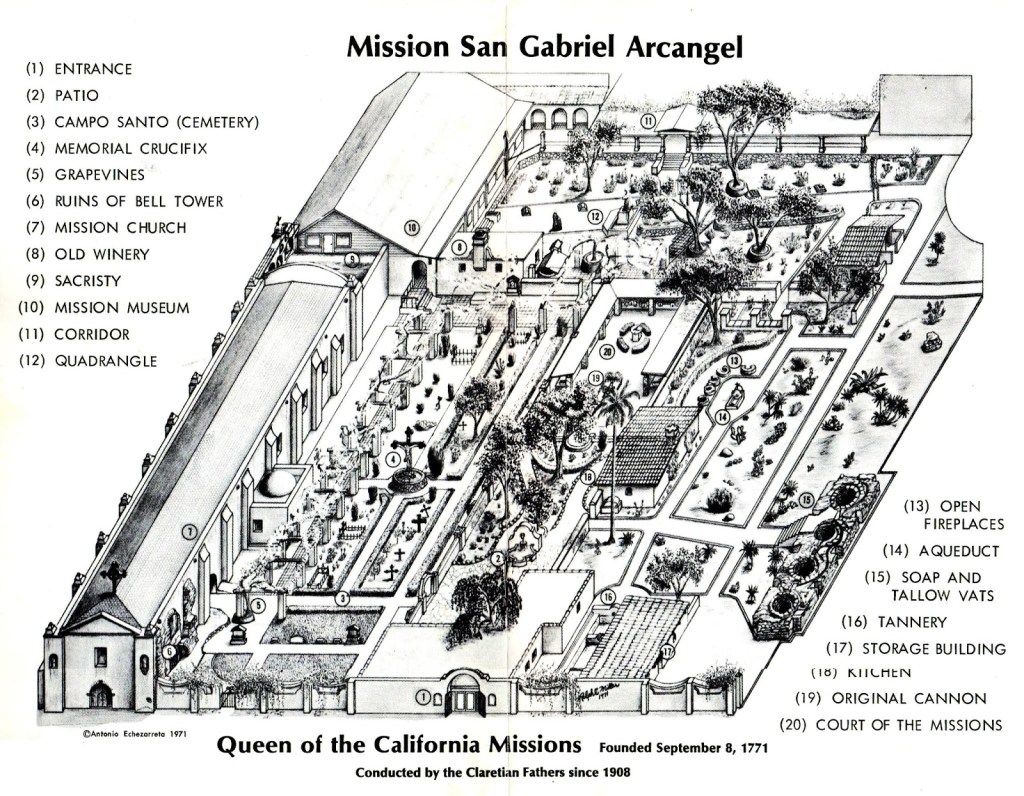
The collapse of Tongva society and culture of the region was initiated with Junipero Serra’s founding of the San Gabriel Mission in Los Angeles County in 1771.
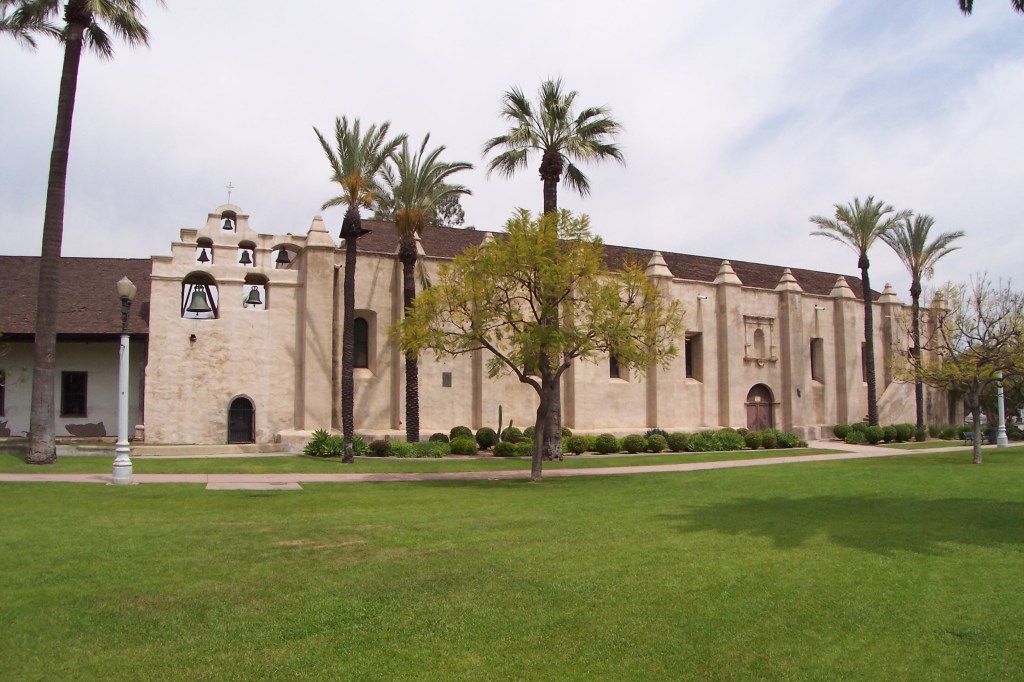
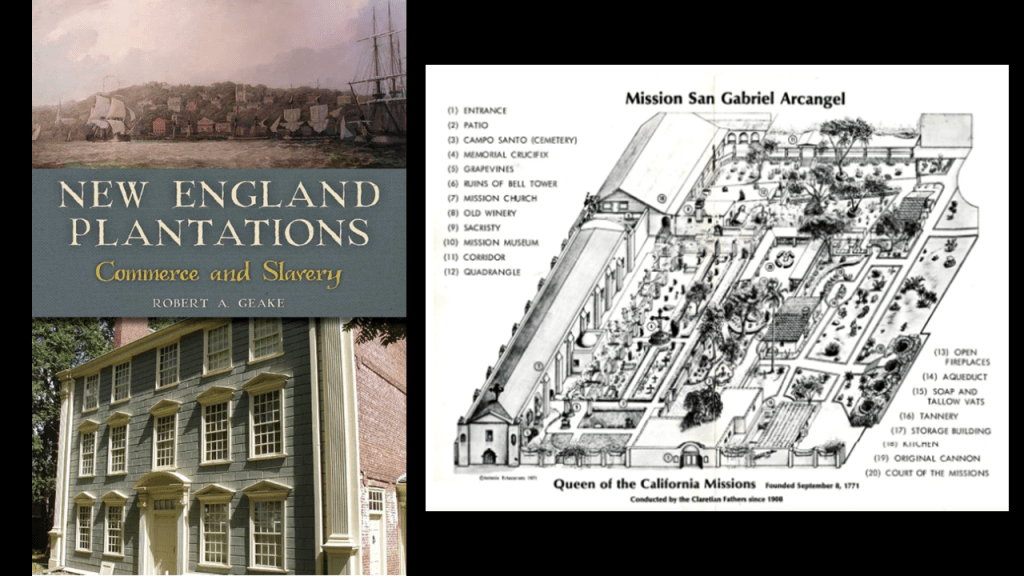
The Spanish initiated forced relocation and enslavement of the native Tongva people under the mission system to secure their labor, and some of the nicknames of the San Gabriel Mission in San Gabriel California is the “Queen of the California Missions,” and “Mother of Agriculture in California.”
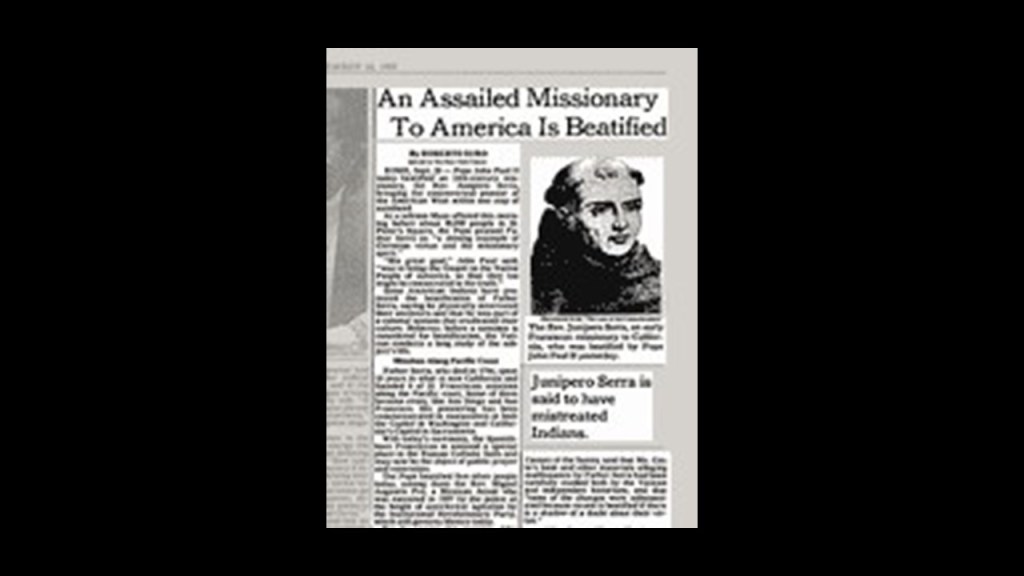
Junipero Serra was beatified in 1988 by Pope John Paul II over the denunciations of Native American tribes that accused him of heading a brutal colonial subjugation.
Then in 2015, Pope Francis canonized him, and he became Saint Junipero Serra, the first saint to be canonized on U. S. soil at the National Basilica in Washington, D. C.
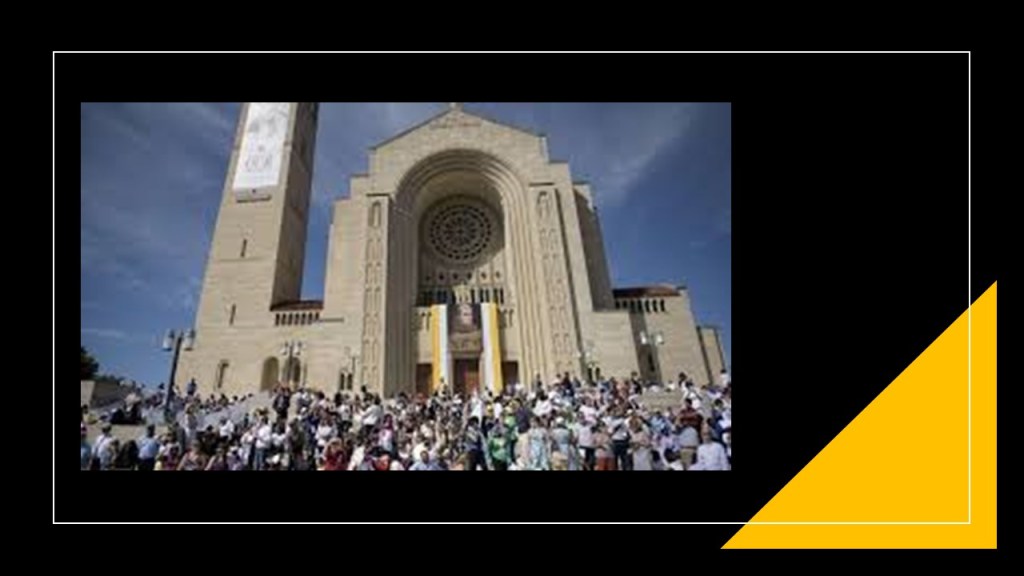
Serra was nicknamed the “Apostle of California” for his missionary efforts, but before and after his canonization, his reputation and missionary work was condemned for reasons given like mandatory conversions of the native population to Catholicism and atrocities committed against them.
That’s what they say about him anyway!
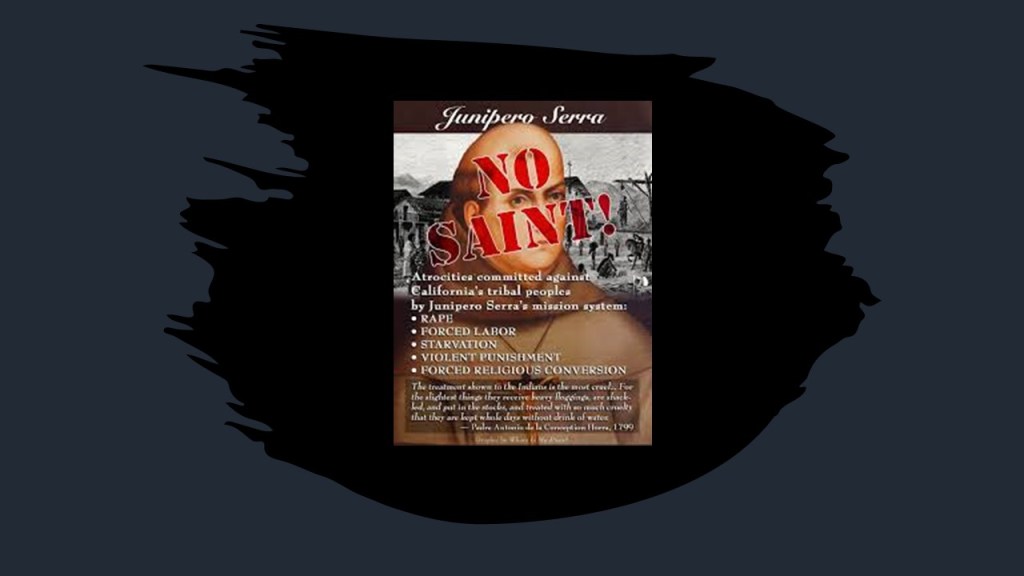
I am bringing forward unlikely pairs of historical figures who are represented in the National Statuary Hall who have things in common with each other, as mentioned at the beginning of this post.
I think the main thing that jumps out in this pairing of John Wintrhop and the sainted Junipero Serra is that they were engaged in the same kinds of activities setting up new economic slavery systems and infrastructure, with Winthrop on the East Coast for British and Church of England interests, and Serra on the west coast for the Spanish Empire and the Catholic Church .
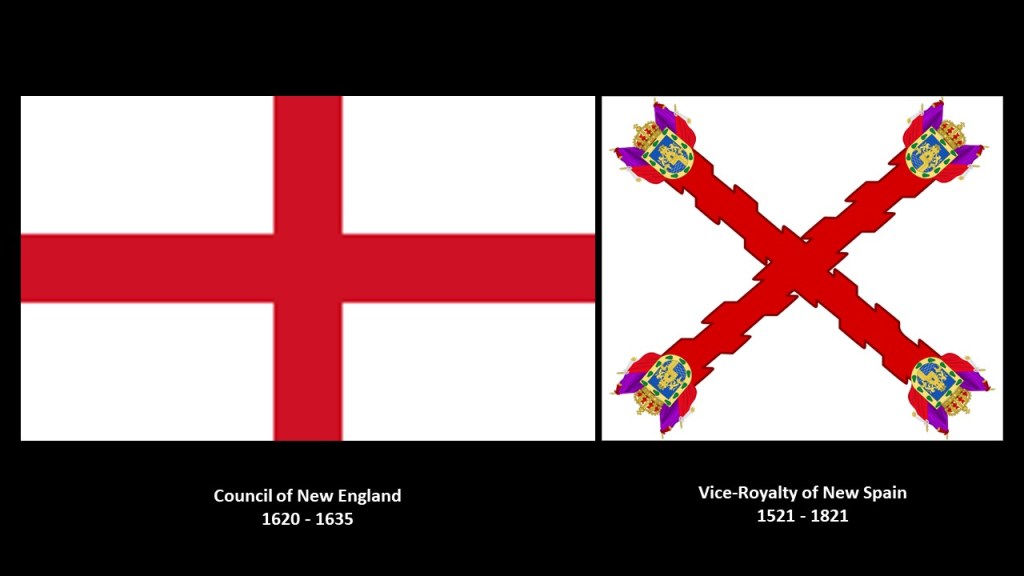
The Council of New England and the Church of England were busy colonizing and settling New England starting in 1620, almost exactly 100-years after the Vice-Royalty of New Spain and the Catholic Church did the same thing following the Spanish Conquest of the Aztec Empire in 1521.
Central Mexico became the base of expeditions of exploration and conquest, in what became a huge area that comprised the Spanish colonization of the Americas, including California among many other places, in much the same way that New England became a major starting point for the British colonization and exploration of North America.
Along these lines, the Spanish Mission System of California sounded A LOT like the English plantation system of New England.
Just going to keep putting it out there that what I am finding in the National Statuary Hall at the U. S. Capitol building in Washington, DC, seems more often than not a “Who’s Who” for the New World Order and its Agenda, and in many cases honoring obscure historical figures, like these two men, with their lives and times telling a completely different kind of story than what we normally hear about.

 Revealing What Has Been Hidden in Front of Our Eyes