A Non-Governmental Organization, also known as “NGO,” is defined as one that was formed independently from government, and perceived by the general public as benevolent and philanthropic organizations with a stated purpose of helping Humanity in a particular area or time of need.
But when you delve into specific Non-Governmental Organizations, invariably there are more questions than answers.
In this post I am going to take a closer look at the origins of the YMCA.
The “Young Men’s Christian Association,” or YMCA, the world’s the oldest and largest youth charity with a stated mission of supporting young people to belong, contribute, and thrive in their communities, started in 1844.
The history of the YMCA goes like this:
George Williams, in seeking to create a supportive community to help young men facing social challenges during England’s Industrial Revolution, founded the Young Men’s Christian Association in 1844.
This is George’s background from our historical narrative:
He was the seventh-, and last-, surviving son of farmers in Dulverton, Somerset, England, and that he started working on the family farm at the age of 13.
Then, he left the family farm in 1841 to become an apprentice to a draper.
The use of Arms went from individuals to corporate bodies starting in 1438 with a Royal Charter of incorporation, and the earliest surviving grant of arms was for the “Worshipful Company of Drapers,” formally known as “The Master and Warden and Brethren and Sisters of the Guild and Fraternity of the Blessed Mary the Virgin of the Mystery of Drapers of the City of London,” and since then have been made continously including, but not limited to, companies & civic bodies.
When I think of the word “draper,” curtains come to mind, I guess because of the word “drapery,” which pertains to curtains.
Come to find out, the word “draper” is defined as a retailer or wholesaler of cloth that was mainly for clothing.
Why all the fanfare and fancy titles for cloth merchants?
Was that the “Mystery of Drapers” referenced in the formal title of the company?
He became a Congregationalist in 1837 from Anglicanism, and at that time joined the Zion Congregational Church.
Congregationalists follow a Calvinist Protestant tradition, and each congregation is independent and autonomous from the others.
He worked as a draper at the Hitchcock-Williams store, where became a department manager in 1844.
In the same year of 1844, George gathered a group of fellow drapers together in the store where he worked, concerned about the appalling conditions in London for working young men, and determined to do something about it by forming the YMCA.
At Queen Victoria’s birthday honors in 1894, he was knighted and became Sir George Williams, and upon his death in 1905, he was buried in a crypt in London’s St. Paul’s Cathedral.
This portrait came up for young George Williams on the World YMCA website.
I find the column slightly showing in the portrait to be significant because it is quite common in portraits of prominent historical figures of this era to have features of classical architecture included in it as well…
…and you even see this example of a beautiful masonry city-scape included in this official portrait from the 1950s of Queen Elizabeth II and Prince-Consort Philip.
This was the very first logo of the YMCA, starting in 1881.
It is described as a round stamp consisting of 5 segments located on a wide strip, representing the five continents of America, Asia, Europe, Oceania and Africa.
The symbols in-between the continents are said to be miniature YMCA monograms made in different languages.
The middle of the logo contains an ancient symbol called the “Chi Rho.”
The Book of John, Chapter 7, Verse 21, referenced in the open bible in the middle of the logo is the organization’s motto: “That they may be one.”
With just a little bit of imagination, you can see the same “Chi Rho” symbol that is in the YMCA logo on the left in the Papal seal on the right…
…and if you at what is called St. Peter’s Square at the Vatican from above, you can find the shape of the “Chi-Rho” in the plaza.
Interesting that the Papal Seal would depict the crossed line in the symbol as keys, and the shape of St. Peter’s Square looks more like a keyhole than a square!
What door does the papacy hold the keys to unlock?
The mainstream accounts of the origins of the Chi-Rho say that it is one of the earliest forms of “Christogram,” forming the name of Jesus Christ, and traditionally used as a symbol in the Christian Church.
The symbol is commonly found on the vestments of Catholic priests.
But, the Chi Rho symbol is found across cultures, and believed have symbolized the body of Osiris, as well as the Constellation of Orion as a depiction in the night sky of Osiris…
…and in Egyptian art, frequently you will find important personages depicted with crossed-arms and/or arms and crook & flail, as seen with King Tut on the left; Akhnaten in the middle; and a bronze statue of Osiris on the right.
Osiris represented the “Third-Eye” in ancient Egyptian spiritual schools, also called “The Eye of Osiris.”
The “Awakening of Osiris” refers to the process of awakening and becoming consciousness itself, which is the full activation of the pineal gland and super-consciousness mind, a process all Human Beings have access to if they know about it and desire to attain it.
The two serpents in this illustration of the “Staff of Osiris” with the pineal gland at the top depict kundalini energy, which represents our life-force energy.
The human pineal gland looks just like a pine cone, so that is what this statue at the Vatican is called – the “pine cone.”
To me, all of this relates to the theft of human life force energy, and our connection to our Divine Selves and to the Heavens by such vehicles as organized religions.
George Williams was called the “Father of the Red Triangle” in reference to his founding of the YMCA.
There is even a stained-glass window honoring Sir George Williams and the YMCA as a World War I memorial in Westminster Abbey, the same place where major events concerning the British royal family take place, including coronations, weddings, and funerals, as well as the burial site of over 3,000 prominent persons in British history.
Here are some more of the versions of the red triangle in YMCA logos through the years, and it is interesting to note that the same red triangle design was also used by the Marland Oil Company which was founded in Ponca City, Oklahoma in 1917 by E. W. Marland, which merged with Continental Oil in 1929 to become Conoco, which has the same logo.
The story is that E. W. Marland, who controlled 10% of the world’s at the height of his company’s success in the 1920s, donated generously to the YMCA, and in return, was allowed to use the same inverted-triangular-shaped logo as payback.
Then, the same logo continued-on after the creation of Conoco, which financer J. P. Morgan was involved with.
I would love to know the hidden occult meaning of the inverted red triangle. I know there is more to the story, I just don’t know what it is.
When I looked to see if I could find out, these things came up.
An inverted red triangle was used by the Nazis to identify political prisoners in concentration camps…
…and in the traffic-signage department, the inverted red triangle is used to signify “dangerous” to notifying drivers there has been an accident…
…and for drivers to yield to other traffic.
So just to be clear. Having personally been a community volunteer and believer in the non-profit community for many years, I continue believe much good is accomplished through organizations like the YMCA that helps the youth they serve, and many good people are involved in their administration and implementation.
That being said, I have come to question many things I used to accept without question, that these kinds of organizations come from a completely benevolent and philanthropic place.
There seems to be a hidden agenda in the YMCA’s own history with honors and symbols that do not fit with the narrative. Like, there are hidden meanings we are not aware of just beneath the surface.
In this series called “Snapshots from the National Statuary Hall,”I am bringing forward unlikely pairs of historical figures represented in the National Statuary Hall at the U. S. Capitol who have things in common with each other.
In this post, I am pairing Francis Preston Blair, Jr, of Missouri, a Union Major General during the Civil War, with Edmund Kirby Smith of Florida, a senior officer of the Confederate States Army.
So far in this series, I have paired Michigan’s Gerald Ford, a former President of the United States, and Mississippi’s Jefferson Davis, the former President of the Confederate States of America, and both men featured on the cover of the “Knight Templar” Magazine,; Dr. Norman Borlaug, Ph.D, often called the “Father of the Green Revolution; and Colorado’s Dr. Florence R. Sabin, M.D, a pioneer for women in science, both of whom worked for the Rockefeller Foundations; Louisiana’s controversial Socialist Governor, Huey P. Long, and Alabama’s Helen Keller, a deaf-blind woman who gained prominence as an author, lecturer, Socialist activist; Henry Clay, attorney and statesman from Kentucky, and Lewis Cass, military officer, politician and statesman from Michigan, contemporaries who were both Freemasons and unsuccessful candidates for U. S. President.; John Gorrie for Florida, a physician and inventor of mechanical refrigeration and William King for Maine, a merchant and Maine’s first governor, both Freemasons; and Dwight D. Eisenhower, Supreme Commander of the Allied Expeditionary Force in Europe during World War II and former President representing the State of Kansas, and Lew Wallace, Union General and former Governor of New Mexico Territory, representing the State of Indiana, both of whom were involved in the entirety of their major wars, and in the events concerning crimes int he aftermath of their wars.
First, Francis Preston Blair, Jr.
He was a U. S. Senator and Congressman for Missouri, and a Union Major General during the Civil War.
Blair was born in Lexington, Kentucky, in February of 1821.
He was the youngest son of politician and newspaper editor Francis Preston Blair, Sr, an early member of the Democrat Party and strong supporter of Andrew Jackson, helping him win Kentucky in the Presidential election of 1828…
…and his brother Montgomery was the Mayor of St. Louis, and Postmaster General under President Lincoln.
Montgomery Blair was also the attorney for Dred Scott.
The Blair House in Washington, DC, is used an official residence, used primarily as a state guest house for visiting dignitaries and other guests of the U. S. President.
Come to think of it there is a high school in Montgomery County, Maryland, where I grew up, and come to find out, it was named in Montgomery Blair’s honor.
Interesting to note the mascot for the school is called “The Blazer,” and not the “Red Devil” that it looks like.
Hmmm, in the past I wouldn’t have thought twice about this not being noteworthy, but now I look at things completely differently as to what it could possibly mean.
Back to Francis Preston Blair Jr.
He received his early education in schools in Washington, DC, then received his higher education at Yale University in New Haven, Connecticut…
…the University of North Carolina in Chapel Hill…
…and he graduated from Princeton University in New Jersey in 1841.
Blair studied law at Transylvania University in Lexington, Kentucky.
Blair was admitted to the bar in Lexington, and first went into law practice in 1842 with his brother Montgomery in St. Louis, and then went to work in the law office of Thomas Hart Benton in St. Louis, between 1842 and 1845.
Blair travelled out west for a buffalo hunt in 1845, and stayed at Bent’s Fort in present-day La Junta on the Santa Fe Trail in eastern Colorado with his cousin, George Bent.
Bent’s Fort was situated in the vicinity of bends in the Arkansas River, in the same manner that Fort Snelling, which we are told was established in Minnesota in 1819, just happens to be situated directly next to the river-bends of the Mississippi River between Minneapolis and St. Paul, and yes I do think there is an energy connection between star forts and river-bends like these.
Blair joined the expedition of Brigadier General Stephen Kearney in Santa Fe after the beginning of the Mexican-American War in April of 1846, which started after the United States annexed Texas in 1845.
Kearney took a force, called the “Army of the West,” consisting of about 2,500 men to Santa Fe, New Mexico, during the Mexican-American War, that was headquartered at Fort Leavenworth, Kansas, the oldest settlement in Kansas, and the second-oldest active army post west of Washington, DC.
After the Mexican-American War, broken up into both the “Department of the Pacific” and the “Department of the West,” both commands of the U. S. Army during the 19th-century.
By the end of June of 1846, Kearney’s “Army of the West” advanced on the Santa Fe Trail.
Kearney and his army moved into present-day New Mexico and seized Santa Fe between August 8th and August 14th of 1846, where he established a military government.
Kearney subsequently appointed Francis P. Blair, Jr, as Attorney-General for the New Mexico Territory, and Blair established an American Code of Law for the region, as well as becoming a judge on a newly-established circuit court.
On September 25th of 1846, Kearney set out from Santa Fe with military forces as part of a concerted military operation involving several units to conquer and take possession of California.
After putting up fierce resistance in a number of battles that took place during this time, the Californians surrendered on January 13th of 1847 to John C. Fremont, and Kearney was the military governor of California in Monterey until May of that year.
Blair returned to St. Louis in the summer of 1847.
He entered the political arena, and served in the Missouri House of Representatives from 1852 to 1856, and was an outspoken “Free Soiler,” a coalition party focused on the issue of opposing the expansion of slavery into the western states.
The Free Soil Party was active from 1848 to 1854, at which time it merged into the Republican Party.
Blair was elected to the U. S. House of Representatives as a Republican in 1856.
Though a slave-owner himself, Blair made major speeches during this time calling slavery as a national problem, proposing to solve it by gradual emancipation, and by acquiring land in Central and South America on which to settle freed slaves.
Over the next few years Blair was in-and-out of the U. S. House of Representatives for a variety of reasons and did not stay put there, including becoming a colonel in the Union Army in July of 1861 after being elected in 1860.
We are told the State of Missouri was a hotly-contested border state during the Civil War years, with a mix of pro-Union and pro-secession.
Missouri sent armies, generals and supplies to both sides, maintained two governments, and went through a bloody neighbor-against-neighbor in-state war within the larger national war.
Missouri’s position at the geographic center of the country and at the edge of the American frontier made it divisive battleground, and when the American Civil War started in 1861, the state became a strategic territory in the Trans-Mississippi Theater, with both sides vying for control of the Mississippi River, and the importance of St. Louis as economic hub.
And…apparently Francis P. Blair Jr was in the thick of it in Missouri.
So, for example, right after South Carolina seceded from the Union in December of 1860, Blair anticipated southern leaders trying to lead Missouri into the secession movement, so he personally organized and equipped a Home Guard of several thousand members from a group called the “Wide Awakes,” a paramilitary youth organization cultivated by the Republican Party during the 1860 election year.
By the middle of the 1860 election campaign, Republicans estimated there were “Wide Awake” Chapters in every northern (free) state, and that there were 500,000 members by President Lincoln’s election.
The groups held social events, promoted comic books, and introduced many young people to political participation.
The standard “Wide Awake” uniform was a full robe or cape; a black-glazed cap; and a torch that was six-feet in length, with a whale-oil container mounted to it.
The “Wide Awakes” also adopted a large eyeball as their standard bearer.
Blair also recruited members of the German gymnastic movement in St. Louis for his Missouri Home Guard.
Called “Turners,” they were members of German-American gymnastic clubs called “Turnvereins.”
They promoted German culture, physical culture, and liberal politics.
The Turner Movement in Germany was started was started by nationalist Friedrich Ludwig Jahn in 1811 when Germany was occupied by Napoleon.
The politically-liberal Turner Movement in Germany was suppressed after the Revolutions of 1848, in which many Turners took part, so many Turners left Germany for the United States, in particular the Ohio Valley Region, Missouri, Wisconsin, and Texas.
Several of these “Forty-Eighters” went on to become Union soldiers and Republican politicians.
Turners were also active in public education and labor movements.
All I can say is “What is this?”
What was really going on here?
So anyway, Blair, and Captain Nathaniel Lyon transferred the arms in the U. S. Arsenal in St. Louis to Alton, Illinois, located across the Mississippi River from St. Louis.
Then, on May 10th of 1861, Lyon, Blair’s Home Guard, and a U. S. Army Company, captured hundreds of secessionist state militia at Camp Jackson who had been positioned to take over the arsenal in an event known as the Camp Jackson Affair…or the Camp Jackson Massacre.
The Massacre took place when the captives were marched into town, and hostile secessionist crowds gathered. From a single gunshot, described as accidental, Lyon’s men fired into the crowd, killing 28 civilians and injuring dozens more.
Several days of rioting followed, which was only stopped with the imposition of martial law.
While Lyon’s actions gave the Union control of St. Louis and the rest of Missouri for the remainder of the Civil War, it deepened the ideological divisions in the state.
After this incident, open warfare between Union troops and followers of the pro-Southern Governor of Missouri, Claiborne Jackson, was about to break-out.
On May 21st, the Union General William S. Harney, Commander of the U. S. Army of the West, agreed to the Price-Harney Agreement with the Missouri State Guard Commander Sterling Price to avoid hostilities.
The Agreement left the Union in control of the arsenal and St. Louis, and left the secessionist, Price, in charge of the Missouri State Guard and most of the rest of the state.
Blair objected to the Harney-Price Agreement, and contacted Republican leaders in Washington, DC.
President Lincoln relieved Harney of command, and Nathaniel Lyon became the Commander of the Department of the West on May 30th of 1861, with an order to keep Missouri in the Union.
Lyon drove Sterling Price and Governor Jackson to the southwestern corner of the state, where Lyon was killed near Springfield, Missouri, in the “Battle of Wilson’s Creek,” the first major battle of the Trans-Mississippi Theater of the American Civil War, and resulted in a Confederate victory.
Though the state stayed in the Union for the remainder of the war, the battle gave Confederates control of southwestern Missouri.
Blair helped organize a new pro-Union state government and John C. Fremont took over command of the U. S. Army Western Department.
Fremont’s mission was to organize, equip, and lead the Union Army down the Mississippi River, reopen commerce, and cut-off the western part of the Confederacy, and his main goal as the Commander of the Western Army was to protect Cairo, Illinois, at all costs.
The city of Cairo, Illinois, was located at the southernmost point in Illinois, at the confluence of the Mississippi and Ohio Rivers.
Southern Illinois where Cairo is referred to as “Little Egypt.”
I say was because today, Cairo is empty and deserted, and considered a ghost town.
In its heyday, Cairo was an important city along the steamboat routes and railway lines.
Blair and Fremont, however, clashed over Fremont’s military operations in Missouri, particularly how money was being spent.
Apparently, Fremont was spending money on equipment and supplies, and that Blair expected money to go to his allies in the business community of St. Louis.
Fremont was discredited in part because of Blair’s influence, and replaced as commander in November of 1861.
In July of 1862, Blair was appointed as a colonel of Missouri Volunteers; promoted to Brigadier General of Volunteers in August of 1862; and Major-General in November of 1862.
His military service during the Civil War consisted of: commanding a brigade consisting of companies from Missouri, Illinois, and Ohio; commanding divisions in Vicksburg, Chattanooga, and protecting rear armies of Sherman’s “March to the Sea.”
After the Civil War, not only was Blair financially ruined because he spent so much of his private fortune in support of the Union, he also became disgruntled with the Republican Party and left it, along with his father and brother, because the Blair family did not like the Congressional Reconstruction policy.
By this time, for the remainder of Blair’s life, his political career was pretty much over for all intents and purposes.
He died on July 8th of 1875 from head injuries he sustained after a fall at the age of 54, while serving as Missouri’s State Superintendent of Insurance, and was buried at Bellefontaine Cemetery in St. Louis.
Next, I am going to feature Edmund Kirby Smith, who represents the State of Florida in the National Statuary Hall.
Edmund Kirby Smith was a senior officer of the Confederate States Army who commanded its Trans-Mississippi Department between 1863 and 1865.
The Trans-Mississippi Department of the Confederate States Army was comprised of Arkansas, Texas, Missouri, western Louisiania, Arizona Territory and Indian Territory.
Edmund Kirby Smith was born in St. Augustine, Florida, in 1834, the youngest child of attorney Joseph Lee and his wife Francis.
Both of his parents were natives of Litchfield, Connecticut before moving to St. Augustine in 1821, where his father was appointed as a Superior Court Judge in the new Florida Territory, of which St. Augustine was the capital between 1822 and 1824.
Litchfield, Connecticut was the location of the Litchfield Law School, the first independent law school established in America for reading law, founded by lawyer, educator and judge Tapping Reeve in the 1770s, and it was a proprietary school that was unaffiliated with any college or university.
I looked up meanings for the unusual name of “Tapping Reeve,” and here is what I found as some possibilities:
Tapping – To exploit or draw a supply from a resource.
Reeve – Administrator, attendant; curator; agent; director; foreman; and the list goes on.
Something to think about.
Edmund Kirby Smith entered West Point in 1841 and graduated in 1845, and by August of 1846 was serving in the 7th U. S. Infantry as a Second Lieutenant.
He served in several battles of the Mexican-American War, which took place between 1846 and 1848 after the United States annexed Texas in 1845, and had obtained the rank of captain by the end of it.
After the Mexican-American War and before the American Civil War, Smith taught mathematics at West Point between 1849 and 1852, as well as pursuing his scientific interest in botany, and was credited with collecting and describing species of plants native to Florida and Tennessee.
Then, he returned to leading troops in 1859 in the Southwest.
Smith was promoted to Major in January of 1861 when Texas seceded from the Union, and he refused to surrender his command at Camp Colorado in what is now Coleman to the Texas State Troops.
Within just a few months, Smith had resigned his commission in the United States Army to join the Confederacy.
He had been promoted to the rank of Brigadier-General in June of 1861, and given a command of a brigade in the Army of the Shenandoah, which he led in the First Battle of Bull Run on July 21st of 1861, the first major battle of the civil war, in which he was severely wounded.
Smith recovered from his injuries, and returned to duty in October of 1861 as a Major-General and division commander of the Army of Northern Virginia for awhile, the primary military force of the Confederate States in the Eastern Theater of the Civil War.
Then in February of 1862, he was sent west to command the eastern division of the Army of Mississippi, cooperating with General Braxton Bragg in what was called the “Invasion of Kentucky,” during which time he was victorious in the Battle of Richmond in Kentucky, called one of the most complete confederate victories in the war, and the first major battle in the Kentucky Campaign.
By October of 1862, Smith was promoted to Lieutenant-General, commanding the 3rd Corps, Army of Tennessee.
Then in January of 1863, Edmund Kirby Smith was transferred to command the Trans-Mississippi Department, and for the rest of the Civil War he remained west of the Mississippi River.
His Trans-Mississippi Department never had more than 30,000 men stationed over a large area and he wasn’t able to concentrate his forces enough to challenge the Union Army or Navy.
After the Union forces captured Vicksburg, Mississippi on July 4th of 1863…
…and Port Hudson in Louisiana, on July 9th of 1863…
…Edmund Kirby Smith’s forces were cut off from the Confederate Capital of Richmond, Virginia.
As a result of being cut-off from Richmond, Smith commanded and administered a nearly independent area of the Confederacy, and the whole region became known as “Kirby Smithdom.”
Ultimately, the Confederate General Edmund Kirby Smith surrendered the Trans-Mississippi Department on May 26th of 1865 on board the U. S. S. Fort Jackson on Galveston Bay in Texas to the Union Major General Edward Canby, approximately eight-weeks after General Robert E. Lee’s surrender to General Ulysses S. Grant in Virginia.
Edmund Kirby Smith was active in the telegraph business as the President of the Atlantic and Pacific Telegraph Company following the Civil War, from 1866 to 1868…
…served as the Chancellor of the University of Nashville from 1870 and 1875…
…and taught mathematics and botany at the University of the South in Sewanee, Tennessee…
…in whose cemetery he was buried after his death from pneumonia in 1893.
I am bringing forward unlikely pairs of historical figures who are represented in the National Statuary Hall who have things in common with each other, as mentioned at the beginning of this post.
In this pairing for things in common with each other, both men were out in what became the western United States, after Texas was annexed in 1845, and heavily involved in the events and activities of the Mexican-American War, which lasted from 1846 to 1848.
Both Blair and Kirby Smith served as General-grade officers during the Civil War, with Blair commanding Union troops, and Kirby Smith commanding Confederate troops.
And both men were closely connected with the Trans-Mississippi Department, with Blair’s home state of Missouri being part of it, and from July of 1863 to May of 1865, Kirby Smith was the commander and administrator of this pretty much independent area of the Confederacy.
Shreveport in Louisiana was the location of one of the two headquarters of the Trans-Mississippi Department of the Confederate Army, the other being in Marshall, Texas.
I first learned about the Trans-Mississippi Department when I was doing some research around Albert Pike, an influential 33rd-degree freemason who was a senior officer of the Confederate Army who commanded the District of Indian Territory in the Trans-Mississippi Theater of the American Civil War, otherwise known as Oklahoma.
Around this same time period, Albert Pike was the Sovereign Grand Commander of the Supreme Council of Scottish Rite’s Southern Jurisdiction, a position which he held from 1859 to 1891.
As a matter of fact, there is an interesting similarity between the decoration for the Trans-Mississippi Department, with the motto of the Confederacy – “Deo Vindice” or something along the lines of “With God, our Defender” – and the decoration of the Order of the Sovereign Grand Inspectors General of the Scottish Rite, which has the Masonic Motto of the 33rd-Degree – “Ordo Ab Chao” and “Deus Meumque Jus” – inscribed on it, which translates to “Order out of Chaos” and “God and My Right.”
These sound a lot like the motto for the University of Wisconsin-Madison – “Numen Lumen” – which can be translated from the Latin as “God, Our Light,” and like “Heaven’s Light Our Guide” that was found on the flags of the various Presidencies in India, like that of the “Madras Presidency,” of the British East India Company.
And the University of Wisconsin-Madison seal looks like the standard of Blair’s “Wide Awake” movement seen earlier in this post.
At any rate, we are told that over 200,000 men were engaged in the Trans-Mississippi Theater of War, and there were all together 7 battles in Arkansas, New Mexico, Missouri and Louisiana between 1862 and 1864.
This was also the heart of the ancient Washitaw Empire, with Monroe, Louisiana being the Imperial Seat.
This was the battle flag of the “Army of the West,” another name for the Trans-Mississippi District of the Confederacy’s Army of the Mississippi.
What would stars and a crescent be doing on a Confederate Army’s battle flag?
The star and crescent symbolism has been identified with Islam, and what we are told is that this happened primarily with the emergence of the Ottoman Turks, and for one example of several national flags, are depicted on the modern Turkish flag.
I also read where the Egyptian hieroglyphs of a star and the crescent moon denote the Venus Cycle from morning star to evening star.
And why is theater, defined as a collaborative form of performing art that uses live performers, usually actors or actresses, to present the experience of a real or imagined event before a live audience in a specific place, like a stage, the word choice for an area or place in which important military events occur or are progressing?
A theater can include the entirety of the air space, land and sea area that is or that may potentially become involved in war operations.
As is so often the case, I am left with more questions than answers about the gaps, no…gaping holes, in our historical narrative about what was really going on here during this period of time.
The National Statuary Hall at the U. S. Capitol building consistently provides us with tantalizing clues in the lives of the historical characters chosen to represent their respective states, almost like a “Who’s Who” of the New World Order’s historical reset activities, many of whom are obscure individuals like Francis Preston Blair, Jr, and Edmund Kirby Smith.
The American Red Cross was founded in 1881 by Clara Barton as a non-profit humanitarian organization that provides emergency assistance, as well as disaster relief and disaster preparedness education.
Clara Barton had been a hospital nurse during the American Civil War.
The International Committee of the Red Cross was founded in Geneva, Switzerland in 1863, with the stated purpose of protecting victims of conflicts and providing them with assistance.
Barton learned of the Red Cross in Switzerland, and went to Europe in 1869 and became involved in its work during the Franco-Prussian War between the Second French Empire under Emperor Napoleon III and the North German Confederation under Chancellor Otto von Bismarck.
The Second French Empire ended with the defeat of Napoleon III military forces to the Germans in the Franco-Prussian War.
Interesting side-note about the Franco-Prussian War is that it was said that the German Chancellor Otto von Bismarck manipulated the situation to cause the war by dispatching the Ems Telegram on July 14th of 1870, inciting the Second French Empire to declare war on the Kingdom of Prussia on July 19th of 1870.
Bismarck also annexed Alsace-Lorraine on the border with Germany, which was part of France, as a result of the Franco-Prussian War of 1870 – 1871.
We are told that France’s determination to regain Alsace-Lorraine, and fear of another Franco-German war, as well as British apprehension about the balance-of-power, became factors in the causes of World War I.
At any rate, Clara Barton returned to the United States determined to start the Red Cross in America.
She had connections in upstate New York, and the American Red Cross was established on May 21st of 1881 in Dansville, New York, and the first local chapter was at the English Evangelical Lutheran Church of Dansville.
Other names involved in the establishment of the American Red Cross included Senator Omar D. Conger, who had a home in Dansville where its founders met…
….even though he was one of the Senator’s for Michigan and had lived and worked in Port Huron, in Michigan’s region known as “The Thumb.”
Ohio Representative William Lawrence was also involved, who was noted for attempting to impeach President Andrew Johnson in 1868 and for his role in creating the Department of Justice in 1870.
John D. Rockefeller was amongst several that donated to create a national headquarters near the White House in Washington, DC, said to have been built between 1915 and 1917.
When I found this photo of John D. Rockefeller, I found this excerpt on a website called “Scientific Dictatorship…”
…and the article it was from called “The American Red Double Cross”can’t be found.
Moving right along…nothing to see here, right? Yeah, right!
The first official disaster relief operation of the American Red Cross was responding to the Michigan Thumb Fire, which started on September 5th of 1881,with hurricane-force winds and hot and dry conditions this was less than four months after the establishment of the American Red Cross with the participation of the Michigan Senator Omar D. Conger who had lived and worked in Port Huron in the “The Thumb” as mentioned previously.
As a matter of fact, around 10-years earlier,there was a fire called the Port Huron Fire on October 8th of 1871, which burned a total of 1.2-million-acres, of Michigan’s Thumb region.
This was the exact same day as the Great Chicago Fire and the Peshtigo Fire in Wisconsin, as well as two other fires in Michigan – in Manistee and Holland.
All coincidences?
Interesting to note the following descriptions that accompanied the 1881 Michigan Thumb Fire.
Soot and ash from the fire caused sunlight to be obscured in places on the U. S. East Coast and in New England, the sky had a yellow appearance, and which caused a strange luminosity in and on buildings and vegetation, and Tuesday, September 6th of 1881, became known as “Yellow Tuesday” because of this unsettling event.
Early false flags?
Problem – Reaction – Solution?
Did they actually create the disasters, and then provide the response to the disasters?
Let’s take a close look at the next major disaster the American Red Cross responded to in this light, which was the Johnstown Flood in Pennsylvania that took place on May 31st of 1889.
The Johnstown Flood was caused by the catastrophic failure of the South Fork Dam.
The South Fork Dam was said to have been an earthwork built between 1838 and 1853 as part of a canal system as a reservoir for a canal basin in Johnstown by the Commonwealth of Pennsylvania.
But then after spending 15-years building the dam, it was abandoned by the Commonwealth, and sold to the Pennsylvania Railroad, who turned around and sold it to private interests.
In 1881, speculators had bought the abandoned reservoir and built a clubhouse called the South Fork Fishing and Hunting Club and cottages, turning it into an exlusive retreat for 61 steel and coal financiers from Pittsburgh, including Andrew Carnegie, Andrew Mellon, Philander Knox, John Leishman, Henry Clay Frick and Daniel Johnson Morrell.
The South Fork Fishing and Hunting Club was a Pennsylvania Corporation and owned the South Fork Dam.
What we are told was that the dam failed after after days of unusually heavy rain, and 14.3-million-tons of water from Lake Conemaugh, which devastated the South Fork Valley, including Johnstown which was 12-miles downstream from the dam, killing an estimated 2,209 people and causing $17-million in damages in 1889, which be $490-million in 2020.
Wow, look at all the electric poles and wires in this photo of the aftermath of the flood in Johnstown!
Though the were years of claims and litigation, the elite and wealthy members of the South Fork Fishing and Hunting Club were never found liable for damages.
In 1904, the South Fork Fishing and Hunting Club corporation was disbanded and assets sold at a public auction by the sheriff, and there were permanent exhibits in many places, like Atlantic City, depicting the horrors of the Johnstown Flood experience for public consumption.
Along with exhibits depicting the Johnstown Flood, exhibits about the Galveston Flood were also to be found, like this one at the 1904, St. Louis World’s Fair , said to have resulted from a Hurricane on September 8th of 1900 in our historical narrative, and which has been described as the deadliest natural disaster in United States history.
Clara Barton was forced out as President of the American Red Cross in 1904.
Mabel Thorp Boardman stepped into the leadership role, and we are told worked with senior government officials; military officers; financiers; and social workers.
Professional social workers made the organization a model of Progressive Era scientific reform, which was described as a period of widespread social activism and political reform from the 1890s to the end of World War I in 1918.
The movement had the stated objectives of addressing social problems created by industrialization; urbanization; immigration; and political corruption.
It was the time of anti-trust laws, women’s suffrage, and during which time the U. S. Food and Drug Administration came into existence in 1906.
It was also the period of time during which the RMS Titanic sank, and for which the New York chapter of the American Red Cross, along with the Charity Organization Society, gave money to survivors and dependents of those who died after, we are told, the Titanic sank as a result of striking an iceberg on April 15th of 1912.
It was also the time period when a meeting took place at Jekyll Island off the coast of the State of Georgia to lay the foundations of the Federal Reserve, between November 20th and November 30th, in 1910.
Then the Titanic sank in 1912.
Prominent people opposed to the creation of the Federal Reserve were on board, including John Jacob Astor IV, Benjamin Guggenheim, and Isidor Strauss.
Then on December 23rd, 1913, the Federal Reserve Act Passed Congress, signed into law by Woodrow Wilson.
It created and established the Federal Reserve System, and created the authority to issue Federal Reserve Notes (commonly known as the US dollar) as legal tender.
When I looked at the names of past Chairpersons of the Board of Governors of the Red Cross, one name really jumped out at me, and that was E. Roland Harriman, who occupied that leadership position from 1950 to 1973.
It jumped out at me because when I was doing research on the life of George Peabody, I encountered the merger of the Brown Brothers & Company with the Harriman Brothers & Company to become the “Brown Brothers Harriman & Company,” one of the oldest and largest private investment banks in the United States.
Founding partners of the “Brown Brothers Harriman & Company” included W. Averill Harriman, the son of railroad baron E. H. Harriman, and Secretary of Commerce under President Harry S. Truman, and brother of E. Roland Harriman.
…and Prescott Bush, American banker and politican, and the father of President George H. W. Bush.
Roland, or “Bunny” as he was nicknamed, attended Yale University, where he was a member of the “Skull and Bones” Society with his friend and classmate… Prescott Bush.
Also along with Prescott Bush, Bunny Harriman was one of the seven directors of the Union Banking Corporation, which financed Fritz Thyssen, a donor to the Nazi Party, and whose assets were seized by the United State government during World War II under the “Trading with the Enemy Act.”
Hmmm, wonder what that was really all about!
Brings to mind the Red Cross-marked boxes of cash that made the rounds on social media a couple of years ago that I happened to see.
I am really getting the impression that the Red Cross doesn’t operate as advertised and is, among other things, a really sophisticated money-laundering scheme, only it didn’t start out as dirty money but as charitable donations!
I am sure there is a lot more I can dig up about the Red Cross, but this is more than enough to give you the idea that something ain’t right!
Join me on this trek across the Serpent Leyline, which was identified by Gaiagrapher Peter Champoux, through the grand lost world that has been hidden just beneath the surface of our awareness and the new world control-matrix that was built right on top of it.
I dusted off some old research that I didn’t think would take me very long to put together, but this in-depth trek from the Bermuda Triangle through the Great Serpent Mound in Ohio to Lake Itasca in Minnesota, the headwaters of the Mississippi River, has taken me weeks longer to finish than I expected and contains something of everything – star forts and lighthouses, abandoned railroads, giant trees, hardwood swamps, dunes, mounds with perfect astronomical alignments, giants, fires, floods, extensive resource harvesting, mills, mines, company towns, you name it.
Awhile back, a viewer introduced me to Peter Champoux’s work by identifying the Serpent Lei, of which that and more is found on his website geometryofplace.com.
The viewer who brought him to my attention lives in coastal North Carolina.
He had commented, “I live in a place called Fort Fisher, North Carolina. One of the last battles of the civil war took place right here on my Beach.”
He continued, “Anyways, there’s a lot of energy here. I started researching it about a year ago and found that there is a ley-line (Serpent lei) that harvests magnetic energy from the center of the Bermuda triangle and comes right through my bedroom in Cape Fear up through Pilot Mountain in North Carolina, then continuing up through “Serpent Mound” in Ohio. Anyways, there’s much more. I was just curious if you had ever tapped into this knowledge. Thank you and take care.”
I didn’t know about this particular ley-line, so I thanked him for sharing!
This ley-line/alignment is starting in the southeast, at the Bermuda Triangle, and the pin is marked where Google Earth took me when I searched for it.
The Bermuda Triangle is best known as being a section of the North Atlantic Ocean where people, planes, and ships were said to have disappeared under mysterious circumstances.
Ivan T. Sanderson, a British biologist and researcher of the paranormal, wrote about “vile vortices,” of which the Bermuda Triangle and Devil’s Sea, a region in the Pacific, south of Tokyo, were two of ten regions on the Earth known for such anomalous occurrences.
Now, let’s look at Cape Fear and Fort Fisher, south of the port city of Wilmington, North Carolina, which is located on the Cape Fear River.
Notably, today Wilmington is the home of EUE/Screen Gems, the largest domestic television and movie production outside of California.
EUE/Screen Gems was where Bruce Lee’s son, Brandon, was shot in the abdomen by a gun we are told had defective blank ammunition, and killed, at the Wilmington movie studios on the set of “The Crow” in March of 1993.
Let’s see what else there is to find around Cape Fear and Wilmington.
The location of Cape Fear is described as a prominent headland on Bald Head Island jutting into the Atlantic Ocean, and is predominately an estuary, which is a partially enclosed coastal body of brackish water, with one or more rivers or streams flowing into it, and a connection to the open ocean.
I have been looking at a lot of estuaries recently, and definitely believe them to be submerged and ruined lands that were once part of the ancient Advanced Moorish Civilization, and not naturally-formed or -occurring as we have been led to believe.
We are told that most formed 10,000-12,000 years ago when the sea-level began to rise and flooded river-eroded or glacially-scoured valleys at the end of the last Ice Age.
Sir Charles Lyell, Scottish geologist, was said to have demonstrated the power of known natural causes in explaining Earth’s history.
In his books, “The Principles of Geology,” published in three volumes between 1830 and 1833, he presented the idea that the Earth was shaped by the same natural processes that are still operating today at similar intensities, and as such a proponent of “Uniformitarianism,” a gradualistic view of natural laws and processes occuring at the same rate now as they have always done.
This theory was in contrast to “catastrophism,” or theory that Earth has been shaped by sudden, short-lived violent events of a worldwide nature.
As a result of Lyell’s work, the glacial theory gained acceptance between 1839 and 1846, and we are told during that time, scientists started to recognize the existence of ice ages.
The Cape Fear region, besides Fort Fisher, has a number of what we are told were built as coastal defenses, also known as star forts, at the entrance of Cape Fear,
Star forts are typically found around water, and in pairs or clusters.
First, Fort Fisher.
The first batteries of Fort Fisher were said to have been placed there in 1861, on one of the Cape Fear River’s two outlets to the Atlantic Ocean, to protect the vital port of Wilmington for Confederate supplies, and as the war progressed was overhauled with more powerful artillery to withstand a Union blockade.
With all the work that was done on it, it became the Confederates largest fort.
Even with all of that reinforcement, there were two battles – one at the end of the 1864 and the other at the beginning of 1865, after which Fort Fisher fell, and the Union army came to occupy Wilmington.
Cape Fear is 5- miles, or 8-kilometers, south at Bald Head Island, and Frying Pan Shoals is the location of many historical shipwrecks.
Frying Pan Shoals is described as a labyrinth of sandbars that extend 20-miles, or 32-kilometers, into the Atlantic Ocean, and is known as the “Graveyard of the Atlantic.”
Frying Pan Tower & Light Station is also now a Bed & Breakfast, and popular destination for scuba divers to check out the wrecks and the sharks.
Besides Fort Fisher at the entrance to the Cape Fear Estuary, there was also Fort Caswell on the eastern tip of Oak Island, where the Cape Fear River meets the Atlantic Ocean. From there, two more – Fort Johnston and Fort Anderson – were located further up on the west bank of the Cape Fear River.
We are told that Fort Caswell was completed in 1836, and occupied by various branches of the Armed Forces between 1836 and 1945, where it was used for such activities as running blockades during the Civil War to hunting German submarines in World War II.
Fort Caswell is a retreat center in the present-day for the North Carolina Baptist Assembly, who has owned the property since 1949.
The town of Caswell Beach on Oak Island is next to the historic fort location, and bills itself as the “Best Little Beach Town in America.”
The Oak Island Lighthouse is on Caswell Beach, right next to the Coast Guard Station.
It became operational in 1958.
The Oak Island Coast Guard Station accidently burned down in 2002, and was rebuilt to closely resemble the original.
We are told that the Oak Island Light replaced the Cape Fear Light on Bald Head Island, which was subsequently demolished in 1958.
We are told the Cape Fear Light was built in 1903 to replace the Bald Head Light, and that it was demolished because it was believed that the deactivated lighthouse would confuse mariners if it was left standing.
The first-order fresnel lens of the Cape Fear Light was given to the demolition contractor.
It ended up in an antique store and sold off in pieces.
In 2009, the Old Baldy Foundation acquired what was left of it with plans to restore and display it near the former site of the Cape Fear Light.
“Old Baldy” on Bald Head Island is still standing, and was said to have been constructed in 1817 to replace the original lighthouse there that was activated in 1794, but on eroding land.
It was completely decommissioned in 1958 along with the Cape Fear Light when the Oak Island Light was activated.
“Old Baldy” reminds me of the Sulphur Springs Water Tower in Tampa, Florida. Both of these masonry structures have a similar-looking appearance and both are absolutely massive, dominating their surrounding landscapes.
There’s a feature on this map of Oak Island on the west side of it that jumps out at me. It is called the “Lockwood Folly River.”
It is described as a short, tidal river, where waters from the Green Swamp drain into it near Supply, and flow into the Atlantic Intracoastal Waterway near Sunset Harbor.
The Lockwood Folly River is called a short, tidal river, and a tidal river is defined as one in which the flow and level are determined by tides.
The Green Swamp in Brunswick and Columbus counties was designated as a National Natural Landmark in 1974.
The carnivorous Venus Flytrap plant is found within the Green Swamp.
As a matter of fact, this is the only part in the world where the Venus Flytrap is native, within a 90-mile, or 145 -kilometer, radius around Wilmington, North Carolina.
Supposedly asteroids hit in the specific area where Venus Flytraps are native.
What came to my mind was the “Little Shop of Horrors.”
Apparently the carnivorous Venus Flytrap occupies a special niche in the horror genre, no matter where it came from!
But as I looked further into the Green Swamp, the asteroid plot thickened.
The Green Swamp is the current tribal homeland of the state-recognized Waccamaw Siouan Tribe, situated on the edge of Green Swamp and seven-miles, or 11-kilometers, from Lake Waccamaw.
They are known as the “People of the Falling Star,” and one of eight state-recognized tribes in North Carolina.
Lake Waccamaw is the largest of the Bay Lakes on the Carolina Coastal plain.
The Bay Lakes, also known as the Carolina Bays, are described as elliptical or circular depressions, found along the East Coast of the United States in a northwest-to-southeast orientation.
But apparently they have been found in many other places as well.
Many of these Bay Lakes are found on the southeast North Carolina coastal plain.
Explanations proffered for how they were formed include:
Subsurface limestone deposits that gave way to sinkholes;
Giant schools of fish excavating depressions on the ocean floor for spawning when oceans covered the land;
Meteorite shows striking the surface of the Earth;
And natural circular depressions elongated by prevailing winds and water.
A couple of places come to mind from research on alignments that I have done.
This picture of Bacalar Lake also shows the Cenote Azul Balacar, one of the deepest cenotes in the Yucatan, described as an abyss, believed to be 295-feet, or 90-meters, deep.
A cenote is a deep well that connects to the sea or lake through underground rivers. Cenotes are found all over the Yucatan Peninsula.
And later on the same circle alignment I was tracking from Algiers, I found the Pingualuit Crater on the Ungava Peninsula of Northern Quebec.
The perfect circle in the landscape is being a called a young impact crater of a meteorite.
Pingualuit is one of the deepest lakes in North America, said to be 876 feet, or 267 meters, deep, and holds some of the purest fresh water in the world.
I connected both of these place with Algiers on the world map.
There does appear to be an isosceles triangle relationship, one where two sides are of equal length, between these three points.
Another mysterious place in the world is the Plain of Jars in Laos.
There are thousands of what look like huge jars cut from stone filling the landscape of the Plain of Jars.
Between 1964 and 1973, the Plain of Jars was heavily bombed by the U. S. Air Force operating against the North Vietnamese and Pathet Lao communist forces, and it was said that the Air Force dropped more bombs on the Plain of Jars than it dropped during the entirety of World War II.
These were some unexploded bombs removed from the Plain of Jars from the secret war in Laos.
Why the incessant and excessive bombing of a megalithic archeological site?
Per capita, Laos is the most bombed country in history.
So what is it that we are really seeing here with these mysterious places?
Back to North Carolina.
I found this old map showing Waccamaw Lake with the snaky, s-shaped Waccamaw River flowing away from it, and depicting railroad tracks running through the area.
The Waccamaw River begins below the Waccamaw Lake Dam, which was said to have been built in 1926…
…and flows through wetlands 15-miles, or 24-kilometers, to the Atlantic and is part of the Pee Dee River Country and watershed.
In the 19th-Century, rice was cultivated at plantations on the Lower Waccamaw River.
Today, the Lower Course of the Waccamaw River is part of the Atlantic Intracoastal Waterway, joining it at Bucksport, South Carolina.
The Intracoastal Waterway is a 3,000-mile, or 4,800-kilometer-long, inland waterway along the coasts of the Atlantic Ocean and the Gulf of Mexico, that we are told that it is a navigable water channel that is half-artificial and half-natural.
Plans for it were said ot have begun in 1808, and that the U. S. Army Corps of Engineers had responsibility for waterway improvements and navigation starting in 1824 after Congress passed the General Survey Act authorizing the survey of transportation routes of national importance.
Let’s take a look at some of the definitions of survey.
Perhaps the most commonly used in our modern culture is the definition of survey which involves a brief interview with someone, for example, with a specific set of questions related to a particular topic to get their feedback.
Then there is the perspective of the definition of survey regarding civil engineering and the activities involved in the planning and execution of surveys gathering information related to all aspects of engineering projects.
But what if another definition of survey that might be in play here?
Perhaps, more like some of the definitions shown here – a short descriptive summary; the act of looking or seeing or observing; considering in a comprehensive way; holding a review; and a detailed critical inspection, and not the kind of surveying for civil engineering projects seen in the previous slide as we have been led to believe through historical omission.
What if the surveys authorized under the General Survey Act were undertaken to explore a ruined landscape surveying, as in “looking at and observing,” everything, including pre-existing infrastructure in order to restore it to use once again?
One more thing before I leave Lake Waccamaw that is surrounded by swamp land.
The Lake Waccamaw Depot Museum is housed in what is called a 1904 Atlantic Coast Rail Line Depot.
I don’ t know.
Is it just me, or is there something really strange about a train station and rail-line in the middle of swampy-area?
Apparently not according to our historical narrative, but my working belief is that swamps and the like are the ruined lands of the original civilization that built all the rail and canal infrastructure to begin with, not the ones that claimed credit for building it later.
Next, this map of the Cape Fear region shows three locks and dams on the Cape Fear River, as it flows northwest from Wilmington.
This is what we are told.
All three Locks and Dams were built by the U. S. Army Corps of Engineers
Lock and Dam 1 was completed in 1915, 39-miles, or 63-kilometers, above Wilmington.
This would have been in the same time period as World War I, which took place between 1914 and 1918.
Same thing with Lock and Dam #2 being completed 2-years later, in 1917, 71-miles, or 114-kilometers, above Wilmington, and still within the time frame of World War I.
We are told this is a photo of it being constructed circa 1916.
Not sure what we are actually seeing here, but that was what they told us on the USACE website.
Then Lock and Dam #3, also known as the William O. Huske Lock and Dam, was said to have been completed in 1935 – which would have been during the Great Depression – and located 95-miles, or 153-kilometers, above Wilmington.
It is interesting to note that DuPont, and a company connected to DuPont called Chemours, have operated the “Fayetteville Works Plant” since the 1970s, the grounds of which are adjacent to the William O. Huske Lock and Dam and the Cape Fear River, amidst controversies regarding the subject of environmental chemical contamination.
The DuPonts are one of the 13 Illuminati bloodline families.
One of the negotiators with France for the terms of the Louisiana Purchase in 1803 on behalf of President Jefferson was the minor French nobleman Pierre Samuel Dupont de Nemours, who was living in the United States at the time.
His son Éleuthère Irénée du Pont, a chemist and industrialist, founded the E. I. du Pont de Nemours and Company to manufacture gunpowder and explosives in 1802, with the du Ponts becoming one of America’s richest families, with generations of influential businessmen, and politicians.
Next, we come to Fort Liberty on the alignment.
Fort Liberty was known as Fort Bragg until the name was changed on October 6th of 2022, after a law was passed on January 1st of 2021 that mandated Congress to establish a commission to rename Department of Defense facilities named after Confederate leaders.
Fort Liberty is home to the Army’s 82nd Airborne Division and the U. S. Army Special Operations Command, as well as the U. S. Army and Army Reserve Commands, and two airfields as well.
It is the largest military installation in the United States, and one of the largest military installations in the world.
Pope Army Airfield is located near Fort Liberty.
The Green Ramp Disaster occurred on March 23rd of 1994, when two military aircraft collided in mid-air over Pope Army Airfield.
The Green Ramp, a grassy area at the end of the one of the east-west runway at the Air Force Base, was used by the Army to stage joint-operations with the Air Force.
A little after 2 pm on that fateful day, a fighter-jet conducting a simulated “flame-out,” which is the run-down of a jet engine due to the extinction of the flame in the combustion chamber, collided with a C-130 transport plane.
At an altitude of 300-feet, or 90-meters, above-ground, the nose of the fighter jet severed the right elevator of the C-130, which is what controls the aircraft’s pitch, or angle, of the wing.
The C-130 managed to land safely, but pilots of the fighter jet ended-up having to eject, and the fighter jet ended up hurtling towards the Green Ramp.
Long-story short, the burning wreckage of the fighter jet ended up directly in the area where the mass of Army paratroopers were situated.
Twenty-four members of the U. S. Army’s 82nd-Airborne Division were killed, and around 100 injured.
This was the worst peacetime loss of life suffered by the Division since the end of World War II.
The causes of the fatal accident were attributed to both Air Traffic Control and pilot error.
But I’ve often wondered if tragedies like this are planned to happen on alignments for the specific reason of lowering our collective consciousness through the suffering caused.
Same idea with finding the Fayetteville Works chemical plant on this alignment, with a history of chemically-contaminating the environment.
It was placed there for a reason, and not for our benefit.
Ley-lines are powerful carriers of electromagnetic energy that were once utilized for the benefit of all life everywhere by the original ancient advanced Moorish civilization.
Slightly to the east of the alignment, next we pass close to the region known as the “Research Triangle.”
The “Research Triangle” refers to a metropolitan area in North Carolina which is anchored by three-major research universities:
North Carolina State University in Raleigh; Duke University in Durham; and the University of North Carolina in Chapel Hill; with the Research Triangle Headquarters centrally-located, which is where numerous tech companies and enterprises are located near the research facilities of these Universities.
The Research Triangle name came about in the 1950s when the Research Triangle Park was created between the three anchor points.
It is the largest research park in the United States.
The Research Triangle Park is home to a number of high-tech companies like these.
Of those companies as a whole, there is a high concentration of Agricultural Technology Companies, like Bayer.
Bayer, as an example of one of these Ag-Tech Companies, acquired Monsanto on June 7th of 2018, after gaining United States and EU regulatory approvals, for $66 billion in cash, and the name of Monsanto is no longer used.
The Monsanto Chemical Company was first established in St. Louis, Missouri, in 1901.
The first product the Monsanto Chemical Company manufactured was saccharine, and here is the dirty dozen list of their chemical creations.
So just like the Controllers are trying to seed harm and suffering on the Earth’s grid system, and I can give countless examples of this from tracking ley-lines all over the Earth besides the ones I am finding here, they are also seeking to harness powerful places on the Earth Grid to bioengineer agricultural products.
All of these GMO companies either currently have facilities in, or have in the past, in the Research Triangle .
Asheboro is west of the Research Triangle and situated directly on the alignment.
Asheboro has been the county seat of Randolph County since 1796.
The lumber-baron Page family of Aberdeen, North Carolina, were said to have been behind the construction of what became first-known as the Aberdeen and Asheboro Railroad in 1897 to facilitate their logging activities and the harvesting of naval stores from pine trees of tar, pitch and turpentine, as well as being highly involved in other areas of economic development of the region.
The nickname of “Tar Heels” to refer to North Carolinians was believed to have originated from the turpentine-still workers getting tar on the soles of their shoes.
It is interesting to note that by 1860, one-year before the start of the American Civil War, North Carolina already had a significant railroad presence, which were the locations of many battles in North Carolina during the Civil War.
The Randolph County Courthouse in Asheboro was said to have been designed in the Classical Revival Style by the Charlotte-based architectural firm of Wheeler, Runge and Dickey, and built between 1908 and 1909.
Asheboro became a textile-production center, with the Acme-McCrary Hosiery Mills first opening in 1909, and became the third-largest producer of private-label hosiery in the world…
…and the Asheboro Hosiery Mills starting operations 1917…
…and the Cranford Furniture Company in 1925.
Speaking of furniture, just up the alignment from Asheboro in Thomasville, near High Point, is a tourist attraction that is a gigantic chair.
“The Big Chair” is said to be a large-scale replica of a Duncan Phyfe armchair that was built in 1950 at the Thomasville Furniture Industries.
The original “Big Chair” here was said to have been constructed from pine in 1922, but was torn down in 1936, we are told, because the pine had worn down over time.
The base the chair sits upon is made from Indiana Limestone.
We are told that Indiana Limestone was the limestone used in the construction of much of the nation’s monumental architecturect of the late 19th- and early 20th-centuries.
When I was looking for information on “The Big Chair,” I found “The Big Bureau” tourist attraction in neighboring High Point, the world’s largest chest- of-drawers.
It was said to have been built in 1926 as a “civic counter-punch” to Thomasville’s “Big Chair.”
The original “Big Bureau” was said to have been built here in 1926 as a building to serve as a Welcome Center for the High Point furniture industry.
But, alas, it was also the worse for wear over 70-years, so in 1996, a local designer and craftsman oversaw a complete makeover of it on top of the original bureau.
I encountered another giant chair in my past research.
There is one in Anacostia, an historic neighborhood in Washington, DC, at the corner of Martin Luther King Jr. Avenue and V Street SE.
We are told it was built by the Bassett Furniture Company, and installed there by the Curtis Brothers Furniture Company in 1957.
Could these have been the furniture of actual giants, and not a gimmick as we have been led to believe?
The World’s Largest Frying Pan in Long Beach, Washington was said to be a replica of one in which a woman skated on bacon in the town’s Clam Festival in 1941…
…and there is this giant frying pan that was unearthed in Indonesia on the island of Java in 2016.
More to come on this subject as we move forward on the alignment.
Next, we come to High Point on the alignment.
High Point is one of the three cities that anchor what is called the Piedmont Triad, the other two being Winston-Salem and Greensboro, and which is in relatively close proximity to the Research Triangle.
The Piedmont Triad is one of the primary manufacturing and transportation hubs of the Southeastern United States.
High Point is located at what was the highest point on the 1856 North Carolina Railroad between Charlotte and Goldsboro.
The railroad at High Point was intersected by the 1852 Great Western Plank Road.
Plank road? That’s a new one for me!
Here’s what we are told.
The “Plank Road Boom” lasted in the United States from 1844 to the mid-1850s, with more than 10,000-miles, or 16,000-kilometers, of plank roads built across the country.
Newspapers and Magazines of the time, including the New York Tribune and Scientific American, extolled plank roads as being easy to construct and a way to transform the rural transit trade of the country.
As we see in these photos, plank roads are crossing over landscapes covered in sand and dunes.
Are we looking at the remnants of a mud flood, or whatever it was that took place to wipe out the original civilization?
At any rate, High Point’s central location and transportation infrastructure brought in raw resources like lumber and cotton, and a manufacturing industry sprang up to process them, and it became a major manufacturing center for things like woodworking and textiles.
This is a good place to bring up the subject of mill and factory, and other kinds of company, towns.
Mill towns emerged primarily in Europe and the east coast of the United States starting in the early- to -mid 1800s.
They were typically “company” towns, where one company is 1) the main employer, and 2) owns practically everything in the town – stores, houses, churches, schools, and recreational facilities.
We have entered the region of the United States known as “Appalachia,” shown in white on this map.
Appalachia is named after the Appalachian Mountains, which run in a northeast-to-southwest direction through this entire region.
Including but far from being limited to the furniture and textile mills of High Point; the coal-mines of West Virginia; and the steel mills of Pennsylvania, the natural-resource-rich region of Appalachia was filled with these company-towns.
The people of these towns were pretty-much dependent on the company for everything.
They have had a job for life working for the company but they weren’t paid much, and the company got it all back from them anyway because they owned everything.
Appalachia historically, and even today, is one of the poorest regions in the United States, and it is believed that the cycles of poverty came as a direct result of company-town structure.
Railroad, coal, lumber and banking barons early on controlled the capitalistic economic system came in to form in largely rural Appalachia.
They offered pay, boarding, and subsistence farming in return for a 16-hour work day.
In many places, their pay came in the form of scrip instead of dollars that could only be used in the company’s stores.
Pretty much the definition of wage slavery.
Then to add insult to injury, the companies outsourced their menial, low-paying job model in other countries, leaving American company towns high-and-dry.
One more thing in High Point before I move on.
High Point College was founded by the Methodists in 1924, and became a university in 1991.
There’s a couple more of those giant chairs here!
Next on the alignment we come to Winston-Salem, the home of Wake Forest University.
Wake Forest University is better known for the sports’ championships of its “Demon Deacons” Teams, winning National Championships in five different sports.
In this photo of the Wake Forest Campus, you can see the Wait Chapel building in a direct alignment with Pilot Mountain in the background.
Wait Chapel was said to have been the first building constructed on the Reynolda campus in 1956.
The address for the Wait Chapel is 1834 Wake Forest Road.
Wake Forest University was first established by the Baptist State Convention of North Carolina in 1834.
The Janet Carlile Harris Carillon is housed in the bell-tower of Wait Chapel.
It consists of 48-bronze bells weighing 1,200-tons.
We are told it was donated by the Very Reverend Charles Upchurch Harris, an Episcopal priest and former theological seminary president, in honor of his wife Janet, and was dedicated in November of 1978 during Homecoming Weekend.
Another carillon with a similar story is at Iowa State University, where we find the Ames Campanile.
The Campanile was said to have been constructed in 1897 as a memorial to the first Dean of Women, Margaret MacDonald Stanton.
The Campanile houses the Stanton Memorial Carillon, the first ten bells of which were said to have been donated Margaret’s husband Edgar after her death, and then 26 more and a playing console by the Stanton family after his death, then by 1967, there were 50 bells altogether, weighing upwards of 27-tons.
The carillon plays “Westminster Quarters” every quarter-hour.
There used to be an organ in the Great Hall of the Memorial Union at Iowa State University, which is located close to the Ames Campanile.
The organ and its 1,400 pipes were said to have been installed in 1936.
It was removed from the Great Hall of the Memorial Union Building in 2004.
Unlike the organ at Memorial Hall at Iowa State University, there is still an organ at the Wait Chapel.
The Williams Organ, said to date from 1954, has over 4,600 pipes, and is one of the most revered organs in the world.
Just like what we are seeing with the forts, lighthouses, canals and the railroads, what we are told about when these things came into existence…and left existence…just doesn’t compute.
I don’t buy what they are selling us.
I have come to believe as a result of my research along alignments that the people of the original civilization were brought into resonance and harmony throughout the Earth’s grid system by healing frequencies generated through organs, windows, and bells, among other purposes.
The current musical scale is not tuned into the solfeggio frequencies, and the results of this are believed to negatively affect our thinking skills and emotional states, thereby lowering our consciousess in yet another way.
Next on this alignment is Pilot Mountain, described as one of the most distinctive natural features in the State of North Carolina, with two distinctive features, one named “Big Pinnacle,” and the other “Little Pinnacle.”
Pilot Mountain is described as a “Quartzite Monadnock.”
This translates to a “hard, metamorphic rock that was originally pure quartz sandstone that is an isolated rock hill, knob, ridge, or small mountain that rises abruptly from a gently sloping or virtually level surrounding plain.”
Here are some other examples of places classified as “Monadnocks.”
Besides Pilot Mountain on the top left, Harteigen in Norway is seen on the top right; Devil’s Tower in Wyoming on the bottom left; and Cooroora in Australia on the bottom right.
But what if “Monadnock” is a word used to cover-up gigantic tree stumps?
Here are some examples of giant trees and stumps that are identified as such.
In this comparison, we have the Devil’s Tower from another angle on the left; the Jugurtha Tableland in Tunisia in the middle; and the Harra of Arhab volcano in Yemen looking very tree-stumpish!
The Controllers have worked very hard not only to remove gigantic trees from our awareness, but they have also removed the Earth’s grid system from our collective awareness, upon which giant trees had a significant function.
Huge shout-out and thank you to Chad from the “Deeper Conversations with Chad” YouTube for bringing the existence of these giant trees and their importance directly to my awareness by an engaging conversation we had a couple of months ago.
They were not on my radar before then.
Interestingly, the term “Monad” found in the word “monadnock” has been used in philosophical schools like that of the Pythagorean to represent the Absolute – the Supreme Being, Divinity, and the Totality of All Things.
Pilot Mountain State Park is on the western end of what are called the “Sauratown Mountains,” named after the Saura, or Cheraw People, the Siouan-speaking indigenous people who lived here before the arrival of Europeans.
They are described as an isolated mountain range, sometimes called “the mountains away from the mountains.”
Mount Airy near Pilot Mountain was the hometown of Andy Griffith, and the place the fictional community of Mayberry was based on.
Pilot Mountain was “Mount Pilot” in the popular television series that ran from 1960 to 1968.
This is the Mount Airy Museum of Regional History, with the uneven-looking appearance of the old brick building, with the arrows are pointing to the building’s windows and that are not level with the sloping and steep streets beside it, which is a classic indicator for mud flood evidence.
Here is the same phenomena seen at the Royal Opera House in Valletta, Malta, said to have been designed by the English architect Edward Middleton Barry in 1866.
This occurrence was a worldwide phenomena.
When I was looking up information about the Saura people, I found this Museum of Regional History in Mount Airy, with records mentioning a vanished tribe, and “remnants of their rich cultural heritage recorded in historical journals, still buried in the earth.”
Hmmm.
From Mount Airy, the distance to Galax just across the Virginia State line on the alignment is 21-miles, or 47-kilometers.
The area that became Galax was part of an 800-acre, or 320-hectare, land grant given by the British Crown to a man named James Buchanan (not the American President) in 1756, and became primarily a Quaker community around the time of the American Revolutionary War.
From what I can tell,there were road access issues through this area for many years, with initially one circuitous wagon road when it was settled sometime during the 1770s to a few more wagon routes starting in the 1790s.
Galax town was first platted in 1903, and then chartered in 1906 when we are told the Norfolk and Western Railway Company decided to extend the line to Galax, and businesses and the industry developers set-up shop.
The area was covered with hardwoods, poplar and pine, and timber-related pursuits became the main industry.
For many years, all they had were dirt roads and much of the land was boggy swamp land, also known as “bottom land.”
So like the Green Swamp in the Cape Fear Region of North Carolina, we find more swamp land, and another railroad-line.
As a matter of fact, on the U. S. Environmental Protection Agency website, there is a page on “Bottomland Hardwoods,” which are described as river swamps that are found on the rivers and creeks of the southeast and south-central United States, typically in broad flood-plains.
The EPA website goes onto say that of the original 30-million acres of bottomland hardwood forest that once existed, only about 40% of the region can still support that kind of ecosystem and only a small percentage of these forests remain.
At any rate, by the 1960s in Galax, there were six furniture factories; a mirror factory; at least four textile companies; two large department stores; a lumber company; a Carnation Milk plant; a coca-cola bottling plant; and the Clover Creamery.
From what I have been able to find-out, Galax has managed to maintain its industrial base overall, with a few exceptions due to globalization.
It is also a popular destination for tourists, especially being a center for old-time music and for recreational opportunities.
And what happened to the Railroad in Galax?
Well, what happened is that it was abandoned in 1985, and the former railroad right-of-way became the New River Rail Trail.
More on the New River Railroad to come.
Leaving Galax and heading northwest on the alignment, the next place we come to are the Buck and Byllesby Dams, two of the five dams on the New River, as we enter the southern Appalachian Mountains in Virginia.
The Byllsby-Buck complex consists of two hydroelectric dams located 3-miles, or 5-kilometers, apart.
The engineers behind the dam project were said to be the New York firm of Viele, Blackwell and Buck, and the financier was the investment firm of Henry Marison Byllslby, an associate of Thomas Edison, and a founder of the Westinghouse Electric Company.
Said to have been completed in 1912, both dams can be viewed up close from the the New River Trail State Park, the former railroad right-of-way.
The Fries Mill dam was said to have been built by Col. Francis Henry Fries in 1900.
He was said to have built it for a cotton-spinning mill for cloth, which first opened in 1903 with the most sophisticated technology in the world.
The mill stopped operating for good in 1989 after new owners closed it because it was no longer competive, and this company town of 750 people at the time lost most of its jobs.
By 2021, its population was listed as 451.
Fries is also on the New River Trail State Park, near Galax, and at one time had rail service.
Fields Dam is located at the interestingly-named Mouth of Wilson, Virginia.
Apparently the community got its name from a young surveyor named Wilson, who died in 1749 while he was surveying the line between Virginia and North Carolina, and was buried in a creek subsequently named Wilson Creek, of which the mouth of it empties into the New River where the town was established.
There were several mills established here during its history, and we are told the community built the power dam in 1930 for electricity here.
While there are a lot of old abandoned buildings in the town of Mouth of Wilson…
…there are a lot of recreational opportunities, old private homes and pricey real estate.
Oak Hill Academy, a small, private Baptist secondary boarding school, with its own water and electrical utilities, was first established in 1878 in Mouth of Wilson, and is particularly known for its basketball program, which among other accomplishments, has won the “National High School Championship” nine times since 1993.
The fifth dam along the New River is the Claytor Dam, a gravity dam said to have been built between 1937 and 1939 under the supervision of William Graham Claytor, who was the Vice-President of the Appalachian Power Company.
Claytor Lake, the reservoir created by the dam, is also on the New River Trail State Park where it follows a part of the shoreline, and crosses it on the Hiwassee trestle bridge.
More on the subject of hydroelectric power and railroads to come shortly.
Now back to the alignment where it crosses the Appalachian Mountains.
The southern section of the Appalachian Mountains runs from the New River and consists of the prolongation of the Blue Ridge Mountains, divided in to Eastern and Western Blue Ridge Fronts; the “Ridge-and-Valley Appalachians” and the Cumberland Plateau.
This is a view of Earth from space of this same location of the southern Appalachians in southwestern Virginia on the left, in comparison with what an extensive tree root system looks like on the right.
The “Earth from Space – Image Information” also has this to say about the Appalachians and the Southern Appalachians in Virginia- they roughly parallel the Atlantic coast; they are a narrow system rarely exceeding a width of 100-miles, or 160-kilometers; they have extensive forests of hardwoods and softwoods; some peak elevations exceed 4,000-feet, or 1,200-meters; and the valleys between the linear mountains have good soils for agriculture.
The Cumberland Plateau is part of the southern Appalachian mountains and covers much of eastern Kentucky and Tennessee, and parts of northern Alabama and northwest Georgia.
It is described as a “deeply dissected plateau,” one that has been severely eroded and causing “sharp relief,” with “frequent stone outcroppings and bluffs.”
Anyway, that is what they tell us.
A place called “Lost World Ranch” came up on Google Earth which got my attention.
I was intrigued by the name of it, and come to find out it is in a place called Burkes Garden, Virginia.
The name “Lost World” brings to mind the 1997 movie sequel to “Jurassic Park…”
…and “Lost Horizon,” the 1937 movie about a plane crash-landing in the Kunlun Mountains of Tibet and the passengers finding the Utopian lamasery of Shangri-La, a mysterical, harmonious valley enclosed in the western end.
The “Lost World Ranch” in Burkes Garden is a ranch for Bactrian camels and for llamas, but the name of “Lost World” is definitely evocative of a lost world that our current world is built right on top of, which is why it got my attention.
Then I looked at Burkes Garden itself, and my curiosity about this place was piqued even further.
Burkes Garden, known as “Vanderbilt’s First Choice” for the Grand Biltmore Estate, and as “God’s Thumbprint,” is the highest valley in Virginia and largest rural district.
We are told that the land-owners wouldn’t sell to George Vanderbilt II, and he went to Asheville in North Carolina instead.
Burkes Garden has a population of about 300 people, in a place with fertile soil, but no post office; no cell phone or cable service; cool-to-cold weather; and one paved road to Tazewell, the nearest town about 15-miles, or 23-kilometers away.
Now we are crossing the state line into West Virginia.
I found a lot of intriguing places on the alignment through here on Google Earth, but I am going to narrow it down quite bit and focus on a few places.
The first place I am going to take a look at in West Virginia is the McDowell County Courthouse in Welch.
The McDowell County Courthouse was said to have been designed by Frank Pierce Milburn and constructed between 1893 and 1894, after Welch was named the county seat in 1892.
It is interesting to note that Sid Hatfield and Ed Chambers were murdered on the courthouse steps in 1921 by Baldwin-Felts agents.
Sid Hatfield was the Matewan Chief of Police at the time of the Matewan Massacre in May of 1920, at which time he joined the side of striking coal miners because he sympathized with the unionization efforts.
The Matewan Massacre took place in the Pocahontas Mining District of southwestern West Virginia on May 19th after detectives from the Baldwin-Felts Agency came to evict families that had been living at the Stone Mountain Coal Camp. They served eviction notices, went to eat, and when they left to go to the train station, long story short, they were surrounded by armed miners and two detectives, seven miners, and the towns mayor were killed.
This was during a time when the United Mine Workers of America were trying to unionize the mine, a place where miners worked long hours in unsafe and poor conditions, received a low wage, and were paid in company scrip for the company store.
This massacre marked a turning point for miners rights, and thirteen-years later, with the passage of the National Industrial Recovery Act of 1933, American Labor Unions were recognized by the federal government.
By 1960, McDowell County was ranked #1 in total coal production in the United States, and Welch billed itself as “The Heart of the Nation’s Coal Bin.”
The demand for coal with steel mill closures started to decline in the 1970s, and the need for coal-miners along with it, leading to job loss and reduced income and many people leaving to find work elsewhere.
Welch has an historical railroad presence and is situated on the Norfolk Southern Railway today, formerly the Norfolk and Western.
The next place on the alignment that I am going to talk about is Huntington, West Virginia.
We are told that the modern city of Huntington was established as the western terminus of the Chesapeake and Ohio Railway in 1871 by Collis Potter Huntington, an American industrialist and railway magnate, who along with Leland Stanford, Mark Hopkins, and Charles Crocker, was one of the Big Four of western railroading.
When the C & O Railroad was opened in 1873, it provided a rail-link from the James River at Richmond to the Ohio Valley, and opened a pathway for West Virginia coal to reach the coal piers in the Hampton Roads region in Virginia for export shipping.
Huntington was one of the first American cities to have electric streetcars, with service believed to have started around the end of 1888.
Then, starting in the 1920s, the Ohio Valley Electric Railway had organized a gas-powered bus service, which by November 1937 had completely replaced all of Huntington’s former electric streetcar lines, and is all that remains of Huntington’s historical trolleys.
Also, Camden Park first opened as a trolley park in 1903.
It was said to have been first established as a “picnic spot” by the Camden Interstate Railway Company in 1903, which was a street railway and interurban system that ran between Huntington, West Virginia, and Ashland, Kentucky, and which by 1916 was the Ohio Valley Electric Railway, who became new owners of the park.
Today Camden Park is one of thirteen remaining trolley parks that remain open in the United States, long minus trolleys, and the only operating amusement park in West Virginia.
Huntington is the location of Marshall University, the Old Main Hall on the top left, and which was said to have been completed in 1868.
It reminds me in appearance of the Westcott Building at Florida State University in Tallahassee on the top right, said to have been completed in 1910; the Benedictine Hall at the former St. Gregory’s University in Shawnee, Oklahoma, now the Green Campus of Oklahoma Baptist University, said to have been completed and opened in 1915 on the bottom left; and Trinity College at Cambridge University in England on the bottom right, which we are told was established in 1546 by King Henry VIII.
These are just a few of countless examples of the same kind of university architecture found all over the world.
Now I would like to bring the subject of the railroad line still in operation that runs along right beside the New River through the New River Gorge in West Virginia, along with things found in the gorge like historic coal mines, waterfalls, and hydro projects.
The Amtrak Cardinal still runs through the New River Gorge 3 days/week – on Sundays, Wednesdays and Fridays.
We are told the when the Chesapeake and Ohio Railway was completed through the gorge in 1873, it allowed for the convenient export of coal, and the gorge itself was the location of numerous coal mines, including the Kaymoor Mine, which produced more than 16-million tons of coal while it was in operation between 1900 and 1952.
It was opened in 1900 to supply coal and coke to the Low Moor Iron Company in Low Moor, Virginia, which was first organized in 1873, the same year the Chesapeake and Ohio Railroad opened.
In 1925, the Kay Moor mine, which produced “smokeless,” low-volatile, bituminous coal from the New River Coalfield’s Sewell Seam, was sold to the New River and Pocahontas Consolidated Coal Company.
The Kay Moor Mine was connected to the mining company town of Kay Moor by a single-track, 30-degree incline rail for workers and equipment, and there was a double-track incline used for coal.
All the Kay Moor locations were abandoned for all intents-and-purposes by the early 1960s.
There are waterfalls and hydro projects found on the New River as it winds its way through the gorge.
I was able to find several waterfalls here that are accessible by road, and reference to over 100 others .
The first two waterfalls I found that are accessible by road are the Kanawha Falls and Cathedral Falls.
They are directly across from each other on a river-bend, and they both have hydro projects next to them.
The Glen Ferris Hydroelectric Project next to the Kanawha Falls was said to have been constructed between 1927 and 1932 by a subsidiary of Union Carbide & Carbon Corporation for a remote electro-metallurgical production facility.
There is a dam and two power houses at this location.
The Gauley Bridge Hydropower Project is on the other side of the river-bend from the Glen Ferris Complex, and located below the Cathedral Falls.
The construction of the Hawks Nest Tunnel as part of the Gauley Bridge Hydroelectric project between 1930 and 1935 resulted in a large-scale incident of occupational lung disease called silicosis, and considered to be one of the worst industrial disasters in U. S. history.
It’s important to note that coal mining disasters frequently occurred throughout the region, so some kind of work-related disaster or another like this was quite common.
One more thing before I leave Gauley Bridge is this old railroad trestle bridge just upriver from the hydro facilities where the town of Gauley Bridge is located.
Today it is an abandoned railroad bridge on what had become the New York Central Railroad crossing of the Gauley River.
It was originally said to have been completed in 1893 as part of the Charleston & Gauley Railway as a coal-hauling railway between Charleston, West Virginia and coal mines along the Gauley River.
The next waterfalls we come to that I found accessible by road are the Fayette Station Road Falls.
The old Fayette Station Road winds its way down to the bottom of the gorge in a series of hair-pin turns that pass by hardwood forests and remnants of communities like Fayette, that are long-abandoned.
We are told that after the Chesapeake and Ohio Railway opened up this rugged wilderness in 1873, coal was carried out of the New River Gorge to the ports in Virginia and to cities in the Midwest.
As a result, by 1905, thirteen cities sprang up between Fayette and Thurmond, which was 15-miles, or 24-kilometers, upstream, and provided the West Virginia coal that contributed greatly to the industrialization of the United States until the 1950s.
After the coal seams were exhausted and mines closed, these company towns like Fayette were for the most part completely abandoned, with the possible exception of Thurmond which had a very small population of 5 in 2010.
The New River Gorge Bridge is one of the highest bridges in the world carrying a road, and one of the world’s longest single-span arch bridges, and said to have been designed by the Michael Baker Company, and built by U. S. Steel’s American Bridge Division between 1974 and 1977.
The New River Gorge Bridge replaced the nearby original Fayette Station Road Bridge, known as the “Tunney Hunsaker Bridge” as the main bridge hereabouts, which was said to have said to have first opened in 1889.
Today it serves as a pedestrian walkway.
With regards to the construction date of the New River Gorge Bridge being within living memory, including my own since I was born in 1963, all I can say is that I question everything, and I don’t believe it was built by the people who took credit for this engineering marvel.
If you look, you can find photos of the bridge under construction.
But you can also find photos of laborers that were said to be constructing out of lumber what are described as temporary buildings for the 1904 St. Louis World’s Fair, which pales in comparison to what we see in the photographs of the actual colossal and magnificent buildings and infrastructure of the same world’s fair.
Here’s another example of what we are told not matching what is there, this time at the Royal Gorge in Canon City, Colorado.
George Cole of the Royal Gorge Bridge and Amusement Company was given credit for the design and supervision of the construction of the Royal Gorge Bridge, at the time World’s Highest Suspension Bridge, composed of 2,100 strands of wire that are anchored in granite walls and suspended from four towers rising 75-feet, or 23-meters, above the roadway.
It was said to have been constructed between June and November of 1929 (which would have been the year the Great Depression began).
The bridge is contained within the Royal Gorge Bridge and Park, a theme park on the edge of the gorge around both ends of the bridge, which itself was said to have been built as a park attraction and not for actual use for road transportation.
Like the New River Gorge in West Virginia, there is a rail-line running through the Royal Gorge along the Arkansas River in Colorado, which operates between Canon City and Parkdale, Colorado.
Also like the incline railway that was used at the historic Kay Moor Coal Mine in the New River Gorge, there used to be an incline railway at the Royal Gorge.
George Cole, the same guy that was credited with the design and overseeing the construction of the Royal Gorge Bridge, was also credited with the same for what was called the world’s steepest incline railway in 1931 to transport passengers from the canyon rim to its floor and back.
A wildfire in 2013 damaged the Incline Railway as well as most of the park’s buildings and aerial tram.
The park was rebuilt and reopened in 2015, but the incline railway was among the attractions not restored as it was destroyed beyond repair.
This brings me to why I have taken the time to look at the history of the railroad and hydropower facilities of the New River in Virginia and the New River Gorge in West Virginia.
I did a lot of research recently on both “The Incline Railways of the Past and Present,” where I shared examples of present and past incline railways from around the world, and of the incline railways no longer in existence…which are most of them…they were typically either deemed no longer profitable, unsafe, or destroyed by fire…
…and “Of Railroads and Waterfalls and Other Physical Infrastructure of the Earth’s Grid System,” in which provided examples of identical infrastructure and engineering from all across the country, and my findings that railroads and waterfalls in particular are connected to hydroelectric power in gorges and canyons with dams and reservoirs, and the result of sophisticated, impossible-seeming, engineering feats that are totally integrated across vast distances.
How is this even possible according to the history we are taught?
And then, more often than not, this infrastructure as well was dismantled, abandoned, or destroyed by fire, with an unknown rail history in most places today.
Before I move directly up the alignment into Ohio, I would like to point out that Huntington is geographically close to Point Pleasant in West Virginia.
Point Pleasant was the setting of “The Mothman Prophecies,” the 2002 supernatural horror-mystery film starring Richard Gere as John Klein, a Washington Post columnist who researched the legend of the Mothman, where there had been sightings of an unusual creature and unexplained phenomenon, and said to have been based on a true story from the late 1960s.
I have often wondered if places like this, and even Ivan Sanderson’s “vile vortices” like the Bermuda triangle mentioned at the beginning of this post, are the result of the Earth’s grid being out-of-alignment, perhaps opening interdimensional entry ways for anomalous activity like this.
Back to the alignment.
The Great Serpent Mound is next, and located in Peebles, Ohio.
The Great Serpent Mound is only a distance of 63-miles, or 102-kilometers, from Huntington, and 69-miles, or 110-kilometers, from Point Pleasant.
The Great Serpent Mound in Peebles, Ohio, is described as an effigy mound that is 1,348-feet-, or 411-meters-, long, and 3-feet-, or almost one-meter-, high.
An effigy mound is defined as a raised pile of earth built in the shape of a stylized animal, symbol, religious figure, person, or some other figure.
It is important to note that numerous astronomical alignments have been found in the shape of the Great Serpent Mound…
…and historical giants’ skeletons have been found in the area.
So, let’s revisit the subject of giants here.
This graphic shows the top ten giant discoveries in North America, with the tallest skeleton by far being 18-feet-tall at West Hickory in Pennsylvania.
Of the ten featured on this graphic, three are in the vicinity of where we have been looking at on this alignment, with #10 on this list at Serpent Mound at 7-feet tall; #9 at Cresap Mound in West Virginia at 7-feet, 2-inches; and #6 at Miamisburg, Ohio at 8-feet, 1.5-inches tall.
I found this newspaper clipping from the Newark Advocate in 1902 describing a giant skeleton that was found in Bowling Green in northwestern Ohio that was over 8-feet-tall.
And it is important to note that the Newark Earthworks in Newark, Ohio are also located in the vicinity.
The Newark Earthworks consist of three sections of earthworks – the Great Circle Earthwoorks; the Octagon and Circle Earthworks; and the Wright Earthworks.
This complex contains the largest earthen enclosures in the world at about 3,000-acres, or 1,214-hectares.
We see the same precise geometry and archeoastronomy in earthworks like the Octagon and Circle Earthworks and the Great Serpent Mound in Ohio in North America that we see in other countries, like Great Britain.
Yet, this fact didn’t stop the development of a golf course on the Octagon & Circle Earthworks in the early 20th-century.
These earthworks come into play on eleven of the holes of the Moundbuilders Country Club.
Also like at the ancient sacred sites of Great Britain, this area has crop circles appearing from time-to-time.
This one appeared near the Great Serpent Mound in a soybean field in August of 2003.
Another one appeared in a cornfield in Miamisburg near the Miamisburg Mound, just up the alignment from the Great Serpent Mound, almost exactly a year later, on August 25th of 2004.
The Miamisburg Mound is the largest conical-shaped earthwork of its kind in the United States.
Silbury Hill, located near the Avebury megalithic complex in Wiltshire in England, is similar in appearance to the Miamisburg Mound, and is the largest mound of its kind in Europe…
…and crop circles show up near Silbury Hill quite frequently, like this one on July 5th of 2009, called a “Mayan Mask” design.
Miamisburg is on the alignment, sandwiched between the closer major city of Dayton and Cincinnati a little bit further away located on the Ohio River.
We have been travelling through the Ohio River Basin, or Valley, after we left the Appalachian Mountains and entered West Virginia, and will continue to do so a little while longer.
This region of the United States includes not only West Virginia and Ohio, but Indiana, Kentucky, and western part of Pennsylvania in Pittsburgh, at the “Forks of the Ohio,” where the Ohio River meets the Monongahela and Allegheny Rivers.
Formerly it was home to the indigenous Miami, Shawnee, and Lenni Lenape tribes, whose true identity has been hidden from us, and obscured in so many ways in the creation of this new narrative and history, and whom the people, or beings, or whatever they are behind all that has taken here to hijack the Earth, really don’t want us to know who they really were.
Because, you see, the Controllers stole the legacy of the ancient, original, and advanced Humans.
The Moors, Egyptians, Israelites, Moslems, and Masons were all one and the same, and everything was separated out for power and control, and to divide us by race and religion so we would be responsible for our destruction.
And along these lines, there are a couple of things I want to bring forward about Cincinnati before I take a closer look at Dayton.
One is that Cincinnati has the oldest Jewish community west of the Allegheny Mountains.
In 1854, Isaac Mayer Wise became the rabbi of the B’ne Yeshurun Congregation in Cincinnati, and a leader in establishing what became known as American Reform Judaism.
Formerly the Plum Street Temple, the Isaac M. Wise Temple was said to have been erected in a Byzantine-Moorish synagogue architectural style that originated in Germany during the 19th-century for his congregation in 1865, and that it was dedicated in 1866.
Among the oldest synagogue buildings still standing in the United States, in the historical narrative we are given, the year it was built in 1865 was the last year of the American Civil War.
Rabbi Isaac M. Wise’s brother-in-law, a publisher named Edward Bloch followed him to Cincinnati in 1854, who helped set up the production-side of the oldest Jewish-American Newspaper in America, “The Israelite,” which was first published in 1854.
Edward Bloch then went on to found the Bloch Publishing Company in Cincinnati, at the time the largest Jewish publisher in the country.
His son Charles moved the headquarters of the company to New York City in 1901.
Rabbi Isaac M. Wise established the “Union of American Hebrew Congregations” for Reform Judaism in Cincinnati in 1873.
I learned about all of this when I did an in-depth study awhile back called “German Entrepreneurs and Settlements in the Mississippi and Ohio River Valleys in the 19th-Century, or how Zionism took over America and the World.”
Cincinnati was one of the starting points for what became known as Zionism, as was Pittsburgh, with the formulation of the 1885 Pittsburgh Platform, which defined American Reform Judaism.
Twelve years after the promulgation of the eight principles of the Pittsburgh Platform, the first World Zionist Congress was held in Basel, Switzerland in 1897, which was convened by Theodore Herzl for the small minority of Jewry in agreement with the implementation of the Zionist goals.
The Balfour Declaration was a public statement issued in November of 1917 addressed to Lord Rothschild, the leader of the British Jewish Community, from the British Foreign Secretary Arthur Balfour, announcing support for “the establishment of a national home for the Jewish people.”
Then, the Central Conference of American Rabbis (CCAR) declared in its 1937 Columbus Platform “an affirmation of the obligation of all Jewry to aid in Palestine’s upbuilding as a Jewish homeland…,” and its assertion in the 1976 Centenary Perspective that “we are bound to the newly born State of Israel by innumerable religious and ethnic ties…,” was accepted by the CCAR in the Miami Platform of 1997.
The other thing I wish to mention about Cincinnati is the Cincinnati Union Terminal, which has the largest half dome in the western hemisphere.
The architectural firm of Fellheimer and Wagner were given the credit for the architectural design of the Terminal, and work on it was said to have started in August of 1929 and completed in 1933.
So not at all shabby engineering work to allegedly have taken place during the Great Depression!
It is still in use today as an Amtrak train station, as well as housing different aspects of the Cincinnati Museum Center, which includes three museums, a library, and a theater.
The Rotunda, the building’s main space, has two enormous mosaic murals created by Winhold Reiss from 1931 to 1932, depicting the history of Cincinnati from its settlement to the development of its manufacturing.
I have come to believe that huge murals like these are programming devices to reinforce what we have been told about our history, like the settlement of the west via the early settlers meeting the Native Americans in the vast empty plains and wagon trains depicted in the background…
…and things that we are not told about so much.
We are told lighter-than-air airships existed, but we are not told they likely had a far greater presence in the history of Earth than we have been told.
I am curious about why the artist depicted the airship seen in the background here of the mural depicting skyscraper construction workers.
I mean, doesn’t the main shape of the Cincinnati Union Terminal resemble that of an airplane hangar?
On the backside of the Terminal, what was called “Tower A” is still standing…
…but Tower B and Tower C don’t exist any more.
At the time the Cincinnati Union Terminal opened, it served seven railroads, with 216 trains entering or departing the terminal each day.
These towers controlled the track switches, actuated by electro-pneumatic machines utilizing compressed air through valves which were energized by electric signals from the towers, and were described as being similar to the control towers of airports.
Again, not bad for Great Depression-era technology, right!
On the other side of the Miamisburg Mound is the city of Dayton.
Dayton was founded on April 1st of 1796 by the Thompson Party, which was comprised of 12 settlers who came up the Great Miami River from Cincinnati in a small boat.
Dayton is located in Ohio’s Miami Valley Region.
Thing is, there haven’t been any actual Miami in Ohio since 1818, when the United States forced them to give up their last reservation in Ohio, after they gave up most of their land in Ohio with the signing of the Treaty of Greenville in 1795 after the Northwest Indian War, in what became the new State of Ohio in 1803.
Today, the Miami Tribe of Oklahoma is the only federally-recognized Native American tribe of Miami people, and they are descended from the Miami who were removed from the traditional lands in what became Ohio, Michigan, and Indiana.
The Oklahoma Miami Tribe is partners with Miami University in Oxford, Ohio, which was founded in 1809, and is the second-oldest University in Ohio and the 10th-oldest in the United States.
The Myaamia Center at Miami University is engaged in the work of language and culture revitalization.
The Miami traditionally spoke the Miami-Illinois language, which is an Algonquin language that was well-documented in early French sources, but died out as a spoken language in the mid-20th-century.
With the language revitalization program, it was revived as a spoken language primarily by the Miami Nation of Indiana to keep their traditional language alive by teaching it to young and old.
There is something interesting to note about the Algonquin languages.
The Algonquin languages are largely extinct, with the exception of First Nation speakers in Quebec and Ontario, in spite of the fact that the Algonquin-languages once existed over a broad expanse of North America.
It is extremely hard to find this kind of information because of the hunter-gatherer theme going on with indigenous peoples of North America in the narrative, and other continents as well for that matter, but I found an example in the written language script of the Algonquin Micmac people of eastern Canada and Maine in the United States, and similarities to the Egyptian language script.
But that’s not all.
When I said earlier that the Moors, Egyptians, Israelites, Moslems, and Masons were all one and the same, and their land and legacy stolen, I have found further evidence to support this statement based on what I have found in past research that the same Tribes of Israel not only occupied the same continent in different places, they were also found on other continents, as I started coming across people who identified as lost tribes of Israel all over the world.
Like the Seminole Indians identifying as the Tribe of Reuben, and are considered to be a Native American people originally from Florida, most of whom were forced to the Oklahoma Indian Territory as well, with the exception of six reservations in South Florida.
But the most famous Miami of all is located at the southern tip of the east coast of the Florida peninsula, the traditional land of the Seminole and is the starting point for Highway 41.
This same Highway 41 goes all the way up to the very tip of Michigan’s Keweenaw Peninsula on Lake Superior, and passing through the traditional lands of the Miami in Indiana, and near Ohio, along the way.
I also found the Australian Aborigines identified as the Tribe of Reuben as well, with the same colors of black, red, and yellow in their flag as the Seminoles have in their seal.
Now back to Dayton in Ohio’s Miami Valley.
We are told that construction began on the Dayton-Cincinnati leg of the Miami & Erie Canal in 1827 and completed in 1829 to transport goods between the two places, and that the entire canal between Toledo on Lake Erie and Cincinnati was completed by 1845.
But all that hard work of canal-building soon came to nothing .
By 1860, only fifteen-years after the completion of the canal, almost 3,000-miles, or almost 5,000-kilometers of railroad criss-crossed Ohio, and by the early 1900s the canal was no longer used.
The former canal beds were made available for public roads in 1927 and they became city thoroughfares, like Dayton’s Patterson Boulevard.
In the early 1900s, Dayton became the “Invention Capital of the United States,” with the most patents per capita.
The Wright Brothers, who were credited in our historical narrative with the invention of the airplane, lived and worked in Dayton.
Other inventions included the cash register, and the establishment of National Cash Register by John H. Patterson in 1884.
…the pop-top beverage can by Daytonian Emral Fraze in 1963…
…and the self-starting ignition for cars by Charles F. Kettering, which was first patented in 1915.
The Great Flood of Dayton took place in 1913, when the Great Miami River flooded Dayton and the surrounding area.
We are told it was the greatest natural disaster in Ohio history, resulting in an estimated 360 death;, the displacement of 65,000 people; $100,000,000 in property damage, and the establishment of the Miami conservancy District, one of the first flood control districts in the United States.
M
There are two more places I would like to look at before I leave Dayton and head into Indiana.
The first is the Carillon historical Park.
The idea of the Carillon Historical Park was said to have been conceived of by Colonel Edward Deeds, who was a prominent Dayton Industrialist, engineer and inventor, who was involved with things like the developing National Cash Register; founding the Dayton Engineering Laboratories Company with Charles F. Kettering; and partnering with Orville Wright in early airplane manufacturing.
The Carillon Historical Park consists of sections including settlement, transportation, invention and industry…
…as well as a narrow-gauge rail, mile-long, network that when it is running circles the park, but right now is down for repairs.
The Carillon Park Railroad features a replica of an 1851 locomotive, which was the same year as the Crystal Palace Exhibition in London, which I believe was the official kick-off event for the New World Order timeline.
The Deeds Carillon in the park was named after Colonel Deeds, and his family.
This bell-tower is 151-feet-, or 46-meters-, tall, and said to have been built in 1942 (during World War II); designed in the Art Moderne-style by New York architects Reinhard and Hofmeister; and funded by Deeds’ wife, Edith Walton Deeds, to commemorate the family.
We are told that when the Deeds Carillon was built in the early 1940’s it had 32 bells. The largest weighed 7,000 pounds and the smallest weighed 150 pounds.
It has 57 bells today.
We are told that when the tower, made from Indiana Limestone, was built, each of the bells had the name of a family member inscribed on it, and the largest bell weighed 7,000-pounds, or 3,175-kilograms, and the smallest bell weighed 150-pounds, or 68-kilograms.
So this is exactly the same kind of “the carillon was built as a ‘Memorial'” story that we were told about the Janet Carlile Harris Carillon back in the Wait Chapel at Wake Forest University, and the other example I gave of the Margaret McDonald Stanton Memorial Carillon in the Ames Campanile of Iowa State University.
But I suspect that these magnificent and very tall bell-towers, also musical instruments, had an important purpose on the Earth’s original grid system, which itself was a finely-tuned scientific and musical instrument.
I believe these massive bell-towers reaching up to the sky were musical generators of healing and harmonious frequencies for the benefit and balance of all of Creation.
The second is Wright-Patterson Air Force Base, the second large military installation we have encountered on this leyline.
It includes Wright and Patterson Fields.
Patterson Field is 10-miles, or 16-kilometers, northeast of Dayton, and Wright Field is 5-miles, or 8-kilometers northeast of Dayton.
It is the home of the 88th Air Base Wing, a base support unit, as well as the National Air and Space Intelligence Center.
There are also seven mounds on the Wright-Patterson Air Force Base grounds.
The P Street Mound stands alone on one part of the base, and the remaining mounds are grouped together on the Wright Memorial grounds.
The third-largest mound in the Miami River Valley is on the Wright Memorial grounds.
So what’s interesting is that when I searched for “Wright Memorial Mounds” looking for Wright-Patterson Air Force Base, I found the Wright Memorial at Kill Devil Hill, near Kitty Hawk North Carolina in the Outer Banks, a gigantic obelisk on top of a gigantic mound.
Not only that, the obelisk has three-sides instead of four, and is sitting on top of a star-shaped base.
The funds for building this 60-foot, or 18-meter, -tall granite monument to memorialize the Dayton bicycle-shop-owners-turned-airplane-designers was said to have been authorized by President Calvin College in 1927.
It was then designed by the New York architectural firm of Rodgers and Poor in 1930, and completed and dedicated in November of 1932, all this taking place during the Great Depression.
This location is not far from Cape Fear and Wilmington, on the alignment back at the beginning of this trek.
Okay, so there’s that!
Now I am going to leave Dayton, and move up the alignment into Indiana, where my first stop is the location of the historic Randolph County Asylum in Winchester, which is on the western end of the Miami Valley.
This is what we are told.
Land was purchased in 1851 by Randolph County as a “poor farm” to house those unable to work, for reasons like old age, mental or physical disability, being a single mother, or being an orphan.
The original structures were limited in capacity and wooden, and could house somewhere between 13 and 16 individuals.
Residents of the poor farm were referred to as “inmates.”
Between fires burning down the original wooden structures, and a new 2-story brick building being demolished due to poor conditions, the building standing today was said to have been built between 1898 and 1899.
It had six large wards, some private rooms, facilities for laundry and meals, outbuildings and so forth, along with 350-acres, or 142-hectares, of land that included a cemetery and unmarked graves.
Between 1994 and 2008 it was under new owners as the “Countryside Care Center.”
Then in 2016 it was purchased from the county for use as a paranormal attraction.
The Randolph County Asylum is well-known in the paranormal community for being a place filled with spirits and paranormal activity.
Television shows and movies have been filmed here, with the spirits of young children and older adults roaming around day and night.
It is interesting to note that the Randolph County Fairgrounds are directly across the street from the asylum.
It is the largest community venue in the county, having been first established in 1953.
It hosts things like 4H, Youth Leadership Camps, and weddings & receptions, to name a few.
Next on the alignment, we come to the City of Winchester.
Winchester became the county seat of Randolph County in 1818.
The first white settlers of Randolph County in Indiana were said to be Quakers from Randolph County in North Carolina, for which Asheboro is county seat and right on the alignment earlier in this post.
The Randolph County Courthouse in Winchester was said to have been built between 1875 and 1877 in a grand Second Empire architectural-style and designed by the architect J. C. Johnson.
I am quite certain that the people who took credit for building these places did not actually build them, but they certainly want you to believe they did!
This same kind of story repeats itself over-and-over again!!
The money to build the Civil War Monument next to the Randolph County Courthouse was said to have been willed by a Quaker named James Moorman, and that the Commissioners of Randolph County approved the voter petition to do so, and the monument was erected in 1889 and 1890.
Same idea as the courthouse. See, we built this, and telling us why and when it came into existence, as opposed to it was already there!
Just a few more things before we leave Winchester.
The Winchester Speedway is known as the “World’s Fastest 1/2-Mile,” and has 37-degree banking that is one of the steepest in motorsports, and the steepest that is still active in the United States.
We are told the clay-oval speedway was built between 1914 and 1916 in a corn field by a guy named Frank Funk, and was originally known as “Funk’s Speedway.”
The other place I want to look at is what is called the “Fudge Site,” the largest earthwork in Indiana, is in Randolph County.
So, this is what we are told, and the same story is repeated over-and-over again about these mound sites.
That the mound-builders were hunter-gatherers that lived off the land.
That the mounds were built one basketful of soil at a time.
That somehow these primitive mound-builders knew plane geometry, and not only that, constructed the mounds to precisely line-up with astronomical events…
…and that the site was used for astronomical observations as a calendar.
The “Fudge Site” earthwork also aligned with the constellations of Cygnus and Orion on the Winter Solstice.
So, just like the sites in Ohio like the Newark mounds and the Great Serpent Mound, we see a very-high level of applied geometry and astronomy that is not at all compatible with the hunter-gatherer narrative we have been given about our history.
Next, moving up the alignment from Winchester and Randolph County, it passes close to Fort Wayne and the Black Swamp.
Fort Wayne is located in northeastern Indiana, 18-miles, or 29-kilometers, west of the Ohio border, and 50-miles, or 80-kilometers south of the border with Michigan.
Indiana’s second-largest city after Indianapolis, apparently Fort Wayne is centrally-located between ten major cities as well.
We are told that the original fort at Fort Wayne was built in October of 1794, the last in a series of forts built near Kekionga, after General Anthony Wayne’s defeat of the Miami of the western confederacy at the end of the Northwest Indian War and the beginning of U. S. occupation of the Northwest Territory.
Kekionga was the principal city of the Miami and Shawnee tribes, located at the confluence of the St. Joseph and St. Mary’s Rivers to form the Maumee River.
It is on the edge of the Great Black Swamp in present-day Indiana, and the land once covered by the swamp encompasses northeastern Indiana as well as northwest Ohio in the Maumee and Portage Rivers’ watersheds.
Bowling Green, Ohio – where I showed the 1902 clipping from the Newark newspaper earlier about the discovery of the over 8-foot, or 2.5-meter, -tall skeleton -is in the middle of the Black Swamp.
Since the 1850s, efforts to drain the swamp began in earnest for agricultural and transportation use.
We are told that the vast swamp was a network of forests, wetlands, and grasslands, with deciduous swamp forests of ash, elm, cottonwood, sycamore, beech, maple, basswood, tulip tree, oak and hickory.
Back to Fort Wayne.
We are told the town underwent tremendous growth when the Wabash & Erie Canal was completed in 1853.
Like what we saw with the Miami & Erie Canal back in Dayton, we are told that the Wabash & Erie Canal quickly became obsolete when the Pittsburgh, Fort Wayne & Chicago Railway was completed in 1854.
A museum today, the Old City Hall in Fort Wayne was said to have been built in the early 1890’s, designed by local architects John Wing and Marshall Mahurin in the Richardsonian Romanesque style of architecture
The Allen County Courthouse in Fort Wayne was said to have been built between 1897 and 1902, and a significant example of Beaux-Arts Architecture designed by local architect Brentwood S. Tolan, who we are told had no formal education as an architect but was apprenticed to his father, who was a marble craftsman-turned architect.
Next, on the alignment, we come to the Indiana Dunes and Michigan City, which are northwest of Fort Wayne on the shores of Lake Michigan.
Designated as the nation’s newest National Park in February of 2019, the Indiana Dunes National Park runs 20-miles, or 32-kilometers, along the southern shore of Lake Michigan.
It had been designated as a National Lakeshore by Congress in 1966.
The Indiana Dunes State Park is within the boundaries of the National Park, and was first established in 1925 by Richard Lieber, a German-American businessman/conservationist who was the founder of the Indiana State Park System.
While we are told there is little evidence of permanent Native American communities here, but evidence instead of seasonal hunting camps, there have been five groups of mounds documented in the dunes area.
So the Indiana Dunes are to the northwest between Fort Wayne and Lake Michigan, and the Great Black Swamp is to the northeast between Fort Wayne and Lake Erie.
Imagine that! Ruined land in both directions.
I absolutely believe there is much waiting to be discovered from the original civilization underneath all that sand and all that land!
The Cleveland-Cliffs Steel Plant is located on the west side of the Indiana Dunes National Park.
Operated by Cleveland-Cliffs Inc, it is the world’s largest producer of flat-rolled steel in North America.
The company’s predecessor was the Cleveland Iron Mining Company, which was first founded in 1847 and chartered as a company in Michigan in 1850.
Industrialist Samuel Mather, co-founder of a shipping and mining company, and several of his associates had learned of rich iron-ore deposits in Michigan’s Upper Peninsula and soon afterwards the Soo Locks opened in 1855, allowing for the shipping of iron ore from Lake Superior to Lake Michigan.
There was a mine strike by miners in the Upper Peninsula Iron Ore Mines in July of 1865, after the company announced a wage cut since the American Civil War had just ended.
The miners ended up storming the mines and the town of Marquette, Michigan, looting and burning along the way.
The Cleveland Iron Mining Company requested military intervention to end the strike, and a U. S. Navy gunboat, the Michigan, and troops responded.
They were given 24-hours to go back to work, or the camp was going to be shelled.
They acquiesed, but after the Michigan left, they went back on strike. The Michigan returned and more troops, and the miners’ strike was put down for good.
Seems like a repeat of what we saw with the coal miners back in West Virginia, with the low wages and hazardous working conditions.
Michigan City, Indiana, the northern terminus of what was originally the Michigan Road, is on the other side of the Indiana Dunes on the southern shore of Lake Michigan.
The Michigan Road was Indiana’s first “super-highway,” and said to have been constructed in the 1830s and 1840s between Madison, Indiana, and Michigan City, Indiana, by way of Indianapolis.
We are told that one of the things that made what became the Michigan Road possible was the concession of land by the Potawatomi in the 1826 Treaty, allowing for a ribbon of land that was 100-feet, or 30-meters, wide, stretching between Madison at the Ohio River and Michigan City on Lake Michigan.
The original Michigan Road pre-dated the “Plank Road Boom” that I mentioned back in High Point, North Carolina, by about 10 years or so, since the boom was said to have started around 1844.
I could find references to the original Michigan Road being unpaved, and hard to build because of “swampy land” in places…
…but this is what I was able to find with regards to the Michigan Road in Indiana possibly being a “plank road” in the 1830s.
I also found this paper note guaranty from 1862, which would have been during the American Civil War, for a “plank road” here.
Interesting to see the masonry archway with the herded livestock underneath it in the lower-right-hand corner of the note.
The Michigan City Power Plant is west of the city’s downtown on the Lakeshore next to the dunes, and while it is not a nuclear power plant, it is coal-burning plant that looks like one.
The alignment crosses near Gary, Indiana, which is adjacent to the Indiana Dunes.
This is what we are told about Gary.
Gary was named after Elbert Henry Gary, a founder of U. S. Steel in 1901, along with J. P. Morgan, Andrew Carnegie, and Charles M. Schwab, and he was the second President of U. S. Steel, from 1903 to 1911.
In June of 1906, the location of what became the city of Gary, about 26-miles, or 42-kilometers, east of Chicago, Illinois, was a wasteland of drifting sand and patches of scrub oak.
No one lived there, and there was no agricultural value to the land.
Three or four railroads passed through the area and the Grand Calumet River wound its way around sand dunes to get to Lake Michigan.
It was in June of 1906 that the first shovelful of sand was turned for the creation of the new steel town of Gary.
Laborers were housed in tents and shacks, and were digging trenches as very little work was being done above-ground.
By 1908, lo-and-behold, the city of Gary had taken on its shape and form!
Gary was heralded as a “Magic City,” having been transformed from sand dunes in record time!
Gary was established to be the “company town” for U. S. Steel, and became home to the largest steel mill complex in the world, with its operation starting in June of 1908, only two-years after the first shovelful of sand was turned at this location.
Gary was the site of one of the steel strikes in 1919.
The American Federation of the Labor was attempting to organize a labor union in the leading company in the American steel industry, leading to strikes at U. S. Steel locations across the country.
In Gary, a riot broke out on October 4th of 1919 between steel-workers and strike-breakers brought in from the outside.
Several days later, the Indiana Governor declared martial law and brought in 4,000 federal troops commanded by Major-General Leonard Wood to restore order.
By January of 1920, the stike had collapsed completely, and U. S. Steel having successfully opposed unionization efforts at that time, and it would be many years before unionization efforts in the steel industry resumed.
U. S. Steel is still the largest employer in Gary, and is still a major steel producer, but with a significantly reduced workforce due to the increase in overseas competitiveness in the steel industry over the years.
As a matter of fact, Gary has been in decline for years, with population loss leading to abandonment of much of the city, unemployment and decaying infrastructure.
So a clear pattern continues to emerge along this alignment of available resources, like as we have seen with lumber, coal, and iron ore, being harvested and processed by workers in their local communities who have no choice and/or forced to work as wage slaves in order to have some kind of income just to be able to survive in places owned by the companies who supplied all their other needs as well.
Ever wonder how all the wealth in the world got sucked up by the few?
There’s just a couple of things I want to mention about Chicago since it is close-by before crossing Lake Michigan into Wisconsin.
The Great Chicago Fire was said to have started on October 8th of 1871, and burned 3.3-square-miles, or 9-kilometers-squared, over a 3-day period.
Here is an infographic that nicely summarizes all of the data points surrounding the Great Chicago Fire, right down to who is given the credit for re-building after the fire.
Here is a Currier & Ives print depicting the Chicago fire, from the northeast across the Randolph Street Bridge.
The most enduring reason in popular culture for how the Great Chicago Fire started was that around 9 pm on October 8th, a cow kicked over a lantern when it was being milked in a small barn belonging to the O’Leary family, and that the shed next to the barn was the first building consumed before it spread to consume a large percentage of the city.
The predominance of wood buildings was one of the explanations given for creating the flammable conditions that fueled the fire.
Yet, here are some photographs taken after the Chicago fire showing what remained. This first one is shows a ruined, yet still beautiful stone aqueduct, on the left, compared with the famous aqueduct in Segovia, Spain, on the right, said to have been built by the Romans in the 1st-Century AD.
Here’s another one, with shells of stone masonry, and piles of various types of masonry.
There were three other major fires on the same day in history as the Great Chicago Fire, and one the next day.
The Peshtigo Fire was described as a large forest fire that took place primarily in northeastern Wisconsin.
Peshtigo was the largest community in the affected area.
It was the deadliest wildfire in American History, with estimated deaths of 1,500 to 2,500 people, though it is largely forgotten in our collective memory, unlike the Great Chicago Fire of the same day.
The Great Michigan Fire of October 8th of 1871 was comprised of three separate fires: the Port Huron Fire; the Manistee Fire, and the Holland Fire.
Lastly, south of Chicago, in Urbana, Illinois, there was a fire on the very next day, October 9th, 1871, destroying part of its downtown area.
The “World’s Columbian Exhibition,” also known as the Chicago World’s Fair, was held in 1893 to celebrate the 400th-anniversary of Christopher Columbus’ arrival in the New World in 1492, and said to have been designed by many prominent architects of the day.
We are told the Fair also served to show the world that Chicago had risen from the ashes of the Great Chicago Fire.
Then we are told that after the World’s Columbian Exhibition ended, all of the structures built for the Exhibition were destroyed except for the Palace of Fine Arts, now Chicago’s Museum of Science and Industry.
The Statue of the Republic in Jackson Park today is described as a gilded, and smaller, replica of the statue of the 1893 Exhibition.
The original statue of the Exhibition was said to have been destroyed by fire in 1896 on the order of the park commissioners, and the new statue sculpted by the same artist.
It was erected in 1918 to commemorate both the 25th-anniversary of the World’s Columbian Exhibition and the centennial-anniversary of the statehood of Illinois.
Next, the alignment enters Wisconsin across southern Lake Michigan between Waukegan, Illinois, and Kenosha, Wisconsin.
First, Waukegan.
The name of Waukegan was first known as “Little Fort,” and we are told was started as a French trading settlement some time in the 1700s with the Potawatomie Tribe, who had taken it from the Miami tribe, and the Mascouten tribe, an Algonquin-speaking tribe historically from this region.
Then, in 1829, the United Nations of the Potawatomi, Chippewa, and Ottawa ceded their claim to their land in northwestern Illinois and southwestern Wisconsin to the United States in the Second Treaty of Prairie du Chien.
When the Erie Canal first opened in the 1820s, a direct passage was opened between New York and the Great Lakes, what became Waukegan quickly became a destination for immigrants for settlement and investment for business interests.
The town was incorporated as Waukegan in 1849.
Waukegan quickly became an important industrial hub in the mid-19th-century, including ship- and wagon-building; flour-milling; dairying; and beer-brewing.
The Chicago and Milwaukee Railroad had arrived in 1855, stimulating the growth of the economy even more.
This is a plat-map of Waukegan from 1861, showing an already well-developed cityscape in a very short period of time.
The block highlighted in red on the lower, left-hand-side was the original “Little Fort” the city was named for.
Before I move over to look at Kenosha, Waukegan’s neighbor on the alignment to the north in Wisconsin, it is important to note that Waukegan has three Superfund sites on the “National Priorities List” for removal of hazardous substances.
PCBs were first found in Waukegan Harbor sediments in 1975 from the manufacturing at the Outboard Marine Corporation (OMC), and in the clean-up process soil contaminants wre found at the Waukegan Manufactured Gas & Coke Plant co-located with OMC.
The Johns-Manville Site just to the north was found to have asbestos contamination, and the Yeoman Landfill to the west of the Johns-Manville Site was found to have groundwater contaminated with volatile chemicals and PCBs.
This is the same kind of situation we saw back at Fayetteville Chemical Works Plant earlier on the same alignment in North Carolina, also with a history of chemically-contaminating the environment.
Kenosha in Wisconsin is located half-way between Chicago and Milwaukee on Interstate 94 which connects all three cities, and Kenosha is the fourth-largest city in Wisconsin.
Like Waukegan, Kenosha has also been a center of industrial activity, and for many years was home to a large automotive industry, which went away in the 1980s.
The Snap-On tool company was founded in Milwaukee in 1920, and the company’s headquarters moved to Kenosha in 1930, where it still is headquartered today.
Jockey International, which started out in 1876, as the Cooper Underwear Company in St. Joseph Michigan, has been headquartered in Kenosha at least since the early 1900s from what I can find out.
What became known as Kenosha was settled in 1835 as “Pike Creek” by a group of European settlers from the Western Emigrating Company by way of Hannibal and Troy, New York, led by a man named John Bullen, Jr, who was considered the founder of Kenosha.
Kenosha was incorporated in 1850, a year after Waukegan, as seen on the city seal of Kenosha, as well as some other interesting imagery.
Unlike most places, Kenosha still has an operational electric streetcar line.
Originally, electric streetcars operated in Kenosha between February 3rd of 1903 through February 14th of 1932, when the streetcars were replaced with trolley buses.
Kenosha was once part of a larger interurban system, The Milwaukee Electric Railway and Light Company (TMER & L), that operated as such in and around Milwaukee between 1896 and 1938, and eventually went away completely for public use in 1958 with the closure of the last line on Wells Street in Milwaukee.
Why go through the time, energy and effort to construct a sophisticated interurban electric streetcar system, for example, only to use it for such a short period of time.
What if it was actually already there, and in-service just restarted long enough until it could be replaced by something else, like gas-powered vehicles.
Then, electric streetcar transportation simply wasn’t needed anymore for the general public.
One electric streetcar line was revived in Kenosha, and has been in operation since June of 2000.
One last thing about Kenosha before I move on from here.
Kenosha was the location of rioting, looting, vandalizing and arson in the summer of 2020, with damages estimated to exceed $50-million.
Two thoughts about this being a location for rioting.
One is that the world’s globalist controllers’ have been hell-bent on destroying this ancient civilization, and civilization as we know it, and it is still under attack and being destroyed to this day.
When there is not an actual war going on, they come up with another way to accomplish the same end-goal, and instigate and manipulate people to do it for them.
The second thing is, from what I have found tracking cities and place in alignment around the world on the Earth’s grid system, I continually encounter destruction of infrastructure from the history of warfare, and I believe certain locations on the grid are targeted for a reason, and not for our benefit.
As I mentioned earlier, these grid-lines, or ley-lines, are powerful carriers of electromagnetic energy that were once utilized for the benefit of all life everywhere, which we are all connected to, but instead this was turned into a way of manipulating us and lowering our collective consciousness, creating trauma instead of joy and well-being.
Next on the alignment, we come to Aztalan State Park and Lake Mills.
Aztalan State Park is a National Historic Landmark of what is called by historians part of the Mississippian culture of moundbuilders, and was part of a widespread culture throughout the Mississippi and its tributaries, with a vast trading network extending from the Great Lakes Region, to the Gulf Coast, to the Southeast.
The largest mound at Aztalan State Park on the left is very similar in appearance to Monk’s Mound on the right at Cahokia State Historic Site in Collinsville, Illinois, which was considered to be a chief center of the Middle Mississippian culture.
I was able to find a graphic showing astronomical alignments of Monk’s Mound…
…but the closest thing I could find for the Aztalan Mounds are the results of this remote sensing project using a gradiometer of Aztalan from December of 2018.
One more thing to note related to Cahokia.
Prior to European settlement, St. Louis was a hub of the original Mississippian Civilization, with Cahokia Mounds in the area being a major regional center just across the Mississippi River from St. Louis.
For purposes of comparison on the right, this is a photo of a tree- and soil-covered mound at Teotihuacan, outside of Mexico City, that was taken in 1832.
These two photos were taken of Teotihuacan in 1905, a few years prior to the beginning of the first major excavations of the site.
Here’s a comparison on the left of Monk’s Mound at Cahokia and the Pyramid of the Sun at Teotihuacan on the right with all of the ground cover removed, with similar stairways and directional orientation.
Makes you wonder what you would find if North American mounds were “allowed” to be excavated like Central and South American mounds.
There were numerous major earthworks inside the St. Louis City boundaries, which was nicknamed “The Mound City,” that were mostly destroyed during the city’s development.
These photos documented the destruction what was called “Big Mound” in St. Louis in 1869.
In an 1819 land survey, Army engineers counted twenty-five mounds from Biddle Street north to Mound Street, east of Broadway, and north of LaClede’s Landing.
In another comparison with Teotihuacan on the right, there was an extensive pyramid-temple complex there.
Teotihuacan was known as the place “Where Men Become Gods.”
Next, Lake Mills is slightly to the northwest of Aztalan.
Lake Mills is the location of Rock Lake, described as a fishing hole east of Madison.
It can loosely be described as having the shape of a figure-8.
There is a persistent legend there are ancient pyramids at the bottom of Rock Lake, on land that was flooded in the 19th-century, and researchers have investigated for evidence, but critics claim the legend is nothing more than fable.
Bean Lake is just to the south of Rock Lake, and is classified as a natural area and is a protected marsh.
Hmmm…wondering about those moundy-looking shapes on the lakeshore.
We have been so conditioned to see everything as natural that it doesn’t even cross our minds that they might anything else.
I was looking at the Upper Mississippi River National Wildlife and Fish Refuge in researching “America’s Driftless Region” awhile back, which is one of only two in the United States the spans parts of four states – Minnesota, Wisconsin, Illinois, and Iowa.
The Driftless Region was supposedly called that because it was by-passed by the last glacier on the continent and lacks glacial drift.
I found these suspicious-looking shapes at the Upper Mississippi River National Wildlife and Fish Refuge.
Not like they are trying to hide anything from us, right?!
One more thing that I would like to mention that is found at Rock Lake.
The “Glacial Drumlin State Trail runs across an old railroad bridge at the southern end of the lake, separating it from the marshy-area of Bean Lake.
As a matter of fact, the “Glacial Drumlin State Trail” is another rail-trail, like the one we saw back along the New River in Virginia.
The story goes that this was a challenging landscape for the builders of the Chicago and North Western Railway between Madison and Milwaukee in the 1880s, and that the wooden pilings supporting the trains sank in the wetlands muck. It was no longer used as an active train-line by 1983 and was turned into a rail-trail in 1986.
Madison is just to the east of the boundary of the “Driftless Area” in Wisconsin.
So here, we are told this landscape was formed when glaciers bore-down on southeastern Wisconsin during the last Ice Age, creating the wetlands, ponds, rivers, and drumlins, hundreds of low-cigar-shaped hills.
Madison, the state capital of Wisconsin, is the short-distance of 24-miles, or 38-kilometers, west of Lake Mills.
Madison is situated on an isthmus, which is defined as a narrow strip of land that connects two larger areas across an expanse of water that would otherwise separate them, and is surrounded by five lakes.
Madison’s current State Capitol building was said to have been completed in 1917 (which would have been during World War I), and is located on the southeastern end of the Madison Isthmus.
This building was said to have been the third capitol building at the same location.
The State Capitol Building sits at the center of a geometric street grid on the Madison Isthmus…
…surrounded by such places as the University of Wisconsin-Madison, which was first established in 1848.
The seal of the University of Wisconsin-Madison has the same single eye that we saw back on the city seal of Kenosha.
And, the University motto “Numen Lumen” can be translated from the Latin as “God, Our Light,” which sounds a lot like the “Heaven’s Light Our Guide” that was found on the flags of the various Presidencies, like that of the “Madras Presidency,” of the British East India Company.
We are told the modern origins of Madison began in 1829, when a former federal judge named James Duane Doty purchased over a thousand-acres, or 4 -kilometers-squared, of swamp and forest land on the isthmus between Lakes Mendota and Monona, with the intention of building a city there.
Something tells me we are looking at the same sunken or ruined land phenomenon that we have been seeing all along this alignment.
You’d think swampy land would be a strange place to all that heavy masonry and infrastructure!
Horicon Marsh is to the northeast of Madison, Lake Mills, and Aztalan across the alignment.
Horicon Marsh is described as a silted-up glacial lake that is a national and state wildlife refuge, with silt, clay, and peat that accumulated with the retreating glaciers of the Green Bay Lobe of the Wisconsin Glaciation during the Pleistocene Era, which was said to have ended roughly 11,700-years ago.
On the left is a picture of what is classified as a drumlin from the Green Bay Lobe, and on the right is a picture of Glastonbury Tor in England.
A “tor” is defined as a landform created by the erosion and weathering of rock.
Yet Glastonbury is well-known for its perfect astronomical alignments at times like the summer solstice each year…
…like the other earthworks we have seen on this alignment with the same kind of astronomical alignments happening each year, that are very precisely mapped out within the earth work, like in body of the Great Serpent Mound back in Ohio.
Back at the Horicon Marsh in Wisconsin, you can see straight channels in this aerial photo of it…
…just like the straight channels you see in the Mississippi River Delta south of New Orleans.
Horicon Marsh is said to have the highest concentration of drumlins in the world, as well as dozens of effigy mounds in the low-lying ridges.
Europeans moving into the area called it the “Great Marsh of the Winnebagos,” indigenous people who historically lived in this region.
The Winnebago, also called the “Ho-Chunk,” were removed from their ancestral land eleven times between 1836 and 1874.
After each removal, they found a way home until finally, between 1873 and 1874, the government used military force to remove 900 Winnebago to the Nebraska Reservation, even though many still legally owned land in Wisconsin.
The city of Horicon is situated at the southern tip of Horicon Marsh, at what are called the headwaters of the Rock River, which travels 320-miles, or 515-kilometers, to the Mississippi at the Quad-Cities of Illinois & Iowa.
Here is an aerial view of the city of Horicon on the top left showing what is called the Rock River, the shape of which immediately brought to mind the Connecticut River between Connecticut and Vermont on the top right, and the Cetina River at Omis Beach in Croatia on the bottom right.
And in a close-up shot in Horicon from the outdoor deck the Rock River Tap Bar and Grill, the masonry banks of a canal can be seen.
Here’s another view of the canal called the Rock River in Janesville, Wisconsin.
I know there is a lot more to find here, but now I am going to continue to look at what we find on the alignment heading from Wisconsin into Minnesota, where our final destination at Lake Itasca is located.
And heading northwest across the alignment from here through the rest of Wisconsin and into Minnesota, come to find out that there are almost 27,000 lakes between the two.
Wisconsin is listed as having 15,074 and Minnesota having 11,842, with Wisconsin counting ponds as small as a half-acre, or .2-hectares, and Minnesota only counting lakes that are 10-acres, or 4-hectares, or more.
I bring this up because lakes have become the most noticeable feature as I look at the alignment through this region.
Next on the alignment we come to Petenwell Lake, Castle Rock Lake, and the Yellow River State Wildlife Area.
This is a great place to talk about lakes that are actually called artificial versus marshes and wetlands said to be natural features.
We are told that Petenwell Lake is an artificial lake that was created in 1948 by the Wisconsin River Power Company with the construction of a dam across the Wisconsin River near Necedah, to create a hydroelectric power station.
The Wisconsin River begins near the state’s border with the Upper Peninsula of Michigan, and flows 430-miles, or 692-kilometers through Wisconsin into the Mississippi River.
There are 25 operating hydroelectric power plants altogether along the Wisconsin River.
The lumber industry was the first major industry here along the Wisconsin River, when a sawmill started operating in 1840 at Stevens Point, and it is still a major industry in Wisconsin today.
This is the Wisconsin River in Wausau as seen with with a masonry bank.
Of course there is more to find here, including the railroad history, but I want to make a point about Petenwell Lake and Castle Rock Lake as artificial lakes on the Wisconsin River that were created by damming the river.
I will provide more evidence to support this assertion, but I think what didn’t get sunk and ruined, got flooded by the intentional misuse of the pre-existing hydroelectric technology, killing two birds with one stone so to speak, on one hand creating power and water supplies, and on the other hand covering-up the original civilization, and that was probably the case with “Great Floods,” which occurred all over the world as well.
Castle Rock Lake was said to have been created between 1947 and 1951, also as a project of the Wisconsin River Power Company, and is the fourth-largest lake in Wisconsin.
Its name comes from “Castle Rock,” described as a “sea-stack,” or a geological landform of steep, vertical columns of rock formed by wave erosion.
This is a photo of a “beach” at Castle Rock Lake on the left, and on the right is the same kind of scene at Lake Arcadia in Edmond, Oklahoma.
I was living in Oklahoma City between 2012 and 2016 when I started to wake up to the ancient civilization in the landscape all around me, and artificial lakes were one of the first places I started to have the realization that they were covering up ancient infrastructure.
In Oklahoma alone, there are more than 200 lakes created by dams, which is the largest number in any state in the U. S.
Here are some more examples of what you see at lakes in Oklahoma.
The Yellow River Wildlife Area along side Castle Rock Lake is one of several wildlife areas and state parks found around this location.
The Yellow River Wildlife Area contains a floodplain forest of different kinds of maple, ash, oak, birch, cottonwood, elder, hickory, elm, basswood, cherry, pine and dogwood trees.
With regards to the Yellow River watershed, the river meanders and turns frequently creating oxbow lakes, cut-off and running sloughs and small ponds within the floodplain.
An oxbow lake is defined as a former “oxbow,” where the main stream of the river has cut across the narrow end, and no longer flows around the loop of the bend.
These “oxbows” are found in rivers and creeks the world over the world over.
Here are just a few of countless examples, like the Thames River in London on the top left, the Yangtze River in China on the top right; the Brisbane River in Australia on the bottom left; and the Red River in Winnipeg, Manitoba on the bottom right.
In case you are wondering if there is a geological explanation for this finding, let’s take a look at the Thames in London, where you see a masonry bank under the Elizabeth Tower where the Houses of Parliament are located on the top left image; on the top right is the masonry bank of the Thames where the Cleopatra’s Needle obelisk is located; and then on the bottom right is a Google Earth screenshot showing the oxbows of the Thames with these locations, and others like the “Isle of Dogs,” the Royal Observatory of Greenwich and the town of Greenwich, all on or near an oxbow.
Moving along the alignment continuing northwest from Petenwell Lake and Castle Rock Lake, we cross over much the same kind of lake-filled landscape, and start running roughly parallel with the Mississippi River as we head towards its headwaters at Lake Itasca.
The Minnesota cities of Winona,Wabasha, Minneapolis-St. Paul, St. Cloud, and Brainerd are all situated along the Mississippi River.
Let’s take a quick look at them.
First, Winona in Minnesota is in what is called the “Mississippi Bluff Country.”
Europeans arrived to settle Winona in 1851, laying out the town in lots in 1852 and 1853.
The first settlers were said to have been Yankees from New England, and then in 1856 German immigrants arrived to settle the area, and later immigrants from Poland, with the construction of the Winona-St. Peter Railroad from Winona to Stockton, Minnesota, being completed in 1862, which would have been during the American Civil War.
Next, Wabasha, Minnesota.
It was founded in 1830, and apparently wants the world to know, and only know, it was the setting for the 1993 movie “Grumpy Old Men.”
So, what else comes up for Wabasha?
This is what we are told.
Wabasha was first settled by Europeans in 1826, and is Minnesota’s oldest city and longest continually inhabited River town.
It was recognized as a city in 1830, when Chief Wabasha II of the Mdewakanton Dakota Sioux tribe, and representatives of other tribes of the region, signed the 1830 Treaty of Prairie du Chien, ceding territory to the United States.
Then Chief Wabasha III, signed the 1851 and 1858 treaties that ceded the southern half of what is now the State of Minnesota to the United States, beginning the removal of his tribe to several reservations further and further away from Minnesota, ending up at the Santee Reservation in Nebraska, where Chief Wabasha III died.
In the 1830s, Augustin Rocque established a fur trading post there, and the community grew around his trading post, with the city being platted in 1854 and incorporated in 1858.
Wabasha became a bustling town, with industries like trading, clamming, factories, shipping, and flour-milling, and it became a rail transportation hub in 1857, with three railroads intersecting here – the Minneapolis, St. Paul & Chicago Railroad; the Minnesota Midland Railroad; and the Lake Superior & Chippewa Valley Railroad.
Here are some historic photos of Wabasha, with nice masonry buildings, dirt-covered streets, not very many people, and possibly a pyramidal-shape in the background in the lower-left photo.
And here is downtown Wabasha today.
Menomonie is in Wisconsin, closer to the alignment, between Wabasha and Minneapolis – St. Paul.
The ancestral lands of the Menominee Nation of Wisconsin, an Algonquin-speaking people, were in Wisconsin Upper Peninsula of Michigan.
Today their land base is the Menominee Indian Reservation in northeast Wisconsin, which is 361-square-miles, or 935-kilometers-squared, in size, compared to the 10-million-acres, or 40,000-kilometers-squared, of their original lands.
The reservation was created in 1854 after the Menominee had ceded their other land in seven treaties with the U. S. Government between 1821 and 1848.
It is interesting to note that this whole area where the reservation is located was very close to, if not part of, the location of the Peshtigo Fire of October 8th of 1871 mentioned previously, which has been the called the deadliest wildfire in United States history.
The Menominee Nation lost federal recognition in the 1960s, we are told due to a policy of assimilation, but they had federal recognition restored by an Act of Congress in 1972.
We are taught that the indigenous people of this land were uncivilized tribes of hunter-gatherers.
This is a painting by an artist named Paul Kane, who died in 1871, called “Fishing by Torchlight,” of the Menominee spearfishing at night by torchlight and canoe on the Fox River.
So let’s take a look at the architecture of this city near the alignment with the same name of Menomonie, though with a slightly different spelling from the tribal name.
Who were they, really?
This is the Mabel Tainter Memorial Theater in Menomonie, said to have been built in 1889 by Andrew and Bertha Tainter as a memorial for their daughter Mabel who passed away from a ruptured appendix in 1886.
This is what the Mabel Tainter Theater looks like inside on the left, compared with the Alhambra in Granada, Spain, on the right, considered one of the finest examples of Moorish architecture in the world.
This is a tower in the city of Menomonie, in the center, compared with the tower of the Signoria in Florence, Italy on the left, and the tower of the Great Mosque of El Obeid in Sudan.
For being on completely different continents, these three towers are remarkably similar in design.
The famous “Twin Cities” of Minneapolis and St. Paul, the state capital of Minnesota, are situated right next to each other across two bends of the Mississippi River.
Minneapolis is the largest city in Minnesota, and in the 19th-century, was the lumber and flour-milling capital of the world.
We are told Fort Snelling was established in 1819, and just happens to be situated directly next to the river-bends.
Here are photos of Fort Tigne in Valletta, Malta on the left, which was said to have been built by the Order of the Knights Hospitallers of St. John between 1793 and 1795, with Fort Snelling in Minnesota on the right, said to have been constructed in the 1820s.
Fort Snelling served as the main center for U. S. Government forces during the Dakota War of 1862, also known as the Sioux Uprising, an armed conflict between the United States and several tribes of the Eastern Dakota known as the Santee Sioux.
Today what is called the Unorganized Territory of Fort Snelling includes not only the historic fort, but the Coldwater Spring Park, Minneapolis-Saint Paul International Airport, parts of the Mississippi National River and Recreation Area, a National Guard base, a National Cemetery, the Minneapolis VA Medical Center, and several other state government facilities as well.
Over in St. Paul, we find the Cathedral of St. Paul in close proximity to the Minnesota State Capitol building.
The Cathedral of St. Paul was said to have been built between 1906 and 1915.
It is considered to be one of the most distinctive cathedrals in the United States.
The Cathedral of St. Paul was said to have been designed by French Beaux-Arts architect Emmanuel Louis Masqueray, who was also credited with being the Chief Architect of the 1904 St. Louis World’s Fair.
The Minnesota State Capitol building was said to have been designed by architect Cass Gilbert, and completed in 1905.
Gilbert’s Beaux-Arts/American Renaissance Design was said to have been influenced by by 1893 Chicago World’s Fair, and by the Rhode Island State Capitol Building, said to have been designed by the architectural firm of…McKim, Mead & White.
And yes, we find masonry banks on the Mississippi River here too!
Like Kenosha, the Minneapolis – St. Paul Metroplitan area also had a riot problem in 2020, causing an estimated $500-million in damages.
I am going to make a quick stop at St. Cloud next on the Mississippi River.
St. Cloud is one of many locations in Minnesota that has a prison.
It was said to have been built by inmates, who also quarried the stone to build it with.
Construction was said to have started in 1887, and the first cell-block completed in 1889, when it first opened.
The greystone of the prison on the left at St. Cloud, Minnesota, immediately brought to mind the greystone of Georgetown University in Washington, DC, on the right.
It makes me wonder how they decided which of the original civilization’s buildings became prisons, and which became institutions of higher education.
Another quick look at Brainerd, which comes next.
What first comes to mind is that I knew some Brainerds from Brainerd in the early 2000’s.
Brainerd was established by the Northern Pacific Railroad President John Gregory Smith, who named it after his wife’s family, and it was organized as a city in 1873.
Brainerd was an important location for the Northern Pacific Railroad, where it had a machine and car shop, and round house.
Today the Northern Pacific Center is a 47-acre, or 19-hectare, site that has among other things, wedding venues, a convention center, businesses, offices and a restaurant.
So, finally we have made it to Lake Itasca, the headwaters of the Mississippi River, not far from Lake Superior, and the Great Lakes Region of North America.
The Itasca State Park was established in 1891, we are told, to preserve remnant stands of virgin pine and to protect the basin around the Mississippi’s source.
In 1832, Henry Schoolcraft, a geographer, geologist, and ethnologist, was part of an expedition that determined the source of that Lake Itasca was the source of the Mississippi River.
He also would appear to have been a Freemason as well.
Congress commissioned Schoolcraft to do a comprehensive reference work on the history, culture, and social mores of Indian tribes throughout North America in 1847, and which was published in six-volumes between 1851 and 1857.
This is an interesting finding.
Not only did Henry Schoolcraft find the source of the Mississippi River, he himself was likely the source of the new narrative about the indigenous people as well.
Now I am going to compare the Mississippi River and the Nile River in Egypt, and wondering if there is an inverse, mirrored relationship between the Mississippi River region and the Nile River region in Africa.
First, there is a straight, west-to-east, linear relationship between the location of the Mississippi River Delta, and that of the Nile River Delta.
The Mississippi River, also known as the “Father of Waters,” flows southward from Lake Itasca near the Great Lakes for 2,552-miles, or 4,107-kilometers…
…to the Mississippi Delta in southeastern Louisiana.
The Nile River, also known as the “Father of African Rivers,” with its two major tributaries, the White Nile and the Blue Nile, is 4,130 miles, or 6,650 kilometers, long.
The source of the White Nile is Lake Victoria, in what is called the Great Lakes Region of Central Africa.
The source of the Blue Nile is Lake Tana, a sacred lake in Ethiopia, and it joins the White Nile to become the Nile at Khartoum, the capital of Sudan.
From Khartoum, the Nile flows northward to the Nile Delta.
This is an aerial view of the Mississippi Delta, which is on the southeastern coast of Louisiana, on the left, showing many geometric and straight channels, and the same type of straight, geometric channels are also found in the Nile Delta.
In summary, I am seeing that the ancient advanced global civilization was the Moorish Civilization, with its roots in ancient Mu, or Lemuria, and Atlantis, and were the builders of civilization all over the Earth, which existed until relatively recent times, much more recently than we can imagine, instead of those attributed in the false historical narrative we have been taught about who built the world’s infrastructure.
There were many different empires within one unified, integrated, and harmonious worldwide civilization.
I think there was a hostile takeover of the Earth by negative beings after a deliberately-caused cataclysm involving the Earth’s grid system, that resulted in what has come to be known to us as the mud flood, and that those who created the New World were shovel-ready to dig out enough of the original infrastructure to restart civilization.
The original order of society was turned upside-down, and we have been the subjects of a vast human and social engineering project, not for our best interest but that of other beings.
A sudden cataclysmic event, creating swamps, deserts, and even submerging entire landmasses around the Earth, would account for how a highly advanced worldwide civilization of giants…
…could be wiped from the face of the Earth and erased from our collective memory.
Shovel-ready to dig out enough of the original infrastructure to restart civilization, you say?
I first encountered the Ames Shovel Shop and the Ames Brothers when tracking a long-distance alignment starting and ending in Washington, DC, through Easton, Massachusetts.
In 1803, the Ames Shovel Works was established in Easton by Oliver Ames Sr.
For point of reference, the year of 1803 was also the same year as the Louisiana Purchase.
By the way I can’t help but notice the map of the Washitaw Empire on the left, roughly correspondin to the map of the Louisiana Purchase on the right.
But…who are the Washitaw?
The Washitaw Mu’urs, also known as the Ancient Ones and the Mound-Builders, still exist to this day, and have been recognized by the UN as the oldest indigenous civilization on Earth.
But for some reason the general public has never heard of them.
Washitaw Proper, the ancient Imperial seat, is in Northern Louisiana, in and around Monroe.
How come we’ve never heard anything about the Washitaw? Quite simply, they don’t want us to know.
Back to why I think those behind the New World Order were shovel-ready to dig things out after their cataclysm.
The Ames Shovel Works in Easton became nationally known for providing the shovels for the Union Pacific Railroad, which opened the west. It was said to have been the world’s largest supplier of shovels in the 19th-century.
Why would shovels have been so important for constructing the railroad tracks to open the west?
What if…the tracks were already there and just needed to be dug out?
In 1844, Oliver Sr. transferred the shovel business to his sons, Oliver Jr. and Oakes.
The Ames Brothers were an were an interesting pair.
Oliver Ames, Jr, was also the President of the Union Pacific Railroad from when it met the Central Pacific Railroad in Utah for the completion of the first Transcontinental Railroad in North America.
Oakes was a member of the U. S. Congress House of Representatives from Massachusetts 2nd District from 1863-1873. He is credited by many as being the most important influence in building the Union Pacific portion of the first Transcontinental Railroad.
Oakes was also involved in the Credit-Mobilier Scandal of 1867, regarding the improper sale of stock of the railroad’s construction company.
He was formally censured by Congress in 1873 for this involvement, and he died in the same year.
He was exonerated by the Massachusetts State Legislature on May 10th, 1883, the 10th-Anniversary of the completion of the Transcontinental Railroad.
I go into depth as to what I think the “deliberately-caused cataclysm” was in my recent conversation with Chad and Adam on “The Destruction, Exploitation & Reverse Engineering of the Earth’s Grid System.”
But in a nutshell, it came to my awareness years ago in one of the books that I read by Peter Moon…
…that on the day of the Philadelphia Experiment on July 22nd of 1942, Aleister Crowley in an act of ceremonial black magic passed his baby son through the circular megalith at Men-an-Toll in Morvah, Cornwall, that sent a line of energy from there across the ocean that went through Montauk Point, at the far-eastern tip of Long Island.
Not only is there a linear relationship of the Pine Barrens in Southeastern Massachusetts, Central Long Island, and New Jersey in close proximity to the Philadelphia and the Naval Yard there…
…that same line can be extended from Morvah in Cornwall where Men-an-Tol is, all the way to the swamps of Louisiana.
There are abandoned trains in Assumption Parish of Louisiana and in the New Jersey Pine Barrens, out in the middle of nowhere, and these and other ruined landscapes along the way.
Not only did we see many swamp-lands along the Serpent Ley, with a history of railroad…
…we saw places like the Indiana Dunes, and the city of Gary, Indiana magically-transformed from the dunes of the southern shore of Lake Michigan.
I am to end this post with this historic portrait of David Pharaoh, the last King of the Montauk, in a setting of sand-dunes.
David Pharaoh lived between 1835 and died on July 18th of 1878.
He was buried in the Indian Field Cemetery on the old reservation lands on Montauk Point, next to what today is Montauk State Park and Camp Hero State Park.
In 1910, a Judge ruled that the Montauks no longer existed as a tribe and were disenfranchised from their ancestral lands, though today the Montauk are actively working towards the reversal of this decision, as well as the revitalization of their language and culture.
Camp Hero on Montauk Point is alleged to be the location of the Montauk Project, a series of U. S. Government projects with the purpose of developing things like psychological warfare techniques, like MK Ultra, and time-travel research, among others.
If all this sounds crazy, remember the old saying “Truth is Stranger than Fiction.”
We have been taught and told egregious lies from cradle to grave to get us to the upside-down world we live in today.


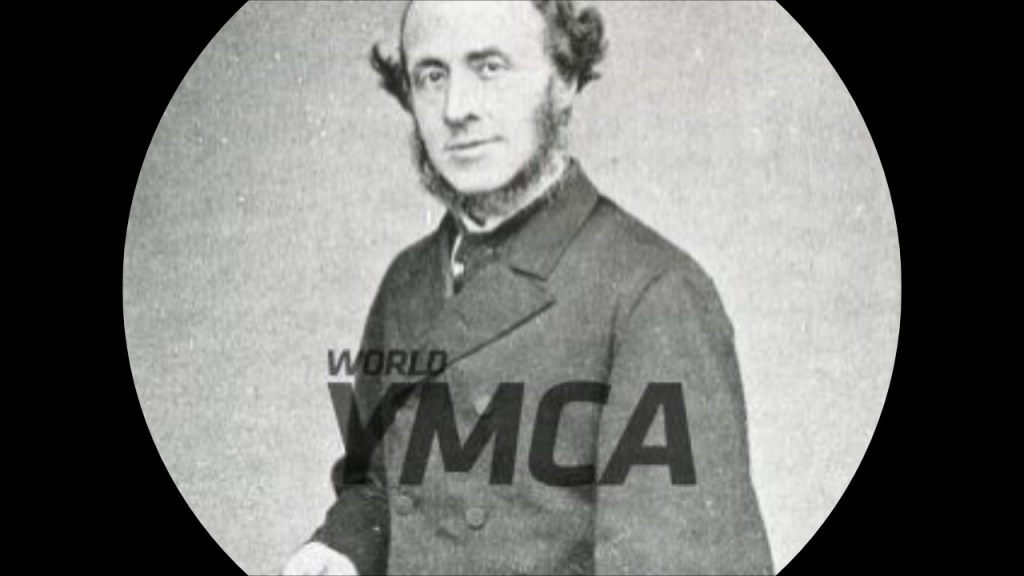
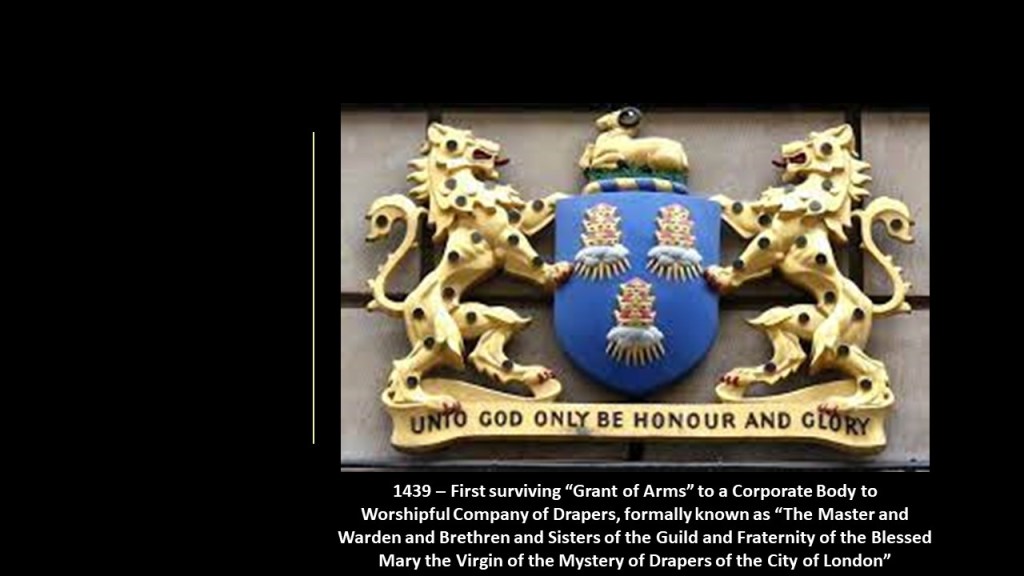
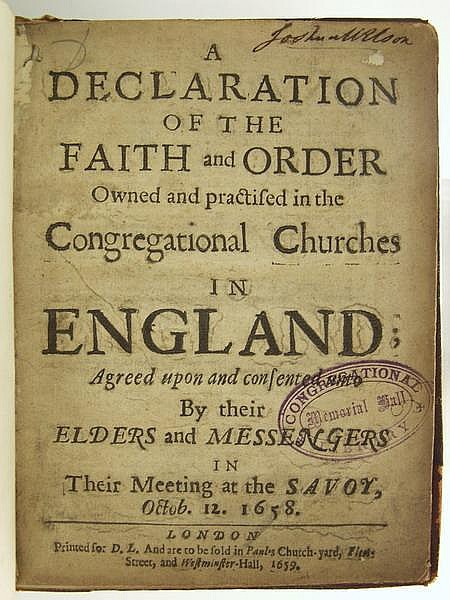
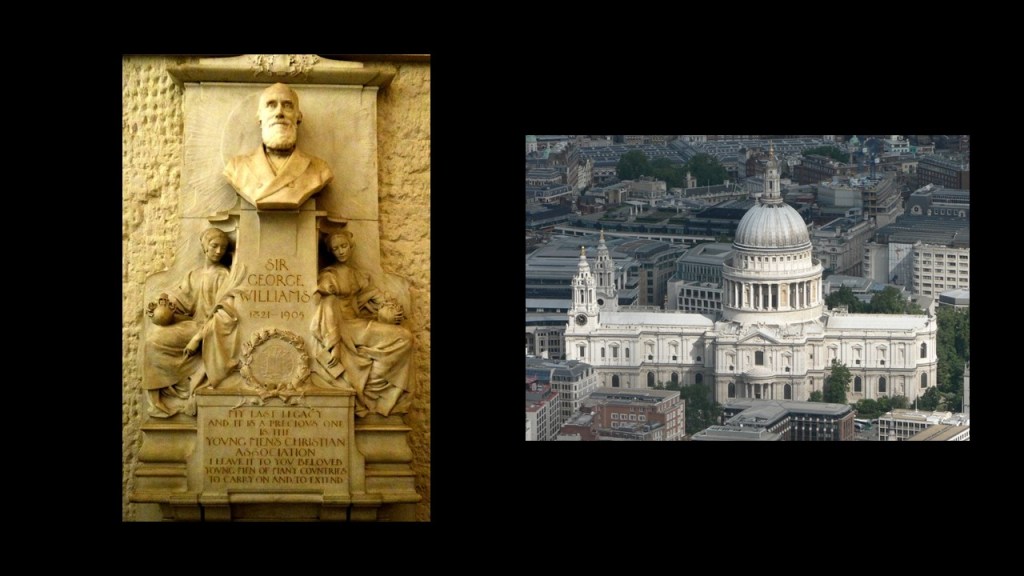
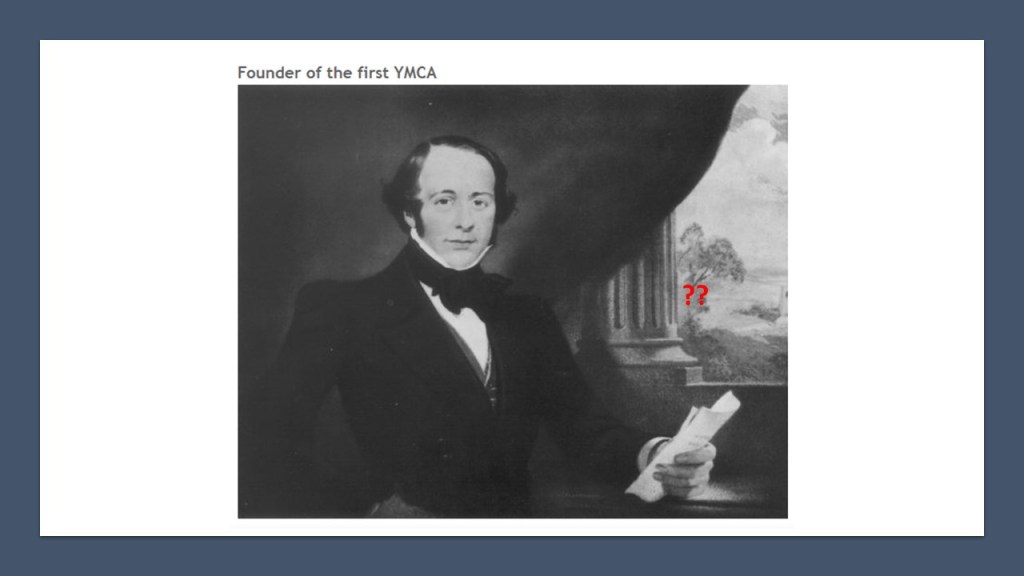
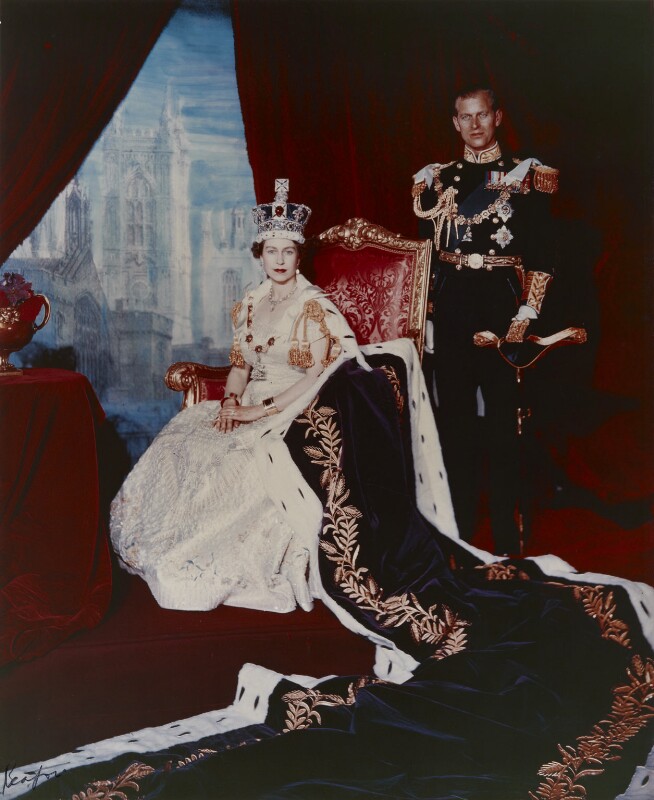


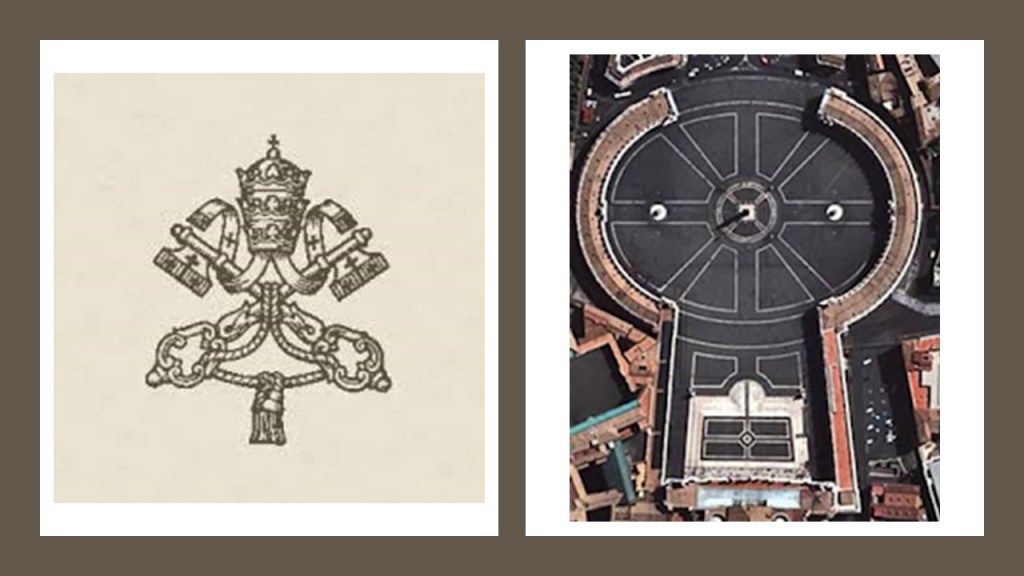
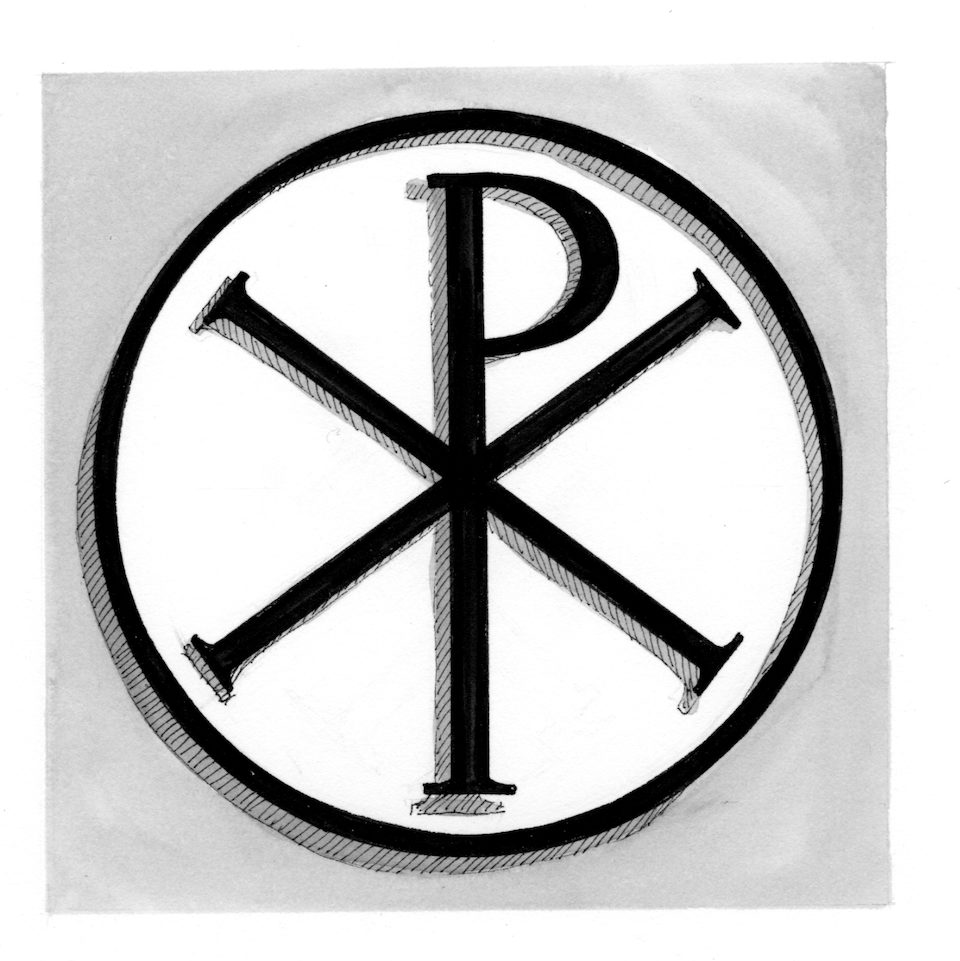

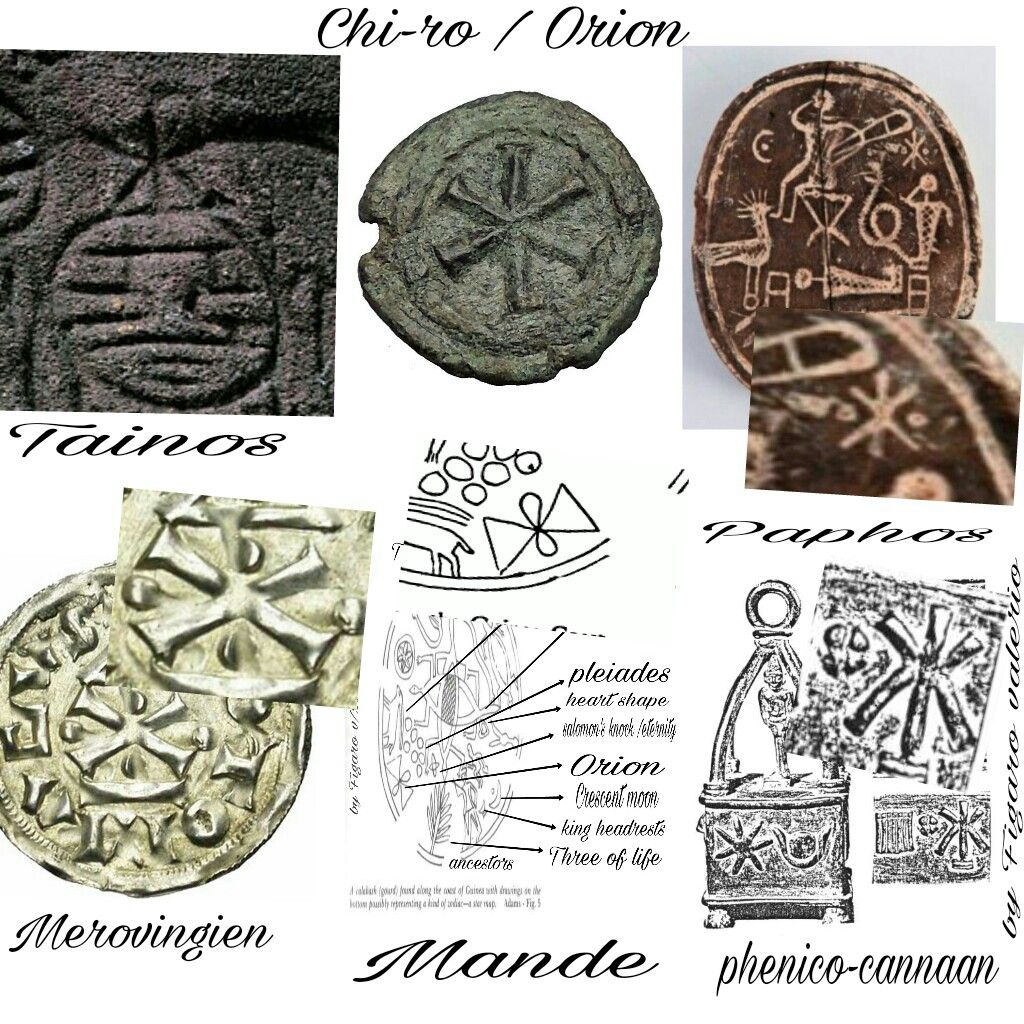
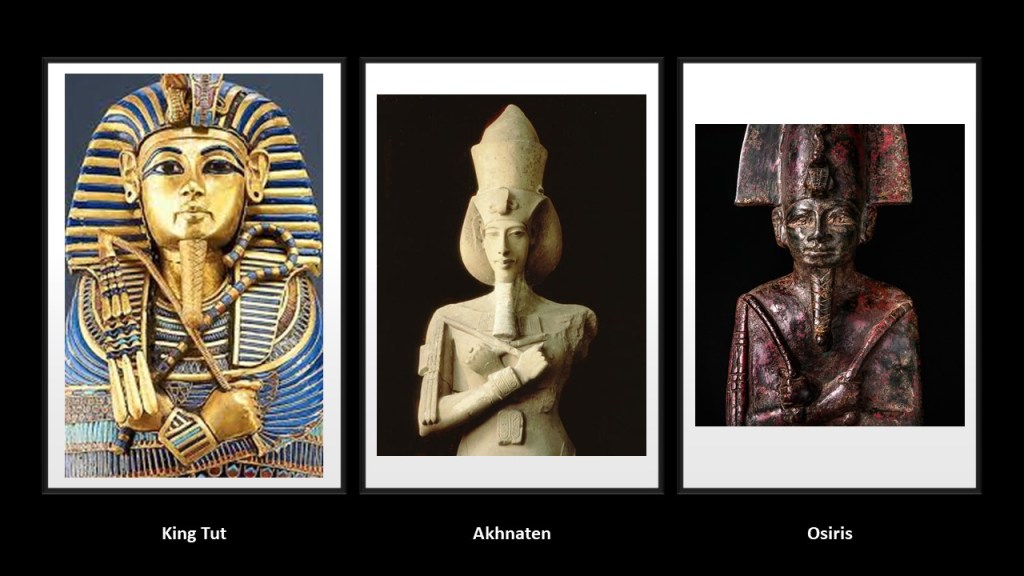

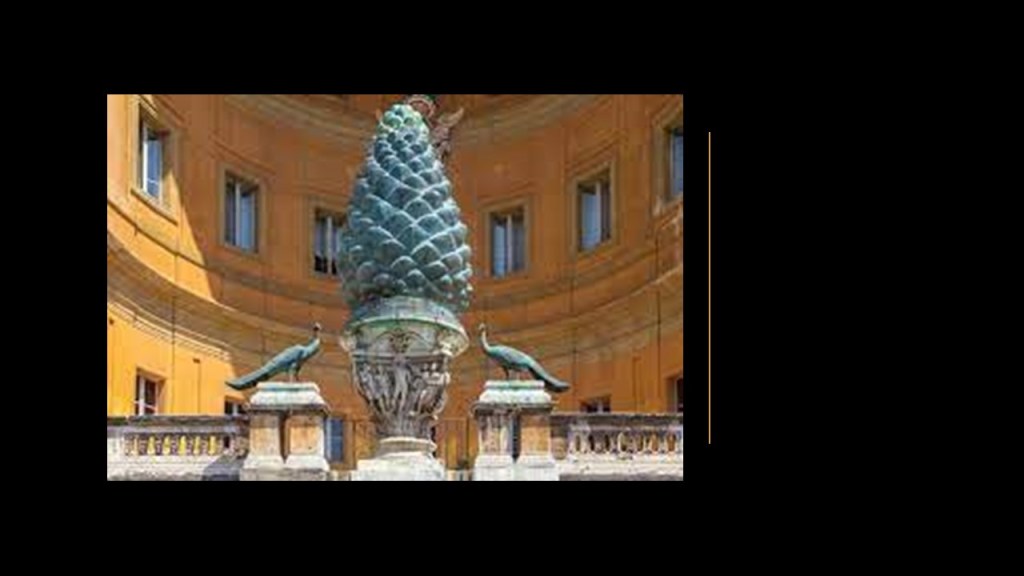

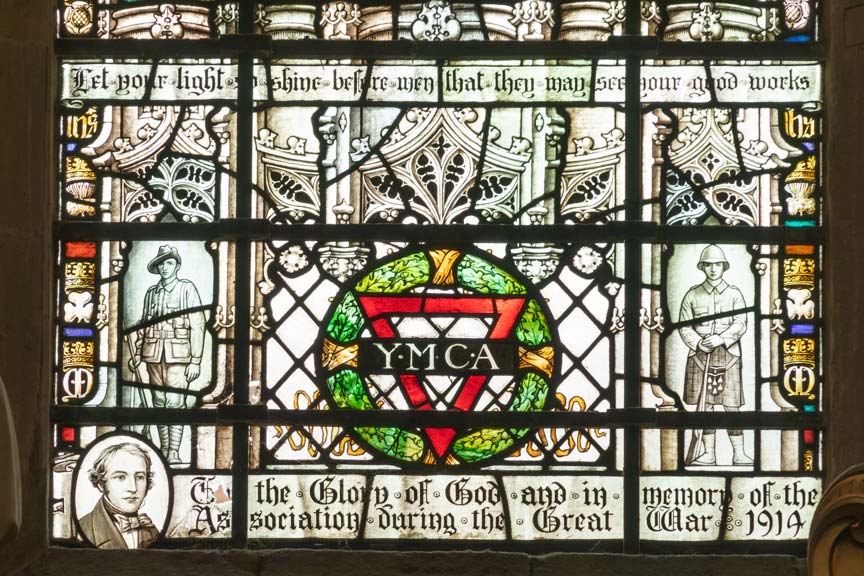




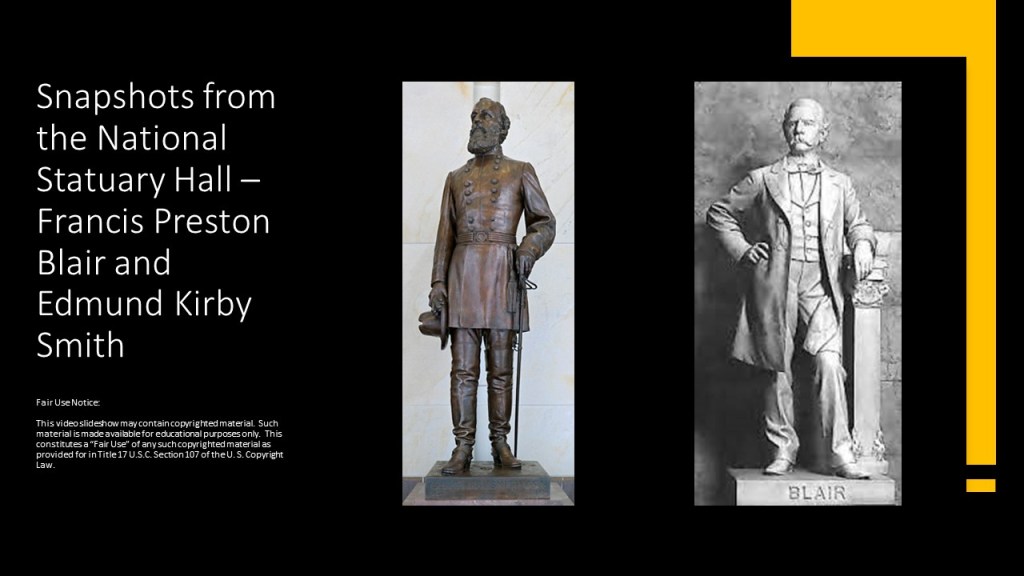
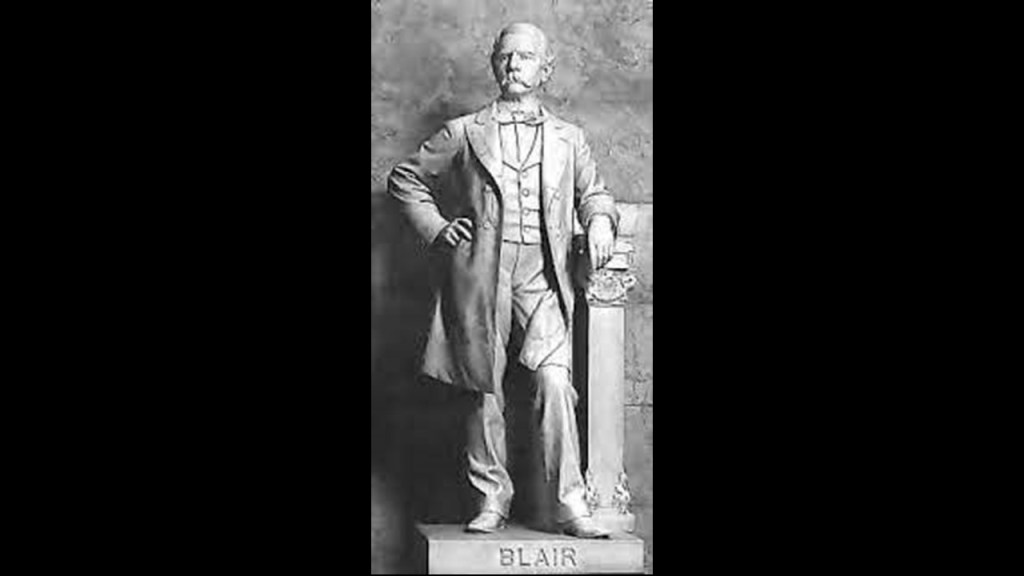


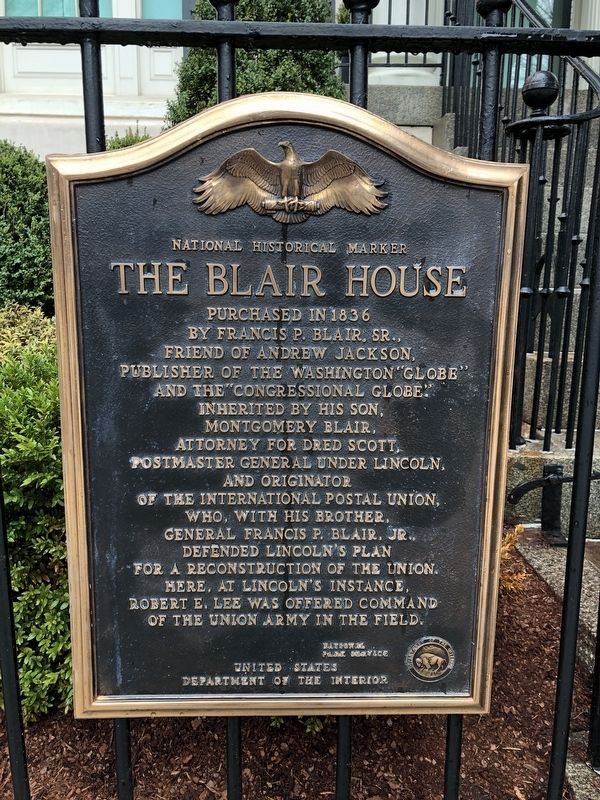
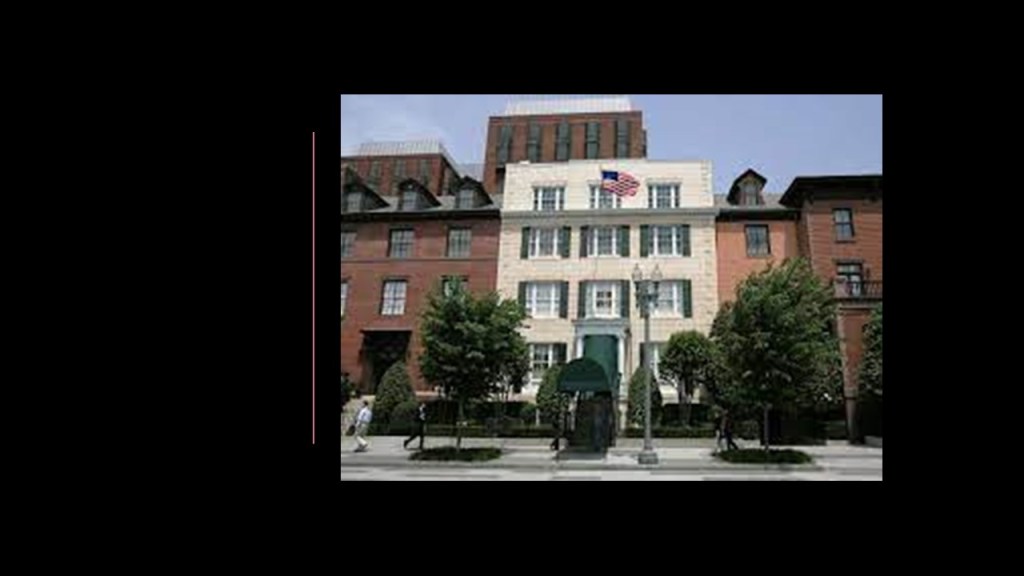
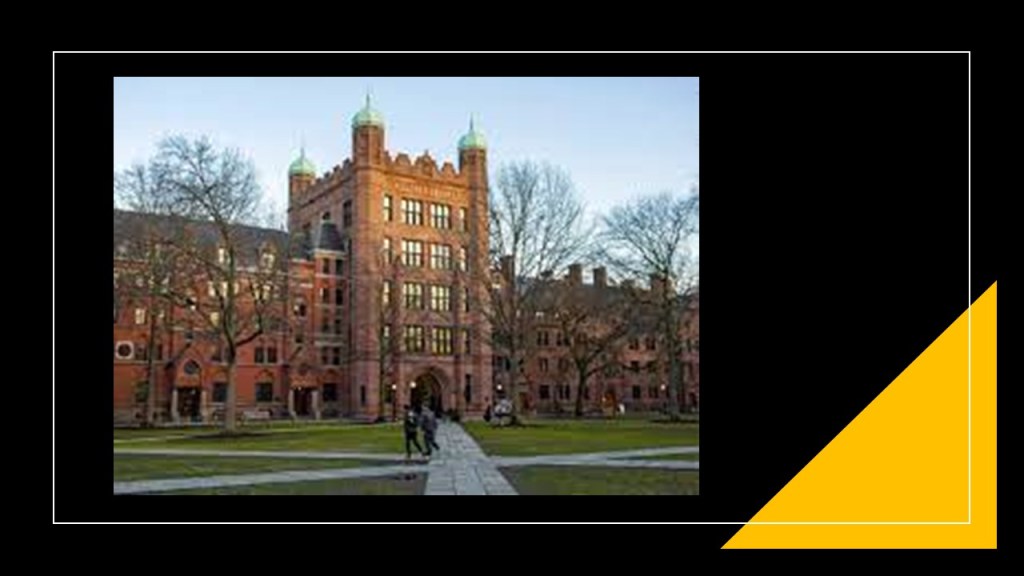
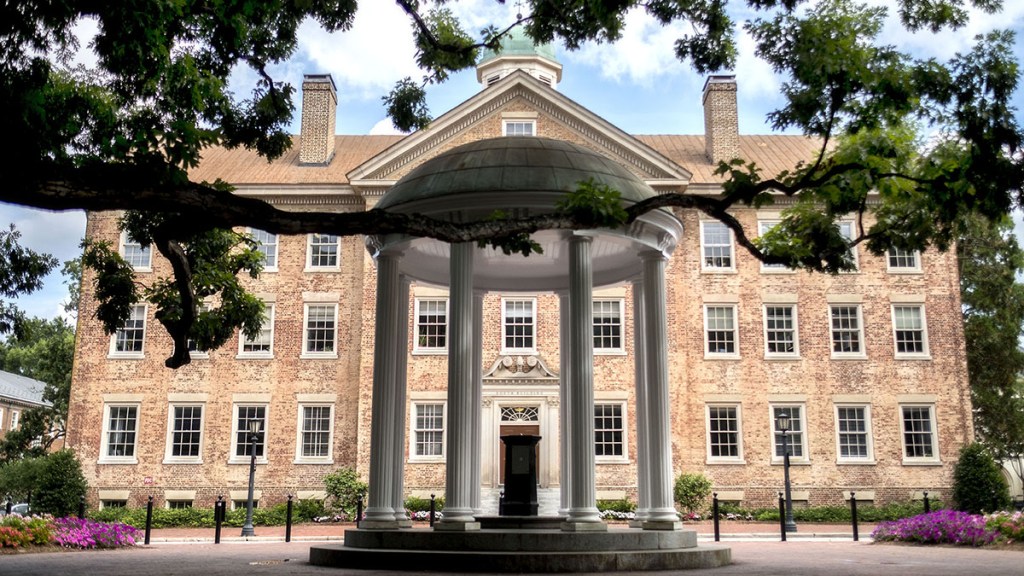
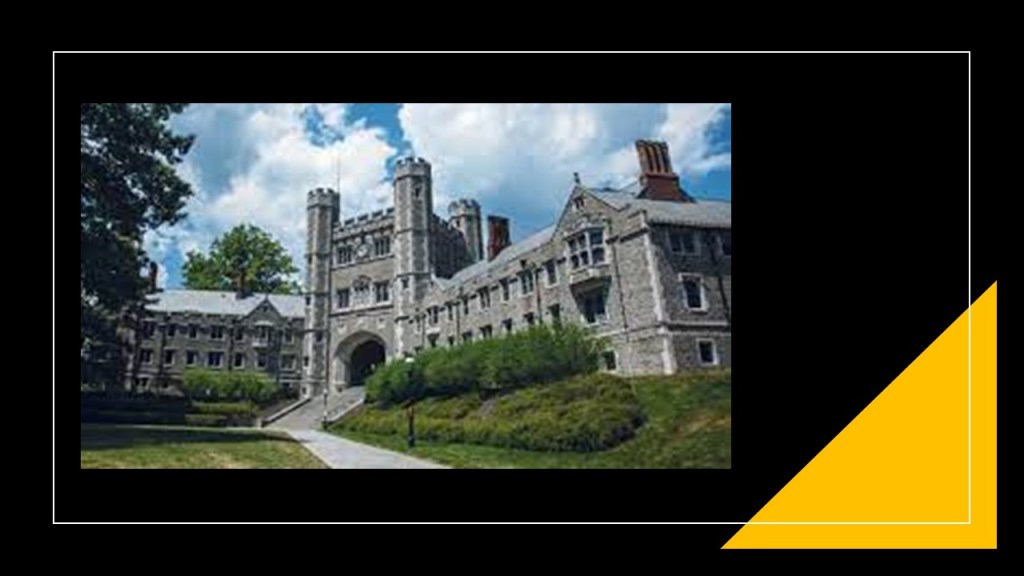

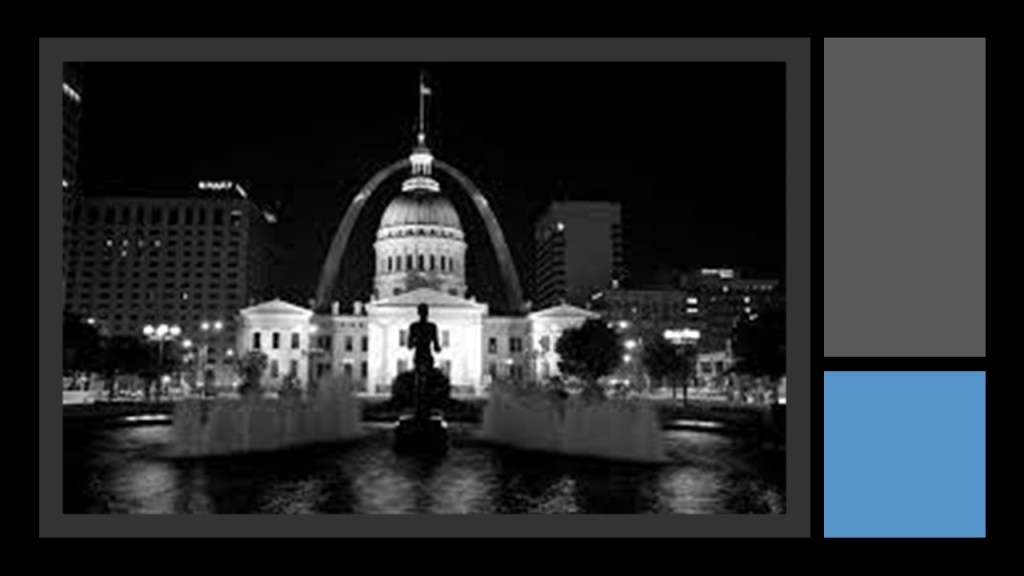
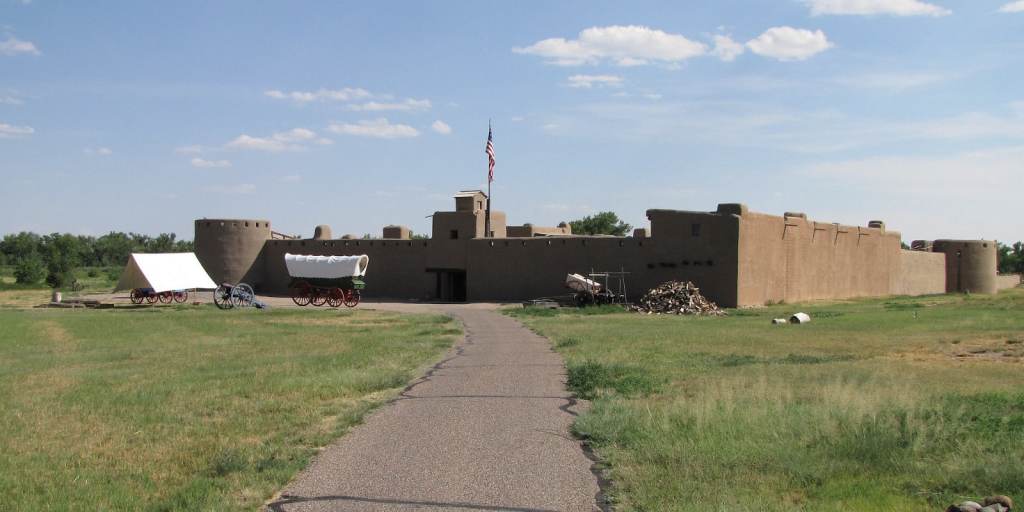
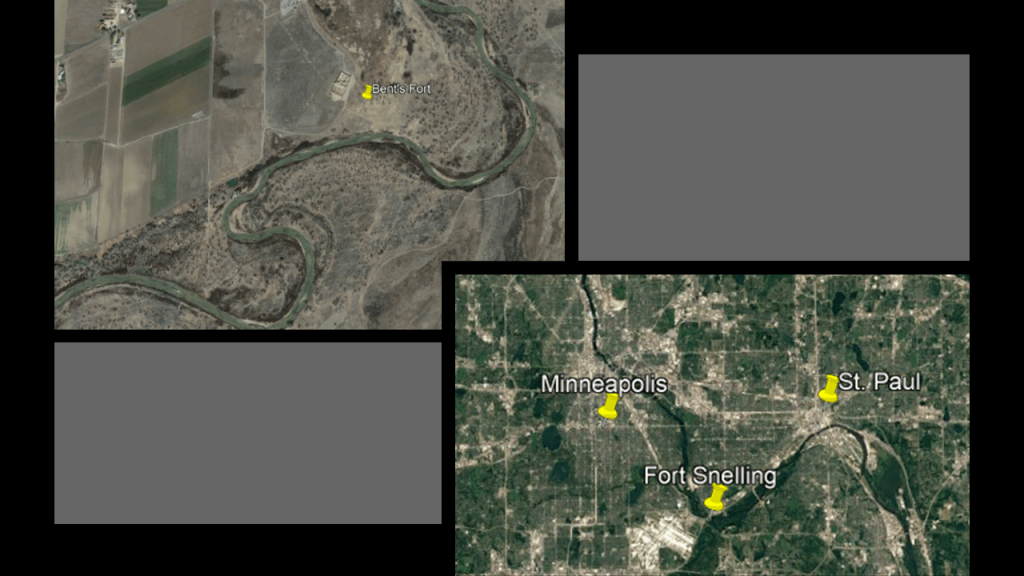
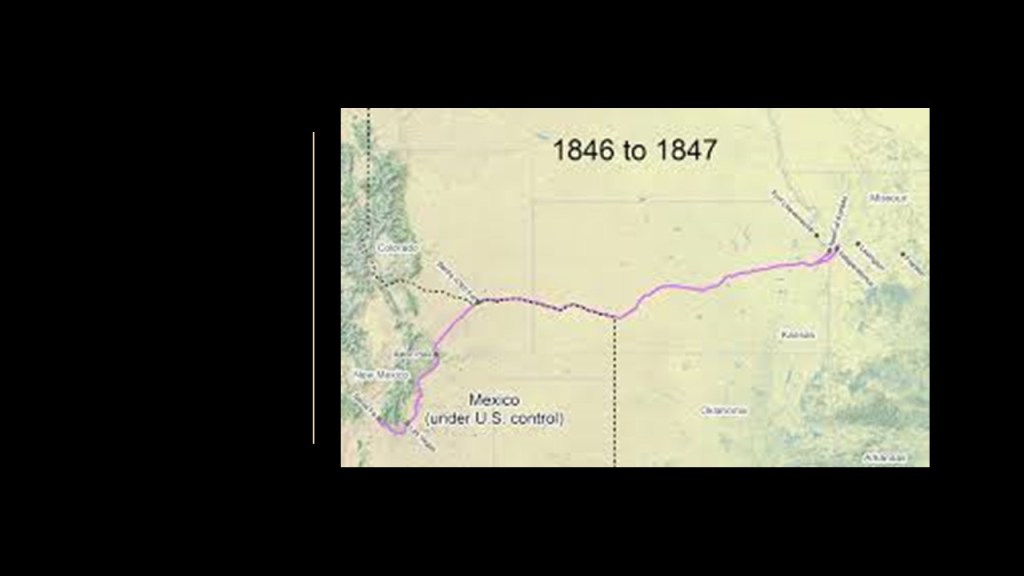
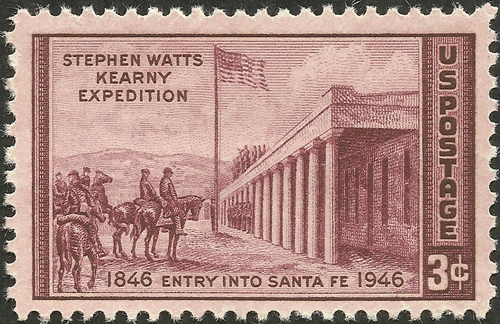


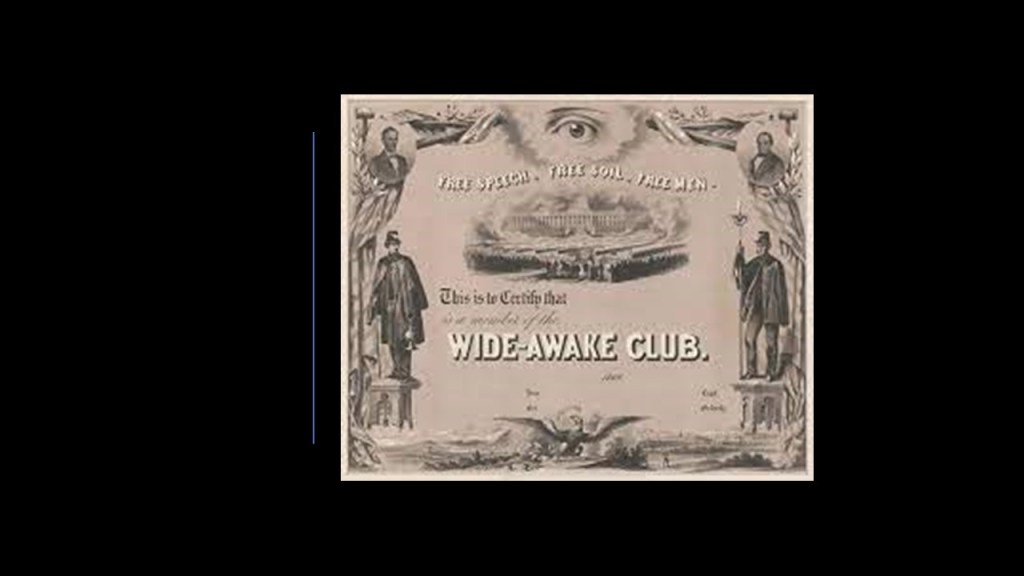

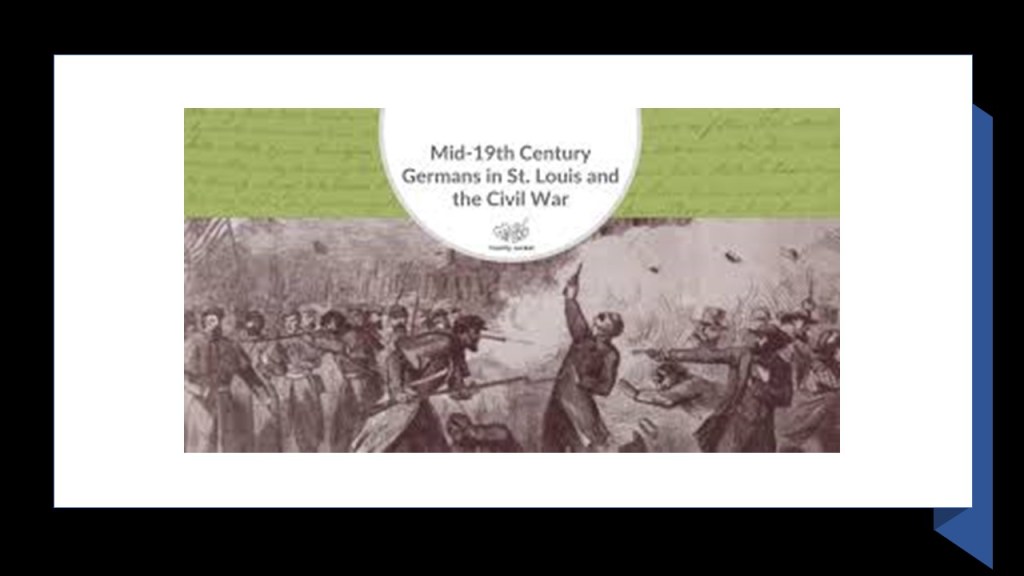
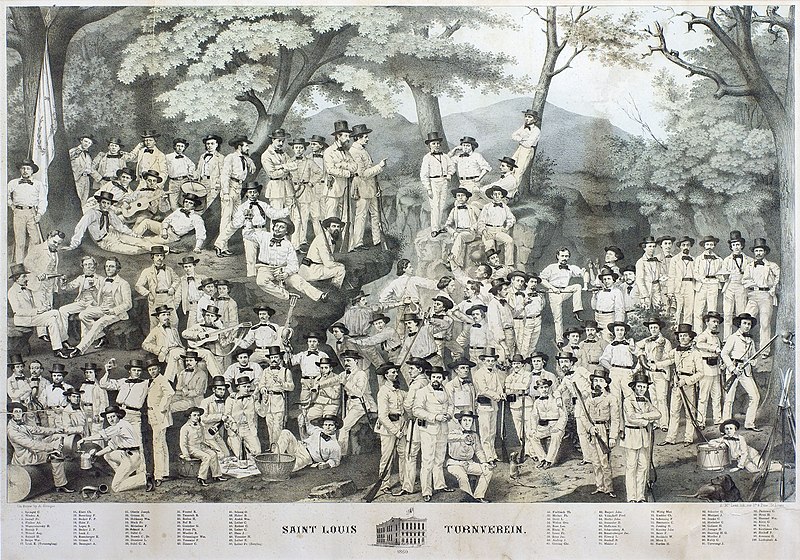


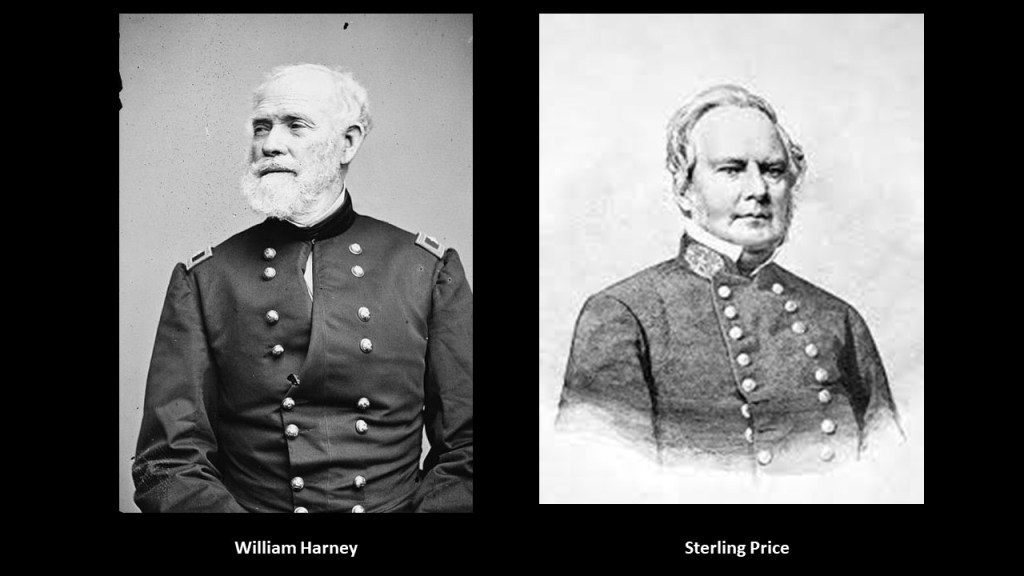
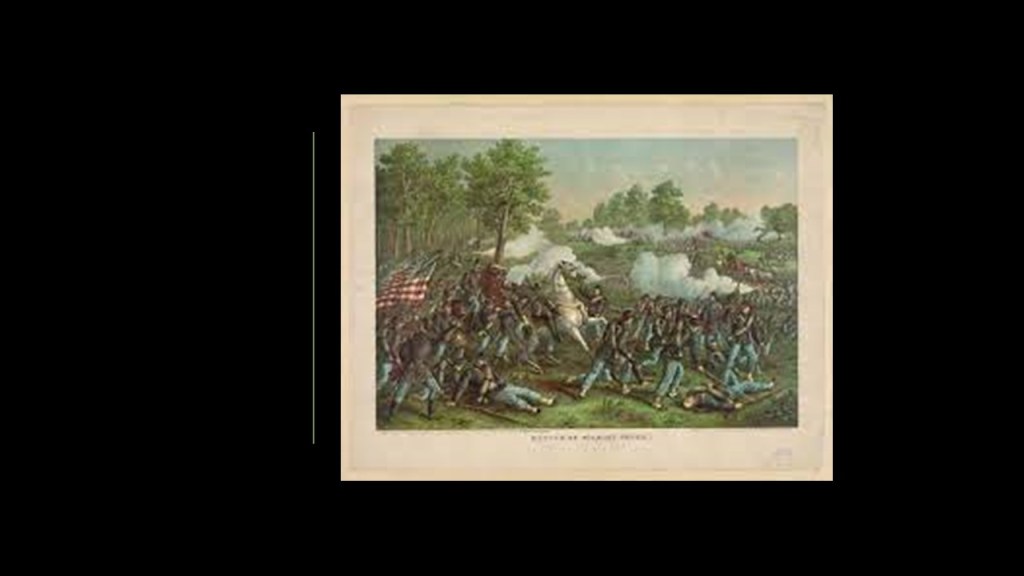
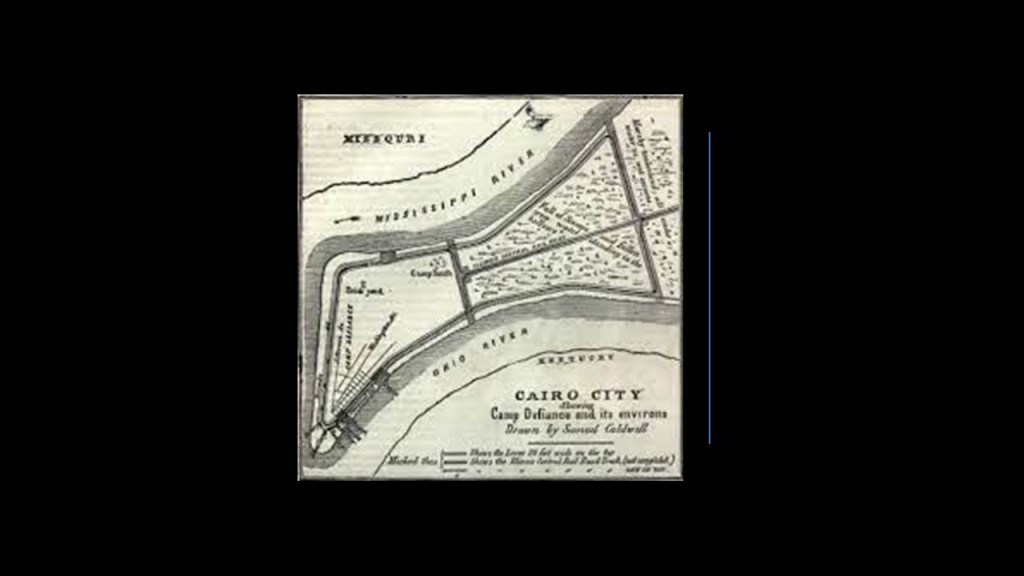
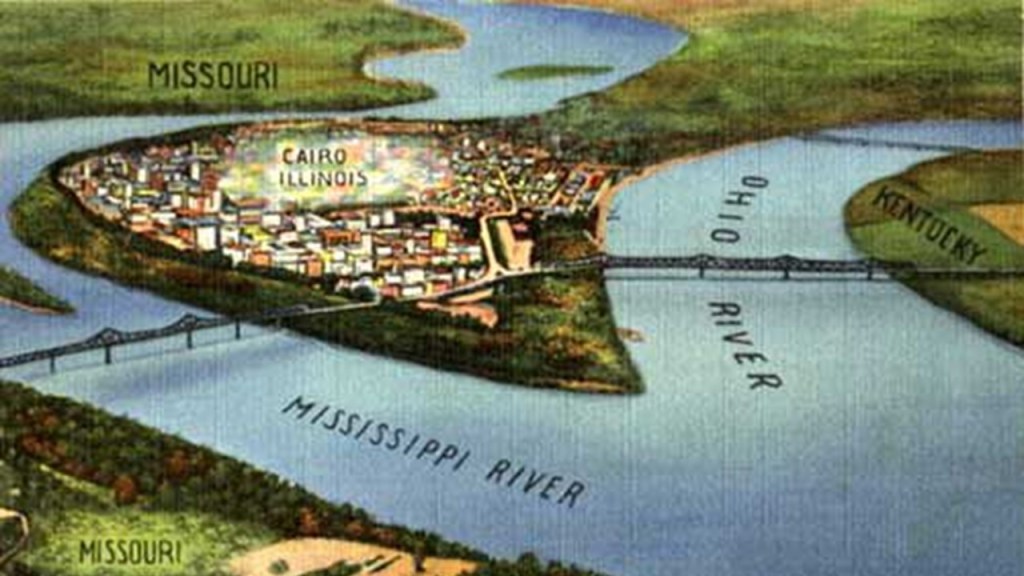
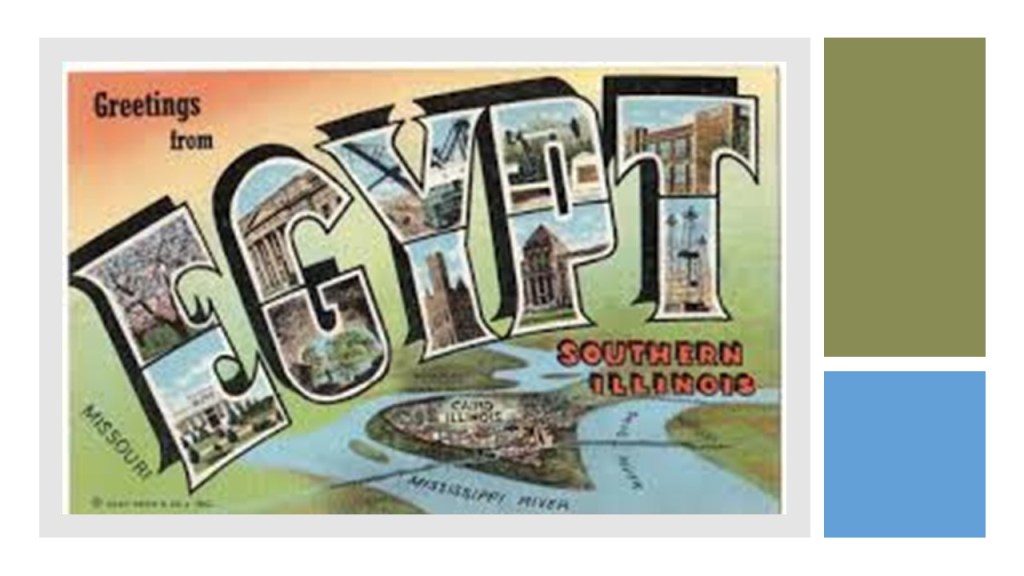
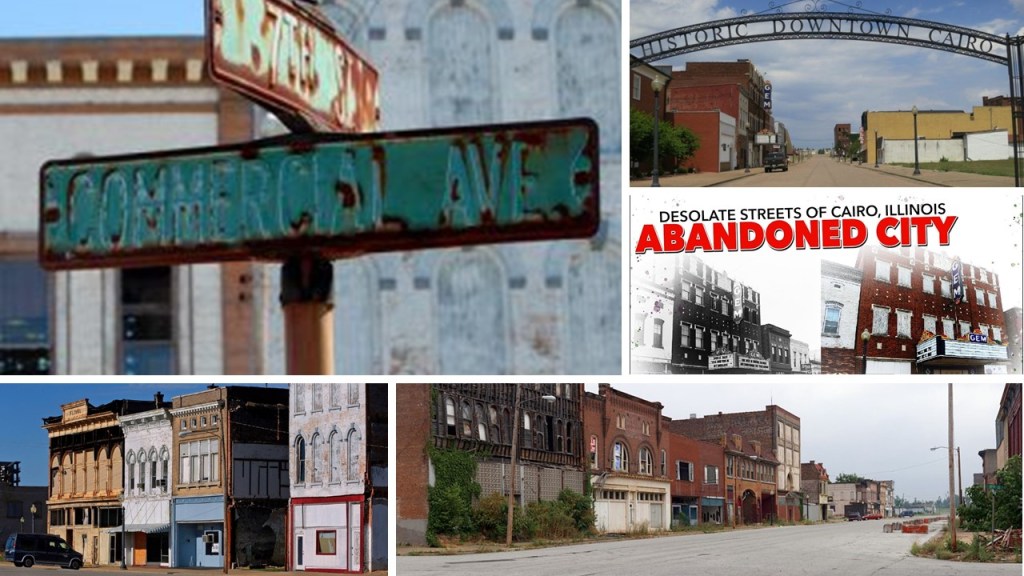
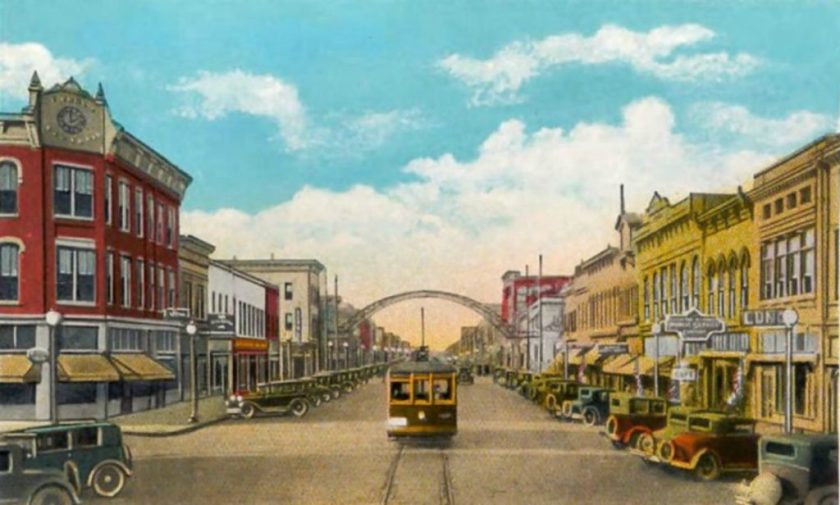

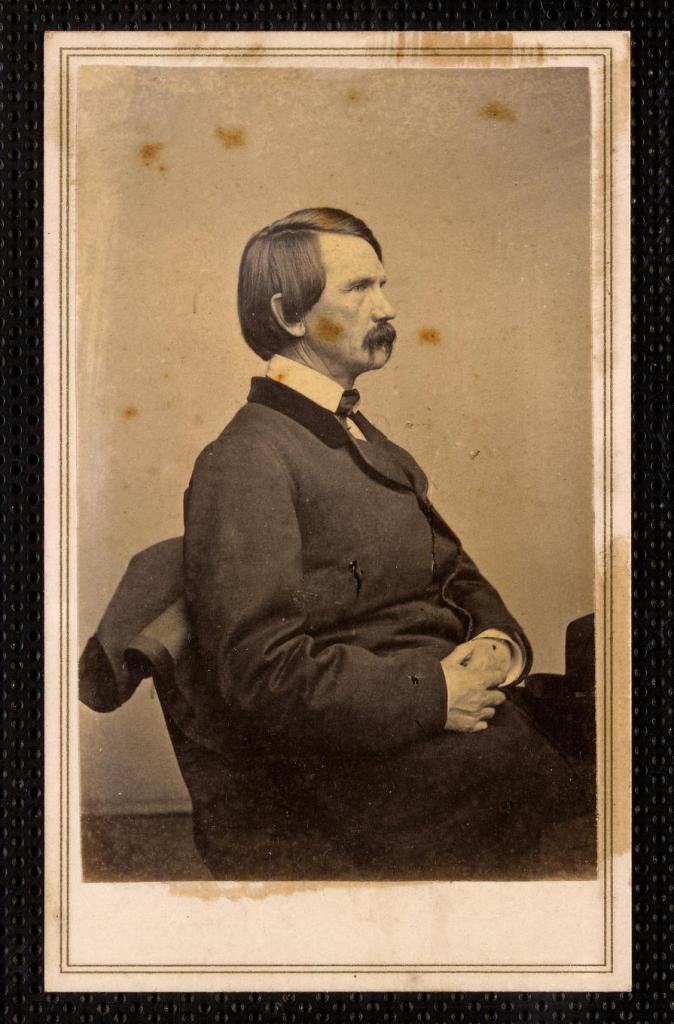


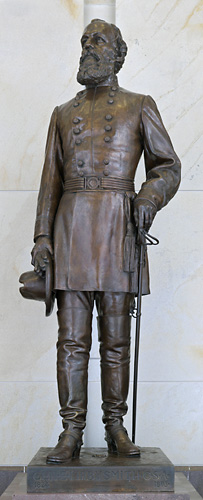
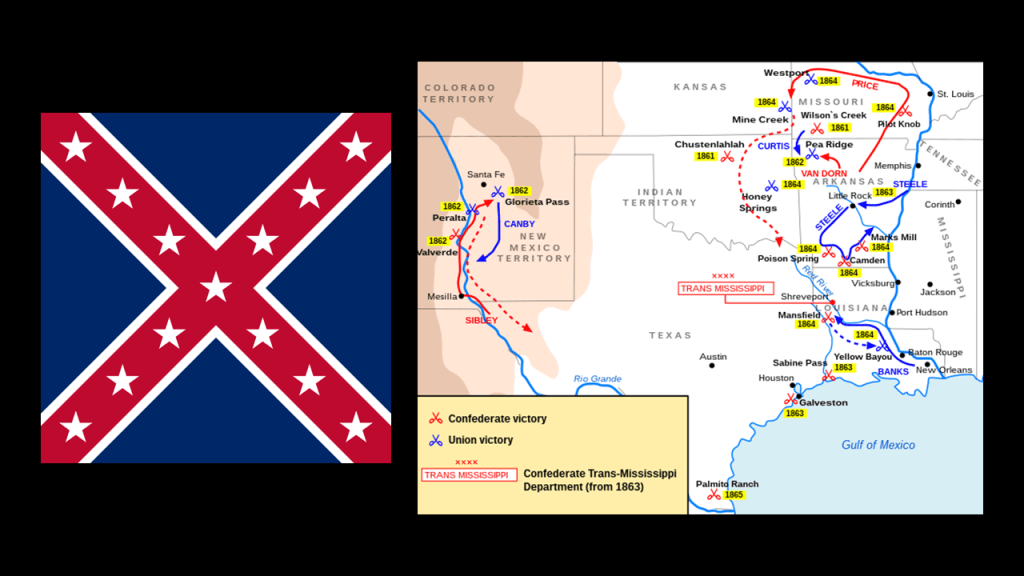
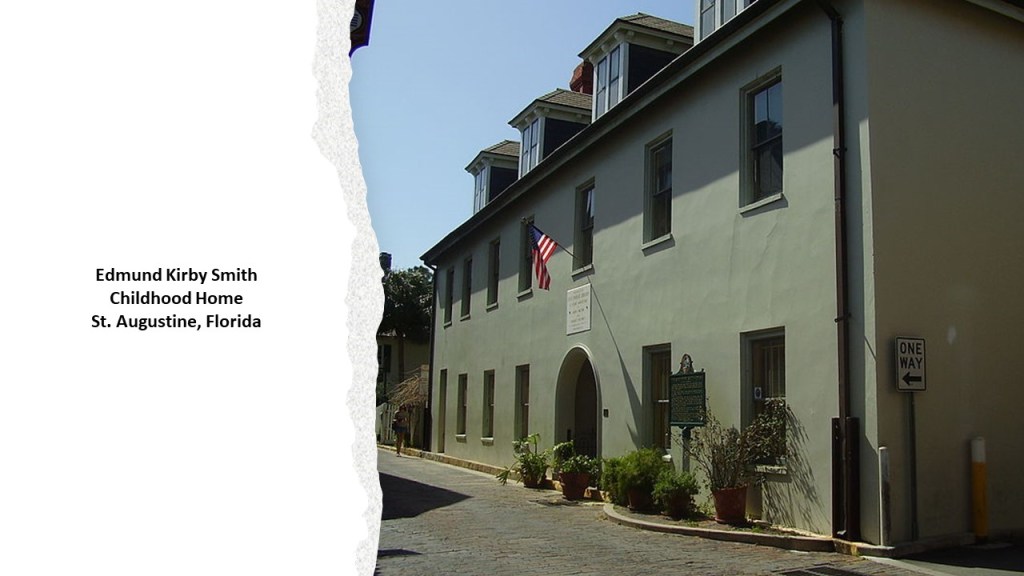
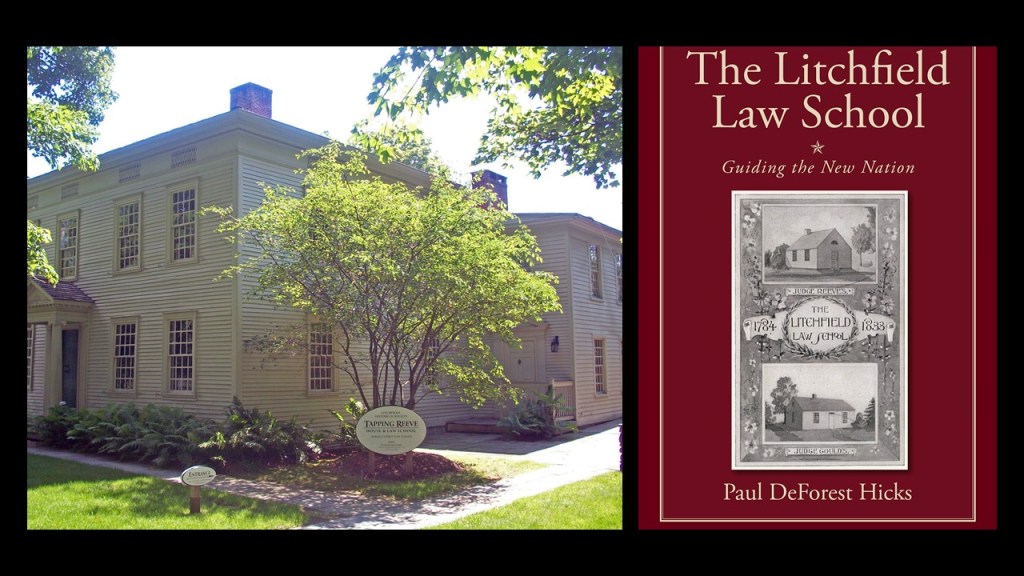
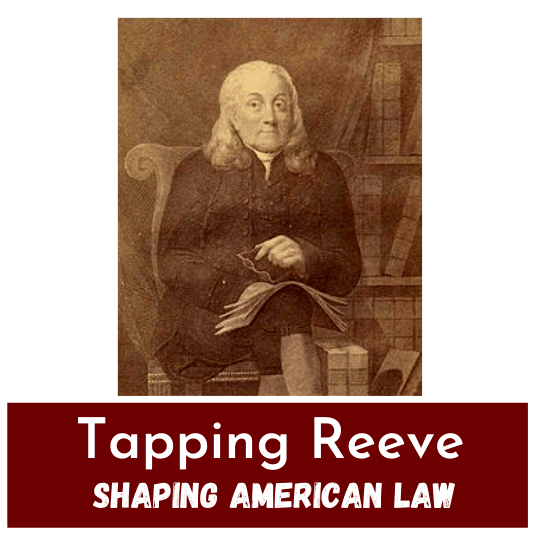
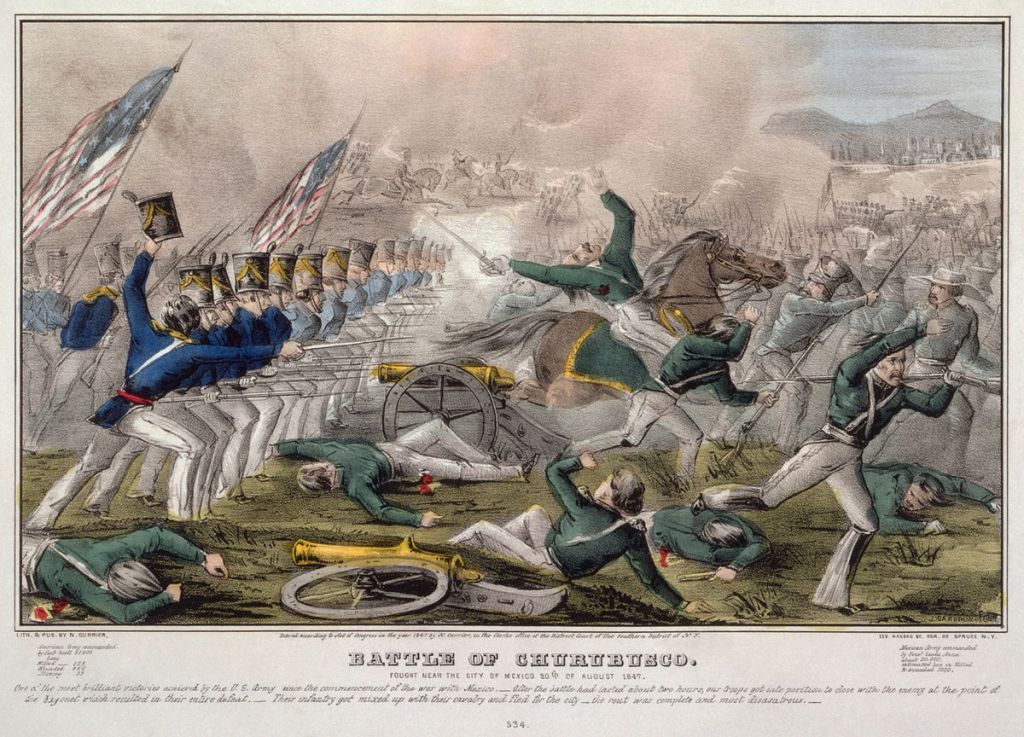
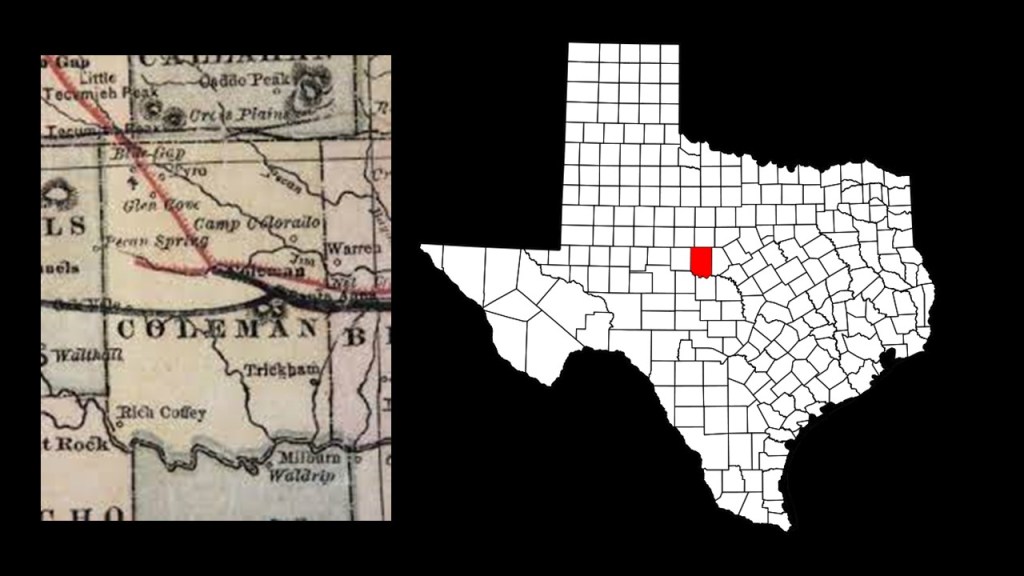
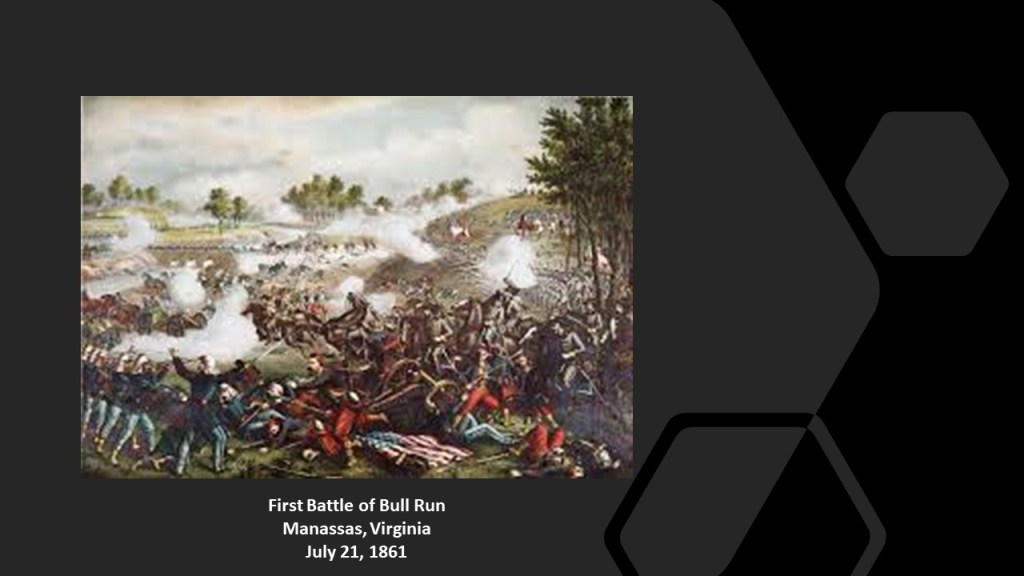
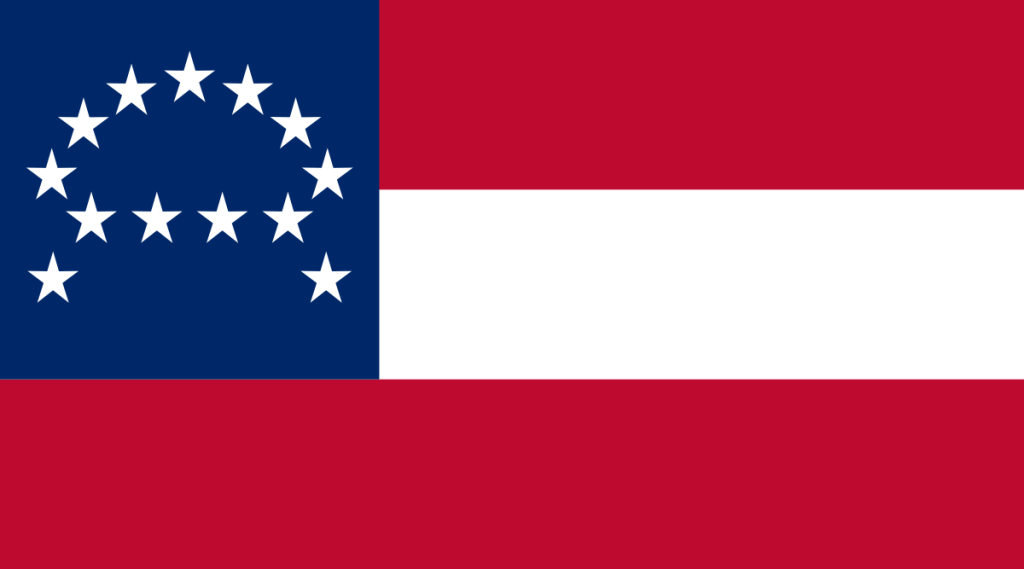
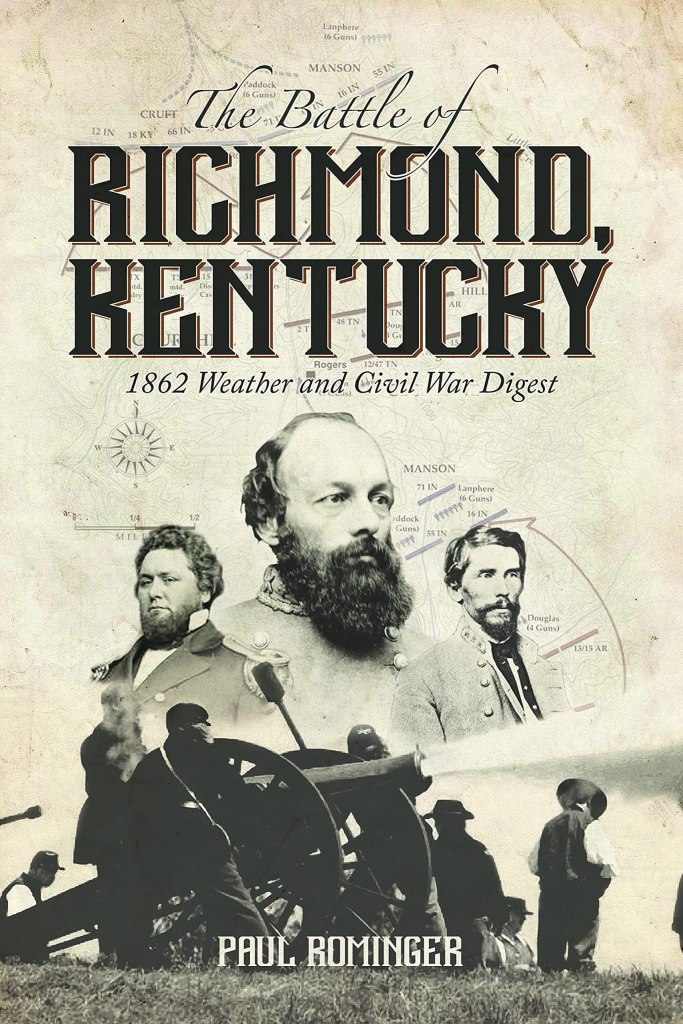
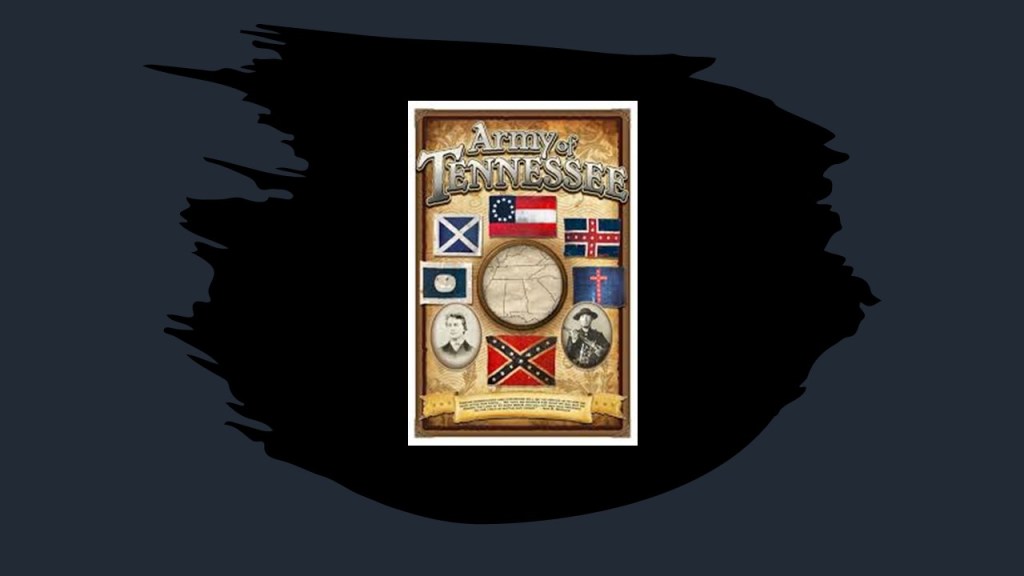
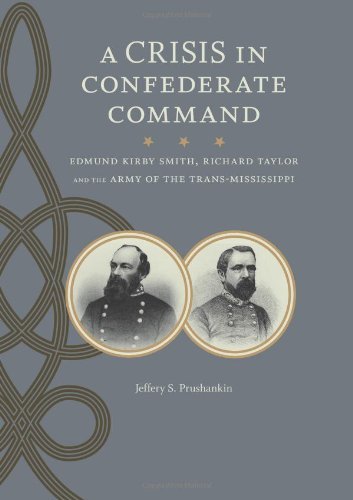
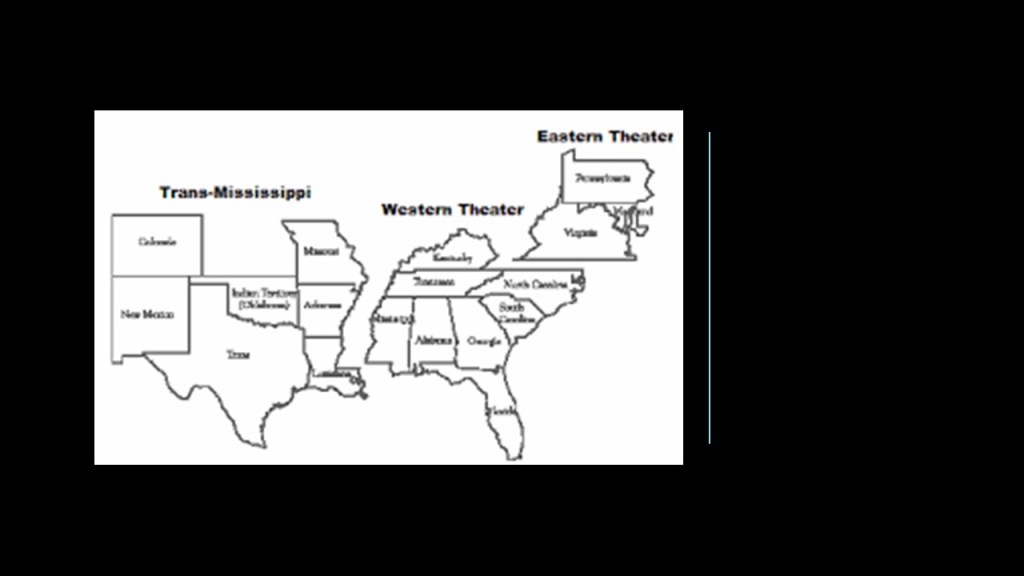
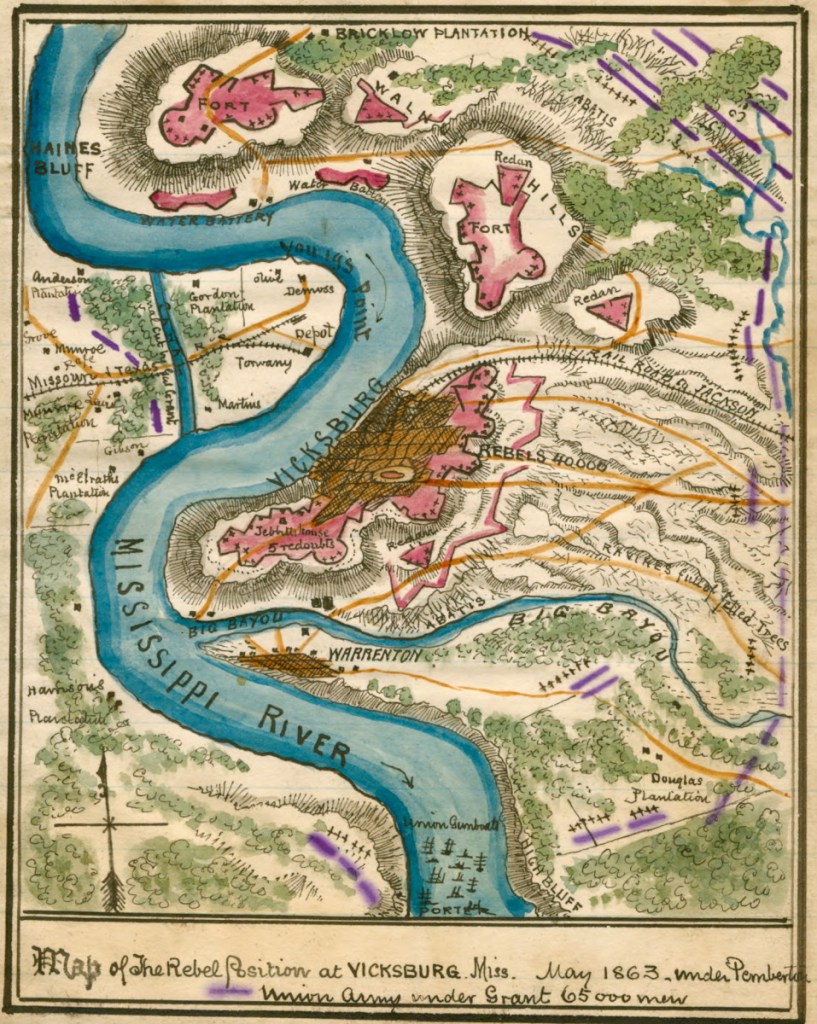

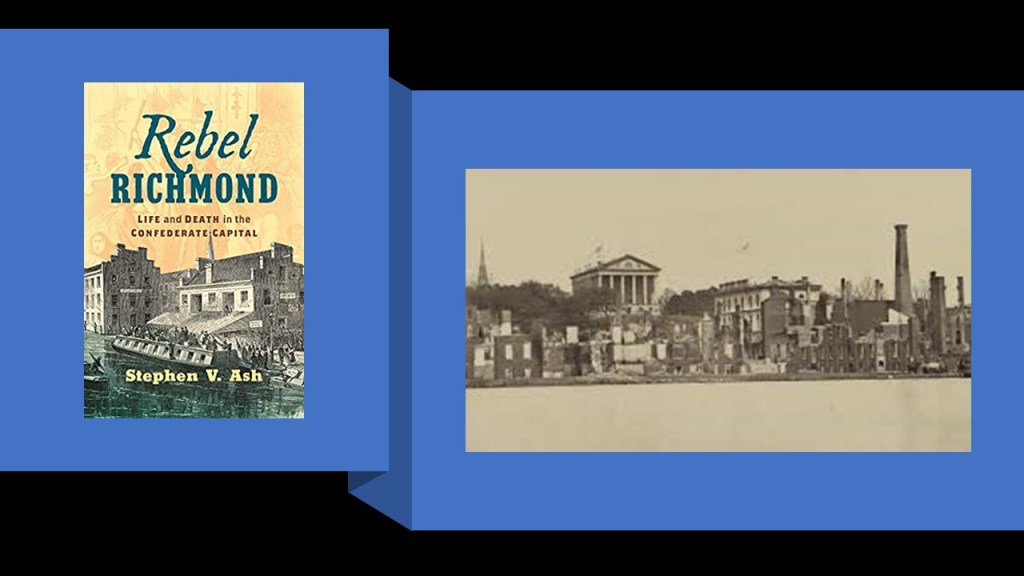
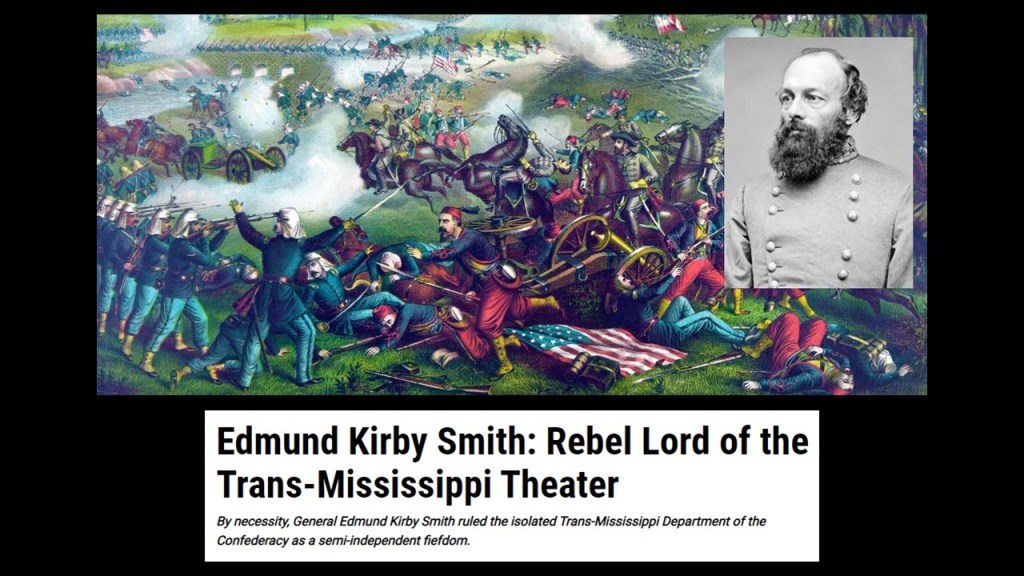

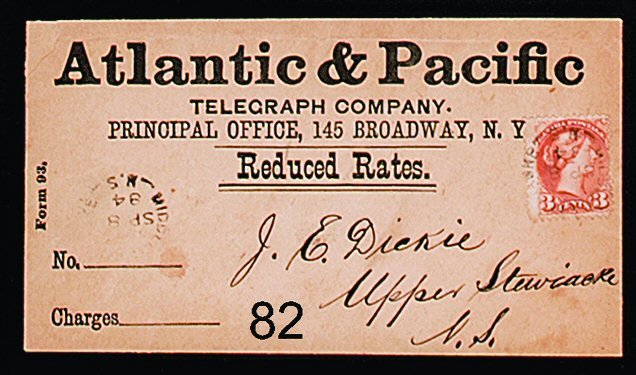
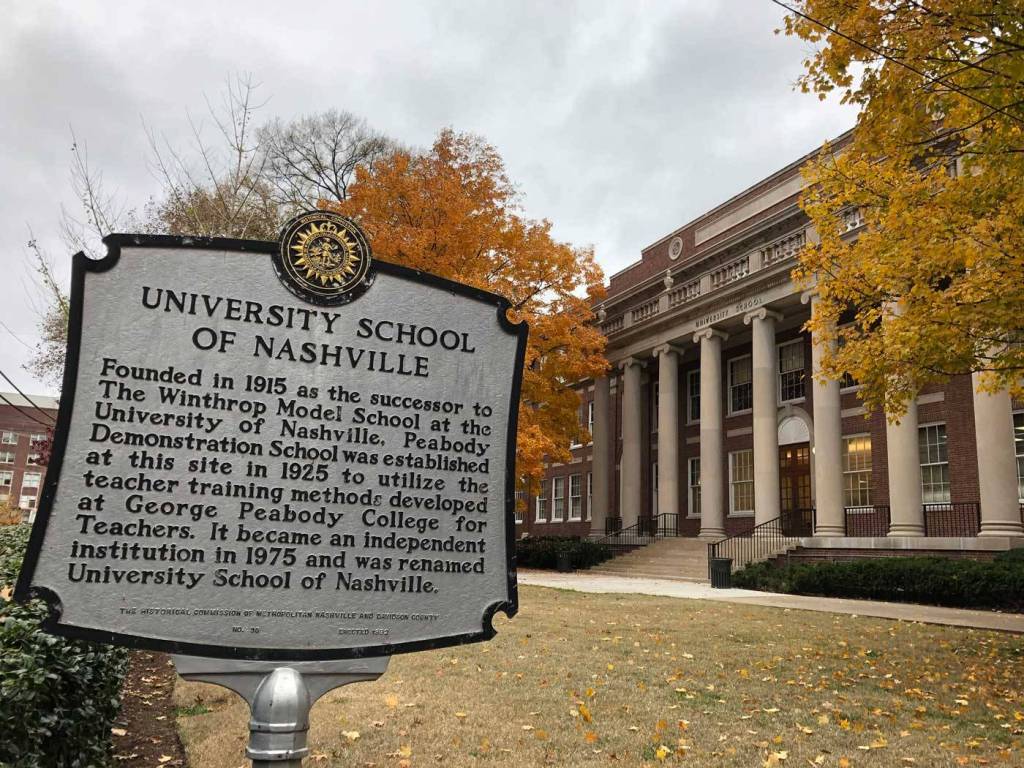
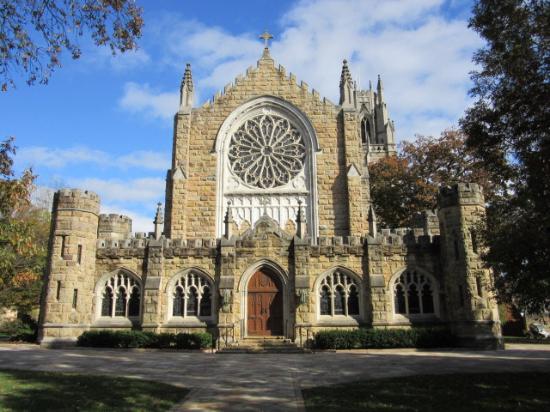
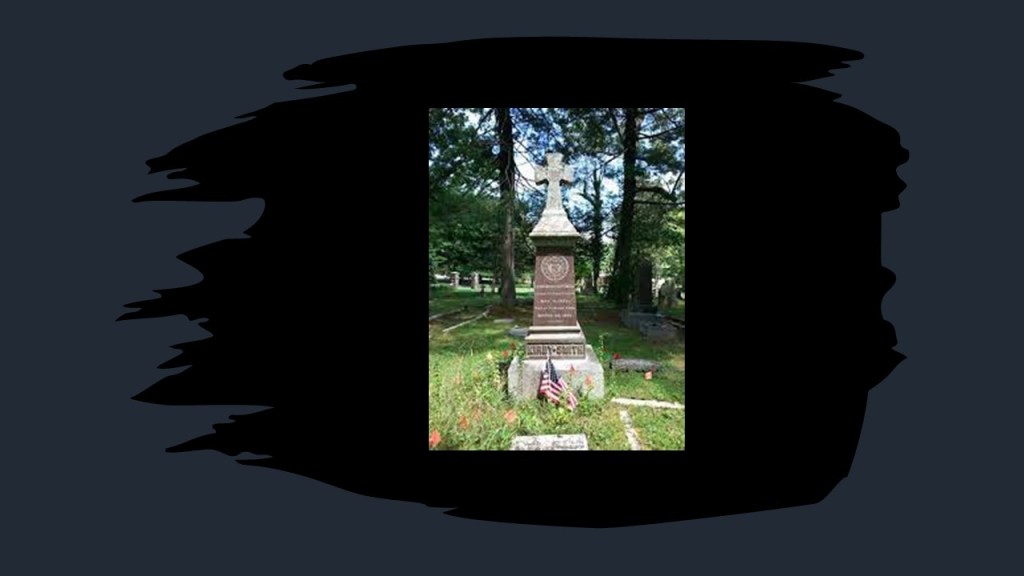
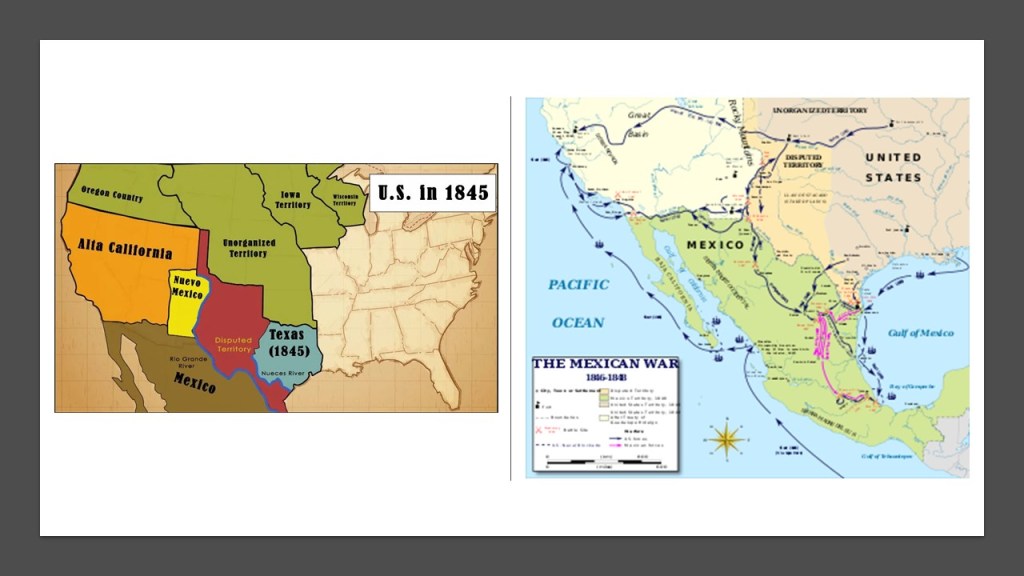
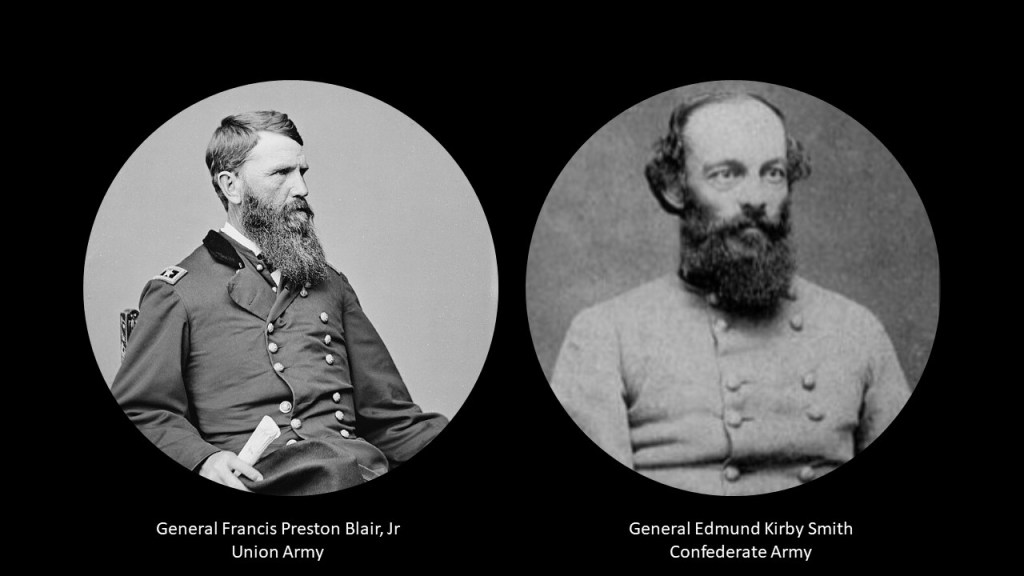
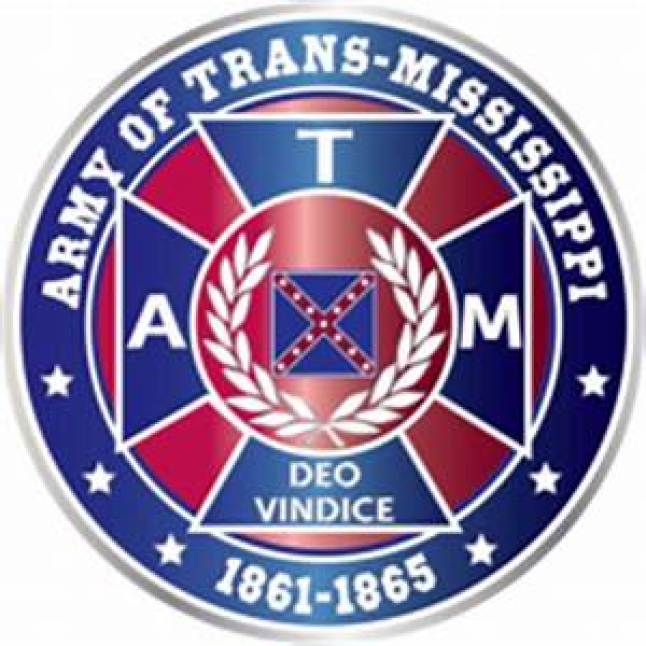
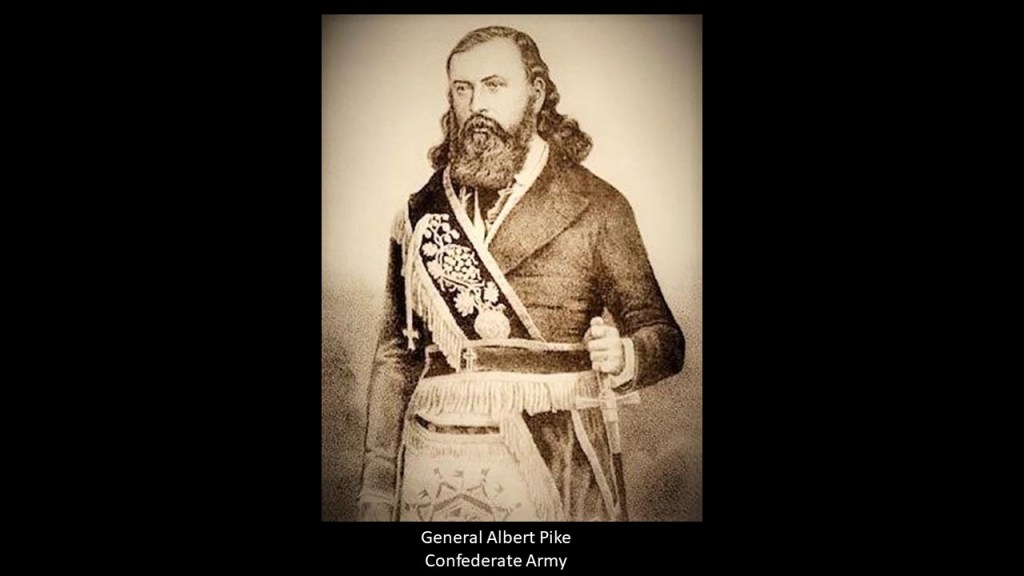

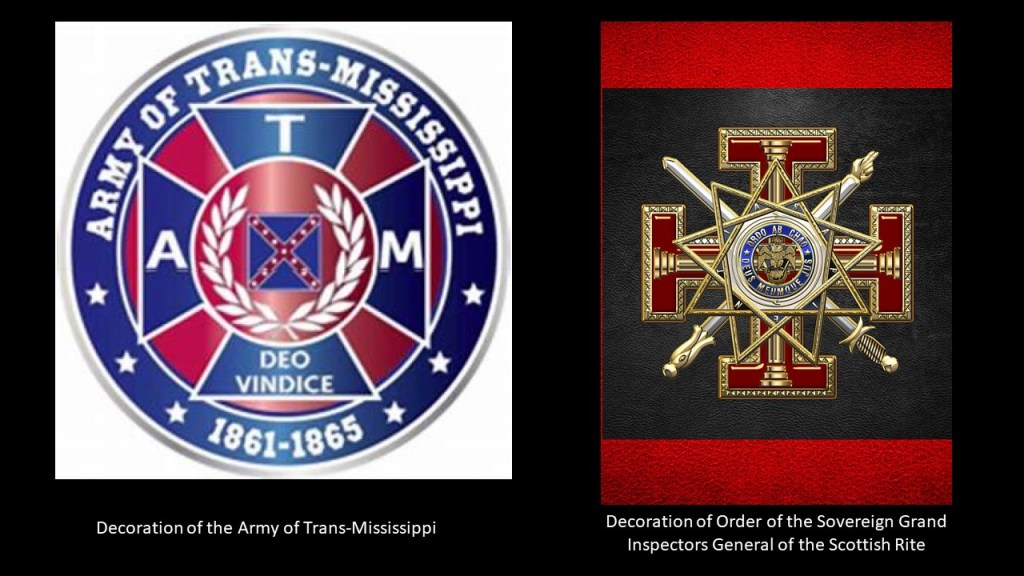
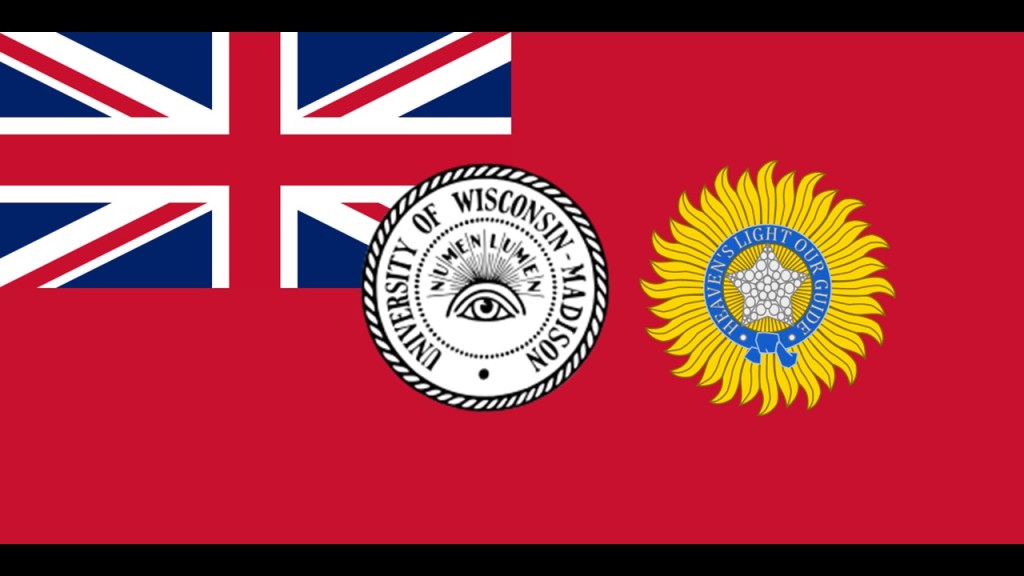
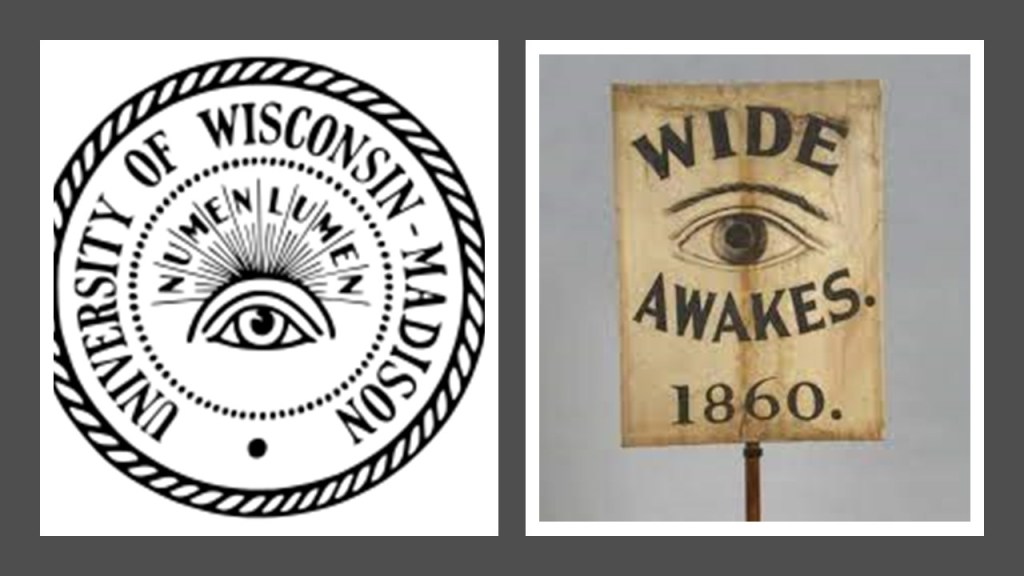

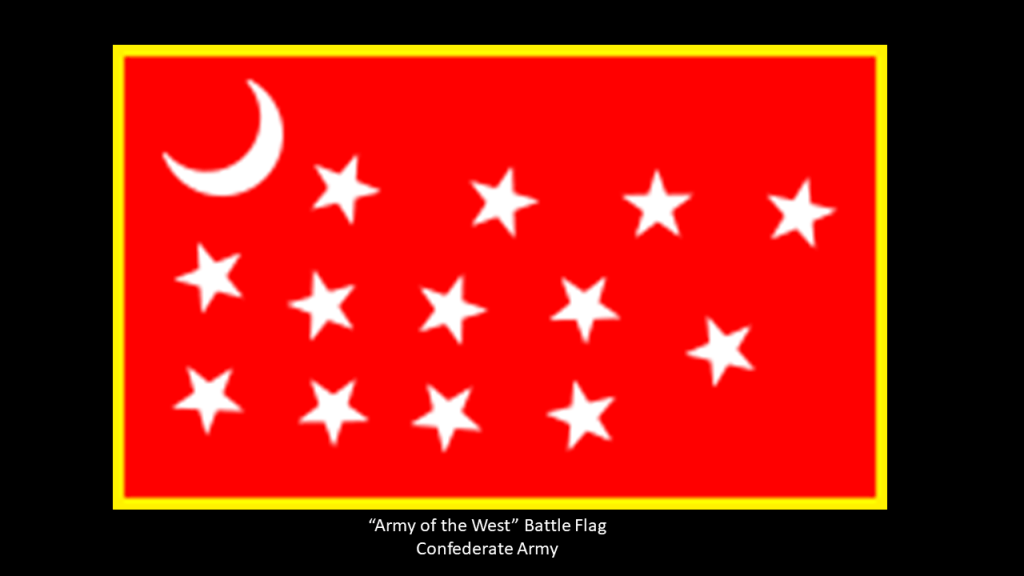
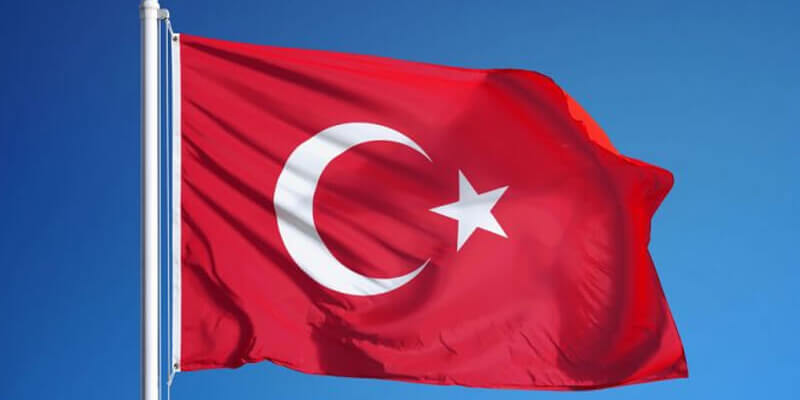
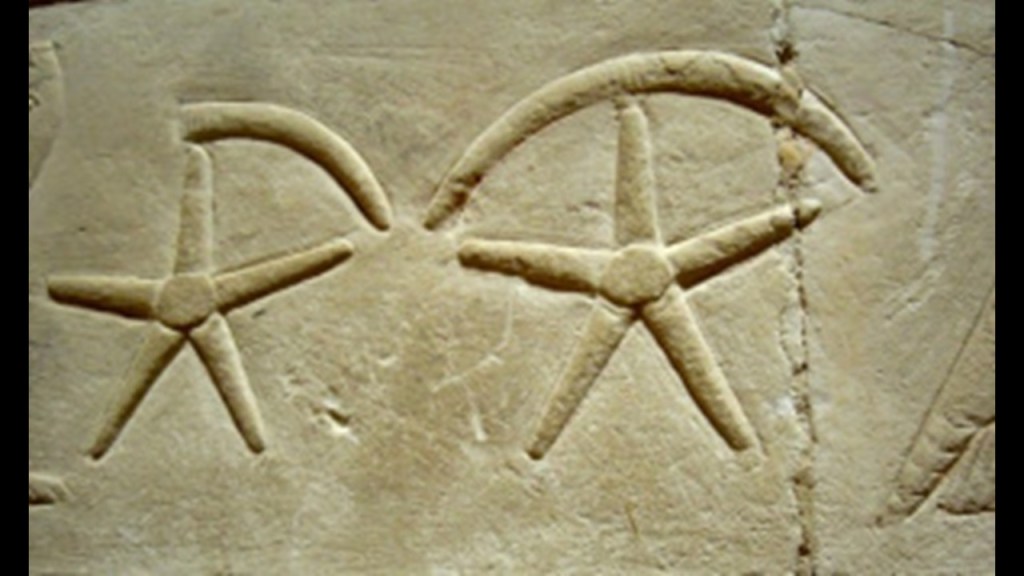
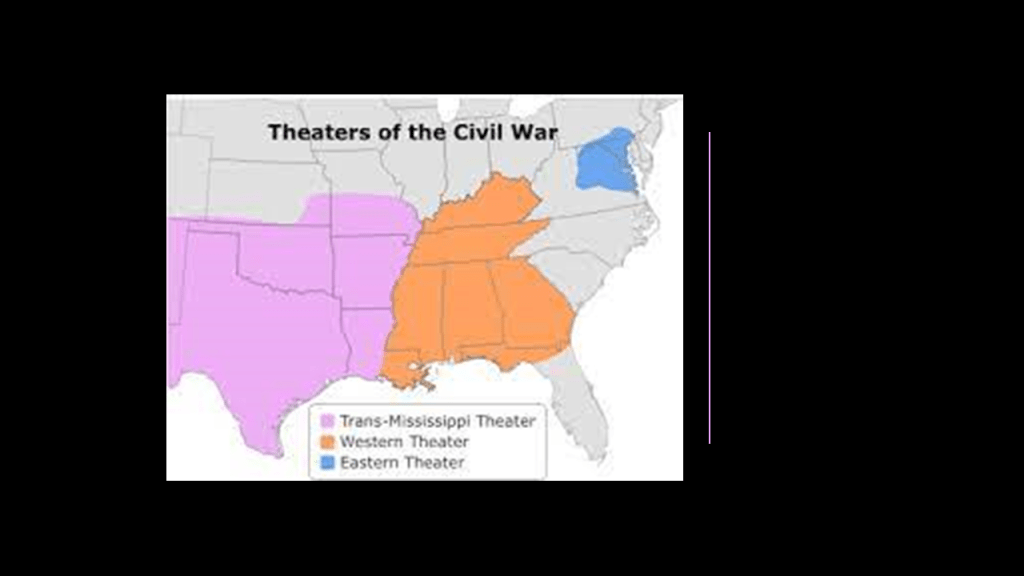

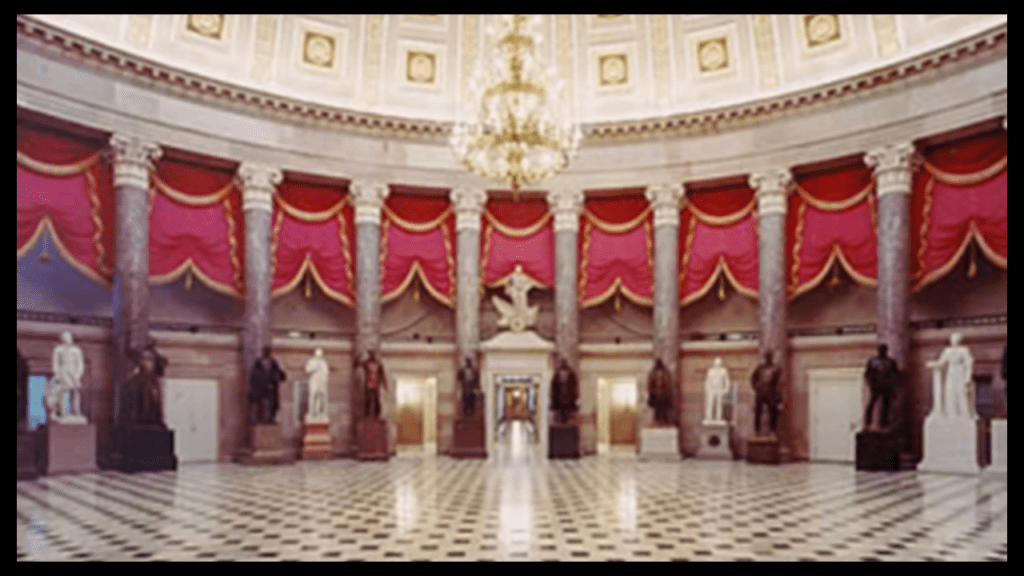
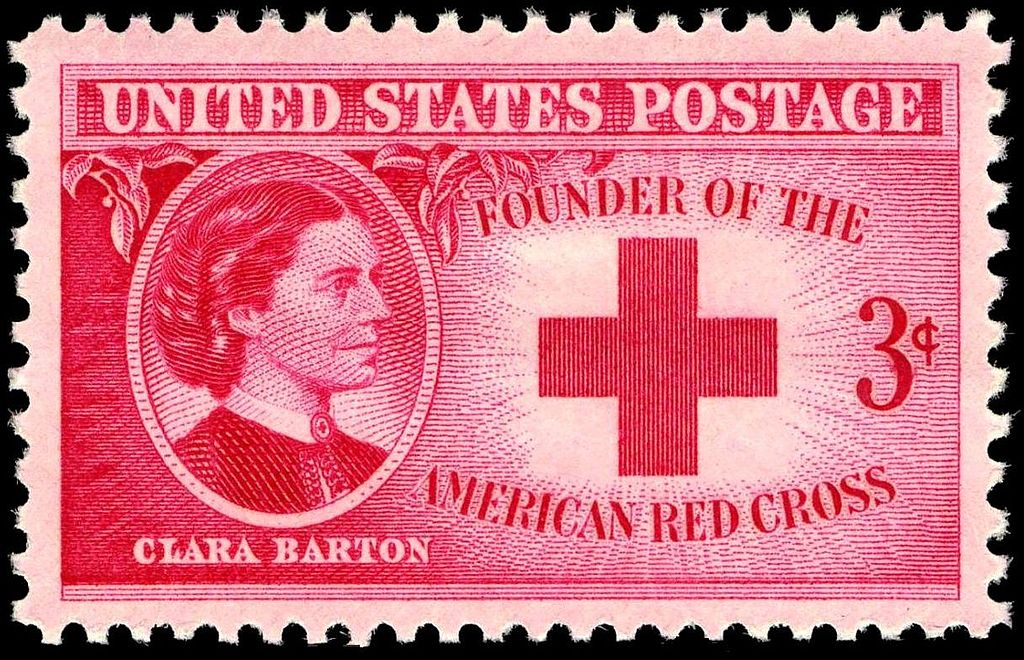

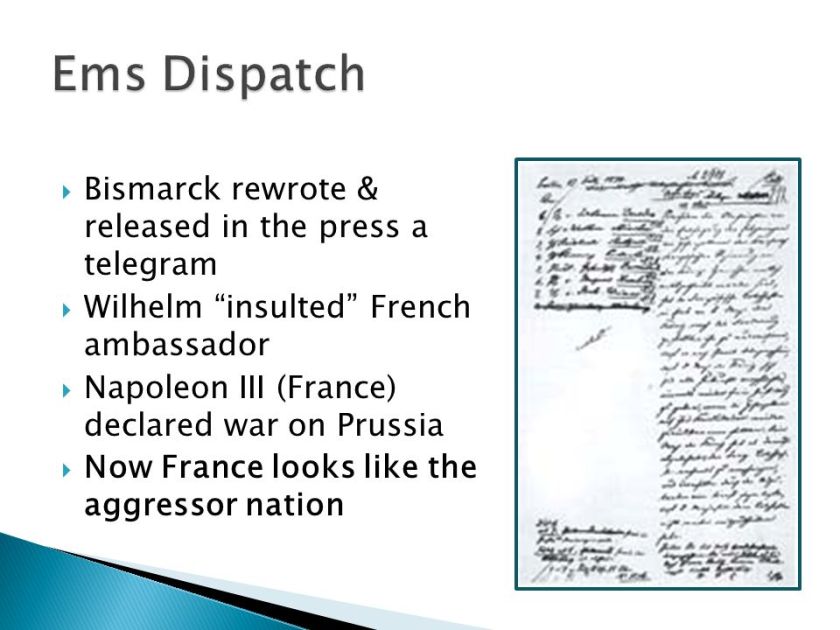
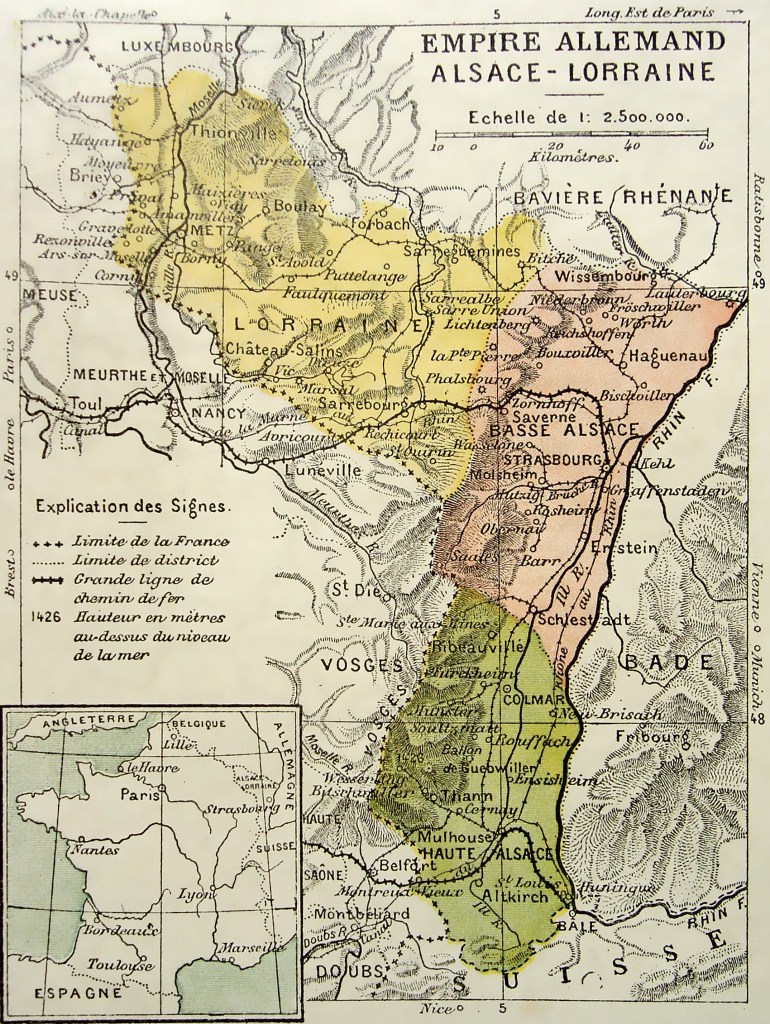
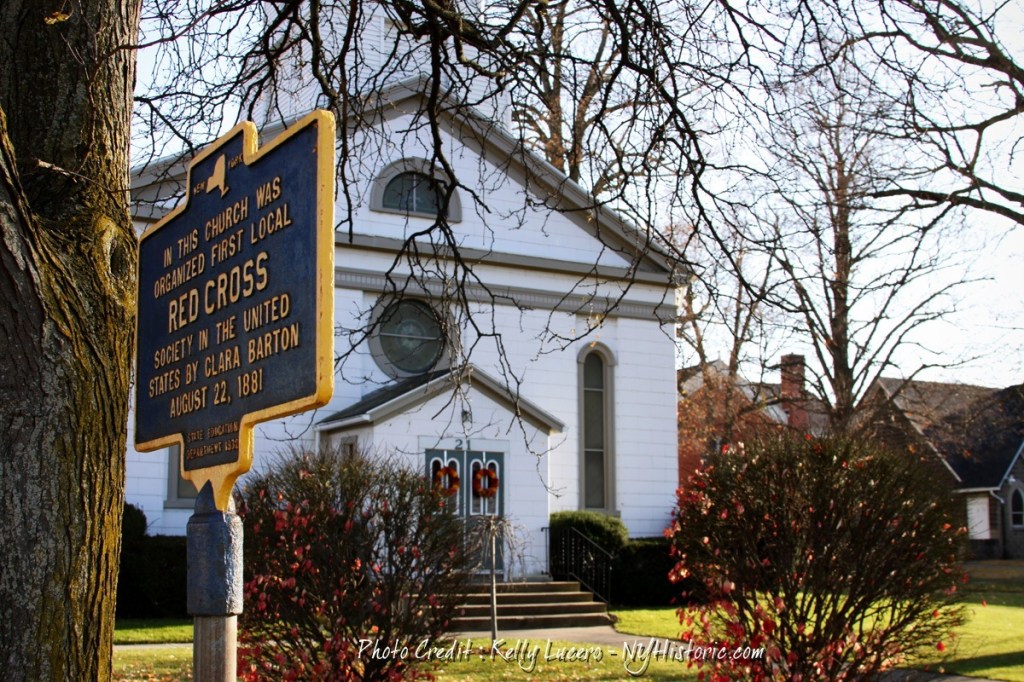
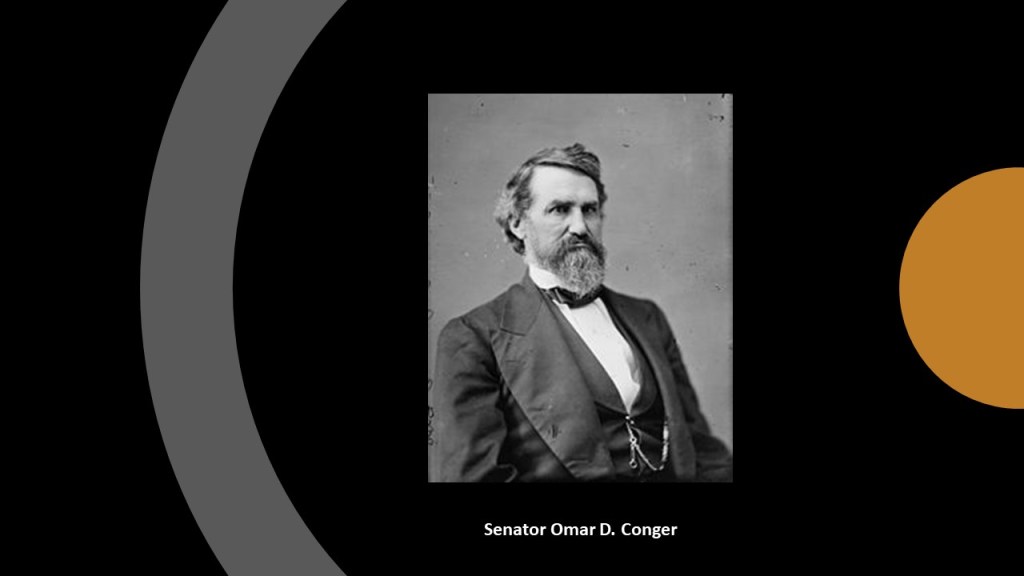
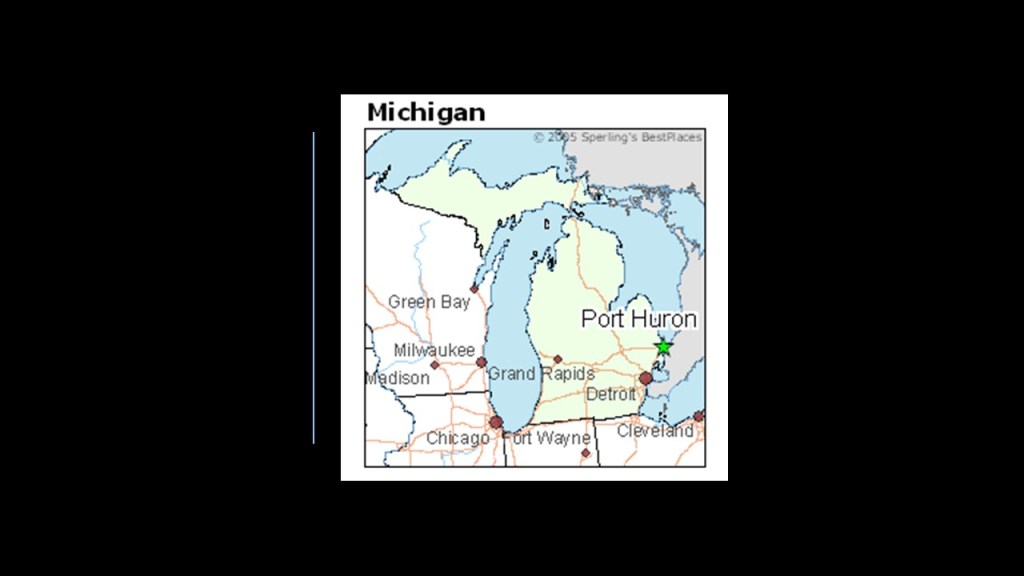
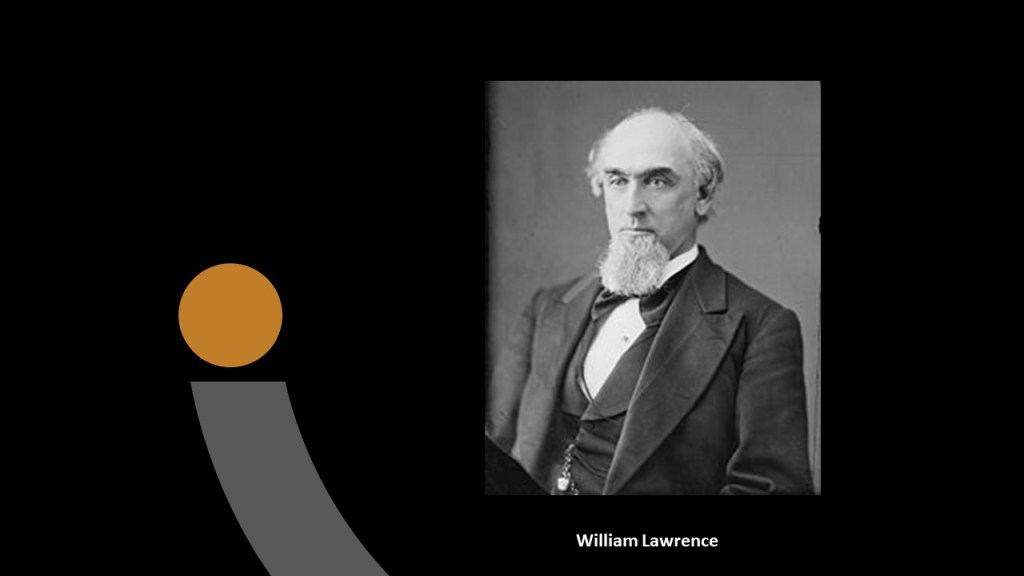
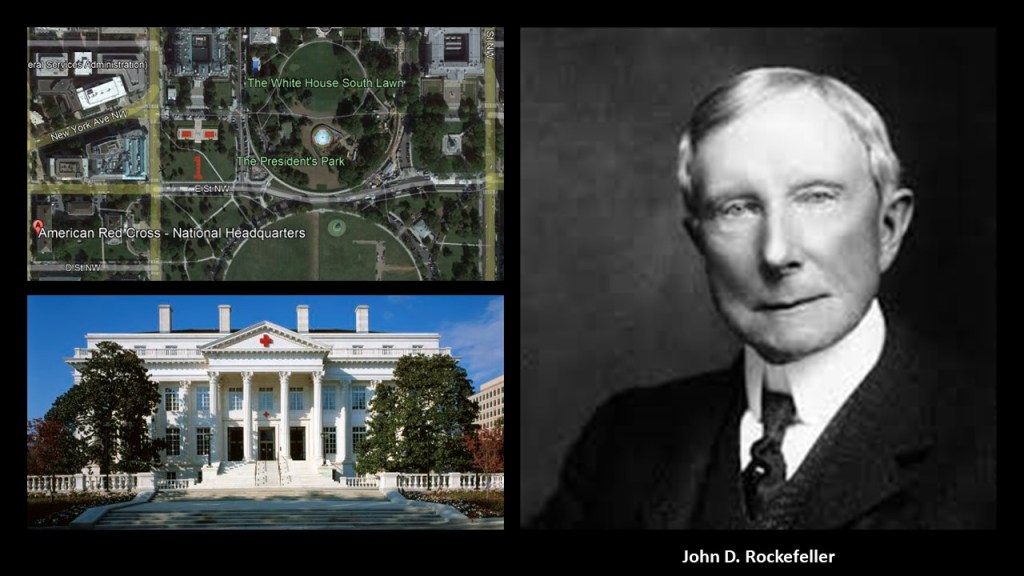
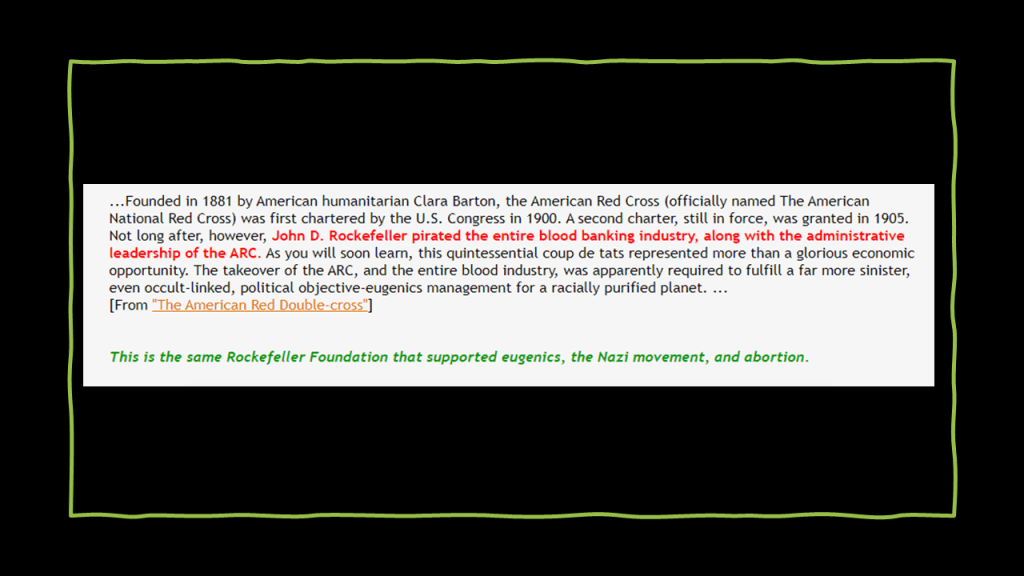

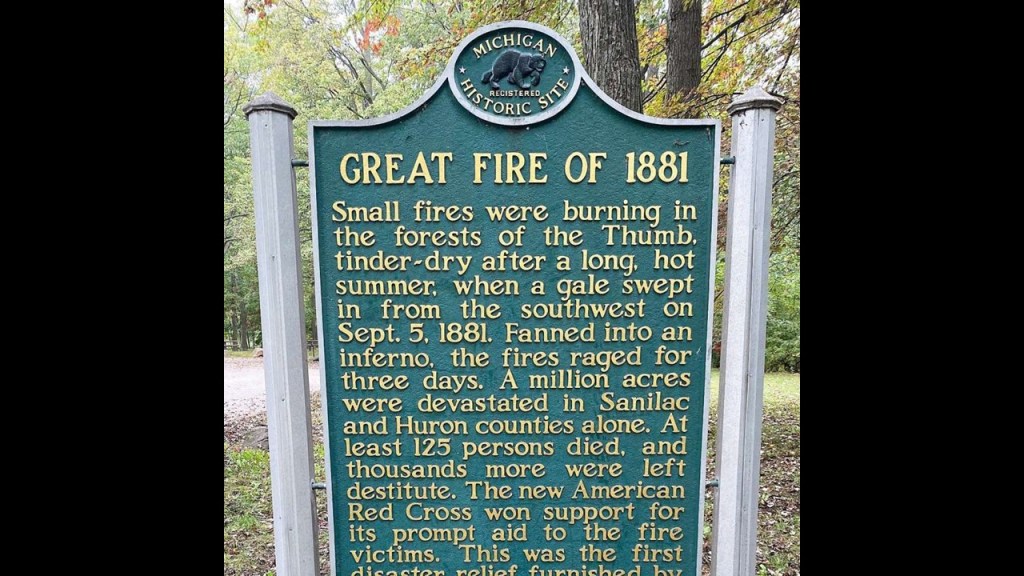
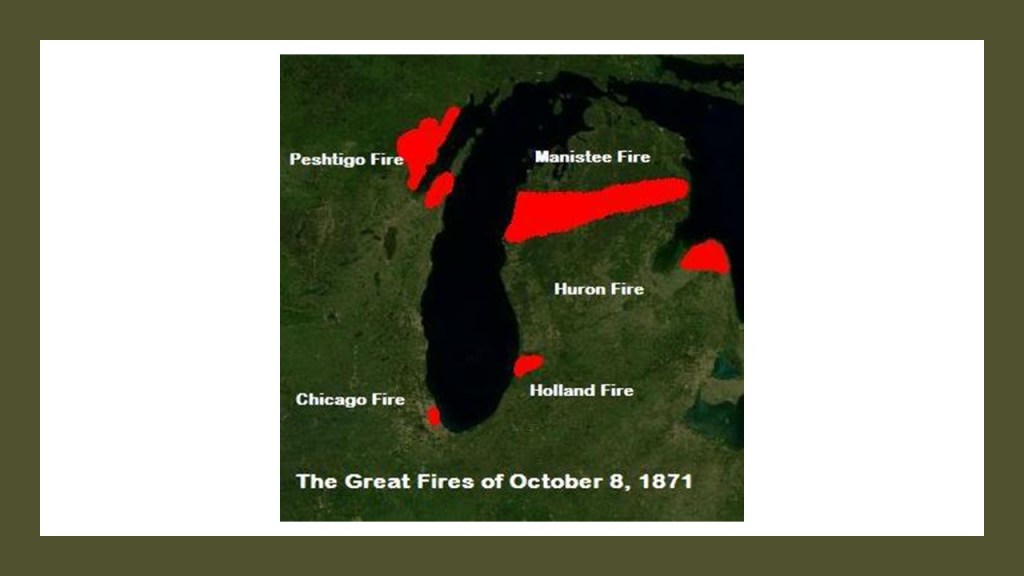
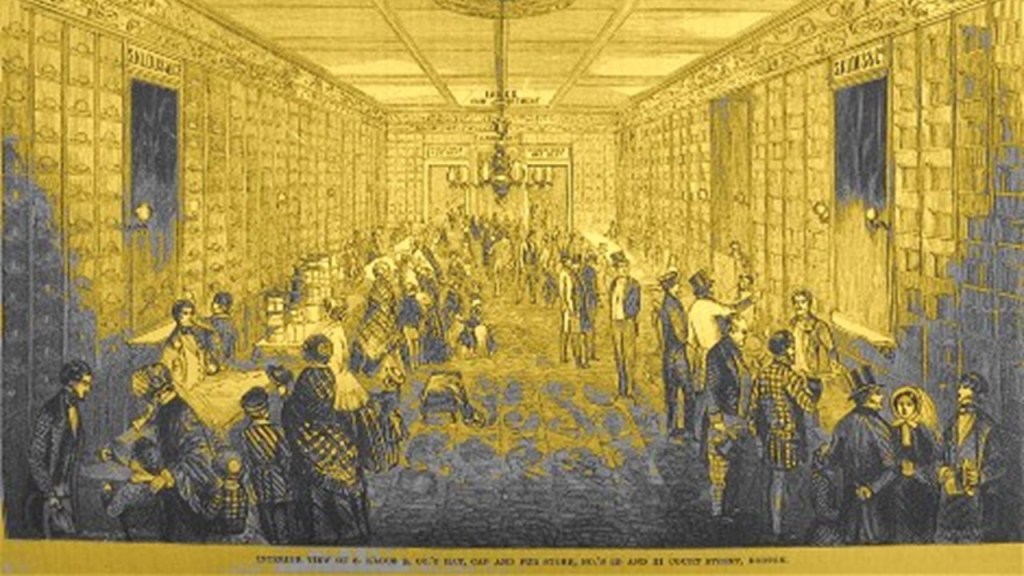





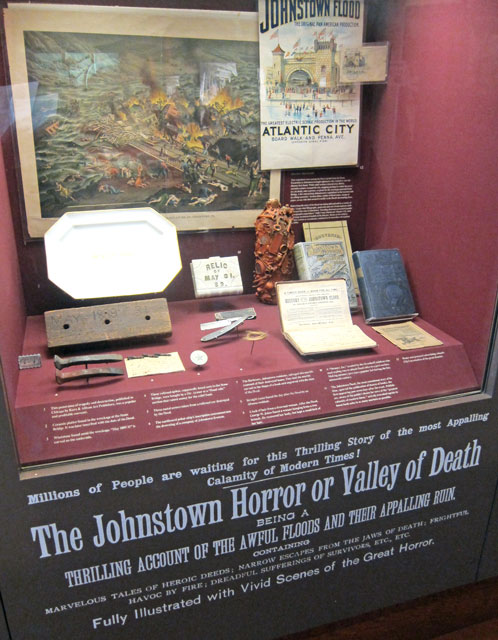
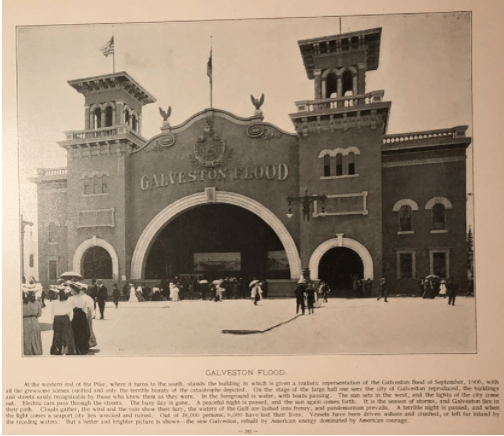
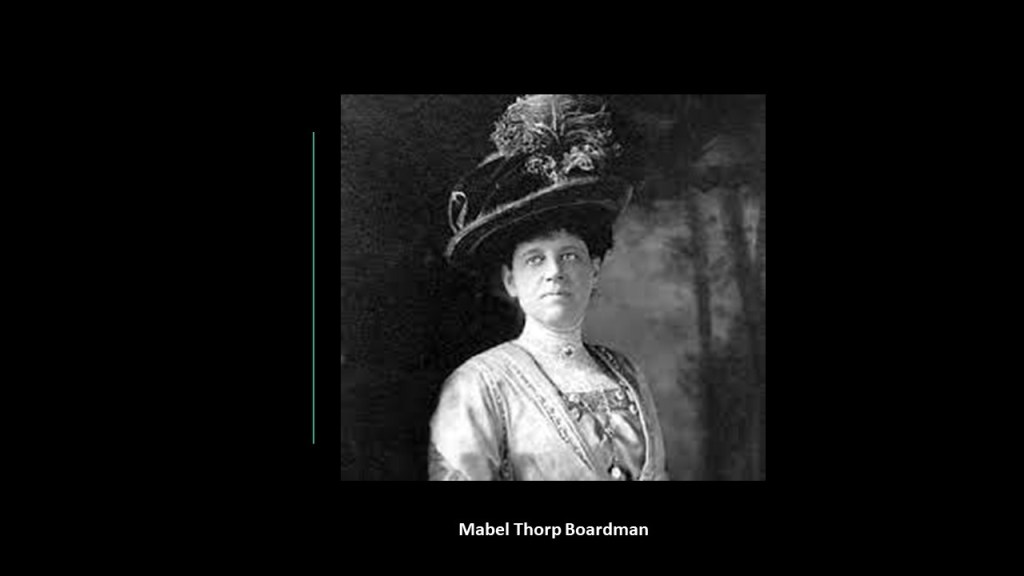
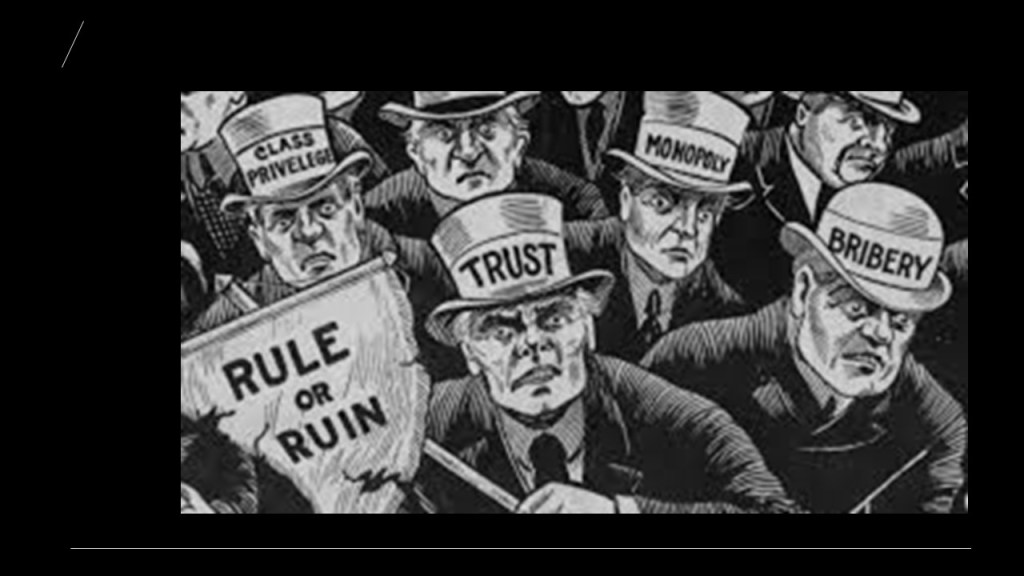
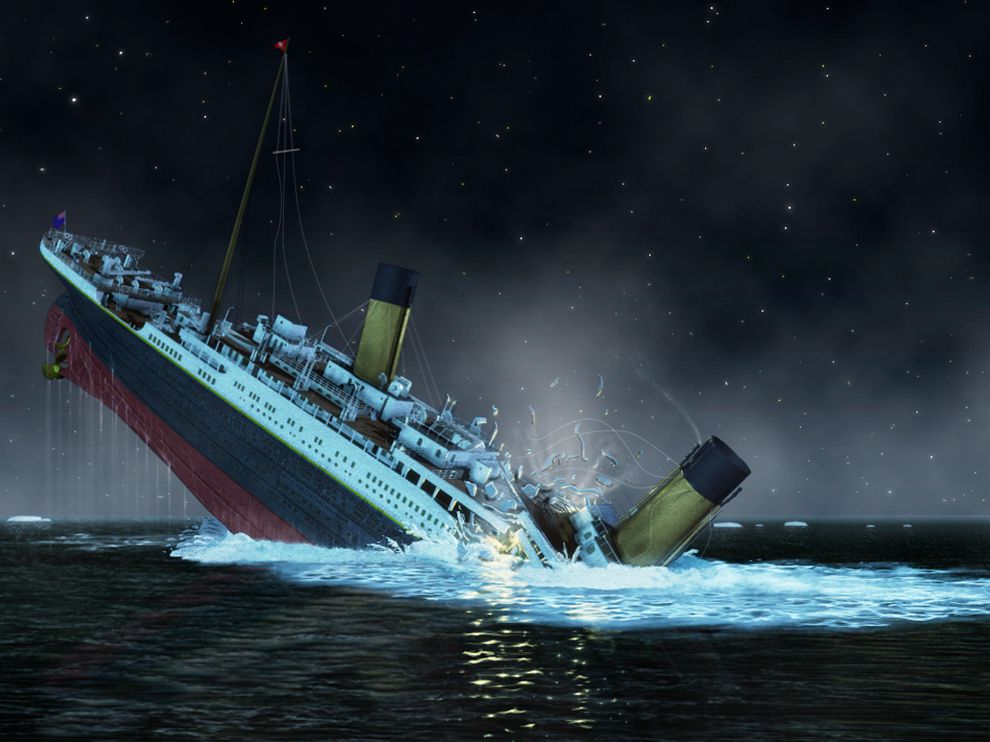

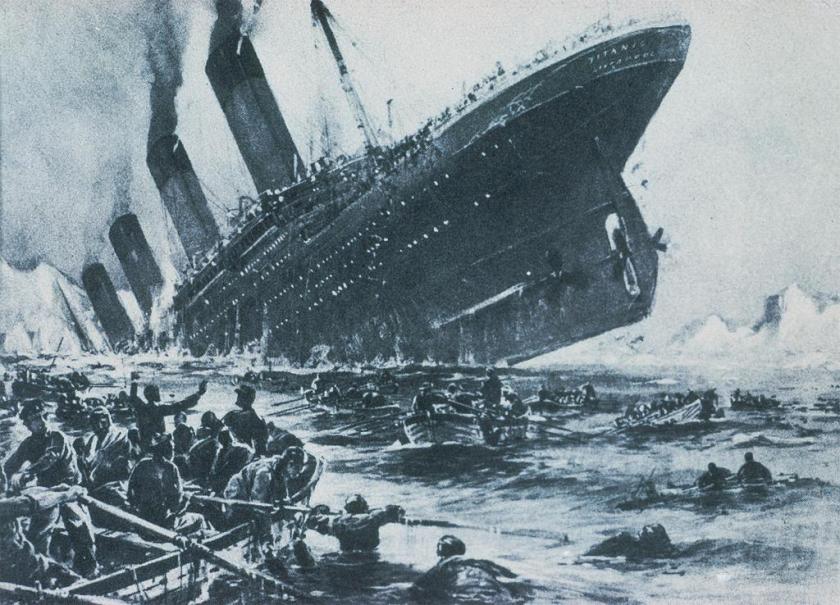

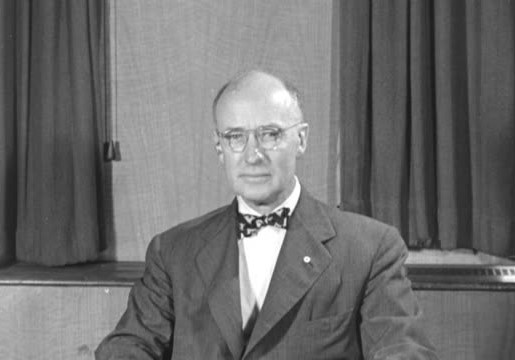


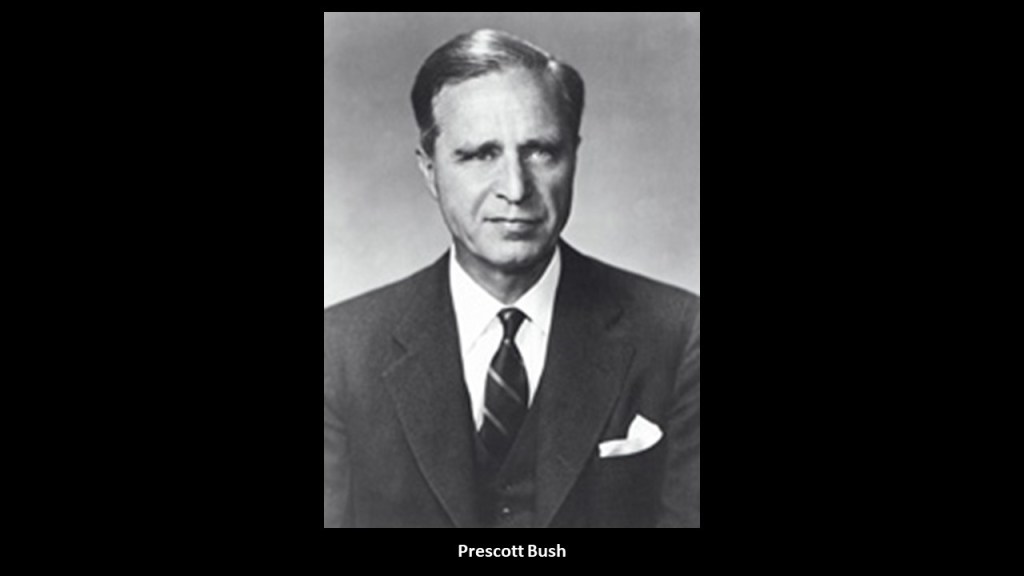
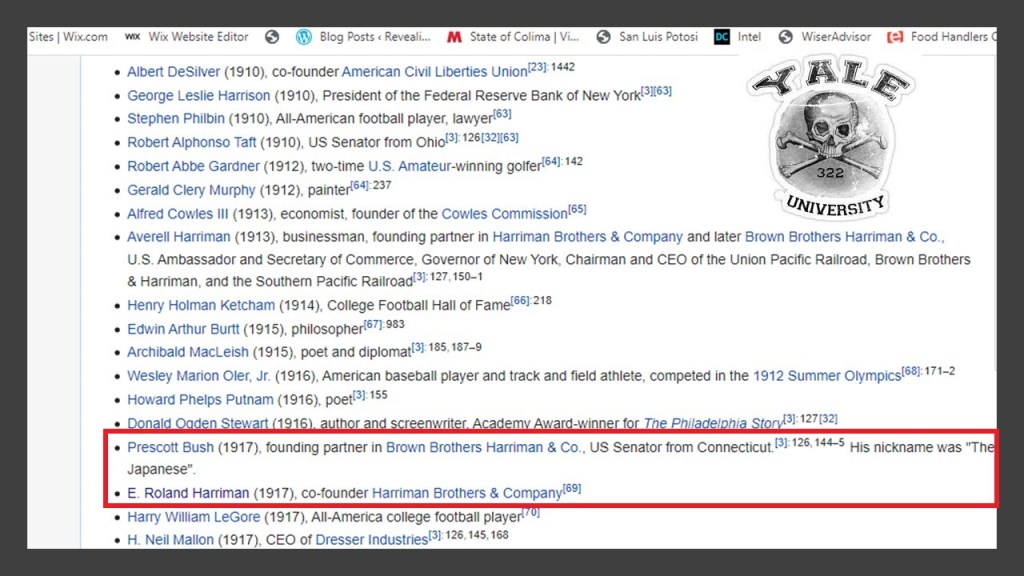
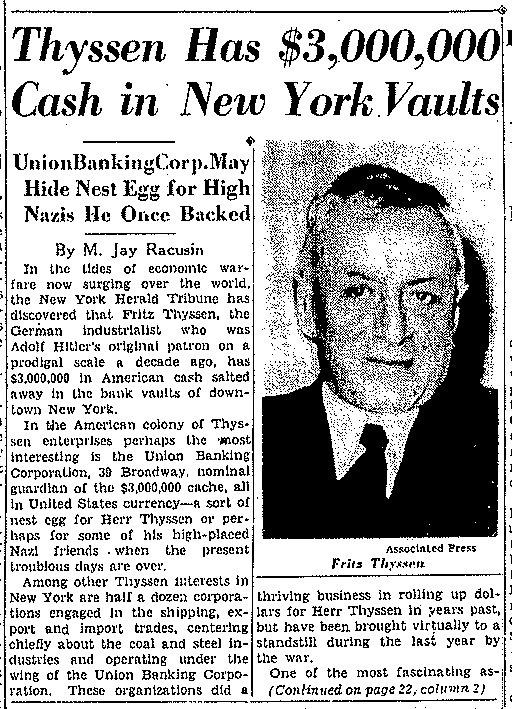


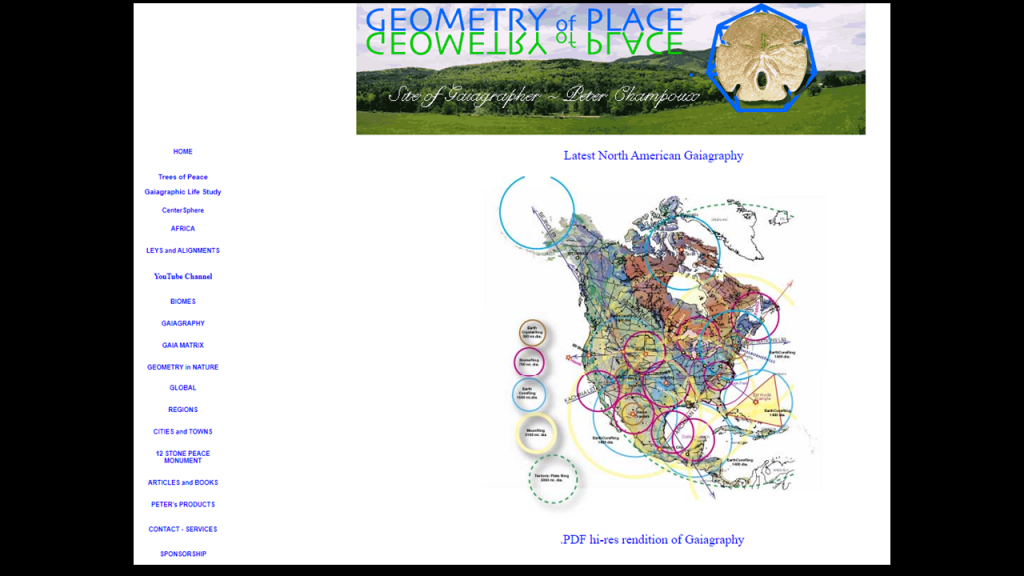

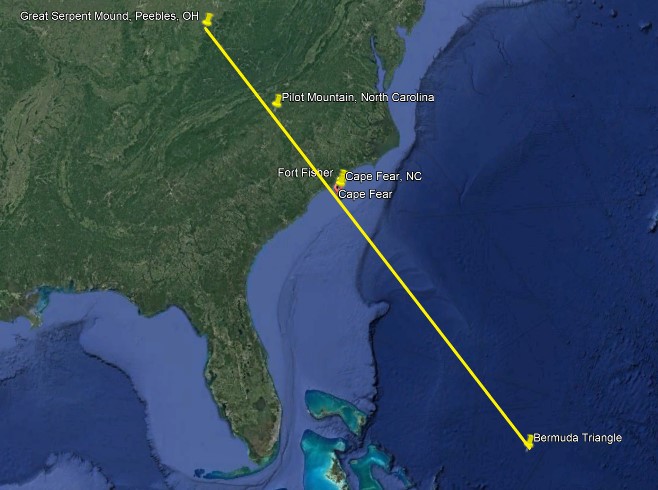

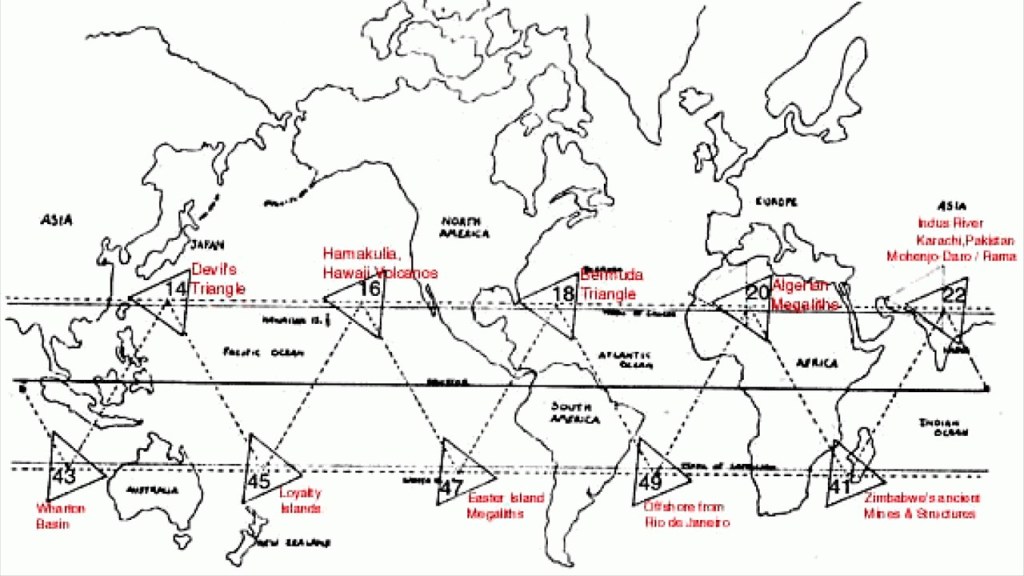
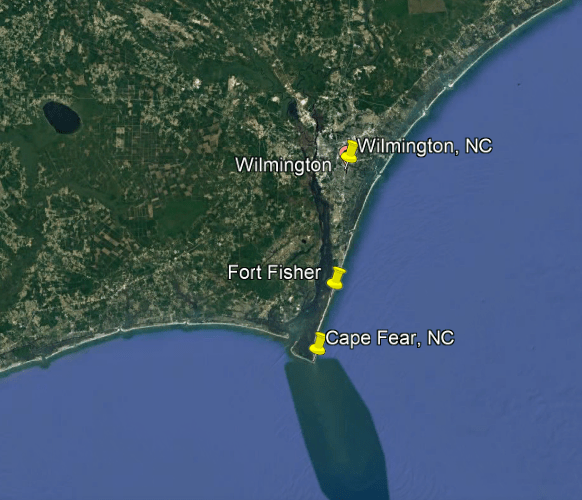

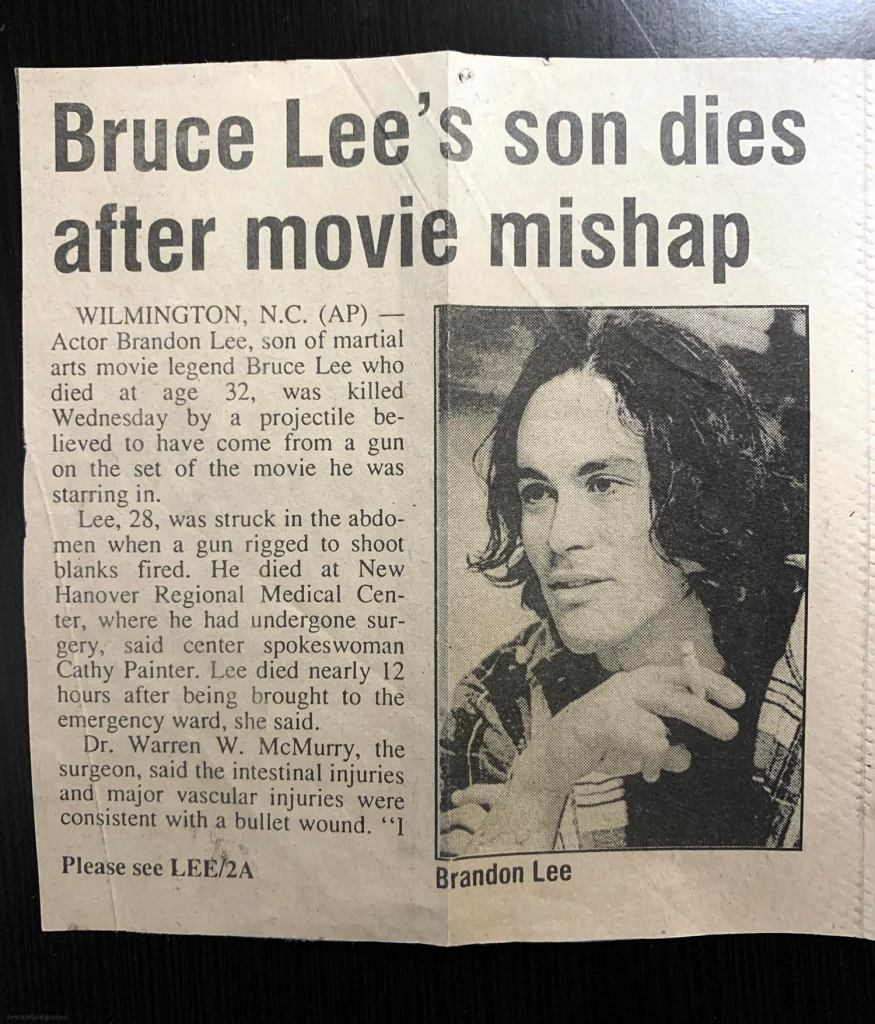

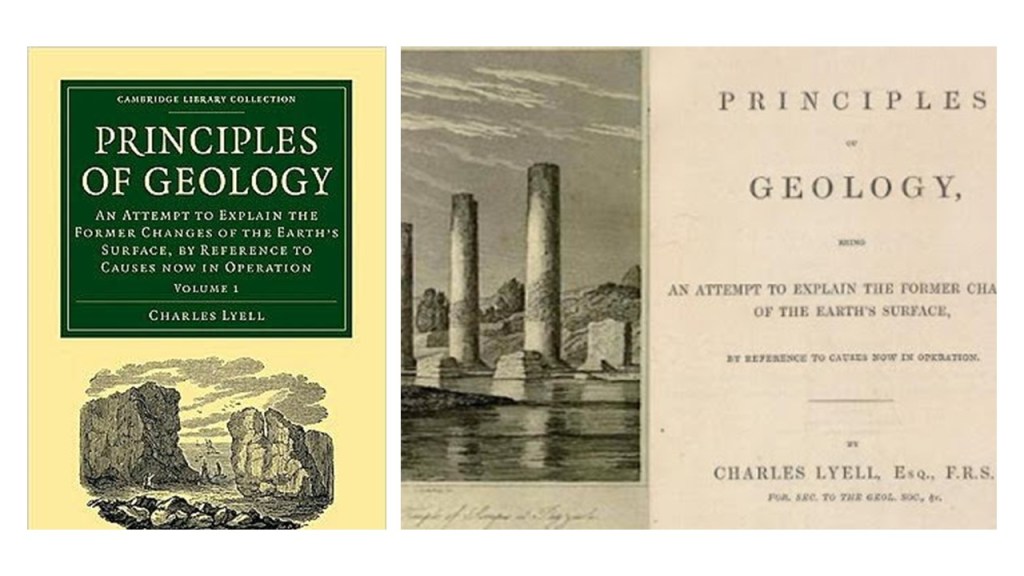
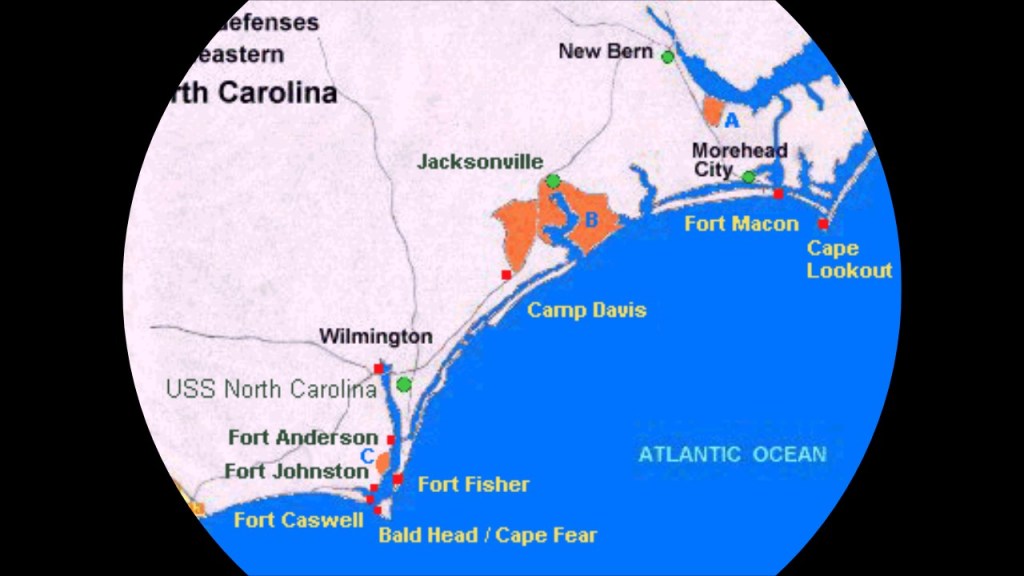
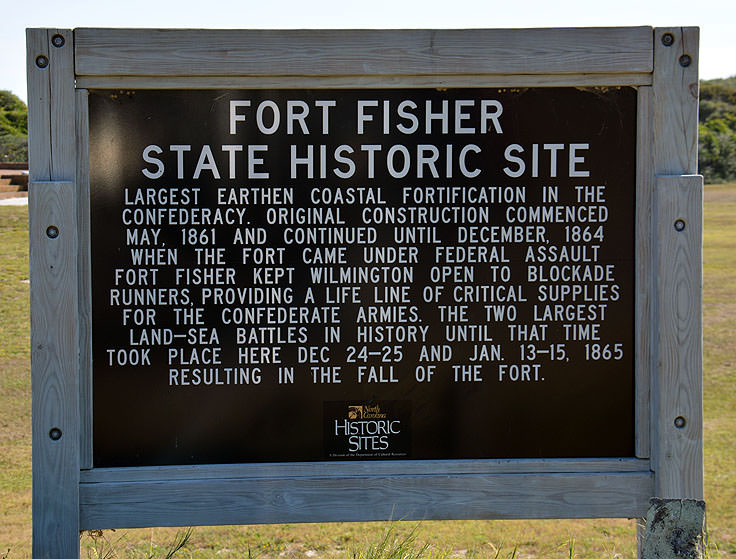
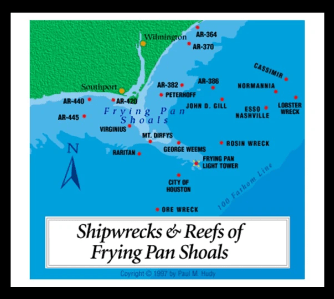
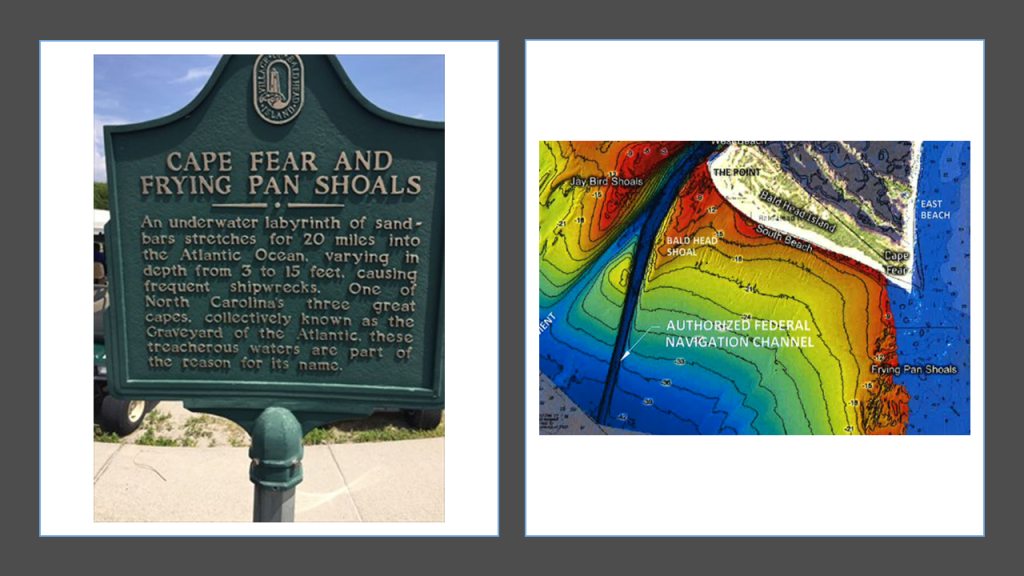
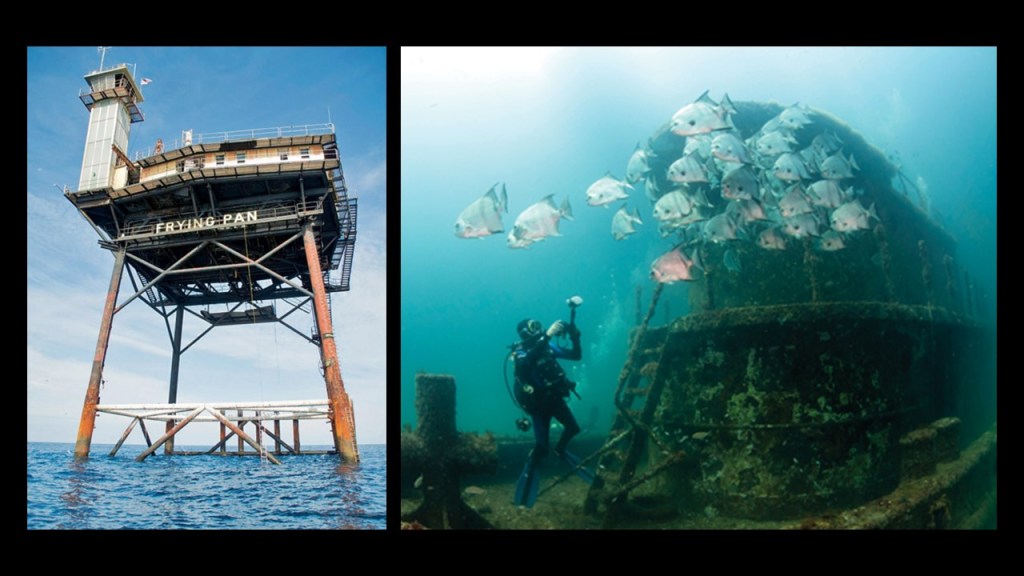
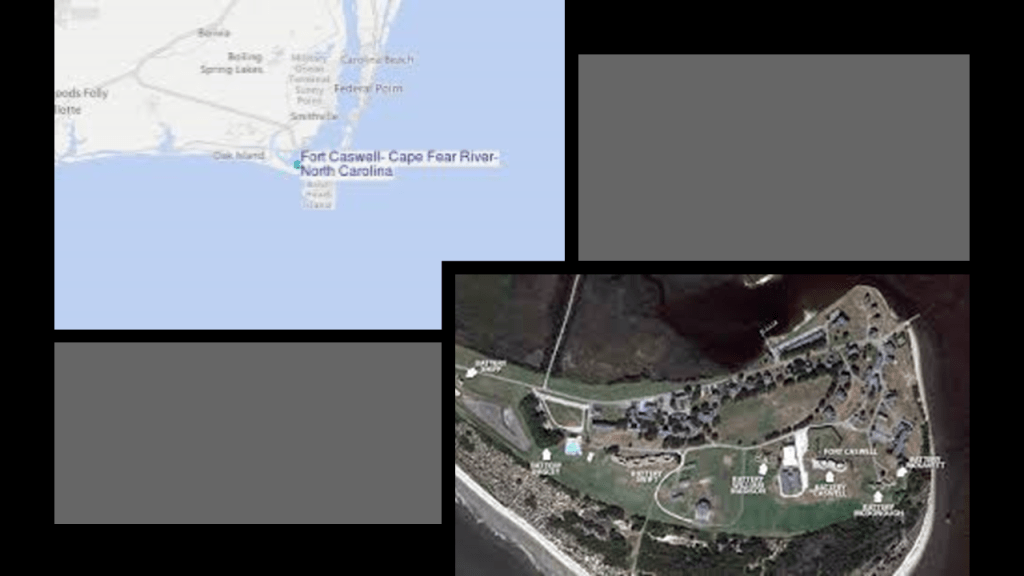
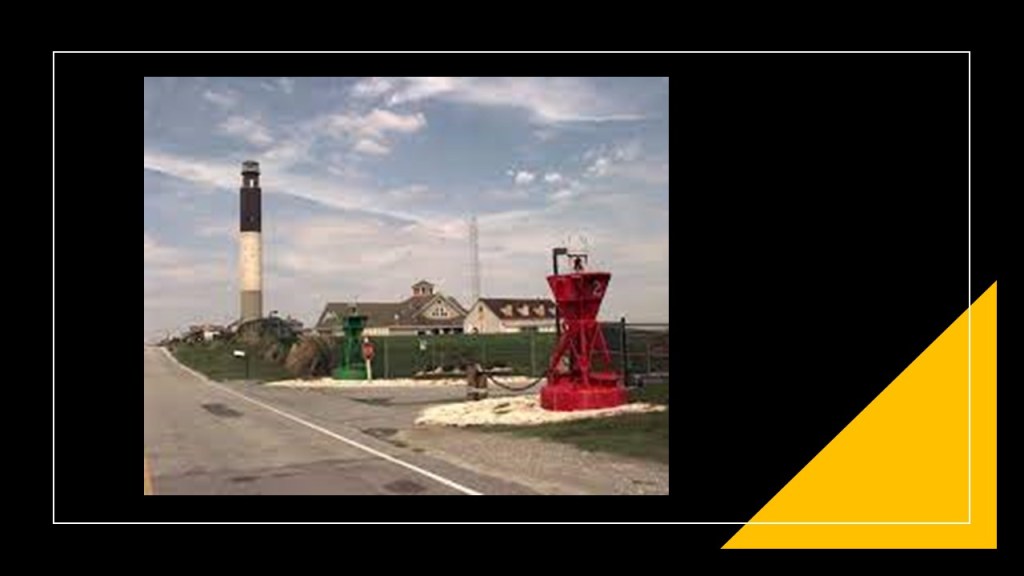
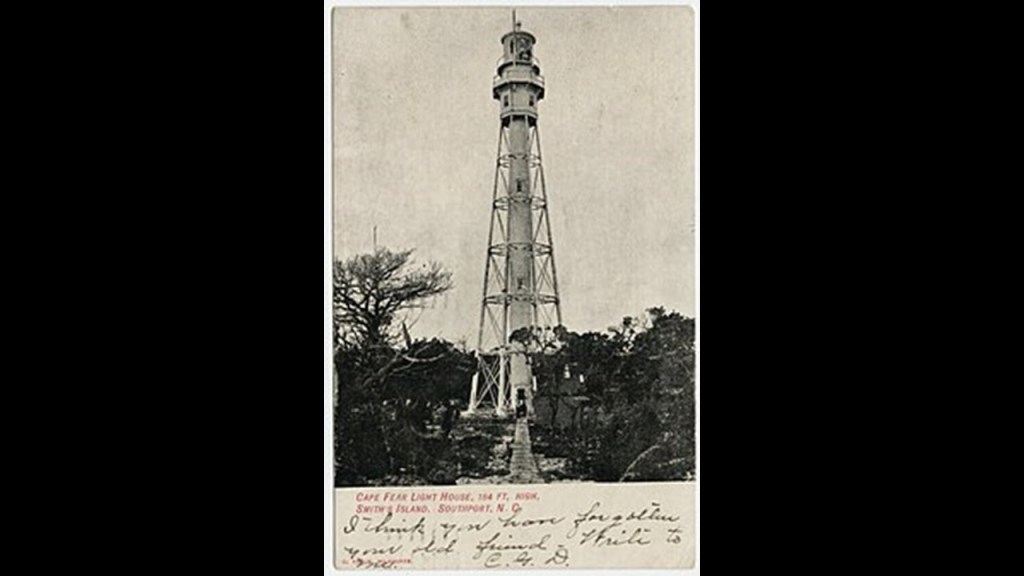
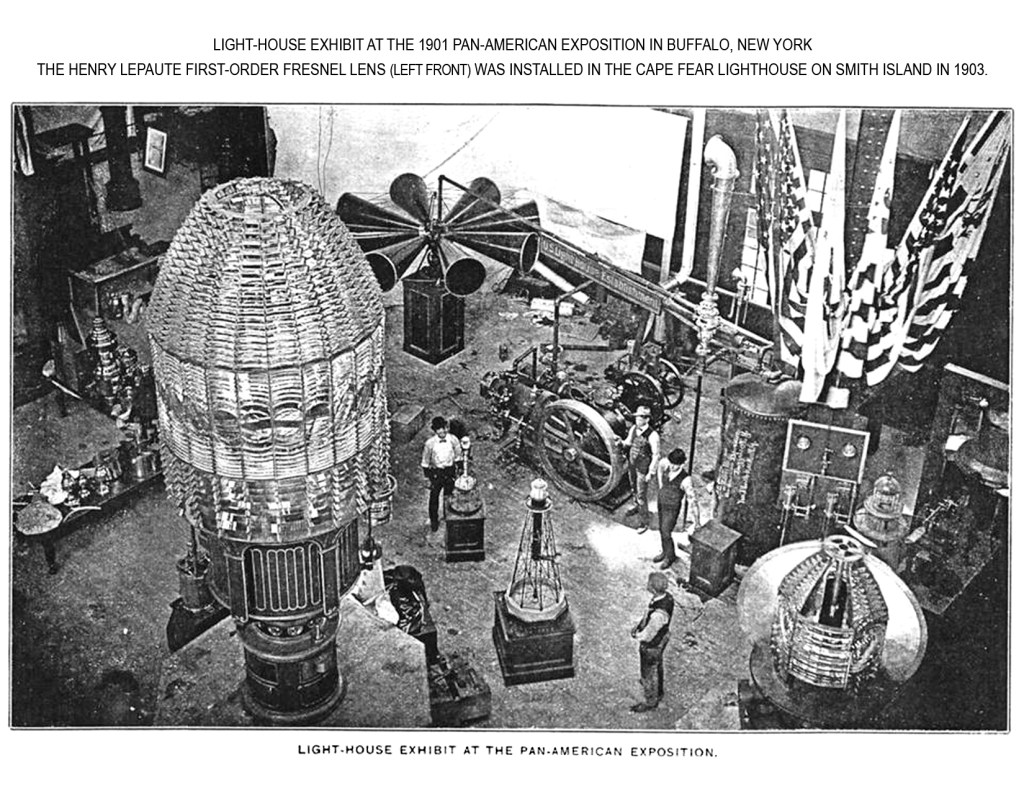
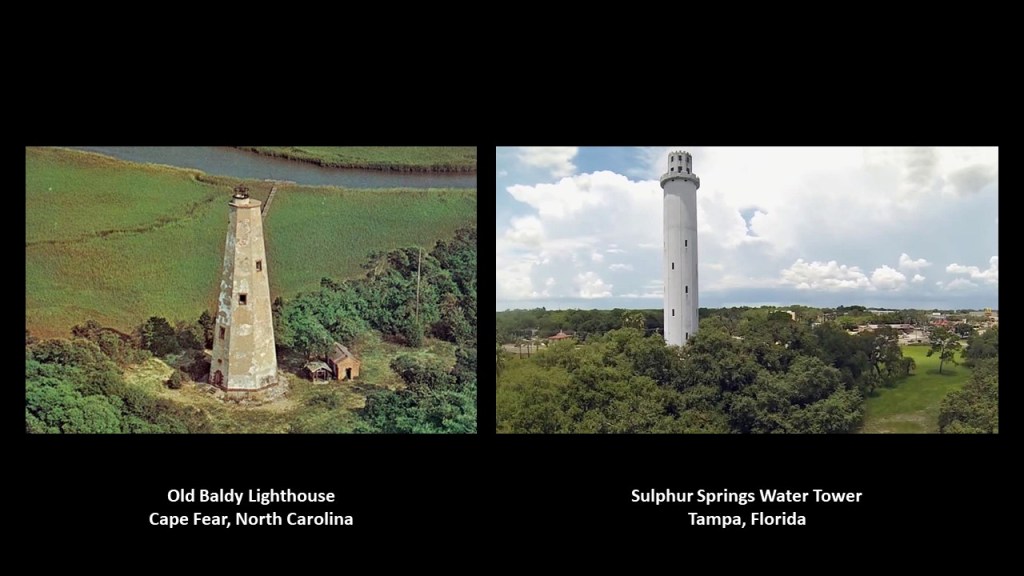
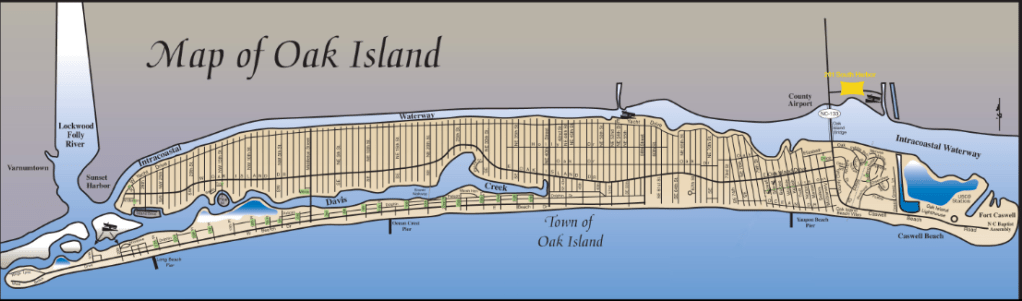
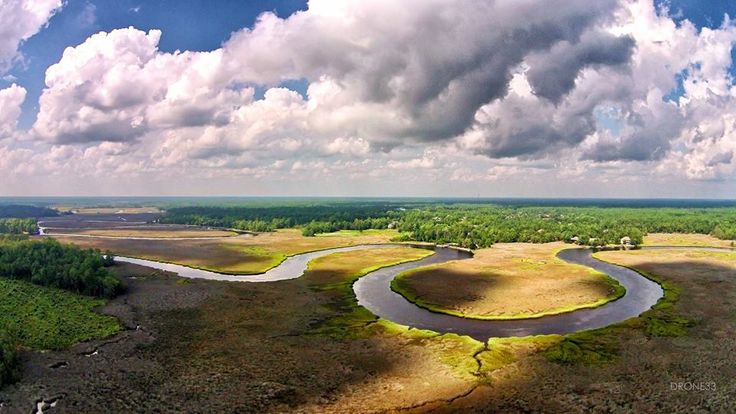
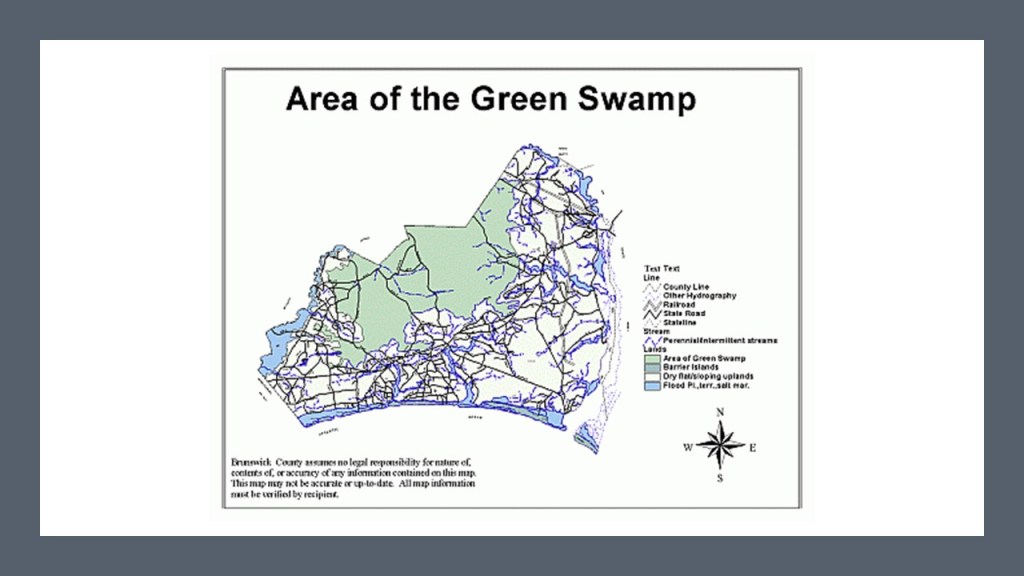


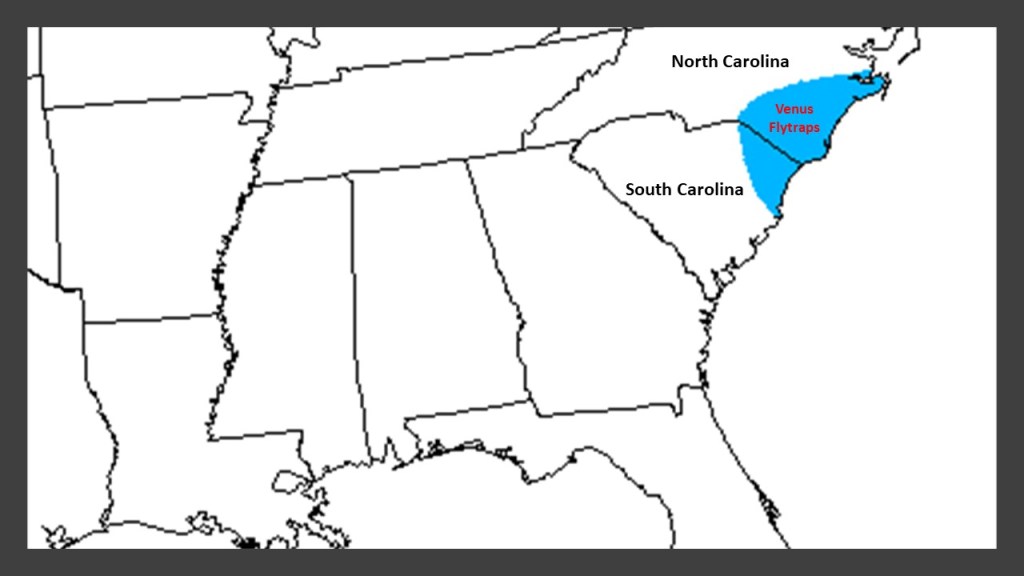
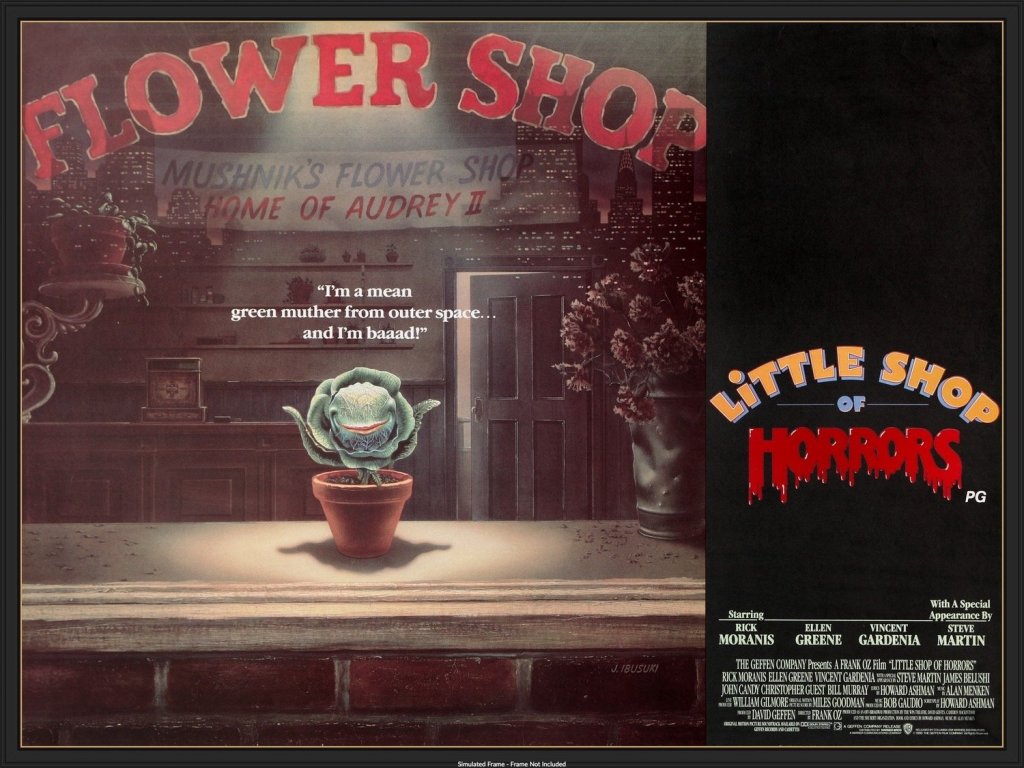


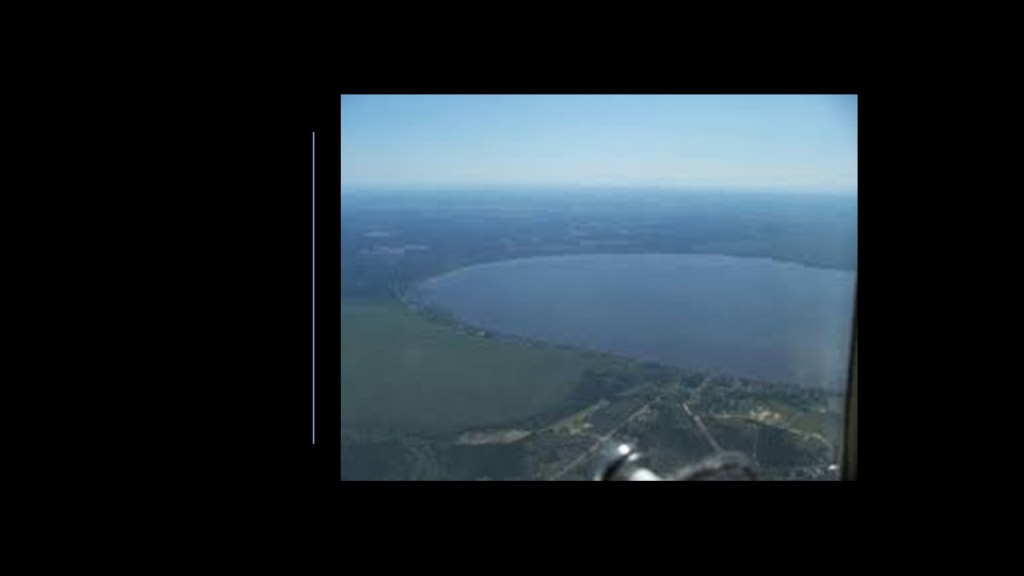
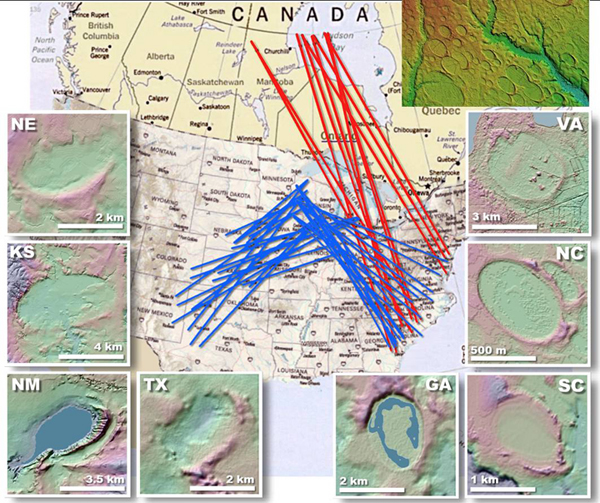
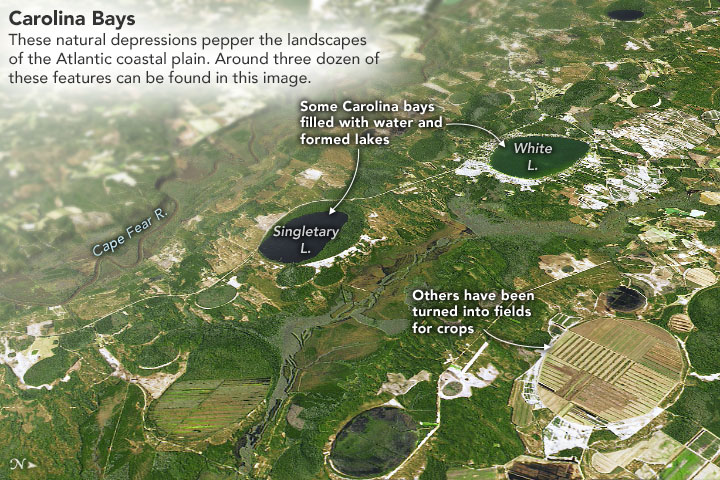
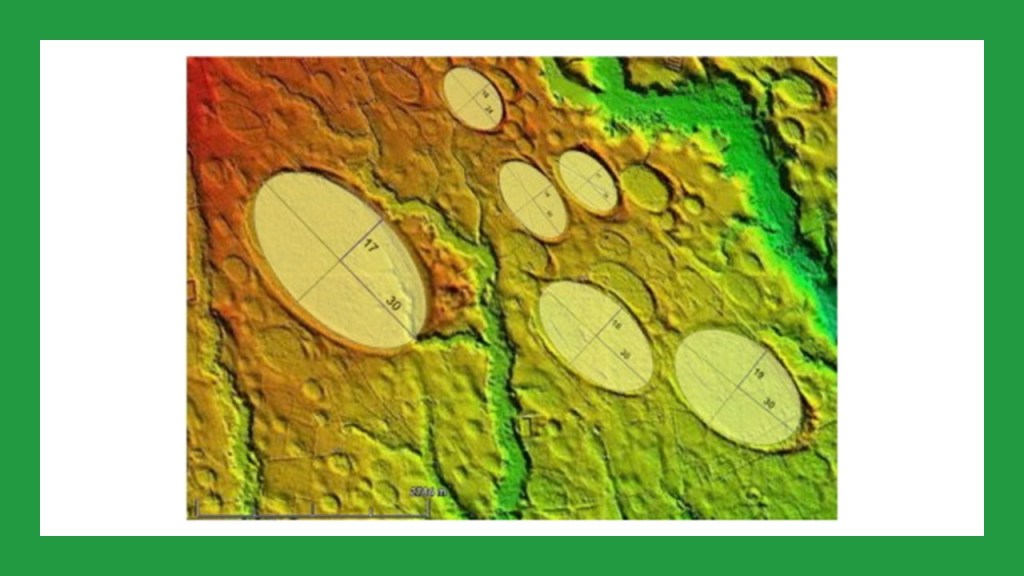
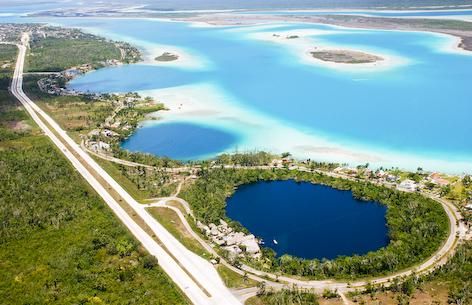
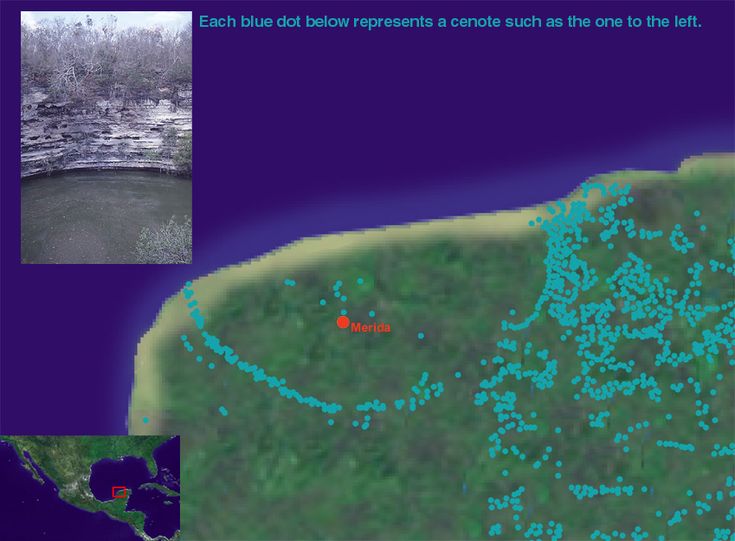
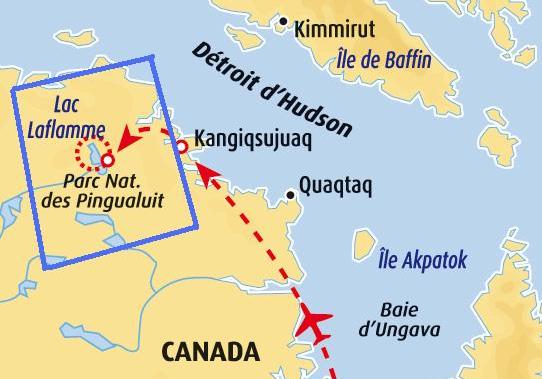
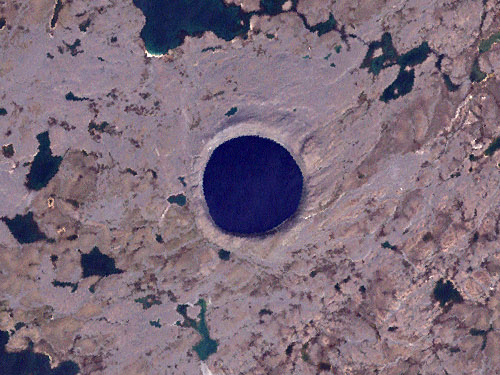
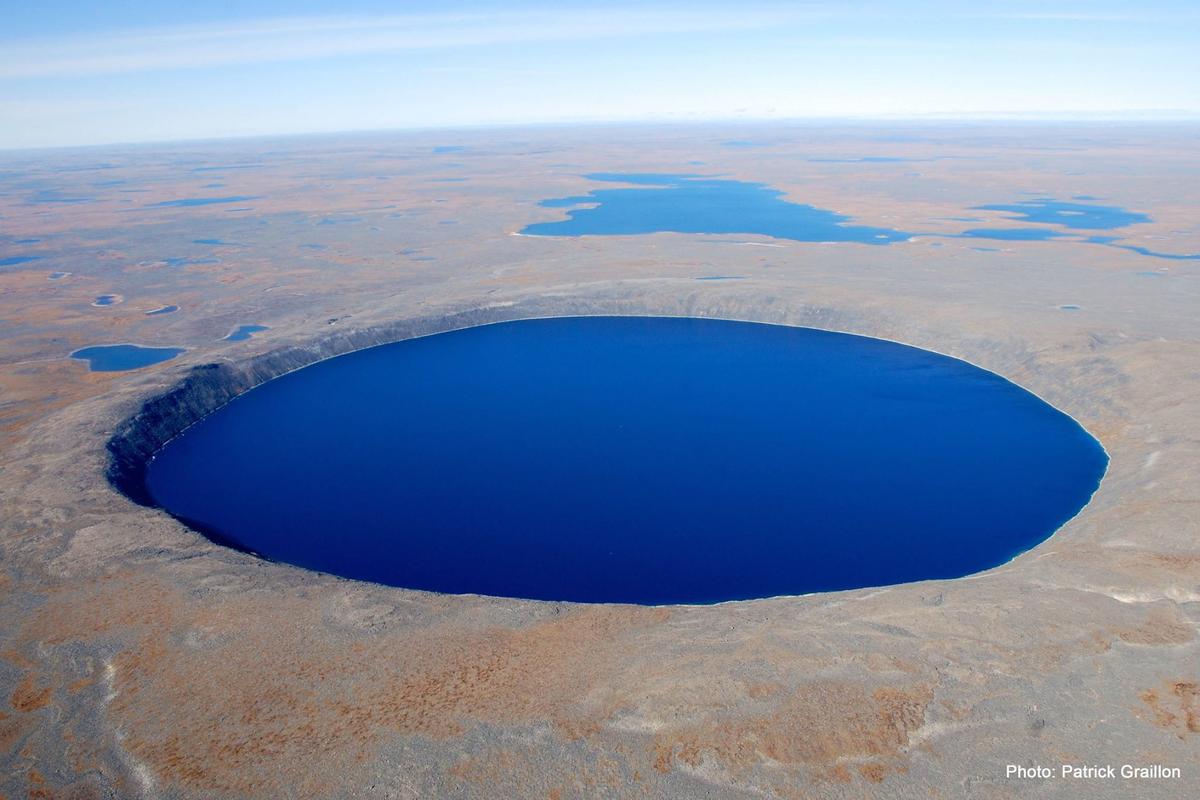
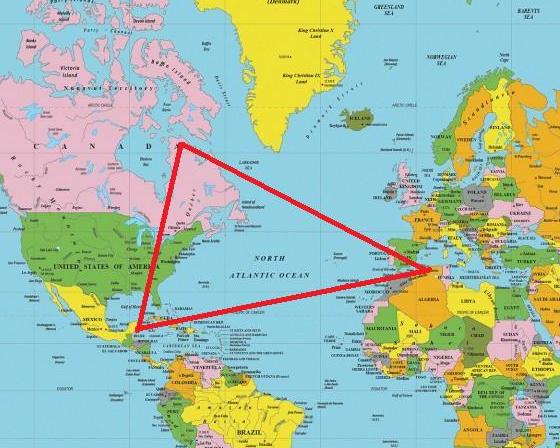
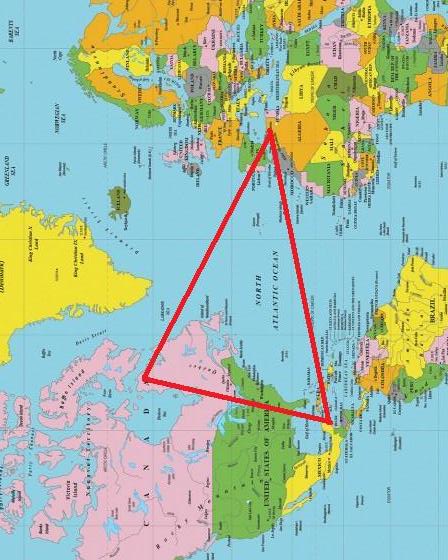

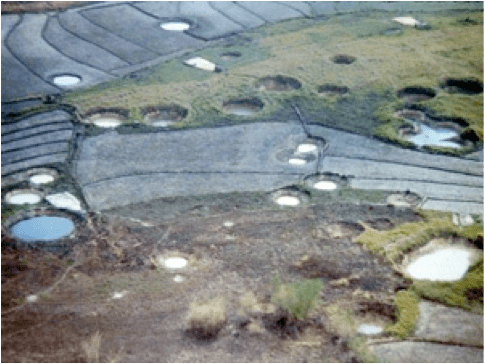

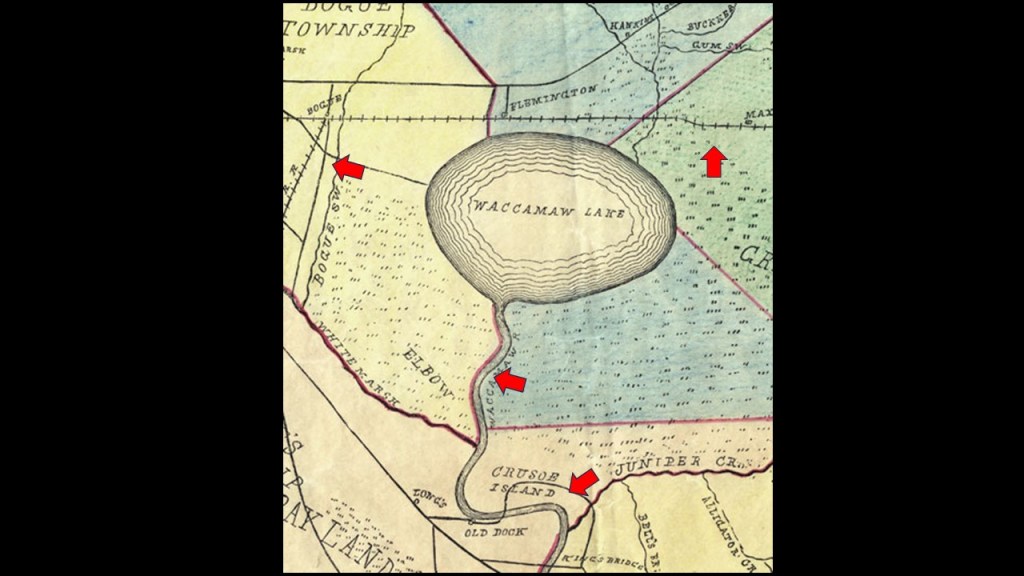
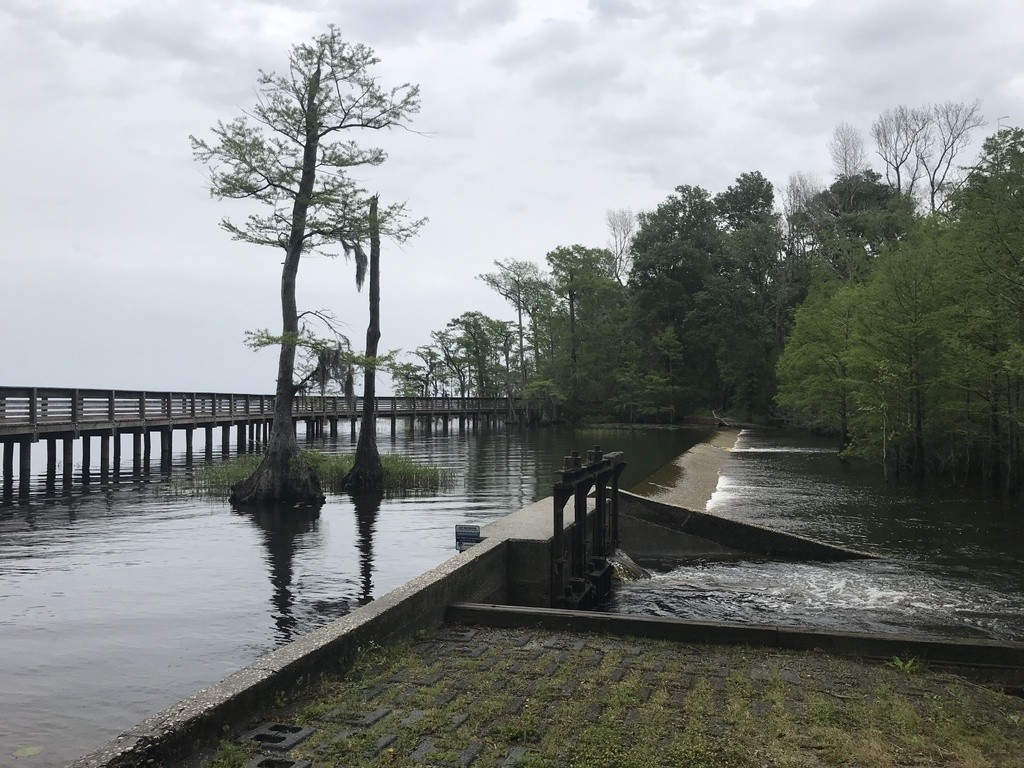
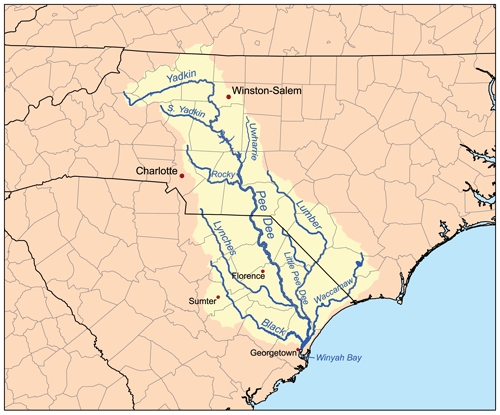
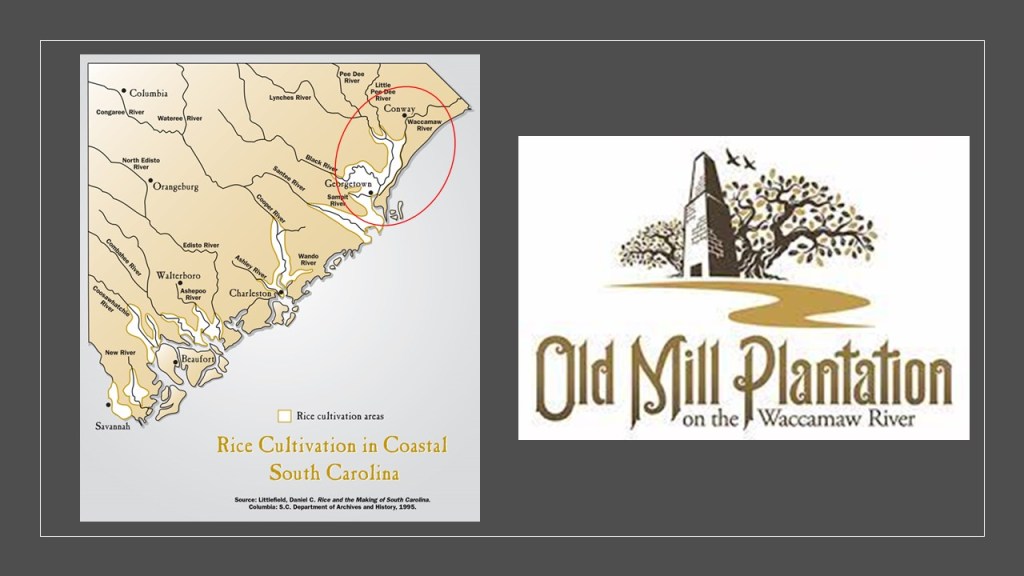
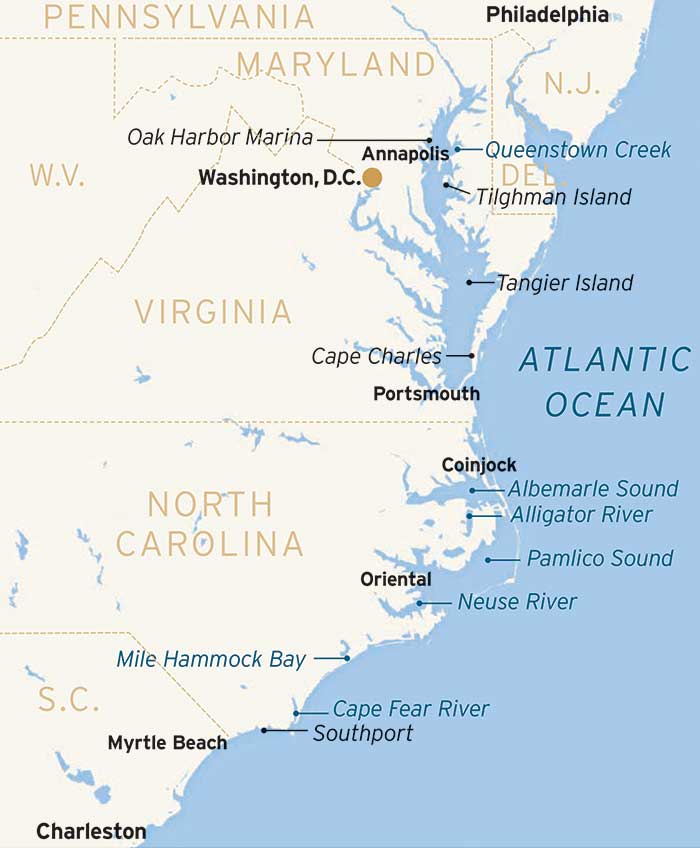
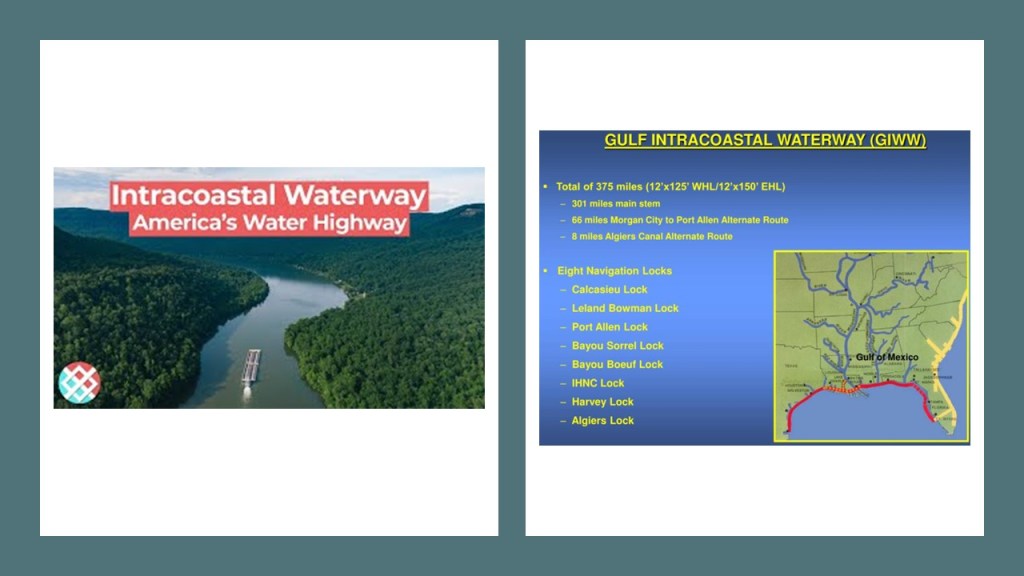

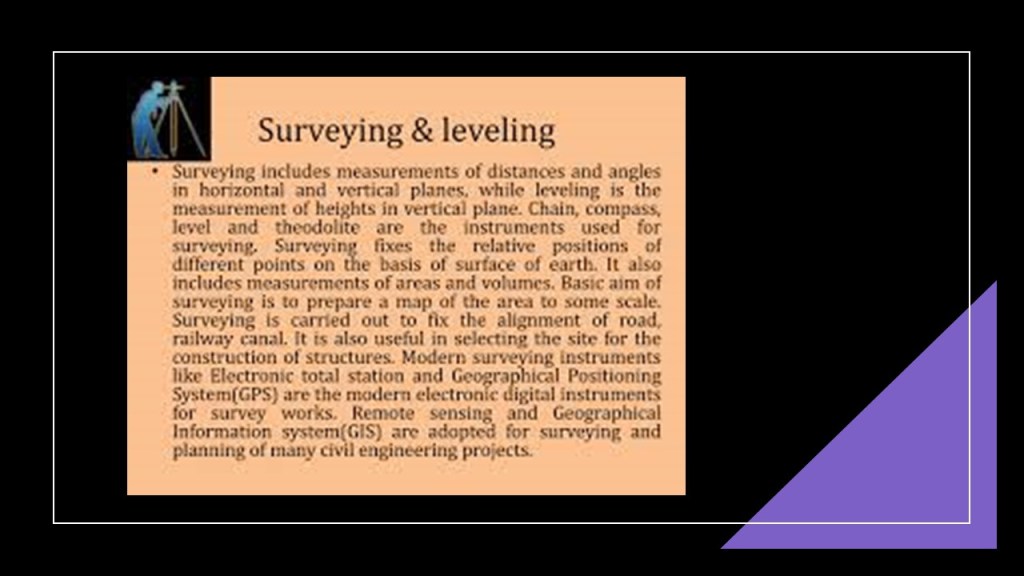

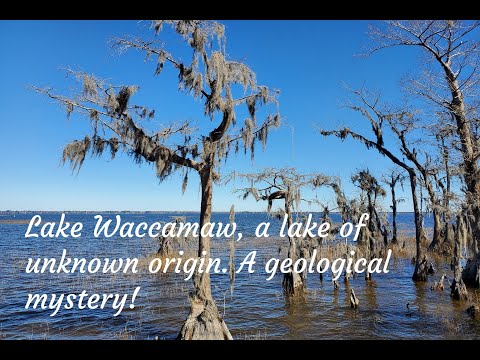
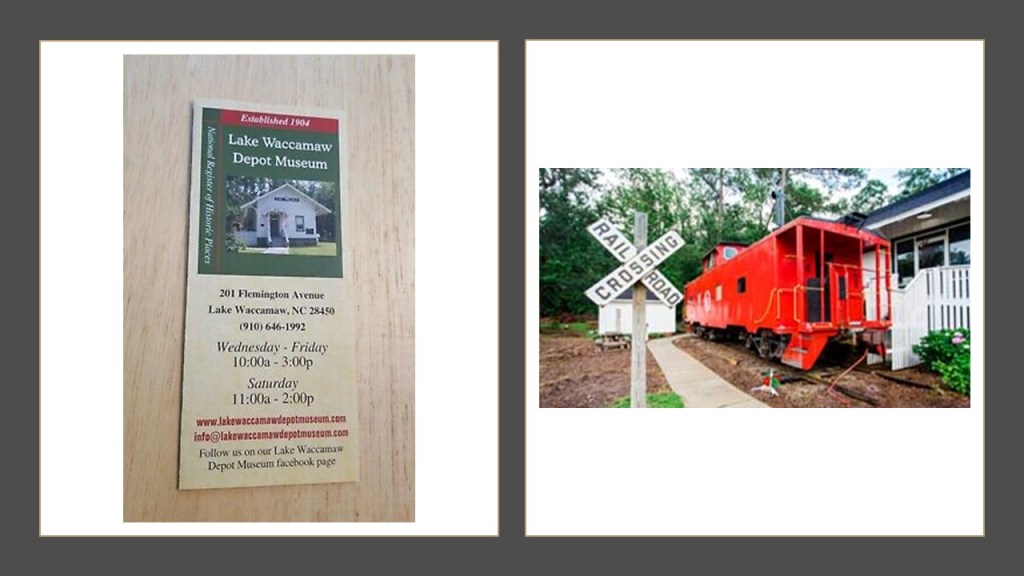
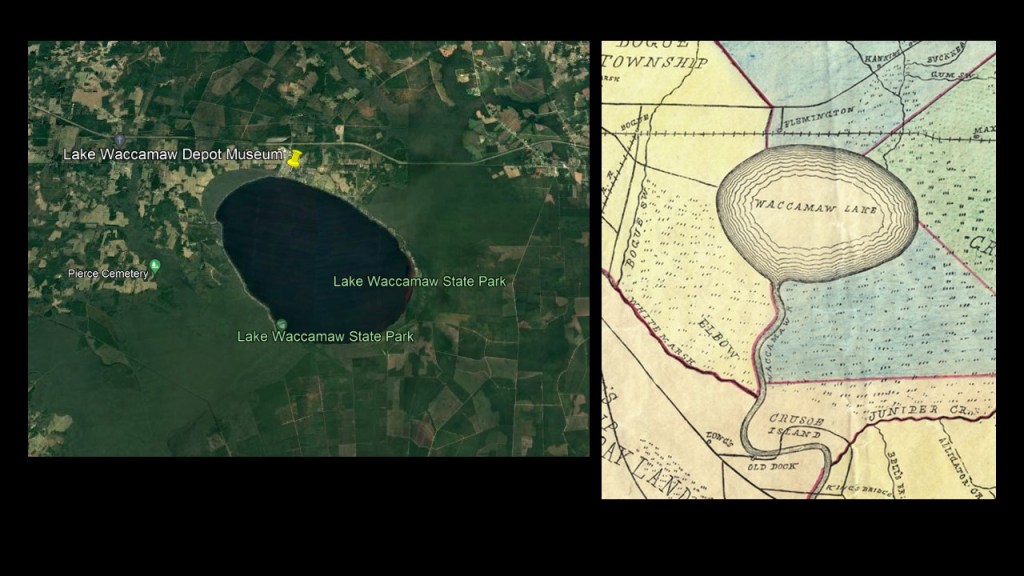
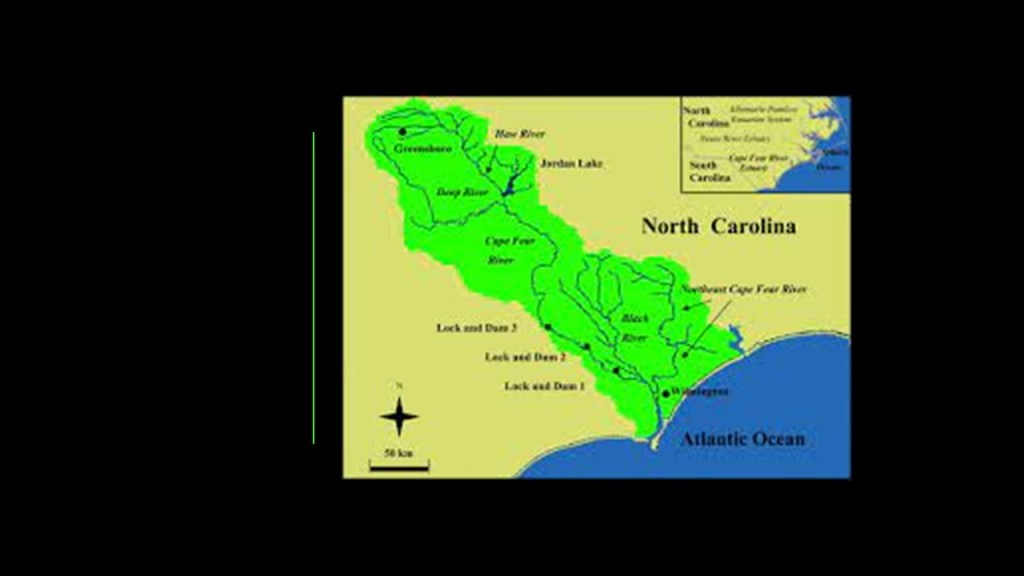
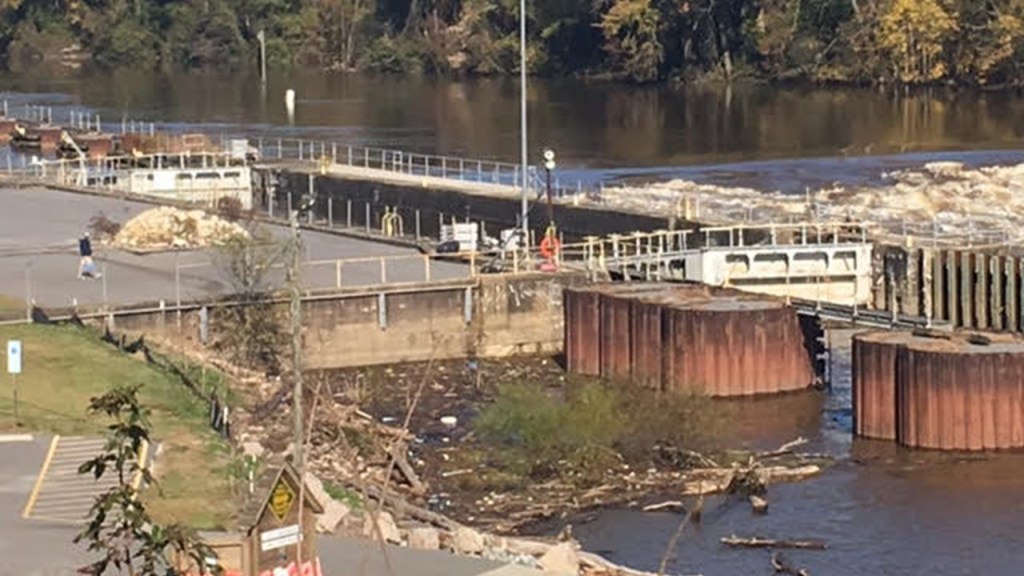
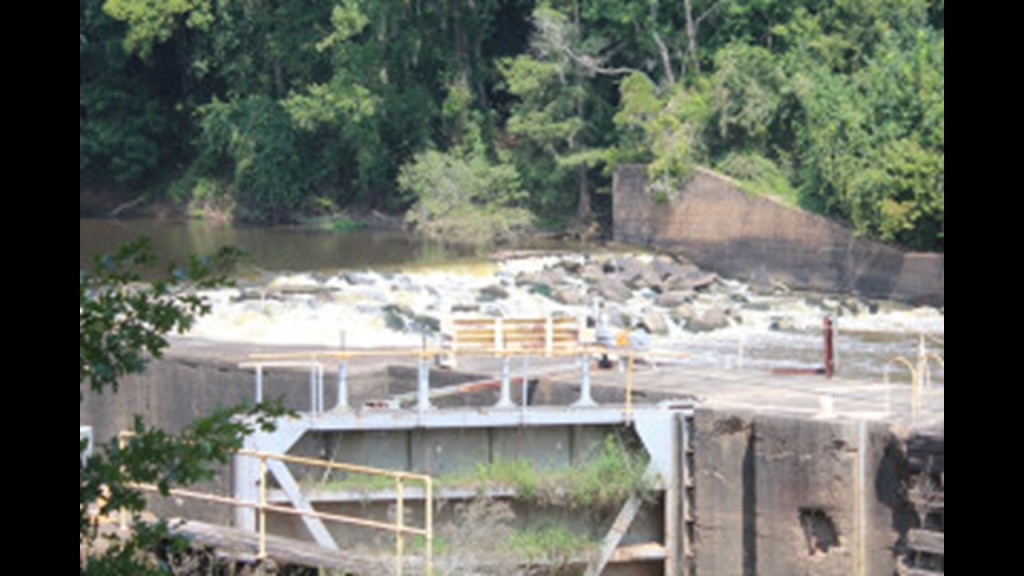
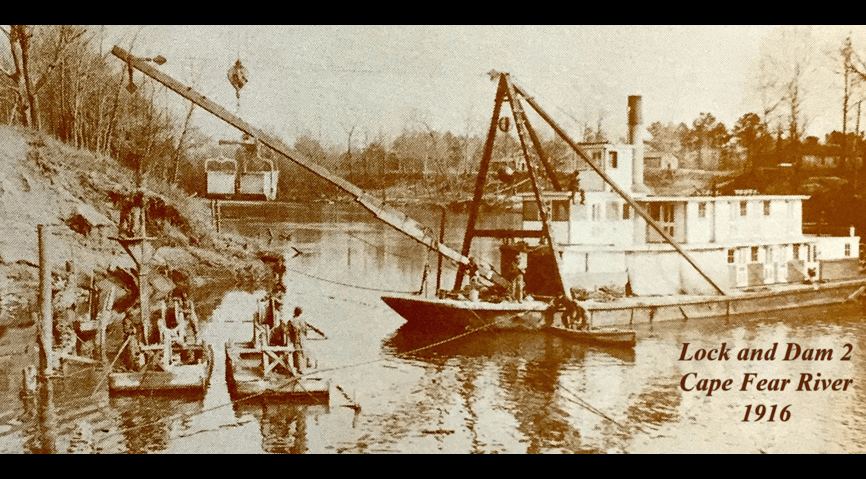
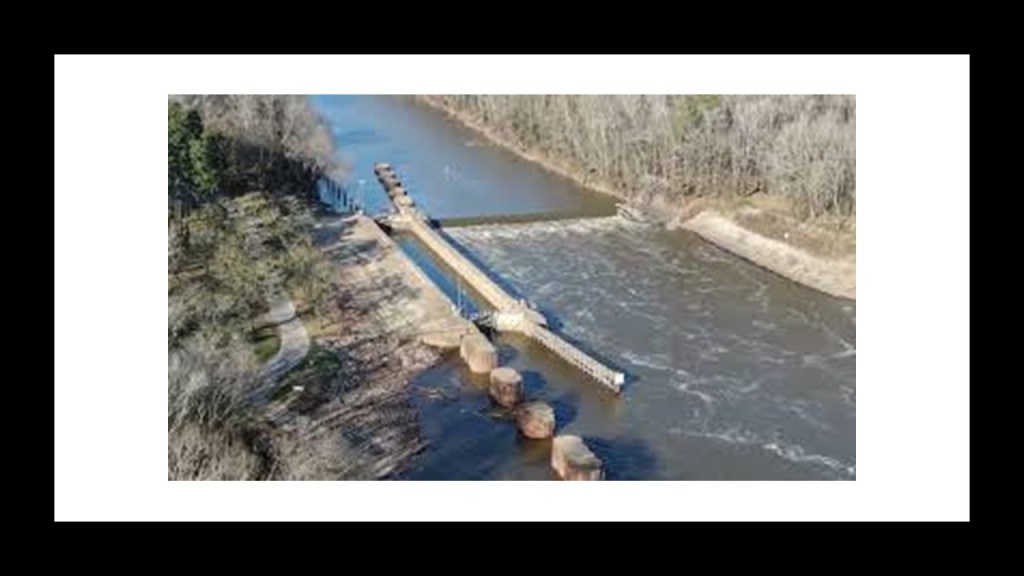
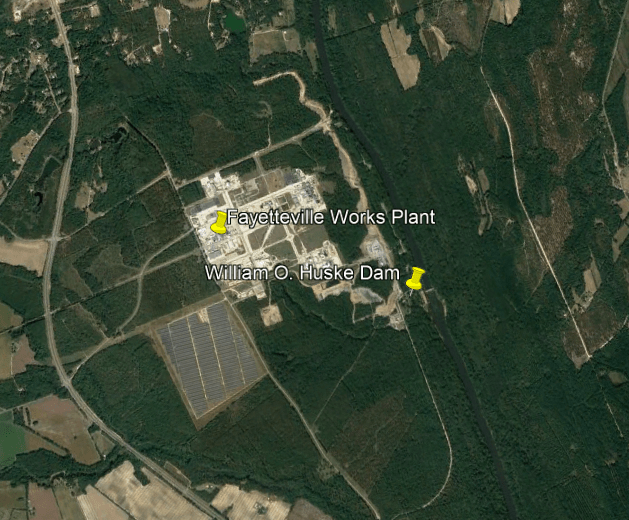
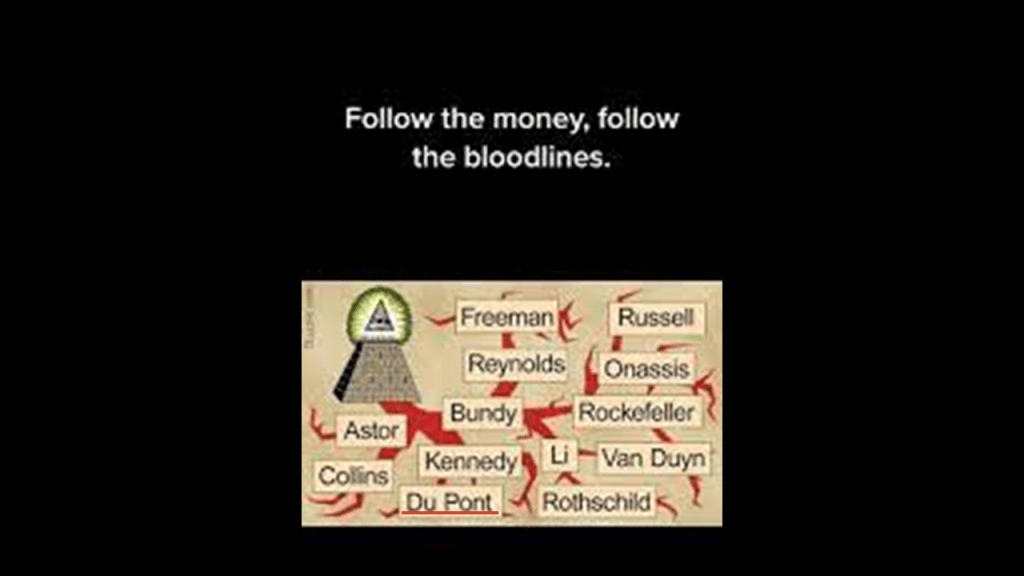
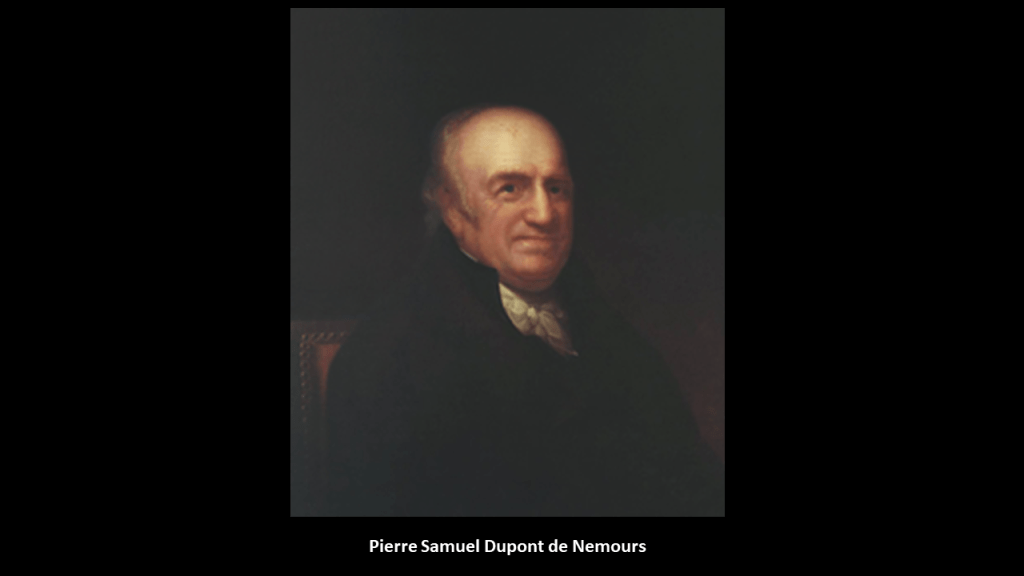

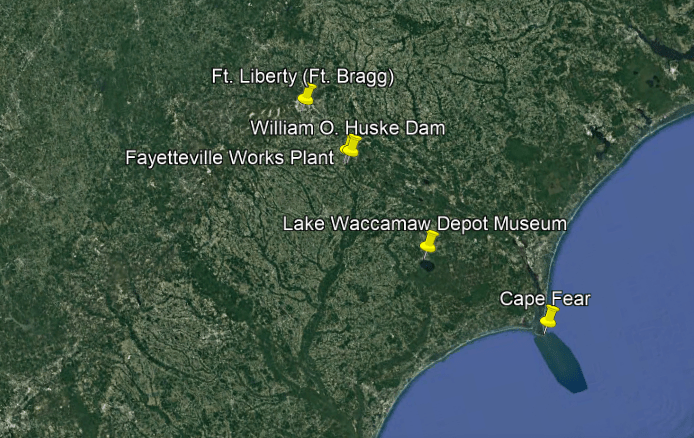
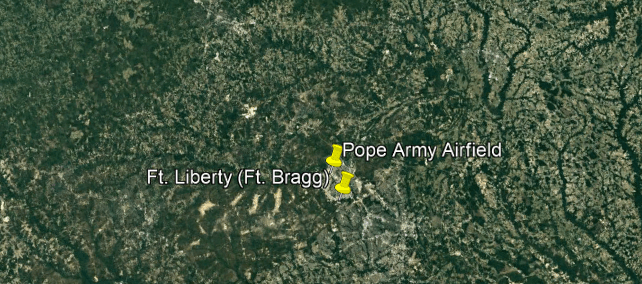

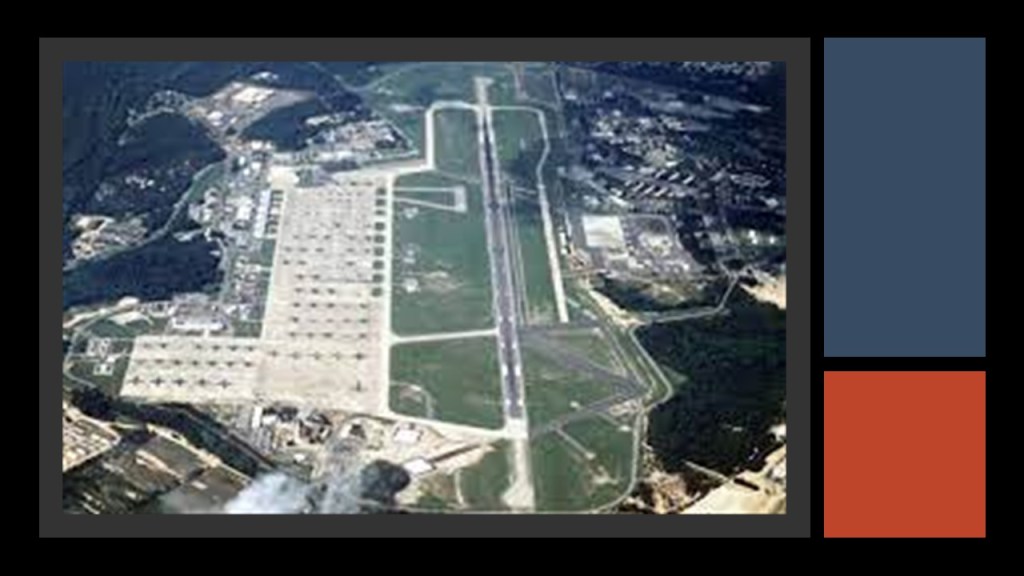
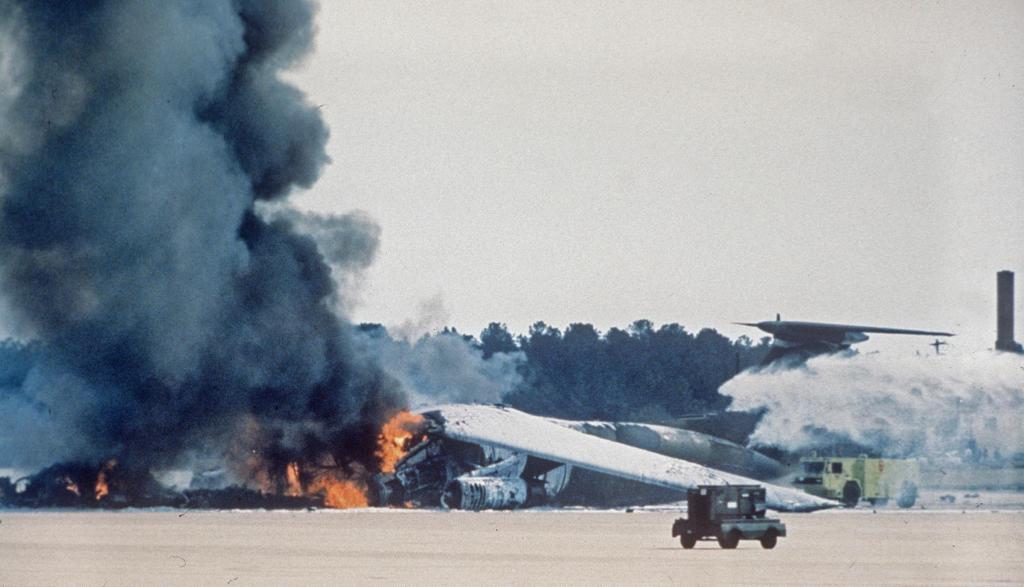
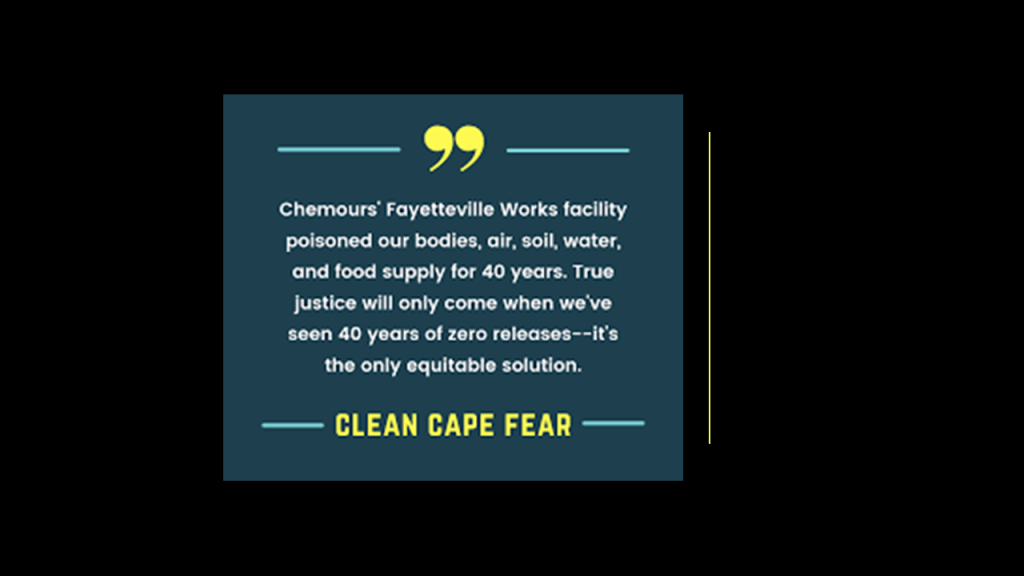
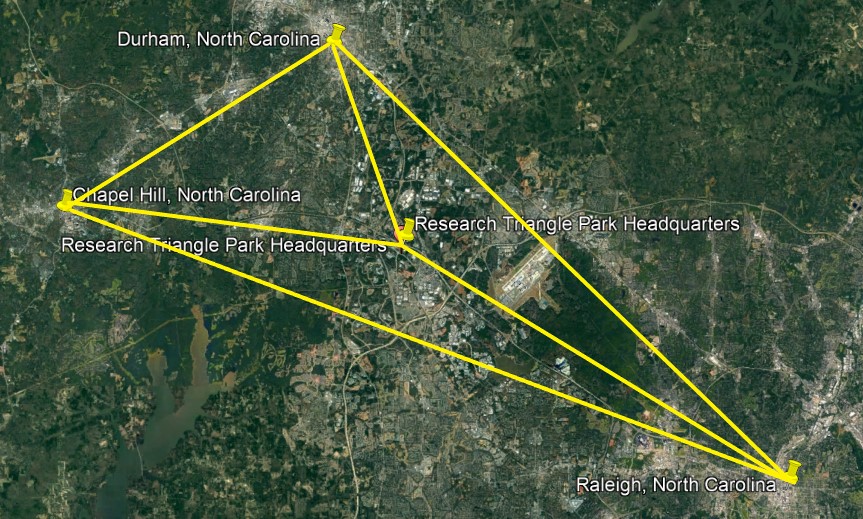





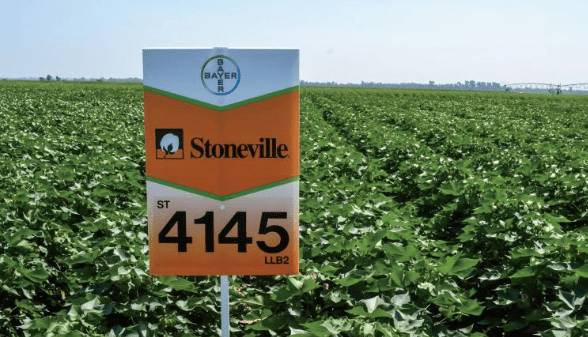

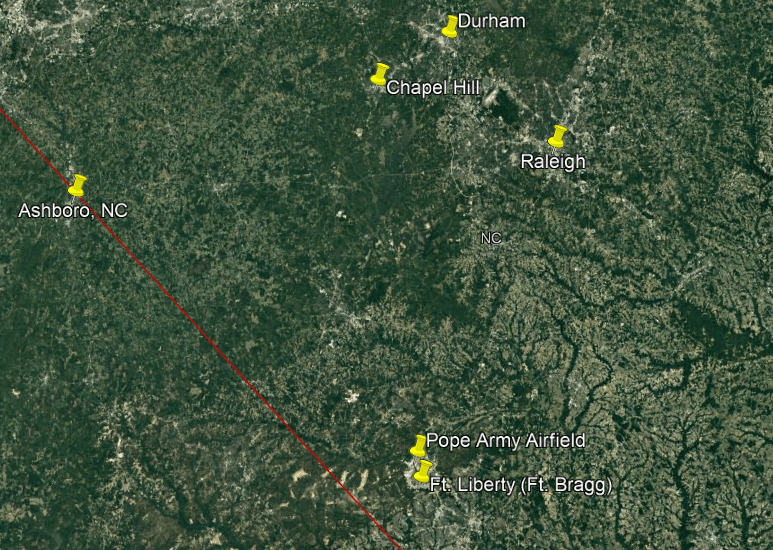

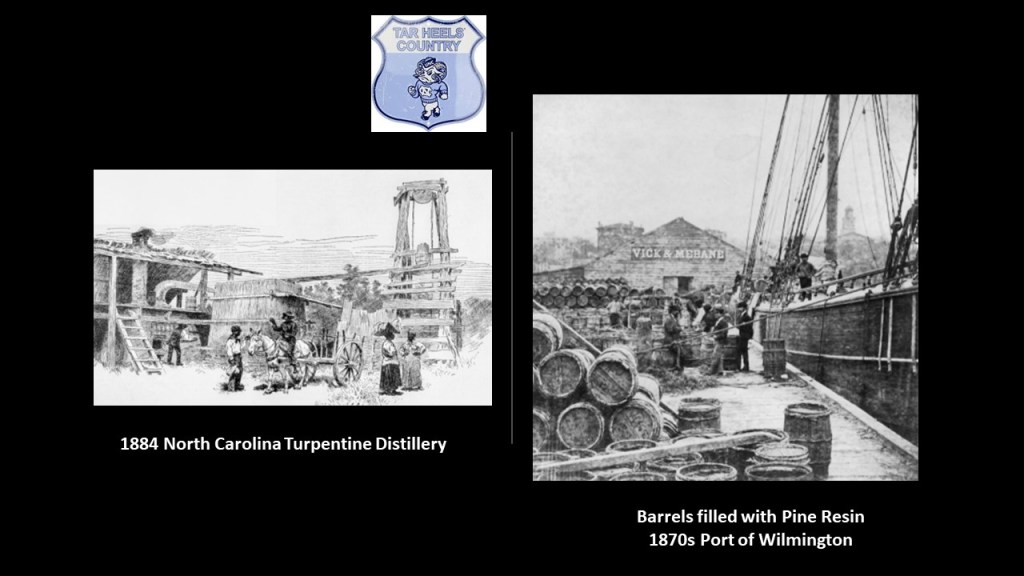
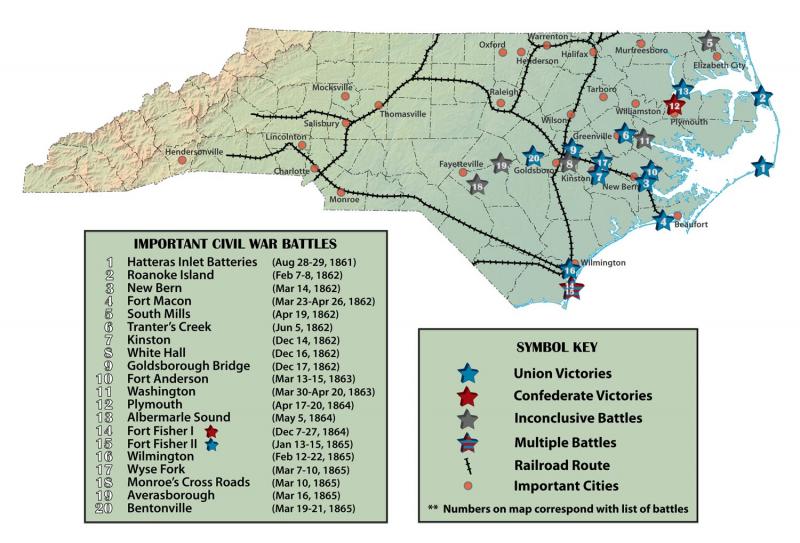
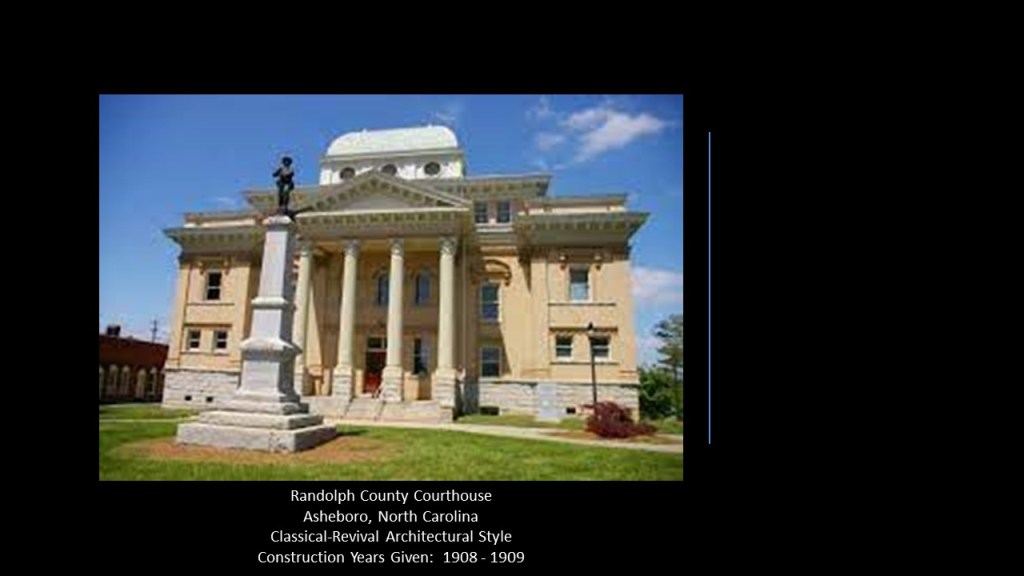
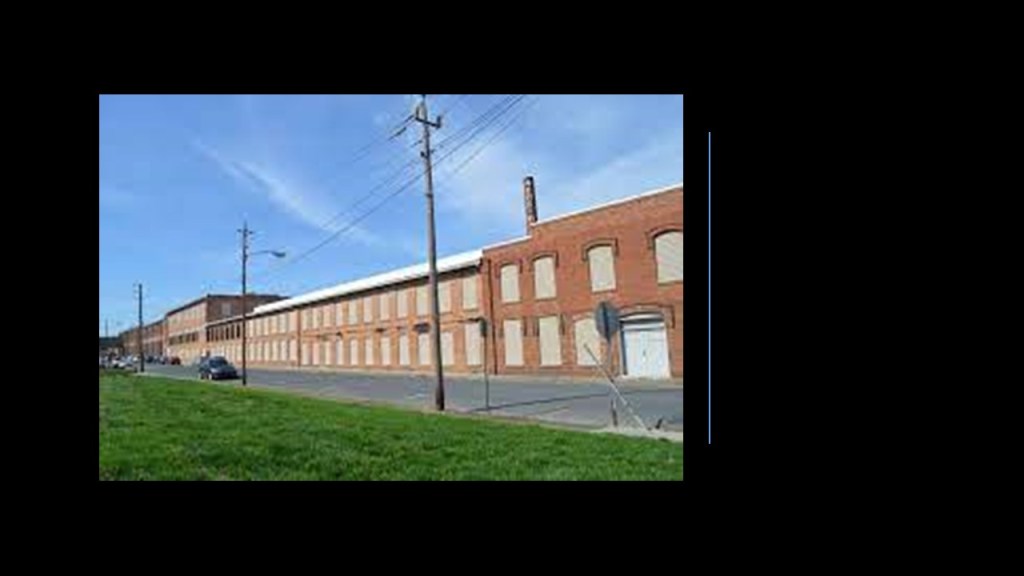
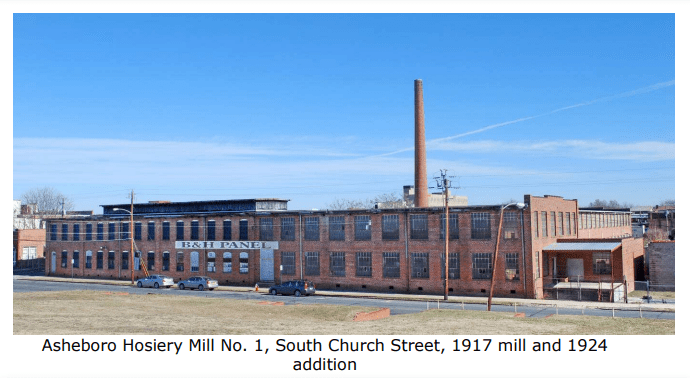

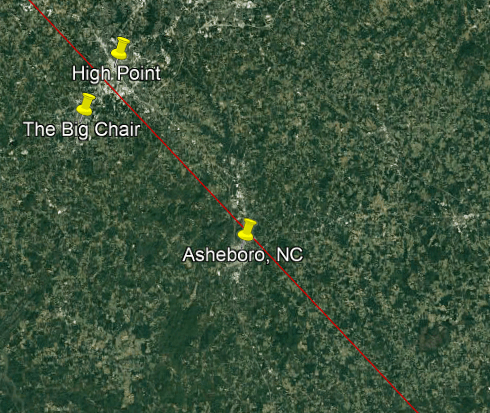
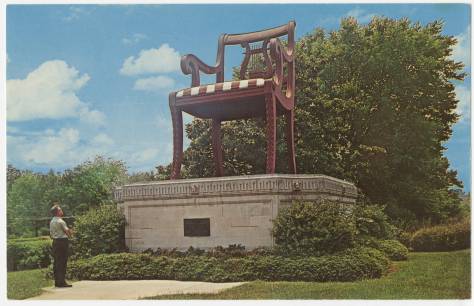
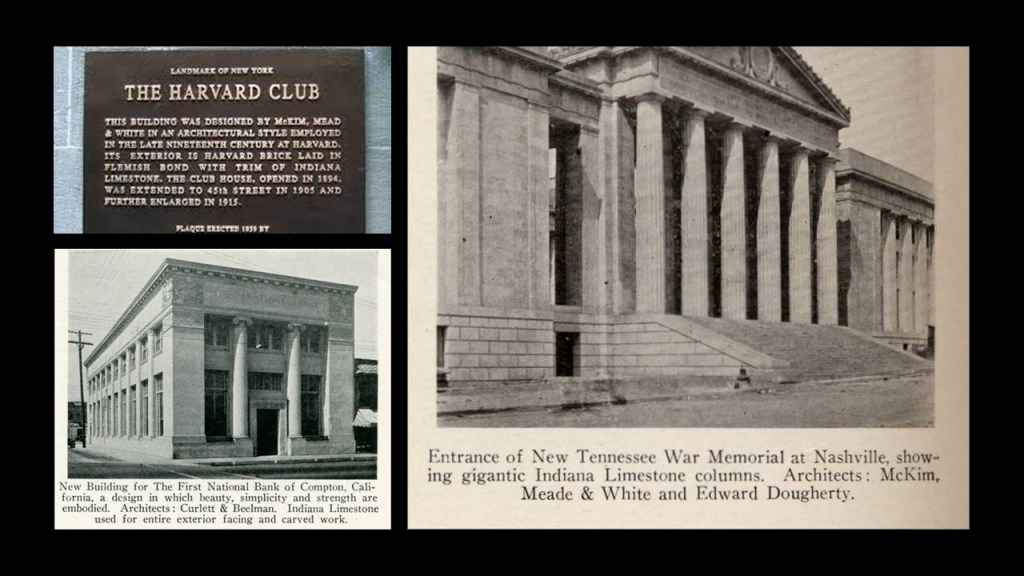
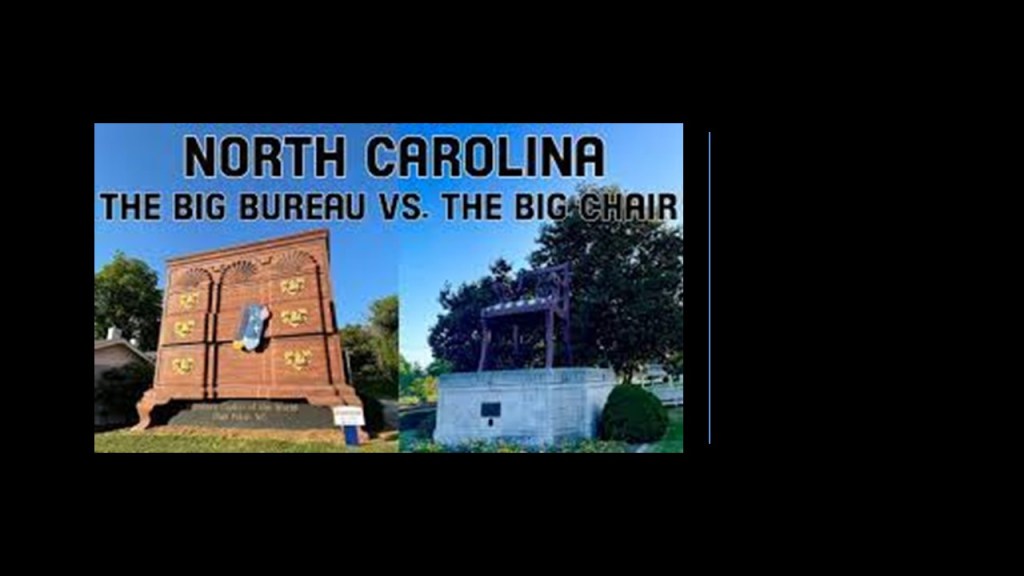
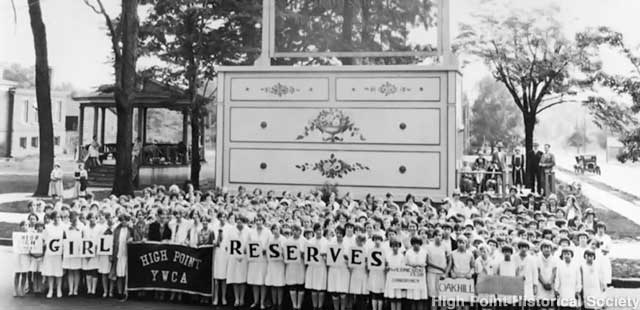
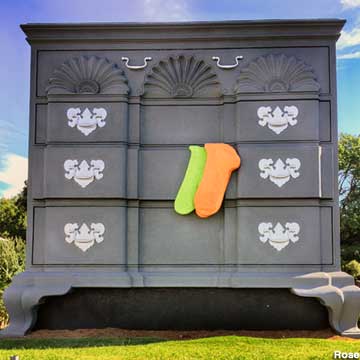

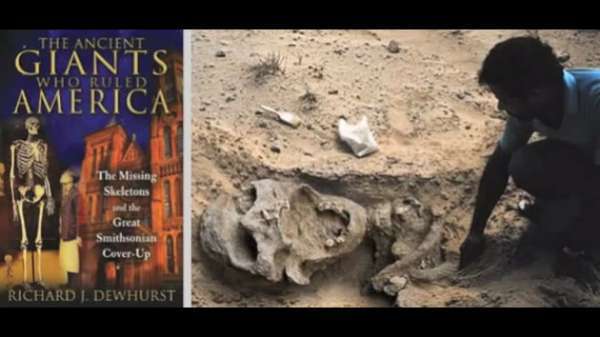
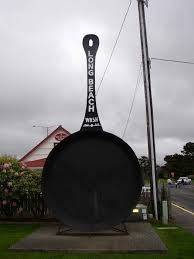
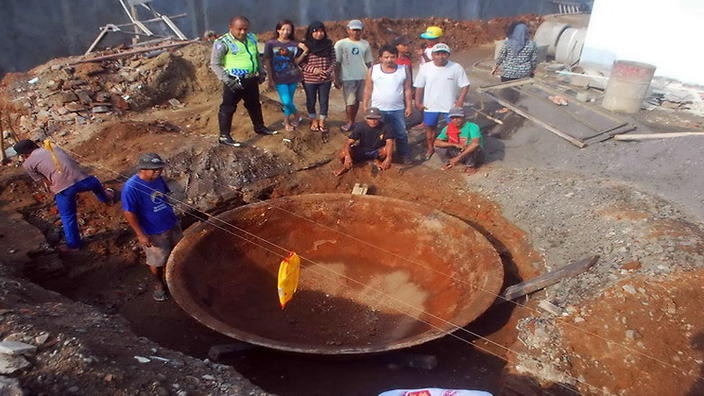
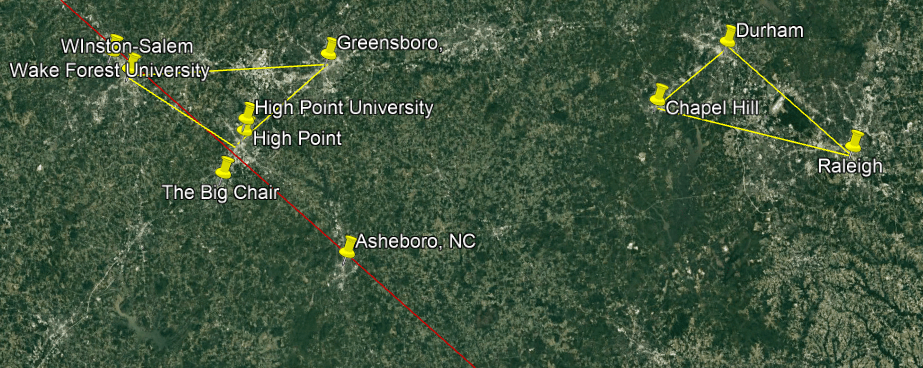
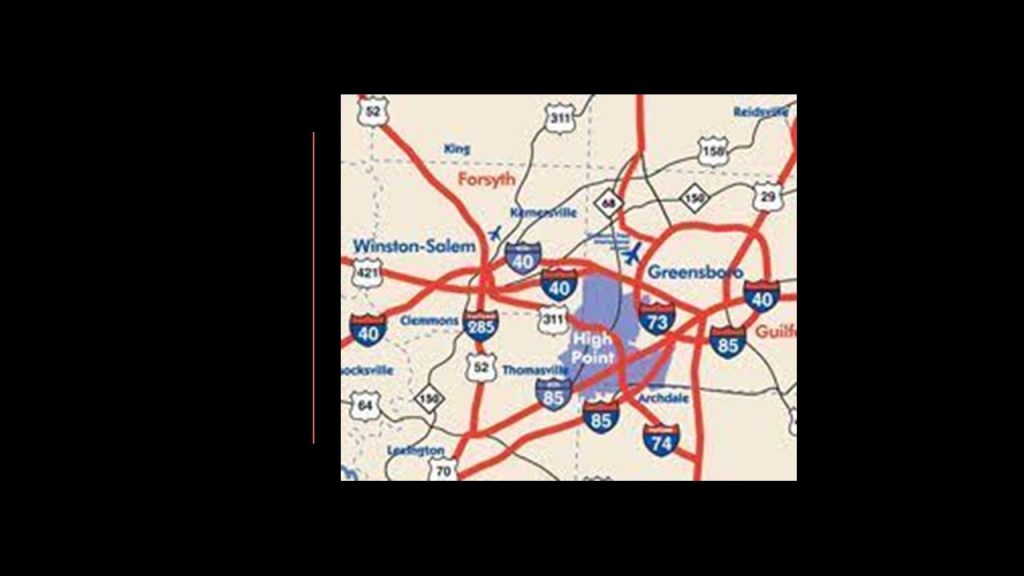
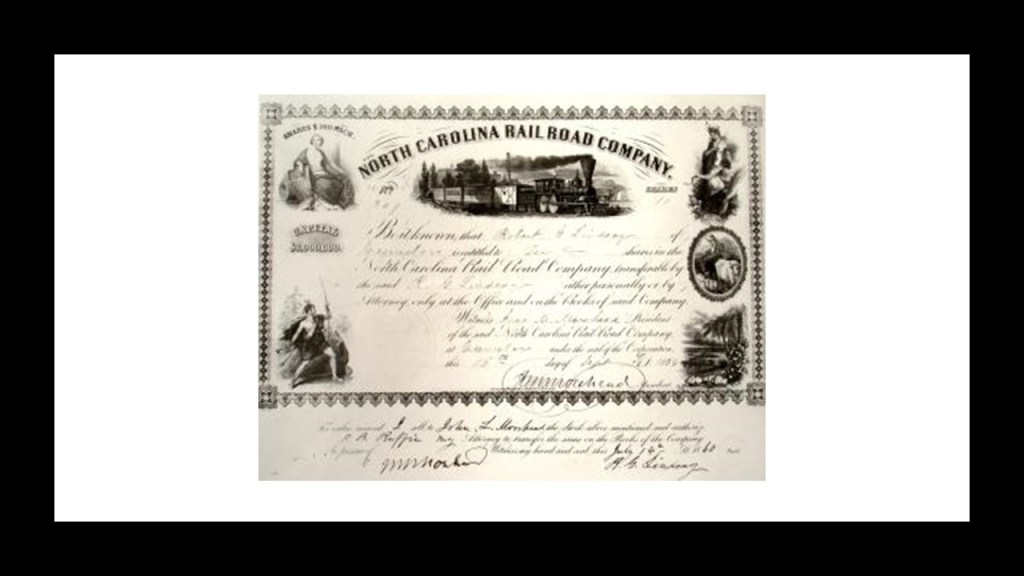
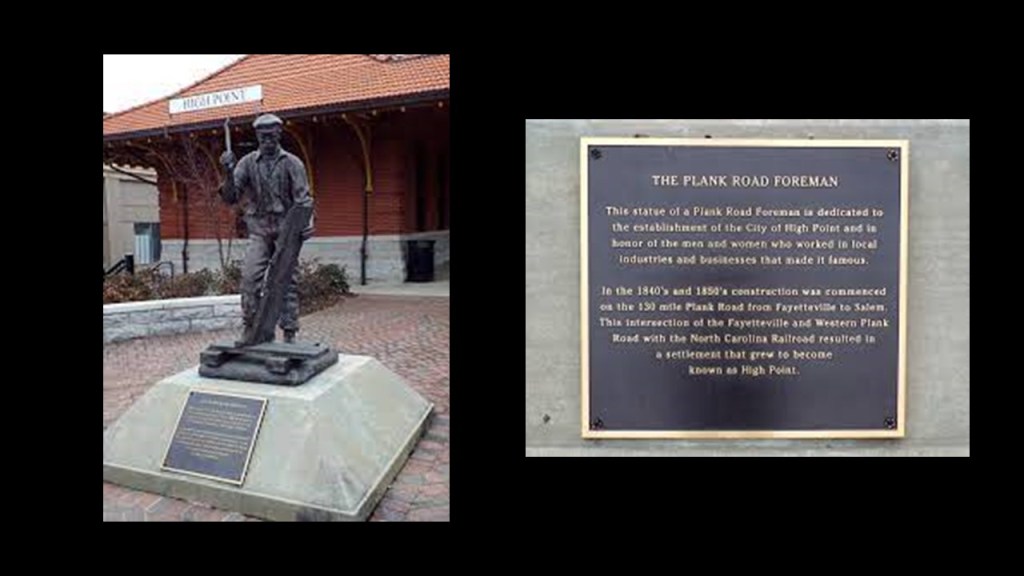
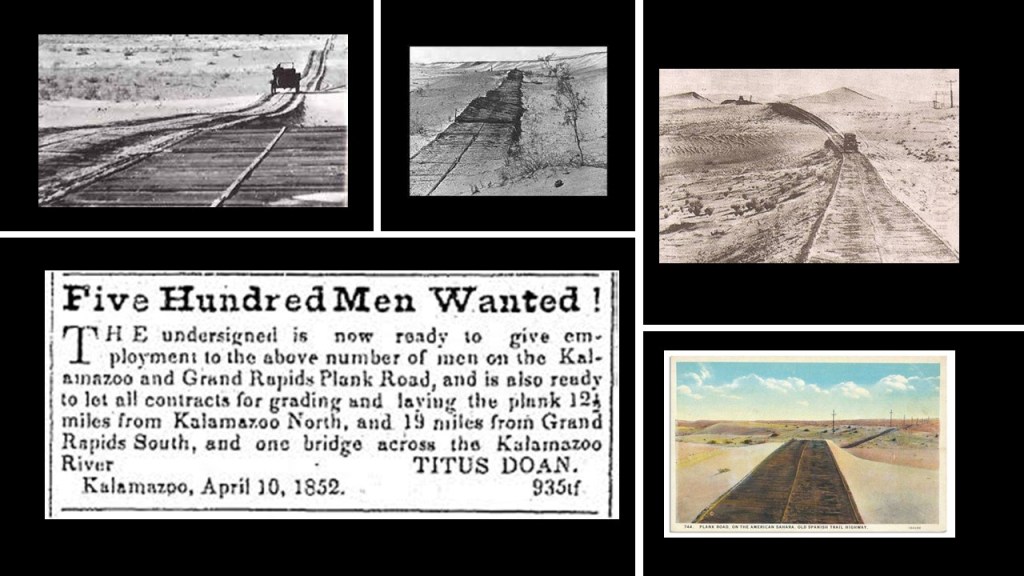
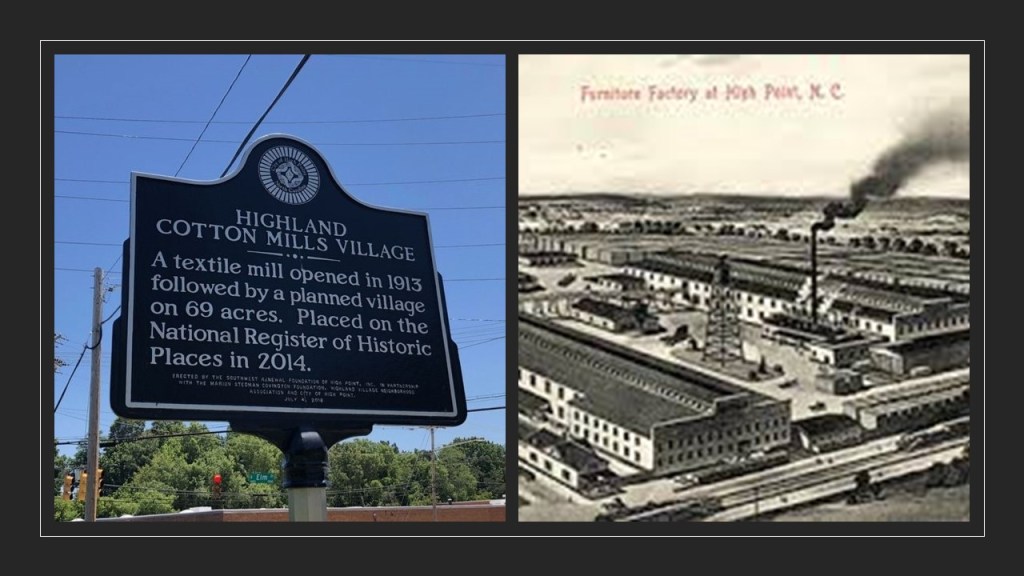
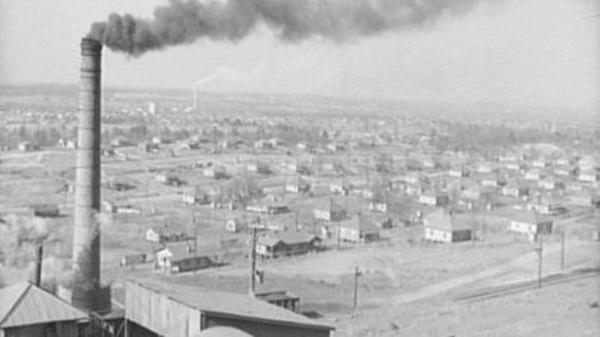
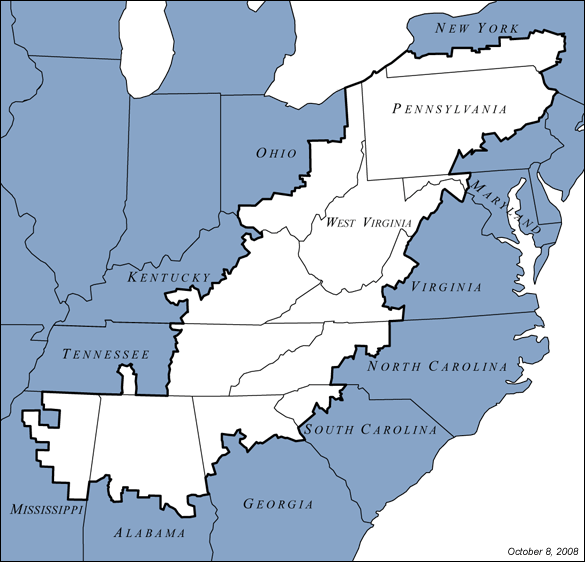
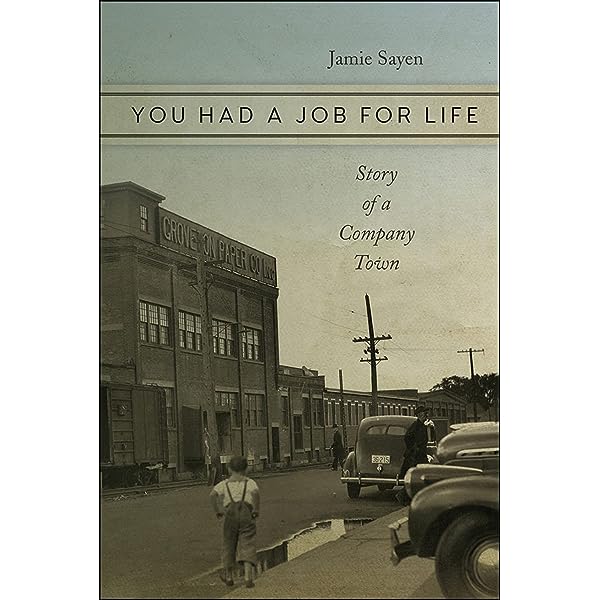
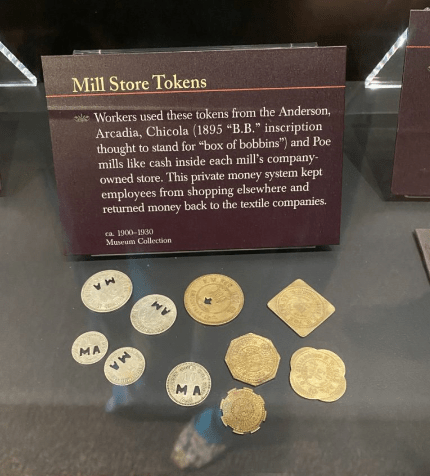


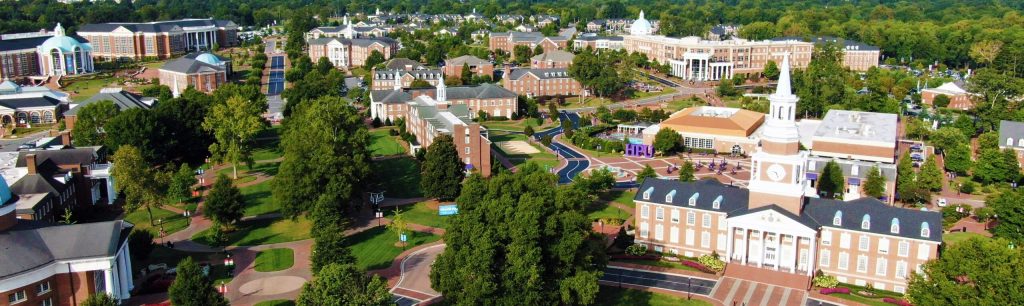
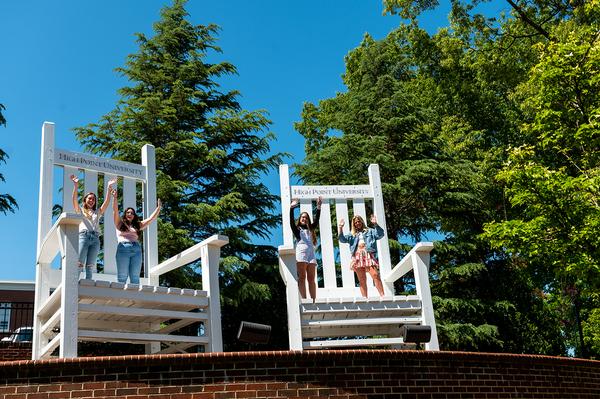
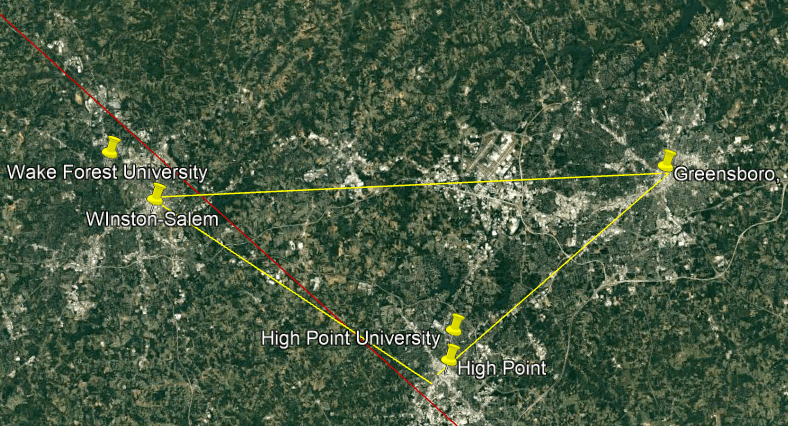

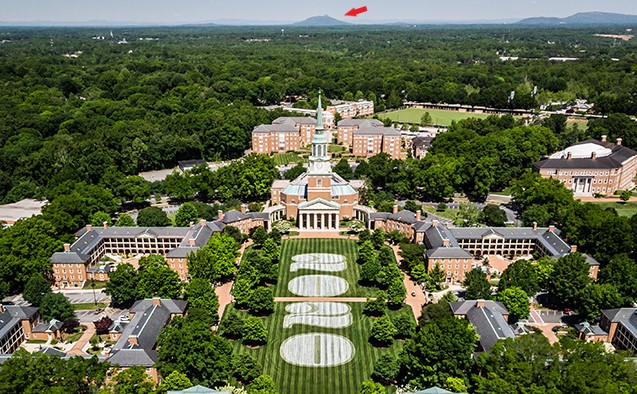
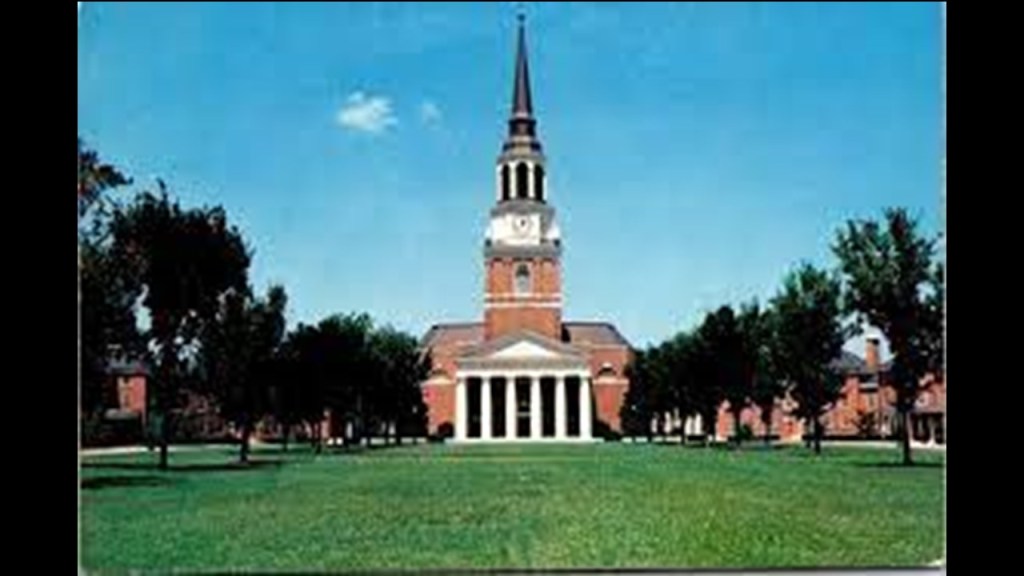


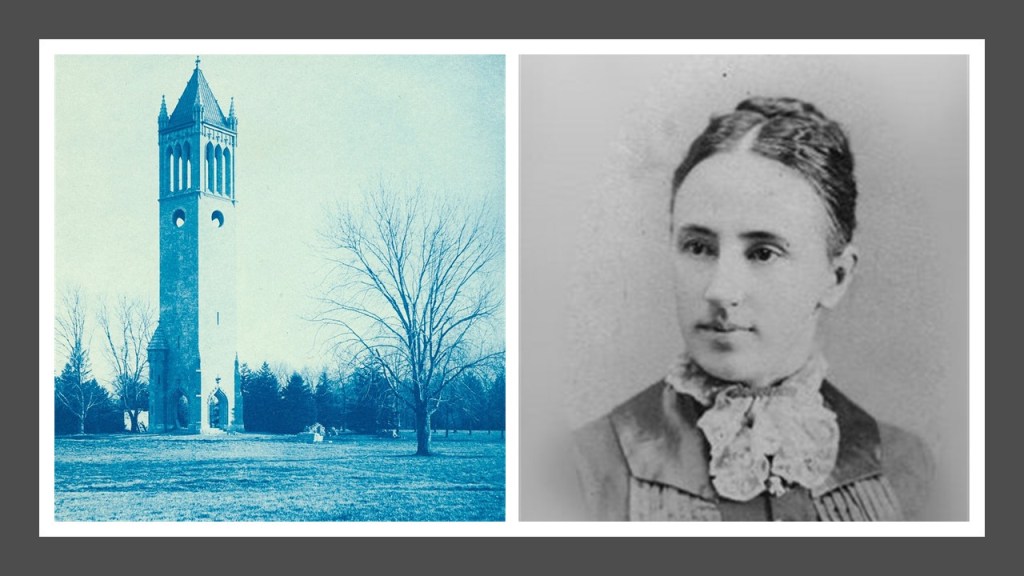
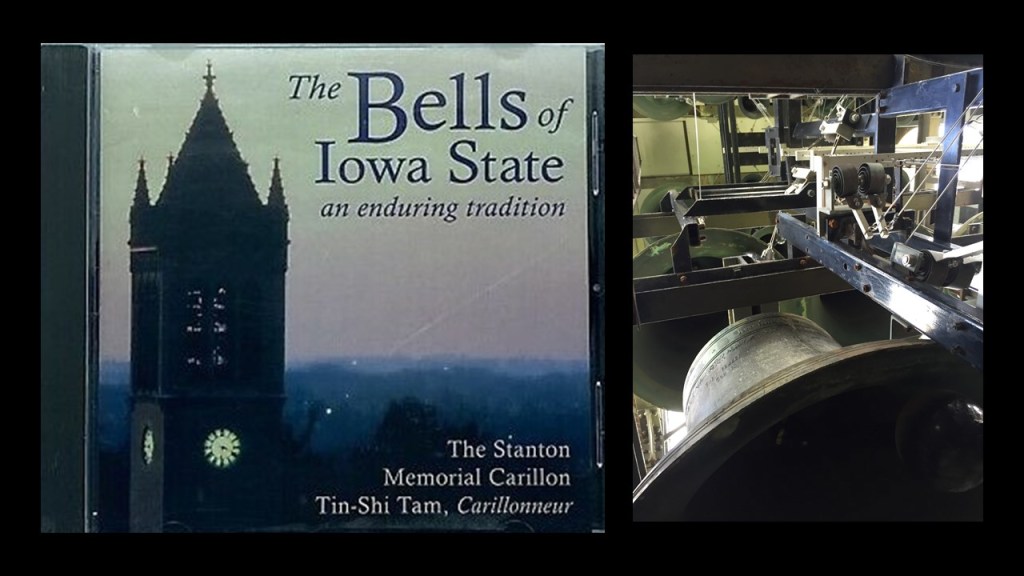
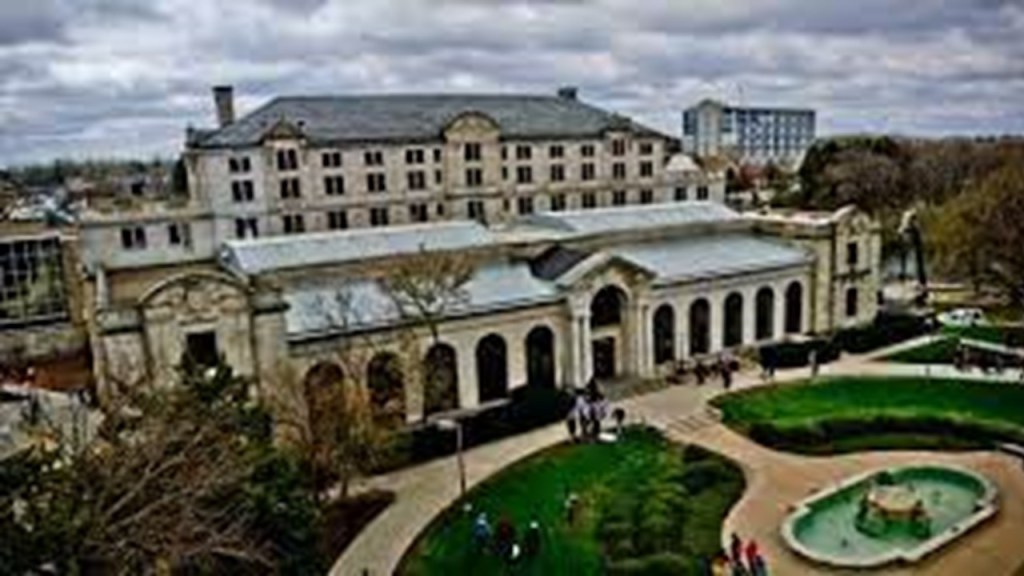
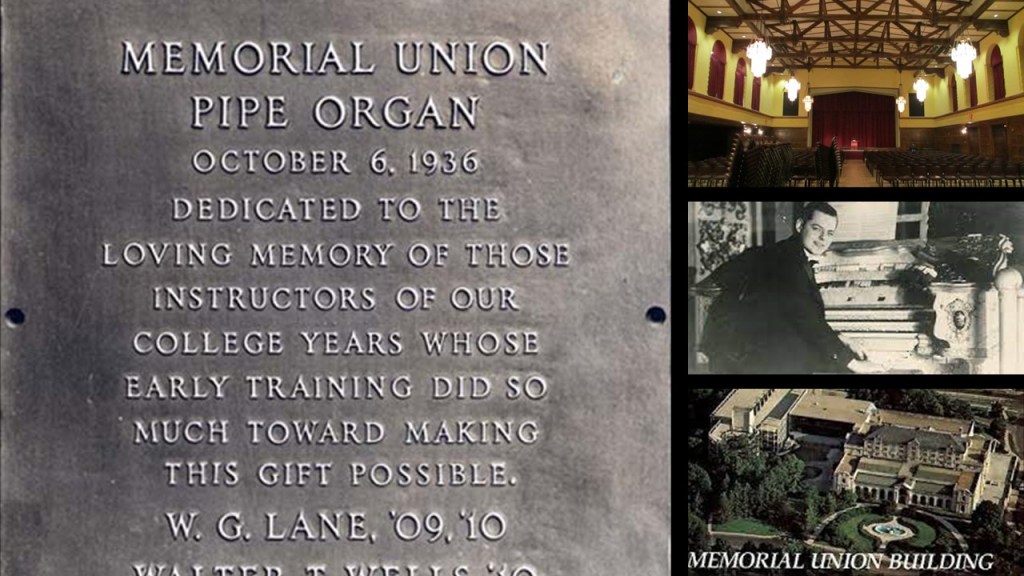
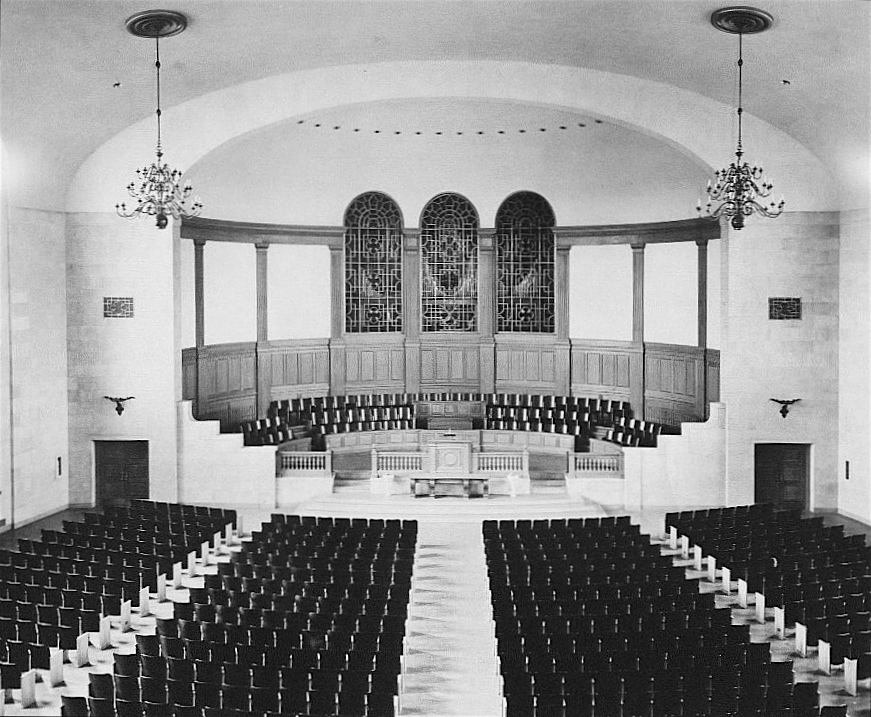
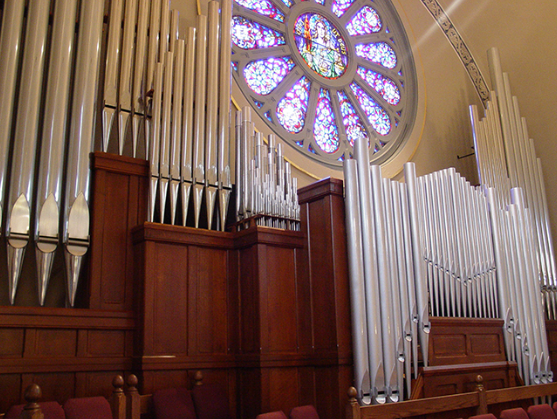
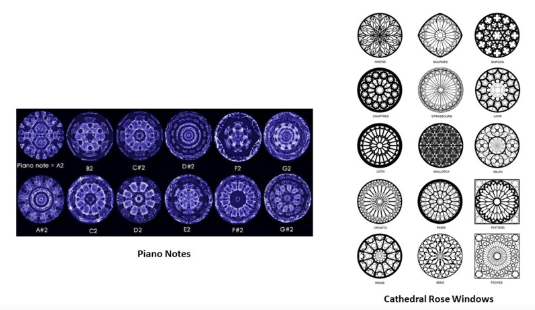

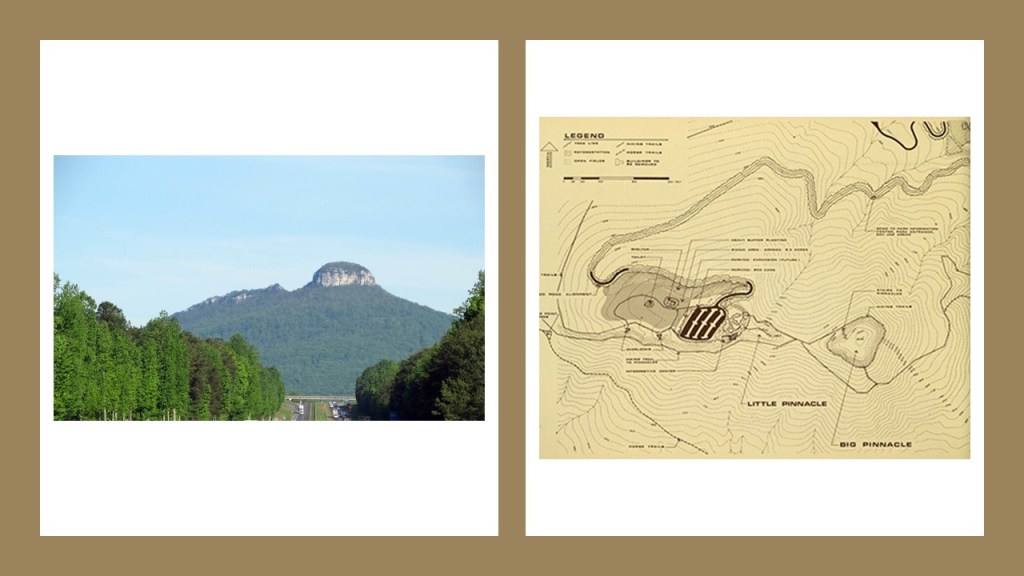

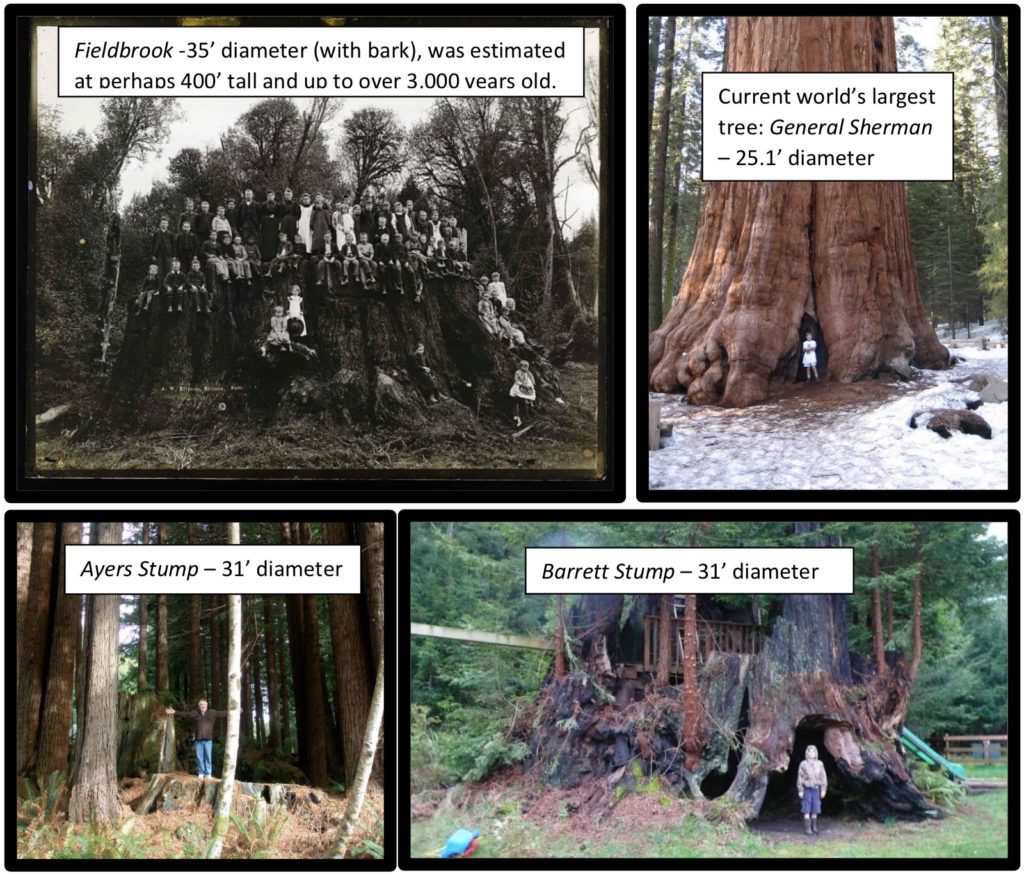
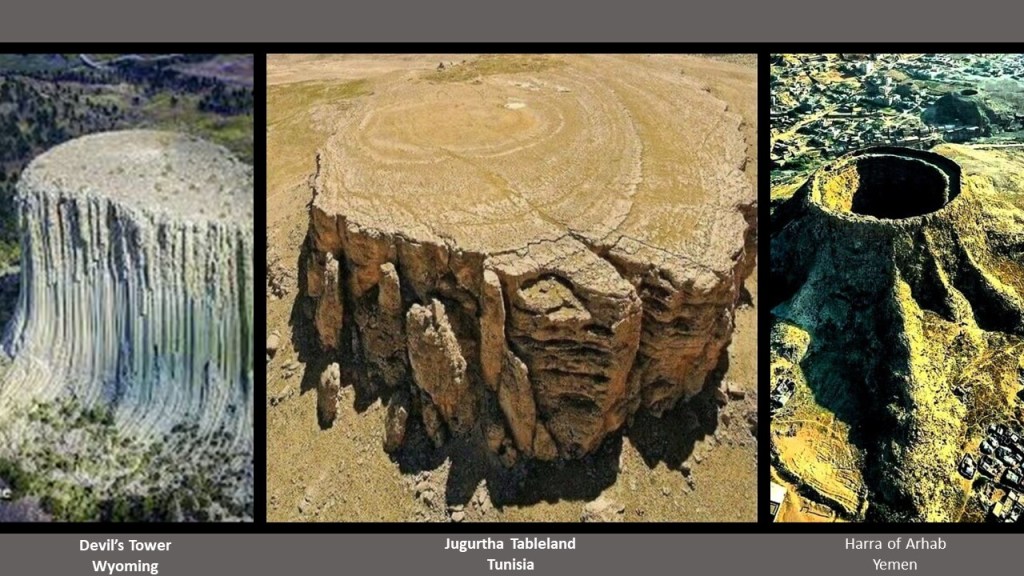

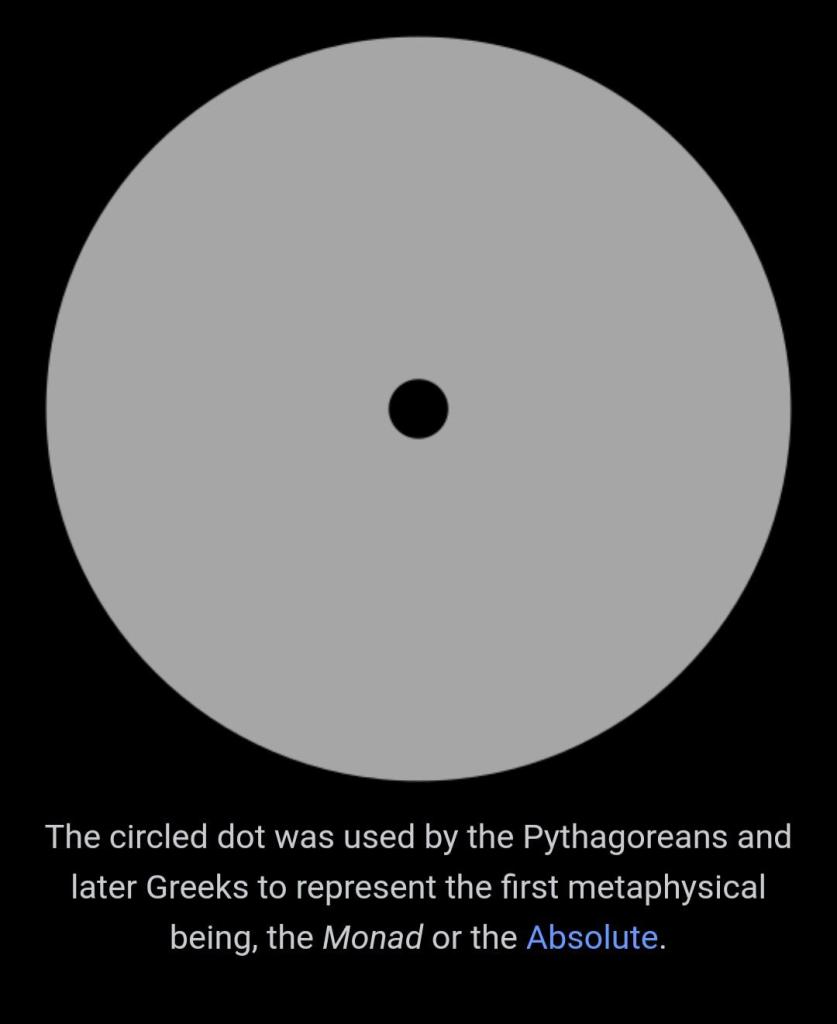


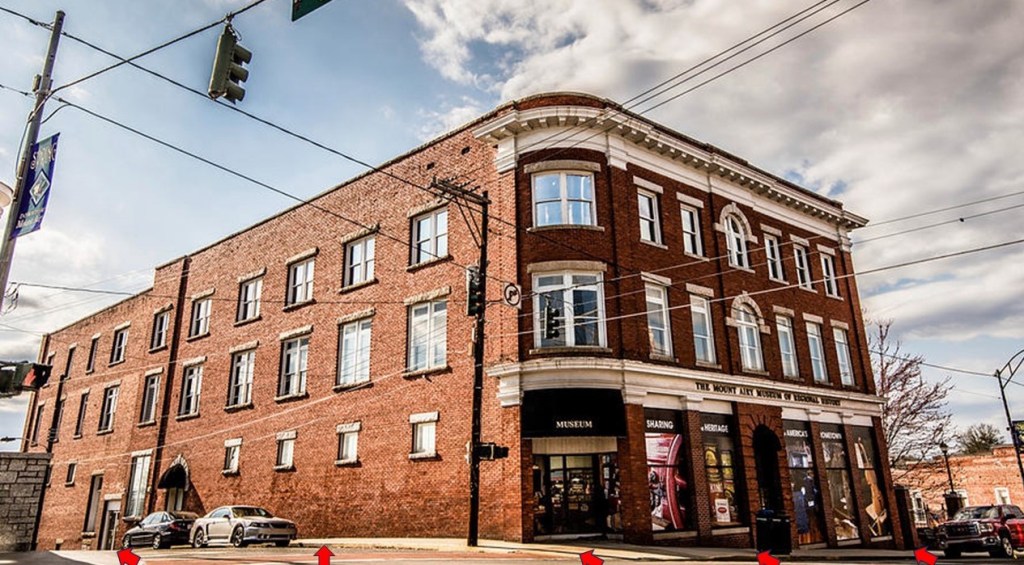
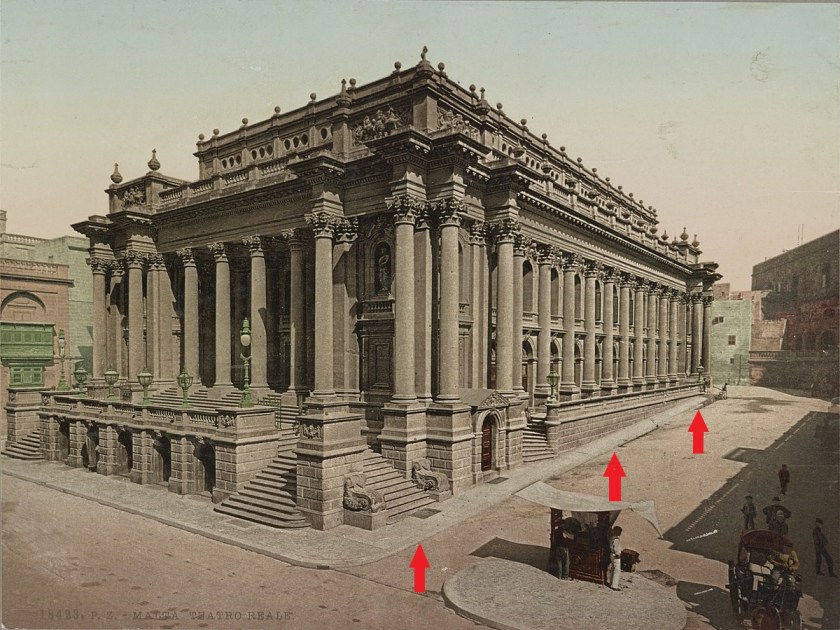
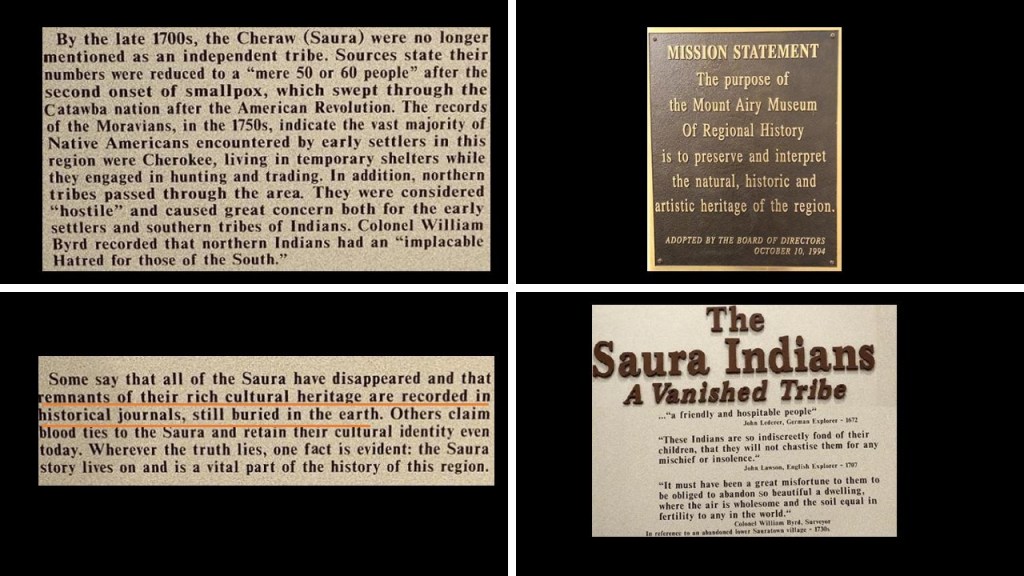
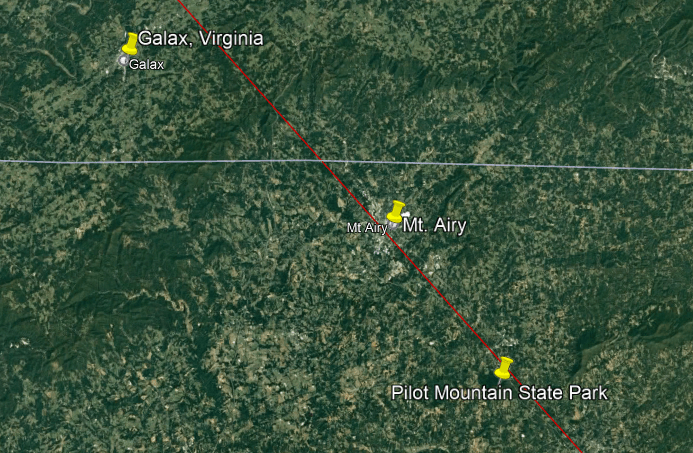
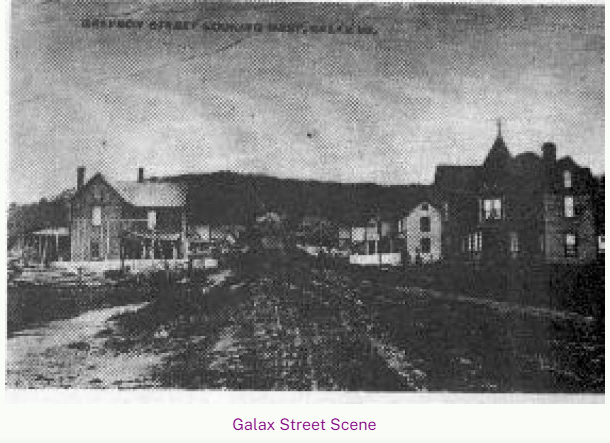
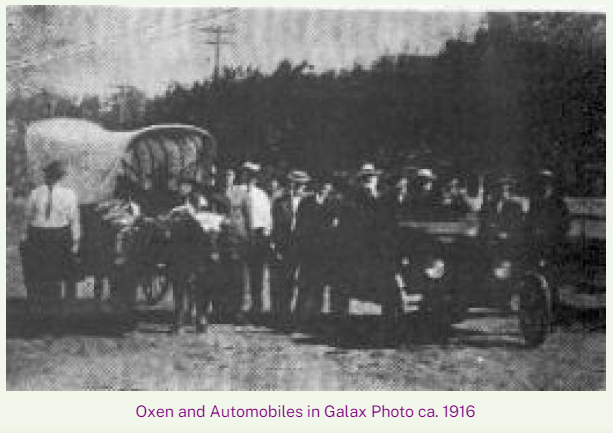

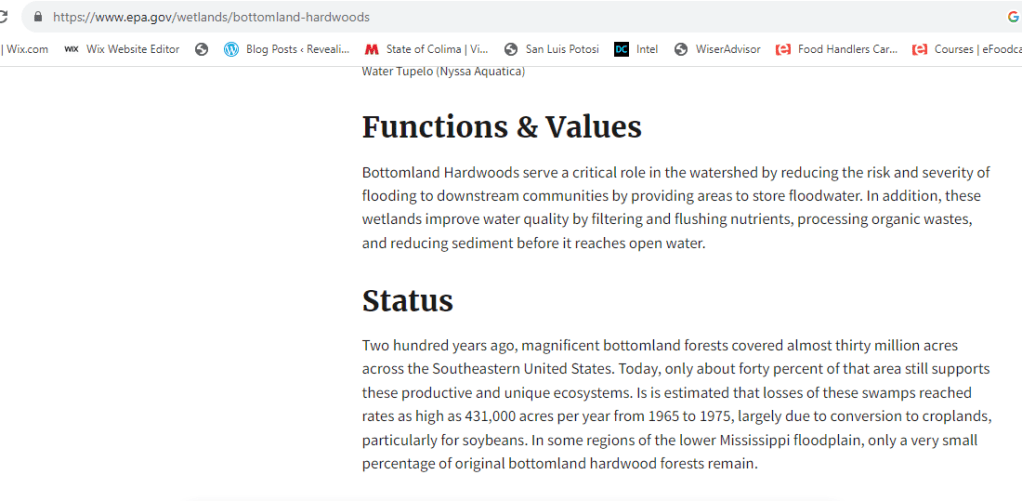


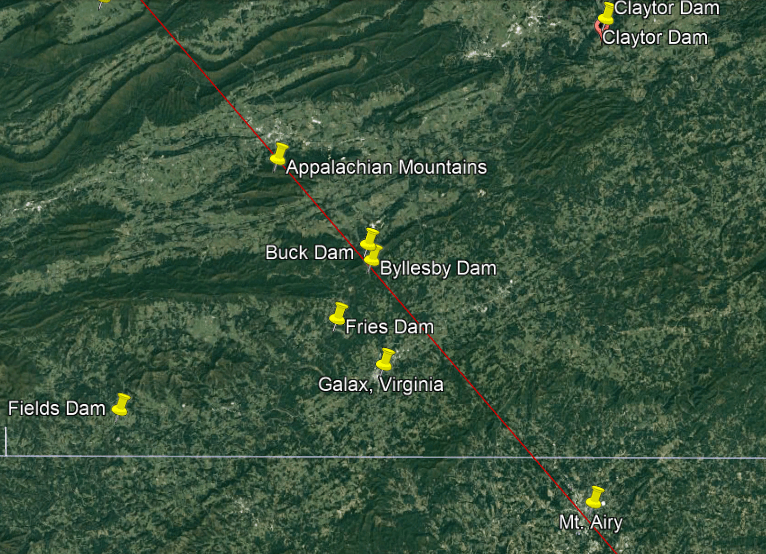

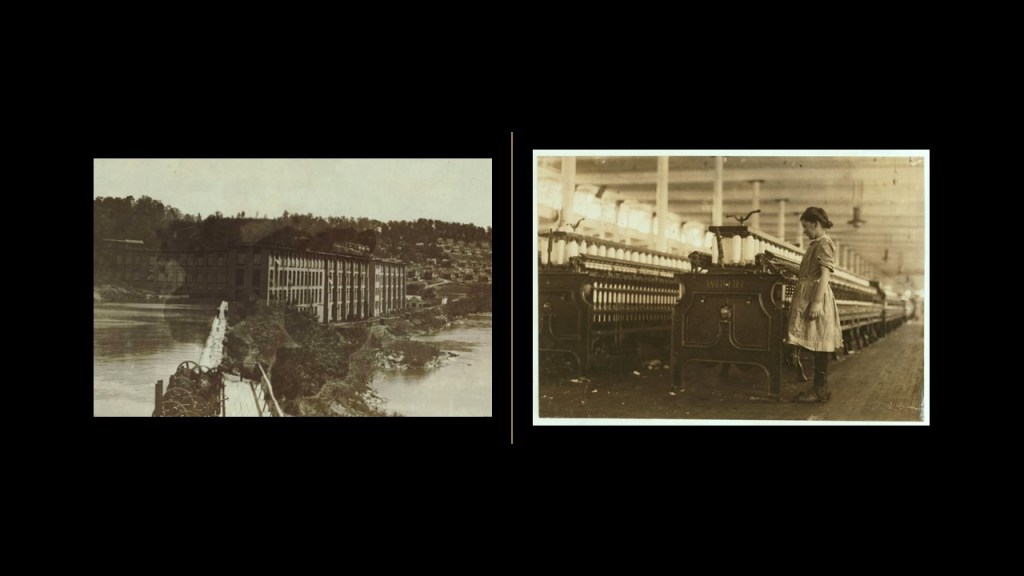
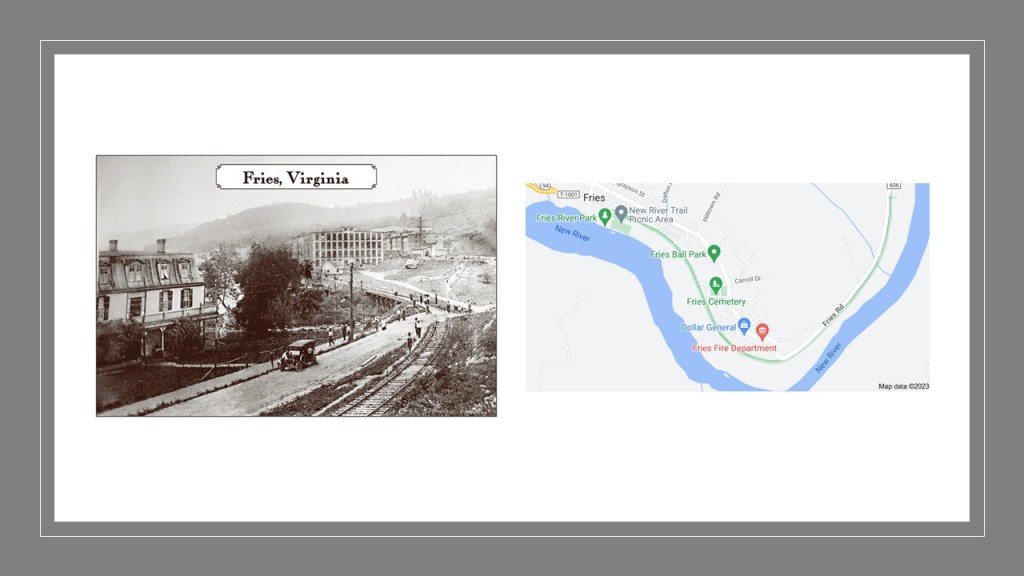
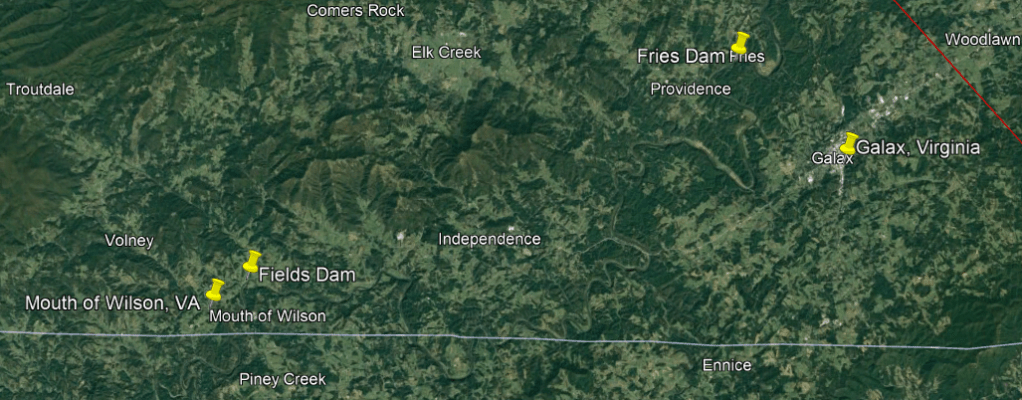
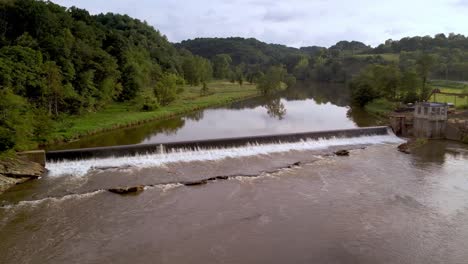
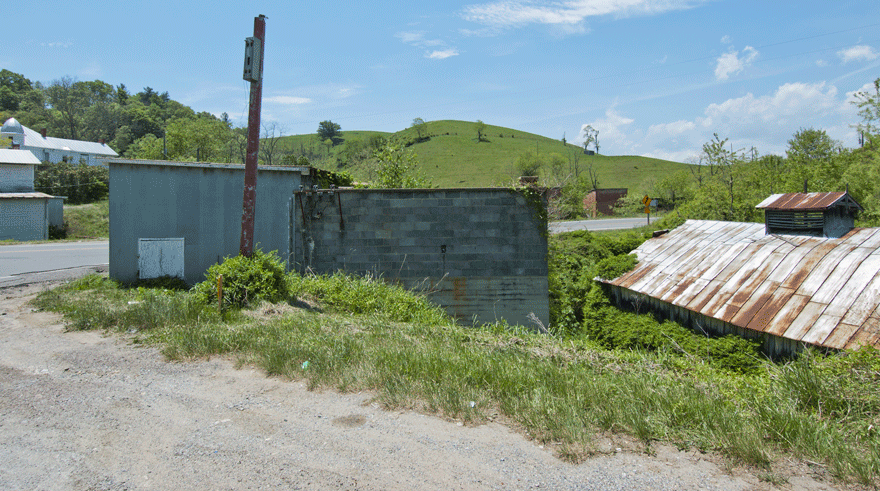

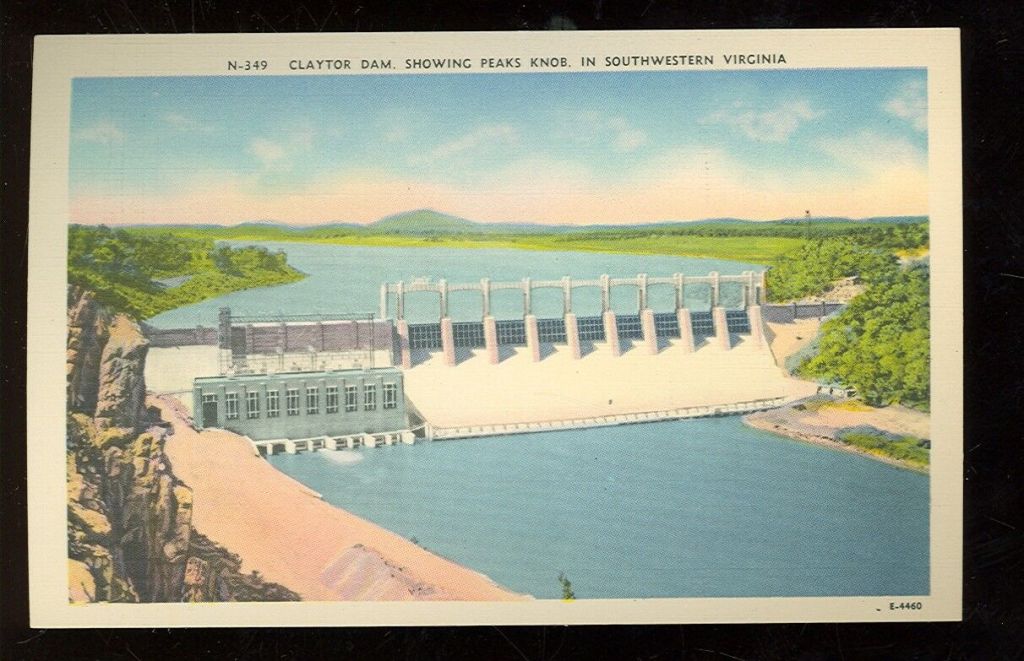
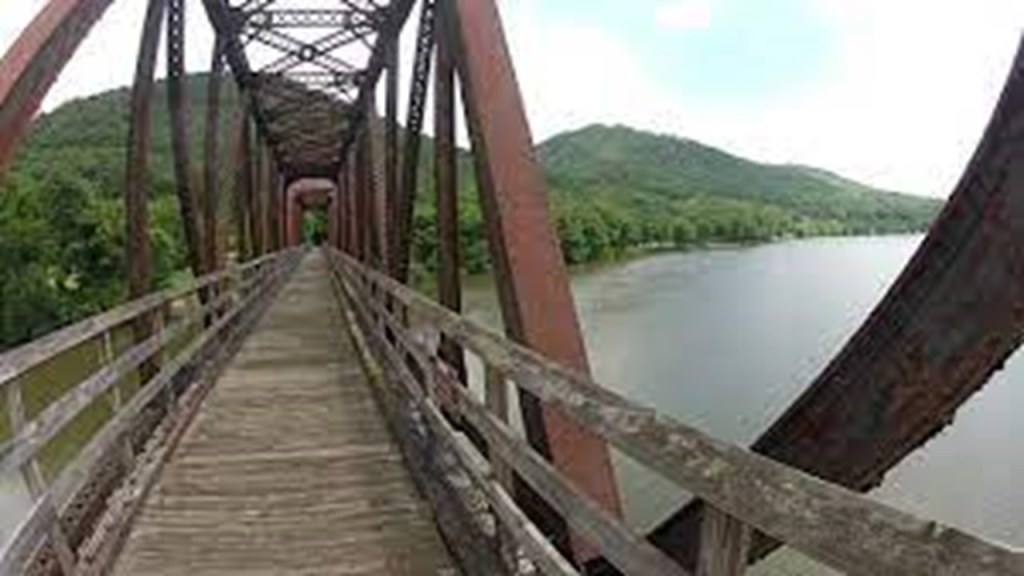
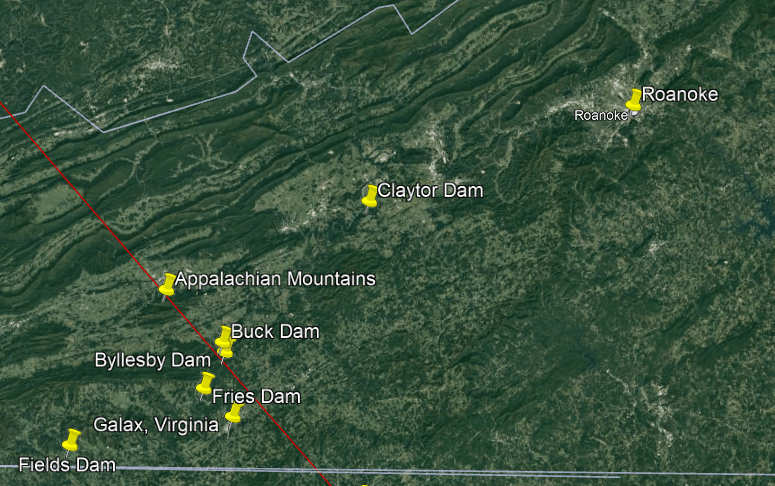

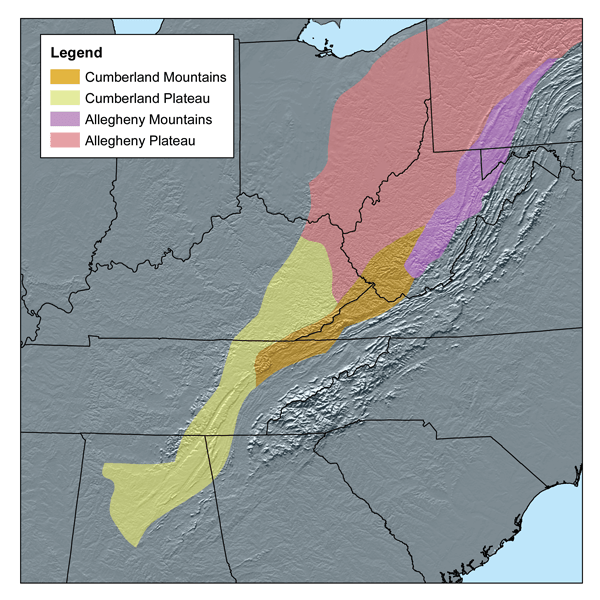
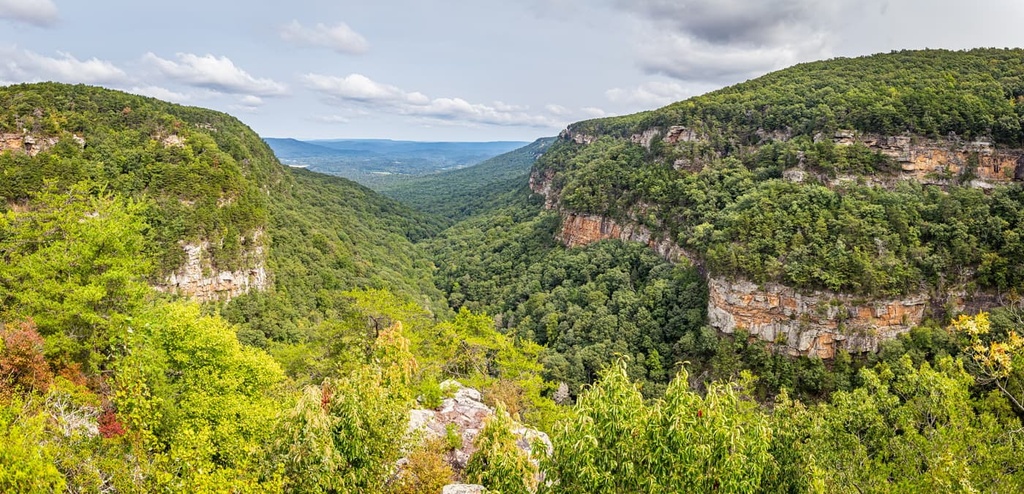
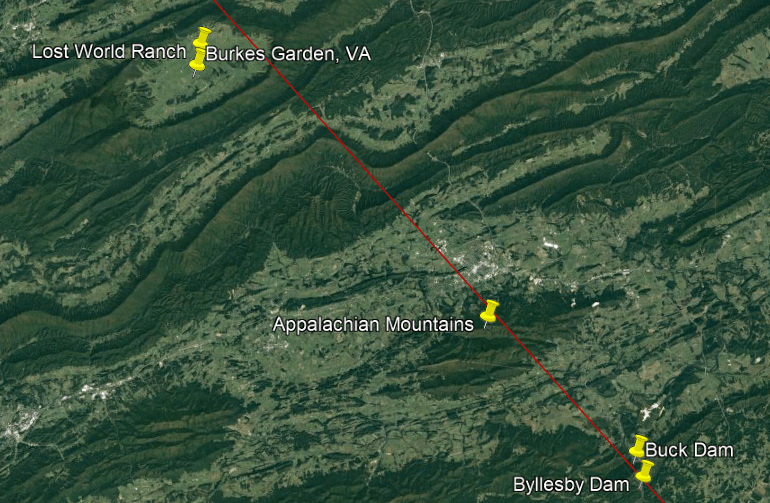
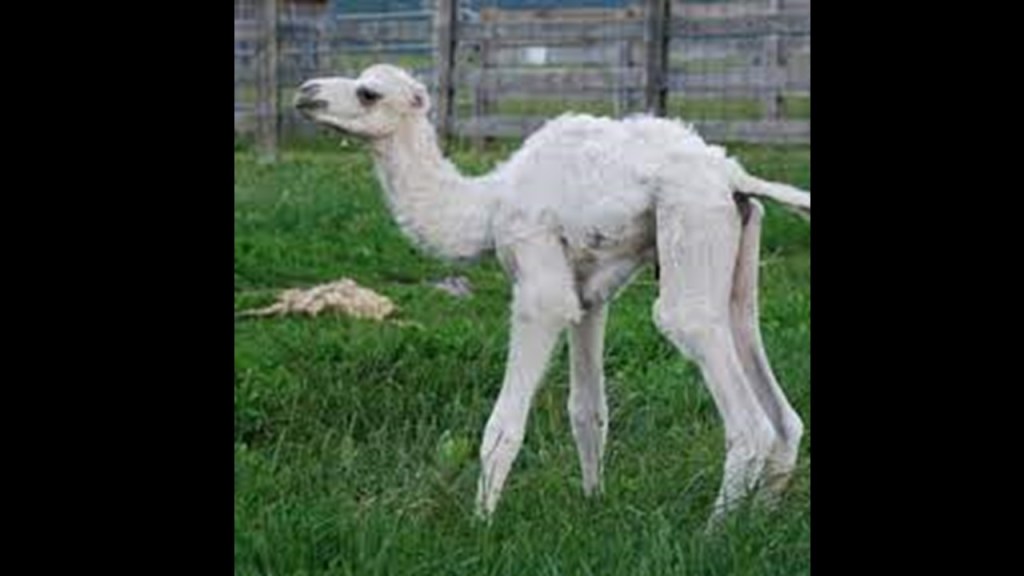

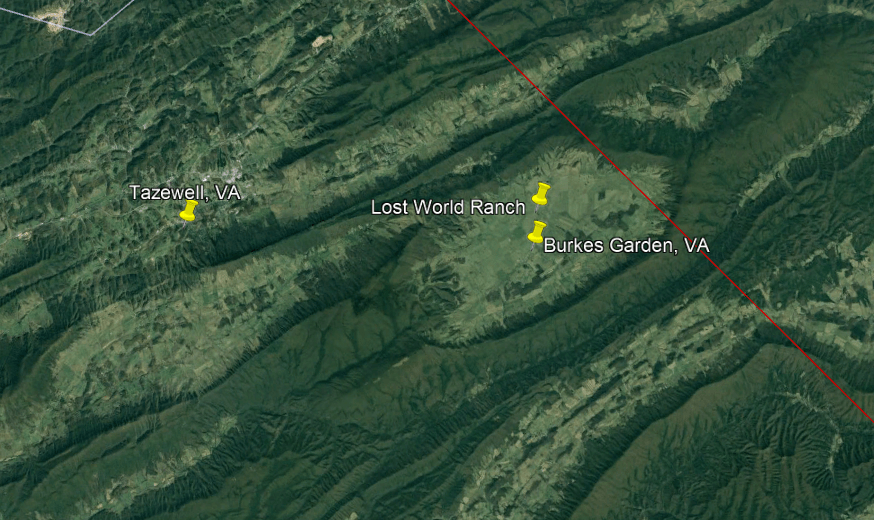
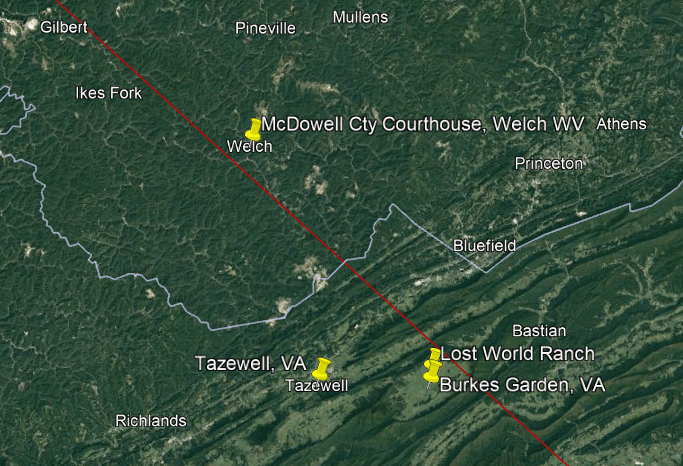
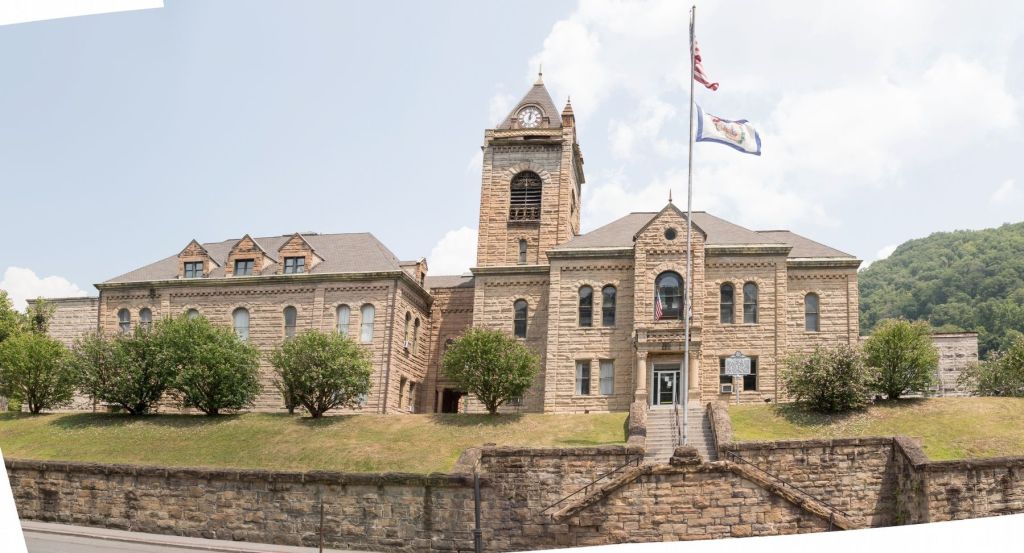
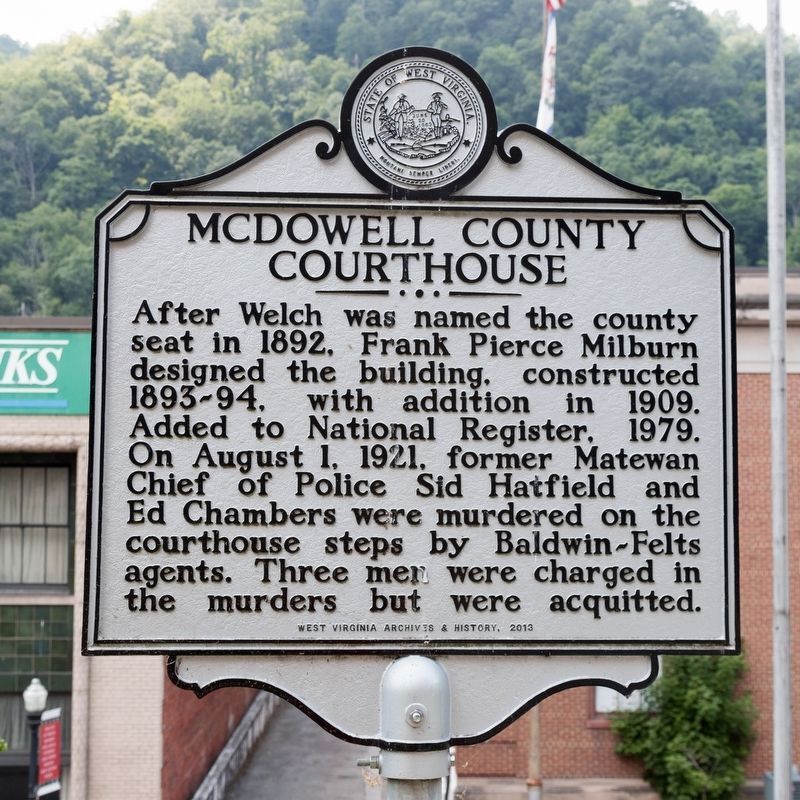
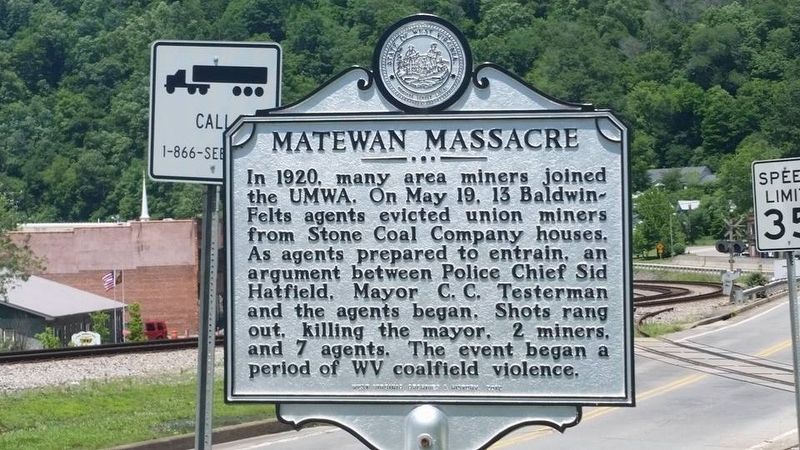

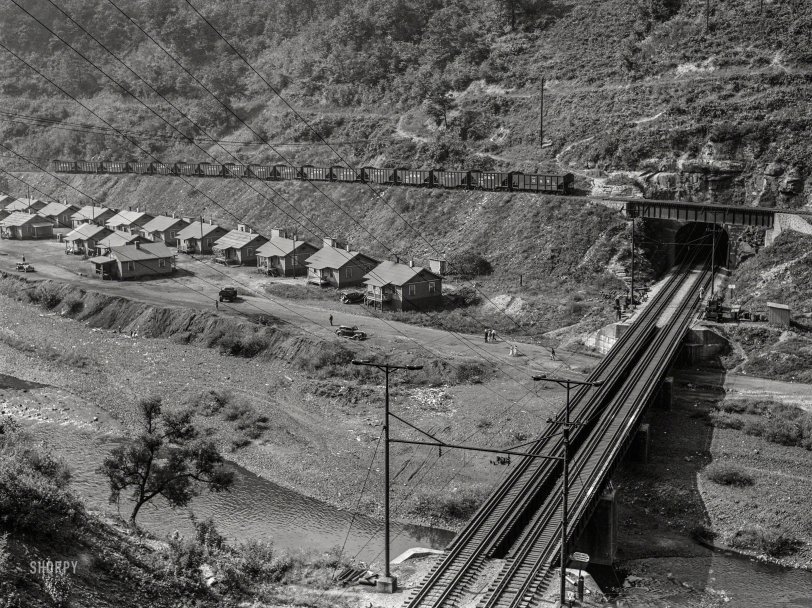
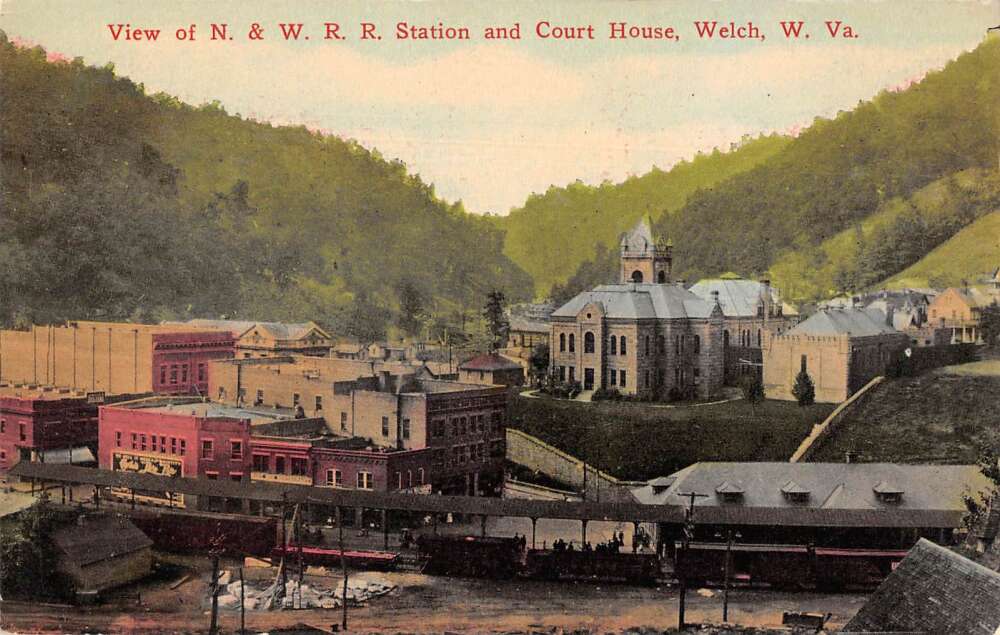
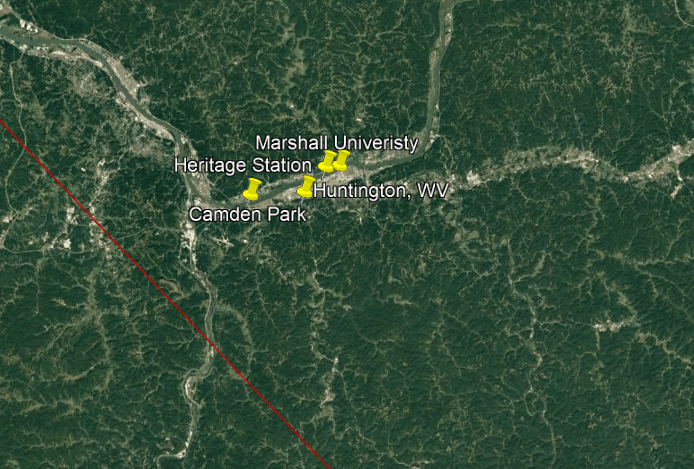
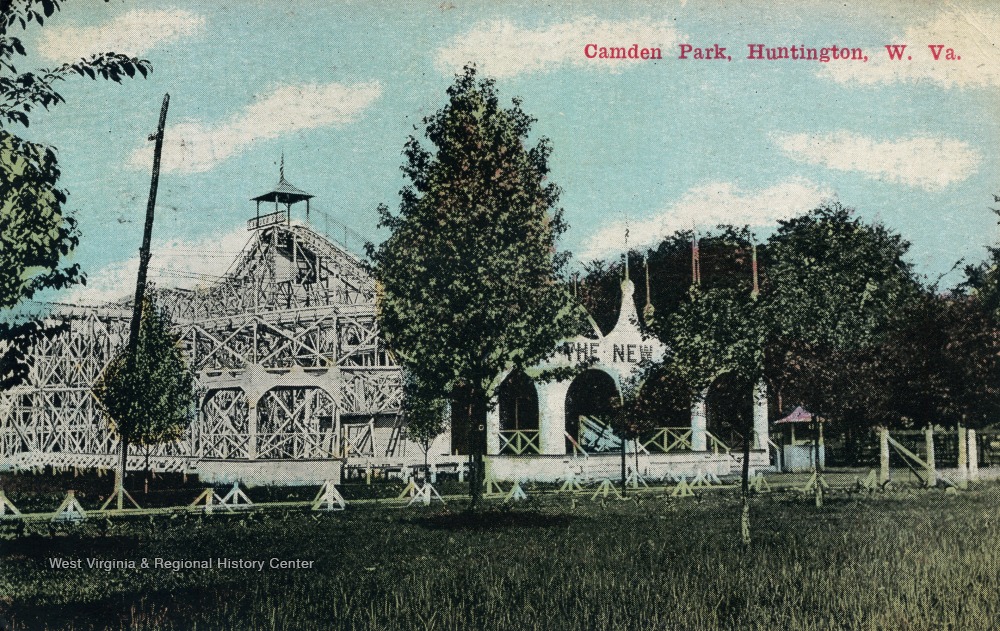

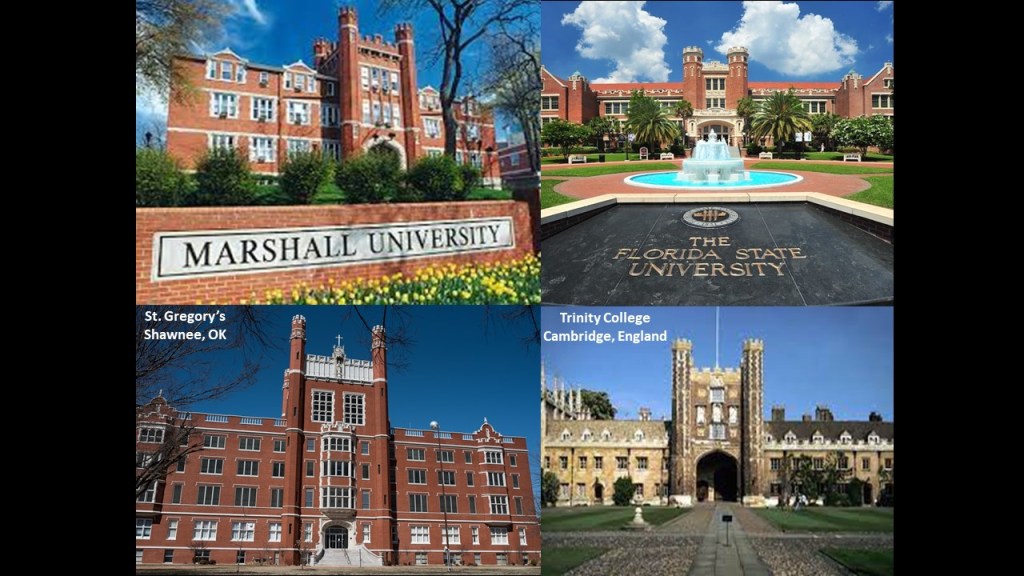
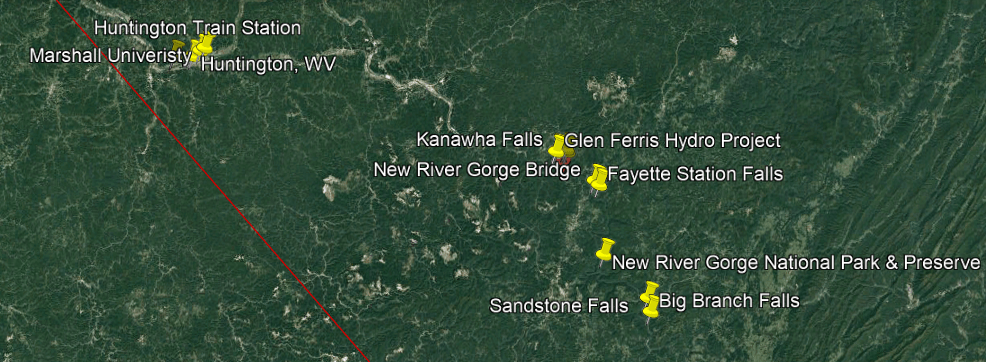
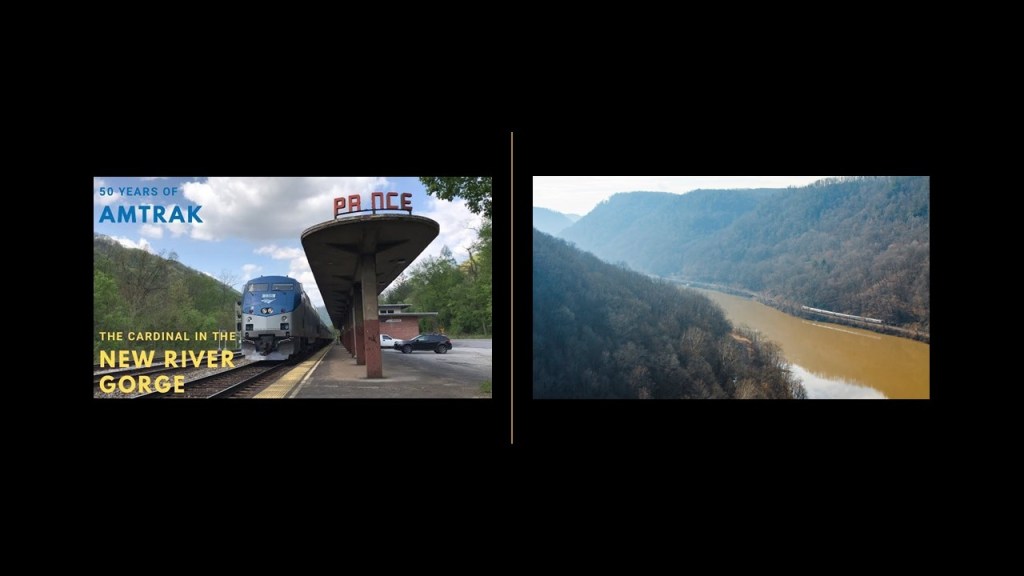
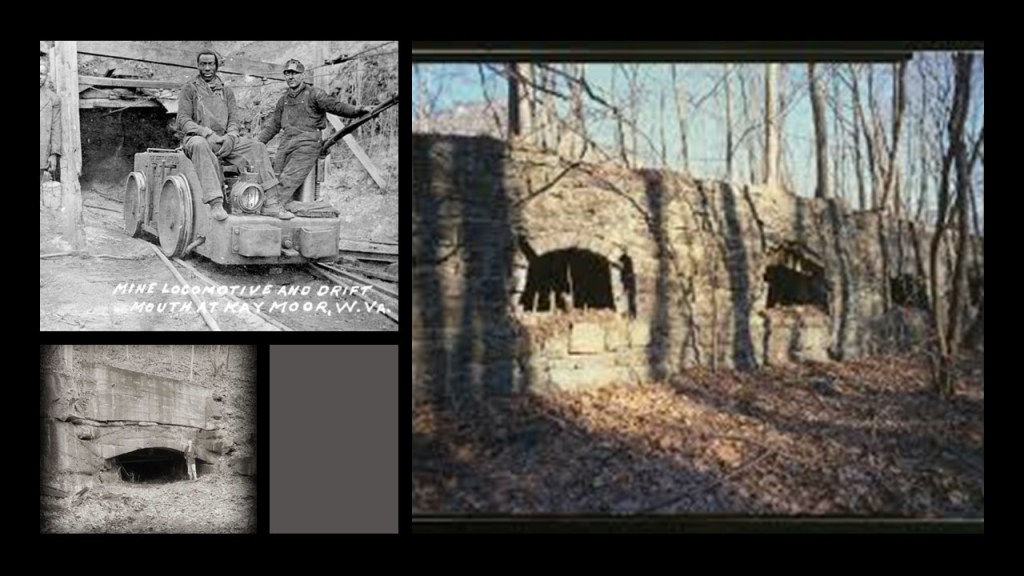
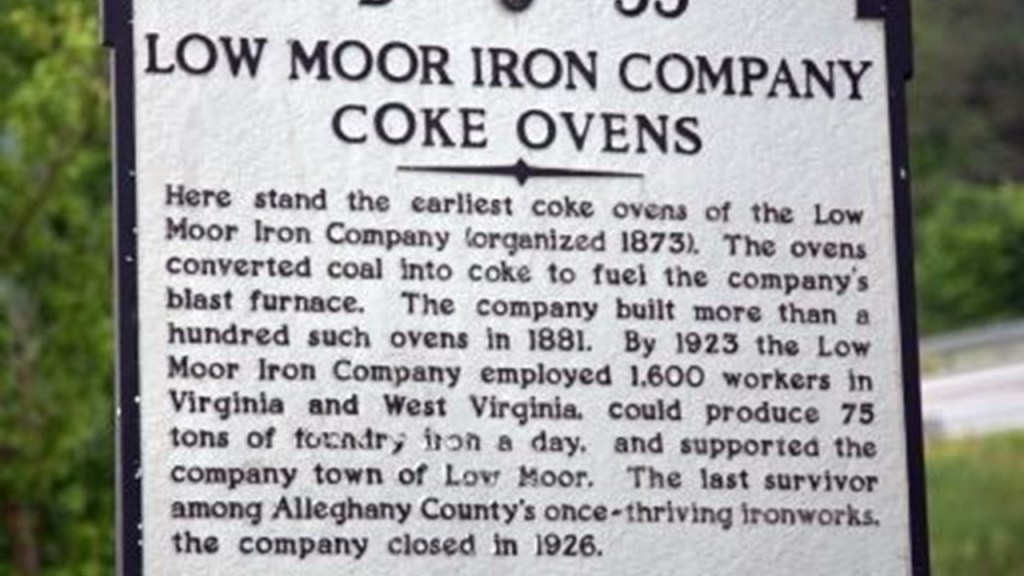
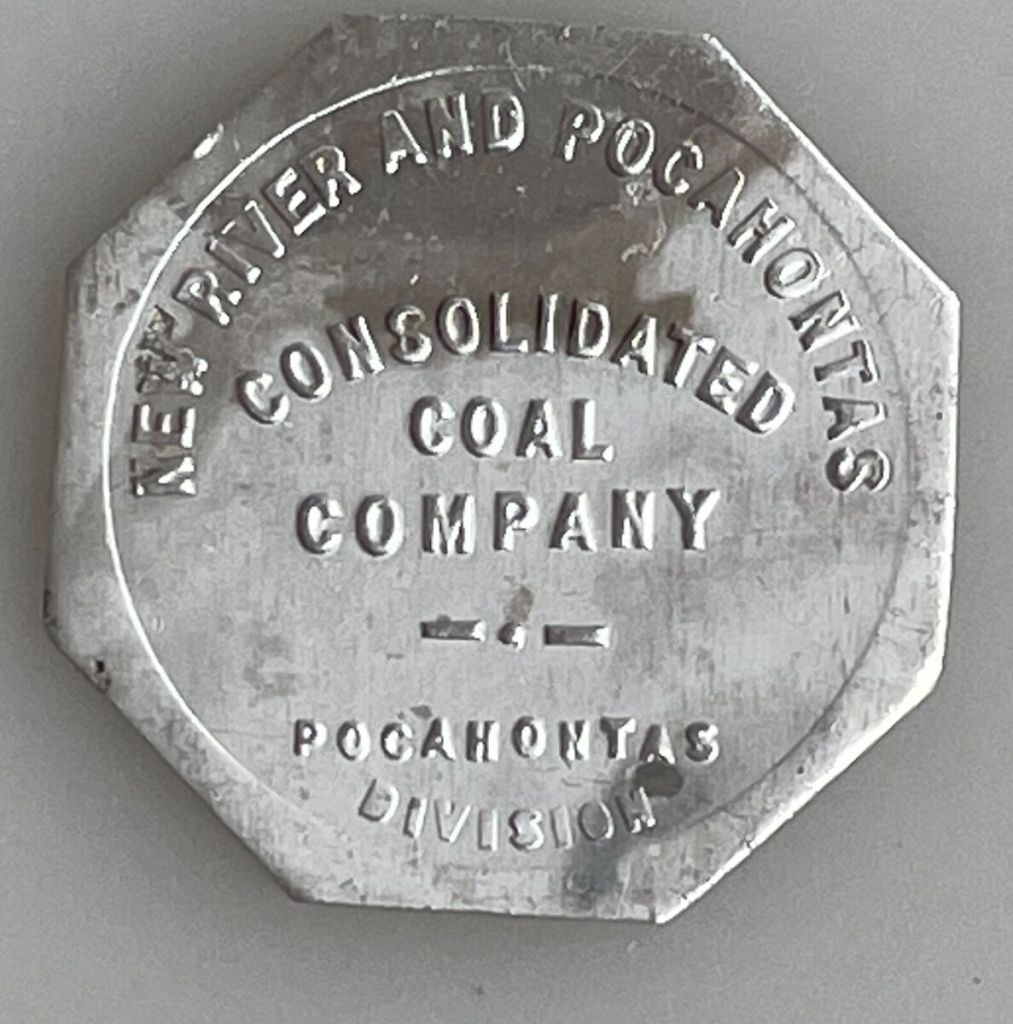
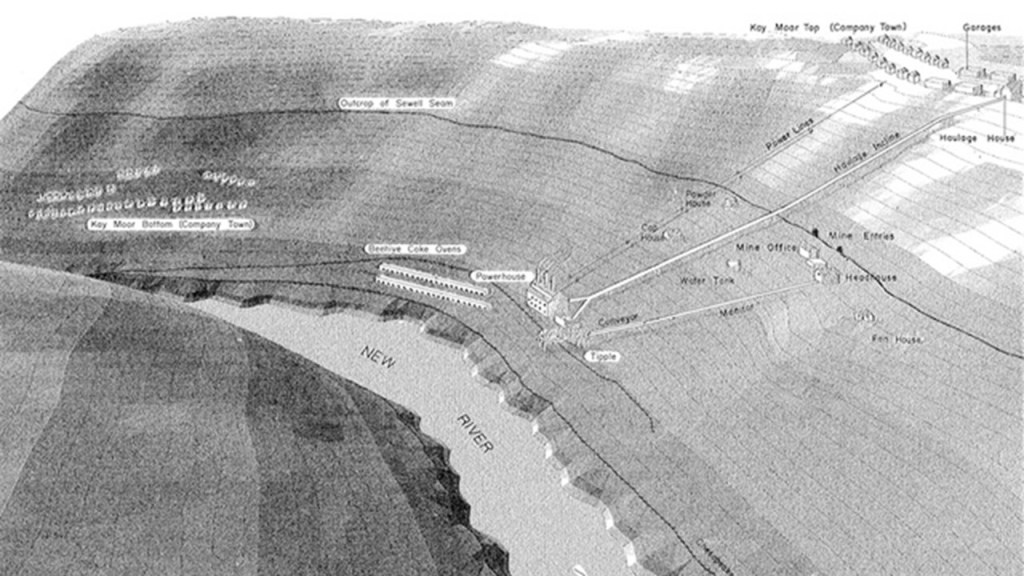
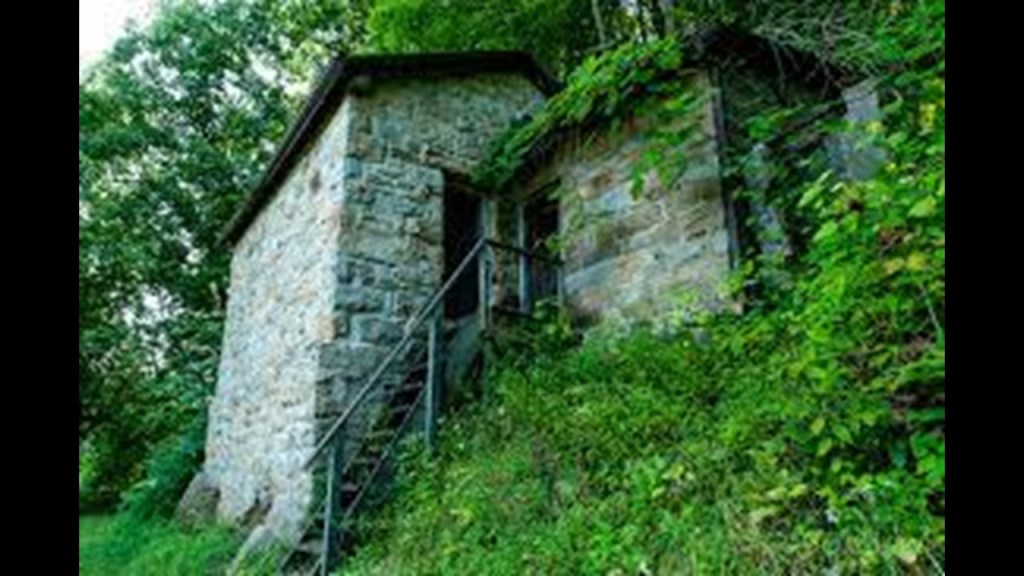
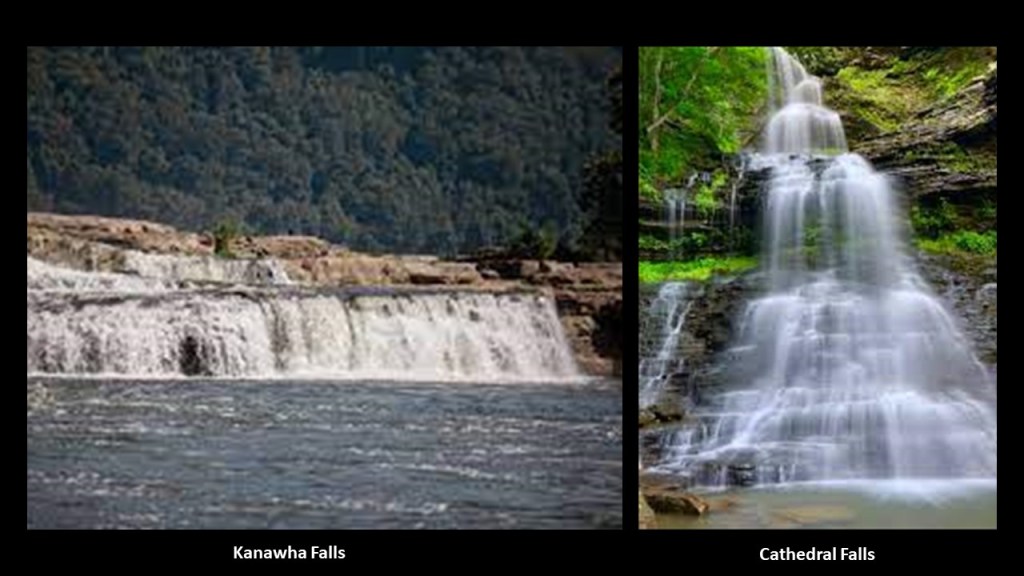
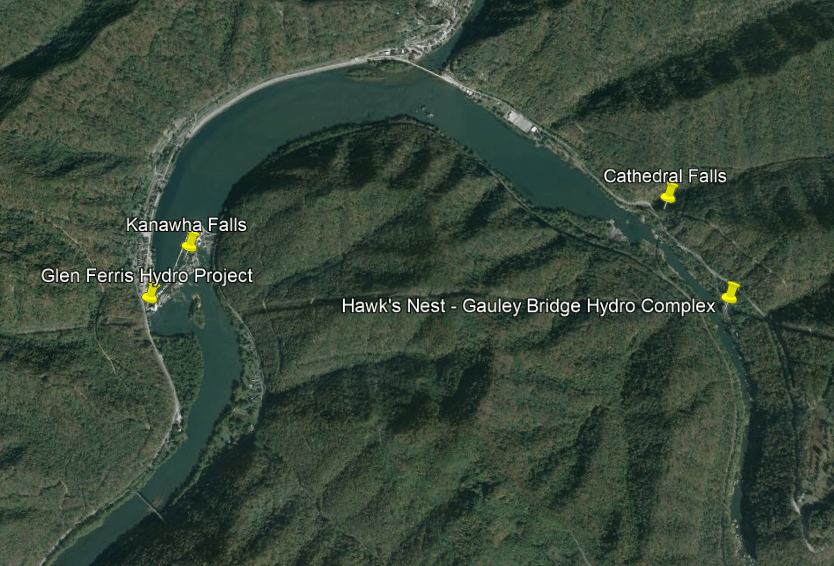
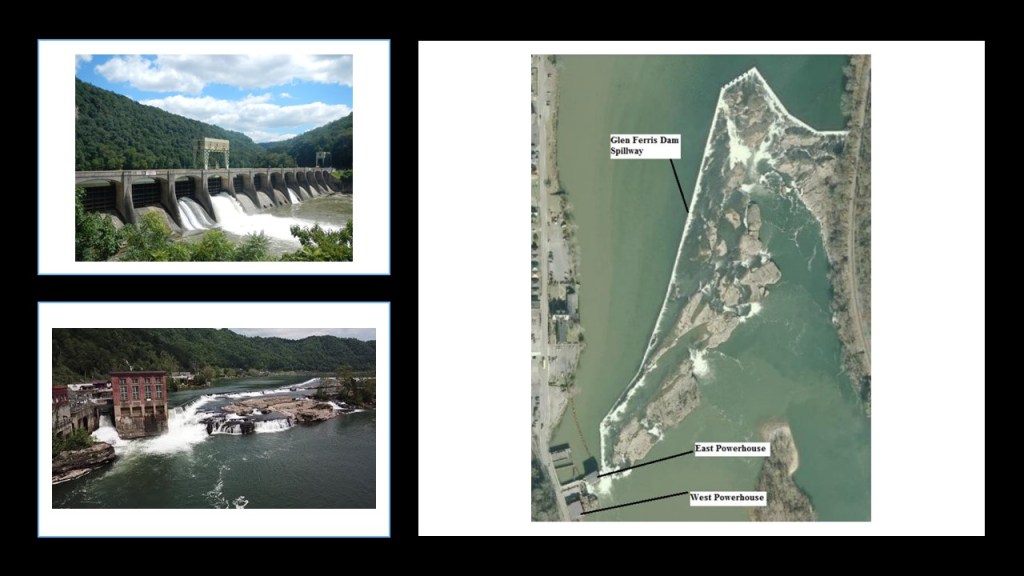
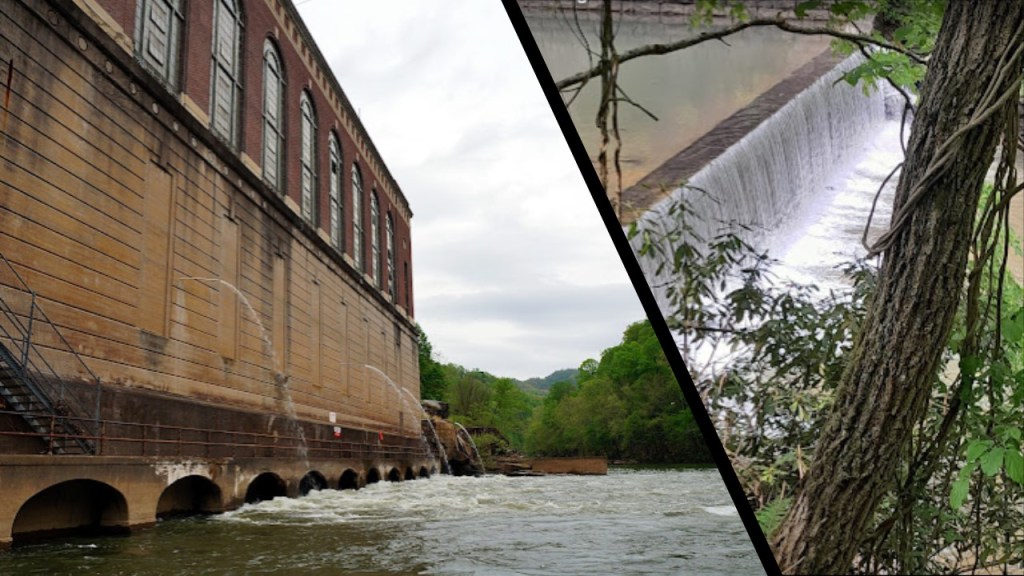
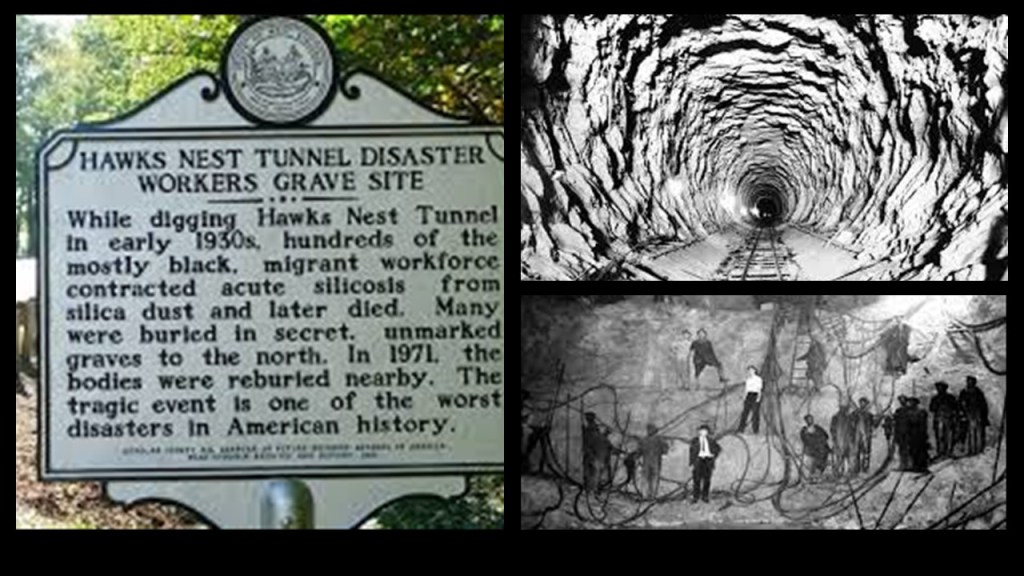
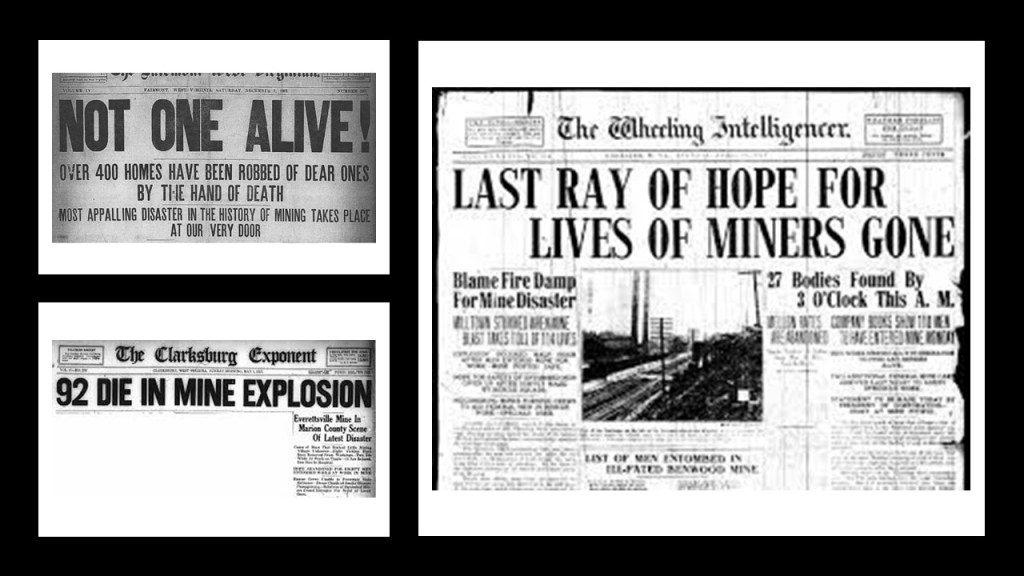
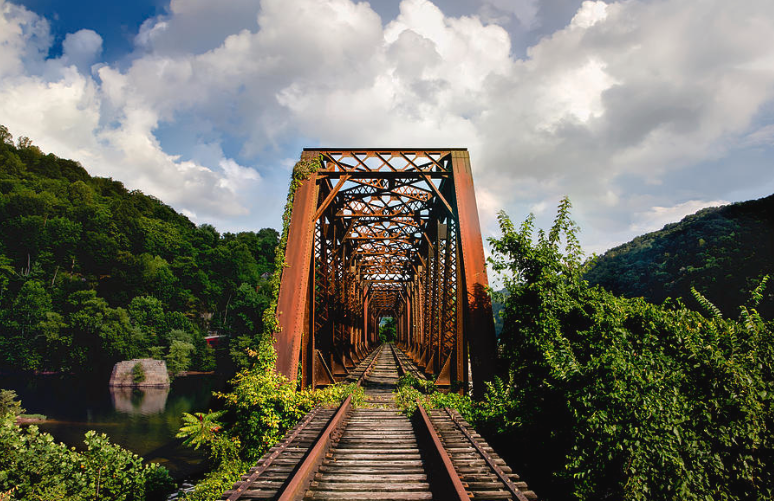
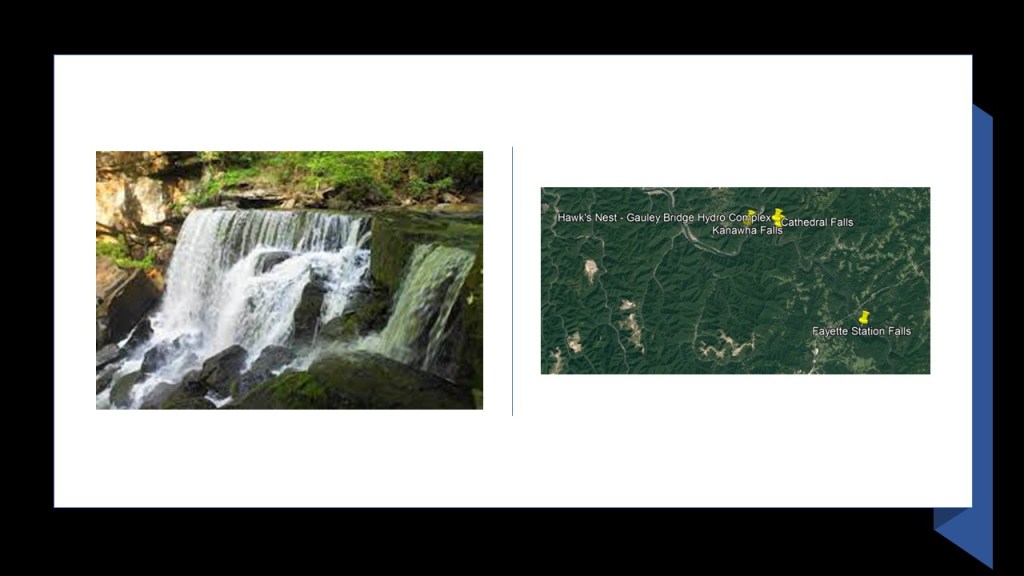
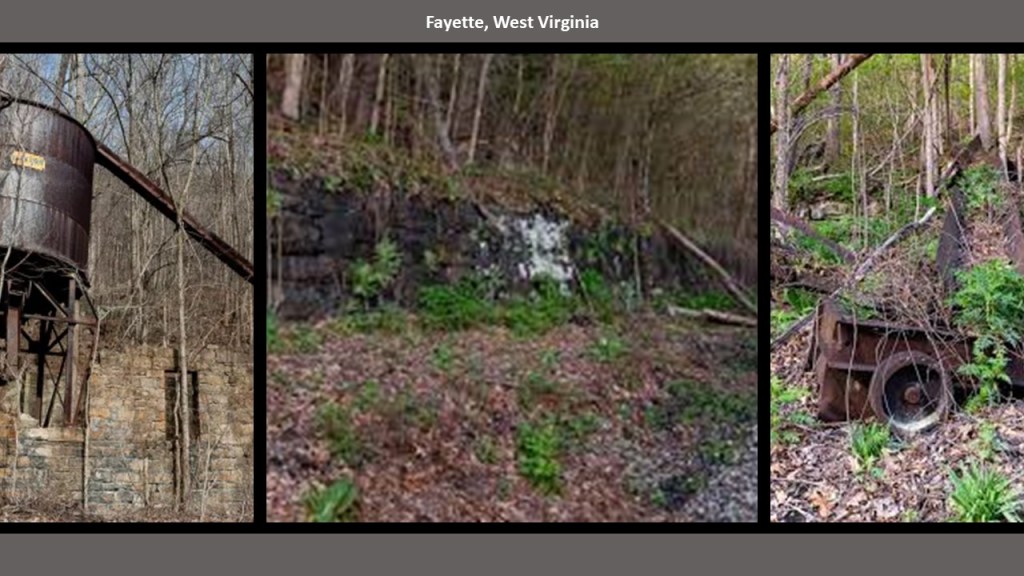
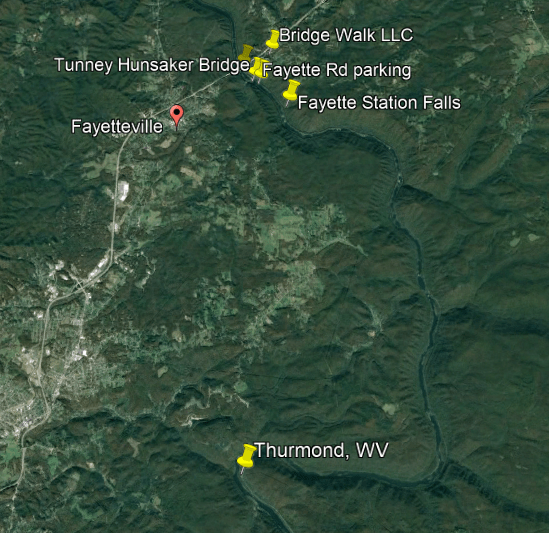
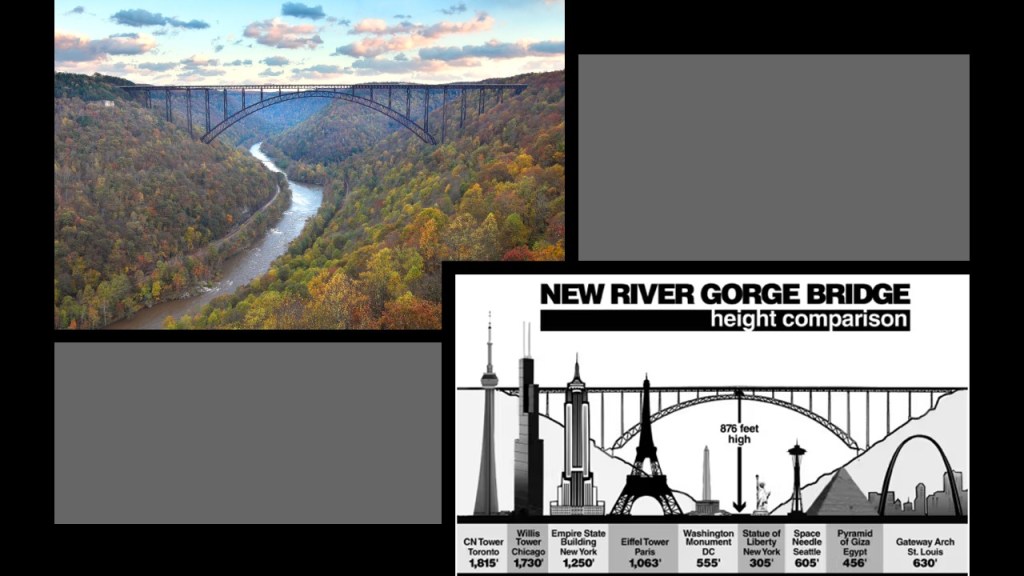

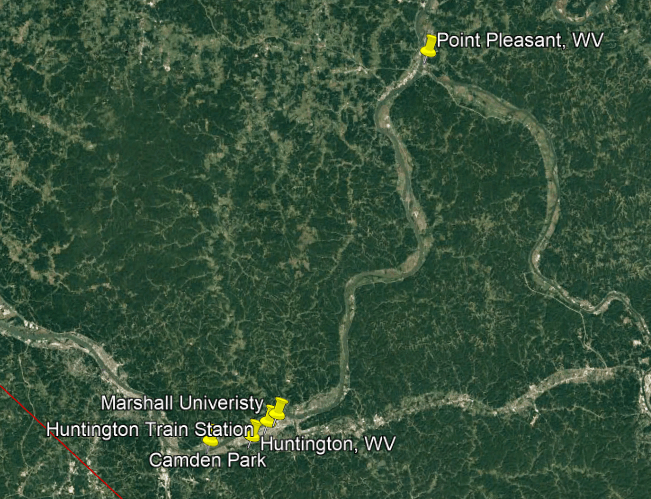

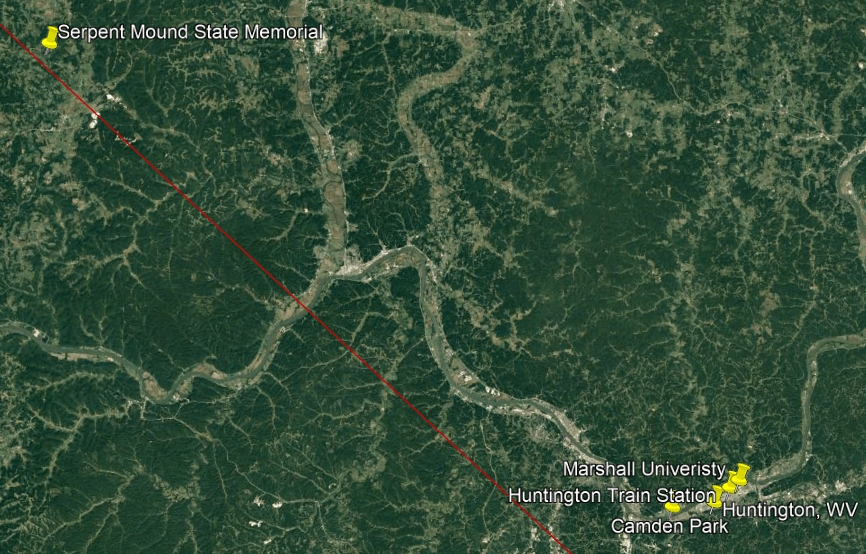
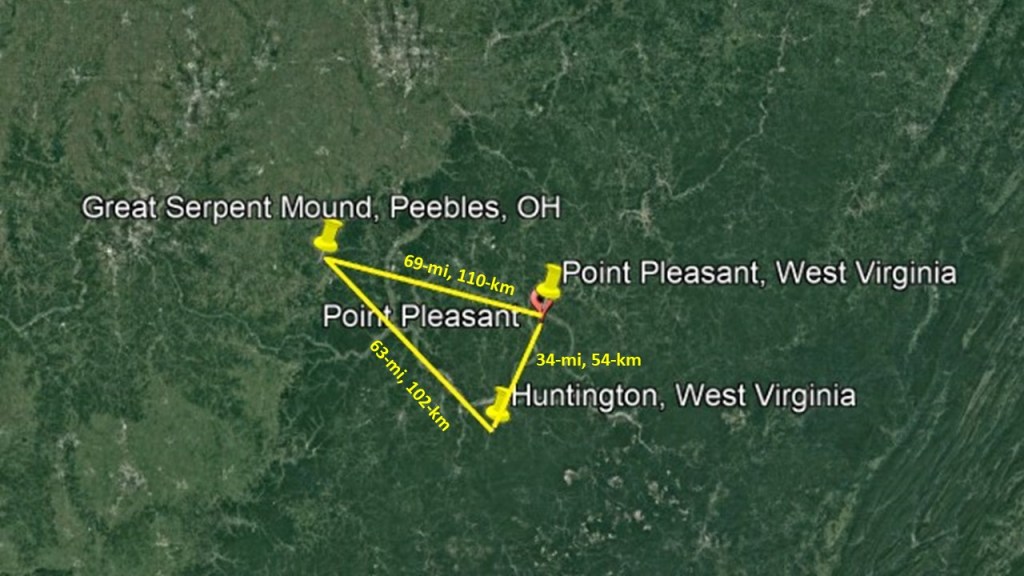


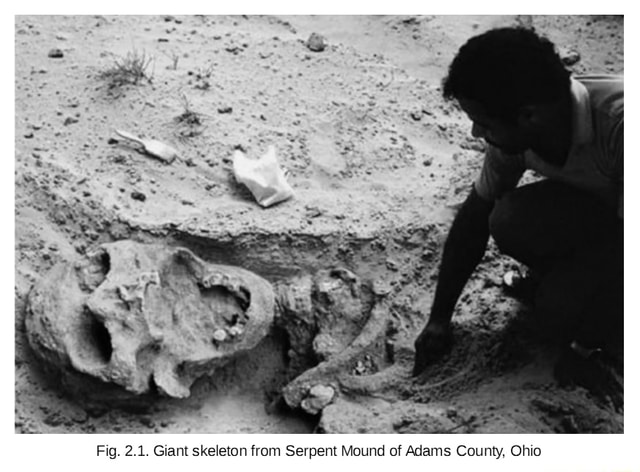
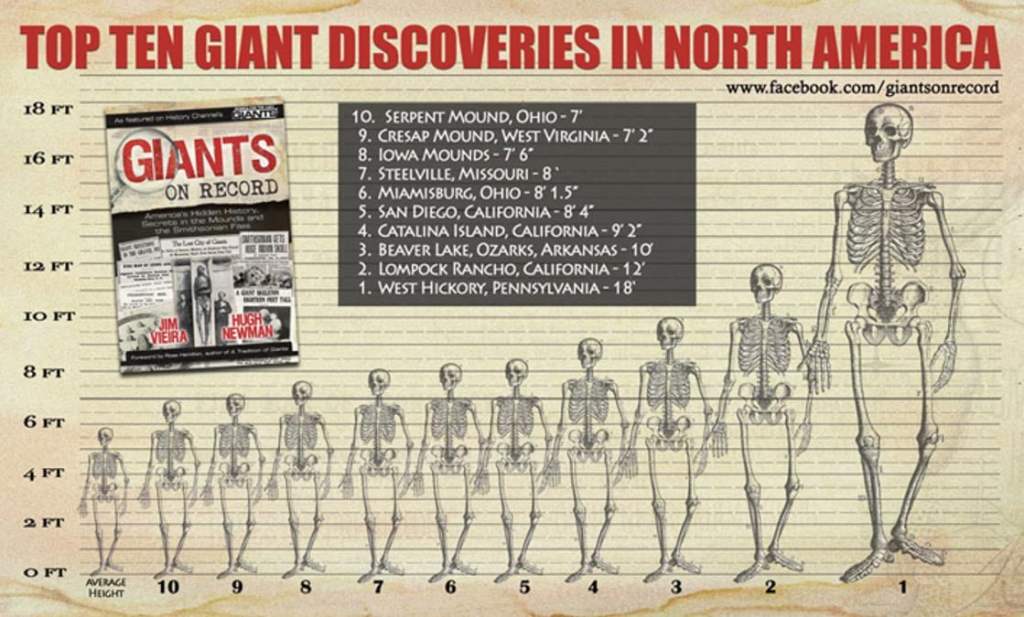
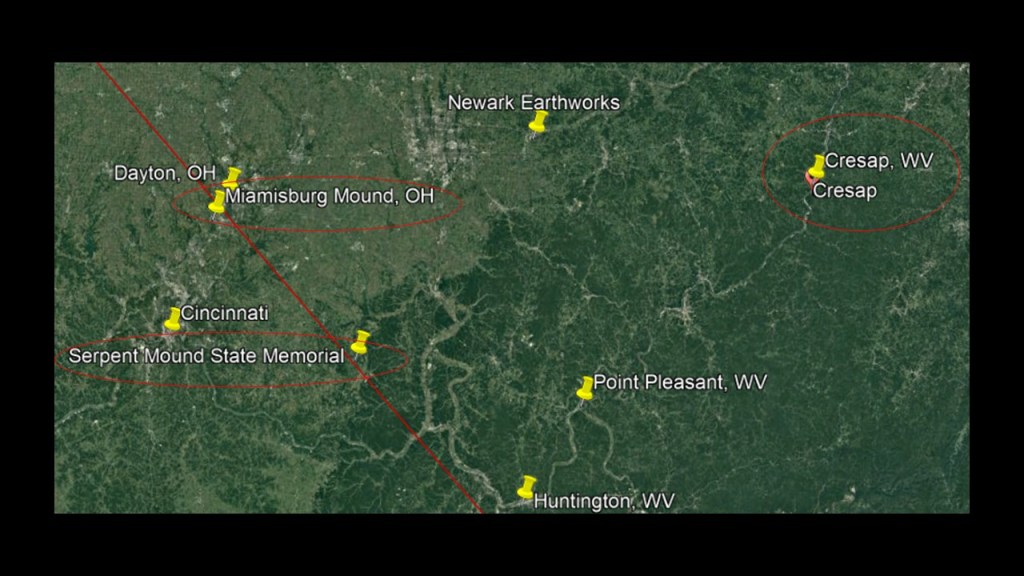
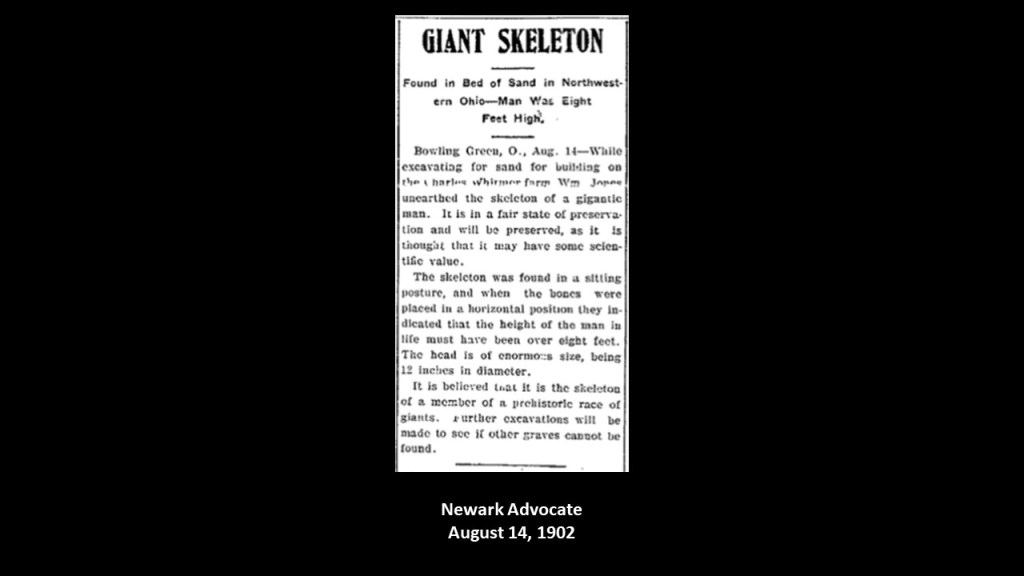
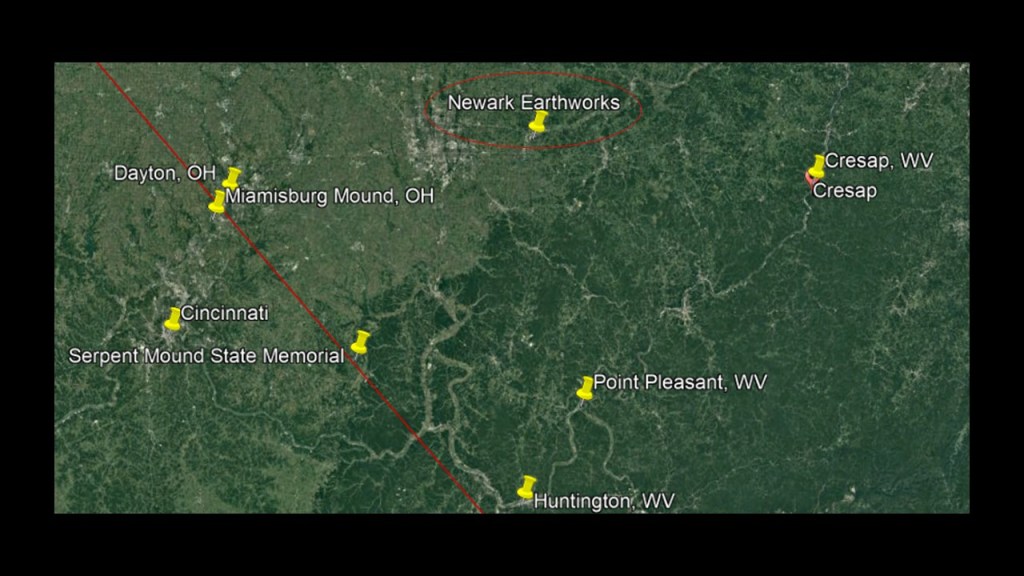
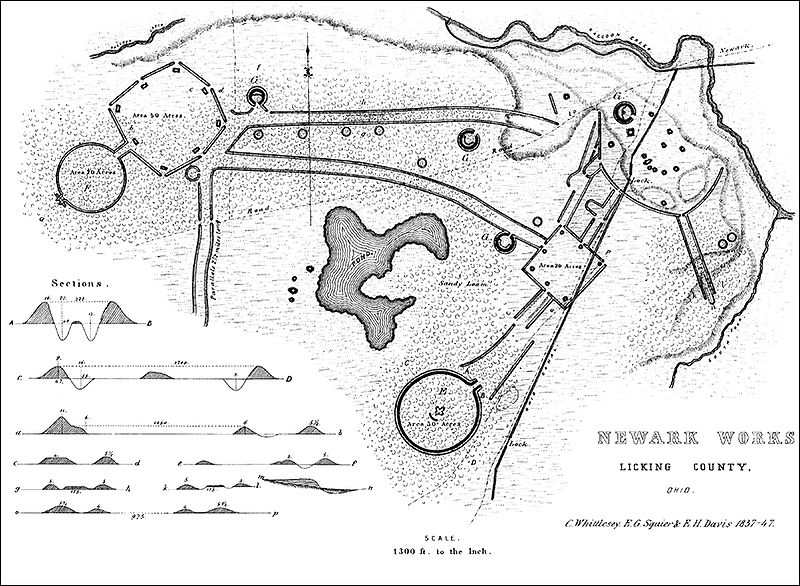
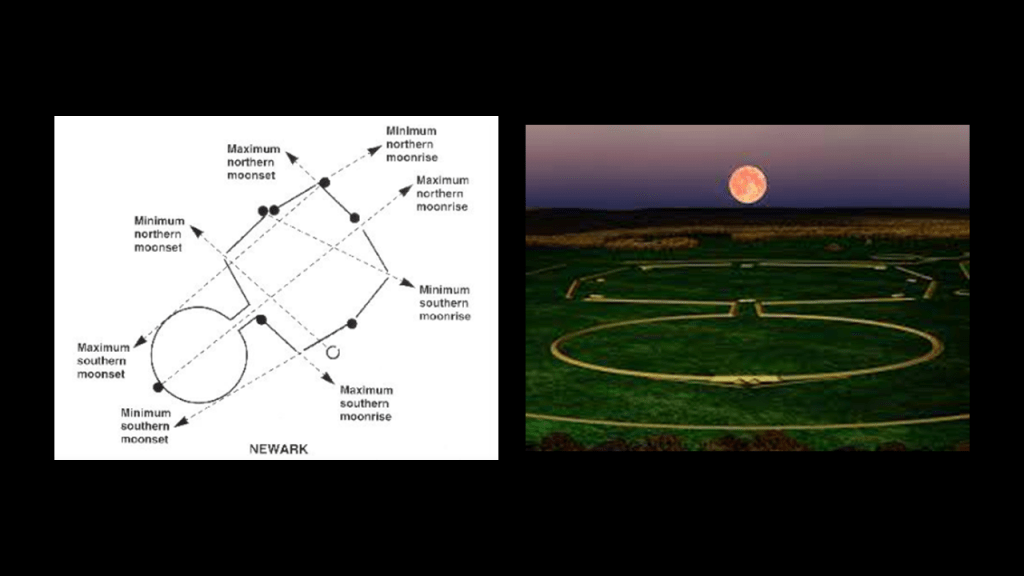
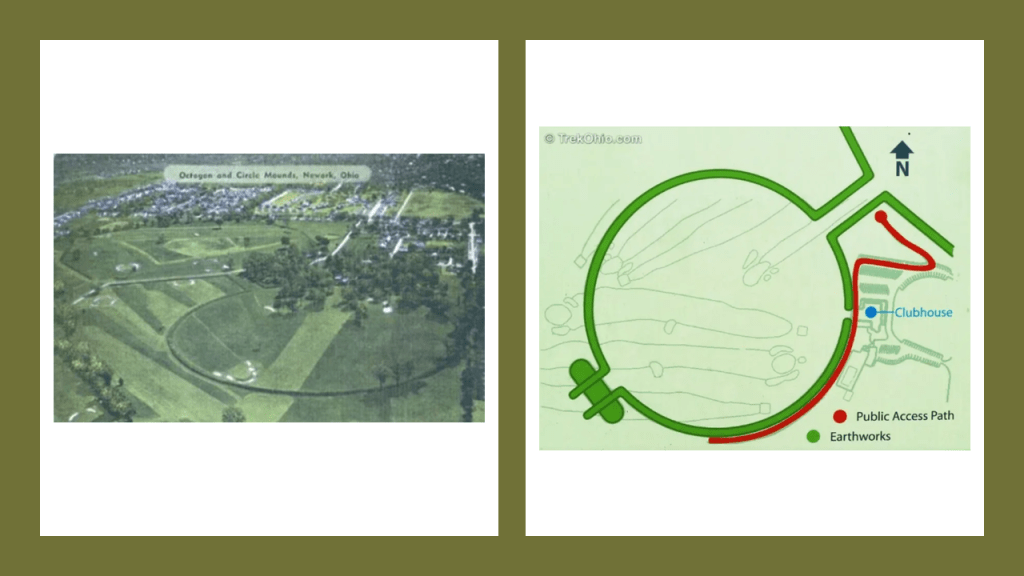
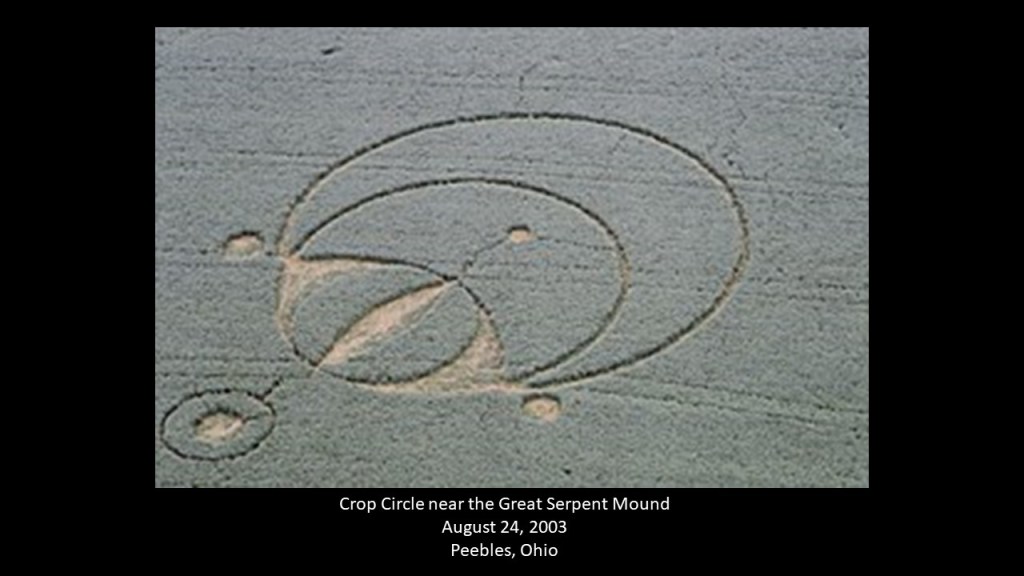
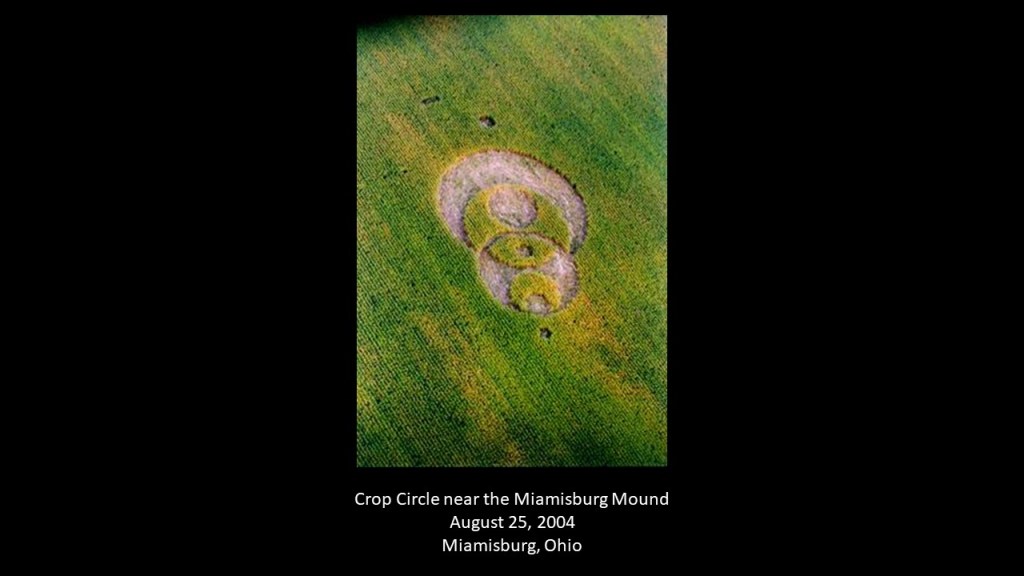
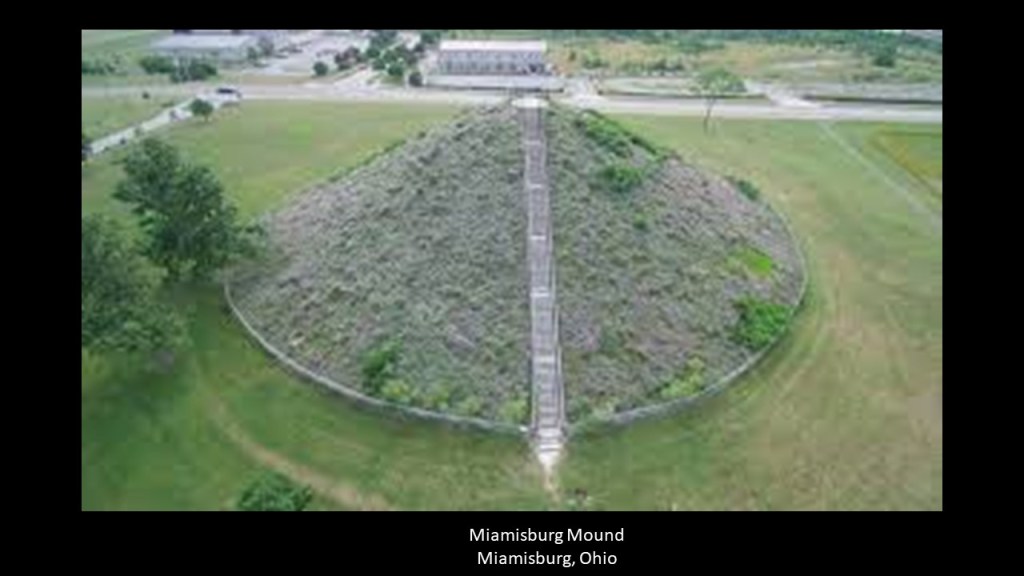
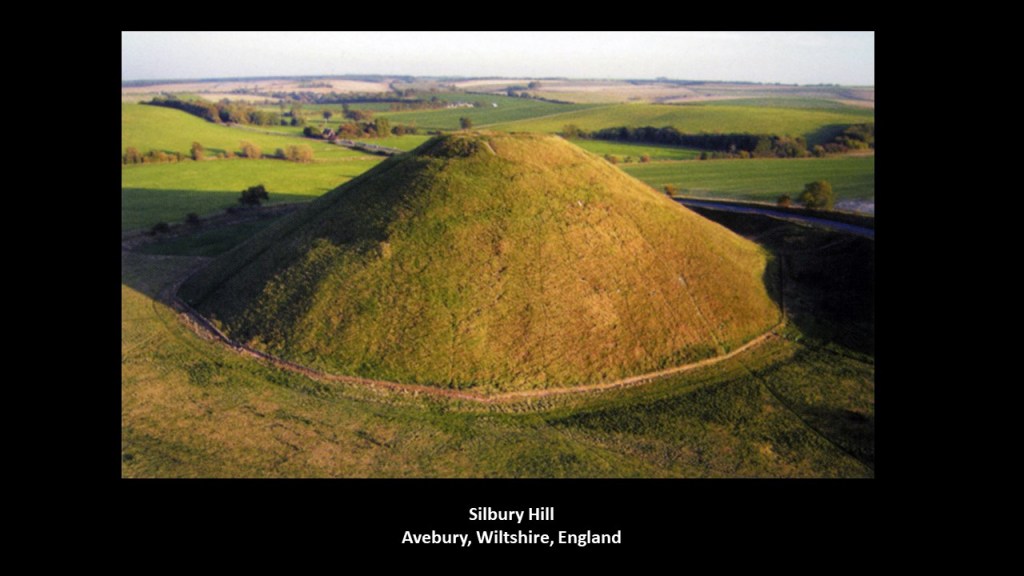
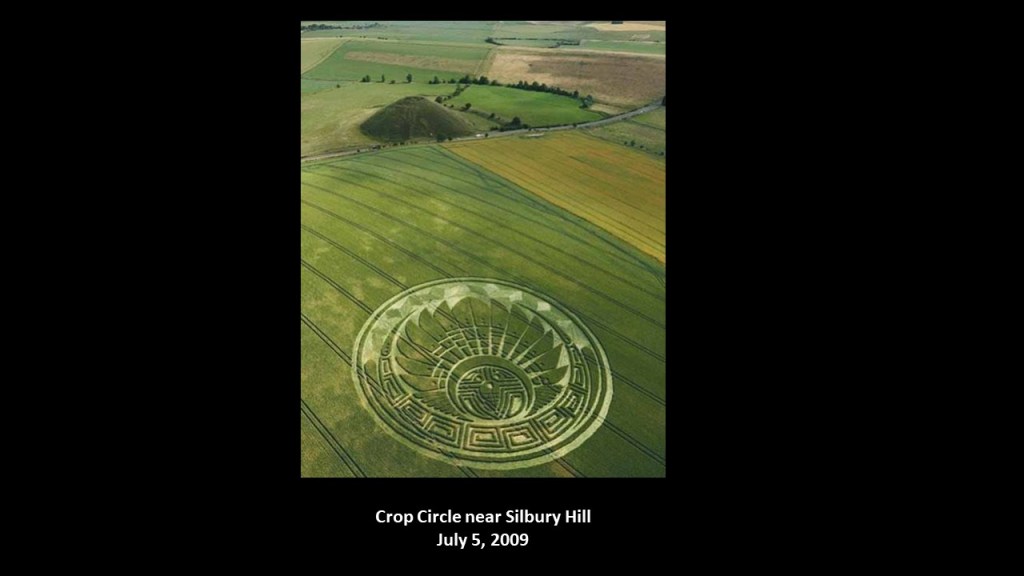
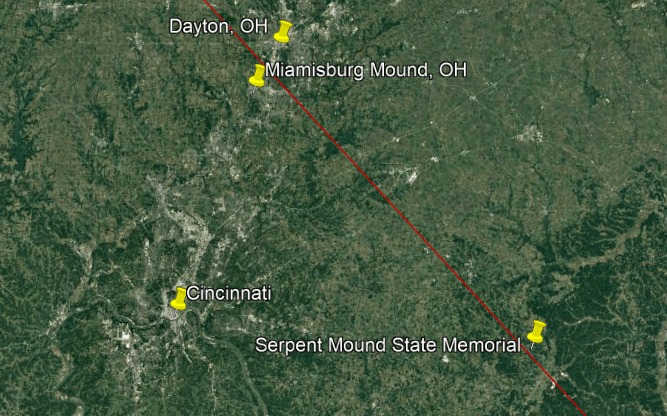
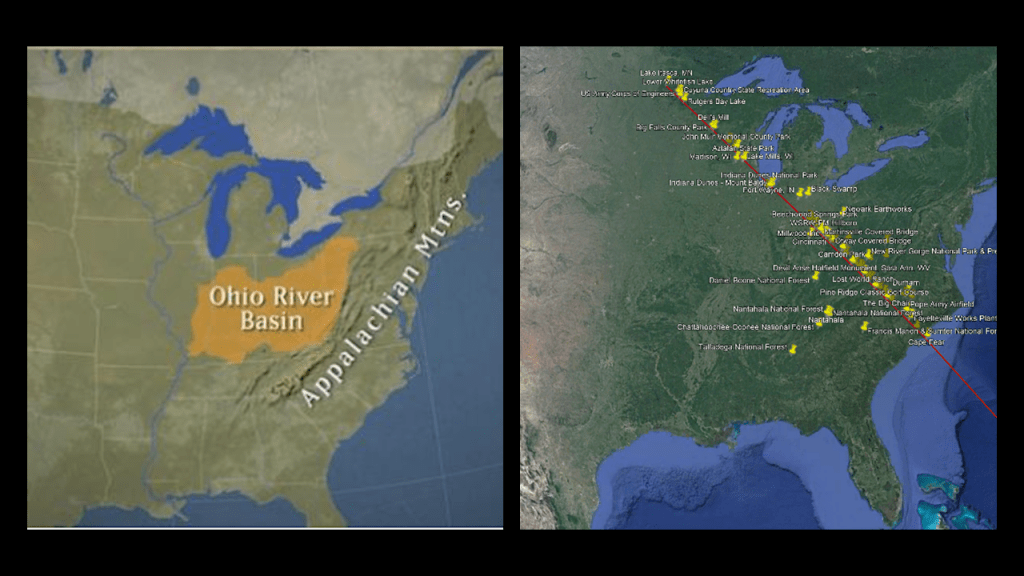
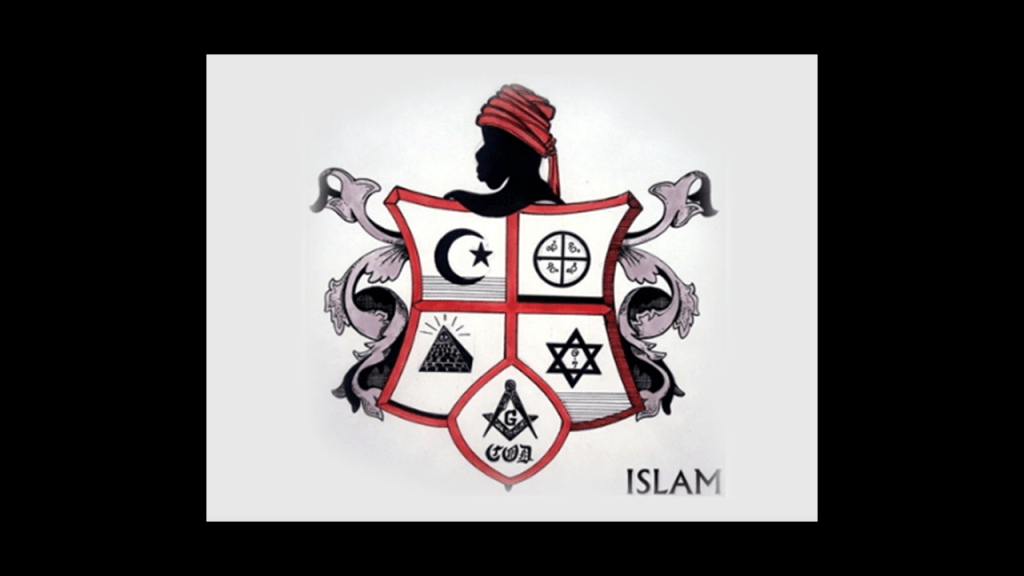

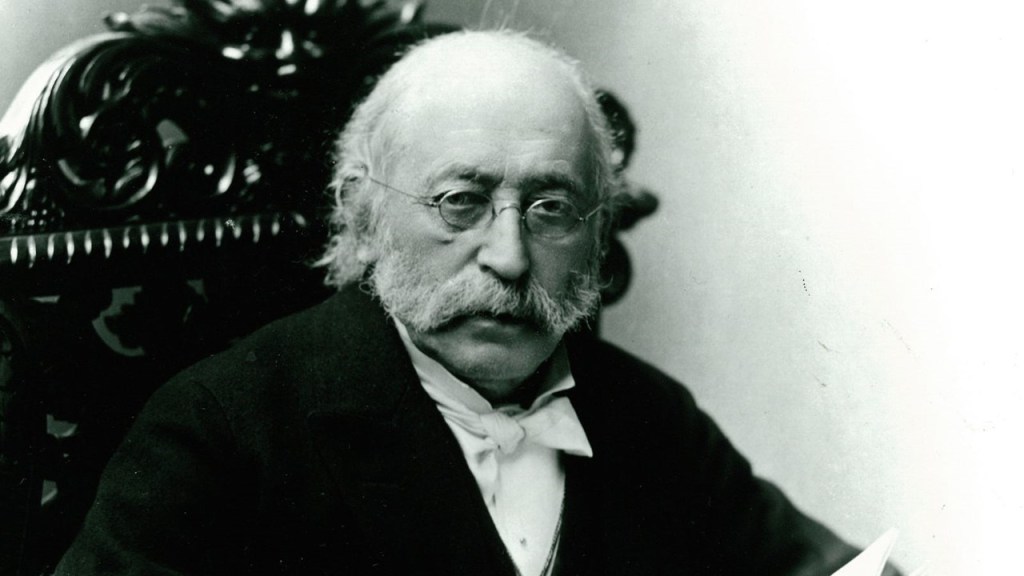
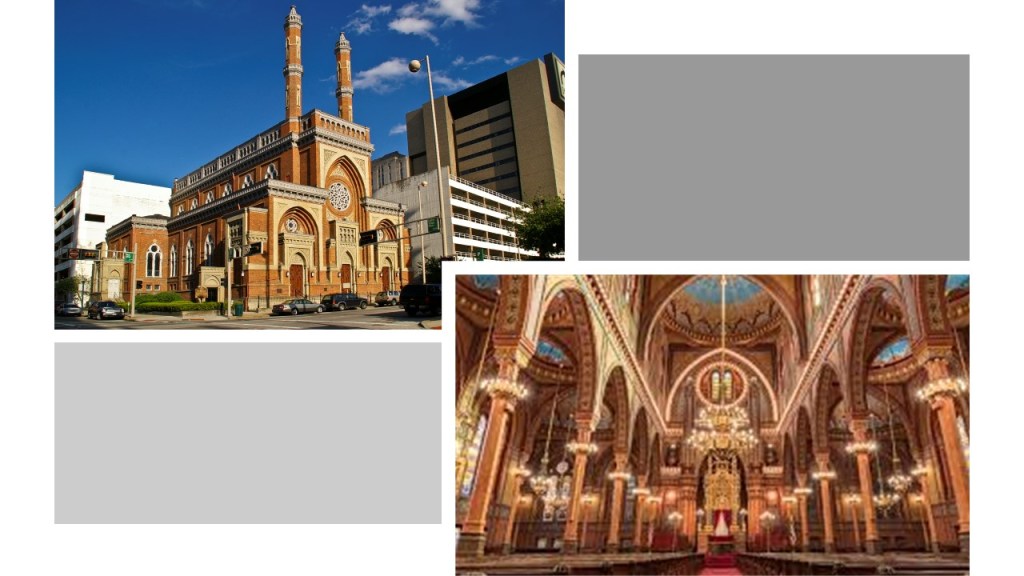

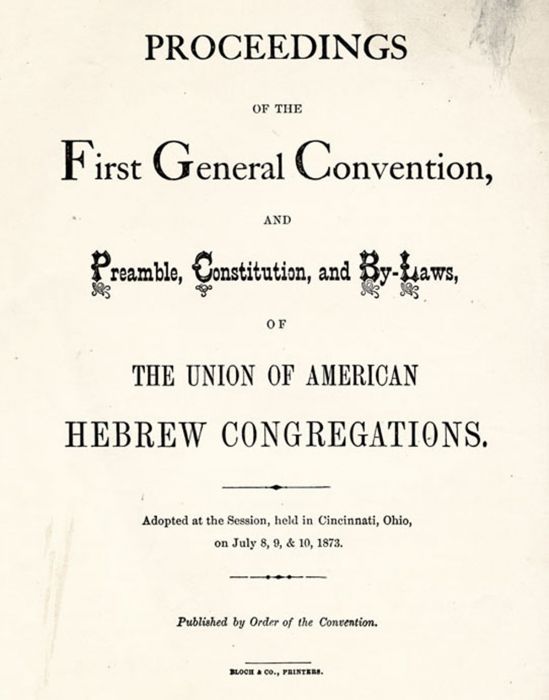
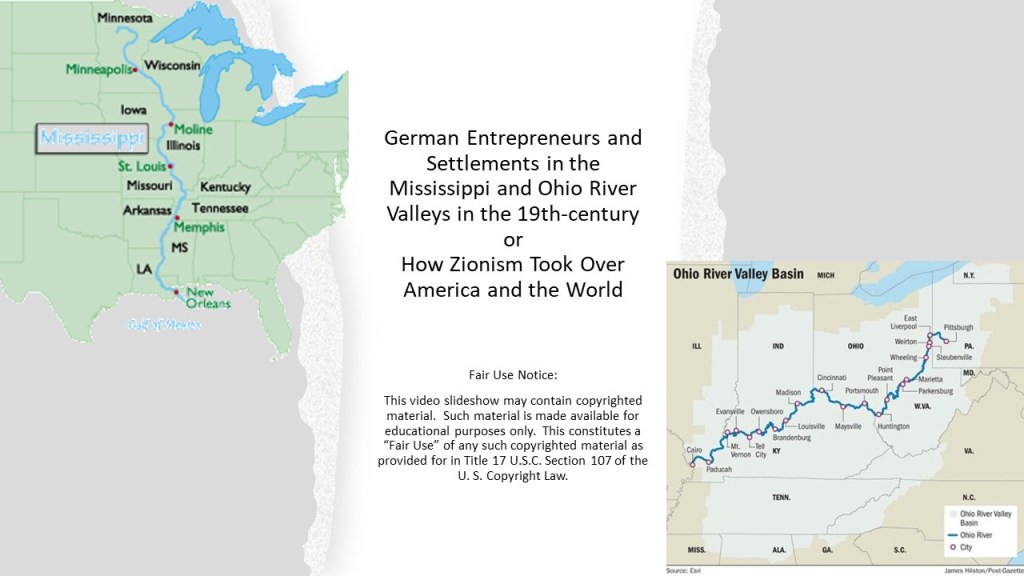
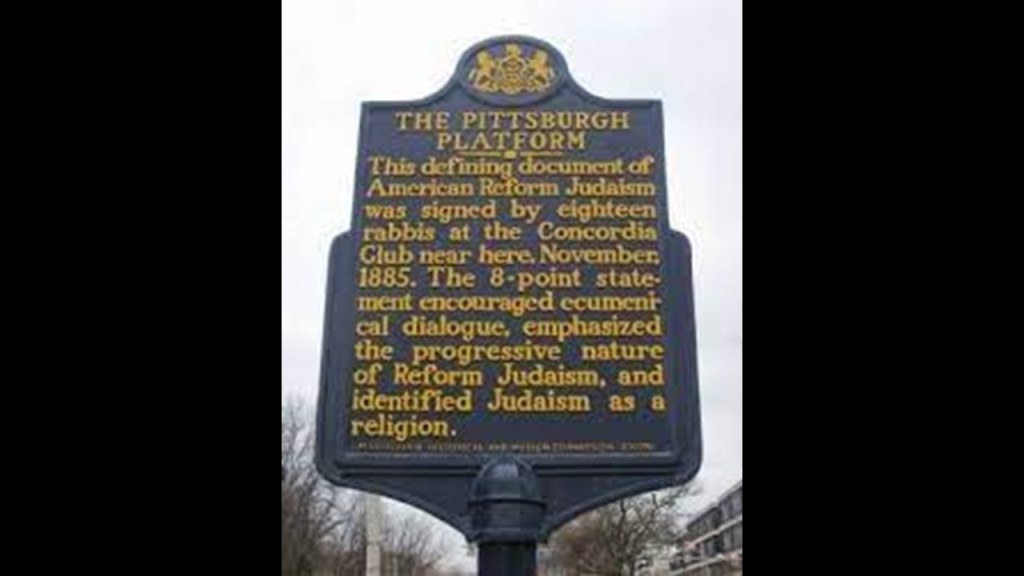
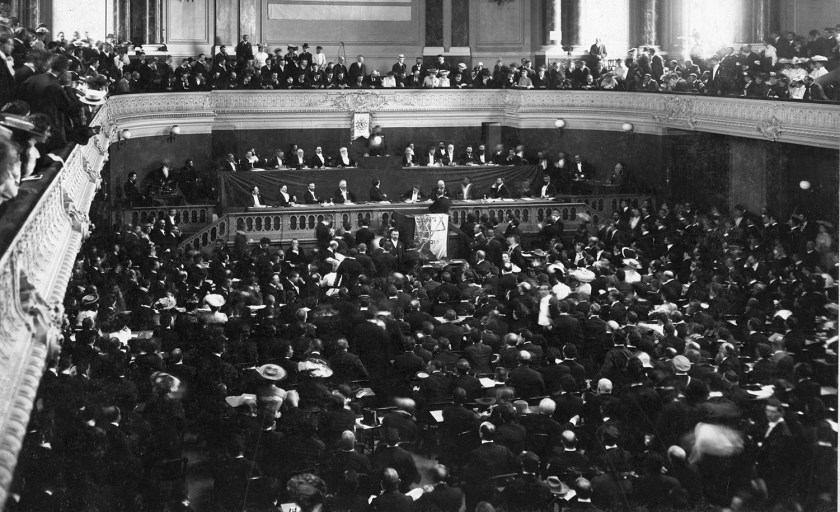
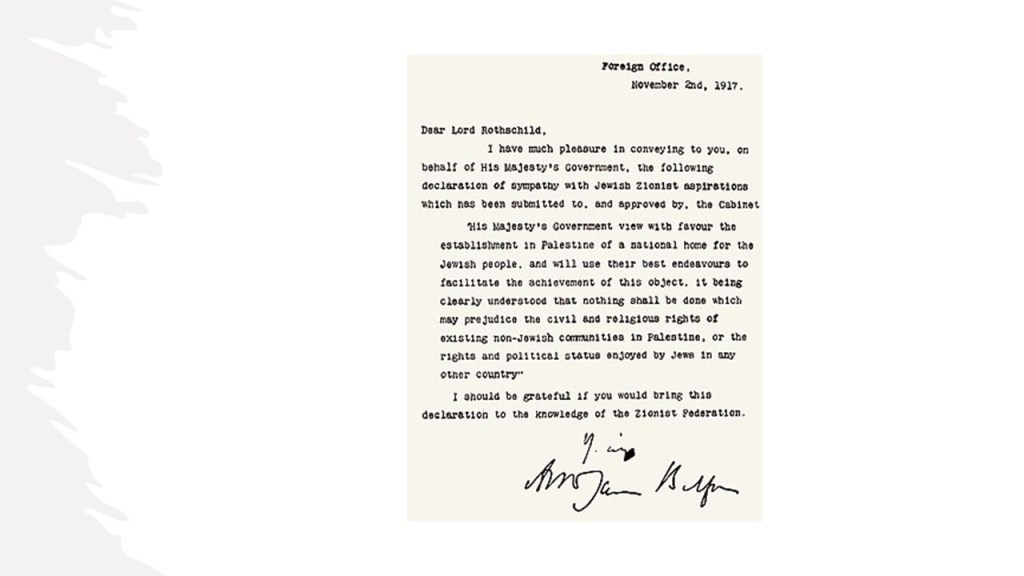
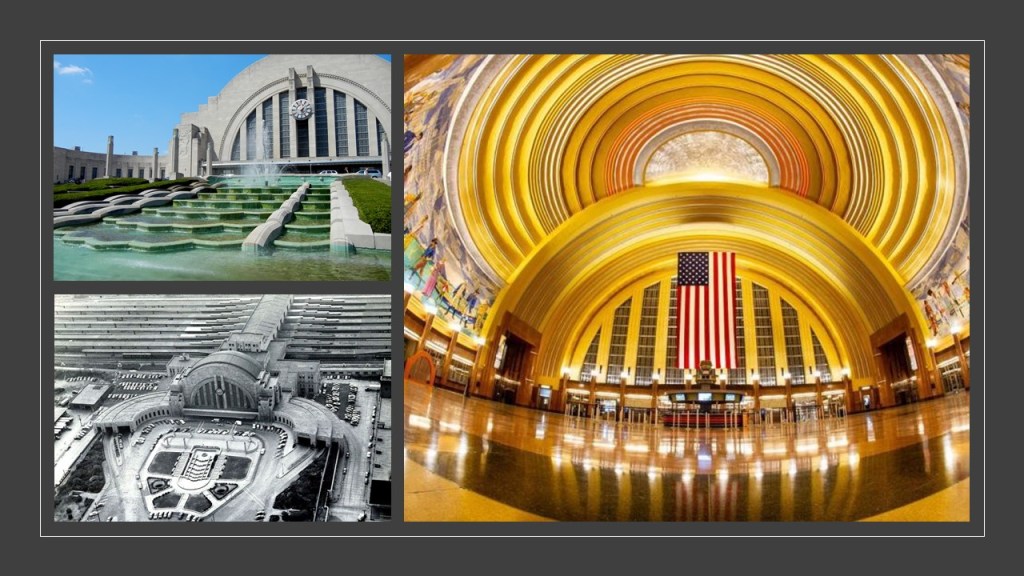

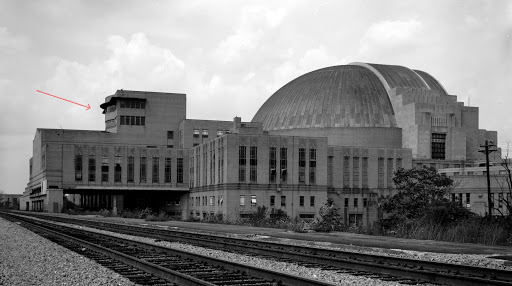
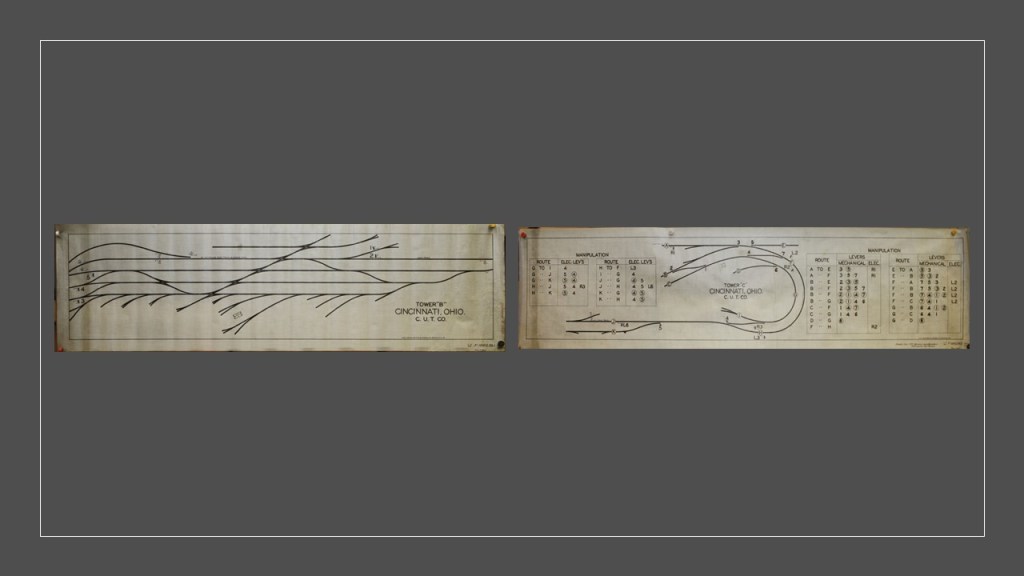
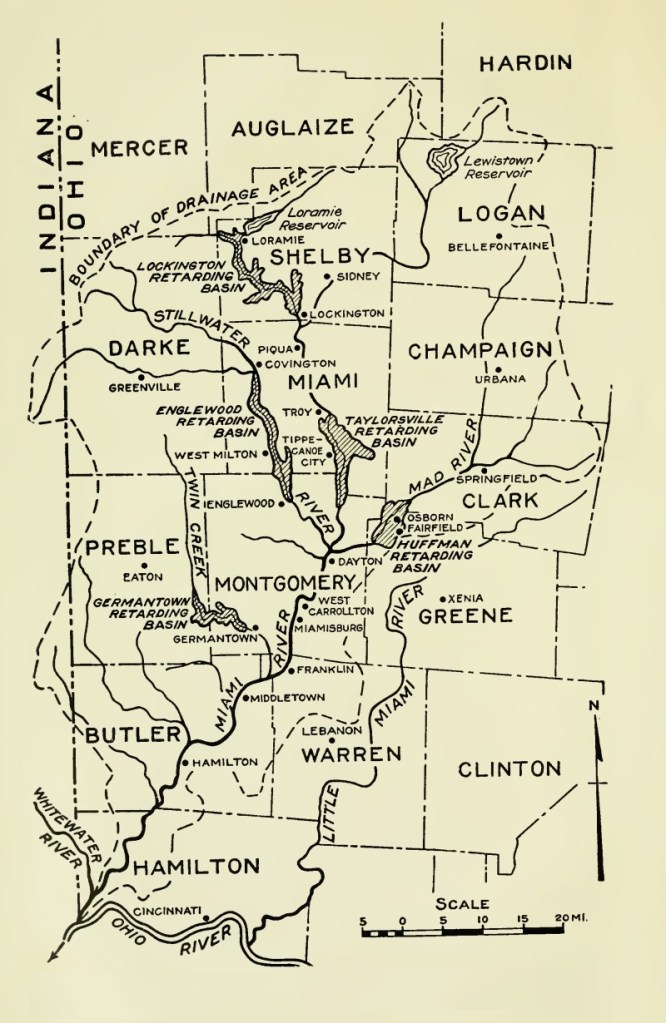
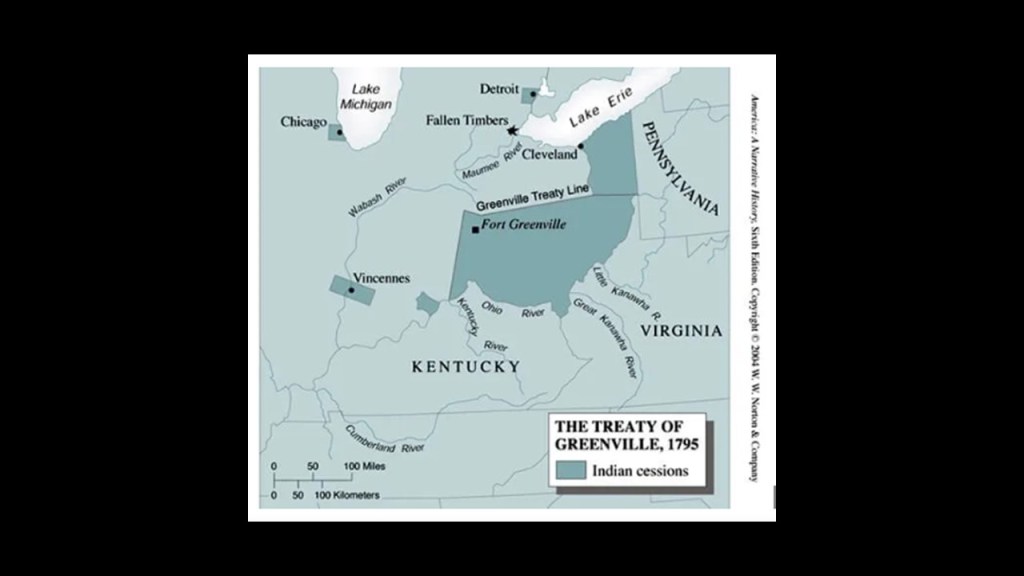
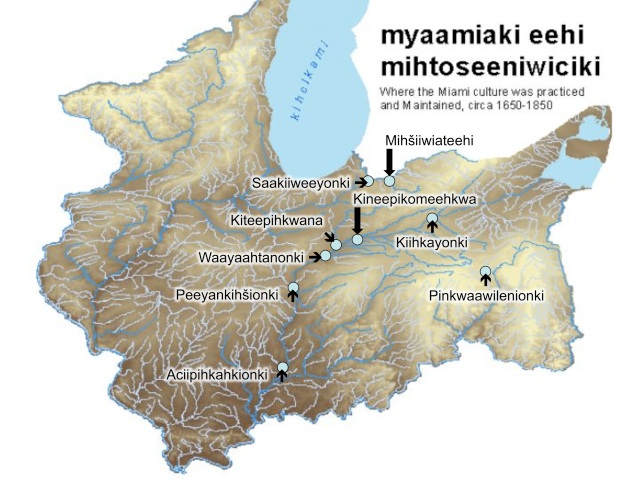
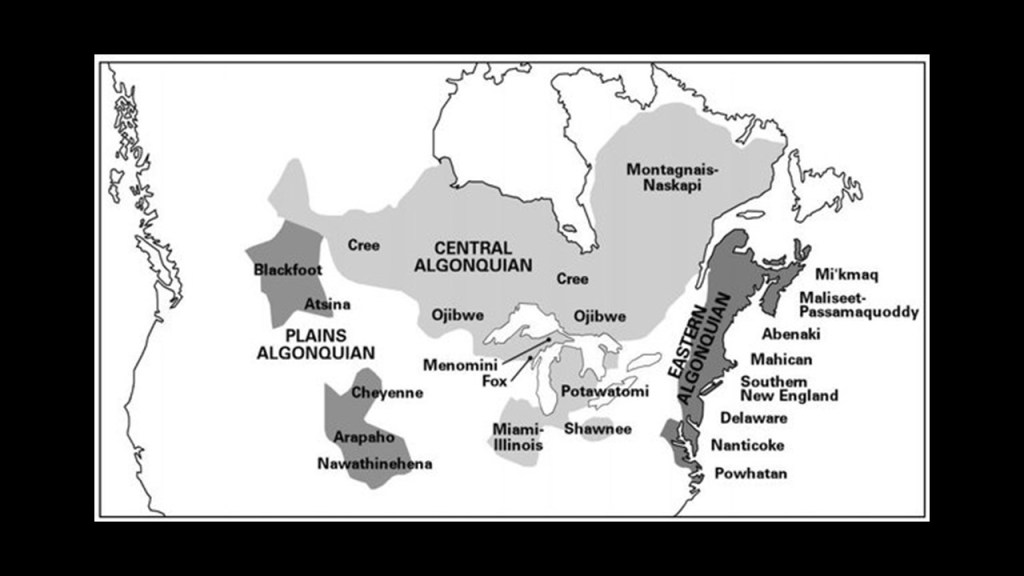
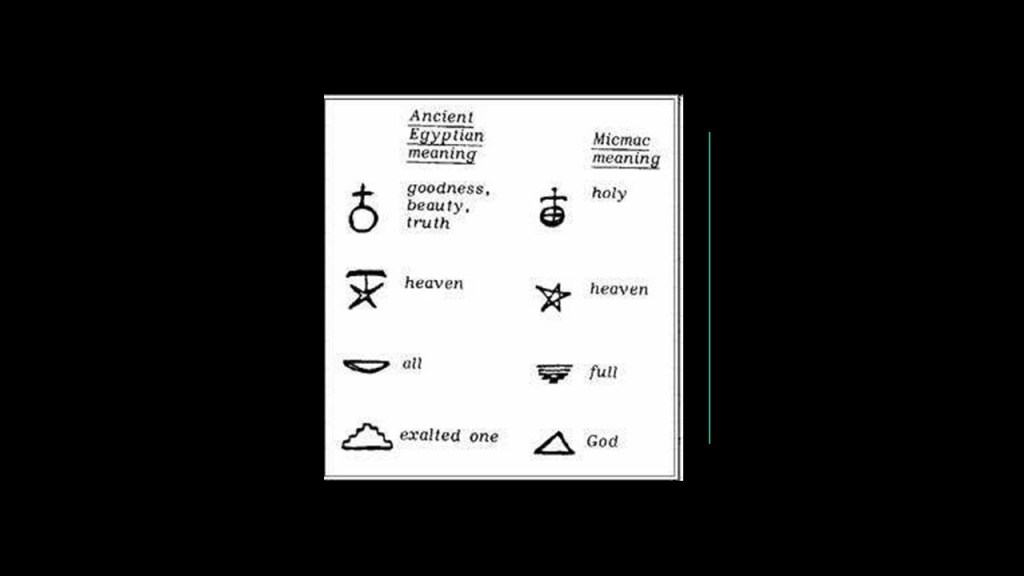
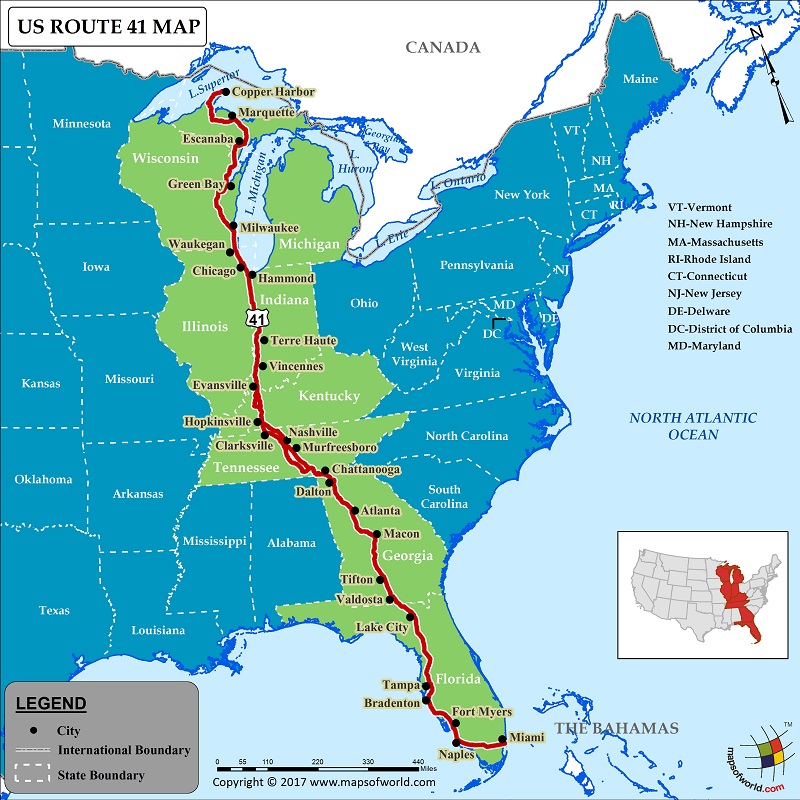
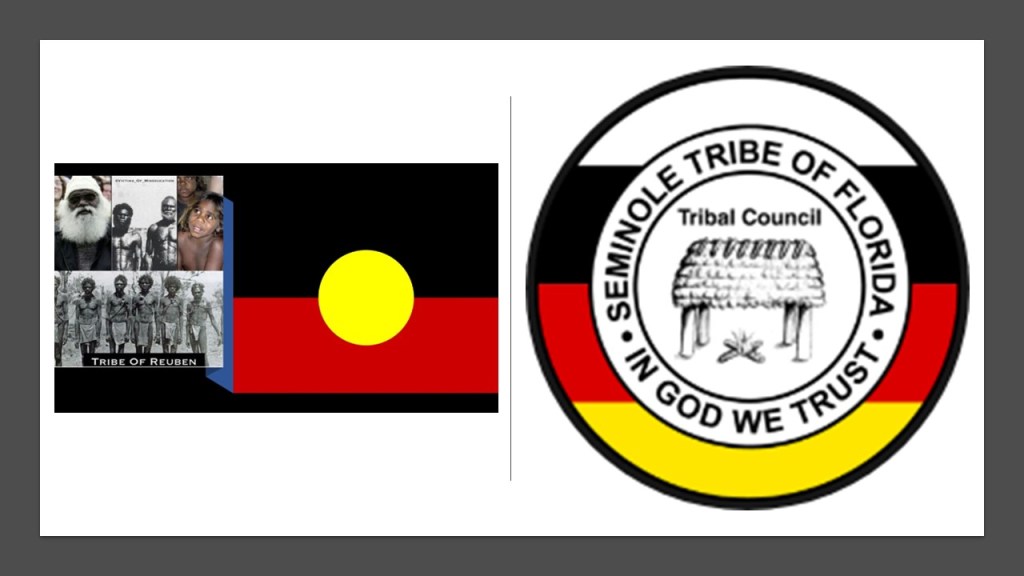
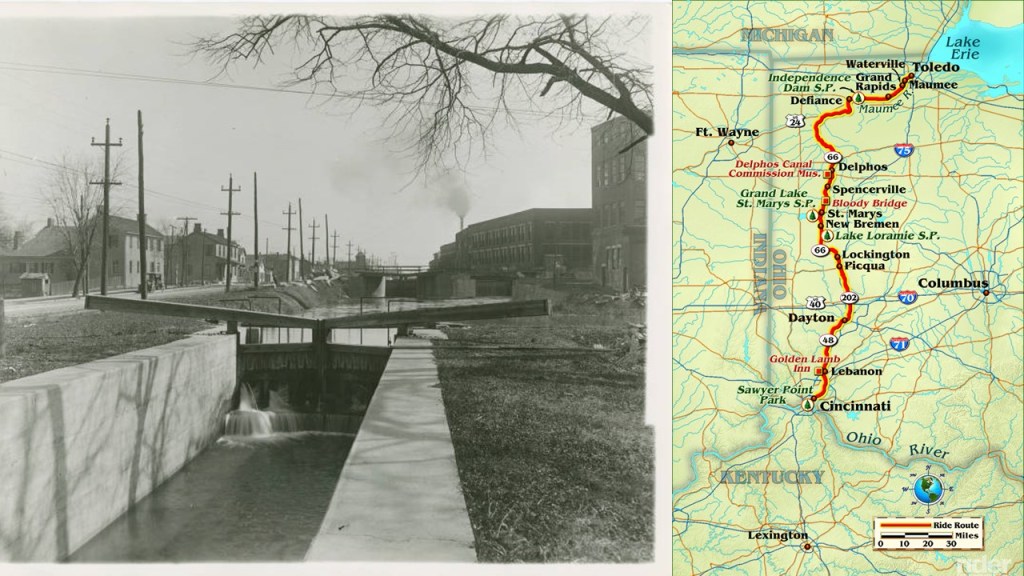
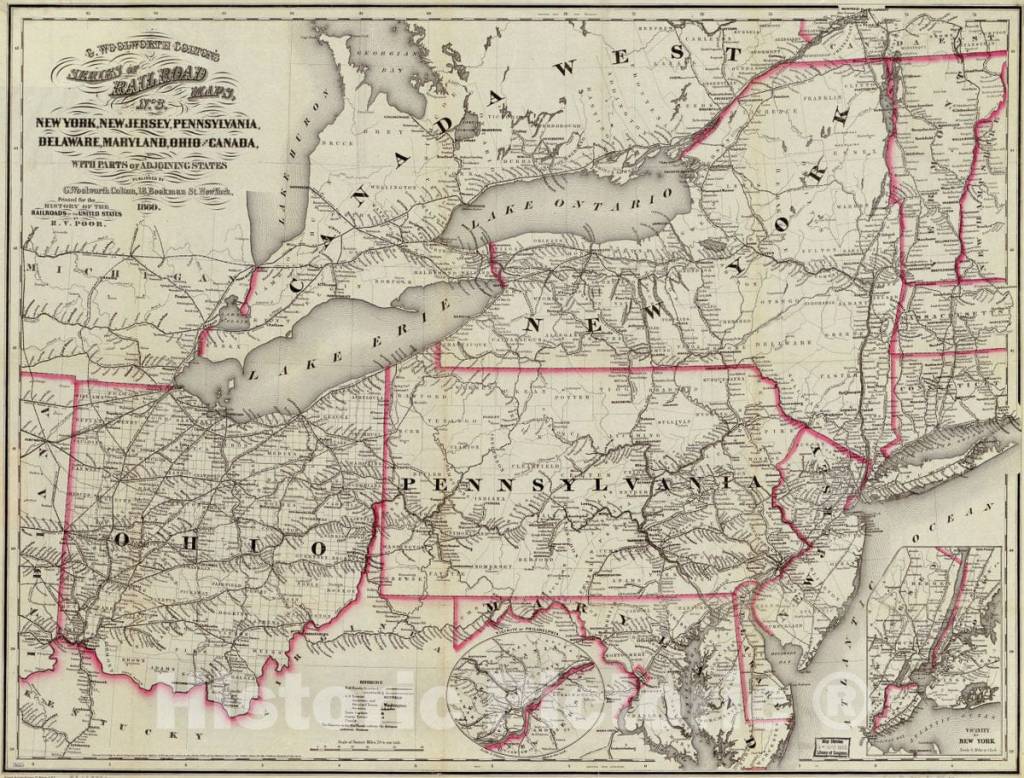
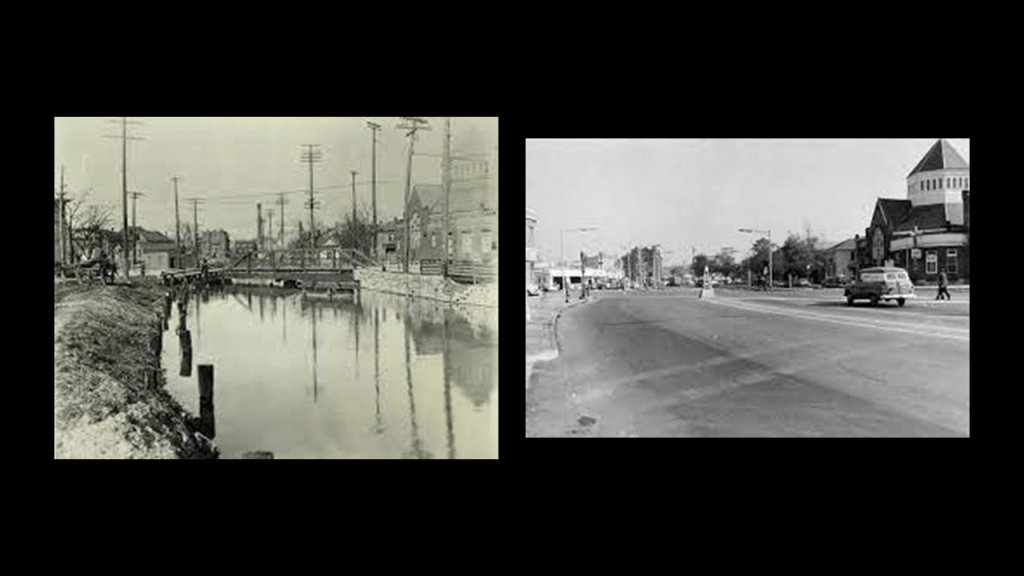
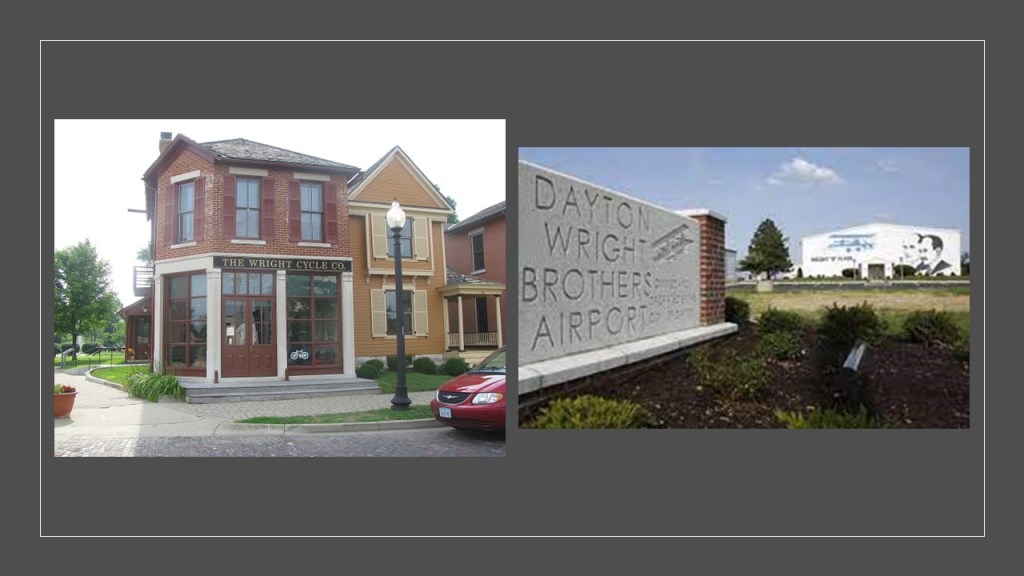

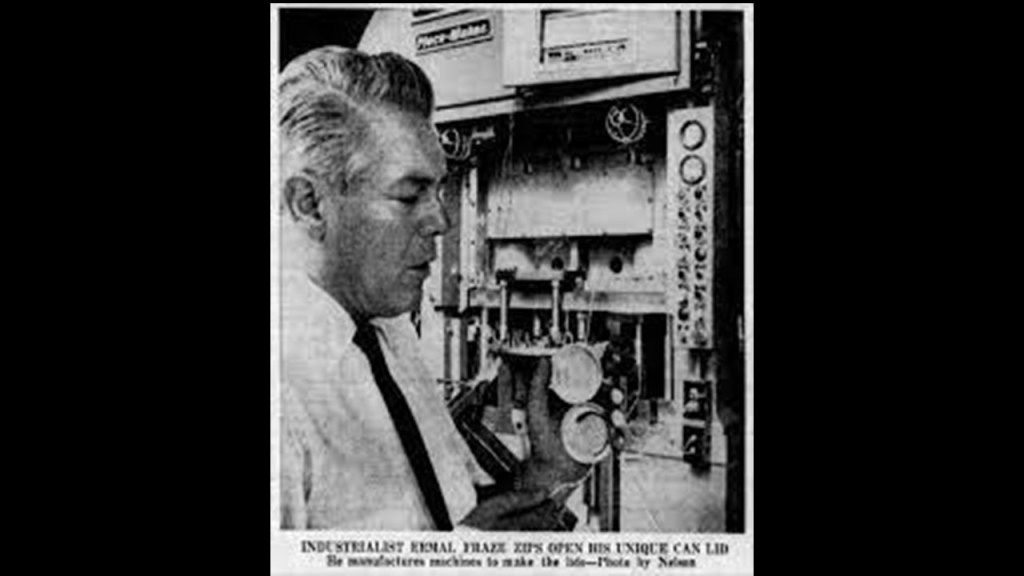
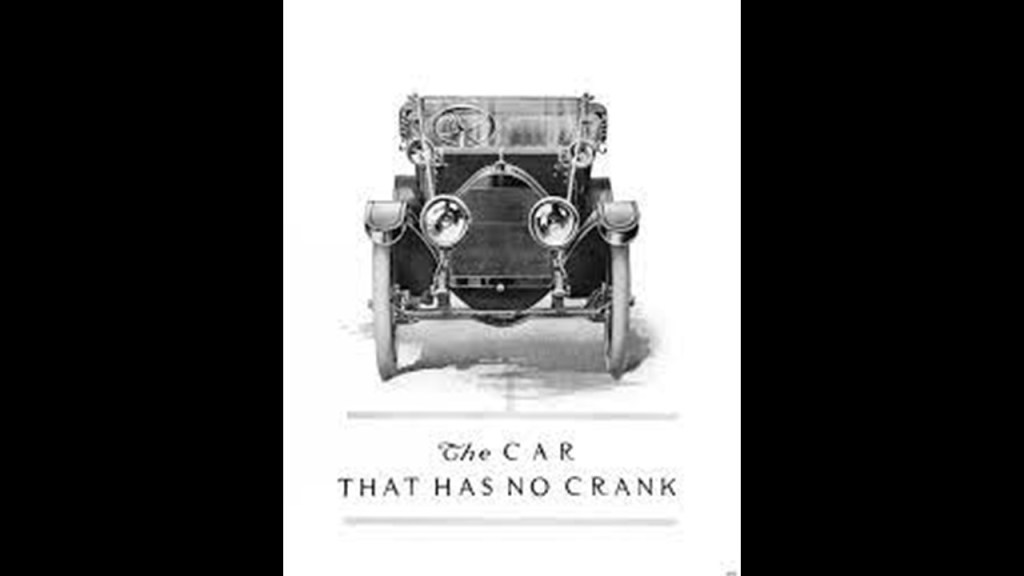
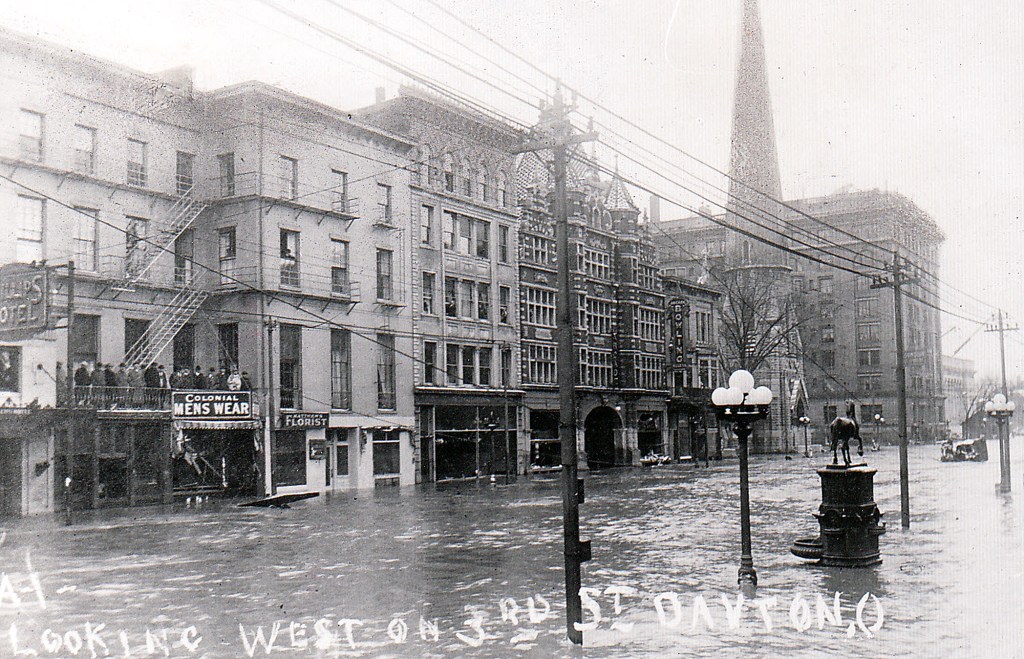
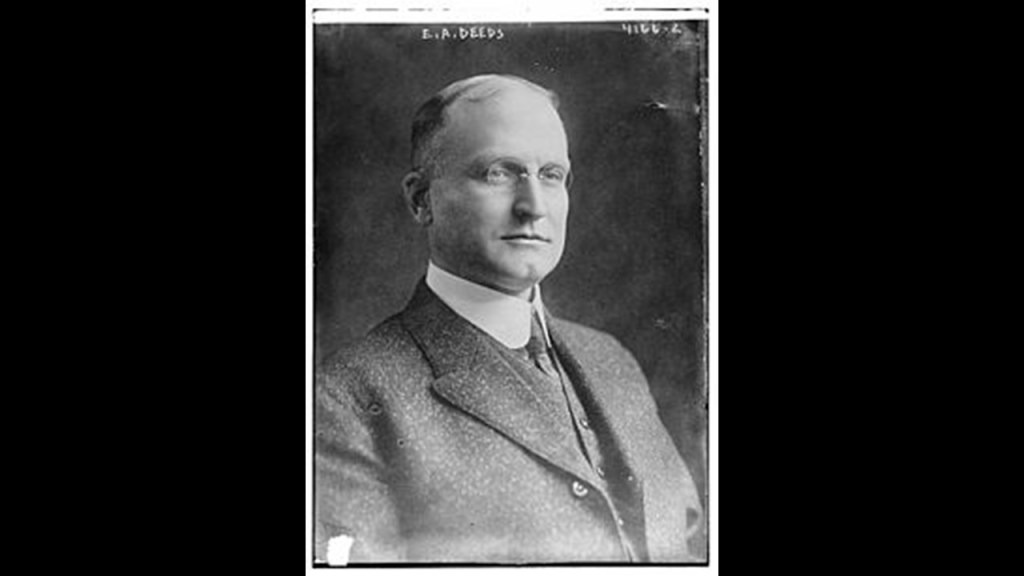
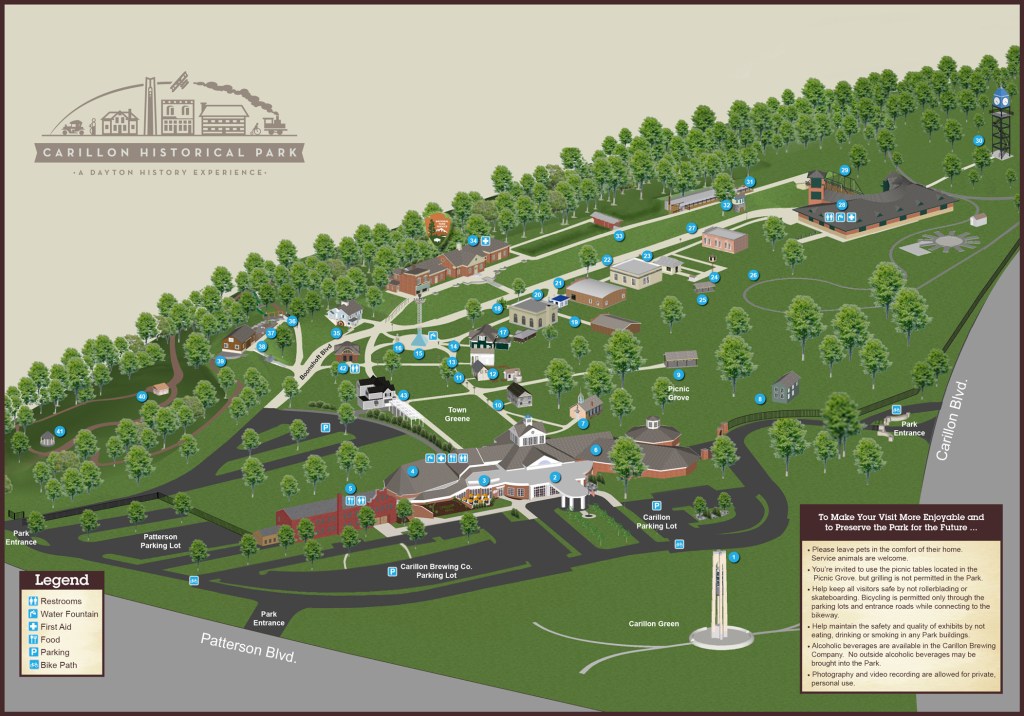

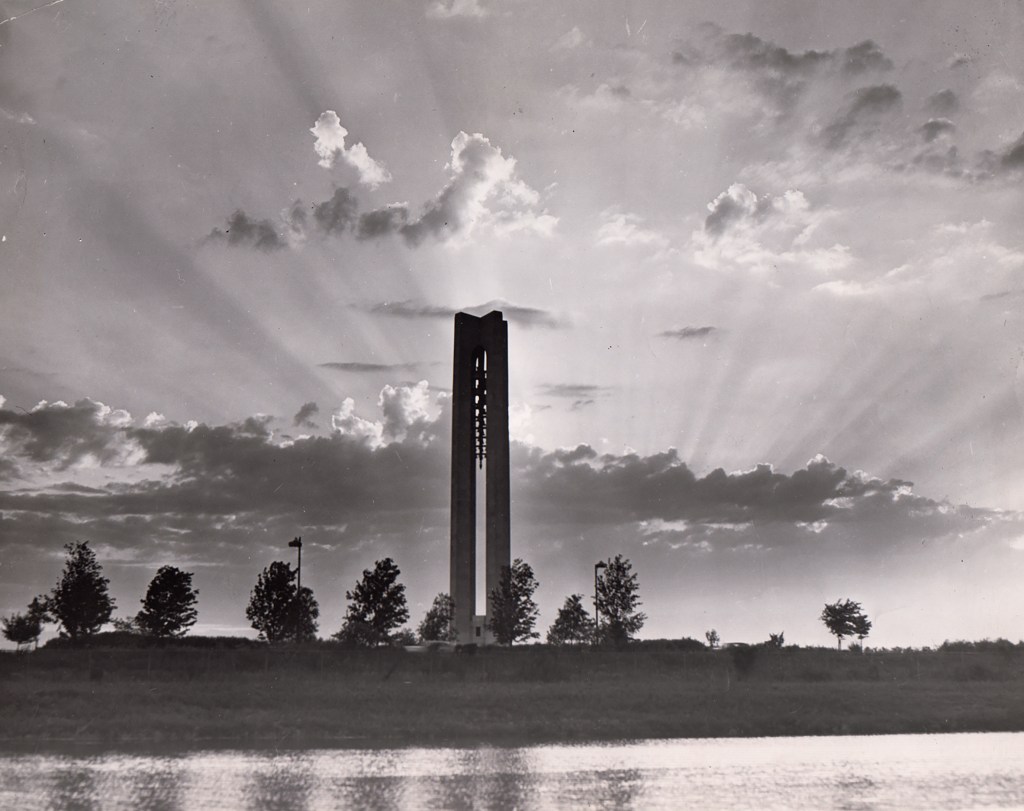
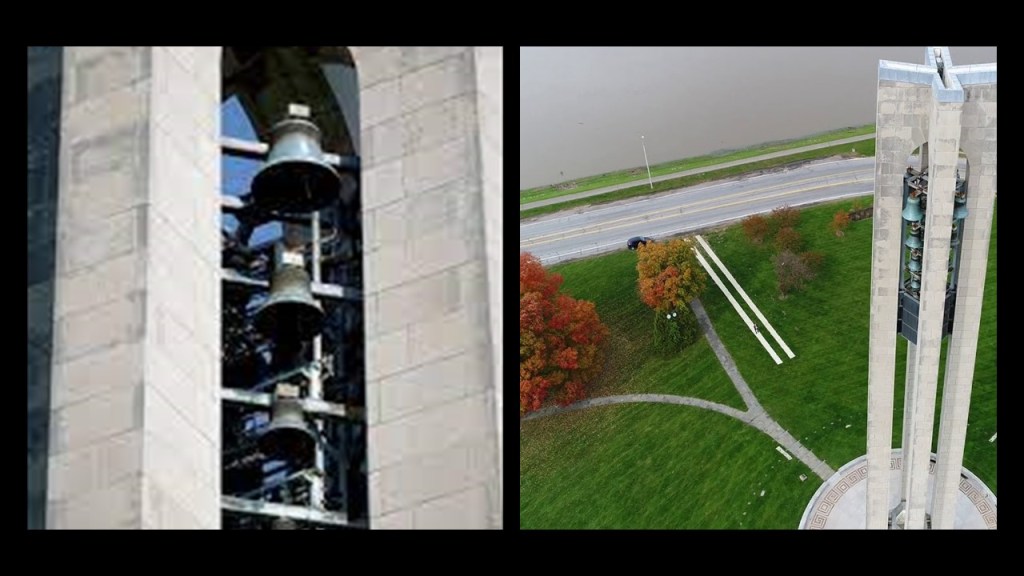
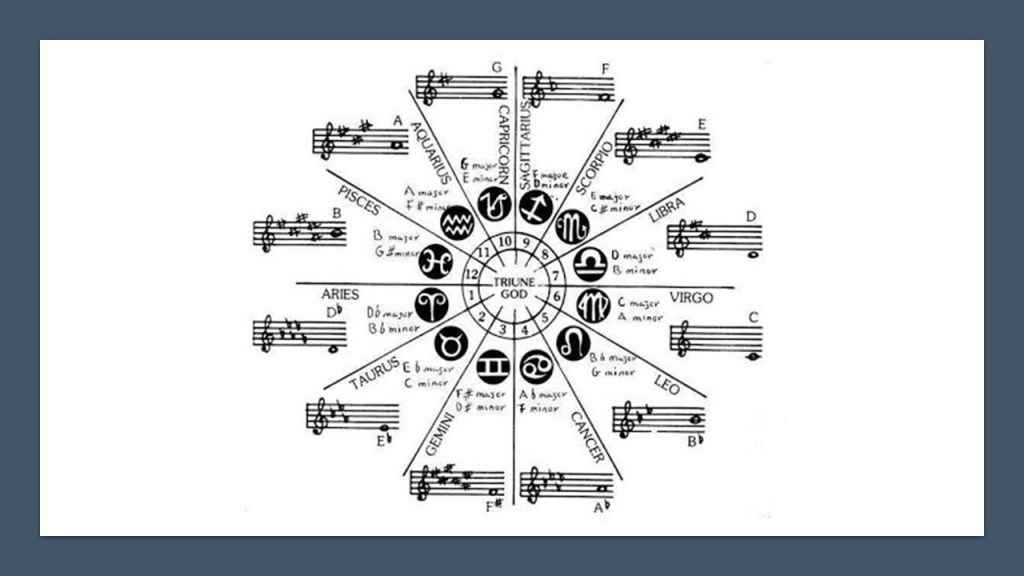
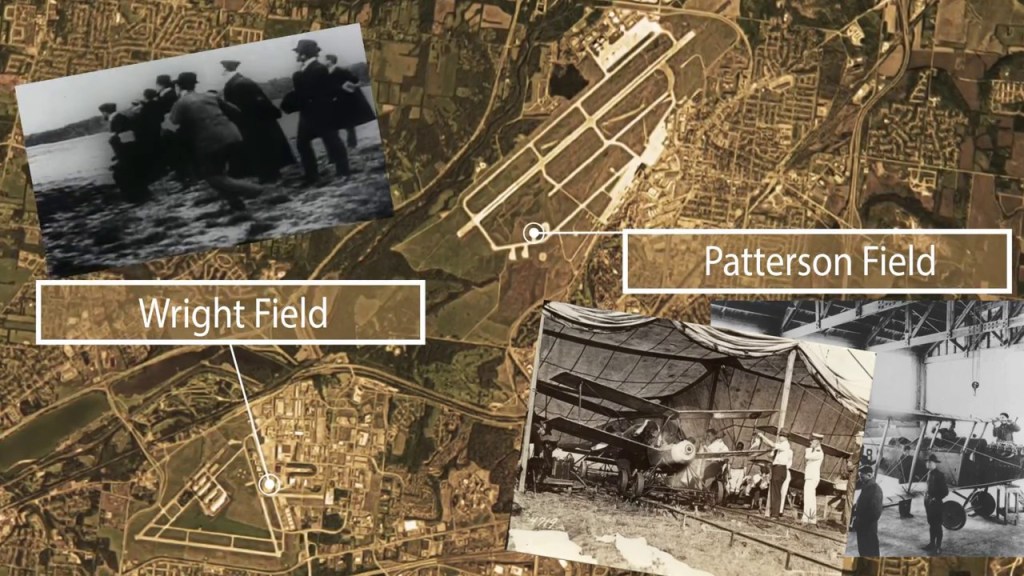
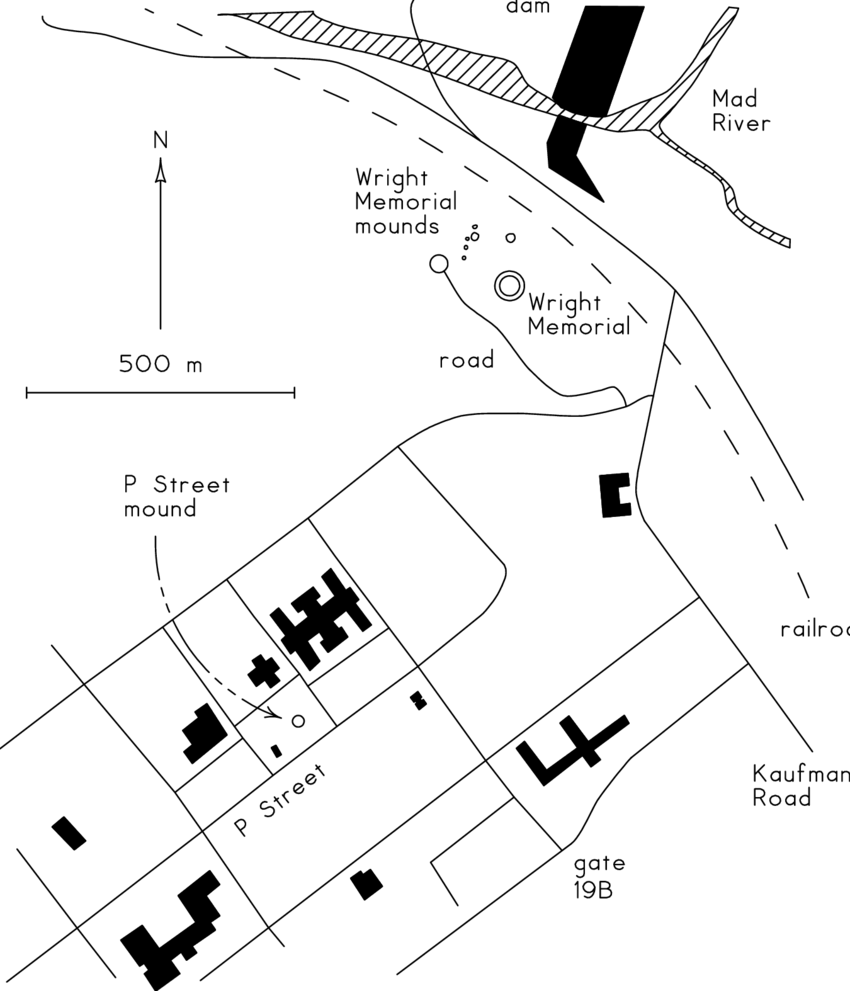
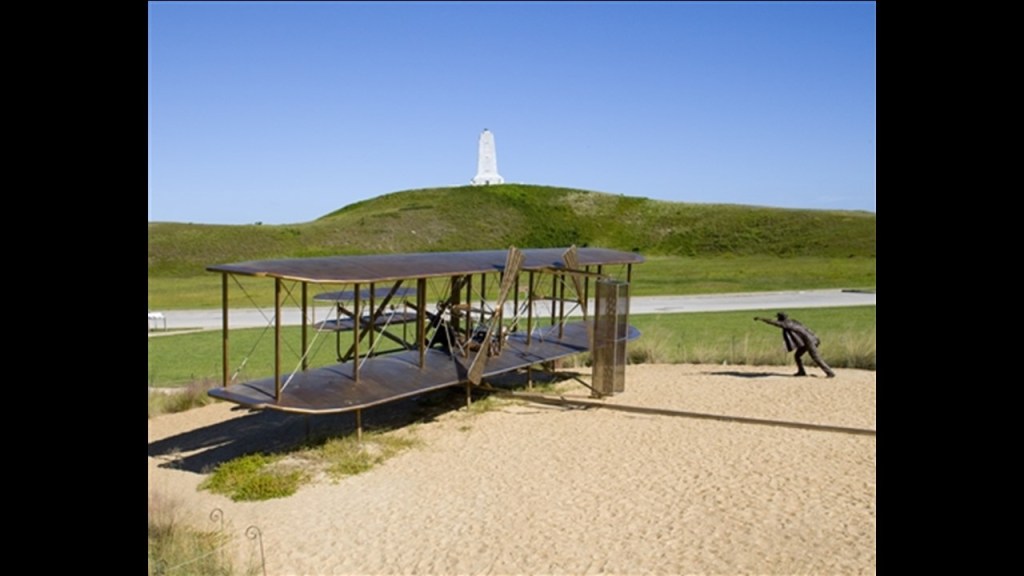
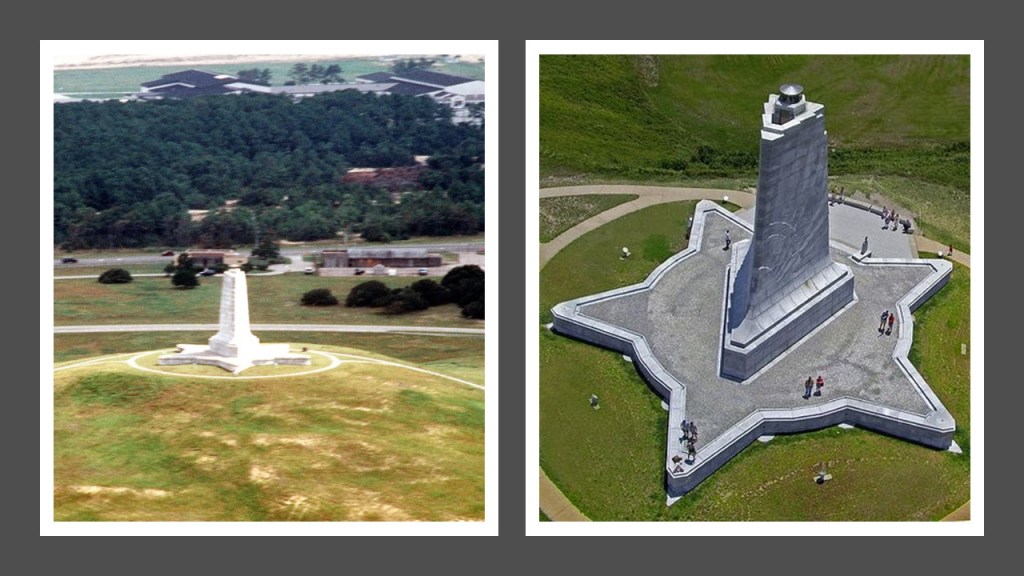
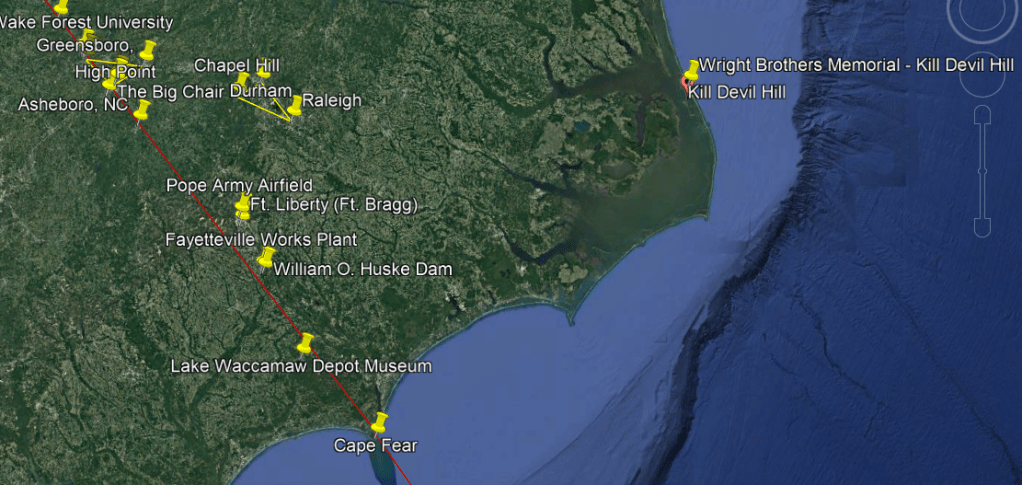
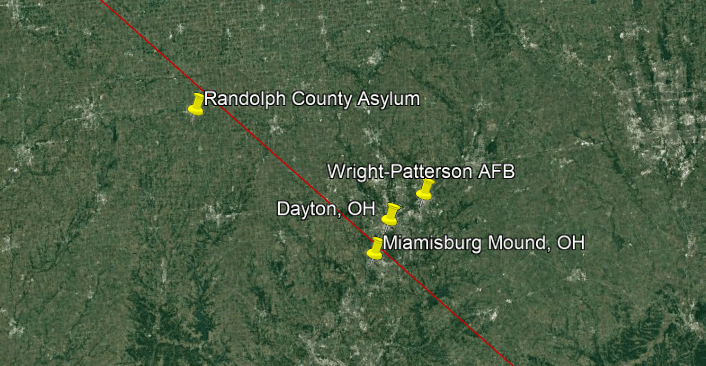
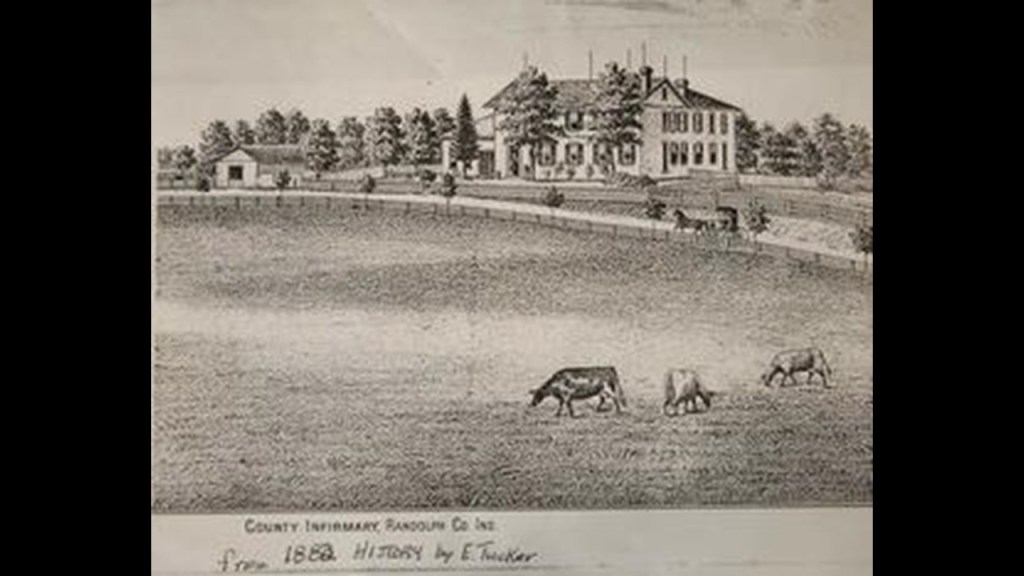


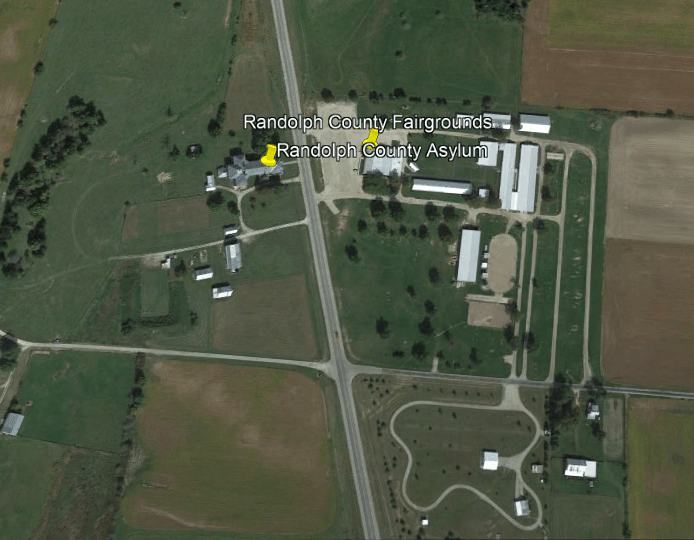
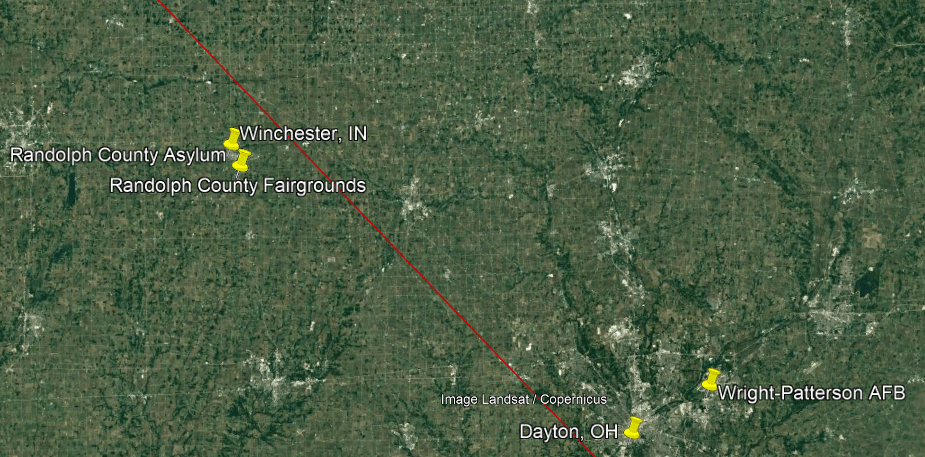
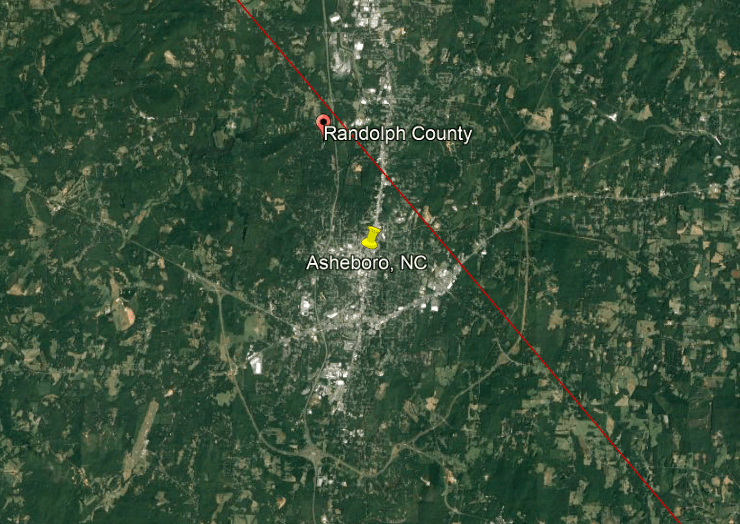
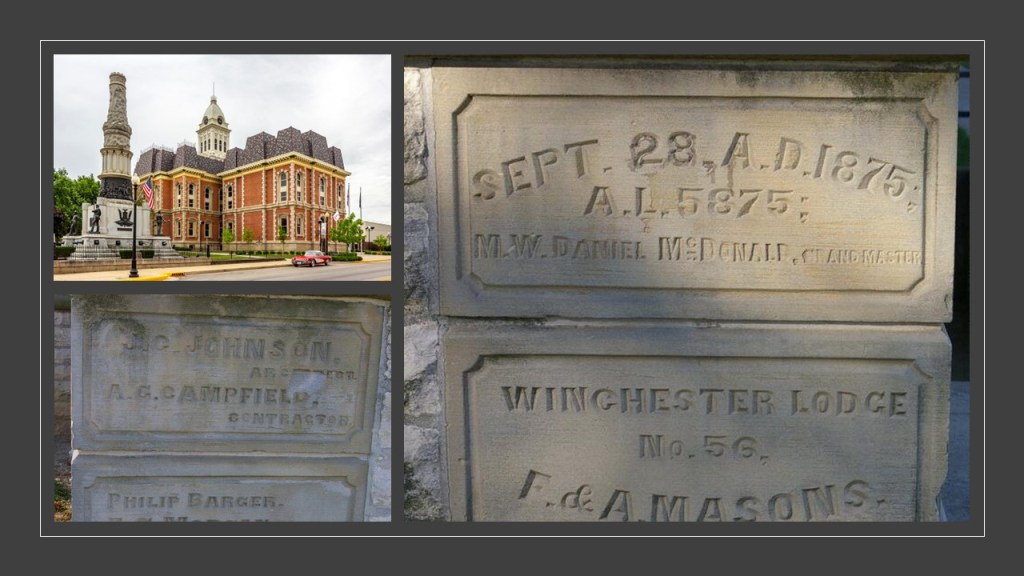
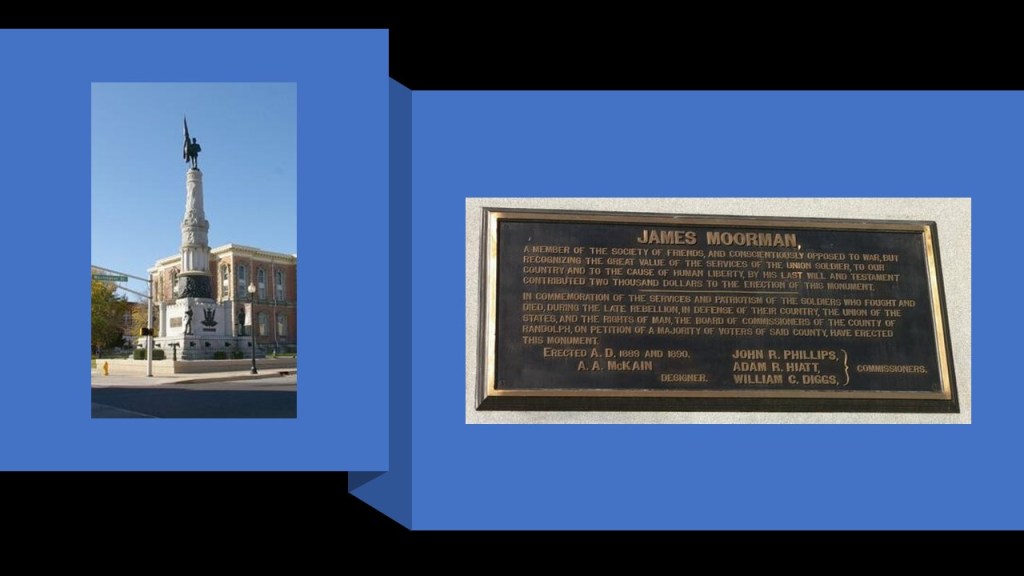

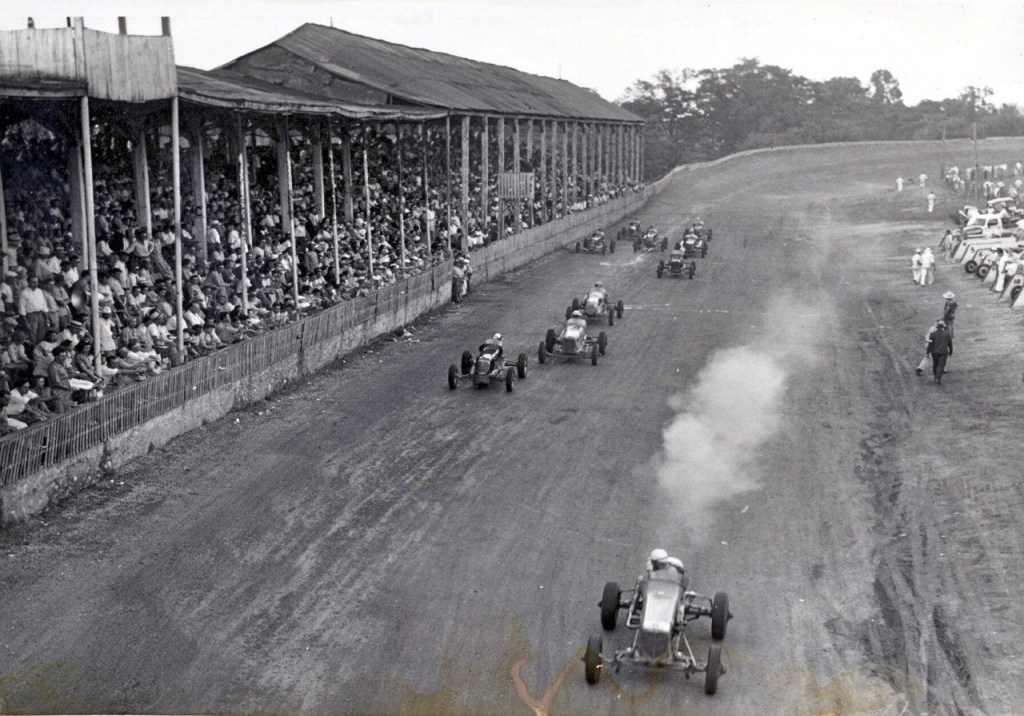
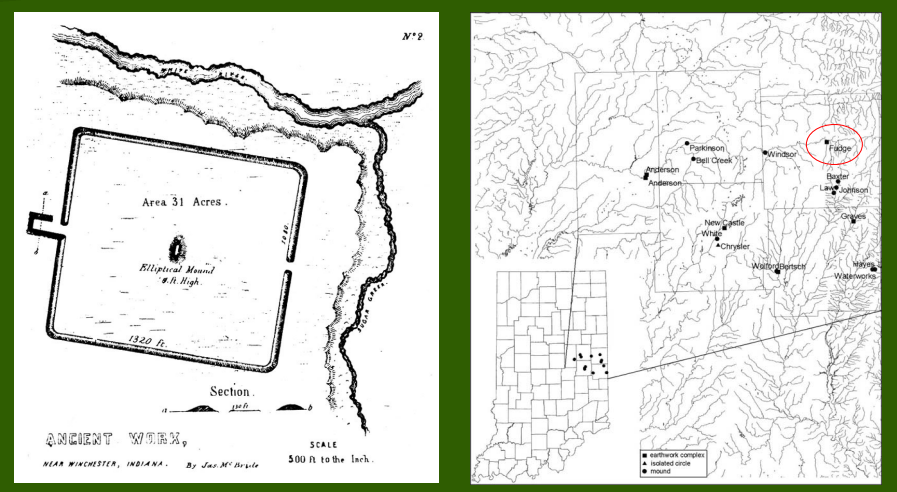
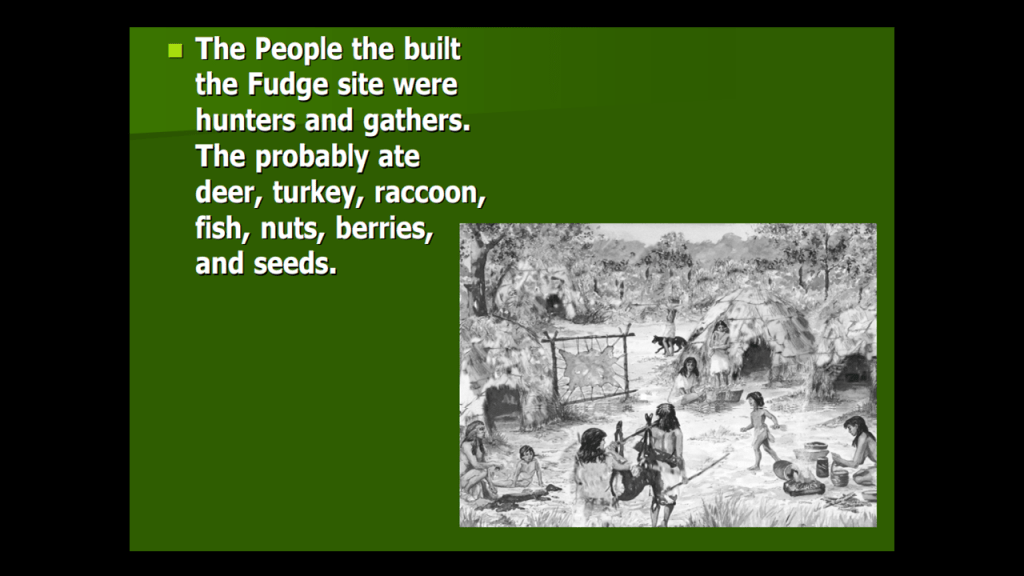
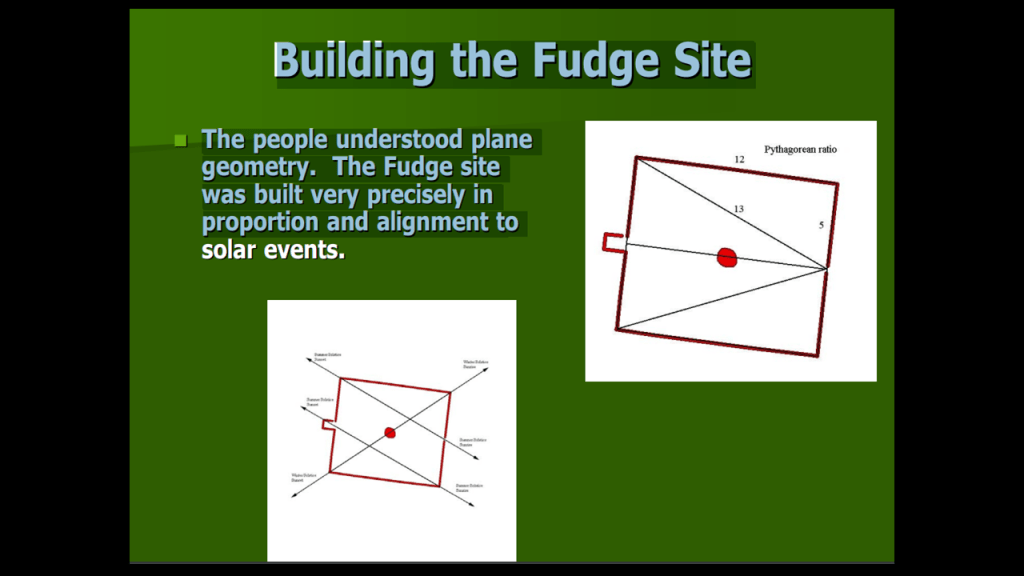
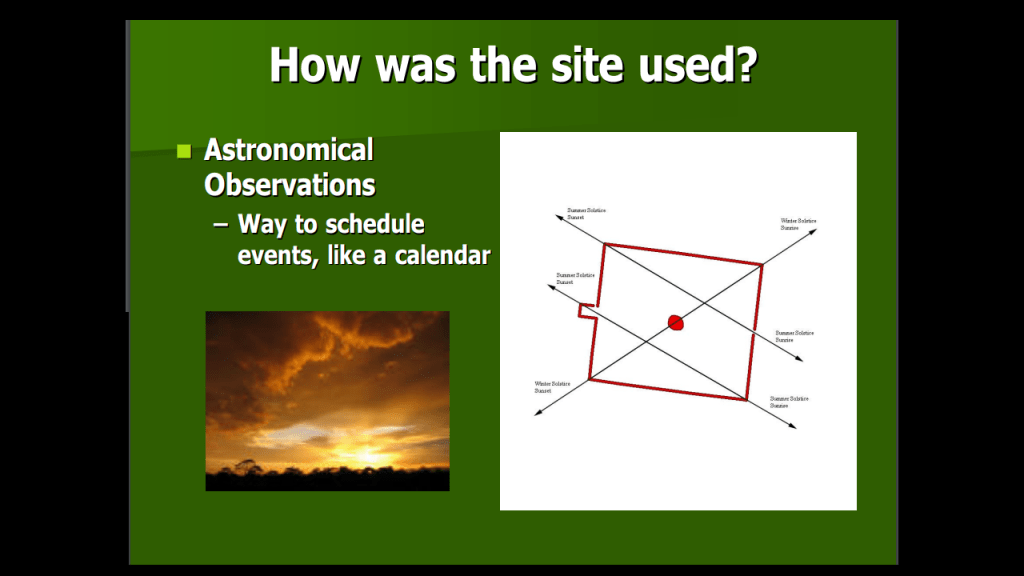
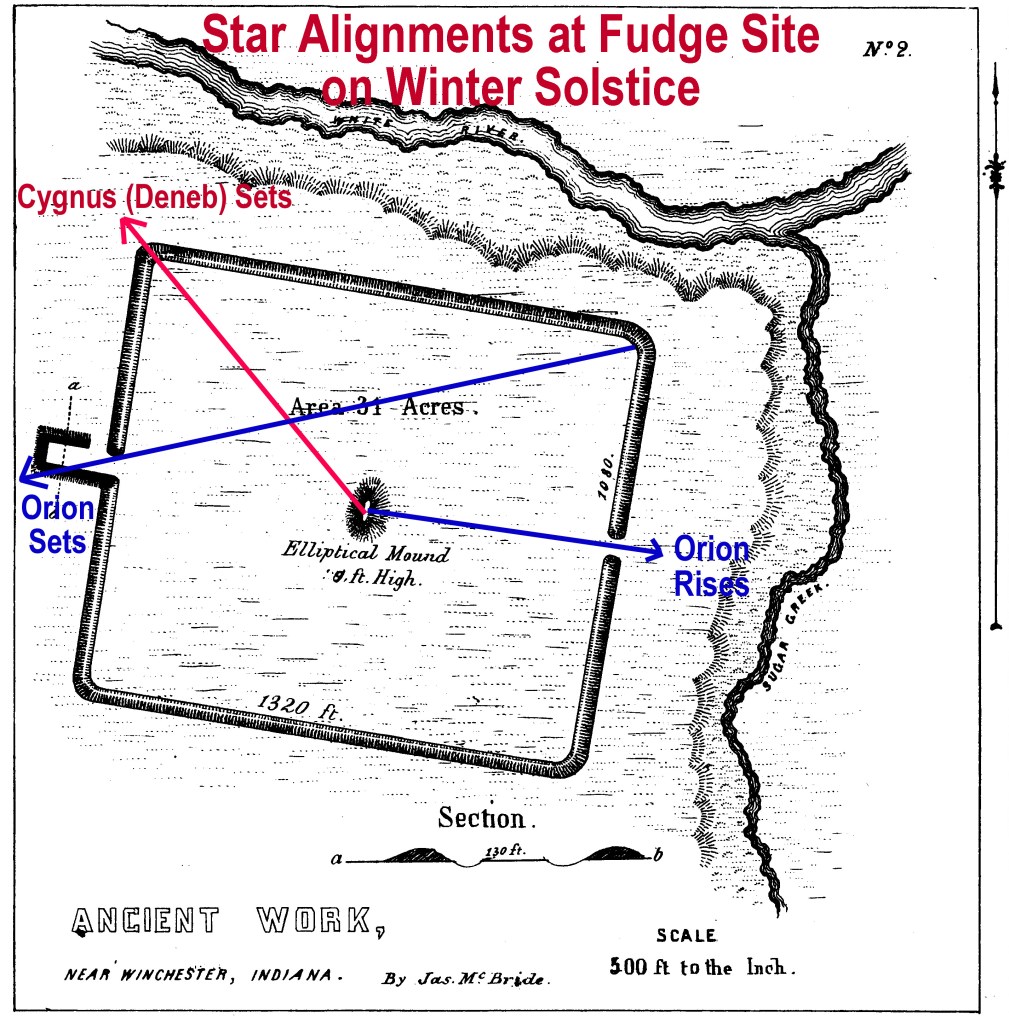
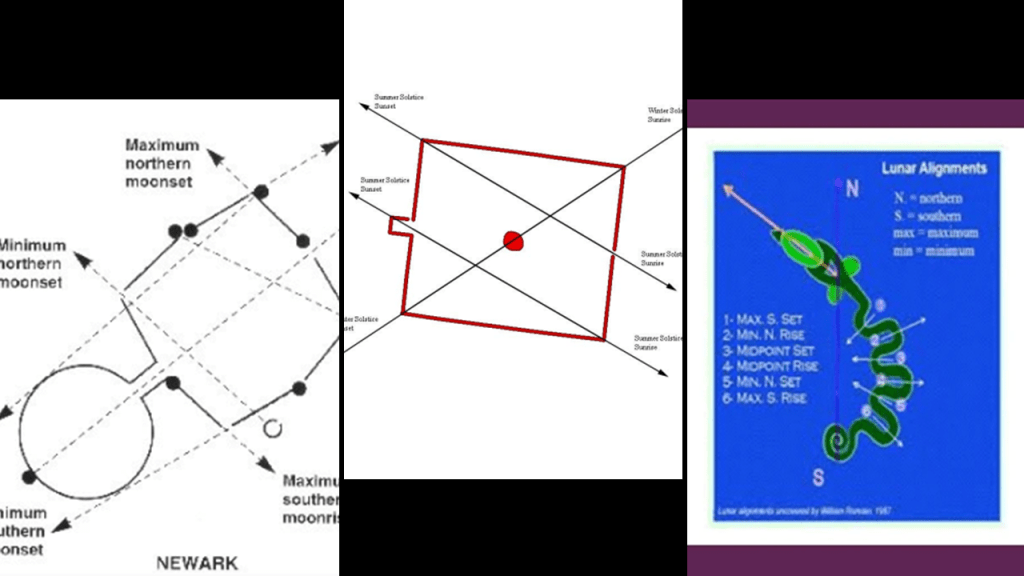
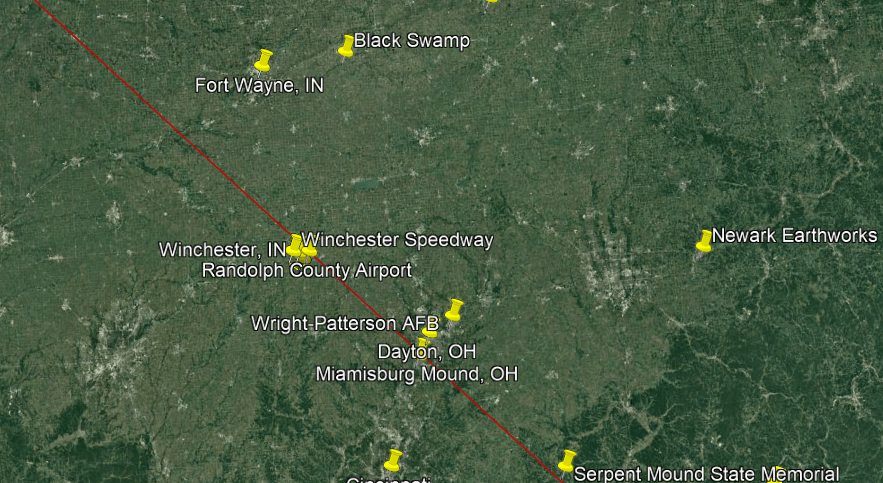
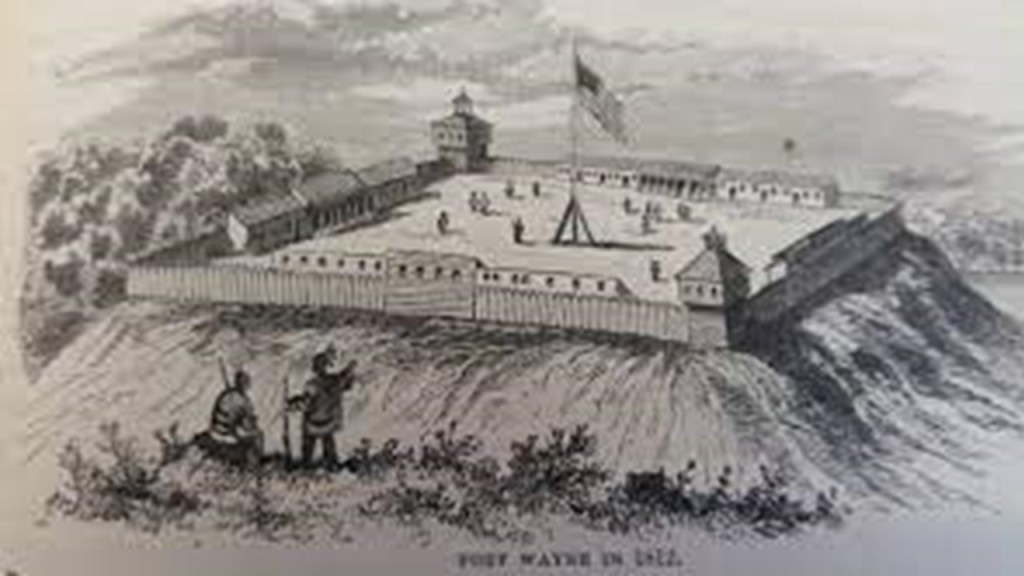

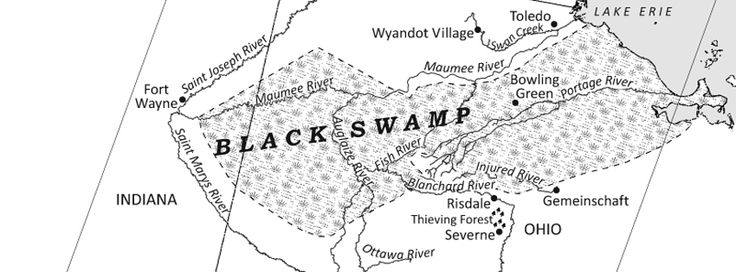
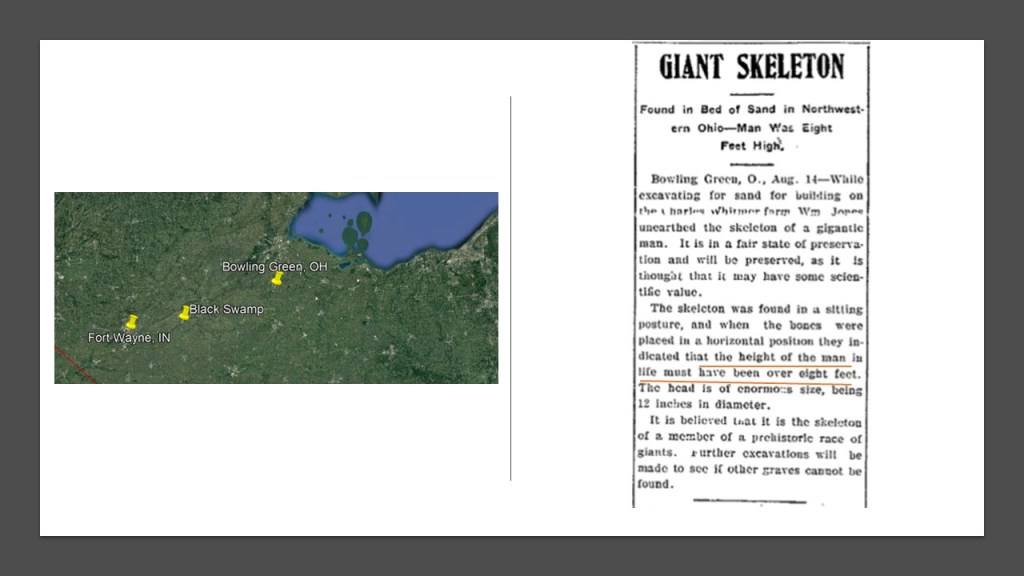
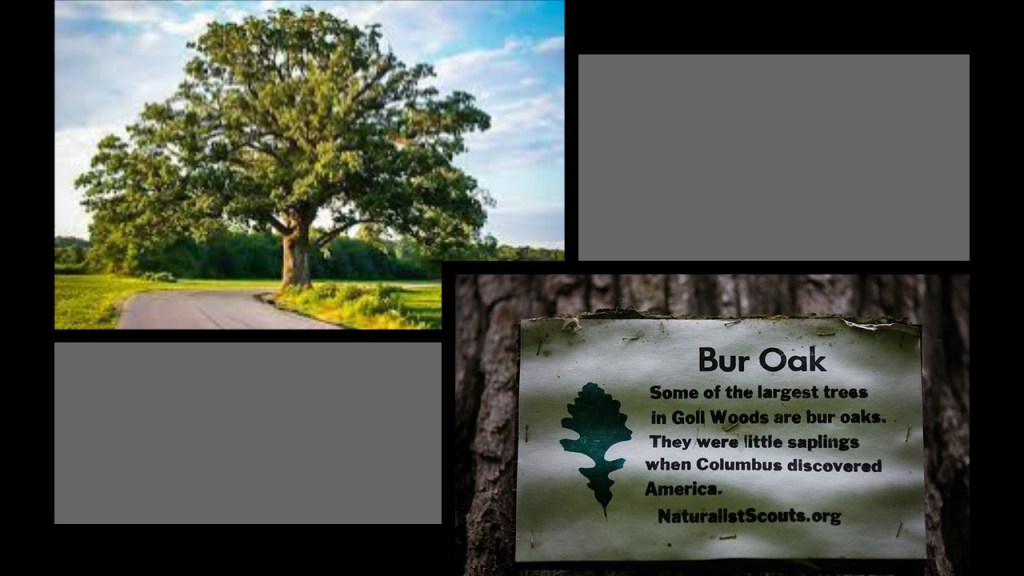
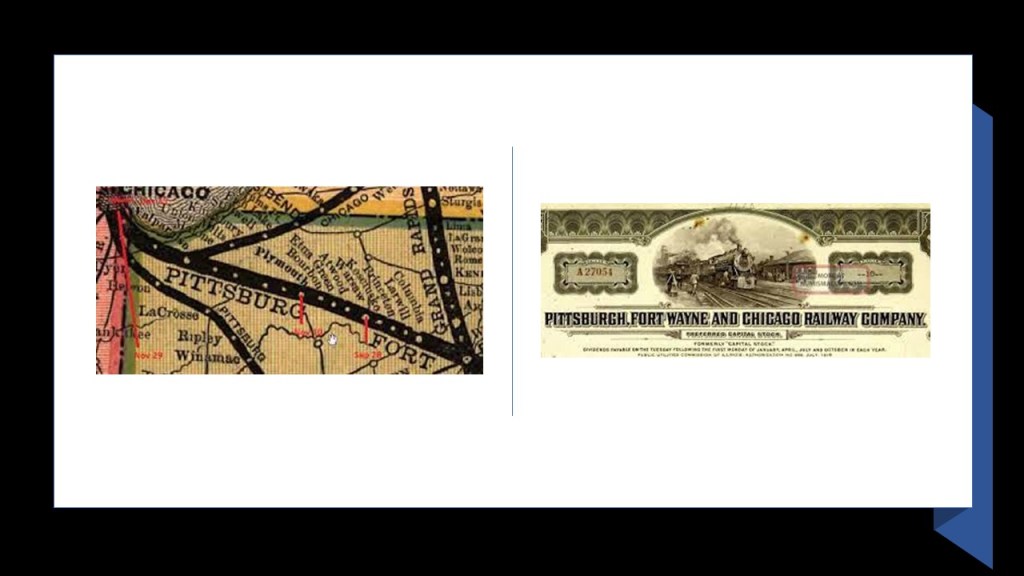

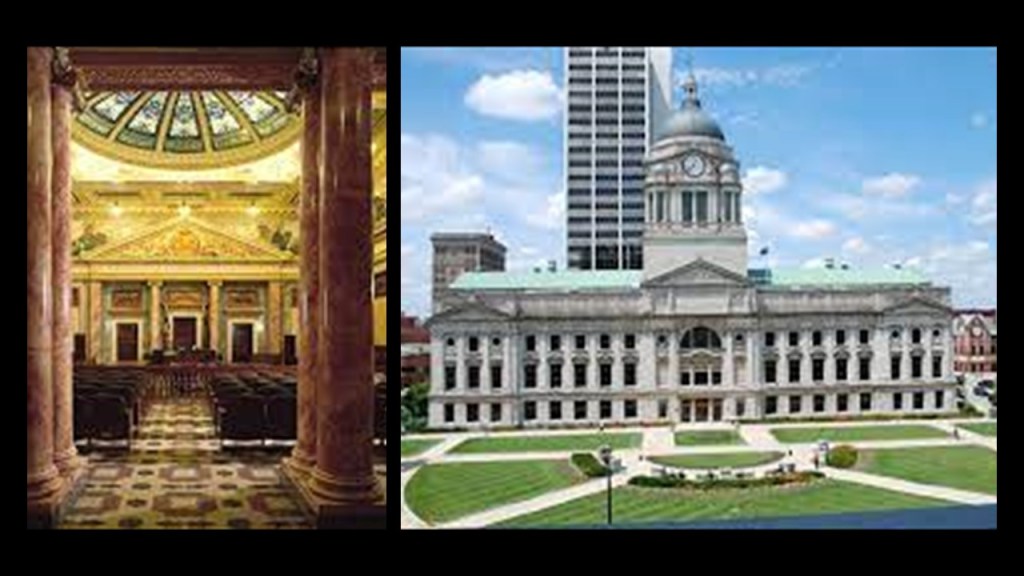
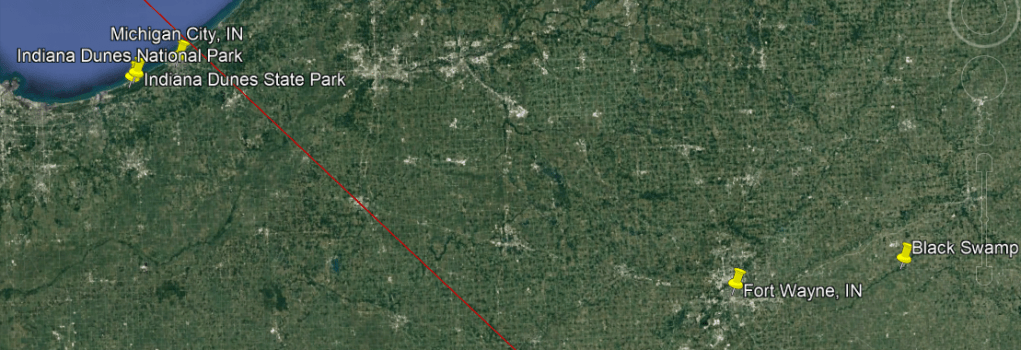
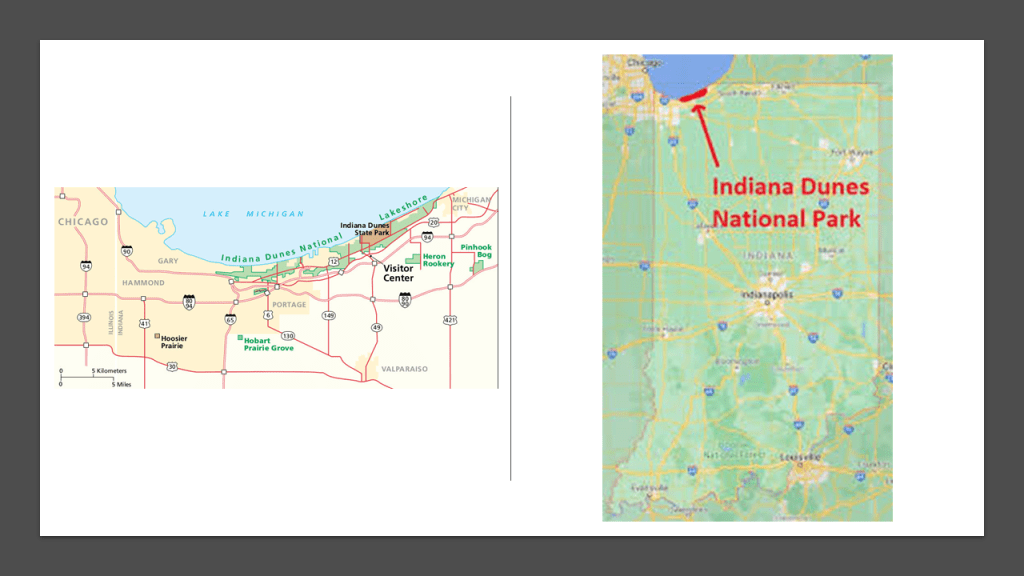
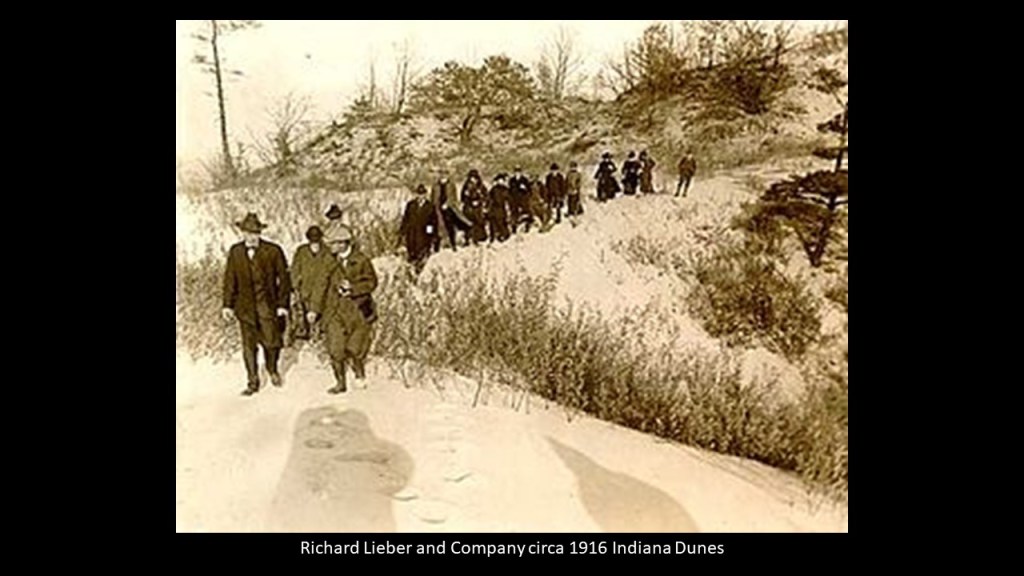
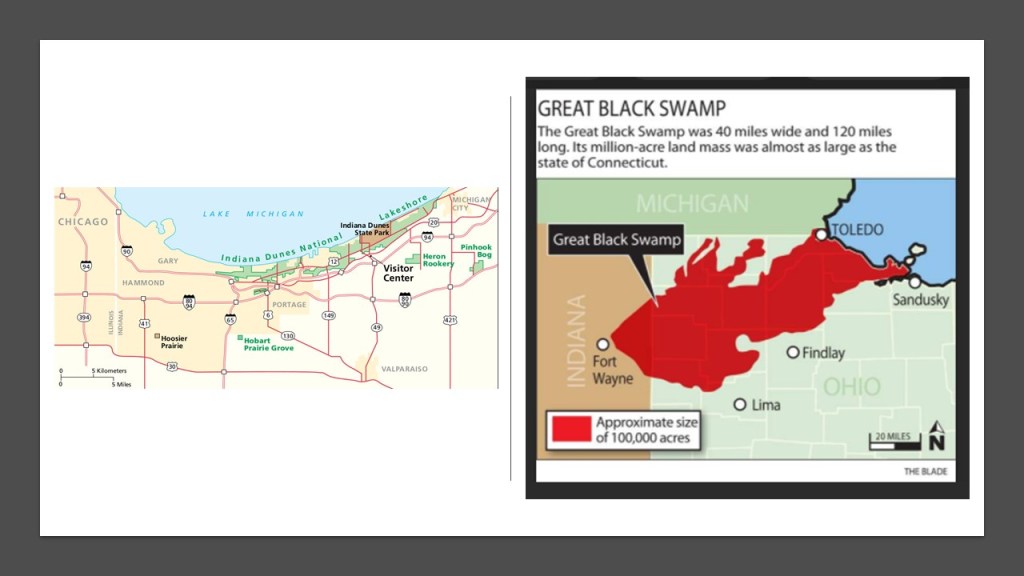
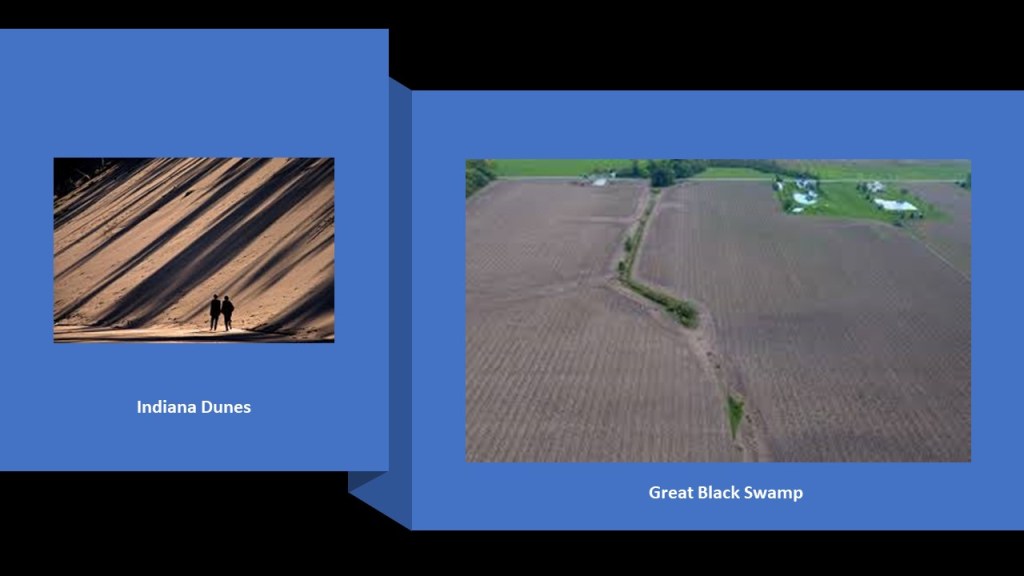
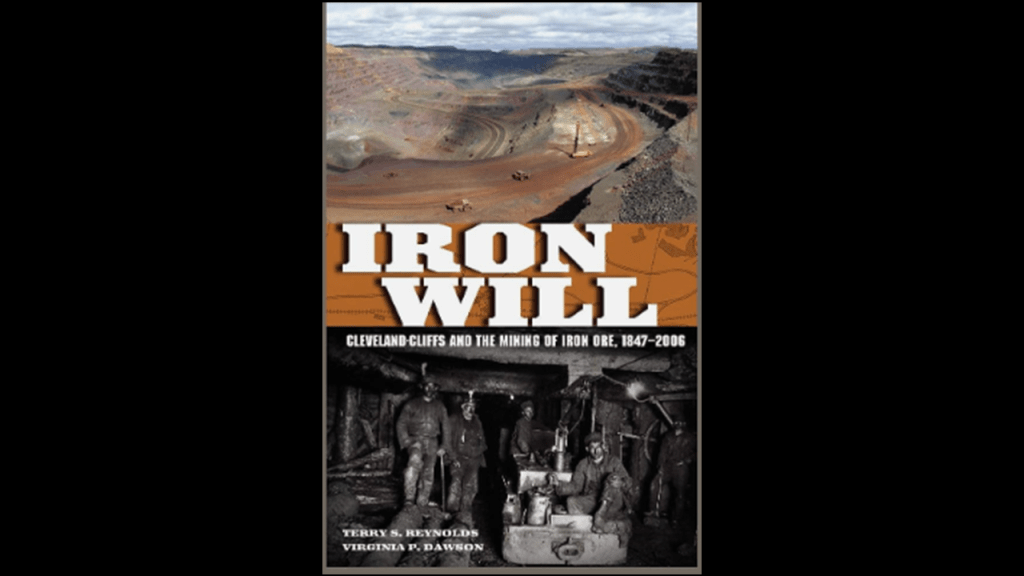
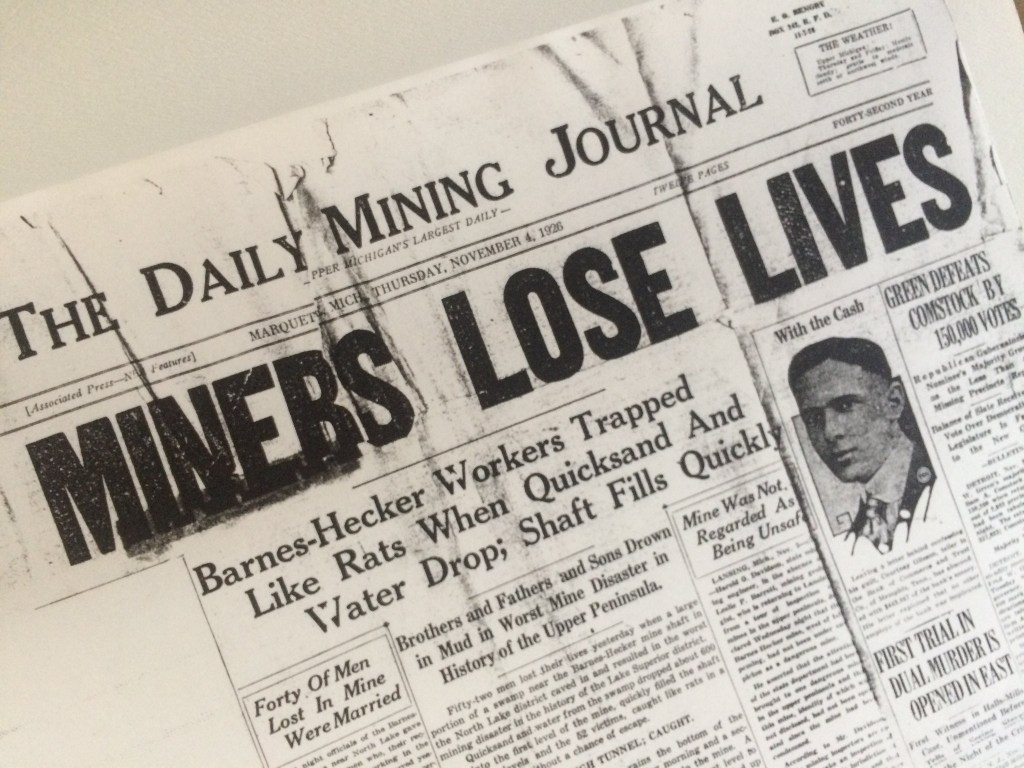
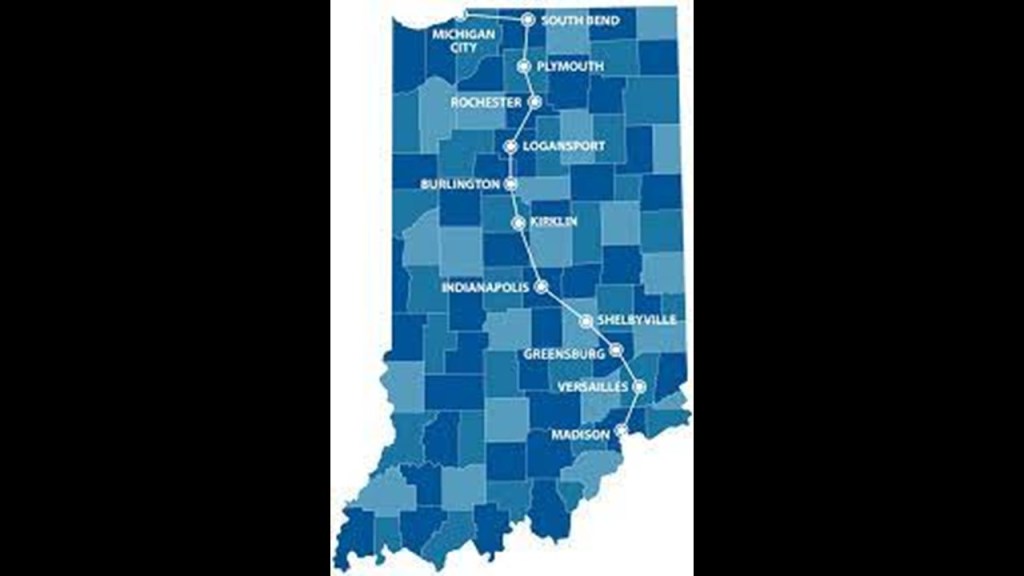
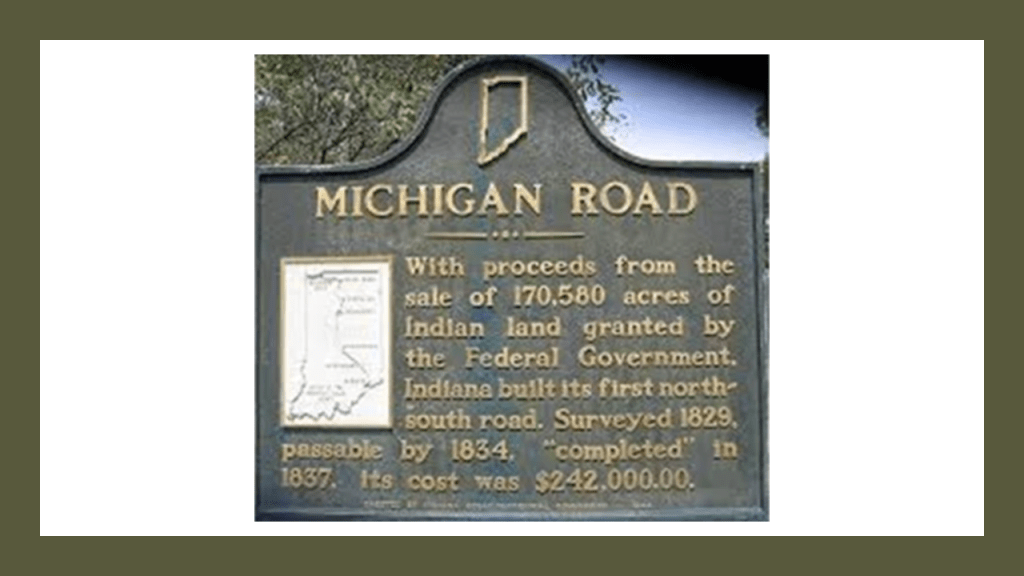
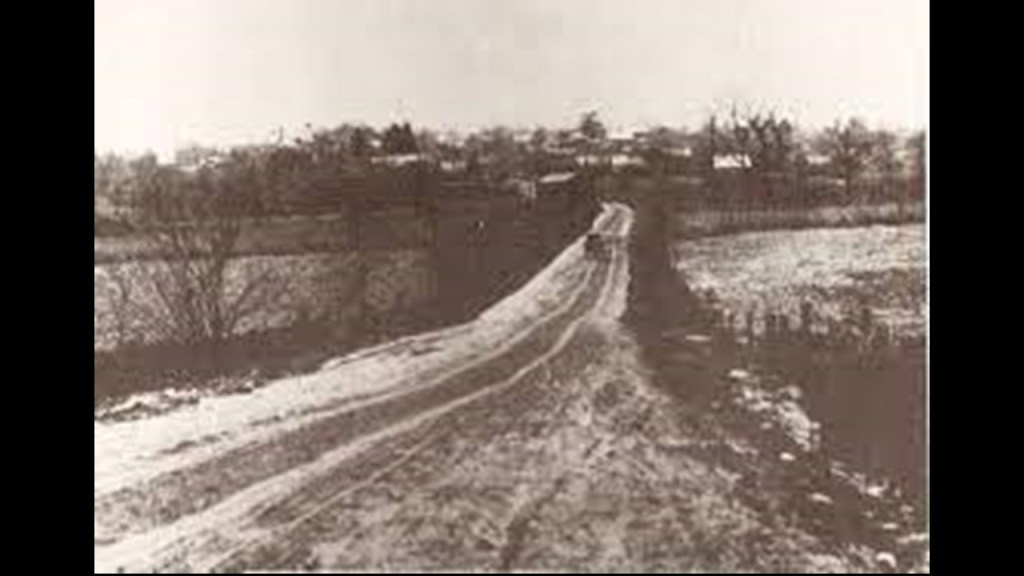
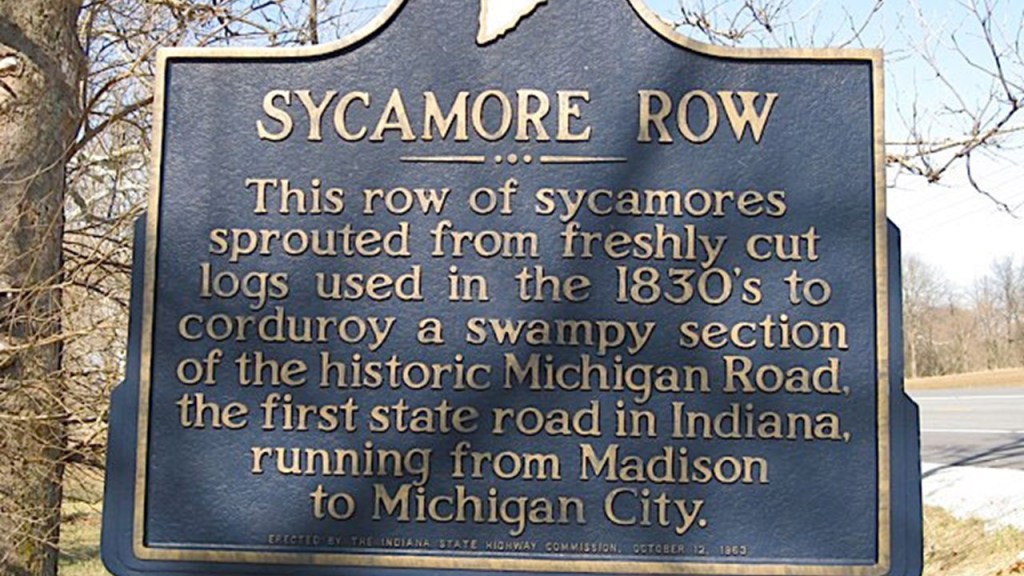
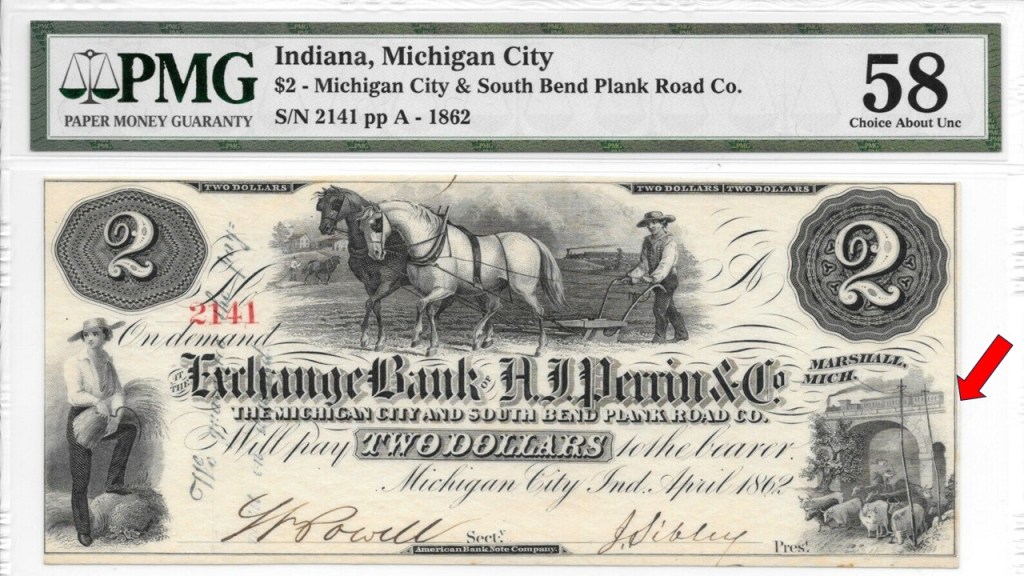
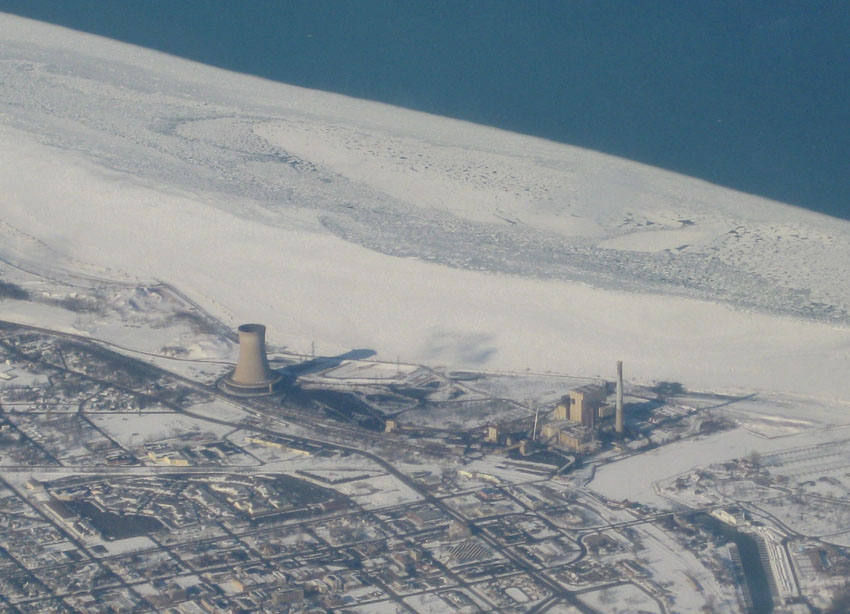
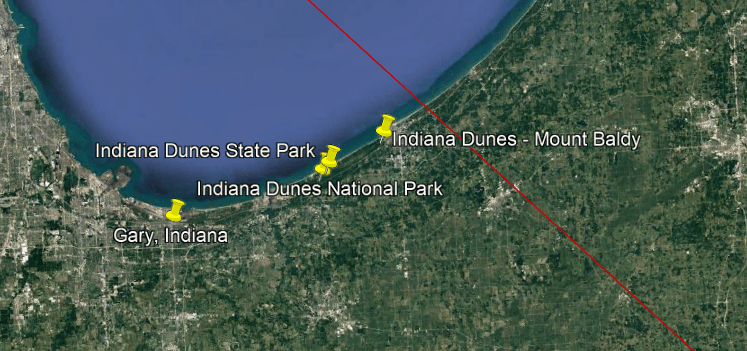
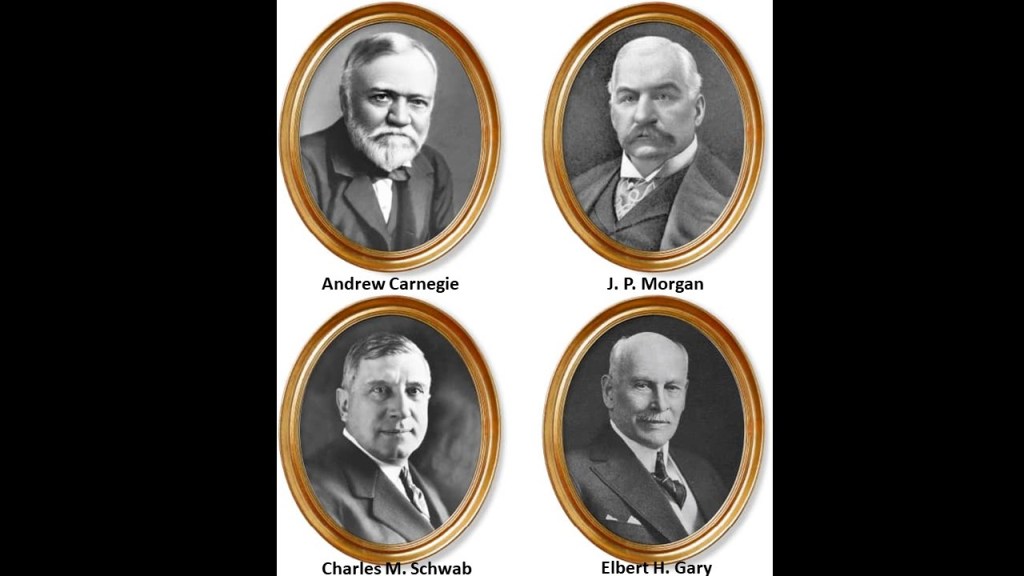
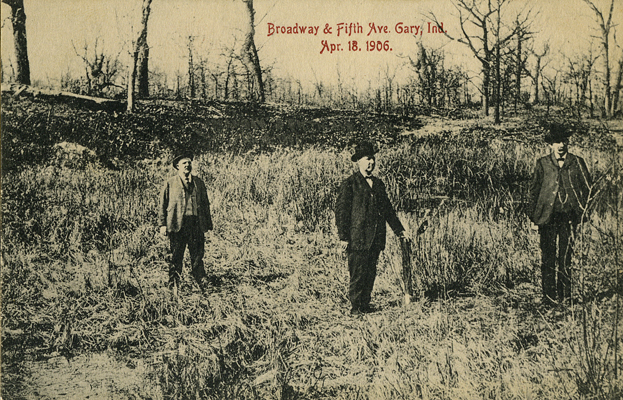
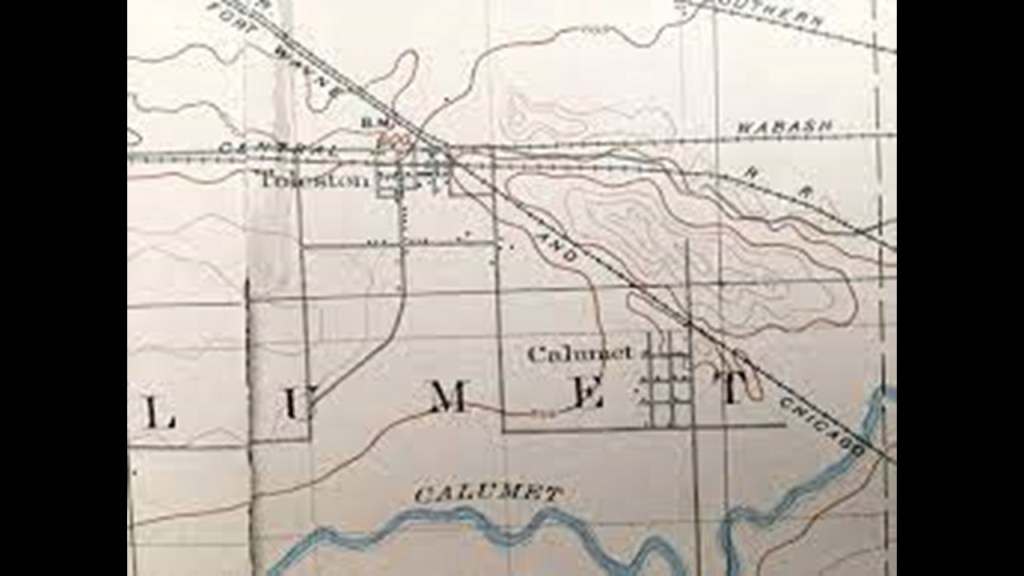

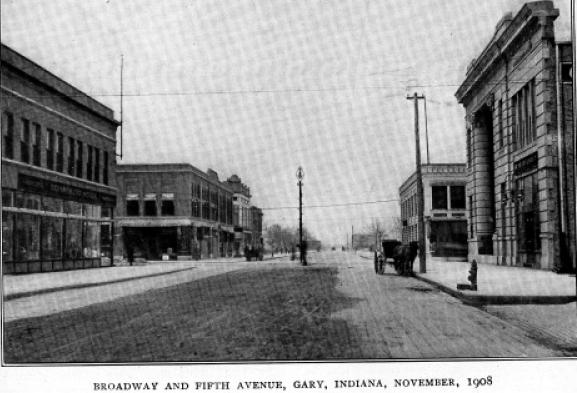
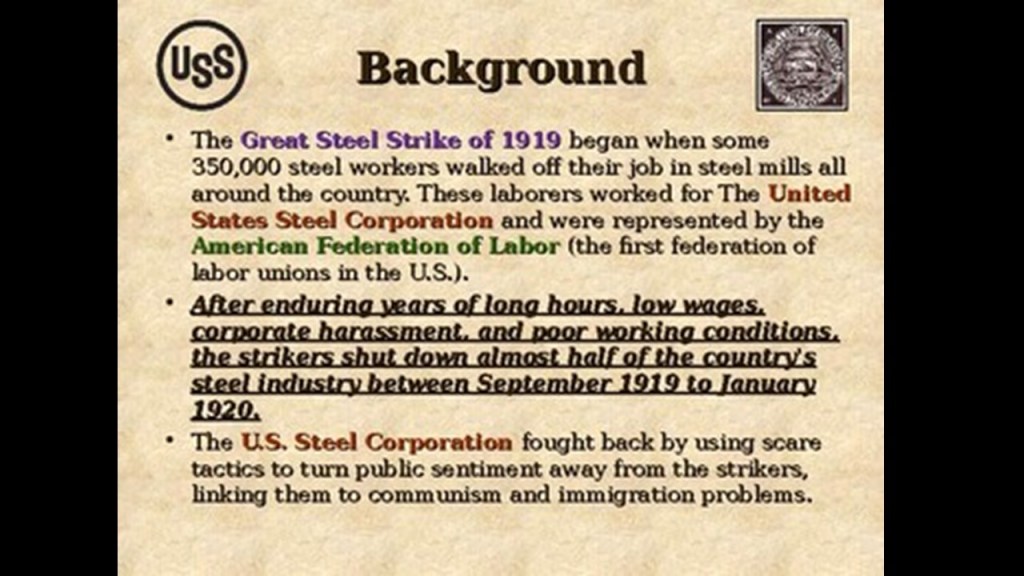
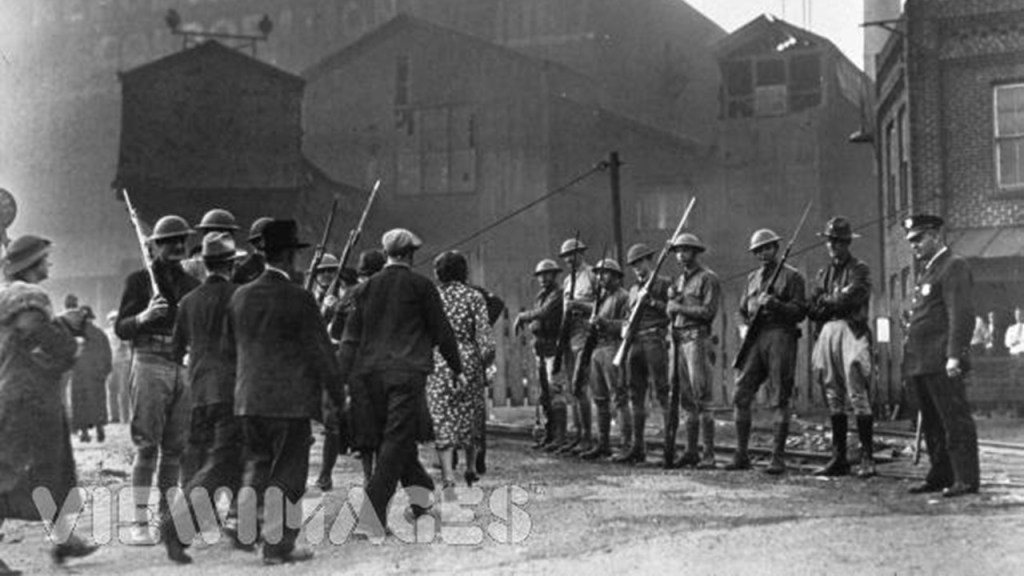
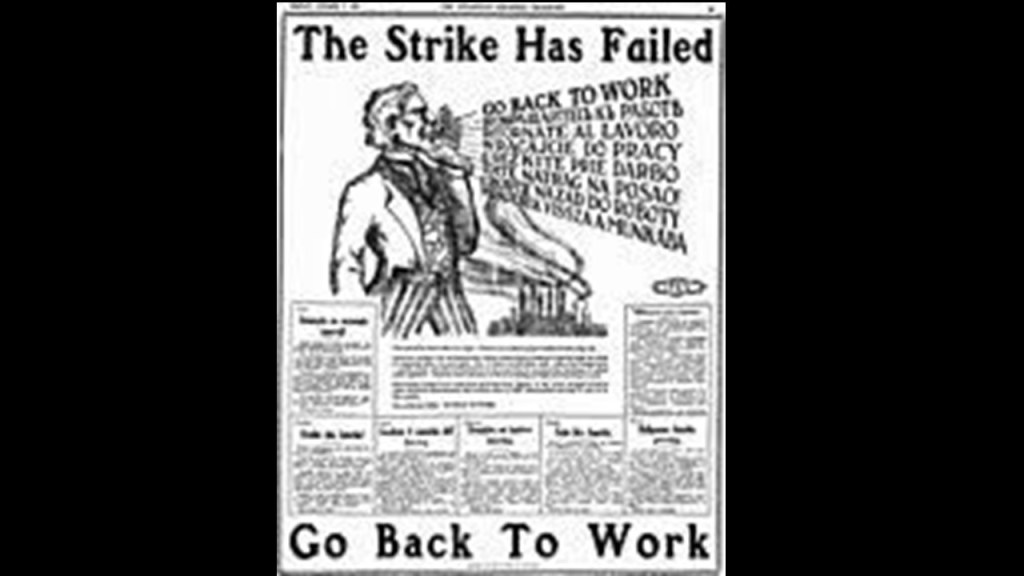
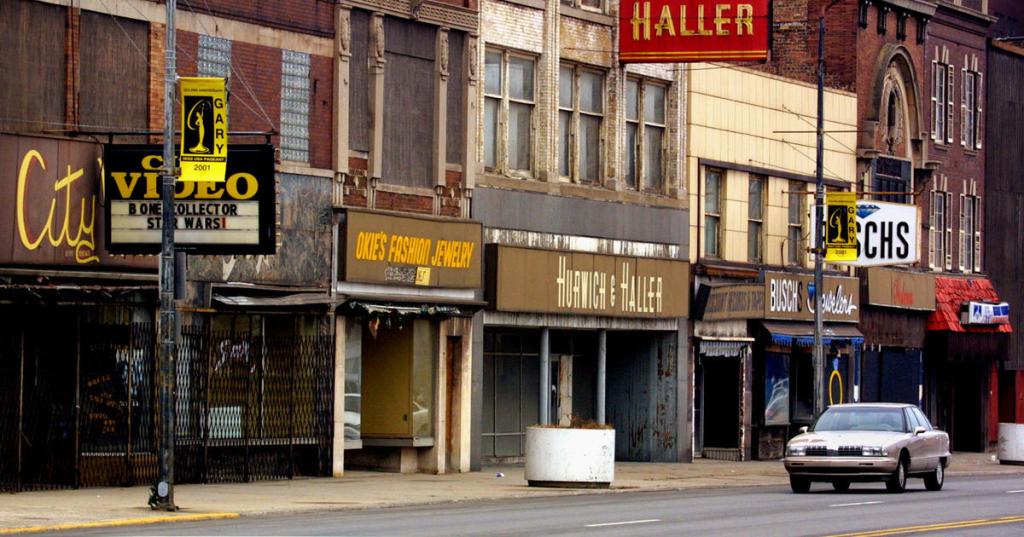
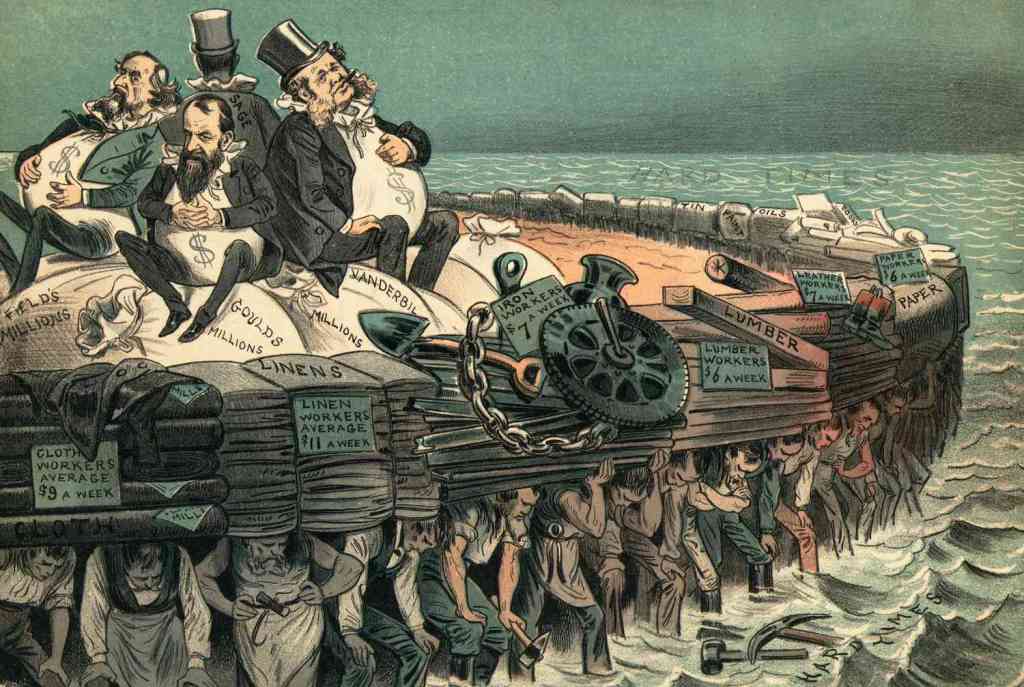

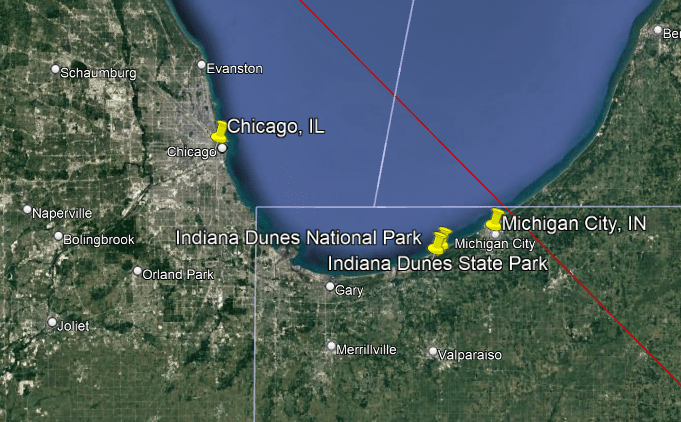
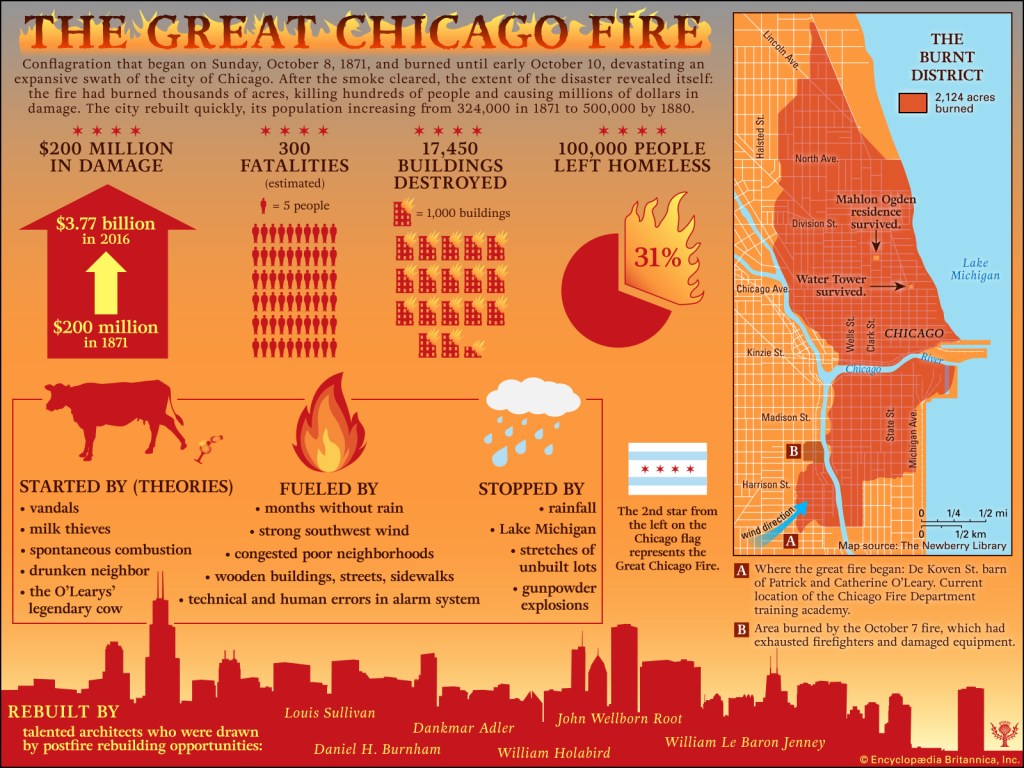
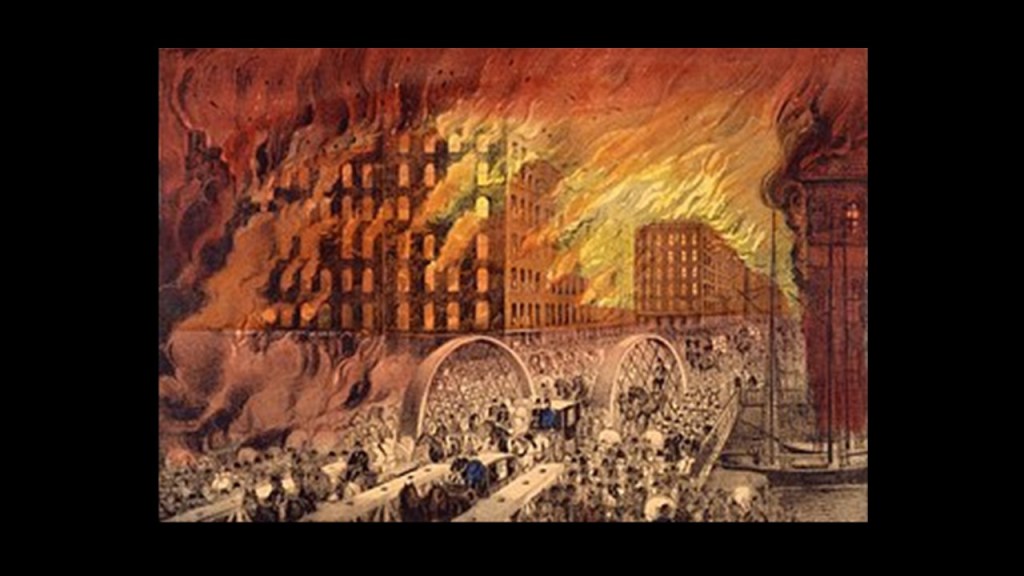
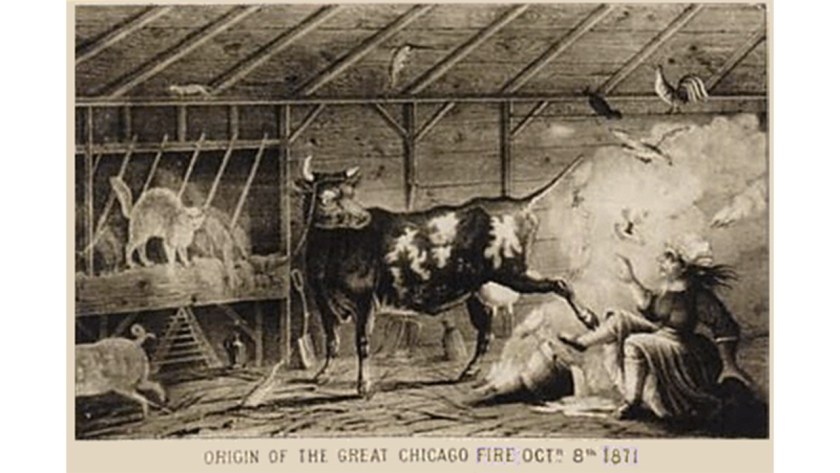
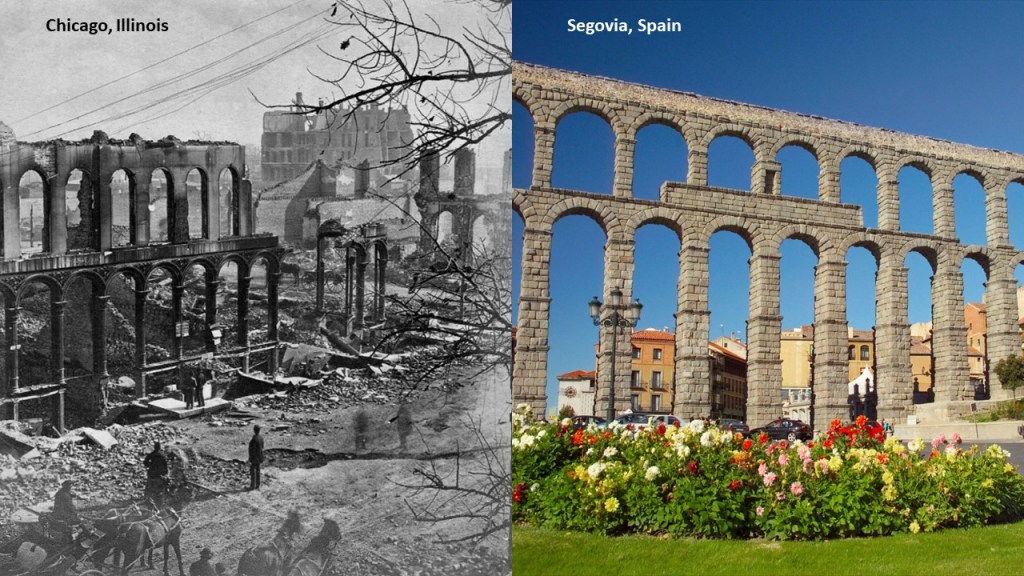
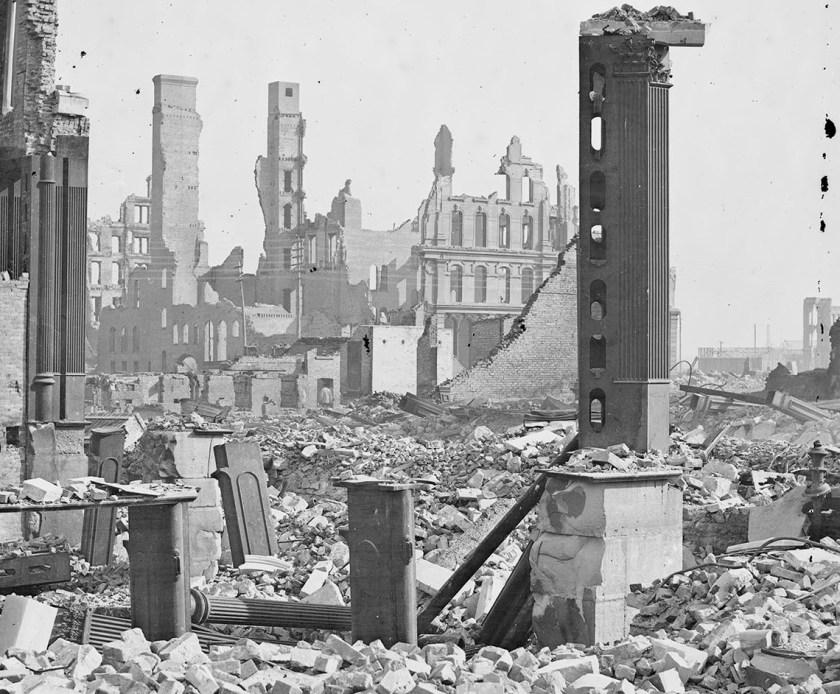
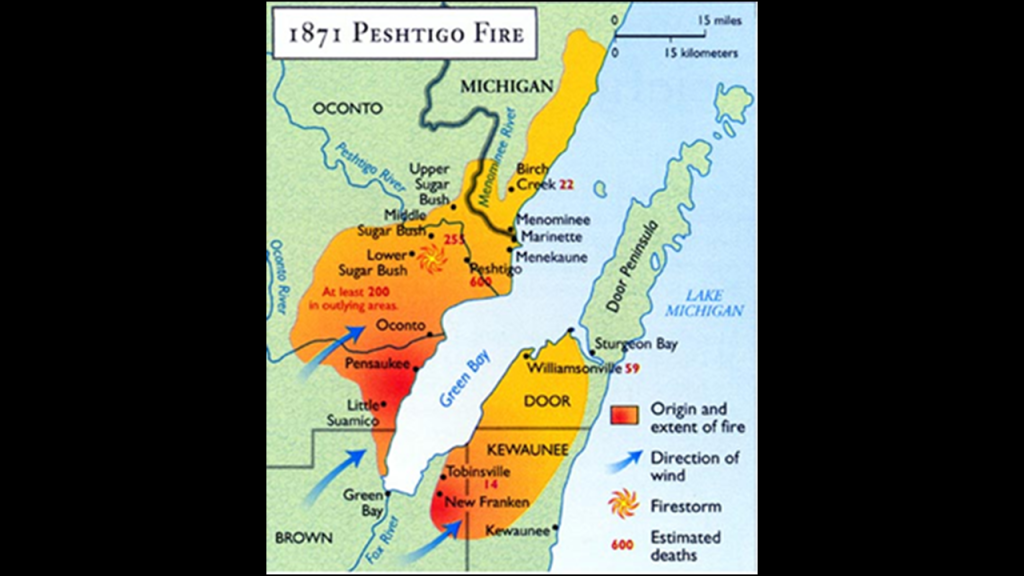
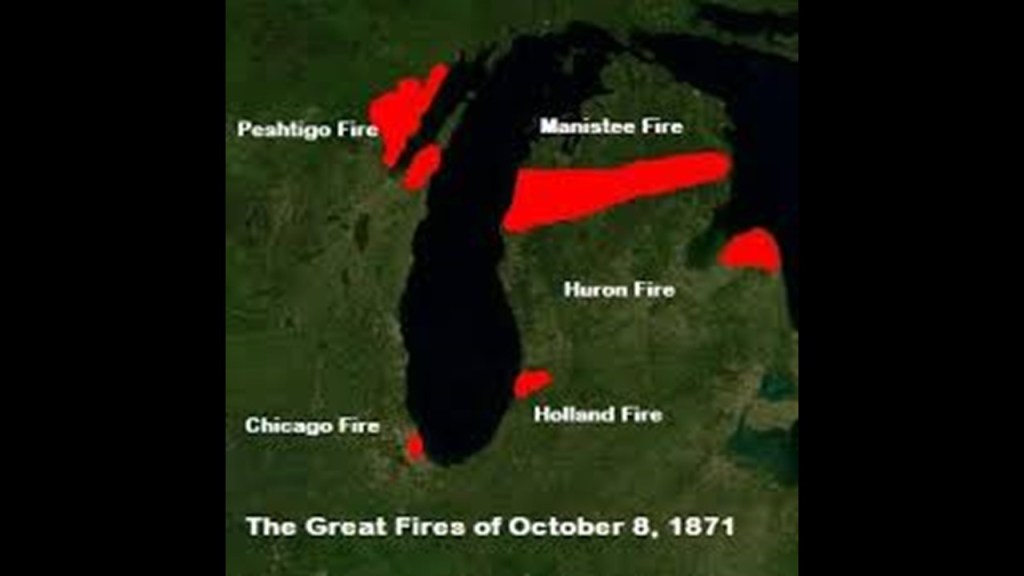
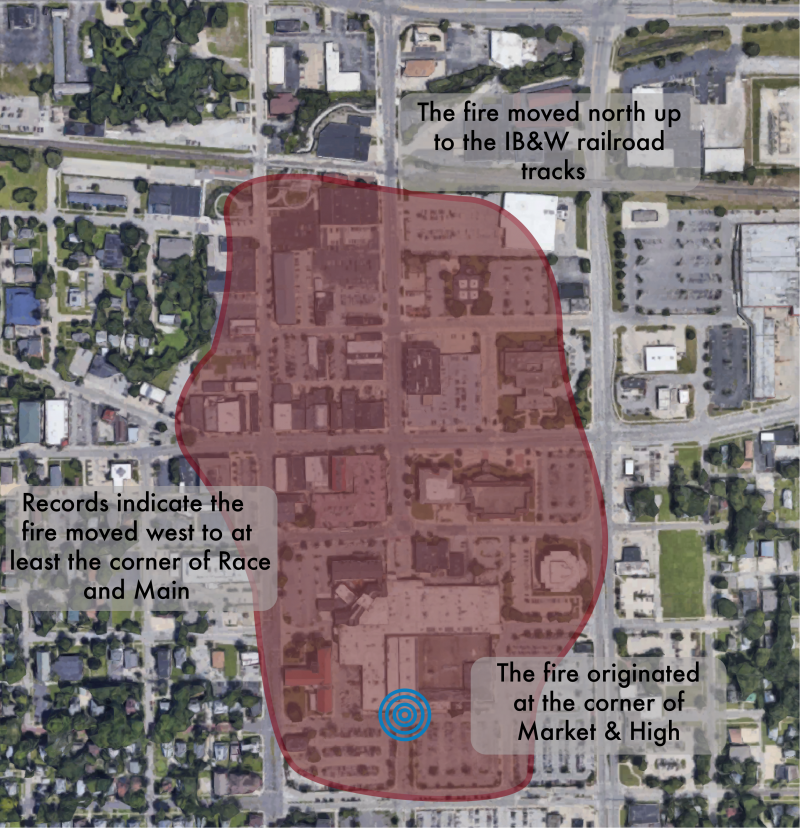


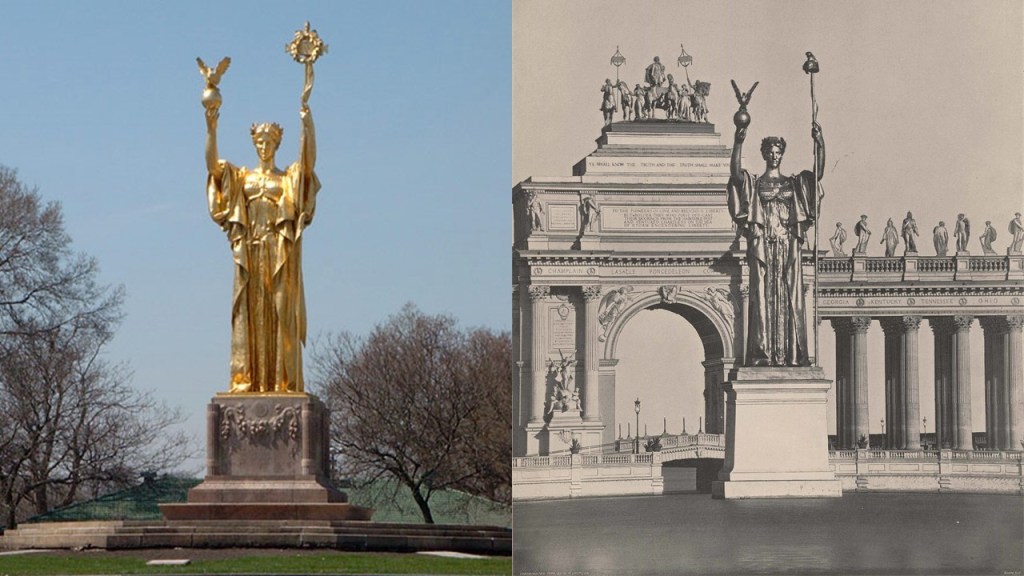
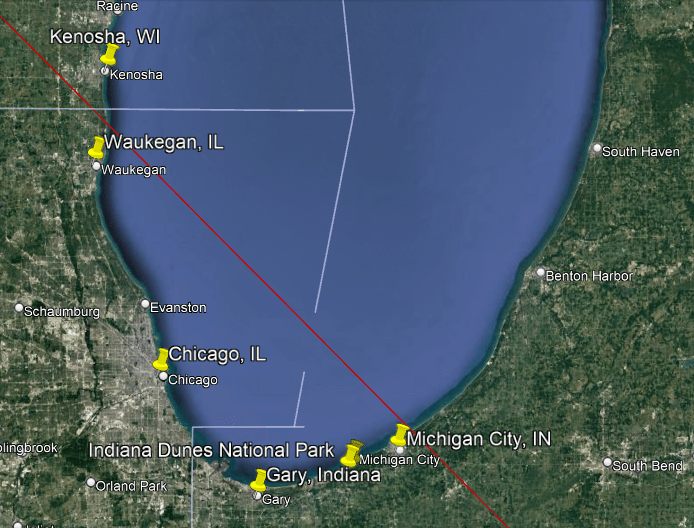
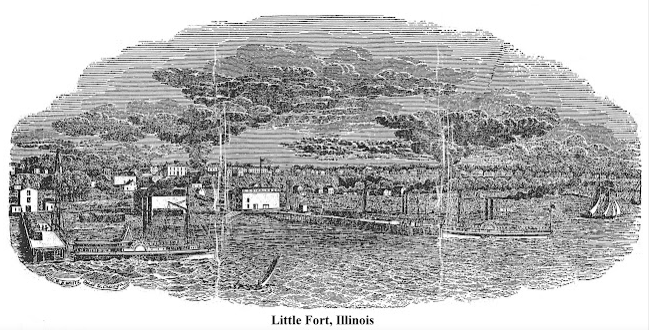


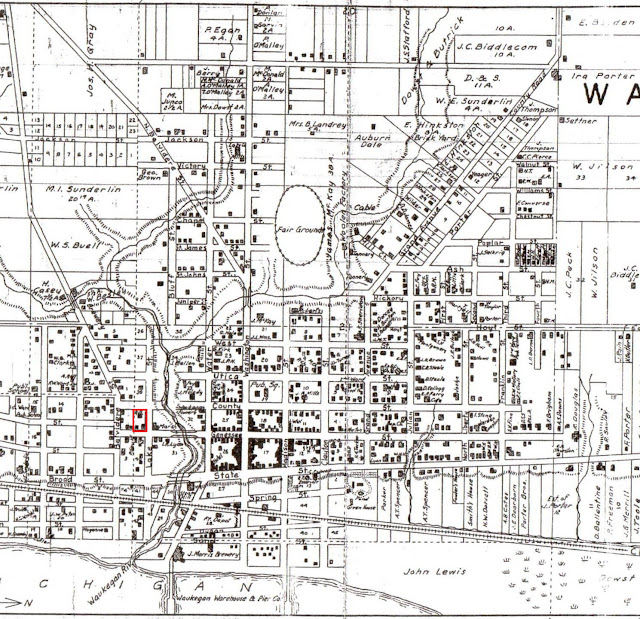
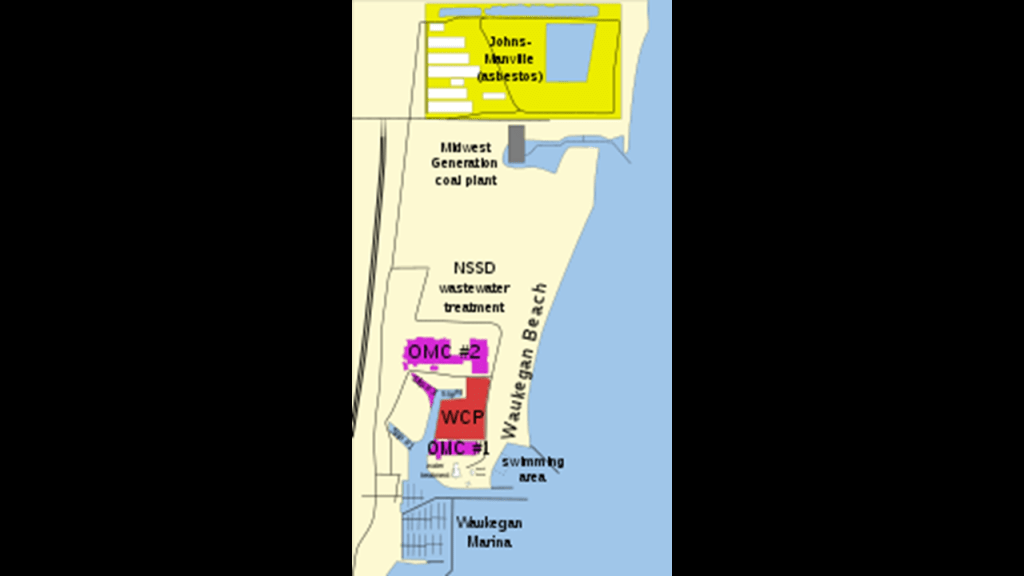

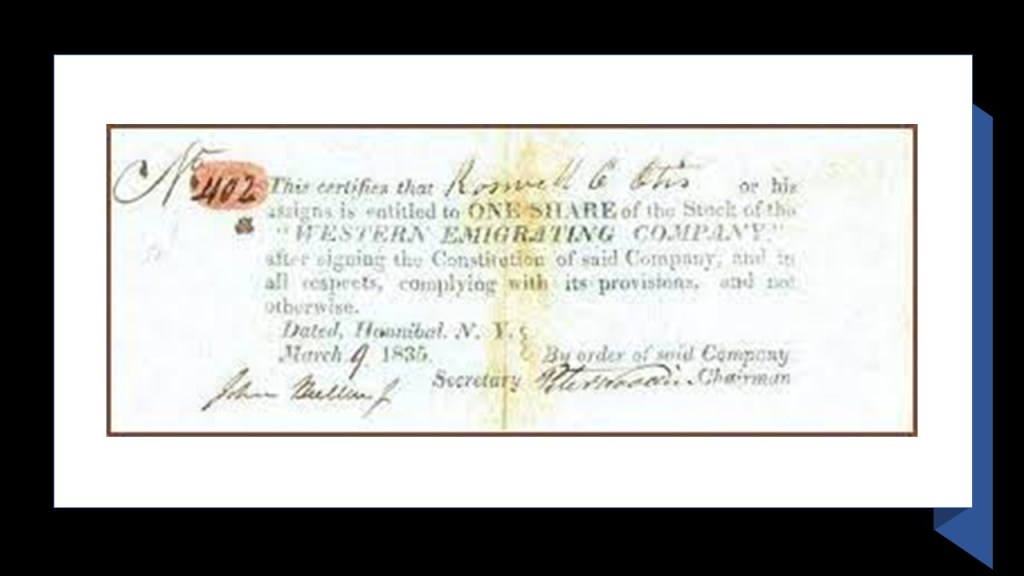
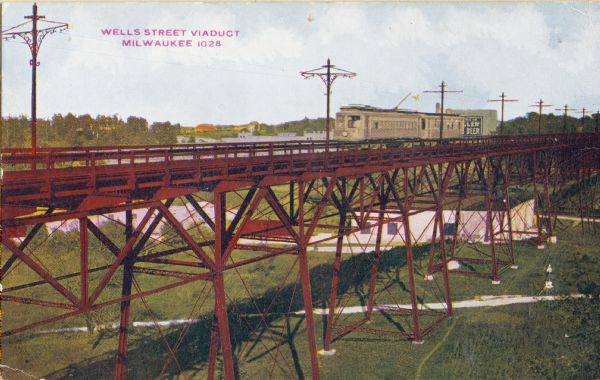


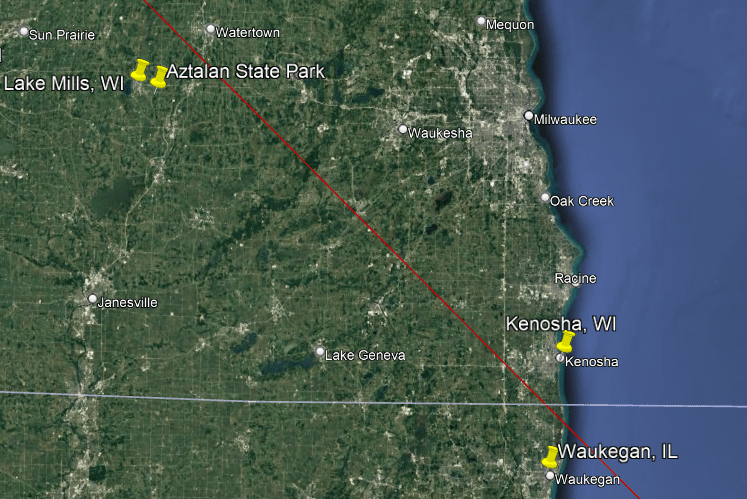
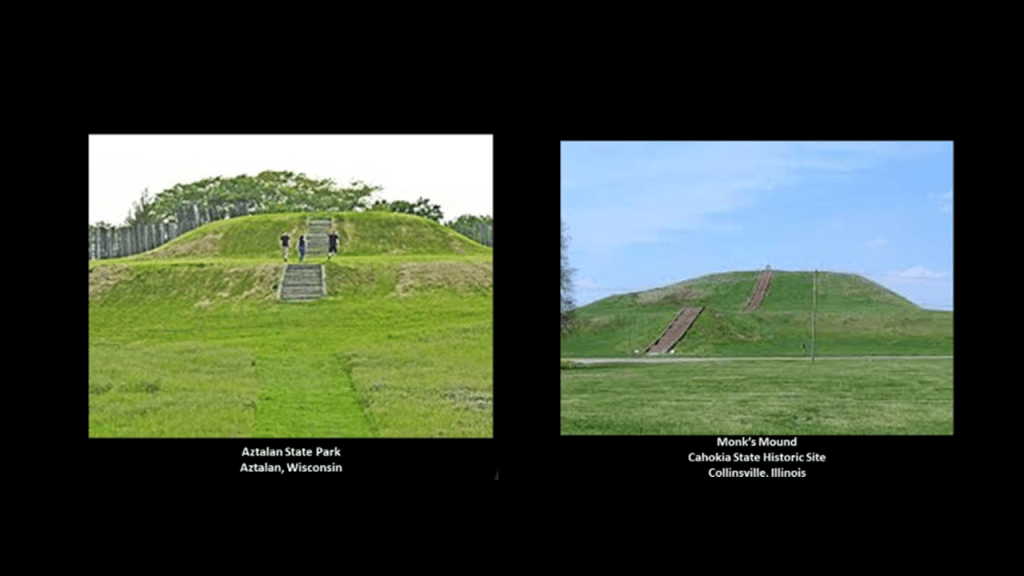
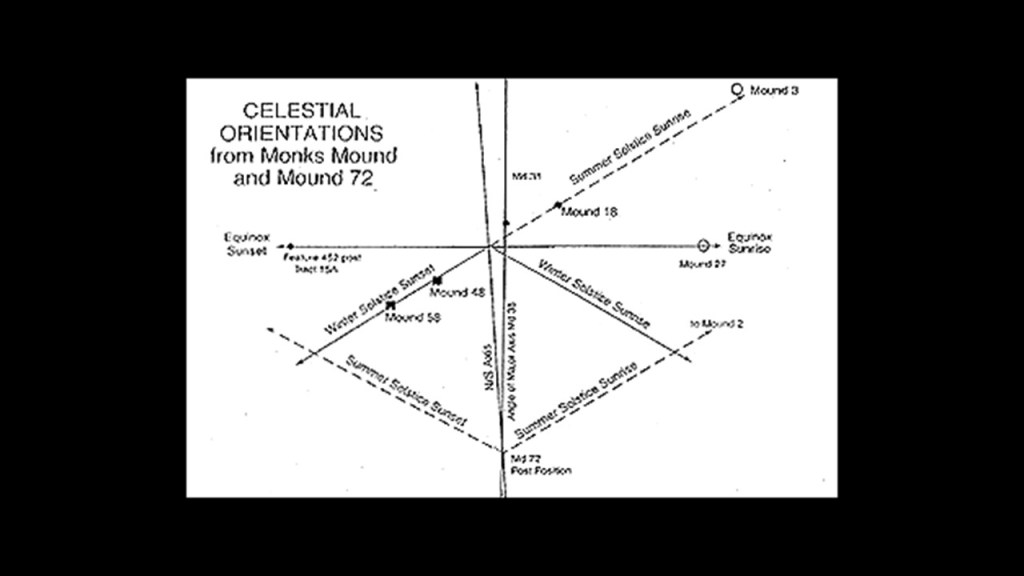
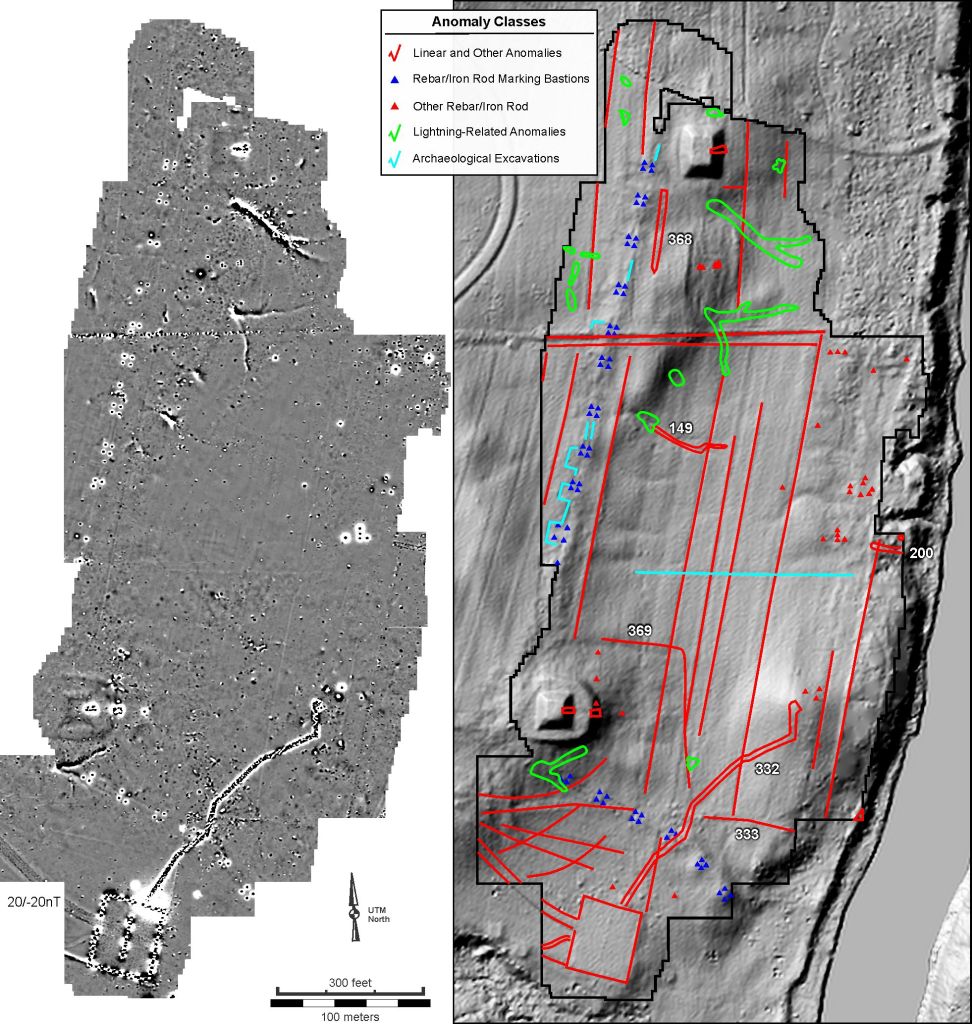
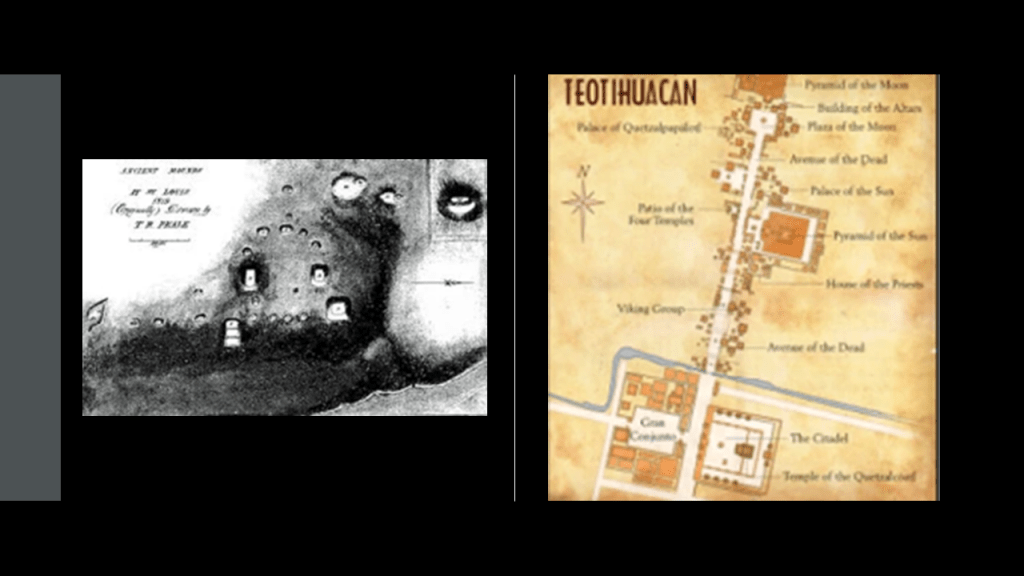
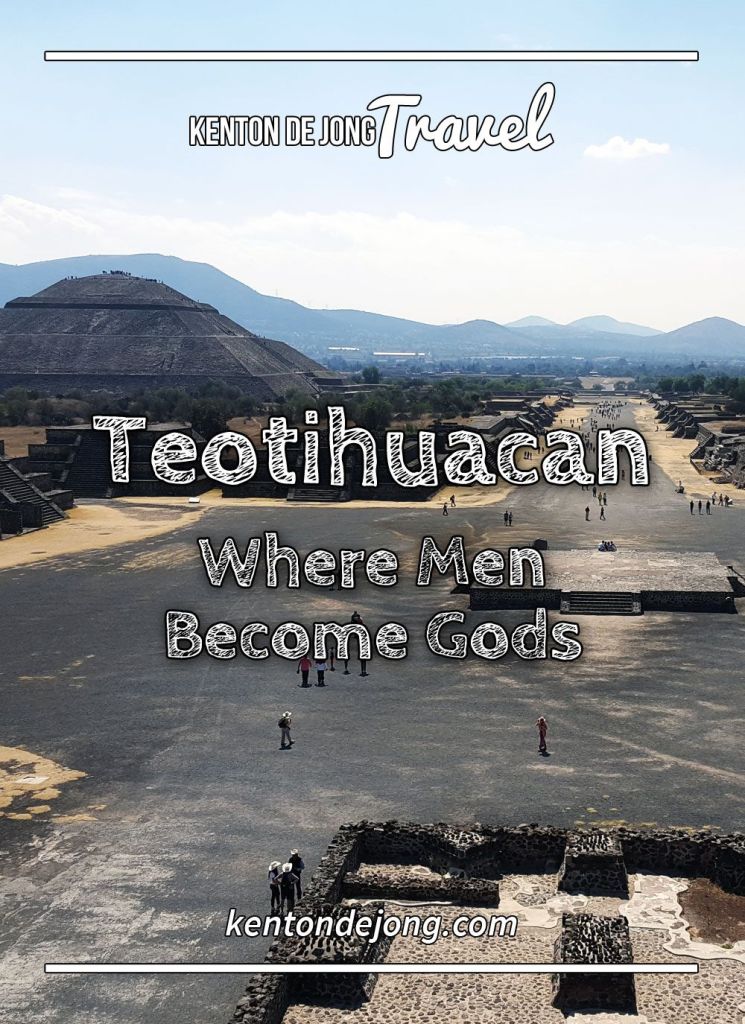
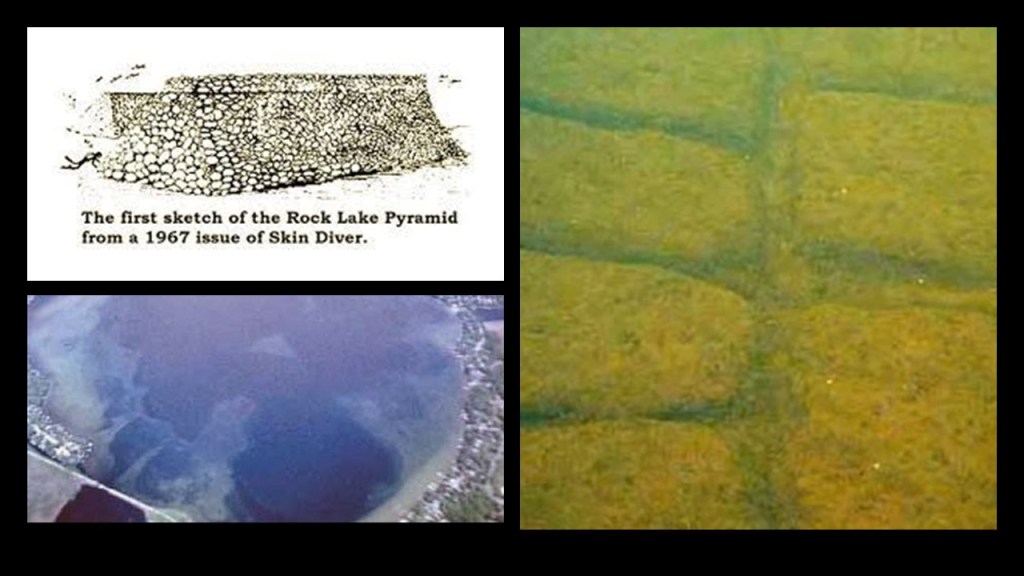
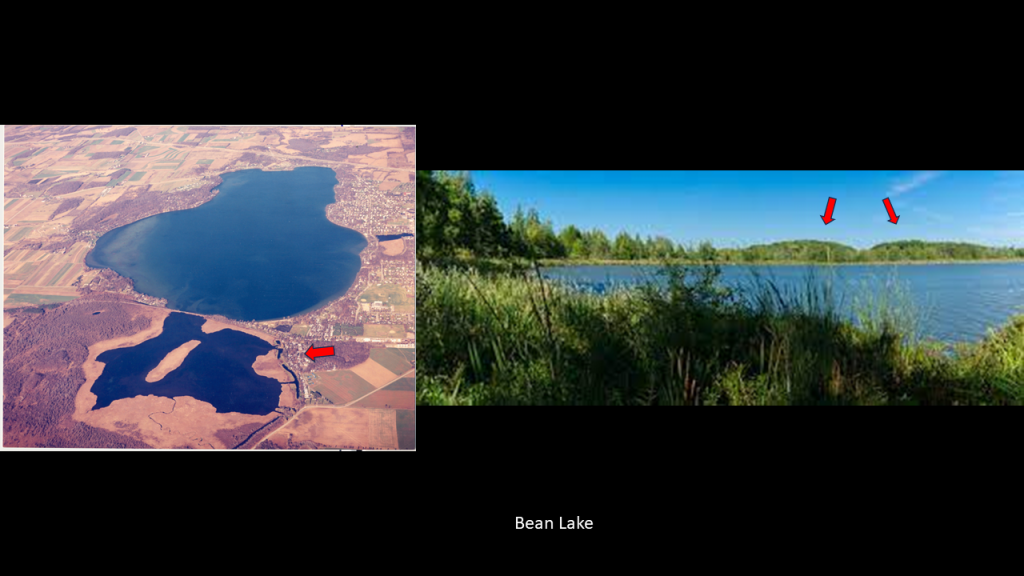
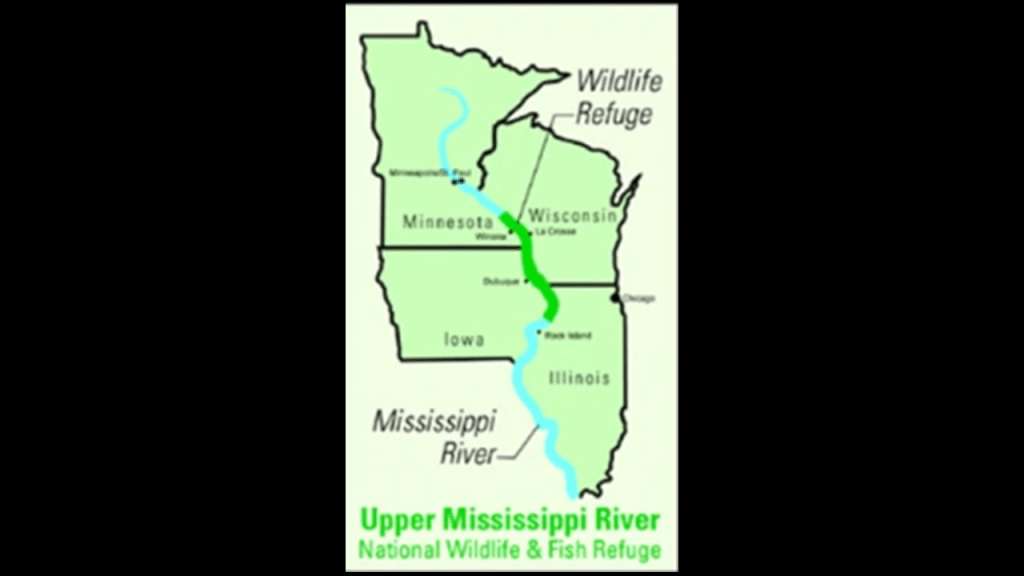
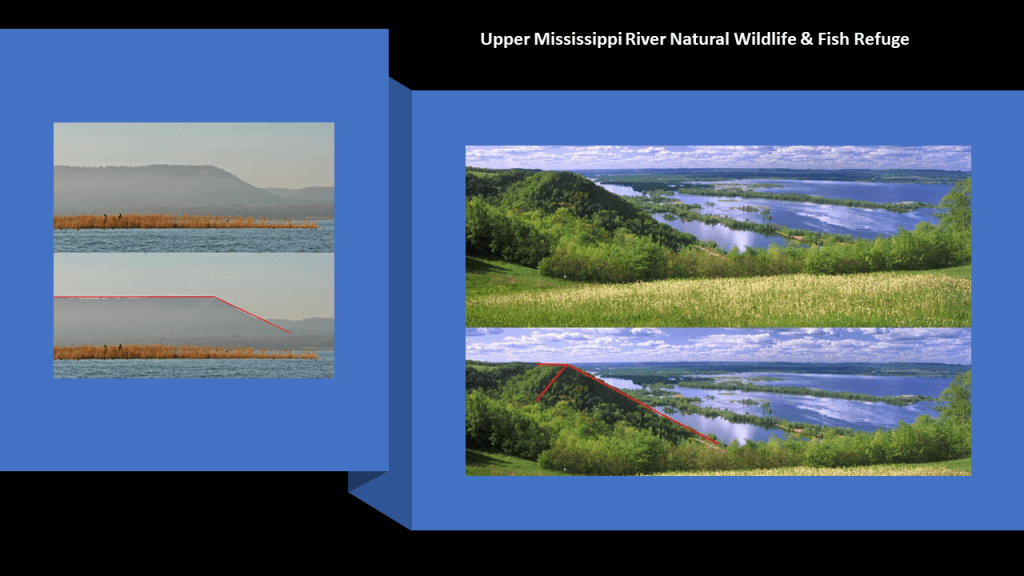
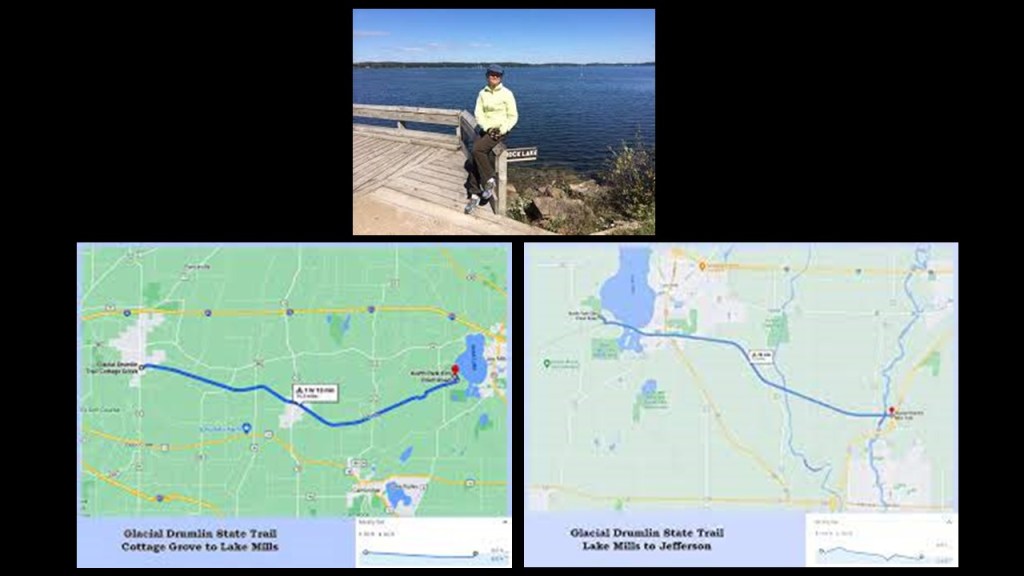
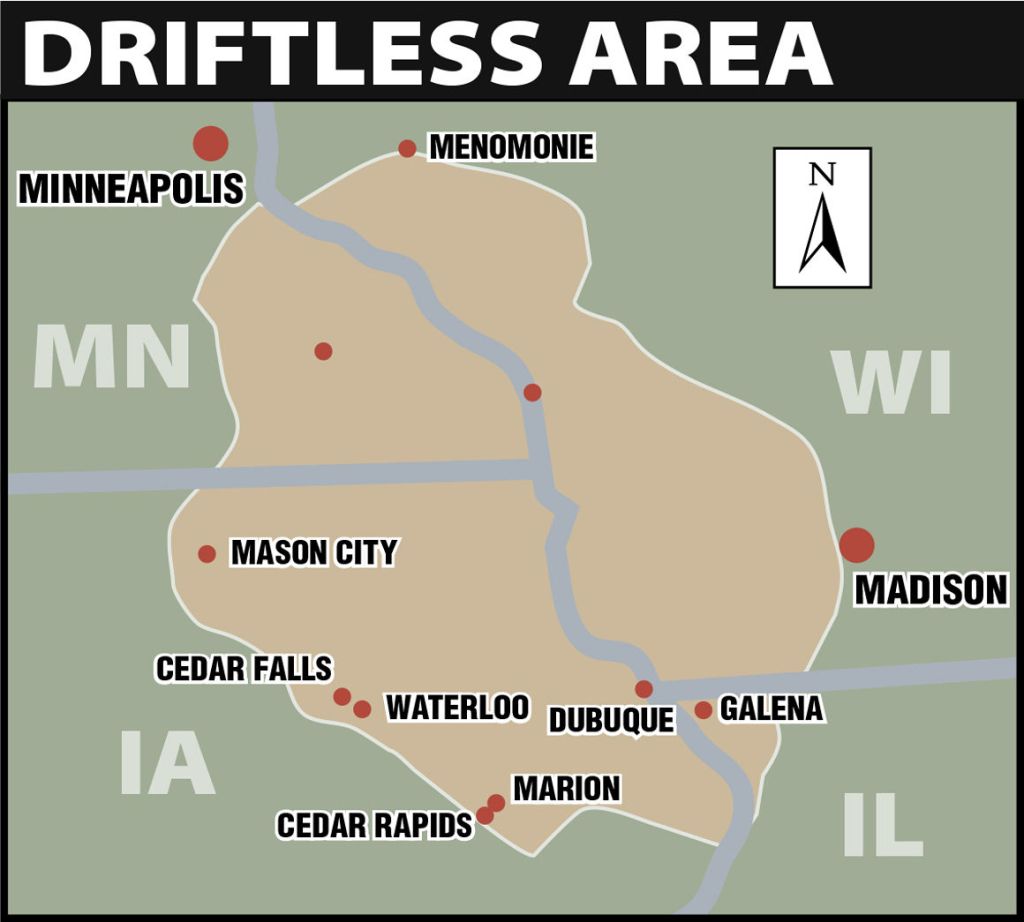
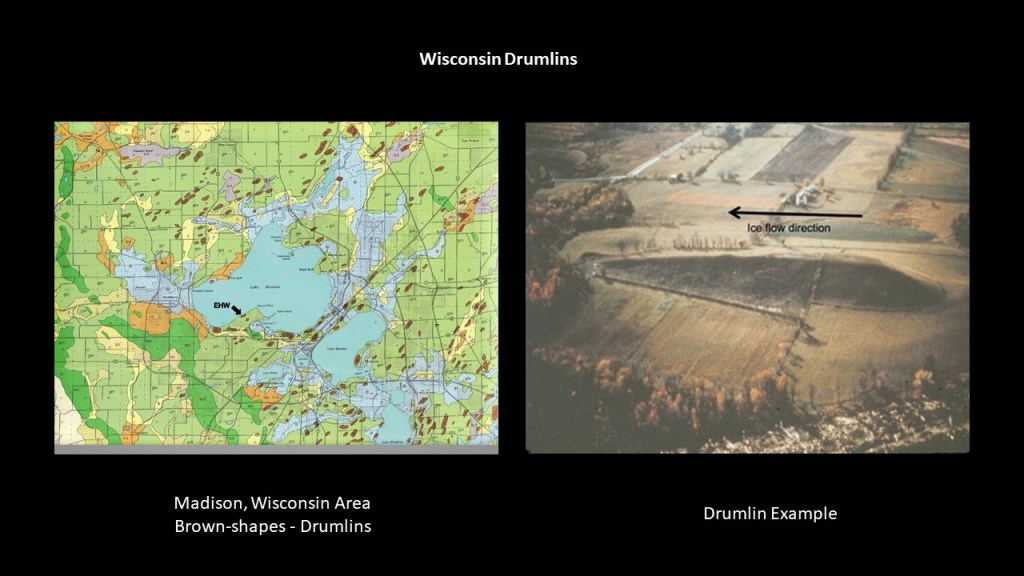
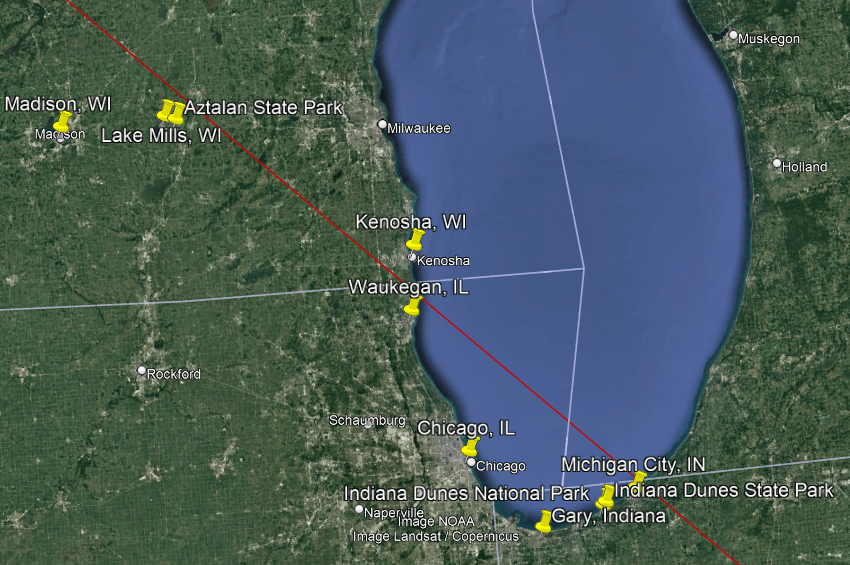
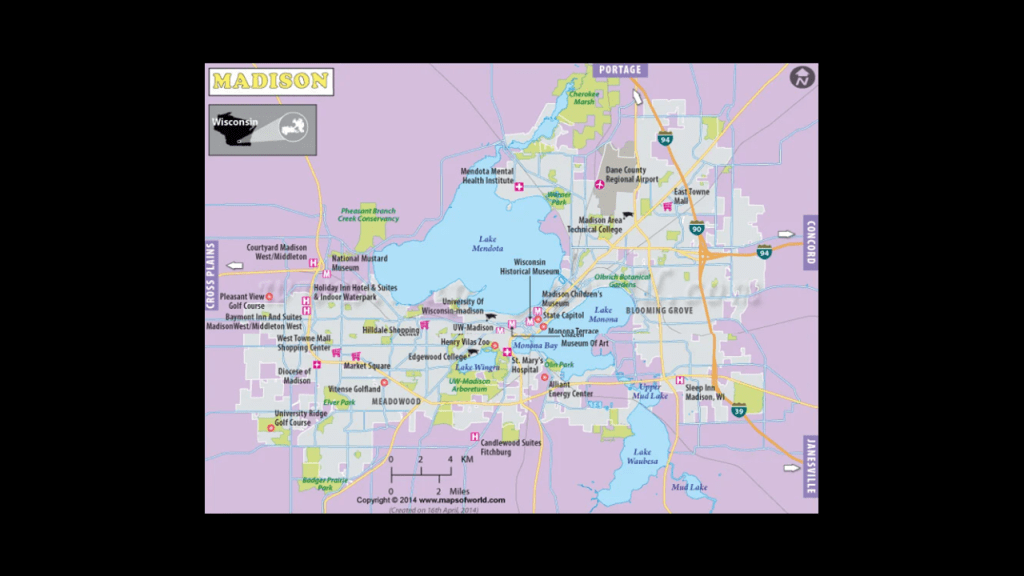
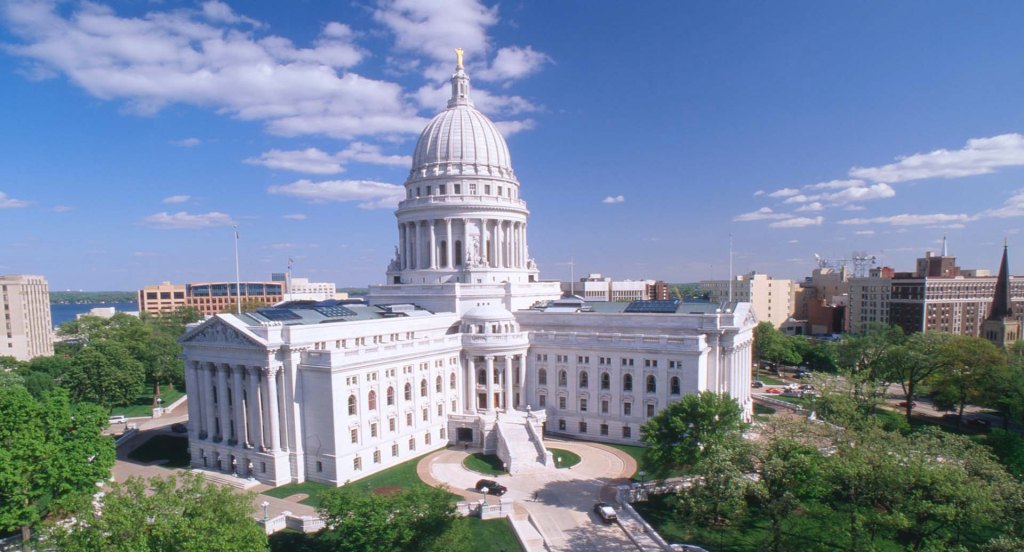
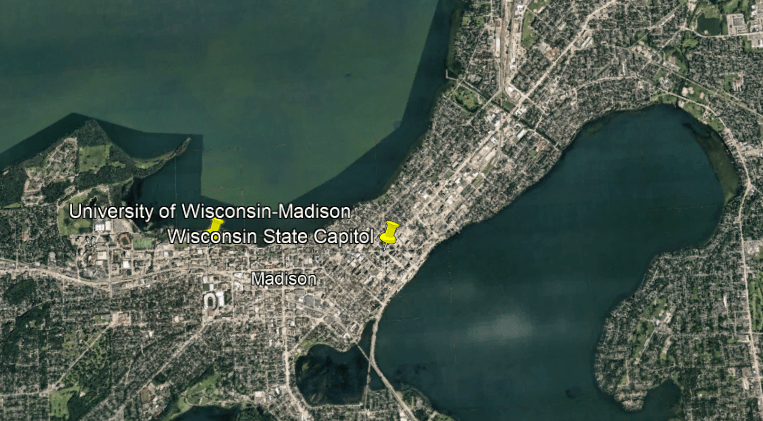
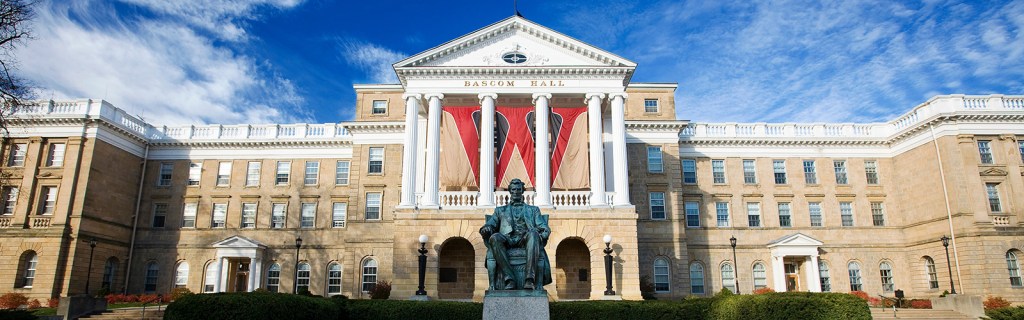
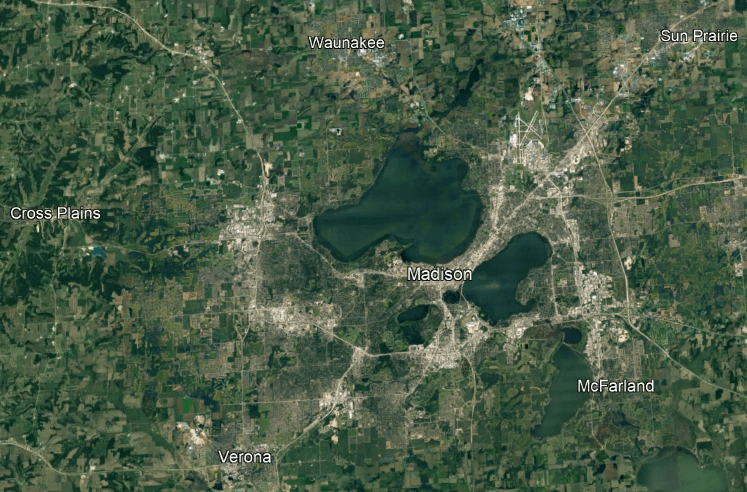
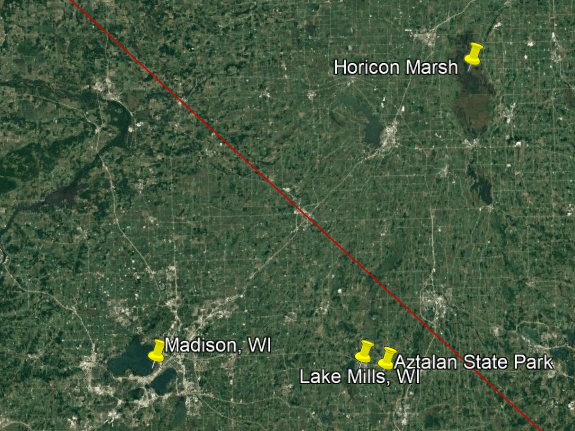
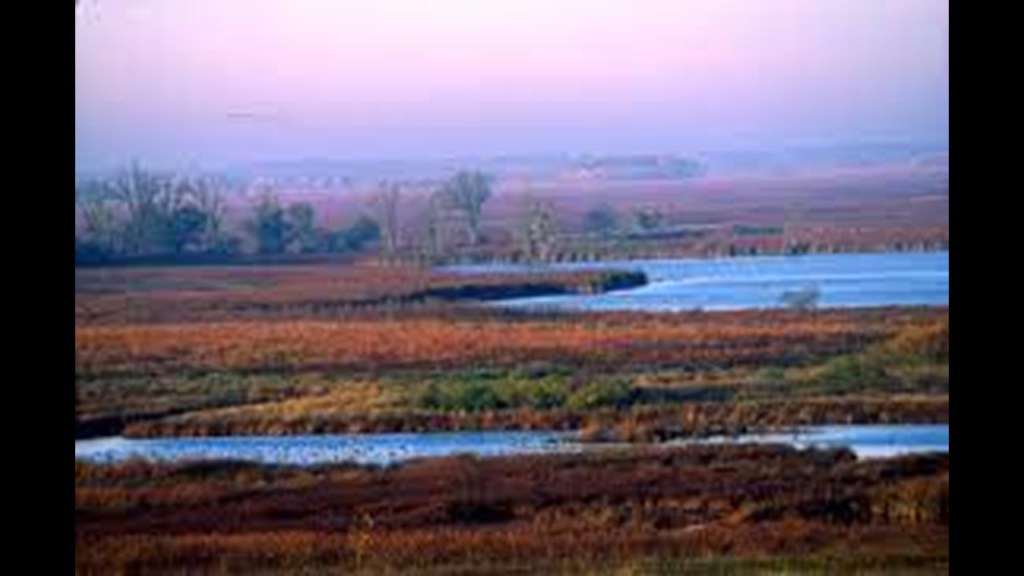
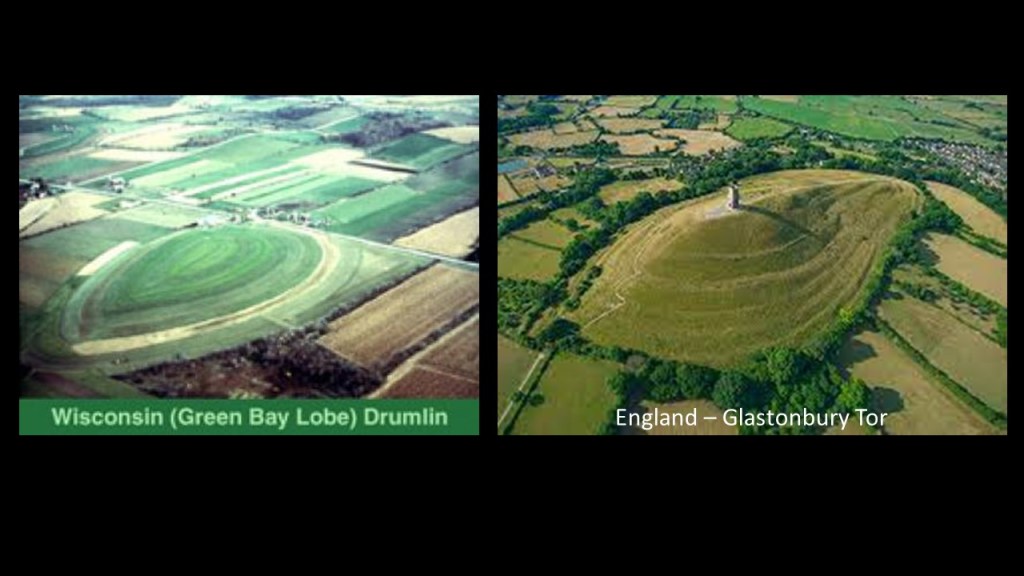

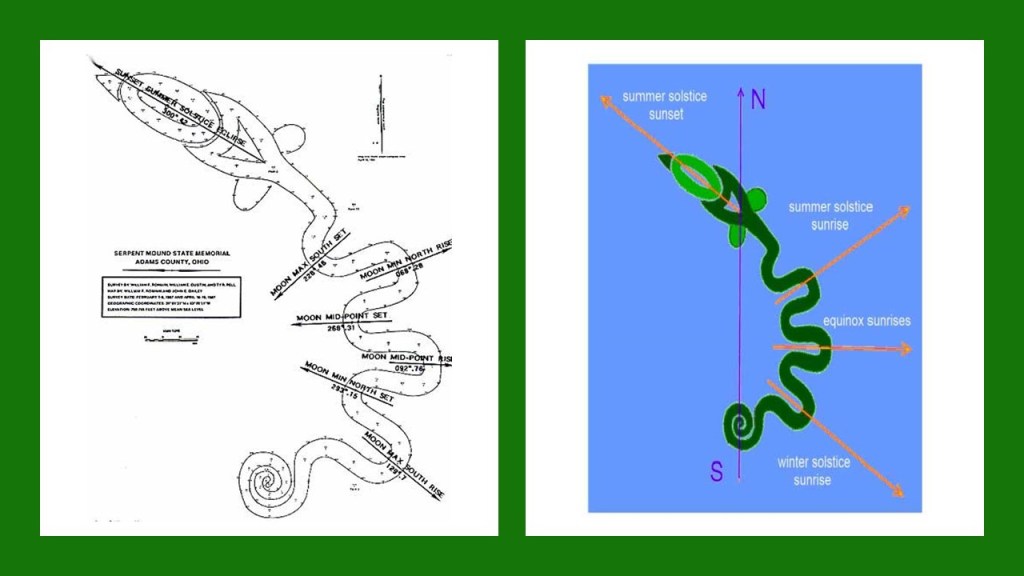
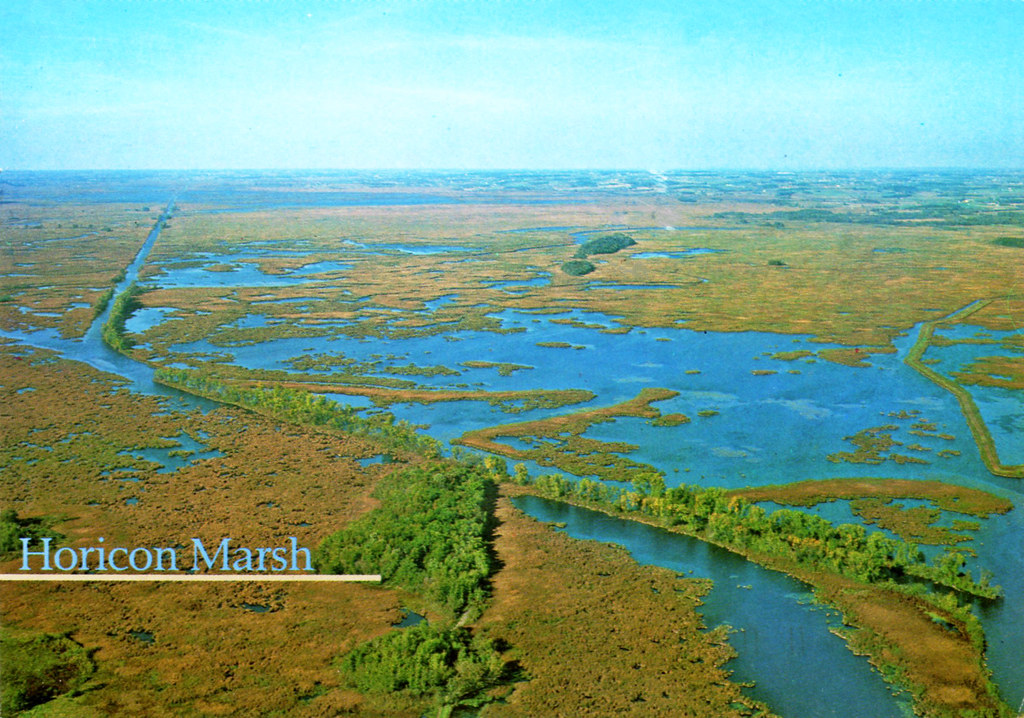
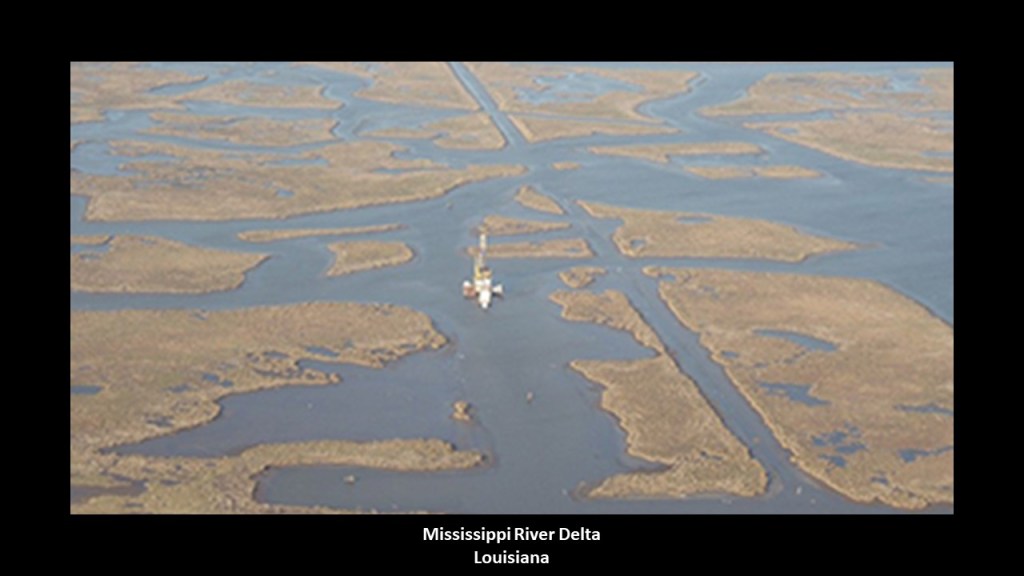
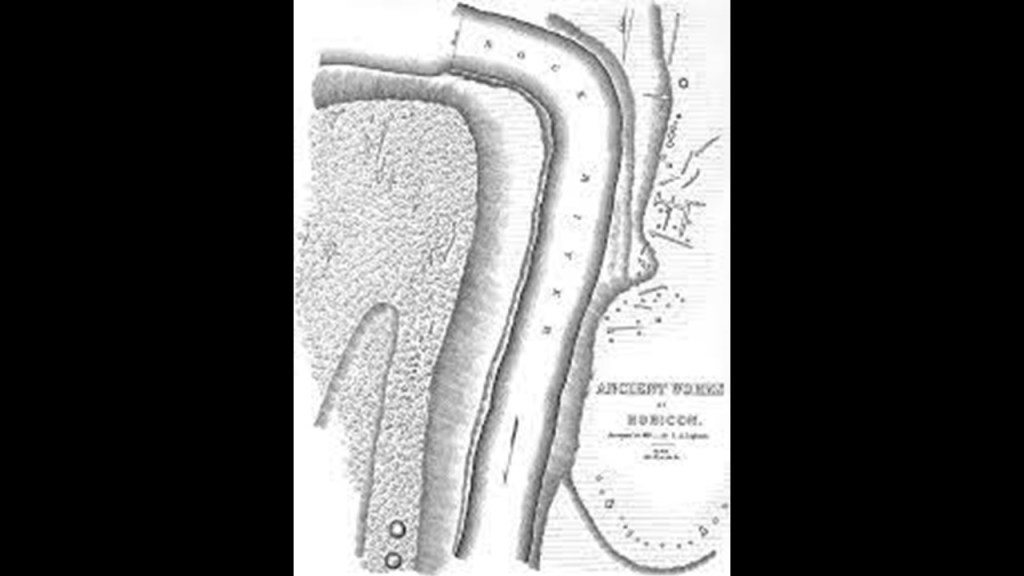
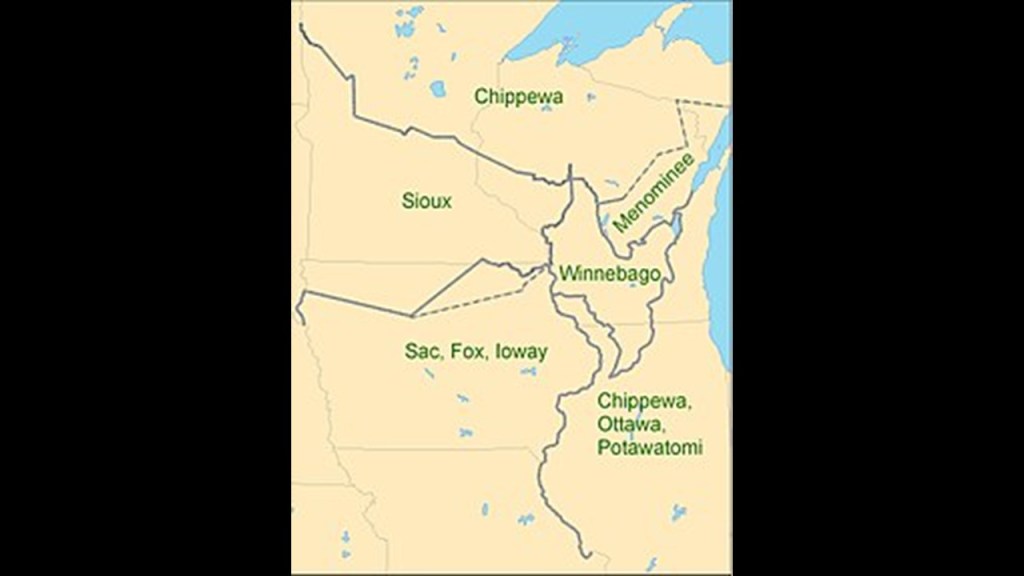
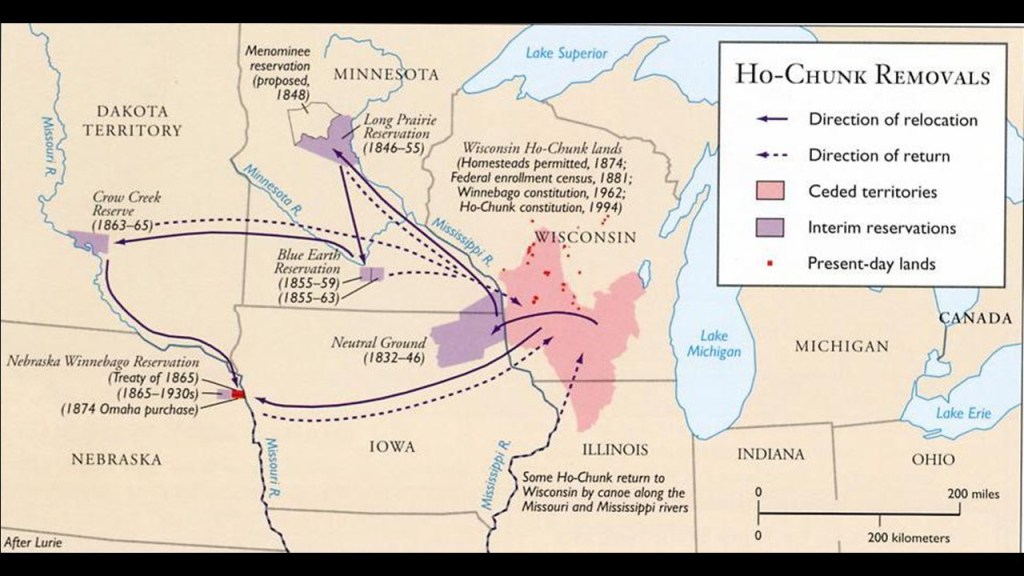
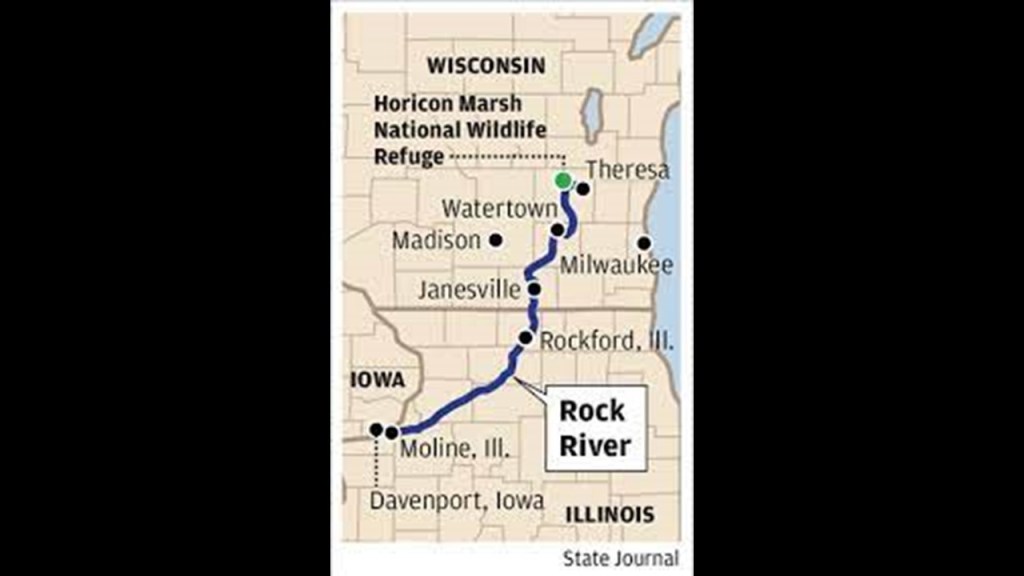
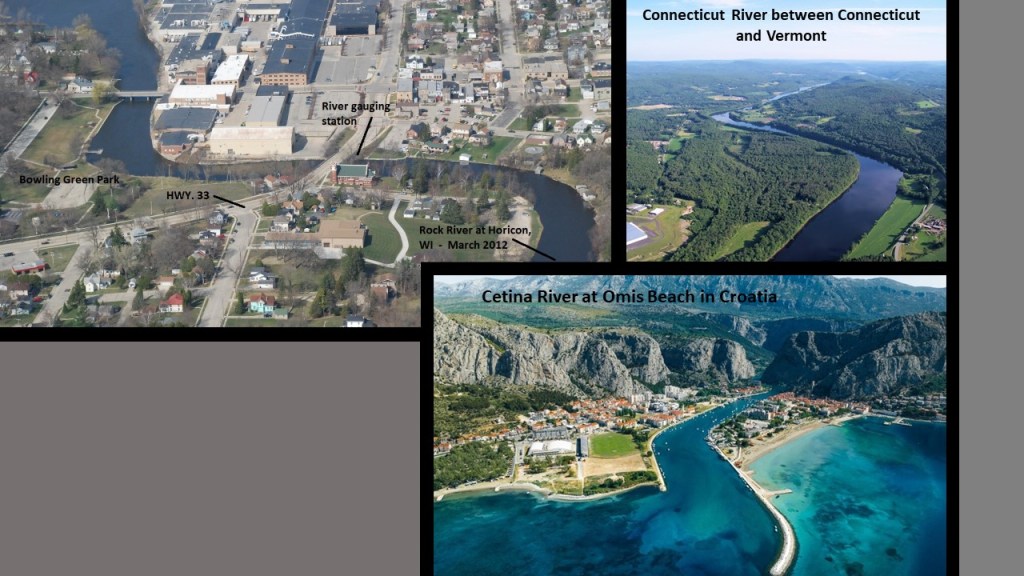
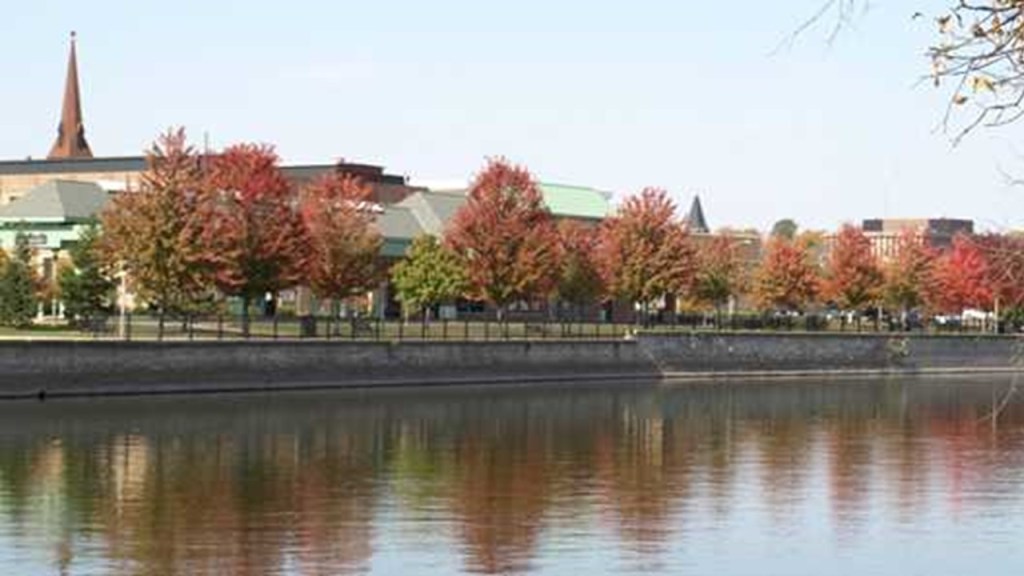
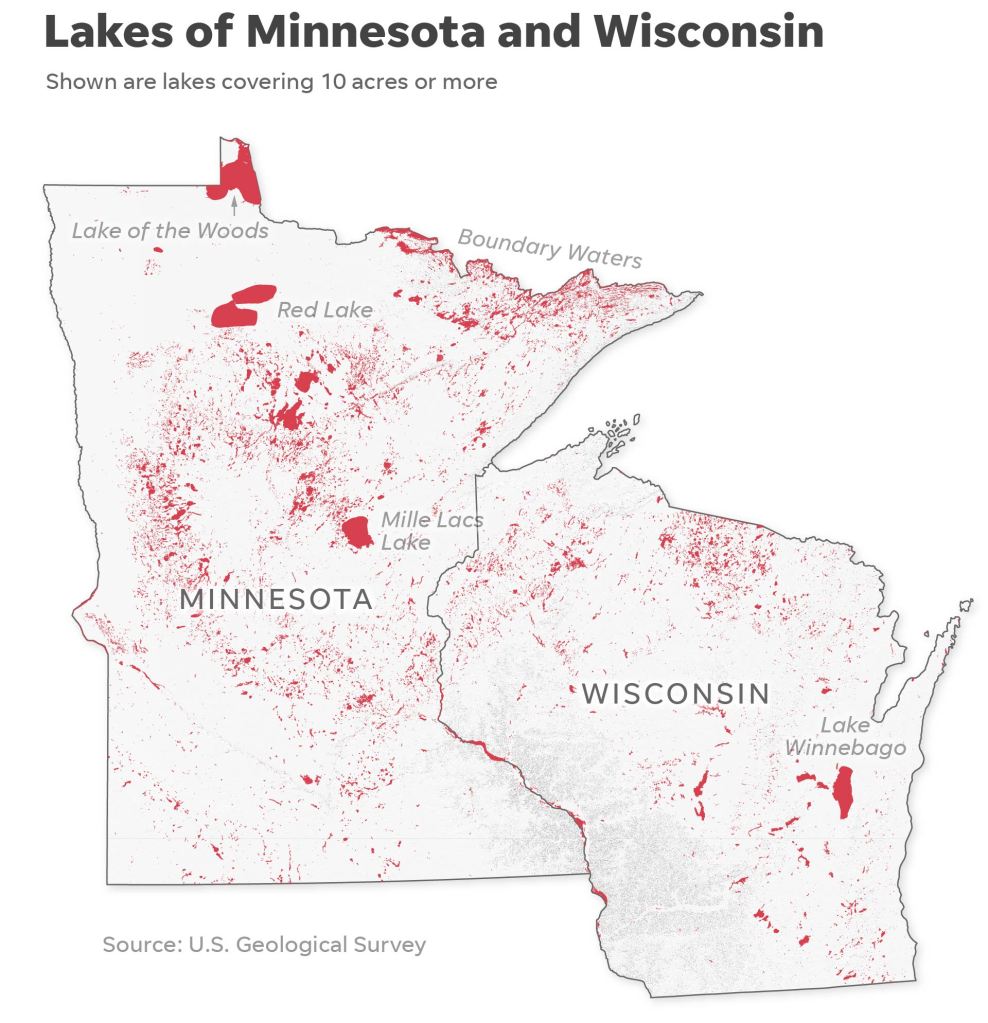
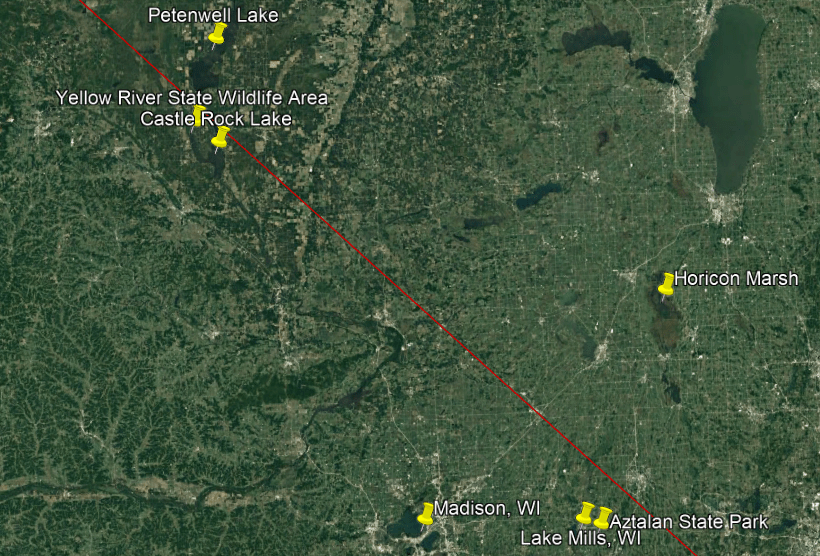
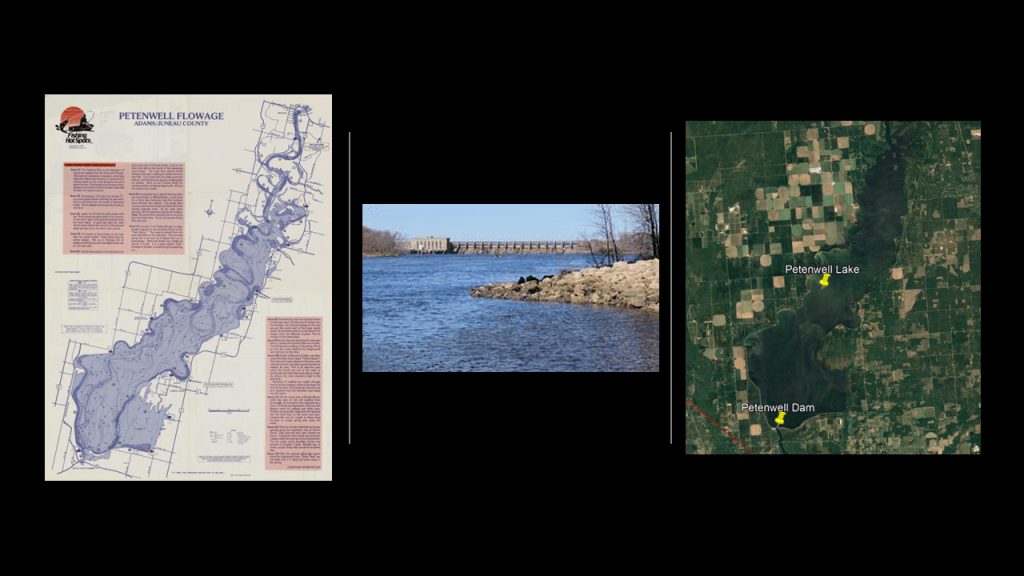
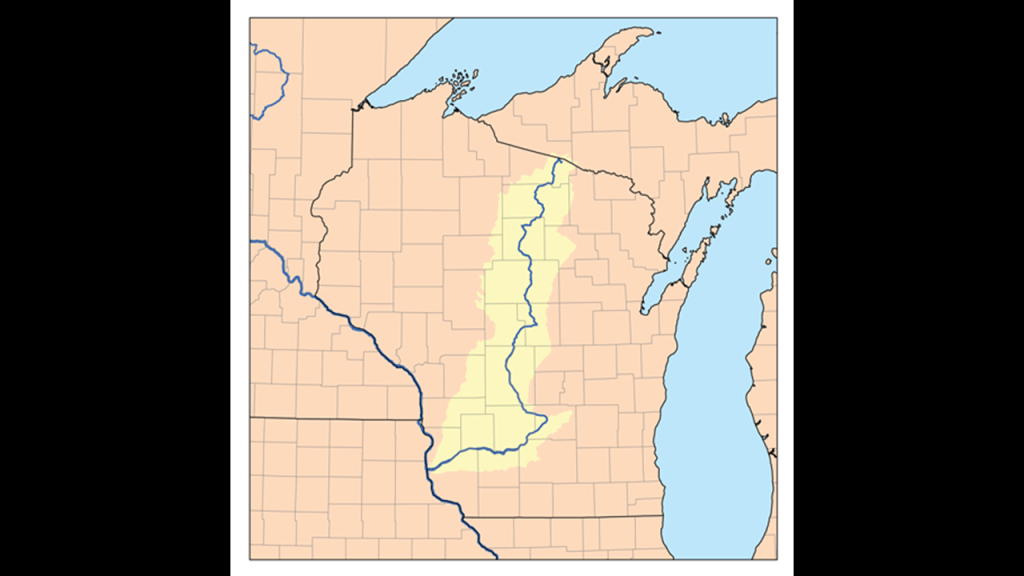
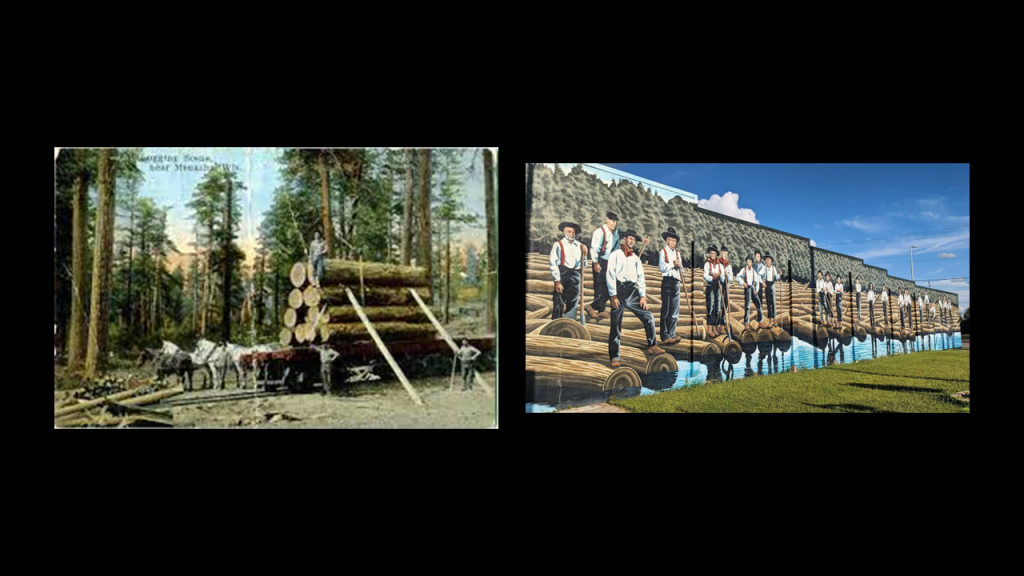
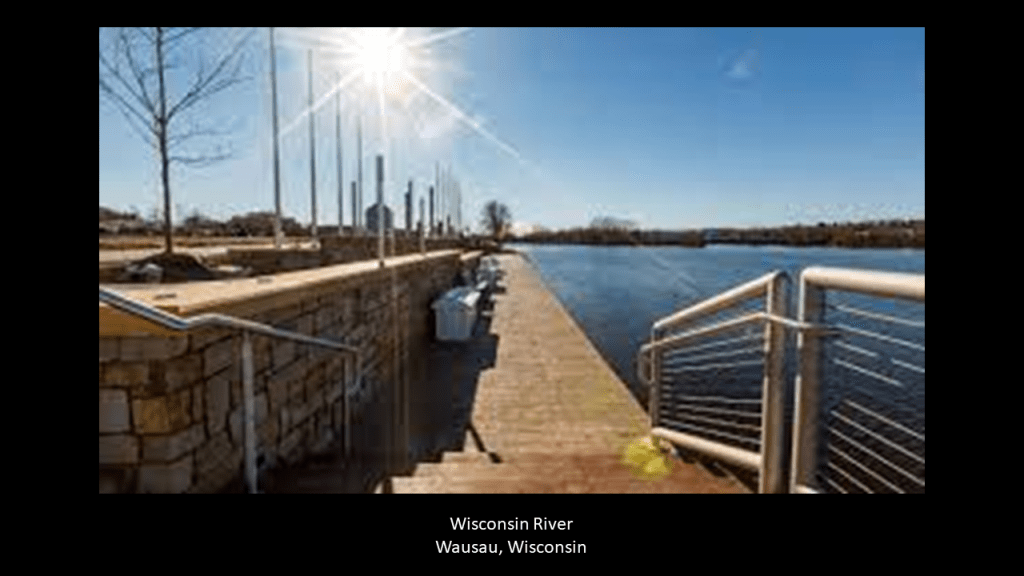
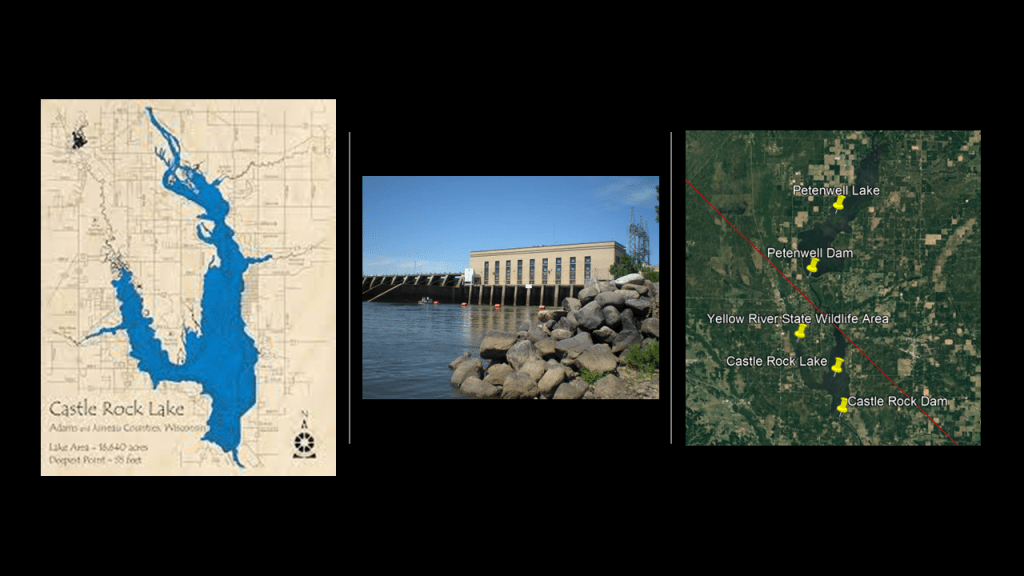
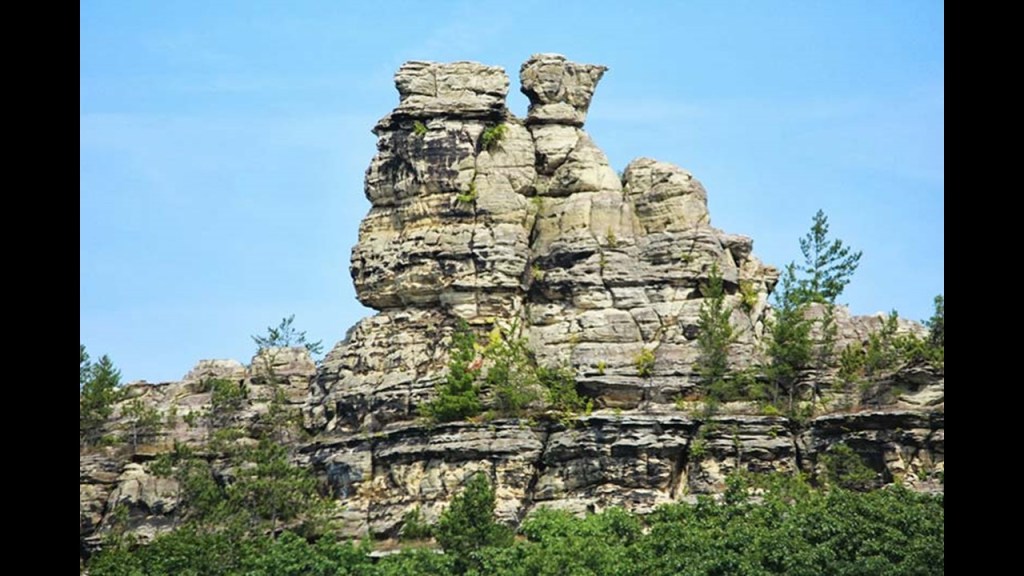
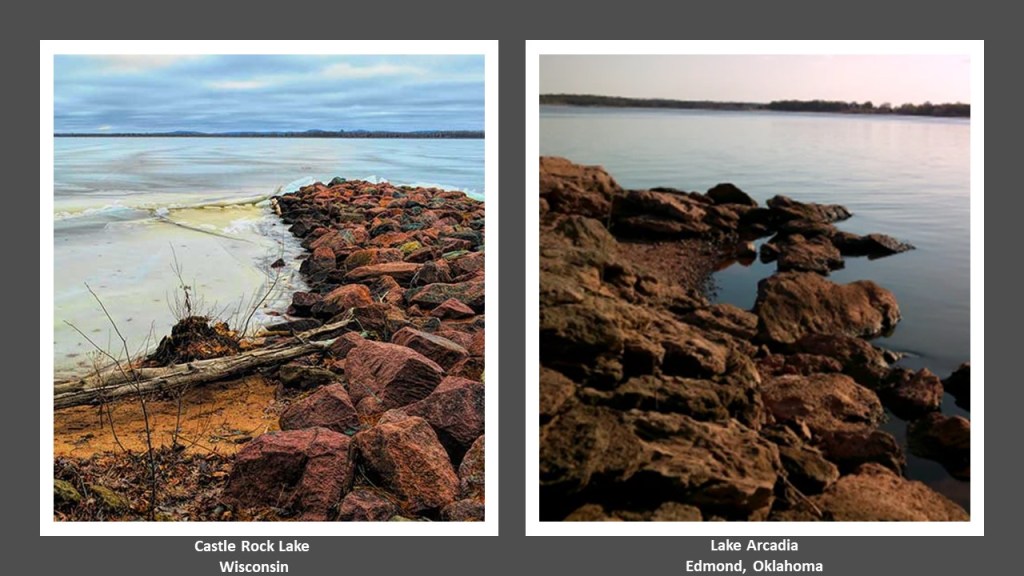
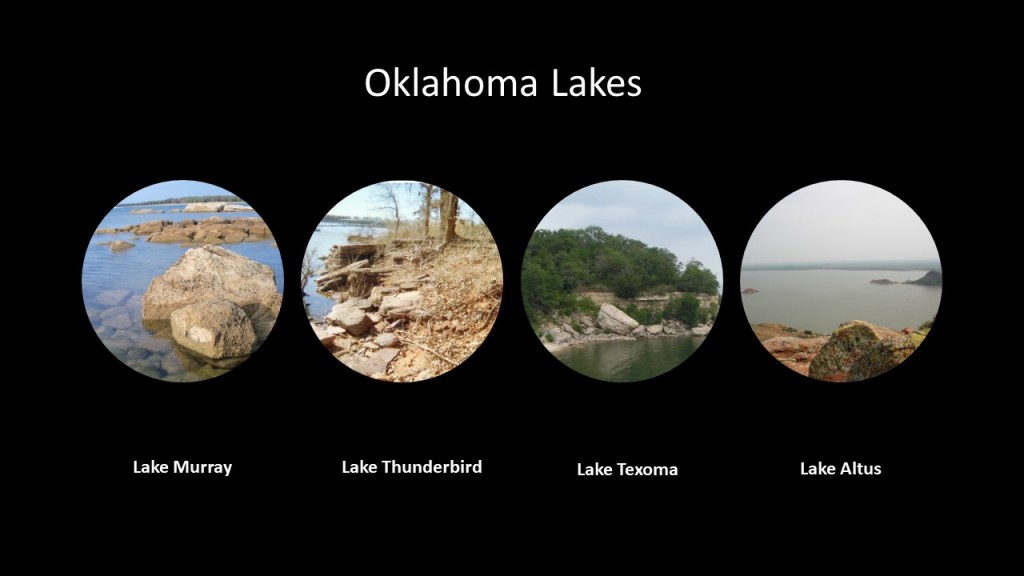
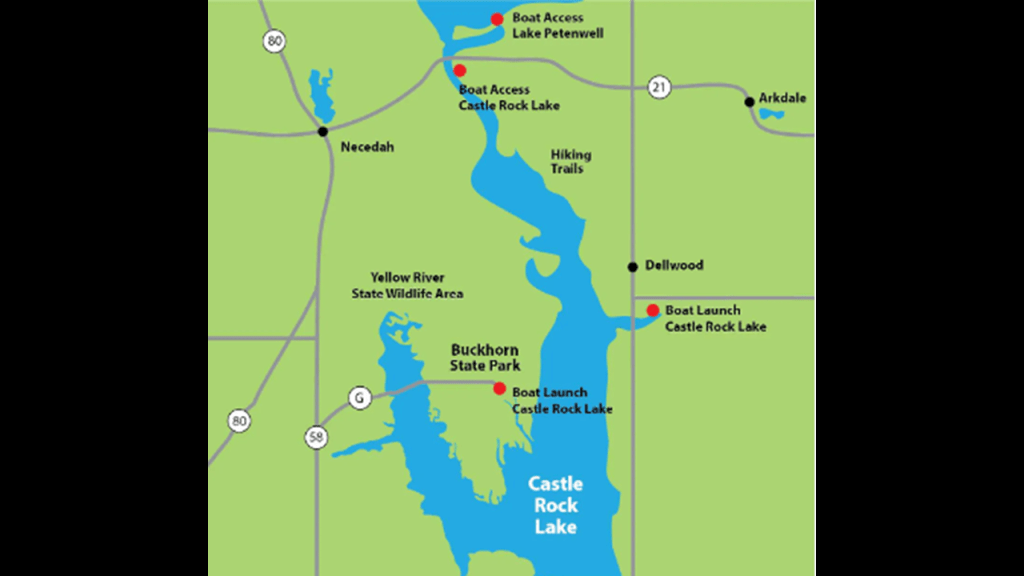
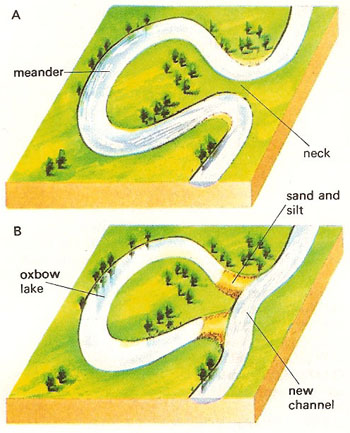
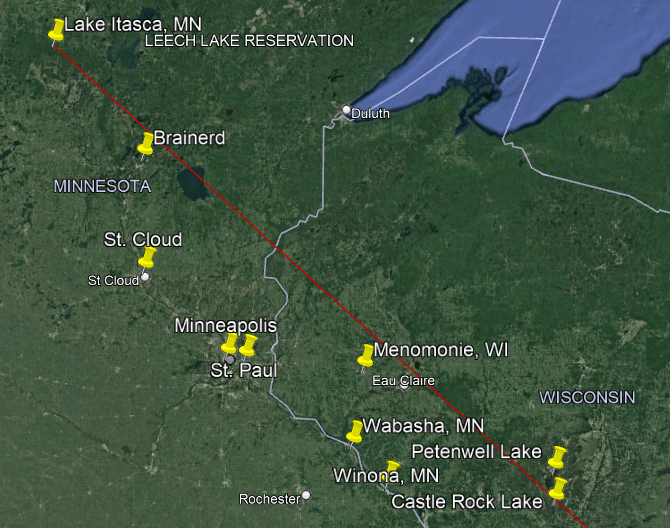
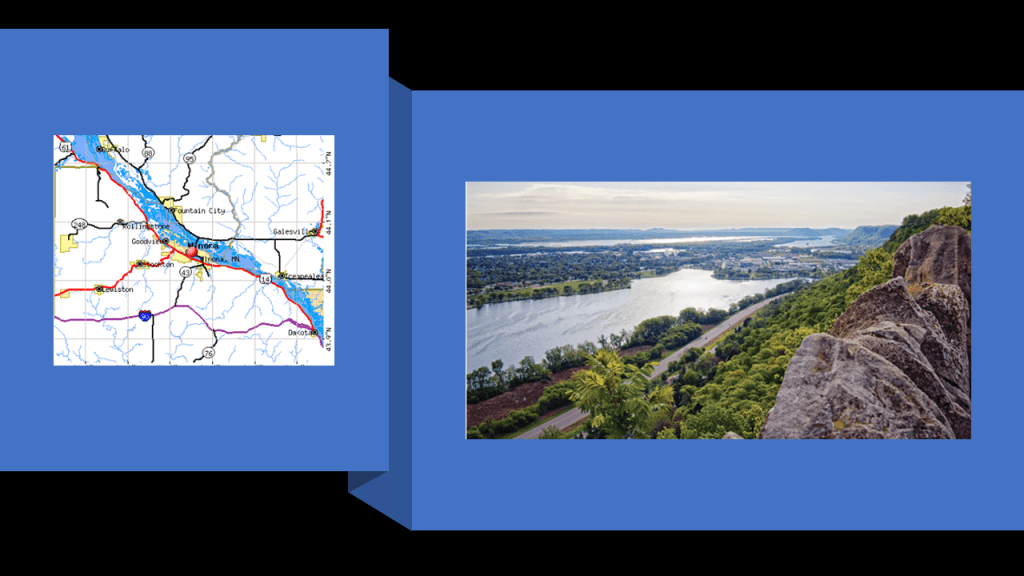

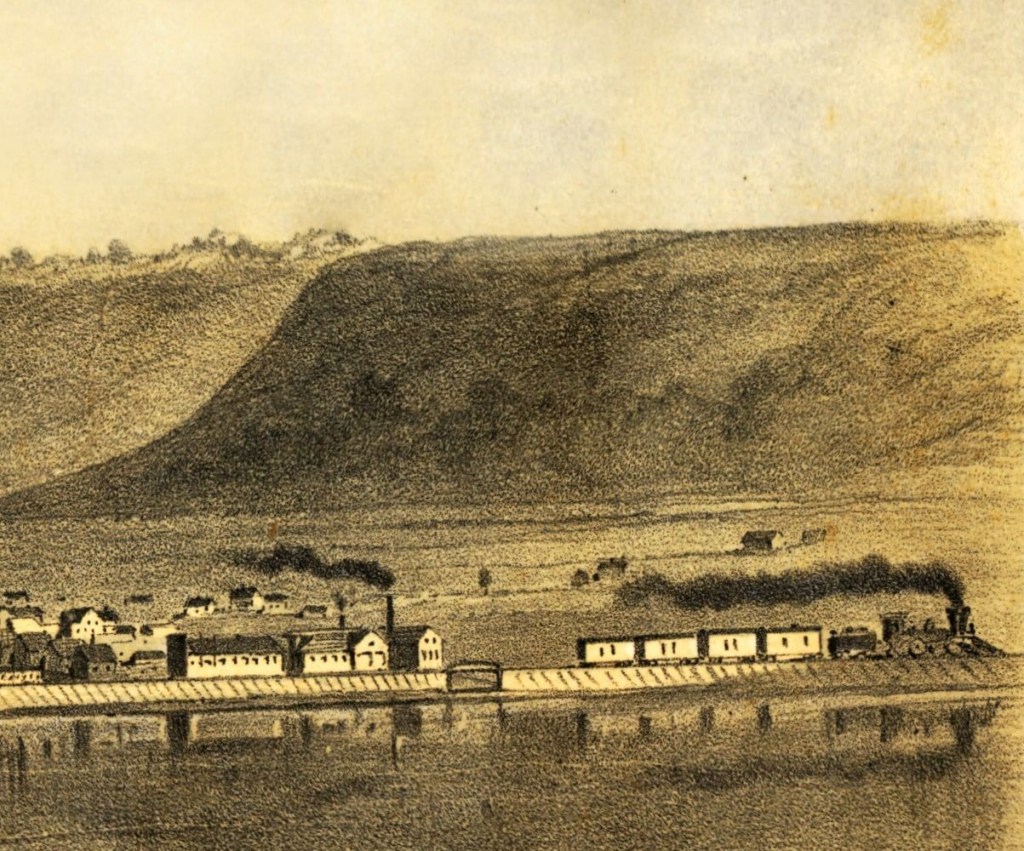
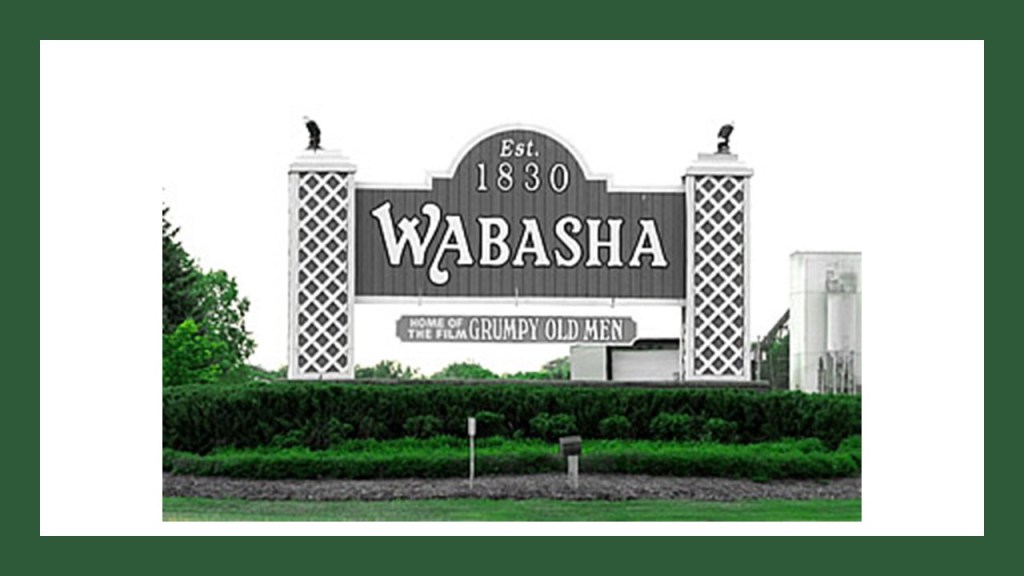


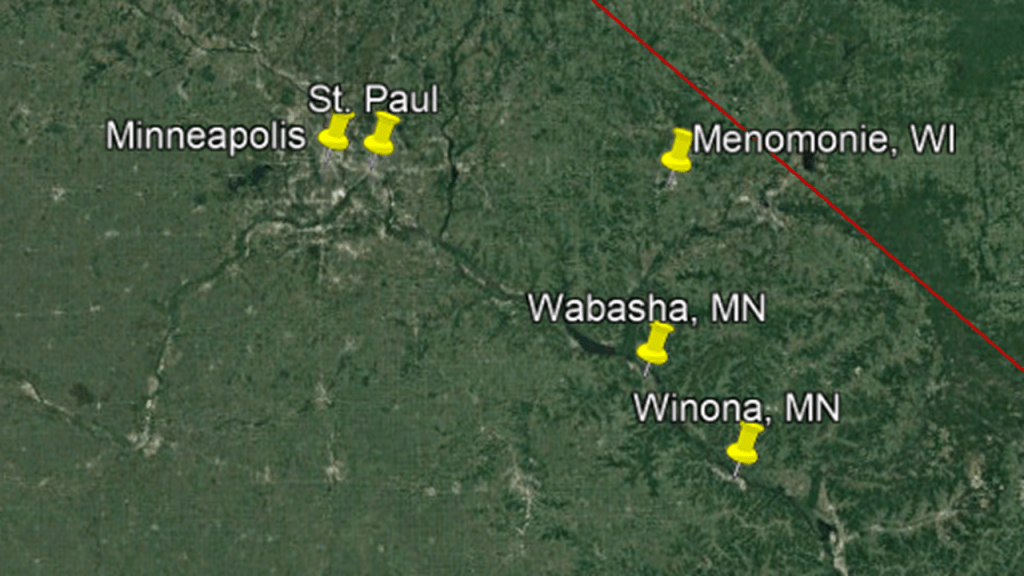
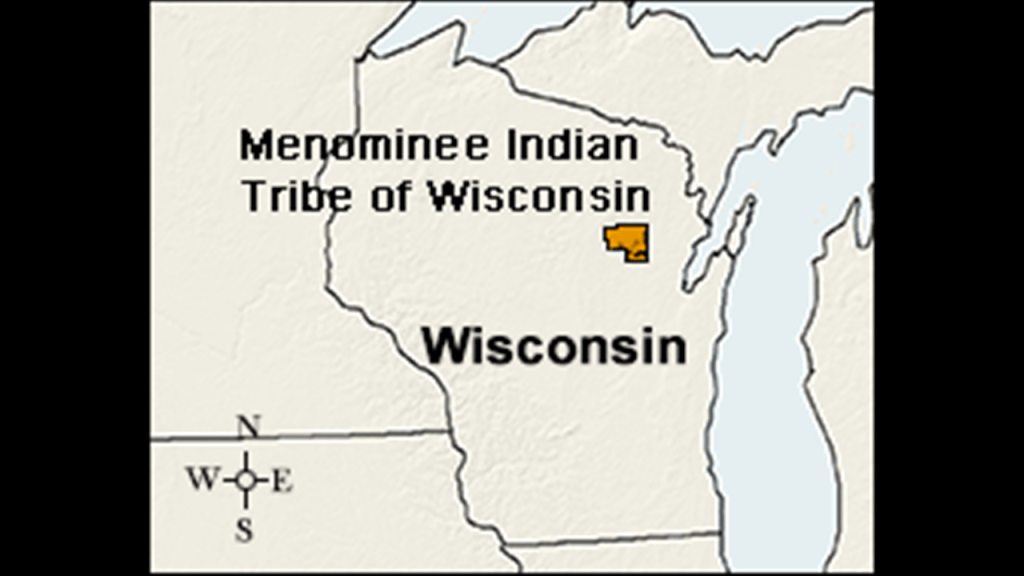
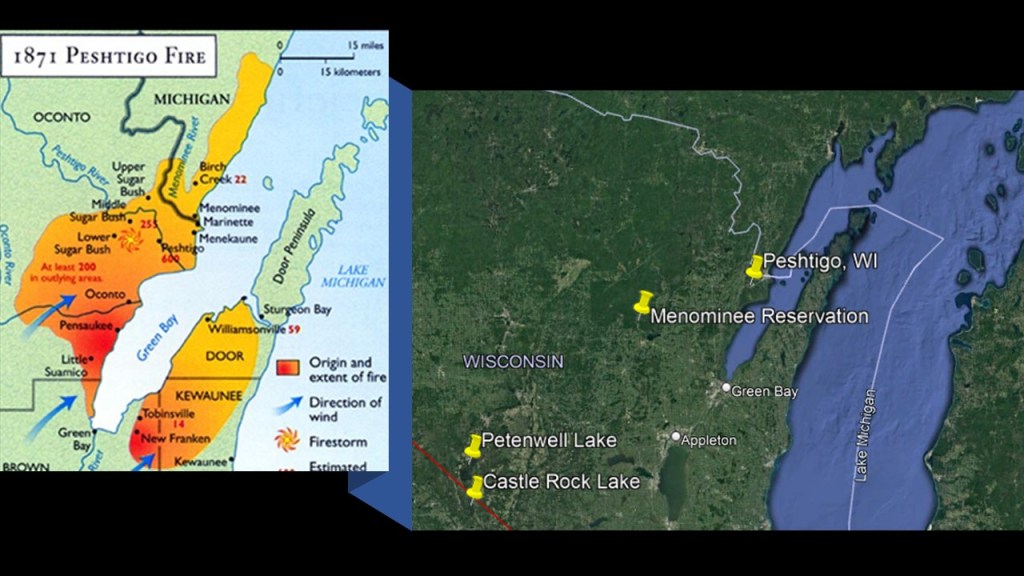
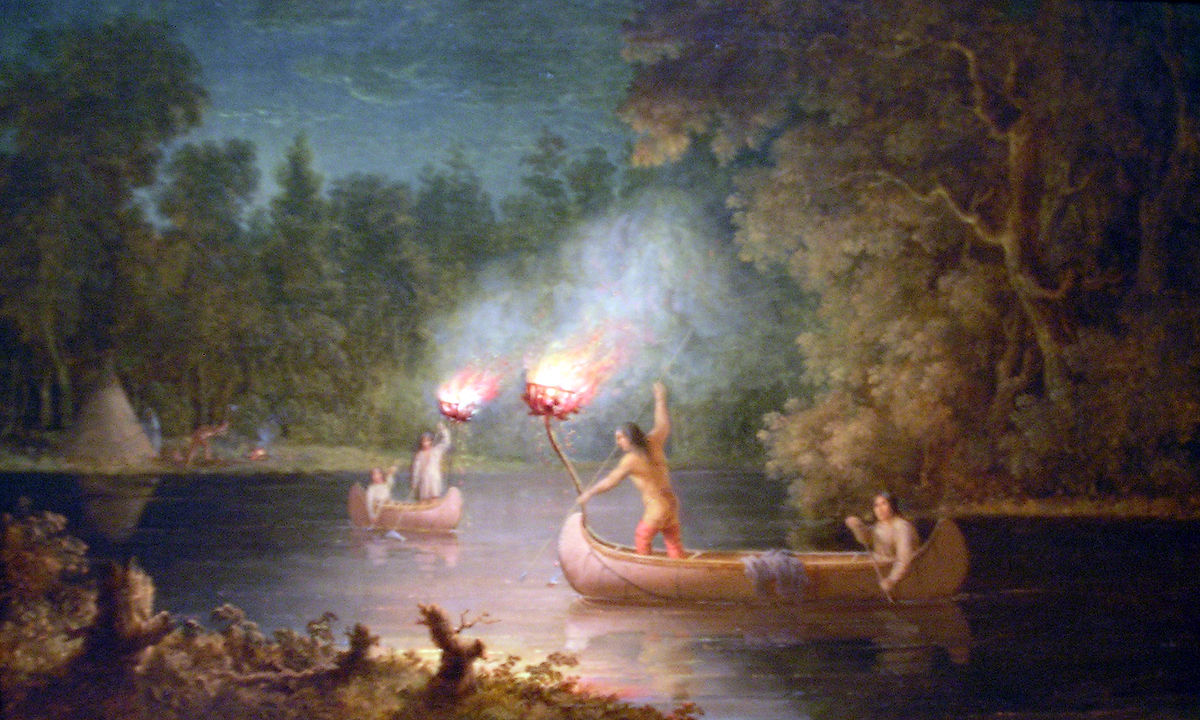
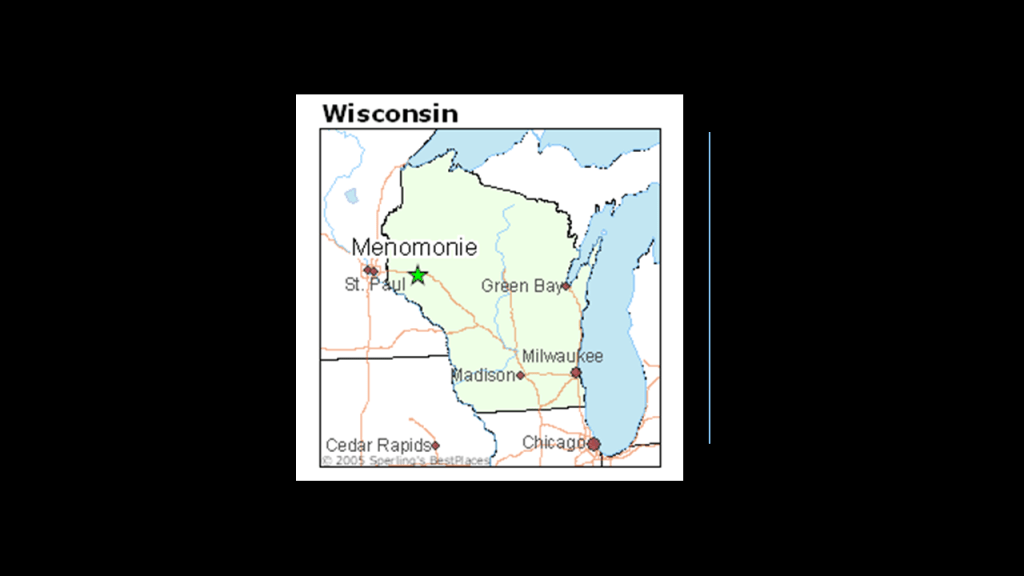
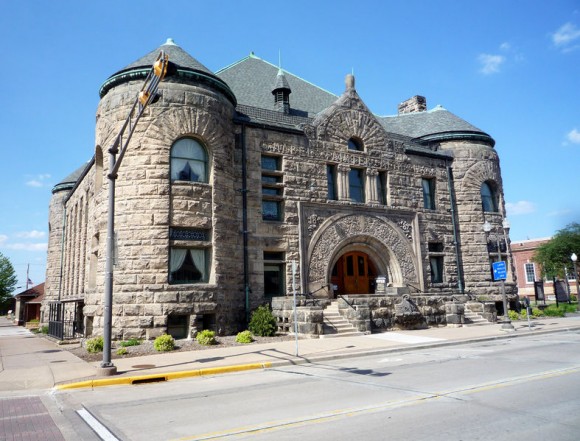
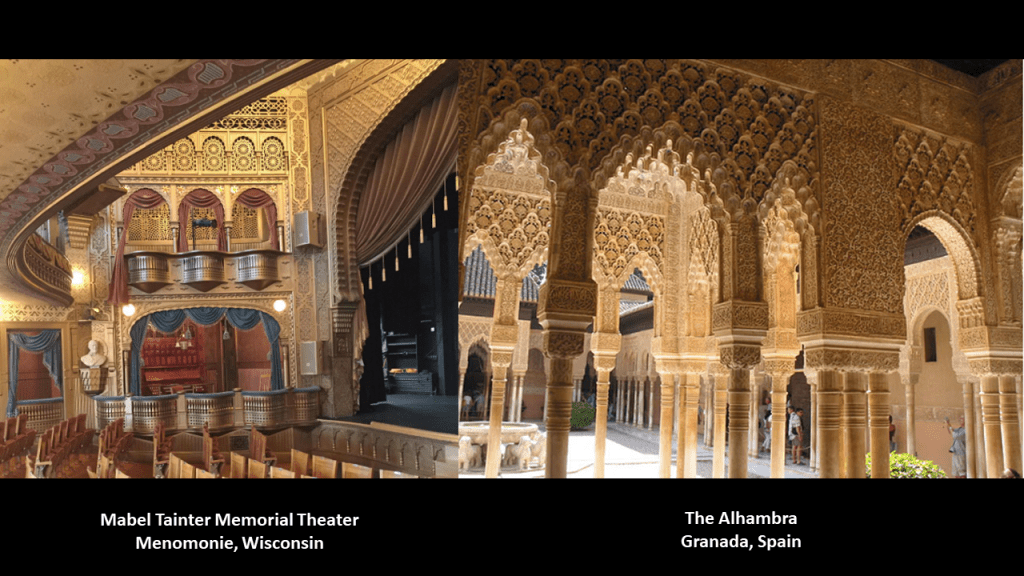
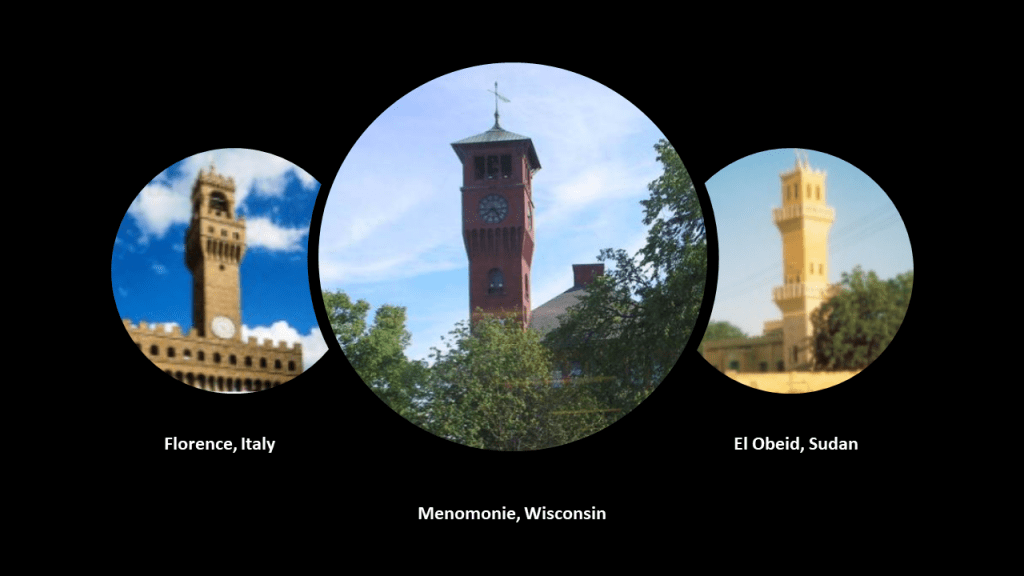
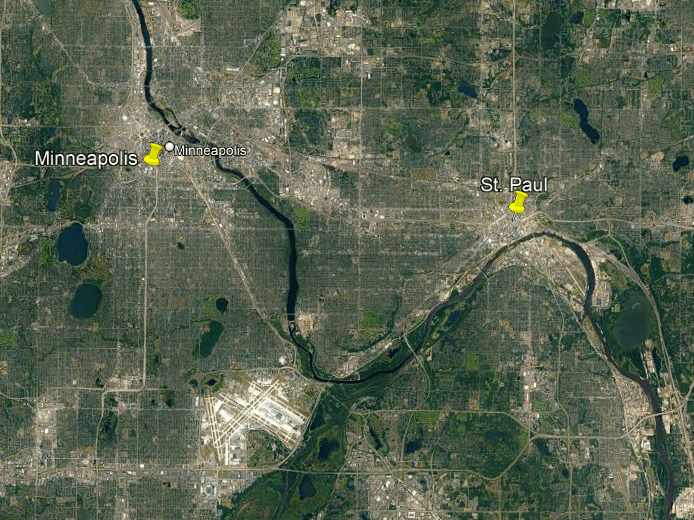
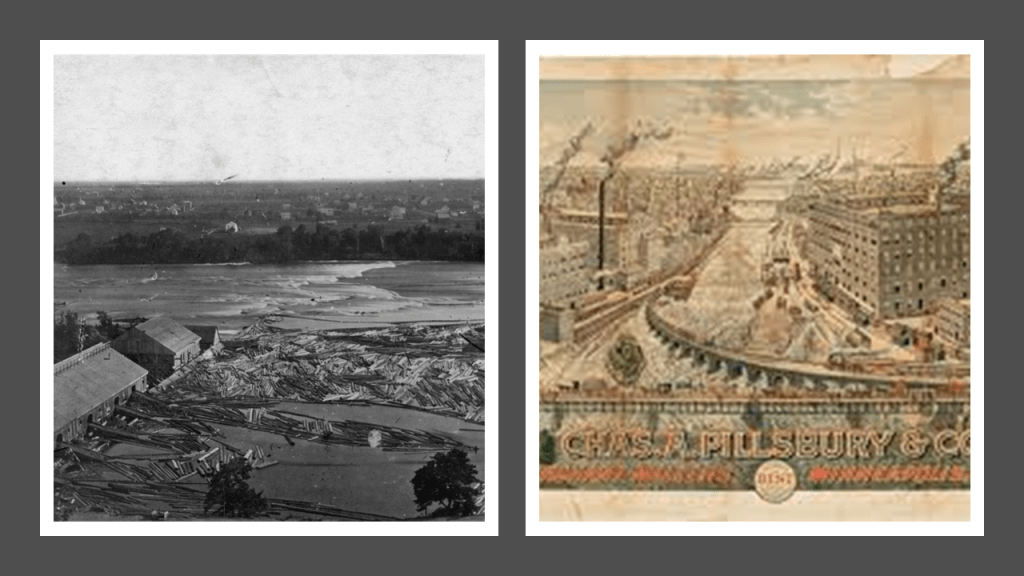
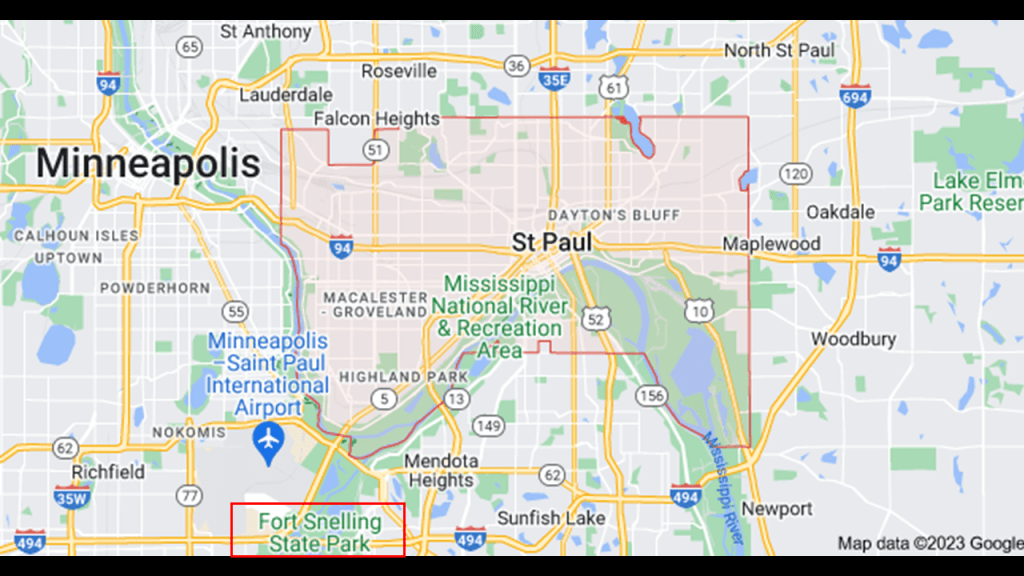
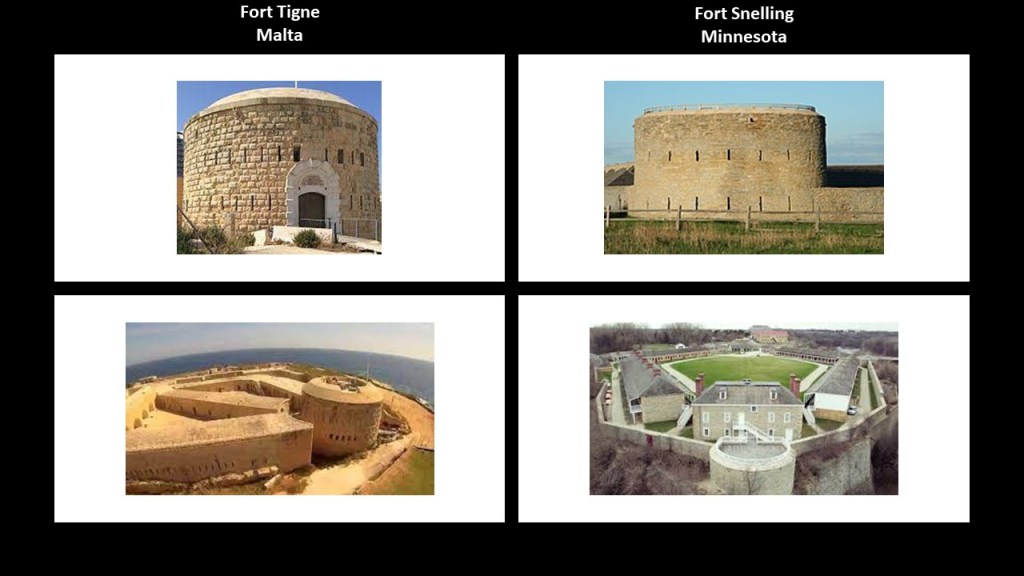
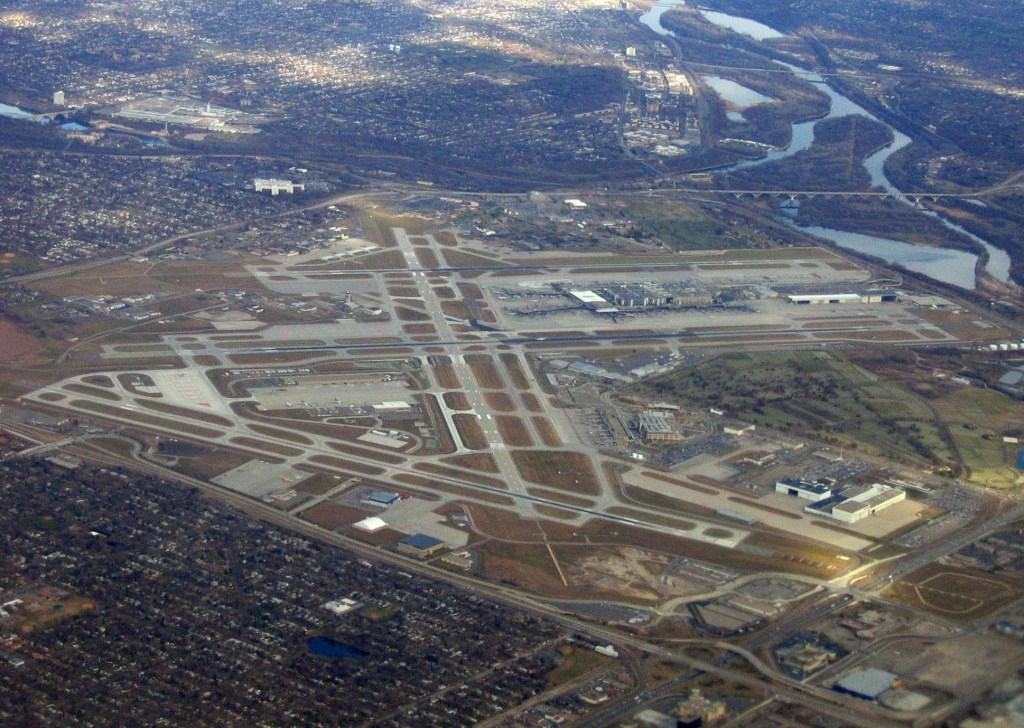
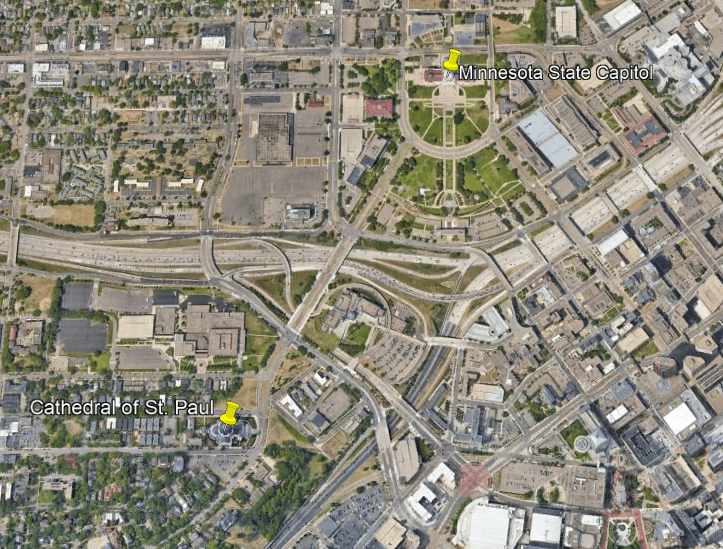

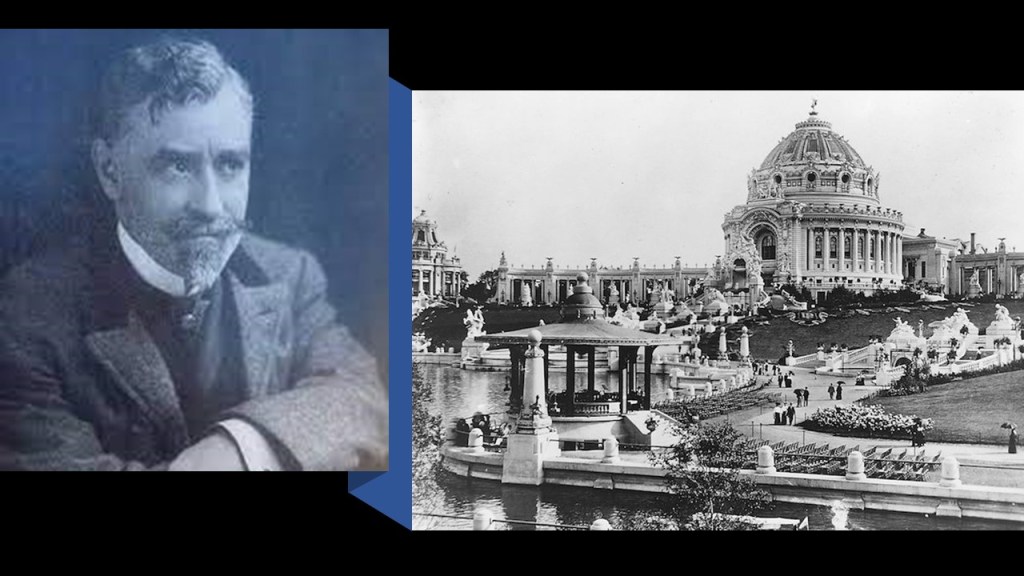
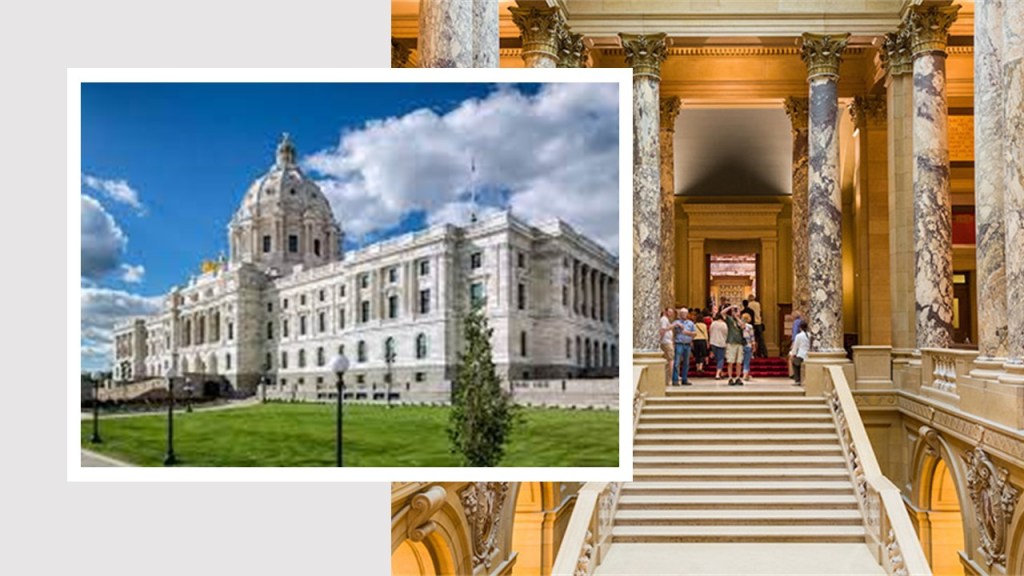
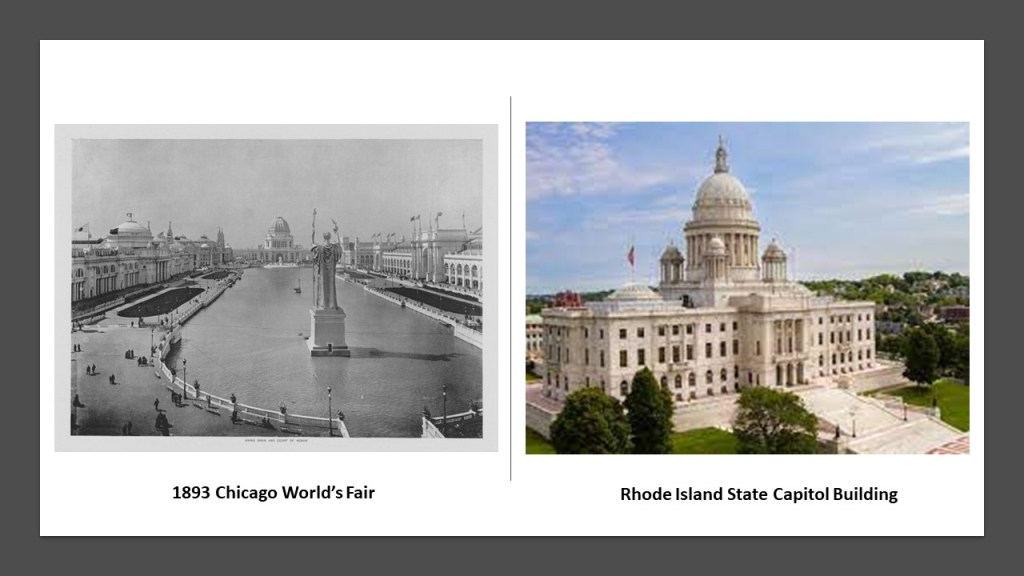
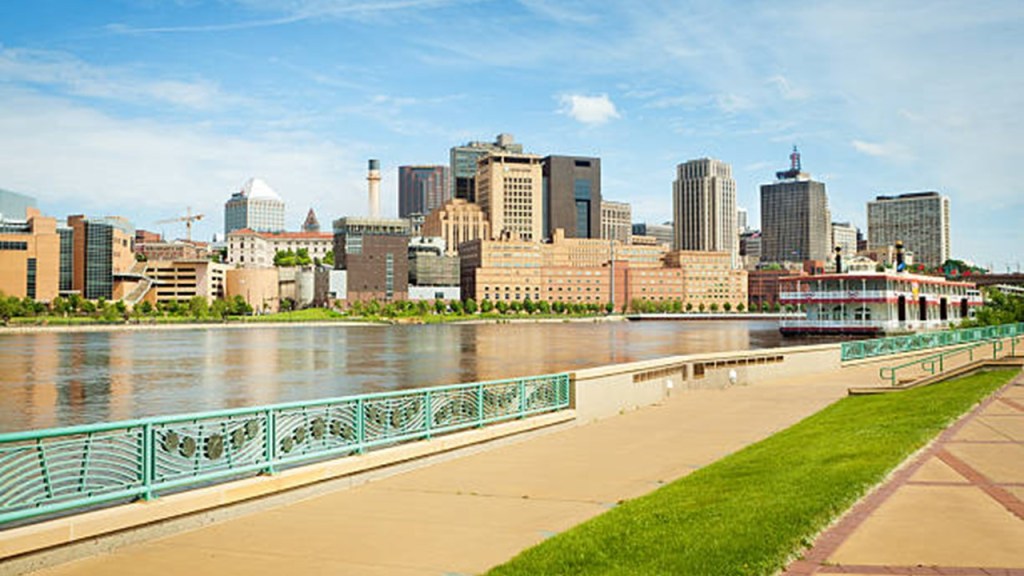
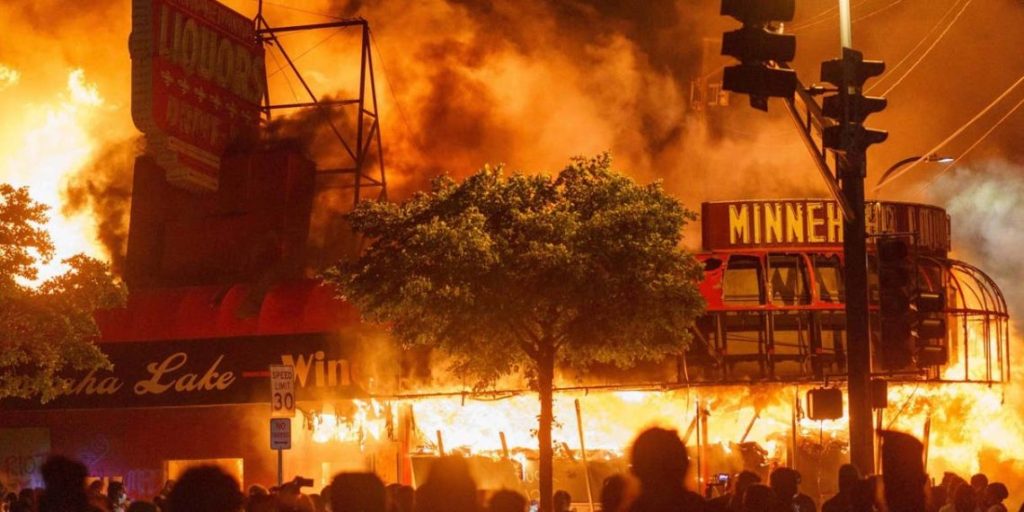
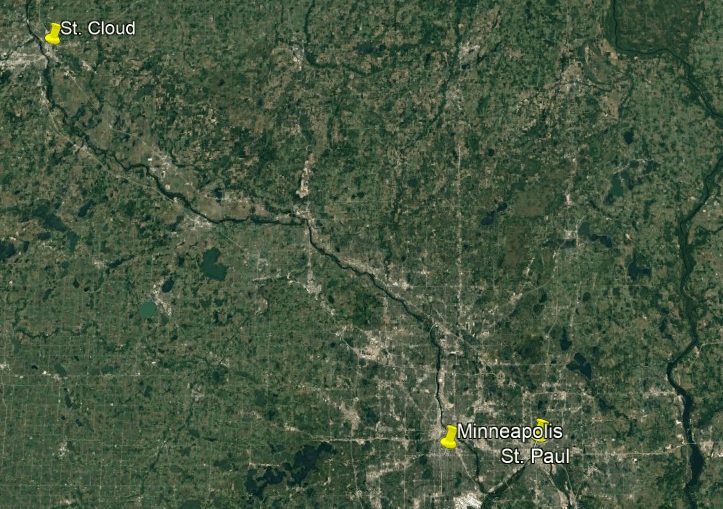
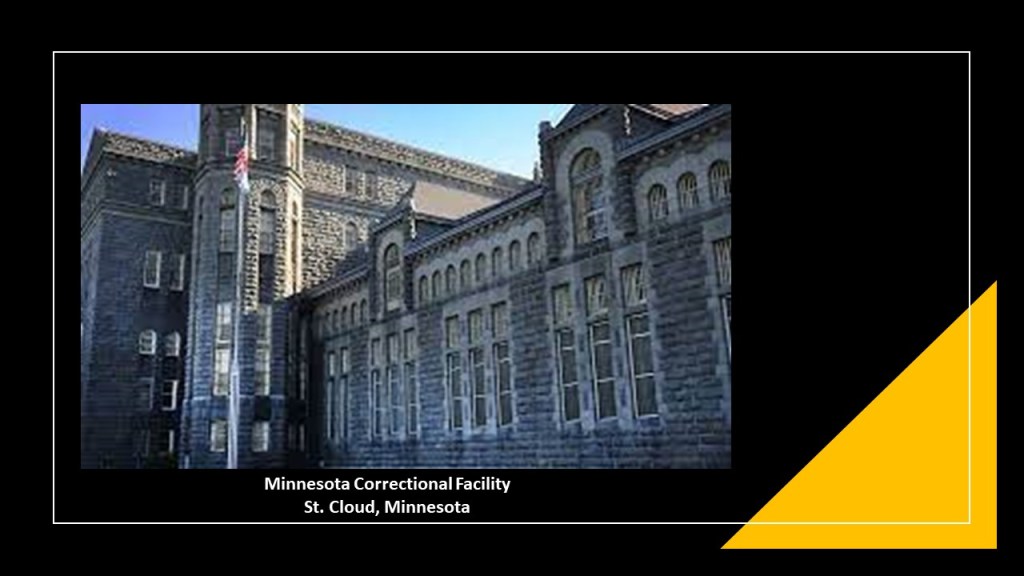
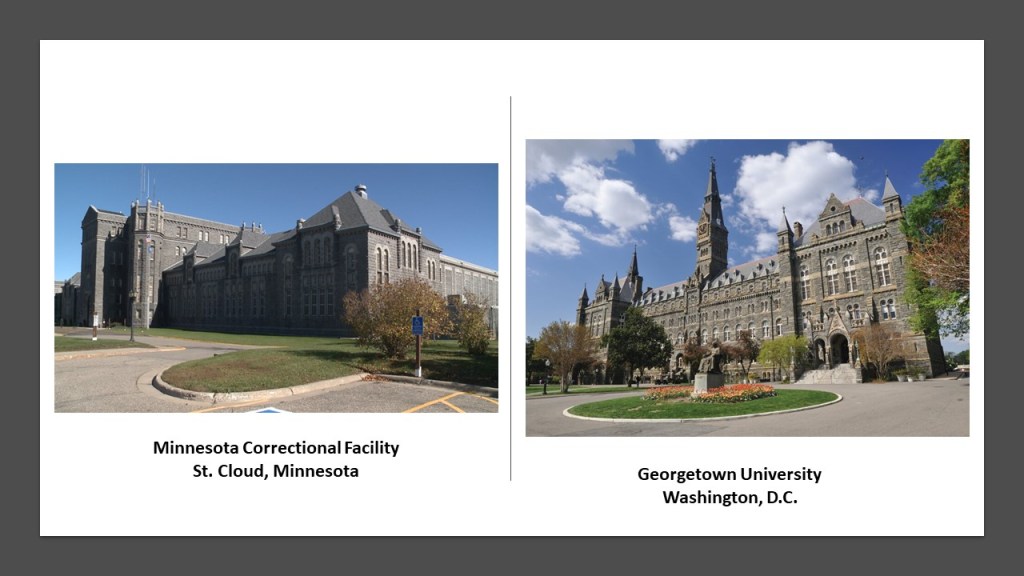
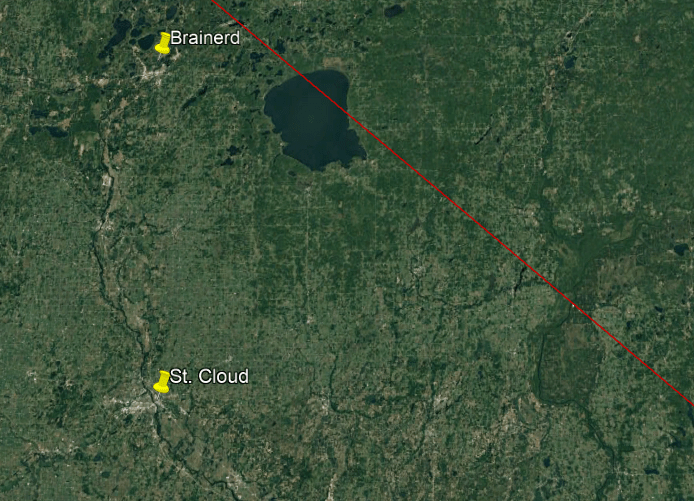
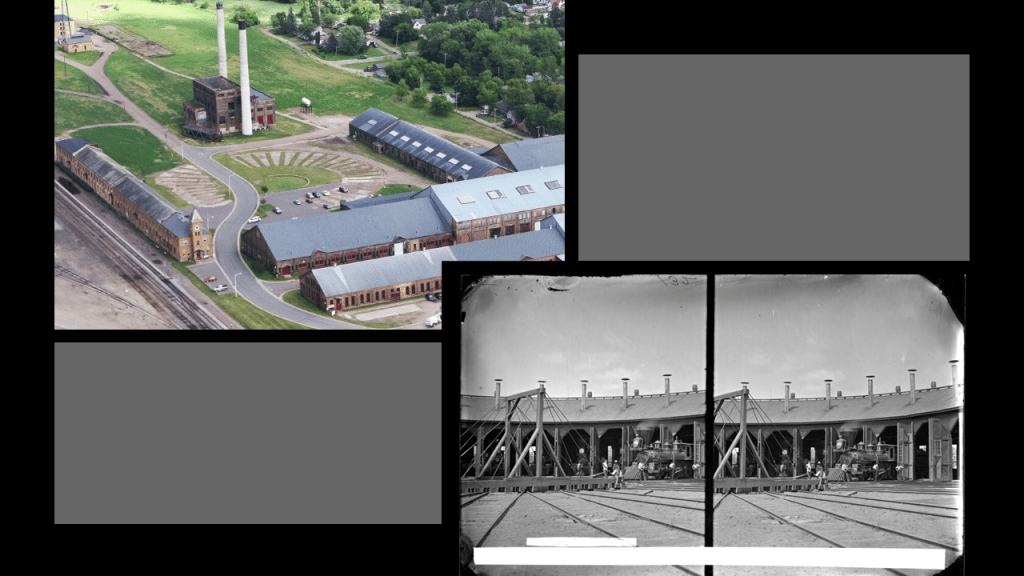
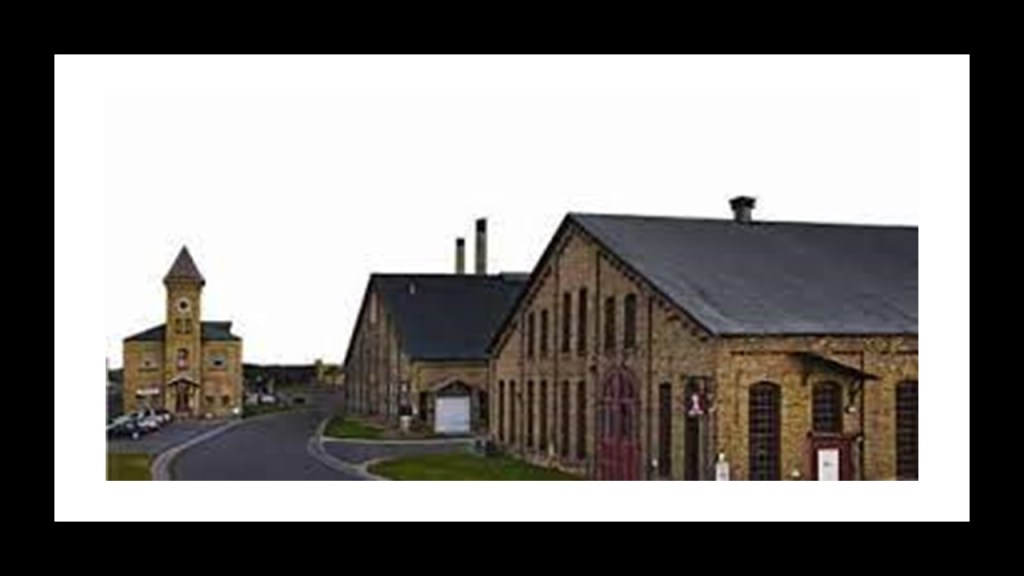
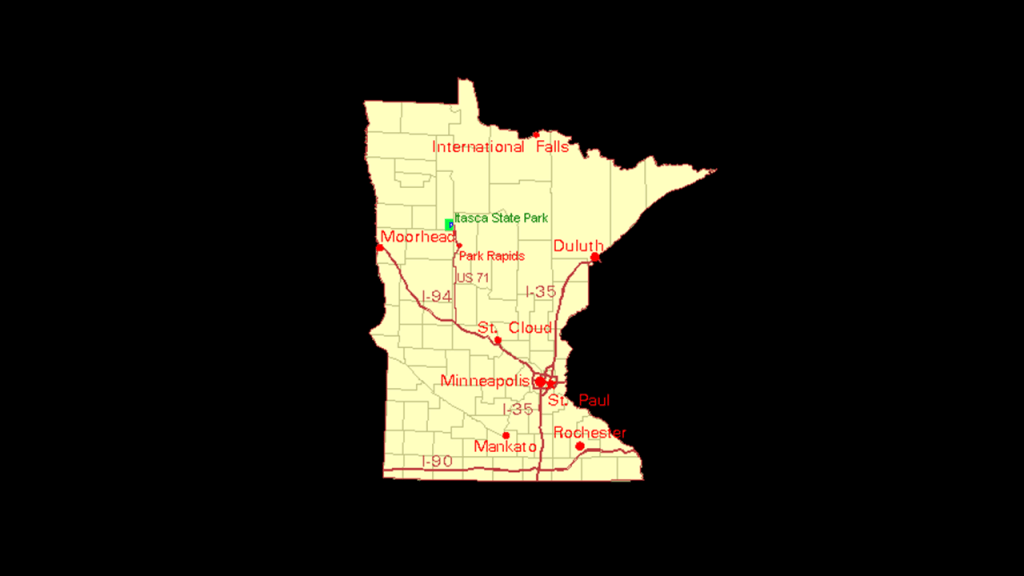
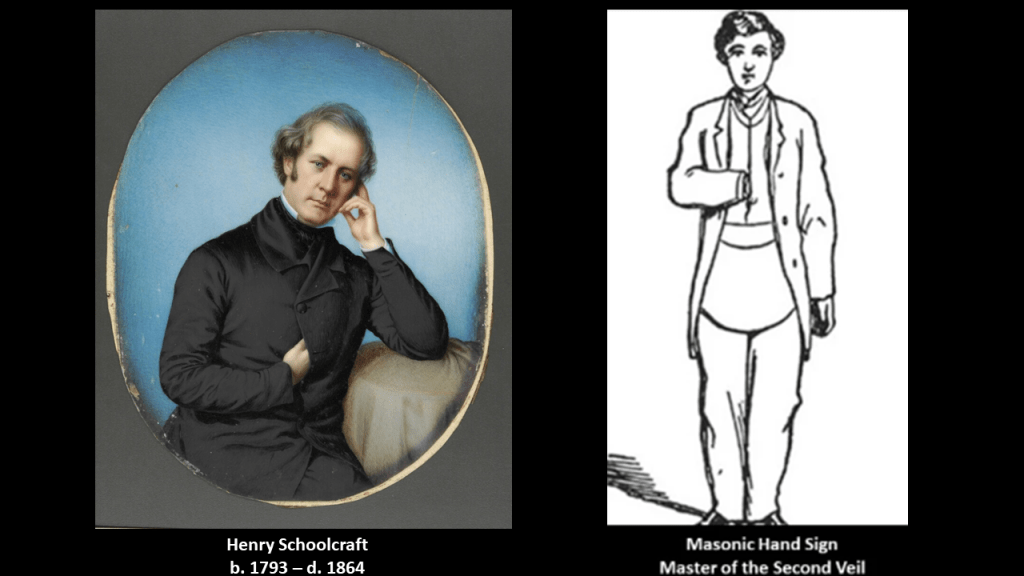

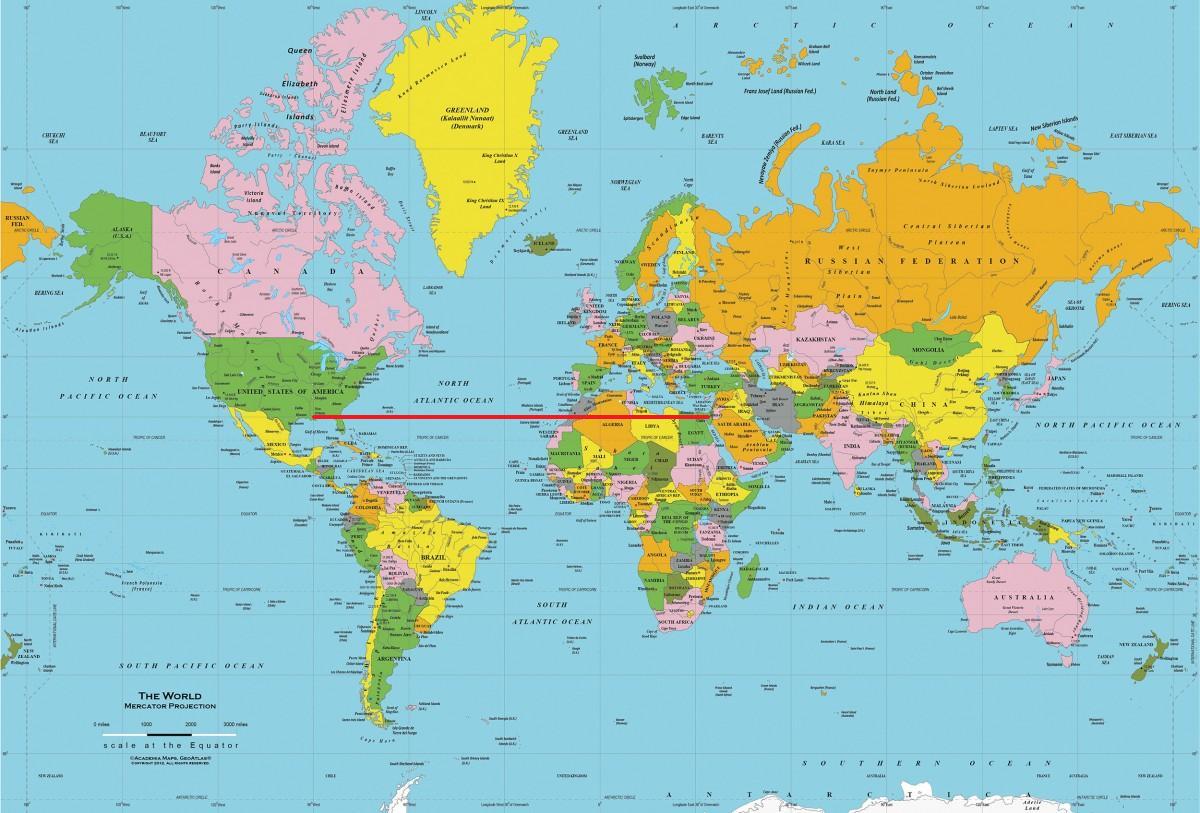
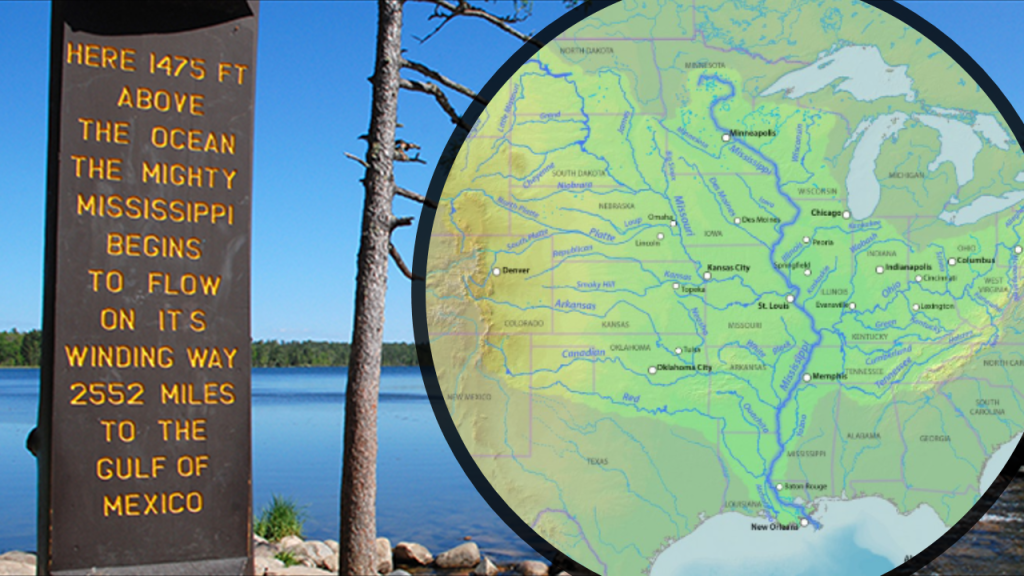
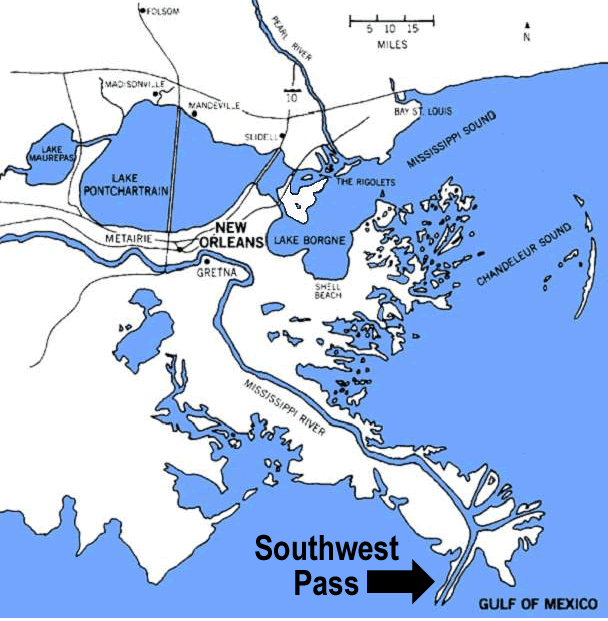
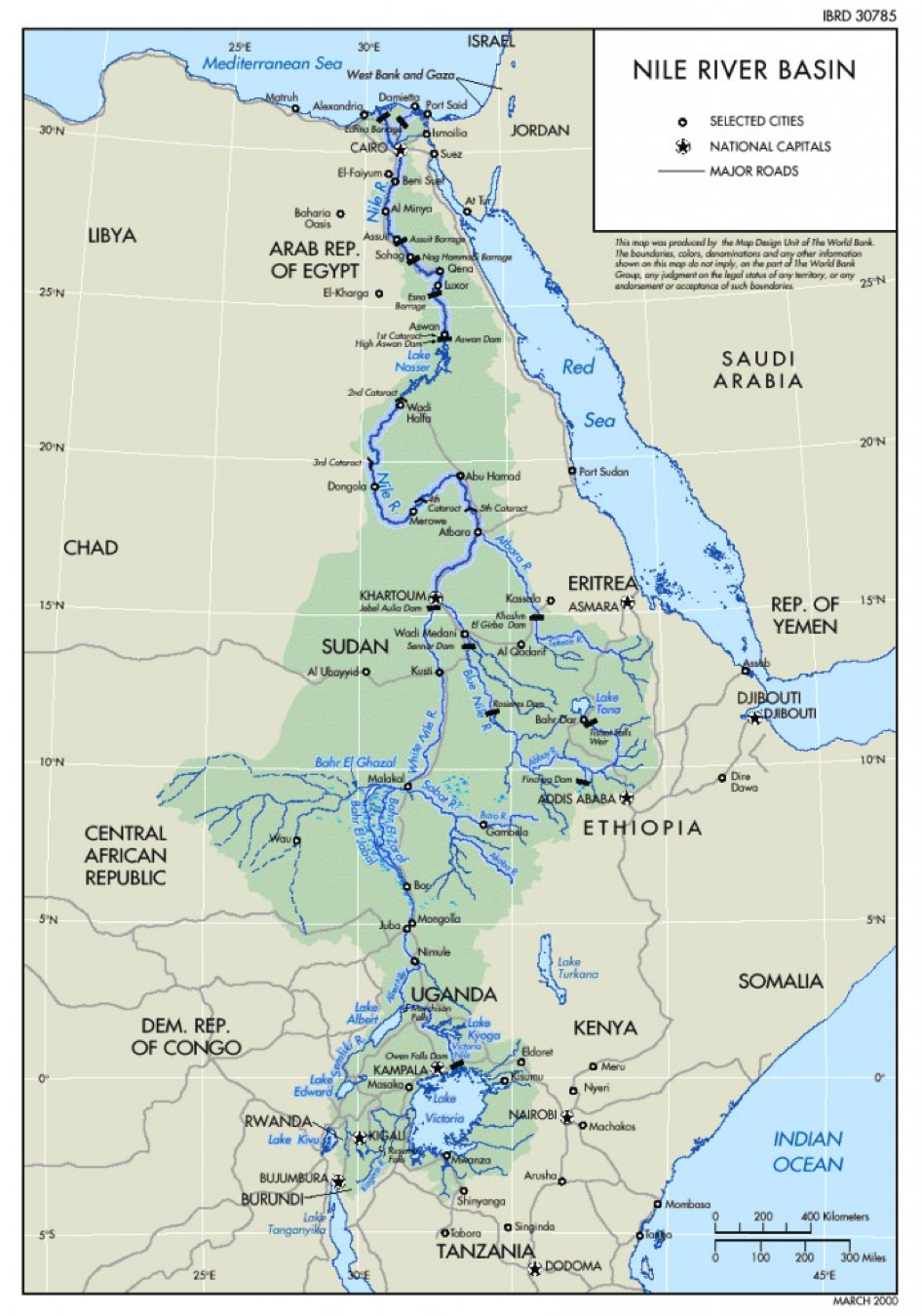
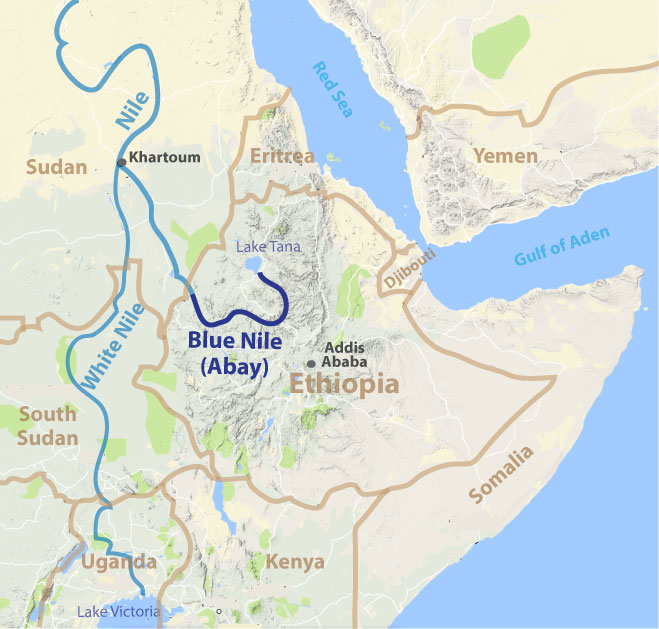
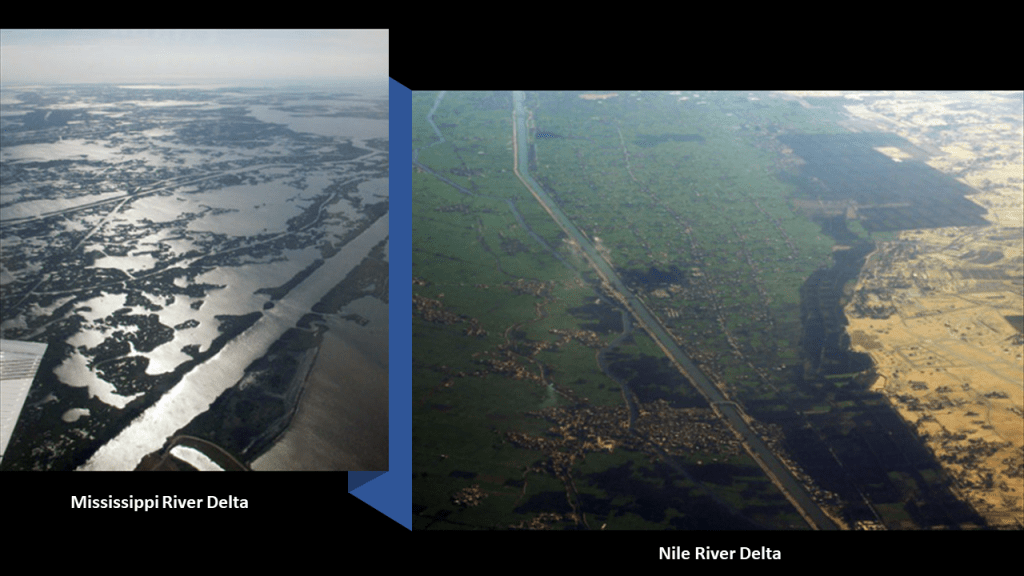

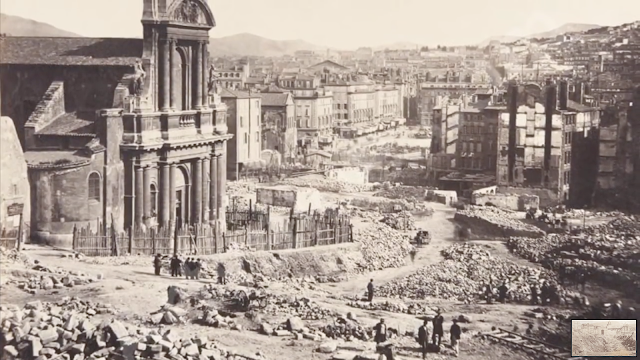
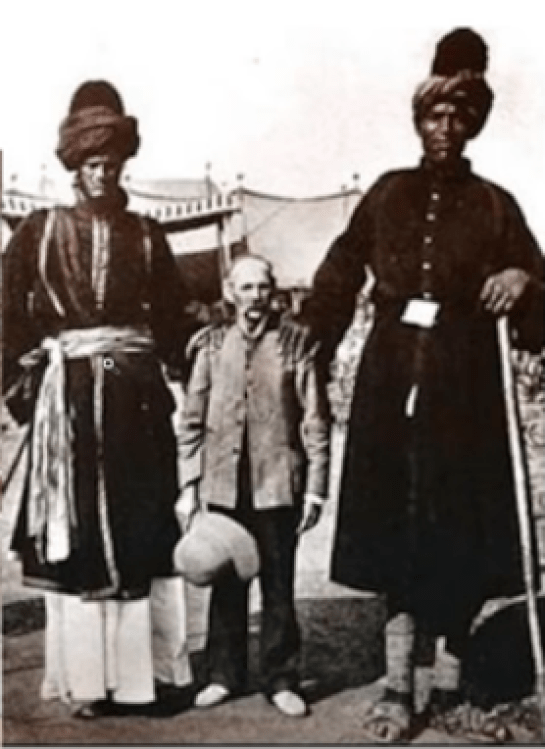
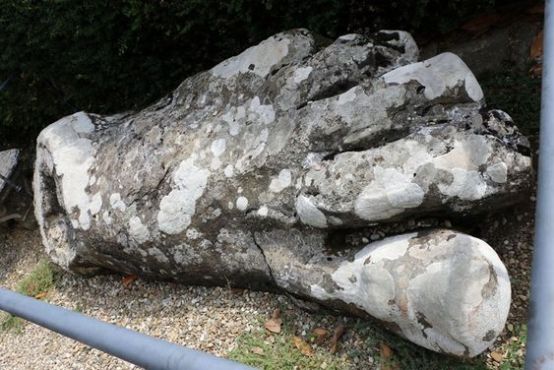
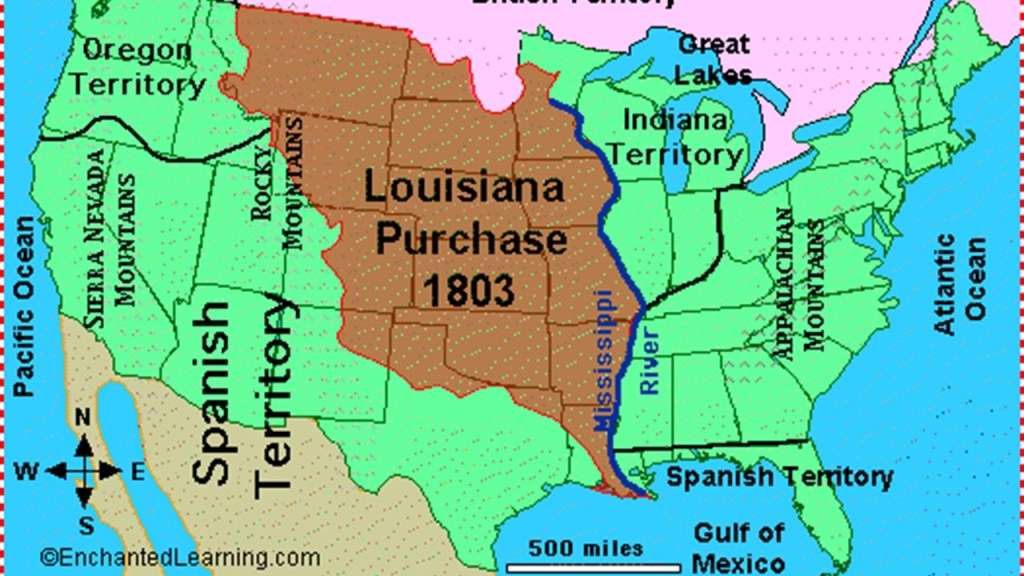
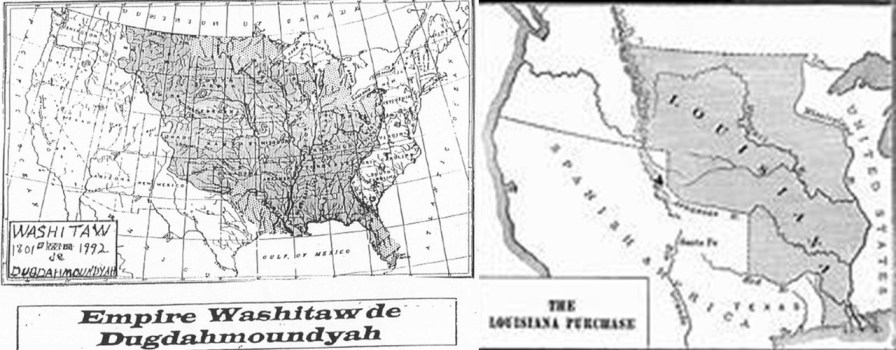

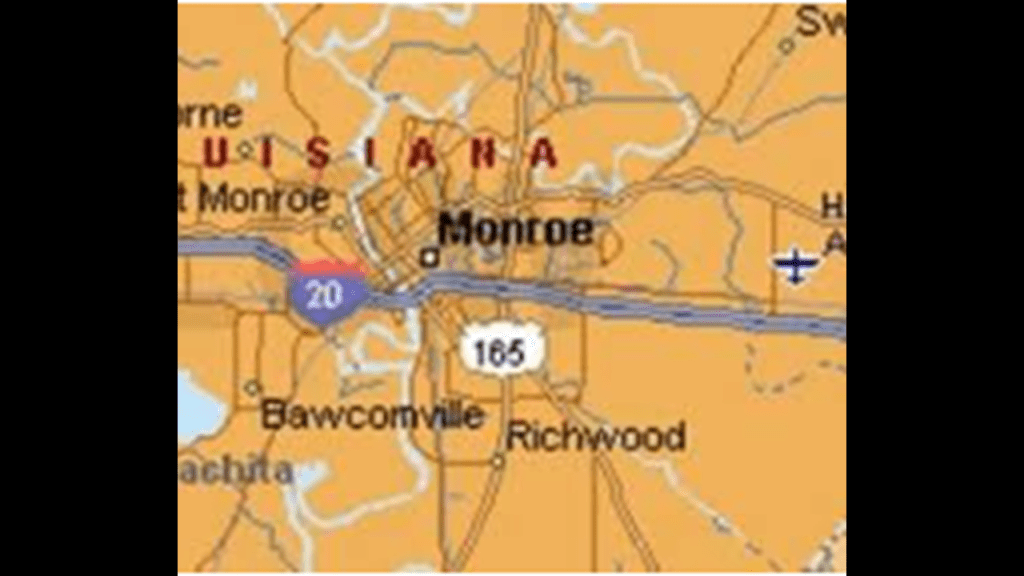
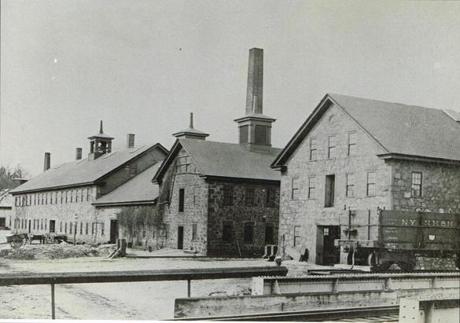

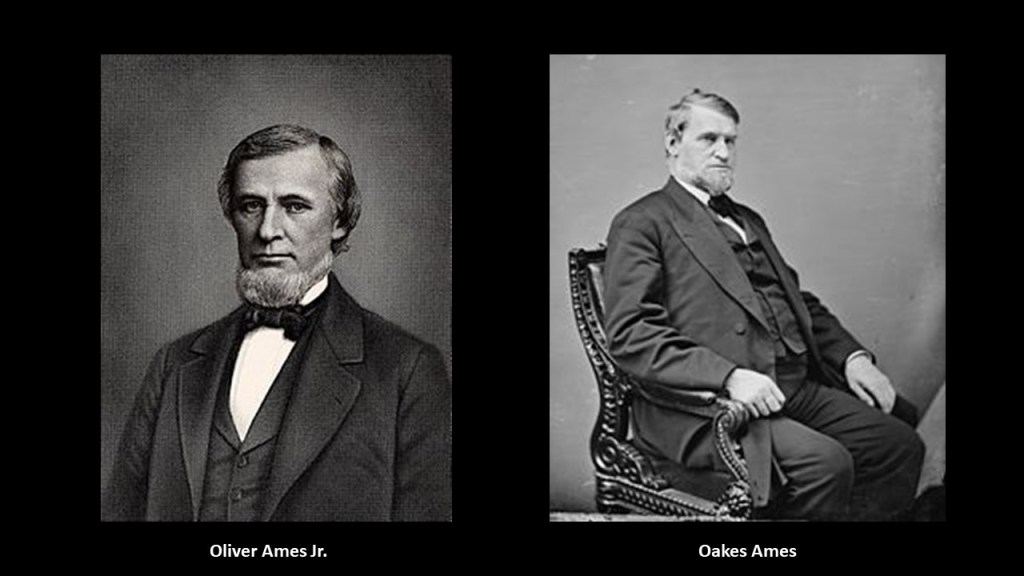


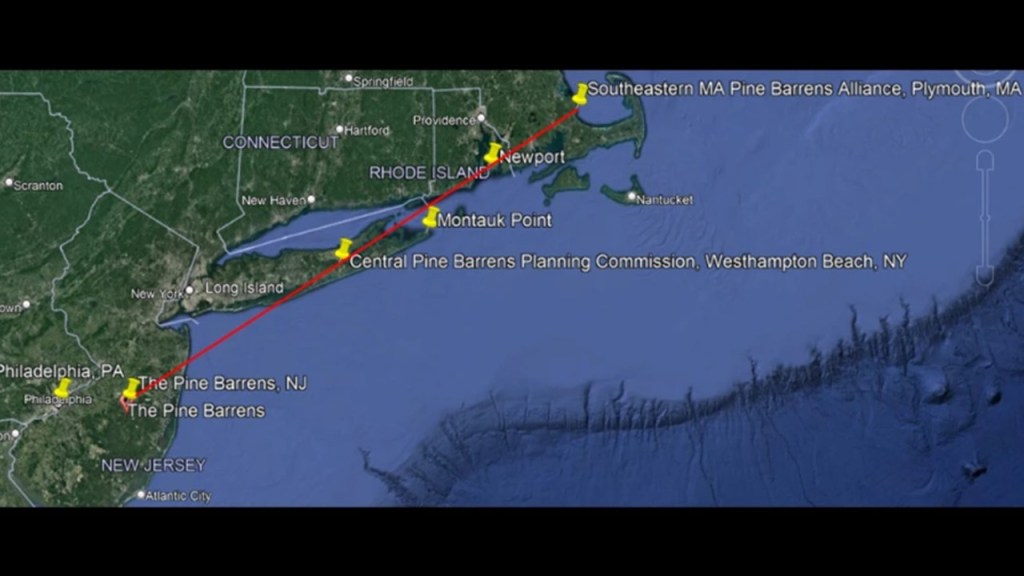
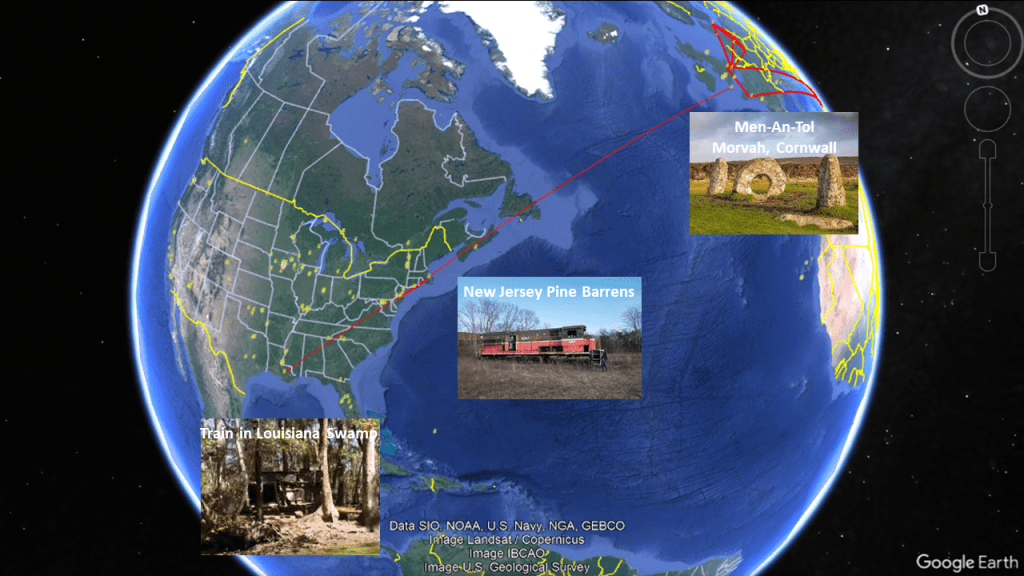
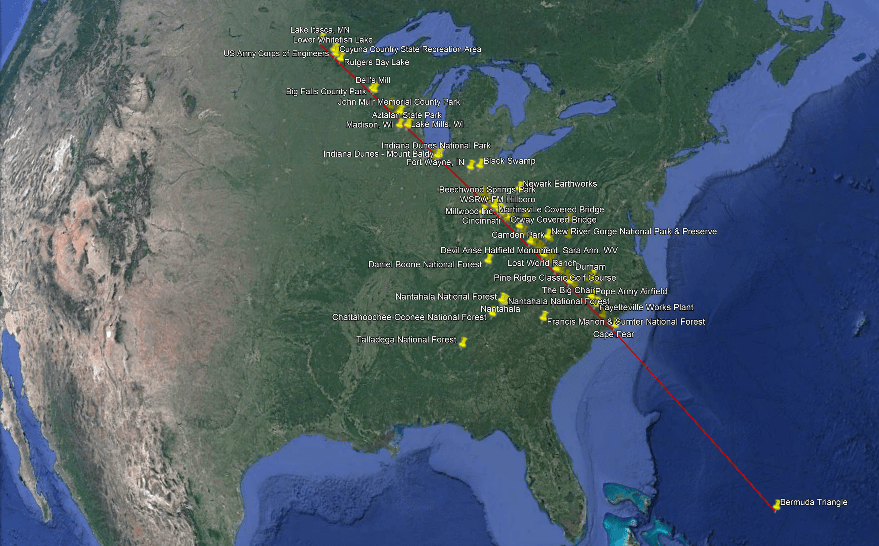
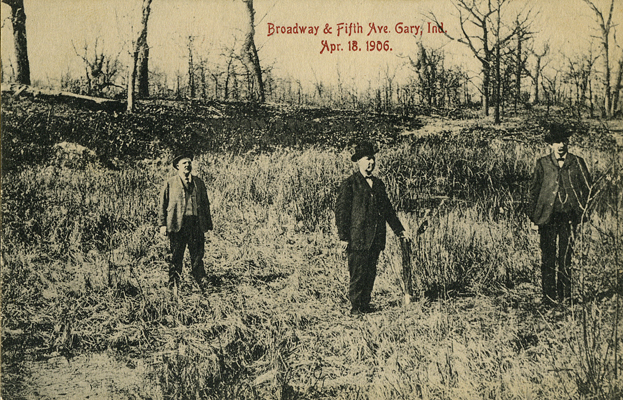
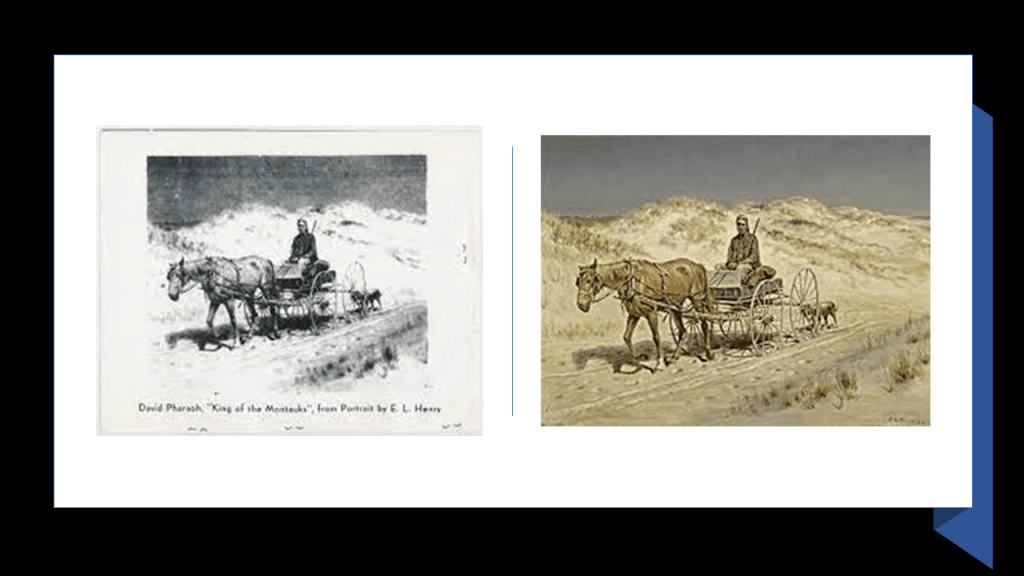


 Revealing What Has Been Hidden in Front of Our Eyes