I am going to share the evidence that I have found in my research ways of the ways that our perception of plane vs. planet has been manipulated, and other findings of interest, in this post.
One viewer suggested I do this for a “Short & Sweet,” and another wanted to know my views specifically about this subject.
I have already done most of the research that follows, and does not take me long to put together when that is the case, so I can get it out more quickly compared to brand new research, which takes a lot more time to produce.
A lot of what I have discovered about this subject was primarily in my research of cities and places in long-distance alignments, based on and emanating from my finding of the North American Star Tetrahedron in 2016, which is where my original research on this subject began almost six years ago.
My own journey into researching the whole of this started with the data points I have on spreadsheets in the form of cities and places in alignment with each other, and for which I have come to believe Earth’s original ancient civilization was laid out according to Sacred Geometry, also aligning Heaven and Earth.
It is helpful to define some terms used to described how the Earth has been measured and mapped in the present-day, and in the past.
The study of geodesy is defined as the science of accurately measuring and understanding the Earth’s shape, orientation in space, and gravitational field.
A geodetic system is a coordinate system, and a set of reference points, used for locating places on the Earth.
A geographic coordinate system enables every location on Earth to be specified by a set of numbers, letters and symbols.
The coordinates are such that one of the numbers represents a vertical position, which would derive from the North-South lines of latitude, and the horizontal position, from the East-West lines of longitude.
Longitude fixes the location of a place on Earth east or west of a North-South zero-line of longitude called the Prime Meridian, given as an angular measurement that ranges from 0-degrees at the Prime Meridian to +180-degrees westward and -180-degrees eastward.
Sir George Biddell Airy, an English mathematician and astronomer, was the seventh Astronomer Royal from 1835 to 1881.
He established the new prime meridian of the Earth in 1851, a geographical reference line, at the Royal Observatory of Greenwich in London, and by 1884, over two-thirds of all ships and tonnage used it as the reference meridian on their charts and maps.
In October of 1884, the United States hosted the International Meridian Conference, attended by twenty-five countries, in order to determine the Prime Meridian for international use after worldwide pressure had been applied to establish a prime meridian for worldwide navigation purposes and to unify local times for railway time-tables, with Sir George Airy’s Greenwich Meridian already being the favored one for use.
Twenty-two of the twenty-five countries in attendance voted to adopt the longitude of the Royal Observatory in Greenwich as the zero-reference line.
Interesting to note, the International Meridian Conference was held right before the German chancellor Otto von Bismarck-organized Berlin Conference, which was convened in November of 1884 and lasted until February of 1885, during which almost all of Africa was carved up between the European powers.
The Prime Meridian of the Earth previous to the Royal Observatory of Greenwich was the great pyramid of Giza, located at the exact center of the Earth’s landmass.
Carl Munck deciphers a shared mathematical code in his book “The Code,” related to the Great Pyramid, in the dimensions of the architecture of sacred sites all over the Earth, one which encodes longitude & latitude of each that cross-reference other sites.
He shows that this pyramid code is clearly sophisticated and intentional, and perfectly aligned over long-distances.
I just recently learned about the National Geodetic Survey (NGS) and its Transcontinental Levelling program that started in 1887, in the research for my last “Short & Sweet” post.
The National Geodetic Survey was the first civilian scientific agency, established in 1807 by President Thomas Jefferson as the “Survey of the Coast,” with a stated mission to survey the U. S. Coastline and create a survey network, establish coastal water depths, and nautical charts to help increase maritime safety.
This was a sketch of the New York Harbor showing the first field work of the “Survey of the Coast” in 1816 and 1817.
Today the survey network first established in the early 19th-century is called the National Spatial Reference System (NSRS) for surveying and engineering projects requiring precise spatial information and has been administered by the National Oceanic and Atmospheric Administration of the U. S. Department of Commerce since 1970.
The National Geodetic Survey started a trans-continental levelling program in 1887, with levelling defined as “…a high order of accuracy usually extended over large areas to furnish accurate vertical control…for all surveying and mapping operations.”
They utilized “horizontal datum,” benchmarks made typical of brass, bronze, or an aluminum disk set in concrete or rock assigned precise latitude and longitude measurements within the survey network.
I know there is a lot more to unpack here, but I find this very interesting in light of what horizontal and vertical mean and the implications in relationship to the shape of the Earth’s surface.
Daylight Savings Time apparently was first proposed by George Hudson, an astronomer and entomologist (studier of insects) from New Zealand.
In 1895 he presented a paper to the Wellington Philosophical Society proposing a 2-hour daylight-saving shift because he wanted more daylight hours in the summer to pursue his collecting of insects.
The other person who was credited with independently coming up with the Daylight Savings Time concept was English builder and outdoorsman William Willett, who apparently wanted things like more daylight in which to play golf, proposed the idea to Parliament in 1908, though the bill failed to pass after multiple attempts until 1916.
Also of interest to note, the Global Positioning System (GPS) was developed by the United States Department of Defense and launched for military use in 1973 and became fully operational in 1995.
Civilian use was allowed starting in the 1980s.
It was based on ground-based radio-navigation systems that were developed in the early 1940s, like LORAN and Decca Navigator.
For point of information, this is the image found on the NASA Space Place – Science for Kids – about “How does GPS work?” and typical of the visual imagery that is available to us on this subject.
Now onto the subject of early maps and globes.
in earlier maps, ley-lines were depicted on land and sea, a like on the Catalan Atlas of the Majorcan Cartographic School, considered the most important map of the Medieval period in the Catalan language, dated to 1375.
Here’s a map of Africa’s Gold Coast showing ley-lines as well…
…and another early map was the Cantino Planisphere, said to have been completed by an anonymous Portuguese cartographer some time before 1502.
A planisphere is defined as a map formed by the projection of a sphere or part of a sphere on a plane.
What we are told is that in cartography, the science of map-making, a map projection is the way of flattening the globe’s surface into a plane in order to make it into a map, which requires a systematic transformation of the latitudes and longitudes of locations from the surface of the globe into locations on a plane.
It would seem that the Earth’s ley-lines started to disappear from maps in the 1500s, when Gerardus Mercator, a Flemish geographer, cartographer and cosmographer, published a world map in 1569 that is considered to be the first where sailing courses on the sphere were mapped to the plane map, allowing for a “correction of the chart to be more useful for sailors.”
His 1569 map showed the depiction of straight ley-lines in the seas, but not on land and sea as were present on the flat projections of the Cantino Planisphere and the Catalan Atlas.
Here is a close-up section of the 1569 map showing the depiction of straight ley-lines in the seas but not on land and sea as were present on the flat projections of the Cantino Planisphere, the Catalan Atlas, and the African Gold Coast map.
Not only that, Mercator was also a globe-maker, like this one from 1541.
Ptolemy’s “Geography” was an atlas and treatise of geography from 150 AD said to compile the geographical knowledge of the 2nd-century Roman Empire, and a revision of the now-lost atlas of Marinus of Tyre, a Phoenician cartographer and mathematician who was said to have founded mathematical geography, and who introduced improvements to the construction of maps and developed a system of nautical charts.
This is the cover of Mercator’s 1578 publication of “Tabulae Geographicae,” along with the globe, and Ptolemy said to depicted on the left, and Marinus of Tyre on the right.
Notice the difference between the lines on the globe at the top of the engraving, and the globe at the bottom, and while Ptolemy is pointing down to the globe at the bottom…
…he is holding up a geometric shape in his right hand that looks like the lines on the globe at the top on the left, which looks remarkably like the shape the sacred hoops formed in the Native American Hoop Dance on the right.
We are told the first globe in existence was called the Erdapfel, which translates from the German as “potato,” a terrestrial globe said to have been produced by Martin Behaim, a German textile merchant and cartographer, between 1490 and 1492.
This engraving of him was said to have been done in 1886.
It was a laminated linen ball, constructed in two-halves, reinforced with wood…
…and overlaid by a map painted by Georg Glockendon, pasted on a layer of parchment around the globe.
The German-English geographer and cartographer, Ernst Georg Ravenstein, who was born in Germany in 1834 but spent most of his adult life in England, wrote a book about Martin Behaim and his Erdapfel in 1908.
Only 13-years after Mercator was said to have published his world map in 1569, the Gregorian Calendar was introduced by Pope Gregory XIII in October of 1582, for the given reason of correcting the Julian calendar on stopping the drift of the calendar with respect to the equinoxes, and included the addition of leap years.
It took 300 years to implement the calendar in the west, and nowadays used in non-western countries for civil purposes.
The Mayan calendar was involved with the harmonization and synchronization of Human Beings and the development of Human Consciousness with natural cycles of time.
The Mayan calendar consisted of several cycles, or counts, of different lengths.
The 260-day count, or Tzolkin, was combined with a 365-day solar year known as the Haab’, to form a synchronized cycle lasting for 52 Haab’, called the Calendar Round, still in use today by many Mayan groups in the highlands of Guatemala.
The Tzolkin calendar combines twenty day-names and symbols, with thirteen day numbers, which represent different-sounding tones, to produce 260 unique days.
The Mayan Long Count calendar was used to track longer periods of time.
The ancient Egyptian calendar was a solar calendar with a 365-day-year, with three seasons of 120-days each, and 5-6 epagomenal days, also known as an intercalary month, transitional days that were treated as outside of the year proper to make the calendar follow the seasons or moon phases in common years and leap years.
Chronology is the next subject I would like to address.
Chronology is defined as: 1) the arrangement of events or dates in the order of their occurrence; 2) a document displaying an arrangement of events in order of their occurrence; 3) the study of historical records to establish the dates of past events.
In 1583, just one year after the introduction of the Gregorian calendar, Joseph Justus Scaliger published the “Opus de Emendatione Temporum” or “Work on the Amendment of Time.”
Scaliger was said to revolutionize perceived ideas of ancient chronology to show that ancient history was not confined to that of the Greeks and Romans, but also comprises that of the Persians, the Babylonians, the Egyptians, and the Jews.
In this work, we are told Scaliger investigated ancient systems of determining epochs, calendars and computations of time.
We are told the publication ofhis “Work on the Amendment of Time” placed him at the head of all the living representatives of ancient learning.
Scaliger synchronized all of ancient history in his two major works, De Emendatione Temporum (1583) and Thesaurus Temporum (1606). Much of modern historical datings and chronology of the ancient world ultimately derived from these two works.
Interestingly, when I was looking for information on Scaliger’s Thesaurus Temporum, I found the “Excerpta Latini Barbari,” a Latin translation of a 5th- or early 6th-century Greek chronicle composed in Alexandria, Egypt.
The “Excerpta Latini Barbari,” was said to be a variation of the Alexandrian World Chronicle, an anonymous Greek Chronicle compiled in Alexandria, said to have covered recorded history from Creation until the year 392 AD.
We are told “Excerpta Latini Barbari,” translates to “Excerpts in Bad Latin.”
Scaliger was said to have taken the first scholarly interest in the “Excerpta Latini Barbari,” and first named the chronicle “Barbarus Scaligeri.”
The chronicle contains two main sections: (a) the history of the world from the creation to Cleopatra and (b) a list of kings or rulers from Assyria to the consuls of Rome, including the Ptolemaic dynasty, a list entitled “high priests and kings of the Jews” and an entry for Macedonian kings.
Here is the problem I have with this translation of “Excerpta Latini Barbari.”
Barbaria, or Barbary, was the name given to a vast region stretching from the Nile River Delta, across Northern Africa, which would have included Alexandria, Egypt, and the location of ancient Carthage in present-day Tunis, Tunisia, to the Canary Islands.
The coast of North Africa is still called the Barbary Coast to this day.
What if “Excerpta Latini Barbari” translates to something along the lines of Excerpts from Barbarian Latin?”
Yet we are taught that “barbarian” means a person from an alien land, culture, or group believed to be inferior, uncivilized, or violent.
I believe that Barbaria was one of the many empires of the original Moorish civilization, with its origins in ancient Mu, also known as Lemuria, as was Tartaria, or Tartary, in Asia, the name of much of which was changed to Manchuria in the mid-1850s.
In a similar fashion to “barbarian,” the word “tartarus” or “tartary” has come down to us meaning a deep abyss in hades that is used as a dungeon of torment and suffering for the wicked.
Anatoly Fomenko is a Russian mathematician who has proposed a new chronology, along with Russian mathematician Gleb Novosky and Bulgarian mathematician Yordan Tabov, in which they argue that events of antiquity generally attributed to the civilizations of the Roman Empire, Ancient Greece and Ancient Egypt, actually occurred during the Middle Ages, more than a thousand years later.
The concept is most fully explained in “History: Fiction or Science?” originally published in Russian.
The theory further proposes that world history prior to 1600 AD has been widely falsified to suit the interests of a number of different conspirators including the Vatican, the Holy Roman Empire, and the Russian House of Romanov.
Academic interest in the theory stems mainly from its popularity which has compelled historians and other scientists to argue against its methods and proposed world history.
Some of the central concepts of new chronology asserted by Fomenko and colleagues are:
Up to the 17th-century, historians and translators often “assigned” different dates and locations to different accounts of the same historical events, creating multiple “phantom copies” of these events.
This chronology was largely manufactured by Joseph Justus Scaliger in Opus Novum de emendatione temporum (1583) and Thesaurum temporum (1606), and represents a vast array of dates produced without any justification whatsoever, containing the repeating sequences of dates with shifts equal to multiples of the major cabbalistic numbers 333 and 360.
Fomenko’s methods included the statistical correlation of texts, dynasties, and astronomical evidence.
The Jesuit Dionysius Petavius completed this chronology in De Doctrina Temporum, 1627 (v.1) and 1632 (v.2).
Also known as Denis Petau, I can’t find any information about the contents of his chronology in an internet search.
I can only find copies of it on-line, not a summary of what is in it.
There are many, many reasons I am skeptical of the truthfulness of the historical narrative we have been taught.
And how did the new historical narrative get inside our heads, anyway?
The following screenshots are from a page entitled “The Origin of Compulsory Education” on Foster Gamble’s Thrive website. As I recall, it was from his movie “Thrive” that I first learned that the Rockefellers were the originators of the American Educational System.
When John D. Rockefeller established the General Education Board, it says the interest was in organizing children, and creating reliable, predictable, and obedient citizens, and not in producing critical thinkers.
Massachussetts passed the First Mandatory Attendance Law in 1852, which lines up with what I believe was the official kick-off of the new historical timeline, which I believe was the 1851 Crystal Palace Exhibition in London.
What I have shared in this post reflects what I have found so far in the course of several years of research that provides evidence supporting that we live on a plane versus planet, and many other ways in which our perception of place, time, and space has been manipulated.
I am very happy to share my findings and evidence with you for what sure appears to have happened here with regards to shifting our whole perception of everything about the world we live in.
My primary motivation and passion in doing this work is to bring back awareness of the Earth’s lost advanced worldwide civilization (the Old World Order) and to bring forth awareness that the New World Order is a real thing, how it came to be that way, and how we got to the point where we are today facing down the very grave threat to our existence that has been carefully and methodically planned for quite some time.
What is our future?
Sure looks uncertain right now, but I am putting my energy into the Great Awakening and into the belief that good triumphes over evil, and that they will not get away with what they have done to Humanity, the Creator, the Earth, and the Universe.
This is the third-part about early radio and television of what now is going to be a four-part series focusing on how we came to the place where we are today related to the origins and development of a new culture and a new narrative about our history.
I have already looked into the role of dime westerns, old west shows, and western movies in shaping the new narrative in the first part of the series; and in the second part I looked at the role of candy, dime museums, circuses, the early movie industry, and daredevils.
In the fourth part, and probably last part, of the series, I will be looking into the rise of computers and video games.
Before I go into the main feature of Early Radio and Television, I want to pass along a piece of information concerning an individual in our historical narrative about which I had no knowledge of.
I received a comment about Father Eusebio Kino, who has been referred to as Arizona’s first rancher.
We are told that Father Kino was a Jesuit, missionary, geographer, explorer, cartographer, and astronomer, who was born in northern Italy, and spent the last 24-years of his life in modern-day Sonora in Mexico and southern Arizona in the United States…
…in what was then part of the Viceroyalty of New Spain known as the Pimeria Alta, or “Upper Pima Land.”
From the moment he arrived in Pimeria Alta, he started to lead expeditions across northern Mexico, California and Arizona, following ancient trade routes, establishing missions and making maps of the region along the way.
We are told that Father Kino was important to the economic growth of the area, teaching the natives of the area to farm and raise cattle, sheep, and goats, and this his initial mission herd of 20 imported cattle grew to 70,000.
The Kino Heritage Society in Tucson is currently working on the process of getting him canonized as a saint.
Tributes to Father Kino include, besides various towns, streets, schools, monuments and geographic features being named after him:
A statue in the U. S. Capitol Building’s Statuary Hall Collection…
…the Wesley Bolin Memorial Plaza across from the Arizona State Capital building in Phoenix…
…which has a time capsule in the base placed there in 1967, and to be opened in the year 2235…
…and in 1963, Father Kino was inducted into the Hall of Great Westerners at the National Cowboy & Western Heritage Museum in Oklahoma City.
Also, interesting to note I know of at least one language, German, where the word “kino” means “movie theater.”
Now on to the main features of this post – early radio and television as “Shapers of the New Narrative.”
James Clerk Maxwell was the Scottish mathematician and scientist credited with the classical theory of electromagnetic radiation, and in 1865 published a book called “A Dynamical Theory of the Electromagnetic Field,” in which he demonstrated that electric and magnetic fields travel through space as waves moving at the speed of light, and his work predicted the existence of radio waves.
Maxwell was regarded as a founder of the modern field of electrical engineering.
Radio as we know it started to come into being in the late 1880s to 1920, during which time the technology of transmitting sound was developed (or recovered depending upon how you look at it).
The world’s first long-distance radio signal was sent by Gugliemo Marconi from Alum Bay near The Needles on the Isle of Wight in the year 1897.
Alum Bay sand includes extremely pure white silica, an important component for enhancing radio frequency transmission.
Marconi gets the credit for the creation of the first radio wave-based wireless telegraph system that was practical, which led him to being credited as the inventor of radio, and Marconi shared a Nobel prize in Physics in 1909 with Karl Ferdinand Braun for their contributions to the development of wireless telegraphy.
Karl Ferdinand Braun was a German electrical engineer and physicist who contributed significantly to the development of radio and television technology, including the first Cathode Ray Tube (CRT), also in 1897 like Marconi’s first long-distance radio signal.
The Cathode Ray Tube was fundamental in developing the first fully-electronic television, of which the first demonstration of a television that employed a Cathode Ray Tube display was in 1926 in Japan at the Hamamatsu High School by Kenjiro Takayanagi.
Kenjiro Takayanagi, a Japanese electrical engineer, is referred to as the “Father of Television” for developing the world’s first all-electronic television receiver, though his research on creating a production model was halted by the United States after Japan’s loss in World War II.
He went on to play a role in the development of television at the Japanese Broadcasting Corporation and at JVC, or the Victor Company of Japan, and was involved in the development of color television and video tape recorders.
The early days of radio technology included communication by wireless telegraph, in which an operator tapped on a switch which caused the radio transmitter to produce a series of pulses of radio waves which spelled out messages in Morse Code.
Samuel F. B. Morse was an American painter and inventor of the 19th-century…
…who contributed to the development of the telegraphic code which bears his name.
The precedent before the radio for broadcasts of live drama, comedy, music and news were called “Theatrophones” which were commercially introduced in Paris in 1890 and available through the early 1930’s.
It was developed as a subscriber service in Europe that allowed people to listen to such things as opera and theater performances over the telephone lines.
————-
Between 1900 and 1920, the first technology for transmitting sound by radio that was developed, Amplitude Modulation (AM), was used for radio broadcasts.
Crystal radios were the first widely-used type of radio receiver, and the main type used during the wireless telegraphy era.
Not needing external power, crystal radios use the power of the radio signal to produce sound using a component called a “crystal detector,” made from a piece of crystalline mineral like galena, and could be made with a few inexpensive parts.
Said to have been sold and homemade in the millions, the crystal radio was a major driving force in the introduction of radio to the public and contributed to the development of radio as an entertainment medium with the beginning of radio broadcasting in 1920.
Mass radio communication came into fashion after the sinking of the Titanic on April 15th of 1912, inspired by the work of amateur, also known as “ham,” radio operators, which used radio for the non-commercial exchange of messages, including emergency communications.
Then World War I brought big developments in radio, which took place between July 28th of 1914 and November 11th of 1918, as it was critical for wartime communications.
Developments like the introduction of the transceiver…
…and vacuum tube technology.
On August 31st of 1920, the first radio news program was broadcast on local election results in Detroit on the station 8MK, which came to be known as WWJ.
It was owned and operated by the Detroit News, the first newspaper to have a radio station.
8MK?
Like MKUltra?
In the same year of 1920, on November 2nd, the first commercial radio station, KDKA, was established in Pittsburgh, Pennsylvania, in time to broadcast the results of the 1920 Warren G. Harding-James M. Cox Presidential election race before they could read it in the newspaper.
The “Golden Age of Radio” was the time period when radio, the first electronic mass media technology, was dominant in home entertainment, beginning with the birth of commercial radio broadcasting in the early 1920s, and lasting through the 1950s, when television replaced radio as the preferred choice for scripted programming, variety, and dramatic shows.
The ability for multiple radio stations to simultaneously broadcast the same content came about with the development of radio networks, and by early 1922, AT & T announced plans for the development of the first radio network using its telephone lines to transmit content, and for the development of advertisement-supported broadcasting on the radio stations it owned, with WEAF becoming the first commercially-licensed radio station in New York City on March 2nd of 1922.
WEAF began selling time for “Toll Broadcasting,” which allowed anyone to use a licensed AT & T radio station to broadcast any message of their choosing for a fee based on time-of-day and duration, and the idea of selling blocks of times to advertisers to fund broadcasts came from here.
In 1926, AT & T decided to leave the broadcasting field, we are told, and sold its entire network organization to a group headed by the Radio Corporation of America (RCA), which in turn used the assets to form the National Broadcasting Company, and WEAF eventually became WNBC in 1946, which was on the air until October of 1988.
Long story short, RCA was founded as a patent trust in 1919 as a reorganization of the Marconi Wireless Telegraph Company of America, and was owned in partnership by General Electric; Westinghouse; AT & T; and the United Fruit Company.
RCA became an independent company after the partners were required to divest their ownership as part of a government antitrust suit, and became the dominant electronics and communications firm in the United States for over 50-years.
The Federal Radio Commission (FRC) was formed as an oversight body after the U. S. Congress passed the Radio Act of 1927, which increased the government’s regulatory powers over radio communication, and functioned as such…
…until it was replaced by the Federal Communications Commission (FCC) in 1934.
The capacity of radio to get information to people created the new formats like radio news; headlines; remote reporting; sidewalk interviews; panel discussions; and weather and farm reports.
News programs included things like the radio station KFUL in Galveston, Texas, doing a special broadcast in August of 1929 about the world flight of the German Airship Graf Zeppelin, said to have been the only airship to fly around the world, and which was funded by the multimillionaire newspaper publisher, William Randolph Hearst, who known in history for yellow journalism, sensationalism, and emotional human-interest stories.
A local concert orchestra would play “appropriate” music, and an announcer would give details about each of the countries being traversed.
The Vox Pop radio program, also called “Sidewalk Interviews” and “Voice of the People,” broadcast “man in the street” interviews, quizzes, and human interest features from the early 1930s to the late 1940s…
…and was turned into a board game by Milton Bradley in 1938.
A major advertising sponsor of the Vox Pop radio program was Bromo-Seltzer, an early brand of antacid that was used to relieve the pain of heartburn, upset stomach, indigestion, and had a sedative effect that helped relieve hangovers.
The product took its name from a component of the original formula called sodium bromide.
Bromides are a class of tranquilizers that were withdrawn from the U. S. market in 1975 because of their toxicity.
Most early radio sponsorships involved the selling of the naming rights to the program.
More examples of this advertising practice included:
The “A & P Gypsies,” a musical series on radio featuring gypsy folk music that began in 1924…
…the “Champion Spark Plug Hour” music program, broadcast on New York’s WJZ and WGY during the late 1920s and early 1930s…
…and the “Cliquot Club Eskimos,” a popular musical variety show that started in 1923, which featured a banjo orchestra directed by Harry Reser.
“Cliquot Club” was a popular ginger ale that was “Canada Dry’s” main rival, until the Cliquot Club Company was bought by Cott Beverage Company in 1965 and dissolved in 1980.
Country music was popular, and in 1924, the “National Barn Dance” radio program began in Chicago on the WLS radio station and was picked up by NBC Radio in 1933.
The National Barn Dance radio program had such sponsors as “Alka-Seltzer” -remember “plop-plop-fizz-fizz-oh what a relief it is…”
…another antacid and mild pain reliever available on the market, which still exists today, and has been owned by Bayer Pharmaceuticals since 1978…
…the very same company which acquired Monsanto in 2018 for $66-billion in cash.
The National Barn Dance went on-the-air in Nashville, Tennessee, in 1925, and was renamed the “Grand Ole Opry” in 1927, and NBC carried portions of the program from 1944 to 1956, and which apparently had the Prince Albert in a can cigarette and pipe tobacco as one of its early sponsors.
The Ryman Auditorium in downtown Nashville was the home of the Grand Ole Opry from 31-years.
Known as the “Mother Church of Country Music…”
…the Ryman Auditorium became the home of the “Grand Ole Opry” show from 1943 until March 15th of 1974.
This is a good place to mention Radio City Music Hall from this same era.
It was said to have been built in the late 1920’s and opened in 1932 as part of Rockefeller Center in New York City, with what was at the time the world’s largest auditorium…
…and is well-known for the “Rockettes,” the world-famous precision-dance company.
The theater was said to have been conceived of by John D. Rockefeller Jr as the cornerstone of the Rockefeller Complex he was building, and was built in partnership with the Radio Corporation of America (RCA), which planned a mass media complex called “Radio City” on the west side of Rockefeller Center.
Radio attracted top comedians from Hollywood and Vaudeville, ranging in style from burlesque acts like Abbott & Costello…
…to the understated comedy of Jack Benny…
…to the satirical southern humor of Minnie Pearl…
…to the voice characterizations of Mel Blanc, known as the “Man of a Thousand Voices,” which included Bugs Bunny, Daffy Duck, and Porky Pig.
Interesting to note that Mel Blanc was also a Shriner, like John Wayne and Roy Rogers, and many other famous entertainers of the day.
Other radio shows were adapted from popular comic strips, like Dick Tracy…
…Little Orphan Annie starting in 1930, based on comic strip inspired by the 1885 poem “Little Orphant Annie” by James Whitcomb Riley…
…and Popeye the Sailor.
Soap Operas also got their start in the early days of radio.
The first daytime drama-installment series, was widely regarded to be a show called “Painted Dreams,” which got its start in October of 1930 on the Chicago radio station WGN, and ran for thirteen-years, through July of 1943, and was about the relationship of Irish-American widow Mother Moynihan and her unmarried daughter.
The first nationally-broadcast daytime serial drama about three women and their families who lived in a small-town duplex was “Clara, Lu, ‘n Em,” which started on February 15th of 1932, and “Super Suds” was their first program sponsor.
As daytime serial programs were becoming popular in the 1930s, they soon became known as “soap operas” because many of them were sponsored by soap products and detergents.
That was for the moms.
For the kids, programming included a late afternoon line-up of adventural serial programs like “Bobby Benson and the B-Bar-B Riders,” about the adventures of an orphaned 12-year-old who inherited his parents’ ranch after they died…”
…and “Jack Armstrong, the All-American Boy,” created by General Mills to promote Wheaties, about a fictitious “everyboy” whom listeners would emulate.
Radio plays were presented on such programs as Orson Welle’s Mercury Theater, where the infamous Halloween broadcast on October 30th of 1938 of “The War of the Worlds,”an adaptation of H. G. Wells’ 1898 novel, was formatted to sound like a breaking-news broadcast about a hostile alien invasion, creating mass panic within the listening public, and cited as resulting in at least seven deaths.
Game shows also saw their beginnings in radio.
“Information Please” was one of the first, starting in 1938…
…and “Dr. I. Q.” in 1939 was one of the first major game show successes.
Radio was the most popular medium during World War II.
It helped entertain and inform the public, and encouraged citizens to join in the war effort.
The accessibility and availability of radio meant it fueled propaganda and could reach large numbers of people.
The World War II radio show You Can’t Do Business with Hitler with John Flynn and Virginia Moore was a series of programs that was broadcast at least once/week by more than 790 radio stations in the United States.
It was written and produced by the radio section of the Office of War Information (OWI).
Edward R. Murrow first gained prominence as a news reporter covering the nightly bombing raids of London on the radio.
By 1947, according to a C. E. Hooper Survey, which measured radio ratings during the “Golden Age of Radio,” 82-out-of-100 families were found to be radio listeners.
Television gradually superseded radio as the preferred choice for programming, variety, and dramatic shows in the 1950s.
The world’s first television stations started showing up in America in the late 1920s and early 1930s.
The first mechanical television station was W3XK, and it was operated by the Charles Jenkins Laboratories in Wheaton, Maryland, which was granted the first commercial television license in the United States.
Its first broadcast to the general public was aired on July 2nd of 1928.
The way to view television at the time was through mechanical television sets.
Mechanical television relied on a mechanical scanning device, such as a rotating device with holes in it, to scan and generate the video signal, and a similar mechanical device at the receiver to display the picture.
It would take until 1938 before the American television sets were produced and released commercially, after which time they were an instant hit.
The first television commercial was broadcast before a baseball game in New York on July 1st of 1941 on NBC for a Bulova watch, and lasted ten-seconds.
A “watch?” Like to “watch” TV?
Hmmmm.
Color television systems first began to be seriously considered after World War II, as Black & White television was considered old and it was time to do something new, even though the concepts for color television had received attention in 1904 and 1925.
The industry giants CBS and RCA engaged in a color television war at this time to be the first to market a successful color television.
In 1951, CBS came out with its version of a color television first.
It was a mechanical television, and not compatible with Black & White television sets already in use across the country.
Regardless, the FCC at first declared the CBS model to be the national standard for color television.
RCA continued to develop their own color television system that would be compatible with already existing RCA Black & White television sets.
The FCC acknowledged the RCA system was better than the CBS system in 1953, and starting at the beginning of 1954, color RCA systems were sold across America, though few people owned color television sets between 1954 and 1965.
Starting in the 1950s, television turned into the major form of communication that it still is today.
Notable dates in the history of modern television include:
The sit-com “I Love Lucy Show” was born in 1951, and became the number one show in America for four of its six seasons.
It was sponsored by Philip Morris cigarettes.
Bob Hope took his comedy from radio to television when “The Bob Hope Show,” sponsored by the Timex “watch” company this time, and it debuted in October of 1952.
By the end of 1952, there were an estimated 20-million television sets in American homes, an increase of 33% from the previous year.
NBC television launched “The Tonight Show” in 1954, with comedian Steve Allen.
In 1958, 525 cable television systems across the United States served almost a half-a-million customers, and in 1964, the FCC regulated cable television for the first time.
Four debates between John F. Kennedy and Richard Nixon were broadcast in 1960, and forever changed the way presidents would campaign.
Astronaut Neil Armstrong in the Apollo 11 Mission walked on the moon for the first time in 1969 as millions of viewers watched live on network television.
Ted Turner launched CNN in 1980, a channel devoted to showcasing the news 24-hours/day.
Digital satellite dishes hit the market in 1996…
…and the first DVD was introduced in 2000.
Flat screen and HD Televisions were introduced in 2005, and became affordable for the general public in 2006 to have bigger television screens displaying clearer and crisper pictures.
You get the idea. Bigger and more of is better for the buyer. Right?
But the Latin phrase “Caveat Emptor,” or in English “Let the Buyer Beware,” is well-known to us in our culture.
That being said, how big of a stretch is it to believe that the all the technology needed for radio and television was fast-tracked in order to program Humanity into, among other things, accepting a virtual reality existence as a normal life through these very powerful “programming” mechanisms from the very beginning?
The reason why is now becoming clear and is literally at our doorstep, ringing the door-bell, and waiting to be let in the house.
Choose what you want your future to be wisely.
Do you want your future to be a virtual reality world like Facebook-turned-Metaverse that has been planned for us by beings that do not have our best interests at heart, and which we have been programmed to accept for a very long time…
…or do you want to live a full-life as a true human being with a full range of emotions, experiences, blessings and gifts, and to grow as the powerful spiritual being that you are as the master of your fate and the captain of your soul?
This is the second part of what is now going to be a 3-part series because there is alway more to find out about how we came to the place where we are now in time related to how the new narrative was shaped.
I have chosen the title for this part of the series based on the remarks attributed in our historical narrative to the first-century Roman poet Juvenal, who said in one of his poems a phrase that is commonly interpreted as: “Two things only the people anxiously desire: bread and circuses.”
The phrase “bread and circuses” has come down to us as meaning the cultural and political practice of providing “superficial appeasement” to people in the form of cheap food and entertainment to keep them happy, and diverting their emotional energy into the absurd and the trivial and the spectacle in order to keep them distracted for the purpose of maintaining power and control over the masses.
I will be demonstrating the relevance of this control mechanism being practiced on us in more modern times through looking into the origins of things like penny candy; dime museums; circuses; some notable events in the founding of the movie industry; and those death-defying stunt performers, and will be looking at these in the context of the United States.
Here are some of the things that I found out about the history of penny candy.
As with everything else, there is much, much more to find out about this subject, so that if I followed every lead, I would never get finished!
Hard stick Candy as we know it has at least been around since 1837, when it at was at the Exhibition of the Massachusetts Charitable Mechanics Association (MCMA) that year in Boston, Massachusetts.
Is it just a coincidence that the MCMA logo is pretty much identical to the “Arm and Hammer” logo?
At any rate, stick candy became a popular type of hard candy for both children and adults in the United States by the 1860s, and their nostalgia effect is memorialized in this 1909 poem, “The Land of Candy” attributed to Kentucky poet Madison Julius Cawein.
The first place they came to me, why. Was a wood that reached the sky; Forest of stick candy. My! How the little boy made it fly! Why, the tree trunks were as great, Big around as our gate Are the sycamores; the whole Striped like a barber’s pole.
This brings to mind the game, “Candyland,” which I distinctly remember playing as a child.
This classic board game was first published in December of 1949 by the Milton Bradley Company, and was suitable for young children because there was no reading or strategy involved, and only minimal counting skills.
All you have to do to play the game is follow the directions.
To this day, this popular board game still sells an estimated 1-million copies per year.
Stick candy is made by mixing things like granulated sugar and sometimes corn syrup with water and a small amount of Cream of Tartar,though white vinegar can be used in place of Cream of Tartar.
The chemical name for Cream of Tartar is potassium bitartrate, and in addition to its uses in cooking, when it is combined with other substances like lemon juice, vinegar, and hydrogen peroxide, it is used as a cleaning agent.
A recipe for candy canes, typically a type of peppermint-flavored stick candy, was published in 1844, and the first ones made in 1847.
In 1874, “The Nursery,” a 19th-century magazine “for the Youngest Readers,” made note of candy canes in connection with Christmas…
…and in 1882, an edition of a similar kind of magazine entitled “Babyland,” called “the Babies Own Magazine,” mentioned candy canes being hung on Christmas trees.
In 1957, Father Gregory Keller, a priest of the Diocese of Little Rock in Arkansas, patented his “Keller Machine,” which automated the process of bending candy cane sticks.
Father Keller was the brother-in-law of Robert McCormack, who began making candy canes for local children in 1919 in his Famous Candy Company, and became one of the world’s leading candy cane producers, and the company he started became known as “Bobs Candies.”
Today’s Cotton Candy was first created in 1897…
…by a dentist, named William Morrison, who developed the cotton candy machine…
…and a confectioner named John C. Wharton, and together they created a product they called “Fairy Floss” by heating sugar through a screen that made its debut at the 1904 World’s Fair in St. Louis…
…where it won an award for “Novelty of Invention.”
It received the name “cotton candy” from yet another dentist, Josef Lascaux, who marketed his version of the same treat starting in 1921, and named it after the cotton of his home state of Louisiana and sold it to his dental patients, and which apparently had saccharine in it, according to this reference to it that I found.
Here are some interesting points of information related to the artificial sweetener saccharin that I came across in past reserach.
Saccharin was the first product produced by the Monsanto Chemical Company, starting in 1901.
Monsanto was acquired by the German multinational Bayer Pharmaceutics and Life Sciences Company after gaining United States and EU regulatory approvals on June 7th of 2018 for $66-billion in cash, and Monsanto’s name is no longer used.
Around the same time that cotton candy was first made, the Tootsie Roll entered the scene as the first penny candy that was individually wrapped and sold, starting in 1896.
An Austrian immigrant by the name of Leo Hirshfield invented the candy, which we are told was named after his daughter Clara, who was nicknamed “Tootsie.”
Hirshfield’s first invention was Bromangelon Jelly Powder.
It was the first instant, flavored gelatin powder, and initially came in four flavors – lemon, orange, raspberry, and strawberry.
It was also the first commercially-successful gelatin dessert powder, and was eventually driven off the market by Jell-O.
The invention of Bromangelon Jelly Powder set the stage for both Tootsie Rolls and Jell-O.
Interesting to note is that there are two different possible meanings attributed to the name.
One was what the manufacturer, the Stern and Saalberg Company, said it was, which was “Angel’s Food.
And the other is what the break-down of the Greek etymology is said to mean, which is “a foul spirit,” with bromos meaning stench and “angellus,” a messenger, angel, or spirit.
Or the possibility that it has no meaning at all.
The ingredients of Tootsie Rolls, at least today, are as follows: sugar; corn syrup; palm oil; condensed skim milk; cocoa; whey; soy lecithin; and artificial and natural flavors.
The sugar and corn syrup alone have a bad effect on the body, spiking insulin and sending the body on a roller coaster ride.
All of the sugar and other additives there were introduced into our diets from all of this candy brings the prevalence of Type 2 Diabetes to mind, which is an impairment in the way the body regulates and uses sugar (or glucose) as a fuel, and affects a lot of people, who either have it, or are at risk to develop it as a health condition.
Tootsie Rolls represented a break-through in the candy industry, a chocolate-flavored caramel and taffy but not any one of the three; they didn’t stick together in the bulk containers at the store; didn’t melt and they stayed fresh.
From that modest start, Tootsie Roll Industries has brought us Charms Blow Pops; Mason Dots; Andes; Sugar Daddy; Charleston Chew; Dubble Bubble; Razzles; Caramel Apple Pops; Junior Mints; Cella’s Chocolate Covered Cherries; and Nik-L-Nip, and sold all over in places like: grocery stores; warehouse and membership stores like Sam’s Club and Costco; vending machines; dollar stores; drug stores and convenience stores.
Makes me wonder if we would even need dentists, and doctors for that matter, if we did not have all this junk food at our disposal!
Next I will be looking into historical Dime Museums.
Dime museums were most popular in the United States at the end of the 19th-century and beginning of the 20th-century as institutions which provided cheap entertainment for working-class people, and reached their peak in popularity in the time-period between 1890 and 1920, declining in popularity with the rise of Vaudeville and the film industry.
Phineas T. Barnum purchased Scudder’s Dime Museum in 1841, and turned it into Barnum’s American Museum.
Known more commonly as P. T. Barnum, he was a showman, businessman, and politician.
From its opening at a location in what is now the Financial District of Manhattan in 1841, Barnum’s American Museum was known for its strange attractions and performances.
The attractions were a combination of zoo, museum, lecture hall, wax museum, theater, and freak show.
Apparently it became a central location in the development of American popular culture.
Barnum’s American Museum was filled with things like dioramas; scientific instruments; modern appliances; a flea circus; the “feejee” mermaid; Siamese twins, and other human curiosities…
…which included Charles Sherwood Stratton, better known as “General Tom Thumb,” who was 2-feet, 11-inches, or 89-cm-tall at his full-grown height as an adult.
Stratton was taken under Barnum’s wing as a child, and he started performing for him as an entertainer starting at the age of 5, and this continued throughout his life.
His considerable talent as a performer changed the public perception of “human curiosities” that were part of the freak shows of the era, into something more positive that was previously deemed dishonorable.
On July 13th of 1865, the building which housed Barnum’s American Museum caught fire and burned to the ground.
Apparently there were not any human deaths, but a number of the live animal exhibits, including two whales imported from the coast of Labrador, were burned alive.
This was the second of five major fires connected to P. T. Barnum.
The first major fire associated with P. T. Barnum was the mansion he was said to have had built as his residence in Bridgeport, Connecticut, in 1848, and named “Iranistan.”
It was said to have been set on fire by workmen in 1857 when Barnum had been away for several months.
We are told Barnum had hired architect Leopold Eidlitz to design Iranistan as his own version of the Royal Pavilion in Brighton, said to have been constructed in England between 1787 and 1815.
The architecture of these places looks distinctly like Moorish architecture, though instead of the Brighton Pavilion being called Moorish, it is called Indo-Saracenic Revival-style instead.
The third fire involved the second Barnum’s American Museum that he started after the first one burned down, this time in 1868, at which time a faulty chimney flue was said to have burned down this building as well.
The fourth fire associated with P. T. Barnum was what was called the “Hippotheatron” in New York, which was said to have taken place in 1872 shortly after Barnum purchased it for winter quarters for his travelling show; and a combined circus building and a smaller version, including a menagerie, of his American Museum.
And the last fire that was associated P. T. Barnum took place in 1887 at his winter quarters in Bridgeport, Connecticut, which caused the mass destruction of property and of many animals.
And was P. T. Barnum a Freemason?
I could find no reference to Barnum himself being a Freemason.
I did find two interesting freemasonic connections to him though.
One was a reference to his magnificent “Iranistan” residence and the masonic presence in Bridgeport, Connecticut, in an article in an 1851 issue of “The Freemason’s Monthly Magazine…”
…and the other was General Tom Thumb.
Charles Sherwood Stratton became a Master Mason in the same lodge in Bridgeport mentioned in the referenced 1851 Freemasonry Magazine article, St. John’s Lodge No. 3, and he received the Commandery degrees of Masonic Knight Templar in the Hamilton Commandery No. 5 in Bridgeport in 1863.
He was buried with masonic honors in Bridgeport’s Mountain Grove Cemetery when he died of a stroke at the age of 45 in 1883.
Other famous dime museums included:
Kimball’s Boston Museum opened in 1841, the same year P. T. Barnum opened his first one in New York.
Moses Kimball was known as the “Barnum of Boston,” and had exactly the same kind of exhibits as his contemporary in the Dime Museum business…
…including the “Feejee Mermaid” – it was owned by Kimball who in turn leased it to Barnum.
By the way, the original “Feejee Mermaid” is still on display to this day at Harvard’s Peabody Museum of Archeology and Ethnology.
Hagar & Campbell’s Dime Museum opened in Philadelphia in September of 1883, and billed itself as an “…exhibition intended expressly to please the ladies and Children…”
…and had such attractions as the Living Skeleton; Barnum’s original Aztecs; the “Che-mah Chinese Dwarf;” and the “White Moor.
Peale’s Museum in Baltimore, which was first opened by Charles Willson Peale in 1814…
…exhibited the skeleton of a mastodon, along with other natural history exhibits…
…and the artwork of the Peale family of painters.
And apparently Charles Willson Peale was a freemason.
Dime Museums were not only established in large cities, but were even found in smaller communities, like Harper’s Ferry in West Virginia…
…and Harper’s Ferry has a wax museum that opened in 1963 to tell the story of John Brown and his infamous 1859 raid on the federal armory in Harper’s Ferry.
Oh yeah, I almost forgot to include the most famous example in recent history of this venue of all -Ripley’s Believe It or Not!
This is the Ripley’s Believe It or Not! Museum that is located in Niagara Falls in Ontario, Canada.
This is the only one I am personally familiar with, as a I well remember the “Ripley’s Believe It or Not” strip in the Sunday comics section of the Washington Post from my childhood, and is in print today, holding the title of the “World’s Longest Running Syndicated Cartoon, which runs in newspapers around the world in many different languages.
Robert Ripley was an American cartoonist, entrepreneur and amateur anthropologist who created the world-famous newspaper series; television show and radio show which featured odd facts from around the world, starting in the 1920s until his death in 1949.
My great uncle and great aunt went to the Believe It or Not! Redwood tree house on the left for their honeymoon back in the early 1940s, when they were both in the Navy during World War II, which is how I knew to look for it.
My grandfather’s brother, my great-Uncle Carl, spent the entirety of the War in the Pacific during World War II as a bombadier in the belly of a navy plane…and survived.
He died in his early 90s in 2008, and my Aunt Margie followed him in 2018.
They were the main reason my husband and I moved to Alaska.
They were both hardy souls who lived in Delta Junction, Alaska from 1964 until their deaths.
I was quite close to them.
And no, I am not the girl on the left. My aunt Margie was a schoolteacher who spent extra time with her students, especially those who really needed it.
And yes, my aunt and uncle could run circles around my husband and I when we moved there in 1994, when I was 30 going on 31.
I can’t find any reference to Robert Ripley being a freemason, but it is interesting to note that his final resting place is the Oddfellows Lawn Cemetery in Santa Rosa, California, and I do believe at this point that the Oddfellows and Freemasons had similar agendas.
Now on to the American Circus.
The Golden Age of the American Circus began in 1870, and ended around 1950.
For almost a century, the circus was the most popular entertainment in America.
At its peak, the day the circus came to town was a reason to close schools and businesses and watch the circus performers parade down main street.
There were acts like trapeze artists, and tight-rope walkers…
…equestrians and lion-tamers….
…and elephant tricks and clowns.
The modern American circus as we know it really got underway in 1869, when Dan Castello took his circus – including two elephants and two camels – from Omaha, Nebraska, to California on the new transcontinental railroad just weeks after its completion.
P. T. Barnum entered the circus business in 1871, when he staged a 100-wagon “Grand Traveling Museum, Menagerie, Caravan, and Circus,” and the following year, his travelling circus started to travel by railroad, and was when it was billed as “The Greatest Show on Earth.”
In 1880, once rivals P. T. Barnum and James A. Bailey joined forces to become the Barnum and Bailey Circus.
Barnum and Bailey’s Circus grew to accommodate three-rings; two stages; an outer track for horse races; and seating capacity for 10,000 people.
In 1897, the Barnum and Bailey Circus, by now a gigantic three-ring circus, travelled by ship to Europe for a 5-year tour, around the same time that the United States was becoming an industrial powerhouse and exporter of mass culture.
We are told that in Germany, the Kaiser’s army followed the circus to learn its efficient methods for moving thousands of people, animals, and supplies.
The Ringling Brothers and Barnum and Bailey Circuses merged in 1919, and operated until 2017, and return in 2023 is in the works.
Next, I would like to focus on Marcus Loew since he was involved in everything, from Penny Arcades; to Nickelodeons and Vaudeville; to trolley parks; to theater chains; and to a major Hollywood movie studio.
Marcus Loew was an American business magnate who was born in 1870 and died in 1927.
He was a pioneer of the motion picture industry, founding Loew’s Theaters in 1904, the oldest theater chain operating in the United States until it merged with AMC Theaters in 2006, and he was the founder Metro-Goldwyn-Mayer Studios in 1924.
A poor young man made good, he was born into a poor Jewish family in New York City.
His parents were immigrants from Austria and Germany. He had to work from a young age and had little formal education.
We are told he was able to save enough money from menial jobs to buy into the penny arcade business as his first business investment.
Interesting side-note that the birth of the viable interactive entertainment industry in 1972 resulted from a coin-operated entertainment business with well-developed manufacturing and distribution channels around the world, and computer technology that had become cheap enough to incorporate into mass market entertainment products.
Magnavox released the world’s first home video game console, the Magnovox Odyssey, in 1972…
…and while there were other less well-known video arcade games released around 1972, the first block-buster video arcade game was “Space Invaders” in 1978, responsible for starting what is called the “Golden Age of Video Arcade Games.”
Thus, there was a direct connection through time between the early penny arcade games and today’s video arcade games.
Not long after buying into the penny arcade business, Loew purchased a nickelodeon in partnership with Adolph Zukor.
A Nickelodeon was a type of indoor exhibition space dedicated to showing projected motion pictures.
Many Nickelodeon’s were set-up in converted storefronts, and charged a nickel for admission.
They flourished between 1905 and 1915, and featured short films and illustrated songs.
Loew’s first nickelodeon partner, Adolph Zukor, was one of the founders of Paramount Pictures, which was formed in 1912.
Marcus Loew formed the People’s Vaudeville Company in 1904, which showcased one-reel films and live variety shows.
Vaudeville was a type of entertainment popular chiefly in the United States early in the 20th-century, featuring a mix of specialty acts such as burlesque comedy, song, and dance.
Burlesque is a style in literature and drama that mocks or imitates a subject by representing it in an ironic or ludicrous way.
In 1910, Marcus Loew expanded to become Loew’s Consolidated Enterprises with Adolph Zukor, Joseph Schenk, and Nicholas Schenk.
In addition to theaters, Marcus Loew and the Schenk brothers expanded the Fort George Amusement Park in Upper Manhattan.
Fort George was located at the end of the Third Avenue Trolley Line, and was said to have been developed as a trolley park around 1894.
Joseph and Nicholas Schenk were said to have been Russian immigrants who opened a beer hall at Fort George Amusement Park in 1905, and they formed a partnership with Marcus Loew to expand rides and vaudeville shows there. The red arrows are pointing to the masonry banks of the Harlem River.
This trolley park suffered extensive damage from a fire in 1913, reportedly from arson. It was not rebuilt, and in 1914, many of the remaining amusements were destroyed, with a few concessionaires still able to hold onto their stands for awhile longer.
By 1913, Marcus Loew operated a large number of theaters in diverse places. Not only in New York, but New Jersey, Washington, D. C., Boston, and Philadelphia.
I first came across Marcus Loew in Jersey City, New Jersey, in the form of the Landmark Loew’s Jersey Theater, said to have opened in 1929. A fully-preserved theater, it is as lavish on the outside…
…as it is on the inside.
Preservationists succeeded in saving the building from demolition after it closed in 1986.
It is used for special events, and is the primary venue of the annual Golden Door Film Festival since 2011.
Here’s the thing.
Most of the historic Loew’s theaters did not survive very long.
Like Loew’s Theater on the far eastern end of Canal Street in Manhattan, said to date from 1927…
…had the fate of abandonment.
It was only in operation as one of Loew’s Theaters until the 1960s.
It became an “indie” film theater until it closed for good by 1980 and was abandoned. An “indie” is a feature film or short film produced outside of a major film studio.
Metro-Goldwyn-Mayer, also known as MGM, was founded in 1924, when Marcus Loew gained control of Metro Pictures, Goldwyn Pictures, and Louis B. Mayer Pictures.
It was the dominant motion picture studio in Hollywood from the end of the silent film era in the late 1920s to the 1950s, and was one of the first studios to experiment filming in technicolor.
Besides having big name stars of the day for more sophisticated feature films, like Greta Garbo, Joan Crawford, Spencer Tracy, and Clark Gable, MGM Studios also released the shorts and features produced by the Hal Roach Company, like Laurel and Hardy…
…and Our Gang, a series of short films following a group of poor neighborhood children and their adventures.
I remember watching re-runs of “Our Gang” and “Little Rascals” a lot as a kid in the 1960s and 1970s when I stayed home from church on Sundays, when it was the only thing to watch on television besides televangelists.
So instead of movie studios using the powerful medium of film for the upliftment and improvement of Humanity, generations of adults and children had their brains filled with things like slapstick and burlesque-style comedy.
My last area of focus for this post is the subject of daredevil stuntmen.
Sam Patch was the first American daredevil.
Nicknamed among other things the “Jersey Jumper,” he got his start in the jumping business in New Jersey, where he jumped from such places as bridges, factory walls, and ships’ masts.
Then, on October 17th of 1829, he successfully jumped from a raised platform into the Niagara River near the base of the Niagara Falls.
Buoyed by his success, his next stunt was to jump into the Genesee River at High Falls in Rochester, New York, on November 6th of 1829, and this jump was successful as well.
Unfortunately for Sam, his luck ran out, and he did not survive his second jump into the Genessee River at High Falls, and was killed by his famed leaping act.
Harry Houdini was the most famous death-defying daredevil of his era.
A Hungarian-born immigrant by the name of Eric Weisz, Harry Houdini who was a magician particularly well-known for his escape acts.
His career started in Dime Museums in the 1890s, where he performed your typical magician- and card-tricks, something which he was good at but not great.
So he began experimenting with escape acts.
He became known as Handcuff Harry Houdini for his expertise in escaping from handcuffs…lots of handcuffs…and he was soon booked on the Orpheum Vaudeville circuit.
Within months of this happening, he was performing at the top Vaudeville houses in the country.
In 1900, he went to Europe for a tour, and stayed in London for six-months performing his act at the Alhambra Theater after he was said to successfully escape from Scotland Yard’s handcuffs in a demonstration with them.
The Alhambra Theater opened in London in 1854…
…and was demolished in 1936.
Houdini’s reputation and fame continued to grow, as he toured Europe and the United States, as in particular, he challenged local police to restrain him with handcuffs and shackles, and lock him in their jails.
He eventually graduated, if you will, to escaping from strait-jackets while hanging upside-down from a great height in sight of street audiences…
…to escaping from locked, water-filled milk cans.
In the end, it wasn’t Harry Houdini’s proclivity for escaping from the most restrictive circumstances that could be devised for him that killed him.
What we are told is that his legendary life was cut short by peritonitis secondary to a ruptured appendix, when he was punched in the gut by an inquisitive student.
There are many more examples.
Our history is packed with dozens of death-defying daredevils, out-doing themselves with ever more outlandish stunts, and keeping the eyes on the ground glued upwards.
Distraction, distraction, distraction?!
I am going to end “Shapers of the New Narrative – Part 2 Bread and Circuses” here, and in the next part of this series will be taking a look into “Shapers of the New Narrative – Part 3 Early Radio and Television Shows.”
Before I do that, however, I will be working on the research for “Short & Sweet #13,” and in addition to places in New England, that include, but are not limited to, Fall River in Massachusetts; Newport in Rhode Island; Candlewood Lake and Meriden in Connecticut; and Atlantic City in New Jersey (and many thanks to everyone who has sent photos of several of these places for me), I am going to do some follow-up on cemeteries based on comments and information I received from you all.
I have already encountered quite a bit of information in past research about wild west shows; the origins of moving pictures and movie houses; affiliation of well-known actors, entertainers, and authors with freemasonry; thought-provoking evidence of an already existing civilization in North America and of a mud flood; and all of this is drawing me in to do a deep dive on the subject of “Old Wild West Shows and Western Movies as Shapers of the New Narrative.”
I am going to begin this post with my own experience with westerns, which is actually quite minimal.
One of my earliest memories is seeing the John Wayne movie “True Grit” in the movie theater with my cousins. The movie first premiered in theaters in June of 1969, so I would have been around the age of six, as my birthday is in July.
There are only two things that I remember from the movie – one was the hanging scene at the very beginning of the movie, before my older cousin Sam covered my eyes with his hands so I wouldn’t see that part
…and the other was the really suspenseful rattlesnake pit scene during which I got as far down in my seat as I could so as not to watch, and to this day I have never liked scary or suspenseful movies. I simply don’t watch them.
I grew up on the East Coast in Maryland, and neither of my southern parents were into westerns, so my exposure to them was what happened to be on television when I wanted to watch something, but not programs I followed on a regular basis.
This included Clayton Moore and Jay Silverheels as the Lone Ranger and Tonto…
…and “Gunsmoke” occasionally with James Arness, which I do remember enjoying.
Other than that, I wasn’t interested in the old western TV shows, like Bonanza, because they were boring to me.
Oh yeah, I did faithfully watch and enjoy “Little House on the Prairie” when I was growing up, but the nature of this show was a tad different from the others I will be talking about here, even if the intention of shaping the new historical narrative was the same, which I will be getting into shortly.
Then, after marrying my husband in 1989, who was a Texan almost 20-years-older than myself who grew up watching westerns during its hey-day, I got introduced to more John Wayne movies, and the movies of a few other western stars, but again, something that I only happened to watch when I happened to be around when he was watching them. We were living in New Mexico, in the southwestern United States at the time.
Through him, I got a little bit better understanding of why they were so popular with his generation, but I still wasn’t really interested in the genre.
Then, my husband and I moved to Fairbanks, Alaska, and lived there from 1994 to 1999, where I worked in the Activities Department at a nursing home there, that serves all of northern Alaska, an area bigger than the State of Texas, which is the largest state in what Alaskans call the “Lower 48.”
I was the only person in the Activities Department that worked on Sundays, and every Sunday night we had a movie on the calendar.
And even though I tried to show a variety of movies, the only movies that would draw a crowd were John Wayne, actors like Hopalong Cassidy, and a few other old stars.
Movies like “You’ve got Mail,” that came out in 1998, never cut it with that crowd.
I bring up these western stars and movies up because they made a very powerful impact on their generations, and continually imprinted in all our minds the picture of the “Old West” of the United States as empty land free for the taking by whoever could subdue the wild indians that lived there.
So, I am going to first delve into what I call the John Wayne version of history, that false historical narrative that we have been indoctrinated in from cradle-to-grave, and then move into providing evidence for the True History.
I am going to start by looking at the history of how we came to know about the “Wild West.”
What actually came before the old “Wild West Shows” were Dime Westerns, or western-themed dime novels, which became available starting in 1860, which would have been right before the beginning of the American Civil War in our historical narrative.
The dime novels were written on pulp paper – from which the term “Pulp Fiction was derived – and contained pictures, and were introduced by the publishing house of Beadle and Company, operated primarily by brothers Irwin & Erastus Beadle, which provided a cheaper form of reading material than what existed previously, and were targeted towards young boys with stories about wild west adventures, and which were the largest demographic of dime novel western readers.
The New York Tribune advertised the first dime novel of Beadle and Company –Malaeska: The Indian Wife of the White Hunter – on June 7th of 1860, by saying, “Books for the Millions! A dollar book for the dime. 128-pages complete, only ten-cents. Beadle’s dime novels No. 1 Malaeska.”
Hard to come by today, dime western novels were popular until around 1900, at which time they were slowly replaced in popular culture by “Pulp Magazines,” inexpensive magazines also printed on pulp paper, characterized by lurid, exploitative, and/or sensational subject matter.
Charles Dickens was born in February of 1812, and died in June of 1870, at the relatively young age of 58. He created some of the world’s best known fictional characters, and is regarded by many as the greatest novelist of the Victorian-era.
In spite of having no formal education after having left school to work in a factory because his father was in Debtors’ Prison, he edited a weekly journal for 20-years; wrote 15 novels; 5 novellas; and hundreds of short stories and articles.
Amongst his earliest efforts, “Sketches by Boz ~ Illustrative of Every Day Life and Every Day People” became a collection of short pieces Dickens published between 1833 and 1836 in different newspapers and periodicals.
The first completed volume came along in 1839. George Cruikshank was involved with the illustrations.
The work is divided into four sections: “Our Parish,” “Scenes,” “Characters,” and “Tales.”
So, Charles Dickens’ first published works also involved illustrations of visual imagery that formed our perceptions of what life was like at that time.
This concept was further evolved when he agreed to a commission in 1836 to supply the description necessary for the “Cockney sporting plates” of illustrator Robert Seymour for a graphic novel made up of comics content, for serial publication.
This was how the “Pickwick Papers” came about, first published in serial form, and called his first literary success.
It sure would appear like younger readers were the target audience Charles Dickens was appealing to with at least his early books, just like the Beadles’ dime western novels almost 30-years later, targeting young boys.
In both the case of the Dime Westerns and Charles Dickens, it makes me wonder about the size of the youth population compared with the rest of the population, and the need to imprint a new narrative on impressionable young minds..
Especially orphans.
After all, Dickens wrote about A LOT about orphans.
And was there a connection to freemasonry here, either with the Beadles or Charles Dickens?
Well, it took me a minute to find it, but Erastus Beadle was listed as a member in this book about the Otsego Lodge No. 138 in Cooperstown, New York…
…and Charles Dickens, while references I found said that he was distinctly not a freemason, though he was said to have brothers, sons, and friends who were freemasons, he did have a masonic lodge in England named after himself, the Charles Dickens Lodge No 2757 that formed in 1899, and met in a pub made famous in the 1841 Dickens’ novel Barnaby Rudge, King’s Head in Chigwell…
…and a number of other lodges in England founded in the 1890s in honor of his characters, like the Cheerybles Lodge in named after two brothers in Nicholas Nickleby…
…and the Pickwick Lodge No 2467, where there is a tradition of members giving themselves names of characters from “The Pickwick Papers.”
So there would seem to be some kind of connection between Charles Dickens and the Freemasons of his day, whether or not he was actually a member himself.
Next, I want to look at the Wild West Shows.
The Old Wild West Shows were described as travelling vaudeville shows in the United States and Europe that took place between 1870 and 1920.
Vaudeville originated in France in the 19th-century, we are told, as a theatrical genre of variety entertainment, and became one of the most popular forms of entertainment in North America for several decades.
While not in every case, it was typically characterized by travelling companies touring through cities and towns.
Enter U. S. Army scout and guide William F. “Buffalo Bill” Cody.
Frontiersman “Buffalo Bill” Cody at the age of 23 met writer Ned Buntline, who published a story called “Buffalo Bill, King of the Bordermen” about Cody’s adventures that was serialized on the front page of the “Chicago Tribune” newspaper on December 15th of 1869, and which was apparently admitted to be largely invented by the writer.
Other stories about Buffalo Bill by Buntline and other western writers followed from the 1870s through the early-part of the 20th-century.
Then, Buffalo Bill went on stage as an actor starting in 1872 in Chicago in a play written by Ned Buntline called “The Scouts of the Prairie.”
He became internationally known for his touring show, called “Buffalo Bill’s Wild West,” which travelled across the United States, Great Britain, and Continental Europe, which he founded in 1883.
In the years following the formation of his travelling Wild West show, Buffalo Bill Cody had earned enough from it’s performances by 1886 to purchase an 18-room mansion named the “Scout’s Rest Ranch,” now part of the Buffalo Bill State Historical Park, near North Platte, Nebraska…
…and had taken his Wild West show to London for the celebration of Queen Victoria’s Jubilee year in 1887, and they subsequently stayed on for another 5-months touring several big cities in England.
In 1889, Buffalo Bill’s Wild West returned to Europe to be part of the 1889 Paris World’s Fair, which was said to commemorate the 100th-Anniversary of the Storming of the Bastille during the French Revolution, and was also known to history as when the Eiffel Tower made its debut…
…and during the tour of Europe they did afterwards, Buffalo Bill and some of his performers apparently put on a show during an audience with Pope Leo XIII in 1890 when they were travelling through Italy.
All together, Buffalo Bill’s Wild West Show toured Europe eight times between 1887 and 1906.
In 1893, the name was changed to “Buffalo Bill’s Wild West and Congress of Rough Riders of the World” from horse-cultures the world over.
Apparently Buffalo Bill set-up his Wild West show independently at the Chicago World’s Fair in 1893 after they refused his request to participate, and this increased his popularity in the United States.
Headliners in the Buffalo Bill Wild West show included sharpshooter Annie Oakley…
…and storyteller and sharpshooter Calamity Jane…
…who also made an appearance in Buffalo, New York, at the 1901 Pan-American Exposition.
Performances at Buffalo Bill’s Wild West shows, among others included: re-enactments of the riding of the Pony Express; indian attacks on wagon trains; and stagecoach robberies.
I even saw a book about him called “Presenting Buffalo Bill – the Man who Invented the Wild West.”
And was William F. “Buffalo Bill” Cody a freemason?
Unlike the other people I have looked at thus far, I didn’t have to look far at all to find Buffalo Bill’s connection to freemasonry – it was right out there in the open!
While there were a number of Wild West Shows during that era…
…the other one I want to highlight for this post was the Miller Brothers 101 Ranch Wild West Show, from northeastern Oklahoma near Ponca City…
…which went national in 1907 at the Ter-Centennial Jamestown Exposition at Hampton Roads in Norfolk, Virginia, which commemorated the 300th-anniversary of the founding of the Jamestown Colony, the first permanent English settlement in the Americas.
Here’s what the historical narrative tells us about Jamestown.
We are told that Jamestown became the first permanent English settlement in the Americas when it was established on the northeast banks of the James River by the Virginia Company of London as “James Fort” on May 4th of 1607.
The official narrative promotes this appearance for Jamestown when it began…
…and yes, star forts are known to be in triangular shapes, and have rounded-bastions as well…
…and that the obelisk and the ruins of old red brick buildings and stone foundations at the Jamestown settlement came after the colony was established.
The Jamestown Obelisk was said to have been erected by the United States government in 1907 to commemorate the settlement, which is the same reason given for the Ter-Centennial Jamestown Exposition at Hampton Roads in Norfolk, Virginia.
The story goes that the Jamestown Exposition Committee purchased 340-acres at rural Sewell’s Point in Norfolk county that was equally distant from all of its member cities, and then the committee began making plans for developing an exposition that would draw national and international attention to America’s growing naval might and the economic potential of the region…
…and that work began on the exposition grounds starting in 1904, and by the end of 1905, the exposition grounds had miles of graded streets; a water and sewer system fed by a reservoir; and great basins…
…and that by the time it opened in 1907, it had all kinds of exciting sights to see!
After the 1907 Exposition, we are told, many of the buildings which had been built especially for it were used as part of the infrastructure of the new Naval Station Norfolk.
The Miller Brothers 101 Ranch Wild West Show received its first national exposure at the 1907 Jamestown Exposition.
Some of the biggest crowds of the exposition were lured by the Miller Brothers 101 Ranch Wild West Show on their way to the “War Path,” the name given to the Midway fairgrounds of the Exposition, where there were panoramic moving screen productions of the 1906 San Francisco Earthquake, and the Civil War battles of Hampton Roads, Manassas, and Gettysburg…
…among other sideshow attractions of the day, like an infantorium, in which premature babies were displayed to the public in incubators.
Later that same year, the show began the tour circuit in Brighton Beach, a neighborhood in Brooklyn, New York, with equestrian displays; trick-roping; indian dancers; and shooting; an in the history of the show, included famous people of the day like western actor Tom Mix and the Apache prisoner Geronimo.
The Miller Brothers 101 Ranch was a 100,000 acre, or 45,000 hectare, cattle ranch founded in 1893 by Colonel George Washington Miller, a Confederate Army veteran.
The Miller Brothers 101 Ranch Western Show started in 1905.
Brother Joe, a rancher who was an expert in grains and plants, started the show; brother George was a “cowman;” and brother Zack was a financial wizard.
I can’t find out anything about whether or not they were Freemasons.
Coincidentally…or not…the Miller 101 Ranch was also the birthplace of Marland Oil Company, which later merged with Continental Oil, better known as Conoco, in a successful take-over bid by J. P. Morgan in 1929.
E. W. Marland was a lawyer and oil-man who moved to Ponca City in 1908 from Pennsylvania…
…at which time he founded the “101 Ranch Oil Company” when he entered into a leasing arrangement with the Miller Brothers 101 Ranch in Ponca City.
Then in 1917, E. W. Marland founded the Marland Oil Company, which by 1920 controlled 10% of the world’s oil reserves.
Before moving on to movies and the Old West, this is a good place to bring up the meaning of the word “exposition.”
There are two definitions of the word exposition.
One is a device used to give background information to the audience about the setting and characters of the story.
Exposition is used in television programs, movies, literature, plays and even music.
What better way to tell your audience the story you want them to believe than the other definition of exposition, a large exhibition of art or trade goods.
These wild west shows were expositions themselves, and in many cases they were showcased as we have seen as part of much larger international expositions, where the audience was given the background, setting, and characters of the new narrative, or new “story.”
Now on to western movies.
The breakthrough of projected cinematography, meaning pertaining to the art or technique of motion picture photography, is regarded as the public screening of ten of the Lumiere brothers short films in Paris on December 28th of 1895. Interestingly, the French word “lumiere” means “light.”
Shortly thereafter, film production companies and studios were established all over the world.
One of the first cinemas was said to have opened in Petropolis, Brazil, in 1897, showing the Lumiere Brothers first films.
Petropolis is the name of a German-colonized mountain town 42-miles, or 68-kilometers, north of Rio de Janeiro.
Interesting-looking edifice, and intriguing blue glow of this steeple, in Petropolis.
The first commercially-successful western film is considered to be Edwin S. Porter’s silent western “The Great Train Robbery” which was released in 1903, and set the pattern for many more to come.
The story-line was as follows: outlaw gang holds up and robs a steam locomotive; flee across mountainous terrain; and defeated by a posse of locals.
Porter filmed it for the “Edison Manufacturing Company” at locations in New York and New Jersey…
…and the Edison company began selling it to Vaudeville houses and other venues the following month.
The first silent western film was an unprecedented commercial success, and the close-up of the actor Justus Barnes emptying his gun directly into the camera became iconic in American Culture.
A competitor to Edison in the early film-production business was a company founded by William Kennedy Dickson, a former inventor for Edison, in 1895 called “The American Mutoscope and Biograph Company.”
The firm got its start in the “mutoscope” business, which made “flip-card” movies…
…and was in competition to Edison’s “Kinetoscope” for individual peep-shows.
The “American Mutoscope and Biograph Company,” or “Biograph,” was the first company in the U. S. to devote itself to film production and exhibition, in the course of two decades, released over 3,000 short-films and 12 feature-films, and was the most prominent film studio during the silent film era.
D. W. Griffith, best known for his production of the 1915 film “The Birth of a Nation,” based on a book entitled “The Clansman,” considered both the most controversial film ever made, and the most racist film in Hollywood history…
…made silent westerns at the Biograph studios between 1908 and 1913, including “In Old California,” in 1910, which was the first movie shot in Hollywood.
Hollywood, a neighborhood in Los Angeles, California, became the center of the American Film Industry from New York.
Apparently, in the early 1900s, when the film industry was getting its start, most motion picture patents were held by the Edison Motion Picture Patents Company in New Jersey, and independent filmmakers were often sued or threatened to stop their productions, so they moved out west to Los Angeles, where Edison’s patents could not be enforced.
The film industries of Europe were devastated during World War I, and the film-makers of Hollywood became the most popular in the world by replacing the French and Italian firms that were devastated by the war.
The first feature-length motion picture to be entirely filmed in Hollywood was Cecil B. DeMille’s 1914 directorial debut, a silent western film called “The Squaw Man,” starring Dustin Farnum as James and Monroe Salisbury as his cousin Henry.
Interesting to note these two characters were upper-class Englishmen who were trustees of an orphans’ fund, who embezzled money from it to pay off gambling debts, and James escaped to Wyoming to escape from the authorities on their trail about it, forming the basis for the plot of him falling in love with an indian chief’s daughter.
Orphans’ fund? Why is there such an emphasis on orphans?
Come to think of it, my husband’s Gibson ancestor was an orphan who came to western Oklahoma from Alabama after the Civil War by way of a Texas cattle drive, and his great-grandfather took the name of the man he worked for.
From a young age, my husband Dave had dreams of becoming a mountain man, and if he could have found a way, he would have have!
Back to Hollywood.
Born in November of 1880, silent film producer, director, screenwriter and actor Thomas Ince was known as the “Father of the Western,” and made over 800 films.
Ince established his first movie studio, Bison Film Company, in 1909 in Edendale, a once historic district in Los Angeles that was the home of most major studios on the West Coast in the silent film era that was located where Echo Park and Silver Lake are today and doesn’t exist anymore.
Edendale’s hey-day as the center of the motion picture industry was in the decade between 1910 and 1920, and was home to famous early silent film characters like the Keystone Kops when Mack Sennett established his Keystone Studios there as well.
I have the red arrow pointing to the disappearing-window-act going on here at the Keystone studio building…
…which goes along with the Pacific Electric streetcars in the vicinity , like these on Douglas Street, that were used as sets for the Keystone Kops which are no longer with us today, and haven’t been for a long time.
They were already here.
Where’d they all go?
More importantly, why did they go away in the first place?
Within a few years of arriving in California, Thomas Ince established his first major movie studio on land in the Santa Monica Mountains and the Palisades Highlands in Santa Ynez Canyon, where the Miller Brothers owned land.
So what started out as the “Miller Brothers 101 Bison Ranch Studio,” soon became known as “Inceville,” the first full-service movie studio of its kind, and Ince was credited with revolutionizing the movie industry by creating the first major Hollywood studio.
Ince even leased the “101 Ranch and Wild West Show” from the Miller Brothers, bringing the whole troupe by train to California from Oklahoma, and as the “The Bison-101 Ranch Company,” they specialized in making westerns released under the name “World Famous Features.”
In 1911, Ince introduced the system of “assembly line” film-making, and reorganized how films were outputted, with weekly output increasing from one- to -three reels per week, which were written, produced, cut, assembled, and finished all within a week.
Inceville became the prototype for Hollywood film studios of the future.
In 1915, real estate mogul Harry Culver convinced Thomas Ince to come to what became Culver City, and form a partnership with D. W. Griffith and Mack Sennett in what became known as “The Triangle Motion Picture Company.”
We are told that the studio for the Triangle Company was newly built for it at the time.
Though the Triangle Company was already defunct after only seven years, by 1922, it was one of the first vertically-integrated film companies.
Production, distribution, and theater operations were combined under one roof, and it became the most dynamic studio in Hollywood, attracting stars and directors of the day, including Mary Pickford, Lillian Gish, Fatty Arbuckle, and Douglas Fairbanks, Sr.
In 1924, the Triangle Studio location became Lot 1 of the Metro-Goldwyn-Mayer studios…
…and is the location of the Sony Pictures Studio today.
So, how exactly did the 1% get so rich and powerful?
Here are some examples I have encountered in my research of one way they accomplished this feat, which is vertical integration.
First, vertical integration is where the supply chain of a company is owned by the company. It secures the supplies needed by the company to produce its product, and the market needed to sell it. It is also a way to consolidate control over production and increase profits for the company. It was a common practice during this era.
Here are some examples of the practice in action.
Adolphus Busch became the President of the Anheuser-Busch Brewing Company, headquartered in St. Louis, Missouri, in 1880 upon the death of his father-in-law, Eberhard Anheuser
In addition to refrigeration and pasteurization, Busch adopted vertical integration as a business practice, in which he bought all the components of his business, from bottling factories to ice-manufacturing plants to buying the rights from Rudolf Diesel to manufacture all diesel engines in America.
A text-book case of how to accumulate immense wealth, at the time of his death in 1913, the net worth of Adolphus Busch was $60 million.
The Busch Entertainment Corporation, which was founded in 1959, became SeaWorld Parks & Entertainment in 2009 with its sale to the Blackstone Group, an American multinational private equity, asset management, and financial services firm based in New York City.
See how that works??
I mean, all of this is how they got so entrenched in our lives and our culture!!!
Then there was Mr. Henry Ford.
The Ford Motor Company was financed by twelve investors in 1903…
…and started producing a few cars a day in its newly converted factory in Detroit on Mack Street.
It was where Ford’s first automobile, the Model A, was built.
In 1904, the Ford Motor company moved to a new factory on Piquette Avenue in Detroit.
This is where the first Model Ts were built.
In the next ten years, the Ford Motor Company would lead the world in the expansion and refinement of the assembly line concept.
Henry Ford also brought part production in-house, thereby bringing vertical integration into his company.
Ford moved operations into the Highland Park factory in 1910…
…and introduced the first moving assembly line there in 1913.
The introduction and refinement of the assembly line facilitated the mass production of new cars, which in turn made the purchase of a new car affordable for most people.
The mass production of gasoline-powered private and public transportation provided another form of transportation for people, eventually replacing electric streetcar systems in most places around the world, and providing a highly lucrative means of generating wealth for the numerous companies involved in the transportation industry. Non-polluting and low-fare streetcars were simply no longer wanted.
A great example of what started to take place with streetcars was the “Lightning Route,”which we are told only operated in Montgomery, Alabama, for 50 years, from 1886 to 1936, when the streetcars were retired in a big ceremony and replaced by buses.
Well, this answers my earlier question about what happened to streetcars and why!!!
It is definitely interesting to note that Thomas Ince and Henry Ford were both pioneers of assembly line production and vertical integration in their respective industries during the very same time period.
And…I don’t know…is this similarity just a coincidence, or is there a deeper connection contained within the symbology in these triangle logos?
It is also interesting to note that Thomas Ince got sick, and died suddenly at the age of 40, at the height of his career, after having been a private party guest on-board the yacht of William Randolph Hearst, with his cause of death attributed to acute indigestion.
I am going to do a freemason check of people I have recently mentioned before I move on, and I am doing this because it is a very important part of the puzzle to understanding what has taken place here.
I was able to find out that famous inventor Thomas Edison was a freemason…
…and so was famous movie director Cecil B. DeMille…
…famous automobile manufacturer Henry Ford…
…and famous actor Douglas Fairbanks Sr.
The silent film era continued on through the 1920s, with feature-length movies like director James Cruze’s 1923 feature-length silent film “The Covered Wagon,” which made $4-million at the box office after costing $800,000 to make…
…and John Ford’s 1924 railroad silent film classic “The Iron Horse,” about the construction of the Union Pacific and Central Pacific Railroads.
The first western with sound for a major studio was Fox-Movietone’s “In Old Arizona,” which was released in December of 1928, with actor Warner Baxter playing the Cisco Kid, a charming Mexican Robin Hood-type character.
Starting in the 1930s, until the late 1940s, B-western movies that were not expensive to make were churned-out by the hundreds for kiddie audiences at matinees.
Some were multiple-chapter serials that were cliffhangers, and others were series westerns with familiar characters, or “singing cowboys,” including Gene Autry, and his successor Roy Rogers.
“Singing Cowboys” highlighted musical and singing talents along with gunslinging talents.
Gene Autry became the top money-maker of the “Singing Cowboy” formula during this era, with movies like “Old Santa Fe” in 1934…
…and “Tumbling Tumbleweeds” in 1935.
The Alabama Hills in the Owens Valley of the Sierra Nevada Mountains, near Lone Pine, California, in Inyo County…
…which reminds me very much in appearance of the Granite Dells in Prescott, Arizona, about an hour south of where I live in Arizona…
…was the filming location of many westerns, including “Blue Steel” (1934) with John Wayne…
…”Oh, Susanna!” (1936) with Gene Autry…
…the western musical “Rhythm on the Range” (1936) with Bing Crosby…
…more thoughts along the lines of this finding to come shortly…
…and “Under the Western Stars” (1938) with Roy Rogers.
John Wayne went from being a B-Western leading actor in the 1930s, starting with Raoul Walsh’s “The Big Trail” in 1930…
…and was well on his way to becoming a top box office draw for decades when he starred in John Ford’s “Stagecoach” in 1939 and became a mainstream star.
In 1999, the American Film Institute selected him as one of the greatest male stars of classic American Cinema.
The entertainment career of Roy Rogers got its start when he co-founded the “Sons of the Pioneers,” one of the earliest singing western groups.
Then he went into acting, and became one of the most popular western stars of his era.
Roy Rogers was nicknamed “King of the Cowboys,”and appeared in over 100 films.
Also, for a period in total of 15-years, Roy Rogers first was on radio nine-years, and then on television from 1951 to 1957 in “The Roy Rogers Show,” where Roy appeared with his wife, Dale Evans; his horse “Trigger;” his german shepherd “Bullet;” and his jeep “Nellybelle.”
I am too young for the generation that grew up watching “The Roy Rogers Show,” as I was born in 1963, bu not for the Roy Rogers Restaurant franchises, known for great roast beef sandwiches, burgers, and fried chicken, and which are primarily found in the Mid-Atlantic and Northeastern United States, and where I got my first job at the age of 16 in 1979.
And yes, I had to wear the cowgirl uniform.
Probably one of several reasons I only lasted six-months working there.
That, and tired feet, and ‘faster, faster, faster,” and smelling like french-fries when I got home from work.
It was the first and last time in my life that I worked in a restaurant.
Both John Wayne and Roy Rogers were Shriners, an organization comprised of 32nd- and 33rd-degree freemasons, the highest degrees of western freemasonry.
The name “Shriners” is derived from the “Ancient Arabic Order of the Nobles of the Mystic Shrine.”
More on this shortly.
I think it is accurate to say that the freemasonic Shriners are best known to the general public for their hospitals…
…and parade antics in little cars.
Okay, so here is a good place to start tying loose ends together, so you can see where I am going with all of this.
Let’s return to Lone Pine, California for a moment, which became a home away from Hollywood for many-a-star-and-film-shoot.
What really sticks out in my mind about the name “Lone Pine” comes from the 1985 smash-hit movie “Back to the Future.”
In the course of the story, Marty McFly is transported back to the year of 1955 in his small California home town by the time-travel experiment of his eccentric scientist friend; when there, runs over one of the pines at the Twin Pines Mall; and when he needs has to go back to the future to fix what got messed up about his life when he returned to the past, where there was the “Twin Pines Mall,” he now finds the “Lone Pine Mall.”
And if you turn the time that showing on the “Twin Pines Mall” sign upside-down, it is “91:1” or “911.”
“Back to the Future” is a classic example of predictive programming about “9/11” happening in the future, and there is more than one example about this in the movie.
Predictive programming is defined as: storylines, or even subtle images, that in retrospect seem to hint at events that actually end up happening in the real world.
Researcher Jay Dyer has done excellent work on uncovering predictive programming in Hollywood movies, and I think it was watching a presentation from him a couple of years ago that I learned about the “9/11” predictive programming in “Back to the Future,” but as with everything else, there are many more examples to be found.
Director and producer Jay Weidner is another good resource for similar information, as he has done a lot to expose this kind of hidden information in our “programming.”
Jay Weidner did a documentary series called “Kubrick’s Odyssey: Secrets Hidden in the Films of Stanley Kubrick.”
Stanley Kubrick died on March 7th of 1999, six-days after screening a final cut of his movie “Eyes Wide Shut,” which was released in the United States on July 16th of 1999.
His cause of death was ruled to be a heart attack.
The “Controllers” behind what has taken place here love their rituals, and we are told the wood of the Holly tree was used by the Druids to make magic wands for spell-casting – hence the name “Hollywood.”
What have I come to believe happened here?
These are Prince Hall Shriners of the Ancient Egyptian Arabic Order of the Nobles of the Mystic Shrine.
Ancient Moorish Masonry has 360-degrees of initiation…327 more than western freemasonry.
Prince Hall, and fourteen other Moorish men were initiated into the British Army Lodge 441 of the Irish Registry, after having been declined admittance into the Boston St. John’s Lodge, at Fort Independence in Boston Harbor.
He was the founder of Prince Hall Freemasonry on September 29th of 1784, and the African Grand Lodge of North America.
Until Prince Hall found a way in, Moorish Masons were denied admittance into Freemasonry.
Moorish Masonry is based on Moorish Science, which also includes the study of natural and spiritual laws, natal and judicial astrology, and zodiac masonry.
This is where the perfect alignments of infrastructure on earth with the sky comes from – the consummate alignment of earth with heaven that is seen around the world – like the lunar roll along the top of this recumbant stone in Crowthie Muir near Forres, Scotland.
What I am seeing is that Humanity was on a completely different and positive timeline from what we are experiencing today.
This civilization, with different empires around the world, but all part of the same civilization, built all of the infrastructure on the earth in alignment with sacred geometry and Universal Law to create Harmony and balance between Heaven and Earth.
But then what happened?
And how did we get here from where we were?
It sure looks like the negative beings who became the “Controllers” wiped out this civilization by creating a worldwide liquefaction event, causing mud floods, and that then the powerful, life-enhancing infrastructure of the earth’s grid system built by the original civilization was dug out, and was reverse-engineered to become a control-system for Humanity.
I have come to believe that the freemasons in particular were leaders in the shaping of the “New World Order’s” infrastructure and narrative…
…and stole the legacy for themselves of the original Moorish Masons, the custodians of the Egyptian mysteries, according to George G. M. James in his 1954 book “Stolen Legacy.”
By the mid-1800s, enough infrastructure had been dug out of the mud flows to officially re-start the “New World Order” civilization at the Crystal Palace Exposition of 1851.
The negative beings behind the hijack of the timeline based much in the new historical narrative on the Moorish Legacy, but twisted and subverted from its original meaning.
Things like, for example, what Moorish Islam really means.
Back to where I started at the beginning of this post with John Wayne and “True Grit.”
One of the filming locations for the movie was in eastern Oklahoma’s Winding Stair mountains, a ridge that is part of what is called the Ouachita Mountains of western Arkansas and southeastern Oklahoma.
I found a few revealing photos taken on hiking trails in the Winding Stair Mountain National Recreation Area…
…and as I was researching this, I realized that Heavener, Oklahoma, and the Heavener Runestone State Park, is in the vicinity of the Winding Stair Mountains, where I have visited and had some of my earliest realizations about this ancient, advanced civilization all around us when I visited the Heavener Runestone Park, starting in 2015.
I took these pictures further up from the Runestone in a different location on the state park grounds, and there is no attention drawn to these ancient walls whatsoever.
All the attention is drawn to the Runestone.
The Ouachita Mountains of western Arkansas and southeastern Oklahoma have a frenchified spelling of the name Washitaw, the Ancient Mu’urs of this land, and recognized by the United Nations as the most ancient civilization on Earth.
Known as the Ancient Ones, and the Mound-Builders, they are an ancient people living in the present-day, and the ancient seat of this empire is Monroe, Louisiana, which is also called “Washitaw Proper” and the Washitaw Mu’urs have a matriarchal culture, and ruled by an Empress.
The hiding of this ancient advanced civilization in plain sight was accomplished by shaping the false narrative, educating us in it, and reinforcing it with images coming from Hollywood, literature, art – it is not supposed to be there, so we don’t see it. We don’t even think it.
And we have been kept addicted and distracted so we wouldn’t see what was right in front of our eyes!
This leads me into the Part 2 that I discovered while researching part 1 of “Shapers of the New Narrative” and realized there is too much information about this subject to put here.
After I do my next segment of “Short & Sweet,” In Part 2 of “Shapers of the New Narrative,” I will be looking into penny candy; dime museums; circuses; other notable things in the founding of the movie industry ; and those death-defying stunt performers that kept people looking up all the time!

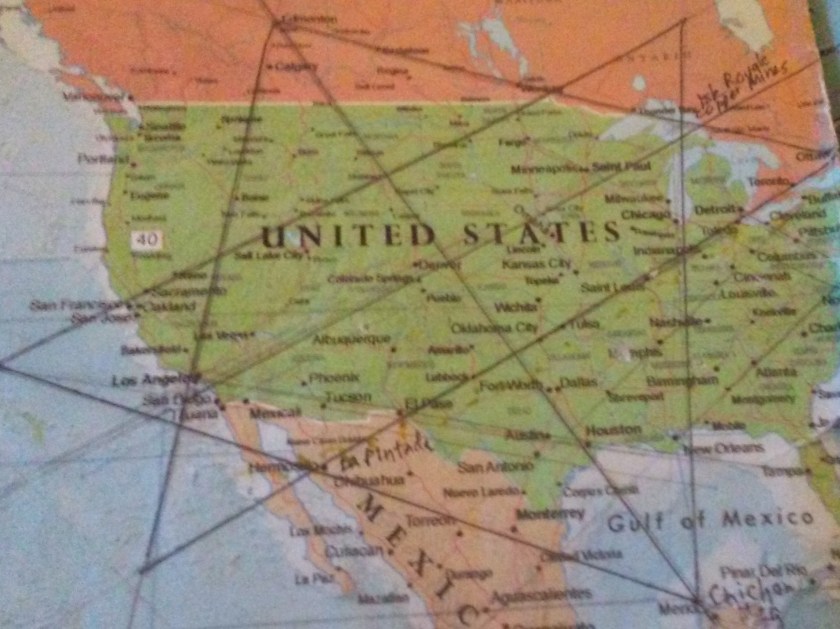
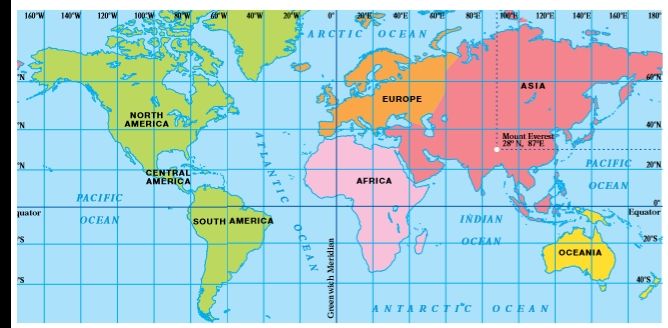
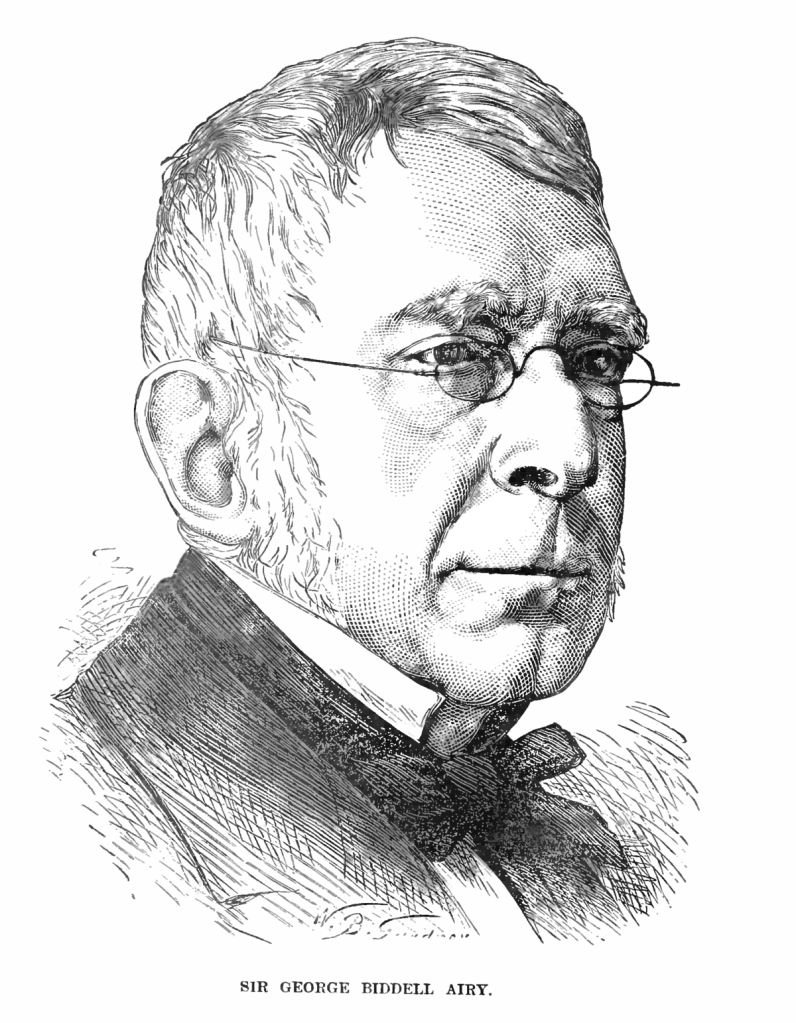
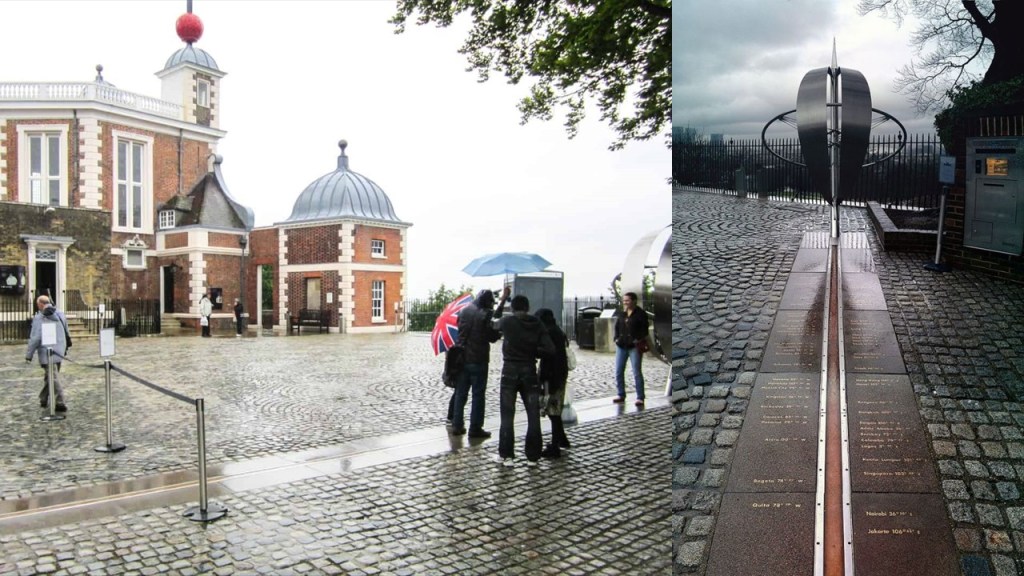
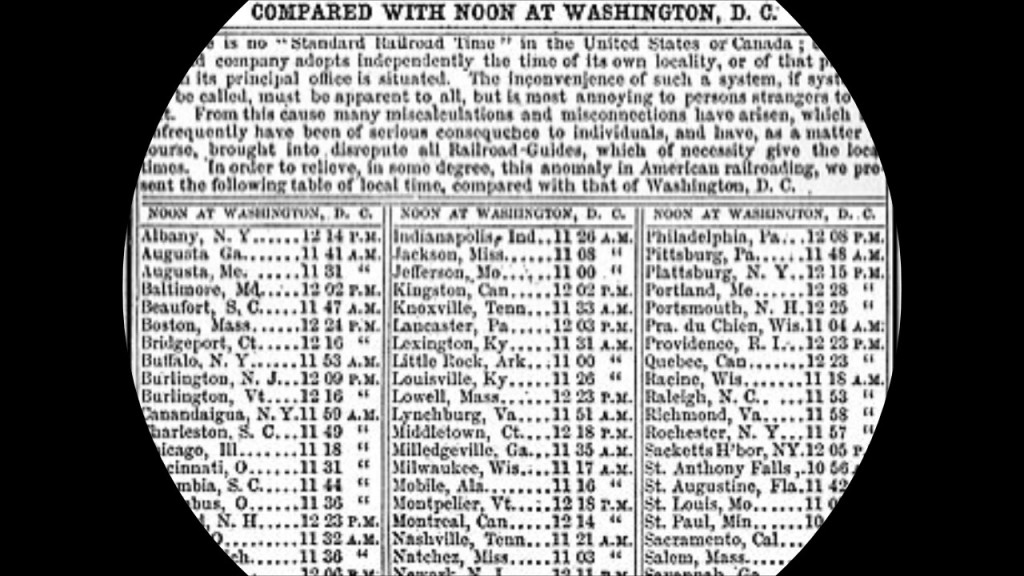
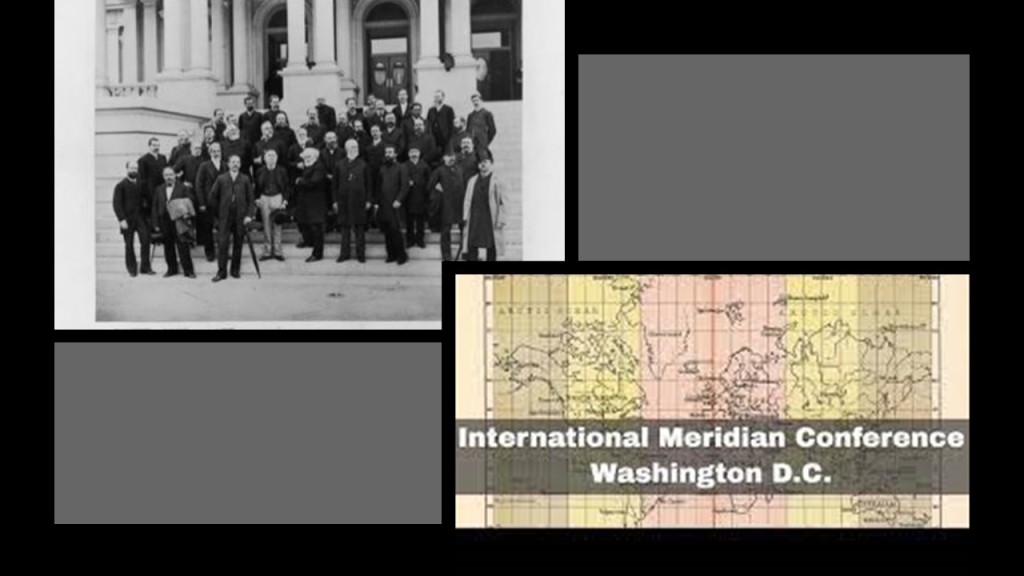
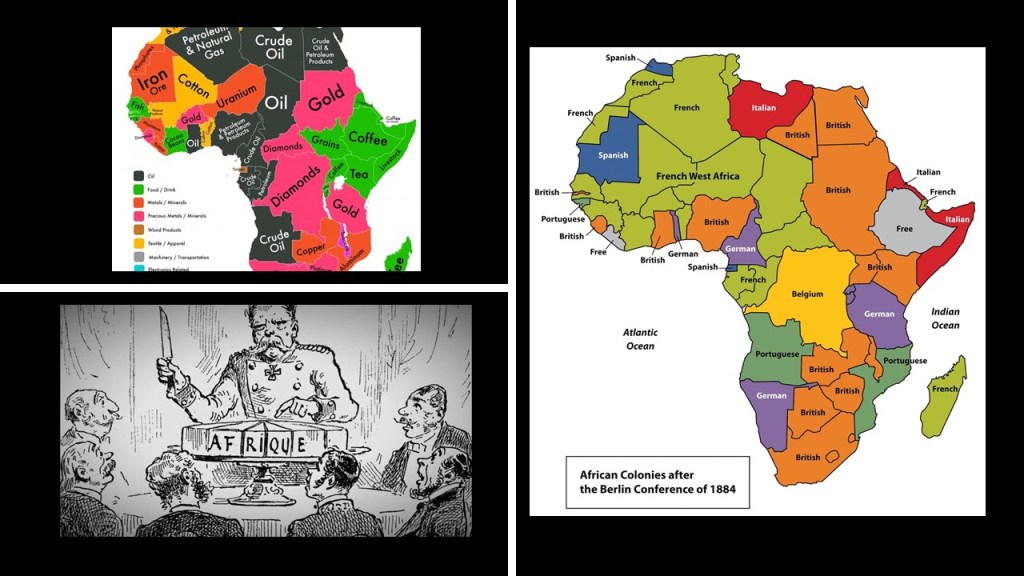
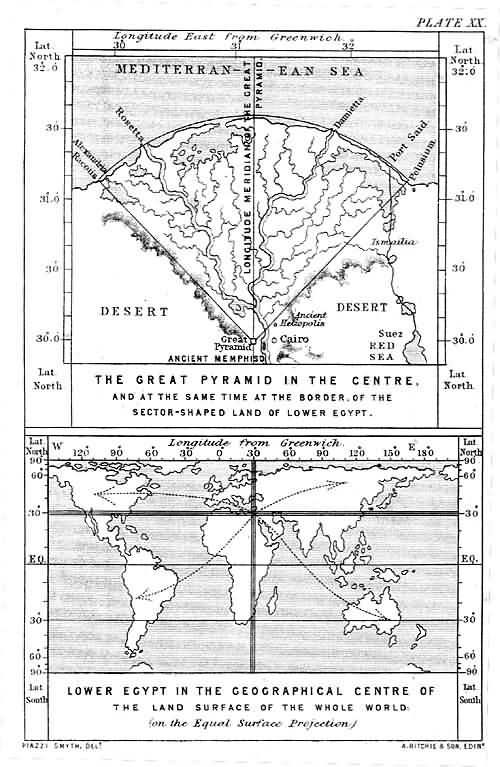
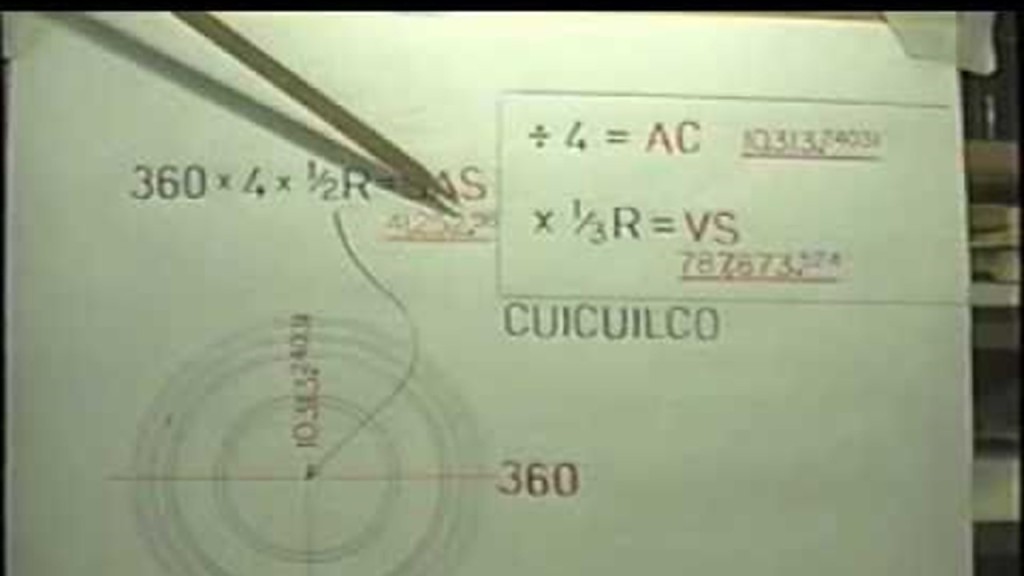
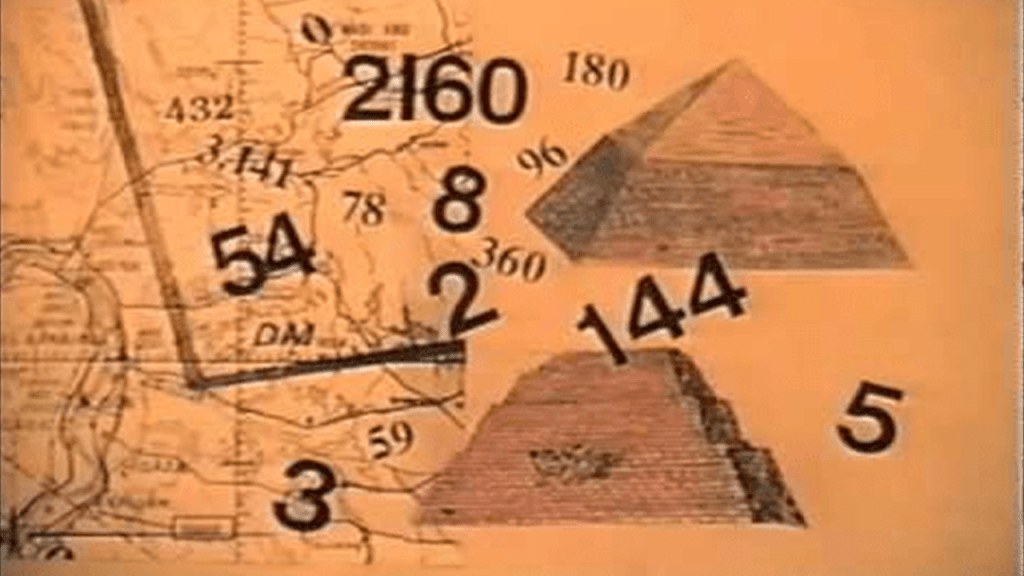
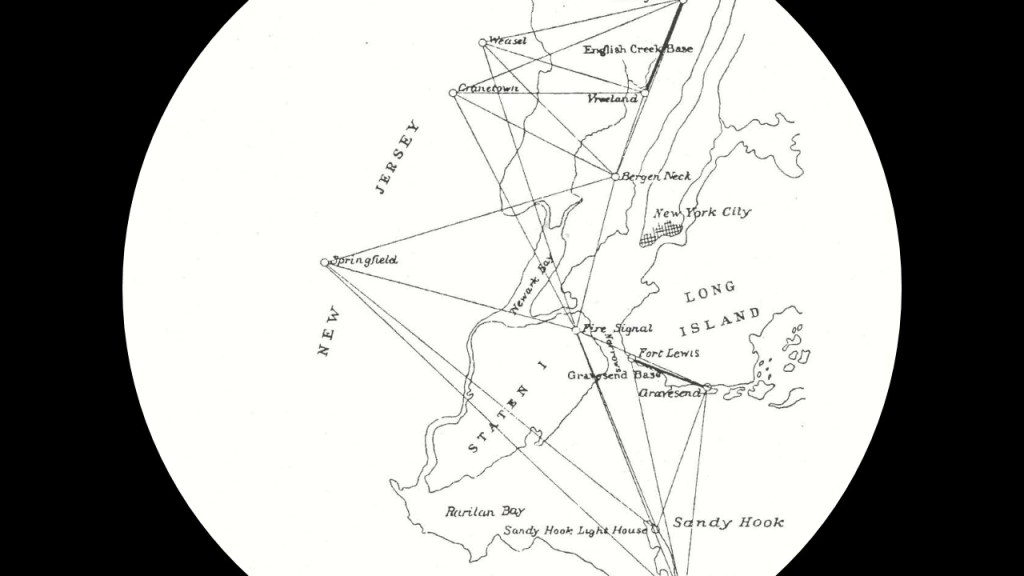
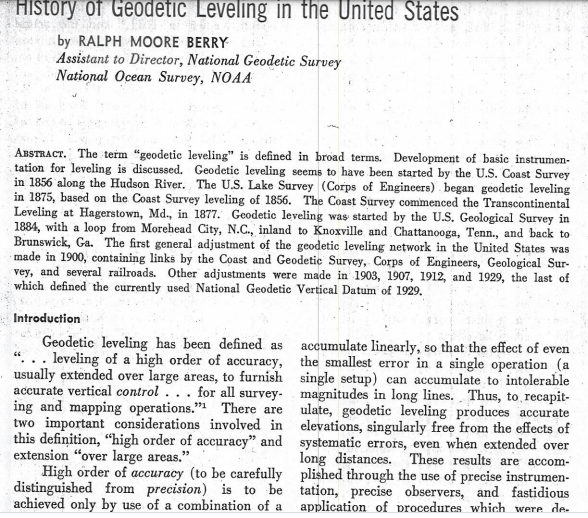
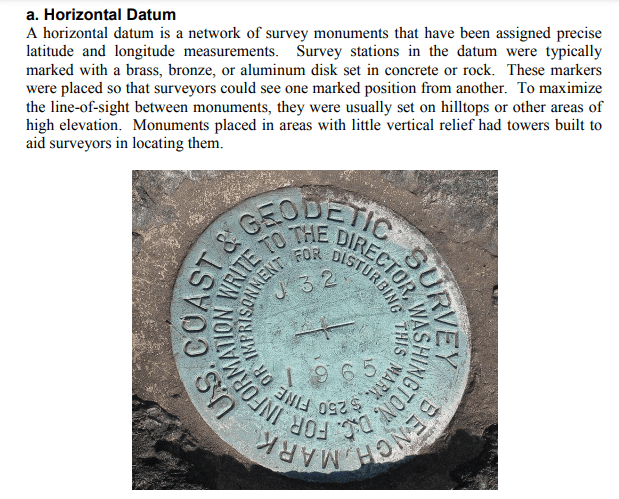

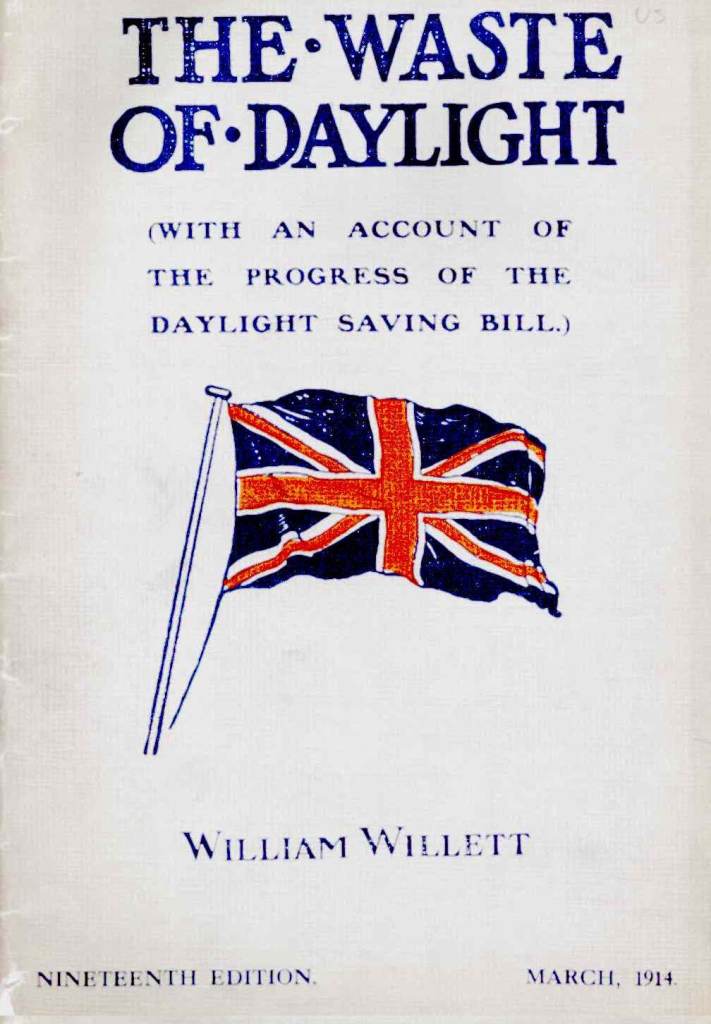


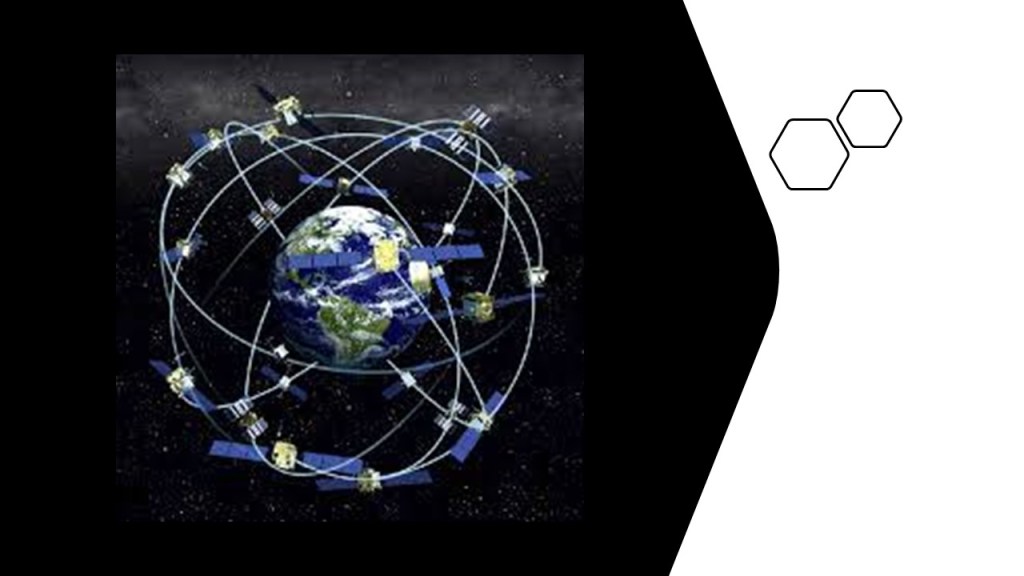
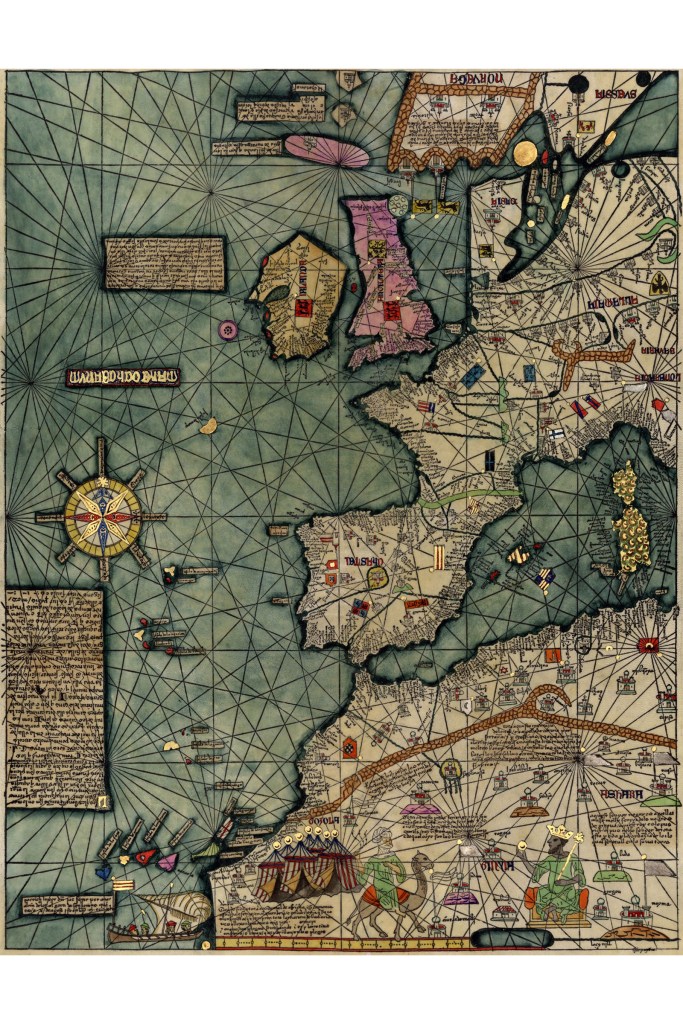
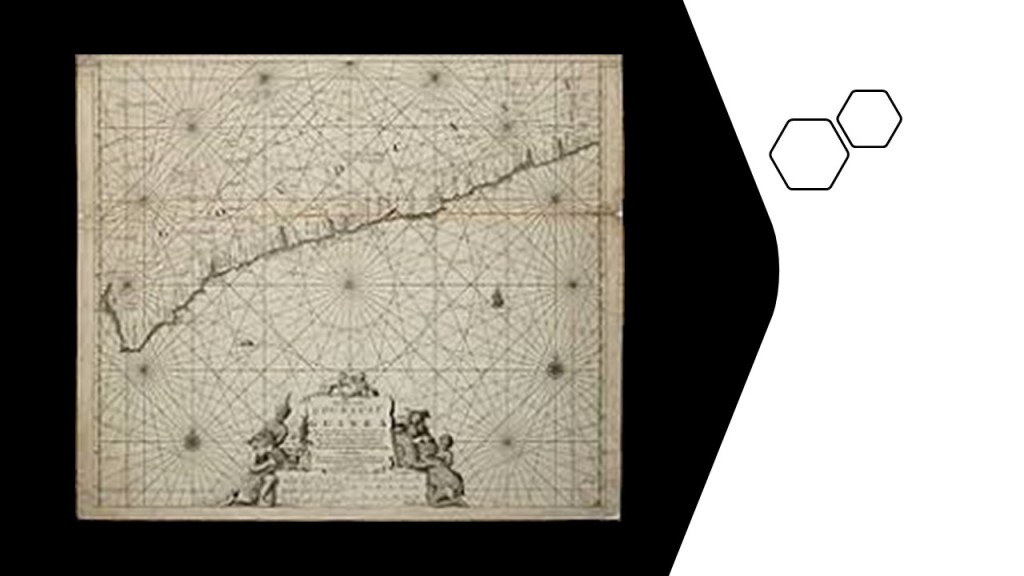
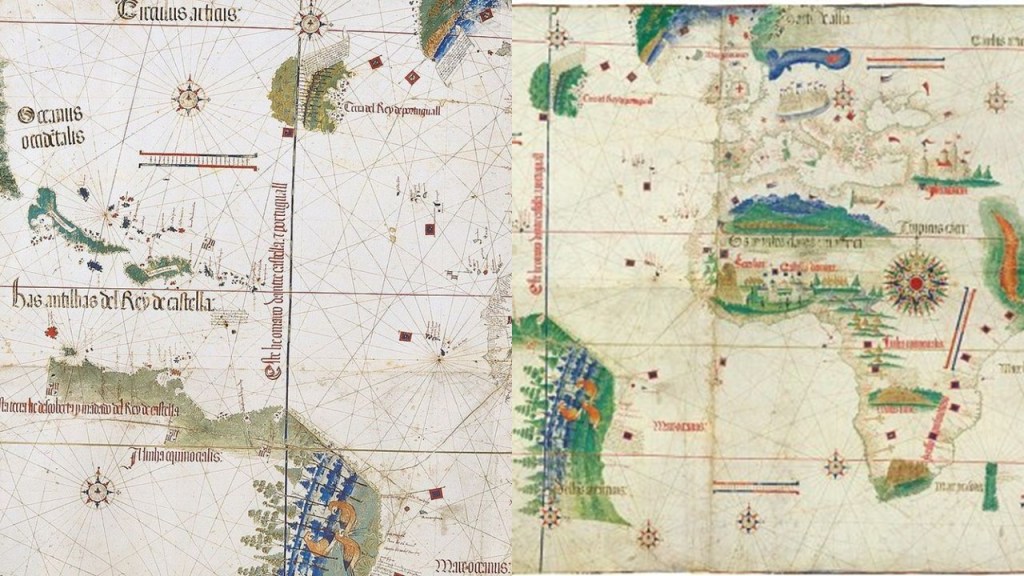
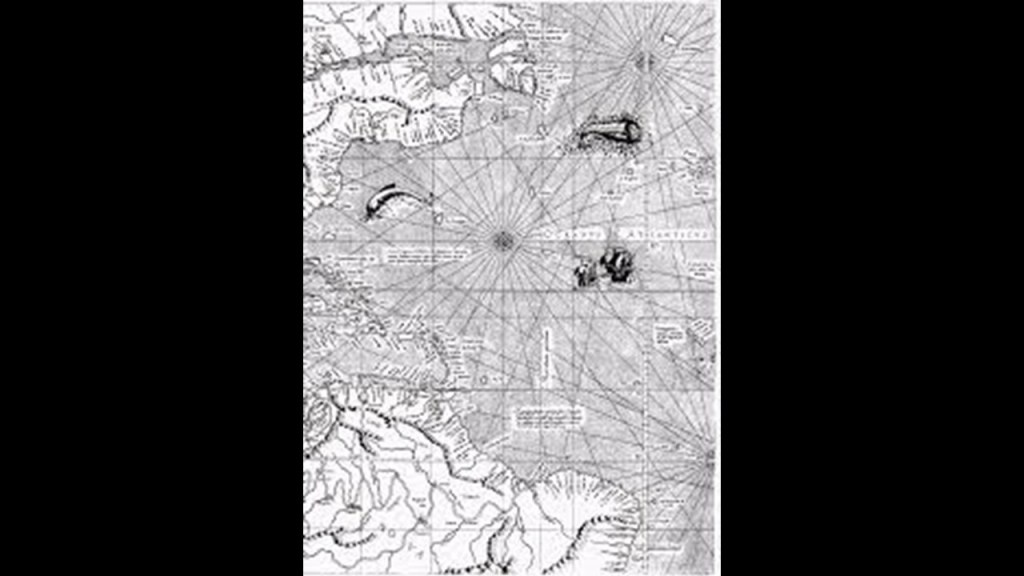
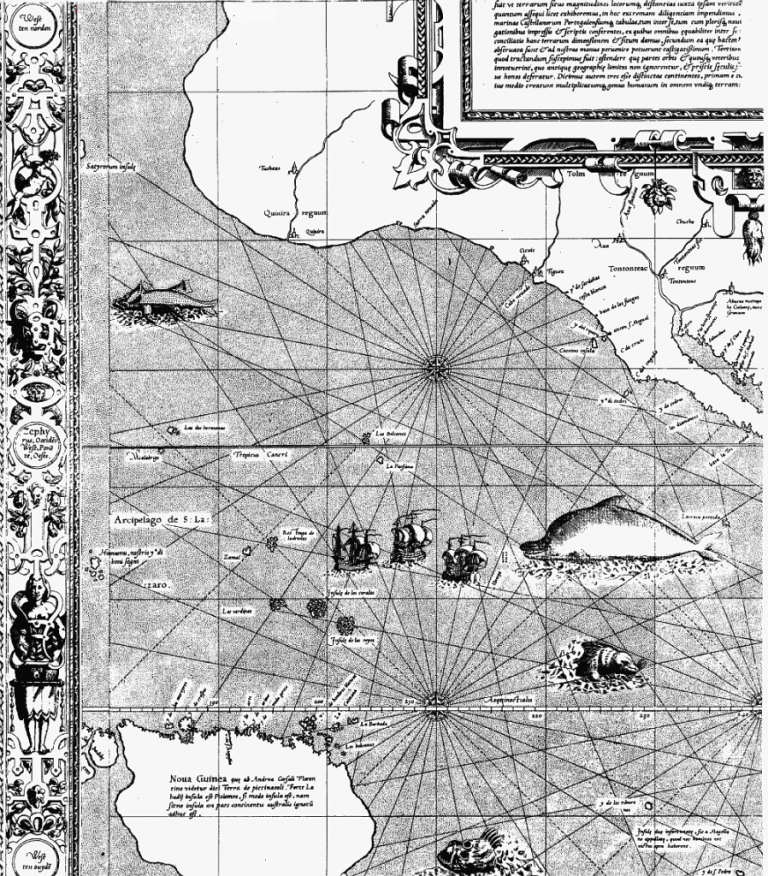
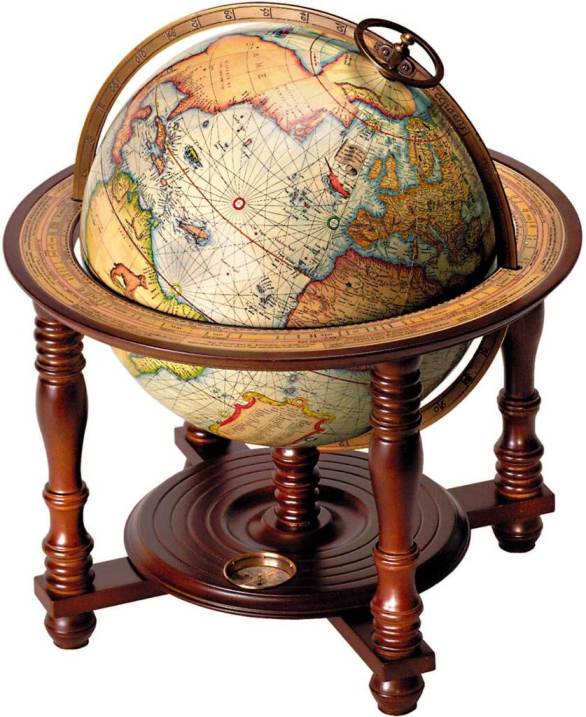
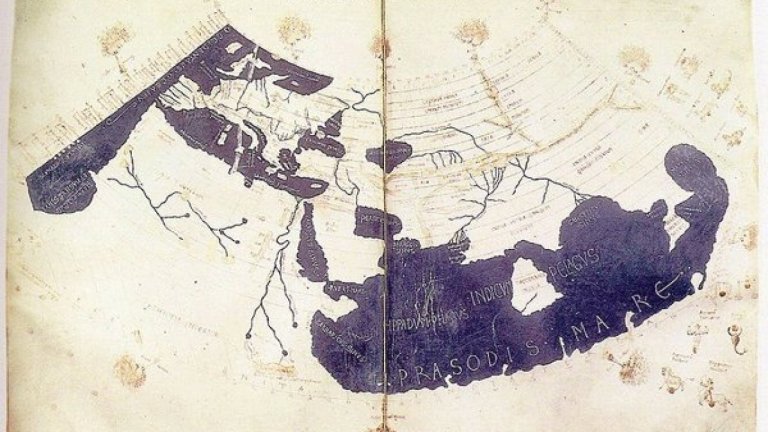
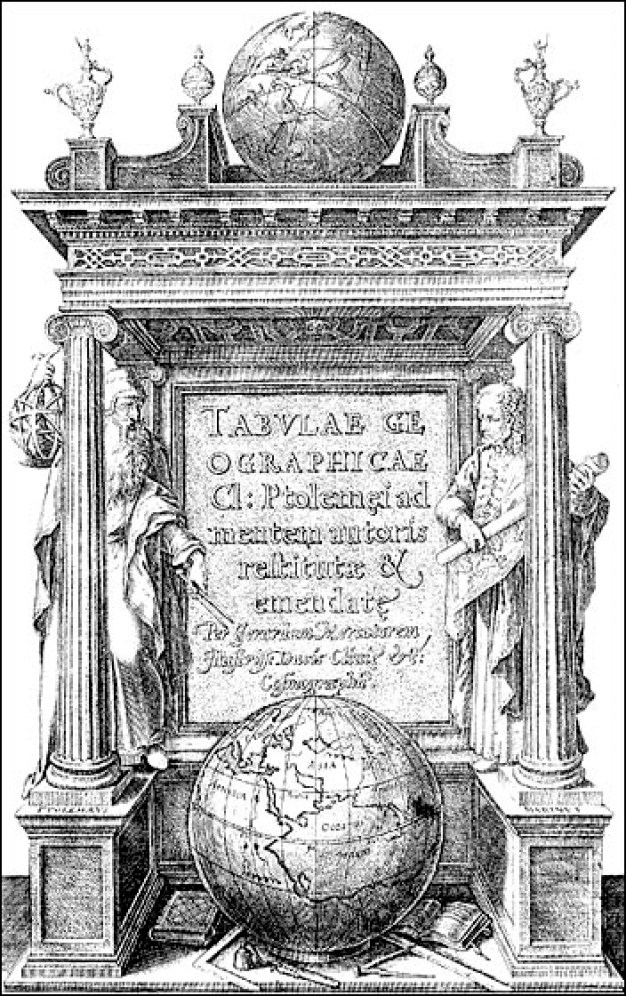
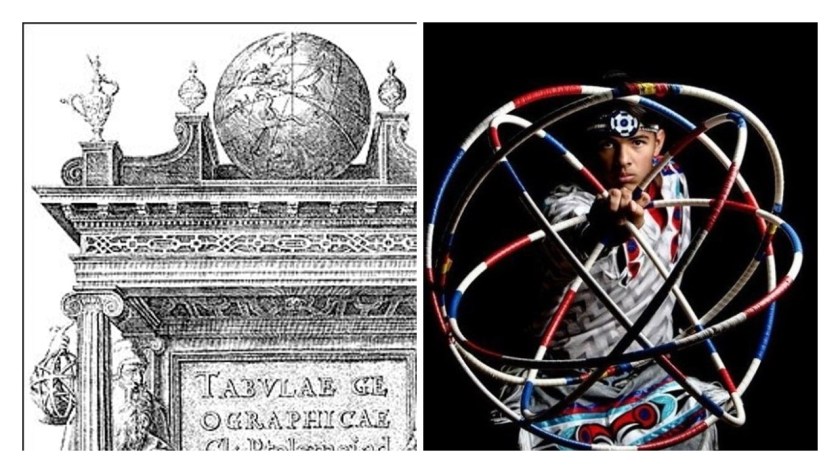
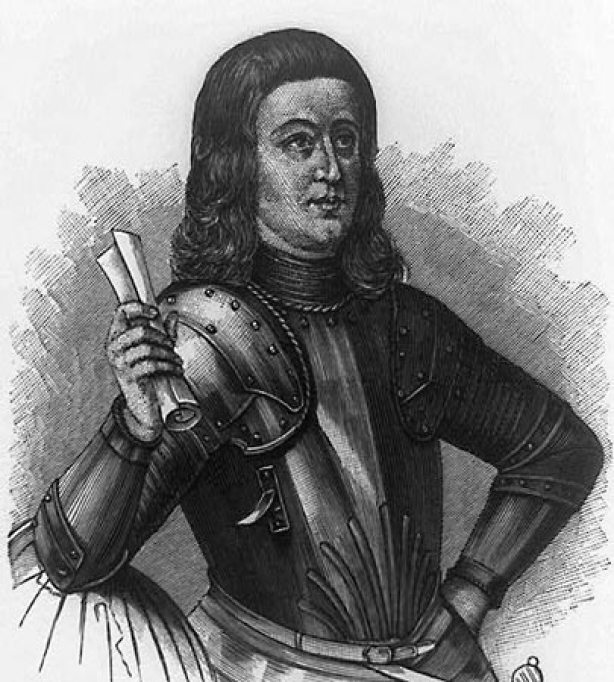
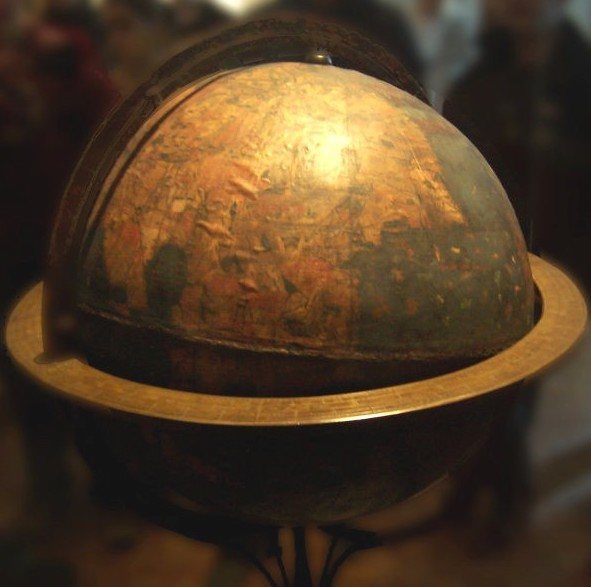
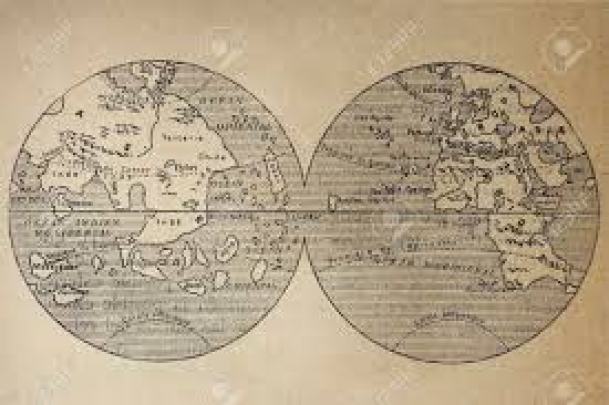
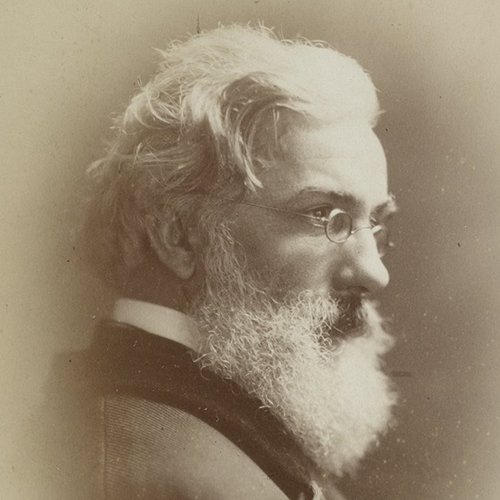
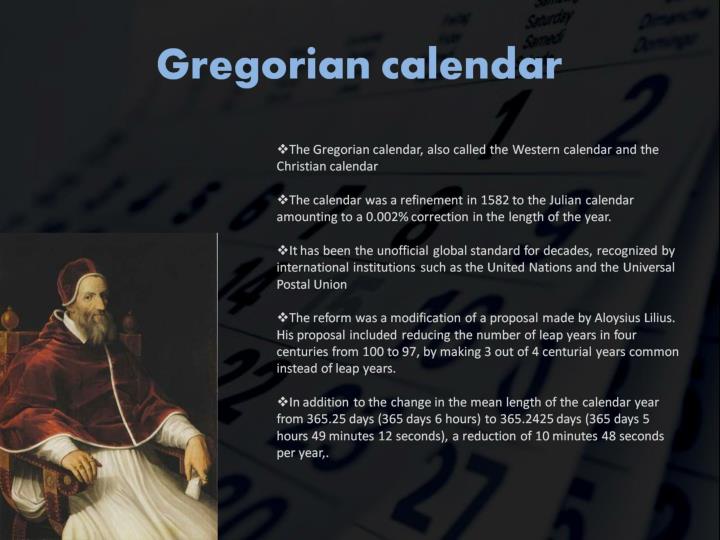
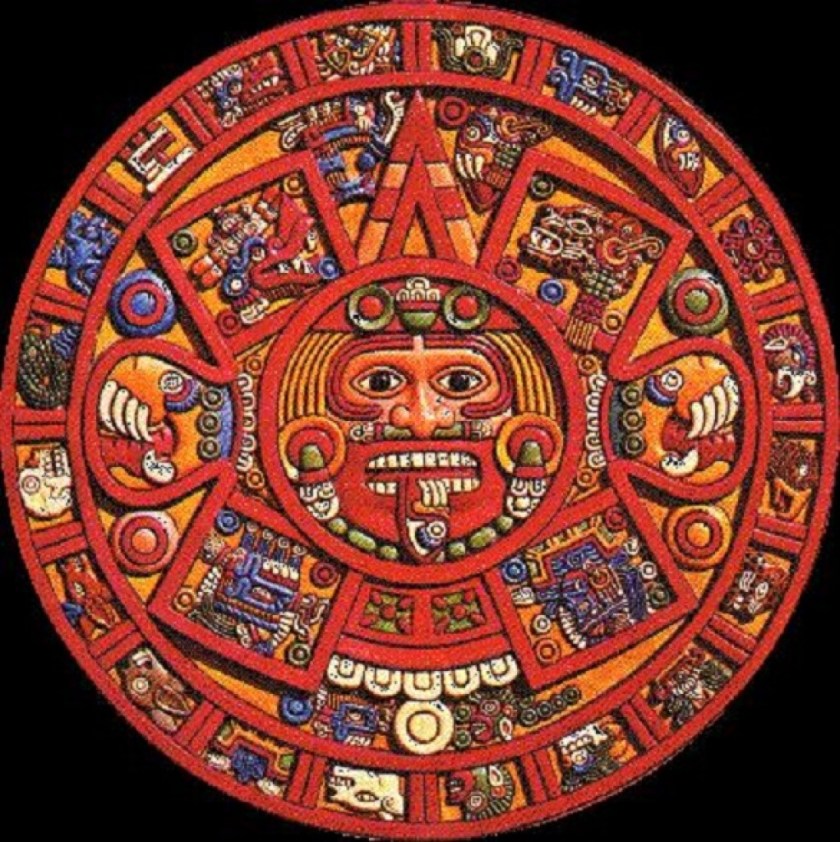

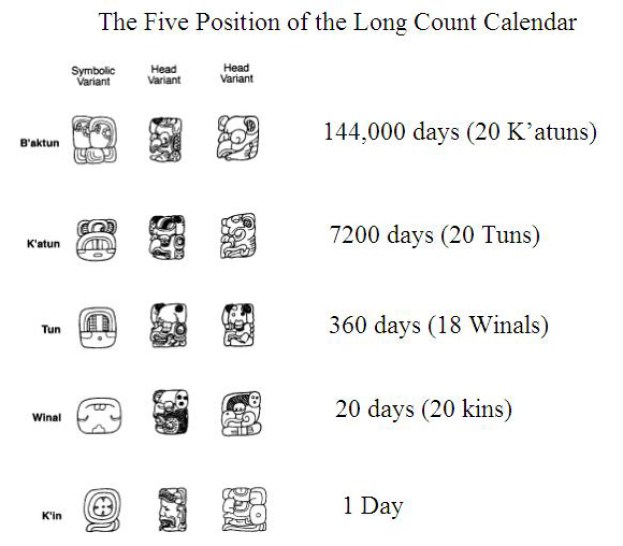
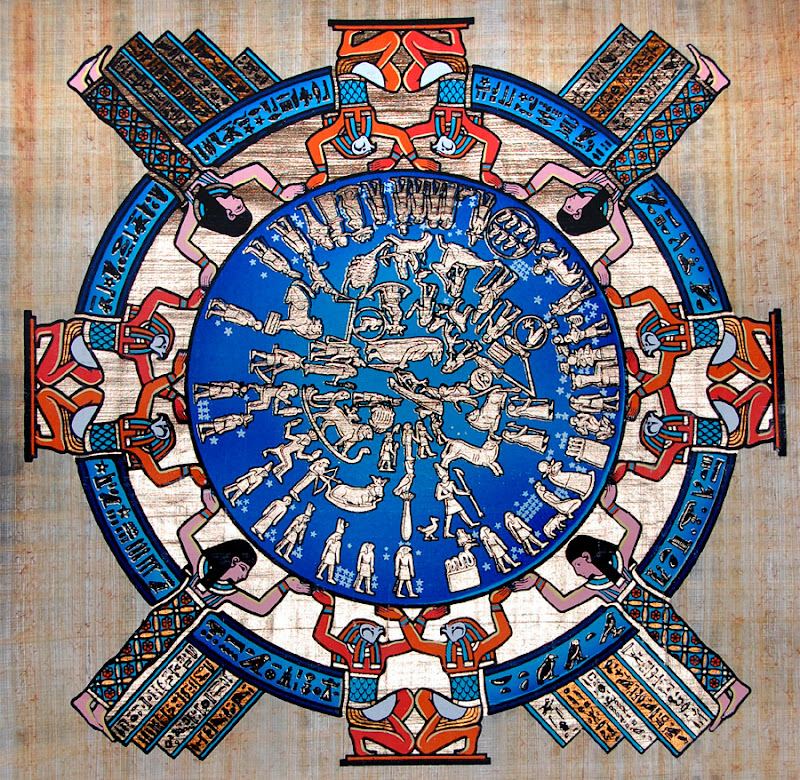
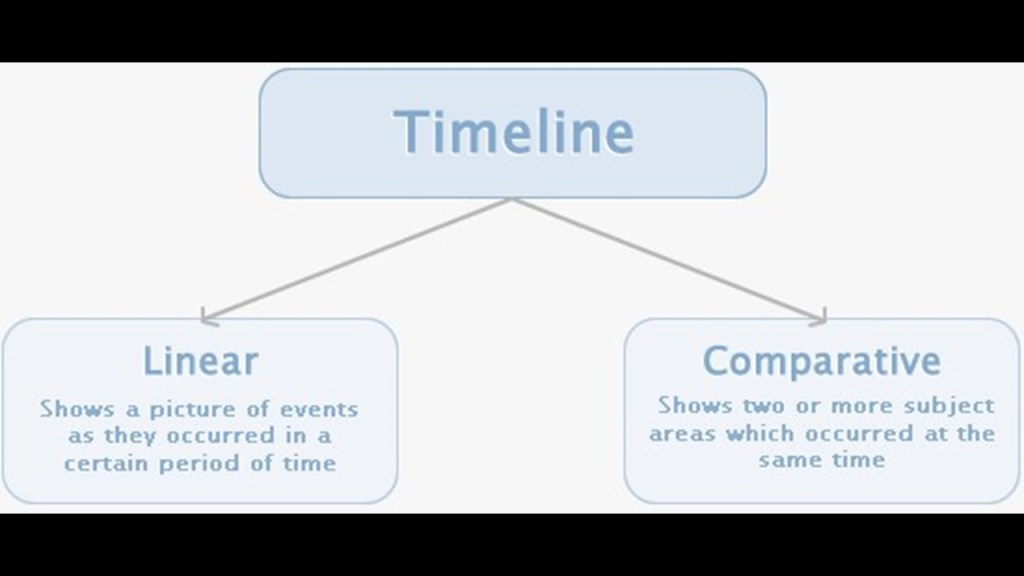
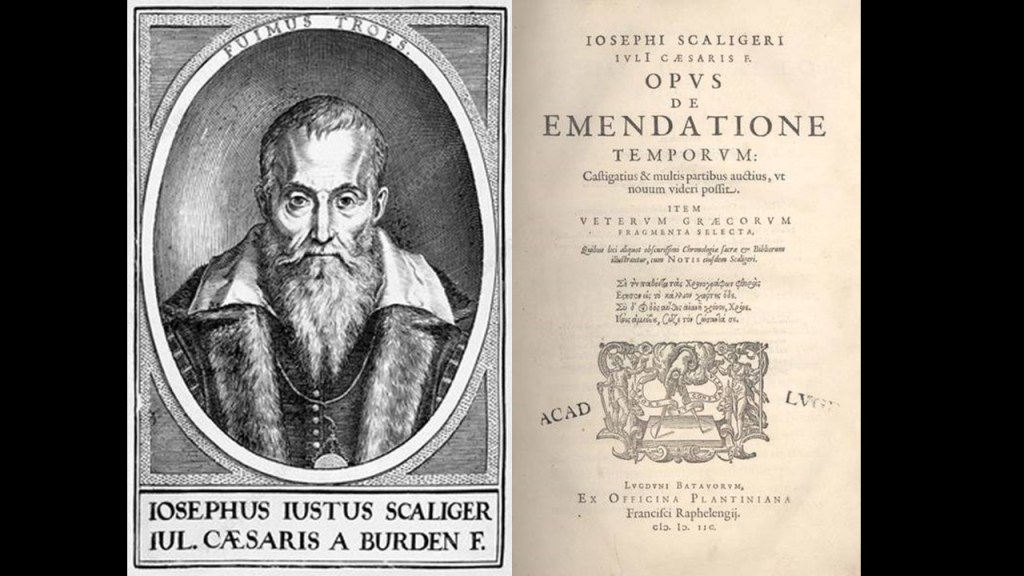
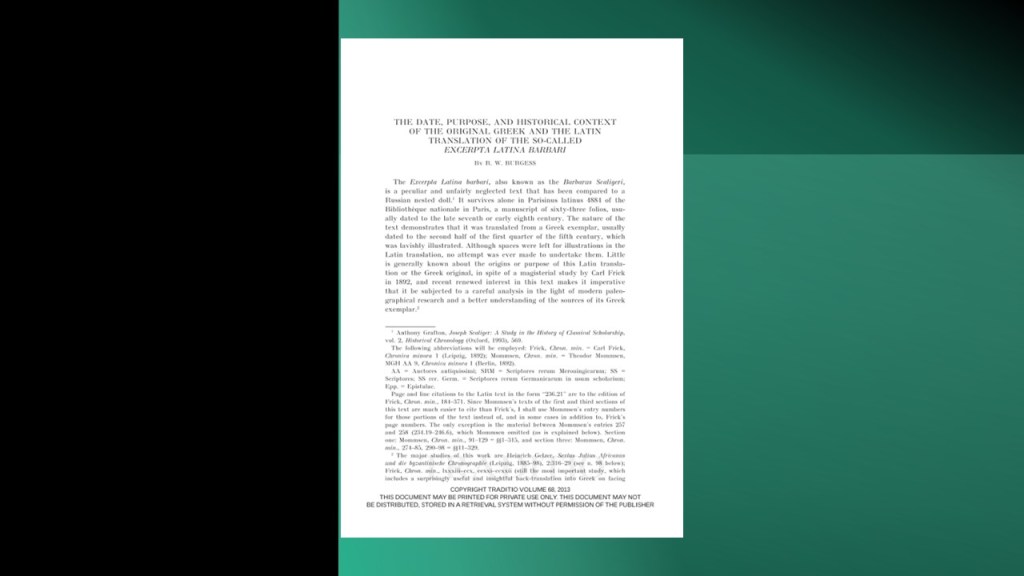
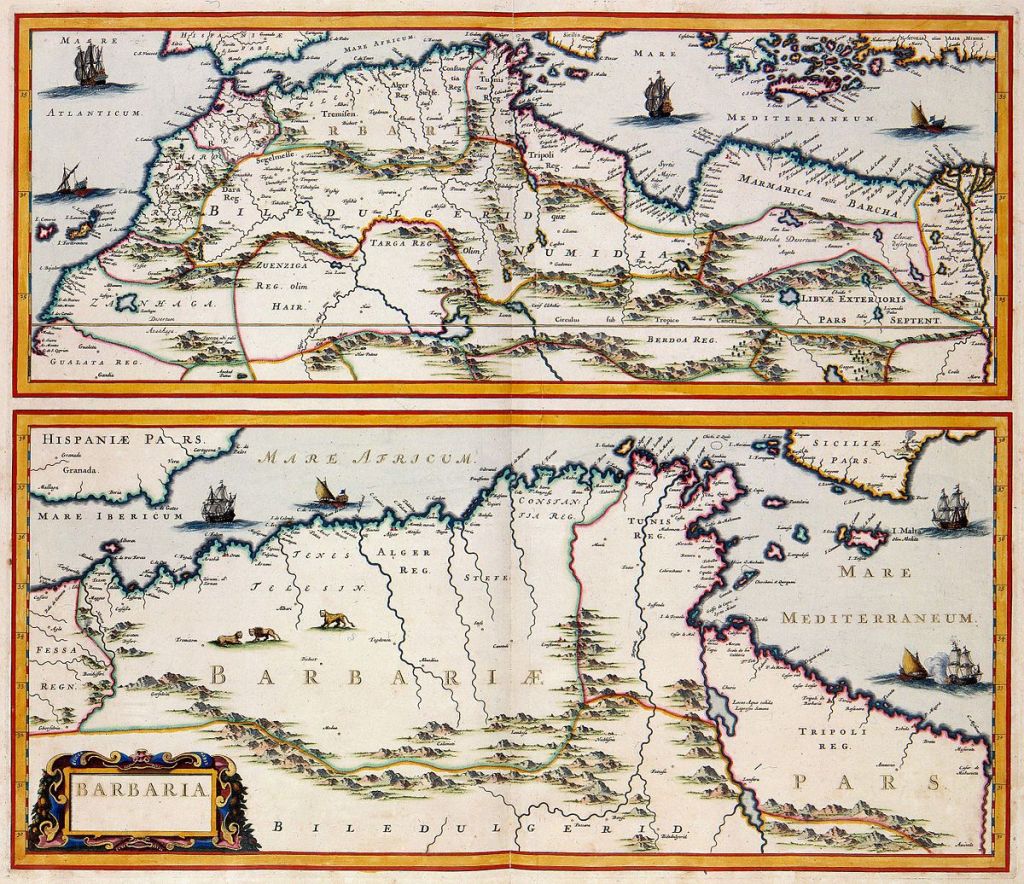
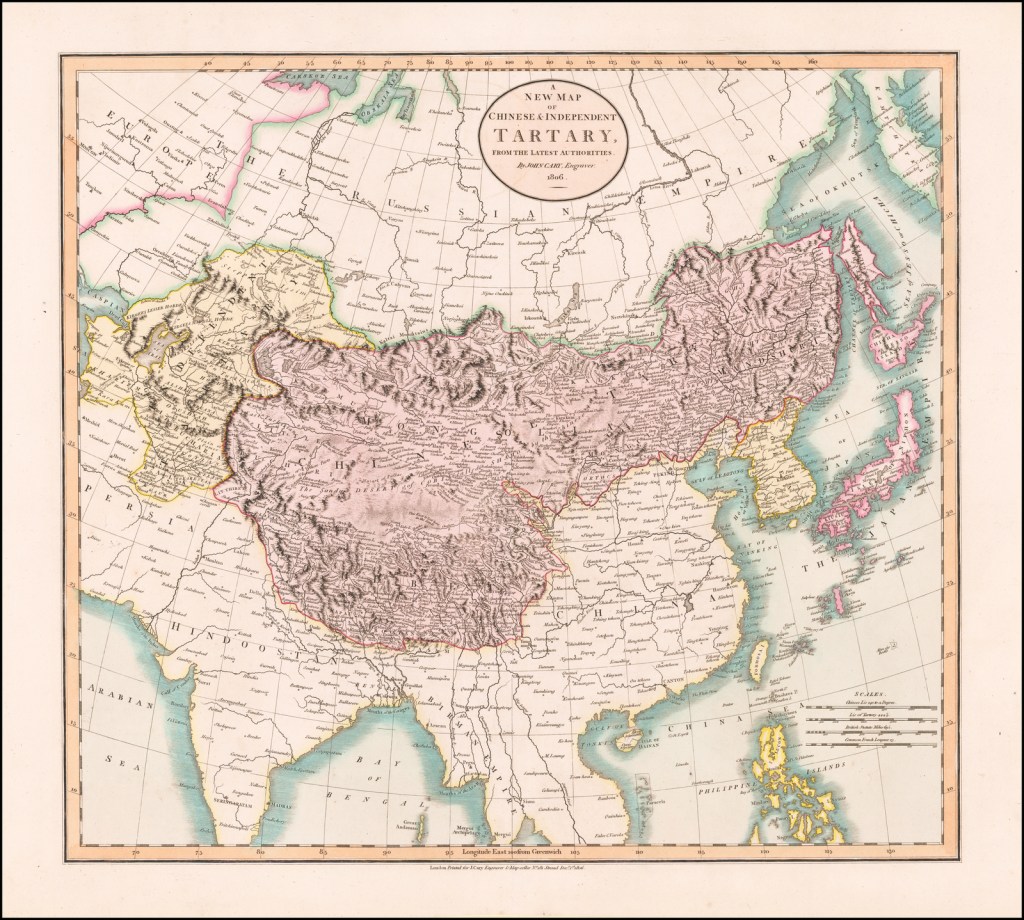
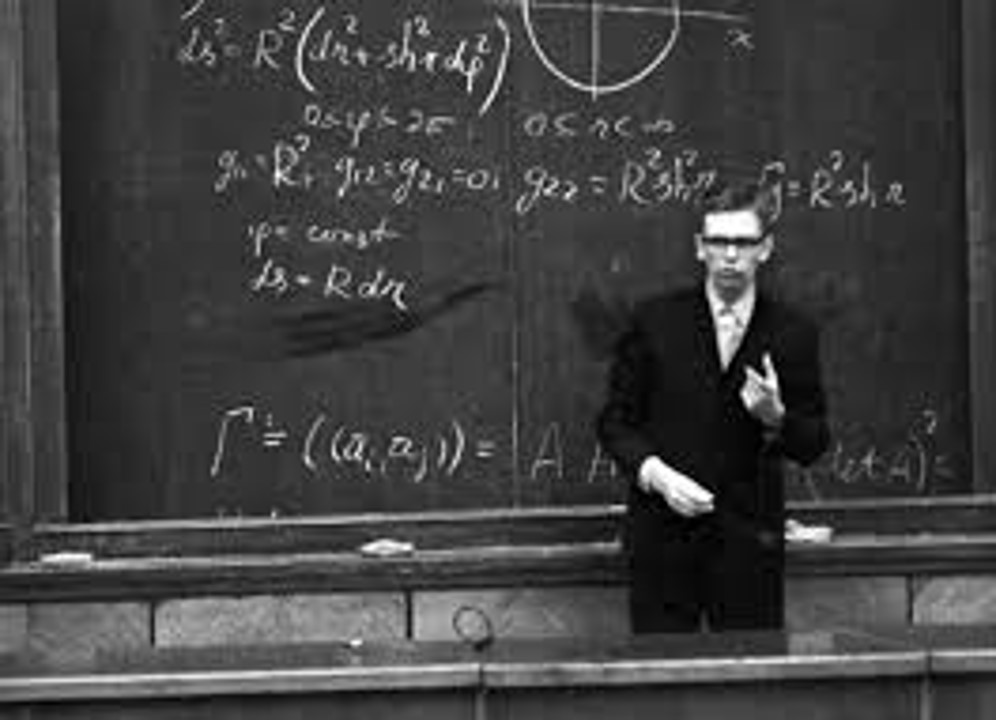
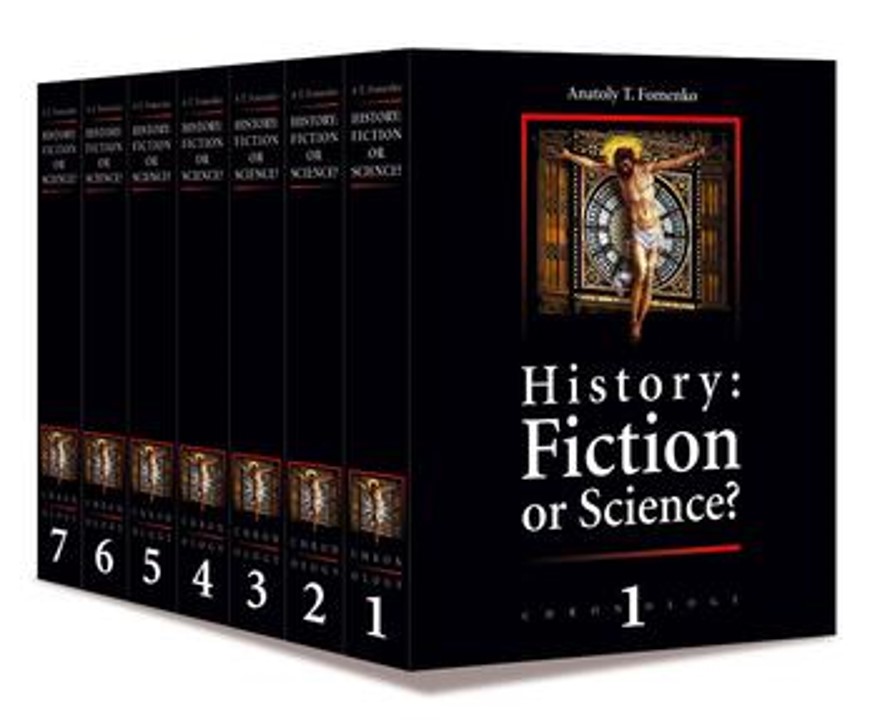
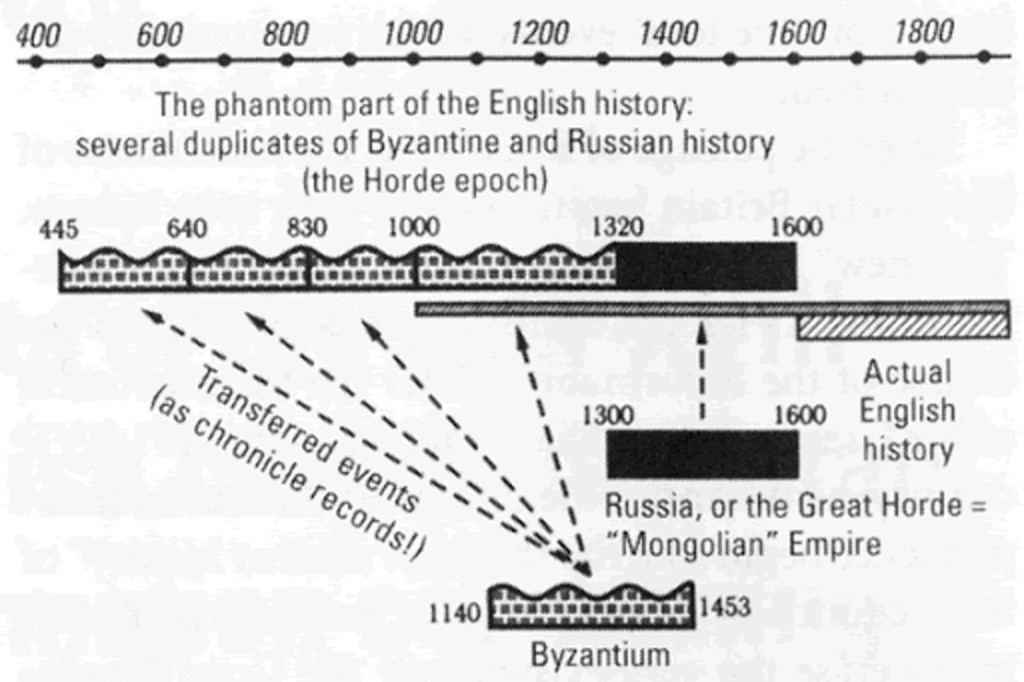
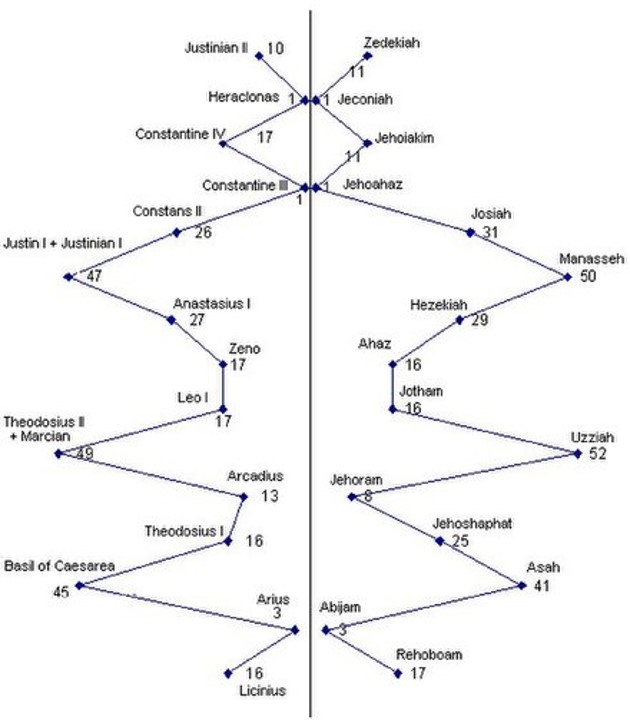
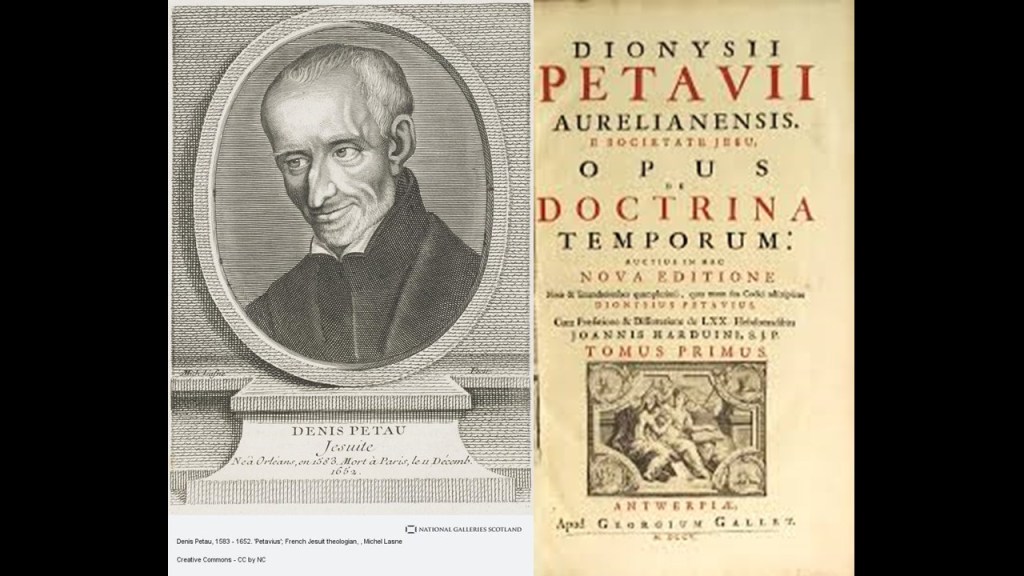
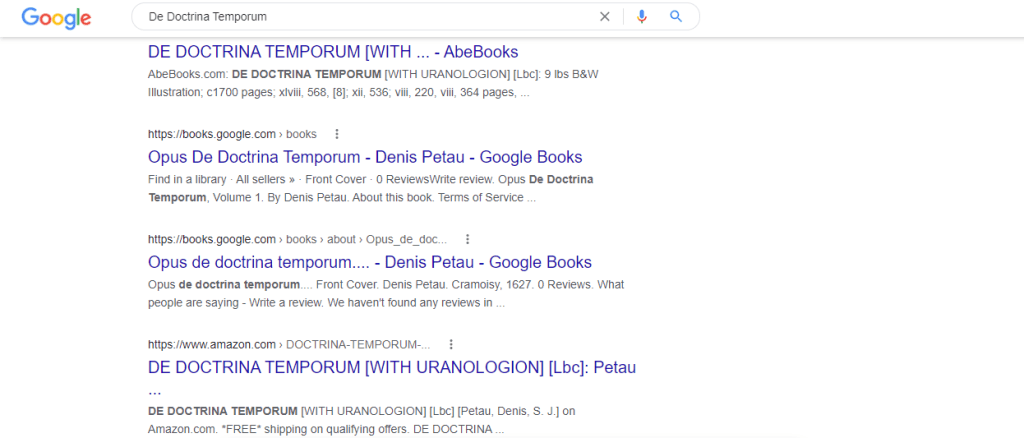
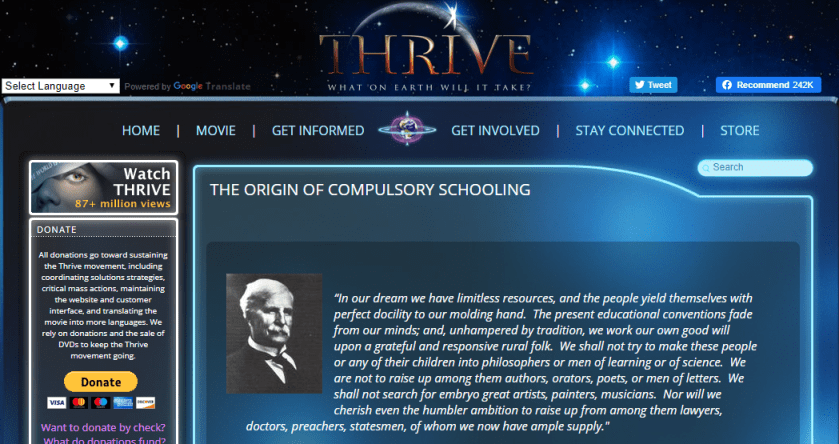
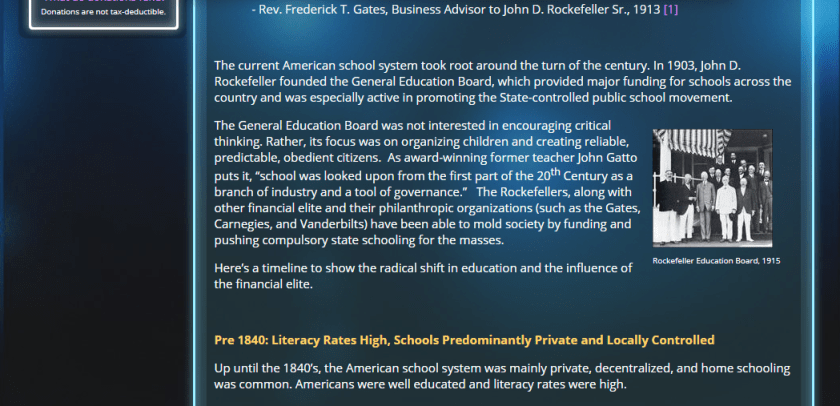
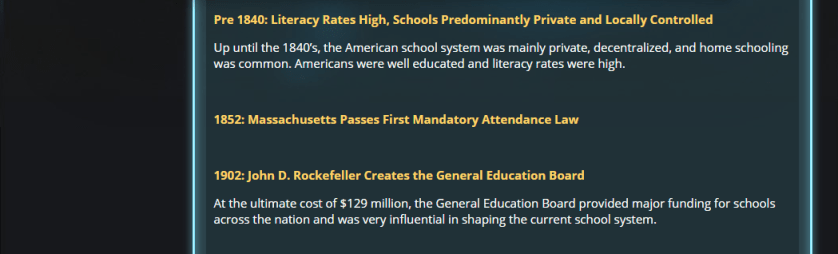
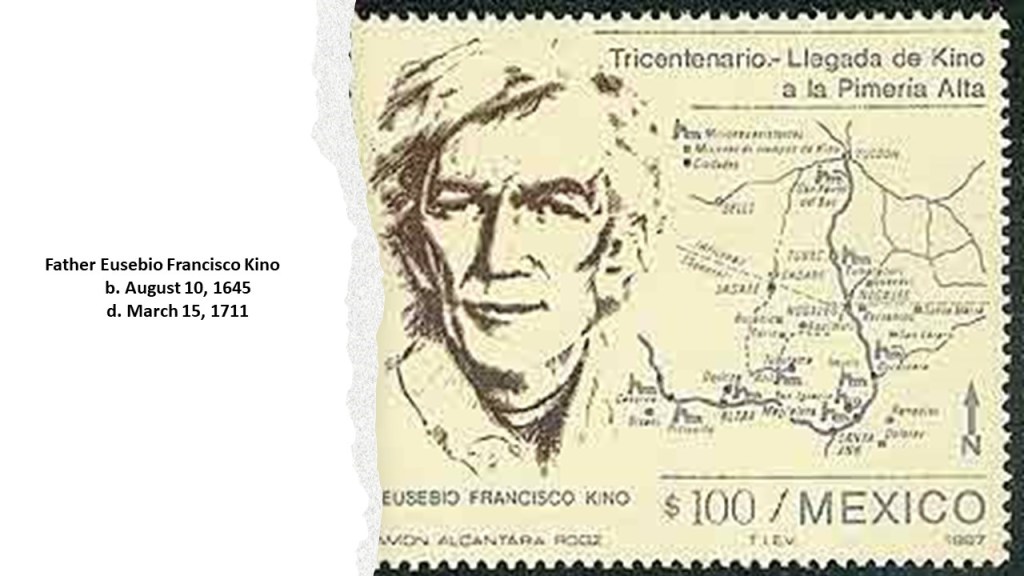
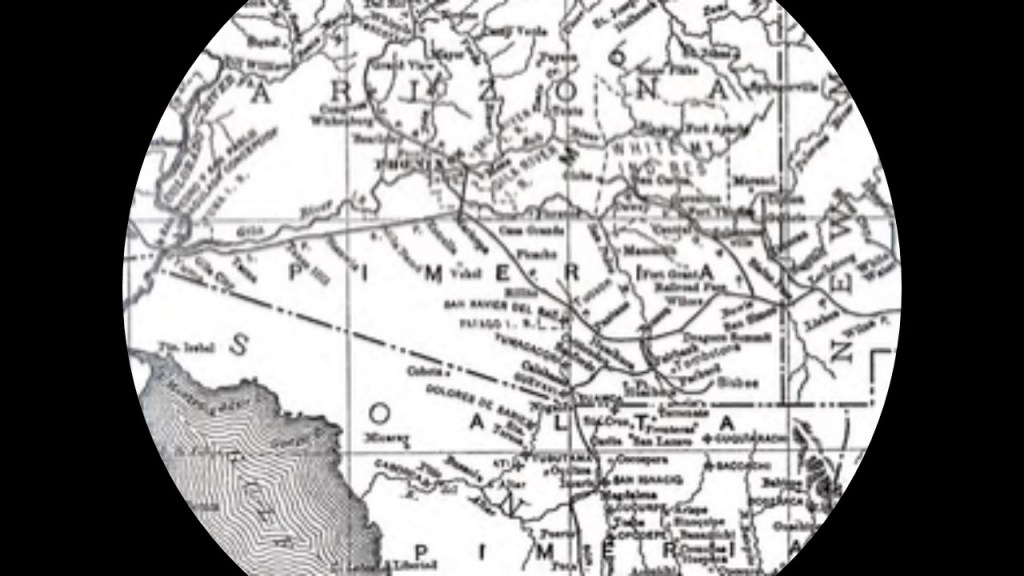
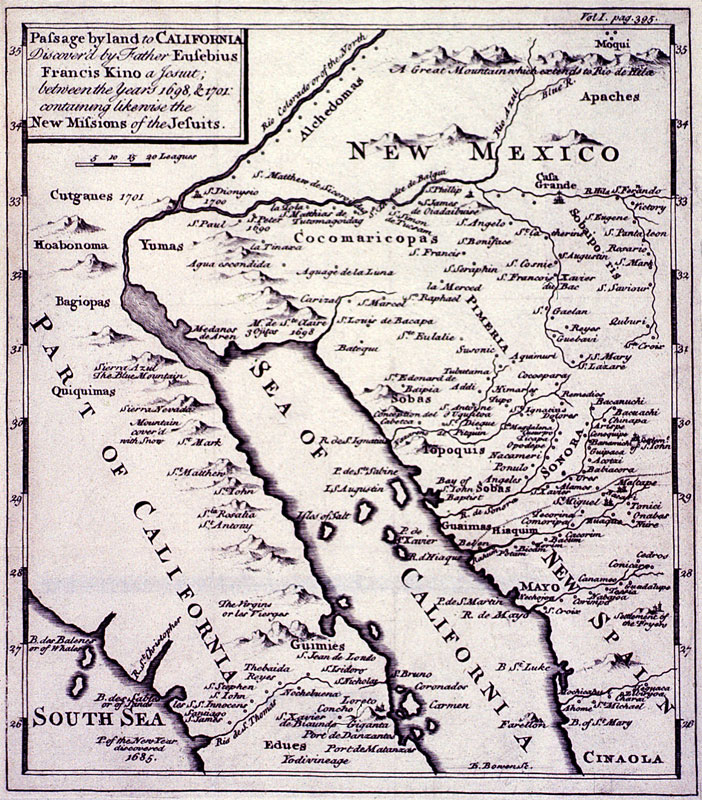
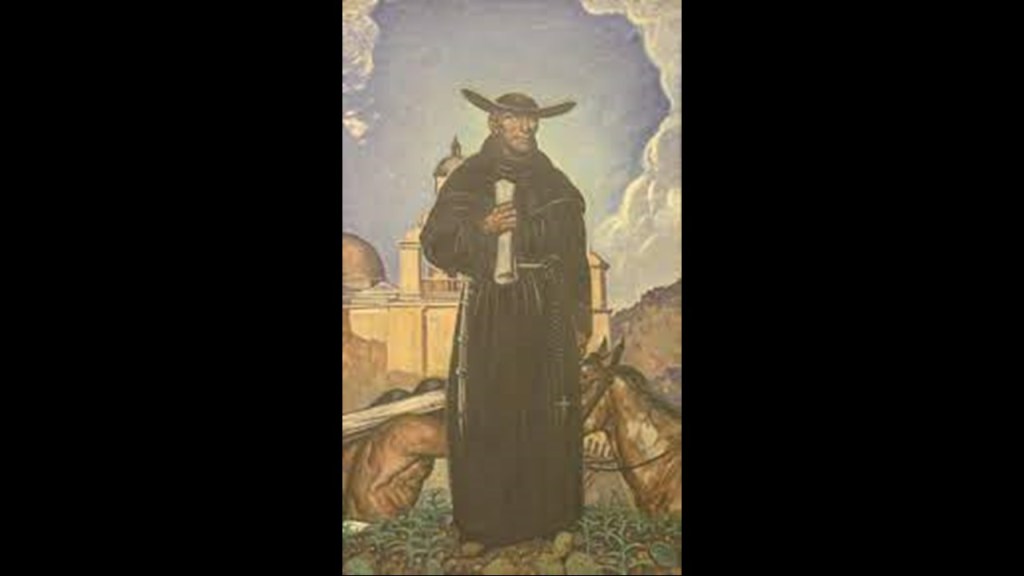
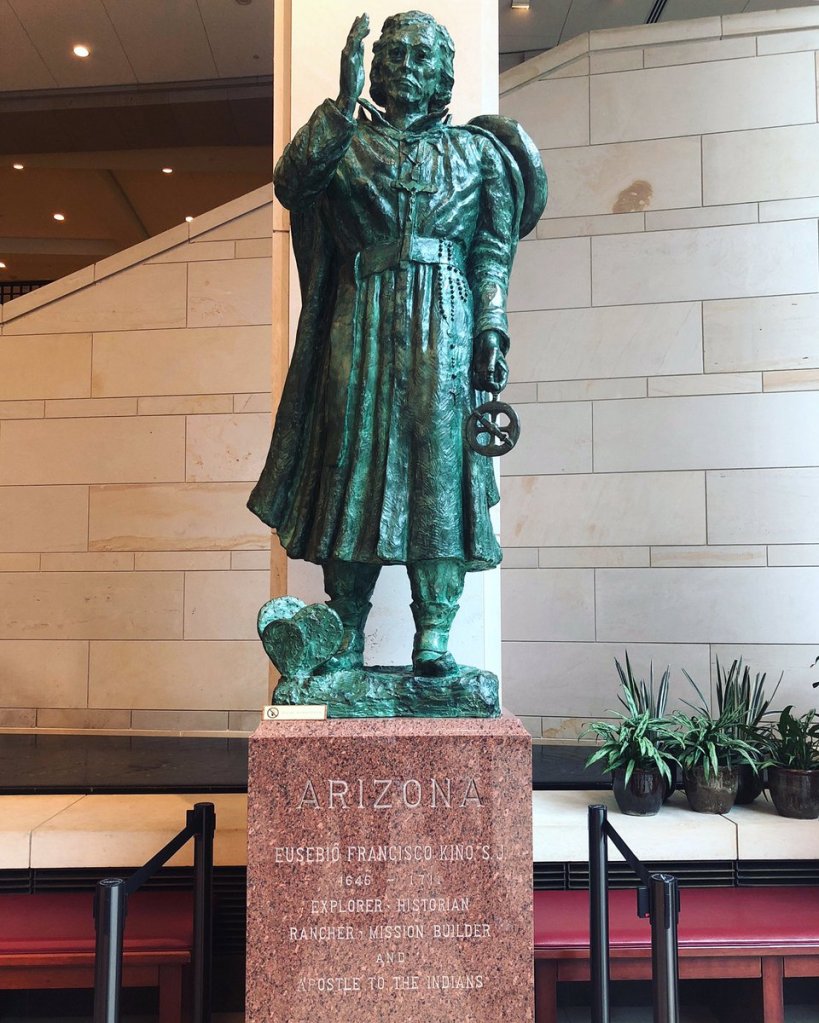
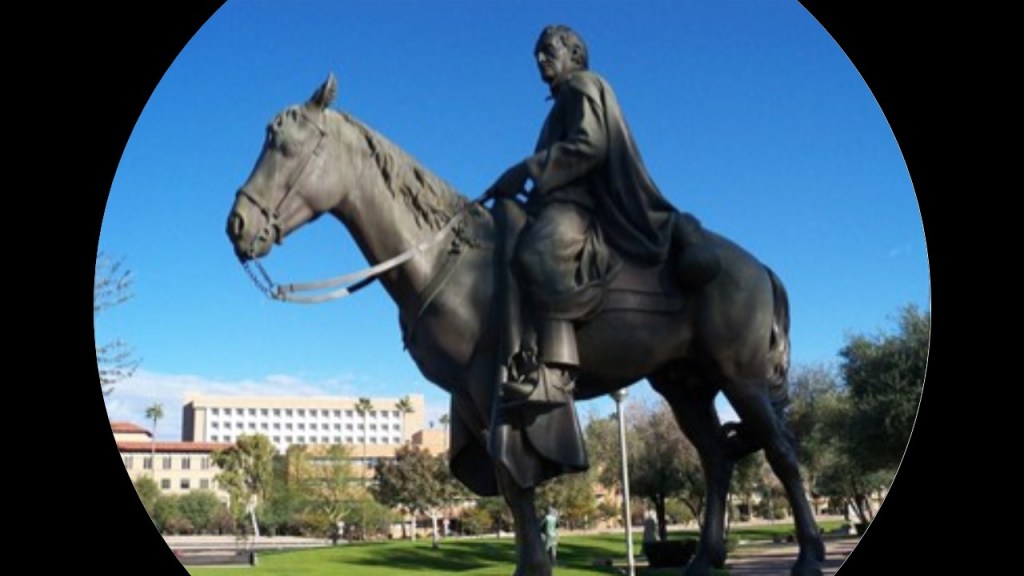
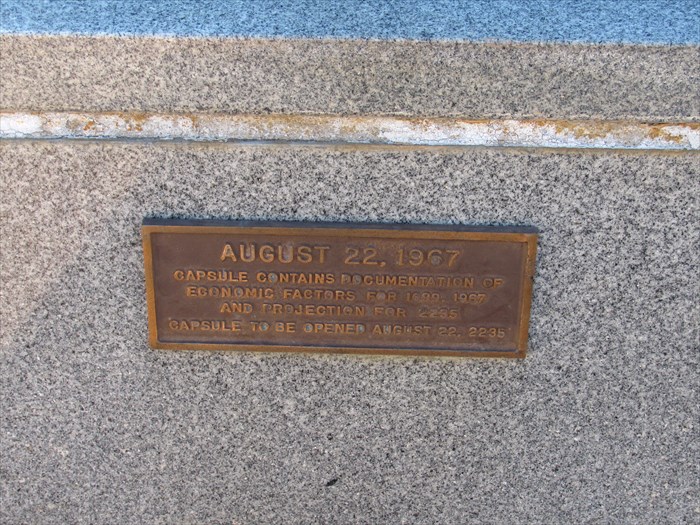
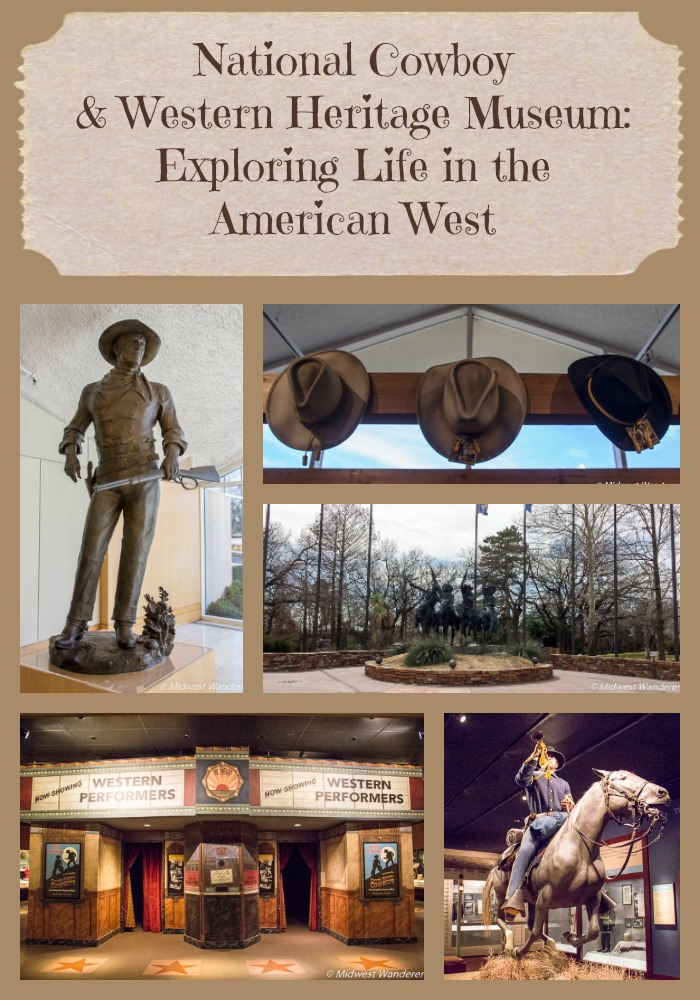

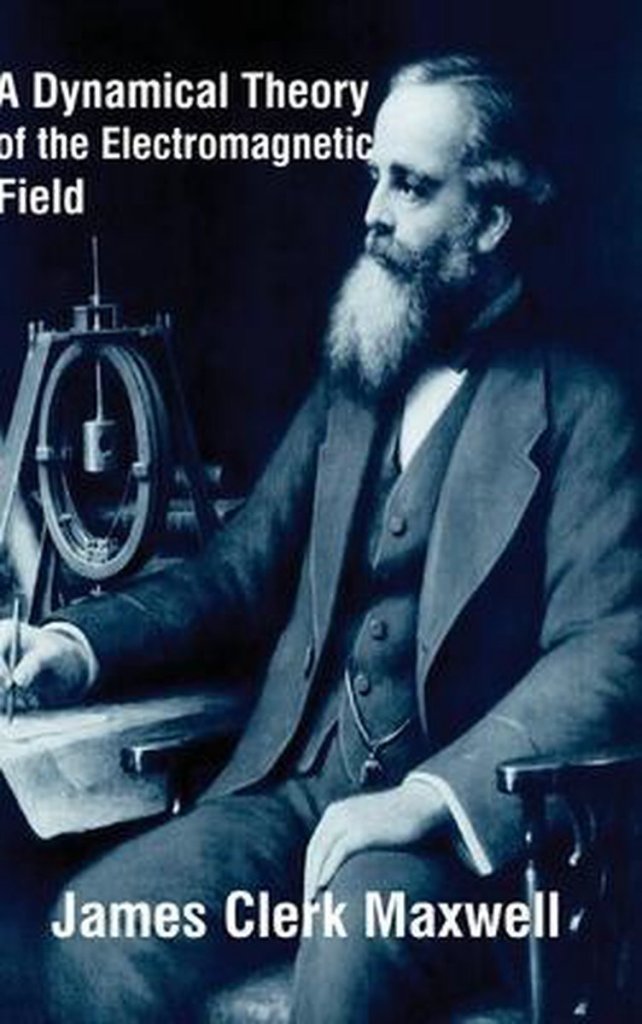
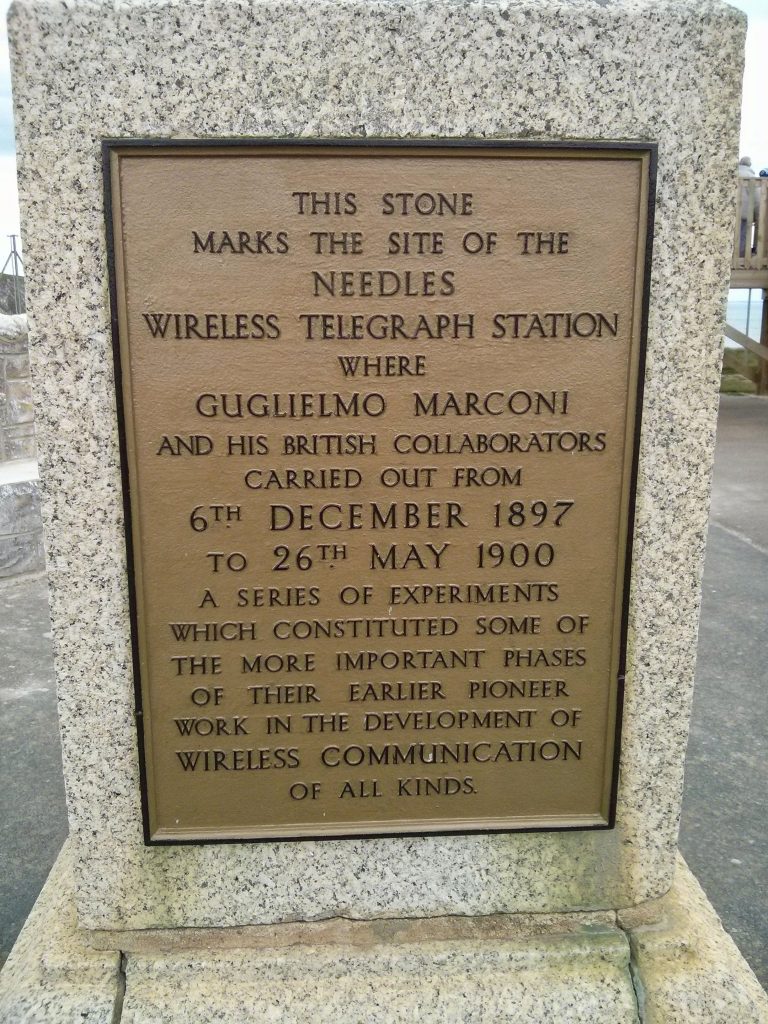
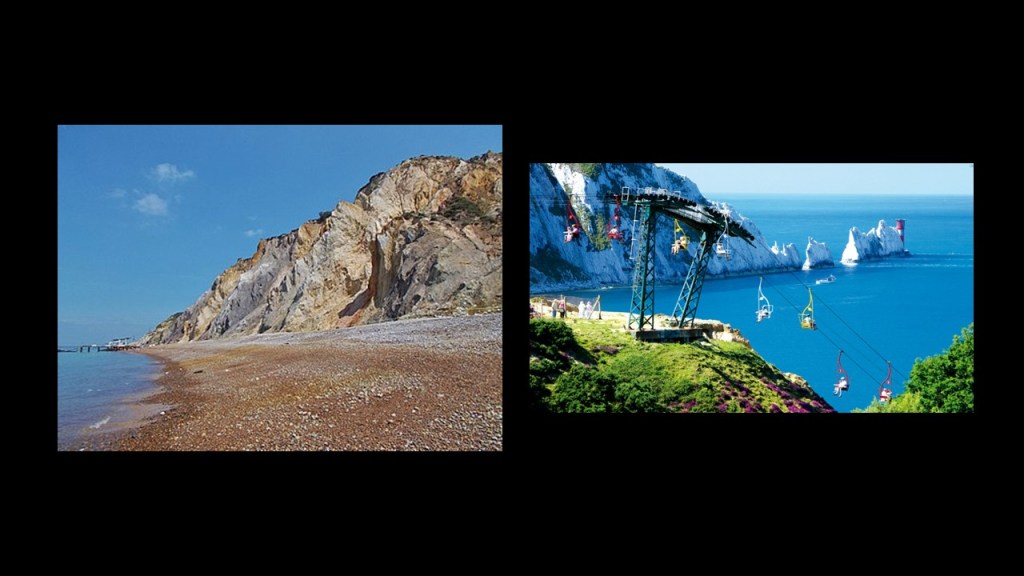
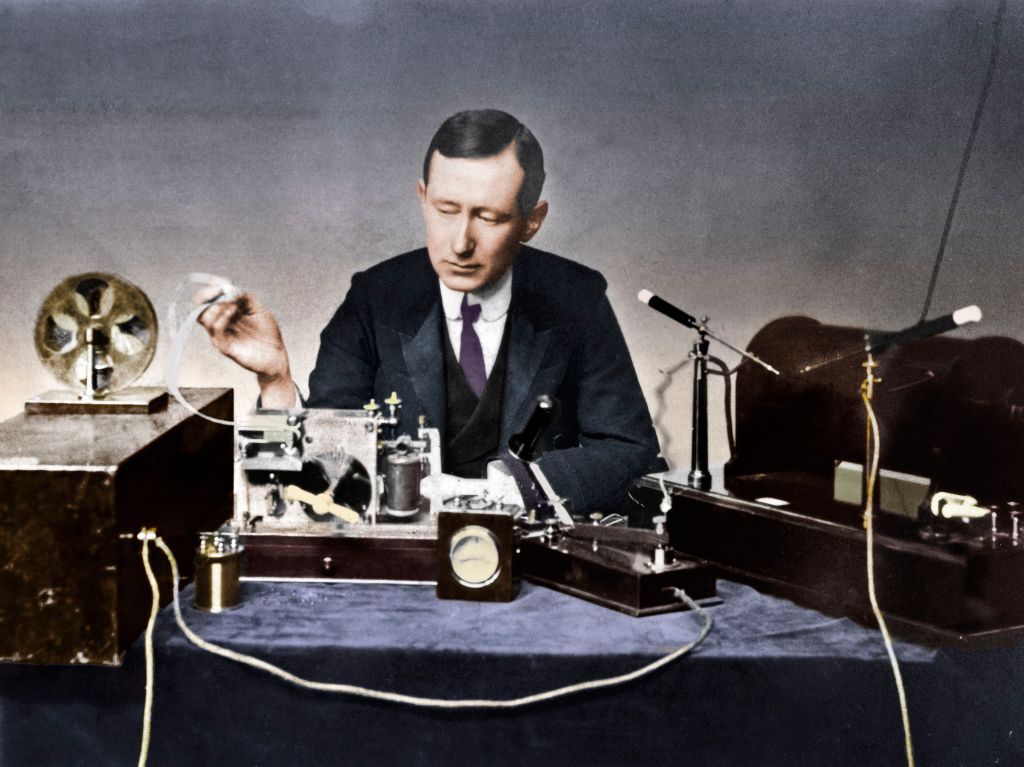
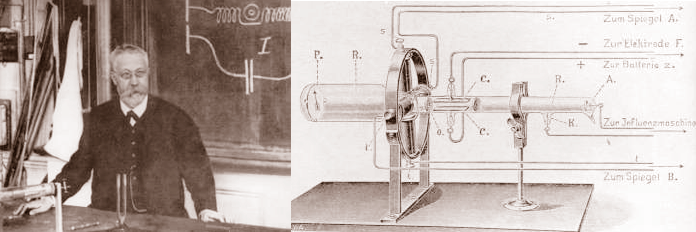
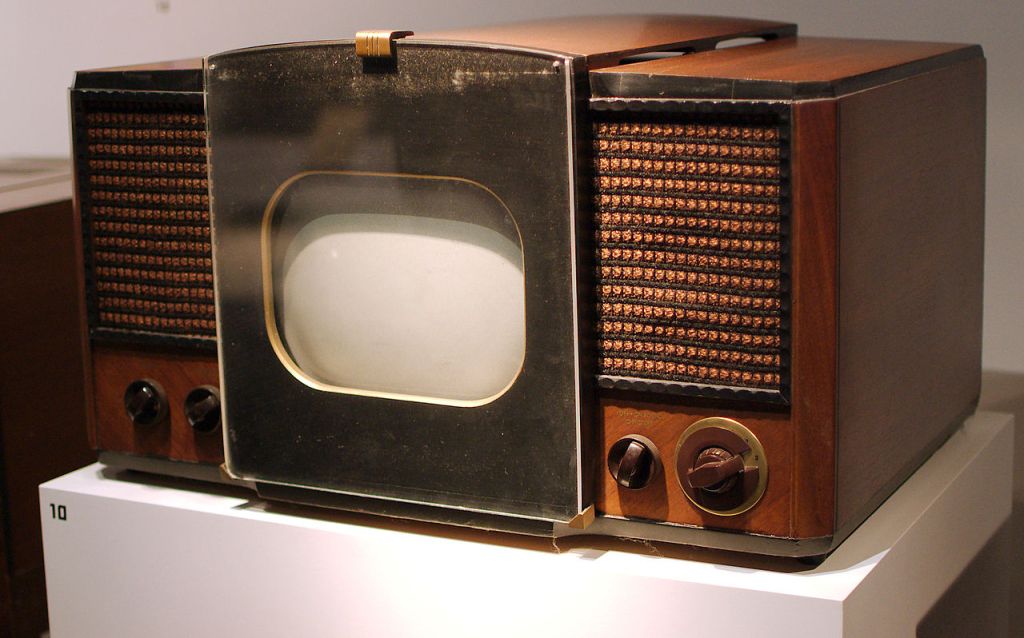
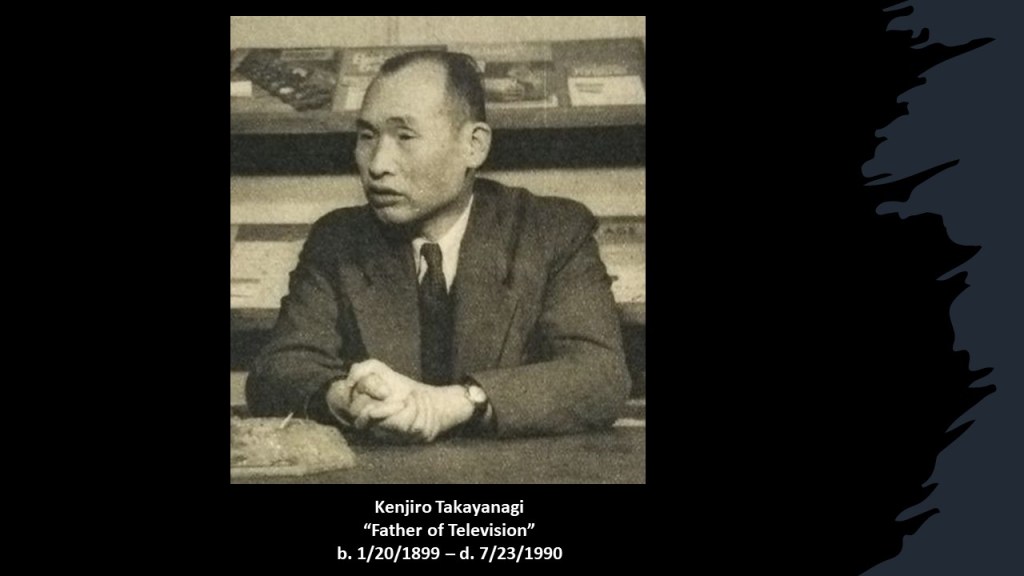
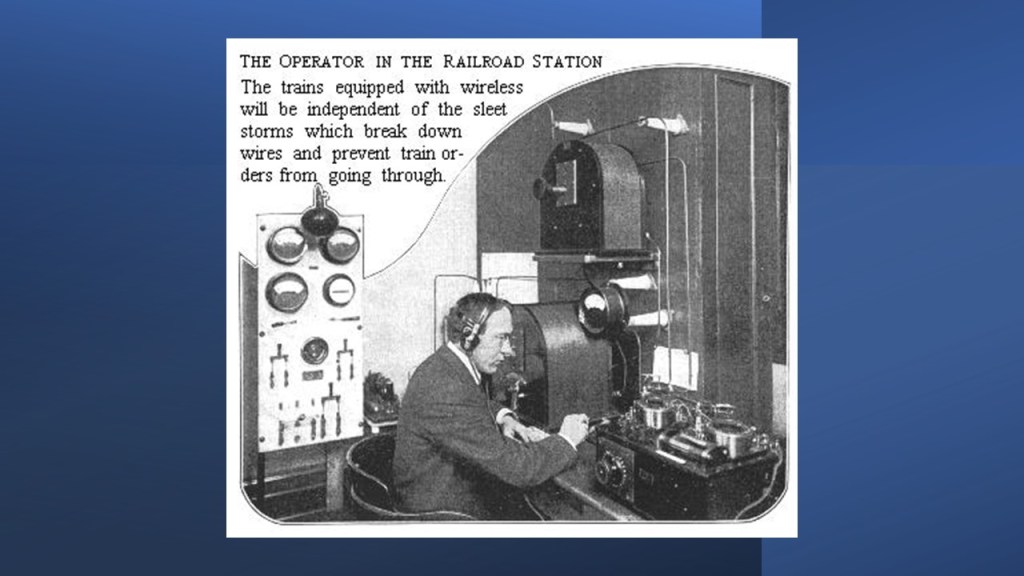
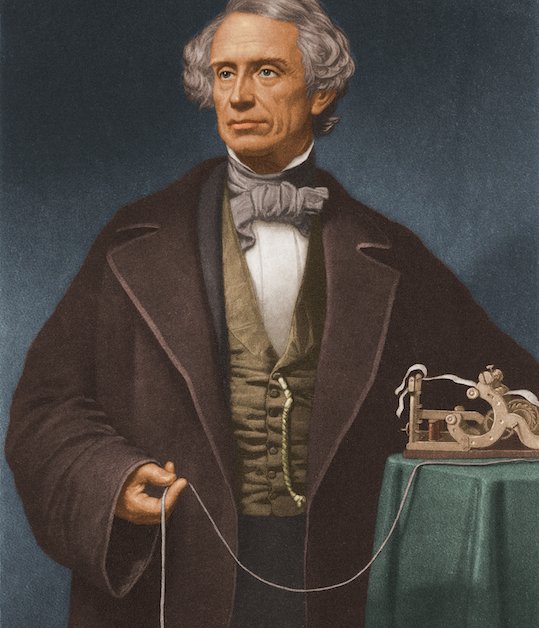
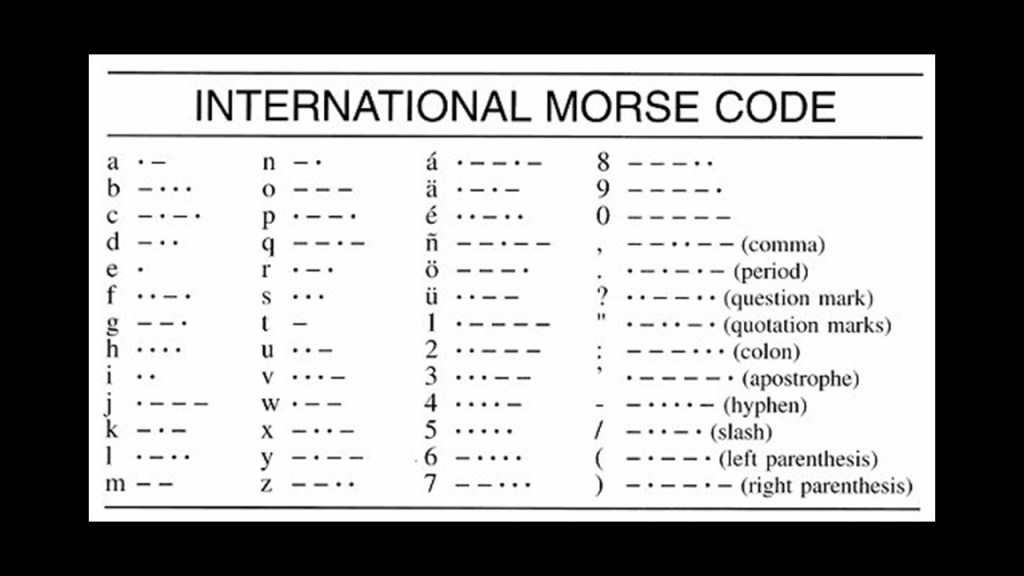
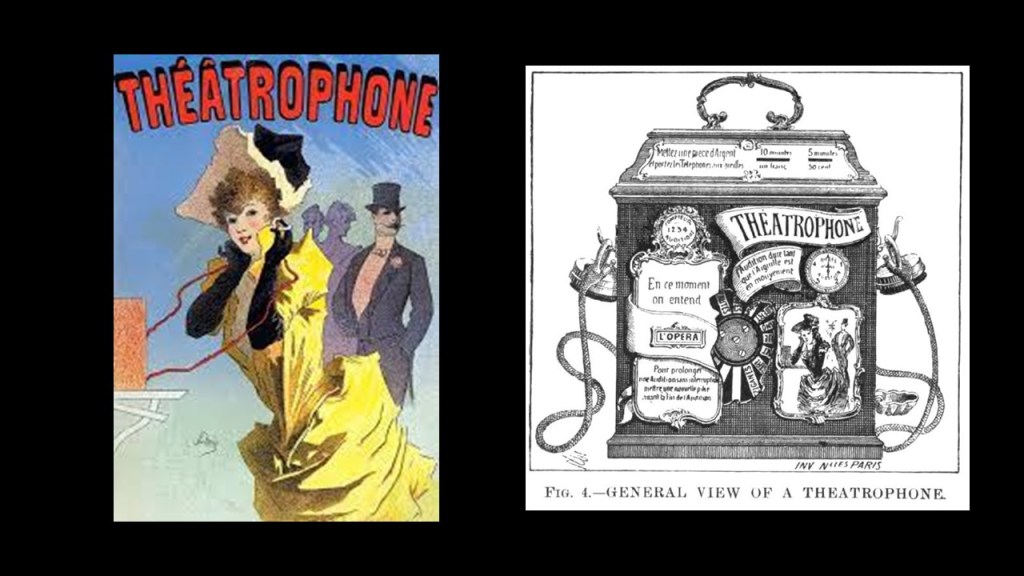
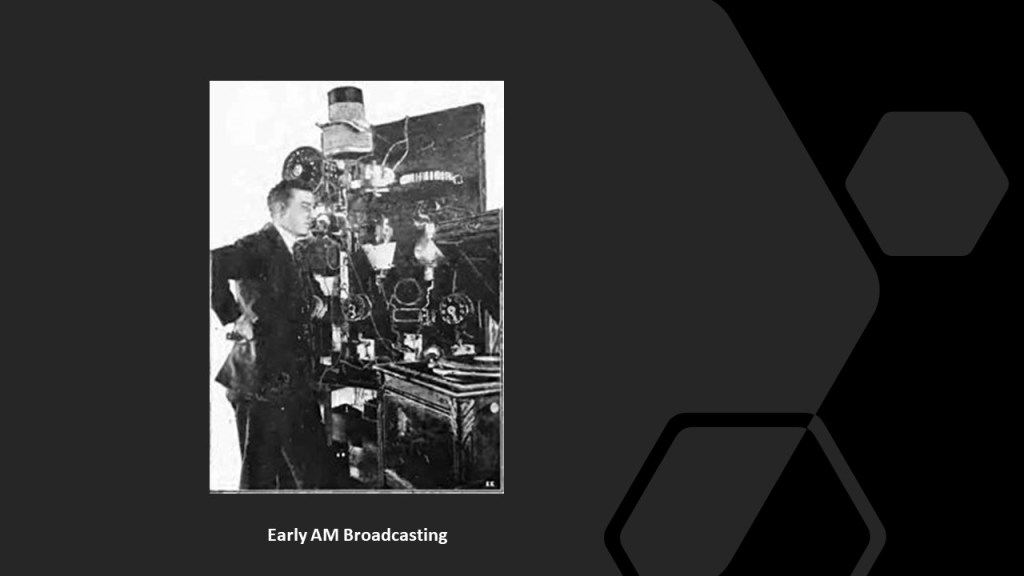
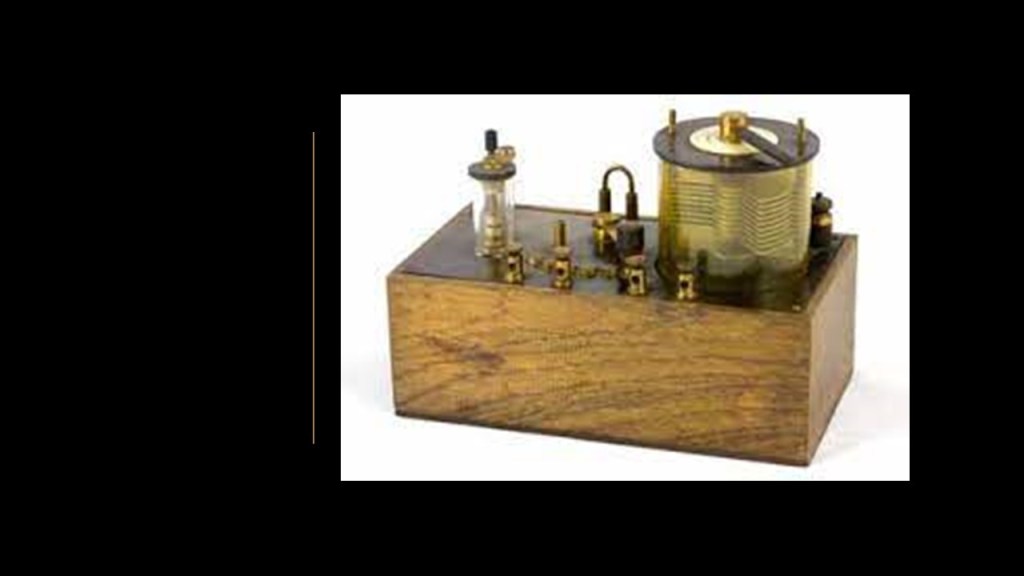
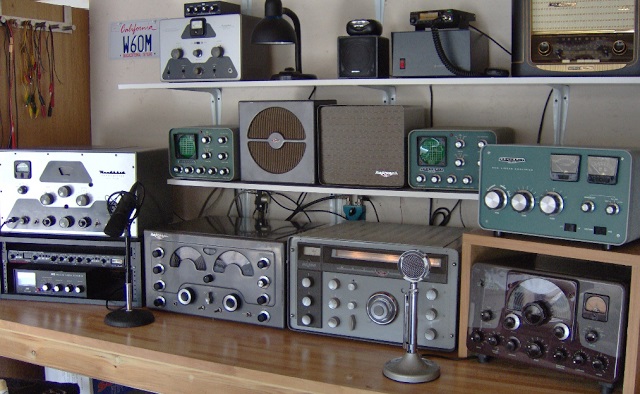
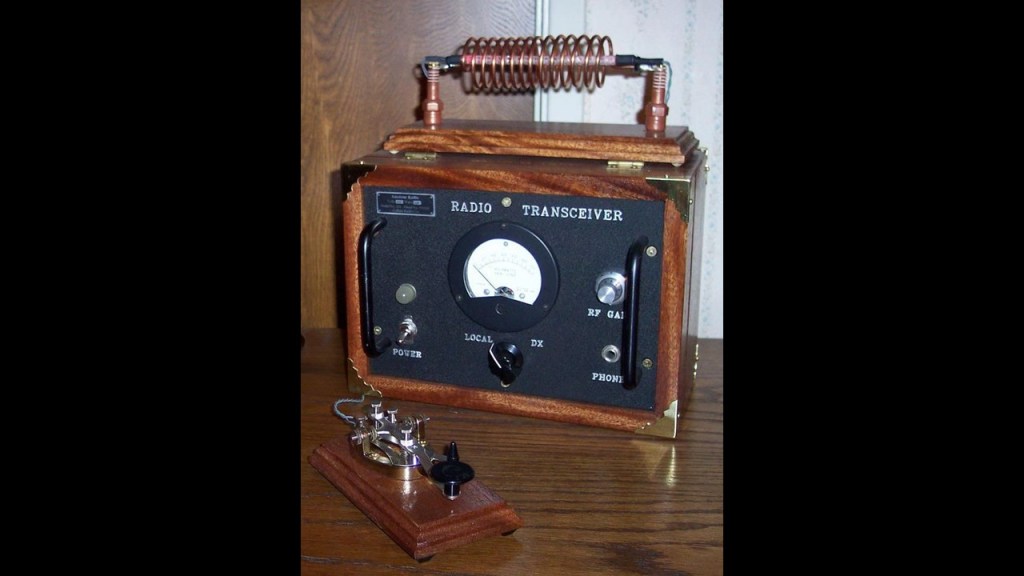
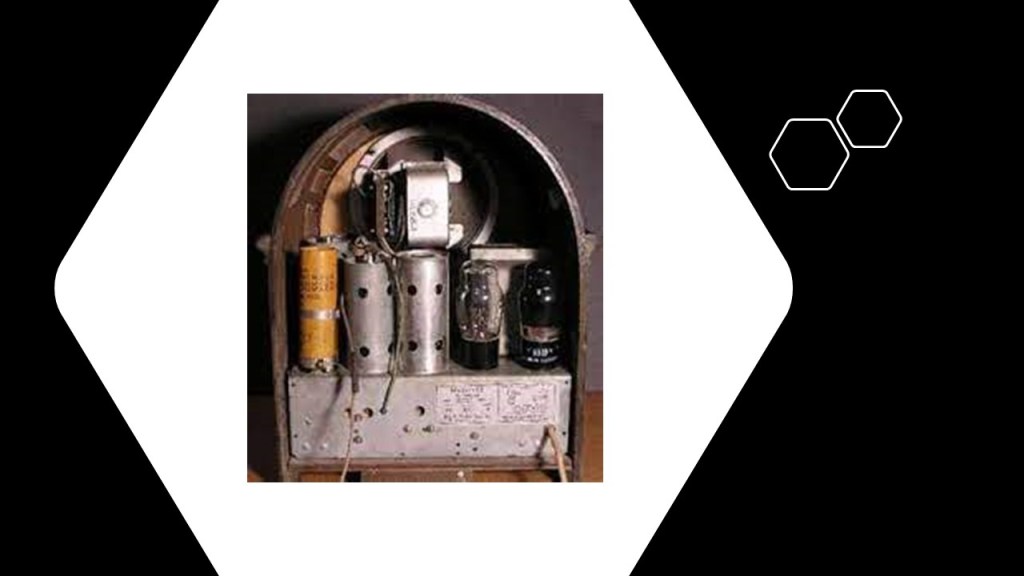
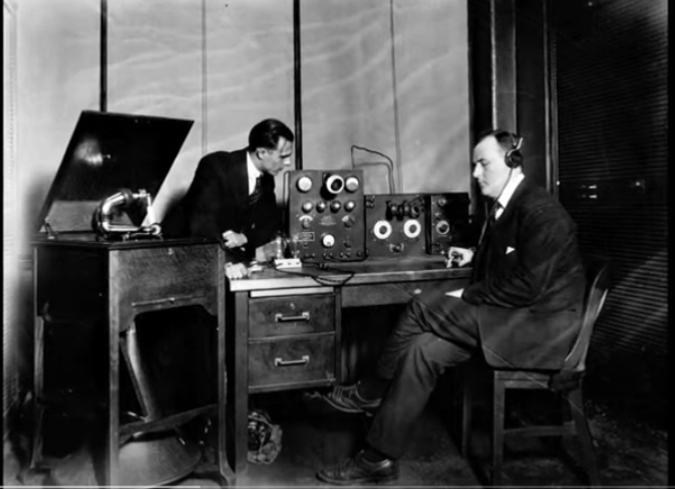
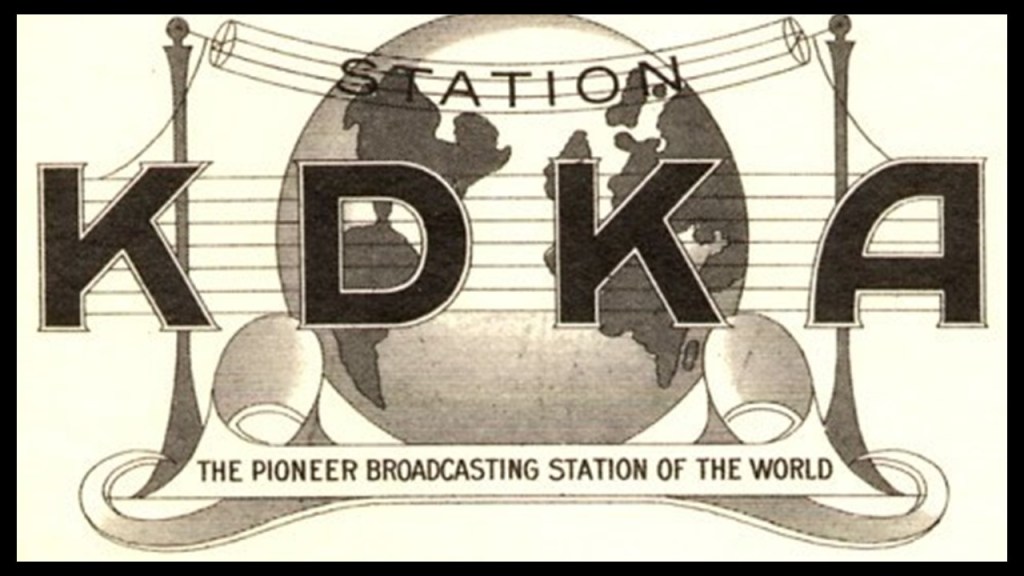
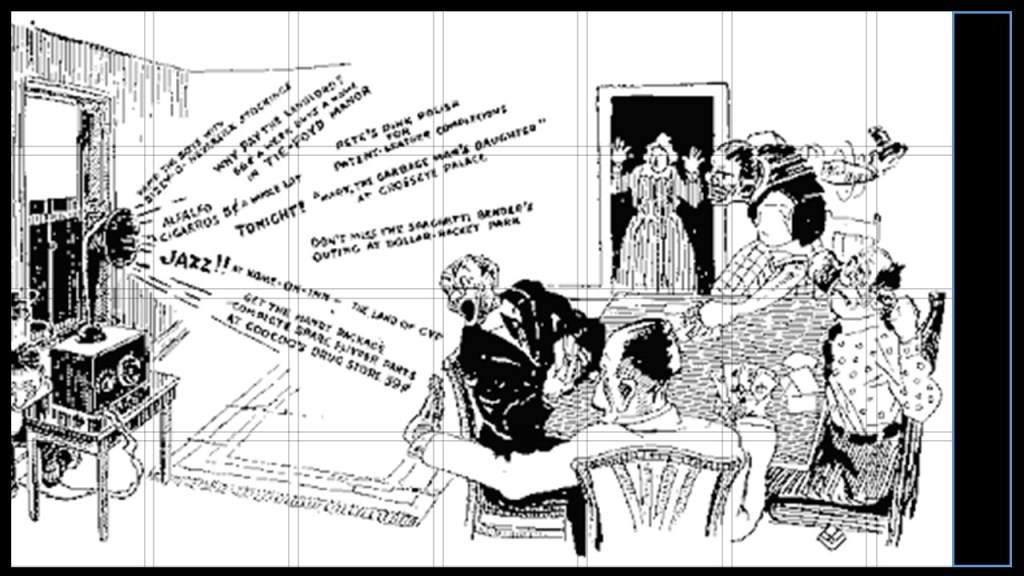
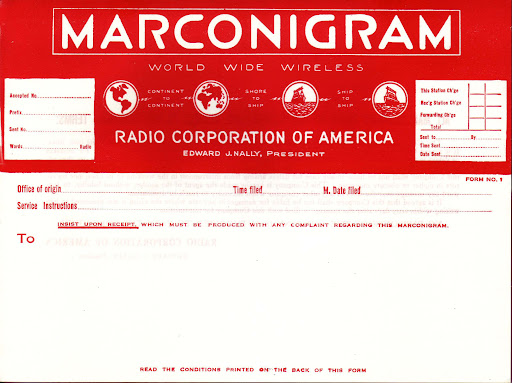


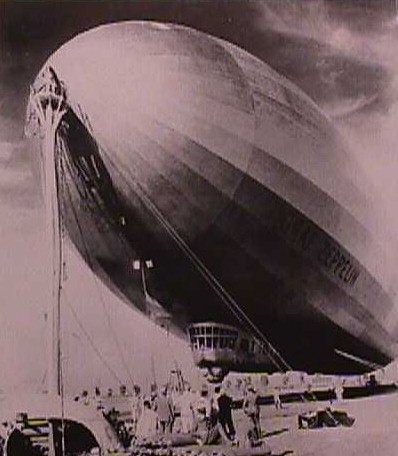
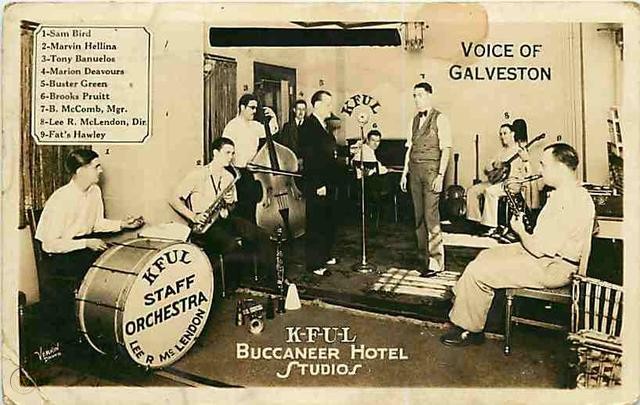
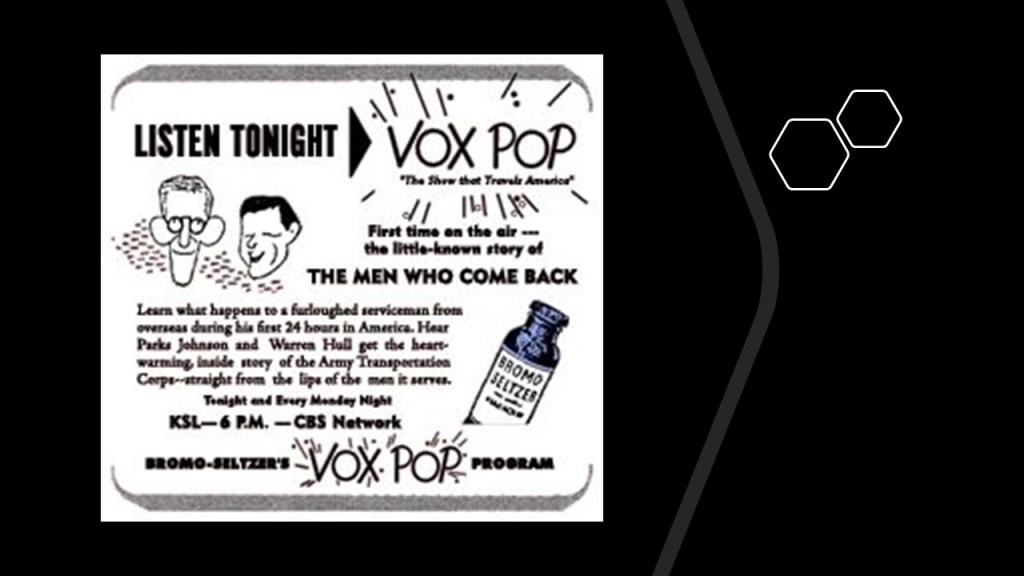
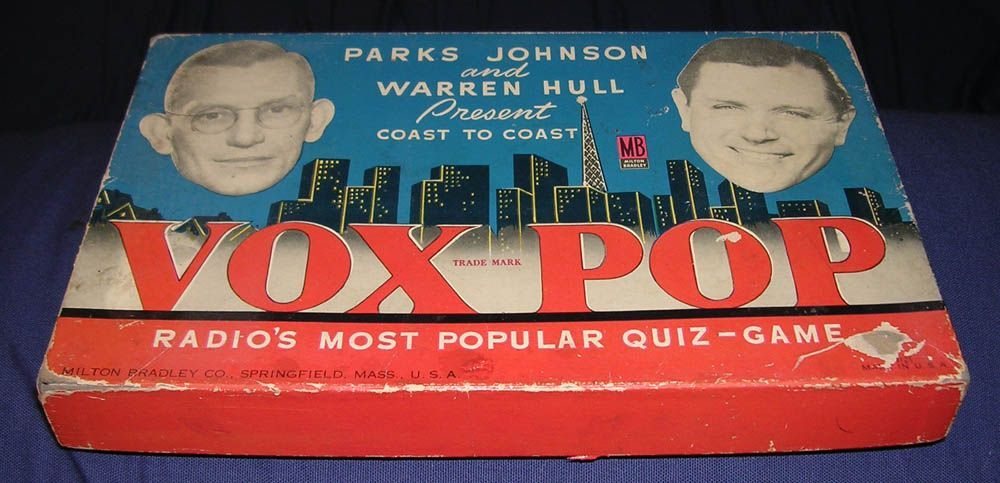
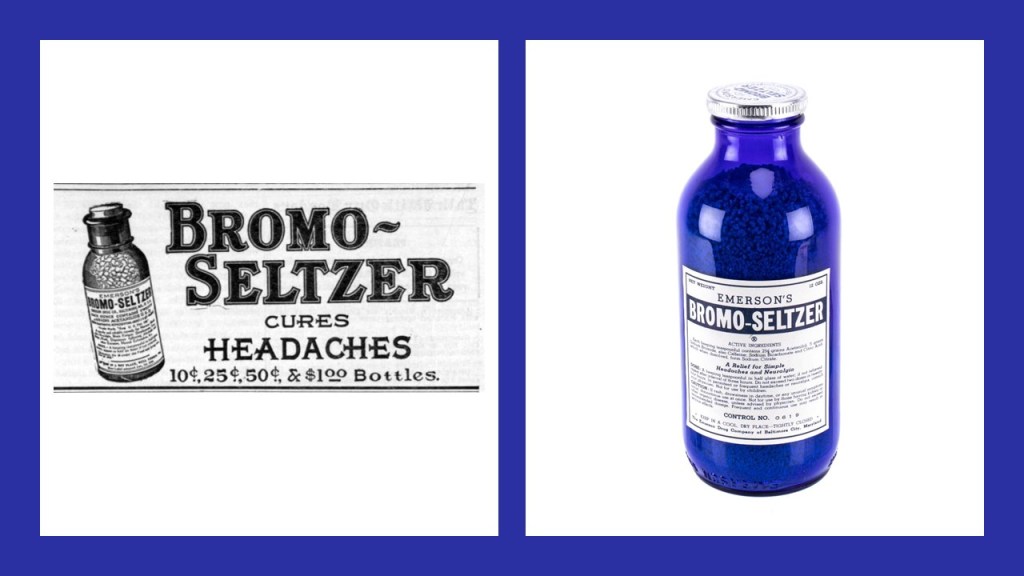
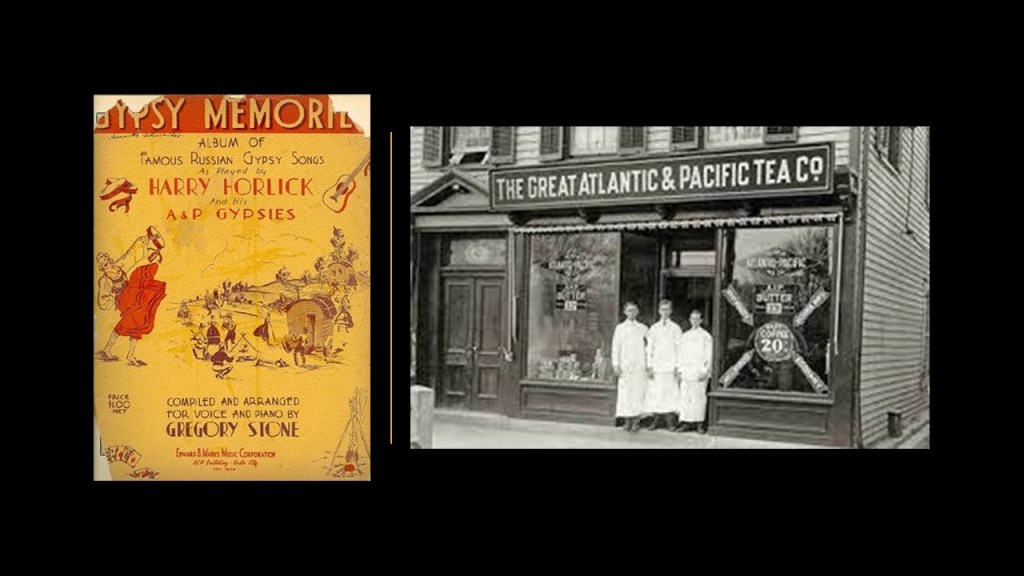
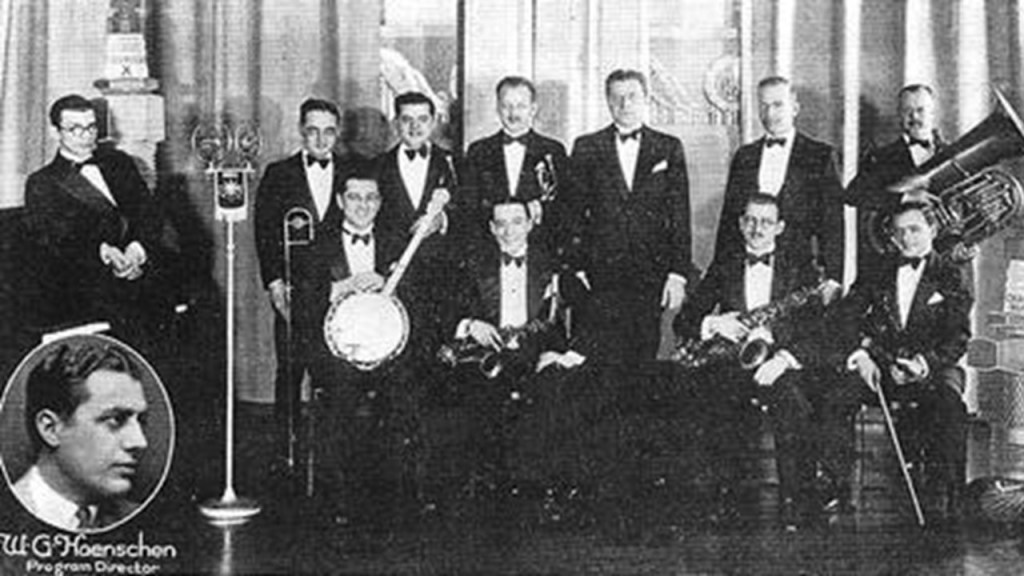
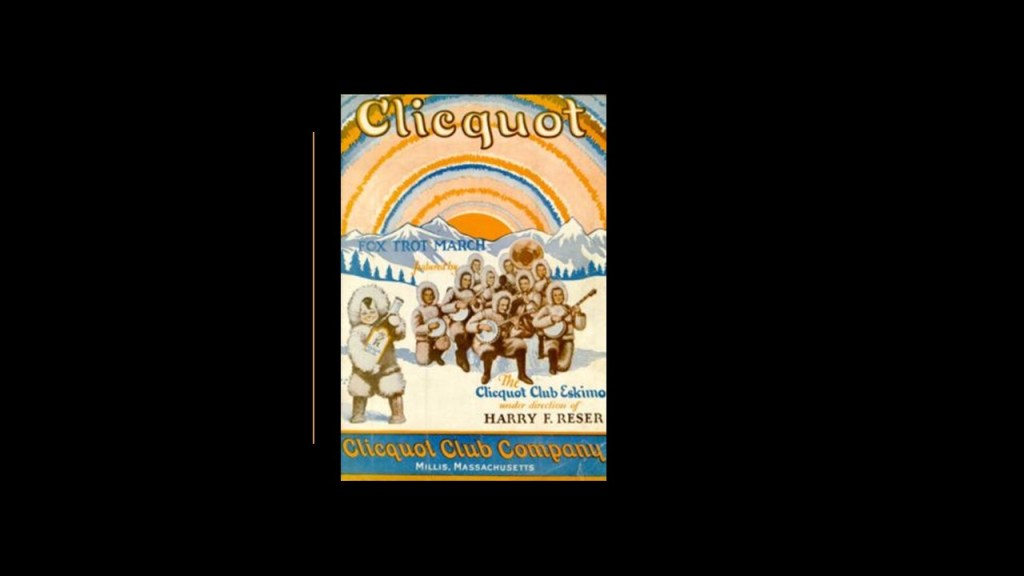
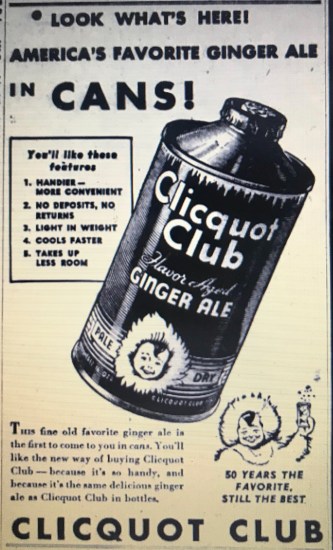
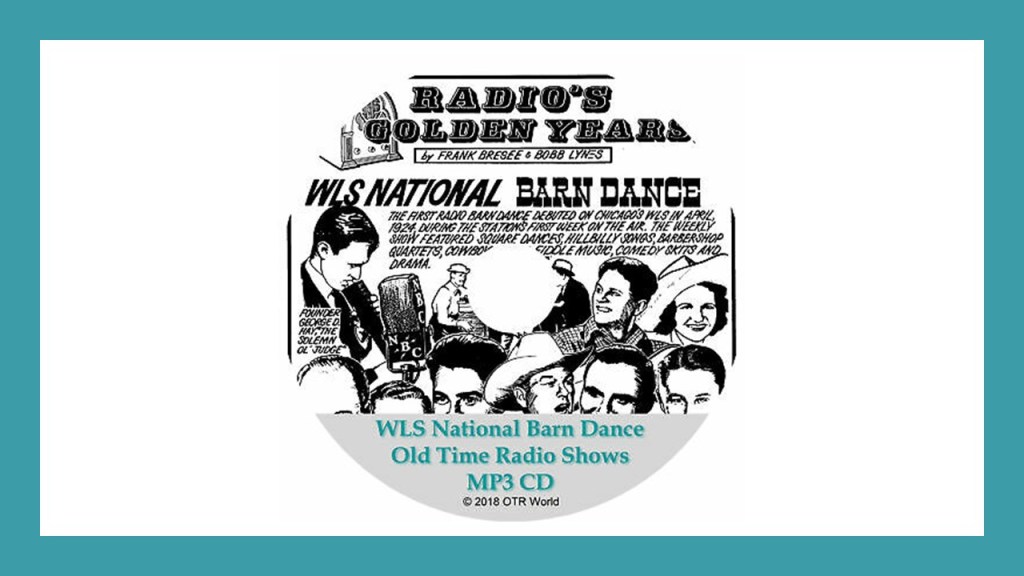
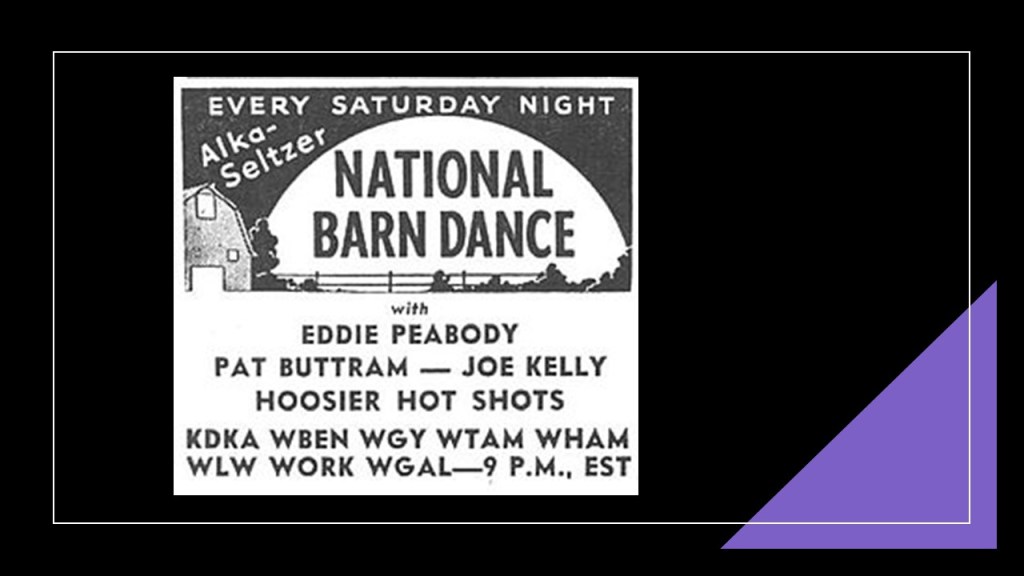


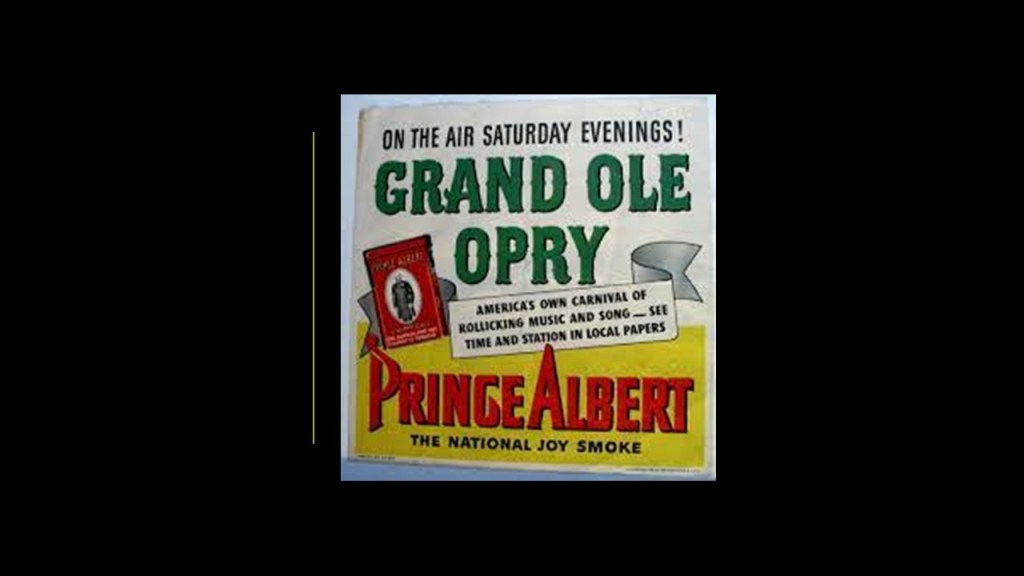
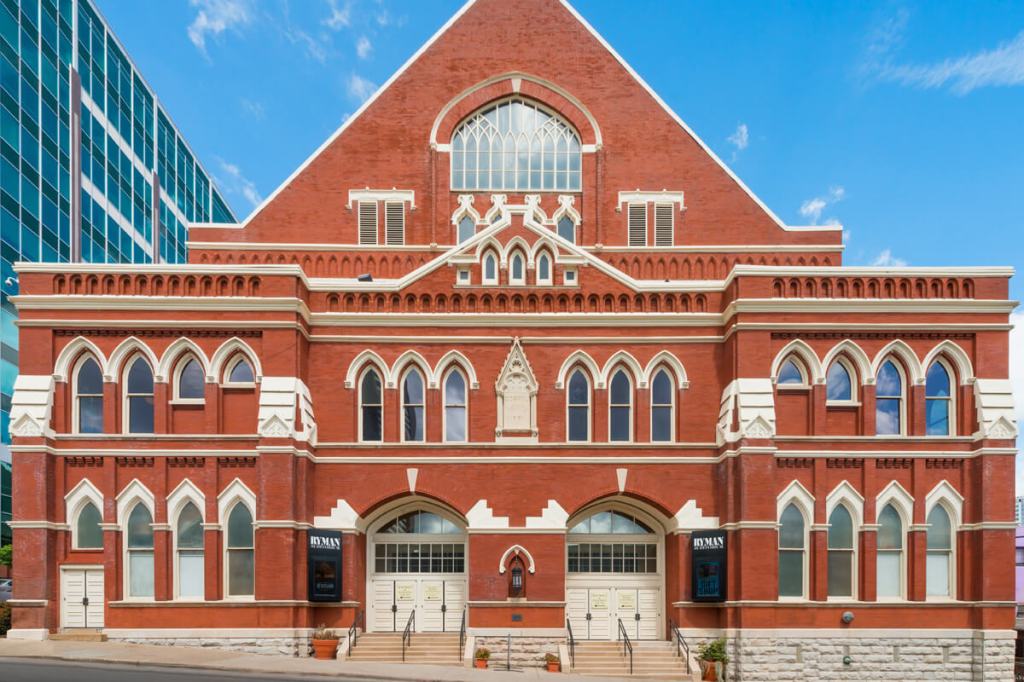
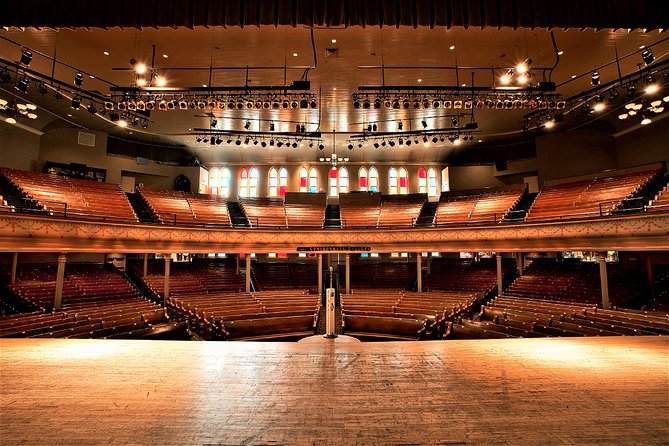
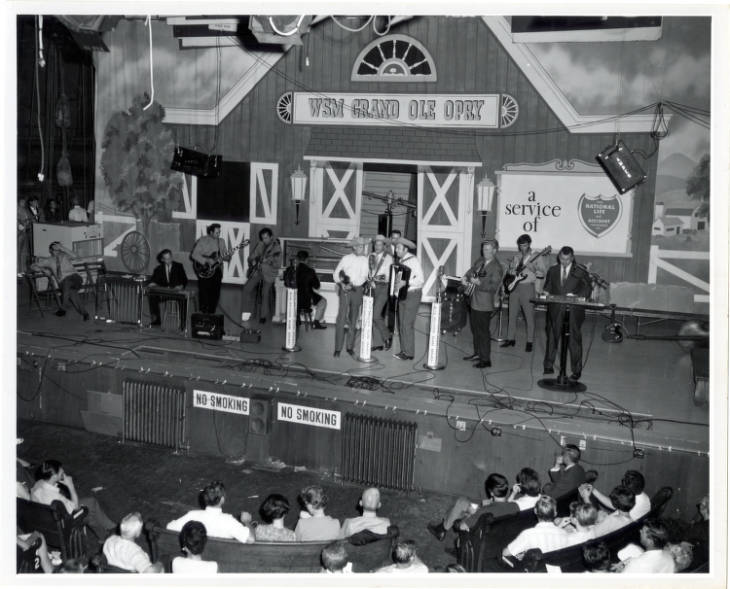
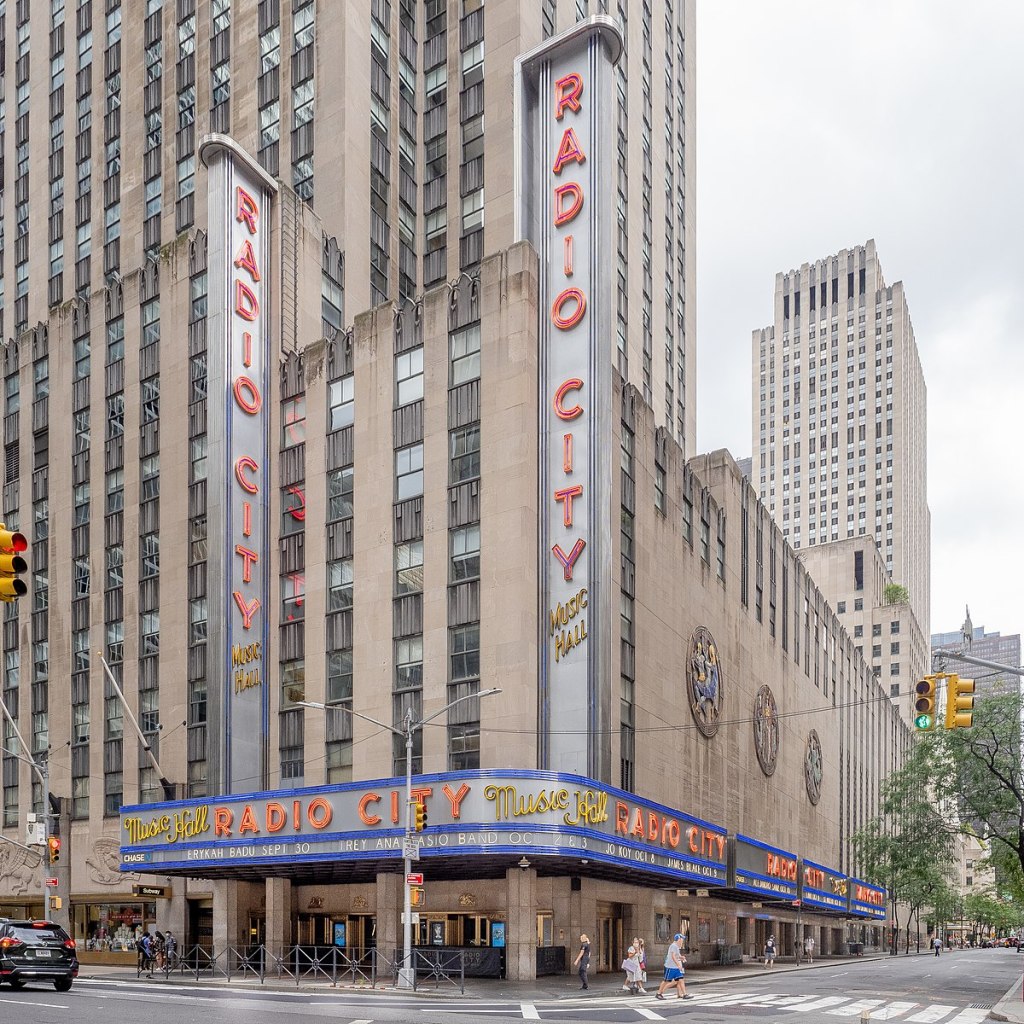
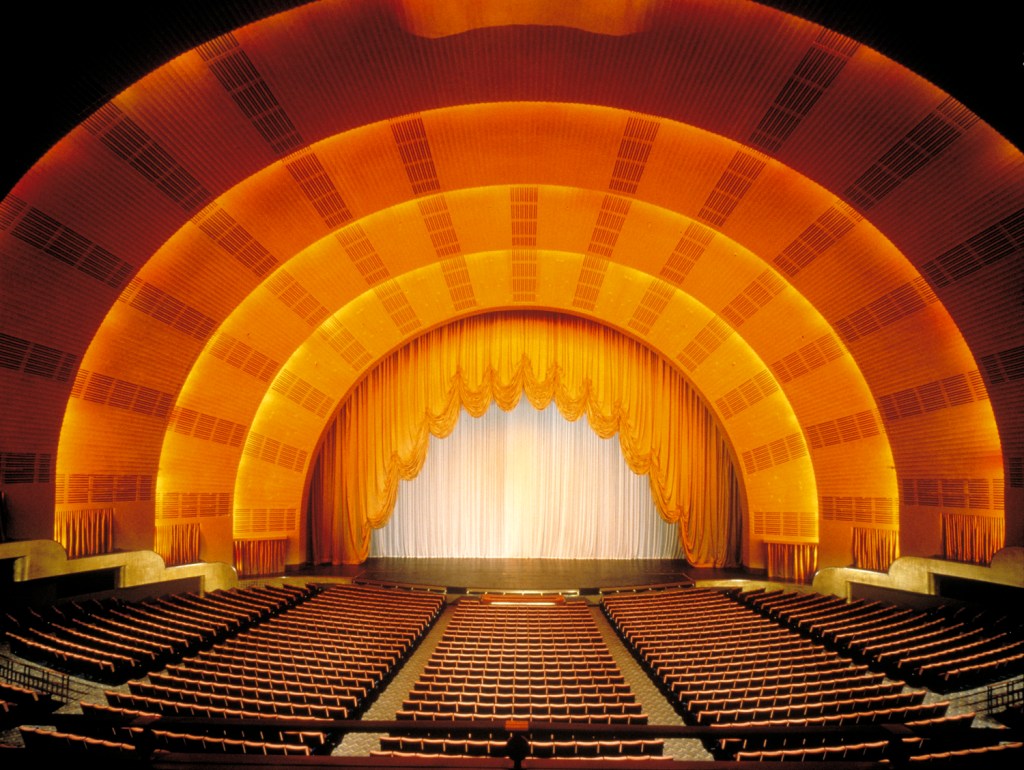
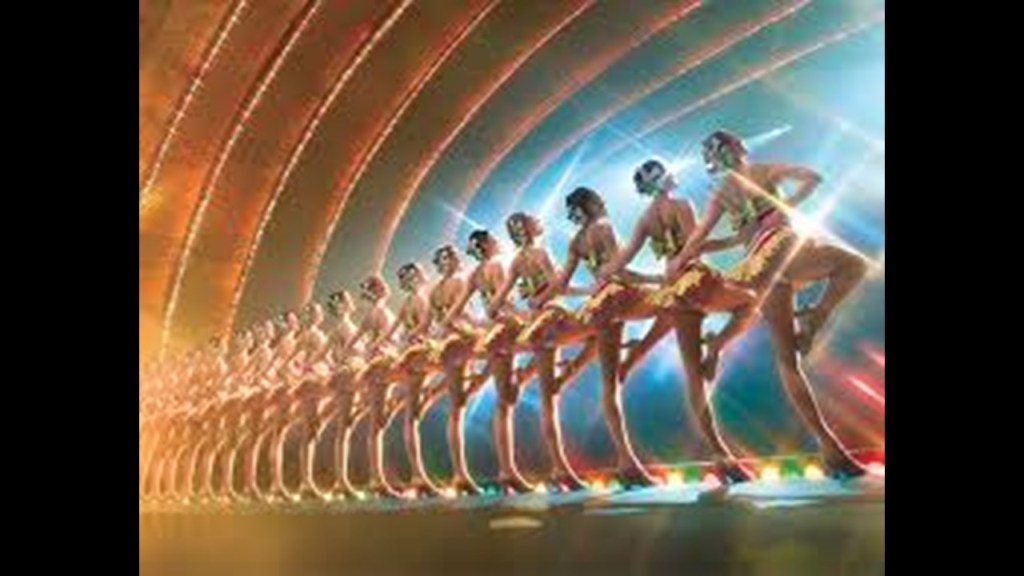
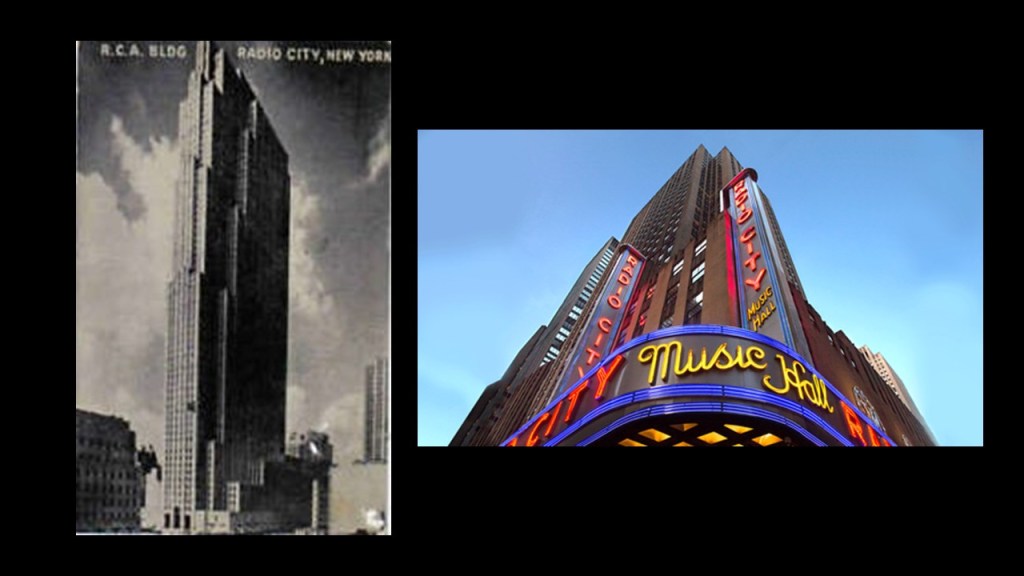
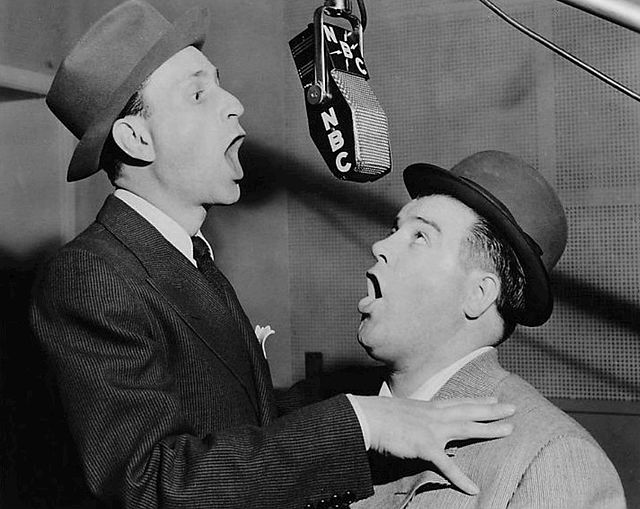
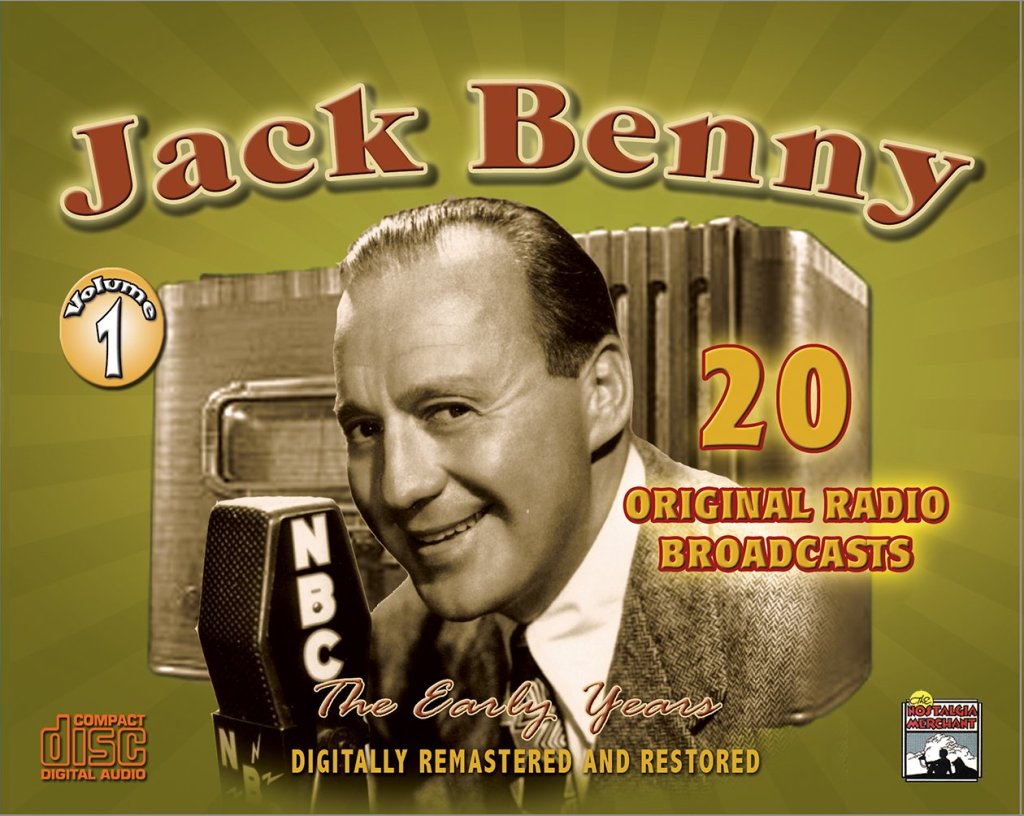

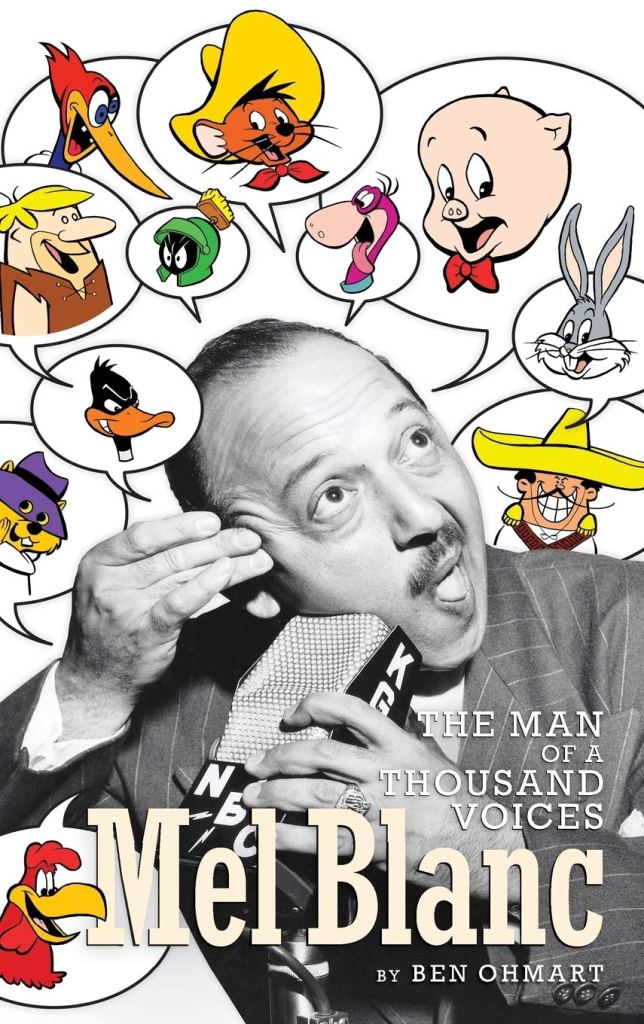
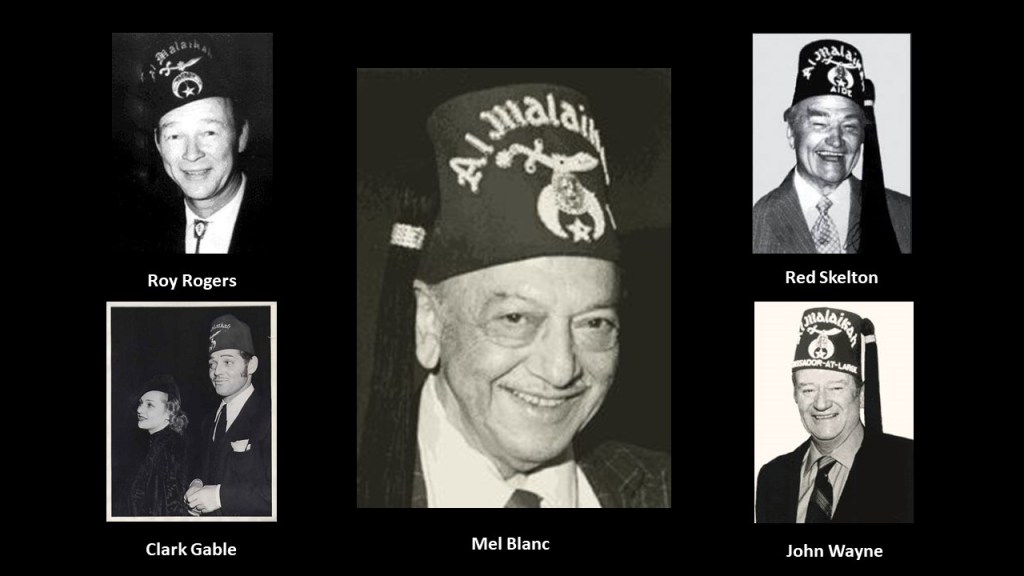
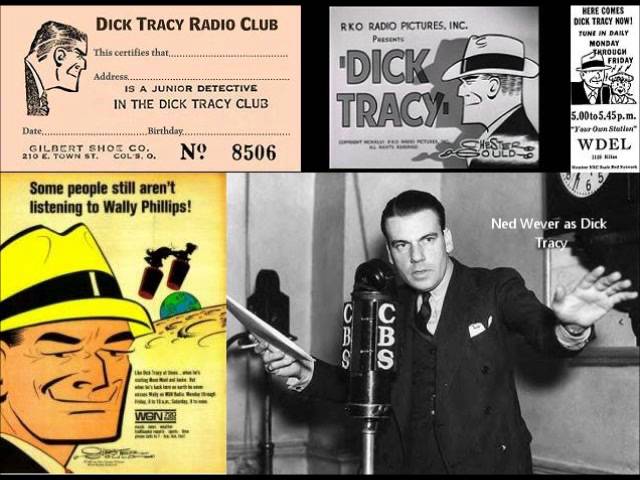
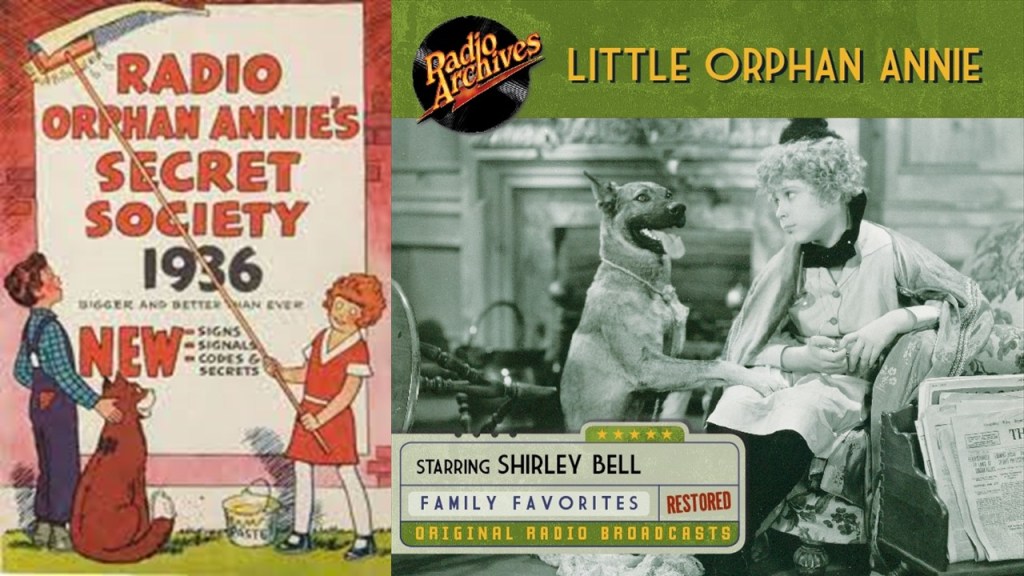
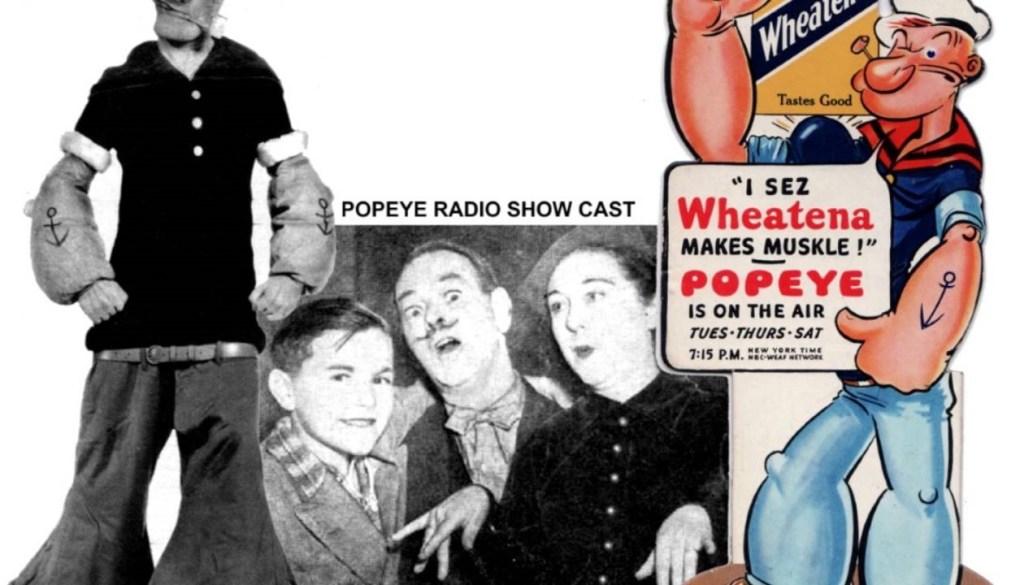
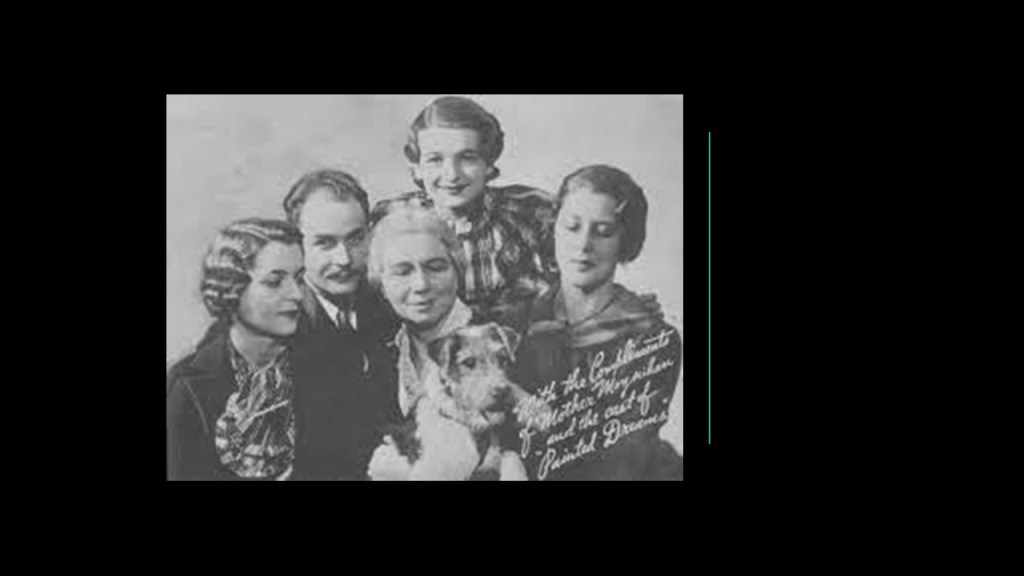
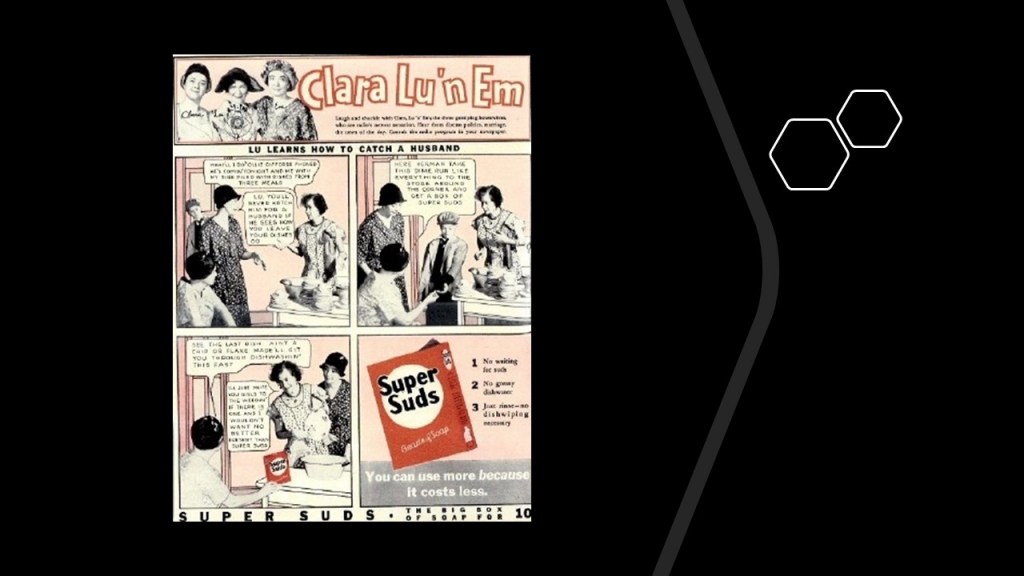
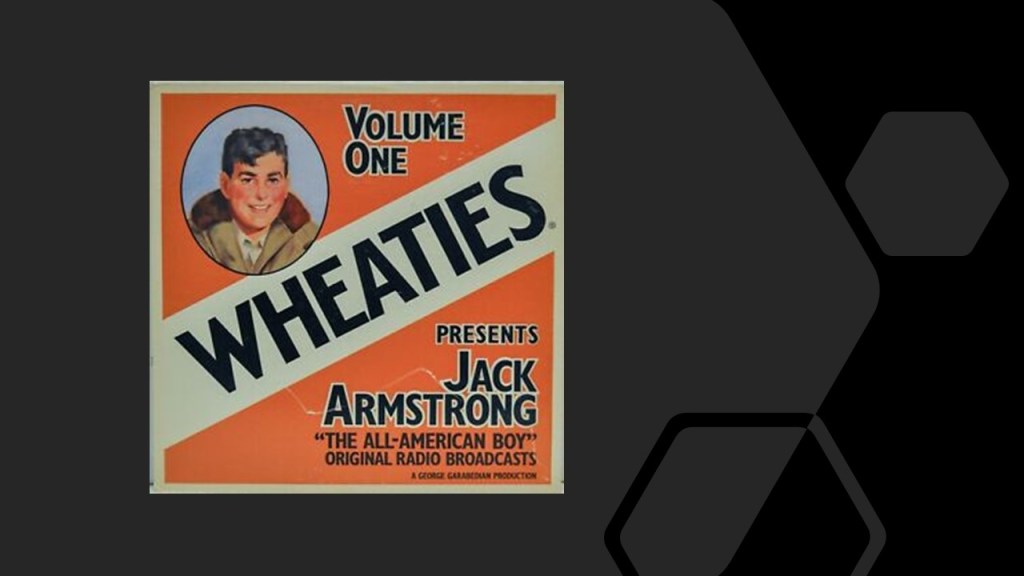
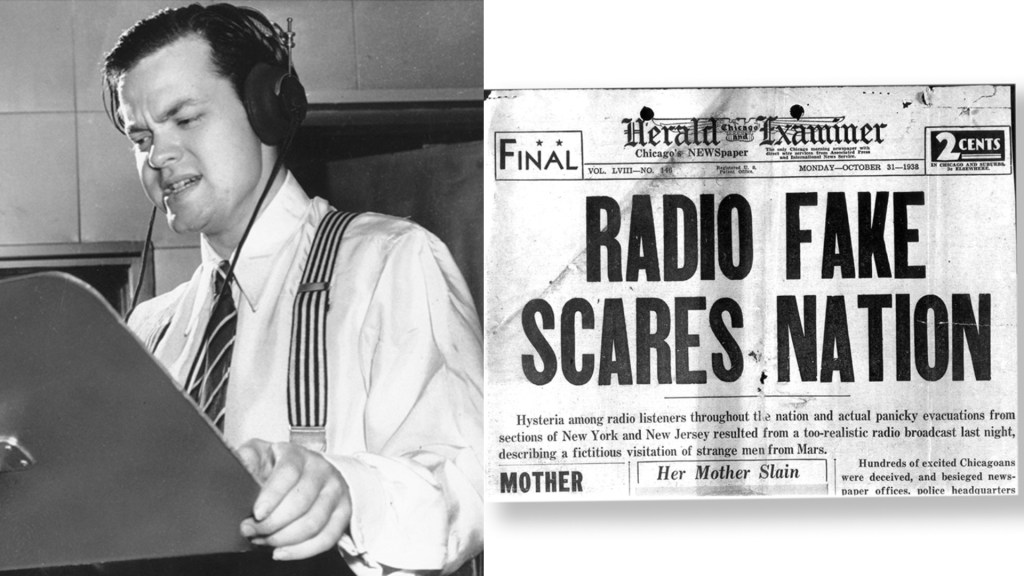
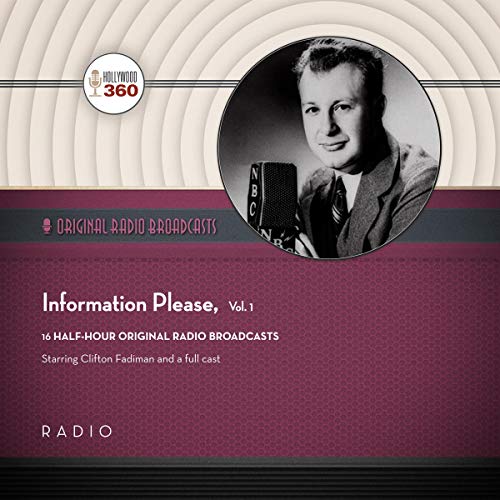
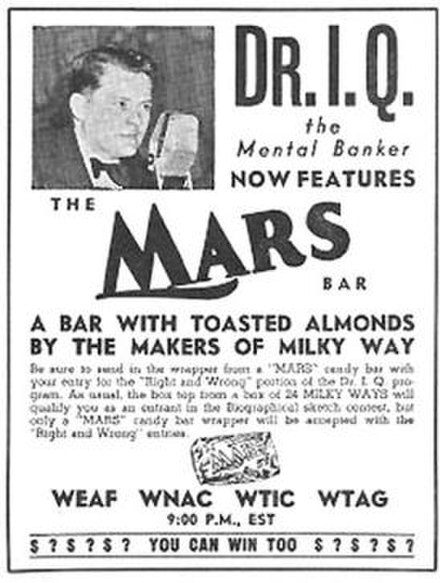
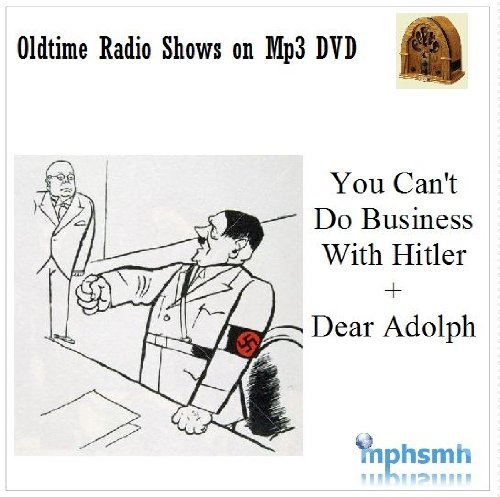
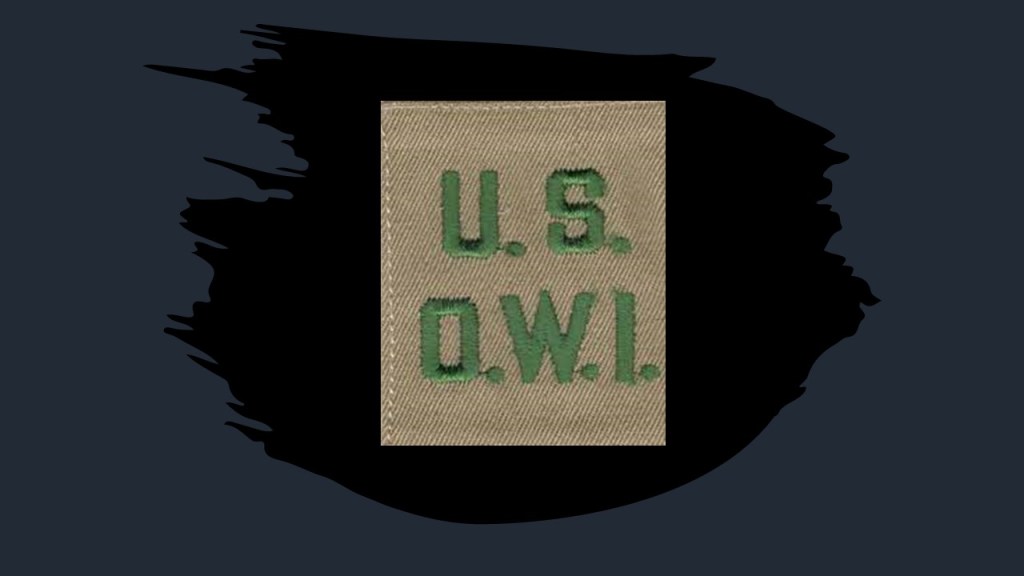
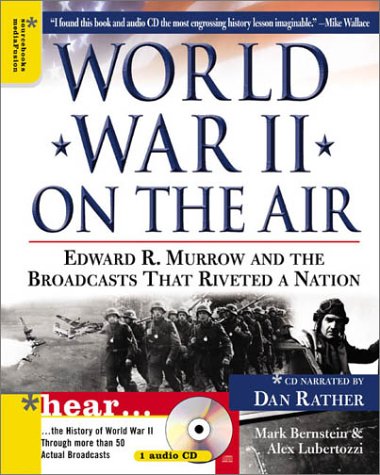
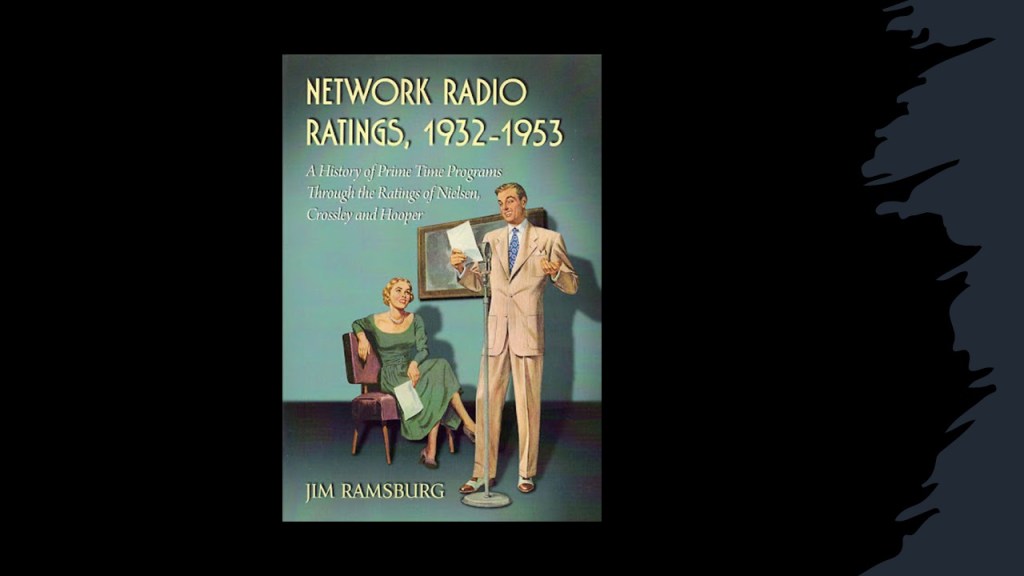
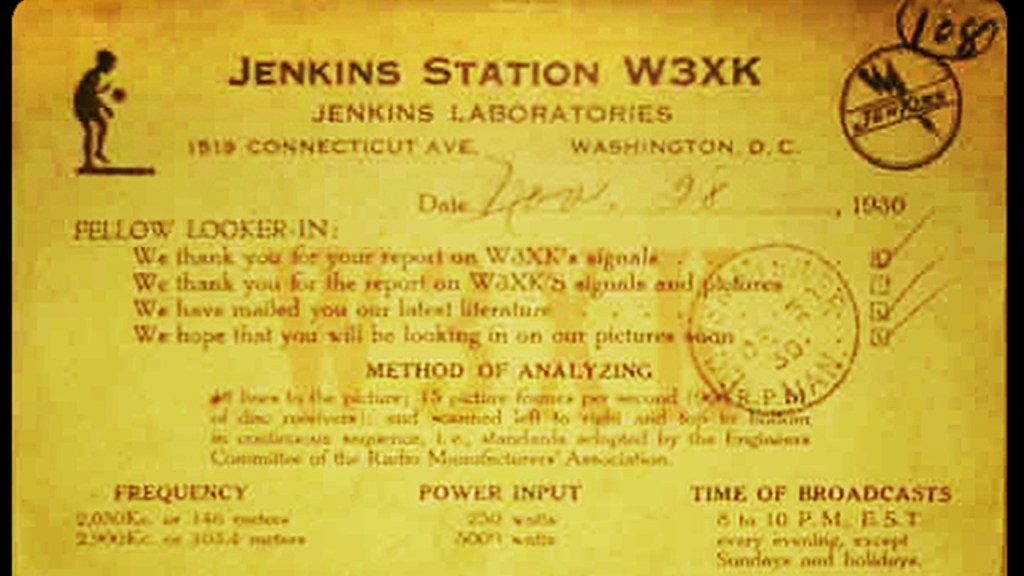
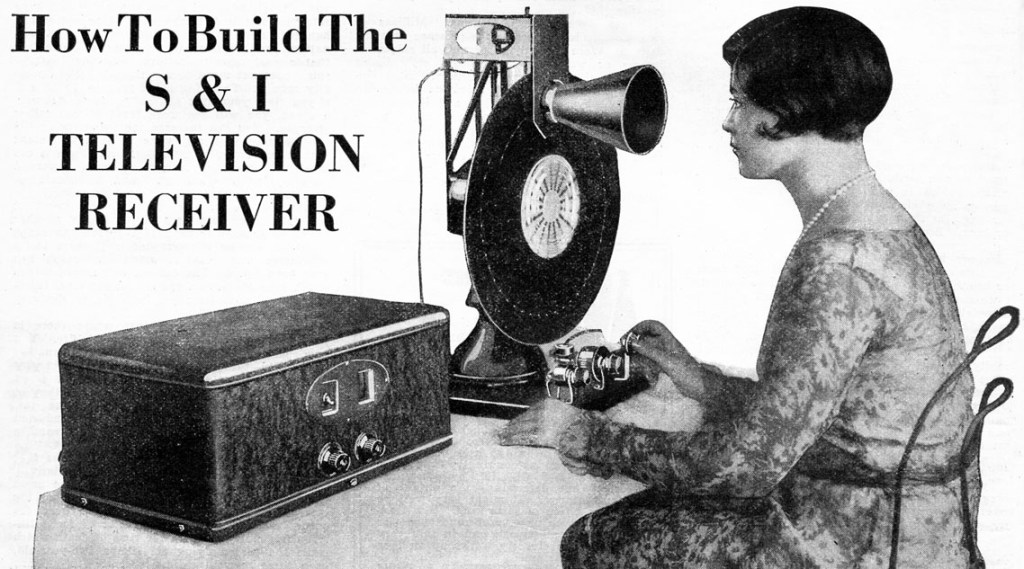
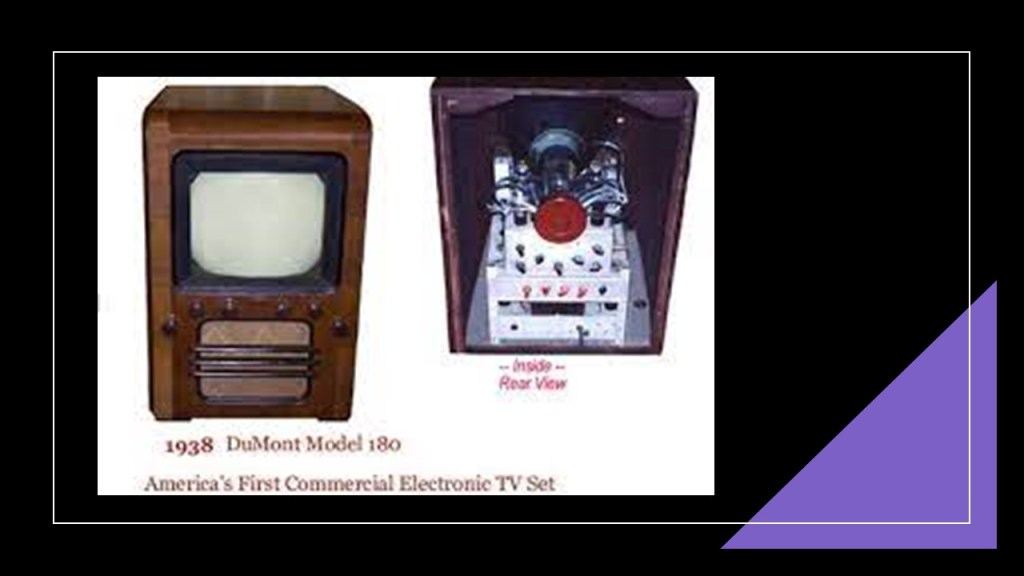
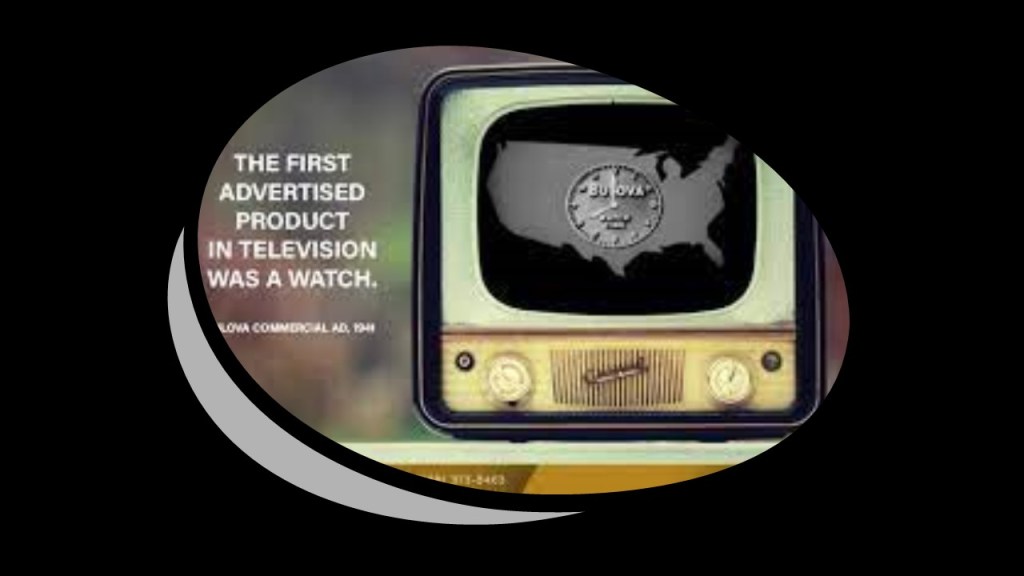
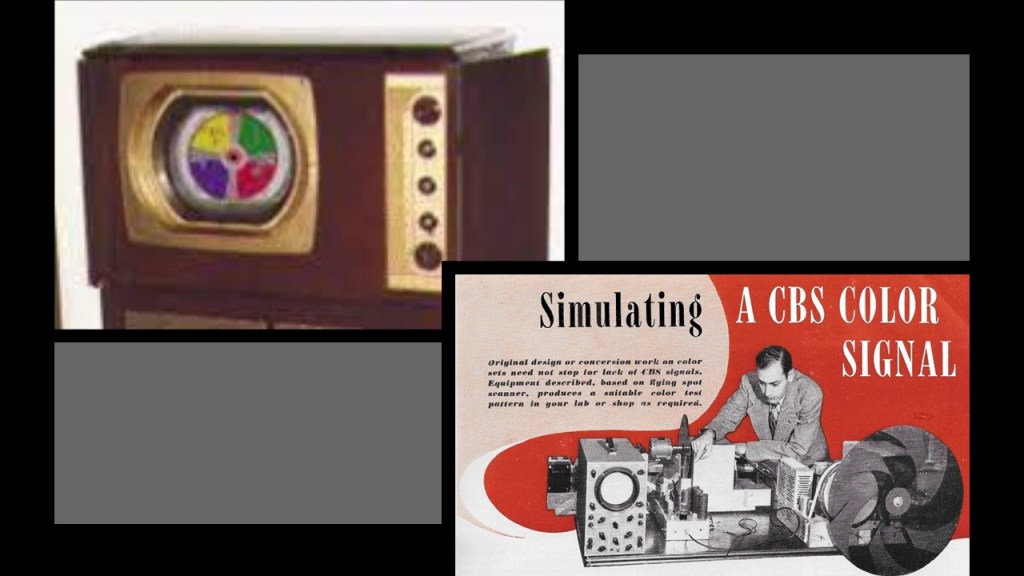
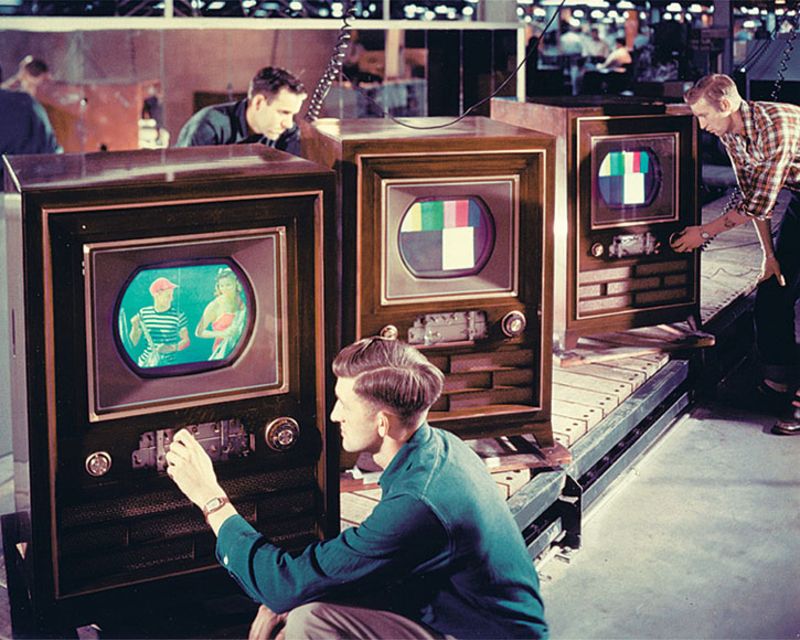
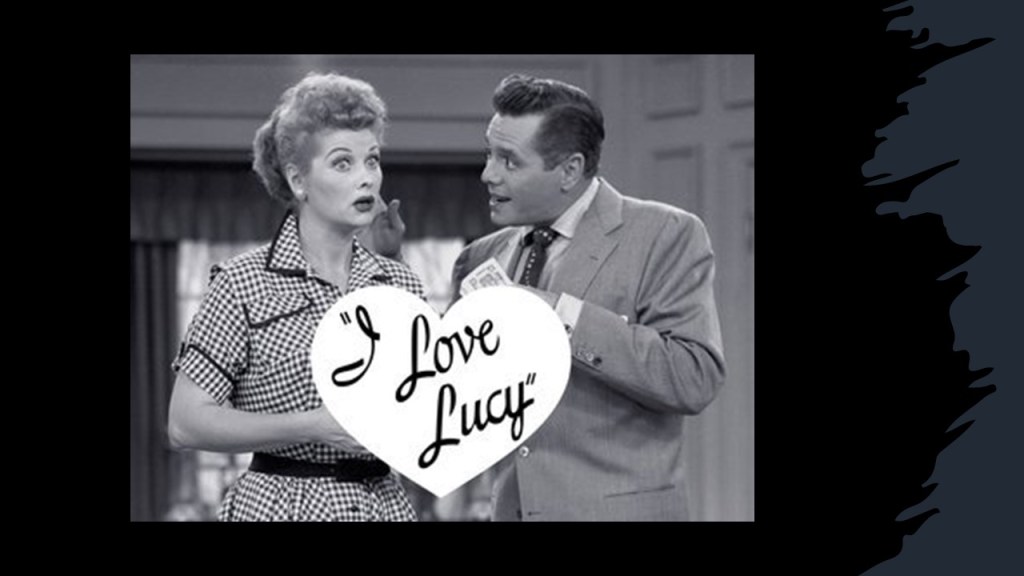
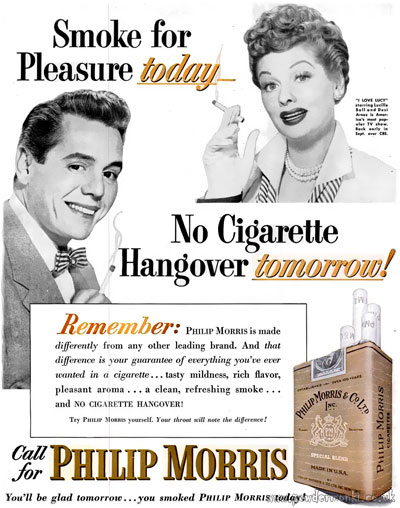
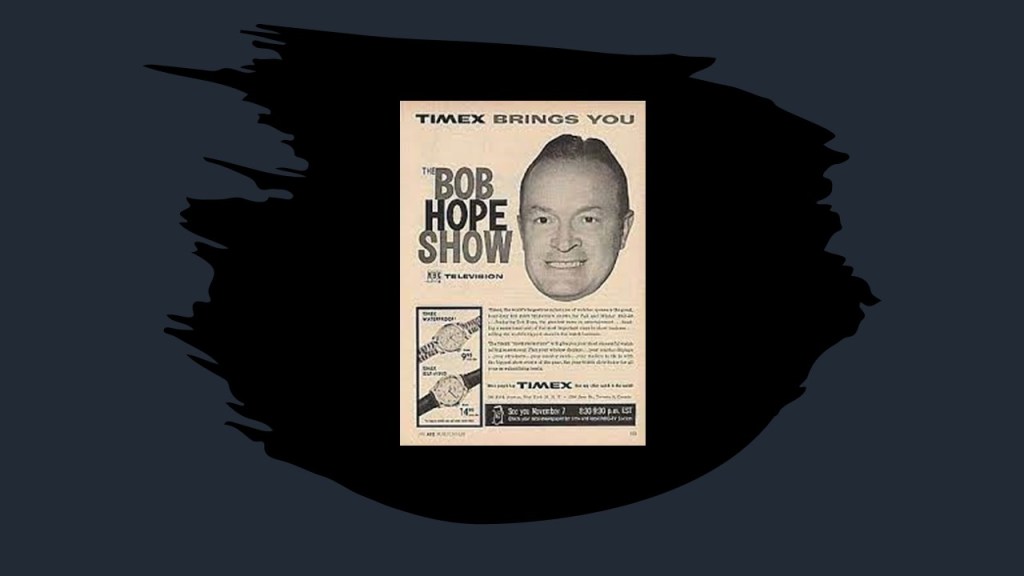
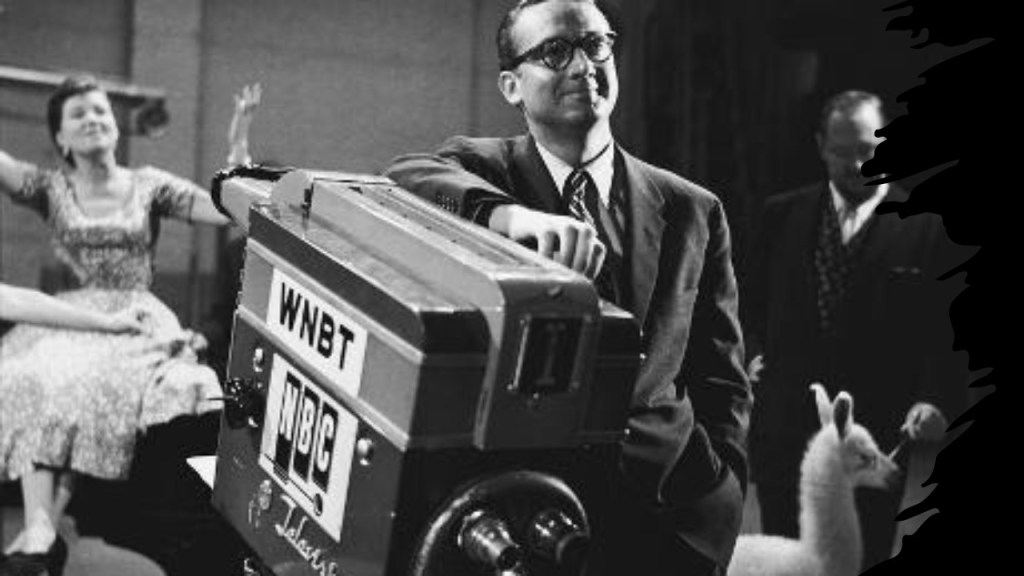
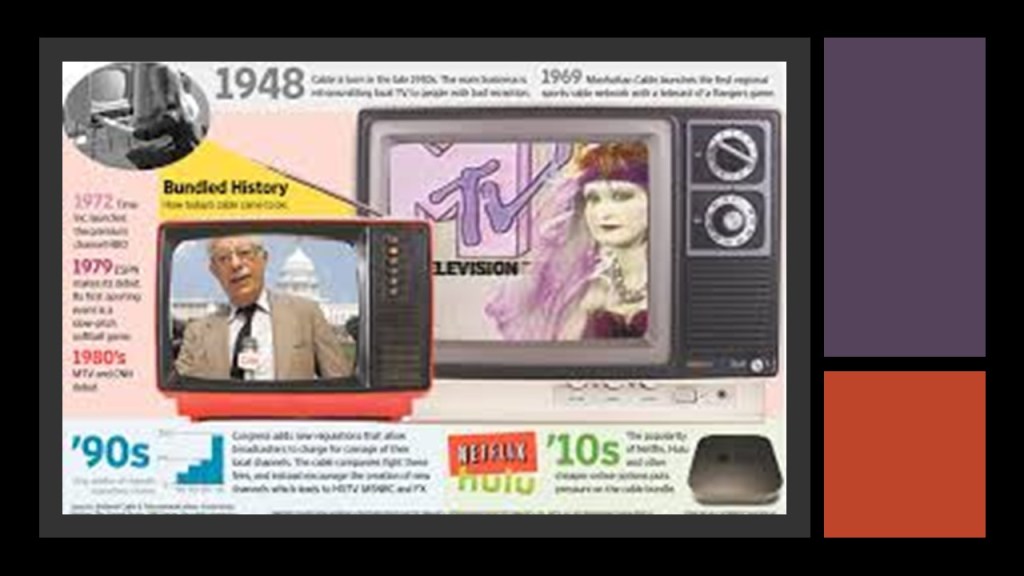
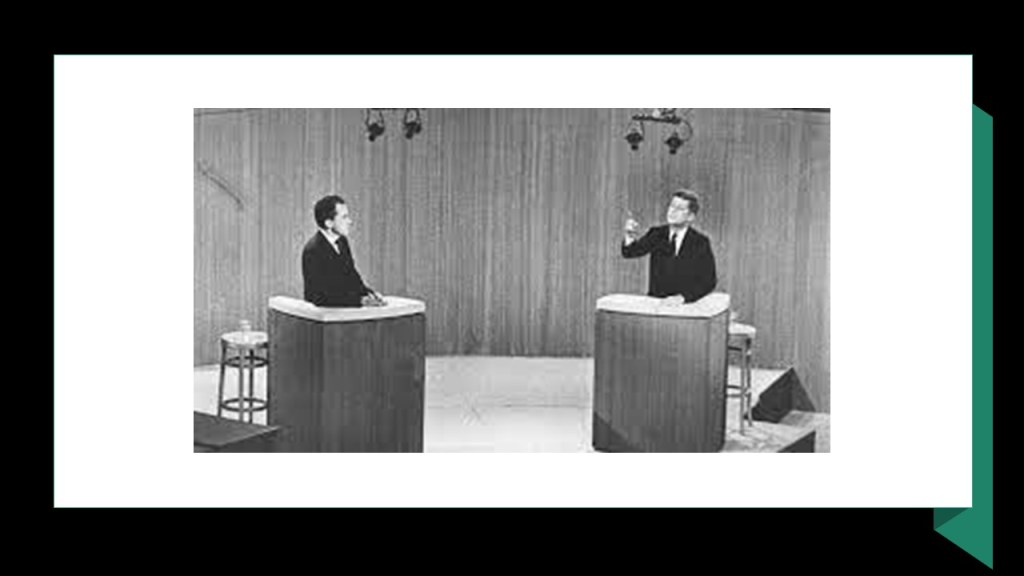
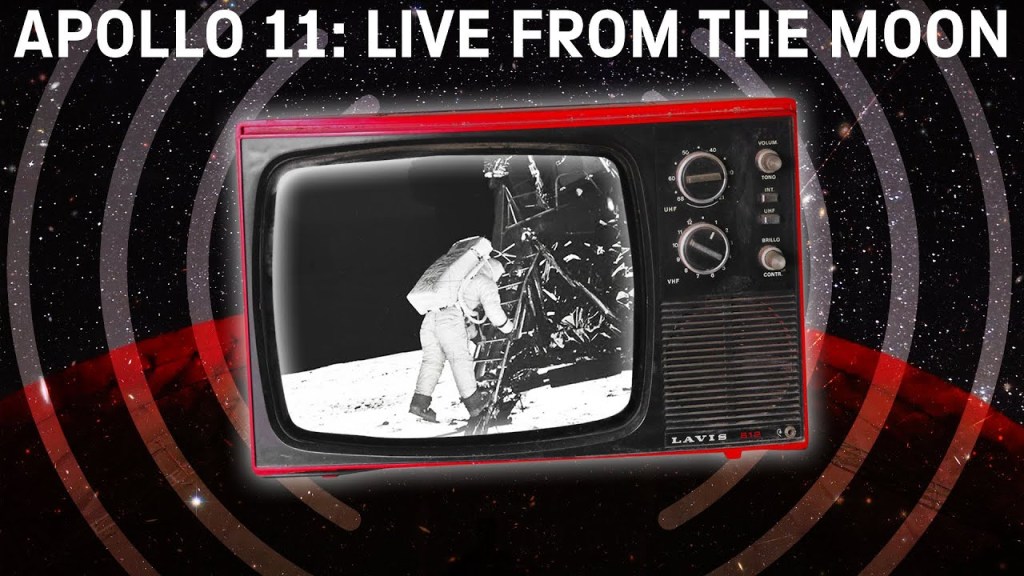
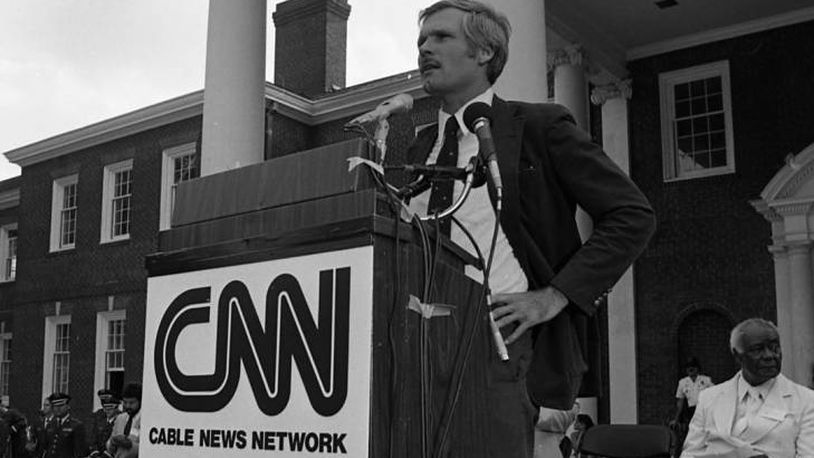





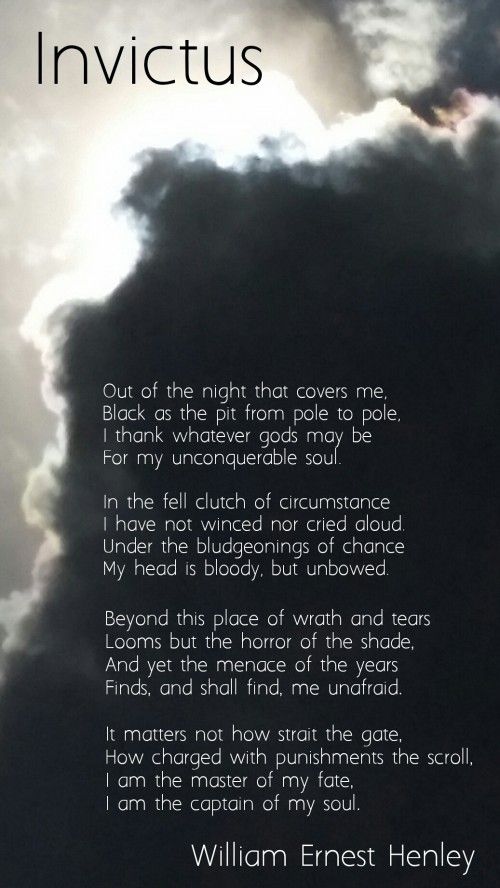
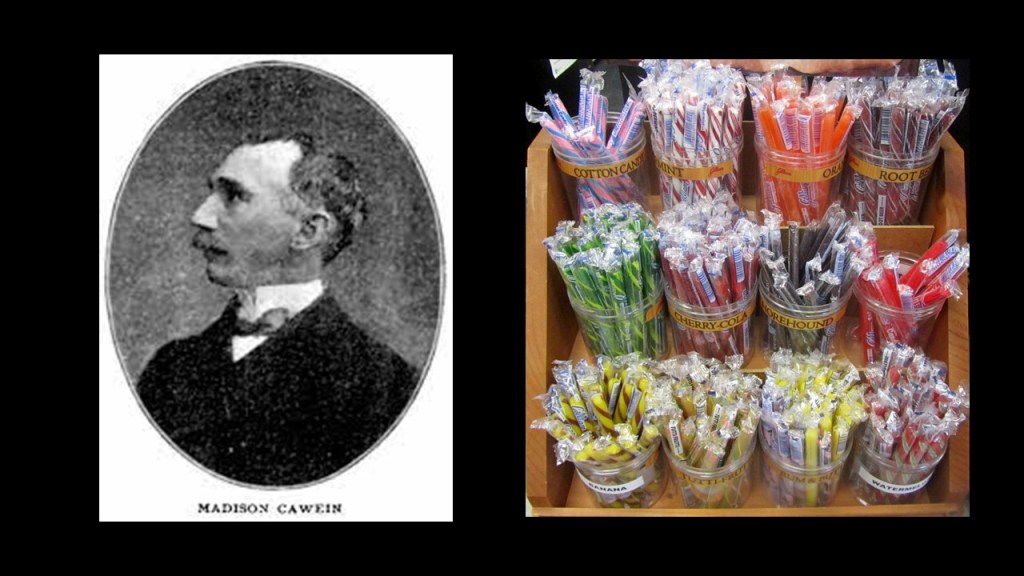
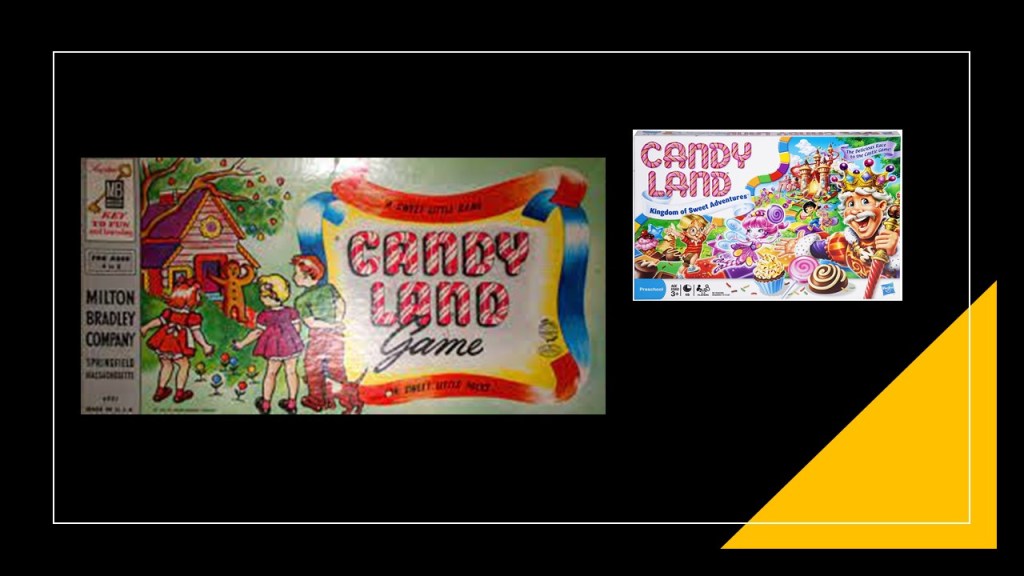


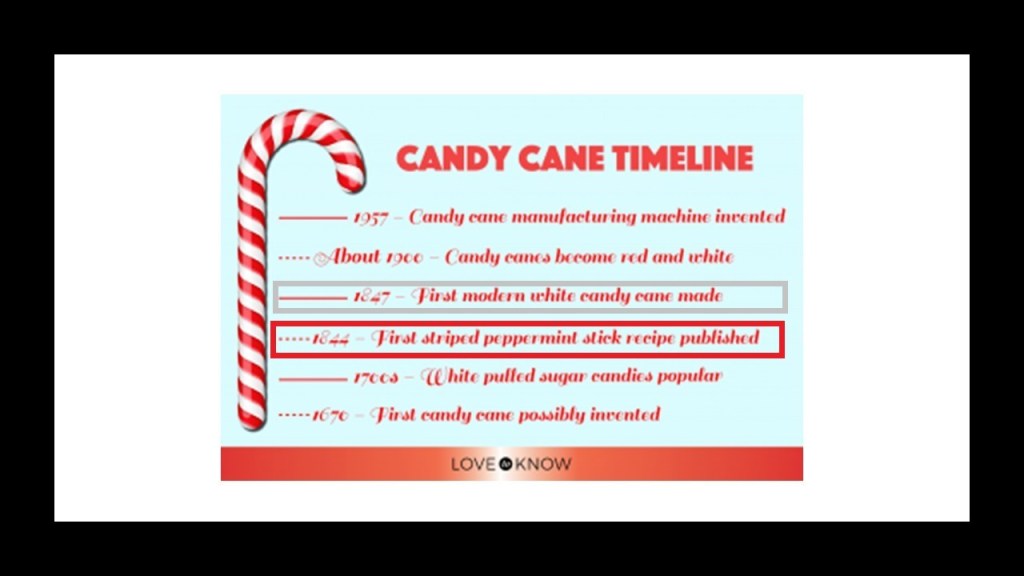
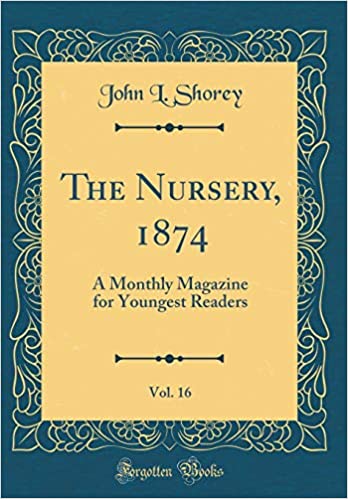
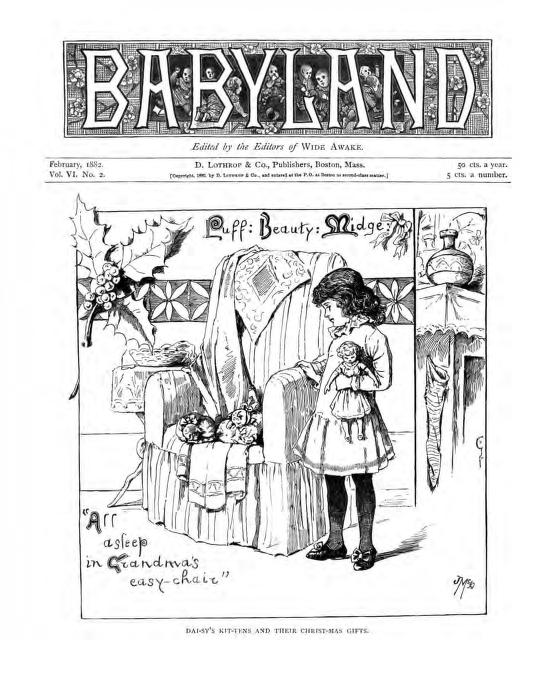
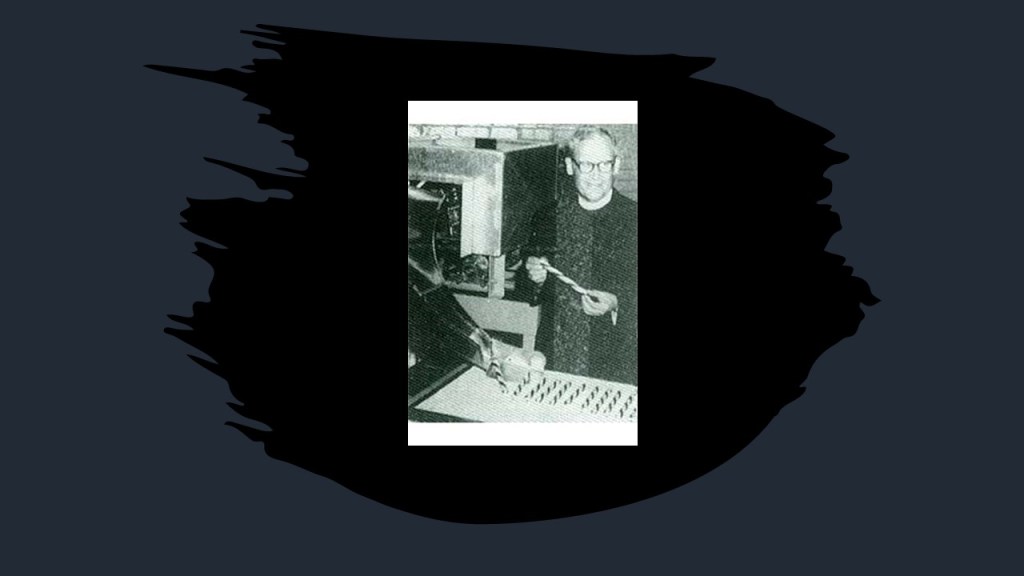
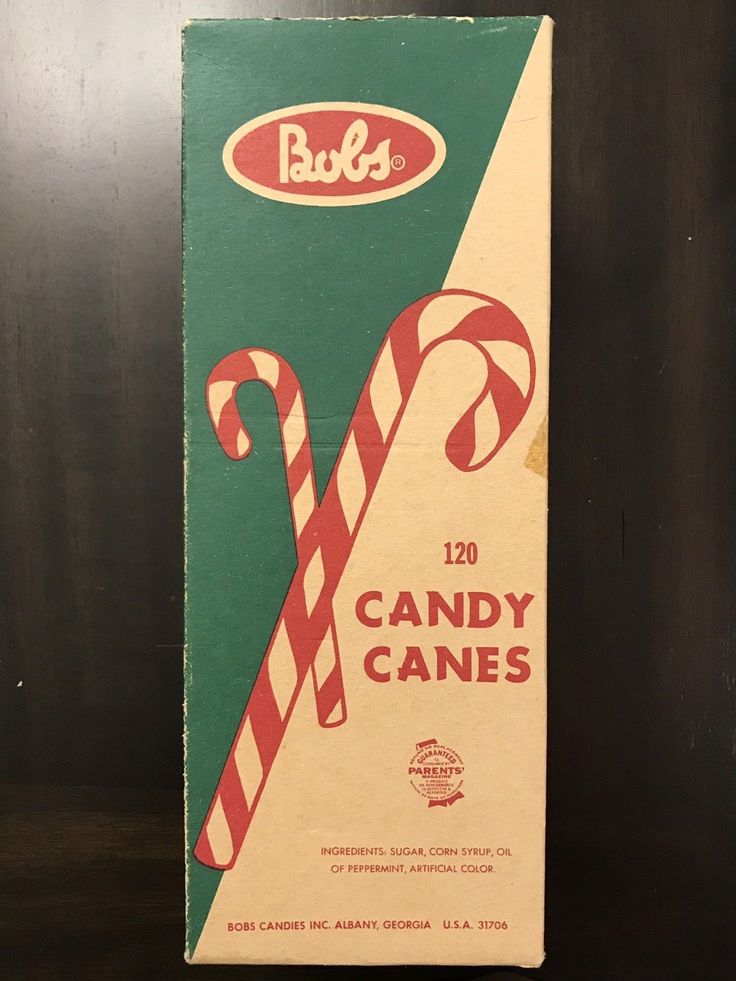

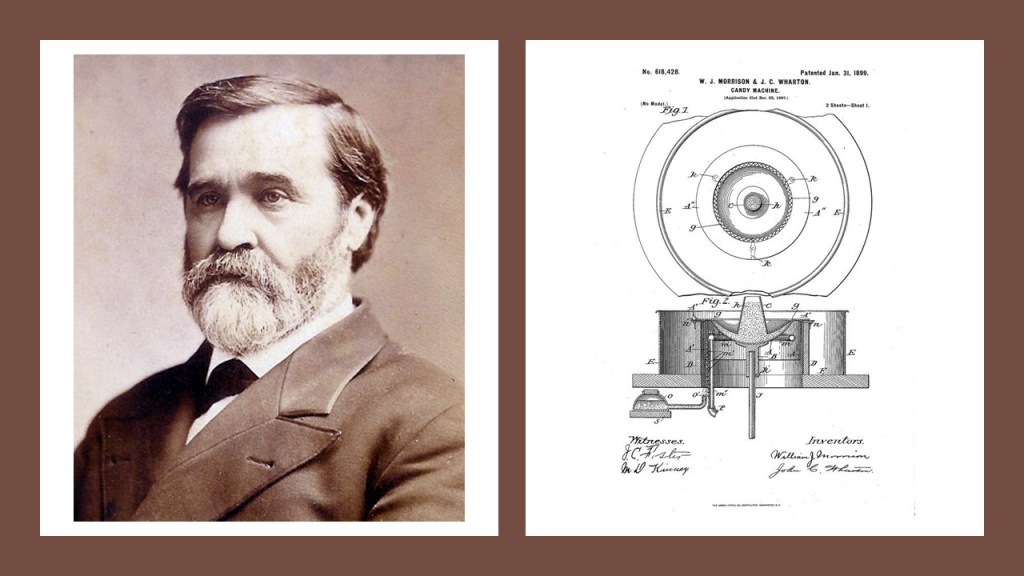
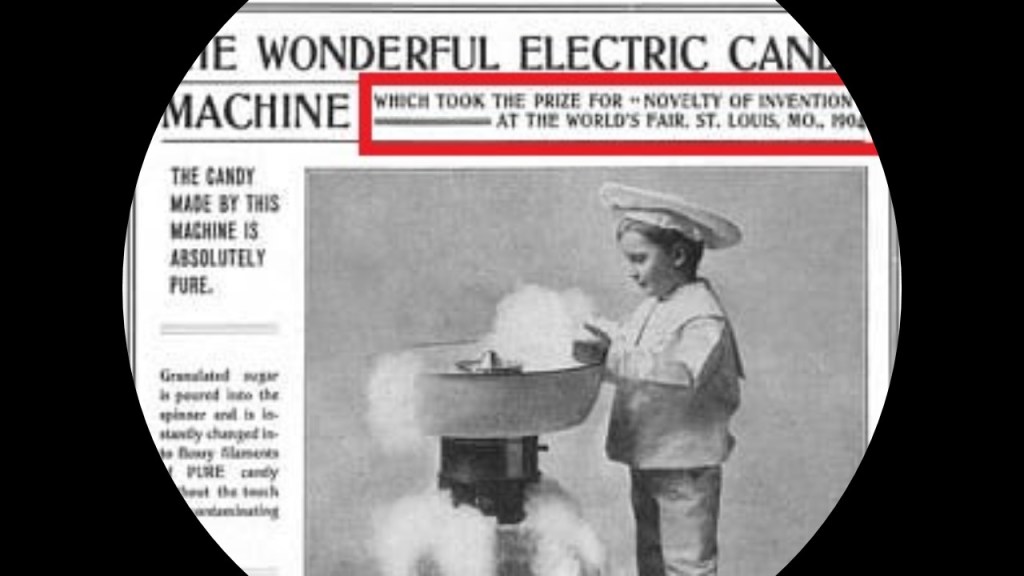
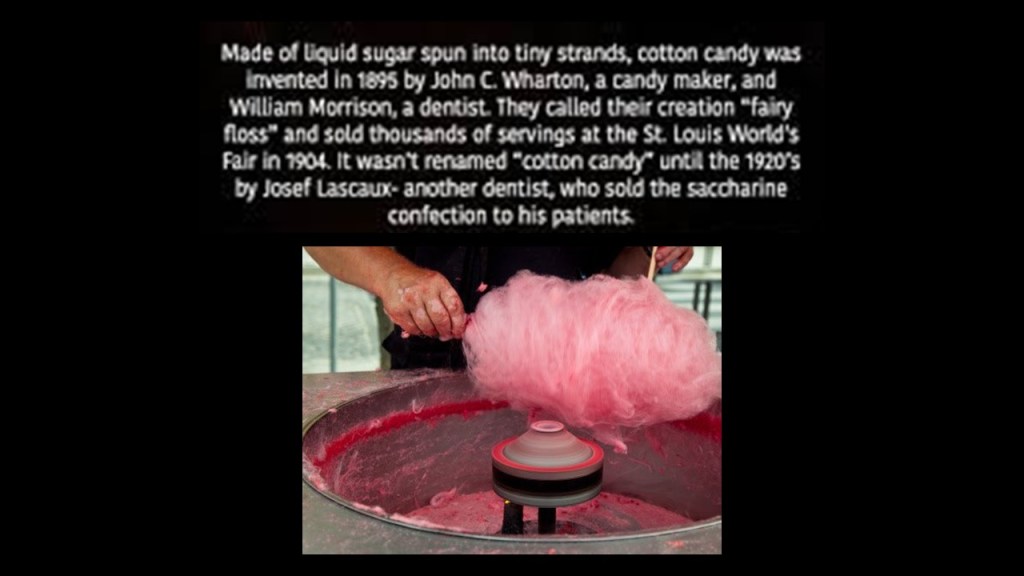



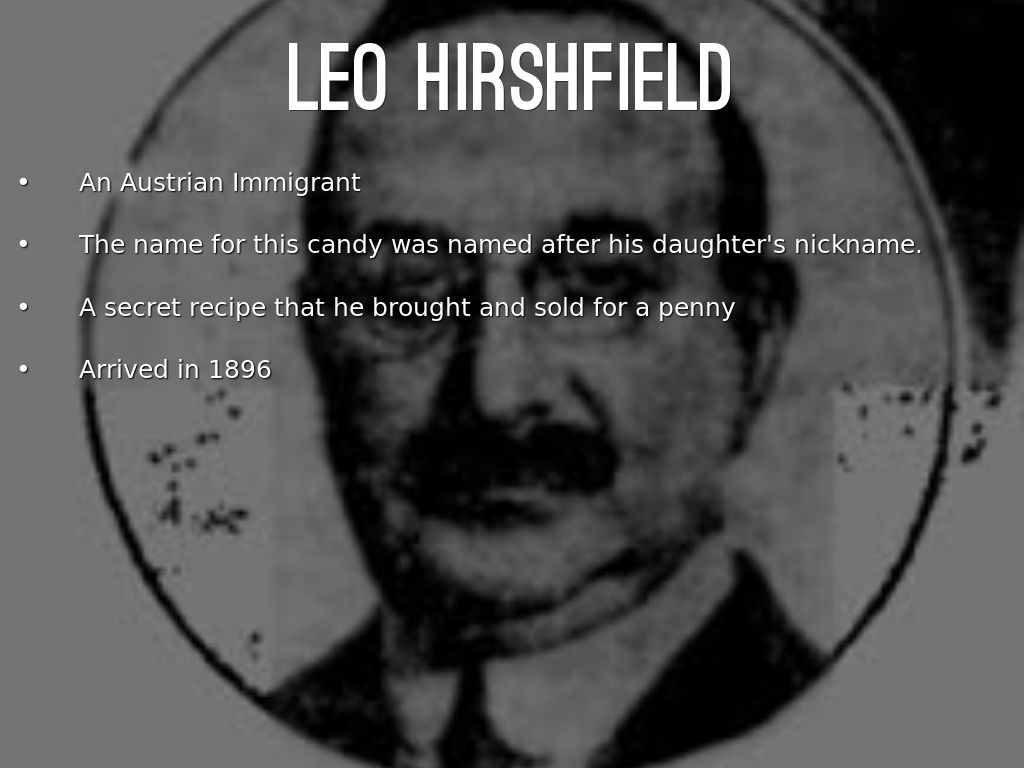

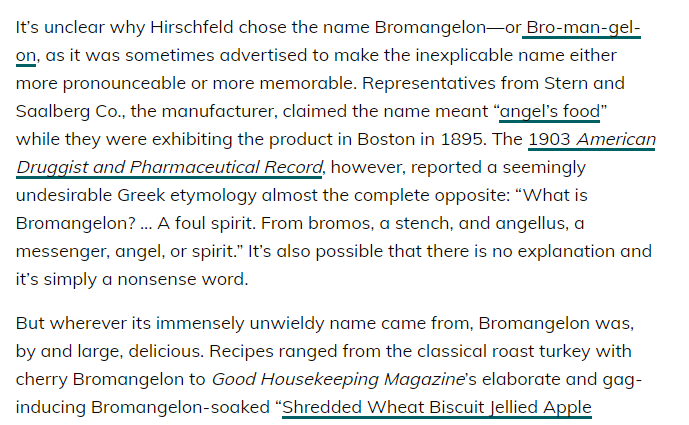





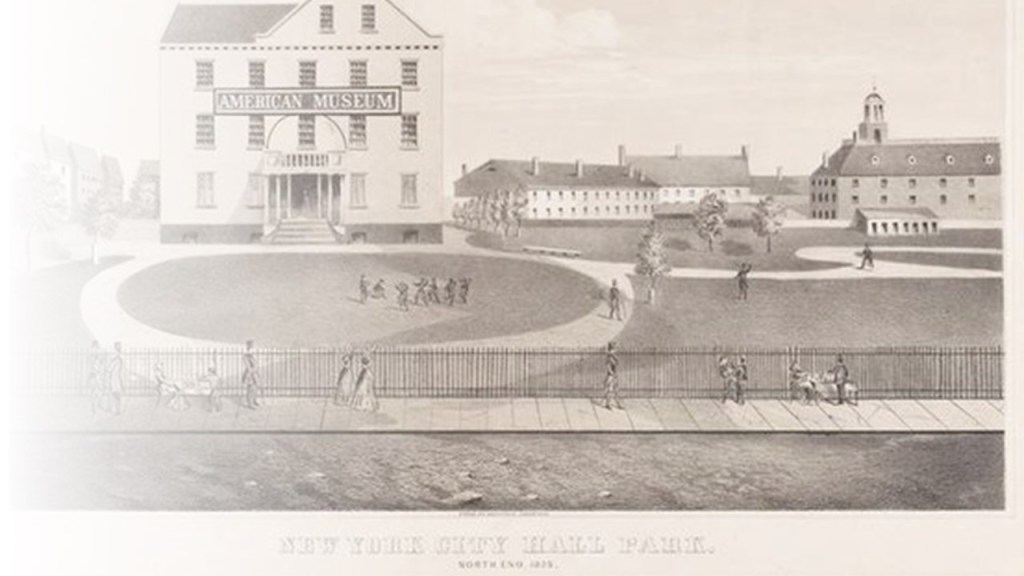
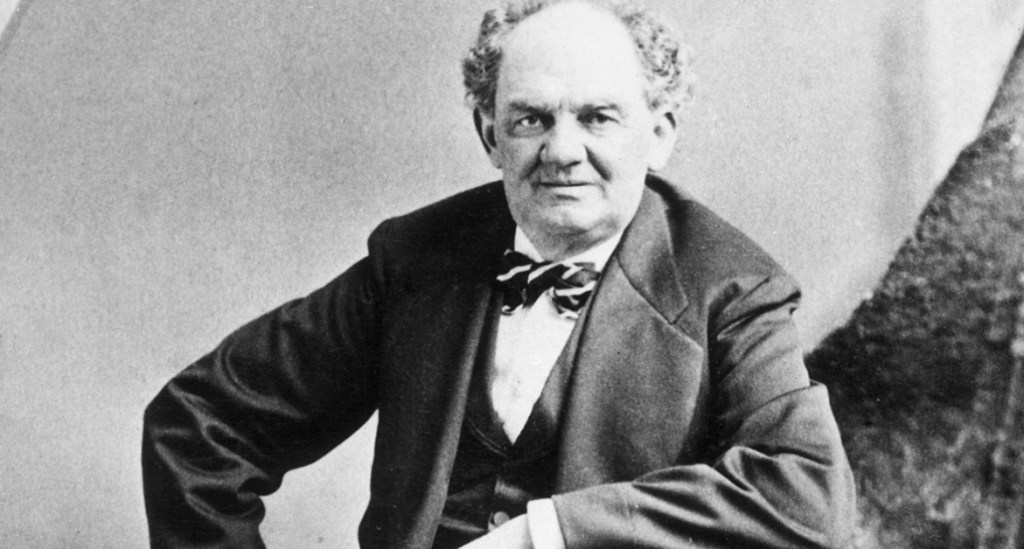
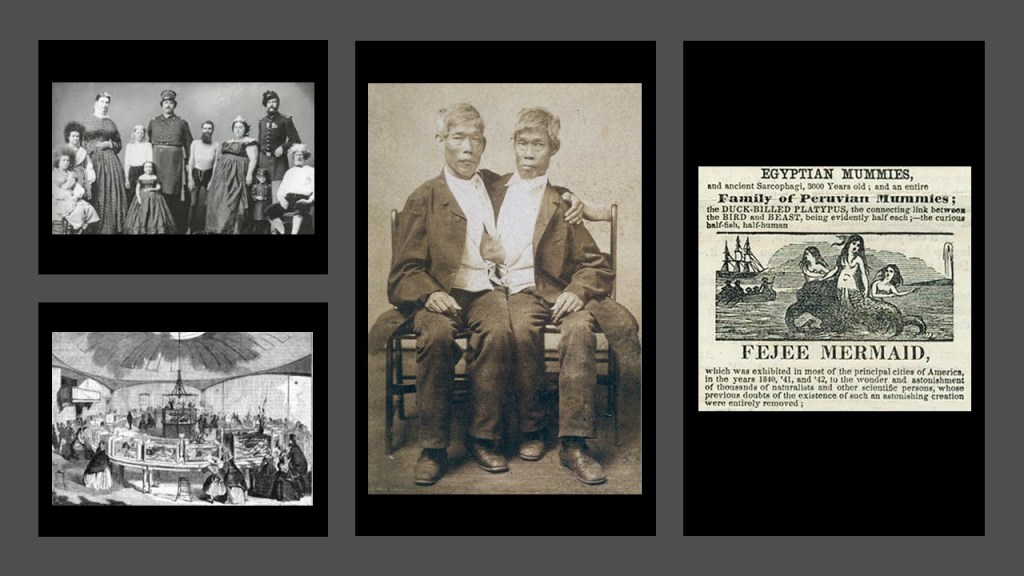
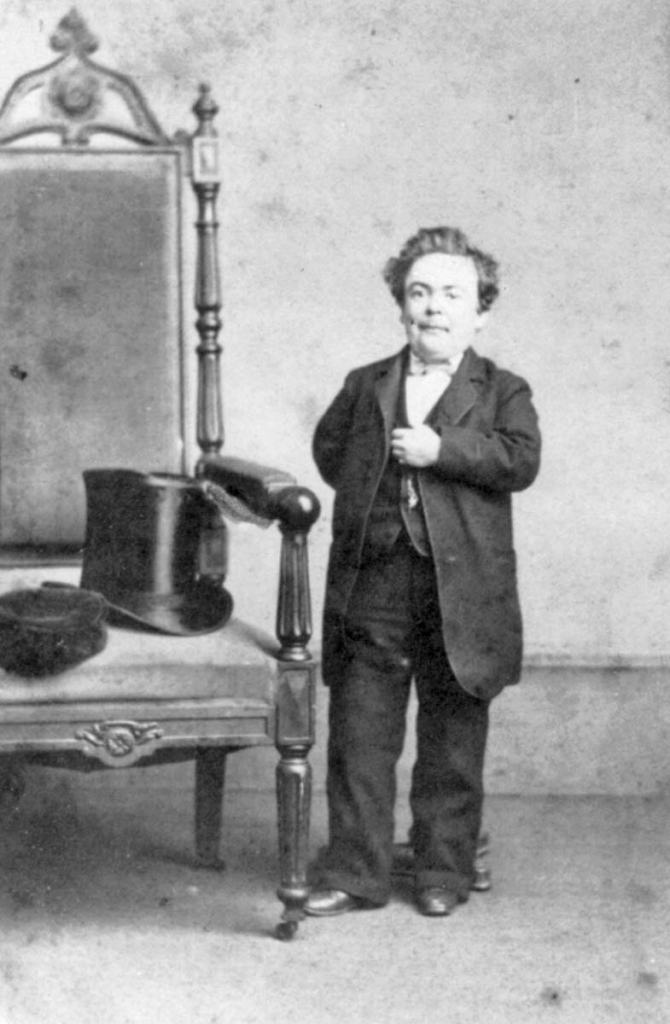
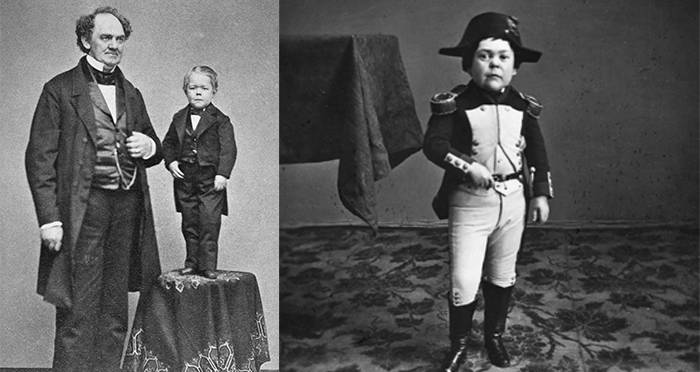
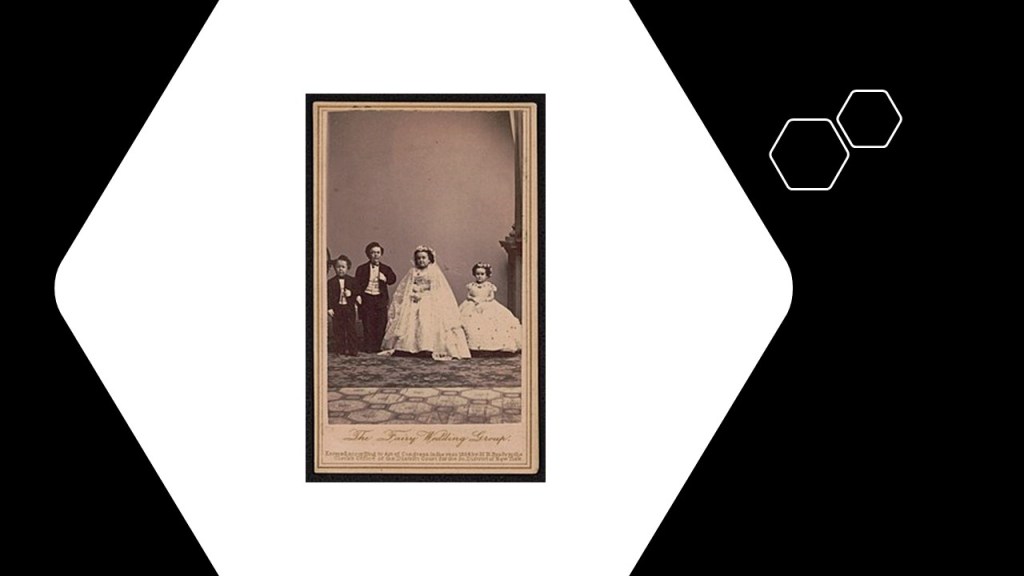
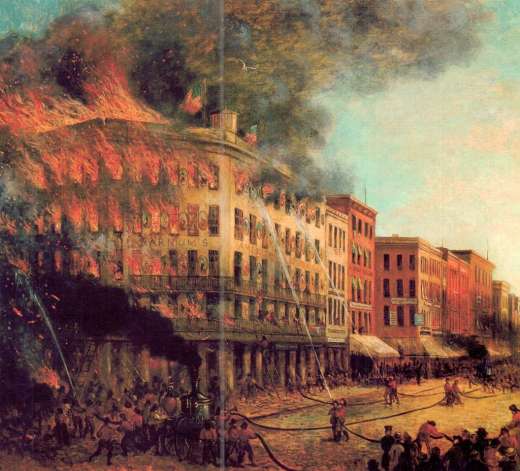
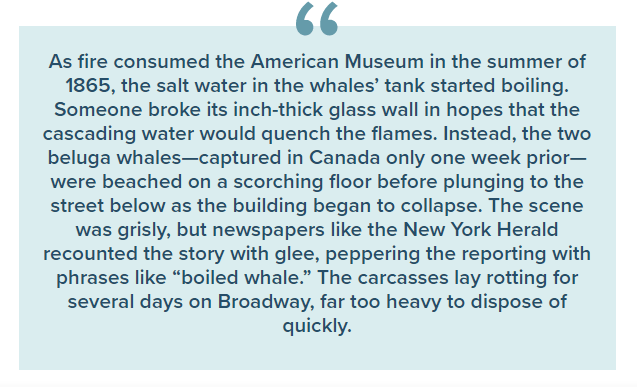
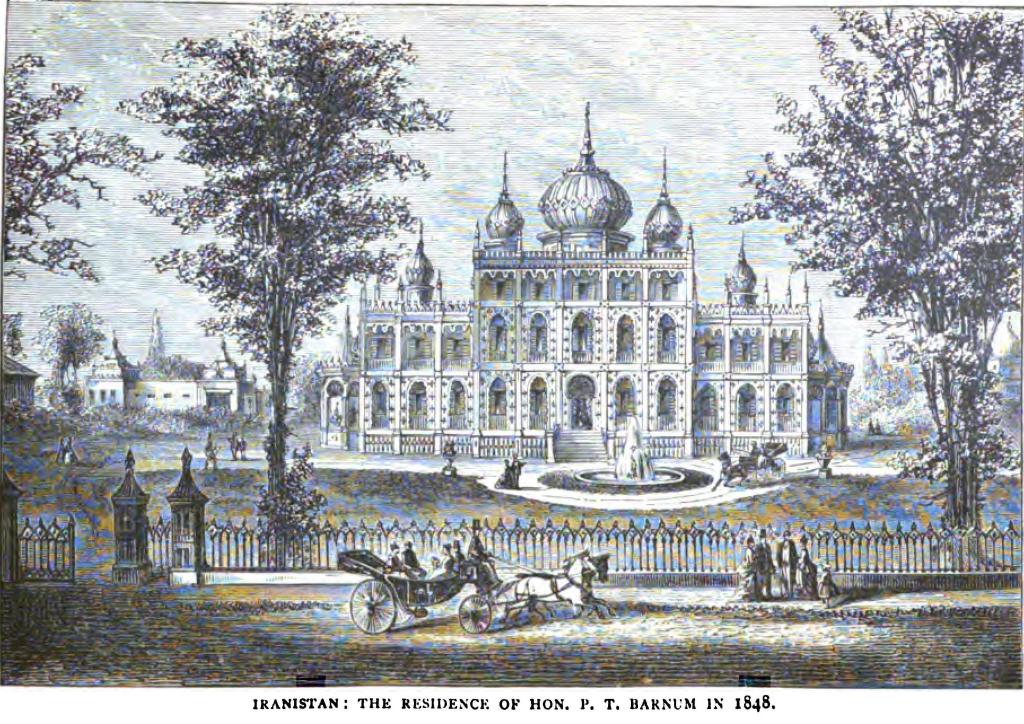
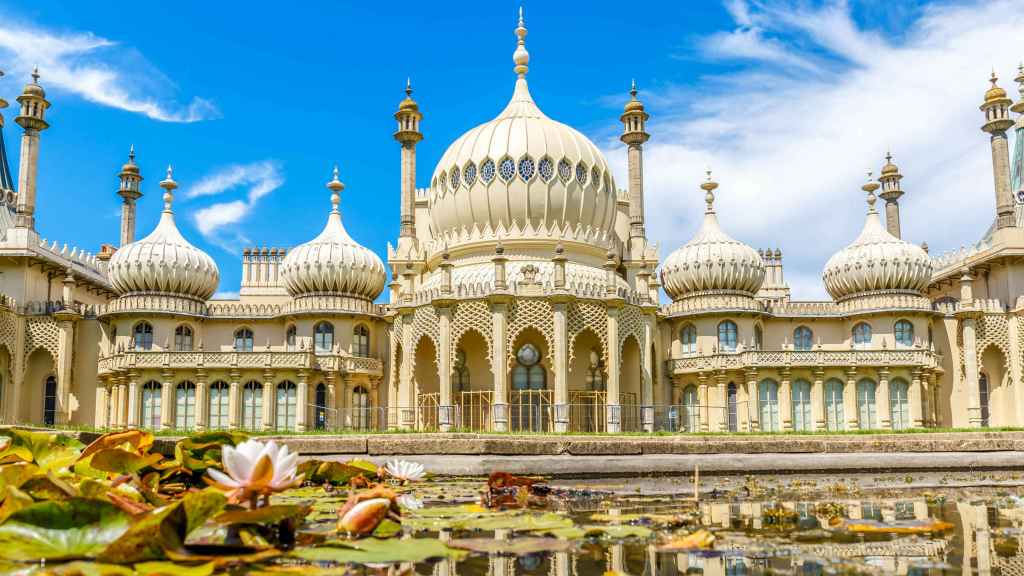
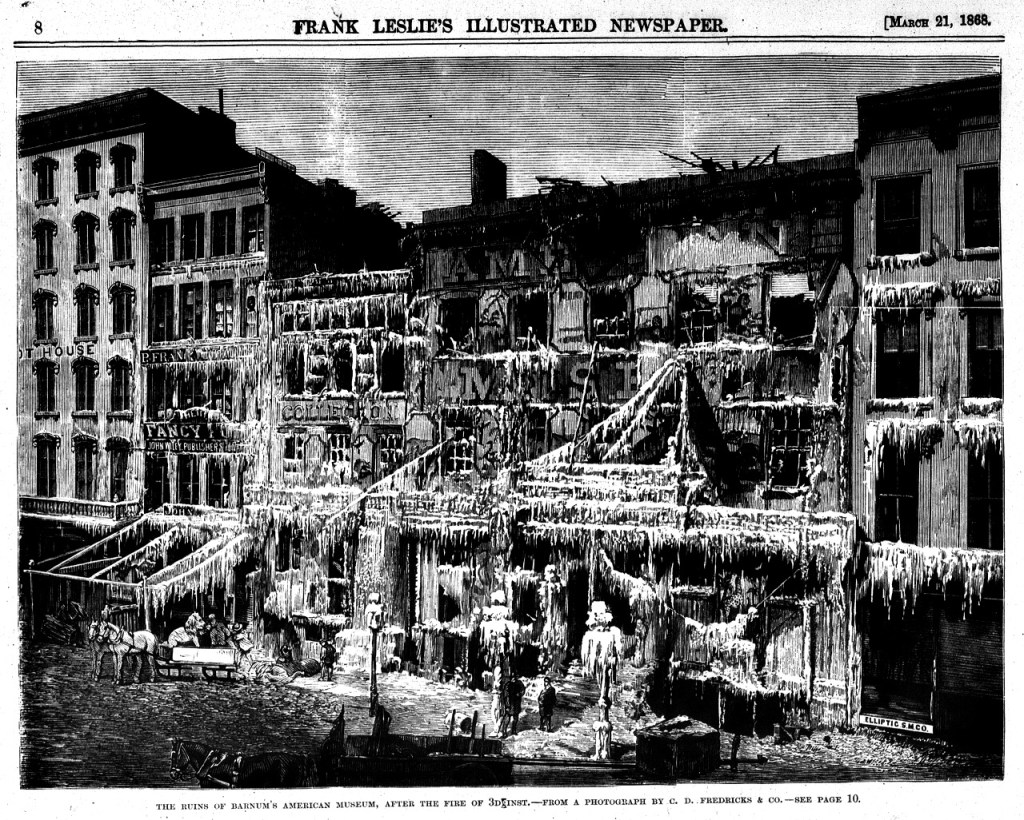
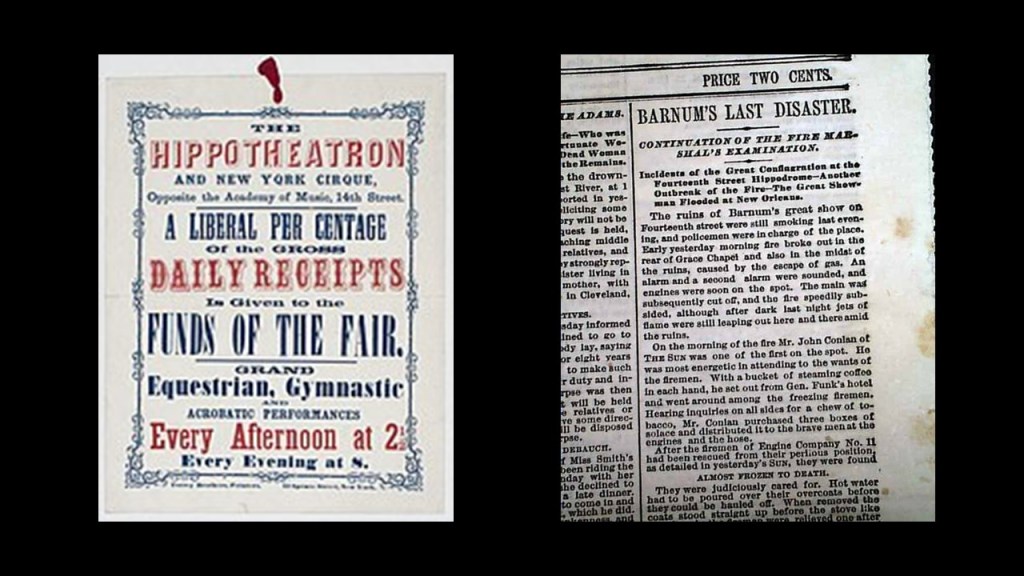
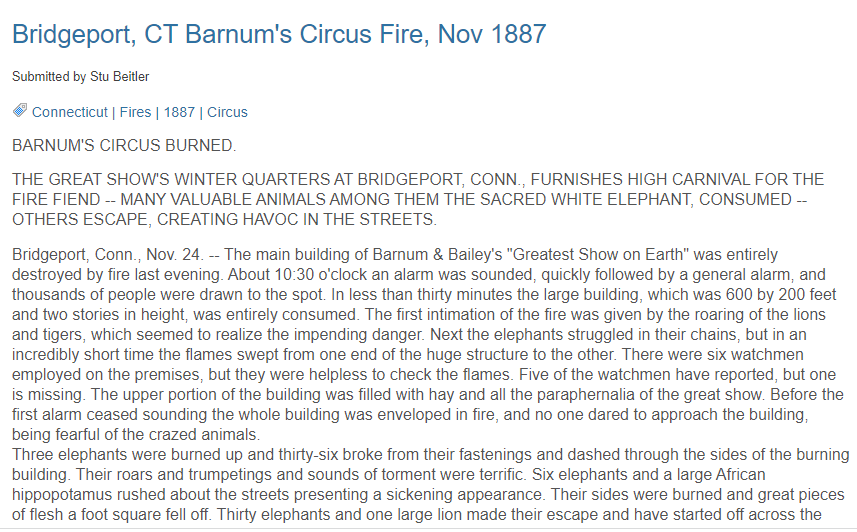
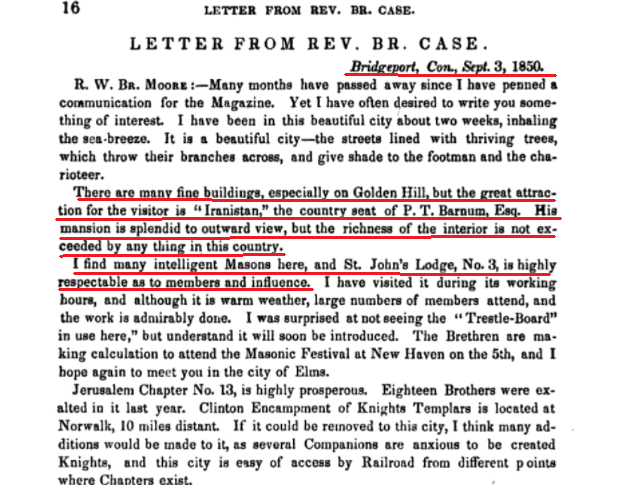
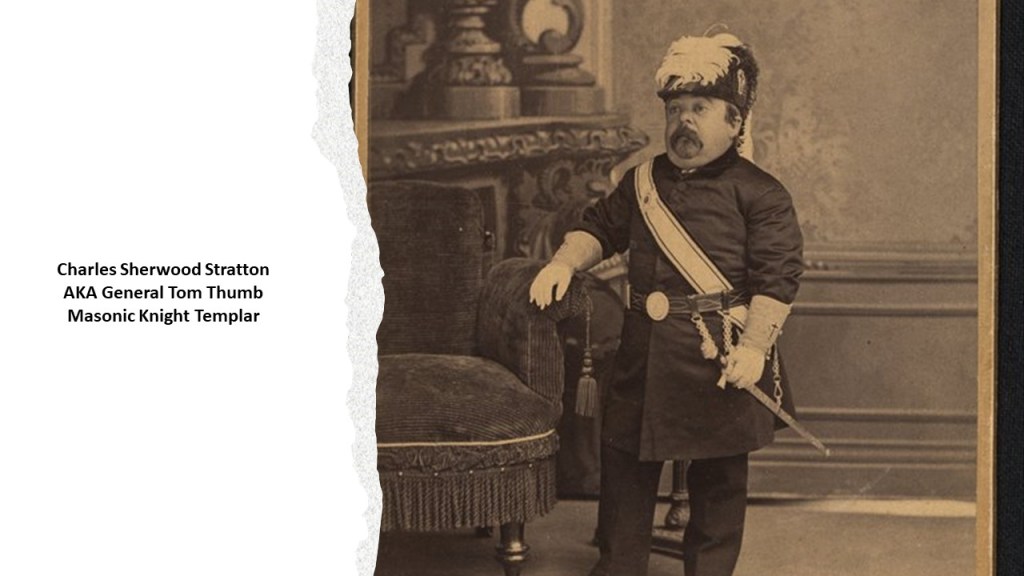
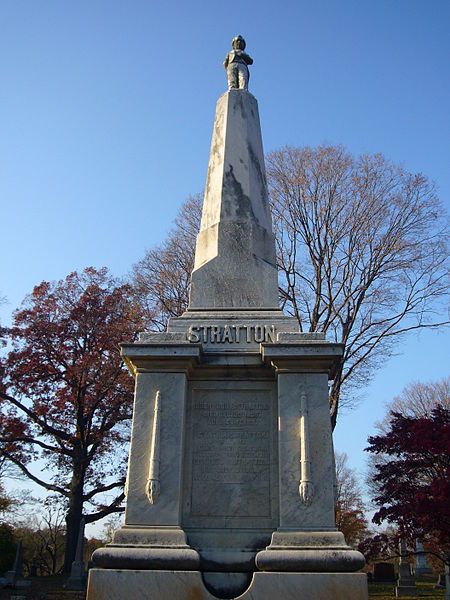


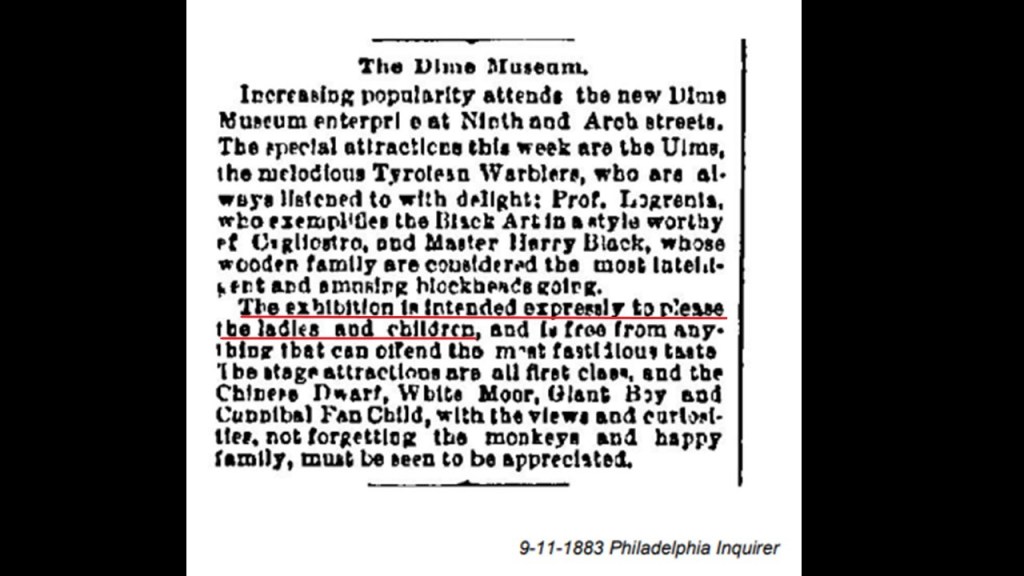


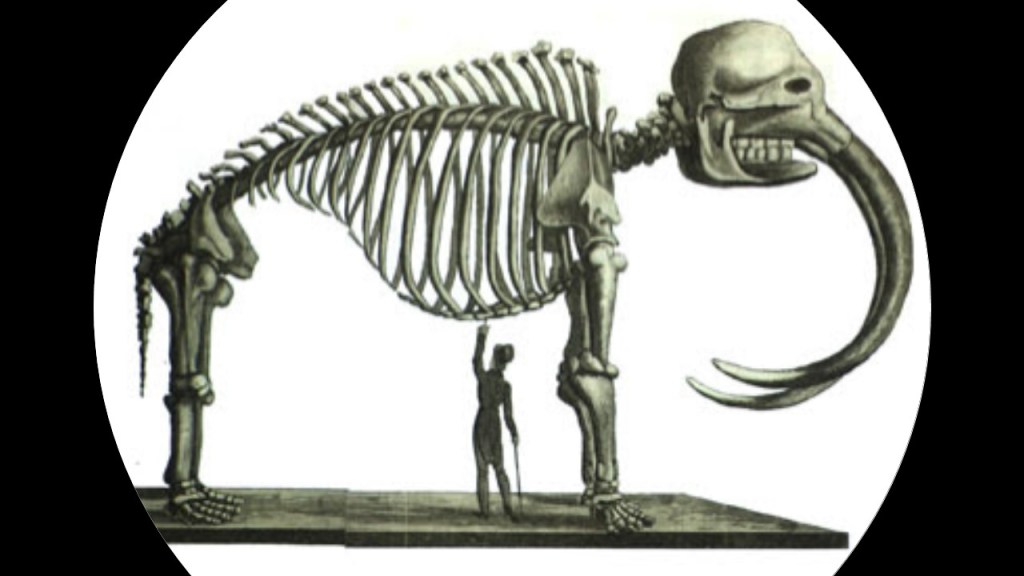

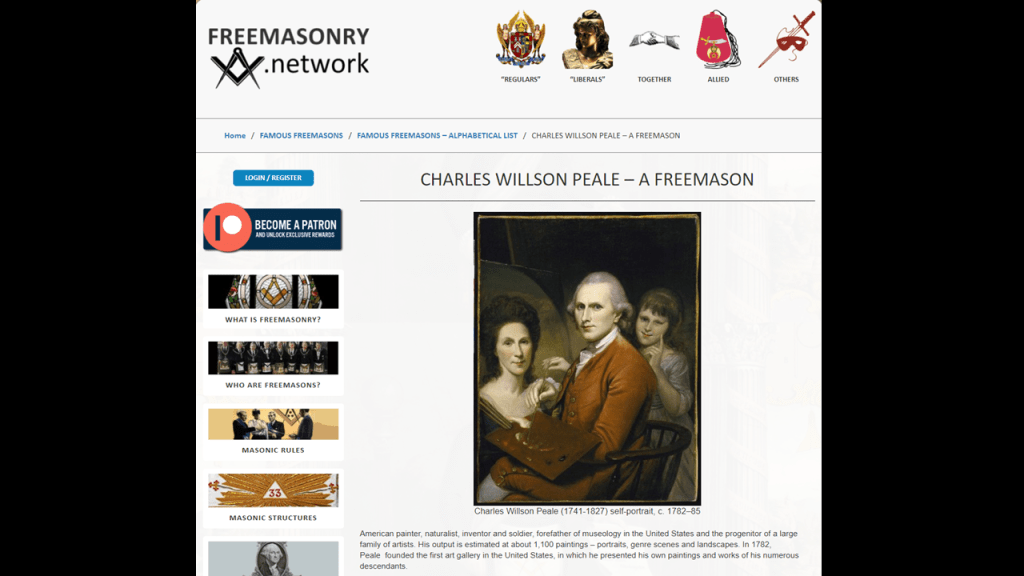
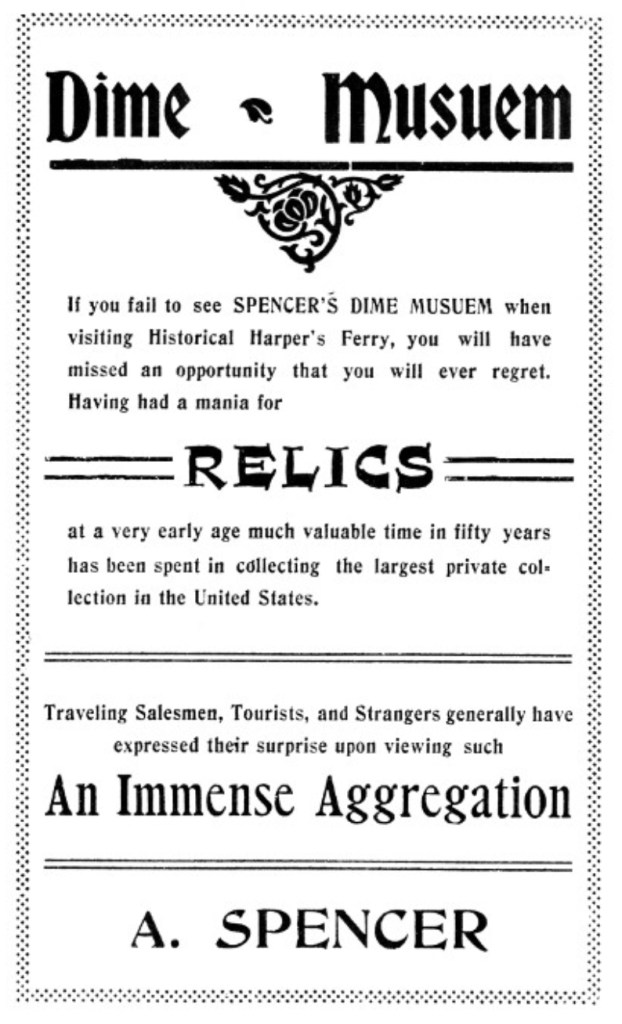
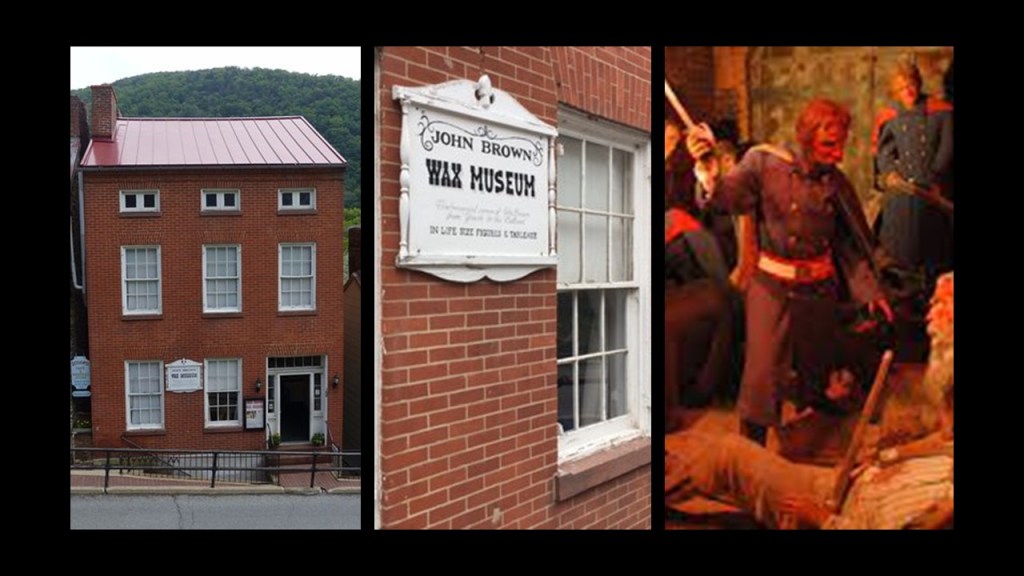
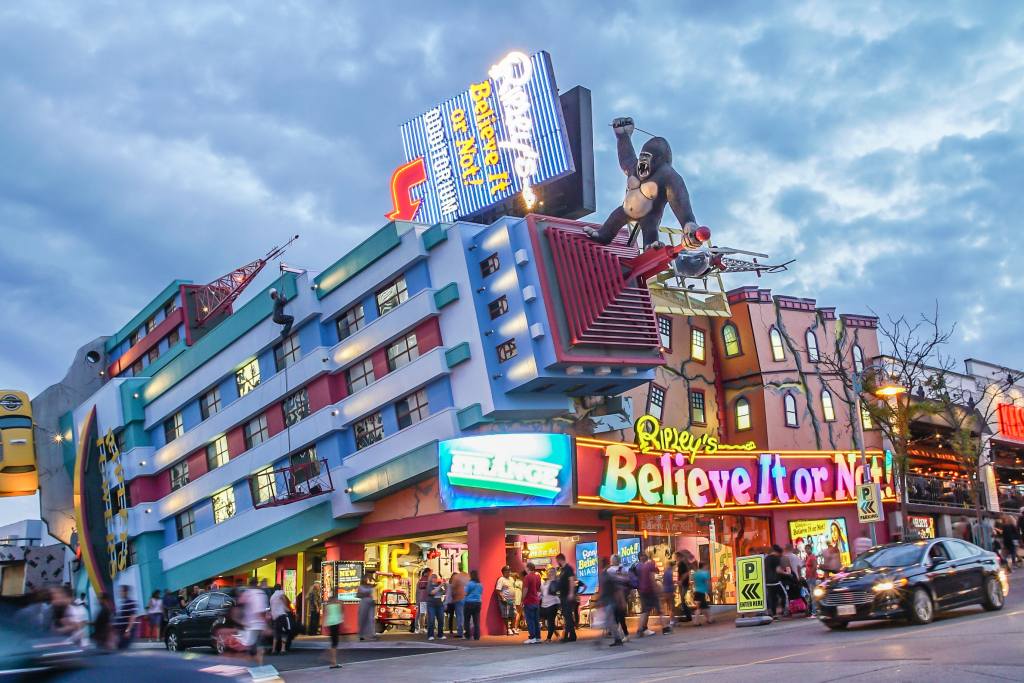
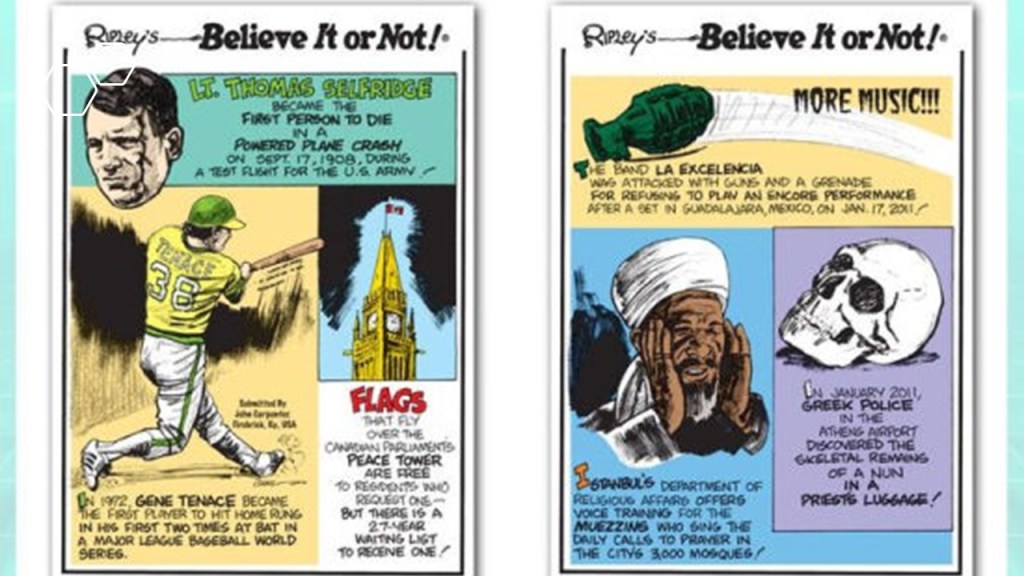


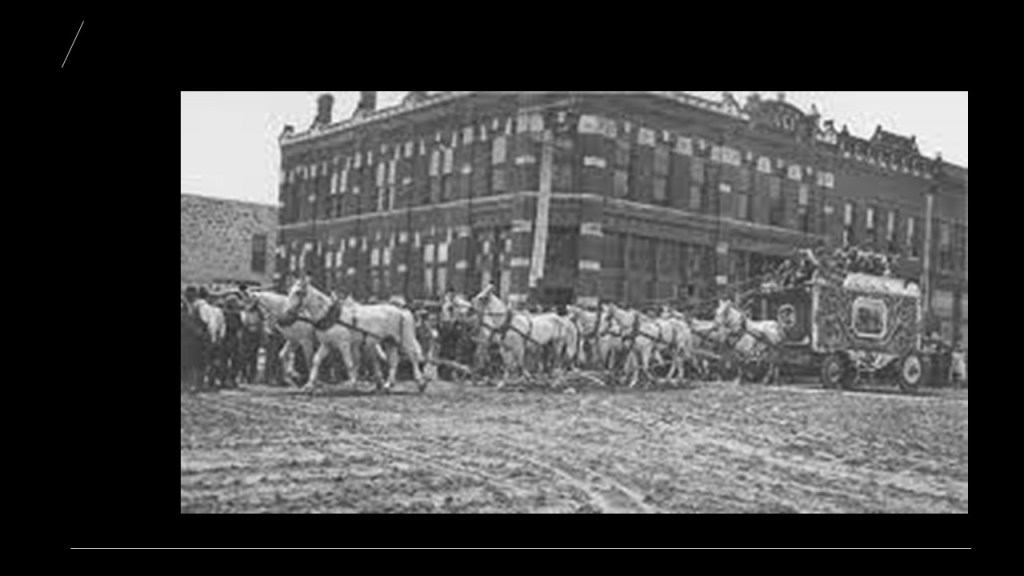

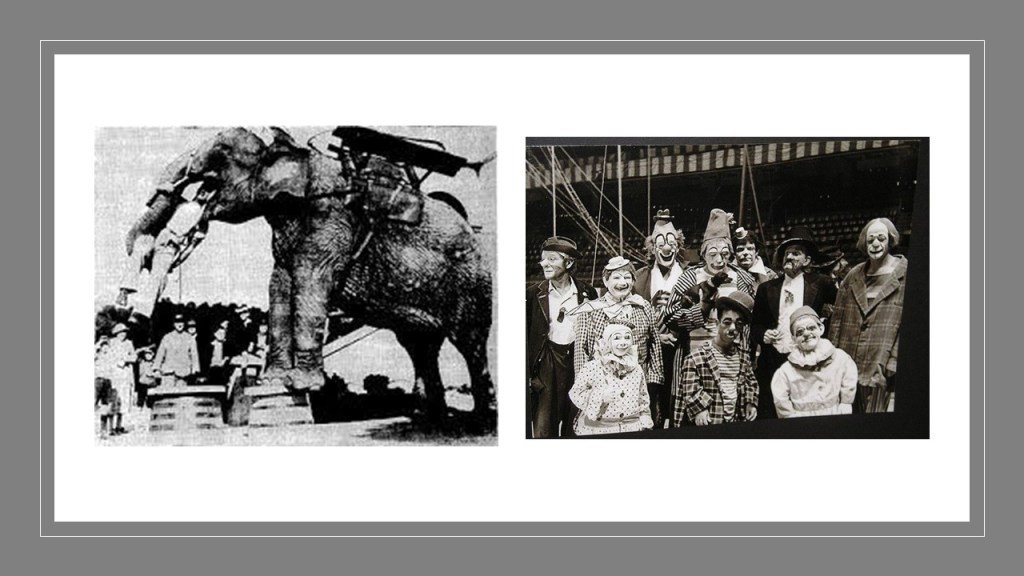

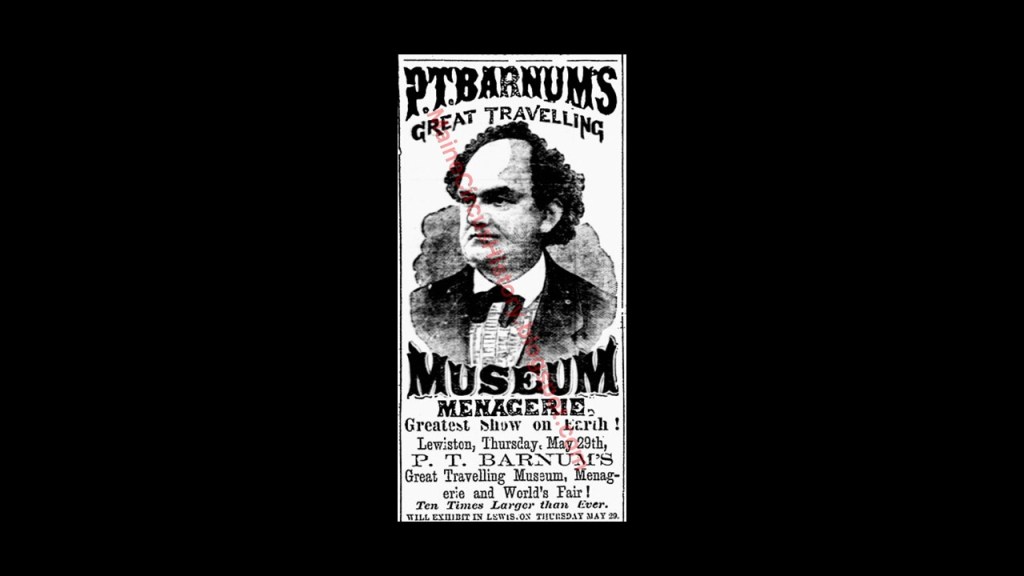


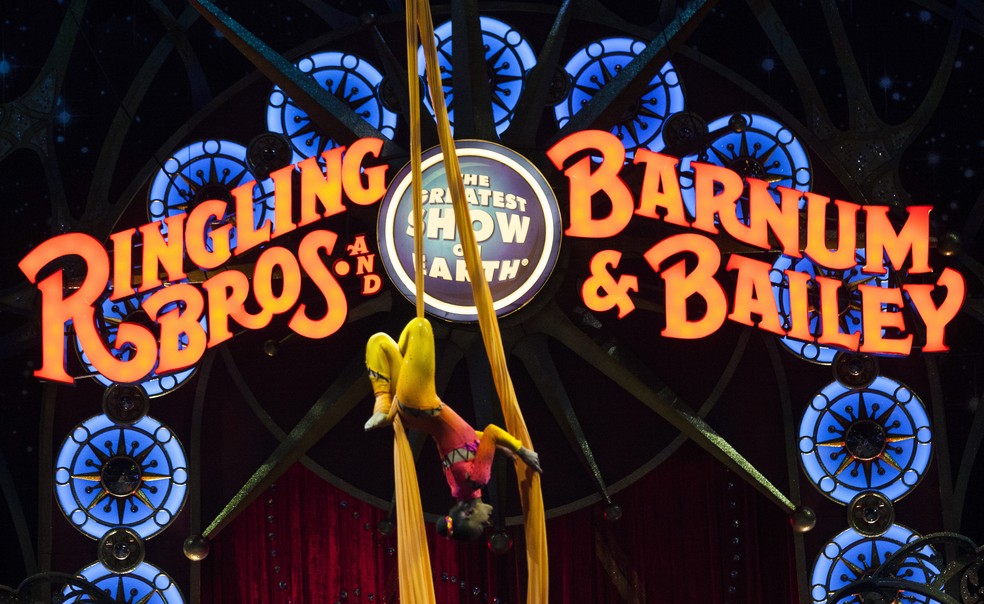

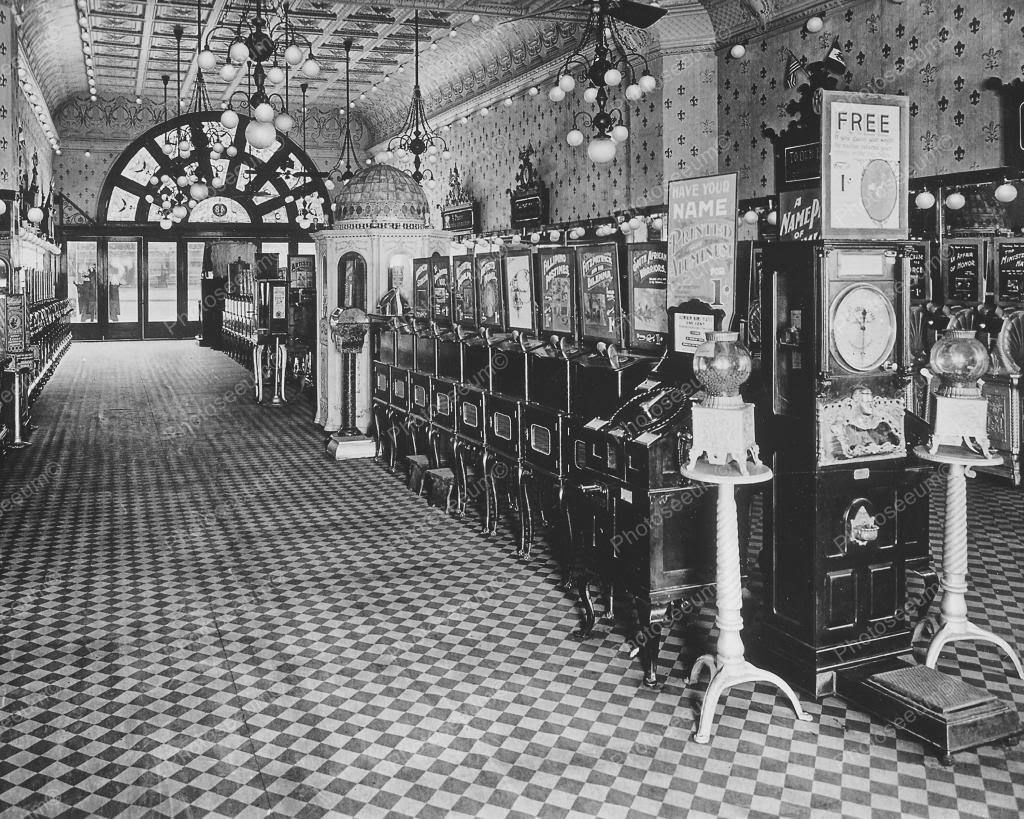
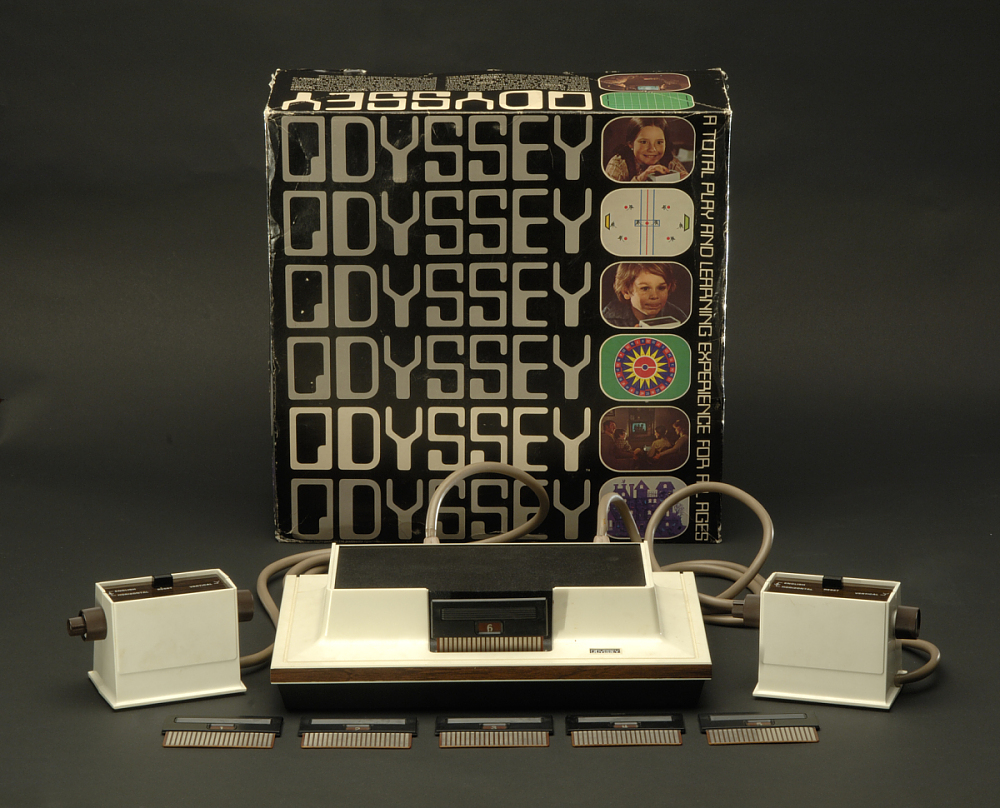

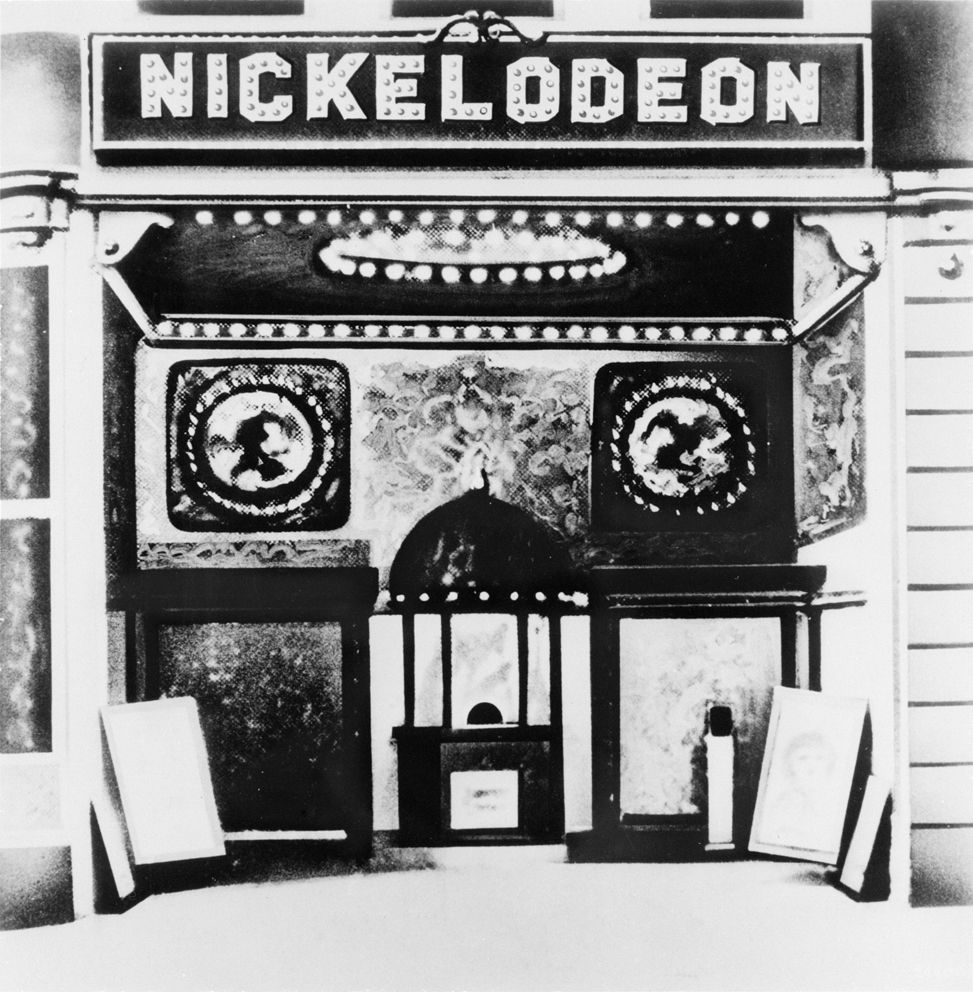

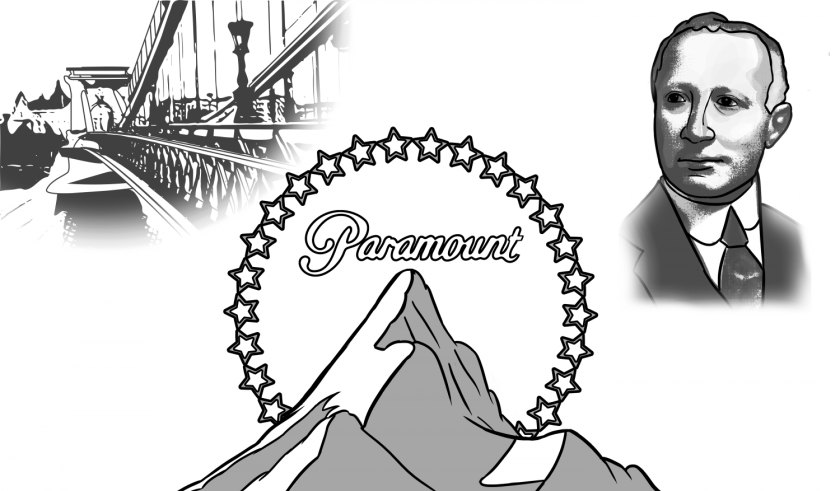


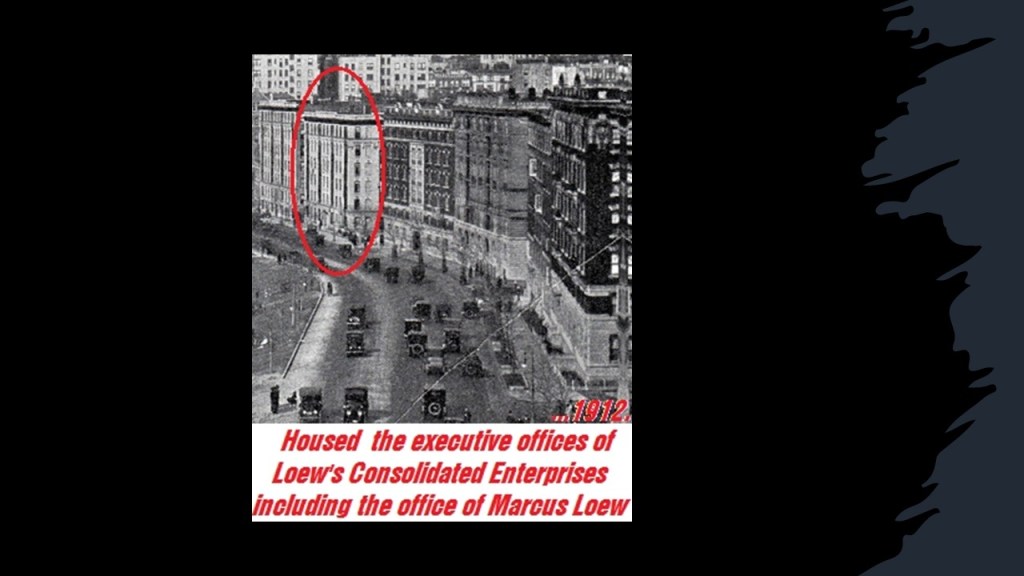
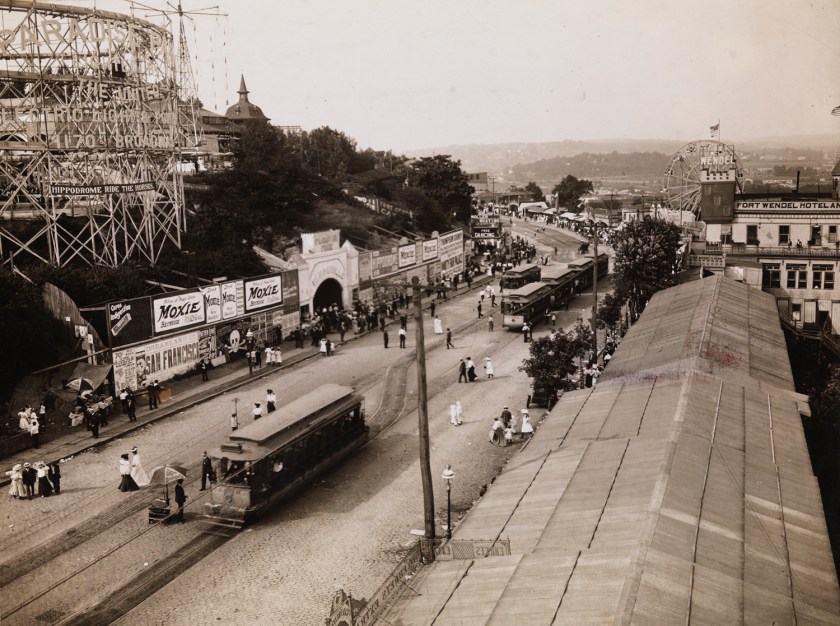
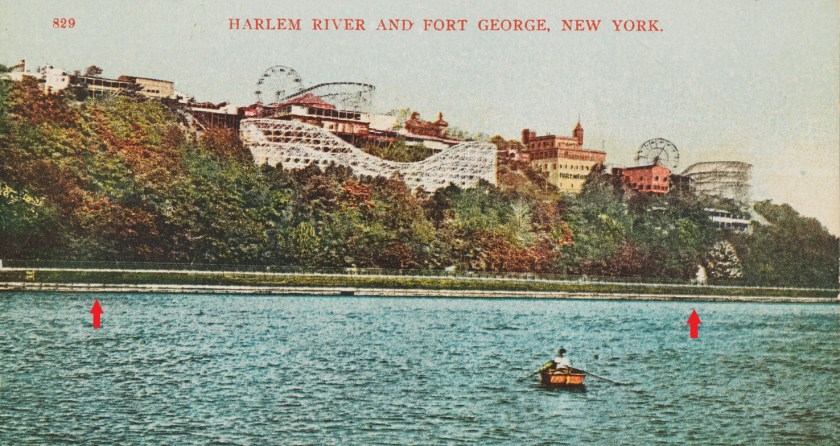
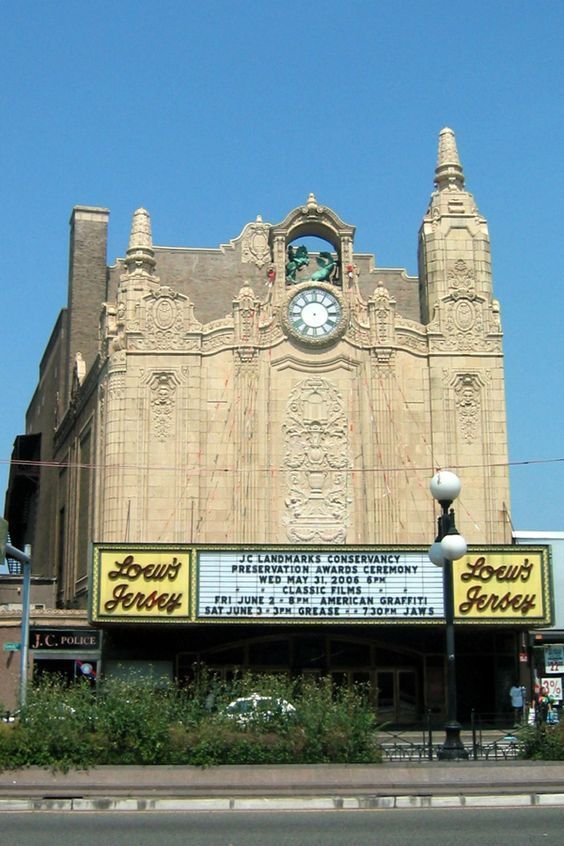
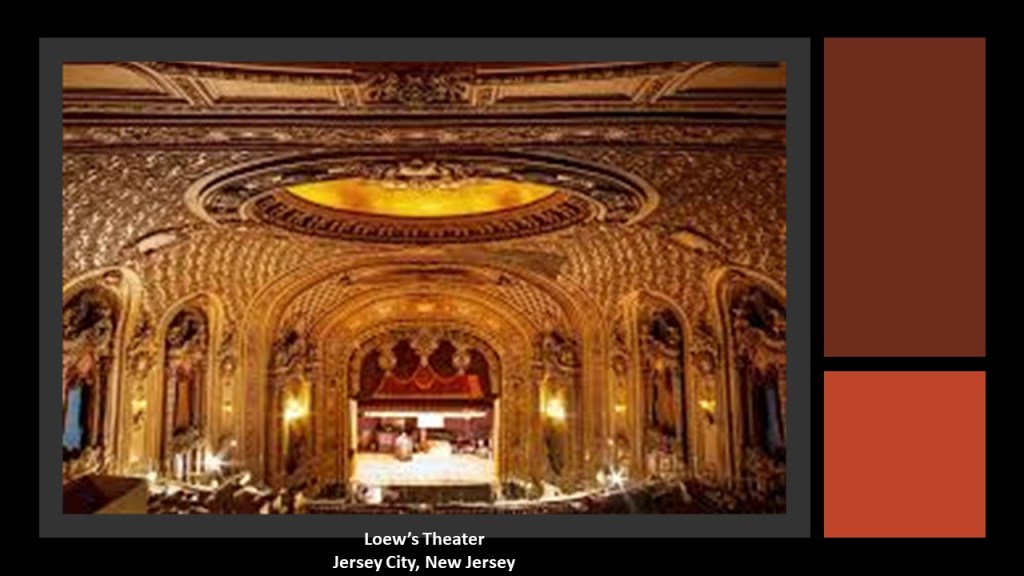
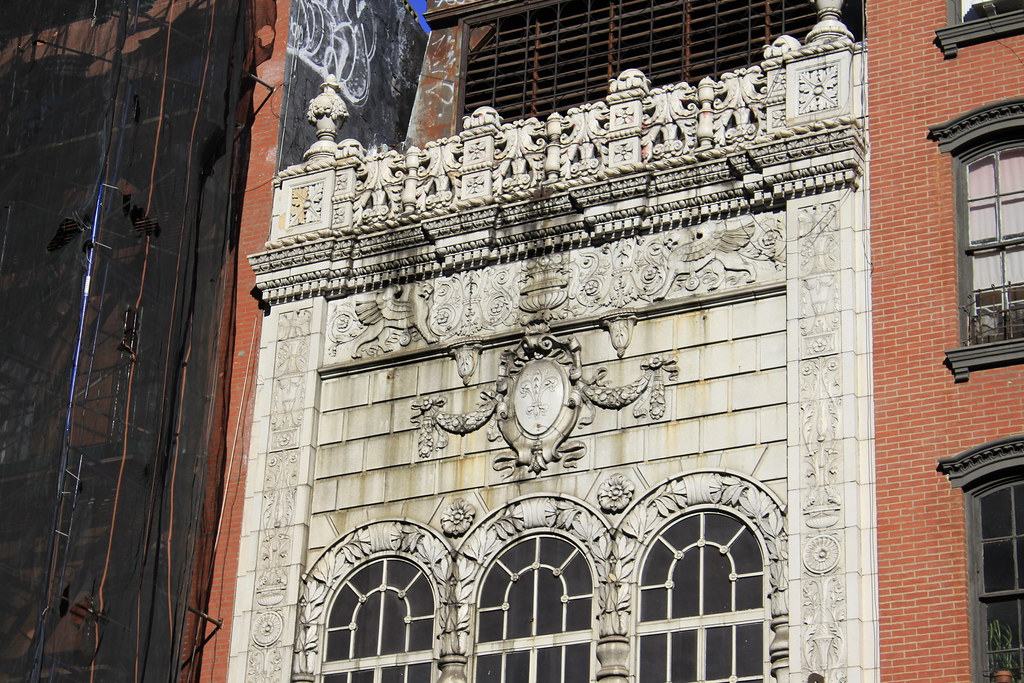


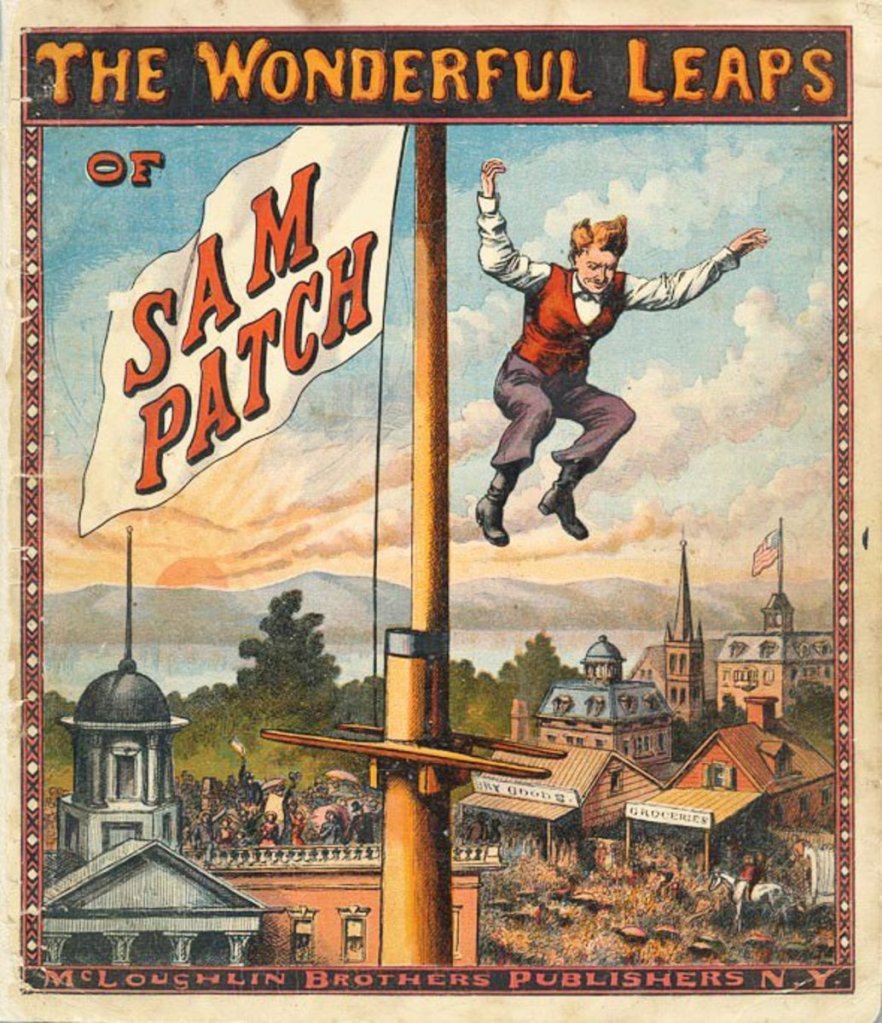
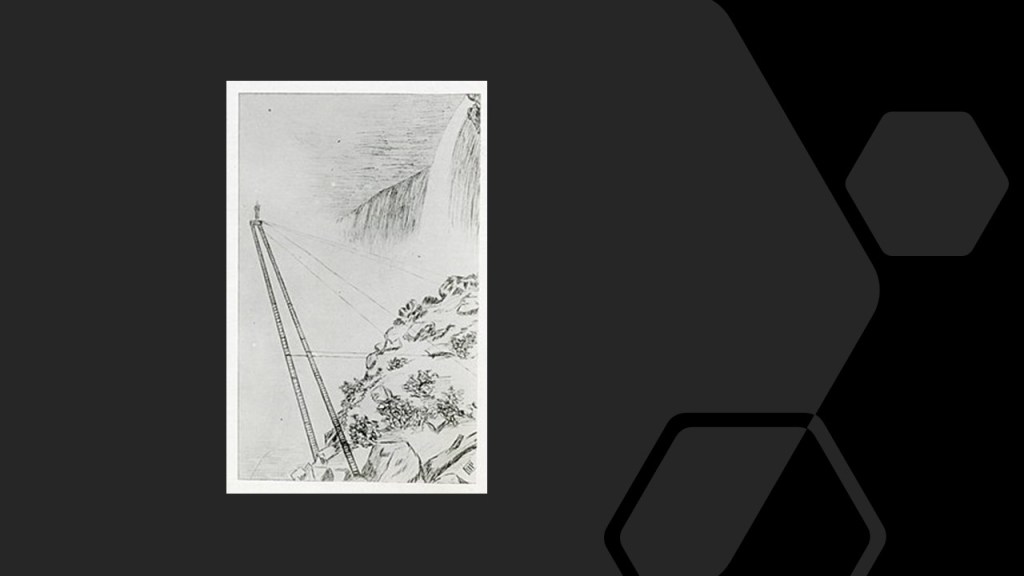
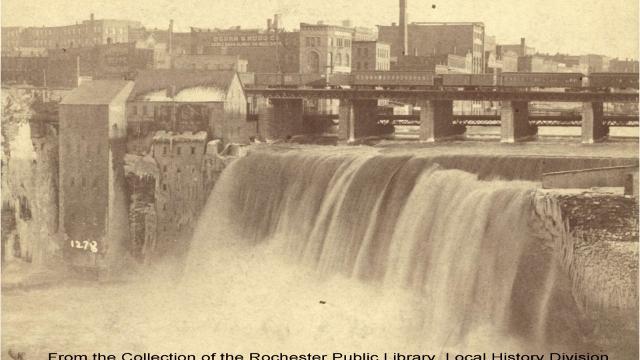
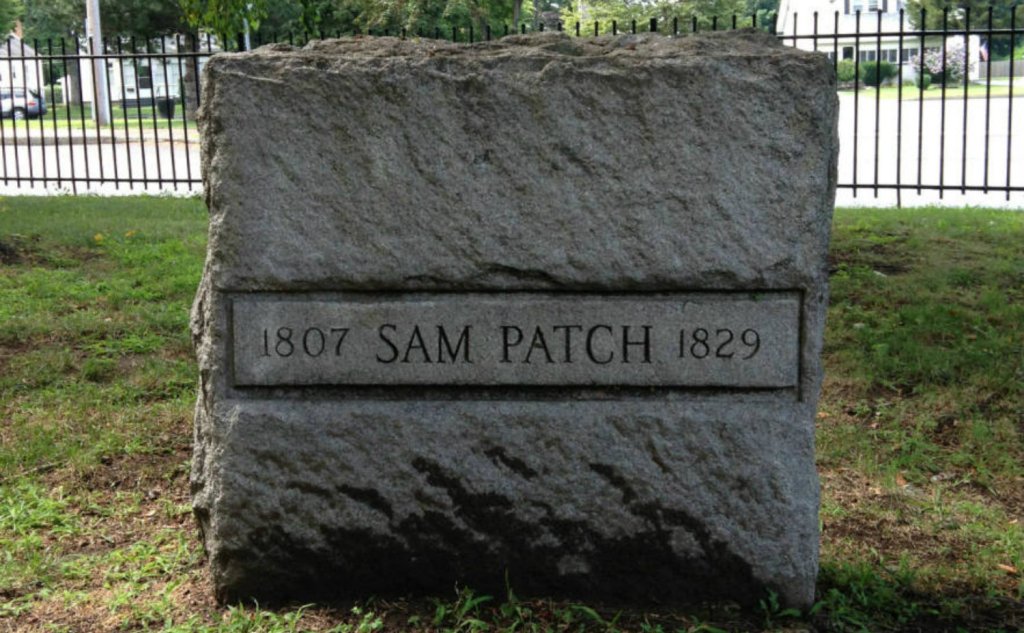
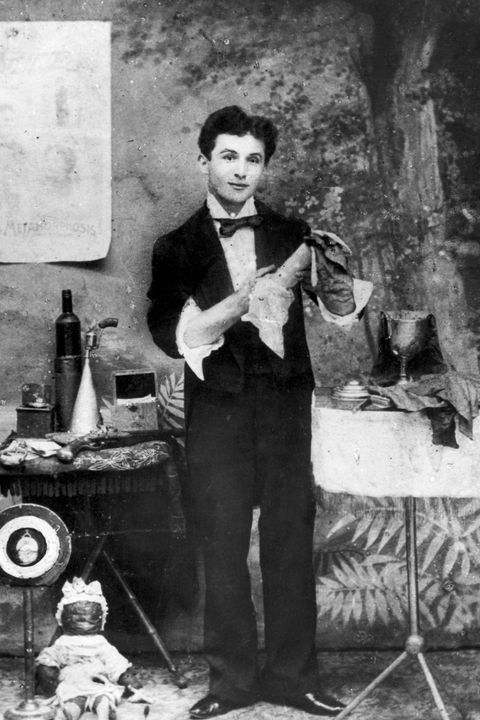
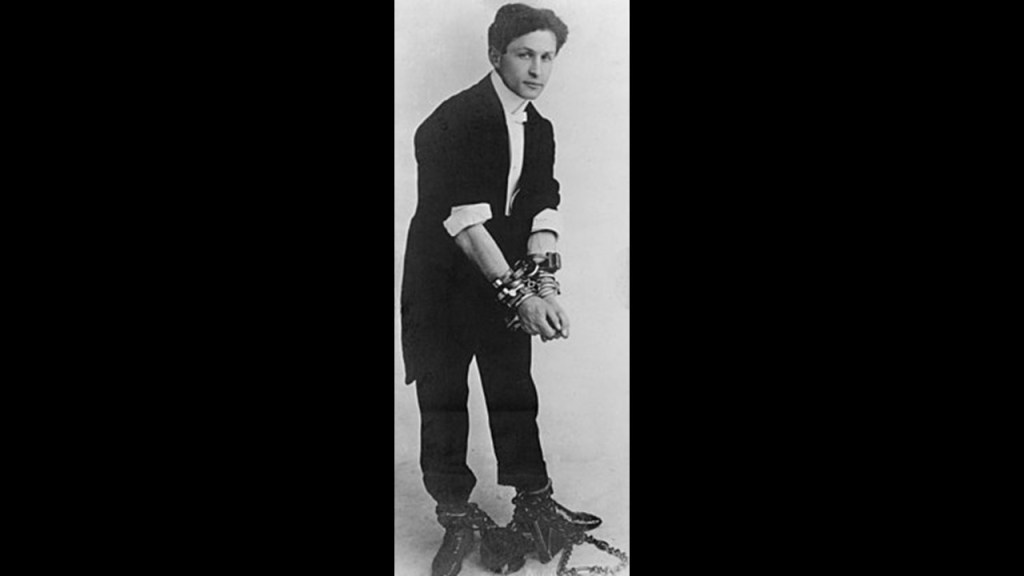
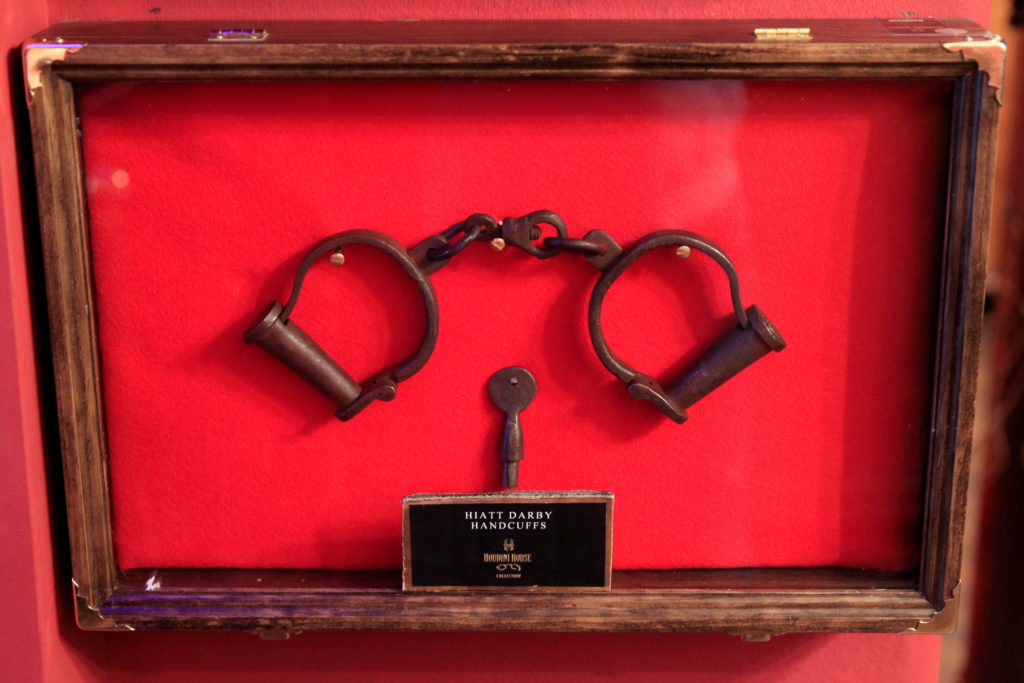
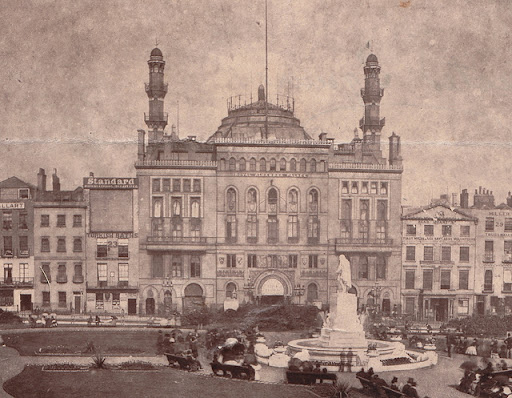
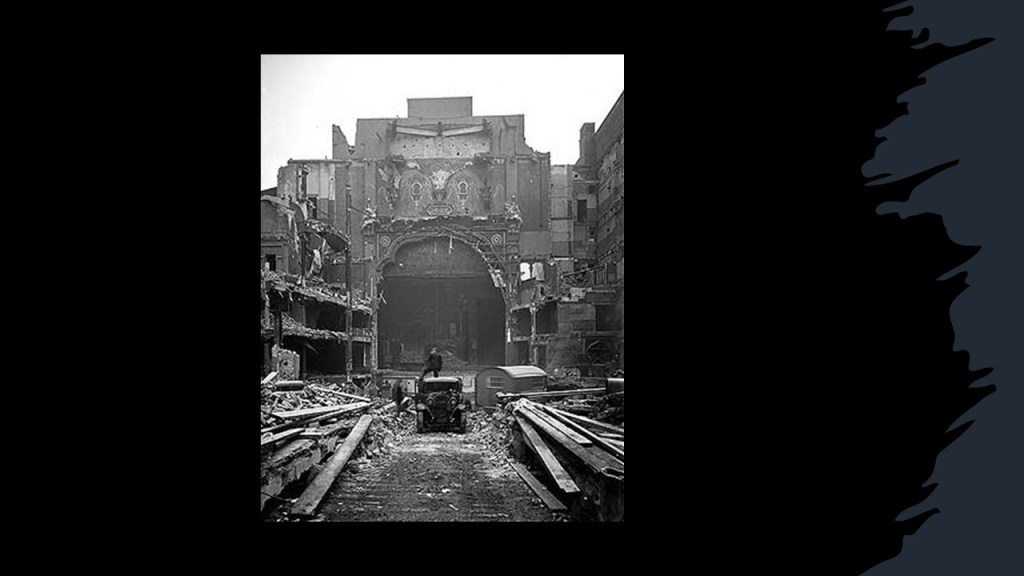
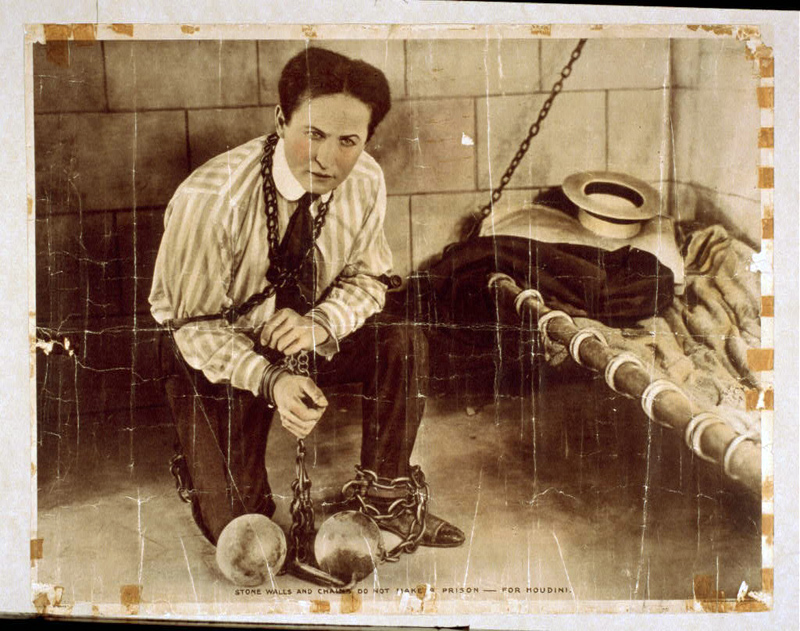
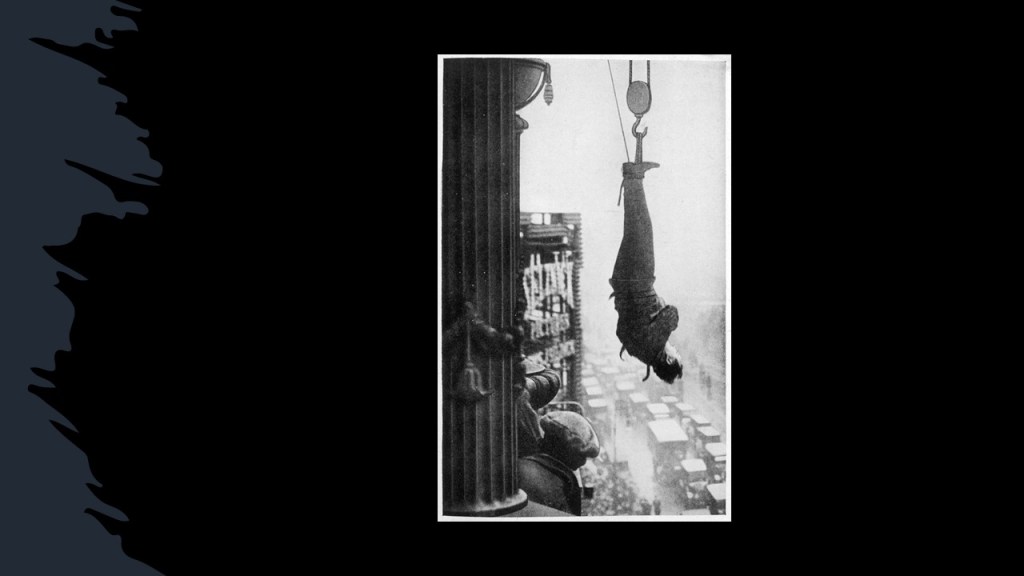
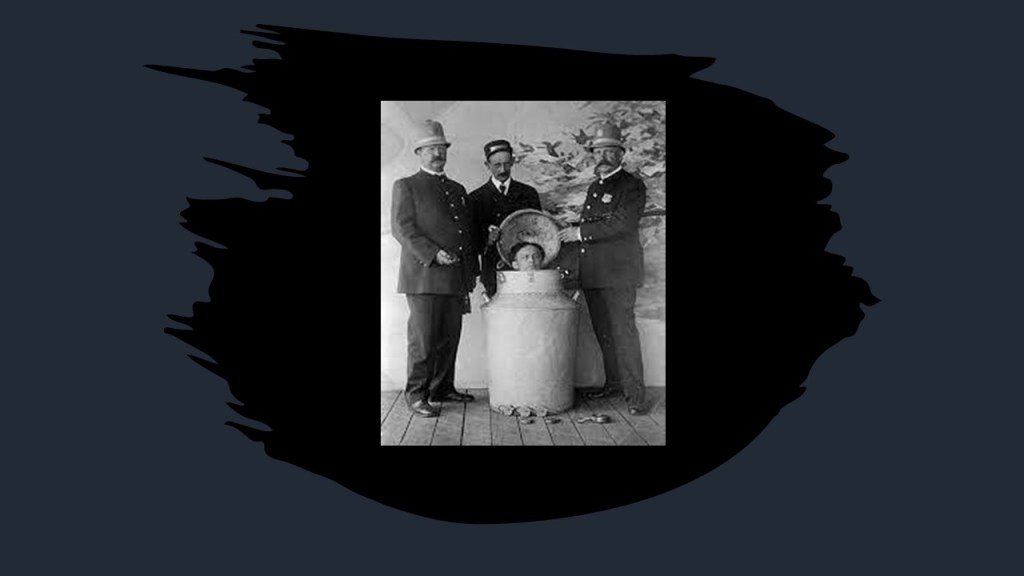
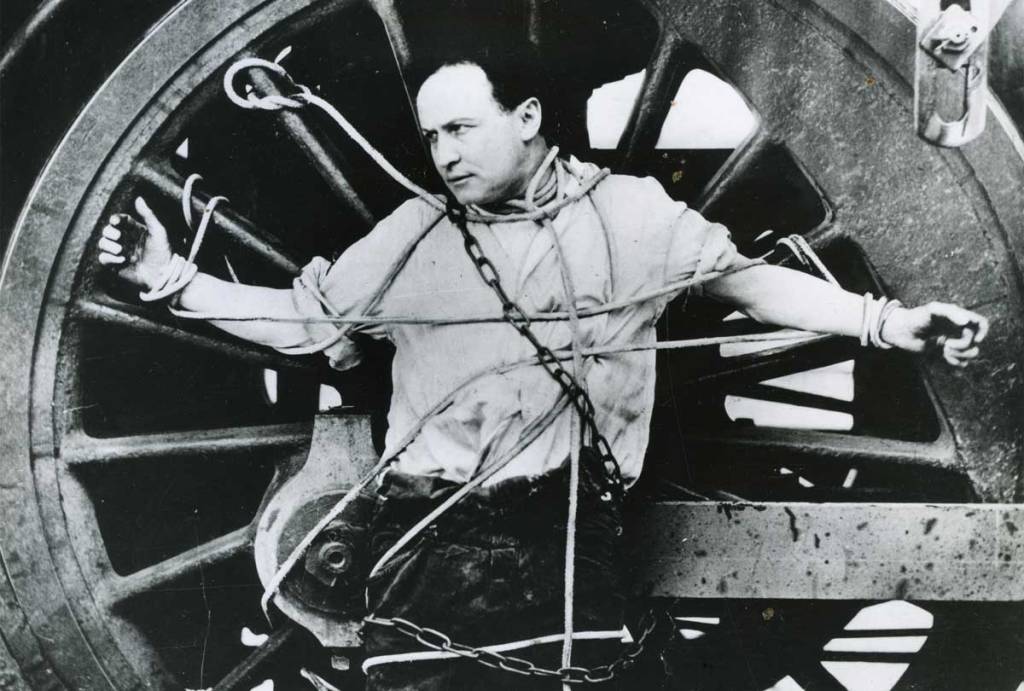
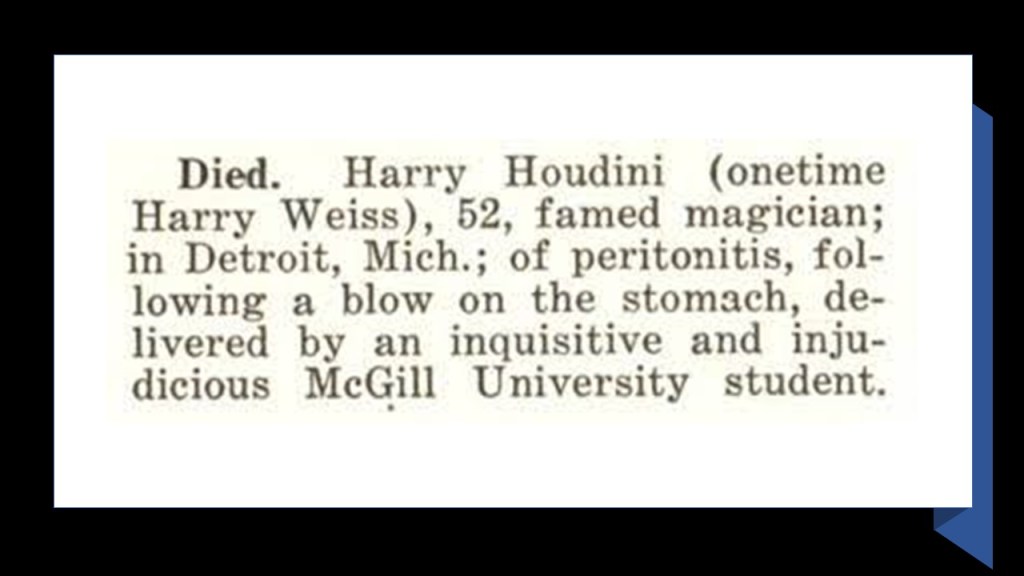
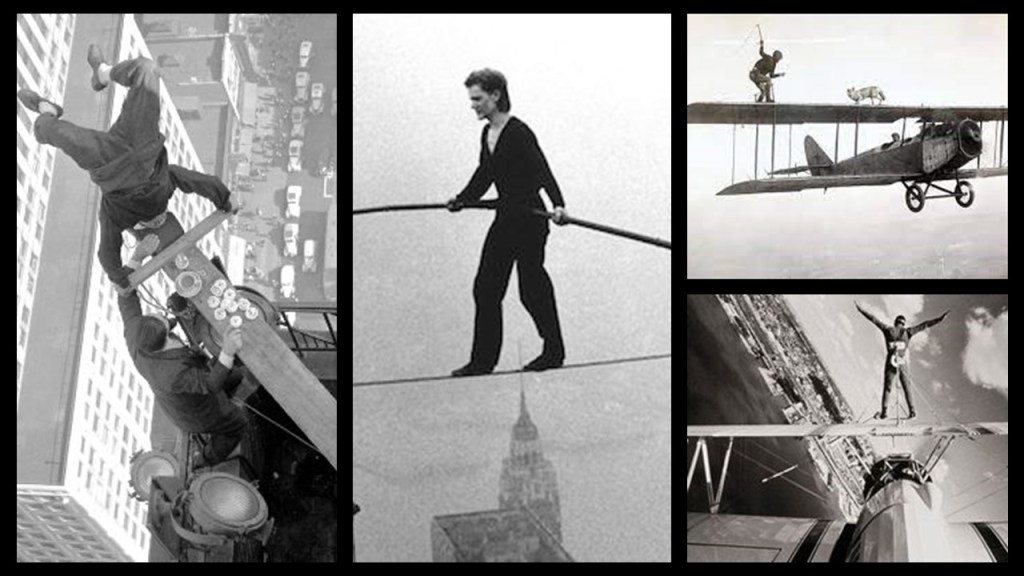
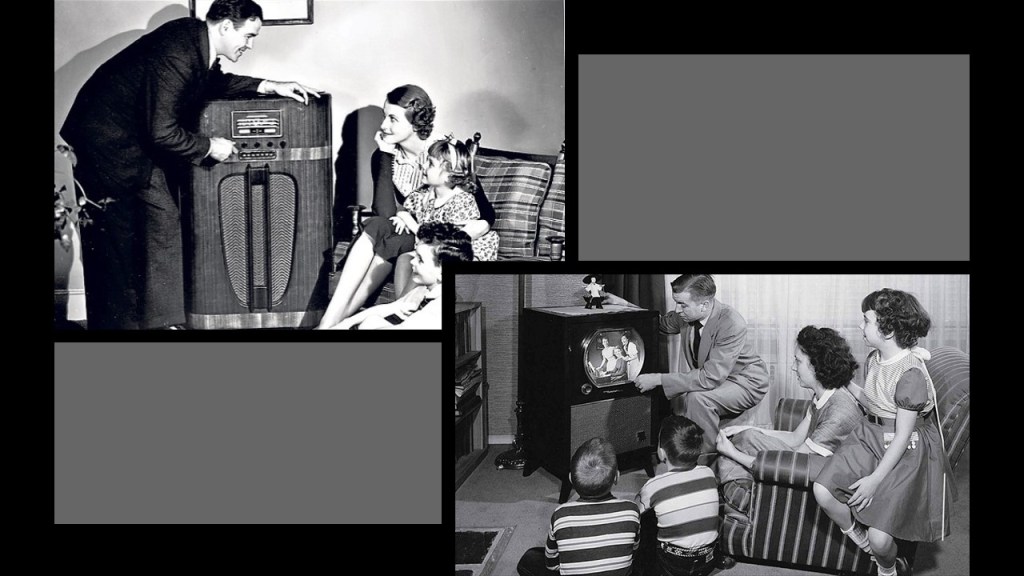

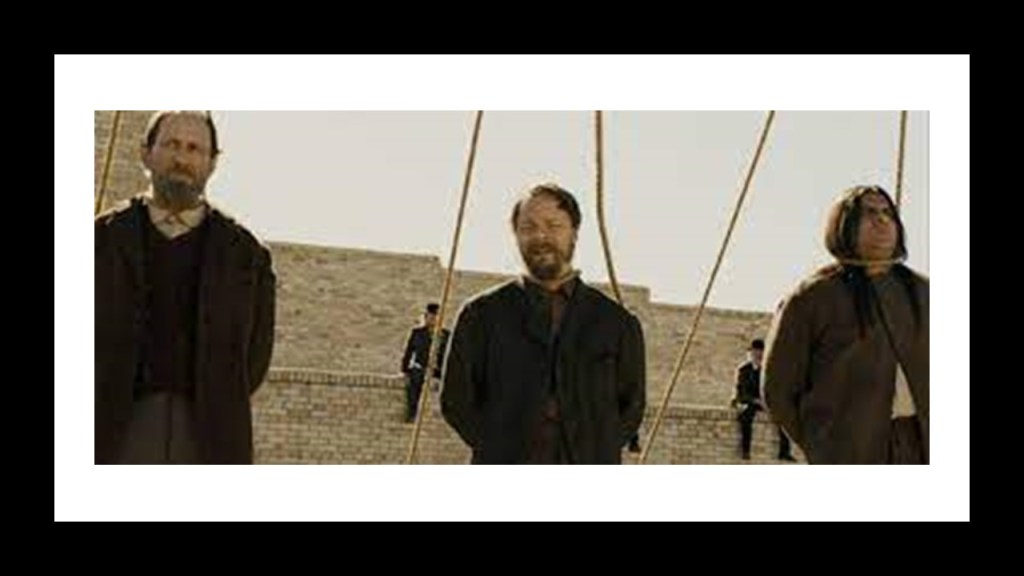
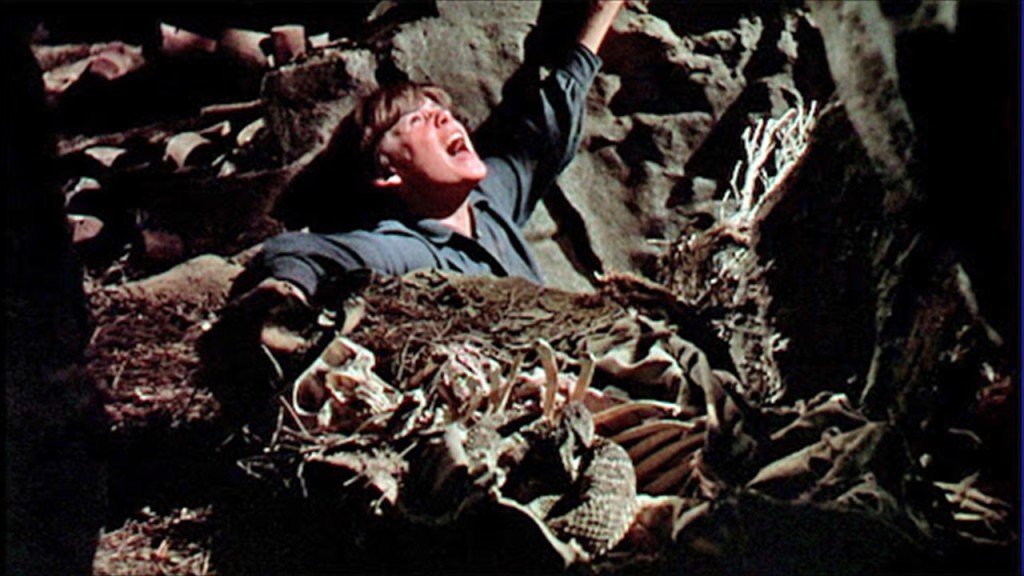
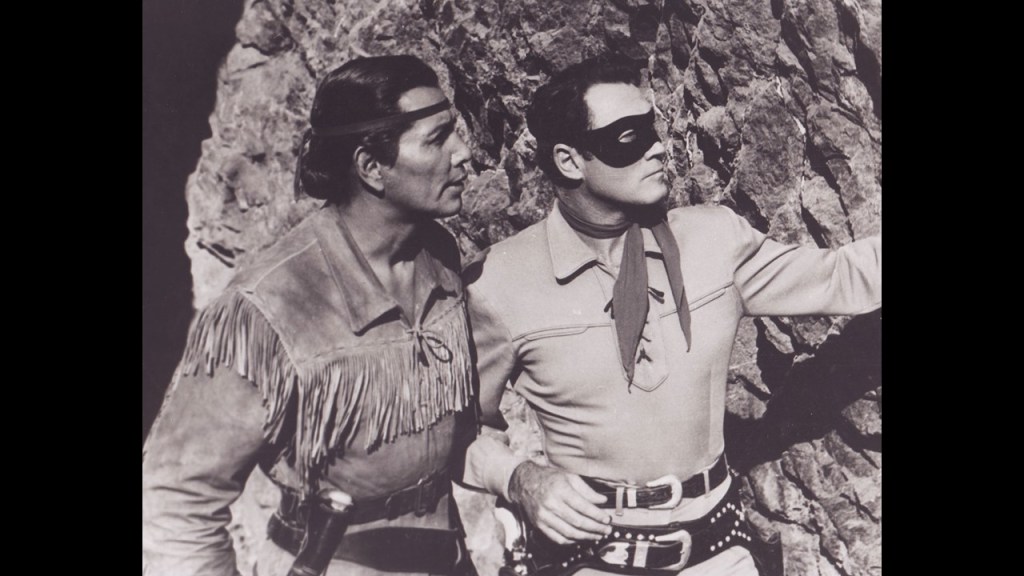
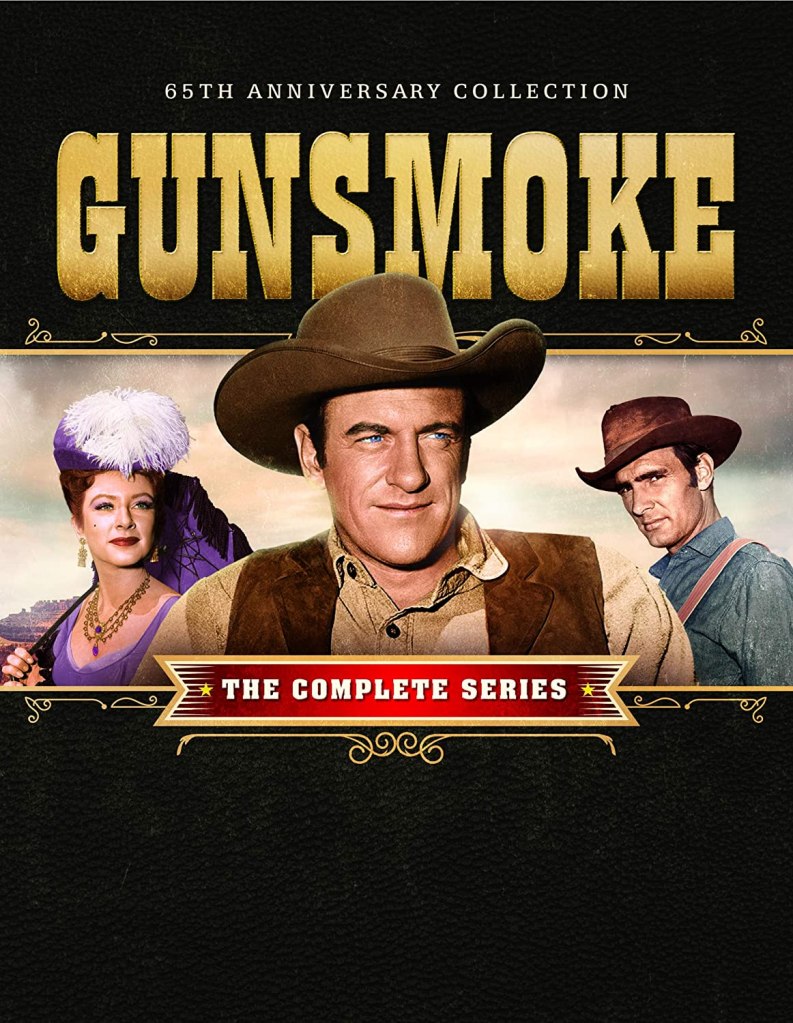
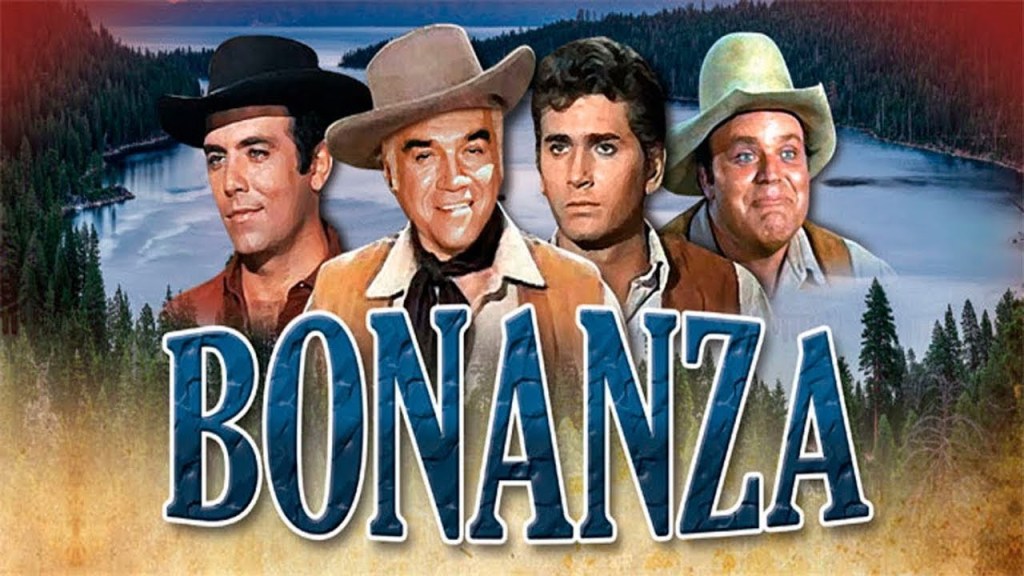
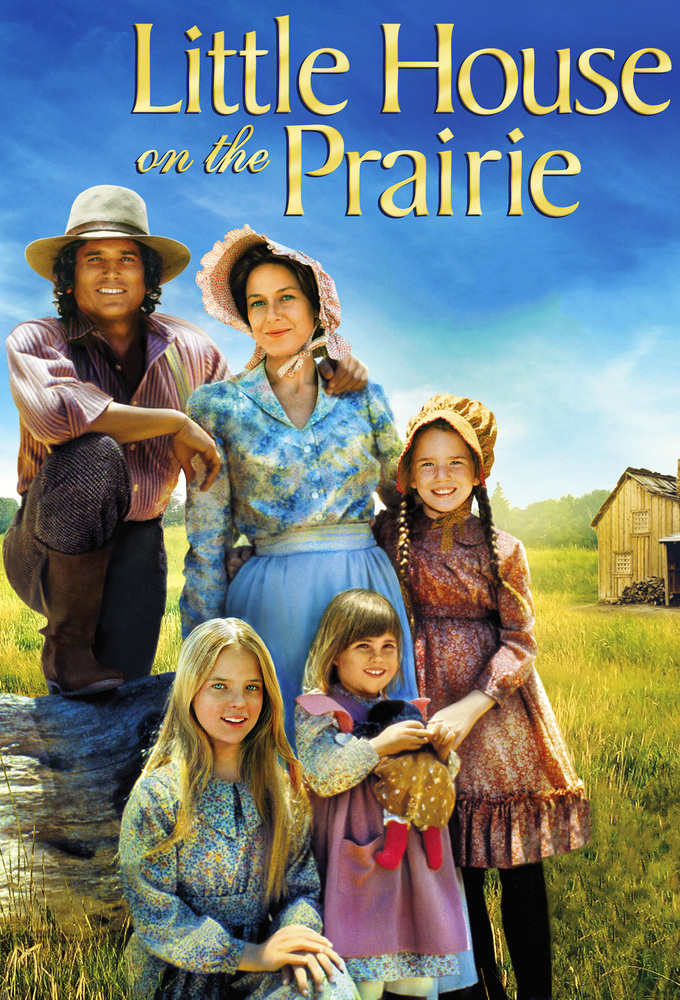
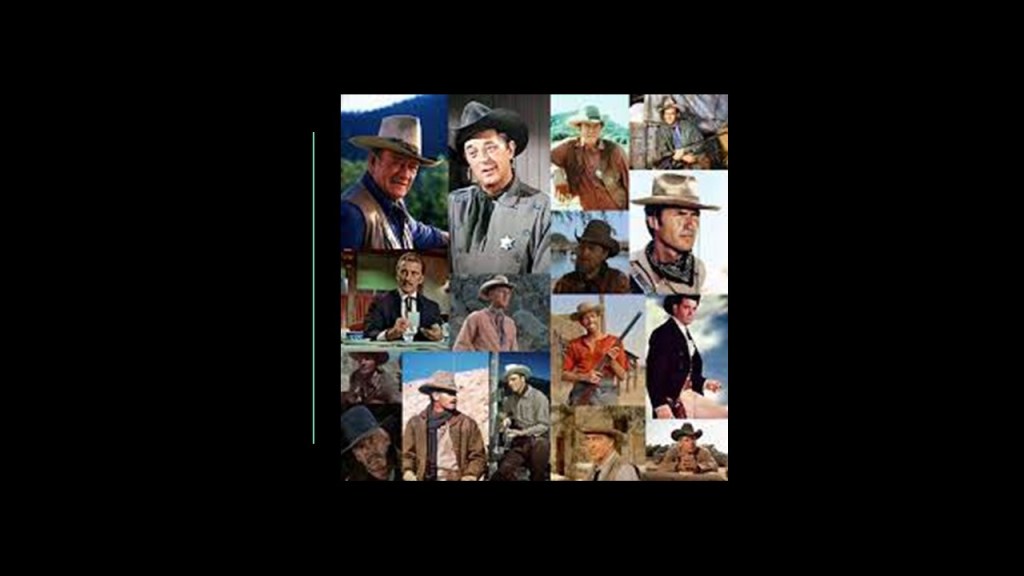
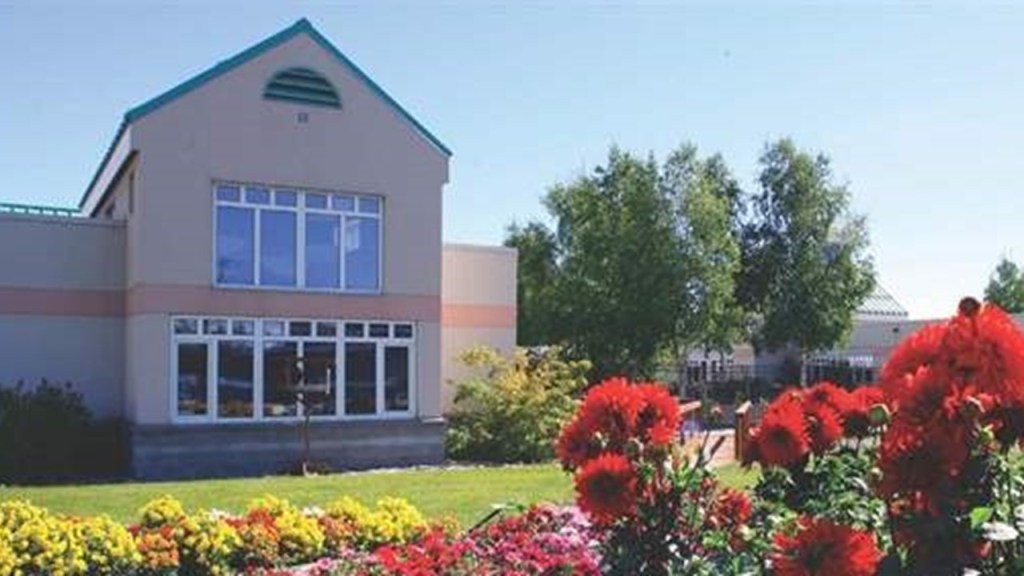
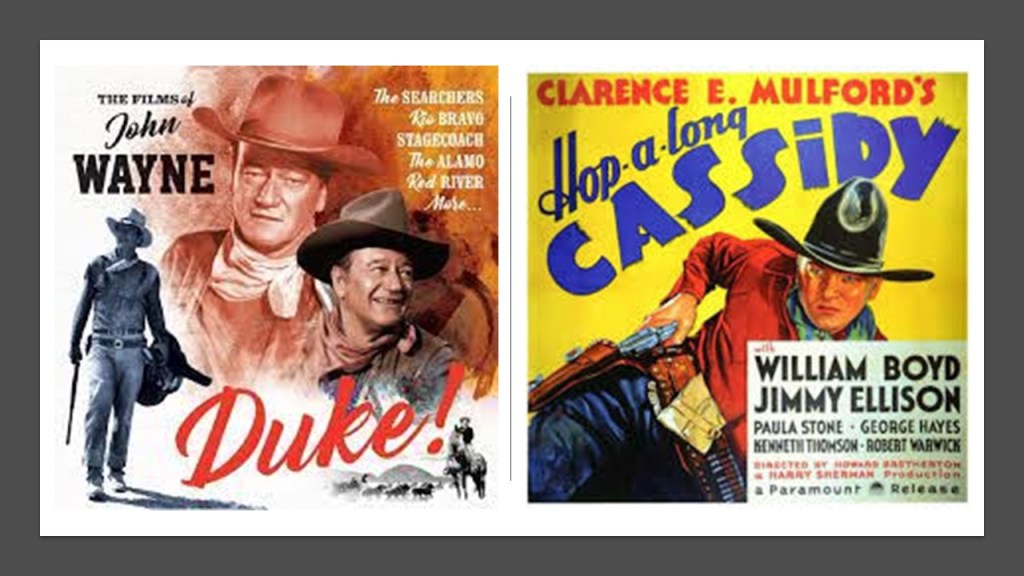
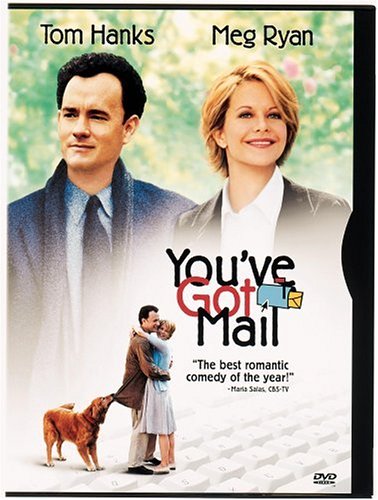
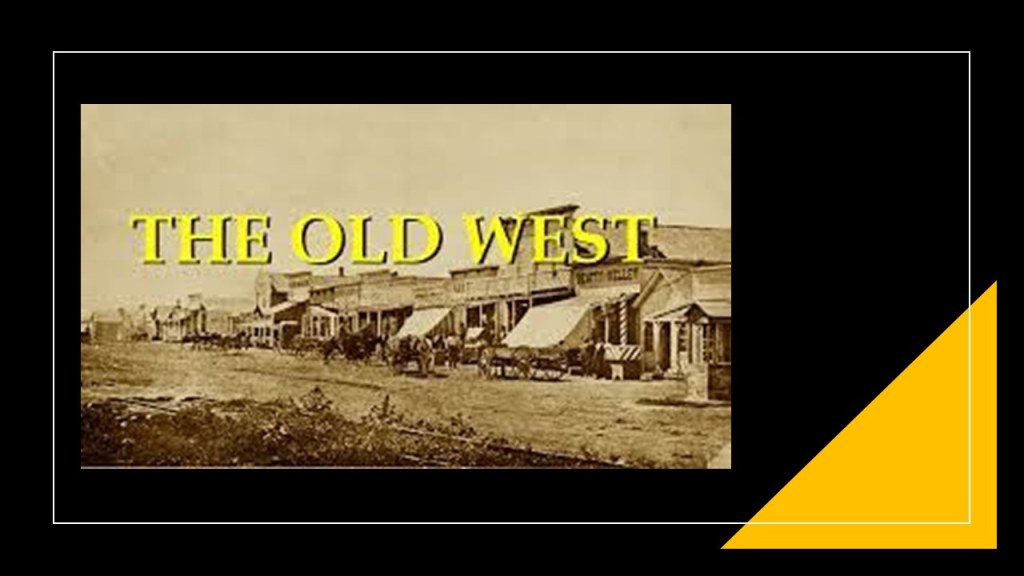
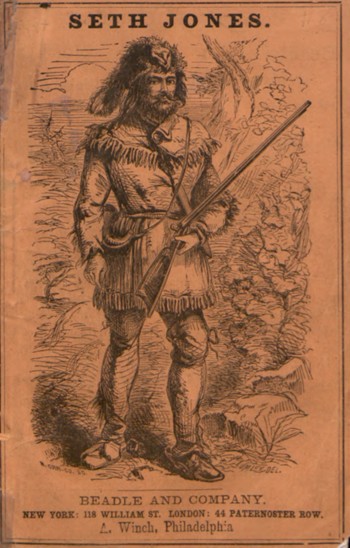
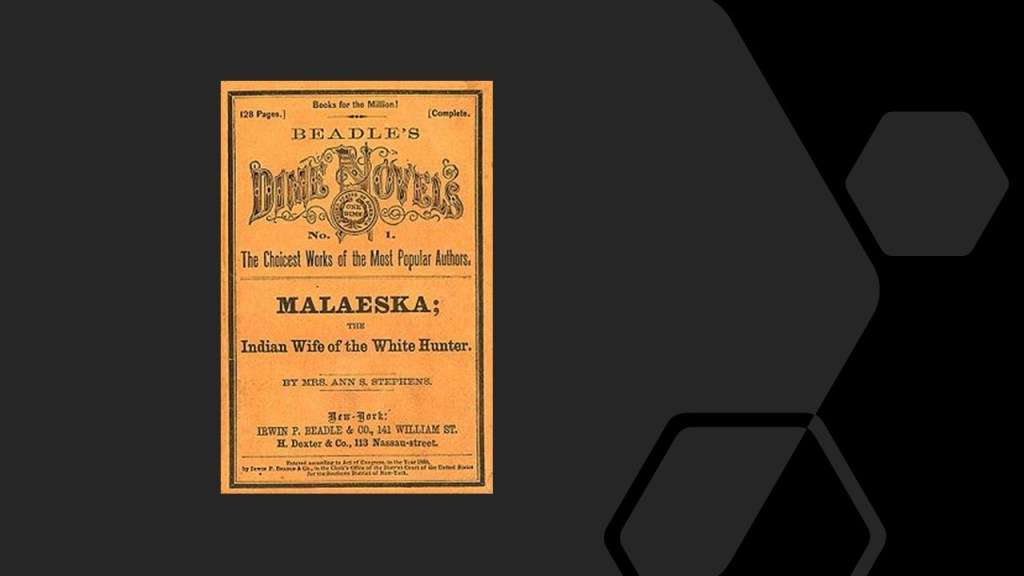
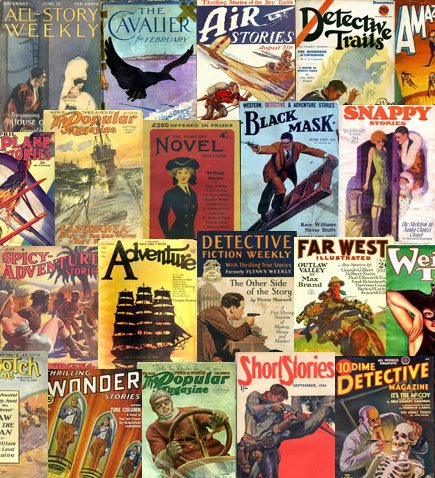
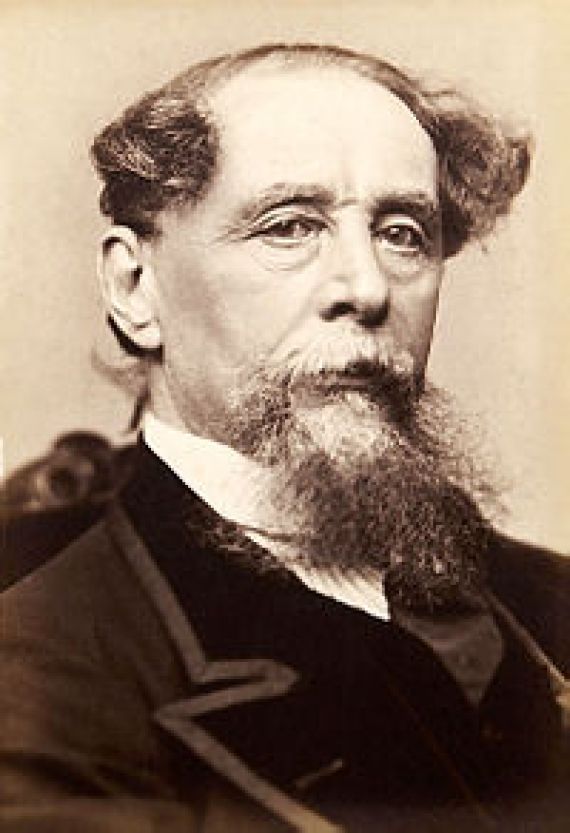
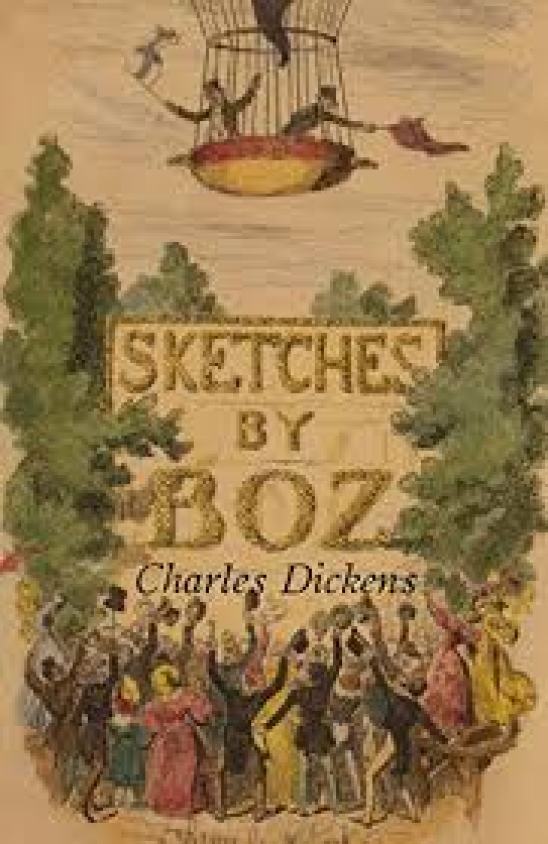
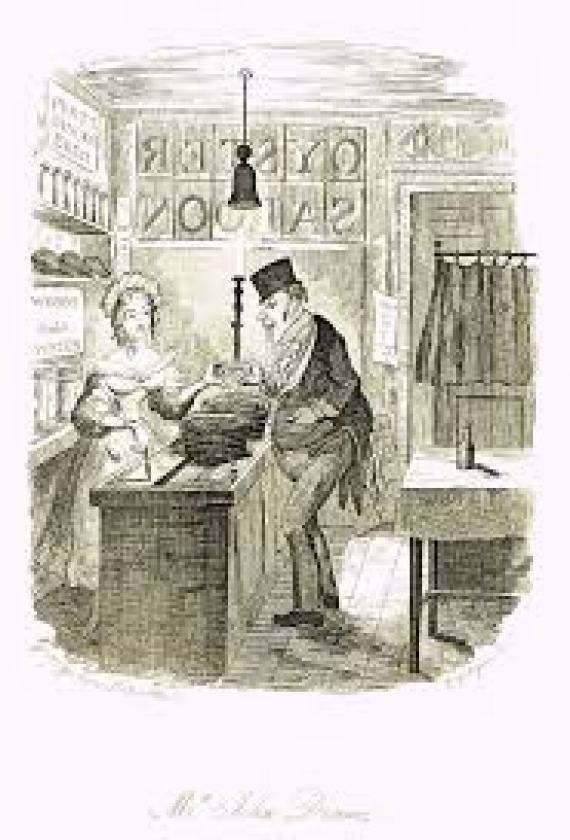
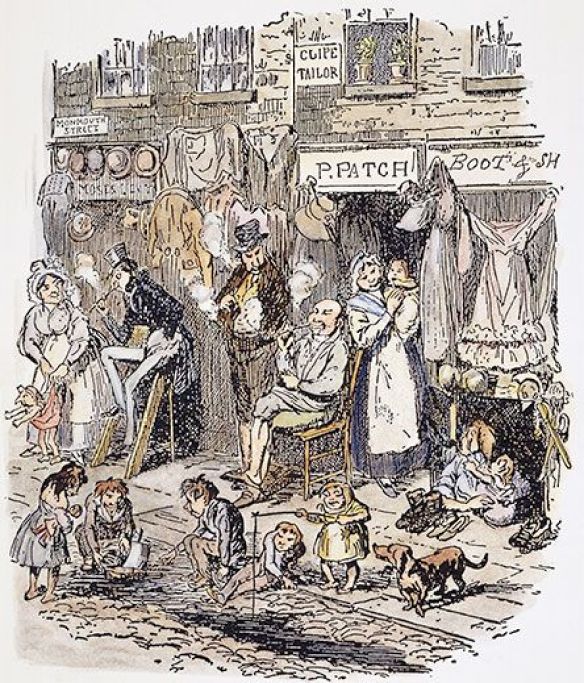
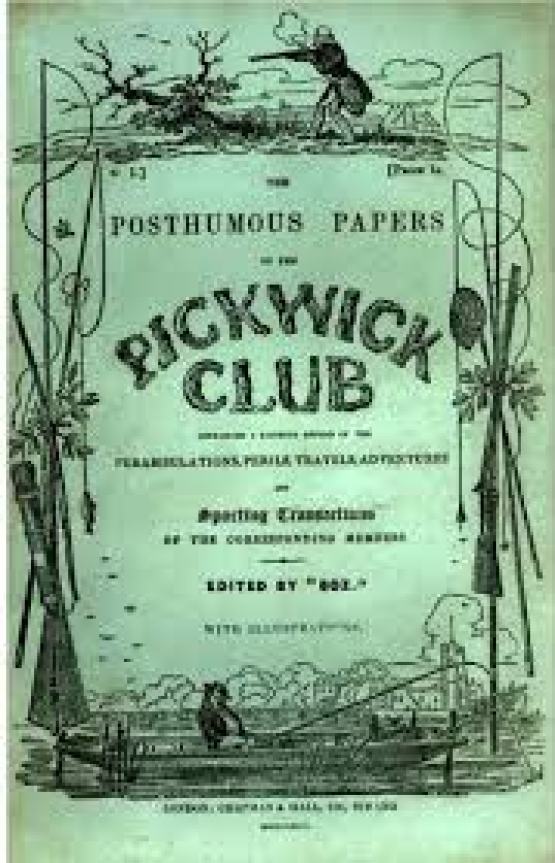
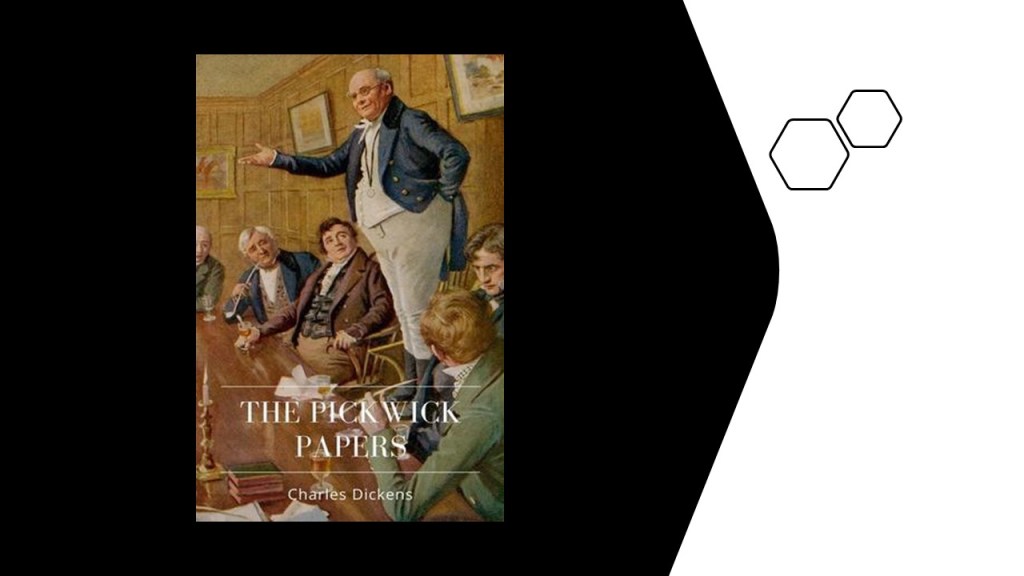
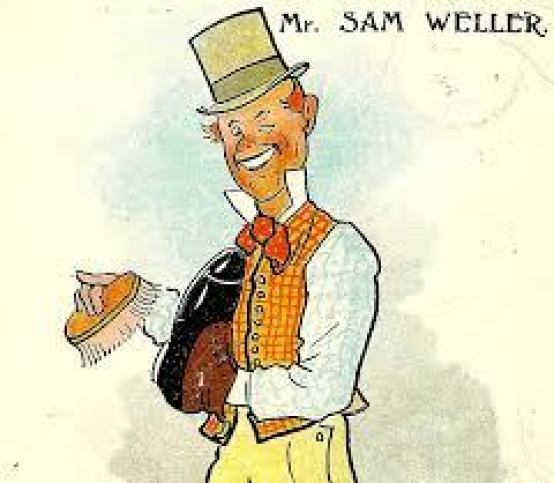
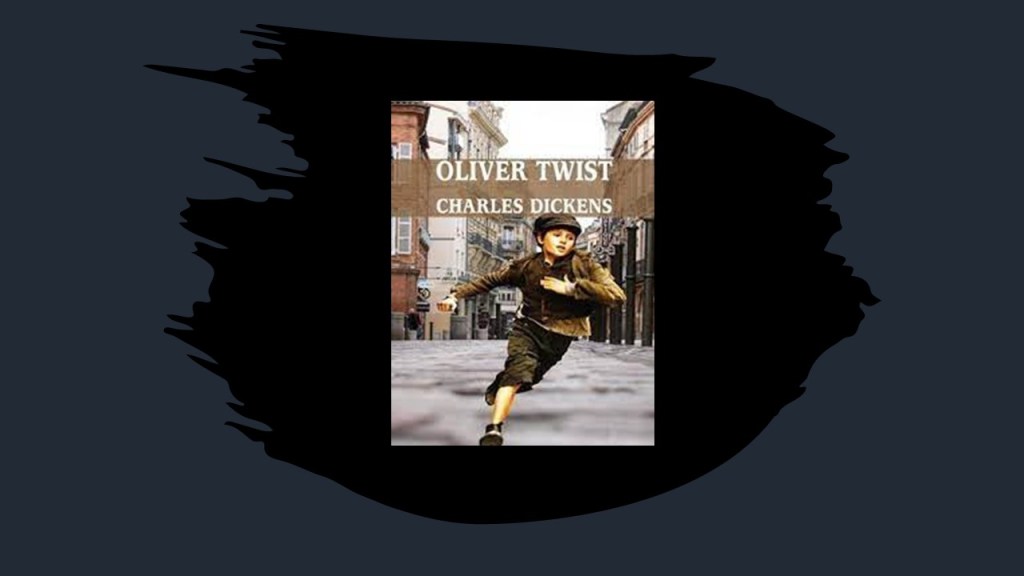
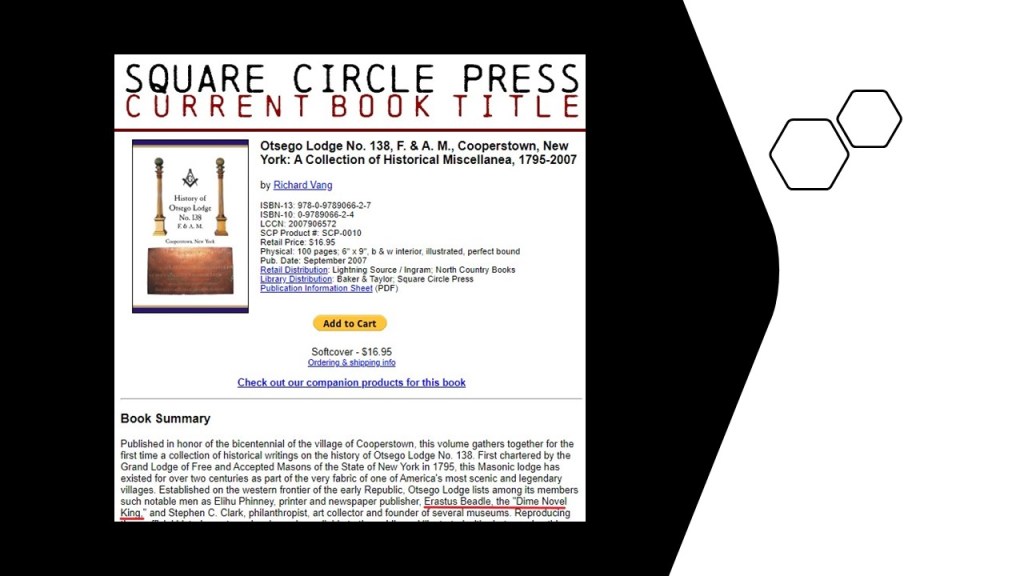
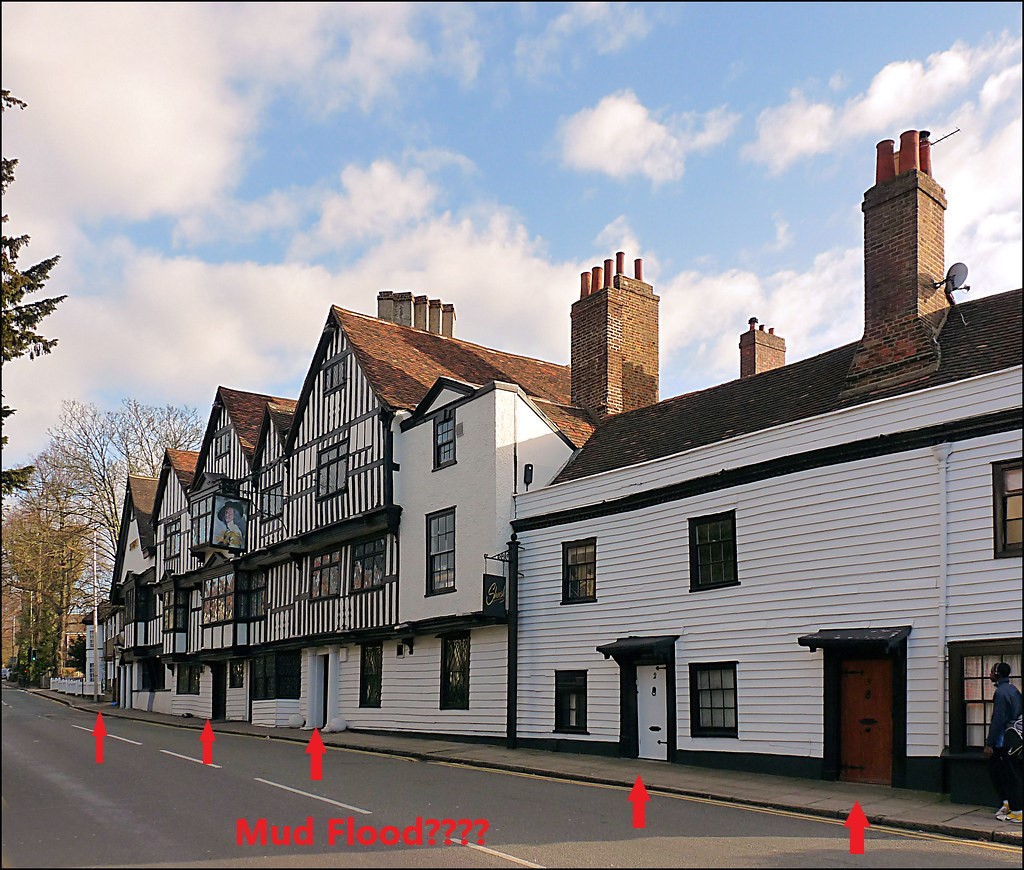
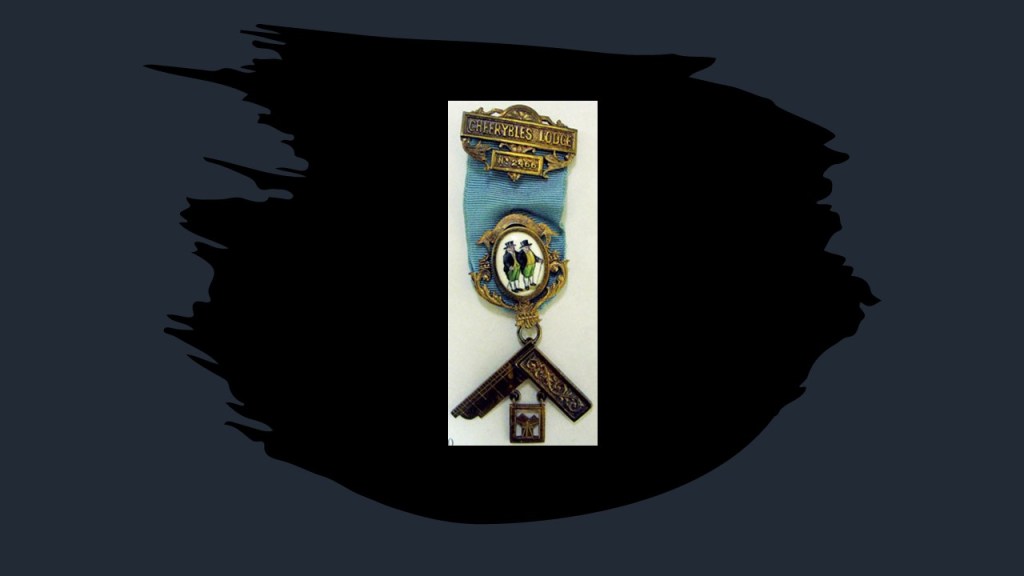
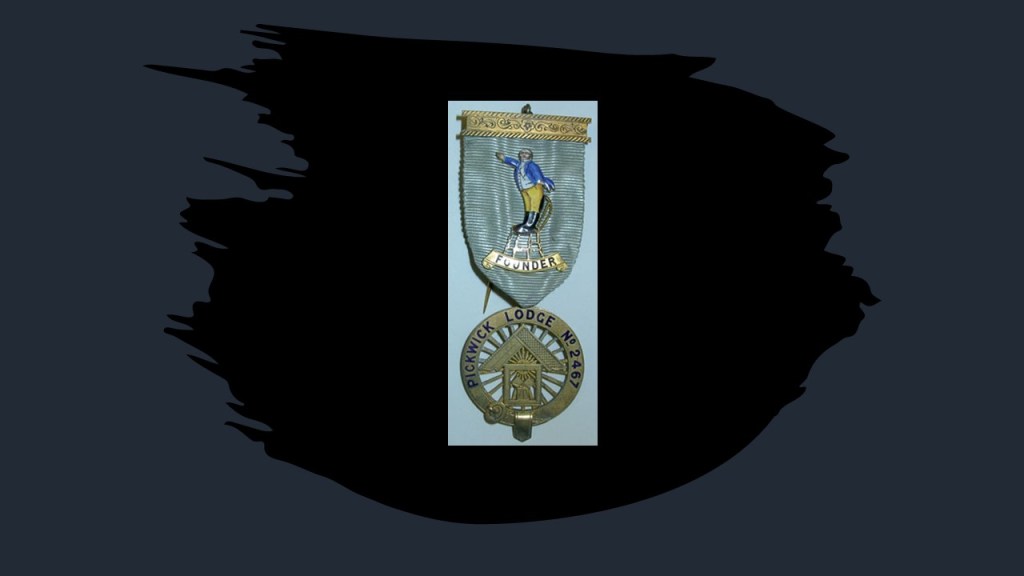
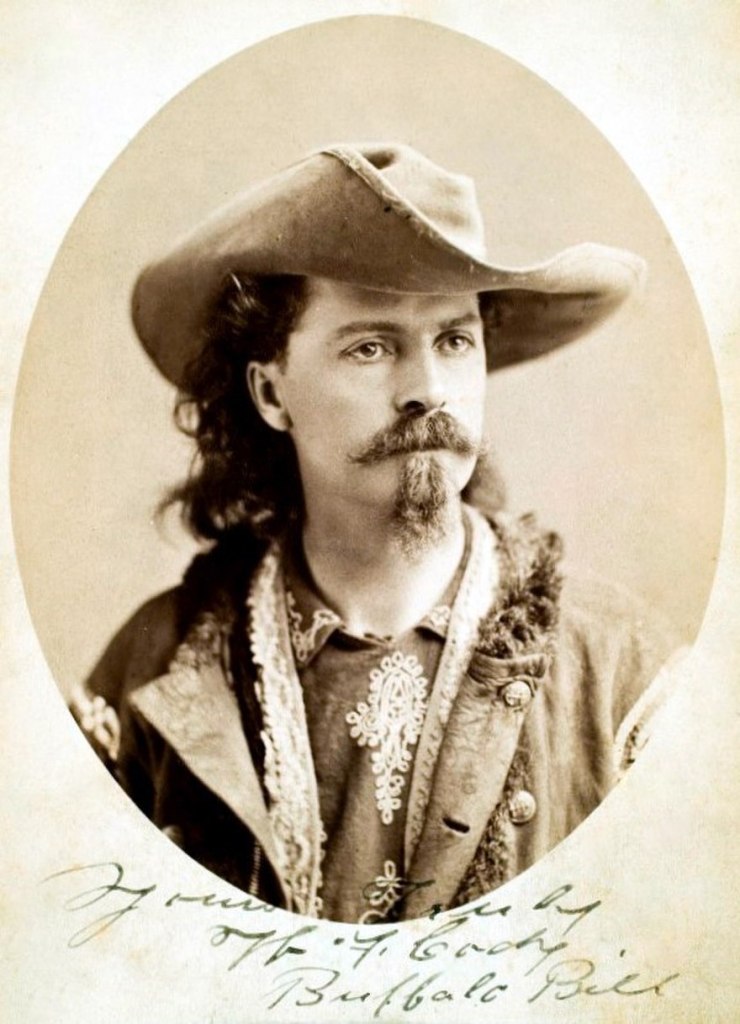
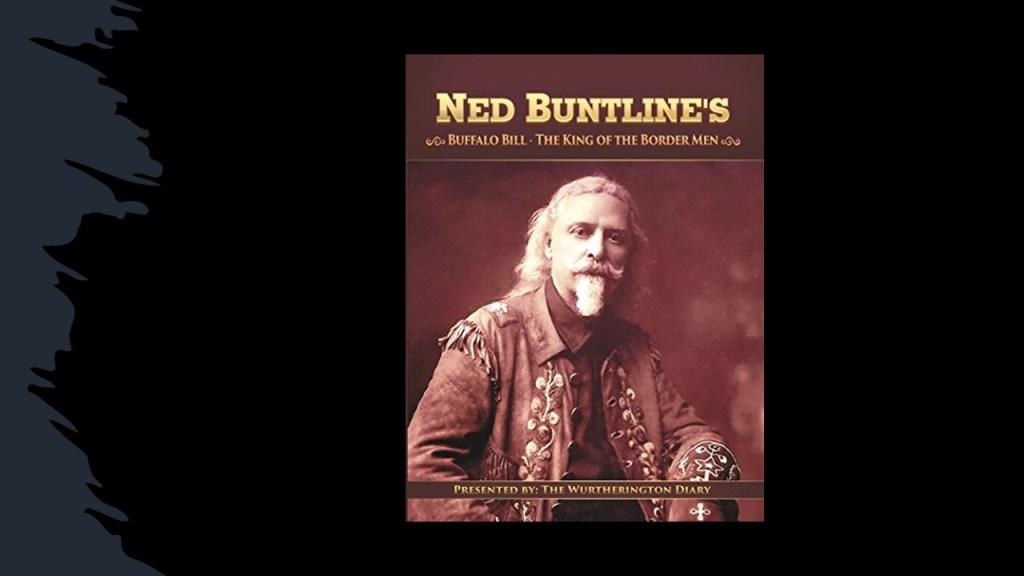
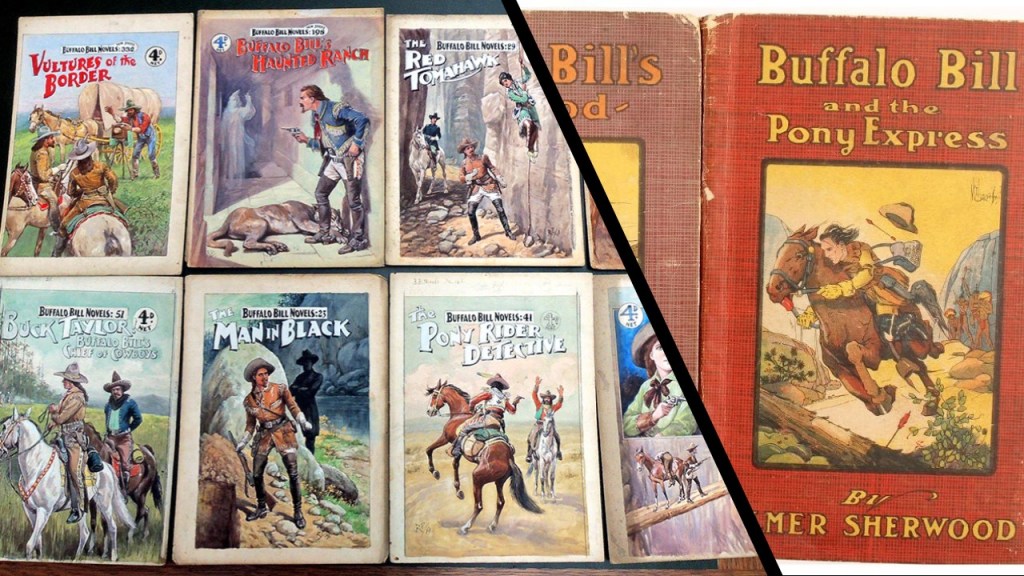
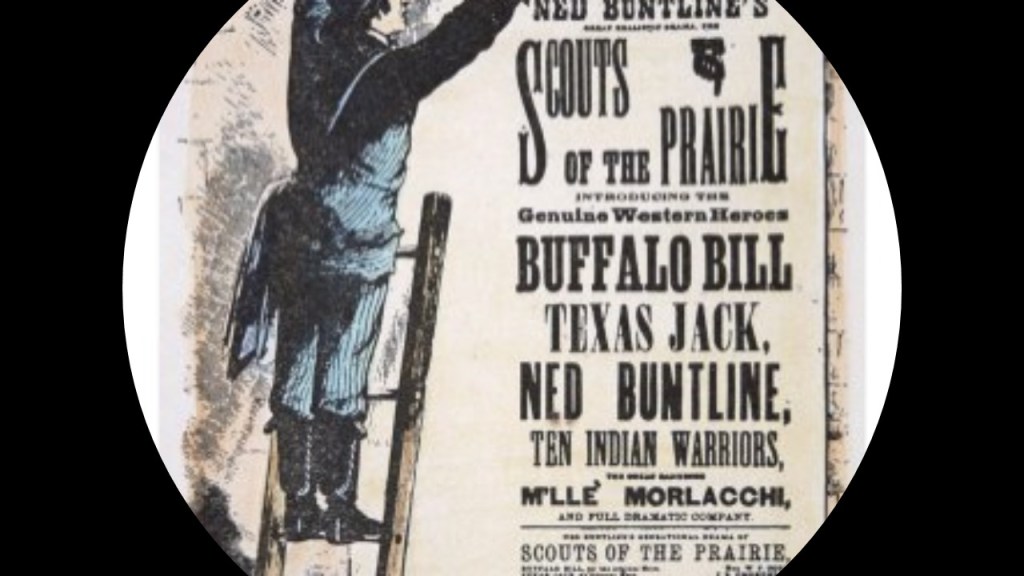
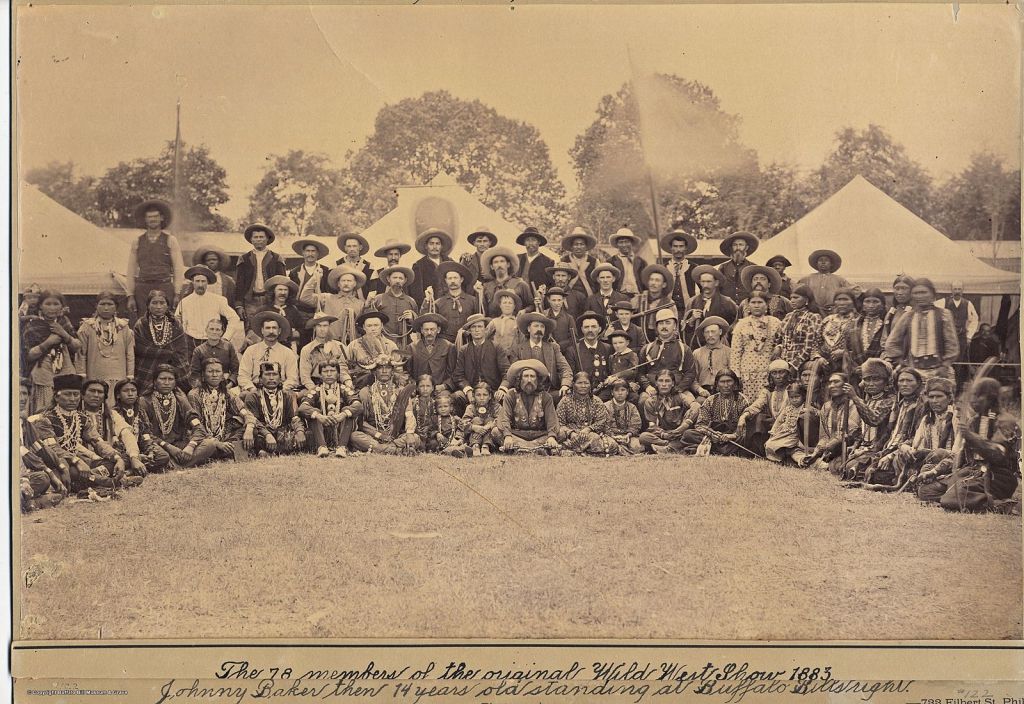
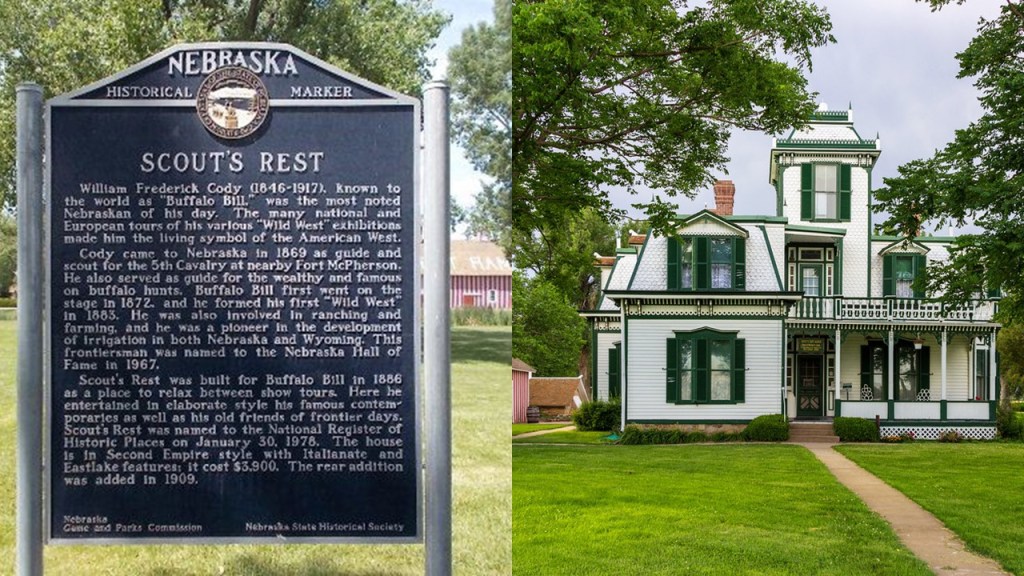
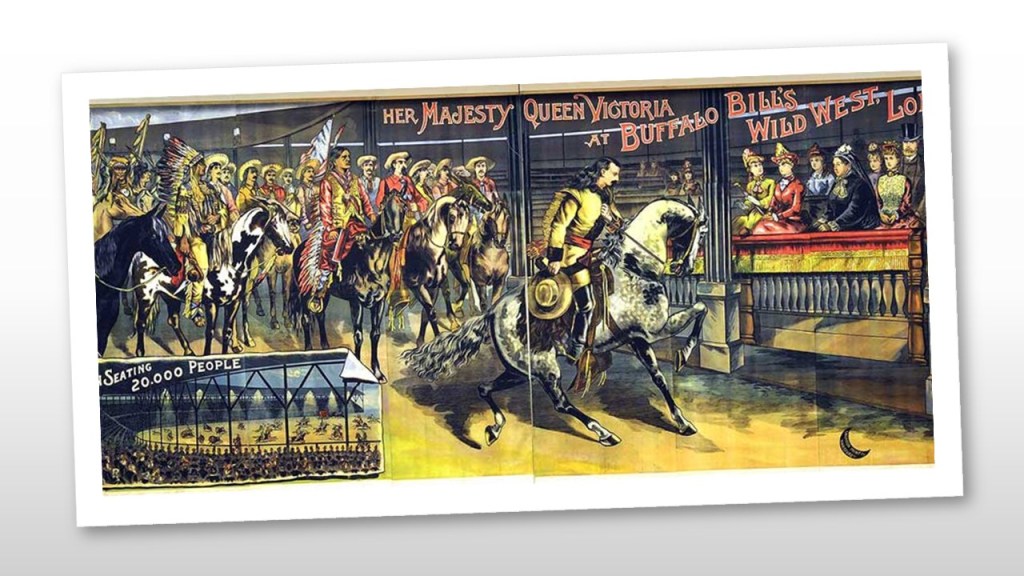
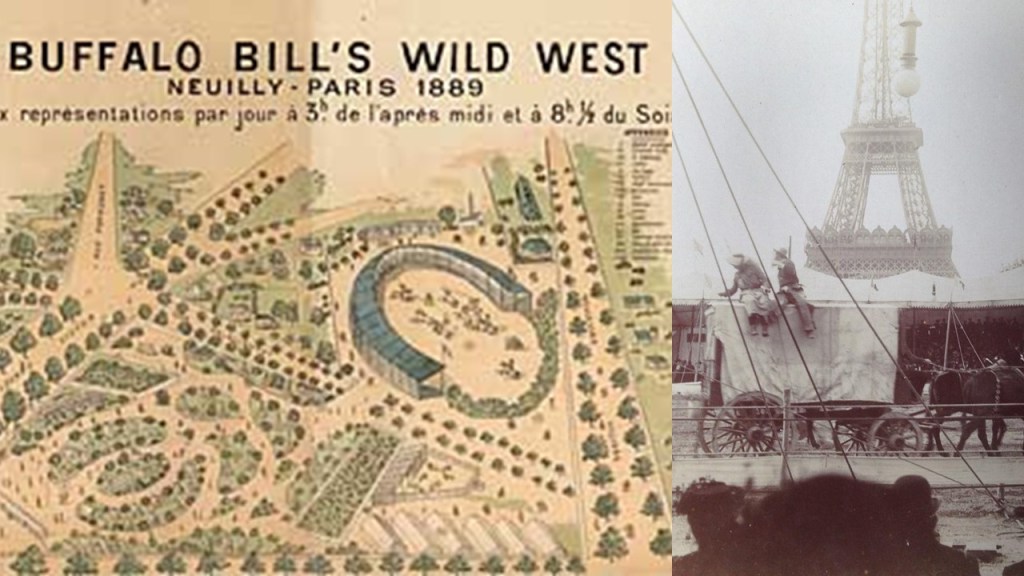
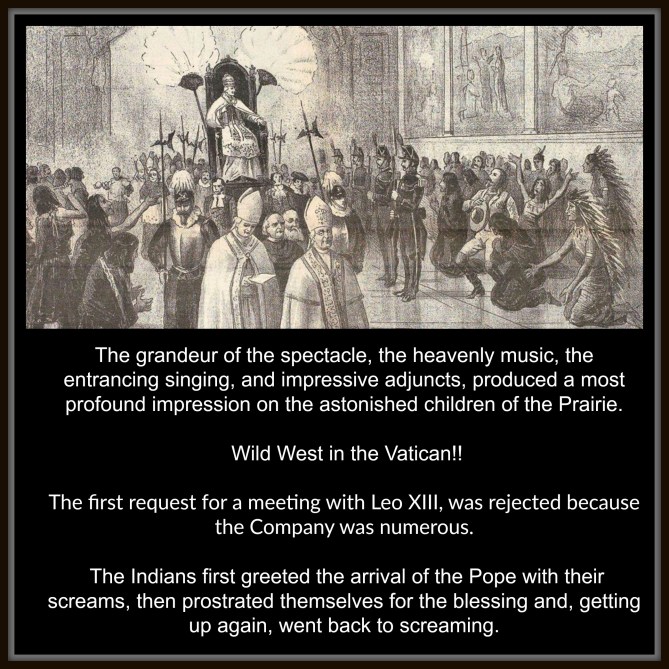
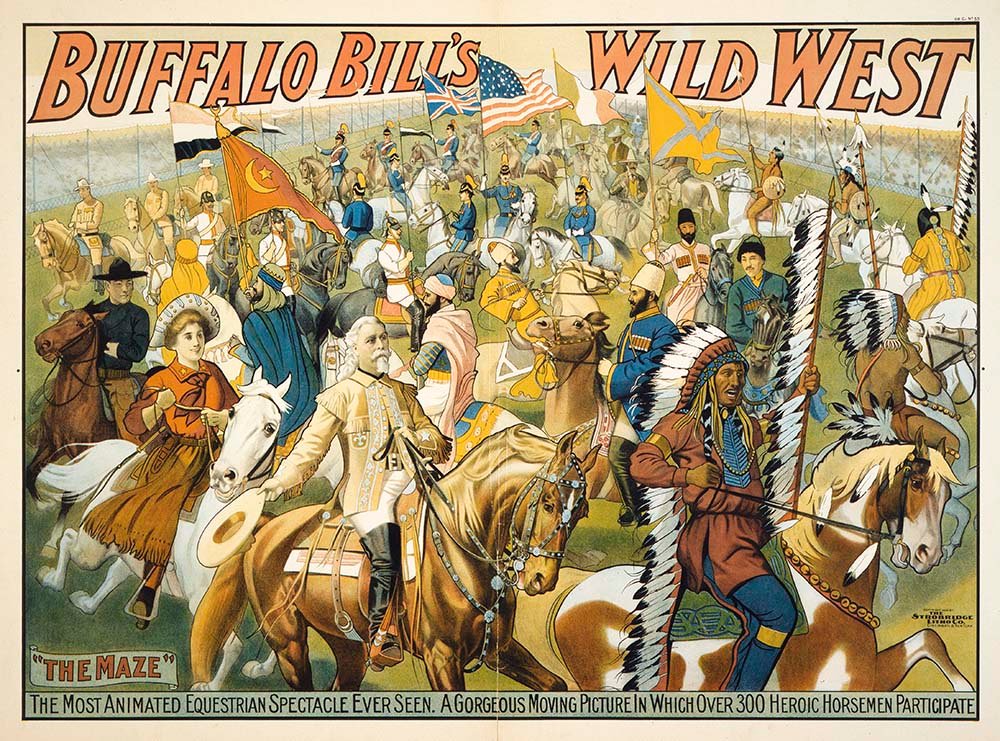
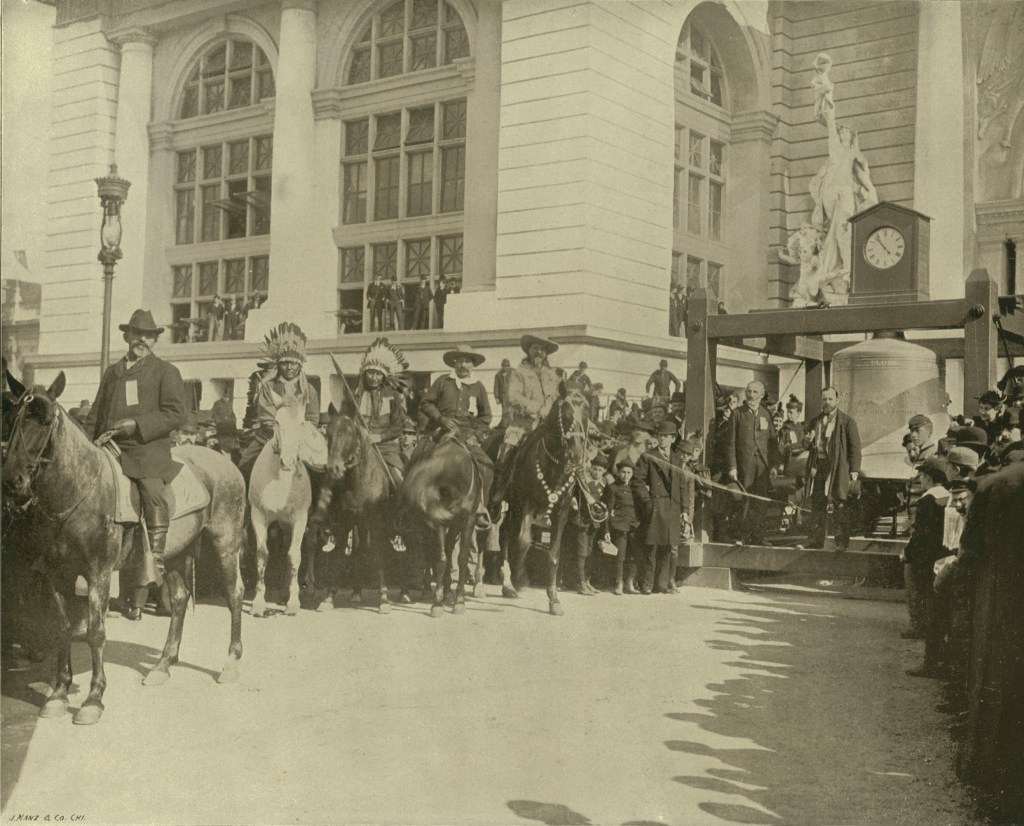
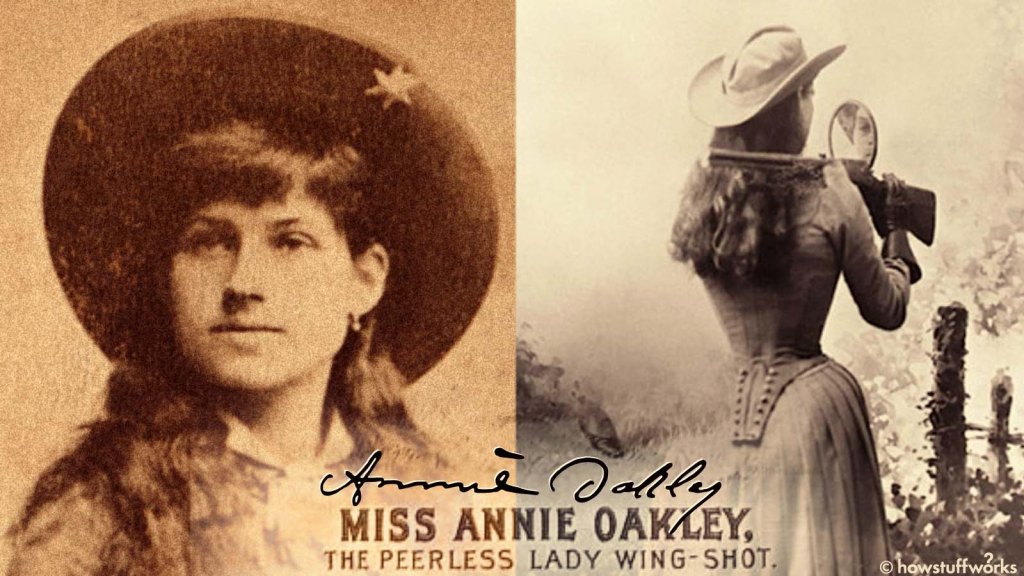
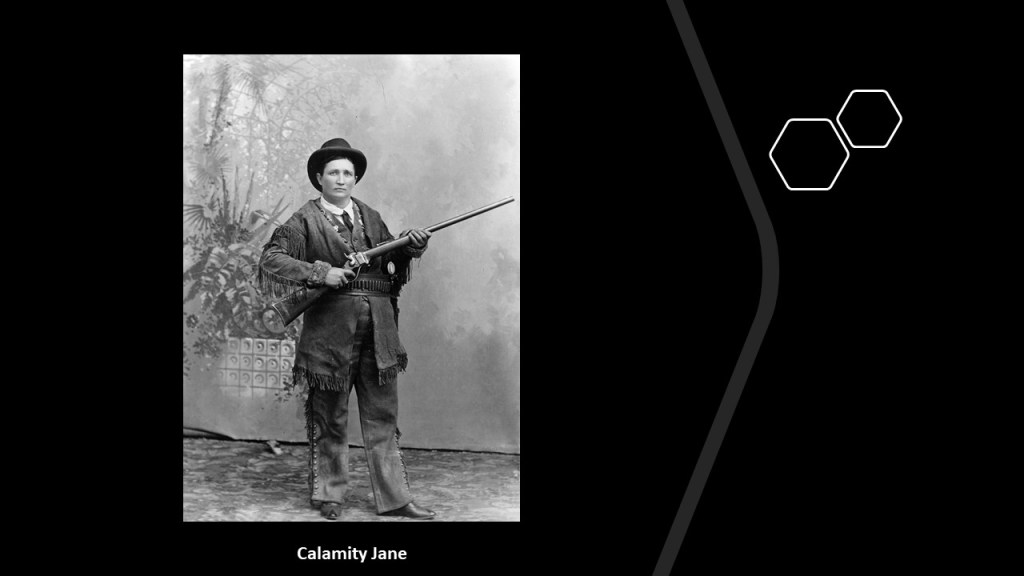
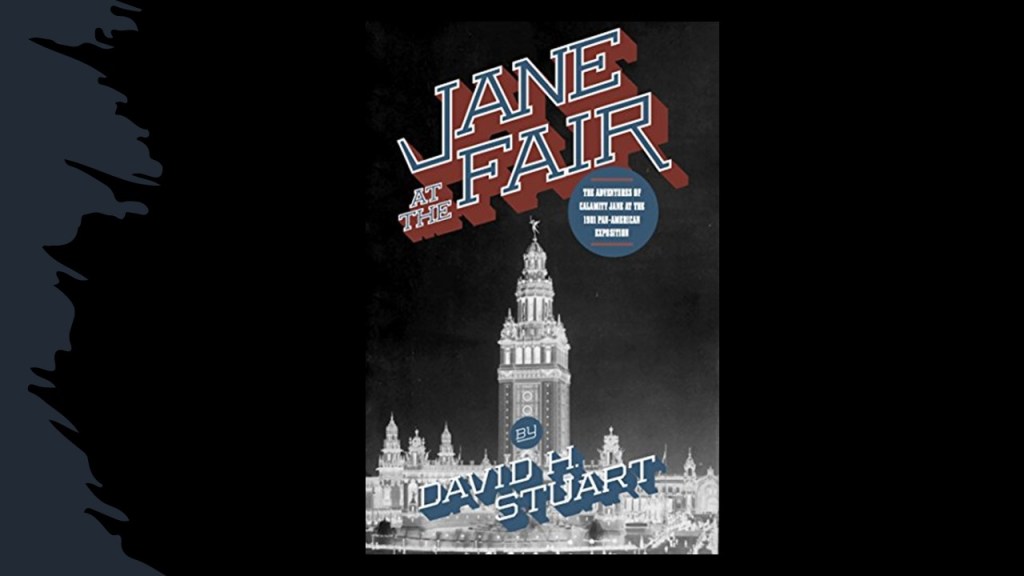
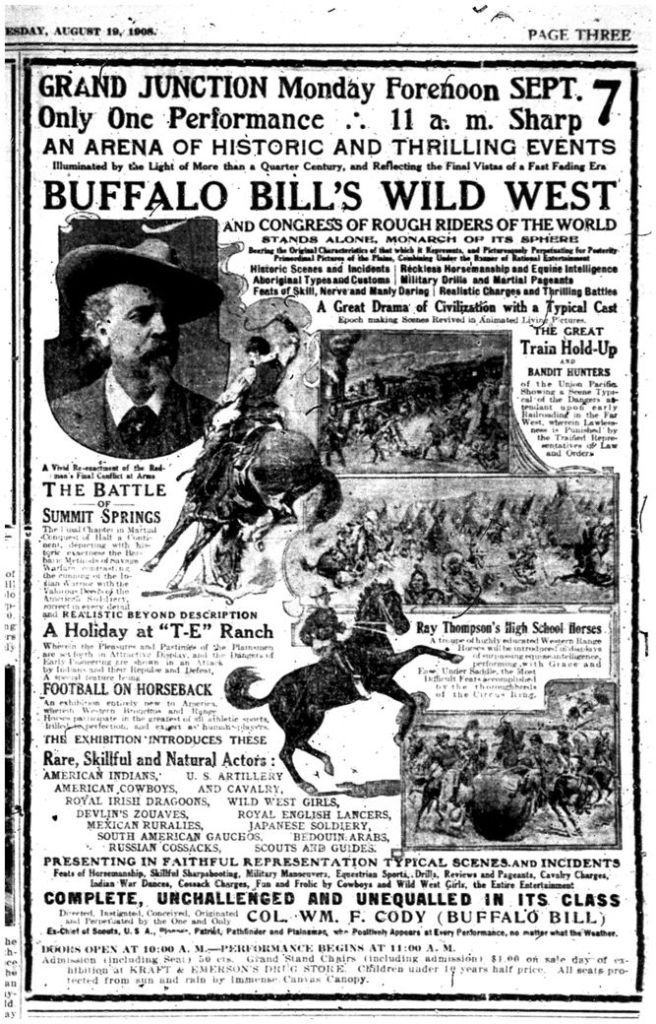
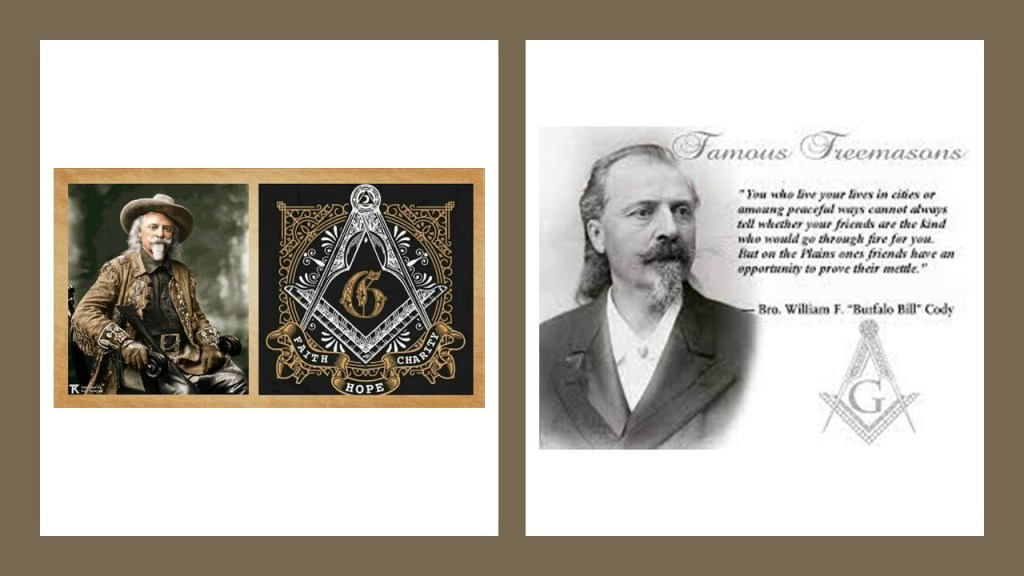
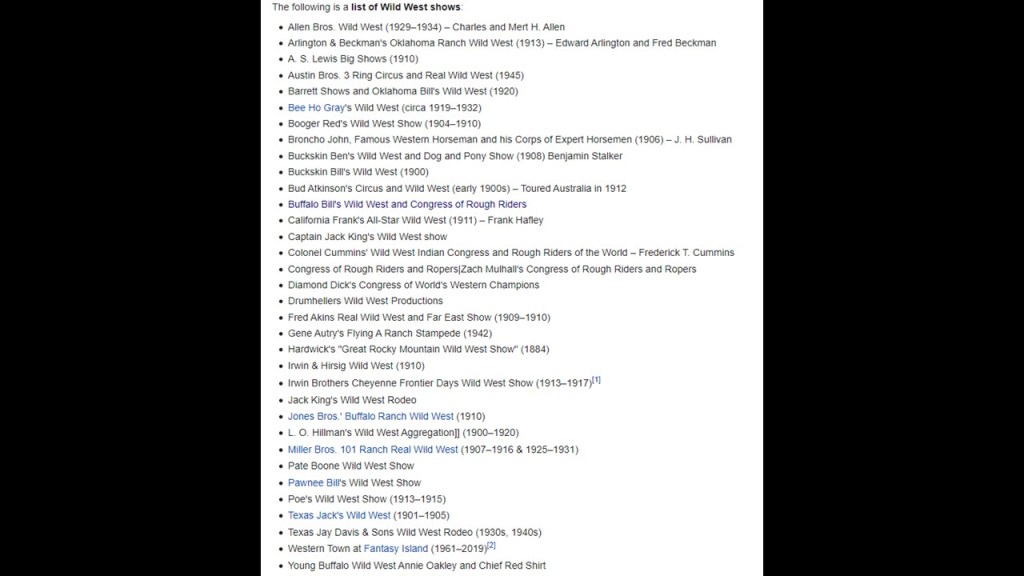
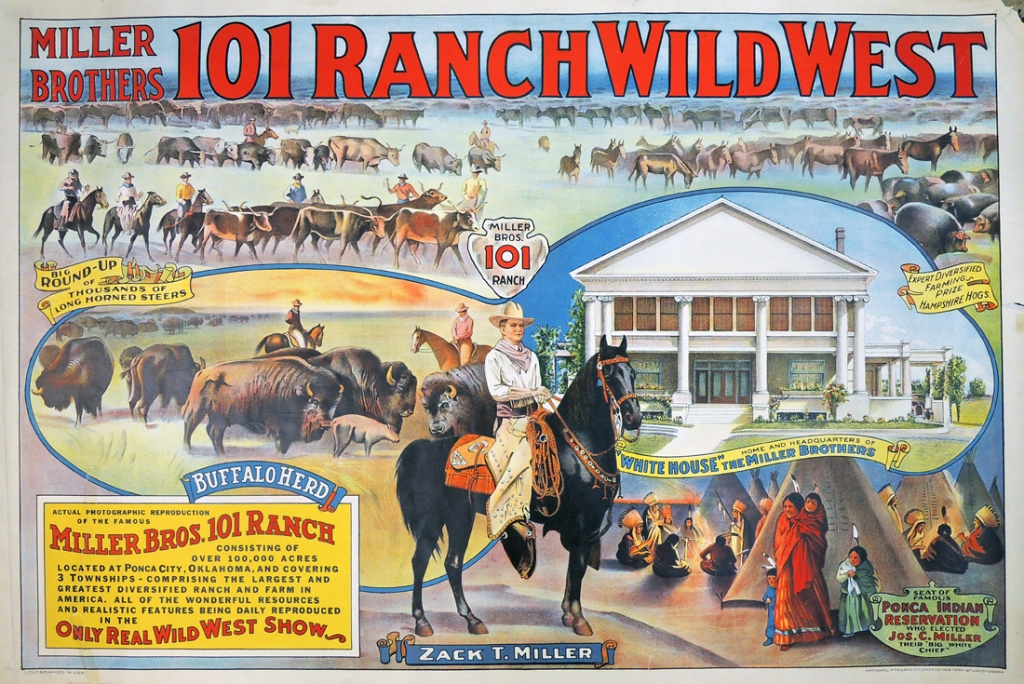
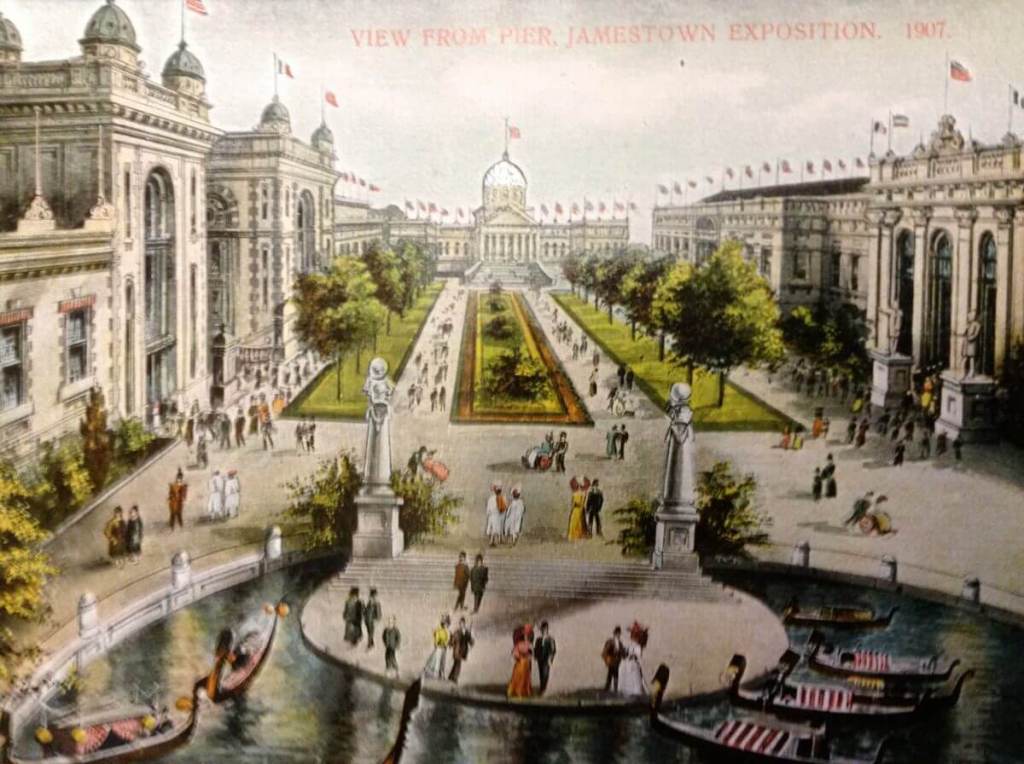
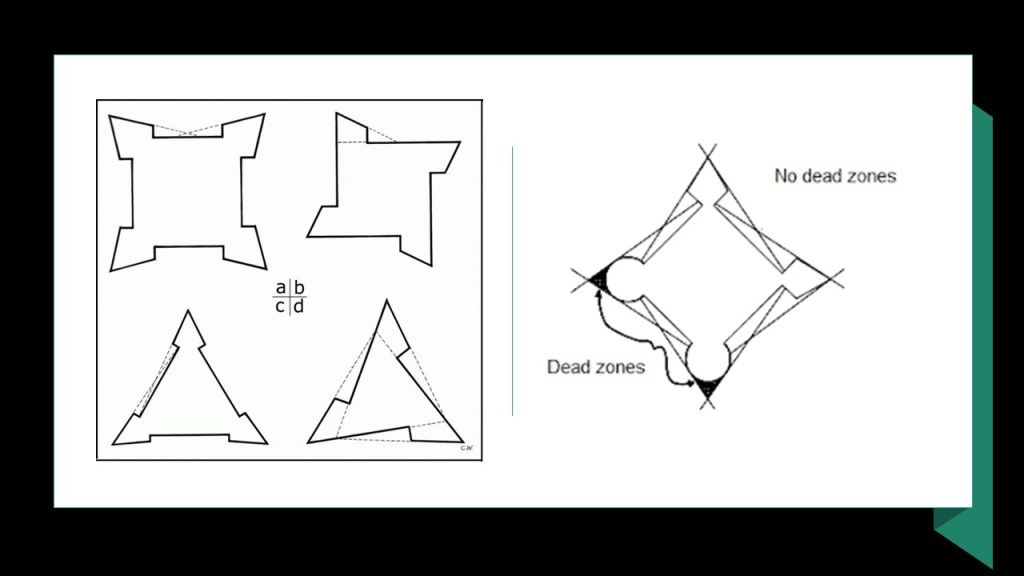
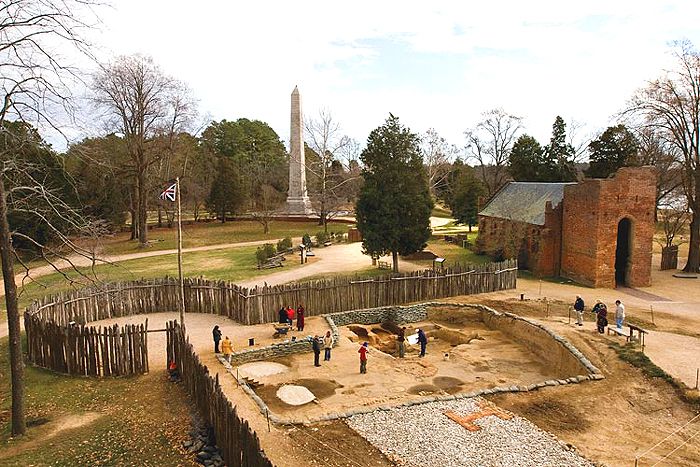
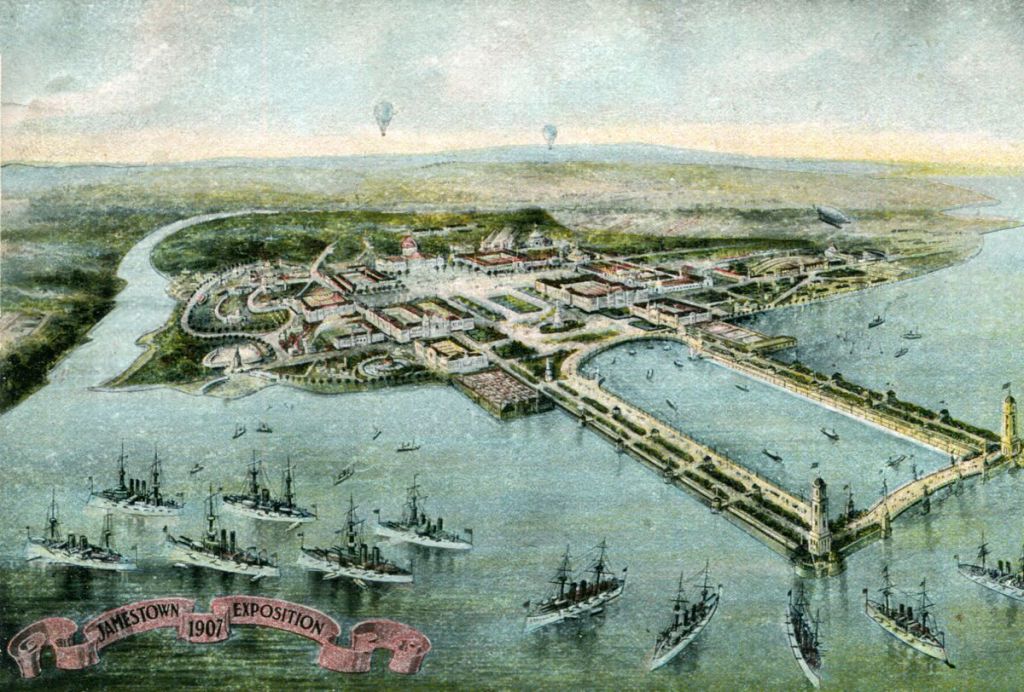
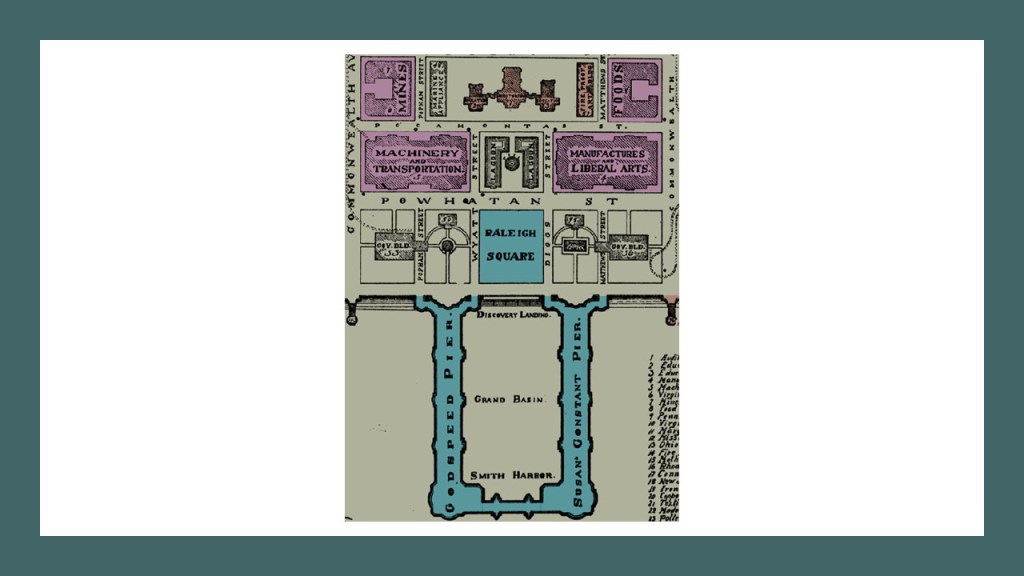
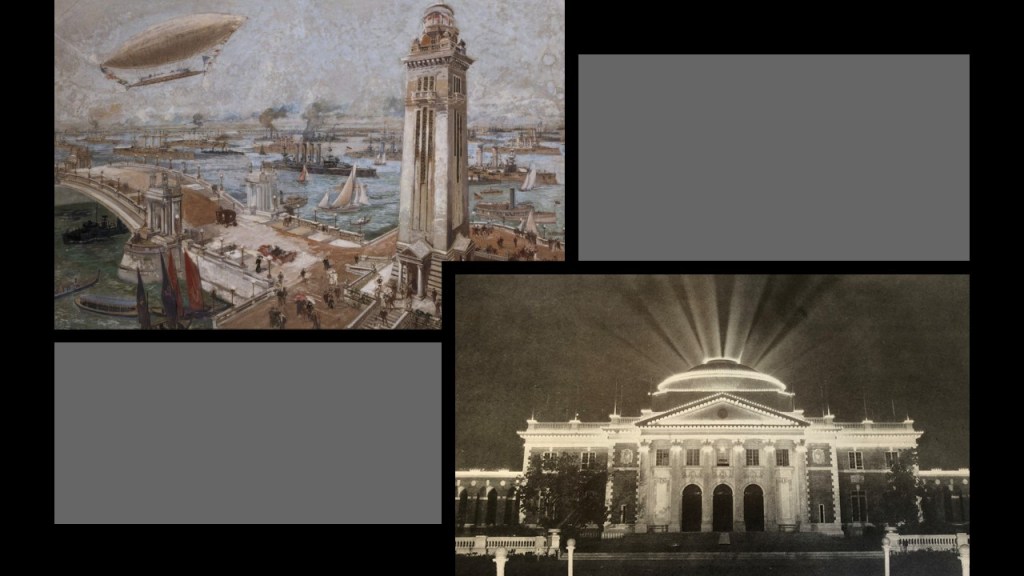
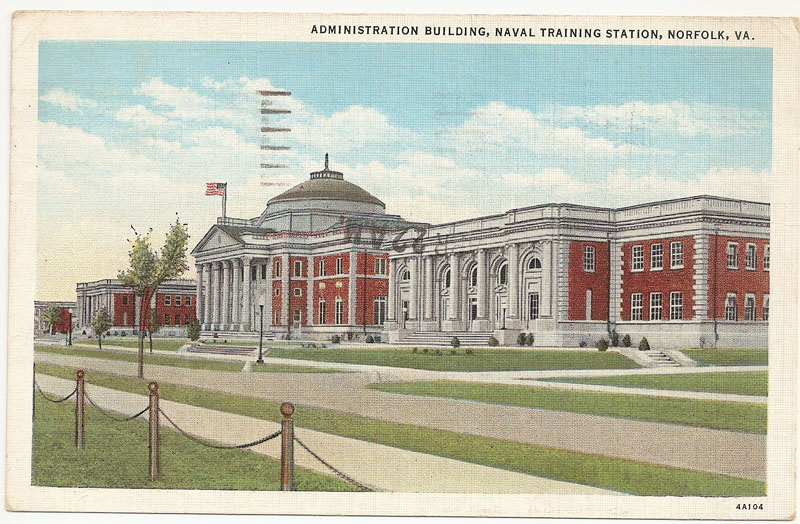
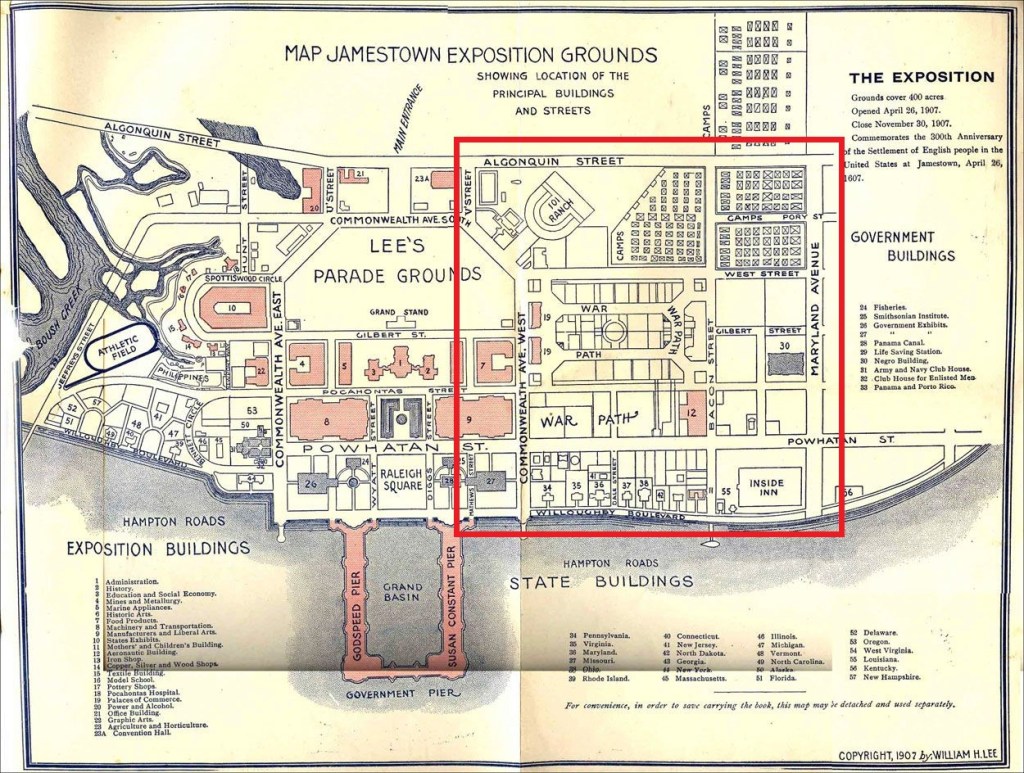
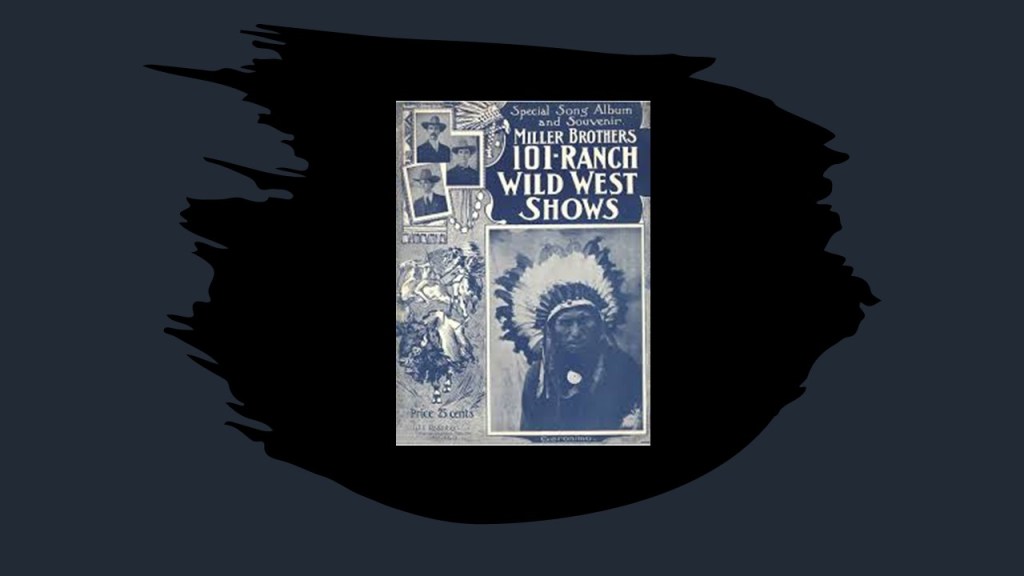
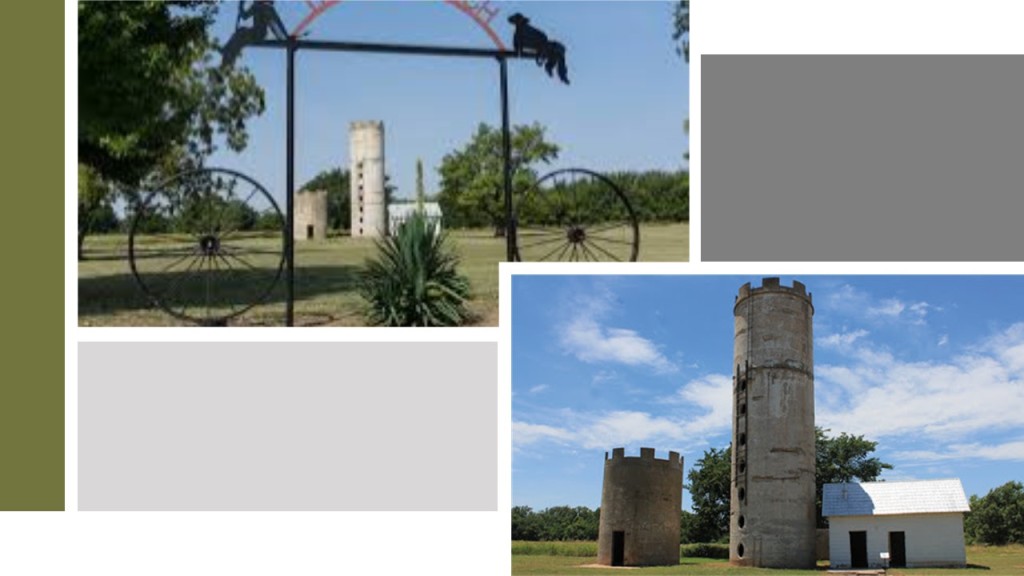
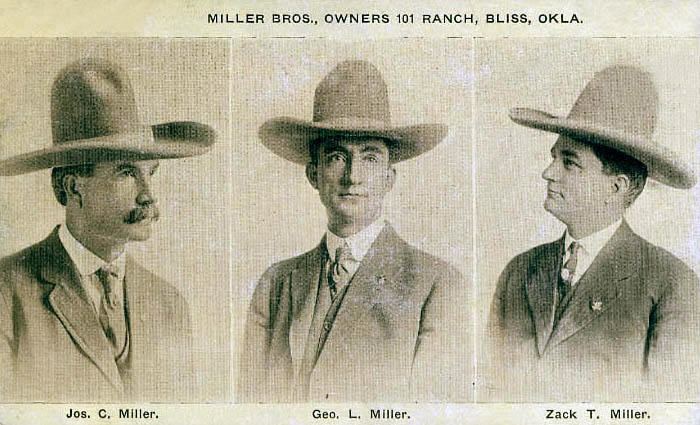

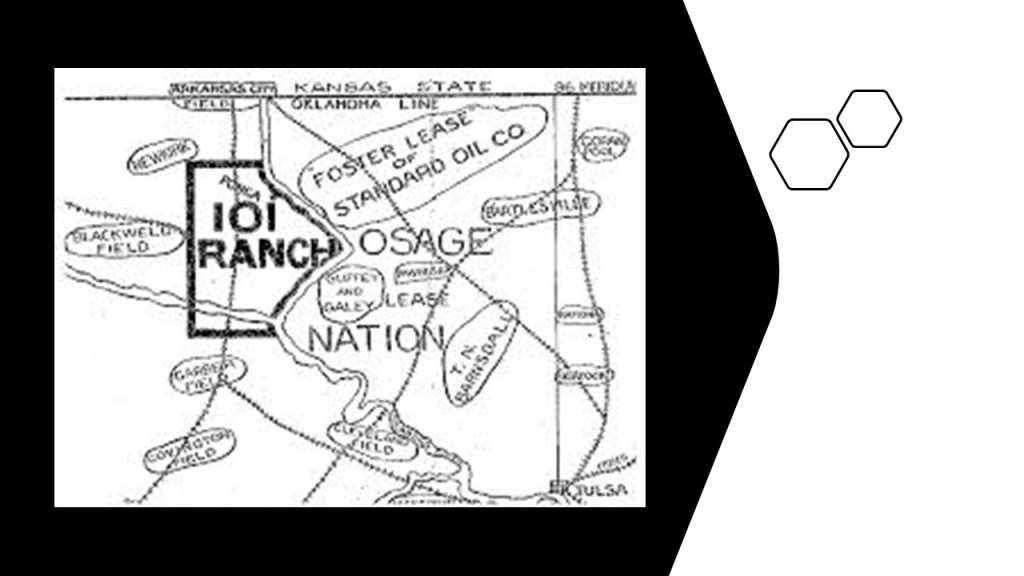

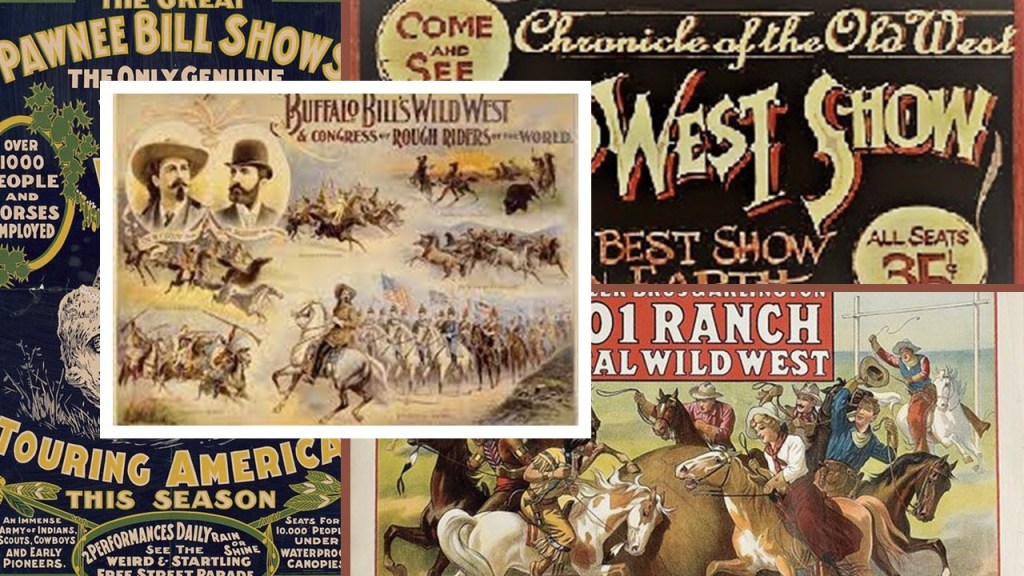
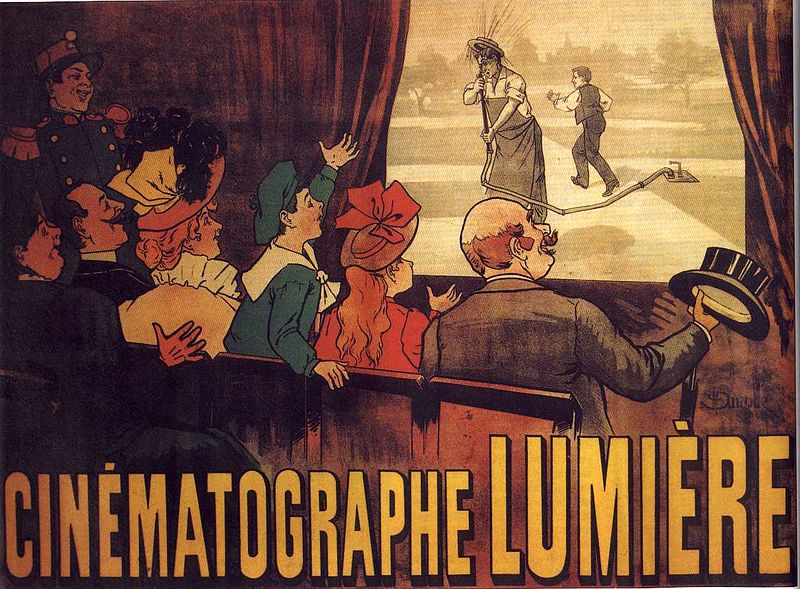
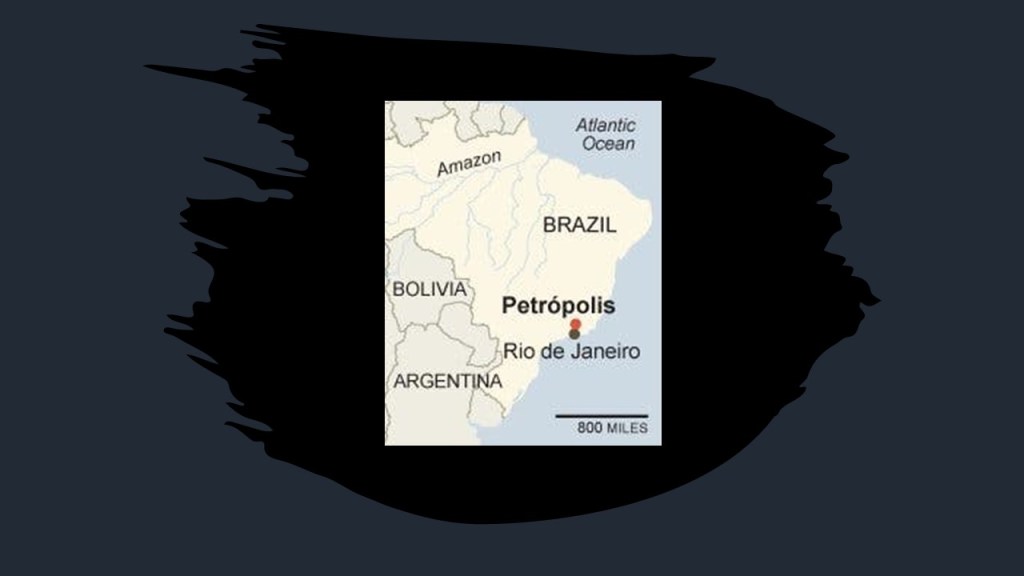
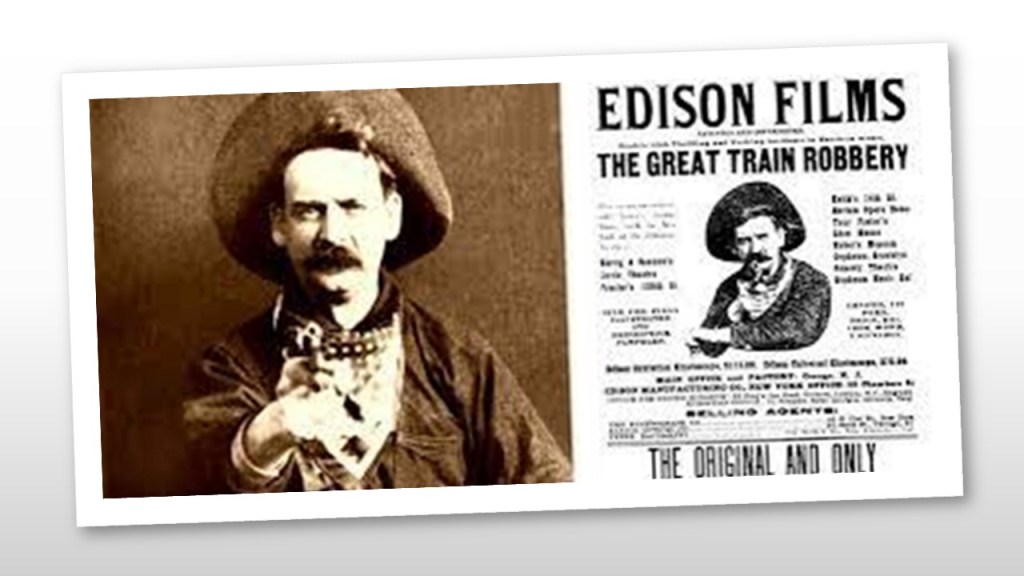
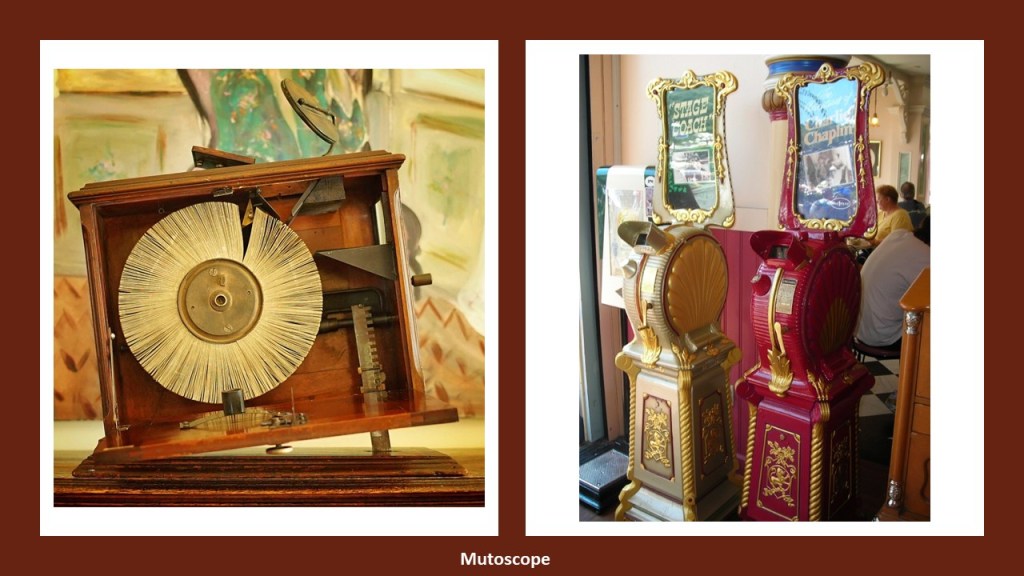
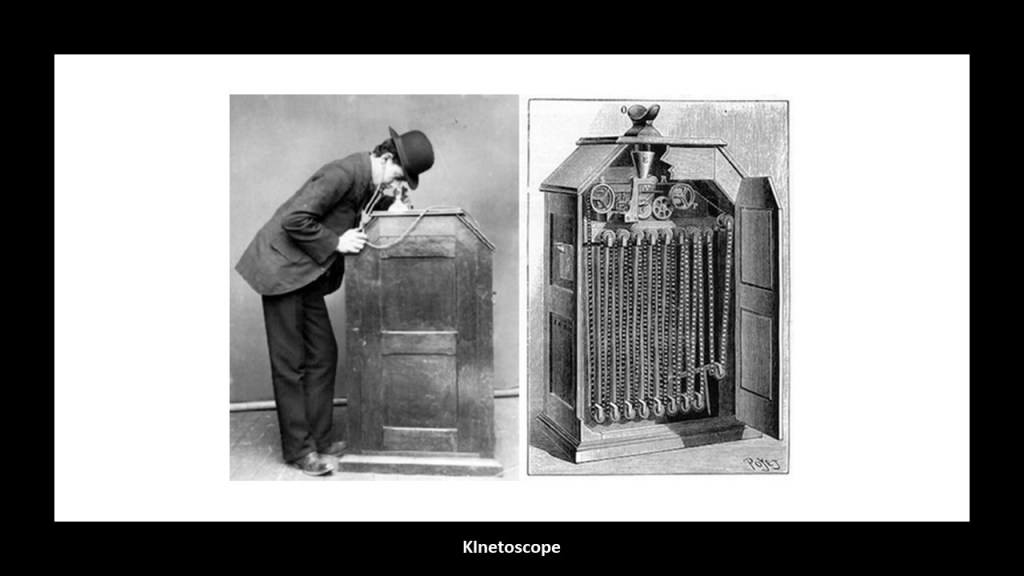
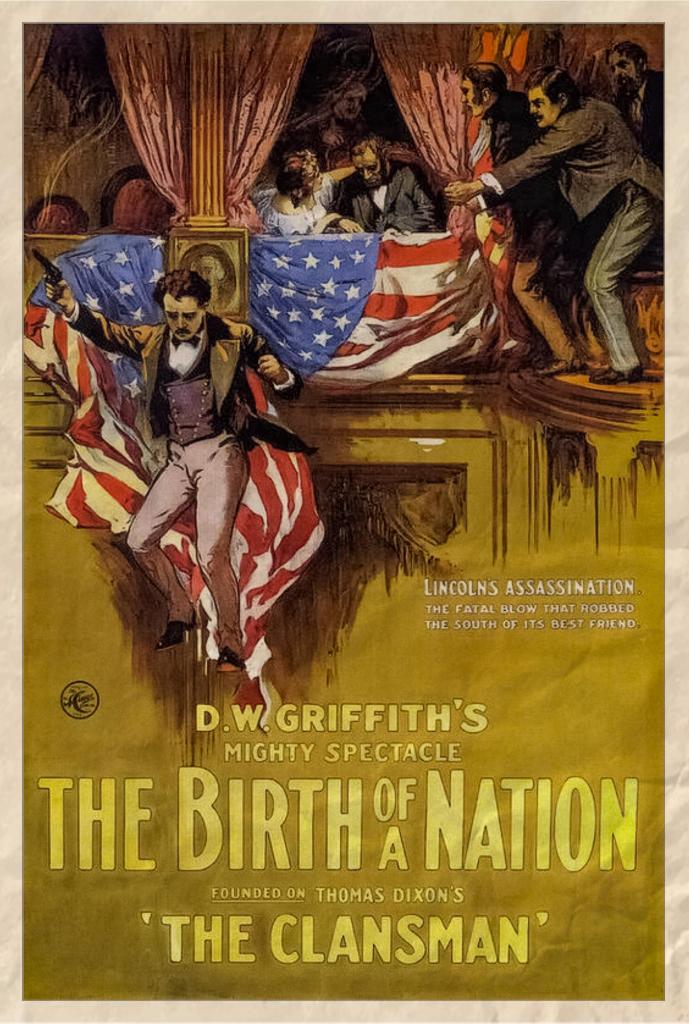
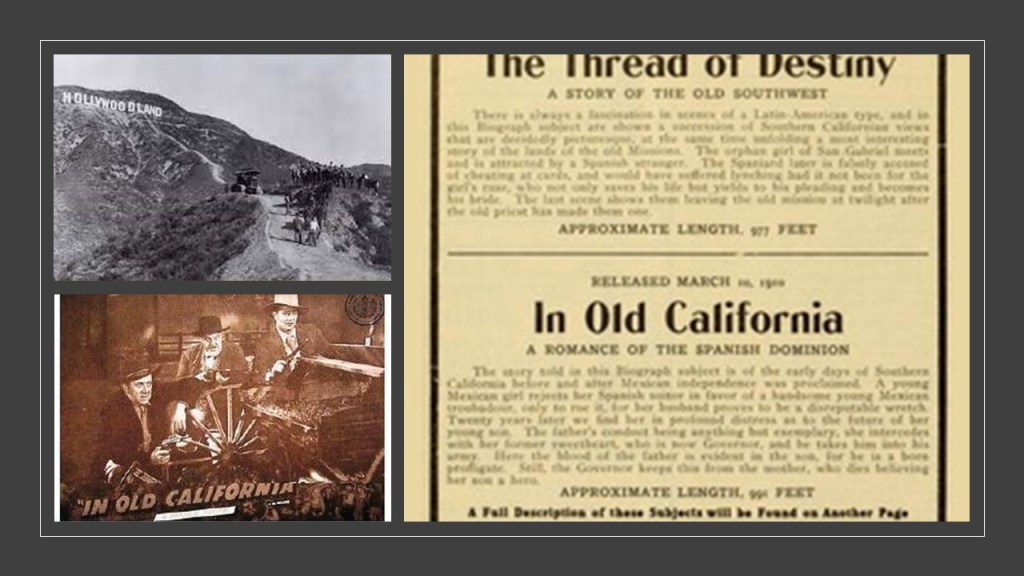
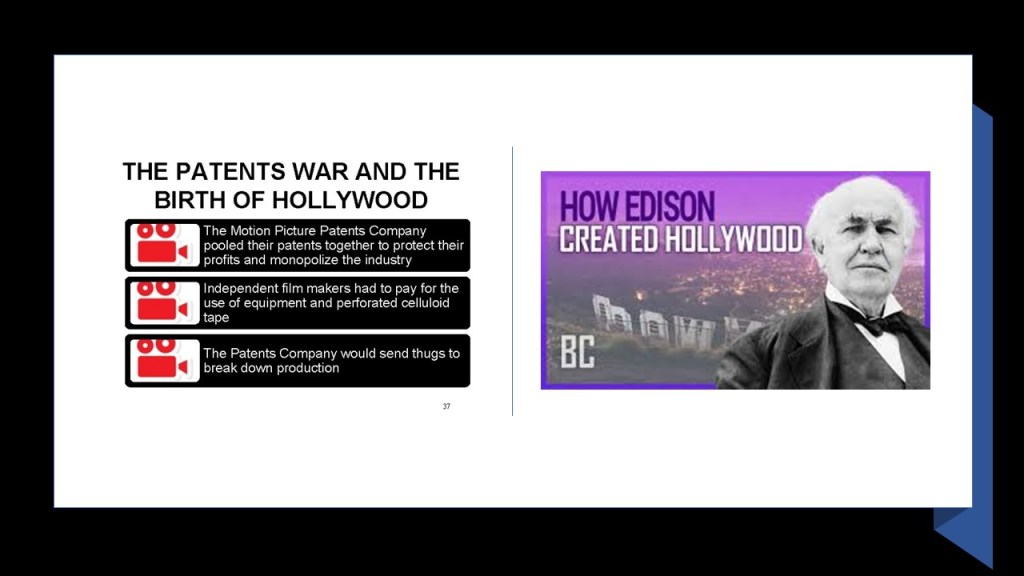

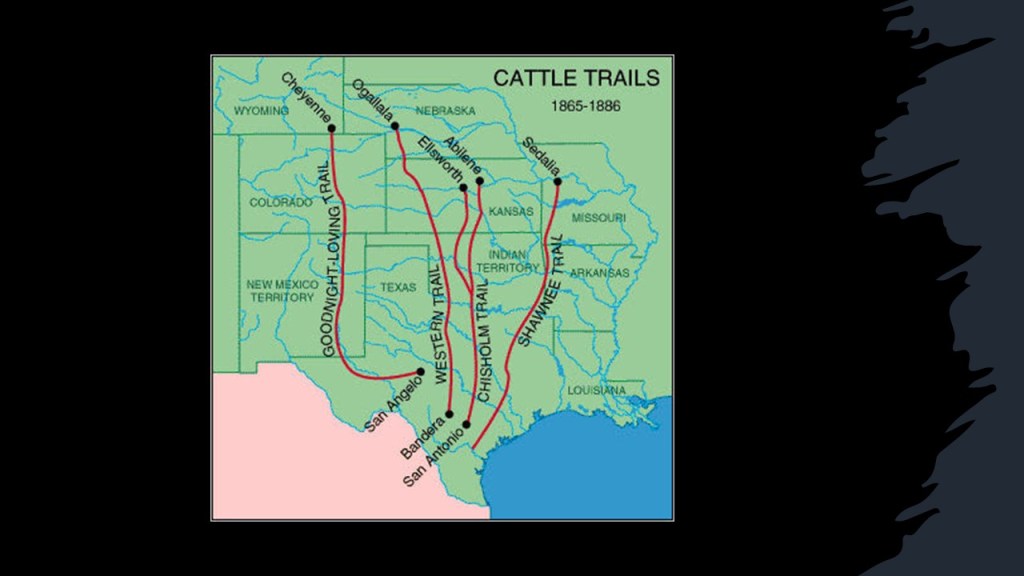
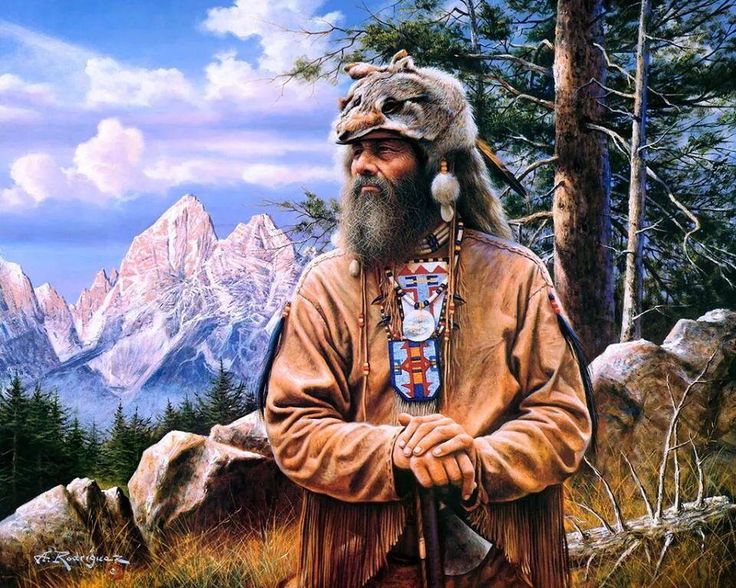
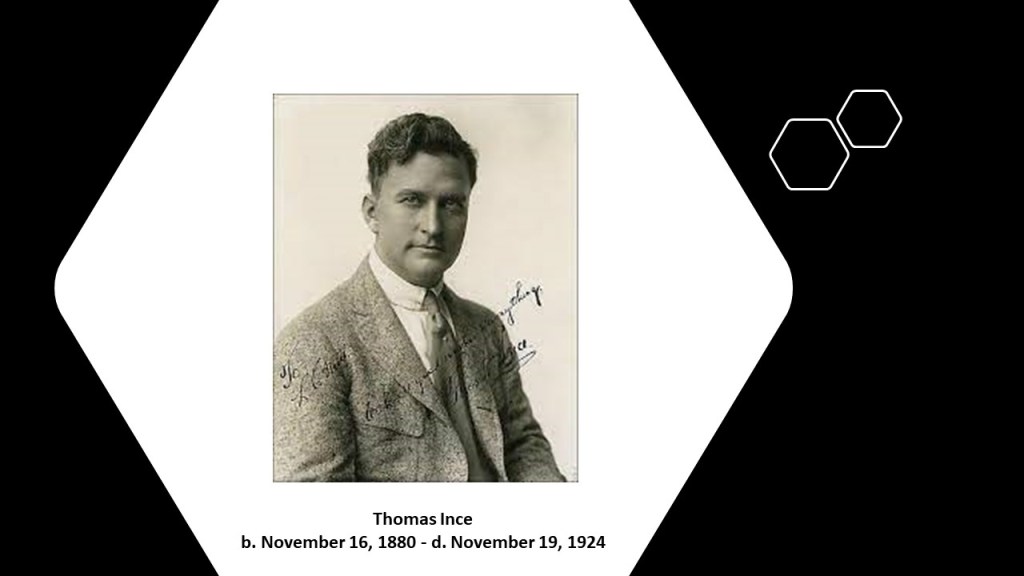
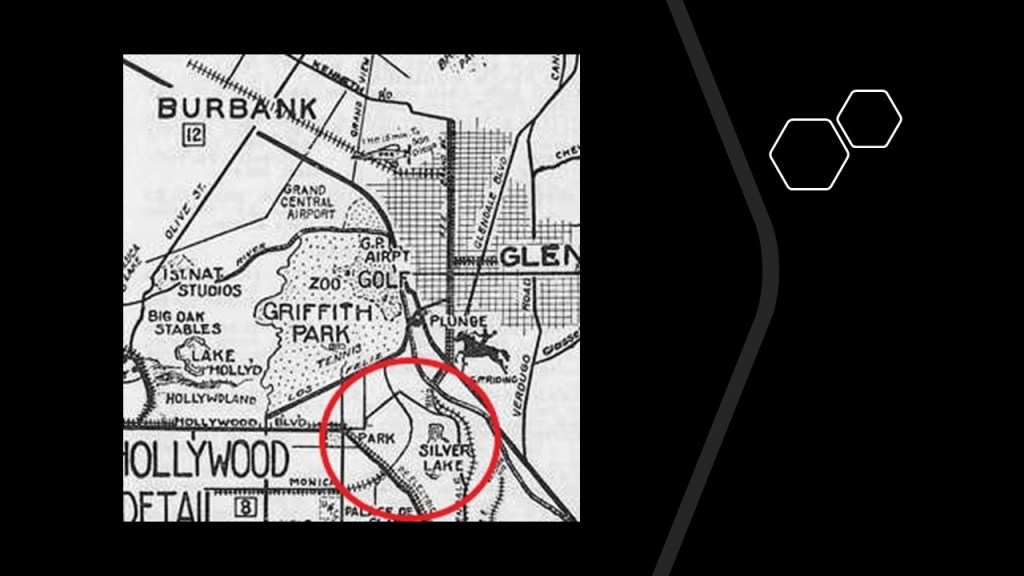
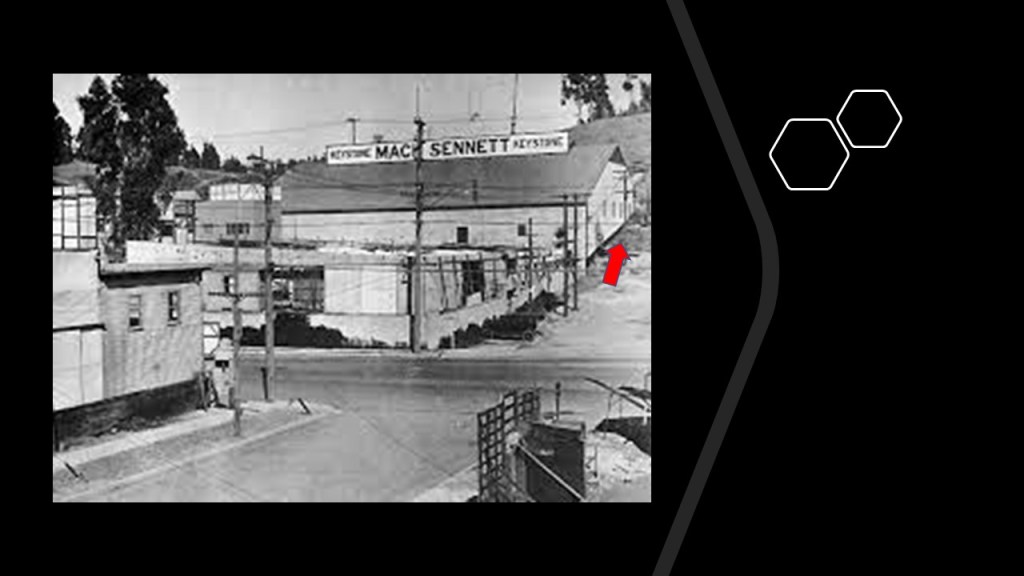
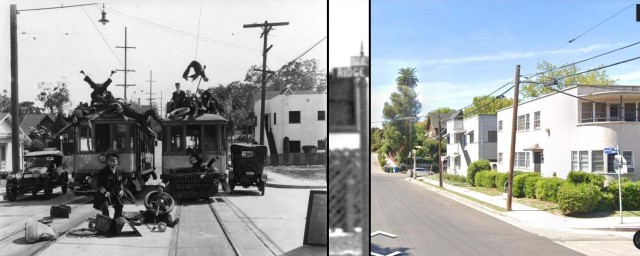
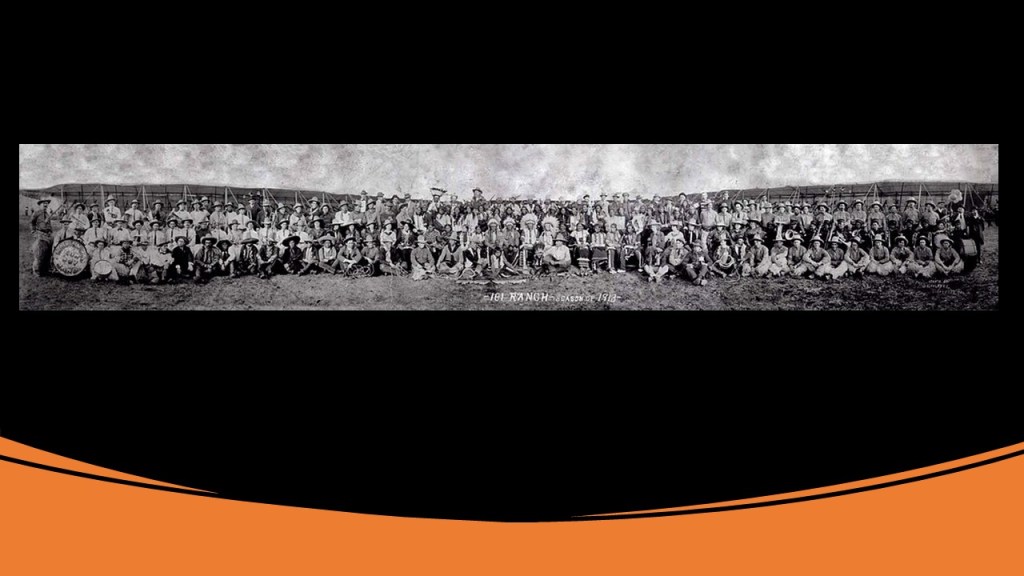
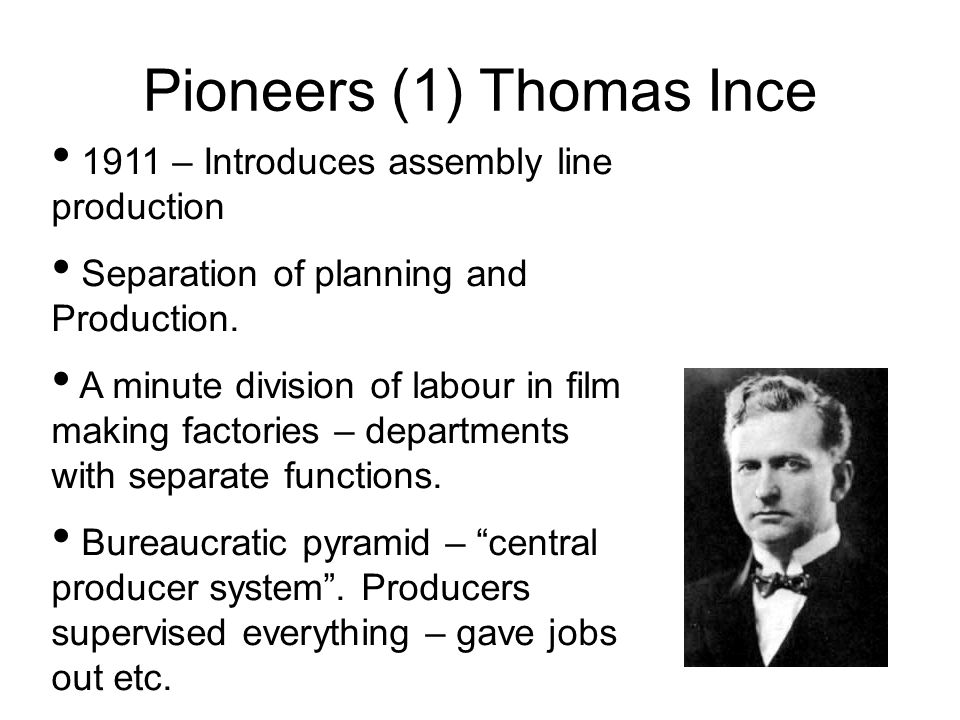

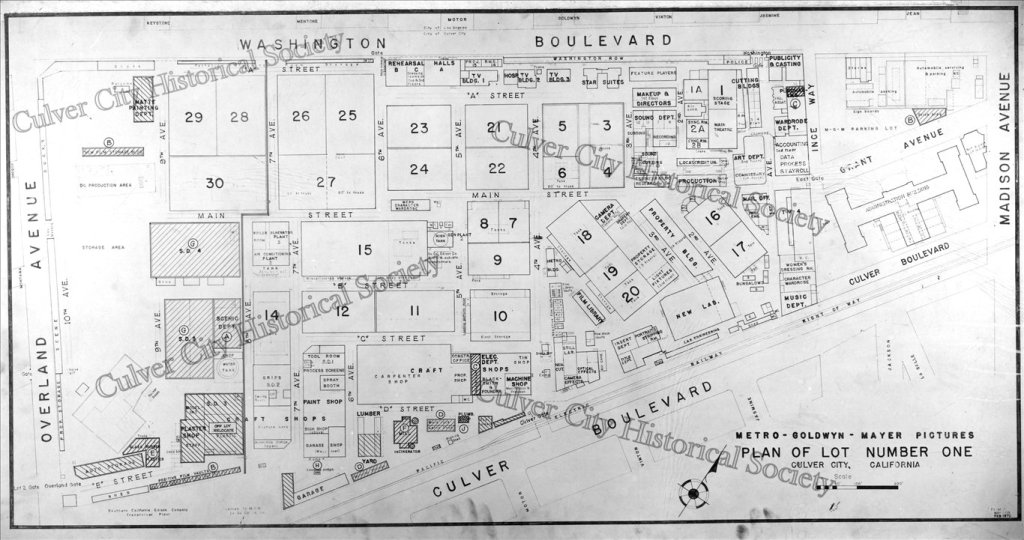



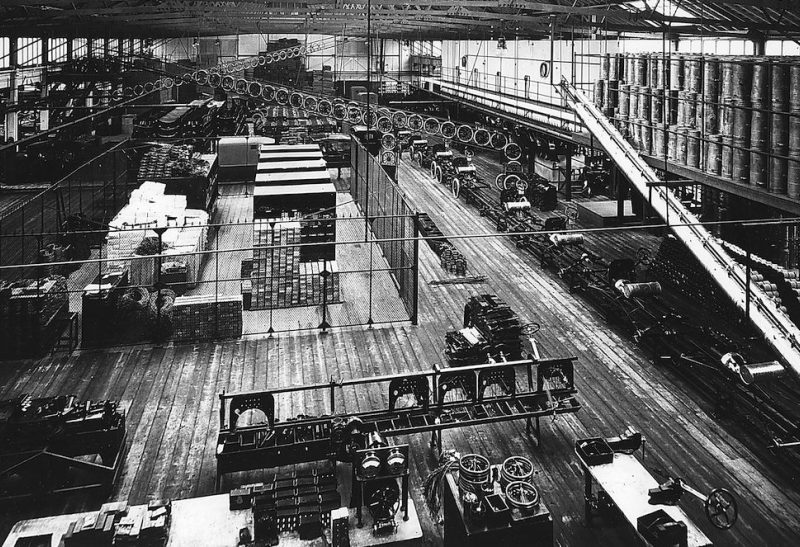
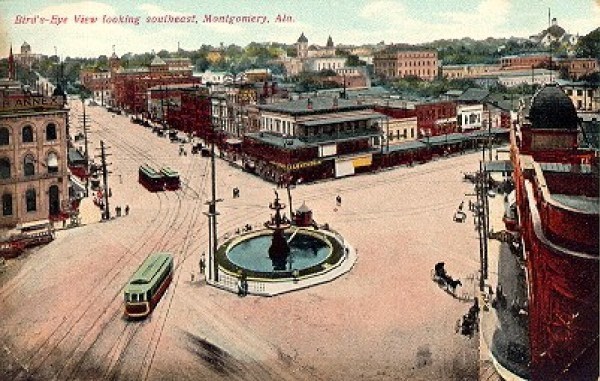
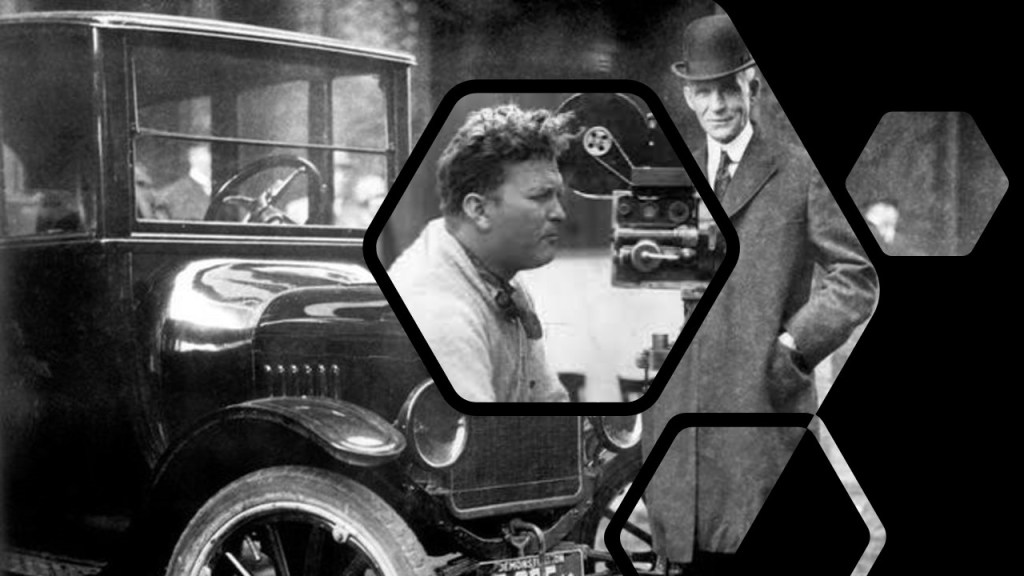
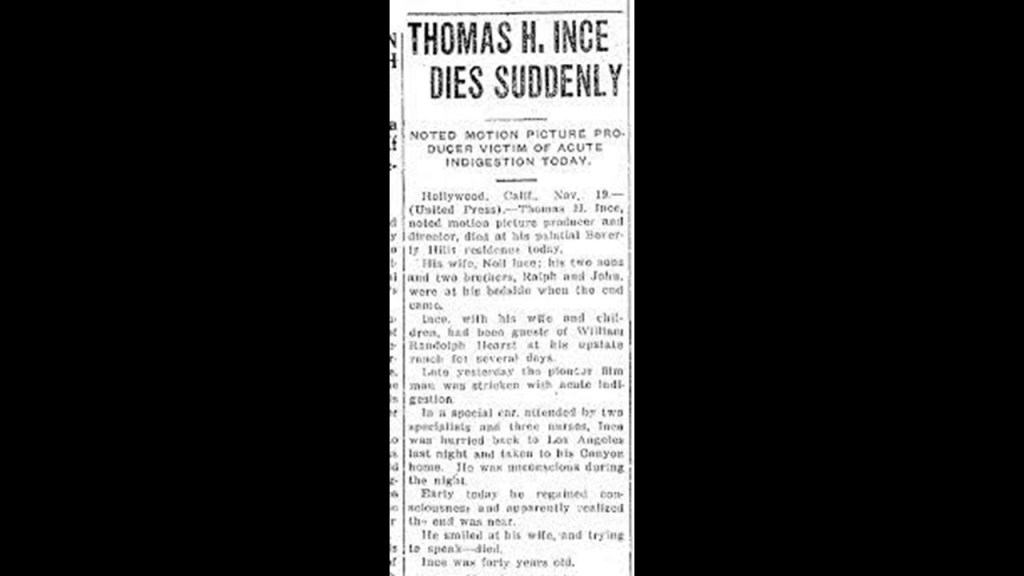
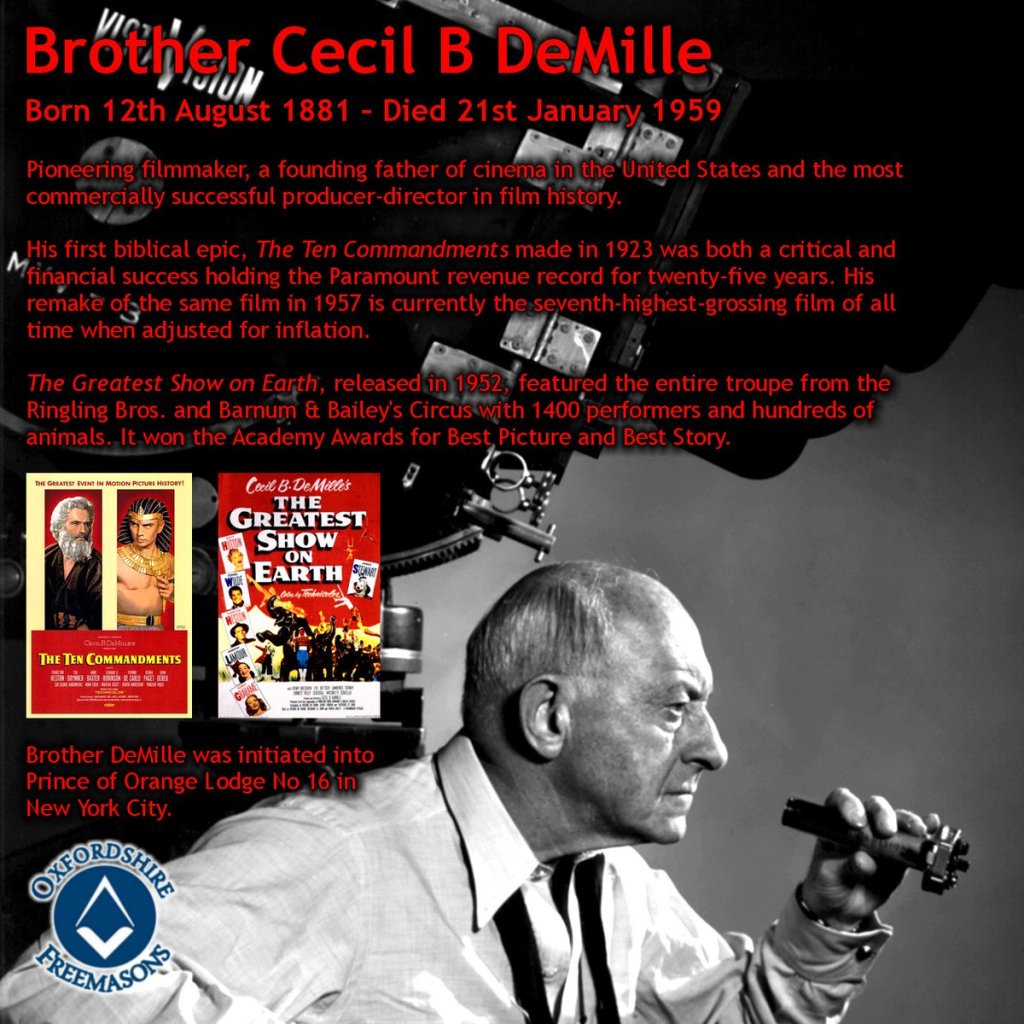
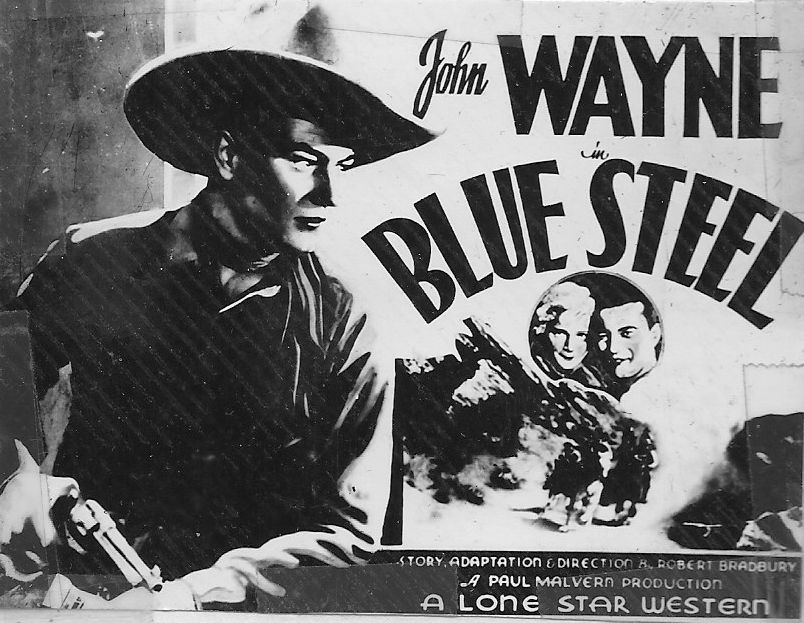
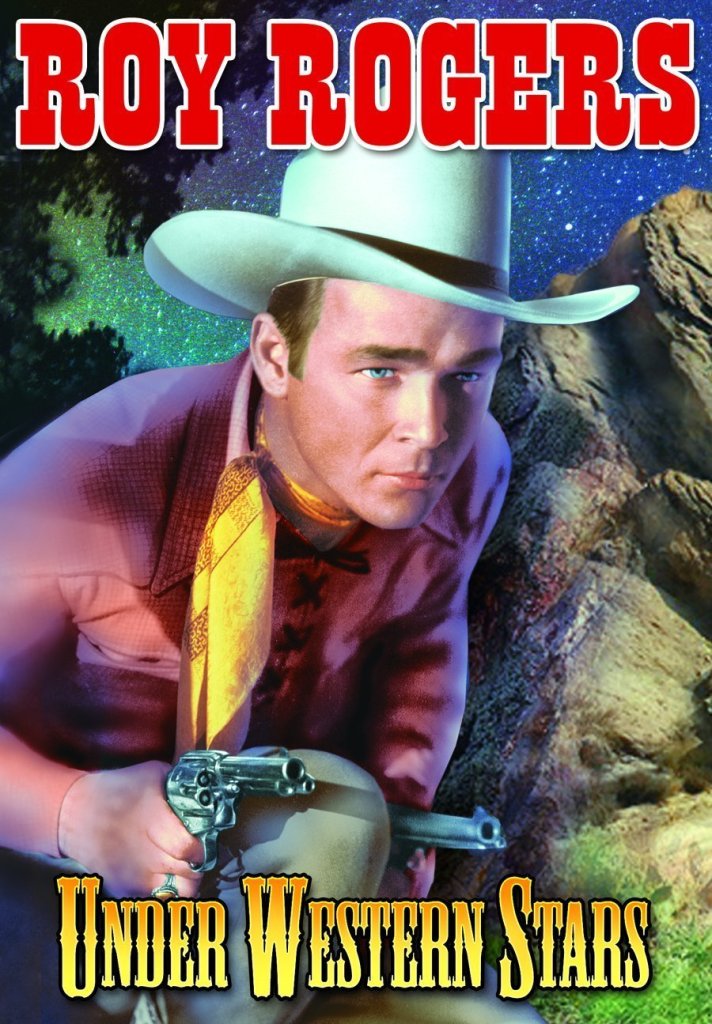
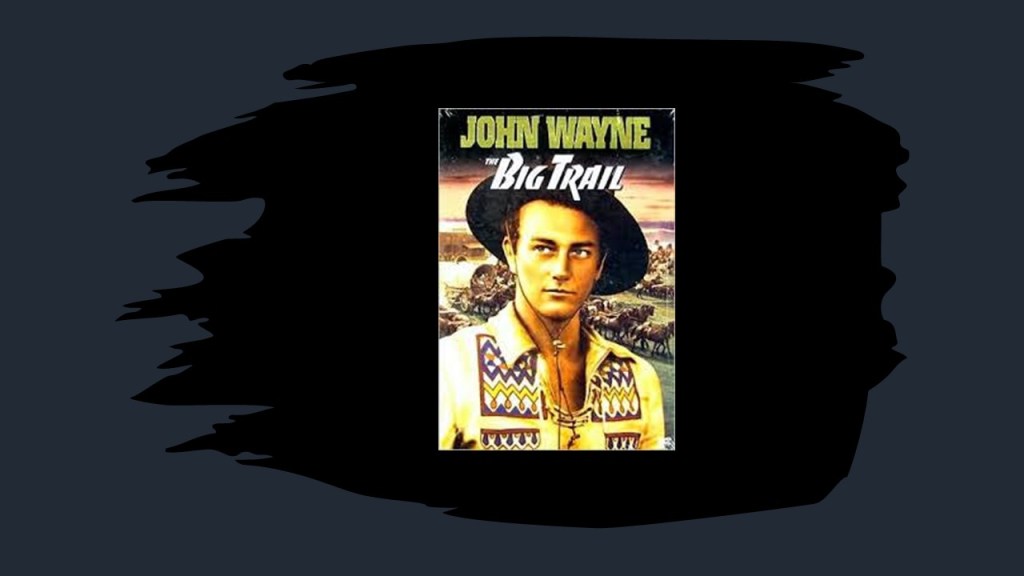
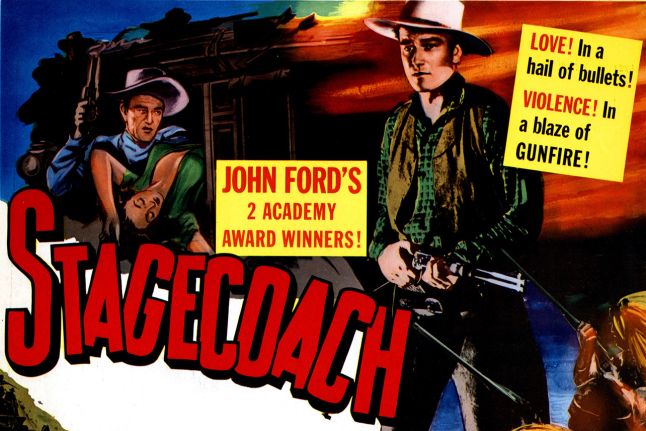
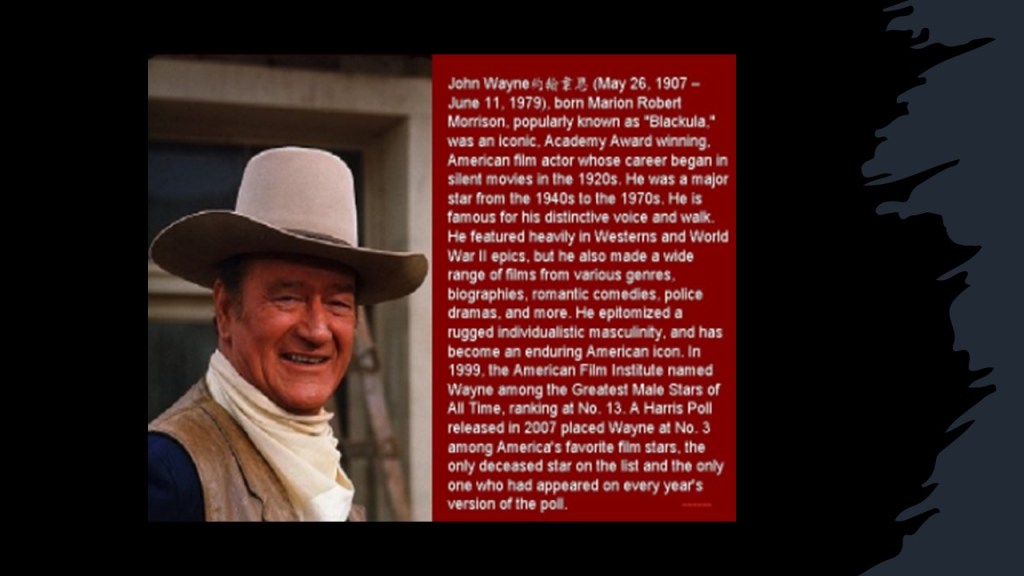

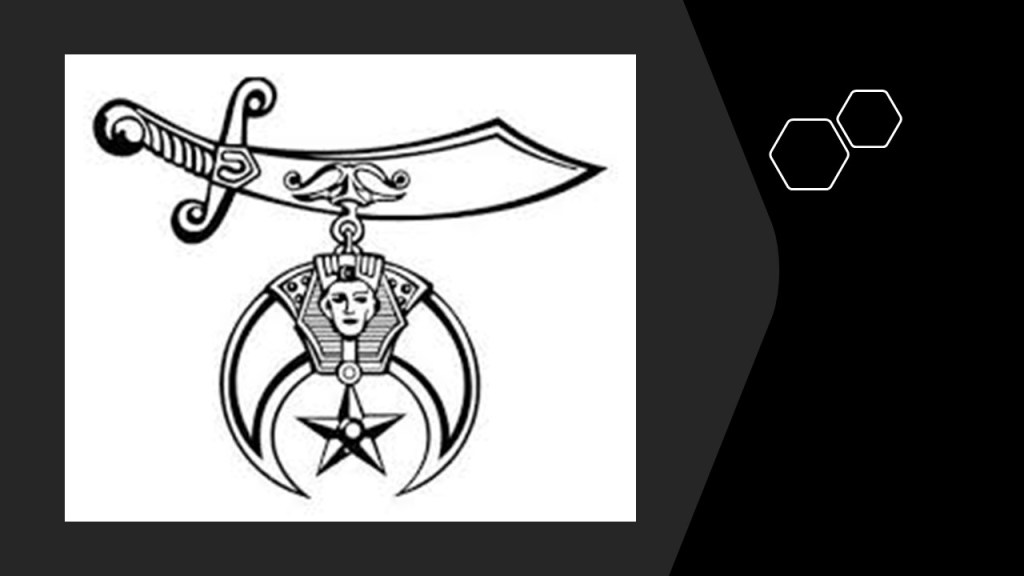
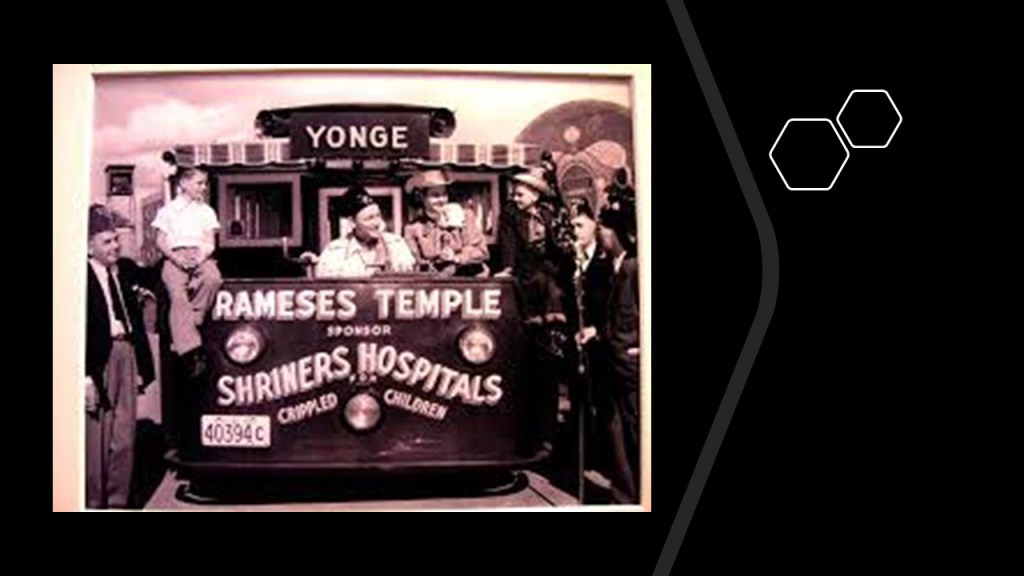
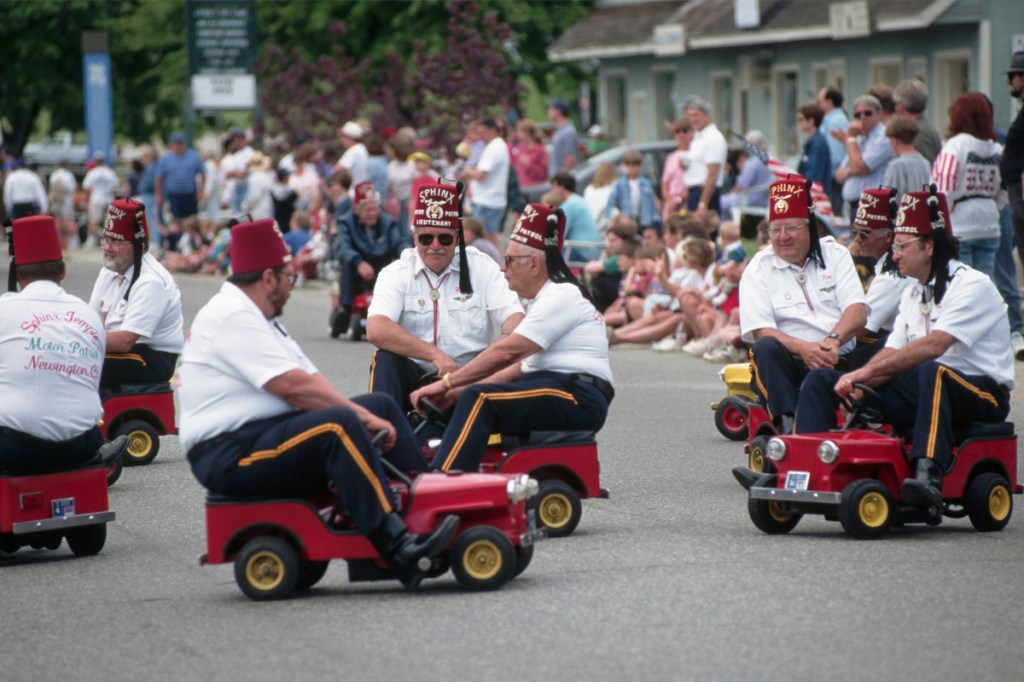
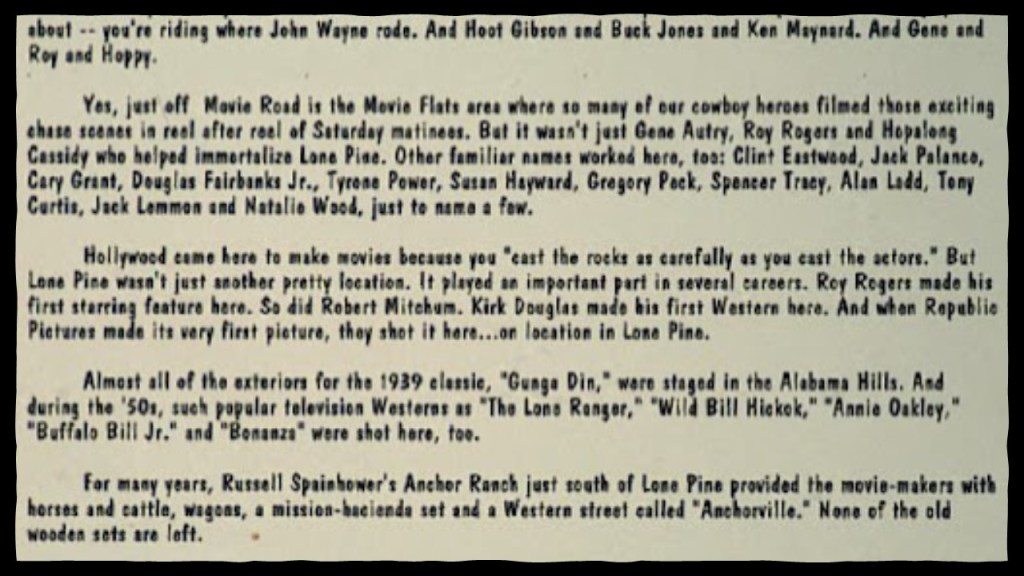
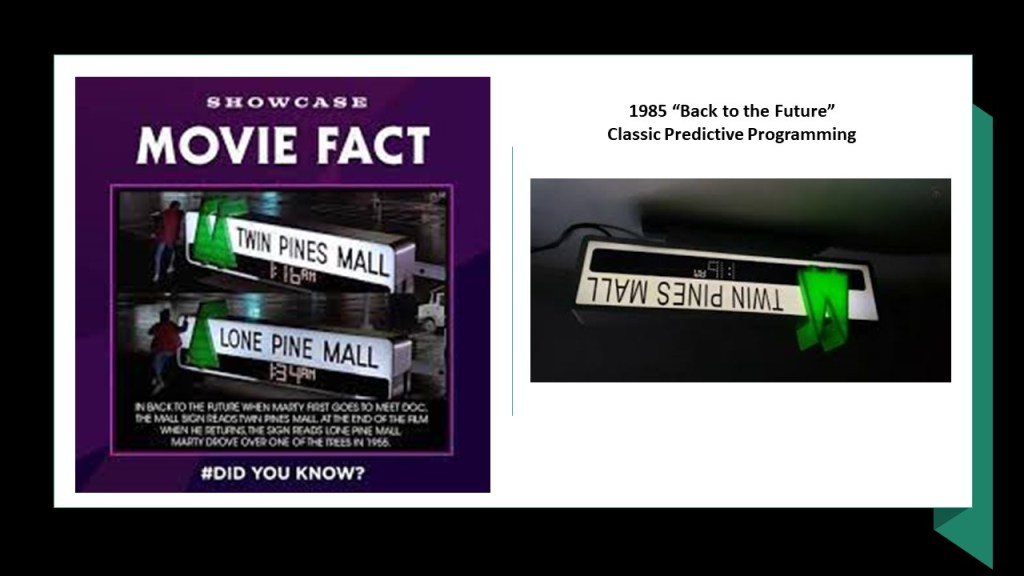
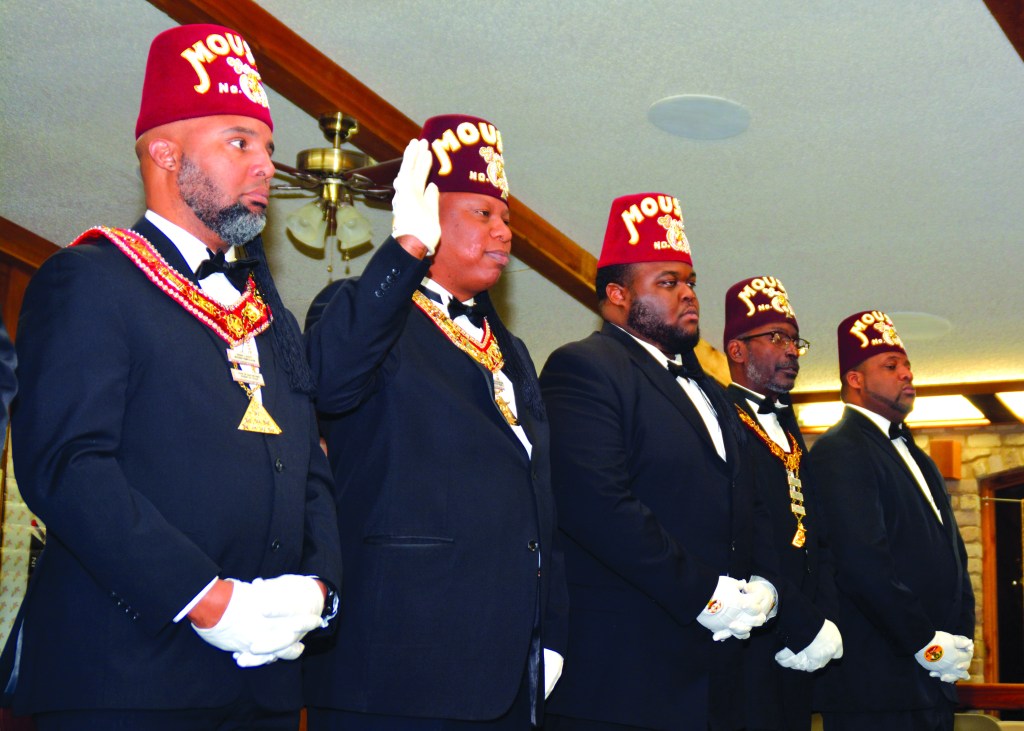

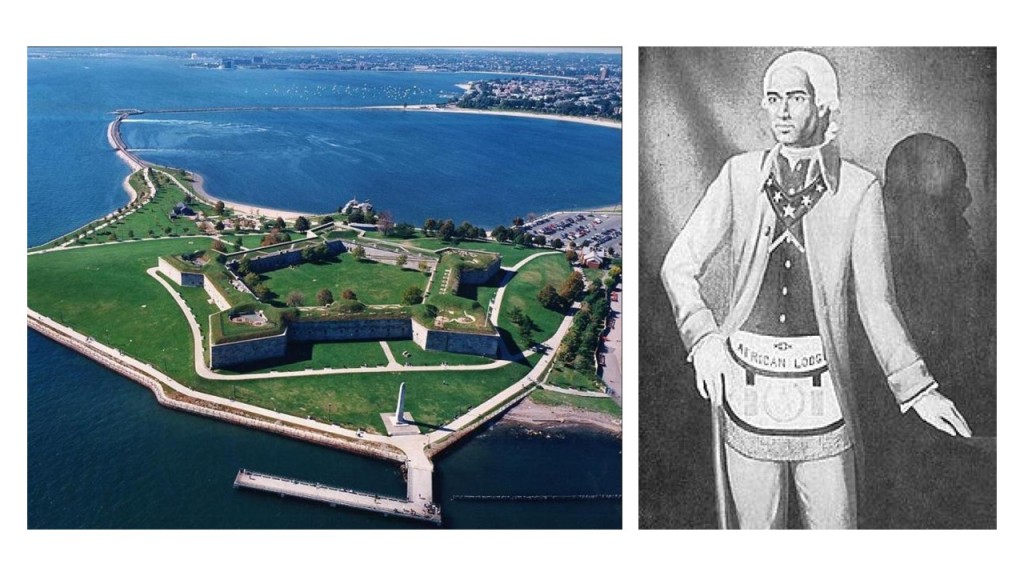
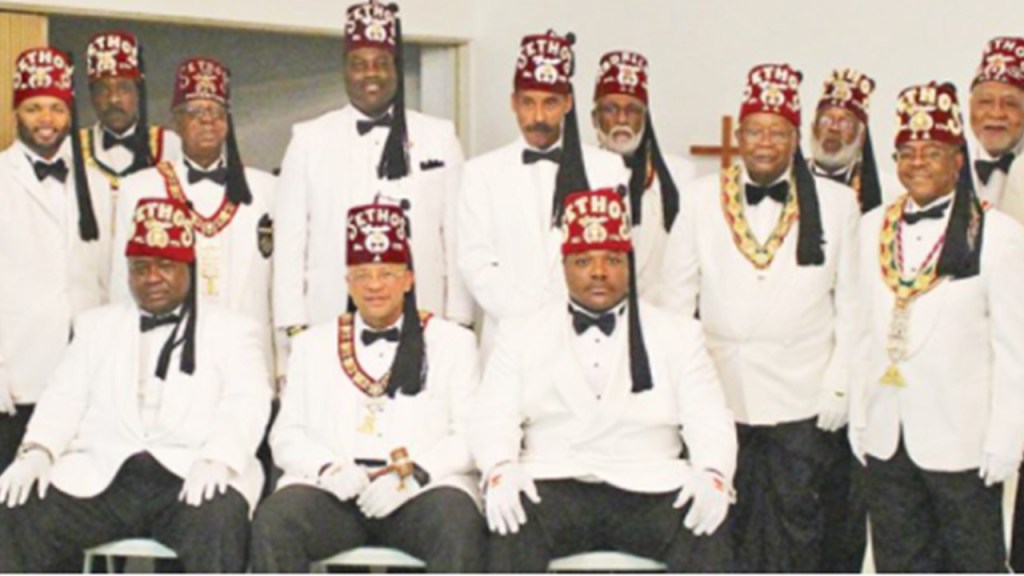
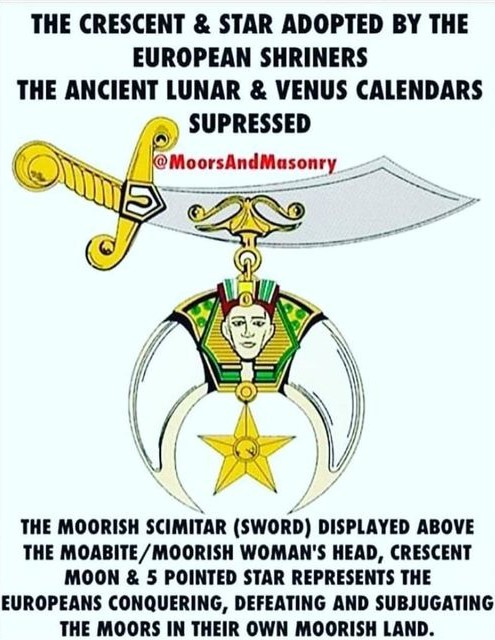

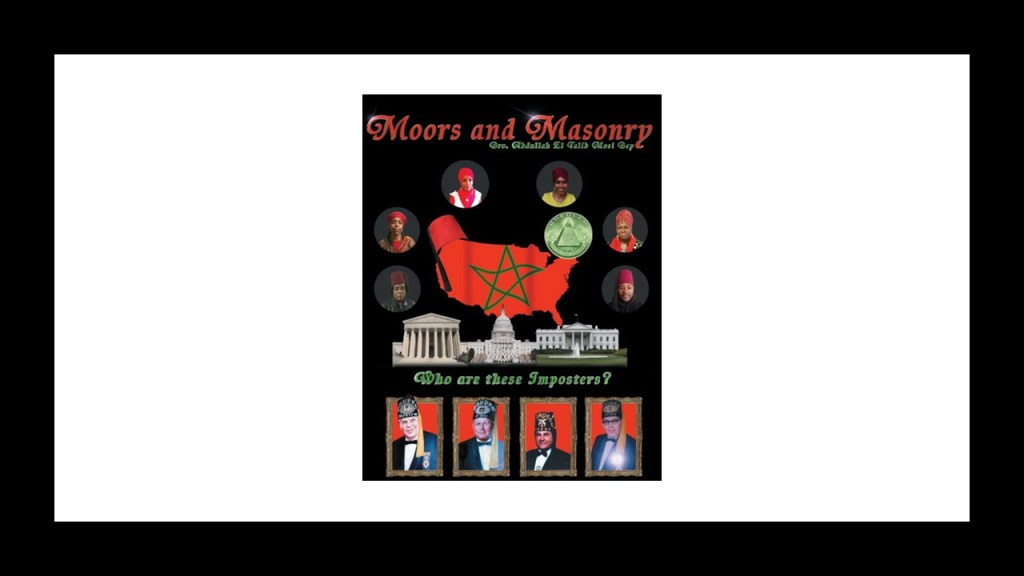
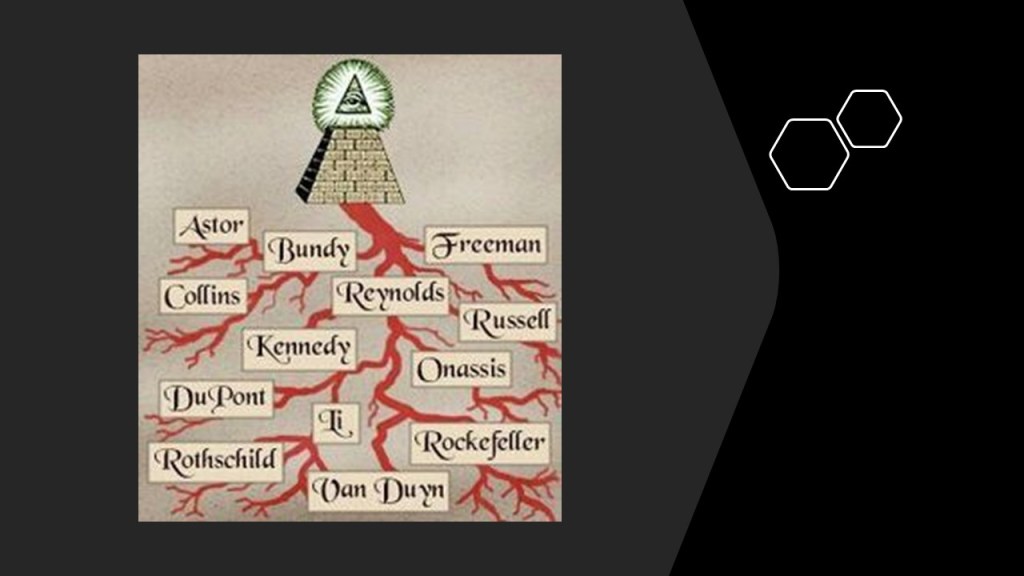
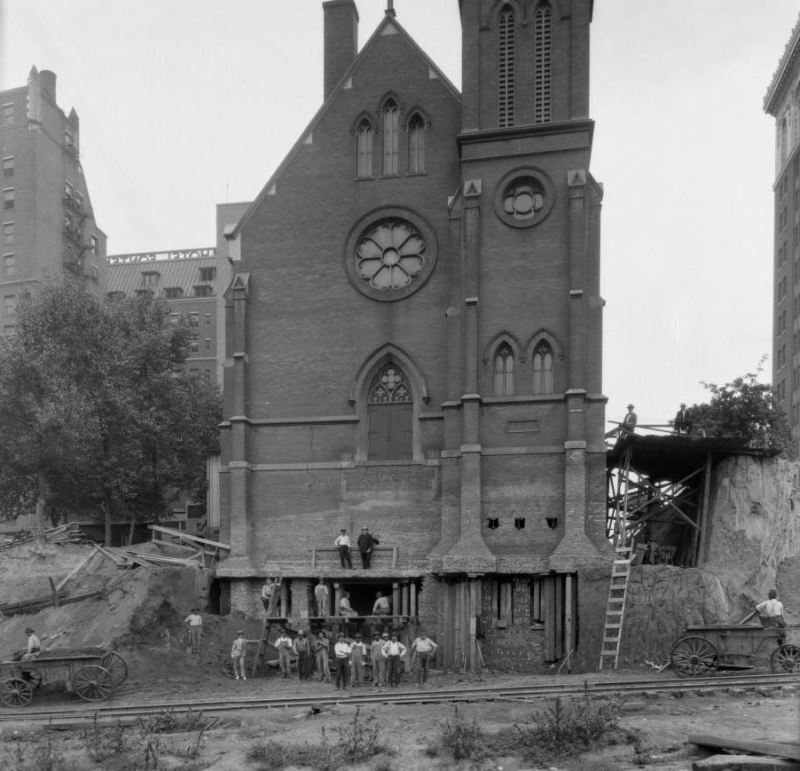
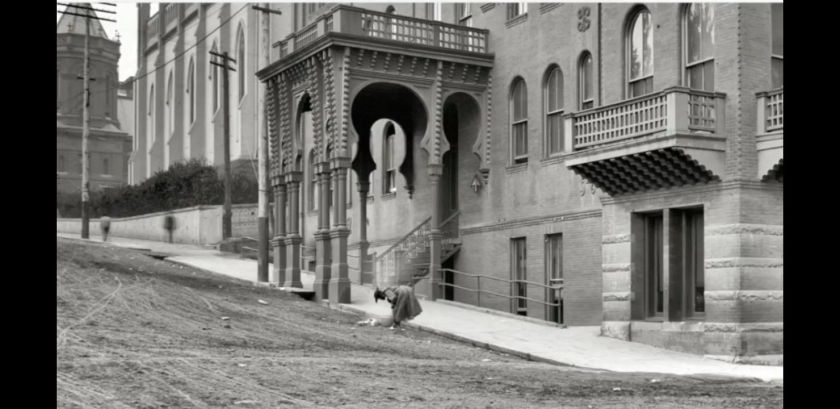
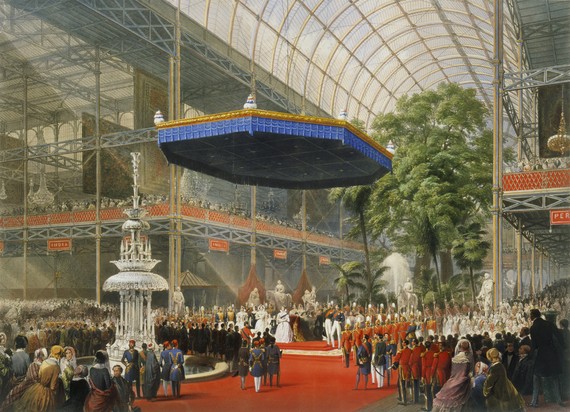

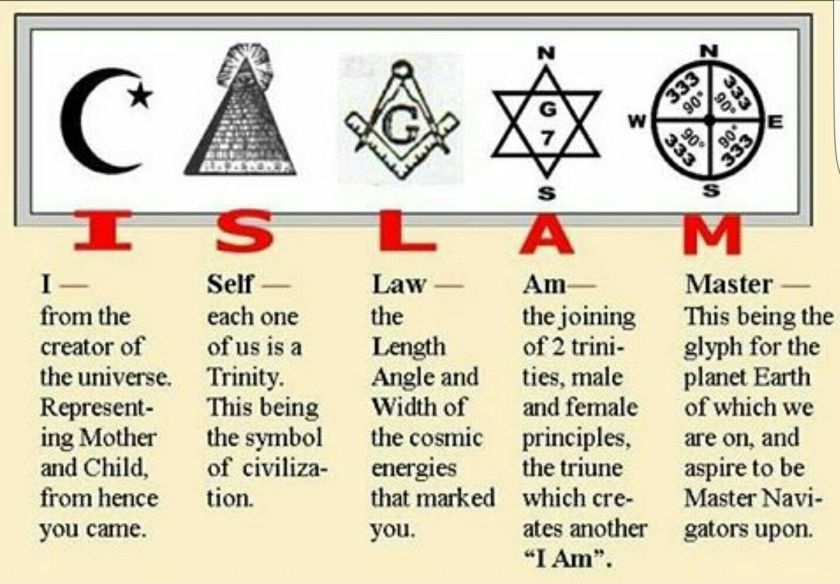
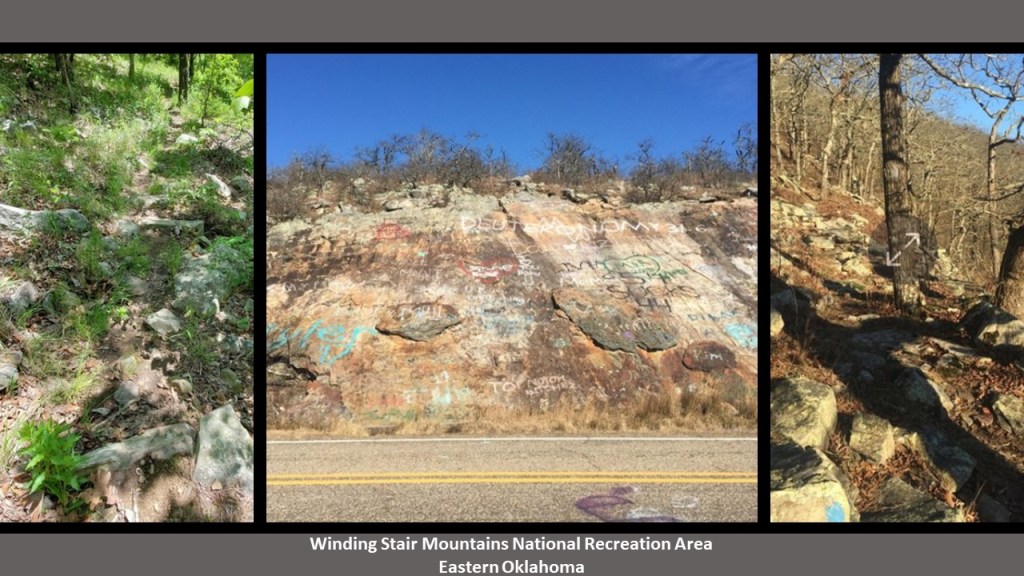
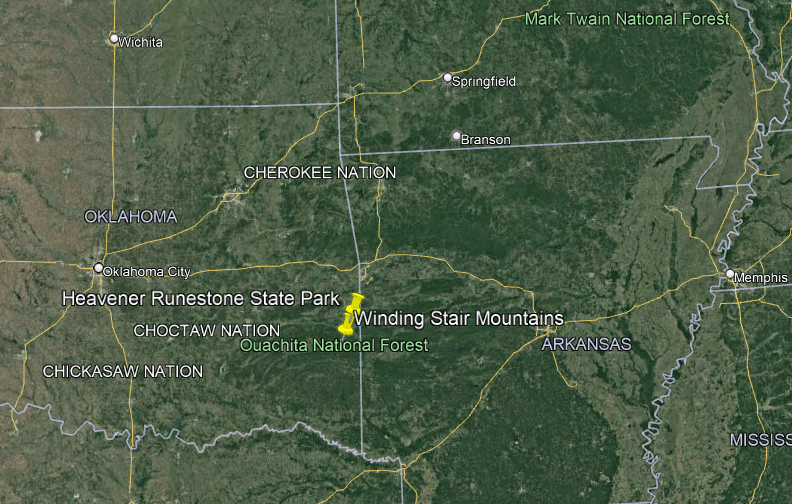
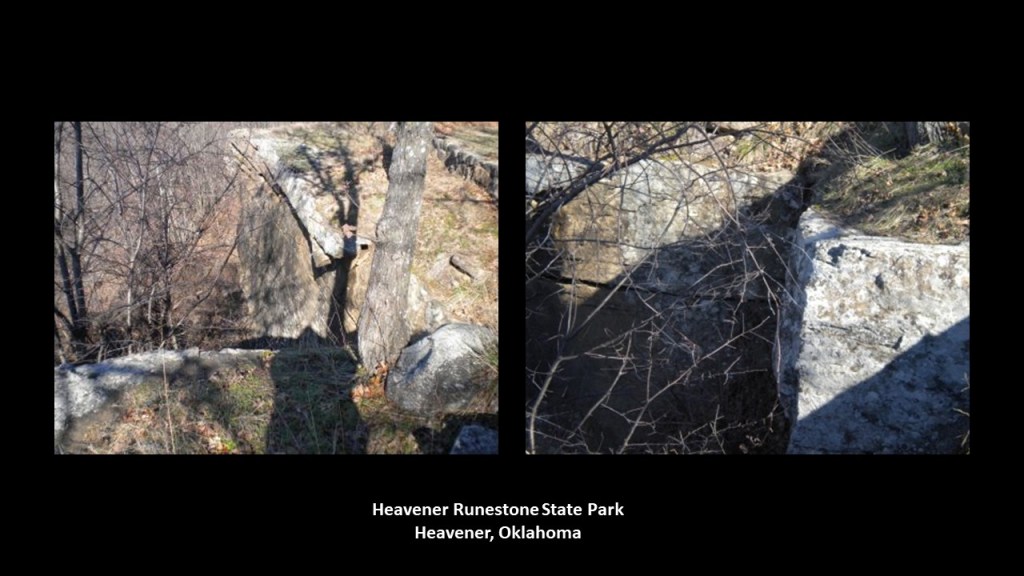
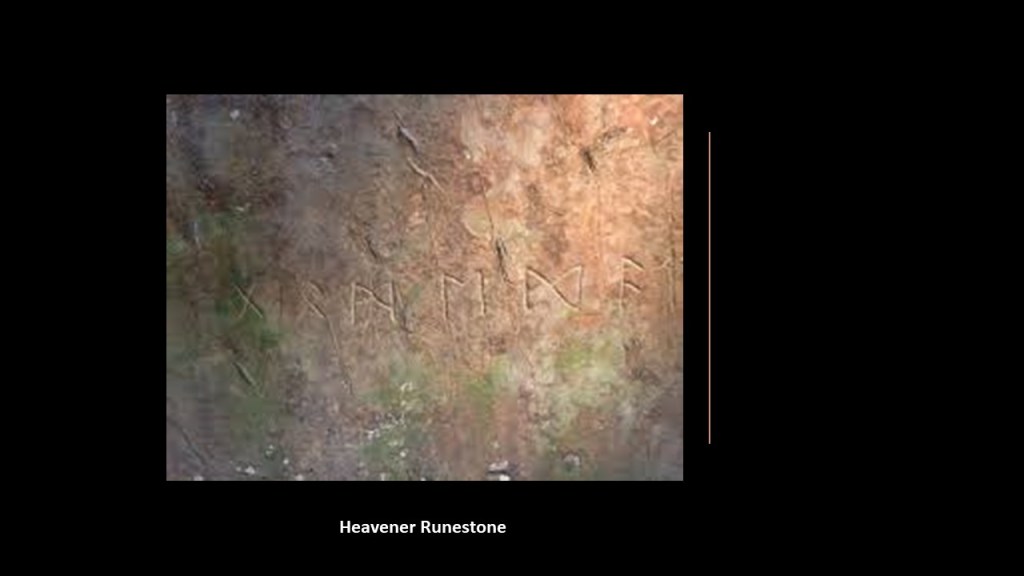

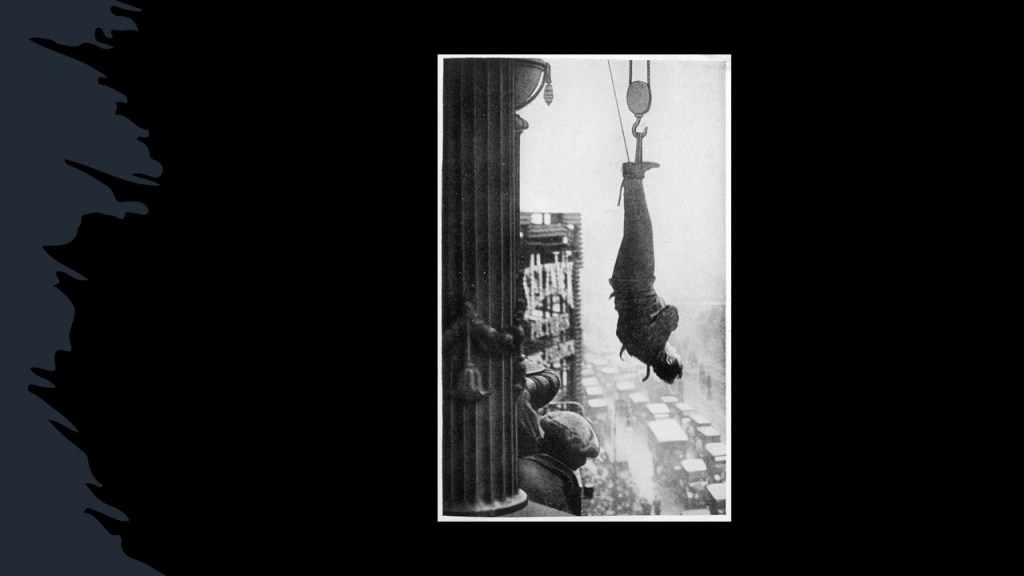
 Revealing What Has Been Hidden in Front of Our Eyes