History Reads Like a Book on the Planetary Grid, Part 4 Sumba Island to Cairns, Australia – With Video of Post at the End

The next island the alignment touches is Sumba in the East Tenggara Nusa Islands, the southernmost province of Indonesia, and the eastern part of the Lesser Sunda Islands.
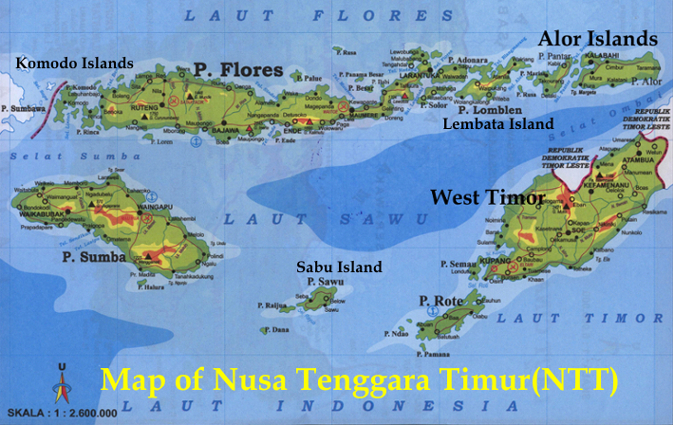
West Timor - Map of Nusa Tenggara

Sumba Island has a population of over 750,000 people.  The Portuguese were the first Europeans to arrive in 1522; then became part of the Dutch East Indies in 1866; and the Jesuits established a mission on Sumba also in 1866.

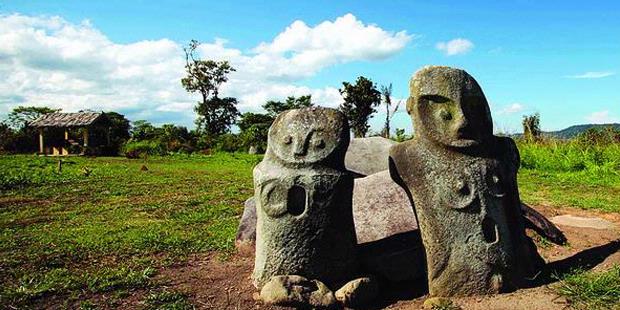
Sumba was known for its Sandalwood exports, and is still known for being one of the places in the world where megalithic burials still take place.

This is Tanggedu Waterfall on Sumba Island.  Based on my work and research, I firmly believe waterfalls were constructed by the ancient Advanced Civilization and are part of the planetary grid system, as power generators, and/or representation of Universal Energy flows.  I will show you more examples as we go along this alignment.
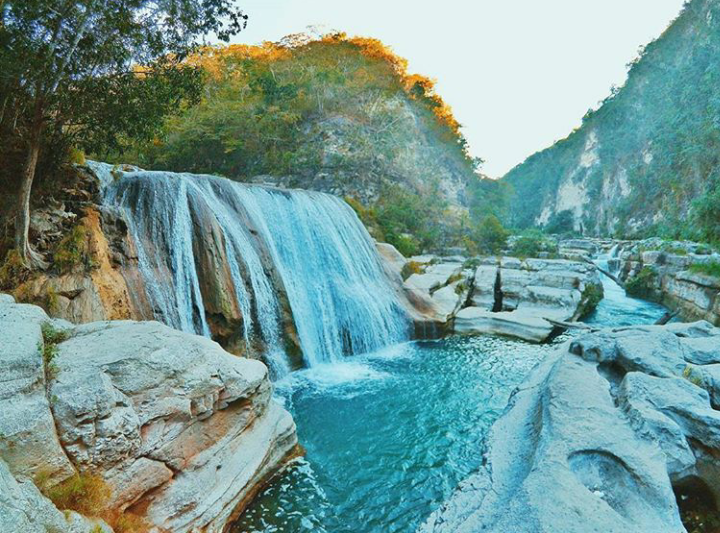
West Timor - Sumba Tanggedu Waterful

East Nusa Tenggara Province consists of more than 500 islands, with the largest being West Timor.


Kupang in West Timor is the provincial capital of the East Nusa Tenggara Islands.

The Portuguese claimed the whole island of Timor in 1520.  Then in 1640, the Dutch East India Company came in and settled West Timor, and then later the Dutch government took over rule.

The Portuguese ended up in East Timor, also known as Timor-Leste, including a small enclave in West Timor called Oecussi-Ambeno, which were two original kingdoms of Timor.  More on East Timor shortly.
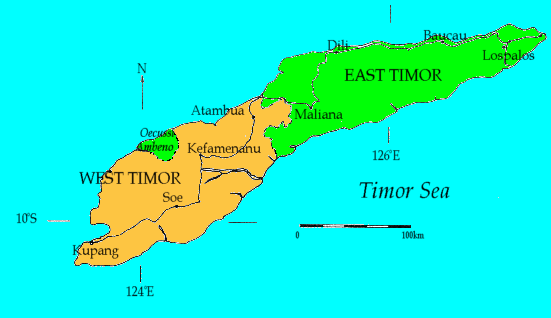
West Timor Map

In 1945, after the end of World War II, West Timor became part of Indonesia when its Independence from Dutch rule was proclaimed.

For about 1,400 years, from the 100s AD to 1500, Indonesia was comprised of Hindu and Buddhist Kingdoms.  The rise of Muslim States started in the 1200s.

East Nusa Tenggara, however, is the only province in Indonesia that is predominantly Roman Catholic with its early colonization by the Portuguese.

This province includes Komodo Island in the Lesser Sunda Islands, which is a national park, and home of the largest lizard on earth, the Komodo dragon.

Flores Island is also in this province.  Flores is the tenth largest island of Indonesia.  Flores Island is also known for the discovery of dwarf human skeletons in a cave – homo floresiensis.  It is also known for the discovery of large skeletons like giant rats, and is also another home for Komodo dragons.
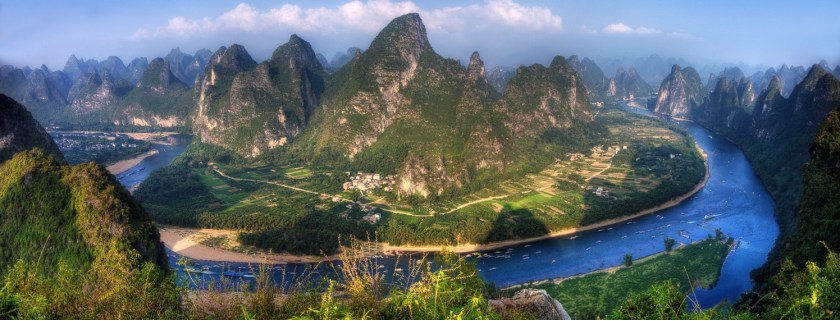
West Timor - Flores Island


Just off the coast of West Timor are the islands of Roti and Semau.
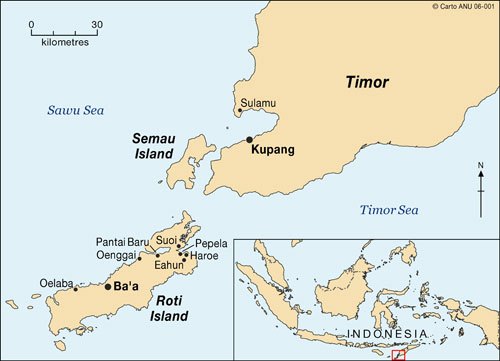
West Timor - Rote Islands Map

There is a ferry between Kupang and Roti every day.  There are seven languages spoken on the island, and it has living ancient arts and traditions.  Also, archeological artifacts from here include Chinese porcelain.

Semau lies 3 kilometers from West Timor, near Kupang.  The inhabitants of the island of Semau are the Helong people, considered to be the original inhabitants of the Kupang area.  The Helong language has two dialects.

These are two Helong weavers with examples of the textiles produced  in West Timor and Semau.

I bring all of this up about East Nusa Tenggara Province for several reasons.

One, Kupang, West Timor is on at least two planetary alignments that I know of.

Another  is that there are little islands around the world on all the alignments I have found, that are very much a part of the planetary grid system.

Also, there has been quite a bit of interest in this region historically by European countries looking to expand their colonial empires, and the Roman Catholic Church.  These are  engines by which the Ancient Advanced Civilization was taken down, and its land and people claimed.

One more thing I want to touch on before following the alignment to Australia is the subject of East Timor.  East Timor, also known as Timor-Leste,  since 2002 has been considered an independent country in Maritime Southeast Asia.  It is also predominantly Roman Catholic.

Portuguese colonization began in 1769.  Their influence was interrupted during World War II, when Japan occupied East Timor.  After the war, Portuguese control was reinstated.

Then in 1974, Portugal abandoned its colony because of unrest at home, and the vacuum was filled for a brief time by the Revolutionary Front for an Independent East Timor.  This was countered by an invasion from Indonesia, with Australian, British, and American support, in December of 1975, due to fears of a communist state in Indonesia.

What followed was a brutal and violent occupation of East Timor by Indonesia. Between 1974 and 1999, approximately 102,000 conflict-related deaths were reported, and there were over 200,000 refugees.

Ultimately, on May 20, 2002, a new constitution for the Democratic Republic of East Timor came into force, and a parliamentary government with a Prime Minister, and President as Head of State, came into being.

Again, more examples of my underlying premise, which is that history reads like a book on the planetary gridlines.

From here the alignment passes between the Timor Sea and the Arafura Sea, to hit land again at Darwin, Australia, which is the capital and largest city of the Northern Territory of Australia, which is sparsely populated.   It is also called the Outback Capital of the Northern Territory
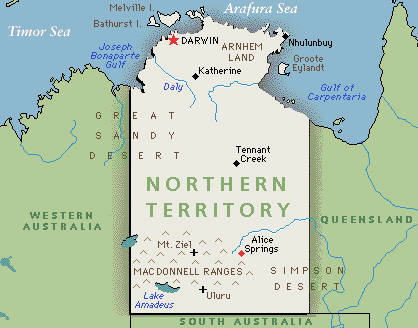
Darwin Australia Map

Notably, Darwin was the location of the first bombing in Australia, which occurred in February of 1942, after Australia had officially declared war on Japan on December 9, 1942.   Japanese forces bombed military bases in Darwin in one day.  One of the first hits, and explosions, was a ship loaded with TNT and  ammunition.
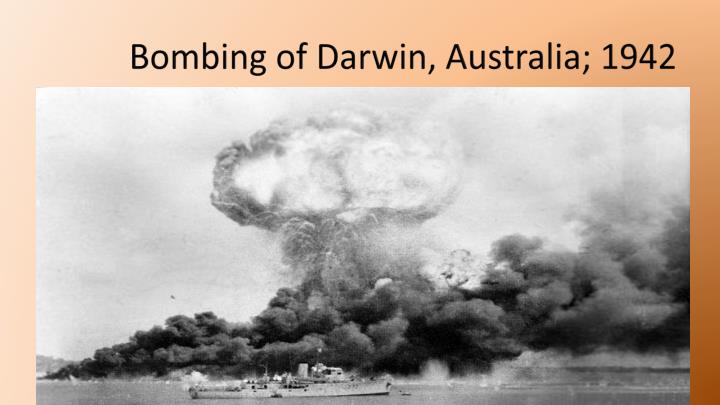
Darwin, Australia bombing

Here is a picture of Darwin today.  Of particular note is the shaped harbor in the foreground, which is a signature of places along these planetary alignments.
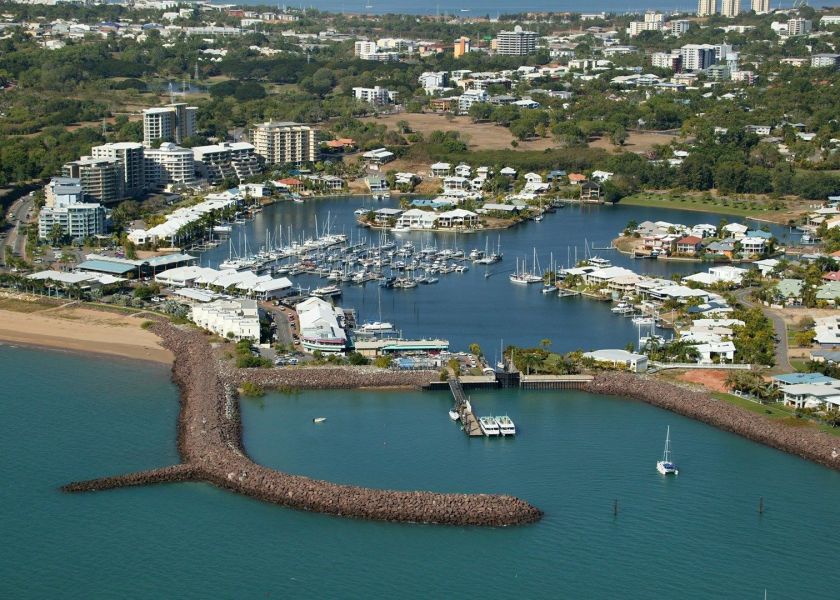
Darwin, Australia - shaped harbor

Leaving Darwin, and just on the outskirts, we find Howard Springs Nature Park.
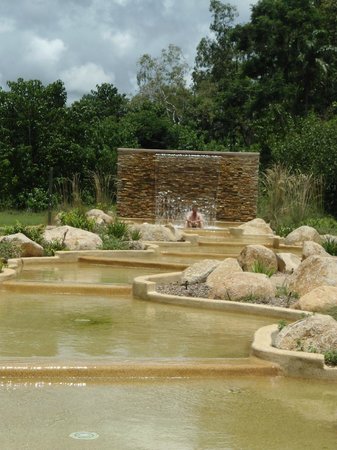
Howard Springs Nature Park 2

I see exactly the same kind of thing everywhere.  We are taught that there was nothing special going on in these places, nothing to see, so we fail to recognize the ancient megalithic masonry laying all around us.

These are cut and shaped stones.  These are not natural occurrences, contrary to what we have taught to believe by historical omission.  These in Australia…
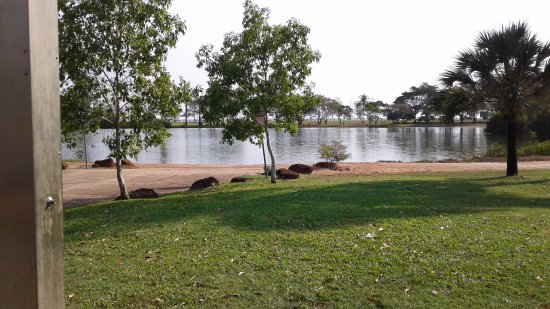
Howard Springs Nature Park 1

…are like these two photos at Martin Nature Park in North Oklahoma City.  Lying around everywhere with no special attention drawn to them – just there.  Taunting us but not telling us.
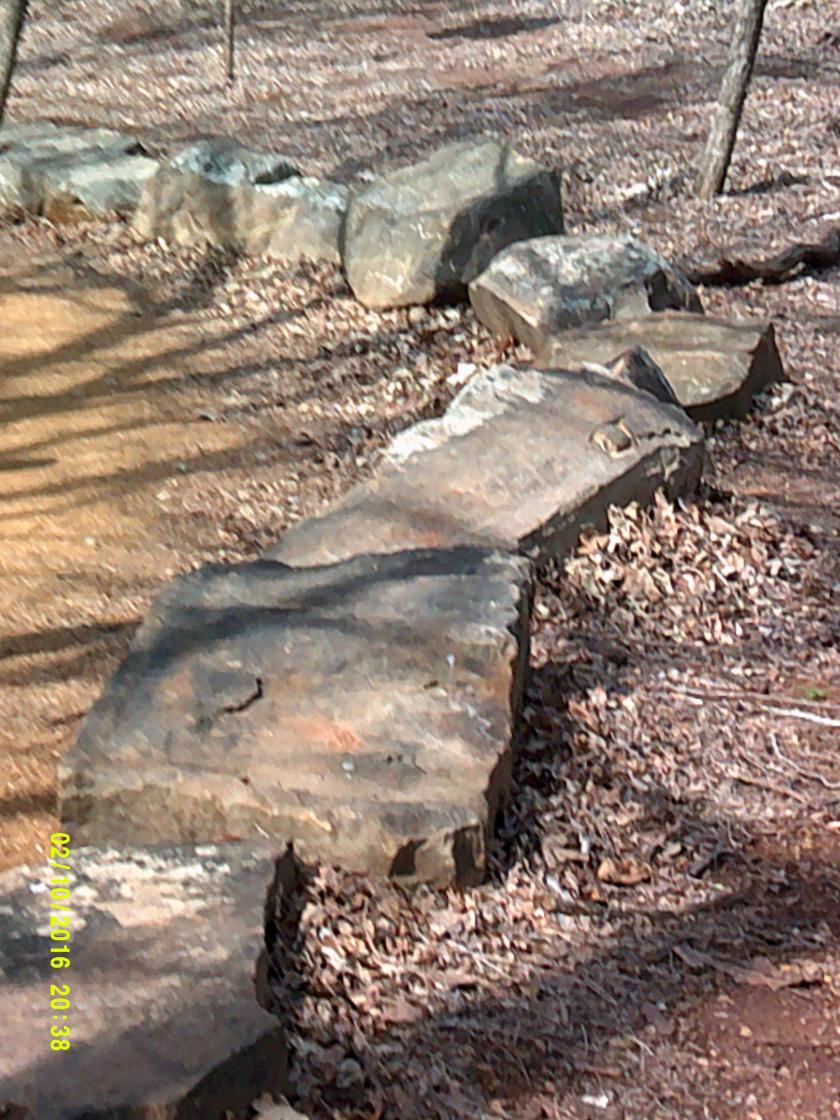
Digital Camera

And only when you start realizing they are there.  Because until you notice them, they just blend in to the landscape.
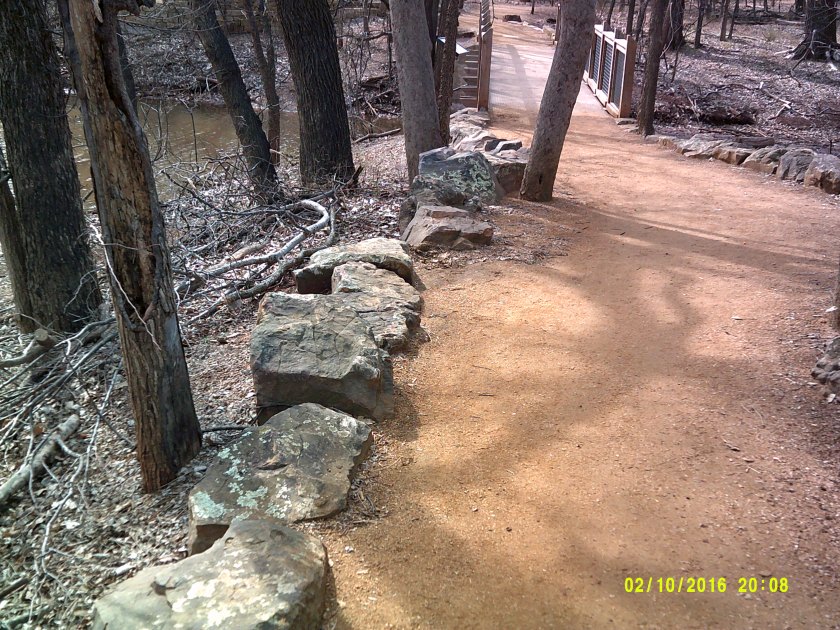
Digital Camera

The alignment goes through Kakadu National Park, and then through Arnhem Land.

First Kakadu National Park, which is a UNESCO World Heritage Site.  Kakadu covers an area that is 7,646 square miles (or 19,804 kilometers).  Besides its incredible biodiversity, land-forms, and river systems, one of the most productive uranium mines in the world is surrounded by the park, shown in the map as the Ranger Mineral Lease.
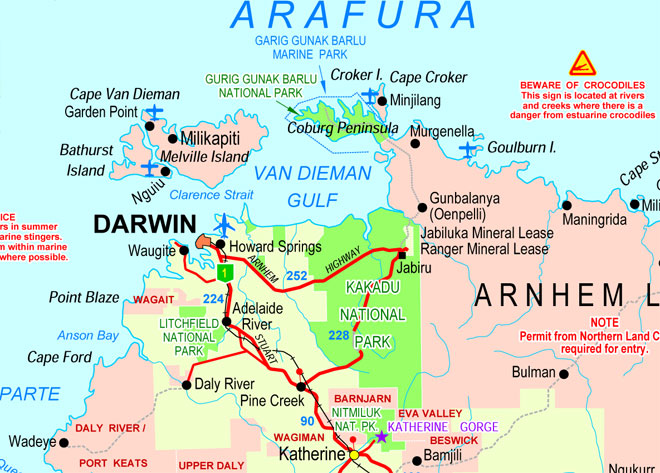
Darwin, Ausralia Arnhem Land Map

Aboriginal people have occupied this land continuously for 40,000 years, and approximately half of the land of Kakadu is aboriginal.
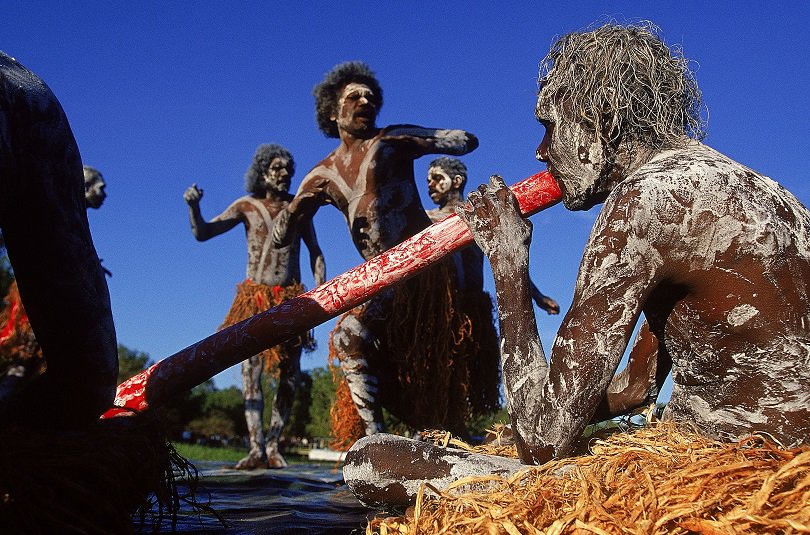
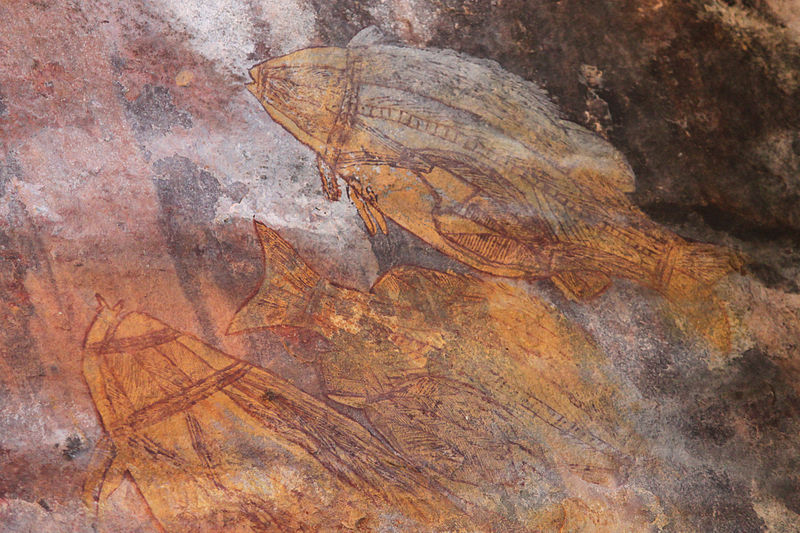
Kakadu - Aboriginal LandKakadu - Aboriginal Art

And this is as good as any place to leave this photo here for your consideration.  I personally think there is something to it, that the Australian Aborigines are of the Tribe of Reuben.  I have expressed my thoughts about this subject in the “The So-Called Lost Tribes of Israel” blog post.  This kind of information is well-hidden, so some digging is required to find it.  But it is out there on the internet if you start looking for it.
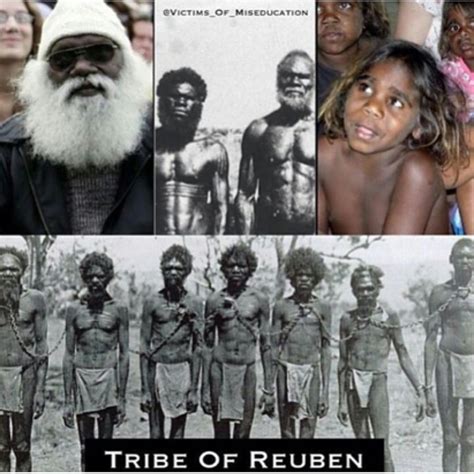
Reuben Aborigine

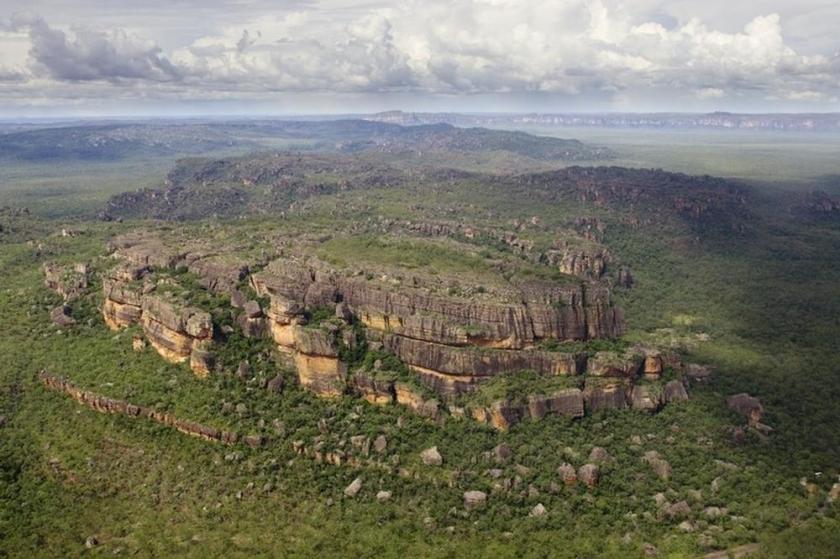
Anyway, back to Kakadu National Park.  Here are some landscape pictures of it.

Kakadu National Park is part of Arnhem Land, one of the five regions of the Northern Territory, and which the alignment crosses over.  While the land is named for the ship of the Dutch East India Company  Captain who sailed it into the Gulf of Carpenteria, which I will be covering soon, the population of this region is actually mostly aboriginal, estimated to be around 16,000.
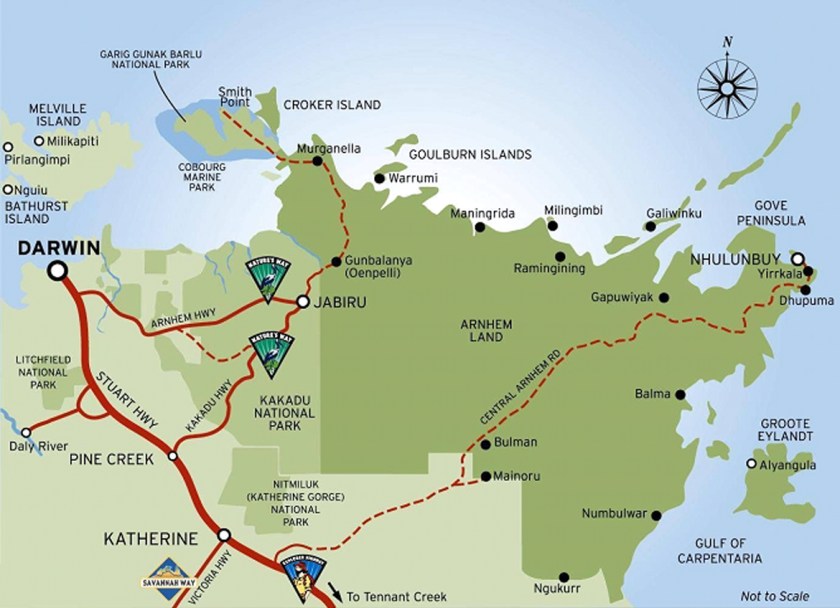
Arnhem Land Map

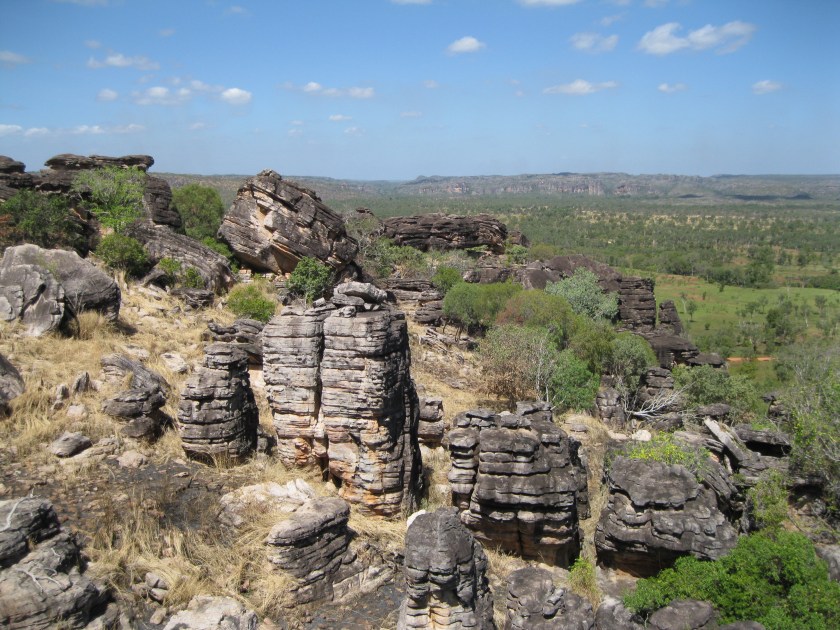
The following photos are of Arnhem Land.  I have no difficulty seeing all of this as ancient infrastructure.  I had a perceptual shift when I realized there is a code of key words that covers up the ancient civilization.   But for most, since we haven’t been taught about this ancient civilization, and have only been taught to believe that it is the result of natural processes, that is how it is perceived.
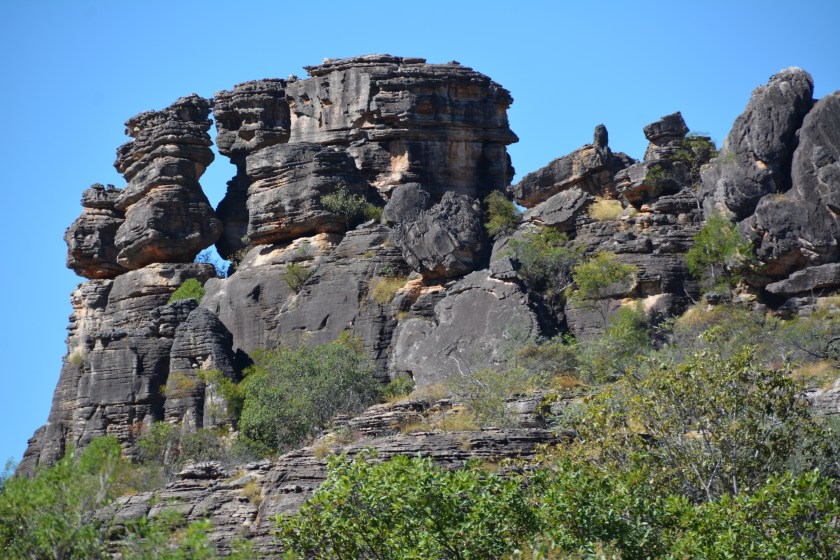
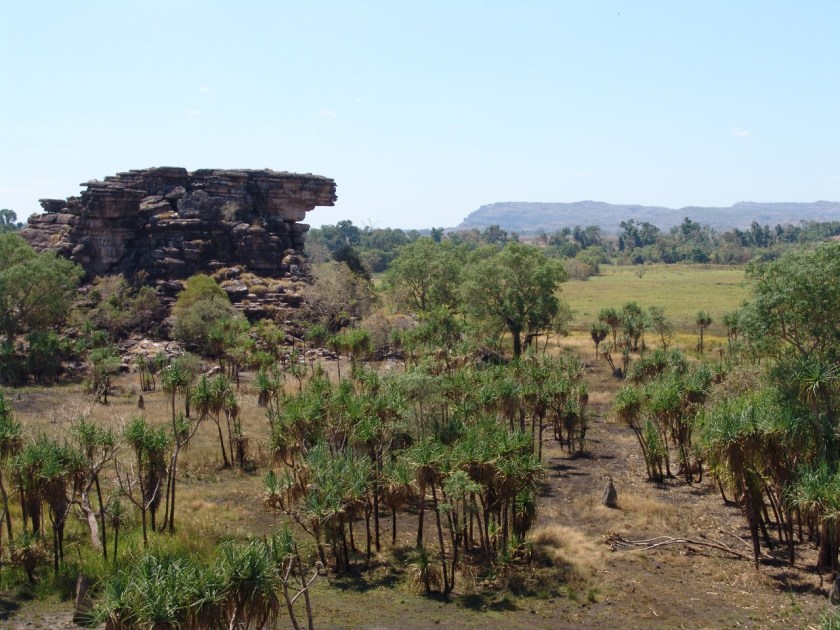
Arnhem Land 1Arnhem Land 2Arnhem Land 3Arnhem Land 4

The Alignment crosses the Gulf of Carpenteria in Queensland, Australia.  The Gulf of Carpenteria is described as a shallow sea enclosed on three sides, and bounded on the north by the Arafura Sea (which lies between Australia and New Guinea)  –

Here is an aerial view of the Gulf of Carpenteria:
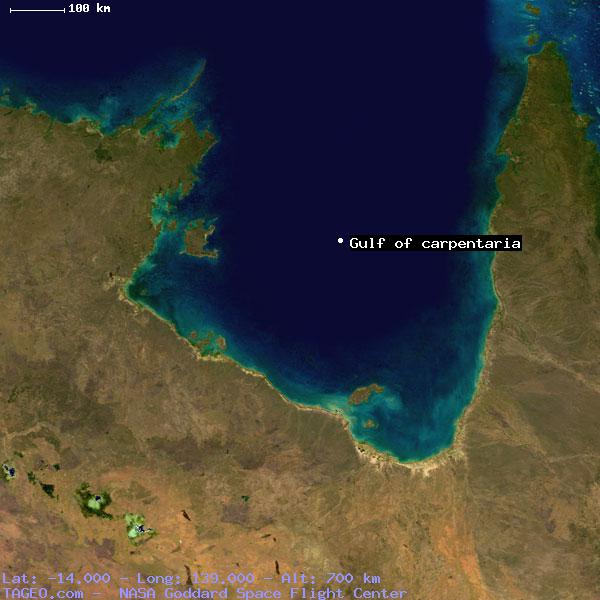
Gulf of Carpenteria Aerial

The alignment passes through some islands in the Gulf – through Pellew Islands and the Wellesley Islands.

The Pellew Islands are in the southwest corner of the Gulf of Carpentaria.
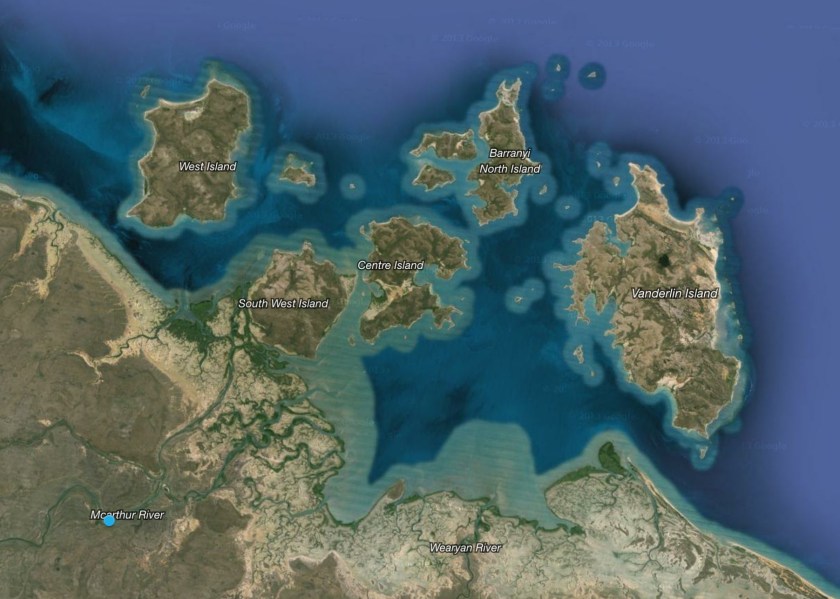
Gulf of Carpentaria - Pellew Islands

They are a group of five islands with a total area of 2,100 square kilometers, named in 1802 by Matthew Flinders in honor of a fellow naval officer.
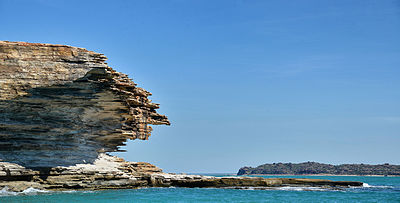
Pellew Islands 1

The Wellesley Islands are here, also named by Matthew Flinders, this time for the 1st Marquess of Wellesley:
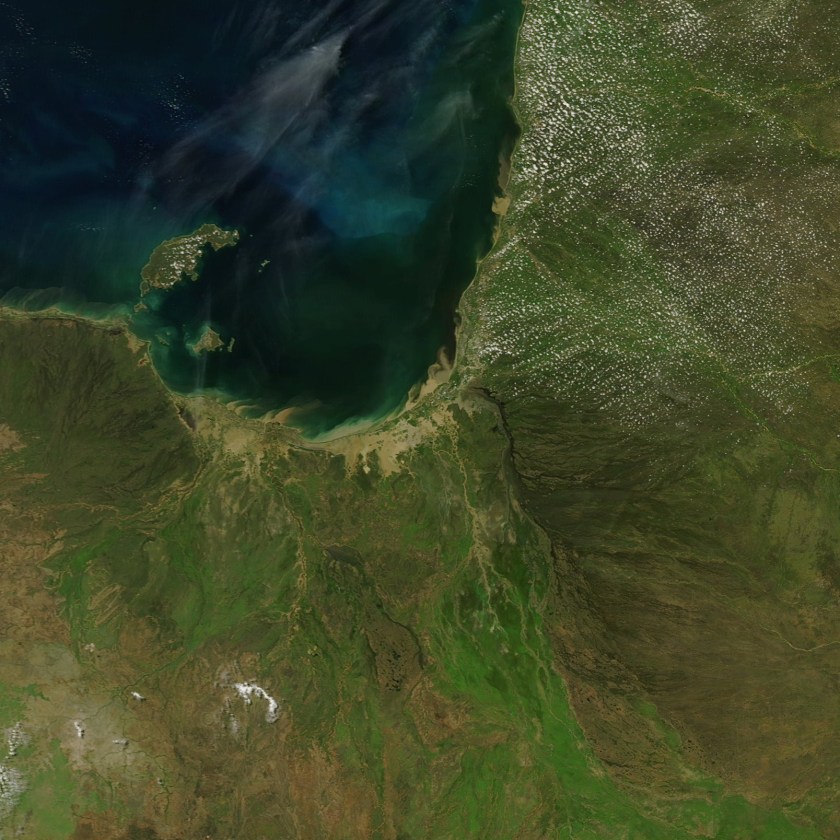
Gulf of Carpentaria - Wellesley Islands

The largest island in the group is Mornington Island.
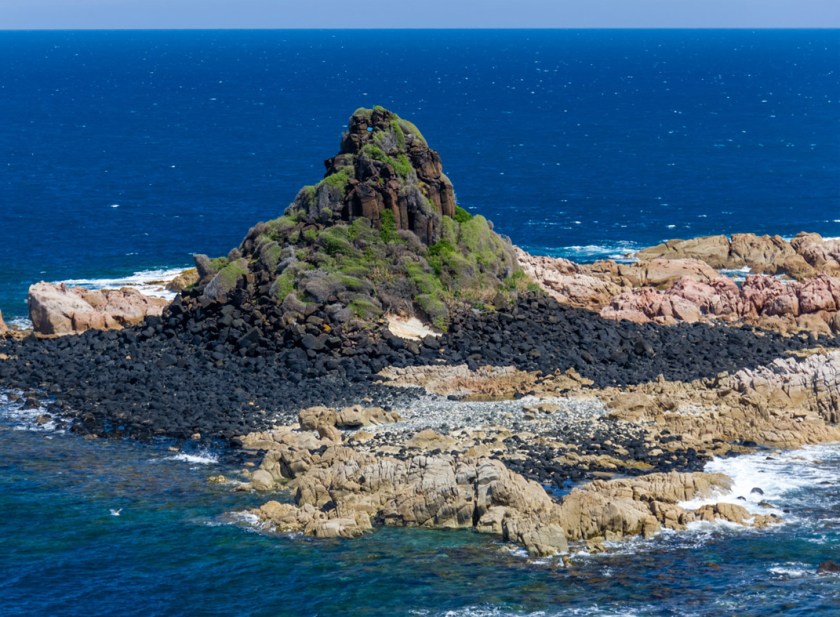
Gulf of Carpentaria - Mornington Island

On its way to Cairns, the alignment crosses along the way from Karumba to Normanton, and I will have a future blog post document world-wide S-Shaped riverbends that look like what is pictured here, because they are all over the world.  Looking just like this.
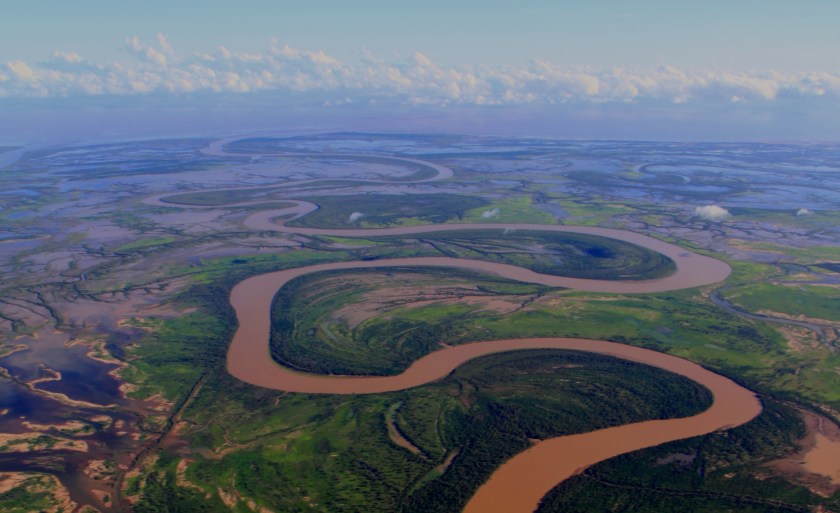
Australia Gulf of Carpenteria - Karumba & Normanton S-shaped river

The city of Cairns, Australia is next on the alignment.
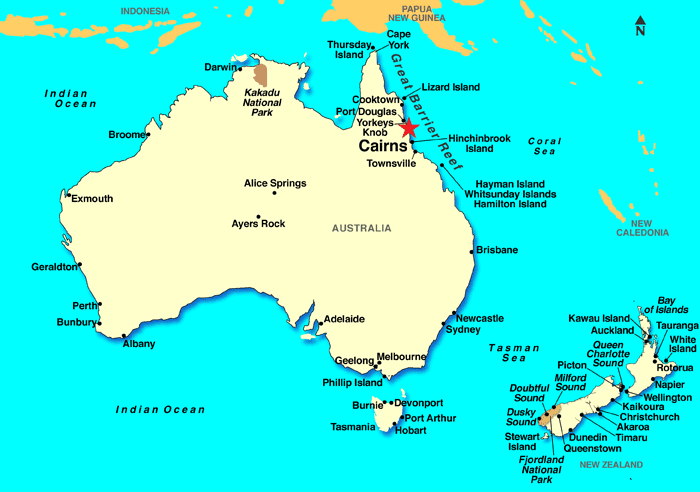
Cairns, Australia map

Cairns is the 5th largest city in Queensland, and the 14th largest city in Australia.  It is said to have formed…

…to serve miners going to the Hodgkinson River goldfield.

I will end this post here, to pick it up leaving Australia and crossing the Great Barrier Reef on its way around the world.


History Reads Like a Book on the Planetary Grid – Part 3 Maldives to Bali – With Video of Post at the End

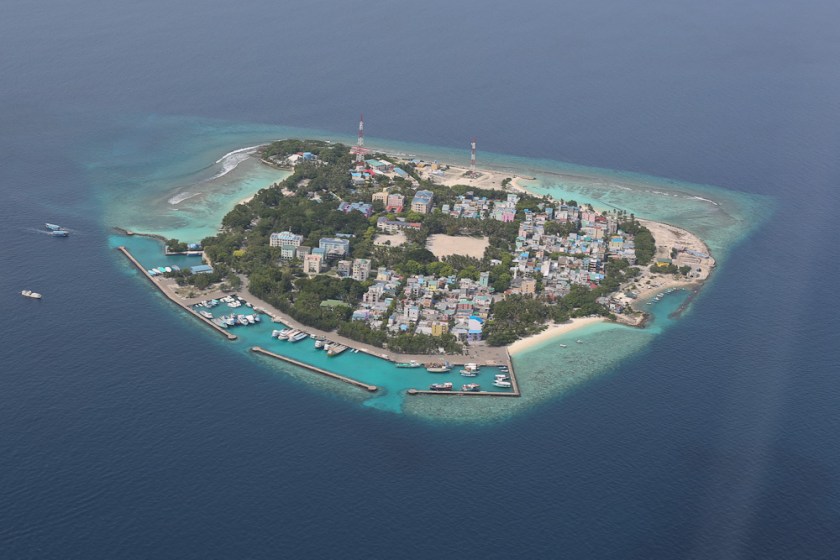
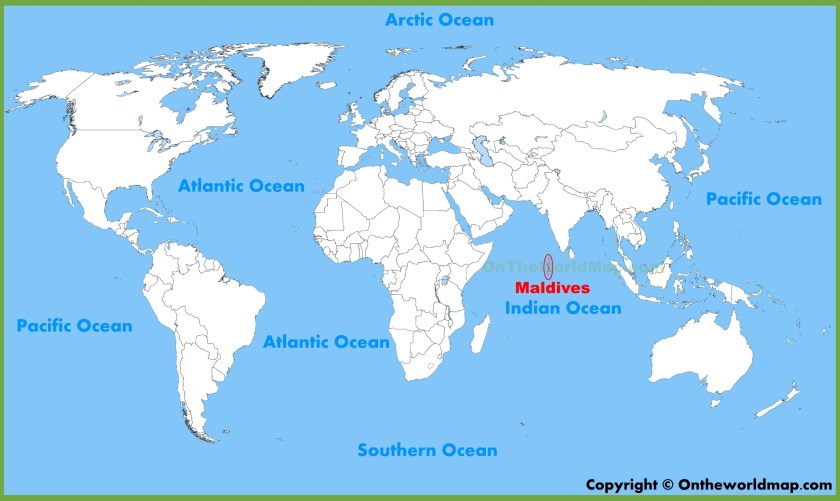
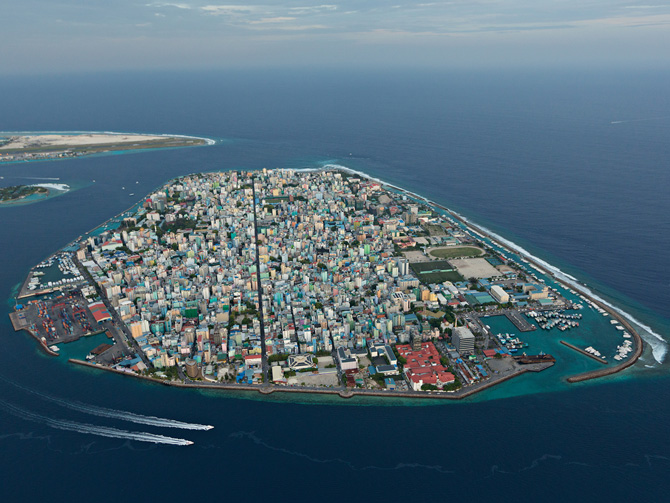
On the other side of the alignment going through Africa, you come to the Maldives, a sovereign state in the Indian Ocean, situated in the Arabian Sea, and southwest of Sri Lanka and India.  It crosses over in the area of Male, the capital city of this island country.

maldives 1

The top photo is the capital, Male, and the bottom is a nearby resort.  Of particular interest are the nicely engineered protected harbors on both islands, and the straight street alignment in the top photo bisecting the island.

Maldives 3 - MaleMaldives 4 - Maldive Resort

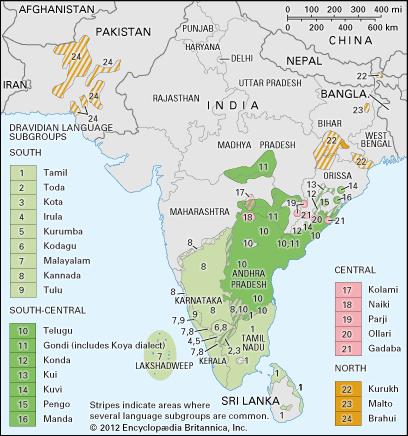
The Maldives have a strong cultural and linguistic connection to the Tamil Dravidian culture of India and Sri Lanka.  While not pictured here, the Maldives lie a relatively short distance southwest of the Dravidian map pictured here.

Maldives - Dravidian Map

The Maldives became a sultanate in 1153 when the  King converted to from Buddhism to Islam. Before that the Maldives were Buddhist, prior to that Hindu, and originally was a matriarchal society with each atoll ruled by a chief queen.

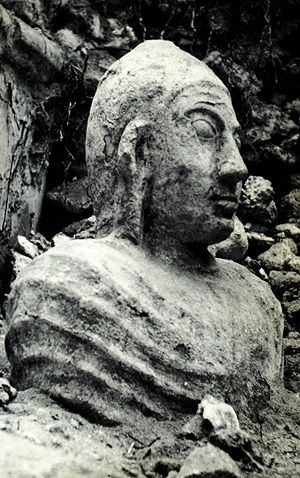
In the following historical photos, this is a Buddhist Statue from the Maldives, and the Maldives are said to have had a 1,400 year history of Buddhism, until the year 1153 AD:

Maldives - buddhist statue

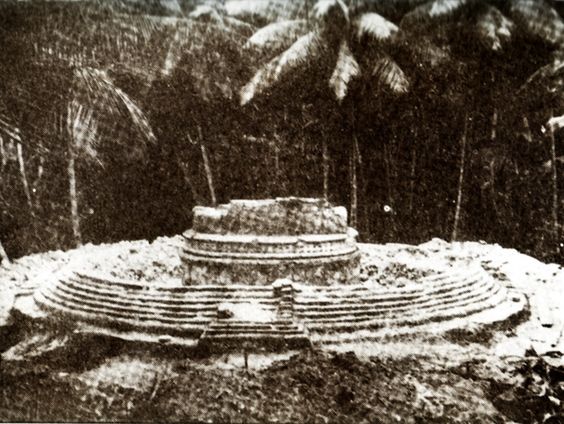
as well as this Buddhist Stupa pictured here:

Maldives - historic picture of Stupa

Islam is the mandatory religion in the Maldives.  This is the old Friday Mosque in Male:

It is made from coral stone, and has unique coral stonework and woodwork, as well as lacquerwork, on the inside.

The formal title of the Sultan of the Maldives was:  “Sultan of Land and Sea, Lord of the twelve-thousand islands and Sultan of the Maldives.”

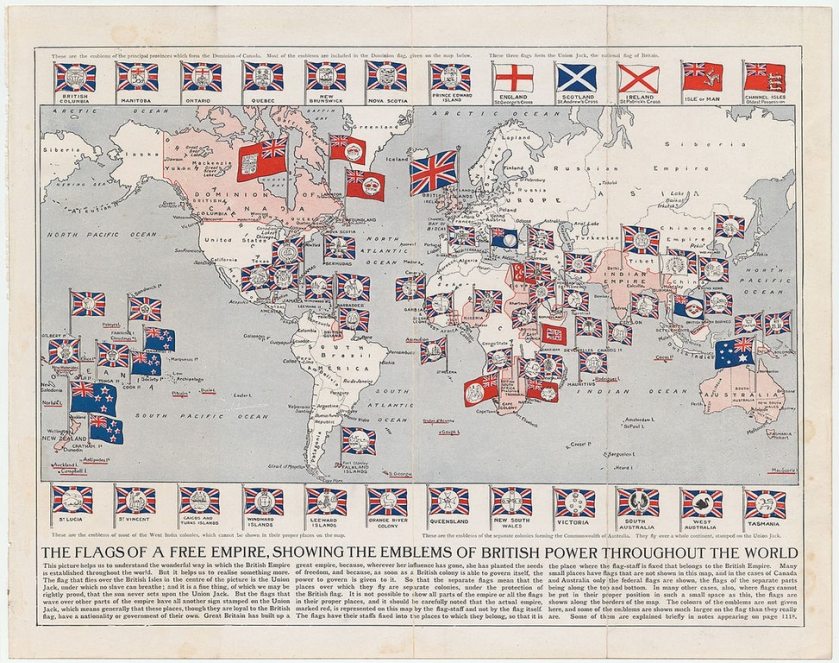
In 1796, the British included the Maldives as a British Protected area, and it officially became a British Protectorate in 1887, with an understanding that they were involved in external affairs like military defense, and the Sultan was responsible for Home Rule.

Maldives - British Influence

Eventually the Sultan’s ruling powers were taken over by his Ministers, and a Constitutional Monarchy was proclaimed in 1932, with the Sultan remaining as nominal head.

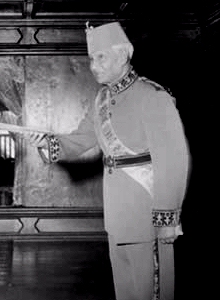
In 1965, the Sultan became a King with independence from Britain.  Then in 1968 the 853-year-old monarchy ended with the establishment of a Republic in a national referendum.  This is a photo of the last monarch of the Maldives – King Muhammad Fareed Didi.

Maldives - King Muhammad Fareed Didi

The Sultan’s Palace was demolished and the grounds became Sultan Park, and what was left of the palace was converted into the Maldives National Museum, which houses a complete collection of royal artifacts, as well as archeological finds throughout the islands, many of which speak to its Buddhist and Hindu past.

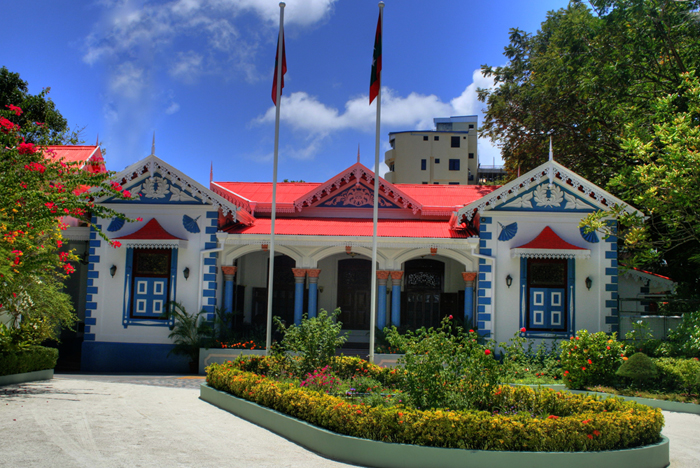
This is the Mulee’aage, now the Presidential residence, but is said to have been completed in 1919 as a residence for the heir of the Sultan at the time.

Maldives - Mulee'aage

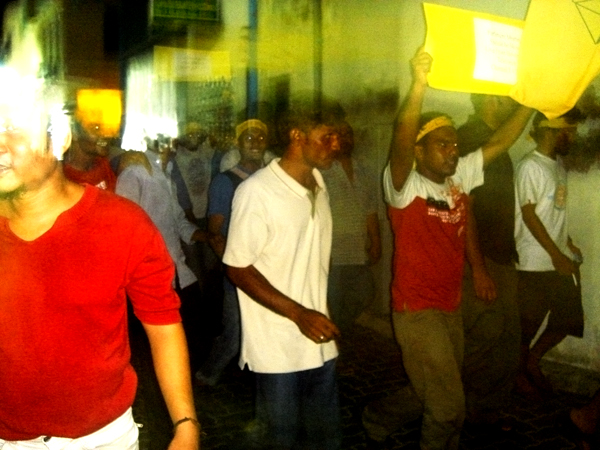
Regardless of the cause of it, in the decades since the establishment of the Republic, the political history of the Maldives has been rather tumultuous, punctuated with many episodes of civil unrest and political instability.

Maldives Unrest

From the Maldives, the alignment crosses the Indian Ocean and enters the Island of Java through the Sunda Strait as it goes across Indonesia.

The Sunda Strait, which is located between the islands of Java and Sumatra, and connects the Java Sea to the Indian Ocean.

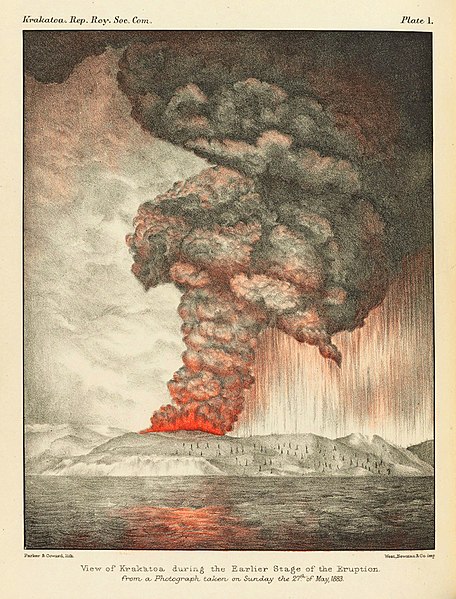
There are a couple of noteworthy tidbits about this location.  One is that the island of Krakatoa is located here.  Krakatoa is a volcanic island that exploded in a major eruption in 1883 with global effects.  It was one of the deadliest and most destructive volcanic events in recorded history.  It destroyed most of the island, affected the region with pyroclastic flows and volcanic ash.  Global after-effects included tsunamis and climactic changes involving a cooling of temperatures over the next few years.

Sunda Strait - Krakatoa Eruption 1883

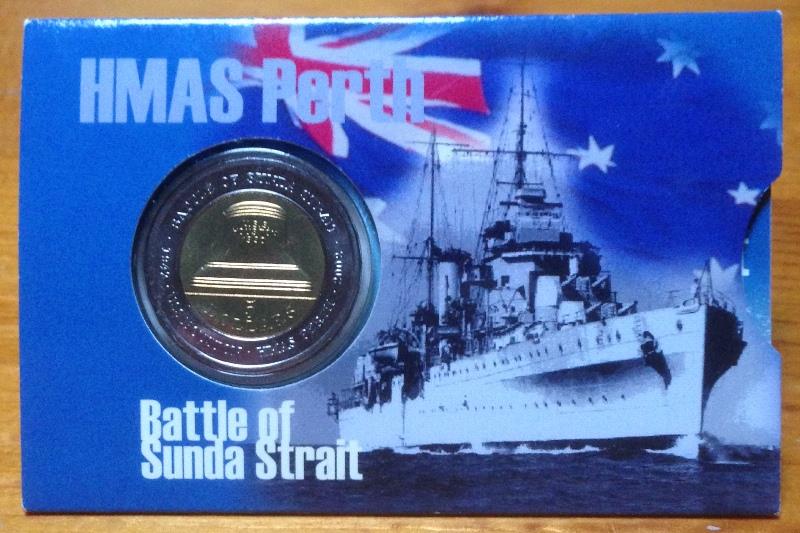
The other is that there was a World War II naval battle that took place here in 1942.  This was not the only battle that took place on a grid-line during the second World War.  There were actually many of them that did, not only in World War II, but other wars/conflicts as well.

Sunda Strait WWII Battle

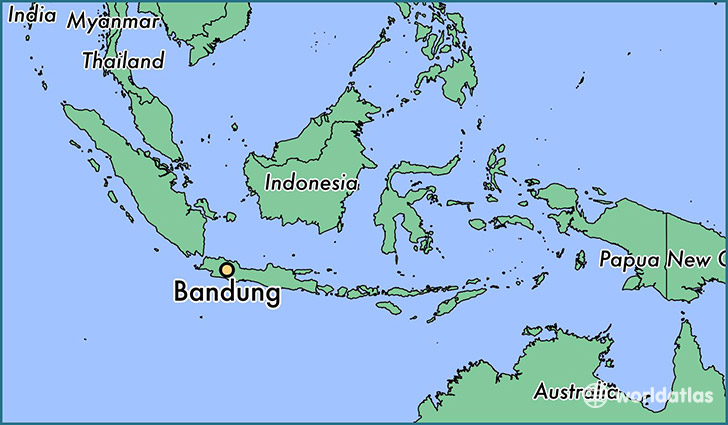
The alignment goes through Bandung, the capital of West Java.

Bandung, Indonesia map

Bandung was called the Paris of Indonesia by its Dutch Colonizers, who started colonizing here in the 1700s as the Dutch East India Company, and is known today for a certain European feel.

Here are some historic pictures of Bandung:

And these are some pictures of the landscape in which Bandung is located.

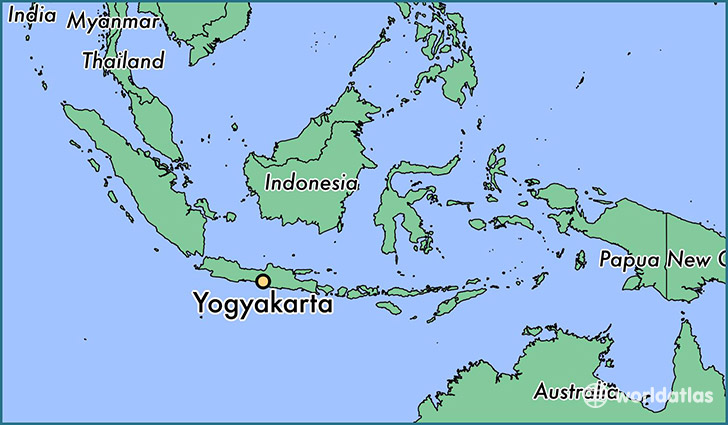
The alignment goes through Yogyakarta in Central Java.

Yogyakarta, Indonesia Map

Yogyakarta was the capital of the Mataram Sultanate from 1587 to 1613.  Even today it is considered a center of education, classical Javanese Fine Art and cultural activities of all kinds.

This is also where Borobudur is located, another nodal point of the planetary grid, like Axum in Ethiopia, which was featured in Part 2 of this series.  A nodal point is a place where numerous leylines and planetary alignments connect.

Borobudur, located 26 miles northwest of Yogyakarta, is the world’s largest Buddhist Temple, and a UNESCO World Heritage Site.  A structural mandala Built in three tiers, it has a pyramidal base with five concentric square terraces, the trunk of a cone with three circular platforms, and a monumental stupa at the top.

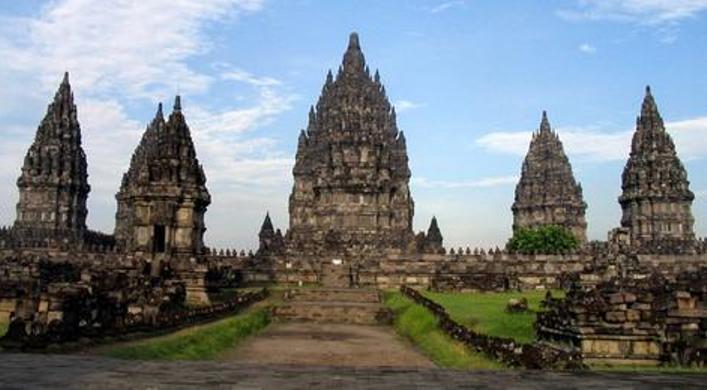
Also close to Yogyakarta is Candi Prambanan, which is a Hindu Temple complex, said to have been established in the 8th century with the formation of a Hindu kingdom in Java.

Yogyakarta - Hindu_Prambanan_Temple

Surakarta is in the same vicinity, and lies just to the northeast of Yogyakarta.   It is also known the Royal City of Solo.  It is considered one of the least westernized cities on Java.   We saw another royal city on this alignment at Gondar in Ethiopia in Part 2 of this series.

Surakarta map

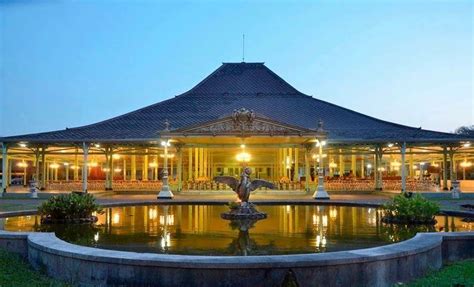
This is the Keraton Surakarta, also known as the Kasunanan.  It is a royal palace that was built in 1745.

Surakarta - Keraton

Mangkunegaran Place is also in Solo, said to have been built in 1757 by the nephew of King Pakubuwono II.

Surakarta - Mangkunegaran palace

I have reason to believe there is a much greater historical significance to this place than is realized, connected ultimately to King Solomon, but it falls into the category of the secret (society) history of the world.  If you are interested in learning more about this, here is a link to a PDF that can explain it much better than I can, and is where I first learned of this unknown history and this place.

PDF Explaining the Significance of Solo Jawa

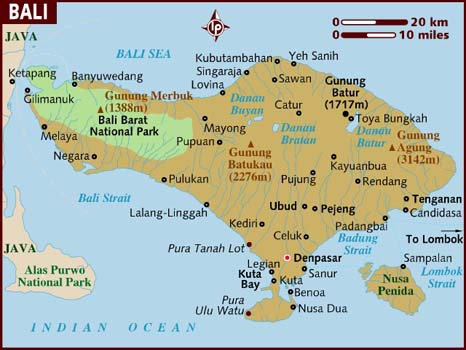
The alignment crosses over the island of Bali.

Bali Map

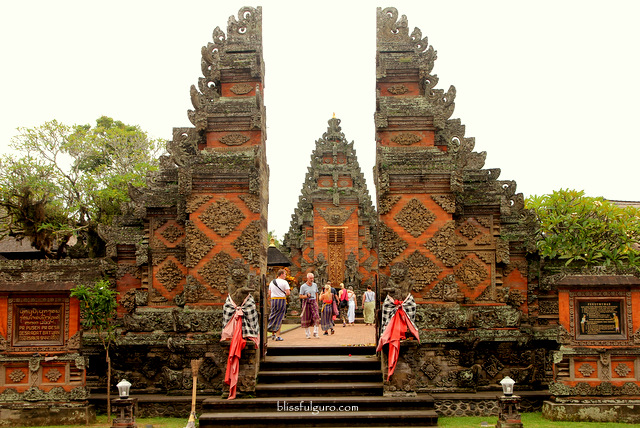
Bali has a large Hindu population, at over 80% of the population in the largely Muslim nation of Indonesia.  This is one of many Hindu temples on the island of Bali.

Bali - Hindu Temple

Among many other things, Bali is noteworthy for its Subak Irrigation System. The Ancient Ones of the advanced Ancient Civilization were Master Hydrologists.  This irrigation system is a complex, pulsed artificial ecosystem for the paddy fields of Bali, said to be in use since the 9th century.  It is owned by the farmers, and was said to have been developed to facilitate fair distribution of water resources during the dry season.  There are five terraces, and a water temple associated with each one.  This has been designated UNESCO World Heritage Cultural Landscape.

According to Robert Coon, who has done extensive research on the two Great Earth Serpents and the Earth’s Chakra System, Bali is the World Purification Center, and is one of two places where the Feminine Rainbow Serpent and the Masculine Plumed Serpent cross – the other is Lake Titicaca, which straddles the border of Peru and Bolivia.  He says on a flat map, these two dragon circles form an infinity symbol, or a figure 8 tipped on its side.  Here is the link to his website and this information:  The Two Great Dragon Circles.

I am going to end this post here, and pick up the alignment in Kupang, at the tip of the island of West Timor.

History Reads Like a Book on the Planetary Grid – Part 2 Tenerife, Canary Islands to Eyl, Somalia – With Video of Post at the End

I ended part 1 of this series in Portland, Maine, where this alignment emanating off the North American Star Tetrahedron leaves North America and crosses over the Atlantic Ocean and heads towards North Africa.  I will be starting this post on the island of Tenerife in the Canary Islands.

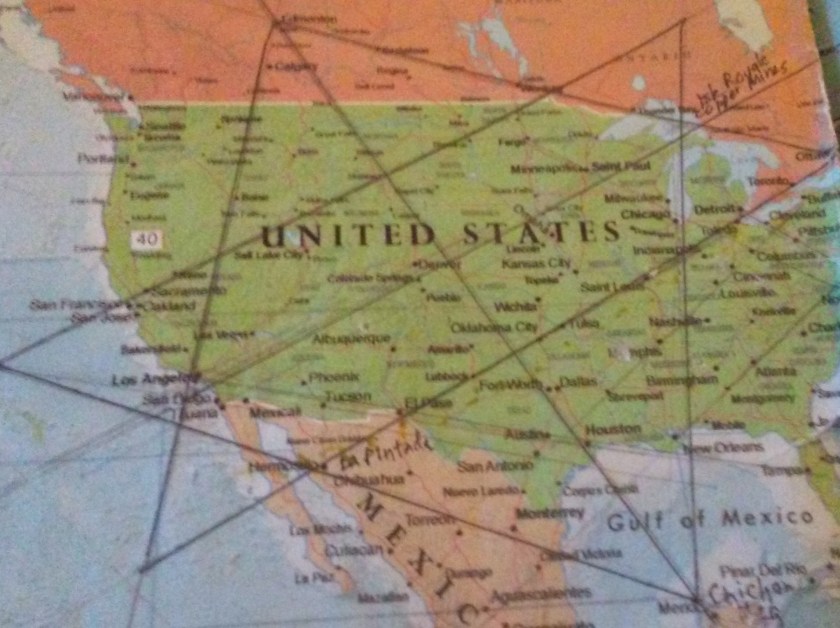
For me personally, this journey started here in 2016, when I started noticing major cities lining up in lines in North America on a map beside my dining room table.  Then I found a familiar figure of sacred geometry when I literally started connecting them.  After that, I extended the lines out on a map, then a globe.  I am sharing with you what I have found along the way.

NorthAmericaMap

This blog is dedicated to providing compelling evidence for a highly advanced lost global civilization that existed up until relatively recent times.  It was geometrically aligned with itself, the planet, and the stars, and in this spirit in addition to what I have found in the specific locations on this alignment,  I will be including comparison pictures of other places with astonishing similarities in places you would not expect to find them.

For the purposes of simplification, in these posts I am going to focus on striking similarities in building styles and design features, and landscape features.  I will say this whole region is rich in unknown and unacknowledged history, but it is beyond the scope of this blog and my expertise to delve much into it.  Suffice it to say I will be scratching the surface of it with what I am about to share with you.

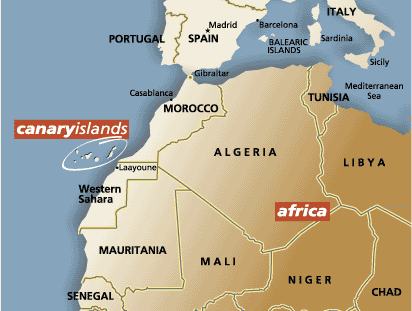
Tenerife is largest and most populated island of the Canary Islands, and its capital is Santa Cruz de Tenerife.  The Canary Islands are an Autonomous Community Province of Spain, and are located off the coast of Morocco.

Canary Islands map

Here are photos comparing a building configuration – that I have found throughout these alignments – in Tenerife on the left; Burlington, Vermont in the middle; and Summerside, Prince Edward Island on the right.


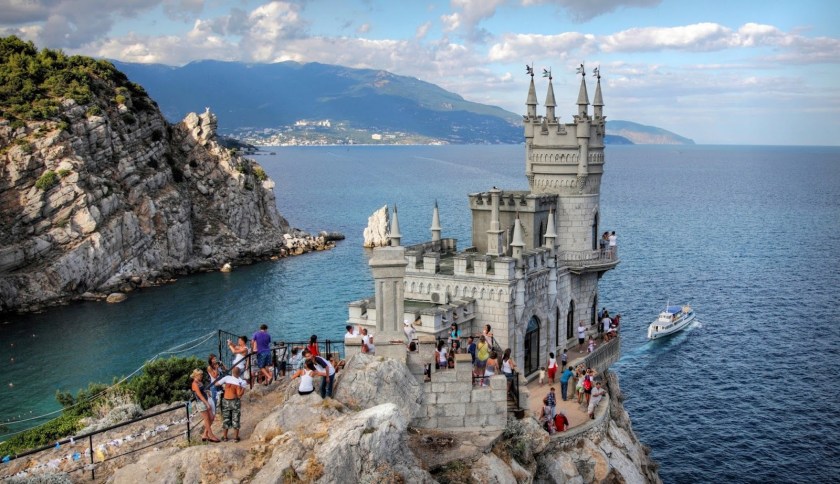
In this comparison of roof styles, on the left is the Circulo de Amistad XII de Enero Building in Tenerife; the building on the top right is in Montpelier, Vermont; and the one on the bottom right is in Yalta, Crimea (the Crimea is a peninsula on the Black Sea).


Here are those triple and double windows yet again – on the left is a view of Santa Cruz de Tenerife; and on the right is the Victoria and Albert Museum in London.


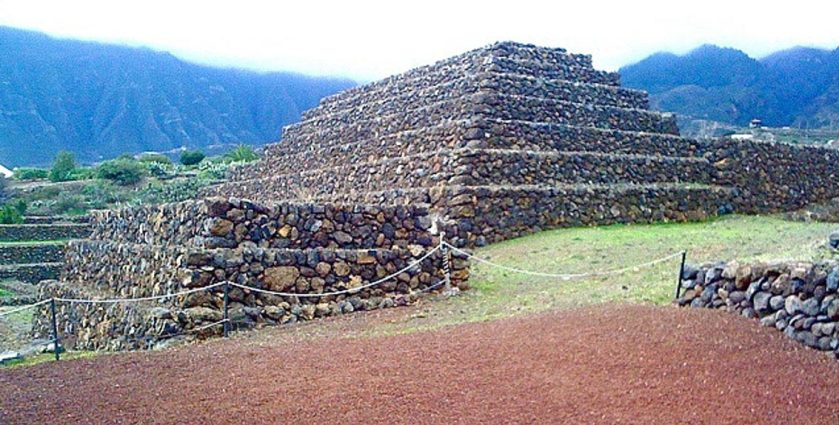
The Pyramids of Guimar are located in the town of Guimar on the island of Tenerife.  Terraced structures that were built from lava stone without the use of mortar.

Guimar 2

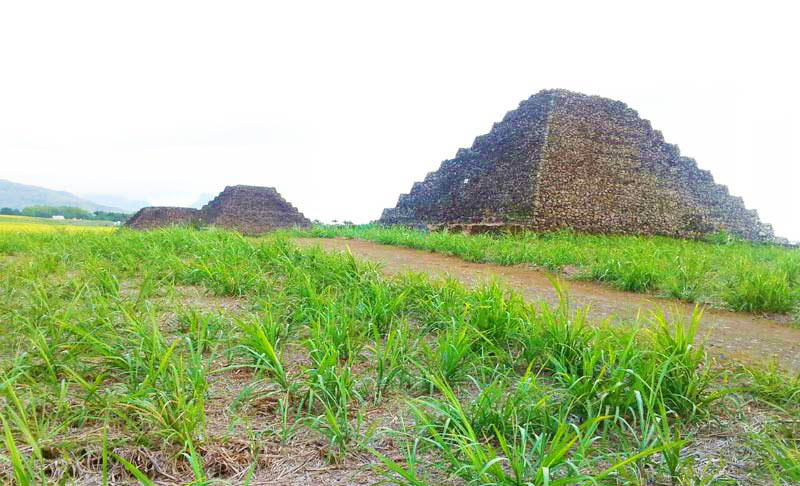
Compared with the Pyramids of Mauritius in the Indian Ocean, also terraced structures made of lava stone.  There are seven terrace pyramids in Mauritius and six in Guimar.  In both places they are in perfect astrological alignment with the winter and summer solstice.

Mauritius Pyramids

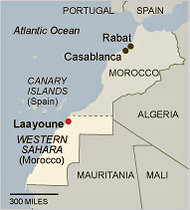
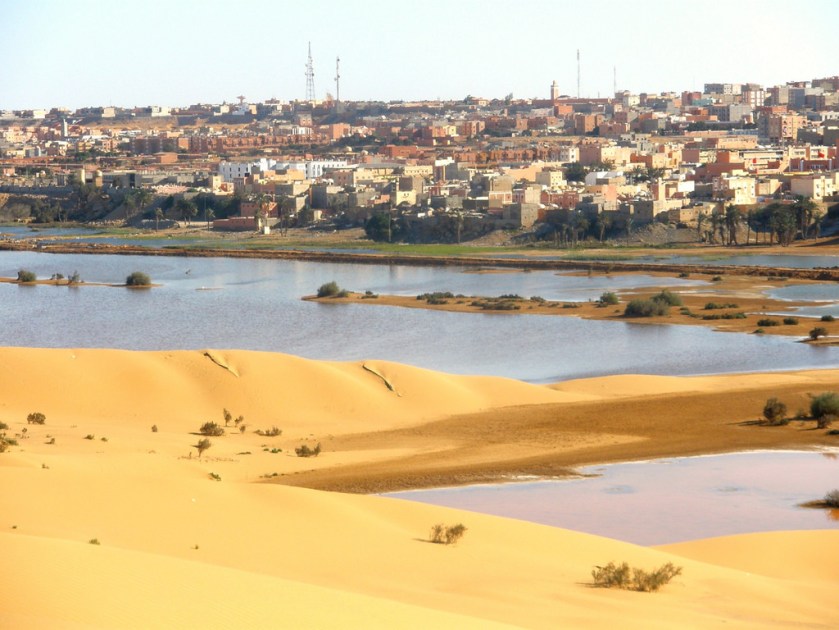
From the Canary Islands, the alignment enters the continent of Africa at Laayoune, Morocco, or El Aaiun, the meaning of which refers to water springs.

Laayoune, Morocco map

Here I would like to interject that I have found springs of all kinds, including hot springs, located in places on the alignments I have found in my work.

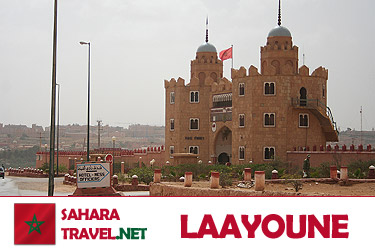
Laayoune, Morocco 5

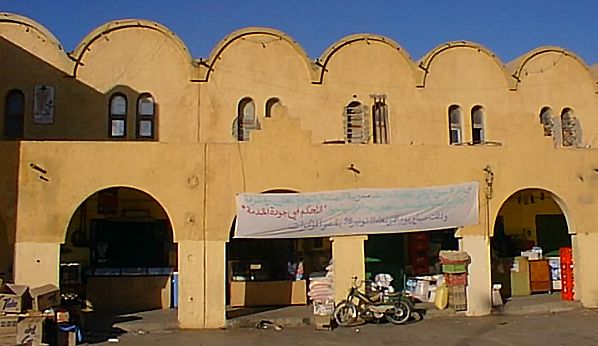
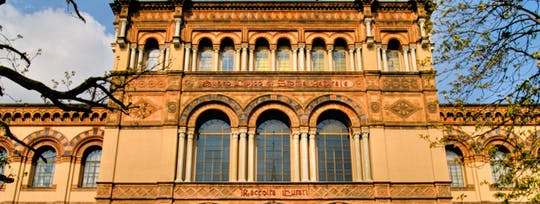
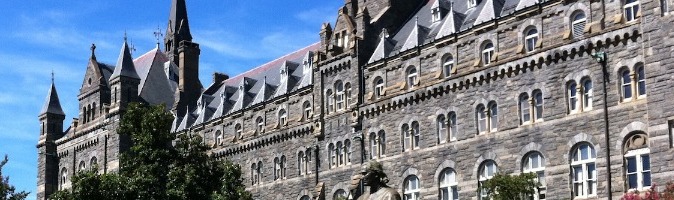
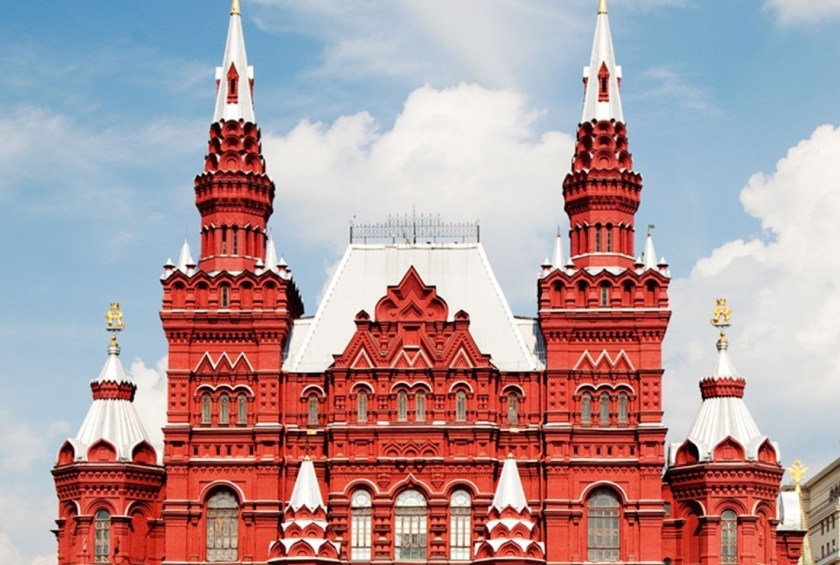
Top two photos are buildings in Laayoune.  Next, in order is: the Milan Natural History museum in Italy;  Georgetown University in Washington, DC; and the photo on the bottom is the Moscow State Historical Museum in Russia.

Laayoune, Morocco 1Laayoune, Morocco 4Milan Natural History Museum

Georgetown University

Moscow Building

The alignment crosses into the Tamanrasset Province, the largest in Algeria.


There are two two national parks in Tamanrasset Province – the Ahaggar (also known as Hoggar) Mountains; and Tassili n’ajjer.

First, photos of the Ahaggar Mountains.  These are considered a highland region of the Central  Sahara in Southern Algeria that cover 212,000 square miles (550,000 square kilometers) along the Tropic of Cancer:


Second, here are some photos from the other national park – Tassili n’ajjer, which means “Plateau of the Rivers.” It is a UNESCO World Heritage Site.

It is known for its distinctive rock artwork, some of which is pretty much recognizable from our reality as we know it:  bull – charioteer – giraffe…


…and some of it not of this world as we know it – ? – ?? – ???.


And here a photos of the landscape of Tassili n’ajjer.


Let me be clear that I believe all of the landforms I am showing you in this post are ruins of ancient infrastructure, and not natural features.

Whether or not you are able to believe this, throughout this post I intend to provide compelling evidence as to why I believe it.

For example, the landform on the left is in Tamanrasset Province, and the one pictured on the right is Chimney Rock in Sedona, Arizona.


Also this image on the left taken in Tamanrasset Province  is very much like what is pictured on the right in Heavener Runestone State Park in Heavener, Oklahoma.


A few more things before I leave Algeria.

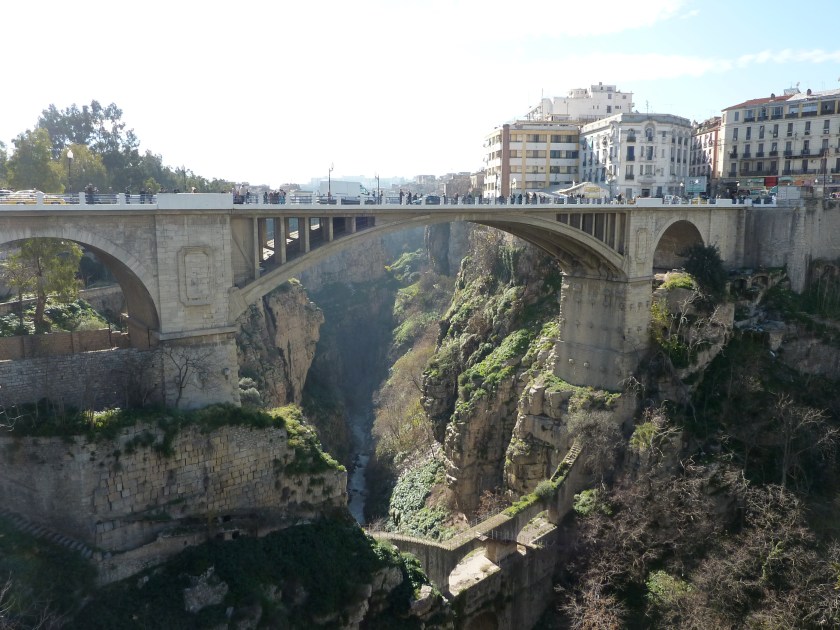
The first is that I would like to point out a few things in Constantine, Algeria – which is in northeastern Algeria, close to the Mediterranean Sea.  Whoever built this place is comfortable with stone and heights ~ this is what a City on the Rocks looks like!

Constantine, Algeria 1

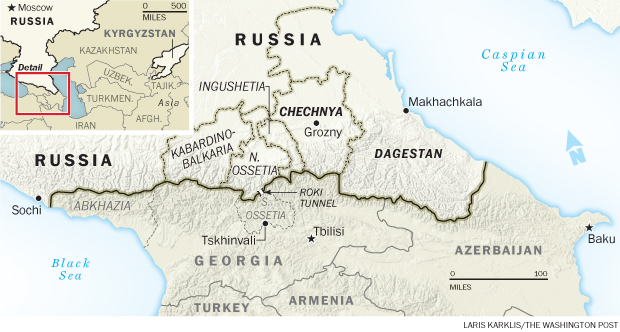
For a direct comparison to illustrate one of the points I want make, here is a series of three pictures.  The photo on the left is called in English “Natural Arch” in Constantine; the middle one is what is called the “Arch Bridge” in Constantine; and on the right is taken of a building in Grozny way over in Chechen Republic in Russia, not close to here by any stretch of the imagination, but which is located on another planetary alignment.


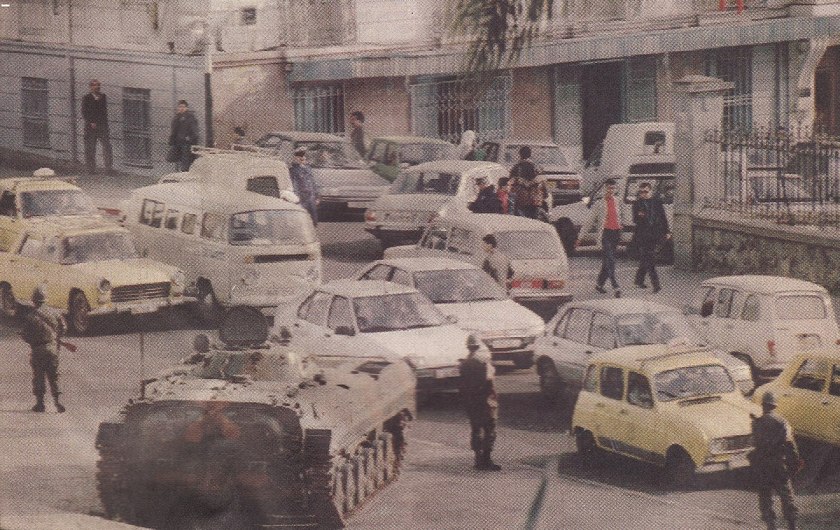
The other point that I would like to make is about the Algerian Civil  War, the duration of which was between 1991 and 2002.  It involved an armed conflict between the Algerian government and various Islamic rebel groups.  It began after a coup negating an Islamist electoral victory in which the government was trying to crush the Islamist movement, but armed groups emerged to fight against the government, and many Algerians were killed.

Algerian Civil War

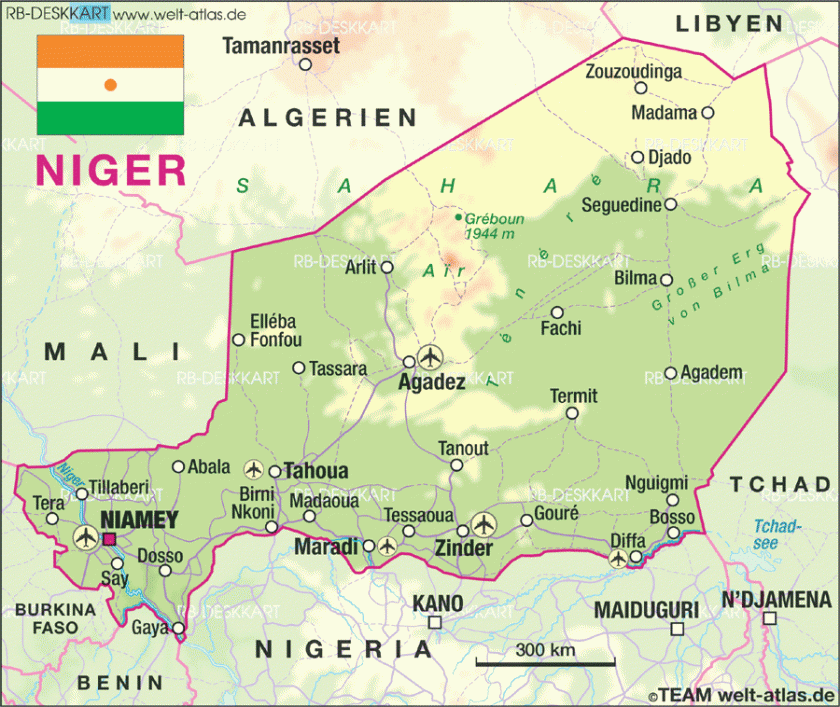
From Algeria, the alignment crosses into the country of Niger, where it goes through the Air and Tenere National Nature Reserves.  Pictured top and bottom to the right of the map shows a good example for me what are actually under sand dunes, but that is a future post in and of itself….


The Air and Tenere National Nature Reserve is a UNESCO World Heritage Site, and covers 29,870 square miles (77,360 square kilometers), and is the eastern half of the Air Mountains, and the western half of the Tenere Desert.


From there, the alignment crosses through Bilma, Niger.

Bilma, Niger map 2

Bilma is an oasis town, and used to be a key stop in the Trans-Saharan caravan route.  It is protected from sand from the desert dunes by the Kaouar escarpment.  Escarpment is another key code word that covers-up ancient infrastructure.


To this day, it produces salt in salt pans, sold for livestock use throughout West Africa.


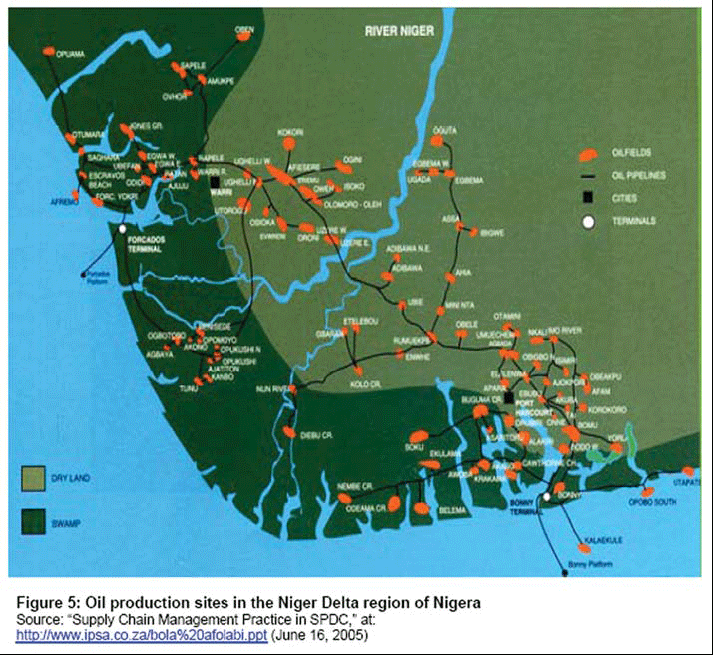
Lastly, I would like to point out the Niger Delta Civil War and Boko Haram.

There has been conflict in the Niger Delta since the early 1990s as well, mostly between foreign oil companies and minority ethnic groups, and has been on-going in one form or another since that time.

Niger Delta Map

The Islamic State in West Africa has been active in Niger, Nigeria, Chad, and Northern Cameroon since 2002, and has been known as Boko Haram since 2015.  It is a militant jihadist group that advocates for Sharia Law, and has been particularly noteworthy for militant insurgency and child kidnappings, among many other things.

Boko Haram

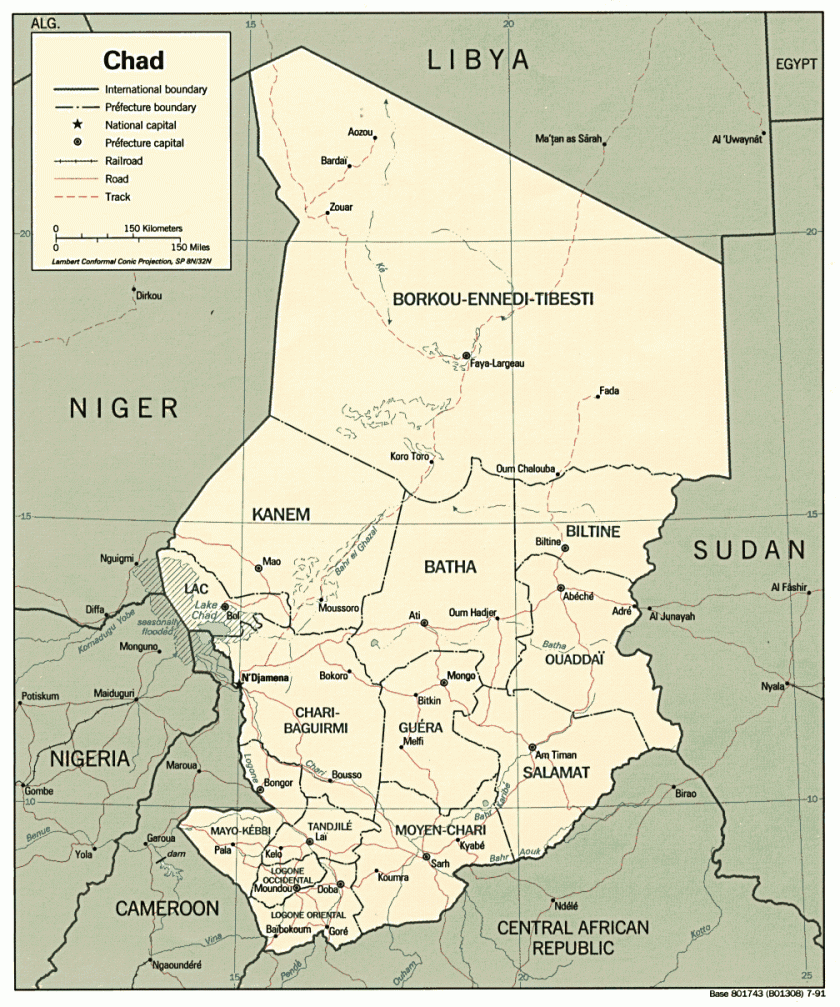
Moving on into Chad, a land-locked country in Central Africa.

Chad, Africa Map

The Bodele Depression and Koro Toro are both on the alignment in the Borkou-Ennedi-Tibesti Region of Chad.

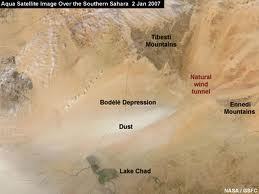
The Bodele Depression is the lowest point in Chad, and is best known for its dust storms which deliver fertile dust,  said to be essential for places like the Amazon rainforest.

Chad bodele-depression

The Bodele Depression lies between Lake Chad to the south of it (note the pyramidal shapes in the background)…


Here are Tibesti Mountains on the left and in the middle, Bell Rock in Sedona, Arizona on the right:


Here are more photos taken of the Tibesti Mountains:


Here is a photo comparing a rock formation in this region of Chad on the left, and one in the Tamanrasset Province in Algeria on the right that called “No Arch.”  They both look like a lot like elephants to me.


Koro Toro is also on the alignment and is an archeological and anthropological site in Chad, best known for the discovery of an Australopithecus fragment in 1995, which is described asone of the first Hominid in the ancestry of human evolution.

Chad - Koro Toro

There have been roughly four Civil Wars in Chad since independence from France in 1960.  The last one started in 2005 between Muslims in the North and Christians in the South, and is continuing on some form or another to the present day.

Chad Civil War

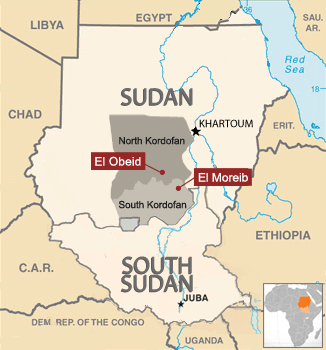
From Chad, the alignment crosses through El Obeid, Sudan, which is the capital of North Kurdafan.

El Obeid, Sudan map

Here is a comparison of a mosque in El Obeid, Sudan on the left, and the Signoria, was was the government building of medieval and renaissance Florence, Italy:


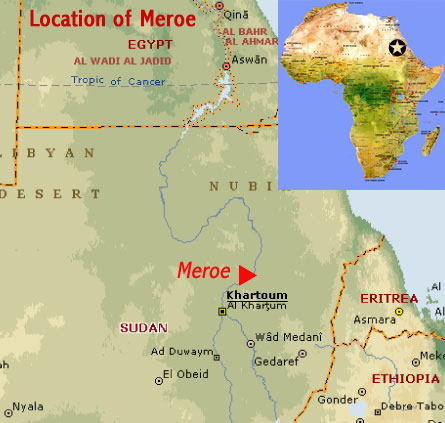
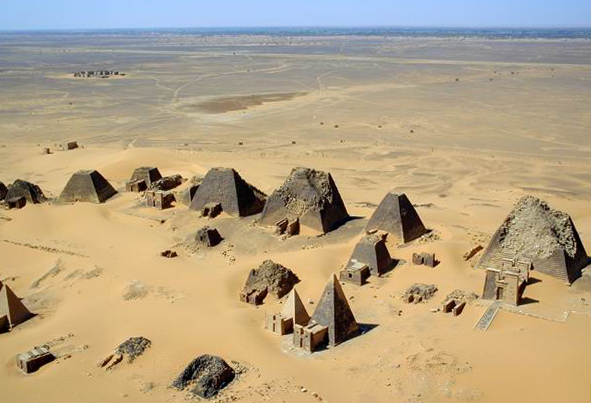
Also, there are Pyramids in Sudan – located in Meroe which is northeast of the country’s capital of Khartoum.  As the map shows, Sudan is due south of Egypt.  Meroe is an ancient city that sits on the east bank of the Nile River as well.  This region is considered part of the Kingdom of Kush.

Sudan - Meroe map

Here is an aeriel view of the Meroe Pyramids…

Sudan - Meroe Pyramids

…and a comparison of the Meroe Pyramids on the left, and similar-looking pyramids in Tamanrasset Province back in Algeria on the right:


The first Sudanese Civil War started in 1955 between North and South Sudan, (Sudan Civil Wars start in 1962), with a state of civil war existing in Sudan to the present-day.

Sudan Civil War

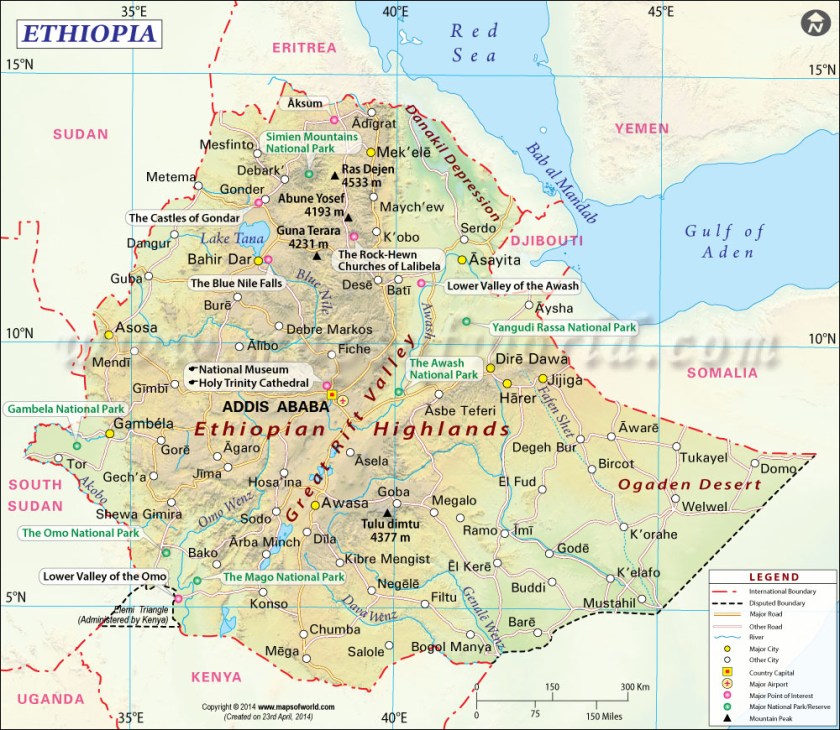
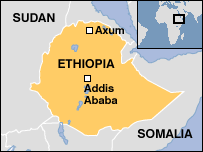
From here the alignment goes on into Ethiopia, on which we find Lake Tana,  Gondar, and Lalibela, Ethiopia.

Ethiopia map

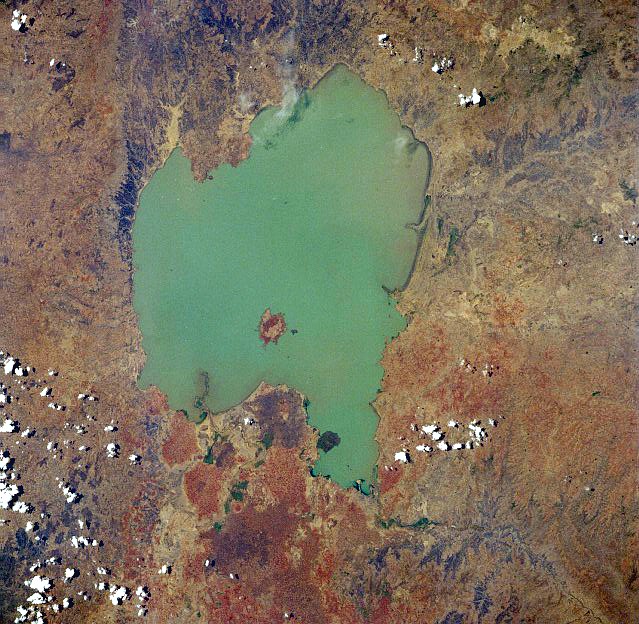
Lake Tana is the source of the Blue Nile, and the largest lake in Ethiopia.  It is a sacred lake.

Among other things, the heart-shaped Lake Tana has living traditions about being a place where Joseph, Mary, and Jesus stayed on their way back to Israel after fleeing Herod, and also as a place where the Ark of the Covenant was kept for 800 years before going to Axum, where it is said to currently be (more on this shortly).

Ethiopia - Lake Tana

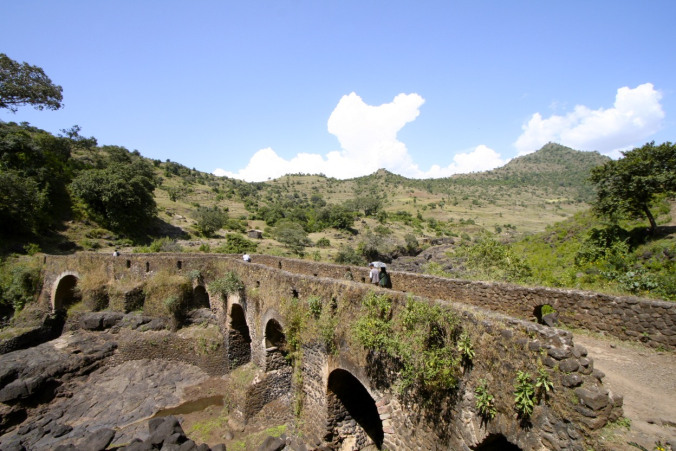
This first set of two photos is a comparison of a bridge near Lake Tana  on the top, with the old bridge near Loch Sligachan on the Isle of Skye, off the coast of Scotland on the bottom:

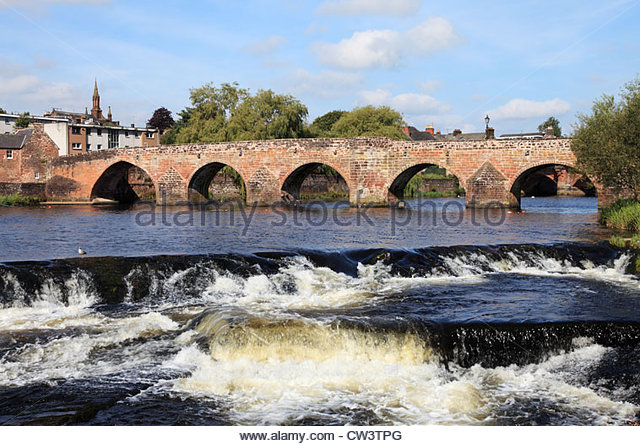
Ethiopia - Lake Tana BridgeEthiopia - River Nith Old Bridge, Dumfries, Scotland

This next set of two bridges is a comparison of the River Nith Old Bridge in Dumfries, Scotland on the left, with the Burnside Bridge at Antietam in Maryland, the site of a major battle of the American Civil War:


Gondar is a royal and historic city of Ethiopia, and the Imperial Seat from the 1200s to the 1900s.  It is a city of castles and palaces.


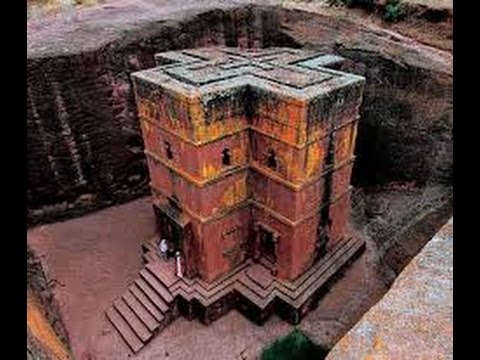
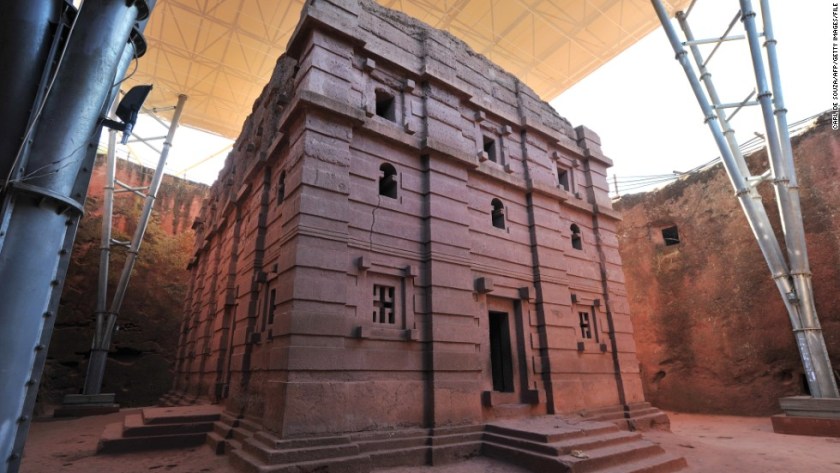
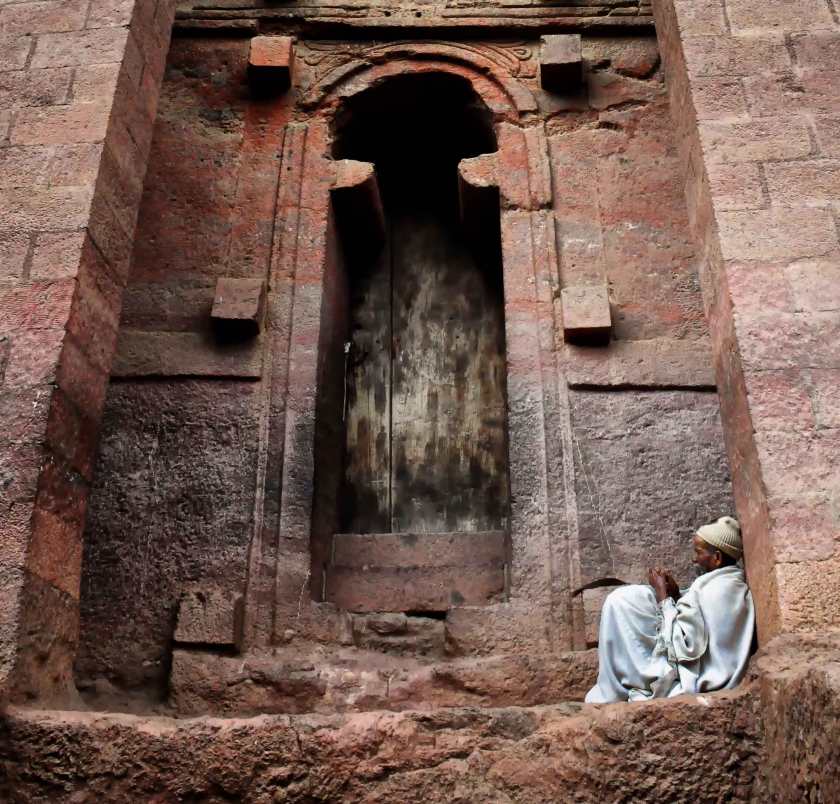
Lalibela is the second holiest of Ethiopia’s cities, after Axum.  It is famous for its monolithic churches, meaning cut out of one rock. The population of Lalibela is almost completely Ethiopian Orthodox Christian.

Ethiopia - LalibelaEthiopia - Lalibela 2Ethiopia - Lalibela 3

Axum, Ethiopia is one of the twelve primary nodal points of the Planetary Grid.  A nodal point is a place where numerous leylines and planetary alignments connect.

Ethiopia - Axum Map

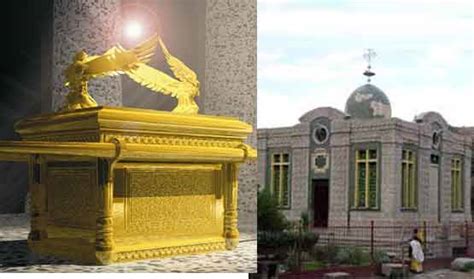
It is believed to be the home of the Ark of the Covenant at the Saint Mary of Zion Church.

Ethiopia - Axum St. Mary of Zion Church - Ark of the Covenant

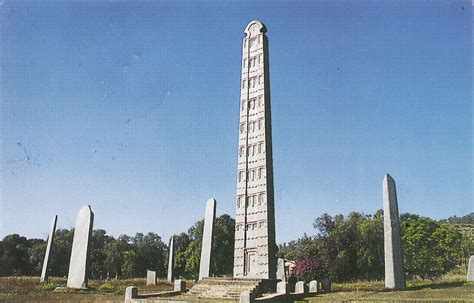
Though there is more than one obelisk here, this is the granite Obelisk of Axum.  It is 24 meters high, and weighs 160 tons.  Like the churches of Lalibela, it is also monolithic in that it was crafted from a single piece of stone.

Ethiopia - Axum Obelisks

Civil War started in Ethiopia in 1974, with a coup initiated by a Marxist-Leninist faction leading to the overthrow of the Imperial Government in 1975, and formally ending in 1991.  The war left at least 1.4 million dead.

Ethiopia - Civil War

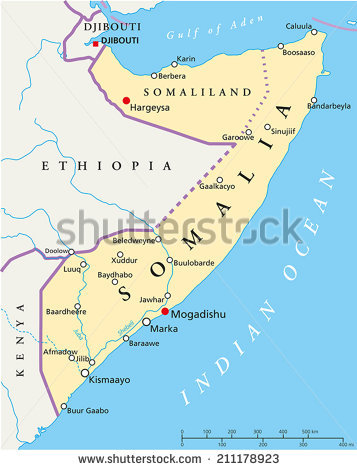
From Ethiopia this alignment goes through Hargeysa, Somalia.  Hargeysa is the largest city and capital of the self-declared province of Somaliland (it is not recognized internationally).

Somalia - Hargeysa Map

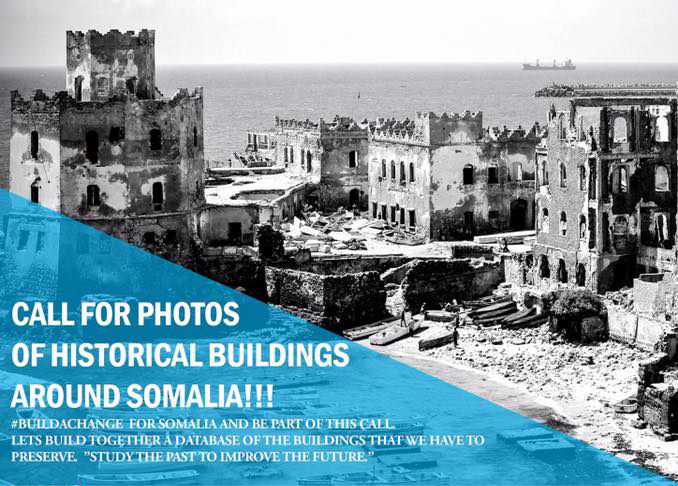
So, as is typical of so many places, this is the fate of the much of the beautiful historic architecture of Somalia…

Somalia - historic ruins

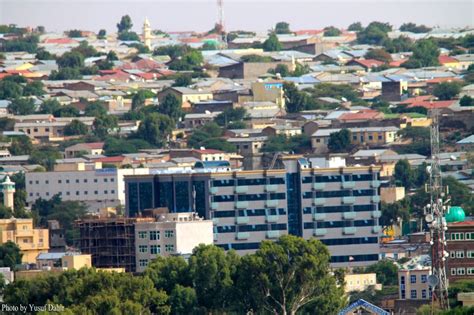
…to be replaced by what you see now in 21st-century Hargeysa…

Somalia - Modern Hargeysa

…Contrasted with the building in the background in this historic photo of Hargeysa.

Somalia - Historic Hargeysa 1

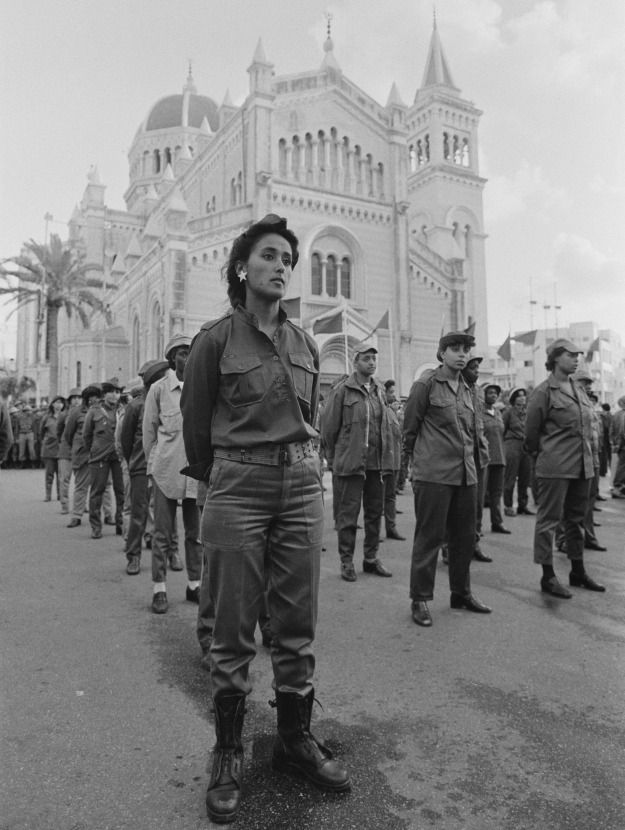
Here are some historic photos and locations around Somalia that may or may not still be standing:


Lastly, the alignment leaves Somalia at the city of Eyl.  This region of Somalia is known as Puntland, which was established in 1998.

Somalia itself is more than likely the ancient Land of Punt, which was a trading partner with Egypt.

This is the Dervish Castle at Eyl…

Somalia - Eyl Dervish Castle

…as well as the building in this historic picture.

Somalia - Eyl Historic Puntland 1

The Somali Civil War started in the 1980s, and is on-going.  It is estimated that at least 500,000 people have been killed as a result of it.

Somali Civil War

I will be ending this post here at the Horn of Africa and next stop will be following the alignment on to the Maldive Islands in the Indian Ocean.

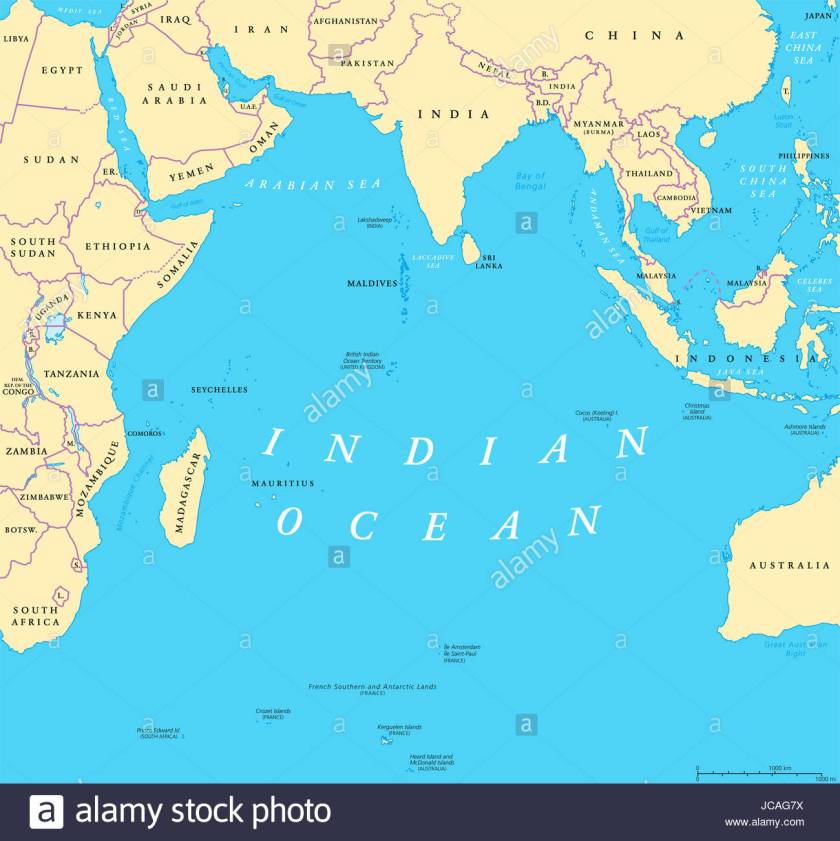
Somalia - Indian Ocean Map

I will leave you here these thoughts.

It sure looks like to me that a rich, vibrant & unacknowledged history of Humanity has been plundered and destroyed through this region, only to be replaced with violence, death and destruction.

I bring these things up because of these are types of things that have been happening on planetary gridlines, or the proximity thereof, which is also happens to be our consciousness grid.

Finding out things like this is why I believe the planetary grid has been deliberately manipulated to lower our collective consciousness since so many, many horrific atrocities and crimes against Humanity have been committed at significant places on the grid, not only here in Africa, but all over the world.

Knowledge of the planetary system was deliberately removed from our collective awareness by beings who definitely do not have humanity’s best interest at heart, our history was revised, and the truth became shattered and fragmented.

It is time to return this knowledge to the collective awareness and together choose to create a new reality for our planet that is based on love, kindness and cooperation.

History Reads Like a Book on the Planetary Grid – Part 1 Edmonton to Portland, Maine – With Video of Post at the End

This post will take a closer look at the side of the North American Star Tetrahedron that extends from Edmonton, Alberta, Canada, and will extend the alignment out starting from Ottawa in Canada, across oceans and continents, all the way to Capetown, South Africa.  In this process, I will be highlighting some ancient sacred sites and infrastructure, as well as hot spots in our modern history as I start this new series.

NorthAmericaMap

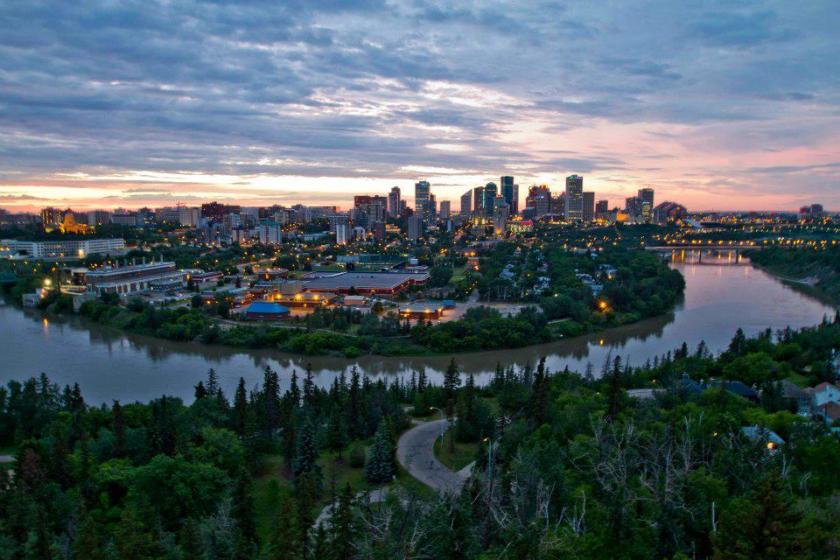
The northern apex of the star tetrahedron is Edmonton, Alberta.

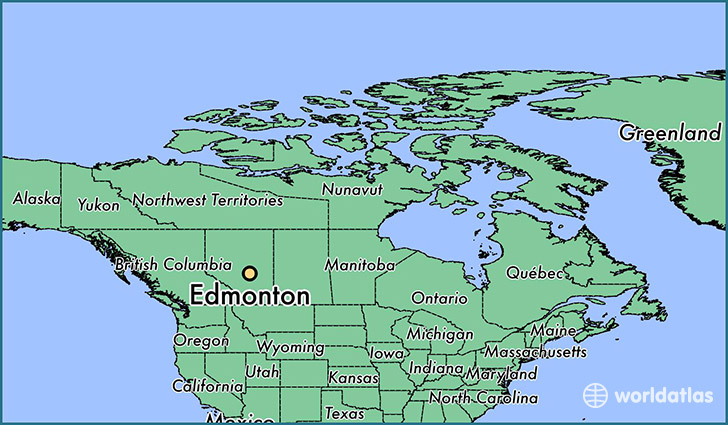
Edmonton, Alberta Map

Edmonton is the capital of the Province of Alberta.  It sits on the North Saskatchewan River.

Edmonton, Alberta 1

Compare the appearance of Edmonton’s location on the bend of this river with this city in Guizhou Province in China:

guizhou

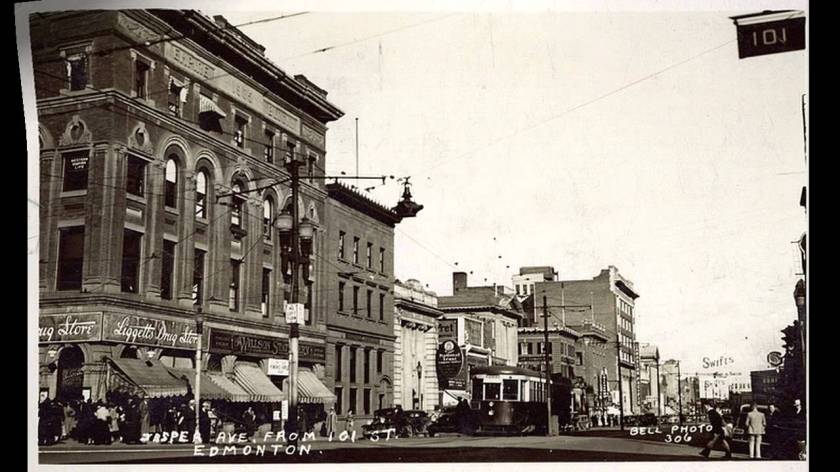
This is a historic view of Jasper Avenue in Edmonton, with building in the foreground on the left with its heavy masonry and arched windows.

Edmonton, Alberta - Jasper Avenue

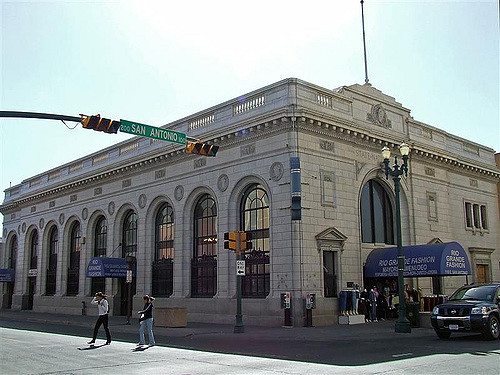
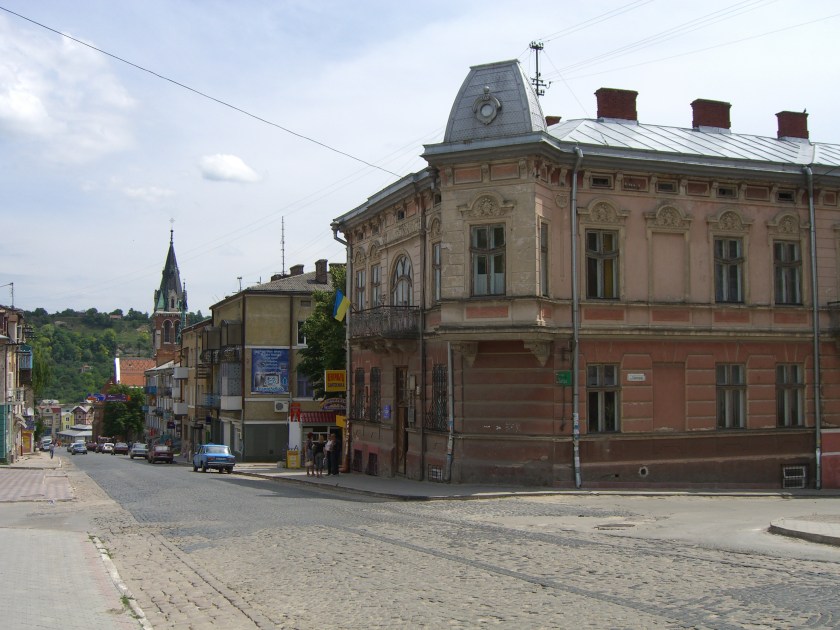
And here on the left is the Alberta Hotel, compared with the Detroit Savings Bank on the Top right; the Plaza Hotel in Roswell, NM in the middle; and a building on Kherson, Ukraine on the bottom right.

The is Ft. Assiniboine, a small hamlet in Alberta not far from Edmonton and was founded as a trading post by the Hudson Bay Company in 1824.

Edmonton, Alberta - Fort Assiniboine 1

The Assiniboine are said to be Plains Cree, and were a major part of an alliance known as the Iron Confederacy, or Nehiyaw Pwat.

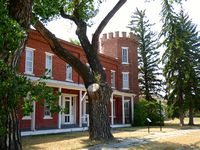
And the Ft. Assiniboine, south of Edmonton in Montana, was a U.S. Army post established in 1879, and was abandoned in 1911.  It is said to have been established to prevent Sioux chief Sitting Bull from returning to the United States from Canada and to control the local indian population.

This is what the Bachelor Officers Quarters looked like with its turreted tower:

Montana - Fort_Assiniboine 1

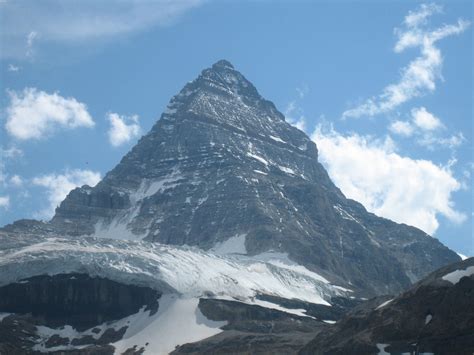
And this is the pyramidal-shaped Mt. Assiniboine, on the British Columbia border with Alberta in what are called the Canadian Rockies.

Edmonton, Alberta - Mt. Assiniboine

From Edmonton, this alignment passes through all of the capitals of the Canadian provinces, as well as Ottawa, the national capital of Canada.

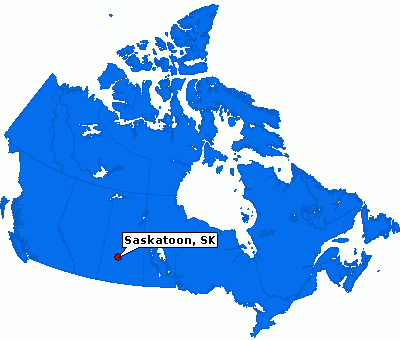
Next is Saskatoon, the largest city in the Province of Saskatchewan.

Saskatoon, Saskatchewan Map

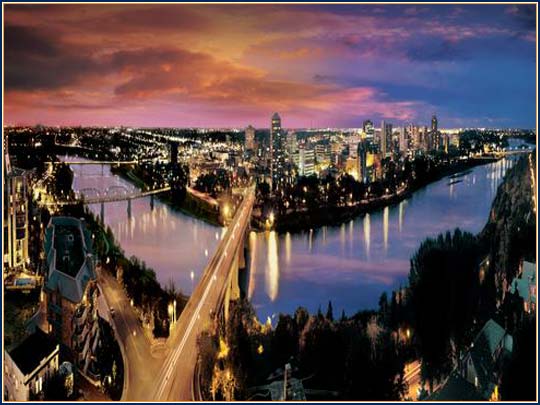
It straddles a bend in the South Saskatchewan River, and is the largest city in Saskatchewan.

Saskatoon, Saskatchewan 1

The palatial Delta Bessborough Hotel, said to have been built for the Canadian Pacific Railway from 1928 – 1932.

Saskatoon Delta Bessborough Hotel

And more of the same corner architecture and layout in Saskatoon that is seen worldwide:

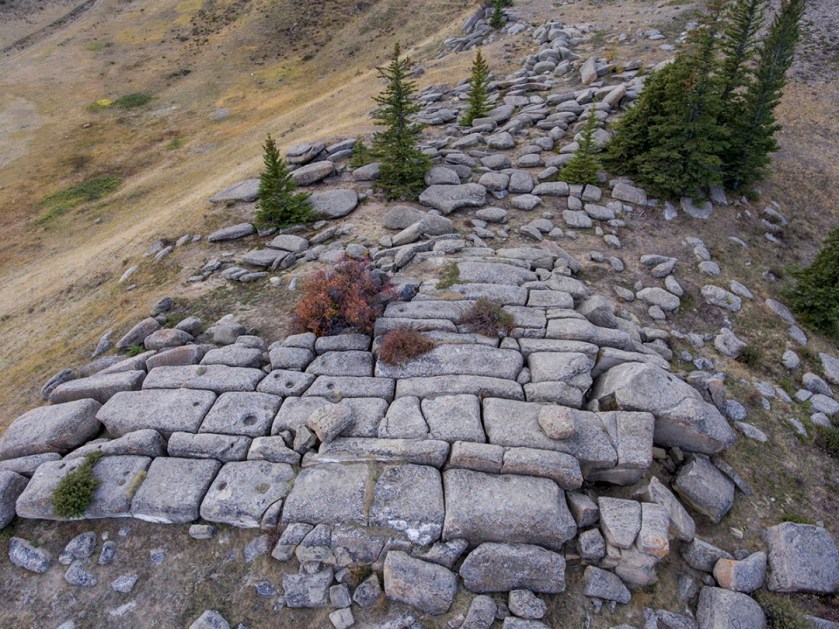
And these are the Cypress Hills megalith, where there was a massacre in in 1873, where a group of American bison hunters, American wolf hunters, American and Canadian Whiskey traders supposedly banded together over allegations of horse theft, and murdered a number of people in an Assiniboine camp.  This at least is what the historical record tells us for the reason.

Mystery Rocks Cypress Hills Saskatchewan

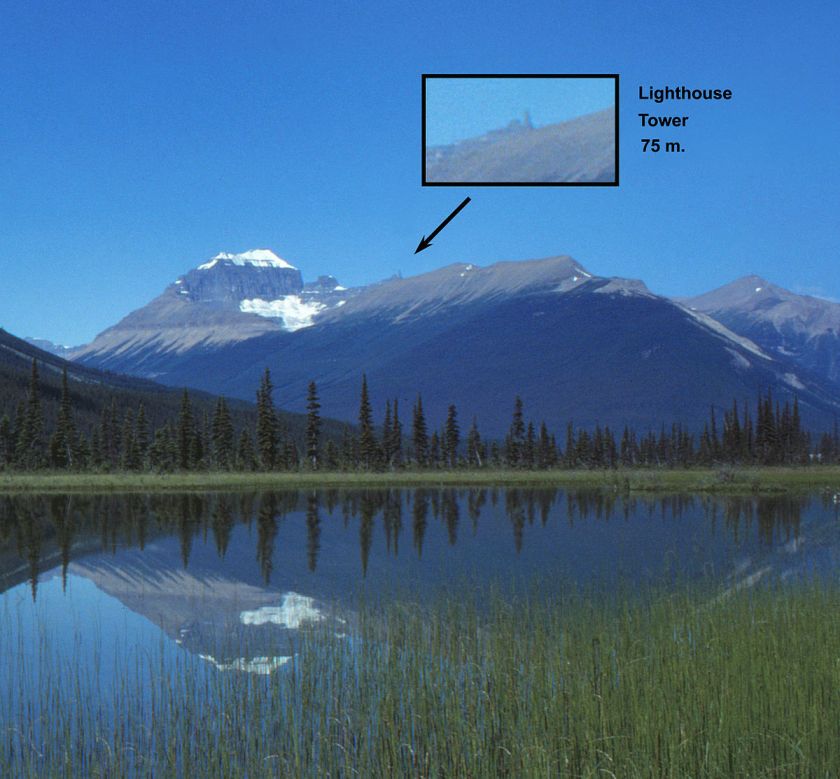
These megaliths are found on Mount Saskatchewan.  The lighthouse tower was the name given to a 75 meter pinnacle on the eastern ridge of the mountain.  I can’t find a close-up picture of the lighthouse because that would be interesting to see.

Saskatoon - Mt. Saskatchewan

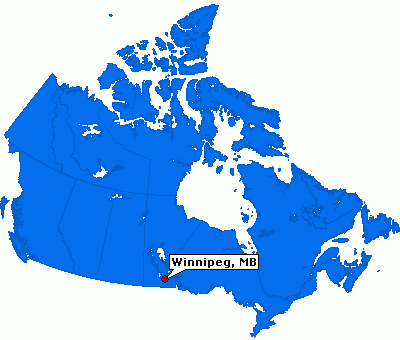
Next is Winnipeg, Manitoba, the capital city of Manitoba…

Winnipeg, Manitoba Map 1

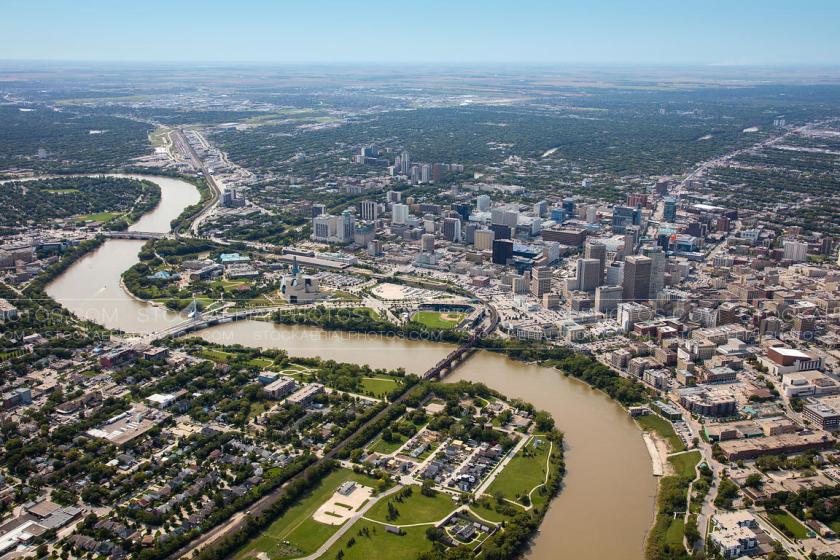
…and is centered on the Red and Assiniboine Rivers.

Winnipeg, Manitoba 2

Here are some historic buildings in Winnipeg, with the Hudson Bay Company Building pictured on the top, and the Manitoba Legislative building on the bottom left; the Law Courts in the middle; and the Ashdown Building on the bottom right.

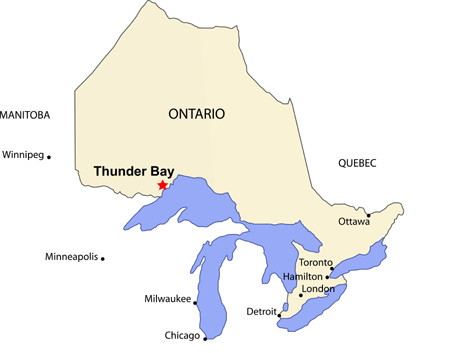
We come now to  Thunder Bay, Ontario, on the alignment, and we have crossed into the southern edge of the Canadian Shield, also known as the Laurentian Plateau.

Thunder Bay Ontario Map

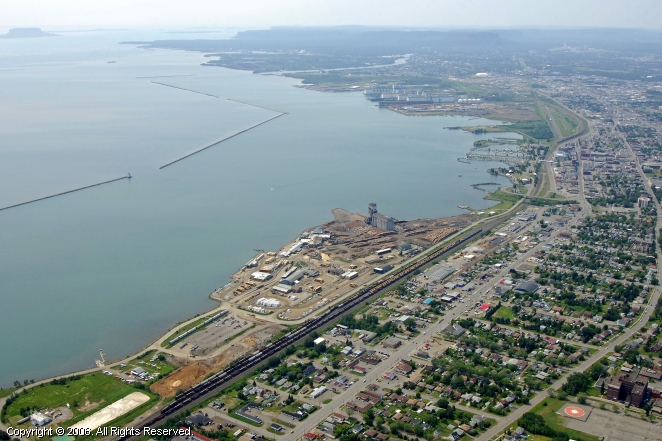
Thunder Bay is the seat of the Thunder Bay District in Ontario and is located at the head of Lake Superior.  It was previously known by Fort William and Port Arthur.

Thunder Bay Ontario 1

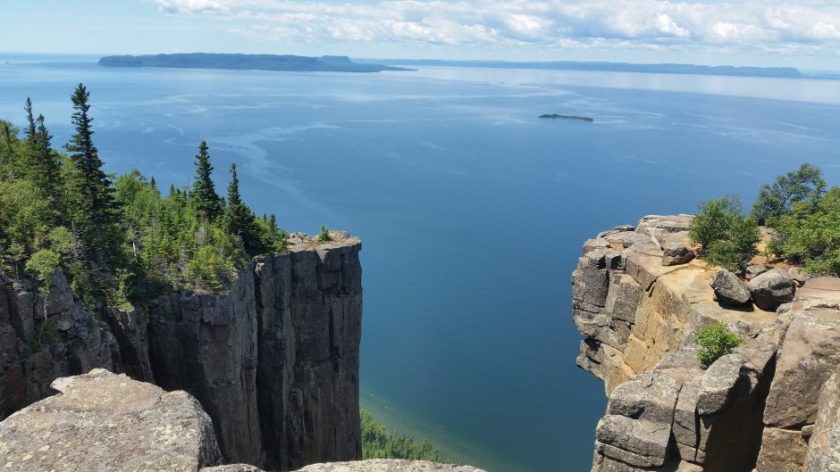
This is known as the Sleeping Giant in at a Provincial Park in Thunder Bay:

Thunder Bay Ontario - Sleeping Giant

The Hudson Bay Company merged with the original trading post located there at Fort William pictured here.  So they want us to believe these buildings were the original structures of the area…

…instead of actually these buildings here:

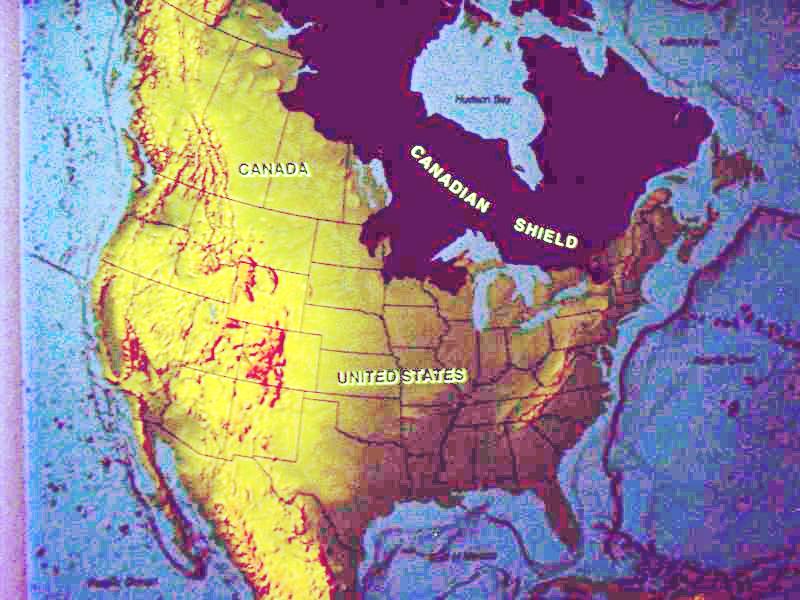
We have also crossed into the southern part of the Canadian Shield, also known as the Laurentian Plateau.

Thunder Bay - Laurentian Plateau map

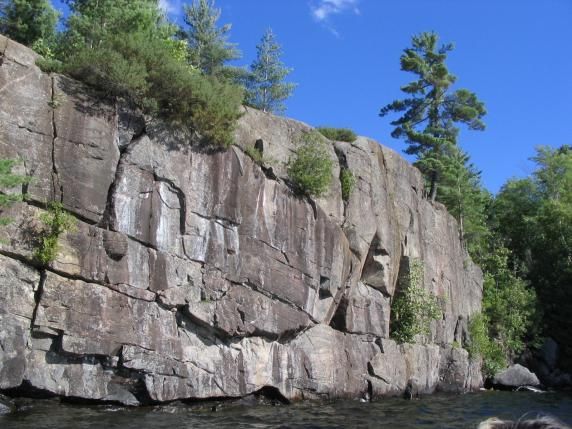
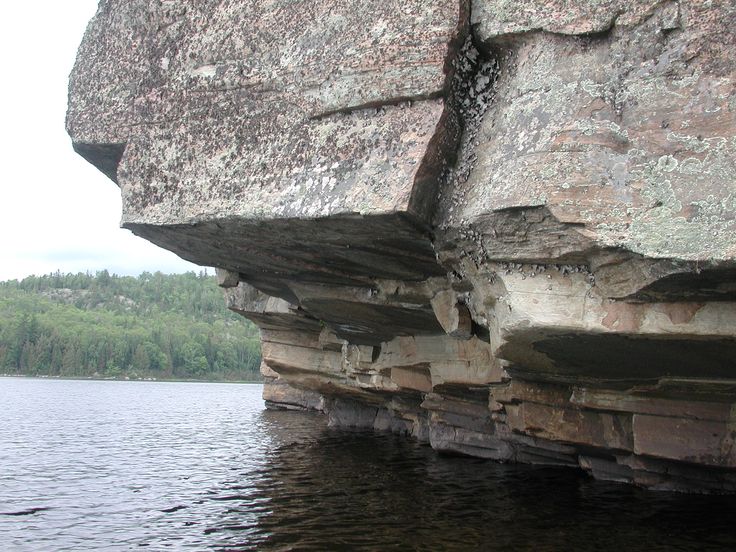
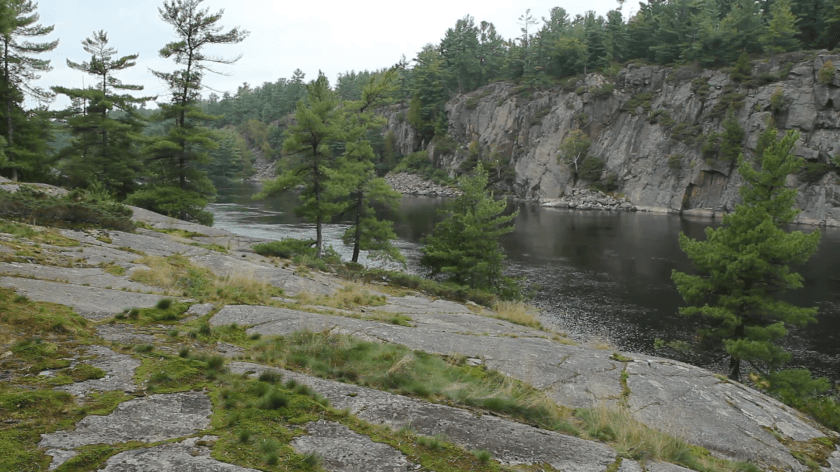
It is called one of the world’s largest geologic continental shelves, of exposed precambrian igneous and high-grade metamorphic rock that forms the ancient geological core of North America.  So I want to share some photos with you of what it looks like with all those nice straight edges and angles:

Thunder Bay - Laurentian Plateau 1Thunder Bay - Laurentian Plateau 3Thunder Bay - Laurentian Plateau 2

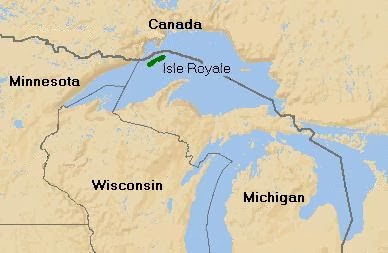
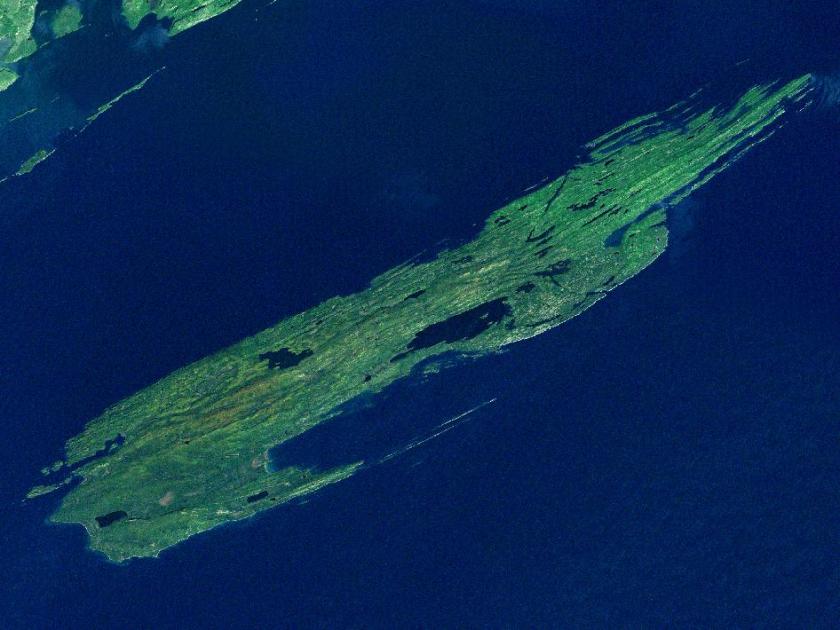
So moving on down this alignment, next is Isle Royale, which is located in Lake Superior.   An alignment directly on the Star Tetrahedron goes right through here.

Isle Royale map

Isle Royale is known for its ancient copper mines.  As a matter of fact, the copper from Isle Royale was being mined extensively in the Bronze Age, around 3,000 BC, and was considered the purest copper in the world.  And nobody can really explain who was responsible for the mining, and how it got to Europe.

Isle Royale

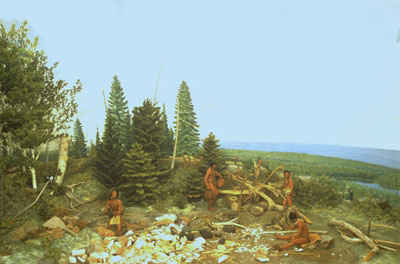
The best they can come up with is also how they explain the people who built the mounds.  And they definitely can’t explain how it got to Europe.  This a conundrum that confounds the construct that guides our knowledge of history.

Western Archeologists tell us that somehow Indians in loincloths figured out how to mine copper 5,000 years ago, and that somehow, we really don’t know how, it got to Bronze-Age Europe before there was transoceanic trade.

Copper Miners

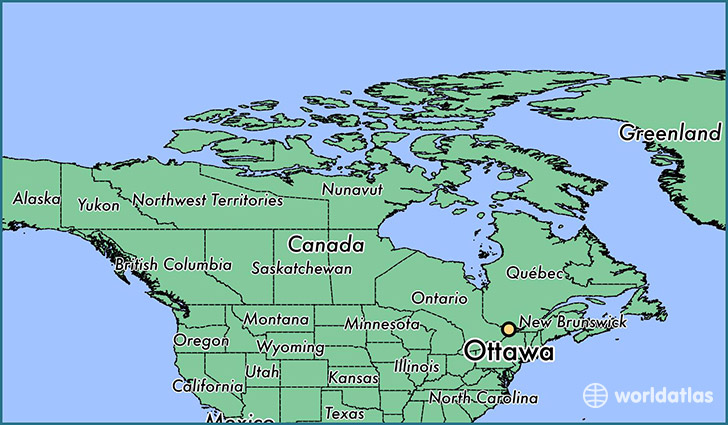
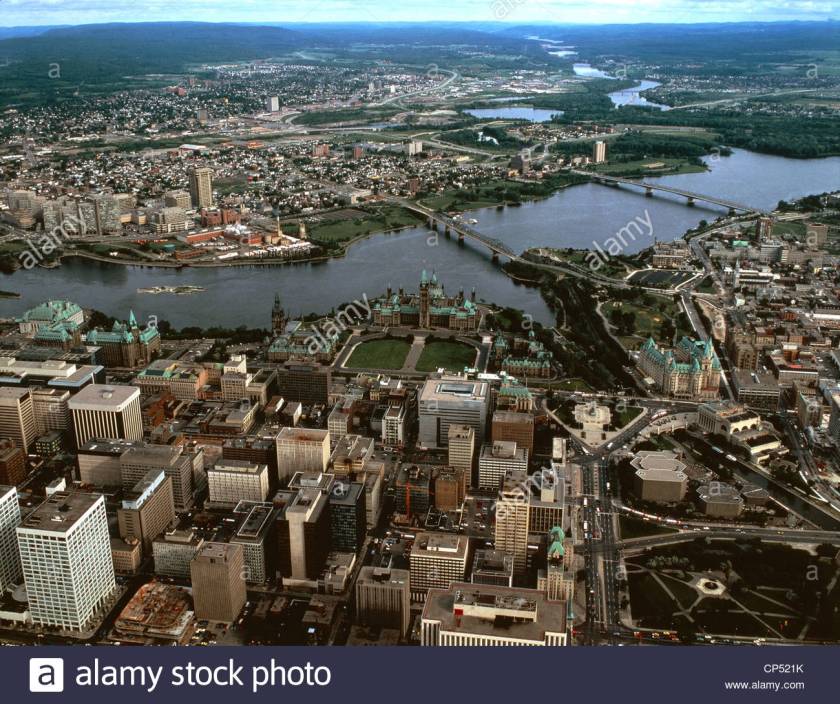
The next stop is Ottawa, Ontario, the national seat of government of Canada.

Ottawa, Ontario Map

It stands on the south bank of the Ottawa River in the eastern portion of southern Ontario.

Ottawa 2

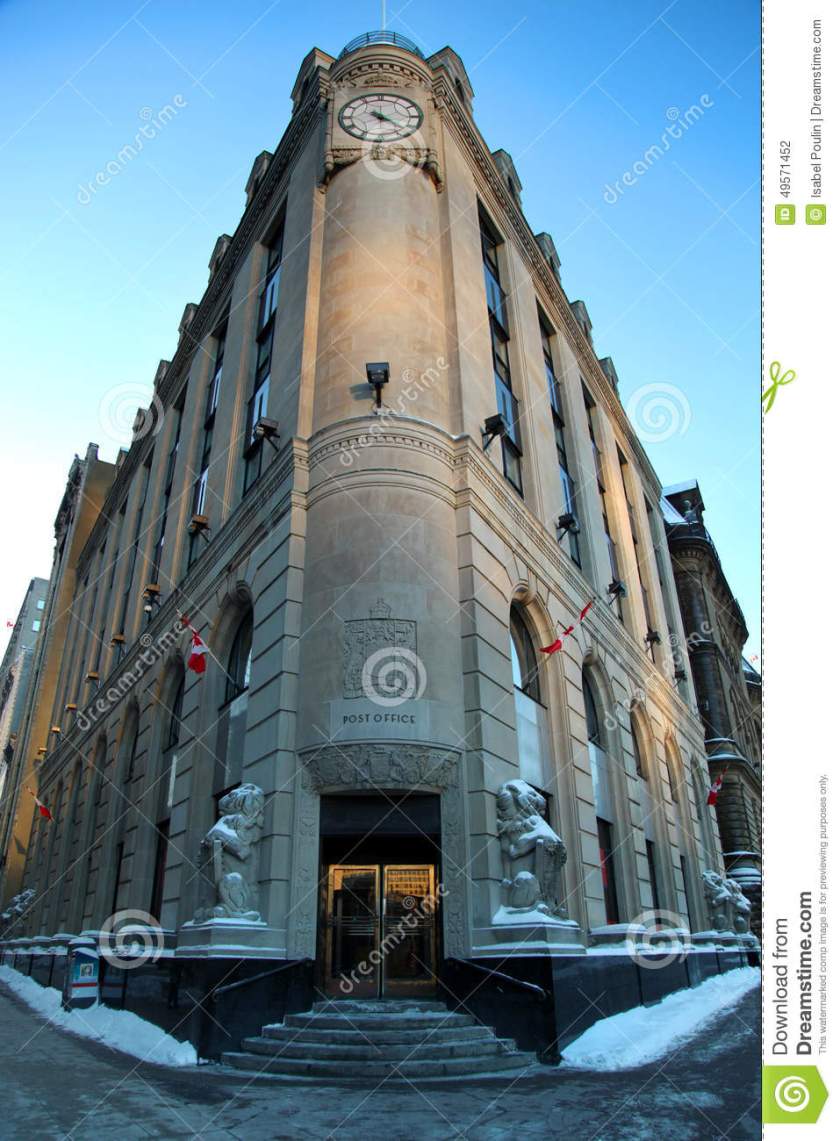
This is a historic post office in Ottawa…

Ottawa Post office

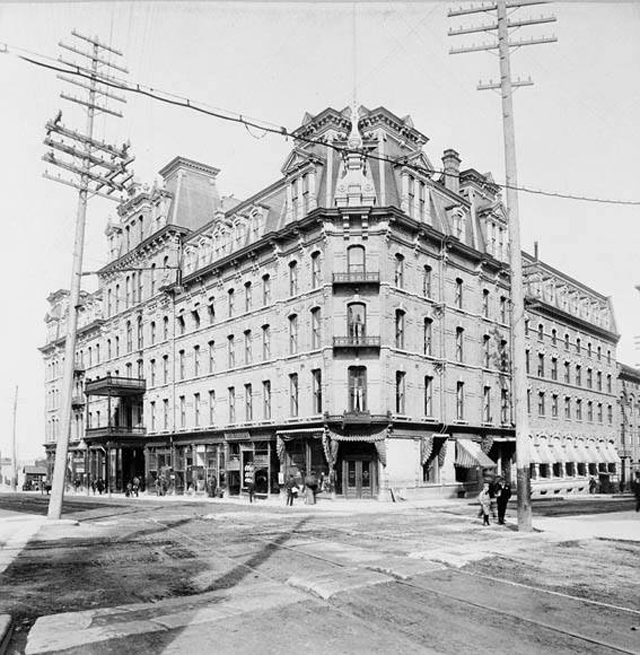
…a historic picture of Ottawa taken in the 1800s…

Ottawa - historic Ottawa 1800s

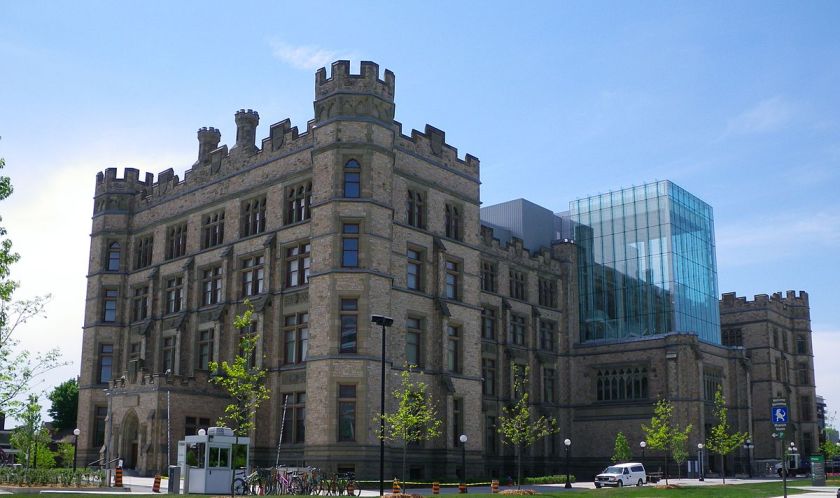
…the Ottawa Museum of Nature…

Ottawa - Canadian Museum of Nature

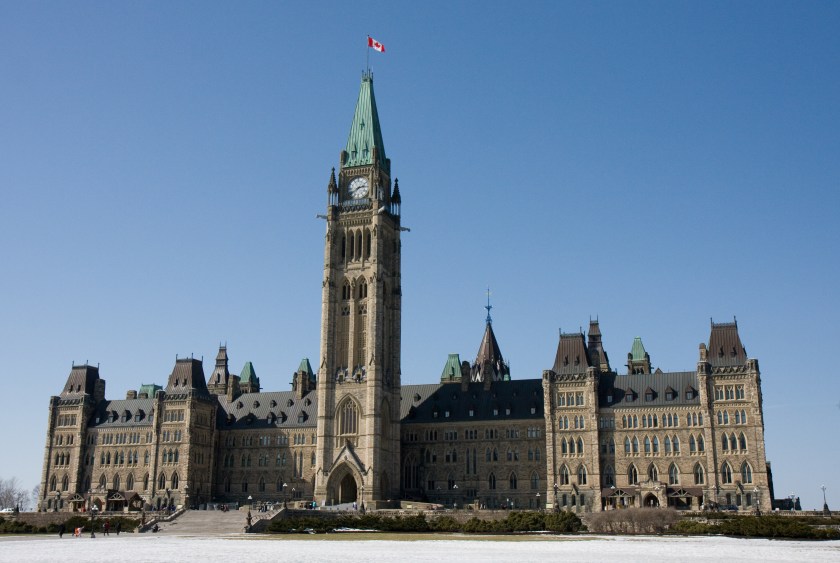
…and the Parliament buildings.

Ottawa - Parliament

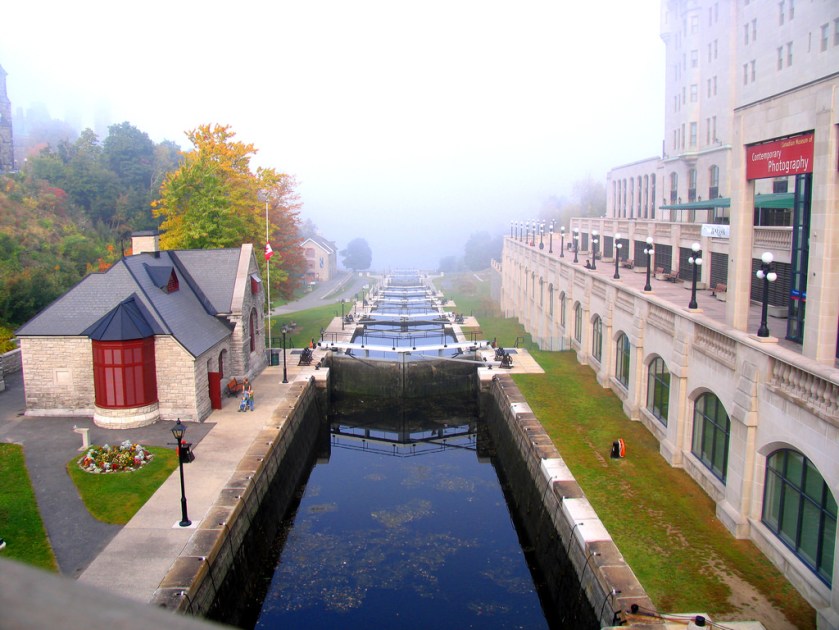
Here is the Rideau Canal in Ottawa, which is a UNESCO World Heritage Site, and connects Ottawa with Lake Ontario and the St. Lawrence Seaway.  It is said to have been built in 1832.

Ottawa - Rideau Canal - UNESCO World Heritage

I ask the same question that I have raised in previous blog posts about canals, much less all of these buildings with heavy masonry – what technology, based on what we are taught about our history, could have existed at that time, 1832 in the case of Rideau Canal, to build a sophisticated waterway like this?  According to our historical narrative, it would have been completed before the Industrial Revolution, which didn’t come to Canada until the 1860s.  It quite simply does not match up with what we are taught.

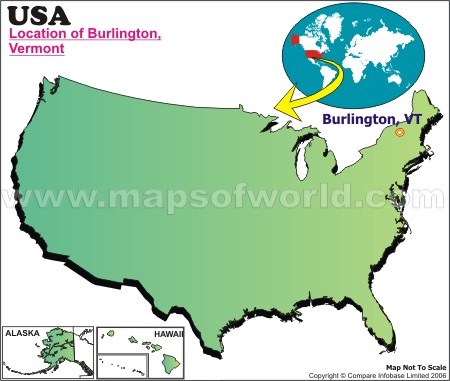
On across the U. S. Border to Burlington, Vermont.

Burlington, Vermont Map

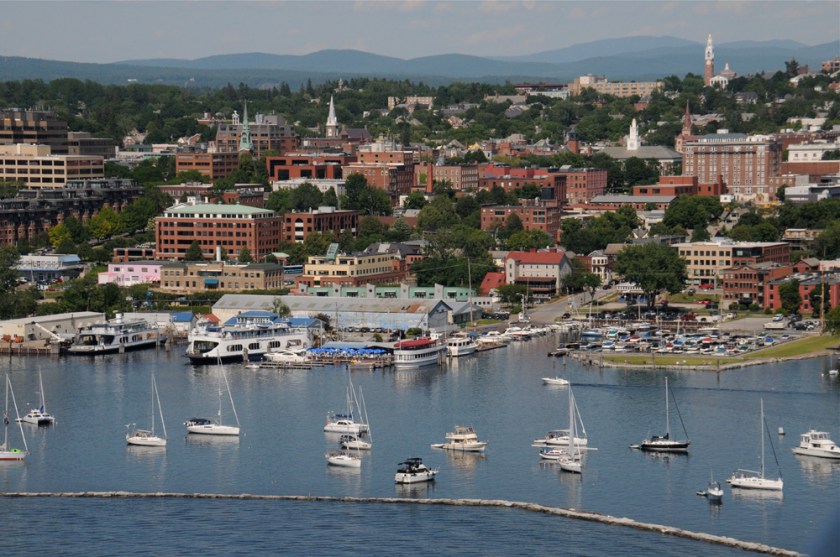
Burlington is the county seat of Chittenden County, and with its population of 50,000 is still the largest city in the State of Vermont.  It is located on the eastern shoreline of Lake Champlain.

Burlington, Vermont Lake Champlain waterfront.

Here are historic pictures  of Burlington:

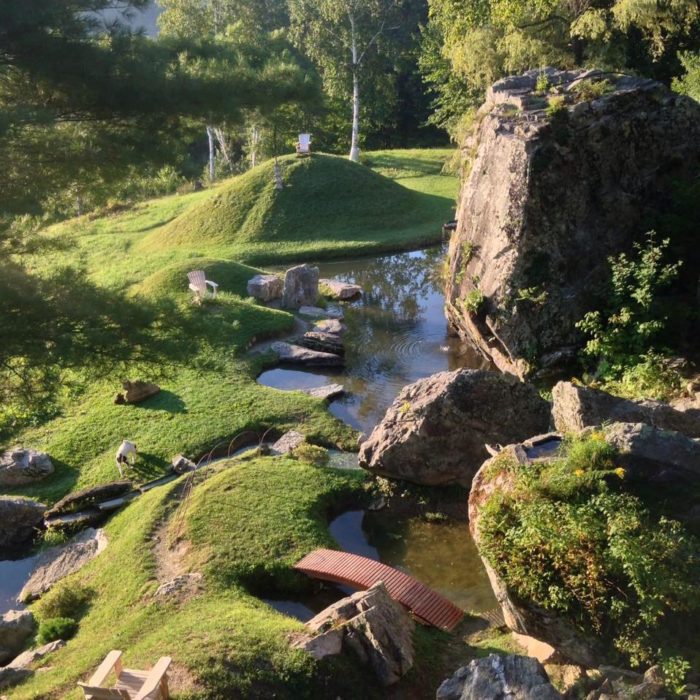
This is Taconic State Park near Burlington, which has mounds and enormous block-shaped rocks.

Burlington, Vermont - Taconic Mountains State Park

I first started cracking the code covering up the Advanced Ancient Civilization in early 2016.

My process was that after I wrote down the places on a particular route by connecting the dots on a globe, I would follow up by looking up images and videos of these places.

One of the first things I realized is that for as much of the ancient civilization as is destroyed, neglected, or incorporated in unprotected places, much is preserved intact in federal, state, and local parks. I must say that to this day, I am never disappointed.  I can’t emphasize enough that this Ancient Civilization is everywhere – there is not place in the world that it is not.

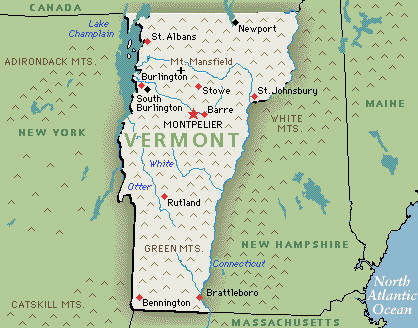
Next the alignment goes through Montpelier, Vermont.

Montpelier, Vermont map

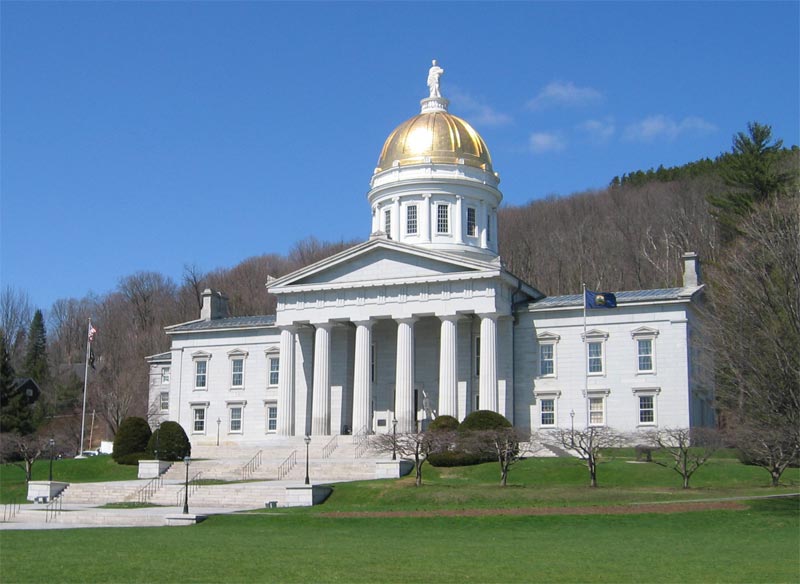
Montpelier is the State Capital…

Montpelier, Vermont - State Capital Building

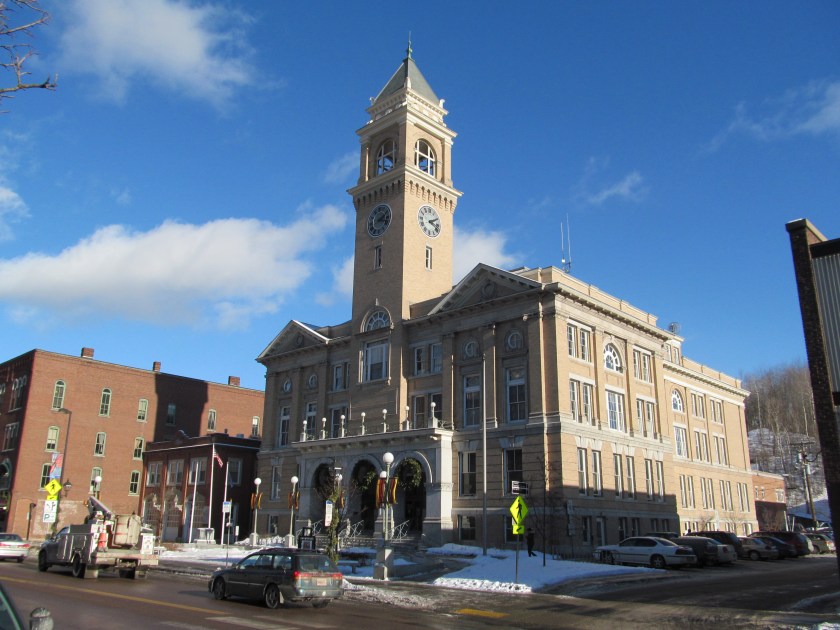
…here is the Montpelier City Hall

Montpelier, Vermont - City Hall

…and a building in Montpelier, Vermont, compared with one in Summerside, Prince Edward Island.  Not identical architecture, but similar.

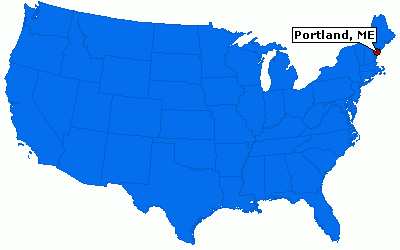
Next we come to Portland, Maine, which is the largest city in Maine, and located on Maine’s Atlantic coast.

Portland, Maine Map

This is a comparision of the lighthouse at Portland, Maine on the left, and Peggy’s Cove in Nova Scotia on the right.  Lighthouses will most likely be the subject of a future blog post, because guess what….

Also, here is a street view of Portland on top, compared with a very familiar look to me from other cities in very different places – bottom left is  Edinburgh, Scotland; middle is from Zagreb, Croatia; and on the bottom right is Ellicott City, Maryland.

This is the end of this first post, where we leave Maine to cross over to the Canary Islands in the Atlantic Ocean.

The Physical Planetary Grid System of the Ancient Ones – Video Montage

The Ancient Ones don’t refer to a people that existed a long time ago. It refers to an ancient people that are alive and living in the present day, who were the Moorish Master Builders of the planet.

This is a video montage, with music but no narrative, acknowledging them and their remarkable legacy, put together with pictures in previous blog posts.

Music:  At the Shores of Remembering Artist: Angel Sananda

How I Found the Silk Road – Part 6 Santa Rosalia to Montreal – With Video of Post at the End

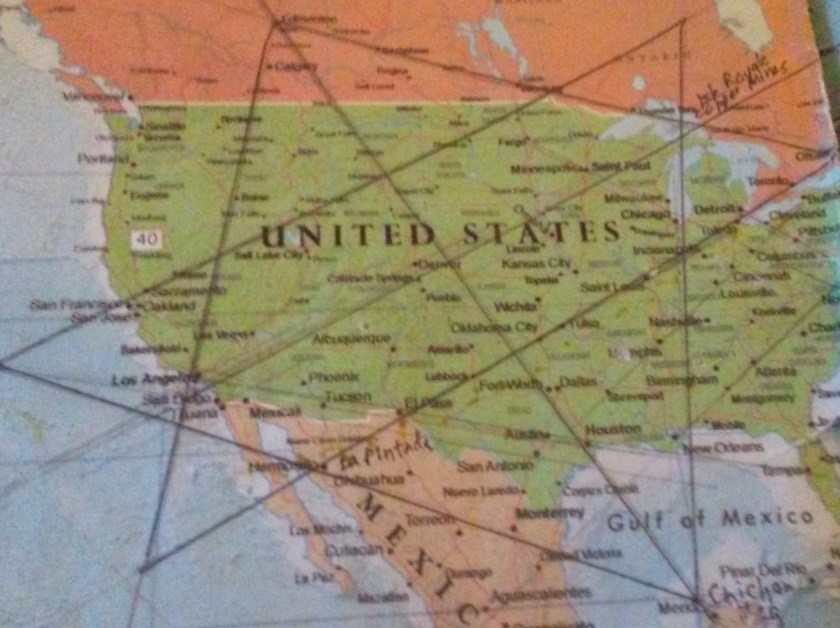
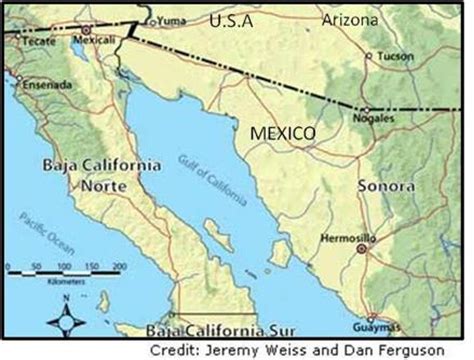
The last leg of this journey following a major planetary alignment will take us from Santa Rosalia in Baja California, across major cities and capitals in Mexico, the United States and Canada and will be ending at Montreal, where I started this series about “How I Found the Silk Road.”

I did not know where the Silk Road was before I went through the process, after I found the star tetrahedron, of extending the lines out on a globe, and writing down the cities that lined up around the world.
NorthAmericaMap

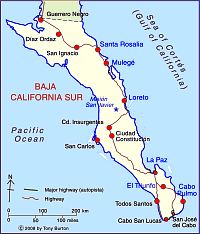
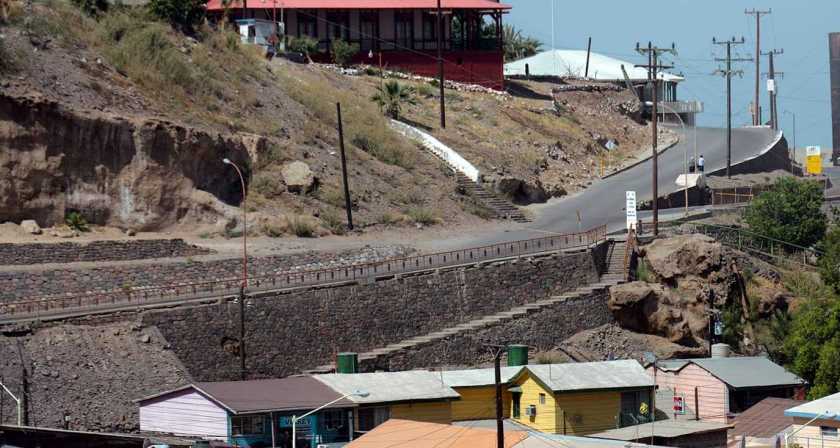
I am picking up the alignment in Santa Rosalia, Baja California, which is a port city and ferry terminal.  It is said to actually boast French influence in architecture, and a French company mined copper there from 1885 – 1954.

Santa Rosalia Map

Santa Rosalia 2
Santa Rosalia, Baja California

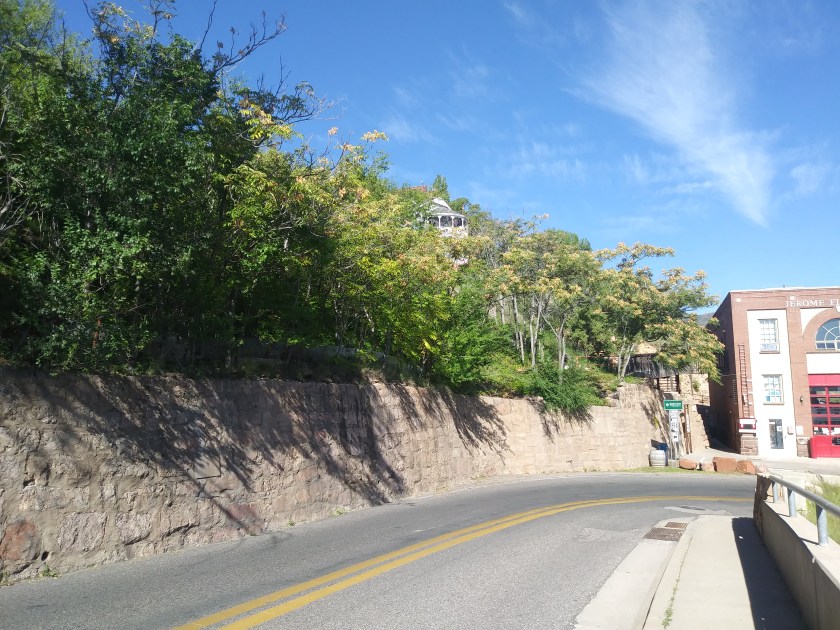
Jerome, Arizona is not on this particular alignment, but I am including a picture there to show a similar stone wall.  Not exactly the same, but whoever built these walls is really comfortable with stone work.

042
Jerome, Arizona

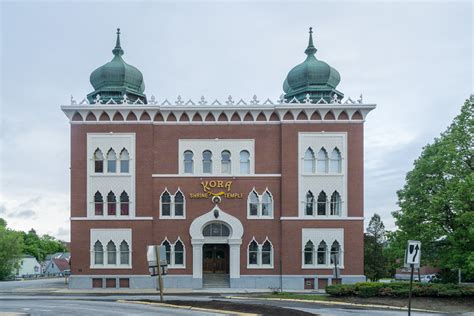
The prefabricated metal Church in Santa Rosalia is said to have been designed in 1884 by Gustave Eiffel, of Eiffel Tower fame.  It is pictured on the left, with a building in Grozny, Chechnya in the middle; and the Natural History Museum of Milan, Italy on the right, and the Lewiston Shriners’ Temple to show the shared window design features.

Lewiston Maine - Shriners Temple
Lewiston, Maine  – Kora Shriners’ Temple

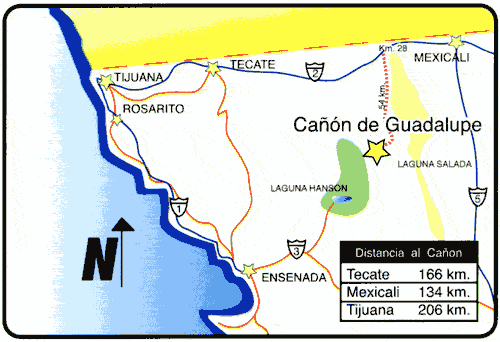
There are places in Guadelupe Canyon in Northern Baja California in the general area of the alignment.

Guadalupe Canyon, Baja California Map

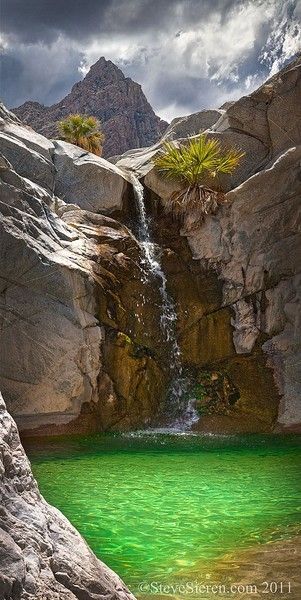
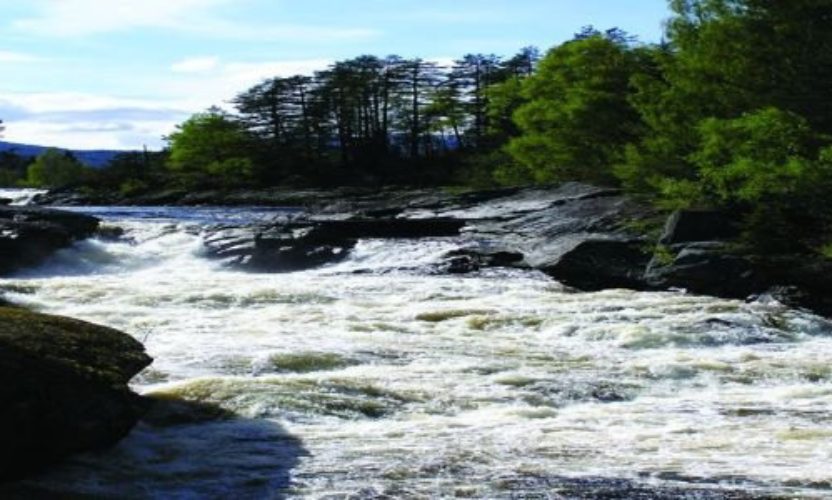
Here is the Emerald Pool and Waterfall in Guadalupe Canyon, with the pyramidal shape in the background.

Santa Rosalia, Baja - Emerald Pool and Waterfall
Emerald Pool & Waterfall, Baja California

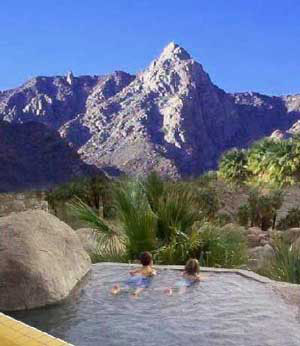
And a view from El Mirador, also in Guadalupe Canyon, with a nicely-engineered stone pool in the fairground and pyramidal shape in the background.

Santa Rosalia - El Mirador Guadalupe Canyon Oasis
El Mirador in Guadelupe Canyon

Next on the alignment is Hermosillo, Mexico.

Hermosillo, Mexico map

It is actually located at the intersection of two major ley-lines of the North American Star Tetrahedron.

NorthAmericaMapC

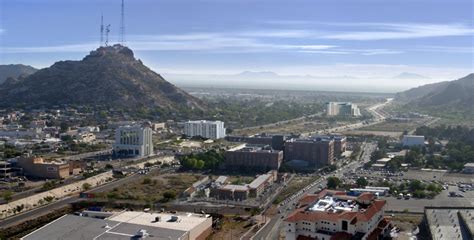
It is located centrally in the northwestern state of Sonora.  It was ranked as one of the 5 best cities to live in Mexico in 2013.

Hermosillo 4

This is the Government Palace in Hermosillo on the left, and for comparison with a similar appearance is the University of Otago in New Zealand on the right.

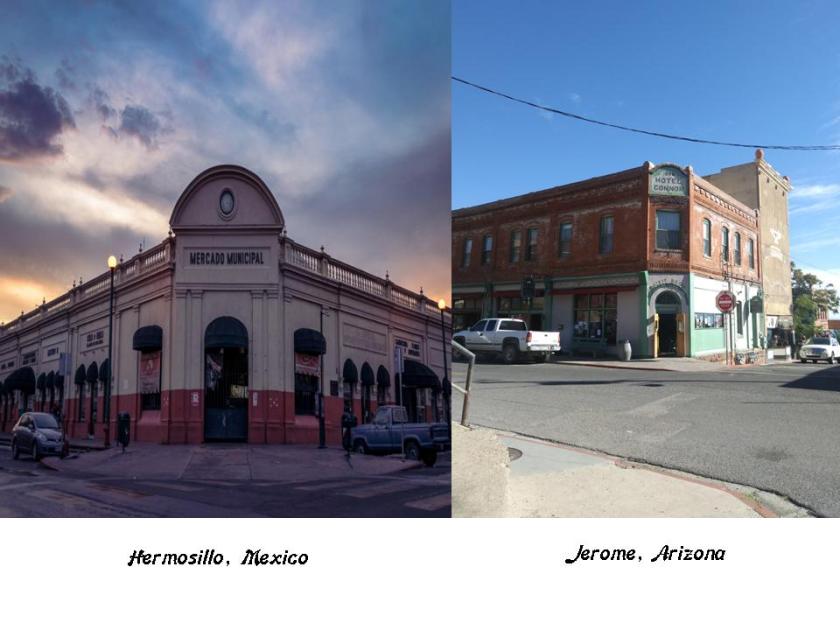
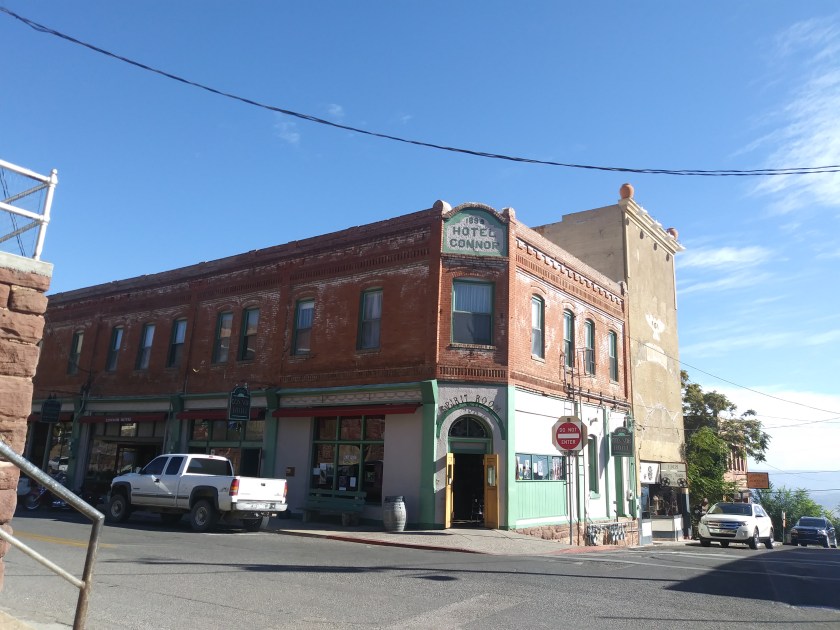
On the left is the Municipal Market in Hermosillo, and on the right, is the Hotel Connor in Jerome, Arizona.

Hermosillo - Jerome

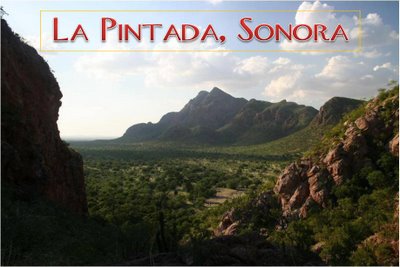
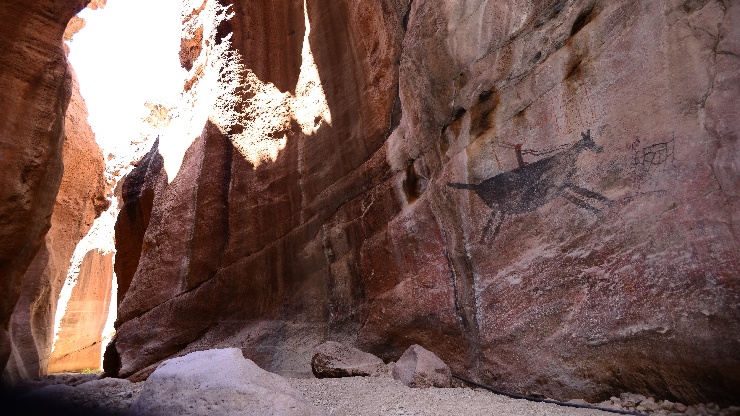
La Pintada is a site located 60 kilometers south of Hermosillo, within La Pintada Canyon.

la pintada 1a

La Pintada is an important ancient archeological zone.

La Pintada 1

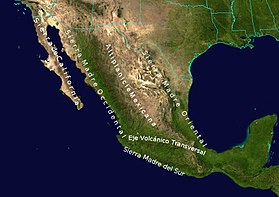
From here, the alignment crosses over the Sierra Madre Occidental Mountains.

Sierra Madre Occidental Map

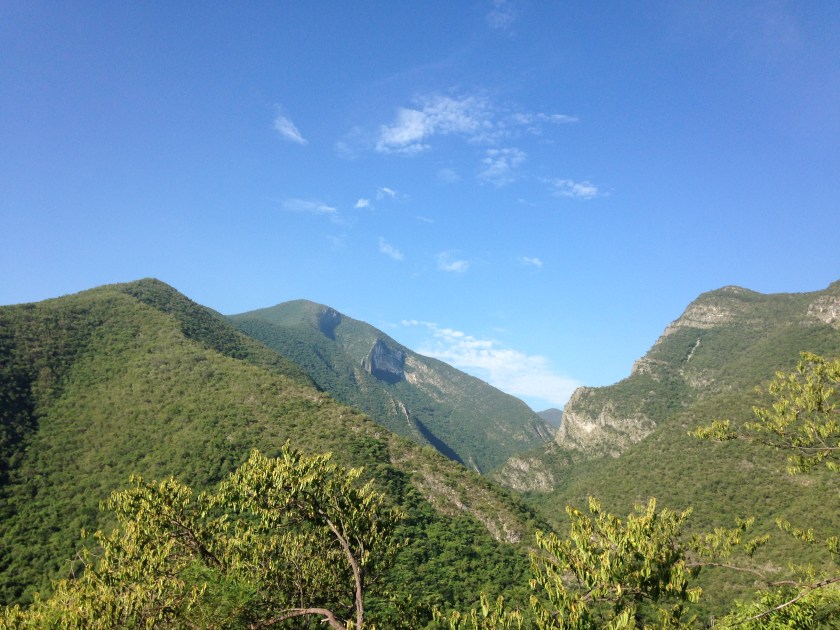
This is a major mountain range of the North American Cordillera, which is the mountain chain that runs along the western side of the Americas, including the Rocky Mountains.

Sierra Madre Occidental 1

The Rio Grande de Santiago winds through the Sierra Madre Occidental, and forms part of the border between Nayarit and Jalisco States.

Sierra Madre Occidental - Rio Grande de Santiago

The Basaseachic Falls on the left are on the Basaseachic River in the high Sierra Madre Occidental; on the top right you see Angel Falls in Venezuala, and bottom right the Staubbach Falls in Switzerland – both of which have a similar appearance to Basaseachic Falls.

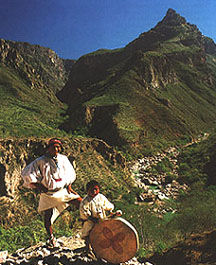
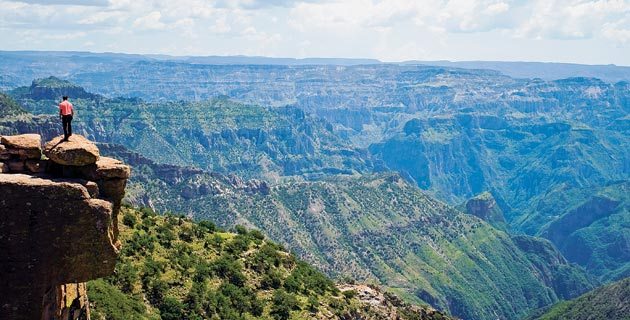
Copper Canyon is also in this area, and is the home of the Tarahumara.  The Tarahumara are known for their exceptional abilities in long-distance running.  Most still practice a traditional lifestyle.

Sierra Madre Occidental - Copper Canyon Tarahumara

Sierra Madre Occidental - Copper Canyon2

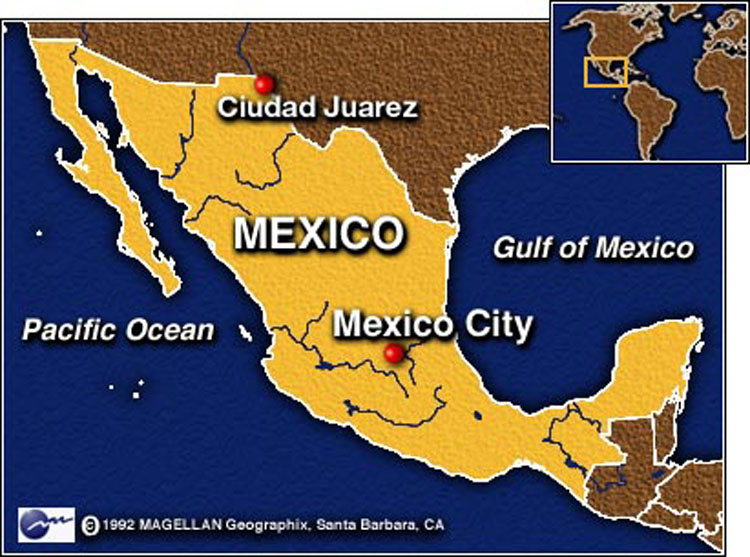
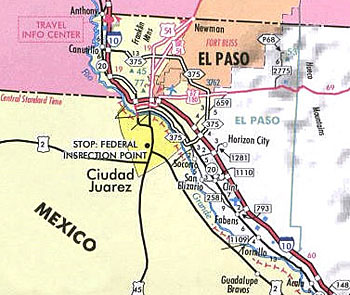
Next we come to Juarez, Mexico,the  seat of government and most populated city in the State of Chihuahua.  It sits on the U.S. border, right across the Rio Grande from El Paso, Texas.

Juarez Map

Here is a comparison of  a building in Juarez on the top, and on the bottom row on the left is in Kresy, Siberia; in the middle is Guthrie, Oklahoma; and on the right is Kherson, Ukraine.

Also the this old postcard showing the roof features of the Custom House in Juarez on the top left, compared with similar features in Bordeaux, France on the top right; Yalta in the Crimea on the bottom left; and in Belgrade, Serbia on the bottom right.

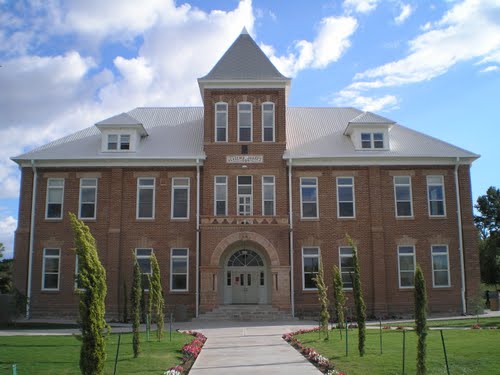
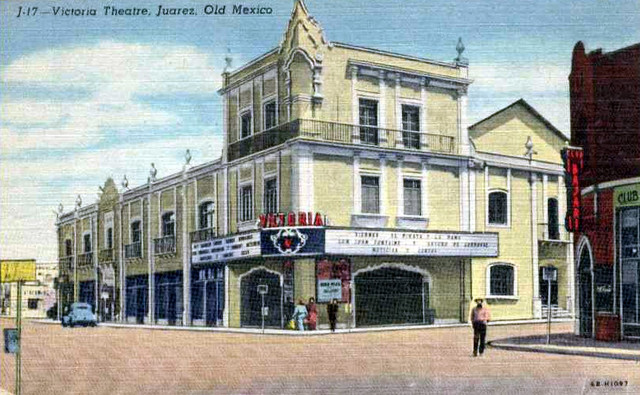
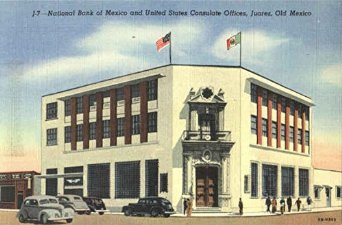
In the next set of photos in Juarez, I am highlighting a school, theater, and bank.

Juarez Academy

Juarez Academy

Juarez Movie Theater
Victoria Theater – Juarez,Mexico
Juarez national-bank-of-mexico-and-united-states-consulate-offices
National Bank of Mexico & U. S. Consulate Offices in Juarez

As I move forward on the alignment into El Paso, Texas in the United States…

El Paso Map

…I will be highlighting these three types of institutions in most of the cities for a variety of reasons:

1)  Monumental architecture, and I am using this term in its meaning of  large human-made structures of stone or earth which are used as public buildings or communal spaces;

2) They are related to  control structures,  as in thought and finance;

3) There are so many examples to choose from that focusing primarily on these three, with some exceptions as you will soon see, narrows my search and helps organize the material.

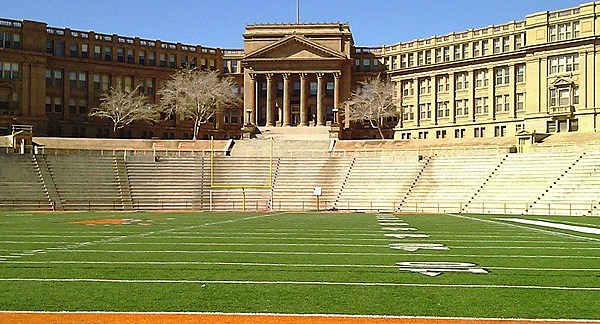
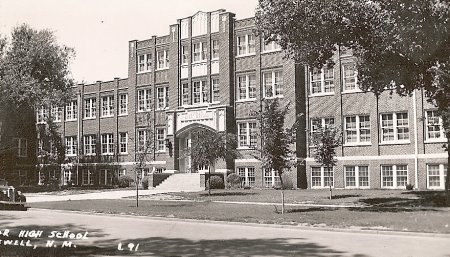
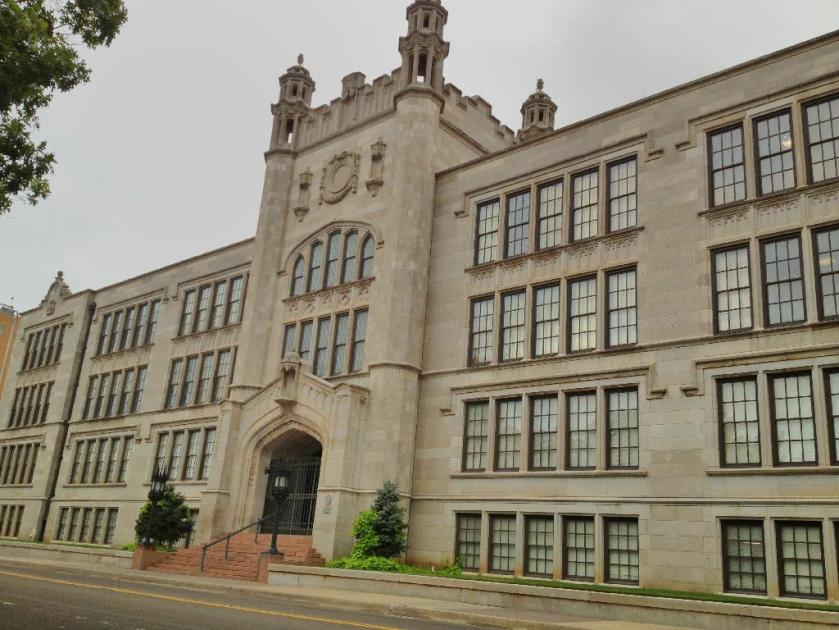
For example, this is El Paso High School.  You know, I didn’t go to a high school that looked like this or similarly monumental, but I think a lot of people did.  And didn’t think twice about it.  It doesn’t fit the historical narrative that we have been taught.  It’s not supposed to be there, so we don’t see it, and we don’t even think it.  We are being educated in schools that look like this and don’t even ask questions about it.

El Paso High School 3

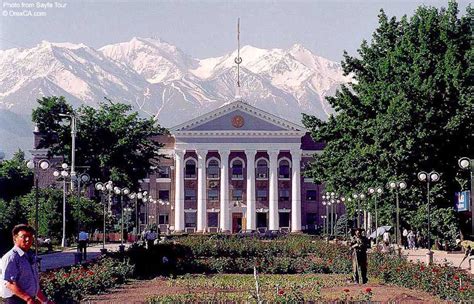
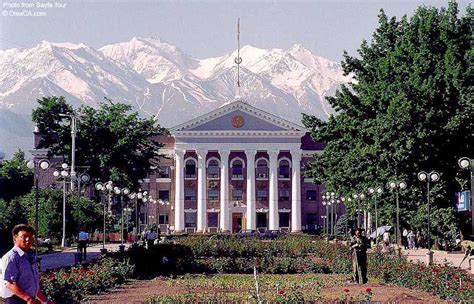
For comparison, this building is in Bishkek, Kyrgyzstan…..

Bishkek, Kyrgyzstan 1

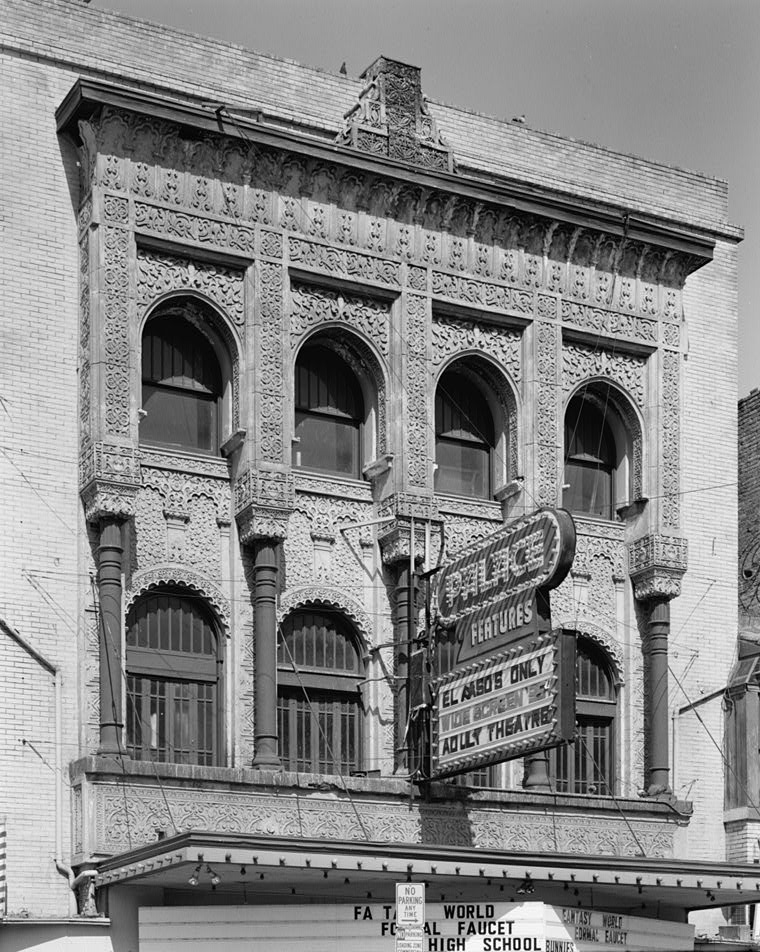
This is the Alhambra Theater in El Paso, with its ornate and intricately-designed  facade.

El_Paso,_Texas - Alhambra_Palace_Theater,_

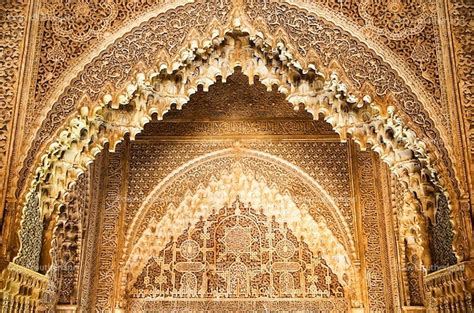
And this ornate and intricately designed space is one of the many found at the Alhambra in Grenada, Spain.

Alhambra, Grenada Spain

Here is the El Paso State National Bank building with its heavy and huge masonry.

el paso state national bank

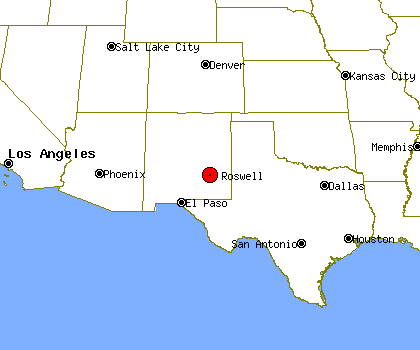
Next we come to Roswell, New Mexico, most famous as the site of a UFO crash in 1947, to which I don’t think the government has ever publicly admitted, but which has a lot of circumstantial supporting evidence :).

Roswell, NM Map

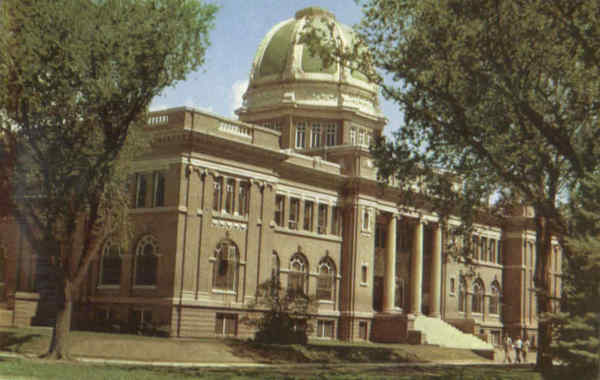
Roswell is the County Seat of Chaves County.  As we go further along the alignment, I encourage you to be open to thinking differently about who actually built these monumental buildings.  Perhaps county seats and capitals were chosen because of buildings that were already there….

Chaves County Court House Roswell, NM
Chaves County Courthouse

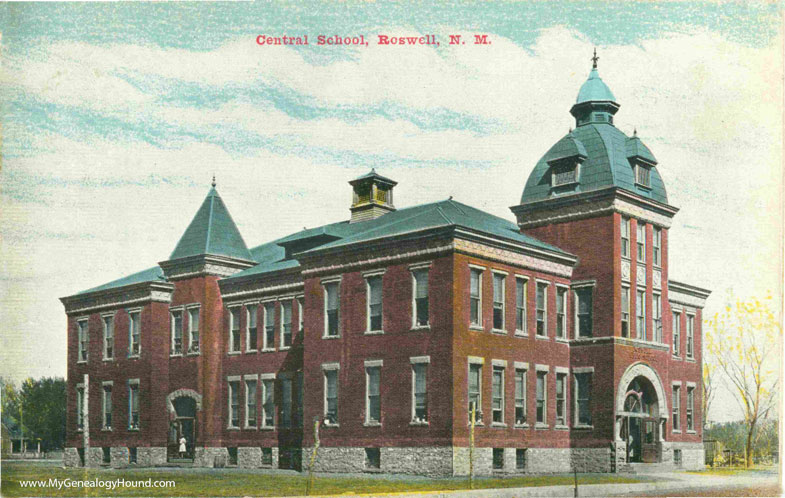
Next are two old depictions of schools in Roswell – Central High School…

Roswell-New-Mexico-Central-School-vintage-postcard-photo

…and North Junior High School.

Roswell, NM - North Jr. High

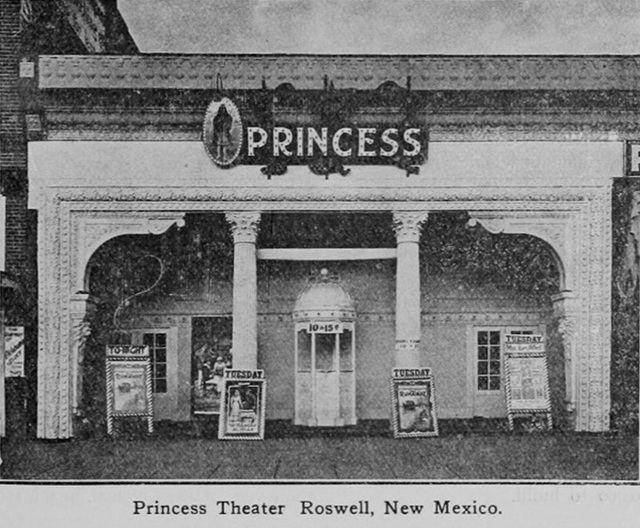
Here is an old picture of the Princess Theater in Roswell with its intricate design features.

Roswell, NM - Princess Theater

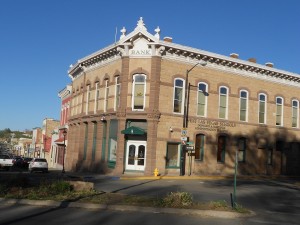
And the Plaza Hotel, which takes us back to the same style I keep showing you that is found in so many different places (and more to come along the way).

Roswell, NM - Plaza Hotel

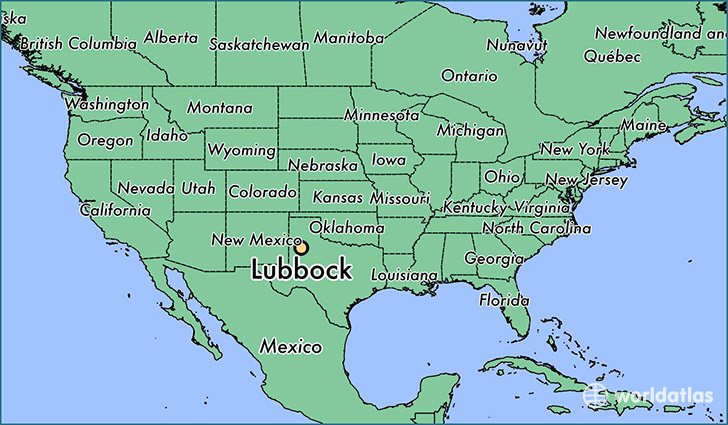
Lubbock, Texas is next on the alignment.

Lubbock, Texas Map

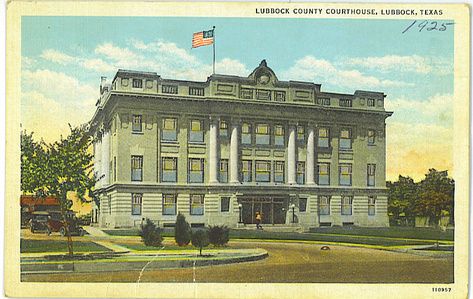
It is the County Seat of Lubbock County on the southern end of the high plains, also known as the Llano Estacado.  It is considered a regional hub city.

Lubbock, Texas - County Courthouse

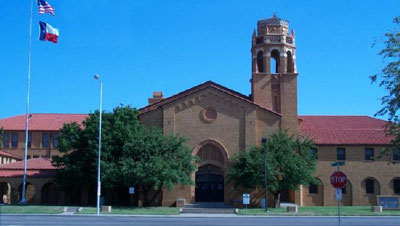
This is Lubbock High School.

Lubbock, Texas - Lubbock High School

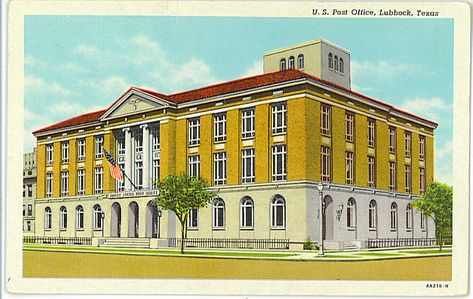
And its monumental post office and federal building.

Lubbock, Texas - post office

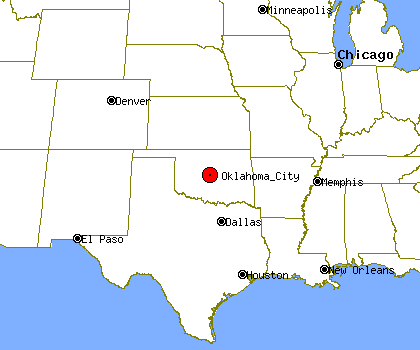
Next is Oklahoma City, Oklahoma, the state capital and county seat of Oklahoma County.  It is definitely a major economic and transportation hub with its central location in the country, and on the nation’s interstate highways, sitting at the convergence of I-35 and I-40 and I-44.  This is also where I was living when I started to put together what I am sharing with you, where I started to see what was really in the environment around me, and where I first learned about the advanced Ancient Civilization that has been removed from our awareness.

Oklahoma City Map

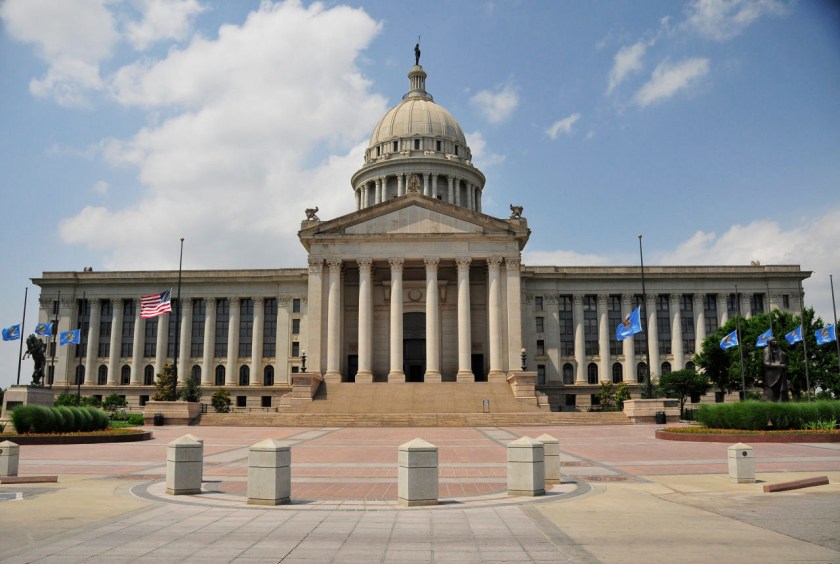
OKC - State Capital

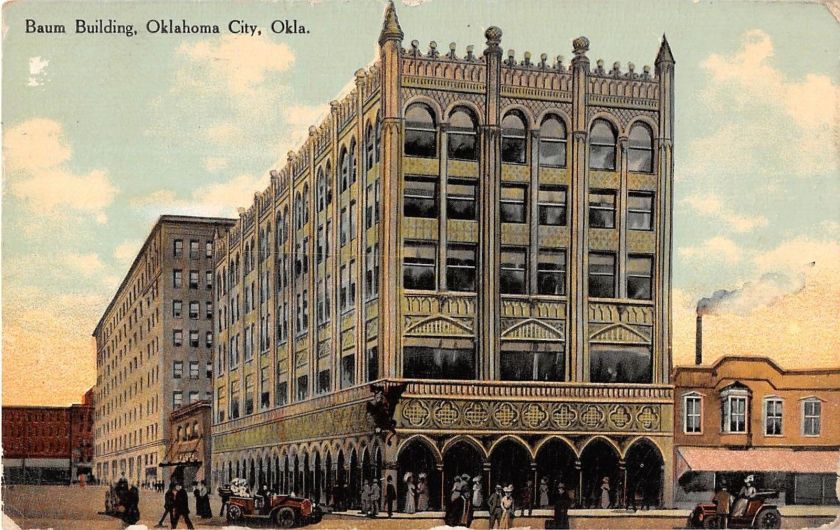
Here is an old postcard depicting The Baum Building in Oklahoma City.  It was razed in 1973, supposedly as part of an Urban Renewal project.

OKC - Baum Building

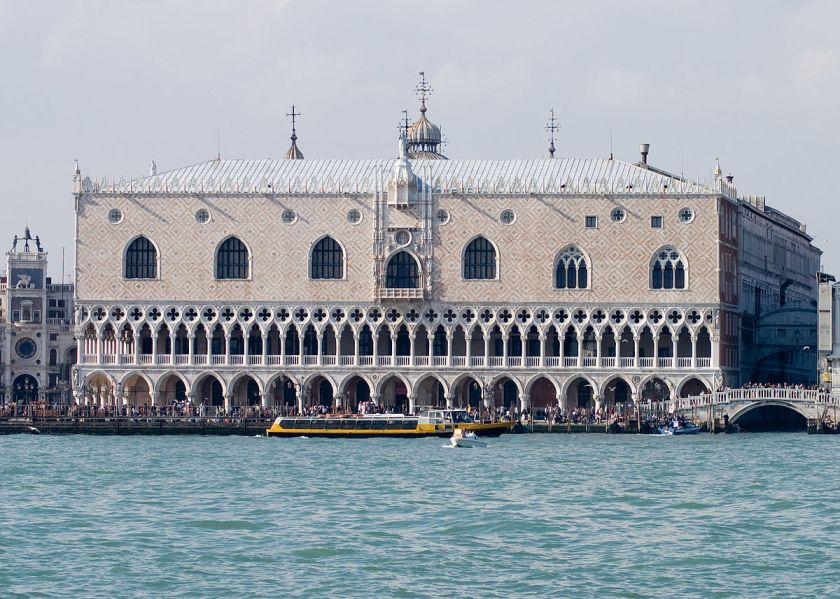
In its day, the Baum Building was compared to the Doge’s Palace in Venice, shown here.

Venice - Doge's Palace

This is Capitol Hill High School in South Oklahoma City.

OKC - Capitol Hill High School

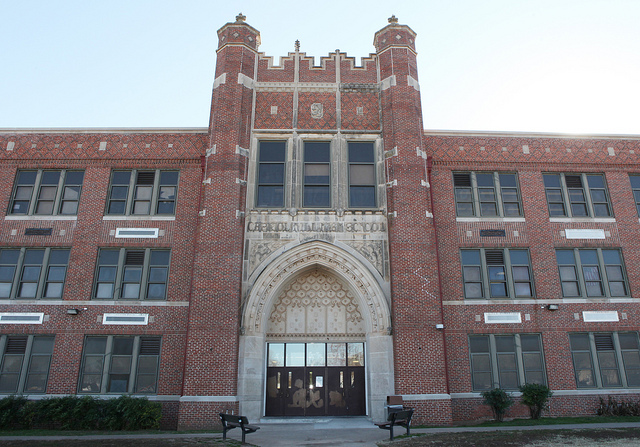
This is Central High School in Oklahoma City.  It is listed on the National Register of Historic Places in the United States.  Pretty fancy places, huh?

OKC - Central High School

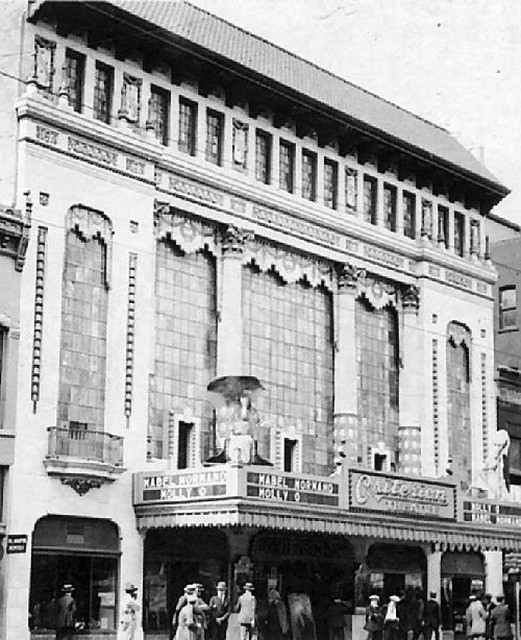
This is the old Criterion Theater in Oklahoma City, with its ornate styling…

Criterion Theatre, Oklahoma City, OK.

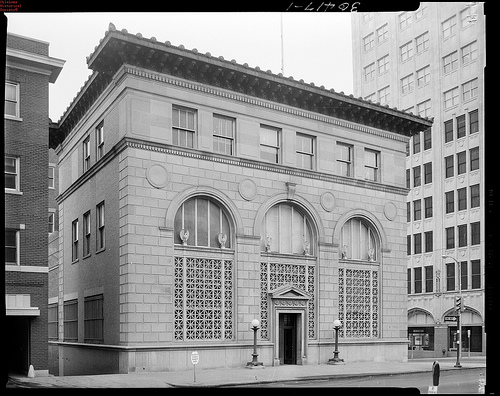
…and this is the Oklahoma City Federal Reserve Bank.

OKC - Federal Reserve Bank


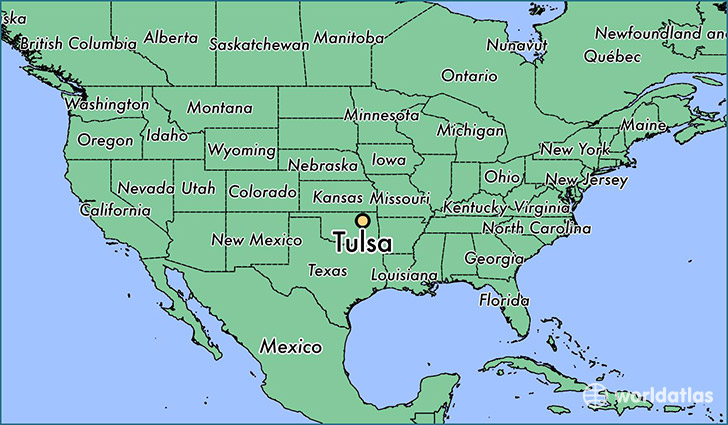
Next on the alignment is Tulsa, Oklahoma.  Tulsa is the second largest city in Oklahoma, and is the County seat of Tulsa County.

Tulsa, Oklahoma Map

Here is Central High school in Tulsa.

Tulsa Central High

This is the Mincks-Adams Building – first called an exchange bank in the 1930s, and apparently is now a hotel.  Similar in appearance to the Baum Building that was in Oklahoma City.

And here is the old Akdar Movie Theater in Tulsa.  It has also been demolished.

Tulsa - Akdar Theater

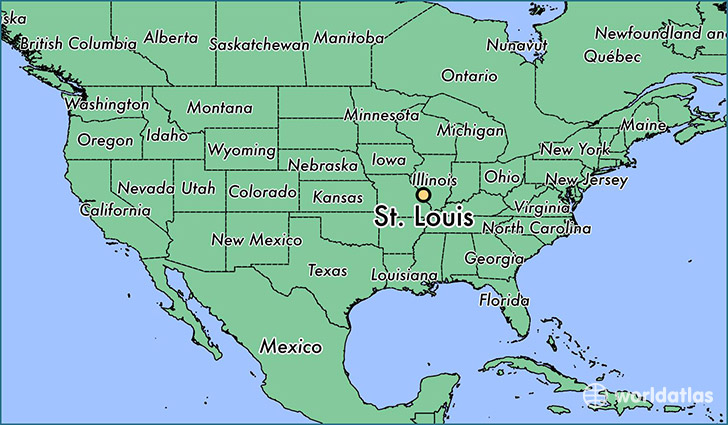
Next on the alignment is St. Louis, Missouri,  an independent city and major port built on the western bank of the Mississippi River on the border with Illinois.  As an independent city, it is not in the territory of any county.

St. Louis Map

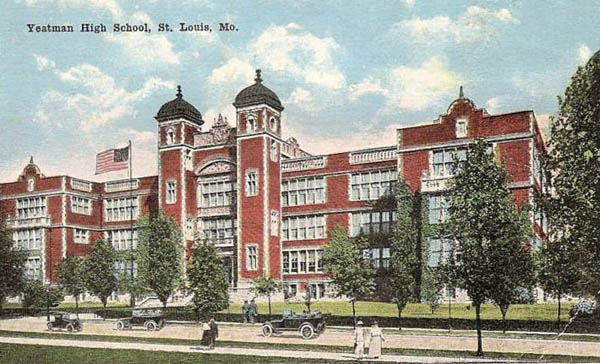
This is the old Yeatman High School.  The building is no longer in use.

St. Louis - Yeatman-high-school

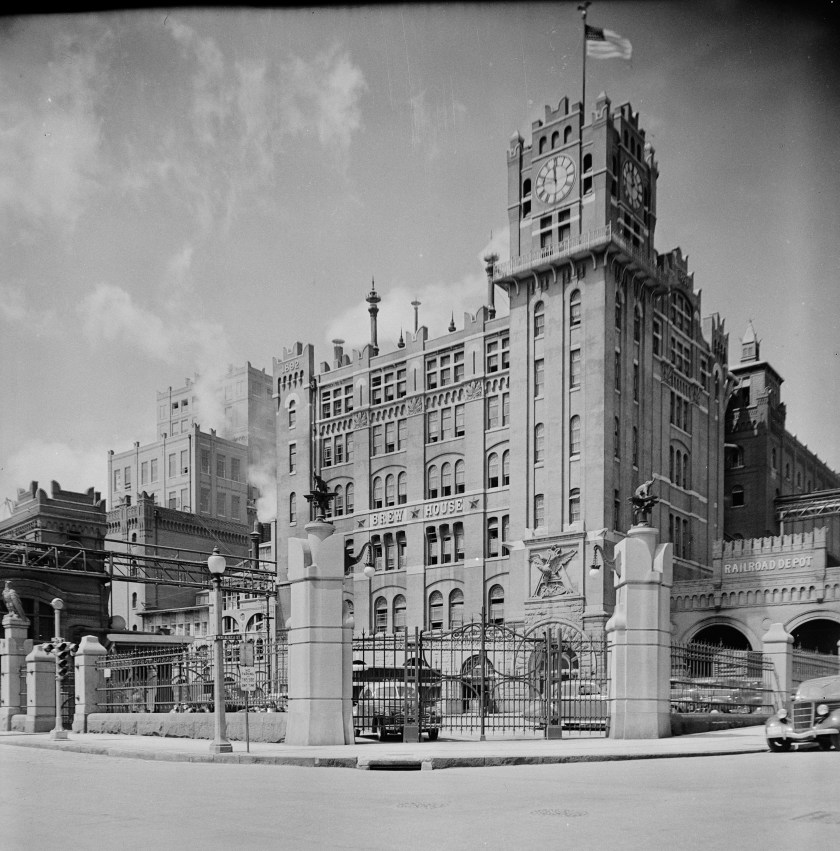
Here is the Anheuser-Busch Brewery in St. Louis.  Pretty fancy heavy masonry here too.

St. Louis - Anheuser-Busch Brewer

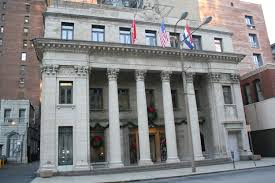
The Old Mutual Bank Building in St. Louis…

St. Louis - Old Mutual Bank Building

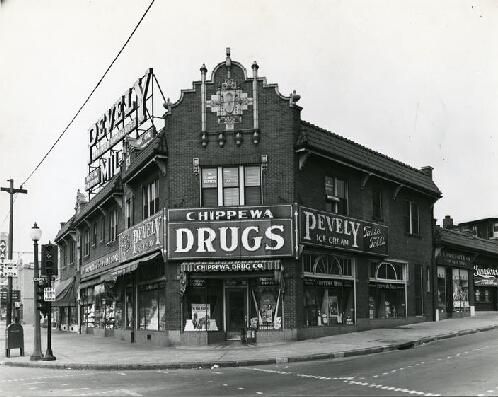
…and a historic Drug Store in St. Louis, Missouri.

St. Louis - Historic 2

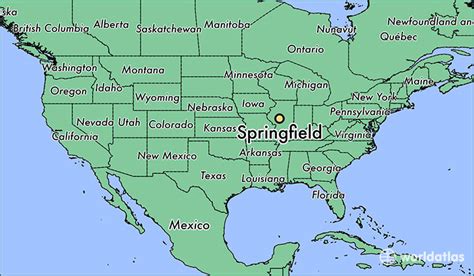
Next is Springfield, Illinois…

Springfield, Illinois Map

…the capital of Illinois, and county seat of Sangamon County.

Springfield, Missouri - Historic Distric

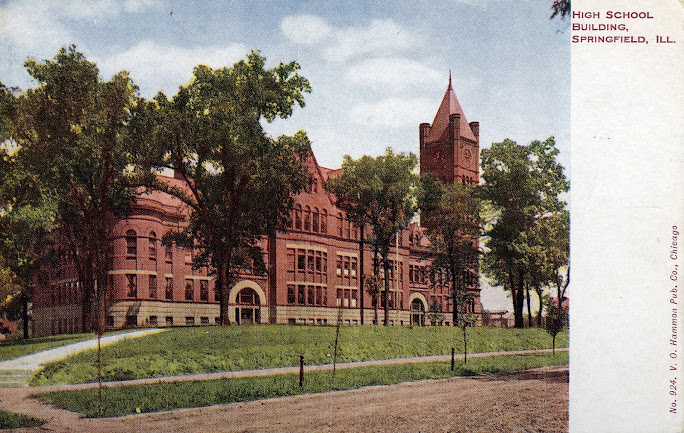
Here’s an old high school in Springfield.

Springfield, Illinois - High School

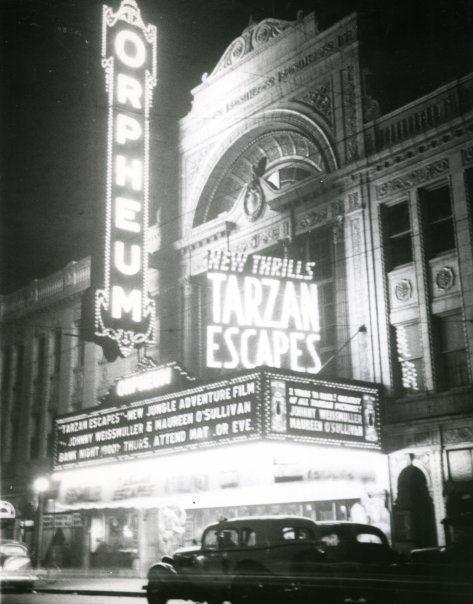
The old Orpheum theater in Springfield.  Orpheum was the name of many theaters at one time, and the roots of this word goes back to Greek mythology.  Orpheus had the ability to charm all living things through his music.   Hmmm. That means casting spells…..

Springfield, Illinois - Orpheum Theater

And here is the Chapin National Bank Building in Springfield.

Springfield, Illinois - Chapin National Bank building

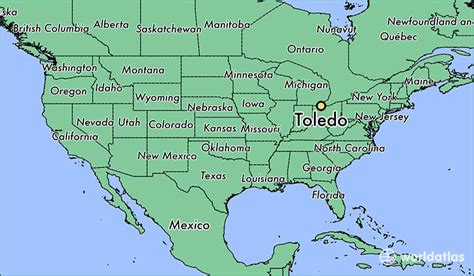
Toledo, Ohio is next on the alignment, and is located at the western end of Lake Erie.

Toledo, Ohio Map

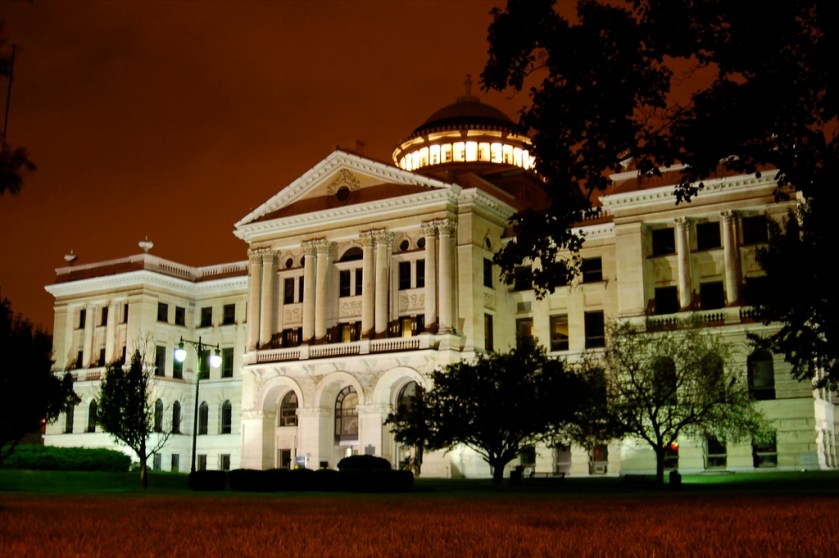
Toledo is the County Seat of Lucas County.

Toledo - Lucas County Courthouse

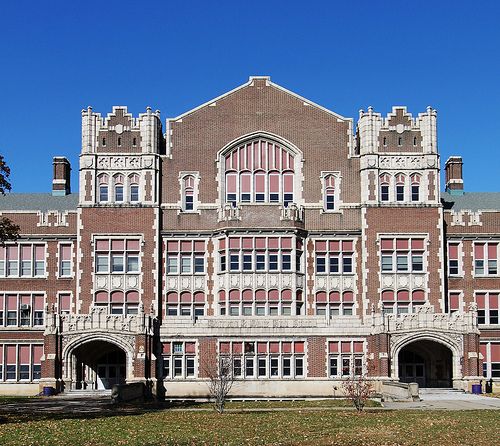
Here is Waite High School in Toledo.

Toledo, Ohio - Waite HIgh School

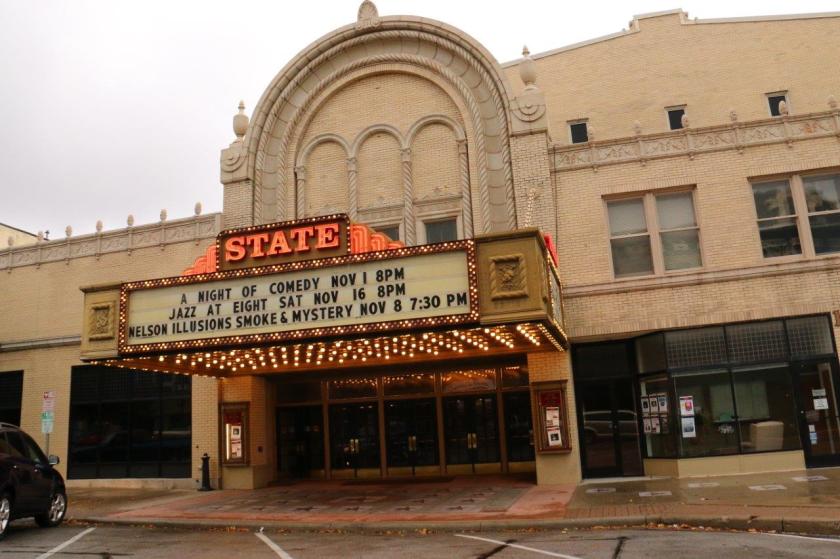
And the old State Theater in Toledo, Ohio

Toledo, Ohio - State Theater

And Toledo Ohio Savings Bank and Trust on left, compared with the historic drug store in St. Louis on the top right, and the building in Juarez, Mexico both shown earlier in this post.

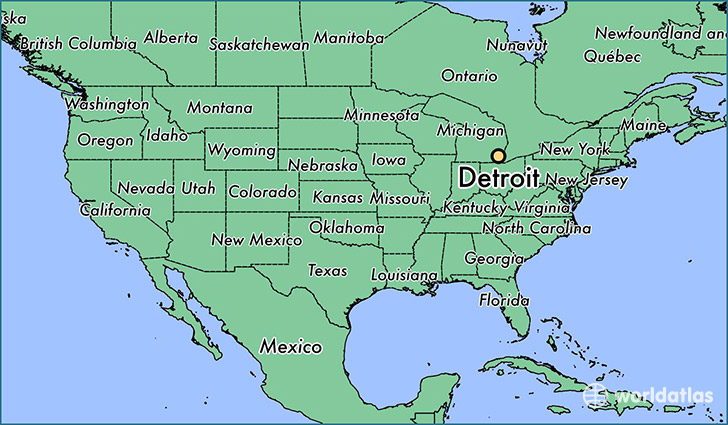
Now we come to Detroit, Michigan.  It is located on the United States – Canada border, and on the Detroit River, which connects the Great Lakes System with the St. Lawrence Seaway.

Detroit, MI Map

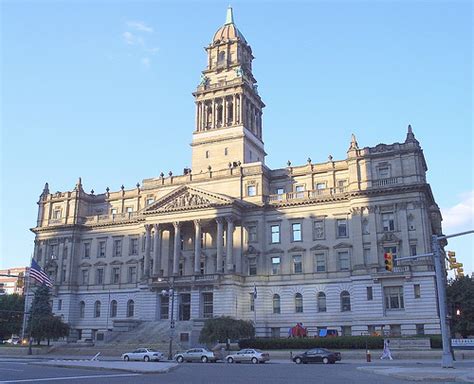
Detroit is the seat of Wayne County.  This is the old Wayne County Courthouse.

Detroit - Old Wayne County Courthouse

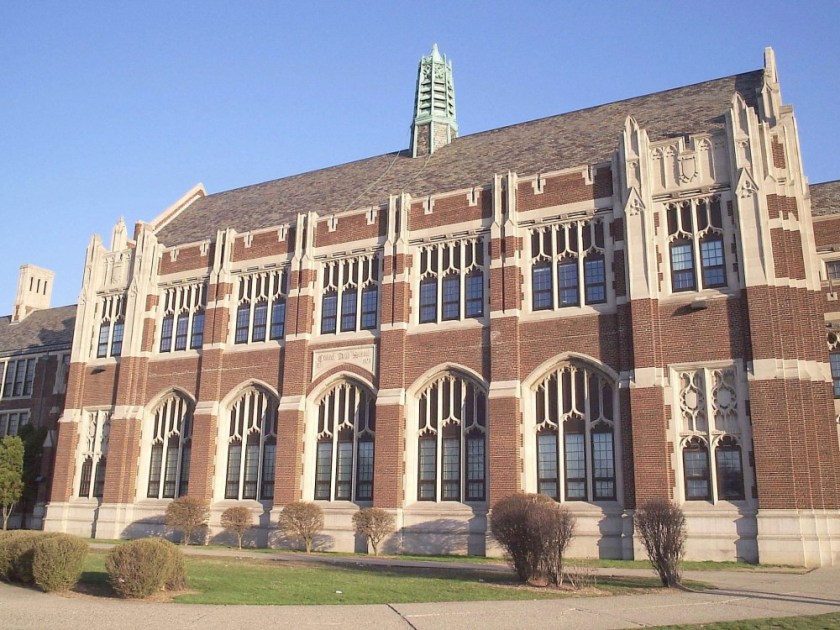
Here is the Central Academy and High School in Detroit;

Detroit, Michigan - Central Academy and High School

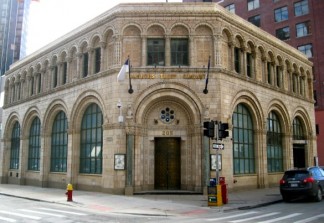
The Bankers Trust building in Detroit;

Detroit, MI - Bankers Trust

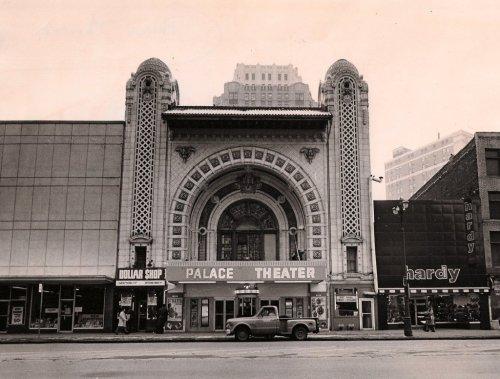
And the historic Palace Theater, Detroit, Michigan.

Detroit, MI - Palace Theater

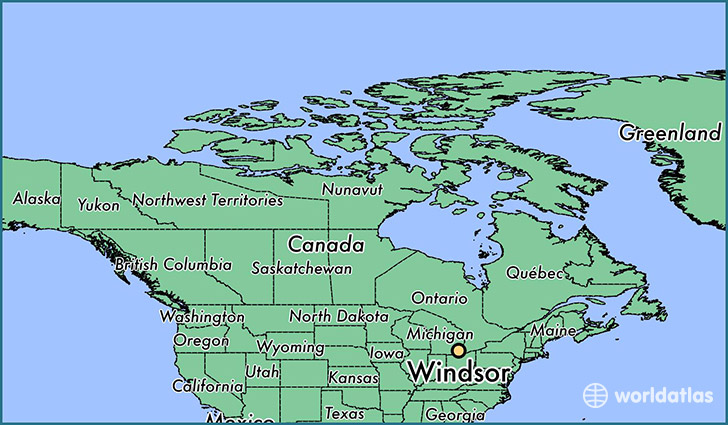
Onto Windsor, Ontario, which is directly across from Detroit, Michigan and also on the Detroit River.

Windsor, Ontario Map

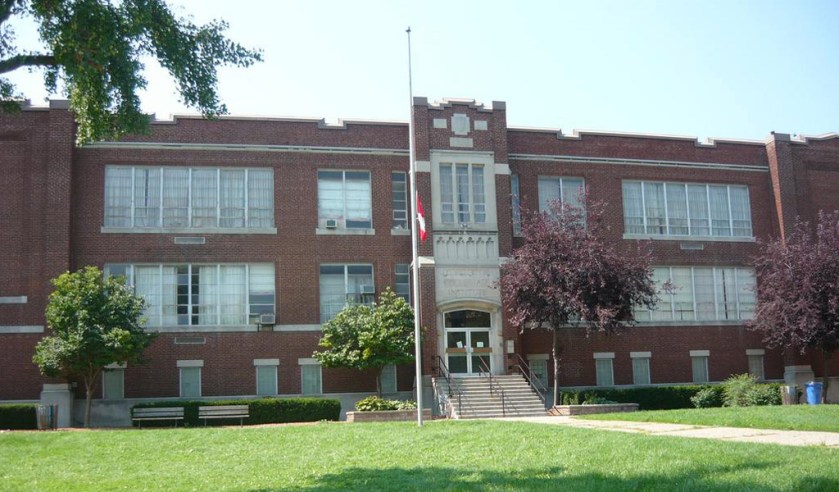
The Windsor, Ontario School District building…

Windsor, Ontario - School District

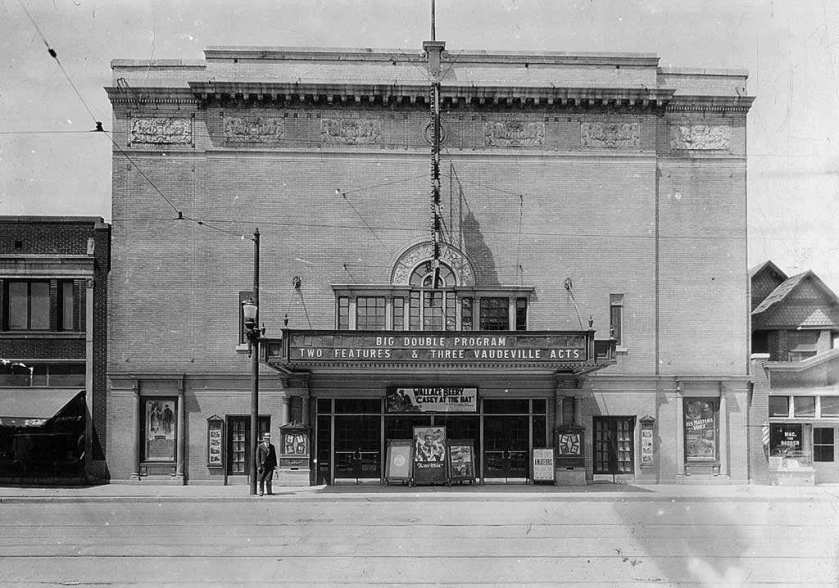
…Here an old theater building in Walkerville, a historic neighborhood of Windsor…

Windsor, Ontario - Walkerville Theater

…and a bank building, also in Walkerville.

Windsor, Ontario - Historic Walkerville Bank

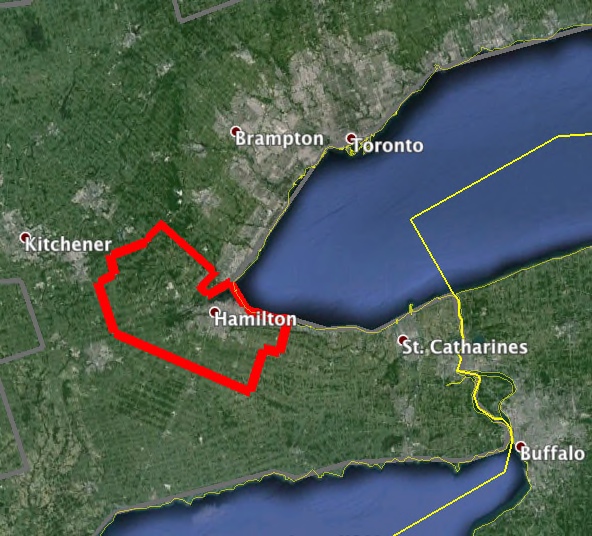
Next we come to Hamilton, Ontario, a port city on the western end of Lake Ontario.  It is roughly the midway point between Toronto and Buffalo, New York.

Hamilton, Ontario

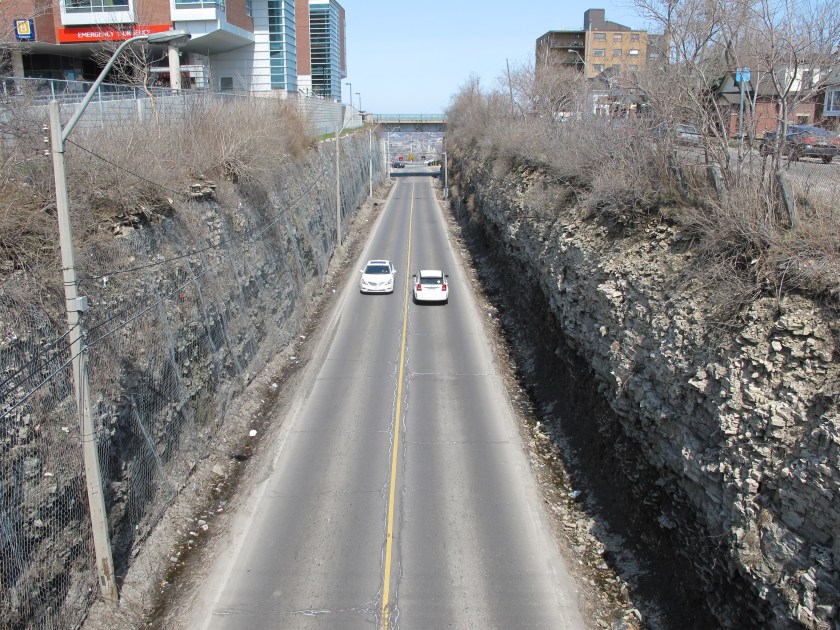
The Niagara Escarpment runs through the middle of the city.

Hamilton, Ontario - Niagara Escarpment

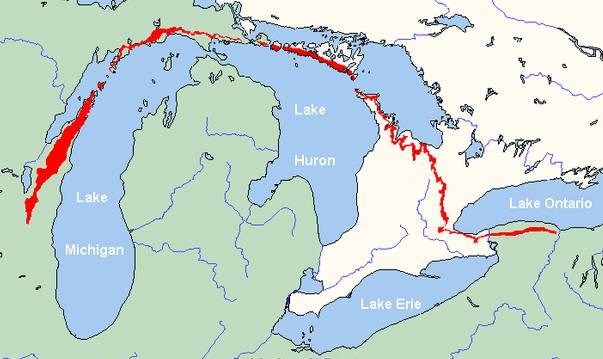
And I have my own opinion about what the Niagara Escarpment actually is.  Check out my “Expanding on Waterfalls” if you are interested in finding out more about what that might be….

Niagara Escarpment Map

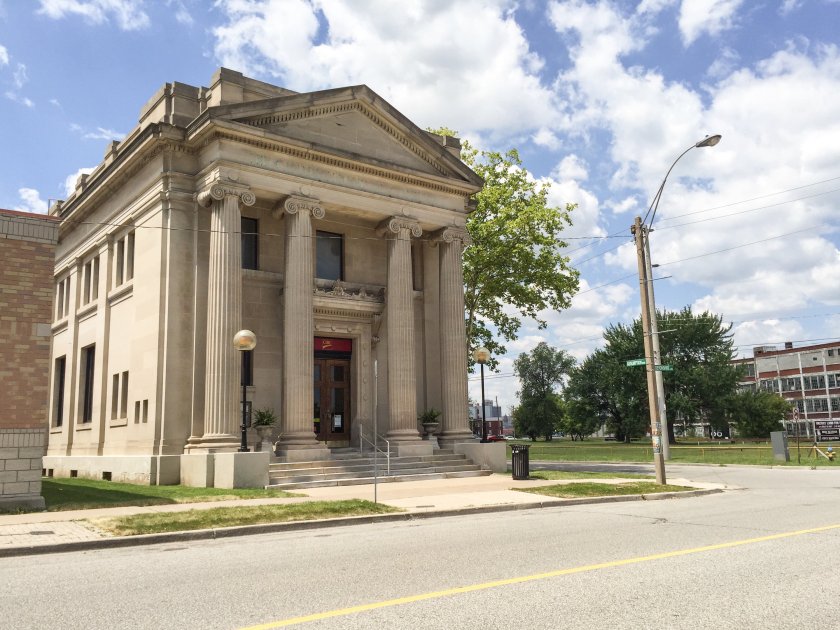
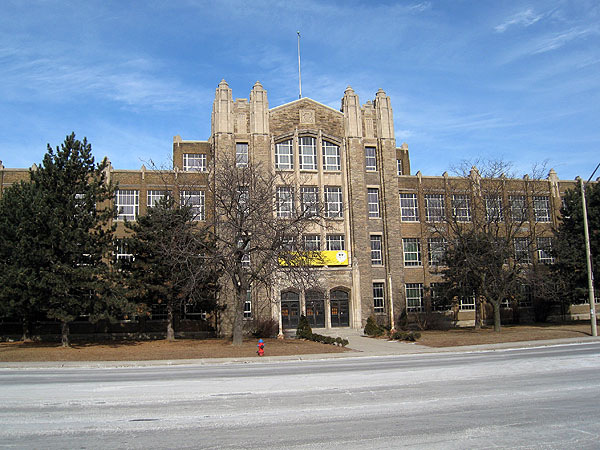
Here is a high school in Hamilton.

Hamilton, Ontario - High School 1

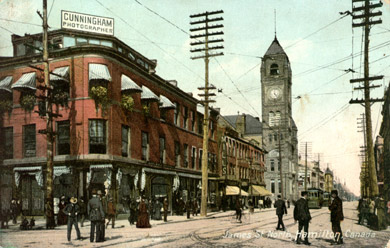
And an old view of James Street in Hamilton.

Hamilton, Ontario - James Street

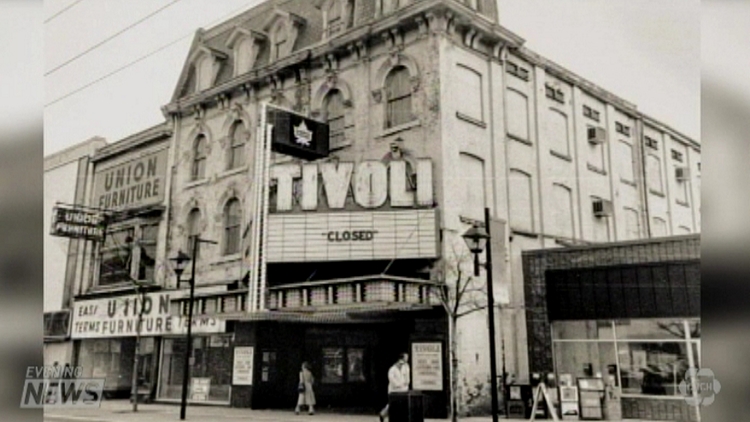
The historic  Tivoli Theater…

Hamilton, Ontario - Historic Tivoli theater

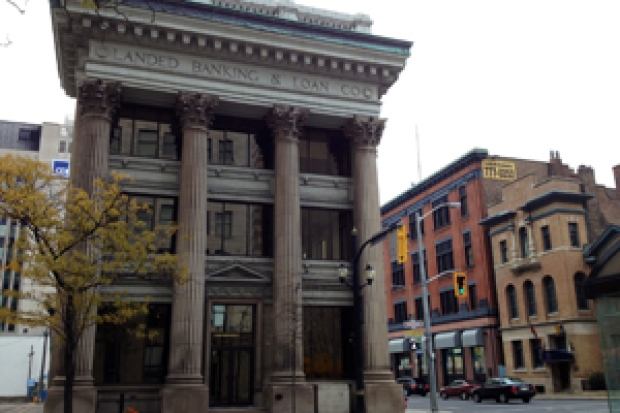
…and a Historic Bank in Hamilton.

Hamilton, Ontario - historic bank

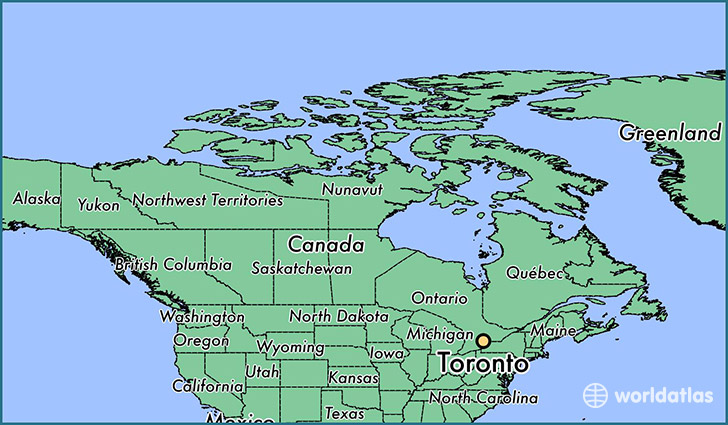
Next is Toronto, Ontario, the capital of Ontario and largest city in Canada, and on the northwestern shore of Lake Ontario.

Toronto, Ontario Map

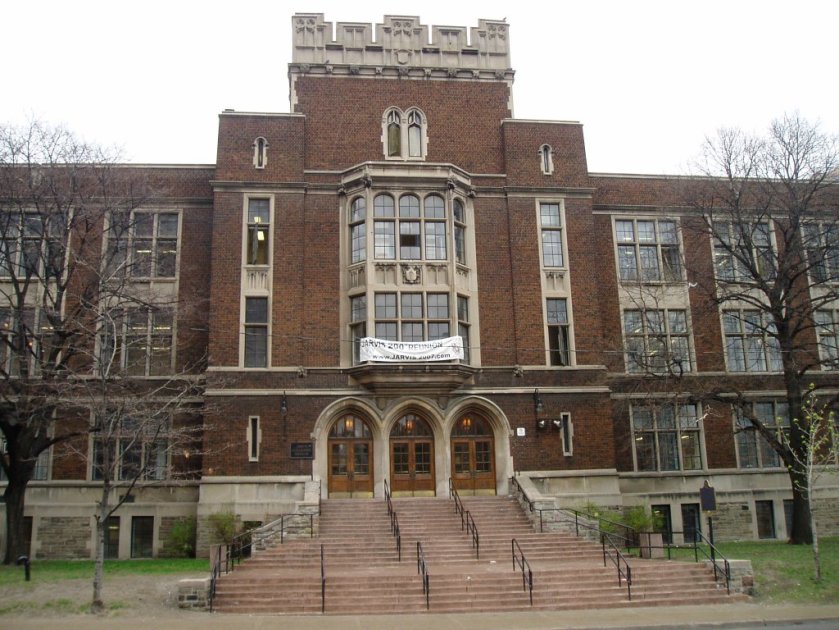
This is the Jarvis Collegiate Institute in Toronto…

OLYMPUS DIGITAL CAMERA

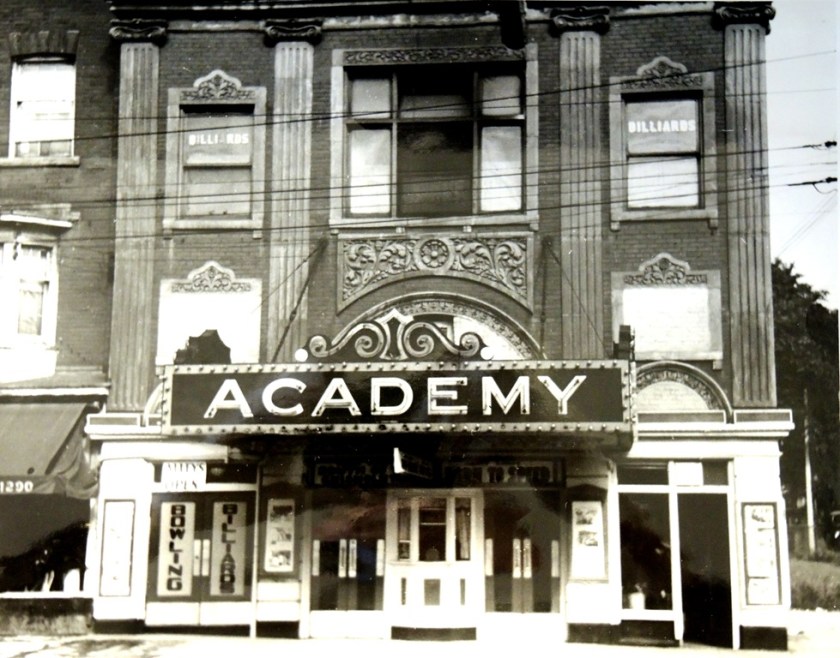
…the old Academy Theater…

Toronto - Academy Movie Theater

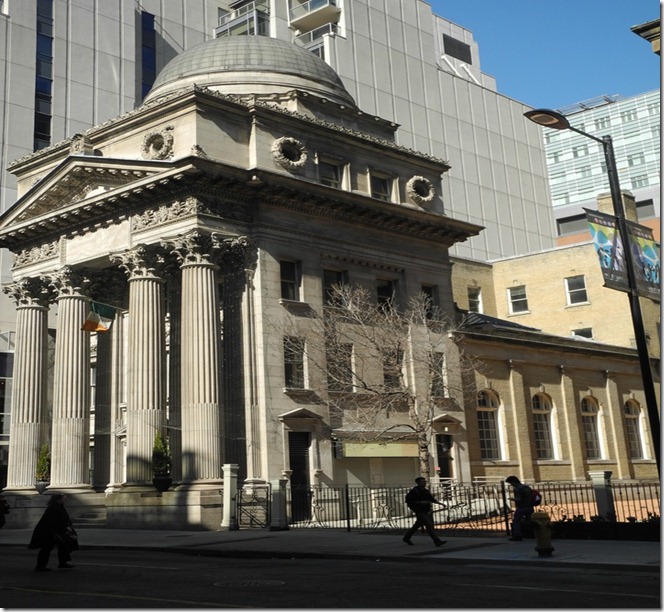
…and the old Bank of Toronto.

Toronto - Old Bank of Toronto

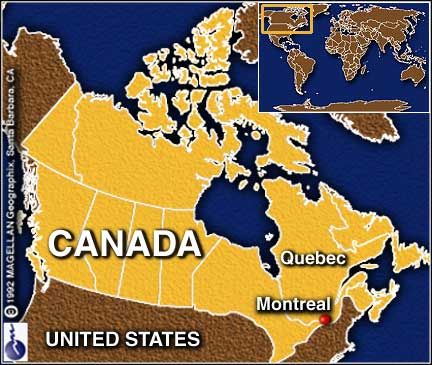
So finally arrive at the end of the line, or the beginning as it were – Montreal, Quebec.

Montreal Canada Map

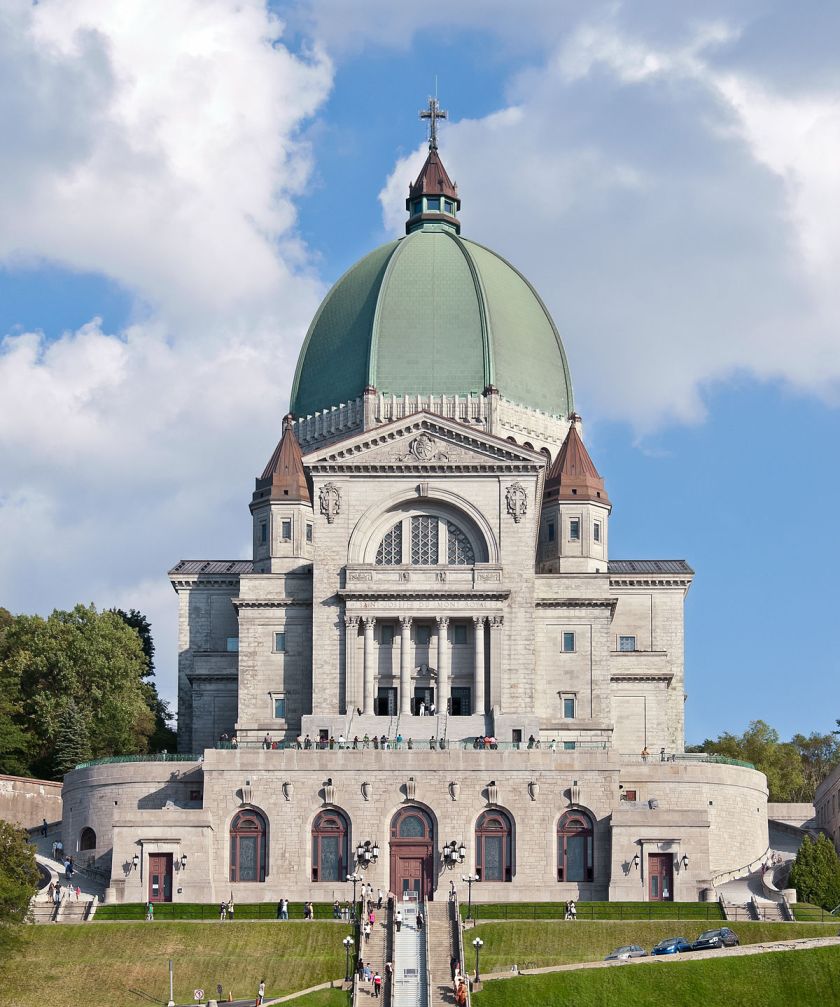
Montreal is named after Mount Royal – the triple-peaked hill in the center of the city, where we find another one of these – Saint Joseph’s Oratory on Mount Royal.

Montreal - Saint Joseph's Oratory

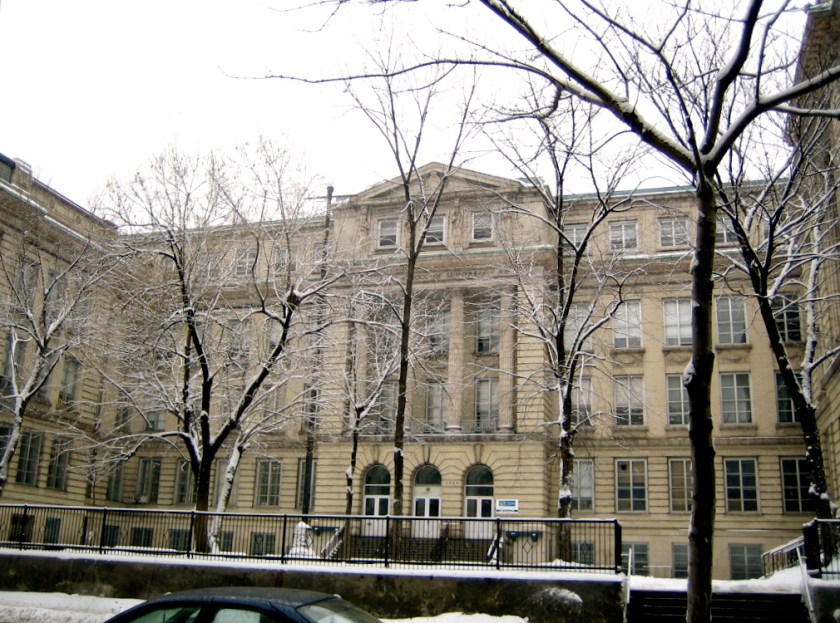
This is the Fine Arts Core Education School in Montreal.

Montreal - Fine Arts Core Education School

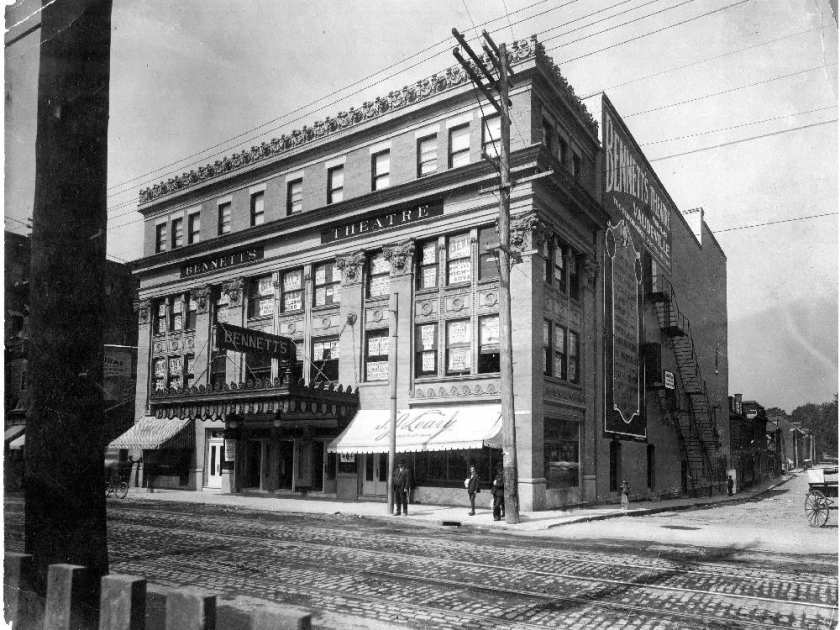
…A historic theater in Montreal…

Montreal - historic theater

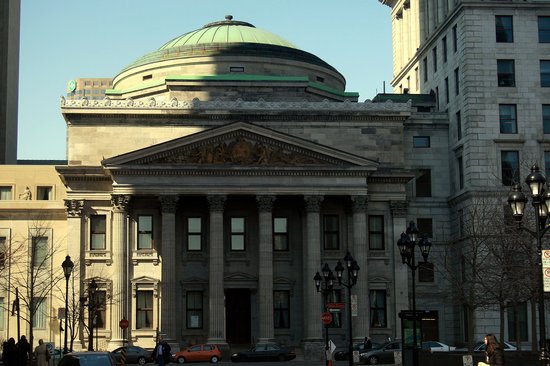
…and the old Bank of Montreal.

Montreal - old-bank-of-montreal

In conclusion, the same signature and hand of design is seen around the world and found in very different places in which one would not expect to find.  There are astonishing similarities as we have seen traveling on this alignment through Canada, France, Italy, Serbia, Romania, the Crimea, Ukraine, Russia Chechnya, Kazakhstan, Turkmenistan, Uzbekhistan, Kyrgyzstan, China, North Korea, South Korea,  Japan, Mexico, and the United States.

There was a unified, global civilization with Monumental Architecture up until relatively recent times.  The buildings of this civilization of Human Genius that were not turned into government buildings were turned into schools, banks, theaters, art museums, churches, and so forth, which then became tools to control Humanity.

I believe that the hand of design of the Monumental Architecture were the Master Masons of a global and unified Moorish Empire, and that we have been taught a false historical narrative that was grafted onto what they built, and that we were somehow knocked off a positive timeline in order to control Humanity.

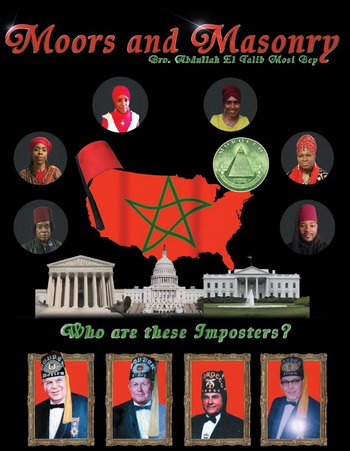
I also believe that the Moors;

Moors & Masonry

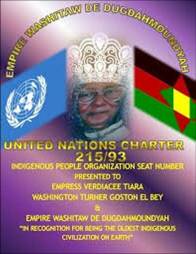
The Washitaw Muurs, also known as the Ancient Ones, who are still very much with us, and who the United Nations has formally recognized as being the oldest indigenous civilization on earth in this Charter (but for some reason the general population – cough, cough – has never heard of them);

UN Charter

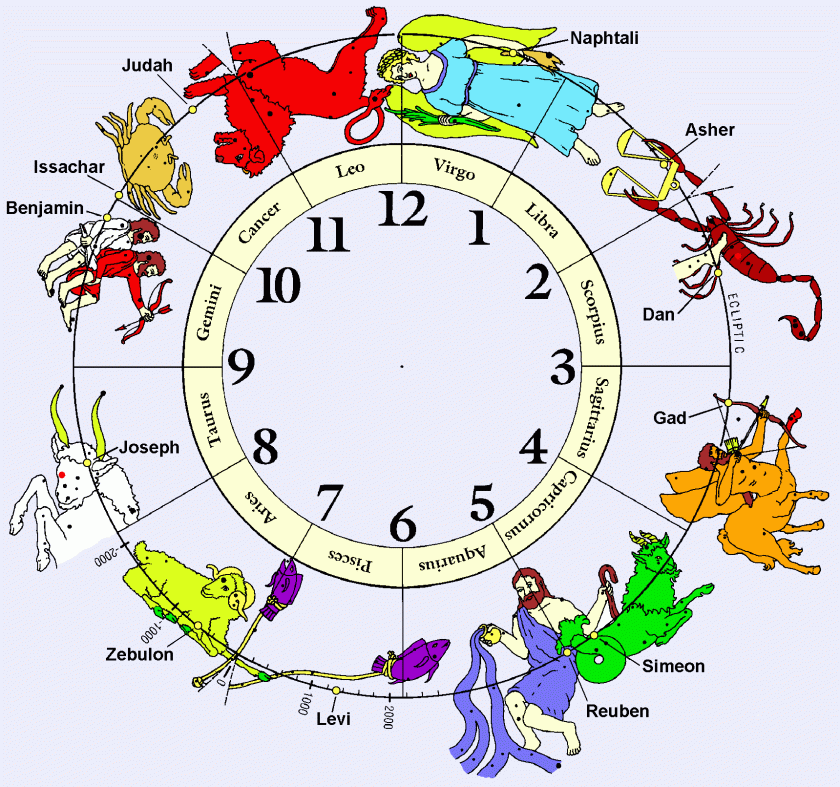
and the 12 Tribes of Israel…

12 tribes of Israel

…are somehow interrelated, but I can’t say exactly how because the True History has been deliberately removed from our collective memory, but I know they are related..

I can only piece this together from the very compelling evidence of their incredible and monumental legacies worldwide, of which I have only scratched the surface of what I have found here in this post.

They have hidden it in plain sight by controlling our perception.

obey

But now we are waking up to what they have been doing…and this is a very good thing because it is necessary to know this as we are evolving in consciousness, together as a collective.

Awakening

How I Found the Silk Road – Part 5 Pyongyang to Guadalupe Island – With Video of Post at the End

I started following this long-distance global alignment at Montreal, Quebec, Canada, in “How I Found the Silk Road, Part 1,” and will be ending the series in Montreal in the next post. This leg of the journey will take us into North Korea, South Korea, and Japan, all the way to Guadelupe Island, which is  located off the west coast of Baja California.

I found the alignment after I discovered a Star Tetrahedron in North America by connecting major cities that I noticed were lining up in straight lines.  I believe it is the terminus of the planetary grid system.  When I extended the lines out on a globe, I found that cities lined up around the world in circles and lines.

NorthAmericaMap

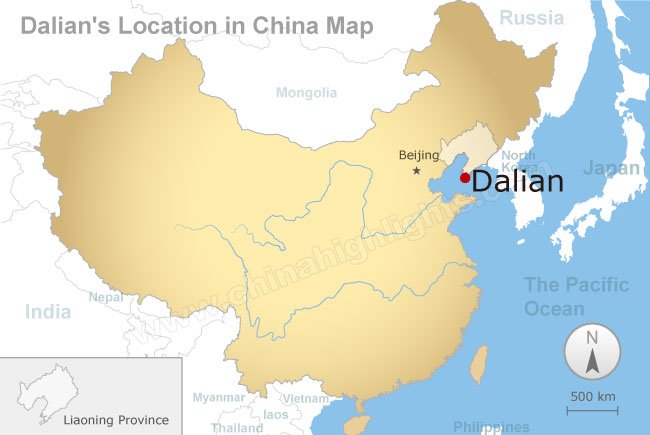
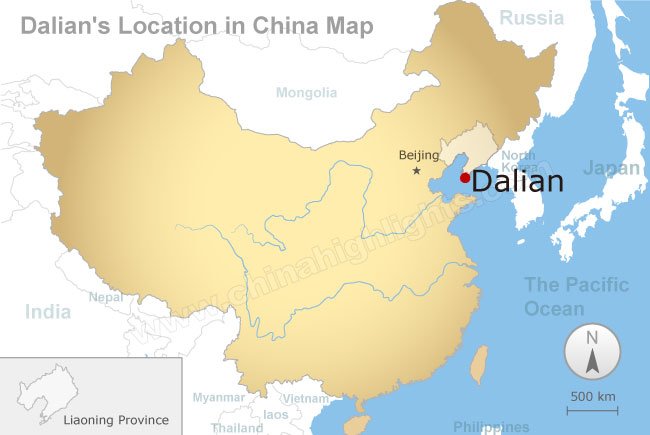
I ended the last post in the journey along this alignment at Dalian, China, where I found Europe in China, before it crosses the Yellow Sea into North Korea.

Dalian map

From Dalian, the alignment crosses the Yellow Sea which separates China from North Korea.


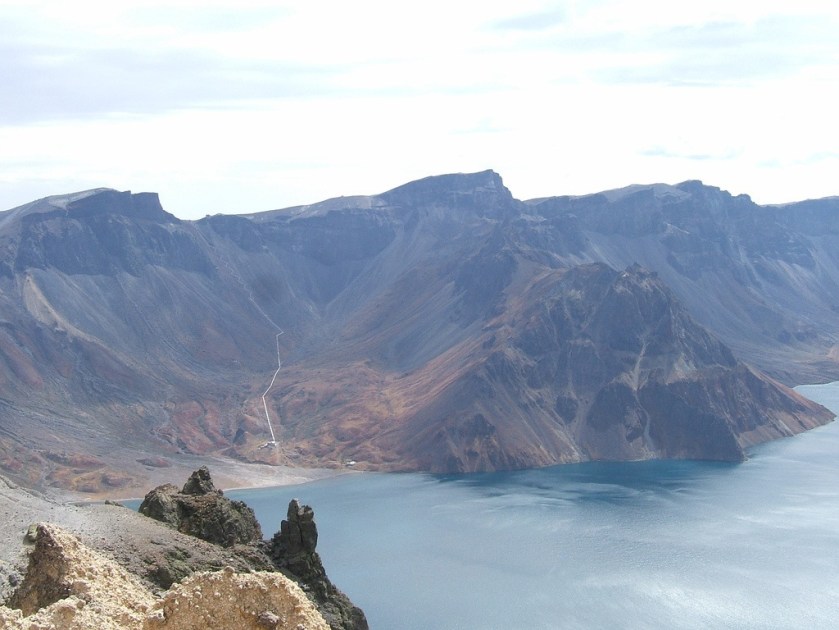
This is a view of the shoreline of North Korea where it meets the Yellow Sea.

Yellow Sea - North Korea

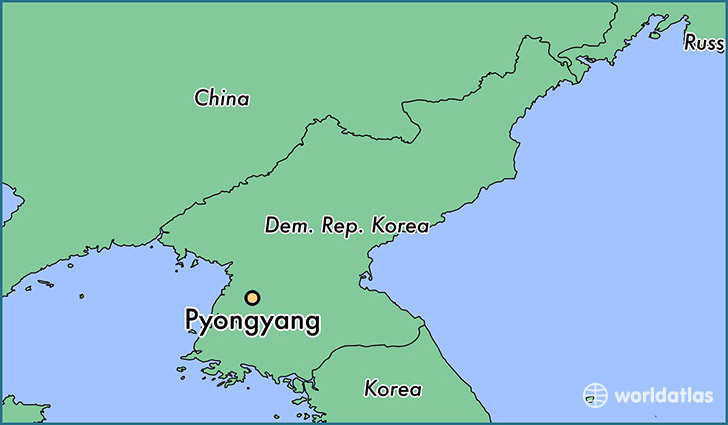
The alignment crosses through Pyongyang, the capital of North Korea.  This is an ancient alignment on a planetary grid system, and as such I will be showing you photos of historical Pyongyang and North Korea, other than to say Pyongyang is the capital and largest city in North Korea.

Pyongyang Map

This is Taedong Gate, the eastern gate of the original walled city of Pyongyang.  It is considered one of the national treasures of North Korea.

Pyongyang - Taedong Gate, Eastern Gate of original walled city

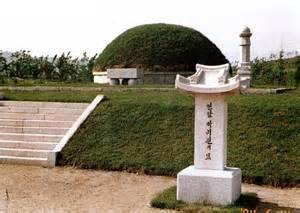
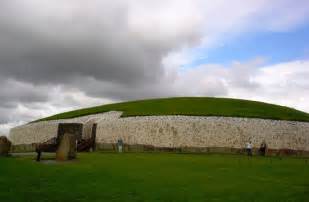
Here is a comparison of what is called the burial mound of Pak Chi Won in North Korea, with Newgrange in Ireland.  I am seeing and saying that there was a unified global advanced civilization originating from ancient times that has been removed from our collective memory.  The structural design is virtually identical in these very different parts of the world.

North KoreaNewgrange

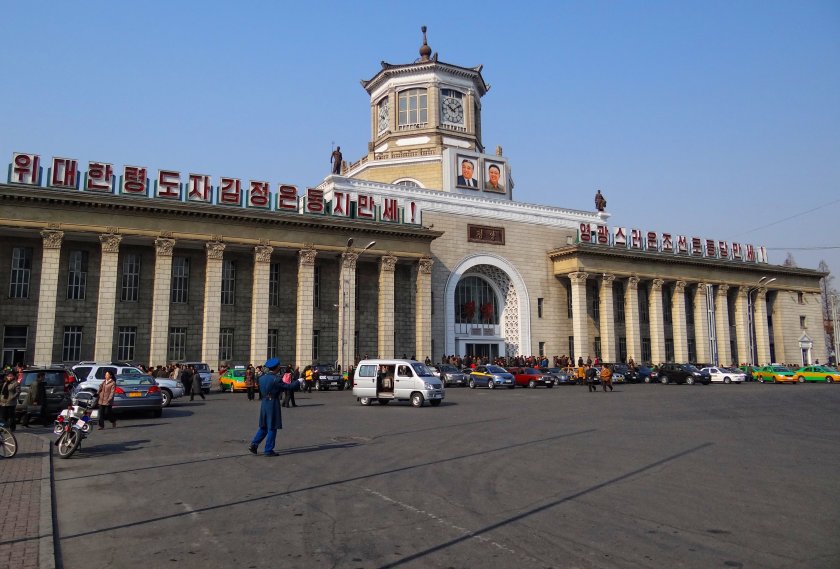
This is the railway station in Pyongyang.  Again, as we have seen all along this alignment, very heavy and incredibly huge masonry.

Pyongyang - railway station 2014

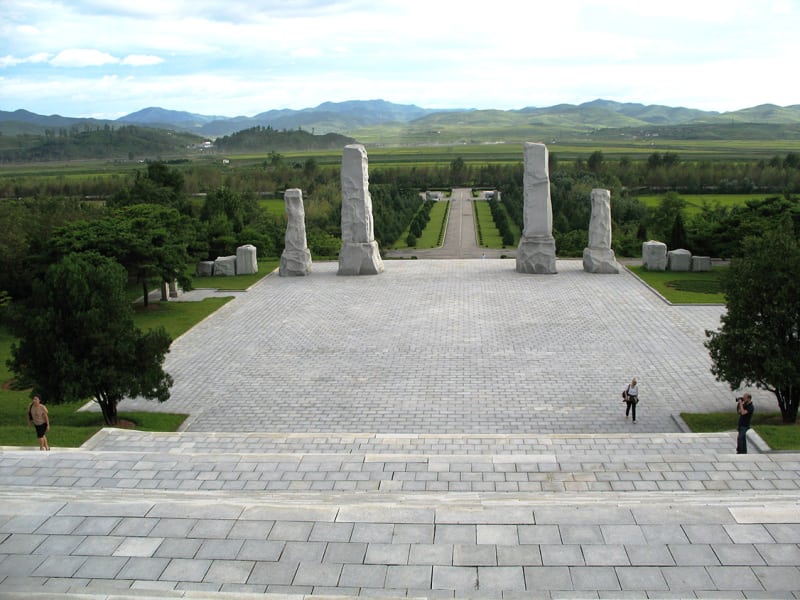
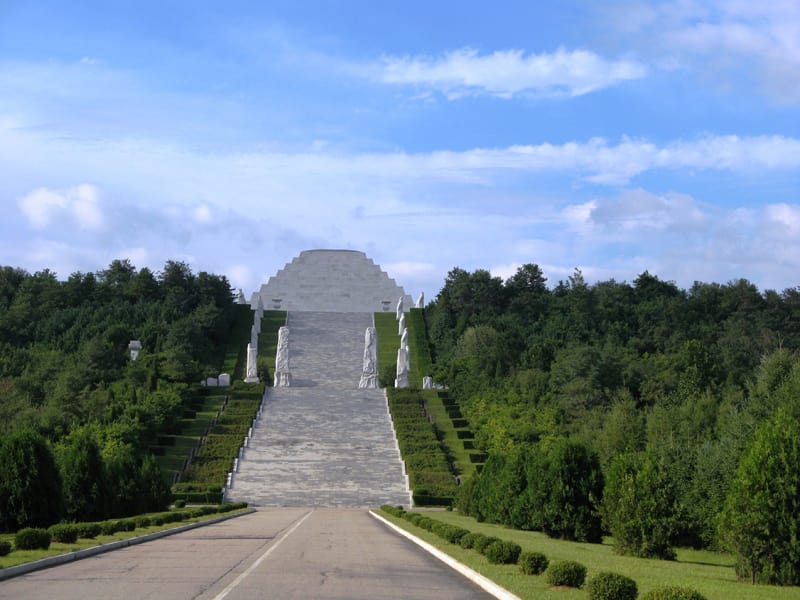
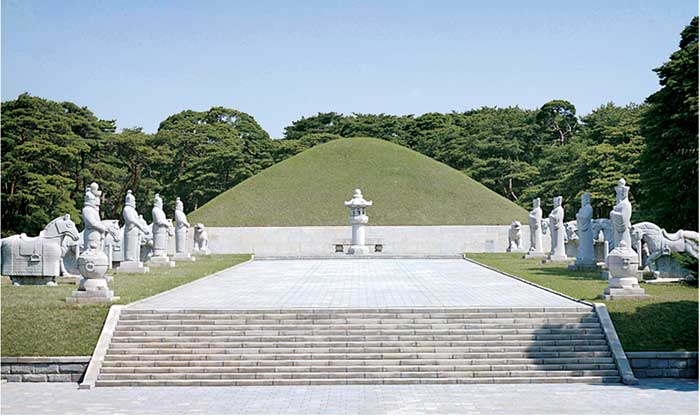
And here are different views of historical remains in North Korea, featuring incredibly sophisticated stone works and earthworks, a stepped pyramid, and a mound with what looks like a rounded pyramidal shape.

Pyongyang - Historical remains 4Pyongyang - Historical remains 3Pyongyang - Historical remains 2

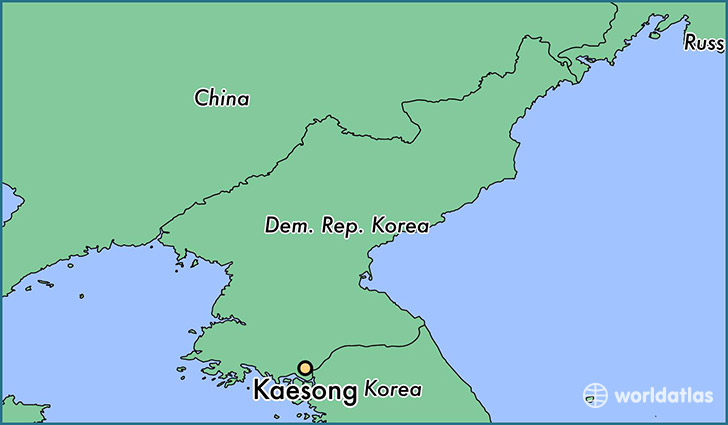
Next we come to Kaesong, North Korea. At one time in the Korean peninsula’s history, it was the capital of Korea.

Kaesong, North Korea Map

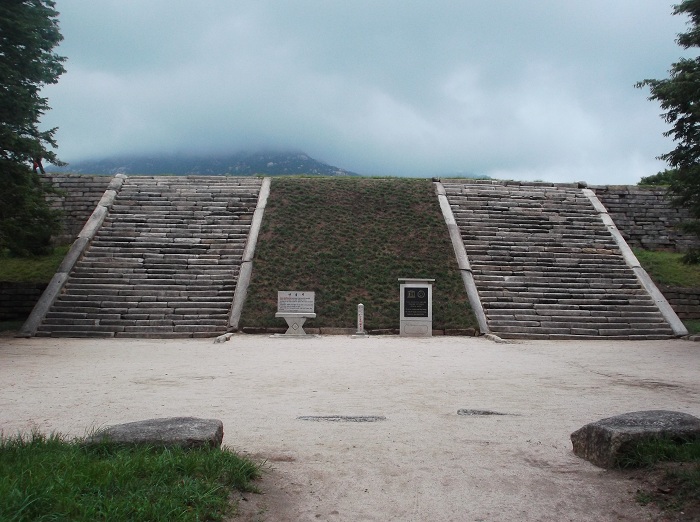
In 2014, North Korea and South Korea joined together to excavate the remains of Manwoldae Palace, which is now a UNESCO World Heritage Site.  It was the main palace of the Goryeo Kings from the 900s to the 1300s.

Kaesong, North Korea - Manwoldae Palace

It is just across the DMZ in southern North Korea, in what is called the Songaksan Mountain range.

Kaesong - Songaksan Mountain
Songaksan Mountain

Next on the alignment we come to Seoul, South Korea, the capital and largest metropolis of South Korea.

Seoul, South Korea Map

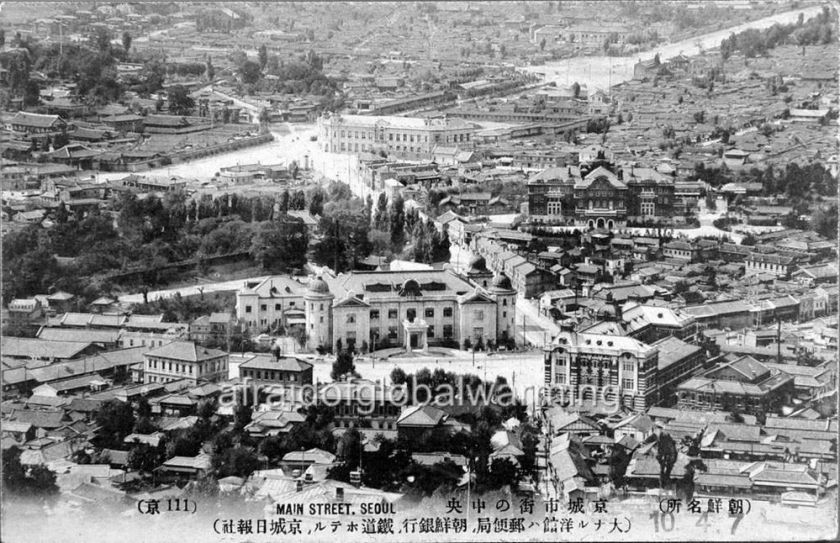
Here is a historic photo of Seoul, taken in 1919.  Notice in addition to the huge, heavy masonry pictured throughout Seoul, in the center of the photo you see onion domes here as well.

Seoul, South Korea - 1919 photo

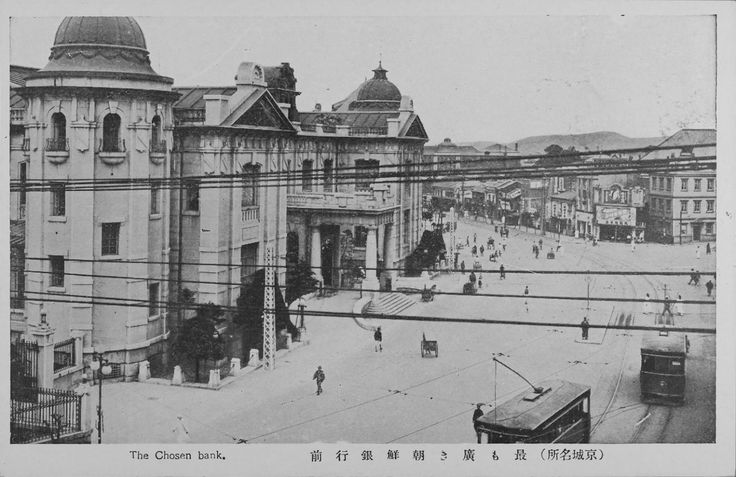
Here is a close-up of that center building.  It is the Bank of Korea, circa 1920.  Check out how huge that building is, relative to the size of the people in the street!

Seoul, South Korea - Bank of Korea, circa 1920

This is Gyeongbukgong Palace in Seoul.  It was the main royal palace of the Joseon Dynasty, said to have been built in 1395.

Seoul, South Korea -Gyeongbokgung Palace

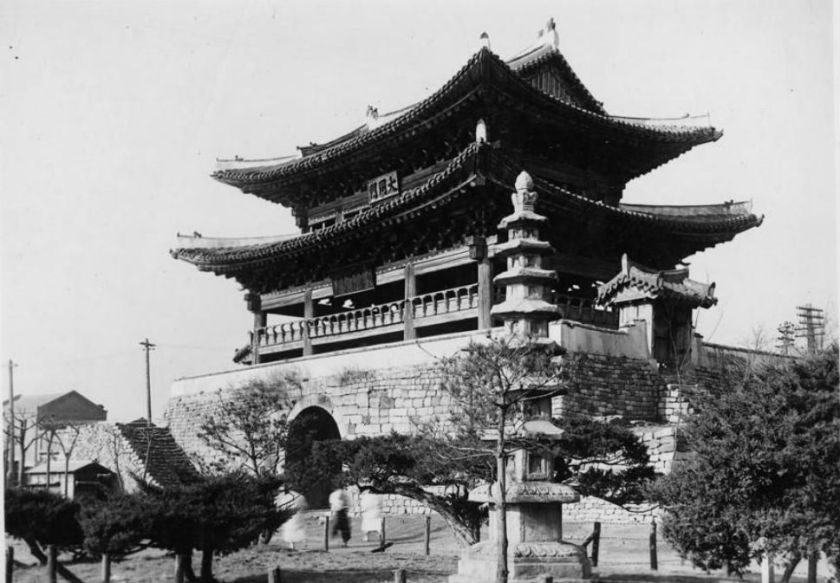
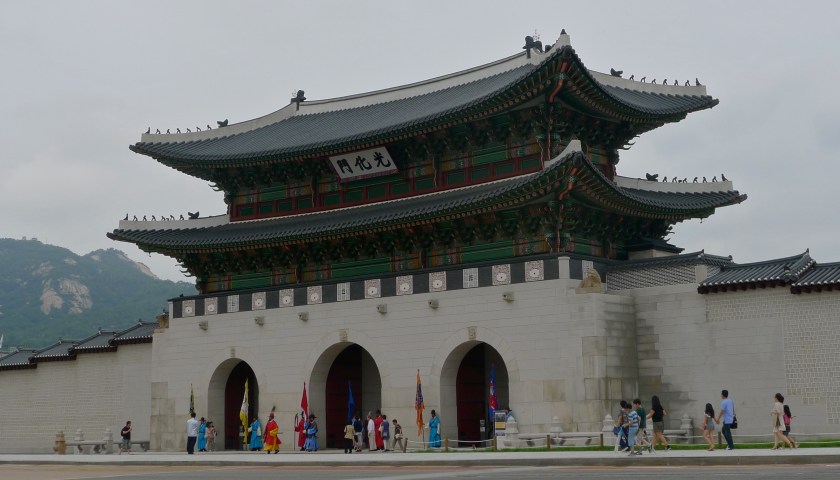
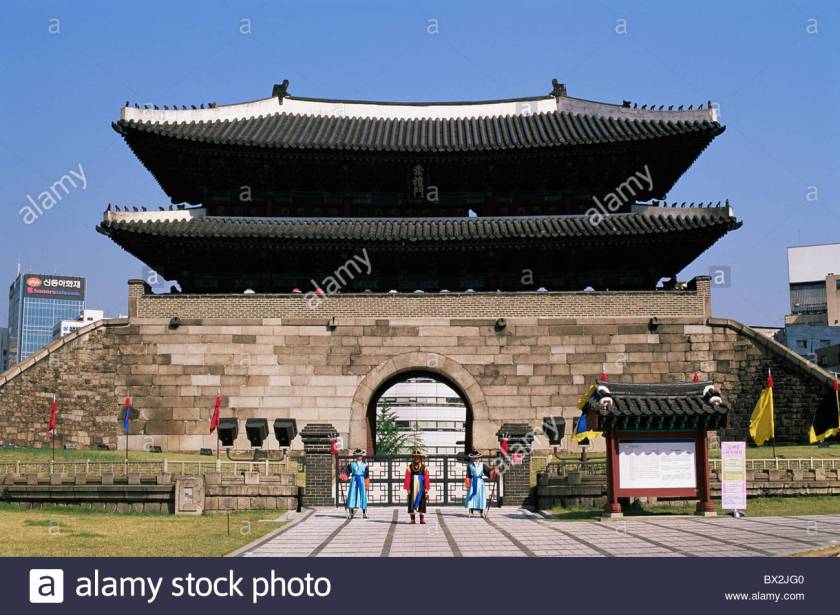
This is the Sungnyemun South Gate of Seoul.  It is one of the eight gates of the fortress wall of Seoul. which surrounded the city in the Joseon Dynasty.  Once again we find heavy masonry and arches, which are consistent features throughout this alignment, notwithstanding the oriental nature of the roof structures.

Seoul, South Korea - Sungnyemun Namdaemun South Gate

-One more thing I want to bring forward is from the Bukchon Hanok Historic District of Seoul.  Besides the prevalence of the stone work and masonry you see pictured here,  I also want to point out the regular, but somewhat steep slope in both pictures.  This is common in cities around the world.  It is not irregular as one might expect to find if natural.  It looks geometric in nature.
 

As is the case with every where, there is much more to uncover, but I mostly want to hit highlights for the purposes of this blog post.

I am now going to take leave of the Korean Peninsula, and cross the Sea of Japan (also known as the East Sea)  head on to Japan.


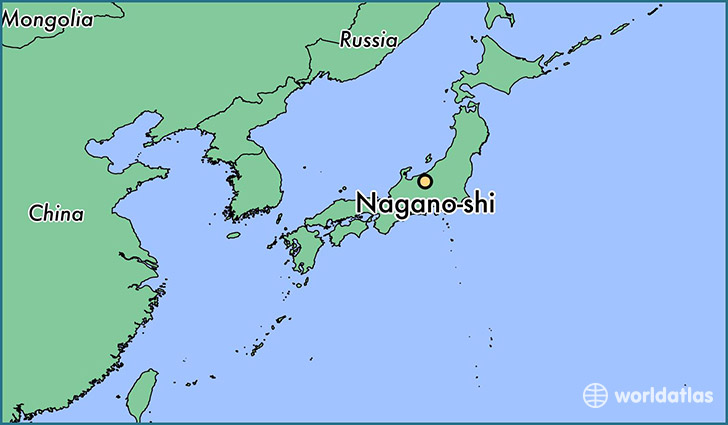
So we roll into Nagano, Japan on the alignment.

Nagano, Japan Map

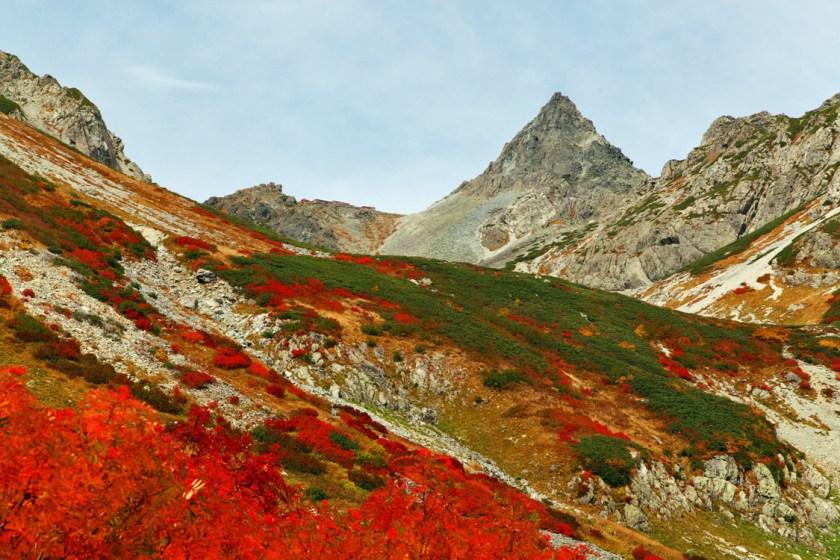
Nagano is the capital of Nagano Prefecture, near the confluence of the Chikuma and Sai Rivers.  Here is some of what you see around Nagano and Nagano Prefecture.

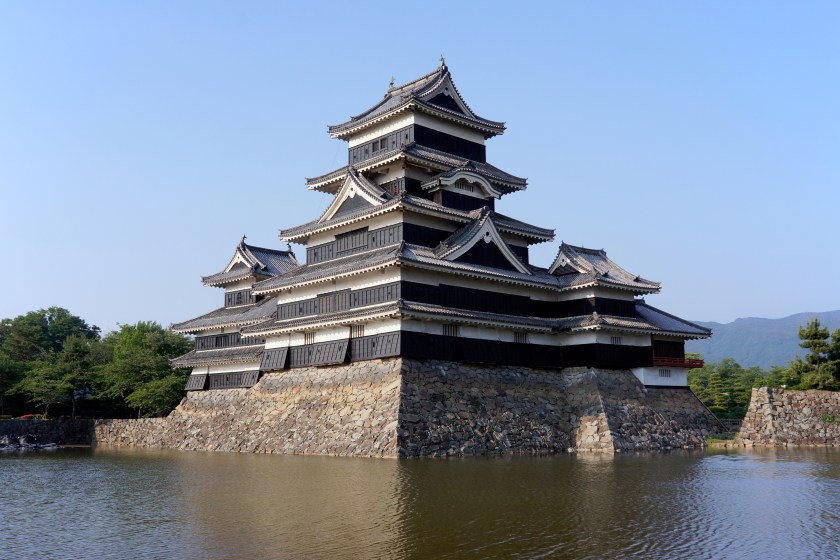
You see more of the stonework so prevalent in all of these cultures with what looks like a fortification at the base of Matsumoto Castle in Nagano Prefecture.  This is said to be the oldest existing castle in Japan, and is recognized as a national treasure.

Nagano, Japan 3

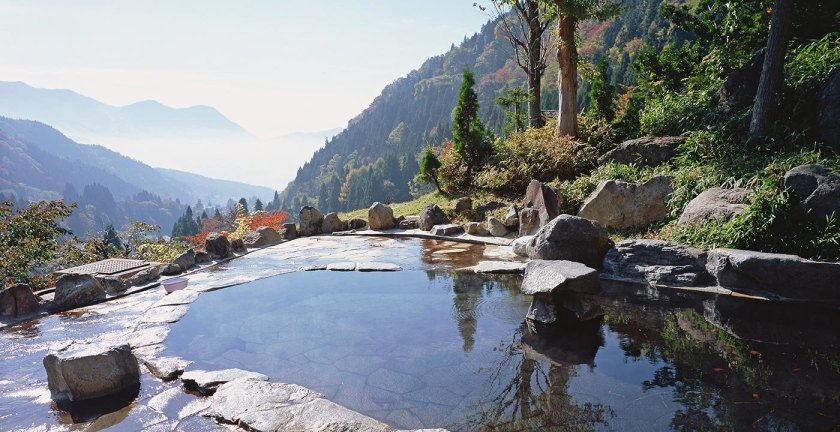
Here is yet another example of the ubiquitous block-shaped rocks that cover the surface of the planet.  Nice-looking straight-edges there, as well as the stone work around the edges of what looks to be a pond, or some kind of water work.

Nagano, Japan 5

Other examples of sophisticated knowledge about hydrology and engineering are shown here, with the photo on the left being in Nagano Prefecture, and on the right in a Miao Village in China.  The Miao live primarily in the mountains of Southern China.


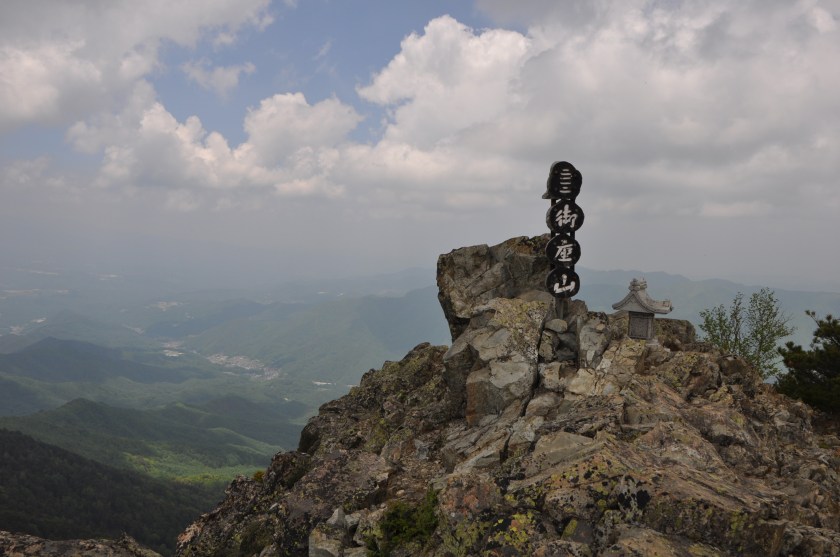
Next, this is the summit of Mount Ogura, with its rocky, pointed top.

Nagano,_Japan Ogura_Mountain-Summit,_

Mount Ogura 2

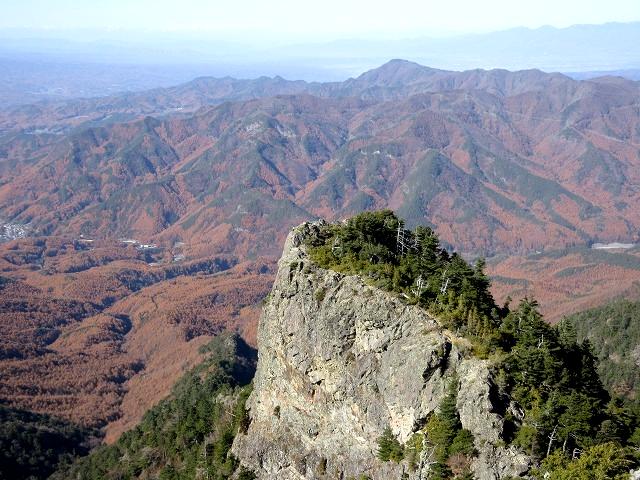
And this could be another view of the same mountain, or perhaps a different peak in the same area, but it is also in the mountains of Nagano Prefecture.

Nagano, Japan 2

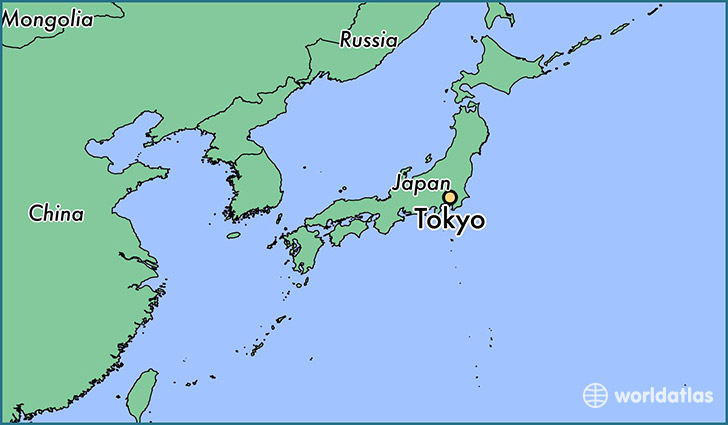
The alignment goes through Tokyo, the capital of Japan since 1869.  It is the seat of the Emperor of Japan and the Japanese Government, and is the most populous metropolitan area in the world.

Tokyo, Japan Map

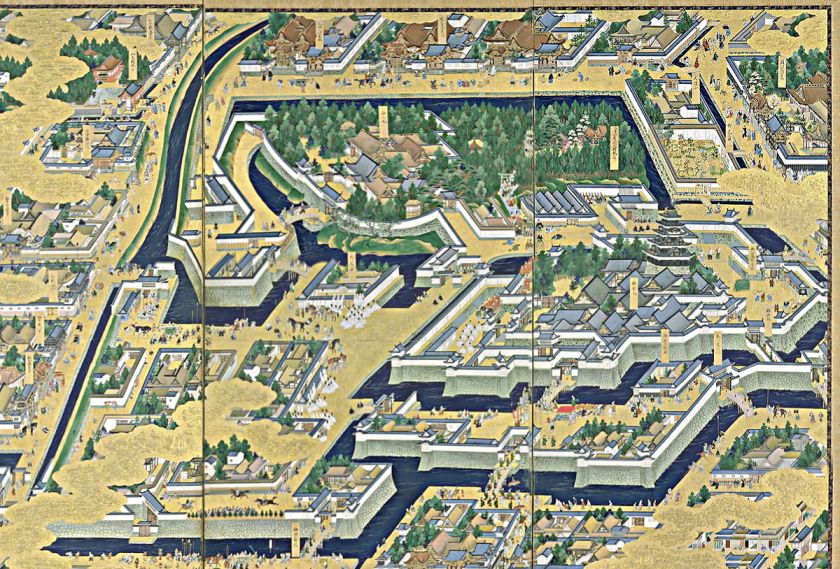
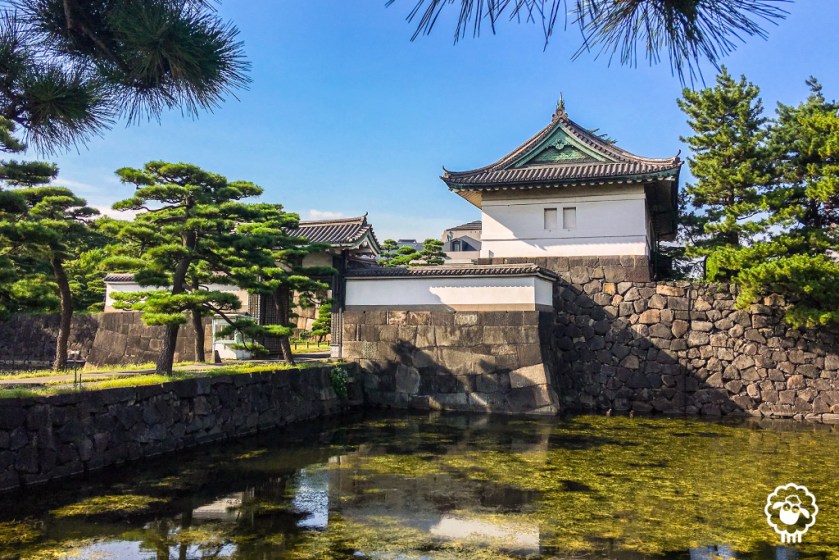
Let’s take a look at Edo Castle in Tokyo, the Imperial Castle of Japan.  Said to have been built in 1457, here is an historic depiction of it.  Looks like a pretty sophisticated enterprise with all of those heavy wall fortifications, and canals surrounding it.

Tokyo - Edo Castle historic graphic

Let’s see what is still intact from the original buildings on the castle grounds.

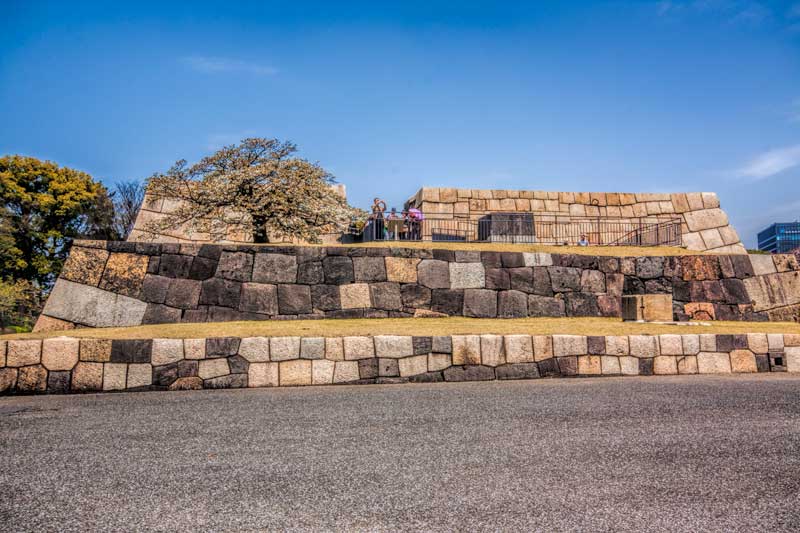
Here we have a beautiful example of a megalithic polygonal wall that is still intact.

Tokyo - Edo Castle

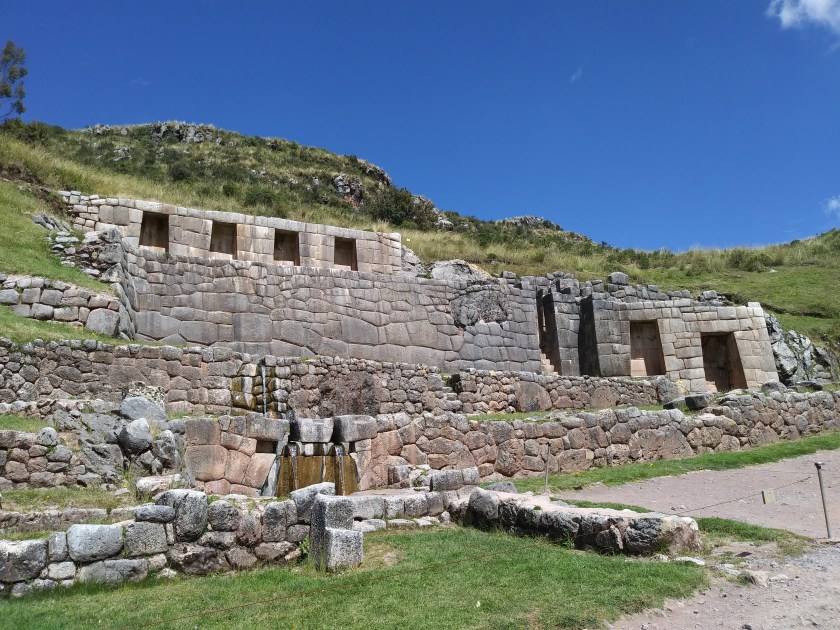
Here’s a comparison with a megalithic polygonal structure at Tambo Machay, near Cusco in Peru.

745

This shows a comparison with the earlier polygonal stonewalls side by side with a later stone wall construction, which has comparatively smaller stones.

Tokyo - Edo Castle 2

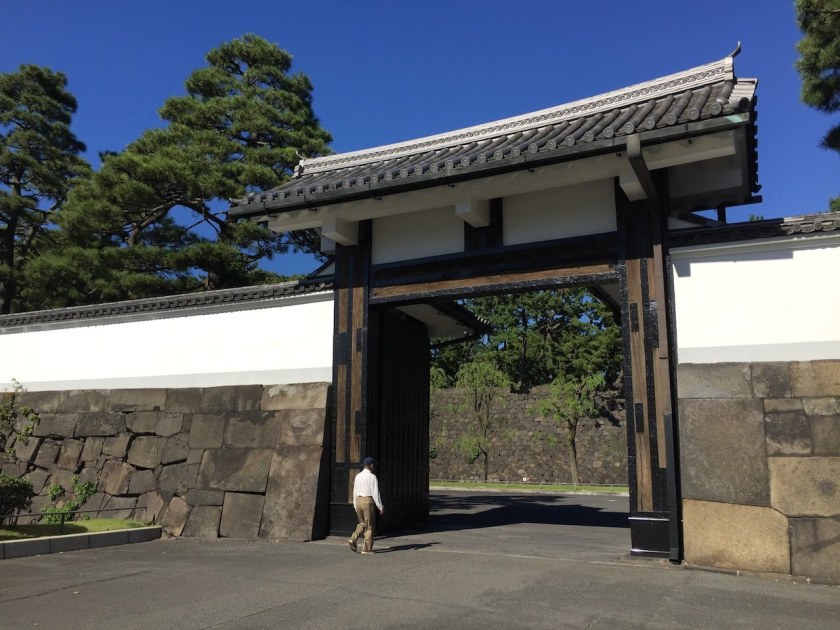
 The Sakuradamon Gate of Edo Castle has huge polygonal megalithic masonry.

Tokyo - Sakuradamon Gate of Edo Castle

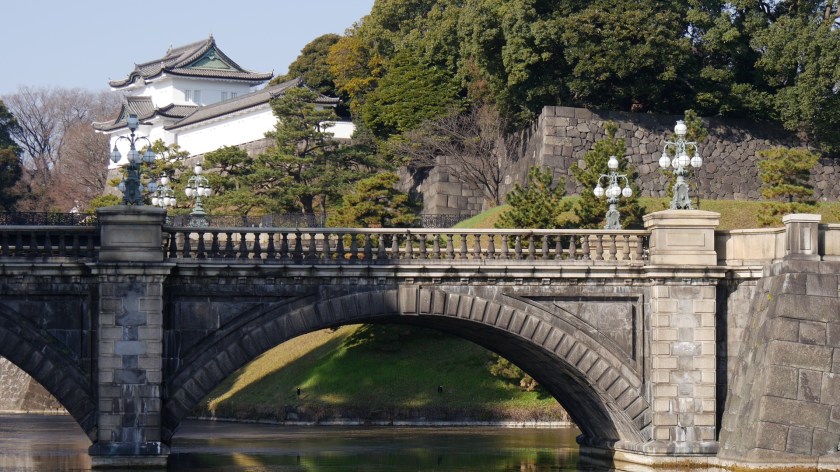
And this street view on the grounds of the Edo Castle/Imperial Palace shows really sophisticated masonry and construction.

Toyko - Edo Palace Street View

So, according to what’s in these photos, Japan had a megalithic culture at one time, exactly like the acknowledged ones of Peru, other countries in Central and South America, Egypt, Turkey, and so on.  In fact there are megaliths all over the world, including North America.  We are just not told about them.

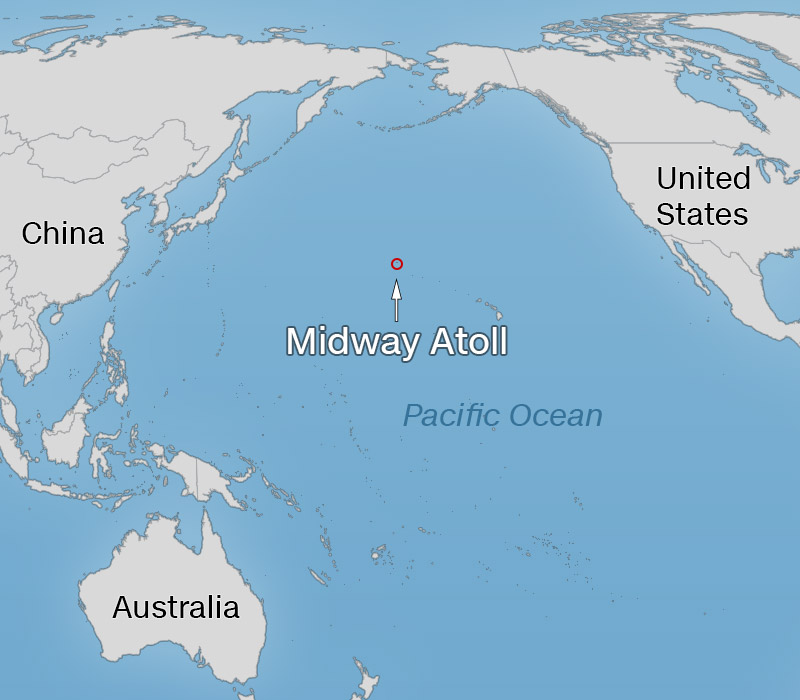
We will now leave the island of Honshu in Japan, and head out across the Pacific Ocean, where we cross over Midway Island.

MIdway Island 1

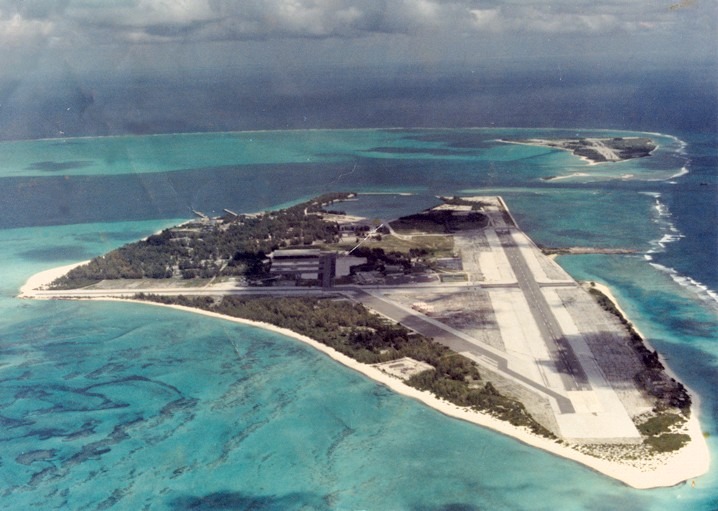
Here is a photo of Midway Island, site of a major World War II Battle:

Midway Island

 That’s Midway, Folks!

And the U. S. Government still has a claim there as well.  Midway is an unorganized, unincorporated Territory of the United States, and continues to be the only island in the Hawaiian Island chain that is not part of the state of Hawaii.

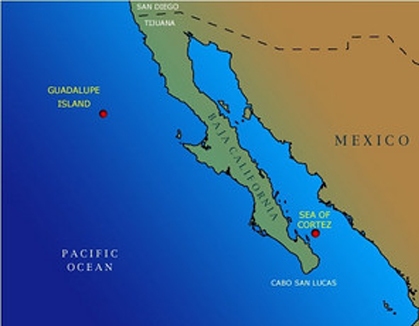
So the last stop for Part 5 of this video series is Guadalupe Island, which is  located off the west coast of Mexico’s Baja California.

Guadalupe Island is listed within a biosphere reserve, so visitors have to obtain a permit.  There are small communities of fishing camps on the island, a weather station, and a small airport.  It is also a destination for cage-diving to view great white sharks.

Guadalupe Island Map

It otherwise has a rugged landscape, as captured in these photos:


And at Guadalupe Island there is an unusual-looking rock formation on the left reminiscent of the one at the Galapagos Islands in the center photo, and the one near Yalta in the Crimea on the right.


This is where I am ending this part of the series on “How I Found the Silk Road”, and in the next post will end the tour of this alignment at Montreal, where it began.


How I Found the Silk Road – Part 4 Yumen to Dalian – With Video of Post at the End

I ended “How I Found the Silk Road, Part 3,” at Pik Pobedy in the Tian Shan Mountains on the Kyrgyzstan – China border.

I started the journey along this particular planetary alignment in North America in Montreal, Quebec, Canada in Part 1 – which gives you the background details of exactly how I came into this awareness of this particular planetary grid-line, as well as many others, and who I believe was responsible for building everything.

I will be ending this journey in Montreal as well, at the end of the video series.  This is a long-distance alignment that encircles the earth.

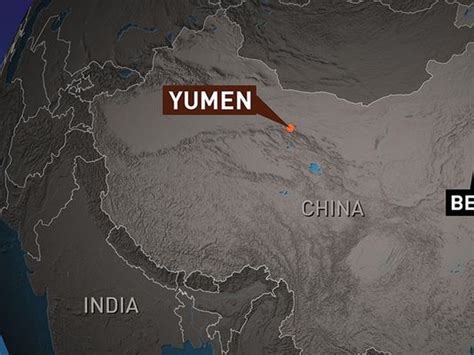
Picking up the journey in China, we are now in Yumen City in Gansu Province.  It is located on the Silk Road, and is best known now for its oil production.

Yumen Map

Starting in the 1930s, a modern highway was built over the old caravan route from Yumen to Urumqi, and continuing on to Kazakhstan.  Then a railway line was built connecting Lanzhou (the Capital of Gansu Province) with Yumen and Urumqi.  Then oil was discovered near Yumen City in 1939, which has since then developed a sizeable energy industry.

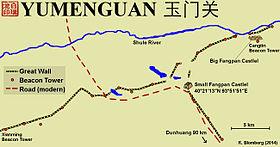
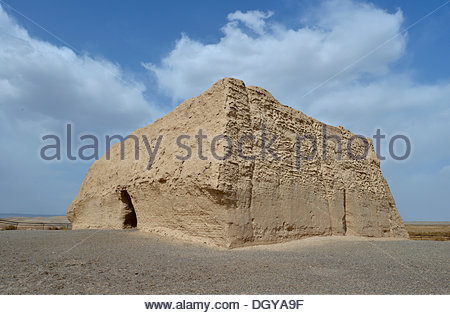
Located 250 miles to the west of Yumen City is Yumen Guan, or Jade Gate, on the Great Wall of China.  It was the frontier pass in ancient times, the entrance to the old Silk Roads, and the one road connecting Central Asia and China.

Yumen Pass 1Yumen Pass 2

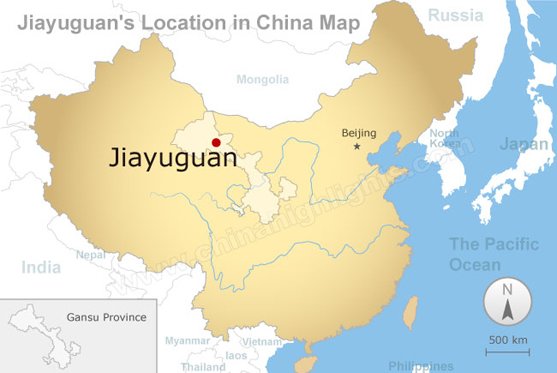
Next on the alignment is Jiayuquan, China.  Jiayuquan, also in Gansu Province, is called the “Mouth of China” since it is located at the end of the Great Wall of China, and guarded the western boundary of China’s Ming Dynasty (1368 – 1644).

Jiayuquan Map

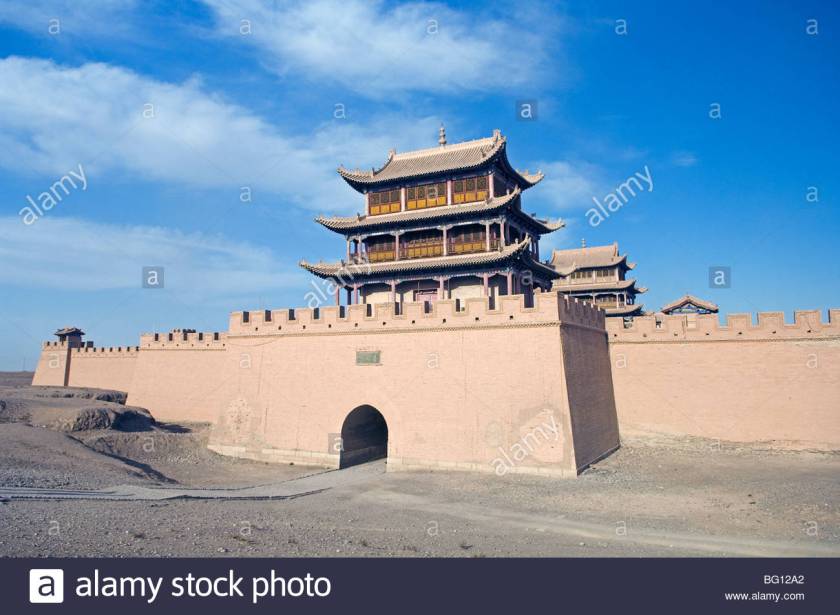
Jaiyu Pass is nearby, the largest and most intact pass…

Jaiyu pass 1

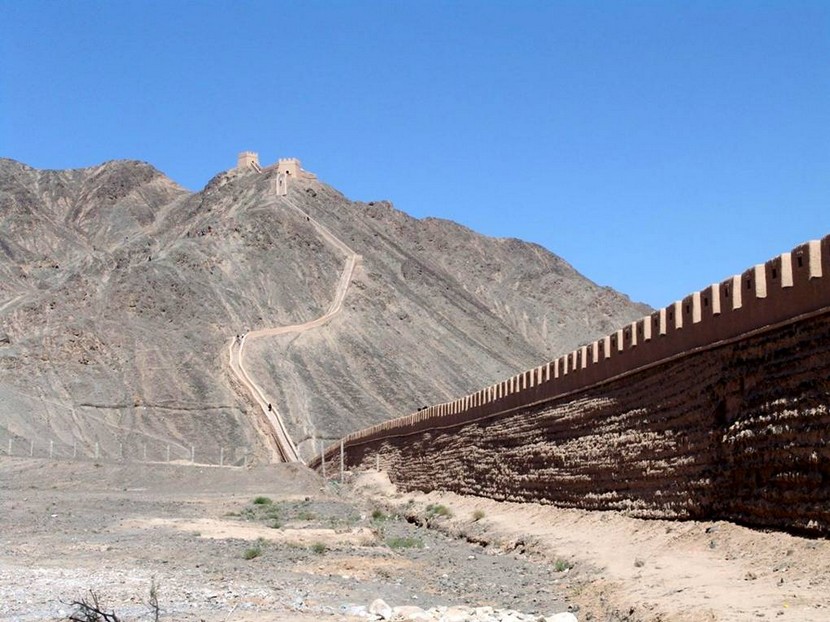
of the Great Wall of China.

Jaiyu Pass - Great Wall

Next we come to Yinchuan, China, the capital of the Ningxia-Hui Autonomous Region.


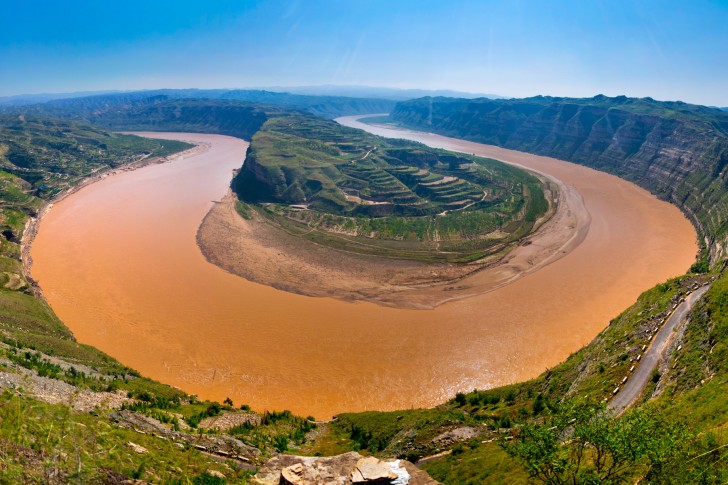
It is located on the Yellow River (or Huang He River), the Mother River of China.  It is the second longest River in Asia, and the sixth longest river system in the world.

Yinchuan - Huang He

For comparison, here is Big Bend, Texas, on the left, and Horseshoe Bend, Arizona, on the right. I don’t believe the creation of these quite similar-looking river bends are a random act of nature, and these are not the only examples.  Snaky, S-shaped rivers are a signature of the advanced Ancient Civilization, and will be its own subject in a future post.


Yinchuan is a center of the Muslin Hui minority people.  Here is the Hui Mosque on the left, one of the approximately 500 mosques in Yinchuan, with a comparison picture on the right of the Taj Mahal in Agra, India, so you can see the similarity in architectural styles between the two, which are separated by a distance of 1,807 air miles (or 2,909 kms).


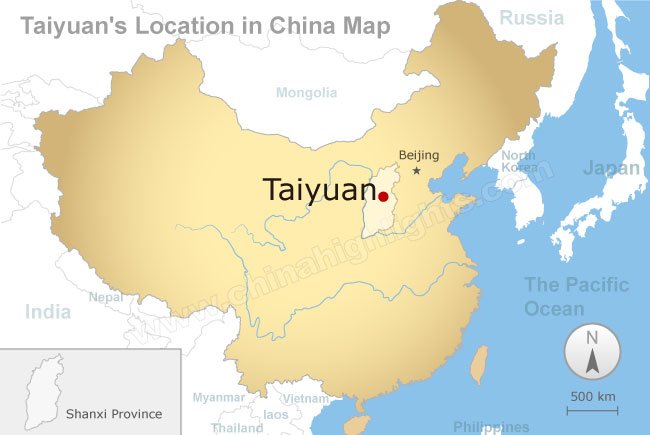
Next on the alignment is Taiyuen, China.  It is the capital and largest city of the Shanxi Province.  It is a main manufacturing base in China, and a transportation hub.

Taiyuan, China Map

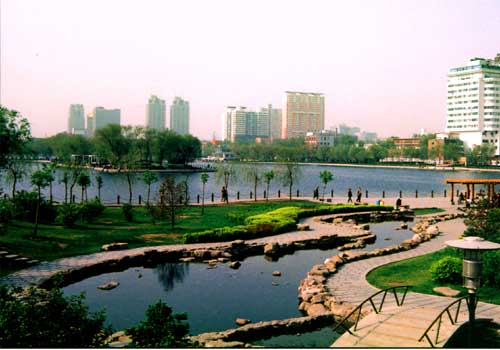
Taiyuan

The meaning of Taiyuen is Great Plain, with its location where the Fen River leaves the mountains and enters a flat plain, going through the Shanxi Province, eventually connecting with the Yellow River (Huang He).


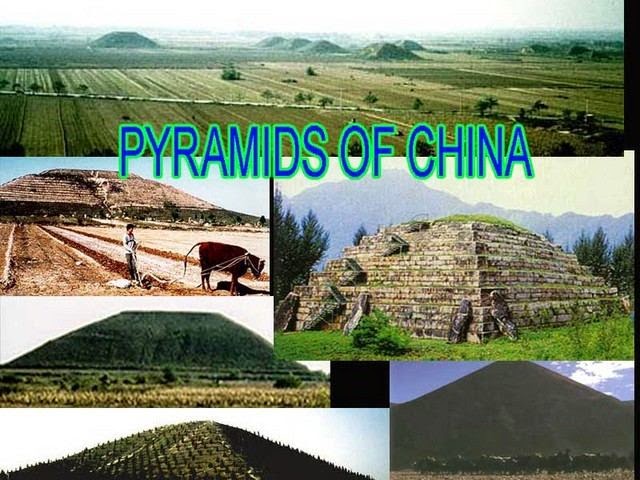
For information, southwest of Tiayuen and Shanxi Province, near Xi’an, the capital of Shaanxi Province, there are sixteen pyramids on the Guangzhong Plain, northwest of Xi’an.

Chinese Pyramids

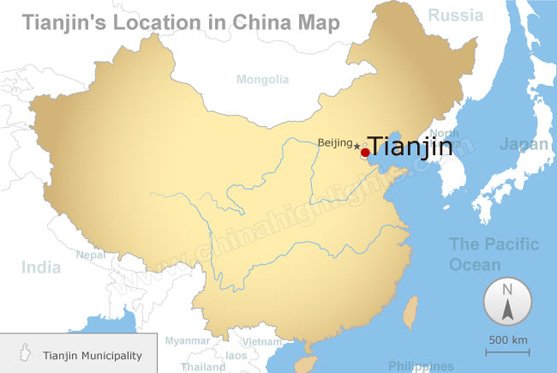
From Taiyuen, next we come to Tianjin, China, on the alignment.  It is a coastal city with a population of  over 15 million, and is one of four national central cities in the People’s Republic of China.

Tianjin Map

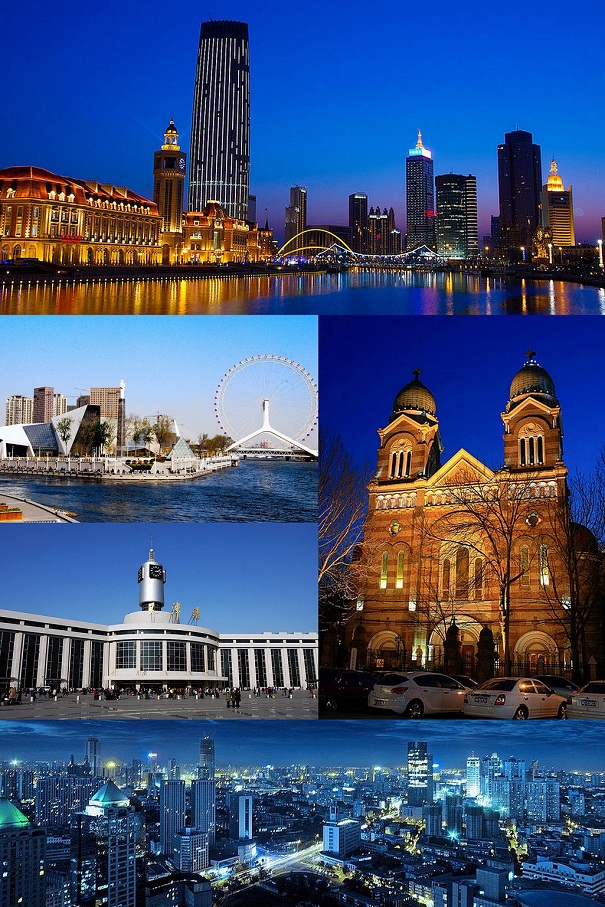
What really gets my attention in this photo of sights around Tianjin is the photo of the older building with two towers, center right.  It looks like architecture I have seen in many other places around the world.
Tianjin

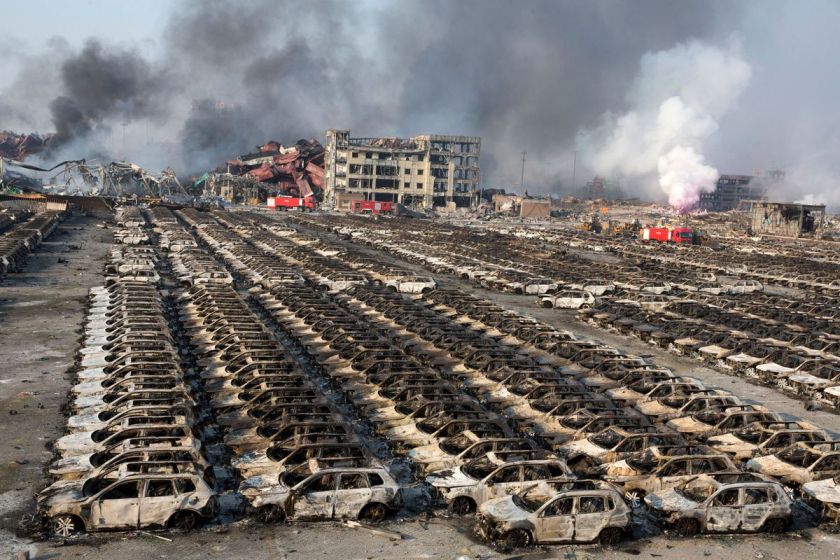
The other thing that really caught my attention about Tianjin is that there was a massive explosion there in 2015 – which I had heard about before I found it on the alignment.  When I say massive, I mean it was apocalyptic, like a nuclear blast.

Tianjin Explosion

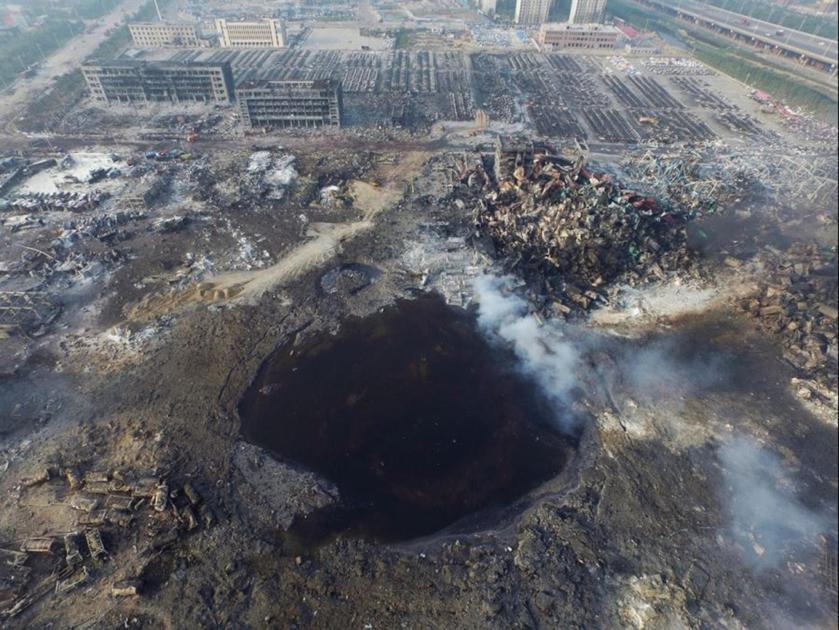
We are told the explosion took place at a warehouse at the port that contain hazardous and flammable materials chemicals, and the cause of the blast was unknown.  Whatever caused the explosion, it left behind a gigantic crater….

Tianjin Explosion - Crater.jpg

Next is Dalian, China, a major city and seaport in Liaoning Province.    It is a financial, shipping and logistics center for Northeast Asia.

Dalian map

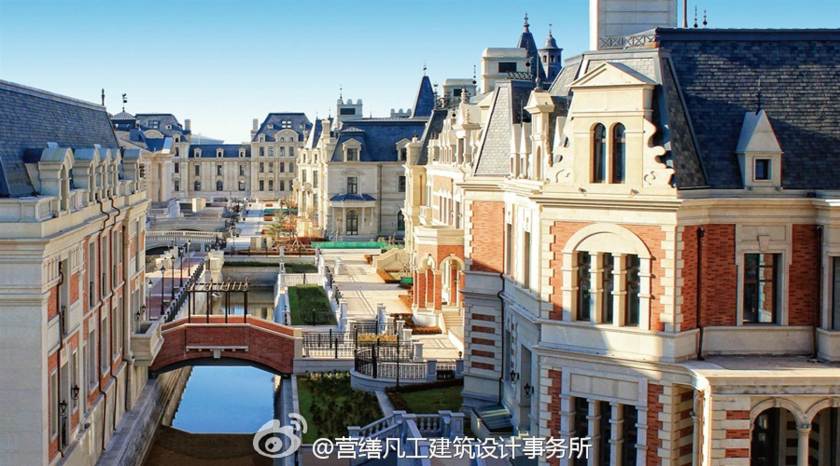
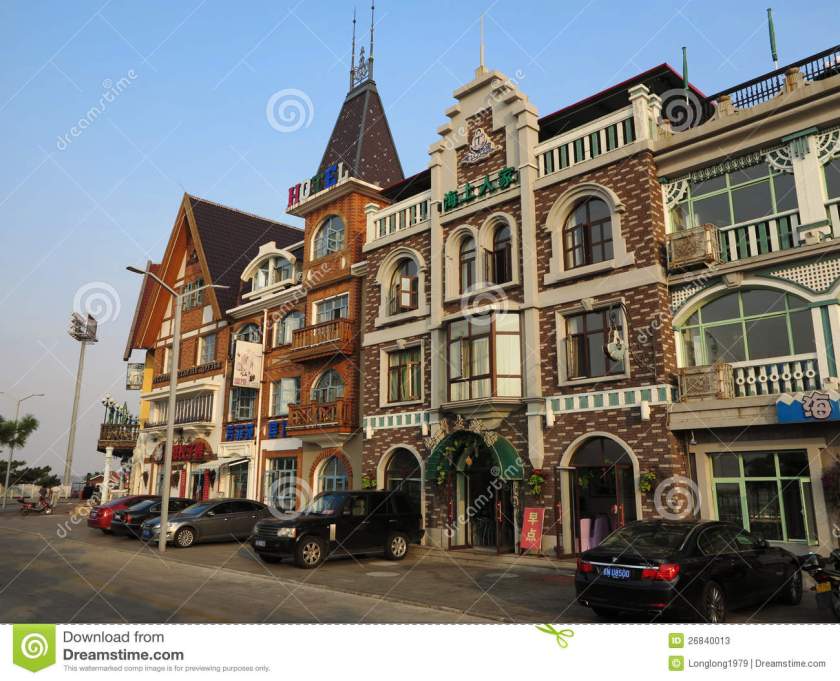
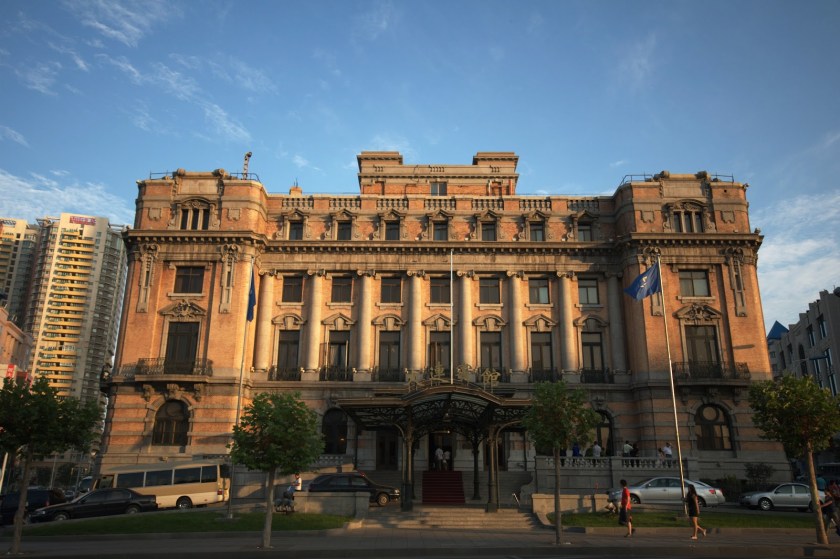
Okay guys, if you have been following me in this series, do the next photos look like what we would expect to see in China…or  does it look like what we have seen in Europe and Central Asia along this alignment?  If you are new to my work, and have any questions about why I am asking, please check out “How I Found the Silk Road – Parts 1 – 3.”  This is Dalian, China, right before you leave the continent and head across the Yellow Sea to North Korea.

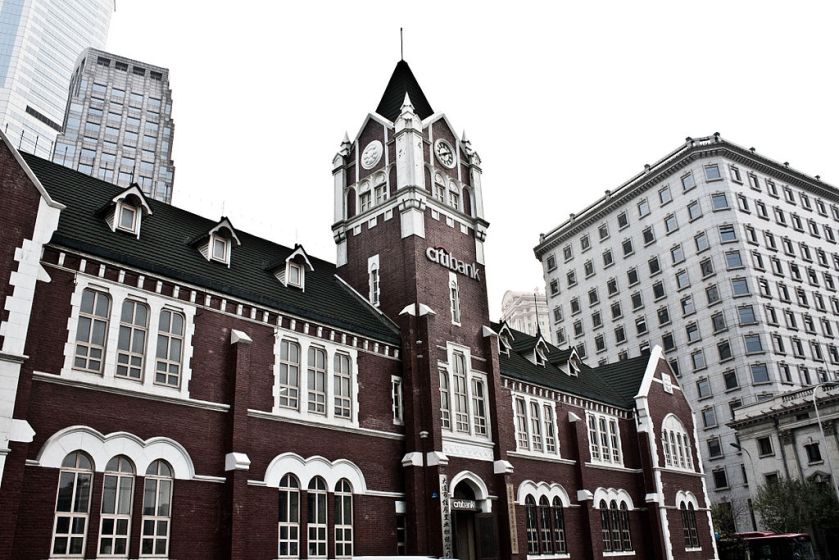
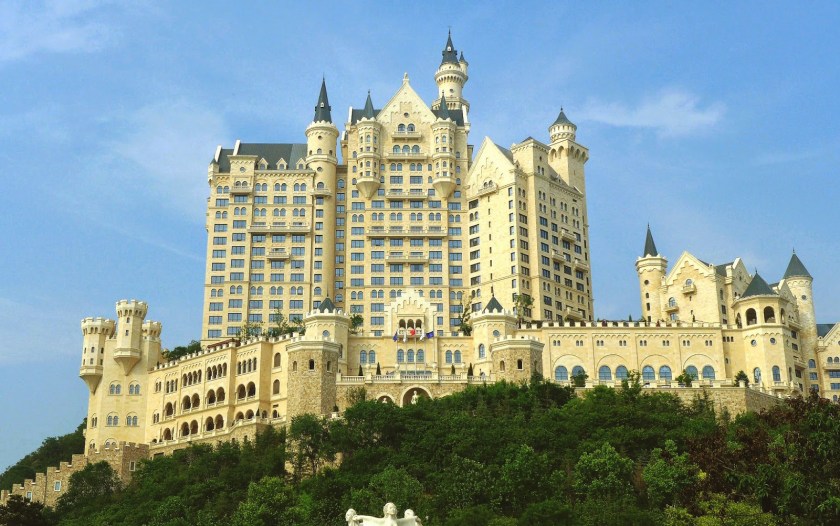
Dalian - CanalDalian - old townDalian - heavy masonryDalian - Citibank at Zhongshan SquareDalian - Castle Hotel

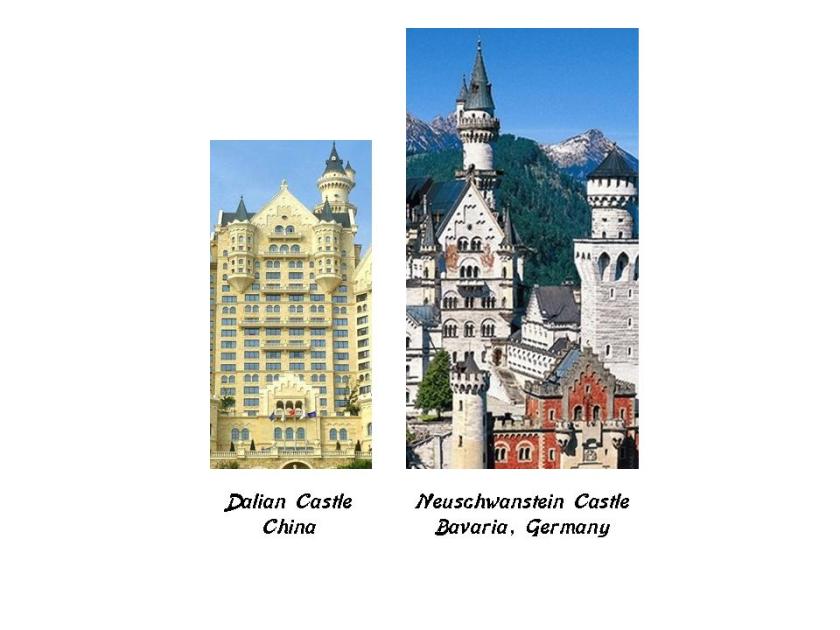
This is the Dalian Castle Hotel on the left, and Neuschwanstein Castle in Bavaria, Germany on the right.  Now the Dalian Castle Hotel bills itself as “Bavarian-Styled,” but not specifically Neuschwanstein.  I have highlighted specific design features that are identical in this comparison, between the northern east end of China, and just outside of Munich in Bavaria.  Neuschwanstein was said to have been completed under Mad King Ludwig II in 1869.  The information I can find on the Dalian Castle Hotel is that it is said to have opened in 2014.  I am not convinced this is when it was built.

Dalian - Neuschwanstein

I will pick up the alignment in the next post at Pyongyang, North Korea.


How I Found the Silk Road, Part 3 Sevastopol to Pik Pobedy – With Video of Post at the End

I ended “How I Found the Silk Road, Part 2,” in Bucharest, Romania.

I started the journey along this particular planetary alignment in North America in Montreal, Quebec, Canada.  Part 1 gives you the background details of exactly how I came into this awareness of this particular planetary grid-line, as well as many others, and who I believe was responsible for building everything.

We are entering into the actual Silk Road part of this alignment as we leave Bucharest in Eastern Europe, and move directly east along the alignment over the Black Sea, crossing over the tip of the Crimean Peninsula at Sevastopol.

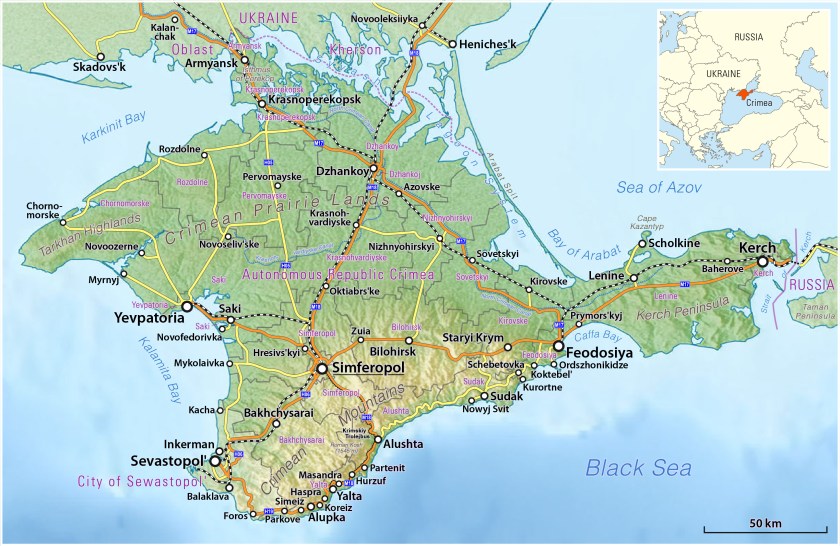
Crimea Map.jpg

The Crimea is a peninsula on the northern coast of the Black Sea that is almost completely surrounded by the Black Sea and the small Sea of Azov to the northeast. and since 2014 is controlled and governed as part of the Russian Confederation though internationally recognized as part of Ukraine.     The Crimea has historically been the boundary between the so-called Classical world and what is called the Pontic-Caspian Steppe.

The alignment crosses Sevastopol, a major Black Sea Port and the largest city on the peninsula, which has historically been a strategically important port and naval base.  It is also a popular seaside resort and tourist destination.

Sevastopol 2

Sevastopol 3

In the next series, the photo on the top is in Sevastopol in the Crimea; next is Guthrie, Oklahoma; below that is Kresy, Siberia; and the bottom photo is the Hotel Connor in Jerome, Arizona.  Granted not identical, but I see similar structural design elements, in buildings in very different places.

Sevastopol 8 street cornerGuthrie 1Kresy, SiberiaHotel Conner Jerome

The alignment also crosses near Yalta, also on the Crimean Peninsula.  Probably best known as the place where the Treaty of Yalta was signed, formally ending World War II.

Yalta 2

Yalta is a resort city on the Black Sea.  It is said to be on the site of an ancient Greek colony.

This is a photo of Swallow’s Nest in Yalta.  Swallow’s Nest is said to have been built between 1911 and 1912.

Sevastopol 5

We are told the Scots Baronial and Moorish Revival styles had been introduced to the Crimea in the 1820s by British architect Edward Blore with the Vorontsov Palace in Alupka, Crimea. Hmmmm.  Really?  Blore was also said to not have any formal training in architecture – his training was in “Antiquarian Draftsmanship.”  So this guy is supposed to be responsible for the palace in the following pictures? A bit hard to swallow….

Vorontsov Palace
Vorontsov Palace
Vorontsov Palace 2
Vorontsov Palace

Here is a side-by-side comparison of architecture at Vorontsov Palace on the left, and the Jama Masyid Mosque in Delhi, India:


More Yalta scenes….

Yalta 3

And this place on the coast in Yalta on the left reminds me of this place in the Galapagos Islands on the right:

The alignment leaves the Crimean Peninsula at Yalta, and then when back on the mainland goes first near Kherson, Ukraine.  Kherson is an important port on the Black Sea and the Dnieper River, and is a major ship-building industry.

More of the same configuration here in Kherson that we saw in other places far from here as I showed in a comparison above:

On the left is the town hall building in Kherson, Ukraine on the left, and the town hall building in Augsburg, Germany on the right.

And here is a comparison of a government building in Kherson, Ukraine on the left and the Colorado State Capital building on the right.

and this building, the Kherson Musical School, definitely has Moorish architectural features:

Kherson Musical School

Krasnodar Krai, Russia is next, very close to the alignment.  It is a federal subject of Russia, located in the Northern Caucasus Region of Southern Russia.

Krasnodar Krai Map

Some architecture in Krasnodar Krai:

Krasnodar Krai 3

And here are some “natural” features of the area:

Krasnodar Krai 1Krasnodar Krai 4Krasnodar Krai 6Krasnodar Krai 7 - Sail Rock

Krasnodar Krai 9

Moving along, the alignment crosses Mt. Elbrus in southern Russia in the Caucasus Mountains, near the border with Georgia. It is the highest mountain in Europe, and the tenth most prominent peak in the world.  Here also we are leaving Europe and entering Central Asia.  Mt. Elbrus is also the mountain the Titan Prometheus was chained to by Zeus in Greek Mythology as a punishment for stealing fire from the gods and giving it to mankind.
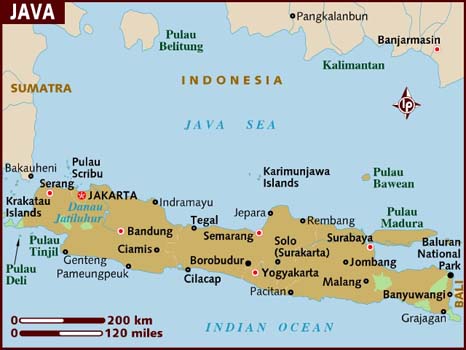
Mount Elbrus

Next the alignment goes through Grozny, the capital city of the Chechen Republic, also known as Chechnya.  It has been rebuilt since the destruction of the First and Second Chechnen wars with Russia, starting in 1994 and ending in 2000.  A Separatist government had formed after the collapse of the Soviet Union 1991. Chechnya
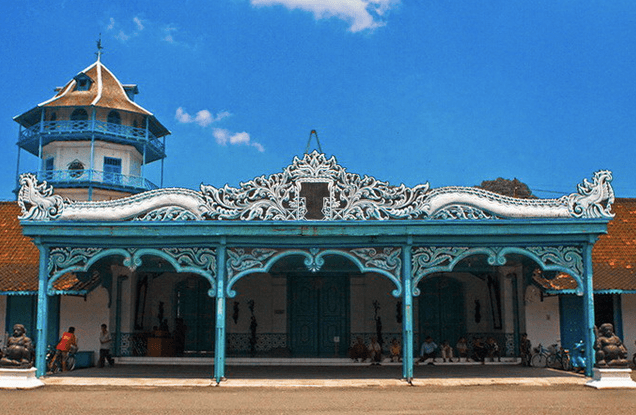
Here are photos taken in Grozny before the Chechen wars:

Grozny Chechnya 2Grozny Chechnya 3Grozny Chechnya 4Grozny Chechnya 6Grozny Chechnya 8

All of the above photos in Grozny have the same heavy masonry and design features that I have been seeing and sharing all along the alignment thus far.

Grozny - Milan - London

And what happened to Grozny as a result of the Chechen Wars?

Grozny Chechnya 7

Why?  Really, why this destruction?  Grozny has since been rebuilt, but just because a proud and independent people wanted their own government, during a time when other former Soviet republics were becoming self-governing? Does this make sense?

Next the alignment crosses over the Caspian Sea, and enters Kazakhstan at the port city of Aktau.  There are developed uranium deposits in Aktau, as well as oil industry.  As a matter of fact, the region is one of the biggest producers in the country and a major industry of the city is hydrocarbon production.

Aktau Map

We are told that this area at one times was inhabited by ancient tribes of Scythians, and that this region of  Western Khazakstan known as Mangistau hosted a spur route of the northern Silk Road.


The alignment crosses the Kyzyl-Kum desert in Central Asia, which occupies Kazakhstan, Turkmenistan and Uzbekhistan.  It covers 115,000 square miles (298,000 km2).

Kyzyl-kum Map

Much of the desert is covered with sand dunes, and there are deposits of gold, uranium, copper, silver, natural gas and oil.

The Great Silk Road is considered to be one of the greatest achievements of in world civilization’s history, connecting Europe and Asia from the Mediterranean to China.  The longest and most strategic part passed through this part of Central Asia.

Bukhara Mausoleum
Bukhara Mausoleum

Next on the alignment is Tashauz (now known as Dasoguz), Turkmenistan, close to Usbekistan.

turkmenistan_map

Tashauz was a popular stop on the Silk Road because of a spring located there.

Nearby is Konye-Urgench , and is the site of an ancient town – Urgench – which contains the ruins of Khwarezm, which lies between the Kyzyl-Kum desert to the north, and the Karakum desert to the south.  The Khwarezm region was a wealthy and beautiful civilization of the Persian Empire, and in our historical narrative is said to have been destroyed by Genghis Khan and his Mongol hordes.

Konye-Urgench 1
Konye-Urgench (Khwarezm), Turkmenistan
Konye-Urgench 2
Konye-Urgench (Khwarezm), Turkmenistan

Next we come to Tashkent, Uzbekistan.  Tashkent is the capital and largest city of Uzbekistan.  It was also destroyed by Genghis Khan in the 1200s, but rebuilt and profited from the Silk Road.  It has over 2,200 years of written history.

Tashkent, Uzbekistan Map

 This area is in the foothills of the West Tian Shan Mountains.  This region was called Chach in earlier times.  By the 600s, the principality of Chach was said to have more than 30 towns and over 50 canals….

One of the top attractions of Tashkent is the Ankhor Canal:


And here is an older photo of Tashkent showing the same style of architecture that we keep seeing along this alignment…

Tashkent 1

So far we are almost into China on this alignment, and you are seeing the same style of architecture in Tashkent, Uzbekistan that you saw where the alignment entered Europe in Bordeaux, France, and the distance separating these two cities on the map is 3,425 miles (5513 kms):

Bordeaux France 4
Bordeaux, France

There are also these familiar styles in Tashkent, like this one with a tower similar to one I showed you in Krasnodar Krai, Russia…

Tashkent, Uzbekistan 5

…and this  massive building in Tashkent with heavy masonry, arches, columns and towers…

Tashkent, Uzbekistan 4

…and you also find this style of architecture is in Tashkent, which is more typical of what one would expect to find through this region:

Tashkent, Uzbekistan 1Tashkent, Uzbekistan 2Tashkent, Uzbekistan 3

Okay, moving along the alignment to Bishkek, Kyrgyzstan.  Bishkek is the capital and largest city of Kyrgyzstan.

Bishkek, Kyrgyzstan Map

It is described as originally a caravan rest stop on one of the branches of the Silk Road through the Tian Shan Range.  The city itself is relatively young, since Bishkek was first established around 1825.

Here are some of the local sights around Bishkek:

Bishkek, Kyrgyzstan 1Bishkek, Kyrgyzstan 2Bishkek, Kyrgyzstan 3Bishkek, Kyrgyzstan 4Bishkek, Kyrgyzstan - Ala Archa National park

 The alignment continues along to Lake Issyk-kul in Kyrgyzstan.  This lake is in the Northern Tian Shan mountains, and is the 10th largest lake in the world by volume.  It is the second largest saline lake after the Caspian Sea.   It is considered to be a sacred place by the Kyrgyz people.

NearLake Issyk-Kul at a place called Cholpon Ata, you find numerous stone statues like this one…

Bishkek, Kyrgyzstan - art

…which are reminiscent of the ones on Sulawesi in Indonesia at the Lore Lindu National Park that I found on another alignment….

Posu-Palu Lore Lindu 4

So I will end this post at Pik-Pobedy (also known as Jengish Chokusu) in Kyrgyztan, on the Chinese border in the and the highest mountain in the Tian Shan Mountains.

Pik Pobedy = Jengish Chokusu


On the Chinese side, it goes into Wensu County of the Aksu Prefecture of the Xinjiang Uighur Autonomous Region – once part of the Ancient Uighur Empire.

Pik Pobedy
Pik Pobedy = Jengish Chokusu

I will pick up this global alignment in Yumen City, China,  in part 4 of this series.