A Different Take on Samuel Taylor Coleridge’s “Kubla Khan”

Since I am still in England on the alignment, I am going to take a quick break from the Algiers’ circle alignment to examine “Kubla Khan” by the English poet Samuel Taylor Coleridge in detail. 

I was guided to look here when I realized it might contain information about what happened to the Advanced Ancient Civilization. 

This was after I realized a couple of months ago that the art and literature we are taught about in school provide the main vehicle for teaching us the history we believe to be true, which I believe is actually a false historical narrative presented as truth.

This is a typical portrait of Samuel Taylor Coleridge, the poet who wrote the poem “Kubla Khan.”
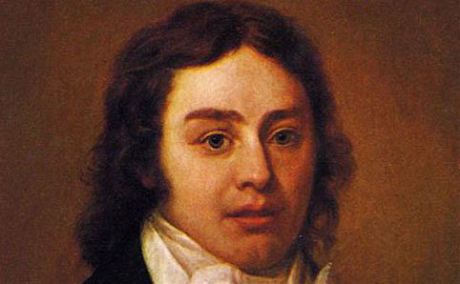
Said to have been born in 1775, and died in 1827, he was a founder of the Romantic Movement in England, which is said to have emphasized emotions and individualism; glorification of the past and nature; and preferring the medieval rather than the classical.

He wrote the poem in 1797, and published it in 1816.  He prefaced “Kubla Khan” when it was published by saying it was the result of an opium-influenced dream after he read a work describing Xanadu.
The poem is written as follows:

In Xanadu did Kubla Khan…
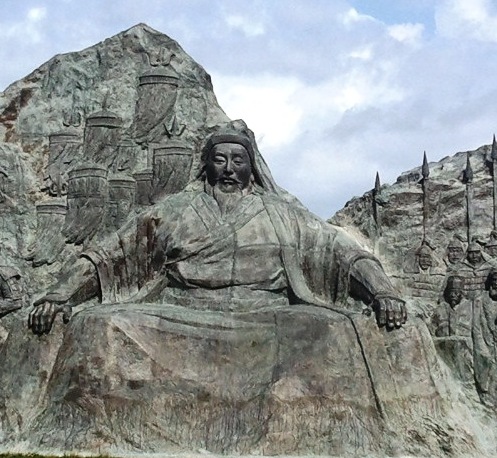
Historically Xanadu is an actual the place, the ruins of which are in what was called the Xilin Gol League in Inner Mongolia.

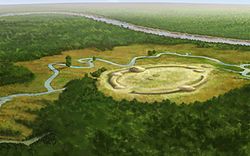
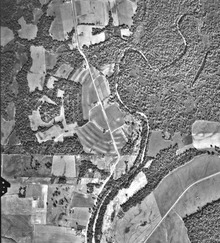
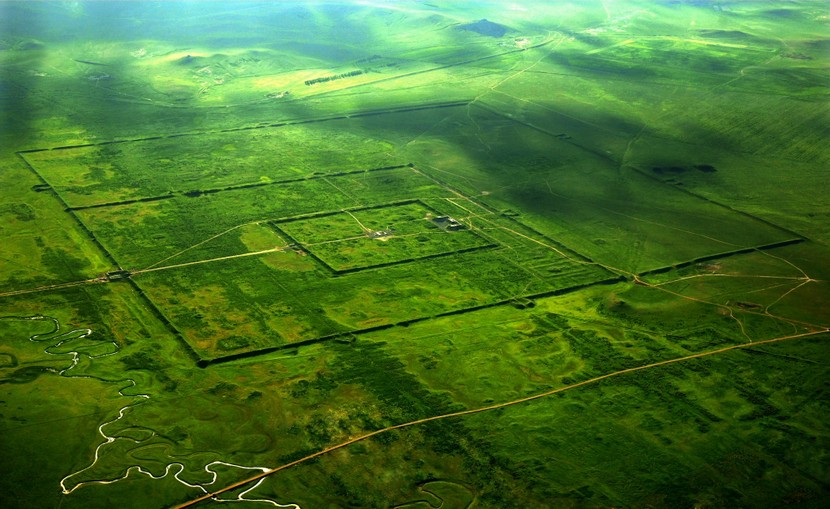
It was the Capital of Kubla Khan’s Yuan Dynasty in China from 1271 until he moved it to Dadu, or today’s Beijing.  It remained his summer palace.  This is an aerial view of where Xanadu was located in Inner Mongolia.

Note the geometric shapes in the landscape, and the snaky, S-shaped river–signatures of the advanced ancient civilization.
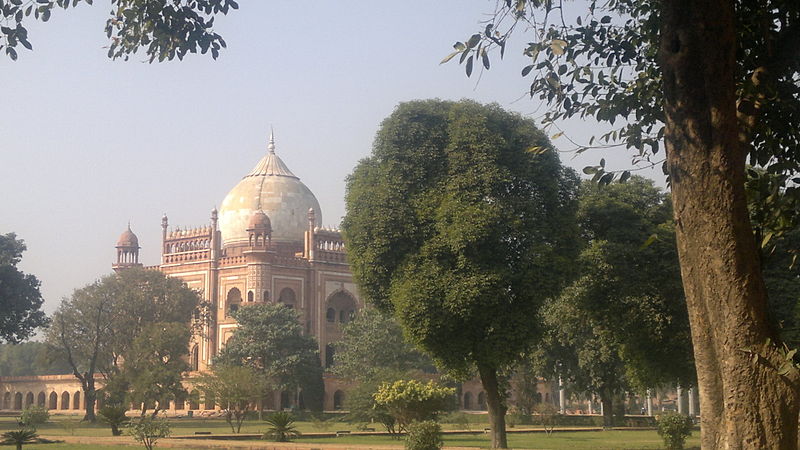
…A stately pleasure-dome decree.
By the way, there is a so-called granite dome named Stately Pleasure Dome in Yosemite National Park in California. 
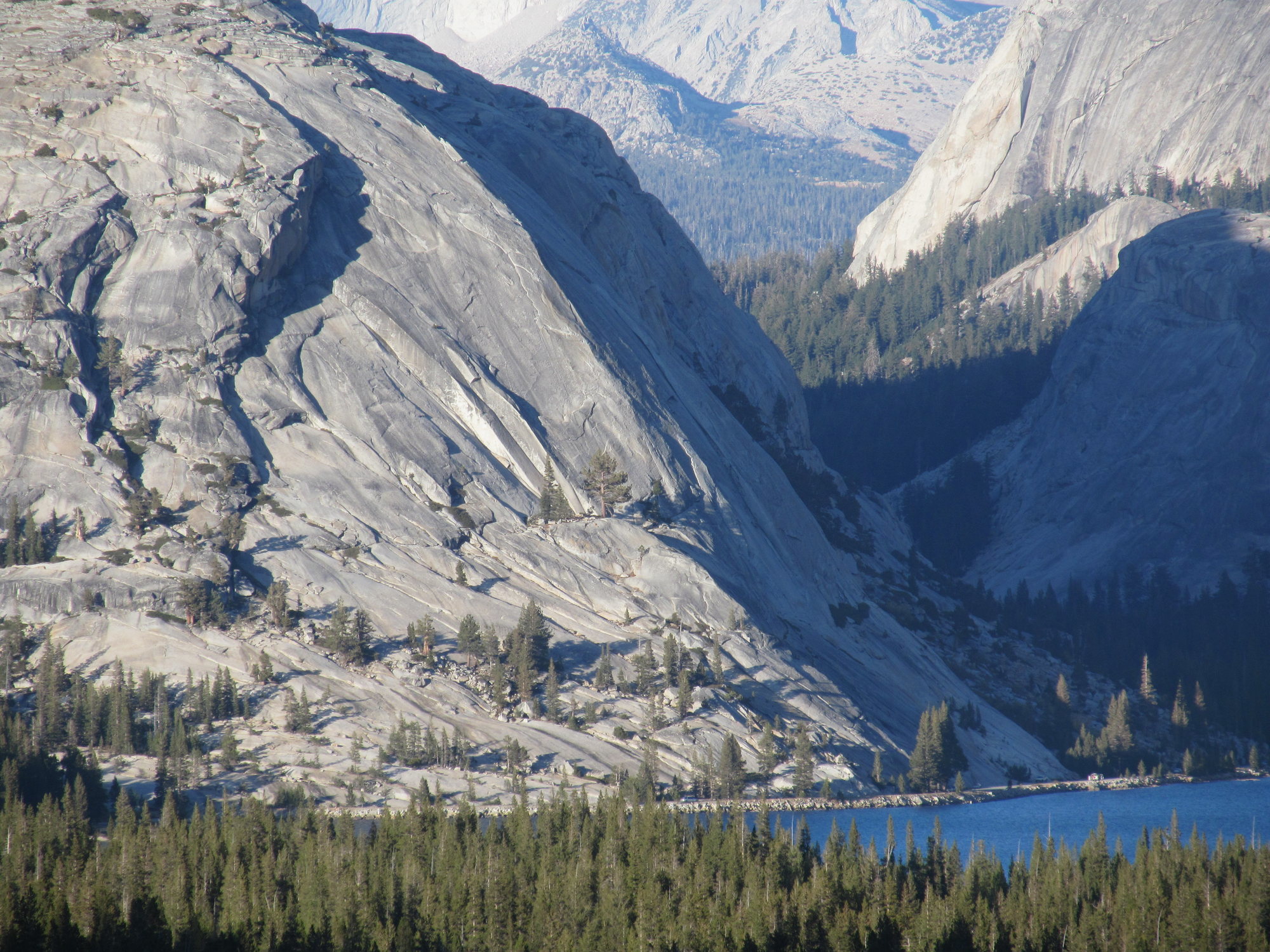
Presumably its name came from this poem, and while I am not saying this is actually Xanadu, I do believe this is infrastructure of the advanced ancient civilization.
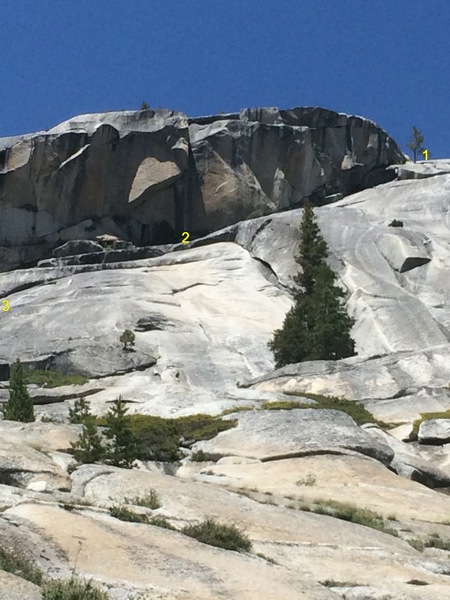
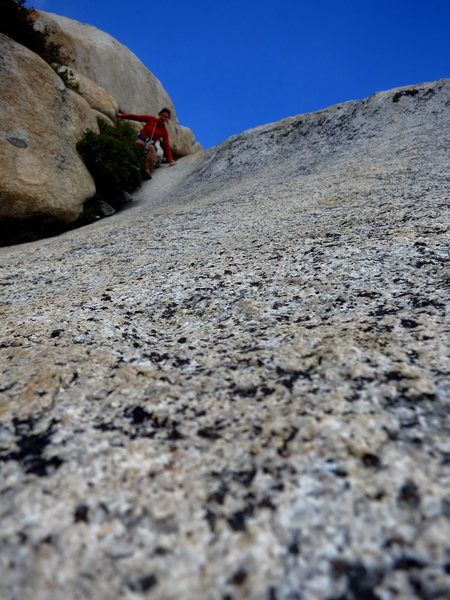
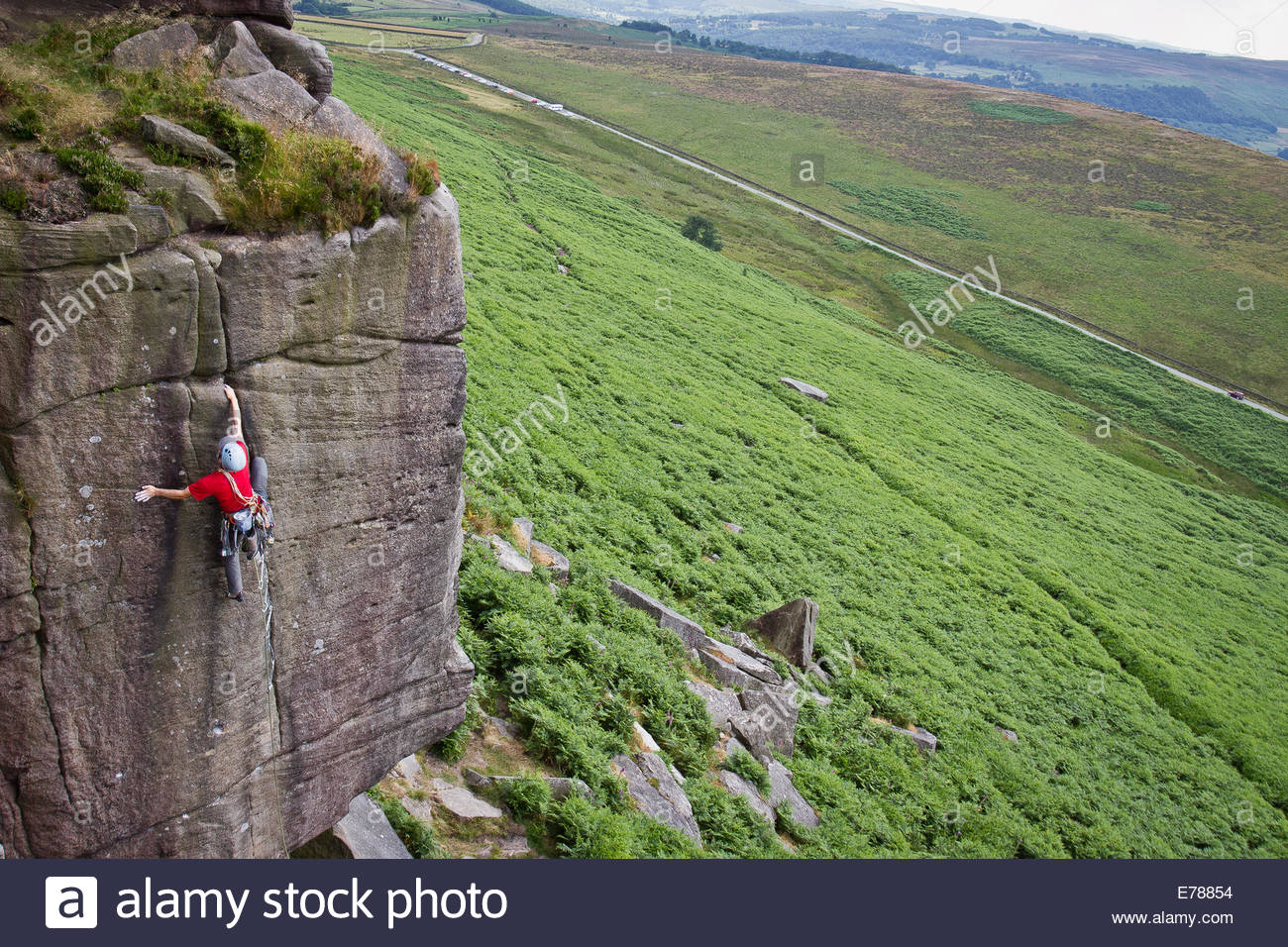
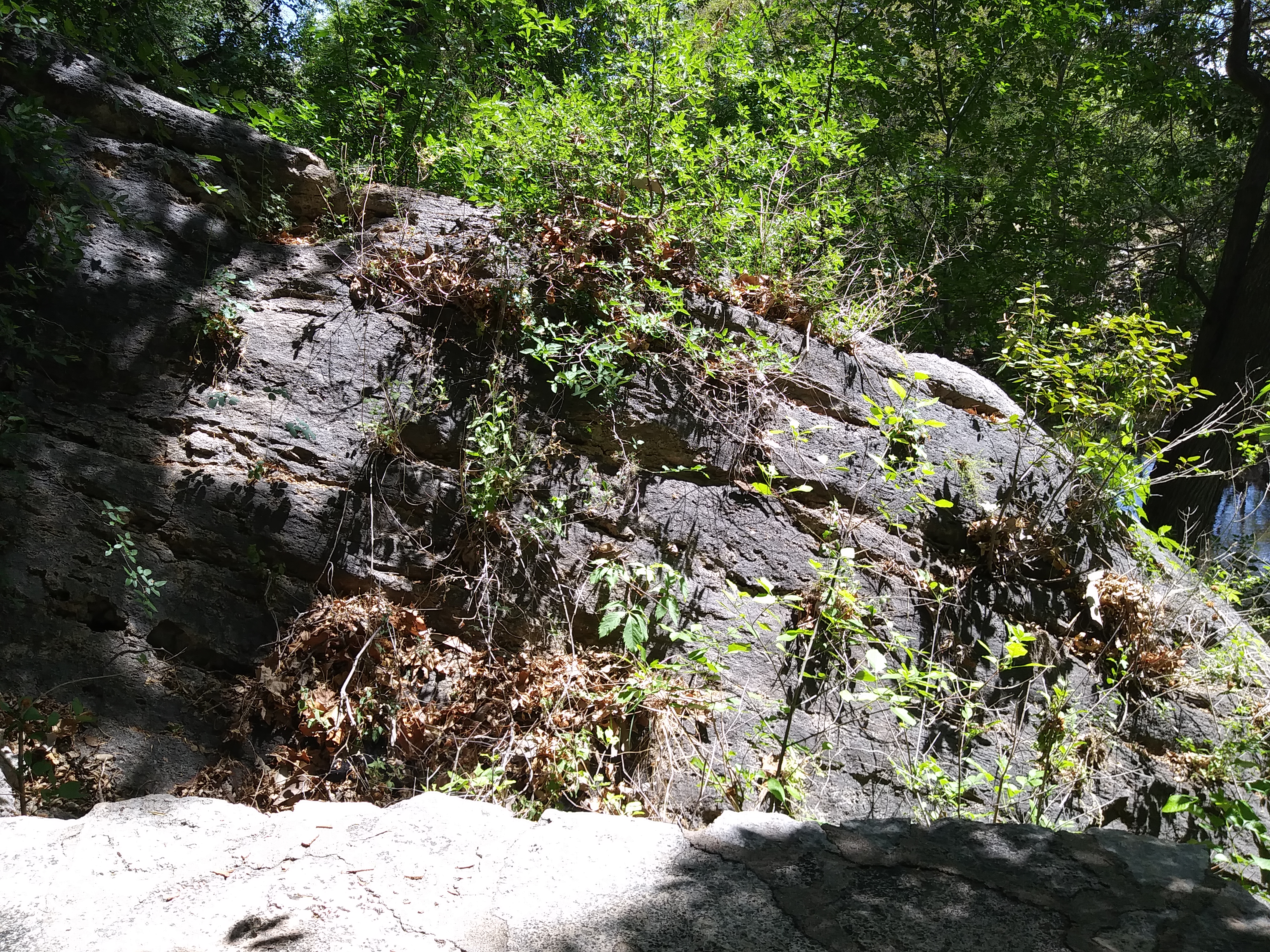
For rock-climbing enthusiasts, it is said to have over twenty multi-pitch slab climbs, or slabs that are at different angles, less steep than vertical, and ascended by one or more stops involving anchoring climbers. This is what one looks like.
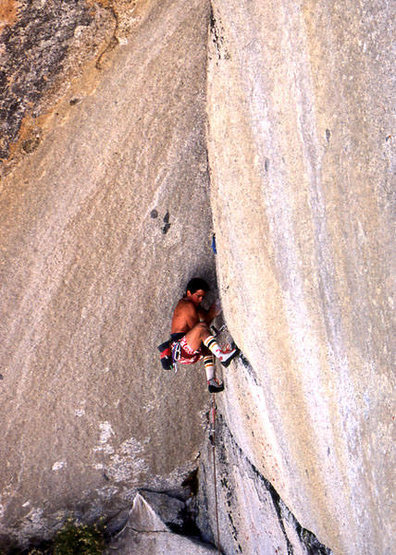
Where Alph, the sacred river, ran through caverns measureless to man…
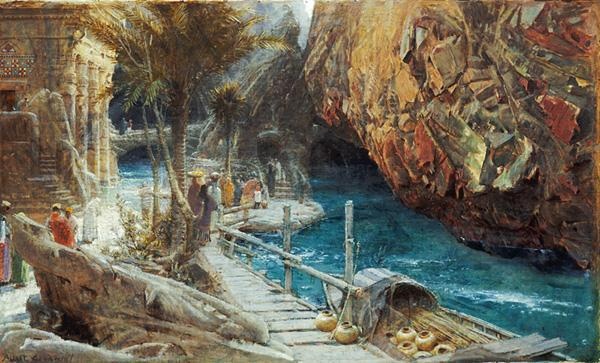
The River Alph may be an allusion to the Greek River Alpheus, which in Greek mythology was what the Greek God Alpheus became when he turned himself into a river going underground to chase a nymph who turned herself into a well. 

down to a sunless sea.

The theme of the “underground river” that was equated with the River Alpheus could be representing a subculture of western esotericism.

So twice five miles of fertile ground with walls and towers were girdled round…
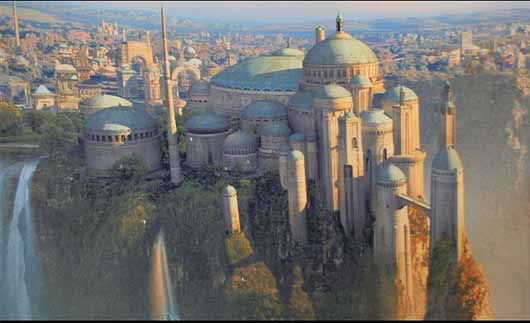
So, wherever it was, it was a big, big place.

And there were gardens bright with sinuous rills
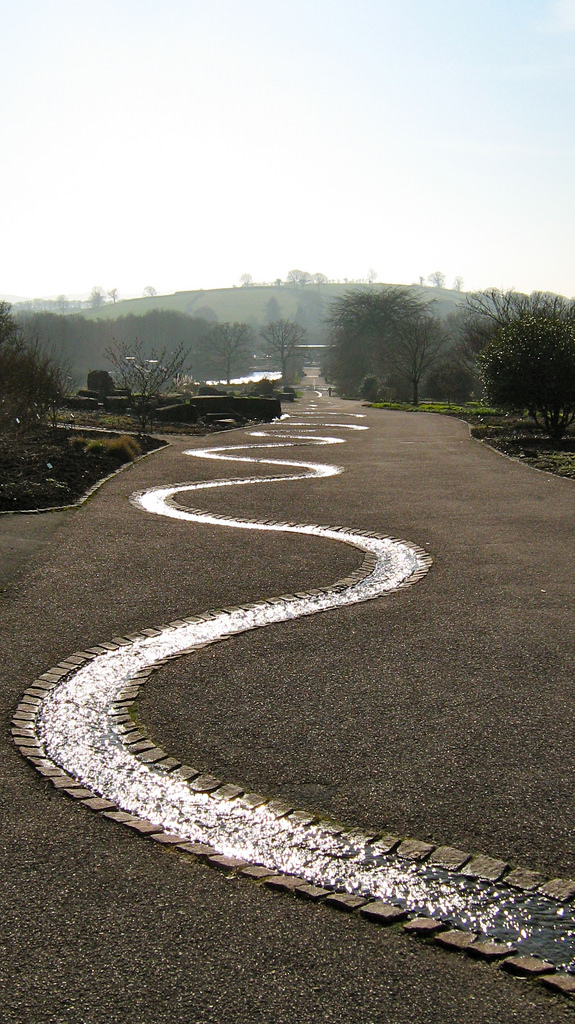
A sinuous rill is defined as a long-winding channel.

…where blossomed many an incense-bearing tree.

Incense is made from resin grains that burn and produce a fragrant odor. 

This is a picture of an Incense Cedar from Yosemite in California.
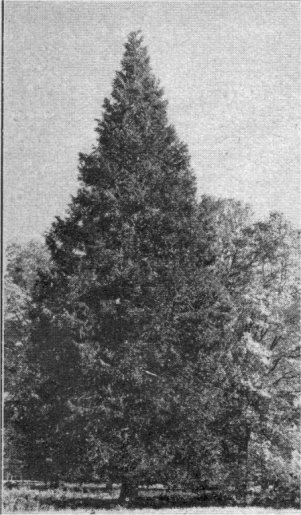
Frankincense is another well known incense-bearing tree found primarily on the Horn of Africa and the Arabian Peninsula.
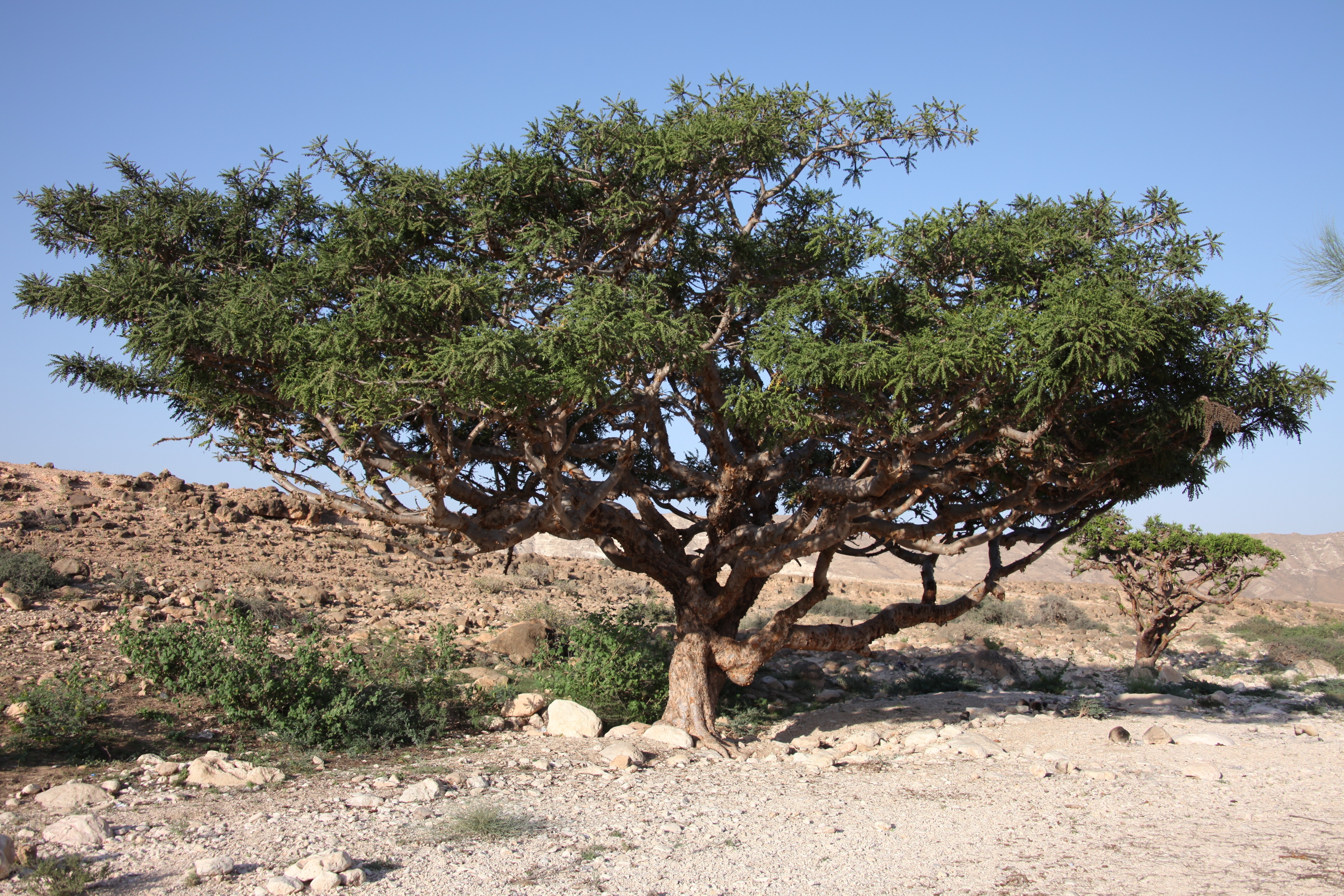
And here were forests ancient as the hills, enfolding sunny spots of greenery.
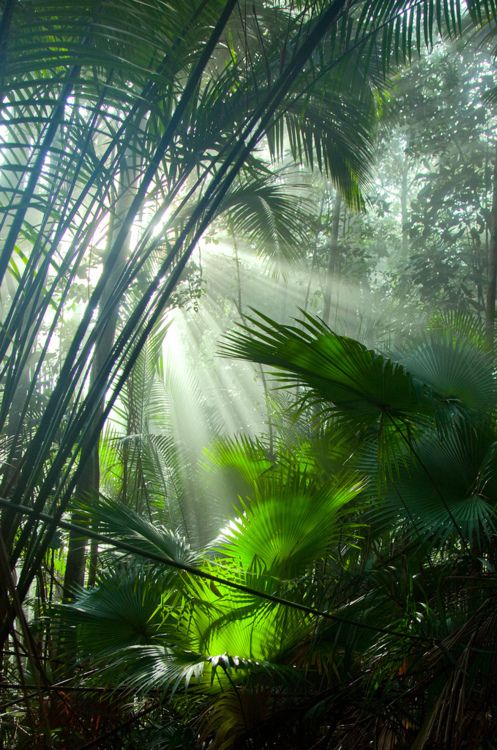
But oh! That deep romantic chasm which slanted down the green hill athwart a cedarn cover!  A savage place! As holy and enchanted As e’er beneath a waning moon was haunted by woman wailing for her demon-lover!
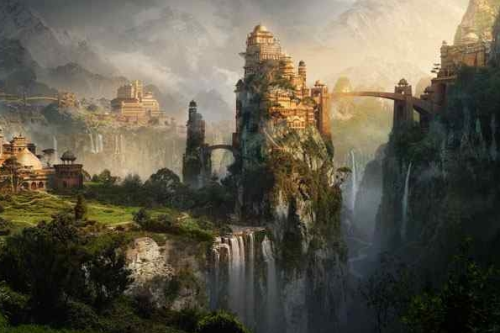
And from this chasm, with ceaseless turmoil seething, As if this earth in fast thick pants were breathing.
A mighty fountain momently was forced:  Amid whose swift half-intermitted burst huge fragments vaulted like rebounding hail…
A huge sudden explosion, of water, and ice?

or chaffy grain beneath the thresher’s flail.
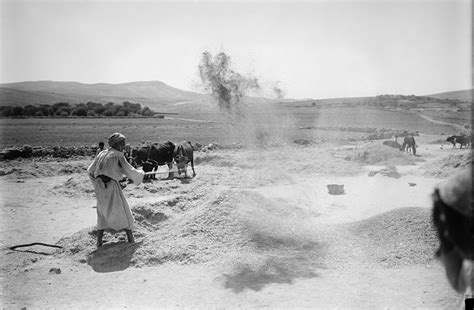
And he also likened it to how it looks like when a farmer threshes grain, separating the seeds from the plant.

And mid these dancing rocks at once and ever it flung up momently the sacred river.
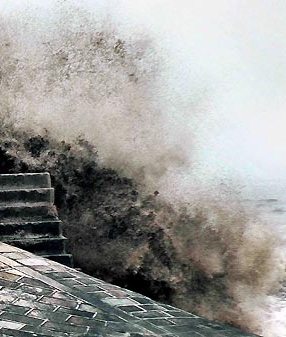
Five miles meandering with a mazy motion through wood and dale the sacred river ran, then reached caverns measureless to man…
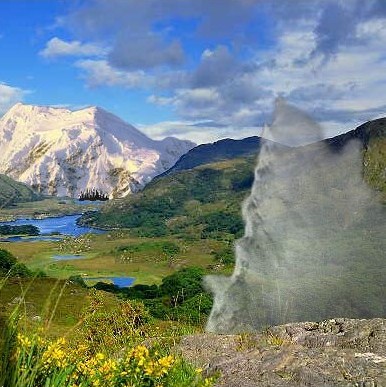
…And sank in tumult to a lifeless ocean; And mid this tumult Kubla heard from far Ancestral voices prophesying war!
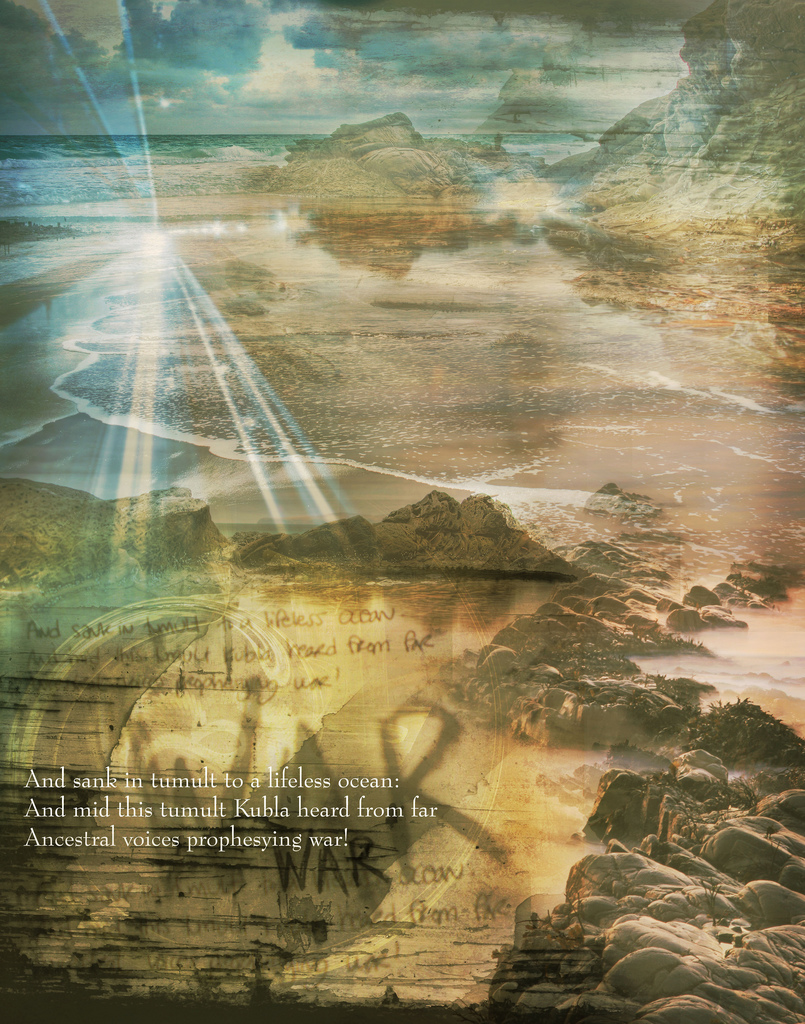
There were many prophecies from ancient times that speak of Times of Trouble before the redemption of Humanity.

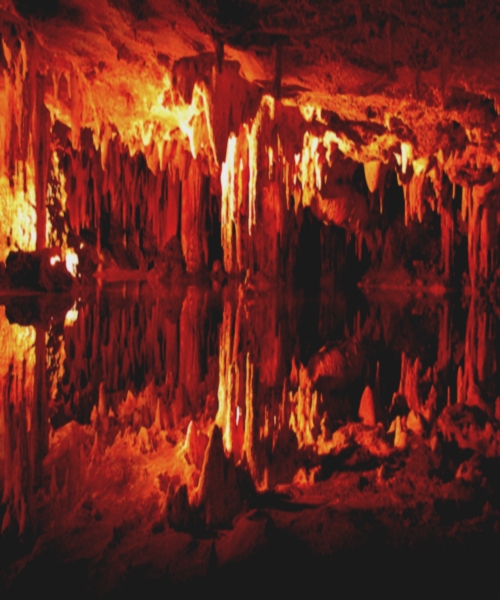
The shadow of the dome of pleasure floated midway on the waves, where was heard the mingled measure from the fountains and the caves.  It was a miracle of rare device, a sunny pleasure dome with caves of ice!
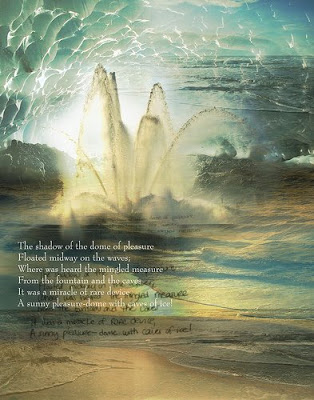
Caves of Ice!  What caused all that ice?

A damsel with a dulcimer in a vision once I saw:  It was an Abyssinian maid and on her dulcimer she played, singing of Mount Abora, could I revive within me her symphony and song, to such a deep delight ‘twould win me…
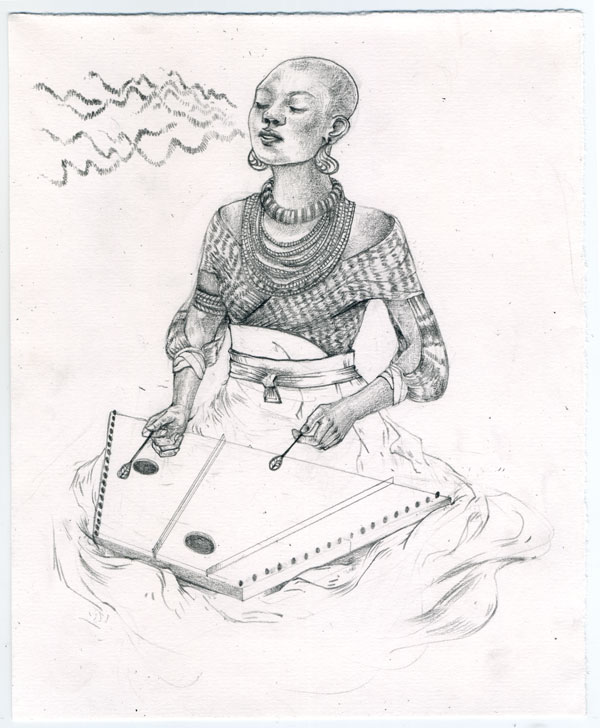
Abyssinia is the ancient name for the Ethiopian Empire in northeastern Africa, on what is called the Horn of Africa.
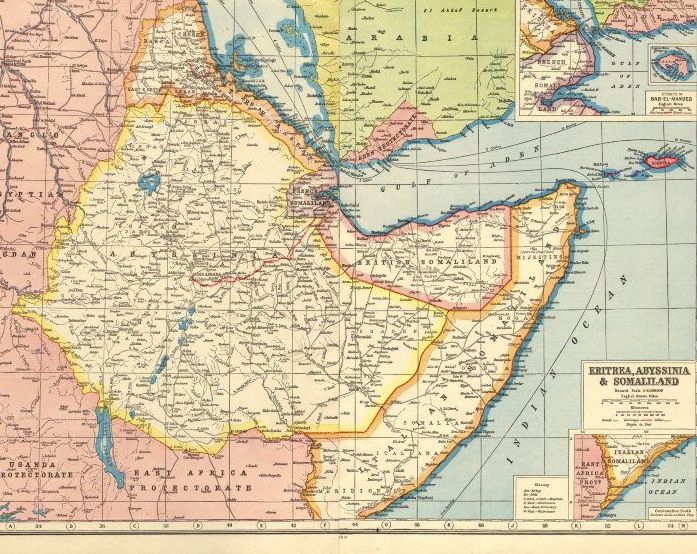
In an earlier version of the poem, called the Crewe Manuscript, Mount Abora was called Mount Amara.

In Ethiopia, Mount Amara is called Amba Geshen, and is in the Amhara Region of what was the Abyssinian Empire. It was the Mountain of Kings, where all royal princes except the direct heir of the Solomonic Kings were kept isolated from the outside world.
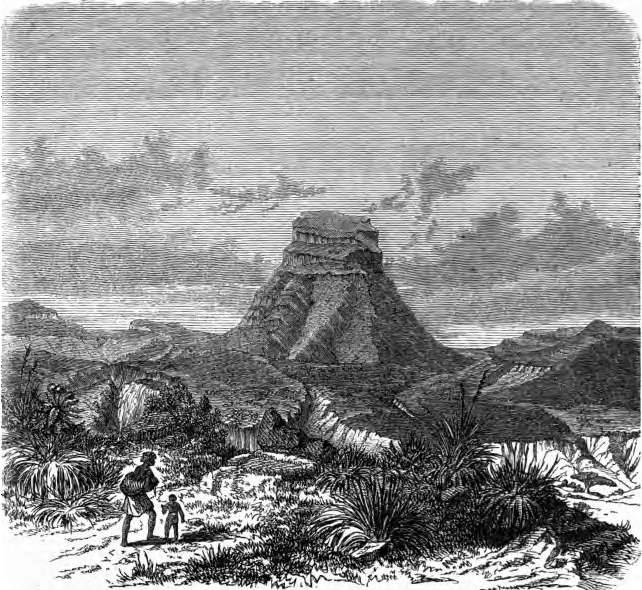
…that with music loud and long, I would build that building in air, that sunny dome! Those caves of ice!
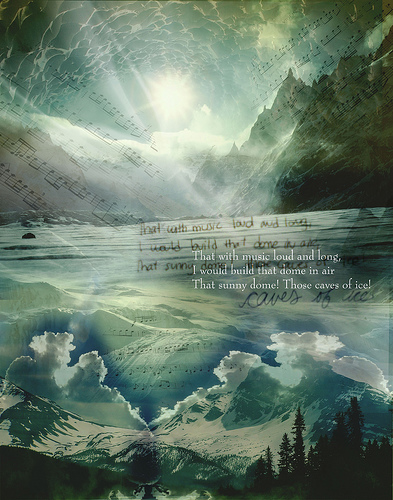
Did the Ancient Ones use the power of sound to build? From my research over the years, I am sure that was one of the technologies they had at their disposal.

And all who heard should see them there, and all should cry, Beware!  Beware!  His flashing eyes, his floating hair!   Weave a circle round him thrice, and close your eyes with holy dread for he on honey-dew hath fed, And drunk the milk of paradise.
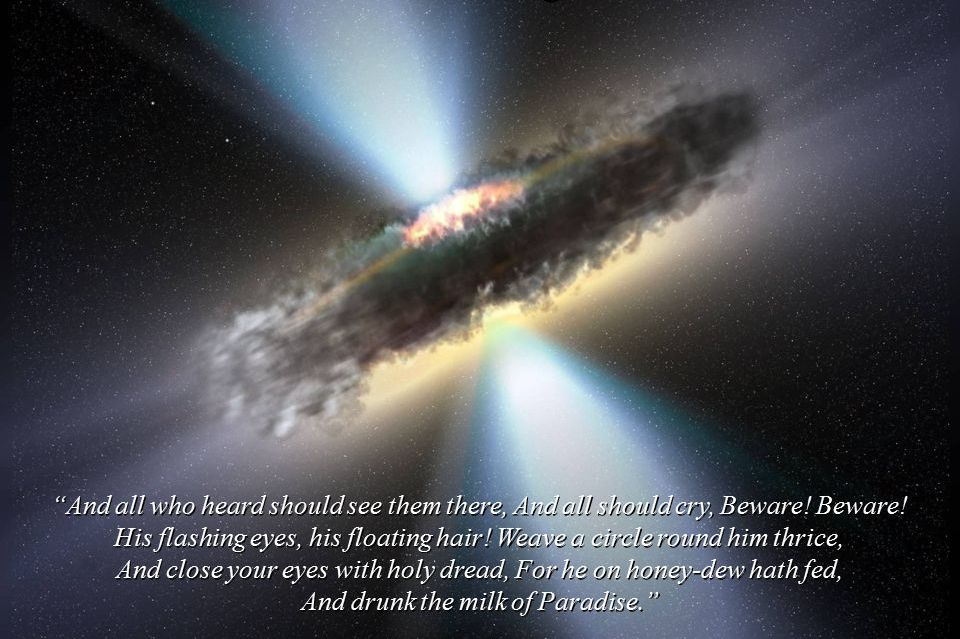
So, I found this particular image, which had the ending lines to the poem. Seems fitting for what I understand to be the Truth. Most of Humanity has no idea about Who They Really Are, as We have been made to forget!

Have Humans been unknowing pawns in an interdimensional war against the Creator and Creation? I think so.

So I didn’t take you through this because I believe this poem is the result of a drug-induced dream.  Whoever Mr. Coleridge was is giving us information about a very important civilization missing from our history books.

Why do I say whoever who he was?

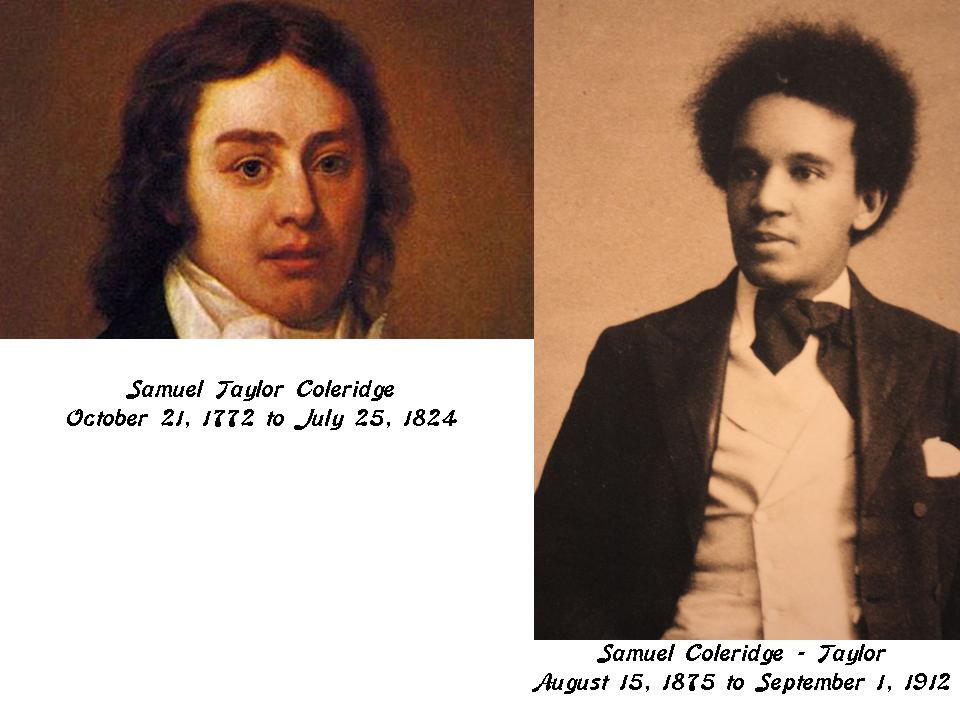
For one thing, I found this man today when I did an internet search for Samuel Taylor Coleridge, as if to say, tell my story too.  Meet Samuel Coleridge-Taylor, an English composer and conductor.
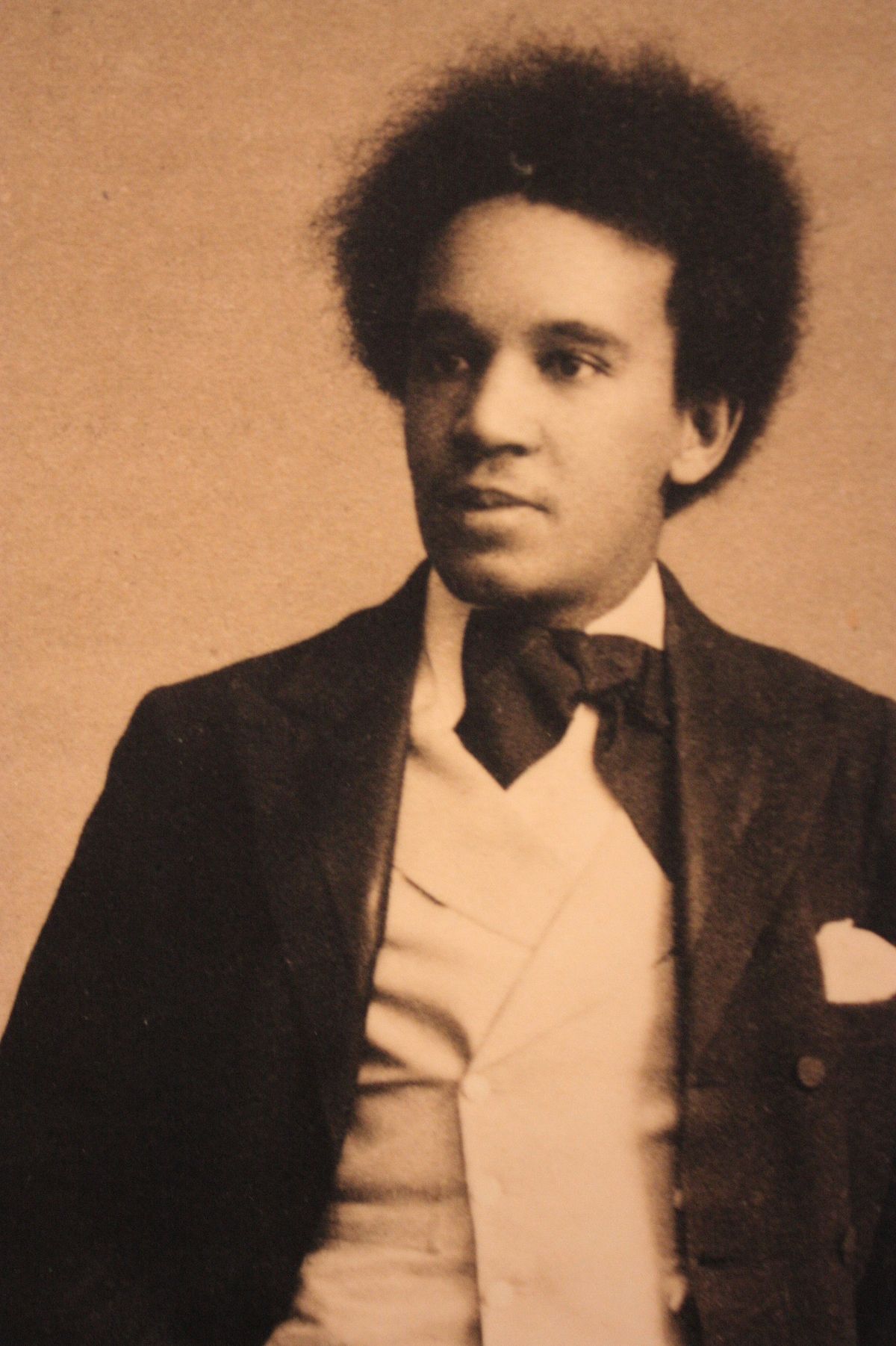
He was a professional musician that received an appointment as a professor to teach at the Crystal Palace School of Music. He died young, however, at the age of 37.

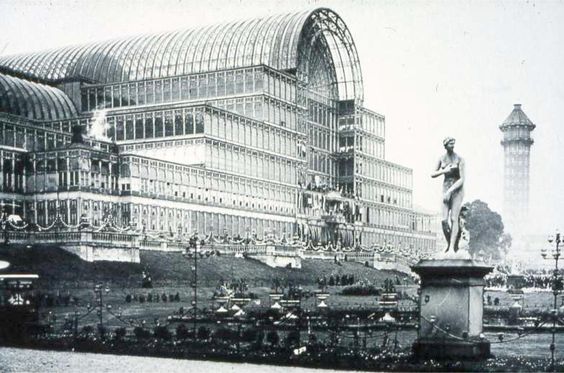
I had mentioned the Crystal Palace in the Scotland segment of this series because I find it impossible to believe that this plate-glass and cast iron structure, said to be three times the size of St. Paul’s Cathedral in London, was built to house the Great Exhibition in London’s Hyde Park in 1851, and then was somehow moved to another location in London afterwards. I think was already built by the advanced ancient civilization. I mean, look at the size of that thing!
While he was said to be named for Samuel Taylor Coleridge, here is a comparison of Samuel Taylor Coleridge and Samuel Coleridge-Taylor. Even though living in different time periods, there is a similarity in facial features…
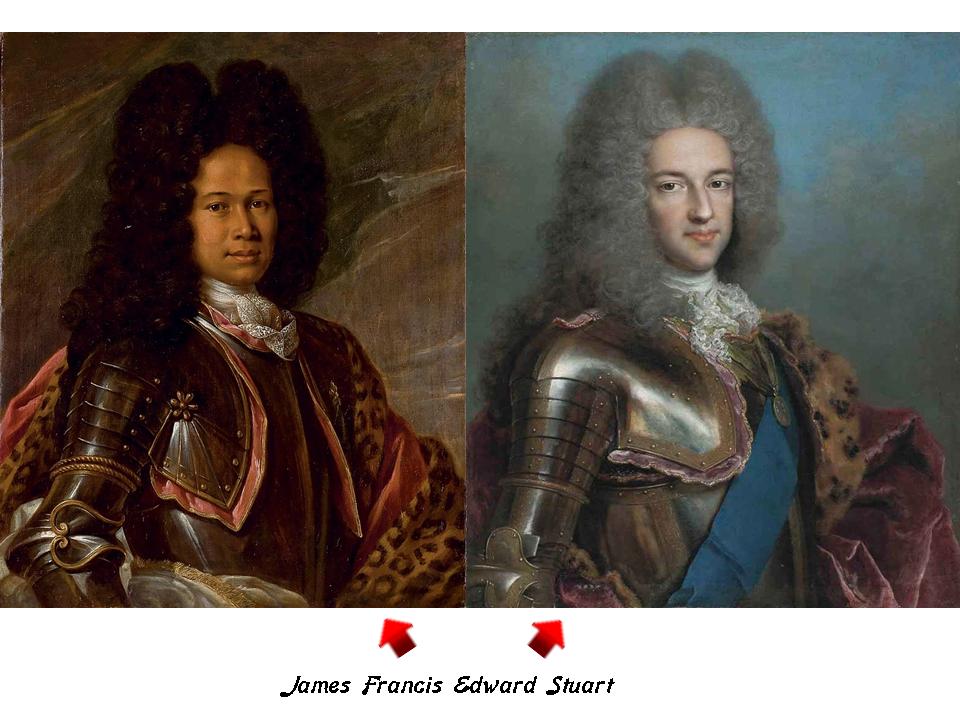
…which reminded me of the similarities between these two portraits of James Francis Edward Stuart.
In my post “An Explanation for What Happened to the Positive Timeline of Humanity and Associated Historical Events & Anomalies,” I shared an extreme cold weather event in the historical record in Ireland between 1740 – 1741. Irish Historian David Dickson talks about this little-known event in his book “Arctic Ireland.” I explored the idea that this event was related to the hijack of the original timeline, and that this was the point where the new timeline was pinned.
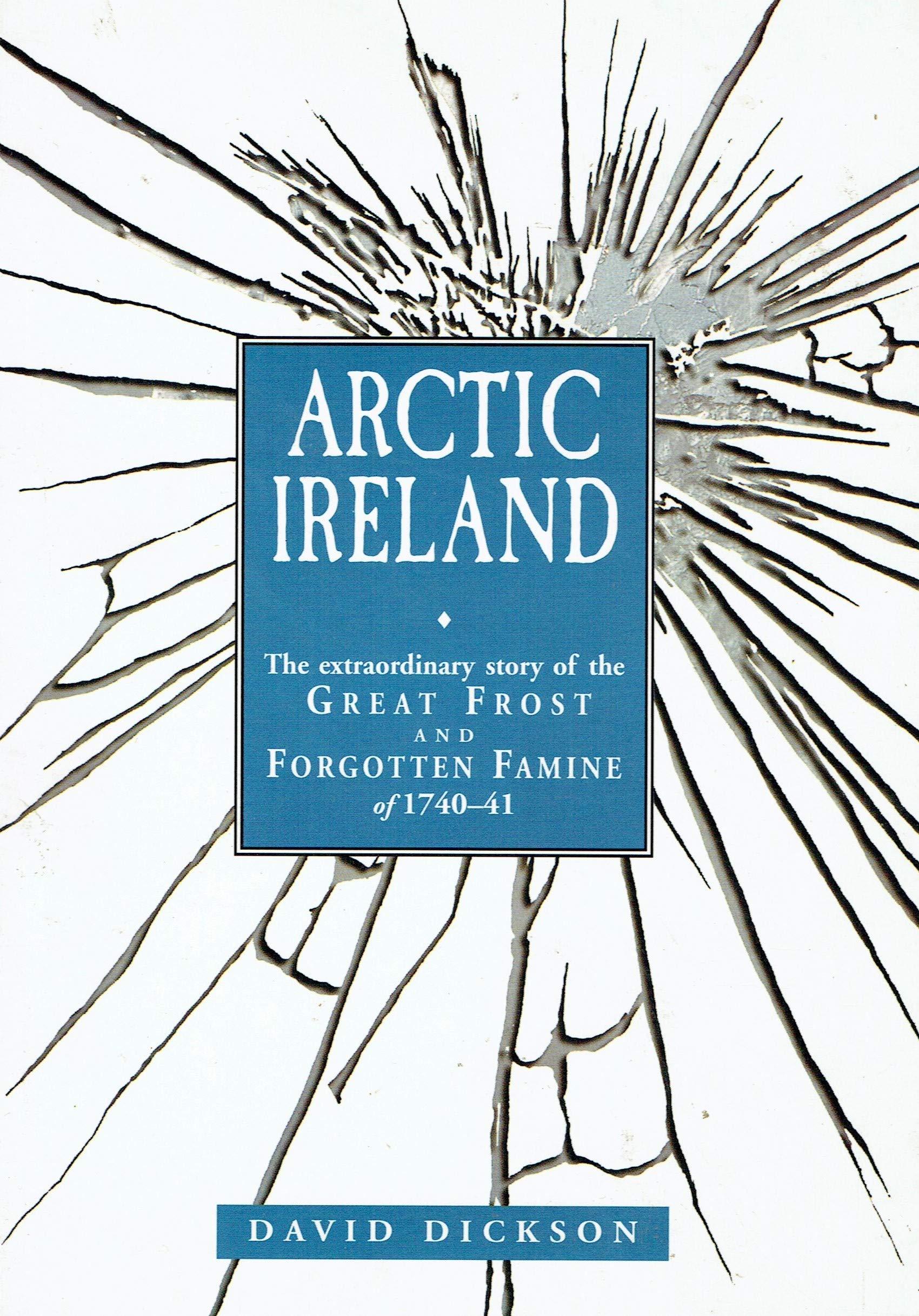
The Irish population endured 21-months of bizarre weather without known precedent that defied conventional explanation. The cause is not known.

Shortly after I learned about the cold-weather event in Ireland, I was connected to the mud flood community.

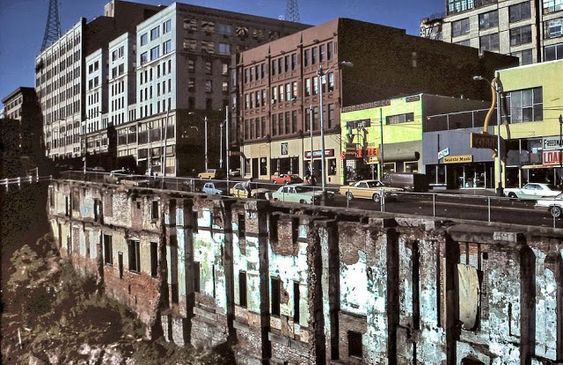
I learned about the fantastic research that is being done by people looking at their own communities and other places, around the world, at strong evidence that there was a cataclysmic event involving a massive flood of mud, as recently as 200 – 300 years ago.
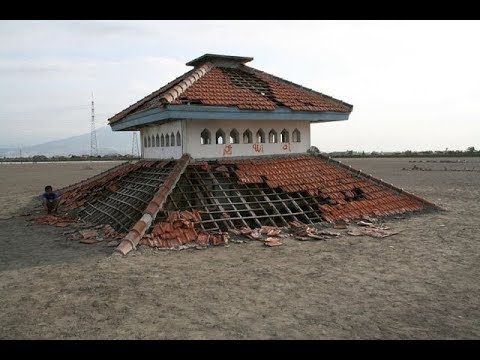
It is being called a reset event, and that the infrastructure was dug out by those who somehow caused it afterwards.
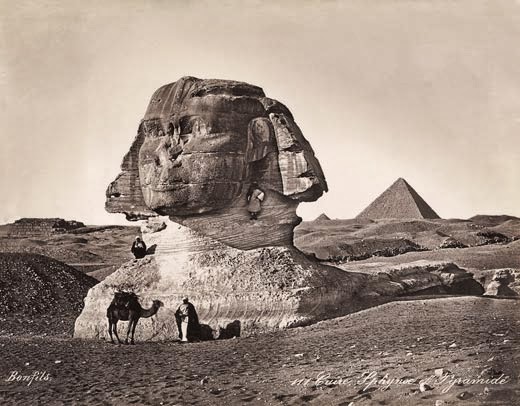
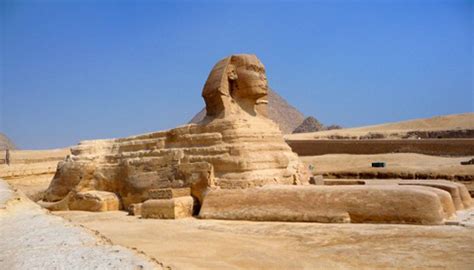
Over the years as I have filled my head with information about megaliths, long before I became aware of what I am sharing, I learned about such places as the Sphinx in Egypt having been dug out…
…as well as the famous heads of Easter Island…
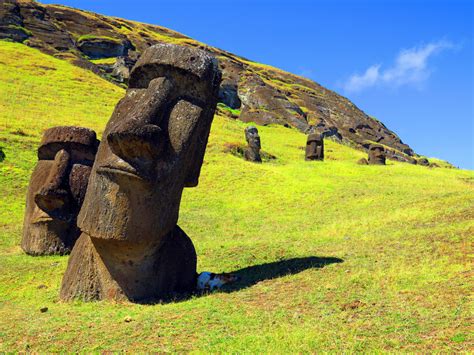
…that were found to have bodies too!
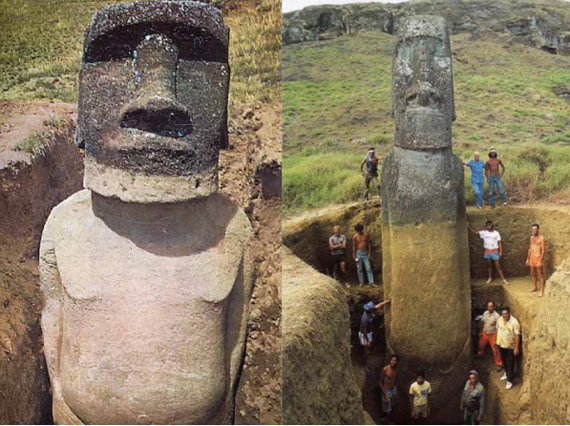
The explanation of a mud flood makes a lot of sense to me based on what I am finding and seeing.

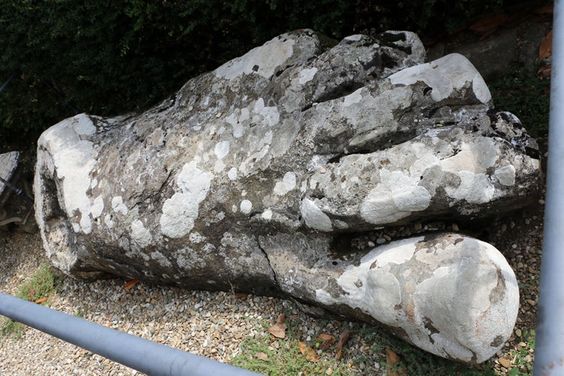
A sudden cataclysmic event accounts for how a highly advanced worldwide civilization of giants…

…could be wiped out and erased from our collective memory.
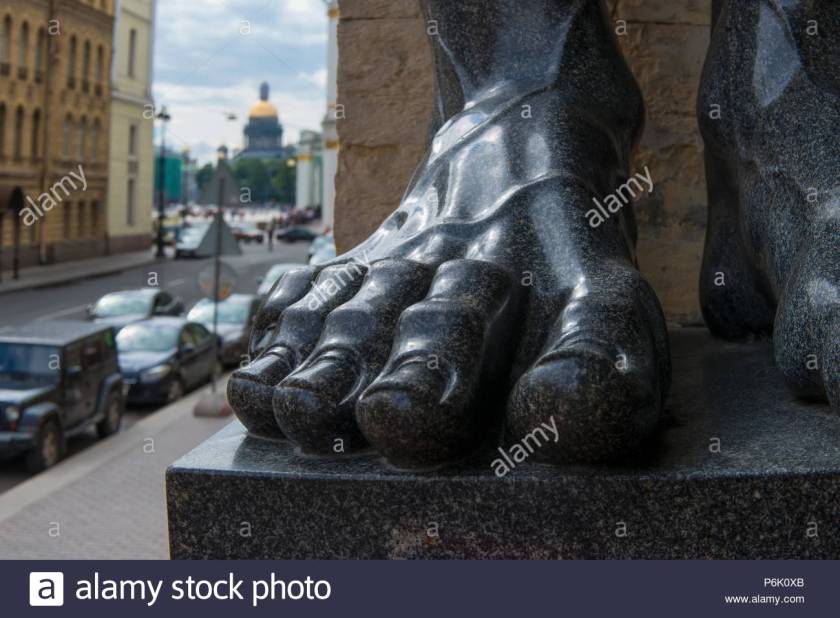
This is an historic photo of St. Petersburg, Russia of vastly smaller, and hardly any, people relative to the size of the city in the background and the foot in the foreground.
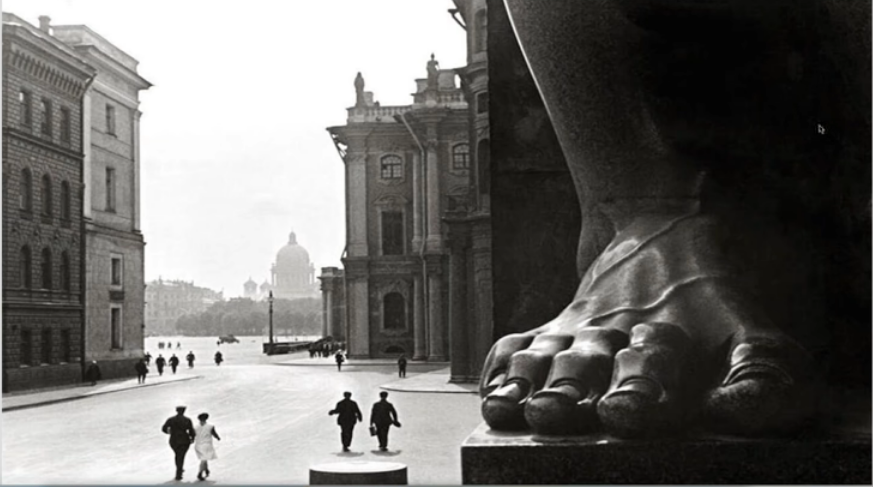
I will end this post with a picture of the same place in St. Petersburg today.
Circle Alignments on the Planet Algiers – Part 14 Yorkshire Dales, England to Nottingham, England

In the last post, the circle alignment was tracked through Scotland, to its far distant past, through its largest city Glasgow, and its seat of government in Edinburgh.

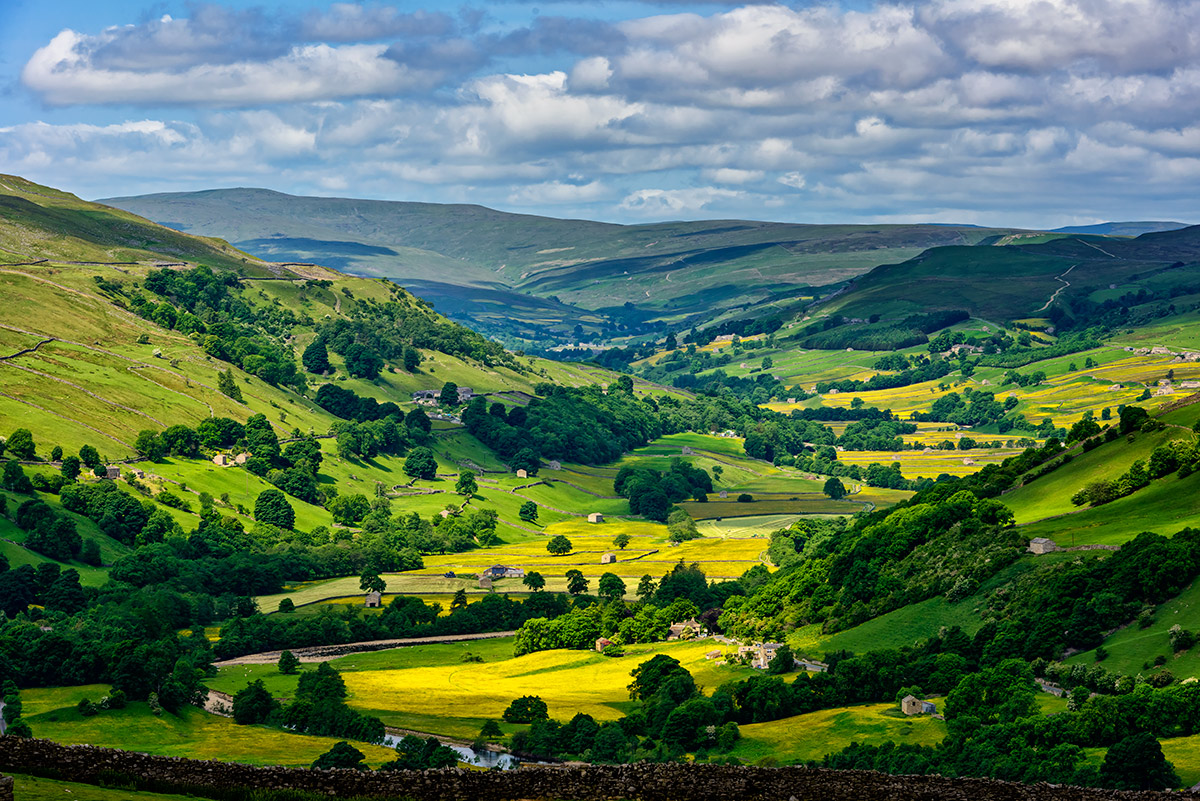
In this post, I am picking up the alignment in northern England in the Yorkshire Dales, a region which became a National Park in 1954.

It is described as being full of stone built houses and stunning landscapes.

Let’s see what we find upon closer examination.

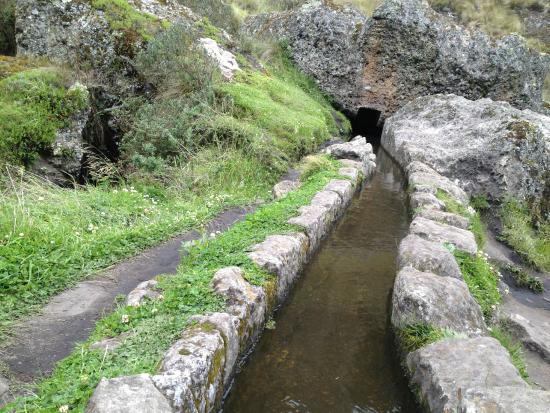
This location is found in Malham, a small village in what is called Malhamdale. Note the stone and earthen terraces; the canal on the right side, and the rock fields on the left…

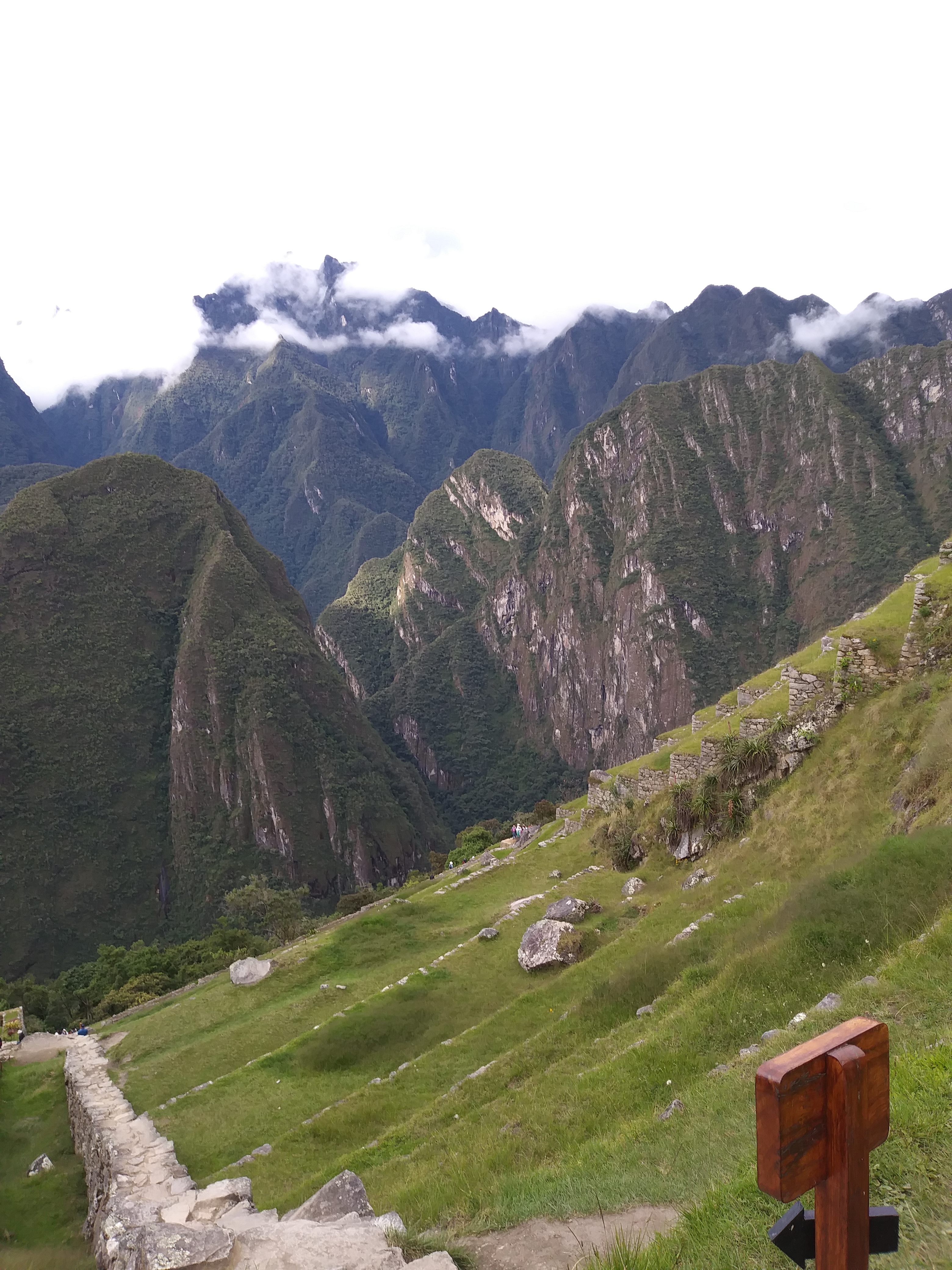
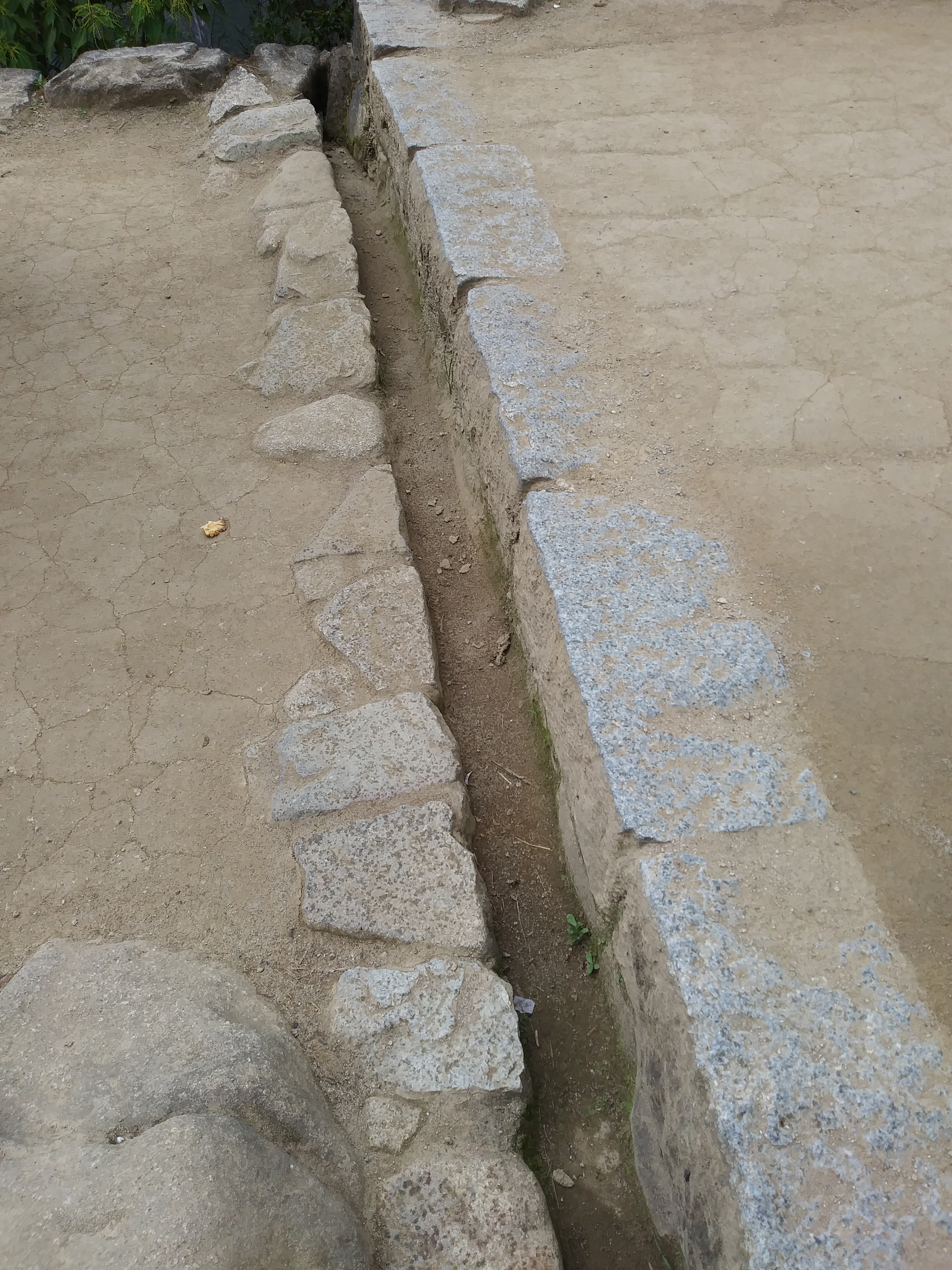
…and similar to the stone and earthen terraces at Macchu Picchu in Peru…

…as well, Macchu Picchu has lots of canals like these.

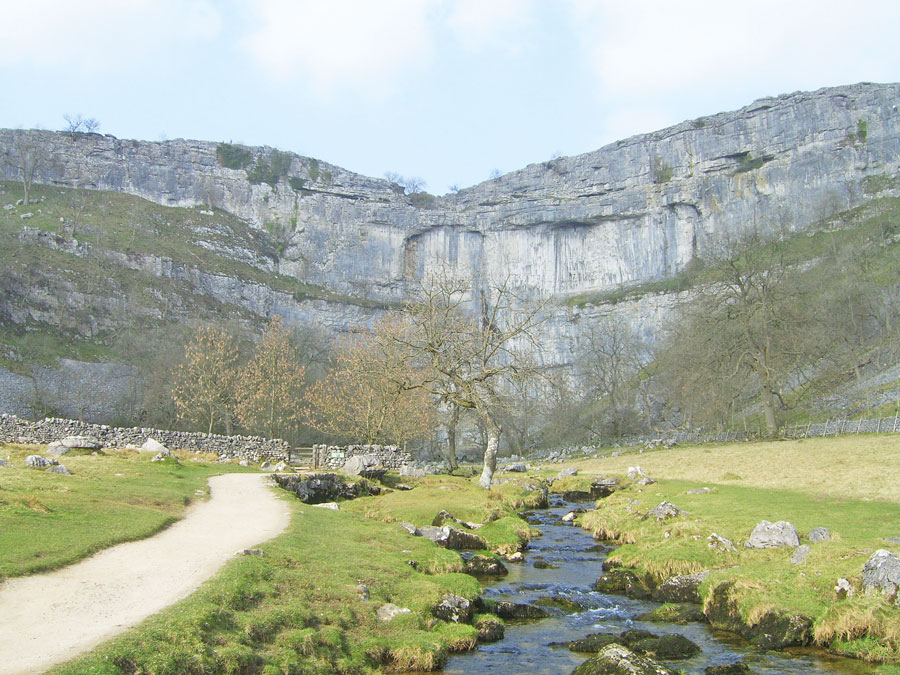
This is called Malham Cove. It is described as a huge, curving cliff formation of limestone, with a vertical cliff face of 260 feet, or 79 meters, high. It is said to have been formed by a waterfall carrying glacial melt-water over 12,000 years ago.

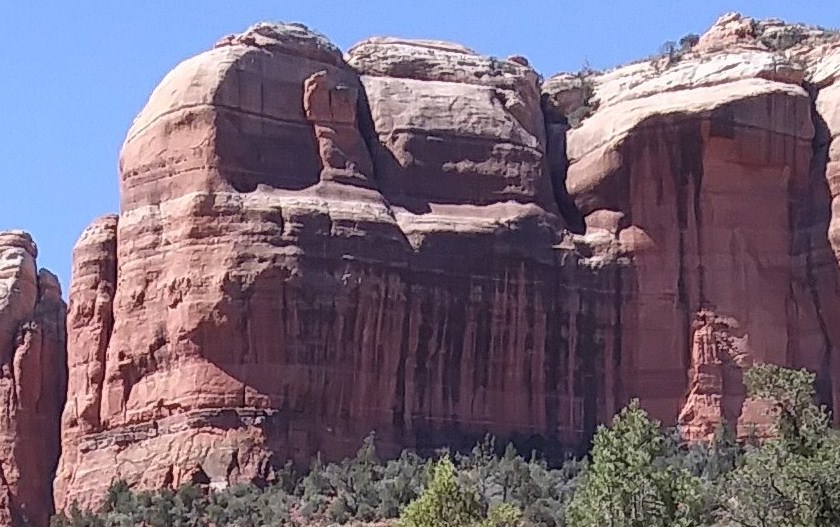
This is a picture taken at Cathedral Rock in Sedona, Arizona…

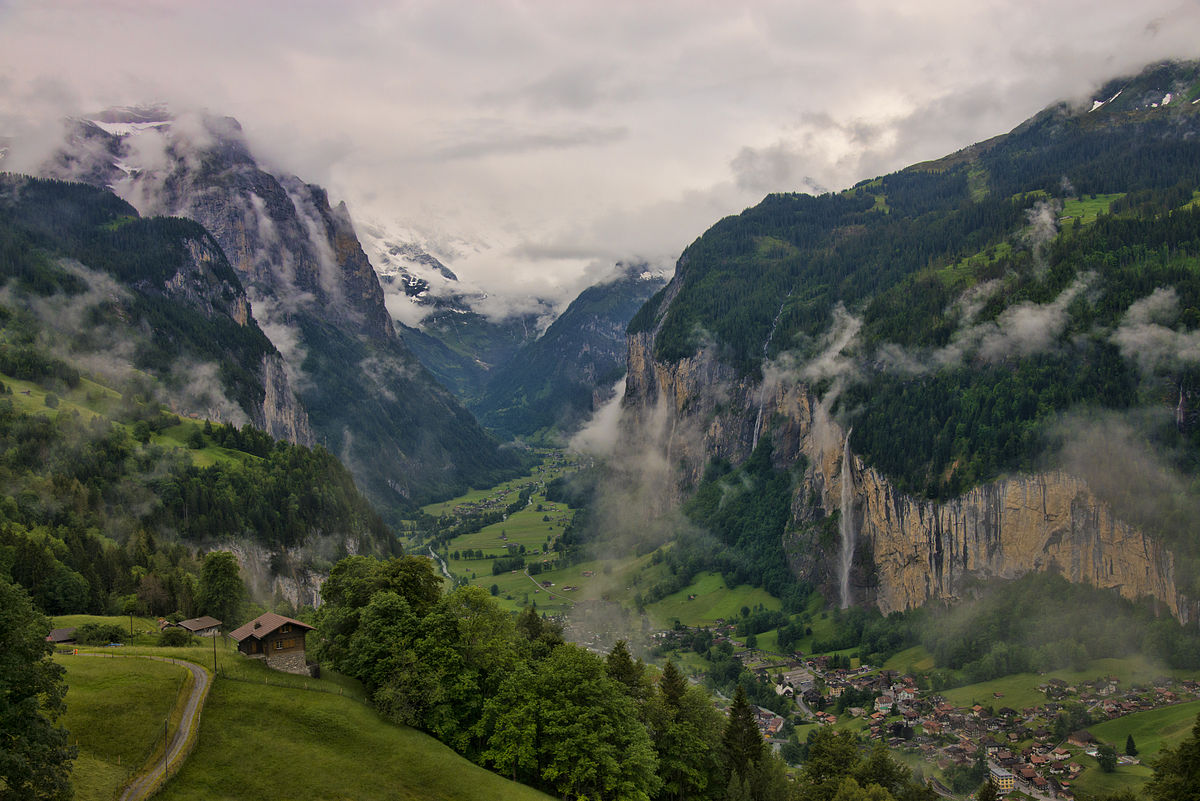
…and this is the Lauterbrennan Valley in Switzerland. In all three places, there are striations that are black in color mixed into the stone of the massive wall-like topography. We simply have not been given any other explanation as to how they came to be except that they were formed like this naturally.

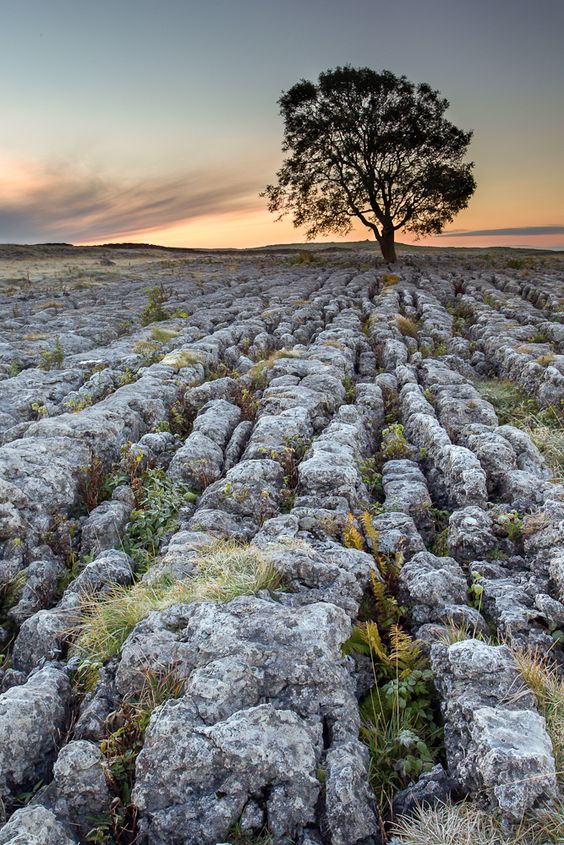
Another feature found at Malham Cove is called Malham Ash, which is actually called a limestone pavement. The definition of the word pavement is this: 1) a hard, smooth surface, especially of a public area or thoroughfare, that will bear travel; and 2) the material with which such a surface is made.

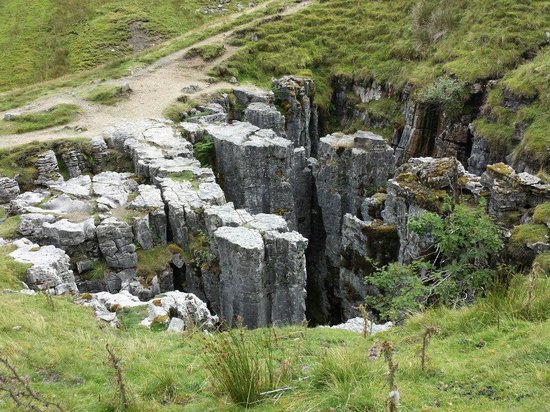
Other sites of the Yorkshire Dales include “The Buttertubs”…

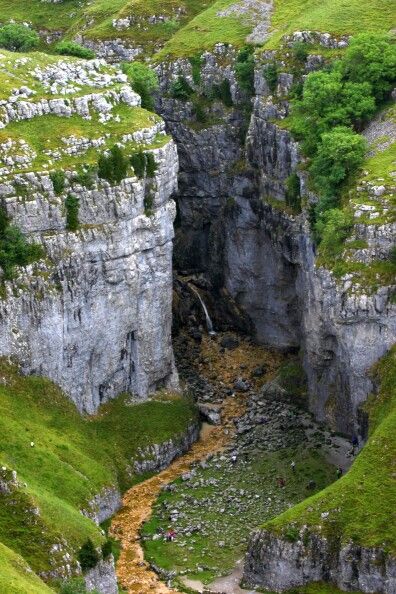
…the Gordale Scar…

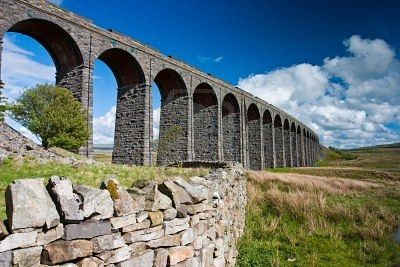
…and the Ribblehead Viaduct, said to have been built between 1869 and 1874 for the railroad. It is on what is called moorland, which is described as uncultivated hill land.

I believe the use of the word moor to describe uncultivated hill land is in reality telling us who lived here, and that the memory of these people is retained in the name.

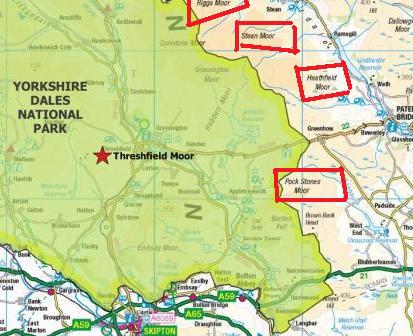
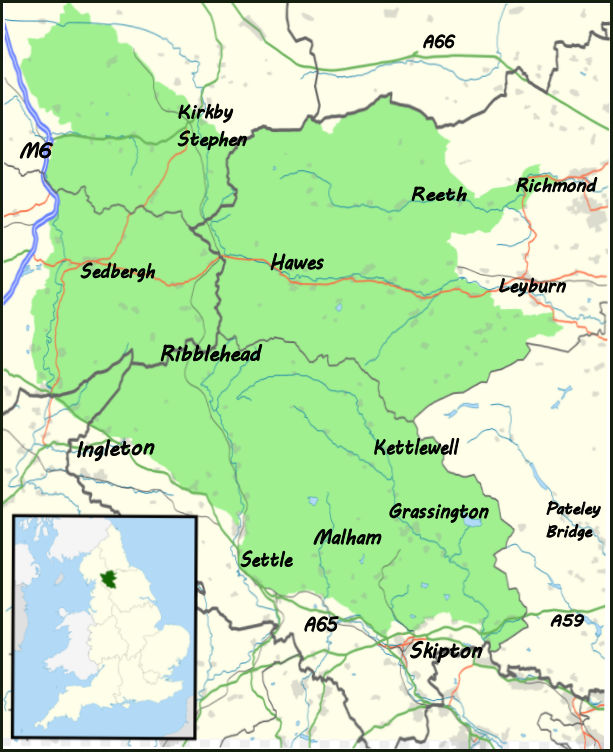
So, for example, as seen on this map showing boundaries of the Yorkshire Dales National Park, there is a place marked as Threshfield Moor within in the park, and at least four places marked as moors outside of the park’s boundaries.

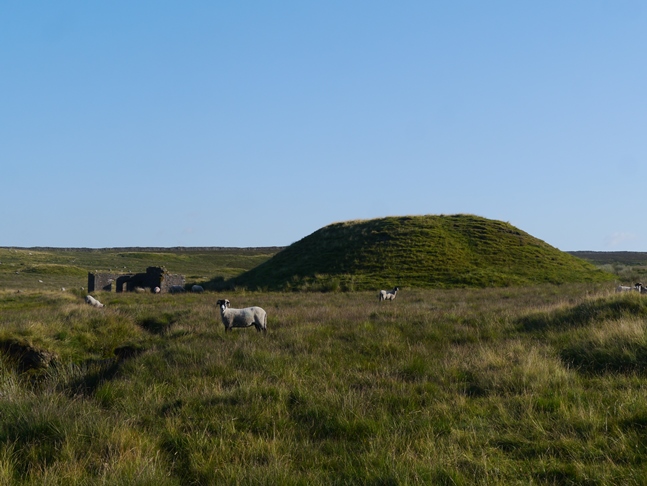
So I looked up pictures of Threshfield Moor, and found the following.

This mound there is described as the workings of an old mine.

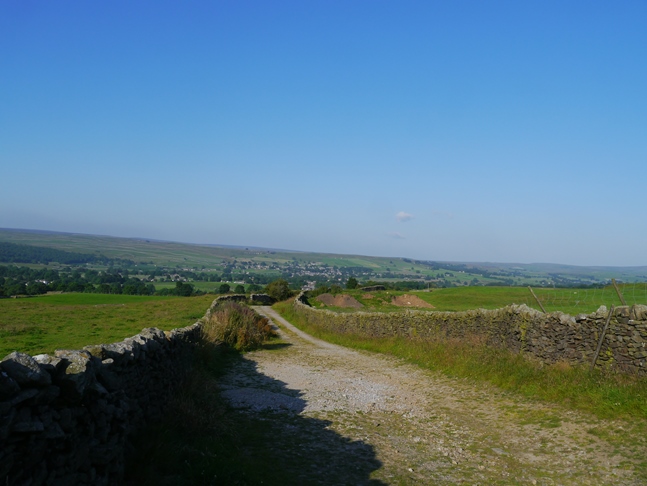
This is the top of Moor Lane on Threshfield Moor…

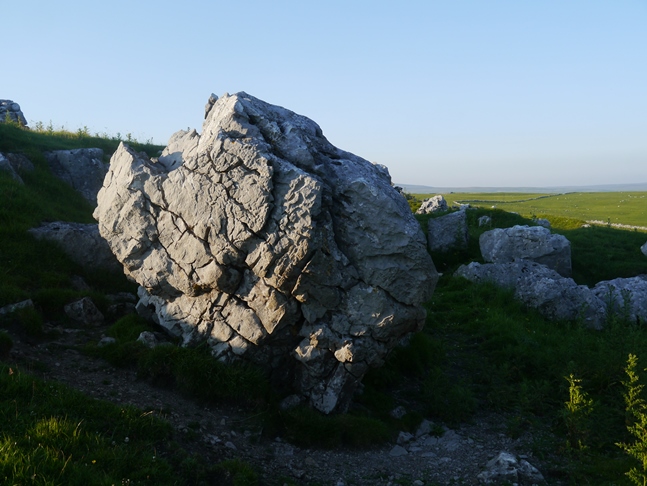
…and these are described as boulders on Threshfield Moor…

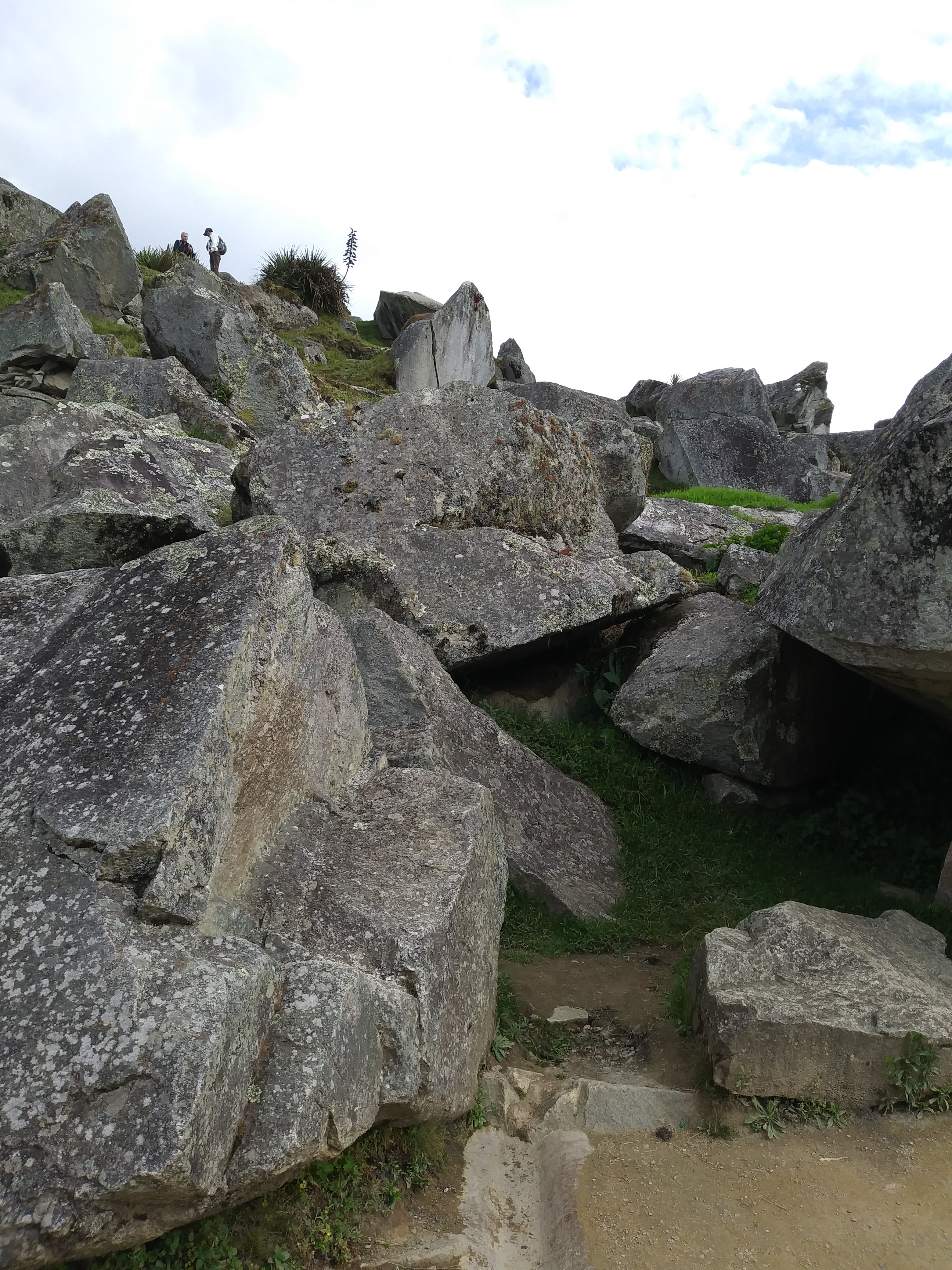
…which look a lot like the kind of things you see at Macchu Picchu.

One of the first realizations that I had in uncovering all of this information is that remnants of the advanced ancient civilization are preserved in national parks, and other kinds of parks, but are called natural features.

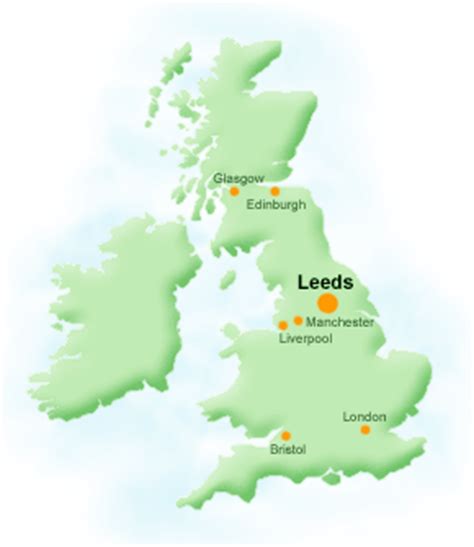
Next on the alignment is the city of Leeds is in West Yorkshire Urban area in England, and has a population of 2.6 million.

It has been a center of industry since the Industrial Revolution, which is said to have taken place from about 1760 to about 1840 in Great Britain. It is said that during this relatively short 80-year period of time the foundations were laid in the transition to an industrialized society from an agricultural society.

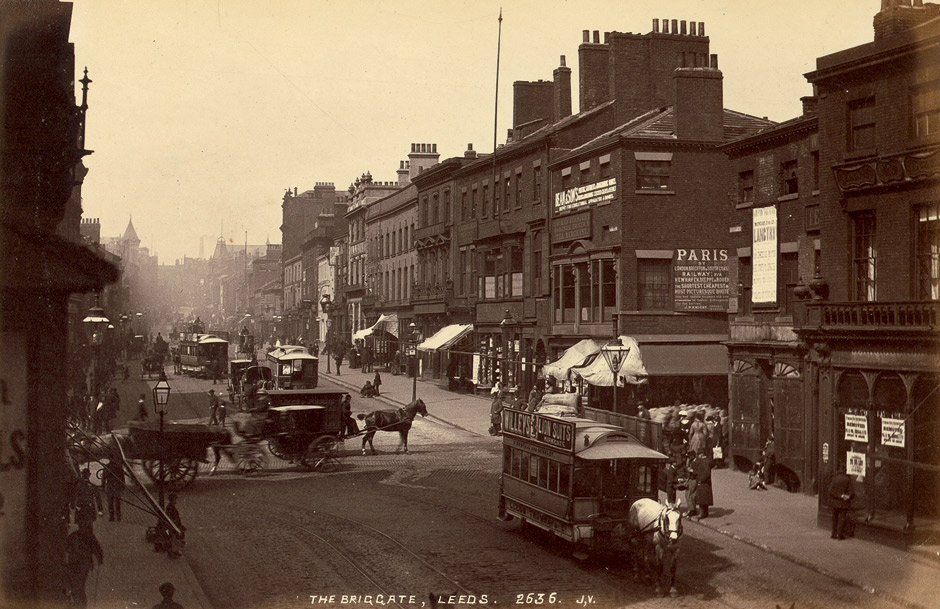
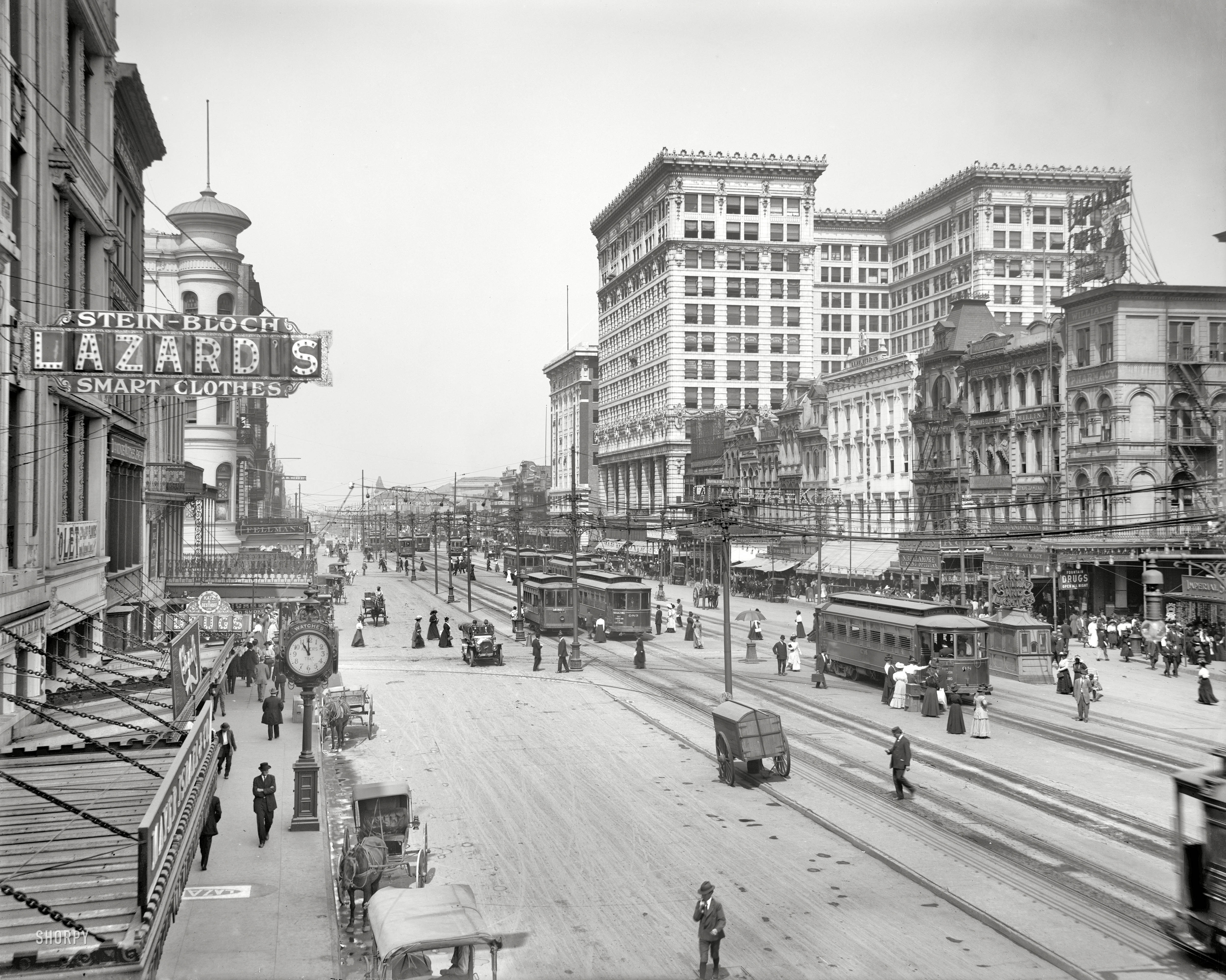
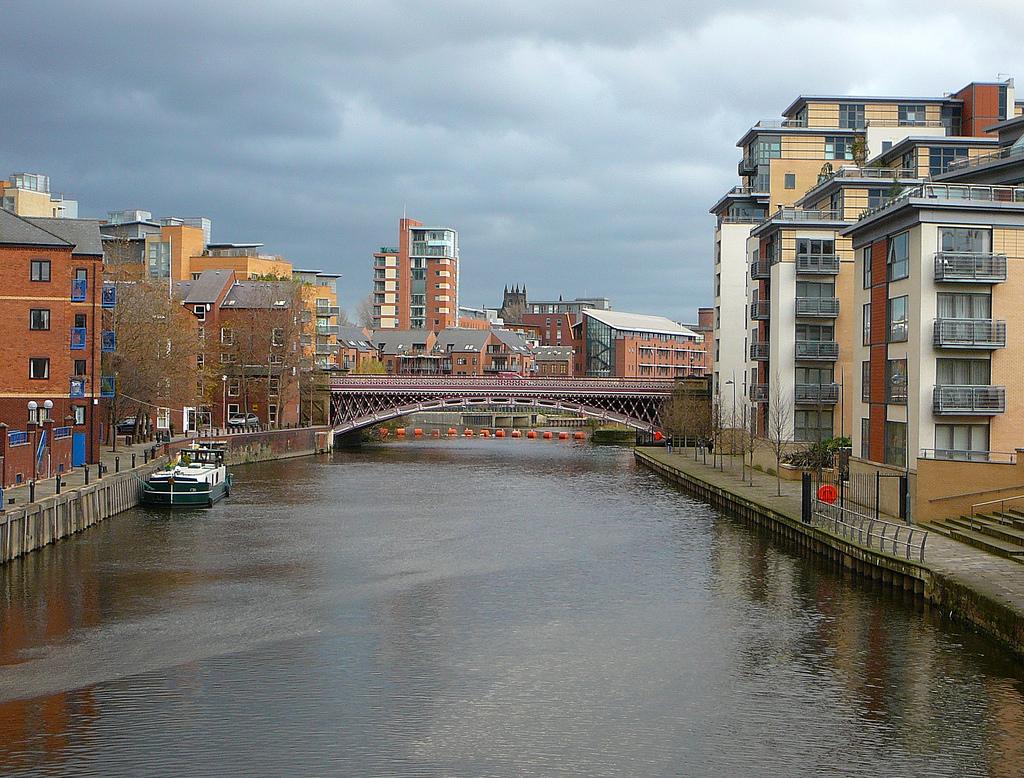
This is an historic photo of Leeds in England…

…compared with an historic photo of New Orleans in Louisiana. Now that was quite an accomplishment to go from farming to this capability so quickly, and on different continents no less! And look at how big those buildings are compared to the people in the streets!

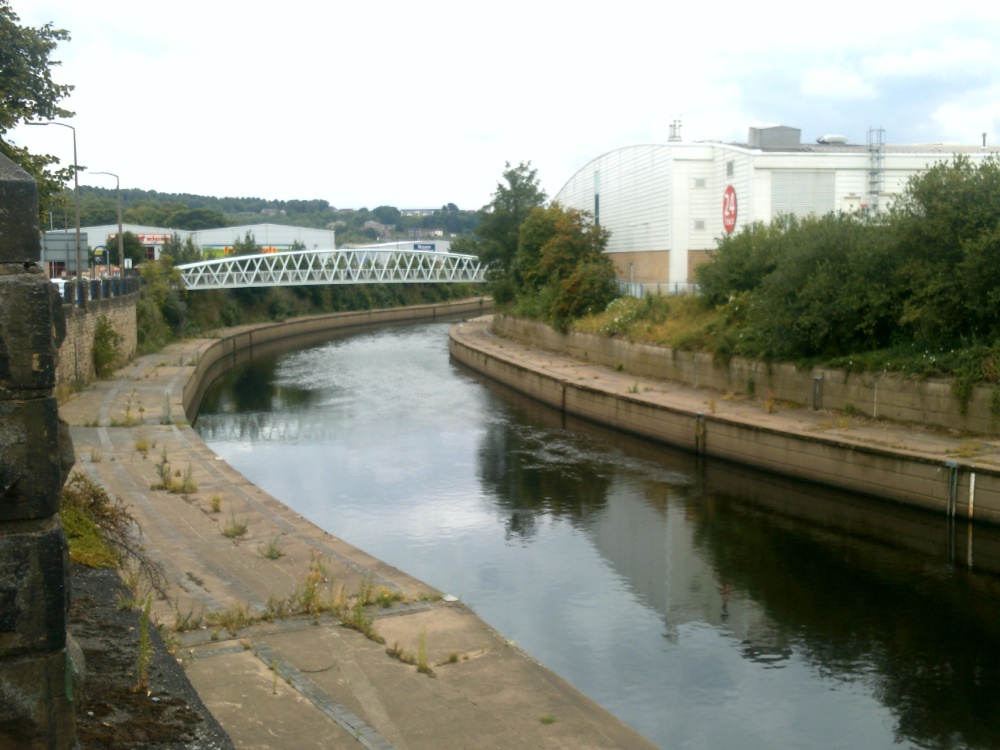
This is the River Aire that flows through Leeds. Just like the River Clyde in Glasgow, it has masonry banks and looks like a canal, but is called a river like it’s natural.

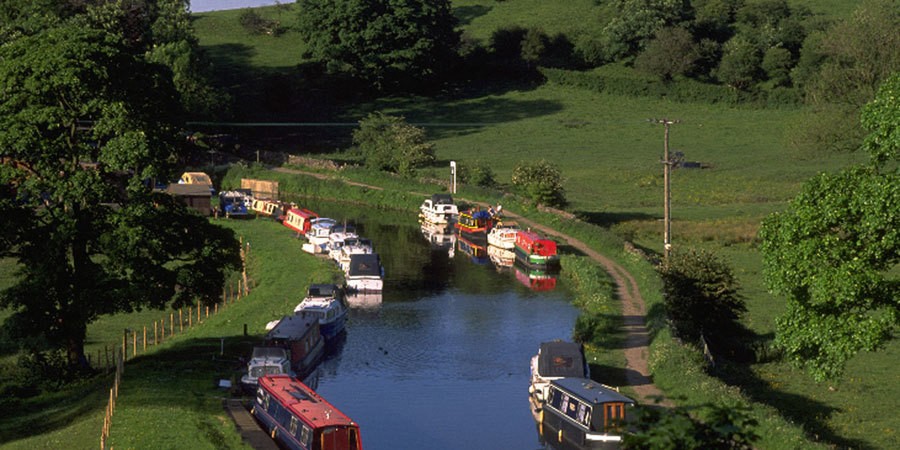
And just like Glasgow, there is a canal here as well – the Leeds and Liverpool Canal that links the two cities, construction of which was said to have started around 1770…

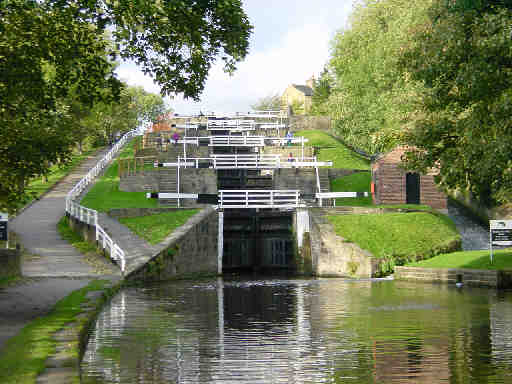
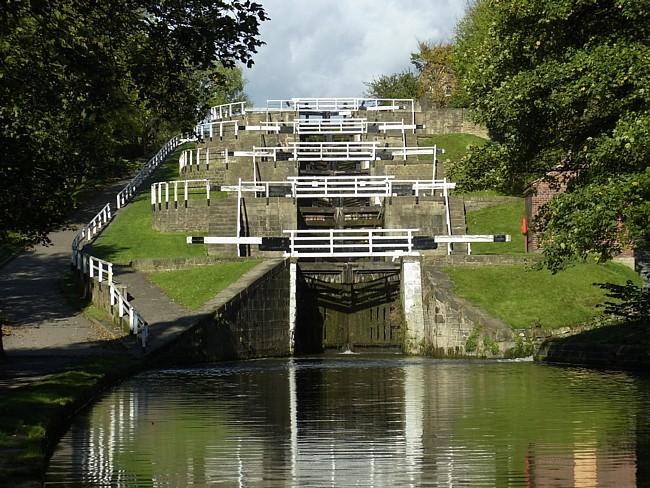
…complete with the gigantic Bingley 5 Rise Locks, said to have opened in 1774. All of this was taking place at the beginning of the Industrial Revolution?

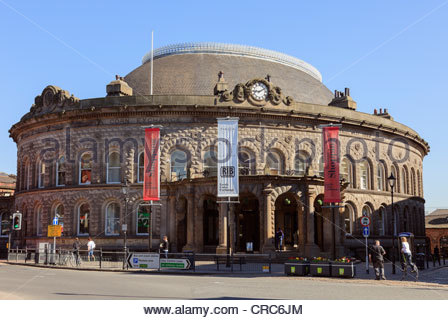
This is the historic Corn Exchange in Leeds. It is called a Victorian building that was said to be constructed in 1864…

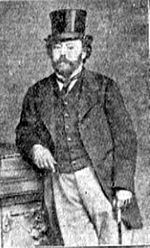
…and said to be designed by this guy here, an architect named Cuthbert Brodrick…

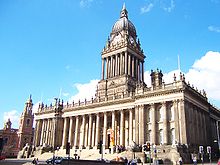
…who was also given credit for designing this building – the Leeds Town Hall – after winning a design competition for it in 1852. It was said to have been completed in 1858.

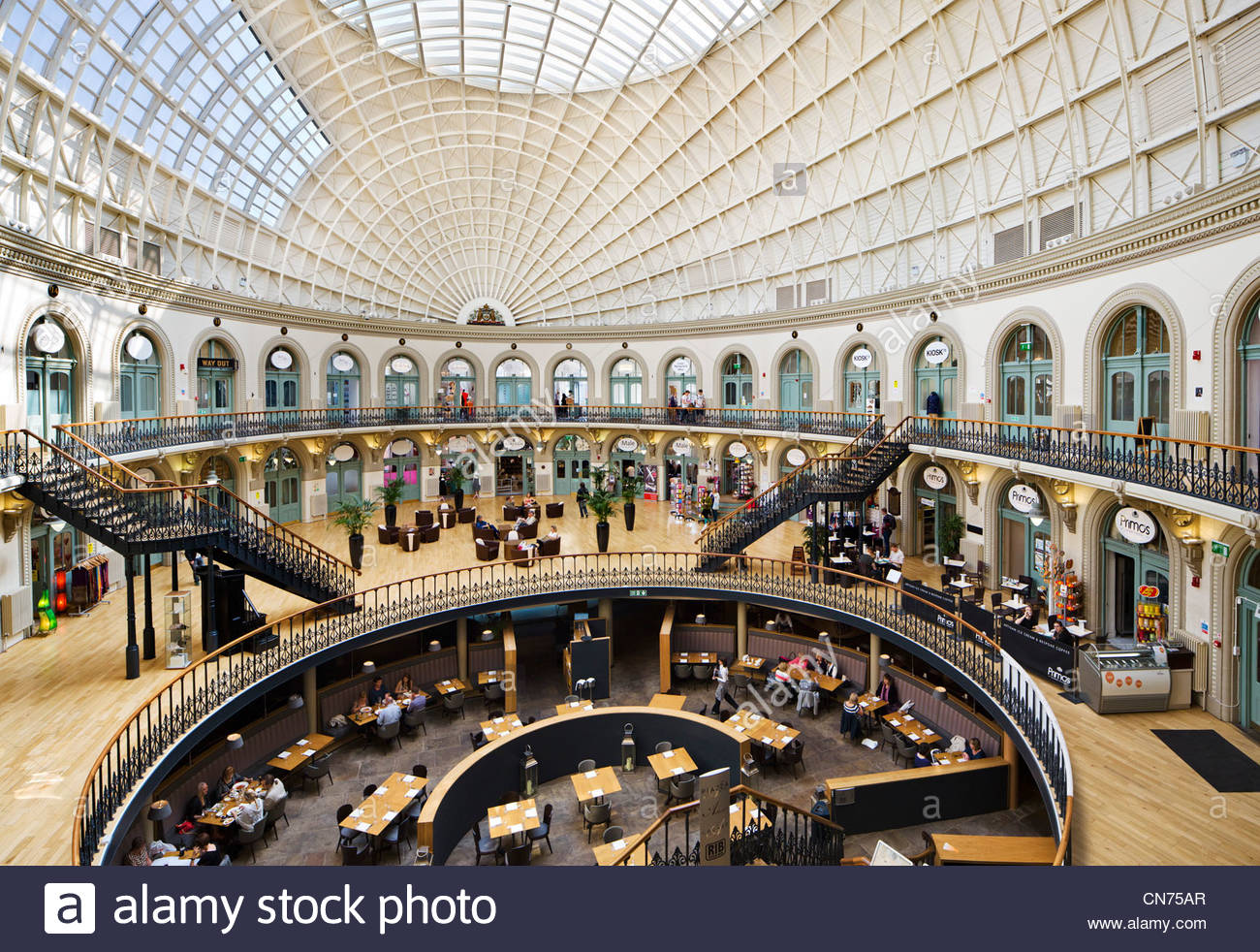
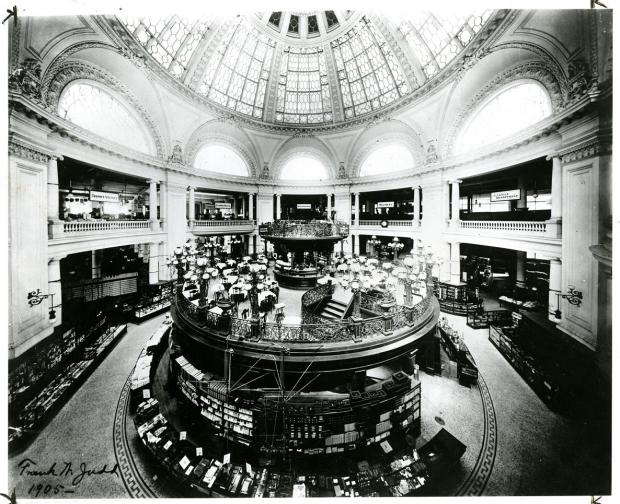
This is the interior of the Corn Exchange in Leeds…

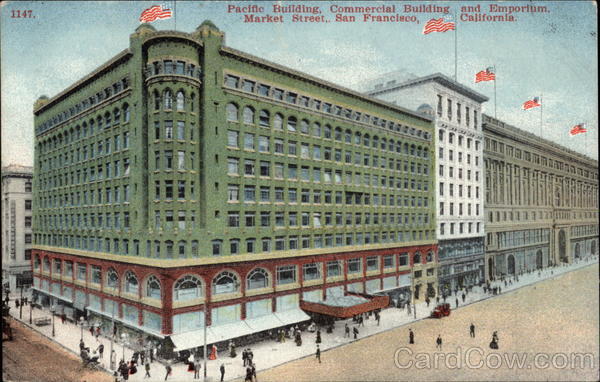
…compared with the inside of the San Francisco Emporium…

…which was called, at the time it opened in 1896, the grandest mercantile in the world. Its original structure survived the 1906 earthquake, but not urban developers after it closed in 1995. Since that time, most of the building was demolished with the exception of the dome and facade to be used in a new building.

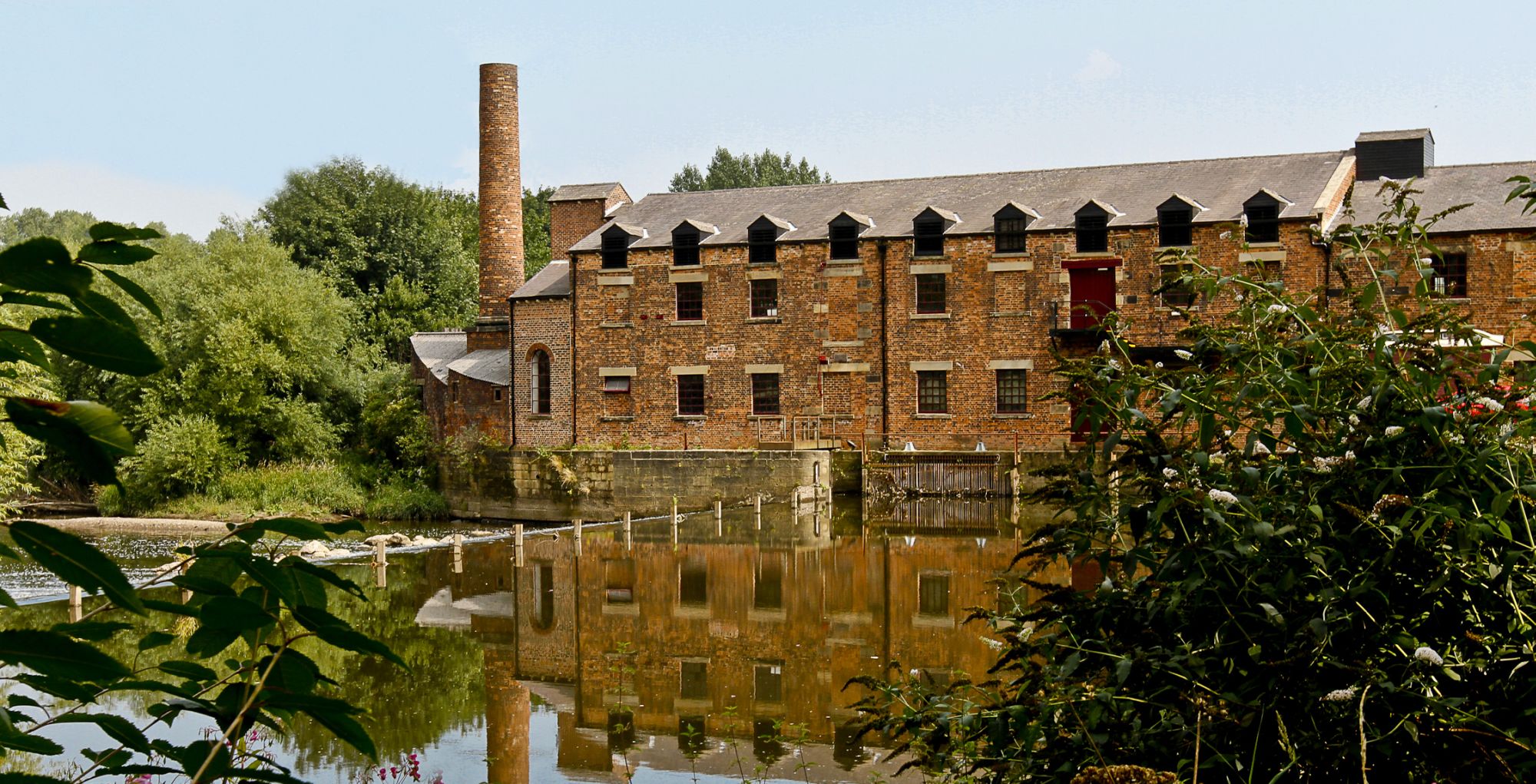
This is the Thwaite Water Mill in Leeds, one of the last remaining water-powered mills in Great Britain, which became a museum in 1975. It is said to have been built between 1823 and 1825…

… on an island between the River Aire…

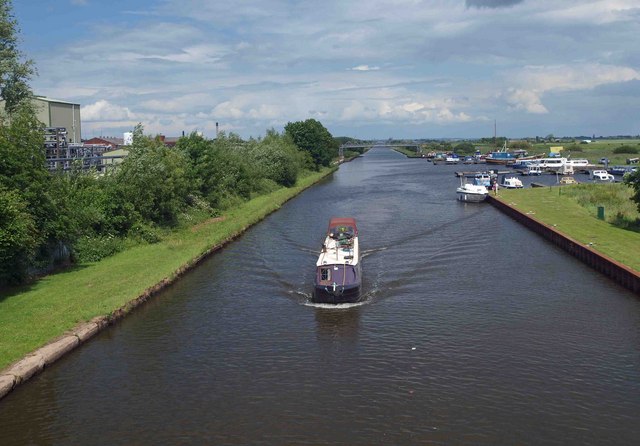
…and what is called the Aire and Calder Navigation, what is referred to as a canalized section of the Rivers Aire and Calder.

…which doesn’t look much different in terms of masonry river banks of the River Calder itself, shown here. What are being called rivers, and natural, I am seeing are canals that were man-made.

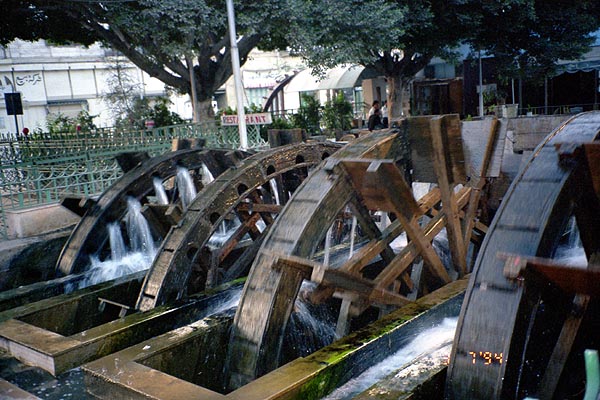
One more thing is a comparison of the water-wheel at the Thwaite Mill…

…with some of the ancient waterwheels of Fayoum in Egypt. In this Oasis town southwest of Cairo, there are said to be as many as 200 waterwheels that have been used as part of an irrigation system since as far back as the 3rd-century BC

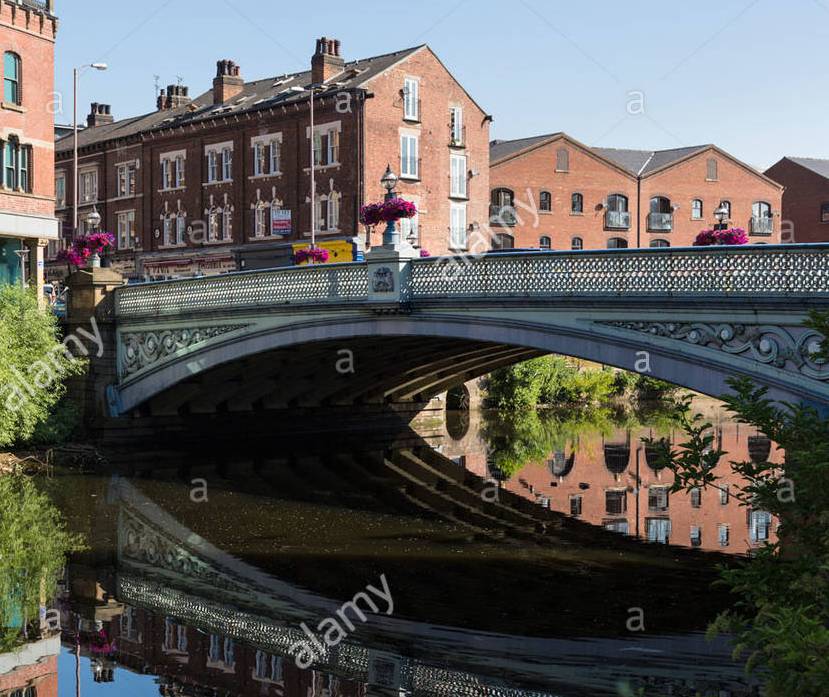
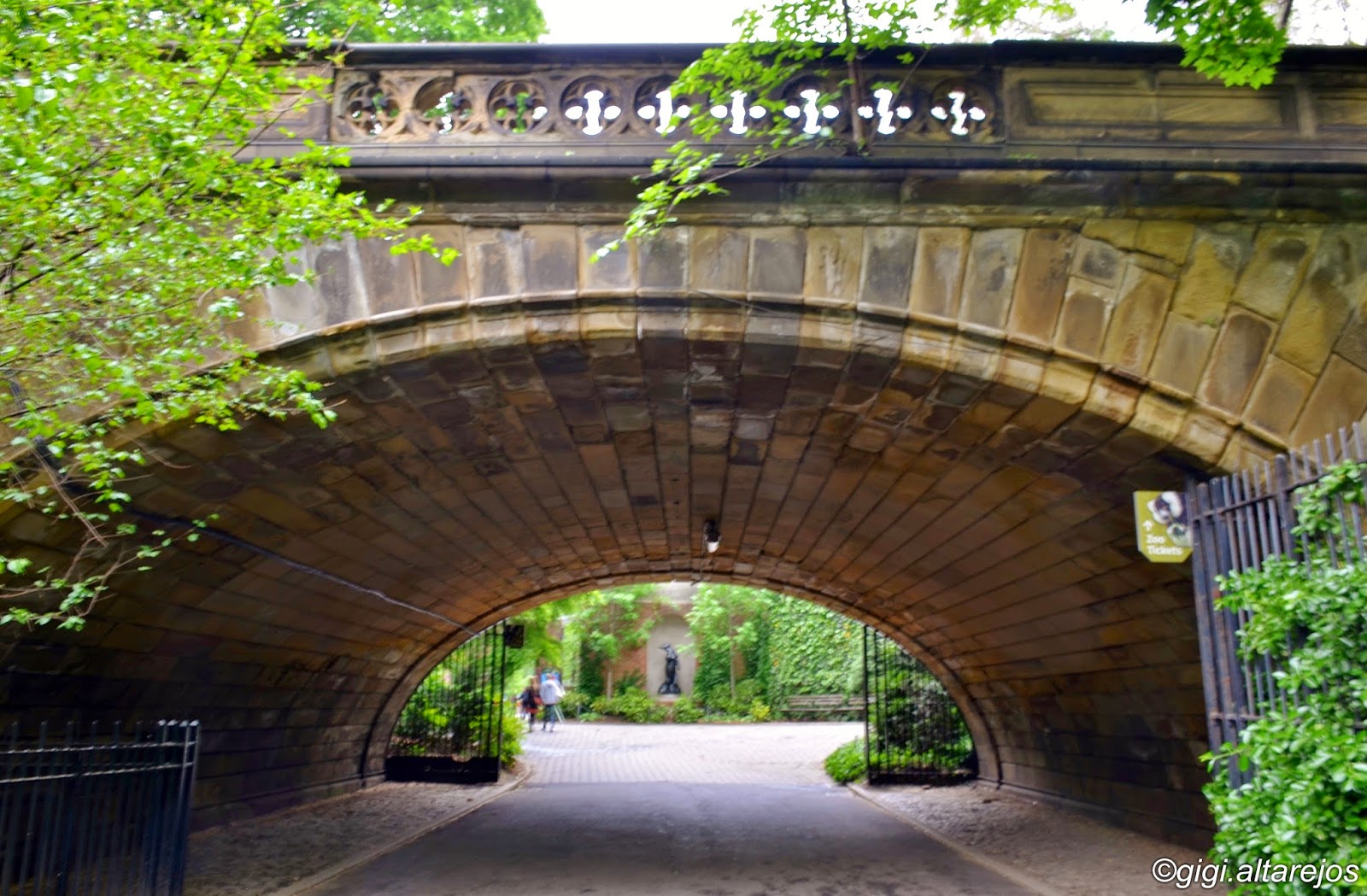
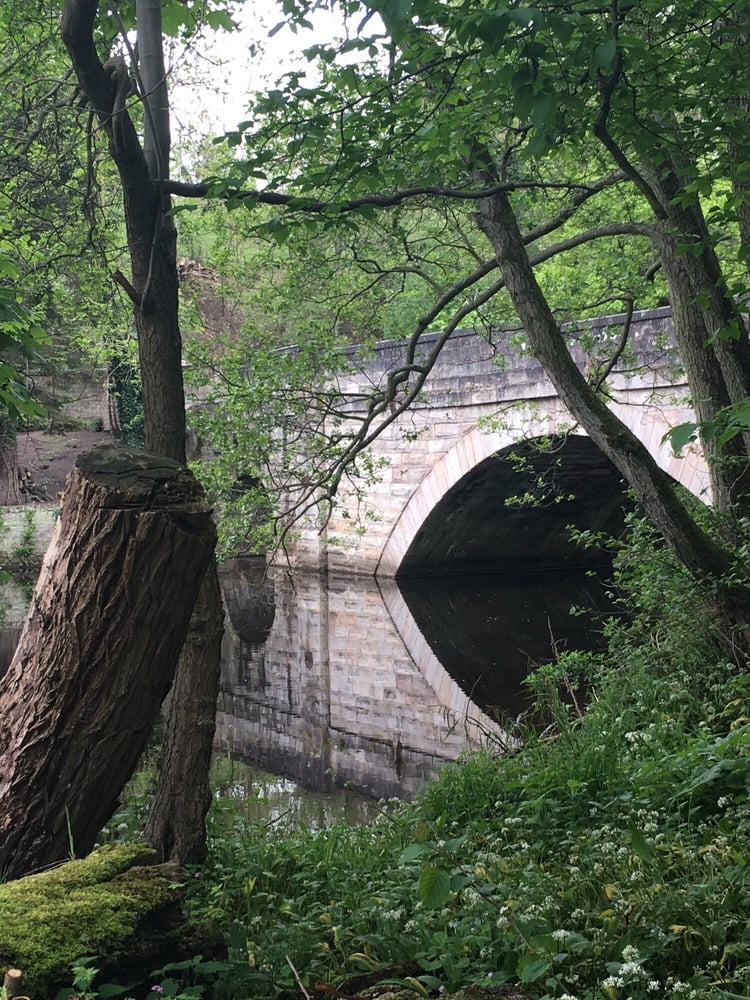
The River Aire has many beautiful bridges crossing it. When I saw this bridge in Leeds…

…it reminded me of this bridge in Central Park in New York City.

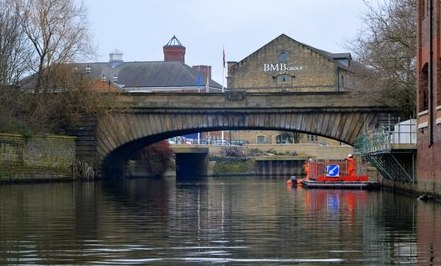
And when I started looking at photos of bridges in both places, I noticed that this one in Leeds…

…looks similar to this one in Central Park.

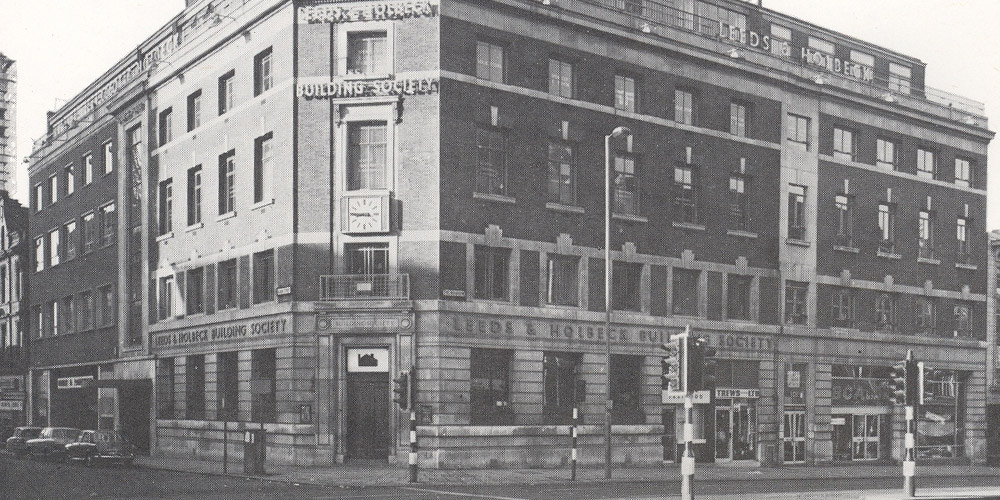
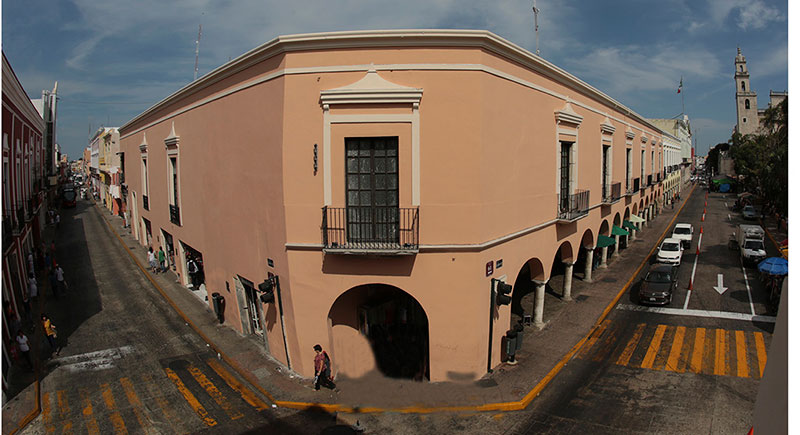
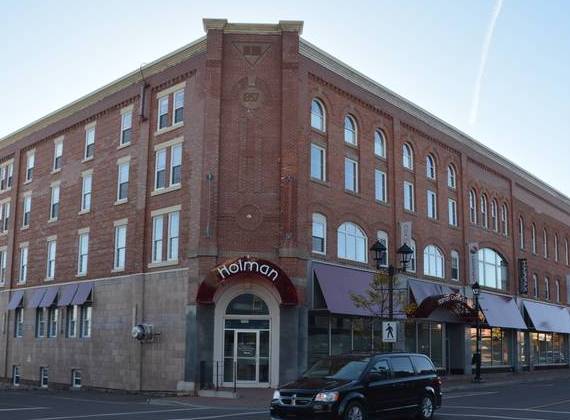
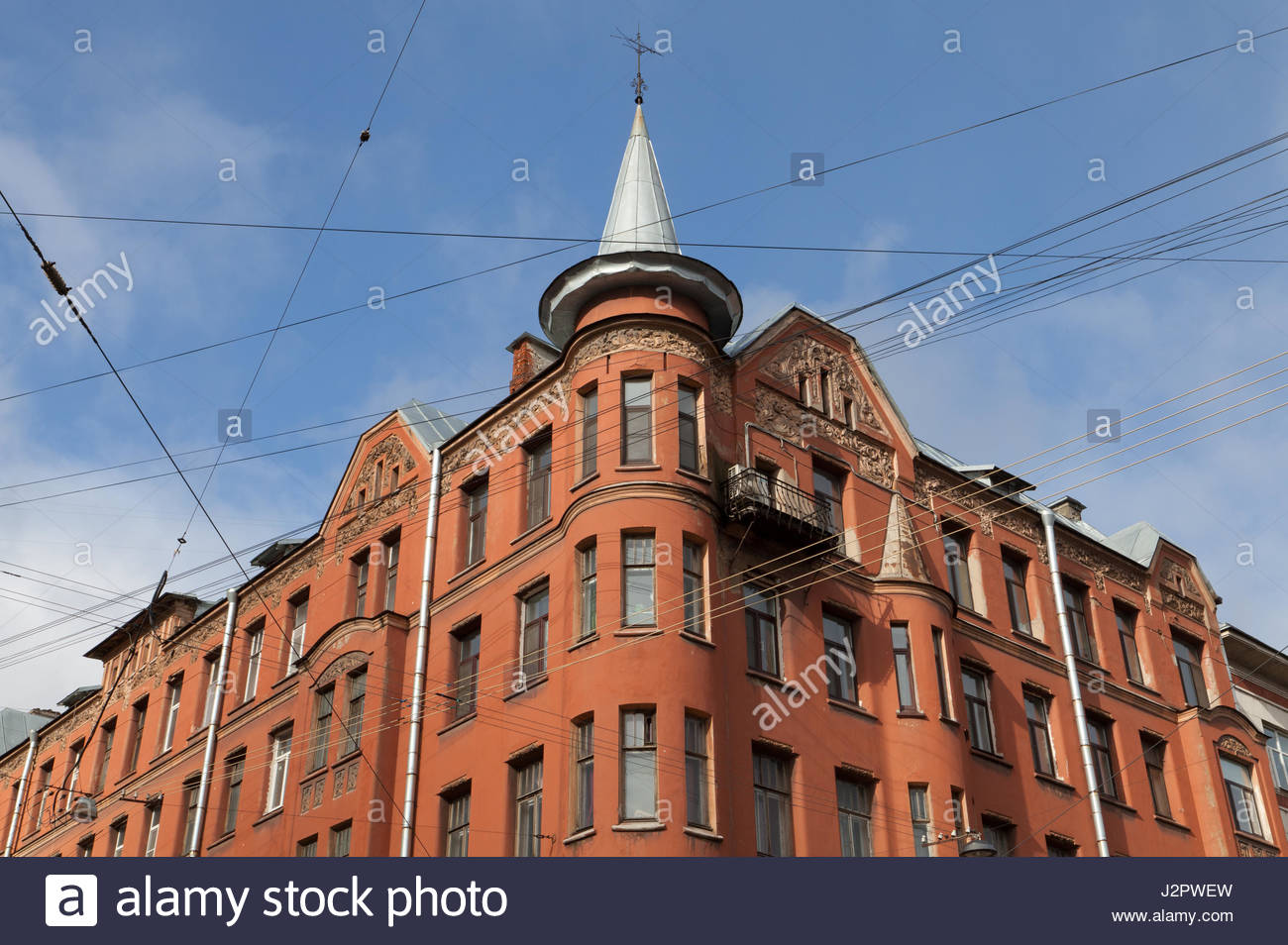
This is an example of what I am calling street-corner architecture in Leeds…

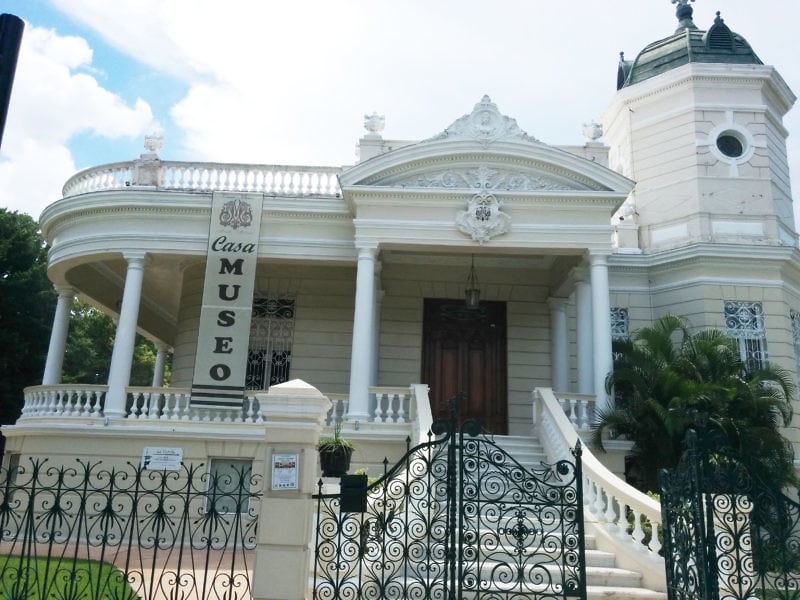
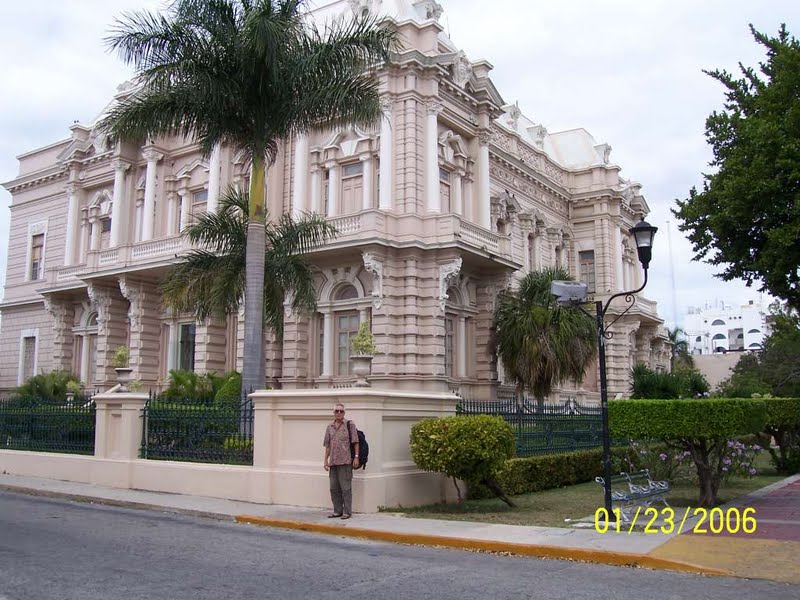
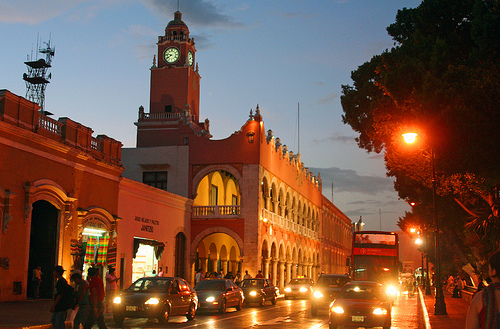
…that I am seeing diverse places like this one in the Centro Historic District of Merida, Mexico…


…in Summerside, the second largest city in the Canadian Province of Prince Edward Island…

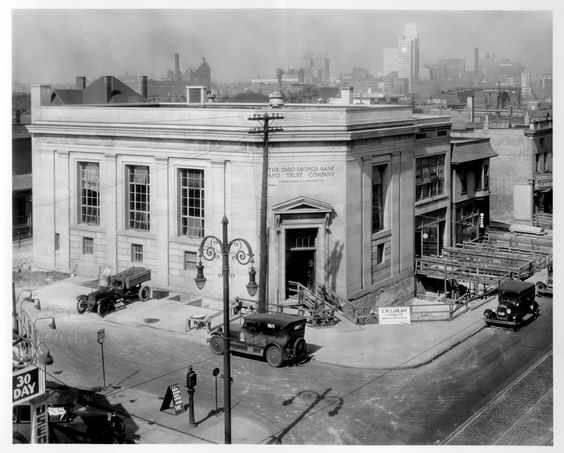
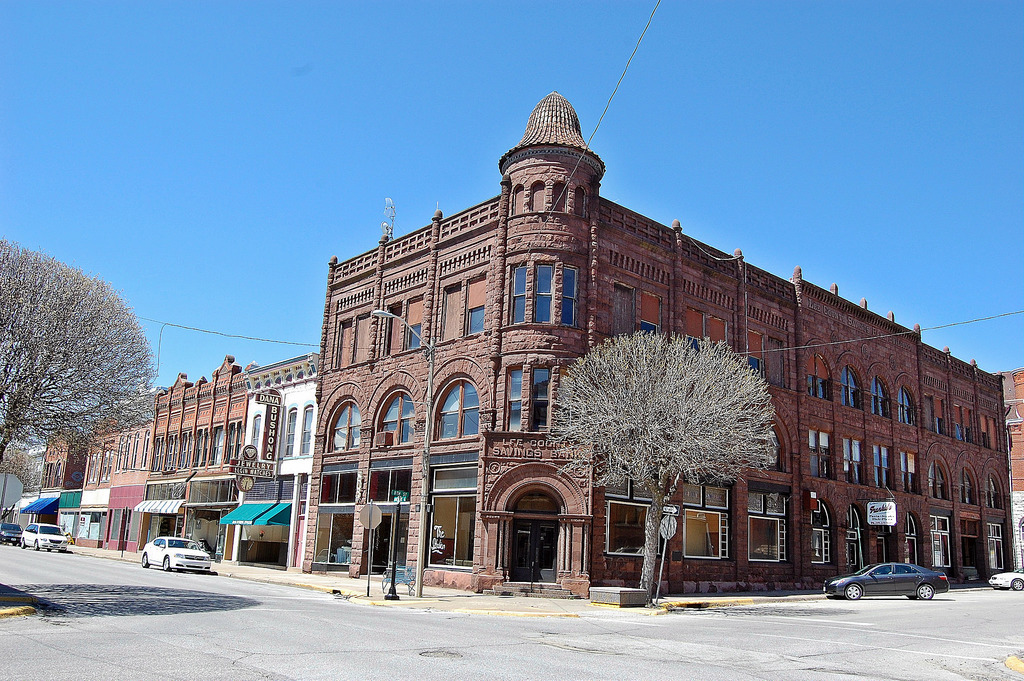
….and this historic bank building in Toledo, Ohio.

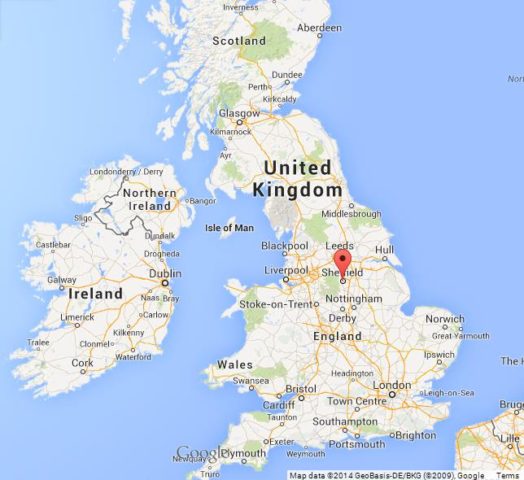
Next on the alignment is Sheffield, a city and metropolitan borough in South Yorkshire.

Sixty-one percent of Sheffield’s entire area is green space, and one-third of the city lies in the Peak District National Park, becoming the first national park in the United KIngdom in 1951.

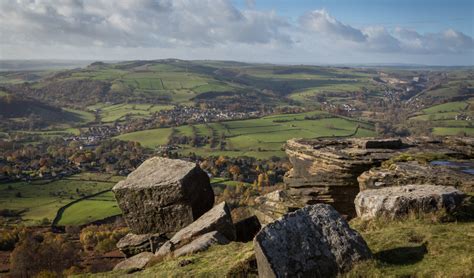
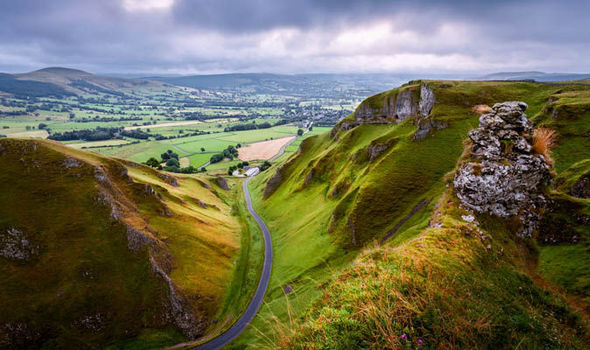
With the majority of it being outside the city boundaries of Sheffield, its land is described as largely open moorland.

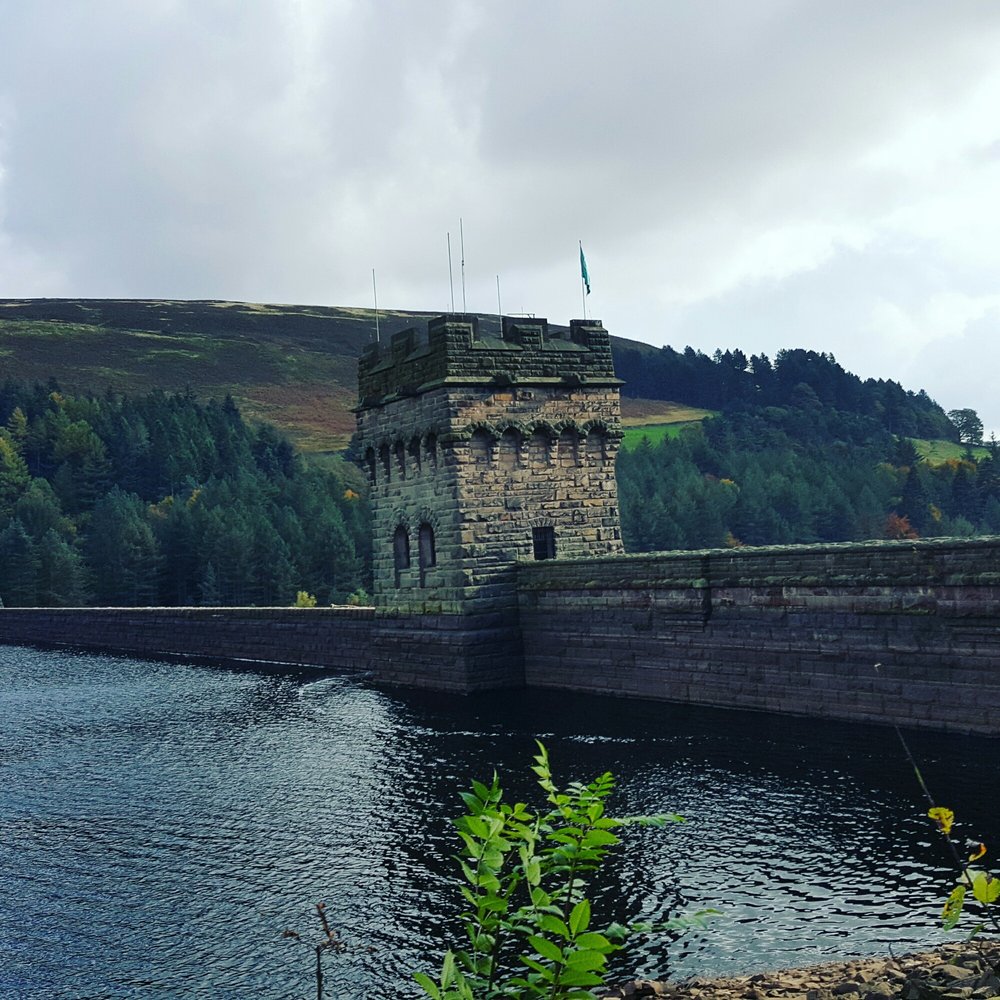
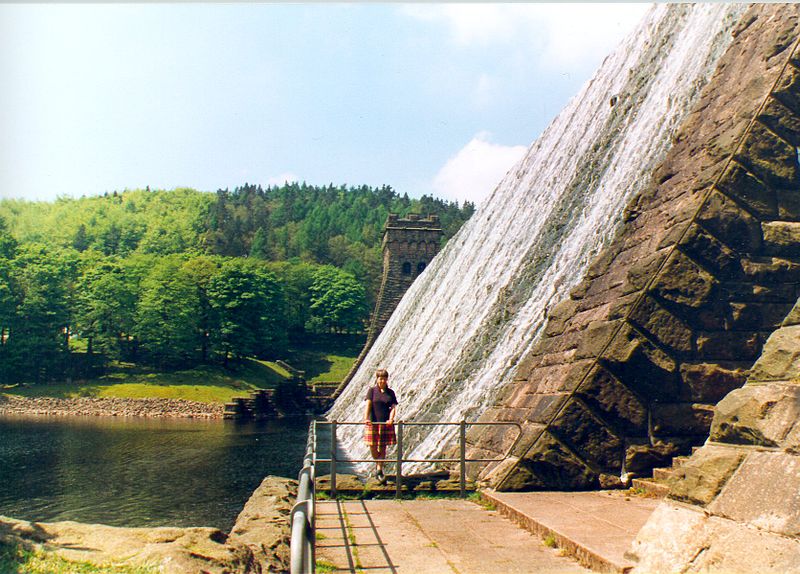
The is the Derwent Dam and Reservoir, located in the Upper Derwent Valley. It is 10 miles, or 16 kilometers, from Sheffield.

It was said to have been built between 1902 and 1914, and filled with water between 1914 – 1916. Keep in mind that World War I started during this time, in July of 1914, so this would have been a big public works project during wartime.

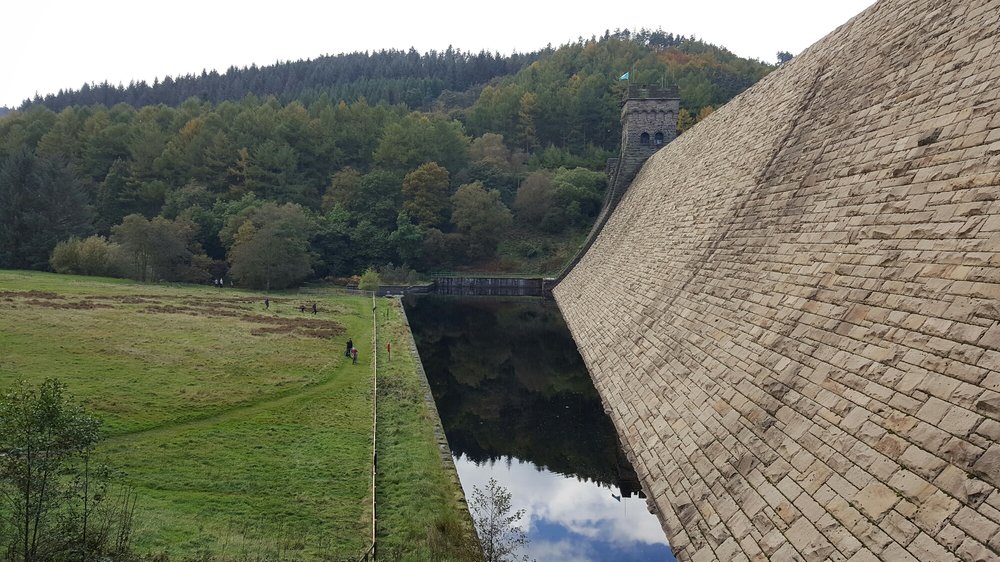
This another perspective of the size and masonry of the dam from its base.

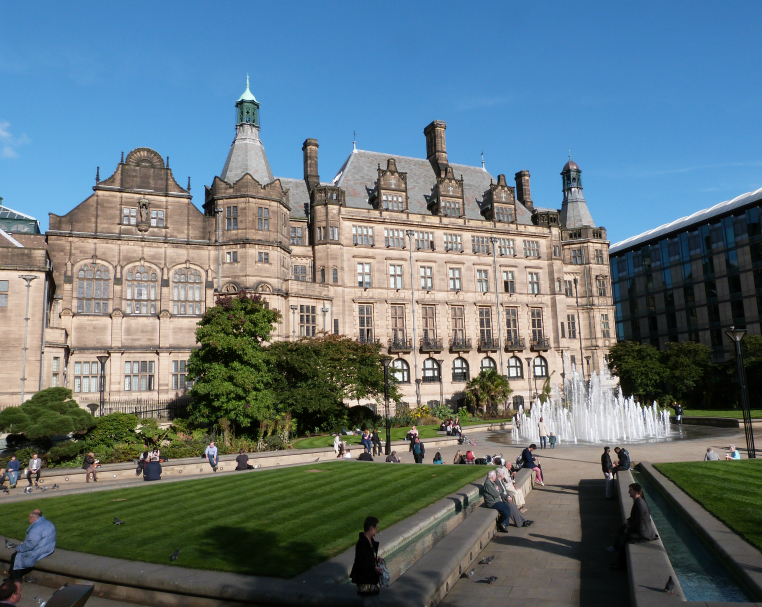
This is a picture of the Peace Gardens, an open town hall square in the heart of Sheffield…

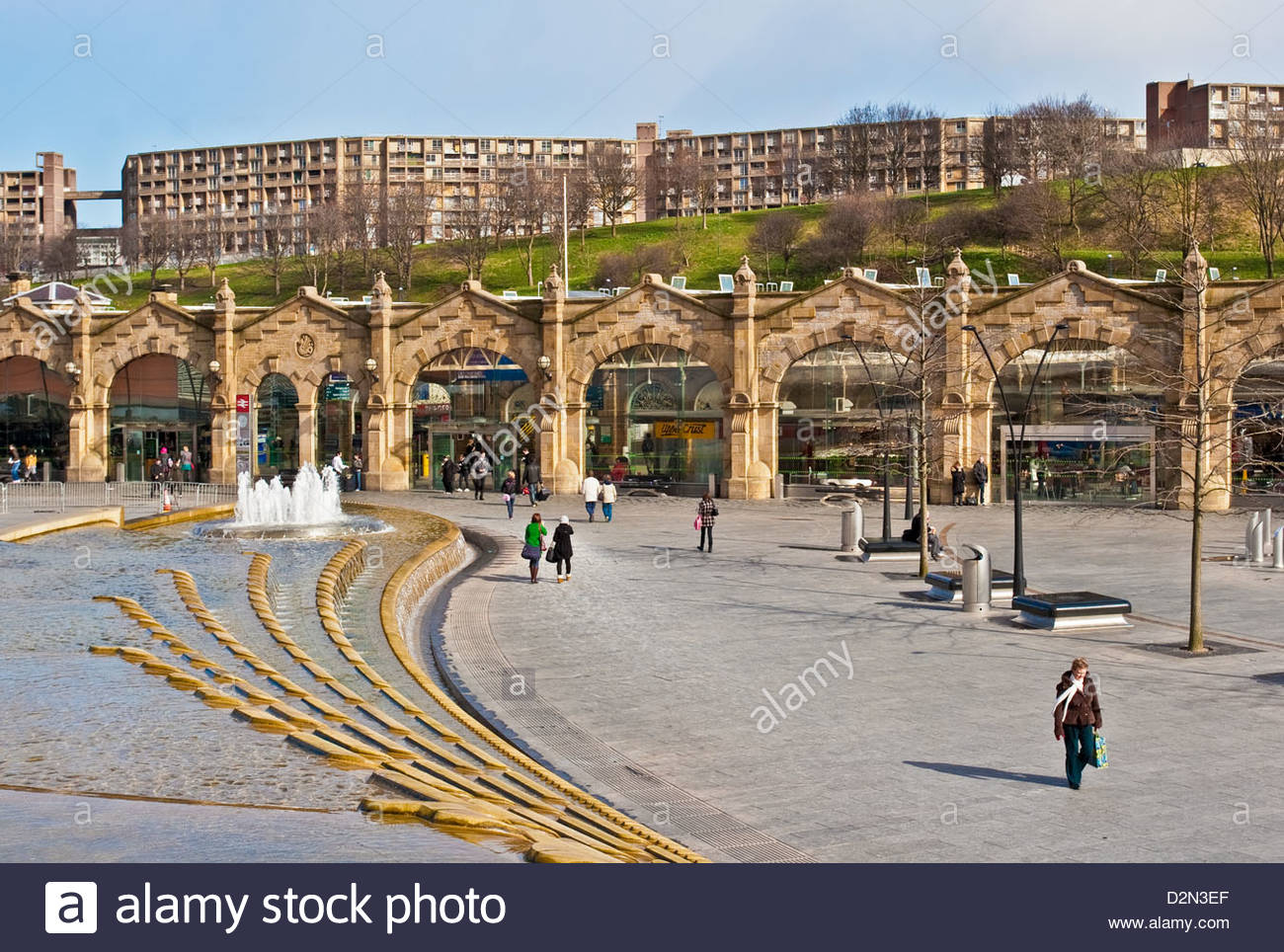
…and form the main part of the spectacular walk that visitors take after they leave the huge Sheffield Station for train and tram passengers.

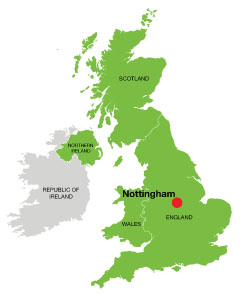
Next on the alignment is Nottingham, a city in the East Midlands of England.

It is perhaps best known for the legend of Robin Hood and its Sheriff.

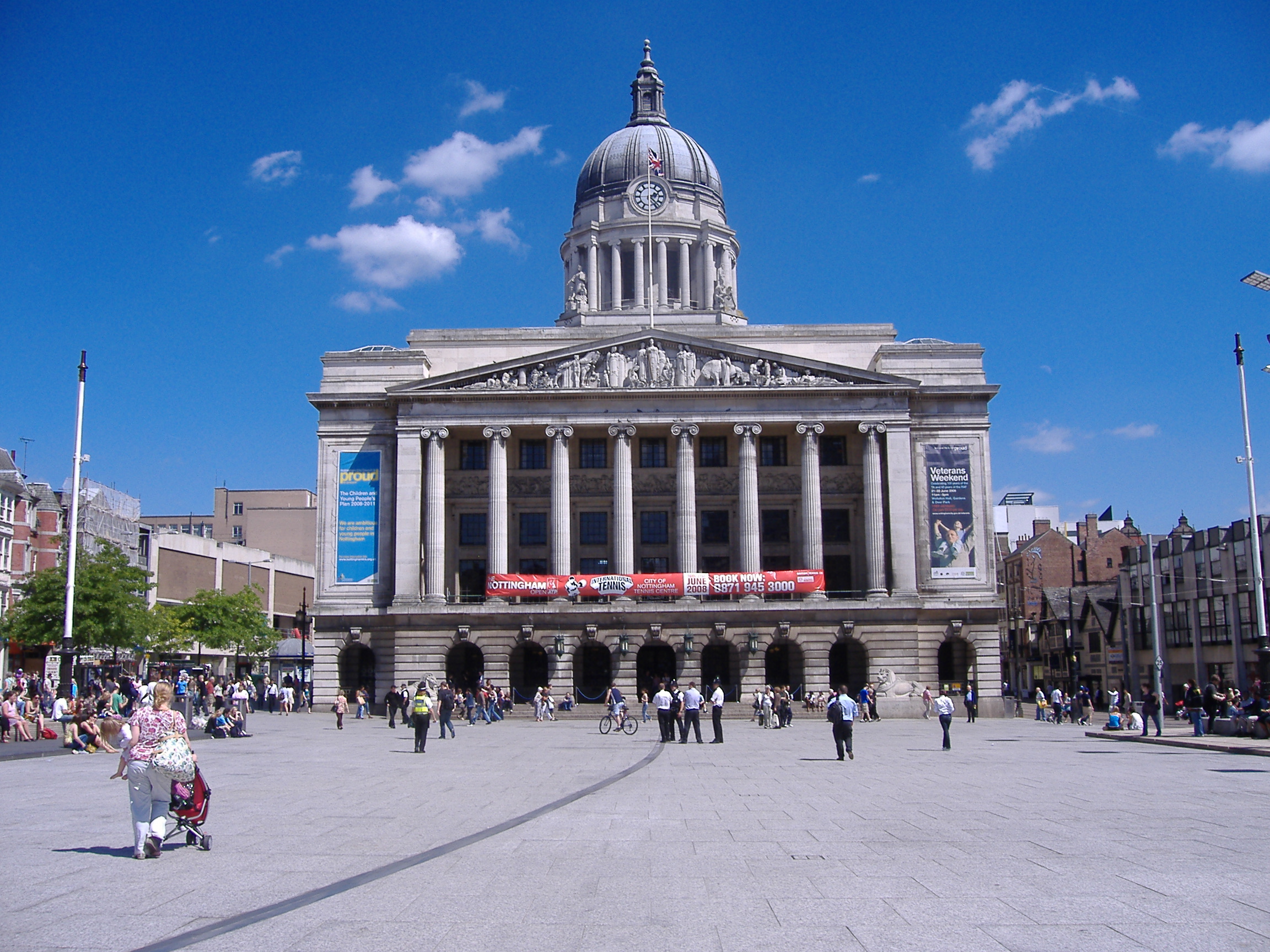
This is the Nottingham Council House, said to have been built between 1927 and 1929. It presides over the Old Market Square which is also the center of the city.

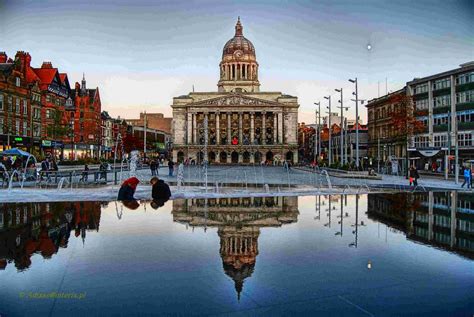
The waterworks in the Old Market Square…

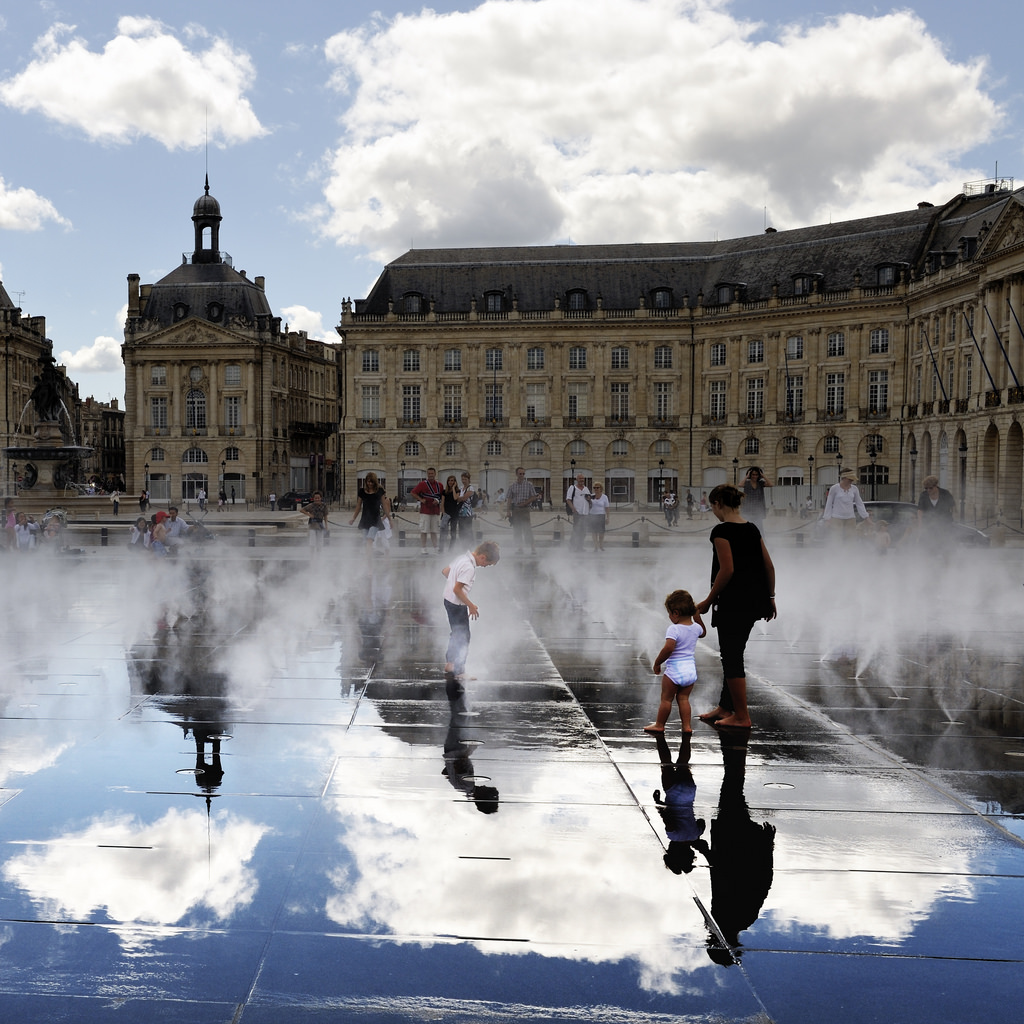
… remind me of the Water Mirror on La Place de la Bourse in Bordeaux, France, and on a different planetary alignment Both of these places have examples of very sophisticated hydrological engineering.

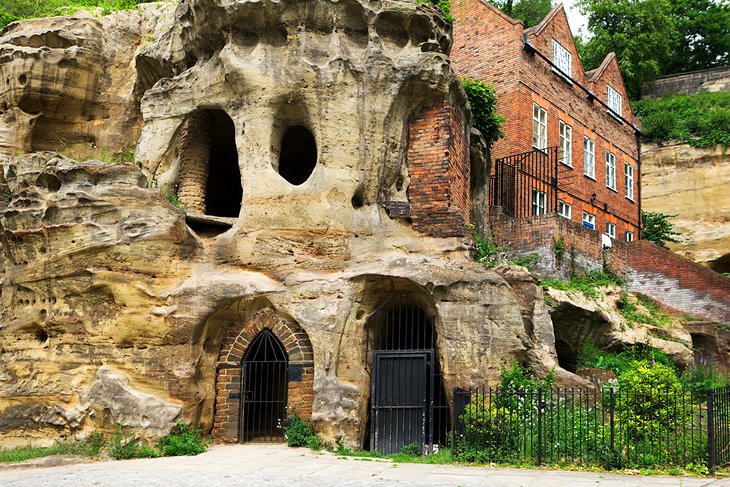
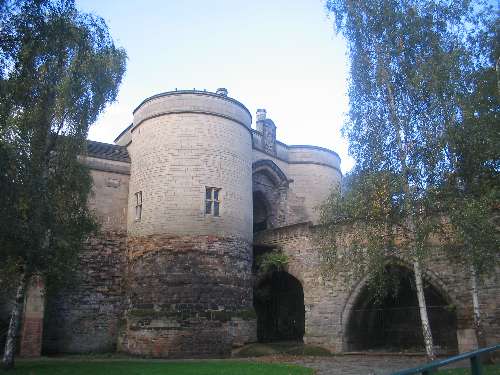
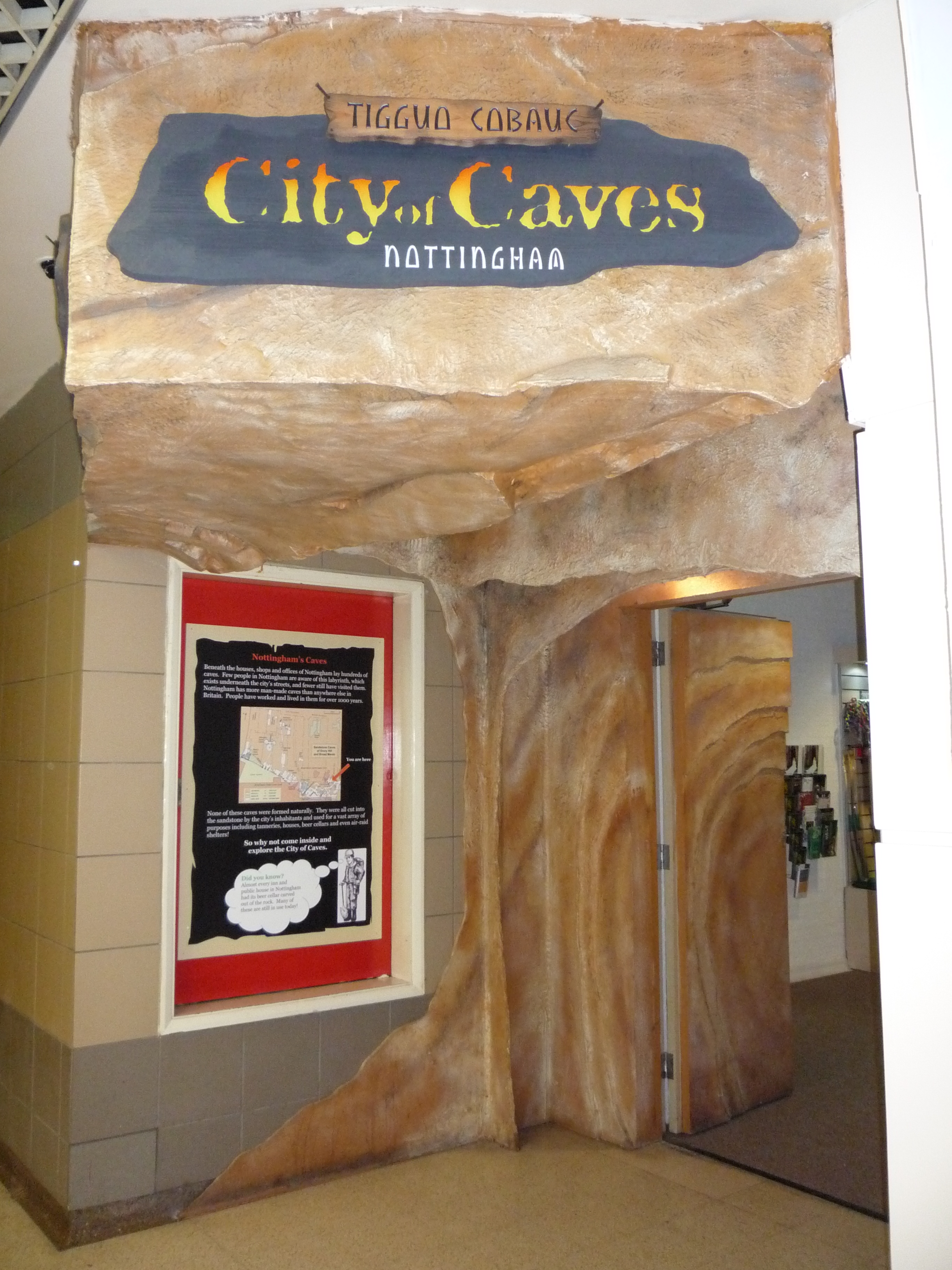
Nottingham is known as the City of Caves, This is called Mortimer’s Hole…

…and lies directly beneath Nottingham Castle.

There are more than 450 sandstone caves beneath the city, and the largest known grouping of caves in the country.

The caves are accessed by way of the of the Broadmarsh Shopping Center in Nottingham.

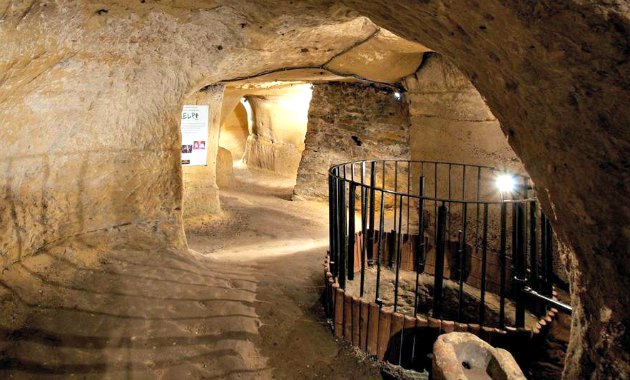
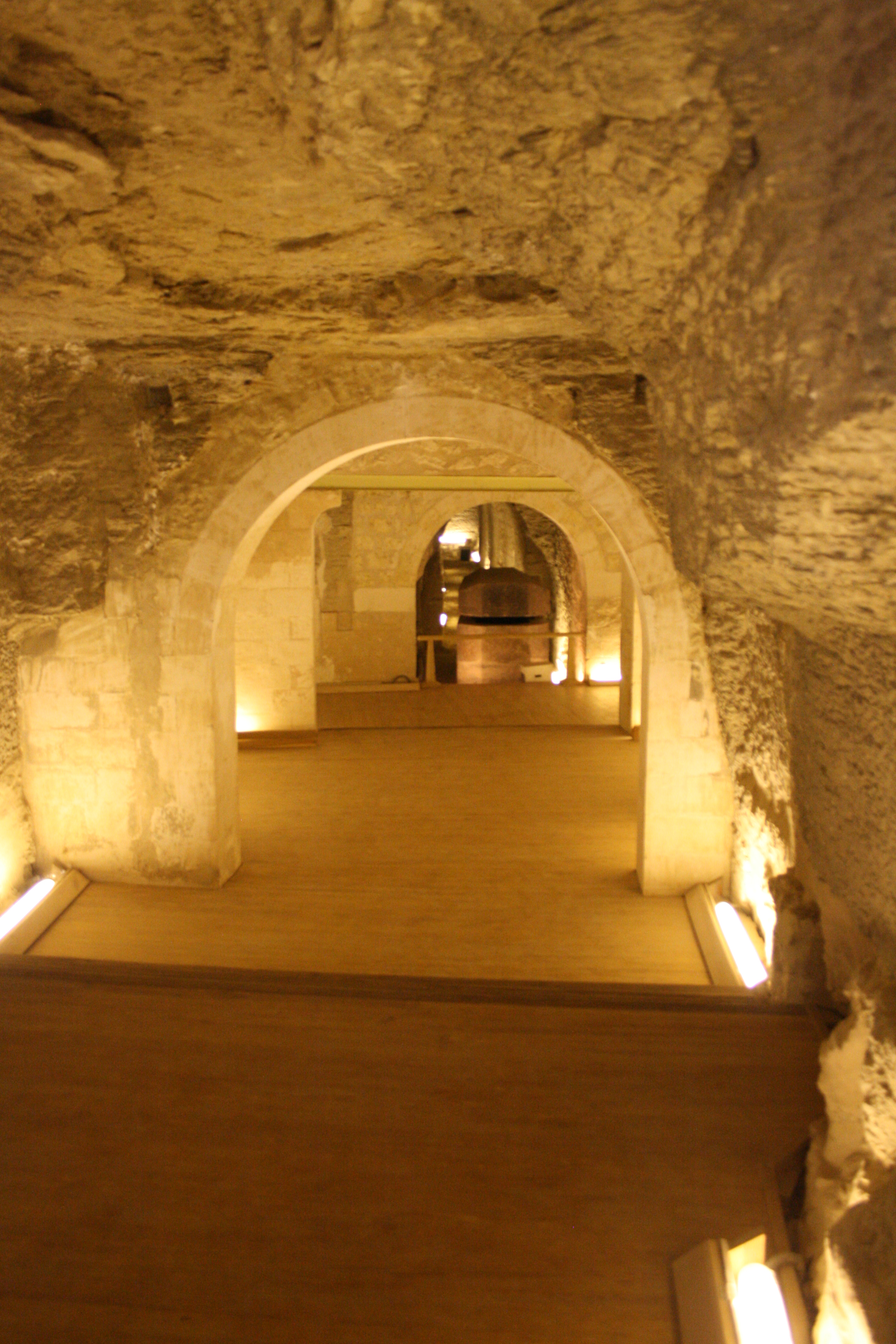
This is a view of what you see when you go down into the City of Caves…

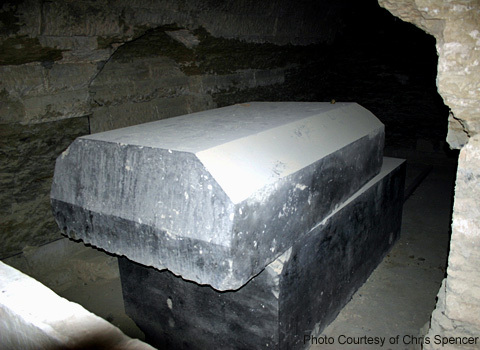
…which reminded me of the underground tunnels of the Serapeum at the Saqqara complex in Egypt, a burial place for sacred Apis bulls.

The Serapeum contains a mystery of enormous granite sarcophagi weighing between 60 – 80 tons cut from a single piece of stone, with 20 ton lids. While it is believed these sarcophagi were the intended resting places for the Apis bulls, but there is actually no evidence for this.

I will end this post here, and pick up the alignment in the next post in Derby, England.

Circle Alignments on the Planet Algiers – Part 13 Wick, Scotland to Edinburgh, Scotland

In the last post, the circle alignment was tracked from its entry point into western Iceland in the town of Olafsvik on the Snaefellsnes Peninsula, across the Faroe Islands lying between the North Sea and the Norwegian Sea, and on over the Hebrides Islands off the Northwest coast of Scotland in the North Atlantic Ocean.

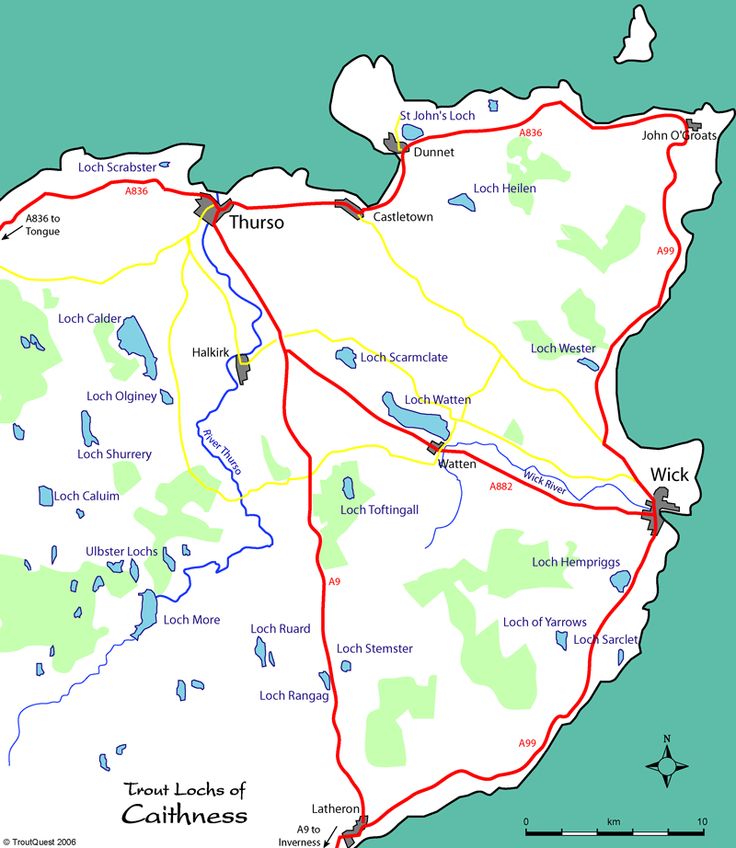
In this post, I am beginning in Wick, Scotland, a town and royal burgh located in Caithness along the River Wick and Wick Bay in the far north of Scotland.

Wick is slightly northeast of the actual circle alignment as it tracks through Scotland, however, this region of Scotland is significant, and has noteworthy things to include on this journey.

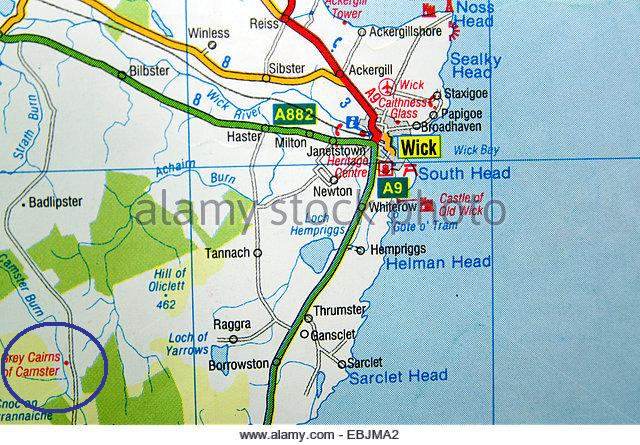
I am going to start this journey through Scotland in the far distant past, at a place called the Grey Cairns of Camster.

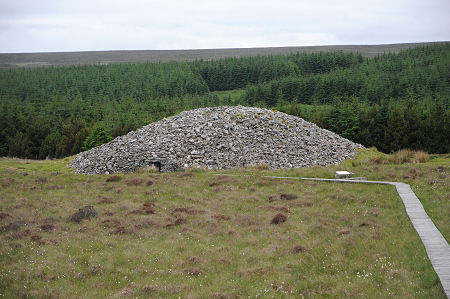
This site has two of Scotland’s oldest, and best-preserved, Neolithic chambered cairns, dating to have been built over 5,000 years ago, in addition to this big mound.

This is Camster Round, said to have been discovered in 1850, and excavated in 1865. It is unique as a chambered cairn in Caithness because its main chamber roofing was found intact.

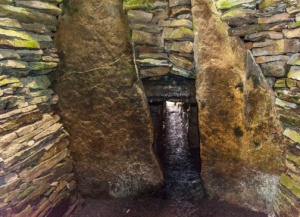
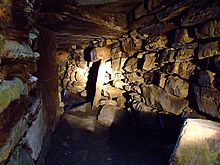
This is a photo of the interior of Camster Round.

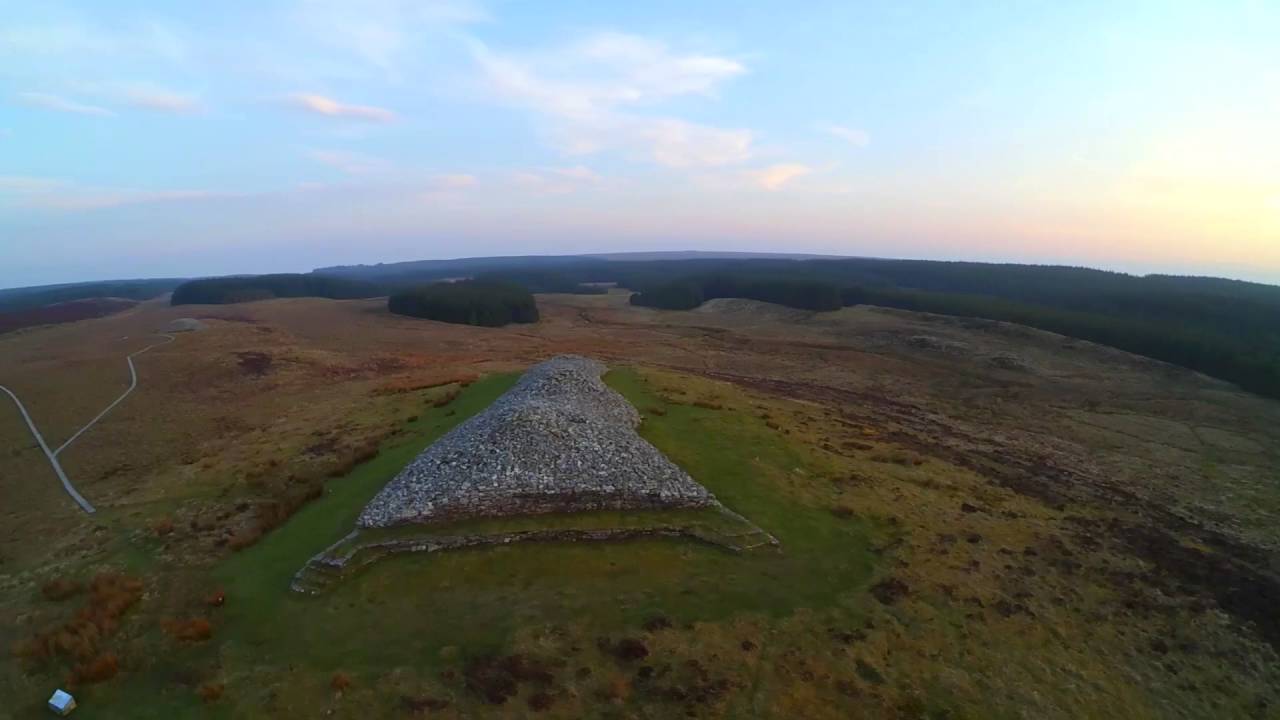
The other chambered cairn is called Camster Long.

This is the inside of Camster Long, with sunlight shining on the stone at the end of the Chamber.

These two cairns are described as burial chambers. I believe Neolithic constructions like these chambered cairns have predominantly astronomical functions, and not burial ones. Like, among other things, being markers of the heavens on earth at the solstices or equinoxes, providing a perfectly aligned avenue in the enclosure for the light to stream into at those times.

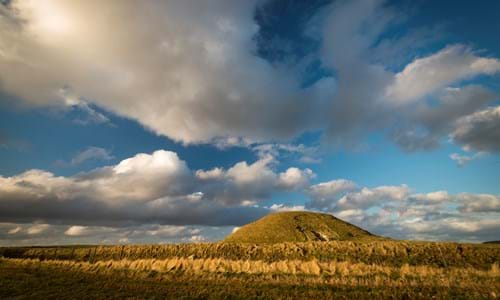
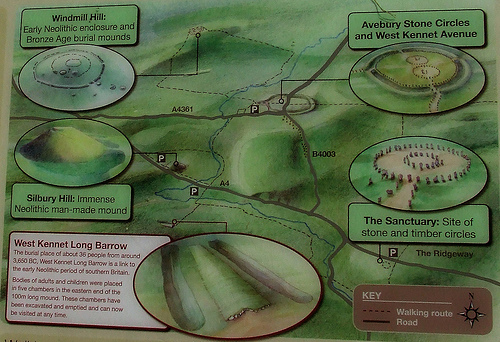
Another example of this is found in the Neolithic Complex of Avebury in Southern England…

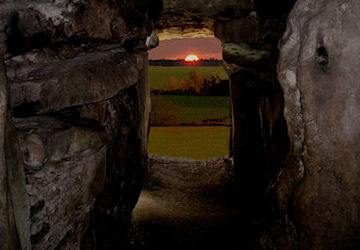
…at the West Kennet Long Barrow. While also called a tomb, it is known to be a solar marker at the equinoxes, as depicted in this photograph of the sun aligned at the entrance of this long barrow. It is also over 5,000 years old, like the Grey Cairns of Camster near Wick.

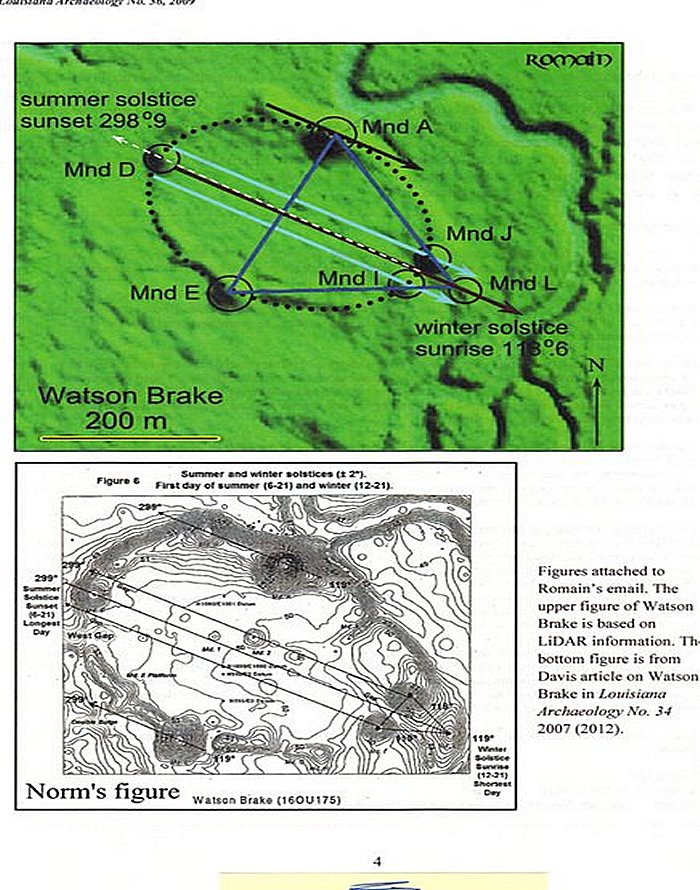
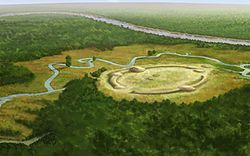
Both the Grey Cairns of Camster and the West Kennet Long Barrow are contemporaries in time with the Watson Brake Mounds, in Richwood, Louisiana, near Monroe and Poverty Point.

Watson Brake is dated to 5,400 years ago, and is considered the oldest earthwork mound complex in North America. Note the summer and winter solstice alignments depicted here in this diagram of Watson Brake.

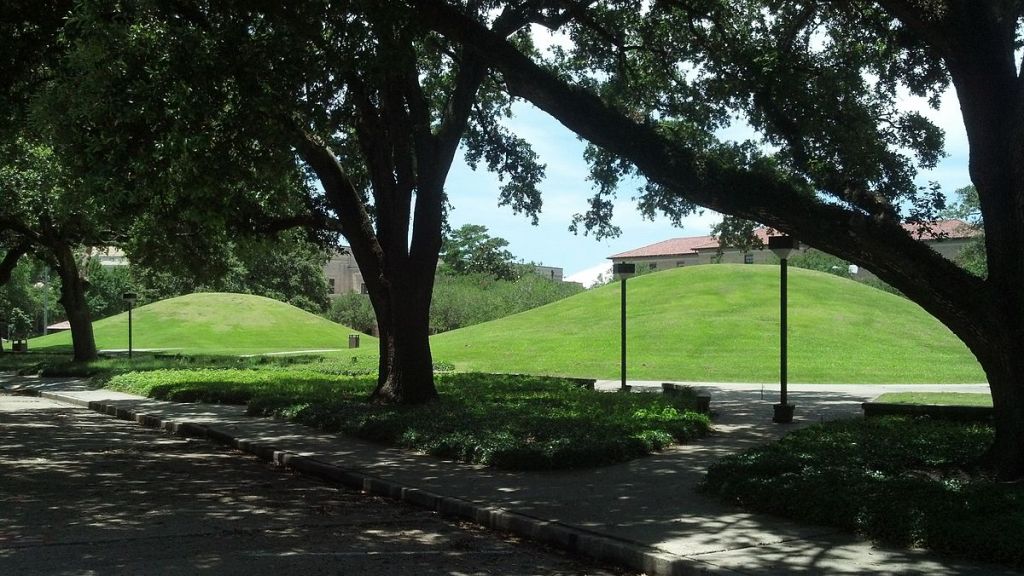
There are two ancient mounds at Louisiana State University in Baton Rouge, believed to be more than 5,000 years old, and considered to be part of the oldest mound system in North America, and also an acknowledged part of the Louisiana mound system. They are on the U. S. National Register of Historic Places.

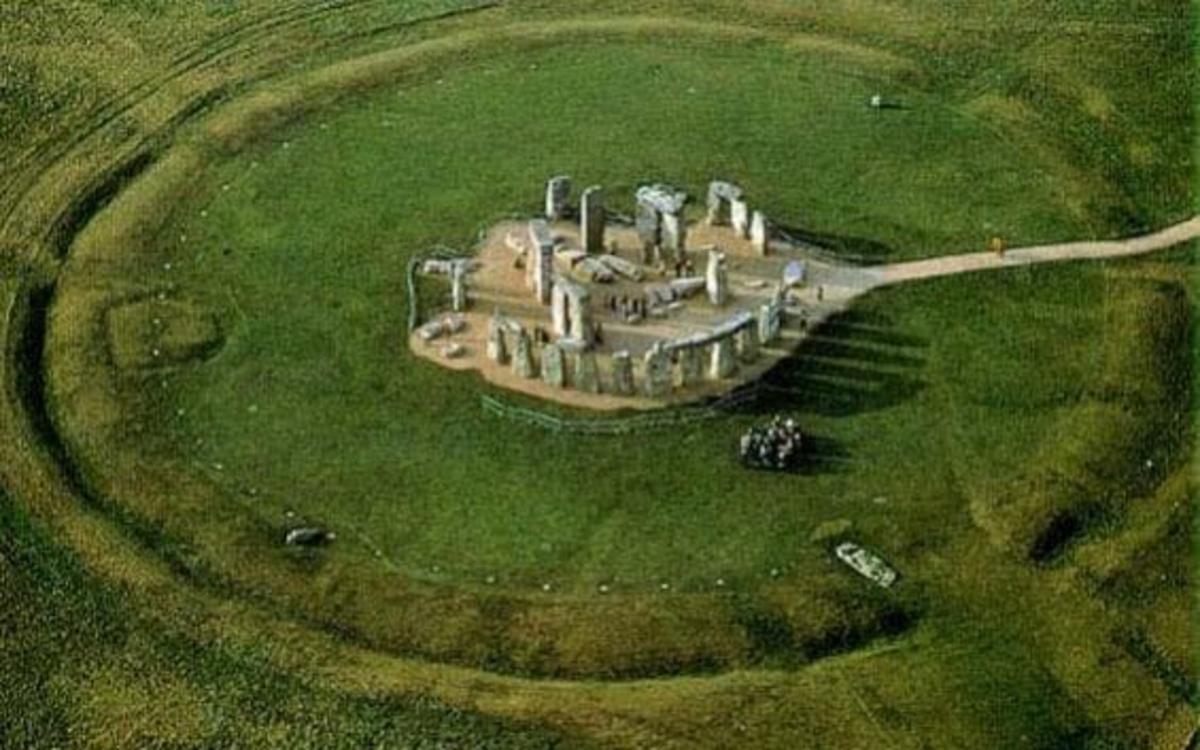
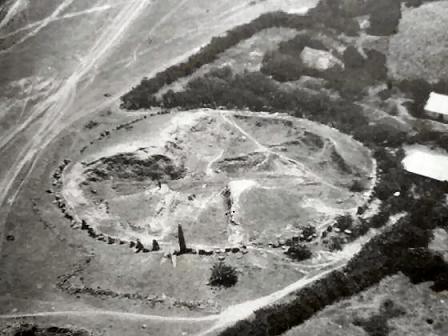
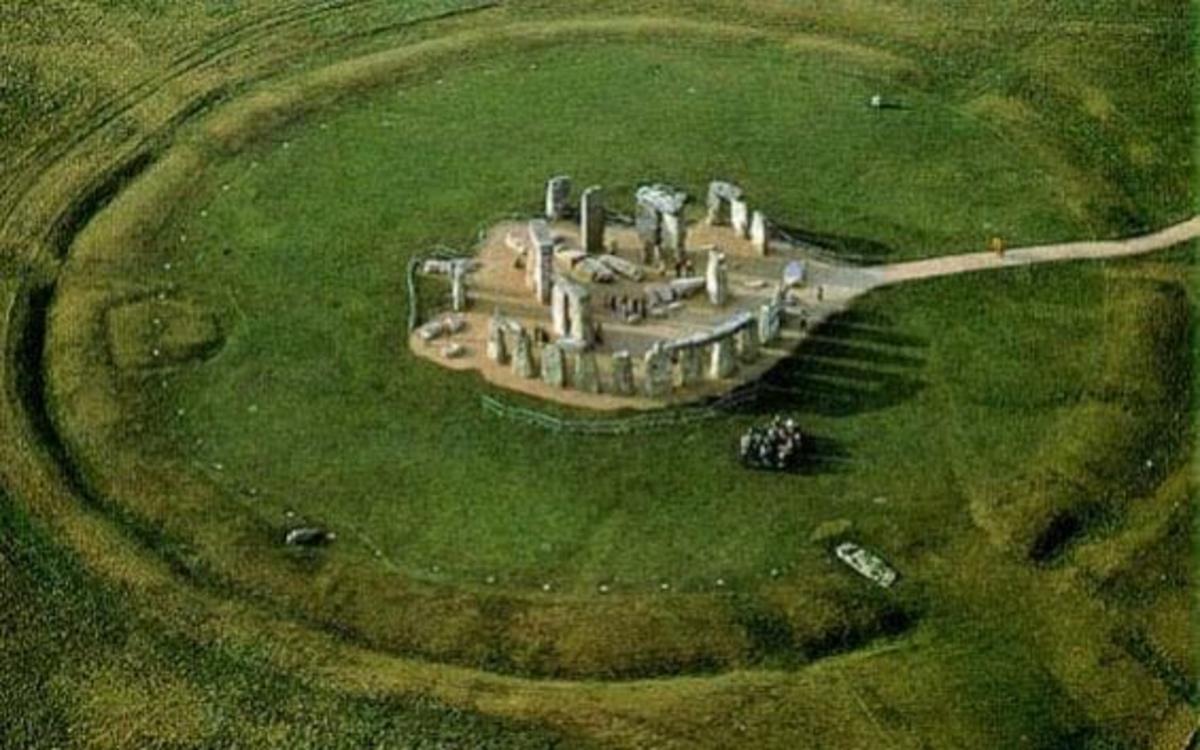
This is Stonehenge, located not far from the neolithic complex at Avebury in Southern England, believed to date to about 5,100 years ago, which has a similar earthwork to what is seen at Watson Brake in Louisiana encircling the big stones,

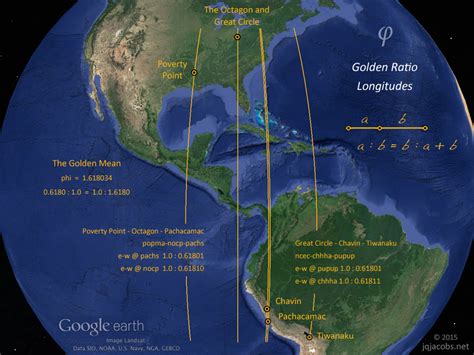
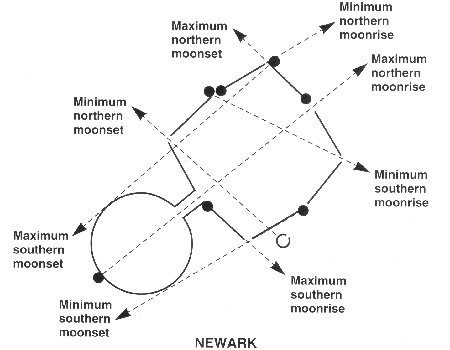
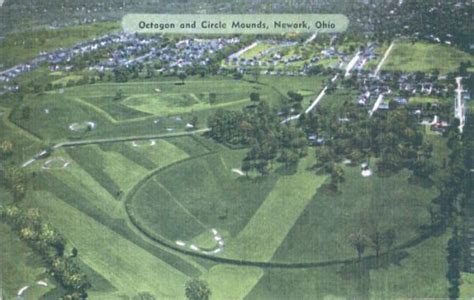
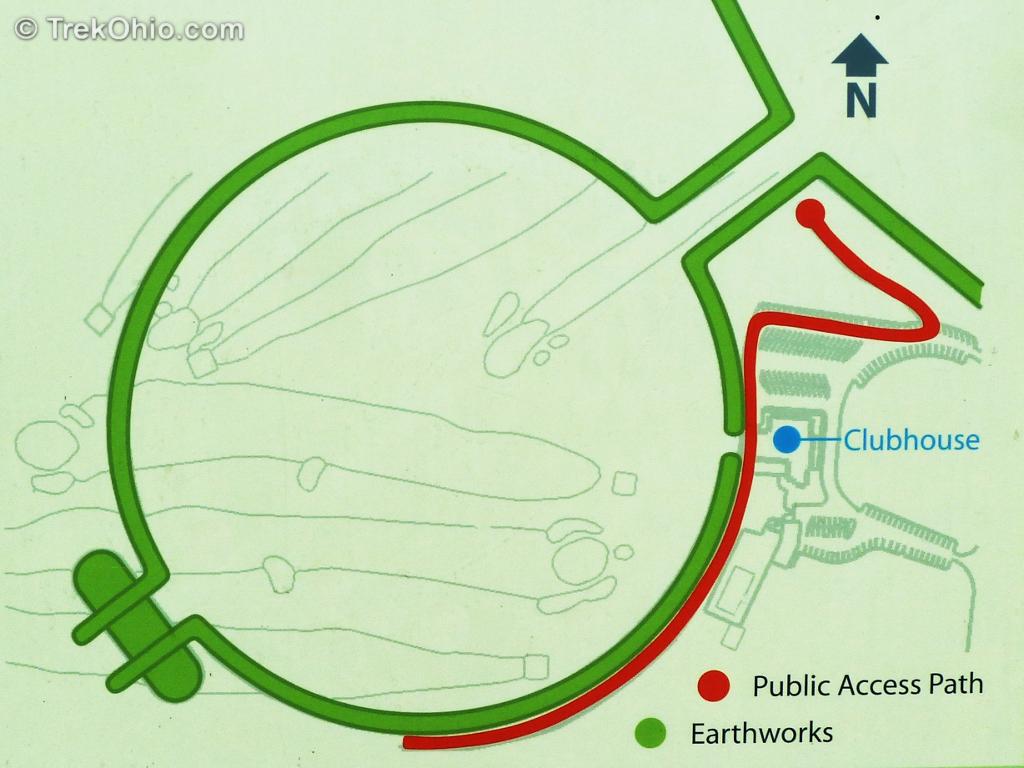
The Octagon and Great Circle Earthworks in Newark, Ohio, is located on a Golden Ratio Longitude, along with Poverty Point in Louisiana.

This diagram shows the lunar alignments marked by these earthworks in Ohio.

How is this even possible according to the history we have been taught?

My answer is the Ancient Advanced Civilization, that we have not been told about, aligned Heaven and Earth in everything they did, all over the Earth.

By the way, the Octagon and Great Circle of Newark…

… are now part of the golf course of the Moundbuilders Country Club.

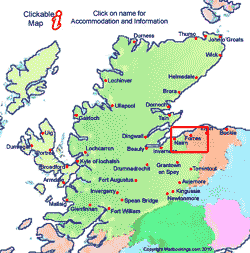
Another striking example of this practice by the Ancient Ones, of the consummate aligning of heaven and earth, is found near Forres, which is located southwest of Wick, across the North Sea and Moray Firth from Wick.

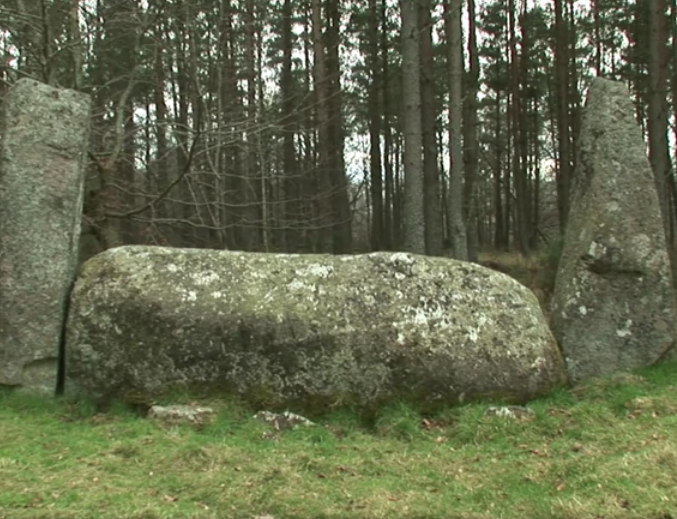
Forres is in the Grampian Mountains, which are said to have the highest concentration of stone circles found anywhere, and include what are called Recumbent Stone Circles, found only in this part of Scotland and in the far southwest of Ireland.

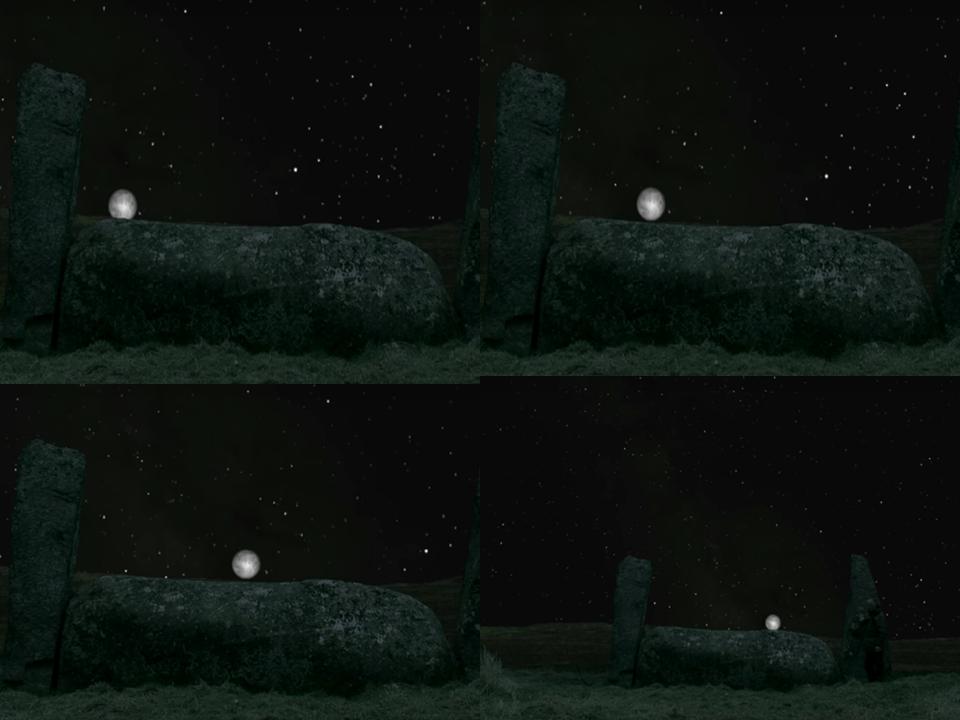
This is the Recumbent Stone Circle of Crowthie Muir near Forres. The center stone, weighing upwards of 50-tons, is perfectly placed in the landscape…

for lunar events like this one, as the moon is seen rolling along the top of the recumbent stone on the same night.

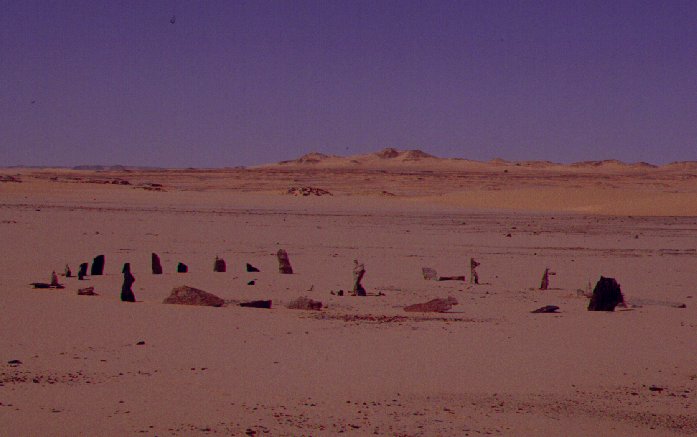
While the stone circles of Great Britain and Ireland are the best-known, there stone circles in many places, including in Africa, like the Bagnold Stone Circle in the Libyan Desert…

…the Mzora Stone Circle in Morocco…

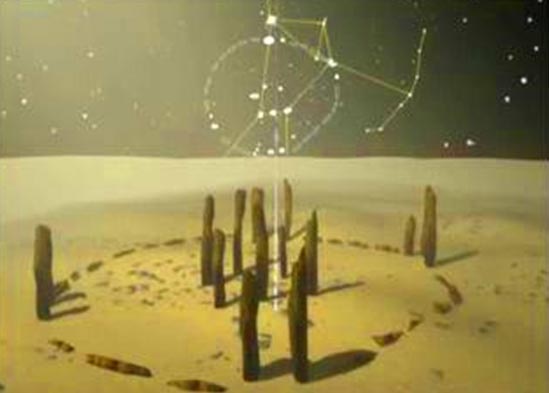
…and Nabta Playa, depicted with astronomical alignments, in southern Egypt, situated on the Tropic of Cancer.

There are a few more things I would like to highlight in Wick.

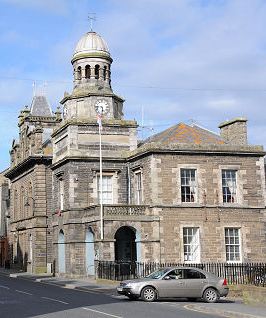
The first is this clock tower in Wick…

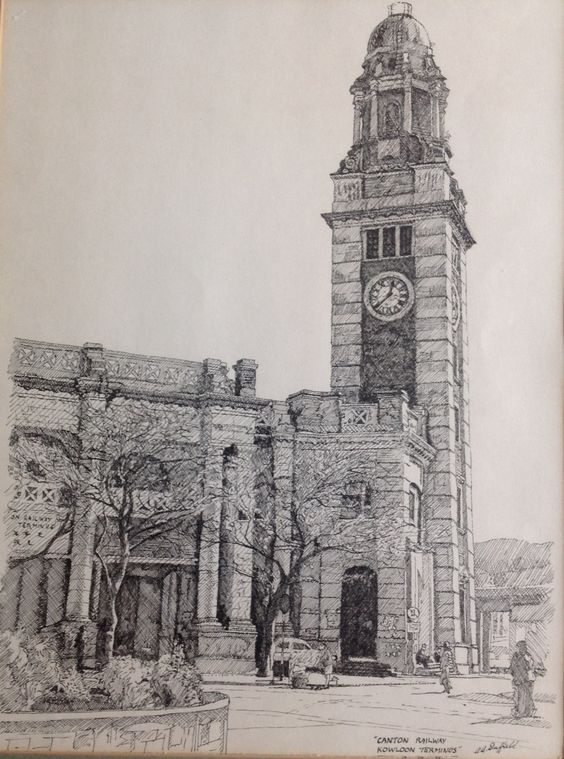
…compared with this historical depiction of one in Hong Kong…

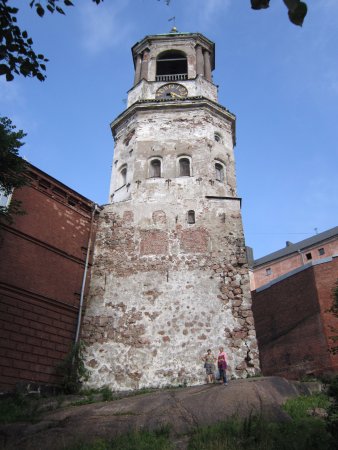
…and this one in Vyborg, Russia. Not identical, but similar constructions of heavy masonry with with the same function of time-keeping in different countries.

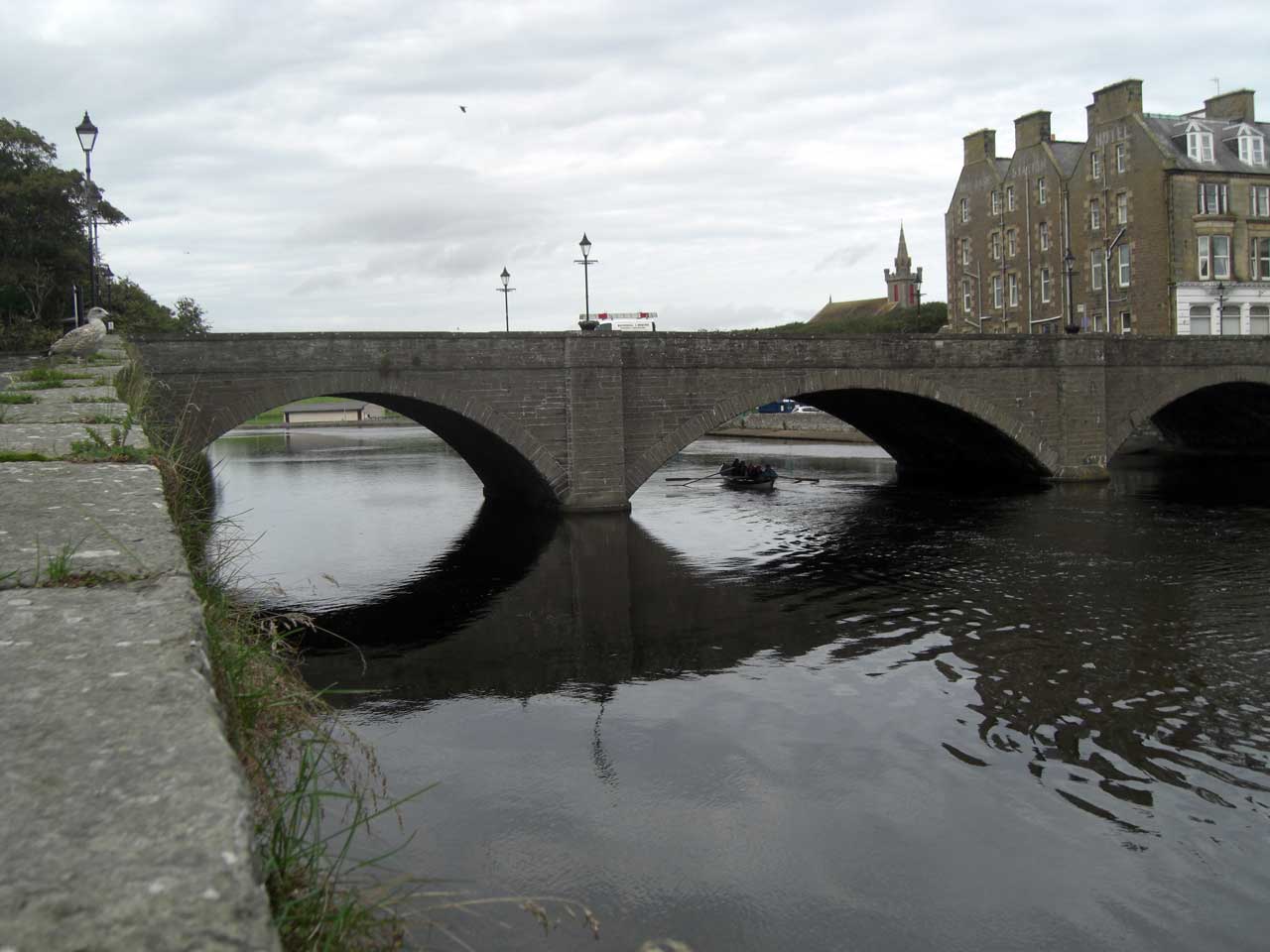
Here is the Wick River, also known as the River Wick, where it flows into Wick Bay…

…compared with what Olafsvik back in Iceland looks like again.

And is the Wick River actually a canal?

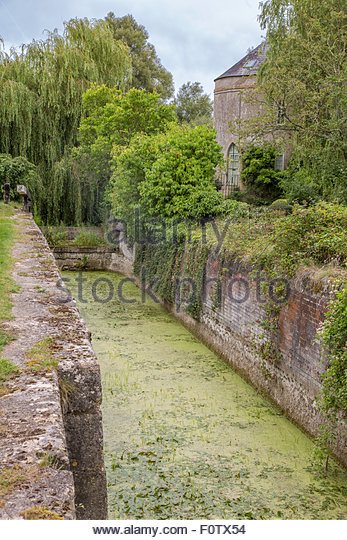
Here is a canal called a canal in Wick. Where there is one, there are others….

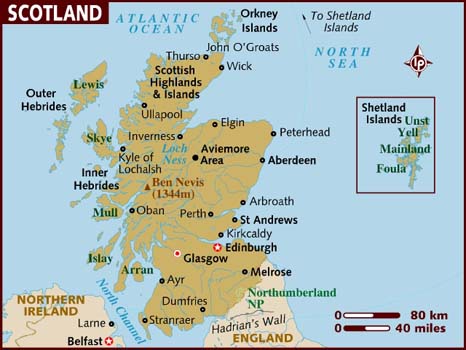
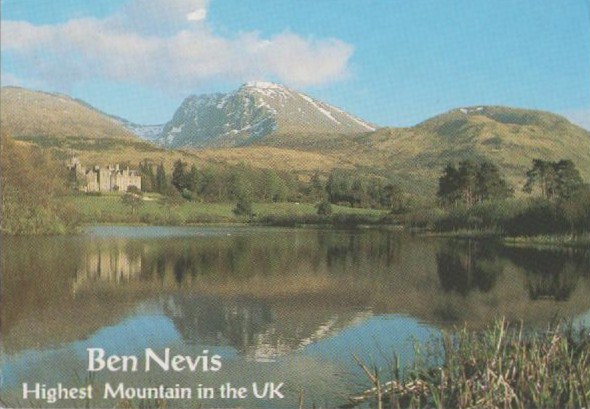
Lots more to see up here in northern Scotland, but now back to the circle alignment.  It passes through Ben Nevis…

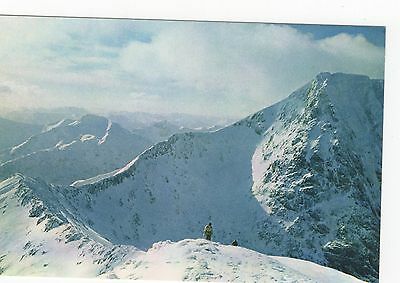
…the highest mountain in the British Isles. at the western end of the Grampian Mountains.

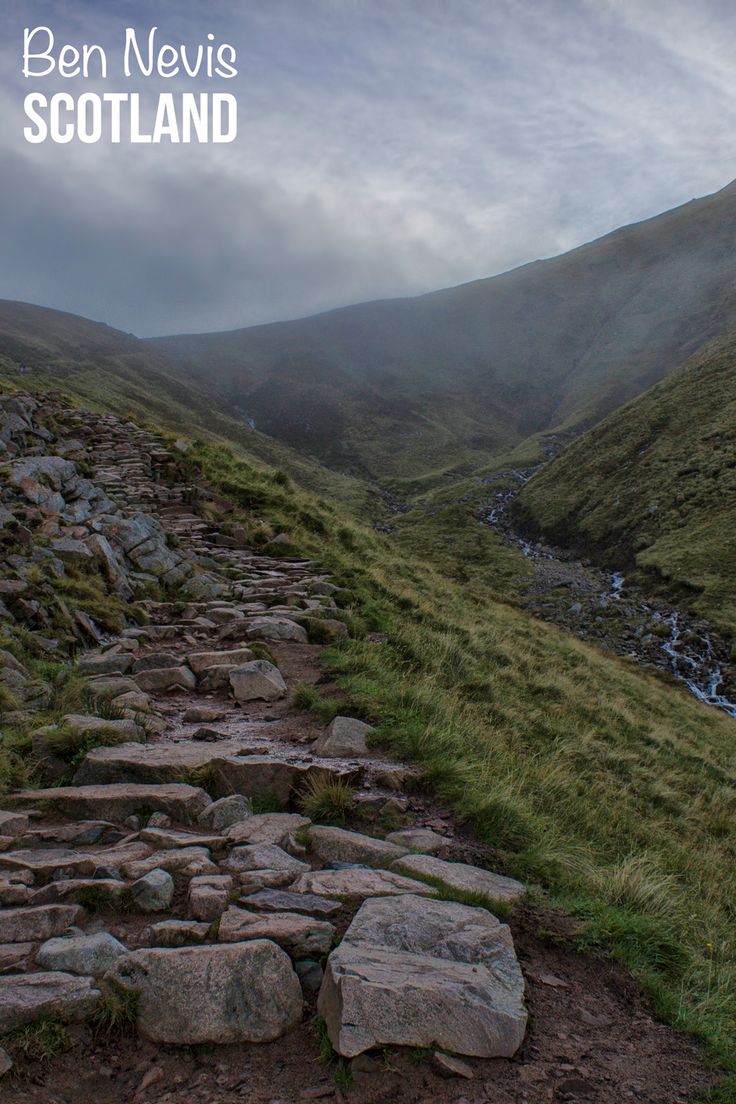
This is what the Climbing hiking trail up Ben Nevis looks like…

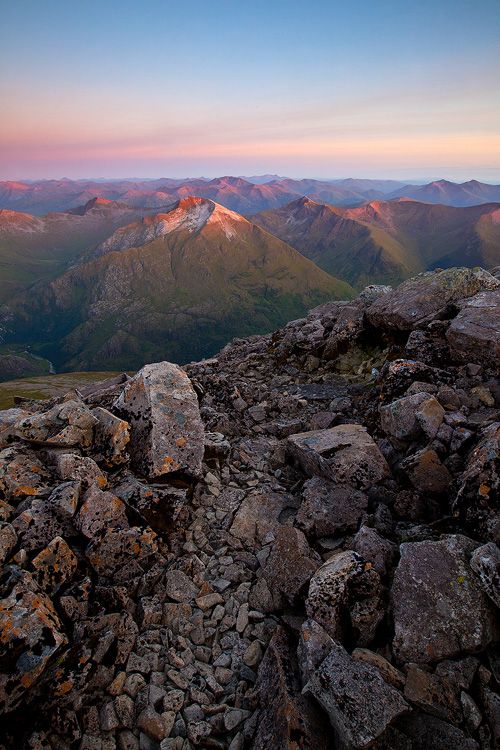
…and this is a view from the summit of Ben Nevis.

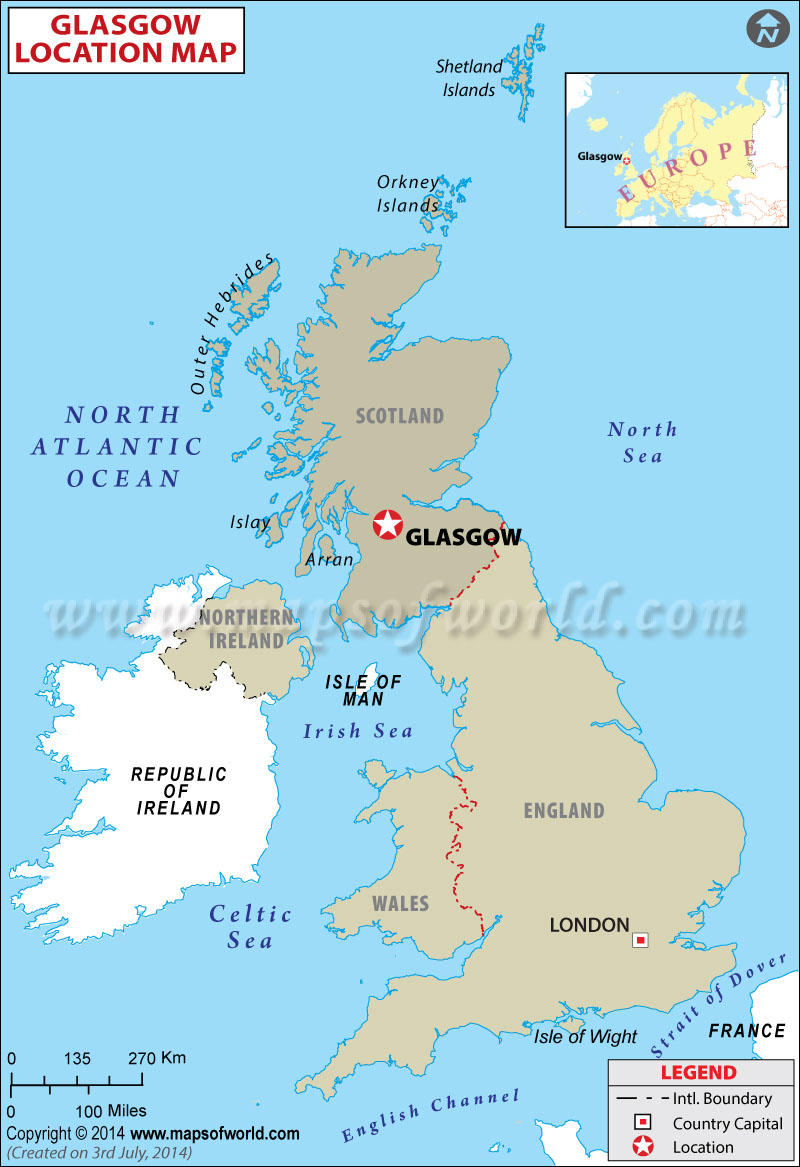
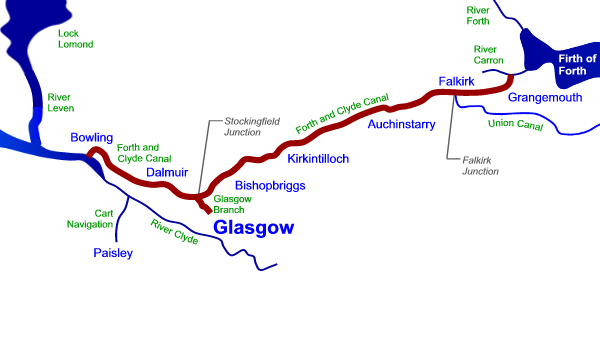
Leaving from Ben Nevis, the alignment passes close to Glasgow, the largest city in Scotland.

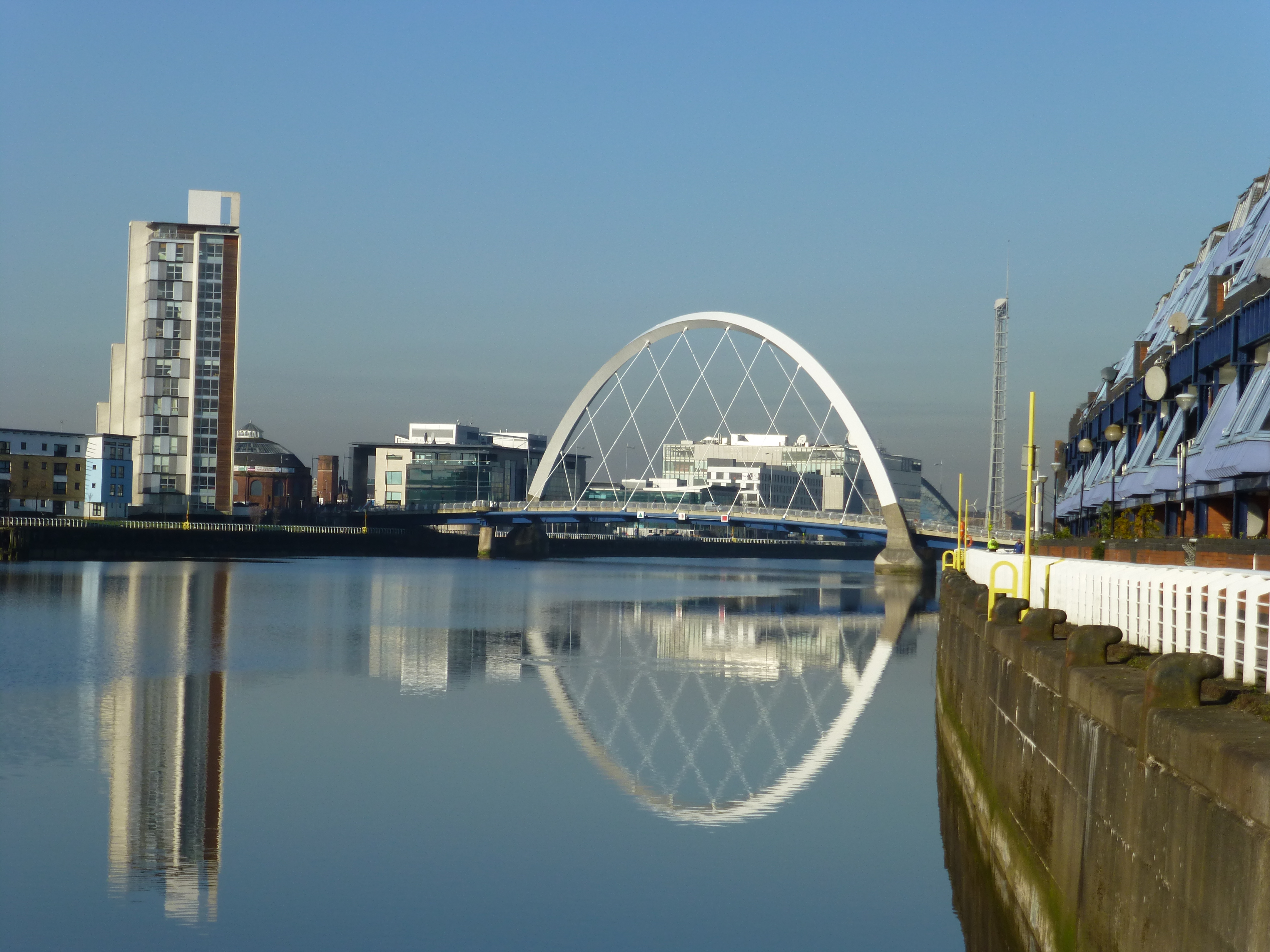
This is a view of what is called the River Clyde in Glasgow, with its canal-like appearance, and masonry river-banks…

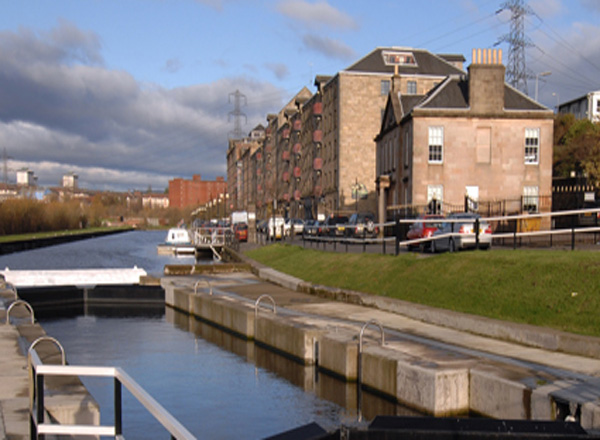
…just like the Forth and Clyde Canal…

…construction of which is said to have been started in 1768, and opened in 1790. It runs between the Firth of Forth on Scotland’s central-east coast, through Glasgow to the River Firth of Clyde.

Bear in mind, Scotland was said to be rural and agricultural until the Industrial Revolution in Scotland, which is said to have started after 1790.

How could they have built something like this when they said they did?

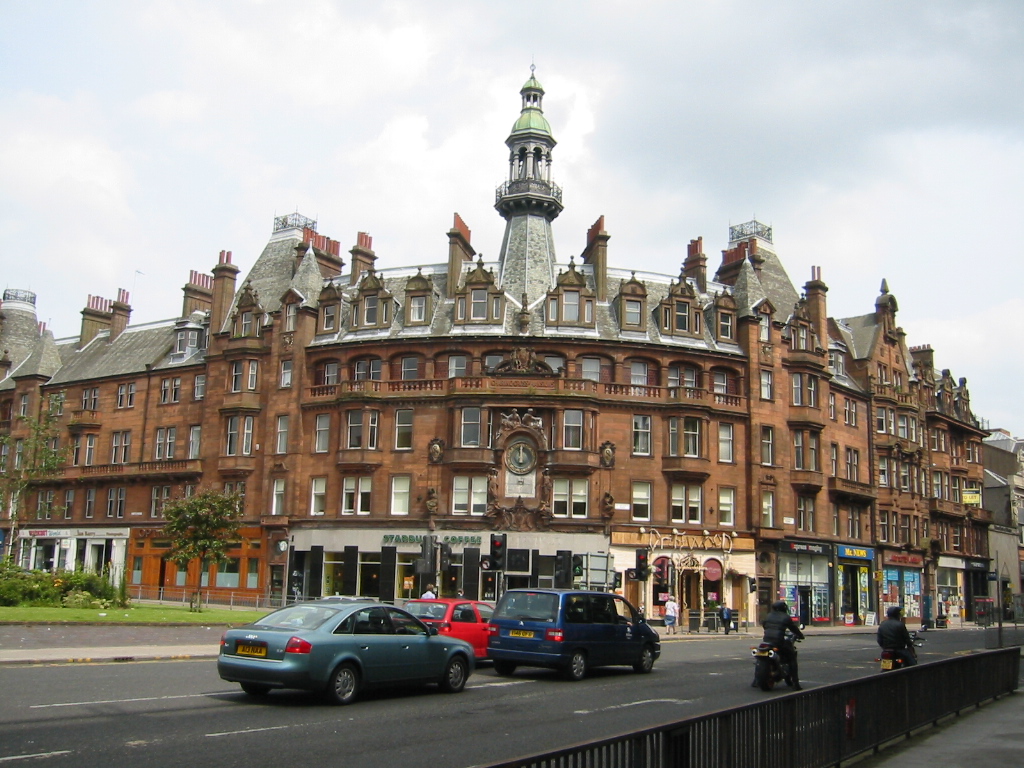
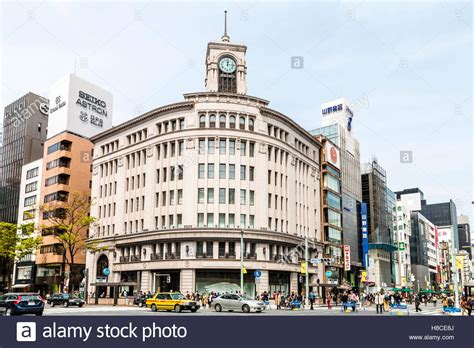
This is an historic building in Glasgow…

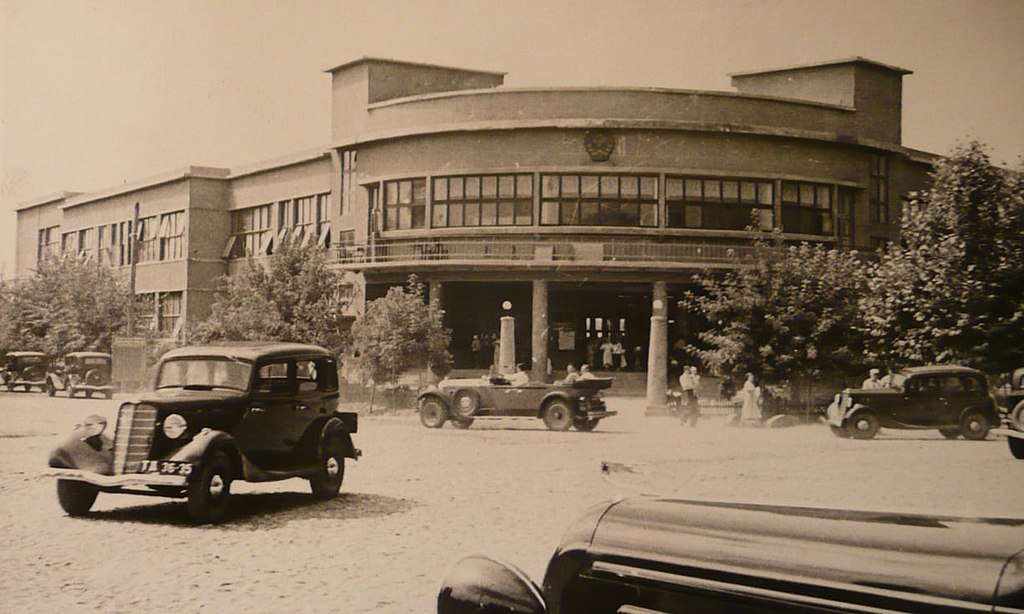
…compared with the Wako Department Store in the Ginza Shopping District of Tokyo…

…the historic post office in Dushanbe, Tajikistan, circa 1937…

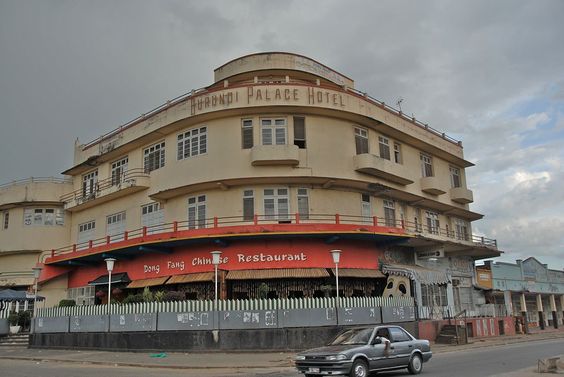
…and the Burundi Palace Hotel in East Africa.

At some point along the way, I learned about the Crystal Palace in London’s Hyde Park, said to have been built of cast-iron and plate-glass solely for the Great Exhibition of 1851 in which to display the technology developed in the Industrial Revolution…

..after which time it was said to have been moved to South London in 1854, and destroyed by fire in 1936.

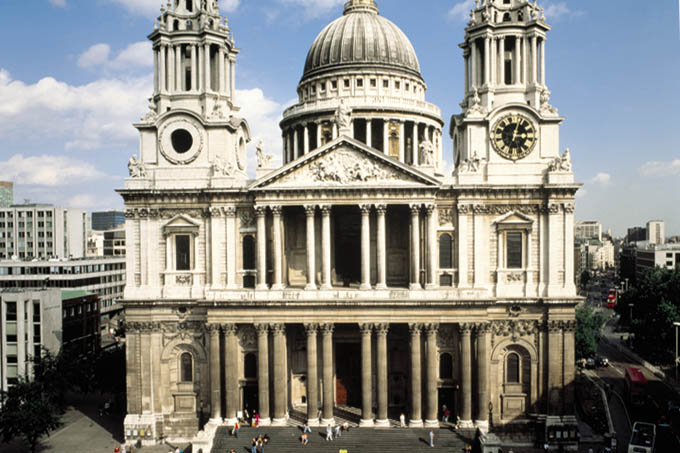
What! A building of plate-glass and cast-iron, said to be three times larger than St. Paul’s Cathedral in London, shown here…

…just up and moved?

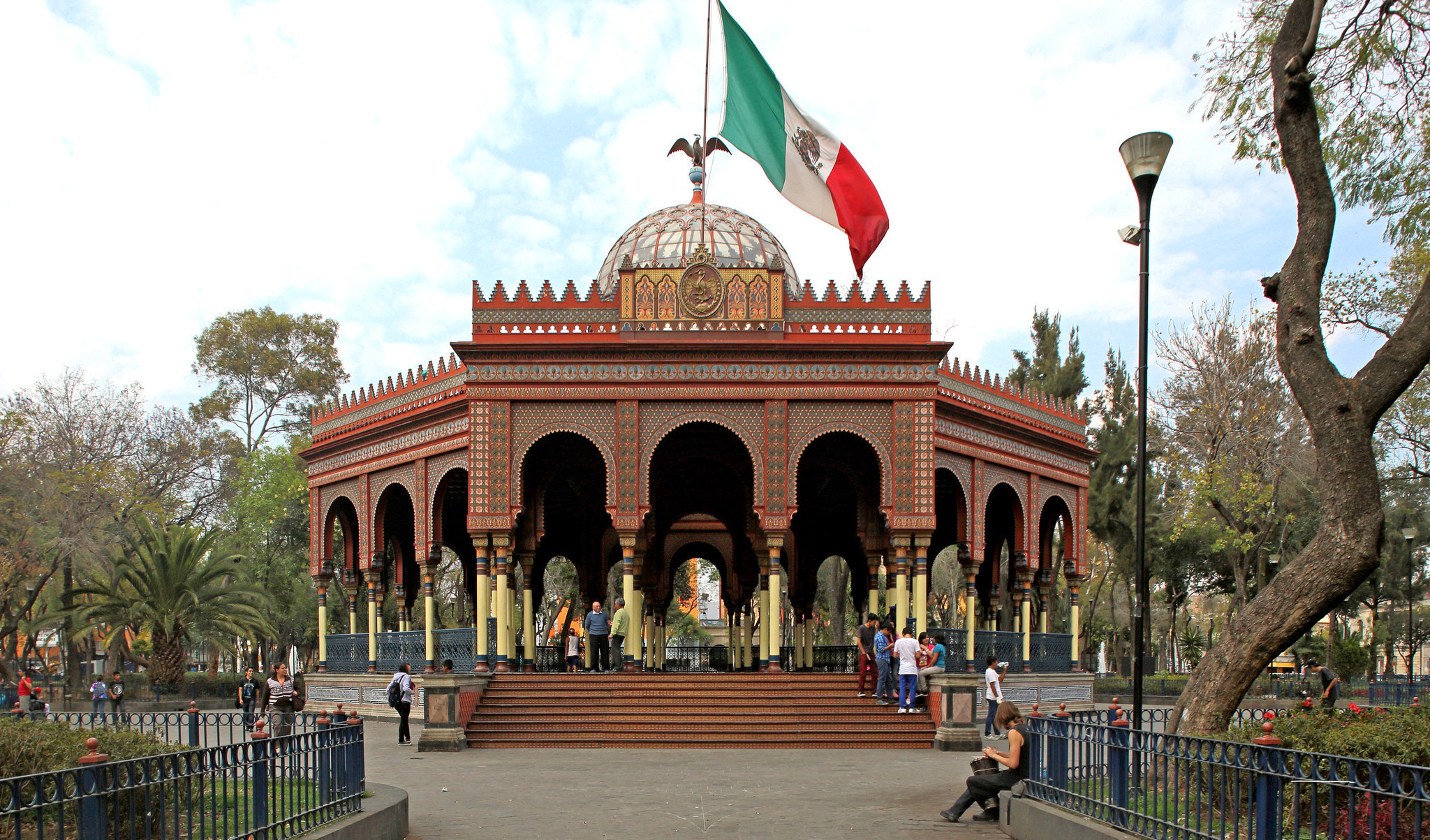
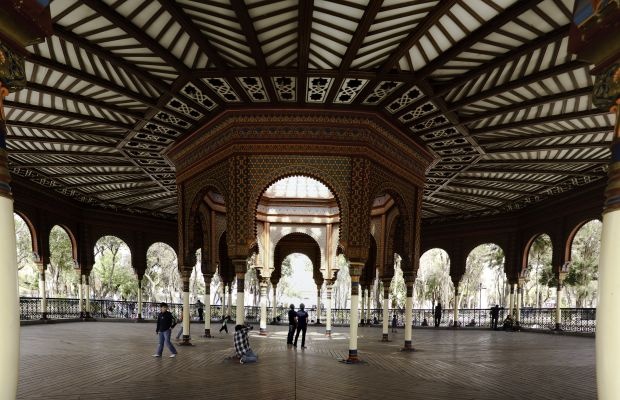
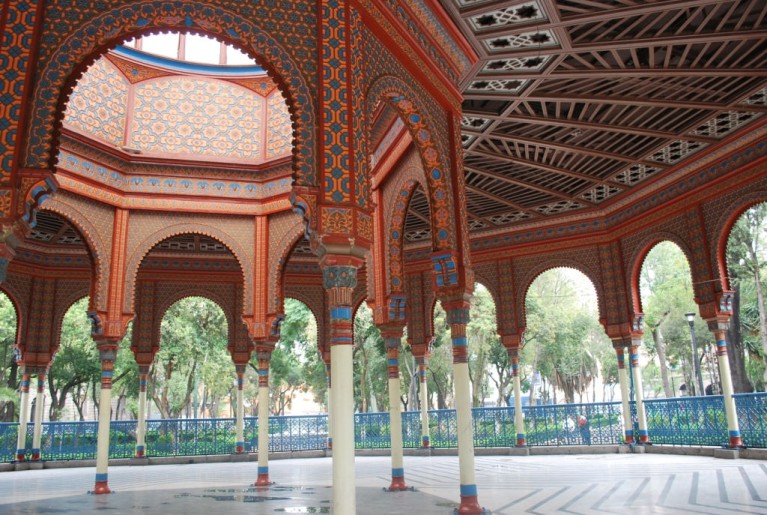
The same kind of story is told about the Moorish Kiosk in Mexico City, which is still standing.

The person who gets the credit for it was a Mexican engineer named Jose Ramon Ibarrola.   He  is said to have designed it to represent Mexico in the New Orleans International Expo in 1884 – 1885.  We are told it was transported there, as well as to the St. Louis Missouri Fair in 1904, and then subsequently came back to Mexico. 

By what means could they have transported this huge, highly ornate structure, twice, in the late 1800s and early 1900s?

The reason I bring all of this up about the Crystal Palace in London, and the Moorish Kiosk in Mexico City, is because of what I found in Glasgow.

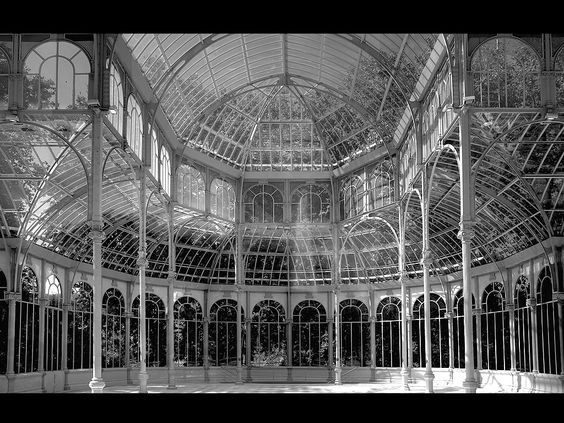
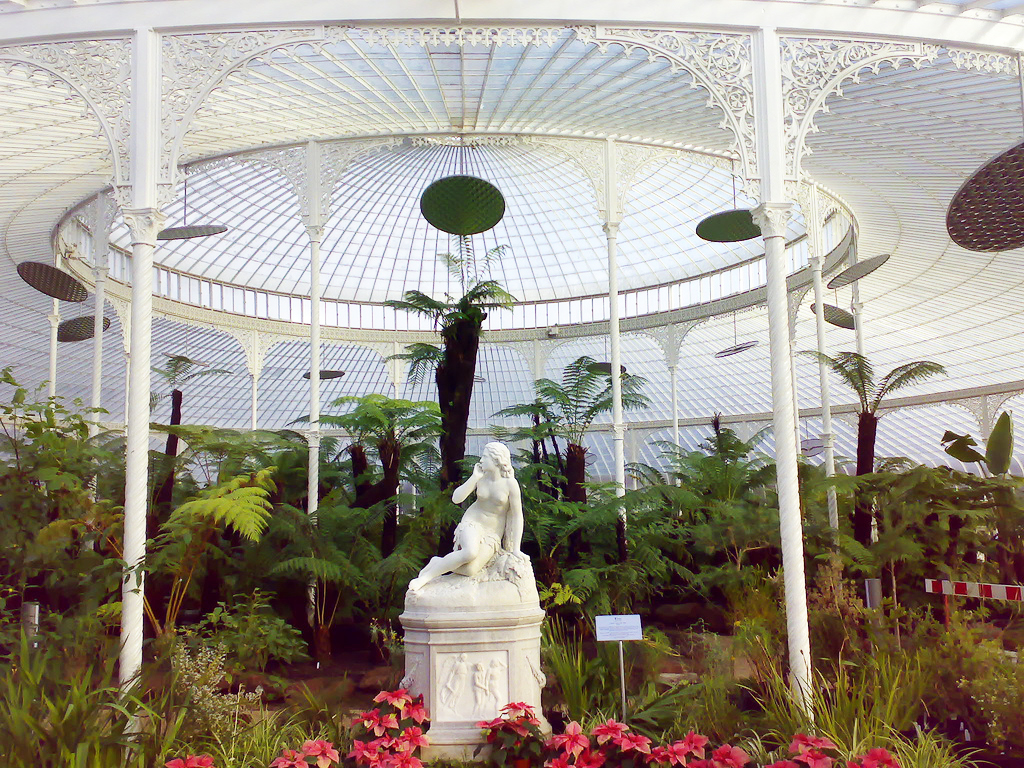
This is inside the Kibble Palace of the Glasgow Botanic Garden.

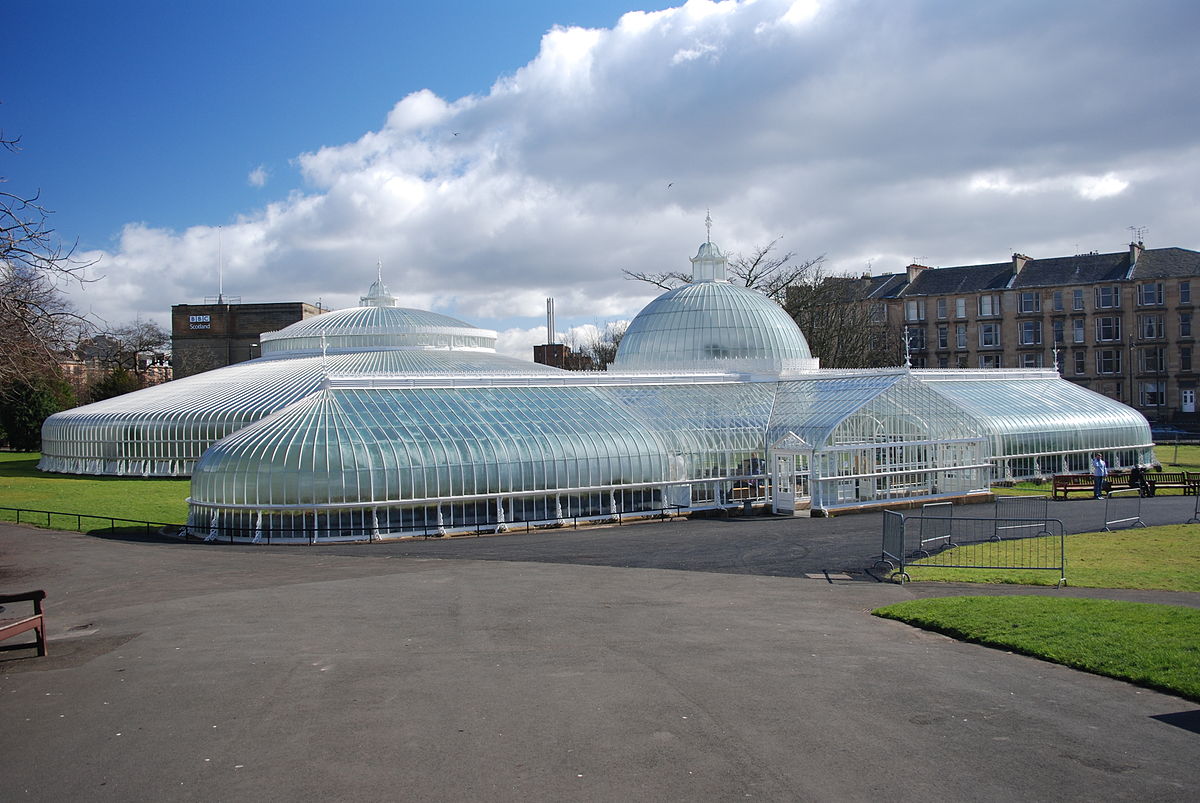
This is an outside view of the Kibble Palace, a wrought-iron, framed, glass-house, said to have been by John Kibble for his home on Loch Long in 1865. It was said to be taken down in 1871, and re-erected here. It opened to the public in 1873.

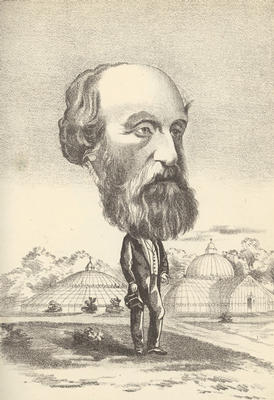
This is an odd depiction of John Kibble, and showing the Kibble Palace in the background too! Monty Python, anyone?

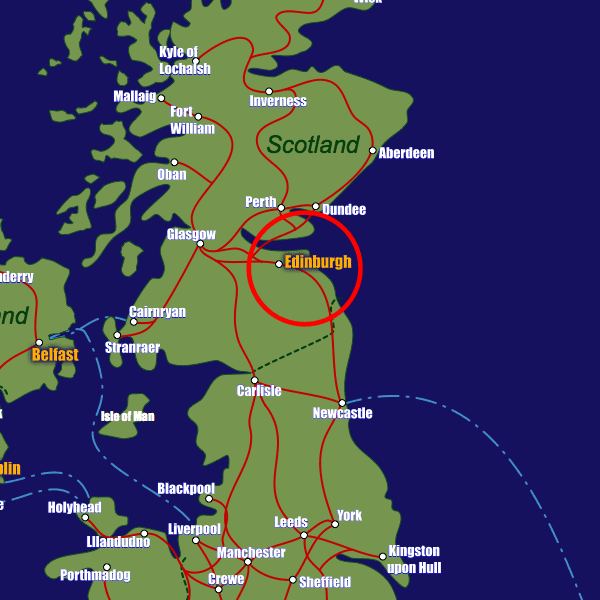
The next place the alignment passes through is Edinburgh, the capital city of Scotland.

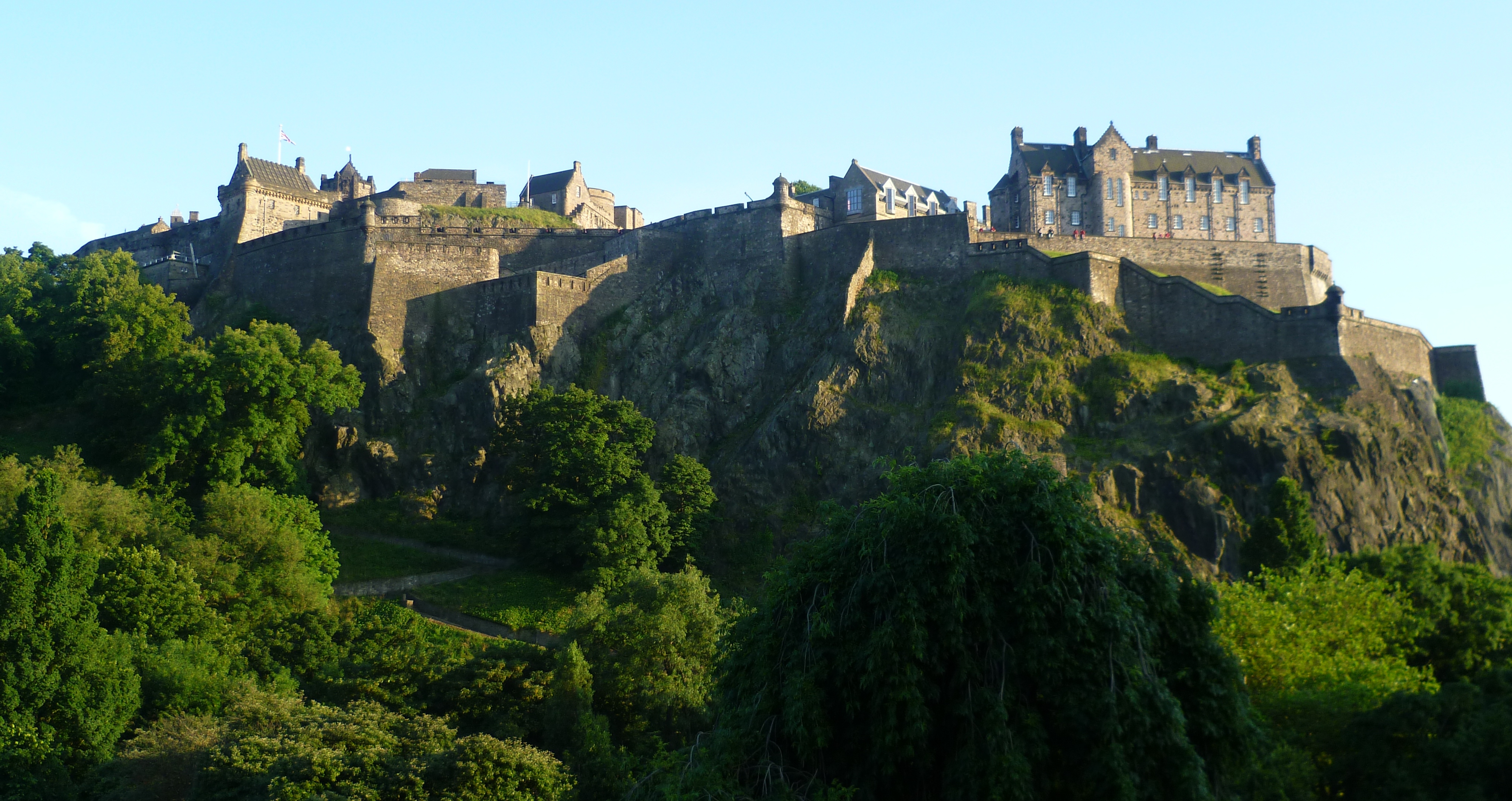
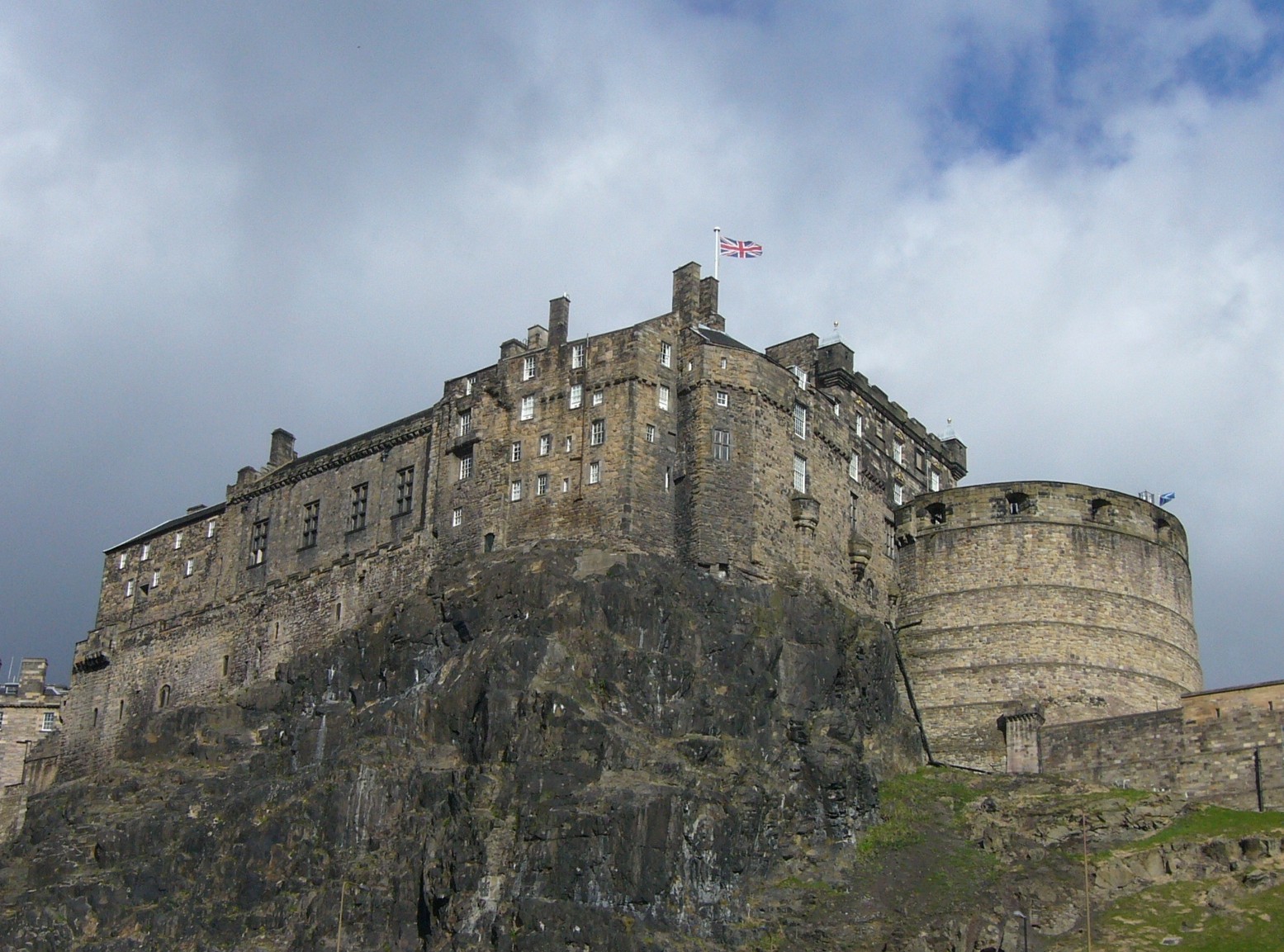
The fortress of Edinburgh Castle dominates the city at the head of Old Town…

….from its position on Castle Rock, called a crag of basalt formed from an extinct volcano that has a tail that became…

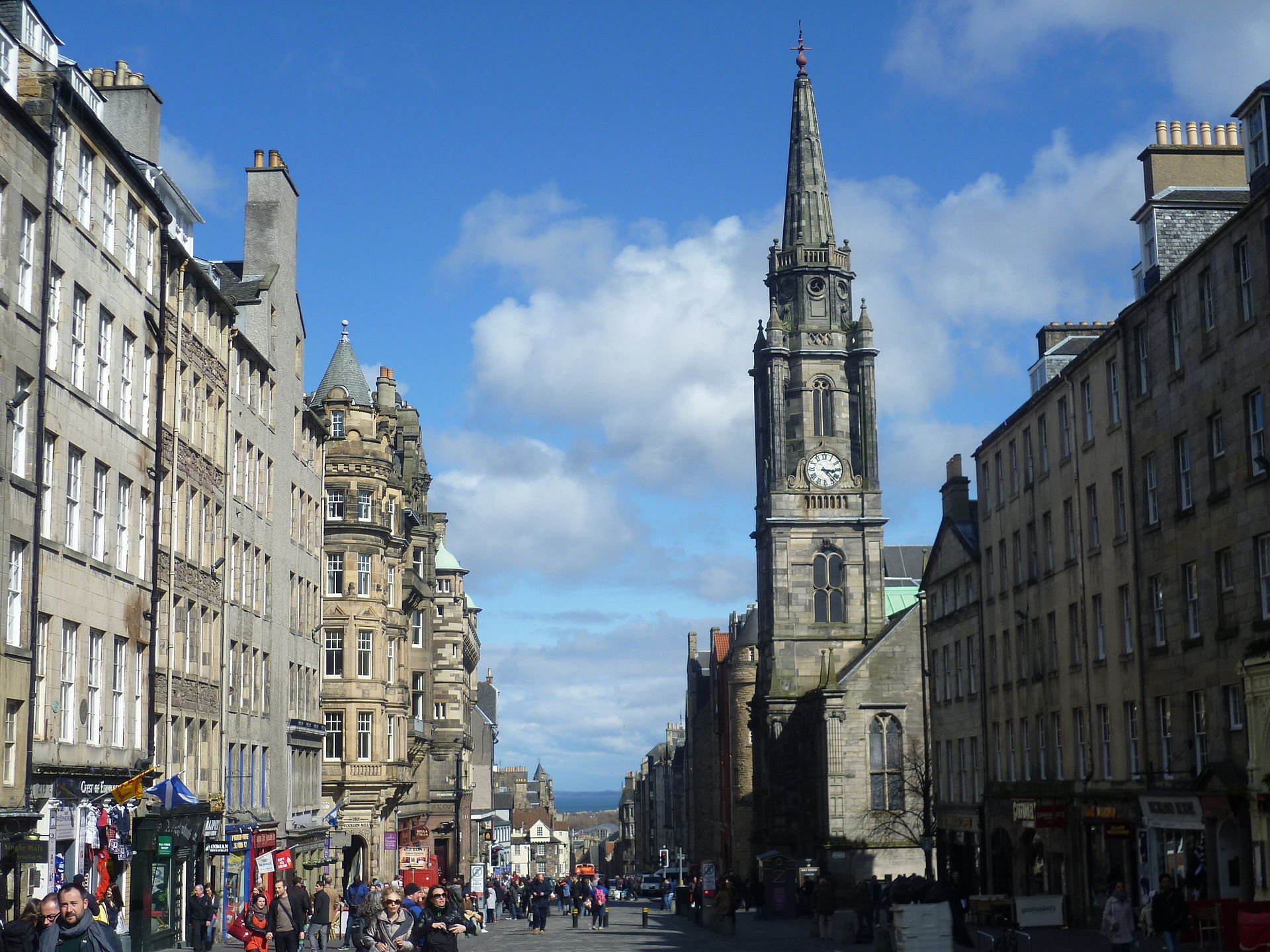
…the gently sloping Royal Mile of Edinburgh, the main thoroughfare of Old Town and seat of government of Scotland…

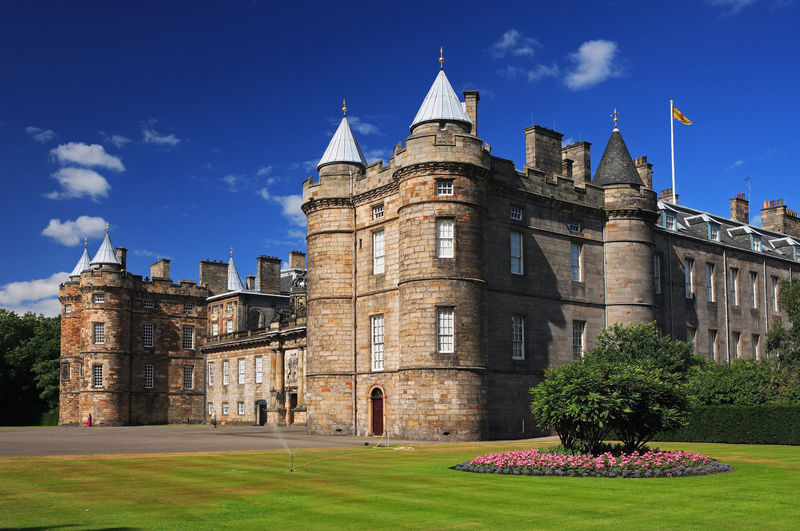
…on its way to the Palace of Holyroodhouse, the official residence of the monarch in Scotland.

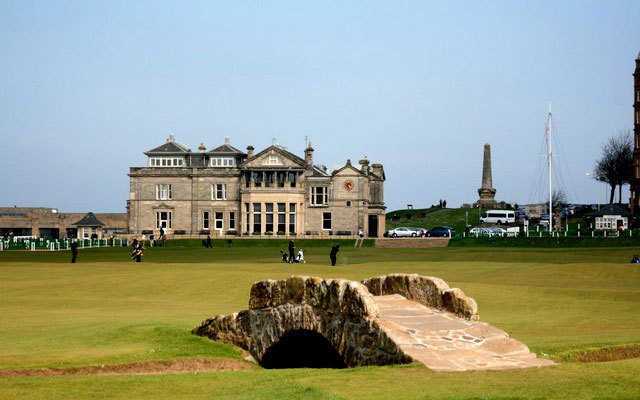
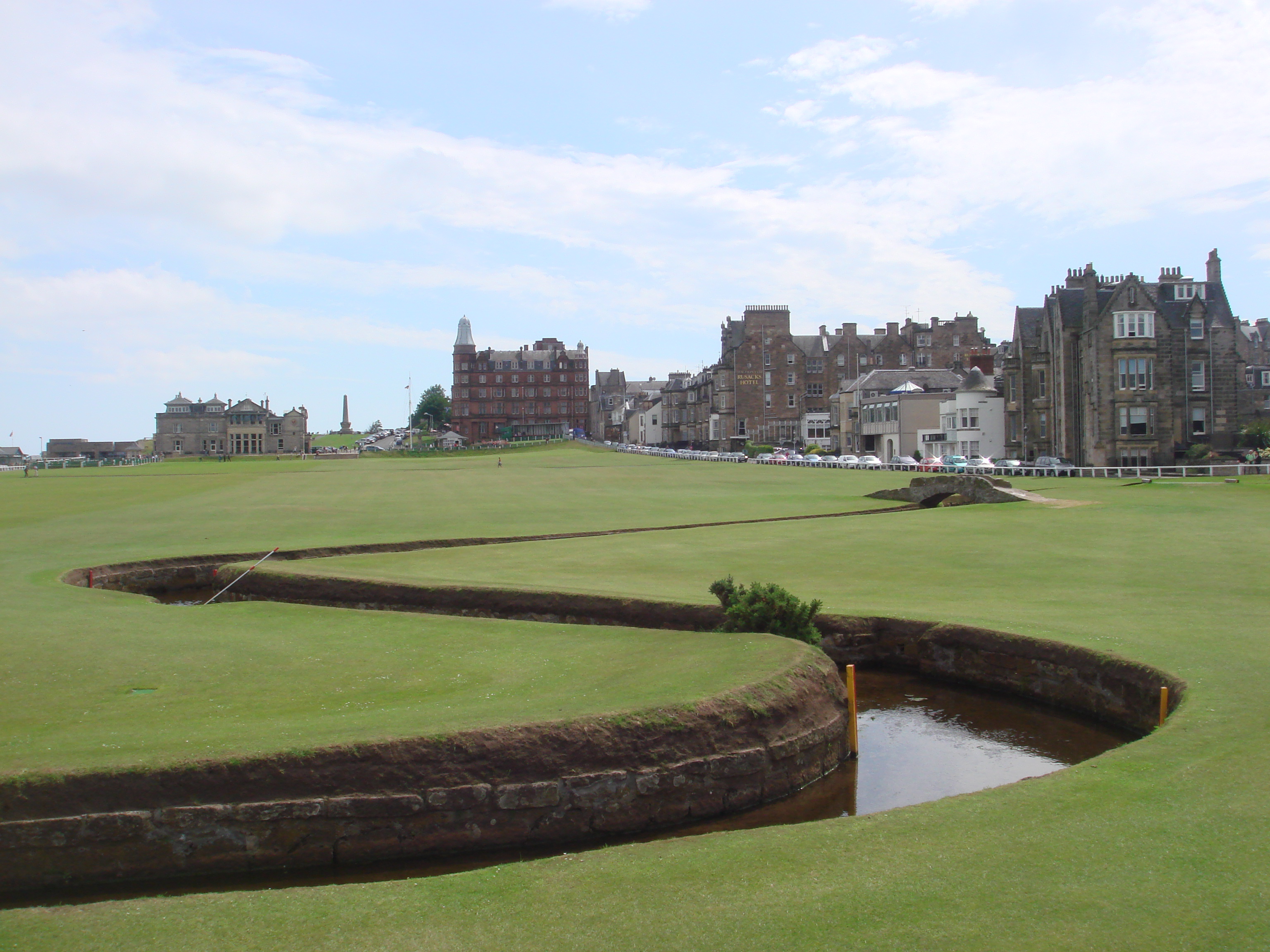
St. Andrews, Scotland, is 30 miles, or 50 kilometers, northeast of Edinburgh. It is referred to as the home of golf, with the founding in 1754 of the “Royal and Ancient Golf Club of St. Andrews,” the world’s oldest and most prestigious golf club.

To be clear, I believe that golf courses are ancient mound sites, and are used as a means to not only cover them up, but to secretly show dominance over the ancient civilization.

I believe that Humanity was deliberately knocked off its advanced and positive evolutionary timeline of Unity Consciousness relatively recently, and that the planetary grid was hijacked by malevolent forces with a negative agenda that has had disastrous consequences for Humanity.

This is not who we were or who we are. We have been manipulated by race and religion to cause fear and division by parasitic beings who feed on negativity and human energy.

Please read my post “An Explanation for What Happened to the Positive Timeline of Humanity, and Associated Historical Events & Anomalies” for an in-depth exploration of this subject.

A false historical narrative, that we have been completely educated in, was superimposed on top of the already existing infrastructure of the highly advanced and unified civilization, which included free energy powered by the worldwide planetary grid.

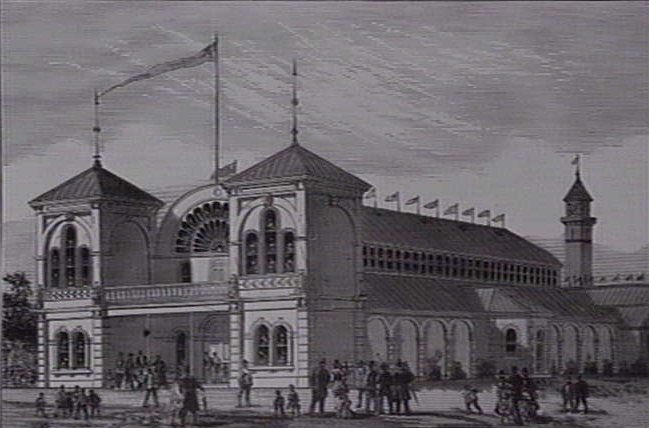
Much of this infrastructure has been torn down, like the Exhibition Hall and Market Square Tower in Geelong, Australia pictured here. This is one of countless examples.

In order to get the level of power and control over Humanity that we have seen in our lifetimes, the higher consciousness of the planet had to be taken down.

I bring all of this up to illustrate this process of manufacturing a new culture and inventing a new history, as already evidenced by the flimsy stories I have covered in this post. We don’t have to look any further than the Scottish House of Stuart.

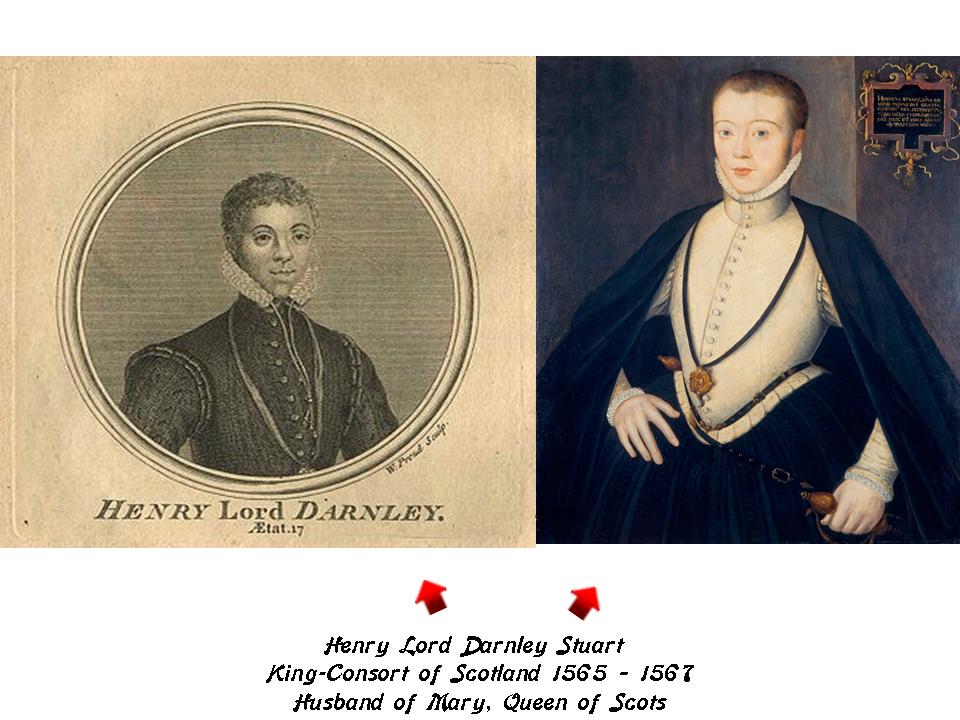
First, here are two portraits of Henry Lord Darnley Stuart. He was the King-Consort of Scotland from 1565 to 1567 as the husband of Mary, Queen of Scots. He was murdered in Edinburgh in 1567. The murder was never solved, however, it appeared to be related to some kind of court intrigue.

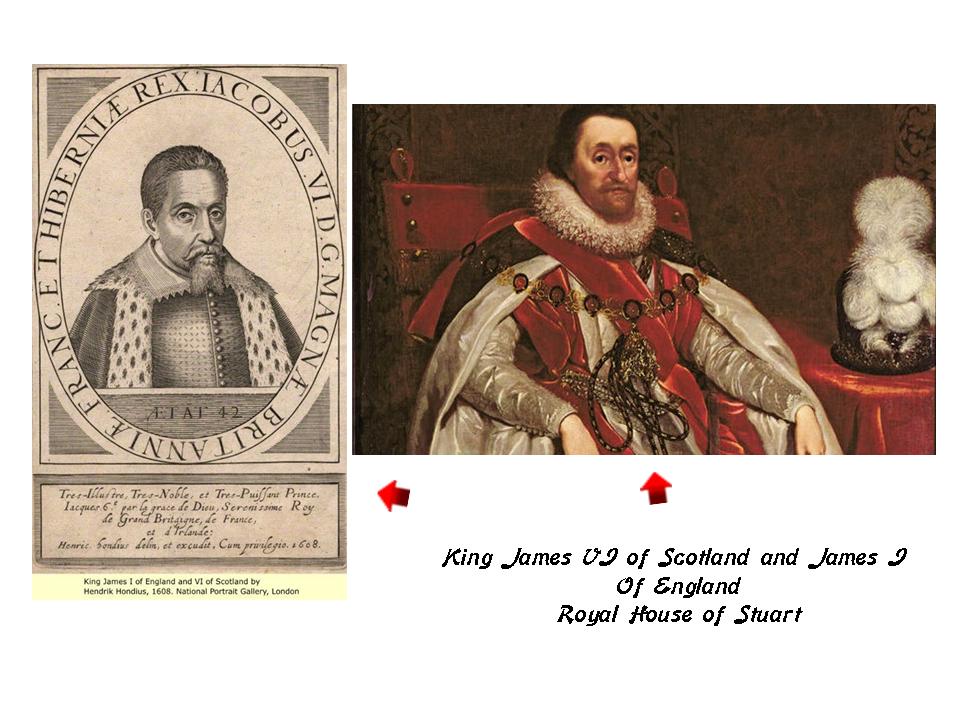
Henry Lord Darnley was the father of King James VI, who became King of Scotland in 1567. In addition to the Scottish throne, he became King James I of England and Ireland, the King James Version of the Bible King James, when Queen Elizabeth I died in 1603.

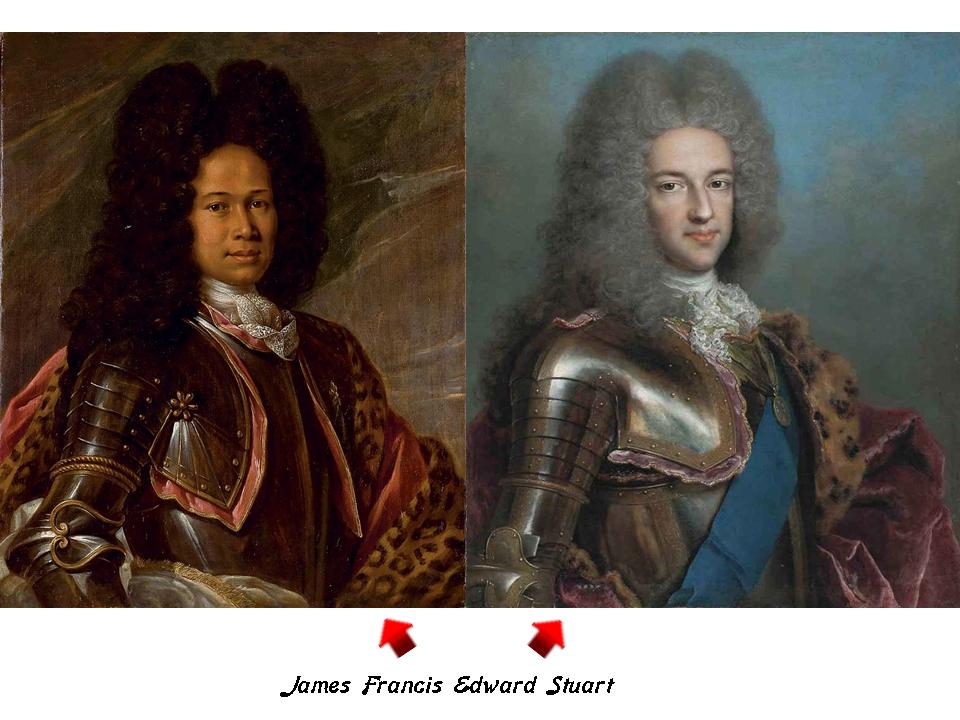
This is James Francis Edward Stuart. Known to history as the “Pretender,” he was first exiled to France, and then to Rome, where he died in 1766. He would have been heir to the three thrones, but was forcibly prevented from claiming them when he tried to do so.

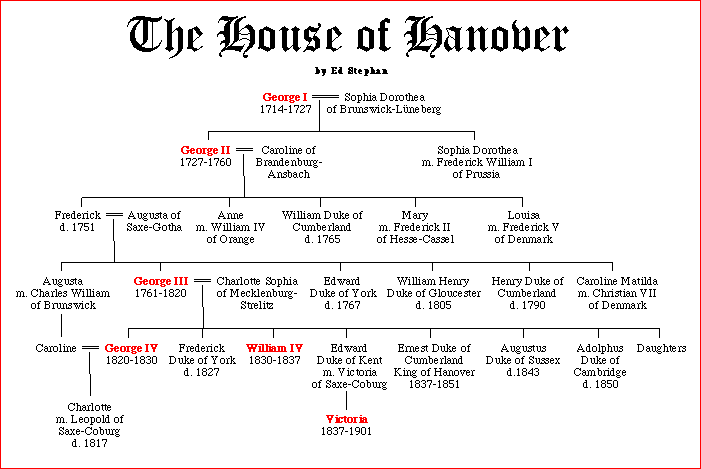
The interesting thing about this specific period of time when James Francis Edward Stuart is forced into exile in France in 1710, was right before George I, of the German House of Hanover, became the British Monarch in 1714. I think Scotland, England and Germany were key places in how the timeline was hijacked.

Here are more examples of manufacturing a new culture, and inventing a new history.

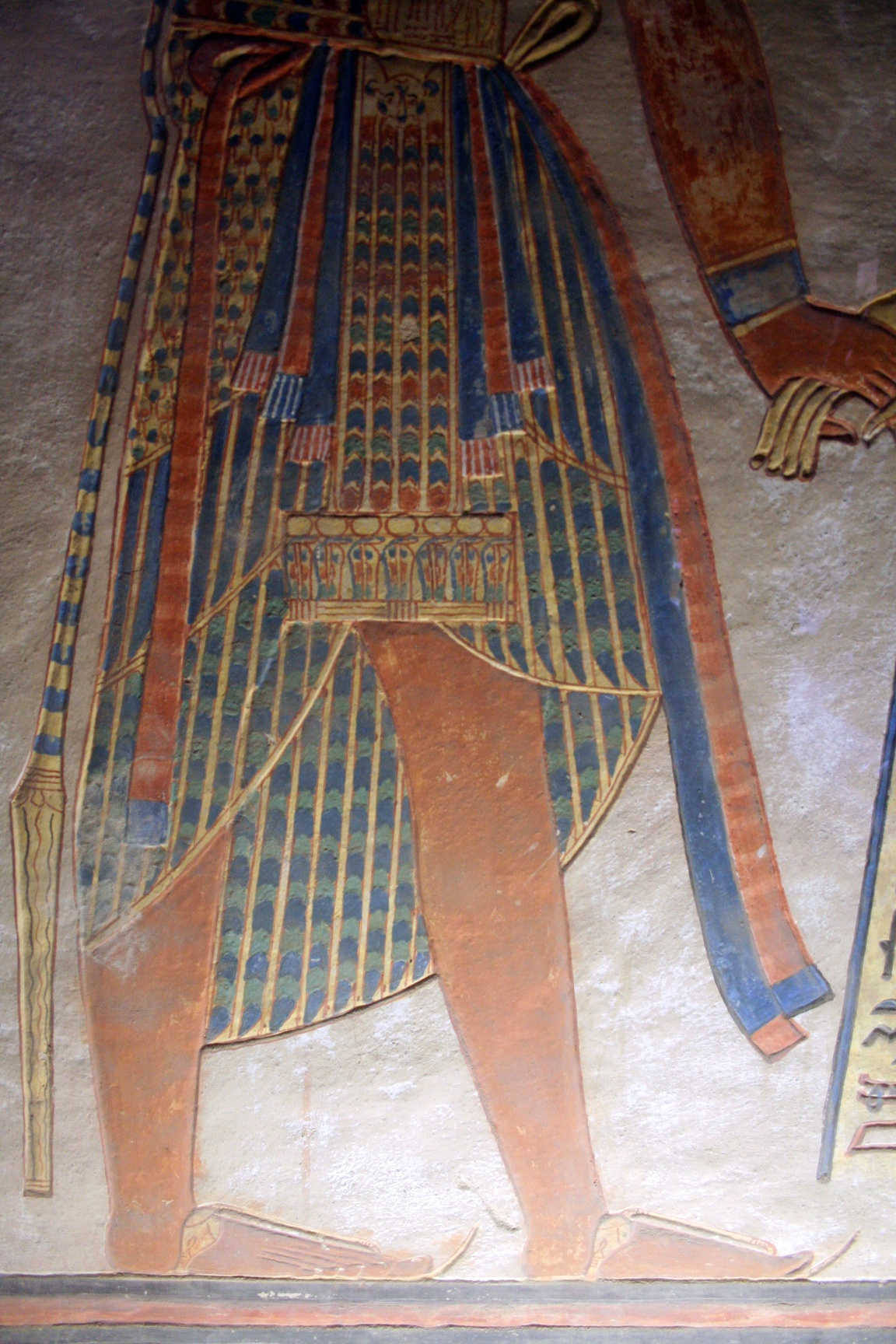
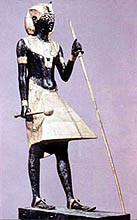
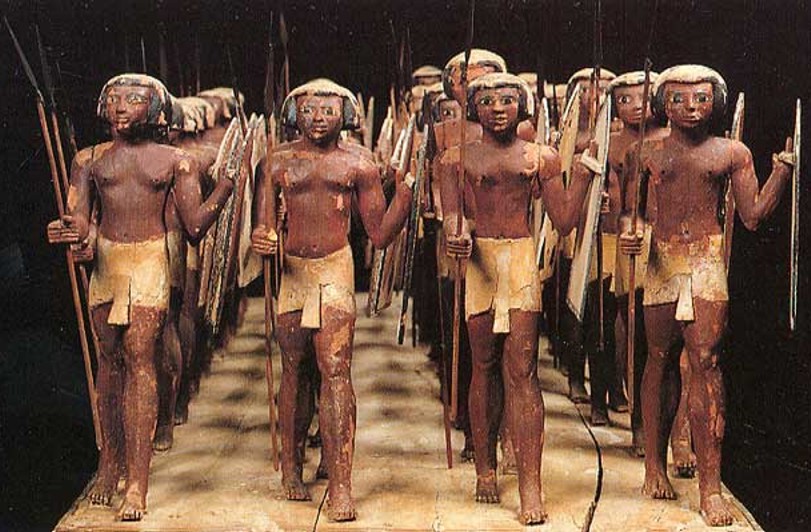
This is an Egyptian kilt. It was called a Shendyt.

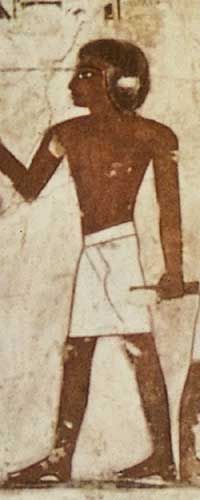
It was worn about the waist by men, usually extending to above the knees.

They were depicted on pharaohs…

…commoners…

…and soldiers in Egyptian art.

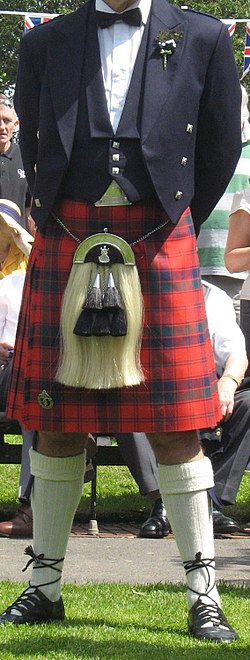
This is a Scottish kilt, the traditional dress of Gaelic men and boys in the Scottish Highlands, worn formally or informally above the knees in the present day…

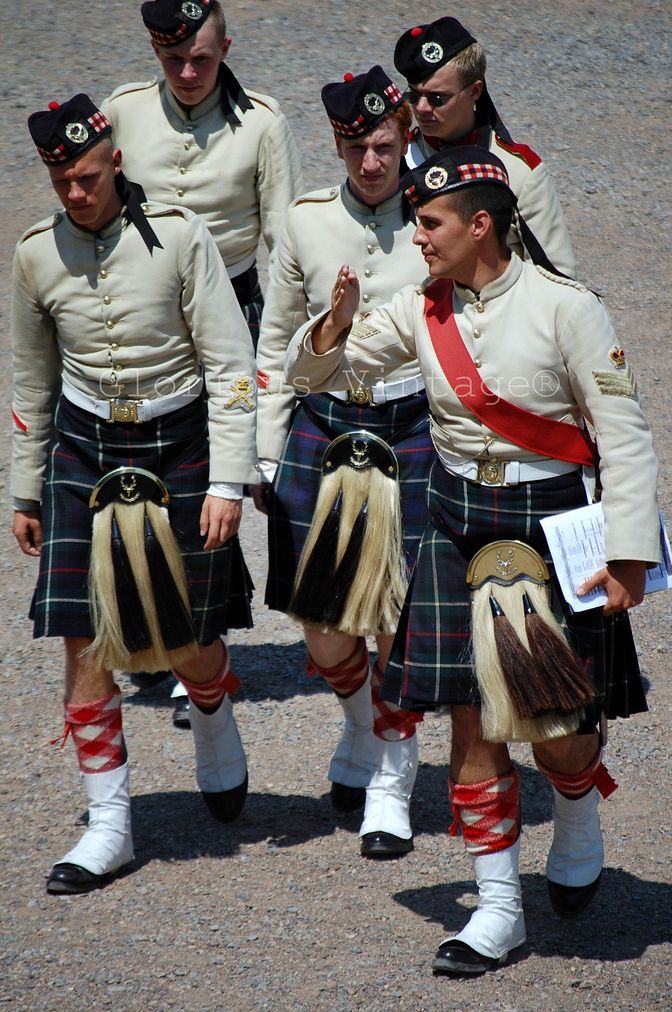
…and is part of the uniform for Scottish regiments.

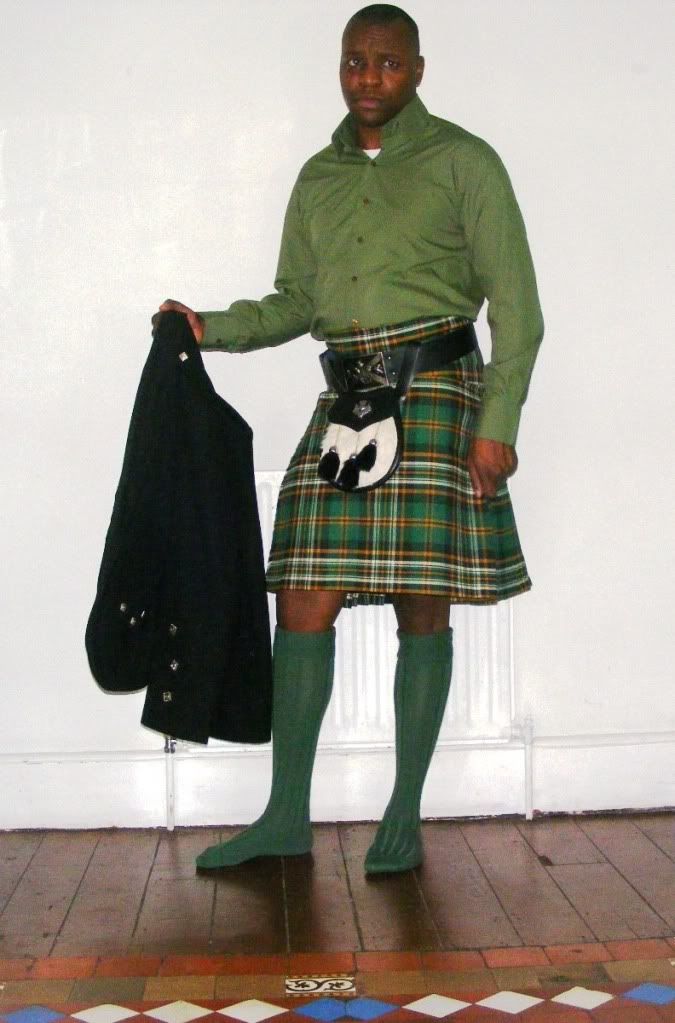
Other Celtic countries and regions have kilts as traditional wear for men. This is an Irish kilt.

So, who were the Celts, really?

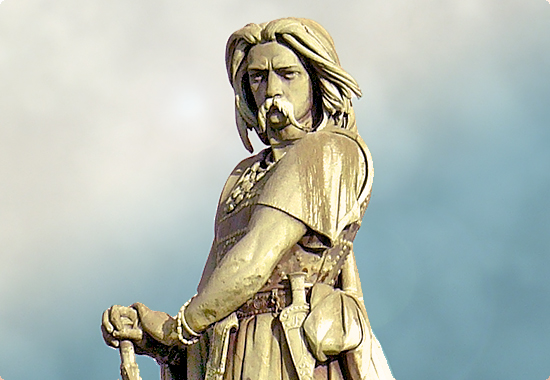
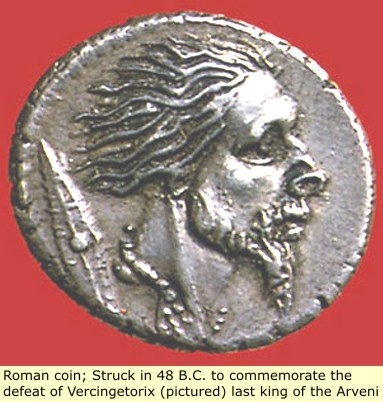
Vercingetorix was a famous Celtic king and chieftain of the Averni in Gaul, now France, who bravely fought Julius Caesar’s Roman troops, but was eventually captured and killed.

This is a typical depiction of Vercingetorix…

…compared with this profile of his head on a Roman coin commemorating his defeat.

I think our history has been white-washed based on real people, and that the truth about historical places and events has been fragmented and falsified. I don’t think the True History of Humanity bears any resemblance to what we have been taught.

It is time to awaken and return to Who We Were and Who We Are. We Are All One. There is No Separation.

In the next post, I will be continuing along the alignment to Leeds, England.

Circle Alignments on the Planet Algiers – Part 12 Olafsvik, Iceland to the Hebrides Islands, Scotland

In the last post, the circle alignment originating in Algiers, was tracked from Inukjuak on the Hudson Bay, over the Ungava Peninsula of Northern Quebec, across the Hudson Strait to Baffin Island in the Canadian Territory of Nunavut, and from there across the Davis Strait of the Labrador Sea into Greenland, on through to Tasiiluq in Greenland’s east coast.

In this post, I am picking up the alignment in Olafsvik, a township in western Iceland on the Snaefellsnes Peninsula, located northeast of the Snaefellsjokull National Park, the first national park established in Iceland…

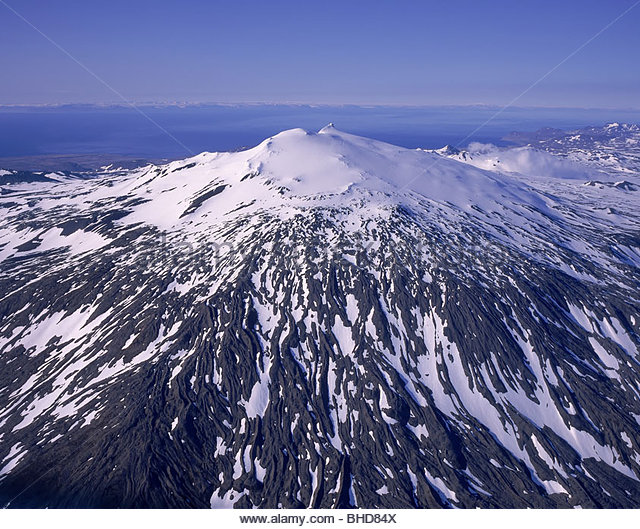
…and named for its famous ice-covered stratovolcano and glacier, said to be one of seven great energy centers of the Earth…

…and which was an entrance to Inner Earth in Jules Verne’s classic 1864 novel, “Journey to the Center of the Earth.” In the novel, the German adventurers came to the surface of the earth again at the Stromboli volcano of the north coast of Sicily. I wonder how Verne came up with that unusual story line!

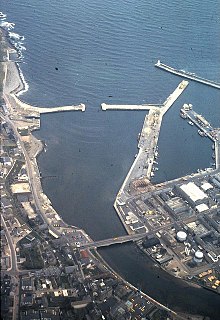
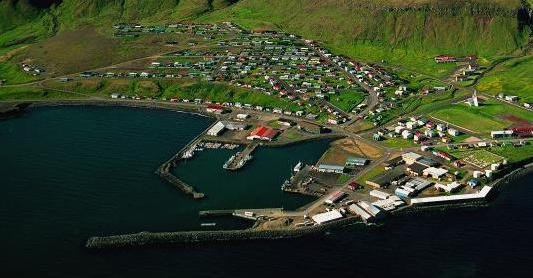
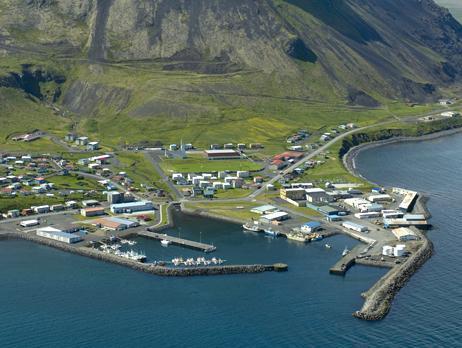
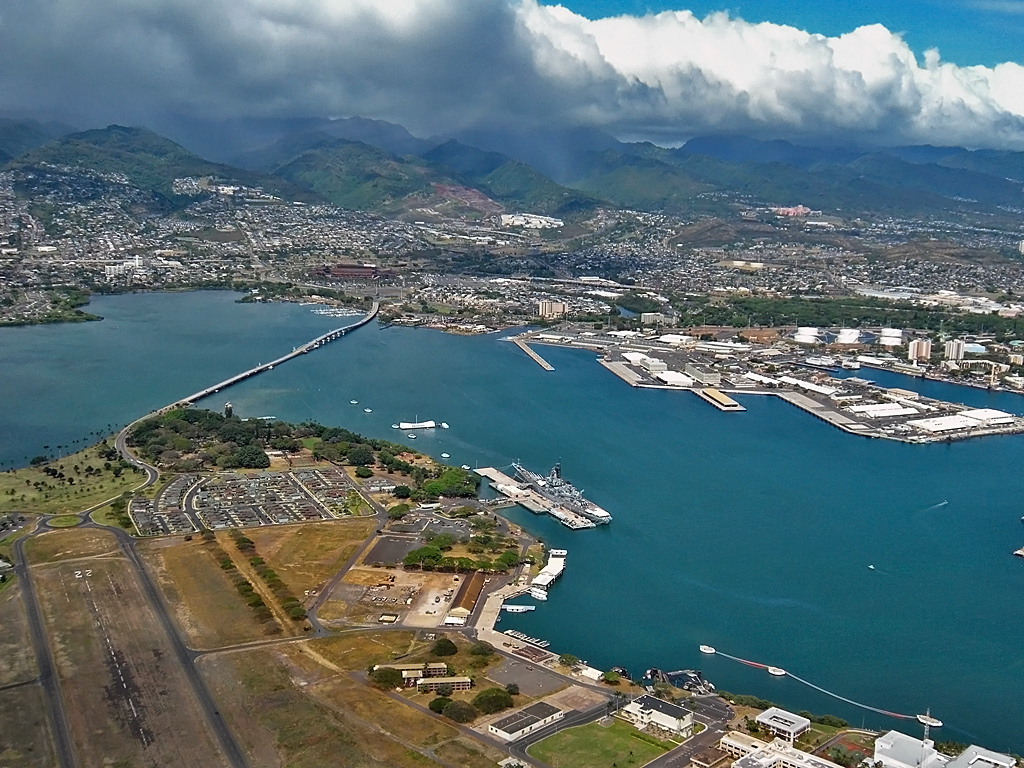
Back to Olafsvik, a small township with a population around 1,000 people, is described as a fishing village. It’s shaped harbor, on Iceland’s west coast in the North Atlantic Ocean, is exactly like shaped harbors found around the world…

…like Pearl Harbor, on Oahu in the Hawaiian Islands in the Pacific Ocean…

…at Funchal, the largest city of the Portuguese Madeira Islands, located in the Atlantic Ocean southwest of Portugal, and west of Morocco…

…Port Louis in the island nation of Mauritius in the Indian Ocean…

…and the harbor at Chichi-Jima in Japan’s Bonin Islands in the Pacific Ocean south of Japan’s main islands.

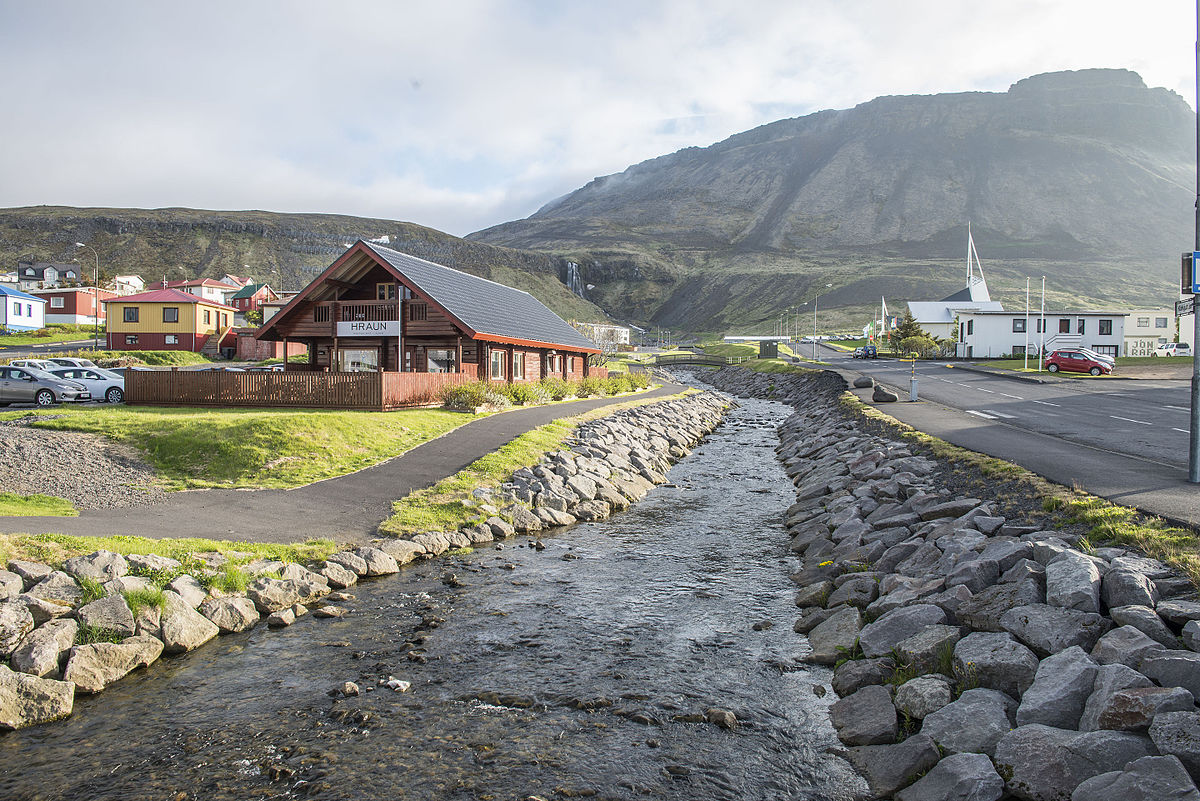
Interesting to note the presence of these massive stones on the Olafsvik waterfront…

…and what looks to be a canal, lined on either side with large stones. All of these stones shown have the angles and edges of having been worked and shaped in some fashion.

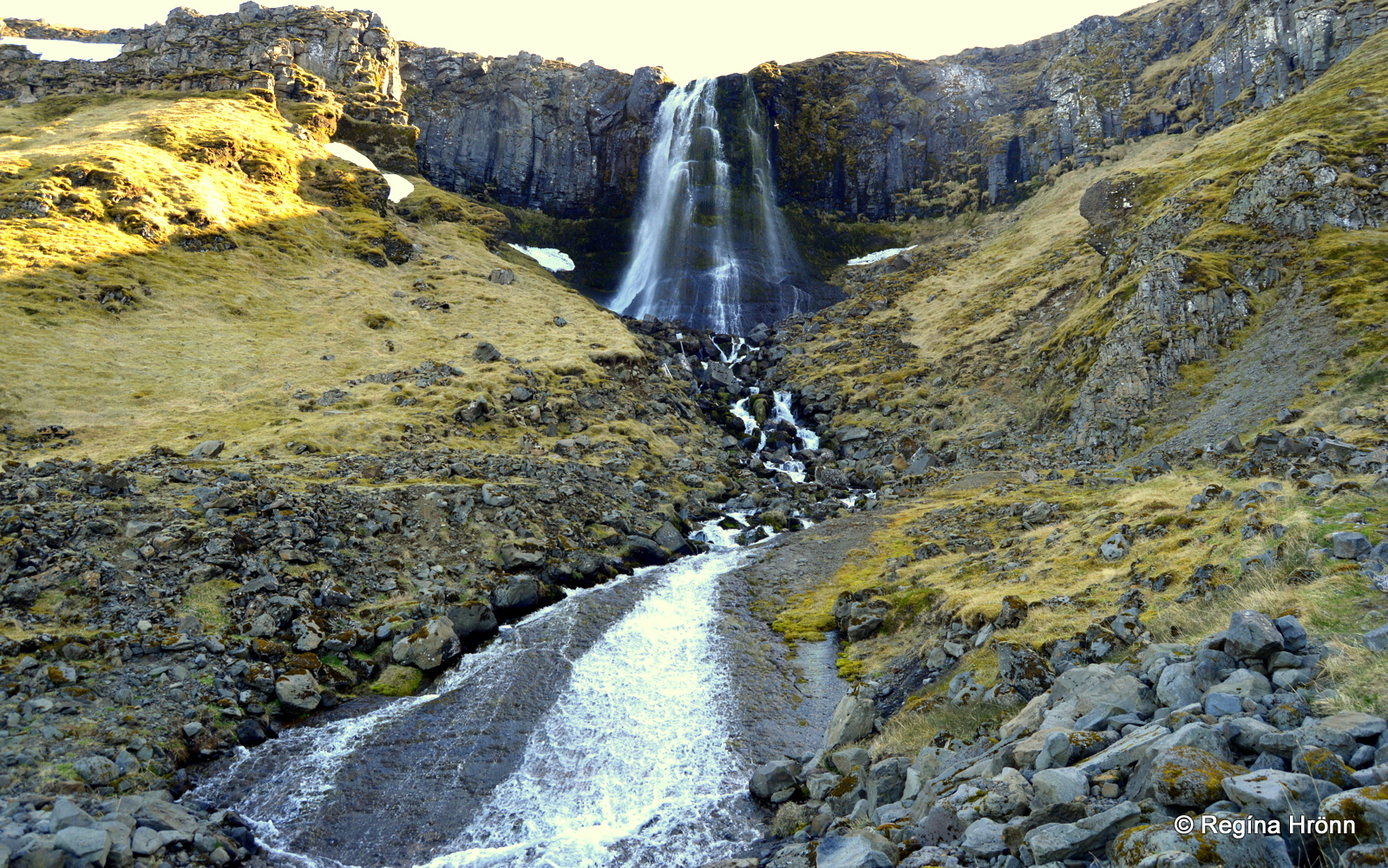
These are the Baejarfoss, or Bridal Veil, Falls, near Olafsvik…

…compared with the Bridal Veil Falls in Provo Canyon in Utah…

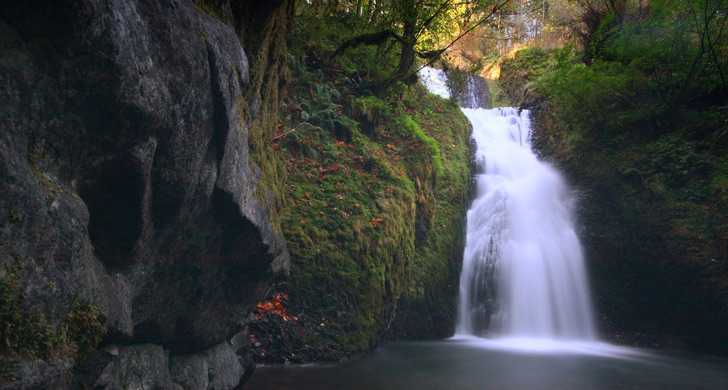
…and Bridal Veil Falls in the Columbia River Gorge in Oregon, to show a few of many examples with the same name and a similar-looking appearance.

Before leaving the Snaefellsnes Peninsula, there are two places in Arnarstapi on the southern coast of the peninsula that I would like to show you.

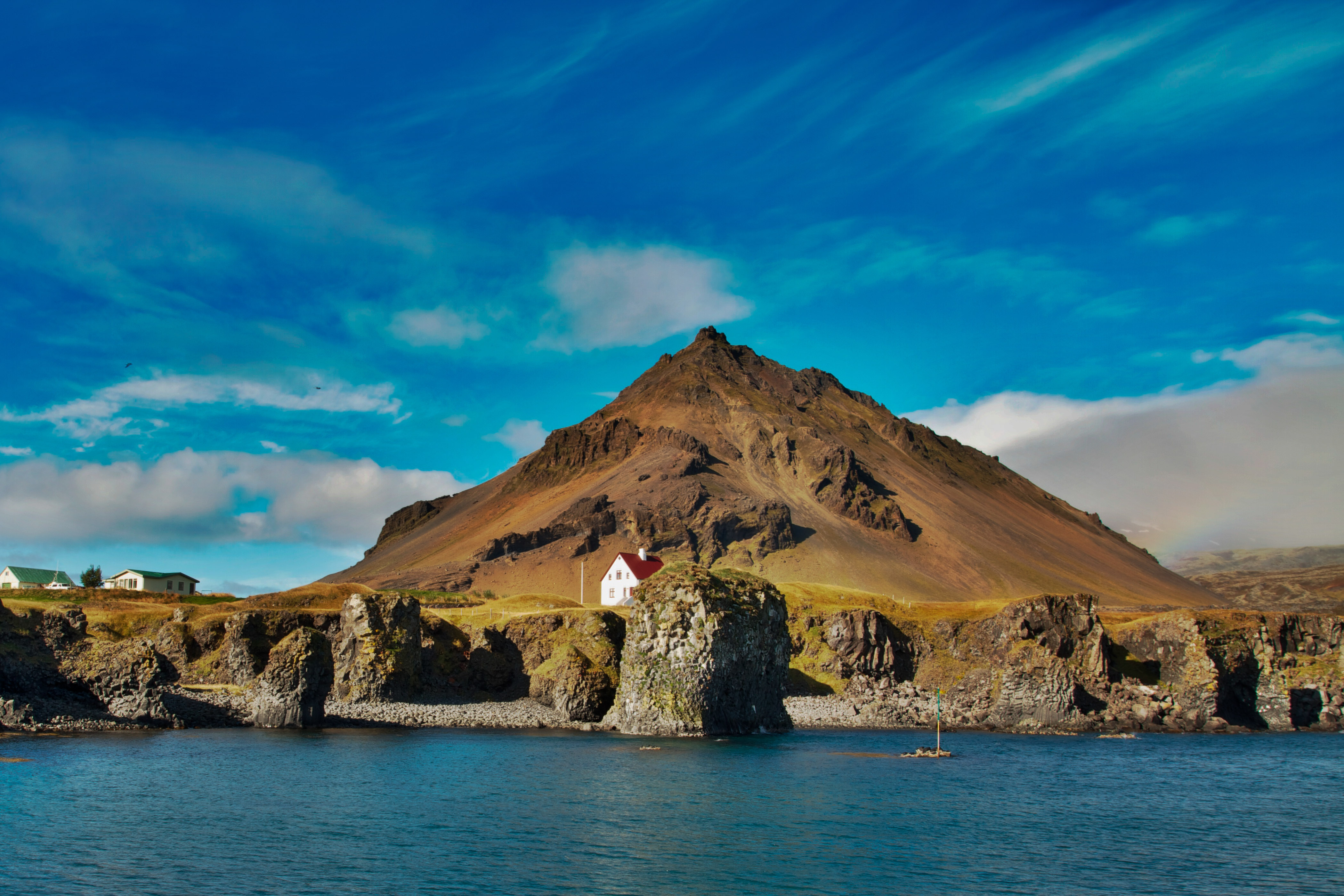
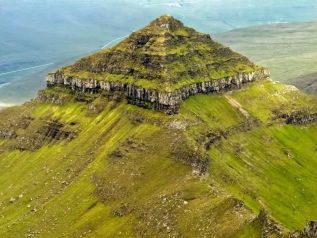
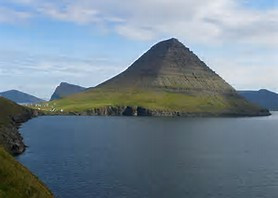
The first is this pyramidal mountain in the background, with the large rock formations on the shore in the foreground…

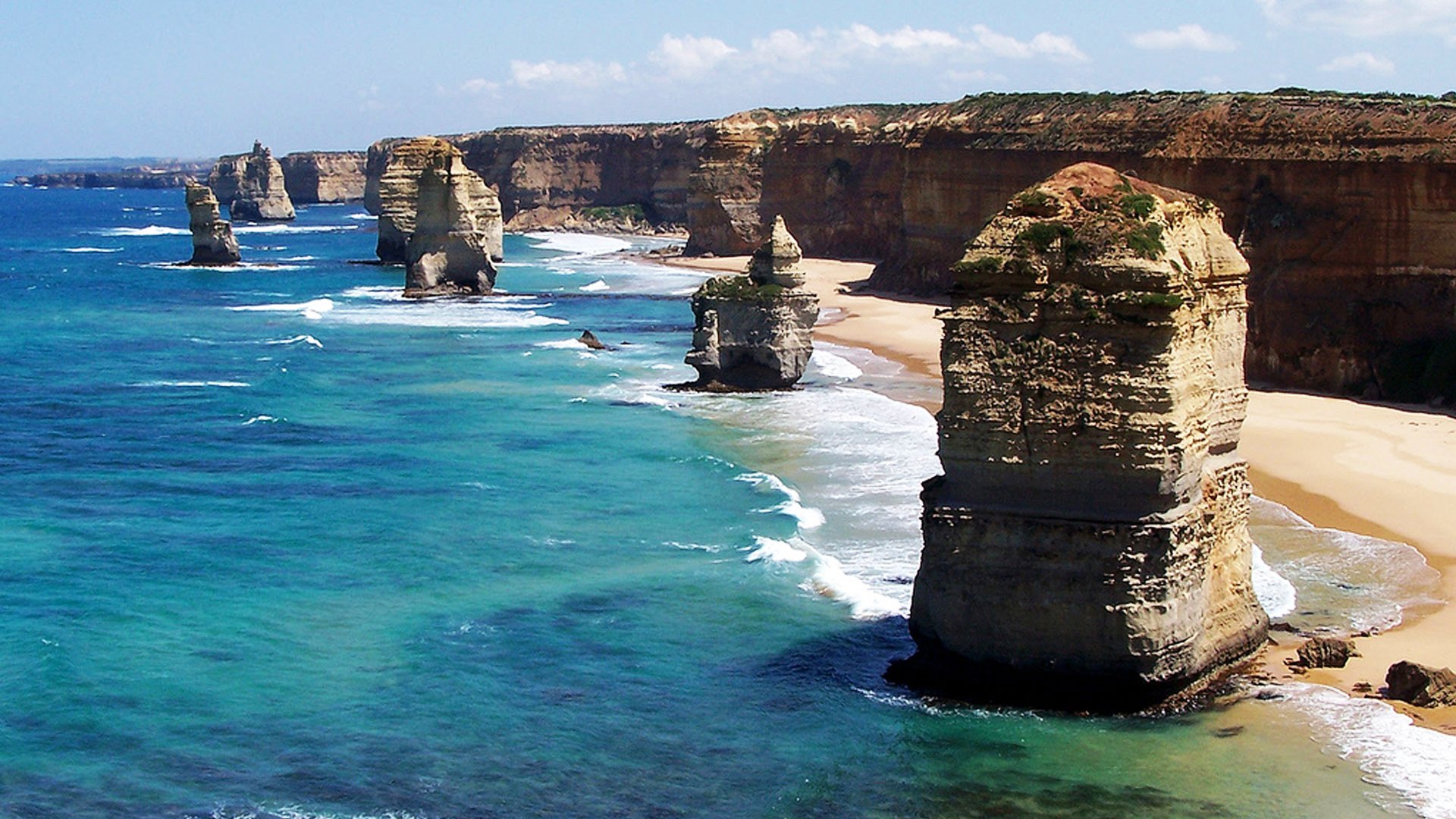
…which are similar in appearance to the Twelve Apostles, located off the shore of Port Campbell in the Victoria State of Australia.

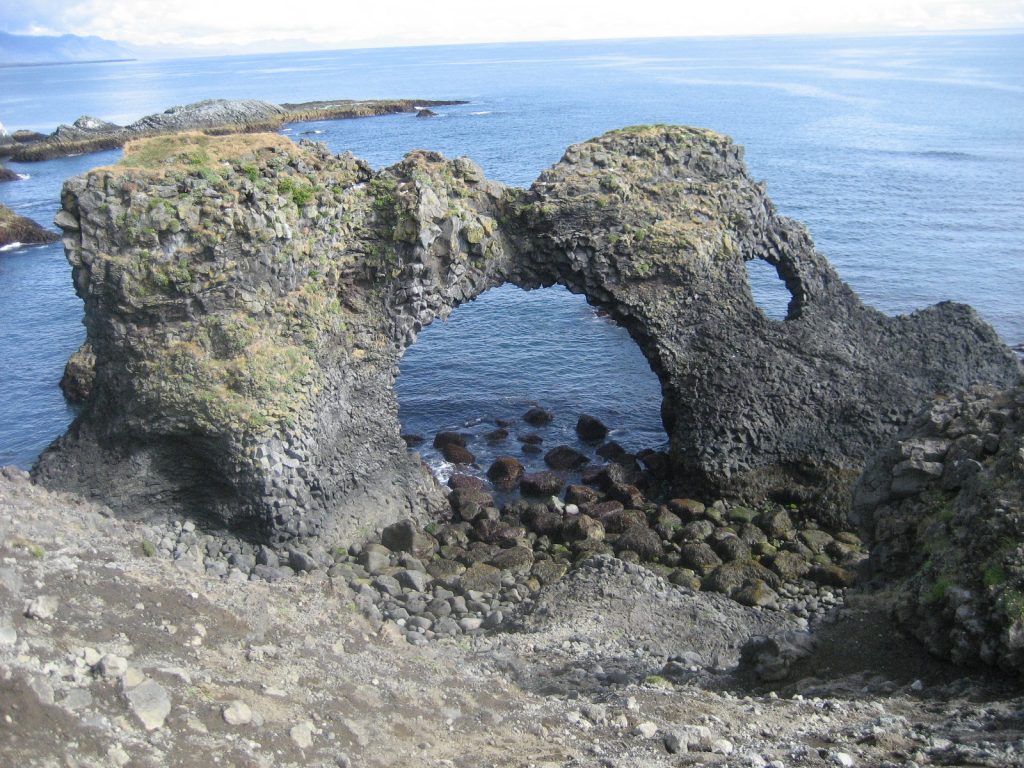
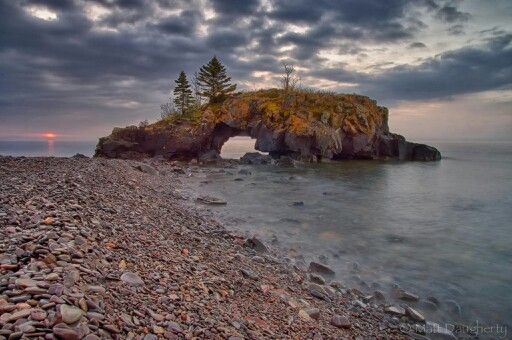
The other place in Arnarstapi is Gatklettur, or Arch Rock…

…which is similar to the Hollow Rock at Grand Portage Island off the coast of northern Minnesota in Lake Superior.

Next on the alignment, we come to a place called Kirkjufell Mountain in Grundarfjorour, Iceland.

Kirkjufell, or Church, Mountain is considered to be the most photographed mountain in Iceland…

…and was a filming location for the Game of Thrones in Seasons 6 & 7.

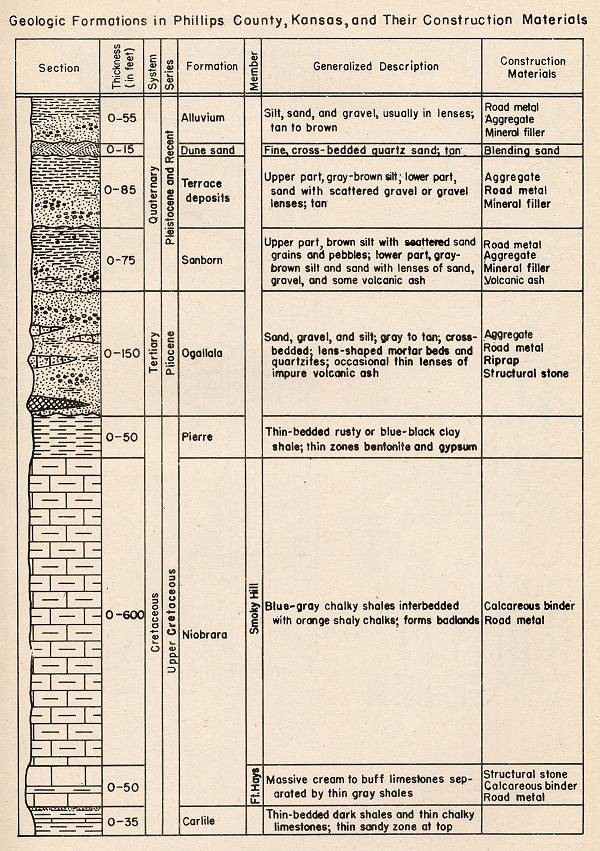
I found this diagram of the geologic strata of Mt. Kirkjufell. It is noteworthy to me that the pink layers of the Quarternary Warm Period Lave look just like brick and block masonry.

It reminded me of this Phillips County Kansas geologic survey that I found when I was first figuring things out by looking at rock formations state-by-state, where the Upper Cretaceous Period especially in this diagram looks like masonry.

Let me introduce you to the Monument Rocks, also called Chalk Pyramids, in Oakley, Kansas, if you didn’t know about them.

I have come to the conclusion that modern geologists are actually studying ancient masonry.

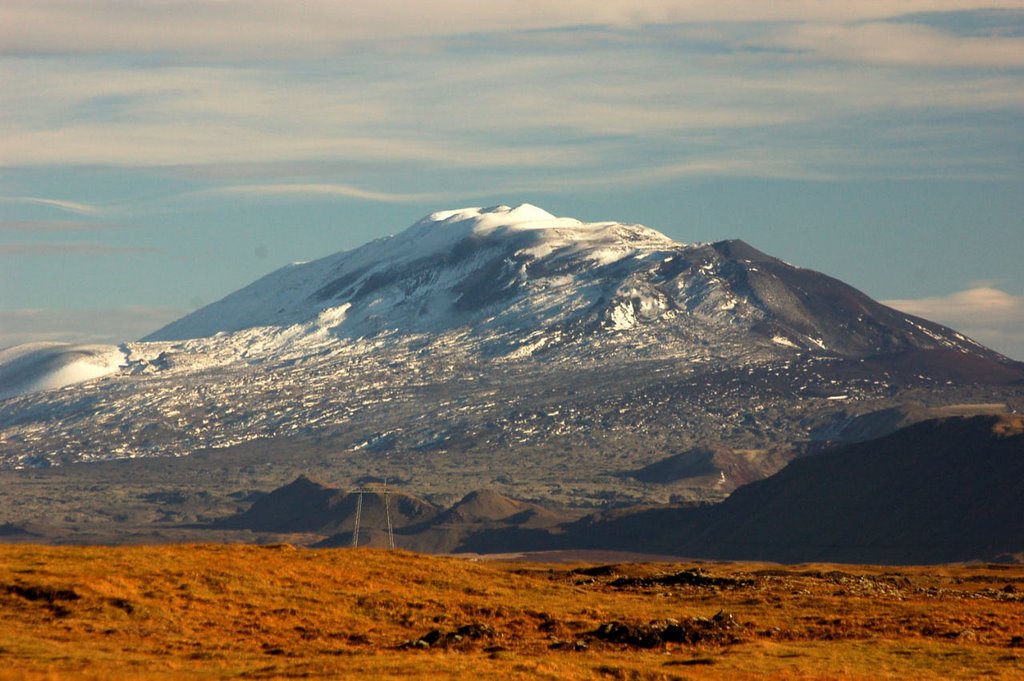
Next the alignment passes over the Hekla Volcano. Hekla sits on at least one other planetary alignment. It is also on the Merida Circle Alignment.

Hekla is what is called a stratovolcano, like Snaefellsjokull, and is one of the most active in Iceland. The definition of a stratovolcano is a conical volcano built up by many layers of hardened lava, tephra, pumice and ash.

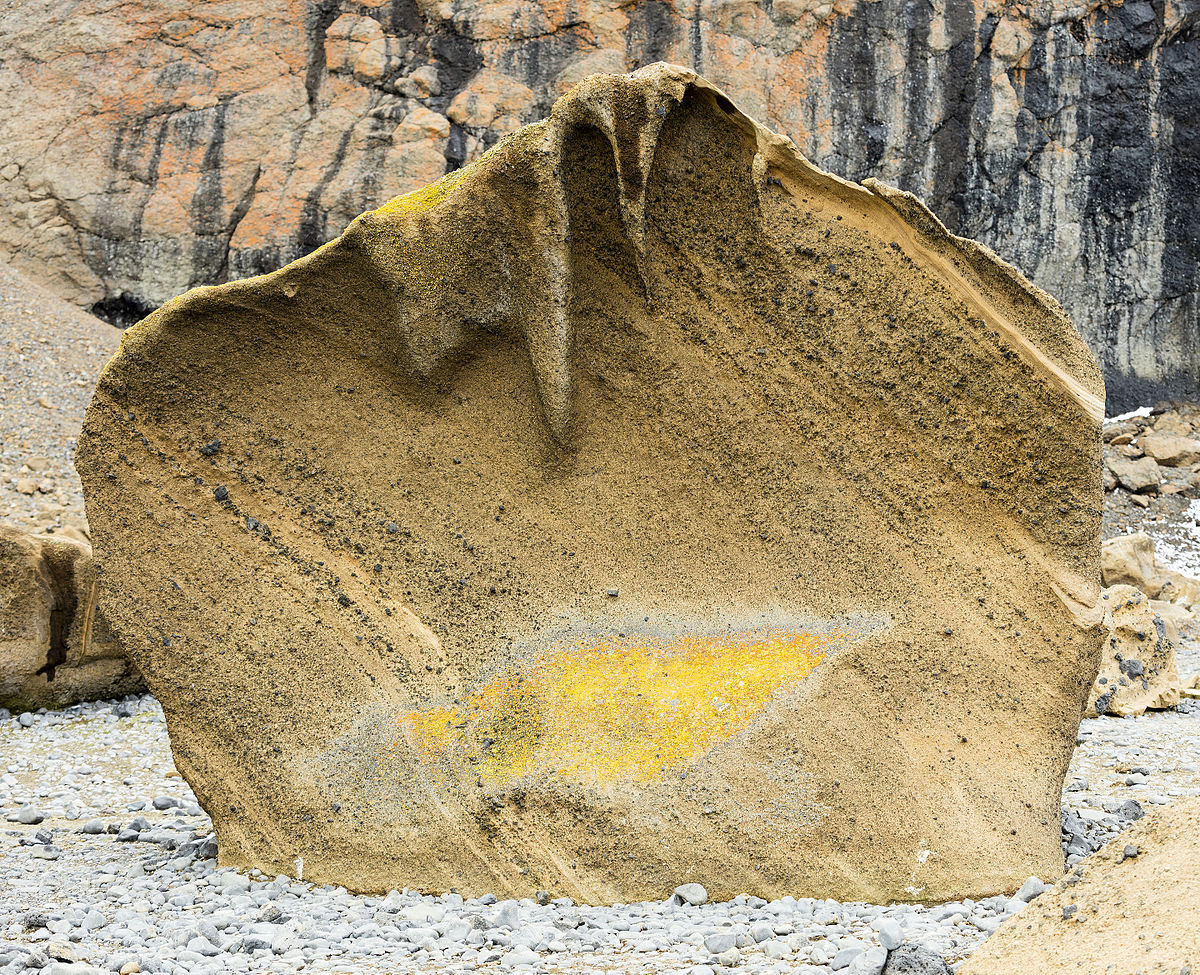
This is an example if tephra, which is called a fragmental material produced by a volcanic eruption regardless of fragment size or composition. I wonder what that is telling, or not telling, us.

Hekla is a legendary gate of hell in medieval literature.  I have found that these alignments approximate the edges of tectonic plates, as evidenced by volcanic and earthquake activity.

Over 20 eruptions have occurred since 840 AD.  It was last active from February 26th to March 8th, 2000.

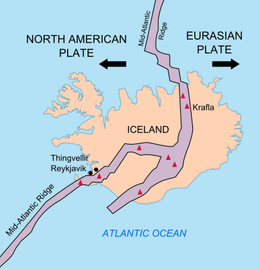
One more subject before I continue on the alignment. Iceland is well known hot-spot as it is on the boundary between the North American Plate and the Eurasian Plate…

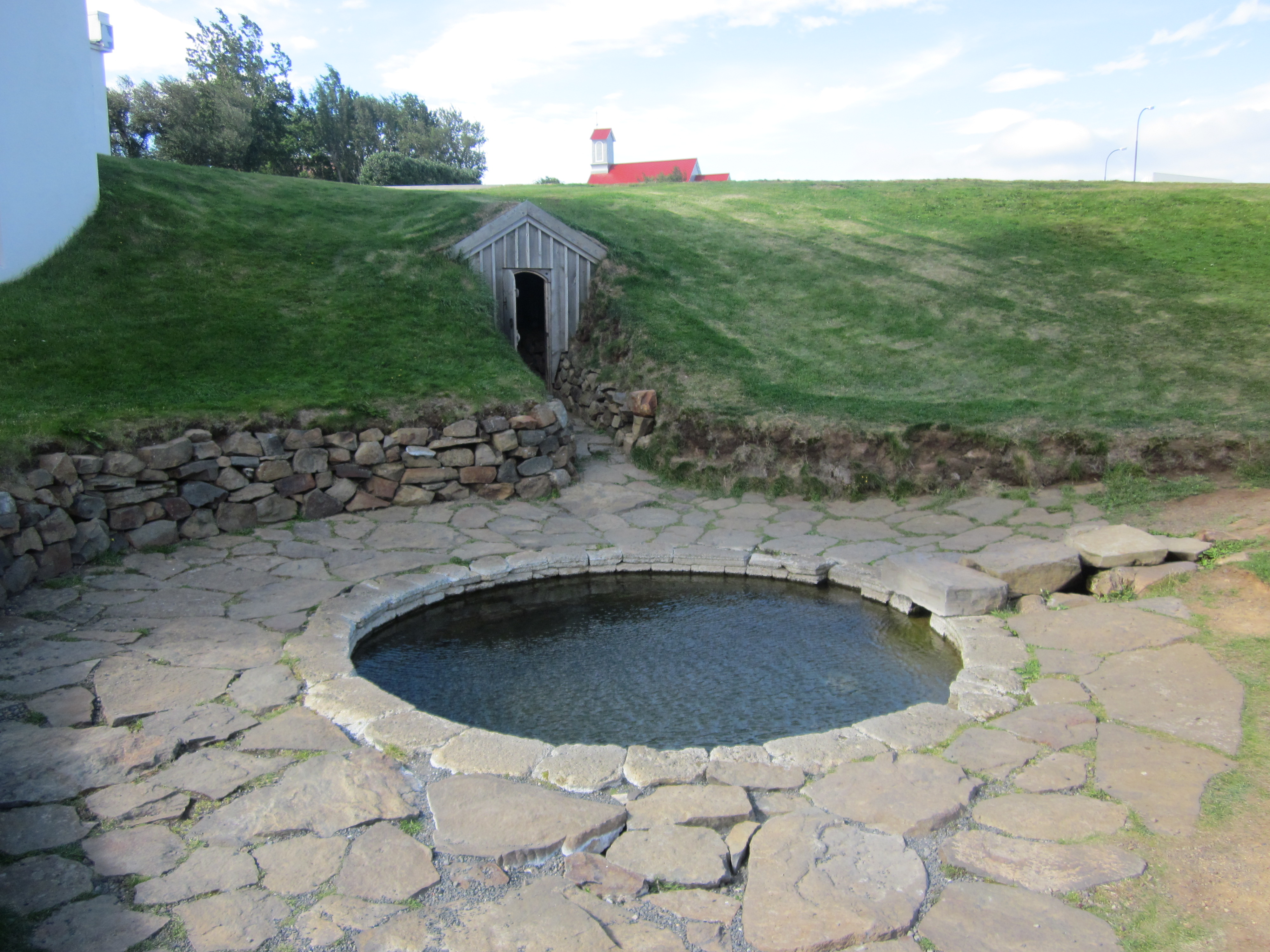
…and as such it is well-known for its hot springs.

Here is an example of an Icelandic Hot Spring that has several of the signature features of the Advanced Ancient Civilization all in one spot: 1) Hot Springs, and springs of all kinds, are found all over the planetary alignments; 2) stone-workmanship; 3) the perfect circle where the springs are located; and 4) earthworks.

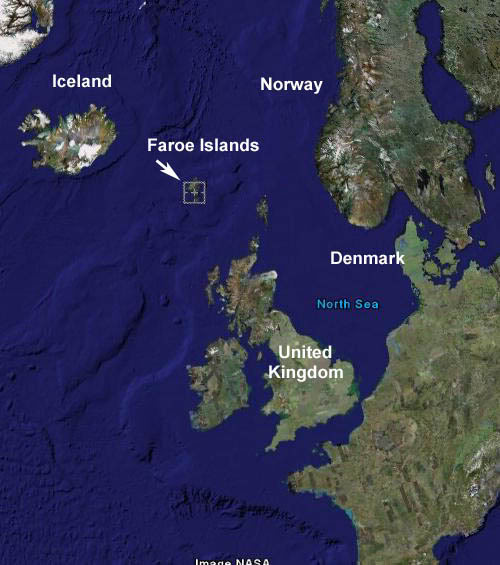
Leaving Iceland, the alignment crosses between the North Atlantic Ocean and the Norwegian Sea to the Faroe Islands. Like Greenland, these islands are an Autonomous Country of the Kingdom of Denmark, and home to approximately 50,000 people.

Like the Hekla volcano, the Faroe Islands are situated on more than one planetary alignment.

If you look up the history of these islands, it is quite vague, with references to St. Brendan, a seafaring monk in the 6th century who described and island of sheep and a paradise of birds.

All this for some sheep and some birds…

…and Faroe sounds phonetically like what word?

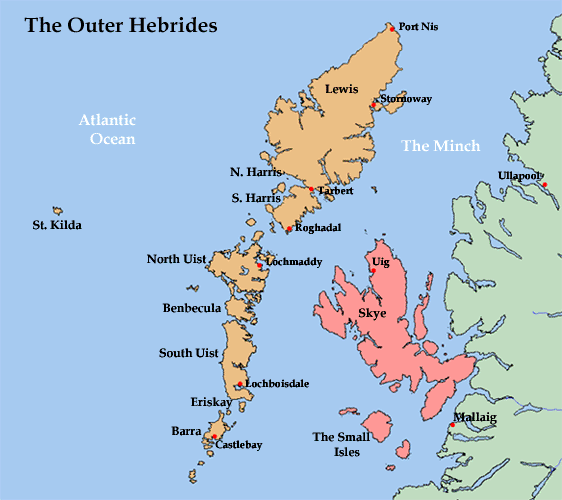
The alignment next comes to the Hebrides Islands of Scotland, which consist of the Outer Hebrides, depicted in orange on this map, and the Inner Hebrides, in pink.

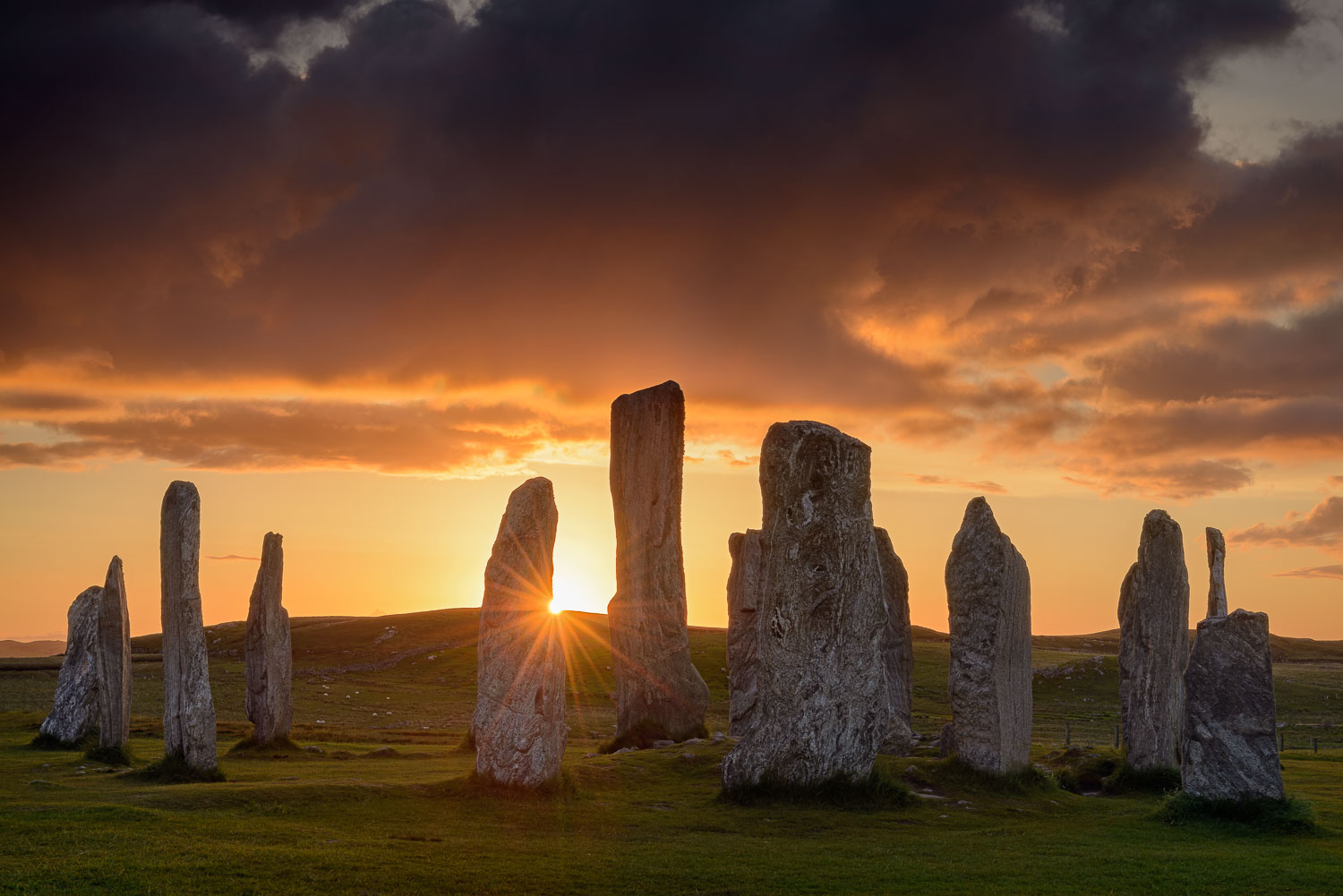
The Callanish Standing Stones, on the west side of the Isle of Lewis in the Outer Hebrides, are ancient, and said to have been erected as far back as 3,400 years ago, in the Neolithic era between 4,000 and 2,500 years B.C.

The Callanish Stones have a circle of thirteen stones, with a monolith near the middle of the circle, oriented to the north and south…

…and five rows of connecting stones connecting to the stone circle.

It is believed to have had an astronomical function associated with lunar cycles, as well as a sacred temple function.

The Isle of Skye is the largest and northernmost of the major islands in the Inner Hebrides, dominated from its center by the Cuillin Mountains.

This is Fingal’s Cave, on the Island of Staffa in the Inner Hebrides…

…which is known for its natural acoustics. It is formed by hexagonally jointed basalt columns.

As a matter of fact, the German composer Felix, Mendelssohn, is said to have visited in 1826, and afterwards composed his Opus Number 26, called ‘The Hebrides” also known as the “Fingal’s Cave Overture.”

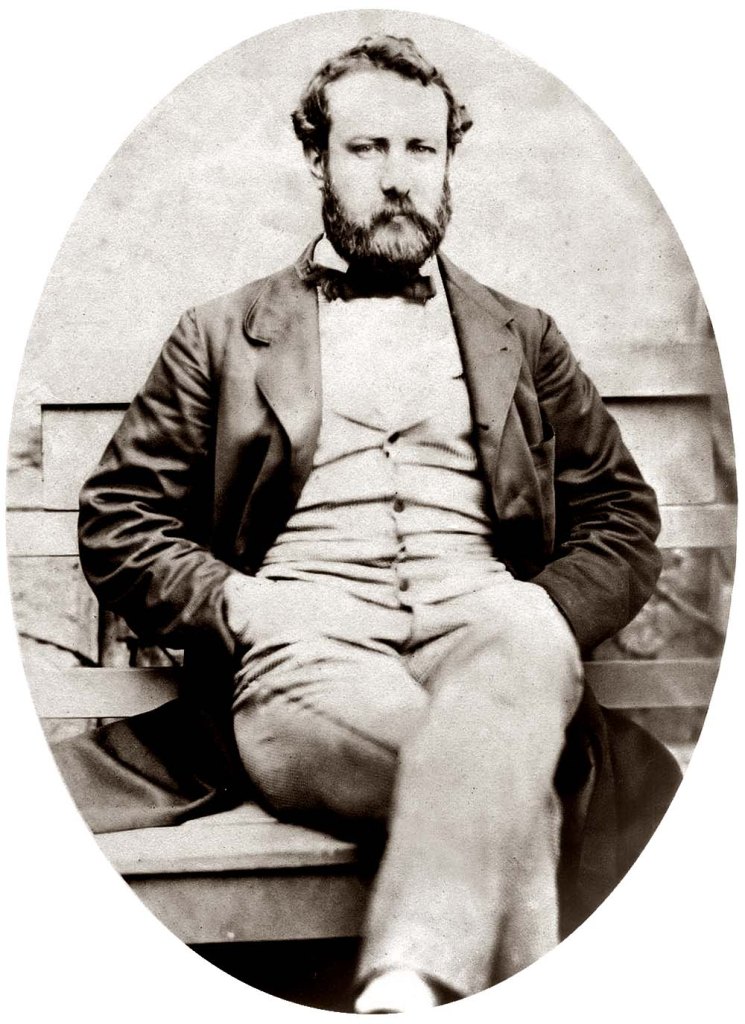
The French author Jules Verne was also a visitor to Fingal’s Cave. Verne made an appearance at the beginning of this post, at the Icelandic volcano Snaefellsjokull, the entrance to Inner Earth in his classic novel “Journey to the Center of the Earth. Apparently he also mentions Fingal’s Cave in this novel…

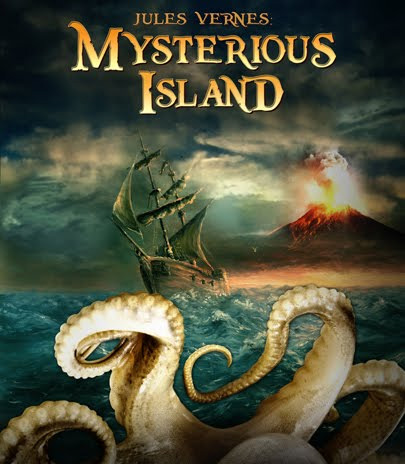
…as well as in two other books: “The Mysterious Island…

… and “The Green Ray.” I am still not sure what he was actually trying to tell us.

There is a lot more to explore here, but I will leave you with photos of these bridges. first on the Island of Skye in the Inner Hebrides…

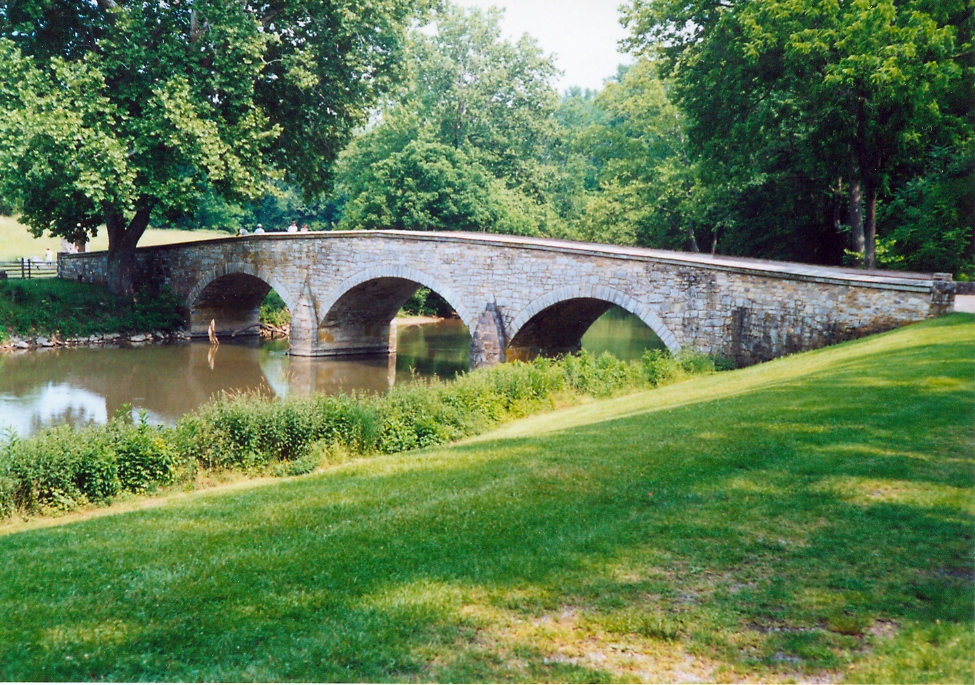
…then the Burnside Bridge in Antietam, Maryland…

…and this old bridge in Ethiopia.

There is much more here…there is always more everywhere…but I will end this post here, and pick up the alignment in Wicka, Scotland in the next post.

Circle Alignments on the Planet Algiers – Part 11 Inukjuak, Quebec to Tasiilaq, Greenland

The last post ended in the Belcher Islands of the Hudson Bay. I am picking up the alignment on the east-central shore of the Hudson Bay at Inukjuak.

Inukjuak is in the Nord-du-Quebec region of Northern Quebec, on the western side of what is called the Ungava Peninsula, in the Nunavik Administrative District of Quebec.

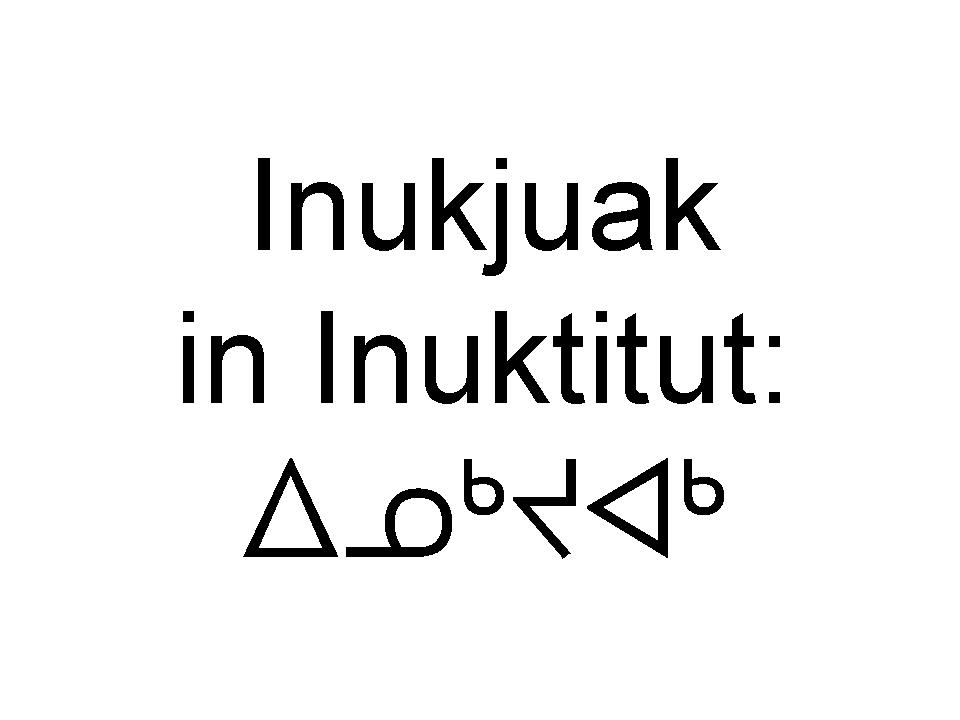
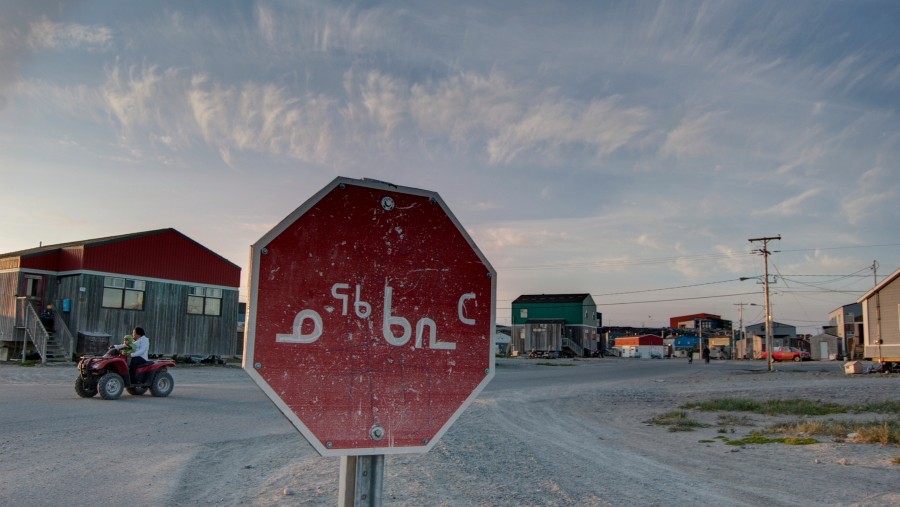
According to its Mayor, Inukjuak means “Big Person” or “Giant Person” in the Inuktitut language.

Two things stand out for me with this information.

The first is that the written form of Inuktitut is a pictographic script.

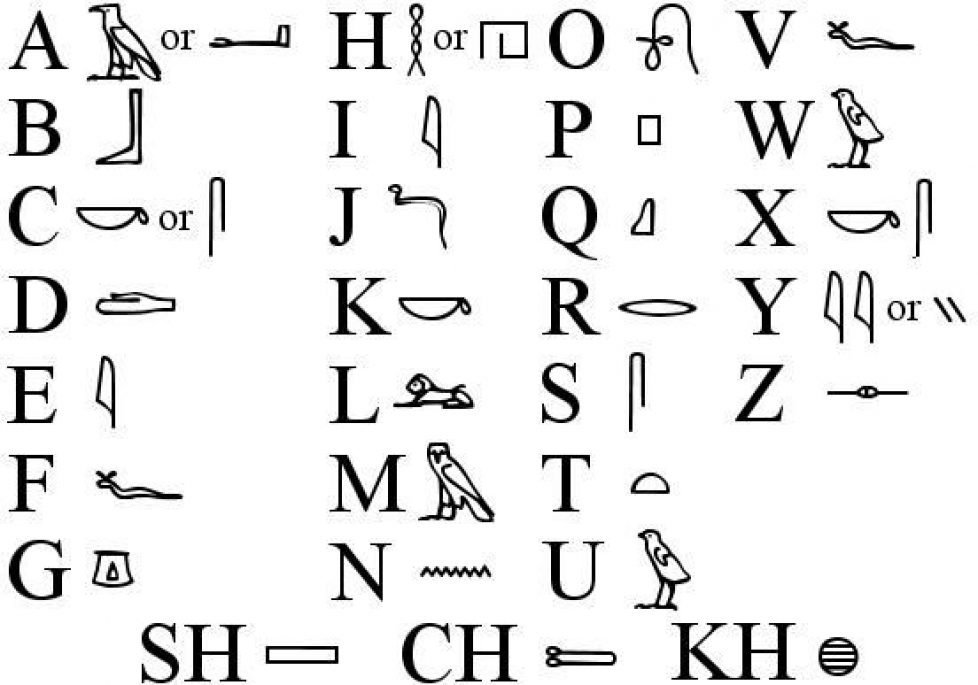
Pictographic script is one where a picture or symbol stands for a word or group of words.

Egyptian hieroglyphs are an example of a pictographic script.

The second thing is that Inukjuak’s meaning is interesting to me.

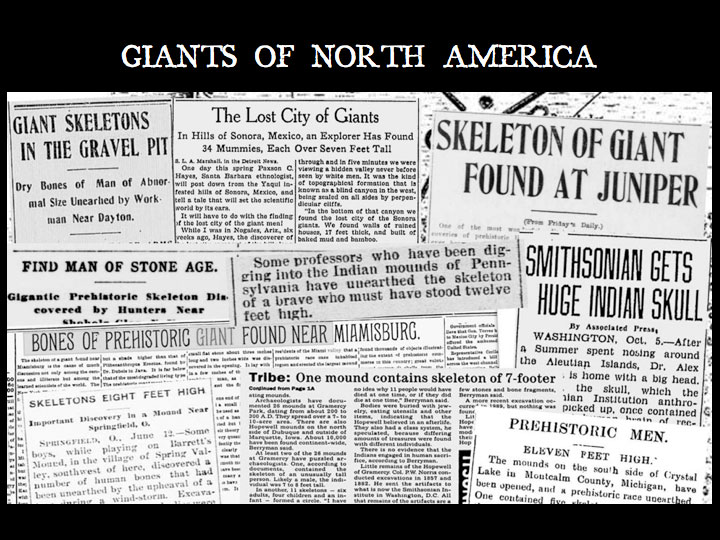
There is plenty of documentation in newspapers and photographs from the 1800s of the discovery of giant skeletons. The information about these discoveries was then subsequently removed from our conventional history, including giants’ bones in displays that went missing.

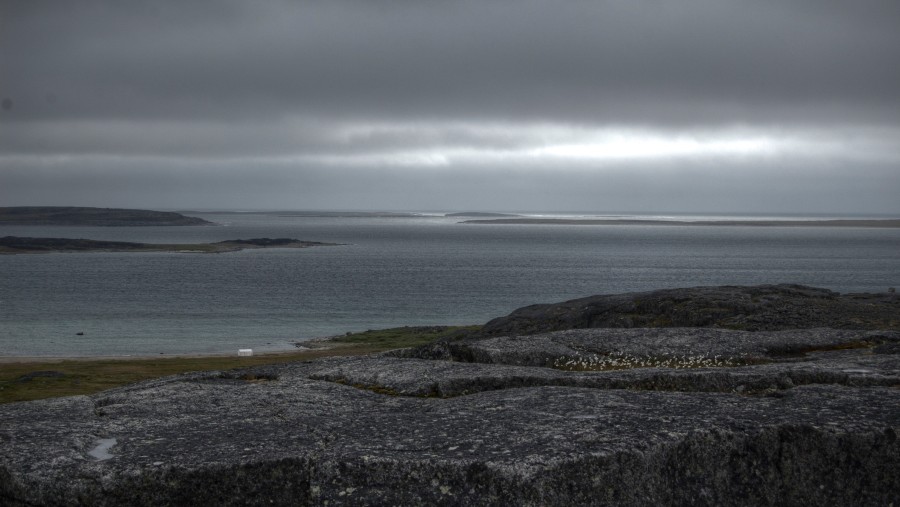
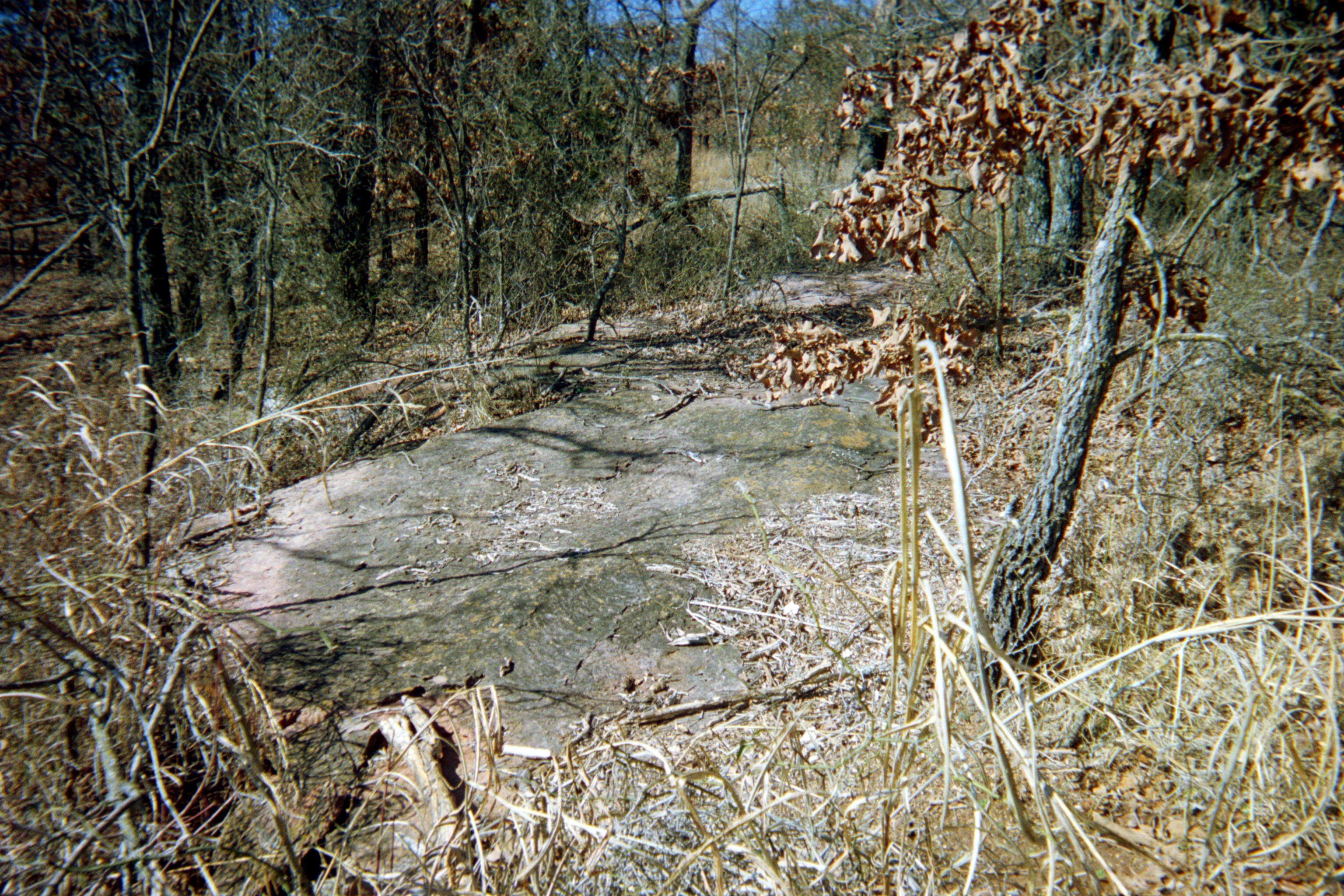
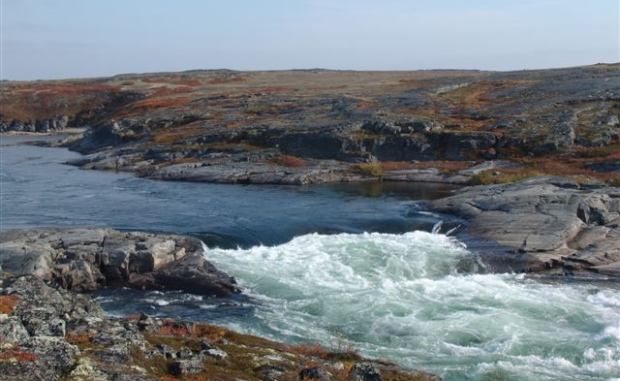
Inukjuak is situated on the Hudson Bay. Note the flat stone surface on the shore in the foreground…

…compared with this one at Lake Thunderbird, outside of Norman, Oklahoma. Could this represent some form of concrete, perhaps?

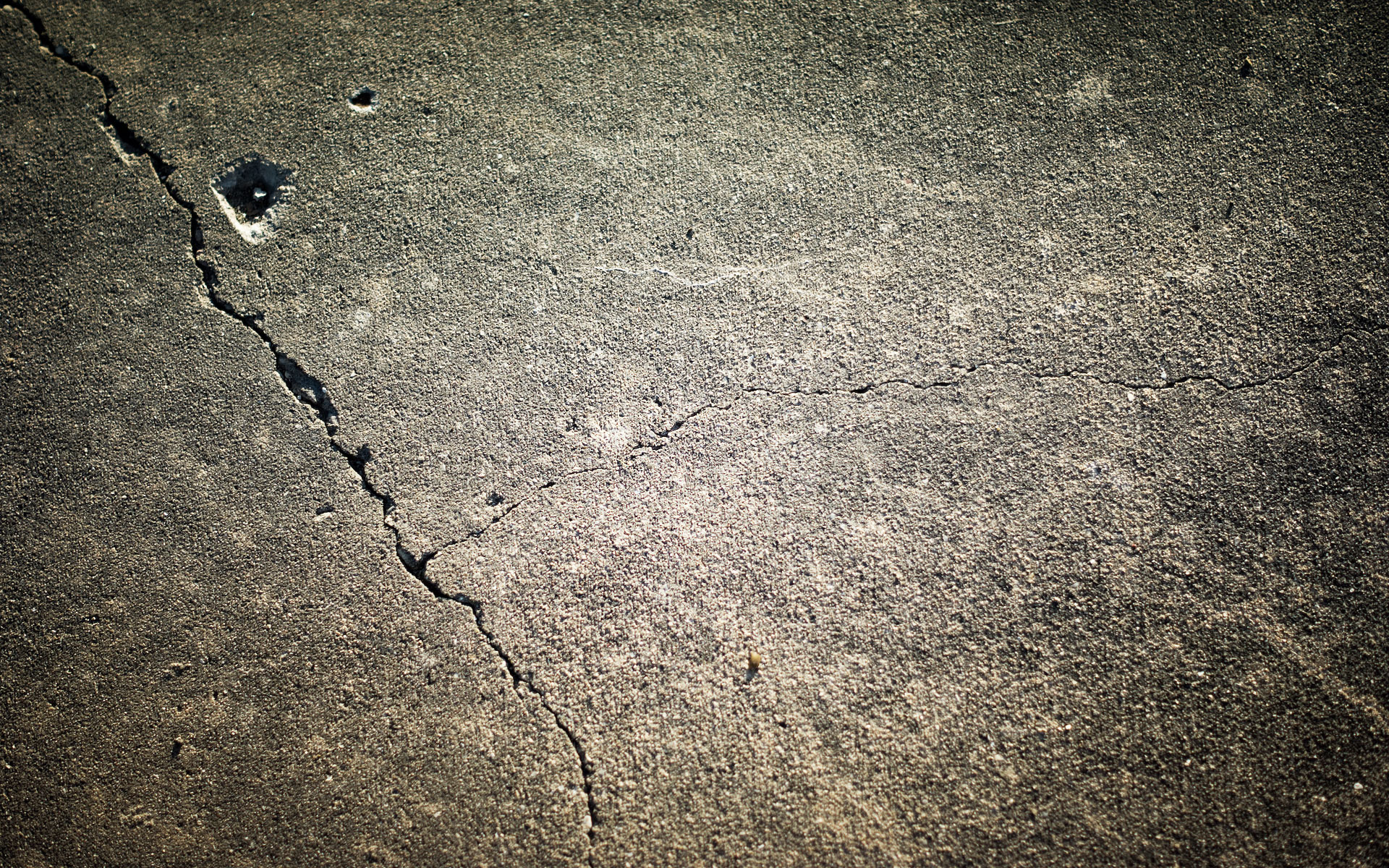
Concrete is defined as a hard building material made by mixing a cementing material and a mineral aggregate with enough water to cause the cement to set and bind the entire mass.

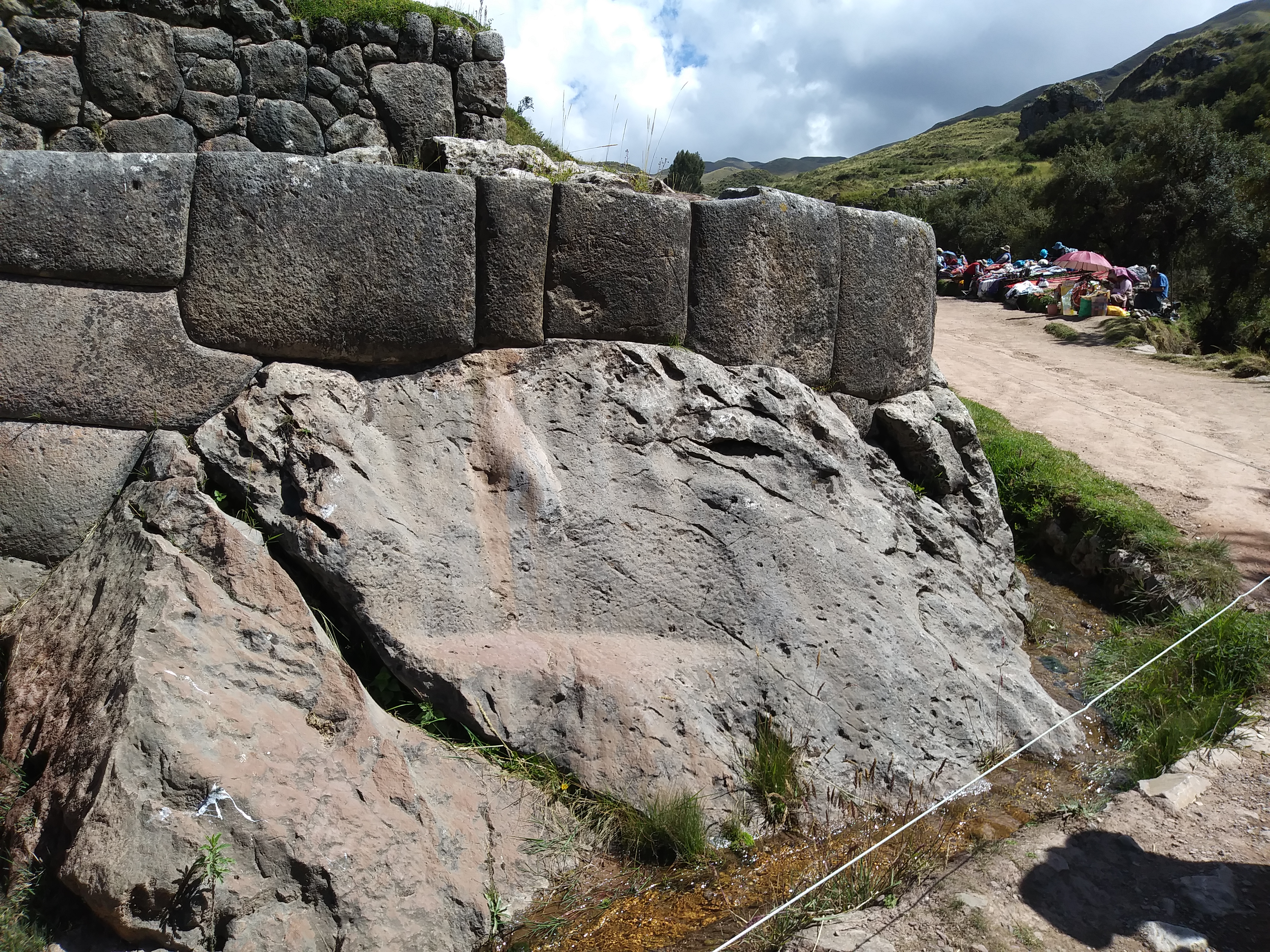
I took this photo last year of what looks like concrete at Tambo Machay, an ancient site located just outside of Cusco, Peru.

Back to Inukjuak, which is located at the mouth of the Innuksuak River.

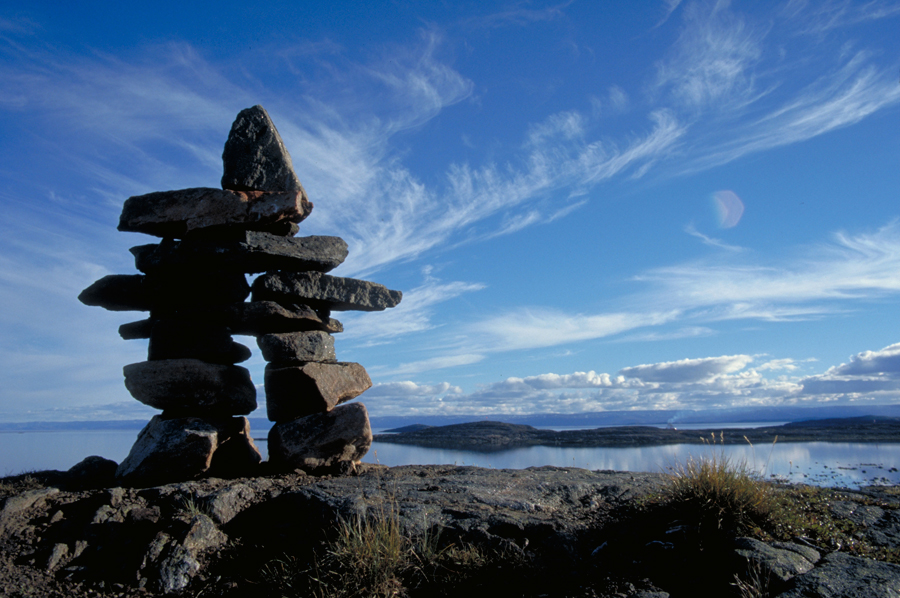
The Inuktitut word Inuksuk refers to a human-made stone landmark or cairn. So here is an example of a cairn typical of northern Quebec.

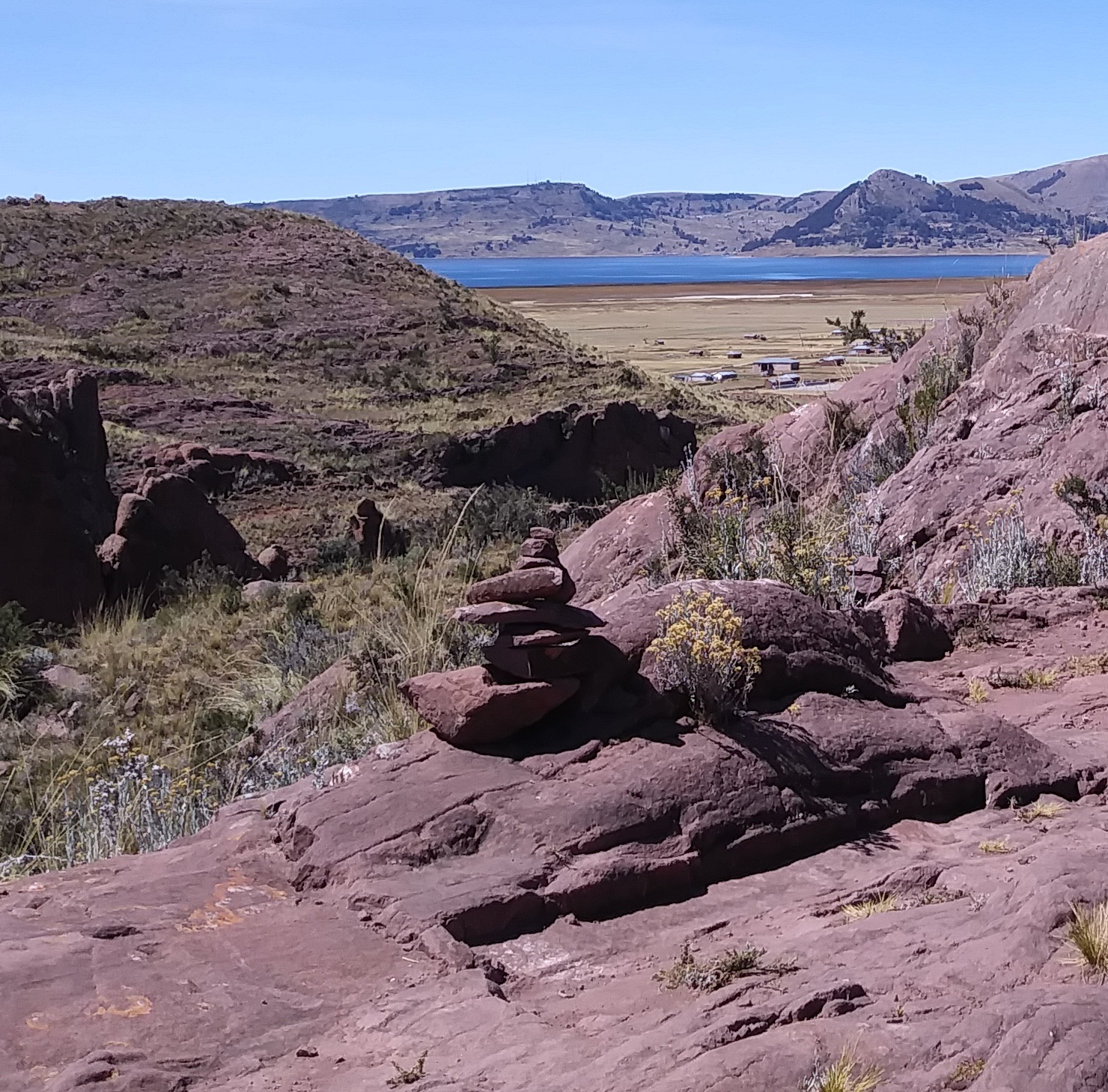
Cairns similar to this Inuksuk are found in other places, like Amaru Muru, near Lake Titicaca in Peru…

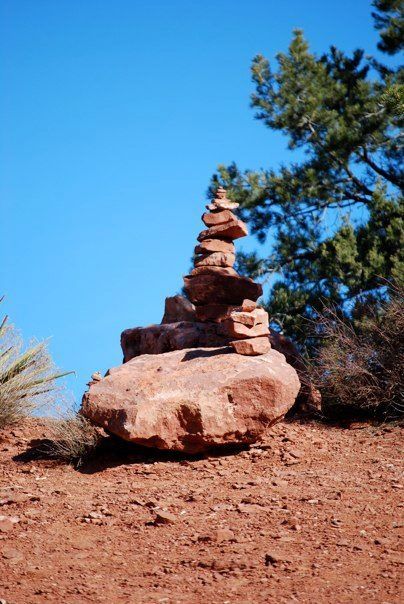
…and this one is in Sedona, Arizona.

Are people just randomly stacking rocks geographically diverse places because they feel like it, or do these serve a purpose unknown to us in the present-day?

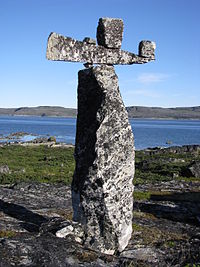
Another example of an inuksuk is on the Arnaud River of the Ungava Peninsula in northern Quebec, called the Hammer of Thor.

To give a visual perspective on its size, here is a side-by-side comparison of proportionally with a person.

One more thing to think about before I move on is this – could people of our relative stature today have realistically built all the monumental architecture around the world?

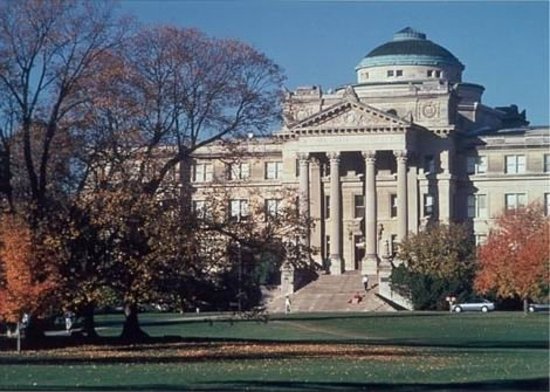
This is Beardshear Hall back on the University of Iowa campus back on this alignment in Ames, Iowa, one of countless examples about which I speak.

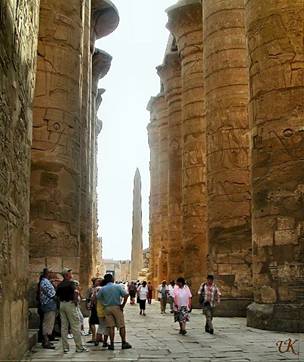
Another example with regards to the massive size of the structure is the Temple of Karnak in Luxor, Egypt.

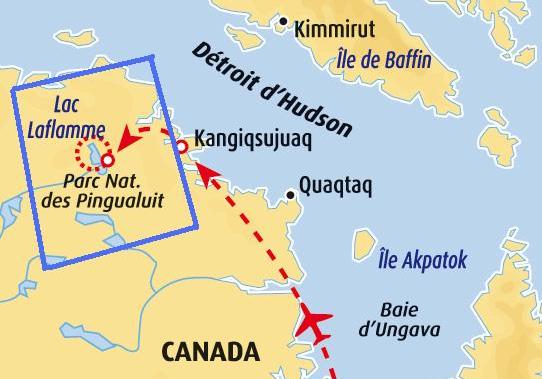
From Inukjuak, the alignment crosses the Ungava Peninsula to the Hudson Strait. It passes in the general vicinity of Pingualuit National Park…

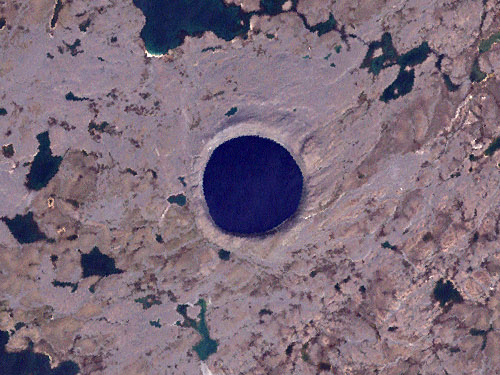
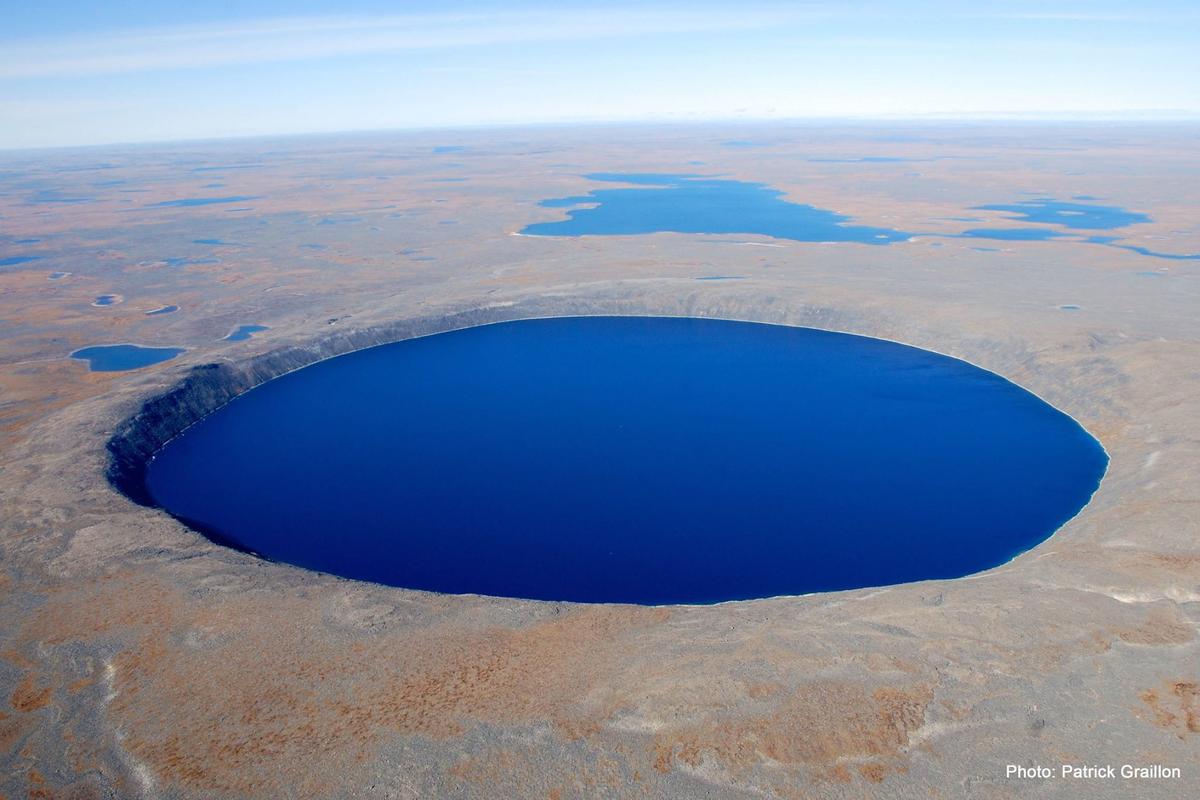
…where the Pingualuit crater is found. It is being a called a young impact crater of a meteorite. A meteorite impact formed a perfect circle in the landscape?

Pingualuit is one of the deepest lakes in North America, said to be 876 feet, or 267 meters, deep, and holds some of the purest fresh water in the world.

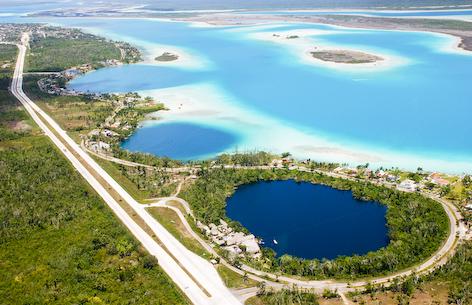
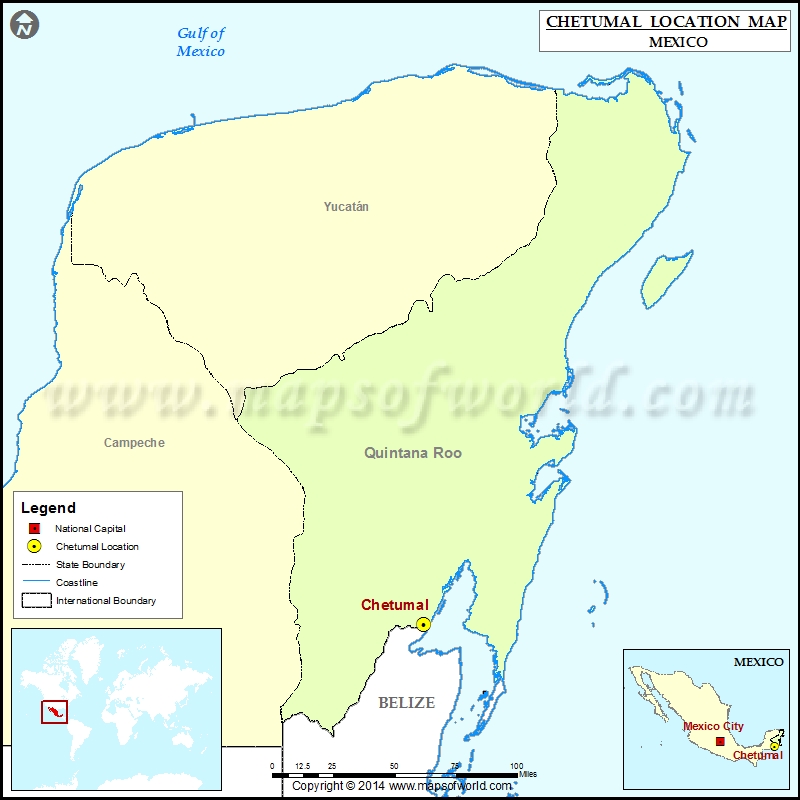
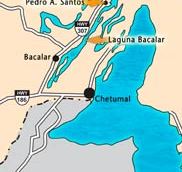
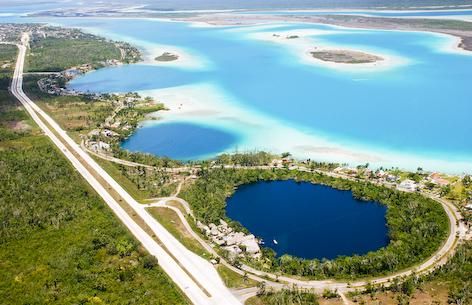
Compare Pingualuit with the Bacalar Cenote Azul on this same circle alignment back on the Yucatan Peninsula, not far from Chetumal, Mexico, said to be 295-feet, or 90-meters, deep.

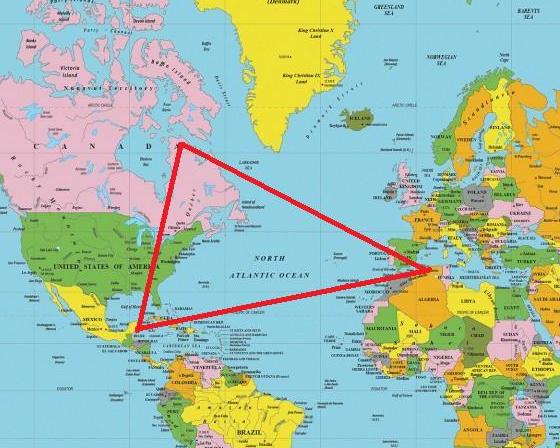
My understanding about the planetary grid system is that it was intentionally created in accordance with sacred geometry, and that everything on it has meaning. When I just now realized that both of these deep circular wells are on peninsulas, I was guided to connect them with Algiers on the world map.

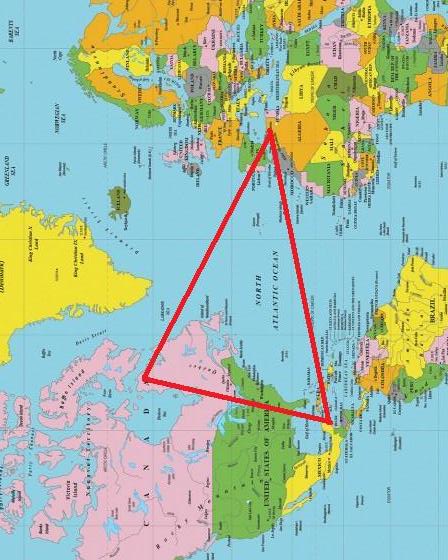
While Algiers may not be the third point of what could be an equilateral triangle relationship in the middle of the Atlantic Ocean, there does appear to be an isosceles triangle relationship, one where two sides are of equal length, between these three points.

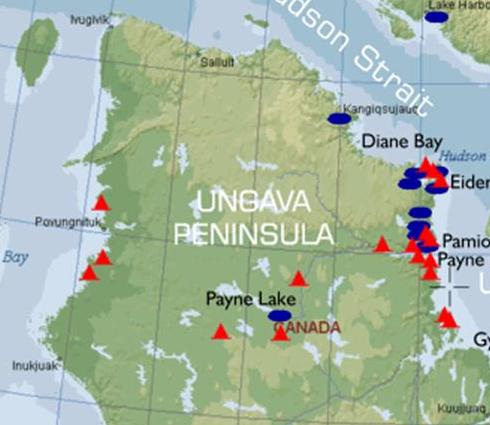
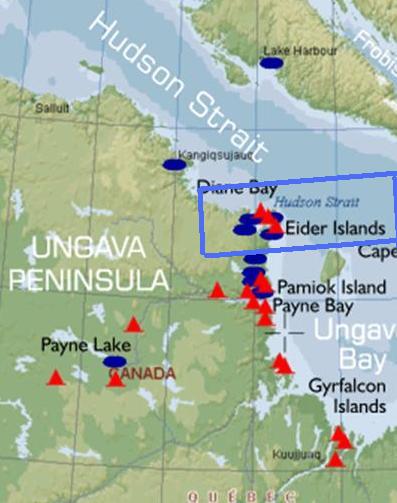
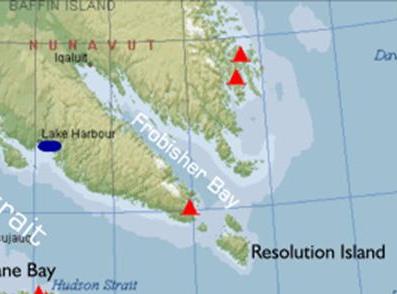
Next on the alignment we come to the uninhabited Eider Islands in the Hudson Strait. The red triangles indicate the presence of what are called stone beacons, and the blue circles indicate stone longhouses.

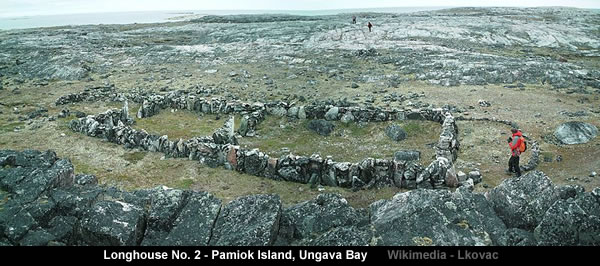
This is an example of one of the stone longhouses just south of the Eider Islands, found on Pamiok Island.

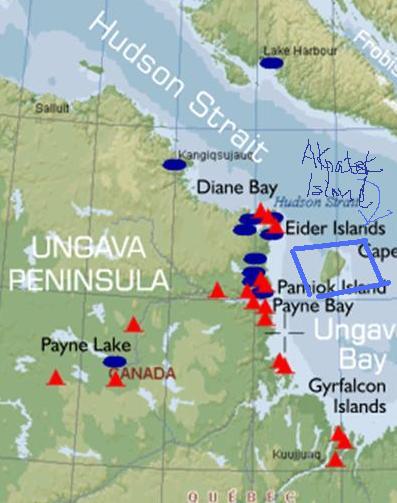
Akpatok Island is close by in the Ungava Bay of the Hudson Strait. It is also uninhabited.

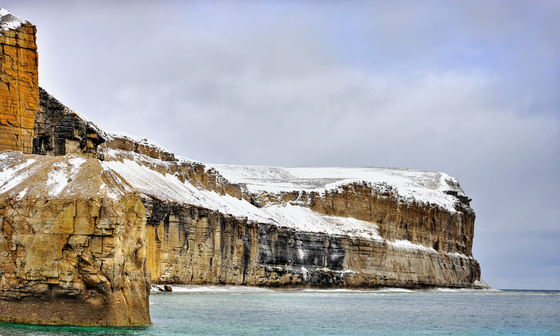
It is described as rising out of the water as sheer cliffs.

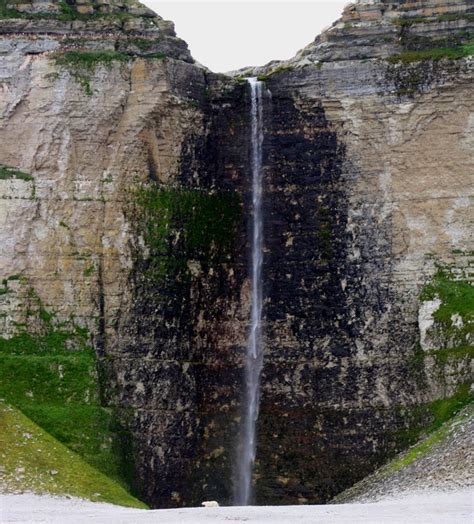
This is a waterfall on Aktapok Island…

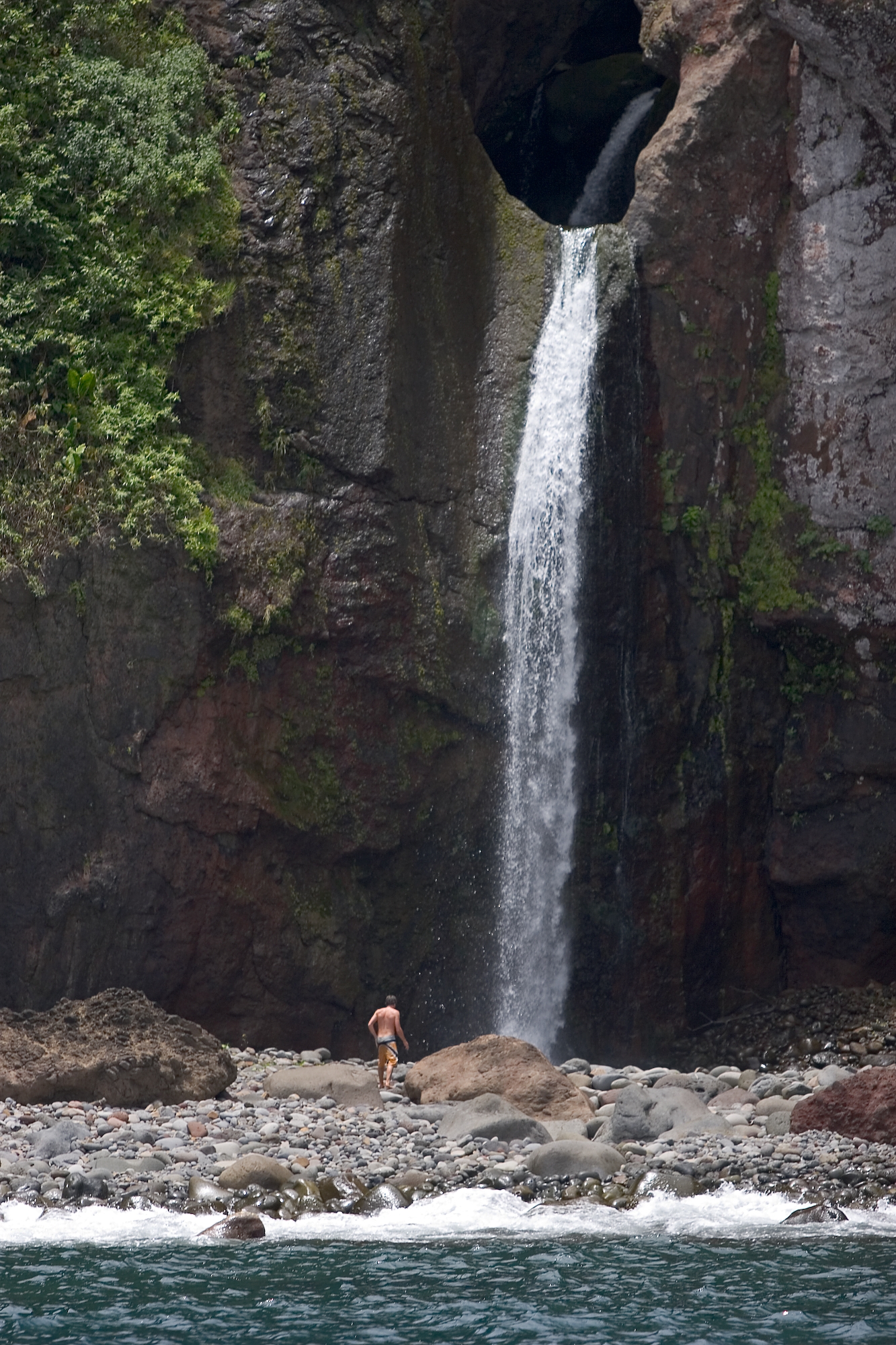
…compared with this waterfall on the Hawaiian Island of Molokai.

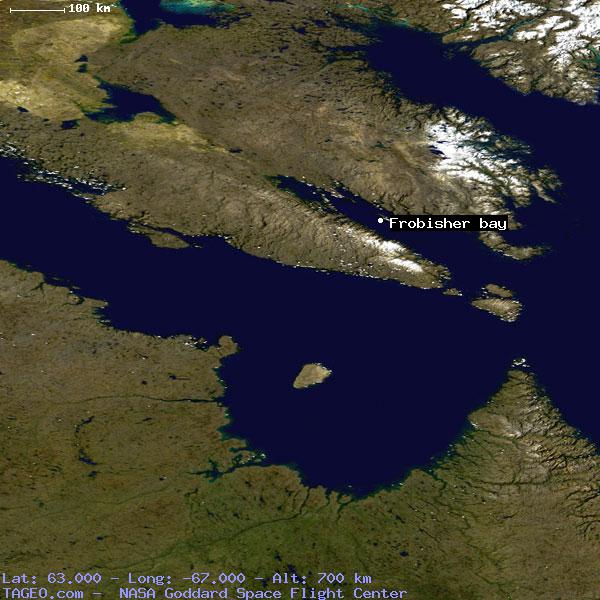
The alignment crosses the Hudson strait at the southern end of Baffin Island, across Resolution Island and Frobisher Bay. Baffin Island is part of Nunavut, the newest, largest, and most northerly territory of Canada. Nunavut was separated from the Northwest Territories in 1999.

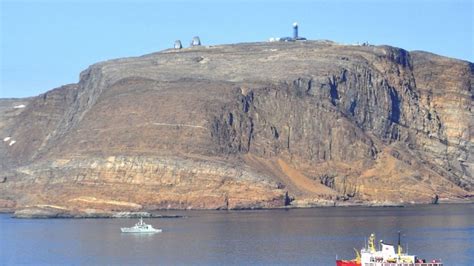
Resolution Island became the site of an American military base starting in 1954. In 1974 it was turned over to the Canadian Government, and is still in operation as a short-range radar site.

Frobisher Bay was named after the English Navigator Martin Frobisher, who is said to have been the first European to come to it in 1576…

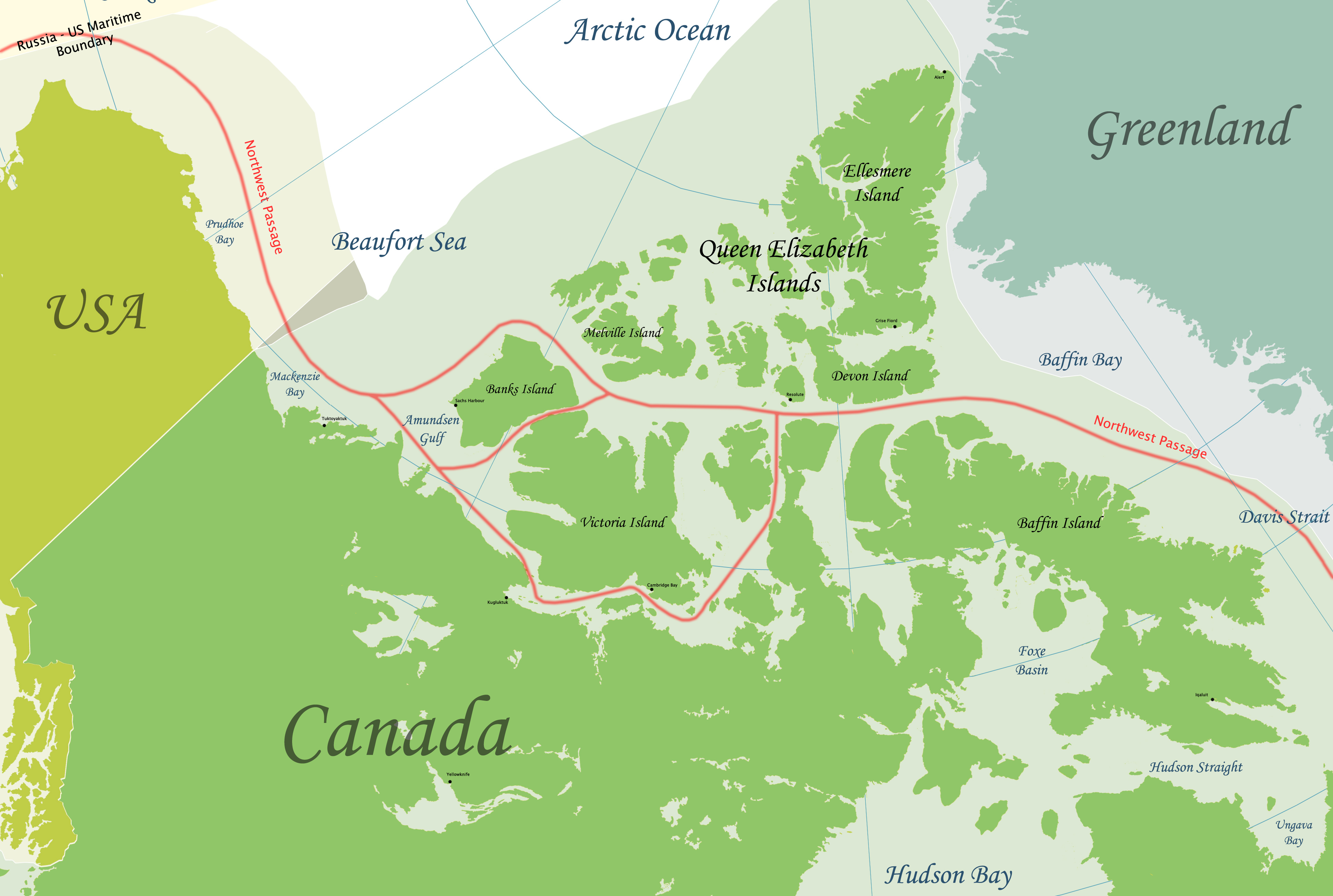
…when he was exploring for the Northwest Passage, a sea route believed to exist at that time from the Atlantic Ocean to the Pacific Ocean via the Arctic Ocean.

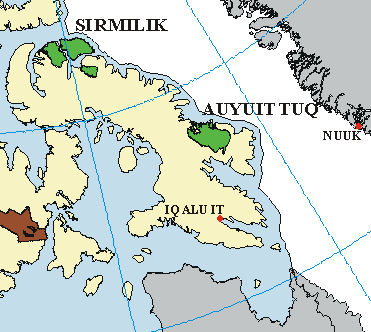
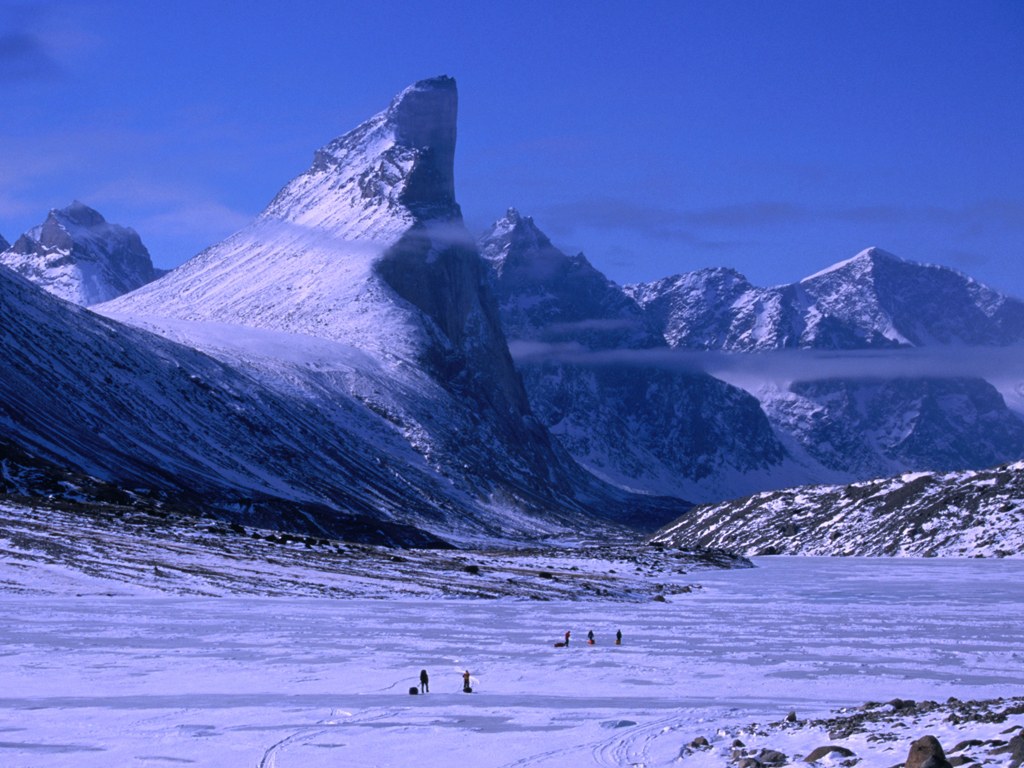
Before I follow the alignment across the North Atlantic Ocean to Greenland, I want to show you Mt. Thor, in the Auyuittuq National Park, north of Frobisher Bay on the eastern coast of Baffin Island.

Mount Thor is described as the tallest and steepest cliff in the world.

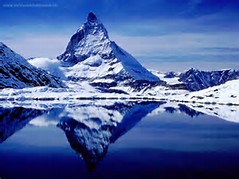
For comparison, this is the Matterhorn in the Alps, straddling Switzerland and Italy in Europe.

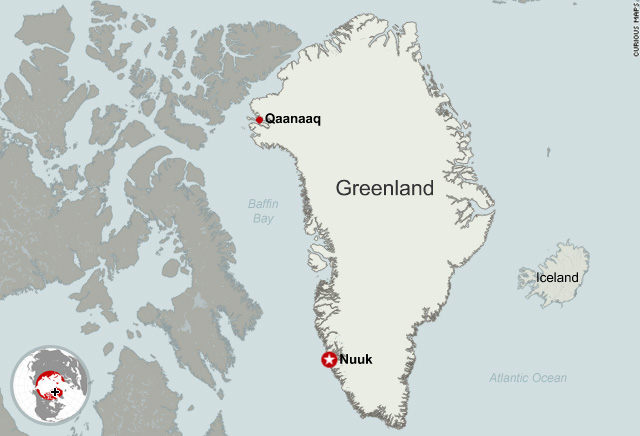
The alignment enters Greenland at Nuuk, the world’s northernmost capital city, and largest city of Greenland.

Greenland is called the world’s largest island, and is an autonomous constituent country of the Kingdom of Denmark.

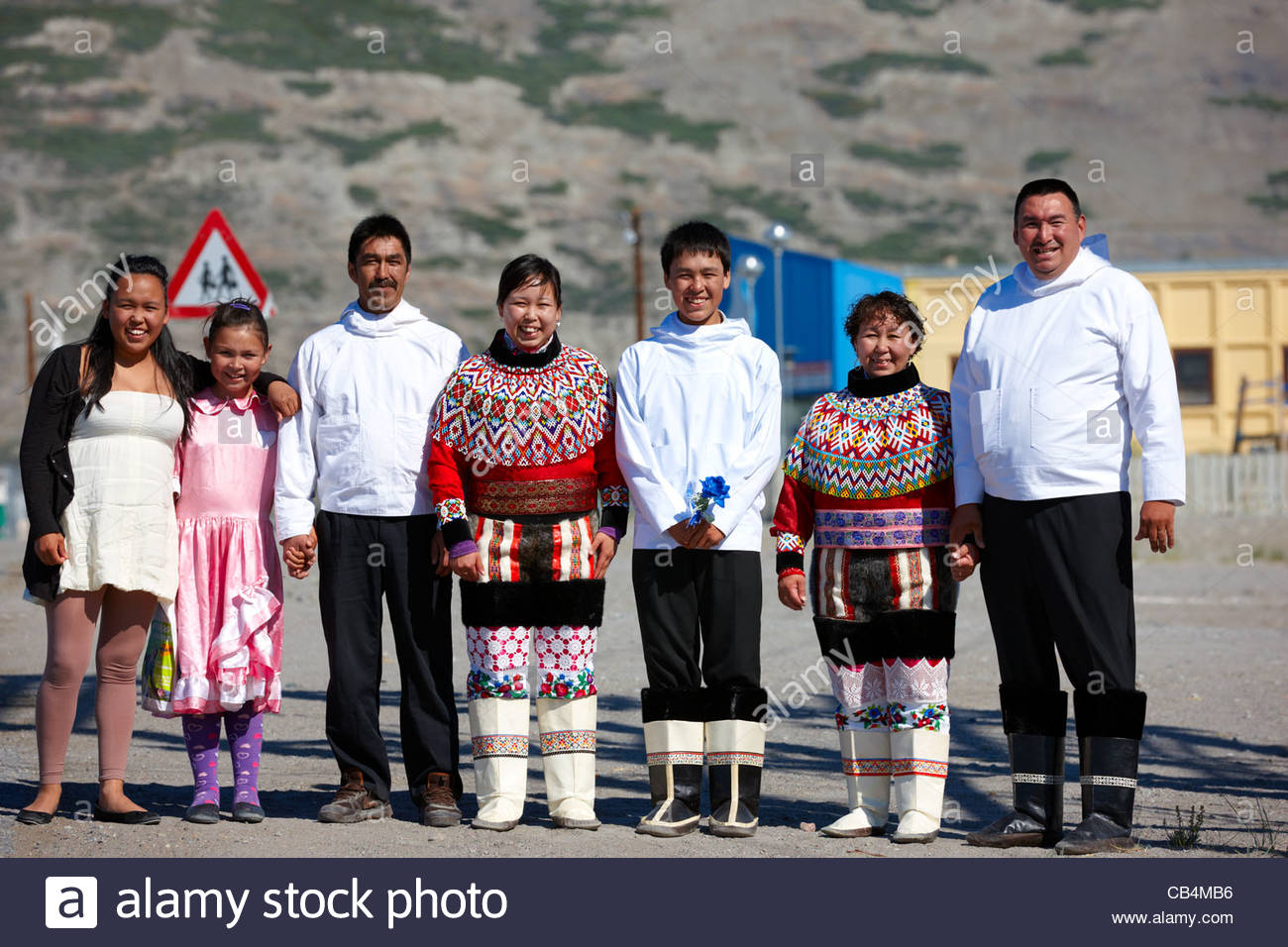
It’s population is predominantly Inuit. They are said to be descended from the Thule people of Greenland.

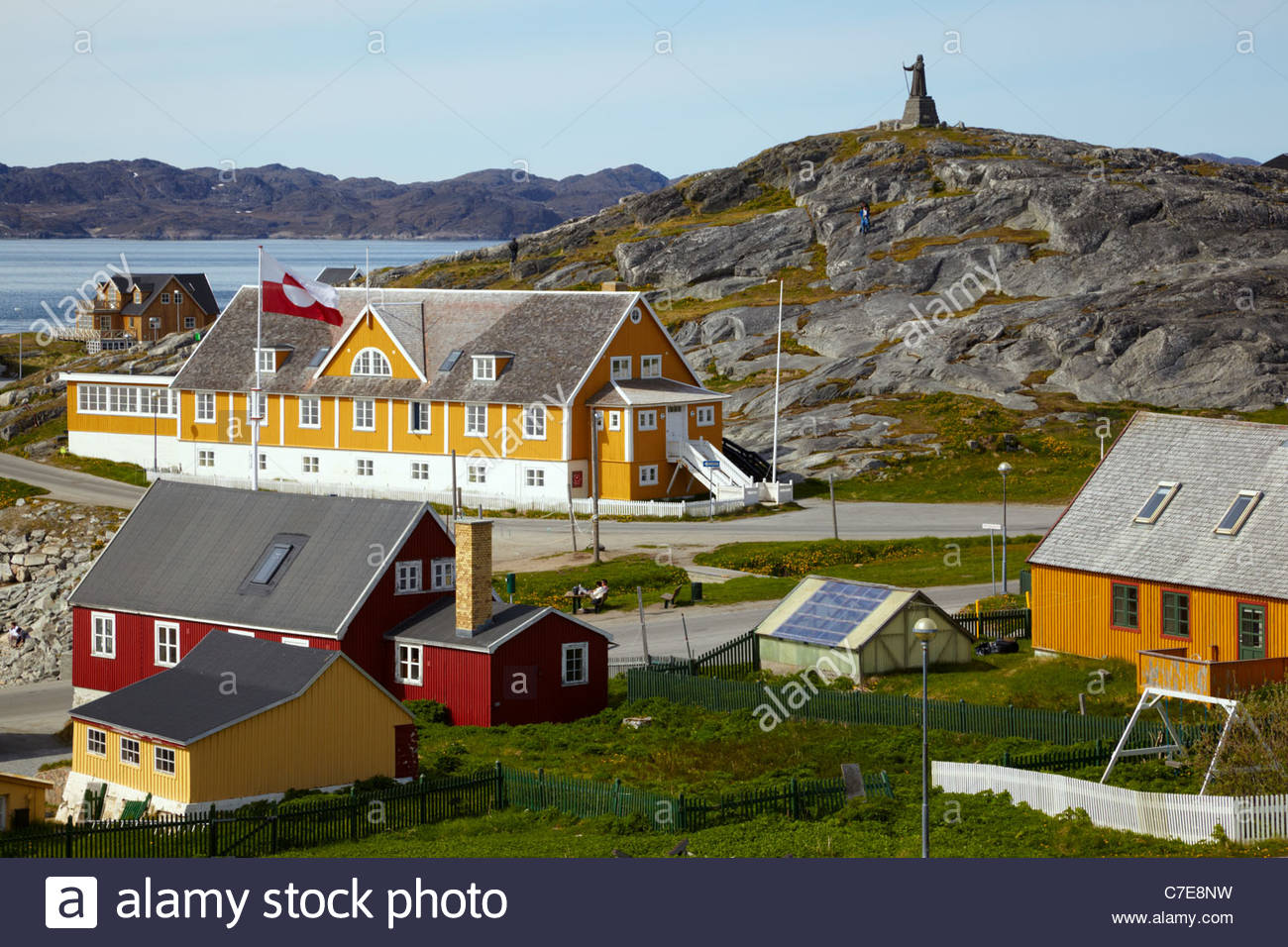
Nuuk is situated at the mouth of the Nuup Kangerlua Fjord, on what is described as a mountainous peninsula. This is a photo of Old Nuuk, with a rocky promontory in the background…

…and this is a photo of what is called Sermitsiaq, or Saddle Mountain, in Nuup Kangerlua Fjord.

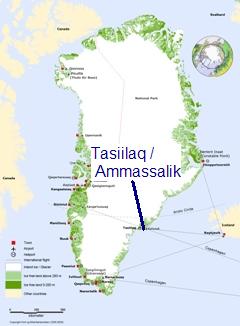
Next on the alignment is Tasiilaq, Greenland.

With a population of a little over 2,000, it is the most populous city on the east coast of Greenland.

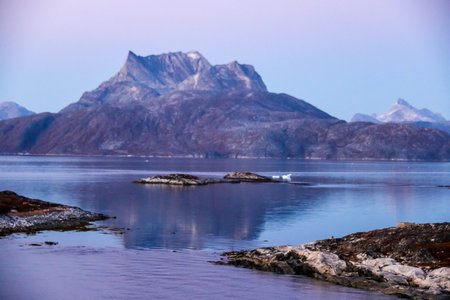
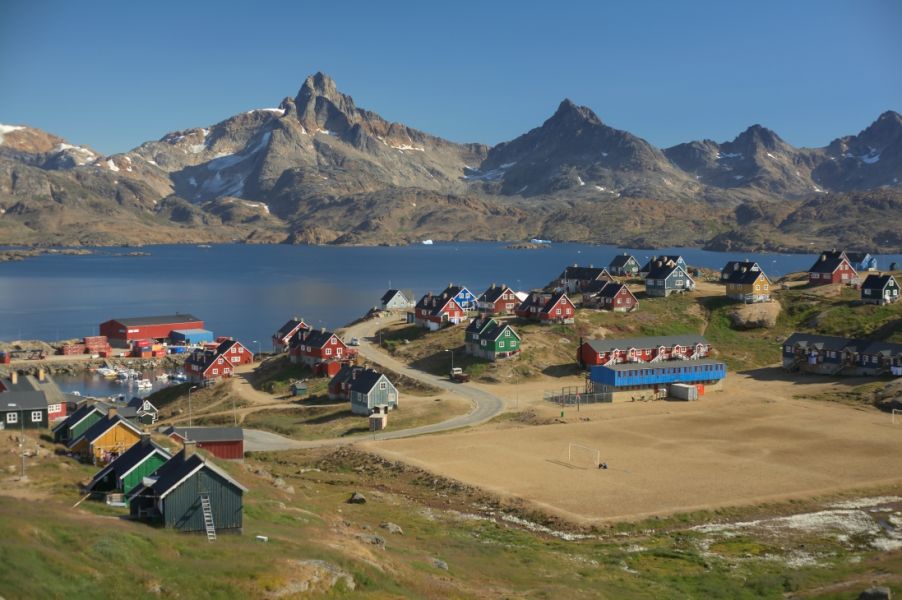
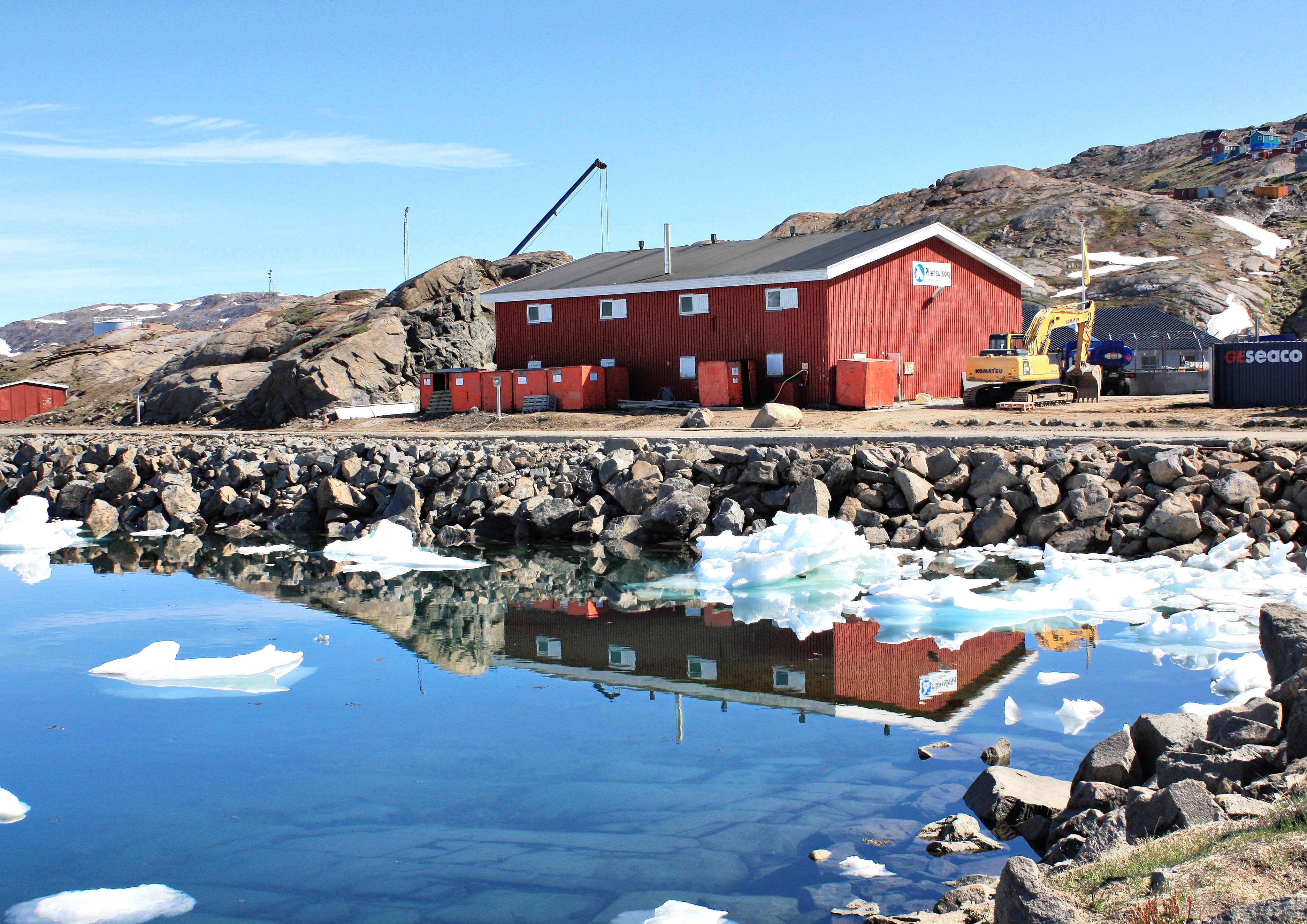
Compare this rocky shoreline is in Tasiilaq…

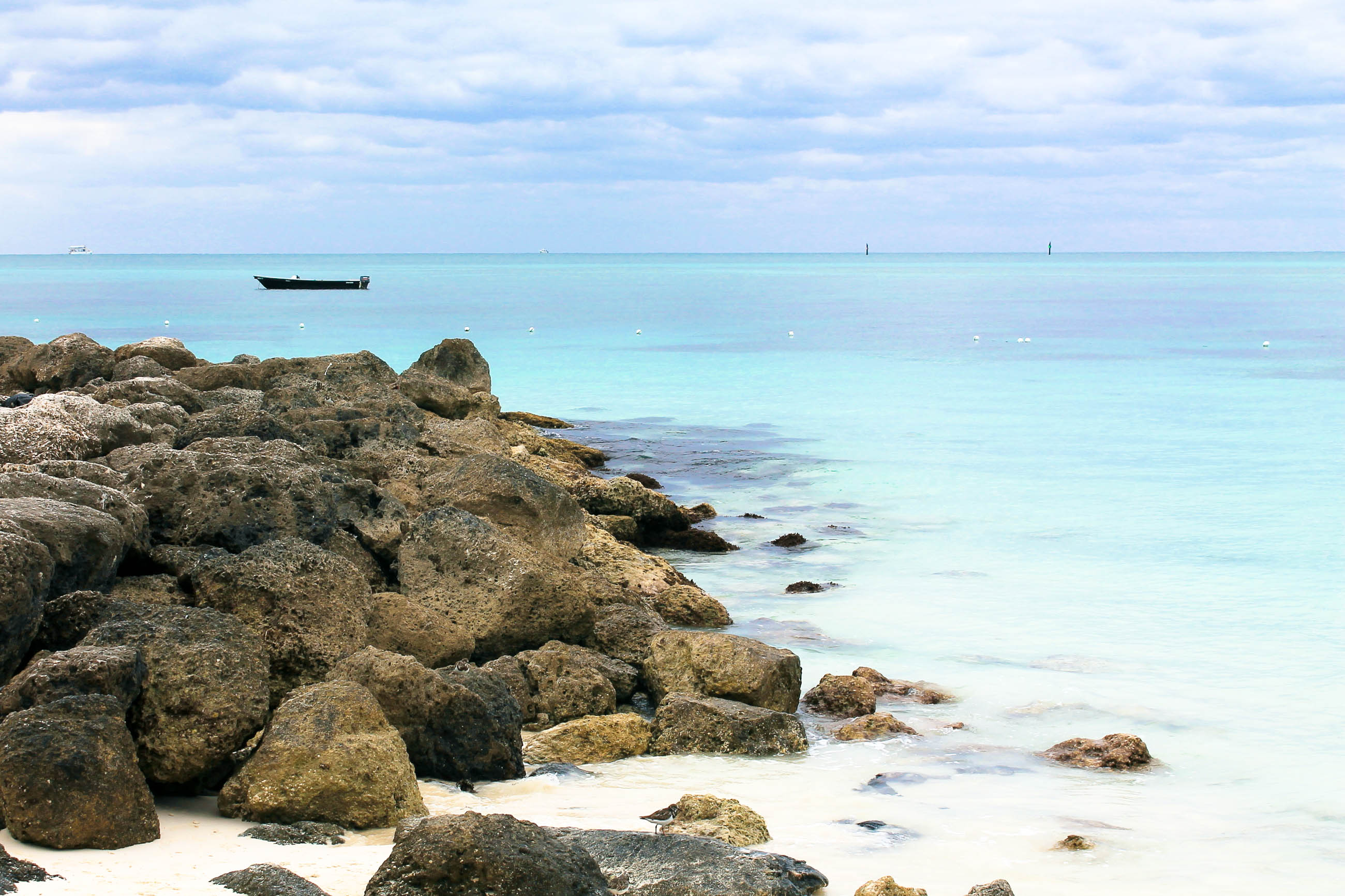
…with the Gold Rock Beach of Lucayan National Park on the southern shore of Grand Bahama Island near Freetown…

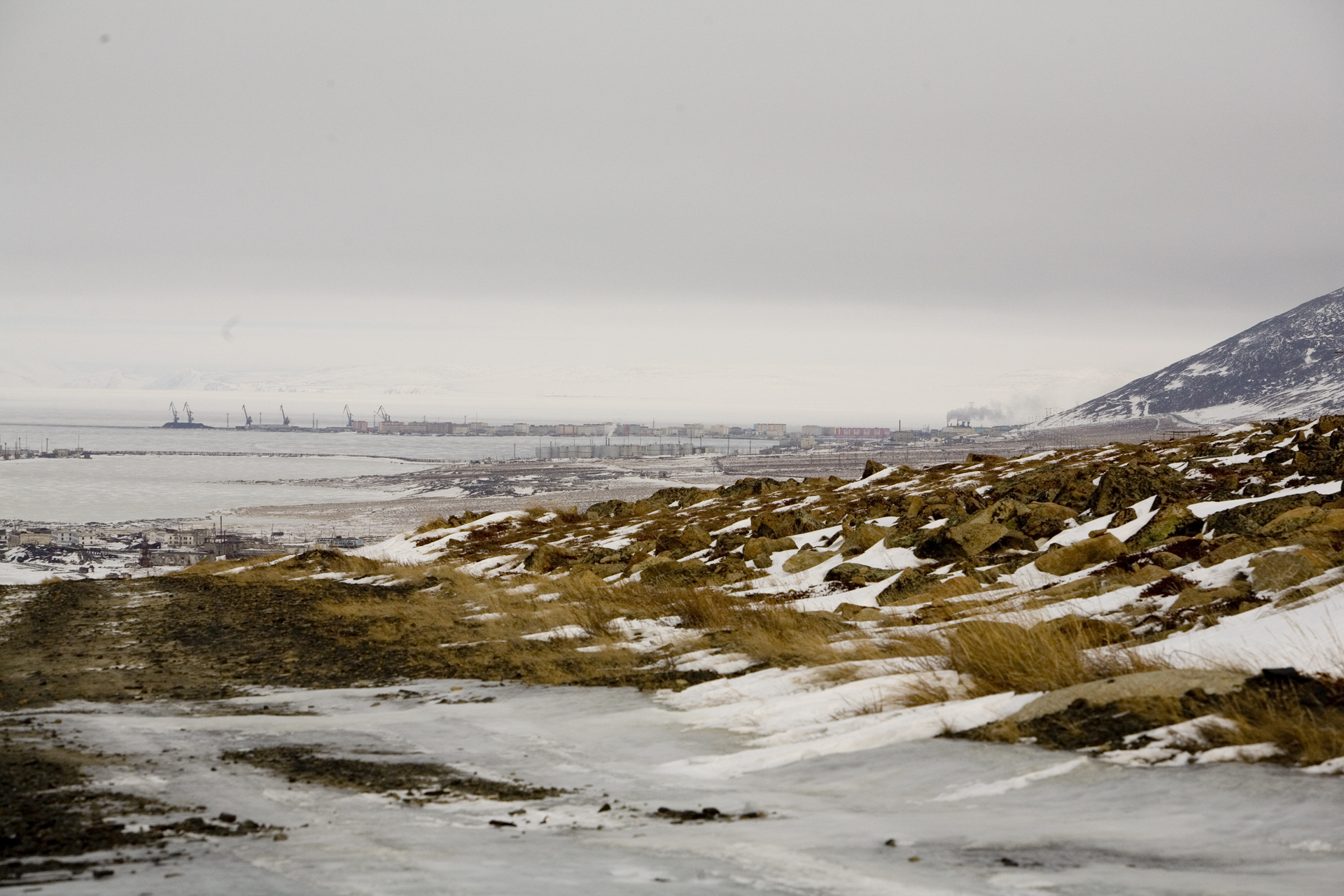
…with the rocky beach of Pevek, on Russia’s far northern coast on the East Siberian Sea…

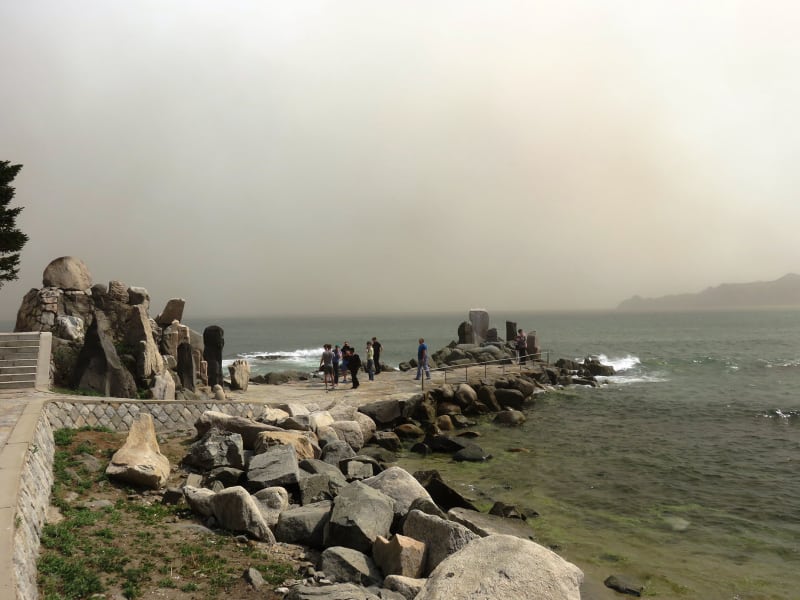
…and the rocky coast of Jipsam, in North Korea, near the port city of Chongjin.

I am going to end this post here, and pick up the alignment in Olafsvik, Iceland in the next post.

Circle Alignments on the Planet Algiers – Part 9 Des Moines, Iowa to the Apostle Islands, Wisconsin

The circle alignment emanating from Algiers, Algeria enters North America in Louisiana, after it crosses over the Gulf of Mexico from Merida, Mexico. It continues through the Heart of the Empire Washitaw – also known as the Ancient Ones, and the Mound Builders – in Louisiana and Arkansas, and the on through the State of Missouri, passing directly through Springfield.

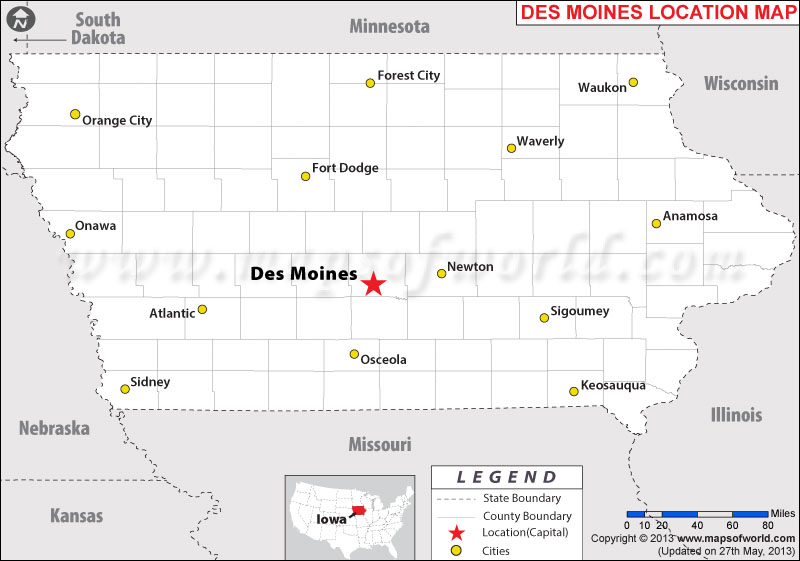
Next the alignment passes through Des Moines, the capital and largest city of Iowa.

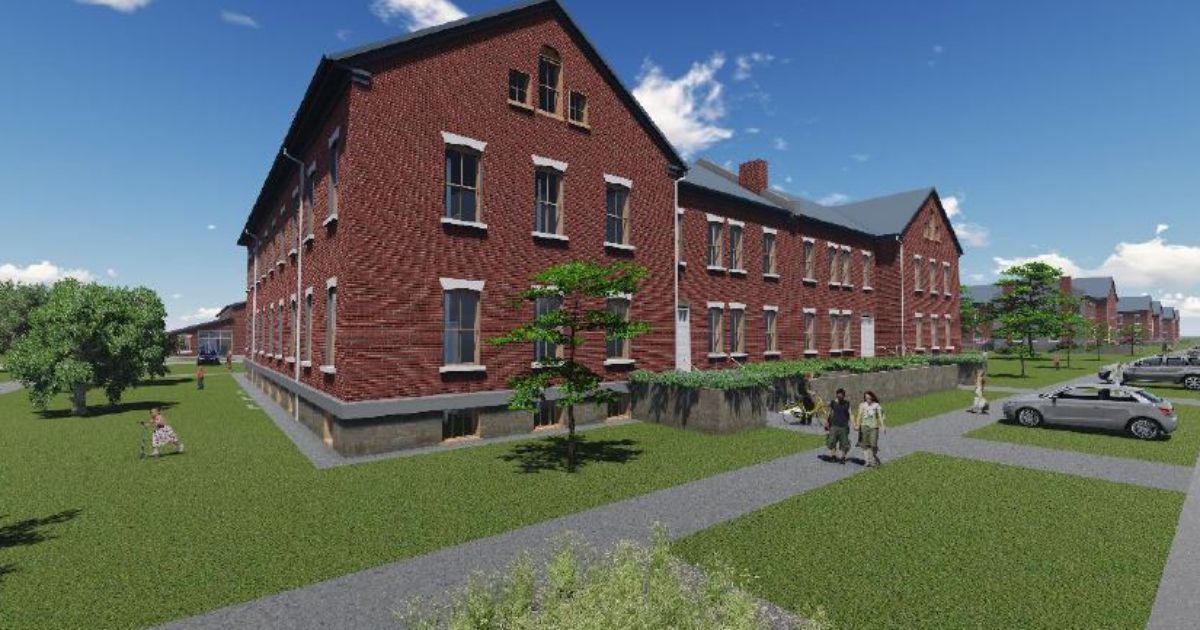
It was incorporated in 1851 as Fort Des Moines. The story we are told about the fort itself is that it was built by the Army in 1843.

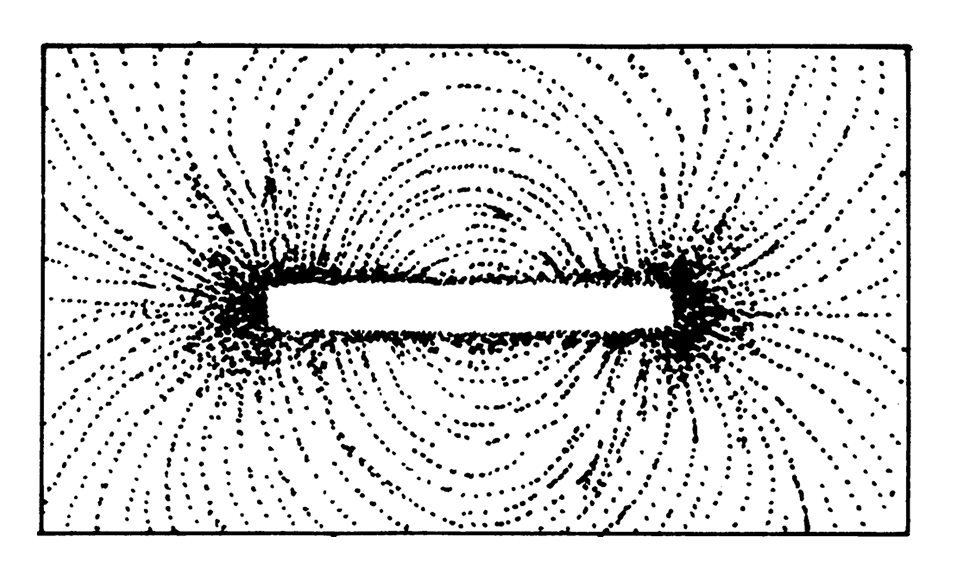
Check out the magnetism pattern showing up in the bricks!

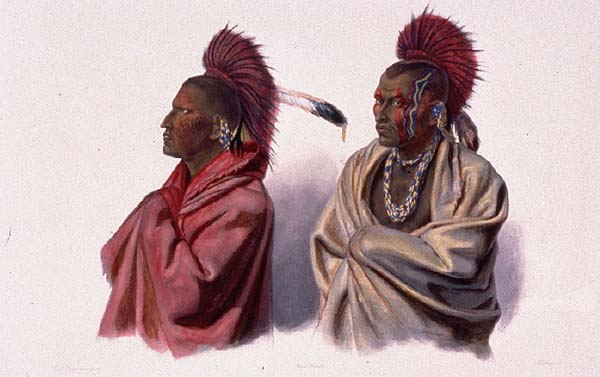
The stated reason for having a fort in Des Moines was to control the Sauk, an Algonquin language-speaking people of the Green Bay, Wisconsin area and the Meskwaki. closely related to the Sauk, known as the Fox, and also Algonquin language speakers. Their homelands were in the Great Lakes region. Both the Sauk and Meskwaki had been relocated from the homelands to eastern Iowa.

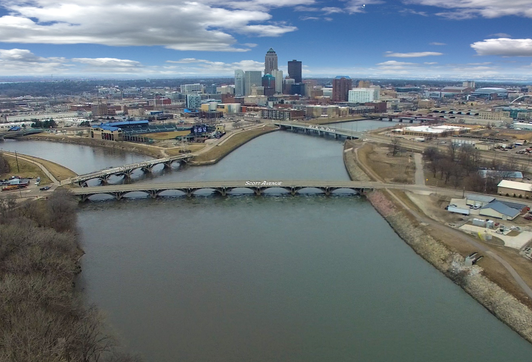
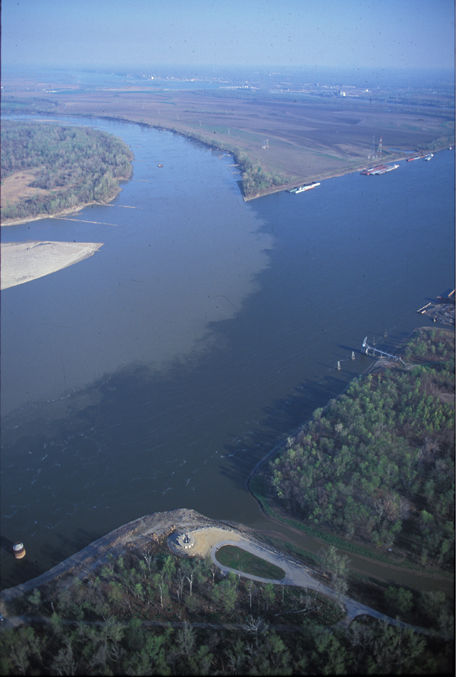
The Fort was said to have been built where the Raccoon River and Des Moines River meet…

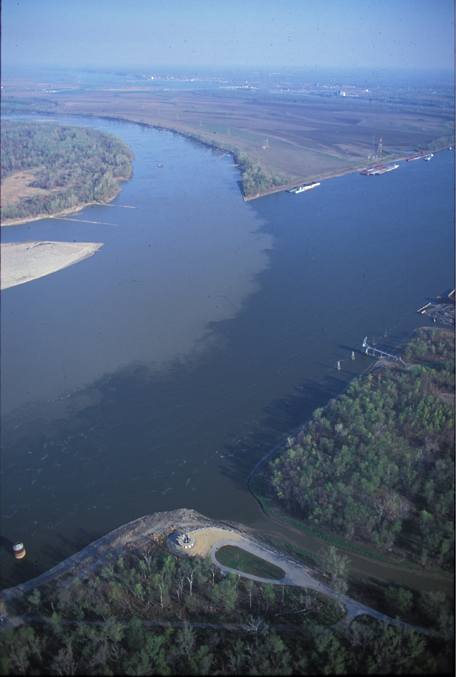
…which has the same appearance as where the Mississippi River and Missouri river meet near St. Louis in Missouri…

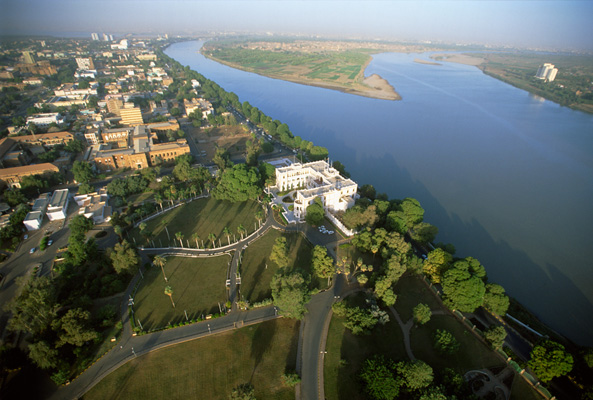
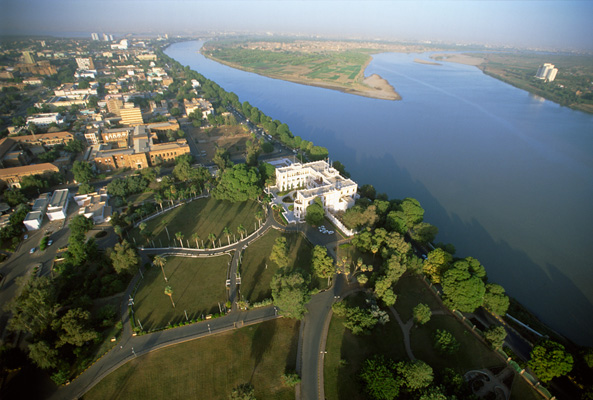
…and where the Blue Nile and White Nile meet at Khartoum in the Sudan.

With striking similarities such as these, I am thinking all of these river systems, and a high likelihood all river systems, are actually man-made canal systems.

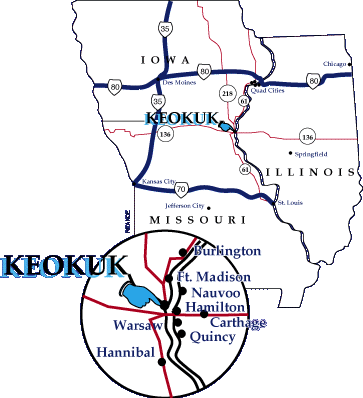
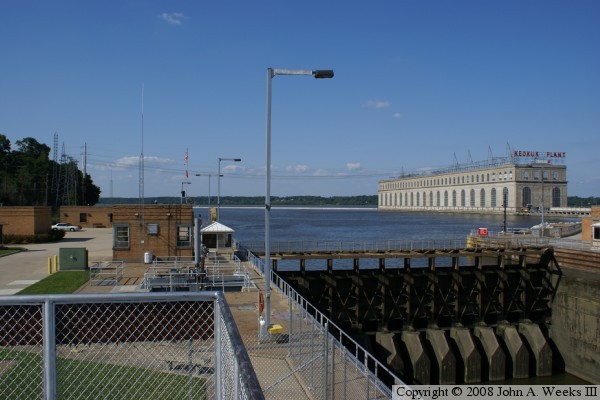
I did a search for Des Moines canal system to see what popped up, and I found the Des Moines Rapids Canal in Keokuk, Iowa, southeast of Des Moines. This canal is located on the Mississippi River, which serves as Iowa’s shared border with Illinois.

The construction of the 12-mile-long Des Moines Rapids Canal was said to have started in 1866, one year after the end of the American Civil War, and completed in 1877. Then it is said to have been in use for only 36 years, closing in 1913. Does any of this make sense with the amount of effort and expertise that would be needed to construct a massive engineering project like what is pictured here? And right after the Civil War?

Fort Madison, Iowa is just a short-distance up the Mississippi River from Keokuk. Here is a historic bank building in Fort Madison…

…compared with a historic building in Kherson, a city in the Ukraine.

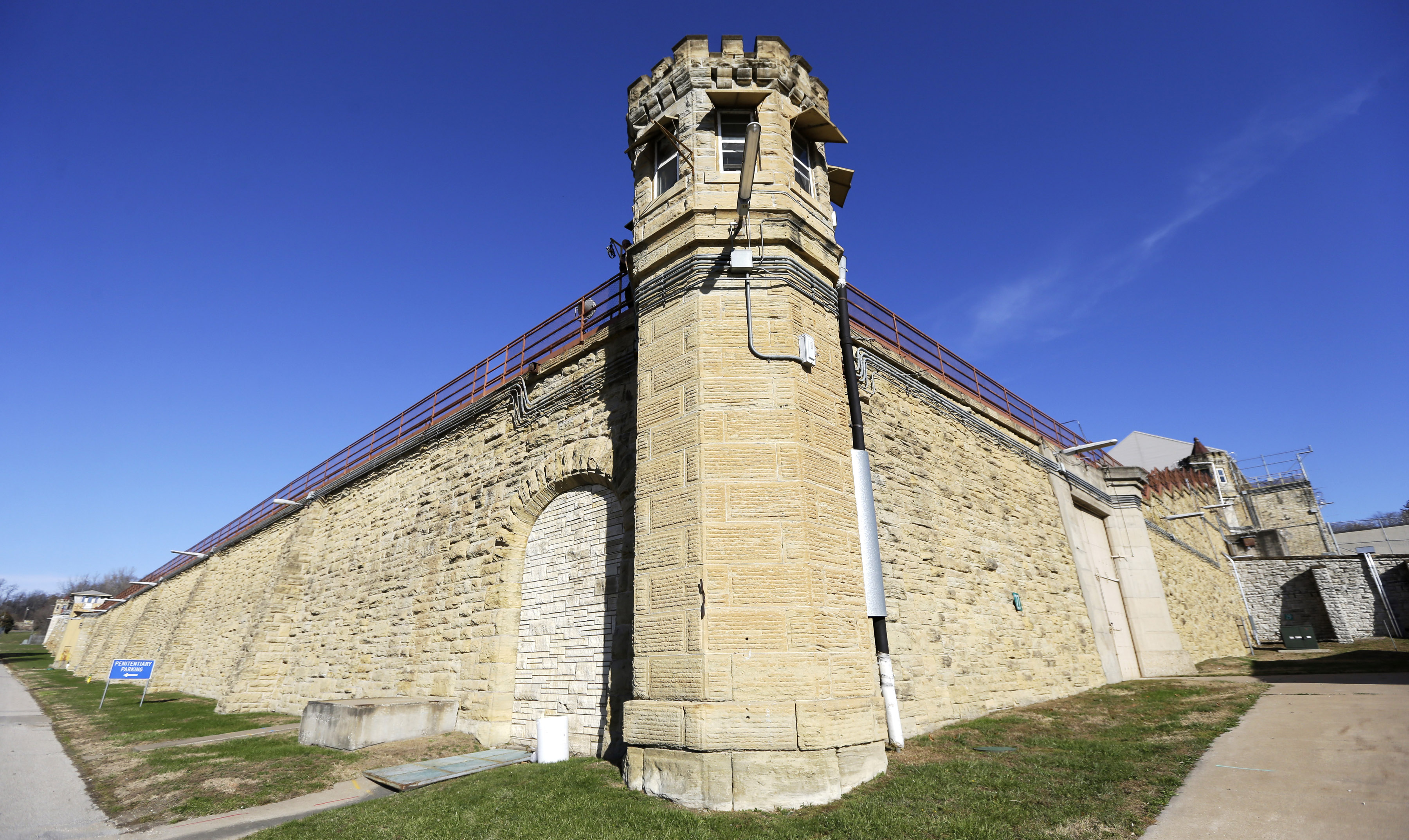
And a wall of the Iowa State Penitentiary at Fort Madison…

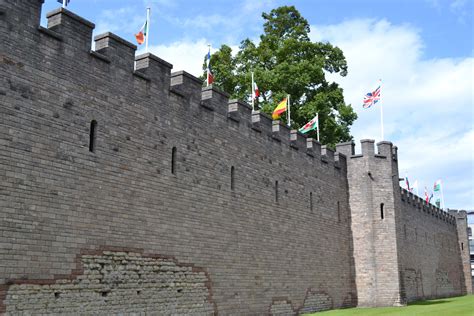
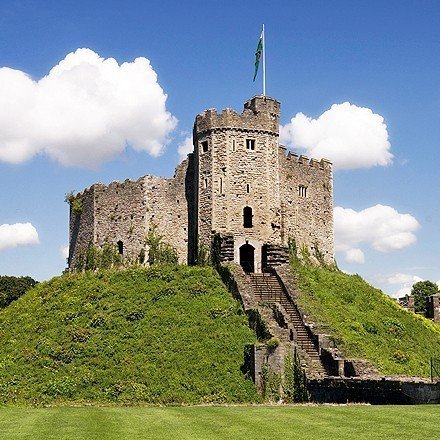
…compared with this wall of the Cardiff Castle in Wales.

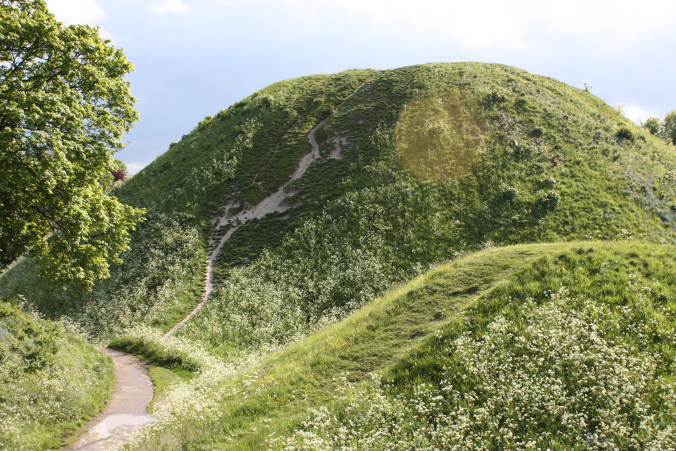
This is said to be the original fortification on the grounds of Cardiff Castle, which is said to have been built in the late 11th Century, after the Norman Conquest by William the Conqueror in 1066. It is what is called a motte-and-bailey castle, but looks suspiciously like a mound to me.

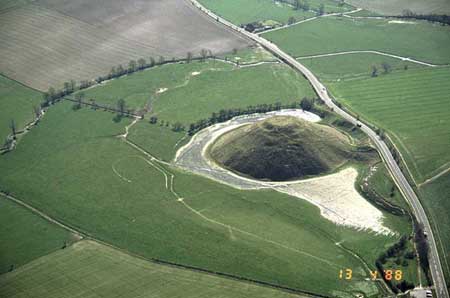
For comparison, this is Silbury Hill, called a prehistoric artificial chalk hill in Wiltshire. It is part of a complex of Neolithic monuments, and located a short driving distance from the Avebury Stone Circle. It is considered the largest man-made structure in Europe, believed to date back to 2,400 BC…

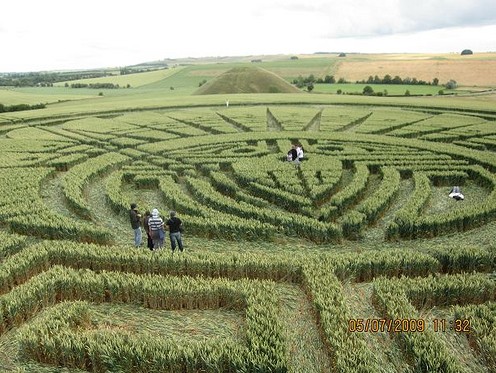
…and a popular place for crop circles…

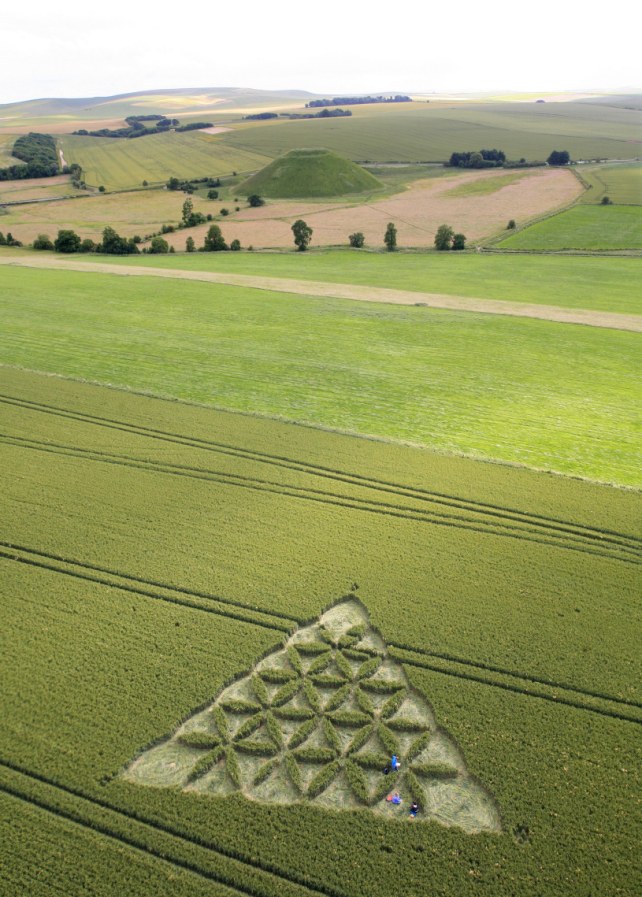
…and other geometric shapes to appear.

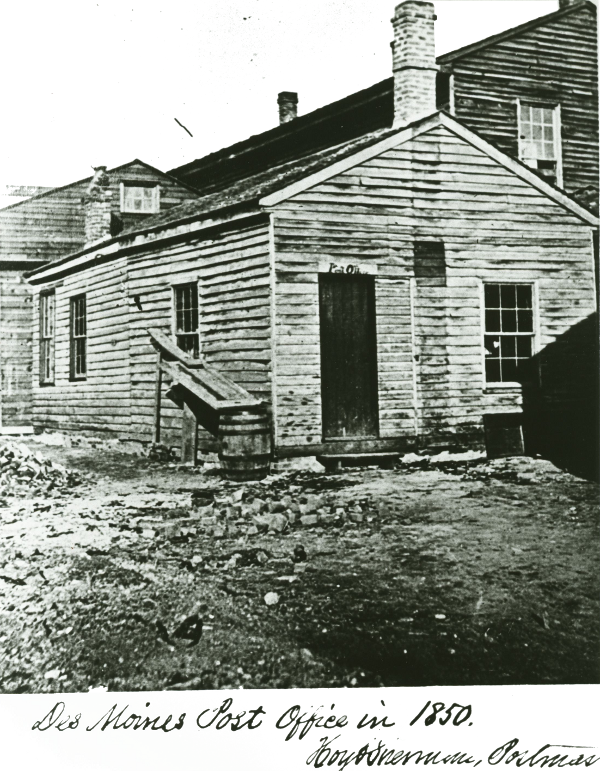
Back to Des Moines. This is a historic photo of the Des Moines Post Office, circa 1850.

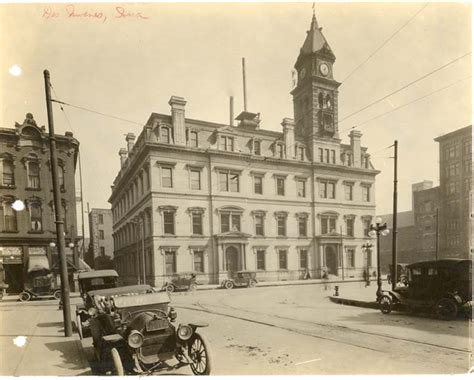
A mere 21 years later, in 1871 according to what we are told, this U.S. Circuit Court Building was already in operation. So how did we go from a relatively crude wooden structure like the post office, to this gigantic building? And only six years after the end of the American Civil War?

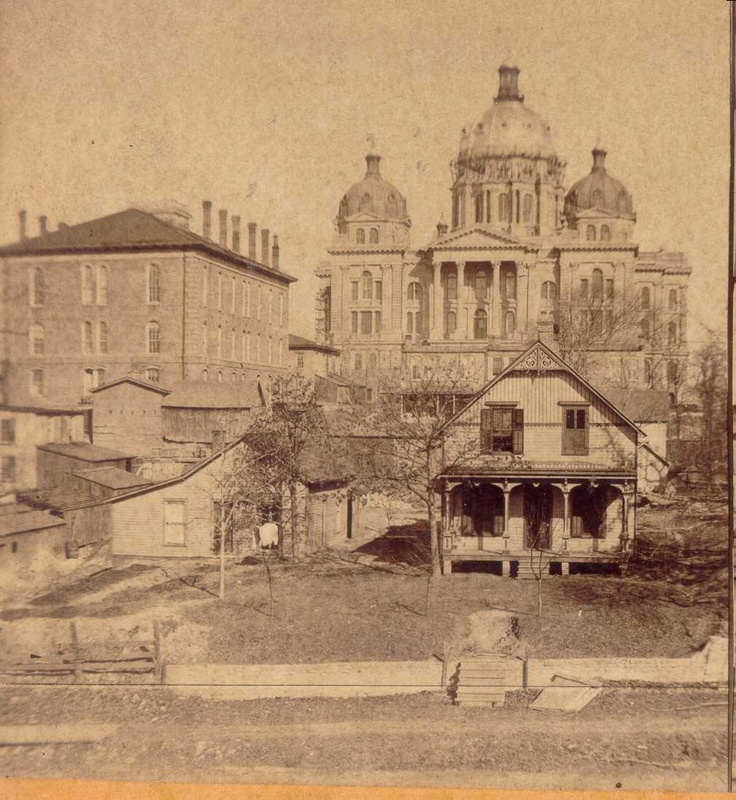
Same thing with the amazingly ornate and huge Iowa State Capitol Building, said to have been built between 1871 and 1886, in stark contrast to the much smaller wooden structures in the foreground. How did we go from Point A to Point Z in less than 40 years, according to the history we have been taught?

Immediately upon leaving Des Moines, the alignment passes through Ames, the flagship campus of Iowa State University.

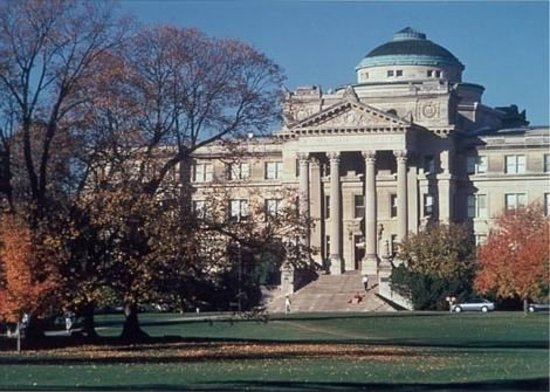
This is the massive Beardshear Hall, a massive administrative building on the campus, said to have been built in 1906. Again, we are taught by historical omission not to question what it would have taken to build something like this during the time we are told it was, and to just trust that the information is factual and correct. Nothing to see here, right?

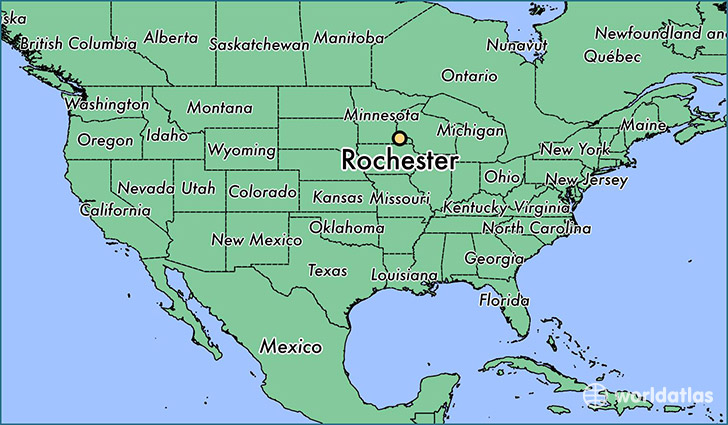
The next major city on the alignment is Rochester, founded in 1854, and the county seat of Olmstead County. It is the third-largest city in Minnesota…

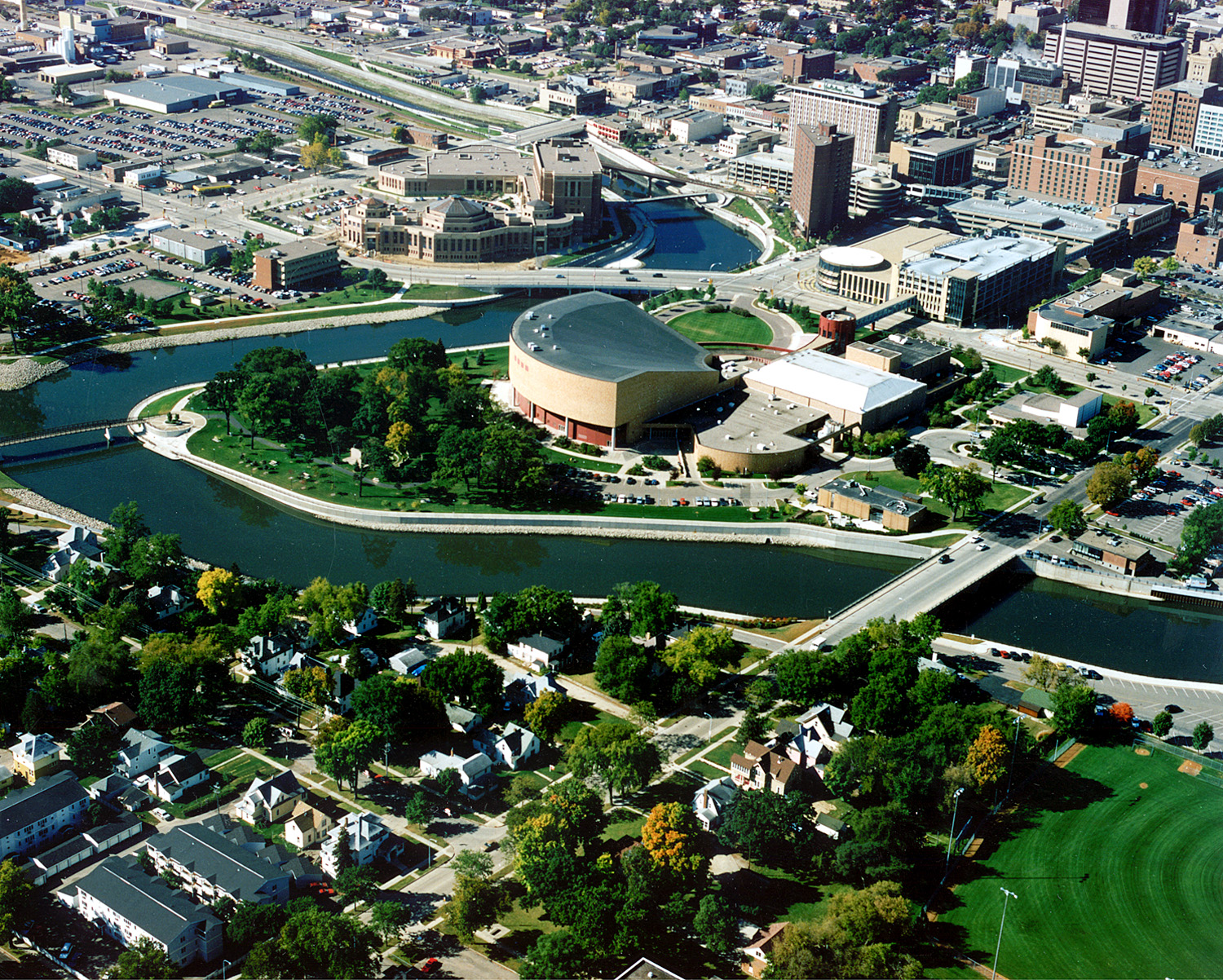
…and situated on the Zumbro River, on another snaky, S-shaped riverbend.

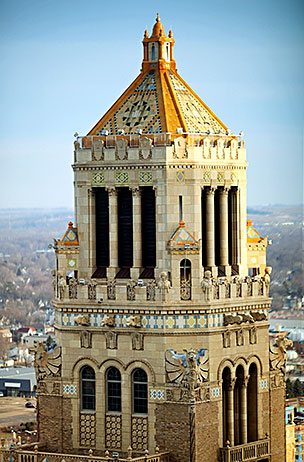
The prestigious Mayo Clinic is in Rochester. This is a close-up of the tower of the Mayo Clinic’s Plummer Building, said to have opened in 1928 and is a National Historic Landmark.

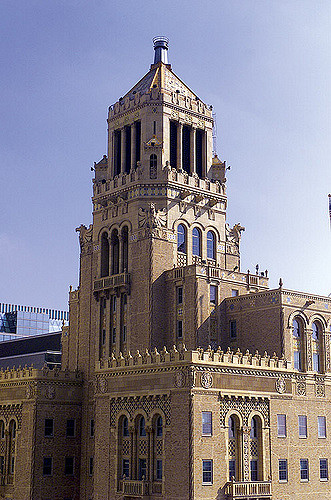
Here’s a view of the Plummer Building from a different angle…

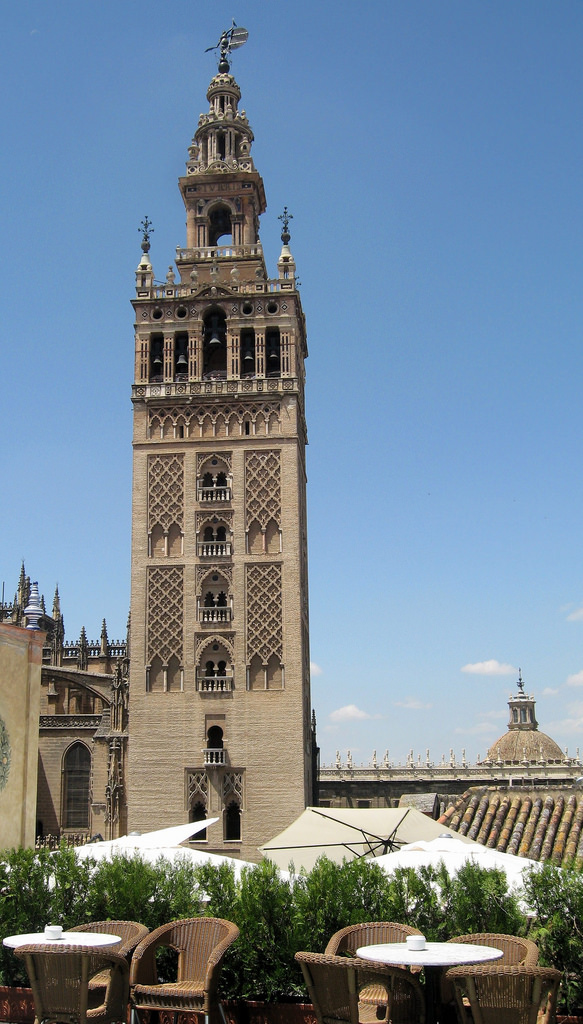
…compared with the Giralda Bell Tower in Seville, one of the capitals of Moorish Spain, said to have been completed in 1198…

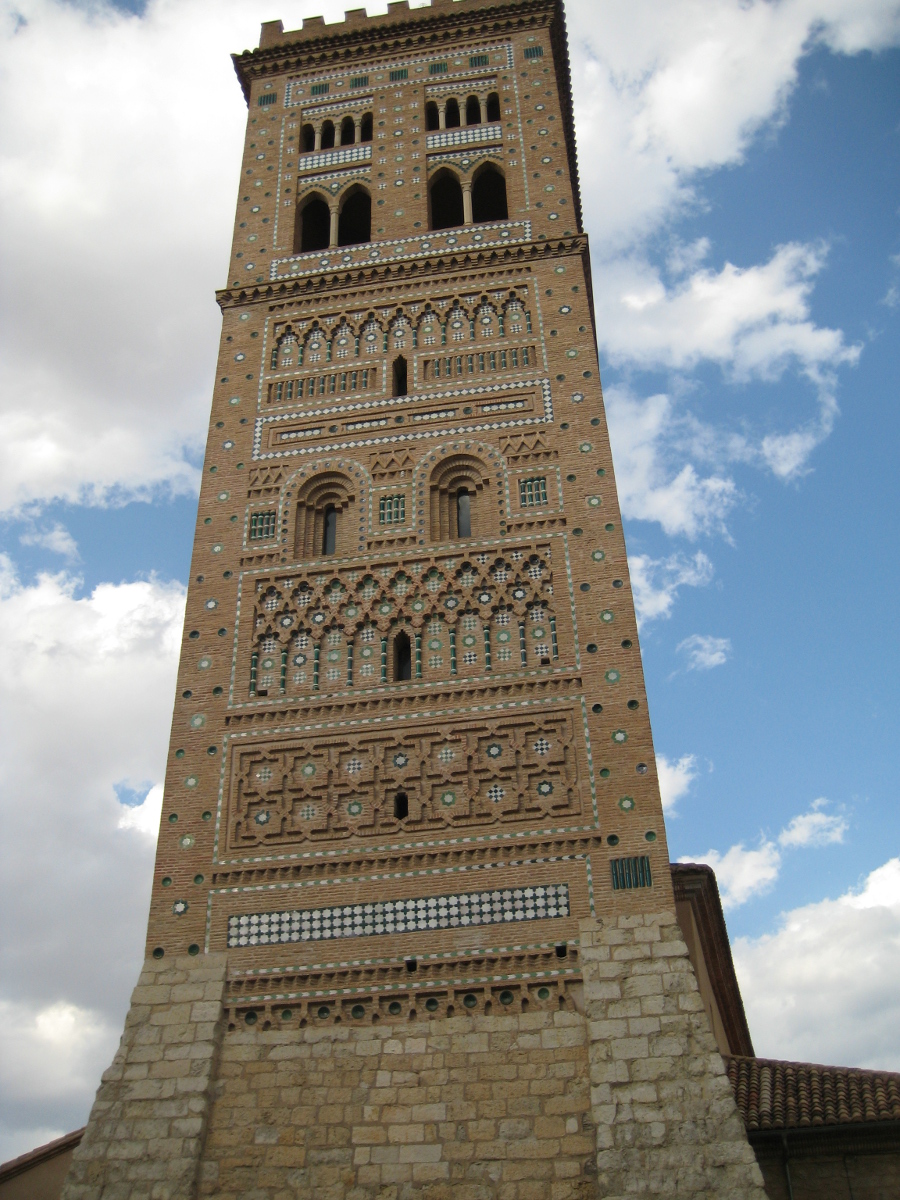
…and the Moorish Tower in San Martin Teruel, Spain, said to have been built in 1316.

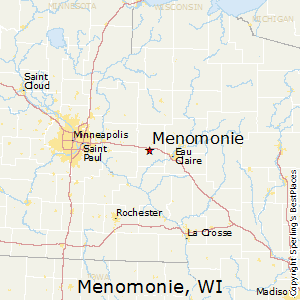
From Rochester, the alignment crosses through Menomonie, the county seat of Dunn County in the western part of Wisconsin.

The Menominee Nation of Wisconsin, an Algonquin-speaking people, is the only one in Wisconsin whose origin-story says they have always lived in Wisconsin. Their ancestral lands also include the Upper Peninsula of Michigan.

The Menominee Nation lost federal recognition in the 1960s, we are told due to a policy of assimilation, but they had federal recognition restored by an Act of Congress in 1972.

We are taught that the indigenous people of this land were uncivilized tribes of hunter-gatherers.

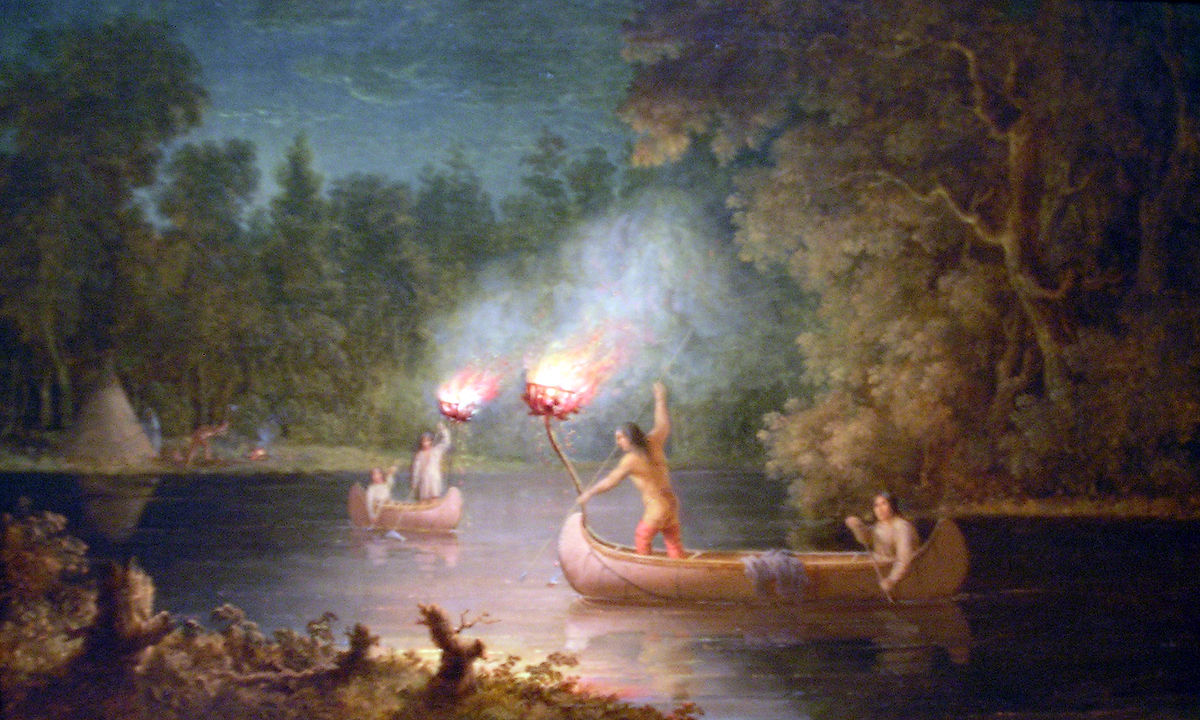
This is painting by an artist named Paul Kane, who died in 1871, called “Fishing by Torchlight,” of the Menominee spearfishing at night by torchlight and canoe on the Fox River.

So let’s take a look at the architecture of this city with the name of Menominee.

Who were they, really? 

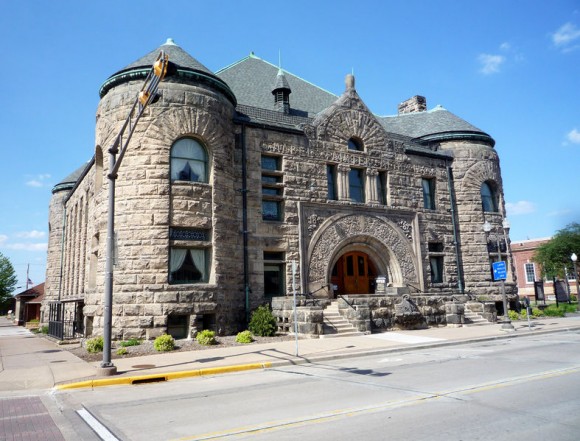
This is the Mabel Tainter Memorial Theater in Menomonie, Wisconsin, said to have been built in 1889 by Andrew and Bertha Tainter as a memorial for their daughter Mabel who passed away from a ruptured appendix in 1886.

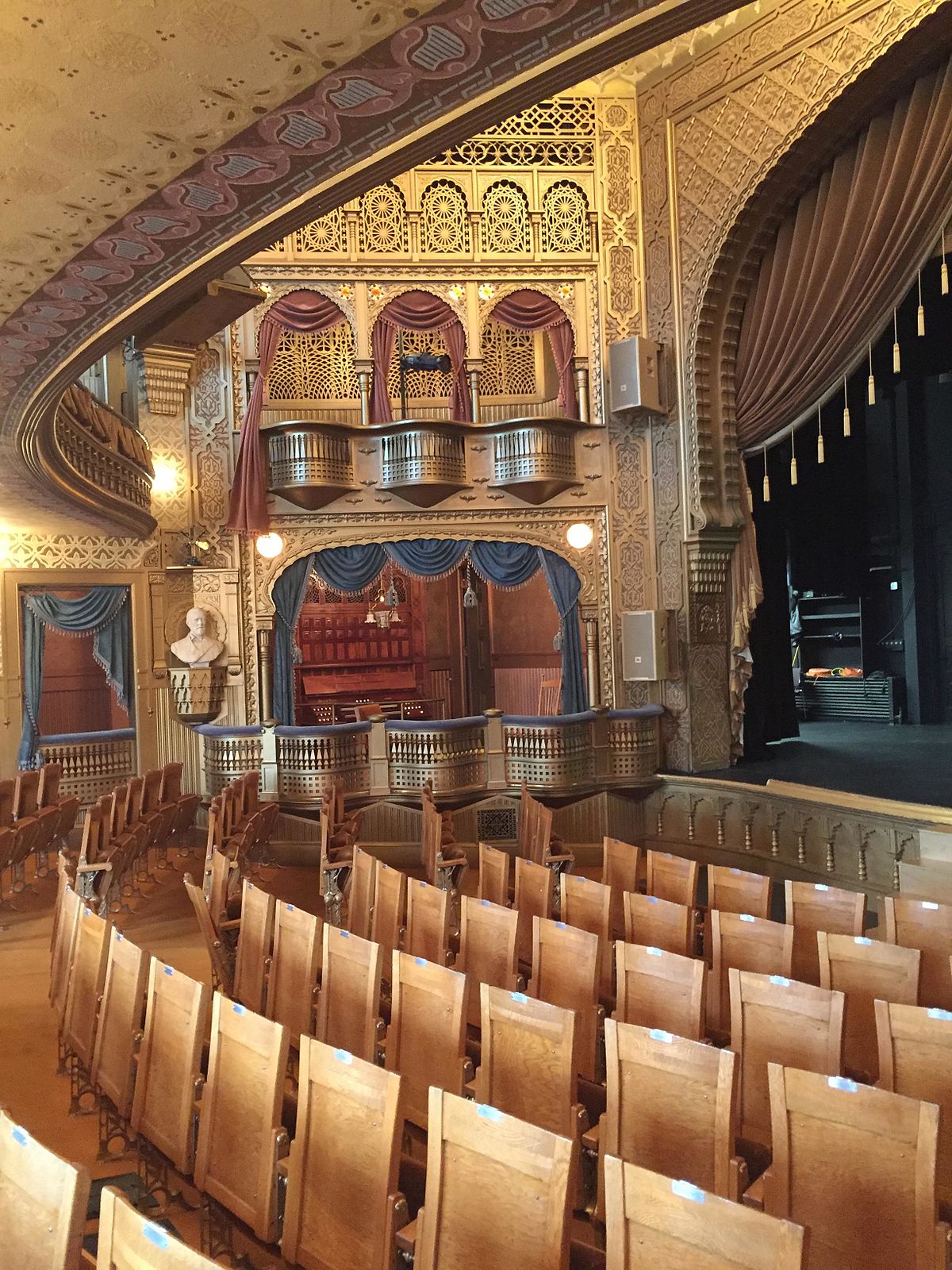
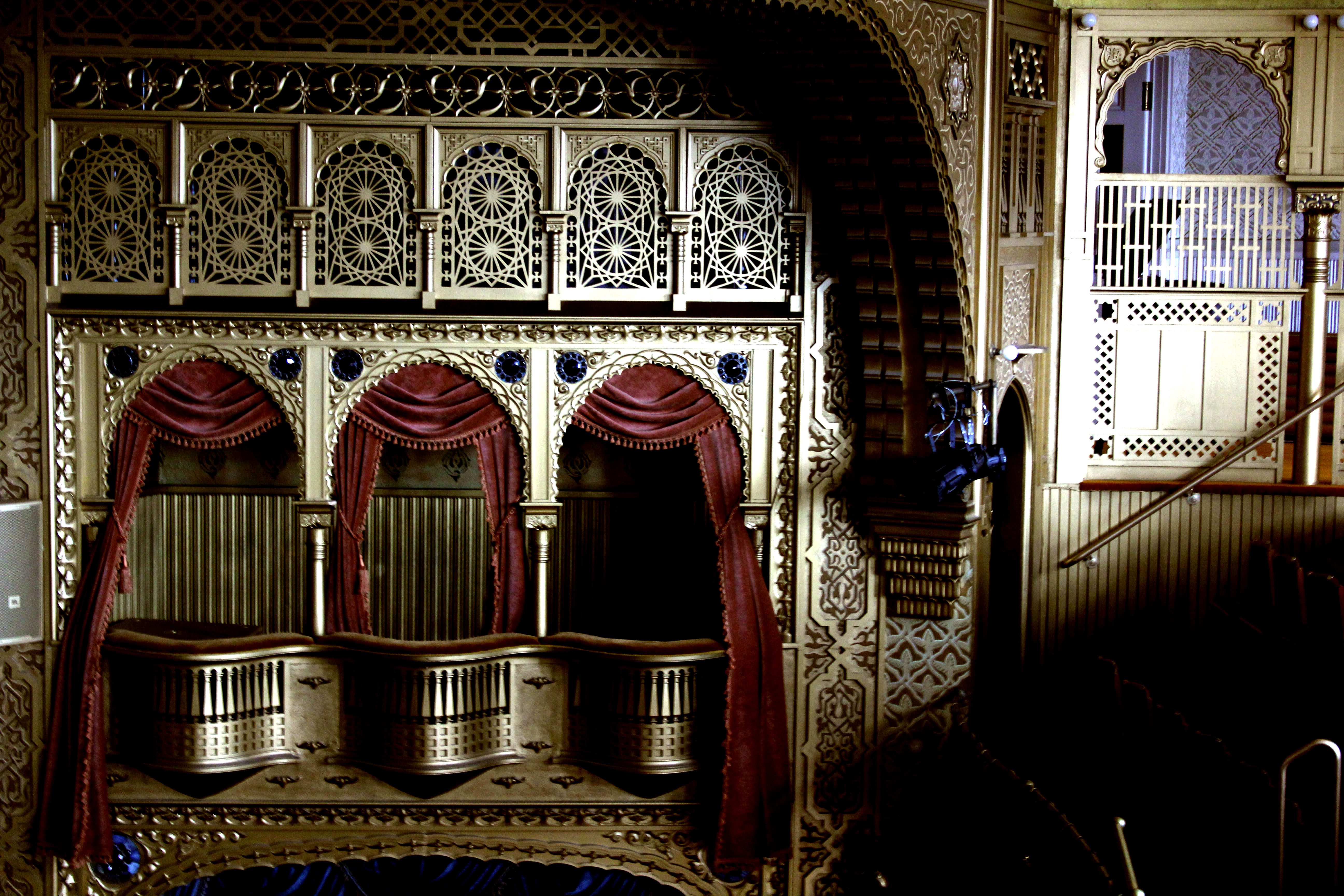
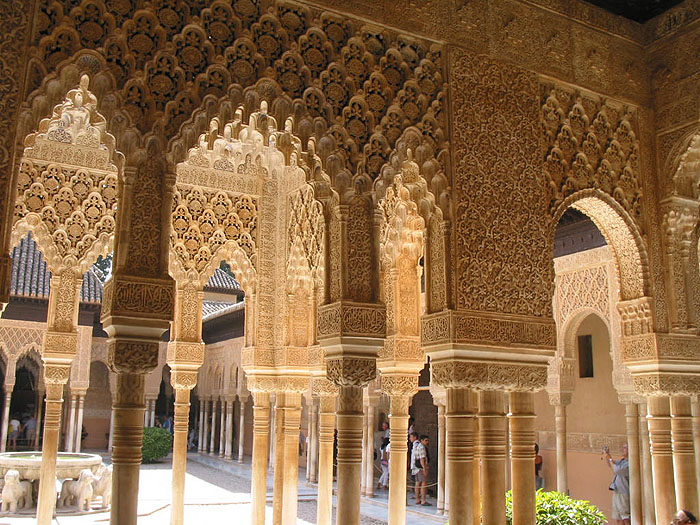
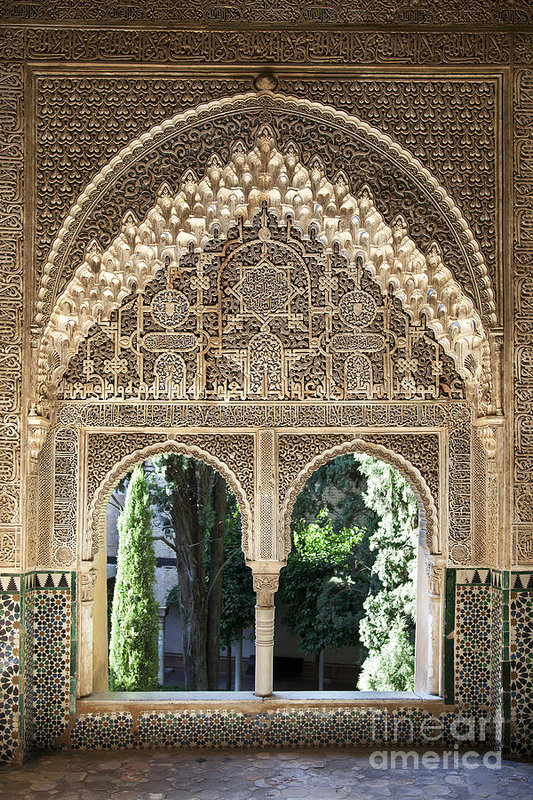
This is what the Mabel Tainter Theater looks like inside…

…compared with the Alhambra in Granada, Spain.

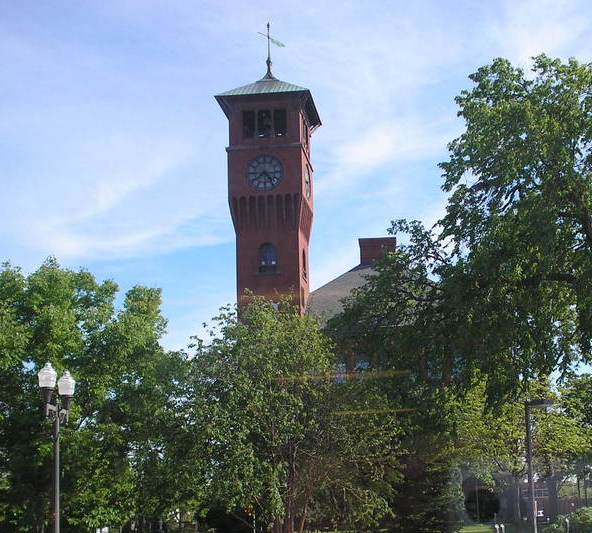
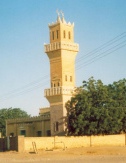
This a tower in the city of Menominie, Wisconsin…

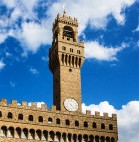
…compared with tower of the Signoria in Florence, Italy…

…and the tower of the Great Mosque of El Obeid in Sudan. For being on completely different continents, these three towers are remarkably similar in design.

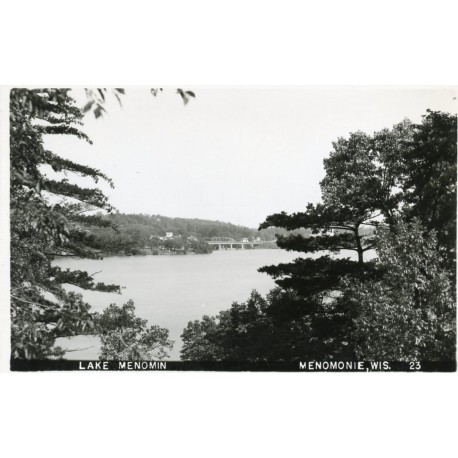
I noticed there were cedar trees on Lake Menomin…

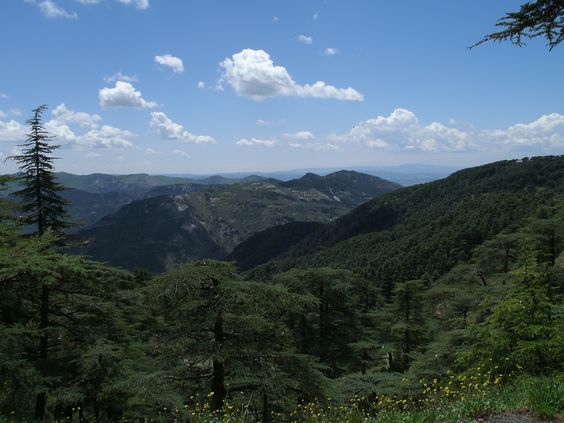
…just like there were back in Algeria on this circle alignment, like these in Chrea National Park in the Atlas Mountains.

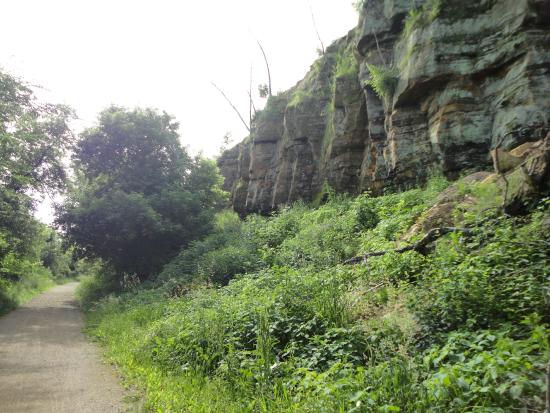
So I looked up cedars in Wisconsin, and found the Red Cedar State Trail is in Menominie. It is described as a 15-mile long trail with a crushed limestone that is smoother than some paved surfaces When I looked up images, I found this photo with an ancient wall parallel to the trail. We have only been taught to believe what are called rock formations are natural.

More evidence that this is the case is found at the next place in Wisconsin that we come to on the alignment, the Apostle Islands.

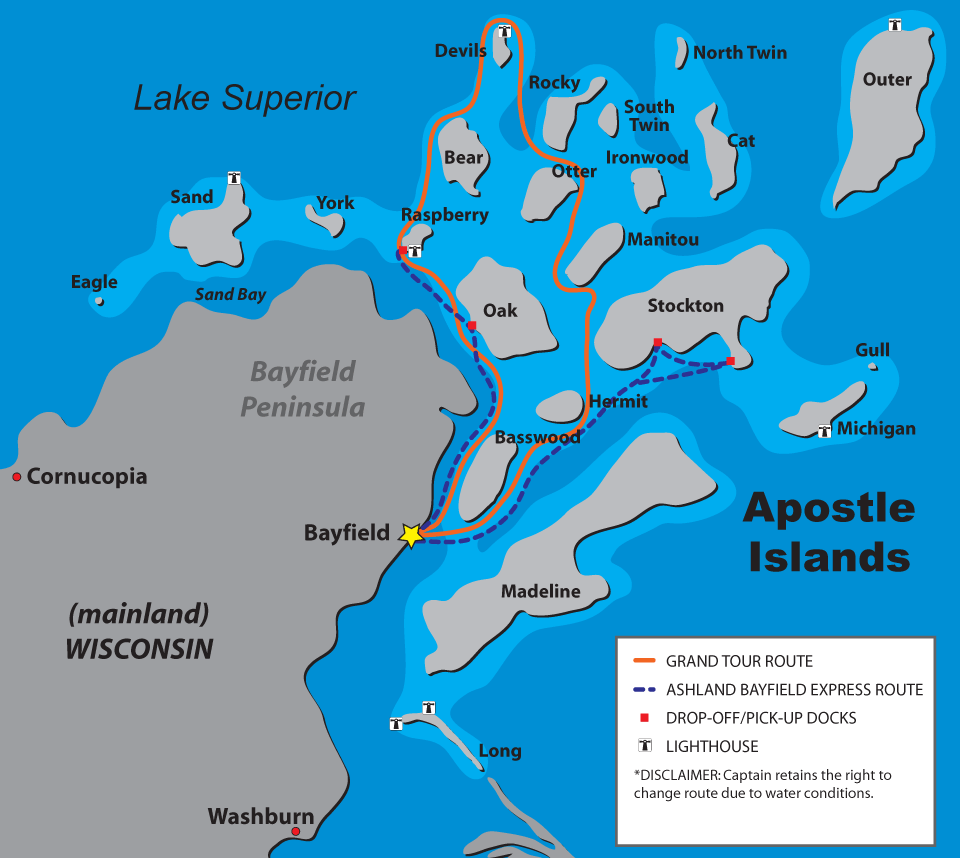
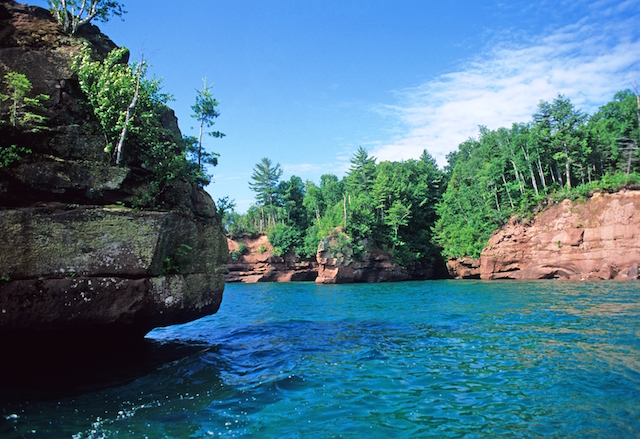
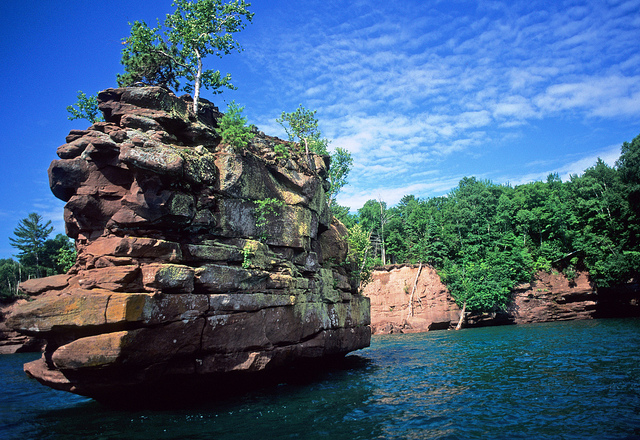
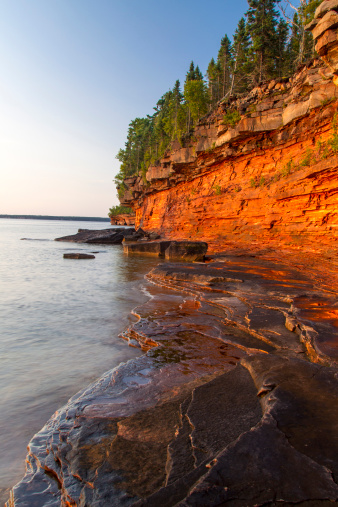
The Apostle Island National Lakeshore on Lake Superior is comprised of twelve-miles of mainland shore and twenty-one islands. It is described as having spectacular nature-carved rock formations…

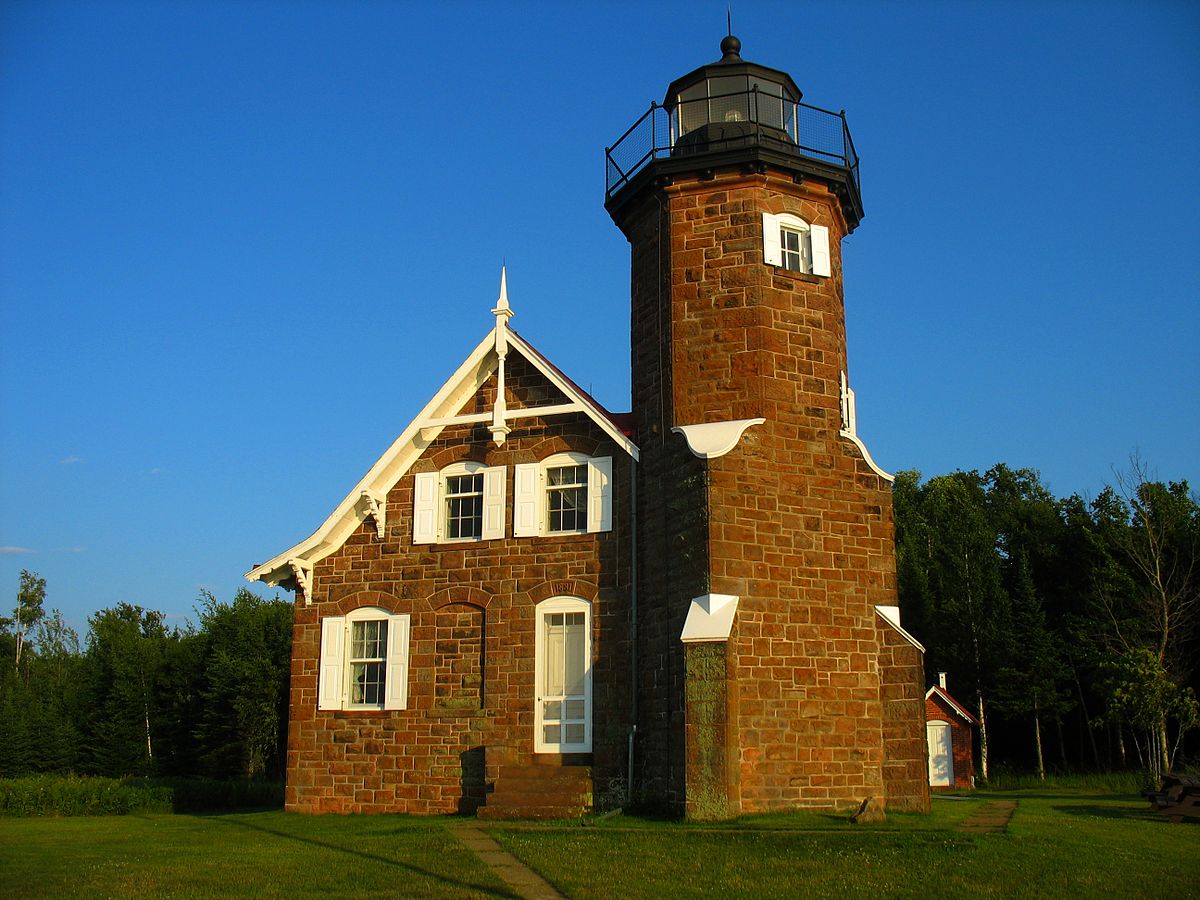
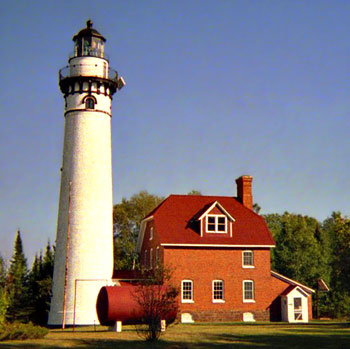
…and eight lighthouses. Here is one example of the lighthouses found here…

…and another example of one of them.

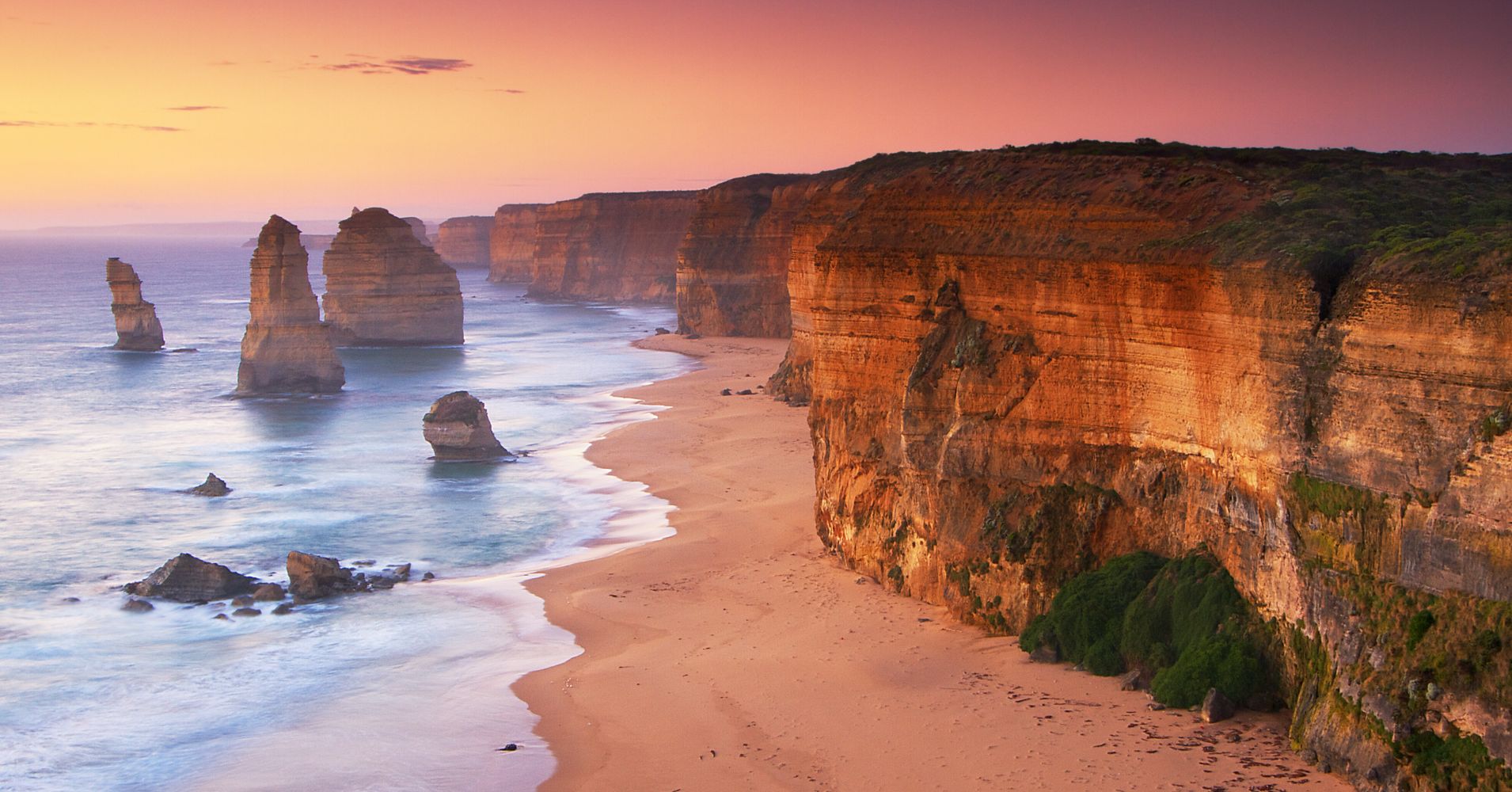
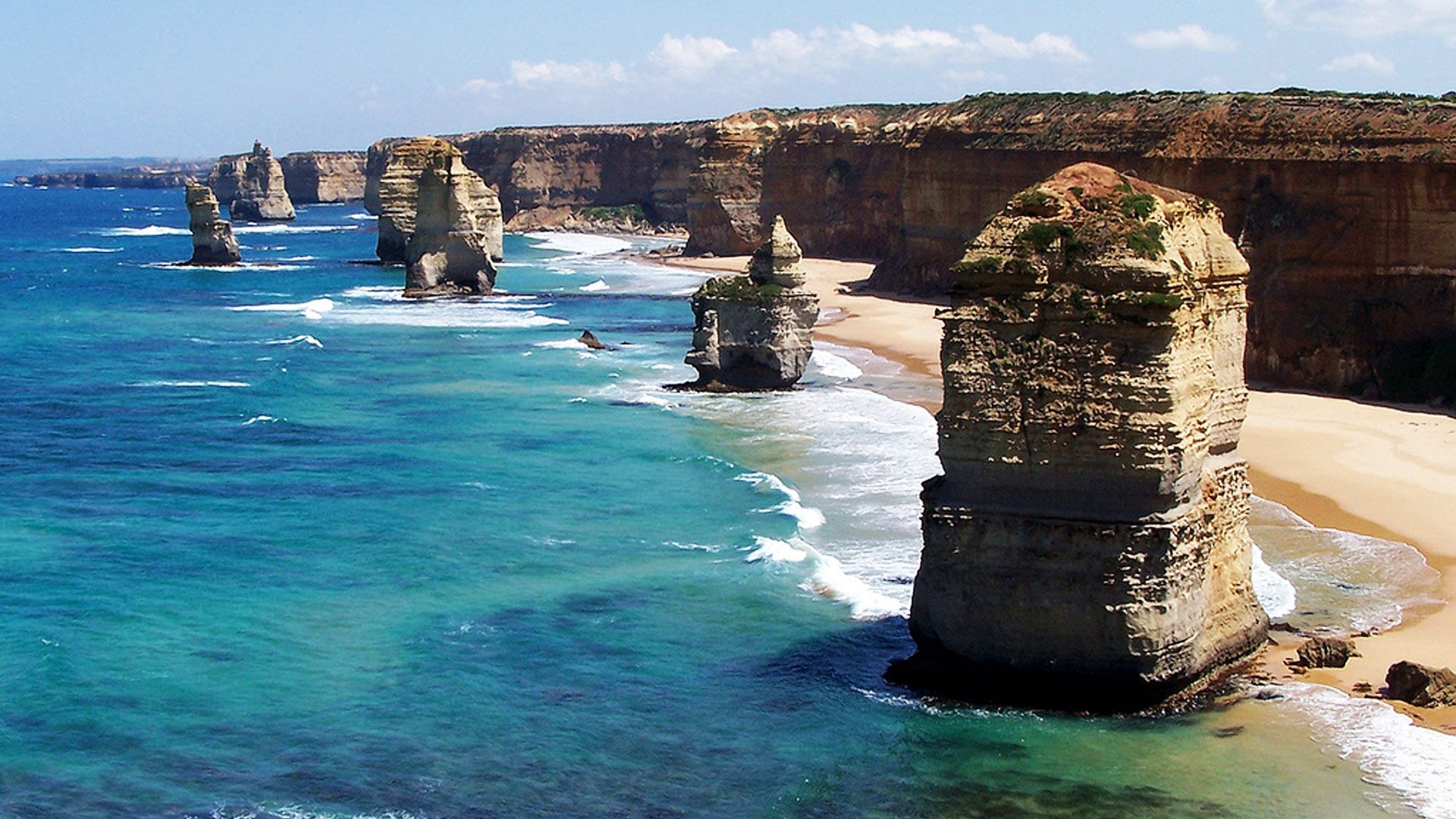
For comparison, there a place of the shore of Port Campbell in the Victoria State of Australia called “The Twelve Apostles.”

They are described as a collection of limestone stacks from the Miocene Age, which was between 23 and 2.5 million years ago.

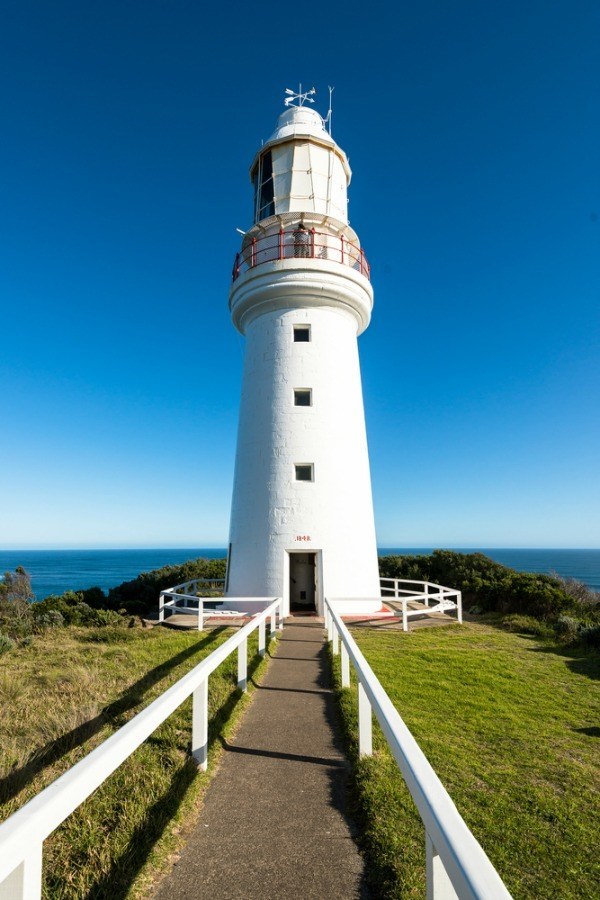
This is the Cape Otway Lighthouse on the Victoria coast near the Twelve Apostles. It is said to be the oldest remaining lighthouse in Australia.

The Ancient Advanced Civilization that has been removed from our collective memory was a Maritime Civilization of Master Builders, as comfortable on the water as on land.

I am going to end this post here, and pick up the circle alignment in Grand Portage, in Minnesota on Lake Superior near the Canadian border in northwestern Ontario.

Circle Alignments on the Planet Algiers – Part 8 Baton Rouge, Louisiana to Springfield, Missouri

So far I have tracked this circle alignment from its starting point in North Africa in Algiers, Algeria, through Mali, Guinea, Brazil, Colombia, Panama, Nicaragua, Honduras, Belize and Mexico.

Now the alignment enters the United States in Louisiana.

As I said at the end of the last post, the alignment is moving into the Heart of the Empire Washitaw of the Washitaw Mu’urs, also known as the Ancient Ones, and the Mound Builders.

The Ancient Ones don’t refer to a people that existed a long time ago.  It refers to an Ancient People that are living in the present day.

The United Nations recognized the Washitaw Mu’urs as the Oldest Indigenous Civilization on Earth in 1993.

The Washitaw existed far, far back in time, way far, at least as far back as the time of Mu, hence their identification as Mu’urs. Empresses are the ancestral rulers of the Washitaw Empire.

The Washitaw were also called the Ouachita, Wichita, Choctaw, Etowah, Eutaw, Waseti, Waxhaw, Hatchita, Washoe, Uaxactun, to name a few variations of the name. There are many, many other Native American tribes that are also Washitaw, but are considered to be separate from them because of the historical hatchet job that was done to remove the Ancient Ones from the historical record, and to misdirect and misinform.

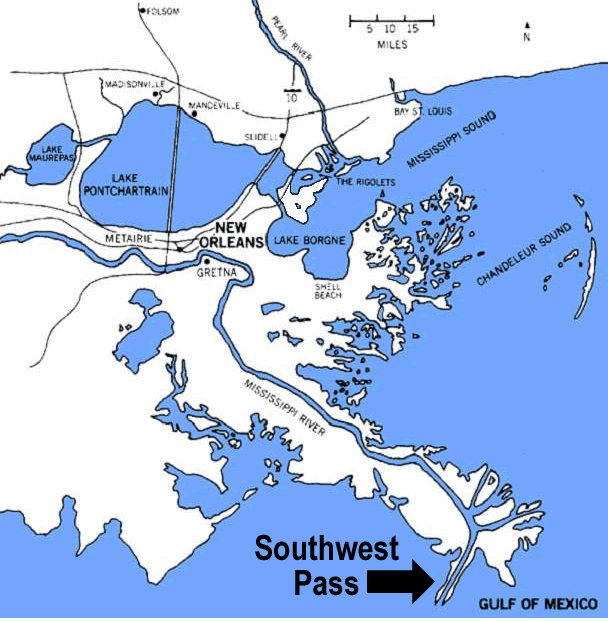
The Mississippi River Delta is nearby, southeast of Baton Rouge – close to the alignment, as is New Orleans – but not directly on it, like Baton Rouge.

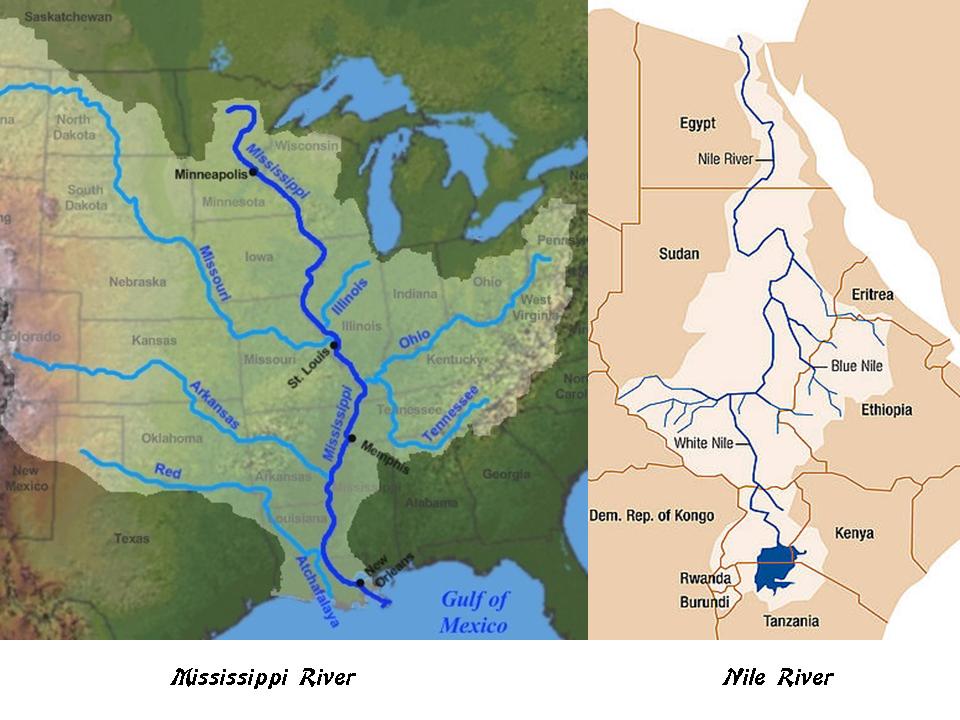
Throughout this post, I will provide reasons why I believe there is an inverse, and intentionally-mirrored relationship between the Mississippi River region and the Nile River region in Africa.

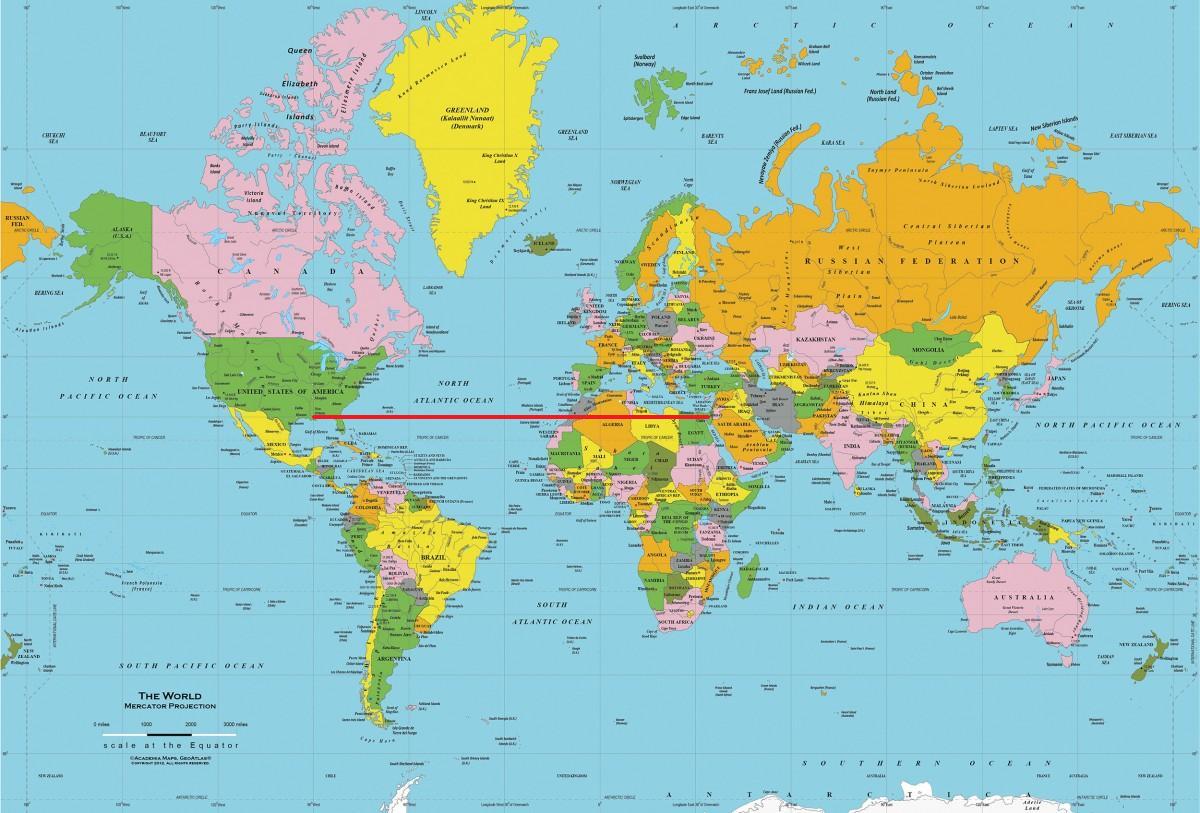
To begin with, I have drawn a red line on this world map to demonstrate that there is a straight, west-to-east, linear relationship between the location of the Mississippi River Delta, and that of the Nile River Delta.

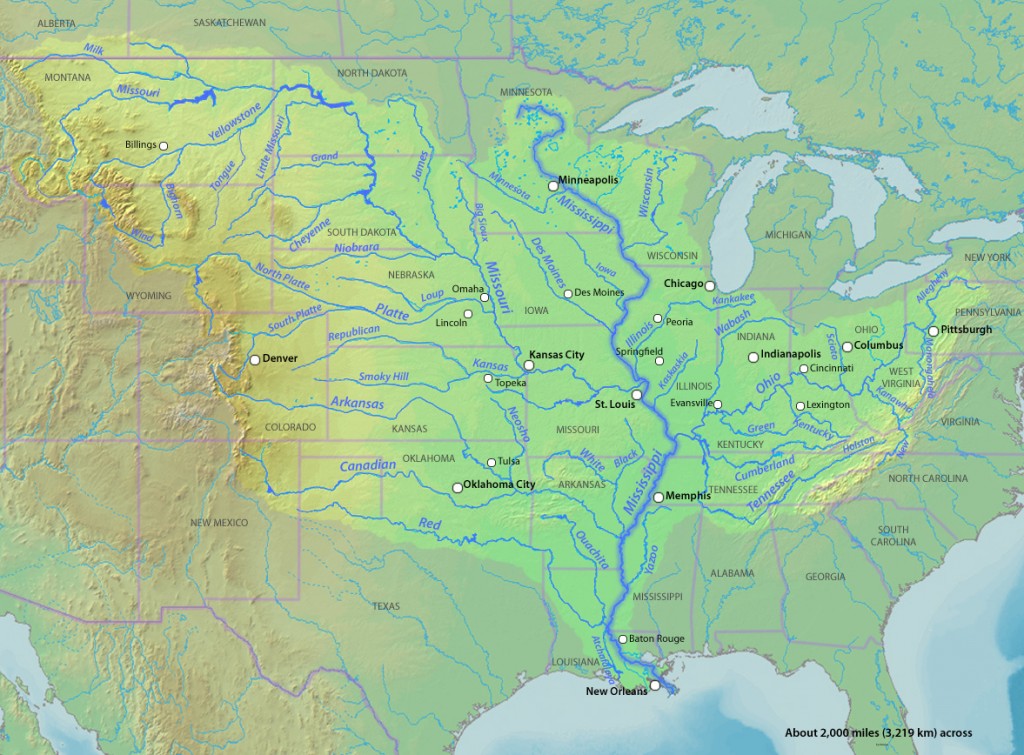
The Mississippi River, also known as the “Father of Waters,” flows southward 2,320 miles, or 3,730 kilometers…

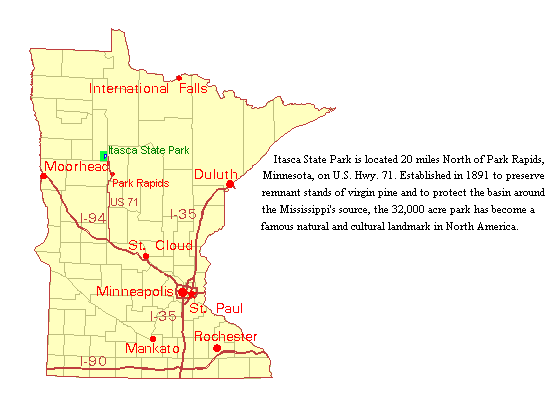
… from its source at Lake Itasca in Minnesota, not far from Lake Superior, and the Great Lakes Region of North America…

…to the Mississippi Delta in southeastern Louisiana.

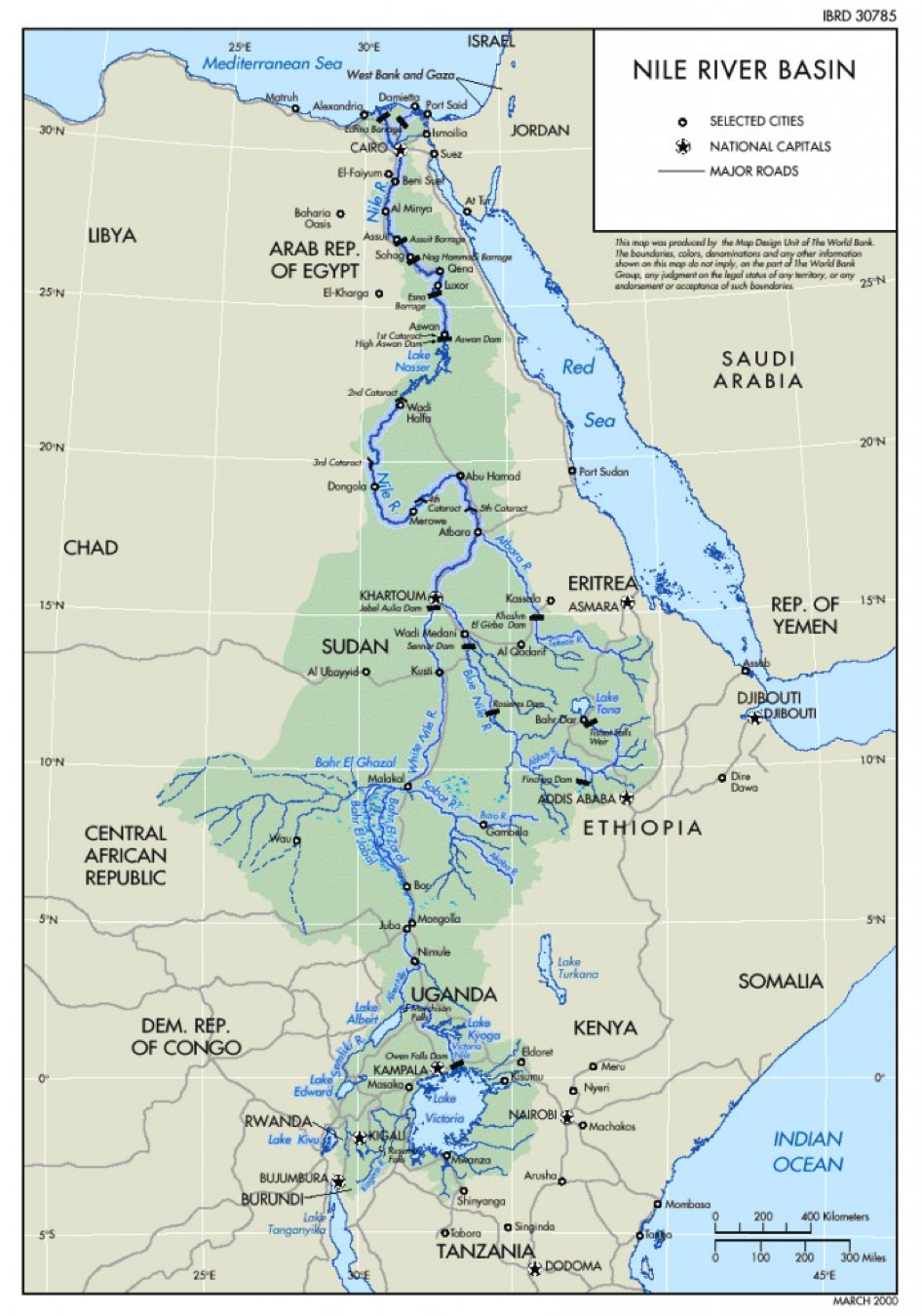
The Nile River, also known as the “Father of African Rivers,” and along with its major tributary, the White Nile, is 4,130 miles, or 6,650 kilometers, long.

The source of the White Nile is Lake Victoria, in what is called the Great Lakes Region of Central Africa.

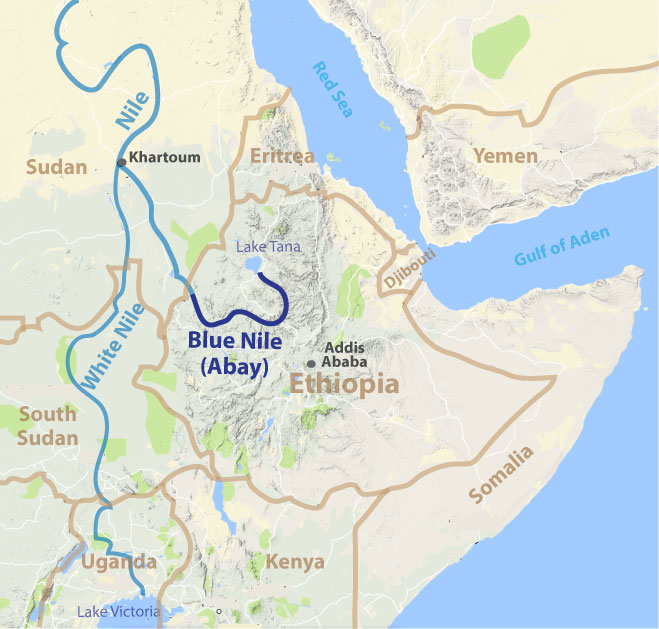
The source of the Blue Nile is Lake Tana, a sacred lake in Ethiopia, and it joins the White Nile to become the Nile at Khartoum, the capital of Sudan.

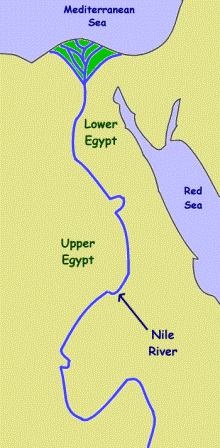
From Khartoum, the Nile flows northward to the Nile Delta.

Here is a side-by-side comparison of the Mississippi River and the Nile River…

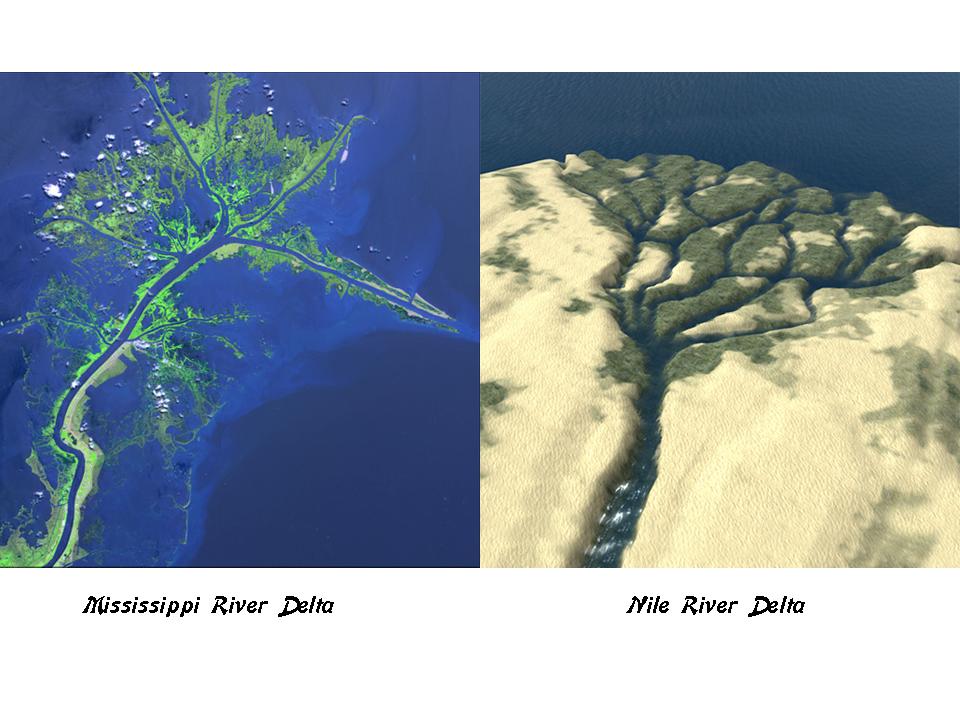
…as well as what the Mississippi River Delta and the Nile River Delta look like together in person.

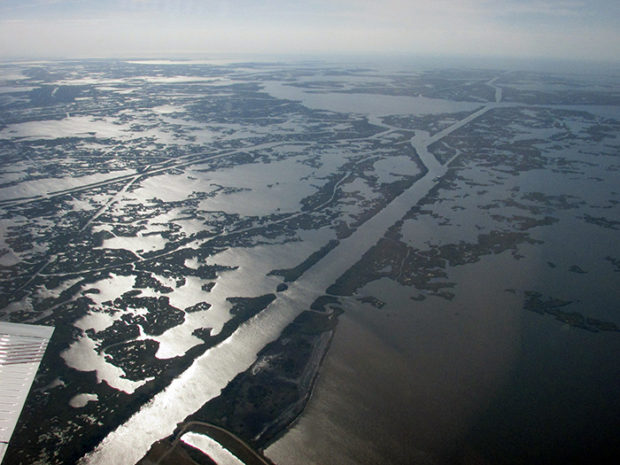
This is an aerial view of the Mississippi Delta, which is on the southeastern coast of Louisiana, showing many geometric and straight channels…

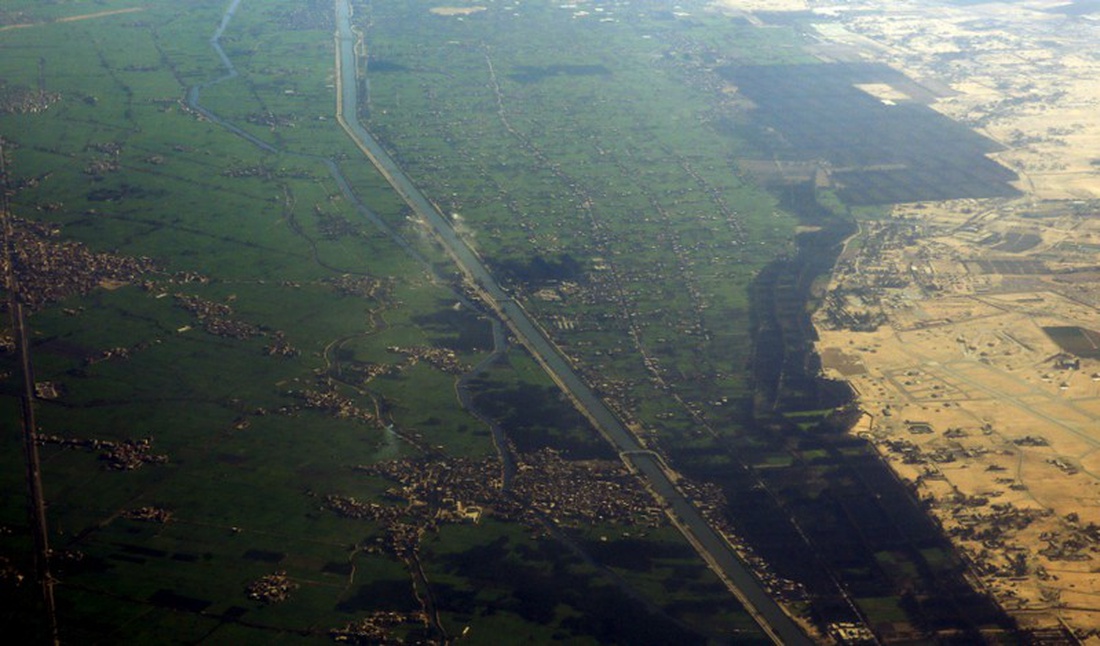
….and the same type of straight, geometric channel is also found in the Nile Delta.

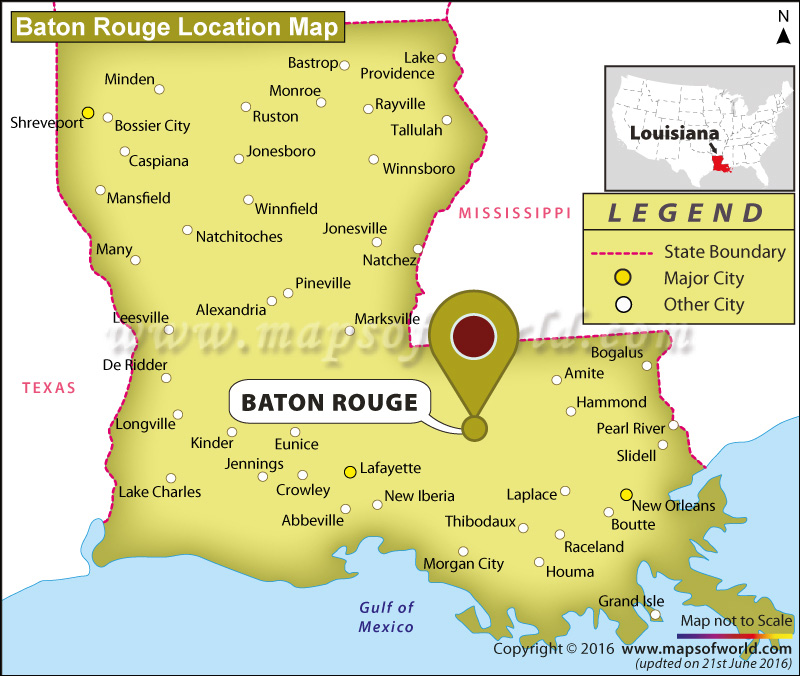
Now to the actual alignment, the first major city we come to being Baton Rouge, Louisiana. Baton Rouge is the State Capital of Louisiana, and its second-largest city.

There are two particular places in Baton Rouge that I would like to highlight.

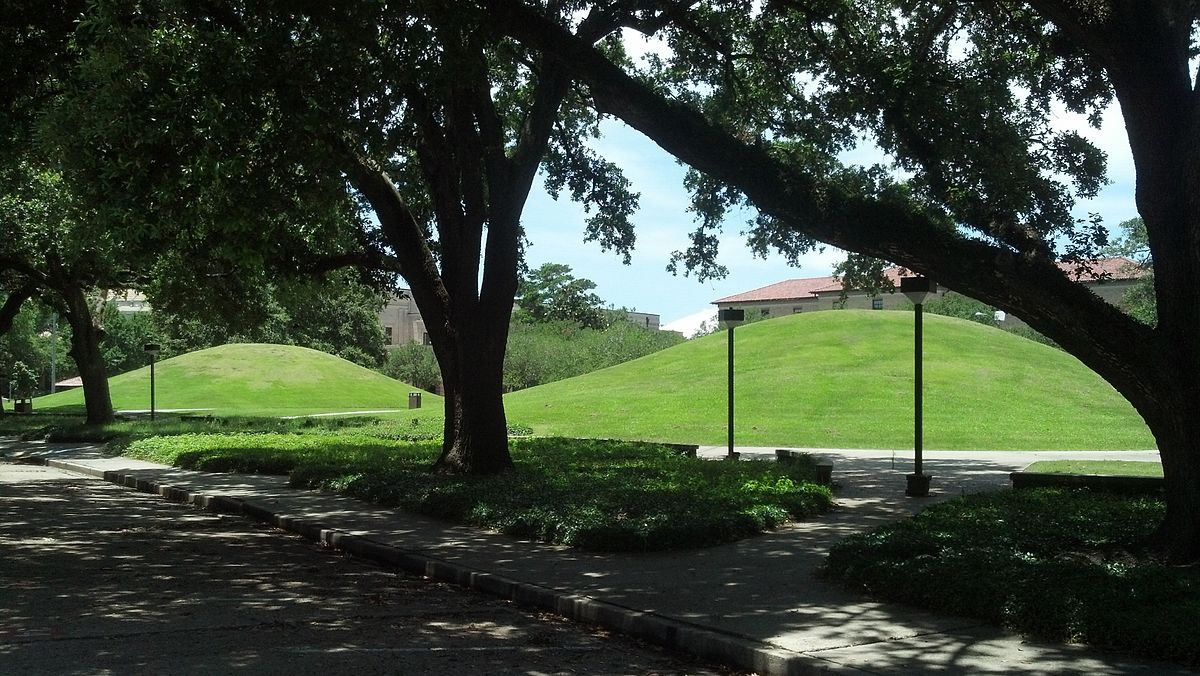
The first are acknowledged ancient mounds at Louisiana State University in Baton Rouge. There are two mounds there, believed to be more than 5,000 years old, and considered to be part of the oldest mound system in North America, and part of an acknowledged Louisiana mound system. They are on the U. S. National Register of Historic Places.

But, mounds are actually everywhere, and typically not acknowledged as such.

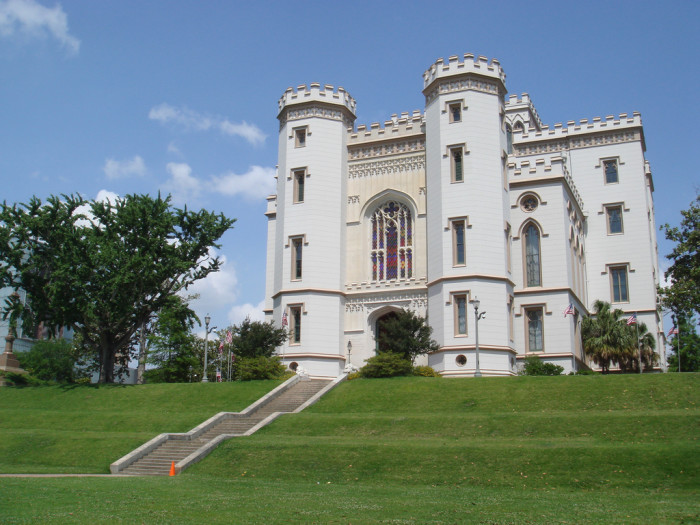
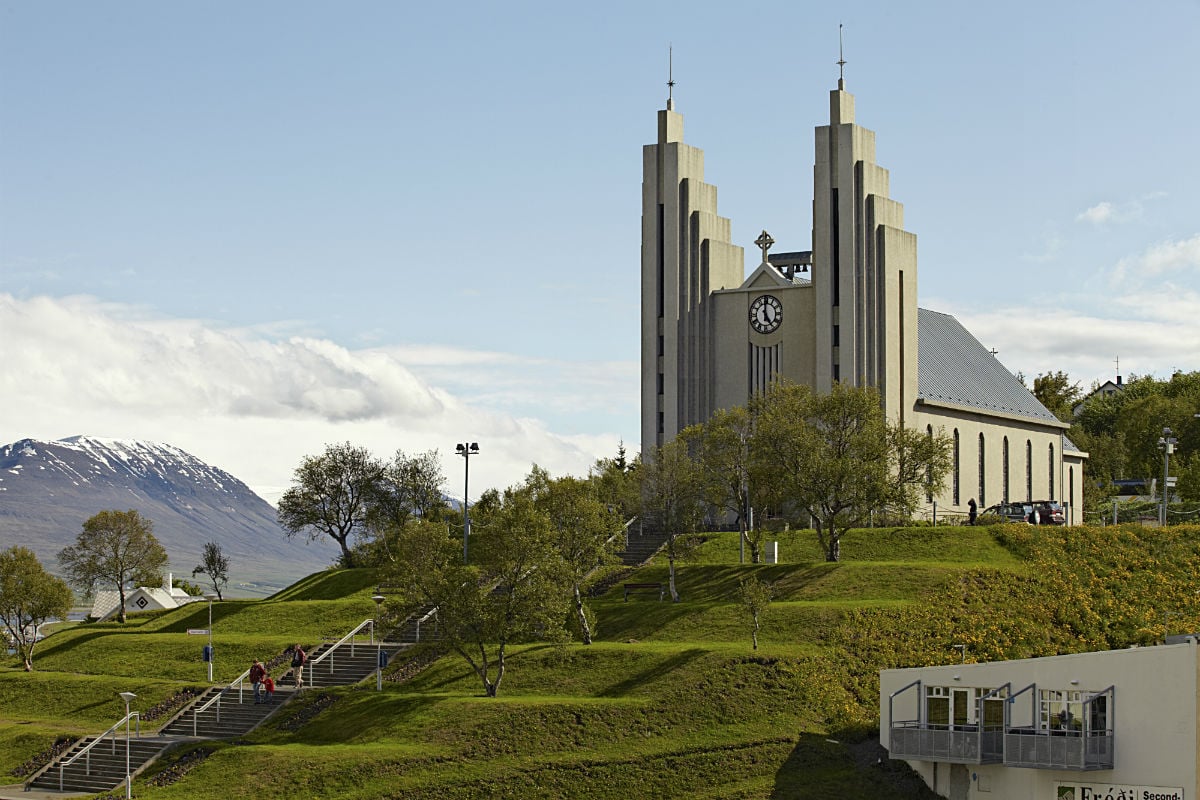
Like at the old Louisiana State Capital Building in Baton Rouge. Besides the fact that it looks like a castle, I want to draw your attention to what the earthworks, also known as mounds, that it sits on top of…

…which look identical to the earthworks upon which the Akureyrikirkja, or Akureyri Church, sits on top of in Akureyri, Iceland…

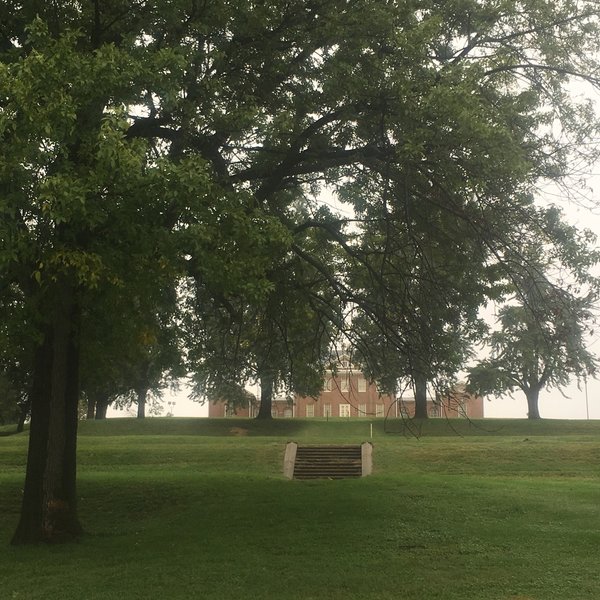
…and to the earthworks upon which Mount Clare sits on top of in Baltimore, Maryland…

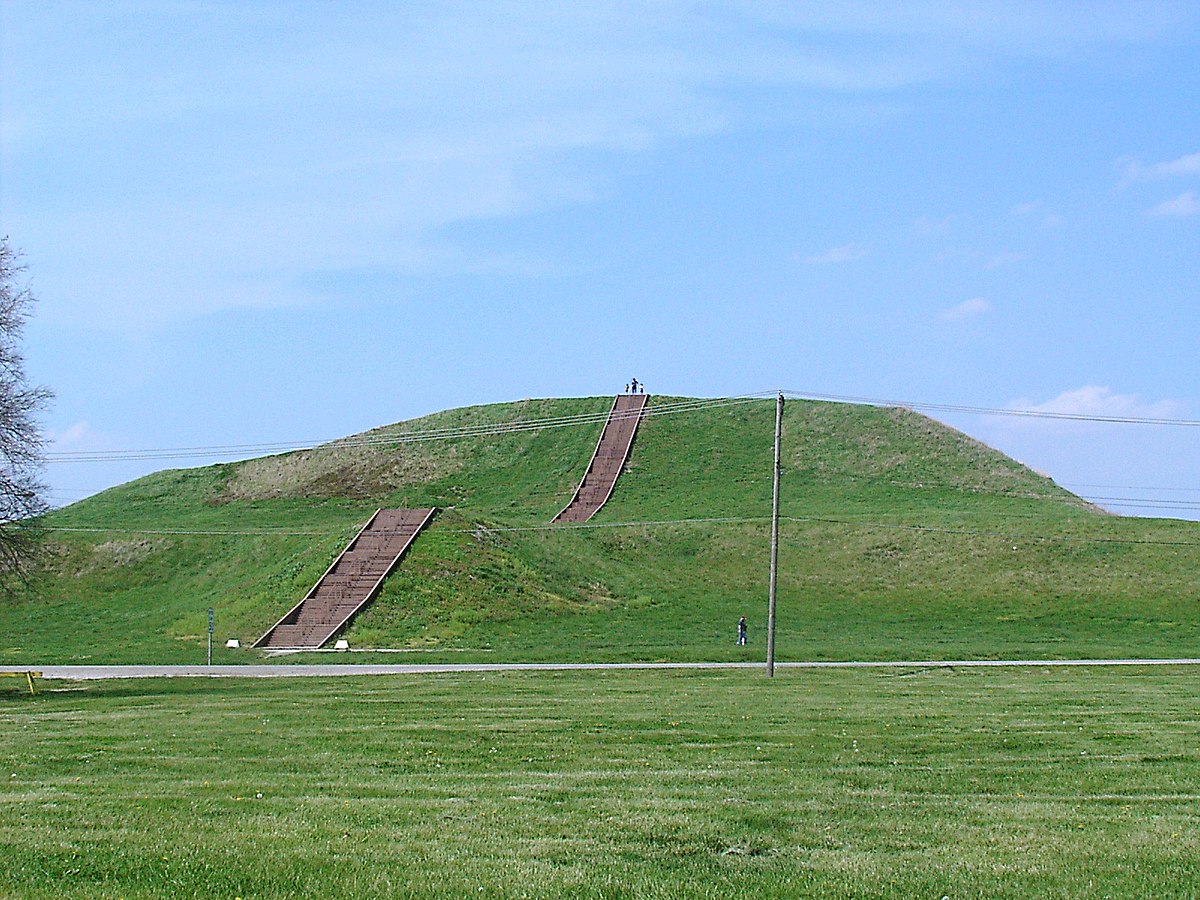
…and like what is seen at Cahokia Mounds, directly across the Mississippi River from St. Louis in Missouri…

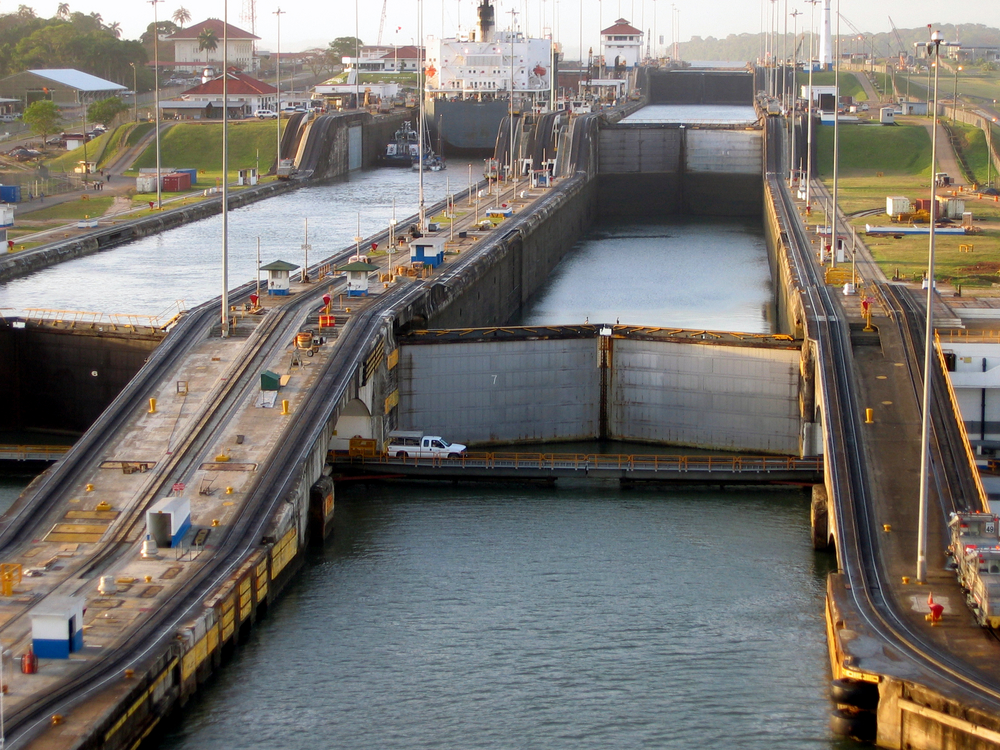
…which looks very similar to what is seen at the locks of the Panama Canal, said to have been completed in 1914…

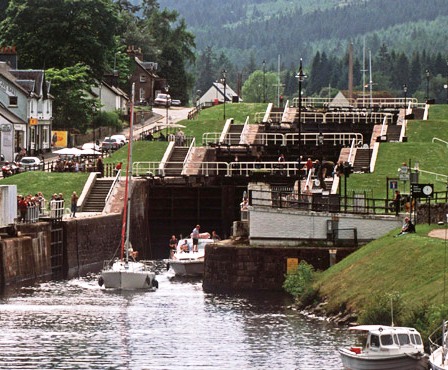
…the Caledonian Canal in Northern Scotland, said to have been completed in 1822…

…and the Bingley Five Rise Locks on the Leeds and Liverpool Canal in Bingley, England, said to have been completed in 1774. The Algiers Circle Alignment I am currently following will pass directly through Leeds, England, in the latter part of it.

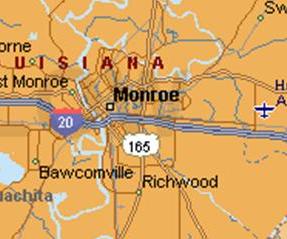
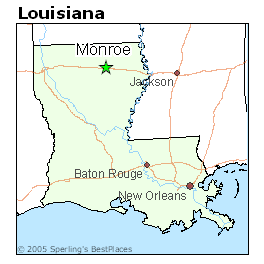
The circle alignment passes through the town of Richwood, on its way to Monroe, Louisiana, the ancient Imperial Seat of the Washitaw Empire, in an area known as Washitaw Proper.

The recently deceased Empress of the Washitaw, Verdiacee Washitaw Turner Goston El Bey signifies many things, but for this example she was the mayor of Richwood, Louisiana, from 1975 – 1976.

Empress Verdiacee passed away in 2014, and her granddaughter Wendy Farica Washitaw succeeded her as the Washitaw Empress.

It is important to note that the Watson Brake Lunar Mounds are in the vicinity of Richwood, Watson Brake is an archeological site in Ouachita Parish, Louisiana, dated to 5,400 years ago, and is the oldest earthwork mound complex in North America, acknowledged to be older than the Egyptian Pyramids and Stonehenge in England. It is located on private land, so is not available for public viewing.

Stonehenge, which has an earthwork very similar to Watson Brake around its perimeter, according to what we are told, dates from starting at 3,100 BC, about 5,100 years ago.

Monroe is the parish seat of the Ouachita (pronounced Washitaw) Parish.

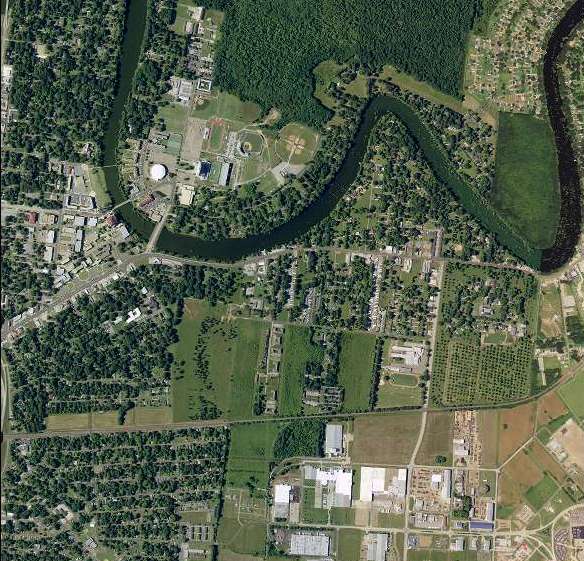
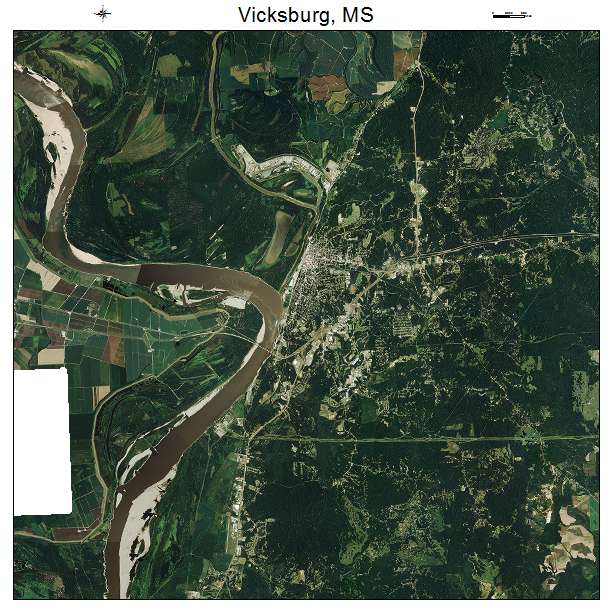
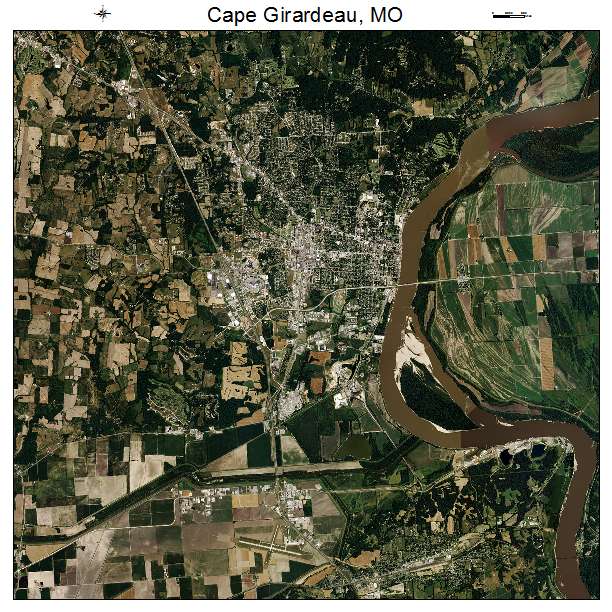
Monroe and West Monroe, which together are called the Twin Cities of northeast Louisiana, are situated on either side of the snaky, S-shaped Ouachita River.

Just like the snaky, s-shaped riverbends of the Mississippi River at Vicksburg, Mississippi…

…and Cape Girardeau, Missouri.

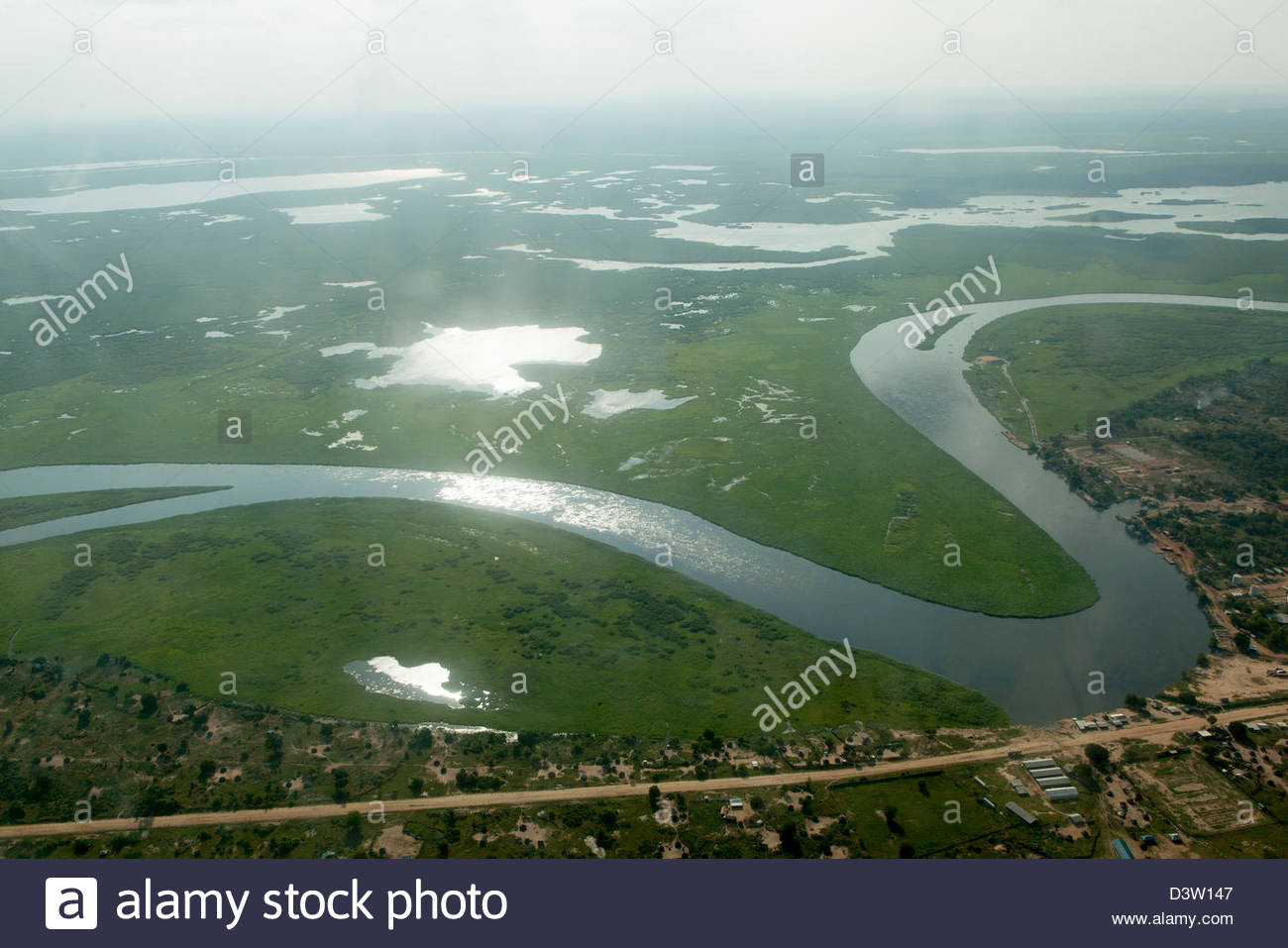
The Nile River has snaky, S-shaped riverbends as well, like at Juba in South Sudan…

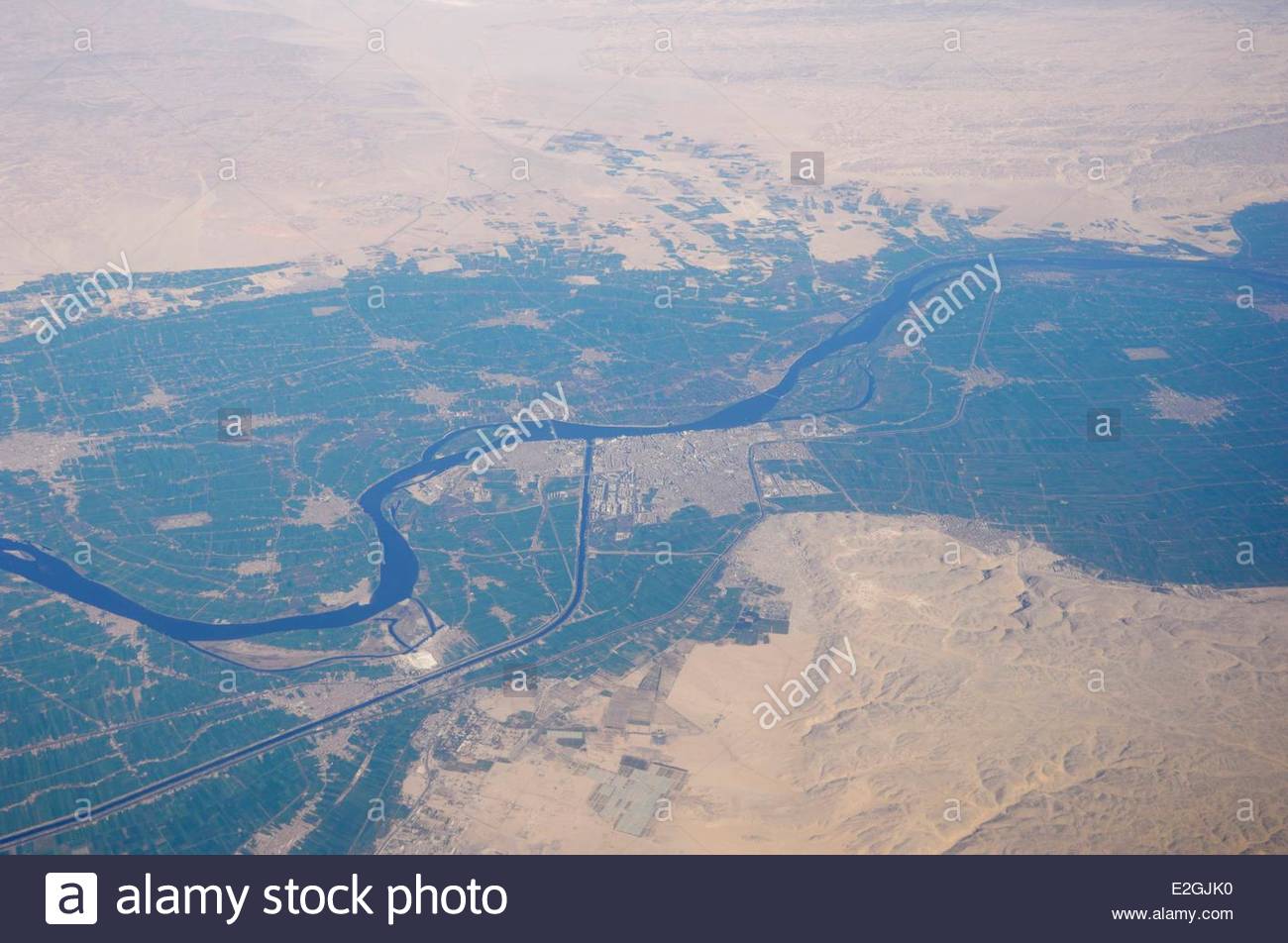
…and here is a photo of the Nile in the Asyut Valley of Upper Egypt.

And here is a comparison of where the Missouri and Mississippi Rivers meet near St. Louis, MIssouri…

…with the place where the White Nile and Blue Nile meet at Khartoum, the capital of Sudan.

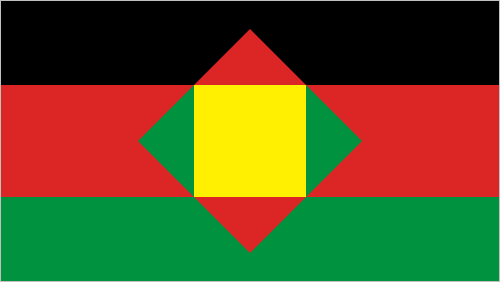
Back to Monroe, Louisiana. Monroe is the Imperial Seat of the Ancient Washitaw Empire, and this part of Louisiana is called Washitaw Proper. This is the Washitaw flag.

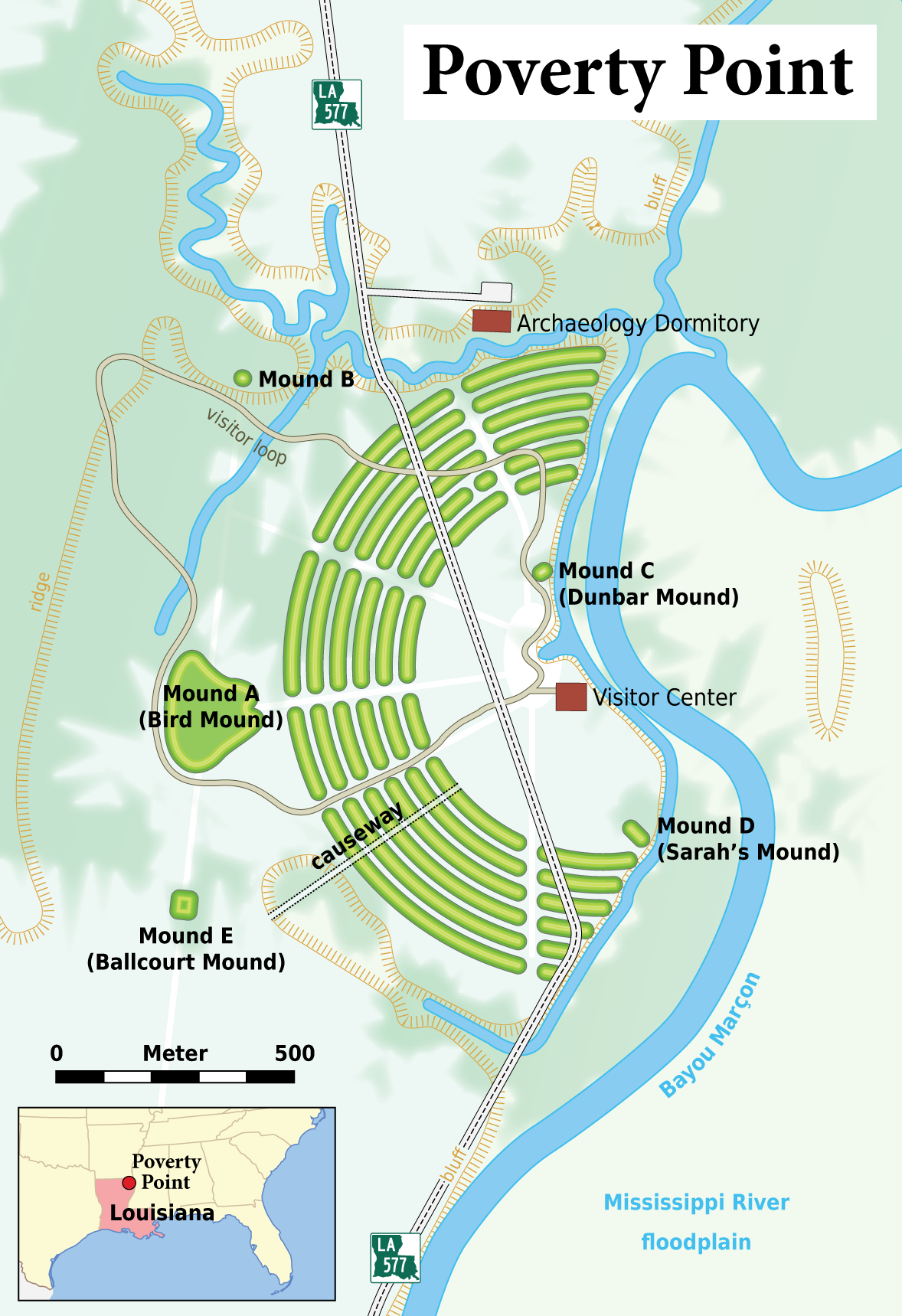
Thirty-eight miles northeast of Monroe, near the town of Epps, Louisiana, is Poverty Point.

It is said to have become known as Poverty Point because the farming was terrible here.

Its name is actually Awulmeka, and was an ancient sacred city of the Washitaw Mu’urs.

The story that we are told about all the mound sites is that indians wearing loincloths were responsible for building the perfectly geometrically- and astronomically-aligned mounds and earthworks, one basketful of dirt at a time. This is not the truth, and does not hold up with any scrutiny whatsoever.

These are the kinds of artifacts on display at Poverty Point as being representative of what was found here. While perhaps they were found here, I don’t think they were representative of the highly advanced and sophisticated ancient civilization that lived here.

The artifacts on display at Spiro Mounds in Oklahoma, like this one here, would be more representative of what was found at Poverty Point.

Muurish-American Master Adepts and Teachers in the present day are wisdom-keepers of ancient sacred Kemetic Mysteries and Knowledge about all Creation. They are living practitioners of Egyptian Yoga and Medu Neter, the language of the Egyptian Hieroglyphs.

In this spirit, I am going to the next place on the alignment in an area west of Little Rock, Arkansas, which has special sites that aren’t brought forward into public awareness, and represent how sacred ancient sites are deliberately covered-up.

The first place is Pinnacle Mountain, which is an Arkansas State Park.

I had first heard of Pinnacle Mountain when I learned there was an Earthkeeper Conference there in 2012.

I didn’t think much of the name Pinnacle Mountain until several years later, in 2015, when finding this image on-line.  This was the beginning of my “looking” and then “finding” out more and more.  It really got my attention!!!    

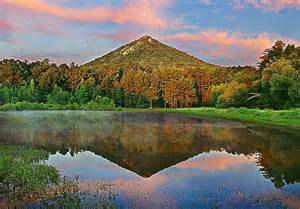
So I had to go there! It was about a 3 – 4 hour drive from where I was living at the time, and I went twice with friends. There is only place you can get this clear view of Pinnacle Mountain as a pyramid, which is from the Education Pond at the park.

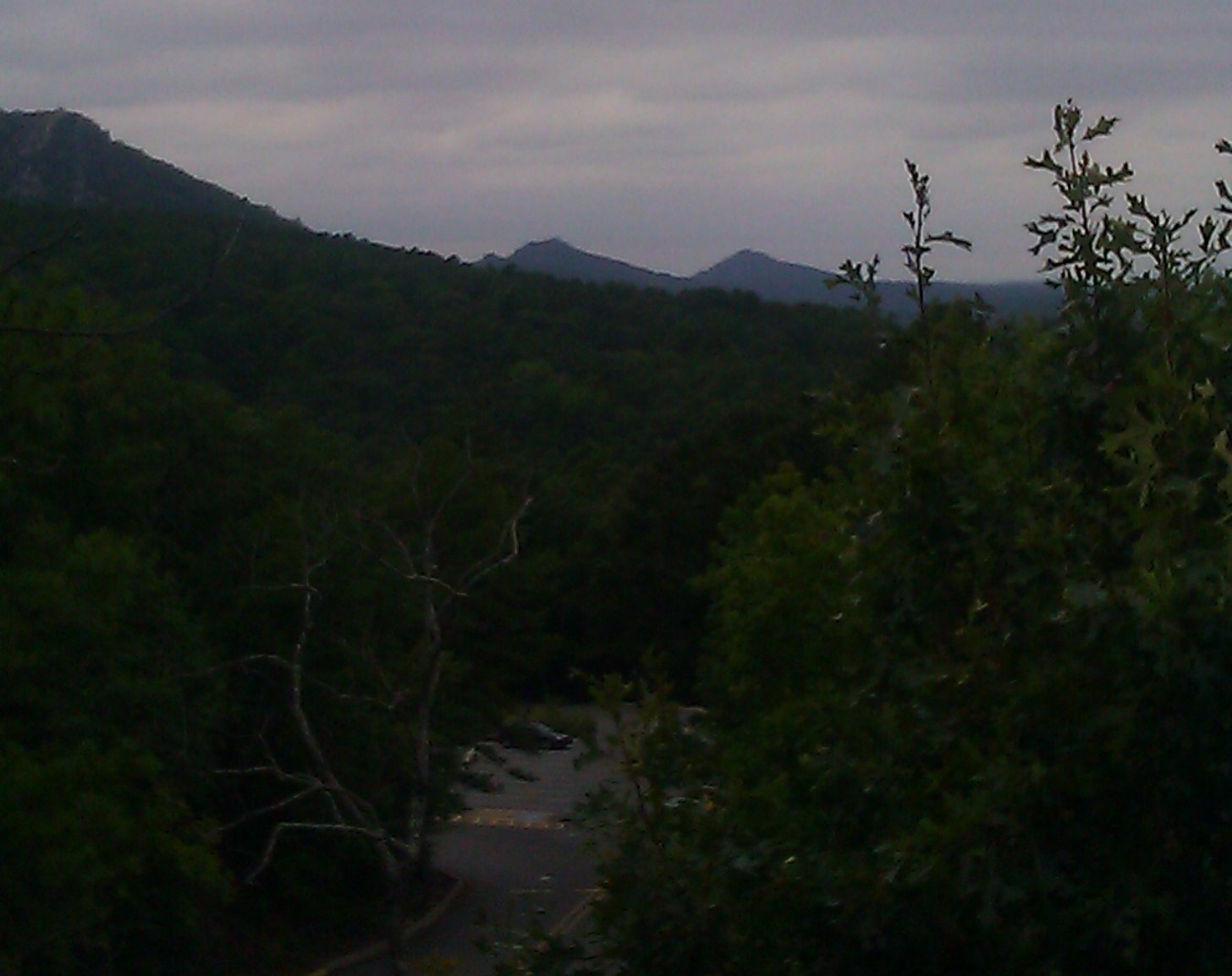
And this next view of Pinnacle Mountain and two more pyramids is only obtainable from the Visitor Center Observation Deck on a relatively clear day.

Otherwise, access to all other views is completely cut off by private property and fences, and these are certainly not advertised as pyramids.

The alignment is also close to Mount Magazine, located outside of Paris, Arkansas. Mount Magazine is in the Ouachita Mountains of western Arkansas and eastern Oklahoma. The memory of the people is in the name. This is called Cameron’s Bluff at Mount Magazine.

I visited Mount Magazine several times, and this is where I started waking up to seeing what was really in the environment around me. As soon as I took to the turn-off for the road that skirts the bluff, I started seeing a wall.

It is such an ancient wall that there is some element of doubt. 

But there are some places you can really tell it is a built structure. 

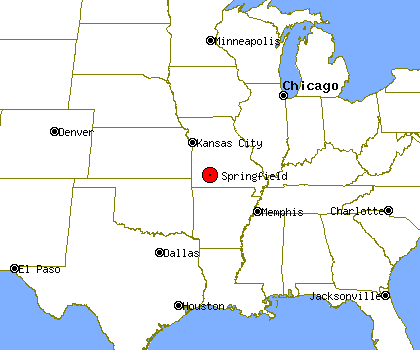
The next place on the circle alignment is Springfield, the third largest city in Missouri, and the seat of Greene County.

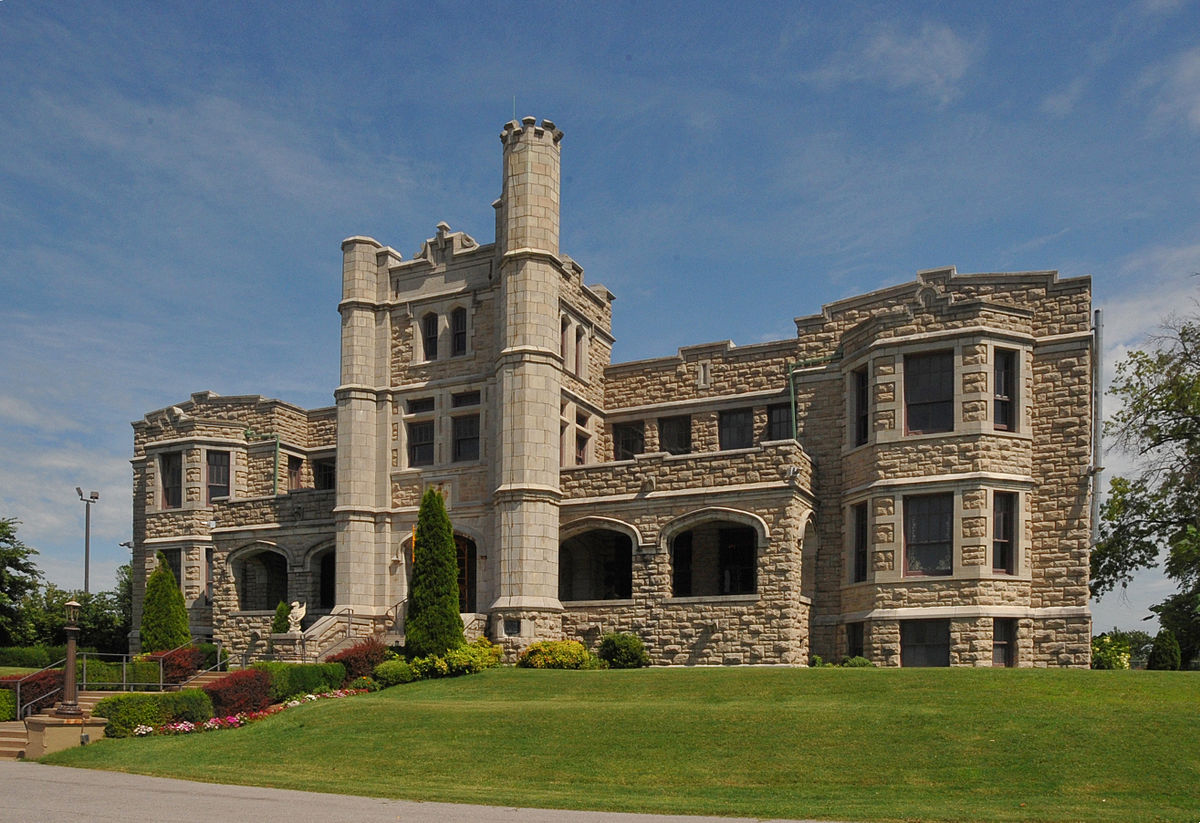
This is the Pythian Castle in Springfield, said to have been built in 1913 as an orphanage, and similar in appearance to the Old Louisiana State House in Baton Rouge. It was said to have been built by the Knights of Pythias, a secret society founded in Washington, D.C in February of 1864, and was the first fraternal order to receive a charter by an Act of Congress. It is interesting to note that the Civil War didn’t end until 1865. For what purpose would Congress charter a fraternal secret society in wartime?

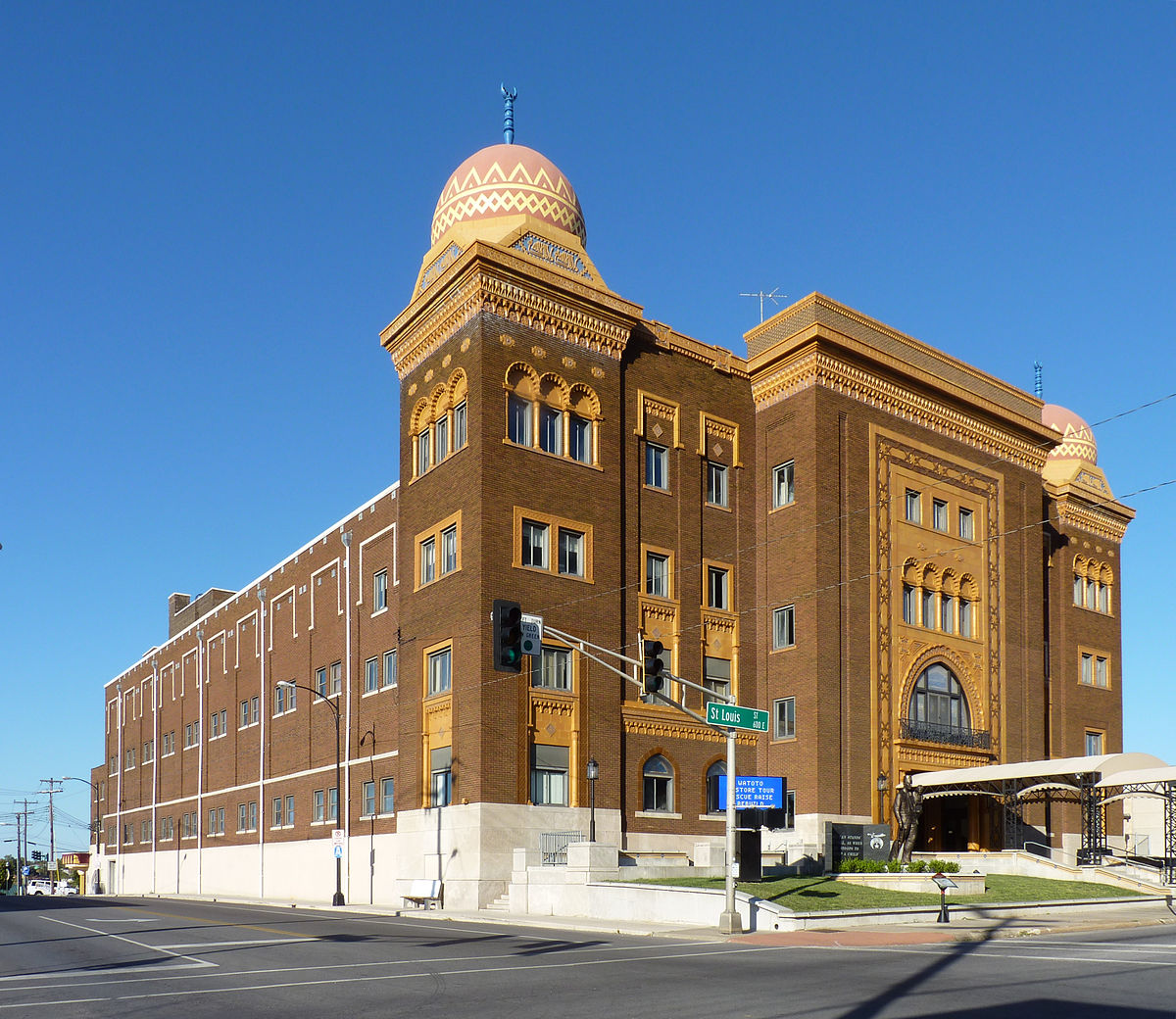
This is the Abou Ben Adhem Shrine Mosque in Springfield, said to have been built in 1923. Again, we just assume the people who said they built these places did so because we have no other information to go by.

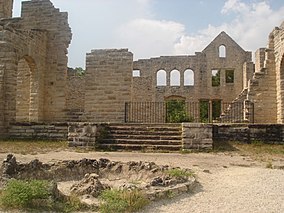
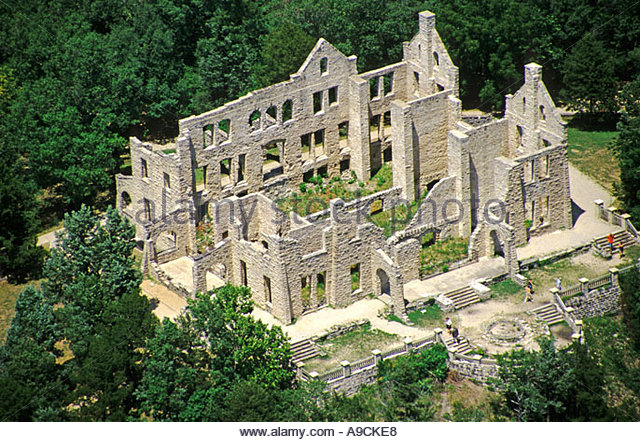
Another example of this practice is at Ha Ha Tonka State Park in Camdenton, Missouri, north of Springfield on the alignment. The castle here was said to have been started by a Kansas businessman in 1905, finished by his sons in the 1920s before the stock market crash, and destroyed by fire in 1942.

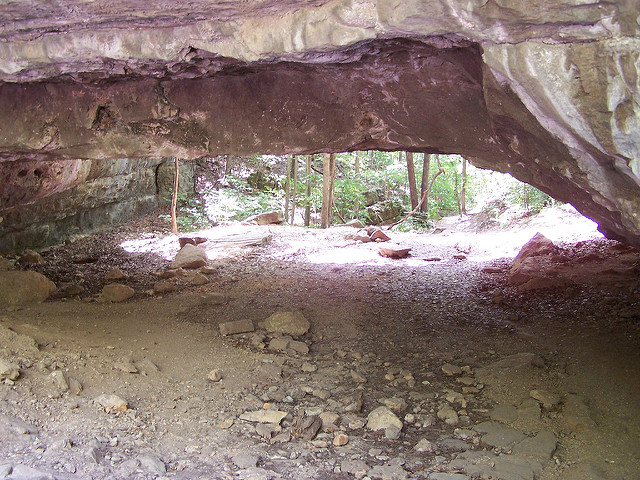
Like the Yucatan Peninsula, Ha Ha Tonka has sinkholes, and caves, and even a huge so-called “natural” bridge…

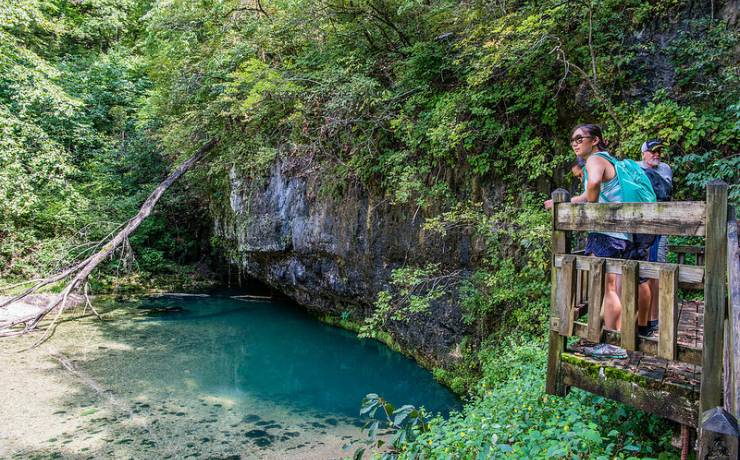
…and Missouri’s twelfth largest spring.

I am going to pick up the alignment in the next post in Des Moines, Iowa.

Circle Alignments on the Planet Algiers – Part 7 Chetumal, Mexico to Merida, Mexico

My last post ended in Belize, at the ruins of the Mayan site Altun Ha, a short drive north of Belize City, and a short distance west of the Caribbean Sea.

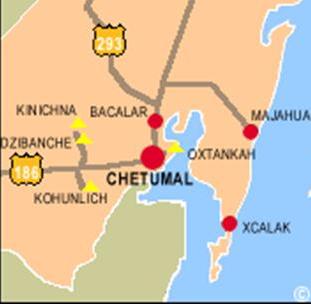
This post picks up the circle alignment, starting and ending in Algiers, in Chetumal, the capital of the Mexican State of Quintana Roo, and the government seat of the Municipality of Othon P. Blanco, the man given the credit for the founding of Chetumal in 1898.

Quintana Roo is the youngest Mexican State, having been granted statehood in 1974. It started out as a Mexican Territory in 1902.

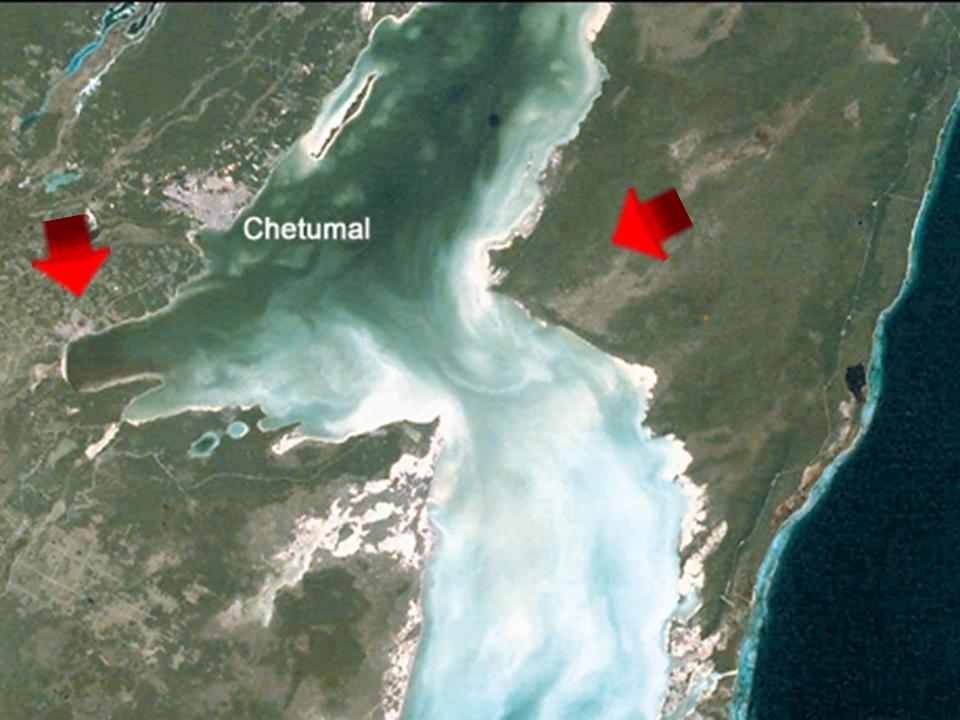
This is an aerial of Chetumal Bay, located off the Caribbean Sea on Mexico’s eastern coast, with arrows to highlight the geometric and angular features of the Bay…

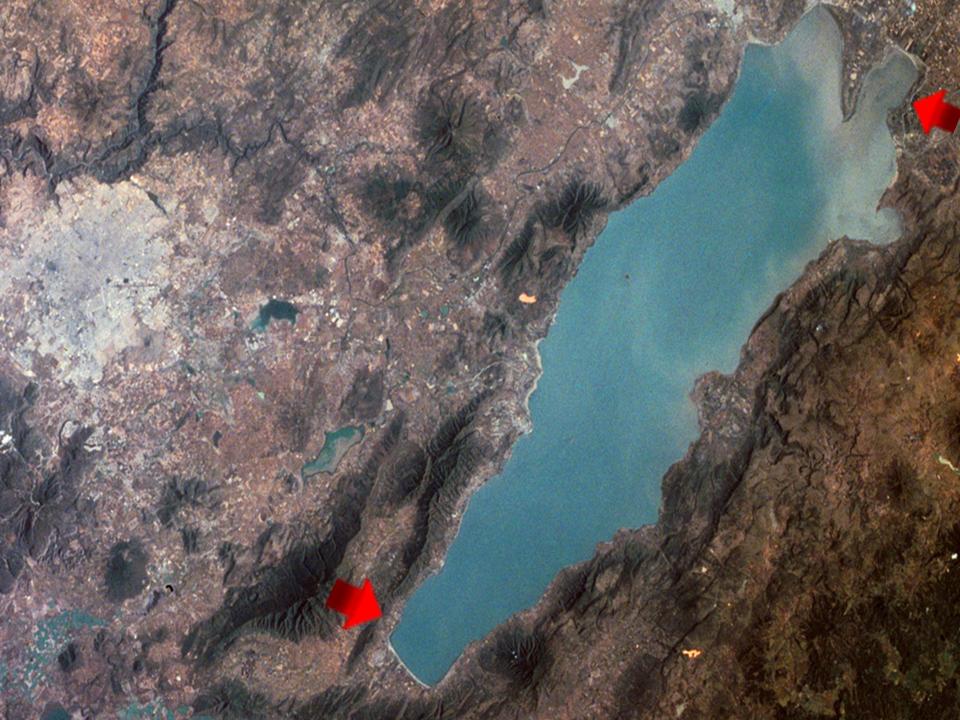
…compared with similar-looking features at Lake Chapala, Mexico’s largest freshwater lake, shared between Jalisco and Michoacan States in western-central Mexico.

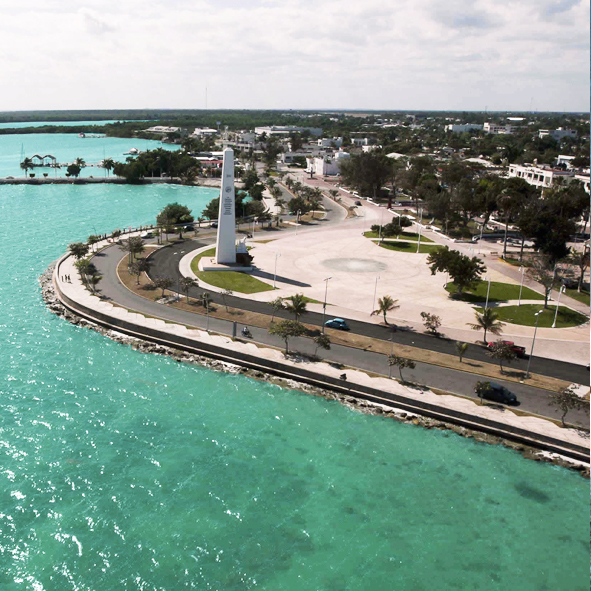
This is the curved and shaped Boulevard de Bahia in Chetumal, with a view of the Monument to the Flag, a white obelisk with a clock face on all four sides.

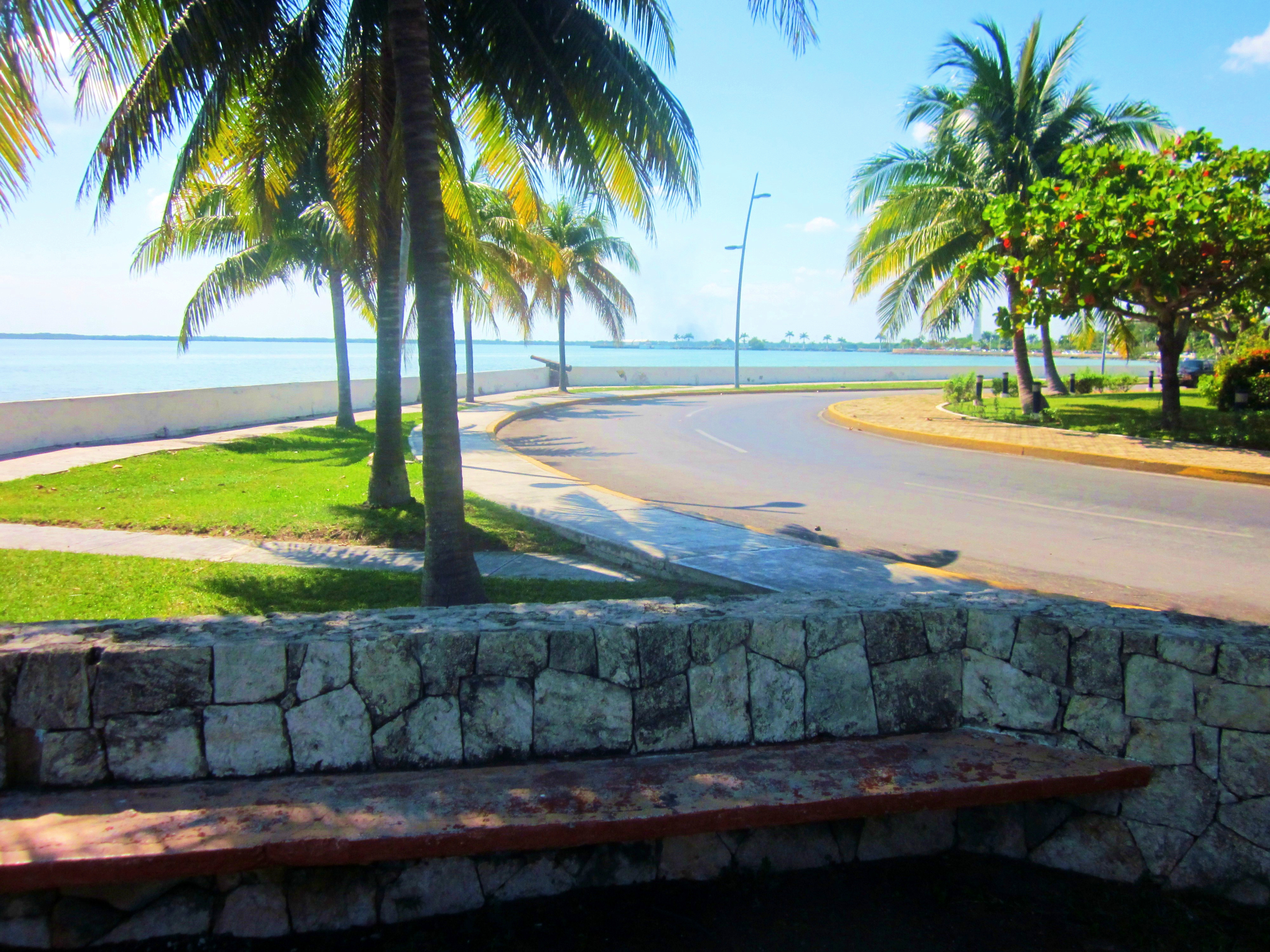
Here is a closer look at old-looking stone wall-feature found along the Boulevard’s sidewalks. It’s possible these walls could have already been standing for a long time, or these could be re-purposed stones found in the area…

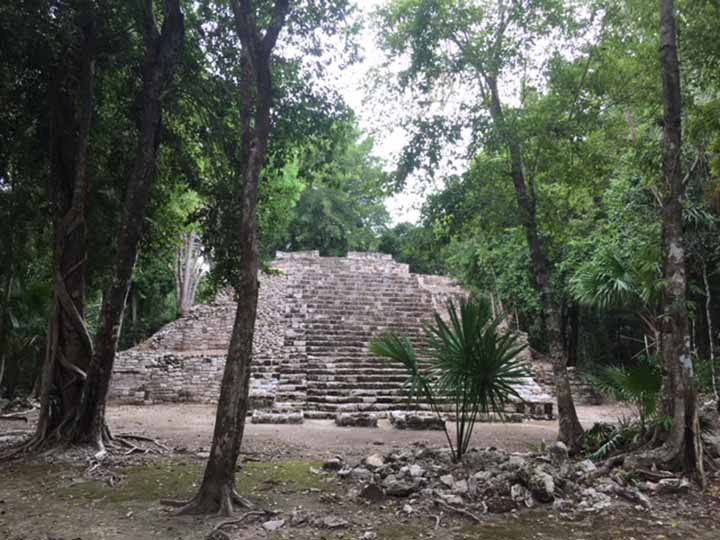
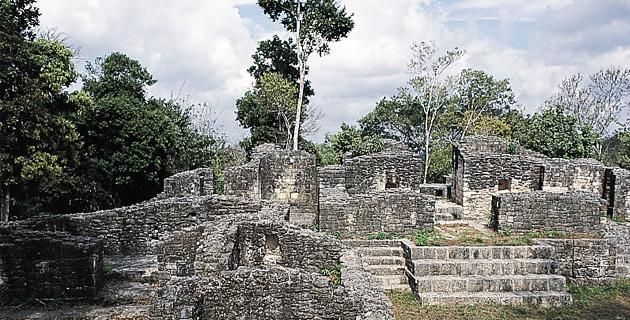
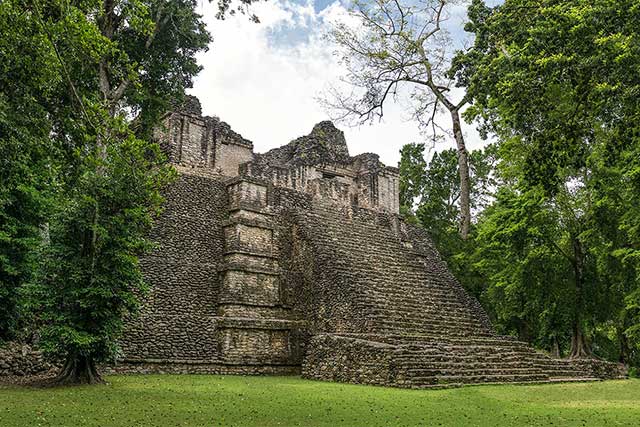
…as there are a number of Mayan ruins surrounding Chetumal itself.

Like Oxtankah, a Mayan site located a short-drive from Chetumal in the town of Calderitas on Chetumal Bay…

…Kohunlich, west of Chetumal, and an active archeological site of what is being called a Mayan Ceremonial Center…

…and Dzibanche, slightly north of Kohunlich and west of Chetumal, it is an archeological site that was believed to be a major Mayan city, and an early capital of the Kan Dynasty, just to name a few of the spectacular Mayan ruins found here.

The alignment passes near Bacalar.

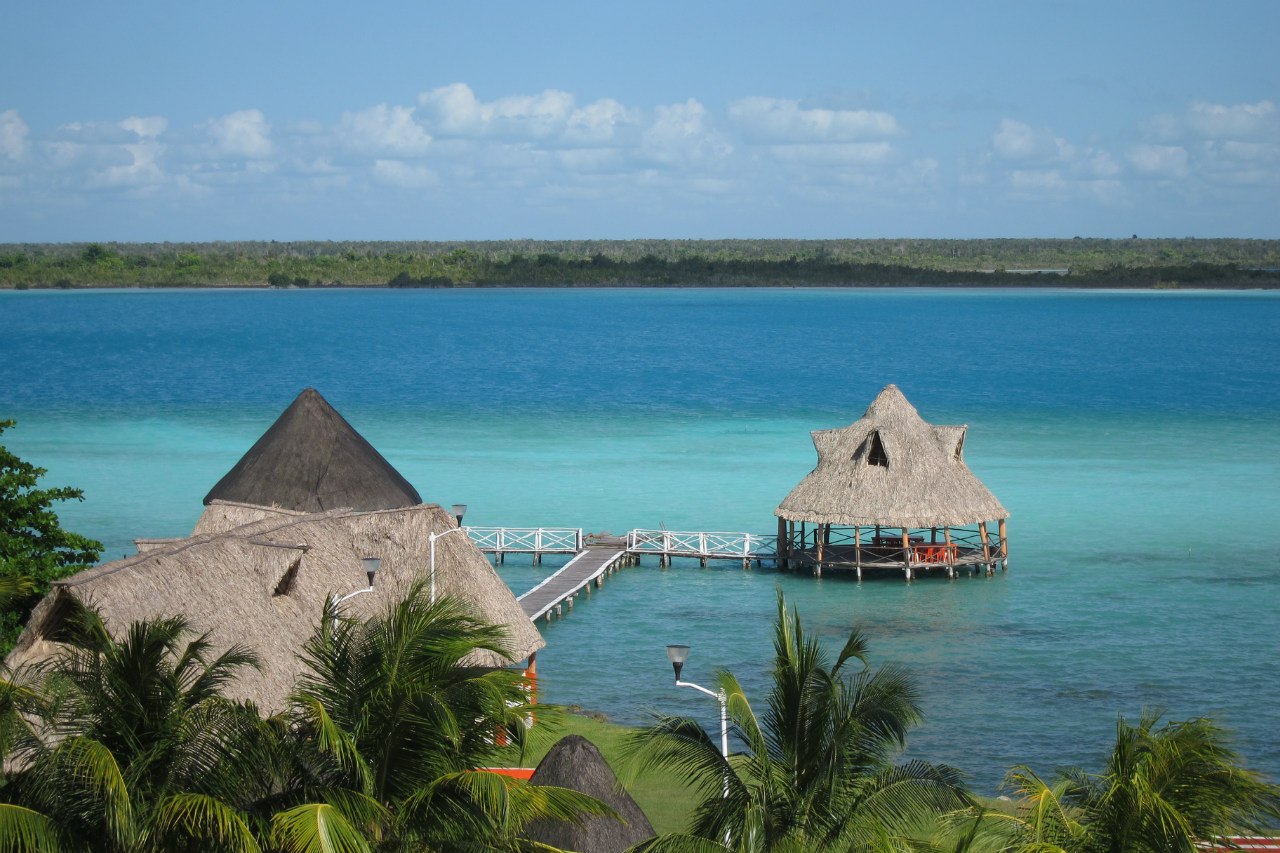
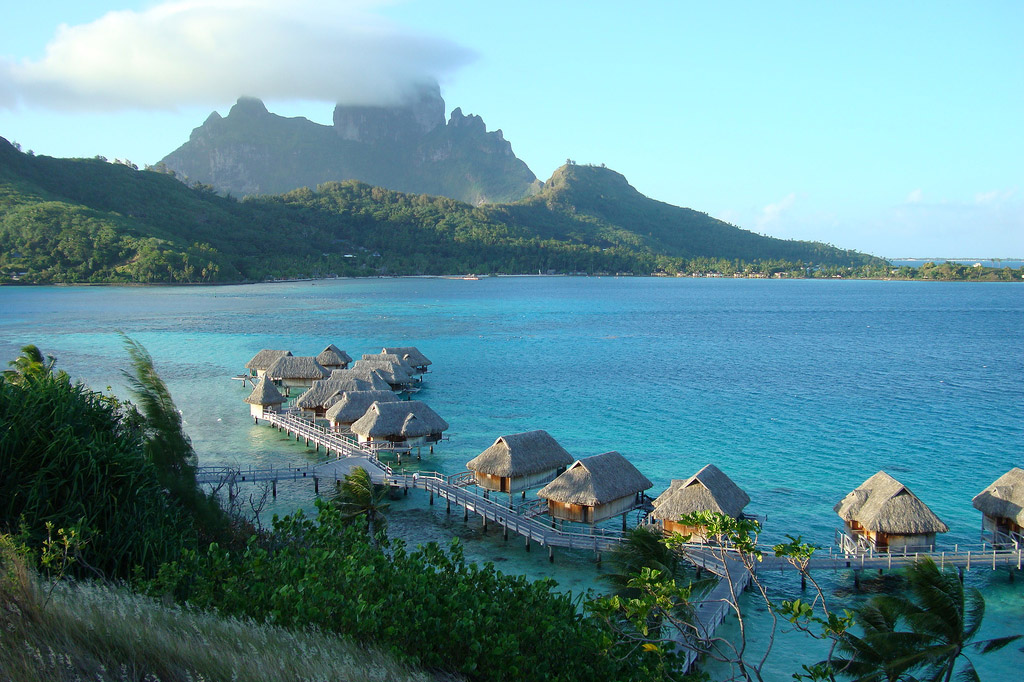
Bacalar Lake, also known as the “Lake of Seven Colors,” is Mexico’s second largest freshwater lake (Lake Chapala is the largest freshwater lake in Mexico). It is also referred to as the “Bora Bora of Mexico.”

This is what Bora Bora looks like :).

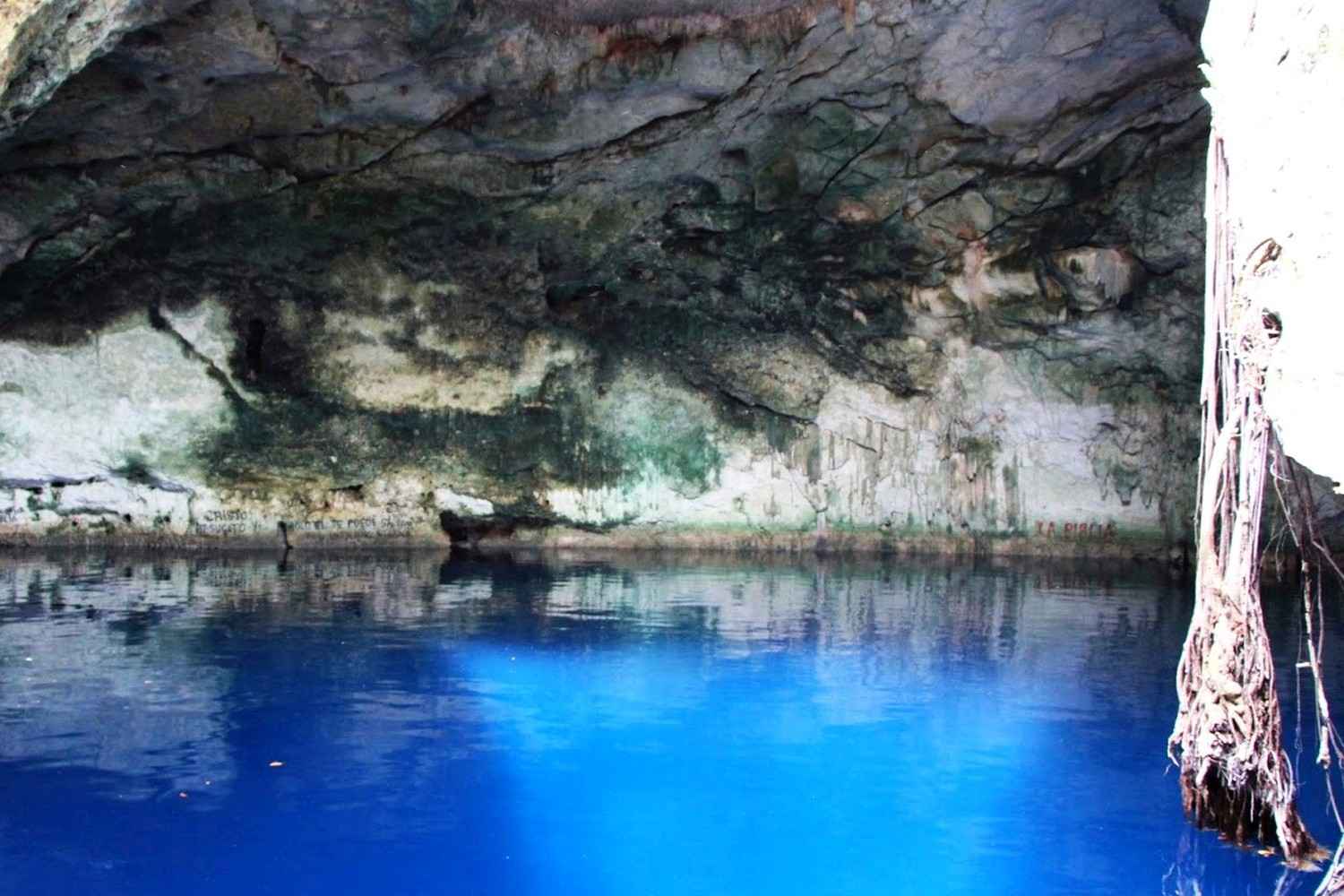
This picture of Bacalar Lake also shows the Cenote Azul Balacar, one of the deepest cenotes in the Yucatan, described as an abyss, believed to be 295-feet, or 90-meters, deep.

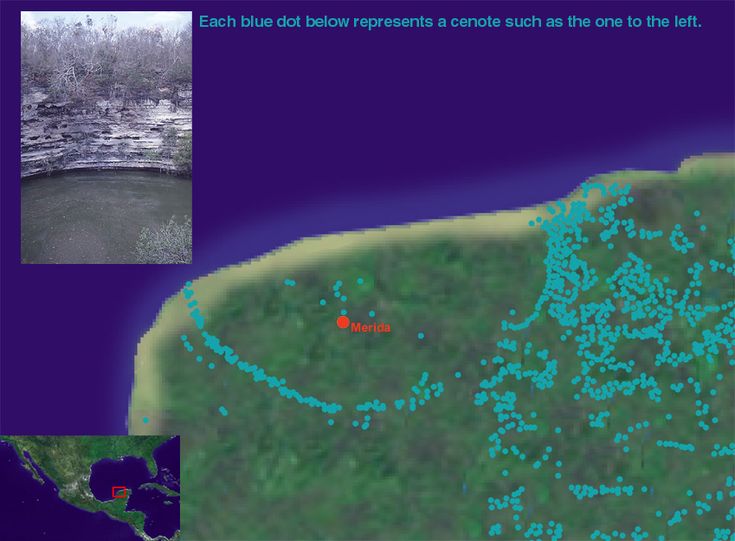
A Cenote is a deep well that connects to the sea or lake through underground rivers. Cenotes are found all over the Yucatan Peninsula.

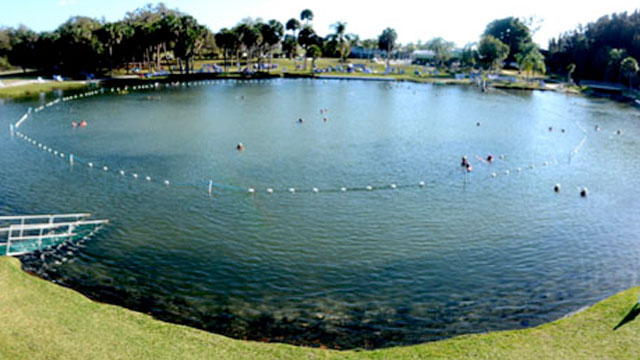
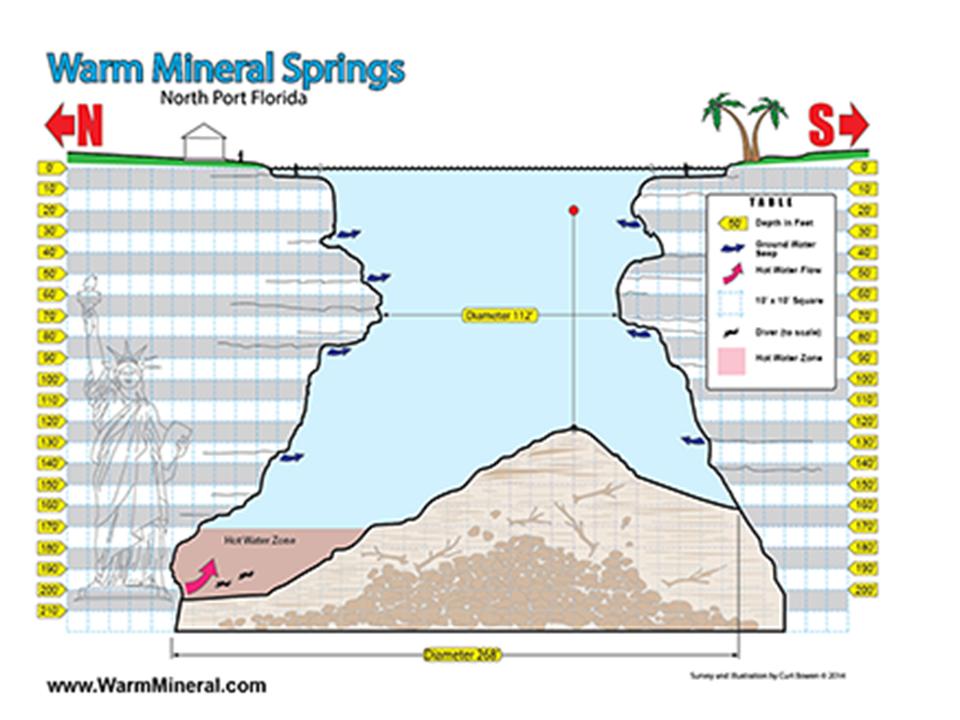
Here are examples of other deep springs, or wells. One is Warm Mineral Springs, in North Port, Florida near Sarasota. Its nickname is “The Fountain of Youth.”

It is similarly deep, believed to be 250-feet, or 76-meters deep.

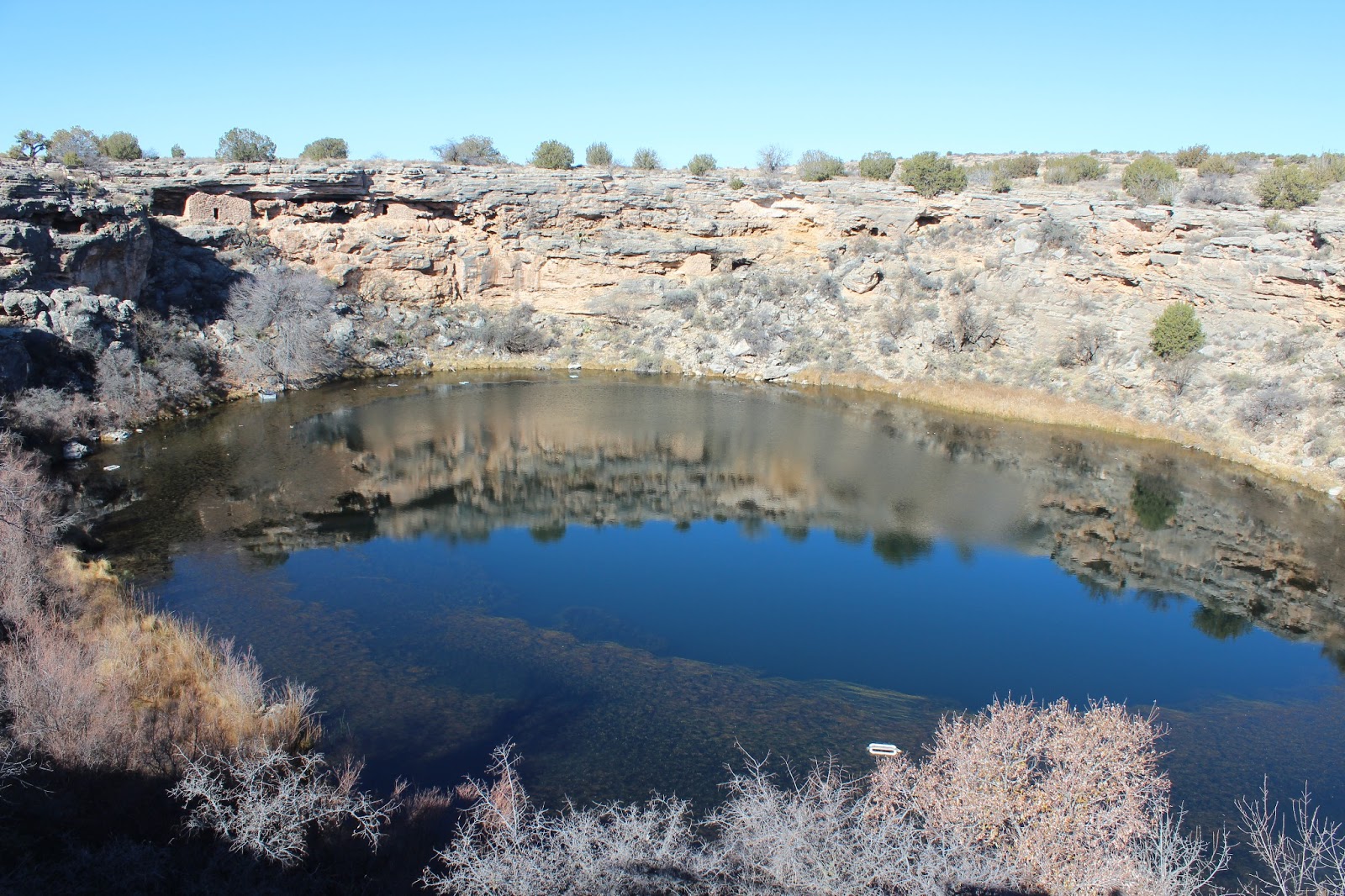
And Montezuma”s Well in Rimrock, Arizona, from which 1.5 million gallons of water comes up every day from an underground spring. This is a view from the top.

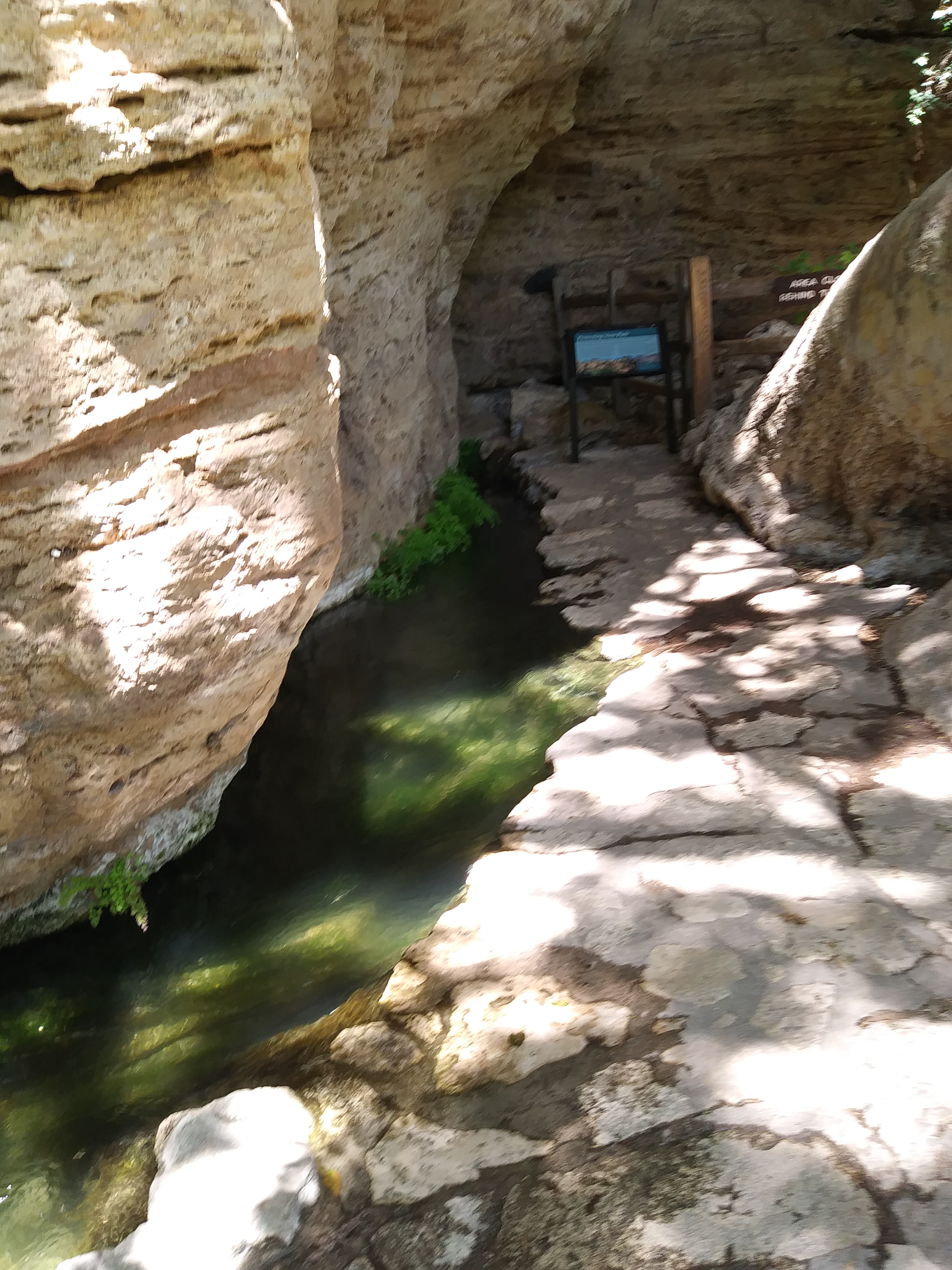
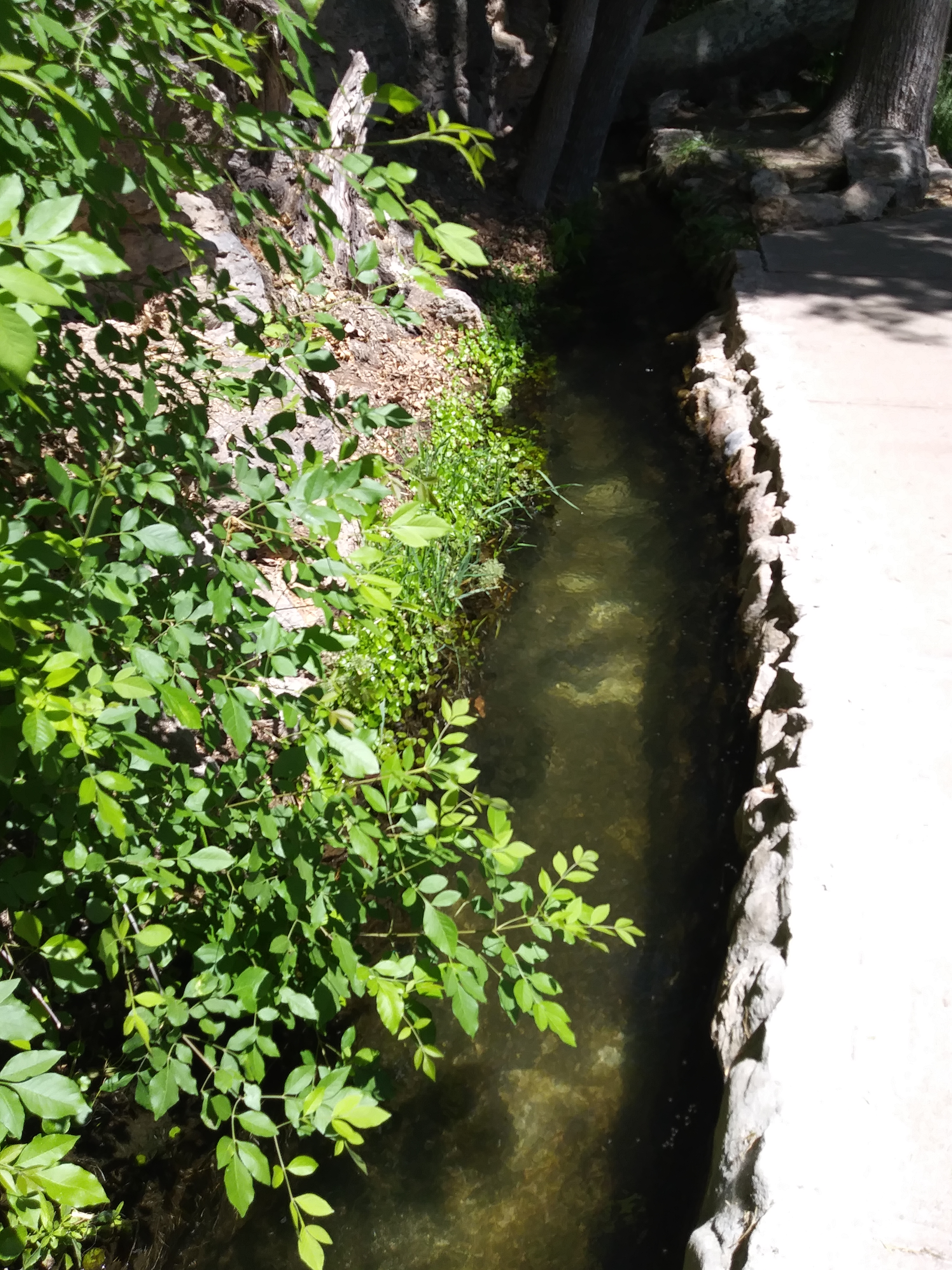
It is a very sacred place to Native Americans, and besides its veneration as a sacred site, it is very interesting. This is a view of the canal at the base of it.

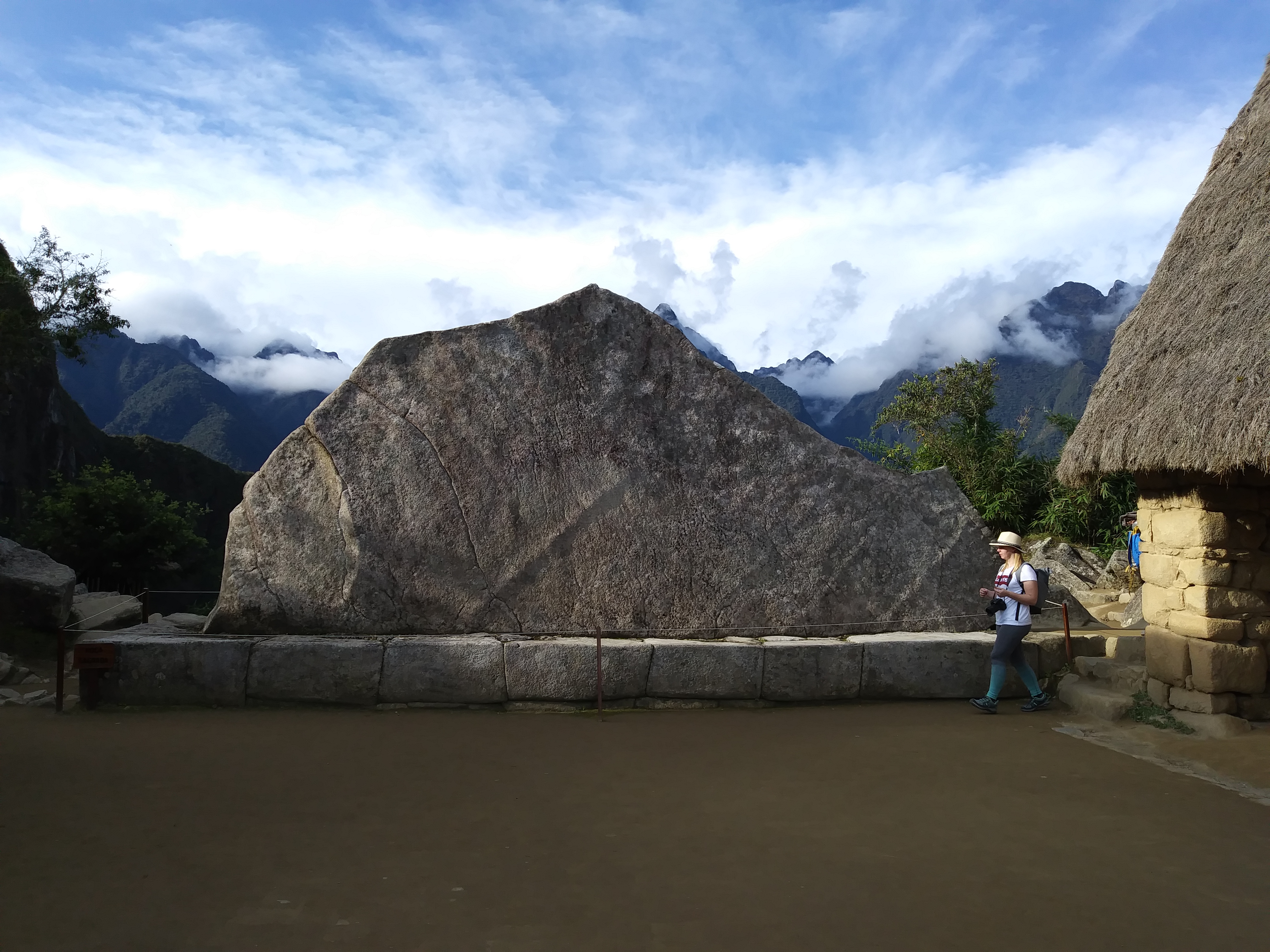
There are many indications that this is an ancient man-made structure. I have been there many times, and have noted that is like a microcosm of different masonry styles that I have photographed in different places. This first photo I took at Montezuma’s Well in Arizona…

…and I took this photo at Macchu Picchu in Peru last May.

Likewise, I took this picture at Montezuma’s Well…

…and this one in Eureka Springs, Arkansas in 2015. These are a few, of many, examples of why I believe this.

All of these places have recurring similarities that I don’t believe are natural and random. I believe they have a sacred function, and serve a particular purpose on the planetary grid.

This is the Fortress of San Felipe in the town of Bacalar.

It is the fifth place that I have found since the circle alignment entered South America in Sao Luis in Brazil that either still has a star fort intact; has a heavily damaged one; or where the star fort was completely destroyed.

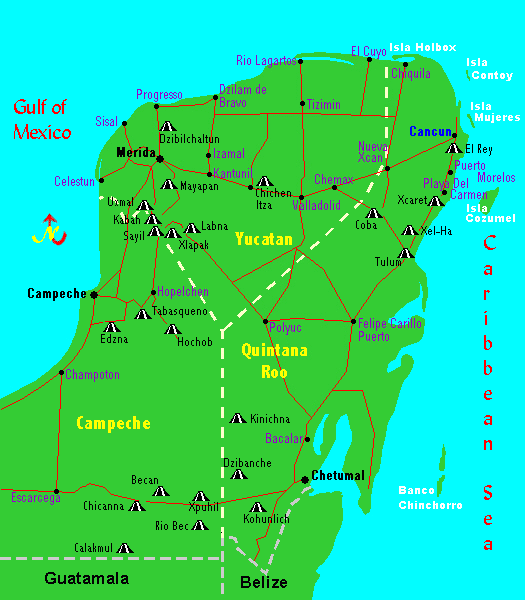
The alignment is heading across the Yucatan Peninsula to Merida, Mexico, through a region covered with the ruins of ancient Mayan sites.

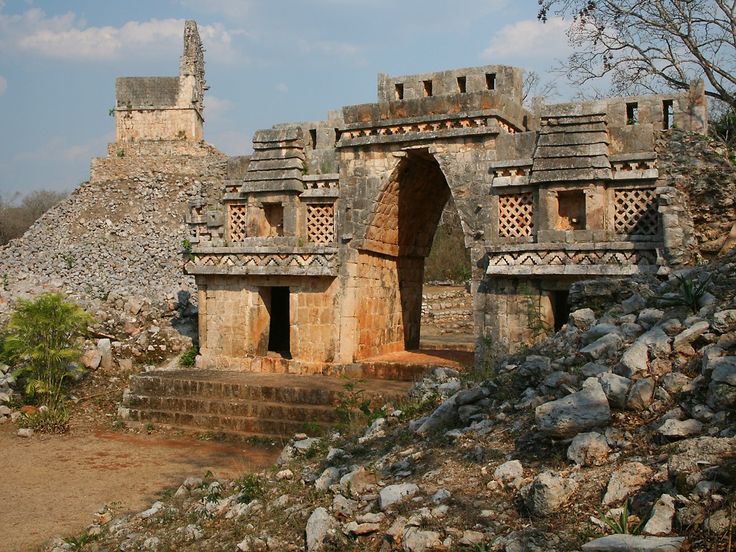
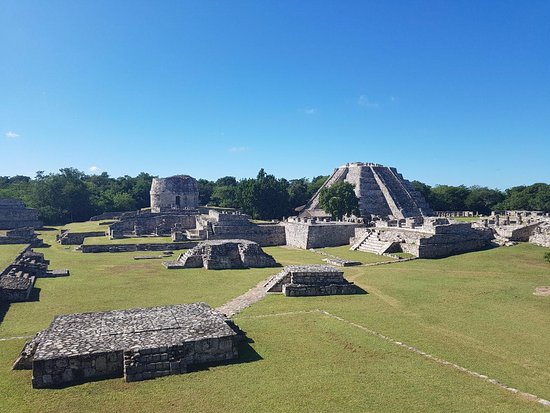
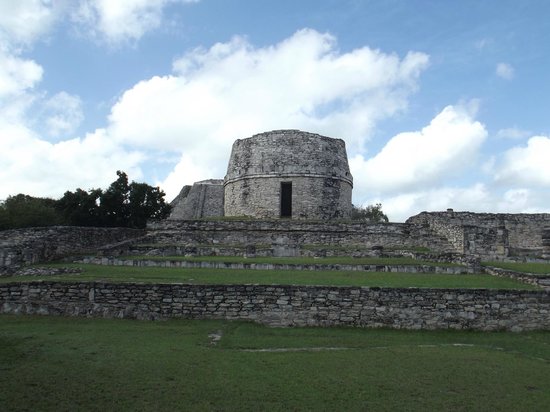
The alignment goes directly through the ancient sites of Labna and Mayapan.

Labna is an archeological site and ceremonial center…

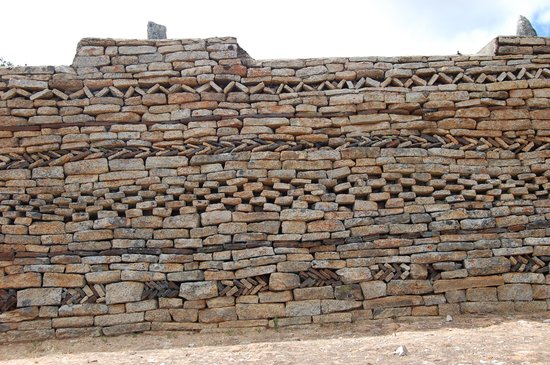
…compared with the Dananombe Ruins, in Bulawayo, Zimbabwe, which is on a different planetary alignment…

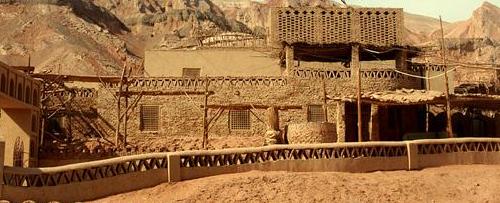
…and the Astana Tombs near Turpan in the Uighur Autonomous Region of China, which has the same design patterns in adobe brick, and also on a planetary alignment.

Mayapan is largely regarded as the last big Mayan civilization before the arrival of the Spanish.

It is 25 miles, or 40 kilometers, southeast of Merida.

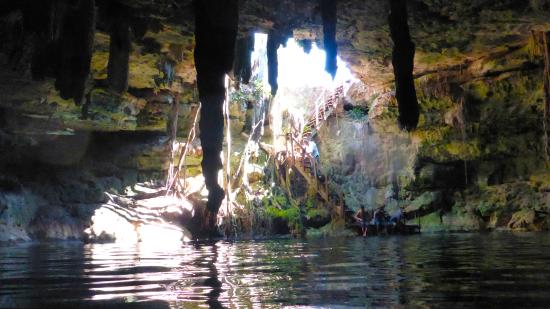
Mayapan has a number of cenotes…

…and as many as twenty-six cenotes have been identified on the Mayapan site.

Next on the alignment is Merida, the capital and largest city of Yucatan State in Mexico.

It is also the southern apex of the North American Star Tetrahedron which I found after noticing major cities in North America lining up in lines, and from which my work in this blog is based. A lot of planetary alignments emanate from, or pass through, Merida.

Merida’s nickname is the “White City,” said to be for the white painted buildings, and use of limestone as a building material.

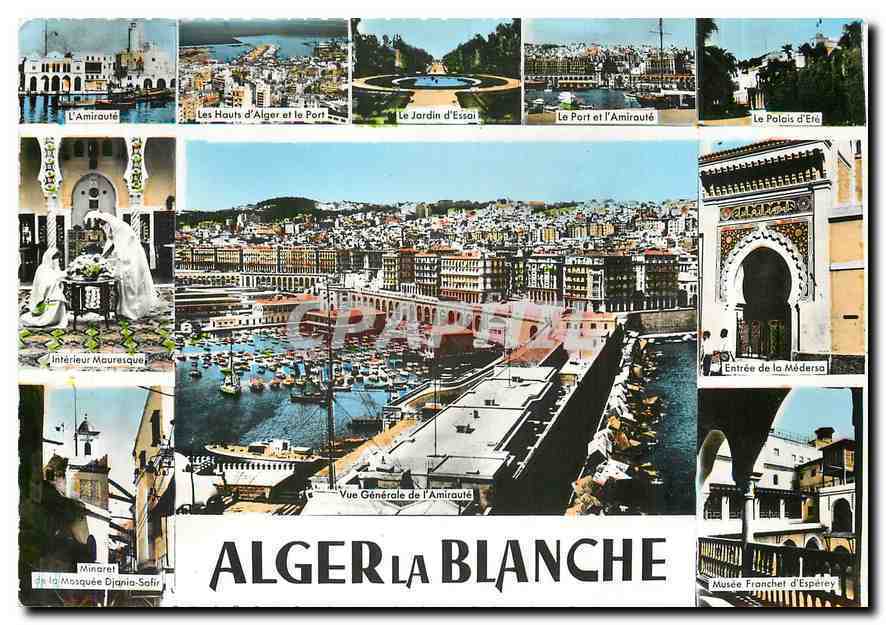
The White City was also the nickname for Algiers, Algeria…

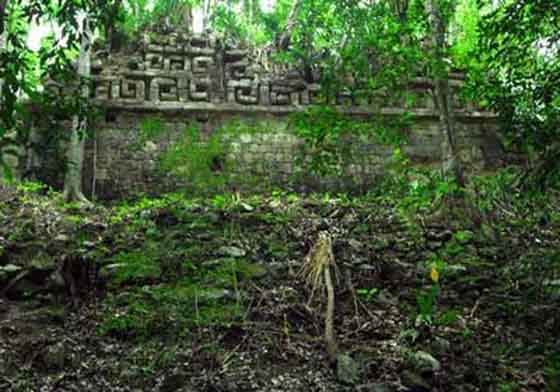
…and a lost city in the Honduran rainforest, known simply as “The White City.”

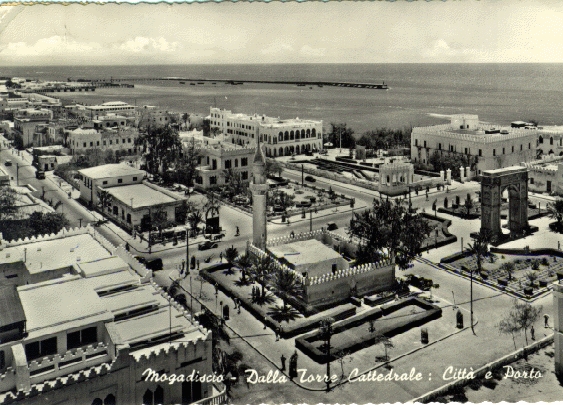
Mogadishu in Somalia before the Somalian Civil War, which started in the early 1990s, was known as the “White Pearl of the Indian Ocean.

This is a historic building in Merida, Mexico…

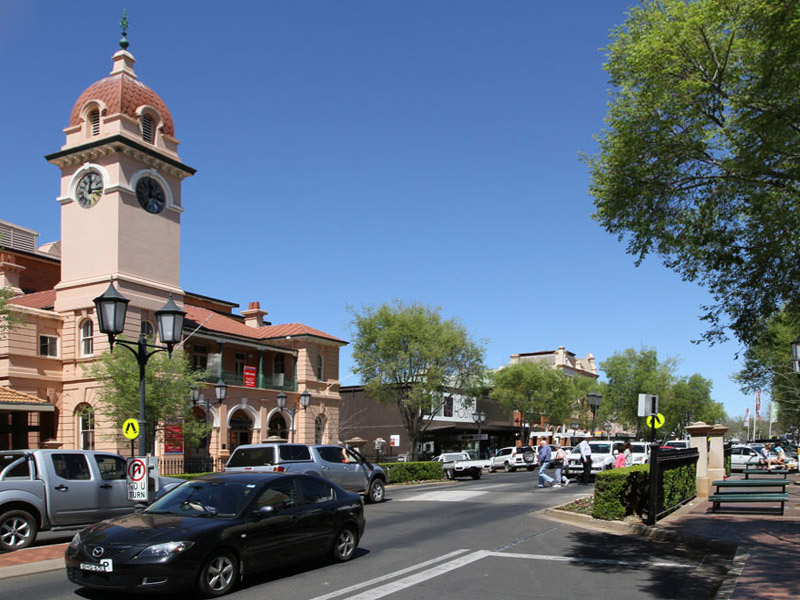
…compared with the historic post office in Dubbo, Australia, in the Province of New South Wales, on a different alignment.

If you are new to my work, my premise is that there was a unified, ancient, advanced civilization that was aligned with itself, the heavens and the stars, and that it existed up until relatively recently. Surprisingly recently.

This civilization that has been removed from our collective memory. My blog is dedicated to providing compelling evidence for why I believe this.

In the next blog post, I will be picking up the alignment in Baton Rouge, Louisiana. The circle alignment that began in Algiers, Algeria, moves into the Heart of the Empire Washitaw of the Washitaw Mu’urs, also known as the Ancient Ones.

Circle Alignments on the Planet Algiers – Part 5 Panama Canal to the Miskito Coast, Nicaragua

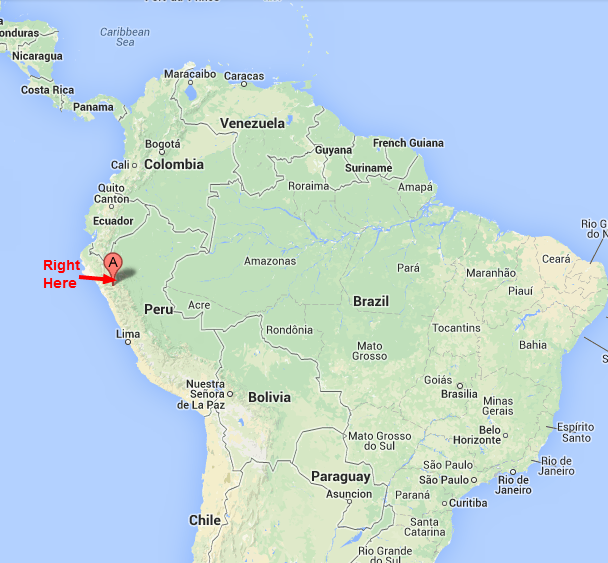
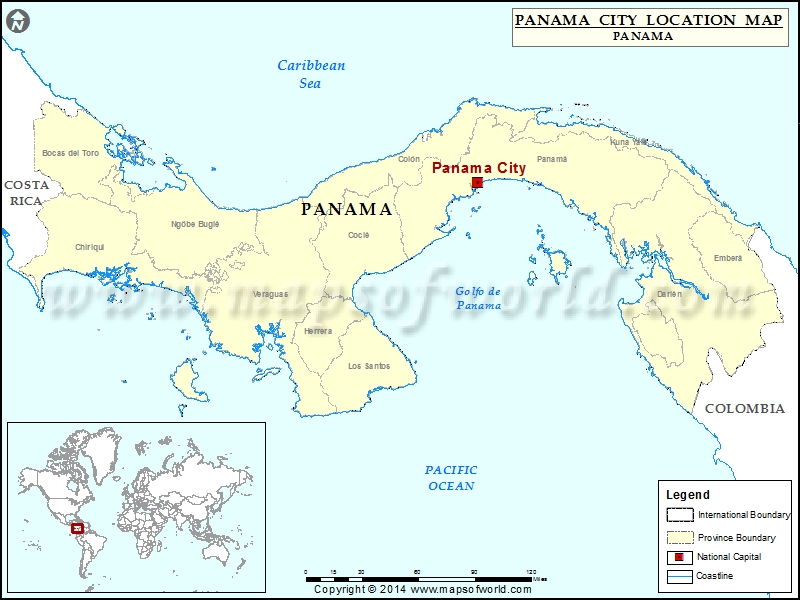
My last post ended in Panama City, Panama, the capital and largest city of Panama, and the Pacific Entrance of the Panama Canal.

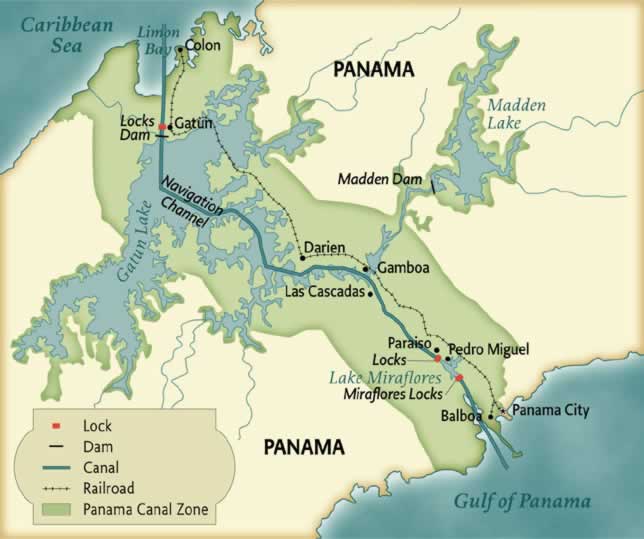
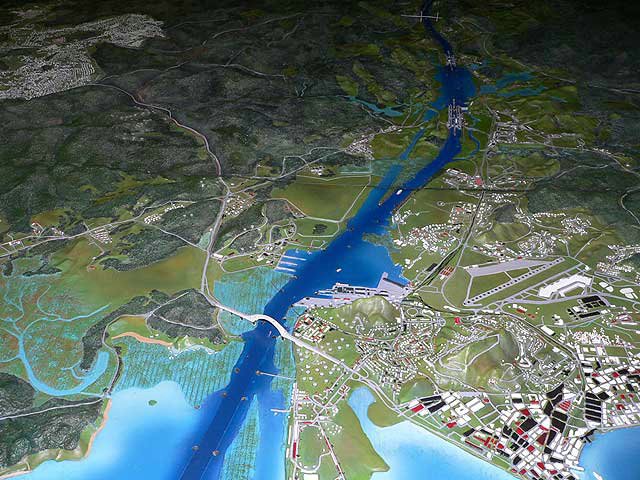
I am picking up the alignment that starts, and ends, in Algiers, as it tracks over length of the Panama Canal.

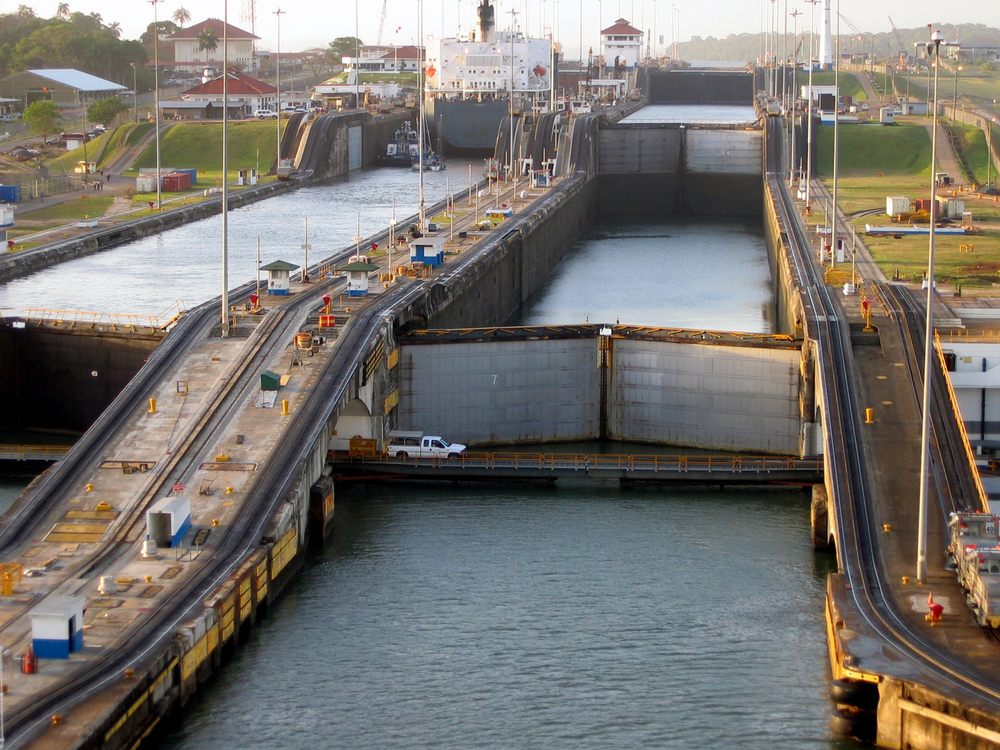
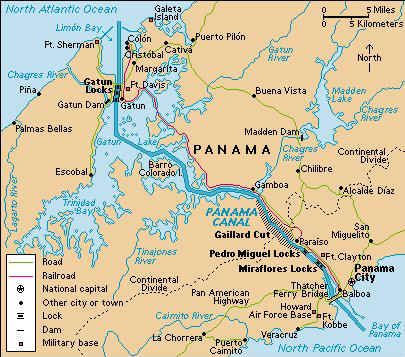
The Panama Canal is an artificial 82-mile, or 51-kilometer, waterway in Panama that connects the Atlantic Ocean and Pacific Ocean via the Isthmus of Panama.

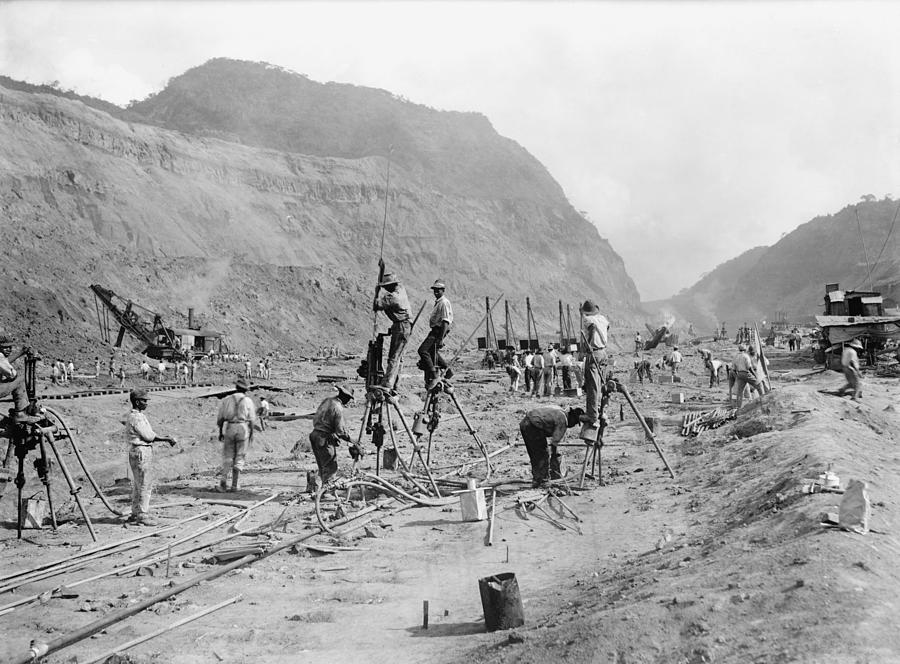
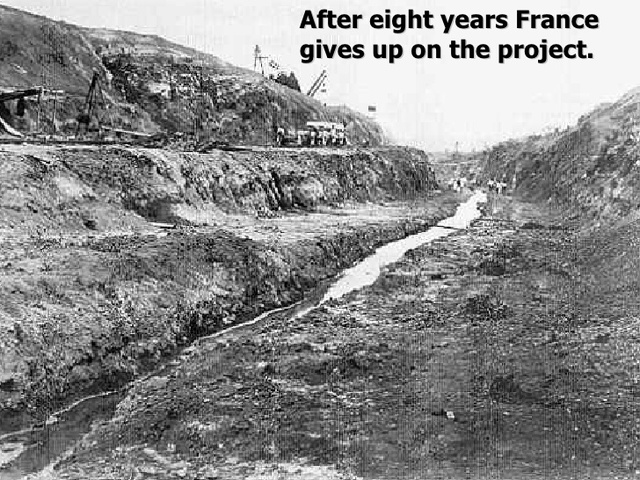
The project of building a canal across the Isthmus of Panama is said to have been started by the French in 1881.

They are said to have been unsuccessful in completing it due to engineering problems and a high worker mortality rate.

Then the Americans are said to have taken on the project starting in 1904. This is President Teddy Roosevelt posing at the controls of a steam shovel at the Culebra Cut of the Panama Canal in 1906.

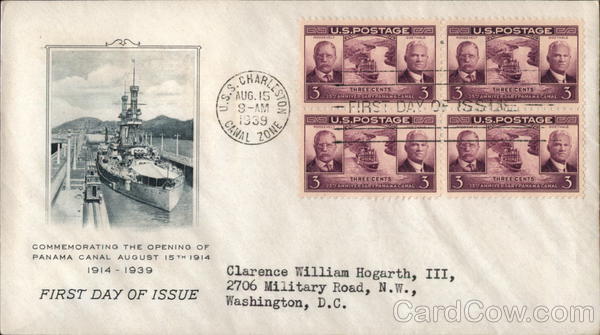
The Panama Canal opened on August 15th, 1914…

…just in time for the beginning of World War I, which started on July 28th, 1914.

The completion of the Panama Canal is said to have greatly reduced travel time for ships to travel between the Atlantic and Pacific Oceans, and allowing them to avoid the hazardous Cape Horn route via the Strait of Magellan at the tip of South America.

A Strait is defined as a narrow channel of water joining two larger bodies of water.

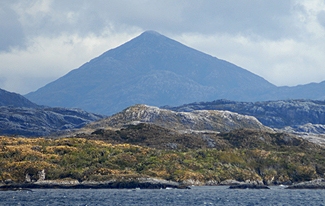
The Strait of Magellan is a navigable sea route in Southern Chile that separates South America from Tierra del Fuego, and is considered the most important natural passage between the Atlantic and Pacific Oceans. Interesting pyramidal-shaped mountain in the background here. Volcano? Well, at least that is what we have been taught to think.

Looks like a pyramid to me….

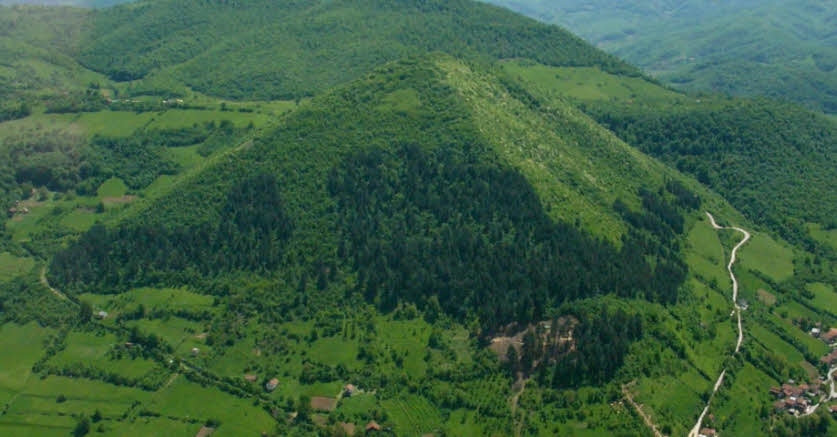
For comparison, this is the Bosnian Pyramid of the Sun in Visoko, Bosnia, before archeological excavation work started here in 2005, revealing an entire pyramid complex.

So what I am curious about now is how the Spanish Conquest of Peru and South America is supposed to have happened.

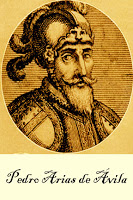
We are told that Pedro Arias D’Avila established a base of conquest in Panama City for Peru in 1519, on the Pacific side of the Isthmus of Panama. The coast of Spain is on the Atlantic Ocean and Mediterranean Sea. Isthmus is defined as a narrow strip of land connecting to larger land areas.

The Spanish Conquest of Peru is said to have started in 1532 with the Battle of Cajamarca, a city in Northern Peru.

It is quite a distance from Panama City, by land or sea. It sits at 8,900 feet in elevation, or 2,750 meters.

That’s way up there, about 1.7 miles, or 2.75 kilometers, in elevation! It is generally agreed that altitude sickness typically tends to start occurring at 8,000 feet. Characterized by headache, nausea, shortness of breath and vomiting.

Apparently, Pizarro and his 128 men marched to Cajamarca from Piure, on the coast of modern-day Peru. If the Conquistadors arrived by sea, according to the information we have been given in our history, they would have had to come by way of the hazardous Strait of Magellen, which had just been explored by Magellen in 1520, twelve years earlier, and in the opposite direction from Panama City. This tells me there was some kind of viable waterway in Panama already.

This is a picture of earthworks at locks in the Panama Canal…

…compared with the earthworks at the Caledonian Canal locks in Northern Scotland, said to have been started in 1803, and completed in 1822 by Scottish Engineer Thomas Telford.

Keep in mind the Industrial Revolution was just getting started in Scotland. For example, the hot blast furnace for smelting iron was invented and implemented in 1828 in Scotland. This was after the Caledonian Canal was said to have been completed.

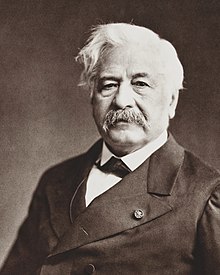
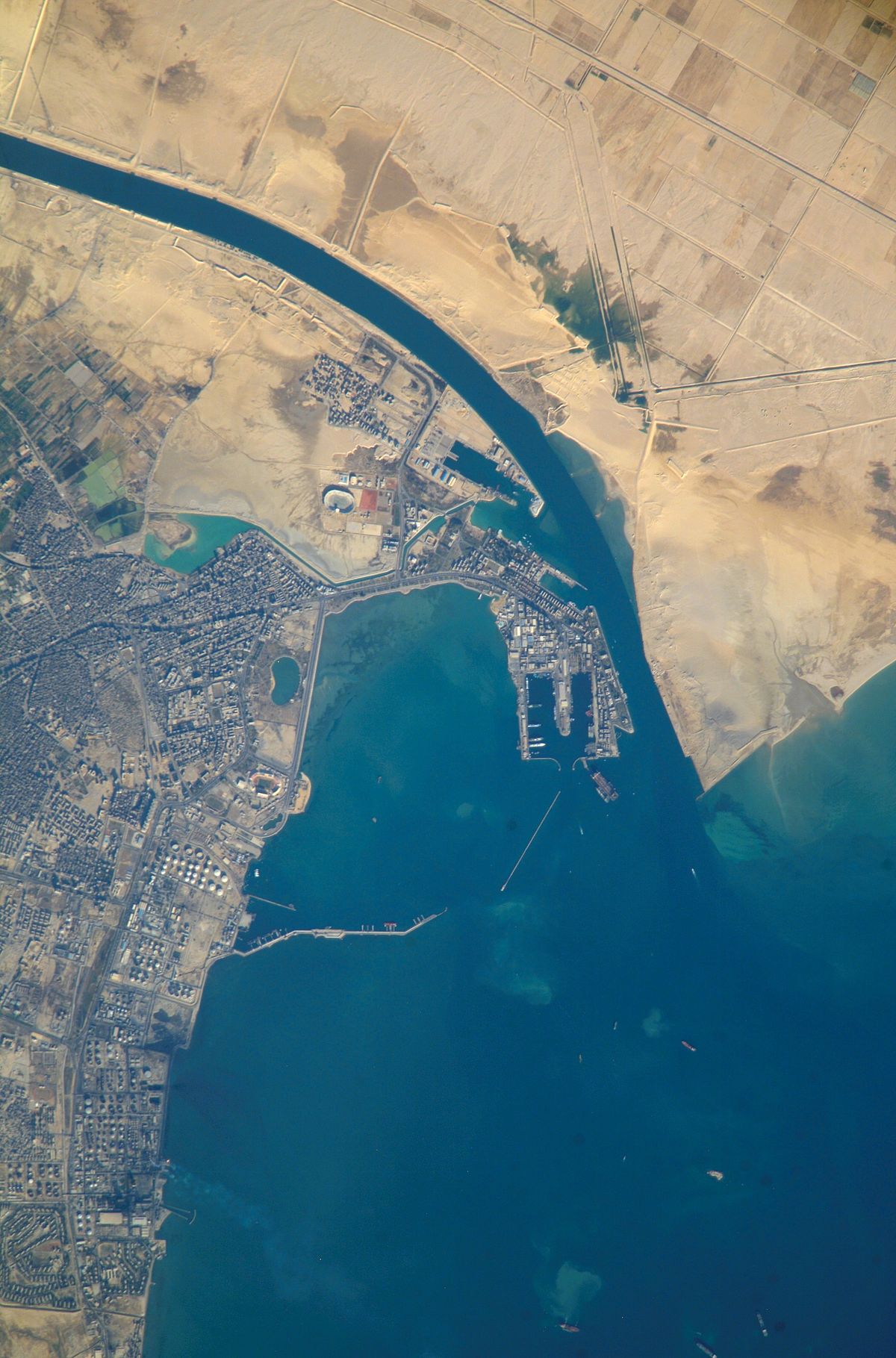
Back to the French and canal-building. The French Engineer Ferdinand de Lesseps is said to have built the sea-level Suez Canal…

…connecting the Mediterranean Sea and the Red Sea through the Isthmus of Suez between 1859 and 1869.

He was also the guy said to have been behind the what we are told was the failed French effort to build the Panama Canal.

I just wanted to demonstrate how many inconsistencies and holes there are in the history we have been given to explain how certain things came about, as well as how canals were built and who built them.

These are sophisticated engineering projects, built during times we are told we did not have advanced technology, which one would expect would be needed to build this monumental infrastructure.

I have found canal systems in cities around the world. The best known is in Venice, Italy, but Venice is far from being the only one.

The Advanced Ancient Civilization was a maritime civilization, as comfortable on water as on land.

I believe Moorish Master Masons of the Advanced Ancient Civilization built all of these canals systems.

The Moors were the custodians of the Ancient Egyptian mysteries, according to George G. M. James in his book “Stolen Legacy,” and they still are. I will be bringing up this subject again soon, as we will be going through the Heart of the Ancient Washitaw Empire in Louisiana on this particular circle alignment. While there are a number of whopping big secrets that have been kept from Humanity, this one ranks at the top of the list!!!

This is a section of the Suez Canal in Egypt, with stone walls on either side of a very straight channel that look sheared off evenly with each other.

Napoleon’s teams of experts discovered ancient canals through this region in 1798. Is this why the French ended up with whatever they did at the Suez Canal, I wonder?

Back to Panama. The alignment – and the Panama Canal – cross over the Continental Divide on its way across the Isthmus of Panama to Lake Gatun, just south of the next major city at Colon, Panama.

This interesting land feature is located where the Panama Canal and the Continental Divide cross each other, and actually looks like an old mining site to me…

..like this one, the Boddington Gold Mine in Western Australia near Perth.

This is Lake Gatun. It is a large artificial lake which forms a major part of the Panama Canal, carrying ships across for 21 miles, or 33 kilometers. Lake Gatun was created between 1907 and 1913 from the damming of the Chagres River. At that time it was the largest man-make lake ever created. I have my own beliefs about man-made lakes having dual purposes – creating infrastructure, and covering up ancient sites. See my blog post “On Chimney Rocks and Man-Made Lakes” for more information in this subject.

Now we come to the city of Colon, the capital of Colon Province, and a sea port on the Caribbean Sea…

…and near what serves as the Atlantic Ocean entrance of the Panama Canal.

The city is said to have been founded in 1850 as the Atlantic Terminal of the Panama Railroad, which was said to have been under rush construction to meet the demand for a fast way to get to California for the Gold Rush. This is a historical photo of the massive and ornate office buildings of the Panama Railroad Atlantic Terminal…

…and this is a historic photo of the Old Quarter of Colon, circa 1933.

Colon has a history of fires. The first was called the Burning of Colon in 1885, which took place during the Colombian Civil War.

Then there was the Great Colon Fire of 1940, in which fire destroyed one-third of the city…

…and displaced many city residents, who were forced to migrate from Colon when their homes were lost.

This is an aerial of Fort San Lorenzo, on the Caribbean coast at the village of Chagres, near Colon.

It is a UNESCO World Heritage Site, said to have been built in 1587.

Henry Morgan, a Welsh pirate, ordered the destruction of Fort San Lorenzo in 1670.

He is said to have invaded Panama City the following year from Fort San Lorenzo, and destroyed what was Old Panama, or Panama Viejo…

…which had a similar fort of which only ruins remain. This is a diorama of what Panama Viejo would have looked like before its destruction.

There is one more place I would like to look at before leaving Panama, and that is Chagres National Park, just east of Colon, and encompassing 300,000 acres, or 129,000 hectares, of Colon Province.

I have found that what hasn’t been destroyed of the Advanced Ancient Civilization is preserved in national, state, and local parks around the world.

So for starters, this is the park sign for Chagres National Park, which has stonework pictured…

…as does this sign for Roman Nose State Park in Watonga, Oklahoma…

…and this one at Lake Overholser in West Oklahoma City, which is an artificial lake, like pretty much all of the lakes in Oklahoma. They are telling us something here with this. It’s like their way (the people who know about the ancient civilization) of telling us without their really telling us they are telling us.

Also, from Chagres National Park is this S-shaped river bend of the Chagres, which is a signature of the ancient civilization…

…like the Brisbane River in Brisbane, Australia…

…and the Yangtze River in China

There are also waterfalls in Chagres National Park…

…compared with the waterfall I found back in Algeria, in the Chrea National Park in the Atlas Mountains. I always find waterfalls on the alignments as they are an important part of the planetary grid system.

From Colon in Panama, the alignment crosses the Caribbean Sea to Puerto Cabezas, also known as Bilwi in the Miskito Language, and is the capital of the North Caribbean Coast Autonomous Region of Nicaragua.

The municipality and this entire region are indigenous lands.

This is what a section of the coastline at Puerto Cabezas looks like…

…compared with this beach at Manzanita on the western coast of Mexico near Colima.

Puerto Cabezas is at the northern end of Nicaragua’s Miskito Coast, also known as the Mosquito Coast and the Miskito Kingdom. It runs from the southern coast of Honduras and pretty much the length of the Nicaraguaran Coast along the Caribbean Sea. It is named after the Miskito people, and not the insect mosquito.

The Miskito are considered a First Nation People, having occupied the North Caribbean Coast of Nicaragua for thousands of years.

It was a kingdom until the colonial powers got involved, starting with the British in 1740. Then things changed over time.

The last actual Miskito king was His Majesty George Augustus Frederic from 1842 to 1865. This is the Coat of Arms of the Miskito Monarchy…

…and from there the lineage continued with Hereditary Chiefs, with the last one being His Eminence Robert Henry Clarence from 1890 to 1908. He was born in 1872, so he would be the young man in this photo with his Executive Council.

The Cayos Miskitos, or the Miskito Cays, are part of the North Caribbean Coast of Nicaragua off the northeastern coast of Nicaragua, and are in a protected status.

They are uninhabited except for wooden fishing villages supported on poles above the water.

I am going to end this post here, and will pick up the alignment in Honduras.

Circle Alignments on the Planet Algiers – Part 4 Concordia, Colombia to Panama City, Panama

So far in this series, tracking the circle alignment that begins, and ends, in Algiers, the journey has taken us through Algeria, Mali, and Guinea in West Africa, across the Atlantic Ocean over the Equatorial Counter Current, to where the alignment enters South America in Brazil. The last post ended in Manaus, Brazil, the largest city in the Amazon Rainforest.

The starting point on the alignment for this post is Concordia, a town in the Colombia Department of Antioquia, in the Southwestern Subregion of the Department.

It is said to have been founded in 1830.

It is located in the mountains, and coffee farming is the primary economic activity for the people who live here.

Coffee Community Aid operates La Josefina Cooperative in Concordia, and provides direct assistance to improve the quality of life for the people who live here.

The average farm size is 4 hectares, or about 10 acres, producing 600 pounds of green coffee…

… or 480 pounds of roasted coffee each year.

Concordia, in Antioquia, is just north of a vast region of Colombia which this alignment passes through, known as the Coffee Triangle, Coffee Growing Axis, or the Colombian Coffee Region. It is comprised of the Departments of Caldas, Quindio, Risaraldo, and Tolima.

Nestled within the Coffee Triangle is a UNESCO World Heritage Site – the Coffee Cultural Landscape of Colombia (CCLC) – designated since 2011.

This region is in the central and western foothills of the Andes Mountain Range.

Interestingly, there is a direct connection to Africa with this piece of information. The coffee plant, or Coffea Arabica, originated in Ethiopia.

This is a photo of an Ethiopian coffee farm where the Sidamo coffee bean is grown, in the Province of Sidamo in the Ethiopian Highlands.

So the growing of coffee is freely acknowledged to have originated in the Ethiopian highlands.

It is said, however, to have spread through the Arab and European worlds in the 16th- and 17th-centuries, and that it came to South America in the 18th-century.

According to this map, there is a convoluted history story given to us showing how the Coffea Arabica plant was distributed around the world, with the point of origin in Ethiopia. It shows that Ethiopia’s neighboring countries of Kenya and Tanzania didn’t get the coffee plant until the late 1800s, and Cameroon, almost directly across the continent from Ethiopia, didn’t get the coffee plant until the early 1900s. Hmmmm.

I read that it was said no one is exactly sure who inhabited the mountainous regions of Colombia in pre-Columbian times.

This is where the available history on the Antioquia Department gets really interesting. While it does not mention Ethiopia, it does mention other things that one would not expect to find here.

For one thing, the Spanish to English translation of Antioquiao is Antioch.

What is the name Antioch doing in Colombia? Antioch, we are told, was an important city in Ancient Syria.

Prior to the Colombian Constitution of 1886, Antioquia was a state with its own sovereign government. This map shows the boundaries of Antioquia in 1863.

Prior to the Spanish Conquest, this area was primarily inhabited by the Muisca, an indigenous people here the formed the Muisca Confederation. Their language was called Muysca or Mosca.

If this is the first time you are hearing of the Muisca, we are told they were one of the four advanced civilizations of the Americas encountered by the Conquistadors, the other three being the much better known Mayas, Aztecs, and Incas. Why would they be removed from the history books, I wonder?

Here are some examples of their workmanship in gold. This conch shell is one…

…and this ceremonial raft is another.

From estimates of a population through this region of up to three million people at the time of the arrival of Spanish Conquistadors, the modern population number for the Muisca people is approximately 14,000.

This is the pre-Columbian Muisca archeoastronomical site, in Villa de Leyva in Colombia, called El Infiernito. This means “Little Hell” in Spanish.

It is comprised of several earthworks surrounding a setting of pink sandstone menhirs (upright standing stones). To date, a total of 109 standing stones have been excavated. It served as an astronomical observatory, for at least one of its purposes.

The other interesting thing I want to bring forward about Antioquia’s history is this.

There is considerable evidence about a historical Basque presence here, especially with regards to Basque surnames in the population, and Basque terminology in the language.

The Basques are ancient people, with their homeland being considered Basque Country in Spain and France. The language and DNA of the Basques are distinct. Their language, Euskara, is the only pre-Indo- European language that is still spoken in Europe.

While there has been significant Basque emigration here from Basque Country over the last couple of centuries, for researchers into this subject, it does not easily explain the prevalence of the use and retention of the Basque language here, in a place conquered and colonized by the Spanish. The Spanish dialect of Antioquia is heavily influenced by the Basque language, indicative of a long-time presence in this region of Colombia.

Moving further up the circle alignment in Colombia from Concordia is Bogota, the capital and largest city of Colombia. Administered as the Capital District, it is has the same administrative status as Colombia’s other departments.

Bogota was said to have been founded in 1538 by the Spanish Conquistador Jimenez de Quesada, after he somehow managed to conquer the powerful Muisca.

It was the capital of the New Kingdom of Granada, which included lands of present-day Colombia, Venezuala and Panama.

This was the flag of the New Kingdom of Granada.

Bogota is located in the center of Colombia on a high plateau known as the Bogota Savannah in the eastern ranges of the Colombian Andes…

…which is part of the larger Altiplano Cundiboyacense,  which is a high plateau in the eastern Cordillera of the Colombian Andes.

Tequendama Falls are 20 miles southwest of Bogota, and formed from where the Bogota River reaches the southwestern edge of the plateau. If you have been following my work, I have shared that I consistently find waterfalls on planetary alignments.

The definition of a plateau is an area of highland consisting of relatively flat terrain that is raised significantly above the surrounding area, often with one or more sides with steep slopes. Plateau is one of the code words used to cover-up ancient infrastructure. In this photograph of the Altiplano Cundiboyacense you can see relatively flat ground in the fore- to mid-ground.

In the center of this next photo of the Altiplano Cundiboyacense, there are smooth and rounded shapes that would be called hills, but actually look like mounds or earthworks…

…and are compared with an acknowledge earthwork called the Skipsea Castle Motte in East Yorkshire, England that it is being studied as part of the Round Mound Project by the University of Reading and the Scottish Universities Environmental Research Center…

…as is Castle Hill in Thetford, England.

Another one of the recurring features on these alignments are canal systems, and Bogota is no exception. This canal is in Suba, in the 11th locality of Bogota, in the northwest part of the city…

…and this one is in the Parque el Virrey in North Bogota.

The next place is Medellin, which is the capital of Antioquia, and Colombia’s second-largest city.

We are told the Museo el Castillo was modelled after the French chateaux of the Loire Valley and built by the first architectural firm in Medellin in the 1930s for a prominent Medellin family, becoming an art museum in 1971.

This is a chateau in the Loire Valley in France, the Chateau Chenonceau, said to have been built in the early 1500s.

My question is, based on what we have been taught about our history, how did they build these two castles when they are said to have been built? We are not supposed to have had advanced building technology in these eras, and we can’t even build with stone like this today.
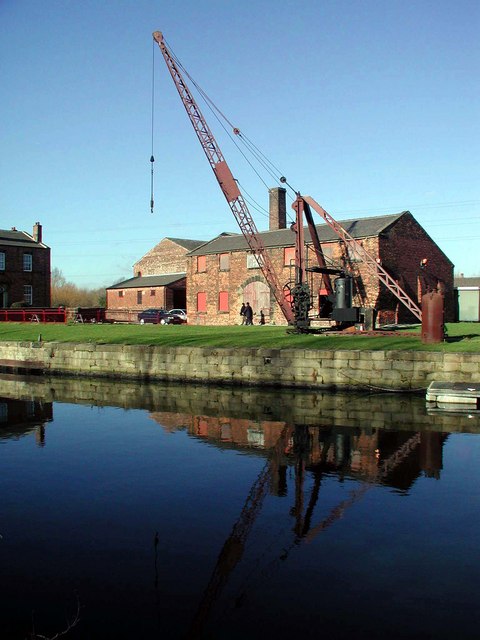
I think something is going on with falsely attributing builders all over the world. See my dedicated blog post on this subject “Castles and Ruins in North America” for more information on why I say this.

Here is another example of what I am talking about. This is the Uribe Palace of Culture, in Medellin’s Botero Plaza…

…said to have been built between 1925 and 1932…

…compared with The Seo, or Cathedral of San Salvador in Zaragoza, Spain, said to have been consecrated in 1318.

The Seo is part of the UNESCO World Heritage Site Mudejar Architecture of Aragon. Mudejar is the name given to Moors of El-Andalus during the Christian Reconquista.

While the Moors are given credit in our history books for ruling Spain from 711 A.D. to 1492 A.D. we are given pretty much the same dates for the time period of the Christian Reconquista.

One more thing I want to share before leaving the Medellin area. This is the Stone of El Penol in Guatape, Colombia, which is a short distance east of Medellin in Antioquia.

The new town of El Penol claims the granite monolith as their own too, and the old town of El Penol is underwater because of a hydroelectric dam project.

As a matter of fact, the rock rises from the bottom of the Penol-Guatape hydroelectric dam.

The staircase is the only way to get up to the top, where there is this brick observatory and other infrastructure. However they did it, it would be a heck of a job getting all the building supplies up to the top, much less build everything. Just saying.

Next the alignment crosses over Panama’s Isla del Rey, or King Island, the largest of the Pearl Islands in the Gulf of Panama.

..at the port town of San Miguel on the northwestern coast of the island.

On a modern pop culture note, the 2003 series of “Survivor: Pearl Islands” was filmed on Isla del Rey. I actually think I saw all of that one. I stopped watching “Survivor,” and television, a long time ago.

The alignment crosses mainland Panama at Panama City, the capital and largest city of Panama.

The city is located at the Pacific Entrance of the Panama Canal.

Panama City was said to have been founded by the Spanish Conquistador Pedro Arias D’Avila in 1519, and used as the starting point for the expeditions that conquered the Inca Empire in Peru.


Panama Viejo, the original city, is said to have been destroyed by fire after being sacked by the Welsh pirate Henry Morgan in 1671.

This is a diorama showing was Panama Viejo would have looked like before 1671, which apparently included a star fort at this location.

And now that I am looking at the actual ruins of Panama Viejo, I question that fire was the only thing that destroyed this place. Maybe he torched the place, but this is stone. It would take more than fire to create the ruins seen here to day.
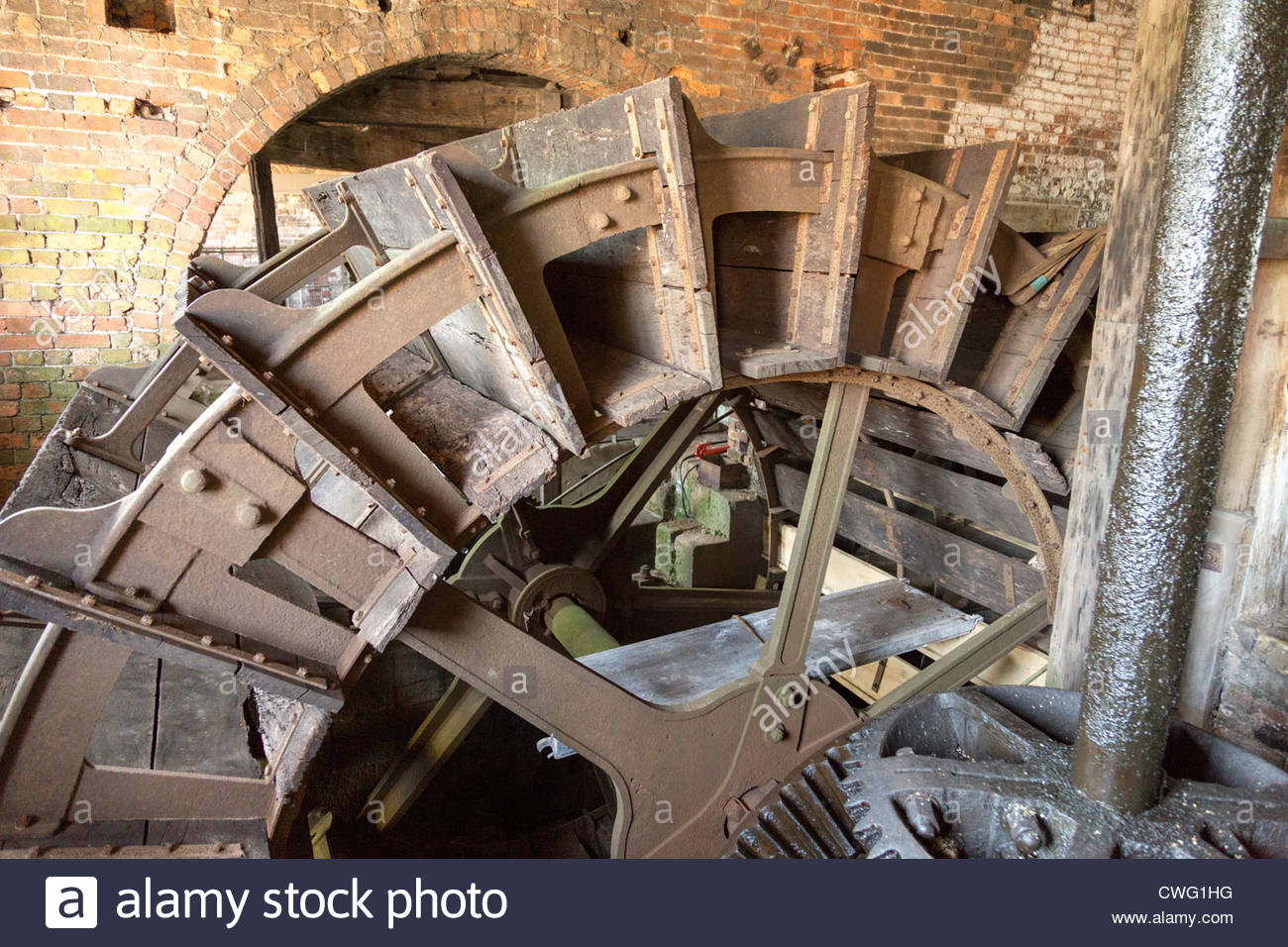
The still existing historical district of Panama City, Casco Viejo, we are told was built and settled in 1673, immediately after the destruction of Panama Viejo.
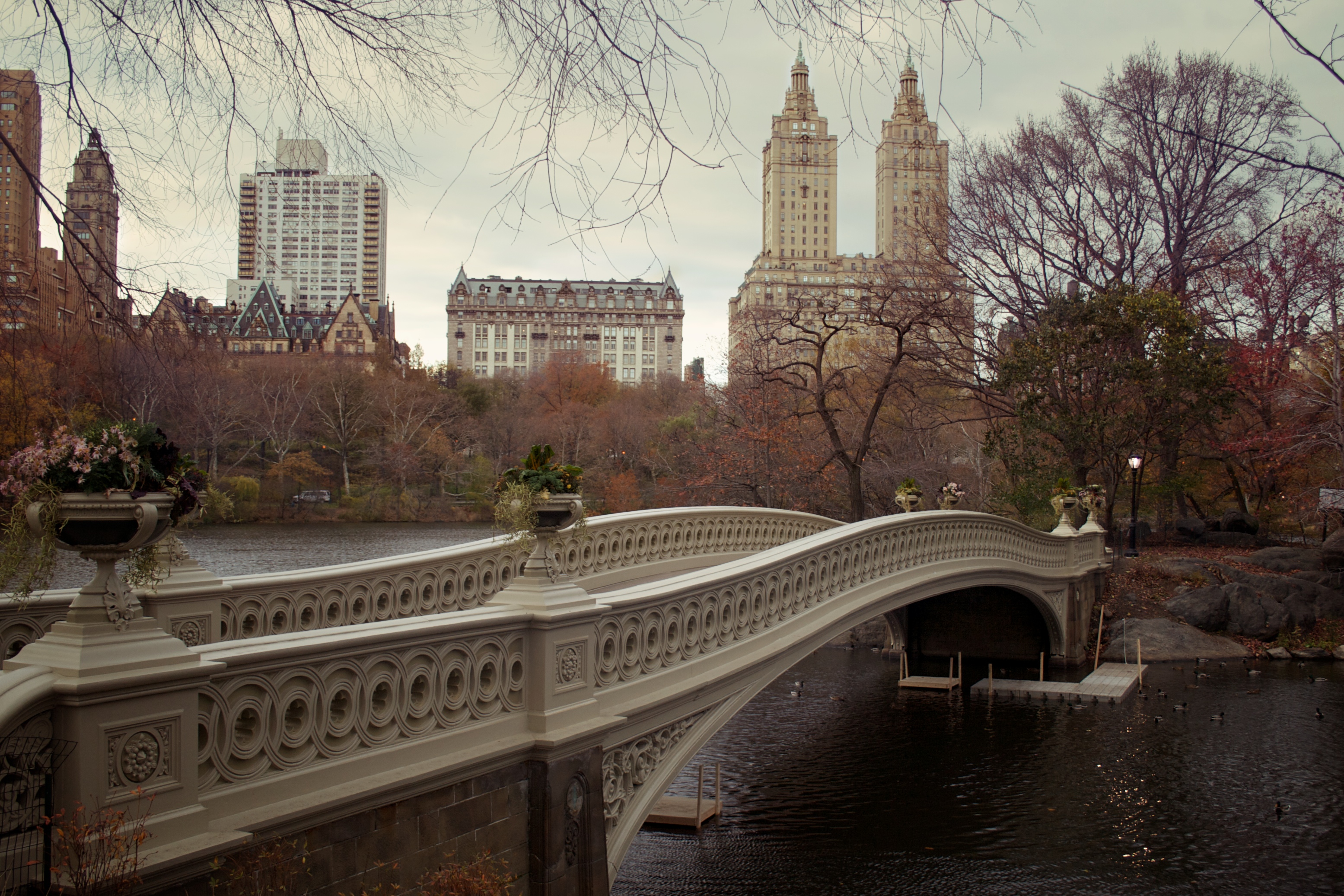
This is a street view of the Casco Viejo in Panama City…

…compared with Old Sao Luis back where the alignment enters South America on the Brazilian coast. The streets are curving in opposite directions, but in the old towns of both places, the architecture is similar, and both streets are steeply sloping. Both are designated as UNESCO World Heritage Sites.
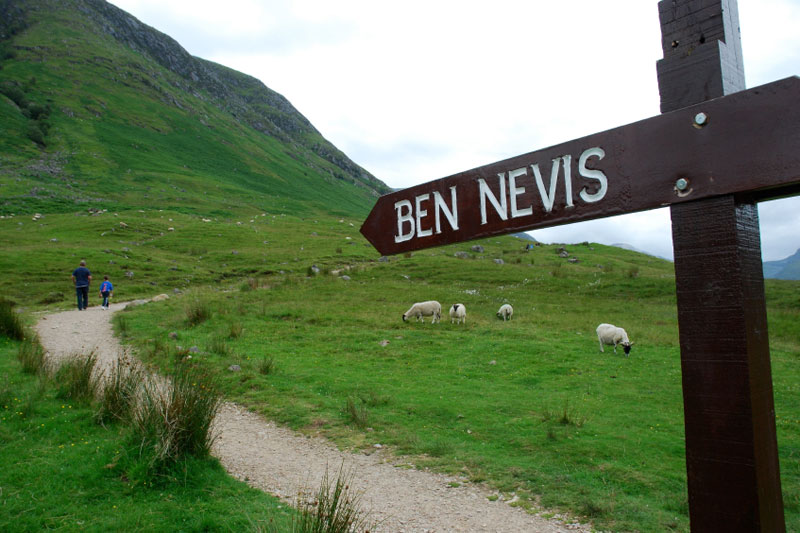
Another example of this striking similarity is the Plaza de la Independencia, the main square of Spanish Casco Vieja in Panama City…

…compared with the old historic center of Portuguese Sao Luis, back on the coast of Brazil.

I am going to end this post here, and pick up the alignment in the next post as it tracks over the Panama Canal.