If you would like to have a more in-depth video, here is a link to the New Earth Video referenced by the narrator in the previous link (about 55 minutes long):
I watched the “Star Forts or Ancient Power Stations” video by the New Earth Youtube channel in 2015. This was my first introduction to the subject. She really does a great job in bringing great information forth on this obscure topic.
This is Ft. Monroe in Virginia.
While Star Forts can be construed to be or look defensive in nature, this explanation does not fit when one really looks closely at the their configuration. There is speculation from on-site evidence at different locations that there is a connection to energy generation in some way. And star forts around the world have been covered up, utilized, or destroyed.
Here are some examples in the United States:
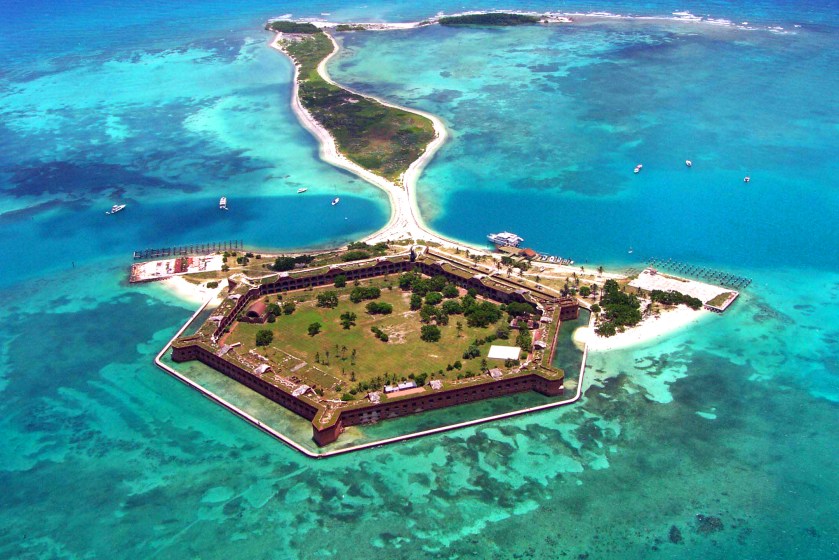
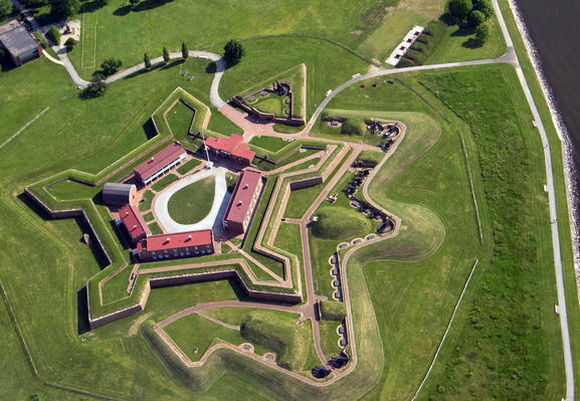
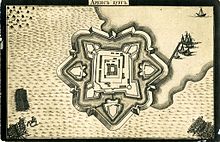
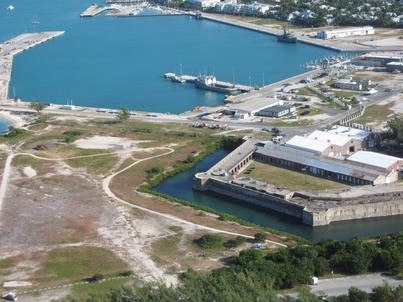
Ft. McHenry, Baltimore, MD pictured on the top; Dry Tortugas National Park, Florida Keys on the bottom left; and Castillo San Angelo, St. Augustine, Florida, on the bottom right.
Hey, and looky what’s underneath the pedestal of the Statue of Liberty
on the Battery of Manhattan in NYC:
This information on Star Forts is relevant to my intuitive journey of un-covery. I first saw the New Earth Star Fort video on Youtube at the end of 2015.
On January 1, 2016, I travelled to Heavener Runestone State Park, in Heavener, OK, with my travel friends. I went there looking for ancient walls because I had seen a revealing video on Youtube, from someone who lives in that area. He did a video on the Runestone State Park, and went to a place in the park where I saw the walls I showed you in an earlier post and in my video. I wanted to see them for myself.
When I was there, I noted a recurring triangular shaped pattern in the stone-work around the edges of the site in the pictures below. I thought at the time that it looked like it might be a star fort after having just seen that video. I can’t confirm, but it could be. Also, this location is approximately 20 – 25 miles from Queen Wilhelmina State Park in Arkansas, which is on the Talimena Ridge near Mena, Arkansas, where the Atlantean Blue Master Crystal of Knowledge is reputed to be, and is only 90 miles from Mt. Magazine where the Atlantean Emerald Master Crystal of Healing is reputed to be.
What this awareness led me to directly, within a short period of time, like maybe a week, was an intuitive hit that I received when listening to a youtube video of a song by Will Ackerman called : “Climbing in Geometry.” The gigantic land feature pictured here throughout the music video reminded me in shape of the triangular points of the star forts that I had recently become acquainted with, and those at Heavener.
So I googled “climbing in geometry” and this marks the very beginning of my cracking the code of how the ancient civilization is covered up by calling man-made structures natural features. This link article is one of the first places I looked at:
What really got my attention in this blog post was his description of “…thoughtful moves on polished slabs….” I might add that Carderock is near Great Falls in Maryland, and is the home of the Naval Sea Systems Command. Power agencies are built on top of power sites, so this is a good indication of its importance on the planetary grid. This is Jungle Cliff at Carderock.
Anyway, I started googling rock-climbing sites, then rock formations by state and province, then state and national parks, and then more and more as I was getting good information back in return about the ancient civilization.
My research activities became more focused when I found the North American Star Tetrahedron, which would have been in February or March of 2016, and then I started looking specifically at the places on the alignments, and getting even more information about the similarities of everything, around the world.
There are so many things that went into all of the information that I am sharing with you now. One insight led to another, and another. I also had the ability to visit many places in person, and I did so. This helped me to understand what I was seeing.
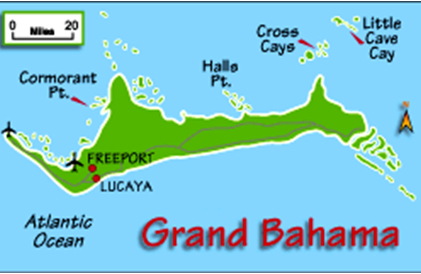
Part 1 of this series following the Merida Circle alignment ended in Miami, Florida. This part will begin on the Grand Bahama Island.
Grand Bahama is the northernmost of the Bahama Islands, 52 miles (84 kilometers) off the coast from Palm Beach, Florida.
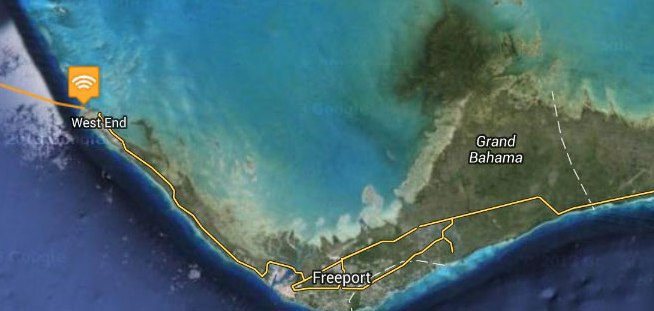
West End is the capital of Grand Bahama.
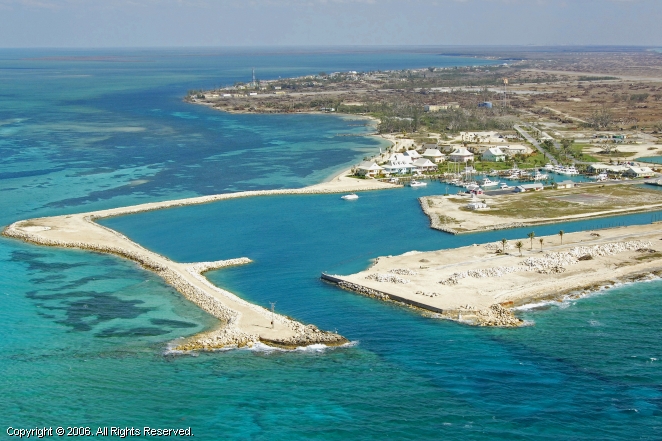
This is now part of the Marina here, but my belief is that this is an artificially shaped harbor of the advanced ancient civilization. I have seen countless examples of this around the world. It was a maritime civilization. We have not been taught about it, so collectively we just assume harbors like this were constructed in recent times. I am saying not so!
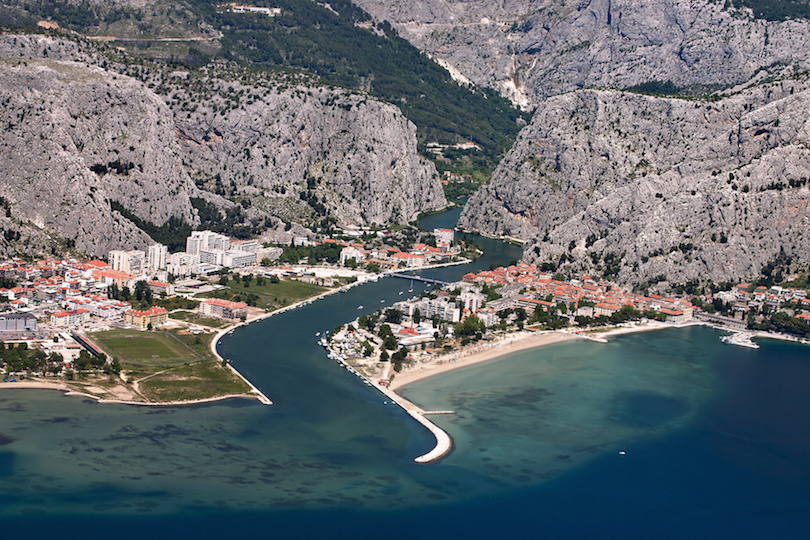
This is a picture of the shaped harbor, and what looks to be a canal, at Omis Beach in Croatia.
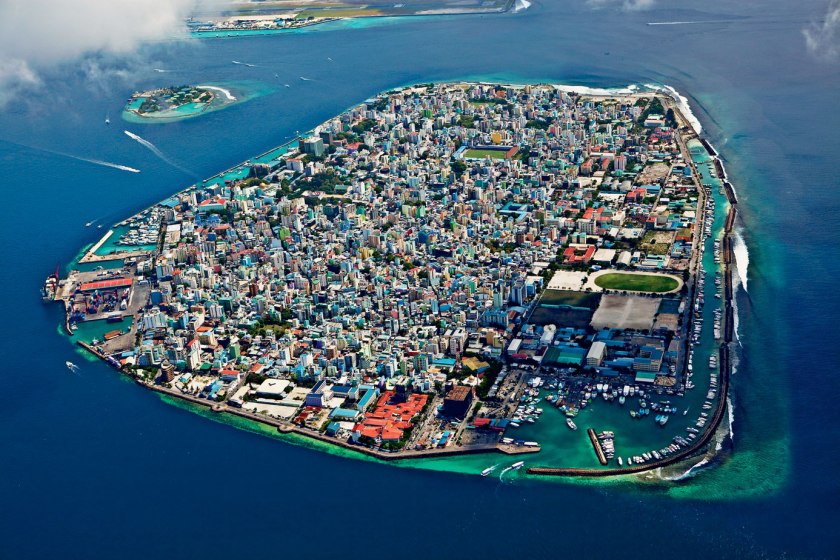
And this is Male, the capital of the Maldives, located in the Arabian Sea of the Indian Ocean. It sits on a major planetary alignment. As you can see, there are protected, shaped harbors all around the island.
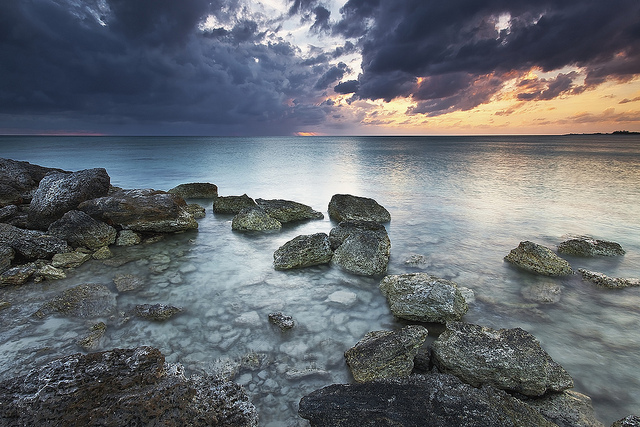
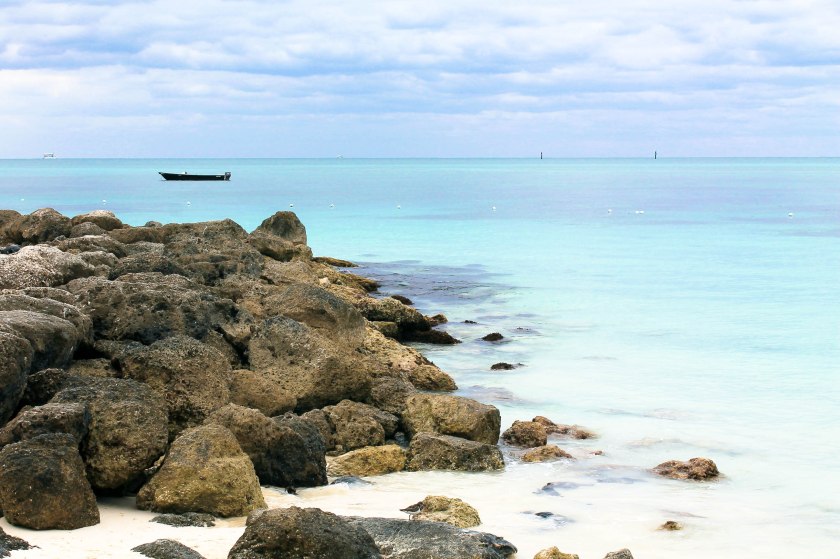
Before I move on to Freeport on the Grand Bahama Island, this is a picture of Deadman’s Reef on Bahama Beach at West End. I take particular notice of the presence of the block-shaped rocks here, which I believe are ancient masonry.
Same thing here at the Gold Rock Beach of Lucayan National Park, a 40-acre park on the southern shore of Grand Bahama Island near Freetown.
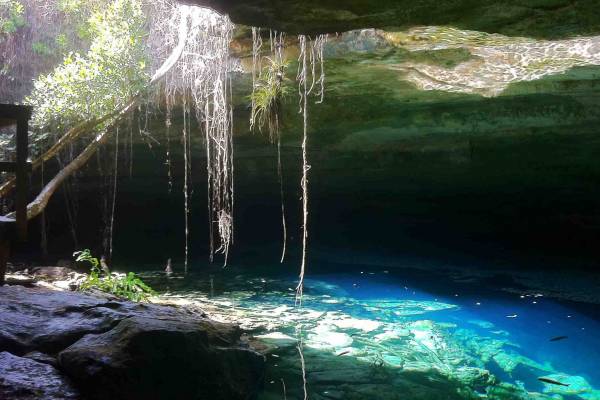
Lucayan National Park has one of the longest charted underwater cave systems in the world.
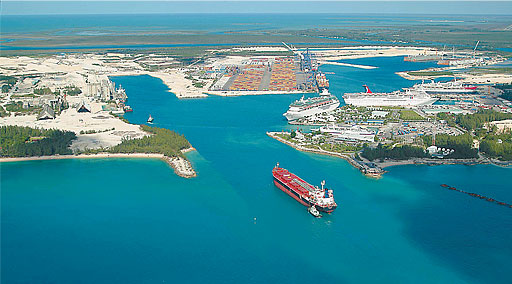
Freeport is the main city of Grand Bahama, which besides and airport, has a commercial ship harbor.
I believe the same thing about this harbor that I believe about the one at West End – that it was artificially created by the Ancient Advanced Civilization, and not in modern times:
Here are more pictures of the coast and beaches on the Grand Bahama Island near Freetown to give you a feel for exactly how rocky it is:
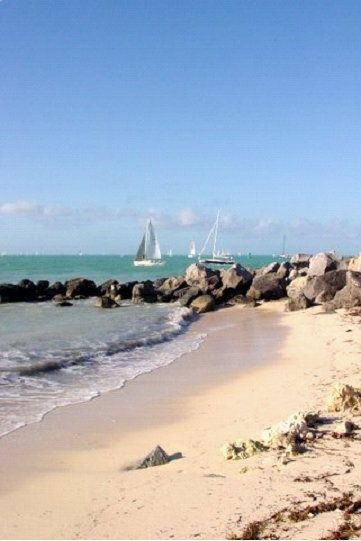
We are taught to believe sights like this are of natural rock formations. Compare with these photos from the previous post, with this one with big block-y rocks on the beach from Key West…
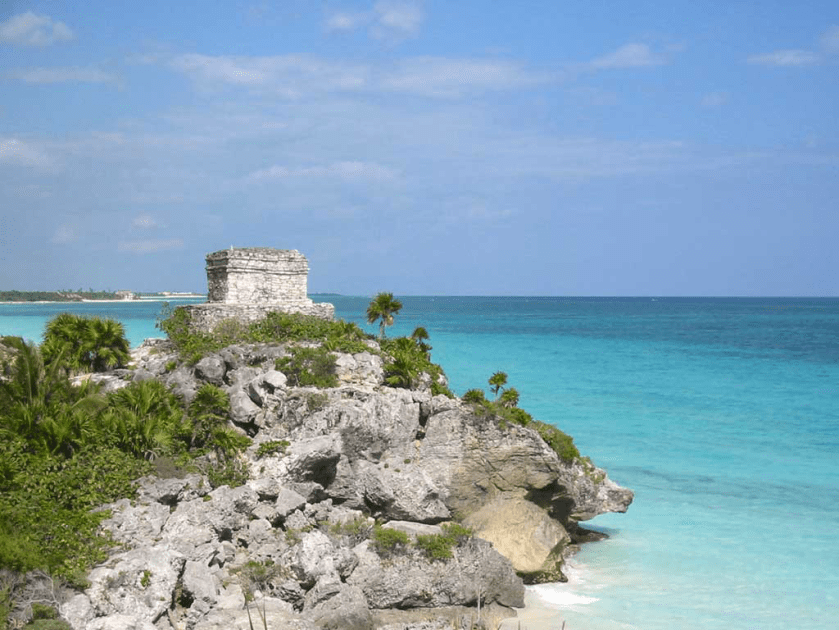
…and this one from Tulum on the Yucatan Peninsula Coast also with block-y rocks with a lot of straight edges.
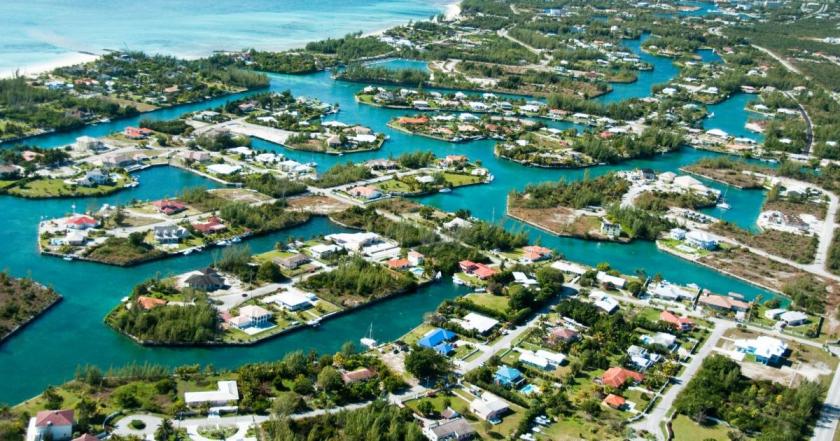
Grand Bahama Island also has a canal system.
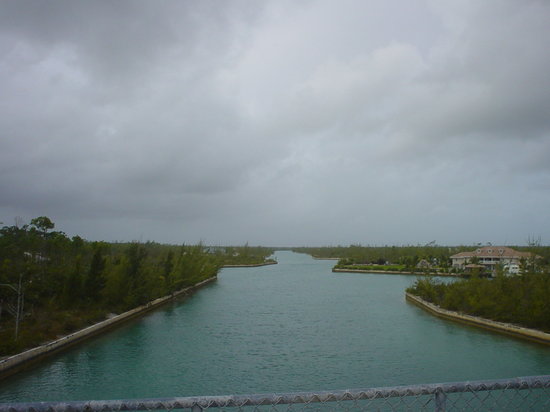
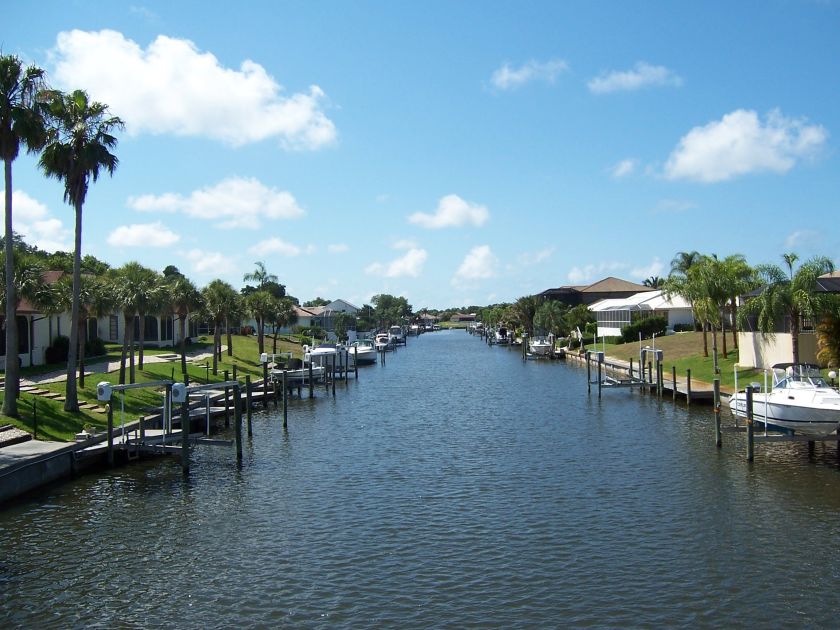
Here is the view from Casuarina Bridge of the Grand Lucayan Waterway.
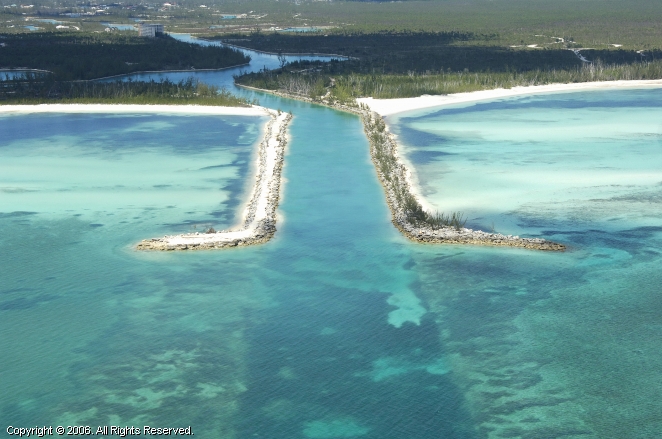
This is a picture of the south inlet of the Grand Lucayan Waterway on the coast at Lucaya, near Freetown…
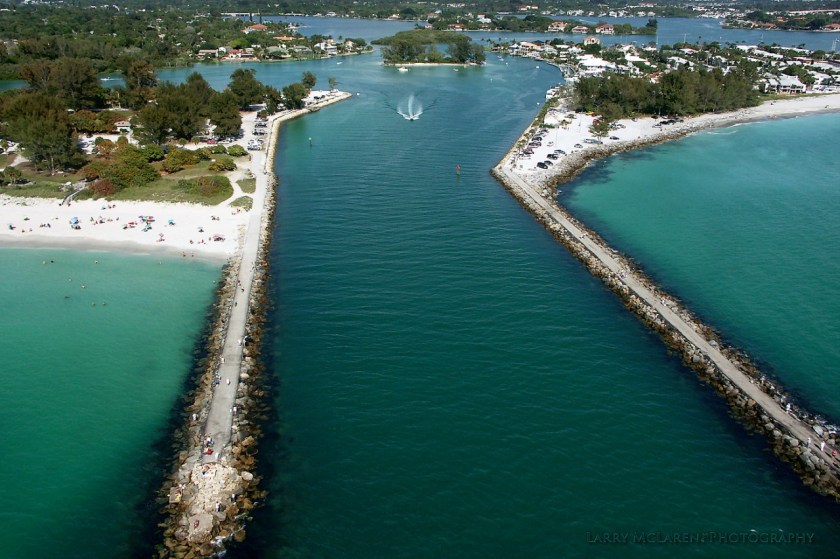
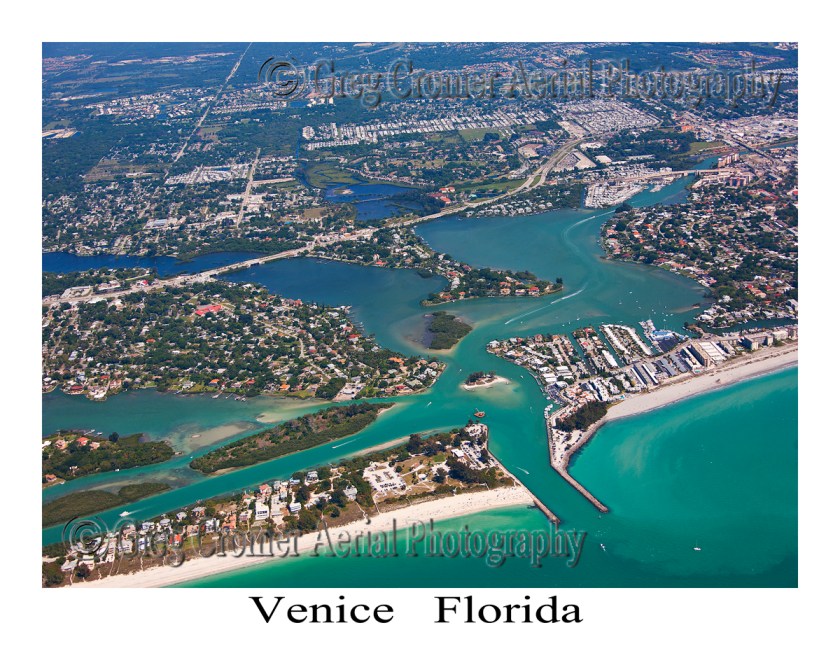
…and for comparison this is Venice, Florida, on the opposite side of Florida on the Gulf of Mexico.
Also for comparison, an aerial view of the canal system on Grand Bahama Island…
…compared with views of Venice, Florida.
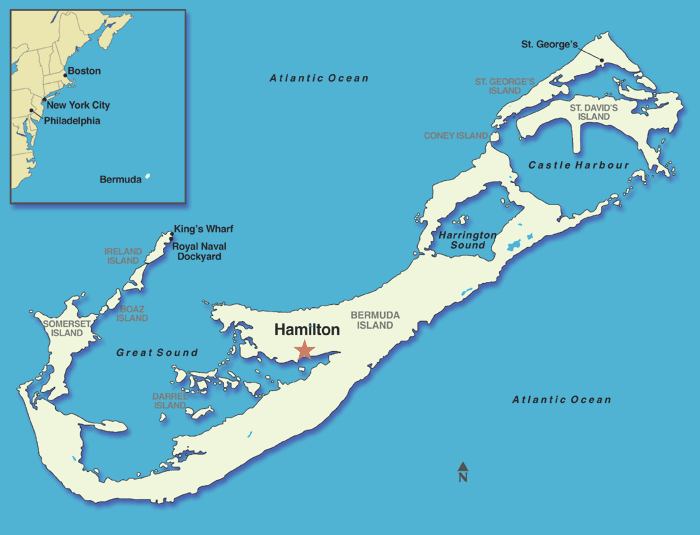
On to Bermuda, where the alignment crosses through the capital of the British Overseas Territory, Hamilton:
This is a picture of the Bermuda Parliament building on the left, and a view taken of Santa Cruz de Tenerife, showing a similarity of tower construction, arches and window design in both locations on different sides of the Atlantic Ocean.
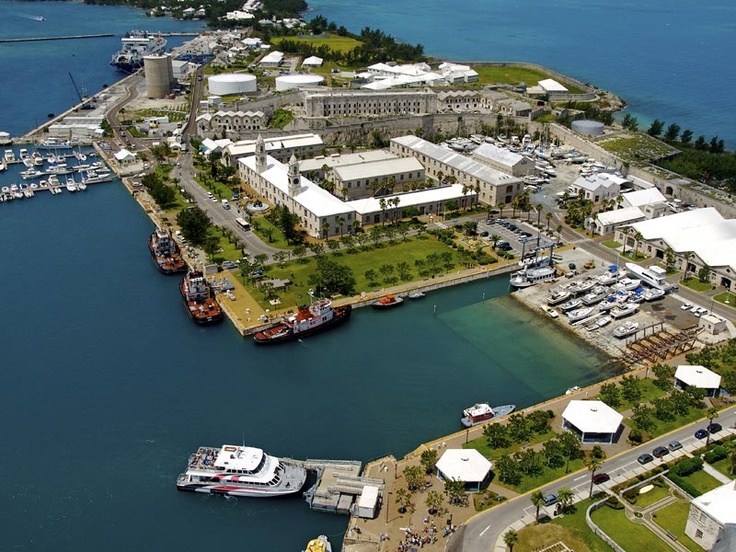
This map shows the location of the Royal Navy dockyards in Bermuda.
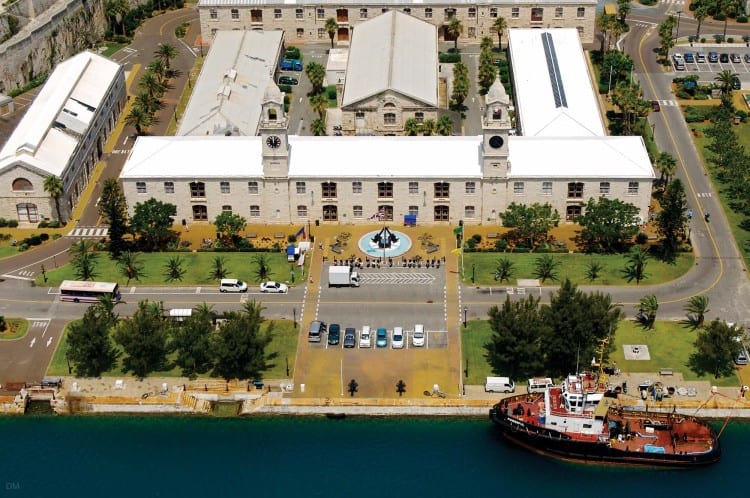
We are told it was built by the British Royal Navy in 1795. It was once home to Britain’s largest naval base outside of the United Kingdom until it closed permanently as a naval base in 1995.
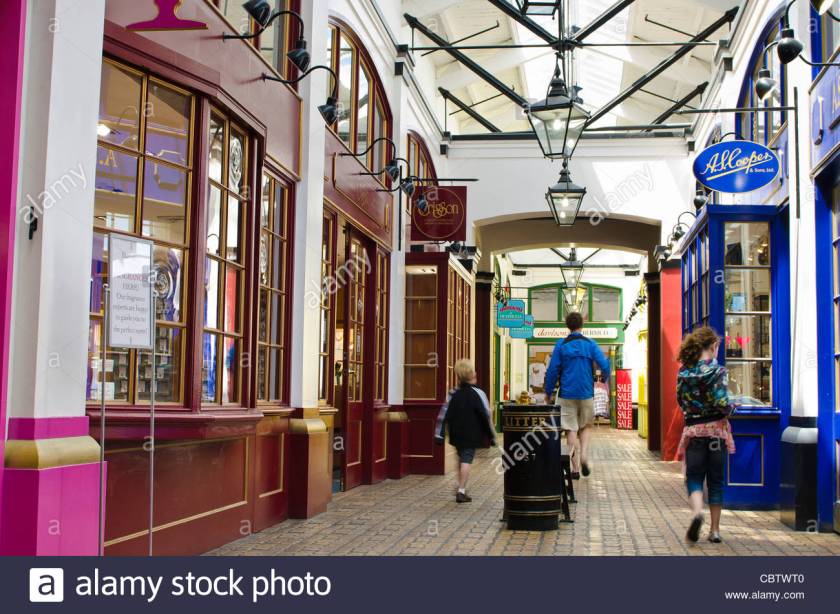
Now it is the home of the Clocktower Mall, hosting a variety of shops, boutiques and restaurants. So these 200-plus-year-old buildings must be in extraordinarily good condition to still be in use today!
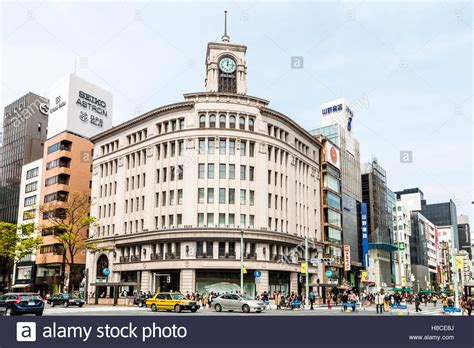
Modern-use department stores with clock towers is not unique in the world. The Wako Department Store building in the Ginza Shopping District of Tokyo has a clock tower and heavy masonry…
…and a version of that street-corner lay-out design I keep seeing, like the original Miami Herald Building on the left, and the historic Alberta Hotel in Edmonton, Alberta.
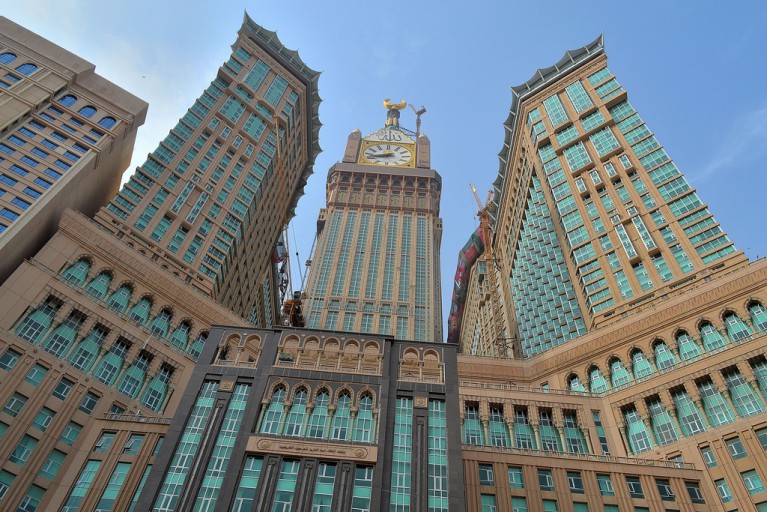
Another notable clock-tower mall is in Mecca, Saudi Arabia. This complex is called the Makkah Royal Clock Tower Hotel, and includes a 5-story shopping mall in addition to hotel and residential rooms, and has many other uses as well.
Compare the overall look of the Makkah Royal Clock Tower Hotel with this historic hotel, the Mincks-Adams Building in Tulsa, Oklahoma, you know the – “Oklahoma! Where the wind comes sweeping down the plain, and the wavin’ wheat can sure smell sweet when the wind comes right behind the rain” Oklahoma has historic, beautifully ornate architecture like this.
Just digressing for a moment. It is interesting what you find when you start looking at this stuff. I think very telling also, as I believe one in the same civilization were the original builders, and now all of these are falsely attributed to other builders. All of these places are on the planetary grid lines. For more about Oklahoma, see the “How I Found the Silk Road – Part 6 Santa Rosalia to Montreal” post, and Saudi Arabia will be in the next Circle Alignment series involving Amsterdam Island.
This is the Hotel Hamilton, said to have been built in 1851, and destroyed by fire in 1955. Notice anything unusual about the size, and design features, for example of this hotel building that said to have been built as a hotel in the 1850s? To me, it looks more palatial than hotel-like. And how did they build something like this in the 1850s without modern equipment (that goes for whole lot of other buildings as well) in the timeline we have been given?
Hamilton Hotel Front View
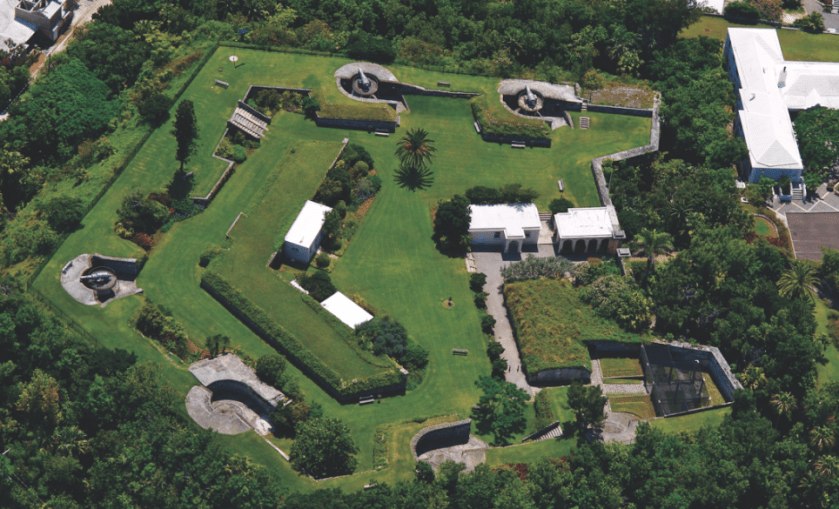
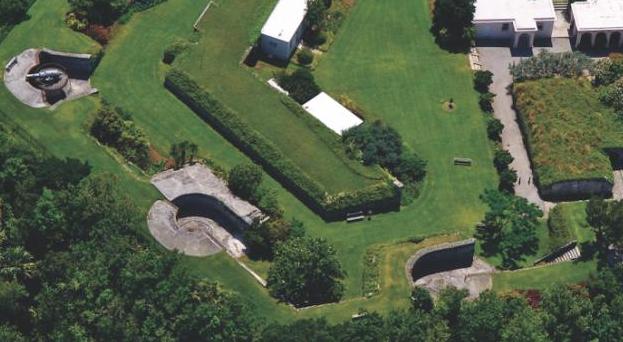
Before leaving Bermuda, let’s take a look at Fort Hamilton in Hamilton. It is situated above the city of Bermuda, and is said to have been built in 1870. It looks to be in the shape of a pentagram. Quite possibly a star fort.
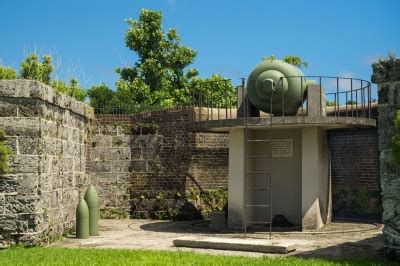
Interestingly they have cannon on platforms at only three of the 5 main points of the fort’s pentagram shape…
…resting upon what looks to be a more recent concrete platform…
…and nothing in two of the five points.
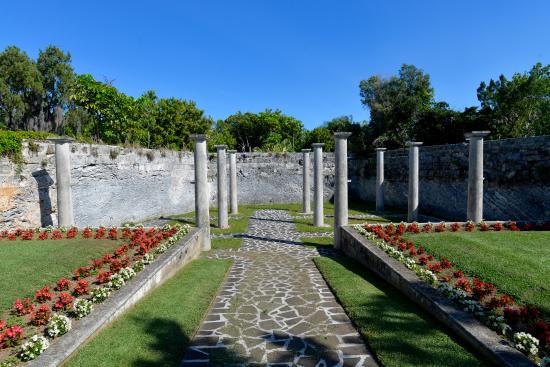
The fort has beautiful colonnades, seemingly holding up air, and a nice wall in the background about the same height. Don’t know if the area used to be enclosed or not, but sure looks like it could have been!
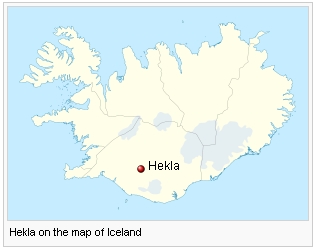
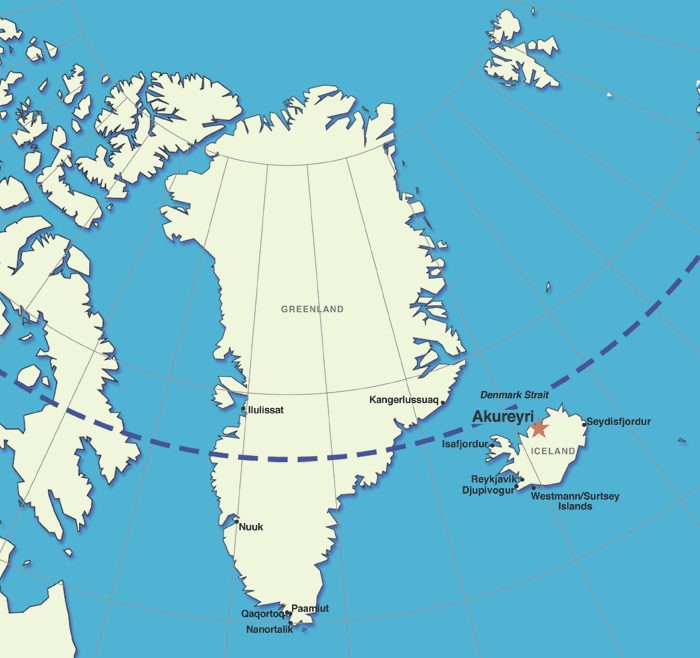
From Bermuda, the alignment goes through Hekla Volcano in Iceland.
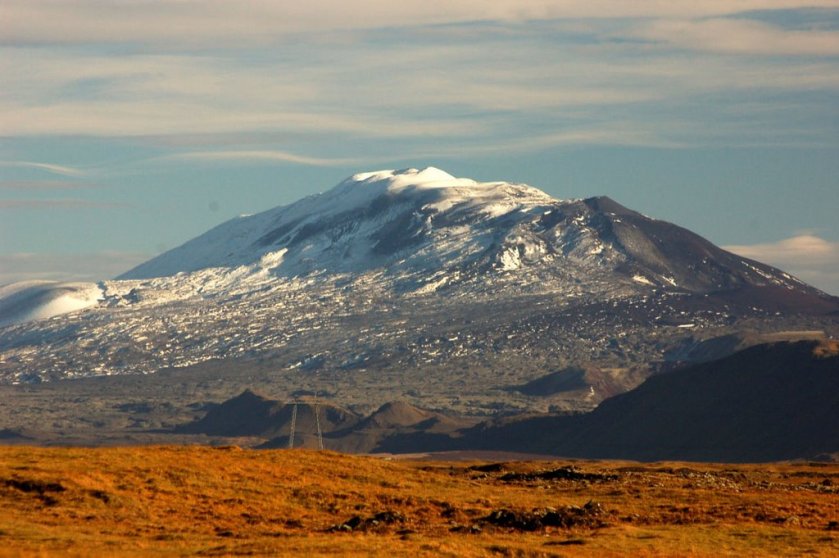
Hekla is a stratovolcano that is one of the most active in Iceland. It is a legendary gate of hell in medieval literature. This alignment will go through other volcanoes and volcanic regions as we follow it. I have found that these alignments approximate the edges of tectonic plates, as evidenced by volcanic and earthquake activity. I frequently recognize place names when I hear of such activity now.
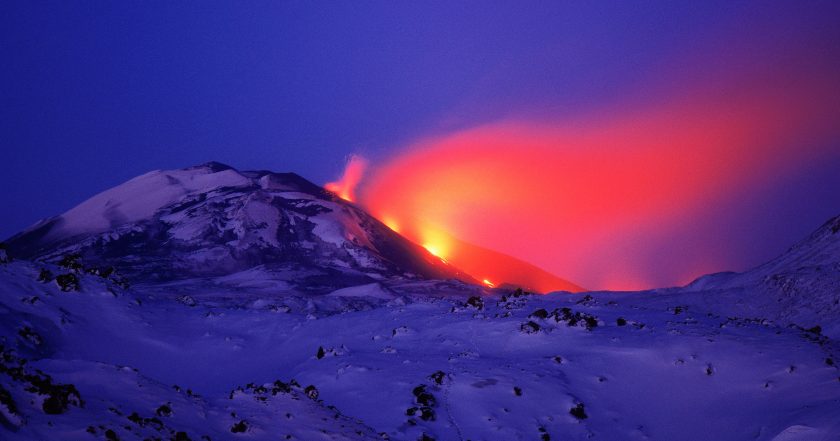
Over 20 eruptions have occurred since 840 AD. It was last active from February 26th to March 8th, 2000.
Next the alignment goes through Akureyri, Iceland.
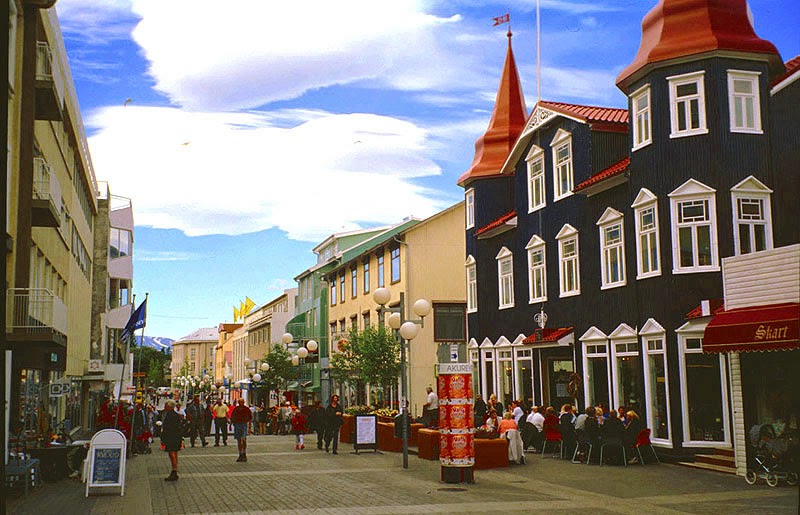
Akureyri is in northern Iceland, and Iceland’s second largest urban area. These days, it is an important port and fishing area. It has an ice-free harbor, and relatively mild climate. This is the historic city center of Akureyri.
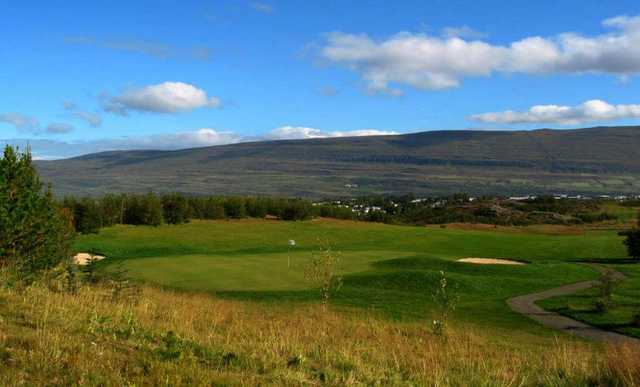
The world’s most northerly 18th-hole golf course is located in Akureyri. I believe golf courses are involved in the cover-up mound sites. See my post “A Word about Golf Courses” for how and why I came to this conclusion.
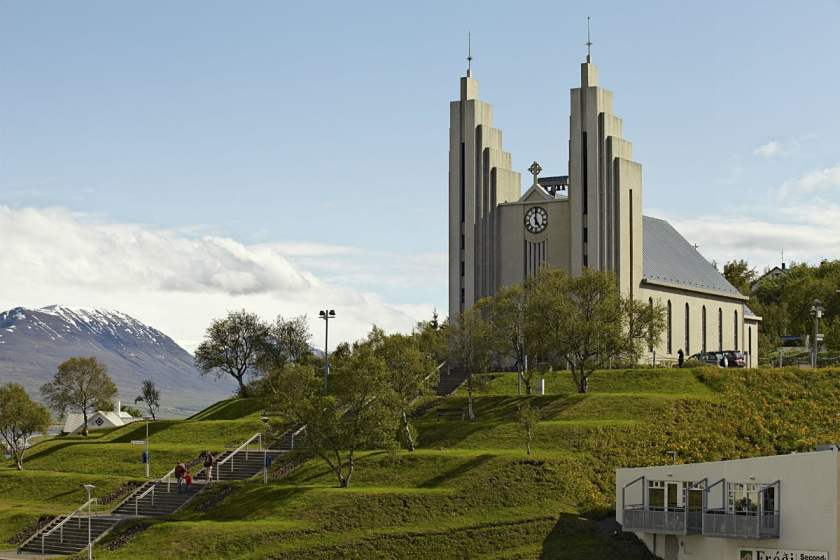
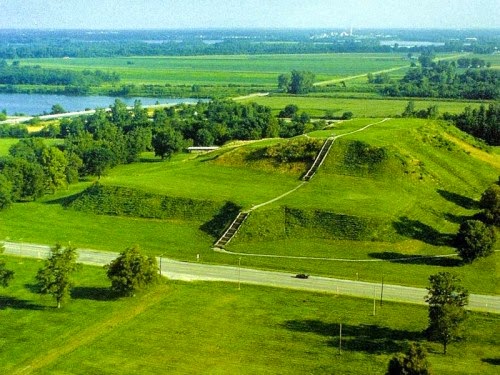
This is the Lutheran Church of Akureyri. What I find most of interest, besides the twin towers, is the stair-stepped, mound shape it sits on.
For comparison of similarity somewhat in appearance, this is an aerial photo of Cahokia mounds outside of St. Louis, Missouri.
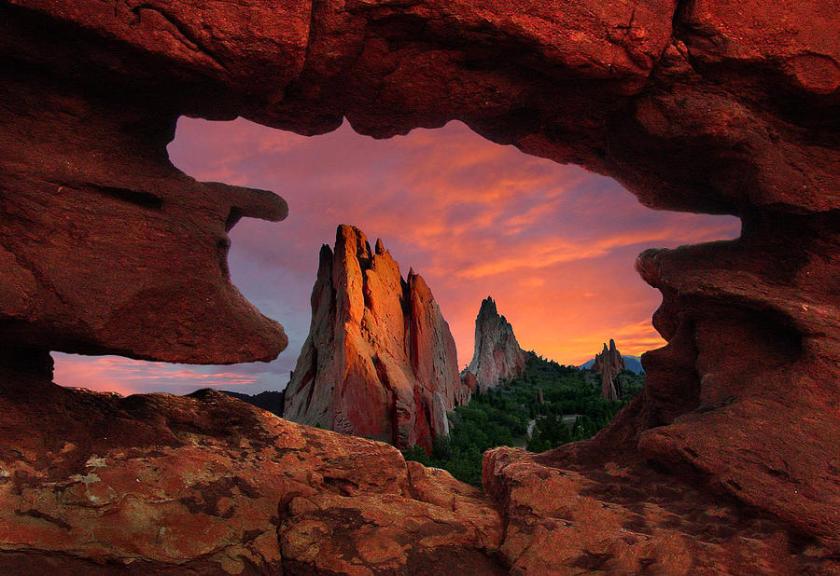
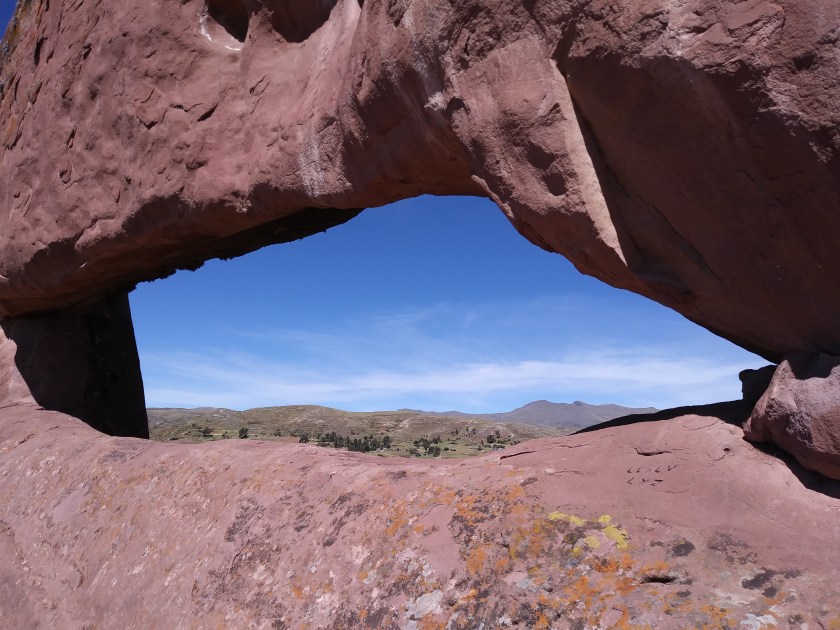
This spot in the region of Akureyri is called Dimmuborgir. It is described as various rock formations and volcanic caves reminiscent of an ancient collapsed citadel. Hmmm.
At any rate, what this particular picture reminded me of is this picture from the Garden of the Gods in Colorado…
…and this one from Amaru Muru near Lake Titicaca in Peru.
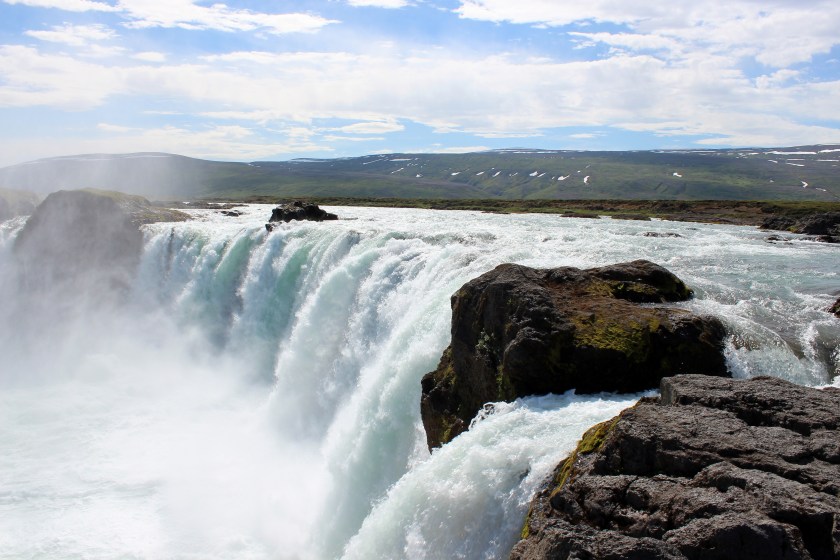
The last photo I would like to share with you is of the Godafoss waterfalls near Akureyri. It is considered one of the most spectacular waterfalls in Iceland. It is also a reminder that I have found waterfalls all along the way of, and I believe important constructions of, the planetary grid system.
Akureyri, Iceland
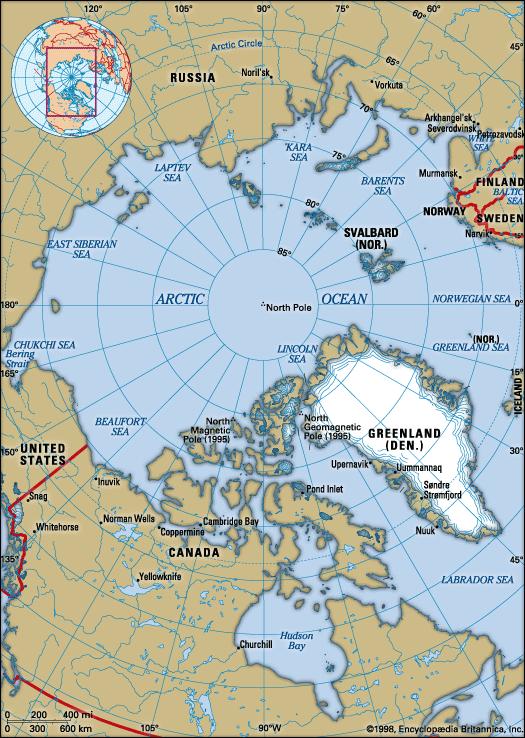
In the next part of this series, we will be picking up this circle alignment going across the far northeast tip of Greenland, over the north pole region, and following it into Siberia, as we work our way back around to Merida.
I am going to share with you several series of circle alignments that I found. This is the first series involving Merida, Mexico. The next complete series will be a circle alignment involving Amsterdam Island, in the French Subantarctic Islands; and the last series will involve Algiers, Algeria.
This is somewhat different from the global planetary alignments I have previously shared in “How I Found the Silk Road” and “History Reads Like a Book on the Planetary Grid.”
From the work I have done thus far, I have reason to believe this global civilization was aligned with itself on a Flower of Life pattern, with the same characteristics that appear to be bringing the heavens to earth, and aligning earth with the heavens.
The process of doing this work has opened up for me an awareness of a suppressed advanced ancient global maritime civilization which existed up until relatively recent times and the missing positive timeline of Humanity.
Throughout my blog, I go into depth regarding what I believe about this civilization – what I am calling the Muurish/Moorish/Israelite Empire; what happened to it; and provide compelling evidence as to why I believe this.
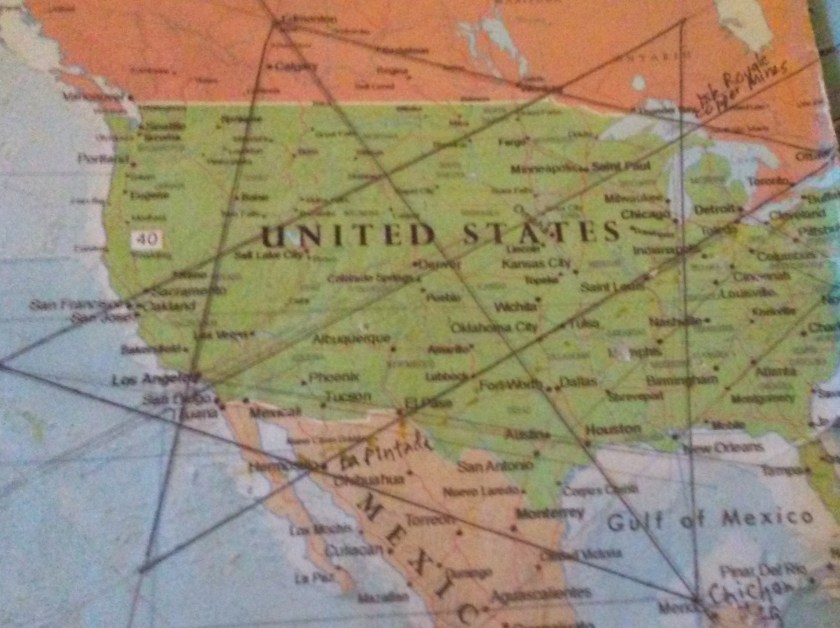
I found this star tetrahedron in early 2016 on a map that had been given to me. I had started to notice that major cities lined up in lines in North America. I found a familiar figure of sacred geometry when I literally started connecting them. I believe it is the terminus of a worldwide grid.
I extended the lines out, and eventually switched to a globe. I used a magnifying glass and wrote down the cities that lined up. I found them lining up primarily in linear or circular fashion.
I have gotten an amazing tour of the world of places I had never heard of with remarkable similarities across countries.
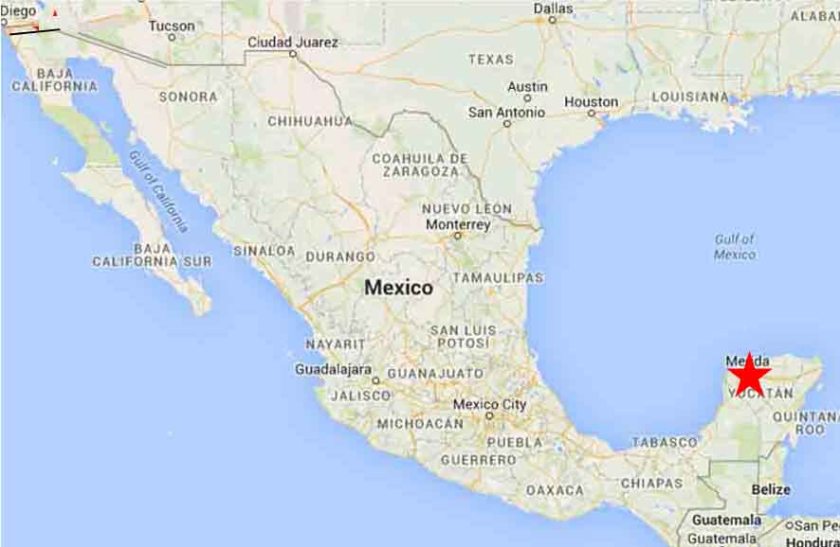
In this series I am going to share with circular alignments I found while tracking alignments emanating from the North American Star Tetrahedron. The first series concerns a circle alignment involving Merida, Mexico which is the southern apex of this star tetrahedron:
Merida is the capital and largest city in the Mexican state of Yucatan.
Some historians consider Merida to be the oldest, continuously occupied city in the Americas.
It has one of the largest historic center districts in the Americas, after Mexico City and Havana, Cuba.
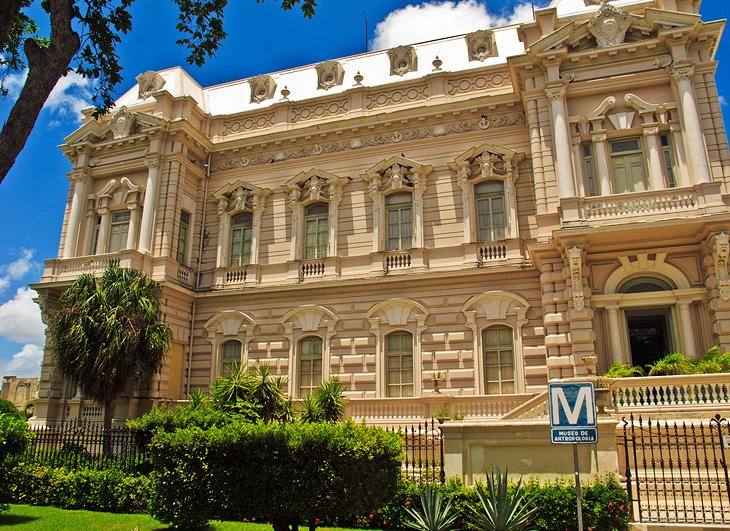
The top photo shown here is the Merida Natural History Museum. For comparison of the similar use of columns and heavy masonry in particular in the architectural style in different places…
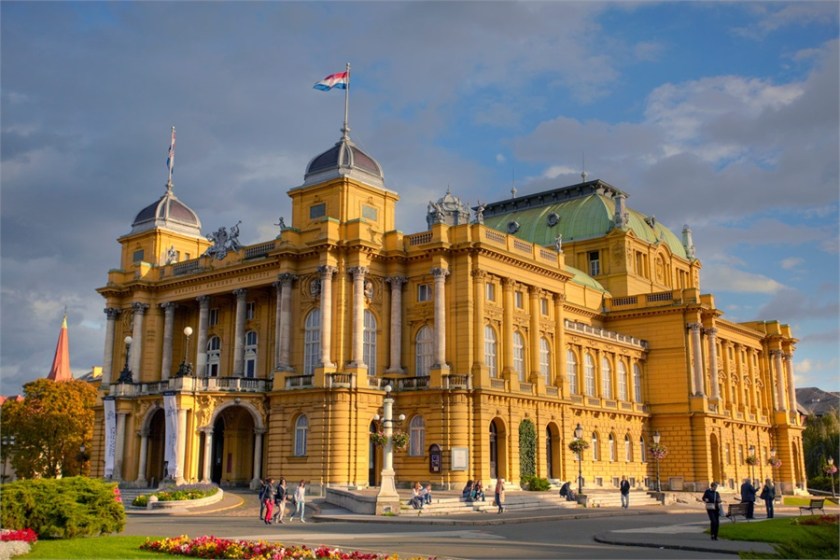
…Like that of the Prigorje Museum in Zagreb, Croatia with its second floor double columns and similar style roof in the background to the museum in Merida…
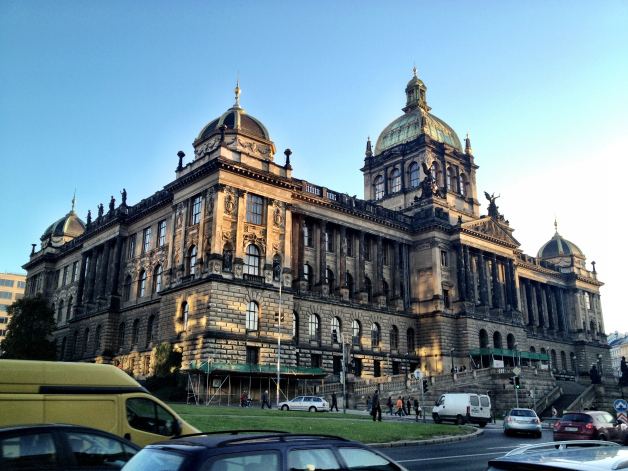
…and this museum in Prague in the Czech Republic with its ornate columns and heavy masonry, and the same style of domes in the foreground to the museum in Zagreb.
While not identical architecture, I find it very compelling in support of an advanced ancient worldwide civilization to have so many statistically significant similarities on different continents in different countries. More examples to come!
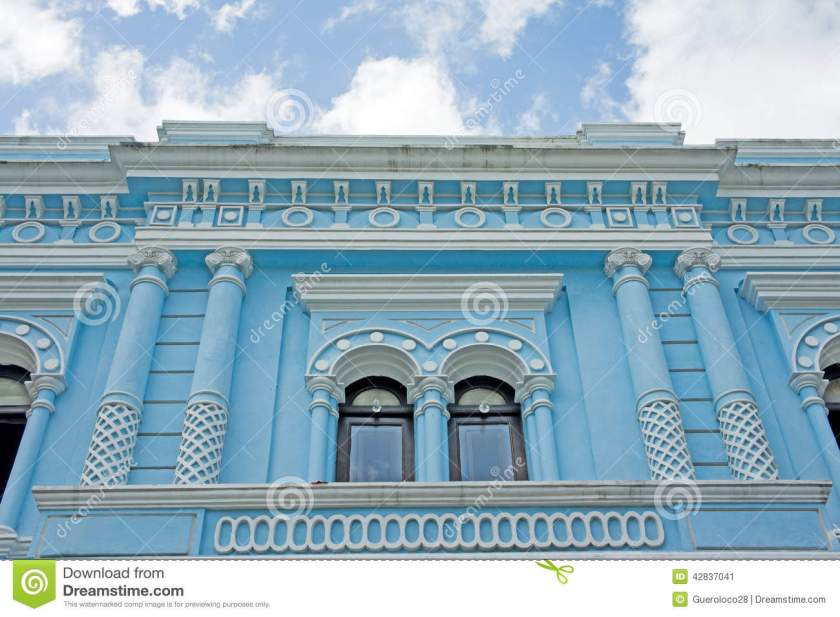
Here’s a historic blue building in Merida’s Centro Historic District. Except for the pastel blue, and creative designs of the building, the columns we see here and in the previous pictures remind me of what could be termed in our present reality classical Greco-Roman architecture.
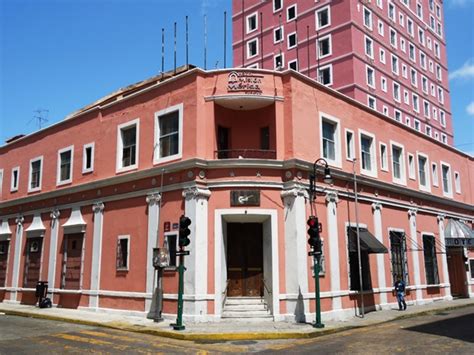
Here is a comparison of the same street corner style architecture – that I have seen all over the world – of hotels. This one is in Merida, Mexico;
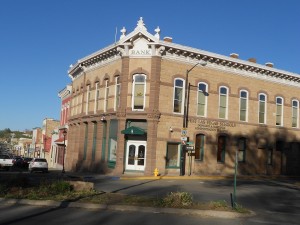
The Plaza Hotel in Roswell, NM;
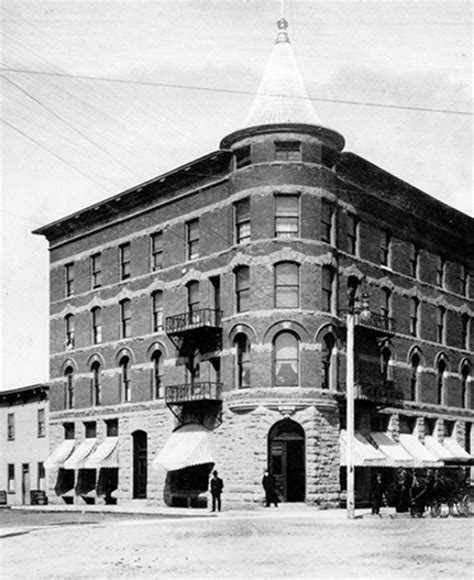
and the Alberta Hotel in Edmonton, Alberta.
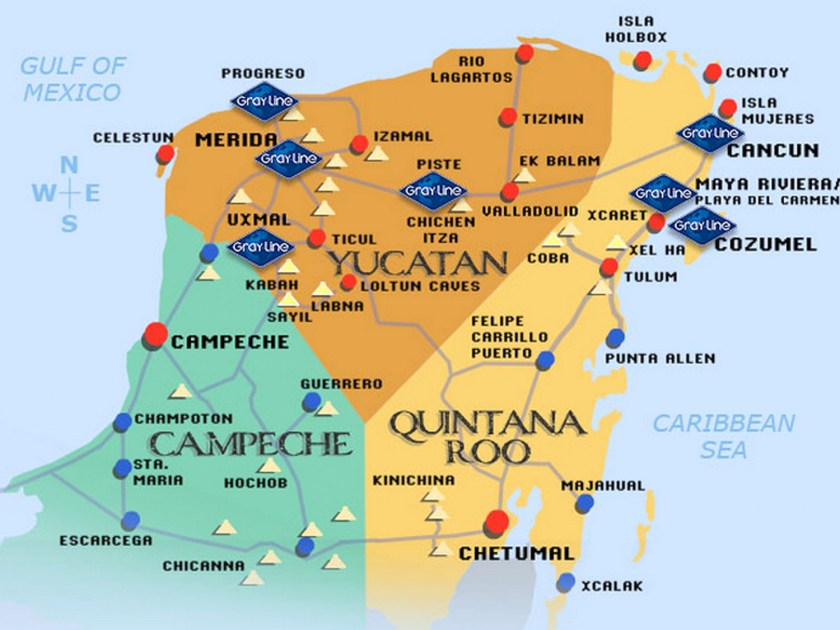
This whole area in the Yucatan Peninsula is filled with major Mayan sites, including Chichen Itza, Coba, Tulum, Uxmal, to name just a few. I counted 29 ruin sites on this map of the Yucatan, and I have found Merida connected to many planetary alignments. To my knowledge, it is not considered a primary nodal point of the planetary grid, but it certainly appears to be a place of great significance on the grid.
The Chichen Itza temple complex is the best known.
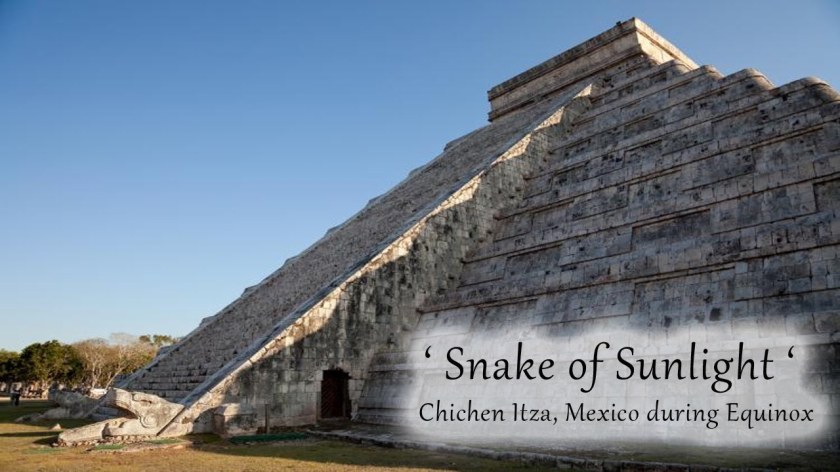
This is the Kukulkan Pyramid, elected as one of the Seven New Wonders of the World in 2007.
Every year, at the time of the Spring and Fall Equinox, on both sides of the north stairway of what is also called the Castle of Chichen Itza, there is a solar projection of a Serpent of Light, consisting of seven inverted triangles of light. There are two serpent heads carved into the bottom of the stairway, completing the serpent imagery.
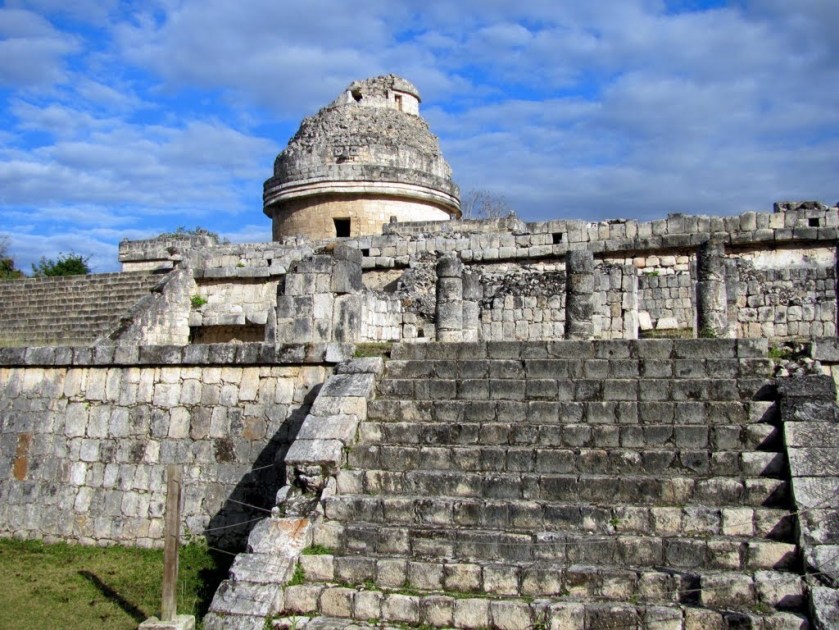
The Caracol Observatory is part of this temple complex. Twenty sight lines of 29 astronomical events (equinoxes, solstices, eclipses, etc) can be found here, and that is what is known about since a portion of the observatory is missing.
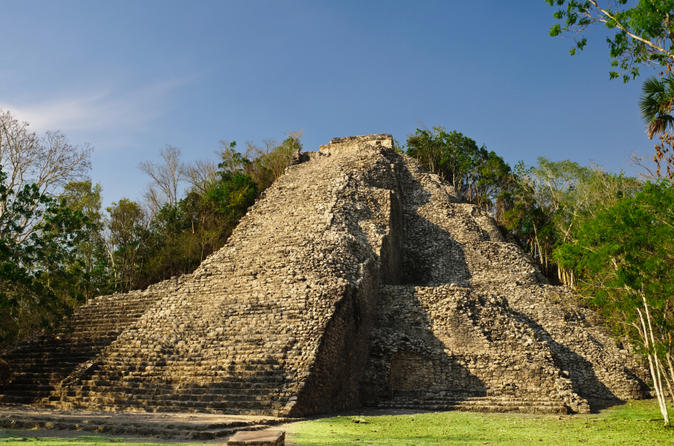
Next shown are of the ruins at Coba. Archeologists believe that Coba is one of the most important ruin sites on the Yucatan Peninsula. This is the main pyramid, called Nohoch Mul. This site is believed to have a different design and purpose from other Mayan sites.
It is surrounded by two lagoons. The Coba site remains largely unexcavated.
Tulum is called a Pre-Columbian walled city that served as a port for Coba.
Tulum is built on a bluff (which is a cover-up code word for the handiwork of the Ancient Civilization) facing the rising sun, and is the only Mayan temple complex built on a Caribbean beach, and is surrounded by on three sides by a wall. It was the primary location for the Maya’s extensive trade network, both on land and sea. It was also thought to be religious center.
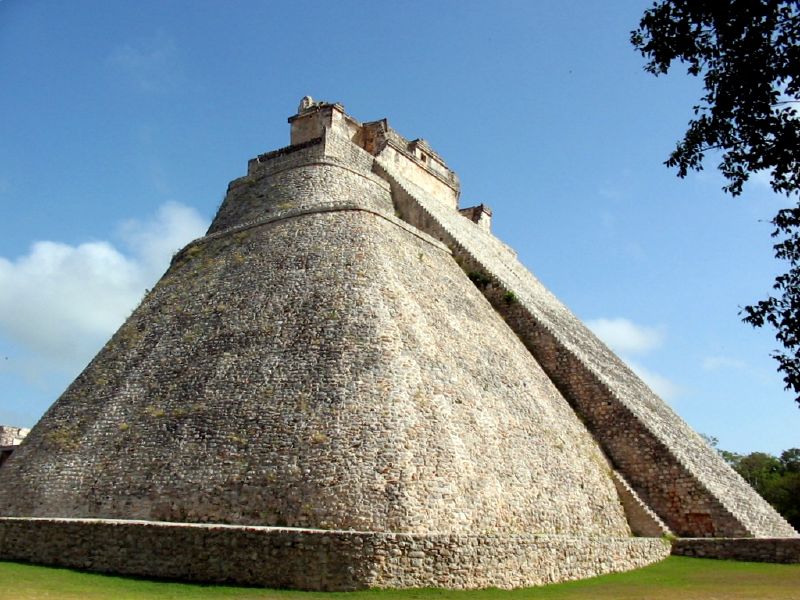
Uxmal is also considered one of the most important and beautiful Mayan sites. This is called the Temple of the Magicians. It is the tallest structure in the complex.
Through the work of Drunvalo Melchizedek, I became aware of Carl Munck’s work in 2010. He wrote a book entitled “The Code” and published a series of videos based on the book.
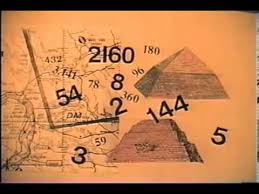
I watched the videos, and learned about his work introducing an ancient pyramid matrix in which monuments around the world encode their exact positions with respect to longitude, latitude, and each other. Uxmal was one of several of the pyramids he decoded with respect to this pyramid matrix.
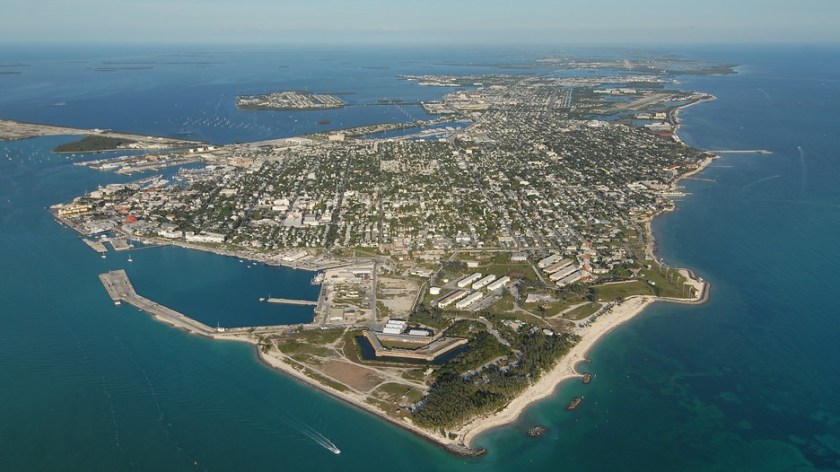
Next the alignment crosses Key West, Florida.
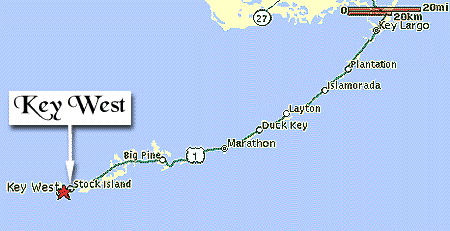
Key West is the southernmost city in the contiguous United States, and the westernmost island connected by highway in the Florida Keys. Note the shaped and protected harbor, which is just like what is seen at other islands world-wide.
Dry Tortugas National Park, a star fort on an island called Ft. Jefferson, lies further west of Key West, and is only accessible by ferry or boat.
I have talked about Star Forts in previous posts. They are found around the world, and I want to give you more examples of how they are everywhere. While in many cases they have been turned into military/defensive structures, there are many indications that the original intent of these beautiful structures was not for military use or defensive in nature, and had perhaps instead some kind of energy function. These represent a sample of many, many examples.
This is Karlovac in Croatia;
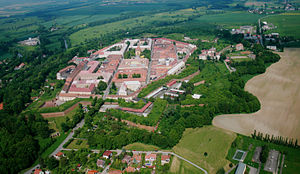
The Josefov Fortress in the Czech Republic;
Fort McHenry in Baltimore, Maryland;
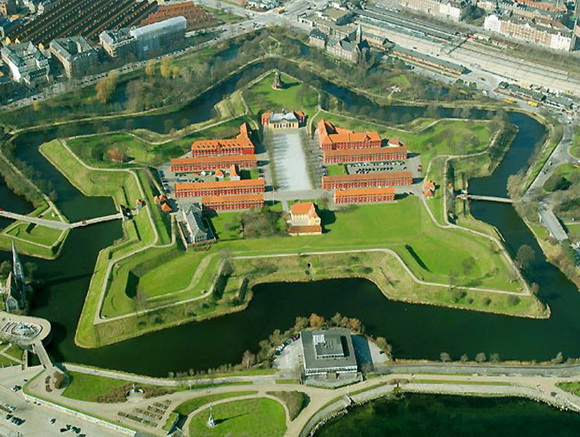
Kastellet in Copenhagen, Denmark.
Fort Carre, France;
And the Castle of Kuressaare, Estonia.
Does this similarity in design features of these structures, in places traditionally not associated with each other, make sense in the historical narrative we have been given?
This next set of photos compare the rocky shoreline of Key West on the left with the rocky shoreline of Tulum on the Yucatan coast on the right:
This is Fort Zachary Taylor, and it is near the southern tip of Key West. It is also has star fort design features:
Here is a comparison of a construction feature at Fort Zachary Taylor at Key West, Florida…
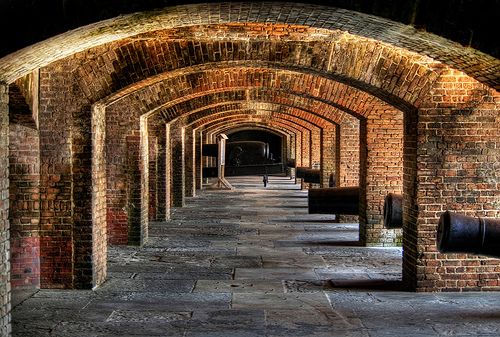
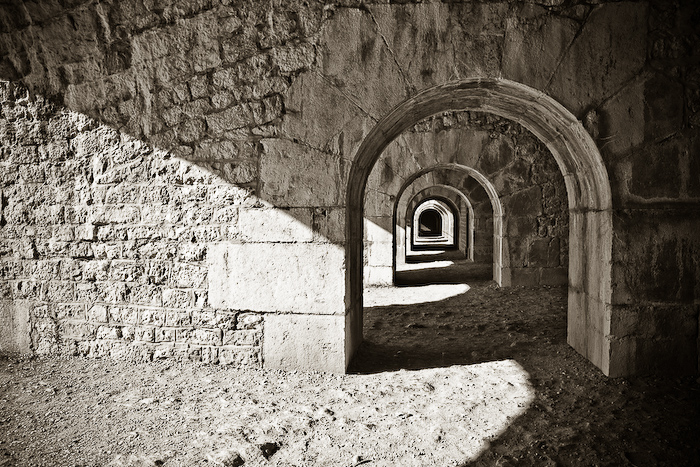
…and at the Fort de la Bastille in Grenoble, France. Certainly not identical, but there is a geometric effect that looks the same to me with the perfect symmetry of the arches.
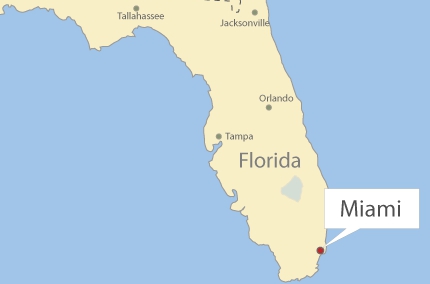
Next onto Miami, Florida on this circle alignment.
Several years before I put all of this information together, I saw a video on youtube about the discovery of what became known as the Miami Circle. It was discovered in 1998 in downtown Miami, when the building complex sitting on top of it was torn down. in 2002, it was listed on the National Register of Historic Places, and in 2009 it was declared a National Historic Landmark. Radiocarbon dating of burnt wood specimens found at the site are said to have yielded an age of 1,800 – 2,000 years old.
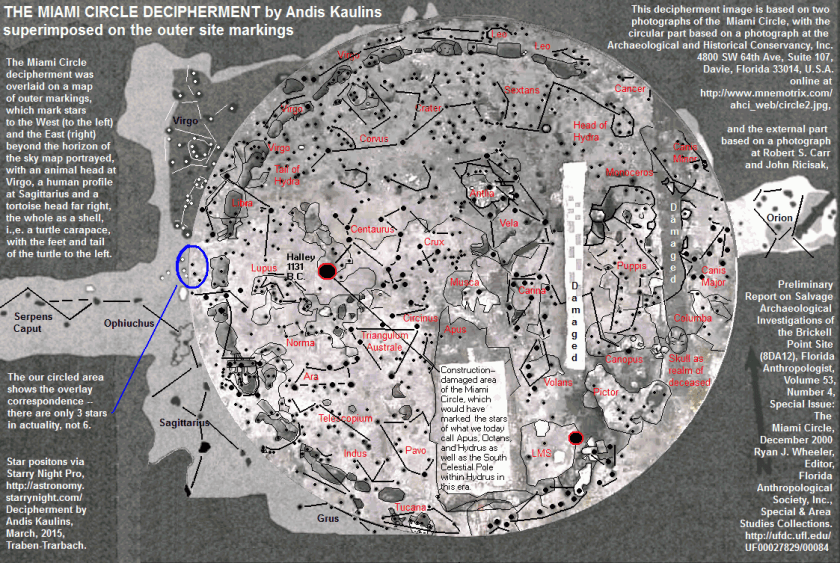
Here is very interesting decipherment of the Miami Circle by the stars, done by Andis Kaulins.
In this set of photos, on the left is the old post office and consulate in Miami, and on the right is the bank in El Paso State National Bank in El Paso, Texas. The heavy masonry of both buildings really strikes me, as well as the buildings being situated at the same angles on their respective street corners.
This next set is a comparison of the original Miami Herald building, which was demolished in 2015, on the left, and a mansion in Merida, Mexico on the right. Many historic buildings have suffered a similar fate as the Miami Herald building. I find most of the similarities I am seeking in historic photos of places because many of the older buildings are simply not there anymore. The Miami Herald building that was torn down was described as “built to be nearly indestructible,” in the article I read about its demolition, so these places are not being torn down because of inherent structural issues.
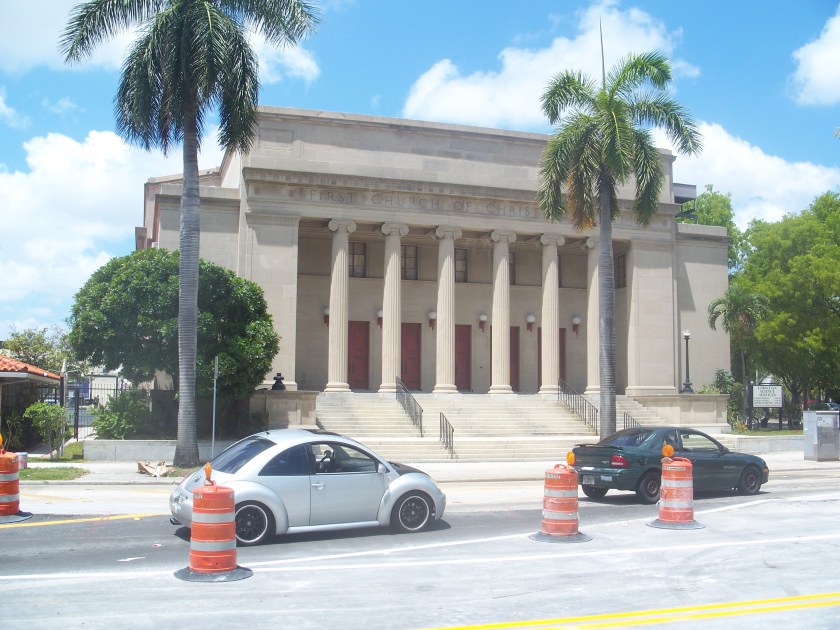
This was the First Church of Christ Scientist in Miami, which was sold to a commercial developer in 2013, with plans approved in 2015 to add a garage structure to the top and a 38-story residential tower next to it. It was listed on the National Register of Historic Places in 1989. Quite a monumental building! It looks more like the classical Greco-Roman architecture we learned about in history class than a modern church building.
I am going to end Merida Part 1 here, and pick up the circle alignment again in the Bahamas, and follow it around through Bermuda, Iceland, Greenland, Siberia, the Aleutian Islands, the Hawaiian Islands, the Revillagigedo Islands off the coast of Mexico, and along the Mexican mainland back to Merida.
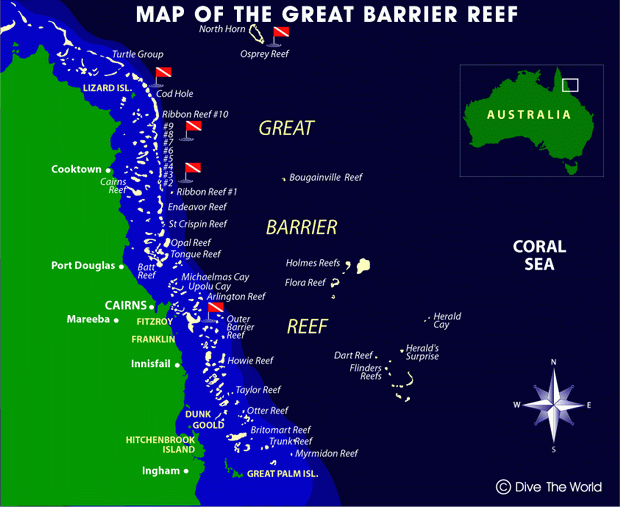
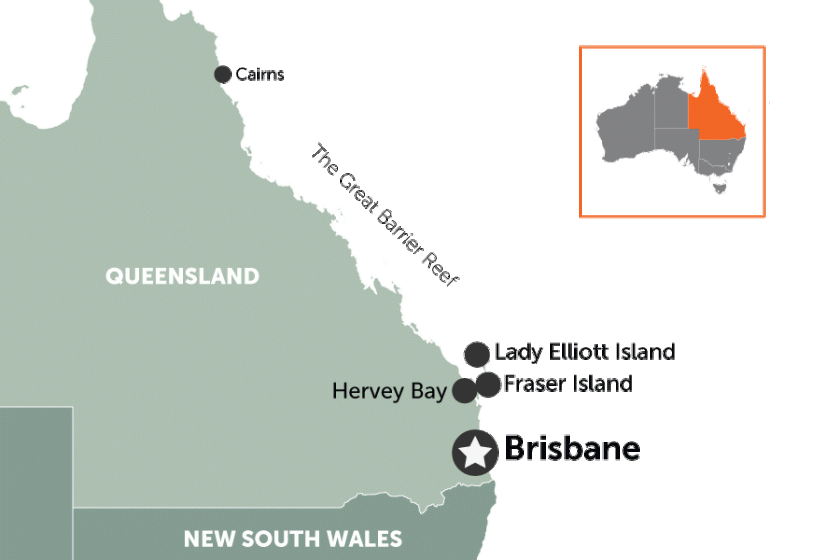
I am including the Great Barrier Reef off of Australia’s coast in this post because it is directly on the alignment I am following. Let’s see what we find out about it.
First of all, the place we where we left off in the last post, Cairns, is considered the gateway to the Great Barrier Reef.
It spans 1,400 miles (2,300 kilometers) off the Queensland coast.
It is the world’s largest coral reef system, with 2,900 individual reefs and 900 islands.
It is visible from space, and has been named a UNESCO World Heritage Site.
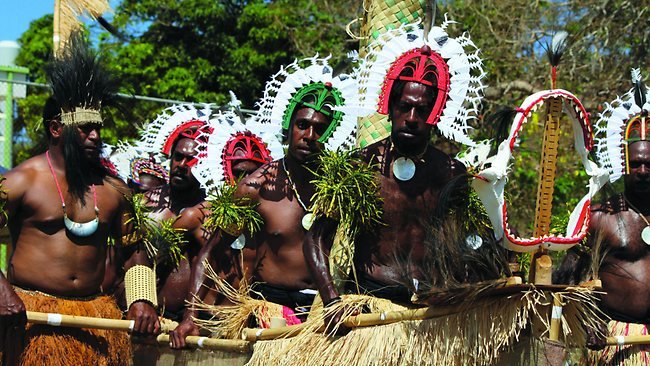
It has long been known and used by Aboriginal Australian and Torres Strait Islanders, and is part of their culture and spirituality.
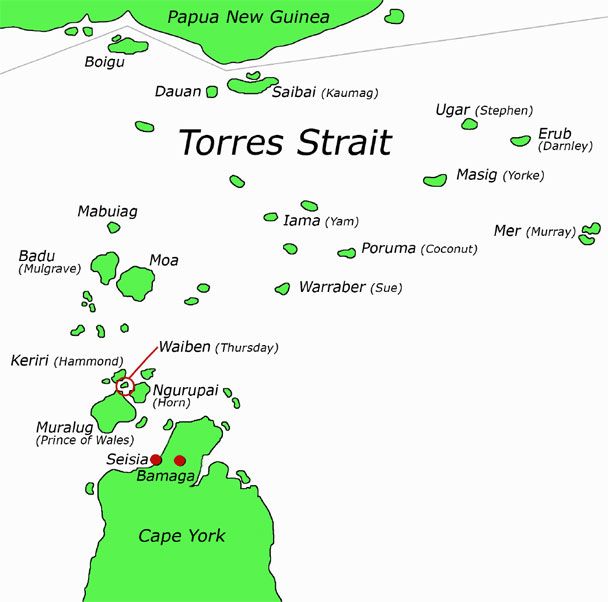
The Torres Strait Islands are a group of at least 274 small islands between Australia’s Cape York and New Guinea.
The Torres Strait Islanders are considered distinct from Australian Aboriginal peoples.
The Torres Strait is between the northernmost island, and the south coast of Papua New Guinea in the north,
to an unnamed passage between Lady Elliott Island and Fraser Island in the South.
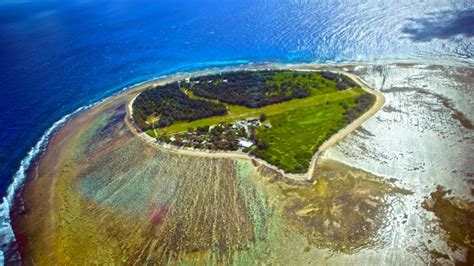
Lady Elliott Island is called a coral cay, has an eco-resort on it, and is a sanctuary for 1,200 species of marine life in the waters surrounding it, including manta rays and turtles…
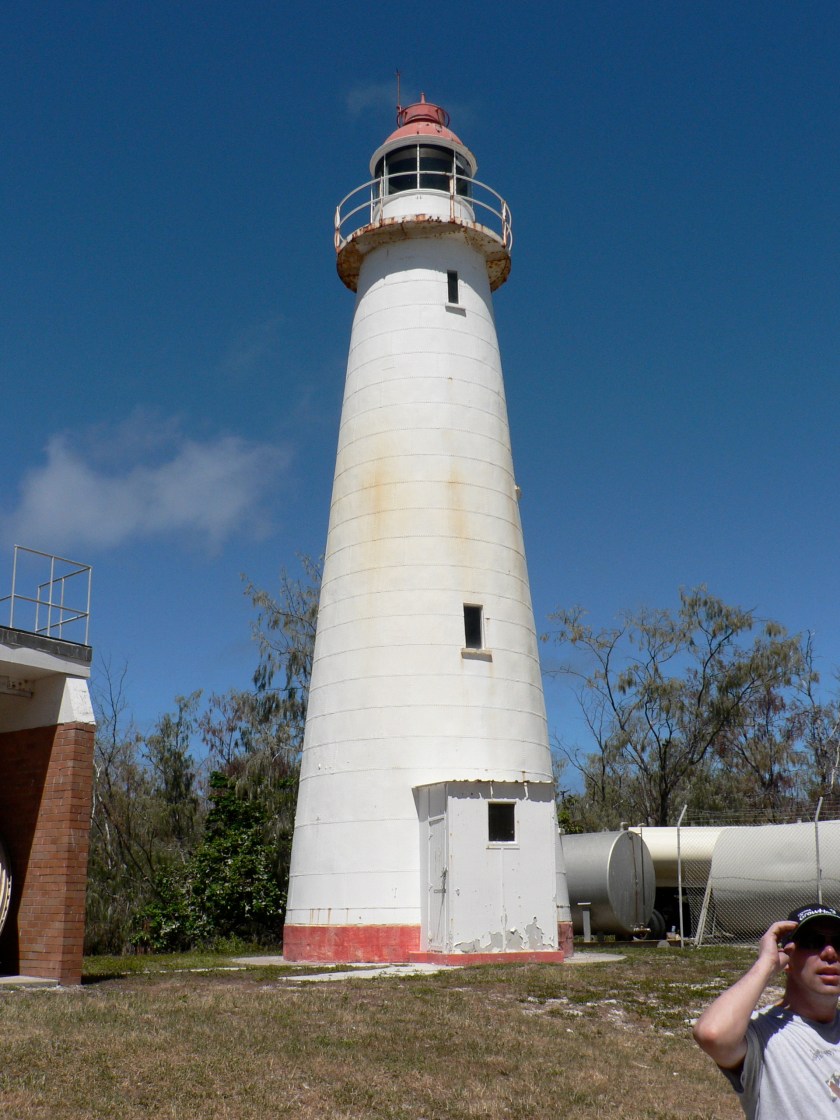
…and an old lighthouse. From what I know, the Ancient Advanced Civilization was a maritime civilization, and lighthouses around the world are remnants of it. I will do a future post on lighthouses to delve into this subject more fully.
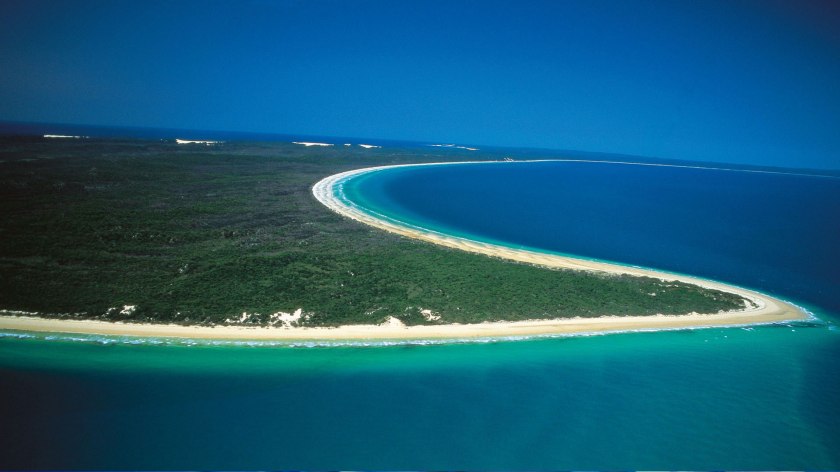
And this is Fraser Island, with its shaped shoreline (a subject for another post as well)….
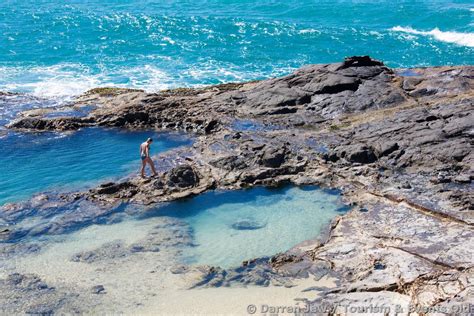
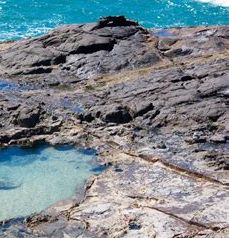
…and rocky coast and a place called the Champagne Pools. I have seen an abundance of rocky places that look similar to this on my journey on the gridlines around the world
…and I question the narrative that it is all the product of natural forces. So for an example in the above picture, this highlights the presence of straight lines and edges in the stone at this location. Why is it said that straight lines don’t occur in nature when there are clearly straight lines in places like this that we are taught are natural? Food for thought.
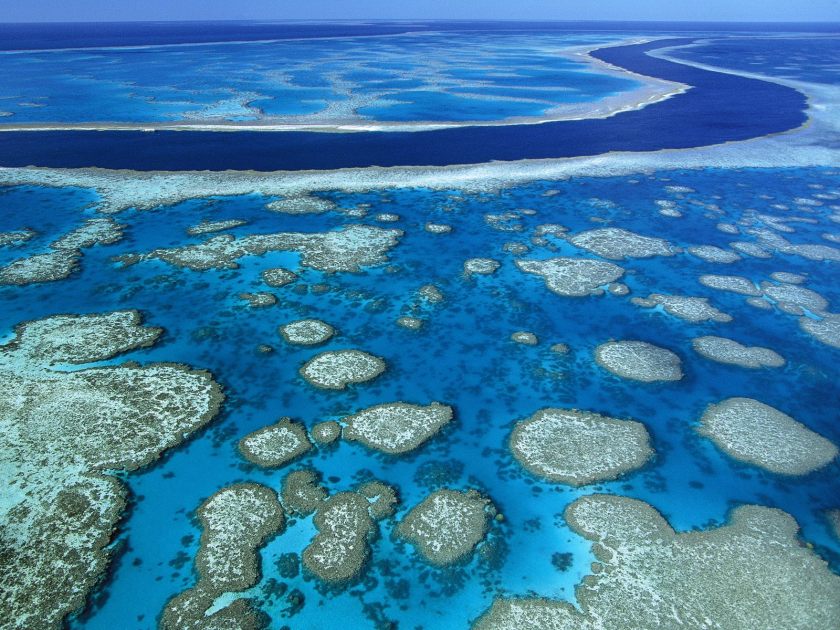
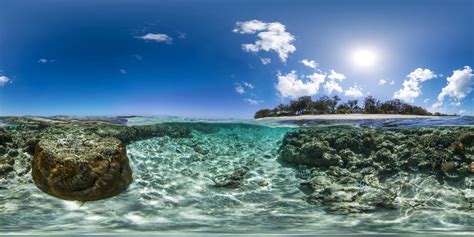
Here are two photos of the Great Barrier Reef
The first looks very much like a river in the water.
The second is an example of a point that I would like to make with the stone in the foreground. What if the coral and marine life formed on top of sunken ancient infrastructure?
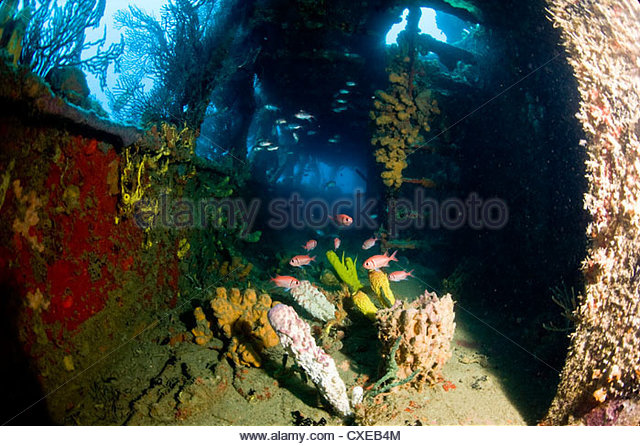
Coral reefs form on sunken ships, like this one….
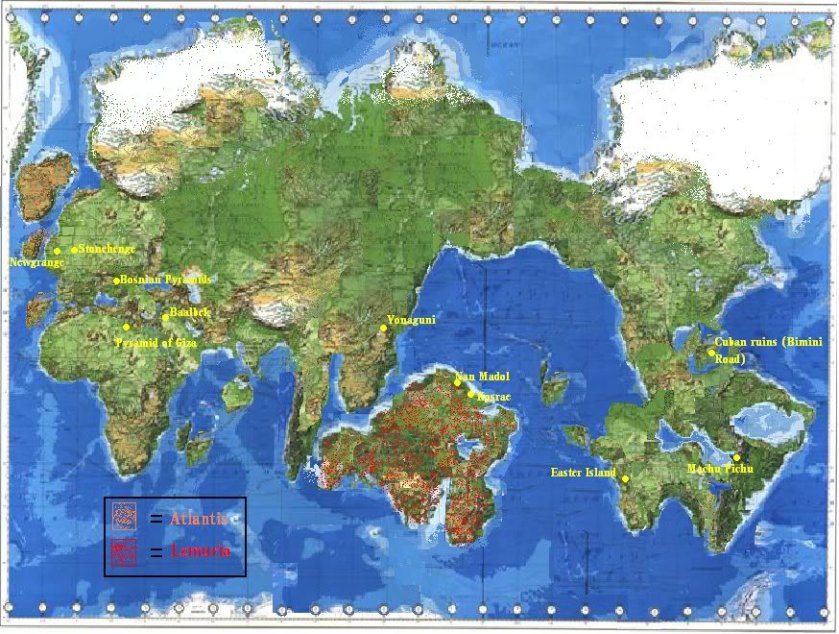
We are heading into what would be considered the historical location of Mu, also known as Lemuria.
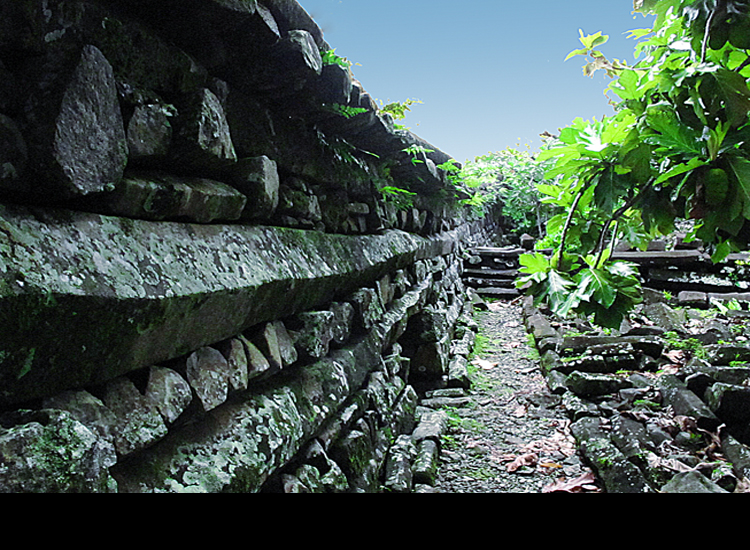
There are some pretty amazing stone remains on the islands of this area, like these here at Nan Madol, shown on the map above as part of a continent. Nan Madol consists of 100 stone and coral platforms built on top of artificial islands, involving 150 million tons of basalt of unknown origin. The structure in this photo is constructed of basalt columns:
As well as these ruins in the water near Yonaguni, now one of the Yaeyama Islands in the Okinawa Prefecture of Japan, is shown on the above map as part of a continent but are now underwater:
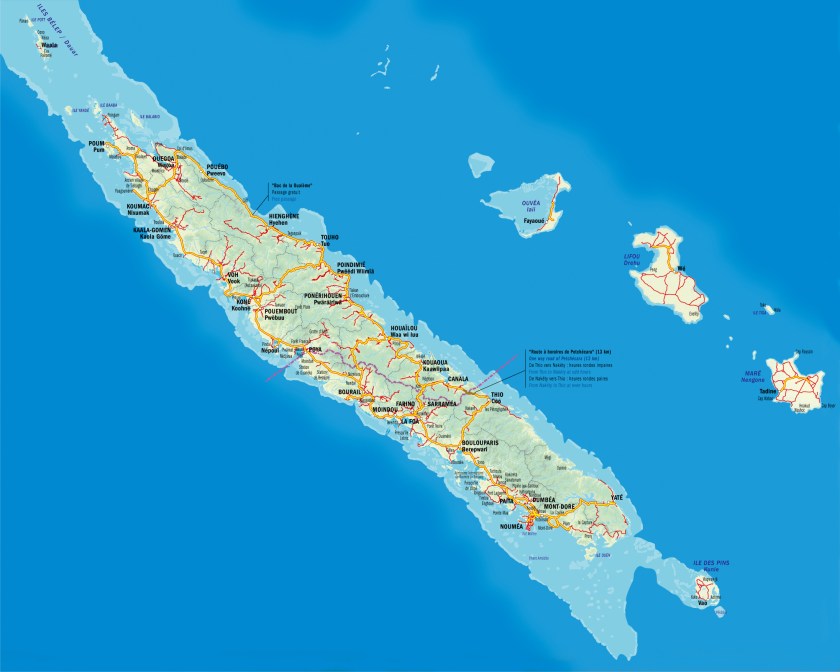
So. moving along the alignment of cities and places that I started following in Edmonton, Albert, the next island stop is New Caledonia.
This island grouping is called a Special Collectivity of France, and the President of France to this day is its Head-of-State. It includes the main island of Grande Terre, the Loyalty Islands, the Chesterfield Islands, the Belep Archipelago, and the Isle of Pines.
The alignment goes through the capital of Noumea, on the west side of the southern end of Grande Terre:
Also in Noumea, notice in the left-side picture, the nicely shaped protected harbor, and the massive stones on the pictures on the right-hand side.
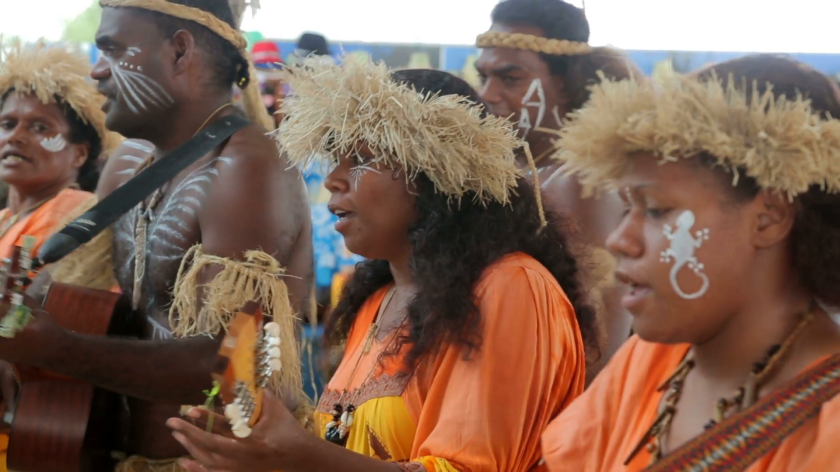
The Kanak people are the original people of New Caledonia, and they currently comprise less than half of the population.
So somewhere in our historical narrative, I believe the real story of the native people of all of these colonized lands/islands by European countries got altered somehow. I say that because how could these people, according to what we have been told, build these?
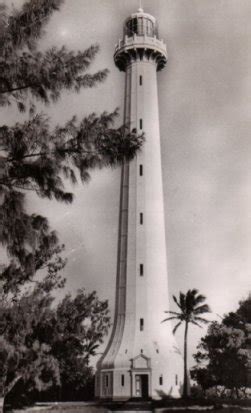
This is the Amedee Lighthouse in Noumea…
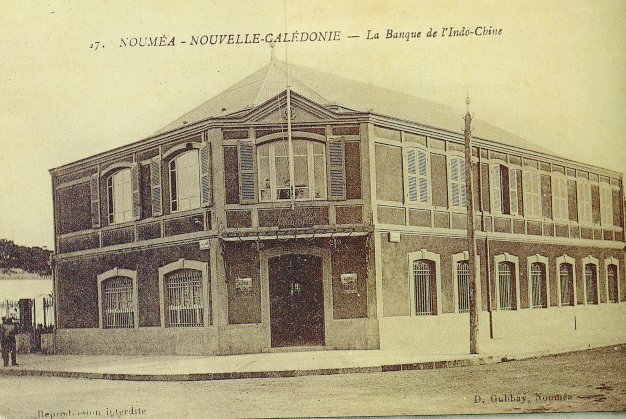
…A historic picture of the Bank of Indo-China in Noumea…
…which has the same street-corner lay-out as buildings literally all over the world, like the one on the left in Juarez, Mexico; the Ohio State Savings and Trust Bank in Toledo Ohio; and the one on the right in Kherson, Ukraine.
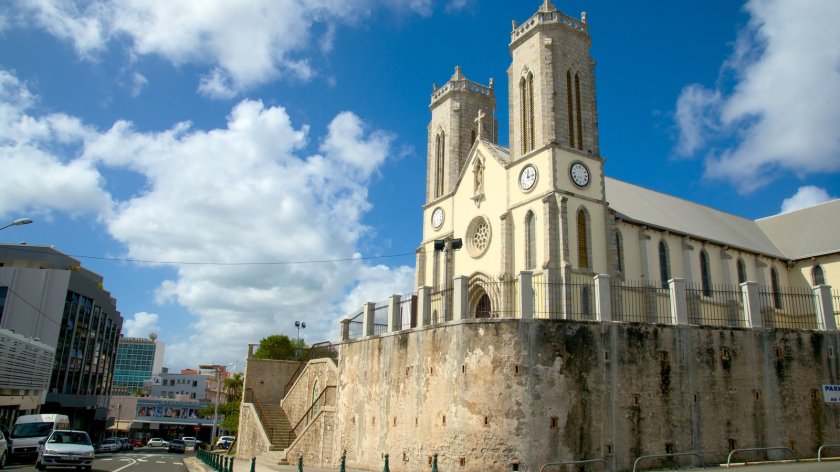
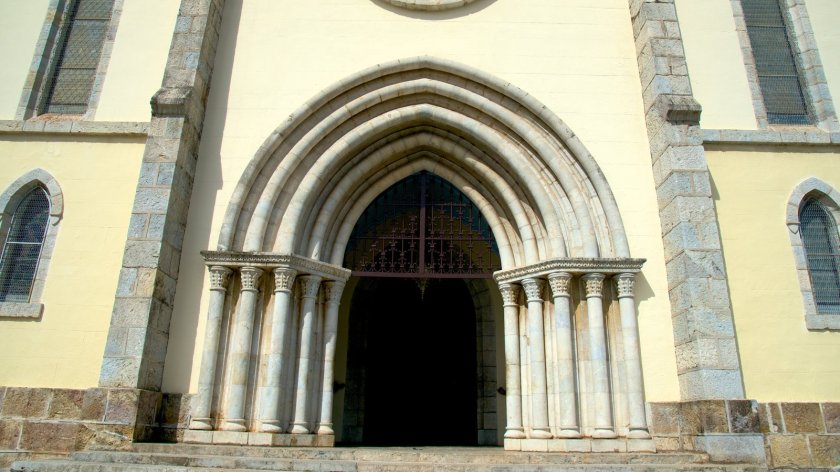
…and this is the Noumea Cathedral, said to have been built between 1887 and 1897, with all of its fancy stonework, and what looks to be older stonework on which the cathedral sits…
…and entrance-way with arches and columns.
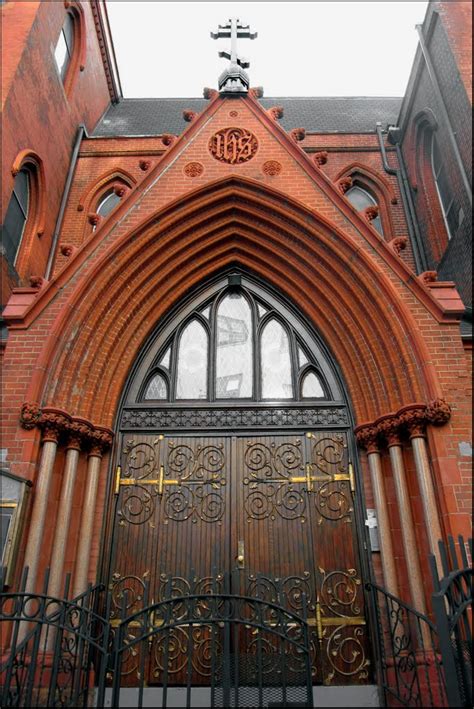
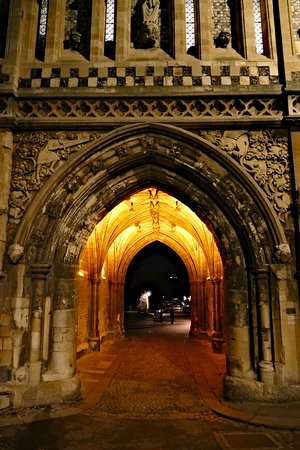
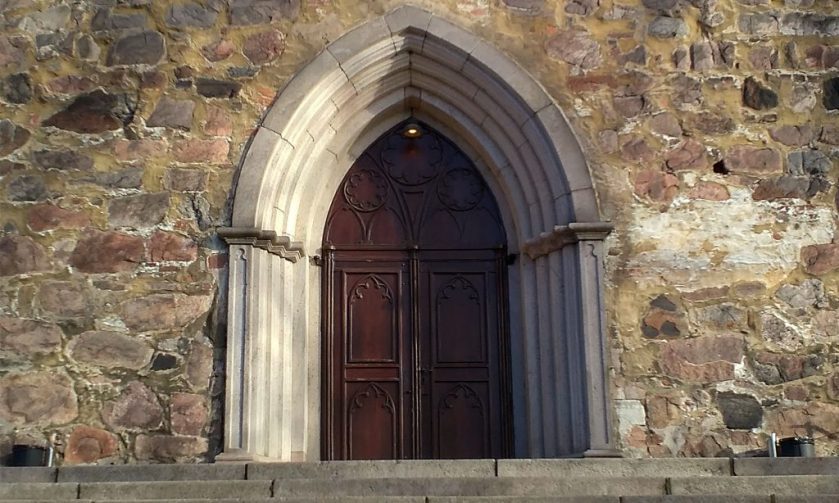
I am saying that I believe these buildings existed before the French colonization, and the existing history we have been taught about was grafted on to the ancient advanced worldwide civilization. I see the same design features everywhere, in places I would not expect to find them, spanning centuries, continents,and oceans. Supposedly during times when communication and mobility between countries weren’t supposed to be there. It doesn’t fit in the narrative we have been taught.
Just like these entrance-ways with similar arches and columns, at St. Nicholas of Myra Russian Orthodox Church in Manhattan, New York, said to have been built in 1883…
…Church of St. George in Norwich, England, said to have been built in the 1100s…
…Turku Cathedral in Turku, Finland, said to have been consecrated in 1300…
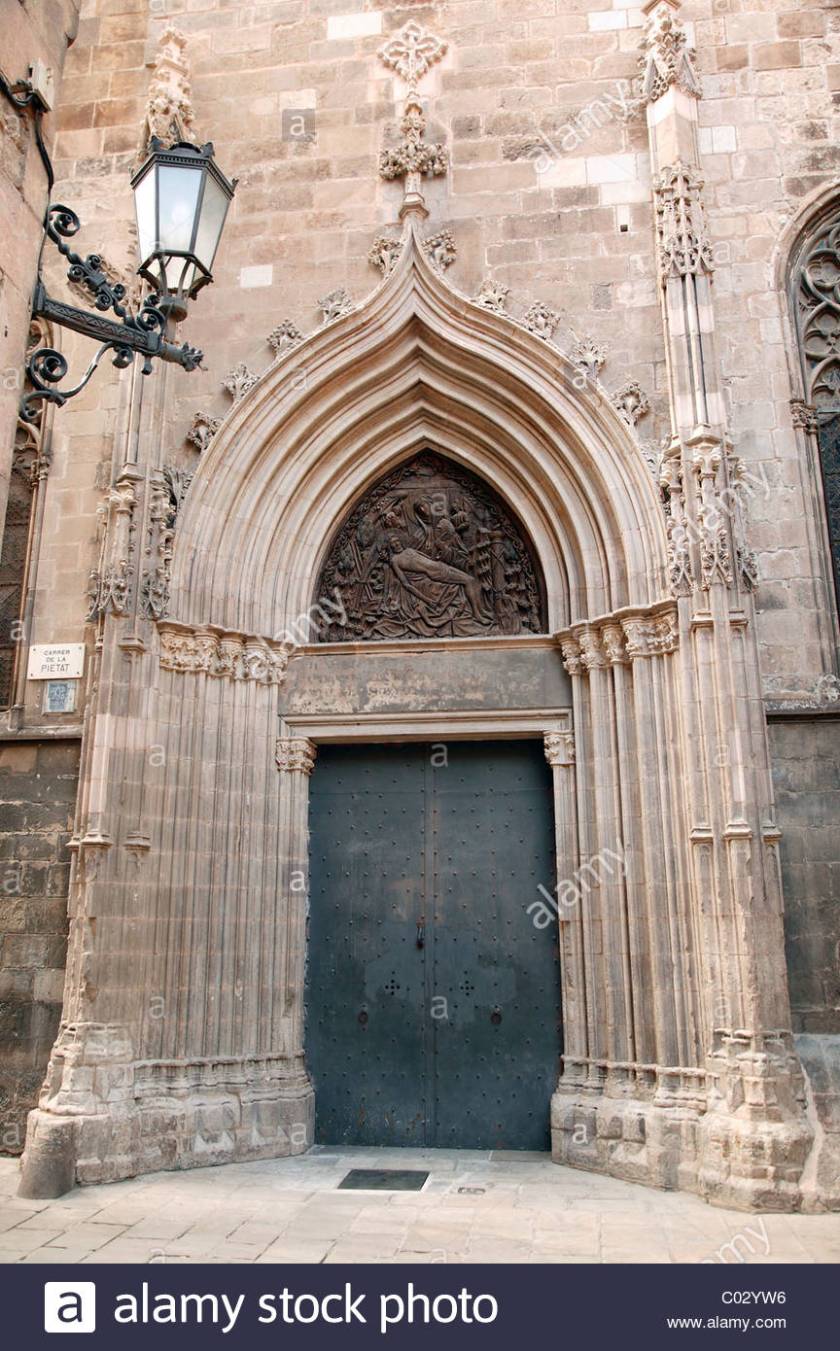
…and this cathedral in Barcelona, Spain, said to have been consecrated in 1339.
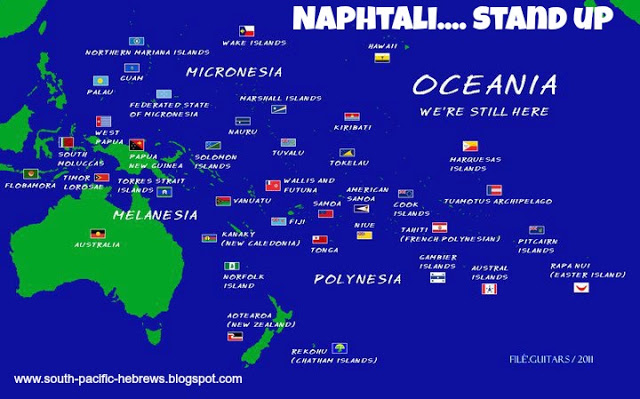
Also, this information is available if you look for it on the Internet- the inhabitants of this region, also known as Oceania, identify as the Hebrew Tribe of Naphtali.
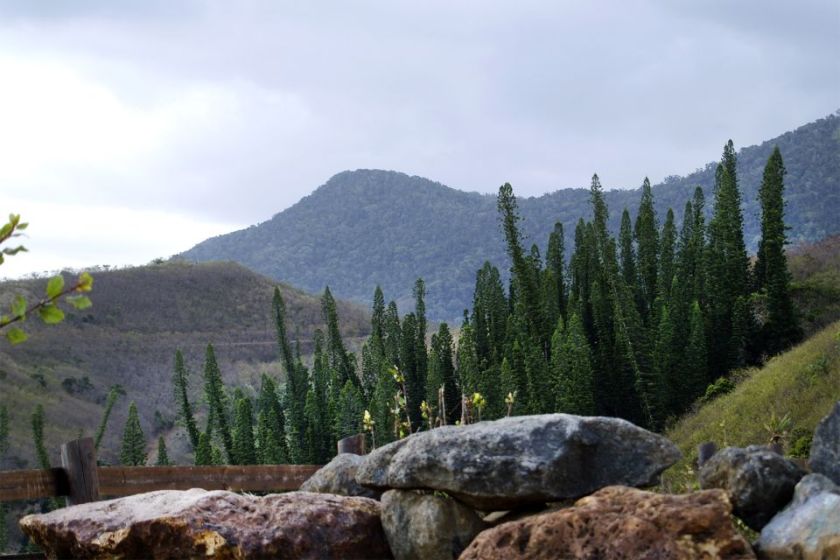
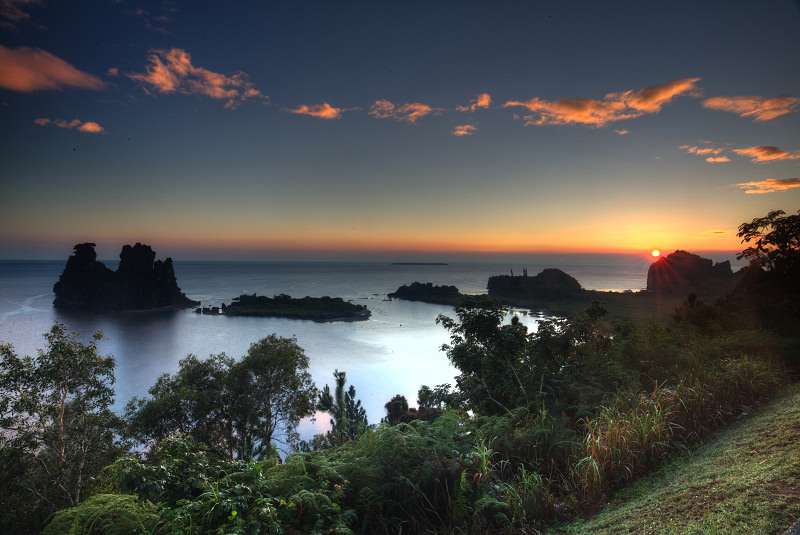
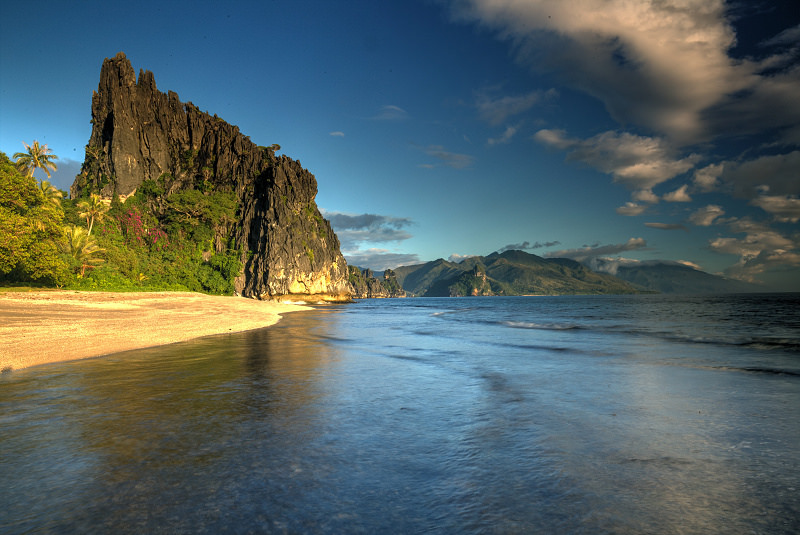
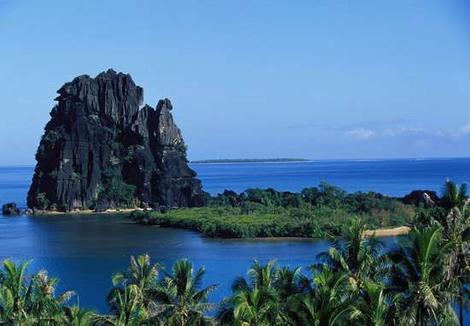
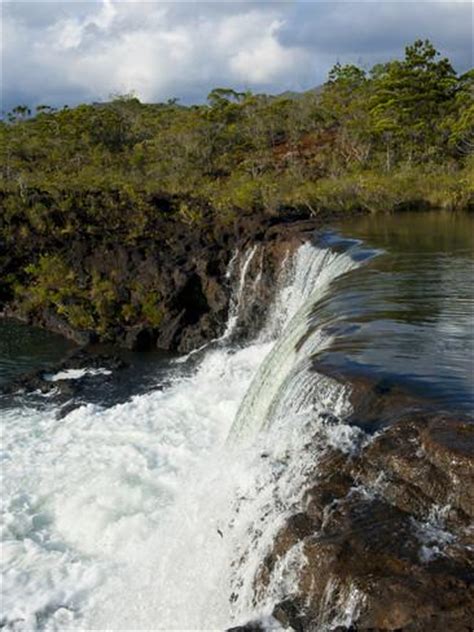
Here are some other sights around the Grande Terre of New Caledonia:
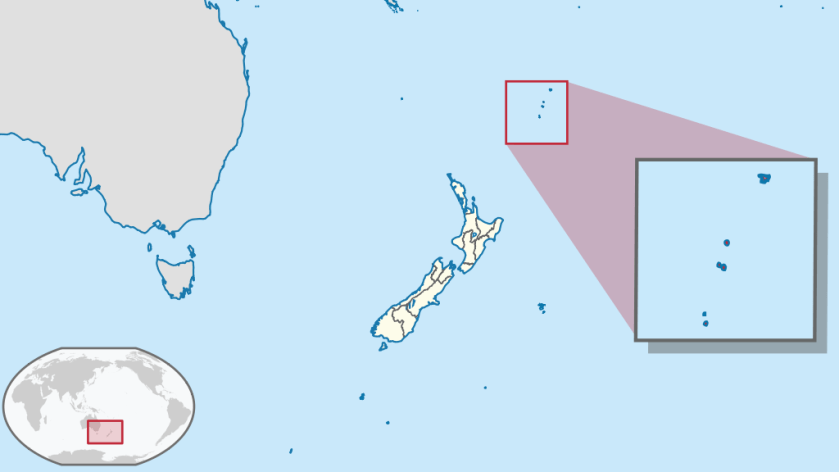
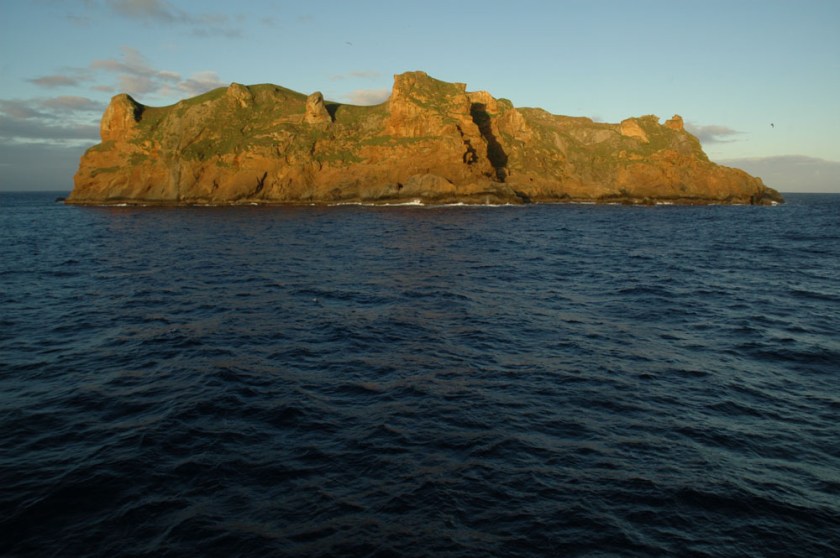
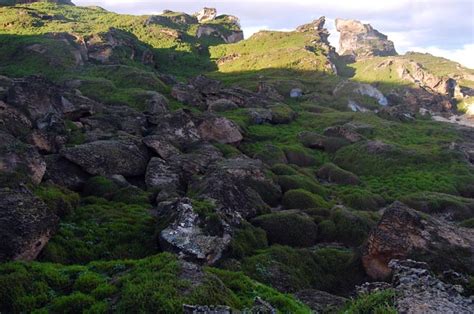
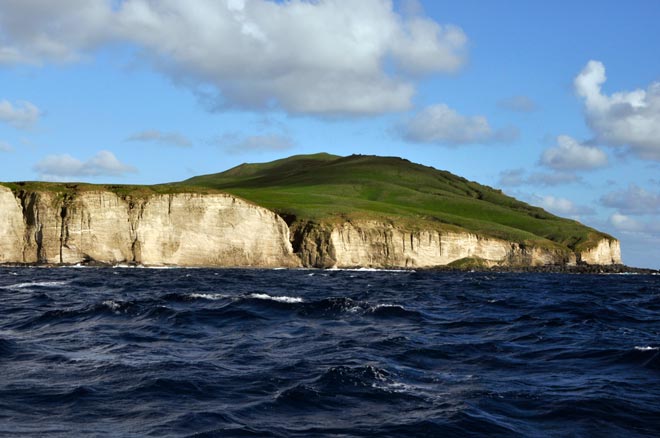
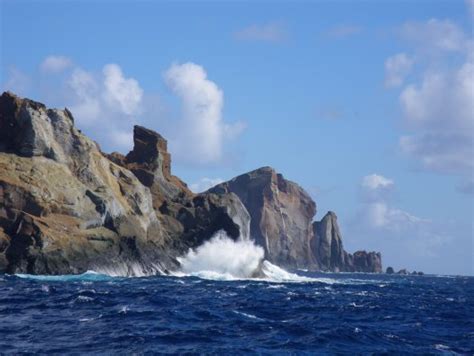
Moving on from here, the alignment goes on to cross the Kermadec Islands. These islands are considered part of New Zealand, and are 600 miles Northeast of there. They are a Nature and Marine Reserve, and the only human presence is a permanently manned station at Raoul Island. This area is notable for earthquake activity.
Kermadec Islands
Photos of the Kermadec Islands include these of:
Raoul Island, where the permanently manned station is located…
…Cheeseman Island, with nice big blocky rocks…
…Macauley Island, the second largest of the Kermadec Islands, and located halfway between Tonga and the North Island of New Zealand…
…and Curtis Island, on at least one other alignment, and the Kermadec Islands as a whole are on other planetary grid alignments as well.
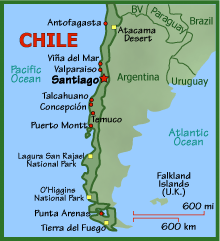
Next we come to Punta Arenas, Chile. It is the capital of Chile’s southernmost province – Magallanes and Antarctica Chilena. It is the largest city south of the 46th Parallel South. It is situated on the Magellan Strait, and is just north of Tierra del Fuego at the tip of South America.
The photos on the left and in the middle are buildings in Punta Arenas, and on the right is in the city of Kresy in Siberia.
And in this set is a comparison of a building in Punta Arenas, the Palacio Sara Braun on the left, and the Town Hall in Kherson, Ukraine on the right:
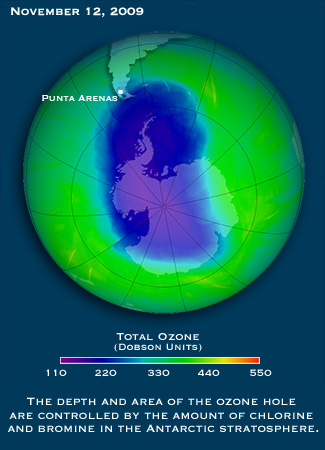
The first time I remember hearing the name Punta Arenas was when the news stories started coming out about the Ozone Hole over the South Pole, which started coming out in the 1980s, because Punta Arenas was the largest city affected by it.
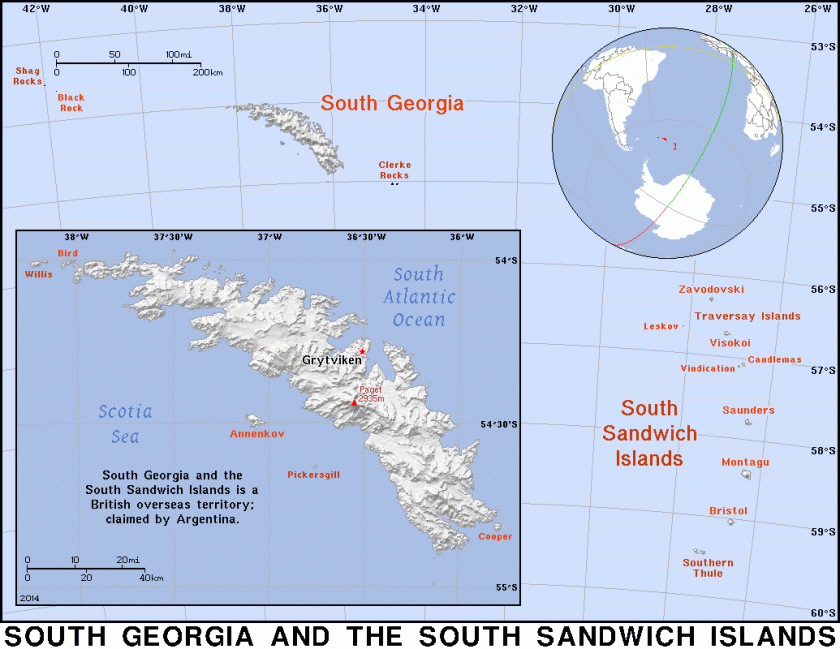
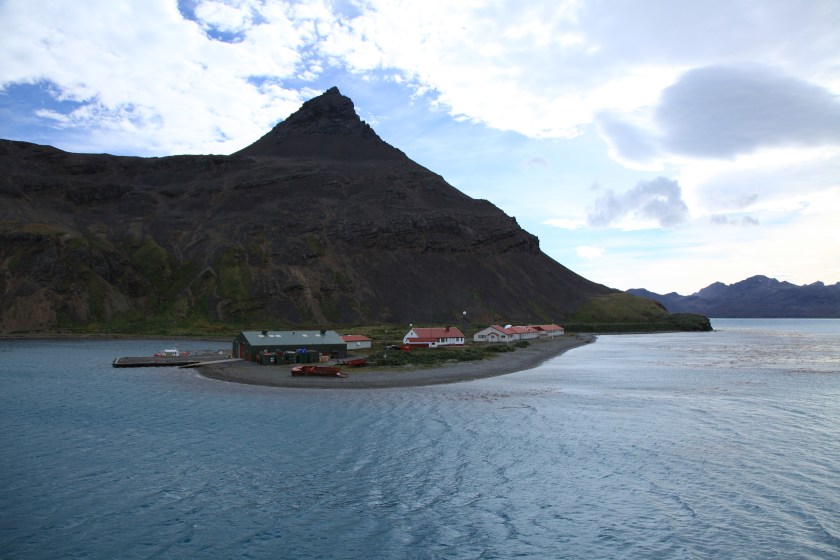
Next, the alignment goes through the South Sandwich Islands. This is interesting – Britain calls it a British Overseas Territory, and these islands are also claimed by Argentina. Not unlike the Falklands dispute (which are also on a gridline).
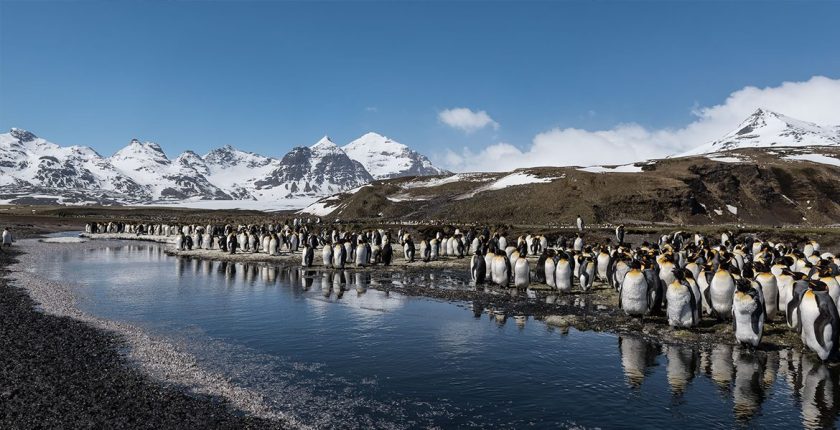
More images from the South Sandwich Islands:
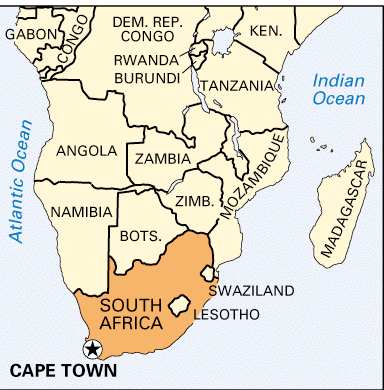
Next we come to Cape Town, South Africa. Cape Town is on at least two global alignments that I have found.
In the interest of organizing this information, I am going to focus on the most famous landscape feature of Cape Town, Table Mountain, as well as historic architecture and canals. While the history of this region is important, including what is happening today, I want to focus my attention primarily on worldwide similarities in infrastructure.
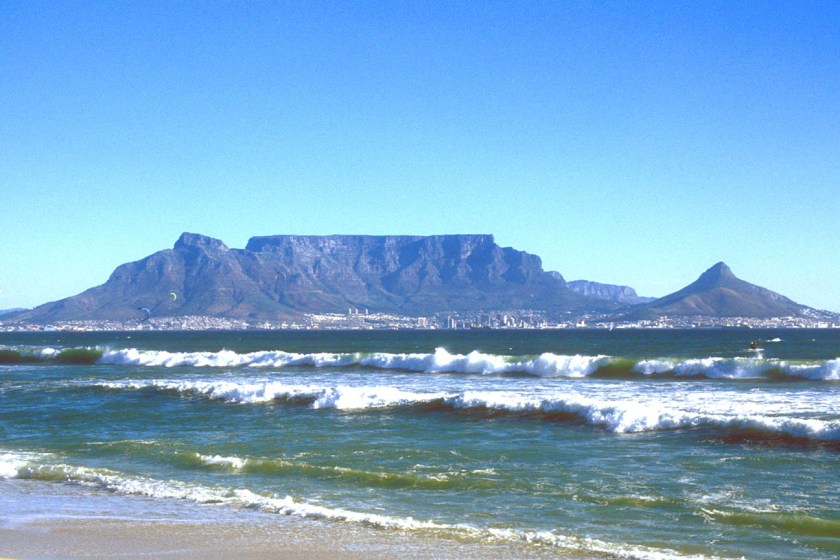
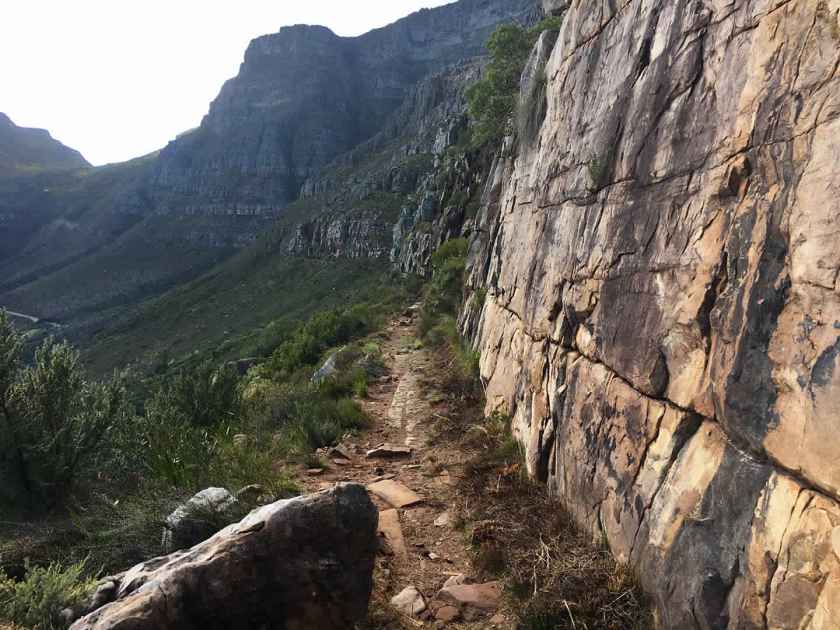
This is Table Mountain, a sandstone formation, and now part of Table Mountain National Park, with a pyramidal shape that is called Devil’s Peak on one side, and on the other a formation that has been dubbed Lion’s Head.
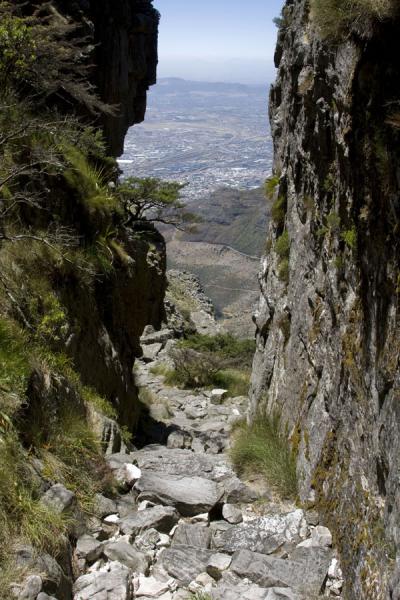
The easiest hiking route to get to the top of Table Mountain is through Platteklip Gorge…
…where we find upon closer examination what looks like a relatively flat surface with straight lines indicative of cut blocks of stone. We just haven’t been taught that is what it is, so that is not how we see it.
Moving on to more modern infrastructure, here is a comparison of the National Library in Cape Town on the left, and the National Archives in Washington, D. C. on the right:
Who is coordinating the architectural styles of all of these places, I wonder? Here are some more examples.
On the left is a building with fancy wrought iron work on Long Street in Cape Town, and on the right is a similar building in the French Quarter in New Orleans, Louisiana.
south africa cape town, Long street, colonial architecture, backpacker,
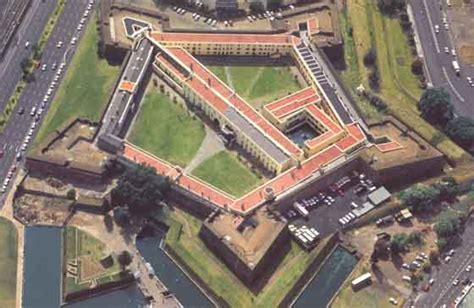
Here is a Star Fort in Cape Town…
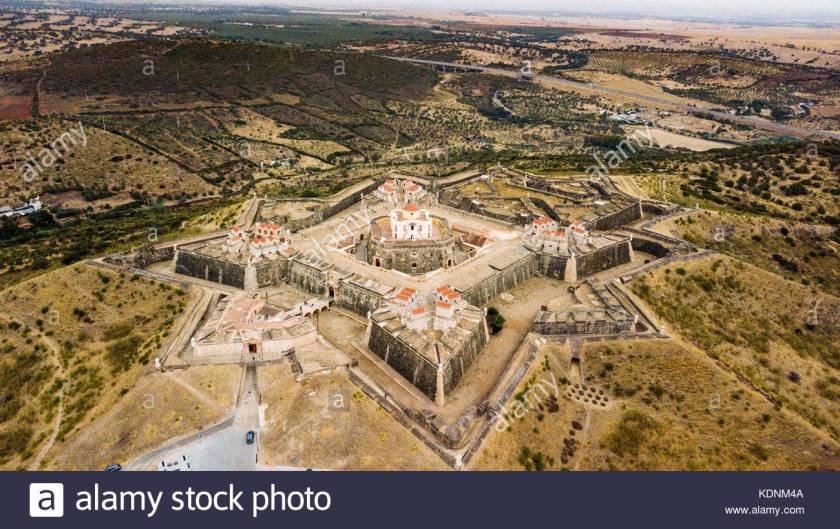
…compared with one in Portugal…
…Fort Ticonderoga in northern New York State…
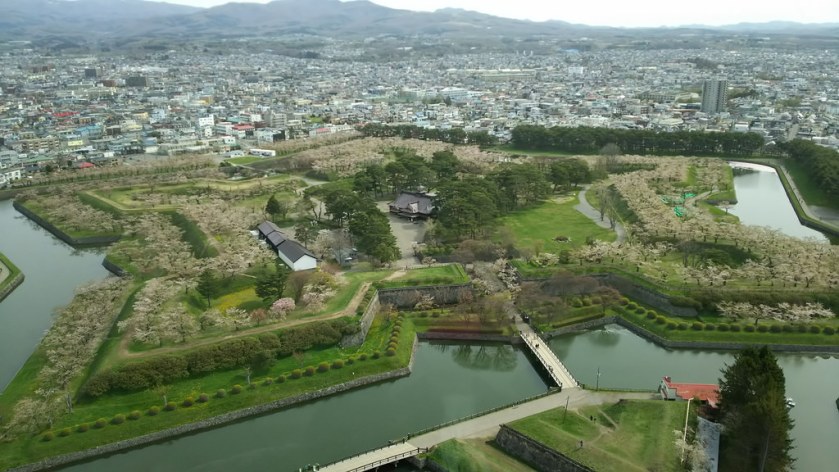
…and this star fort is in Hakodate, on the island of Hokkaido, in Japan.
Star Forts are found all over the world, with the same basic star pattern, but differing somewhat in design complexity. In many cases, like with the example of Fort Ticonderoga, they have put to military use. There has been considerable research showing that this was not the original use of these beautiful structures, like perhaps as a component of some kind of energy system.
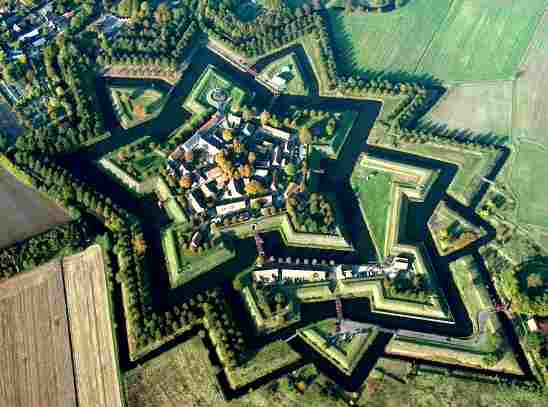
And like with so many things, up until recently, they have been ignored by conventional history. Again, because their existence doesn’t fit with the historical narrative we have been given. This is Fort Bourtange in The Netherlands.
One last comparison. There are sophisticated canal systems around the world in places you would not expect to find them. Here is a canal in Cape Town on the left, compared with one in St. Petersburg, Russia, in the middle; and the Ankhor Canal in Tashkent, Uzbekhistan on the right.
So I am going to go end the series on this particular alignment here. It goes on to reconnect with Edmonton on its way through Africa, India, Tibet, China, Mongolia,Russia, Siberia, Alaska, the Yukon Territory, and British Columbia.
In the next series, I will continue showing you how “History Reads Like a Book on the Planetary Grids” on a different alignment.









































 Revealing What Has Been Hidden in Front of Our Eyes