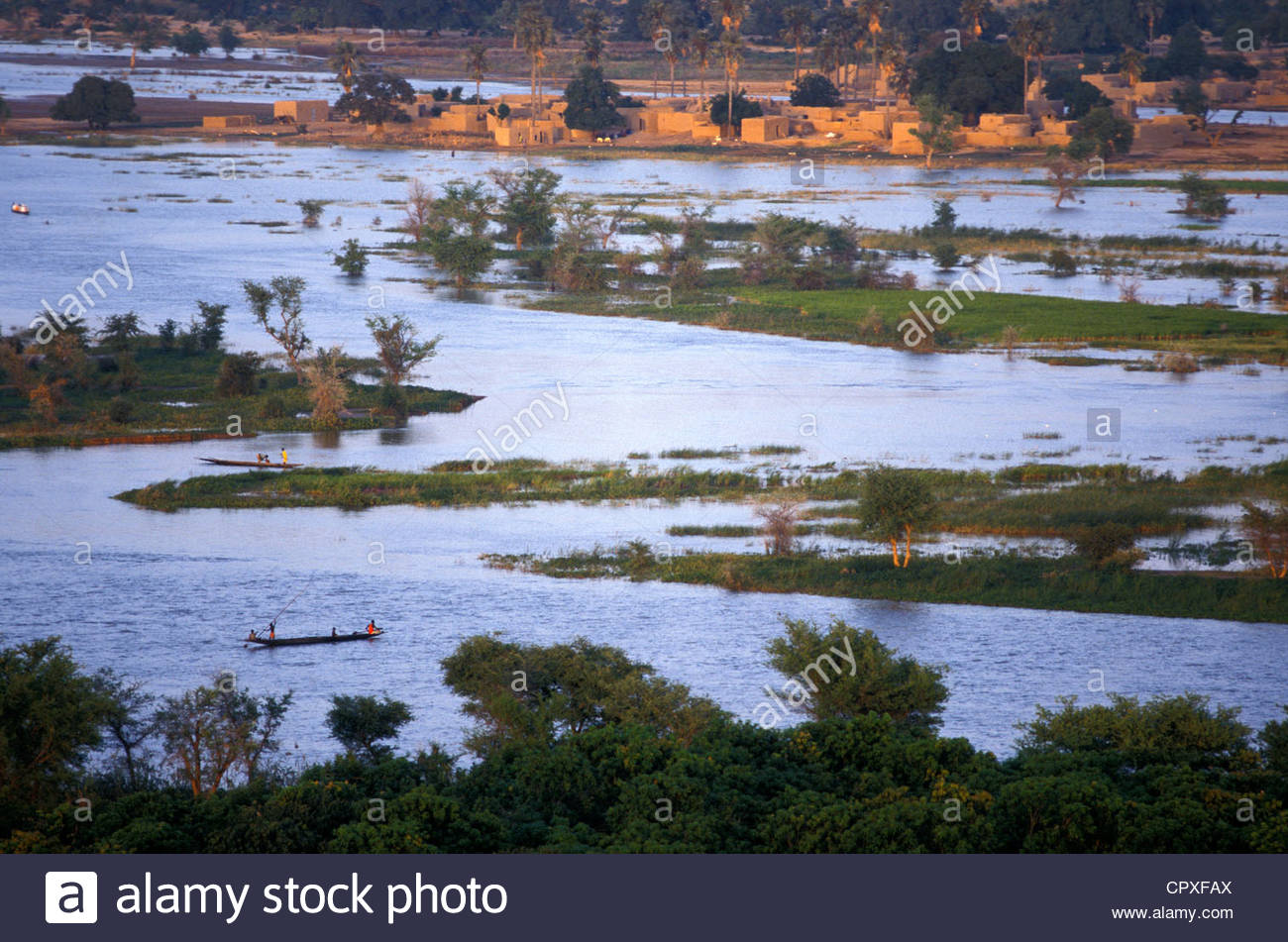
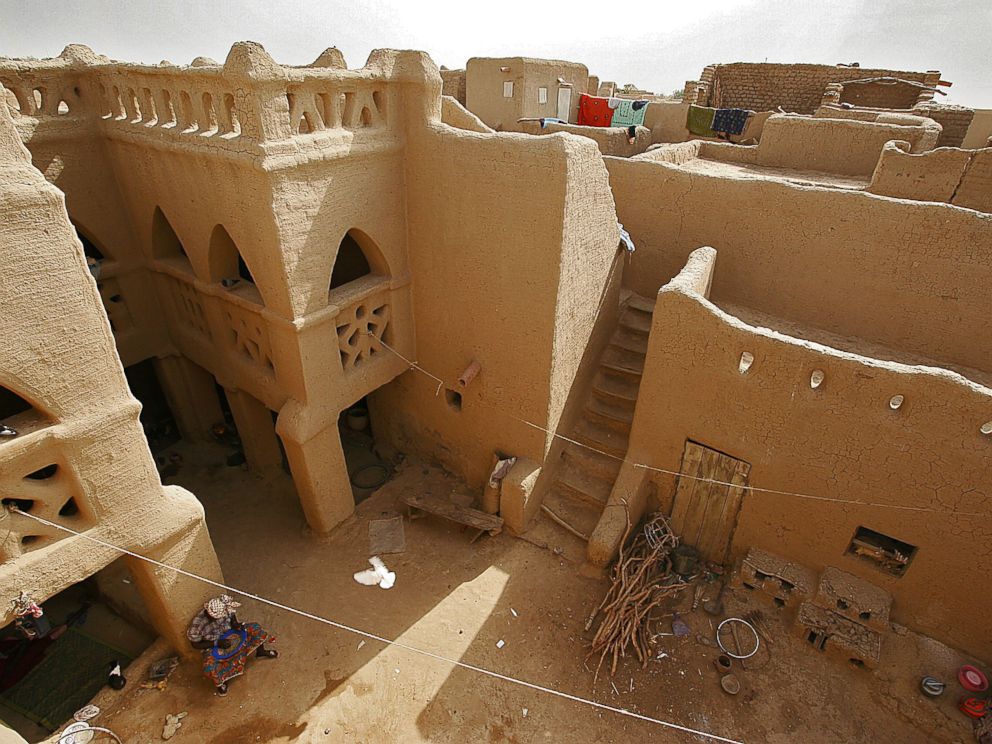
Circle Alignments on the Planet Algiers – Part 1 Algiers, Algeria to Reggane, Algeria

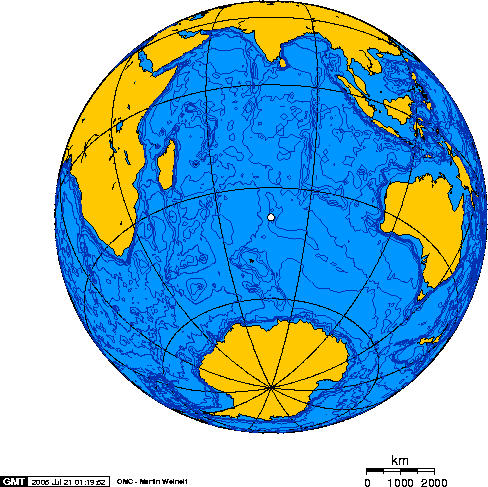
Thus far I have shared with you two complete circle alignments that I found – one emanating from Merida, Mexico, and another from Amsterdam Island, one of the French Subantarctic Islands in the South Indian Ocean.

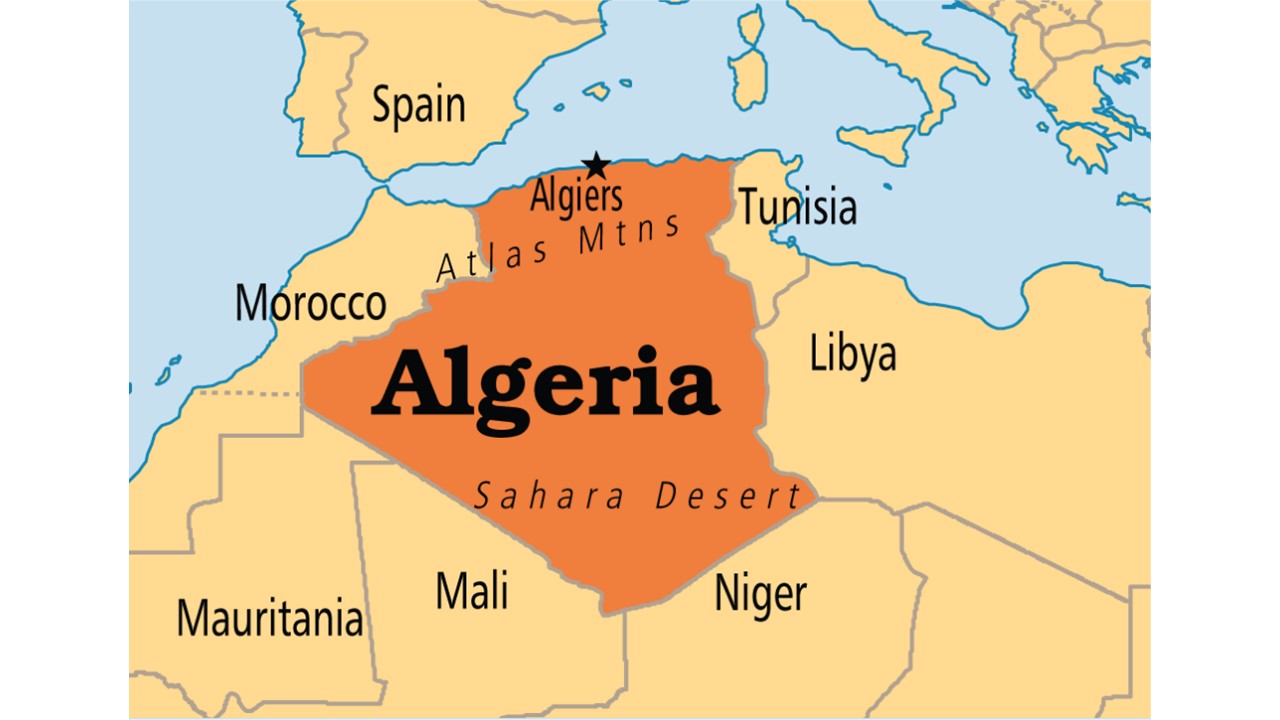
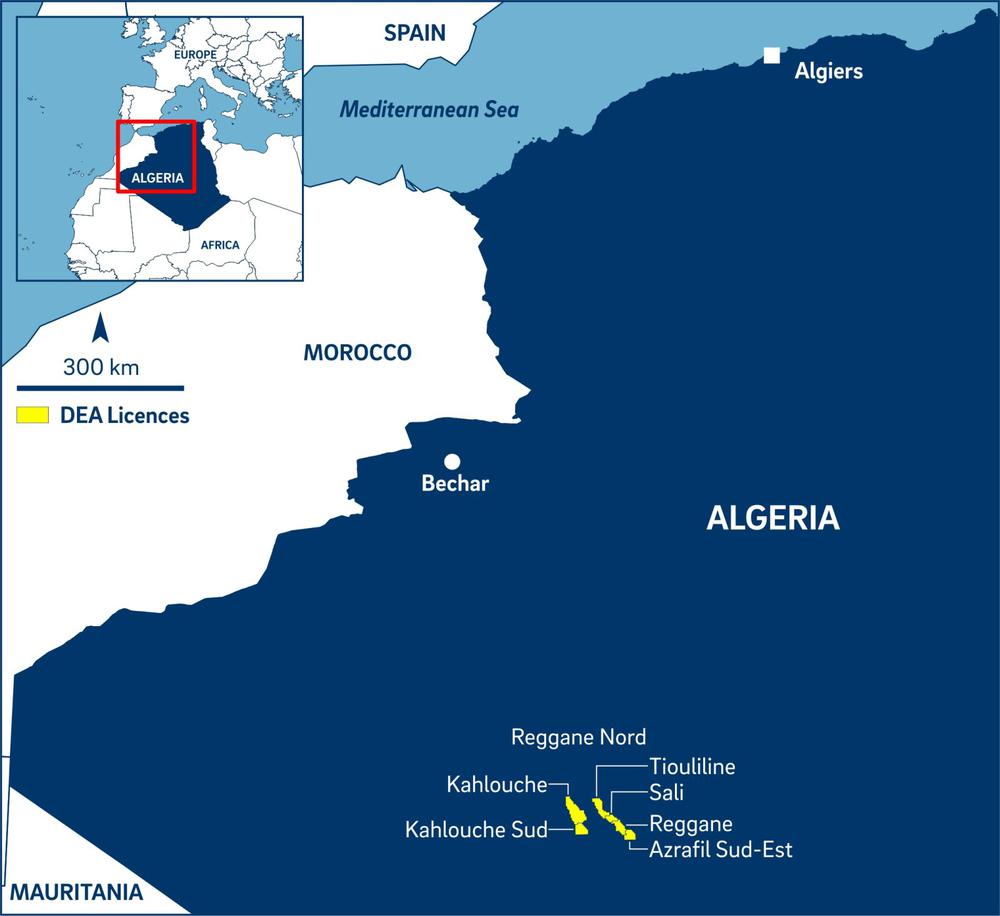
This new series is about a circle alignment that begins and ends in Algiers, Algeria.

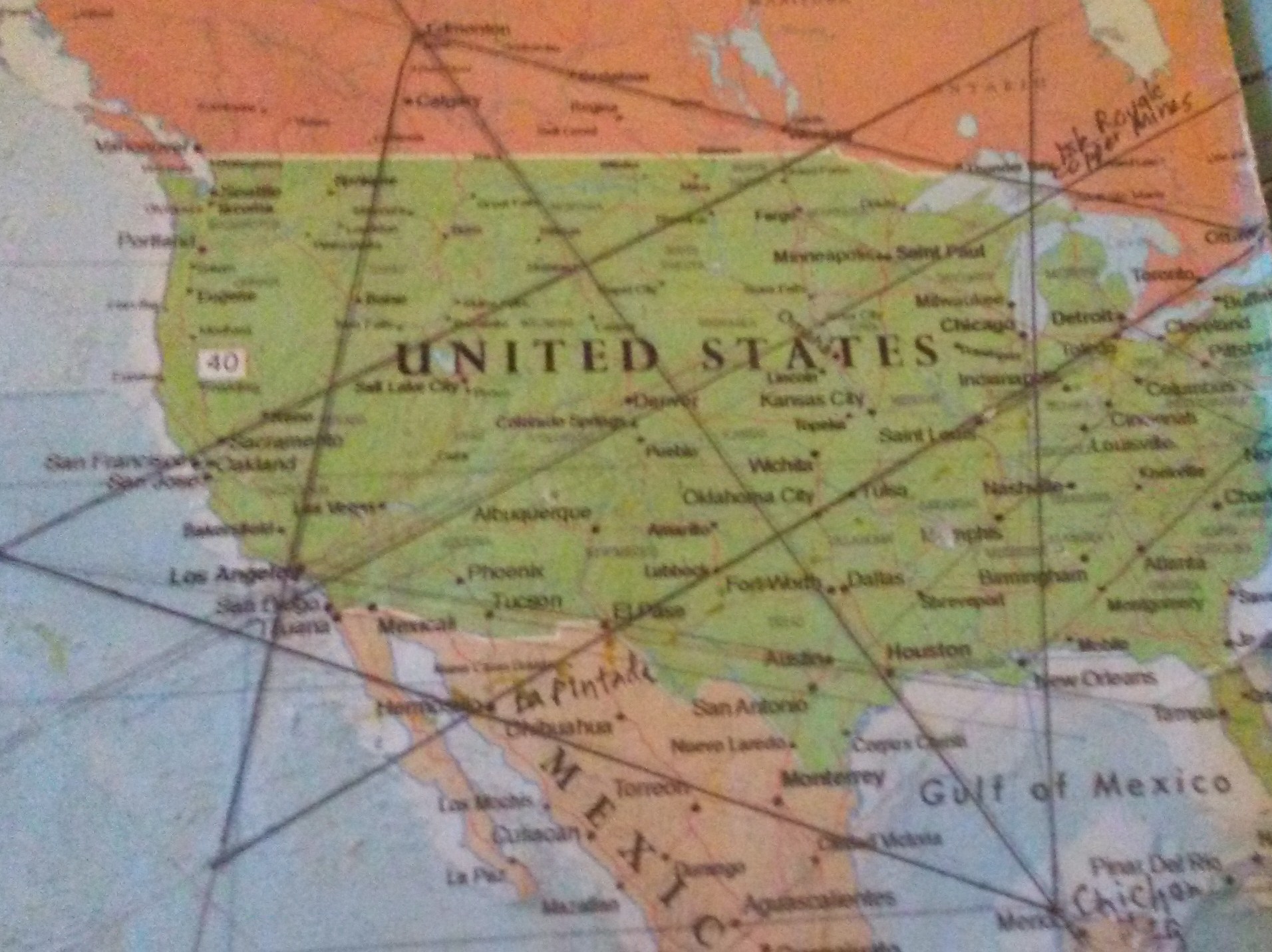
I found a star tetrahedron early in 2016 on a map that had been given to me when I started noticing that major cities lined up in lines in North America, and connected them.

I extended the lines out, and eventually switched to a globe. I used a magnifying glass, and wrote down the cities and lined up in linear or circular fashion.

I have gotten an amazing tour of the world of places I have never heard of with remarkable similarities across countries and continents.

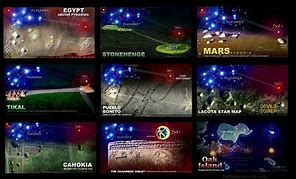
I believe there was an ancient advanced civilization that existed up until relatively recently that was totally aligned with itself, the earth, and the Heavens, and we have not been told about it, and on top of which a false narrative has been grafted. These star maps were done by Wayne Herschel, a South African researcher.

My work is about providing compelling evidence for why I believe this.

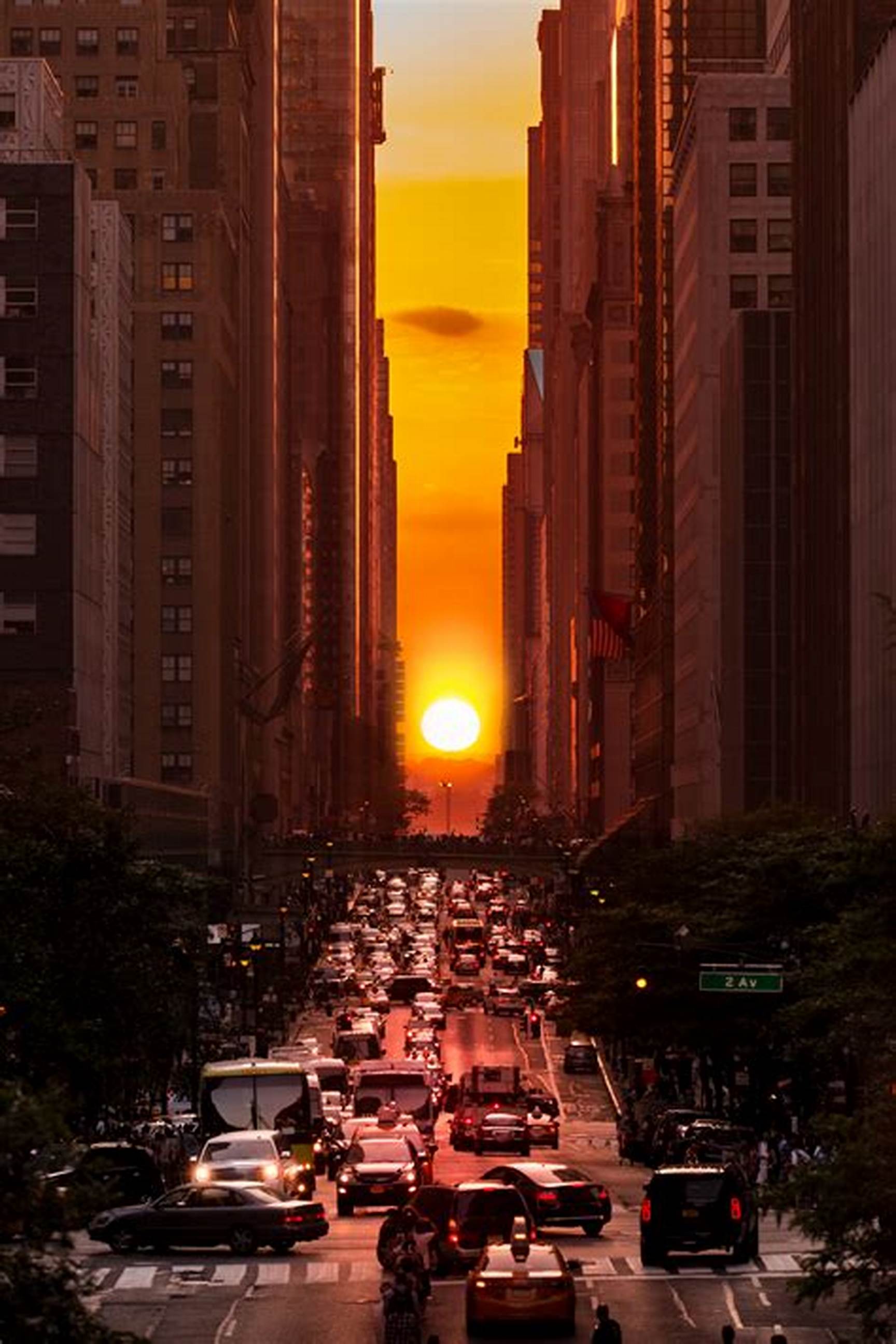
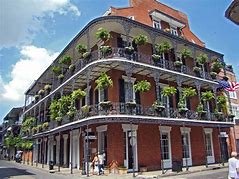
This is a photo of Manhattanhenge, an annual event during which the setting sun or the rising sun is aligned with the East-West street grid of Manhattan on dates evenly spaced around the summer solstice and winter solstice.  There similar alignments with the sun and street plan that occur in other major cities, like Toronto, Baltimore, Chicago, and Montreal. 

My primary focus is on looking features in each place that are similar to features found very different places around the world. Keep in mind there are many more examples than the ones I am providing.

At the very least, I hope to provide a thought-provoking experience regarding reasons to question the historical narrative we have been given.

Algiers is the capital, and largest city of the Northern African country of Algeria, and is situated on the west side of a bay of the Mediterranean Sea.

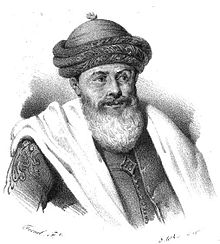
It was ruled by the Deys of the Regency of Algiers until 1830, at which time the last Dey, Hussein Dey surrendered to invading French forces.

The old part of Algiers is located on a steep hill, topped by a citadel called the Casbah, and is known as the Ancient City of the Deys.

The five noble titles of the Moors are: El, Bey, Dey, Al, and Ali.

Ancient means something belonging to the very distant past.

Yet we are told that the title of Dey in Algiers (as well as the Deys of Tunis and Tripoli) was given to these rulers under the Ottomon Empire, starting in 1671.

Yet the Casbah is known as the Ancient City of the Deys???!!!

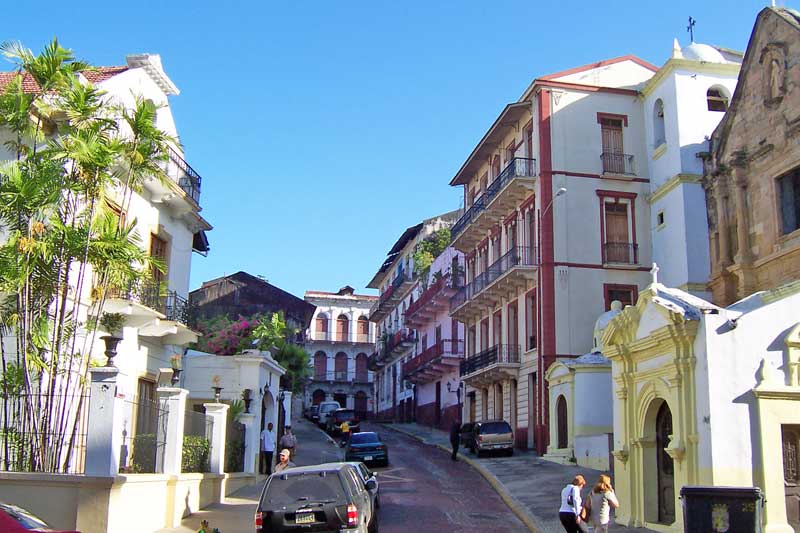
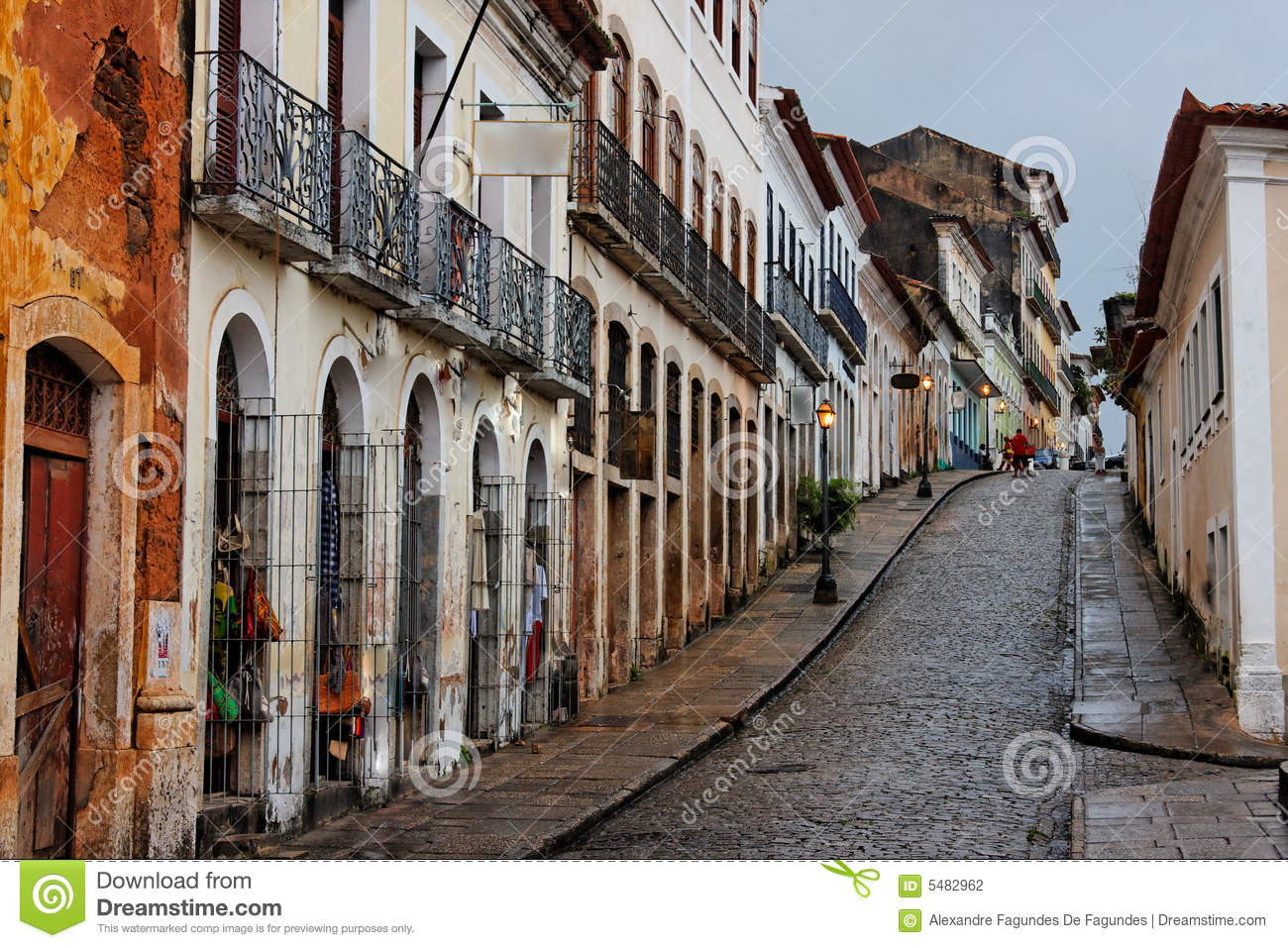
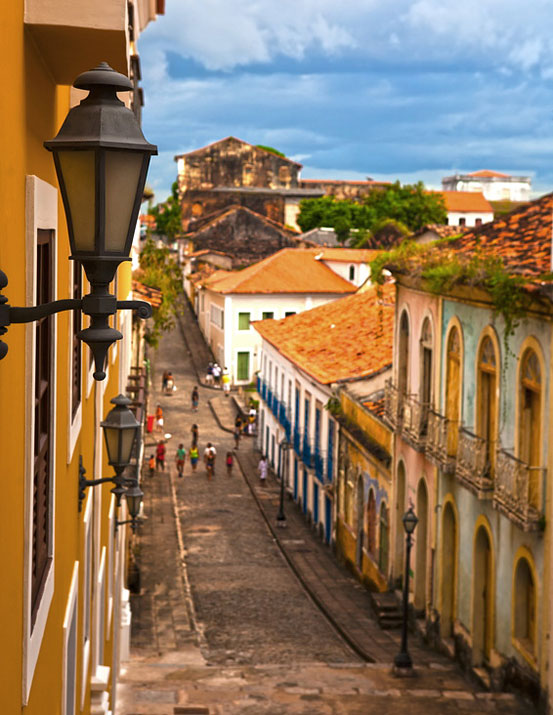
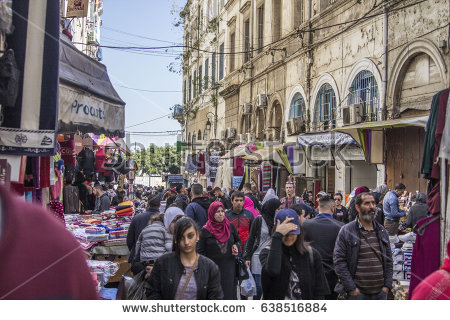
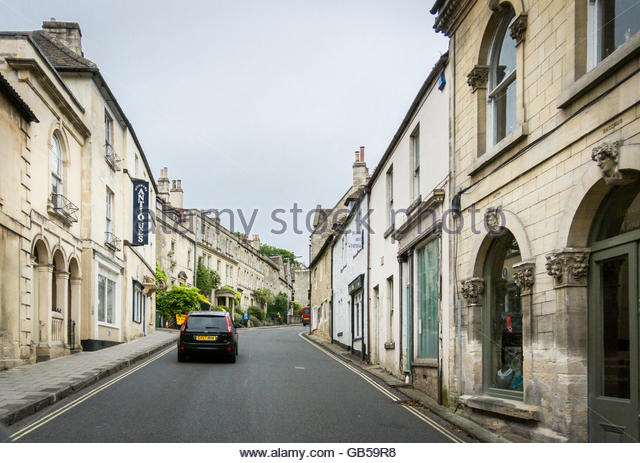
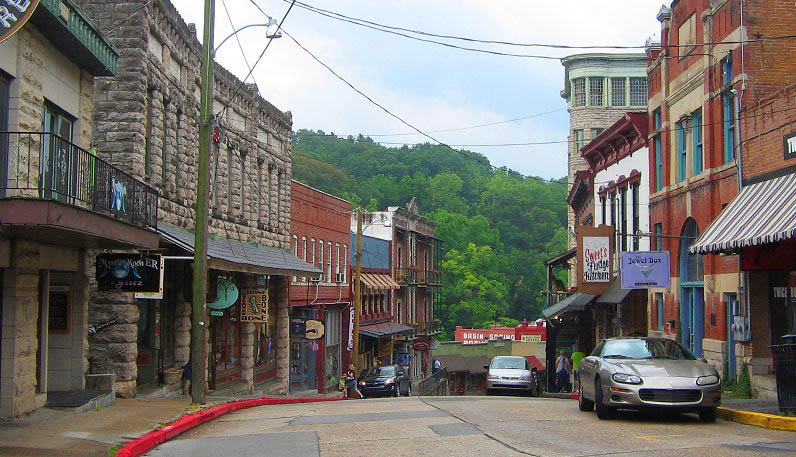
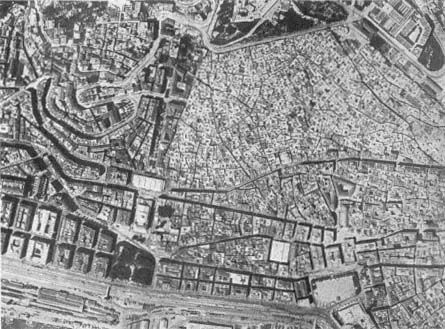
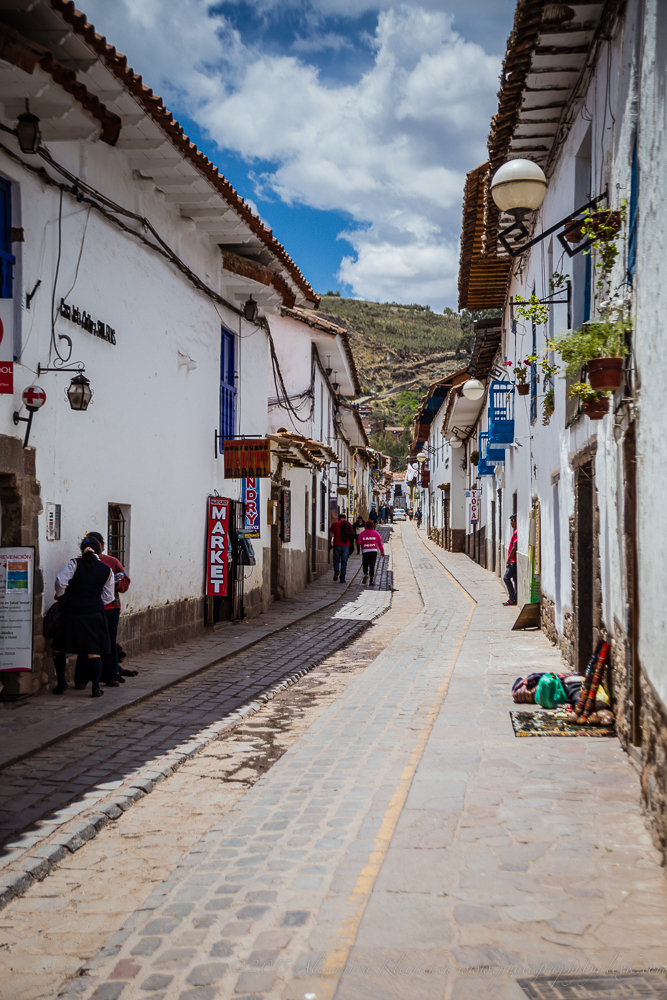
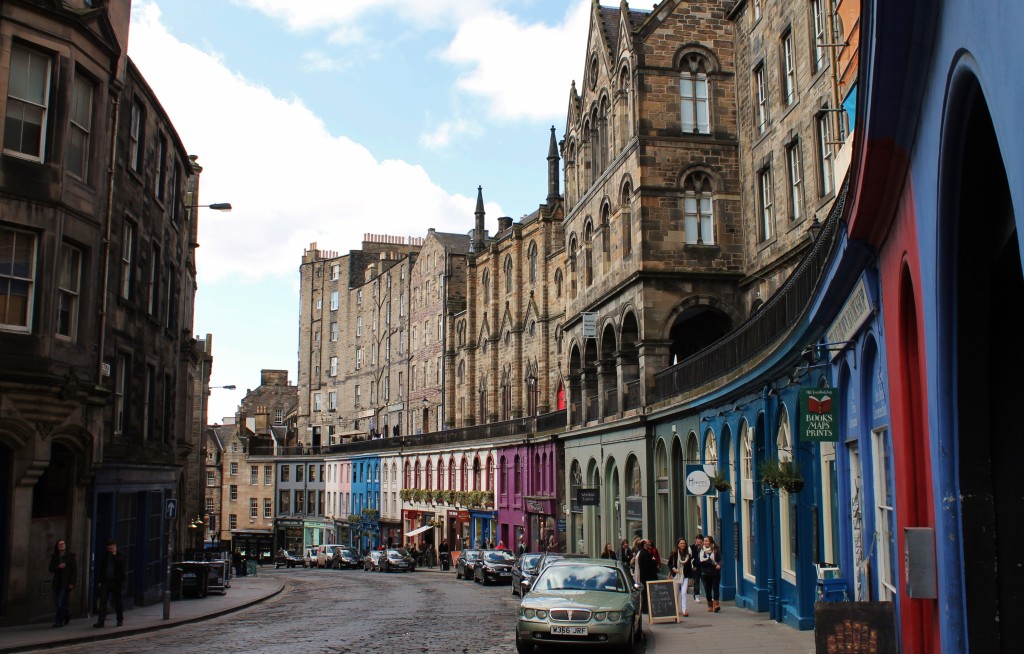
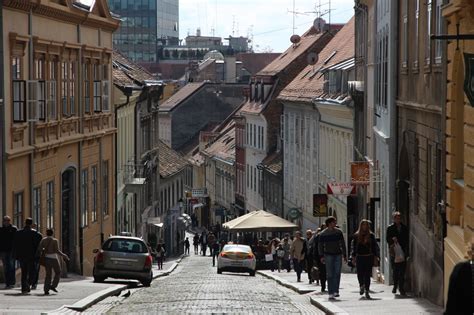
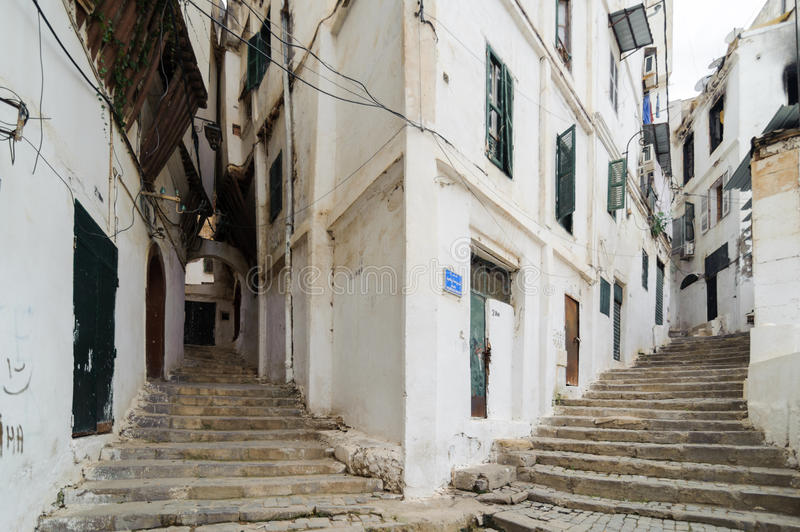
These next photos are comparing the very similar lay-outs and angles of street of, first, the area known as the Casbah in Algiers …

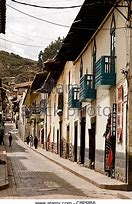
..with Cusco, Peru…

…Old Edinburgh, Scotland…

…and Old Zagreb in Croatia.

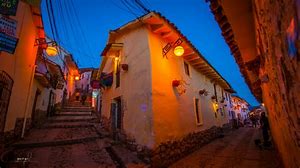
And here is another street lay-out found in Old Algiers…

…compared with this one in Cusco, Peru

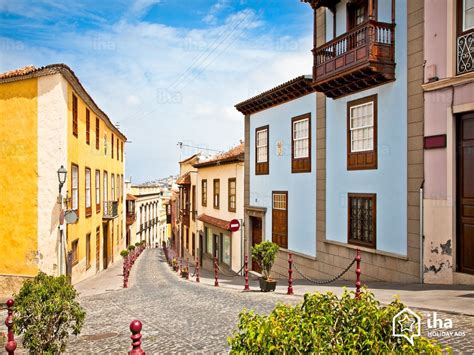
I find the curvature, steep slopes, and angles of the street lay-outs to be remarkably similar considering they are across countries and continents.

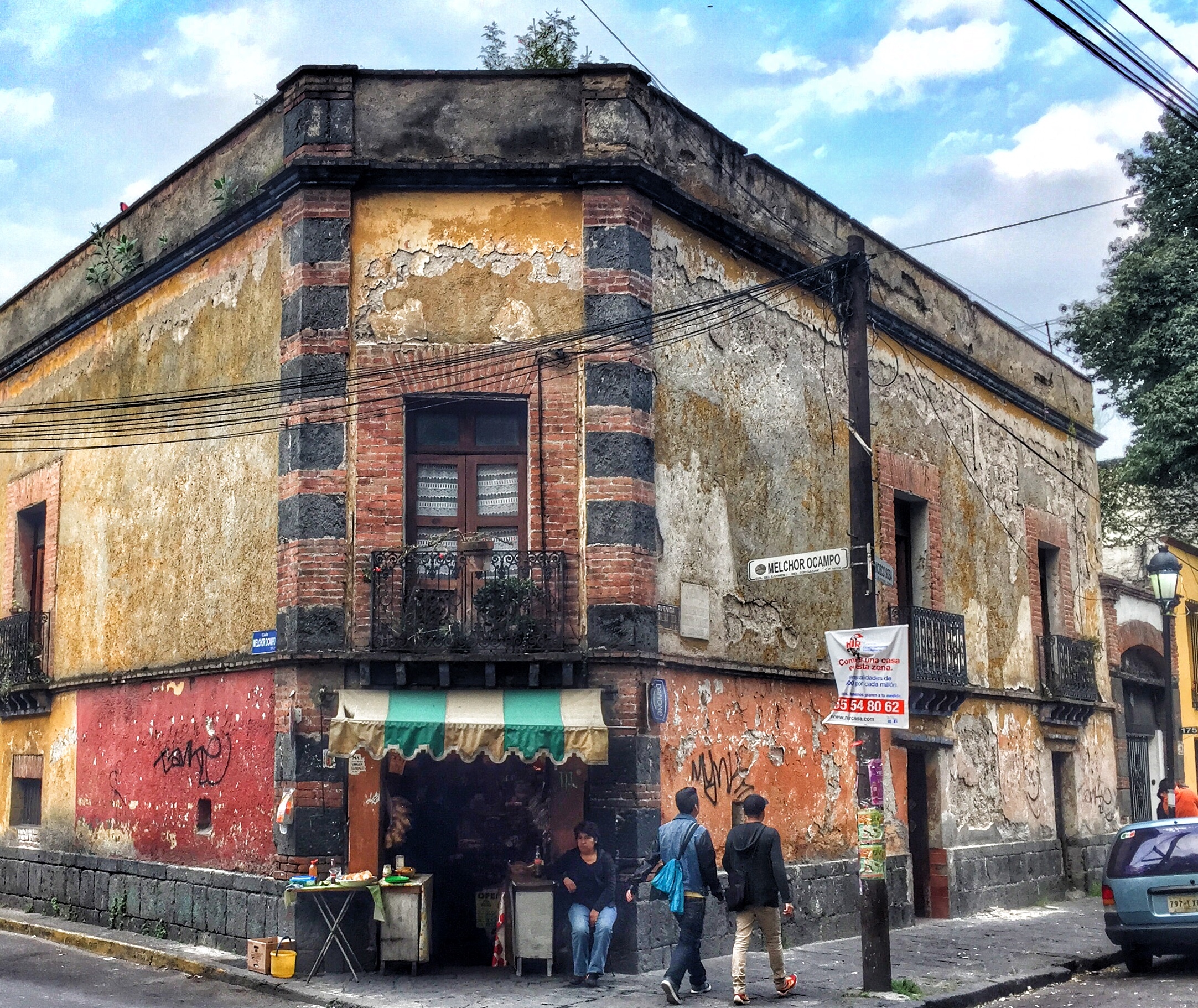
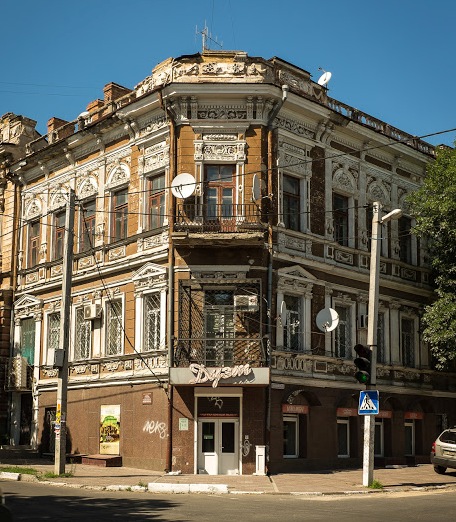
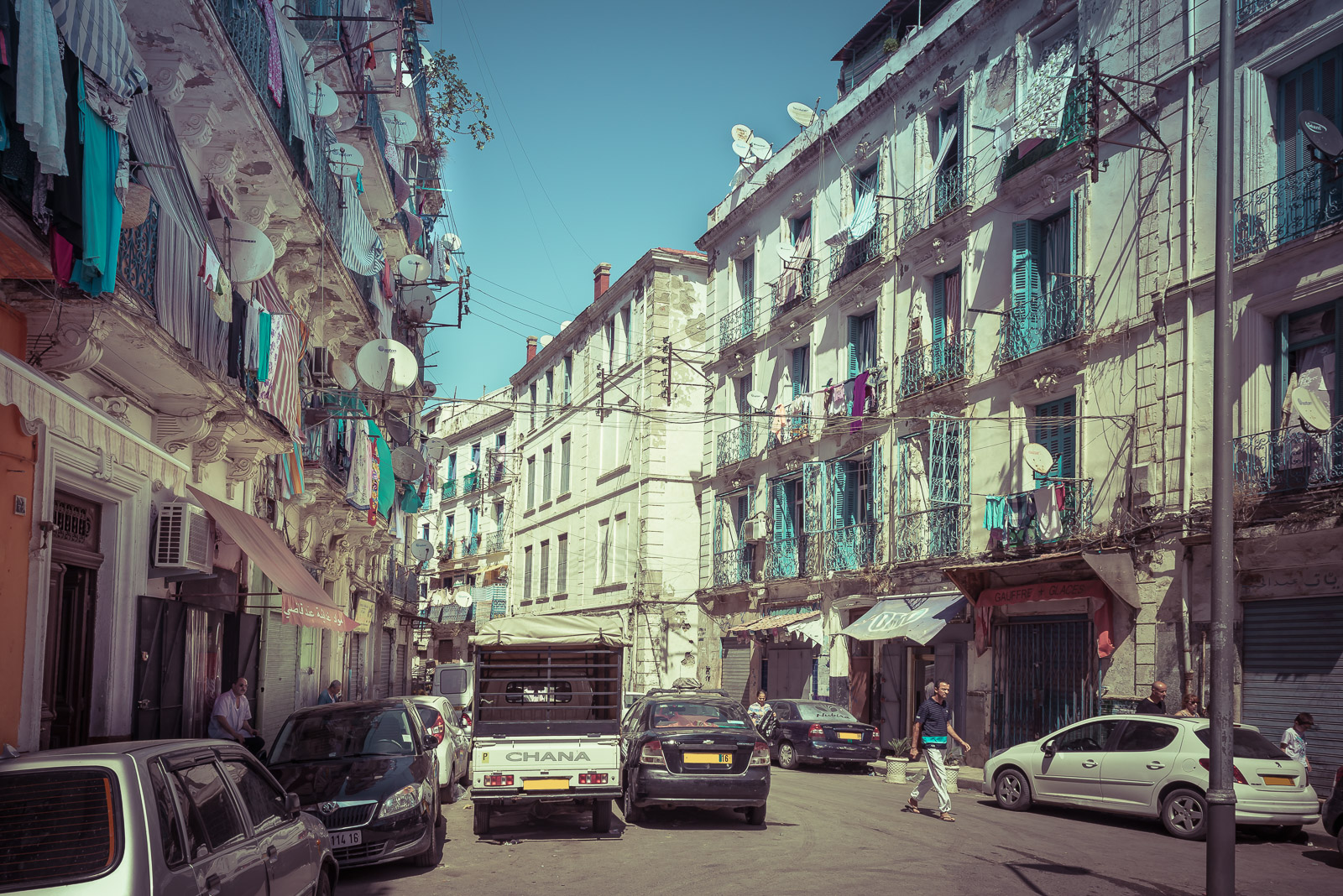
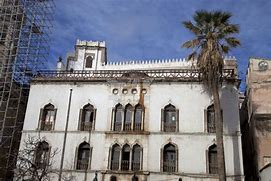
This photo was taken of a building at the Casbah in Algeria…

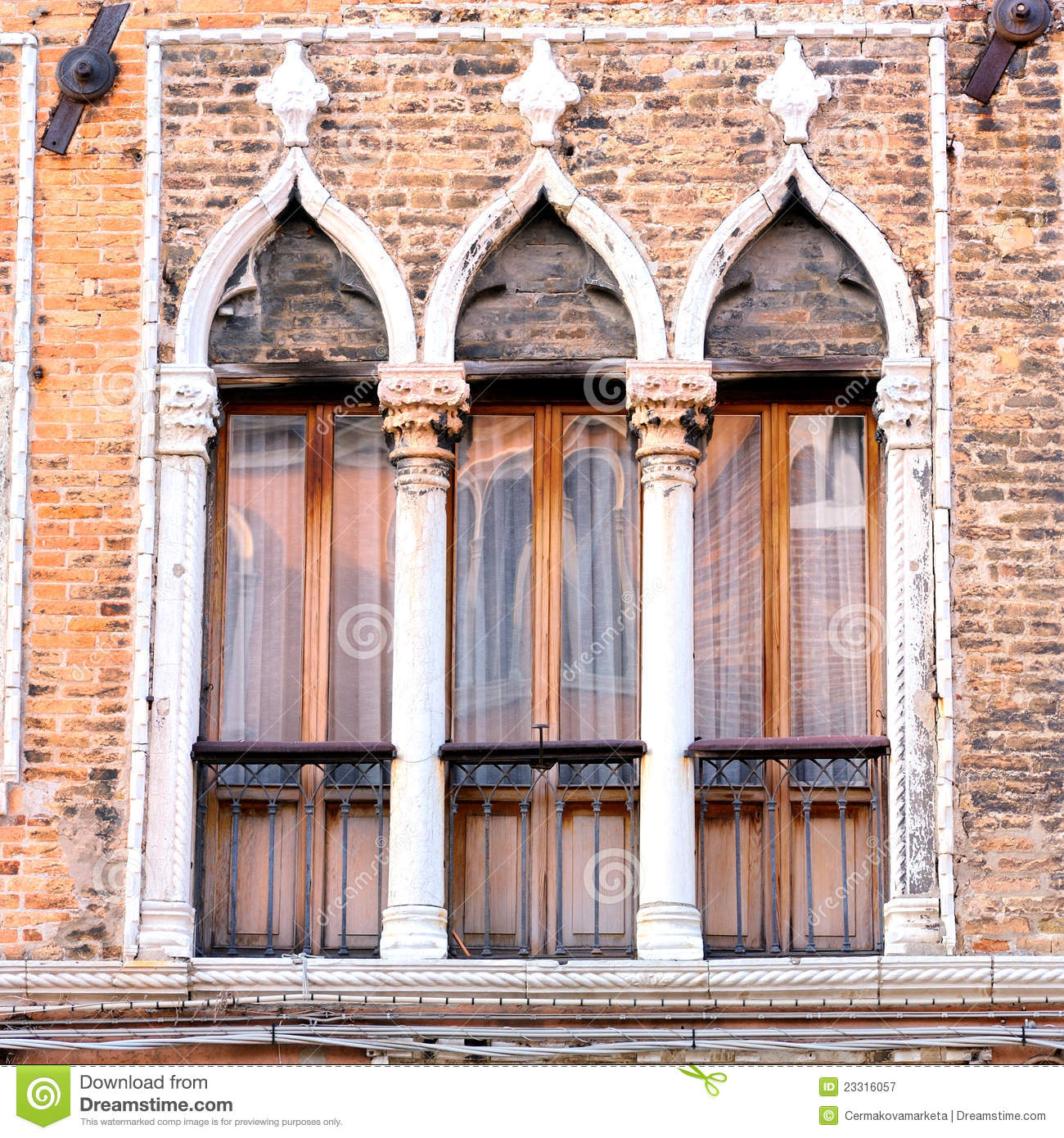
Here is a closer look at the windows of this building in Algiers…

…compared with a detail of windows in Venice, Italy.

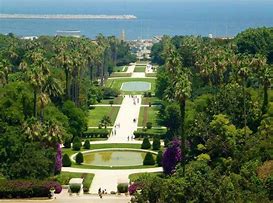
The Botanical Gardens of Hamma are in Algiers.

They are also known as the Test Gardens of Hamma because when they were said to have been established in 1832, under the auspices of the interim French government after the surrender of the Dey of Algiers in 1830, it was started as a test farm and model garden.

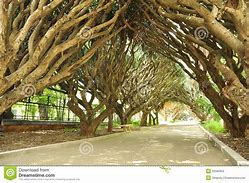
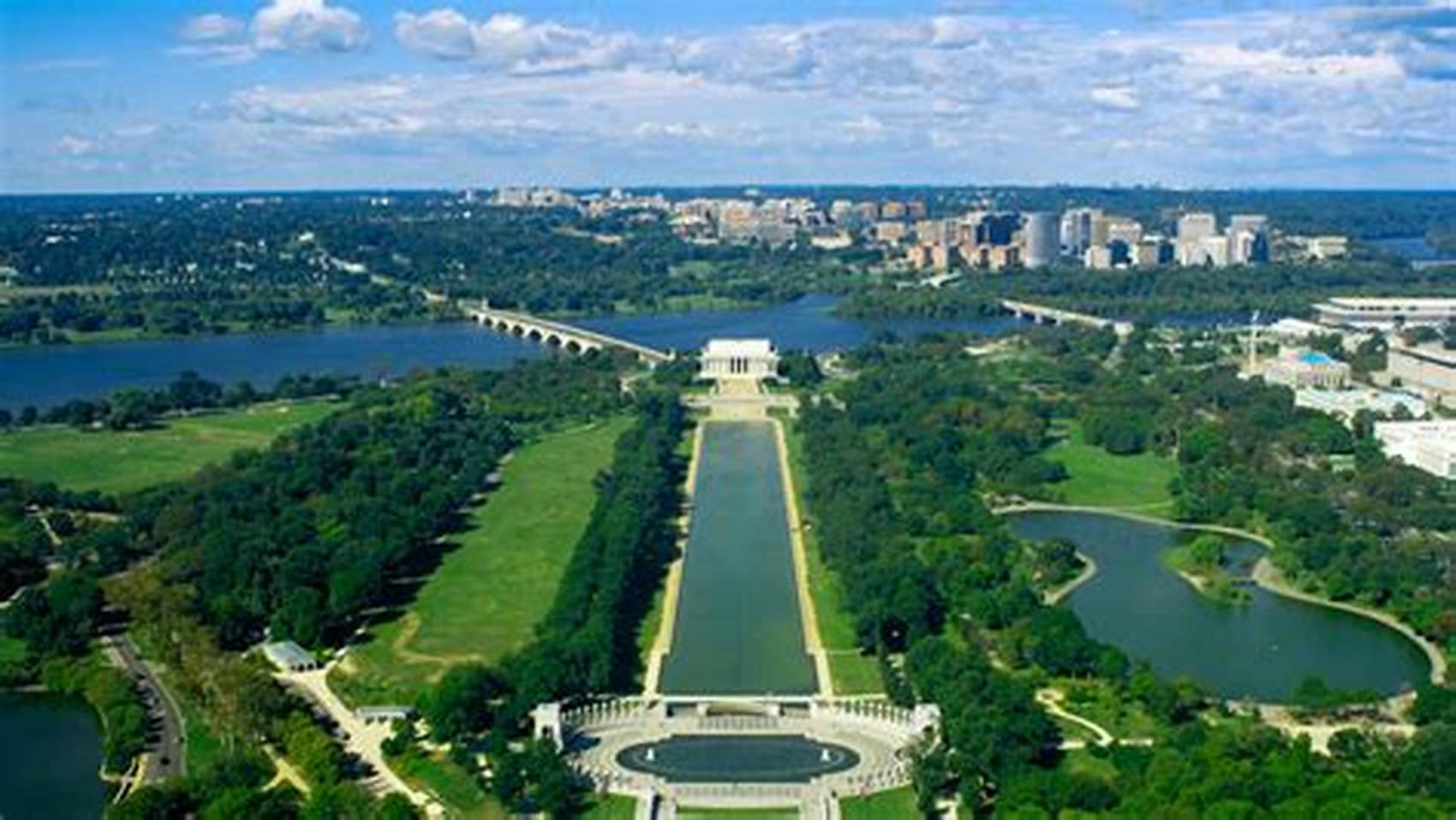
This photo of the grounds of the Botanical Gardens…

…reminded me of the National Mall in Washington, D. C.

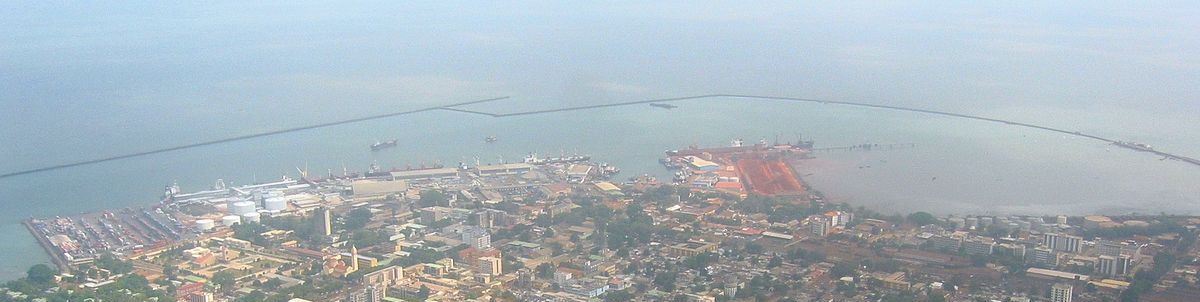
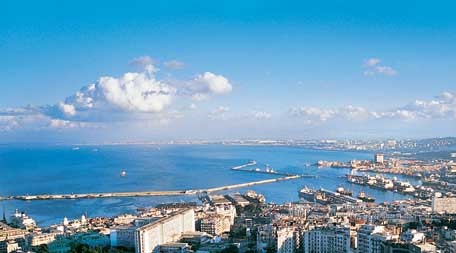
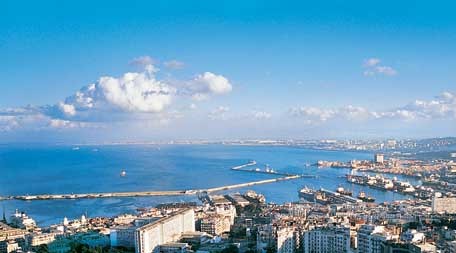
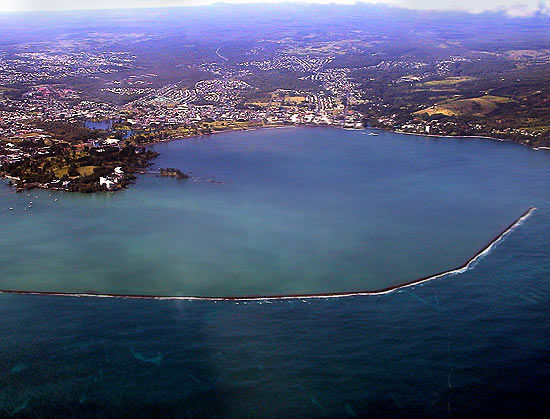
This is Algiers Harbor today. Of note in the middle of the photo is a very long jetty.

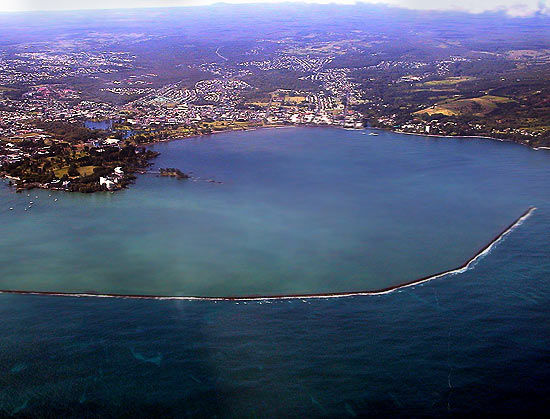
Jetties are very common features in the world’s harbors. Like this one in Hilo Bay on the Big Island of Hawaii.

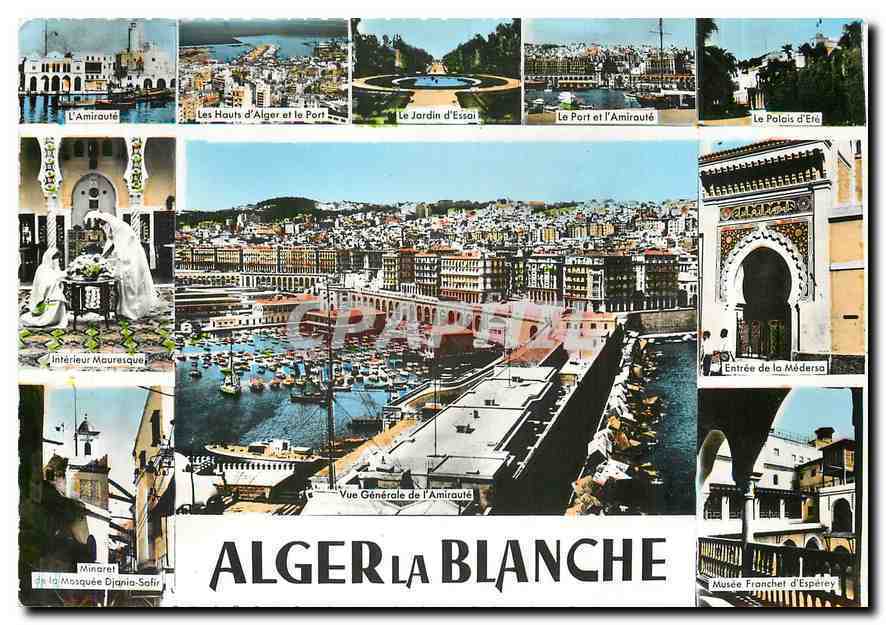
Algiers was known historically as “Algiers the White” for the color of its buildings.

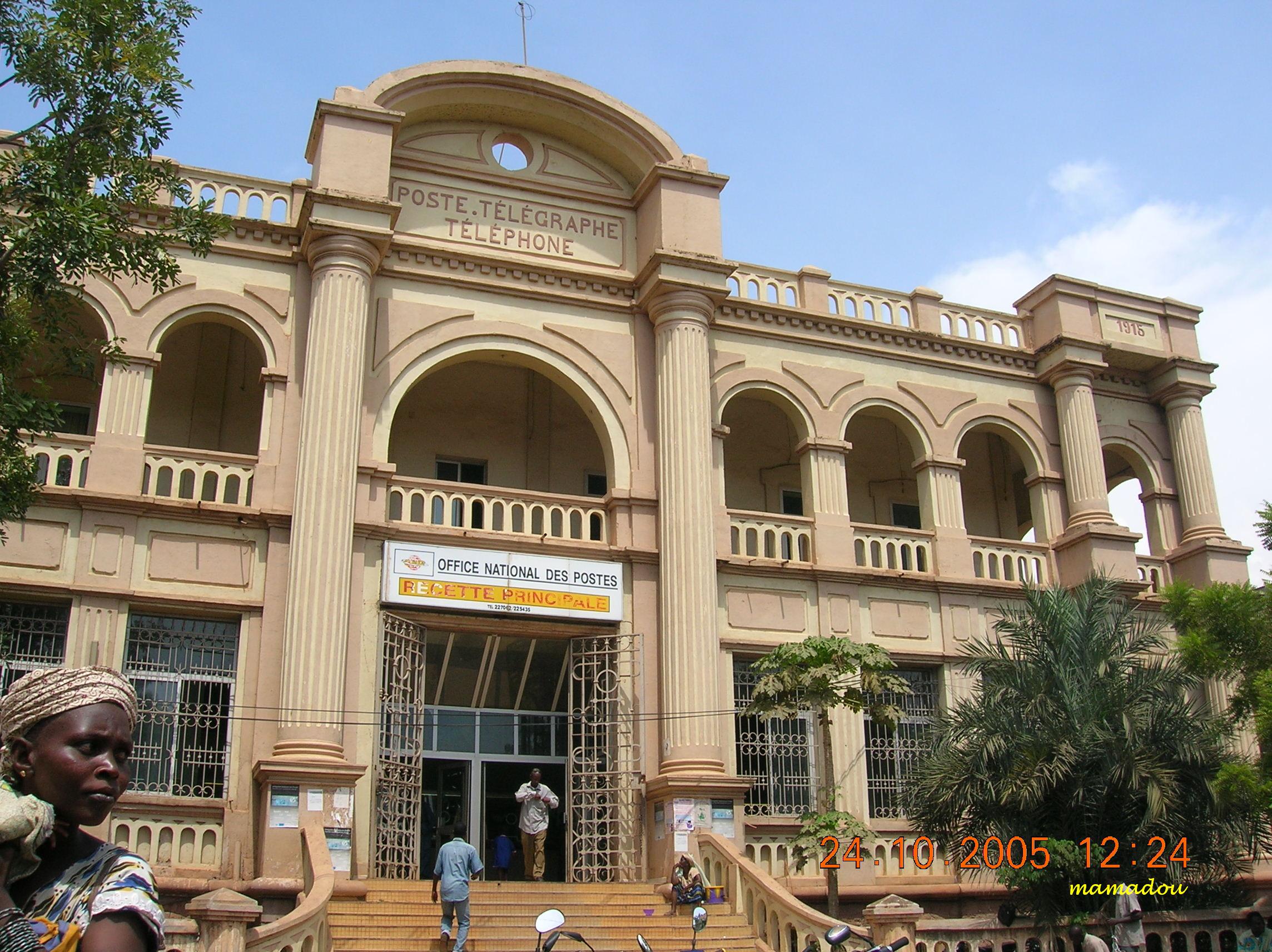
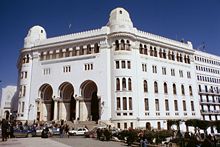
This is the Grand Post Office in Algiers, a huge white building featuring heavy masonry and is called a construction of Neo-Moorish type, said to have been built in 1910…

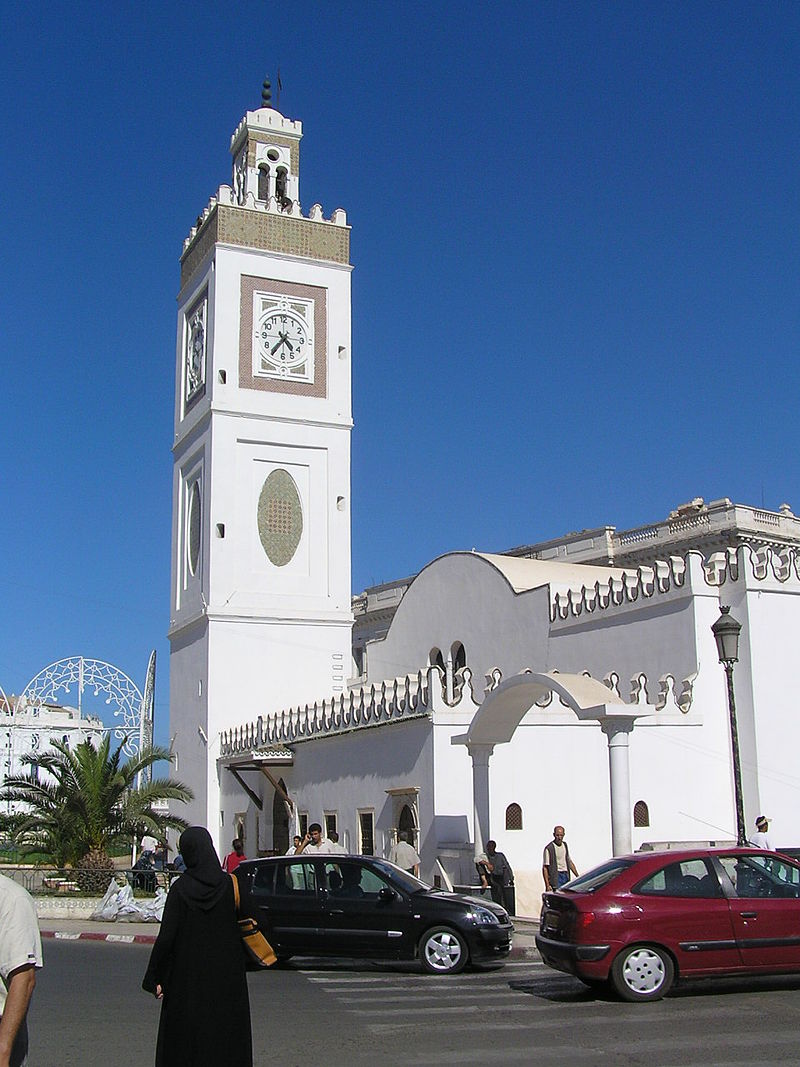
…and the white El Jedid Mosque in Algiers.

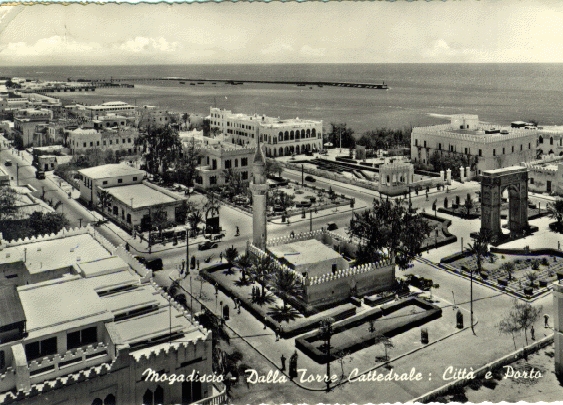
I find it very interesting the port city of Mogadishu in Somalia, located on the horn of Africa was called the “White Pearl of the Indian Ocean” before civil war there started in 1991. Sadly, the beautiful architecture of this once grand city has been badly damaged, if not completely destroyed, since 1991.

Both places had similar architectural features, yet these two African countries are not located close to each other. Algiers is in North Africa on the Mediterranean Coast, and Somalia is in East Africa on the Indian Ocean, situated next to Ethiopia and Kenya.

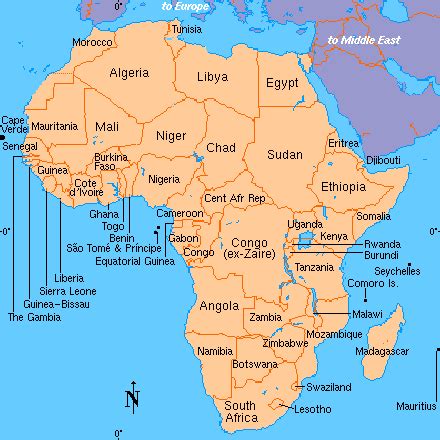
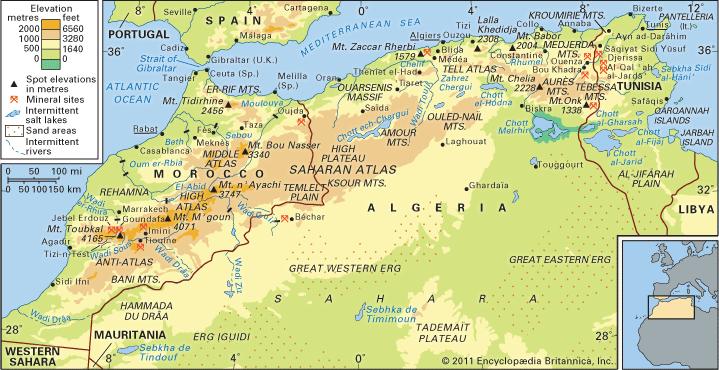
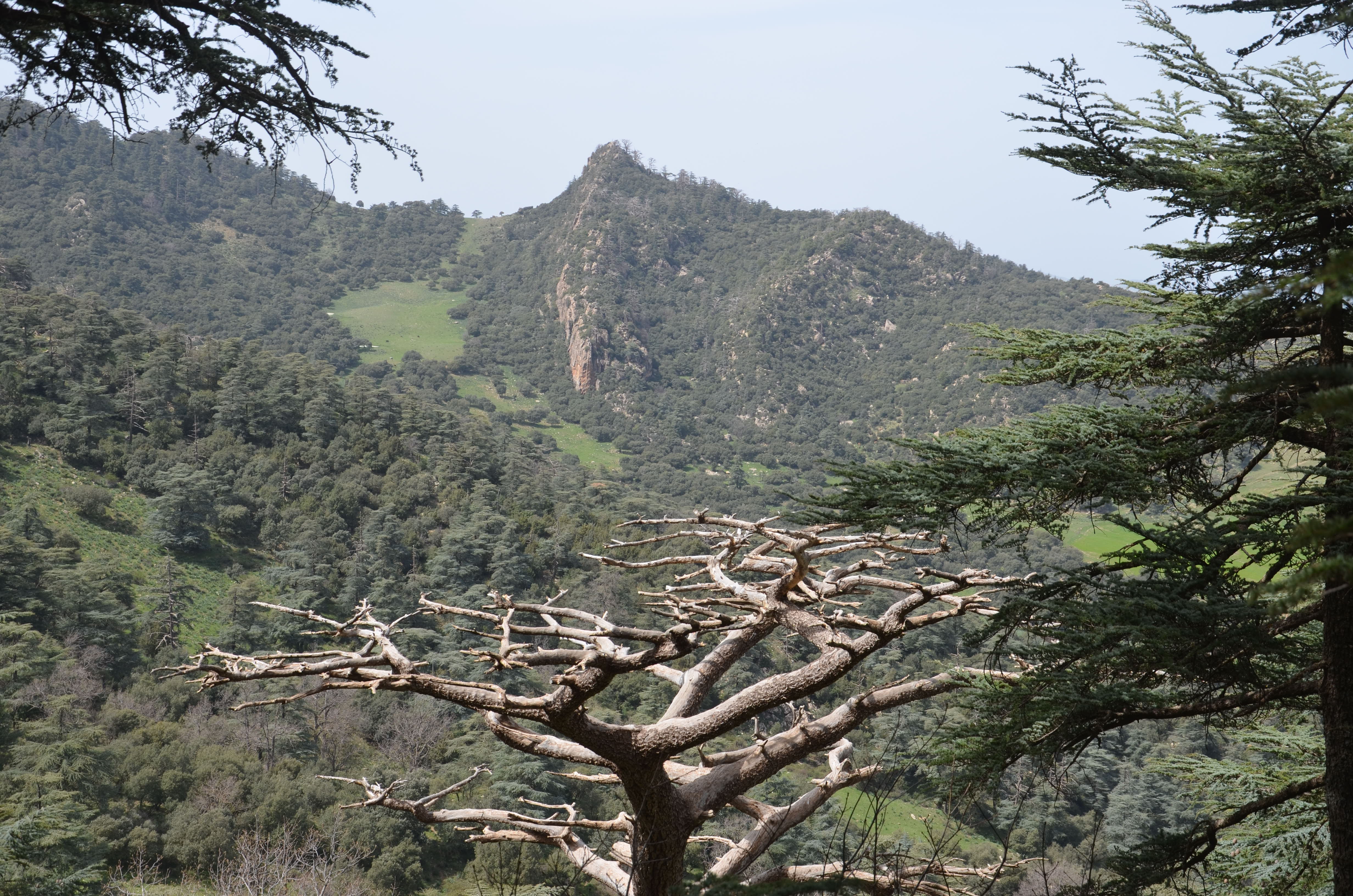
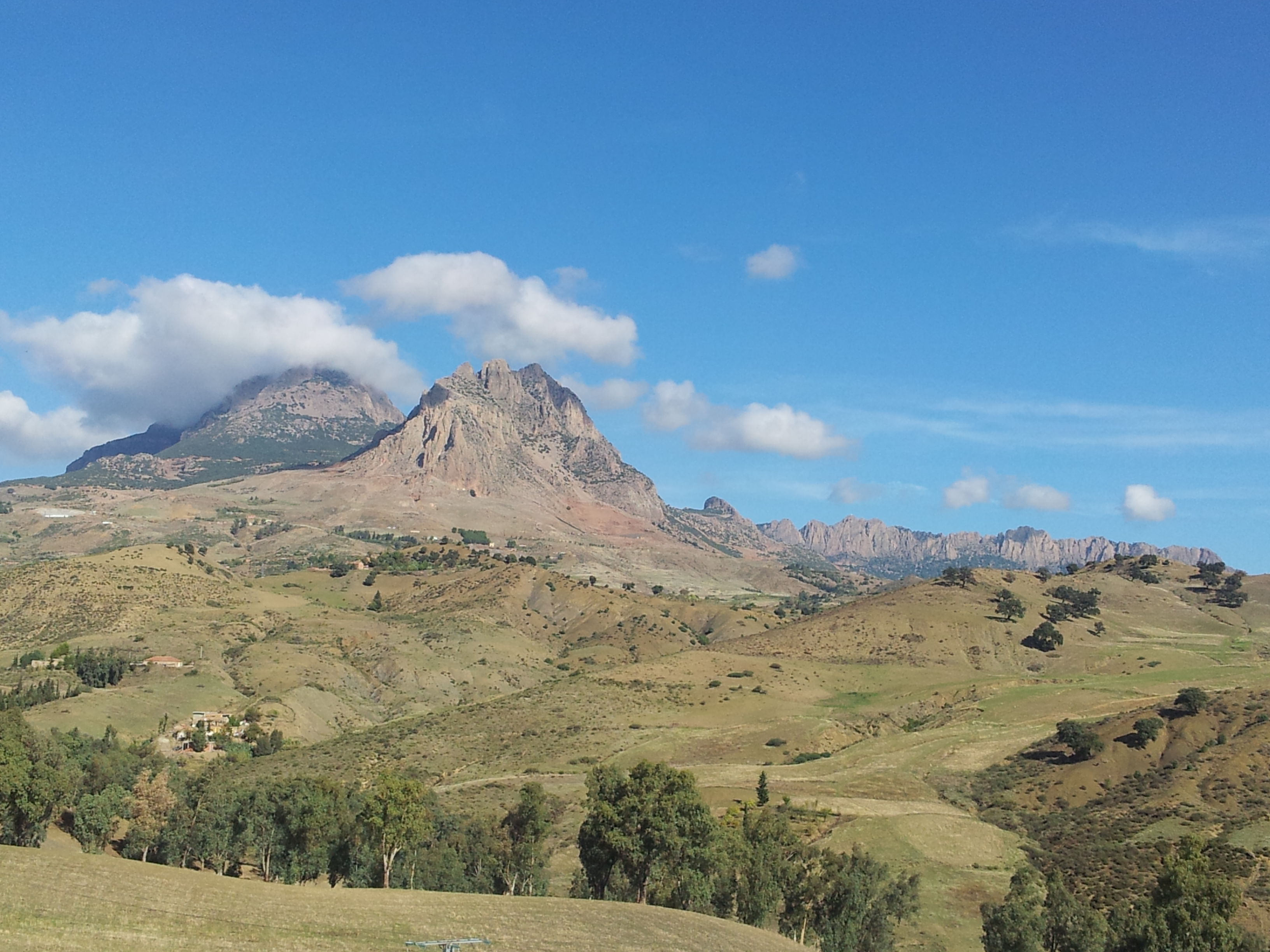
Leaving the city of Algiers, next on the alignment we come to the Atlas Mountains, a mountain range in the Maghreb. The Maghreb is another name for North Africa, as is the Barbary Coast, and consists of the countries of Algeria, Morocco, Mauretania, Tunisia, and Libya.

It is also known as the Land of Atlas for the Atlas Mountains, which separate the Mediterranean and Atlantic coasts from the Sahara Desert. The Atlas Mountains in Algeria are primarily inhabited by the Chaoui Berber people. The Berbers are an ancient people of North Africa.

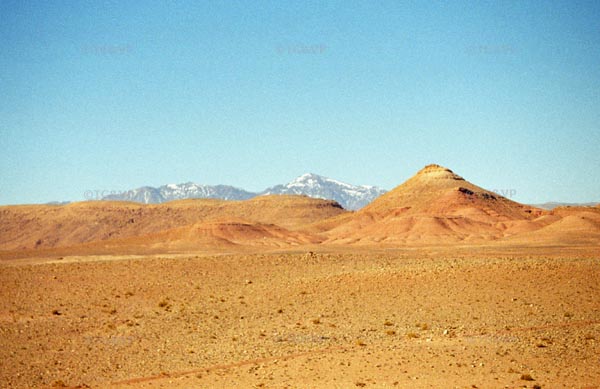
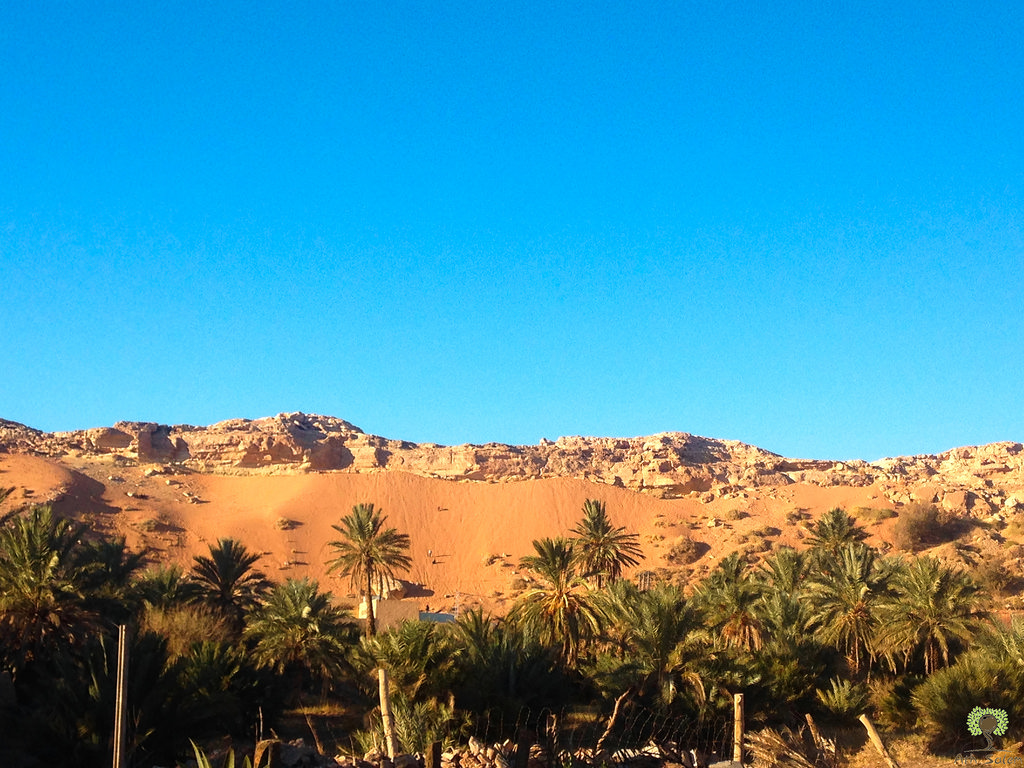
The Saharan Atlas of Algeria is the eastern portion of the Atlas Mountains…

…and mark the northern edge of the Sahara Desert.

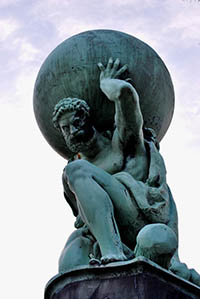
The Atlas Mountains is the location on earth where, according to Greek mythology, the Titan Atlas was condemned to support the heavens. This was his special punishment for his participation in a 10-year Battle of the Titans, in which there was a series of battles involving the younger generation of Titans against the older Gods of Mount Olympus, and the younger Titans lost. The other Titans were put in a place called Tartarus, described by Homer as a deep and sunless place.

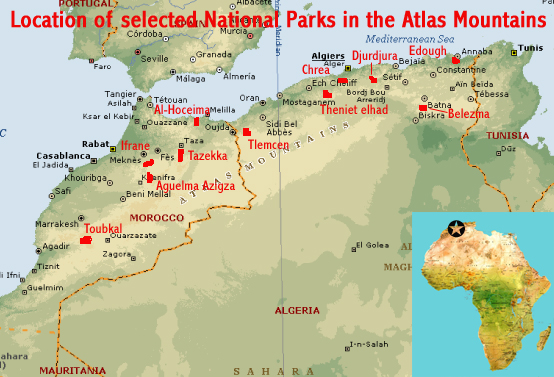
There are a number of national parks in the Atlas mountains.

In Algeria, I would like to touch base on two that are situated on or near this particular alignment after leaving Algiers.

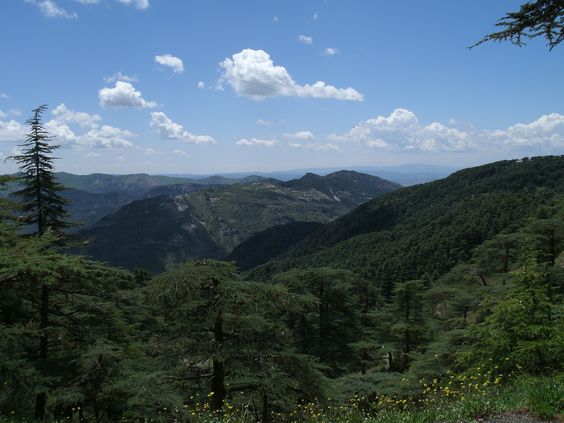
The first is Chrea National Park. It is located in the Blida Province, and is part of the Blidean Atlas Mountains.

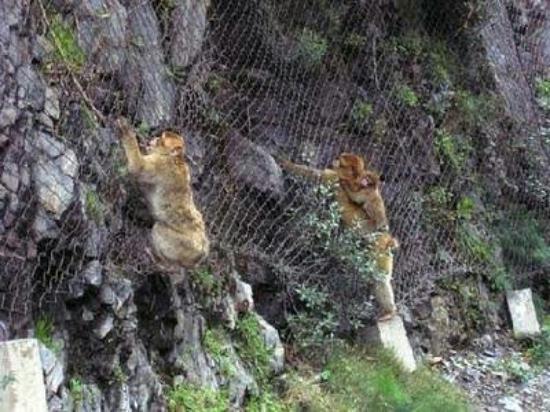
There is a colony of Barbary Macaques here. Also known as the Barbary Ape, it is an endangered species.

It also has a forest of ancient Atlas Cedar. This is a cedar native to the Atlas Mountains.

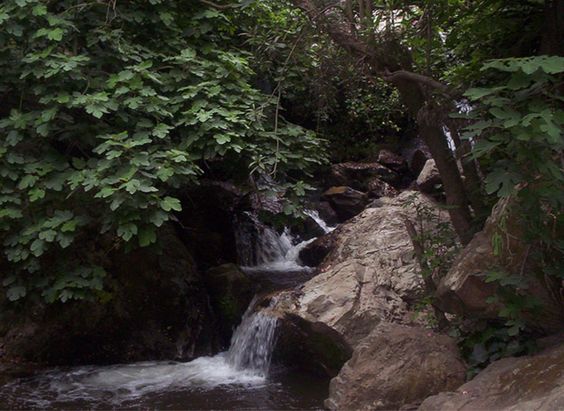
Waterfalls are found all along these alignments, and Algeria is no exception, as these are found in Chrea National Park.

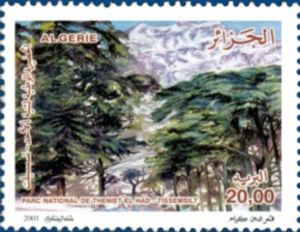
The other Algerian National Park I want to highlight is Theniet El Had National Park.

It has one has one of the greatest protected forests of Atlas Cedars in Algeria.

It is located at the Southern limited of the great massif of Ouarsenis. I found a description of Ouarsenis that called it the eastern part of the Maghrebian Tethys former margin, which is apparently referring to the tectonic plate upon which this part of the world sits.

Tethys was also the name of a Titan-Goddess in Greek Mythology, and she was the primal font of fresh water which nourishes the earth.

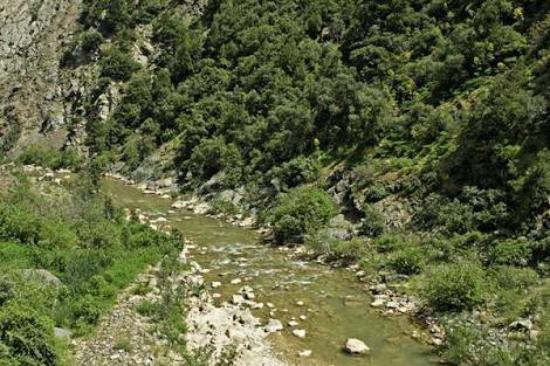
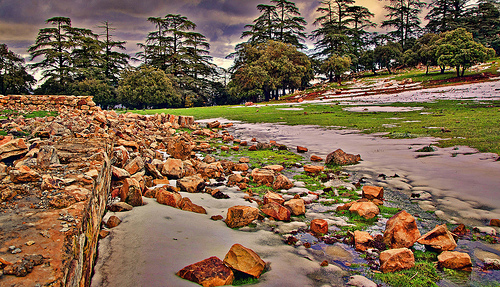
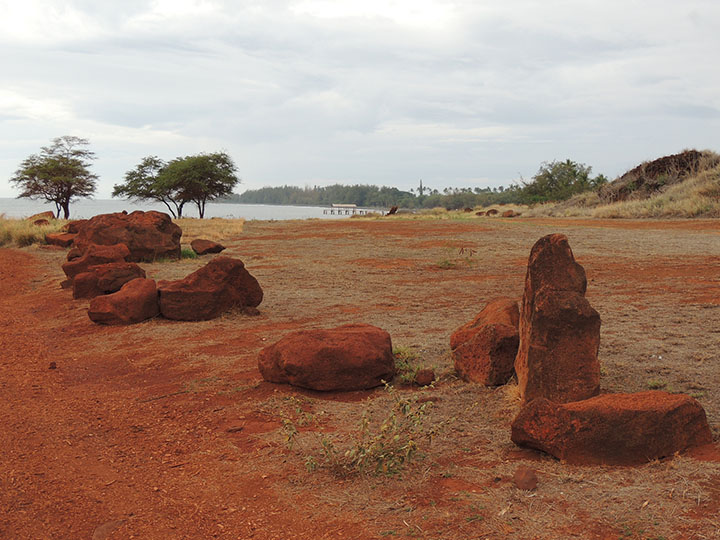
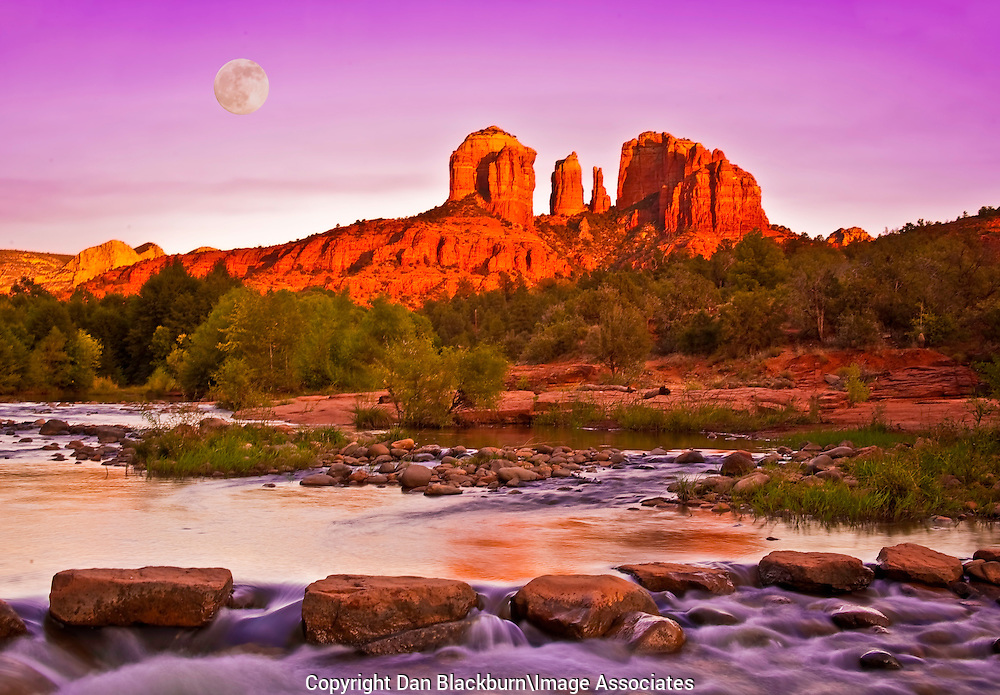
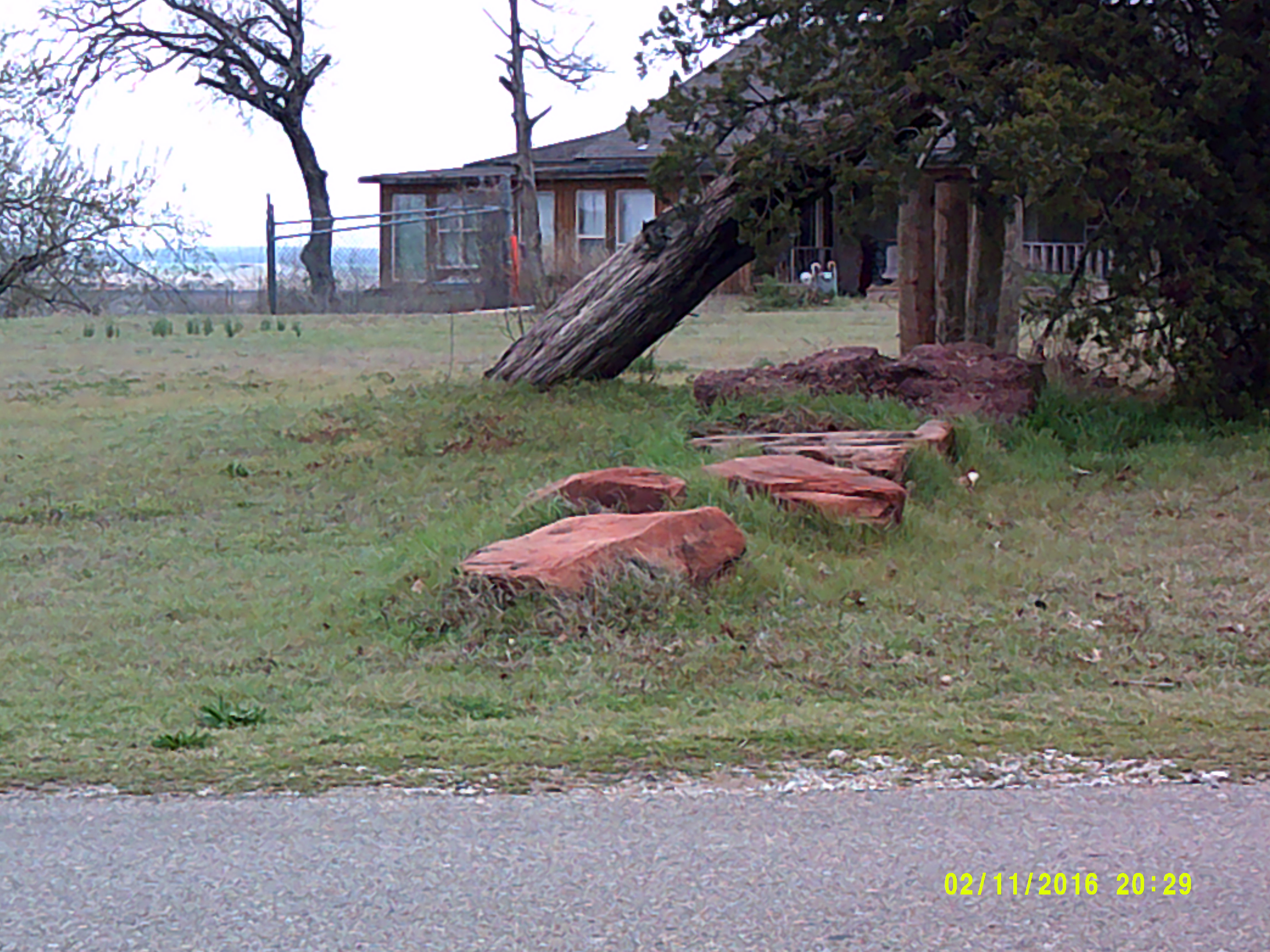
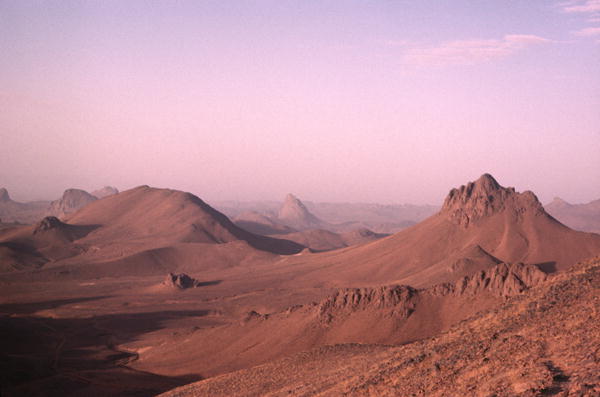
This is a picture taken of Theniet El-Had National Park, showing the presence of red rocks there that are found in other places around the world…

…like Fort Elisabeth State Park on the Hawaiian Island of Kauai…

…Sedona, Arizona…

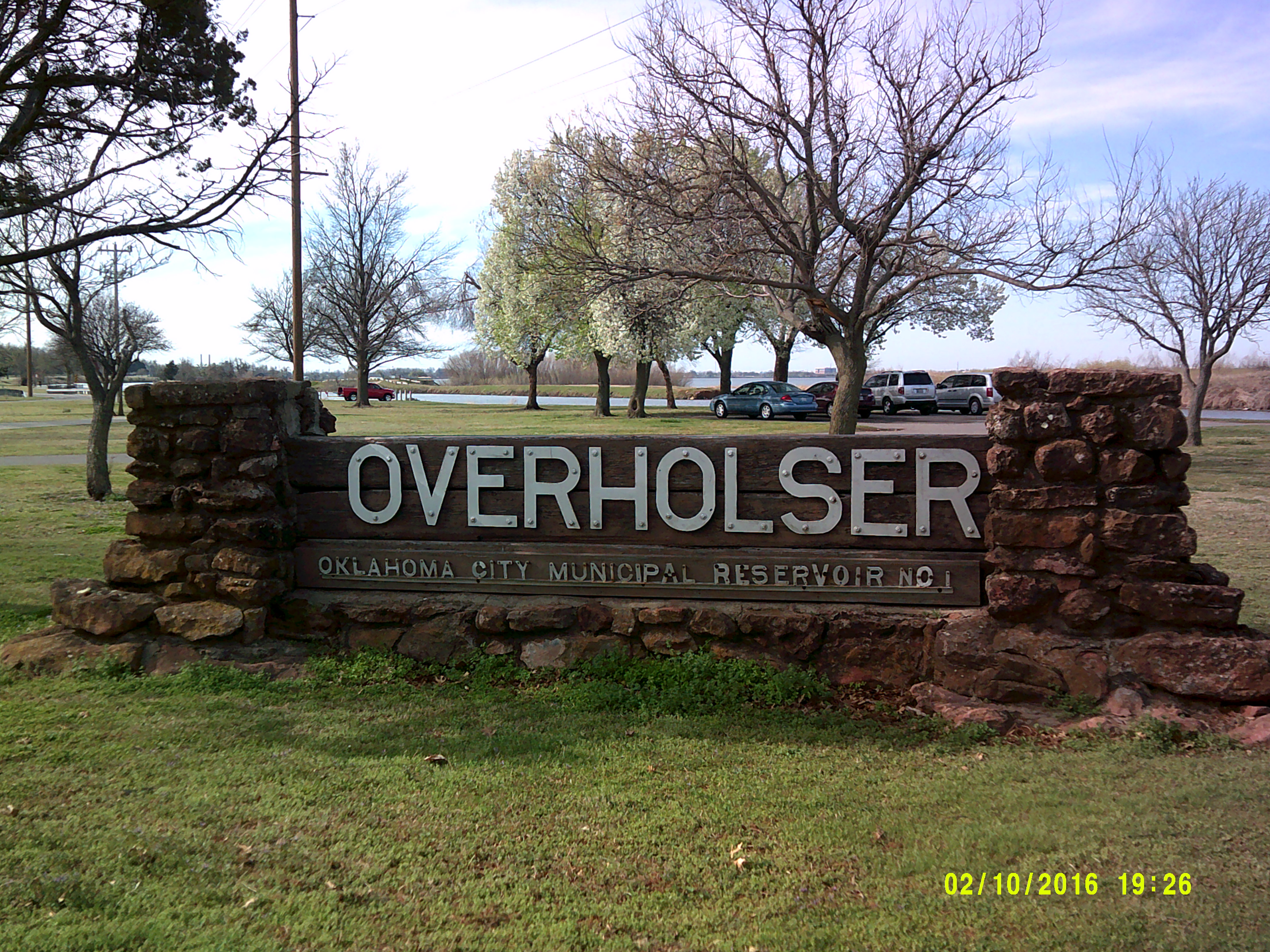
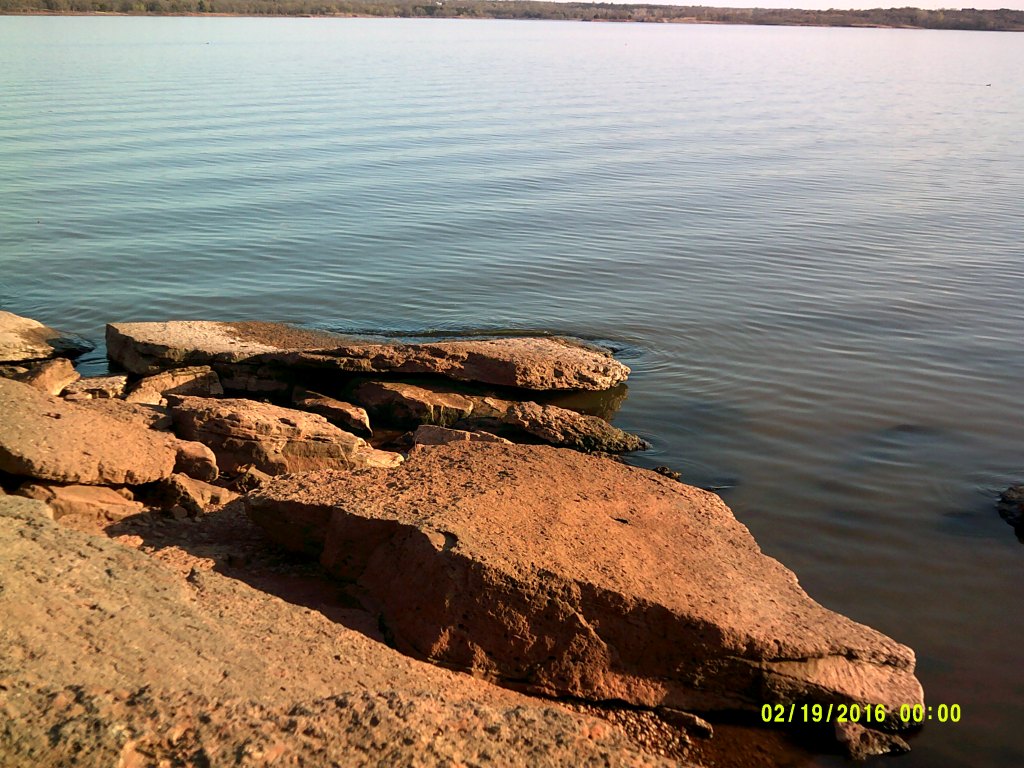
…and Twin Lakes Reservoir in Bethel, Oklahoma.

Next on the alignment, we come to the city of Reggane in the Sahara Desert. It is the capital of the Reggane District in the Adrar Province of Algeria.

France began its nuclear testing program in Reggane in 1960 – 1961, before Algeria’s independence. They conducted four atmospheric nuclear tests, which contaminated the Sahara Desert with plutonium, negatively impacting those who live here to this day – not only Reggane, but far beyond.

Between 1960 and 1966, a total of 17 nuclear tests were conducted in the Reggane District of Algeria. It is called Africa’s Hiroshima.

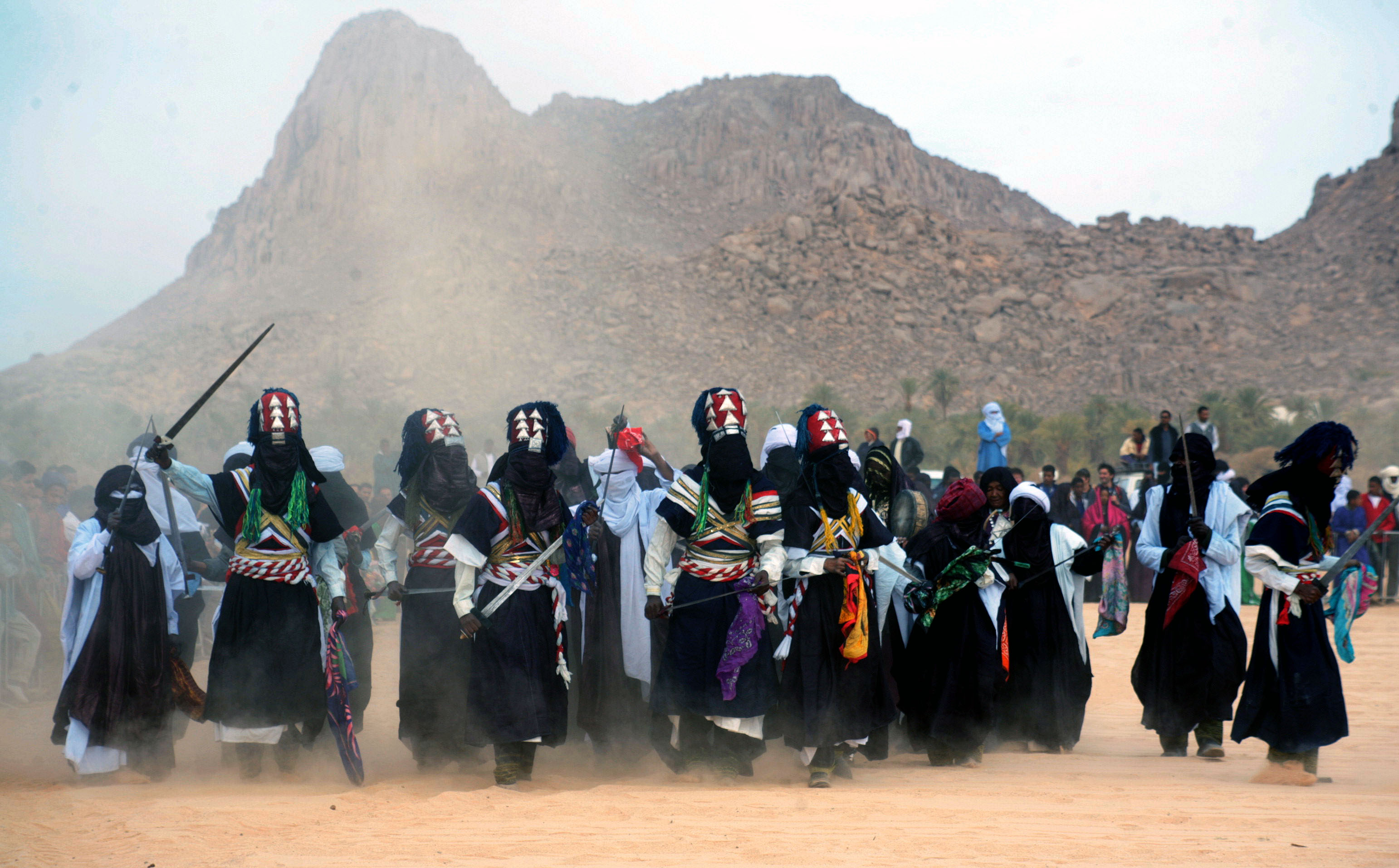
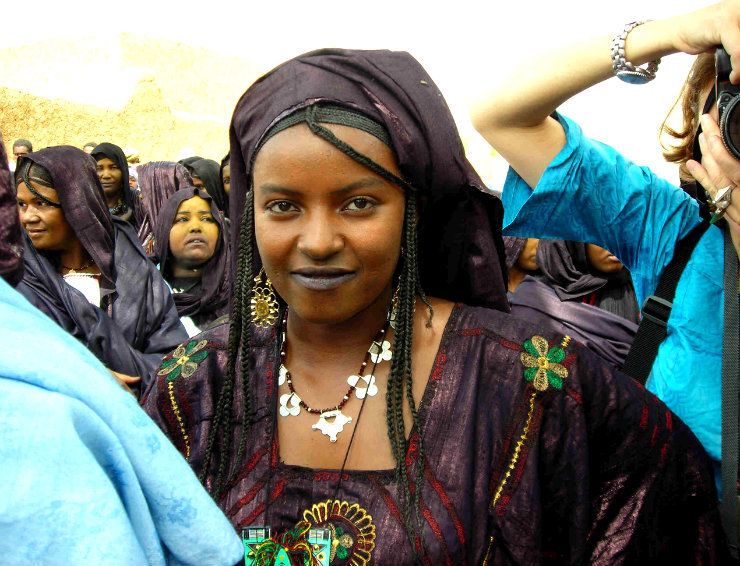
The Tuareg live here, an ancient Berber people.

Women have a high status in the matriachal Tuareg society. Among other things, primarily women own livestock, and other movable property, while personal property can be inherited by both women and men.

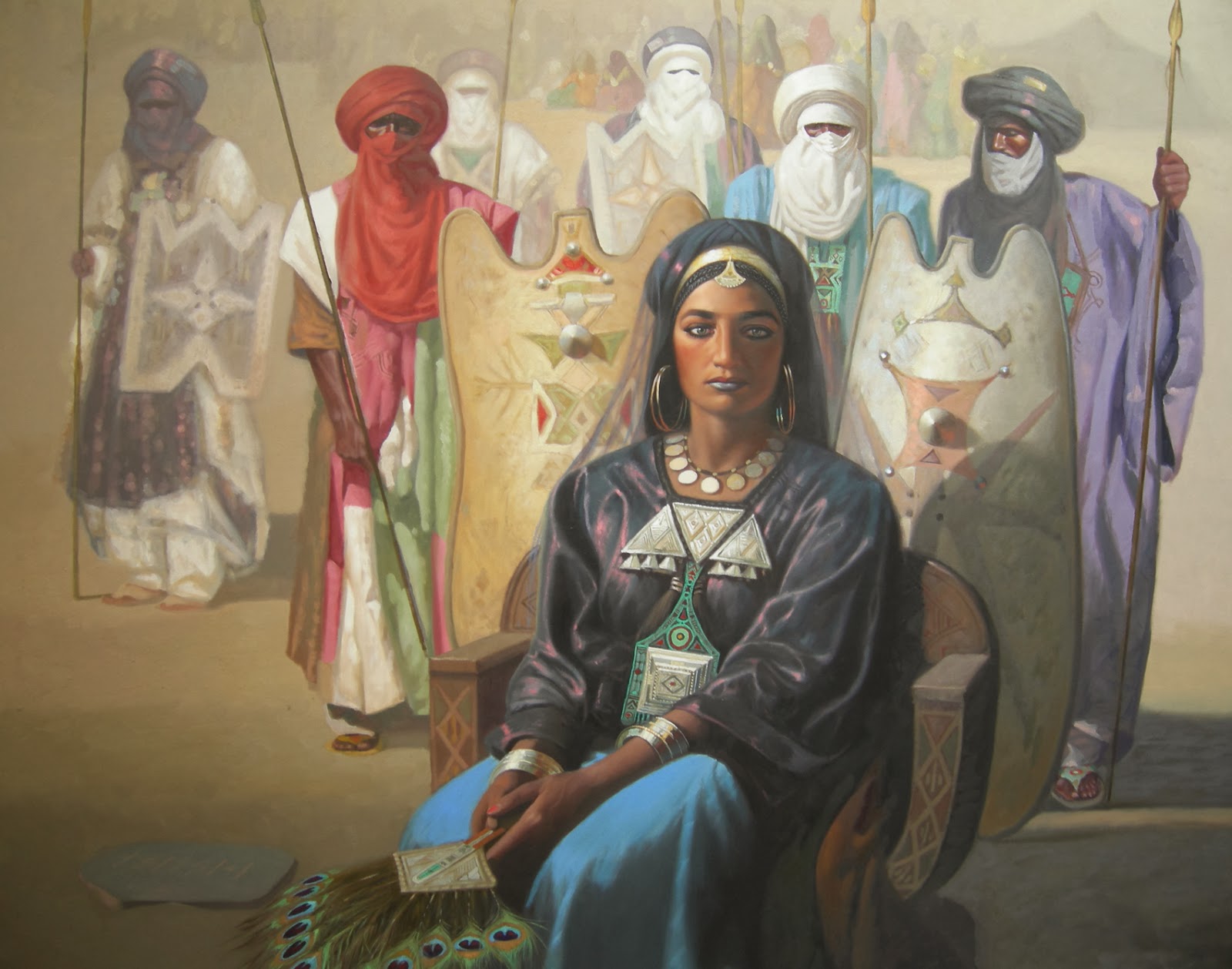
This is a rendition of the legendary Tuareg Queen of the Hoggar, Tin Hinan. She is believed to have lived between the 4th and 5th centuries A.D.

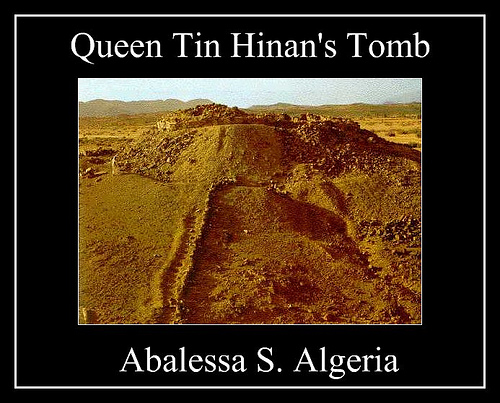
Her tomb was believed to have been found, by western archeologists in the 1920s, in Abalessa…

… in the Ahaggar, also known as Hoggar, Mountains of Southern Algeria.

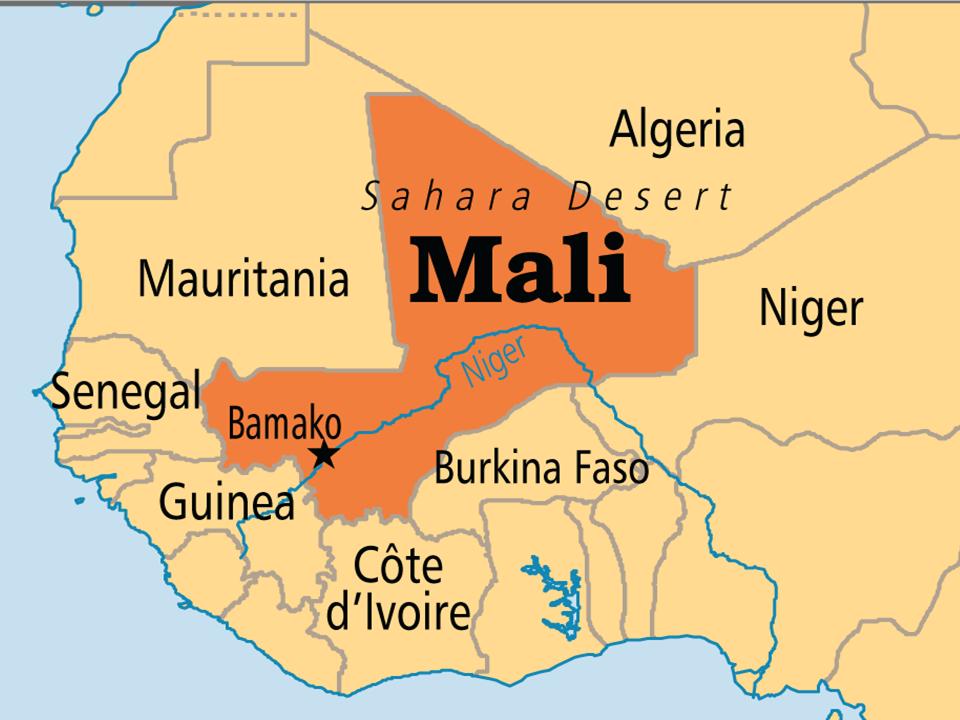
I am going to end this post here, and pick up the alignment in El Guettara, Mali, in the next video.

Circle Alignments on the Planet Amsterdam Island – Part 11 Brisbane, Australia to Amsterdam Island

This will be the last part of this series tracking the circle alignment that starts, and ends, on Amsterdam Island in the South Indian Ocean.

So far on this alignment, we have journeyed through Mauritius and the Seychelles, Somalia, the Gulf of Aden, Yemen, the United Arab Emirates, the Strait of Hormuz, Iran, Afghanistan, Tajikistan, Uzbekistan, Kyrgyzstan, Kazakhstan, China, Mongolia, back through China again, North Korea, Japan, the Bonin Islands, the Northern Marianas Islands, the island of Pohnpei in the Caroline Islands, and the Solomon Islands.

Brisbane is the capital of Queensland in Australia, and its largest city.

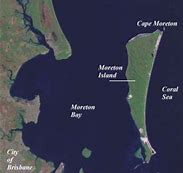
The metropolitan area of Brisbane is in the Brisbane River Valley, and goes from Moreton Bay on the coast…

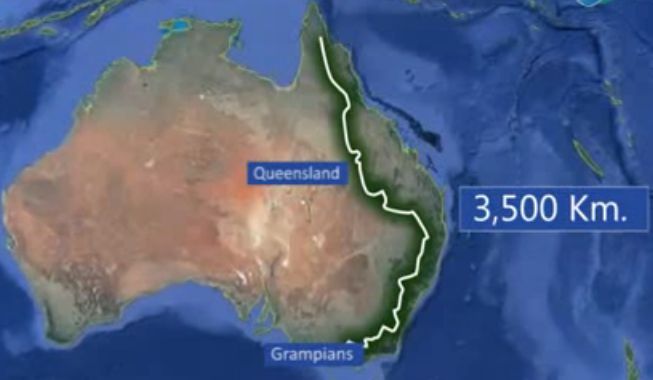
…to the Great Dividing Range, called the third largest mountain range in the world. I will be coming back to take a closer look at the Great Dividing Range because it is on this alignment as well.

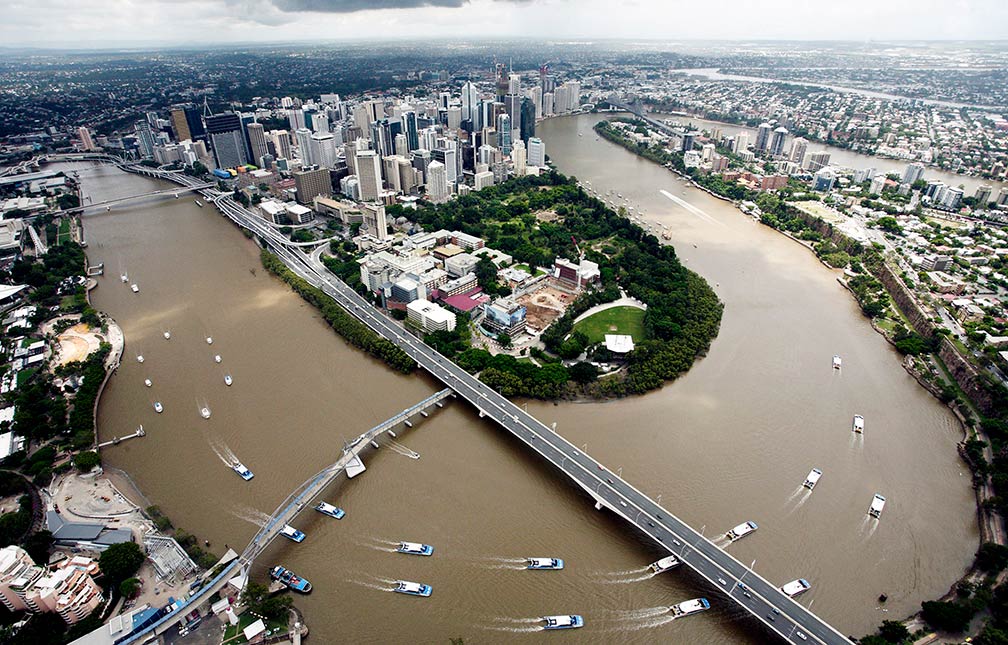
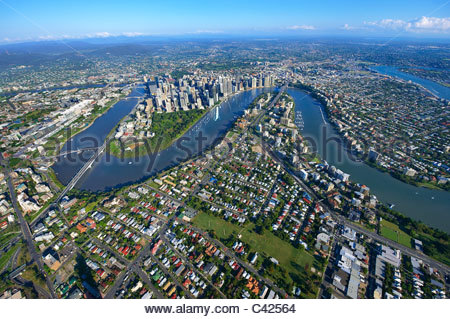
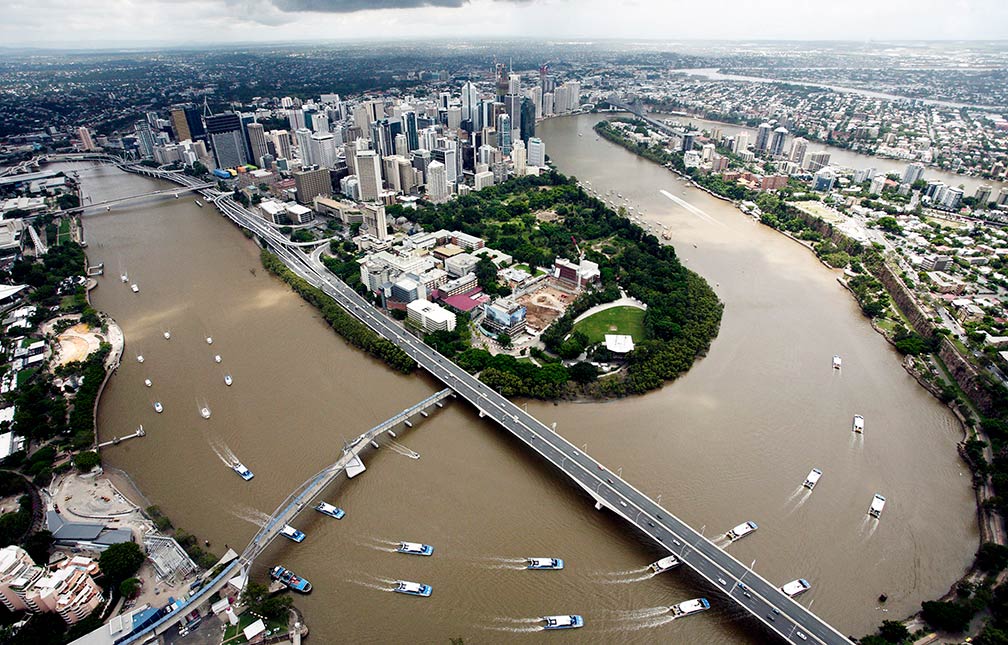
Brisbane is situated on the Brisbane River…

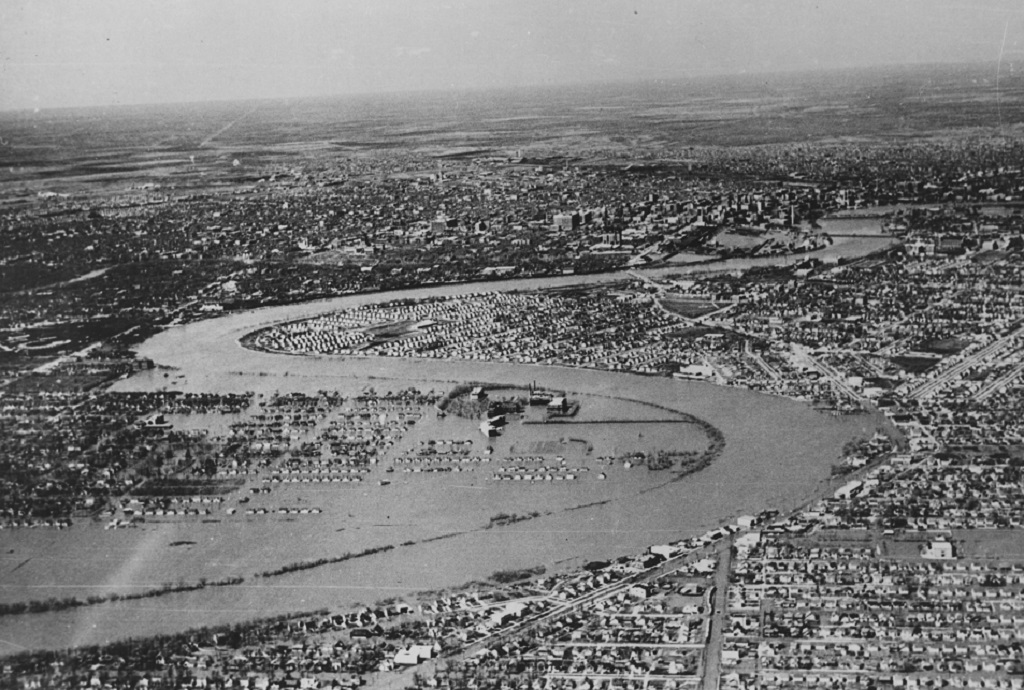
…compared with a historic photo of the Red River in the city of Winnipeg in the Canadian Province of Manitoba, on a different alignment. I am seeing and saying that snaky, s-shaped rivers are a signature feature of the ancient advanced civilization.

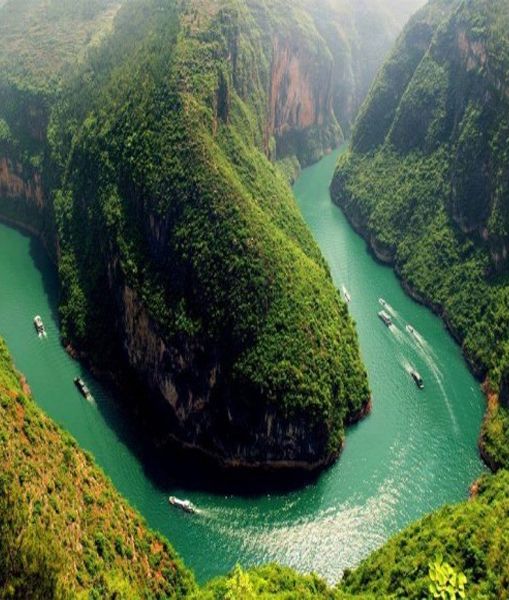
Here’s another one of Brisbane on a bend of the Brisbane River…

…compared with this river bend of the Yangtze River in China.

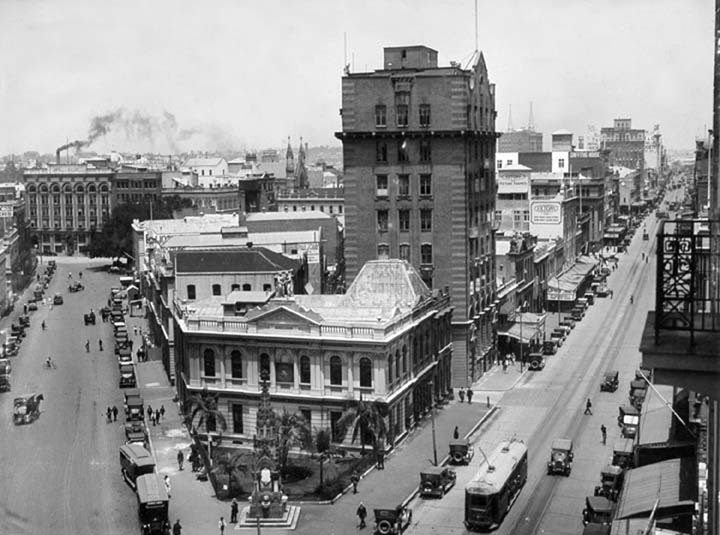
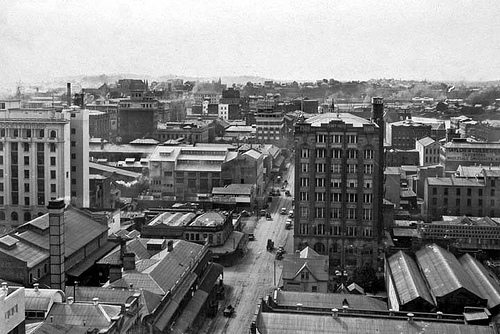
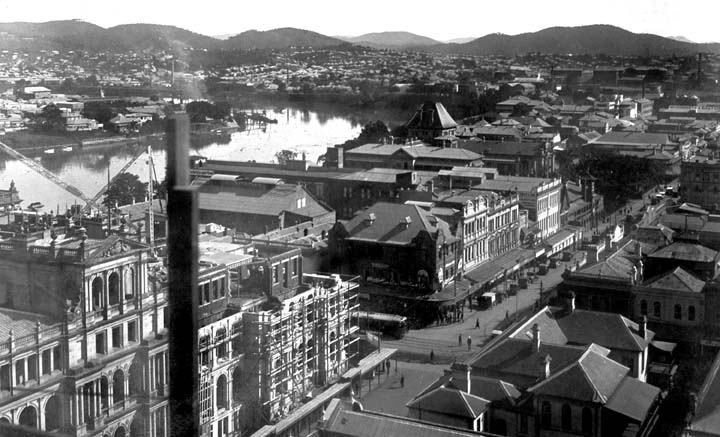
Brisbane Central Business District is said to have been built on the location of a historic European settlement, located inside a peninsula of the Brisbane River, nine miles from the mouth of Moreton Bay. Brisbane is said to be one of the oldest cities in Australia, and founded on ancient indigenous lands in 1825. Here are some historic photos of Brisbane, 100 years later circa 1925 and 1926:

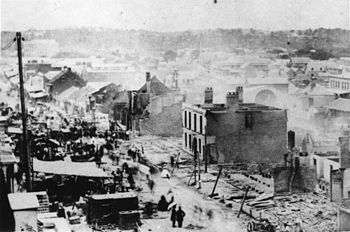
The Great Fire of Brisbane took place in 1864, thirty-nine years after what we are told was the year of the founding of the city. It burned out of control in the city’s Central Business District for several hours, destroying several blocks of businesses and homes.

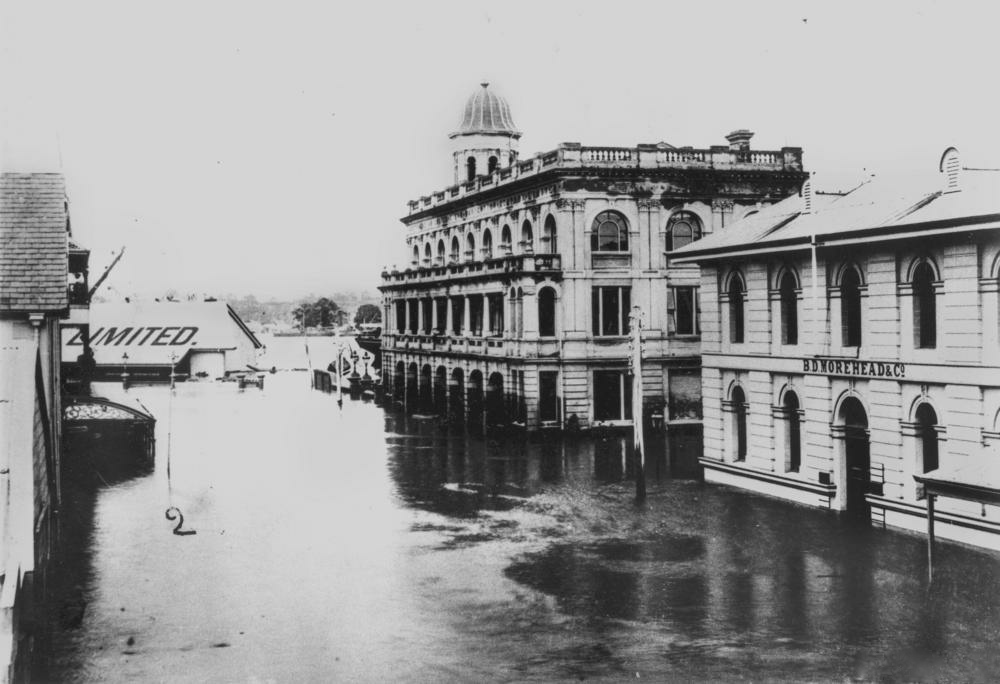
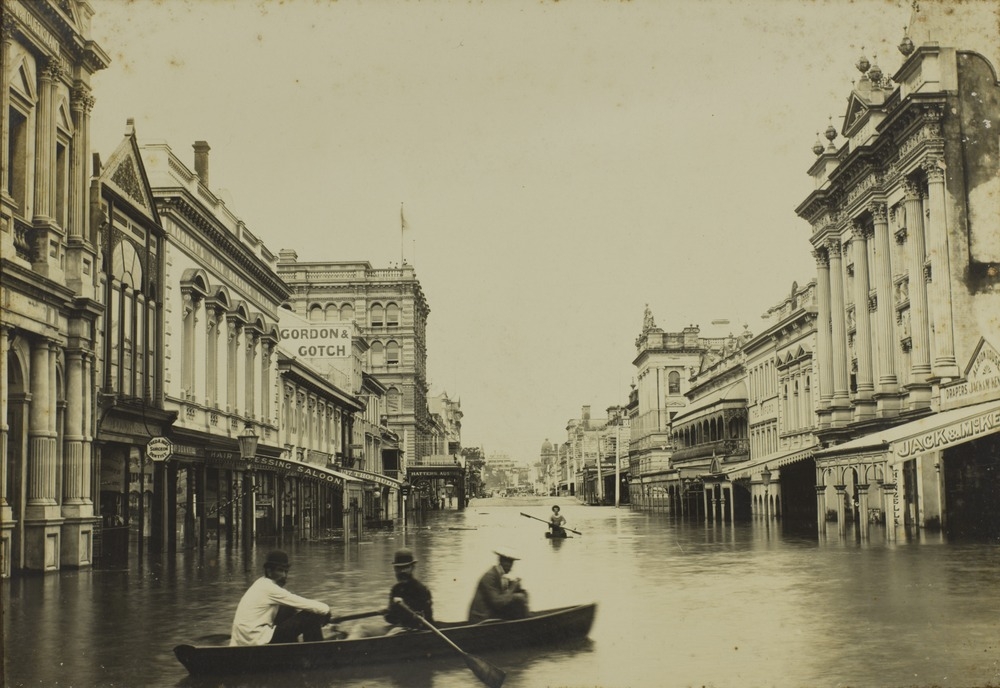
The Great Flood of Brisbane took place in 1893, sixty-eight years after the city was established. As a result of eight days and twenty inches of rain, the Brisbane River rose almost 24 feet. In addition to the floodwaters sweeping away two bridges, the city itself was severely flooded. Most importantly to note, the grand architecture with heavy masonry, cupolas, huge arches and huge columns in these historic flood photos is said to have been built in less than 70 years, according to the historical, narrative we have been given.

While not really known to the general public, there are ten registered pyramids in the Australian State of Queensland, of which Brisbane is capital.

I would like to point out two of the best known ones.

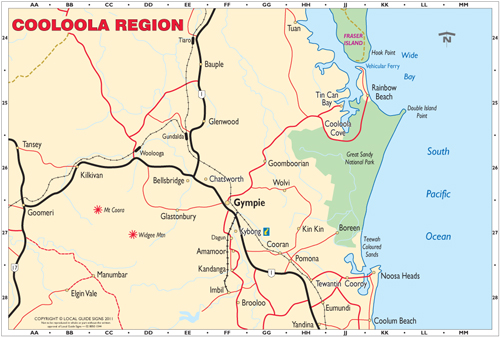
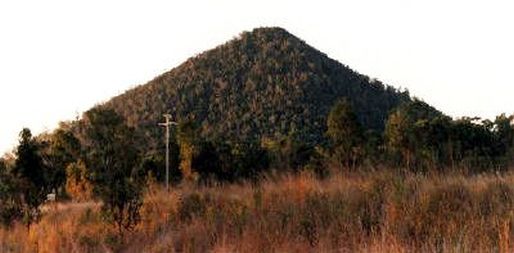
The first is the Gympie Pyramid, in Gympie, Australia, which is just a short distance north of Brisbane.

The Gympie Pyramid is described as a terraced sandstone hill. It is on private land and not open to the public.

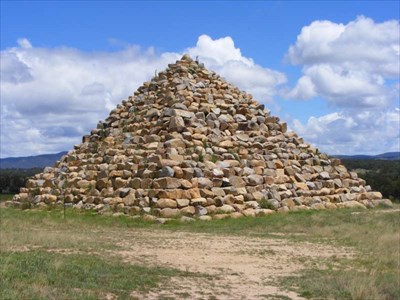
The other one is called the Ballandean Pyramid, on private property but viewable from the road, in the village of Ballandean in Queensland. This one is openly acknowledged to be man-made, however, it is said to have been in modern times when the land-owner paid someone to do something with the surplus granite rocks that had been excavated for the land’s agricultural use.

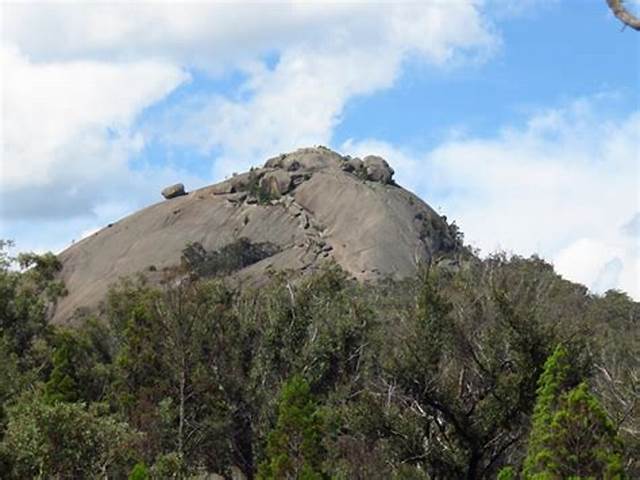
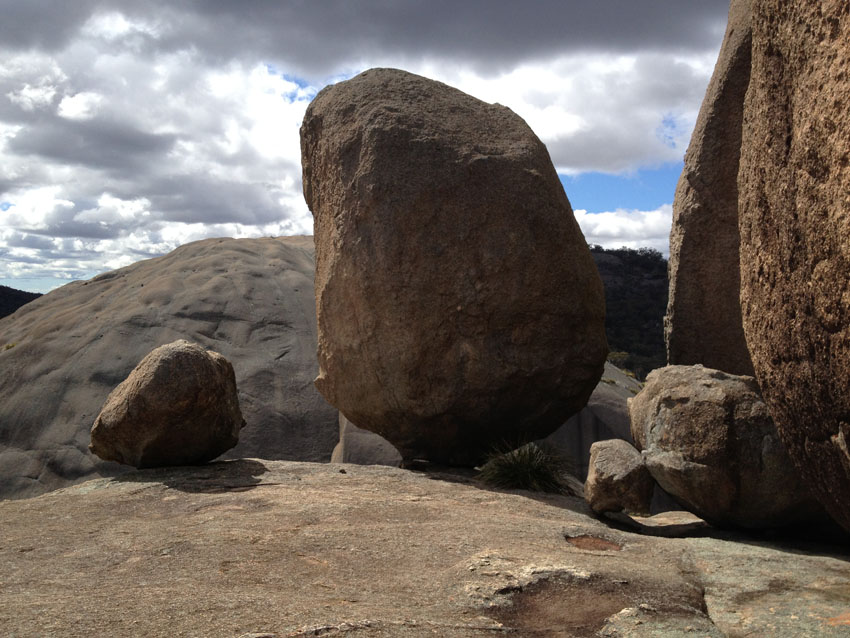
Then we are told not to confuse the above pyramid with what are called natural granite rock formations called “The Pyramids” in nearby Girraween National Park…

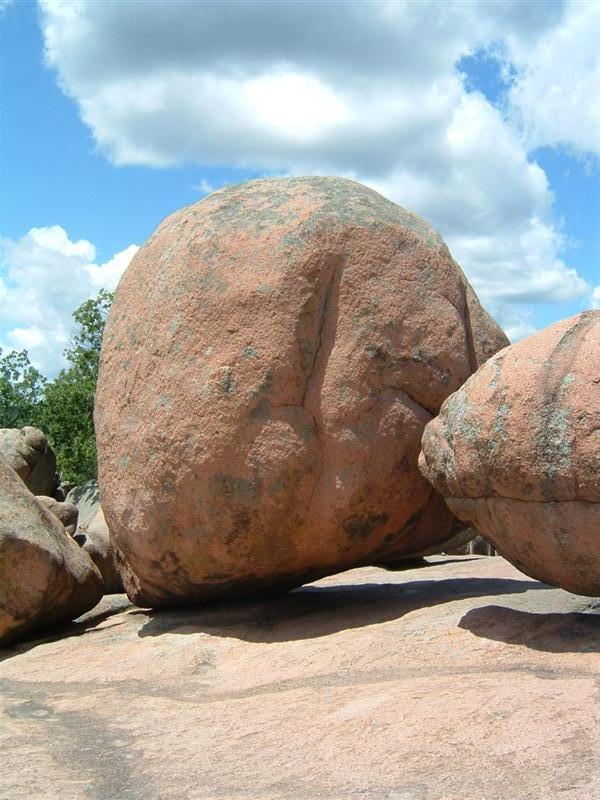
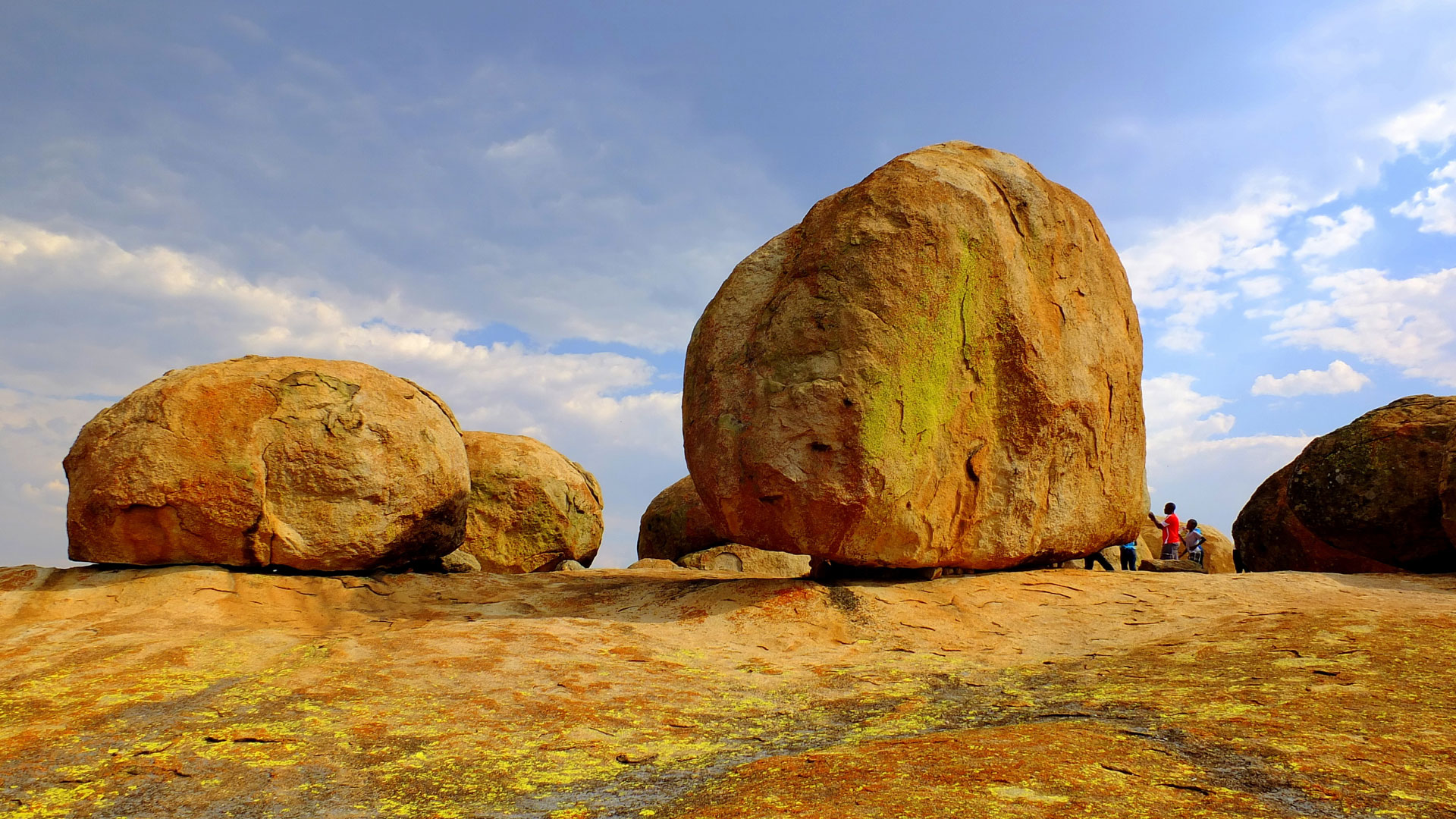
…in which there are examples of balanced rocks like these in
Girraween…

…likenesses of which are found all over the world, at places like Elephant Rocks State Park in Southeast Missouri…

…and Matopos Hills National Park in the African country of Zimbabwe.

One more thing to point out before I leaving Brisbane. Something tells me I could stay here for the whole post and come up with a lot more to share.

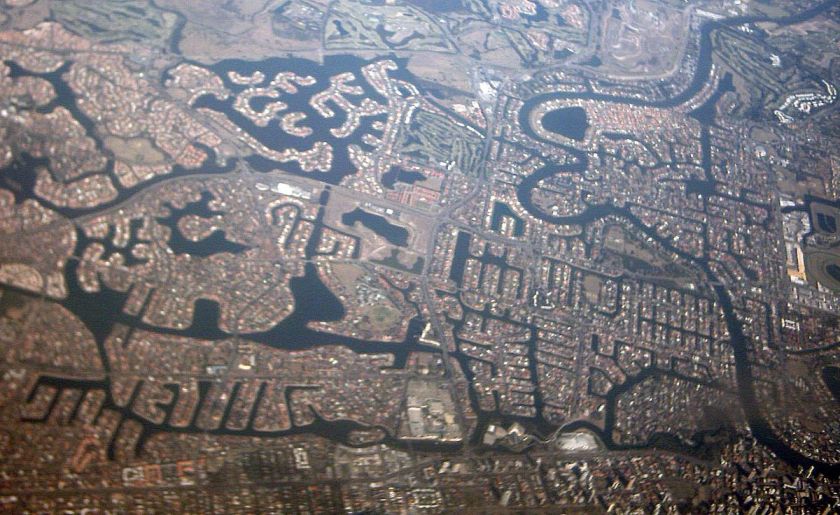
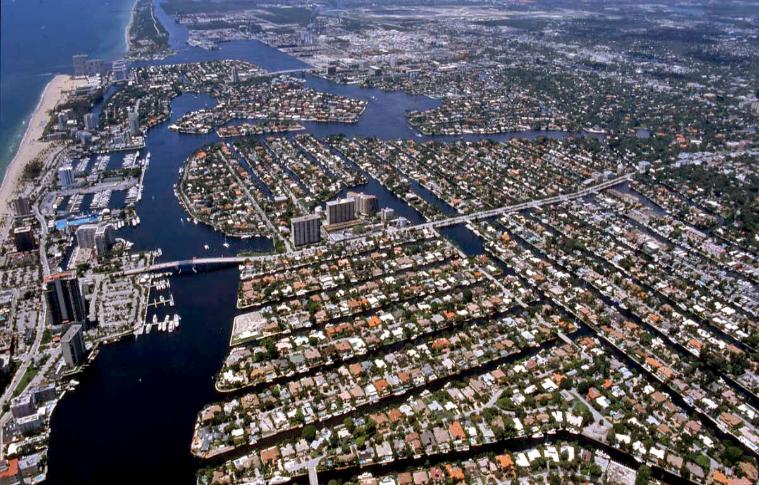
Brisbane is the gateway to Australia’s Gold Coast. It is a popular vacation resort, and has a lot of theme parks. It also has approximately 400 km, or 249 miles, of canals, about which I did not know until I looked just now….

…compared with an aerial photo of Las Olas Isles in Fort Lauderdale, Florida. Now, by not being given any other explanation, we just assume all these canals were built relatively recently.

What I am finding, as I follow the planetary alignments, are canal systems of similar sophisticated engineering all over the world in places that I would not expect to find them!

For example, in places like Quorgonteppa, Tajikistan, which is close to Tajikistan’s border with Afghanistan.

So continuing on the alignment, back to the Great Dividing Range, also known as the Great Divide, or the Eastern Highlands, pretty much parallels the east coast of Australia for about 2,300 miles (or 3,700 kilometers.

It is described as a series of plateaus and low mountain ranges.

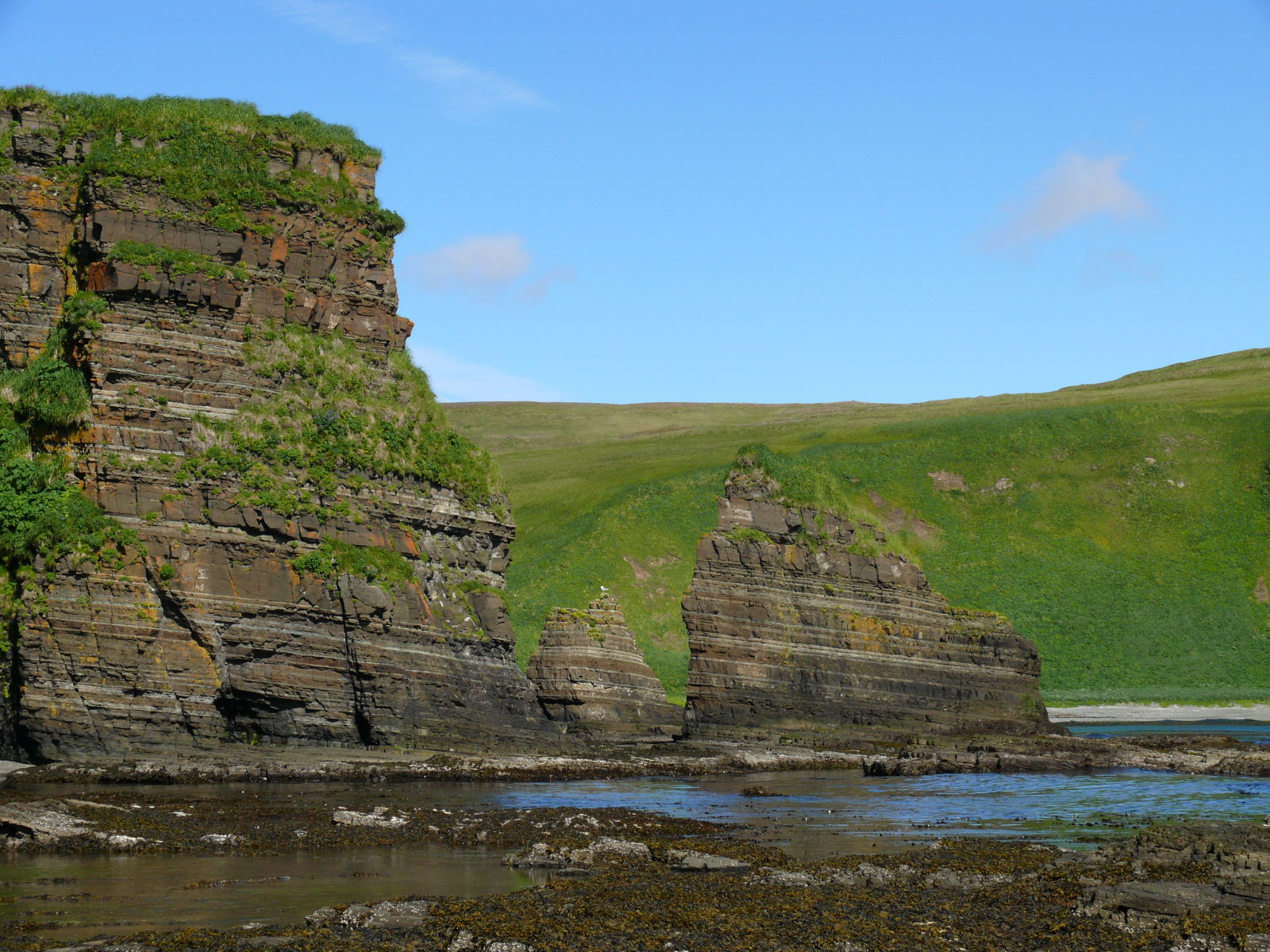
This feature of the Blue Mountains in the Great Dividing Range called the Three Sisters.

…which immediately brought to mind this feature, which is found at Agattu Island, at the far western end of the Aleutian Island chain.

The Wentworth Falls are in the Blue Mountains of the Great Dividing Range as well…

…and brought to mind Slap Sopot, a waterfall in Istria, which is the largest peninsula in the Adriatic Sea, and shared by Italy, Slovenia, and Croatia.

Next on the alignment we come to Dubbo, the largest city in the Orana region in the Australian State of New South Wales. It is located on the Macquarie River, and is the crossroads where three highways intersect.

This is the Old Dubbo Post Office, said to have been built in 1887…

…compared with the Moorish Clocktower, or Torre Morisca, in Guayaquil, Ecuador…

This is the courthouse in Dubbo, said to have been commissioned in 1884 and completed in 1887. It looks like courthouses and government buildings from all over the world said to have been built in this time period.

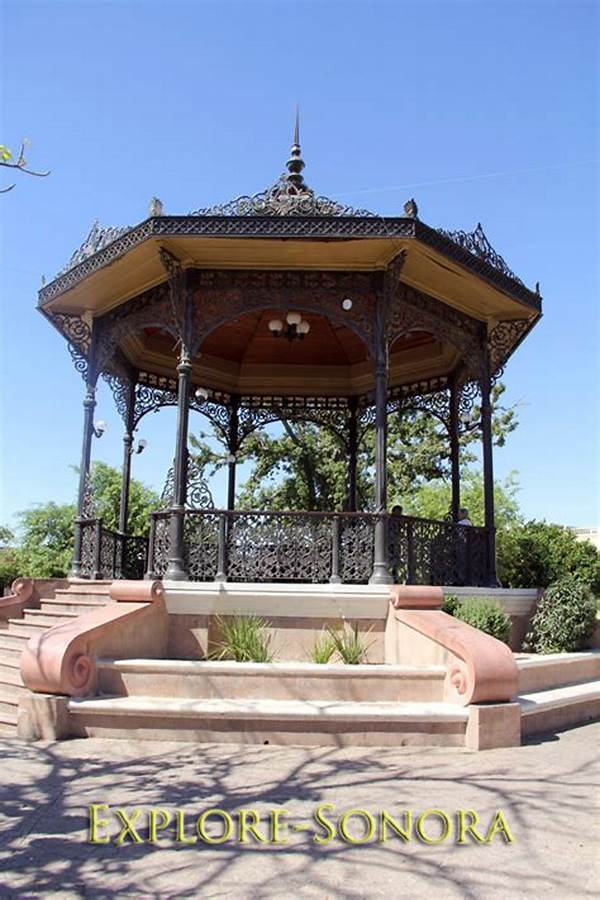
This is the Band Rotunda in Dubbo…

…compared with what is called the Moorish Kiosk in Hermosillo, Mexico, which is on a different alignment.

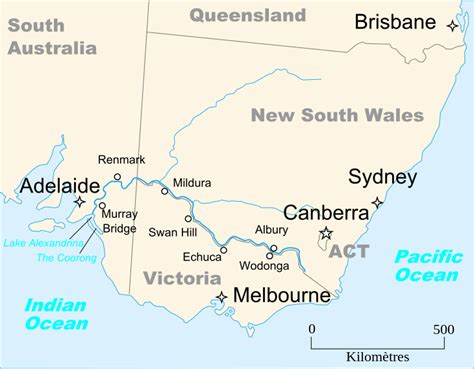
Next, the alignment crosses over the Murray River, Australia’s longest river, and forms the border between the Australian states of New South Wales, and Victoria.

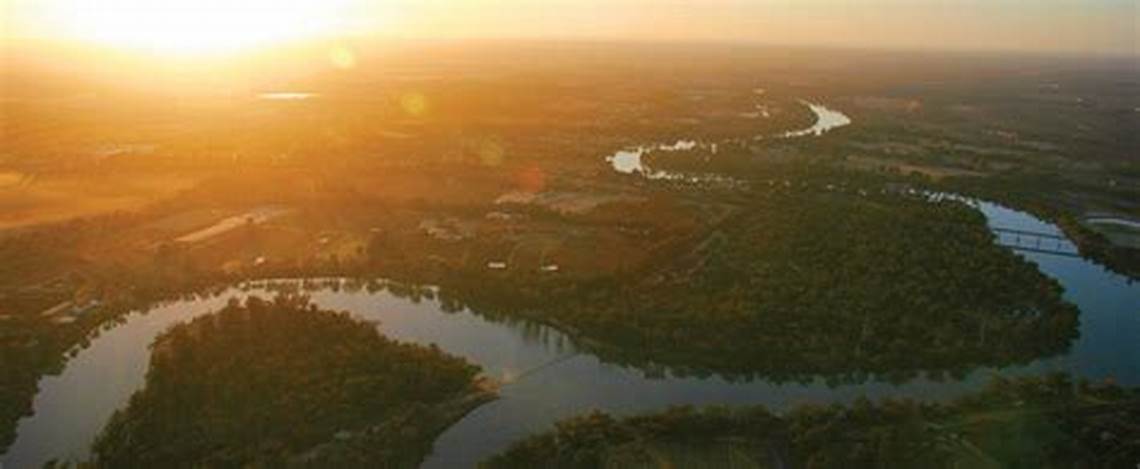
It is another example of the many S-shaped rivers that I have found all over the world…

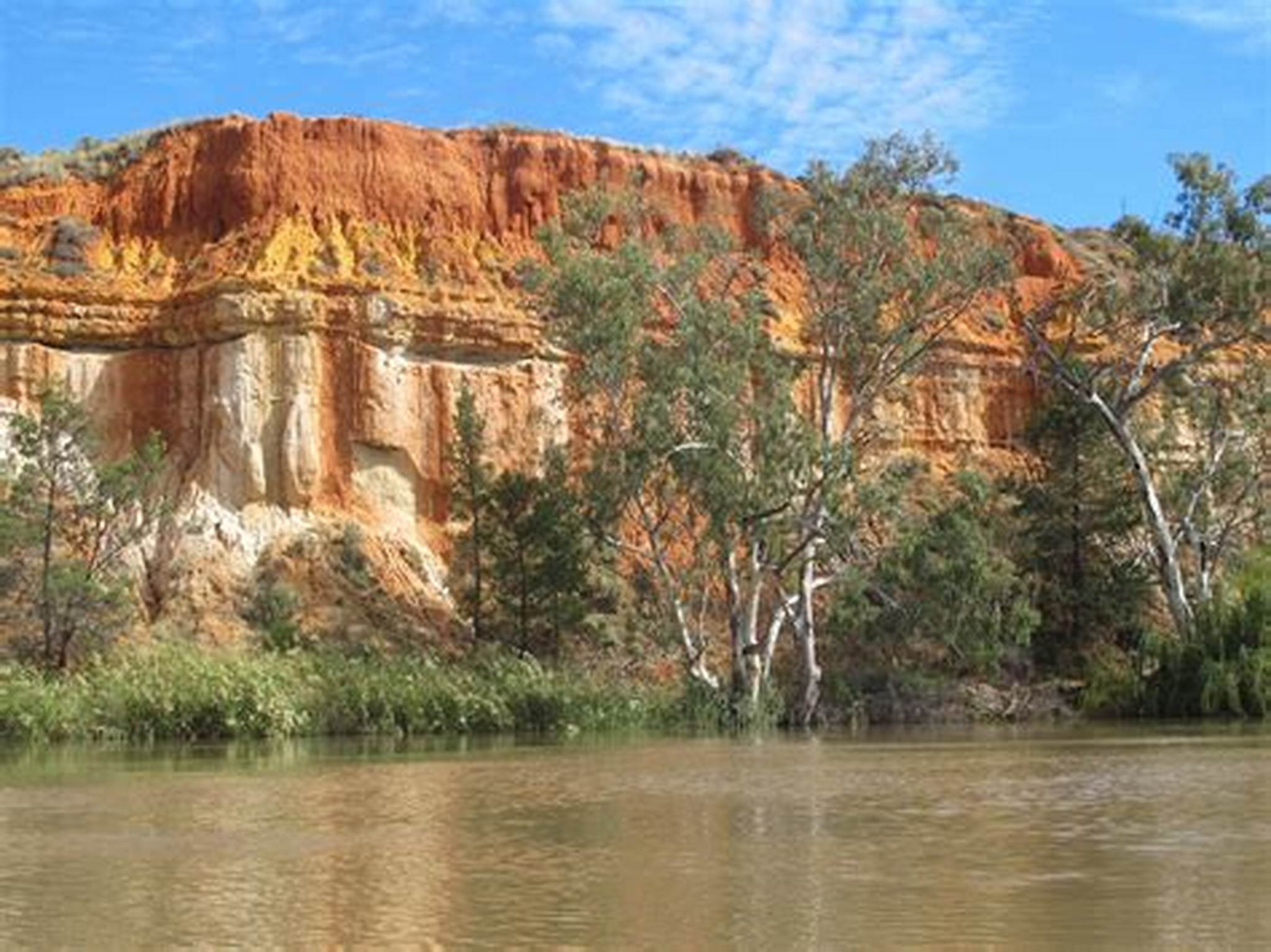
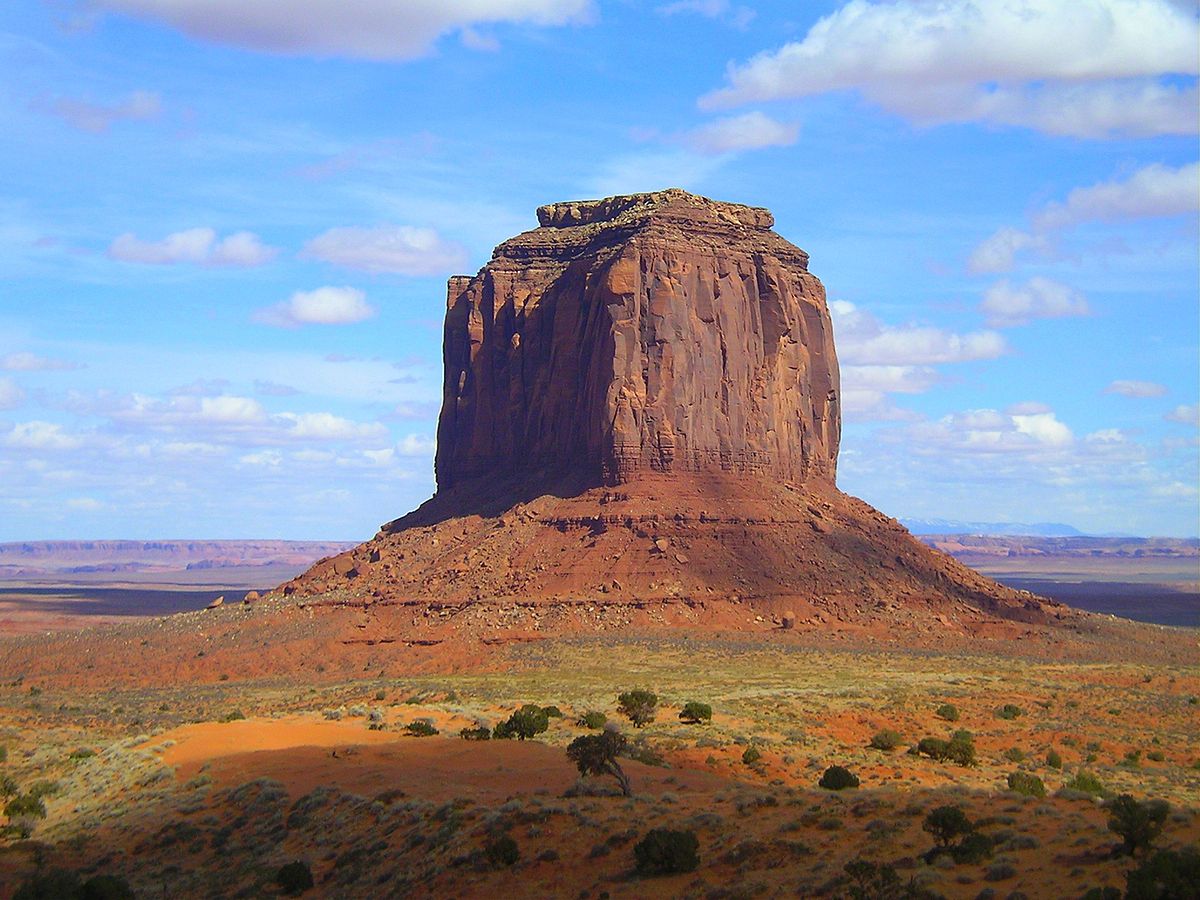
Here is one of the land-forms on the river’s edge…

…compared for similar attributes with Merrick Butte in Northern Arizona’s Monument Valley near the Utah State Line.

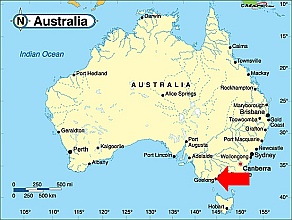
So the alignment crosses the Murray River and passes through Geelong in the State of Victoria, a port city on the Corio Bay, which is a bay off of the larger Port Phillip Bay.

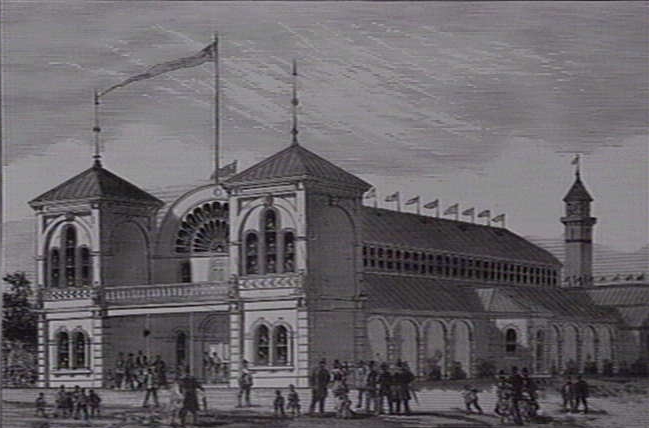
This historic building was called the Geelong Exhibit Building and Market Square Clock Tower. The Clock Tower was demolished in 1923, and the remaining buildings were demolished in the early 1980s to make room for a new shopping center.

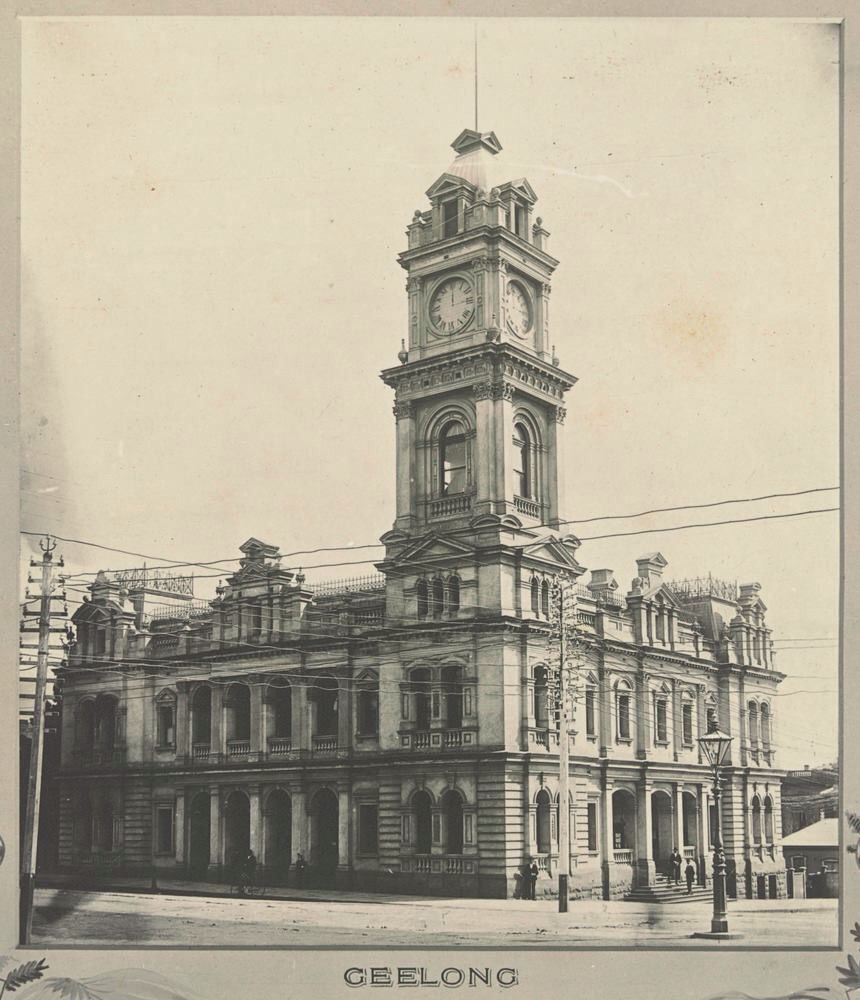
Here is a historic photo of the Old Geelong Post Office said to have been built between 1890 and 1891…

…which has actually survived to the present day. The building is intact, but I wonder what those interesting looking towers were for, in front of the older picture of the building, that are no longer there.

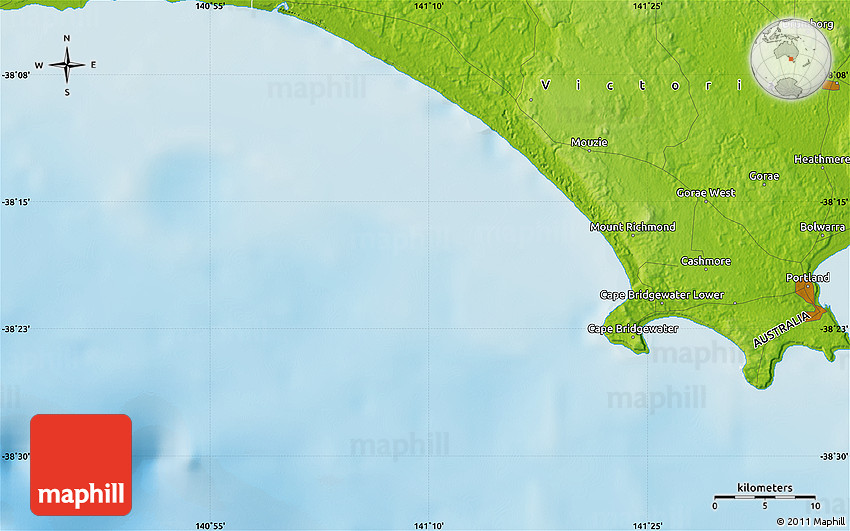
Next on the alignment we come to Portland, the oldest European settlement in New South Wales, and is the main city in the Shire of Glenelg on Portland Bay. It is the only deep seaport between Adelaide and Melbourne.

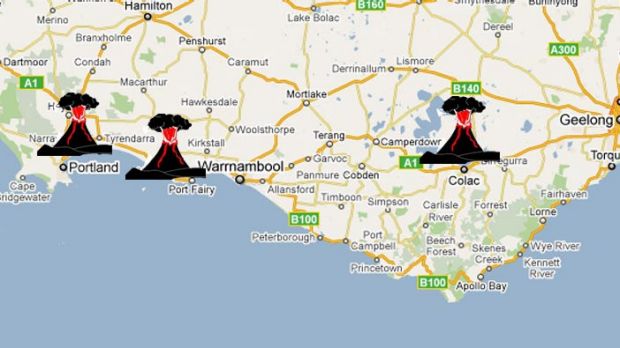
There is also a belt of active volcanoes in Victoria State that runs between Portland and Geelong, with one close to Portland itself. I have found a high correlation between these planetary alignments and the occurrence of volcanoes.

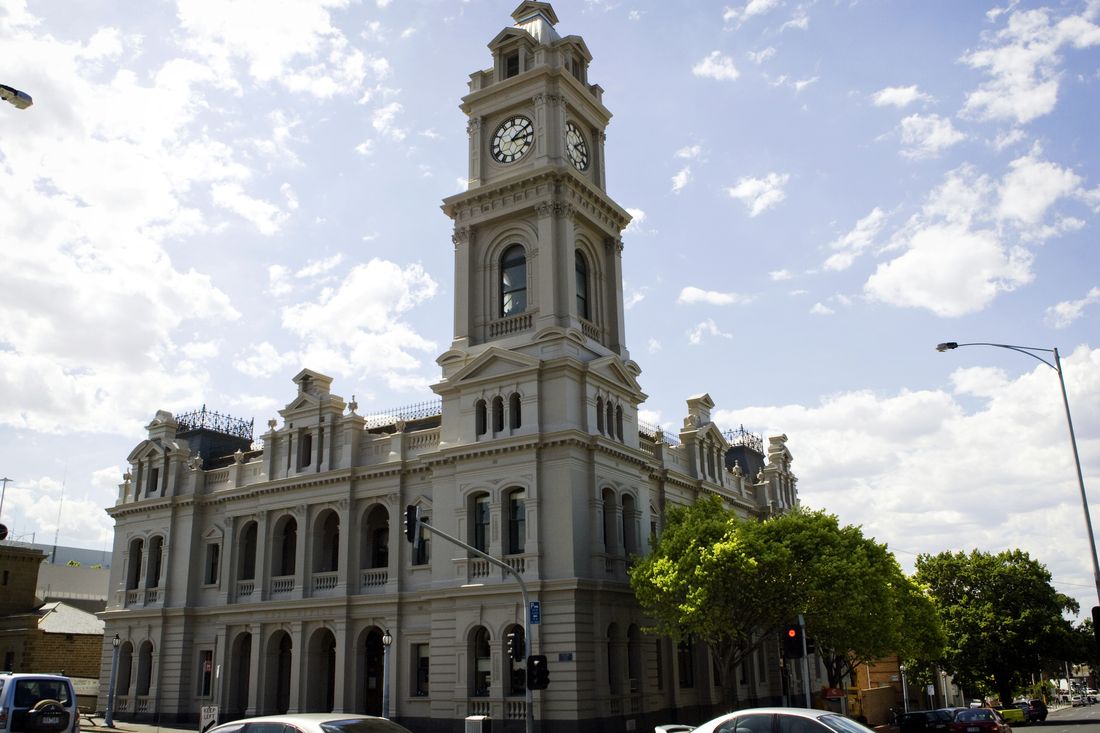
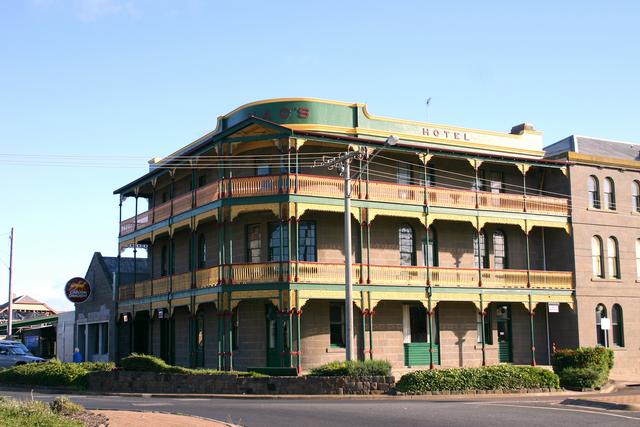
Here is a picture of a historic hotel in Portland in Victoria State…

…compared with what is called a colorful colonial building on Long Street in Cape Town, South Africa…

…and with this building in the historic French Quarter of the city of New Orleans in Louisiana.

So from Portland, we enter the South Indian Ocean and, travelling 8,044 miles or 12,946 kilometers, over open ocean, we return to the place where this circle alignment started – Amsterdam Island…

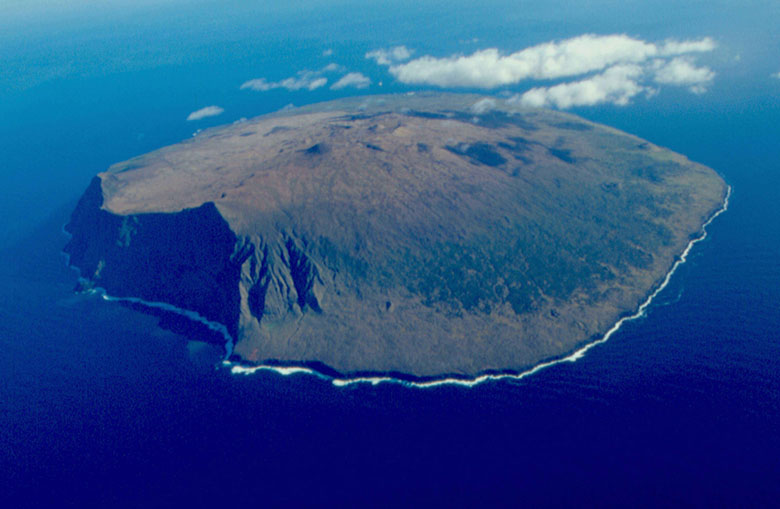
…a tiny speck of land in the South Indian Ocean, where the French government of Amsterdam Island mans only a seasonal research station…

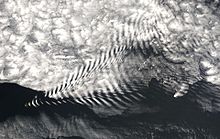
…that studies the geomagnetism of the earth, as well as biology and weather. This is a photograph taken at Amsterdam Island of a phenomenon called Lee Waves, which are atmospheric stationary waves.

The next series will be about a circle alignment that starts and ends in Algiers, Algeria.

Circle Alignments Amsterdam Island Part 10 – Ongtong Java to Rennell Island


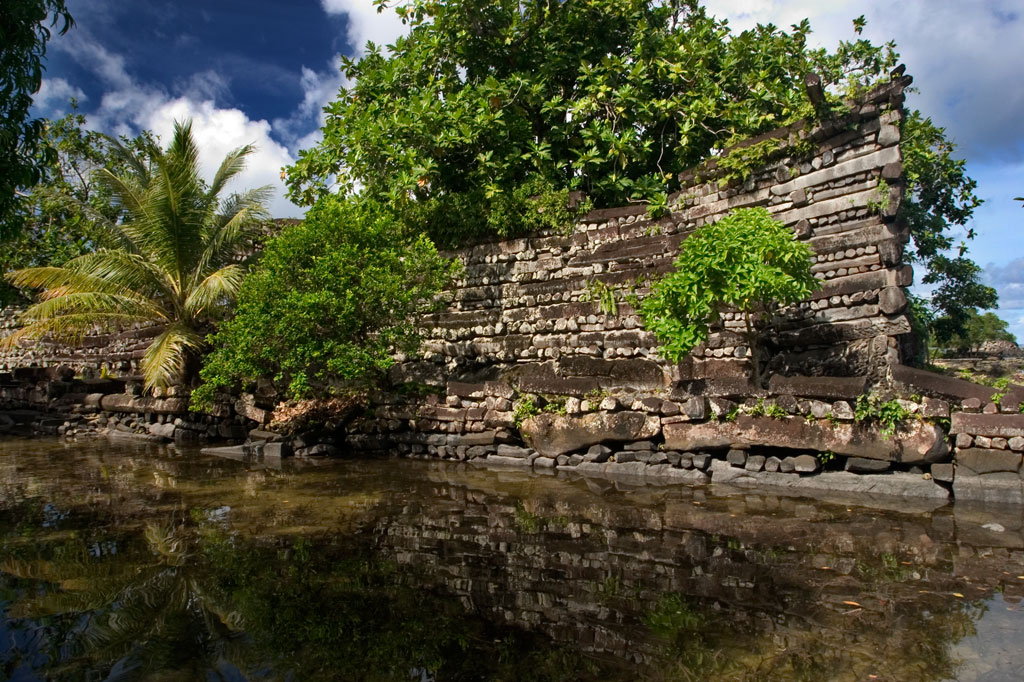
The last post ended at the spectacular stone ruins of Nan Madol and Kosrae, located respectively on the islands of Pohnpei and Kosrae, in the Caroline Islands of the Federated States of Micronesia.

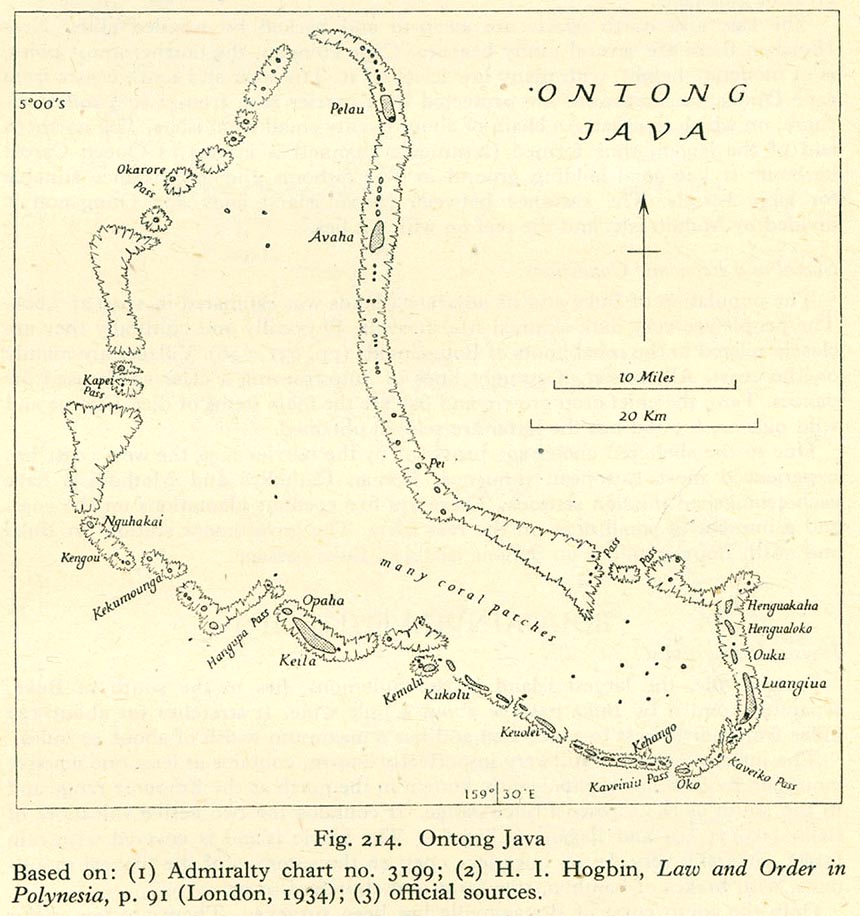
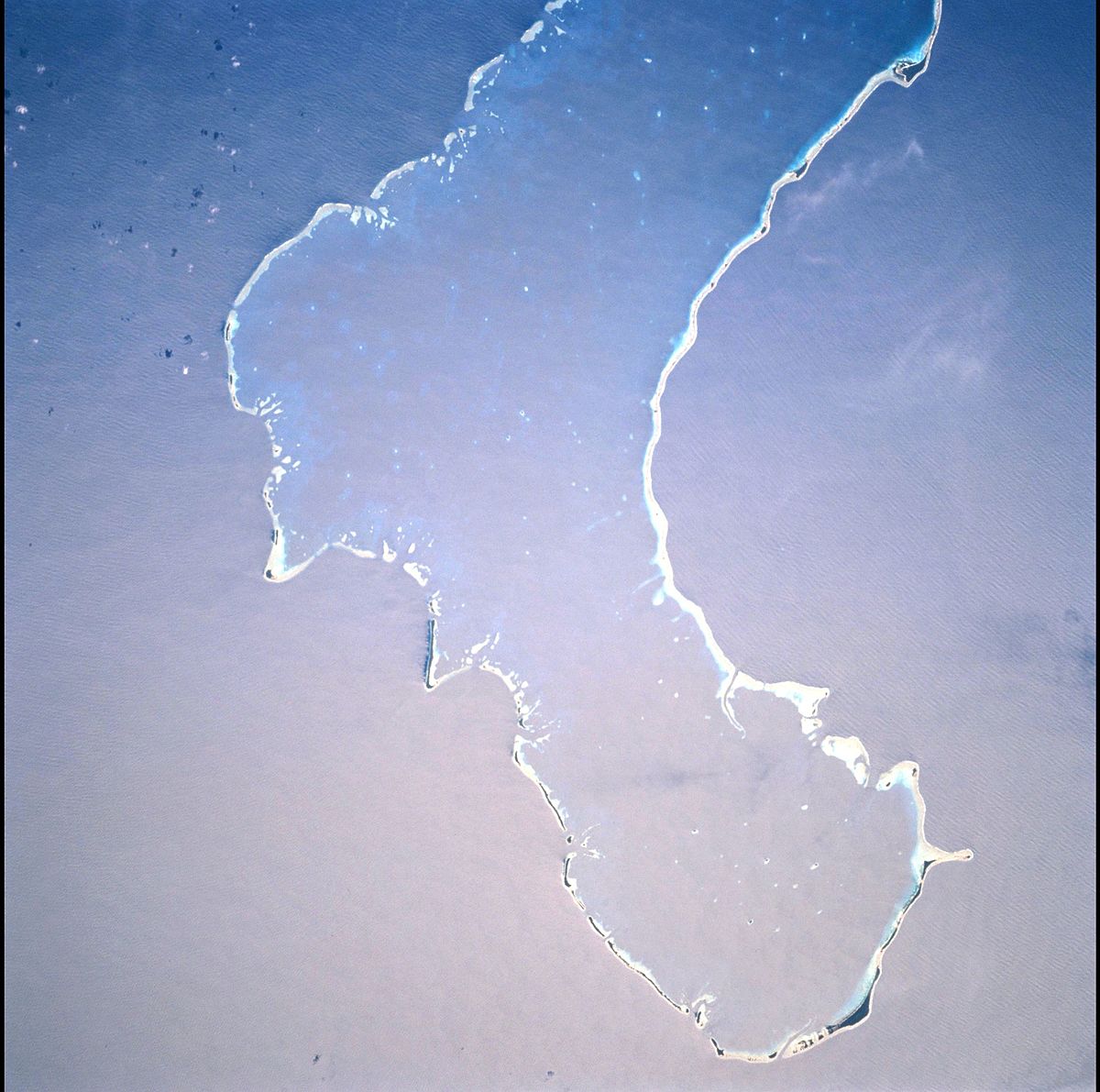
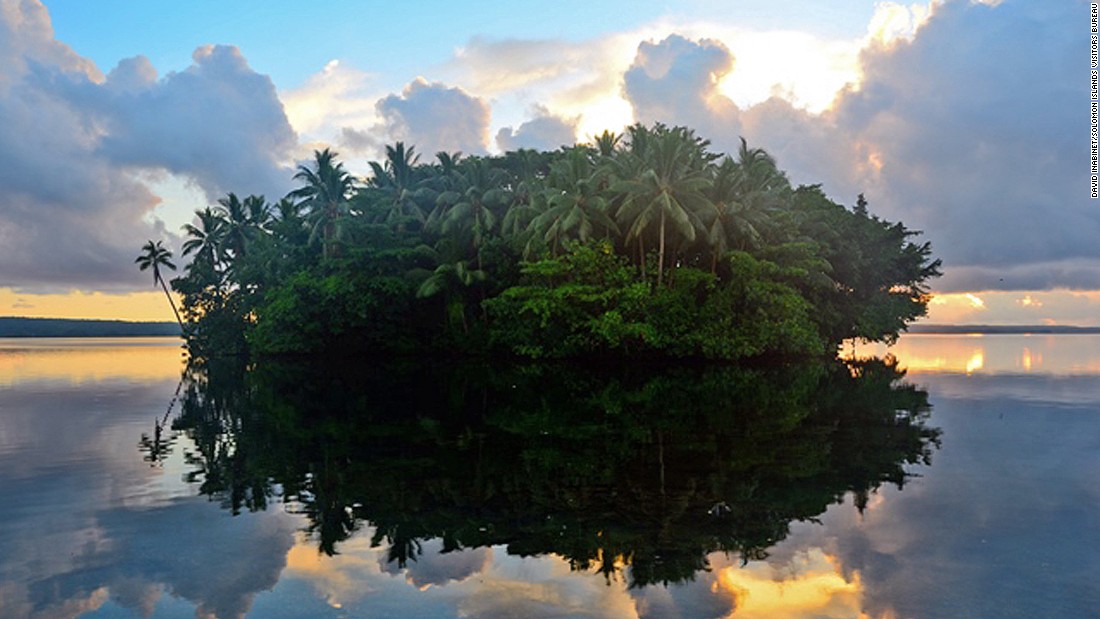
The starting place for this post is Ongtong Java Atoll, also known as Luangiua, and as Lord Howe Atoll. It is one of the world’s largest atolls, if not the largest, and the northernmost point of the Solomon Islands.


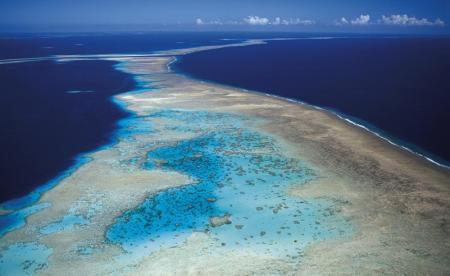
The roughly boot-shaped Ongtong Java Atoll is spread out over 122 small, low-lying coral islands…

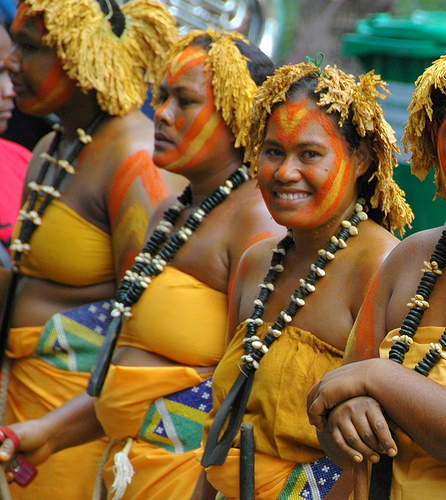
…and has a population of approximately 2,000 people that live primarily in the villages of Luangiua on the eastern end, and Pelau in the northeastern part, of the atoll. These islanders are considered Polynesian by academia as opposed to Melanesian, as they do most of the rest of the Solomon Islands. The Ongtong Java atoll is one of the areas in Melanesia which are called “Polynesian Outliers.”

It is considered one of the most vulnerable places in the Solomon Islands with regards to rising oceans.

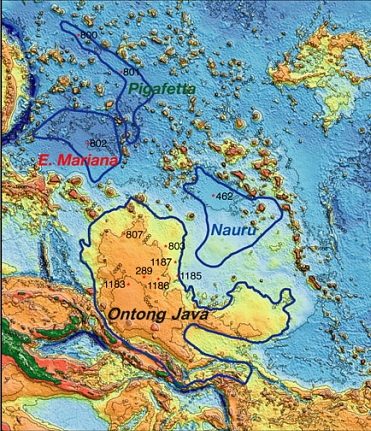
The islands of the Ongtong Java Atoll are described as seamounts, punctuating the otherwise smooth surface of the Ongtang Java Plateau, which is described as a “flood basalt feature.”

This sounds like a cover-up code word to me, so I will dig deeper. This is the definition of a “flood basalt feature”: the result of a giant eruption, or series of eruptions, that covers large stretches of land or the ocean floor with lava.

Basalt itself is described as a common extrusive igneous rock formed from the rapid cooling of basaltic lava exposed, or very near the surface of the planet.

This is an aerial view of the Ongtang Java Plateau, with the atoll to the left of the red arrows. The shape of the plateau under the water sure looks geometrically angled to me.

In the last post, I pointed out that the Lincoln-log-style buildings found on the islands of Pohnpei and Kosrae are made from millions of tons of columns of prismatic basalt.

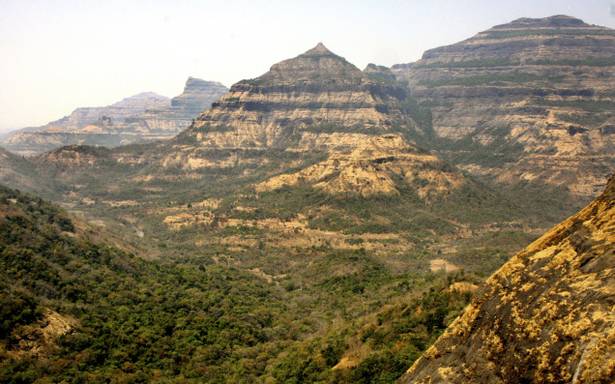
The Deccan Traps of India are called flood basalt features, with what is called the characteristic “stair-step” morphology of many associated landscapes…

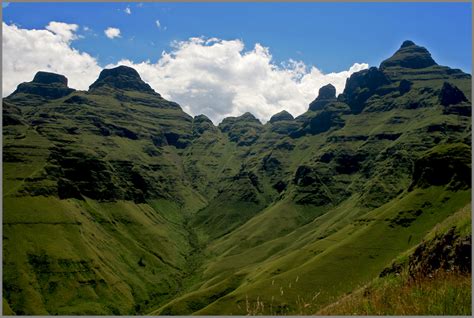
…compared with the Drakensberg Mountains in South Africa. Same idea of “stair-step” morphology.

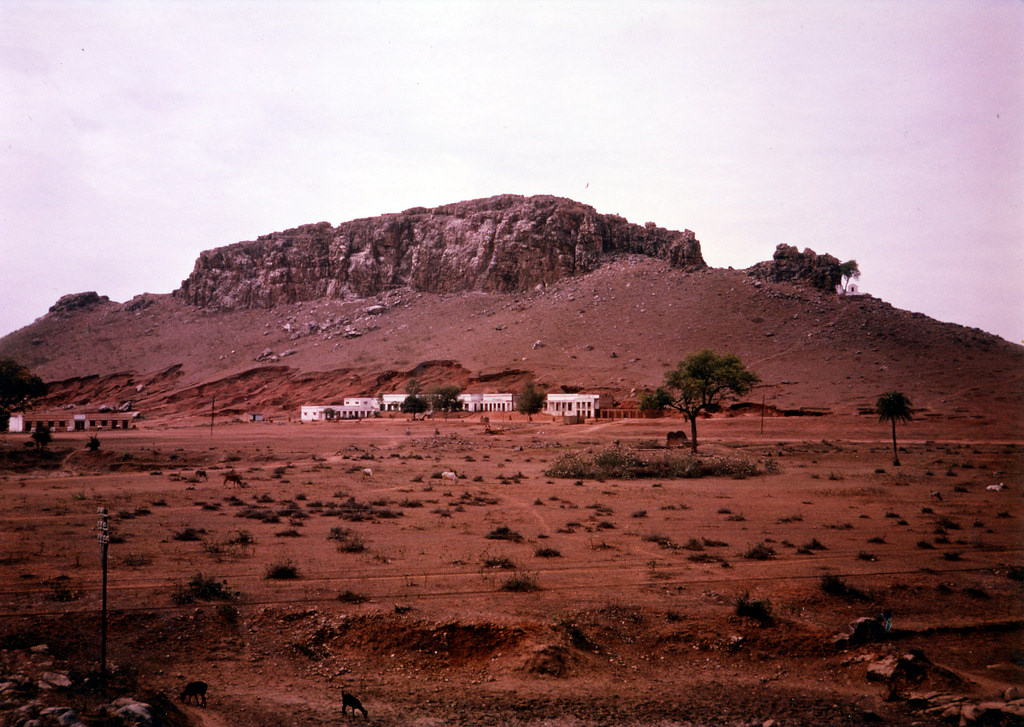
Here is what the Deccan Plateau looks like in the same region of India…

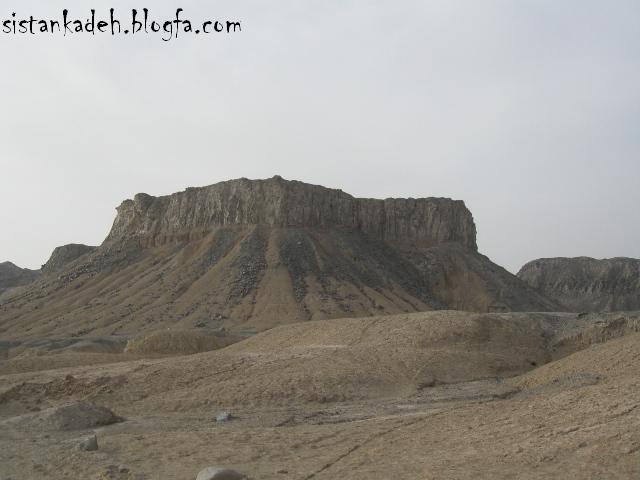
…which looks a lot like Mt. Khajeh, an island feature in Lake Hamoun in Iran, which is described as a flat-topped black basalt hill.

This is one of the many ways this is hidden from us, right in front of our eyes. Call it by another name, and don’t give out any information you don’t want anyone to know. And yes, I think this has been deliberately done to keep the ancient advanced civilization from our awareness.

Well, Michelle, you might ask, what if this is a reasonable geologic explanation for these features?

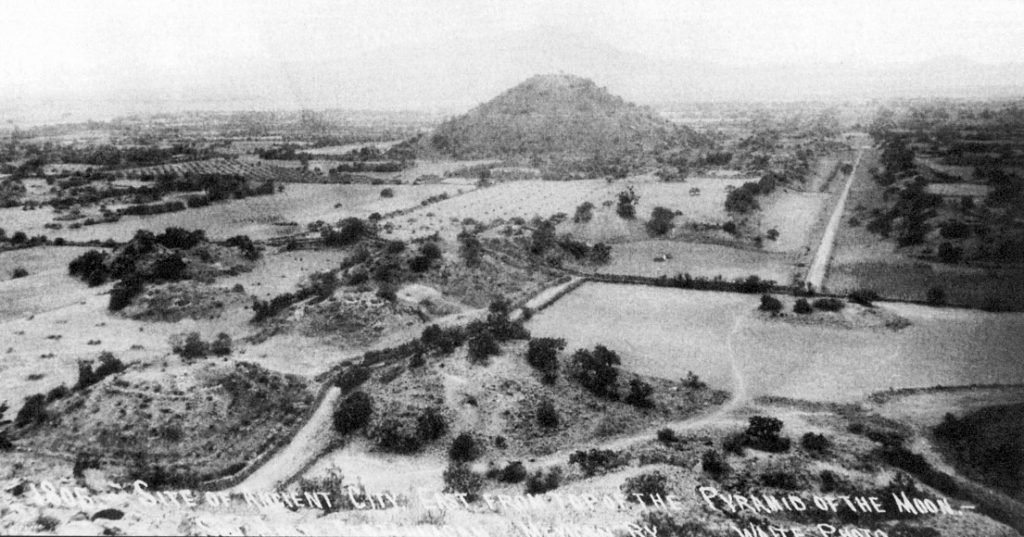
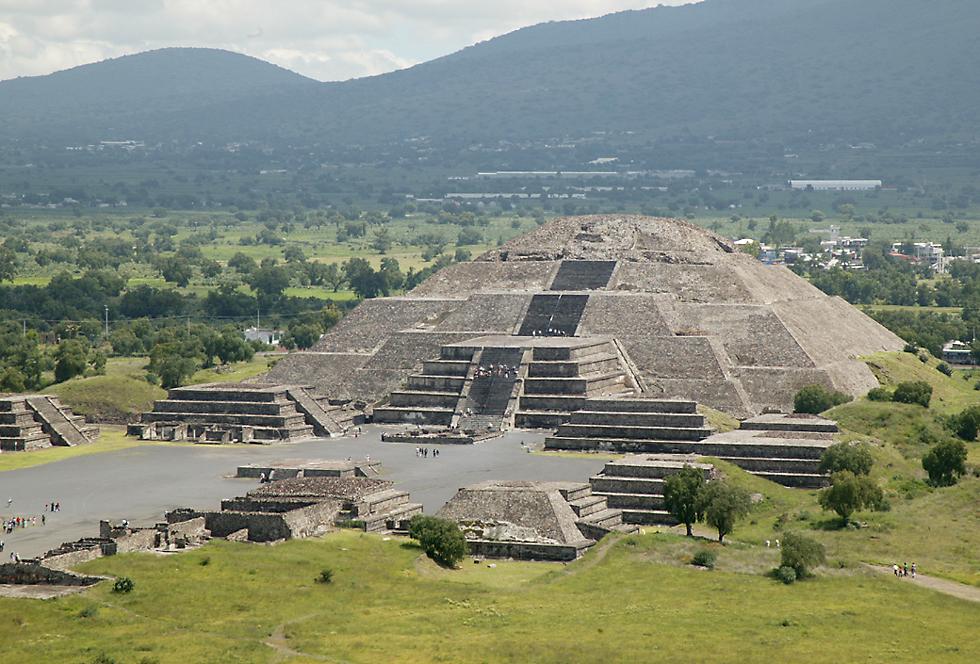
I might answer by saying, well, could be! But I have come across things like this in my research. This is Teotihuacan outside of Mexico City before excavations began in 1905…

…and this is what Teotihuacan looks like today.

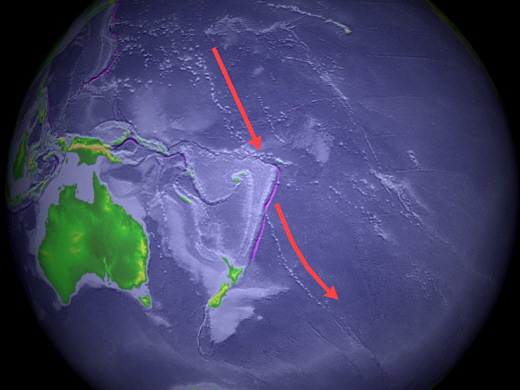
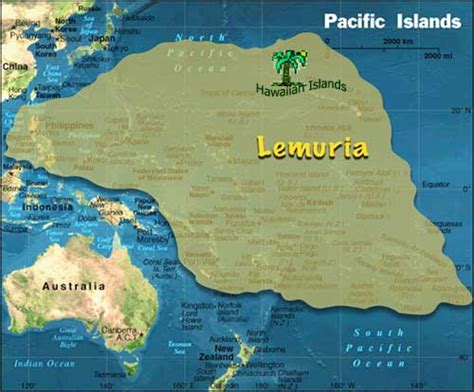
This whole region of the Pacific Ocean would have been the location of the continent of Mu, or Lemuria, which was destroyed by a cataclysm at some point in time. So the possibility, or probability, of still-existing and/or submerged Lemurian infrastructure is high.

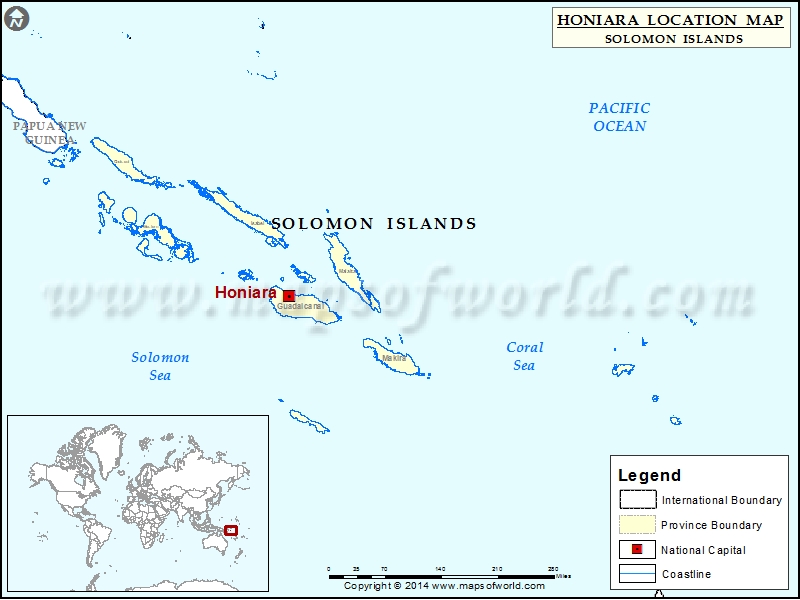
Moving on to the main part of the Solomon Islands, we come to the capital of these islands, Honiara, located on the northwest coast of the island of Guadalcanal.

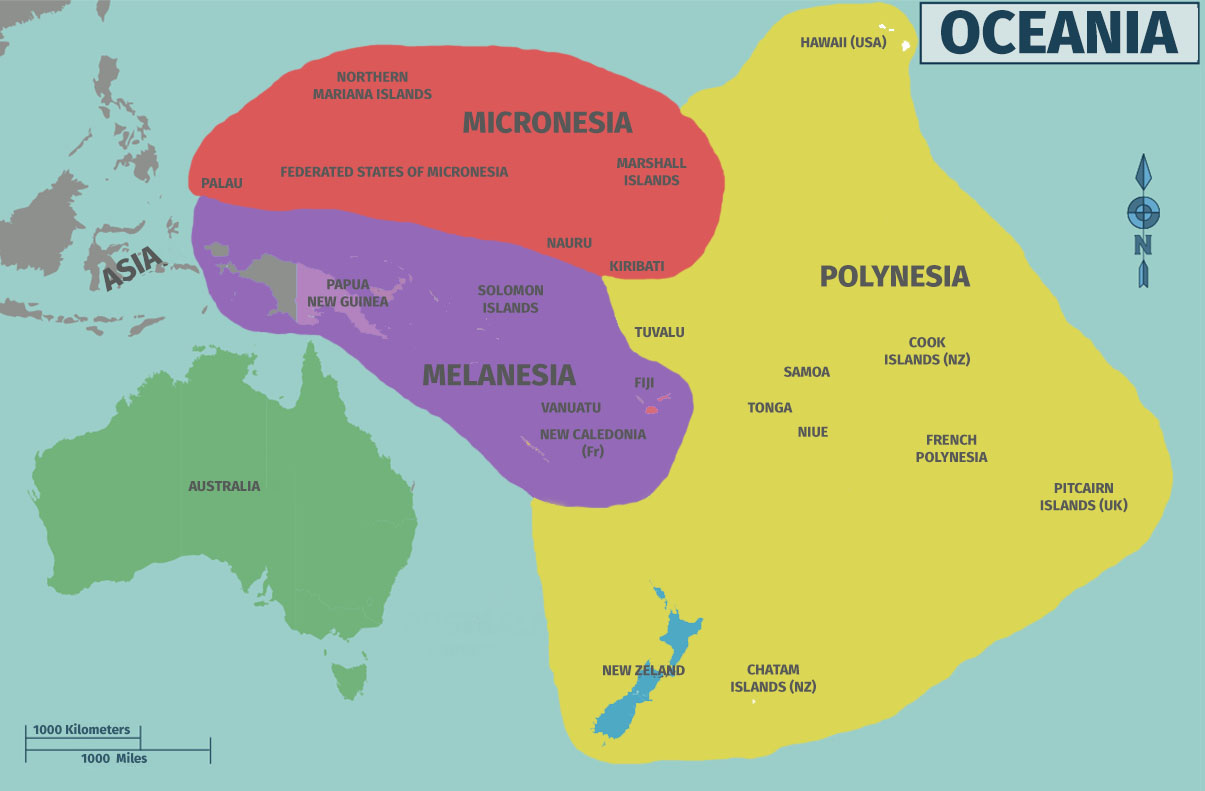
The Solomon Islands are part of the region of Oceania known as Melanesia, which is differentiated from the peoples and cultures of Polynesia and Micronesia in this historical narrative we have been given.

The Solomon Islanders are uniquely regarded for having a high occurrence of blonde hair…

…and bright blue eyes, providing living proof that these are not
racially exclusive traits.

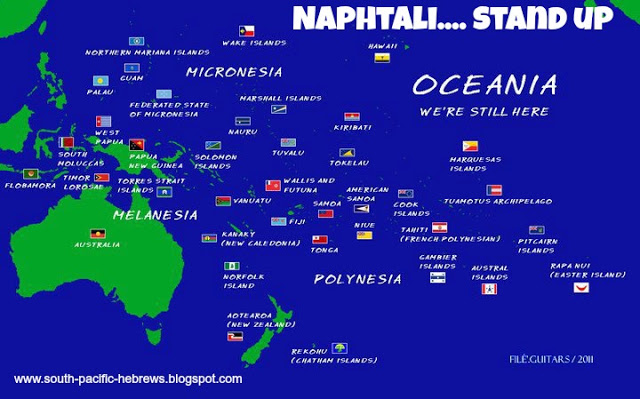
There is an identification of people from this whole region of Oceania with the Hebrew Tribe of Naphtali, one of the Lost Tribes of Israel.

And what about the name of “Solomon” for these islands. I firmly believe the memory of the people is retained in place names all over the world, and not a random or haphazard process of naming.

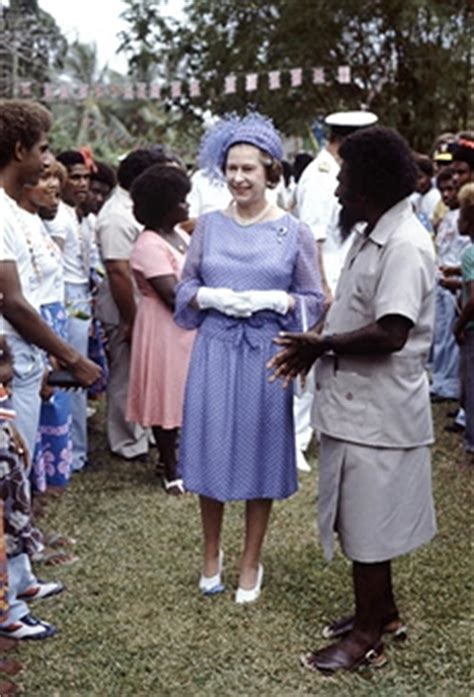
Other points of note before moving on. First, the form of government of the sovereign state Solomon Islands is a Constitutional Monarchy, with the
Queen of England as its Head of State, and Solomon Islanders as its chief elected officials and Members of Parliament.

The other thing is that the World War II Battle of Guadalcanal was fought on this island, including the Battle of Henderson Field, which is just a short distance east of Honiara, in August of 1942.

This was between the Japanese, and the U. S. Armed Forces. The result of all the battles was an Allied victory when the Japanese conceded defeat. Regardless, this is just another example of warfare taking place on planetary gridlines as I have been sharing throughout my posts. And when you do an internet search for “Guadalcanal”, this World War II military campaign dominates what comes up for information for the island.

Next on the alignment we come to one of the Solomon Islands known as Rennell Island, which is also considered a “Polynesian Outlier” in Melanesia.

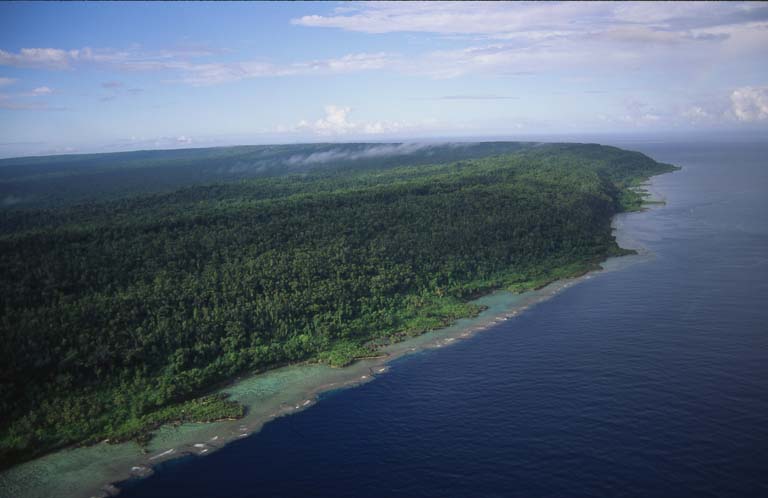
It is considered the second largest raised coral atoll in the world. The definition of a raised coral atoll is an atoll that has been lifted high enough above sea-level, which is attributed to tectonic forces, to protect it from storms and erosion.

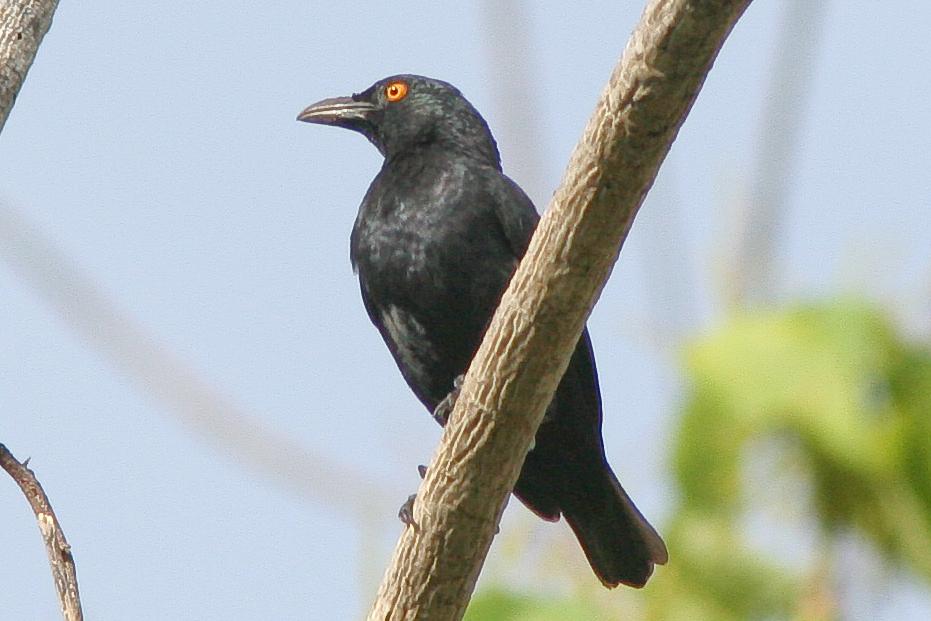
This protected ecosystem is believed to be what has allowed unusual biodiversity at places like Rennell Island, which is home some unique species, like the Rennell Starling…

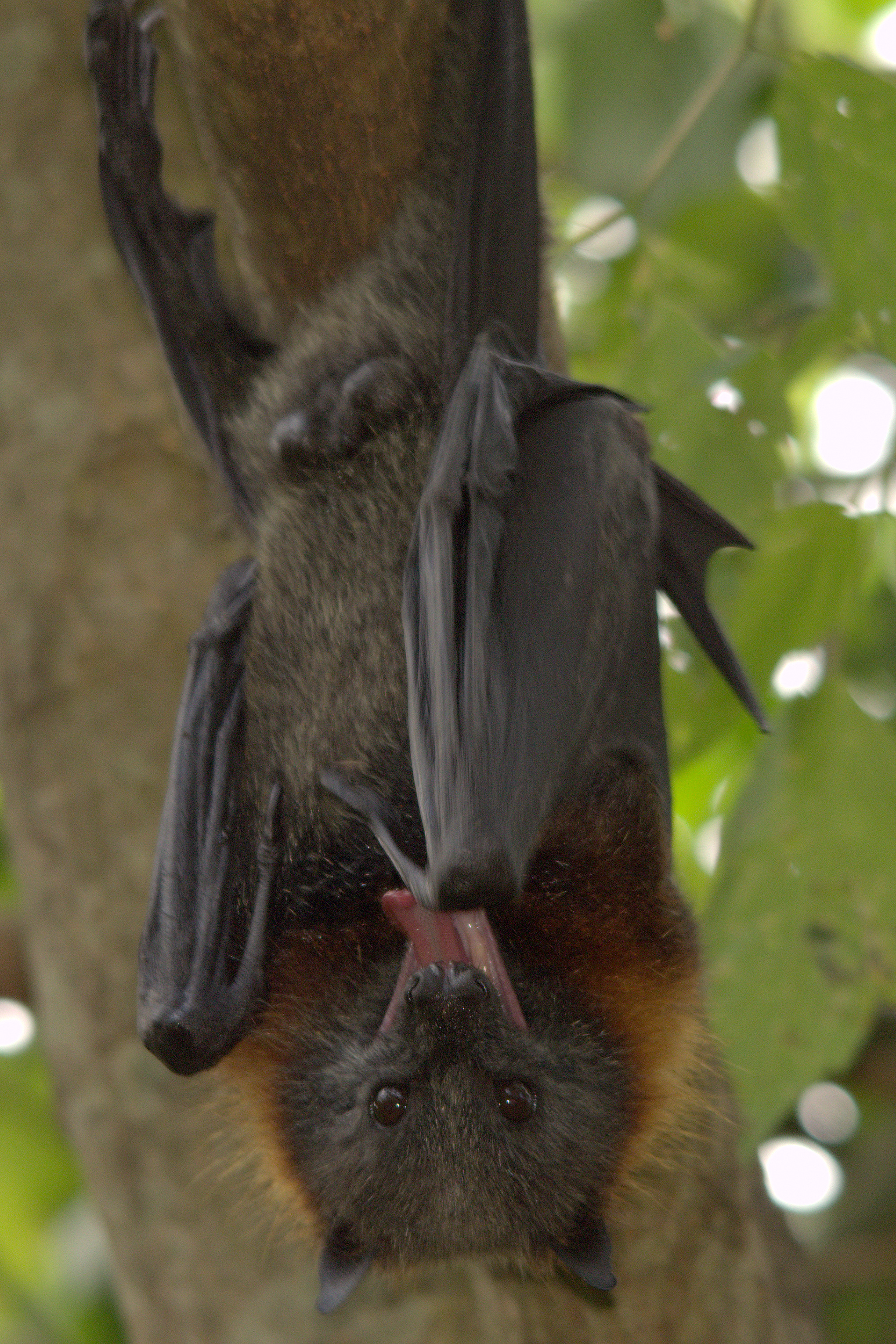
…and a bat species called the Rennell Flying Fox.

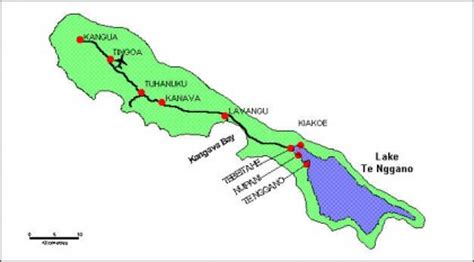
Lake Tegano covers almost the entire area of the island’s southern tail-end – literally, it looks like a fish-tail on the above map – and is a UNESCO World Heritage Site.

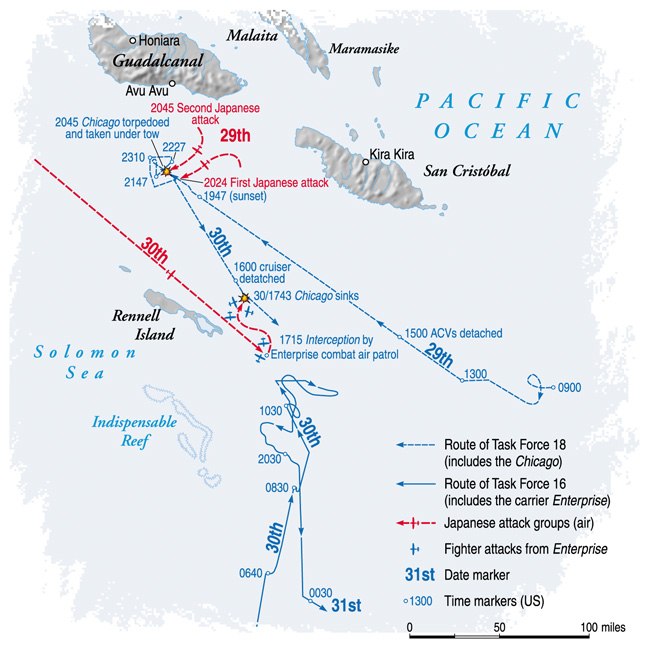
This was also the site of the last major naval battle of the Guadalcanal Campaign – known in history as the Battle of Rennell Island – and took place in January of 1943. In this battle, the Japanese Navy, in its efforts to evacuate Japanese forces from Guadalcanal, torpedoed the USS Chicago, one of the U. S. Navy’s heavy cruisers, and damaged the USS La Vallette, a naval destroyer ship. As result of this battle, the U. S. Navy pulled back from this area, and the Japanese finished their evacuation of Guadalcanal.

I am going to end this post here, and pick up the alignment in Brisbane, Australia in the next part of the series.


Circle Alignments on the Planet Amsterdam Island – Part 9 Bonin Islands, Japan to Pohnpei Island, Caroline Islands

The last post travelled along the alignment from Chongjin, a North Korean port, to Yokohama, the most important port in Japan and a major commercial hub for Tokyo. The next place on the alignment is considered part of the Tokyo Metropolitan area for administrative purposes.

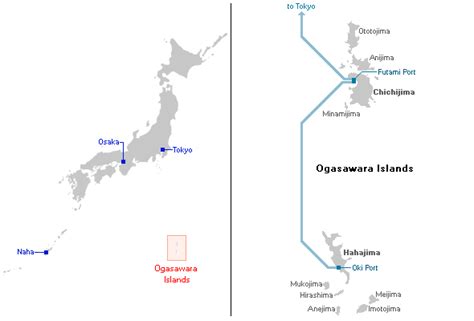
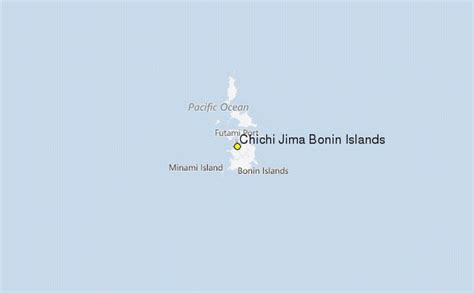
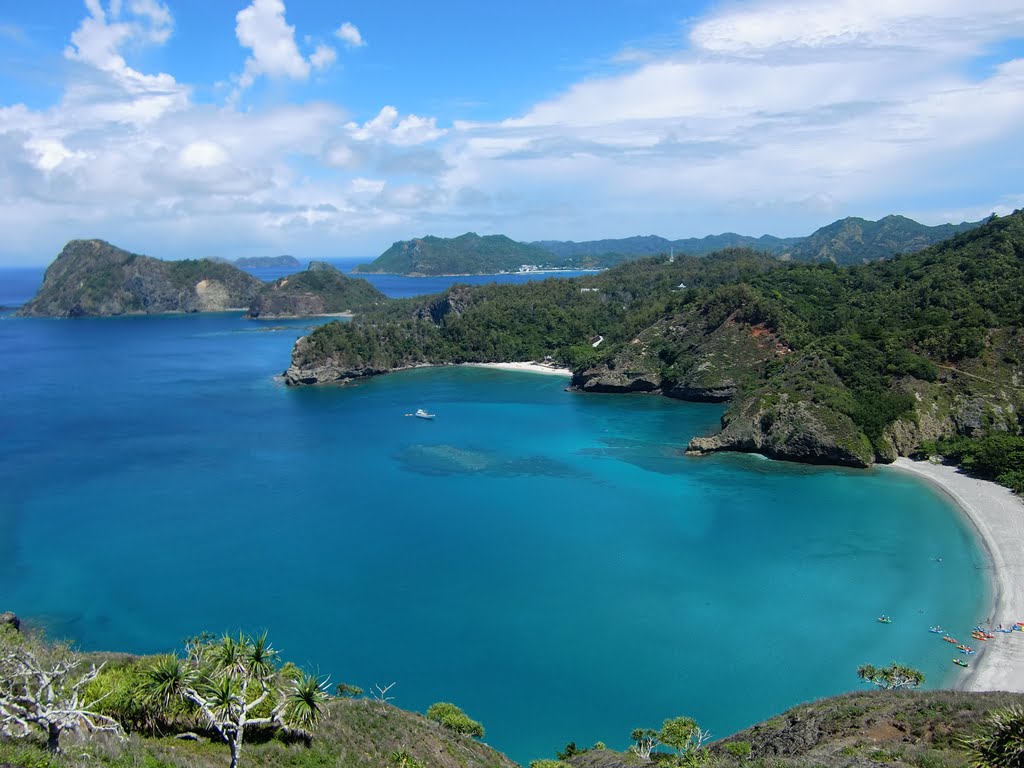
I am talking about the Bonin Islands, also known as Ogasawara Islands, are comprised of over 30 tropical and subtropical islands located south of Tokyo. These are volcanic islands are in the Pacific Rim of Fire.

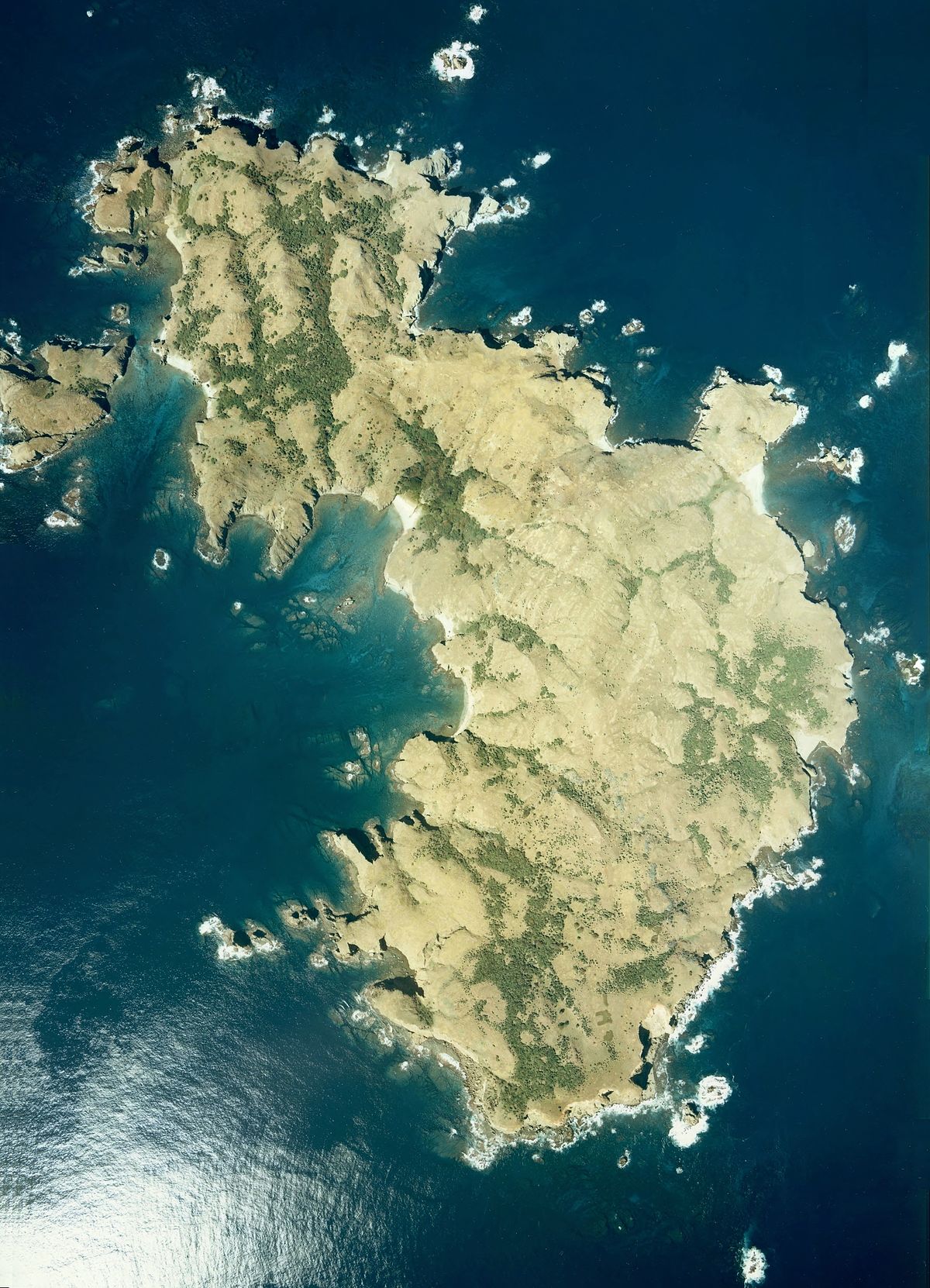
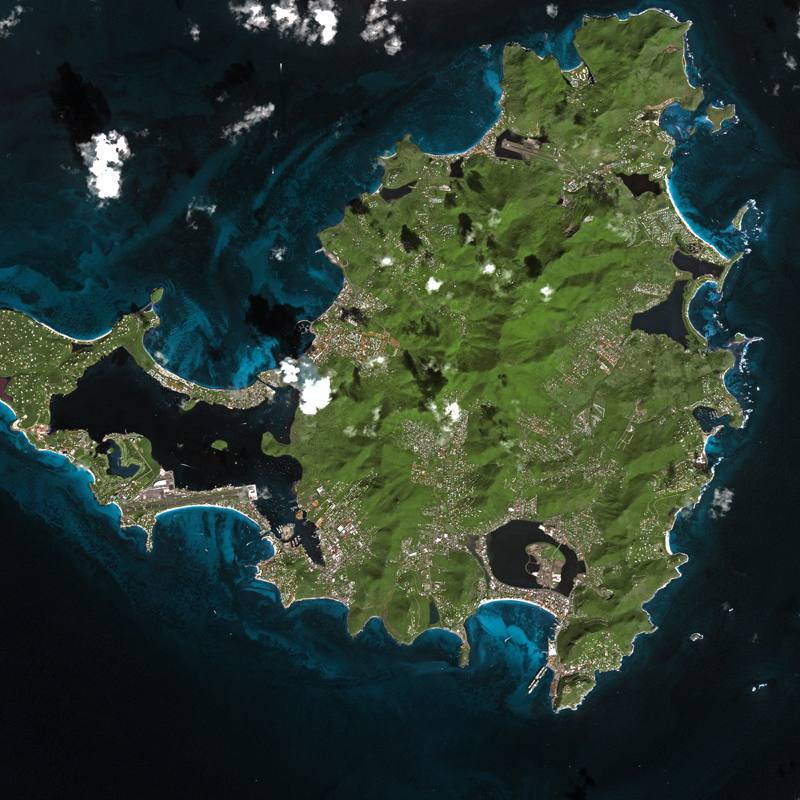
The northern most island group is called Muko-Jima. It is not inhabited. From this aerial view, numerous coves and bays are seen.

Compared with the appearance of the coastline of this island in the Caribbean – the northern 60% of which is governed as a Collectivity of France called St. Martin, and the southern 40% is governed by the Netherlands and called St. Maarten.

The main island group is called Chichi-Jima. It is inhabited, and home to about 2,000 people.

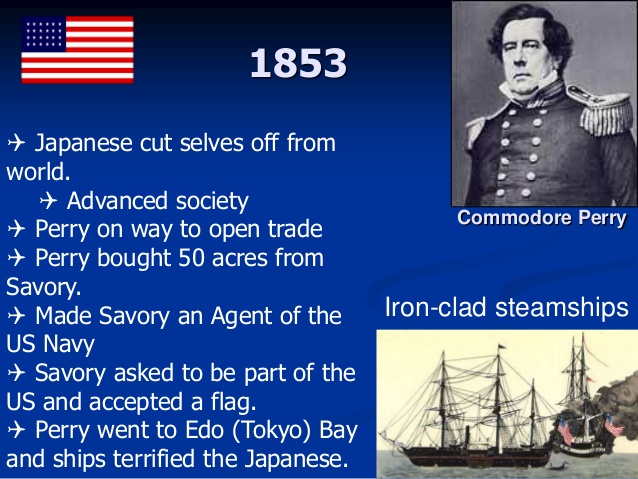
Commodore Perry stopped here on his way to Tokyo Bay to open it up for trade with the west, laid claim to the island for the United States, calling it the U. S. Colony of Peel Island. He appointed a governor for the colony, Nathaniel Savory, whom he purchased land from on Peel Island, for a steamship coaling location in 1853.

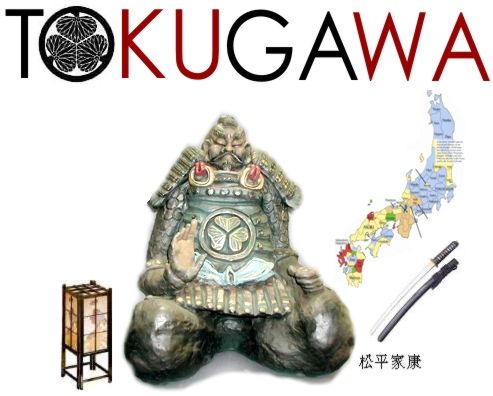
But it, along with the other islands, was re-claimed for Japan by the Tokugawa Shogunate in 1862, and named the Ogasawara Islands.

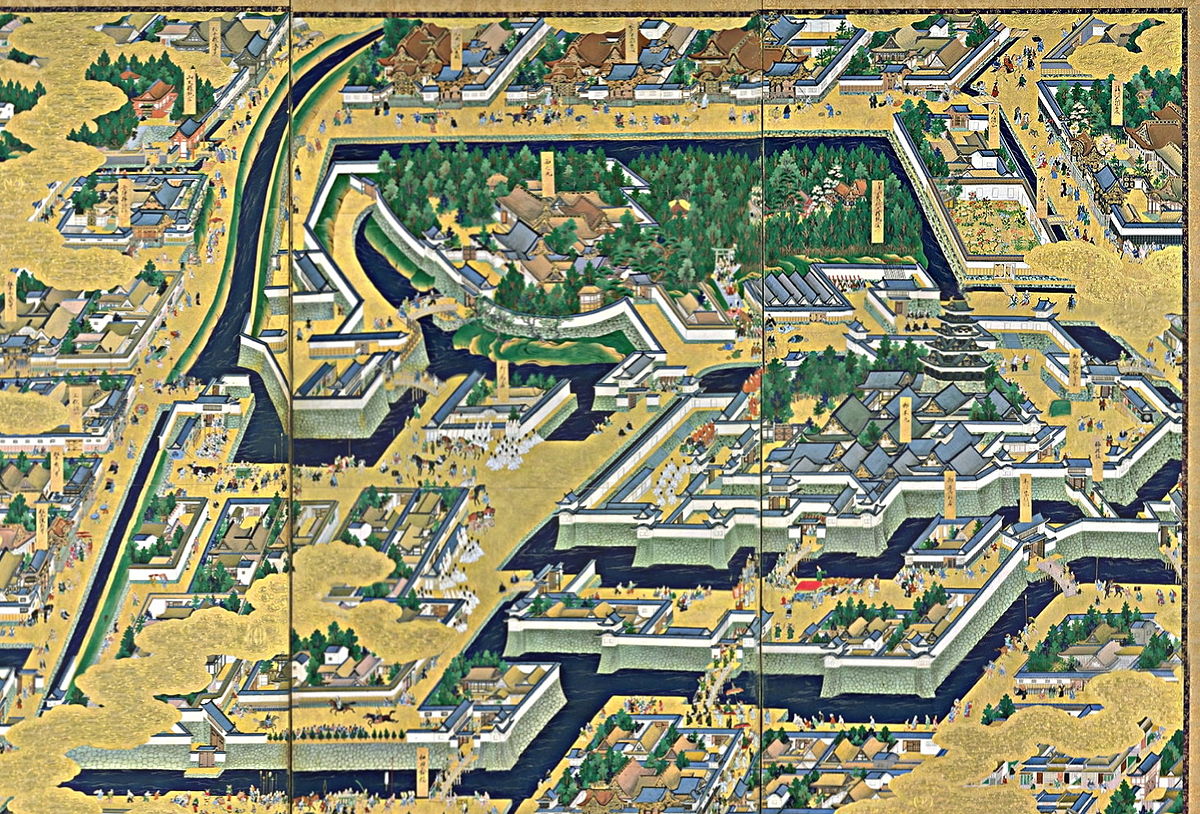
The Tokugawa Shogunate is called the last feudal Japanese Military Government, ruling from 1600 to 1868 from Edo Castle in Tokyo.

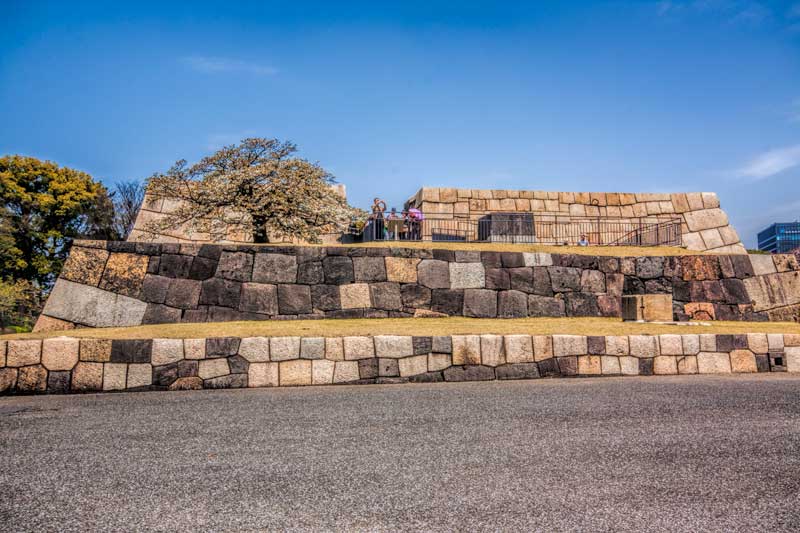
Here is a photo of one of the polygonal megalithic walls found on the grounds of Edo Castle…

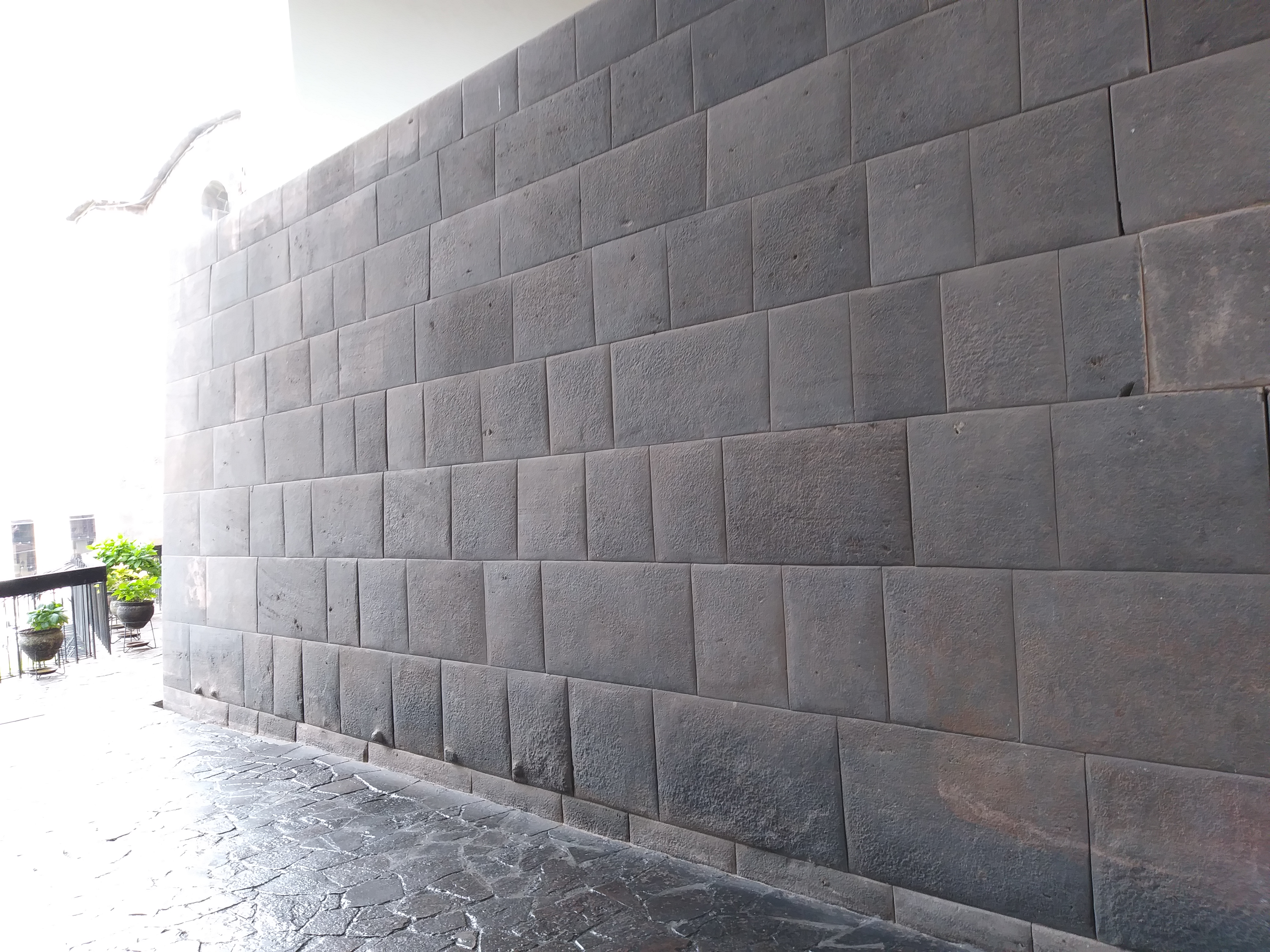
…compared with this exquisite example of polygonal masonry at the Coricancha in Cusco, Peru. Polygonal masonry is defined as a technique where the visible surfaces of the stone are dressed with straight edges or joints, giving the stone the appearance of a polygon, with minimal clearance between stones, and no mortar.

After World War II, the United States Navy controlled these islands. Almost all of the islanders were expelled. Control was returned to Japan in 1968, at which time islanders were allowed to return.

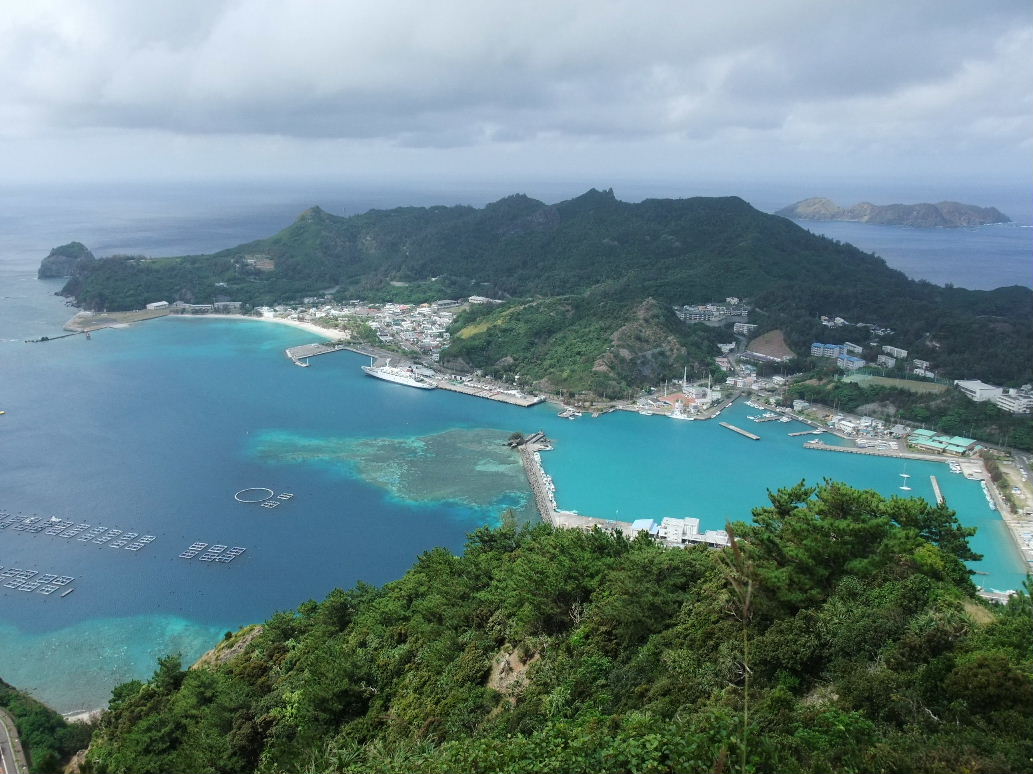
There is a nicely shaped and protected harbor here at Futami on Chichi-Jima.

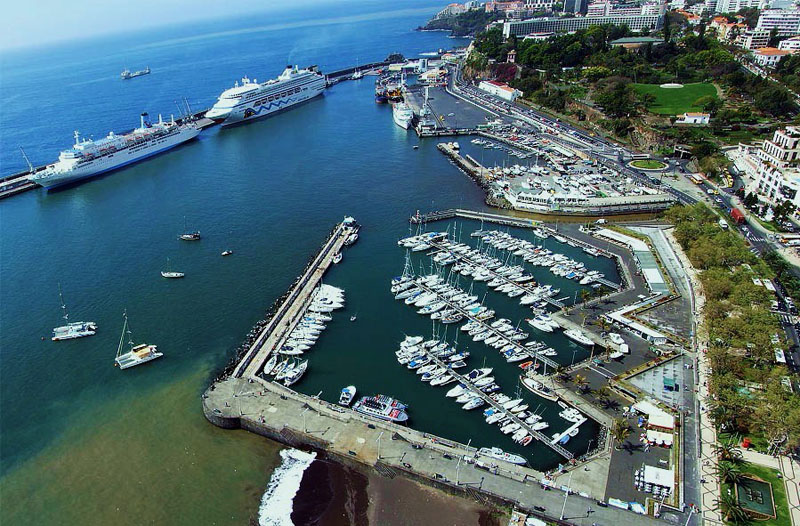
Very similar to other harbors around the world, including but not limited to, Funchal Harbor and Marina on the island of Madeira, which is in the Atlantic Ocean southwest of Portugal, and northwest of Morocco…

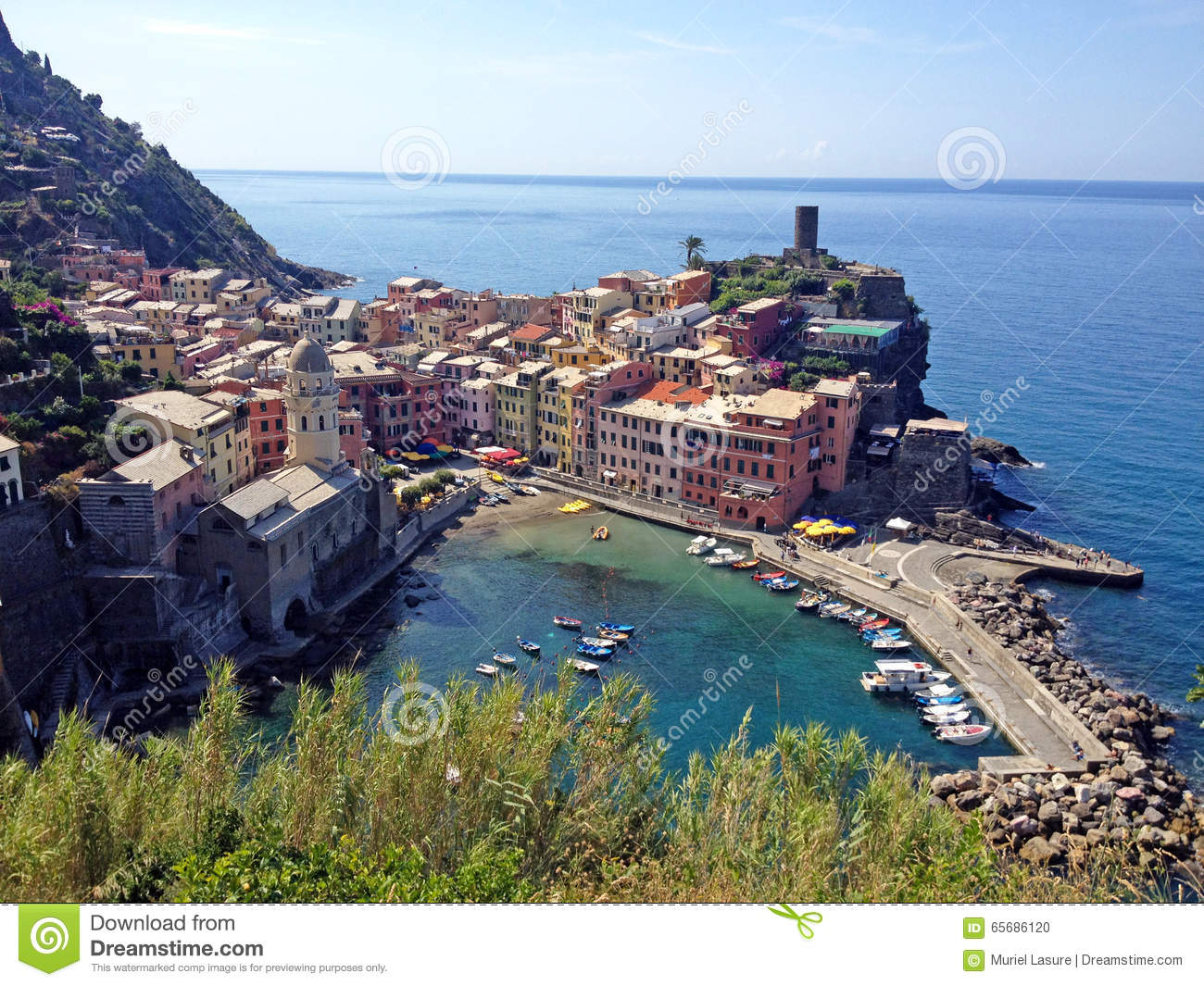
…Vernazza Harbor on the Italian Riviera in the province of Liguria on Italy’s northwest coast…

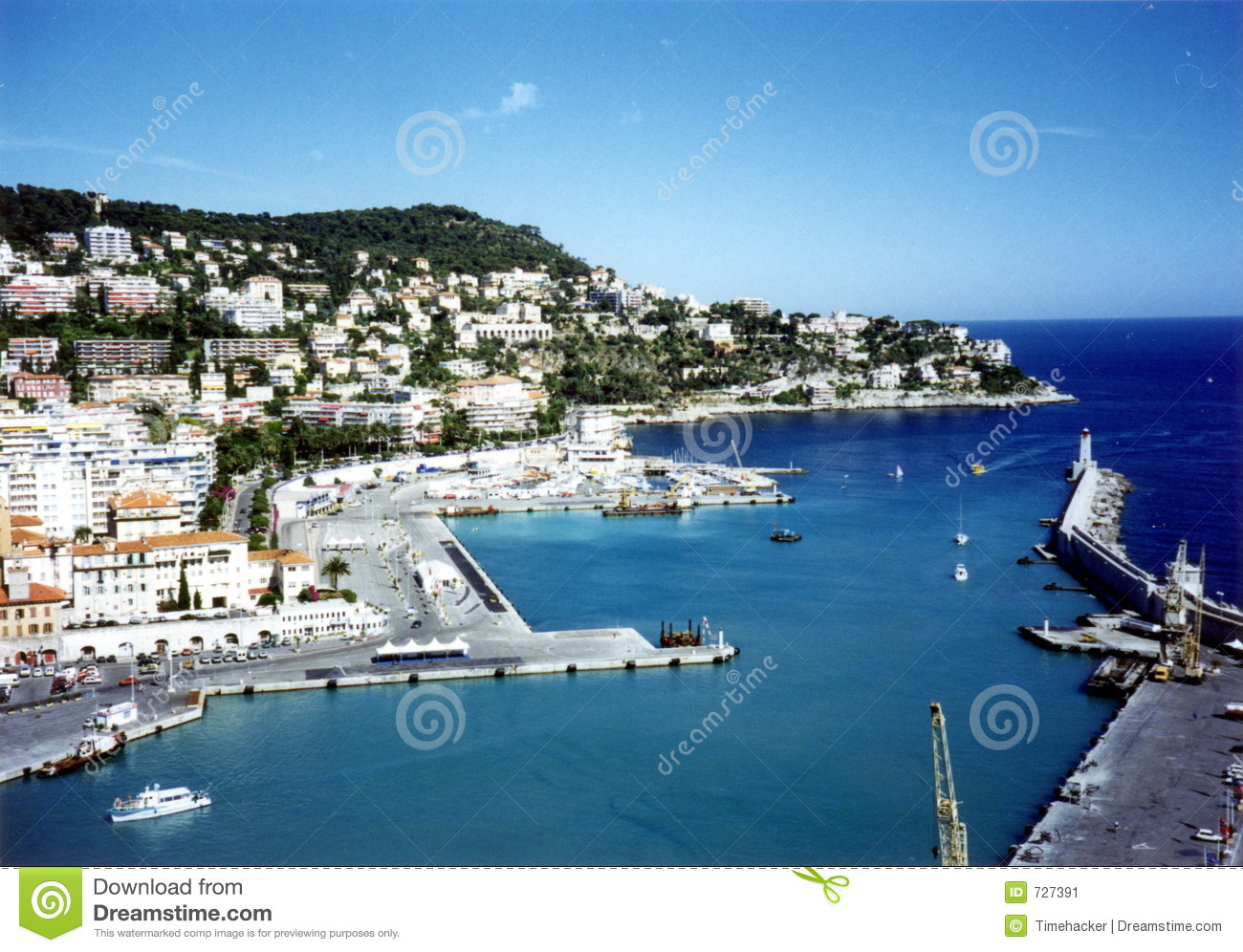
…the harbor of Nice, France, which is located in the French Riviera on the southeast coast of France on the Mediterranean Sea…

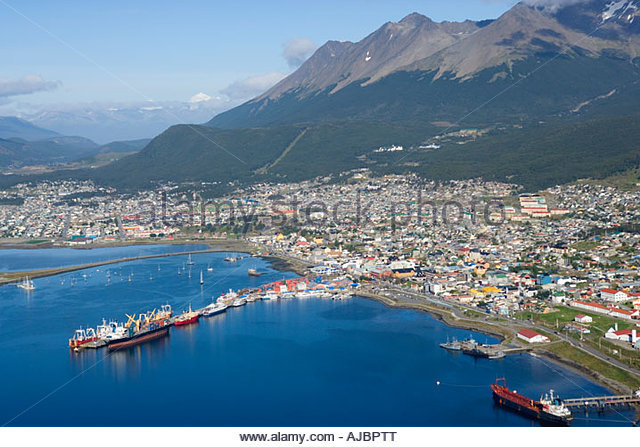
…and there is even a shaped harbor at Ushuaia, the capital of Tierra del Fuego at the very tip of South America, and which is part of Argentina. Ushuaia is considered the southernmost city in the world. I didn’t know there was even anything down there ~ did you?

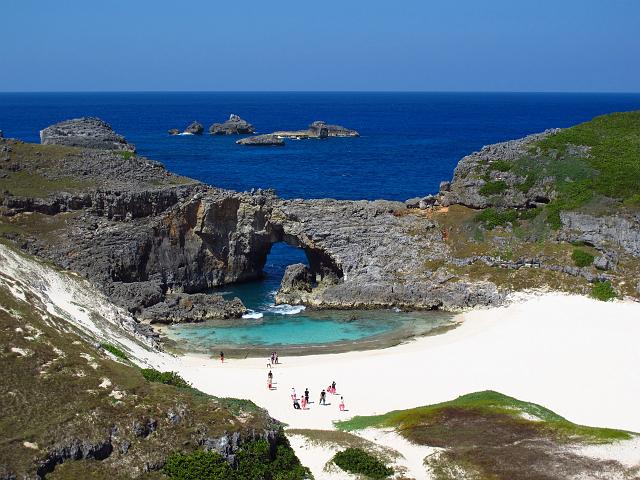
Here is a scene showing what I believe to be ancient masonry from Minami-jima, a small island off the southwest coast of Chichi-jima…

…and Kominato Beach on Minami-jima…

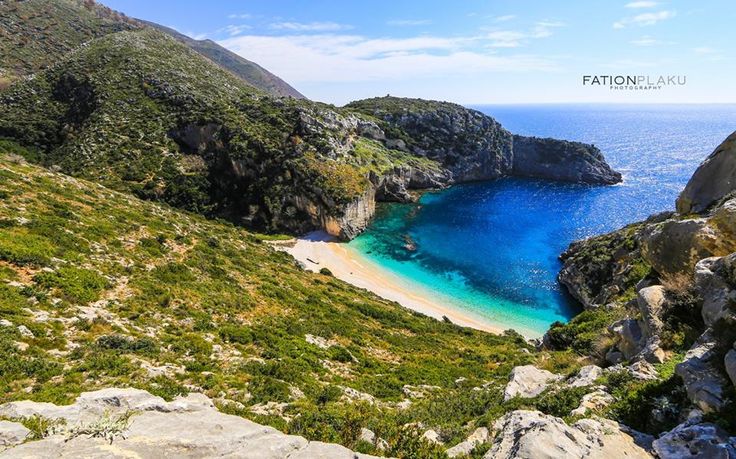
…looks like Grama Bay in Albania…

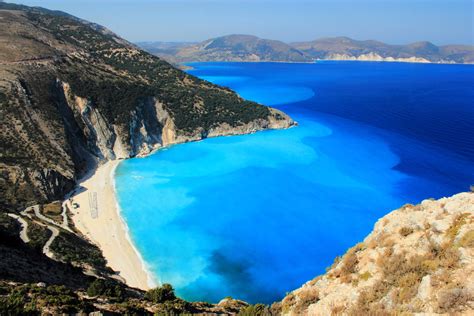
…Myrtos Beach on the Greek island of Kefalonia…

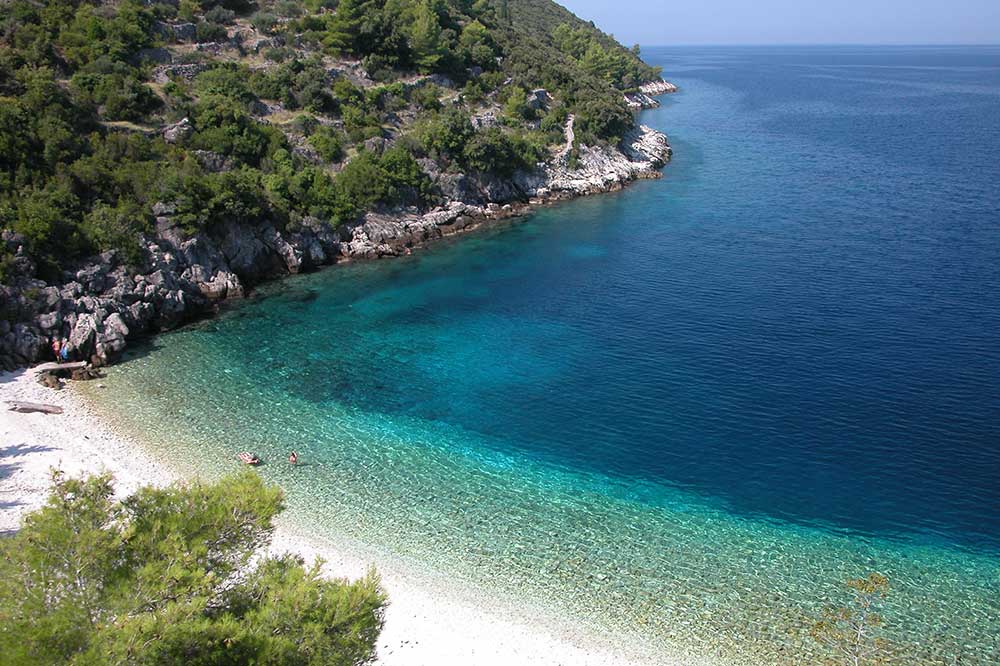
…and Vaja Beach on the island of Korcula in Croatia.

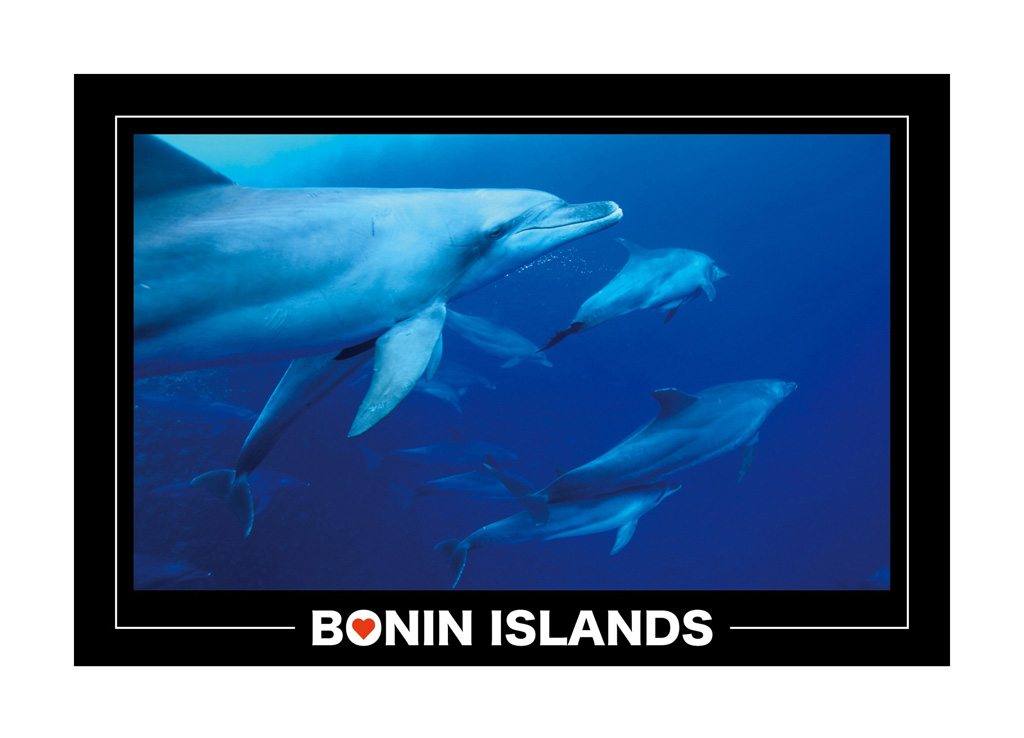
Marine areas within the Bonin Islands are home to significant populations of whales, dolphins, and sea turtles…

…and abundant underwater landscapes of coral reefs filled with tropical fish.

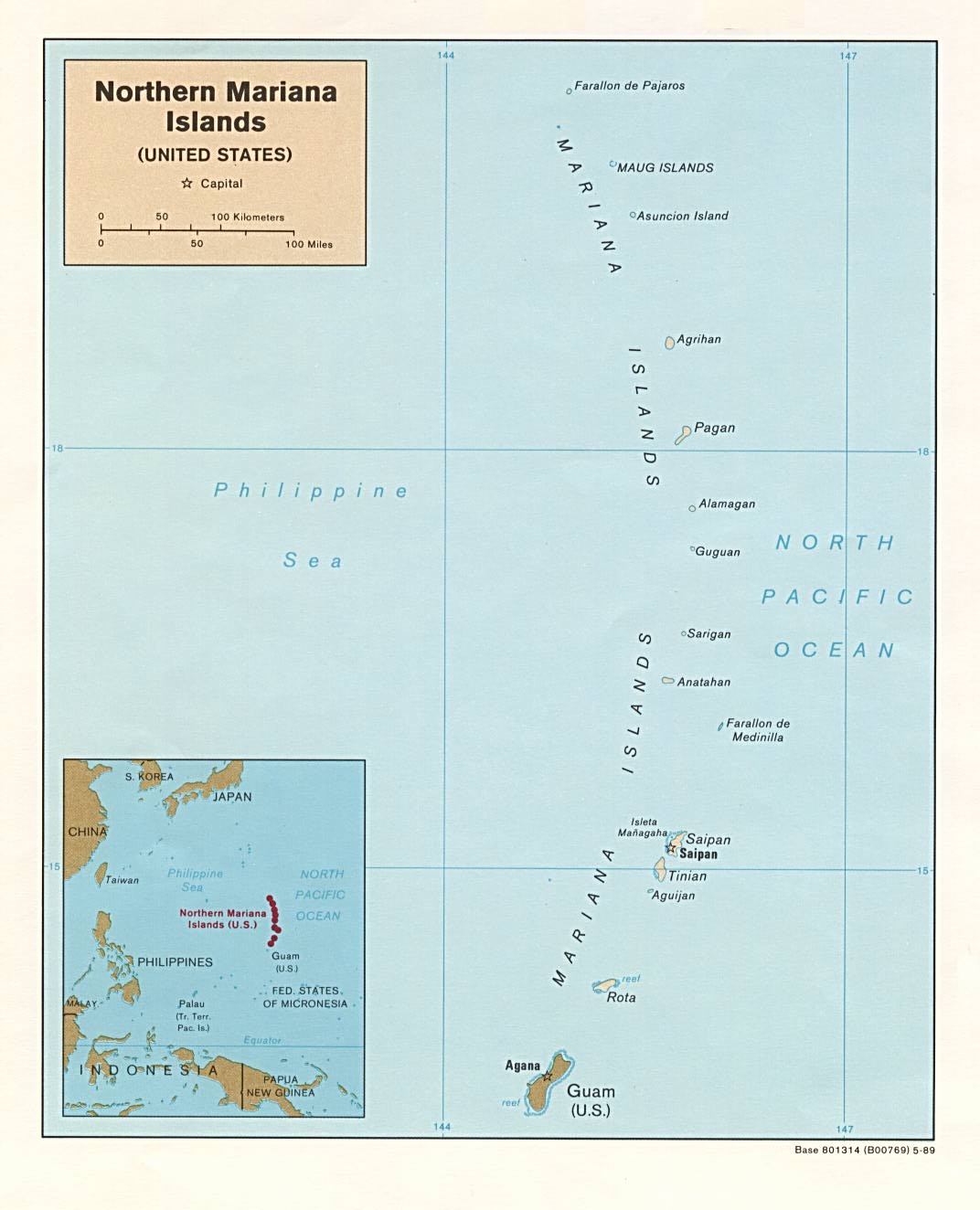
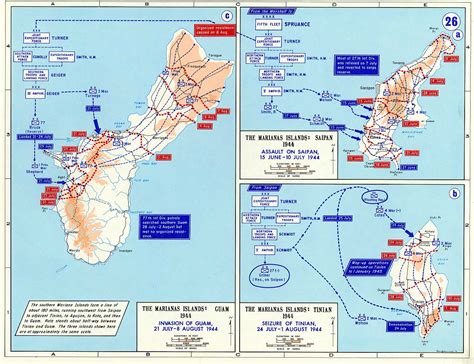
Next on the alignment we come to the Northern Marianas islands, which consists of fourteen islands in the northwestern Pacific Ocean, and is a Commonwealth of the United States. They are one of four major island groups of Micronesia, the name given to a sub-region of Oceania, and which contains four major island groups: the Mariana islands; the Caroline Islands; the Gilbert Islands; and the Marshall Islands.

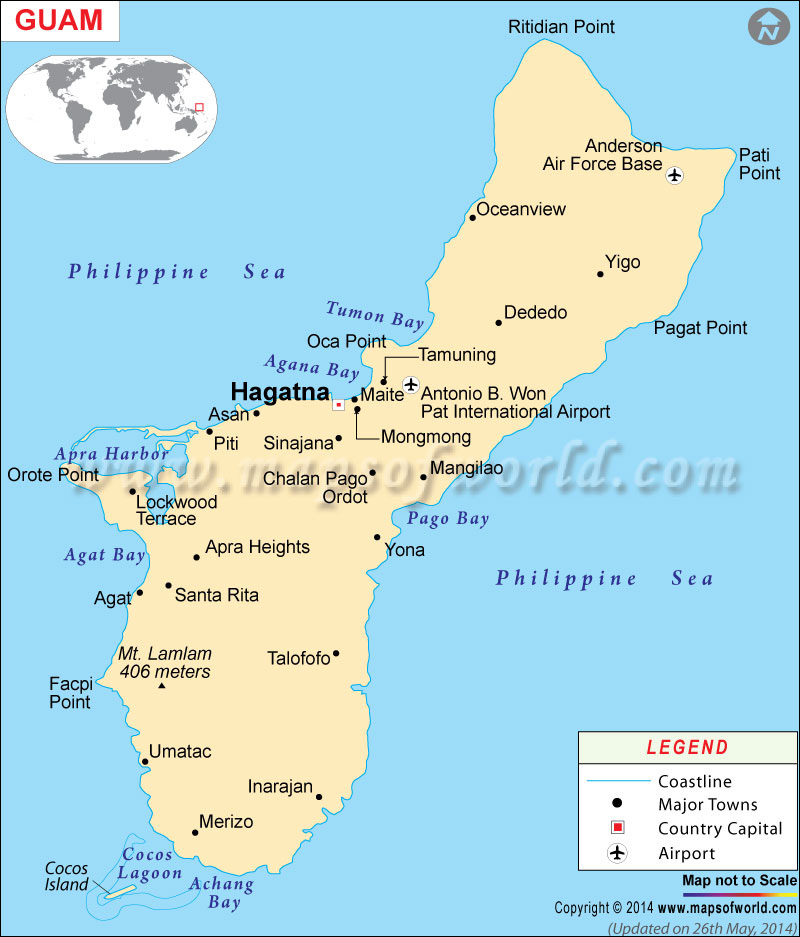
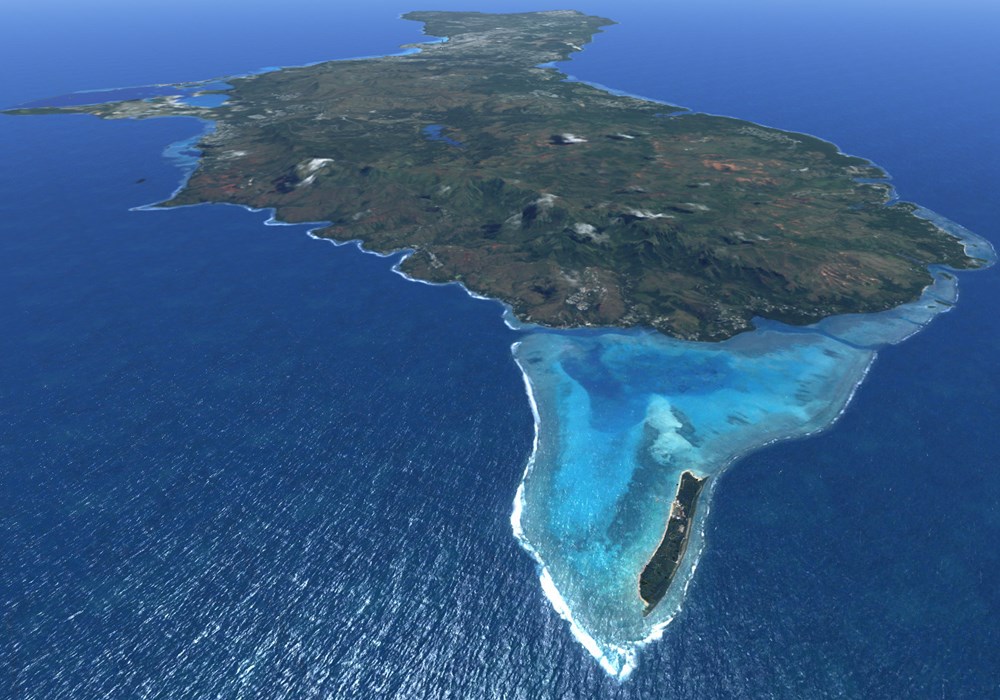
Guam is the southernmost island of the chain, but a separate U. S. Territory.

Since I am here, I will first take a look at Guam. It is the westernmost point and territory of the U. S. and the largest island of Micronesia.

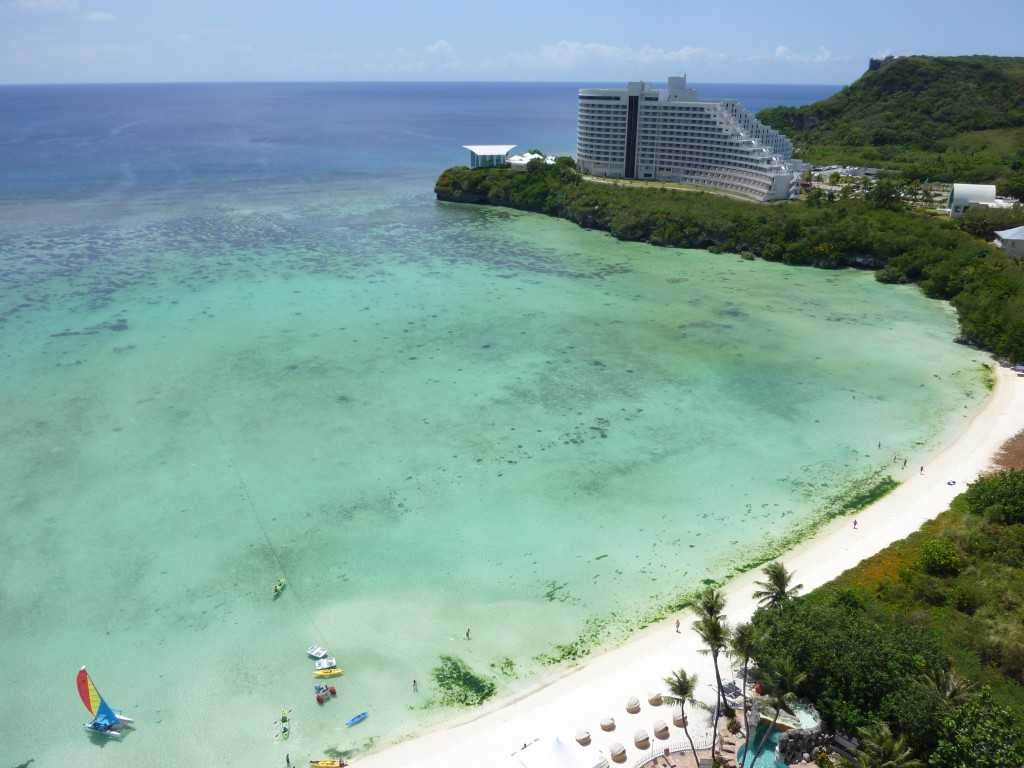
This is Tumon Bay on Guam, which looks a lot like the beaches and bays shown previously in this post.

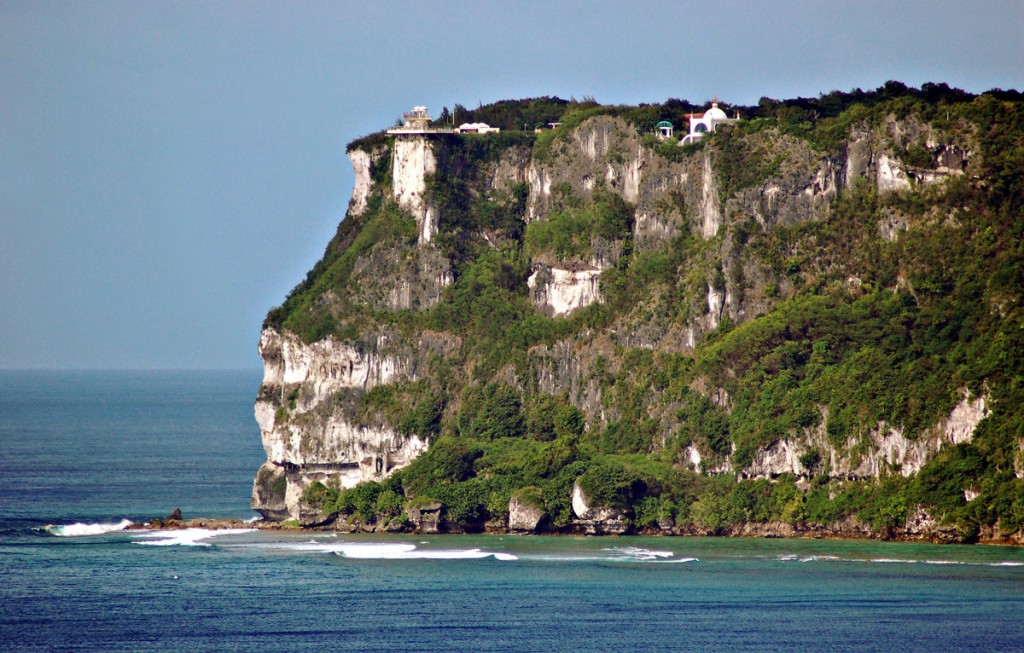
This feature at Tumon is called Two Lovers Cliff. There is a legend about it that two forbidden lovers jumped to their deaths so they could be together. Cliff is a cover-up code word for the advanced ancient civilization, and another way they hide things is by creating a distraction to noticing what is actually there.

Of the other Northern Mariana Islands, the vast majority reside on Saipan, Tinian, and Rota. Guam, Saipan and Tinian were sites of major battles in World War II.

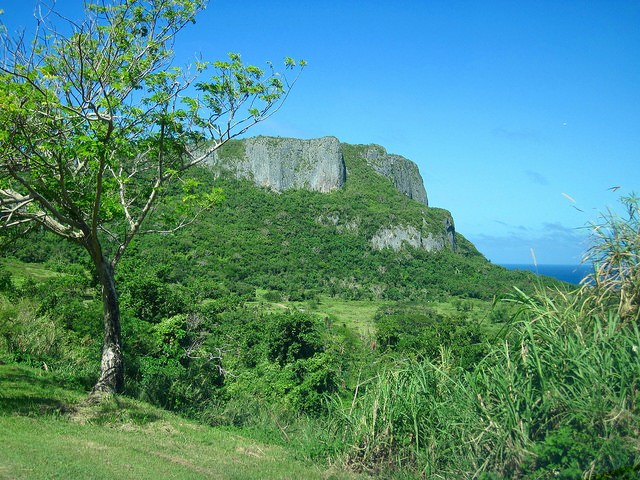
This is Mount Marpi on the island of Saipan. It is said to have received its nickname – “Suicide Cliff” – from mass suicides in 1944 of Japanese civilians and soldiers occurred capture by the United States. Again, as with the cliffs at Tumon on Guam, those look like stone walls to me.

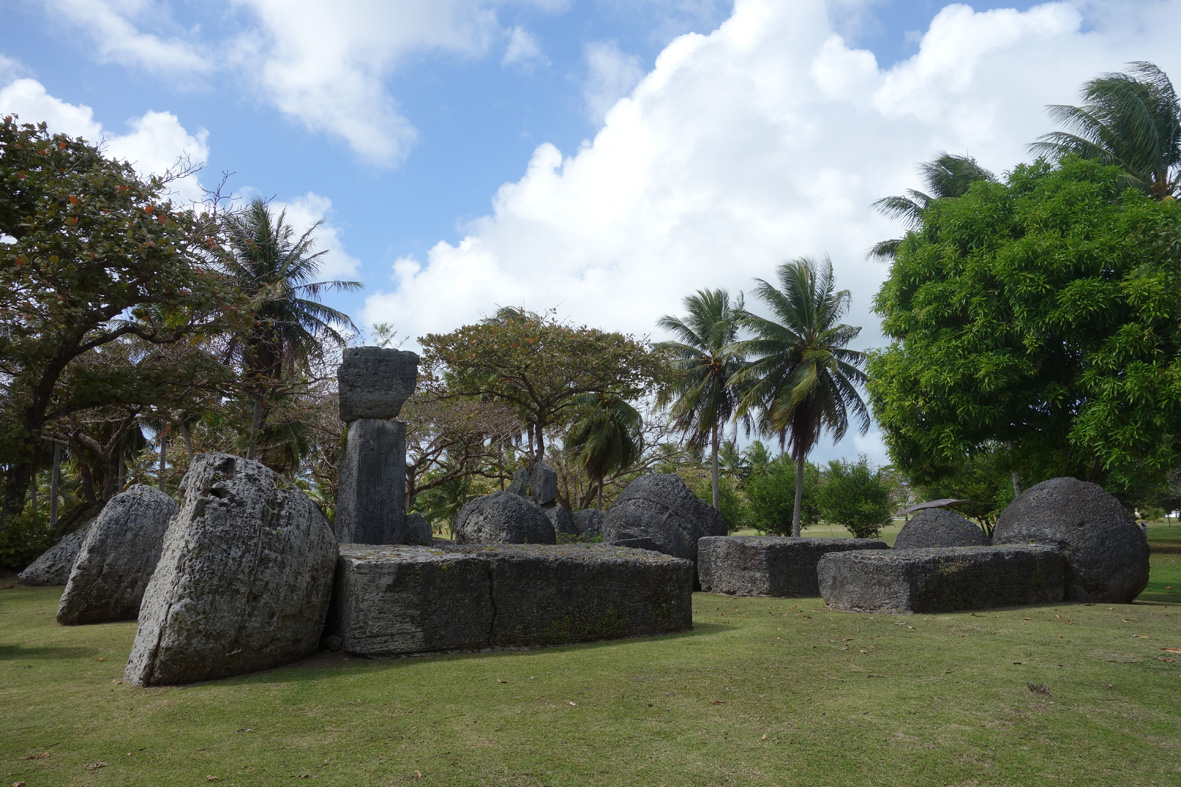
These are the House of Taga Latte Stones, an archeological site found on the island of Tinian, said to be the pillars for a house erected by Taga, called a mythological chief who lived in prehistoric times. Reconcile this idea based on what we have been taught about history that stone pillars like this could have been built in prehistoric times. Prehistoric, like Fred Flintstone prehistoric? I don’t think so. This is advanced masonry.

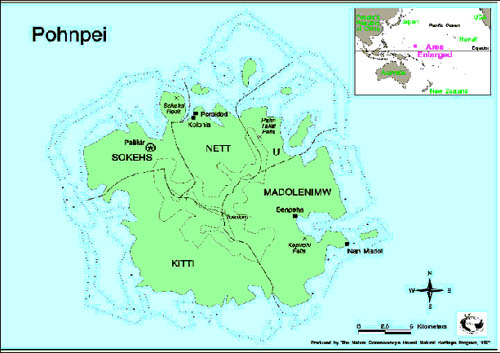
Next on the alignment, we come to Palikir, the capital of the Federated States of Micronesia, and located on the island of Pohnpei, or Ponape. It is described as a high volcanic island with a fringing coral reef. Pohnpei is one of the Caroline Islands.

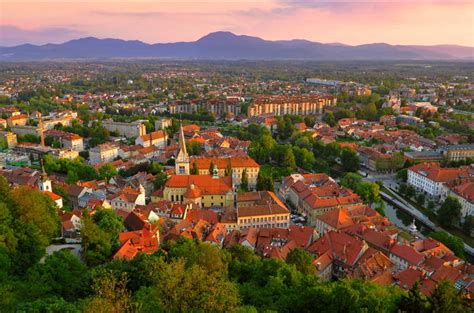
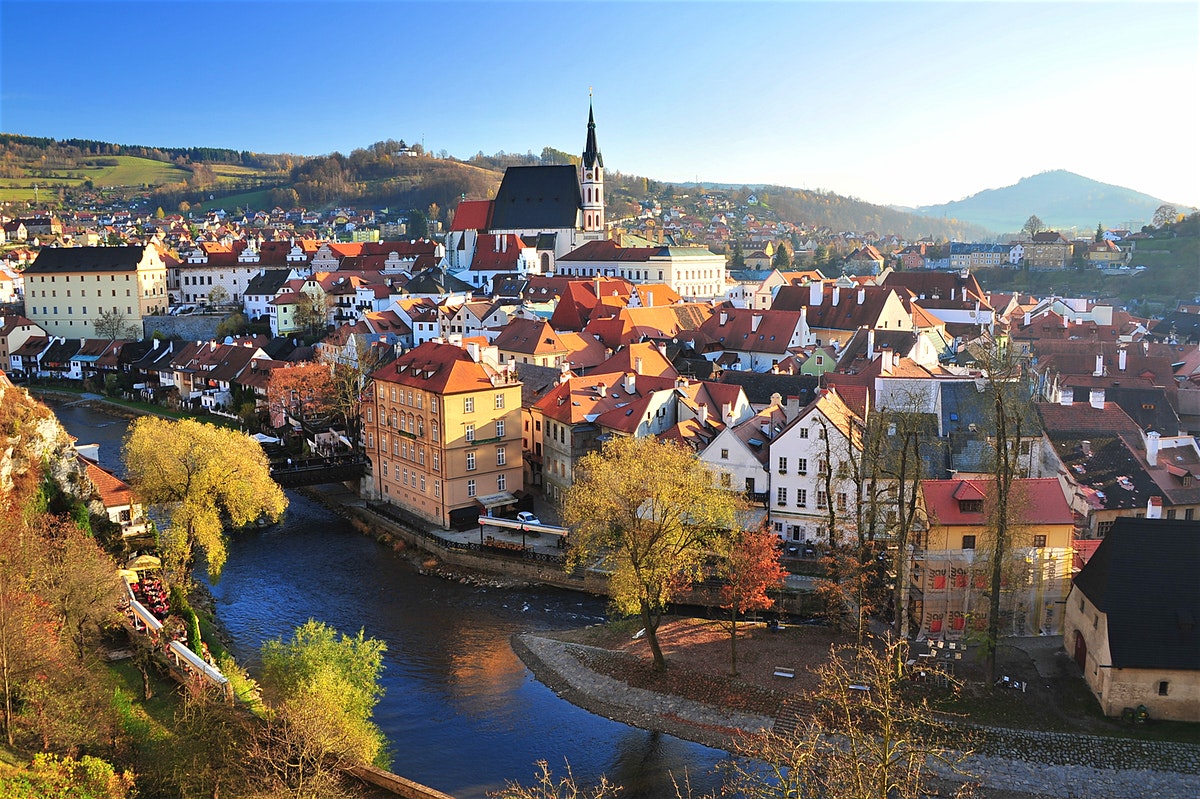
This is what the city of Palakir looks like. We are told it was a tiny village of little consequence until the Federated States of Micronesia decided to convert it into their capital city which it is said to have officially become in 1989. Nothing suspicious here, right?

I will leave this picture of Cesky Krumlov in the Czech Republic for comparison with the above photo. It is described as one of the Czech Republic’s finest medieval towns, and is a UNESCO World Heritage site.

Before I move on to the premier feature of Pohnpei, which is Nan Madol, let’s take a look at the three waterfalls on the island. Waterfalls are a signature feature of the worldwide grid.

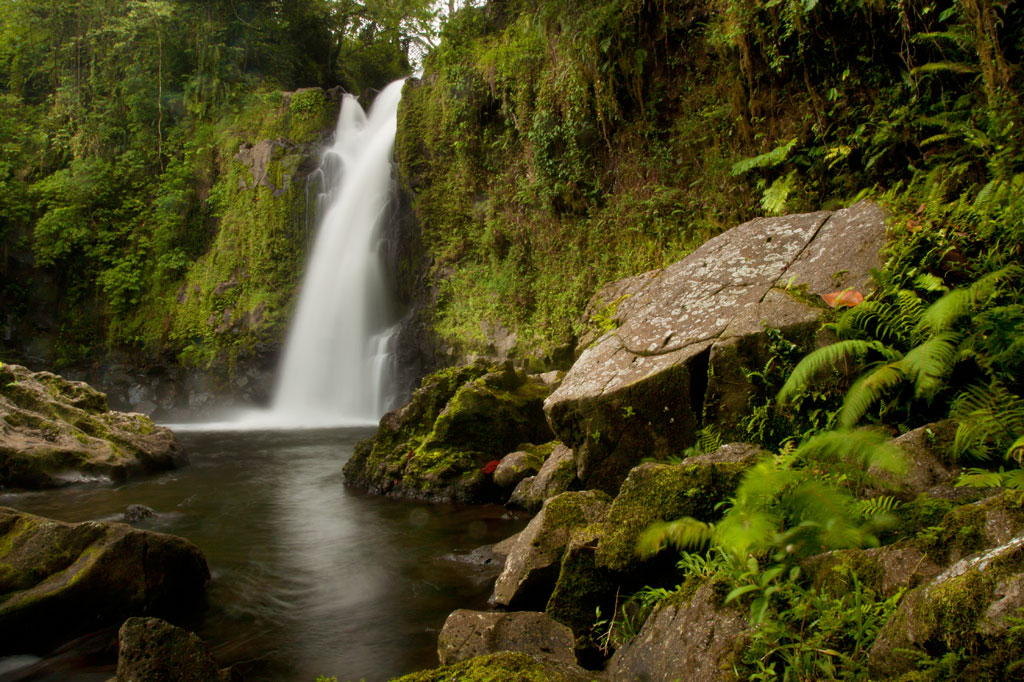
First, here is a photo of the Liduduhnlap Falls, considered a twin falls which is located outside of the city of Kolonia on the island in a lush, jungle-like setting…

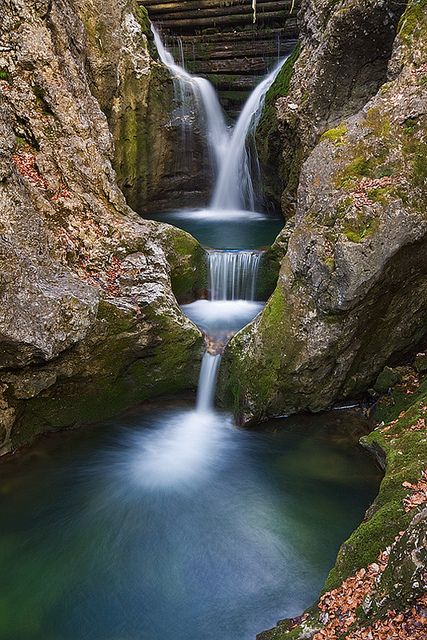
…compared with one of my favorite waterfalls, the Gacnik Waterfalls in the Julian Alps of Slovenia, in particular for its similarity of the upper portion of both waterfalls.

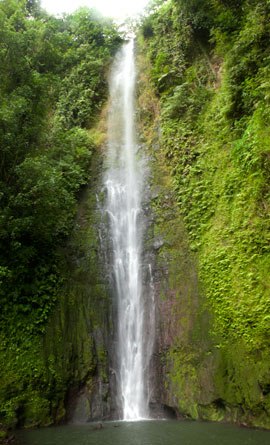
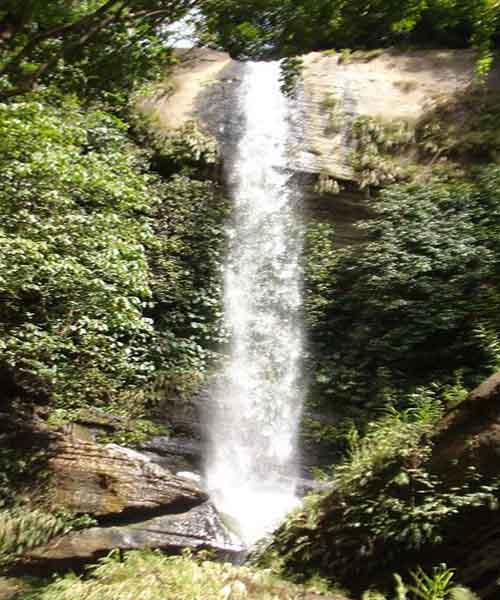
Next, this is Sahwartik Falls, considered the highest falls on the island.

…compared with the Faipi Waterfall in Bangladesh.

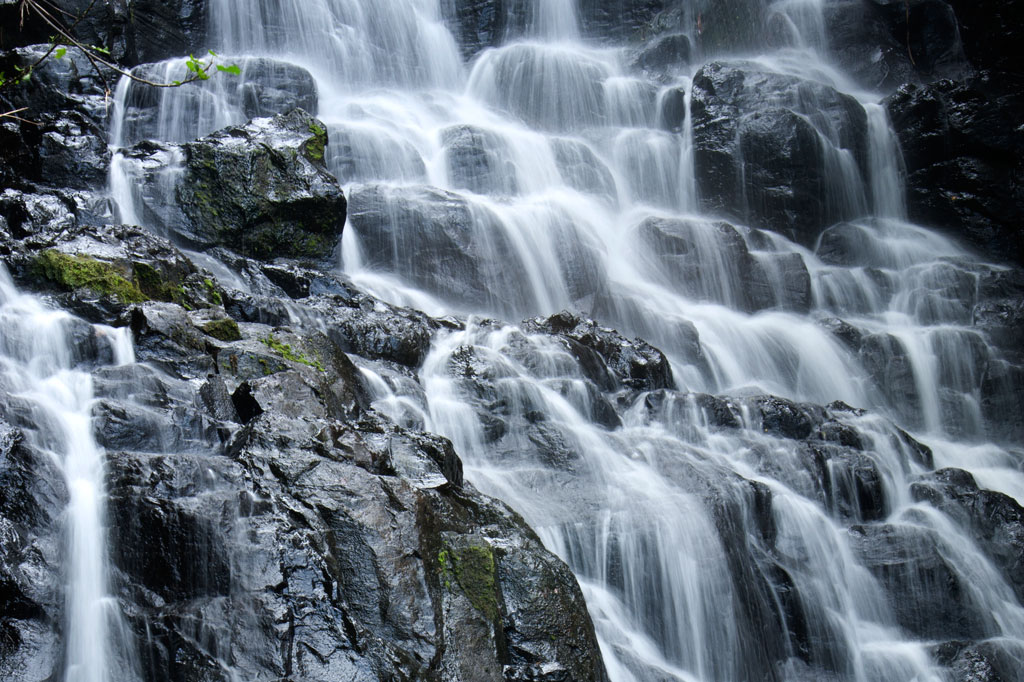
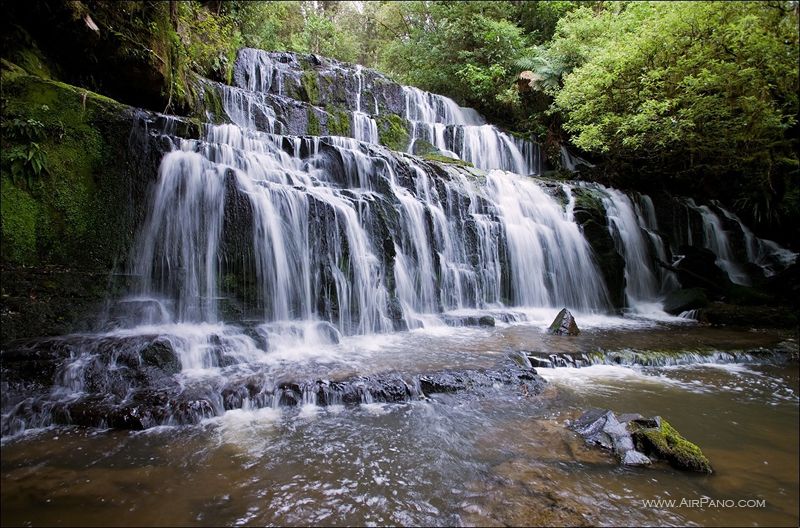
And here is a picture of the Keprohi Falls on Pohnpei…

…compared with the Purakaunui Falls in New Zealand.

We can’t visit the island of Pohnpei without looking at Nan Madol, which is located adjacent to the eastern shored of Pohnpei.

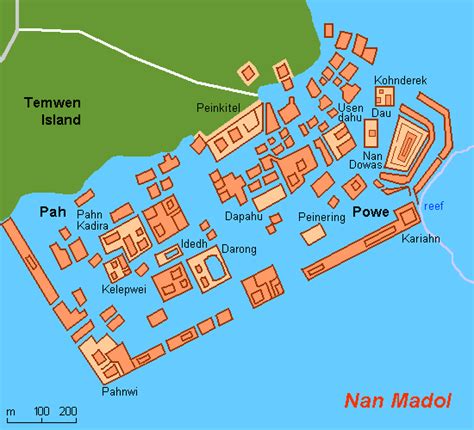
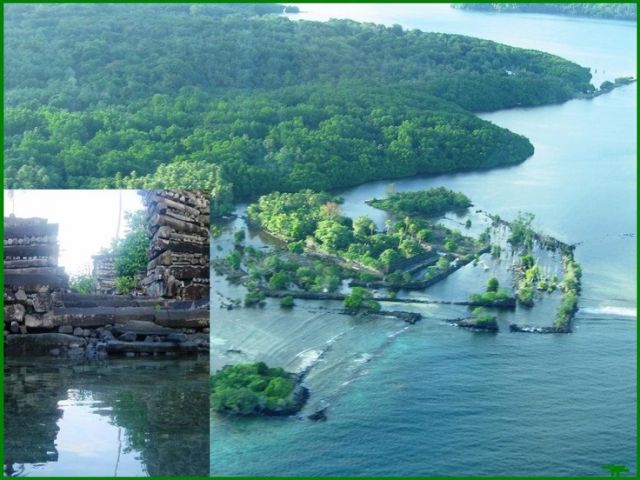
There are massive buildings here, built on small rectangular artificial islands, situated on top of a coral reef and linked by canals. It is estimated that 250 million tons of prismatic basalt went into the lincoln-log-like construction of Nan Madol, spread over 170 acres.

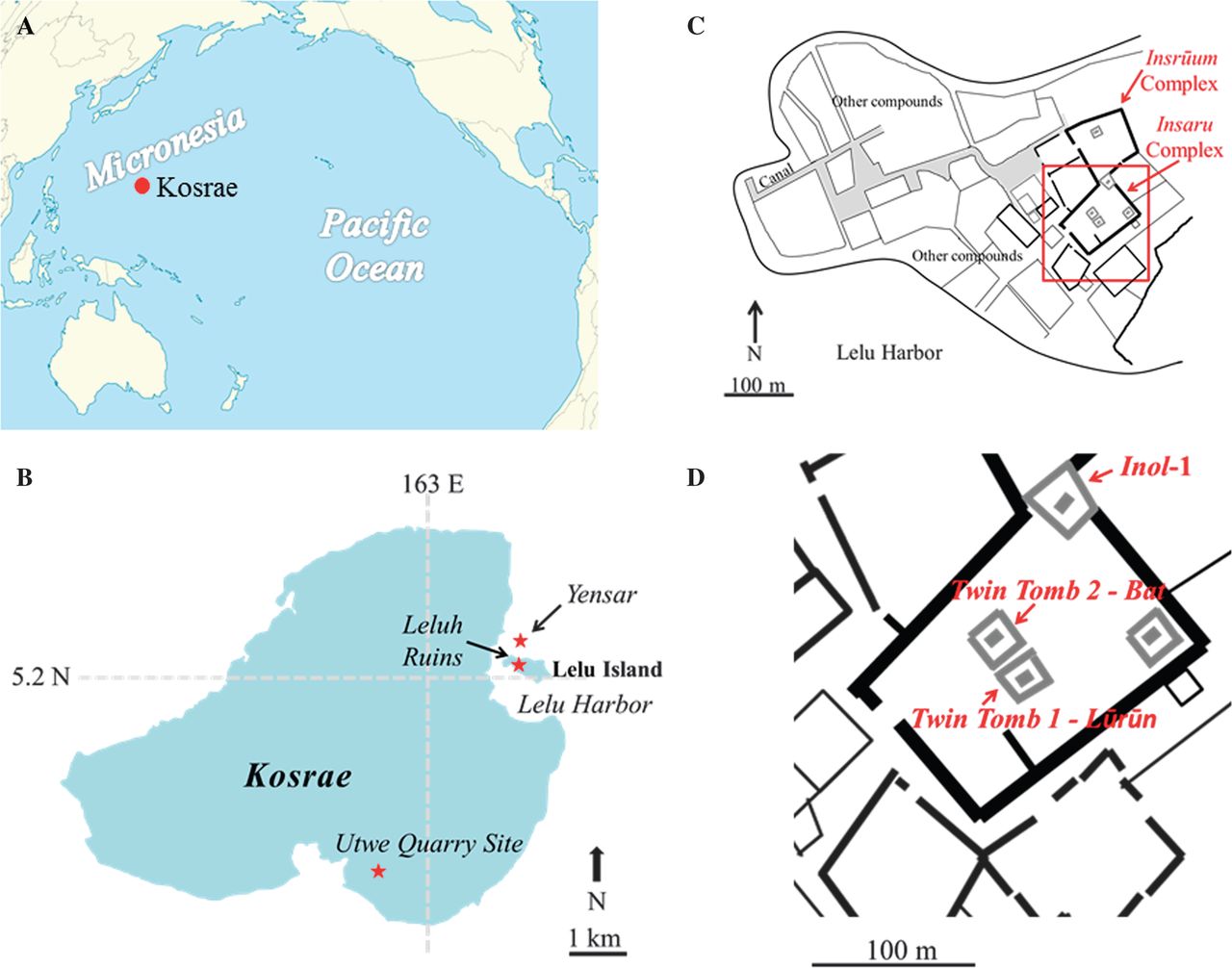
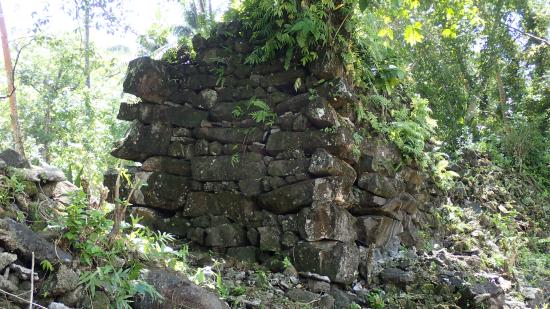
There are similar style basalt column constructions on the neighboring island of Kosrae, to the East of Pohnpei…

…like these on Lelu Island on Kosrae.

I am going to end the post here, and pick up the alignment in the next part of the series in Ong Tang Java the Solomon Islands.

Circle Alignments on the Planet Amsterdam Island – Part 8 Chongjin, North Korea to Yokohama, Japan

So far in this circle alignment, starting at Amsterdam Island in the South Indian Ocean, I have tracked the alignment through Mauritius and the Seychelles, Somalia, the Gulf of Aden, Yemen, the United Arab Emirates, the Strait of Hormuz, Iran, Afghanistan, Tajikistan, Uzbekistan, Kyrgyzstan, Kazakhstan, China, Mongolia and back through China again. I am picking up the alignment for this post in Chongjin, North Korea.

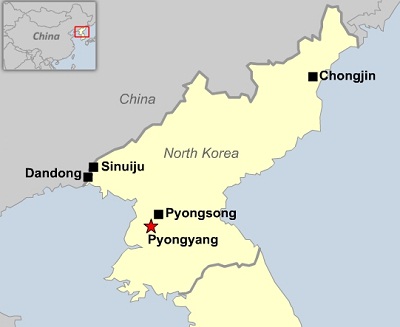
Chongjin is the capital of North Korea’s North Hamgyong Province and North Korea’s third largest city.


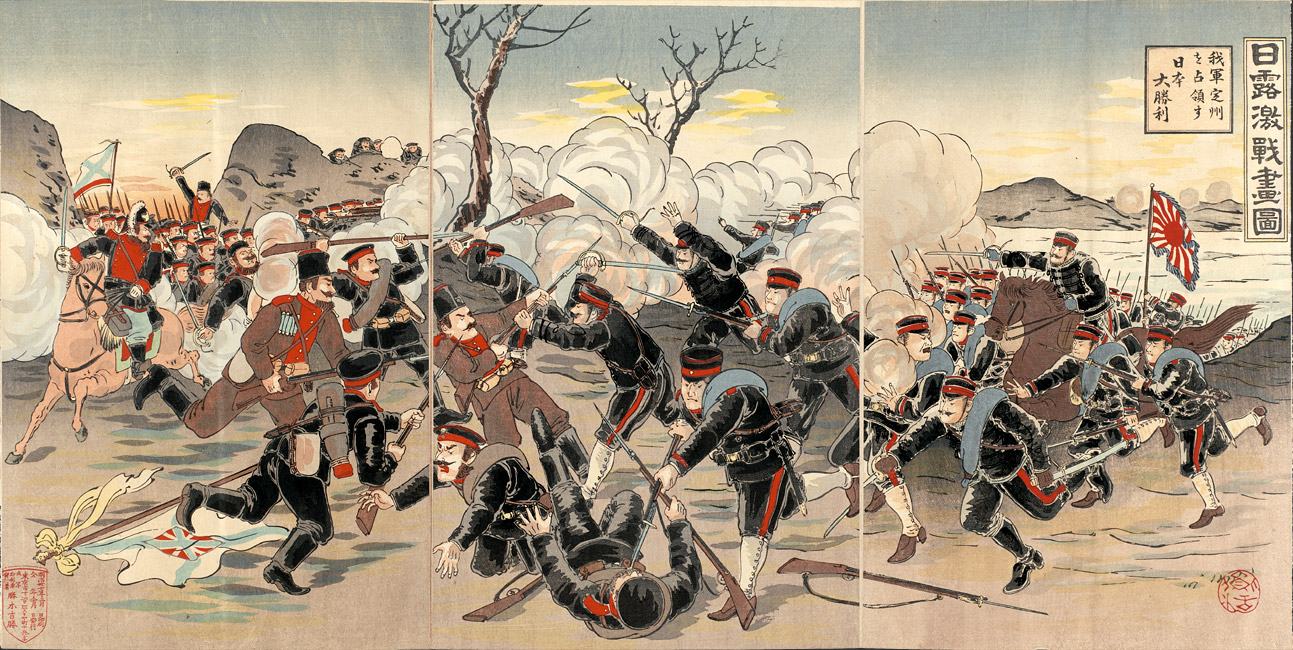
Japanese forces landed in Chongjin at the start of the Russo-Japanese War of 1904 – 1905 and established a supply base here because of its proximity to Manchuria. Both sides in the war had imperial designs in taking control of Manchuria and Korea.

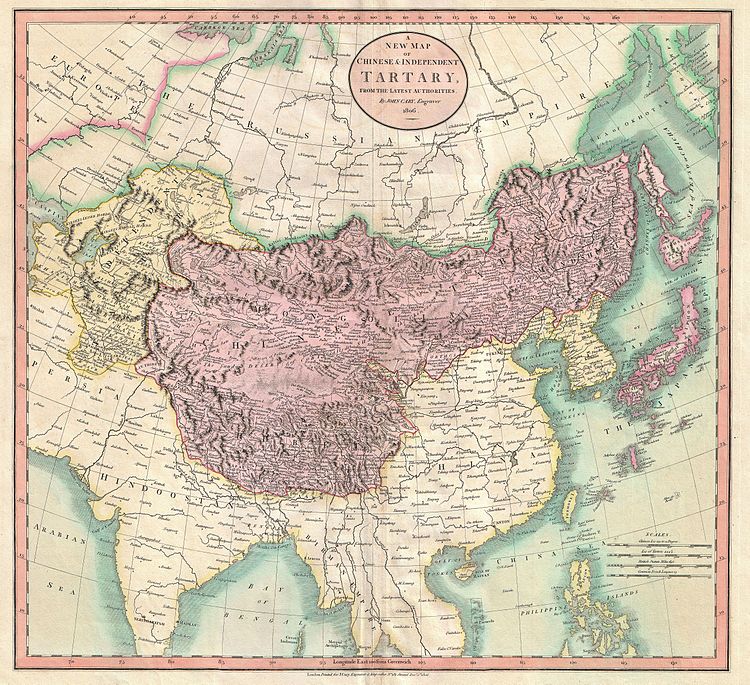
The name of Manchuria is said to have come into use in Europe the 1800s. Prior to that time, the vast region depicted on this map in purple was called Chinese Tartary. The regions in yellow were considered independent Tartary.

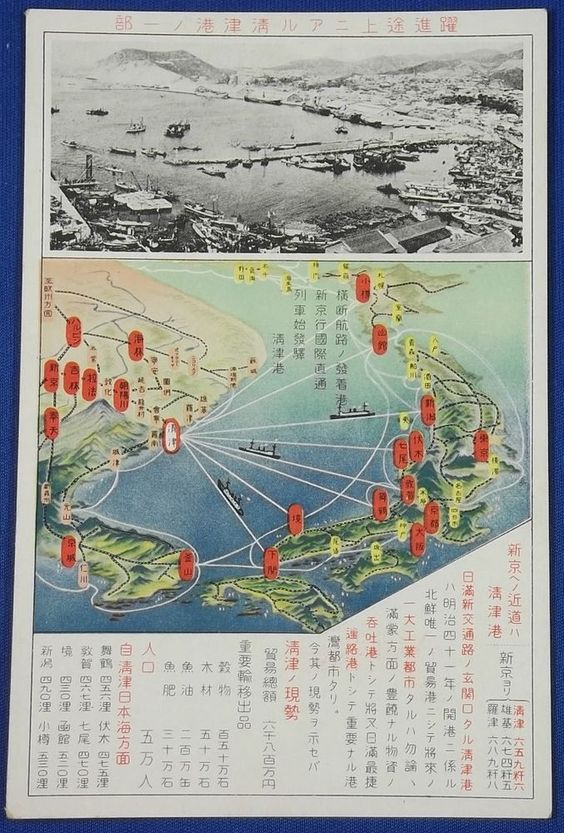
After Japan emerged as the victor of the war, it annexed Korea, and in 1908, opened Chongjin as a trading port between Korea and China.

These were early steps in the eventual establishment by the Japanese of the puppet state of Manchukuo in 1933.

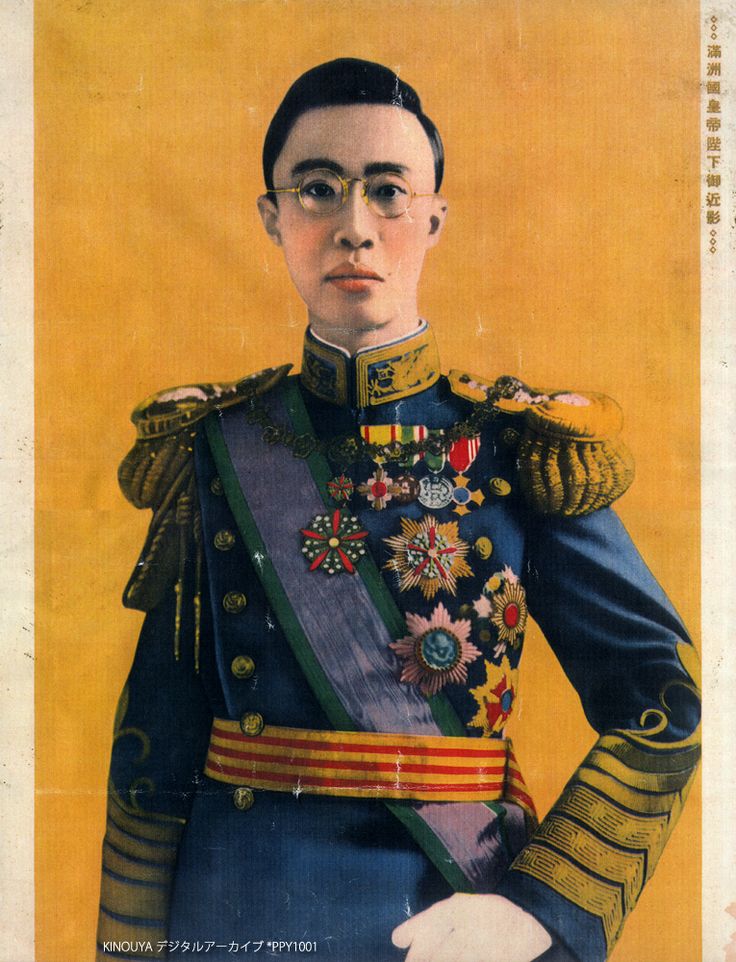
The Last Emperor of China, Puyi, was first installed by the Japanese as the Chief Executive of Manchukuo, and he became its emperor in 1934, a position he held until 1945, when he abdicated as a result of the end of World War II. His life story is very sad, and is told in the movie “The Last Emperor” directed by Bernardo Bertolucci.

Passing along an interesting aside that my research on Chongjin led me to.

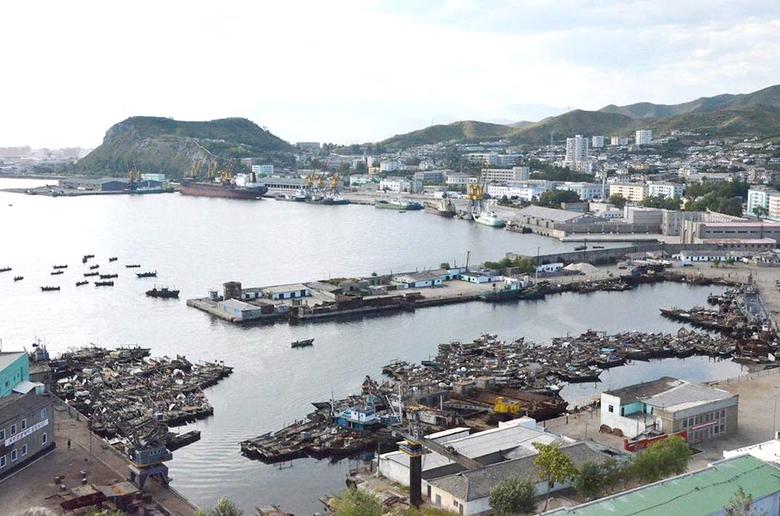
Back to Chongjin. As referenced earlier, Chongjin is a port city. It is an important component of international shipping trade with neighboring parts of Northeast and Southeast Asia, and serves as a base of North Korean trade to Russia and Japan.

Here are photos of the Port of Chongjin:

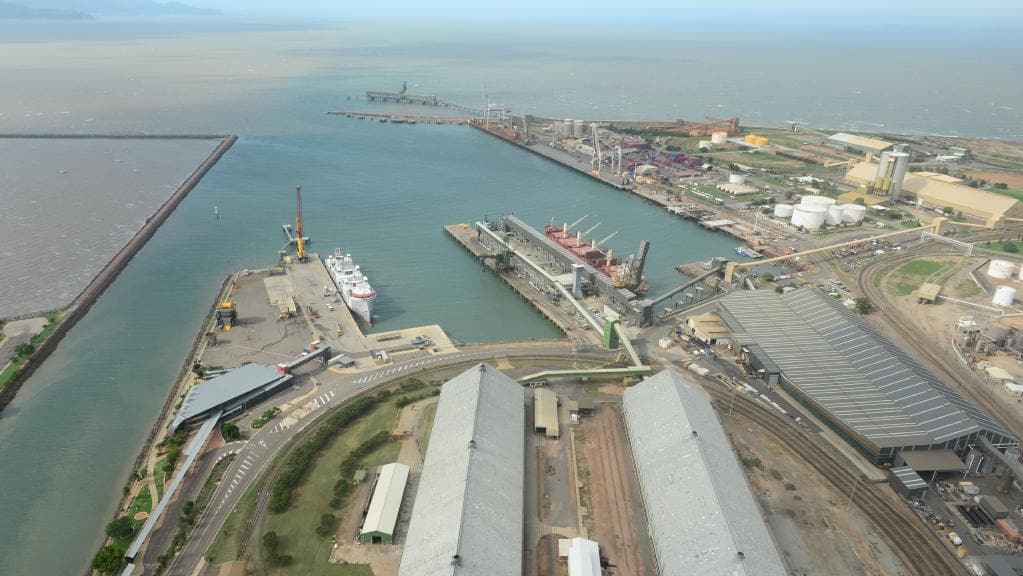
For comparison, here is a photo of the Port of Townsville in Australia…

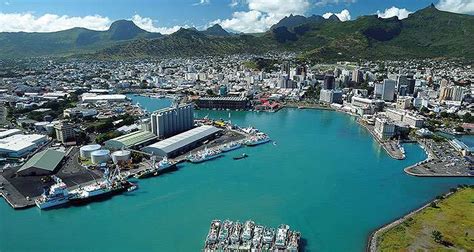
…and Port Louis on the island of Mauritius, that I talked about in the first part of this Circle Alignment series. I just want to show you that ports around the world have shared features of engineering that are not readily explained, involving precisely shaped edges and channels that look man-made. It really looks like the ports were constructed first, and the infrastructure was built-out around the port, not the other way around.

Just a short distance south of Chongjin, on the coast, is the city of Kyongsong.

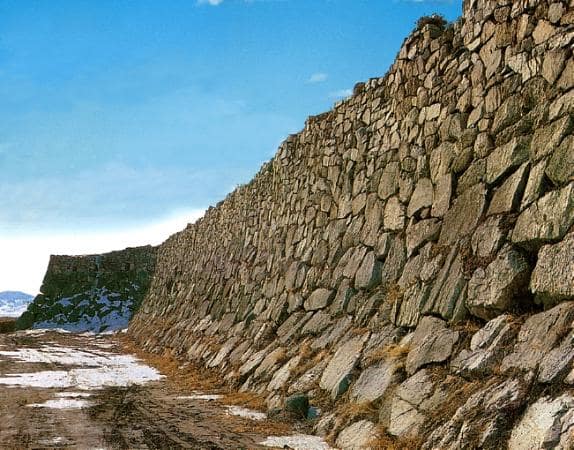
It features the Kyongsong Town Fort, which includes the only intact city wall in North Korea…

…and the South Gate. These are said to have been built in 1107 AD, during the Koryo Dynasty, which was founded in 918 AD, and from which the modern name of the country evolved.

Compare it with the megalithic construction style of this stone wall at Gozo on the island Republic of Malta in the Mediterranean Sea.

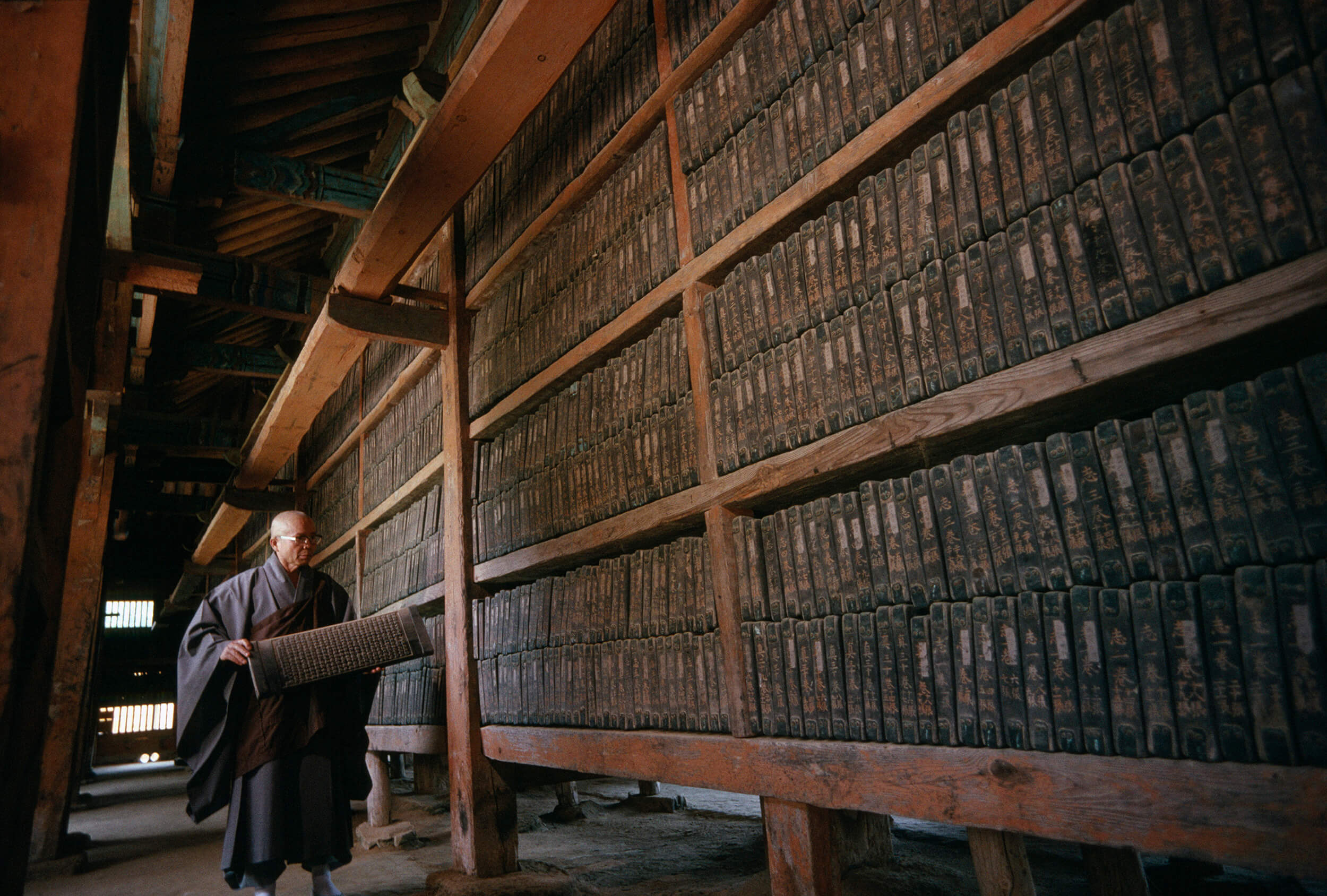
Another side note that I found when I looked up the Koryo Dynasty. There is a strong history of Buddhism in Korea too, as I have found in so many places along this alignment. During the Koryo Dynasty, the Tripitaka Koreana – the Buddhist Canon – was carved into 80,000 wood blocks, without error, in the 13th Century, and still exists where it is stored in Haeinsa, Korea, a Buddhist Temple in South Korea. It has been a UNESCO World Heritage Site since 2007.

Also near Chongjin are these two places. First, Yombun Revolutionary Site.

And this is Jipsam Revolutionary Site. I have found gigantic stonework that looks just like this next to the water all over the world.

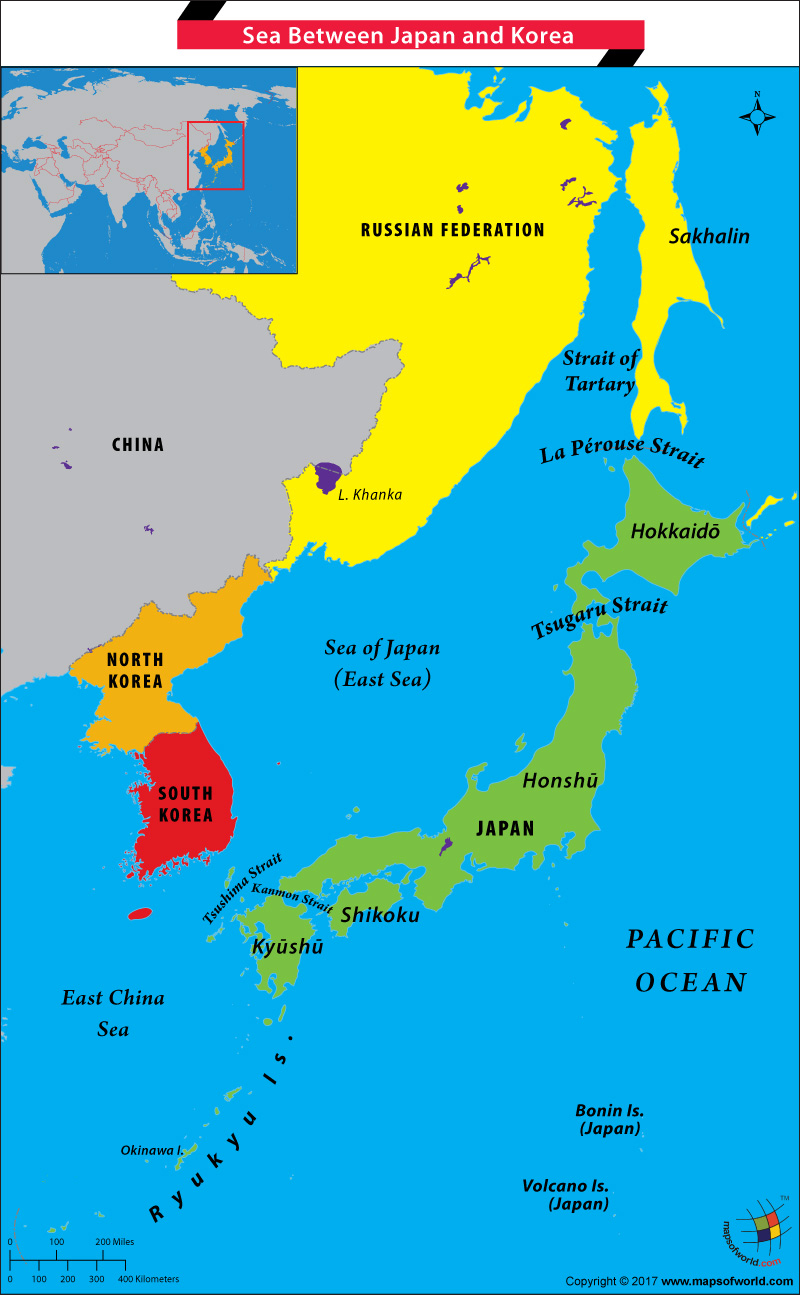
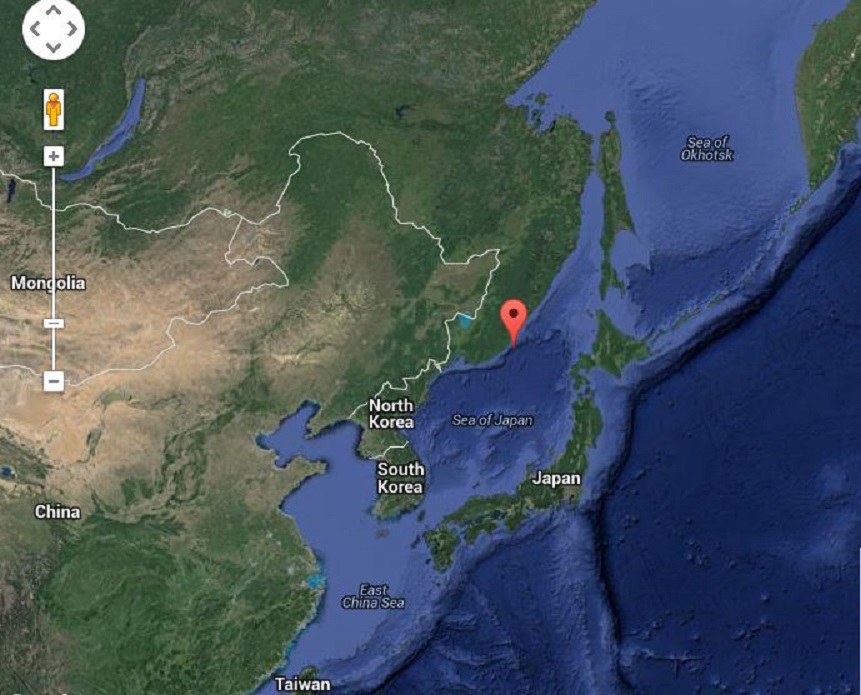
Next on the alignment is the Sea of Japan, also known as the East Sea in South Korea, the East Sea of Korea in North Korea, and was known at one time in China as the Whale Sea.

From my initial look at this place, I can already tell it is interesting.

It is what is referred to as a marginal sea, which is a sea adjacent to a continent, and partly enclosed by peninsulas or islands. It lies between the islands of Japan, Sakhalin Island, the Korean peninsula, and Russia.

It has almost no tides due to its almost complete enclosure from the Pacific Ocean. It is also one of the deepest seas in the world.

The Sea of Japan

The Sea of Japan meets the weather conditions occasionally for the formation of von Karman vortices, which is a repeating pattern of swirling vortices.

There are several straits here.

The Korea Strait between Japan and Korea, of which the Tshushima Strait is the Eastern Channel, connects of the Sea of Japan with the East China Sea.

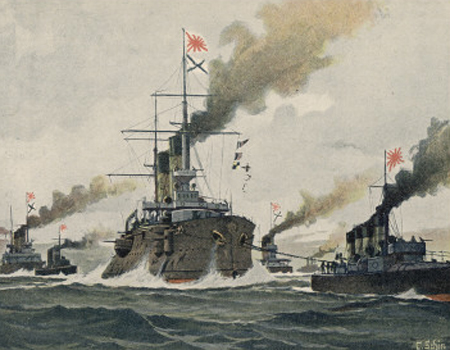
This is where the decisive naval battle took place during the Russo-Japanese War in 1905, where Japan destroyed Russia’s naval fleet.

There is the Tsugaru Strait, which is between the Japanese islands of Honshu and Hokkaido, connecting the Sea of Japan with the Pacific Ocean.

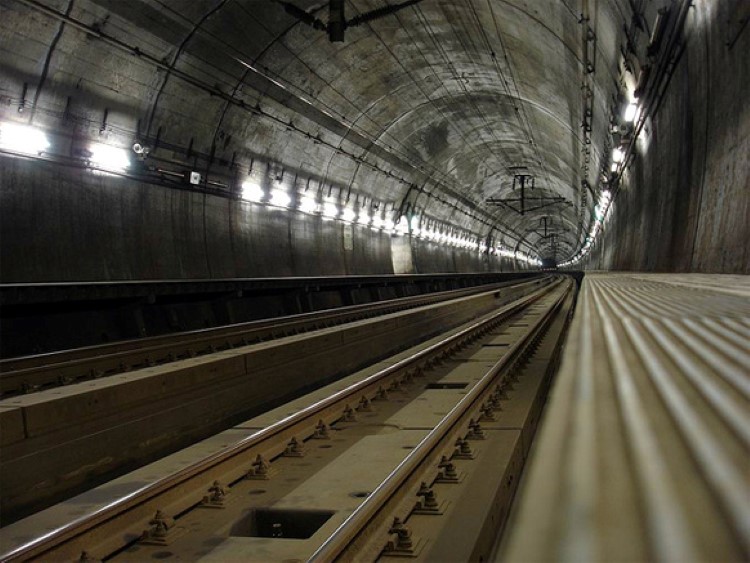
The Seikan Tunnel, a dual-gauge railway tunnel running underneath the Tsugaru Strait, connects the two islands.

Just want to point out that the city of Hakodate in Hokkaido is right there on the coast of the Tsugaru Strait where it is close to the island of Honshu, and the star fort Goryokaku is located there.

Next is the La Perouse Strait, which divides the southern part of Sakhalin Island from the northern part of Hokkaido, connecting the Sea of Japan with the Sea of Okhotsk.

Another naval battle of the Russo-Japanese War took place here, the Battle of Korsakov, in 1904, with the Japanese preventing a Russian cruiser from rejoining the Russian Fleet in Vladivostok.

The Pacific Ring of Fire passes through the Kuril Islands, which are in the vicinity. This island chain has around 100 volcanoes, with 40 being active. This is yet another example of the correlation that I have found between these alignments and the occurrence of volcanoes, and by extension, tectonic plates since most volcanoes and earthquakes occur along the boundaries of tectonic plates.

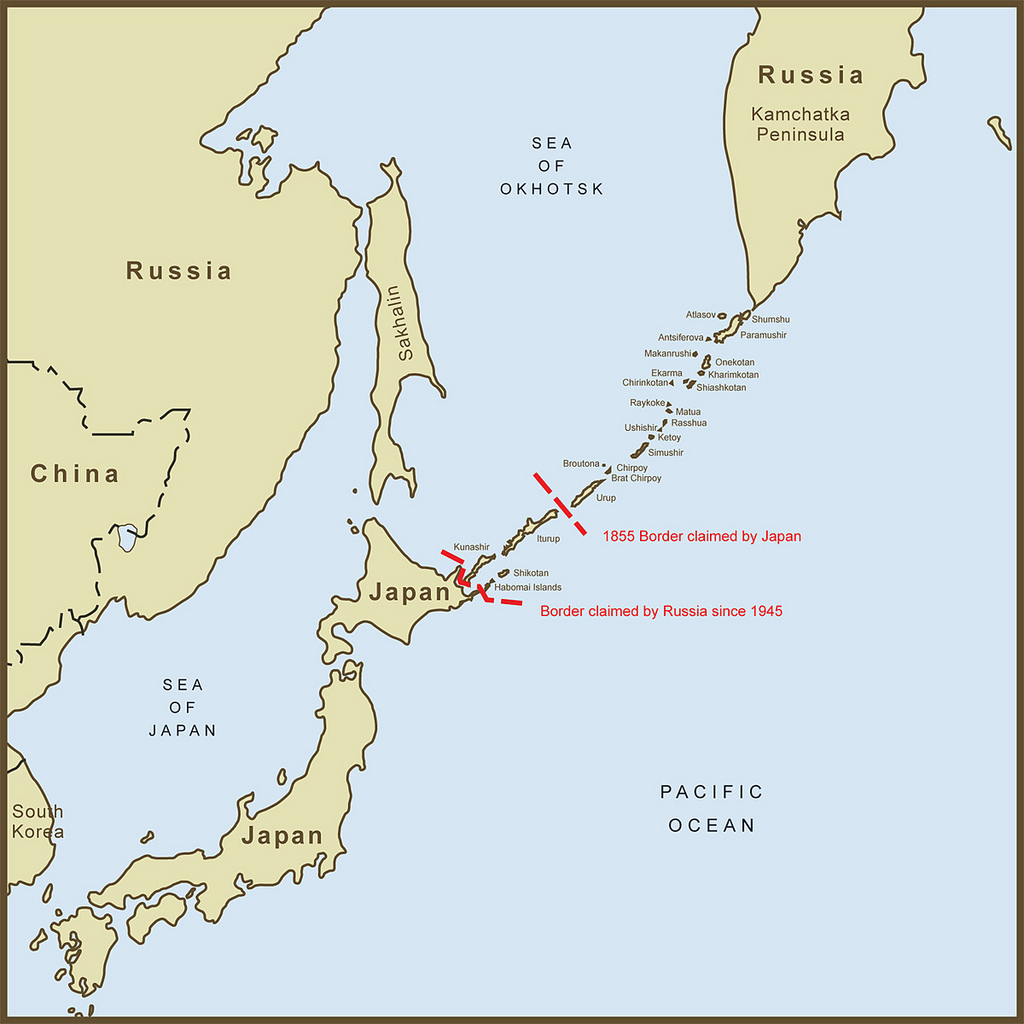
All of the islands are under Russian jurisdiction, however, Japan claims the two southernmost large islands.

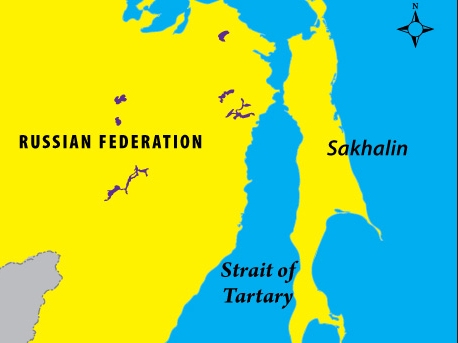
Lastly is the Strait of Tartary, dividing Sakhalin Island from southeast Russia, and connecting the Sea of Japan with the Sea of Okhotsk.

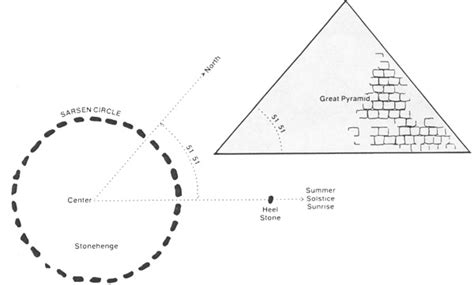
The 51st parallel north passes right through here, a circle of latitude that is 51-degrees north of the equatorial plane. The capital cities of London, England, and Astana, Kazakhstan, are at the same latitude as the Strait of Tartary.

Another interesting aside, the 51-degree pyramid, which is the angle of each of the sides of the Great Pyramid, is a temple whose proportions relate both to the human form and the geomancy of the earth.

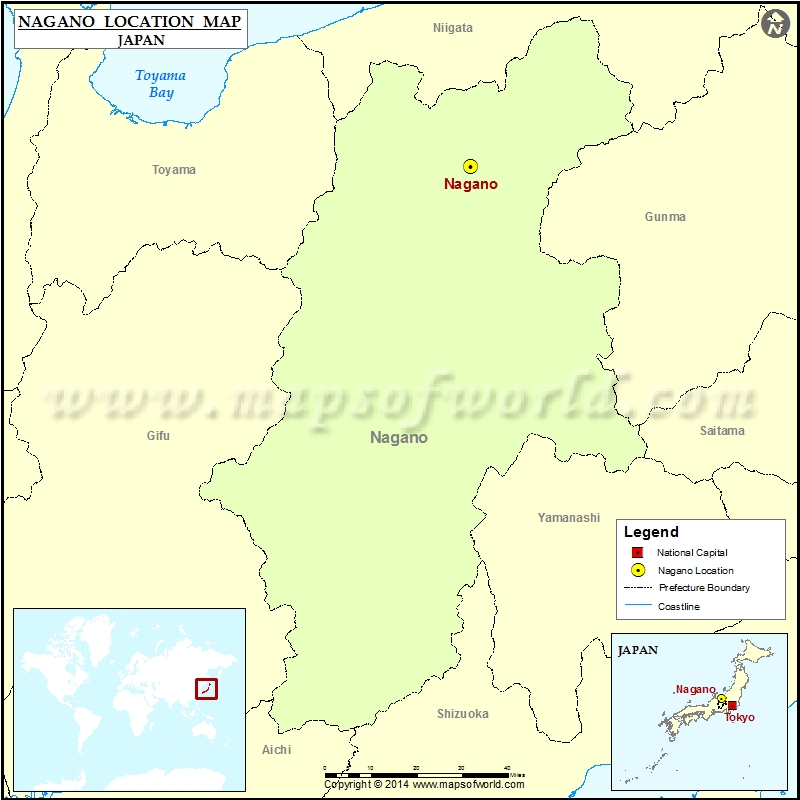
Next on the alignment is Nagano, the capital city of the Nagano Prefecture in Japan.

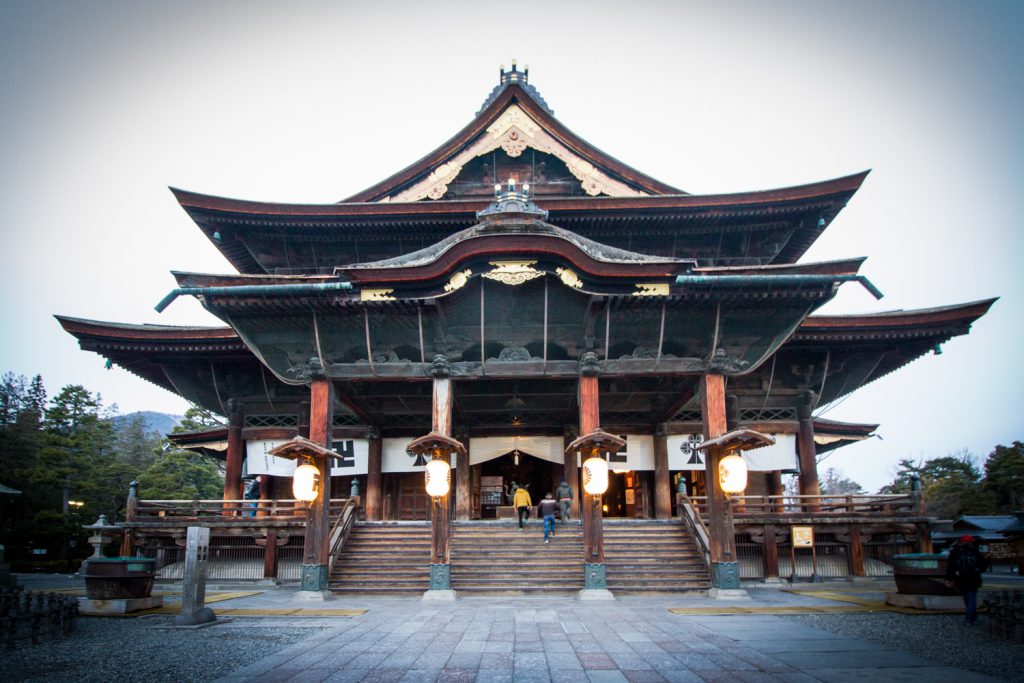
The city is said to have been built in 1897 around this Buddhist Temple, Zenko-ji, said to have been built in the 7th-century AD.

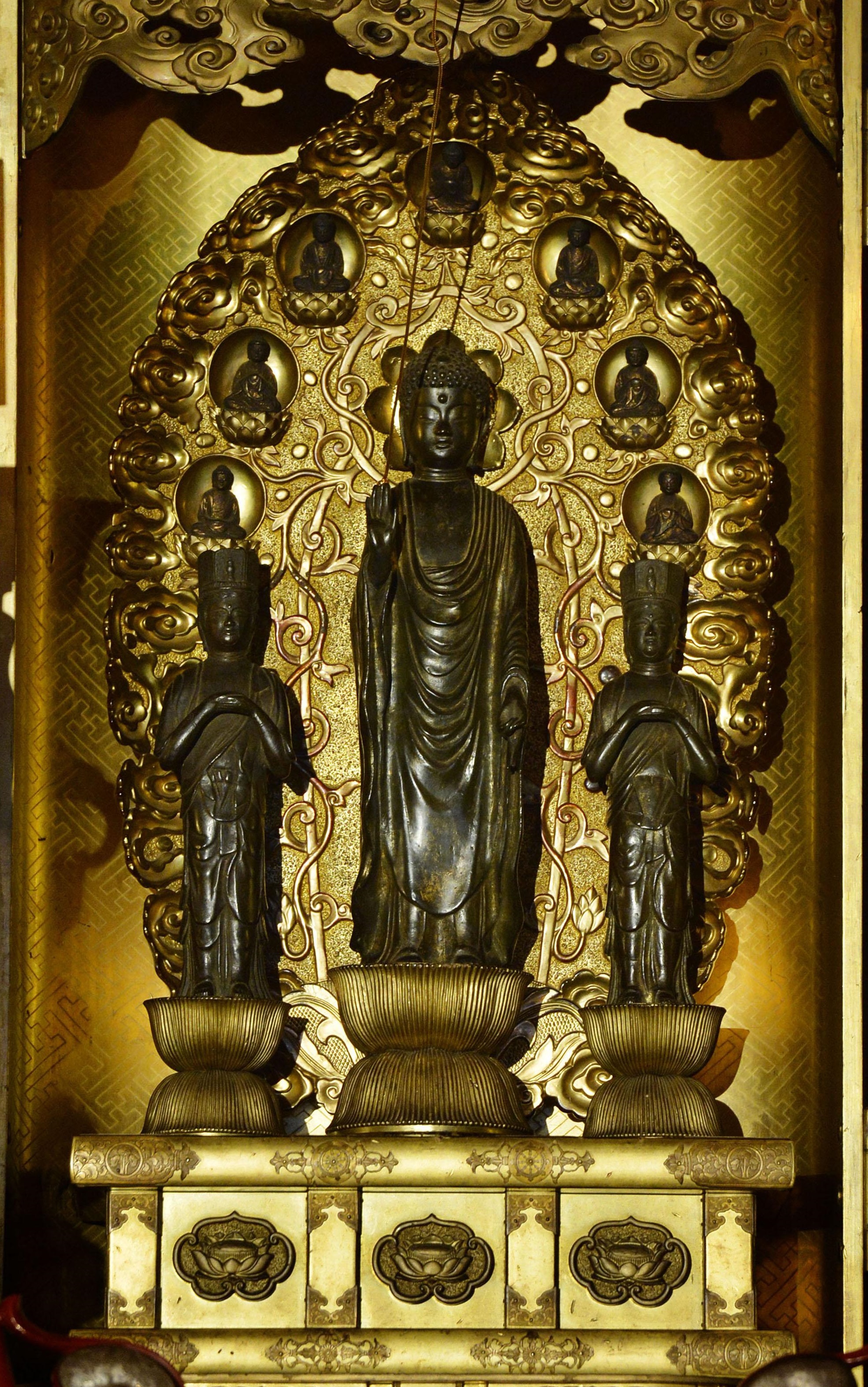
The temple enshrines images of Amida, or Amitabha, the Buddha of Comprehensive Love. There is a hidden Buddha statue there, said to be the first in Japan, that absolutely no one is permitted to see. However, there is a replica of the statue called the Maedachi Honzon that is brought out for public display once every six years.

Kusatsu Hot Springs are close to Nagano. It is the largest natural flow of hot spring water in Japan.

I have found hot springs, and actually springs of all kinds, following the planetary alignments as well. This picture illustrates the presence of large, cut stonework in Kusatsu.

Next on the alignment, we come to Tokyo, the capital of Japan since 1869, and the world’s most populous metropolitan area.

This is the Wako Department Store in the Ginza Shopping District of Tokyo…

…compared with the building style of this one in Chongjin, North Korea…

…and this hotel in Burundi in East Africa.

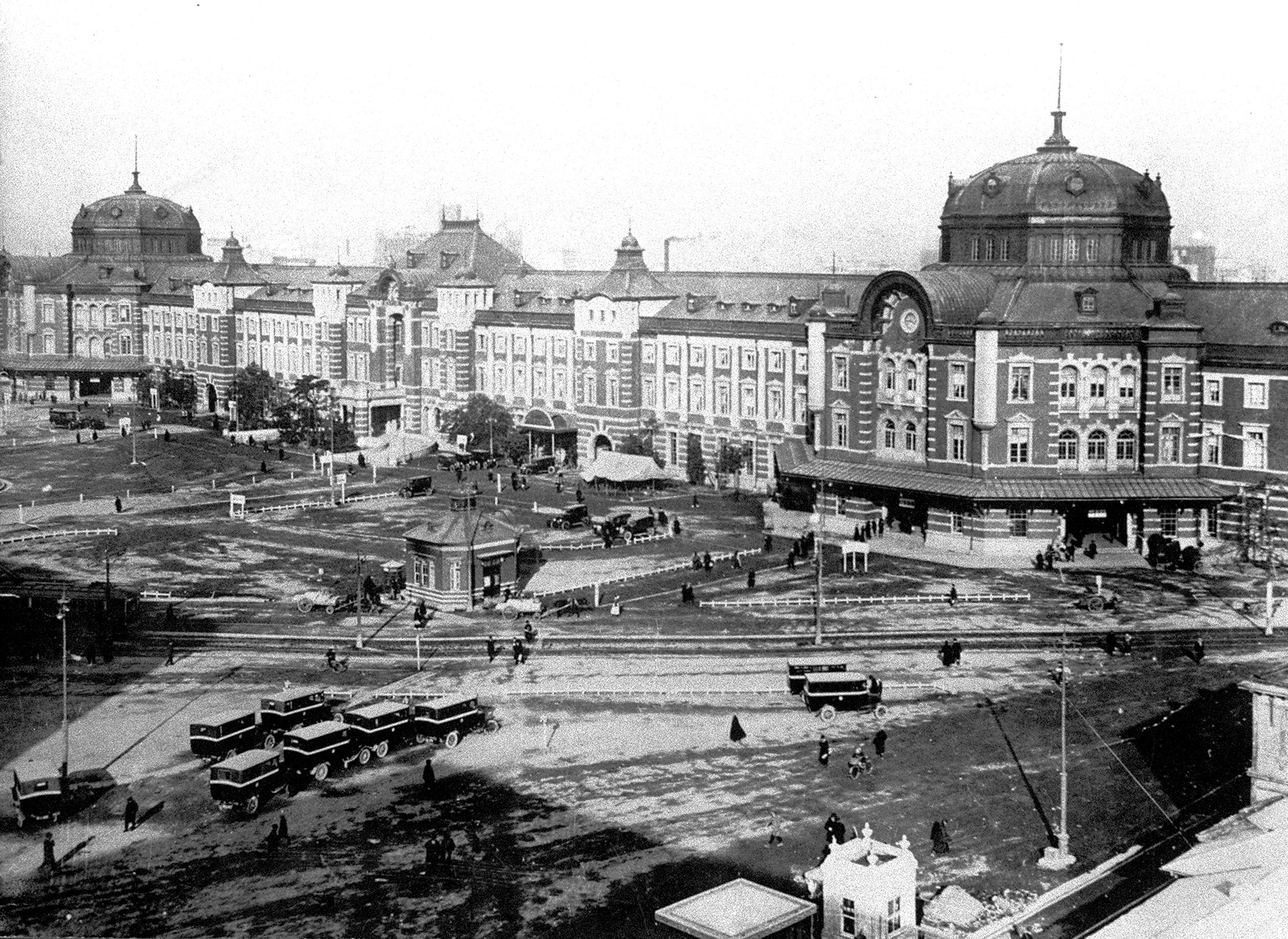
This is a historic photo of the Marunouchi Train Station, said to have been built in 1914. Check out the size of that thing!

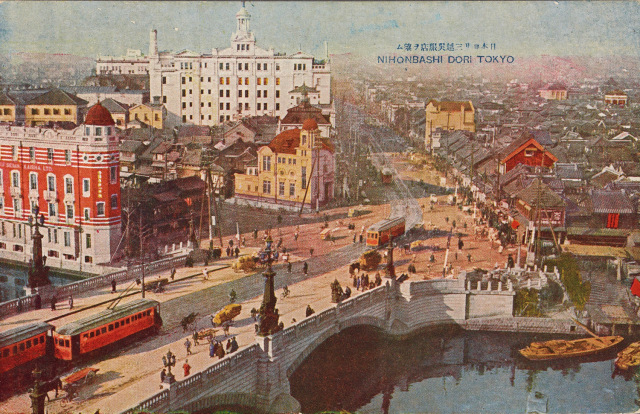
This image is of a 1922 post card, featuring the Nihonbashi, or Japan Bridge, in the foreground, with more gigantic onion-domed buildings in the background. This bridge survived the Great Kanto Earthquake of 1923, but didn’t survive urban development when it was buried underneath a massive expressway that was built in the 1960s.

I showed the bridge at Beishan in Jilin City in the last post. Looks a lot like the Japan Bridge in Tokyo.

Yokohama, the capital of Kanagawa Prefecture and the largest city in Japan by population, is the next stop on the alignment. It is Japan’s most prominent port city, and is a major commercial hub for Tokyo.

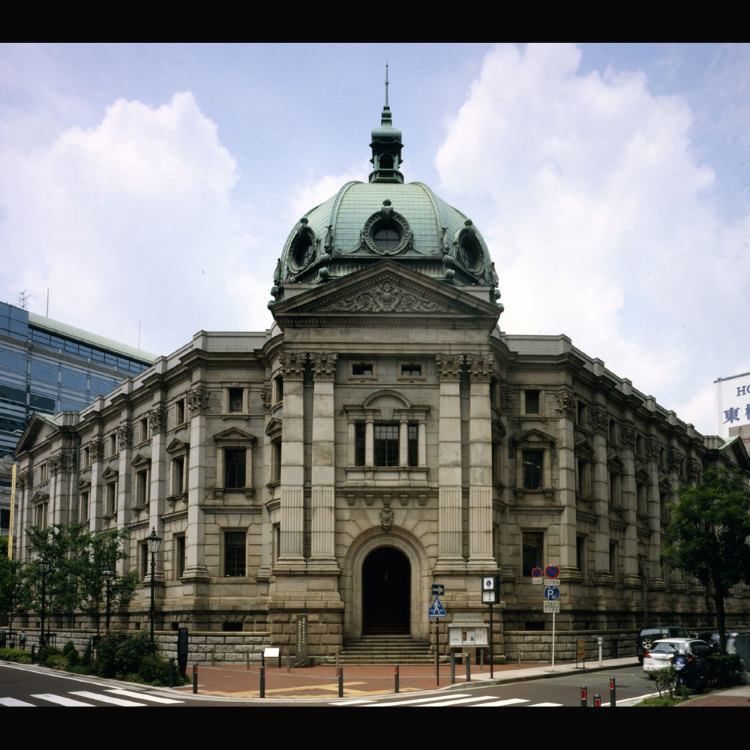
This is the Kanagawa Prefectural Museum of Cultural History in Yokohama, which prior to being a museum was a bank, and is said to have been built a short time after the fall of the Tokugawa Shogunate in 1867…

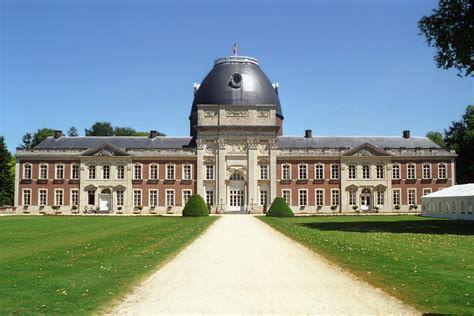
…compared with this building near Brussels, Belgium, called the Abbey Helecine, or the Opheylissem Castle, said to have been built in 1870 on the remains of the Opheylissem Abbey, of a Premonstratensian Order of the Catholic Church that was started there in 1129.

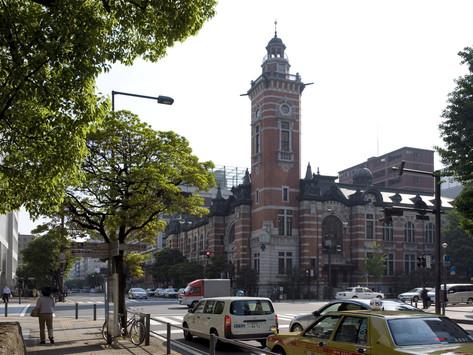
And this is Jack’s Tower, for which the official name is The Historic Port Opening Memorial Hall, in downtown Yokohama, and said to have been completed in 1917…

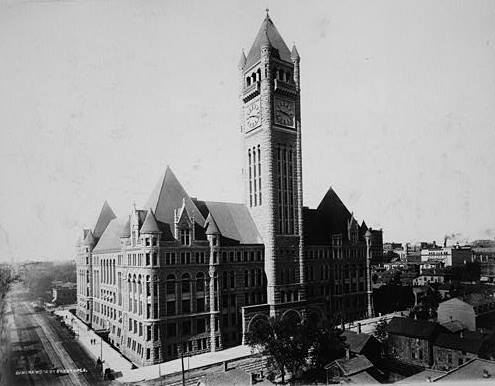
…compared with the City Hall and Court House in Minneapolis, Minnesota, said to have been built around 1900.

I am going to end this post here, and pick up the alignment in Japan’s Bonin Islands.

Circle Alignments on the Planet Amsterdam Island – Part 7 Inner Mongolia to Jilin, China

Next on this alignment – for which the starting and ending point is Amsterdam Island, a tiny island in the South Indian Ocean – we come to the Inner Mongolia Autonomous Region of China.

It lies along most of the length of China’s border with Mongolia, and a small section of China’s border with Russia.

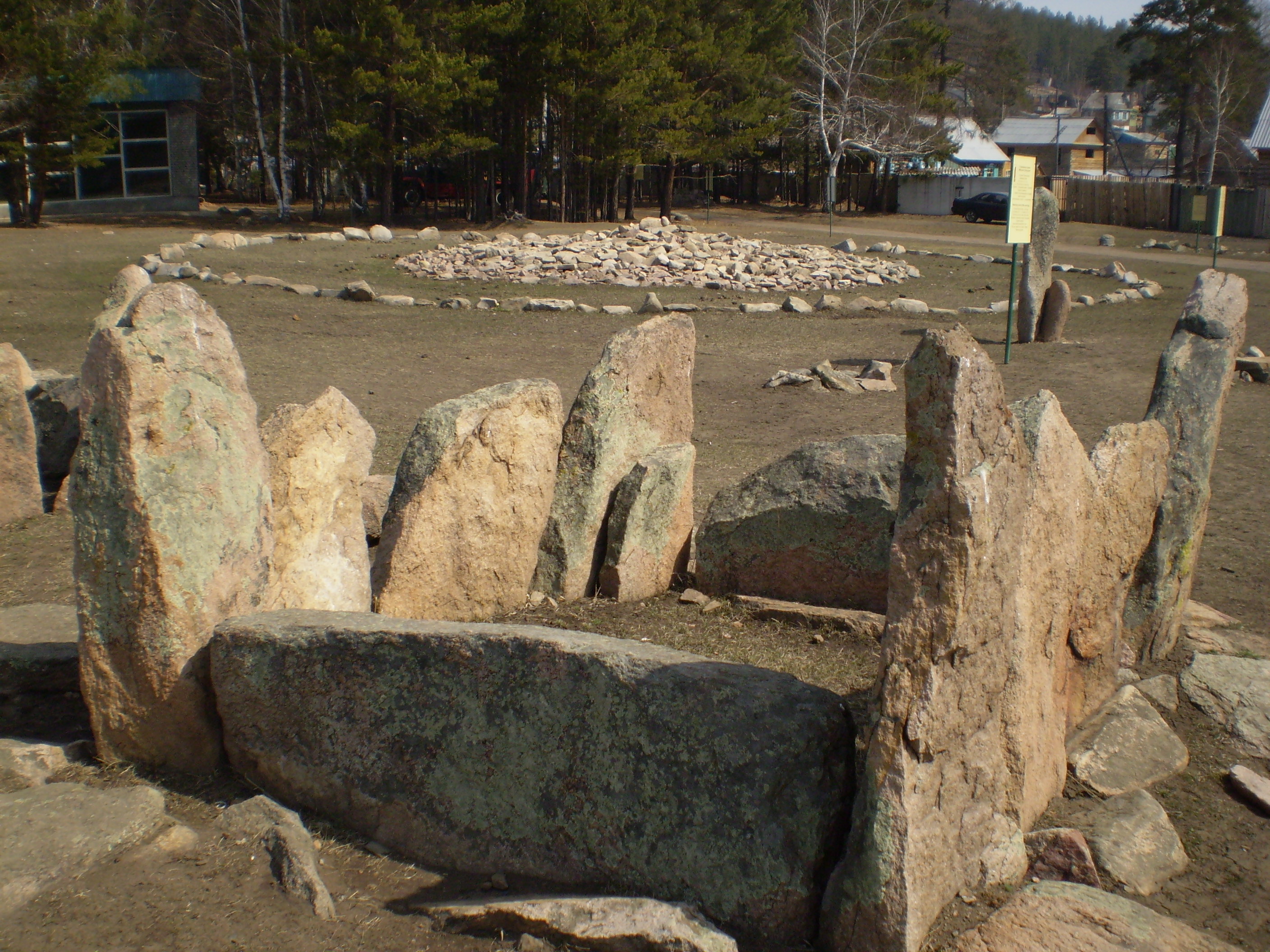
To start out with, one of the recurring features of this part of the world gets attributed to what is called “The Slab Grave Culture,” which is called a nomadic, Eurasian, Scythian-Siberian civilization. What I see here is evidence of the ancient megalithic civilization, with the cut-and-shaped stones in the foreground, and the stone circle seen in the background.

Let’s see what else we find here.

The alignment crosses near the Hulunbuir Grasslands. Looking at photos, I find this pyramidal landscape feature…

…and here is another one, where you clearly see the abrupt rise in elevation from a relatively flat surface.

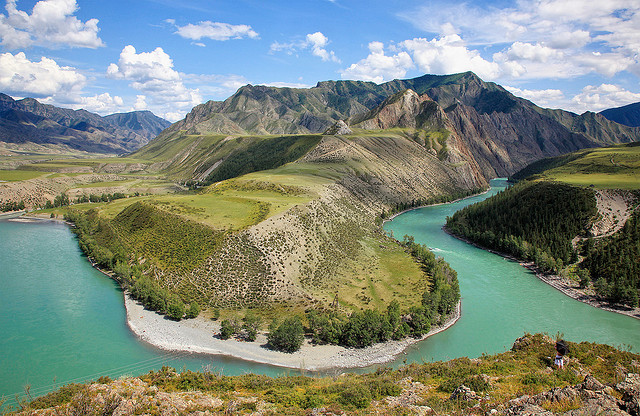
Then, we find this S-shaped river bend in the Hulunbuir Grasslands…

…just like the one we saw in The Ukok Quiet Zone Nature Park in the Altai Mountains in the previous post…

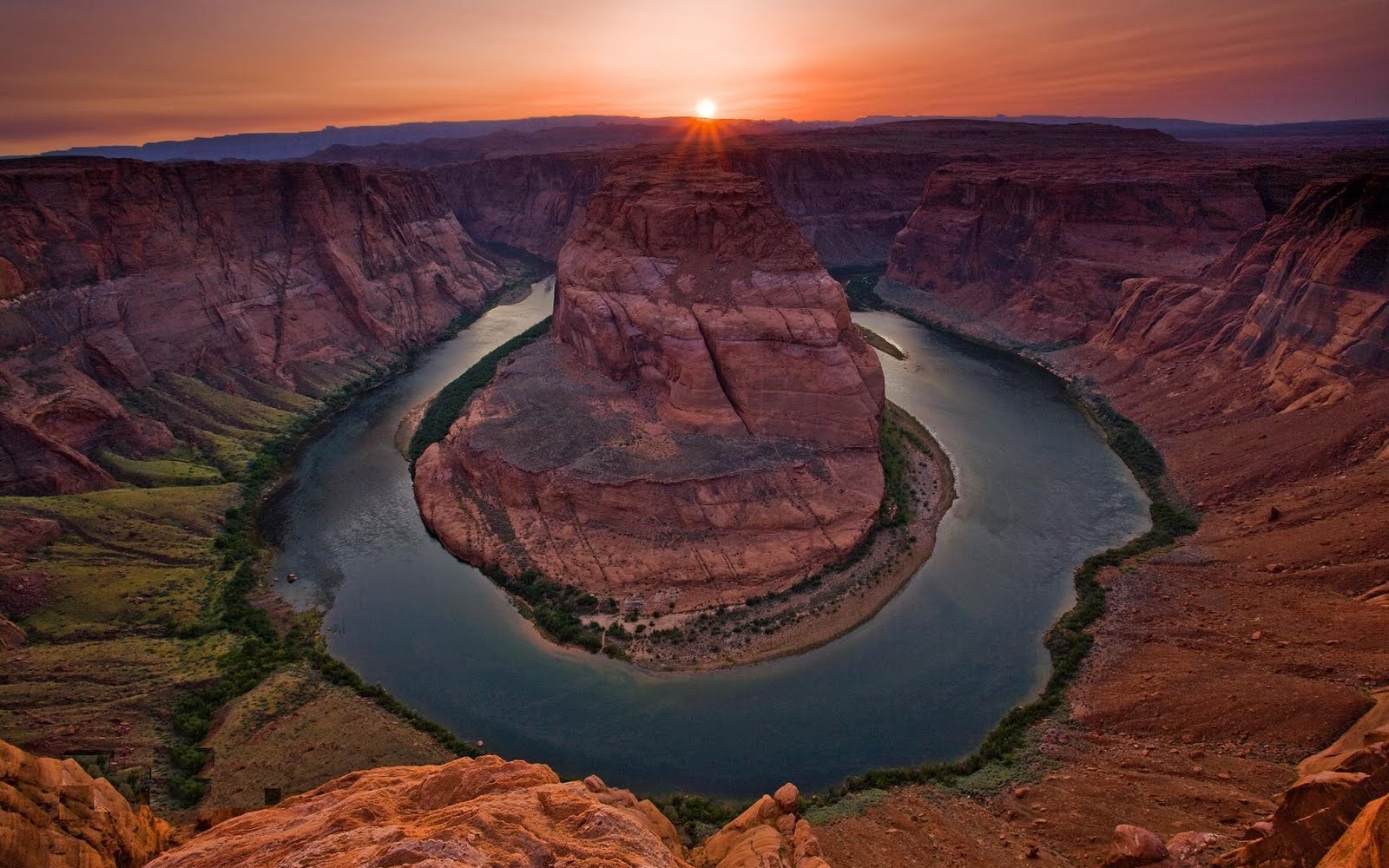
…the Horseshoe Bend of the Colorado River in Arizona’s Grand Canyon…

…and the Big Bend of the Rio Grande in South Texas.
Compare the similarity of this location in the Aershan National Geopark of Inner Mongolia in China…

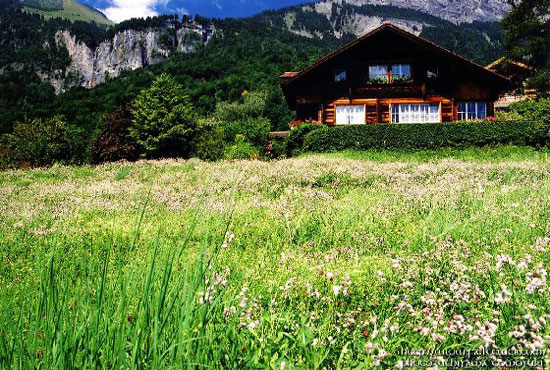
…with this location in the Lauterbrunnen Valley of Switzerland at the Staubbach Falls. These places are not historically associated with each other, and yet look very similar!
This is the Aershan Hot Springs Hotel…

…compared with inside the Gellert Bath House in Budapest, Hungary, where we find the same double-column design inside as what is seen in the above photo outside…

…compared with these historic bath houses in Hot Springs Arkansas. like the columned architecture of the Ozark…
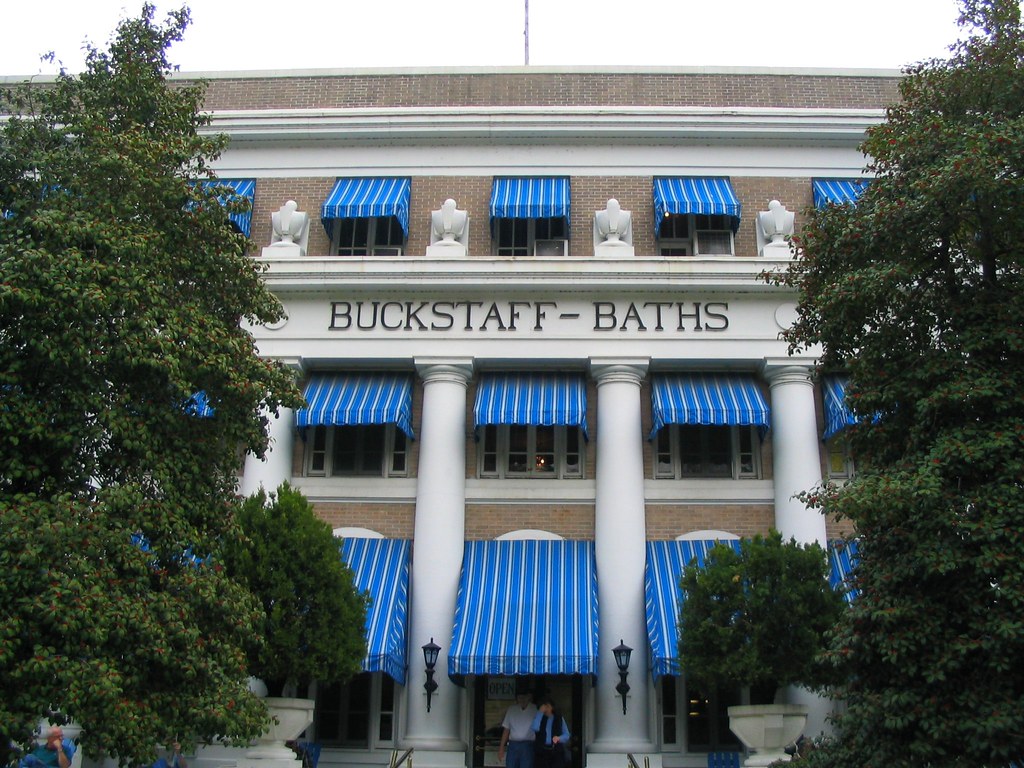
…and the huge columns of the Buckstaff Bath House in Hot Springs. I think there might be something else going on here that we don’t know about.

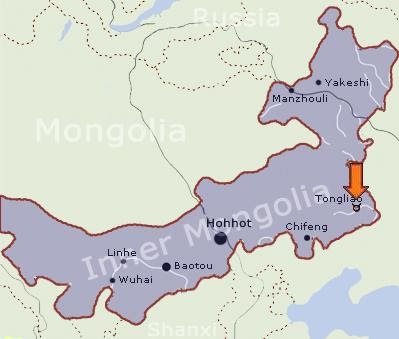
Next we come to the city of Tongliao in Inner Mongolia. Tongliao is a railway hub, which connects Inner Mongolia directly with Beijing and northeast China.

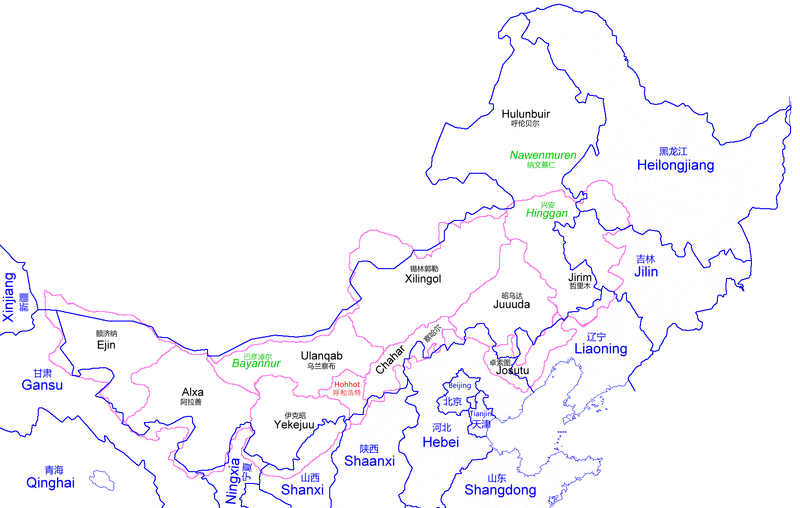
It was the administrative center of the defunct Jirem League. The six original Leagues of Inner Mongolia were ancient administrative units, and they became equal to prefectures in other parts of China when it became the Inner Mongolia Autonomous Region in 1947. They included different tribes and banners. Interesting to note that one of the Leagues shown here, just to the right of the center of the image, is named Juuuda (like Judah?)….

Tongliao sits on the east bank of the Xiliao River, one of
several rivers in this region which the alignment crosses over. It flows in Inner Mongolia and the Liaoning Province in Northeastern China. It is one of the headwaters of the Liao River.

A search for images only yielded one picture of interest for the Xiliao River.

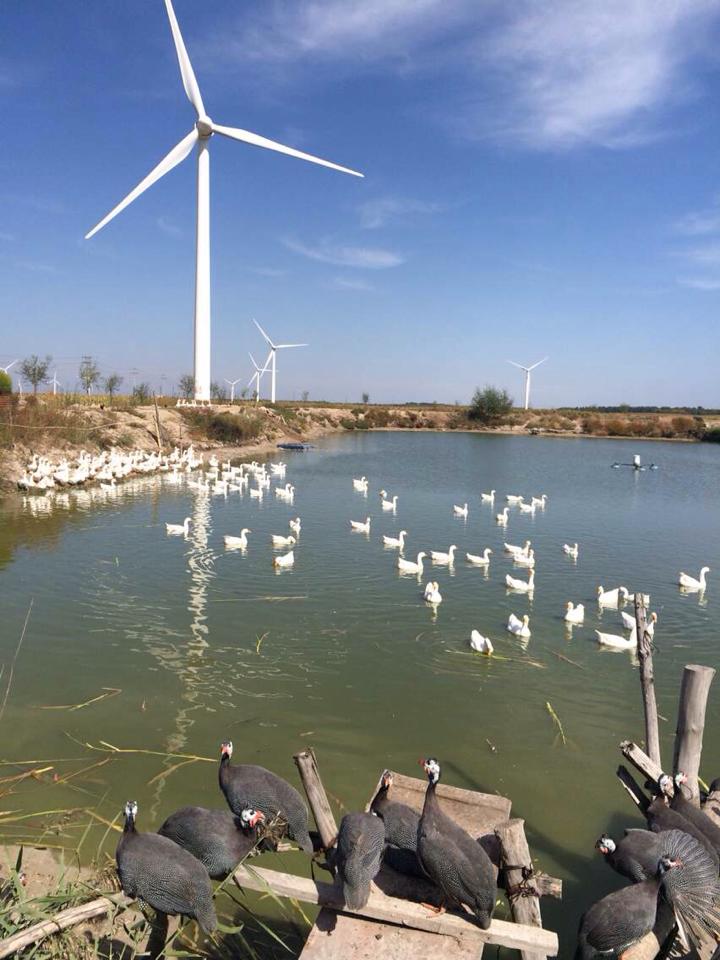
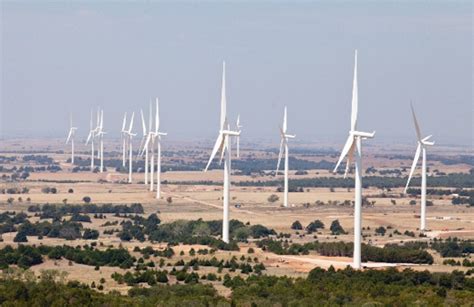
I will use this as an opportunity to say that I find turbines like this all along gridlines.

These are in Okarche, near where I lived in Oklahoma. They are not randomly placed as one might think. They all run at the same speed regardless of whether or not the wind is blowing. I suspect they are harvesting a hidden energy source, and not the wind as we are told. These, and the ones that fill the horizon along Interstate 40 across Texas as well, line up along grid-lines and near energy hubs. See my blog post on “The Relationship Between the Planetary Grid, the Technology of the Ancient Civilization, and the Modern Energy System” for a more in-depth look at this subject.

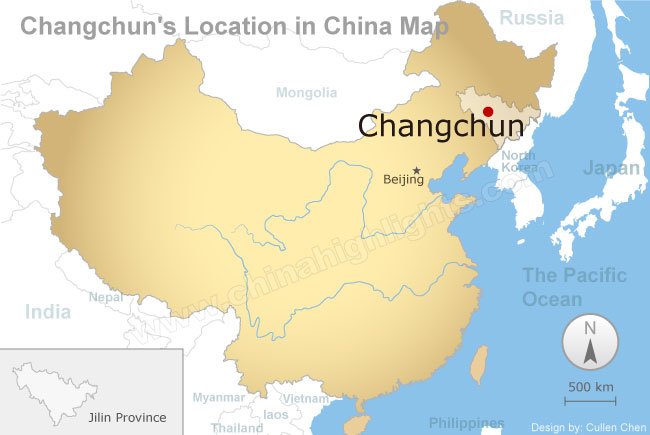
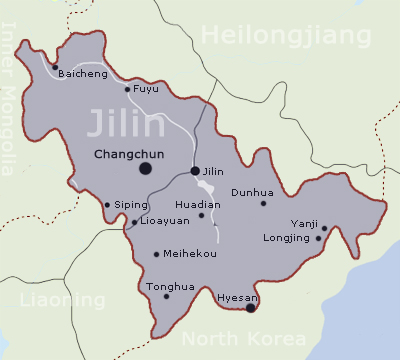
Next on the alignment is Changchun, the capital and largest city of China’s Jilin Province.

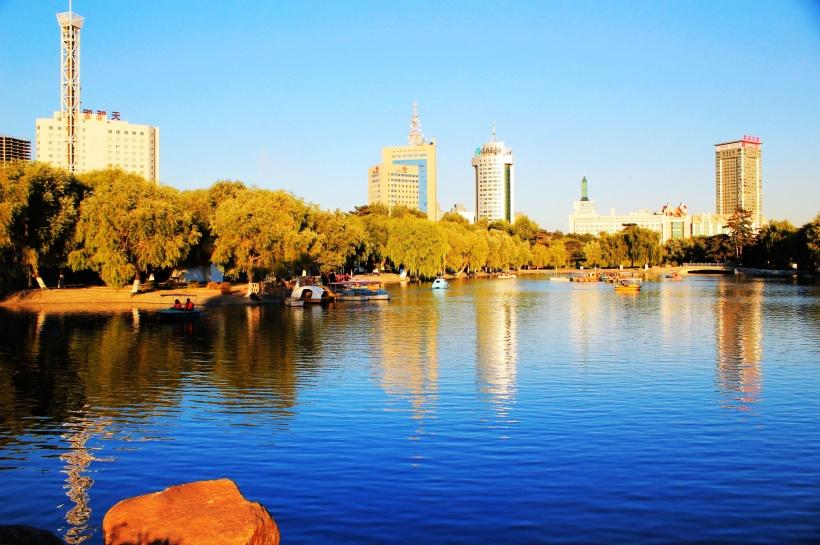
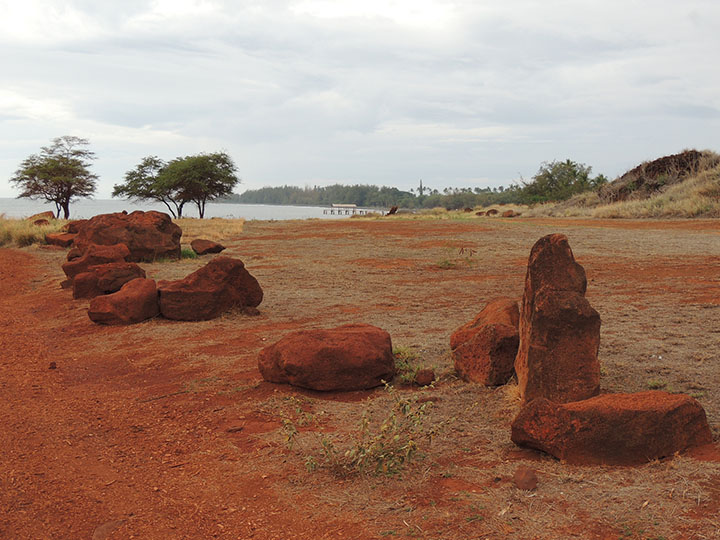
Changchun lies in the center of the Songliao Plain, also known as the Manchurian Plain. Note the red rock in the foreground, similar in appearance to red rocks found in diverse places…

…like what is found on the Hawaiian Island of Kauai at the Fort Elizabeth State Park, also called the Old Russian Fort…

…and at Lake Arcadia, in Edmond, Oklahoma just outside of Oklahoma City.

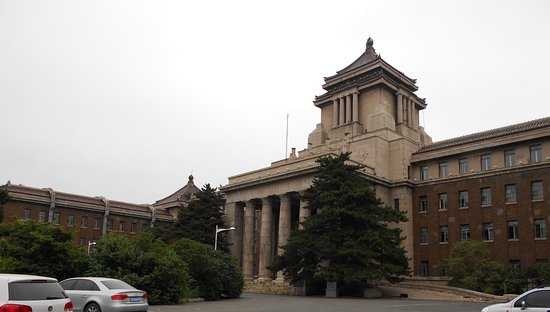
Changchun was the seat of government for the Japanese puppet state of Manchukuo between 1932 and 1945, who were occupying northeast China. This is the Manchukuo State Department building, with its heavy masonry and tall columns.

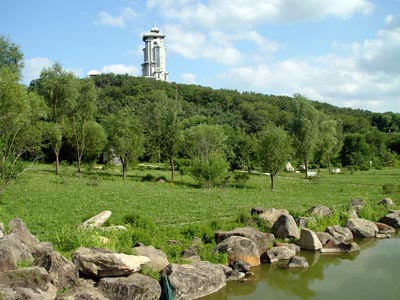
There is a national park near Changchun called the Jingyuetan Forest Park. I always check out parks because they are places that the ancient civilization is preserved, albeit in disguise. This is the crescent-shaped reservoir there…

…and features such things at the stone tower in the background of this photo, and the big stones lining the lakeshore in the foreground…

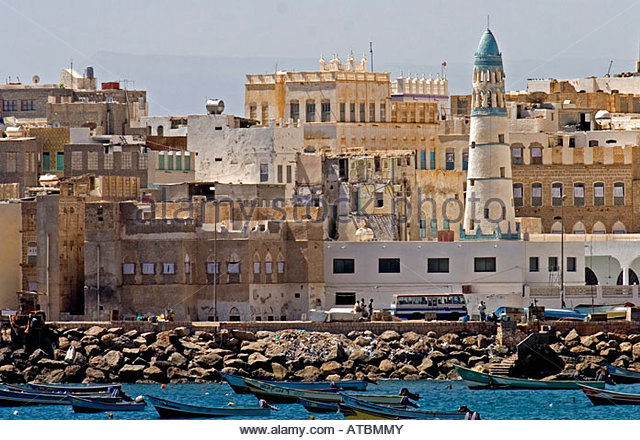
…and is like what we saw in Mukalla, Yemen…

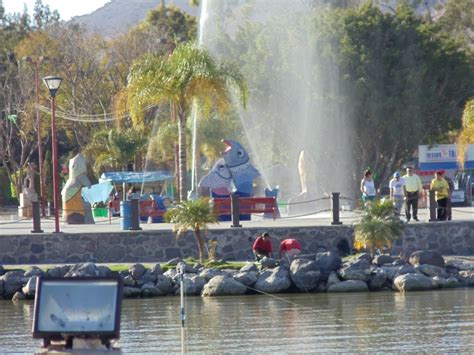
…and at Lake Chapala near Colima, Mexico.

Next on the alignment we come to Jilin City, considered one of the oldest cities in northeast China.

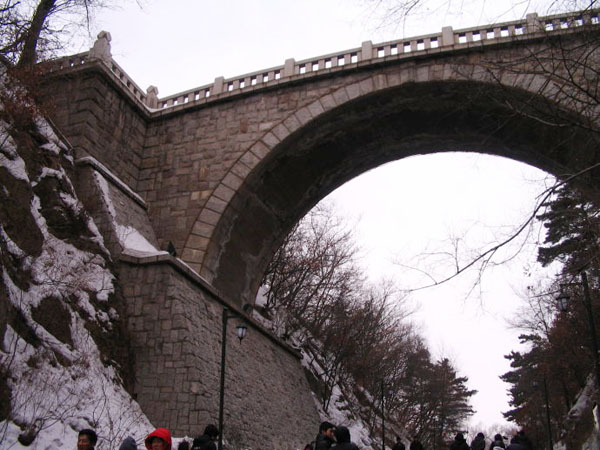
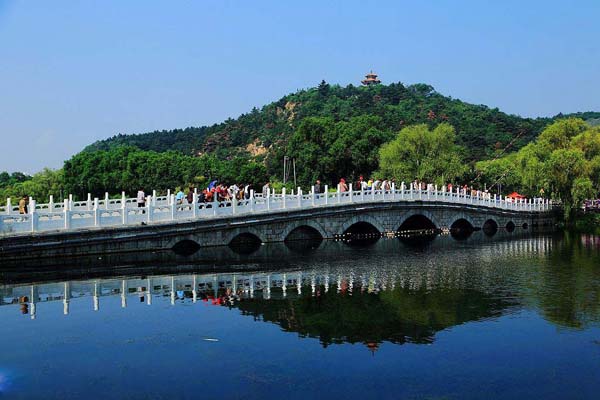
Jilin City is situated near the Songhua River, in a hilly area. Four famous mountains surround it. I can find images associated with two of the four. One is Beishan, or North, Mountain, Park, in the west, home to several Buddhist temples, where the picture of this bridge was taken.

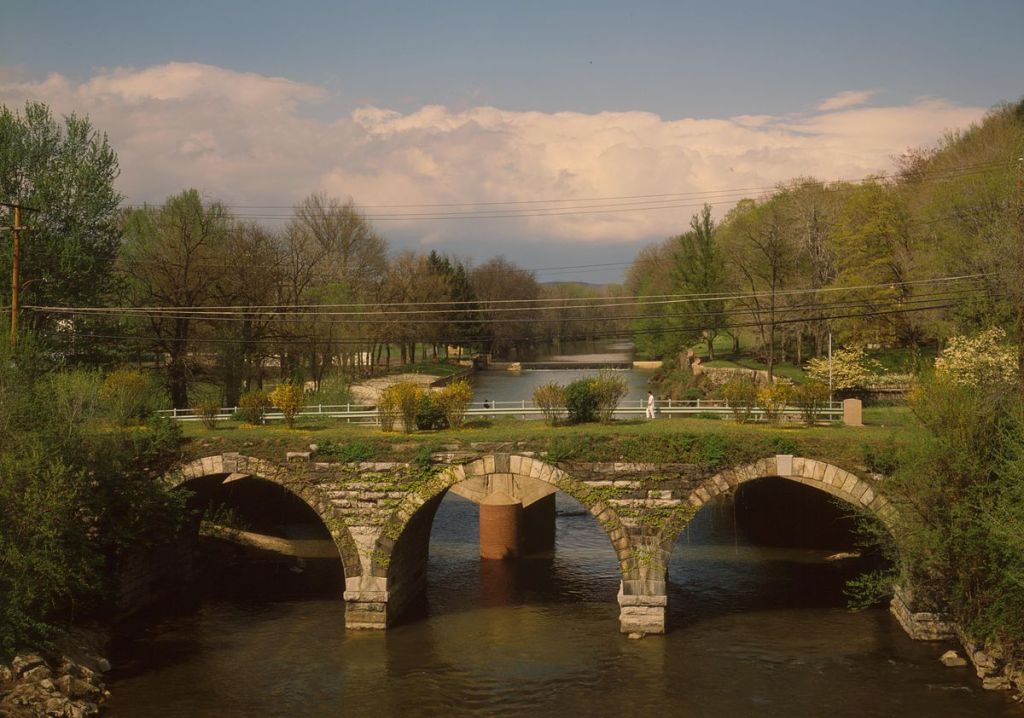
Compare it in appearance with the style of old bridge found over Standing Stone Creek, in the State of Pennsylvania, for one of many examples.

This bridge at Beishan Park…

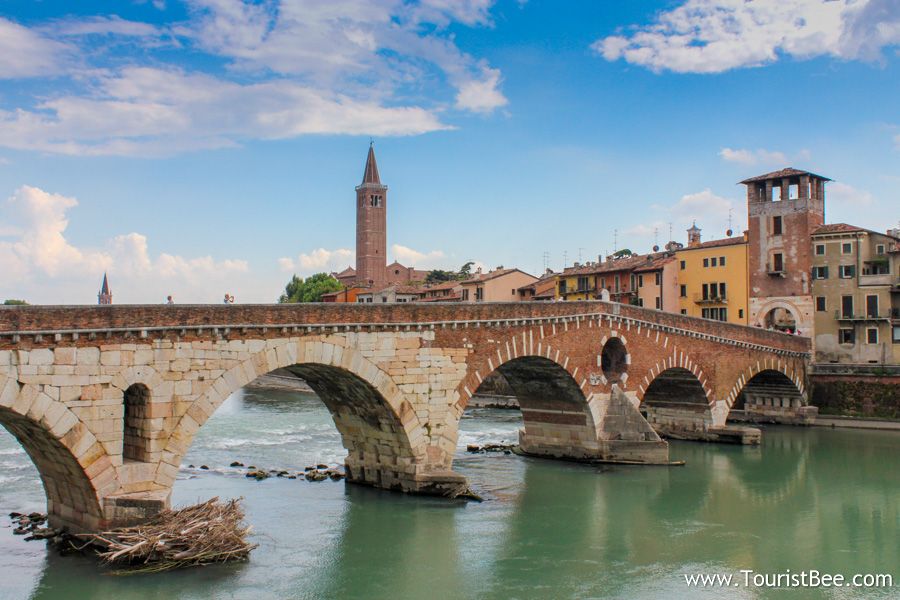
… looks similar to this one in Verona, Italy.

Another is Long Tan Mountain, to the East. Interesting looking place, isn’t it?


Together with the other two – Zuqhue Mountain and Turtle Mountain – these four mountains form a Bagua, which is a Taoist symbol used to represent the fundamental principles of reality.

This stone feature is found in Jilin…

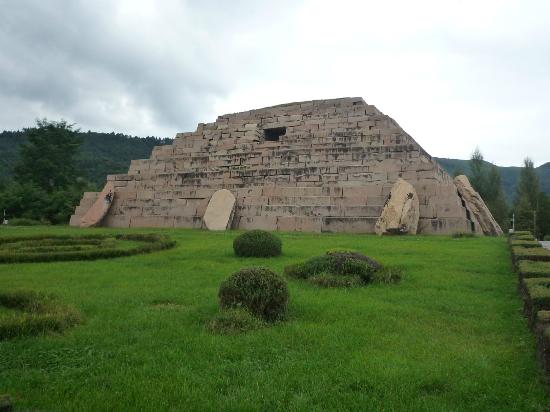
…and I will end this post in Jilin with this photo of what is called a tomb of the Koguryo Kingdom, which flourished in China and North Korea, before we head to Chongjin, North Korea in the next post. This is designated as a Koguryo Tomb in Jilin, China. Looks like a step pyramid to me….

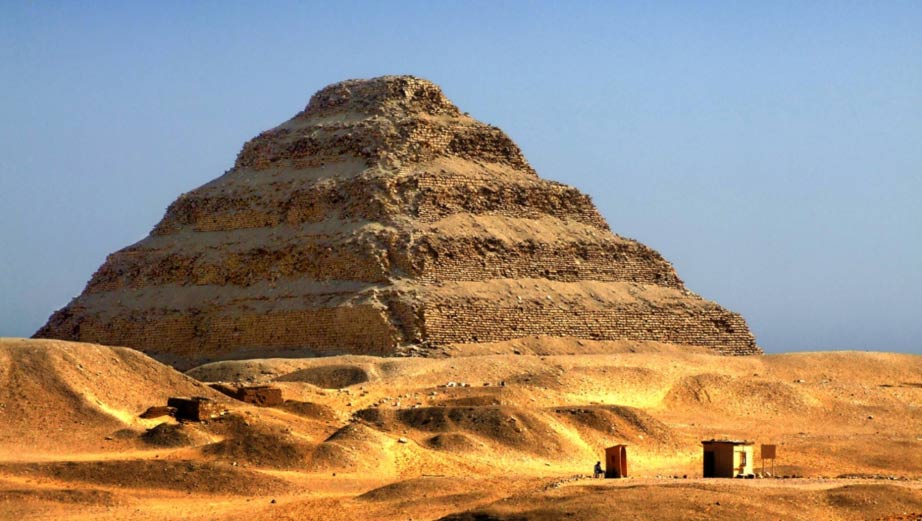
…like the famous step pyramid of Djoser at Saqqara in Egypt pictured here.

Circle Alignments on the Planet Amsterdam Island – Part 6 Urumqi, China to Shainsand, Mongolia

In this post, we are crossing the Tien Shan Mountains of Central Asia in to mainland China.  I am tracking an alignment of cities and places forming a big circle which starts and ends at Amsterdam Island in the South Indian Ocean.

Next on the alignment is Urumqi, the capital and largest city of China’s Uighur Autonomous Region in the Xinjiang Region.

It was a major hub on one spur route of the ancient Silk Roads, the world’s most significant trade routes that linked East and West for thousands of years, and is a location on a modern project linking the ancient trade routes.

As I mentioned in the last post, we are in the historical region of the Ancient Uighur Empire. I read several of James Churchward’s books about what he discovered about Mu (also known as Lemuria) several years before I came into awareness of what I am sharing with you in this blog.

He describes the vast Uighur Empire as wealthy, advanced and powerful. This is a picture of one of his maps.

Most of the Uighur people are Muslim, and their language is related to Turkish. I also want to point out the very large, colonnaded building in the background …

…and culturally they are more aligned with the other countries of Central Asia than China.

Ancient ruins are all around Urumqi.

In particular I want to focus on some noteworthy sites found between Urumqi and Turpan, connected by a modern rail-line.

The ruins of the Jiaohe Ancient City are found near Urumqi. These are considered what’s left of the world’s oldest, largest, and best-preserved city of raw earth buildings.


It is interesting to note that the northern part of the site was reserved for Buddhist Temples and Stupas. This is said to be a Buddhist Stupa at the Jiaohe site.
Nearby, we find the Karez water system in Bidar in the Turpan Basin. It is made up of a horizontal system of vertically-dug wells, linked to water canals that collect run-off from the nearby mountains.
The canals channel water to the surface, taking advantage of gravity through a downward slope. The system has underground canals, dams and wells, and is said to date back to 500 years ago. A centuries-old tunnel cut out of solid rock is nothing out-of-the ordinary, right?
In Turpan, the tombs of Astana are ancient, and considered a significant and protected national cultural relic. While the tombs are considered a communal cemetery for the region…

…this mummy is found there. Mummy???!!! Aren’t we only taught about mummies strictly being an Egyptian thing? Well, they are here too!

Many mummies have been found in the Tarim Basin, west of here in the Xinjiang Region, that date back thousands of years. This one is known as the “Beauty of Loulan.”

Besides mummies, the Bezeklik Thousand Buddha Caves are also found in Turpan, a complex of 77 rock-cut cave grottoes dating from between the 5th and 14th centuries…

…located in the Flaming Mountains of China.

I will just leave this picture here of the Grand Canyon in Northern Arizona for comparison.

The Emin Minaret is here, said to have been built in 1777 in honor of the heroic general from Turpan, Emin Khoja. It is the largest existing old tower in Xinjiang.

Compare similarity with the Islam Khoja Complex in Khiva Uzbekistan, said to have been built in the early 1900s (hmmm), and named after Islam Khoja, Prime Minister of Isfandiar Khan. Not an exact architectural match, but the shape of the tower is similar, as well as the arch of the entryway. There is a distance of 2,375 miles, or 3,822 kilometers between the two places. And, what about that shared name?

So, as in previous posts, we find Buddhism here, as well as Islam. To be clear, I believe all of this is connected to the advanced ancient worldwide civilization, and not separate as we have been taught to believe. I see Islam in its original form being about Sacred Geometry and Natural Law, and very much a part of this original ancient civilization.

Next we come to the Altai Mountains, a mountain range in Central and East Asia where Russia, China, Mongolia, and Kazakhstan come together.

I have chosen this photo of the Ukok Quiet Zone Nature Park in the Altai Mountains because of what looks to be earthworks in the middle of the picture, and the S-shaped river bend in the foreground, both of which are signature features of the ancient advanced civilization. It is sacred to the indigenous people of the region, and part of a UNESCO World Heritage Site called the “Golden Mountains of Altai”…


…which includes, in the Katun Nature Reserve in South Siberia, both Lake Kucherla…

…and Mt. Belukha…

…and Lake Teletskoye in the Altai Mountains in the Altai Republic of Russia. Notice the connecting Heaven with Earth effect displayed in some of the pictures here? Intentional or not, it is there and beautiful!

This is a region with high plant diversity, and is also the home of endangered species like the Altai Mountains Snow Leopard…

…and the Altai Argali, the largest wild mountain sheep in the world, with the largest horns. Unfortunately for them, this magnificent feature makes them the crown jewel of sheep hunters’ trophy rooms.

Next on the alignment, we come to the Gobi Desert in Mongolia, covering parts of northern and northwestern China, and southern Mongolia. It runs 500 miles (800 kilometers) north to south, and is 1,000 miles (1600 kilometers) southwest to northeast.

It was part of the Great Mongol Empire that we are taught about in our history books, said to have formed when Mongol tribes were unified under Genghis Khan in 1206. I am believing at this time this is not True History, but let us see what else we find on the alignment. This is a National Hero after all! No disrespect intended, but some things just don’t add up….

Genghis Khan Monument, Sukhbaatar Square, Ulaanbaatar, Mongolia

Where the desert is widest, Bosten Lake, the largest freshwater lake in the Bayin’gholin Mongol Autonomous Region of Xinjiang…

…joins in a line with Lop Nur in the Uighur Autonomous Region of Xinjiang, a former salt lake that is mostly dried up, and was a site of the Chinese Nuclear Weapons Test Base, with four nuclear testing zones at Lop Nur, starting in 1959 – with H-Bomb detonation in 1967 – until 1996, with 45 nuclear tests conducted.

Before I leave this region, I would like to include mentioning that the Gobi Desert extends from the foot of the Pamir Mountains. They are mostly in Tajikistan, and are at the junction of the Himalayas with the Tien Shan, Karakorum, Kunlun, Hindu Kush, Suleman, and Hindu Raj Mountain Ranges. The Pamir Mountains are among the highest in the world, and since Victorian times have been known as the “Roof of the World.” Please note what looks like masonry in the left foreground of this photograph taken in the Pamirs.

Next on the alignment, we come to Shainsand, the capital of the Dornogovi province of Mongolia, in the eastern Gobi Desert Steppe, said to have been founded in 1931…

… and is a stop on the Trans-Mongolian Railway. This is the railway station of Sainshand. Yes, it is a railway station, but this is substantial building, size-wise, with the architectural flavor of …

…other grand railway stations around the world, including, Grand Central Station in New York City…

…Antwerp Station in Belgium…

Helsinki Station in Finland ~ aren’t those strange statues in middle the forefront, for the historical times we have been taught?…

…and Madrid Station in Spain.

Here is a restored Tibetan Buddhist Monastery in Sainshand, called Khamar. Originally said to be founded in 1820 as a Red Hat Lineage (Nyimgma) Center of Buddhist Monasticism, Culture and Education in Mongolia, because of the spiritual energy fostered by the Gobi Desert, and it grew to have 80 temples and 5,000 monks. It was destroyed in 1937 as part of Stalinist purges in Mongolia, and was restored after 1990 Democratic Revolution in Mongolia….

…compared with this picture of the Boudhanath Stupa in Kathmandu, Nepal prior to the 2015 earthquake. It has since been renovated, but this is a very holy site for Tibeten Buddhism. Explain it in whatever way resonates with you, there is a 1,810 mile, or 2912 kilometer distance, between these two places. And, from what I understand, Boudhanath is associated with the Red Hat Lineage as well, since Dilgo Khyentse Rinpoche, head of the red hat lineage from 1987 to 1991, founded a Nyingma lineage monastery in Kathmandu at Shechen Monastery in 1980.

These are among my head-scratching moments as I have been on this journey. I have much more clarity now, but if you are seeing this for the first time, Tibetan Buddhism, and perhaps more accurately the ancient practices of Bonpo, is all over this part of the world

I will stop here, and in the next post, pick up the alignment in the Inner Mongolia Autonomous Region of China.

Circle Alignments on the Planet Amsterdam Island – Part 5 Quorgonteppa, Tajikistan to the Tien Shan Mountains

I thought I was going to be starting this post in Dushanbe, Tajikistan. I am not.

I am being drawn through my initial research to start at Quorgonteppa, in Southern Tajikistan, which is located between Mazar-e-Sharif in Afghanistan, the place where I ended my last post, and Dushanbe.

Quorgonteppa, also known as Kurganteppa and now officially called Bokhtar, is the capital of the Khatlon Region. There are some ancient sites here, including the so-called Childukhtaron Mountains.

And for comparison of similarity in appearance, in previous posts, I showed you this photo of Agattu Island in the Near Islands, at the far western end of the Aleutian Island chain, near Siberia in the Bering Sea.

?

And this photo is from present-day Minab, the historical location of Hormuz City, and located near the port city of Bandar-e-Abbas, at the Strait of Hormuz in Southern Iran.

I can find plenty of other examples from around the world, but these are good examples of what I believe is ancient infrastructure of intentional design. Cover-up code words like sedimentary rock, karst, red rocks, and so forth, are used to lead us to believe places like these are natural features.

In this Khatlon Region of Tajikistan, there is what appears to be a very old Buddhist Monastery at Ajina-Teppa. There is a large artifact excavated here that I will be showing you that is now in a museum in the next city on the alignment.

There is a canal system in the city of Quorgonteppa.

The most famous canal system is in Venice, to my awareness pretty much the only one we learn about in school…

…but I am finding sophisticated canal systems all over these alignments, in places one would not expect to find them according to the history we have been taught, like this one in Dubai’s Old Town…

…in Tashkent, Uzbekistan, interestingly called the Ankhor Canal…

…and here in Port Grimaud in the French Riviera. There is plenty of physical evidence that the ancient advanced civilization built canals all over the world. This information has been removed from the historical record, so we just assume they were built during the times we are taught they were. This is all very sophisticated engineering!

Moving along the alignment, Dushanbe is next, and is the capital and largest city of the country of Tajikistan in Central Asia.

The history books tell us it was a small village in western Tajikistan up until the early 1900s, and that today it is the seat of government of Tajikistan. So here is the monumental Presidential Palace, also called the Palace of Nations. Right next to it is the world’s tallest flagpole!

This is the National Museum of Antiquities in Dushanbe…

…and the artifact found at the Ajina-Teppa Buddhist Monastery that I mentioned earlier is here, which is this Sleeping Buddha.

I just wanted to share a comparison of the similarity of appearance of the Dushanbe Post Office circa 1937…

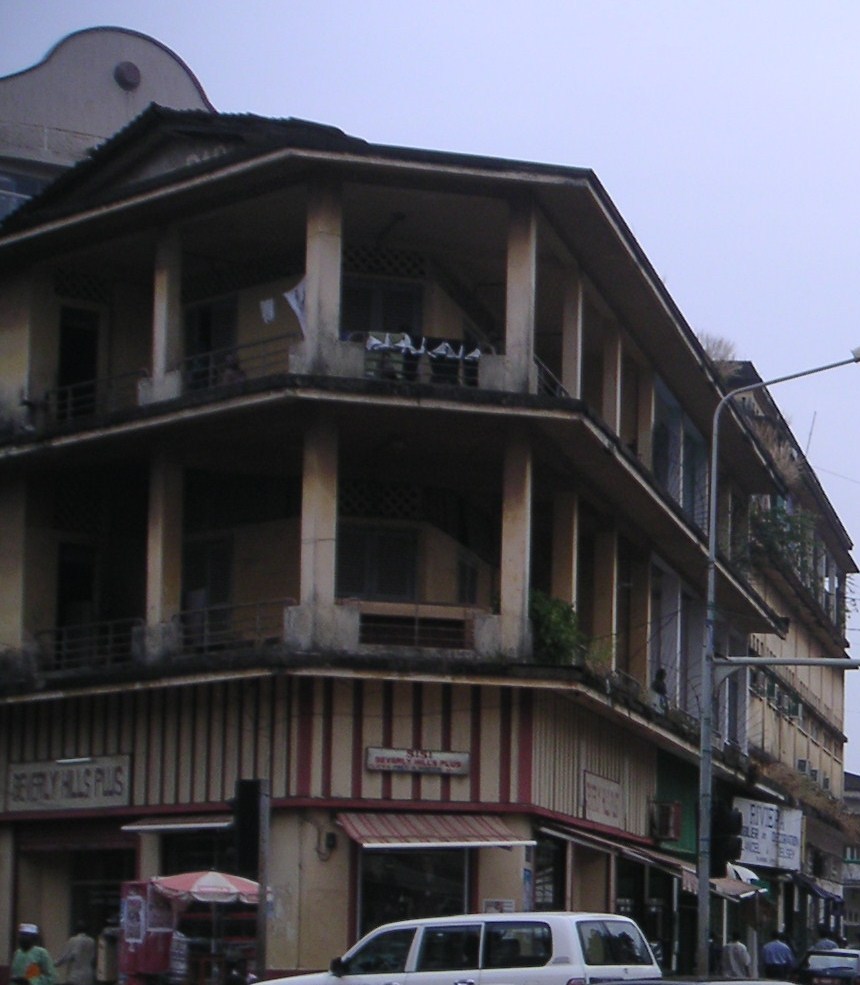
The Palace Hotel in Burundi, a small country in East Africa…

…and the Wako Department Store in the Ginzu Shopping District of Tokyo.

This is the Hissar Fortress in Dushanbe. Notice the earthwork-looking features in the foreground, and in the background the shape and style of the building features…

… that looks very similar in appearance to the walls in the foreground surrounding Old Dubai in the United Arab Emirates.

There is also a canal-system in Dushanbe, the Kanali Varnob…

… as well as places like the elaborate waterworks in Dushanbe shown here.

Next on the alignment we come to Andijan, also spelled Andizhan, in Uzbekistan.

Andijan is located on the southeastern edge of the Fergana Valley near Uzbekistan’s border with Kyrgyzstan. Andijan is one of the oldest cities in the Fergana Valley, and was an important city on the Silk Road. Interestingly, it is believed to have been referred to long ago by Arab geographers as “Hindijaan,” believed to mean the city of Hindus or Hindu temples.

A national hero of Uzbekistan and Kyrgyzstan was born in Andijan. This is his memorial at Bobur Park…

…and this is Bobur, ruler of this part of the world in his day, military leader, and considered the founder of the Moghul Empire in India in 1526.

I looked, and indeed there is a canal system here. This is the Great Fergana Canal.

It is said to have been built in 1939, taking only 45 days to complete with conscripted unskilled labor and a high number of fatalities.

Just relaying my findings. I have my doubts about the veracity of the information as to who built it.

This building is in Andijan….

…compared with the old Miami Herald Building, which no longer exists as it was demolished in 2015. This is the fate of a lot of these old buildings, and this one was noted to have been built to be nearly indestructible.

…and this building is in Madrid, Spain, the only place where the Moors are given credit for ruling for 700 years, ending in 1492.

Here is another building in Andijan…

…compared with these historic buildings in Barcelona, Spain.

The alignment goes through Lake Issyk-Kul in Kyrgyzstan. This lake is in the Northern Tian Shan mountains, and is the 10th largest lake in the world by volume. 

It is the second largest saline lake after the Caspian Sea.   It is considered to be a sacred place by the Kyrgyz people.

Here is an example at Lake Issyk-kul of what looks to be ancient infrastructure…

…and here is a comparison of similar looking features at Boynton Canyon in Sedona, Arizona. In both places, you can make out shapes in the rocks that look like ancient temples.

We cross over the Tien Shan Mountains, which straddle the border between Kyrgyzstan, Khazakstan, and China.

Tian Shan is the Chinese name of the mountain range, and refers to “Celestial Mountains.”

This is a good place to insert the information that we are in the historical region of the Ancient Uighur Empire. I read several of James Churchward’s books about what he discovered about Mu several years before I came into awareness of what I am sharing with you in this blog.

He describes the vast Uighur Empire as wealthy, advanced and powerful. This is a picture of one of his maps. We are approaching the heart of it when we cross the Tien Shan Mountains, entering into the modern-day Uighur Autonomous Region of China.

Here is a map depicting the existence of a Uighur Turkic Empire in this part of the world that is said to have existed for almost one hundred years.

When I first started cracking the code of how the ancient advanced civilization was covered up, I realized that the word canyon is a code word, and that national, state and local parks are places where remnants of this civilization are preserved instead of being destroyed, neglected, or incorporated like what happens in unprotected places.

So, in the Tien Shan Mountains in Kazakhstan, I was able to find the Aksu Canyon in the Sayram-Ugam National Park, and the Charyn Canyon in the Altyn Emel National Park.

First, here are photos of Aksu Canyon:

We think of this as being natural because we simply have not been given any other explanation for its existence. This was a civilization of Master Builders and Master Masons that has been removed from our collective memory.

And the last place I would like to look at before ending this post is Charyn Canyon in Kazakhstan’s Altyn Emel National Park.

Sand dunes are also found in this National Park. This is called the “Singing Sand Dune.”

I have come to believe that there is enduring infrastructure underneath sand dunes.

I am going to end this post here, and pick up the alignment in the city of Urumqi in the Uighur Autonomous Region of China in the next post.

Circle Alignments on the Planet Amsterdam Island – Part 4 Bandar-e-Abbas, Iran to Mazar-e-Sharif, Afghanistan

In the last post, we took a close look at some of the interesting islands of the Strait of Hormuz – specifically, the islands of Abu Musa, Qeshm, and Hormuz.  In this post, I am picking up the alignment in Bandar-e-Abbas, Iran and following it to the city of Mazar-e-Sharif in Afghanistan.

I am following an alignment that originates from, and ends on, Amsterdam Island, one of the French Subantarctic Islands. 

In this series, I am sharing what I found, by connecting the cities and places that form a circle.  Amsterdam Island is a tiny dot in the South Indian Ocean. 


Bandar-e-Abbas is a port city, and the capital of Hormozgan Province.  It is modern Iran’s most important port, with 75% of Iran’s sea-trade passing through here.  It’s previous name, with different pronounciations and spellings in different languages,  was Gombroon.

The most important port in Ancient Iran was the nearby Hormuz City.

In 1497, five years after the new false historical timeline was superimposed onto the original positive timeline  in 1492 (for what I am talking about, see my post “An Explanation for What Happened to the Positive Timeline of Humanity & Associated Historical Events & Anomalies”), Europeans landed in the region for the first time, in the form of the Portuguese explorer Vasco de Gama. 

Nine years later, in 1508, the European invasion began, with the Portuguese sending seven warships to protect their interests there.  This is an etching showing what Hormuz City looked like in 1522.

Old Hormuz, or Ormus, was located where the city of Minab is today.

I remember reading somewhere that there is occult or esoteric significance to the name of Ormus, but it is not the scope of this post to delve into it.  It is yet another point of information in the piecing together of this puzzle that has many missing pieces.

.

Here are some photos of ancient infrastructure in and around Minab. 

Contrary to what we have been taught by historical omission, these are not natural features.  My blog is filled with examples of why I say this, however, I would recommend reading my post “Natural Features…or Intelligently Designed Ancient Infrastructure?” – my dedicated post for why I say this.

Hormozgan Province, of which Bandar-e-Abbas is a part, has 13 major cities, and 13 counties.

The people of this region are called Bandari.  This province is also known as Iran’s Black South.    The flavor of the traditional ceremonies and music in this part of Iran is considered African, but the people are called descendants of African slaves and merchants. 

I would like to point out the other explanation, which is that these people are indigenous to this land.   There are a lot of really big secrets out there that have not been told to Humanity.  I think this is the biggest because everything  happening in our world today is related to this Truth being withheld and distorted.

There is a Hindu Temple in Bandar-e-Abbas, that was said to have been built in 1892.  Notice anything unusual in this picture?

At the very least, the dome of this building, and perhaps more, has monolithic characteristics – that is, it looks like it was carved from a single block of stone.   I see cracks in the foreground, but not sections.  Even if it is made from another building material, how did they do it, according to the history we have been taught?  What technology did they have to accomplish that in 1892? 

There is so much we haven’t been told about the True History of the planet, including how Hinduism, and Buddhism for that matter, connects back into the Advanced Ancient Civilization, and that all of this is not mutually exclusive as we have been taught to believe.  More on this later in the post.

Moving along the circle alignment from Bandar-e-Abbas, we find the city of Kerman, the capital of Iran’s Kerman Province.  It is one of Iran’s oldest cities.

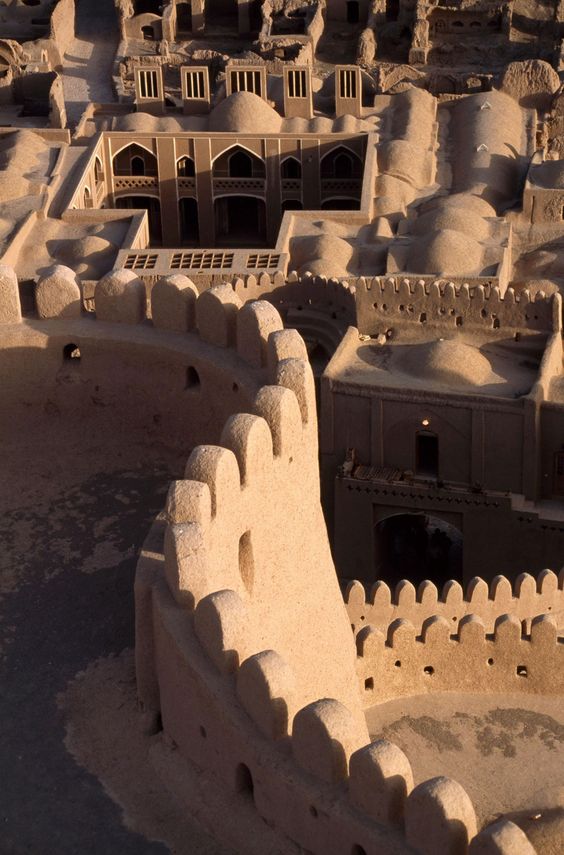
This is the Arg-e-bam Castle, or Bam Citadel, in Kerman Province.  It is called the largest adobe building in the world, and is a UNESCO World Heritage site believed to go back to the 6th-century BC.  An earthquake in 2003 destroyed much of it.

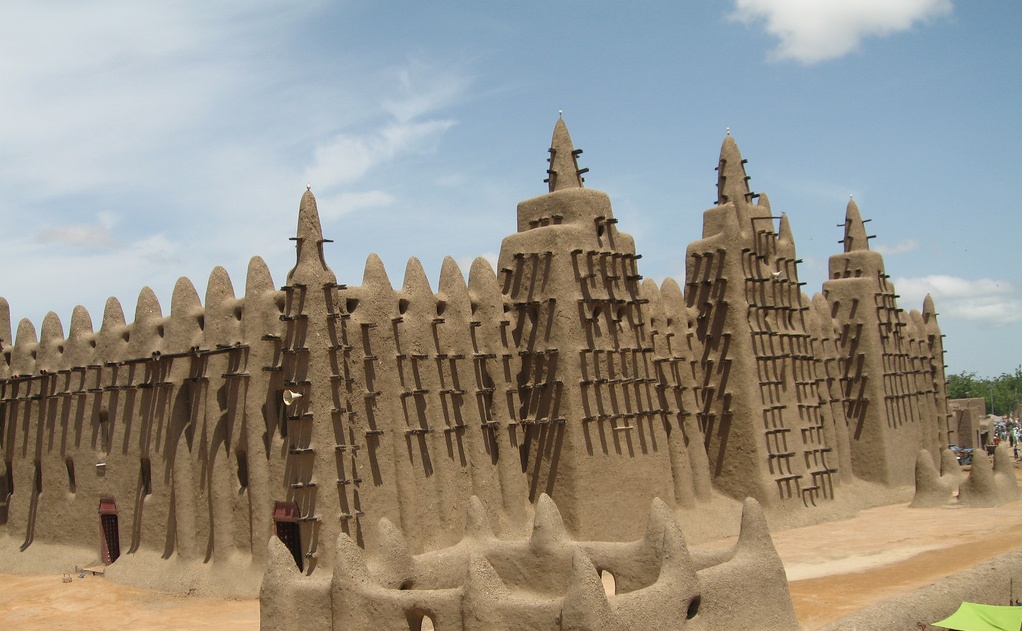
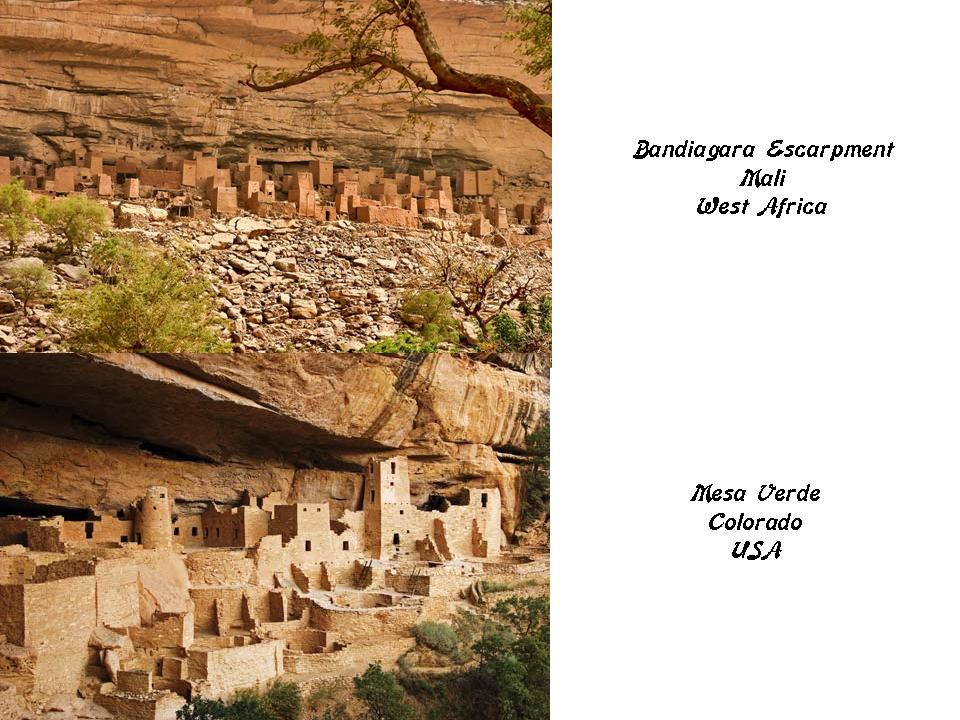
Compare it in style to the Grand Mosque of Djenne, in Mali, also an example of adobe architecture.

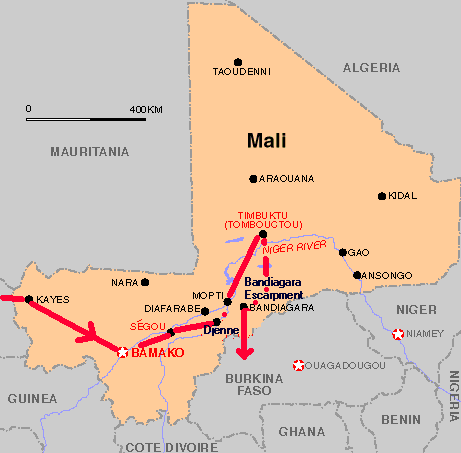
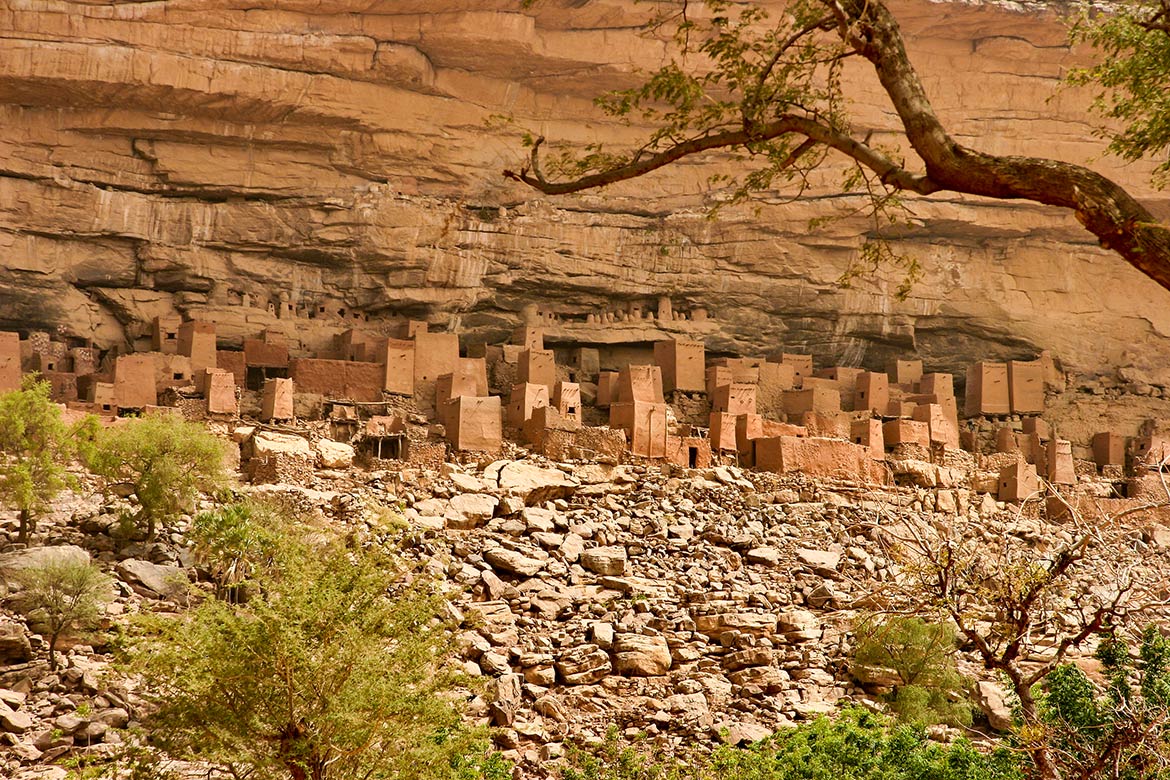
Djenne is not far from the home of the Dogon, Bandiagara Escarpment, with its adobe dwellings…

…which just happens to look a lot like Mesa Verde in Colorado.

This is Itchan Kala, the inner walled town of Khiva in Uzbekistan.  It has been a World Heritage Site since 1990.

And before I move on from adobe structures, I just want to share the astonishing similarity in appearance between the adobe buildings of Ait Ben Haddou in Morocco’s Ouarzazate province…

…and this view of what would be considered more modern constructions in the  city of Santa Cruz de Tenerife in the Canary Islands.

This is the Bazaar-e-Sartasari in the city of Kerman, one of the oldest trading centers in Iran…

…compared with Fort Pulaski in the U.S. State of Georgia, on Tybee Island near Savannah, Georgia…

…and Fort Jefferson on Dry Tortuga State Park, west of Key West, Florida, and not accessible by land. 

I think these so-called civil war era forts in the United States were re-purposed from their original uses.  In other words, they were pre-existing buildings that were converted for military use.

Next in Kerman is the Hammam-e-Ganjali, an historic bathhouse said to have been built in 1631.  It is now a museum.  Note the monolithic stone columns, and the stylized vaulting in the roof design.

Same idea with the Hammam-e-Vakil, a bath in the same complex, that has been converted into a teahouse.

Leaving Kerman, next on the alignment we come to the Lakes of Hamun (Helmand), which is on the border of Iran and Afghanistan.  Hamun is a group of reservoirs.  In my post “On Chimney Rocks and Man-Made Lakes” I give a detailed opinion on what that is all about – creating reservoirs is how ancient infrastructure is covered up.

In Iran, Lake Hamun is a UNESCO-protected biopshere reserve.

Mount Khajen is described as a flat-topped basalt mountain (like it’s natural) that turns into a seasonal island during the rainy season in the middle of Lake Hamun in Iran.

Rostam Castle is located on Mount Khajen, the ruins of a citadel complex.  It is an important archeological site.  This area was also part of a southern branch of the Great Silk Road, part of a ancient network of trade routes that connected East and West.

Within the remains of the complex, there is a Zoroastrian fire temple.  Not only that, in legend Lake Hamun is considered to be the “Keeper of Zoroaster’s seed.”  This means Zoroastrians believe that when the final renovation of the world is near, maidens will enter the lake, and give birth to the Saoshyans, the saviors of mankind.

Next on the alignment we come to Farah in Afghanistan.  It is part of the sparsely populated Farah Province, which is mostly comprised of rural tribal groups.  This region is heavily affected by the on-going hot conflicts in Afghanistan.  I will be focusing mostly on past history, not present, for the purposes of this blog post.

This is the Citadel at Farah, said to have been built as part of a network of fortresses by Alexander the Great when the history books tell us he took possession of the land in 330 B.C. 

To be clear, I am not saying that I believe this is when it was actually built.

The city of Farah is believed to be over 3,000 years old, and one of the ancient places of the Persian Kings.

This is called the Farah Mubarak – Mahdavia on the outskirts of Farah City.  It is a major pilgrimage site for Muslims.

The population of Farah province is predominantly Pashtun, also known as Pathan.  The Pashtun are a tribal nation of millions of Afghani and Pakistani Muslims who have a strong oral tradition that they are descendants of lost Tribes of Israel, and they refer to themselves as Bani Israel. 

Here is an example of a Pashtun textile piece.

Here are examples of traditional Afghani clothing for men and women:

Farah also belongs culturally and historically to Sistan Province in Iran, and the Greater Khorasan, which is a region lying in the northeast part of the historical Persian Empire.

Next on the alignment is Mazar-e-Sharif, Afghanistan.  It is the third largest city in Afghanistan, and the capital of the Balkh Province.  This region is also part of the Greater Khorasan of the historical Persian Empire.

The city has been spared the devastation of war that has occurred in other parts of Afghanistan, and is considered one of the safest cities in the country.  This is the Blue Mosque in the center of the city.

The Blue Mosque is also notable for the white pigeons that congregate in its courtyard….

This is the Citadel in the ancient city of Balkh.  Balkh was a center of Zoroastrianism in northern Afghanistan.  It is a short distance northwest of Mazar-e-Sharif.  It was known as Bactra, the capital of ancient Bactria.  Our history books convey to us that Alexander the Great captured the city in 330 BC, and the hordes of Genghis Khan completely destroyed it in 1220 AD.  Hmmmm.  Something about this particular place attracts major attention!

The Hindu Kush is just south of Balkh.  There are many who believe that there is a connection between Balkh, the Hindu Kush, and Shambhala.  Zoroastrians, for example, identified the Hindu Kush as the High Hara, or the geographic center of the universe around which the stars and the planets revolve, and the home of the “Masters of the Heart.”

There is a strong history of Buddhism in this part of the world as well.  In Balkh, there are stupas over the remains of the first lay disciples of the Buddha – Trapusa and Bahalika.  The city is said to have derived its name from Bahalika. 

This  Buddhist stupa near Balkh sits on top of the Takht-e-Rustam, the throne of the hero of the world.

 I am going to end this post in the Bamiyan Valley of Afghanistan, which is not directly on this alignment – it is south of Mazar-e-Sharif in Central Afghanistan, not far from Kabul, the country’s capital.

There were two colossal statues of Buddha there, carved into the sandstone there.  Both statues were destroyed by the Taliban in 2001.  

I firmly believe there would be no mysteries in history if we had been taught the true history, about an ancient advanced civilization that was all about Harmony, Balance, Beauty, Sacred Geometry and Unity with each other and the Universe, and connecting with One’s Higher Self.  This is a poignant example of how dark forces are hell-bent on physically destroying this civilization, and its memory and legacy.  Actually, they have been hell-bent on destroying all civilization, but this particular one was the fullest expression of human potential that there ever was on earth.

I will pick up the alignment in Dushanbe, Tajikistan in my next post.


Circle Alignments on the Planet Amsterdam Island – Part 3 Strait of Hormuz Islands Abu Musa, Qeshm, and Hormuz – With Video of Post at the End

The Strait of Hormuz is the only sea passage from the Persian Gulf to the open Ocean. 

It is situated between the Gulf of Persia and the Gulf of Oman.

About 20% of the world’s petroleum passes through here, and it is considered one of the world’s most strategically important choke points.

This is a tense area, to say the least….

In my journey of awareness regarding this information, I have learned what to look for.  And I have found that islands on the planetary gridlines are extremely interesting. 

I will share with you what I found out about the Islands of the Strait of Hormuz, specifically the islands of Abu Musa, Qeshm, and Hormuz.  These islands are windows to a hidden history.

The island of  Abu Musa is contested between the United Arab Emirates and Iran.   It is administered by Iran as part of the Hormozgan Province.  It is the furthest Island from the Iranian coast, and is strategically important as it sits near the entrance to the Strait of Hormuz.  

I want to demonstrate to you that beaches with a symmetric curvature, and rocky features right next to the shore, as seen in this photo of Abu Musa, are common features in diverse places.  

Compare it with these similar-looking shorelines:

The Israeli side of the Dead Sea…


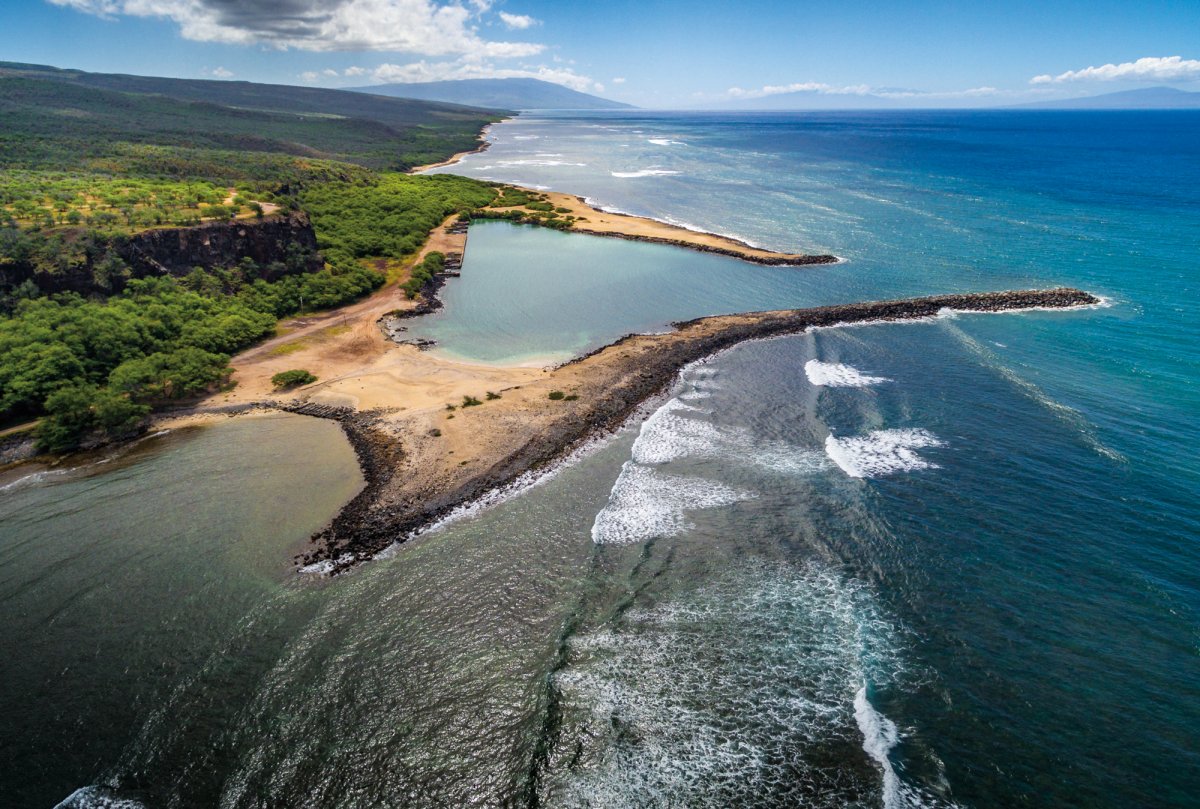
…Halawa Bay on the Hawaiian Island of Molokai…

…the Black Sea in Bulgaria…

…Lake Baikal in Siberia…

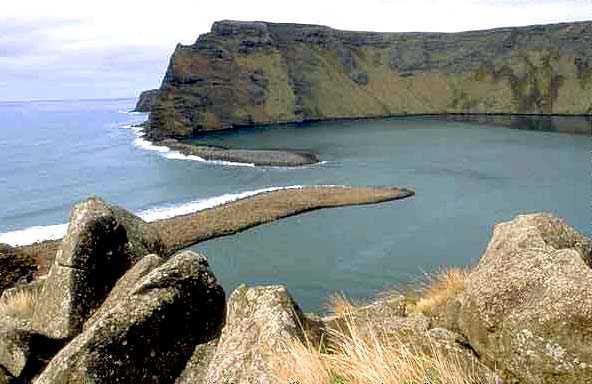
…and Shemya in the Near Island group of the Aleutian Island chain.

How about this comparison of the rocks on the shore of Abu Musa…

… the shore of Flowerpot Island, an island in Georgian Bay in the Province of Ontario…

…and Deadman’s Reef on Bahama Beach, located at West End on the Grand Bahama Island.

The island of Qeshm (formerly known as Kishm, or Kish) in the strait of Hormuz is the largest island in Iran, and one of the largest islands in the world.   An important trading center at one time, it is situated just a short distance off the coast of Iran. 

Qeshm, like the Hawaiian Island of Molokai, looks like the shape of a fish to me.

This is good place to insert the fact that Qeshm has the earth’s largest mammal, the blue whale, in its waters…

…as well as pods of dolphins that swim close by.  The dolphins of Qeshm.

Interestingly, in Cassell’s Bible, Qeshm was mentioned as a supposed site of the Garden of Eden.  Hmmm. 

Let’s take a look at what is found on the island.

It is called the Island of Seven Wonders, which include the Valley of the Stars, or Stars Valley, called one of the most amazing natural sites in the world.  Like everywhere else, I see ancient masonry here.

This view of the Valley of the Stars on Qeshm Island…

…reminds me of Bryce  Canyon in Utah.

…and Red Rock State Park in California.

The Hara forest is comprised of floating mangrove trees…

…and the area is a protected biosphere reserve for its ecosystem, with many tidal channels.

The Talla Wells are capable of holding water healthy and cool for a long time.  The locals say in the past, the number of these cisterns equalled the number of days in the year, and every day, one of the wells was used for water.

The Talla Wells reminded me of the Plain of Jars in Laos.  The Plain of Jars is a mystery, with thousands of huge jars cut from stone filling the landscape.

Some of the stone jars are gigantic!

And then there are the ancient Puquio Wells of Nazca in Peru.  This is a system of subterranean aqueducts, and most are still functioning.

This location on Qeshm Island…

…reminds me of the Emerald Pool in Guadelupe Canyon in Baja California, Mexico.

One more thing I would like to point out  before I leave the beautiful island of Qeshm, which is in a free zone, so a visa is not required to visit.  This photo is of Harbor Laaft on Qeshm.  These buildings most definitely have Moorish architectural features.

To support what I am saying, here is a picture of acknowledged Moorish architecture in Cordoba, Spain.  In particular, take note of the crenellation -the recurring pattern on the top of the building – in both pictures.  Also, there are five-lobed arches present in both pictures, as well as arches with no entrances or windows.

It’s even called the five-lobed Moorish arch.  More on this architectural style shortly.

Next, I wish to introduce you to Hormuz Island…the Rainbow Island of Iran.

The red color you see here in the road is red ochre, which has been used for ceremonial and artistic purposes throughout human history.

This is said to be the old Portuguese fort on Hormuz Island.  Supposedly built after the Portuguese Duke Alfonso de Albuquerque captured the island in 1507, and became part of the greater Portuguese Empire.

The Portuguese held on to the Island of Hormuz until 1622, at which time the British East India Company allied with the Persians, and successfully re-captured Hormuz.    Both the Dutch East India Company and the British East India Company were integral components in how the advanced ancient civilization was taken down.  This is a portrait of William Baffin, an English explorer who died of wounds sustained during the Capture of Hormuz.  Baffin Bay and Baffin Island are named after him.

Here is a photo of the vaulted arches of the so-called Portuguese fort on Hormuz…

…and the vaulted arches of the Seville Cathedral.  Seville was the capital of Moorish Spain.

Compared with this example of what is called “Spanish Gothic” architecture at Bryn Mawr College in PA that was torn down 8 years ago, with its vaulted ceiling, and five-lobed Moorish arches.  Demolition in modern times is the fate of many of these structures with heavy and enduring masonry.  Sadly, only to be replaced by buildings that are considerably inferior.  Like, I am watching a multiple-story apartment complex go up in the neighborhood where I work, framed with wood and particle board.

This style of vaulted arch is seen at Ft. Pulaski in Savannah, Georgia.


They want us to believe all of these architectural similarities were occurring during times across countries and continents during centuries when, according to what we are taught in history class, transportation was limited and communication was regional. 

I have found that falsely attributing structures as to their builders is a common practice in the cover-up of this ancient civilization.  Another example of this is the “Old Russian Fort” on Kauai, which looks like an ancient star fort to me.

One more thing before I leave the island of Hormuz.  There is a place called Deer’s Moor here, on a tiny island off the coast of Iran.

Like the Moors of Britain, I believe the memory of the People remains in the place.  This is Scales Moor in Yorkshire, called “Britain’s greatest limestone pavement.”

Here are a few more photos of Hormuz Island:

I will end this post here.  This is a long circle alignment.  I have been crossing further geographical distances in other posts than I have here, however, I believe what I found in this geographical location was noteworthy enough to focus this post exclusively on it.  As always, there is more here than what I have shared, but this serves as an introduction to an obscure, but fascinating, place.

I will pick up the alignment in the next post in Bandar-e-Abbes, Iran.