
The world’s Non-Governmental Organizations are perceived by the general public as benevolent and philanthropic organizations with a stated purpose of helping Humanity in a particular area or time of need.
But when you delve into specific Non-Governmental Organizations, invariably there are more questions than answers.
A Non-Governmental Organization, also known as “NGO,” is defined as one that was formed independently from government.
Typically considered non-profit organizations, they are organized and operated for the benefit of the collective benefit as opposed to as a business generating a profit for its owners.
NGOs as we know them date back to the 19th-century, and by 1914, the same year that World War I started, there were estimated to be almost 1,100 worldwide.
The world’s first NGO was “Anti-Slavery International,” which was founded in 1839 as the “British and Foreign Anti-Slavery Society.”
It is considered the world’s oldest international human rights organization, working against slavery and other abuses.
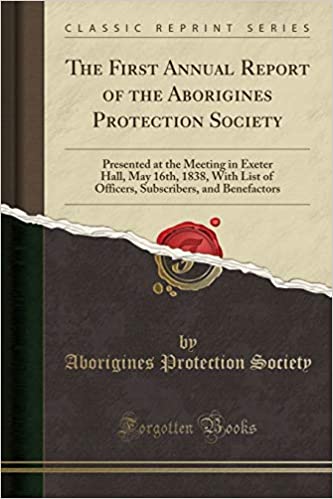
The “Aborigines Protection Society” was formed in 1837, we are told to ensure the “health and well-being, as well as the sovereign, legal, and religious rights of the indigenous peoples while promoting the civilization of the indigenous people who were subjected under colonial powers.”
The Aborigines Protection Society was set-up largely through Quakers, also known as the “Religious Society of Friends.”
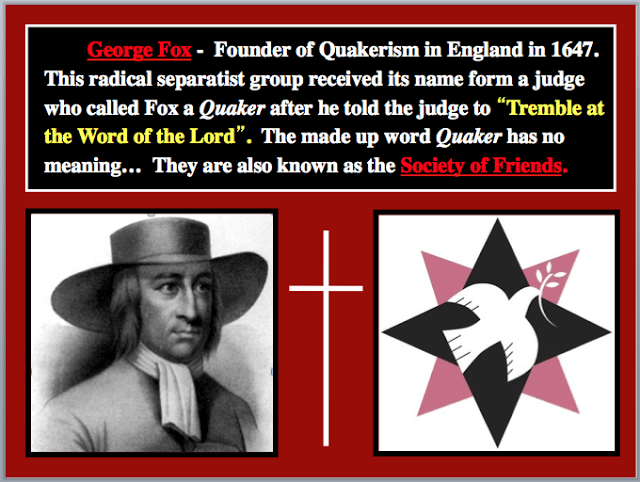
The Protestant denomination that came to be known as “Quakerism” came to the world through Englishman George Fox, who was guided by a vision from the Lord in 1652 to start a new religion with a “priesthood of believers” when he saw that it was possible to have a direct experience of Christ without clergy.
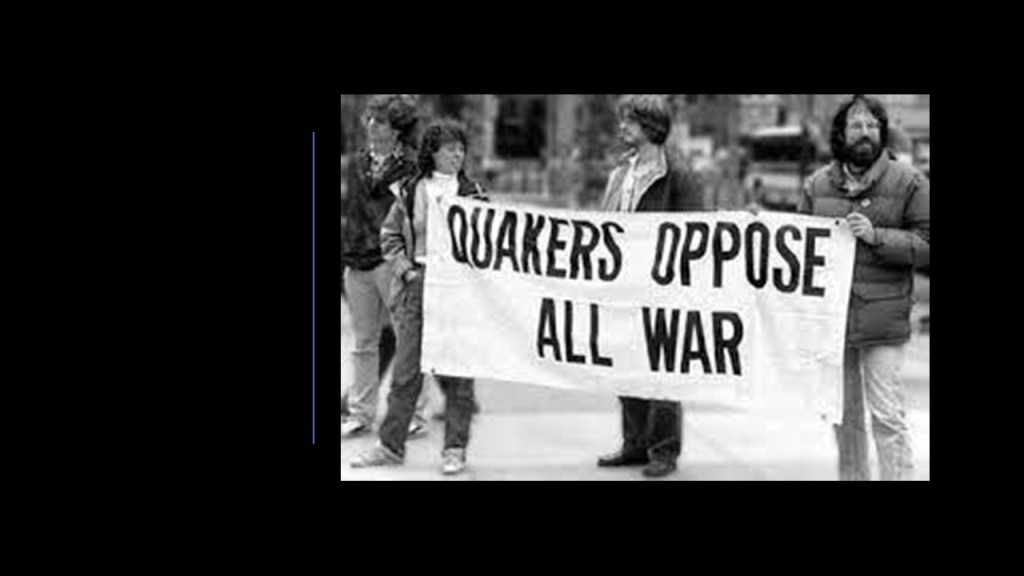
In addition to their abolitionist stance, Quakers also refused to participate in war; wore plain clothing; and were not supposed to drink or use swear words.
It is interesting to note that the relationship of Quakers to big banks.
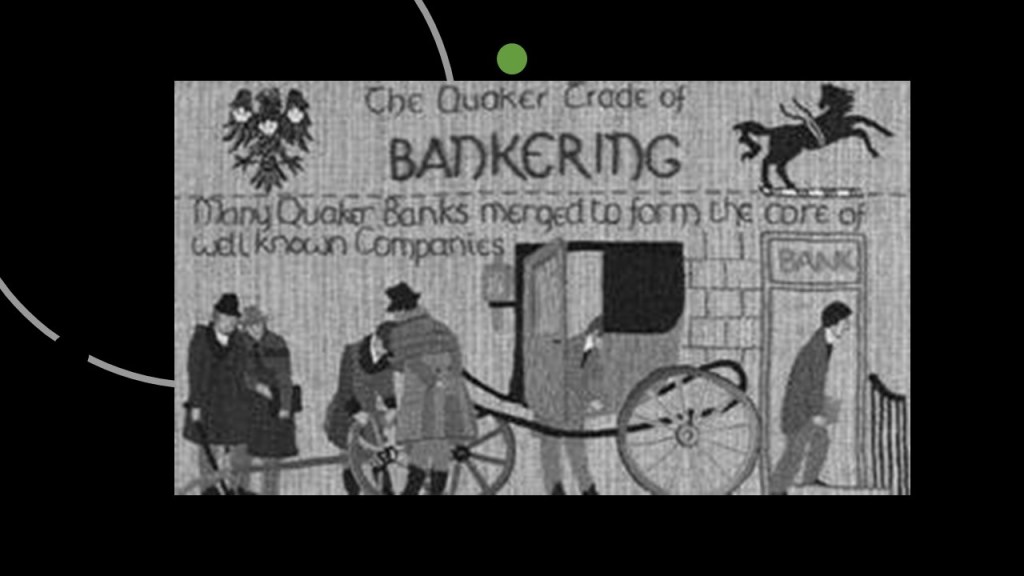
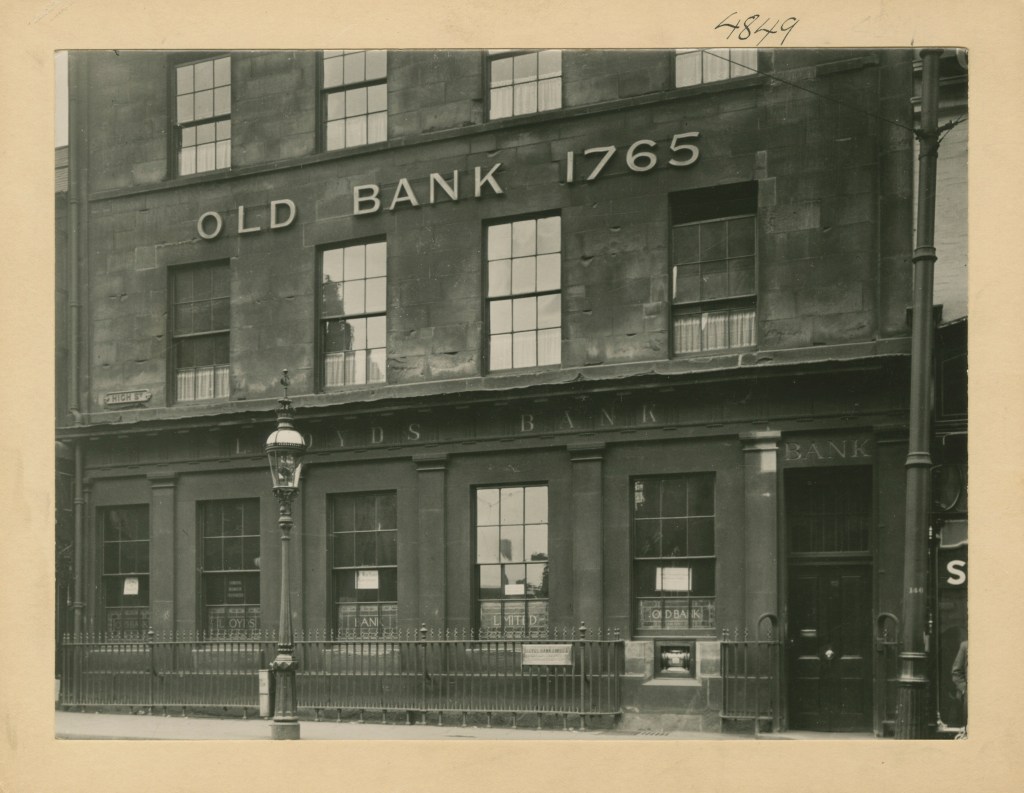
The origins of Lloyds Bank, the largest retail bank in Great Britain, go back to 1765, when Quaker iron producer and dealer Sampson Lloyd set-up a private banking business in Birmingham with industrialist John Taylor.
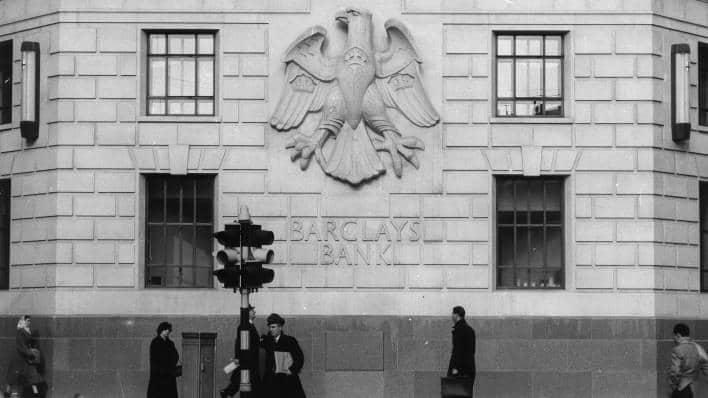
The multinational universal bank Barclays traces its origins Quaker goldsmiths John Freame, his brother-in-law Thomas Gould, and their apprentice James Barclay in 1690, at a during which goldsmiths held cash deposits and issued receipts that came to be used as money.
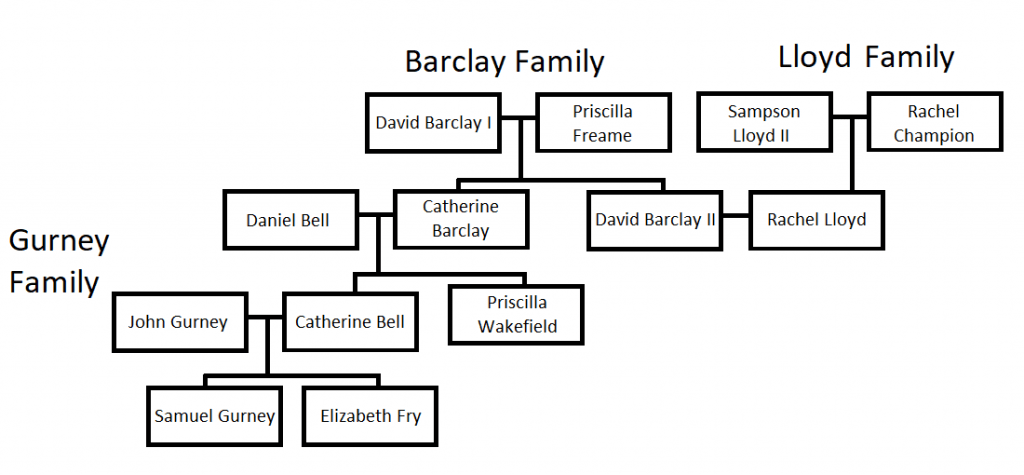
Barclay descendent Elizabeth Gurney Fry was a prominent Quaker figure in Victorian times.
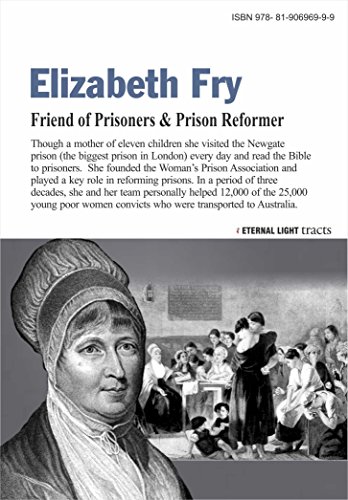
Also known as Betsy Fry, she was an English prison and social reformer, being instrumental in such things as the “1823 Gaols Act,” which mandated the gender-segregation of prisons, and female wardens for female prisoners, to protect them from sexual exploitation.
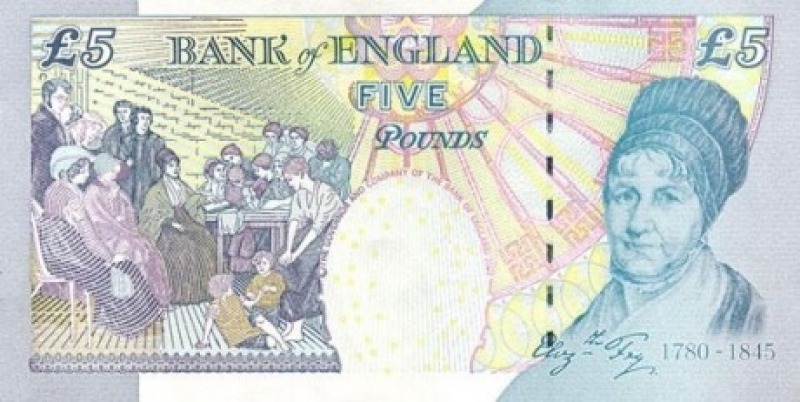
All her reform efforts were supported by Queen Victoria, and to commemorate her achievements, Elizabeth Fry was honored by having her picture on the Bank of England 5-pound note that was in circulation between 2002 and 2016.
Elizabeth Fry’s brother-in-law, Member of Parliament Thomas Fowell Buxton, set up a parliamentary select committee in 1835 to examine the effect of white settlement on indigenous peoples.
Then in 1837, Dr. Thomas Hodgkin, a leading pathologist that Hodgkins Disease was named for, was behind the establishment of the Aborigines Committee at an annual Quaker meeting, and it was around this time the “Aborigines Protection Society” was formed.
This book by David Heartsfield looks at the “Aborigines Protection Society” from the perspective of “Humanitarian Imperialism in Australia, New Zealand, Fiji, Canada, South Africa, and the Congo between 1836 and 1909,” and mentioned things like how the policy of native protection turned out to be a reason for the growth of imperial rule, particularly that of the British Empire…
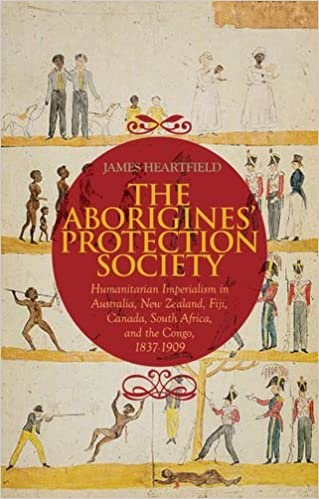
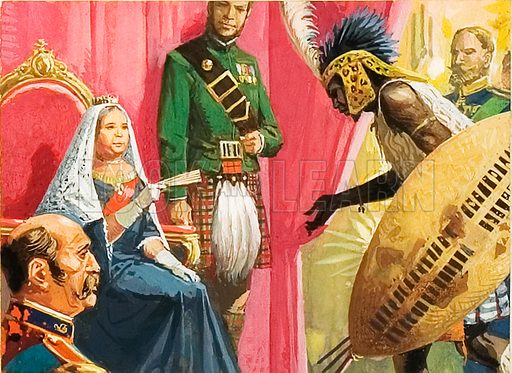
…and about the Society bringing King Cetshwayo of the Zulus in South Africa to England to meet Queen Victoria…
.
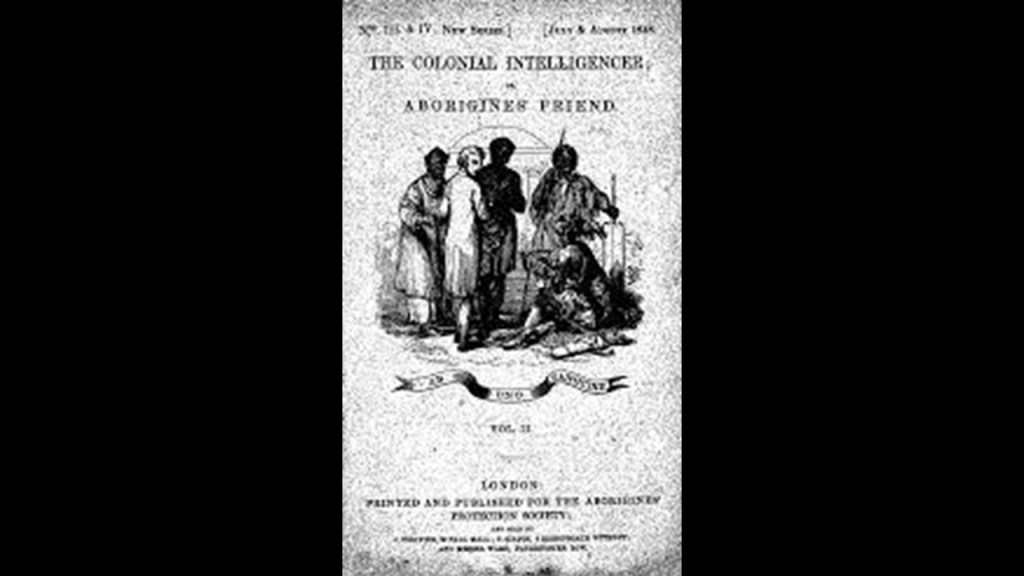
The Aborigines Protection Society published a journal called the “Colonial Intelligencer and Aborigines Friend,” which was comprised of “…interesting intelligence concerning the Aborigines of Various Climes and Articles Upon Colonial Affairs, with Comments Upon the Proceedings of Government and of Colonists toward Native Tribes.”
This doesn’t sound very friend-like to me!!!
The “Aborigines Protection Society” and the “British and Foreign Anti-Slavery Society” merged in 1909, and together they became known as the “Anti-Slavery and Aborigines Protection Society.”
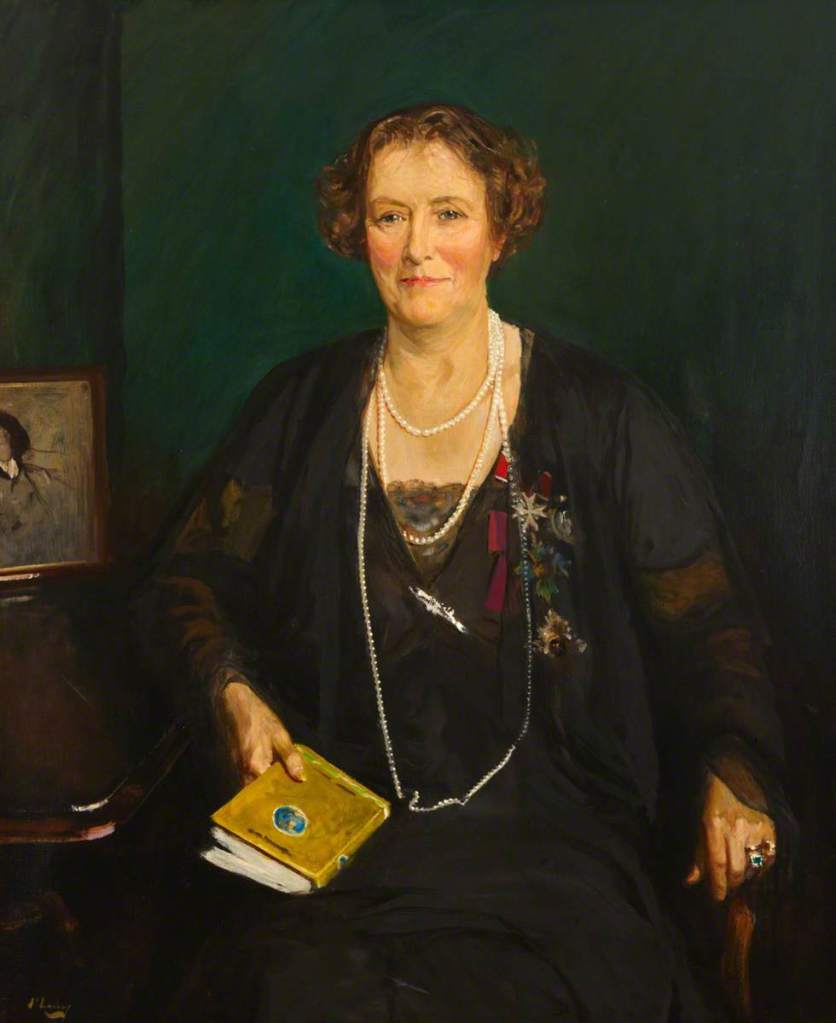
The Irish anti-slavery activist Kathleen Simon, Viscountess Simon was the most prominent member of this merged society.
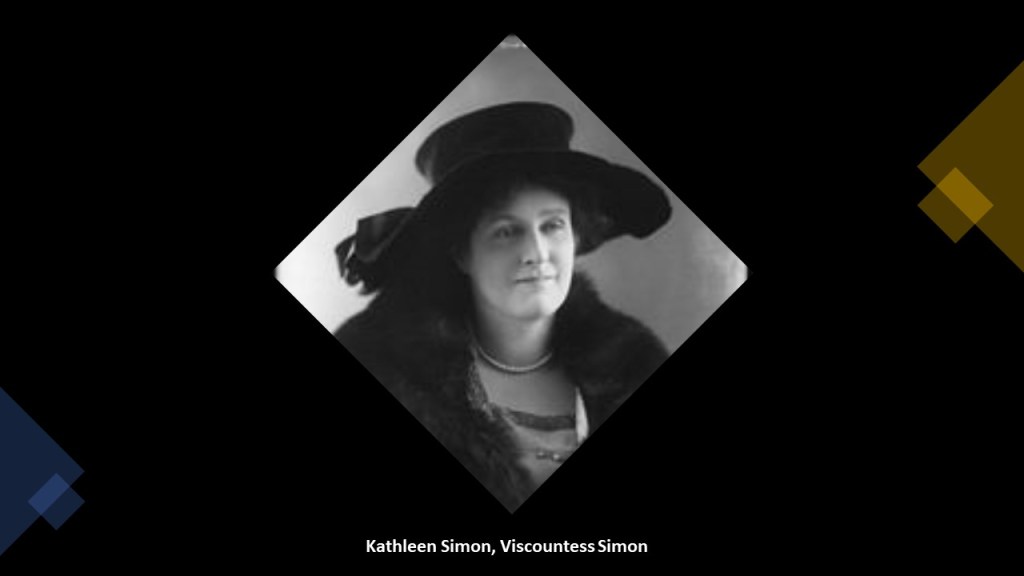
Her story was that she witnessed slavery first-hand when she was living in Tennessee with her first husband, Irish physician Dr. Thomas Manning.
After he died, she moved to London, and ended up becoming first the governess, and subsequently wife, of the widowed Sir John Simon, a British politician who held senior cabinet posts from the beginning of World War I to the end of World War II, serving in the capacities of Home Secretary, Foreign Secretary, Secretary of the Exchequer, and Lord Chancellor.
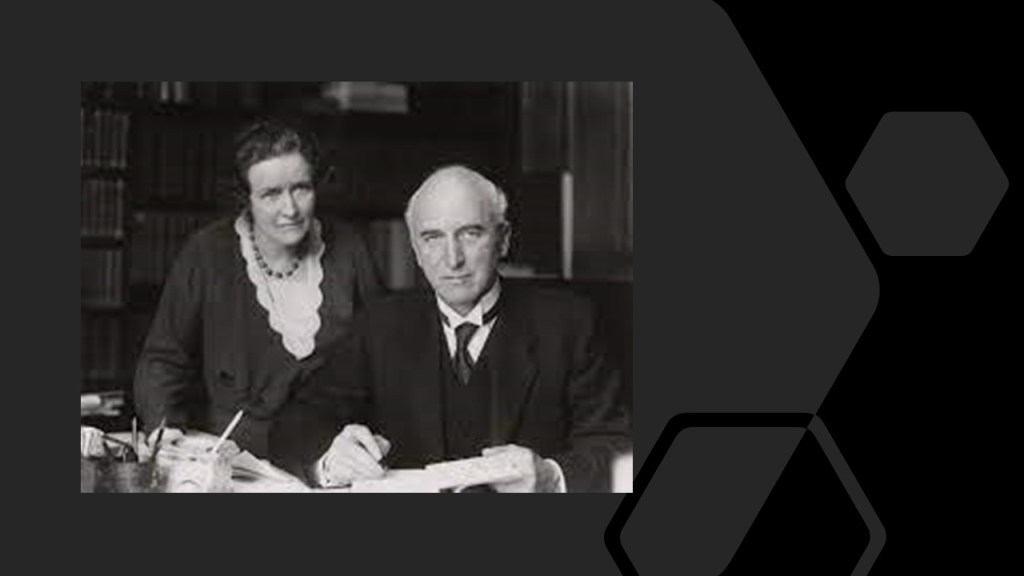
She became well-known for her commitment to ending slavery through such things as writing and speaking.
She was made a Dame Commander of the Order of the British Empire, in other words knighted, for her efforts in 1933.
What had become the “British and Foreign Anti-Slavery Society” in 1909 went through several other name-changes over the years, and with the last name-change became “Anti-Slavery International” in 1995.
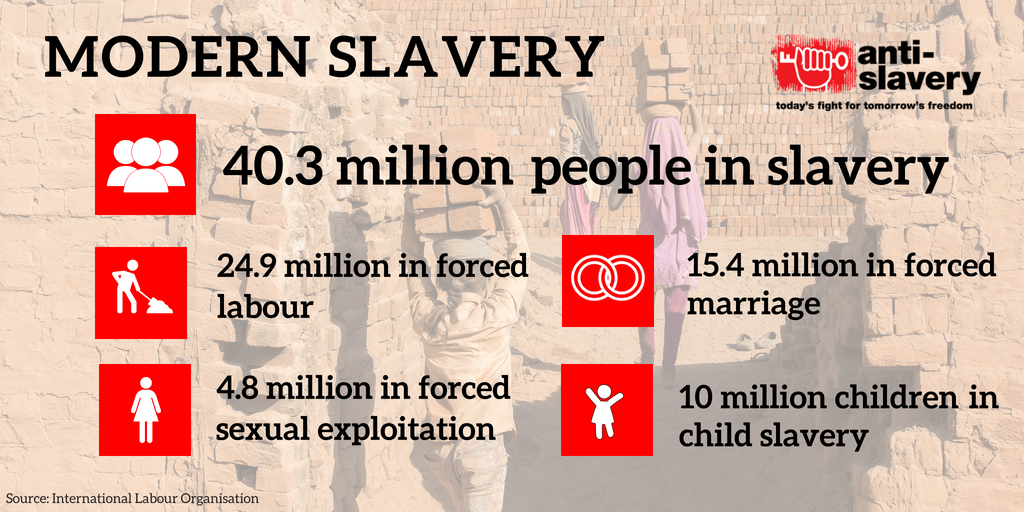
Here are this organization’s slavery statistics worldwide from 2020.
So 40.3 million people in slavery total, with at 10 million of those people being identified directly as children, as recently as 2020?
And don’t those numbers seem incredibly high for something that isn’t talked about openly in our day and age?
Since Quakers were so involved in the founding of what became known as the Anti-Slavery International NGO today, I went looking around to see if the founder of Quakerism, George Fox, had any masonic connections or anything like that, and not that I could find on an that in an internet search.
What I did find that was interesting was a pdf chapter on the University of London School of Advanced Studies website, which archives “The Journal of the Friends Historical Society.” Quakers are also known as “Friends.”
The title of the pdf chapter is “Early Friends and the Alchemy of Perfection,” and at the beginning it mentions George Fox meeting a German in London in 1660.
While it was not known exactly who the German was, the author of the chapter spectulated that it was quite possibly, from what little information Fox provided, someone by the name of Franz Mercurius van Helmont, a Flemish physician and alchemist who had settled in London by the 1670s, and became a Quaker himself until sometime around 1690.
Throughout all this time, van Helmont was heavily involved in kabbalistic metaphysics.
He spent his remaining years in Germany, until his death in 1699.
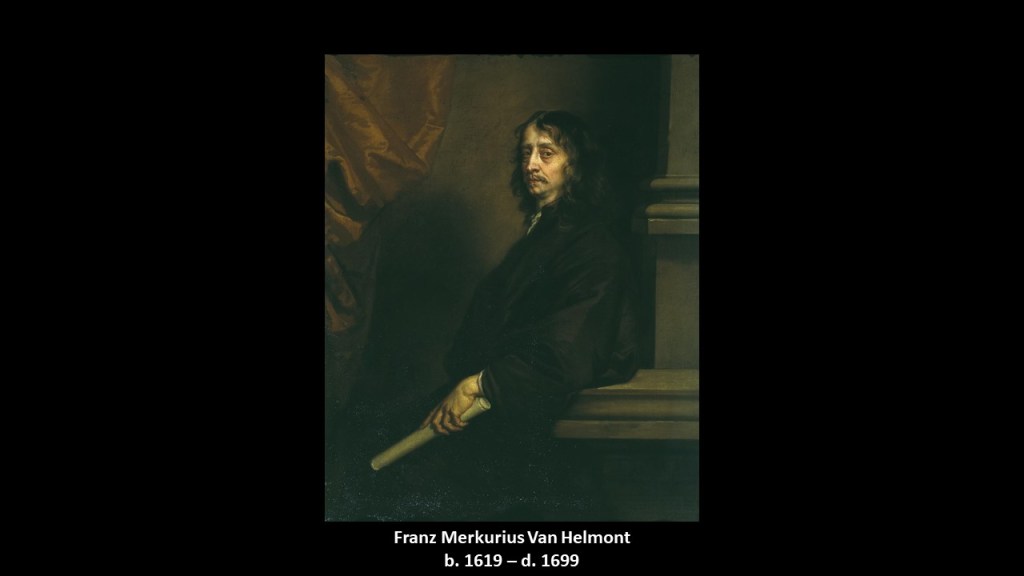
The author went on to say that Franz Merkurius Van Helmont was the son of the leading exponent on the European content of the Paracelsian-Alchemical tradition, and also a physican, Johan Baptiste van Helmont, and that both carried on the Paracelsian philosophy of medicine, as well as interest in the Kabbalah of the Jewish Mystical tradition.
The van Helmonts emphasized direct personal observation and experiment, and that Franz expressed admiration for the mystical nature of the spiritual experiences of the Quakers.
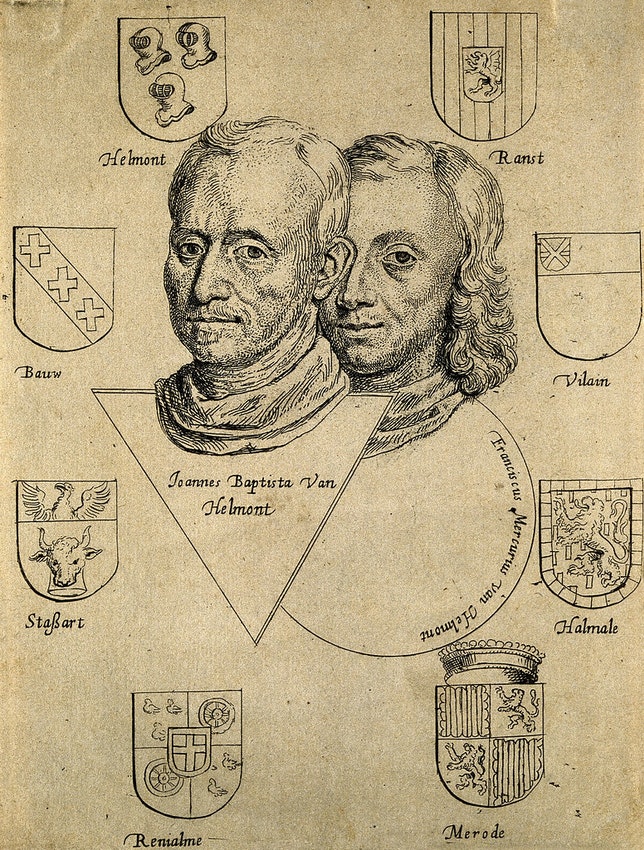
The author of this pdf document went on to speculate about whether or not there was something in Quakerism that appealed to the alchemists, or something about alchemy that appealed to the Quakers.
The author of the chapter touched on the subjects of Paracelsus, whom the van Helmonds were proponents of, and Hermeticism.
The given name of the man known to history as Paracelsus, a Swiss-German doctor and scholar, was Philippus Aureolas Theophrastus Bombastus von Hohenheim.
Interesting to note that the English meaning of “Bombastic” is “high-sounding but with little meaning.”
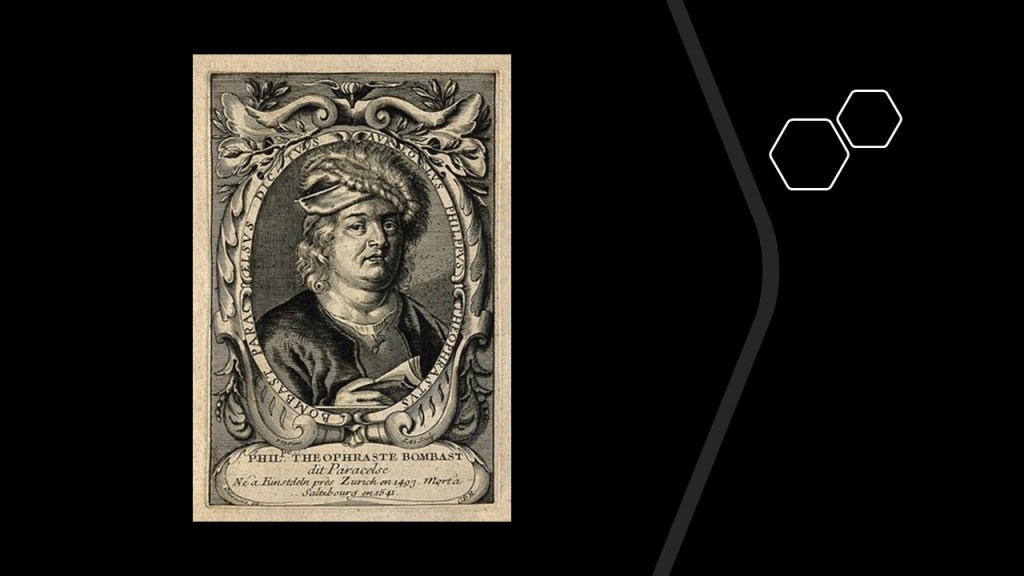
Paracelsus, a student of Hermeticism, was also an alchemist and physician, and said to have wedded alchemy and medicine.
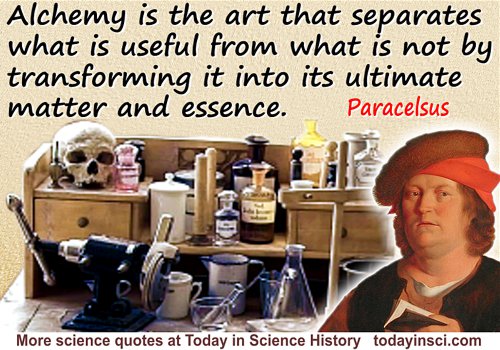
His work on alchemy exerted a big influence on reformers seeking to restore the true knowledge of an earlier age, and reliance on the direct and immediate experience of truth.
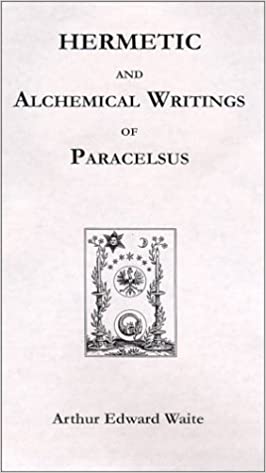
The ancient Hermetic tradition surfaced in the West around 1460 A.D. and Hermeticism was a major influence on Renaissance thought.
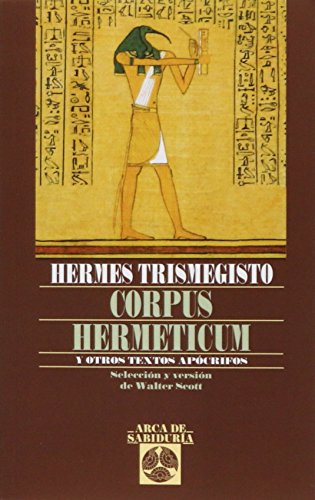
It was a combination of gnosticism, magic, and mysticism that derived its name from “Hermes Trismegitus,” or “Thrice- Great Hermes,” an ancient Egyptian Magus who was associated with the Egyptian-God Thoth, and Thoth is also associated with the Greek God Hermes.
The Corpus Hermeticum was a collection of written works attributed to said individual that offered insight into the Egyptian mysteries and religious philosophy that started circulating in the early centuries of the Common Era.
I am spending time on this line of inquiry about the early influences on what became major institutions in our world because I believe it is very important to understanding what has really taken place here, as opposed to what we have been told.

 Revealing What Has Been Hidden in Front of Our Eyes
Trying to reach you to appear on my WABC RADIO SHOW, NYC. What spectacular, vital information you have!! 646.678.1110 private cell.
LikeLike