
I decided to bring forward research I did several years ago on the history of candy to provide information for consideration on the answer to the question posed of “Simply a Treat or Weaponization of Sweets?”
Here are some of the things that I found out when I was looking into the history of candy.
Hard stick candy as we know it has at least been around since 1837, when it at was featured at the Exhibition of the Massachusetts Charitable Mechanics Association (MCMA) that year in Boston, Massachusetts.
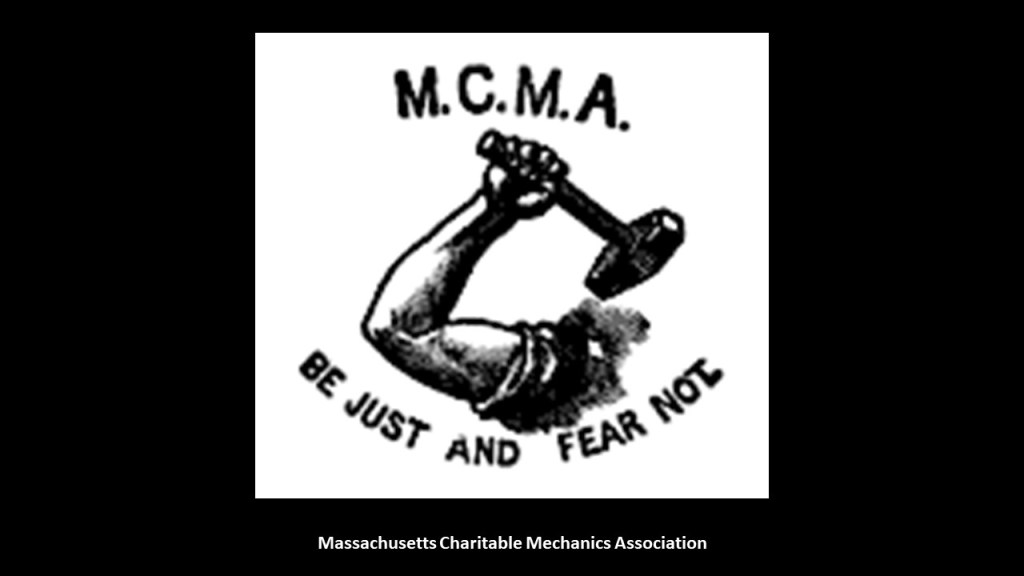
Wondering if it just a coincidence that the MCMA logo is pretty much identical to the “Arm and Hammer” logo.

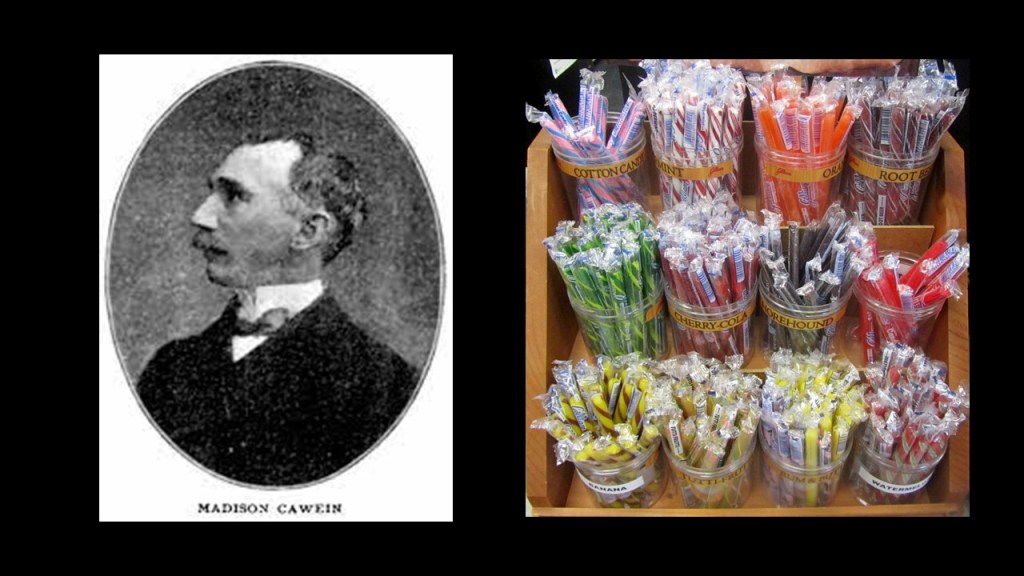
At any rate, hard stick candy became a popular type of hard candy for both children and adults in the United States by the 1860s, and their nostalgia effect is memorialized in this 1909 poem, “The Land of Candy” attributed to Kentucky poet Madison Julius Cawein.
The first place they came to me, why.
Was a wood that reached the sky;
Forest of stick candy. My!
How the little boy made it fly!
Why, the tree trunks were as great,
Big around as our gate
Are the sycamores; the whole
Striped like a barber’s pole.
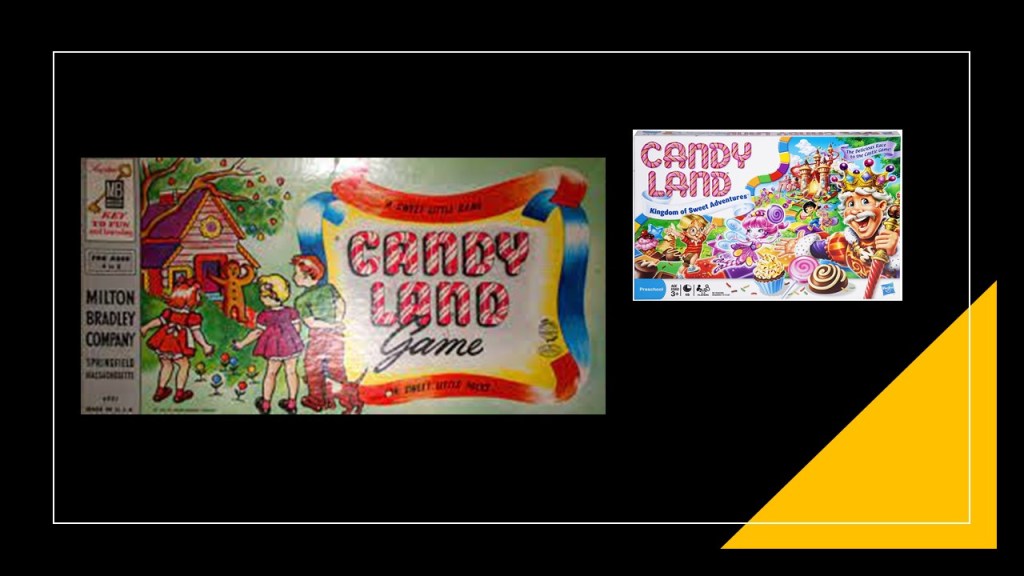
This brings to mind the game, “Candyland,” which I distinctly remember playing as a child.
This classic board game was first published in December of 1949 by the Milton Bradley Company, and was suitable for young children because there was no reading or strategy involved, and only minimal counting skills.
All you have to do to play the game is follow the directions.
To this day, this popular board game still sells an estimated 1-million copies per year.
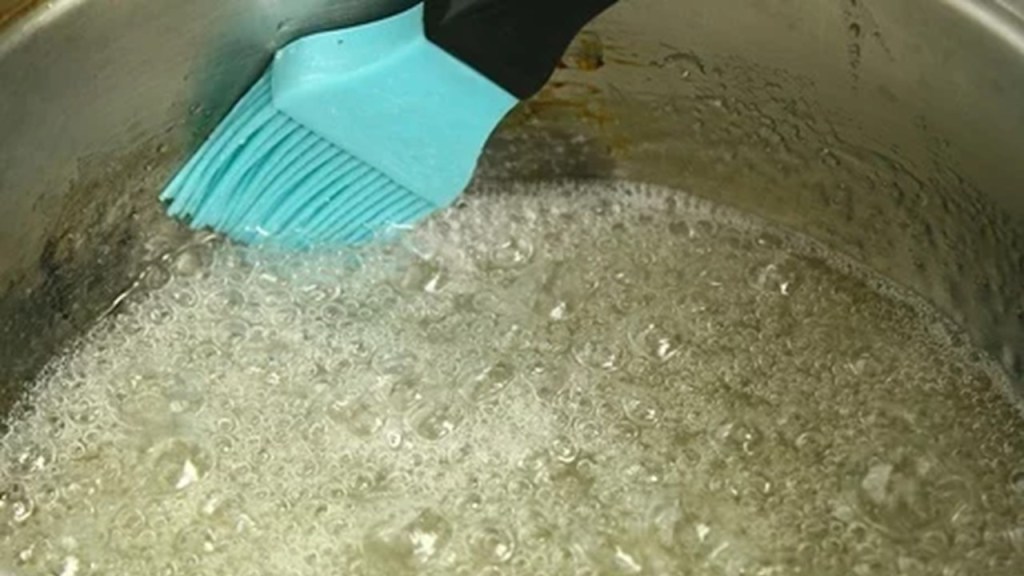
Stick candy is made by mixing things like granulated sugar and sometimes corn syrup with water and a small amount of Cream of Tartar, though white vinegar can be used in place of Cream of Tartar.
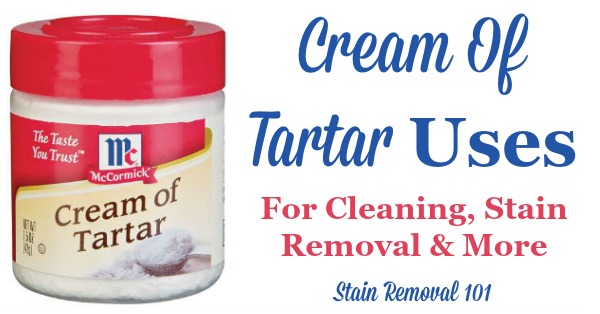
The chemical name for Cream of Tartar is potassium bitartrate, and in addition to its uses in cooking, when it is combined with other substances like lemon juice, vinegar, and hydrogen peroxide, it is used as a cleaning agent.
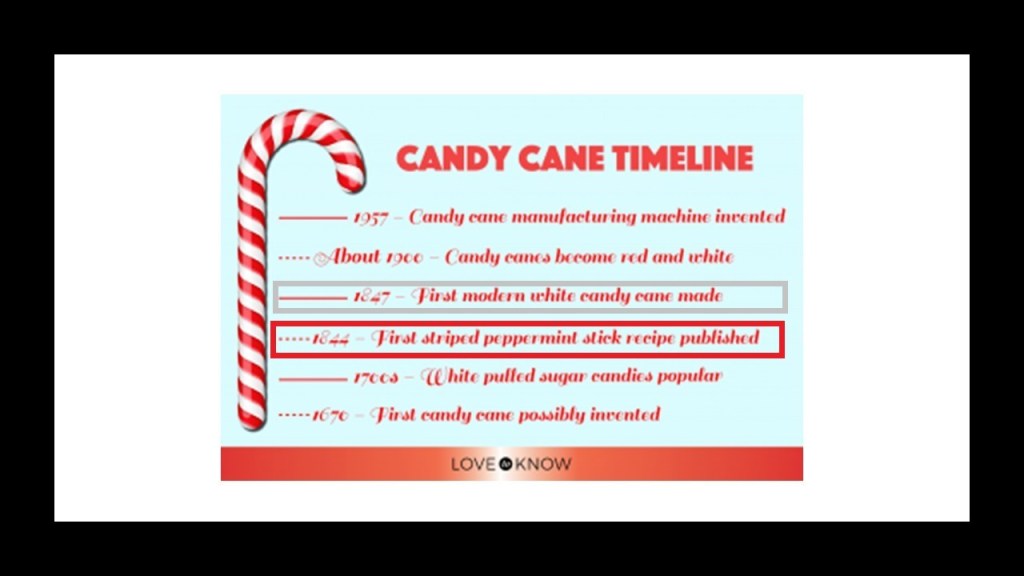
A recipe for candy canes, typically a type of peppermint-flavored stick candy, was published in 1844, and the first ones made in 1847.
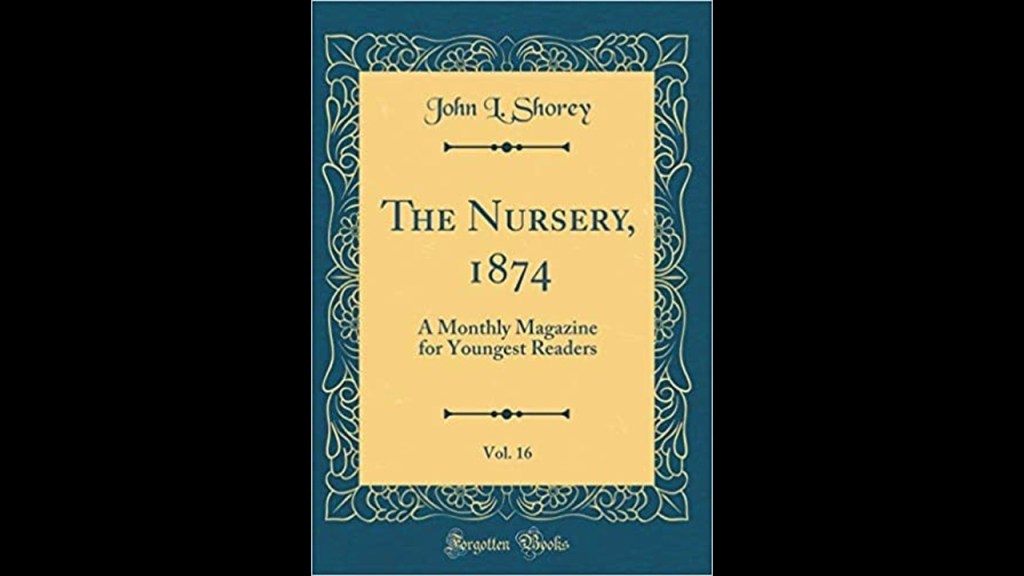
In 1874, “The Nursery,” a 19th-century magazine “for the Youngest Readers,” made note of candy canes in connection with Christmas…
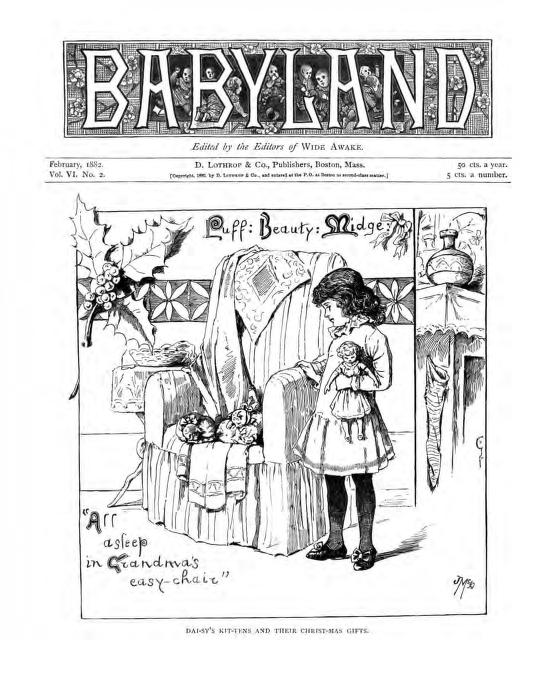
…and in 1882, an edition of a similar kind of magazine entitled “Babyland,” called “the Babies Own Magazine,” mentioned candy canes being hung on Christmas trees.
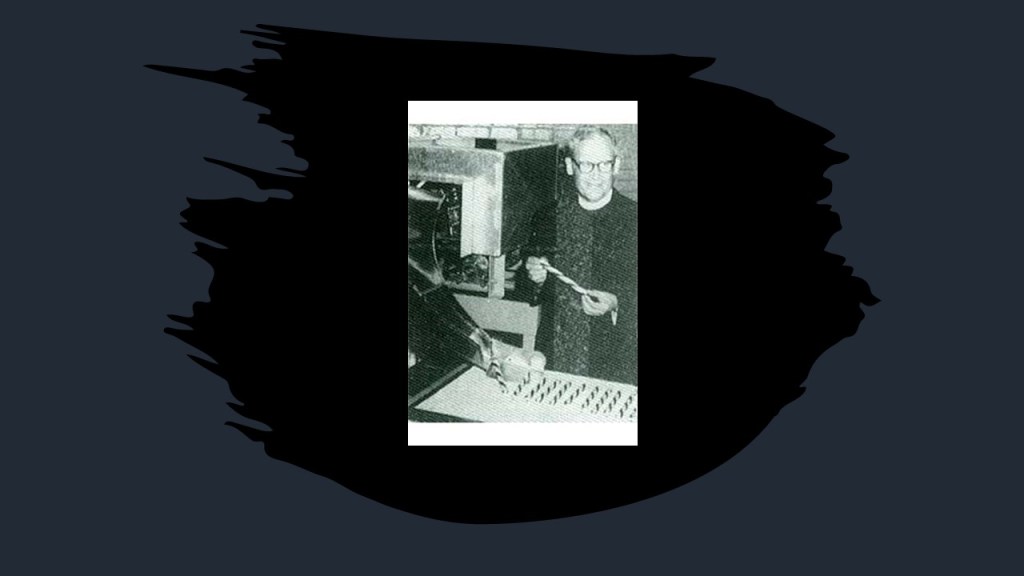
In 1957, Father Gregory Keller, a priest of the Diocese of Little Rock in Arkansas, patented his “Keller Machine,” which automated the process of bending candy cane sticks.
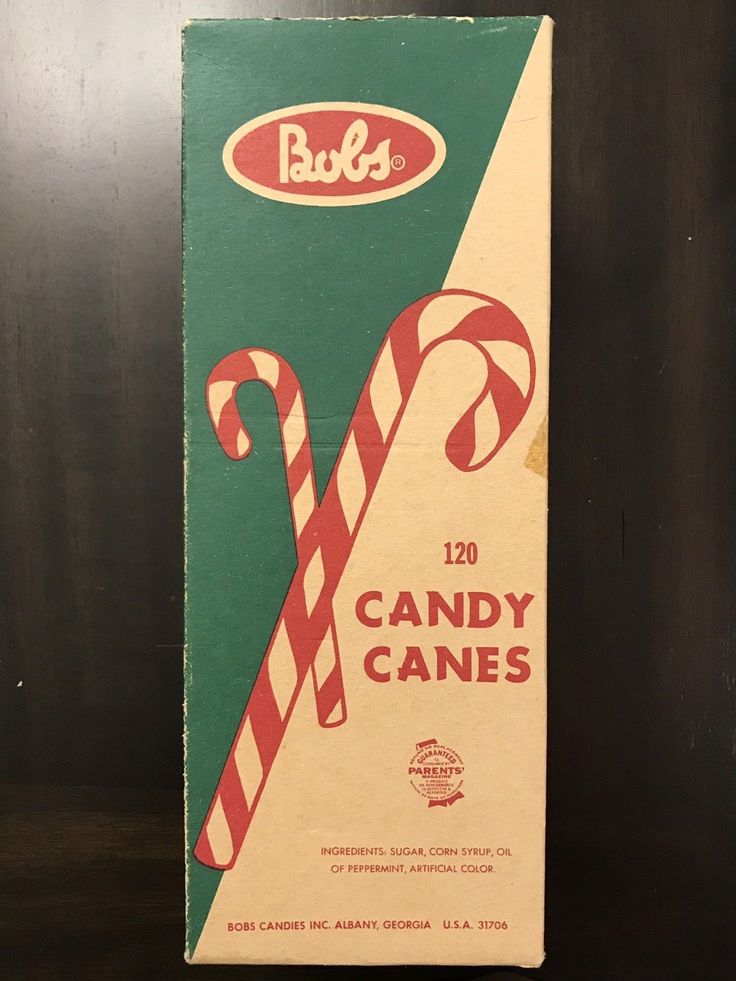
Father Keller was the brother-in-law of Robert McCormack, who began making candy canes for local children in 1919 in his Famous Candy Company, and became one of the world’s leading candy cane producers, and the company he started became known as “Bobs Candies.”
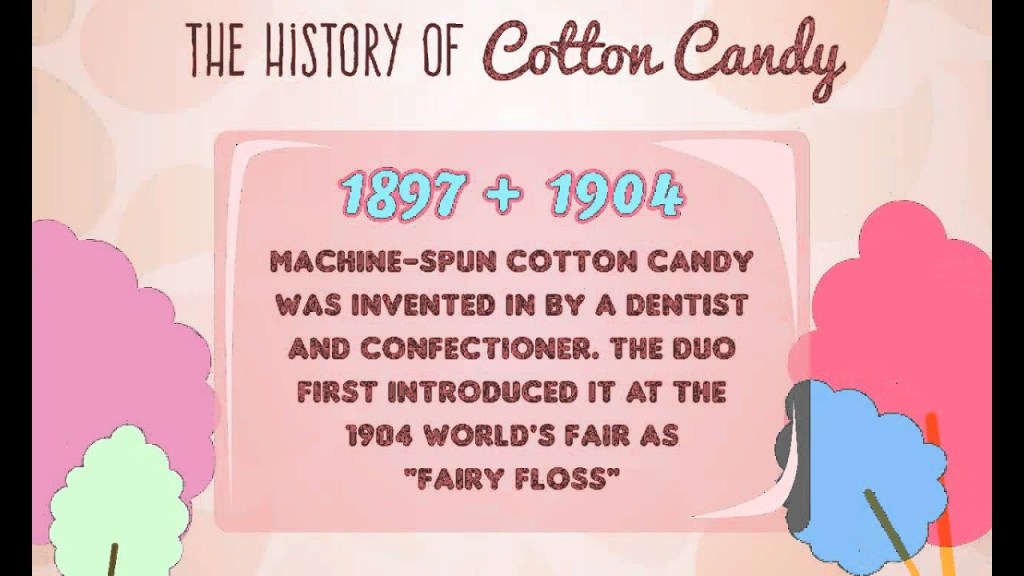
Today’s Cotton Candy was first created in 1897…

…by a dentist, named William Morrison, who developed the cotton candy machine…
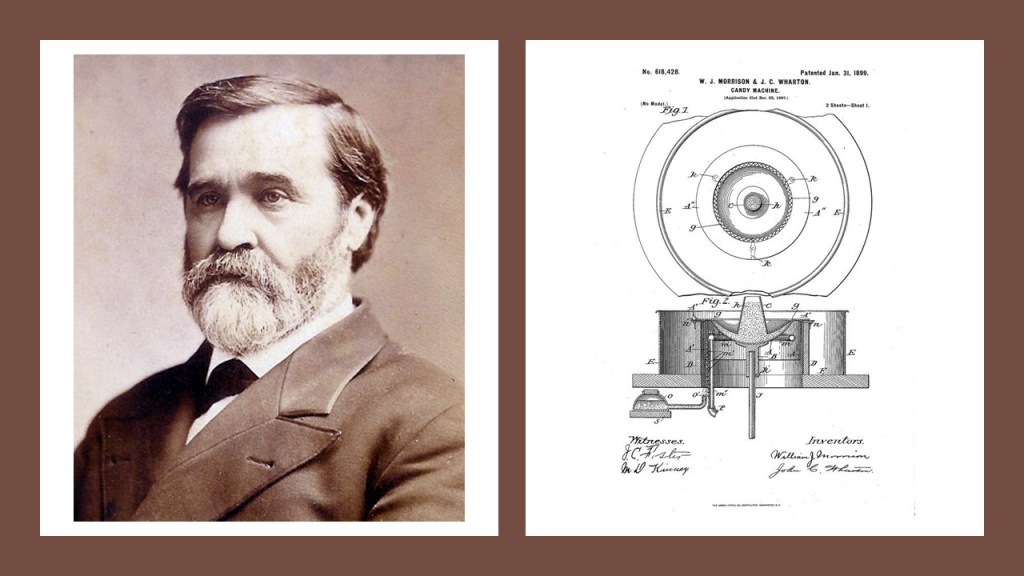
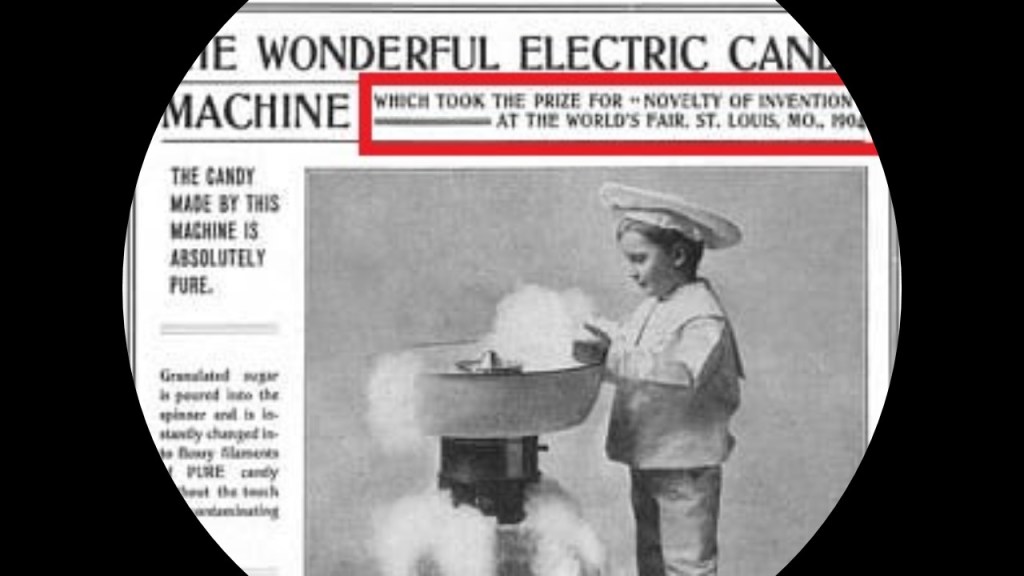
…and a confectioner named John C. Wharton, and together they created a product they called “Fairy Floss” by heating sugar through a screen that made its debut at the 1904 World’s Fair in St. Louis…
…where it won an award for “Novelty of Invention.”
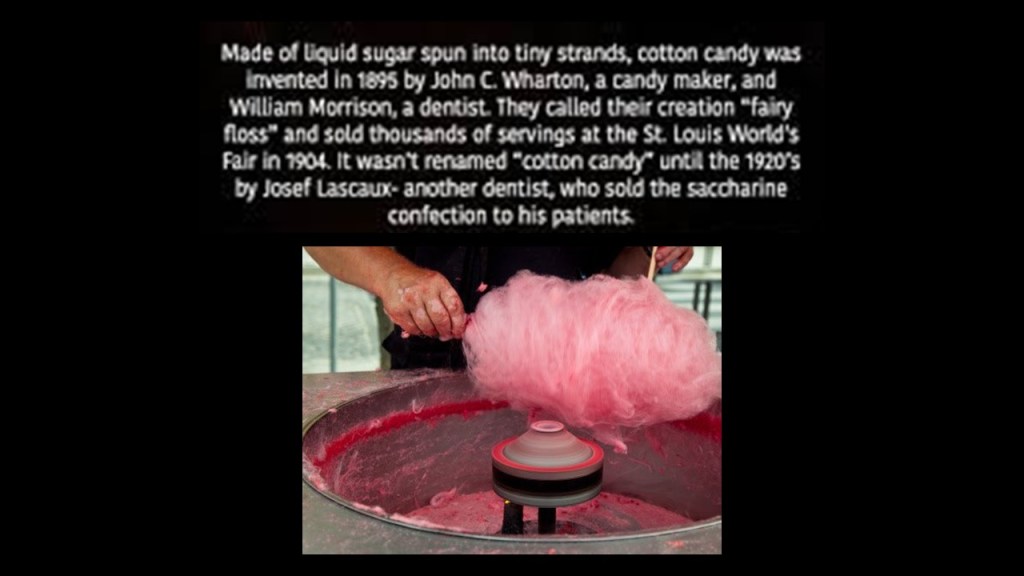
It received the name “cotton candy” from yet another dentist, Josef Lascaux, who marketed his version of the same treat starting in 1921, and named it after the cotton of his home state of Louisiana and sold it to his dental patients, and which apparently had saccharine in it, according to this reference to it that I found.
Here are some interesting points of information related to the artificial sweetener saccharin that I came across in past reserach.
Saccharin was the first product produced by the Monsanto Chemical Company, starting in 1901.
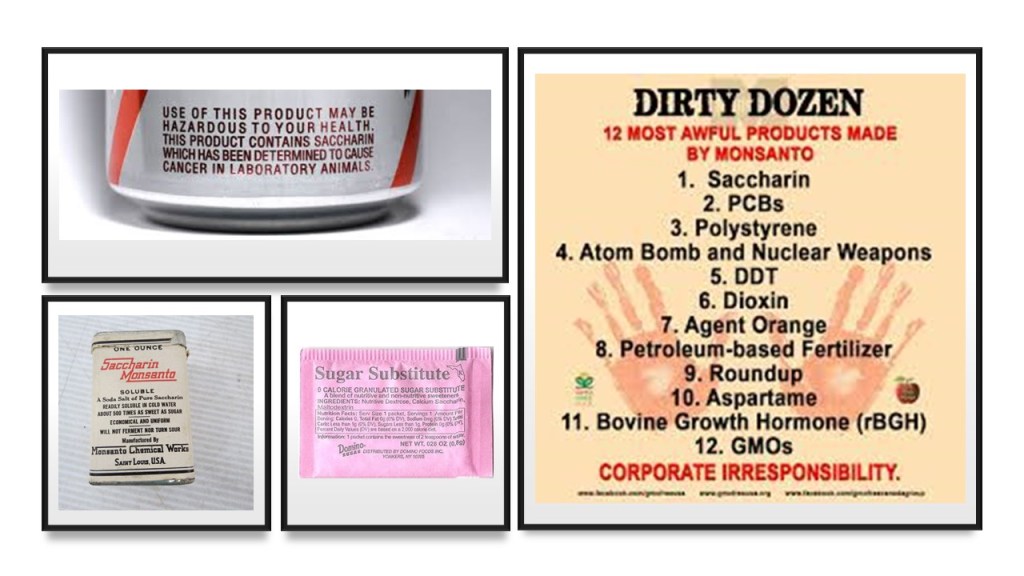
Monsanto was acquired by the German multinational Bayer Pharmaceutics and Life Sciences Company after gaining United States and EU regulatory approvals on June 7th of 2018 for $66-billion in cash, and Monsanto’s name is no longer used.
Around the same time that cotton candy was first made, the Tootsie Roll entered the scene as the first penny candy that was individually wrapped and sold, starting in 1896.

An Austrian immigrant by the name of Leo Hirshfield invented the candy, which we are told was named after his daughter Clara, who was nicknamed “Tootsie.”
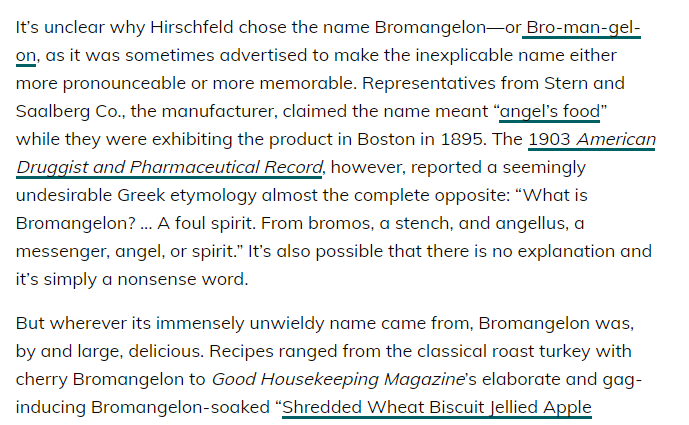
Hirshfield’s first invention was Bromangelon Jelly Powder.
It was the first instant, flavored gelatin powder, and initially came in four flavors – lemon, orange, raspberry, and strawberry.
It was also the first commercially-successful gelatin dessert powder, and was eventually driven off the market by Jell-O.

The invention of Bromangelon Jelly Powder set the stage for both Tootsie Rolls and Jell-O.
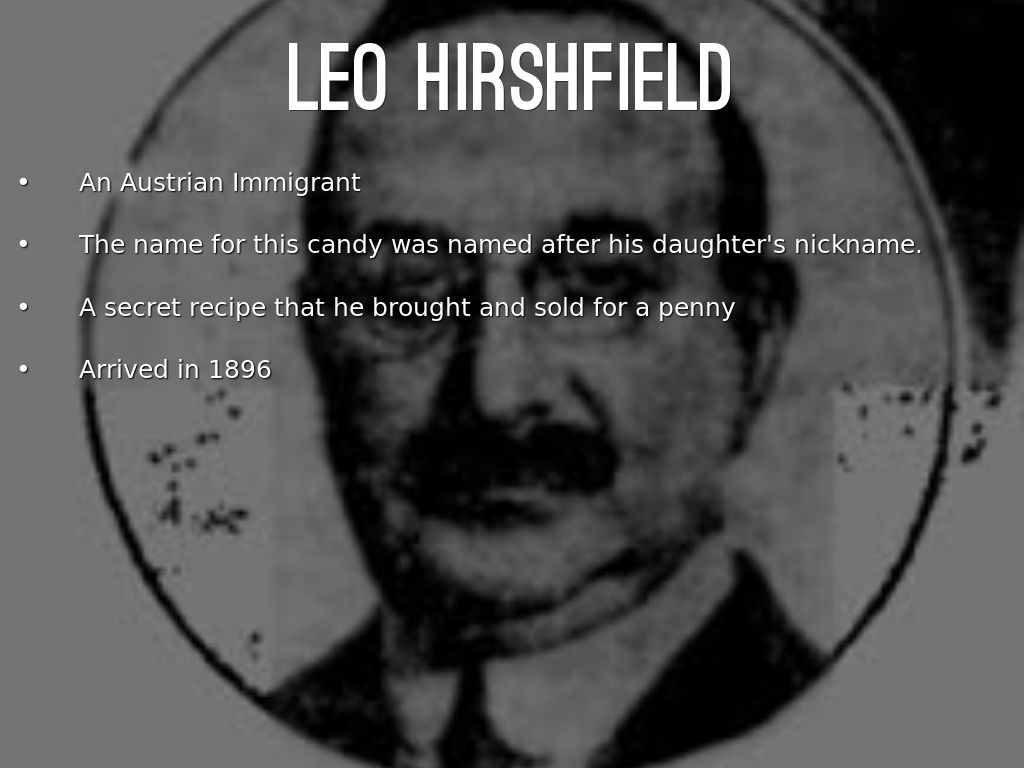
Interesting to note is that there are two different possible meanings attributed to the name.
One was what the manufacturer, the Stern and Saalberg Company, said it was, which was “Angel’s Food.
And the other is what the break-down of the Greek etymology is said to mean, which is “a foul spirit,” with bromos meaning stench and “angellus,” a messenger, angel, or spirit.
Or the possibility that it has no meaning at all.
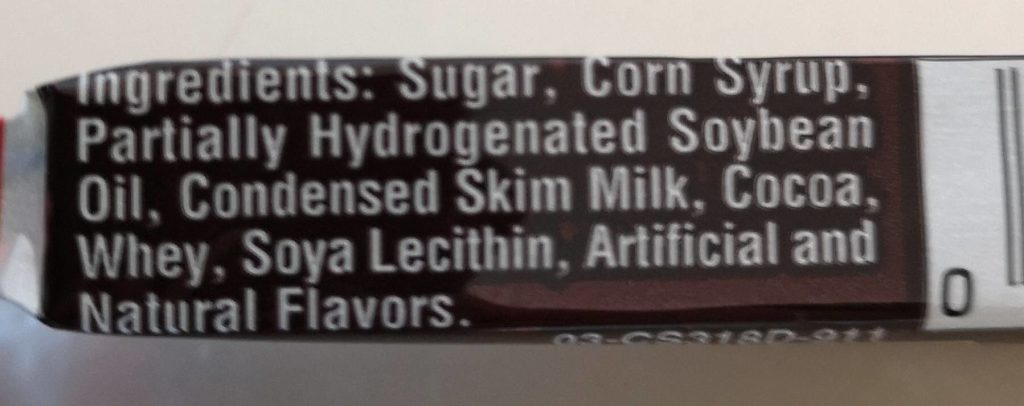
The ingredients of Tootsie Rolls, at least today, are as follows: sugar; corn syrup; partially hydrogenated soybean oil; condensed skim milk; cocoa; whey; soy lecithin; and artificial and natural flavors.
The sugar and corn syrup alone have a bad effect on the body, spiking insulin and sending the body on a roller coaster ride.
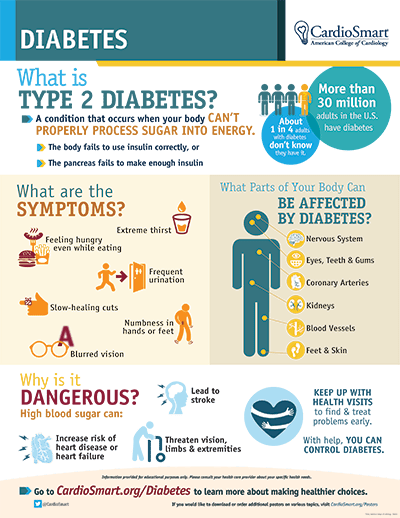
All of the sugar and other additives there were introduced into our diets from all of this candy brings the prevalence of Type 2 Diabetes to mind, which is an impairment in the way the body regulates and uses sugar (or glucose) as a fuel, and affects a lot of people, who either have it, or are at risk to develop it as a health condition.
Tootsie Rolls represented a break-through in the candy industry, a chocolate-flavored caramel and taffy that didn’t stick together in the bulk containers at the store; didn’t melt and they stayed fresh.

From that modest start, Tootsie Roll Industries has brought us Charms Blow Pops; Mason Dots; Andes; Sugar Daddy; Charleston Chew; Dubble Bubble; Razzles; Caramel Apple Pops; Junior Mints; Cella’s Chocolate Covered Cherries; and Nik-L-Nip, and sold all over in places like: grocery stores; warehouse and membership stores like Sam’s Club and Costco; vending machines; dollar stores; drug stores and convenience stores.

Makes me wonder if we would even need dentists, and doctors for that matter, if we did not have all this candy junk food at our disposal!

Just some things to think about!

 Revealing What Has Been Hidden in Front of Our Eyes
Hi Michelle, What a fascinating article. We all know sugar is bad for us, on so many levels. I had no idea that American candy was invented by dentists! Much like all the other medical practitioners; they don’t want us to have healthy teeth. That’s bad for business!
Thank you for all of your fascinating and in-depth articles.
Love and light,
Kim
LikeLiked by 1 person