
I am going to be taking a close look at computers and video games, and related subjects and devices in this fourth and last part of the “Shapers of the New Narrative” series.
In the first part of the “Shapers of the New Narrative” series, I focused on the subjects of dime westerns, wild west shows, and western movies.
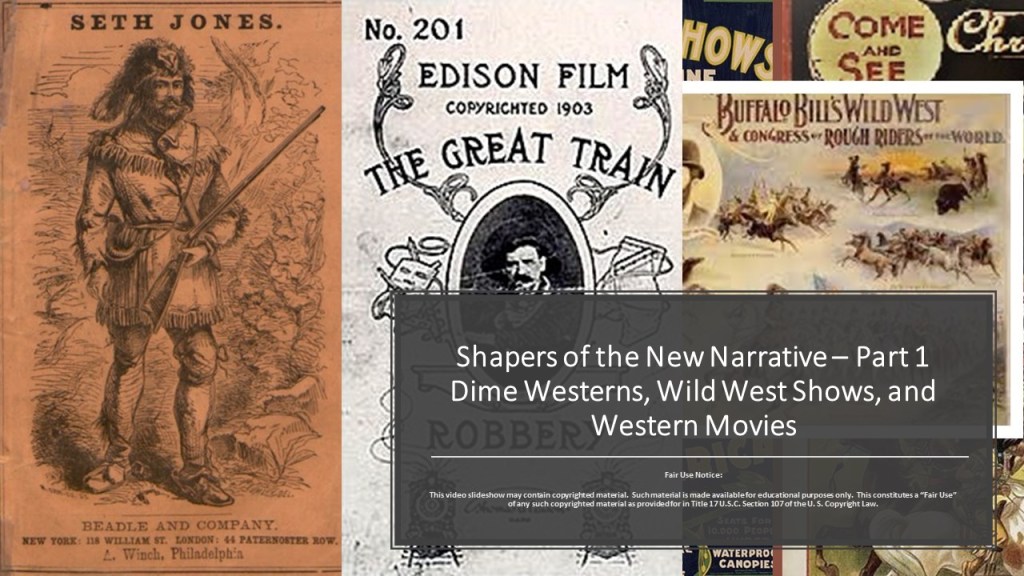
The second part of this series was about the role played by such things as penny candy; dime museums; circuses; nickelodeons & the early movie industry; and daredevils…

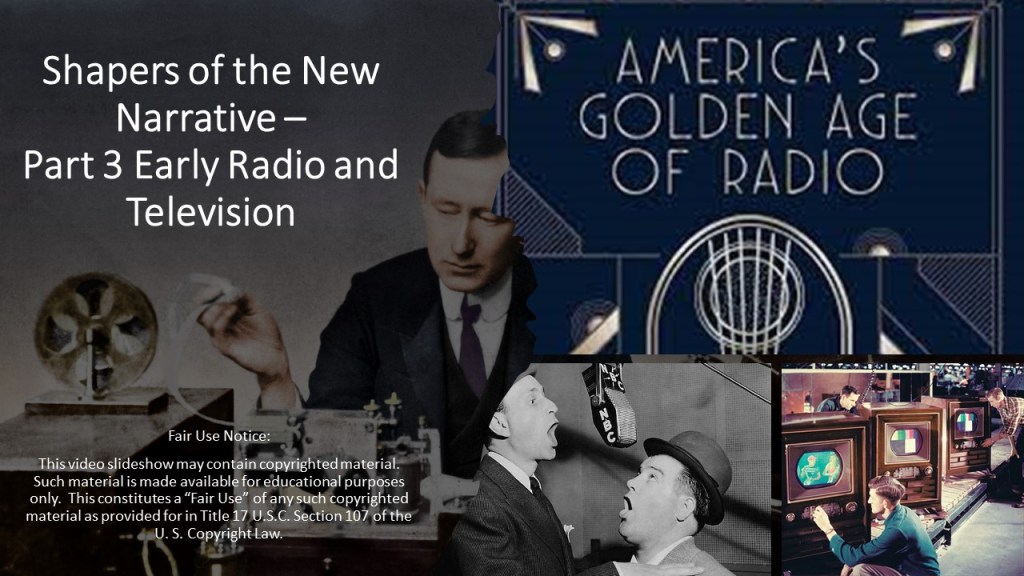
…and I looked into the origins of radio and television in the third-part of this series.
Where is all of this leading to?
Are these random events unfolding, or is there an outcome-based, long-term plan driving everything that has been happening in our lives?
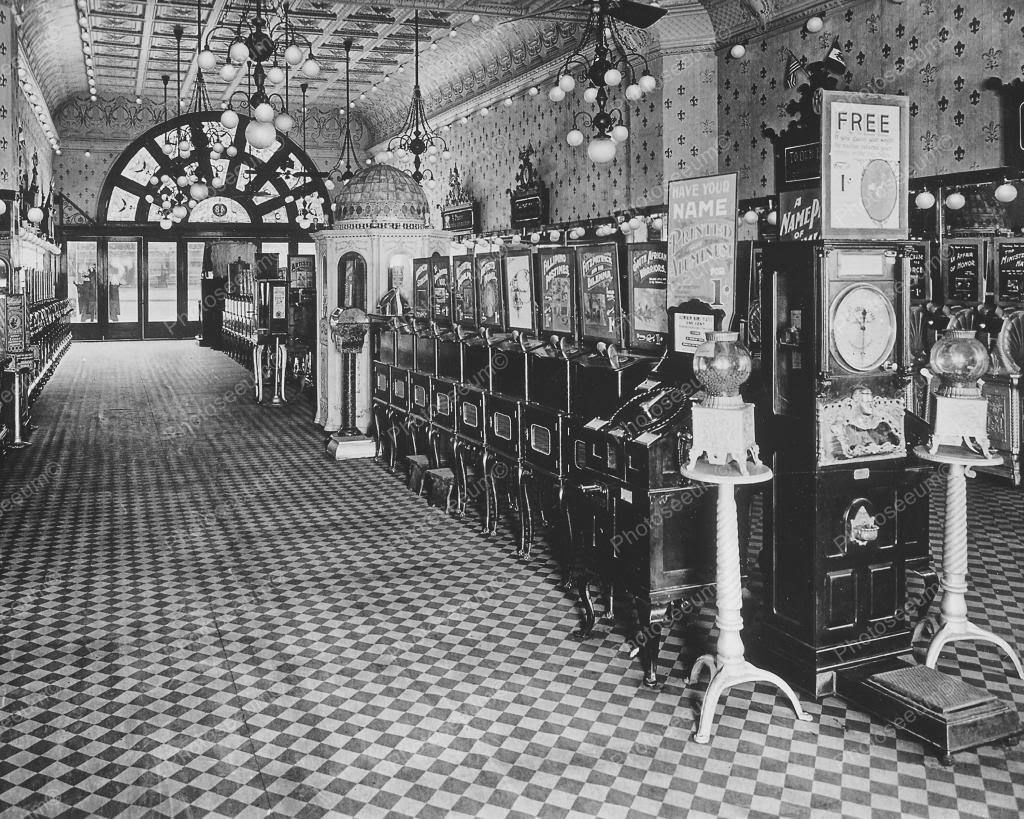
In Part 2 this series, I touched on the relationship between the development of penny arcades in the early 1900s and the coin-operated interactive entertainment industry of today, which had long-established and well-developed manufacturing and distribution channels around the world.
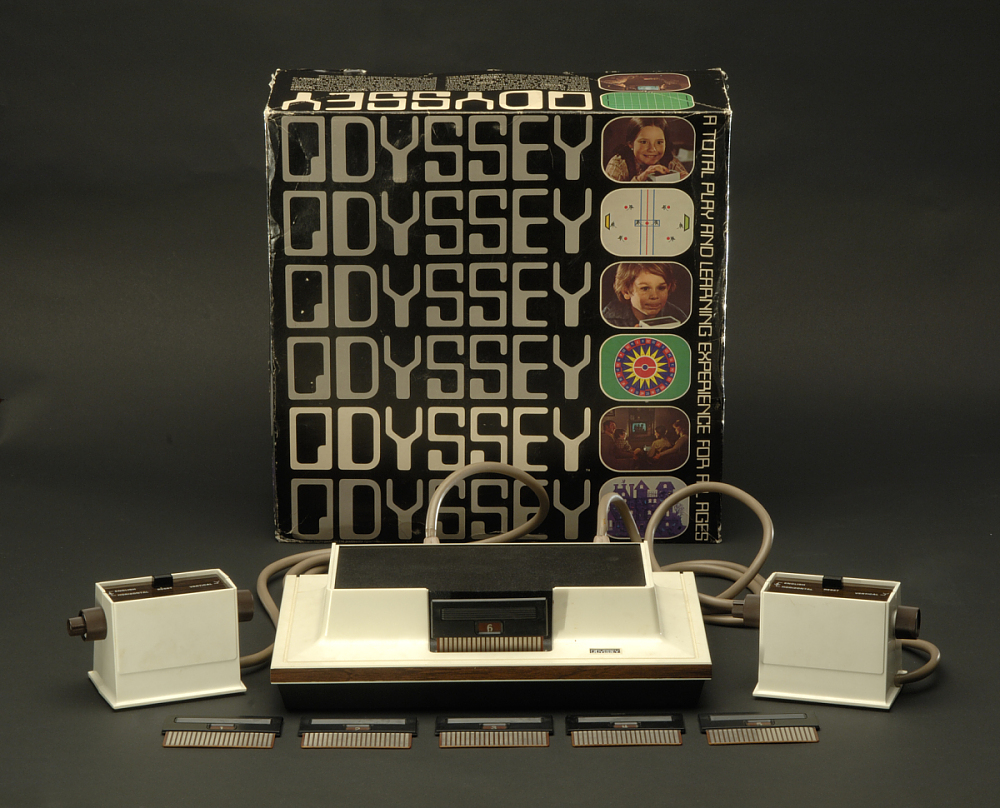
Existing computer technology had become cheap enough to incorporate into mass market entertainment products, and in 1972, Magnavox released the world’s first home video game console, the Magnavox Odyssey…
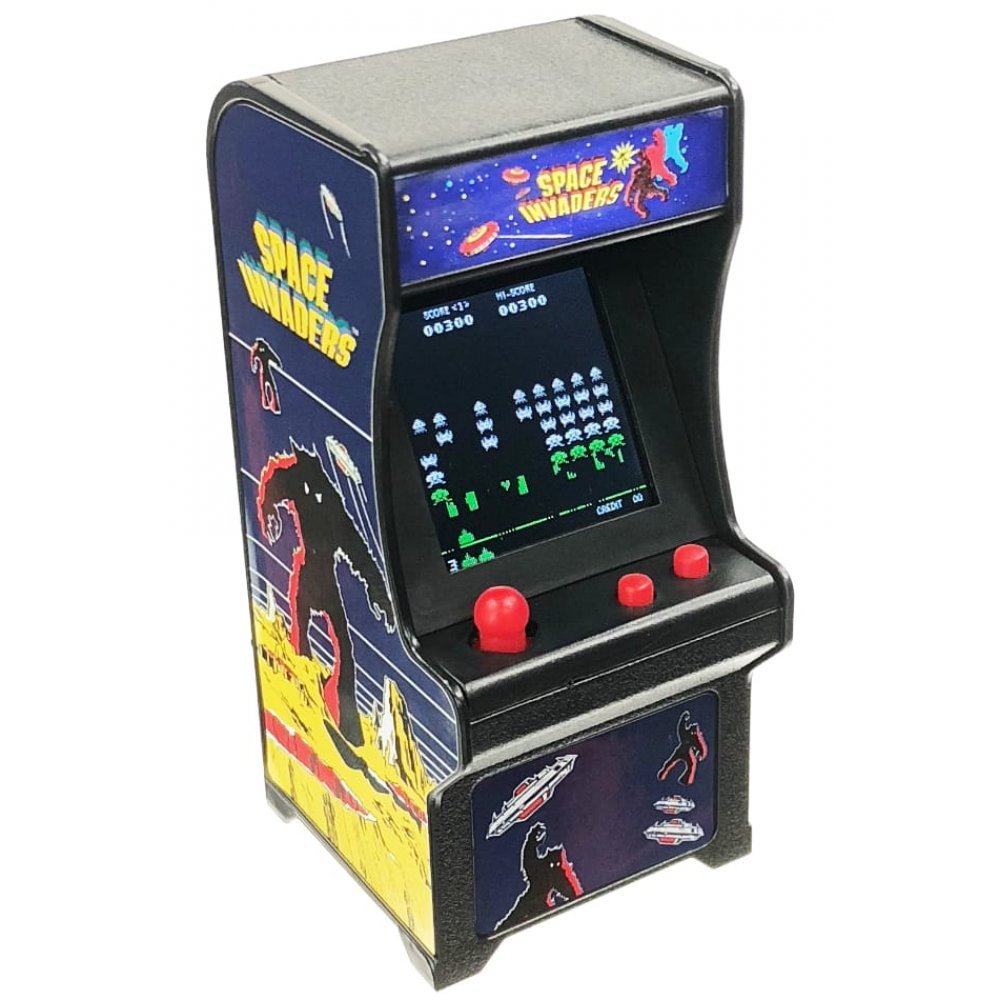
…and while there were other less well-known video arcade games released around 1972, the first block-buster video arcade game was “Space Invaders” in 1978, responsible for starting what is called the “Golden Age of Video Arcade Games.”
Also happening along with “Space Invaders” in 1978 was the release the album called “The Man-Machine” by the German band Kraftwerk.
These are the lyrics to its title song:
[Verse]
Man Machine
Pseudo-human being
Man Machine
Superhuman being
[Chorus]
The man machine, machine
Machine, machine, machine
Machine, machine, machine (machine)
The man machine, machine
Machine, machine, machine
Machine, machine, machine (machine)
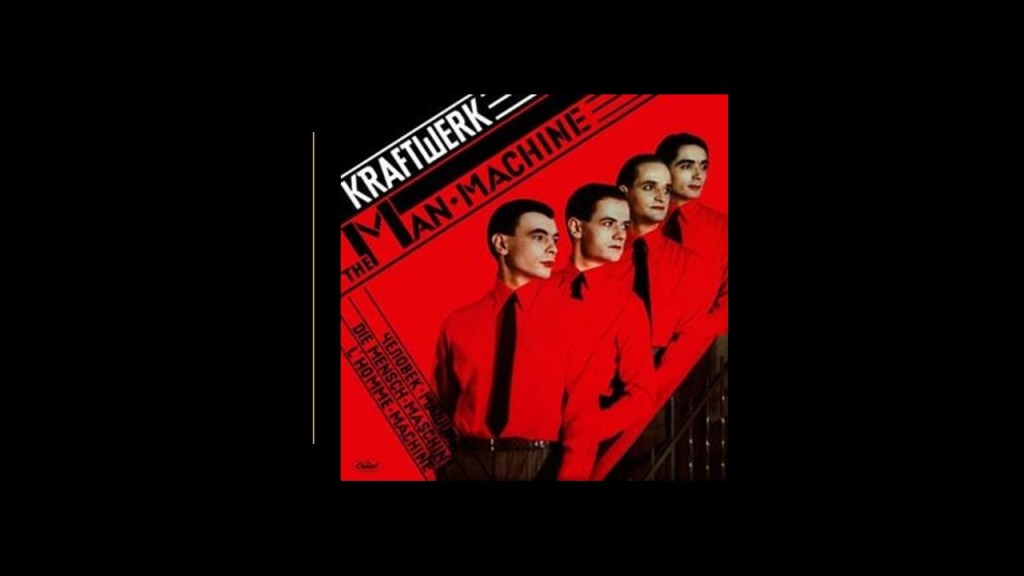
The other albums of Kraftwerk, a German electronic music band characterized by a “robot-pop-style” from that same time period included:
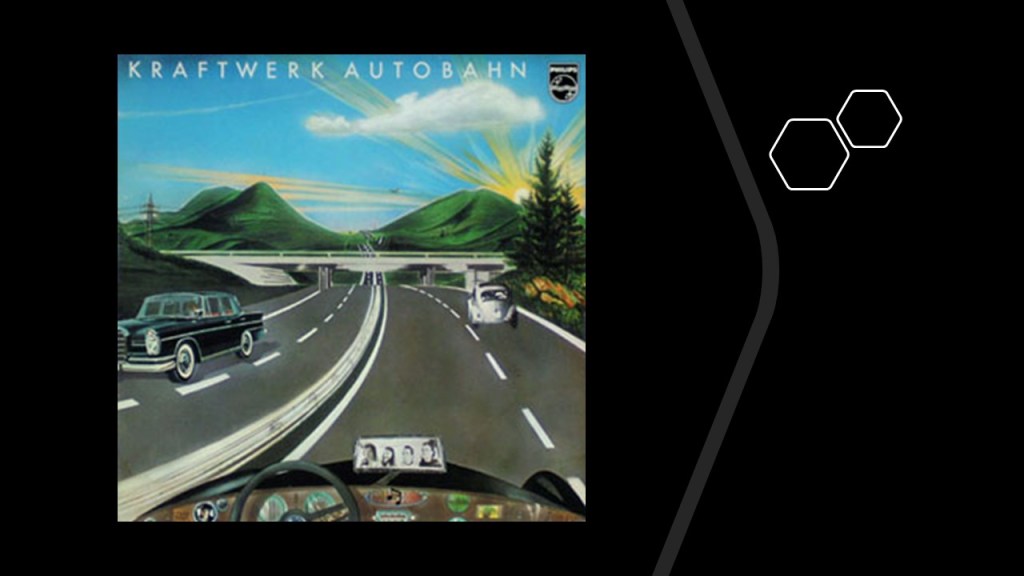
Autobahn, which was released in 1974…
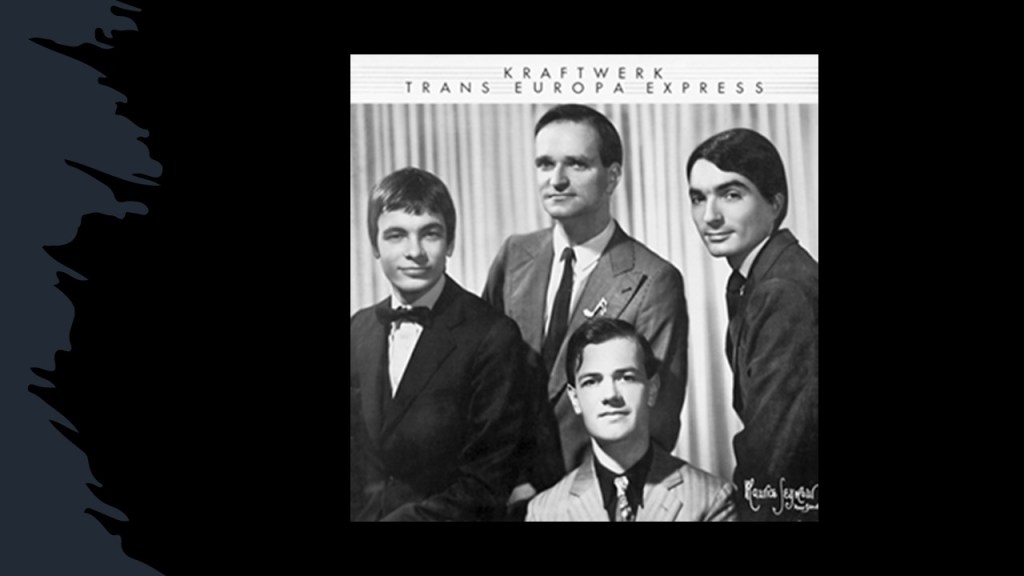
…Trans-Europa Express, released in 1977…
…and Computer World was released in 1981.
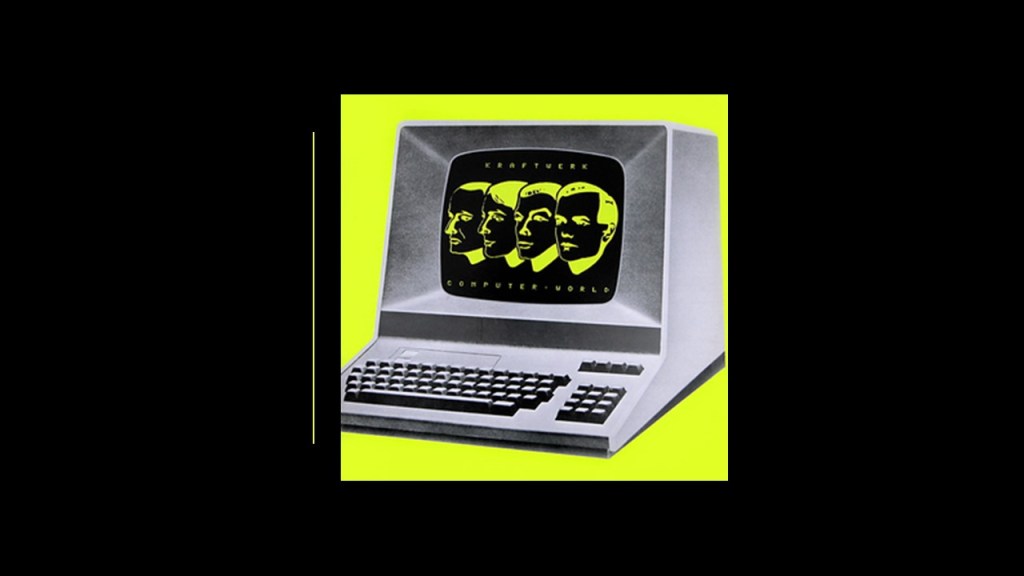
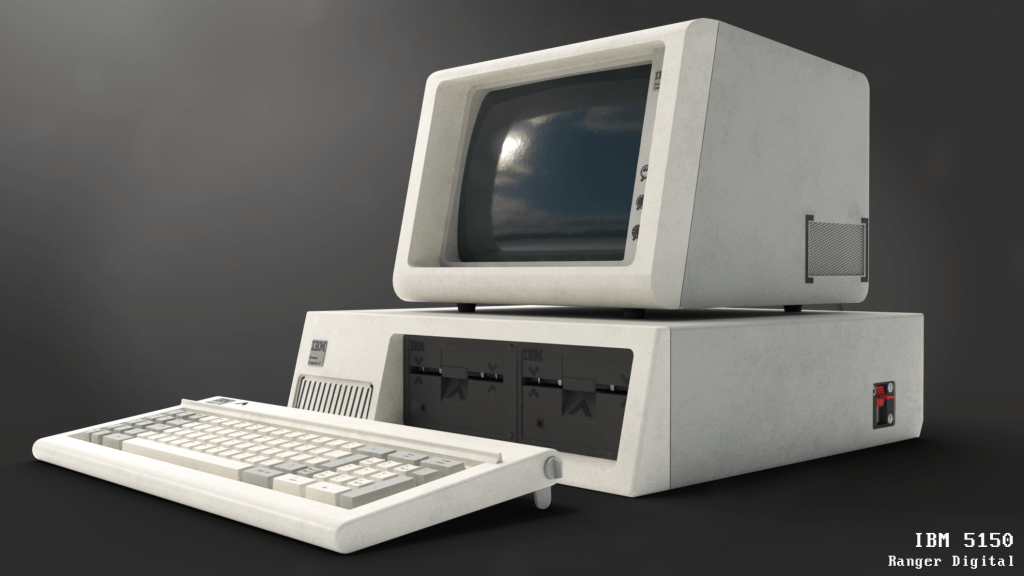
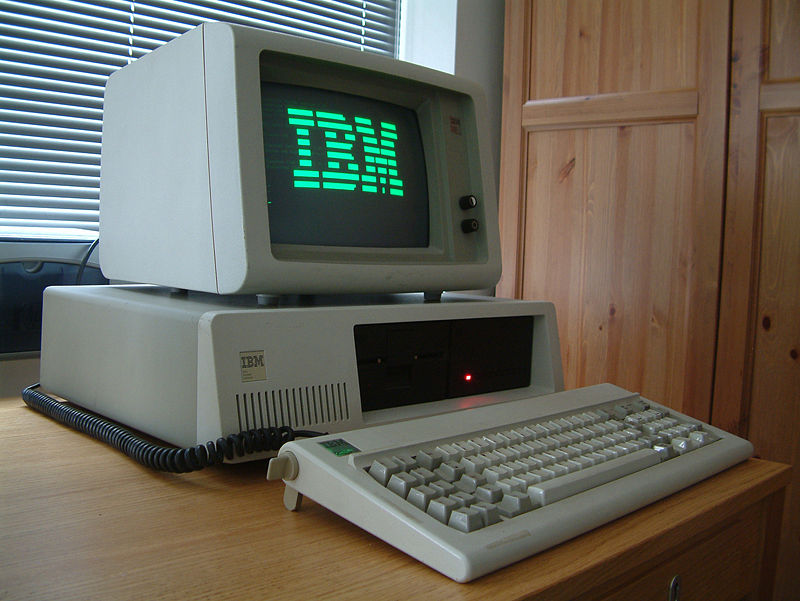
Is this life imitating art, or art imitating life, since 1981 was the same year that IBM released the original 5150 IBM PC in the United States, on August 12th, the first of the IBM PC, which had a substantial influence on the personal computer market.
I am going to go back into the history of computers here before I go forward in time.
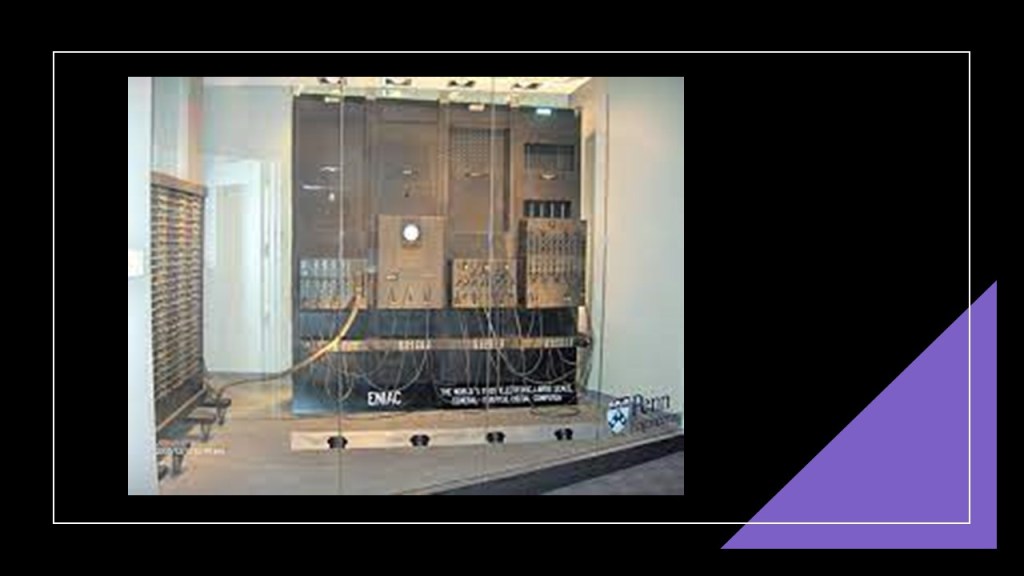
The Electrical Numerical Integrator and Calculator (ENIAC) machine was introduced in 1945 by John W. Mauchly and J. Prosper Eckert at the University of Pennsylvania, and was the world’s first substantial computer.
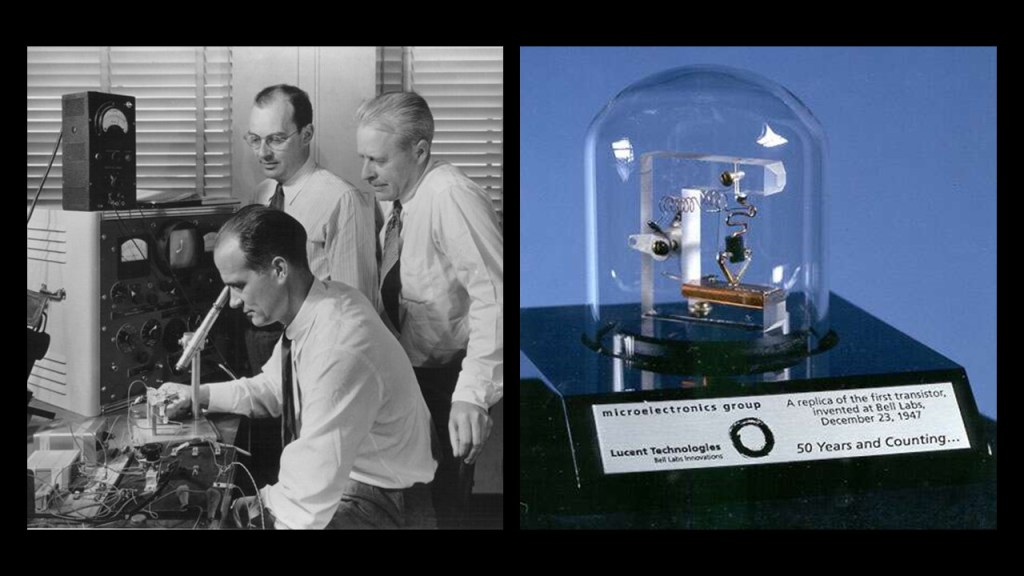
Shortly after the introduction of ENIAC, William Shockley, John Bardeen, and William Brattain of Bell Labs invented the transistor in 1947, which subsequently replaced vacuum tubes in electronic devices…
…and in 1958, Jack St. Clair Kilby of Texas Instruments manufactured the first integrated circuit.
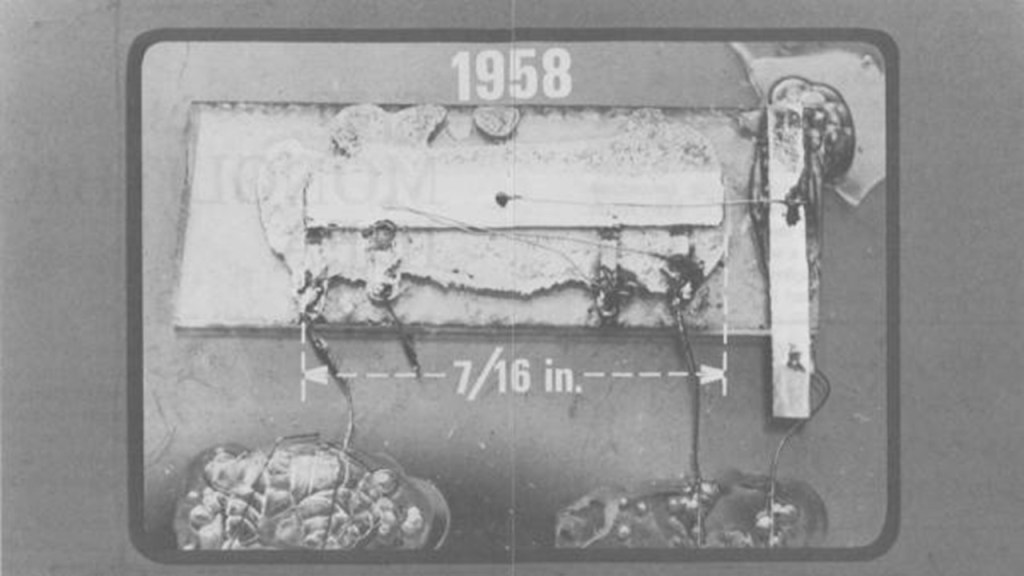
These two improvements in the computer field marked the beginning of the computer revolution.
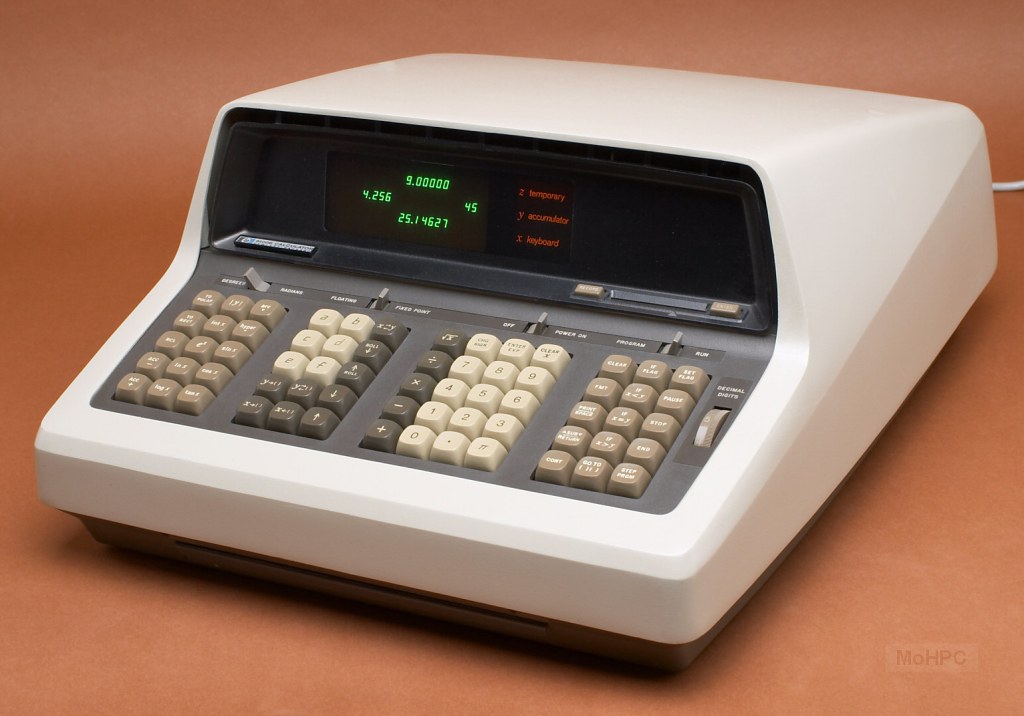
Hewlett-Packard introduced the 9100A in 1968.
It was an early programmable calculator.
Microcomputers came onto the mass market in the 1970s as personal computers.
Microcomputers were small, relatively inexpensive computers with a microprocesser as its central processing unit (CPU).

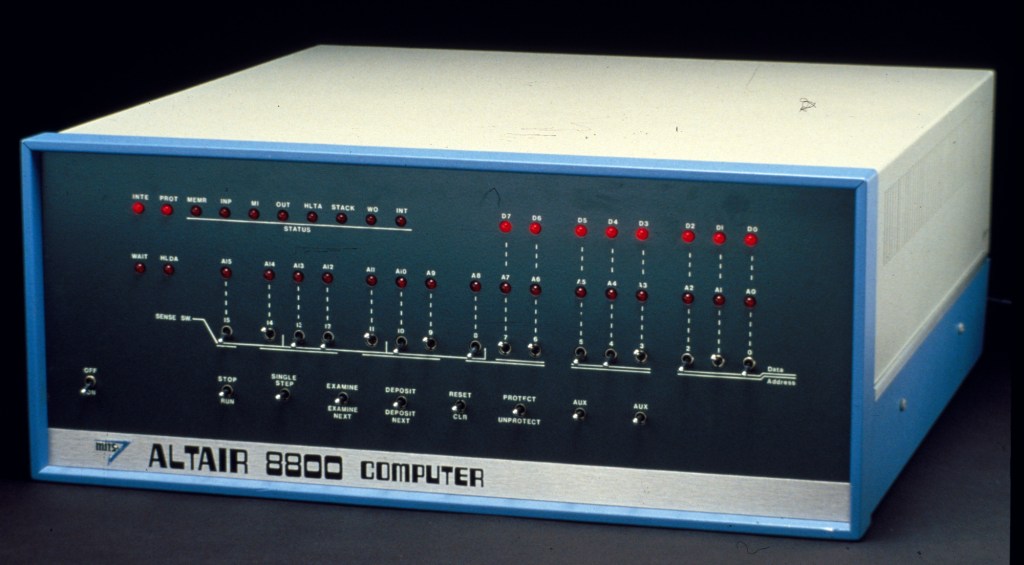
The Altair 8800 microcomputer was released in 1974 by a company called Micro Instrumentation and Telemetry System (MITS)…
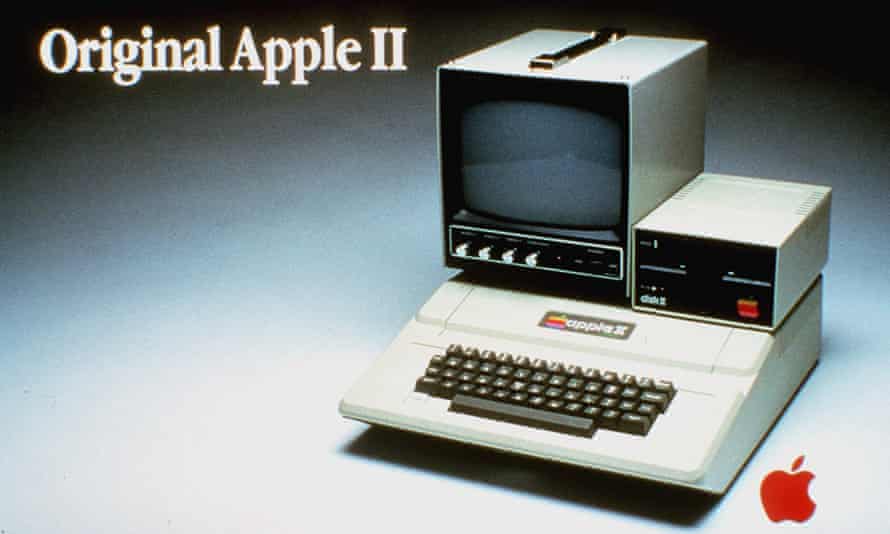
…and the Apple II microcomputer was released in 1977 by Steve Wozniak and Steve Jobs.
This was Apple’s first launch of a computer aimed for household use, and was one of the first, highly successful microprocessors.
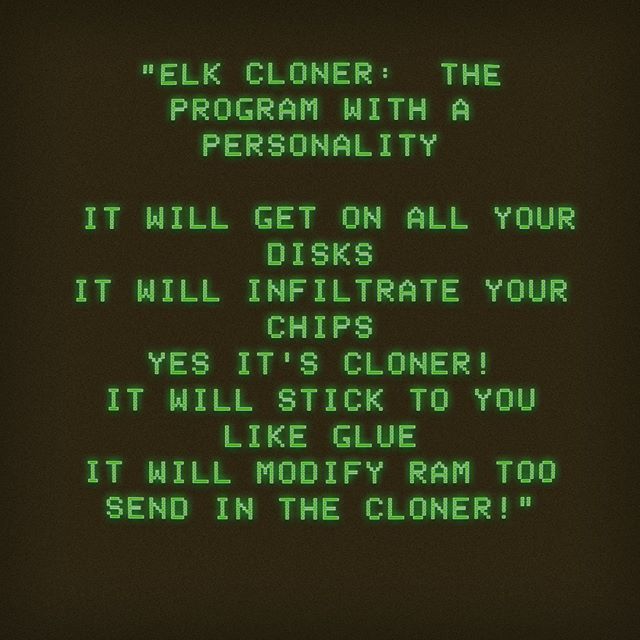
The first computer virus, called the Elk Cloner, which infected Apple II computers via floppy disk, was found on January 30th of 1982. It was written by Rich Skrenta, who was 15-years-old at the time.
Skrenta is currently a computer programmer and Silicon Valley entrepreneur.
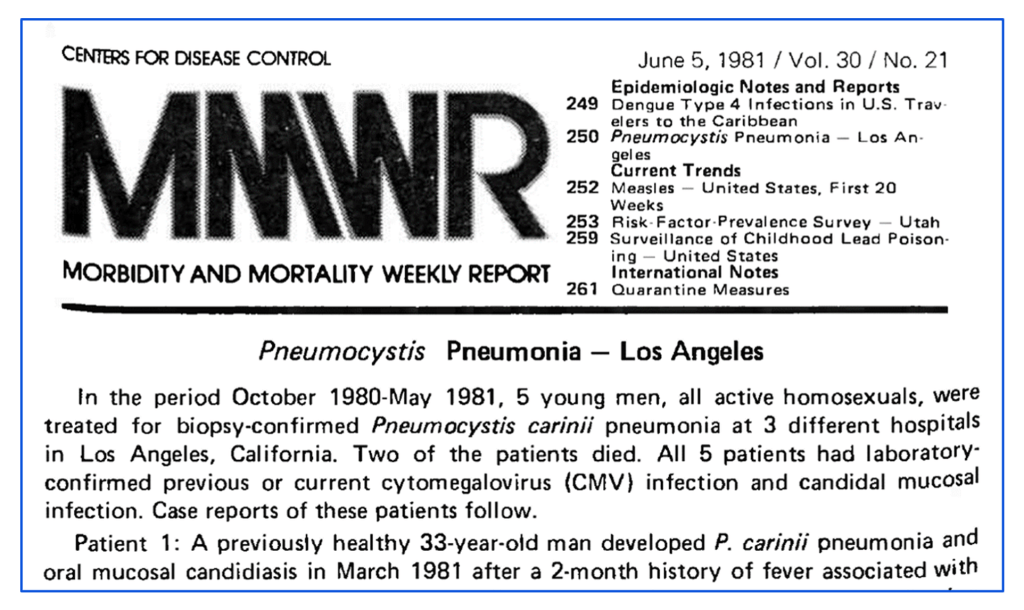
Just for point-of-reference, the AIDS virus came onto the world scene for the first time on June 5th of 1981, at which time the first cases of AIDS were recognized by the CDC just seven-months prior to the first computer virus.
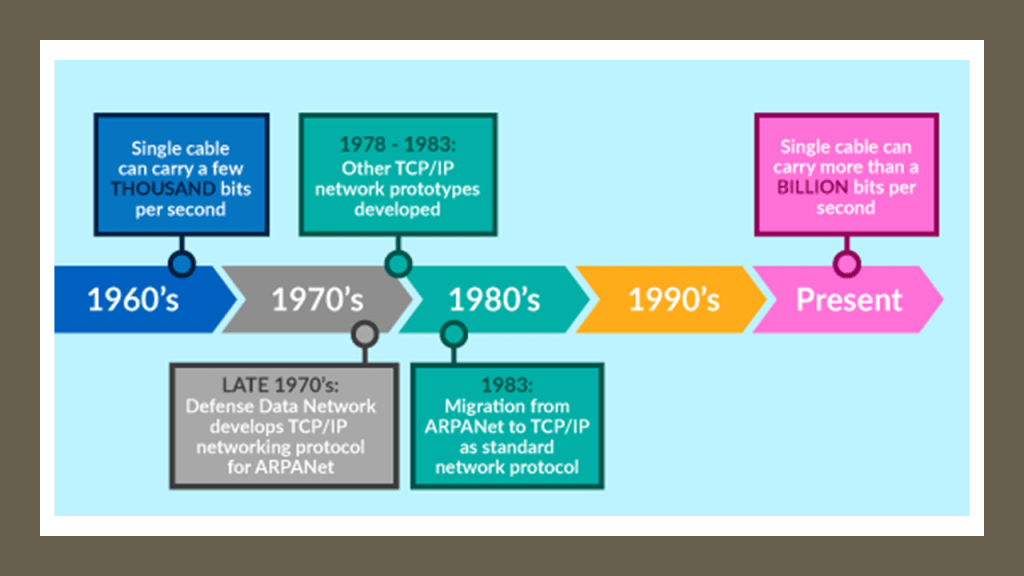
January 1st of 1983 marked the beginning of the true internet when ARPANET, or the Advanced Research Projects Agency Network, migrated to TCP/IP, the Internet Protocol Suite.
On March 8th of 1983, IBM released the Personal Computer XT, model 5160, similar to the model 5150 except that it had a hard-drive built-in and extra expansion slots.
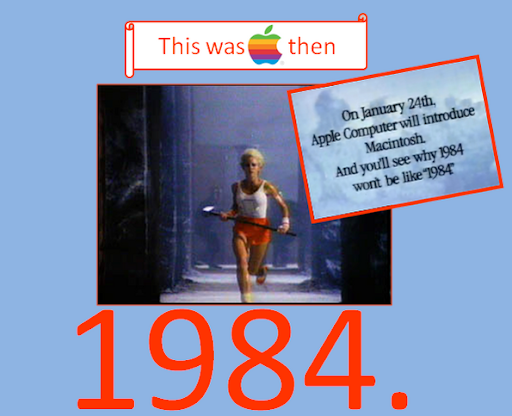
Apple placed the Macintosh personal computer for sale in the United States on January 24th, after introducing it in the “1984” commercial during the Super Bowl 18 on January 22nd.
Cisco Systems was founded in California on December 10th, an American multinational conglomerate that develops, manufactures, and sells networking hardware, software, telecommunications equipment, and other high-tech services and products.
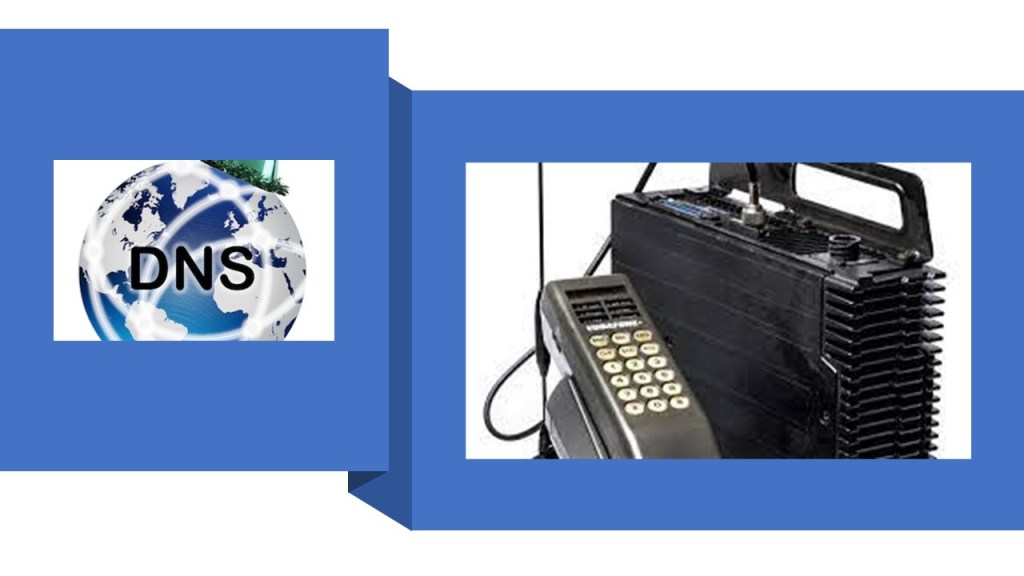
The internet Domain Name System was created on January 1st, and the first mobile phone network was launched in the UK by Vodaphone in 1985
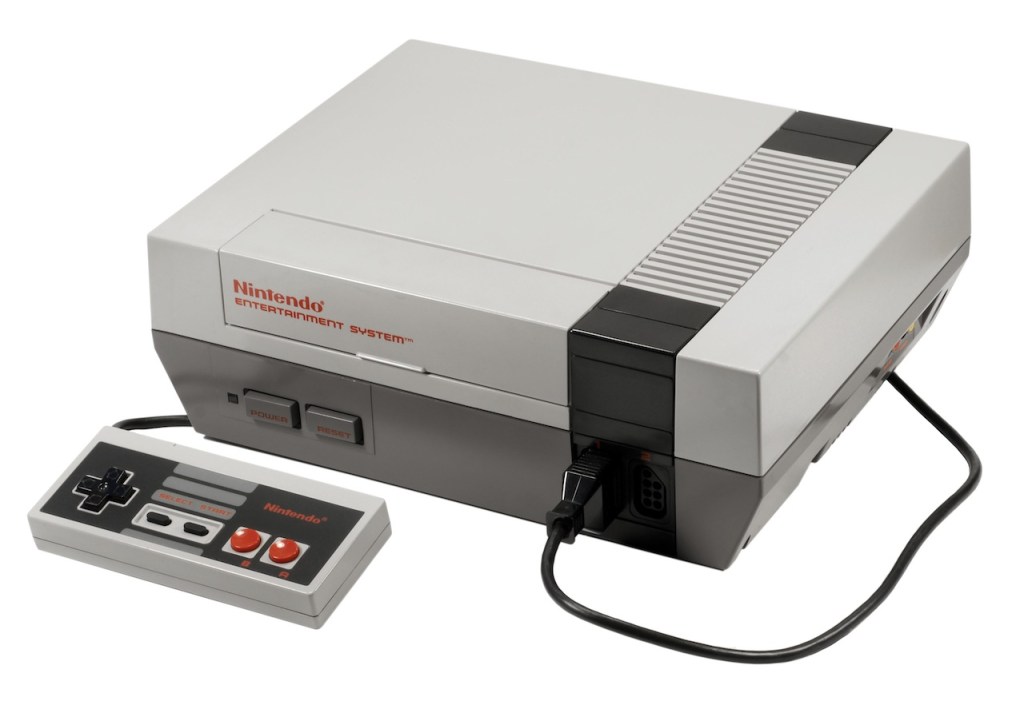
The first Nintendo home video game console in the U. S. is released on October 18th as the Nintendo Entertainment System.
On November 20th, Microsoft Corporation released the first version of the Windows operating software, which was Windows 1.0.
Microsoft was founded by Bill Gates and Paul Allen in April of 1975 in order to develop and sell BASIC Interpreters, which allowed users to enter and run programs in the BASIC language, for the Altair 8800.

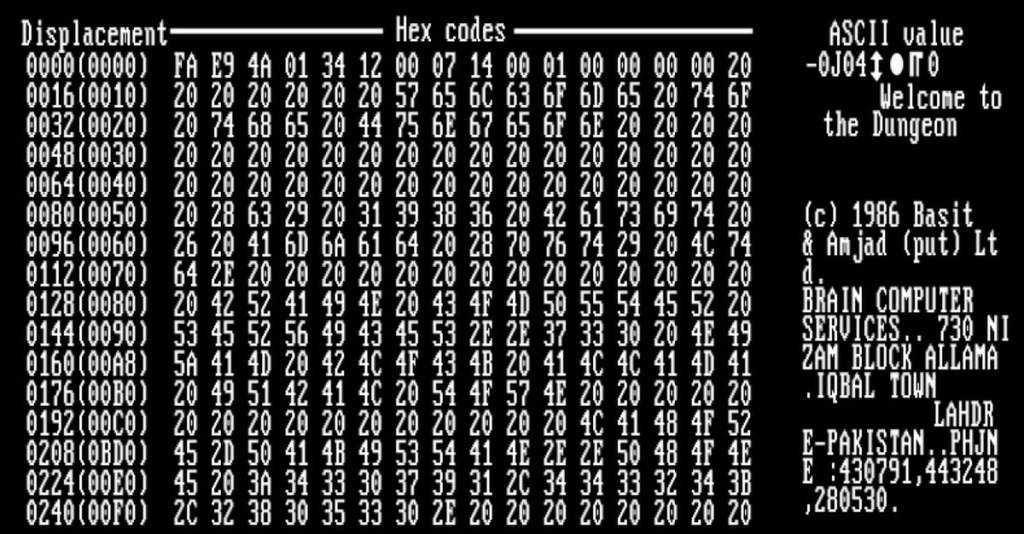
In January of 1986, the first PC virus, called “Brain,” started to quickly spread globally. It was developed by two brothers in Pakistan, allegedly to protect their medical software from illegal copying, and was supposed to only target copyright infringment.
On June 23rd, LISTSERV was released, the first email list management software developed by Eric Thomas.

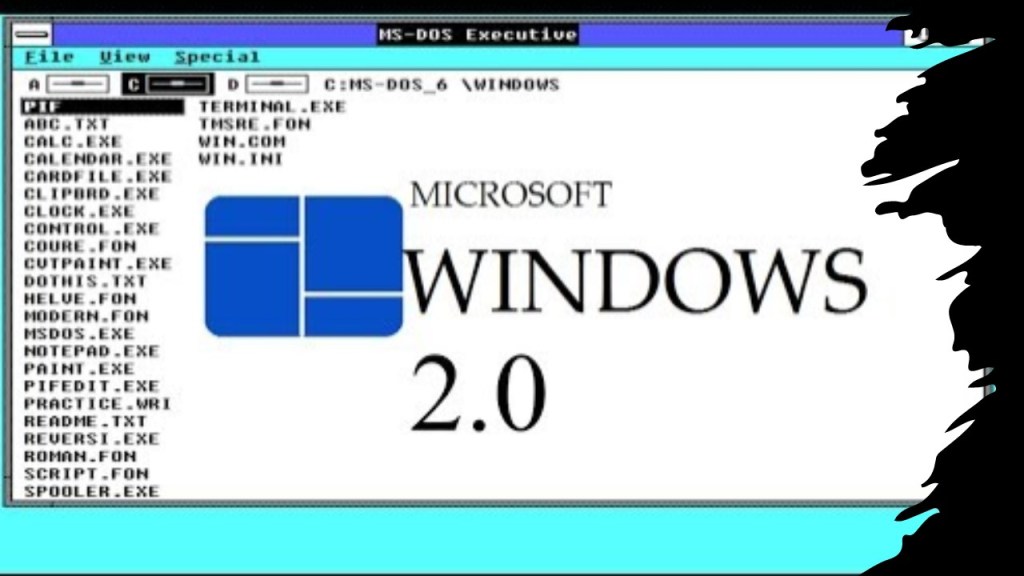
Microsoft released Windows 2.0 on December 9th, of 1987…
…and in 1989, Tim Berners Lee produced the proposal document that would become the blueprint for the World Wide Web on March 13th.

On January 1st of 1990, two internet companies began selling internet service to commercial customers in the United States and the Netherlands.
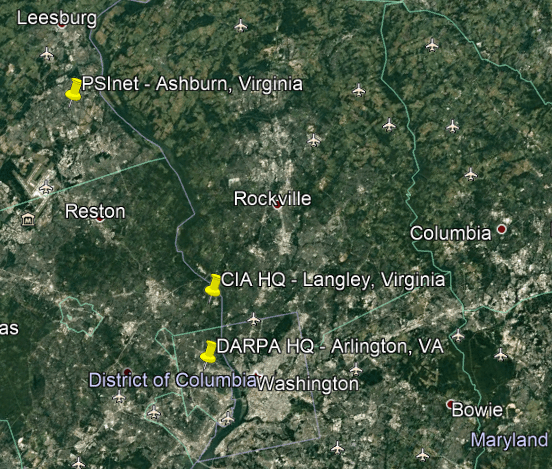
One was PSInet, which was founded on December 5th of 1989.
PSInet was based in Ashburn in northern Virginia.

What else has its base in northern Virginia?
Well, the Central Intelligence Agency (CIA) Headquarters in Langley, Virginia, and the Defense Advanced Research Projects Agency (DARPA) is based in Arlington.
The roots of EUnet, the other internet company that was selling internet connectivity to commercial users, go back to 1982 and the European UNIX Network.
FNET was the French branch of EUnet.
Starting in 1988, EUnet played a decisive role in Europe’s adoption of the internet protocol suite known as Transmission Control Protocol (TCP) and Internet Protocol (IP), of which versions of it were known as the Department of Defense Model because the development of its networking method was funded by the U. S. Department of Defense through DARPA.
Once TCP/IP was in place, EUnet was able to connect with FNET and CERN’s TCP/IP connections, and a connection to the U. S. was also established.
On January 1st of 1990, EUnet started selling internet access to non-academic customers in The Netherlands.

On January 22nd of 1990, Robert Tappan Morris was convicted of releasing the Morris Worm, one of the first computer internet worms.
I found some interesting things when looking up information on Mr. Morris.
He developed his computer worm when he was a graduate student at Cornell University, though he released the worm from MIT.
The Morris Worm was designed to exploit existing vulnerabilities within target systems in order to gain entry, and was programmed to copy itself 14% of the time
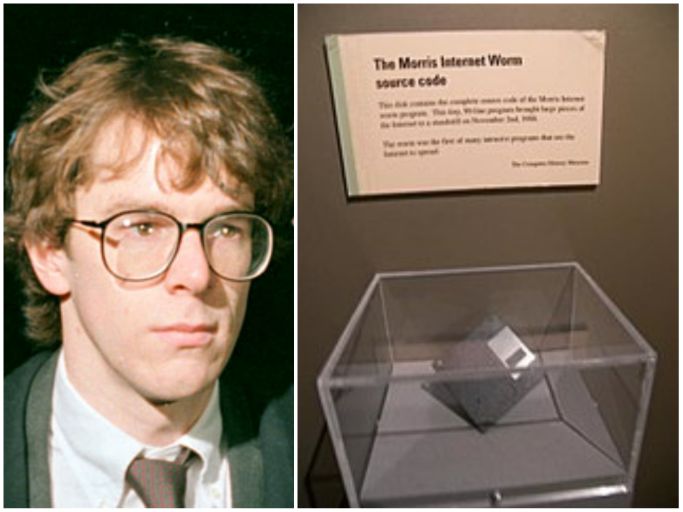
He was the first person convicted under the “Computer Fraud and Abuse Act (CFAA) in the United State vs. Morris, and received a sentence of three-years probation, 400-hours of community service, and a fine of $10,500, and additionally the costs of his supervision.
After he completed his the terms of his sentence, he completed his Ph.D at Harvard 1999 and was appointed Assistant Professor at MIT.
In 1995, he co-founded Viaweb with Paul Graham, a company that made software for building online stores, and which, three-years later, sold for $49-million to Yahoo.
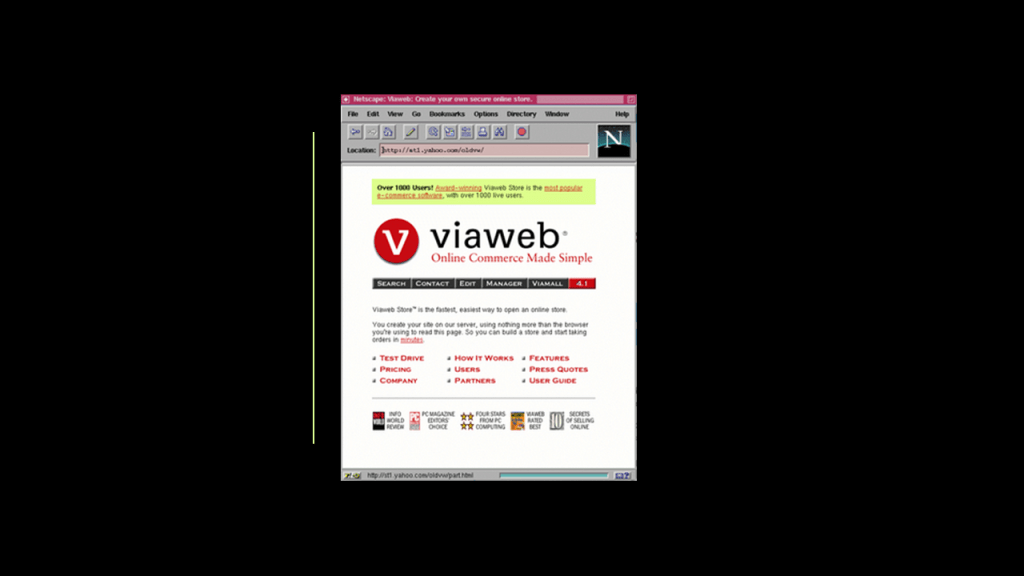
He also co-founded Y Combinator with Paul Graham, Jessica Livingston and Trevor Blackwell in 2005.
Y Combinator is an American seed money start-up accelerator that was used to launch such companies as Stripe, Airbnb, DoorDash, Coinbase, Dropbox, Twitch, and Reddit, to name a few.
Not bad for a convicted criminal!

In South Africa, on February 2nd, South African President F. W. de Clerk announced the unbanning of the African National Congress and promised to release Nelson Mandela, which happened several days later on February 11th, from prison near Cape Town.

This is a great place to mention what is called “The Mandela Effect.”
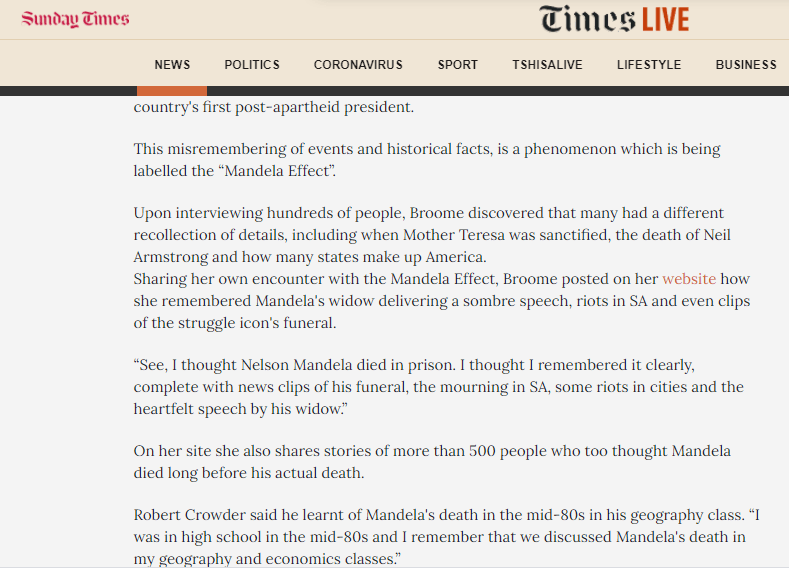
The Mandela Effect is typically defined as occurring when a large mass of people believe an event it occurred when it did not, with most sources of information referring to it as a “collective false memory.”
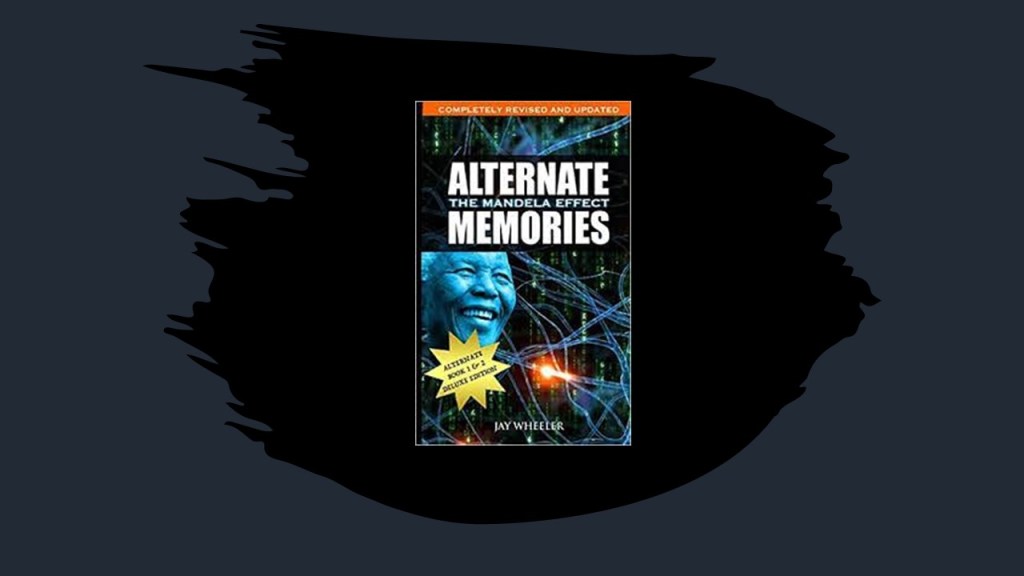
This effect gets its name from many people having memories that Nelson Mandela died when he was in prison in the 1980s, instead of dying in 2013 in our historical narrative, after having been released from prison in 1990 after serving 27 years, and serving as President of South Africa from 1994-99.
Tim Berners-Lee began his work on the World Wide Web, while working at CERN, on October 1st of 1990, 19-months after his beginning outline of it in 1989, and by November 12th, he and Belgian computer scientist Robert Cailliau, had submitted the first formal proposal to build the first “hypertext project” called the “WorldWideWeb.”
By December of 1990, Berners-Lee had built all the tools necessary for a working web, and the first website.
The World Wide Web was invented by someone working at CERN?
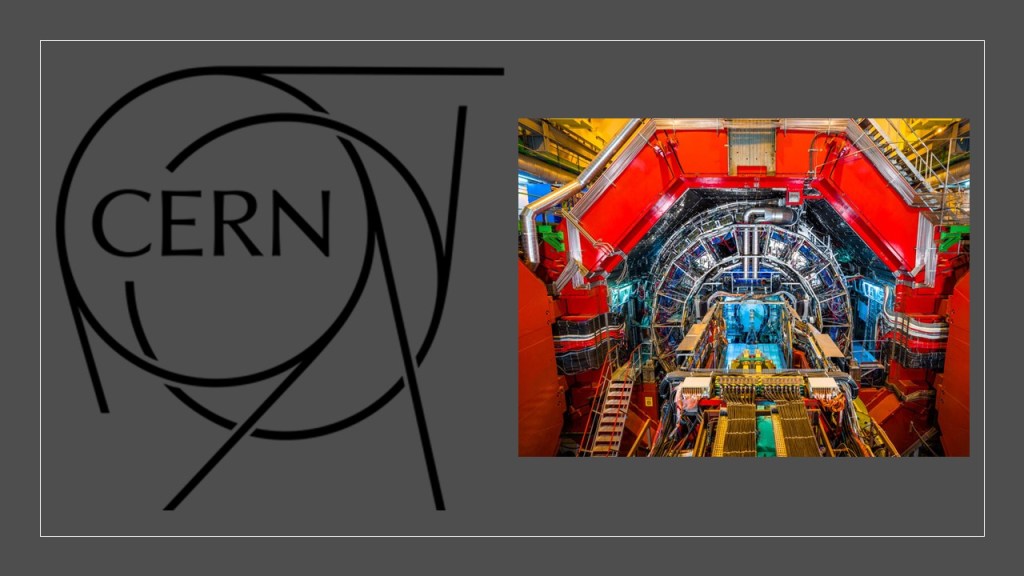
I have to ask before I go on to 1991 is whether or not there is a connection between CERN, the Internet, and the Mandela Effect?
I am curious because EUnet showed up on January 1st of 1990 selling internet access to commercial interests after having been instrumental in connecting with FNET and CERN’s TCP/IP connections, as well as to the United States, once TCP/IP was in place around this time; on February 2nd, Nelson Mandela was freed from prison in South Africa; and by the end of the year, Tim Berners-Lee, who worked at CERN, had built all the tools necessary for a working worldwide web, and the first website.
Were all of these occurrences in the same year just coincidental, or was there either a planned aspect, or residual time-altering effect, resulting from this?
I do not know the answer to this.
I am just asking the question because this is a very interesting finding for me.
I have heard in the past (and I do not remember when, or where) that CERN had something to do with the Mandela Effect.
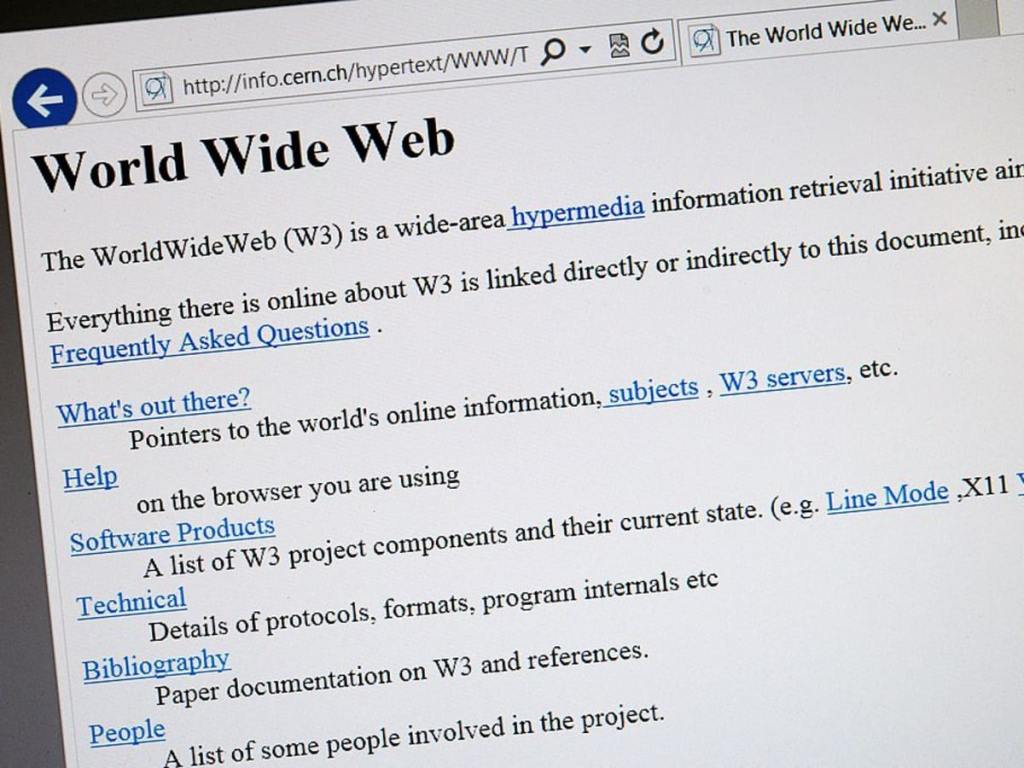
On August 6th of 1991, Tim Berners-Lee announced the World Wide Web project and software on the alt.hypertext news group…
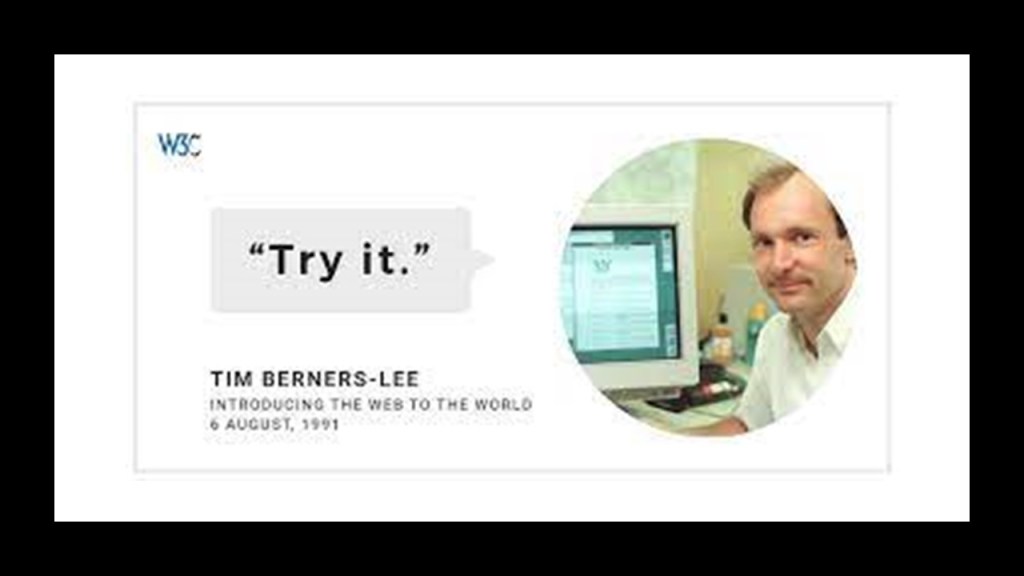
…and the first website “info.cern.ch” was created.
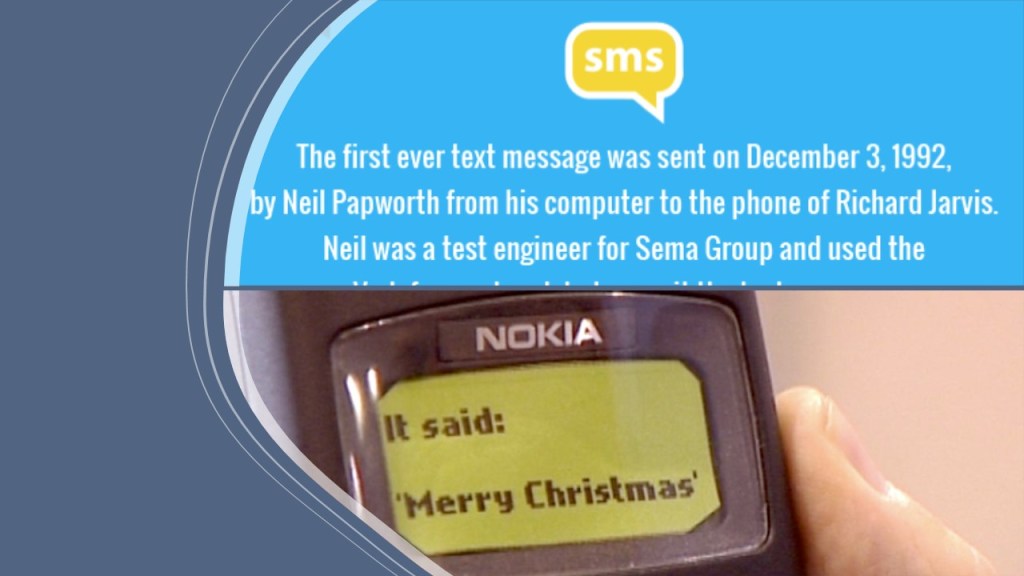
The Test Engineer for the SEMA group used a PC to send the world’s first text message via the Vodaphone network on December 3rd of 1992 to the phone of a colleague.
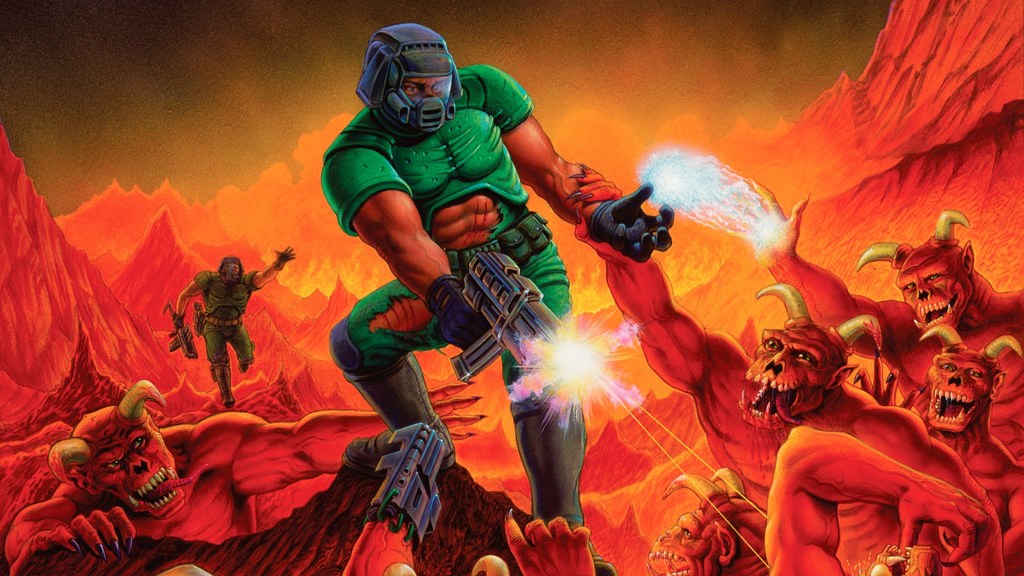
On December 10th of 1993, id Software’s Doom was released, becoming a landmark title in first-person shooter video games for MS-DOS.
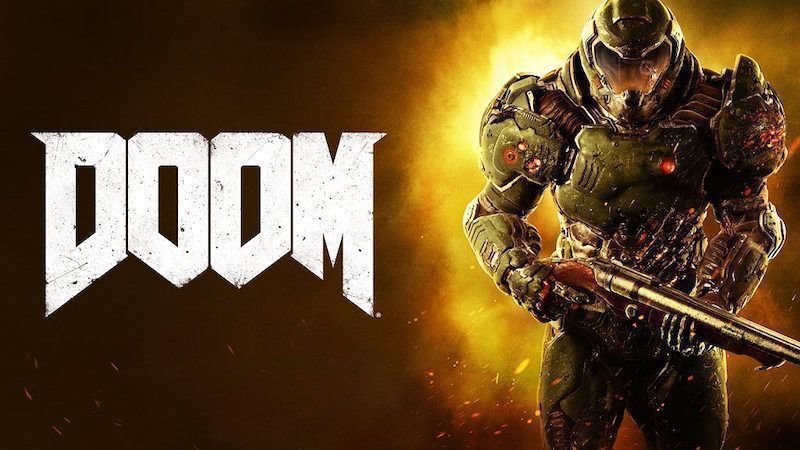
Players assumed the role of a space marine, named Doomguy, fighting his way through hordes of invading demons from hell.
On March 14th of 1994, Apple released Power Macintosh, ten-years after the release of the first Macintosh computer.
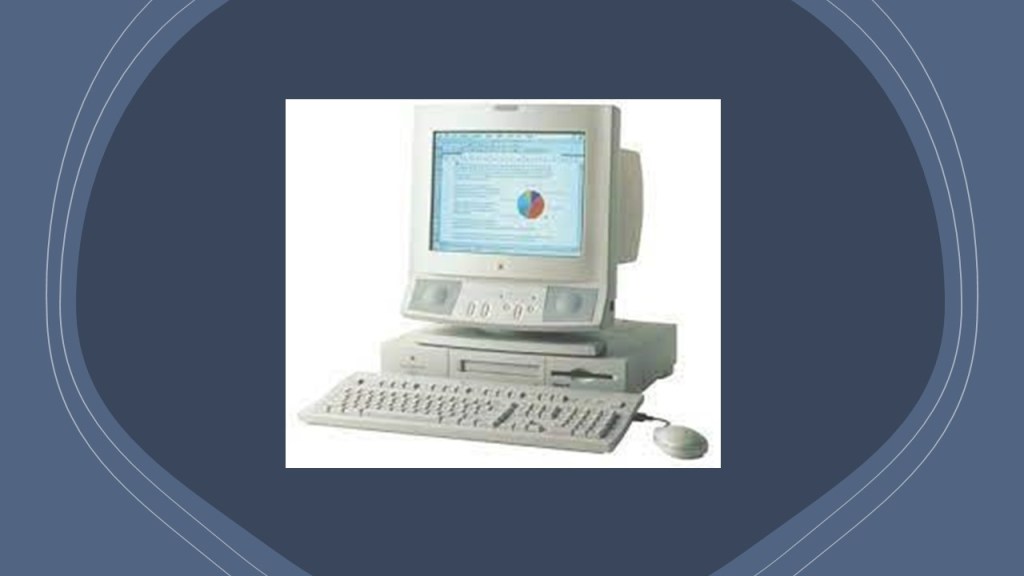
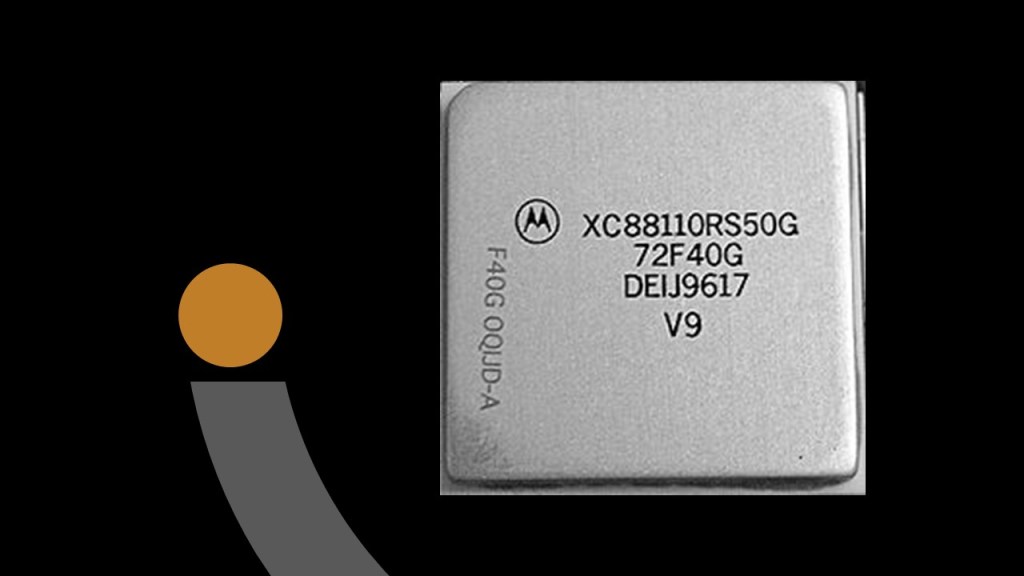
It was the first Macintosh to use the new PowerPC Microprocessors, a Reduced Instruction Set Computer (RISC) Instruction Set Architecture (ISA), created by the 1991 Apple – IBM – Motorola Alliance.
On the same day of March 14th of 1994, the Linux Kernel version 1.0.0 was released after two-years of development by Finnish software engineer Linus Torvalds.
A kernel is a computer program that has complete control over everything in the system, and is in the core of the operating system.
The Linux Kernel software is a Free and Open Source Software (FOSS) that anyone is freely-licensed to use, copy, study, and change the software in any way.
It is deployed on a wide-variety of computing systems, such as embedded devices, mobile devices, personal computers, servers, mainframes, and supercomputers.

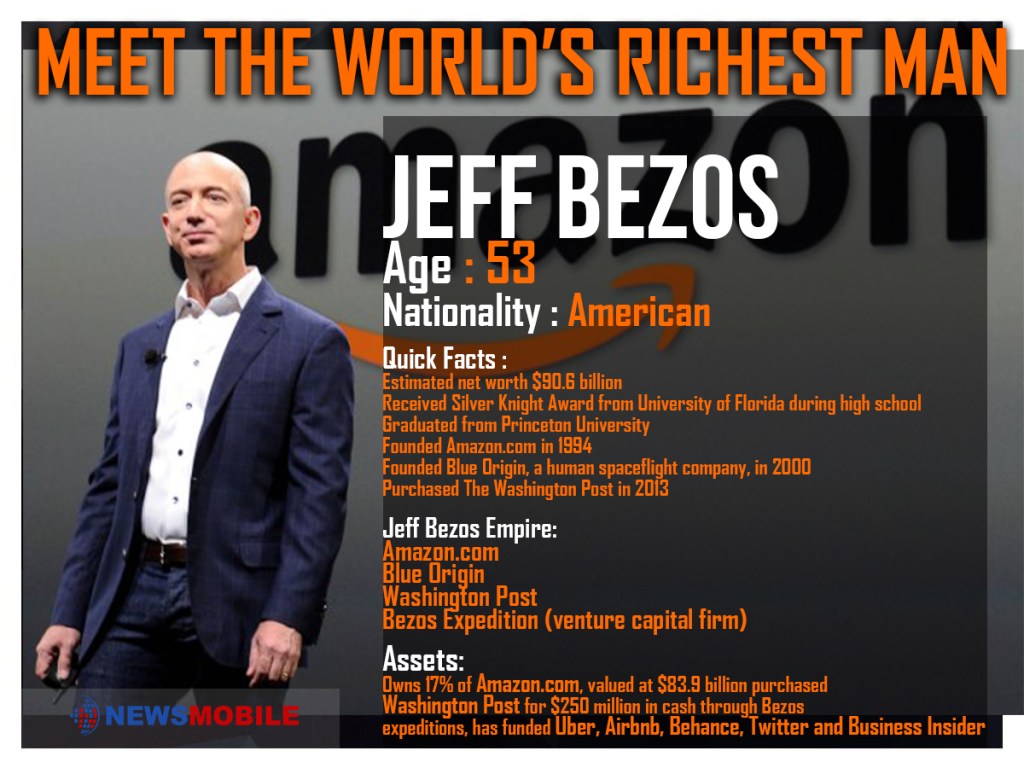
Jeff Bezos founded Amazon on July 5th, which started out as an on-line bookstore, when he was on a cross-country road trip from New York City to Seattle.
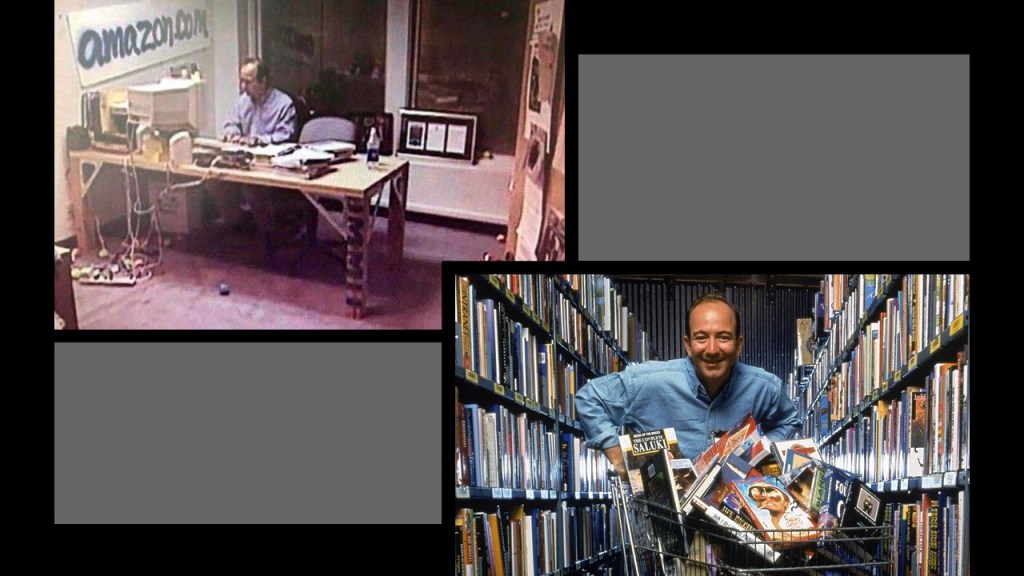
Bezos was named the wealthiest man in modern history when his net-worth increased to $150-billion in 2018,and he was the world’s first centribillionaire on the “Forbes Wealth Index,” in which he has a net-worth of 1-billion units in any given currency.
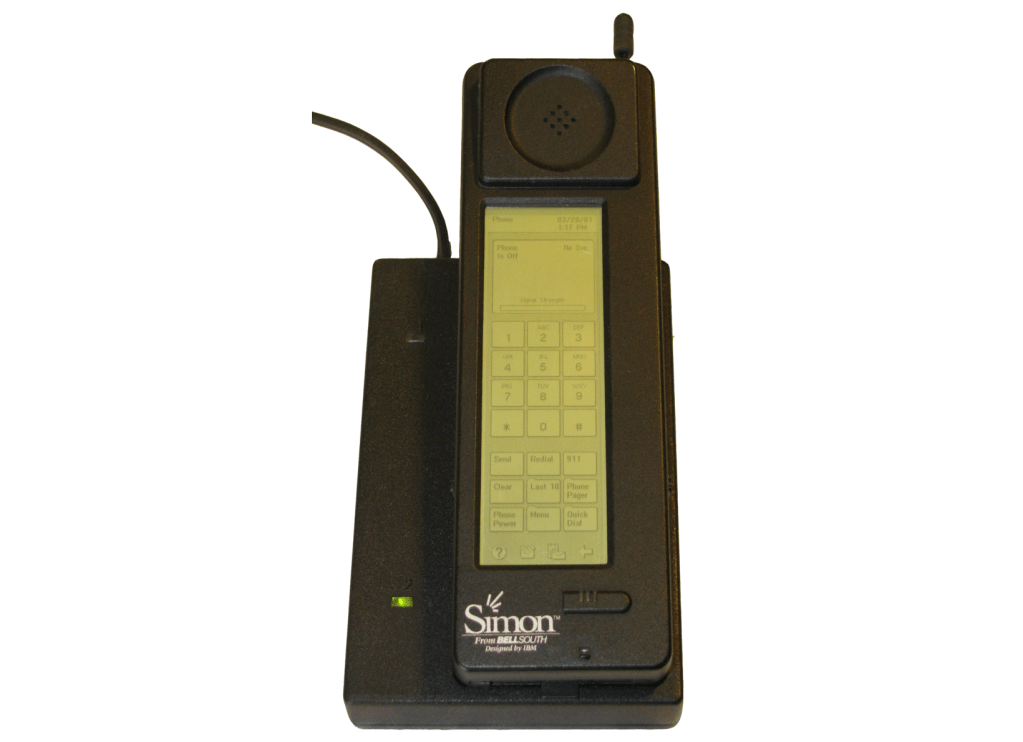
The release of the IBM Simon Smartphone took place on August 16th of 1994, and was the first commercially available smartphone and distributed by BellSouth Cellular Corporation.
It was a Personal Digital Assistant (PDA), or hand-held PC that functioned as a personal information manager, and had a battery that lasted only an hour.
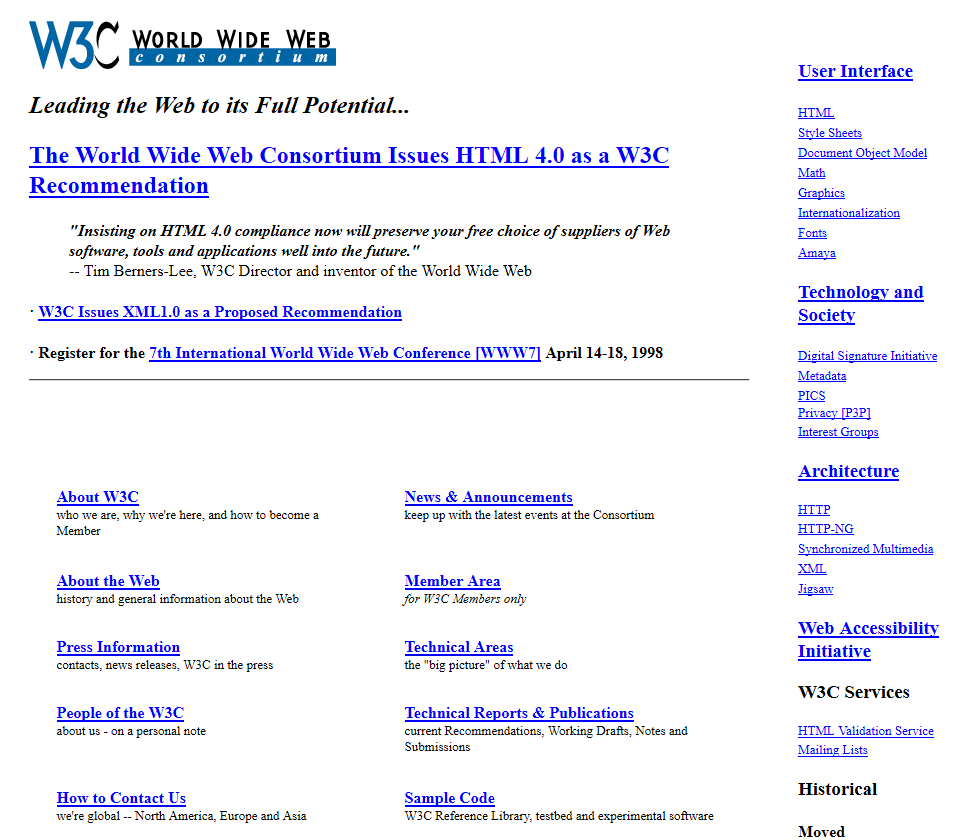
World Wide Web Consortium founded and led by Tim Berners Lee became the main international standards organization for the WWW on October 1st.
It was founded at the Massachusetts Institute of Technology (MIT) Lab, with funding from the European Commission and DARPA.
The consortium is comprised of member organizations that maintain full-time staff to work together in the development of World Wide Web standards.
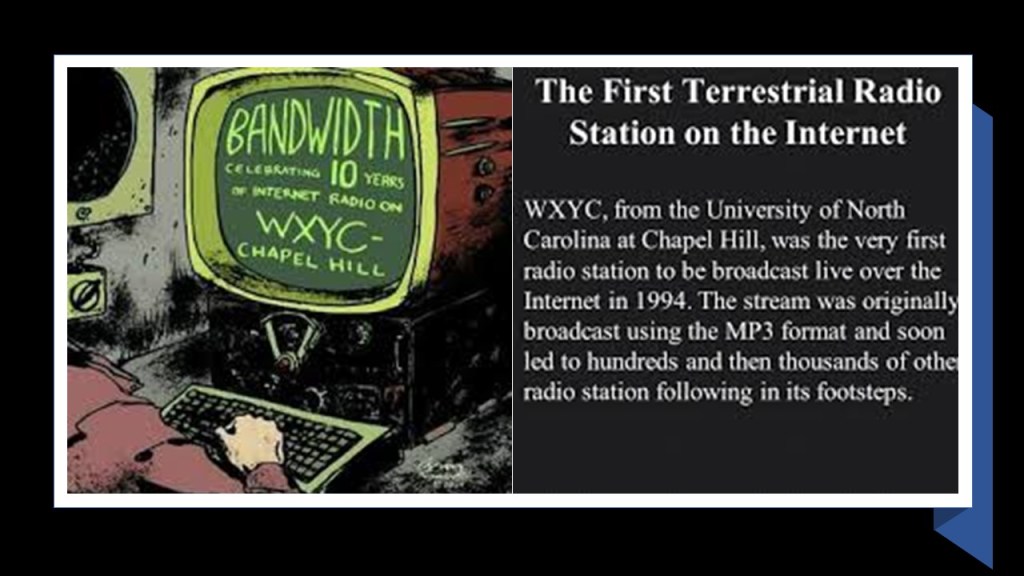
Also on November 7th, the WXYC student radio station at the University of North Carolina in Chapel Hill provided the world’s first internet radio broadcast.
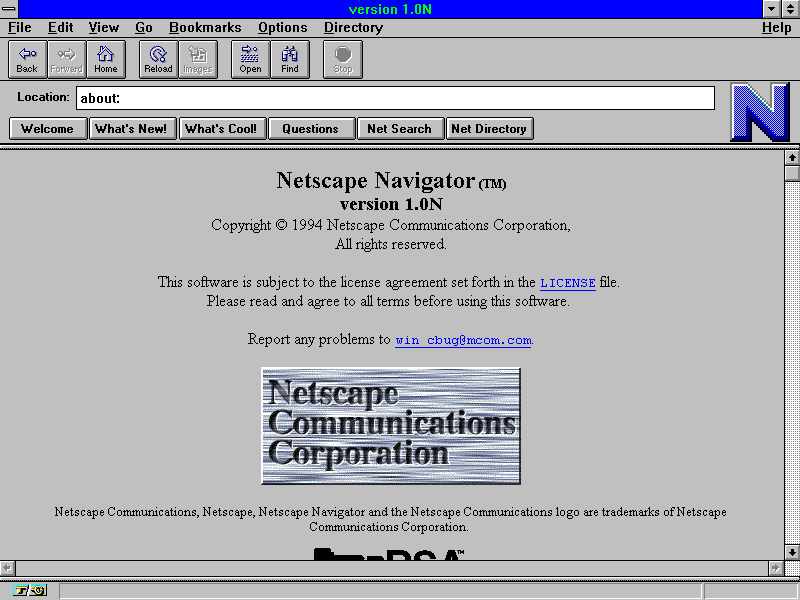
The initial release of the Netscape Navigator 1.0 web-browser by Netscape Communications Corporation was on December 15th.
It was the world’s first commercially-developed web browser.
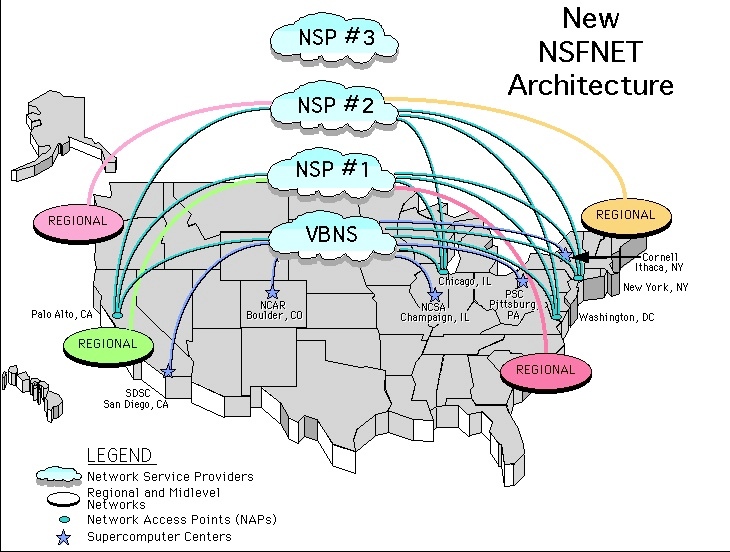
Established in 1985, the funding for the National Science Foundation Network, or NSFNET, was stopped by the U. S. Government on April 30th, making the internet totally privatized.
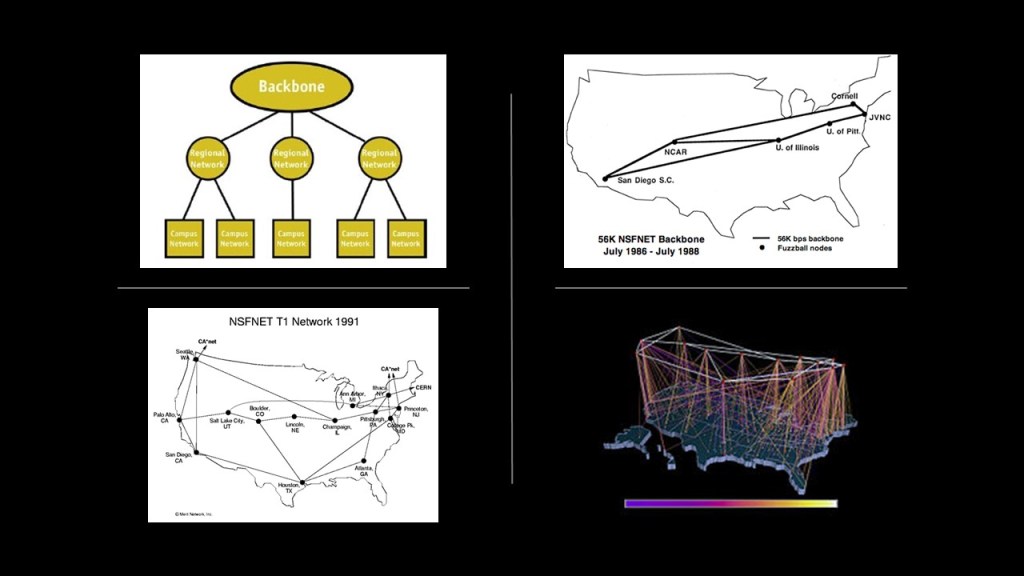
The NSFNET backbone service was no longer central, but still remained central to the infrastructure of the expanding internet.
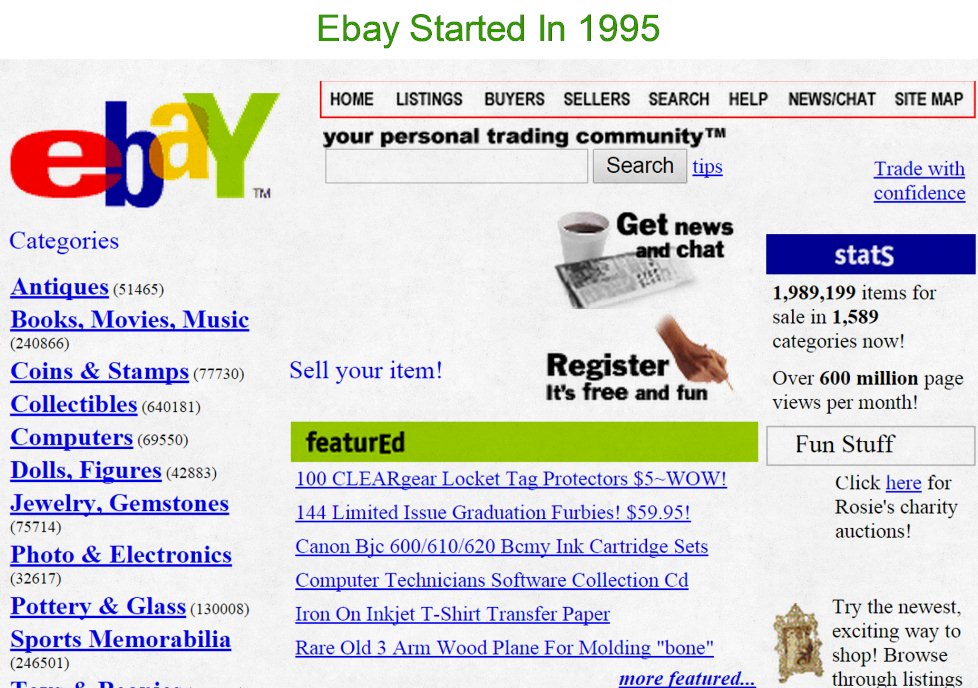
On September 3rd, eBay, the multinational e-commerce corporation, was founded as AuctionWeb in California by French-born, Iranian-American computer programmer Pierre Omidyar, and it soon became the first online auction site allowing person-to-person transactions…
…and on September 9th, SONY entered the video game market with the release of Playstation.
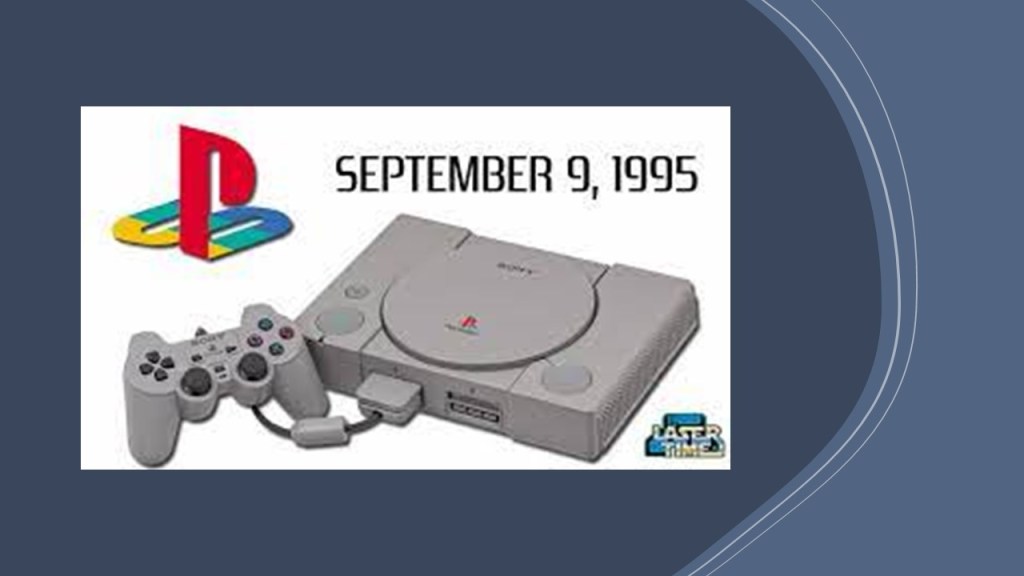
Interestingly, Sony, the name of a multinational conglomerate corporation headquartered in Tokyo, Japan…
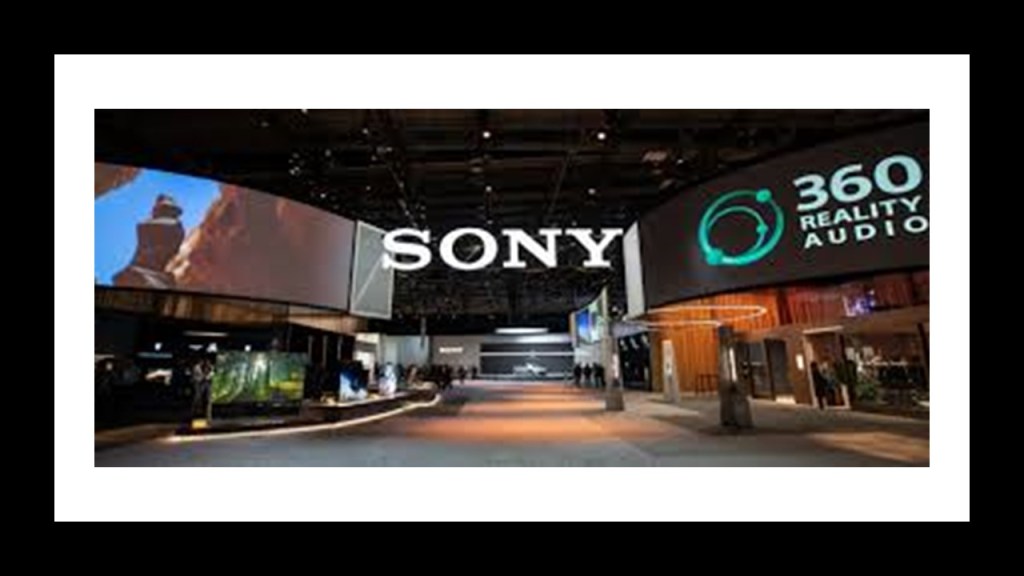
…was also the acronym for Standard Oil of New York, founded by John D. Rockefeller in 1870.

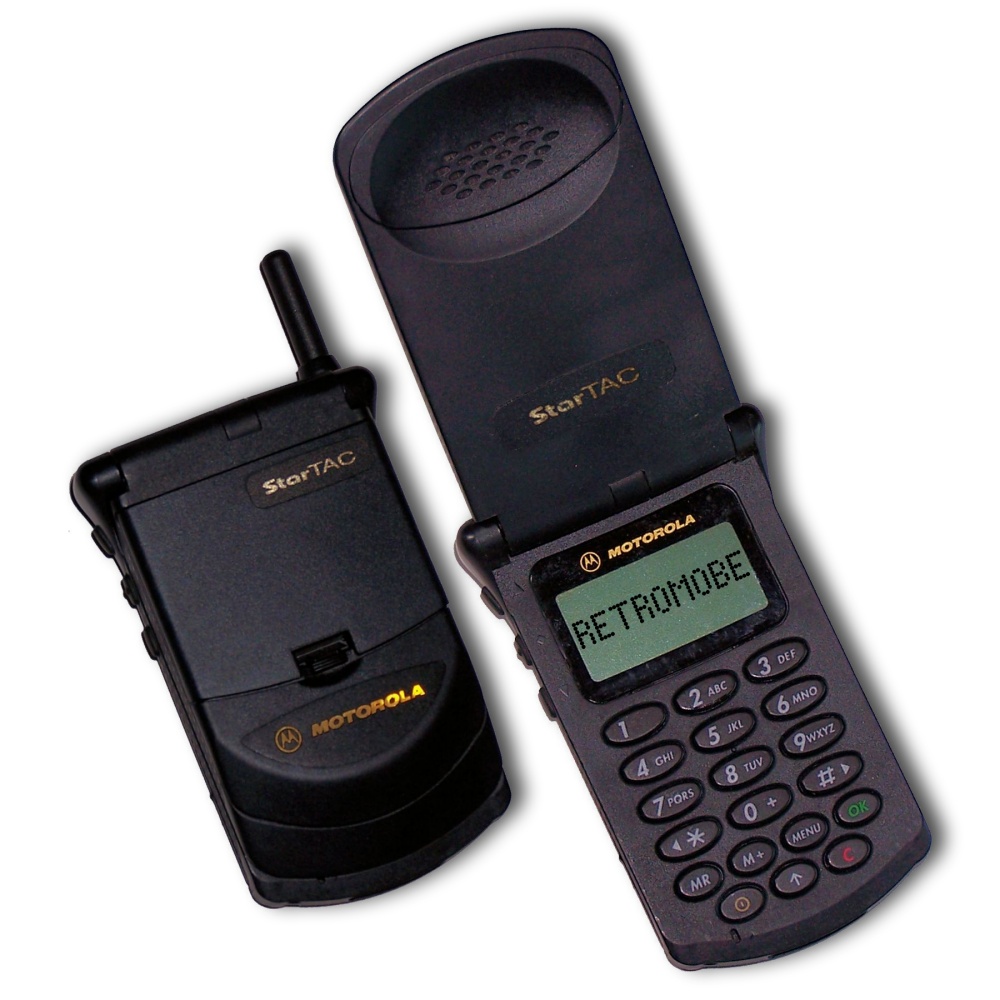
On January 3rd of 1996, Motorola introduced the Motorola StarTAC Wearable Cellular phone, the first clam-shell mobile phone.
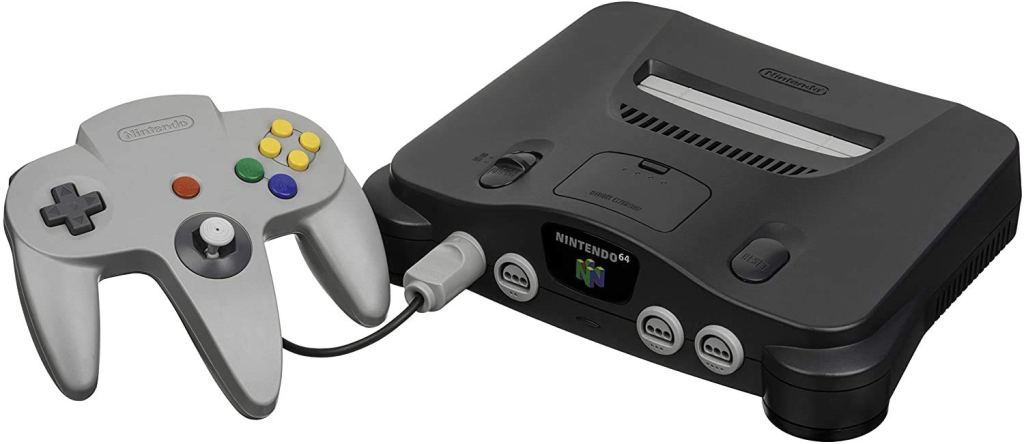
The Nintendo 64 game console was released in 1996…
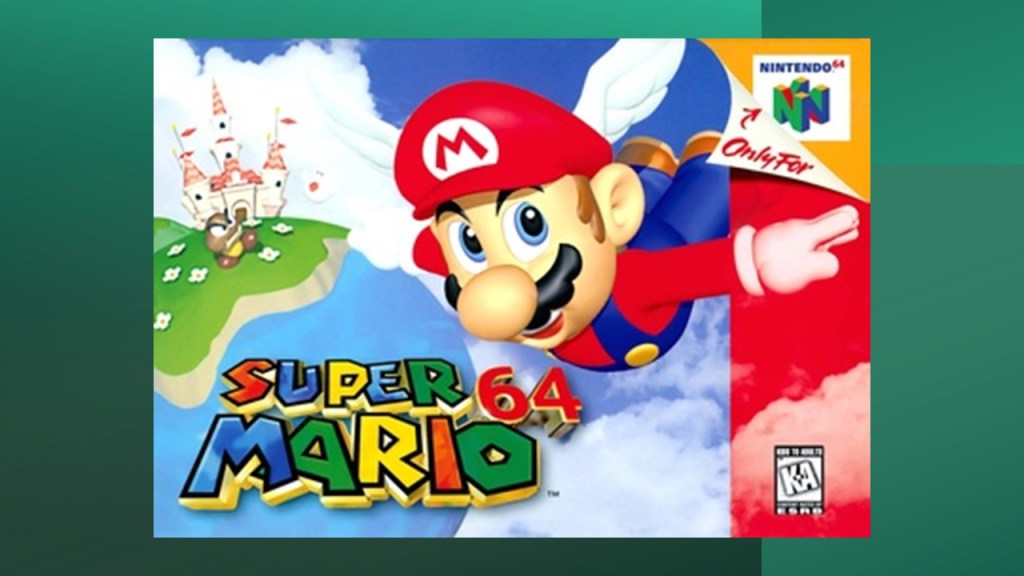
…and its Super Mario 64 was the first Super Mario game to feature 3D-gameplay.
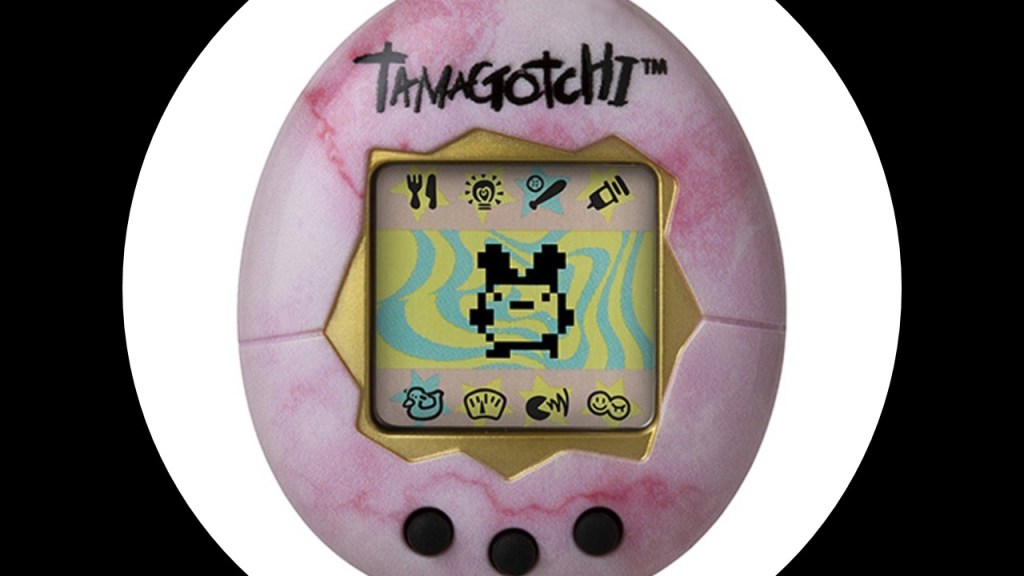
The Tamagotchi was also created in Japan in 1996.
A hand-held digital pet/video game, it was one of the biggest fads of the late 1990s and early 2000s, and is still available for purchase today.
The premise of the video game is that it is up to the player to raise the egg of the Tamagotchi, a small alien species. into an adult creature.
The Pokemon media franchise was also created in Japan in 1996.
It was managed by the Pokemon Company, which was founded by the Japanese companies of Nintendo, Game Freak, and Creatures, and came to Nintendo’s Game Boy system in 1996.
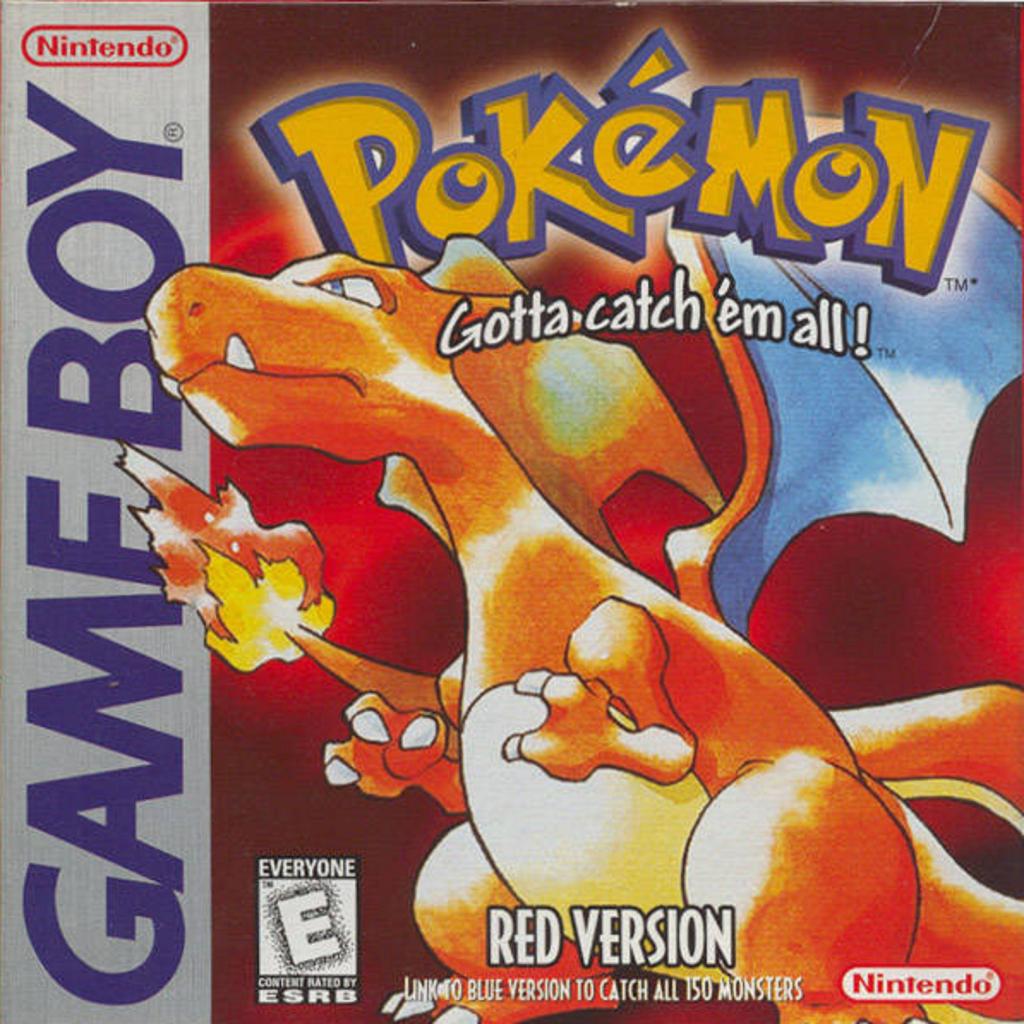
It is centered on fictional creatures called Pokemon, and their human trainers catch them and train them to battle other Pokemon for sport, and there are currently 901 Pokemon species.

Google was founded on September 4th of 1998 by Stanford University Ph.D students Larry Page and Sergey Brin, with a specialization in internet-related services and products.
The personal fortune of Bill Gates made him the wealthiest man in the world in 1999 due to the increased value of Microsoft stock .

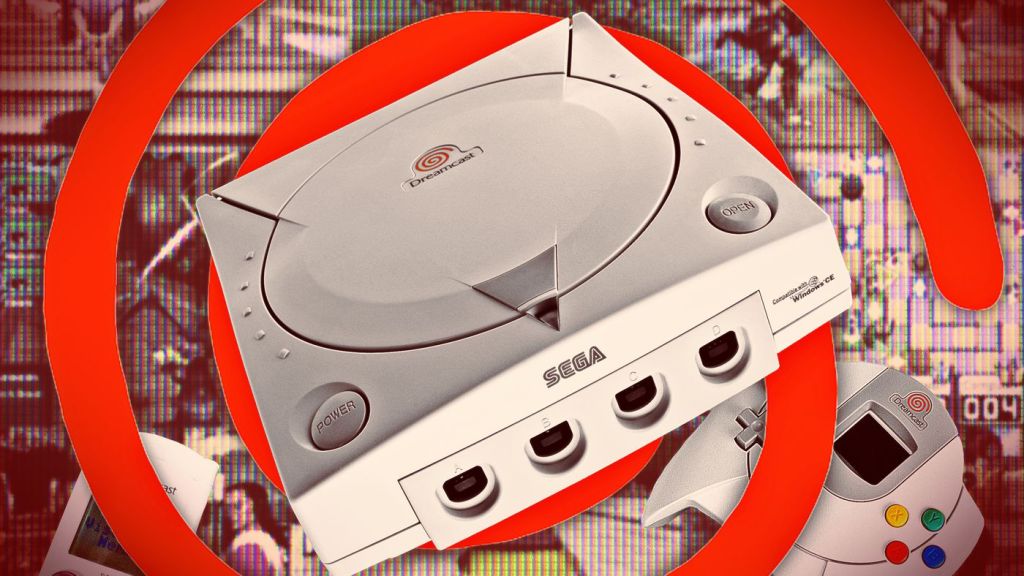
The Japanese Company Sega introduced the Dreamcast game console in 1999.
It was the first in the sixth-generation of game consoles, released shortly before Sony’s Play Station 2, Nintendo’s GameCube, and Microsoft’s XBox, though it had a short life-span of only three-years in the video game world.
It is interesting to note that in April of 2000, Microsoft was ruled to have violated anti-trust laws in the case of United States v. Microsoft Corp.
Then, on September 6th of 2001, the U. S. Department of Justice announced that it would go for a lesser antitrust penalty and not break-up Microsoft.
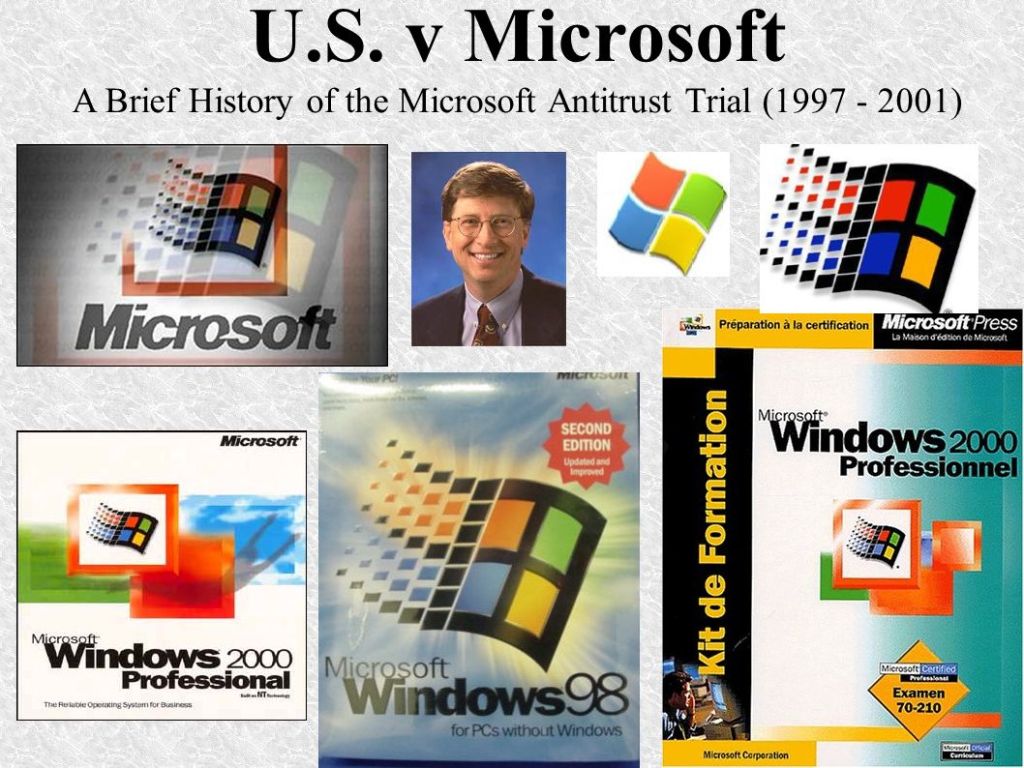
Hmmmm. That was just a few days before 9-11, and all hell broke loose!
Was that jusa coincidence…or not….

Apple iTunes launched on January 1st of 2001…
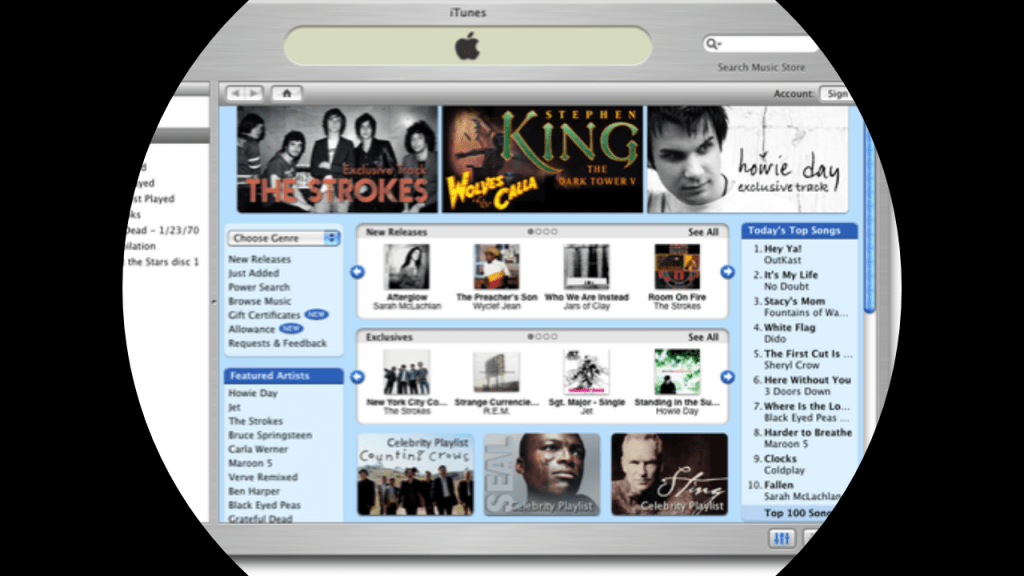
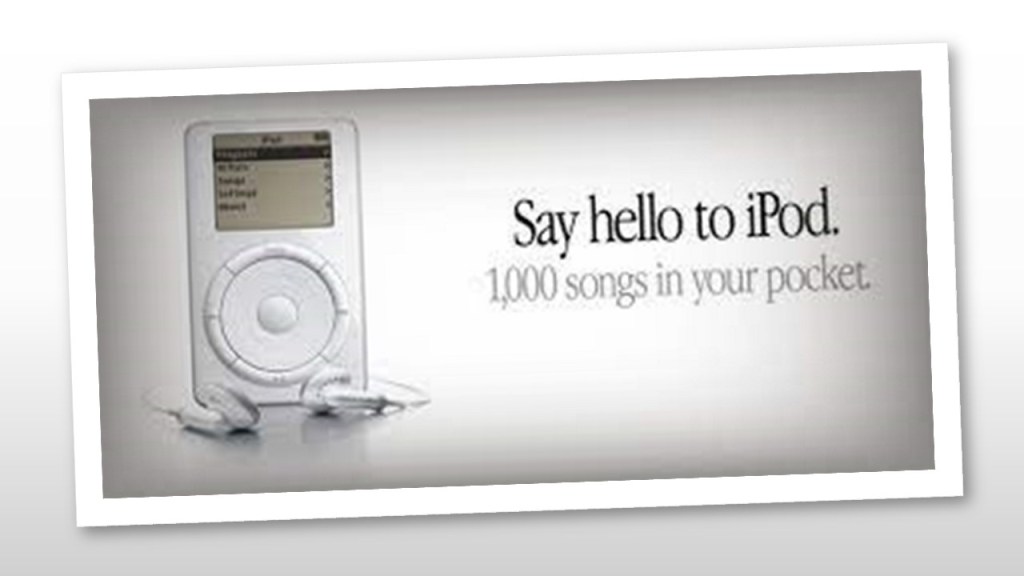
…and launched the iPod in October of the same year.
We are told that a group of Harvard college students including Mark Zuckerberg established Facebook on February 4th of 2004.
Initially for Harvard students, it first expanded to other North American university students, and since 2006, to anyone over 13.
As of October 28th of 2021, Meta became the parent company of Facebook, Instagram, and WhatsApp, among others.
Meta Platforms, Inc, is one of the world’s most valuable companies and, along with Microsoft, Apple, Google, and Amazon, is considered one of the “Big Tech” companies.
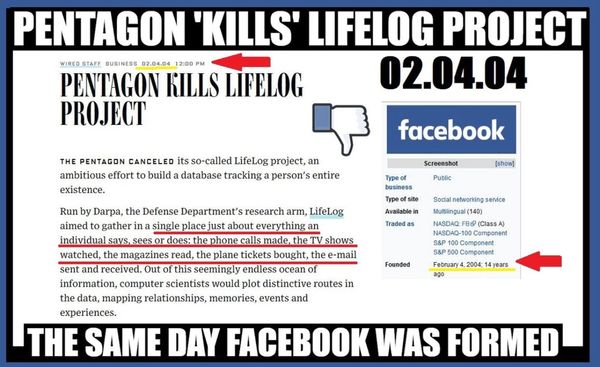
It is interesting to note that Lifelog, a project of the Defense Advanced Research Projects Agency (DARPA), was cancelled on the same day of February 4th of 2004 that Facebook was founded.
The Lifelog project was basically designed to track everything a person does, and the given reason for its cancellation was over privacy concerns.
Another coincidence?
YouTube, an on-line video-sharing and social media platform, was launched in February of 2005 by Steve Chen, Chad Hurley, and Jawed Karim. It has been owned by Google since October of 2006.
The first YouTube video, “Me at the Zoo,” was uploaded in April of 2005.

I could go on and on with the history part, but I am sure you already get the idea from what I have shared thus far.
There are a couple of more things I would like bring forward for your consideration.
One is quantum computing, which utilizes the properties of quantum states. While the development of quantum computers started in 1980, the world’s first company to actually sell computers that exploit quantum effects in their operation was D-Wave Systems starting in 1999.
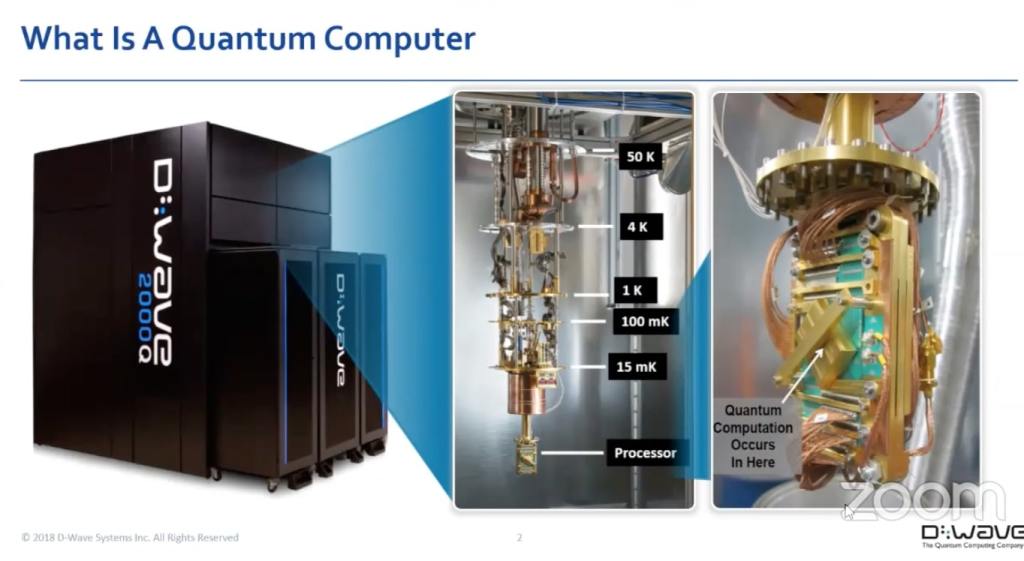
One of their earliest customers Google/NASA.
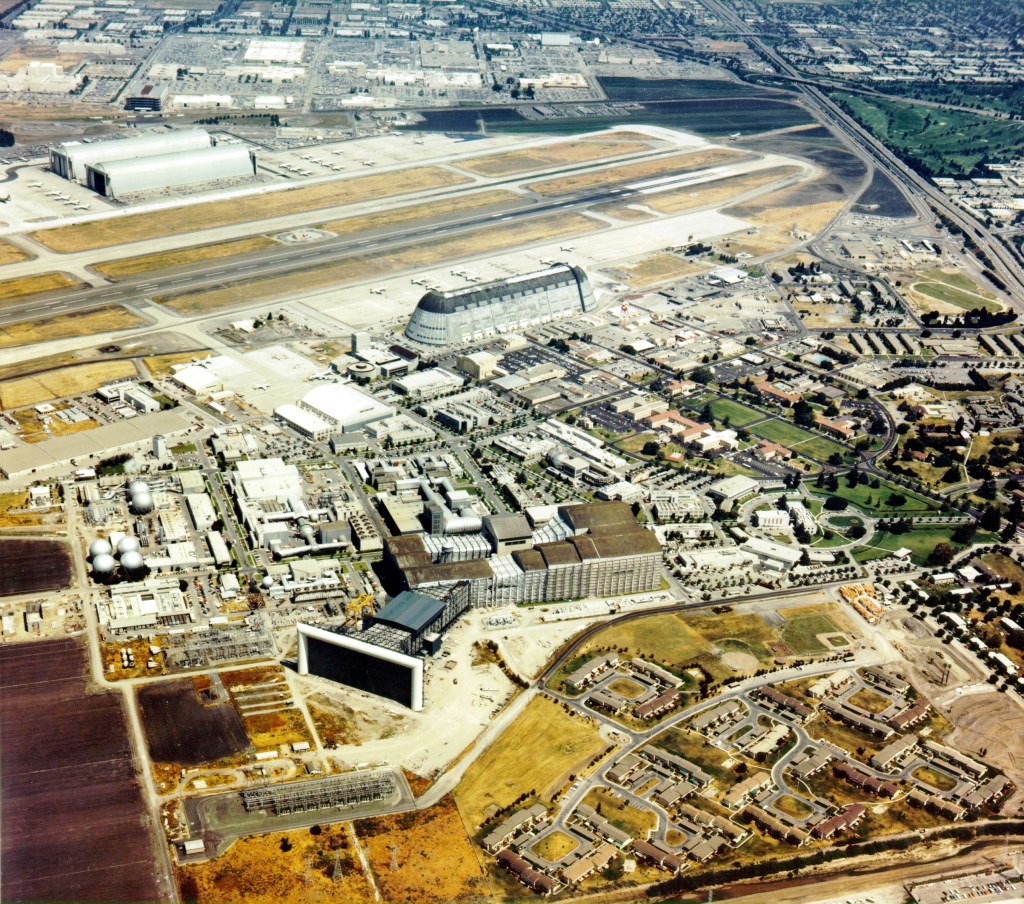
In 2015, the D-Wave 2X Quantum Computer was installed at the Quantum Artificial Intelligence Lab at the NASA Ames Research Center at Moffett Federal Airfield in California’s Silicon Valley…
…and Google AI was announced in 2017 as a division of Google dedicated to artificial intelligence.
Artificial Intelligence is defined as intelligence demonstrated by machines as opposed to the natural intelligence of living beings.
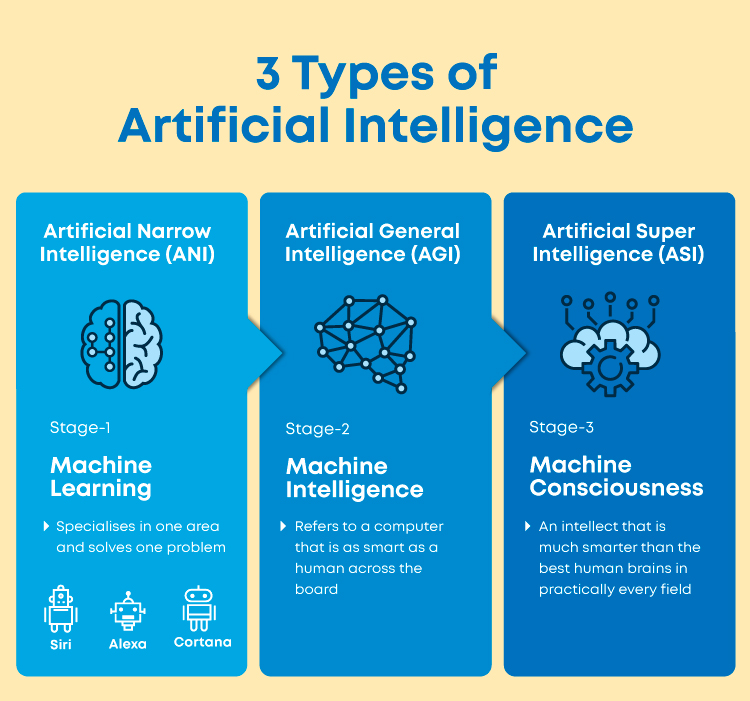
And then there’s Neuralink.
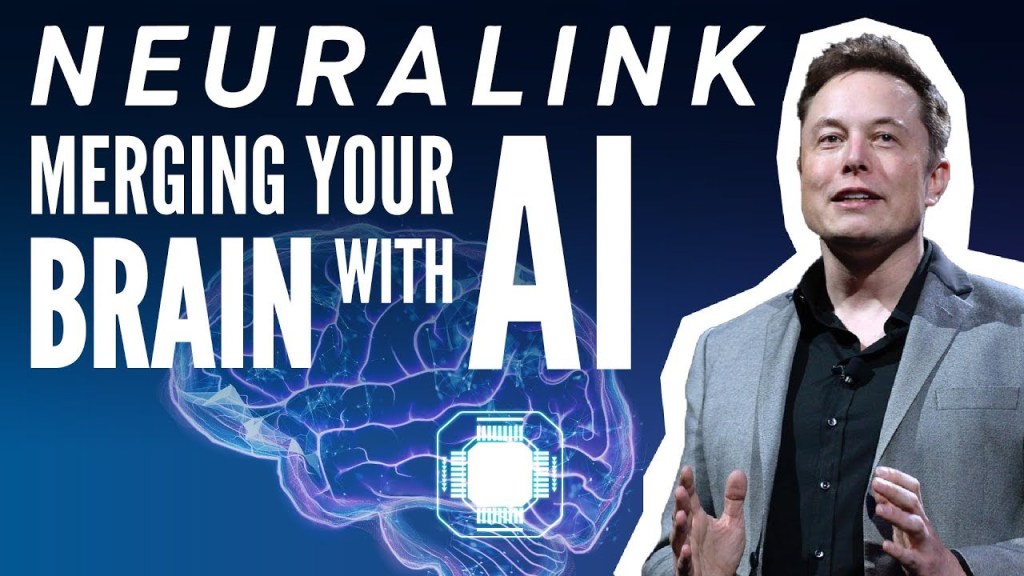
Neuralink is a neurotechnology company that develops implantable brain-machine interfaces (BMIs) that was founded in July of 2016 by Elon Musk and a group of what are described as group of experts in neuroscience, biochemistry and robotics.
Neuralink announced in April of 2017 that in the short-term the plan was to treat serious brain diseases, but in the long-term, it’s goal was “human enhancement,” which is another term for “transhumanism.”
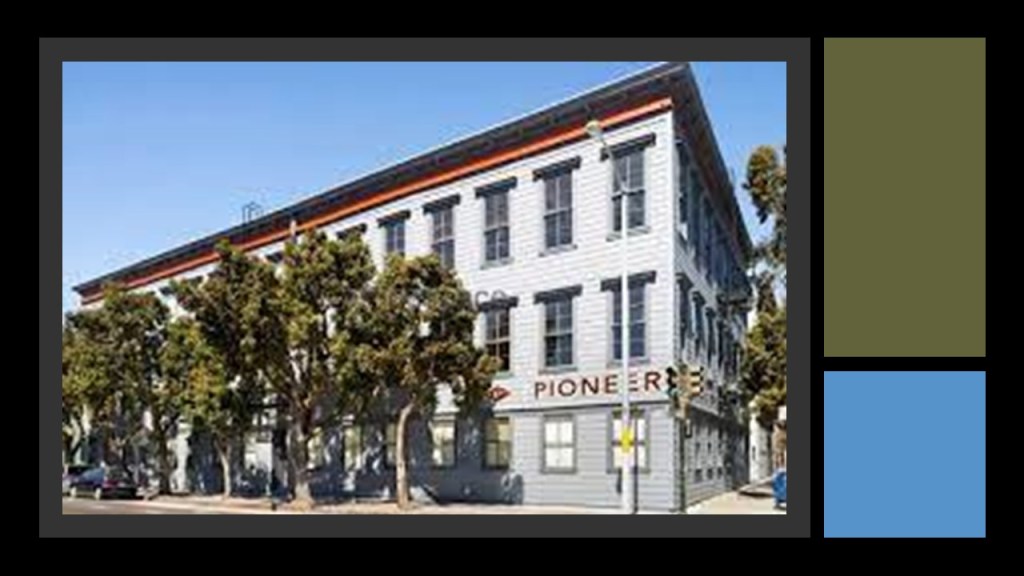
The offices of Neuralink and the artificial intelligence research laboratory OpenAI are co-located at the PioneerBuilding in San Francisco.
Why have the Big Tech companies gone out of their way to give us so many opportunities to live in a virtual, cartoon-like world and take us away from connecting to real-life and the real world?
Why is a tech guy involved in this stuff to begin with?
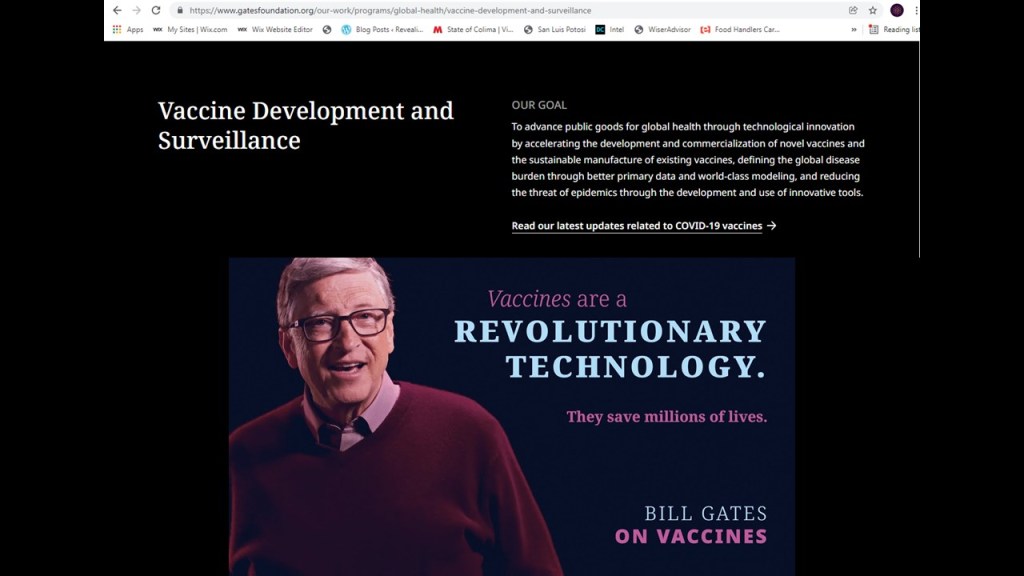
I think what we are seeing is an existential threat to Humanity as we know it that is the result of an outcome-based, long-term plan driving everything that has been happening in our lives to this day.
I am not trying to scare you if you don’t know these things already.
I want to make you aware of a real threat to all of us that has been in the makings for years without our knowledge or consent.
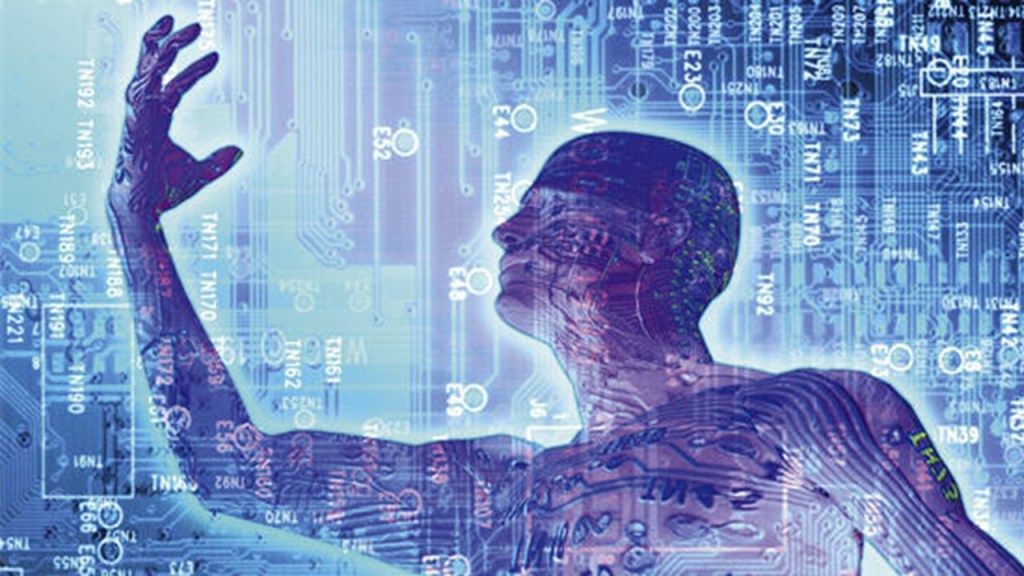
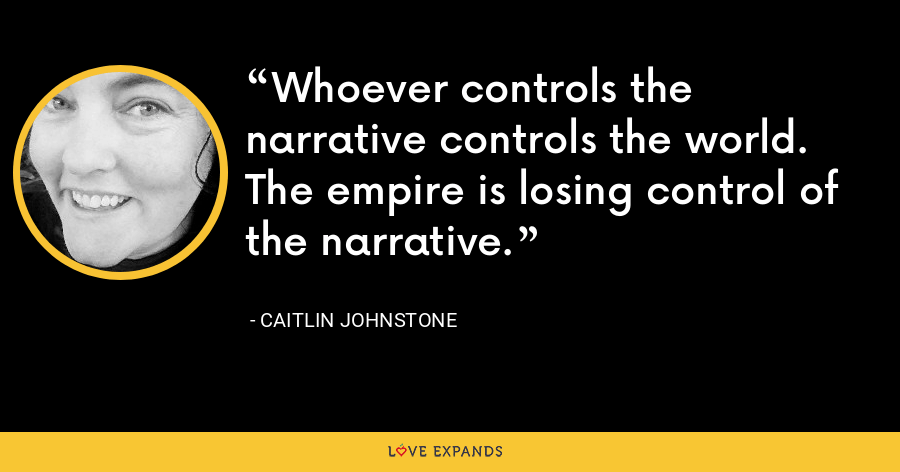
And to say that while it certainly appears that the personal computer and internet were developed with them being control mechanisms in mind, their development has been the single biggest factor in Humanity’s Awakening and connecting us to each other all over the world. Long story short, the Controllers lost control of the narrative!

 Revealing What Has Been Hidden in Front of Our Eyes
Excellent presentation with a lot of “a ha” 😳 🤔moments! If this is Part 4 gonna read your Part 1-3!! This is all stranger than fiction — great post!!
LikeLike